Arroyo Grande Care Center
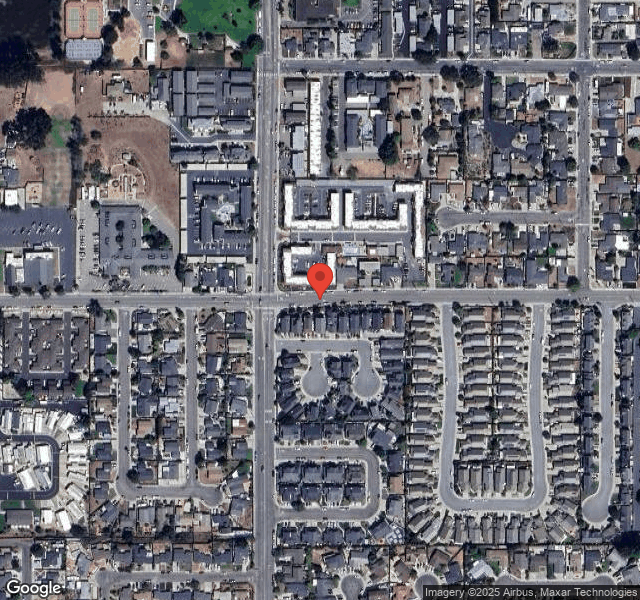
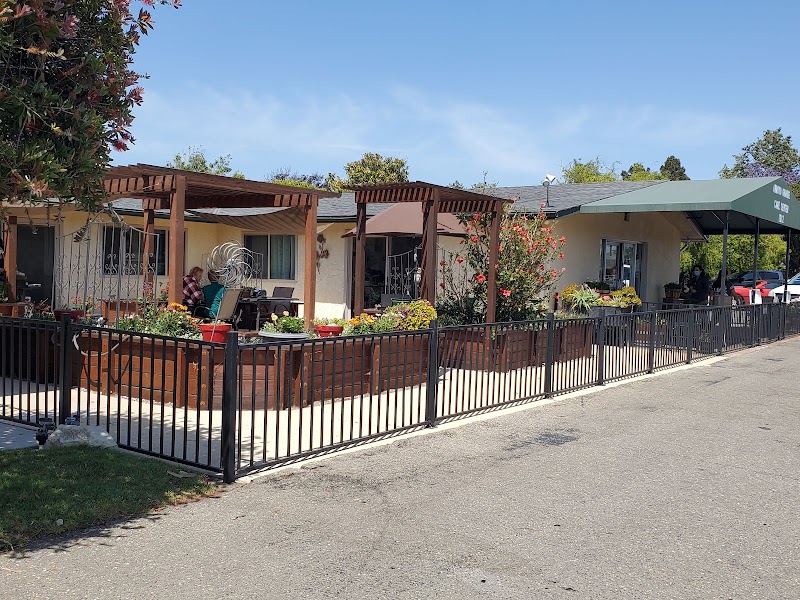
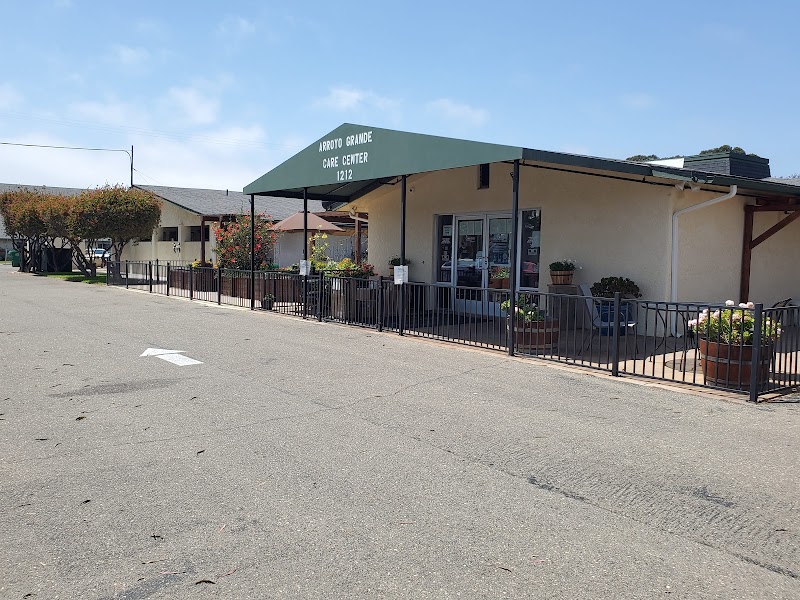
1212 Farroll Avenue, Arroyo Grande, CA 93420 (805) 489-8137
For profit - Corporation 99 Beds COMPASS HEALTH, INC. Data: November 2025
Trust Grade
95/100
#14 of 1155 in CA
Last Inspection: July 2025

Inspected within the last 6 months. Data reflects current conditions.

Overview

Arroyo Grande Care Center has an impressive Trust Grade of A+, indicating it is an elite facility in terms of quality and care. It ranks #14 out of 1,155 nursing homes in California, placing it well within the top half of all facilities in the state, and #1 out of 7 in San Luis Obispo County, making it the best local option. However, the facility's trend is concerning as it has worsened from 1 issue in 2023 to 4 issues in 2025, indicating a decline in quality. Staffing is a strong point with a 4/5 star rating and a low turnover rate of 19%, well below the state average, which suggests that the staff is experienced and familiar with the residents' needs. On the downside, there were specific incidents noted, including expired medications being found in first aid kits and food safety violations related to hair restraints and expired food items, which could potentially compromise resident safety. Overall, while the facility has many strengths, families should consider these recent issues when making their decision.
Trust Score
A+
95/100
In California
#14/1155
Top 1%
Safety Record
Low Risk
No red flags
Inspections
Getting Worse
1 → 4 violations
Staff Stability
✓ Good
19% annual turnover. Excellent stability, 29 points below California's 48% average. Staff who stay learn residents' needs.
Penalties
✓ Good
No fines on record. Clean compliance history, better than most California facilities.
Skilled Nurses
⚠ Watch
Each resident gets only 17 minutes of Registered Nurse (RN) attention daily — below average for California. Fewer RN minutes means fewer trained eyes watching for problems.
Violations
⚠ Watch
11 deficiencies on record. Higher than average. Multiple issues found across inspections.
★★★★★
5.0
Overall Rating
★★★★☆
4.0
Staff Levels
★★★★★
5.0
Care Quality
★★★★★
5.0
Inspection Score
Stable
2023: 1 issues
2025: 4 issues

The Good

  • 4-Star Staffing Rating · Above-average nurse staffing levels
  • 5-Star Quality Measures · Strong clinical quality outcomes
  • Low Staff Turnover (19%) · Staff stability means consistent care
  • Full Sprinkler Coverage · Fire safety systems throughout facility
  • No fines on record
  • Staff turnover is low (19%)

    29 points below California average of 48%

Facility shows strength in staffing levels, quality measures, staff retention, fire safety.

The Bad

Chain: COMPASS HEALTH, INC.

Part of a multi-facility chain

Ask about local staffing decisions and management

The Ugly 11 deficiencies on record

Jul 2025 3 deficiencies
CONCERN (D)

Potential for Harm - no one hurt, but risky conditions existed

Deficiency F0761 (Tag F0761)

Could have caused harm · This affected 1 resident

**NOTE- TERMS IN BRACKETS HAVE BEEN EDITED TO PROTECT CONFIDENTIALITY** Based on observation, interview, and record review, the facility failed to appropriately label and store drugs when three carton...

Read full inspector narrative →
**NOTE- TERMS IN BRACKETS HAVE BEEN EDITED TO PROTECT CONFIDENTIALITY** Based on observation, interview, and record review, the facility failed to appropriately label and store drugs when three cartons of Med Pass 2.0 fortified nutritional shake were found to be expired in the medication room of nursing station two.This failure had the potential to result in residents possibly receiving expired and ineffective medication.During a concurrent observation and interview on [DATE] at 10:12 A.M. with licensed nurse (LN 3), while checking medications in Station 2 medication room, found three cartons of Med Pass 2.0 fortified nutritional shake, (drink to add additional dietary calories and protein Fortified with vitamins and minerals), expired. Two expired [DATE] and one expired [DATE]. LN 3 confirmed they are expired and stated, Those need to go. It's all med nurses responsibility to check them.During a review of the facility's policy and procedure titled Medication Storage dated [DATE], indicated, . N. Outdated .medications .are immediately removed from stock, disposed of according to procedures for medication disposal .
CONCERN (D)

Potential for Harm - no one hurt, but risky conditions existed

Menu Adequacy (Tag F0803)

Could have caused harm · This affected 1 resident

Based on observation, interview and record review, the facility failed to follow the nutritional needs of a residents in accordance with recommended guidelines diet prescription for a renal diet for o...

Read full inspector narrative →
Based on observation, interview and record review, the facility failed to follow the nutritional needs of a residents in accordance with recommended guidelines diet prescription for a renal diet for one of one resident (Resident 72) when Certified Nurse Assistant (CNA) 4 added salt to the resident's meal. This failure has the potential of not meeting the nutritional goal of the resident as prescribed diet. During an observation on 7/22/25 at 7:48 am at the dining room, Resident 72 was observed for her meal intake. Certified Nurse Assistant (CNA) 4 was overheard offering Resident 72 if she wanted to have salt and pepper on her meal with the resident responding with a nod. CNA 4 opened the salt packet and sprinkled salt into resident 72's meal.During a concurrent interview and record review on 7/22/25 at 7:48 am with CNA 4, the meal ticket of Resident 72 was reviewed. The meal ticket indicated in part, Minced Meat, Renal, Nectar Thick Large Minces /LS. CNA 4 stated that she reviewed the meal ticket and is aware that it is a renal diet and states that the LS means low salt that is why she added salt and pepper to the meal.During an interview on 7/22/25 at 7:55 am with the Registered Dietician (RD) and Dietary Manager (DM), both stated that LS stands for low sugar and renal diets are not supposed to have no salt added to their meals.During a review of Policies and Procedures (P&P) titled Diets Available on Menu, the Diets Available on Menu indicated in part, 1. Diets will be offered as ordered by physician or his/her designee . The therapeutic diet orders that will be offered are g. Low Sugar (LS), 2. In an effort to individualize therapeutic orders, secondary diet orders may be offered and can be combined with the main diet order to achieve desired results: a. No salt packets/No salt on table.
CONCERN (D)

Potential for Harm - no one hurt, but risky conditions existed

Food Safety (Tag F0812)

Could have caused harm · This affected 1 resident

Based on observation, interview, and record review, the facility failed to ensure food safety standards were followed when an expired milk, brought in by family, was found in the snack refrigerator in...

Read full inspector narrative →
Based on observation, interview, and record review, the facility failed to ensure food safety standards were followed when an expired milk, brought in by family, was found in the snack refrigerator in nursing station 2.This failure had the potential to cause food- borne illness to a vulnerable resident.During a concurrent observation and interview on 7/22/2025 at 10:35 A.M., with licensed nurse (LN 2), while checking the snack refrigerator in Station 2, found an Alta Dena reduced fat milk (brought in by family) was expired on 6/17/2025. LN 2 confirmed the milk was expired and stated, We usually check items brought in by family. We should check it daily.During a review of the facility's policy and procedure titled, Resource: Food Safety for Your Loved Ones, dated 2022, indicated in part ., Food or beverages should be labeled and dated to monitor for food safety: . Foods and beverages that have passed the manufacturer's expiration date will be discarded.
Feb 2025 1 deficiency
CONCERN (D) 📢 Someone Reported This

A family member, employee, or ombudsman was alarmed enough to file a formal complaint

Potential for Harm - no one hurt, but risky conditions existed

Medical Records (Tag F0842)

Could have caused harm · This affected 1 resident

**NOTE- TERMS IN BRACKETS HAVE BEEN EDITED TO PROTECT CONFIDENTIALITY** Based on interview, and record review, the facility failed to complete an accurate nursing assessment for one of two sampled res...

Read full inspector narrative →
**NOTE- TERMS IN BRACKETS HAVE BEEN EDITED TO PROTECT CONFIDENTIALITY** Based on interview, and record review, the facility failed to complete an accurate nursing assessment for one of two sampled residents (Resident 1). This failure resulted in the receiving facility not having sufficient information necessary to develop and implement a care plan to meet Resident 1's needs. Findings: During a review of Resident 1's Care Plan (CP) (a document that outlines a patient's health needs and the care they will receive) dated, 1/24/25, the CP indicated, Resident 1 had impaired skin integrity, erythema (skin redness) to sacrococcygeal (the area at the base of the spine) and groin. During an interview on 2/10/25 at 3:05 p.m. with Licensed Nurse (LN 4), LN 4 verbalized they did the assessment, they saw some redness on Resident 1's bottom, got busy and did not document the redness. During a review of Resident 1's Needs upon discharge assessment, dated 1/27/25, the Needs upon discharge assessment indicated, Resident 1's skin was intact. Review of [NAME] and [NAME], Tenth Edition, Fundamentals of Nursing, page 365 in the section titled, Informatics and Documentation, indicated, Documentation is a key communication strategy that produces a written account of pertinent data, clinical decisions and interventions, and patient responses in a health record. Documentation in a patient's health record is a vital aspect of nursing practice.
Sept 2023 1 deficiency
CONCERN (D) 📢 Someone Reported This

A family member, employee, or ombudsman was alarmed enough to file a formal complaint

Potential for Harm - no one hurt, but risky conditions existed

Deficiency F0567 (Tag F0567)

Could have caused harm · This affected 1 resident

**NOTE- TERMS IN BRACKETS HAVE BEEN EDITED TO PROTECT CONFIDENTIALITY** Based on interview and record review, the facility failed to ensure a proper system was in place to safeguard one of three sampl...

Read full inspector narrative →
**NOTE- TERMS IN BRACKETS HAVE BEEN EDITED TO PROTECT CONFIDENTIALITY** Based on interview and record review, the facility failed to ensure a proper system was in place to safeguard one of three sampled residents (Resident 1) personal funds when the facility's billing department deposited Resident 1's personal check for rent payment into the facility's bank account. This failure resulted in the misappropriation of Resident 1's personal funds which had the potential to cause emotional distress and anxiety to the resident. Findings: During a review of Resident 1's Face Sheet (FS), dated 8/9/23, the FS indicated in part, Resident 1 was a [AGE] year-old female, who was admitted to the facility on [DATE] with admitting diagnoses including, pneumonia (infection of the lungs) and acute kidney failure (rapid loss of kidney function). The FS also indicated, Resident 1 was discharged from the facility on 10/20/22. During a phone interview on 8/9/23 at 5:25 p.m. with Resident 1, Resident 1 verbalized, asking a facility staff to mail out a personal check as payment for a leased residential property. Resident 1 also verbalized the check was made payable to (name of Resident 1's lease property management) as payment for the month of October 2022. Resident 1 found out the lease property management did not receive the check after receiving a call from them. Resident 1 later confirmed, through her bank, that the check was processed and deposited into an account named after the facility. During an interview on 8/9/23 at 6 p.m. with the Assistant Director of Nursing (ADON), ADON verbalized that the facility's social services department handles all resident requests for mails to be sent out. During a phone interview on 8/9/2 at 6:20 p.m. with an accounts receivable/billing (ARB) staff for the facility, ARB staff recalled, Resident 1's check was endorsed to the facility's billing department and confirmed the check was made payable to Resident 1's lease property management. ARB staff also verbalized, Resident 1's rent check was mistakenly endorsed to be deposited into the facility's bank account thinking it was Resident 1's co-payment for the charges incurred while admitted in the facility. ARB staff further verbalized, that somehow the bank processed the check and the check was cleared. During a review of the facility's policy and procedures (P&P), titled, Protection/Management, Accounting and Records, Notice, and Conveyance of Personal Funds, dated 3/1/18, the P&P indicated in part, (Corporate Name) facilities have established and maintain a system that assures a full, complete, and separate accounting of funds entrusted to (corporate name) facilities on the resident's behalf. The accounting system is established according to generally accepted accounting principles.
Nov 2022 1 deficiency
CONCERN (D) 📢 Someone Reported This

A family member, employee, or ombudsman was alarmed enough to file a formal complaint

Potential for Harm - no one hurt, but risky conditions existed

Notification of Changes (Tag F0580)

Could have caused harm · This affected 1 resident

Based on interview and record review the facility failed to notify Resident 1's physician of change of condition in a timely manner. This failure has the potential for adverse consequences and impend...

Read full inspector narrative →
Based on interview and record review the facility failed to notify Resident 1's physician of change of condition in a timely manner. This failure has the potential for adverse consequences and impending the resident's progress towards therapeutic goals. Findings: During a review of facility policy and procedure titled, Alert Charting Procedure undated, the policy and procedure indicated in part, When you have identified that the patient's condition requires alert charting, you must complete the following: Physician notification and any orders received . During a review of Resident 1's, Clinical Notes Report, dated 4/13/22, at 9:29 a.m., the report indicated, Resident with an appointment today .Resident left at around 930 am today .Per resident when riding the Ride on Bus, he was jolted leaning on the right side of the wheelchair .Resident stated with pain on right side of the body, administered PRN [as needed] Norco [pain medication for moderate to severe pain] . During an interview and concurrent record review of Resident 1's medical record on 10/10/22, starting at 3:05 p.m., with the director of nurses (DON), the DON acknowledged that there were no nursing notes indicating Resident 1's physician was notified of alleged injury and complaint of pain. The DON stated, Yes, I know we are supposed to notify the doctor and I don't see any (notification).
Aug 2021 5 deficiencies
CONCERN (D)

Potential for Harm - no one hurt, but risky conditions existed

Deficiency F0700 (Tag F0700)

Could have caused harm · This affected 1 resident

**NOTE- TERMS IN BRACKETS HAVE BEEN EDITED TO PROTECT CONFIDENTIALITY** Based on Observation, interview, and record review, the facility failed to use appropriate alternatives prior to installing bed ...

Read full inspector narrative →
**NOTE- TERMS IN BRACKETS HAVE BEEN EDITED TO PROTECT CONFIDENTIALITY** Based on Observation, interview, and record review, the facility failed to use appropriate alternatives prior to installing bed rails (adjustable metal or rigid plastic bars that attach to the bed) for five of 5 sampled residents (Resident 35, 41, 54, 61, and 62). This facility failure had the potential to result in an increased risk for entrapment (strangulation, suffocation, bodily injury or death when a resident or part of their body is caught between the bed rail and mattress) or falls. Findings: During a review of the facility's policy and procedure (P&P) titled, Bedrails/Siderails, dated 3/1/18, the P&P referenced the regulation, F700, and indicated, Alternative interventions should always be considered prior to use of Side Rails or in combination with Side Rail use. According to Fundamentals of Nursing ([NAME] et al.; Elsevier: 2017, p. 392), . many deaths and injuries related to entrapment and falls for both adult portable bedrail products and hospital bed rails have been reported . The FDA [U.S. Food and Drug Administration] recommends that all bedrails be used with caution, especially with older adults and people with altered cognition, physical limitations, and certain medical conditions. During an observation on 08/9/21, at 10:17 a.m., in Resident 54's room, Resident 54's bed upper rails were observed raised on each side of the bed. During an observation on 08/9/21, at 3:42 p.m., in Resident 41's room, Resident 41's bed upper rails were observed raised on each side of the bed. During an observation on 8/10/21, at 10:28 a.m., in Resident 35's room, Resident 35's bed upper rails were observed raised on each side of the bed. During an observation on 8/10/21, at 10:45 a.m., in Resident 62's room, Resident 62's bed upper rails were observed raised on each side of the bed. During an observation on 8/10/21, at 11:20 a.m., in Resident 61's room, Resident 61's bed upper rails were observed raised on each side of the bed. During a concurrent interview and record review on 8/12/21, starting at 9:11 a.m., with a director of nursing (DON), the DON reviewed the electronic health records (eHR) of Residents 35, 41, 54, 61, and 62 and stated there was no documentation of alternatives that were attempted prior to the use of the bed rails. During a review of Resident 35's electronic health records (eHR), the: 1) Face Sheet (FS) a document that gives a resident's pertinent information at a quick glance), indicated, Resident 35 was admitted on [DATE] at 4:30 p.m., age [AGE], admitting diagnoses included, difficulty walking, fractured left femur (upper leg), and a history of falling. 2) Compass Health Verification Of Informed Consent for Use of Side Rails (Consent), dated 6/18/21, at 3:21 p.m., indicated Resident 35 or their representative consented to using bedrails. 3) Side-Rail Use Evaluation Form (Eval), dated 06/18/21, at 3:24 p.m., indicated, on 6/21/21 the interdisciplinary team (IDT) a team of different healthcare disciplines working together to plan a resident's care) recommended alternative interventions of low bed, call light within reach, and answering call light promptly. During a review of Resident 41's eHR, the: 1) FS, indicated, Resident 41 was admitted on [DATE] at 12:36 p.m., age [AGE], admitting diagnoses included, fractured left femur and history of falling. 2) Consent, dated 06/13/21, at 11:02 a.m., indicated Resident 41 or their representative consented to using bedrails. 3) Eval, dated 6/13/21, at 11:06 a.m., indicated, on 6/14/21 and 6/16/21 the IDT recommended alternative interventions of low bed, call light within reach, and answering call lights/alarms promptly. During a review of Resident 54's eHR, the: 1) FS, indicated, Resident 54 was admitted on [DATE] at 1:50 p.m., age [AGE], admitting diagnoses included, Parkinson's disease (affects cells in the brain that controls movement), history of falling, dementia (impaired ability to remember, think, or make decisions), and Schizoaffective disorder (chronic mental health condition with symptoms such as hallucinations or delusions). 2) Consent, dated 7/9/21, at 1:02 p.m., indicated Resident 54 or their representative consented to using bedrails. 3) Eval, dated 7/9/21, at 1:32 p.m., indicated, on 7/9/21, 7/11/21, and 7/12/21 the IDT recommended alternative interventions of low bed, bed alarm, call light within reach, answering call light/alarms promptly, and pad alarm in wheelchair. During a review of Resident 61's eHR, the: 1) FS, indicated, Resident 61 was admitted on [DATE] at 1:45 p.m., age [AGE], admitting diagnoses included, right fibula (lower leg) fracture, history of falling, and ataxia (damage to the brain causing poor coordination). 2) Consent, dated 7/15/21, at 1:40 p.m., indicated Resident 61 or their representative consented to using bedrails. 3) Eval, dated 7/15/21 and 7/16/21, at 8:49 a.m., indicated, on 7/15/21 and 7/16/21 the IDT recommended no alternative interventions. During a review of Resident 62's eHR, the: 1) FS, indicated, Resident 62 was admitted on [DATE] at 2:30 p.m., age [AGE], admitting diagnosies included, encephalopathy (a disease that affects the function or structure of the brain) and muscle weakness. 2) Consent, dated 7/16/21, at 12:40 p.m., indicated Resident 62 or their representative consented to using bedrails. 3) Eval, dated 7/16/21, at 12:51 p.m., indicated, on 7/19/21 the IDT recommended no alternative interventions.
CONCERN (D)

Potential for Harm - no one hurt, but risky conditions existed

Medication Errors (Tag F0758)

Could have caused harm · This affected 1 resident

The facility failed to ensure that one resident was free from unnecessary drugs. Resident #15 Unnecessary Meds, Psychotropic Meds, and Med Regimen Review Based on resident interview, clinical record ...

Read full inspector narrative →
The facility failed to ensure that one resident was free from unnecessary drugs. Resident #15 Unnecessary Meds, Psychotropic Meds, and Med Regimen Review Based on resident interview, clinical record review, and review of the drug manufacturer's specifications, the facility failed to ensure that, each resident's drug regimen was free from unnecessary drugs, including medications used for an excessive duration. This medication used in this manner, could have prevented this resident from reaching her highest functional capacity. Findings: Review of the clinical record for sampled Resident 15 on 8/12/2021 at 10:15 am with the Director of Nurses (DON), confirmed that this resident had been taking Zolpidem (Ambien) a sleeping medication 5 mg as needed during her hour of sleep. This medication was ordered by the resident's physician on 6/11/2021 (one day after the resident's admission to the facility). Interview with Resident 15 on 8/12/2021 at 9:20 am Resident 15 stated that she was unable to sleep at night because of the light in her eyes from the hallway and the room light above her bed. The Resident's inability to sleep because of the light in her eyes had not been care planned or documented into the resident's care plan or medical record. Resident 15 also indicated that she did not request for her sleeping pill at night, but she indicated that nursing staff were bringing this medication to her even though she had not requested this sleeping medication. This resident received the first dose of Zolpidem 5mg on the evening of 6/12/2021 and she only received 6 more doses for the remainder of 6/2021. For the month of 7/2021, Resident 15 received this sleeping medication 29 times during the month of 7/2021, and between 8/1/2021 and 8/11/2021 this resident received this medication 9 times. Review of the drug manufacturer's (Sanofi-Aventis) package insert reads: Because sleep disturbances may be the presenting manifestation of a physical and/or psychiatric disorder, symptomatic treatment of insomnia should be initiated only after a careful evaluation of the patient. The failure of insomnia to remit after 7 to 10 days of treatment may indicate the presence of a primary psychiatric and/or medical illness that should be evaluated. Worsening of insomnia or the emergence of new thinking or behavior abnormalities may be the consequence of an unrecognized psychiatric or physical disorder. Such findings have emerged during treatment with sedative/hypnotic drugs, including zolpidem. Interview with the DON on 8/12/2021 at 10:15 am confirmed that neither a physician nor a psychiatrist had evaluated this resident for a psychiatric or medical illness related to this resident's insomnia to resolve within the 7-10 days for which this resident received treatment. This resident's medication use, clearly exceeded the manufacturer's 7-10 days of treatment, leading to an excessive duration for the use of this medication for Resident 15. Interview with the DON on 08/12/2021 at 10:15 am revealed that the DON was unaware at the time of our discussion that Resident 15 had any trouble sleeping.
CONCERN (E)

Potential for Harm - no one hurt, but risky conditions existed

Menu Adequacy (Tag F0803)

Could have caused harm · This affected multiple residents

Based on observation, interview, and record review, the facility failed to ensure the menu was followed for: 1) Two of two residents (Residents 4 and 36) on the small portion minced and moist diet, an...

Read full inspector narrative →
Based on observation, interview, and record review, the facility failed to ensure the menu was followed for: 1) Two of two residents (Residents 4 and 36) on the small portion minced and moist diet, and 2) Two of two residents (Residents 6 and 16) on the small portion soft and bite sized diets for the lunch meal on 8/9/21. This failure had the potential to result in not meeting the nutritional needs of the residents and further compromising their medical status. Findings: During a review of the lunch menu for day 23 (8/9/21), the menu indicated, for MM5 (minced and moist) diet: three ounces chicken baked, #8 scoop (1/2 cup or 4 ounces) MM pasta and sauce, #8 scoop MM zucchini. The lunch menu indicated, SB6 SM (small and bite sized, small portion) chicken baked - 2 ounces, SB pasta and sauce #10 scoop (2.75 ounces), #8 scoop SB zucchini. There was no menu column that indicated what the small portion, minced and moist diet should receive. During an observation on 8/9/21, at 11:57 a.m, of the lunch meal service, the following was observed, a #16 scoop (1/4 cup or 2 ounces) and a #8 scoop in the pasta and couscous, 2 ounce ladle in chicken SB and #16 scoop for MM chicken, and 4 ounces ladle in the zucchini pan. The Diet Aide called out the diet that was written on the tray tickets to the cook and the cook dished up food onto the plates. Each tray ticket indicated, the food items for the meal and the portion of the diet. The Diet aide did not call out the portion sizes for each diet, just the type of diet. Further observation on 8/9/21, at 11:57 a.m., of the lunch meal service, Kitchen Staff (KS) 3 was observed using a small 2 ounce meat and #16 starch scoop for all small diets. KS 3 served 1. Residents 36 and Resident 4, #16 scoop MM5 pasta and 2 ounces for chicken; and 2. Residents 6 and 16, #16 scoop for SB pasta and 2 ounces for SB chicken. Review of Residents 4, 36, 6, and 16 tray tickets, indicated, both MM5 and SB6 small portions were to receive #10 scoop of pasta and 2 ounces chicken. During an interview on 8/09/21 at 12:31 p.m., after the lunch meal service was completed, with KS 3, KS 3 confirmed 2 ounces of chicken meat for small portions and #16 scoop (1/4 cup) for starch either pasta or couscous. During an interview on 8/11/21, at 9:30 a.m., with the Registered Dietitian (RD), the RD stated, they have been working with the company that puts out the menu and tray card system since they have implemented the International Dysphagia Diet Standardisation Initiative (IDDSI) diets (MM and SB diets) as it has been a work in progress. During an interview on 8/11/21 at 10:08 a.m., with the RD, the RD stated, the expectation is to follow menus and she acknowledged they have some issues with small portions and will need to work on it. During an interview on 8/11/21 at 12:25 p.m., with the RD, the RD state, that maybe they need to look at the system more closely to see if they are able to have the same scoops across the board for all types of small portion diets to make it easier on the cooks. The RD stated, KS 3 had been on vacation and came back to work early due to another cook was sick and she hadn't had a chance to work with her much since her being FT at the facility. The RD stated, there may be an opportunity to review the menu with her. During a review of the facility In-Service dated, 1/21/21, to teach and reinforce personnel the importance of following the menu spreadsheets, the sign-in sheet indicated, KS 3 was present. The In-service indicated the method of evaluation was a paper test. The facility did not provide KS 3's evaluation test from the In-Service. During a review of the facility In-Service dated 3/31/21 with course content to Identify IDDSI diet labels, definition of characteristic of food, physiological rationale, the in-service indicated, the method of evaluation was questions and answers. Review of the content for the In-Service did not indicate the staff was trained on the small portions however, they did receive training on MM and SB diets. Review of the sign in sheet indicated, KS 3 was not in attendance. During an interview on 8/12/21 at 2:33 p.m., with the DON , the DON stated, the facility could not locate a job competency for KS 3.
CONCERN (F)

Potential for Harm - no one hurt, but risky conditions existed

Pharmacy Services (Tag F0755)

Could have caused harm · This affected most or all residents

Based on observation, interview, and record review, the facility failed to ensure: 1. Expired medications were not stored and available for staff use, in two of two first aid kits, and in one of two t...

Read full inspector narrative →
Based on observation, interview, and record review, the facility failed to ensure: 1. Expired medications were not stored and available for staff use, in two of two first aid kits, and in one of two treatment carts. These failures had the potential for unsafe and ineffective medication administration that can cause harm to the residents. 2. A licensed nurse followed the facility's policy and procedures (P&P) on medication administration. Findings: 1. During a concurrent interview, and inspection of the facility's two Disaster Kits (D-Kit), on 8/9/21 at 9:45 a.m., with Assistant Director of Nursing (ADON), items observed in a D-Kit, included, a heavy-duty extension cord, flashlight, floor plans, a typed list of area hospitals and nursing homes, a First Aid Kit (FA-Kit) with manual, and other supplies. The two FA-Kits, one in each D-Kit, had a stamped expiration date of 2/18. The labels on the FA-Kits indicated, the kits contained items such as gauze dressing pads, tweezers, scissors, adhesive bandages, tape, and other supplies. In addition, the labels also indicated, the kits contained oral and topical (to apply directly to a body part) medications. According to the manufacturer's product information included on the labels, This kit may contain dated items. Please check before use. Further inspection of the contents of the FA-Kits revealed, expired medications: a total of 12 (six in each kit) packets of First Aid/burn cream 0.9 grams (expired 6/18), a total of 12 (six in each kit) BZK (Benzalkonium Chloride - alcohol-free, non-sting wipes used to disinfect the skin) antiseptic towelettes (expired 5/18), a total of 12 (six in each kit) insect sting relief pads (expired 4/20), a total of 12 (six in each kit) packets of antibiotic ointment (expired 5/18), a total of two (one in each kit) 4 oz. (ounce) containers of eyewash solution (expired 6/18), and a total of 20 (10 in each kit) two-pack Aspirin (medication used to reduce pain, fever, or inflammation) packets (expired 6/18). During an interview, on 8/9/21 at 10:18 a.m., with the Central Supply Supervisor (CSS), the CSS stated, a central supply staff conducts the weekly audit of the facility's D-Kits. The CSS further stated, I never really checked for the (first aid kit's) expiration date. During an interview, on 8/9/21, at 11:48 a.m., with the Director of Nursing (DON), the DON stated, There should be a First Aid Kit available for emergency use, at all times, in the facility. The DON also stated, they were the only available FA-Kits in the facility. During a concurrent interview, and inspection with the ADON, on 8/9/21 at 11:40 a.m., the Treatment Cart (a wheeled, storage unit carrying supplies, such as dressings, ointments, creams, bandages, etc., used for treatment procedures) was inspected at the facility's Nurse Station 2. The following expired medications were found inside the cart: two tubes of Skin Integrity Hydrogel (used to treat and prevent diaper rash, and minor skin irritations, and ideal for cleaning wounds that helps create a moist, wound environment), that expired 1/21, two tubes of Bacitracin ointment (an antibiotic used to prevent infection in minor cuts, scrapes, and burns), that expired 6/21, and three individual packs of Colactive Plus Ag Collagen Dressing (an advanced wound dressing that facilitates natural wound healing), that expired 6/21. The ADON stated, The nurse assigned with the cart (referring to the treatment cart) for that shift is ultimately responsible in checking that supplies he/she uses are not expired. The ADON confirmed the medications found in the treatment cart were expired. During a review of the facility's policy and procedures (P&P), titled, Storage of Medications, undated, the P&P indicated, in part, Medications and biologicals are stored properly, following the manufacturer or provider pharmacist's recommendations, to maintain their integrity and to support safe, effective drug administration. The P&P indicated further, Outdated, contaminated, discontinued or deteriorated medications and those in containers that are cracked, soiled, or without secure closures are immediately removed from stock. 2. Prior to the start of the facility's 9 a.m. medication pass on 8/10/21, Medication Nurse 1 (MN1) began passing 9 a.m. medications to unsampled Resident 1 at 7:39 a.m., on the morning of 08/10/2021. Interview with MN 1, MN1 stated, that she would commonly start her 9 a.m. medication pass at 8 a.m., however she would start early if a resident had asked for a PRN (as needed dose of a medication). MN1 passed the following medications to unsampled Resident 1, between 7:39 am and 7:50 am on the morning of 08/10/2021: Multivitamins, MiraLAX (laxative) 17 grams, Prednisone (steroid) 40 mg (milligrams), Metoprolol (blood pressure) 12.5 mg, Telmisartan (blood pressure) 20 mg, Duloxetine (antidepressant) 20 mg, Myrbetriq (bladder) 50 mg, ASA ([aspirin]blood thinner) 81 mg, Preformist (bronchodilator) 20 mcg (micrograms) /2 ml (milliliter) vial. During a concurrent interview and review of the facility's policy and procedure (P&P) titled, Nursing Care Center Pharmacy Policies and Procedures, undated, on 8/10/21 at 8 a.m., the P&P indicated: Medications are administered within 60 minutes of scheduled time . In addition, the P&P indicated, all routine 9 a.m. medications are to be administered between the hours of 8 a.m. and 10 a.m., The DON confirmed the policy's medication administration times.
CONCERN (F)

Potential for Harm - no one hurt, but risky conditions existed

Food Safety (Tag F0812)

Could have caused harm · This affected most or all residents

Based on observation, interview and record review, the facility failed to ensure food was stored, prepared, distributed and served in accordance with professional standards for food service safety whe...

Read full inspector narrative →
Based on observation, interview and record review, the facility failed to ensure food was stored, prepared, distributed and served in accordance with professional standards for food service safety when: 1) kitchen staff did not have all their hair restrained, and 2) food items were past their best buy date in the reach-in refrigerator. This had the potential for food to be contaminated by hair and the quality of the food may change past the use by date. The census of the facility was 74. Findings: 1. During an observation on 8/09/21, at 10:57 a.m., in the kitchen, Kitchen Staff (KS) 1, was making peanut butter and jelly sandwiches with hair under hat but hair in back not restrained while making sandwiches. During an observation on 8/10/21, at 10:37 a.m., in the kitchen, KS 1 was scooping fruit cocktail with 4 ounce slotted ladle into bowls. KS 1 had a hat on head and hair in back not restrained and sides hair coming out of hat down the side of her face. During an observation on 8/10/21 at 11:53 a.m., in the kitchen, KS 2 had hair out the back of hair restraint and down her back. KS 2 was observed putting away clean equipment then putting food items on trays throughout lunch meal service. During an interview on 8/11/21, at 10:08 a.m., with the Registered Dietitian (RD), the RD stated, the expectation is that all hair should be in hair nets or restrained. The surveyor showed RD pictures of KS 1 and 2, RD confirmed the hair was clearly down her back and not in hair net regarding KS 2. RD stated KS 1 should also have a hair net for the rest of her hair with her hat. The RD acknowledged hair was not restrained. During an interview on 8/11/21 at 11:25 AM, with the RD, the RD stated the policy is vague regarding hair restraints. During a review of the facility policy and procedure (P&P) titled, Food and Nutrition Services - Dress Code Policy, undated, the P&P indicated, employees shall cover hair with appropriate hair hat and/or beard nets as appropriate. According to the 2017 Federal Food and Drug Administration (FDA) Food Code, the Code indicated, food employees shall wear hair restraints such as hats, hair coverings or nets, beard restraints, and clothing that covers body hair, that are designed and worn to effectively keep their hair from contacting exposed food; clean equipment, utensils, and linens; and unwrapped single-service and single-use articles. 2. During the initial kitchen tour and concurrent interview, on 8/9/21, starting at 9:00 a.m., with the Kitchen Manager (KM), an observation of a crate of approximately 40-50 cartons (8-ounce cartons) of Fat Free milk with a best by date of 8/8/21. The KM stated, they go by the best by date, and it should not be used. KM stated, did not realize this date was yesterday and they will put something on it, so it won't be used.
Understanding Severity Codes (click to expand)
Life-Threatening (Immediate Jeopardy)
J - Isolated K - Pattern L - Widespread
Actual Harm
G - Isolated H - Pattern I - Widespread
Potential for Harm
D - Isolated E - Pattern F - Widespread
No Harm (Minor)
A - Isolated B - Pattern C - Widespread

Questions to Ask on Your Visit

  • "Can I speak with families of current residents?"
  • "What's your RN coverage like on weekends and overnight?"

Our Honest Assessment

Strengths
  • • Grade A+ (95/100). Above average facility, better than most options in California.
  • • No major safety red flags. No abuse findings, life-threatening violations, or SFF status.
  • • No fines on record. Clean compliance history, better than most California facilities.
  • • 19% annual turnover. Excellent stability, 29 points below California's 48% average. Staff who stay learn residents' needs.
Concerns
  • • 11 deficiencies on record. Higher than average. Multiple issues found across inspections.
Bottom line: Generally positive indicators. Standard due diligence and a personal visit recommended.

About This Facility

What is Arroyo Grande Care Center's CMS Rating?

CMS assigns Arroyo Grande Care Center an overall rating of 5 out of 5 stars, which is considered much above average nationally. Within California, this rating places the facility higher than 99% of the state's 100 nursing homes. This rating reflects solid performance across the metrics CMS uses to evaluate nursing home quality.
How is Arroyo Grande Care Center Staffed?
CMS rates Arroyo Grande Care Center's staffing level at 4 out of 5 stars, which is above average compared to other nursing homes. Staff turnover is 19%, compared to the California average of 46%. This relatively stable workforce can support continuity of care.

What Have Inspectors Found at Arroyo Grande Care Center?

State health inspectors documented 11 deficiencies at Arroyo Grande Care Center during 2021 to 2025. These included: 11 with potential for harm.

Who Owns and Operates Arroyo Grande Care Center?

Arroyo Grande Care Center is owned by a for-profit company. For-profit facilities operate as businesses with obligations to shareholders or private owners. The facility is operated by COMPASS HEALTH, INC., a chain that manages multiple nursing homes. With 99 certified beds and approximately 85 residents (about 86% occupancy), it is a smaller facility located in Arroyo Grande, California.

How Does Arroyo Grande Care Center Compare to Other California Nursing Homes?

Compared to the 100 nursing homes in California, Arroyo Grande Care Center's overall rating (5 stars) is above the state average of 3.2, staff turnover (19%) is significantly lower than the state average of 46%, and health inspection rating (5 stars) is much above the national benchmark.

What Should Families Ask When Visiting Arroyo Grande Care Center?

Based on this facility's data, families visiting should ask: "Can I visit during a mealtime to observe dining assistance and food quality?" "How do you handle medical emergencies, and what is your hospital transfer rate?" "Can I speak with family members of current residents about their experience?"

Is Arroyo Grande Care Center Safe?

Based on CMS inspection data, Arroyo Grande Care Center has a clean safety record: no substantiated abuse findings (meaning no confirmed cases of resident harm), no Immediate Jeopardy citations (the most serious violation level indicating risk of serious injury or death), and is not on the Special Focus Facility watch list (a federal program monitoring the lowest-performing 1% of nursing homes). The facility has a 5-star overall rating and ranks #1 of 100 nursing homes in California. While no facility is perfect, families should still ask about staff-to-resident ratios and recent inspection results during their visit.

Do Nurses at Arroyo Grande Care Center Stick Around?

Staff at Arroyo Grande Care Center tend to stick around. With a turnover rate of 19%, the facility is 26 percentage points below the California average of 46%. Low turnover is a positive sign. It means caregivers have time to learn each resident's needs, medications, and personal preferences. Consistent staff also notice subtle changes in a resident's condition more quickly. Registered Nurse turnover is also low at 17%, meaning experienced RNs are available to handle complex medical needs.

Was Arroyo Grande Care Center Ever Fined?

Arroyo Grande Care Center has no federal fines on record. CMS issues fines when nursing homes fail to meet care standards or don't correct problems found during inspections. The absence of fines suggests the facility has either maintained compliance or corrected any issues before penalties were assessed. This is a positive indicator, though families should still review recent inspection reports for the full picture.

Is Arroyo Grande Care Center on Any Federal Watch List?

Arroyo Grande Care Center is not on any federal watch list. The most significant is the Special Focus Facility (SFF) program, which identifies the bottom 1% of nursing homes nationally based on persistent, serious quality problems. Not being on this list means the facility has avoided the pattern of deficiencies that triggers enhanced federal oversight. This is a positive indicator, though families should still review the facility's inspection history directly.