Coastal Oaks Special Care Center
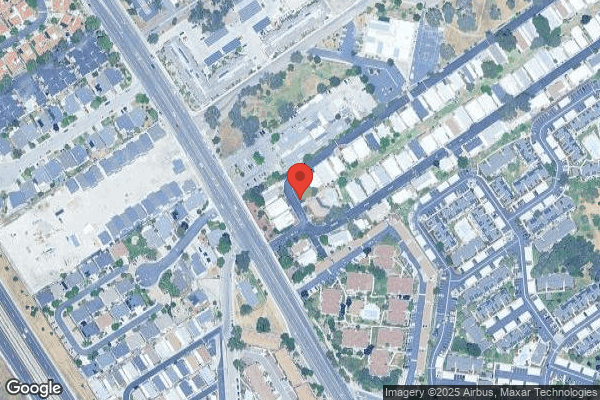
10805 El Camino Real, Atascadero, CA 93422 (805) 466-9254
For profit - Limited Liability company 65 Beds COMPASS HEALTH, INC. Data: November 2025
Trust Grade
80/100
#330 of 1155 in CA
Last Inspection: June 2025

Inspected within the last 6 months. Data reflects current conditions.

Overview

Coastal Oaks Special Care Center has a Trust Grade of B+, which indicates it is above average in quality and care. It ranks #330 out of 1,155 facilities in California, placing it in the top half, but it is last in its county, ranked #7 out of 7, meaning there are no better local options. The facility is improving, with reported issues decreasing from four in 2024 to just one in 2025. Staffing is a concern, with a low rating of 1 out of 5, but a turnover rate of 0% is excellent, suggesting staff are retained and familiar with residents. There have been no fines, which is a positive sign, yet recent inspections revealed issues, including expired medications in the emergency kit, improper meal portions not meeting dietary needs, and incomplete medical records for several residents, highlighting areas that need attention despite the overall good health inspection rating.

Trust Score
B+
80/100
In California
#330/1155
Top 28%
Safety Record
Low Risk
No red flags
Inspections
Getting Better
4 → 1 violations
Staff Stability
○ Average
Turnover data not reported for this facility.
Penalties
✓ Good
No fines on record. Clean compliance history, better than most California facilities.
Skilled Nurses
○ Average
RN staffing data not reported for this facility.
Violations
○ Average
9 deficiencies on record. Average for a facility this size. Mostly minor or procedural issues.
★★★★☆
4.0
Overall Rating
★☆☆☆☆
1.0
Staff Levels
★★★★☆
4.0
Care Quality
★★★★★
5.0
Inspection Score
Stable
2024: 4 issues
2025: 1 issues

The Good

  • 4-Star Quality Measures · Strong clinical quality outcomes
  • Full Sprinkler Coverage · Fire safety systems throughout facility
  • No fines on record

Facility shows strength in quality measures, fire safety.

The Bad

Chain: COMPASS HEALTH, INC.

Part of a multi-facility chain

Ask about local staffing decisions and management

The Ugly 9 deficiencies on record

Jun 2025 1 deficiency
CONCERN (D)

Potential for Harm - no one hurt, but risky conditions existed

Deficiency F0761 (Tag F0761)

Could have caused harm · This affected 1 resident

Based on observation, interview, and record review, the facility failed to ensure medications were properly stored and disposed in accordance with the facility's policies and procedures when an expire...

Read full inspector narrative →
Based on observation, interview, and record review, the facility failed to ensure medications were properly stored and disposed in accordance with the facility's policies and procedures when an expired emergency medication kit was found stored in the medication store closet. This failure had the potential to result in reduced effectiveness and increased risk of side effects of the medications. Findings: During a concurrent observation and interview on 06/03/25 at 10:19 a.m. with the Director of Nursing, the facility's emergency drug kit was found stored in the medication storage closet with an expiration date of 6/2/25. The Director of Nursing stated the emergency kit should be replaced and not within the facility policy to have expired medications. During a review of the facility's policy and procedure (P&P) titled, Medication Storage: Storage of Medications, dated March 2024, the P&P indicated, Outdated, contaminated, or deteriorated medications and those in containers .are immediately removed from stock, disposed of according to procedures for medication disposal and reordered from the pharmacy.
May 2024 4 deficiencies
CONCERN (D)

Potential for Harm - no one hurt, but risky conditions existed

Menu Adequacy (Tag F0803)

Could have caused harm · This affected 1 resident

Based on observation, interview and record review, the facility failed to ensure the menu was followed as planned during lunch tray line (a system of food preparation in which trays move along an asse...

Read full inspector narrative →
Based on observation, interview and record review, the facility failed to ensure the menu was followed as planned during lunch tray line (a system of food preparation in which trays move along an assembly line) when 2 residents (Resident 18 and 32) small portion diet were not followed. This failure had the potential not to meet the nutritional needs as planned to maintain normal body weight and acceptable nutritional values of residents. Findings: During a concurrent observation with the Dietary Manager (DM) on 5/06/24 at 11:58 a.m., of the lunch meal service in the kitchen steam table, part of the menu for the day (5/06/24),were cheesy mashed potatoes, carrots,and turkey. For the cheesy mashed potatoes, the scoops prepared for meal serving were #8 scoop (=1/2 cup) and a #16 scoop (=1/4 cup). For the diced and minced turkey, a 3-ounce spoodle was in place. During a concurrent observation and interview on 5/06/24 at 12:19 p.m., with the [NAME] (CK), in the kitchen, the meal cards for Residents 8 and 32 indicated ,small portion diet and 2 ounces of meat. CK was noted using scoop #8 (1/2 cup) for the potatoes served on the meal plates of Residents 8 and 32, in addition to 3 ounces of diced /minced turkey. When the meal carts were about to leave the kitchen, surveyor asked the Dietary Manager (DM) to check the meal plates of Residents 8 and 32. The DM, confirmed the meal plates of Residents 18 and 32, had 1/2 cup of mashed potatoes ( # 8 scoop), instead of 1/4 cup mashed potatoes as ordered prepared by using scoop # 16 for small portion diet and 3 ounces of diced/minced turkey. During an interview on 5/06/24 at 12:23p.m., with the CK, and with the DM translating the questions, CK stated, not being aware the scoop used for Residents 8 and 32 , for the small portion diet was #8 scoop , instead of scoop #16. Both residnets were also served 3 ounces of diced /minced turkey , instead of just 2 ounces as ordered. This was verified by CK, upon checking of the meal spreadsheet . During a review of the facility's DCC (Danish Care Center) Spring/Summer 2024 Diet Spreadsheet menu, dated 5/03/24, showed three ounces of roasted thyme turkey, 1/2 cup of cheesy potatoes, 1/2 cup (#8 scoop) sliced carrots for the regular diet, small bite size (SB6) diet and minced and moist (MM5) diet. It showed under the small portion diet 2 ounces roasted thyme turkey and 1/4 cup cheesy potatoes.
CONCERN (D)

Potential for Harm - no one hurt, but risky conditions existed

Medical Records (Tag F0842)

Could have caused harm · This affected 1 resident

Based on record review and interview, the facility failed to maintain medical records for three of 3 sampled residents (Resident 46, 38 and 44) and for one unsampled resident (Resident 47) were in acc...

Read full inspector narrative →
Based on record review and interview, the facility failed to maintain medical records for three of 3 sampled residents (Resident 46, 38 and 44) and for one unsampled resident (Resident 47) were in accordance with professional standards and practices when: 1). Resident 46, physician ordered supplement intakes were not documented in the medical record. 2). Resident 38, Skilled Nursing Facility Advance Beneficiary Notice of Non-Coverage ((SNFABN) notice of Medicare coverage ending) signature of resident representative was not legible or identified. 3) . Resident 44, Resident-Facility Arbitration Agreement ((RFAA) opting for a private dispute resolution procedure instead of going to court agreement) signature of resident representative was not legible or identified. 4). Resident 47, SNFABN date of notification was omitted. These failures had the potential to eflect a resident's progress towards achieving their person-centered plan of care objectives and goals and the improvement and maintenance of their clinical, functional, mental and psychosocial status Findings: During a review of the facility's policy and procedure (P&P) titled, Resident Records-Identifiable Information, Clinical Records, no date, the P&P indicated, Clinical records are complete, accurately documented, readily accessible and systematically organized. 1) During a review of Resident 46's May 2024 Physician Order Sheet, dated 4/01/2024, the Physician Order Sheet indicated Resident 46 to have house supplement (120cc) oral BID (twice a day) at lunch and dinner. During a review of Resident 46's ADL [activity of daily living] Verification Worksheet, date range 4/01/24 through 5/08/24, the ADL Verification Worksheet had only nine days with recorded intakes by the Certified Nursing Assistant (CNA). During a review of the facility's policy and procedure (P&P) titled, High Calorie/High Protein Supplements, dated 2022, the P&P indicated, Nursing staff will supervise the delivery and consumption of all supplements and record appropriately in the medical record, meal intake reporting records, and/or the medication administration record. During an interview on 05/08/24 11:49 a.m. with CNA1, CNA1 stated I have worked here almost 5 years, in charge of documenting breakfast, lunch and dinner, when we document the meal there is a section for supplements like the mighty shake. It is always the CNAs that document the meals. During an interview on 05/08/24 11:55 a.m. with the Director of Staff Development (DSD), DSD stated, after each meal the CNAs will document meals and supplements, supplements yes or no, then it will ask how much, the CNA will write the point system like the percentage, CNA training would be done on initial hire, chart audits, on the tray card will verify that it is on the meal ticket, or if they refused the supplement. I have a handout but not a policy. 2) During a review of Resident 38's SNFABN, dated 2/6/24, the SNFABN indicated, Signature of Patient or Authorized Representative, signature was illegible and without identification for the signature. During an interview on 5/8/24 at 10:50 a.m. with the Administrator (ADM), ADM reviewed the SNFABN and stated, the resident representative signature was illegible and should have been identified. 3) During a review of Resident 44's RFAA, dated 11/21/22, the RFAA indicated, Resident Representative/Agent Signature, signature was illegible and without identification for the signature. During an interview on 5/8/24 at 10;50 a.m. with ADM, ADM reviewed the RFAA and stated, the resident representative signature was illegible and should have been identified. 4) During a review of Resident 47's SNFABN, dated 2/6/24, the SNFABN indicated, Date, without a date. During an interview on 5/8/24 at 10:50 a.m. ADM, ADM reviewed the SNFABN and stated, the date the phone call was made should have been documented.
CONCERN (D)

Potential for Harm - no one hurt, but risky conditions existed

Deficiency F0848 (Tag F0848)

Could have caused harm · This affected 1 resident

Based on interview and record review, the facility failed to ensure three of three sampled residents (Resident 22, 44, and 46) binding arbitration agreements had clearly stated the selection of a neut...

Read full inspector narrative →
Based on interview and record review, the facility failed to ensure three of three sampled residents (Resident 22, 44, and 46) binding arbitration agreements had clearly stated the selection of a neutral arbitrator agreed upon by both facility and resident or resident representative and clearly stated the selection of a venue that is convenient to both facility and resident or resident representative. This failure had the potential to result in psychosocial harm in the event of an arbitration dispute. Findings: During a review of: Resident 22's RESIDENT-FACILITY ARBITRATION AGGREEMENT (RFAA), dated 7/8/21, the RFAA did not indicate the selection of a neutral arbitrator agreed upon by both facility and resident or resident representative and did not indicate the selection of a venue that is convenient to both facility and resident or resident representative. Resident 44's RFAA, dated 11/21/22, the RFAA did not indicate the selection of a neutral arbitrator agreed upon by both facility and resident or resident representative and did not indicate the selection of a venue that is convenient to both facility and resident or resident representative. Resident 46's RFAA, dated 4/7/23, the RFAA did not indicate the selection of a neutral arbitrator agreed upon by both facility and resident or resident representative and did not indicate the selection of a venue that is convenient to both facility and resident or resident representative. During an interview on 5/8/24 at 3 p.m., with the Administrator (ADM), ADM stated the required verbiage is not there.
CONCERN (D)

Potential for Harm - no one hurt, but risky conditions existed

Room Equipment (Tag F0908)

Could have caused harm · This affected 1 resident

Based on observation, interview, and record review, the facility failed to maintain essential equipment and safe operating condition, when the refrigerator gasket was found to have been torn. This fa...

Read full inspector narrative →
Based on observation, interview, and record review, the facility failed to maintain essential equipment and safe operating condition, when the refrigerator gasket was found to have been torn. This failure resulted in the door not being able to seal appropriately and with potential to effect food temperatures. Findings: During a concurrent observation and interview on 05/08/24 at 02:46 p.m. of the snack shack refrigerator, the low-fat milk in the door was 48 fahrenheit (The standard scale used to measure temperature in the United States) when measured with the facility thermometer and verified by the Dietary Manager (DM) . The DM stated they took measurements to get a new refrigerator ordered. The DM Stated if they had seen the torn gasket then they would have notified maintenance about it for repair. During an interview and observation on 05/08/24 at 03:54 p.m. of the snack shack refrigerator, Facilities Manager (FM) stated he was not aware about the tear in the gasket. FM stated he would expect to be notified of this needing to be replaced by staff or in the maintenance logbook. During a review of the Maintenance Repair Log, dated 7/25/23 through 5/7/24, the Maintenance Repair Log did not indicate any reporting of the torn gasket for the snack shack refrigerator. During a review of the facility's policy and procedure (P&P) titled, Maintenance Preventative Maintenance Program, undated indicated, These goals are accomplished by detecting and correcting minor defects before they develop into serious problems and by performing the services necessary to prevent undue wear and subsequent breakdown.
Jun 2023 4 deficiencies
CONCERN (D)

Potential for Harm - no one hurt, but risky conditions existed

Unnecessary Medications (Tag F0759)

Could have caused harm · This affected 1 resident

Based on medication pass observation. record review, and interview the facility failed to ensure that it was free from a medication error rate greater than five percent when : 1. Resident 3 (Res 3) wa...

Read full inspector narrative →
Based on medication pass observation. record review, and interview the facility failed to ensure that it was free from a medication error rate greater than five percent when : 1. Resident 3 (Res 3) was ordered Aspirin (pain medication also use for blot clots) 81 mg delayed release (Enteric Coated -EC), but was given Aspirin 81 mg chewable. 2. Resident 46 was with orders for Aspirin 81 mg delayed release, but was given Aspirin 81 mg chewable. These failures resulted in a 5.41% medication error rate. Findings : During a medication pass observation conducted on 6/7/23, a total of 37 opportunites were observed /combination between two Licensed Nurses (LN), LN1 and LN2. 1. On 6/7/23, at 8:31 a.m., LN1 administered Aspirin 81 mg. chewable (form) to Res 3. During a review of the Medication Administration Record (MAR) for Res 3, on 6/7/23, at 10:27 a.m., the MAR indicated a physician order dated 11/24/22 of Aspirin 81 mg delayed release to be given one time daily for deep vein thrombosis (DVT - blot clots in veins) for prophylaxis. During an interview with LN1, on 6/7/23, at 3:12 p.m., regarding the medication pass for Res 3, on 6/7/23 when LN1 administered Aspirin 81 mg. in chewable form to the resident, LN1 opened up the medication cart and presented 2 bottles of Aspirin 81 mg. to the surveyor. Bottle #1 was labeled Aspirin 81 mg. EC and Bottle #2 was labeled Aspirin 81 mg. chewable. When LN1 was asked which Aspirin was administered to Resident 3 during medication pass on 6/7/23 at 8:31 a.m., LN1 verbalized, giving Res 3 the chewable form instead of the delayed release /enteric coated as ordered by the physician. 2. On 6/7/23, at 8:45 a.m., during a medication pass, LN1 administered Aspirin 81 mg chewable to Res 46. During a review of the MAR for Res 46, the MAR indicated a physician order dated 11/15/22 for Aspirin 81 mg. tablet delayed release (EC) to be given one time daily to the resident for DVT prophylaxis. During an interview with LN1, on 6/7/23, at 3:12 p.m., LN1 verbalized, administering Aspirin 81 mg chewable to Res 46 instead of Asprin 81 mg delayed release - EC. LN1 further verbalized, realizing the mistake only after administering the medication to the resident. Review of the facility's policy and procedure (P&P) titled Nursing Care Center Pharmacy Medication Preparation, not dated, chapter 7, the P&P indicated, Prior to administration, review and confirm medication orders for each individual resident on the Medication Administration Record. Compare the medication and dosage schedule on the resident's MAR with the medication label. If the label and MAR are different, and the container is not flagged indicating a change in directions, or if there is any other reason to question the dosage or directions, the prescriber's orders are checked for the correct dosage schedule .Medications are administered in accordance with written orders of the prescriber.
CONCERN (D)

Potential for Harm - no one hurt, but risky conditions existed

Deficiency F0761 (Tag F0761)

Could have caused harm · This affected 1 resident

Based on observation, interview, and record review, the facility failed to ensure medications were stored at the right temperature in accordance with federal laws and the facility's policies and proce...

Read full inspector narrative →
Based on observation, interview, and record review, the facility failed to ensure medications were stored at the right temperature in accordance with federal laws and the facility's policies and procedures. This failure had the potential for medications to lose potency and become ineffective. Findings: During a concurrent observation and interview, on 6/6/23, at 12:52 p.m., with the Director of Nursing (DON) and the Chief Nursing Officer (CNO), the medication refrigerator temperature was checked and noted to have the temperature read at 28 degrees Fahrenheit. The DON and CNO verified the temperature. The DON verbalized, the medication refrigerator was too cold and outside of temperature parameters. The CNO stated, It's too cold. Things will freeze. Insulin will crystalize below thirty-two degrees and no longer be effective. During a review of the facility's policy and procedures (P&P), titled, Nursing Care Center Pharmacy Storage of Medication, not dated, chapter 4, the P&P indicated, Medications and biologicals are stored properly, following manufacturer's or provider pharmacy recommendations, to maintain their integrity and to support safe effective drug administration .Medications requiring refrigeration or temperatures between 2°C (36°F) and 8°C (46°F) are kept in a refrigerator with a thermometer to allow temperature monitoring .A daily recorded temperature should be documented and signed off.
CONCERN (D)

Potential for Harm - no one hurt, but risky conditions existed

Deficiency F0801 (Tag F0801)

Could have caused harm · This affected 1 resident

Based on observation, interview, and record review, the Registered Dietitian failed to demonstrate competency when the RD did not communicate current standards of practice to the facility's Medical Di...

Read full inspector narrative →
Based on observation, interview, and record review, the Registered Dietitian failed to demonstrate competency when the RD did not communicate current standards of practice to the facility's Medical Director, when the RD was aware a Low Concentrated Sweets (LCS) diet used at the facility was no longer nationally recognized, nor recommended to address residents diabetes. There were two of 12 sampled residents (Resident 48 and Resident 37) with an LCS diet order for nutrition care for diabetes. As a result, the RDs failed to utilize their expertise in the development of resident care policies and procedures to ensure that the facility provides care and services in accordance with current standards of practice, that address resident's diabetes diagnosis, and that provide clinical and technical direction to meet the needs of residents with a diagnosis of diabetes. Findings: During a concurrent observation and interview on 06/06/23, at 11:55 a.m., with Registered Dietitian (RD), in the kitchen, dietary staff were observed using a therapeutic menu/spreadsheet during the lunch trayline (a system of food preparation in which trays move along an assembly line). RD stated the therapeutic menu/spreadsheet that listed LCS meant low concentrated sweets diet and verified the doctors write diet orders for LCS for residents with diabetes in the medical record. RD stated, the LCS diet is incorporated into the facility's diet manual. RD stated, she was aware that LCS diet, along with NCS (No concentrated sweets) and/or RCS (Restricted concentrated sweets) diet was obsolete (out of date) and no longer recognized by the American Academy of Nutrition & Dietetics Nutrition Care Manual, and no longer recognized by the American Diabetes Association as an appropriate diet to treat people with diabetes. The RD stated, she does attend the facility-wide quality assurance meetings and stated she had not discussed that LCS diet used at the facility for care of residents with diabetes was an obsolete diet. RD stated, CCHO (Consistent Carbohydrate) diet was the current standards of practice recommended for nutrition care for people with diabetes. During a concurrent interview and record review on 06/06/23 at 12:20 p.m., with Corporate Registered Dietitian (CRD), in the kitchen, CRD reviewed the therapeutic menu/spreadsheet and verified LCS diet was used at the facility for nutrition care for residents with diabetes. CRD verified the facility's diet manual, menus/menu nutrient analysis and physician orders for care of those with diabetes utilize LCS diet. CRD stated, she was aware the LCS diet was no longer nationally recognized as an appropriate diet for care of persons with diabetes by the American Academy of Nutrition & Dietetics Nutrition Care Manual, and by the American Diabetes Association. CRD verified the Consistent Carbohydrate Diet (CCHO) was the current standards of practice for nutrition care for residents with diabetes. CRD verified the facility LCS diet was not a CCHO diet. CRD stated, We would need to change the diet corporate wide. CRD repeated that she was aware the LCS diet was obsolete and no longer a nationally recognized diet order for those with diabetes. During a review of the facility's Resident Listing Report, provided by the RD, the list included Resident 48, and Resident 37 were residing at the facility with a LCS diet order for diabetes. During a review of Resident 48's Comprehensive Nutrition Assessment (NA), dated 5/19/2023, the NA indicated, .RD obtained preferences and discussed new dx [diagnosis] of DM [diabetes mellitus] .current diet is regular [regular texture] lcs [low concentrated sweets] which appears appropriate at this time ., Taking Metformin [a medication used to treat high blood sugar levels] for DM. She would like to control it with diet 'as much as possible' . During a review of Resident 37's Face Sheet, dated 6/7/2023, Resident 37's diagnosis included, Type 2 diabetes mellitus . During a review of Resident 37's June 2023 Physician Order Sheet (PO), the PO indicated, Low Concentrated Sweets ., Order Date: 5/30/2023. During an interview on 06/07/23, at 09:46 a.m., with Medical Director (MD), MD stated, he was unaware the LCS diet was an obsolete diet per the American Academy of Nutrition & Dietetics as he relied on the Registered Dietitian's input and expertise related to the system for diet orders. The MD acknowledged he had not heard about the CCHO diet, and that LCS was no longer nationally recognized and stated he was interested in learning more from communication with the facility RD. During a review of the facility's policy and procedure (P&P) titled, Menu Planning, dated 2022, the P&P indicated, Policy: The food service department will provide food of the quality and quantity to meet the nutritional needs of individuals. In accordance with the established national standards through nourishing, well-balanced diets, unless contraindicated by medical needs. Based on a facility's reasonable efforts, menus will reflect the needs of the population served. During a review of the facility's policy and procedure (P&P) titled, Therapeutic Diet Manual, dated as last approved on 3/14/2023, the P&P indicated, Policy: The therapeutic diet manual used in the facility will reflect current, evidence-based nutrition knowledge when available, and best practice recommendations where evidence is not available. The manual shall be available for use by the medical staff. It will be reviewed annually by the Continuous Quality Improvement (CQI) committee, including the facility medical director or designee, and revised at least every five years. Procedure: 1. The corporate registered dietitian nutritionist (RDN) will review available diet manual, select, and make recommendations for approval by the medical staff. The medical director or designee will approve the manual, along with the facility RDN, administrator, and director of nursing (DON). 2. The selected therapeutic diet manual will: a. Reflect current nutritional knowledge based on evidence-based research and/or best practice standards. B. Meet established national standards .E. Include information on the role of medical nutrition therapy (MNT) in treating various diseases and conditions. F. Provide clear guidelines for implementing diet orders . The facility's approval page for the Diet Manual, dated 3/14/2023, included the signatures of the Medical Director, and the RD. During a review of the facility's Diet Manual for Low Concentrated Sweets (LCS) Diet, last approved by the facility on 3/14/2023, LCS diet indicated, The Low Concentrated Sweets (LCS) diet is a liberalized diet for adults with abnormal blood glucose metabolism. This diet is similar to the regular diet modified to reduce total sugar intake. The LCS diet is not a calorie controlled or consistent carbohydrate meal plan and is not recognized as a valid diet for treatment of diabetes by the American Diabetes Association. Purpose: To provide a liberalized sugar restricted diet for the control of blood sugar. During a review of the Academy of Nutrition and Dietetics current Nutrition Care Manual (NCM), dated 2023, the NCM indicated, Obsolete diets and Diet Terminology; For condition Type 1 Diabetes and Type 2 Diabetes Obsolete Diet Name.No Concentrated Sweets diet, No Sugar Added, Low Sugar, Liberal Diabetic Diet. During a review of the Academy of Nutrition and Dietetics current Nutrition Care Manual (NCM), dated 2023, the NCM indicated, A consistent carbohydrate diet provides the same amount of total carbohydrate daily, distributed evenly across all meals and snacks. A consistent amount of carbohydrate at each daily meal is the goal. The exact amount and type of carbohydrate served is individualized by the registered dietitian nutritionist (RDN). The name of the diet used in your facility should no longer emphasize the restriction of sugar or sweets but rather emphasize consistent carbohydrates or carbohydrate controlled . During a review of Management of Diabetes in Longterm Care and Skilled Nursing Facilities: A Position Statement of the American Diabetes Association, dated February 2016, the article indicated, No concentrated sweets or no sugar diet orders are ineffective for glycemic [A measure of the increase in the level of blood glucose (a type of sugar) caused by eating a specific carbohydrate (food that contains sugar) compared with eating a standard amount of glucose] management and should not be recommended. Instead, a consistent carbohydrate meal plan that allows for a wide variety of food choices (e.g., general diet) may be more beneficial for both nutritional needs and glycemic control in patients with type 1 diabetes or type 2 diabetes .
CONCERN (D)

Potential for Harm - no one hurt, but risky conditions existed

Menu Adequacy (Tag F0803)

Could have caused harm · This affected 1 resident

Based on observation, interview and record review, the facility failed to follow the menu as planned, during lunch trayline (a system of food preparation in which trays move along an assembly line) wh...

Read full inspector narrative →
Based on observation, interview and record review, the facility failed to follow the menu as planned, during lunch trayline (a system of food preparation in which trays move along an assembly line) when: 1. The small portion diet was not followed per the planned menu for one of 12 sampled residents (Resident 10). 2. The SB 6 (Soft, Bite Sized Food) diet was not followed related to the size of pork carnitas in accordance with the facility's planned menu, and Diet Manual for SB 6 diet, for one of 12 sampled residents (Resident 25). This failure had the potential to not meet the resident's nutritional needs per the planned menu as approved by the facility's Registered Dietitian. In addition, not following the correct size of meat for a SB 6 diet had the potential to place the resident at an increased risk of choking. Findings: 1. During a concurrent observation and interview on 06/06/23, at 12:04 p.m., with [NAME] 1, in the kitchen, [NAME] 1 was observed to use a two (2)-ounce (oz.) ladle to serve pork carnitas (diced pork per the recipe) onto Resident 10's lunch meal plate. The 2-oz. ladle was in the pan of pork carnitas on the steam table. [NAME] 1 pointed to the handle of the ladle that indicated 2 oz. and verified it was used for the small portion diet orders. During an observation and interview on 06/06/23, at 12:07 p.m., with Dietary Manager (DM), DM verified with [NAME] 1 that she used a 2-oz. ladle to serve pork carnitas onto Resident 10's lunch plate. DM verified an incorrect portion was served, and DM stated, a # (number)10 scoop should have been used to serve Resident 10 pork carnitas as indicated on the planned menu for the small portion diet. DM pointed to a poster located on the wall near the trayline area that indicated, Scoop Sizes .#10 (3 ¼ [quarter] oz.) . DM verified the expectation was for the cook to follow the portion sizes per the planned menu/therapeutic spreadsheet. During a review of Resident 10's meal tray ticket (MTT), the MTT indicated, Small Prtn [Small Portion] .Pork Carnitas (#10 scoop) . During a review of the therapeutic menu spreadsheet, the small prtn diet indicated a #10 scoop should be used for the pork carnitas. Directions located at the bottom of the therapeutic menu spreadsheet indicated, No. [number] 10 scoop: 3-4 oz. During a review of Resident 10's Comprehensive Nutrition Assessment (NA), dated 06/02/2023, the NA indicated, Diet is regular with small portions, per resident request. During a review of Resident 10's June 2023 Physician Order Sheet (PO), the PO indicated, Regular, Small Portions .Per resident request ., Order Date: 9/29/2021. During a review of the facility's policy and procedure (P&P) titled, Portion Control, dated 2022, the P&P indicated, Policy: Individuals will receive the appropriate portions of food as outlined on the menu ., Procedure: 2. The menu's spreadsheet should list the specific portion size for each food item. Spreadsheets should be posted at the tray line so staff can refer to the proper portions for each diet ., 3 .Portions that are too small result in the individual not receiving the nutrients needed ., #10 scoop .ounce amount 3 ¼ ounces . 2. During a concurrent observation and interview on 06/06/23, at 12:12 p.m., with [NAME] 1, in the kitchen, Dietary Aide (DA) 2 called out Resident 25's diet order for SB 6 to the cook (Cook 1). [NAME] 1 was observed plating Resident 25's lunch meal plate. DA 2 was observed placing Resident 25's lunch plate onto the meal tray located in the meal delivery cart. DA 2 was asked to remove Resident 25's lunch plate, and DA 2 verified Resident 25's lunch plate with SB 6 diet order. Concurrently, Dietary Manager (DM) was asked to review Resident 25's lunch meal plate for accuracy. DM reviewed Resident 25's lunch meal plate and informed the cook that the pork carnitas pieces of meat needed to be smaller for SB 6 diet order. During a concurrent observation and interview on 06/06/23, at 12:15 p.m., with Registered Dietitian (RD) and DM, in the kitchen, RD observed the large pan of pork carnitas located in the steamtable and stated there were pieces of pork that were larger than ½ (half inch) in size that would not be allowed on a SB 6 diet. DM stated, the same serving pan of pork carnitas was used that held smaller pieces of pork that were ½ or smaller for SB 6 diets, as well as regular sized pieces of pork carnitas. DM stated [NAME] 1 was trained to serve the smaller sized pieces of pork carnitas that were located more in the center lower edge of the pan. DM acknowledged that there were larger pieces of pork that could easily be comingled or hidden underneath a layer of other pieces of meat. DM stated that a different cook would have put the pieces of pork carnitas that were ½ (inch) or smaller in its own pan, separate from the regular sized pieces of pork carnitas for the regular diets to ensure the SB 6 would have been served appropriately on a consistent basis. During a review of the recipe for Pork Carnitas (IDDSI [International Dysphagia [difficulty in swallowing] Diet Standardisation]), the recipe included directions that indicated, IDDSI Level 6- Soft & Bite Sized: Chop/cut food into pieces = 15mm (millimeters- a unit of measurement) by 15 mm in size . During a review of Resident 25's meal tray ticket (MTT), the MTT indicated, SB6 .Pork Carnitas . During a review of Resident 25's June 2023 Physician Order Sheet (PO), the PO indicated, Diet: Soft & Bite-Size-IDDSI Level 6 (Mech [mechanical] Soft, Chopped Meat) ., Order Date: 3/27/2023. During a review of Resident 25's Speech Therapy SLP [speech-language pathologist] Evaluation and Plan of Treatment, dated 3/24/ 2023, the SLP Plan of Treatment indicated, Without therapy pt [patient] at risk for .reduced PO [food eaten by mouth] safety and aspiration [food or liquid goes into the airway instead of the stomach] ., Recommended for the patient to swallow solids safely = Soft & bite sized. During a review of the facility's policy and procedure (P&P) titled, Therapeutic Diet Manual, dated as last approved on 3/14/2023, the P&P indicated, Policy: The therapeutic diet manual used in the facility will reflect current, evidence-based nutrition knowledge when available ., Be representative of the diets appropriate for and/or needed by the residents served . During a review of the facility's Diet Manual for the IDDSI Level 6 - Soft, Bite Sized Food (SB 6) diet, last approved by the facility on 3/14/2023, SB 6 diet indicated, This diet is used in the dietary management of dysphagia with food texture modification described as soft, tender, moist food with no separate think liquids. Foods should have a particle size no greater than 15 mm length by 15 mm width for adults . (15 mm by 15 mm is equivalent to 1.5 cm [centimeter] by 1.5 cm https://iddsi.org/IDDSI/media/images/ConsumerHandoutsAdult/6_Soft_Bite_Sized_Adult_consumer_handout_30Jan2019.pdf, 1.5 cm is equivalent to 0.59 (or ½ inch) https://grinebiter.com/centimeter/where-is-1.5-cm-on-a-ruler.html).
Understanding Severity Codes (click to expand)
Life-Threatening (Immediate Jeopardy)
J - Isolated K - Pattern L - Widespread
Actual Harm
G - Isolated H - Pattern I - Widespread
Potential for Harm
D - Isolated E - Pattern F - Widespread
No Harm (Minor)
A - Isolated B - Pattern C - Widespread

Questions to Ask on Your Visit

  • "Can I speak with families of current residents?"
  • "What's your RN coverage like on weekends and overnight?"

Our Honest Assessment

Strengths
  • • Grade B+ (80/100). Above average facility, better than most options in California.
  • • No major safety red flags. No abuse findings, life-threatening violations, or SFF status.
  • • No fines on record. Clean compliance history, better than most California facilities.
Concerns
  • • No significant concerns identified. This facility shows no red flags across CMS ratings, staff turnover, or federal penalties.
Bottom line: Generally positive indicators. Standard due diligence and a personal visit recommended.

About This Facility

What is Coastal Oaks Special Care Center's CMS Rating?

CMS assigns Coastal Oaks Special Care Center an overall rating of 4 out of 5 stars, which is considered above average nationally. Within California, this rating places the facility higher than 99% of the state's 100 nursing homes. This rating reflects solid performance across the metrics CMS uses to evaluate nursing home quality.

How is Coastal Oaks Special Care Center Staffed?

CMS rates Coastal Oaks Special Care Center's staffing level at 1 out of 5 stars, which is much below average compared to other nursing homes.

What Have Inspectors Found at Coastal Oaks Special Care Center?

State health inspectors documented 9 deficiencies at Coastal Oaks Special Care Center during 2023 to 2025. These included: 9 with potential for harm.

Who Owns and Operates Coastal Oaks Special Care Center?

Coastal Oaks Special Care Center is owned by a for-profit company. For-profit facilities operate as businesses with obligations to shareholders or private owners. The facility is operated by COMPASS HEALTH, INC., a chain that manages multiple nursing homes. With 65 certified beds and approximately 8 residents (about 12% occupancy), it is a smaller facility located in Atascadero, California.

How Does Coastal Oaks Special Care Center Compare to Other California Nursing Homes?

Compared to the 100 nursing homes in California, Coastal Oaks Special Care Center's overall rating (4 stars) is above the state average of 3.2 and health inspection rating (5 stars) is much above the national benchmark.

What Should Families Ask When Visiting Coastal Oaks Special Care Center?

Based on this facility's data, families visiting should ask: "Can you walk me through typical staffing levels on day, evening, and night shifts?" "Can I visit during a mealtime to observe dining assistance and food quality?" "How do you handle medical emergencies, and what is your hospital transfer rate?" "Can I speak with family members of current residents about their experience?" These questions are particularly relevant given the below-average staffing rating.

Is Coastal Oaks Special Care Center Safe?

Based on CMS inspection data, Coastal Oaks Special Care Center has a clean safety record: no substantiated abuse findings (meaning no confirmed cases of resident harm), no Immediate Jeopardy citations (the most serious violation level indicating risk of serious injury or death), and is not on the Special Focus Facility watch list (a federal program monitoring the lowest-performing 1% of nursing homes). The facility has a 4-star overall rating and ranks #1 of 100 nursing homes in California. While no facility is perfect, families should still ask about staff-to-resident ratios and recent inspection results during their visit.

Do Nurses at Coastal Oaks Special Care Center Stick Around?

Coastal Oaks Special Care Center has not reported staff turnover data to CMS. Staff turnover matters because consistent caregivers learn residents' individual needs, medications, and preferences. When staff frequently change, this institutional knowledge is lost. Families should ask the facility directly about their staff retention rates and average employee tenure.

Was Coastal Oaks Special Care Center Ever Fined?

Coastal Oaks Special Care Center has no federal fines on record. CMS issues fines when nursing homes fail to meet care standards or don't correct problems found during inspections. The absence of fines suggests the facility has either maintained compliance or corrected any issues before penalties were assessed. This is a positive indicator, though families should still review recent inspection reports for the full picture.

Is Coastal Oaks Special Care Center on Any Federal Watch List?

Coastal Oaks Special Care Center is not on any federal watch list. The most significant is the Special Focus Facility (SFF) program, which identifies the bottom 1% of nursing homes nationally based on persistent, serious quality problems. Not being on this list means the facility has avoided the pattern of deficiencies that triggers enhanced federal oversight. This is a positive indicator, though families should still review the facility's inspection history directly.