SIENA SKILLED NURSING AND REHABILITATION CENTER
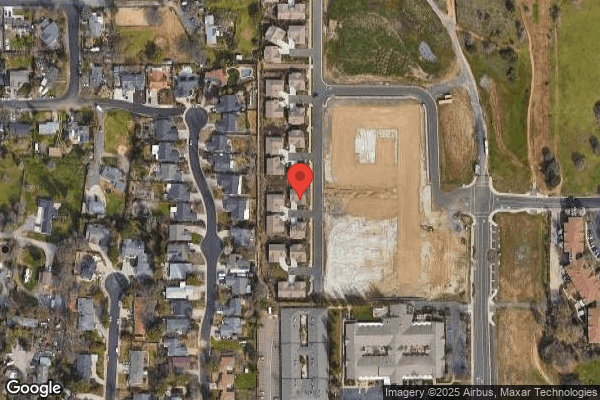
11600 EDUCATION STREET, AUBURN, CA 95603 (530) 889-0707
For profit - Limited Liability company 107 Beds GENERATIONS HEALTHCARE Data: November 2025
Trust Grade
83/100
#198 of 1155 in CA
Last Inspection: August 2025

Inspected within the last 6 months. Data reflects current conditions.

Overview

Siena Skilled Nursing and Rehabilitation Center in Auburn, California has a Trust Grade of B+, indicating it is above average and recommended for families considering care options. It ranks #198 out of 1155 facilities in California, placing it in the top half, and #3 out of 10 in Placer County, meaning only two local options are better. The facility's trend is stable, with five issues reported consistently in both 2024 and 2025. Staffing is a strong point, with a 5/5 star rating and a turnover rate of 33%, which is lower than the state average, indicating experienced staff. However, the facility has received fines totaling $4,194, which is considered average, and recent inspections revealed concerns such as improper medication management for residents and inadequate pain management services, highlighting areas needing improvement despite their overall strong performance.

Trust Score
B+
83/100
In California
#198/1155
Top 17%
Safety Record
Low Risk
No red flags
Inspections
Holding Steady
5 → 5 violations
Staff Stability
○ Average
33% turnover. Near California's 48% average. Typical for the industry.
Penalties
⚠ Watch
$4,194 in fines. Higher than 88% of California facilities, suggesting repeated compliance issues.
Skilled Nurses
✓ Good
Each resident gets 46 minutes of Registered Nurse (RN) attention daily — more than average for California. RNs are trained to catch health problems early.
Violations
⚠ Watch
17 deficiencies on record. Higher than average. Multiple issues found across inspections.
★★★★★
5.0
Overall Rating
★★★★★
5.0
Staff Levels
★★★★★
5.0
Care Quality
★★★★☆
4.0
Inspection Score
Stable
2024: 5 issues
2025: 5 issues

The Good

  • 5-Star Staffing Rating · Excellent nurse staffing levels
  • 5-Star Quality Measures · Strong clinical quality outcomes
  • Full Sprinkler Coverage · Fire safety systems throughout facility
  • No fines on record
  • Staff turnover below average (33%)

    15 points below California average of 48%

Facility shows strength in staffing levels, quality measures, fire safety.

The Bad

Staff Turnover: 33%

13pts below California avg (46%)

Typical for the industry

Federal Fines: $4,194

Below median ($33,413)

Minor penalties assessed

Chain: GENERATIONS HEALTHCARE

Part of a multi-facility chain

Ask about local staffing decisions and management

The Ugly 17 deficiencies on record

Aug 2025 5 deficiencies
CONCERN (D)

Potential for Harm - no one hurt, but risky conditions existed

ADL Care (Tag F0677)

Could have caused harm · This affected 1 resident

Based on observation, interview, and record review, the facility failed to ensure one out of 18 sampled residents (Resident 22) was assisted with nail care as part of his Activities of Daily Living (A...

Read full inspector narrative →
Based on observation, interview, and record review, the facility failed to ensure one out of 18 sampled residents (Resident 22) was assisted with nail care as part of his Activities of Daily Living (ADLs- normal daily functions required to meet basic needs) when Resident 22 had long and jagged fingernails with sharp edges. This failure had the potential for Resident 22 to sustain skin injury and/or to acquire an infection and not achieve his highest practicable well-beingFindings:A review of Resident 22's clinical record indicated Resident 22 was admitted December of 2024 and had diagnoses that included bipolar disorder (a mental illness that causes unusual shifts in a person's mood, energy, activity levels, and concentration), heart failure (a serious condition in which the heart does not pump blood as efficiently as it should), need for assistance with personal care, and muscle weakness.A review of Resident 22's Minimum Data Set (MDS- a federally mandated resident assessment tool) Cognitive Patterns, dated 6/14/25, indicated Resident 22 had a Brief Interview for Mental Status (BIMS- a tool to assess cognition) score of 11 out of 15 which indicated Resident 22 had a moderately impaired cognition (mental process of acquiring knowledge and understanding). A review of Resident 22's MDS Functional Abilities and Goals, dated 6/14/25, indicated Resident 22 was dependent with toileting hygiene, required substantial/maximal assistance with lower body dressing and putting on/taking off footwear, and needed partial/maximal assistance with upper body dressing and personal hygiene.A review of Resident 22's care plan, dated 6/1/24, indicated, ADL Self-Care Performance Deficit. At risk for altered ADL self care performance r/t [related to] requires assist of 1-2 person assist to start and complete most ADL task .hygiene/grooming, bathing . A review of Resident 22's care plan intervention, dated 6/1/24, indicated, Provide appropriate self performance and support needed during ADL care.During a concurrent observation and interview on 8/11/25 at 9:03 a.m. with Resident 22, in Resident 22's room, Resident 22 had long and jagged fingernails with sharp edges. Resident 22 stated he wanted his fingernails nails to be trimmed short because he likes to play his guitar.During a concurrent observation and interview on 8/12/25 at 9:48 a.m. with Resident 22, in Resident 22's room, Resident 22 still had long and jagged fingernails with sharp edges. Resident 22 confirmed the observation and stated he wants his fingernails to be trimmed short. During a concurrent observation and interview on 8/12/25 at 10:49 a.m. with Certified Nurse Assistant (CNA) 1, in Resident 22's room, CNA 1 confirmed that Resident 22 had long and jagged fingernails with sharp edges. CNA 1 stated it was not acceptable and Resident 22's fingernails should have been trimmed and cut already. CNA 1 asked Resident 22 if he wanted his fingernails trimmed short and Resident 22 replied yes. CNA 1 further stated there was a risk for Resident 22 to scratch himself, infection control issues, and it was unsanitary to have long fingernails. A review of Resident 22's Shower Check Skin Observations sheets indicated the following:8//4/25: .Need clipping: Yes . The sheet was signed by both the CNA and licensed nurse.8/11/25: .Need clipping: Yes . The sheet was signed by both the CNA and licensed nurse.During an interview on 8/13/25 at 9:48 a.m. with the Director of Staff Development (DSD), the DSD stated that residents' nail care should be assessed and done twice a week- on shower days and as needed. The DSD also stated that CNAs could trim the resident's fingernails if they were able to and if a resident has diabetes, the nurses will have to do nail care. The DSD further stated if nail care was not done for a resident, the resident could scratch himself or other residents and it would be a risk for infection. During an interview on 8/13/25 at 11:17 a.m. with the Director of Nursing (DON), the DON stated that nail care should be done as needed and any time that staff would notice the nails need clipping. The DON further stated it would be a risk for skin injury if residents' fingernails were long, jagged, and have sharp edges. A review of the facility's policy and procedures titled, Activities of Daily Living (ADL), Supporting, revised 3/2018, indicated, Residents who are unable to carry out activities of daily living independently will receive the services necessary to maintain good nutrition, grooming and personal and oral hygiene .2. Appropriate care and services will be provided for residents who are unable to carry out ADLs independently, with the consent of the resident and in accordance with the plan of care, including appropriate support and assistance with: a. hygiene (bathing, dressing, grooming, and oral care) .
CONCERN (E)

Potential for Harm - no one hurt, but risky conditions existed

Deficiency F0658 (Tag F0658)

Could have caused harm · This affected multiple residents

Based on observation, interview, and record review, the facility failed to ensure compliance to the professional standards of practice, manufacturer's guidelines, and facility's policy and procedures ...

Read full inspector narrative →
Based on observation, interview, and record review, the facility failed to ensure compliance to the professional standards of practice, manufacturer's guidelines, and facility's policy and procedures (P&P) for one out of six sampled residents (Resident 40) and for a census of 90 residents when:1.Resident 40's delayed-release capsule medication (designed to release the active ingredient later than immediately after administration) was opened and its contents were mixed with other powdered medications. 2.Shared glucometers (a device which measures blood sugar using blood from a fingertip) were not sanitized properly after use.These failures had the potential for unsafe and ineffective medication use for Resident 40, increased risk for cross-contamination (movement or transfer of harmful bacteria from one person, object, or place to another), potential exposure of residents and staff to germs. and had the potential to negatively affect the residents of the facility's medical conditions.Findings:1.During a medication administration observation which started on 8/11/25 at 10:42 a.m. with Licensed Nurse (LN) 1, LN 1 administered a total of 12 pills to Resident 40 which included 2 capsules of duloxetine (a medication used to treat nerve pain) 20 mg. LN 1 was observed crushing all the tablet medications, after which LN 1 opened all the capsule medications and poured all of its contents to the crushed medications, then mixed all of the medications with yogurt, and then proceeded in administering it to Resident 40. A review of Resident 40's active physician's order, dated 2/15/25, indicated, DULoxetine HCl Capsule Delayed Release Particles 20 MG [milligrams- unit of measurement] Give 2 capsule by mouth one time a day for Pain.A review of Resident 40's duloxetine medication label indicated, DULoxetine HCL DR [delayed release] 20 MG CAP [capsule] .GIVE 2 CAPSULES BY MOUTH DAILY.During a concurrent interview and medication review on 8/11/25 at 12:49 p.m. with LN 1, LN 1 acknowledged the observed medication administration of duloxetine to Resident 40. LN 1 stated it was a medication administration error, and the medication should have been kept in the capsules so it would be absorbed properly, released slowly, and metabolized (being processed) in the right time. During an interview on 8/13/25 at 11:17 a.m. with the Director of Nursing (DON), the DON stated it was not acceptable to open delayed release capsules and administer it to the resident. The DON also stated that delayed release capsules should be absorbed throughout the day and not one time. The DON further stated it would be a risk for ineffective or unsafe use of medication if the medication was not administered in accordance with the manufacturer's guidelines and professional standards of practice. A review of the facility's P&P titled, Medication Crushing Guidelines, dated 2001, indicated, The rationale for not crushing some medications includes: .C. Timed Release Capsules are designed to release medication over a sustained period, usually 8 to 24 hours. The beads within the capsule are designed to dissolve at different times. These formulations are utilized to reduce stomach irritation in some cases and to achieve prolonged medication action in other cases .A review of an online article from Drugs.com titled, Duloxetine, updated 3/3/25, indicated, How should I take duloxetine? .Swallow the capsule whole and do not crush, chew, break, or open it. (https://www.drugs.com/duloxetine.html) 2. During a concurrent observation and interview on 8/11/25 at 11:33 a.m., with LN 2, LN 2 was observed going back to the medication holding a shared glucometer (EvenCare) and stated she just checked a resident's blood glucose (sugar) level using the shared glucometer. LN 2 was then wiped the shared glucometer using one wipe of [Brand name] Germicidal Alcohol Wipes (the wipe with chemicals the facility is using to disinfect surfaces) quickly (approximately 10-15 seconds) to clean the glucometer's outer surface, placed it on top of the medication to let it dry, and then placed it inside the medication cart next to other supplies.During an observation on 8/11/25 at 11:40 a.m., LN 2 was observed checking a resident's blood sugar using a glucometer (EvenCare) which was shared between residents. LN 2 used a new lancet (a sharp piercing device) to pierce the resident's finger to get blood and then applied the blood to the test strip that was attached to the glucometer. After reading the result, LN 6 went out the room, discarded the used lancet and test strip, wiped the shared glucometer using one wipe of [Brand name] Germicidal Alcohol Wipes quickly (approximately 10-15 seconds) to clean the glucometer's outer surface, placed it on top of the medication to let it dry, and then placed it inside the medication cart next to other supplies.During an interview on 8/11/25 at 12:46 p.m. with LN 2, LN 2 confirmed the two subsequent observations of her cleaning the shared glucometer quickly (approximately 10-15 seconds) in between use of residents. LN 2 stated the shared glucometer should have been cleaned for one (1) minute to sanitize it properly and prevent transfer of bloodborne pathogens (infectious microorganisms present in human blood that can cause disease).During an interview on 8/13/25 at 9:58 a.m. with the Infection Preventionist (IP), the IP stated that the facility's shared glucometer should be disinfected properly after each resident's use to prevent the risk of cross-contamination and infection. The IP further stated the shared glucometer should remain visibly wet for one (1) minute when using the [Brand name] Germicidal Alcohol Wipes to disinfect it properly.During an interview on 8/13/25 at 11:17 a.m. with the DON, the DON stated that staff should Follow the manufacturers guideline for cleaning and disinfecting the shared glucometers. The DON further stated there was a risk for safety and infection control concerns if the shared glucometers were not sanitized properly. A review of the facility's policy and procedures (P&P) titled, Cleaning and Disinfection of Resident-Care Items and Equipment, revised 9/2022, indicated, 6. Reusable resident care equipment is decontaminated and/or sterilized between residents according to manufacturers' instructions.A review of the [Brand name] Germicidal Alcohol Wipes label indicated, DISINFECTING: To disinfect hard, non-porous surfaces, use one or more wipes, as necessary, to thoroughly wet the surface to be treated. Treated surface must remain visibly wet for one minute to achieve complete disinfection of all pathogens listed on this label .
CONCERN (E)

Potential for Harm - no one hurt, but risky conditions existed

Deficiency F0697 (Tag F0697)

Could have caused harm · This affected multiple residents

Based on interview and record review, the facility failed to ensure two out of 18 sampled residents (Resident 20 and Resident 77) received appropriate pain management services consistent with professi...

Read full inspector narrative →
Based on interview and record review, the facility failed to ensure two out of 18 sampled residents (Resident 20 and Resident 77) received appropriate pain management services consistent with professional standards of practice, facility's policy and procedure (P&P), and physician's order when Resident 20 and Resident 77's pain medication orders were not consistently followed.This failure had the potential for Resident 20 and Resident 77 to develop medication dependence (the inability of the individual to function normally in the absence of the drug), overdose, not achieve pain relief, and not attain their highest practicable well-being.Findings:1. A review of Resident 20's clinical record indicated Resident 20 was admitted June of 2025 and had diagnoses that included urinary tract infection (UTI- an infection in the bladder/urinary tract), difficulty in walking, and need for assistance with personal care.A review of Resident 20's Minimum Data Set (MDS- a federally mandated resident assessment tool) Cognitive Patterns, dated 7/5/25, indicated Resident 20 had a Brief Interview for Mental Status (BIMS- a tool to assess cognition) score of 15 out of 15 which indicated Resident 20 had an intact cognition (mental process of acquiring knowledge and understanding). A review of Resident 20's MDS Health Conditions indicated Resident 20 received scheduled and as needed pain medications and non-medication intervention for pain. During an interview on 8/11/25 at 8:59 a.m. with Resident 20, in Resident 20's room, Resident 20 stated he had UTI and kidney stones that was why he was experiencing pain a lot in his back and had been given pain medications for it.A review of Resident 20's Care Plan Report, initiated 6/9/25, indicated, .At risk for pain r/t [related to] generalized body pain, decreased mobility. A review of Resident 20's care plan intervention, initiated 1/7/25, indicated, Administer analgesia [pain relief] medication(s) as ordered by Physician .A review of Resident 20's physician's order, dated 6/29/25, indicated, oxyCODONE HCl [a controlled pain medication] Oral Tablet 5 MG [milligrams- unit of measurement] .*Controlled Drug [medications with high potential for abuse or addiction]* Give 1 tablet by mouth every 12 hours as needed for Severe pain 8-10/10 [numeric pain scale from 1 to 10; 1 being the lowest and 10 being the highest form of pain].A review of Resident 20's medication administration records (MAR- a daily documentation record used by a licensed nurse to document medications and treatments given to a resident) for the month of July 2025 indicated Resident 20 received 1 tablet of oxycodone which was indicated for 8-10 level of pain (severe pain) on the following occasions:7/3/25 at 10 p.m.- pain level was 77/4/25 at 5:22 p.m.- pain level was 77/5/25 at 7:37 a.m.- pain level was 77/5/25 at 11:02 p.m.- pain level was 77/8/25 at 6:21 p.m.- pain level was 67/9/25 at 7:03 a.m.- pain level was 77/10/25 at 8:36 a.m.- pain level was 77/10/25 at 9:20 p.m.- pain level was 67/13/25 at 8:13 p.m.- pain level was 67/14/25 at 8:07 a.m.- pain level was 67/14/25 at 8:08 p.m.- pain level was 77/15/25 at 8:29 a.m.- pain level was 77/15/25 at 8:15 p.m.- pain level was 77/16/25 at 8 a.m.- pain level was 77/16/25 at 8:48 p.m.- pain level was 67/17/25 at 8:16 a.m.- pain level was 77/18/25 at 9:21 a.m.- pain level was 77/18/25 at 9:30 p.m.- pain level was 5During a concurrent interview and record review on 8/12/25 at 2:05 p.m. with Licensed Nurse (LN) 3, Resident 20's clinical records were reviewed. LN 3 confirmed that Resident 20's pain medication orders were not consistently followed. LN 3 stated that nurses should follow the physician's order when administering pain medication. LN 3 further stated it would be a risk for controlled drug dependence or respiratory issues if the physician's order was not followed.2. A review of Resident 77's clinical record indicated Resident 77 was admitted July of 2025 and had diagnoses that included aftercare following joint replacement surgery (a care provided after a surgery that involves bones, muscles, and joints), osteoarthritis (a deteriorating disease that causes pain, stiffness, and swelling where two or more bones meet), and need for assistance with personal care.A review of Resident 77's active physician's order, dated 7/21/25, indicated, Resident [Resident 77] is Capable Of Understanding Rights, Responsibilities, And Informed Consent. A review of Resident 77's MDS Health Conditions indicated Resident 77 received as needed pain medications and non-medication intervention for pain. During an interview on 8/12/25 at 2:45 p.m. with Resident 77, in Resident 77's room, Resident 77 stated he has been experiencing pain and has been taking pain medications for it.A review of Resident 77's Care Plan Report, revised 7/25/25, indicated, Resident [Resident 77] is receiving pain medication therapy r/t [related to] Left KTA [sic] [total knee arthroplasty (TKA)- knee replacement surgery] . A review of Resident 77's care plan intervention, initiated 7/25/25, indicated, Administer ANALGESIC medications as ordered by Physician .A review of Resident 77's physician's order, dated 7/22/25, indicated, HYDROcodone-Acetaminophen [Norco- a medication for pain which contains a combination of hydrocodone; a controlled pain medication, and Acetaminophen; a potent pain reliever] Oral Tablet 5-325 MG [milligrams- unit of measurement] .Give 1 tablet by mouth every 4 hours as needed for moderate pain(4-6/10).A review of Resident 77's MAR for the months of July and August 2025 indicated Resident 77 received 1 tablet of Norco which was indicated for 4-6 level of pain (moderate pain) on the following occasions:7/24/25 at 9:11 p.m.- pain level was 77/28/25 at 1:54 a.m.- pain level was 78/4/25 at 7:58 a.m.- pain level was 78/4/25 at 2:02 p.m.- pain level was 7A review of Resident 77's physician's order, dated 7/22/25, indicated, HYDROcodone-Acetaminophen Oral Tablet 5-325 MG .Give 2 tablet by mouth every 4 hours as needed for severe pain (7-10/10).A review of Resident 77's MAR for the months of July and August 2025 indicated Resident 77 received 2 tablets of Norco which were indicated for 7-10 levels of pain (severe pain) on the following occasions:7/26/25 at 1:11 p.m.- pain level was 47/26/25 at 5:40 p.m.- pain level was 67/27/25 at 12:38 p.m.- pain level was 57/27/25 at 9:54 p.m.- pain level was 67/28/25 at 10:19 p.m.- pain level was 67/31/25 at 8:12 p.m.- pain level was 68/1/25 at 8:05 a.m.- pain level was 68/9/25 at 2:47 p.m.- pain level was 6During a concurrent interview and record review on 8/13/25 at 9:07 a.m. with the Behavioral Health Nurse Director (BHND), Resident 77's clinical records were reviewed. The BHND confirmed that Resident 77's pain medication orders for Norco were not consistently followed. The BHND stated that nurses should always follow the physician's order and parameters when administering pain medication. The BHND further stated it would be a risk for controlled drug resistance or dependence if the physician's order was not followed.During an interview on 8/13/25 at 9:47 a.m. with the Director of Staff Development (DSD), the DSD stated that nurses should always follow the physician's parameters when administering pain medications to residents. The DSD also stated that it would be a risk for overuse of controlled medications which could cause drug dependency or undermedication which could cause unrelieved pain if the physician's order would not be followed.During an interview on 8/13/25 at 11:17 a.m. with the Director of Nursing (DON), the DON stated that she would expect that pain medications should be given as ordered by the physician. The DON further stated that residents would be at risk for either oversedation [excessive level of analgesia] or undermedication if the pain medication order was not followed. A review of the facility's P&P titled, Administering Medications, revised 4/2019, indicated, 4. Medications are administered in accordance with prescriber orders, including any required time frame.A review of the facility's P&P titled, Administering Pain Medications, revised 10/2010, indicated, The purpose of this procedure is to provide guidelines for assessing the resident's level of pain prior to administering analgesic pain medication .3. Conduct a pain assessment as indicated .6. Administer pain medications as ordered .
CONCERN (E)

Potential for Harm - no one hurt, but risky conditions existed

Pharmacy Services (Tag F0755)

Could have caused harm · This affected multiple residents

Based on interview, and record review the facility failed to ensure safe and effective pharmaceutical services for a census of 90 residents when:1. Resident 6's controlled drug (drug with potential fo...

Read full inspector narrative →
Based on interview, and record review the facility failed to ensure safe and effective pharmaceutical services for a census of 90 residents when:1. Resident 6's controlled drug (drug with potential for abuse) uses and removal signed out from the Controlled Drug Record (CDR- a paper log of controlled drug removal for administration to resident) were not documented in their Medication Administration Record (MAR-a legal document that list administered drugs); and,2. Discontinued non-controlled medications (pharmaceutical preparations that can only be obtained through a medical practitioner's prescription and dispensed by a pharmacist but are not considered controlled substances under the Controlled Substance Act) and those which remained in the facility after discharge of the patient were destroyed in accordance with state regulations.This failed practice may contribute to unsafe controlled and non-controlled medication handling, and risk of controlled drug diversion.Findings:1. A review of Resident 6's clinical record indicated Resident 6 was admitted April of 2023 and had diagnoses that included multiple fractures (a break in the continuity of a bone), chronic (long term) pain, osteoarthritis (a deteriorating disease that causes pain, stiffness, swelling where two or more bones meet, and polyneuropathy (a multiple nerve condition that can cause pain, numbness, tingling, or weakness in the body).A review of Resident 6's Minimum Data Set (MDS- a federally mandated resident assessment tool) Cognitive Patterns, dated 6/17/25, indicated Resident 6 had a Brief Interview for Mental Status (BIMS- a tool to assess cognition) score of 10 out of 15 which indicated Resident 6 had a moderately impaired cognition (mental process of acquiring knowledge and understanding). A review of Resident 6's MDS Health Conditions, dated 6/17/25, indicated Resident 6 received scheduled and as needed pain medications and non-medication intervention for pain. A review of Resident 6's active physician's order, dated 7/5/25, indicated, HYDROcodone-Acetaminophen [Norco] Oral Tablet [a medication for pain which contains a combination of hydrocodone; a controlled pain medication, and Acetaminophen; a potent pain reliever] 10-325 MG [milligrams- unit of measurement] .Give 1 tablet by mouth every 6 hours as needed for moderate (4-6/10) to severe (7-10/10) pain [numeric pain scale from 1 to 10; 1-3 is mild pain, 4-6 is moderate pain, 7-10 is severe pain] .A random audit of Resident 6's MAR and the CDR for hydrocodone-acetaminophen, for July and August 2025, indicated nursing staff did not document Norco administration on the MAR when signed out from CDR as follows: 1 tablet on 7/15/25 at 4 a.m., 1 tablet on 7/28/25 at 7:50 p.m., and 1 tablet on 8/2/25 at 9:30 p.m.During a concurrent interview and record review on 8/13/25 at 9:07 a.m. with the Behavioral Health Nurse Director (BHND), Resident 6's CDR and MAR were reviewed. The BHND confirmed the finding of Norco being signed out of the CDR but was not accurately documented on the MAR on three occasions. The BHND stated the nurse probably forgot to sign the MAR and that Norco administration should be both signed out in the CDR and signed in the MAR.During an interview on 8/13/25 at 9:48 a.m. with the Director of Staff Development (DSD), the DSD stated that nurses should always sign off the CDR and MAR when administering controlled medications. The DSD further stated there would be a risk for controlled drug diversion (unlawful channeling of regulated pharmaceuticals from legal sources to the illicit marketplace) or issues with proper handling of controlled drugs if the CDR and MAR are not both signed.During an interview on 8/13/25 at 11:17 a.m. with the Director of Nursing (DON), the DON stated she would expect the nurse to sign both the CDR and MAR when administering controlled medications. The DON further stated that there would be a patient safety issue and risk for drug diversion if the MAR is not properly signed.A review of the facility's policy and procedure (P&P) titled, Administering Medications, revised 4/2019, indicated, 21. If a drug is withheld, refused, or given at a time other than the scheduled time, the individual administering the medication shall document/initial and circle the MAR space provided for that drug and dose. 22. The individual administering the medication documents/initials the resident's MAR on the appropriate line after giving each medication and before administering the next ones.2. During a concurrent interview and record review on 8/13/25 at 10:11 a.m. with the Director of Nursing (DON), the non-controlled medication disposition logbook was reviewed. The DON confirmed that she was the only one signing the destruction of non-controlled medication. The DON stated, I'm the only one signing [the non-controlled medication disposition logbook] when I'm alone destroying the meds [medications]. During an interview on 8/13/25 at 11:17 a.m. with the DON, the DON stated that the state regulation for non-controlled medication disposition should be followed.A review of the facility's P&P titled, Discarding and Destroying Medications, revised 6/2025, indicated, 3. Non-controlled .substances are disposed of in accordance with state regulations and federal guidelines regarding disposition of non-hazardous medications .A review of the California Code of Regulations Title 22, section 72371, titled, Pharmaceutical Service-Disposition of Drugs, indicated, (2) Drugs not listed under Schedules II, III or IV of the Federal Comprehensive Drug Abuse Prevention and Control Act of 1970 shall be destroyed by the facility in the presence of a pharmacist or licensed nurse. The name of the patient, the name and strength of the drug, the prescription number if applicable, the amount destroyed, the date of destruction and the signatures of the person named above, and one other person shall be recorded in the patient's health record or in a separate log .
CONCERN (E)

Potential for Harm - no one hurt, but risky conditions existed

Deficiency F0761 (Tag F0761)

Could have caused harm · This affected multiple residents

**NOTE- TERMS IN BRACKETS HAVE BEEN EDITED TO PROTECT CONFIDENTIALITY** Based on observation, interview, and record review, the facility failed to ensure medications were properly labeled and stored i...

Read full inspector narrative →
**NOTE- TERMS IN BRACKETS HAVE BEEN EDITED TO PROTECT CONFIDENTIALITY** Based on observation, interview, and record review, the facility failed to ensure medications were properly labeled and stored in accordance with the facility's policies and procedures (P&P), and accepted professional principles for a census of 90 when:1. A total of three loose pills were found in medication cart A;2. Two opened Trelegy Ellipta inhalers (a prescription medication used to treat airflow obstruction in adults) had no opened date label; and,3. Seven expired lubricating jelly (used to reduce friction during medical procedures involving the insertion of instruments or devices into the body) were stored in station 1 crash cart (a mobile medical cart used to store and transport life-saving equipment and medications for rapid response to critical situations).These failures had the potential for diversion of the loose medications, and for residents to receive medication that was expired or with unsafe or reduced potency.Findings:1. During a concurrent observation and interview which started on [DATE] at 2:13 p.m. with Licensed Nurse (LN) 1, of medication cart A, a total of three loose pills were found inside the second and third-right drawer of the medication cart. LN 1 confirmed the observation. LN 6 stated there should not be loose pills inside a medication cart because staff would not know what medication those are anymore and they want to keep the medication carts clean.During an interview on [DATE] at 11:17 a.m. with the Director of Nursing (DON), the DON stated that there should not be loose pills inside the medication carts because staff would not know what medications are those and because of infection control concerns.A review of the facility's P&P titled, Medication Labeling and Storage, dated 2001, indicated, 1. Medications and biologicals are stored in the packaging, containers or other dispensing systems in which they are received .2. During a concurrent observation and interview which started on [DATE] at 2:13 p.m. with LN 1, of medication cart A, an opened Trelegy Ellipta inhaler was found stored in the medication cart with no opened date label. LN 1 confirmed the observation. LN 1 stated the inhaler should have an opened date label so staff would know when to discard it. LN 1 further stated that the efficacy of the medication would be affected if the inhaler was not discarded on the right time.During a concurrent observation and interview which started on [DATE] at 3:07 p.m. with LN 4, of medication cart B, an opened Trelegy Ellipta inhaler was found stored in the medication cart with no opened date label. LN 4 confirmed the observation. LN 4 stated the inhaler should have been labelled with the date it was opened to know when to discard it.During an interview on [DATE] at 11:17 a.m. with the Director of Nursing (DON), the DON stated that she would expect opened inhalers to have an open date label so staff would know when to discard it. A review of the facility's P&P titled, Medication Labeling and Storage, dated 2001, indicated, 2. The nursing staff is responsible for maintaining medication storage and preparation areas in a clean, safe, and sanitary manner. 3. If the facility has discontinued, outdated or deteriorated medications or biologicals, the dispensing pharmacy is contacted for instructions regarding returning or destroying these items.A review of the facility document titled. INHALERS, published 3/2025, indicated, .Trelegy Ellipta .DISCARD INSTRUCTIONS .Discard 6 wks [weeks] after removal from foil tray .3. During a concurrent observation and interview which started on [DATE] at 1:47 p.m. with LN 5, of the station 1 crash cart, seven expired lubricating jellies were found stored in the crash cart. LN 5 confirmed the observation. LN 5 stated that crash carts should not have expired supplies because it could cause irritation or other side effects if used during medical emergencies.During an interview on [DATE] at 11:17 a.m. with the Director of Nursing (DON), the DON stated that expired lubricating jellies should not be stored in crash carts. The DON further stated it was a safety issue for residents and there was a risk for irritation or other side effects of expired lubricant.A review of the facility's P&P titled, First Aid Treatment/Emergency Crash Cart, revised 1/2024, indicated, 6. A first aid kit/emergency crash cart shall be maintained at each nurse's station for use in treating minor injuries .7. The director of nursing service (or designee) is responsible for ensuring the first aid kits/emergency crash carts are inspected regularly and that adequate supplies are on-hand at all times.
Nov 2024 1 deficiency
CONCERN (D) 📢 Someone Reported This

A family member, employee, or ombudsman was alarmed enough to file a formal complaint

Potential for Harm - no one hurt, but risky conditions existed

Assessment Accuracy (Tag F0641)

Could have caused harm · This affected 1 resident

**NOTE- TERMS IN BRACKETS HAVE BEEN EDITED TO PROTECT CONFIDENTIALITY** Based on interview and record review, the facility failed to accurately assess one of four sampled residents (Resident 1) when t...

Read full inspector narrative →
**NOTE- TERMS IN BRACKETS HAVE BEEN EDITED TO PROTECT CONFIDENTIALITY** Based on interview and record review, the facility failed to accurately assess one of four sampled residents (Resident 1) when the most recent MDS (Minimum Data Set, an assessment tool) did not identify the resident had behavior issues during the seven days look-back period. This failure had the potential for ineffective care planning and risk for unmet care needs for Resident 1. Findings: Resident 1 was admitted to the facility in October of 2024 with diagnoses that included mental and psychological issues. A review of Resident 1's Change in Condition Note (CCN), dated 11/3/24, indicated, Situation: The Change In Condition/s reported on this CIC [change in condition] Evaluation are/were: Behavioral symptoms (e.g. agitation, psychosis) .Behavioral Status Evaluation: Physical aggression .Nursing observations, evaluation, and recommendations are: Pt [patient] was in a Pt to Pt altercation with another resident. CNA [Certified Nursing Assistant] observed pt punch 203A in the face during smoke break. A review of Resident 1's MDS, dated [DATE], indicated Resident 1 had mild cognitive (ability to remember, think, and reason) impairment. The MDS section E (section in the MDS that details behaviors during a seven day look-back period) indicated Resident 1 was assessed to not have physical behaviors towards others or hallucinations during the look-back period. A review of Resident 1's Medication Administration Record (MAR), dated 11/26/24, indicated Resident 1 received Haloperidol (an antipsychotic medication) five milligram (a unit of measurement) oral tablets three times daily from 11/1/24 to 11/6/24. The MAR indicated, Give 1 tablet by mouth three times a day for [diagnosis] m/b [manifested by] auditory hallucinations. During a concurrent interview and record review on 11/25/24 at 11:47 a.m., with the MDS Coordinator 1 (MDSC 1), Resident 1's MDS Section E, dated 11/9/24, was reviewed. MDSC 1 confirmed Resident 1's medical record indicated he was exhibiting auditory hallucinations and physical behaviors during the look-back period and verified Resident 1's behaviors were not marked in the MDS Section E. The MDSC 1 indicated having an accurate MDS was important to present accurate resident information and care planning more effective. During a concurrent interview and record review on 11/25/24 at 12:04 p.m., with the MDSC 2, Resident 1's MDS section E dated, 11/9/24, was reviewed. MDSC 2 confirmed that Resident 1's MDS section E was not accurate due to Resident 1's history of physical behaviors and auditory hallucinations. During an interview on 11/25/24 at 12:15 p.m., with the Director of Nursing (DON), the DON indicated it is important for the MDS assessments to be accurate, since it dictates the care planning process for residents. During a review of the facility's policy and procedure (P&P) titled, Certifying Accuracy of the Resident Assessment, dated 7/20, the P&P indicated, All personnel who complete any portion of the Resident Assessment (MDS) must sign and certify the accuracy of that portion of the assessment.
Sept 2024 4 deficiencies
CONCERN (D)

Potential for Harm - no one hurt, but risky conditions existed

Respiratory Care (Tag F0695)

Could have caused harm · This affected 1 resident

Based on observation, interview, and record review, the facility failed to ensure proper delivery of respiratory care consistent with the facility's policy and procedures (P&P) and the professional st...

Read full inspector narrative →
Based on observation, interview, and record review, the facility failed to ensure proper delivery of respiratory care consistent with the facility's policy and procedures (P&P) and the professional standards of practice for one out of 21 sampled residents (Resident 23) when Resident 23 had no physician's order for the use of oxygen therapy and the oxygen therapy was not care planned. These failures had the potential to result in unsafe delivery of oxygen to Resident 23, and for Resident 23 to not receive appropriate respiratory care and not achieve his highest practicable well-being. Findings: A review of Resident 23's clinical record indicated Resident 23 was admitted May of 2024 and had diagnoses that included chronic obstructive pulmonary disease (a group of diseases that causes airflow blockage and breathing-related problems), congestive heart failure (a condition in which the heart cannot pump oxygen-rich blood efficiently to the rest of the body), and dementia (memory loss that interferes with daily functions). A review of Resident 23's Minimum Data Set (MDS- an assessment tool used to guide care) Cognitive Patterns, dated 8/9/24, indicated Resident 23 had a Brief Interview for Mental Status (BIMS- a tool to assess cognition) score of 8 out of 15 which indicated Resident 23 had a moderately impaired cognition. During a concurrent observation and interview on 9/9/24 at 10:07 a.m. with Resident 23, at Resident 23's room, Resident 23 was observed to be using oxygen delivered using a nasal cannula (a medical device with two prongs that is connected to an oxygen source used to deliver supplemental oxygen directly into the nostril) with the oxygen concentrator set at 3.5 LPM (liters per minute- unit of measurement for oxygen administration). Resident 23 stated she just recently started getting oxygen. During a concurrent interview and record review on 9/9/24 at 11:39 a.m. with Licensed Nurse (LN) 3, Resident 23's clinical records were reviewed. LN 3 confirmed Resident 23 had no physician's order for the use of oxygen therapy and the oxygen therapy was not care planned. LN 3 stated she is aware that Resident 23 is on hospice (a specialized care that provides physical comfort and emotional, social and spiritual support for people nearing the end of life) and was using oxygen. LN 3 further stated that oxygen therapy needs a physician's order and should also be care planned. During a concurrent observation and interview on 9/9/24 at 11:45 a.m. with LN 3, at Resident 23's room, LN 3 confirmed that Resident 23 was using oxygen delivered using a nasal cannula with oxygen concentrator set at 3.5 LPM. During a concurrent interview and record review on 9/10/24 at 11:46 a.m. with LN 3, Resident 23's clinical records were reviewed. LN 3 confirmed that there was no signed physician's order of Resident 23's oxygen therapy from the hospice doctor as well. LN 3 stated, .I'm not sure when she [Resident 23] started using the oxygen. During an interview on 9/11/24 at 3:25 p.m. with the Director of Nursing (DON), the DON stated it is not okay to deliver oxygen without a physician's order for oxygen therapy because it is a treatment, and it could be unsafe for the resident. The DON also stated that oxygen therapy should be care planned so staff would know how to treat the resident and what diagnosis the oxygen was being used for. A review of the facility's P&P titled, Oxygen Administration, revised 7/1/22, indicated, 1. Verify that there is a physician's order for this procedure. Review the physician's order or facility protocol for oxygen administration. A review of the facility's P&P titled, CARE AND SERVICES- CARE PLAN, revised 10/2017, indicated, .The care plan is comprehensive for each resident including measurable objectives and timeframes to meet residents' medical, nursing, mental and psychosocial needs.
CONCERN (D)

Potential for Harm - no one hurt, but risky conditions existed

Medication Errors (Tag F0758)

Could have caused harm · This affected 1 resident

Based on interview and record review, the facility failed to ensure one out of 21 sampled residents (Resident 25) did not received unnecessary antipsychotic medication (a medication used to treat symp...

Read full inspector narrative →
Based on interview and record review, the facility failed to ensure one out of 21 sampled residents (Resident 25) did not received unnecessary antipsychotic medication (a medication used to treat symptoms of losing touch with reality such as disrupted thoughts and perceptions) when Resident 25 received an antipsychotic medication with no monitoring of disruptive behavior, no monitoring of antipsychotic medication side effects, and the antipsychotic medication care plan was not developed. This failure had the potential for Resident 25 to unsafely receive an antipsychotic medication, and experience overdose (an excessive and dangerous dose of a drug), and/or other side effects of antipsychotic medication. Findings: A review of Resident 25's clinical record indicated Resident 25 was admitted June of 2023 and had diagnoses that included congestive heart failure (a condition in which the heart cannot pump oxygen-rich blood efficiently to the rest of the body), anxiety disorder (a mental health disorder characterized by feelings of worry, anxiety, or fear that are strong enough to interfere with one's daily activities), altered mental status, and need for assistance with personal care. A review of Resident 25's Minimum Data Set (MDS- an assessment tool used to guide care) Cognitive Patterns, dated 7/22/24, indicated Resident 25 had a Brief Interview for Mental Status (BIMS- a tool to assess cognition) score of 6 out of 15 which indicated Resident 25 had severely impaired cognition. A review of Resident 25's MDS Mood Status, dated 7/22/24, indicated Resident 25 experienced feeling down, depressed, or hopeless for several days. A review of Resident 25's MDS Behavior Status, dated 7/22/24, indicated Resident 25 had physical and verbal behavioral symptoms directed toward others which occurred 1 to 3 days within a week. A review of Resident 25's active physician's order with start date of 8/27/24, indicated, Haloperidol Lactate Concentrate [an antipsychotic medication] 2 MG [milligrams]/ML [milliliters, units of measurement] Give 1 ml by mouth every 4 hours as needed for delirium [an altered state of consciousness, characterized by episodes of confusion] and agitation [a state of anxiety] until 09/16/2024 23:59 [11:59 p.m.]. A review of Resident 25's Medication Administration Record (MAR, a legal document used to record medications given to the residents) for the month of August 2024 indicated Resident 25 received Haloperidol Lactate Concentrate 1 ml on 8/17, 8/28, 2/29, 8/30, and 8/31. A review of Resident 25's MAR for the month of September 2024 indicated that as of 9/11/24, Resident 25 received Haloperidol Lactate Concentrate 1 ml only on 9/1. During a concurrent interview and record review on 9/11/24 at 10:47 a.m. with Licensed Nurse (LN) 2, Resident 25's clinical records were reviewed. LN 2 confirmed Resident 25 received an antipsychotic medication with no monitoring of Resident 25's delirium and agitation. LN 2 also confirmed that there was no monitoring in place for the antipsychotic medication side effects. LN 2 further confirmed that Resident 25's antipsychotic medication care plan was not developed. During an interview on 9/11/24 at 1:29 p.m. with the Director of Nursing (DON), the DON stated she would expect that there should be a monitoring of Resident 25's delirium and agitation in place, and there should be a monitoring of the antipsychotic medication side effects in place to see if the medication is working, or if the order is right for the resident. The DON also stated that the antipsychotic medication should be care planned so the staff would know how to treat the resident. During an interview on 9/12/24 at 9:23 a.m. with the Consultant Pharmacist (CP), the CP stated she could not explain why there were no monitoring of Resident 25's behaviors and the antipsychotic medication side effects in place. The CP also stated there should be a monitoring of behavior and antipsychotic medication side effects in place for Resident 25 and the antipsychotic medication should have been care planned. A review of the facility's policy and procedure (P&P) titled, Psychotropic Medication Use, revised 07/2022, indicated, Residents will not receive medications that are not clinically indicated to treat a specific condition . 2. Drugs in the following categories are considered psychotropic medications and are subject to prescribing, monitoring, and review requirements specific to psychotropic medications: a. Anti-psychotics . 3 .Psychotropic medication management includes: a. indications for use .d. adequate monitoring for efficacy and adverse consequences; and e. preventing, identifying and responding to adverse consequences . 13. Residents receiving psychotropic medications are monitored for adverse consequences .
CONCERN (D)

Potential for Harm - no one hurt, but risky conditions existed

Deficiency F0919 (Tag F0919)

Could have caused harm · This affected 1 resident

Based on observation, interview and record review, the facility failed to provide an accessible call system for one of 21 sampled residents (Resident 25) when Resident 25's call light button was not w...

Read full inspector narrative →
Based on observation, interview and record review, the facility failed to provide an accessible call system for one of 21 sampled residents (Resident 25) when Resident 25's call light button was not within his reach. This failure has the potential to result in the residents' not attaining their needs and not maintaining their highest practicable physical, mental, emotional, and psychosocial well-being. Findings: A review of Resident 25's clinical record indicated Resident 25 was admitted June of 2023 and had diagnoses that included congestive heart failure (a condition in which the heart cannot pump oxygen-rich blood efficiently to the rest of the body), and an anxiety disorder (a mental health disorder characterized by feelings of worry, anxiety, or fear that are strong enough to interfere with one's daily activities, altered mental status, and need for assistance with personal care. A review of Resident 25's Minimum Data Set (MDS- an assessment tool used to guide care) Cognitive Patterns, dated 7/22/24, indicated Resident 25 had a Brief Interview for Mental Status (BIMS- a tool to assess cognition) score of 6 out of 15 which indicated Resident 25 had severely impaired cognition. A review of Resident 25's MDS Mood Status, dated 7/22/24, indicated Resident 25 experienced feeling down, depressed, or hopeless for several days. A review of Resident 25's MDS Functional Abilities and Goals, dated 7/22/24, indicated Resident 25 needed partial/moderate assistance with toileting hygiene, shower/bathing, and upper body dressing; and substantial/maximal assistance with lower body dressing, putting on/taking off footwear, and personal hygiene. Resident 25's MDS Functional Abilities and Goals, dated 7/22/24, further indicated Resident 25 needed partial/moderate assistance with rolling left and right, sit to lying, lying to sitting on side of bed, sit to stand, and chair/toilet/shower transfers. During a concurrent observation and interview on 9/9/24 at 10:15 a.m. with Resident 25, at Resident 25's room, Resident 25 was observed awake and was lying on his bed. Resident 25's call light was placed inside a gray plastic bucket, together with two blue phones, which was placed on top of the bedside cabinet, approximately 3 feet away from the side of Resident 25's bed. A bedside table was also placed in between Resident 25's bed and the bedside cabinet. Resident 25 stated he does not know where his call light button is located. When the surveyor stated his call light button was inside the bucket on top of the bedside cabinet, Resident 25 stated he was not able to reach his call light button. During a concurrent observation and interview on 9/9/24 at 10:19 a.m. with Licensed Nurse (LN) 3, at Resident 25's room, LN 3 confirmed that Resident 25's call light button was not within his reach. LN 3 stated Resident 25 was able to use his call light button when he needs help. LN 3 stated, .I think it [call light button] should not be there [inside a gray bucket, on top of the bedside cabinet which not within Resident 25's reach] . I don't know why, this [call light button not within Resident 25's reach] is not how it should be, just in case he [Resident 25] needs help .Definitely, he [Resident 25] needs to have it [call light button] . During an interview on 9/11/24 at 3:25 p.m. with the Director of Nursing (DON), the DON stated she would expect that the call light button would be within reach of the resident so the resident could call staff when he/she needs something or needs help. A review of the facility's policy and procedures titled, CALL LIGHTS, revised 10/2017, indicated, 5. When the resident is .confined to his/her bed, be sure to provide resident with call light access. A review of the Centers for Medicare & Medicaid Services document titled, .Physical Environment, undated, indicated, The call system [call light] must be accessible to residents while in their bed or other sleeping accommodations within the resident ' s room. (https://qsep.cms.gov/data/352/PhysicalEnvironment.pdf)
CONCERN (E)

Potential for Harm - no one hurt, but risky conditions existed

Comprehensive Care Plan (Tag F0656)

Could have caused harm · This affected multiple residents

2. A review of Resident 23's clinical record indicated Resident 23 was admitted May of 2024 and had diagnoses that included chronic obstructive pulmonary disease (a group of diseases that causes airfl...

Read full inspector narrative →
2. A review of Resident 23's clinical record indicated Resident 23 was admitted May of 2024 and had diagnoses that included chronic obstructive pulmonary disease (a group of diseases that causes airflow blockage and breathing-related problems), congestive heart failure (a condition in which the heart cannot pump oxygen-rich blood efficiently to the rest of the body), and dementia (memory loss that interferes with daily functions). A review of Resident 23's Minimum Data Set (MDS- an assessment tool used to guide care) Cognitive Patterns, dated 8/9/24, indicated Resident 23 had a Brief Interview for Mental Status (BIMS- a tool to assess cognition) score of 8 out of 15 which indicated Resident 23 had moderately impaired cognition. During a concurrent observation and interview on 9/9/24 at 10:07 a.m. with Resident 23, at Resident 23's room, Resident 23 was observed to be using oxygen delivered using a nasal cannula (a medical device with two prongs that is connected to an oxygen source used to deliver supplemental oxygen directly into the nostril) with oxygen concentrator set at 3.5 LPM (liters per minute- unit of measurement for oxygen administration). Resident 23 stated she just recently started getting oxygen. During a concurrent interview and record review on 9/9/24 at 11:39 a.m. with LN 3, Resident 23's clinical records were reviewed. LN 3 confirmed Resident 23's oxygen therapy care plan was not developed. LN 3 stated the oxygen therapy should also be care planned. During a concurrent observation and interview on 9/9/24 at 11:45 a.m. with LN 3, at Resident 23's room, LN 3 confirmed that Resident 23 was using oxygen delivered using a nasal cannula with oxygen concentrator set at 3.5 LPM. During an interview on 9/11/24 at 3:25 p.m. with the DON, the DON stated that oxygen therapy should be care planned so staff would know how to treat the resident and what the oxygen was to be used for. 3. A review of Resident 25's clinical record indicated Resident 25 was admitted June of 2023 and had diagnoses that included congestive heart failure (a condition in which the heart cannot pump oxygen-rich blood efficiently to the rest of the body), and an anxiety disorder (a mental health disorder characterized by feelings of worry, anxiety, or fear that are strong enough to interfere with one's daily activities, altered mental status, and need for assistance with personal care. A review of Resident 25's MDS Cognitive Patterns, dated 7/22/24, indicated Resident 25 had a BIMS score of 6 out of 15 which indicated Resident 25 had severely impaired cognition. A review of Resident 25's MDS Mood Status, dated 7/22/24, indicated Resident 25 experienced feeling down, depressed, or hopeless for several days. A review of Resident 25's MDS Behavior Status, dated 7/22/24, indicated Resident 25 had physical and verbal behavioral symptoms directed toward others which occurred 1 to 3 days within a week. A review of Resident 25's active physician's order with start date of 8/27/24, indicated, Haloperidol Lactate Concentrate [an antipsychotic medication] 2 MG [milligrams]/ML [milliliters, units of measurement] Give 1 ml by mouth every 4 hours as needed for delirium [an altered state of consciousness, characterized by episodes of confusion] and agitation [a state of anxiety] until 09/16/2024 23:59 [11:59 p.m.]. During a concurrent interview and record review on 9/11/24 at 10:47 a.m. with LN 2, Resident 25's clinical records were reviewed. LN 2 confirmed that Resident 25's antipsychotic medication care plan was not developed. During an interview on 9/11/24 at 1:29 p.m. with the DON, the DON stated that the antipsychotic medication should be care planned so the staff would know how to treat the resident. During an interview on 9/12/24 at 9:23 a.m. with the Consultant Pharmacist (CP), the CP stated the antipsychotic medication should have been care planned. A review of the facility's P&P titled, CARE AND SERVICES- CARE PLAN, revised 10/2017, indicated, .The care plan is comprehensive for each resident including measurable objectives and timeframes to meet residents' medical, nursing, mental and psychosocial needs. Based on observation, interview and record review, the facility failed to develop and implement a comprehensive person-centered care plan for three out of 21 sampled residents (Resident 24, Resident 23, and Resident 25) when: 1. Resident 24's care plan interventions did not accurately reflect Resident 24's physician's orders for insulin (controls the amount of sugar in the blood) and anticoagulation (used to prevent and treat blood clots in blood vessels and the heart) medication; 2. Resident 23's oxygen therapy care plan was not developed; and, 3. Resident 25's antipsychotic medication (a medication used to treat symptoms of losing touch with reality such as disrupted thoughts and perceptions) care plan was not developed. These failures had the potential to result in Resident 24, Resident 23, and Resident 25 not attaining their highest practicable physical, mental, and psychosocial well-being. Findings: 1. Resident 24 was admitted to the facility May 2024 with multiple diagnoses which included type 2 diabetes mellitus (a disease where blood sugar is too high), atrial fibrillation (irregular heart rhythm), and long-term use of anticoagulants. During a review of Resident 24's Order Summary Report, dated 9/10/24, Resident 24 had orders for Humalog [rapid acting insulin] Solution 100 unit/ML [unit of measure] (Insulin Lispro (Human)) Inject as per sliding scale . with a start date of 05/30/2024, Levemir [long acting insulin] Subcutaneous [under the skin] Solution 100 unit/ML (Insulin Detemir) Inject 10 unit subcutaneously at bedtime for diabetes mellitus with a start date of 07/18/2024, and Eliquis [blood thinner] Oral Tablet 2.5mg [unit of measure] (Apixaban) Give 1 tablet by mouth two times a day for DVT Proph [Deep Vein Thrombosis treatment to prevent blood clots]. During an interview and record review on 9/10/24, at 2:01 p.m., with Licensed Nurse 2 (LN 2), LN 2 confirmed Resident 24 had an order for Eliquis (anticoagulation medication) 2.5mg daily and there was no care plan for Eliquis in Resident 24's medical record. LN 2 stated there should be a care plan for monitoring side effects. During a concurrent interview and record review on 9/10/24, at 2:07 p.m., with the Director of Nursing (DON), the DON confirmed Resident 24 was on an anticoagulation medication and there was no care plan for the medication in his medical record. The DON stated the expectation was for him to be care planned for that medication and it was the MDS (Minimum Data Set) Coordinator's responsibility to ensure accurate care plans are in place. During a follow up interview and record review on 9/10/24, at 2:57 p.m., with the DON, the DON confirmed Resident 24 had an order for insulin and there was no care plan for the medication in Resident 24's medical record. The DON stated the resident should have been care planned for insulin. During a review of the facility's policy and procedure (P&P) titled, Care and Services-Care Plan, dated 6/2016, the P&P indicated, Upon admission the Licensed Nurse initiates a care plan addressing the resident's most immediate needs .updates individual care plan as necessary.
Nov 2023 2 deficiencies
CONCERN (D) 📢 Someone Reported This

A family member, employee, or ombudsman was alarmed enough to file a formal complaint

Potential for Harm - no one hurt, but risky conditions existed

Notification of Changes (Tag F0580)

Could have caused harm · This affected 1 resident

Based on observation, interview, and record review, the facility failed to notify the Responsible Party (RP, a person responsible for a resident) for one of three sampled residents (Resident 1), when ...

Read full inspector narrative →
Based on observation, interview, and record review, the facility failed to notify the Responsible Party (RP, a person responsible for a resident) for one of three sampled residents (Resident 1), when Resident 1 sustained skin tears (a wound that happens when the layers of skin peel back) to her right forearm and left lower leg. This failure to notify prevented the RP from being able to advocate for the resident's best interest. Resident 1 was admitted mid-2023 with diagnoses which included heart disease, difficulty breathing, and anemia (a condition where the blood does not have enough healthy red blood cells). Resident 1's Minimum Data Set (MDS, an assessment tool) indicated severe cognitive (thinking, knowing) impairment. Resident 1's children are listed as the RPs. During an observation on 11/20/23 at 11:37 a.m., in Resident 1's room, Resident 1 had a dry linear shaped scab to her right forearm. It was not covered with a bandage. During an observation on 11/20/23 at 11:45 a.m., in Resident 1's room, Resident 1 had six thin adhesive bandages placed over a wound to her right outer lower leg, and a foam bandage on her left outer lower leg. During an interview on 11/20/23 at 12:49 p.m., with Resident 1's RPs (RP 1and RP 2), the RP 1 stated when they came to visit Resident 1 they noticed a bandage on her left leg. RP2 stated, .we immediately went up to the nurse on duty and she said she had changed them [bandages], but she did not know who had put the first bandage on, so she didn't know what happened. Nobody recorded it so it took three days to find out the story behind it . During a concurrent interview and record review on 11/20/23 at 1:27 p.m., with the Director of Nursing (DON), the DON reviewed Resident 1's Progress Note (PN): Skin/Wound Note, dated 11/6/23 at 8:06 a.m., the PN indicated, .While repositioning resident a bandaid (sic) was noted to L [left] shin area with dark purple bruising to most of the shin area. Bandaid (sic) removed and presents with a small s/t [skin tear] with complete tissue loss . The DON stated she would expect staff to know what happened if a resident had a bandage. During a concurrent interview and record review on 11/21/23 at 11:09 a.m., with the Treatment Nurse (TN), the TN reviewed Resident 1's Progress Notes (PN): Skin/Wound Note dated 11/3/23 at 9:32 a.m., the PN indicated, Into see Pt [patient] to evaluate S/T [skin tear] to R [right] forearm, injury was sustained 11/02/2023 during PM [evening] shift . The TN confirmed there was no documentation of RP notification, and stated she would expect family to be notified. During a review of the facility's policy and procedure (P&P) titled, Change in a Resident's Condition or Status, dated 4/2007, the P&P indicated, Our facility shall promptly notify the resident .and representative .of changes in the resident's medical/mental condition .the Charge Nurse will notify the resident's family or representative .when .the resident is involved in any accident or incident that results in an injury including injuries of an unknown source .
CONCERN (D) 📢 Someone Reported This

A family member, employee, or ombudsman was alarmed enough to file a formal complaint

Potential for Harm - no one hurt, but risky conditions existed

Comprehensive Care Plan (Tag F0656)

Could have caused harm · This affected 1 resident

Based on observation, interview, and record review, the facility failed to ensure comprehensive care plans (plans that summarize specific care needs and treatments) were developed for one of three sam...

Read full inspector narrative →
Based on observation, interview, and record review, the facility failed to ensure comprehensive care plans (plans that summarize specific care needs and treatments) were developed for one of three sampled residents (Resident 1), when skin tears (a wound that happens when the layers of skin peel back) to both legs and right forearm were identified, and care plans were not created. This failure had the potential to result in inadequate care being provided for Resident 1. Findings: Resident 1 was admitted mid-2023 with diagnoses which included heart disease, difficulty breathing, and anemia (a condition where the blood does not have enough healthy red blood cells). During an observation on 11/20/23 at 11:37 a.m., in Resident 1's room, Resident 1 had a dry linear shaped scab to her right forearm. It was not covered with a bandage. During an observation on 11/20/23 at 11:45 a.m., in Resident 1's room, Resident 1 had six thin adhesive bandages placed over a wound to her right outer lower leg, and a foam bandage on her left outer lower leg. During a review of Resident 1's Progress Notes (PN): Skin/Wound Note, dated 11/3/23 at 9:32 a.m., the PN indicated, Into see Pt [patient] to evaluate S/T [skin tear] to R [right] forearm, injury was sustained 11/02/2023 during PM [evening] shift . During a review of Resident 1's PN: Skin/Wound Note, dated 11/6/23 at 8:06 a.m., the PN indicated, .While repositing resident a bandaid (sic) was noted to L [left] shin area with dark purple bruising to most of the shin area. Bandaid (sic) removed and presents with a small s/t [skin tear] with complete tissue loss . During a review of Resident 1's SBAR Communication Form (form to notify physician of change in condition), dated 11/15/23, the communication form indicated, . Was called into Pt [patient] room to evaluate opening in skin after shower .skin tear to anterior [near the front] right lower extremity was noted . During an interview on 11/20/23 at 1:39 p.m., with the Director of Nursing (DON), the DON was asked to review the Care Plans for Resident 1's three separate skin tears. The DON was unable to locate any Care Plans and confirmed there were none created for any of Resident 1's skin tears. The DON stated her expectation was there should have been Care Plans created. During a concurrent interview and record review on 11/21/23 at 11:28 a.m., with the Treatment Nurse (TN), the TN reviewed Resident 1's chart and confirmed that no care plans had been created for the three skin tears. The TN stated there should have been care plans created. During a review of facility policy and procedure (P&P) titled, Care Plans-Comprehensive, dated 8/2006, the P&P indicated, An individualized Comprehensive Care Plan that includes measurable objectives and timetables to meet the resident's medical, nursing .needs is developed for each resident .Each resident's Comprehensive Care Plan has been designed to .reflect treatment goals and objectives .Care Plans are revised as changes in residents condition dictate .
Jan 2023 1 deficiency
CONCERN (D) 📢 Someone Reported This

A family member, employee, or ombudsman was alarmed enough to file a formal complaint

Potential for Harm - no one hurt, but risky conditions existed

Pharmacy Services (Tag F0755)

Could have caused harm · This affected 1 resident

**NOTE- TERMS IN BRACKETS HAVE BEEN EDITED TO PROTECT CONFIDENTIALITY** Based on observation, interview and record review, the facility failed to provide pharmaceutical services timely to meet the nee...

Read full inspector narrative →
**NOTE- TERMS IN BRACKETS HAVE BEEN EDITED TO PROTECT CONFIDENTIALITY** Based on observation, interview and record review, the facility failed to provide pharmaceutical services timely to meet the needs of one of three sampled residents, (Resident 2), when oxycodone (a narcotic pain medication) was not available for emergency use to control the resident's post-surgical pain. This failure placed Resident 2 in excruciating pain and feeling of being neglected. Findings: Resident 2 was admitted to the facility for rehabilitation after the patella (kneecap bone) repair surgery. In a concurrent observation and interview on 1/17/23 at 12:30 p.m., Resident 2 was in her room in bed and stated that she had patella repair at the hospital and was admitted to the facility on [DATE]. The resident reported she had, excruciating pain for 17 hours after the admission because her pain medication was not available. Resident 2 stated she requested oxycodone when her nerve block from the hospital wore off and a Licensed Nurse (LN) told her that the facility did not have oxycodone, so she needed to wait until the next pharmacy delivery. Resident 2 stated the nurse administered her Tylenol instead which did not control her pain. Resident 2 stated she had been taking oxycodone to manage her pain at home and Tylenol did not work. Resident 2 stated oxycodone was given to her the next day during which she had, so much pain. Resident 2 stated, It was nightmare .could not feel anything .something wrong .totally negligence .being neglected. Review of the Medication Administration Record (MAR) indicated Resident 2 had a physician order for oxycodone 5 mg (milligram) two tablets by mouth every 4 hours as needed for severe pain with the start date, 1/11/23 1515 [3:15 p.m.]. In the MAR it was documented oxycodone 5 mg two tablets were first administered on 1/12/23 at 2:02 p.m. In a concurrent interview and documentation review on 1/17/23 starting at 12:50 p.m., LN 1 stated she was the nurse for Resident 2 when she was admitted on [DATE]. LN 1 recalled the resident complained of pain and stated oxycodone was not available in the emergency medication kit (e-kit) when Resident 2 requested the medication. LN 1 explained Resident 2 was a new resident to the facility, so LN needed to pull out oxycodone from the e-kit until her medications were delivered and noted there was no oxycodone in the e-kit at that time. LN 1 stated it was the facility practice for LNs to contact the pharmacy to obtain an authorization number prior to opening the narcotic e-kit. Once the e-kit is opened the LNs were to document the name of the medication, doses, administration time, residents name in the narcotic e-kit log and on the carbon copy narcotic slips, one of the which was to be sent to the pharmacy for refill. LN 1 stated, for some reason she got the authorization number from the pharmacy when she contacted them and stated oxycodone was empty in the e-kit. LN 1 stated the pharmacy should have known what the narcotic inventory was in the e-kit when they released an authorization number to LNs. LN 1 stated the pharmacy was notified again that the narcotic e-kit was opened and needed to be replaced when the copy of the narcotic slip was sent to them. In an observation of the narcotic e-kit and review of the narcotic e-kit log with LN 1 on 1/17/23 starting at 12:50 p.m., it was indicated that the narcotic e-kit contained a total of 8 pills of 5 mg of oxycodone when delivered. LN 1 verified the last oxycodone was administered on 12/5/22 at 8 p.m. and the next entry in the narcotic e-kit log for oxycodone was on 1/6/23. The 1/6/23 entry indicated a resident's name, 2 tablets of oxycodone 5 mg, LN's signature and error not avail [available] with a scratch line on the entire row. LN 1 stated the e-kit should have been replaced on 12/5/22 or on 1/6/23 when LN noted oxycodone was not available. In an interview and record review on 1/17/23 at 1:55 p.m., the Director of Nursing (DON) stated the facility pharmacy delivered medications three time a week and an emergency delivery was available. The DON stated it was the facility practice the pharmacy replaced the e-kit right away when it was opened. The DON verified the dates, and the quantity of oxycodone was administered in the narcotic e-kit log and acknowledged the pharmacy services were not timely provided to meet the needs of Resident 2. The DON stated the pharmacy should have replaced the e-kit when the e-kit was first opened and/or the latest on 1/6/23 when LN noted no oxycodone was in the e-kit.
Oct 2022 4 deficiencies
CONCERN (D)

Potential for Harm - no one hurt, but risky conditions existed

Transfer Notice (Tag F0623)

Could have caused harm · This affected 1 resident

Based on interview and record review, the facility failed to ensure a transfer notice was provided to Resident 39 and Resident 39's representative and a copy of the discharge notice was sent to the Of...

Read full inspector narrative →
Based on interview and record review, the facility failed to ensure a transfer notice was provided to Resident 39 and Resident 39's representative and a copy of the discharge notice was sent to the Office of the State Long Term Care Ombudsman as required, for a census of 66. This failure had the potential to result in residents not being protected from unnecessary transfers and not having access to an advocate who can inform them of their options and rights. Findings: Resident 39 was admitted to the facility in mid 2022 with diagnoses that included sepsis (the body's life-threatening response to infection). Review of Resident 39's Progress Notes dated, 6/19/22, indicated, Resident found at approximately 1330 with tachypnea [abnormally rapid breathing] and body shakes. [medical transportation company] called . until ambulance arrived . [medical transportation company] left with resident . Report called into [hospital] . Review of Resident 39's eINTERACT Transfer Form, dated 6/19/22, indicated Resident 39 was sent to a hospital for an unplanned transfer. In an interview with the Director of Nursing (DON) on 10/12/22 at 11:46 a.m., the DON stated a notice of transfer during hospitalization were not provided to residents and copies of the aforementioned notice were not sent to the ombudsman. Review of an undated facility policy titled, Making an Emergency Transfer or Discharge, indicated, . If it is determined that the discharge is not resident initiated, a notification will be sent to the Ombudsman's Office as well as to the resident and/or the resident's responsible party.
CONCERN (D)

Potential for Harm - no one hurt, but risky conditions existed

Quality of Care (Tag F0684)

Could have caused harm · This affected 1 resident

Based on observation, interview, and record review, the facility failed to ensure quality of care was provided for two residents (Resident 40 and Resident 27) for a census of 66 when: 1. Resident 40's...

Read full inspector narrative →
Based on observation, interview, and record review, the facility failed to ensure quality of care was provided for two residents (Resident 40 and Resident 27) for a census of 66 when: 1. Resident 40's tube feeding order was not clarified with the physician, and, 2. Resident 27 did not recieve treatment and care for a wound on his right foot in accordance with the plan of care and professional standards. These failures had the potential for Resident 40 to not receive an adequate amount of nutrition as ordered and had the potential for the worsening of Resident 27's wound on his right foot. Findings: 1. Resident 40 was admitted to the facility in mid 2021 with diagnoses that included dysphagia (difficulty swallowing) following cerebral infarction (damage to tissues in the brain due to a loss of oxygen) . Review of the Physician Orders from Resident 40s's hospice agency indicated an order for, . START [brand name, tube feeding formula] 1.2 CAL [calories] 60 MILLILITERS VIA G TUBE [gastrostomy tube, a tube placed through the abdomen into the stomach to deliver nutrition or medication] ONCE A DAY FOR 12 HOURS WITH 150 ML [milliliters, a unit of measurement] FREE WATER FLUSH EVERY 8 HRS [hours] . In a concurrent observation and interview with the Unit Manager (UM) on 10/10/22 at 12:33 p.m., a tube feeding bag was observed hanging next to Resident 40 with approximately 400 ml of tube feeding formula. The feeding bag was not connected to Resident 40. The feeding bag label indicated Resident 40's name, name of the formula, rate of administration (60 ml/hr), date of 10/10/22, but with no time. The UM stated resident had [brand name, tube feeding formula] 12 hours feeding at 60 ml/hr, from 6pm - 6am. The UM stated PM shift changes the bag and further stated it should have been thrown away after the feeding was completed. The UM could not explain why 10/10/22 was the date on the bag instead of when it was hung the day before (10/9/22). The UM proceeded to throw away the feeding bag with formula. The UM stated she would check Resident 40's tube feeding order. Review of the Administration History for Resident 40's Enteral Feed Order indicated the following effective dates and times of tube feeding administration: 10/10/22 - 8:49 a.m. 10/9/22 - 9:01 a.m. 10/8/22 - 10:04 a.m. 10/7/22 - 7:30 a.m. 10/6/22 - 8:33 a.m. 10/5/22 - 10:10 a.m. 10/4/22 - 9:31 a.m. 10/3/22 - 12:07 p.m. 10/2/22 - 7:47 a.m. 10/1/22 - 11:17 a.m. 9/30/22 - 8:32 a.m. 9/29/22 - 9:00 a.m. 9/28/22 - 10:34 a.m. 9/27/22 - 11:25 a.m. Review of Resident 40's Physician Order, created 9/26/22, indicated, [brand name, tube feeding formula] 1.2 at 60ml/hr x 12 hrs w/150mL free water flush Q 4hrs. Provides 1440 ml formula, 1728 kcal, 80g pro, 1781 ml free water . facility time code: AM Flex (7-3) . Review of Resident 40's document titled ,Order Details, dated 10/10/22 at 3:47 p.m., indicated an order for, [brand name, tube feeding formula] 1.2 at 60ml/hr x 12 hrs w/150ml free water flush q 4 hrs. Provides 1440 ml formula, 1728 kcal [kilocalories], 80g pro [protein], 1781 ml free water start TF [tube feeding] at midnight till next day at noon] . In a concurrent interview and record review with the Director of Nursing (DON) on 10/10/22 at 4 p.m., The DON stated the tube feeding order for Resident 40, dated 9/26/22, which indicated flex time, indicated the feeding could be started any time between 7-3 pm. The DON further stated the feeding order was unusual, The DON confirmed the tube feeding orders dated 9/26/22 and 10/10/22 at 3:47 p.m., did not equate to 1440 ml, and the total amount of feeding indicated in both orders were wrong. The DON stated the Registered Dietitian (RD) should have been a part of reviewing the feeding orders and clarification should have been done with the RD. Review of Resident 40's document titled, Order Details, dated 10/10/22 at 5:51 p.m., indicated an order for, [brand name, tube feeding formula] 1.2 at 60ml/hr x 12 hrs w/ 150ml free water flush q 4 hrs. Provides 720 ml formula, 864 kcl, 40g pro, 1490 ml free water . start TF [tube feeding] at midnight till next day at noon . Review of Resident 40's Registered Dietitian notes, dated 10/10/22 at 6:05 p.m., indicated, Called hospice in regards to the new TF orders that were placed. The new regimen is [brand name, tube feeding formula] 1.2 at 60ml/hr x 12 hrs w/ 150 ml free water flush q 4 hrs. which provides 720 ml formula, 864 kcal, 40 g pro, and 1490 ml free water. This will not meet her needs as she needs - 1400-1600 kcal and -55-70 g pro to meet her estimated nutrient needs. However res [resident] is on hospice so plan may be to taper down the TF [tube feeding], will await communication with hospice to clarify POC [plan of care] for res, otherwise with the new regimen that the res is on it is likely that she will experience wt. [weight] loss. Will continue to monitor wts and TF tolerance at this time, In a follow-up interview with the DON on 10/12/22 at 11:50 a.m. the DON stated Nursing staff in the facility failed to communicate to the Registered Dietitian (RD) to recalculate the caloric needs of Resident 40. The DON further stated they needed to follow the Physician's order or clarify it if it is not making sense. The DON stated the nurse should have notified their RD of the enteral feeding order from hospice. Review of an undated facility policy titled, Enteral Nutrition, indicated, . Adequate nutritional support through enteral feeding will be provided to residents as ordered . The Dietitian, with input from the Physician and Nurse, will . Estimate calorie, protein, nutrient and fluid needs . Determine whether the resident's current intake is adequate to meet his or her nutritional needs . 2. Resident 27 was admitted to the facility in mid 2022 with diagnoses that included right heart failure. Review of Resident 27's Client Coordination Note Report from Resident 27's hospice agency, dated 9/27/22, indicated, . RECEIVED PHONE CALL FROM FACILITY NURSE, REPORTING PATIENT DEVELOPED OPEN BLISTER TO RIGHT PLANTER [SIC] OF HIS FOOT, REQUESTS FOR A RN [Registered Nurse] ASSESSMENT . WOUND LOCATION: RIGHT PLANTER [SIC] OF FOOT . SHAPE: IRREGULAR . TYPE: OPEN BLISTER . MEASUREMENTS:10CM X 9CM . WOUND BED: 100% RED . WOUND EDGES: IRREGULAR . Review of Resident 27's document titled, Order Details, dated 9/28/22, indicated an order for, .open blister to right foot plantar, cleanse with NSS [normal saline solution], pat dry, apply silver alginate [wound dressing] to open blister skin prep to intact blister, triad to surround redness, apply abd pad, wrap with kerlix ace wrap 3x a week, non weight bearing as tolerated right foot . every day shift every Mon, Wed, Fri for wound care, until resolved and as needed for wound care Review of Resident 27's care plan , date initiated 10/11/22, indicated, The resident has an actual impairment to skin integrity r/t [related to] open blister to right foot plantar interventions . Administer treatment as ordered by physician . Review of Resident 27's documents indicated a Weekly Skin Alteration Report with an effective date of 10/11/22. There was no other documentation of a Weekly Skin Alteration Report of Resident 27's wound on right foot. In an interview with the Director of Nursing (DON) on 10/12/22 at 11:30 a.m., the DON confirmed there was no wound measurement of the wound on Resident 27's right foot done between 9/27/22 and 10/11/22. The DON stated the expectation is for wound measurements to be done on a weekly basis. The DON further stated the measurements were not taken on 10/11/22 as Resident 27 was getting agitated. The DON confirmed the wound care plan was initiated on 10/11/22 for the wound identified on 9/27/22. The DON further stated she prefers new resident conditions to be care planned right away. In a follow-up interview with the Director of Nursing (DON) on 10/13/22 at 7:45 a.m., the DON stated they did not have a policy for doing weekly wound measurements, but it is triggered in their system for wound measurements to be done weekly. The DON also stated the expecation is for wound measurements to be done weekly. Review of a facility policy titled, Comprehensive Care Plans, revised 7/1/20, indicated, . It is the policy of this facility that a comprehensive, person-centered care plan that includes measurable objectives and timetables to meet the resident's physical, psychosocial and functional needs is developed and implemented for each resident . Assessments of residents are ongoing and care plans are revised as information about the resident and the residents' conditions change by the licensed nurse . According to Wound Source, What Is Standard of Care in Wound Care?, dated May 31st 2022, indicated, Documentation of a wound assessment is a vital component of the standard of wound care. Your documentation should adhere to your facility's documentation guidelines. Accurate documentation contributes to improved patient safety, outcomes, and care quality .Photographs, graphs of healing times, automatic measurements, and written descriptions are commonly used to document wound care.
CONCERN (D)

Potential for Harm - no one hurt, but risky conditions existed

Medical Records (Tag F0842)

Could have caused harm · This affected 1 resident

**NOTE- TERMS IN BRACKETS HAVE BEEN EDITED TO PROTECT CONFIDENTIALITY** Based on interview, record review and facility policy review, the facility failed to maintain Resident 59's medical records in a...

Read full inspector narrative →
**NOTE- TERMS IN BRACKETS HAVE BEEN EDITED TO PROTECT CONFIDENTIALITY** Based on interview, record review and facility policy review, the facility failed to maintain Resident 59's medical records in accordance with professional standards when there was no documentation Resident 59 was discharged from the facility. The facility must maintain medical records on each resident that are complete and accurately documented. This failure could interfere with the ability of staff to respond to the changing status, needs, and the after care of the resident. Findings: Review of Resident 59's medical record indicated she was admitted to the facility on [DATE] with diagnoses that included aftercare following joint replacement surgery. Resident 59's clinical record contained a form titled Discharge Orders indicating resident to be discharged on 9/13/22. Review of Resident 59's progress notes revealed no documentation that Resident 59 was discharged from the facility on 9/13/22. Review of the facility's policy Discharging the Resident, effective date 7/1/20 indicated, The following information should be recorded in the resident's medical record: 1. The date and time the discharge was made. 2. The name and title of the individual(s) who assisted in the discharge. 3. All assessment data obtained during the procedure, if applicable 5. The signature and title of the person recording the data. In an interview with the Director of Nursing (DON) on 10/11/22 at 1:47 p.m. she confirmed there was no documentation in Resident 59's progress notes that indicated the resident was discharged from the facility on 9/13/22.
CONCERN (E)

Potential for Harm - no one hurt, but risky conditions existed

Deficiency F0761 (Tag F0761)

Could have caused harm · This affected multiple residents

Based on observation, interview, and record review, the facility failed to ensure medications were stored properly when two opened eye medications and an opened inhaler were not labeled with an open d...

Read full inspector narrative →
Based on observation, interview, and record review, the facility failed to ensure medications were stored properly when two opened eye medications and an opened inhaler were not labeled with an open date, for a census of 66. These failures had the potential for residents to receive expired medications with decreased effectiveness. Findings: Resident 2 was admitted in the facility in mid 2022 with diagnoses that included unspecified asthma (a lung condition which can make breathing difficult). Review of Resident 2's Order Summary Report, active orders as of 10/13/22, indicated an order for [brand name] Aerosol 160-4.5 MCG/ACT (Budesonide - Formoterol Fumarate) [inhaler, a medication used for the treatment of asthma] 2 puff inhale orally two times a day for asthma . During a concurrent observation and interview with Licensed Nurse 1 (LN 1) on 10/11/22 at 2:15 p.m., medication cart B contained an opened [brand name] inhaler for Resident 2 with no opened date. LN 1 confirmed the observation. Resident 54 was admitted to the facility in late 2022 with diagnoses that included chronic angle-closure glaucoma (a condition of increased pressure within the eyeball), right eye. Review of Resident 54's Order Summary Report, active orders as of 10/13/22, indicated an order for Latanoprost Solution 0.005% [a medication used to treat glaucoma] Instill 1 drop in right eye at bedtime for glaucoma . Resident 108 was admitted to the facility in late 2022 with diagnoses that included hypotension (low blood pressure). Review of Resident 108's Order Summary Report, active orders as of 10/13/22, indicated an order for, Latanoprost Solution 0.005% Instill 1 drop in both eyes at bedtime for glaucoma . During a concurrent observation and interview with LN 2 on 10/11/22 at 2:30 p.m., medication cart B contained 2 opened latanoprost eye drops for Resident 54 and Resident 108 with no open dates. LN 2 confirmed the observation. In an interview with the Director of Nursing (DON) on 10/13/22 at 7:39 a.m., the DON stated eye drops and inhalers should be dated once opened. Review of a facility policy titled, STORAGE OF MEDICATION, dated 9/18, indicated, Medications and biologicals are stored properly, following manufacturer's or provider pharmacy recommendations, to maintain their integrity and to support safe effective drug administration . Review of a facility policy titled, Storage of Medications, effective date 7/1/20, indicated, . Drug containers that have missing, incomplete, improper, or incorrect labels shall be returned to the pharmacy for proper labeling before storing . The facility shall not use discontinued, outdated, or deteriorated drugs or biologicals . Review of a facility policy titled, Abridged List of Medications with Shortened Expiration Dates, current as of April 2021, indicated, Once certain products are opened and in use, they must be used within a specific timeframe to avoid reduced stability, sterility, and potentially reduced efficacy . These In-Use medications should be labeled such that the DATE OPENED is noted, clearly visible and securely attached to a part of the package to not be discarded. This date is to be referenced when auditing to clear medications prior to expiration Budesonide/Formoterol . Beyond Use Date (BUD) Notes . 3 months after removal from foil pouch . Latanoprost . 6 week (42 days) after opening or moving to room temperature .
Understanding Severity Codes (click to expand)
Life-Threatening (Immediate Jeopardy)
J - Isolated K - Pattern L - Widespread
Actual Harm
G - Isolated H - Pattern I - Widespread
Potential for Harm
D - Isolated E - Pattern F - Widespread
No Harm (Minor)
A - Isolated B - Pattern C - Widespread

Questions to Ask on Your Visit

  • "Can I speak with families of current residents?"
  • "What's your RN coverage like on weekends and overnight?"

Our Honest Assessment

Strengths
  • • Grade B+ (83/100). Above average facility, better than most options in California.
  • • No major safety red flags. No abuse findings, life-threatening violations, or SFF status.
  • • $4,194 in fines. Lower than most California facilities. Relatively clean record.
  • • 33% turnover. Below California's 48% average. Good staff retention means consistent care.
Concerns
  • • 17 deficiencies on record. Higher than average. Multiple issues found across inspections.
Bottom line: Generally positive indicators. Standard due diligence and a personal visit recommended.

About This Facility

What is Siena Skilled's CMS Rating?

CMS assigns SIENA SKILLED NURSING AND REHABILITATION CENTER an overall rating of 5 out of 5 stars, which is considered much above average nationally. Within California, this rating places the facility higher than 99% of the state's 100 nursing homes. This rating reflects solid performance across the metrics CMS uses to evaluate nursing home quality.
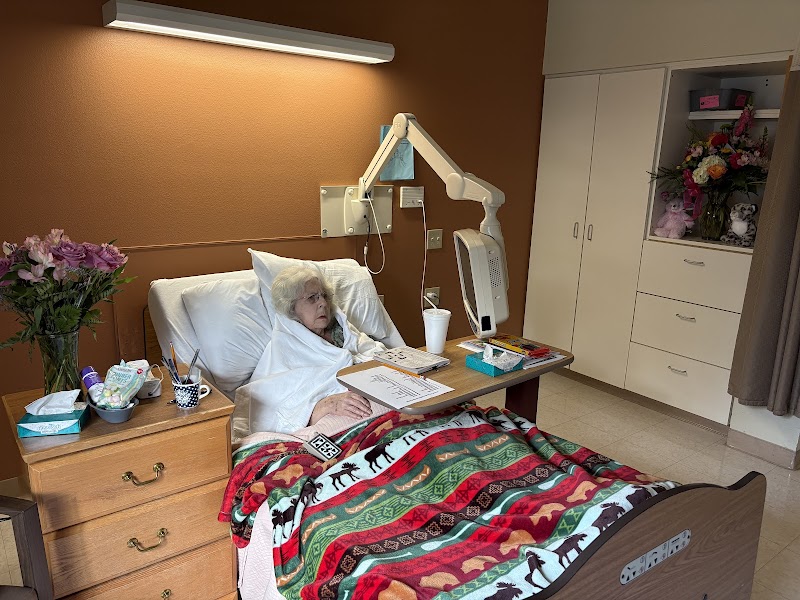
How is Siena Skilled Staffed?

CMS rates SIENA SKILLED NURSING AND REHABILITATION CENTER's staffing level at 5 out of 5 stars, which is much above average compared to other nursing homes. Staff turnover is 33%, compared to the California average of 46%. This relatively stable workforce can support continuity of care.

What Have Inspectors Found at Siena Skilled?

State health inspectors documented 17 deficiencies at SIENA SKILLED NURSING AND REHABILITATION CENTER during 2022 to 2025. These included: 17 with potential for harm.
Who Owns and Operates Siena Skilled?

SIENA SKILLED NURSING AND REHABILITATION CENTER is owned by a for-profit company. For-profit facilities operate as businesses with obligations to shareholders or private owners. The facility is operated by GENERATIONS HEALTHCARE, a chain that manages multiple nursing homes. With 107 certified beds and approximately 87 residents (about 81% occupancy), it is a mid-sized facility located in AUBURN, California.
How Does Siena Skilled Compare to Other California Nursing Homes?

Compared to the 100 nursing homes in California, SIENA SKILLED NURSING AND REHABILITATION CENTER's overall rating (5 stars) is above the state average of 3.2, staff turnover (33%) is significantly lower than the state average of 46%, and health inspection rating (4 stars) is above the national benchmark.

What Should Families Ask When Visiting Siena Skilled?

Based on this facility's data, families visiting should ask: "Can I visit during a mealtime to observe dining assistance and food quality?" "How do you handle medical emergencies, and what is your hospital transfer rate?" "Can I speak with family members of current residents about their experience?"

Is Siena Skilled Safe?

Based on CMS inspection data, SIENA SKILLED NURSING AND REHABILITATION CENTER has a clean safety record: no substantiated abuse findings (meaning no confirmed cases of resident harm), no Immediate Jeopardy citations (the most serious violation level indicating risk of serious injury or death), and is not on the Special Focus Facility watch list (a federal program monitoring the lowest-performing 1% of nursing homes). The facility has a 5-star overall rating and ranks #1 of 100 nursing homes in California. While no facility is perfect, families should still ask about staff-to-resident ratios and recent inspection results during their visit.

Do Nurses at Siena Skilled Stick Around?

SIENA SKILLED NURSING AND REHABILITATION CENTER has a staff turnover rate of 33%, which is about average for California nursing homes (state average: 46%). Moderate turnover is common in nursing homes, but families should still ask about staff tenure and how the facility maintains care continuity when employees leave.

Was Siena Skilled Ever Fined?

SIENA SKILLED NURSING AND REHABILITATION CENTER has been fined $4,194 across 1 penalty action. This is below the California average of $33,121. While any fine indicates a compliance issue, fines under $50,000 are relatively common and typically reflect isolated problems that were subsequently corrected. Families should ask what specific issues led to these fines and confirm they've been resolved.

Is Siena Skilled on Any Federal Watch List?

SIENA SKILLED NURSING AND REHABILITATION CENTER is not on any federal watch list. The most significant is the Special Focus Facility (SFF) program, which identifies the bottom 1% of nursing homes nationally based on persistent, serious quality problems. Not being on this list means the facility has avoided the pattern of deficiencies that triggers enhanced federal oversight. This is a positive indicator, though families should still review the facility's inspection history directly.