ESKATON VILLAGE CARE CENTER
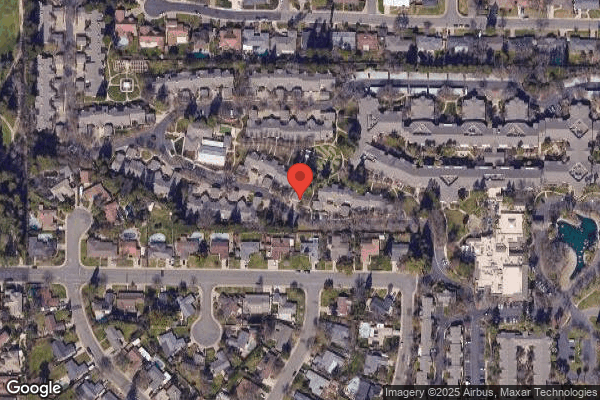
3939 WALNUT AVE., CARMICHAEL, CA 95608 (916) 974-2060
Non profit - Corporation 35 Beds Independent Data: November 2025
Trust Grade
80/100
#71 of 1155 in CA
Last Inspection: January 2025

Within standard 12-15 month inspection cycle. Federal law requires annual inspections.

Overview

Eskaton Village Care Center in Carmichael, California, has a Trust Grade of B+, which means it is above average and generally recommended. It ranks #71 out of 1,155 facilities in California, placing it in the top half, and #3 out of 37 in Sacramento County, indicating that only two local options are better. The facility is improving, with issues decreasing from 18 in 2024 to 11 in 2025. Staffing is a strong point, with a 5/5 star rating and a turnover rate of 34%, which is lower than the state average, meaning the staff is stable and familiar with residents' needs. Notably, the facility has not incurred any fines, which is a positive sign of compliance, and it offers more RN coverage than 97% of California facilities, ensuring better monitoring of residents' health. However, there are some concerns highlighted in recent inspections. For instance, three residents' medications were improperly stored, which could affect their effectiveness, and food was prepared without following proper recipes, potentially impacting nutritional needs. Additionally, there were issues with food storage and cleanliness in the kitchen, such as expired items and dirty cooking equipment, which raised concerns about hygiene and safety. Overall, while the facility has notable strengths, these incidents signal areas that require improvement to ensure the highest standards of care.

Trust Score
B+
80/100
In California
#71/1155
Top 6%
Safety Record
Low Risk
No red flags
Inspections
Getting Better
18 → 11 violations
Staff Stability
○ Average
34% turnover. Near California's 48% average. Typical for the industry.
Penalties
✓ Good
No fines on record. Clean compliance history, better than most California facilities.
Skilled Nurses
✓ Good
Each resident gets 127 minutes of Registered Nurse (RN) attention daily — more than 97% of California nursing homes. RNs are the most trained staff who catch health problems before they become serious.
Violations
⚠ Watch
48 deficiencies on record. Higher than average. Multiple issues found across inspections.
★★★★★
5.0
Overall Rating
★★★★★
5.0
Staff Levels
★★★★★
5.0
Care Quality
★★★☆☆
3.0
Inspection Score
Stable
2024: 18 issues
2025: 11 issues

The Good

  • 5-Star Staffing Rating · Excellent nurse staffing levels
  • 5-Star Quality Measures · Strong clinical quality outcomes
  • Full Sprinkler Coverage · Fire safety systems throughout facility
  • No fines on record
  • Staff turnover below average (34%)

    14 points below California average of 48%

Facility shows strength in staffing levels, quality measures, fire safety.

The Bad

Staff Turnover: 34%

12pts below California avg (46%)

Typical for the industry

The Ugly 48 deficiencies on record

Jan 2025 11 deficiencies
CONCERN (D)

Potential for Harm - no one hurt, but risky conditions existed

Safe Environment (Tag F0584)

Could have caused harm · This affected 1 resident

**NOTE- TERMS IN BRACKETS HAVE BEEN EDITED TO PROTECT CONFIDENTIALITY** Based on observation, interview, and record review, the facility failed to provide a homelike environment for one of 22 sampled ...

Read full inspector narrative →
**NOTE- TERMS IN BRACKETS HAVE BEEN EDITED TO PROTECT CONFIDENTIALITY** Based on observation, interview, and record review, the facility failed to provide a homelike environment for one of 22 sampled residents (Resident 248), when the light switch behind Resident 248's bed was broken and kept in a non-operational drawer. This failure had the potential to negatively impact Resident 248's psychosocial well-being, ability to read, and access to personal belongings. Findings: A review of Resident 248's Resident Face Sheet indicated she was admitted to the facility on [DATE] with a diagnosis of right femur (the large bone in the upper part of your leg) fracture. A review of Resident 248's Physician Order Report, dated 12/1/24-12/31/24, indicated she had the capacity to understand choices and make health care decisions. During a concurrent observation and interview on 1/6/25 at 10:57 a.m. with Resident 248 in her room, Resident 248's wall light behind her bed was broken and the light's switch was kept in the nightstand's top drawer. Resident 248 stated the nightstand's top drawer was stuck and she could not open it on her own. Resident 248 further stated it bothered her that she could not turn on the light to read or reach her personal items without calling for assistance and she asked staff to fix the light and drawer several times. During a concurrent observation and interview on 1/06/25 at 1:05 p.m. with Licensed Nurse 2 (LN 2) in Resident 248's room, LN 2 confirmed the nightstand's top drawer was very hard to open and the light switch was not operational. LN 2 stated Resident 248 should be able to open the drawer on her own to reach her personal items and to turn on the light. LN 2 further stated it was very important that Resident 248 feels welcomed and comfortable and to maintain as much independence as possible. During a concurrent observation and interview on 1/8/25 at 10:16 a.m. with the Director of Environmental Services (DES) in Resident 248's room, DES confirmed the light switch was broken and stated the expectation was it should have been a priority repairing the items because it might have affected the quality of residents' stay at the facility. DES further stated the goal was to keep residents' environment as comfortable and homelike as possible. A review of the facility's policy titled, Safe Environment, revised 1/2025, indicated, The facility will provide: A . homelike environment, allowing the resident to use his or her personal belongings . adequate levels of illumination suitable for tasks the resident chooses to perform . maintain all mechanical, electrical . equipment . in safe operating condition.
CONCERN (D)

Potential for Harm - no one hurt, but risky conditions existed

Comprehensive Care Plan (Tag F0656)

Could have caused harm · This affected 1 resident

Based on observation, interview, and record review, the facility failed to develop a person-centered care plan for one of 22 sampled residents (Resident 148), when Resident 148's care plan did not ind...

Read full inspector narrative →
Based on observation, interview, and record review, the facility failed to develop a person-centered care plan for one of 22 sampled residents (Resident 148), when Resident 148's care plan did not indicate he was receiving oxygen therapy. This failure decreased the facility's potential to meet Resident 148's care needs. Findings: A review of Resident 148's Resident Face Sheet indicated he was admitted to the facility in December 2024 with diagnoses including chronic obstructive pulmonary disease (COPD-a chronic lung disease causing difficulty in breathing) and dependence on supplemental oxygen. During an observation on 1/6/25 at 2:35 p.m. in Resident 148's room, Resident 148 was observed receiving oxygen at two liters per minute via nasal cannula (a device that gives you additional oxygen through your nose). A review of Resident 148's General Order, dated 1/3/25, indicated Resident 148 was on oxygen at two liters per minute every shift. During concurrent interview and record review on 1/8/25 at 12:16 p.m. with Licensed Nurse 4 (LN 4), Resident 148's care plan was reviewed. LN 4 confirmed there was no oxygen care plan in the clinical record and stated a care plan was needed so staff would know Resident 148's care needs. During an interview on 1/8/25 at 1:06 p.m. with the Interim Director of Nursing (IDON), IDON stated his expectations were all residents should have care plans; otherwise, there was a potential for nurses not to be able to provide the residents' care needs. A review of the facility's policy titled, Care Plan Process, revised 12/15/21, indicated, Each resident will have a care plan that is initiated upon admission . to assure that the resident's immediate care needs are met and maintained.
CONCERN (D)

Potential for Harm - no one hurt, but risky conditions existed

Deficiency F0658 (Tag F0658)

Could have caused harm · This affected 1 resident

Based on observation, interview, and record review, the facility failed to provide services according to professional standards of quality for one of 22 sampled residents (Resident 198), when Licensed...

Read full inspector narrative →
Based on observation, interview, and record review, the facility failed to provide services according to professional standards of quality for one of 22 sampled residents (Resident 198), when Licensed Nurse 1 (LN 1) prepared a medication for Resident 198 taken from another resident's medication supply. This failure decreased the facility's potential to safely administer medications to residents. Findings: A review of Resident 198's Resident Face Sheet indicated Resident 198 was admitted to the facility in December 2024 with diagnoses including right hip fracture and chronic constipation. A review of Resident 198's Prescription Order, dated 12/22/2024, indicated an order for polyethylene glycol (medication used to treat constipation) once a day. During a concurrent observation and interview on 1/6/25 at 9:17 a.m. with LN 1, LN 1 was observed preparing polyethylene glycol for Resident 198. LN 1 removed the medication from a plastic bag and the bag's label indicated a different resident's name. LN 1 confirmed she prepared Resident 198's medication after taking it from another resident's bag and stated she should have taken it from the facility's medications stock; otherwise, the medication might have the wrong dose and Resident 198 might have an adverse effect. During an interview on 1/8/25 at 12:38 p.m. with the Interim Director of Nursing (IDON), IDON stated his expectations were nurses should have followed the five rights of medication administration (right patient, right medication, right time, right dose, and right route); otherwise, there was a potential for residents experiencing adverse effects if given medications that did not belong to them. A review of the facility's policy and procedure (P&P) titled, Medication Administration General Guidelines, dated 1/21, indicated, Read medication label three times before preparing medication, when pulling medication package from med cart, when dose is prepared and before dose is administered. P&P further indicated, Medications supplied for one resident are never administered to another resident.
CONCERN (D)

Potential for Harm - no one hurt, but risky conditions existed

ADL Care (Tag F0677)

Could have caused harm · This affected 1 resident

**NOTE- TERMS IN BRACKETS HAVE BEEN EDITED TO PROTECT CONFIDENTIALITY** Based on observation, interview, and record review, the facility failed to provide adequate assistance with activities of daily ...

Read full inspector narrative →
**NOTE- TERMS IN BRACKETS HAVE BEEN EDITED TO PROTECT CONFIDENTIALITY** Based on observation, interview, and record review, the facility failed to provide adequate assistance with activities of daily living (ADLs- activities such as bathing, dressing and toileting a person performs daily) for one of 22 sampled residents (Resident 248), when Resident 248 was not offered or given showers as scheduled. This failure had the potential to negatively impact Resident 248's cleanliness, discomfort, and psychosocial well-being. Findings: A review of Resident 248's Resident Face Sheet indicated she was admitted to the facility on [DATE] with a diagnosis of right femur (the large bone in the upper part of your leg) fracture. A review of Resident 248's Physician Order Report, dated 12/1/24-12/31/24, indicated she had the capacity to understand choices and make health care decisions. The report further indicated Resident 248 should have showered twice a week on Monday and Friday. During a concurrent observation and interview on 1/6/25 at 10:57 a.m. with Resident 248 in her room, Resident 248 was lying in bed and wearing a hospital gown with a large brown area on the upper chest site. Resident 248's hair was unkempt and matted on the back of her head. Resident 248 stated she did not have a shower since her accident and would love to have a shower and her hair to be washed. Resident 248 further stated she asked staff on several occasions for a shower and none of them discussed a shower schedule with her. A review of Resident 248's Care Plan, dated 12/29/24, indicated Resident 248 needed assistance with bathing and personal hygiene and to be showered/bathed two times a week as scheduled. During a concurrent interview and record review on 1/7/25 at 2:28 p.m. with Certified Nursing Assistant 1 (CNA 1), Resident 248's shower sheets and clinical record were reviewed. CNA 1 stated she did not recall offering a shower or bath to Resident 248 during her stay and could not find a documentation in the clinical record that a shower or bath was offered, refused, or given on the shower's scheduled dates 12/30/24, 1/3/25, and 1/6/25. CNA 1 stated it was the CNA's responsibility to check Resident 248's shower schedule, to offer her a shower or bath and assist her as needed. During a concurrent interview and record review on 1/7/25 at 2:33 p.m. with Licensed Nurse 1 (LN 1), Resident 248's shower sheets and clinical record were reviewed. LN 1 could not find a documentation in the clinical record that a shower or bath was offered, refused, or given on the shower's scheduled dates 12/30/24, 1/3/25, and 1/6/25. LN 1 stated CNAs should have offered Resident 248 a shower or bath according to the shower calendar and documented on the Shower Day Skin Inspection Sheet whether it was given or refused. LN 1 further stated Resident 248 might become depressed or might develop skin issues because of uncleanliness and not been offered a shower. A review of the facility's policy titled, Necessary Care and Services: Activities of Daily Living, dated 11/2024, indicated, The facility will ensure that a resident who is unable to carry out activities of daily living receives the necessary services to maintain good . grooming . and personal hygiene.
CONCERN (D)

Potential for Harm - no one hurt, but risky conditions existed

Accident Prevention (Tag F0689)

Could have caused harm · This affected 1 resident

**NOTE- TERMS IN BRACKETS HAVE BEEN EDITED TO PROTECT CONFIDENTIALITY** Based on observation, interview, and record review, the facility failed to ensure safety measures were in place for one of 22 sa...

Read full inspector narrative →
**NOTE- TERMS IN BRACKETS HAVE BEEN EDITED TO PROTECT CONFIDENTIALITY** Based on observation, interview, and record review, the facility failed to ensure safety measures were in place for one of 22 sampled residents (Resident 15), when Resident 15 fell to the floor during transfer and sustained a blunt head injury (when the head hit a hard object or surface without breaking the skull) and a scalp abrasion (cut of the scalp). This failure decreased the facility's potential to prevent Resident 15's fall and injury. Findings: A review of Resident 15's Resident Face Sheet indicated Resident 15 was admitted to the facility in 2019 with a diagnosis of paraplegia (loss of movement and/or sensation, to some degree, of the legs). A review of Resident 15's Physician Order Report, dated [DATE] to [DATE], indicated Resident 15 had no capacity to understand choices and make health care decisions due to dementia (a progressive state of decline in mental abilities). Resident 15 had an order to be up in chair daily as tolerated. A review of Resident 15's John Hopkins Fall Risk Assessment Tool, dated [DATE], indicated Resident 15 had moderate fall risk. During an interview on [DATE] at 11:56 a.m. with Certified Nursing Assistant 4 (CNA 4), CNA 4 confirmed witnessing one of the loops from the head of the sling broke during Resident 15's transfer and as a result, Resident 15 fell to the floor and hit his head. CNA 4 stated there was no written expiration date on the sling during inspection. A review of Resident 15's Observation Detail List Report, dated [DATE], indicated Resident 15 had a fall on the morning of [DATE] during a mechanical lift from bed and sustained a bleeding from head. A review of Resident 15's Resident Progress Notes, dated [DATE], indicated, . [Resident 15] fell during transfer from [mechanical lift's] sling . The sling from [mechanical lift] malfunctioned and [Resident 15] fell landed on the floor . hit his head and is bleeding. A review of Resident 15's hospital Discharge Instructions Document, dated [DATE], indicated Resident 15 was in the hospital for fall, scalp abrasion, and blunt head injury. A review of Resident 15's Care Plan History, dated [DATE], indicated Resident 15 had a witnessed fall with head injury. During an interview on [DATE] at 9:59 a.m. with the Director of Staff Development (DSD) and Interim Director of Nursing (IDON), DSD confirmed Resident 15 fell during transfer due to a broken sling. IDON stated the expectations were staff should have inspected Resident 15's sling to make sure it was intact, had no damage, no break, and was not expired. A review of the facility's policy titled, Mechanical Lift Policy, dated [DATE], indicated, Slings will be maintained in appropriate condition for use with residents. Slings will be documented with a (in use start date) upon initial use by community. Slings will be inspected prior to each use for compromised material including frayed sling loops, frayed/loose seams, and weakness in fabric. A review of the facility's policy titled, Fall Prevention Program, dated [DATE], indicated, Residents will be provided an environment which will reasonably maximize safety while maintaining an optimal level of independence.
CONCERN (D)

Potential for Harm - no one hurt, but risky conditions existed

Deficiency F0806 (Tag F0806)

Could have caused harm · This affected 1 resident

Based on observation, interview, and record review, the facility failed to ensure food preferences were accommodated to one of 22 sampled residents (Resident 15), when Resident 15's meal ticket did no...

Read full inspector narrative →
Based on observation, interview, and record review, the facility failed to ensure food preferences were accommodated to one of 22 sampled residents (Resident 15), when Resident 15's meal ticket did not match with lunch's meal tray. This failure had the potential to negatively impact the resident's nutritional status. Findings: A review of Resident 15's Resident Face Sheet indicated Resident 15 was admitted to the facility in 2019 with a diagnosis of paraplegia (loss of movement and/or sensation, to some degree, of the legs). A review of Resident 15's Physician Order Report, dated 1/1/25 to 1/31/25, indicated Resident 15 had no capacity to understand choices and make health care decisions due to dementia (a progressive state of decline in mental abilities). The report further indicated Resident 15 had fortified diet (food that have nutrients added to them), mechanical soft (food that is easy to eat and does require lots of chewing) chopped, and bit size texture. During a concurrent observation and interview on 1/6/25 at 12:38 p.m. with Certified Nursing Assistant 2 (CNA 2) in the dining room, CNA 2 confirmed Resident 15's meal tray had chicken tamales with green sauce, refried beans, extra sauce, orange juice, milk, and water. CNA 2 also confirmed the meal tray had different food choices compared to the meal ticket. A review of Resident 15's lunch meal ticket, dated 1/6/25, indicated the noon meal was potato soup, chicken supreme, herbed quinoa, green peas, garlic bread, coffee, whole milk, orange juice, apple juice, cranberry juice, and margarine with extra gravy sauce. During an interview on 1/9/25 at 2:01 p.m. with the Interim Director of Nursing (IDON), IDON stated the expectation was Resident 15's meal ticket should have reflected the food choices in the meal tray. A review of the facility's policy titled, Nutritional Care, Screening and Assessment, dated 2/9/2017, indicated, Food Preference will be maintained in the tray card system.
CONCERN (D)

Potential for Harm - no one hurt, but risky conditions existed

Infection Control (Tag F0880)

Could have caused harm · This affected 1 resident

Based on observation, interview, and record review, the facility failed to maintain infection control practices for a census of 33 residents, when Certified Nursing Assistant 3 (CNA 3) did not use gow...

Read full inspector narrative →
Based on observation, interview, and record review, the facility failed to maintain infection control practices for a census of 33 residents, when Certified Nursing Assistant 3 (CNA 3) did not use gown and gloves in an isolation (separation of residents with an infection from residents without an infection) room. This failure had the potential to increase the spread of infection among residents. Findings: A review of Resident 31's Resident Face Sheet, indicated Resident 31 was admitted to the facility in 2023 with a diagnosis of pneumonia (an infection/inflammation in the lungs). During a concurrent observation and interview on 1/6/25 at 9:30 a.m. with CNA 3, Resident 31's room had a contact isolation sign on the door. The sign indicated staff to use gown and gloves when entering the room. CNA 3 went inside Resident 31's room and collected the meal tray from the bedside without using gown and gloves. CNA 3 confirmed she should have used gown and gloves while providing care in an isolation room. During an interview on 1/8/25 at 10:46 a.m. with the Infection Preventionist (IP), IP stated the expectation was staff to wear gown and gloves when providing care to residents in isolated precaution rooms. IP further stated there could have been a chance for cross contamination to other residents when not using gown and gloves. During an interview on 1/9/25 at 2:01 p.m. with the Interim Director of Nursing (IDON), IDON stated staff should have used gown, gloves, and/or face shield when providing care to residents in contact isolation rooms. IDON further stated there could have been cross contamination of infection among other residents when staff did not use gown and gloves. A review of the facility's policy titled, Categories of Isolation Precautions, dated 6/24/2024, indicated, . All staff must wear appropriate Personal Protective Equipment (PPE) to include glove (clean, nonsterile) when entering the room, regardless of tasks being performed . Wear a gown (clean, nonsterile) when entering the room .
CONCERN (E)

Potential for Harm - no one hurt, but risky conditions existed

Deficiency F0761 (Tag F0761)

Could have caused harm · This affected multiple residents

Based on observation, interview, and record review, the facility failed to properly store medications for three residents (Resident 14, Resident 148, and Resident 149) of a census of 33, when three op...

Read full inspector narrative →
Based on observation, interview, and record review, the facility failed to properly store medications for three residents (Resident 14, Resident 148, and Resident 149) of a census of 33, when three opened inhalers were not dated with open and discard dates. This failure decreased the facility's potential to properly store residents' medications and ensure medication potency. Findings: A review of Resident 14's Resident Face Sheet indicated Resident 14 was admitted to the facility in October 2024 with diagnoses including chronic obstructive pulmonary disease (COPD-a chronic lung disease causing difficulty in breathing) and asthma (chronic disease of the lungs that makes it difficult to breathe). A review of Resident 148's Resident Face Sheet indicated Resident 148 was admitted to the facility in December 2024 with a diagnosis of COPD. A review of Resident 149's Resident Face Sheet indicated Resident 149 was admitted to the facility in January 2025 with a diagnosis of COPD. During a concurrent observation and interview on 1/7/25 at 1:01 p.m. with Licensed Nurse 4 (LN 4), LN 4 confirmed the following opened medications were stored in medication cart three without open or discard dates: - Resident 14's fluticasone furoate, umeclidinium, and vilanterol inhaler (treats asthma and COPD) indicated to discard six weeks after opening the foil tray; - Resident 148's fluticasone and salmeterol inhaler (treats asthma and COPD), indicated to discard one month after opening the foil pouch; and - Resident 149's fluticasone furoate inhaler (treats asthma and COPD), indicated to discard six weeks after opening the foil tray. LN 4 stated opened medications might not be effective if given past the discard date and might not treat the respiratory condition. LN 4 further stated open and discard dates should have been written on the medications according to manufacturer's recommendations. During an interview on 1/8/25 at 12:40 p.m. with the Interim Director of Nursing (IDON), IDON stated medications should have open and discard dates to ensure been given for the maximum effect. IDON further stated residents might not get the maximum effect of medications if given past discard date. A review of the facility's policy and procedure titled, Medication Administration General Guidelines, dated 1/21, indicated, The nurse shall place a 'date opened' sticker on the medication . and certain products have specified shortened end-of- use dating, once opened, to ensure medication purity and potency.
CONCERN (E)

Potential for Harm - no one hurt, but risky conditions existed

Deficiency F0804 (Tag F0804)

Could have caused harm · This affected multiple residents

**NOTE- TERMS IN BRACKETS HAVE BEEN EDITED TO PROTECT CONFIDENTIALITY** Based on observation, interview, and record review, the facility failed to ensure the nutritive values of food were conserved du...

Read full inspector narrative →
**NOTE- TERMS IN BRACKETS HAVE BEEN EDITED TO PROTECT CONFIDENTIALITY** Based on observation, interview, and record review, the facility failed to ensure the nutritive values of food were conserved during preparation for a census of 33 residents, when [NAME] 1 prepared quiche (an entrée for lunch) without measuring the ingredients and following the recipe. This failure decreased the facility's potential to meet the residents' nutritional needs. Findings: During a concurrent observation and interview on 1/8/25 at 9:45 a.m. with [NAME] 1 in the main kitchen, [NAME] 1 was observed mixing the ingredients when cooking quiche. [NAME] 1 did not follow the recipe and poured unmeasured amounts of liquid eggs and heavy cream in a pot. [NAME] 1 confirmed she did not follow the recipe to cook quiche and stated she did not need to measure the amounts of liquid eggs and heavy cream. [NAME] 1 also stated she was unable to tell the exact numbers of servings to be prepared. A review of the facility's recipe titled, Quiche [NAME] Jour, dated 2024, indicated, one gallon (a unit of measure) plus three and quarter of a quart (a unit of measure) of liquid eggs, and three quarts plus three cups (a unit of measure) of heavy cream should be used to prepare 180 servings of quiche. During an interview on 1/8/25 at 10 a.m. with Executive Chef (EC), EC stated [NAME] 1 should have followed the quiche recipe with correct measured amounts of both ingredients. EC also stated the unmeasured amounts of ingredients might have altered the nutritive values of food. During an interview on 1/9/25 at 8:29 a.m. with the Administrator (ADM), ADM stated the expectation was [NAME] 1 should have followed the recipe and measured the amounts of ingredients to maintain the nutritive values of quiche cooked for the residents. ADM further stated foods with altered nutritive values might not meet the residents' nutritional needs. A review of the facility's policy titled, Menus and Recipes, revised in 2017, indicated, . Standardized recipes will be used in preparation of the menu . A review of the facility's policy titled, Food Preparation and safety, revised in 2015, indicated, . Foods are prepared per the recipes which include . amounts of ingredients . based on the diet counts which are available from the computerized tray card system .
CONCERN (E)

Potential for Harm - no one hurt, but risky conditions existed

Food Safety (Tag F0812)

Could have caused harm · This affected multiple residents

Based on observation, interview, and record review, the facility failed to ensure food was stored and prepared in accordance with professional standards for a census of 33 residents, when; 1. Unlabele...

Read full inspector narrative →
Based on observation, interview, and record review, the facility failed to ensure food was stored and prepared in accordance with professional standards for a census of 33 residents, when; 1. Unlabeled, expired, incorrectly dated, and soiled food items were found stored in the ready-to-cook area in the main kitchen; 2. Wet, dirty, and damaged cooking pans were found stored on the ready-to-use rack next to cooking area in the main kitchen; 3. A can-opener was found dirty, ready-to-use, and attached to the kitchen counter in the main kitchen; 4. The interior dispenser of ice machine had black, brown, and white substances on its surfaces in Skilled Nursing Facility (SNF) kitchen; 5. One kitchen staff touched the clean cutting board and knife with soiled gloved hands after touching multiple surfaces in the main kitchen; and 6. Ice buildup was found on the edges and frames of entry doors and on food boxes inside the walk-in freezers in the SNF and main kitchens. These failures decreased the facility's potential to provide sanitary conditions to store and prepare food for its residents. Findings: 1. During a concurrent observation and interview on 1/6/25 at 9:54 a.m. with Executive Chef (EC), foods and spices were observed in the main kitchen's cooking area. A bottle of citrus seasoned dressing and sauce was found partially used but unlabeled for open and expiry dates. A fish sauce bottle was found expired in 2024. A dark chili powder container was found with two labels indicating two different open and expiry dates. A box of kosher salt was found crumbled with moistened salt inside it. EC confirmed there were unlabeled, expired, incorrectly labeled, and soiled food items stored in the ready-to-cook area in the main kitchen. During an interview on 1/9/25 at 8:29 a.m. with Administrator (ADM), ADM stated any unlabeled, expired, incorrectly labeled, and soiled food items stored in the ready-to-cook area were unsafe. ADM also stated unsafe food items might cause food born illnesses and kitchen staff should have labeled all food items correctly once been opened. A review of the facility's policy titled, Food Storage, dated 10/29/18, indicated, . Opened packages of dry food which are to be stored will be dated upon opening . 2. During a concurrent observation and interview on 1/6/25 at 10:05 a.m. with EC, cooking pans were observed on the ready-to-use rack next to the main kitchen's cooking area. Fifteen hotel pans size six and 20 hotel pans size three were found stored wet. Seven frying pans were found stored dirty with interior surfaces covered with oil and food crumbs. Twenty nonstick frying pans were found stored with eroded interior surfaces. One big cooking pan was found stored with interior surface covered with yellowish-orange colored substance. EC confirmed wet, dirty, and damaged pans were stored on the ready-to-use rack next to the main kitchen's cooking area. During an interview on 1/9/25 at 8:29 a.m. with ADM, ADM stated staff should have not stored wet, dirty, and damaged cooking pans. ADM also stated wet, dirty, and damaged pans might become sources of food contamination and all cooking pans stored on the ready-to-use rack should have been undamaged, clean, and dry. A review of the facility's policy titled, Ware Washing, dated 7/17/15, indicated, . pans . washed . rinsed . sanitized . inverted on drain board. Let air dry . 3. During a concurrent observation and interview on 1/6/25 at 9:37 a.m. with EC, a can-opener was observed attached to the kitchen counter and ready to be used in the main kitchen. The can-opener tip and other parts were found covered with brownish-black substance. EC confirmed the can-opener was dirty and needed to be cleaned. During an interview on 1/9/25 at 8:29 a.m. with ADM, ADM stated a dirty can-opener should have not been placed for ready to use. ADM further stated dirty equipment might cause food contamination and food born illnesses among residents and expected all equipment to be kept clean for food safety. A review of the facility's policy titled, Sanitation and Cleaning, dated 10/29/18, indicated, . All equipment shall be kept clean . 4. During a concurrent observation and interview on 1/6/25 at 10:21 a.m. with Dietary Manager (DM) and Director of Environmental Services (DES), the interior dispenser of ice machine in SNF kitchen was observed. The surfaces of interior dispenser were found covered with black, brown, and white substances. Both DM and DES confirmed the interior dispenser of ice machine was dirty and ice was exposed to its dirty surfaces. DM stated the interior of ice machine needed immediate cleaning. During an interview on 1/9/25 at 8:29 a.m. with ADM, ADM stated dirty interior of ice machine might cause contamination of the ice. ADM also stated contaminated ice could cause food borne illnesses among residents and expected the interior of ice machine to be maintained clean at all times A review of the facility's policy titled, Ice, dated 10/29/18, indicated, . Maintenance is responsible for thoroughly cleaning the ice machine . and will keep a cleaning log . 5. During a concurrent observation and interview on 1/08/25 at 8:35 a.m. with [NAME] 2 and EC in the main kitchen, [NAME] 2 was observed wearing single use gloves in the cooking area. [NAME] 2 touched the clean cutting board and knife with soiled gloves after touching multiple surfaces. [NAME] 2 confirmed he cleaned the kitchen counter, touched his apron and face with same pair of gloves, did not change the soiled gloves and then touched the clean cutting board and knife. [NAME] 2 stated he was getting ready to use that cutting board and knife to chop the sausage. EC confirmed [NAME] 2 touched the clean cutting board and knife with soiled gloves and the food preparation surfaces might have been contaminated. During an interview on 1/9/25 at 8:29 a.m. with ADM, ADM stated [NAME] 2 should have not touched the food preparation utensils and surfaces with soiled gloves because touching food preparation areas and surfaces might have caused cross contamination to the food cooked in the main kitchen. ADM also stated [NAME] 2 should have changed his single-use gloves after each task. A review of the facility's policy titled, Personal-Sanitary and Dress Standards, dated 3/24/24, indicated, . Gloves are not to be used as a replacement for frequent, proper hand washing and gloves must be changed when going from dirty to clean operations . 6. During a concurrent observation and interview on 1/6/25 at 8:45 a.m. with DM in SNF kitchen, the walk-in freezer was observed. Ice built-up was found on the door edges and frame of walk-in freezer. Big chunks of ice were also found on boxes containing food. DM confirmed the door edges and frame of walk-in freezer were covered with ice built-up and ice chunks were found on top of food boxes inside the freezer. During a concurrent observation and interview on 1/6/25 at 3:07 p.m. with EC in main kitchen, the walk-in freezer was observed. The door edges and frame of walk-in freezer were found covered with ice built-up. Ice was also found accumulated on the food boxes inside the freezer. EC confirmed the walk-in freezer door in main kitchen was not closing properly due to ice built-up and ice accumulated on food boxes. During an interview on 1/9/25 at 8:29 a.m. with ADM, ADM stated no built-up ice should have been on the doors, frames, or food boxes inside the walk-in freezers in the SNF and main kitchens. ADM expected kitchen staff to report this issue to the maintenance staff on a routine basis and stated ice built-up on the edges and frames of walk-in freezer doors interfere with door closing and might affect the quality of food stored inside. A review of the facility's policy titled, Sanitation and Cleaning, dated 10/29/18, indicated, All kitchens, kitchen areas . shall be kept clean, maintained in good repairs . and freezers to be cleaned monthly .
CONCERN (E)

Potential for Harm - no one hurt, but risky conditions existed

Room Equipment (Tag F0908)

Could have caused harm · This affected multiple residents

Based on observation, interview, and record review, the facility failed to safely operate the dryer for a census of 33 residents, when the dryer's lint compartment was not cleaned accordingly. This fa...

Read full inspector narrative →
Based on observation, interview, and record review, the facility failed to safely operate the dryer for a census of 33 residents, when the dryer's lint compartment was not cleaned accordingly. This failure decreased the facility's potential to prevent a fire hazard. Findings: During a concurrent observation and interview on 1/8/25 at 11:04 a.m. with Laundry Staff (LS) in the laundry room, the three lint compartments of the dryers were inspected. LS opened the lint compartment, rolled up two thick layers of lint, and discarded it. LS confirmed she did not clean the lint compartment at the beginning of her shift. During a concurrent interview and record review on 1/9/25 at 8:41 a.m. with the Housekeeping Supervisor (HS), the lint compartment log was reviewed. HS expected staff to clean the lint compartment every two hours and stated it would have been a fire hazard if staff did not clean the lint compartment frequently. A review of the facility's Cleaning the Lint Compartments Log for January 2025, indicated morning and evening laundry staff should have cleaned the lint trap every two hours and documented it. The log further indicated there was missing documentation of removing lint every two hours on seven occasions at evenings during the month of January 2025. A review of the facility's policy titled, Supplies and Equipment, dated 12/29/18, indicated, Housekeeping/Laundry/Nursing department supplies, and equipment shall be readily available so that department personnel can perform necessary tasks. Equipment must be ready for use at all times of the day and night to serve the residents' needs. Care should be exercised in the handling and in the use of equipment to prevent damage or breakage.
Jul 2024 1 deficiency
CONCERN (D) 📢 Someone Reported This

A family member, employee, or ombudsman was alarmed enough to file a formal complaint

Potential for Harm - no one hurt, but risky conditions existed

Deficiency F0553 (Tag F0553)

Could have caused harm · This affected 1 resident

Based on interview and record review, the facility failed to ensure the rights of one of three sampled residents (Resident 1) when a medication was discontinued without informing the resident. This fa...

Read full inspector narrative →
Based on interview and record review, the facility failed to ensure the rights of one of three sampled residents (Resident 1) when a medication was discontinued without informing the resident. This failure resulted in Resident 1 not being able to have input into decisions regarding her plan of care. Findings: According to Resident 1's admission record, she was admitted in 4/24 with diagnoses including aftercare following joint replacement surgery and Stage 3 chronic kidney disease (mild to moderate loss of kidney function). It also indicated Resident 1 was her own responsible party (RP, medical decision maker). A review of Resident 1's Minimum Data Set (MDS, an assessment tool) indicated Resident 1 had no memory impairment. A review of Resident 1's clinical record included the following documents: A General Acute Care Hospital (GACH) Physician's (MD) Order for Admission, dated 4/16/24, indicated the following orders: 1. Hydrochlorothiazide-spironolactone (medication used to treat high blood pressure and fluid retention), 25mg.-25mg. (milligrams, a unit of measurement), 2 tablets, once daily. 2. Spironolactone (a medication to treat high blood pressure), 50 mg., 1.5 tablets once daily. An MD's Order Report, dated 4/16/24- 5/31/24, indicated the following orders: 1. Spironolactone-hydrochlorothiazide 25mg.-25 mg. tablet, 2 tablets, once daily. The order had a start date of 4/16/24. 2. Spironolactone, 50 mg. tablet, one tablet every other day at 5 p.m., hold for SBP (systolic blood pressure, the pressure in the arteries when the heart contracts) less than 100. The order's start date was 5/1/24. 3. Spironolactone, 50 mg. tablet, one tablet daily at 8 a.m., hold for SBP less than 100. The order's start date was 5/1/24. An MD note, dated 4/16/24 and written by MD 1, indicated he had met with Resident 1 and the plan was to include routine medications. An MD Order Sheet, dated 4/16/24 and written by MD 1, indicated the order for spironolactone 50 mg, 1.5 tabs daily was to be discontinued. A MD note, dated 5/2/24 and written by MD 2, indicated he had met with Resident 1 on 5/1/24 and she had requested to be put back on her previous dose of spironolactone 50 mg. in the morning and 50 mg. in the evening every other night. The note further indicated the plan for Resident 1 included placing her back on the spironolactone 50 mg. for worsening leg edema (swelling). In an interview, on 7/3/24 at 7:31 a.m., Resident 1 stated she had been taking spironolactone, 50 mg. tablets, 1.5 tablets daily and hydrochlorothiazide-spironolactone 25mg.-25 mg. tablets, 2 tablets daily for at least two years for her high blood pressure and fluid retention. Resident 1 stated after about two weeks at the facility, her left foot had become very swollen and it was at this time she had found out she was not getting both of the medications. Resident 1 stated she believed she had no longer been receiving the spironolactone 50 mg. tablets, 1.5 tablets daily. Resident 1 stated she wanted to know who decided to change her medications without telling her and stated she felt it had violated her rights. In an interview, on 7/9/24 at 1:34 p.m., the Director of Nursing (DON) stated it was her expectation that the MD explained to the resident or RP any changes in medications, such as new medications or the discontinuation of routine medications. The DON confirmed Resident 1 was her own RP and the spironolactone 50 mg. tablet, 1.5 tablets daily had been a routine medication for Resident 1 prior to her admission to the facility. The DON confirmed there was no documentation the MD had discussed this change in medication with Resident 1. A review of the facility's policy titled, Resident Rights, revised 12/13/16, stipulated, This community acts in accordance with all of the rights guaranteed to residents under federal and state law.
May 2024 1 deficiency
CONCERN (D) 📢 Someone Reported This

A family member, employee, or ombudsman was alarmed enough to file a formal complaint

Potential for Harm - no one hurt, but risky conditions existed

Deficiency F0697 (Tag F0697)

Could have caused harm · This affected 1 resident

Based on interview and record review, the facility failed to manage one of three sampled residents (Resident 1's) pain timely when Licensed Nurse (LN) delayed administration of the breakthrough pain m...

Read full inspector narrative →
Based on interview and record review, the facility failed to manage one of three sampled residents (Resident 1's) pain timely when Licensed Nurse (LN) delayed administration of the breakthrough pain medication for the resident. This failure resulted in Resident 1 being in pain, feeling ignored and mistreated. Findings: Review of Resident 1's clinical record, Resident Face Sheet, indicated the resident was admitted to the facility with diagnoses that included chronic pain syndrome, chronic pancreatitis (inflammation of the pancreas) and low blood oxygen. In an interview on 4/30/24 at 12:25 p.m., the Interim Director of Nursing (IDON) at the IDON's office, the IDON stated on 4/22/24 Resident 1 was upset and complained that LN 1, who worked at night shift, did not give her pain medication on time and made excuses that she was busy or that Resident 1 was not her only resident, justifying the delayed pain medication administration. The IDON stated Resident 1 expressed she felt miserable and being mistreated by LN 1 not getting pain medications when she needed. In an interview on 4/30/24 at 12:50 a.m. with Resident 2, the former Resident 1's roommate, in her room, Resident 2 stated that Resident 1 had to wait to get her pain medications at night. Resident 2 stated that she witnessed, a few days ago, when Resident 1 asked LN 1 where her pain medication was, LN 1 said to her that she had a two-hour leeway to administer the pain medication. Resident 2 recounted that Resident 1 then told LN 1 that she would request her pain medication two hours in advance to get it on time, LN 1 raised her voice to Resident 1 and said to the resident that she could ask for pain medication whenever she wanted but it was LN 1's discretion when to give the medication. Resident 2 stated Resident 1 was in pain and did not know when to ask for pain medications because she was prohibited to ask. Review of Resident 1's clinical record, Medication Administration Record (MAR) for April 2024 included a physician order for Norco (a narcotic medication) 5/325 mg (milligram) 1 tablet every 4 hours as needed for pain. The MAR indicated Resident 1 reported her pain was at 7 to 9 out of 10 pain scale whenever she requested for Norco. The resident received Norco round the clock, during her 5-day stay at the facility, every 4 hours, regularly for pain control; however, the MAR showed delayed Norco administrations when LN 1 was on duty at nights as follows: 4/19/24 at 8:01 p.m. by PM LN; 4/20/24 at 2:41 a.m. by LN 1 (6 hours and 40 minutes from the previous administration) There was no more Norco administration during the night shift until 7:30 a.m. by the AM LN. 4/21/24 at 7:46 p.m. by PM LN; 4/22/24 at 12:50 a.m. by LN 1 (5 hours from the previous administration); 5:12 a.m. by LN 1 Review of the facility's policy and procedure, 2007, stipulated, Medications are administered as prescribed . In a concurrent interview and record review on 4/24/24 at 1:50 p.m. at the IDON's office, the IDON verified the delayed pain medication administrations for Resident 1 on 4/19/24 and 4/21/24 by LN 1. The IDON stated Resident 1 had back pain, pancreatitis, and generalized pain. The IDON stated as needed basis pain medication had no two-hour administration window as it was for breakthrough pain control, therefore, LN 1 should have administered the medication as quick as possible when resident requested.
Feb 2024 16 deficiencies
CONCERN (D)

Potential for Harm - no one hurt, but risky conditions existed

Deficiency F0625 (Tag F0625)

Could have caused harm · This affected 1 resident

Based on observation, interview, and record review, the facility failed to notify the resident of a bed hold upon transfer to the hospital for one of 14 sampled resident (Resident 85). This failure ha...

Read full inspector narrative →
Based on observation, interview, and record review, the facility failed to notify the resident of a bed hold upon transfer to the hospital for one of 14 sampled resident (Resident 85). This failure had the potential for Resident 85 not knowing the duration of the bed hold period and not able to exercise the resident's right of returning to the facility. Findings: Review of the Resident Face Sheet, undated, indicated Resident 85 was returned to the facility on 2/26/24 with diagnoses including post-operation of the right hip surgery. Review of the Minimum Data Set (MDS, an assessment tool), dated 2/15/24, indicated Resident 85 had no memory problems. Review of the Progress Note, dated 2/26/24 at 9:57 a.m., indicated Resident 85 was complaining of chest pain and was sent to emergency room for evaluation at 7:52 a.m. Review of the Care Plan, dated 2/26/24, indicated Resident 85 was complaining of chest pain and was sent to acute hospital as physician ordered. During observations on 2/26/24 at 9:21 a.m., 9:56 a.m., 12:44 p.m., 2:23 p.m., Resident 85 was not in the facility. During an interview and record review on 2/27/24 at 4:58 p.m., the Health Information Coordinator (HIC) confirmed there was no documentation of having a written bed hold notification given to Resident 85. During an interview on 2/29/24 at 8:19 a.m., the Interim Director of Nursing confirmed the bed hold notification should have been given upon transfer and at admission. Review of the facility's policy titled, Bed Holds, dated 2/20/12, indicated, Our facility informs residents upon admission and prior to a transfer for hospitalization .
CONCERN (D)

Potential for Harm - no one hurt, but risky conditions existed

Assessment Accuracy (Tag F0641)

Could have caused harm · This affected 1 resident

**NOTE- TERMS IN BRACKETS HAVE BEEN EDITED TO PROTECT CONFIDENTIALITY** 2. A review of Resident 234's admission records indicated she was admitted [DATE] with diagnoses including aftercare following a...

Read full inspector narrative →
**NOTE- TERMS IN BRACKETS HAVE BEEN EDITED TO PROTECT CONFIDENTIALITY** 2. A review of Resident 234's admission records indicated she was admitted [DATE] with diagnoses including aftercare following a hip replacement surgery with a wound vacuum (a device that helps reduce swelling and drainage from the wound) and bronchiectasis (tubes that carry air in and out of the lungs were damaged) requiring the use of a CPAP machine at bedtime. A review of Resident 234's Physician Order Report, dated 2/15/24, indicated an order for the use of a CPAP machine at bedtime. In a review of Resident 234's Comprehensive MDS, dated [DATE], the use of a CPAP machine was not documented in Section O, but instead the oxygen use was incorrectly coded. 3. Resident 235 was admitted [DATE] with diagnoses including urinary tract infection and aftercare following a knee joint replacement surgery. A review of Resident 235's Physician Order Report, dated 2/12/24, it indicated the physician ordered a urinary catheter to be inserted to Resident 235 due to urinary retention. During a concurrent interview and record review on 2/27/24 at 1:17 p.m. with the MDSC confirmed Resident 235's Comprehensive MDS, dated [DATE], was not accurately completed and she forgot to code the urinary catheter use. In an Interview on 2/27/24 at 3:51 p.m. with the EDQC, she acknowledged that the MDS completed for Resident 235, dated 2/15/24, was inaccurate and the urinary catheter should have been coded to reflect the resident's current status. 4. In a concurrent interview and record review on 2/27/23 at 1:04 p.m. with the MDS Coordinator (MDSC) the following were confirmed: Resident 25's Progress Notes, dated 9/24/23, indicated she was admitted on [DATE], complained of severe abdominal pain three hours after admission was picked up by the ambulance to be taken back to the hospital as ordered by the physician the same day at approximately 9:44 p.m. Resident 25's MDS discharged Assessment, was completed on 9/25/23. MDSC stated Resident 25's MDS Discharge Assessment date was incorrect and should have been dated 9/24/23. In a concurrent interview and record review on 2/27/24 at 1:30 p.m. with the the Business Office Manager (BOM), the BOM confirmed the Facility Census listed Resident 25's date of discharge as 9/25/23, will modify the census to reflect the right discharge of 9/24/23 A review of the facility's policy titled, [Resident Assessment Instrument] RAI Process, dated 2/28/24, indicated .all interdisciplinary team members (IDT) [are responsible] for correct completion of the MDS .The Community MDS Coordinator is responsible for coordinating the RAI process to assure assessments and care plans are completed timely and collaboratively with the resident, community staff, physician, and family/responsible parties. Based on interview and record review, the facility failed to accurately assess four of 14 sampled residents (Resident 4, Resident 234, Resident 235, and Resident 25), when the Minimum Data Set (MDS; an assessment tool) inaccurately indicated: 1. The change in Resident 4's skin condition; 2. Resident 234's Continuous Positive Airway Pressure (CPAP, a machine that uses mild air pressure to keep breathing airways open while sleeping); 3. Resident 235's urinary catheter; and, 4. Resident 25's MDS discharge assessment date. These failures decreased the facility's potential to identify residents' care needs. Findings: 1. A review of Resident 4's Face Sheet, indicated Resident 4 was admitted to the facility on [DATE] with diagnoses including right upper arm fracture and readmitted on [DATE] with diagnoses including stage 4 sacral pressure ulcer (skin damage caused by constant pressure. Muscles, bones, and/or tendons may also be visible). A review of Resident 4's Progress Notes, dated 1/11/24, indicated Resident 4 had stage 4 sacral pressure injury. A review of Resident 4's MDS, dated [DATE], indicated Resident 4 had an unstageable deep tissue injury. During an interview on 2/28/24 at 3:14 p.m. with MDS Coordinator (MDSC), MDSC confirmed Resident 4's MDS skin assessment, dated 1/25/24, was inaccurate and stated it should have been documented as stage 4 pressure ulcer exactly as the wound care nurse indicated in her progress note dated 1/11/24. During an interview on 2/28/24 at 3:30 p.m. with Interim Director of Nursing (IDON) and Executive Director for Quality and Compliance (EDQC), both IDON and EDQC confirmed Resident 4's MDS skin assessment was inaccurate and stated MDSC should have accurately documented what was indicated in the wound consultant's progress note. IDON and EDQC further stated inaccurate MDS skin assessment might have impacted Resident 4's assessment data, billing, and care areas.
CONCERN (D)

Potential for Harm - no one hurt, but risky conditions existed

Deficiency F0655 (Tag F0655)

Could have caused harm · This affected 1 resident

Based on interview and record review, the facility failed to follow its own policy and procedure for Baseline Care Plan (BCP, a care plan that identifies resident's care needs upon admission) for one ...

Read full inspector narrative →
Based on interview and record review, the facility failed to follow its own policy and procedure for Baseline Care Plan (BCP, a care plan that identifies resident's care needs upon admission) for one of 14 sampled residents (Resident 14) when Resident 14 was not provided a written summary of her BCP within 48 hours of admission. This failure had the potential to increase Resident 14's risk of not being aware of her plan of care. Findings: According to Resident 14's admission record she was admitted to the facility first week of February with diagnoses including,left ankle charcot (weakening of the bones in foot due to significant nerve damage) revision. With orders for non-weight bearing status due to pins and external fixators (devices used to keep fractured bones stabilized), attached to the left ankle/foot. Alert and oriented with no memory problems. She makes her own healthcare decisions. A review of Resident 14's BCP indicated it was completed on 2/1/24. In an interview on 2/26/24 at 4:33 p.m. with Resident 14, she stated she did not remember having a meeting to talk about the initial plan of care or receive a copy of a summary of her plan of care. During an interview on 2/27/24 at 2 p.m. with Licensed Nurse 7 (LN 7) she stated the BCP is completed only by the admitting nurse but she was not aware if residents receive a copy of it. In an interview on 2/28/24 at 3 p.m. with the Interim Director of Nursing (IDON) the IDON confirmed the BCP is done by the admitting nurses within 48 hours from admission and a copy should be given/explained to the resident or their representative. This should be followed so that there will be continuity of care for residents and maintain communication among the staff. A review of the facility's Policy and Procedure (P&P) titled Baseline Care Plan revised 11/12/21 the P&P indicated It is the policy of this community to develop a baseline care plan within 48 hours of admission. Along with the base line care plan is a summary of care plan that is provided to the resident and representative in a language that can be understood .Inform the residents and representatives if applicable of the initial plan for delivery of care and services by receiving a written summary of the baseline care plan.
CONCERN (D)

Potential for Harm - no one hurt, but risky conditions existed

Comprehensive Care Plan (Tag F0656)

Could have caused harm · This affected 1 resident

2. A review of the clinical record for Resident 14 indicated the following: According to Resident 14's admission record she was admitted to the facility February 2024 with diagnoses including left ank...

Read full inspector narrative →
2. A review of the clinical record for Resident 14 indicated the following: According to Resident 14's admission record she was admitted to the facility February 2024 with diagnoses including left ankle charcot (weakening of the bones in foot due to significant nerve damage) revision, and included a physician order for non-weight bearing status due to pins and external fixators (devices that stabilize fractured bones) attached to the left ankle/foot. A written order from the physician, dated 2/6/24, was found in Resident 14's chart for a left hip and ankle wedge pillow to be used to prevent the left leg from externally rotating. During a concurrent interview and record review on 2/29/24 at 10:57 a.m. with Licensed Nurse 1 (LN 1), she confirmed there was no care plan developed for Resident 14's use of a left hip/ankle wedge pillow. 3. A review of the clinical record for Resident 234 indicated the following: According to Resident 234's admission records the facility admitted her February 2024 with diagnoses including bronchiectasis (tubes that carry air in and out of the lungs were damaged) requiring the use of a CPAP at bedtime. A physician order report, dated 2/15/24, included an order for a CPAP machine to be worn by Resident 234 at bedtime for bronchiectasis. During a concurrent interview and record review on 2/27/24 at 5 p.m. with Licensed Nurse (LN) 5, LN 5 confirmed she cannot find a care plan for Resident 234's CPAP machine and further added it should have been included to her record on the day she got admitted . In an interview on 2/28/24 at 3 p.m., the IDON stated he expected nurses to be able to develop/revise a resident's care plan, and they should be aware of the timeliness of its completion from admission. A review of the facility's Policy and Procedure (P&P) titled Interdisciplinary Team/Care Plan Process, revised 12/15/21 indicated, Each resident will have a care plan that is initiated upon admission and is complete no later than seven days after the completion of the resident assessment instrument . A preliminary care plan is developed upon admission to assure that the resident's immediate care needs are met and maintained. Based on interview and record review, the facility failed to develop and/or implement a person-centered care plan for three of 14 sampled residents (Resident 84, Resident 14, and Resident 234) when: 1. There was no care plan for a coccyx (tail bone) wound for Resident 84; 2. There was no care plan for a wedge pillow for Resident 14; and, 3. There was no care plan for a continuous positive airway pressure (CPAP, a machine that uses mild air pressure to keep breathing airways open while sleeping) machine for Resident 234. These failures had the potential for Resident 84, Resident 14, and Resident 234 to not receive the appropriate care, services, and treatment. Findings: 1. Review of the Resident Face Sheet, undated, indicated Resident 84 was admitted to the facility in 2024 with diagnoses that included falls. Review of the Minimum Data Set (MDS, an assessment tool), dated 2/17/24, indicated Resident 84 had no memory problems. Review of the Physician Order Report, dated 2/11/24 to 2/29/24, indicated Resident 84 had a treatment order for his coccyx wound, cleanse with normal saline, pat dry, apply triad (wound paste), cover with mepilex (a bordered foam dressing) and change dressing daily. During an interview on 2/27/24 at 4:28 p.m., the Health Information Coordinator (HIC) confirmed there was no documentation of having a coccyx wound care plan for Resident 84. During an interview on 2/29/24 at 8:23 a.m., the Interim Director of Nursing (IDON) confirmed there should have been a care plan for a coccyx wound. Review of the facility's policy titled, Interdisciplinary Team/Care Plan Process, dated 12/15/21, indicated, An interdisciplinary assessment team, in coordination with the resident and his/her family or representative, develops and maintains a comprehensive care plan for each resident.
CONCERN (D)

Potential for Harm - no one hurt, but risky conditions existed

Deficiency F0657 (Tag F0657)

Could have caused harm · This affected 1 resident

**NOTE- TERMS IN BRACKETS HAVE BEEN EDITED TO PROTECT CONFIDENTIALITY** Based on interview and record review, the facility failed to revise in a timely manner the care plan interventions following a s...

Read full inspector narrative →
**NOTE- TERMS IN BRACKETS HAVE BEEN EDITED TO PROTECT CONFIDENTIALITY** Based on interview and record review, the facility failed to revise in a timely manner the care plan interventions following a significant change assessment for one of 14 sampled residents (Resident 4), when Resident 4 developed a facility-acquired sacral pressure injury. This failure decreased the facility's potential to provide Resident 4 with a person-centered care plan and evaluate its effectiveness. Findings: A review of Resident 4's Face Sheet, indicated Resident 4 was admitted to the facility on [DATE] with diagnoses including right humerus (long bone in upper arm) fracture and readmitted on [DATE] with diagnoses including stage 4 sacral pressure ulcer (skin damage caused by constant pressure) and pressure-induced deep tissue damage of sacral region. A review of Resident 4's Care Plan History, dated 10/17/23, indicated Resident 4 was at risk for impaired skin integrity related to right humerus fracture and limited mobility. A review of Resident 4's Minimum Data Set (MDS; an assessment tool), dated 10/22/23, indicated Resident 4 had no pressure ulcers/injuries. A review of an Event Report, dated 11/15/23, indicated Resident 4 had an abrasion on his buttock area. A review of Resident 4's Progress Notes, dated 11/24/23, indicated Resident 4 was noted with open wounds on buttocks area. A review of an Event Report, dated 11/30/23, indicated Resident 4 had redness and abrasion on his upper and mid back and a fluid filled blister on his low back near his upper left buttocks. A review of Resident 4's Progress Notes, dated 11/30/23, indicated Resident 4 developed an unstageable sacral pressure injury. A review of Resident 4's Progress Notes, dated 12/28/23, indicated Resident 4's wound deteriorated since last evaluation, was unstageable with dead tissue, and had foul odor and surrounding redness/warmth. The wound nurse performed a sharp debridement (removal of damaged tissue) procedure to Resident 4's sacral wound. A review of Resident 4's MDS, dated [DATE], indicated Resident 4 had an unstageable deep tissue injury. A review of Resident 4's Progress Notes, dated 1/11/24, indicated Resident 4 had a stage 4 sacral pressure injury and wound still had a foul odor. A review of Resident 4's Care Plan History, dated 1/11/24, indicated Resident 4 had an alteration in skin integrity and acquired a pressure injury to sacrum. During an interview on 2/29/24 at 9 a.m. with Interim Director of Nursing (IDON), IDON confirmed Resident 4's care plan was not updated and revised to reflect his change in condition and stated it should have been revised/updated otherwise it could have prevented Resident 4 from developing a pressure injury and nurses could have followed new interventions. A review of the facility's policy titled, Interdisciplinary Team/Care Plan Process, dated 12/15/21, indicated Care plans are reviewed and revised as needed: Upon identification of a medical change in condition, when there has been a significant change in the resident's status .during the weekly summary process .
CONCERN (D)

Potential for Harm - no one hurt, but risky conditions existed

Deficiency F0658 (Tag F0658)

Could have caused harm · This affected 1 resident

Based on observation, interview, and record review, the facility failed to provide services according to professional standards of quality for one of 14 sampled residents (Resident 235), when Resident...

Read full inspector narrative →
Based on observation, interview, and record review, the facility failed to provide services according to professional standards of quality for one of 14 sampled residents (Resident 235), when Resident 235's omeprazole (medication used to treat excess stomach acid) was not administered as indicated in physician's order. This failure decreased the facility's potential to safely follow the physician's orders. Findings: A review of Resident 235's Face Sheet, indicated she was admitted to the facility in February 2024. During an observation on 2/27/24 at 8:24 a.m. in Resident 235's room, Licensed Nurse 3 (LN 3) administered 40 milligrams (mg; a unit of measure) capsule of omeprazole to Resident 235. A review of Resident 235's Administration History, dated 2/28/24, indicated an order of 40 mg of omeprazole capsule to be administered to Resident 235 daily 30 minutes before a meal for excess acid build up in the stomach and LN 3 administered omeprazole on 2/27/24 at 8:37 a.m. During an interview on 2/27/24 at 9:09 a.m. with Resident 235, Resident 235 stated around 8:15 a.m. she had cheerios with honey for breakfast and that was before LN 3 administered her medications. During an interview on 2/27/24 at 9:16 a.m. with Certified Nursing Assistant 1 (CNA 1), CNA 1 stated around 8:10 a.m. Resident 235 had cheerios for her breakfast. During an interview on 2/27/24 at 9:20 a.m. with LN 3, LN 3 confirmed she administered omeprazole for Resident 235 after she had her breakfast and stated it should have been administered before meals as indicated in the physician's order. During an interview on 2/28/24 at 11:56 a.m. with Interim Director of Nursing (IDON), IDON stated LN 3 should have administered omeprazole medication before Resident 235 had her meal as indicated in physician's order because the medication was for stomach protection and if it was given after meals then this might have impacted its effectiveness. A review of the facility's policy and procedure (P&P) titled, Medication Administration Oral, dated 11/17, indicated Review and confirm medication orders for each individual resident on the Medication Administration Record prior to administering medication. A review of the facility's P&P titled, Orders-Physician, dated 2/28/24, indicated The nursing staff shall note and verify orders when orders are received from provider.
CONCERN (D)

Potential for Harm - no one hurt, but risky conditions existed

Quality of Care (Tag F0684)

Could have caused harm · This affected 1 resident

Based on observation, interview, and record review the facility failed to follow and implement a physician's order for one of 14 sampled residents (Resident 14) when a prescribed hip-ankle wedge pillo...

Read full inspector narrative →
Based on observation, interview, and record review the facility failed to follow and implement a physician's order for one of 14 sampled residents (Resident 14) when a prescribed hip-ankle wedge pillow was not provided as ordered for Resident 14. This failure had the potential to delay the healing of Resident 14's ankle related to improper positioning and alignment. Findings: According to Resident 14's admission record she was admitted to the facility in February 2024 with diagnoses including left ankle charcot (weakening of the bones in foot due to significant nerve damage) revision, with orders for non-weight bearing status due to pins and external fixators (devices used to stabilize fractured bones) attached to the left ankle/foot. Resident 14 was alert and oriented with no memory problems. During a concurrent observation and interview on 2/26/24 at 2:24 p.m., observed Resident 14 lying in bed, with no wedge pillow in use. Resident 14 stated she was not using a wedge pillow because the facility did not have the right kind. The nurses just put pillows behind her hip but she prefers to have a wedge pillow to keep her leg straight and prevent it from rolling out to the side, especially at night while sleeping. A review of the clinical record for Resident 14 indicated the following: a. A written order from the physician, dated 2/6/24, was found in Resident 14's chart for a left hip and ankle wedge pillow to be used to prevent the left leg from externally rotating. b. The Physician Order Report, dated 2/17/24, included an order for a wedge pillow to left hip/ankle to be placed twice a day, afternoon and night, to prevent the left leg from externally rotating. c. The Medication Administration Record (MAR) revealed the Licensed Nurses (LN) signed the order without monitoring the placement of the wedge pillow from 2/26/24 to 2/29/24. During a concurrent observation, interview, and record review on 2/27/24 at 3:28 p.m. with a Physical Therapy Staff (PTS), PTS stated he was not aware that Resident 14 had an order for a hip/ankle wedge pillow not until he checked her orders. PTS confirmed while inside Resident 14's room, that she was not using a wedge pillow then acknowledged that she needed it for the proper alignment of her leg and pain management. In an interview on 2/28/24 at 10 a.m. with the Director of Rehab (DOR), DOR stated she was not made aware by the nursing staff of an order for a hip/ankle wedge pillow for Resident 14. In an interview on 2/28/24 at 10:28 a.m. with LN 4, LN 4 stated he was the nurse who got the order for Resident 14 to use a wedge pillow two times per day. He confirmed he did not talk to anybody in therapy for assistance on what kind of wedge pillow to order for Resident 14, he did not ask the Business Office Manager (BOM) to order a wedge pillow for the resident, and further added he did not check with Resident 14 if a wedge pillow was already available for her. During an interview on 2/28/24 at 3 p.m. with the Interim Director of Nursing (IDON) the IDON stated he expected all nursing staff to be able to carry out physician orders accurately and efficiently making sure everything is coordinated within the interdisciplinary team (IDT) when necessary to avoid delays in the resident's delivery of care. A review of the facility's Policy and Procedure (P&P) titled Orders-Physician revised 2/28/24, stipulated the facility shall administer drugs and treatments upon the order of a licensed/ authorized person and it is the responsibility of the nurse to report and communicate new orders to staff.
CONCERN (D)

Potential for Harm - no one hurt, but risky conditions existed

Pressure Ulcer Prevention (Tag F0686)

Could have caused harm · This affected 1 resident

**NOTE- TERMS IN BRACKETS HAVE BEEN EDITED TO PROTECT CONFIDENTIALITY** Based on interview and record review, the facility failed to provide pressure injury preventative care plan interventions for on...

Read full inspector narrative →
**NOTE- TERMS IN BRACKETS HAVE BEEN EDITED TO PROTECT CONFIDENTIALITY** Based on interview and record review, the facility failed to provide pressure injury preventative care plan interventions for one of 14 sampled residents (Resident 4), when: 1. The certified nursing assistants (CNAs) did not consistently check Resident 4's skin during routine care for impairments; 2. Resident 4 was not frequently repositioned until 12/1/23; and, 3. A pressure reducing mattress was not applied until 11/27/23. These failures increased Resident 4's potential to develop a facility-acquired pressure injury. Findings: A review of Resident 4's Face Sheet, indicated Resident 4 was admitted to the facility in October 2023 with diagnoses including right humerus (long bone in upper arm) fracture and was readmitted in November 2023 with diagnoses including stage 4 sacral pressure ulcer (skin damage caused by constant pressure where muscle and bone may be exposed) and pressure-induced deep tissue damage of sacral region (between the right and left hip bones). A review of Resident 4's Care Plan History, dated 10/17/23, indicated Resident 4 was at risk for impaired skin integrity related to right humerus fracture and limited mobility. Care plan interventions included CNA to check Resident 4's skin during routine care for impairments, assist Resident 4 with turning and repositioning, and apply a pressure reducing mattress. A review of Resident 4's Minimum Data Set (MDS; an assessment tool), dated 10/22/23, indicated Resident 4 had no pressure ulcers/injuries. 1. A review of an Event Report, dated 11/15/23, indicated Resident 4 had an abrasion on his buttock area. During a concurrent interview and record review on 2/28/24 at 2:43 p.m. with Licensed Nurse 4 (LN 4), Resident 4's Transfer Referral Record, dated 11/22/23, was reviewed. LN 4 confirmed Resident 4 was transferred to acute for critical low hemoglobin (protein in red blood cells that carries oxygen) and transfer record did not indicate if Resident 4 had a pressure ulcer/injury before transfer. LN 4 stated Resident 4 was initially admitted to the facility with no pressure ulcers/injuries. A review of Resident 4's Progress Notes, dated 11/23/23, indicated Resident 4 returned back from acute to the facility on [DATE] at 6:05 a.m. During a concurrent interview and record review on 2/29/24 at 8:27 a.m. with LN 1, Resident 4's Shower Day Skin Inspection worksheets, dated 11/3/23, 11/14/23, and 11/17/23, were reviewed. LN 1 confirmed shower sheets indicated no skin assessment was performed by the CNAs on the reviewed dates. A review of Resident 4's Progress Notes, dated 11/24/23, indicated Resident 4 was noted with open wounds on buttocks area. A review of an Event Report, dated 11/30/23, indicated Resident 4 had redness and abrasion on his upper and mid back and a fluid filled blister on his low back near his upper left buttocks. A review of Resident 4's Progress Notes, dated 11/30/23, indicated Resident 4 developed an unstageable sacral pressure injury. Resident 4's etiology of wound appeared to be related to moisture-associated skin damage and pressure, and the onset of wounding occurred on/around November 2023. Progress notes further indicated no pressure relieving aids were in place. Pressure injury preventative recommendations included pressure relieving alternating low air loss mattress and initiating a frequent turning and repositioning schedule. 2. During a concurrent interview and record review on 2/29/24 at 8:27 a.m. with LN 1, Resident 4's Physician Order Report, was reviewed. LN 1 confirmed on 12/1/23, Resident 4's weight started to be adjusted every shift. LN 1 stated there was no physician order for repositioning until 12/1/23. 3. A review of Resident 4's Physician Order Report, indicated on 11/27/23, an alternating pressure (APP) mattress was to be checked every shift for functioning. During a concurrent interview and record review on 2/28/24 at 3:48 p.m. with LN 5, Resident 4's Physician Notification/Problem/Assessment, dated 11/24/23, was reviewed. LN 5 stated she notified the physician on 11/24/23 about Resident 4's open wounds on buttocks area and on 11/27/23 physician agreed with APP mattress and wound care. During an interview on 2/28/24 at 2:43 p.m. with LN 4, LN 4 stated Resident 4's APP mattress was applied on 11/27/23. A review of Resident 4's MDS, dated [DATE], indicated Resident 4 had an unstageable deep tissue injury. A review of Resident 4's Care Plan History, dated 1/11/24, indicated Resident 4 had an alteration in skin integrity and acquired a pressure injury to sacrum. During an interview on 2/29/24 at 9 a.m. with Interim Director of Nursing (IDON), IDON confirmed Resident 4's shower sheets, dated 11/3/23, 11/14/23, and 11/17/23 indicated no skin assessment was done by CNAs and Resident 4's order history did not indicate a repositioning order until 12/1/23. IDON stated CNAs should have assessed skin on shower days, when providing care, and notified nurses if there was a change in condition. IDON added skin assessments should have also been performed before and after residents' transfer to hospital. IDON further stated Resident 4's care plan was not followed, positioning should have been documented and implemented as indicated in the care plan, and there was a potential that not following Resident 4's care plan interventions could have led Resident 4 to develop a pressure ulcer/injury. A review of the facility's policy titled, Routine Resident Checks, dated 10/27/99, indicated a resident check will be made every two (2) hours by nursing service personnel .routine resident check involves entering the resident's room to determine .if there has been a change in the resident's condition . A review of the facility's policy titled, Skin Integrity Protocol, dated 10/27/22, indicated All residents will have skin integrity evaluated by a licensed nurse on admission .A care plan will be implemented for each area .A CNA will observe for any skin issues during .the Shower Day and report any new areas of skin concerns to the licensed nurse using the Shower Day Skin Inspection worksheet .Resident's skin will be inspected using the shower sheet even if the shower is refused .The licensed nurse will document the status of each skin impairment and response to treatment in the Health Record and update the plan of care as needed.
CONCERN (D)

Potential for Harm - no one hurt, but risky conditions existed

Deficiency F0761 (Tag F0761)

Could have caused harm · This affected 1 resident

Based on observation, interview, and record review, the facility failed to remove from use one expired medication for a census of 21, when miconazole nitrate cream (used to treat skin infections) was ...

Read full inspector narrative →
Based on observation, interview, and record review, the facility failed to remove from use one expired medication for a census of 21, when miconazole nitrate cream (used to treat skin infections) was stored in the residents' treatment cart after its expiration date. This failure increased the facility's potential to administer expired medications to residents. Findings: During a concurrent observation and interview on 2/27/24 at 10:30 a.m., with Licensed Nurse 1 (LN 1), one household cream of miconazole nitrate was opened on 1/2/24 and stored in the treatment cart with expiration date 8/23. LN 1 confirmed miconazole cream was expired and stated it should have been removed from the cart. During an interview on 2/27/24 at 3:45 p.m. with Interim Director of Nursing (IDON), IDON stated expired medications should not have been stored in the treatment cart because there was a potential to administer it to residents which could have been unsafe. A review of the facility's policy and procedure titled, Medication Storage, dated 1/21, indicated Outdated, contaminated, discontinued or deteriorated medications .are immediately removed from stock, disposed of according to procedures for medication disposal .and reordered from the pharmacy .
CONCERN (D)

Potential for Harm - no one hurt, but risky conditions existed

Deficiency F0943 (Tag F0943)

Could have caused harm · This affected 1 resident

Based on interview and record review, the facility failed to complete its abuse and neglect training and dementia in-services (a professional training or staff development effort) for two out of five ...

Read full inspector narrative →
Based on interview and record review, the facility failed to complete its abuse and neglect training and dementia in-services (a professional training or staff development effort) for two out of five staff members. This failure had the potential to place the residents at risk for elder abuse. Findings: Review of the personnel record for Licensed Nurse 6 (LN 6) revealed a hire date of 9/1/21. The record did not include any documentation of further dementia training received in 2023. Review of the personnel record for LN 7 revealed a hire date of 2/16/22. The record did not include any documentation of abuse and neglect training and dementia training received in 2023. During a concurrent interview and record review on 2/28/24 at 3:30 p.m., the Infection Preventionist (IP) confirmed there was no dementia care training in 2023 for LN 6. During a concurrent interview and record review on 2/28/24 at 3:49 p.m., the Infection Preventionist (IP) confirmed there was no dementia care training and abuse training in 2023 for LN 7. Review of the facility's policy titled, In-service Training - General Policies, dated 12/31/19, indicated, All personnel are required to attend scheduled, mandatory training classes. Review of the facility's policy titled, Elder and Dependent Adult Suspected Abuse and Reporting, dated 11/18/21, indicated, Community staff shall attend an in-service at least annually on reporting of suspected/alleged elder and dependent adult abuse .
CONCERN (E)

Potential for Harm - no one hurt, but risky conditions existed

Pharmacy Services (Tag F0755)

Could have caused harm · This affected multiple residents

Based on interview and record review, the facility failed to maintain a complete record of controlled drugs' receipt and disposition for a census of 21, when the Director of Nursing (DON) did not sign...

Read full inspector narrative →
Based on interview and record review, the facility failed to maintain a complete record of controlled drugs' receipt and disposition for a census of 21, when the Director of Nursing (DON) did not sign the facility's Discontinued Narcotic Drug and Disposition Log upon receiving controlled drugs. This failure decreased the facility's potential to safely destroy the residents'-controlled drugs. Findings: During an interview on 2/27/24 at 3:55 p.m. with Licensed Nurse 2 (LN 2), LN 2 stated she's used to verbally counting the controlled drugs with the DON when delivering it for destruction without dating and signing any log. During a concurrent interview and record review on 2/27/24 at 3:45 p.m. with Interim DON (IDON), the facility's Discontinued Narcotic Drug and Disposition Log and untitled logs were reviewed. The untitled logs indicated the destruction dates for controlled substances with pharmacist and DON signatures. The Discontinued Narcotic Drug and Disposition Log indicated no documentation. IDON stated none of the logs indicated the DON's signature and the date she received the controlled drugs for destruction from the nurses. IDON further stated the DON should have used the facility's log for controlled drugs, documented the date she received the controlled drugs from nurses for destruction, and signed it upon receipt. A review of the facility's policy and procedure titled, Disposal of Medications, Syringes and Needles, dated 11/17, indicated A controlled medication disposition log, or equivalent form, shall be used for documentation .This log shall contain the following information .Date of disposition .Signatures of the required witnesses.
CONCERN (E)

Potential for Harm - no one hurt, but risky conditions existed

Menu Adequacy (Tag F0803)

Could have caused harm · This affected multiple residents

**NOTE- TERMS IN BRACKETS HAVE BEEN EDITED TO PROTECT CONFIDENTIALITY** The facility failed to ensure that recipes were used and followed during meal preparation. This failure had the potential to al...

Read full inspector narrative →
**NOTE- TERMS IN BRACKETS HAVE BEEN EDITED TO PROTECT CONFIDENTIALITY** The facility failed to ensure that recipes were used and followed during meal preparation. This failure had the potential to alter the nutrient content of the meals and to affect the health status of the 3 residents (Resident 13, 14 and 185) out of 21 receiving the Consistent Carbohydrate diet to control blood sugar. Findings: During a return visit to the main kitchen on 2/27/24 at 8:48 a.m., the lunch meal was being prepared. The lunch meal was to include the following options: Chicken Tortilla Soup, Roasted Corn and Vegetable Succotash, Grilled Huli Huli Chicken, Cioppino with Garlic Toast, Quinoa [NAME], Citrus Basil Roast Veggie, Roasted Cauliflower, and Garlic Mashed Potatoes. During a walk through the food production area, no recipes were seen at the various workstations. Chef 1 (C1), who had worked for the facility for approximately 3 weeks, was making Cioppino (fish stew). He added onions, garlic, fennel, oil, and white wine to the tilt skillet to heat. After it boiled, he added tomato sauce and water. Once that boiled, more white wine (unmeasured), oil (unmeasured), and water were added and left to simmer for 1/2 hour. When questioned about how much of an ingredient was needed, C1 stated he knew based on his experience. After the sauce simmered, he added cod, shrimp, mussels, and squid, as well as previously cooked salmon that had been coated with a sauce. C1 stated it was leftover from a previous meal and wanted to make use the leftovers. Review of facility provided Cioppino recipe (Sodexo, 7/28/23) did not include salmon in the list of ingredients. During an interview with the Registered Dietitian (RD) on 2/28/24 at 11:18 a.m., her expectation was that the recipes were followed to ensure that meals provided the nutrients that were calculated and approved by the medical staff. During an interview with the Director of Culinary Experience (DCE) on 2/28/24 at 1:33 p.m., he expected the chefs to follow the recipes (which are kept in the cook's station) to ensure a consistent product. Review of facility provided policy titled Food Preparation and Safety revised 07/17/15, indicated that Food shall be prepared by methods that assure food safety while conserving nutritive value, flavor and appearance. The procedures further indicated, 1. Foods are prepared per the recipes which include portion yield, method of preparation, amounts of ingredients and time/temperature instructions . 11. Potentially hazardous foods are prepared per the time and temperature directed on the recipe . Review of the facility provided Sodexo Diet Manual for Healthcare Communities-2020, Chapter 7 on Consistent Carbohydrate diets indicated the following: 4. Modifications of the diet may be necessary for complications of diabetes and associated diseases: a. Persons with diabetes have an increased risk of cardiovascular disease. Intake of saturated and trans fats should be limited and intake of unsaturated fatty acids . are recommended. b. The intake of sodium should be considered in the treatment of persons with diabetes to prevent of delay complications resulting from hypertension and diabetic nephropathy. c. The caloric value of alcohol is approximately 7 calories per gram but provides no other nutritional value. The metabolism is like that of fat. d. Carbohydrates have the greatest effect on blood glucose, and therefore it is especially important to eat the same amount of carbohydrates at each meal .
CONCERN (E)

Potential for Harm - no one hurt, but risky conditions existed

Deficiency F0804 (Tag F0804)

Could have caused harm · This affected multiple residents

**NOTE- TERMS IN BRACKETS HAVE BEEN EDITED TO PROTECT CONFIDENTIALITY** The facility failed to serve food at a safe and appetizing temperature for five out of 21 residents (Residents 8, 9, 84, 186, an...

Read full inspector narrative →
**NOTE- TERMS IN BRACKETS HAVE BEEN EDITED TO PROTECT CONFIDENTIALITY** The facility failed to serve food at a safe and appetizing temperature for five out of 21 residents (Residents 8, 9, 84, 186, and 236). This failure had the potential of leading to poor food intake, nutrient deficits, and undesirable weight loss for residents eating facility prepared meals. Findings: During an interview on 2/27/24 at 8:37 a.m., in Resident 9's room, his wife stated that the food was served cold at times. She went on to state that this was particularly problematic when in the previous room that received food from the last meal cart. During an interview on 2/26/24 at 9:24 a.m., Resident 8 stated that the food is a little cold, not very warm. I like warm food to be warm. During an interview on 2/26/24 at 10:17 a.m., Resident 84 stated that sometimes the soup and hot cereal are not hot. During an interview on 2/26/24 at 12:26 p.m., Resident 236 was served lunch. She stated that the fish in the taco was not cooked thoroughly. Resident 236 further stated that this was not the first time and whenever she orders the fish it is always cooked incorrectly . Meals are always served at the wrong temperature, soup not hot or warm at least. I believe that hot foods should be hot and cold foods should be cold. She usually has the CNA warm up my food in the microwave. During the initial Assistive Living Unit (ALU) kitchen tour on at 2/26/24 at 8:10 a.m., the food warmer cabinet was observed with a sign on it indicating the right side was not working. The left side was opened and was being used to warm plates. During a follow up visit to the main kitchen on 2/27/24 at 10:55 a.m., Wait Staff 1 (WS1) was collecting the lunch items for the ALU kitchen. She took steam table pans from a warming oven and placed into an unheated cart. WS1 grabbed a pan of vegetables from a wire rack sitting by the kitchen door and started to place in her cart. Executive Chef (EC) noticed and stated that these still need to be heated and placed in the warming oven for approximately 10 minutes while other food items were left at room temperature in the cart. ALU food cart arrived at the ALU kitchen on 2/27/24 at 11:15 a.m. Food was moved from the cart to the steam table. Soup portions were transferred into paper bowls and left unheated next to serving area as there was no room for the soup containers (2) in the steam table, and plates were warming in the working side of the food warmer. The rest of the soup was brought to Assisted Living dining room and placed in a heated soup well. The food temperatures were taken at 11:37 a.m. The Quinoa [NAME] (one of entrée choices) was found to be at 122 degrees Fahrenheit (F, a unit of measurement), which was below the goal of 135 F or higher. It was pulled from steam table and staff was sent to main kitchen to get another pan which arrived at 11:58 a.m. The meal service was started at 11:51 a.m. and the first of the two meal carts left the ALU kitchen at 12:28 p.m., over an hour after the soup was placed into paper bowls. During the 2/28/24 11:15 a.m. ALU kitchen observation and concurrent interview the Director of Culinary Experience (DCE) stated that his main concentration at this time is ensuring that the food complaints being brought by persons in Assisted Living are being taken care of since they are our long-term people. When we get complaints coming from the Skilled Nursing Facility, those people are not here long and by the time I get to them, they are already discharged from the facility. During an interview on 2/29/24 at 8:15 a.m., the Interim Director of Nursing (IDON) confirmed hot food should have been hot to the resident's preference. During an interview on 2/29/24 at 10:40 a.m. with the Skilled Nursing Dining Supervisor (SNDS), she stated food complaints are brought to her attention by nursing staff. There was not a system to follow residents after their initial screen unless there stay was long term. Review of facility provided invoice from 12/29/23 indicated that warmer cabinet was evaluated, and parts were on back order. Review of facility provided policy titled Food Preparation and Safety revised 07/17/15, indicated that Food shall be prepared by methods that assure food safety while conserving nutritive value, flavor and appearance. Procedures further indicated in bullet 7, At consumption, the food will be considered palatable by the resident.
CONCERN (E)

Potential for Harm - no one hurt, but risky conditions existed

Food Safety (Tag F0812)

Could have caused harm · This affected multiple residents

**NOTE- TERMS IN BRACKETS HAVE BEEN EDITED TO PROTECT CONFIDENTIALITY** The facility failed to provide food storage and preparation in accordance with professional standards for food service safety wh...

Read full inspector narrative →
**NOTE- TERMS IN BRACKETS HAVE BEEN EDITED TO PROTECT CONFIDENTIALITY** The facility failed to provide food storage and preparation in accordance with professional standards for food service safety when: 1) Hair and beard nets not used as required; 2) Kitchen surfaces found discolored or rusted; 3) Food products not labeled and/or dated; 4) Fans found with whitish/gray build-up; 5) Food packages left open and/or uncovered; 6) Floor in dry storage found with missing linoleum; 7) Worn equipment not discarded and replaced such as can opener, cutting boards, and fry pan; 8) Moldy bread was not discarded; 9) Kitchen floors, oven, heating element of large kettle, and wire rack found with dark build-up and/or debris; and, 10) Reach-in ice cream dipping cabinet found with ice build-up and discoloration on sides of cabinet. These concerns had the potential to lead to food borne illness for the 21 residents eating facility provided foods. Findings: 1) During initial Assisted Living Unit (ALU) kitchen tour on 2/26/24 at 8:10 a.m., Wait Staff 2 (WS2) was observed walking through the kitchen without wearing a hair net. Wait Staff 3 (WS3) walked in and out of the kitchen several times with front portion of hair not restrained in hair net. Review of facility provided policy titled Personnel-Sanitary and Dress Standards (Eskaton, revised 07/29/19) indicated in bullet 7, Hair nets or caps are to worn when in the food production, food storage and ware-washing areas of the Dining Services . During the initial ALU kitchen tour on 2/26/24 at 8:34 a.m., the Director of Culinary Experience (DCE) was observed with facial hair that was not covered. During a follow up visit to the main kitchen on 2/27/24 at 8:48 a.m., Chef 1 (C1) was making lunch. He was observed with facial hair that was not covered. At 10:18 a.m., Executive Chef (EC) was also observed with facial hair, not wearing a beard guard, while preparing lunch. According to the 2022 Federal Food and Drug Administration (FDA) Food Code, Hair Restraints 2-402.11: (A) Except as provided in (B) of this section, food employees shall wear hair restraints such as hats, hair coverings or nets, beard restraints, and clothing that covers body hair, that are designed and worn to effectively keep their hair from contacting exposed food; clean equipment, utensils, and linens; and unwrapped single-service and single-use articles. 2) During the initial Assisted Living Unit (ALU) kitchen tour on 2/26/24 at 8:25 a.m., a metal ledge on left side of the food service area (by the cutting boards) was observed discolored with white and orange markings. The shelf (to the right, under cook's service area holding silver bowls) had food particles and dark markings on and under a mesh net. During the initial ALU kitchen tour on 2/26/24 at 8:33 a.m., rust was observed on the walk-in refrigerator wall by the light switch of approximately one foot long streak with a dotted pattern surrounding it, plus a 6-8 inch long streak on the left, back corner wall (near the iceberg lettuce). Review of facility provided policy titled Food Storage (Eskaton, 10/29/18) indicated that Food shall be stored in a clean, safe, and sanitary manner. Procedures included the following in bullet 1, Food storage areas shall be clean at all times. Review of the facility provided policy titled Sanitation and Cleaning (Eskaton, revised 10/29/18) indicated in bullet 2 that All utensils, counters, shelves, and equipment shall be kept clean, maintained in good repair and shall be free from . corrosions, . rust, and chipped areas. 3) During the initial ALU kitchen tour on 2/26/24 at 8:37 a.m. in the walk-in refrigerator, three cubes of butter were marked 2/26 to 3/1. A plastic container of chicken base was marked open 2/24 UB (use by) 3/2. In a subsequent interview with the DCE at 8:45 a.m., he stated that the labeling on these items did not include the year, which would make it difficult for staff to know when the food would no longer be safe. During the initial ALU kitchen tour on 2/26/24 at 8:48 a.m., a box of frozen supplements was observed without a use-by date. During an observation and concurrent interview in the main kitchen on 2/26/24 at 9:48 a.m., three 20-ounce spice containers (Ground Cinnamon, Onion Powder, and Caribbean Jerk Seasoning) were observed in the cook's area that were not labeled. The DCE confirmed the lack of labels and stated he was uncertain how old these products were. Food Safety Management System (Sodexo, revised 12/6/2022) indicated in the Receiving/Storing Rotation System that Date cartons, cases, boxes, etc., with date received. A First In, First Out (FIFO) system should be in place during storage. Food Storage (Eskaton, revised 10/29/18) indicated 2. All foods will be rotated by placing the new behind the old products . 4. Opened containers will be dated and labeled . 6. Frozen supplements placed in the refrigerator for thawing will be dated . Supplements can be held under refrigeration no longer than 14 days. During a 2/26/24 visit to the resident refrigerator at 3:24 p.m., Certified Nursing Assistant 3 (CNA 3) discussed the process for family bringing outside food to a resident. The resident refrigerator was opened during the explanation. It contained a package of guacamole labeled with a room number (20 A) and no other resident identifiers or dating. When asked who the guacamole belonged to, CNA 3 was uncertain since that room was currently not occupied. She was unable to state how the facility would ensure it did not go to another resident if they were to move into room [ROOM NUMBER] A. During an interview on 2/28/24 at 8:34 a.m., the Interim Director of Nursing (IDON) said that when labeling food, staff should put the room number and date received. He concurred that it could become confusing to staff if a resident were to discharge, and a new resident were placed in that same bed, as it could lead to the resident getting food that was not appropriate or safe for the new resident. Review of facility provided policy titled Foods Brought by Family/Friends (Eskaton, revised 07/17/15) indicated in bullet 2 that Perishable foods, kept in unit refrigerators (@ 41 degrees or less), must be dated, labeled and are removed within 3 days. 4) During the initial ALU kitchen tour on 2/26/24 at 8:33 a.m., in the walk-in refrigerator, three ceiling fans were observed covered in white/gray particles on the screen and fan blades. During the initial main kitchen tour on 2/26/24 at 10:02 a.m., a silver fan next to the hand washing sink was observed covered with white/gray particles on the wire screen and blades. A small black fan was observed in the dishwashing area covered in grease, dust and dirt. During an interview with the DCE on 2/28/24 at 1:49 p.m., he stated that dirty fans could be a food safety issue since they can blow dirt and bacteria onto food, clean dishes, and food preparation surfaces. Review of facility provided policy titled Food Storage (Eskaton, 10/29/18) indicated that Food shall be stored in a clean, safe, and sanitary manner. Procedures included the following in bullet 1 Food storage areas shall be clean at all times. 5) During the initial ALU kitchen tour on 2/26/24 at 8:44 a.m., an opened box of salt was observed in the dry storage area. During a subsequent interview with the DCE at 8:48 a.m., he confirmed that the box was left opened and stated that this not acceptable as it could allow dirt, bacteria and pests into the item. During the initial main kitchen tour on 2/26/24 at 9:57 a.m. in the dry storage area, 2 boxes of lentils, a box of barley, a box of pinto beans, a box of white beans, and a box of black-eyed peas were observed in uncovered boxes that were open to the environment. The DCE confirmed the open boxes and shook his head, indicating this was not an acceptable practice. During the initial main kitchen tour on 2/26/24 at 10:18 a.m., 2 uncovered containers of kosher salt (approximately 2 C) were found in the cook's station. The DCE confirmed the findings, noting the particles of food (green and black colored) were not acceptable and that the items should have been kept covered to prevent this. During a return visit to the ALU kitchen on 2/27/24 at 8:27 a.m., an ice cream dipping cabinet had four containers of ice cream, 2 with lids that partially covered the ice cream and 1 ice cream without a lid. During a concurrent interview with the DCE, he stated the ice cream needed to be covered and these would have to be thrown away. Review of the facility provided policy titled Food Storage (Eskaton, revised 10/29/18) indicated in bullet 3 that Opened packages of . food which are to be stored will be dated upon opening and tightly wrapped in plastic or placed in sealed (lidded) containers. 6) During the initial main kitchen tour on 2/26/24 at 9:53 a.m. in the dry storage, the linoleum floor was observed worn down in several areas, of up to a 4 inch by 4 inch section. Review of the FDA Food Code 2022, section 6-501.11 on Repairing indicated that Physical Facilities shall be maintained in good repair. Floors .: except for antislip floor coverings or applications that may be used for safety reasons, floors, floor coverings, . shall be designed, constructed, and installed so they are smooth and easily cleanable. 7) During the initial main kitchen tour on 2/26/24 at 10:25 a.m. in the cook's station, the can opener was observed dirty and with a chipped tip. During a concurrent interview with the DCE, he confirmed this and stated it was supposed to be washed daily. During a review of the 2022 Federal Food and Drug Administration Food Code, Section 4-501.11 on Good Repair and Proper Adjustment. (A) Equipment shall be maintained in a state of repair and condition that meets the requirements specified under Parts 4-1 and 4-2. (C) Cutting or piercing parts of can openers shall be kept sharp to minimize the creation of metal fragments that can contaminate food when the container is opened. During the initial main kitchen tour on 2/26/24 at 10:52 a.m. in the cook's station, a green cutting board and two white cutting boards were found discolored with orange and black markings as well as with deep gouges. During a concurrent interview with the DCE, he confirmed that they were dirty and asked that staff throw out and replace. Review of the facility provided policy titled Sanitation and Cleaning (Eskaton, revised 10/29/18) indicated the following: . 2. All utensils, counters, shelves, and equipment shall be kept clean, maintained in good repair and shall be free from . corrosions, . rust, and chipped areas. 4. Plastic ware, . that cannot be sanitized or are hazardous because of chips, cracks, or loss of glaze shall be discarded. Review of the 2022 Federal Food and Drug Administration Food Code, Section 4-501.12 on Cutting Surfaces indicated that Surfaces such as cutting blocks and boards that are subject to scratching and scoring shall be resurfaced if they can no longer be effectively cleaned and sanitized, or discarded if they are not capable of being resurfaced. 8) During the initial main kitchen tour on 2/26/24 at 10:26 a.m., a [NAME] of bread with a 3 inch by 6-inch area of mold was observed. During an interview on 2/28/24 at 1:51 p.m. with the DCE, he stated that all staff may discard obviously spoiled food such as moldy bread. Review of the website askUSDA.gov indicated the following to the question How should you handle food with mold on it? If food is covered with mold, discard it. Put it into a small paper bag or wrap it in plastic and dispose in a covered trash can that children and animals can't get into. Some molds cause allergic reactions and respiratory problems. And a few molds, in the right conditions, produce 'mycotoxins,' poisonous substances that can make people sick. 9) During the initial main kitchen tour on 2/26/24 at 10:37 a.m., an opened oven was observed dirty inside. The racks were covered with dried food residue, and the oven bottom was covered with food particles. During a concurrent interview with the DCE, he stated that the oven was not used (though appeared to be storing three fry pans), but that it still should be cleaned. During the initial main kitchen tour on 2/26/24 at 10:39 a.m., the cook's station floors were observed covered with dark markings, grime and various debris such as eggshells, a ball of foil, and food debris around the stove. During the initial main kitchen tour on 2/26/24 at 10:42 a.m., a pan hanging in the cook's station was observed covered with dark grime. During a concurrent interview with the DCE, he stated that it was no longer cleanable and threw it in the garbage can. During the initial main kitchen tour on 2/26/24 at 10:53 a.m. in the cook's station, a metal square box behind the steam kettle was observed discolored with black and brown markings. During a concurrent interview with the DCE, he confirmed that it was a dirty heating element. During the initial main kitchen tour on 2/26/24 at 10:59 a.m., a wire rack was observed covered with gray and white particles. The wire storage rack contained clean mixing bowls and other food preparation equipment. Review of facility provided policy titled Food Storage (Eskaton, 10/29/18) indicated that Food shall be stored in a clean, safe, and sanitary manner. Procedures included the following in bullet 1 Food storage areas shall be clean at all times. Review of facility provided policy titled Sanitation and Cleaning (Eskaton, revised 10/29/18) indicated the following: 1. All kitchens, kitchen areas, and dining areas shall be kept clean, free from litter and rubbish . 2. All utensils, counters, shelves, and equipment shall be kept clean, maintained in good repair and shall be free from . corrosions, . rust, and chipped areas. 4. All damaged cooking equipment and utensils should be discarded. 7. All floors in the food preparation and storage areas are washable . and cleaned daily. Review of the 2022 Federal Food and Drug Administration Food Code, Section 4-601.11 on Equipment, Food-Contact Surfaces, Nonfood-Contact Surfaces, and Utensils (A) Equipment food-contact surfaces and utensils shall be clean to sight and touch. (B) The food-contact surfaces of cooking equipment and pans shall be kept free of encrusted grease deposits and other soil accumulations. (C) Nonfood-contact surfaces of equipment shall be kept free of an accumulation of dust, dirt, food residue, and other debris. The objective of cleaning focuses on the need to remove organic matter from food contact surfaces so that sanitization can occur and to remove soil from nonfood contact surfaces so that pathogenic microorganisms will not be allowed to accumulate, and insects and rodents will not be attracted. 10) During a return visit to the ALU kitchen on 2/27/24 at 8:27 a.m., an ice cream dipping cabinet was observed with ice buildup on all four walls (with an orange hue in some areas) and on the lids of the ice cream containers. During a concurrent interview with the DCE and Registered Dietitian (RD), the DCE stated this should not look like this. Review of facility provided policy title Food Storage (Eskaton, 10/29/18) indicated that Food shall be stored in a clean, safe, and sanitary manner. Procedures included the following in bullet 1 Food storage areas shall be clean at all times.
CONCERN (E)

Potential for Harm - no one hurt, but risky conditions existed

Infection Control (Tag F0880)

Could have caused harm · This affected multiple residents

**NOTE- TERMS IN BRACKETS HAVE BEEN EDITED TO PROTECT CONFIDENTIALITY** 2. A review of Resident 234's admission records indicated she was admitted the second week of this month with diagnoses includin...

Read full inspector narrative →
**NOTE- TERMS IN BRACKETS HAVE BEEN EDITED TO PROTECT CONFIDENTIALITY** 2. A review of Resident 234's admission records indicated she was admitted the second week of this month with diagnoses including aftercare following a hip replacement surgery with a wound vacuum (a device that helps reduce swelling and drainage from the wound) and bronchiectasis (tubes that carry air in and out of the lungs were damaged) requiring the use of a Continuous Positive Airway Pressure (CPAP, a machine that uses mild air pressure to keep breathing airways open while sleeping) machine at bedtime. During the initial tour on 2/26/24 at 8:45 a.m. observed an Enhanced Barrier Precaution (EBP) Signage outside Resident 234's room. In a review of Resident 234's Physician Order Report, dated 2/15/24, it indicated an order for an EBP due to the presence of a medical device. During an observation on 2/26/24 at 11:24 a.m. observed an HK not wearing a gown while cleaning inside Resident 234's room. In a concurrent observation and interview on 2/26/24 at 11:28 a.m. with the Infection Preventionist (IP), the IP confirmed that the HK was not wearing the proper PPE while cleaning inside room [ROOM NUMBER] and stated the HK should have been wearing a gown to help prevent the spread of infection. In an interview on 2/26/24 at 11:35 a.m. with the HK she stated she doesn't know the meaning of the EBP sign outside room [ROOM NUMBER]. 3. During a review of Resident 14, Resident 235, and Resident 237's clinical record indicated the following: a. Resident 14 was admitted first week of February with diagnoses including left ankle charcot (weakening of the bones in foot due to significant nerve damage) revision, was non- weight bearing to left lower extremity requiring assistance getting in and out of bed, and alert and oriented with no memory problems. b. The facility admitted Resident 235 second week of February with diagnoses that included aftercare following a knee joint replacement surgery, did not have the capacity to make own health care decisions, and required extensive assistance for transfers. c. Resident 237 came to the facility second week of February with diagnoses including cerebral infarction (also known as ischemic stroke, disruption of blood flow to the brain) and weakness, had moderate cognitive impairment, and required extensive assistance with activities of daily living (ADLS). d. All three residents preferred to eat all meals inside their rooms. During lunch observation on 2/26/24 at 12:12 p.m. observed staff serve a lunch tray to Resident 235. Staff did not assist Resident 235 to wash hands before eating. During lunch observation on 2/27/24 at 12:12 p.m. Resident 237 was served lunch by Certified Nurse Assistant 4 (CNA 4), CNA 4 did not offer to assist Resident 237 to wash her hands before eating. During lunch observation on 2/28/24 at 12:23 p.m. observed Resident 14 and Resident 237 were served lunch at the same time by CNA 4. Both were not assisted to do handwashing before eating. In an interview on 2/28/24 at 12:25 p.m. with Resident 14, she confirmed CNA 4 did not offer to wash her hands before eating lunch. During an interview on 2/28/24 at 12:27 p.m. with Resident 237 and a family member visiting, both confirmed CNA 4 did not offer to help clean Resident 237's hands before eating. In an interview on 2/28/24 at 12:50 p.m. with CNA 4 she stated she did not assist Resident 14 and Resident 237 wash their hands before eating and added she should have helped them but forgot. In an interview with the Infection Preventionist (IP) IP stated all staff serving meals to residents should wash their hands, residents who eat inside their rooms should be assisted/helped clean their hands before and after eating as part of their infection prevention practices. A review of the facility's Policy and Procedure (P&P) titled Hand Hygiene Program revised 6/6/20 the P&P indicated When being assisted by healthcare personnel, resident hand hygiene is performed .Before meals. During a review of the facility's P&P titled Isolation Precautions - Categories Of revised 10/24/22 it indicated Wear a gown (clean, non-sterile) when entering the room if you anticipate that your clothing will have substantial contact with the patient, environmental surfaces, or items in the patient's room . In-service training will be provided upon employment and at least annually for all staff on the categories of isolation precautions. Based on observation, interview, and record review, the facility failed to follow infection control practices for four out of 14 sampled residents (Resident 14, Resident 234, Resident 235 and Resident 237) when: 1. Staff did not disinfect vital sign equipment before and after use; 2. A Housekeeper (HK) did not apply the proper Personal Protective Equipment (PPE, gloves, gown, and/or goggles/face shield if risk of splash or spray) while cleaning Resident 234's room; and, 3. Resident 14, Resident 235 and Resident 237 were not assisted or offered to wash their hands before meals. These failures had the potential to spread infection in the facility. Findings: 1. During a concurrent observation and interview on 2/26/24 at 2:45 p.m. and 3:10 p.m., the Certified Nursing Assistant 2 (CNA 2) confirmed she was using the same vital sign equipment for multiples residents in different rooms. She confirmed she did not and should have disinfected the vital sign equipment before and after each use. During an interview on 2/29/24 at 8:24 a.m., the Interim Director of Nursing (IDON) confirmed vital sign equipment should be disinfected before and after use.
CONCERN (E)

Potential for Harm - no one hurt, but risky conditions existed

Room Equipment (Tag F0908)

Could have caused harm · This affected multiple residents

The facility failed to maintain equipment in safe operating condition when: 1) ALU (assisted living unit) walk-in freezer found with ice build-up on ceiling and racks indicating potential temperature ...

Read full inspector narrative →
The facility failed to maintain equipment in safe operating condition when: 1) ALU (assisted living unit) walk-in freezer found with ice build-up on ceiling and racks indicating potential temperature changes; 2) Ice machine filter found leaking clear fluid on to the main kitchen floor in cook's work area; and, 3) Sandwich bar not holding food temperature in safe food zone (below 41 degrees Fahrenheit-a unit of measurement). These issues had the potential of leading to food borne illness for the 21 residents eating facility prepared meals, as well as staff injury. Findings: 1) During the initial kitchen tour of the Assisted Living Unit (ALU) on 2/26/24 at 8:45 a.m., the walk-in freezer was observed to have ice buildup on the ceiling (areas of up to 1.5 inches across), as well as an ice drip in left rear corner with a collection of ice of up to 6 inches deep on the racks below. In a subsequent interview at 8:51 a.m. with the Director of Culinary Experience (DCE) he concurred that there was ice buildup. When shown that the freezer gasket was misshapen in the top corner, he stated that he believed the ice was due to the freezer door being left open, which caused temperature variation. Review of facility provided manual in the Trouble Shooting section, indicated that if Ice accumulating on ceiling around evaporator and/or on fan guards venturi or blades possible causes include: 1. Defrost duration is too long. 2. Fan delay not delaying fans after defrost period. 3. Defective defrost thermostat or timer. 4. Too many defrosts. The manual gave corrective steps for each of the possible causes. 2) During an concurrent observation and interview at the main kitchen on 2/26/24 at 10:12 a.m. a pool of clear liquid (approximately 2 feet by 3 feet) was seen on the floor near the door by the cook's station. The DCE confirmed the liquid and stated that it was coming from the filter on ice machine. During the observation, a larger pattern (outlined in white) was seen surrounding the pool. The DCE believed it to be mineral deposits which indicated the pool of water had been larger at some point. During a review of the 2022 Federal Food and Drug Administration Food Code, Section 4-501.11 on Good Repair and Proper Adjustment (A) EQUIPMENT shall be maintained in a state of repair and condition that meets the requirements specified under Parts 4-1 and 4-2. (B) EQUIPMENT components such as doors, seals, hinges, fasteners, and kick plates shall be kept intact, tight, and adjusted in accordance with manufacturer's specifications. 3) During the initial main kitchen tour on 2/26/24 at 10:40 a.m., a refrigerated sandwich bar was observed in the cook's station. The temperature was observed at 49.7 F (Fahrenheit a unit of measurement). The temperatures of several items were taken which included the following food items: Diced ham=49 F, Ham slices=52 F, Turkey slices=51 F. The DCE confirmed that the temperatures were above the safe range of safe cold holding of 41 F, and would be unsafe to eat. Review of the facility provided policy Food Storage (Eskaton, revised 10/29/18) indicated in bullet 4 that Refrigerated storage shall be maintained at temperatures of 41 degrees F or below.
Jul 2023 3 deficiencies
CONCERN (D) 📢 Someone Reported This

A family member, employee, or ombudsman was alarmed enough to file a formal complaint

Potential for Harm - no one hurt, but risky conditions existed

Deficiency F0583 (Tag F0583)

Could have caused harm · This affected 1 resident

**NOTE- TERMS IN BRACKETS HAVE BEEN EDITED TO PROTECT CONFIDENTIALITY** Based on observation, interview, and record review, the facility failed to ensure resident medical records were maintained, priv...

Read full inspector narrative →
**NOTE- TERMS IN BRACKETS HAVE BEEN EDITED TO PROTECT CONFIDENTIALITY** Based on observation, interview, and record review, the facility failed to ensure resident medical records were maintained, private and confidential for one out of three sampled residents (Resident 2) when the Medication Administration Record (MAR) was exposed and visible in the hallway. This failure decreased the facility's potential to protect residents' personal information being accessible to unauthorized staff, residents, and visitors. Findings: During a concurrent observation and interview conducted on 7/25/23 at 11:39 a.m., Licensed Nurse 1 (LN 1) went into room [ROOM NUMBER] and left the computer 's screen open exposing the MAR outside the hallway. There were other staff in the hallway. During an interview with the Director of Nursing (DON) on 7/25/23 at 12:14 p.m., the DON confirmed the resident's medical record should have been lock and closed. The DON stated, It 's a HIPAA [Health Insurance Portability and Accountability Act] violation. Review of a facility policy titled, HIPPA: Privacy Policies and Procedure, dated 4/14/03, indicated, 'Protected health information' consists of health information about an individual that is in individually identifiable form. It includes all information, regardless of the format, whether in written, oral, or electronic form.
CONCERN (D) 📢 Someone Reported This

A family member, employee, or ombudsman was alarmed enough to file a formal complaint

Potential for Harm - no one hurt, but risky conditions existed

Quality of Care (Tag F0684)

Could have caused harm · This affected 1 resident

Based on observation, interview, and record review, the facility failed to provide resident-centered care and services for one of three sample residents (Resident 2) when her call light was not within...

Read full inspector narrative →
Based on observation, interview, and record review, the facility failed to provide resident-centered care and services for one of three sample residents (Resident 2) when her call light was not within reach. This failure decreased the potential for the resident to receive effective treatment and necessary personal care when needed. Findings: According to the resident 's face sheet, Resident 2 was admitted to the facility in mid-2017 with diagnoses including mild cognitive impairment, dementia (loss of memory, language, problem-solving and other thinking abilities that are severe enough to interfere with daily life), and depression. A review of a Minimum Data Set (MDS, a comprehensive assessment tool), dated 6/14/23, indicated Resident 2 was totally dependent on assistancefrom one or two staff for transfering, bed mobility, getting dressed, toilet use and personal hygiene. During a concurrent observation and interview on 7/25/23 at 11:45 a.m., Resident 2 was in bed with nasal cannula in her nose delivery oxygen. Resident 2 stated she could not locate the call light and could not find it. The call light was clipped and hanging off the bed. Resident reported she wanted a shower. During an interview on 7/25/23 at 11:50 a.m. in the residents room, Certified Nursing Assistant 2 (CNA 2) stated, I don 't see the call light, and immediately put the call light cross the resident 's body when noticed. CNA 2 confirmed the purpose of having the call light was for the resident to use when needing assistance. During an interview on 7/25/23 at 12:14 p.m., the Director of Nursing (DON) confirmed the call light should be clipped to the resident, chair, or bed and should always be within reach of the resident. Review of a facility policy titled, Call Light System, revision date 3/5/02, indicated, Each resident will have their call light system within reach while in their room.
CONCERN (D) 📢 Someone Reported This

A family member, employee, or ombudsman was alarmed enough to file a formal complaint

Potential for Harm - no one hurt, but risky conditions existed

Deficiency F0761 (Tag F0761)

Could have caused harm · This affected 1 resident

**NOTE- TERMS IN BRACKETS HAVE BEEN EDITED TO PROTECT CONFIDENTIALITY** Based on observation, interview, and record review, the facility failed to ensure medications were stored securely for a census ...

Read full inspector narrative →
**NOTE- TERMS IN BRACKETS HAVE BEEN EDITED TO PROTECT CONFIDENTIALITY** Based on observation, interview, and record review, the facility failed to ensure medications were stored securely for a census of 32, when a medication cart was left open and unattended. This failure had the potential for medication misuse and drug diversion. Findings: During a concurrent observation and interview conducted on 7/25/23 at 11:39 a.m., Licensed Nurse 1 (LN 1) went into room [ROOM NUMBER] and left the medication cart in the hallway unlocked and unattended. There were other staff in the hallway. LN 1 confirmed the medication cart should have been locked when left unattended. During an interview with the Director of Nursing (DON) on 7/25/23 at 12:14 p.m., the DON confirmed the medication cart should have been locked at all times. Review of a facility policy titled, Storage of Medications, dated 2007, indicated, Medication rooms, cabinets and medication supplies should remain locked when not in use or attended by persons with authorized access.
May 2023 1 deficiency
CONCERN (D) 📢 Someone Reported This

A family member, employee, or ombudsman was alarmed enough to file a formal complaint

Potential for Harm - no one hurt, but risky conditions existed

Deficiency F0919 (Tag F0919)

Could have caused harm · This affected 1 resident

**NOTE- TERMS IN BRACKETS HAVE BEEN EDITED TO PROTECT CONFIDENTIALITY** Based on observation, interview and record review, the facility failed to ensure the call light was within reach for one residen...

Read full inspector narrative →
**NOTE- TERMS IN BRACKETS HAVE BEEN EDITED TO PROTECT CONFIDENTIALITY** Based on observation, interview and record review, the facility failed to ensure the call light was within reach for one resident (Resident 1) of three sampled residents. This failure decreased the potential for Resident 1 to get assistance from staff in a timely manner when needed. Findings: A review of an admission record indicated, Resident 1 was admitted to the facility on [DATE], and discharged on 5/17/23, with diagnoses including acute respiratory failure (caused by a disease or injury that affects your breathing), shortness of breath, and dependence on supplemental oxygen. A review of Resident 1's Minimum Data Set (MDS; an assessment tool), dated 4/27/23, indicated, BIMS (Brief Interview of Mental Status) score of 15 with no memory problems. A review of a facility document dated 5/13/23, indicated, Resident 1 sat in her wheelchair from 4:30 a.m. until 7 a.m. The Certified Nursing Assistant 1 (CNA 1) who placed Resident 1 in the wheelchair did not return to check on the resident, and the call light was pinned to the window blinds out of Resident 1's reach. During an interview on 5/23/23, at 12:51 p.m., with the Business Office Manager (BOM), BOM stated Resident 1 reported to me on 5/13/23, around 10 a.m. that CNA 1 left her in the wheelchair from 4:30 a.m. till 7 a.m., the call light was not within her reach and was pinned to the window blinds. She further stated CNA 1 did not check if Resident 1 had her call light within reach. During a phone interview on 5/25/23, at 8:22 a.m., with CNA 1, CNA 1 stated Resident 1 asked to be transferred from bed to wheelchair, so she did that and then placed the table in front of Resident 1 so she could watch TV. CNA 1 further stated she did not remember how much time Resident 1 stayed in her wheelchair and if she placed the call light at her bedside within reach. During a concurrent observation and interview on 5/23/23, at 12:23 p.m., with CNA 2, in Resident 1's room, Resident 1's bed was located between Resident 1's wheelchair and the room's window and the window blinds were not within reach. CNA 2 stated, when she arrived on 5/13/23, at 7 a.m., she observed Resident 1 sitting in her wheelchair facing the TV, her call light was pinned to the window blinds, and Resident 1 could not reach it. A review of Resident 1's care plan, dated 5/13/23, indicated, call light placed within reach. During an interview on 5/23/23, at 1:34 p.m., with the Administrator (ADM), ADM stated, the expectations were that call lights should absolutely be within the residents' reach because staff could get busy and residents might need help, so they need their call lights within reach to ask for help if needed. ADM further stated, that's part of respect and dignity. A review of the facility's policy and procedure titled, Call Light System, dated 3/5/02, indicated, Each resident will have their call light system within reach while in their room.
Mar 2023 2 deficiencies
CONCERN (D) 📢 Someone Reported This

A family member, employee, or ombudsman was alarmed enough to file a formal complaint

Potential for Harm - no one hurt, but risky conditions existed

Quality of Care (Tag F0684)

Could have caused harm · This affected 1 resident

**NOTE- TERMS IN BRACKETS HAVE BEEN EDITED TO PROTECT CONFIDENTIALITY** Based on interview and record review, the facility failed to ensure one of four sampled residents (Resident 4) was repositioned ...

Read full inspector narrative →
**NOTE- TERMS IN BRACKETS HAVE BEEN EDITED TO PROTECT CONFIDENTIALITY** Based on interview and record review, the facility failed to ensure one of four sampled residents (Resident 4) was repositioned in bed with two staff members. This failure resulted in Resident 4 experiencing physical pain and psychosocial distress. Findings: Review of Resident 4's clinical record indicated she was admitted to the facility on [DATE] with diagnoses including fracture of lower end of right femur (thigh bone) and displaced fracture of the left femur. Review of Resident 4's minimum data set (MDS, an assessment tool) section G, dated 2/12/2023, indicated Resident 4 required a two-person physical assistance with bed mobility. During an interview with Resident 4 on 3/13/2023 at 2:35 p.m., Resident 4 stated, I told her [Certified Nursing Assistant (CNA) 1] I was a two person assist and she turned me by herself, it hurt. Resident 4 stated, she had experienced pain during and after she was turned. Resident 4 further stated she felt both sad and hurt when the staff did not listen to her. During an interview with Director of Nursing (DON) on 3/13/2023, at 1:56 p.m., DON stated Resident 4 was a two-person turn assist in bed due to her fractures and pain. DON stated Resident 4 requested CNA 1 no longer take care of her after CNA 1 turned her without assistance. DON stated improper position change can cause pain and hurt the resident. During a review of, Nursing Note, dated 2/9/2023, the nursing note indicated Resident 4 was a two-person max assist. During a review of the facility document titled, Rules of Conduct, dated 2/8/2022, the rules of conduct indicated CNA 1, still repositioned even though resident complaining of too much pain . did it alone without calling for another person to assist.
CONCERN (D) 📢 Someone Reported This

A family member, employee, or ombudsman was alarmed enough to file a formal complaint

Potential for Harm - no one hurt, but risky conditions existed

Accident Prevention (Tag F0689)

Could have caused harm · This affected 1 resident

**NOTE- TERMS IN BRACKETS HAVE BEEN EDITED TO PROTECT CONFIDENTIALITY** Based on observation, interview, and record review, the facility failed to transfer one resident (Resident 4) with a mechanical ...

Read full inspector narrative →
**NOTE- TERMS IN BRACKETS HAVE BEEN EDITED TO PROTECT CONFIDENTIALITY** Based on observation, interview, and record review, the facility failed to transfer one resident (Resident 4) with a mechanical lift to ensure a safe transfer. This failure had the potential to result in serious injury, harm, or death to the resident. Findings According to the Resident Face Sheet, Resident 4 was admitted [DATE] with diagnoses including fracture of lower end of right femur (thigh bone) and displaced fracture of the left femur. During an observation on 3/13/2023, at 1:25 p.m., in Resident 4's room, Certified Nursing Assistant (CNA) 2 and Resident 4's spouse were observed trying to transfer Resident 4 from the wheelchair to the bed with the [brand name] mechanical lift. The resident was observed suspended in the air connected to lift. Resident 4's spouse was observed supporting residents' feet. CNA 2 was observed positioning resident over bed. CNA 2 was also observed using the remote to lower resident into bed. During an interview on 3/13/2023, at 2:51 p.m., with CNA 2, CNA 2 stated two staff members were required to use the mechanical lift at all times. During an interview on 3/13/2023 at 4:25 p.m., with DON, DON stated the, [brand name] lift needs two staff members at all times, to transfer a resident with a mechanical lift. The DON stated the resident might fall if two staff aren't using the mechanical lift together. During a review of the facility's policy and procedure titled, Mechanical Lift Policy, dated 10/30/2022, indicated, Staff will operate the mechanical lift according to training and manufacture's recommendations.
Apr 2022 13 deficiencies
CONCERN (D)

Potential for Harm - no one hurt, but risky conditions existed

Resident Rights (Tag F0550)

Could have caused harm · This affected 1 resident

Based on interview and record review, the facility failed to ensure one of 12 residents (Resident 190), was treated with respect and dignity when staff ignored the residents request for a condiment at...

Read full inspector narrative →
Based on interview and record review, the facility failed to ensure one of 12 residents (Resident 190), was treated with respect and dignity when staff ignored the residents request for a condiment at breakfast. This failure resulted in the resident crying and feeling ignored. Findings: A review of Resident 190's clinical record included the following documents: According to the Resident's face sheet, Resident 190 was admitted to the facility in mid-2022 with diagnoses including paraplegia (paralysis of the legs and lower body). A MDS (Minimum Data Set, an assessment tool), dated 4/7/22, indicated Resident 190 was cognitively intact. During an interview on 4/13/22 at 9:20 a.m., Resident 190 had teary eyes and stated she had requested additional condiments for her breakfast tray. Resident 190 stated Certified Nursing Assistant (CNA) 2 did not acknowledge her request and walked away. Resident 190 said CNA 2 was rude and made her feel as if she did not exist. In an interview on 4/14/22 at 9:35 a.m., the Director of Nursing (DON) stated she expected staff to treat residents with respect and dignity at all times. A review of the facility's document titled, Know your rights under Federal Nursing Home Regulations, undated indicated, .You have the right to be treated with respect and dignity.
CONCERN (D)

Potential for Harm - no one hurt, but risky conditions existed

Deficiency F0583 (Tag F0583)

Could have caused harm · This affected 1 resident

Based on observation, interview and record review, the facility failed to ensure the confidentiality of medical records for two residents (Resident 136 and Resident 137) of 21 sampled residents, when ...

Read full inspector narrative →
Based on observation, interview and record review, the facility failed to ensure the confidentiality of medical records for two residents (Resident 136 and Resident 137) of 21 sampled residents, when a facility activity report was left unattended on a medication cart. This failure decreased the facility's potential to protect residents' personal information from being accessible to unauthorized staff, residents and visitors. Findings: In an observation on 4/11/22 at 8:27 a.m., an unattended facility activity report was observed lying face-up on top of a medication cart outside a resident room. The activity report indicated Resident 136 and Resident 137s' names and medical diagnoses and was accessible to anyone who walked past the medication cart. In an observation and concurrent interview on 4/11/22 at 8:41 a.m., the Licensed Nurse 2 (LN 2) exited a resident's room. The LN 2 confirmed the facility activity report contained resident names, diagnoses, change in condition and significant events. The LN 2 also confirmed the information was accessible to anyone who walked past the the document as it was lying face-up. The LN 2 stated she was supposed to keep it with her or place it upside down so no one could see it. In an interview on 4/14/22 at 11:06 a.m., the Director of Nursing (DON) stated any document containing resident information was confidential and the activity report should have been protected. The DON stated this was a violation of residents' rights and HIPAA (Health Insurance Portability and Accountability Act). A review of the facility's policy titled, Confidentiality of Information, revised on 3/22/10, indicated, .Resident information and records, whether medical, financial, or social in nature will be safeguarded to protect the confidentiality of the information.
CONCERN (D)

Potential for Harm - no one hurt, but risky conditions existed

Transfer Notice (Tag F0623)

Could have caused harm · This affected 1 resident

Based on interview and record review, the facility failed to ensure written notice before transfer was provided for one resident (Resident 35) for a census of 31. This failure reduced the facility's ...

Read full inspector narrative →
Based on interview and record review, the facility failed to ensure written notice before transfer was provided for one resident (Resident 35) for a census of 31. This failure reduced the facility's potential to provide documented notification before transfer of Resident 35. Findings: A review of an admission record indicated Resident 35 was admitted to the facility in early 2022 with diagnoses which included dementia (memory loss), repeated falls, and failure to thrive. A review of Resident 35's progress notes, dated 3/14/22, showed no documented evidence a written notice of transfer was provided to Resident 35, his resident representative (RP), or the Ombudsman (a community representative who acts in the resident's best interest). During an interview on 4/14/22 at 8:50 a.m., the Director of Nursing (DON) stated staff was to provide a written notice of transfer to the resident or the RP and the Ombudsman in an emergency transfer situation (transfer to a hospital). The DON also stated the transfer should be documented in the progress notes to verify these things were done. The DON further stated, [If it was] not documented [then it was] not done. A review of a notice of proposed transfer/ discharge was conducted with the Medical Record Coordinator (MRC) on 4/14/22 at 9:05 a.m. A review of Resident 35's notice of proposed transfer/discharge and transfer and referral record indicated no location to which the resident was transferred or discharged . Neither document contained signatures from Resident 35, the RP, and a facility representative. The MRC confirmed there was no documented evidence a written notice of transfer was provided to Resident 35, his RP, or to the Ombudsman. The MRC acknowledged the facility should have provided Resident 35 or the RP written notice of transfer prior to the transfer/discharge. A review of the facility's policy titled, Notice of Proposed Transfer/Discharge, revised January 2018, indicated, Our community shall provide a resident and/or the resident's representative written notice of an impending transfer or discharge .with the following information .The location to which the resident is being transferred to or discharged .In the event of a transfer or discharge of a resident to acute care, the written Notice of Proposed Transfer/Discharge will be .completed by nursing staff and a copy sent with the resident .or copied for the resident's representative at the time of transfer .The community will send a copy of the Notice of Proposed Transfer/Discharge of all facility-initiated transfers and discharges to the LTC [Long Term Care] Ombudsman .
CONCERN (D)

Potential for Harm - no one hurt, but risky conditions existed

Deficiency F0625 (Tag F0625)

Could have caused harm · This affected 1 resident

Based on interview and record review, the facility failed to ensure written notice of the facility's bed-hold policy was given to one resident (Resident 35) for a census of 31 before or upon transfer ...

Read full inspector narrative →
Based on interview and record review, the facility failed to ensure written notice of the facility's bed-hold policy was given to one resident (Resident 35) for a census of 31 before or upon transfer of the resident. This failure reduced the facility's potential to notify residents' of their right for their placement to be saved for a limited amount of time before it is given to another resident for admission. Findings: A review of an admission record indicated Resident 35 was admitted to the facility in early 2022 with diagnoses which included dementia (memory loss), repeated falls, and failure to thrive. During an interview and concurrent record review on 4/12/22, at 2:35 p.m., the Business Office Assistant (BOA) and the Medical Records Coordinator (MRC) confirmed Resident 35 was transferred or discharged to a hospital on 3/14/22. The BOA and MRC stated and confirmed there was no documented evidence Resident 35 or the resident representative was notified in writing of the facility's bed-hold policy prior to transfer to the hospital. During an interview on 4/14/22, at 8:50 a.m., the Director of Nursing stated it should be documented to verify these things were done. The DON further stated, [If] not documented [then it was] not done. A review of facility's policy titled, Bed Holds, revised February 2012, indicated, Our facility informs residents .prior to a transfer for hospitalization .of our bed-hold policy .by providing the resident with written information concerning the bed-hold policy.
CONCERN (D)

Potential for Harm - no one hurt, but risky conditions existed

Assessment Accuracy (Tag F0641)

Could have caused harm · This affected 1 resident

**NOTE- TERMS IN BRACKETS HAVE BEEN EDITED TO PROTECT CONFIDENTIALITY** Based on observation, interview, and record review, the facility failed to ensure accurate assessments were conducted and docume...

Read full inspector narrative →
**NOTE- TERMS IN BRACKETS HAVE BEEN EDITED TO PROTECT CONFIDENTIALITY** Based on observation, interview, and record review, the facility failed to ensure accurate assessments were conducted and documented for two sampled residents (Resident 7 and Resident 24) for a census of 31. This failure decreased the facility's potential to identify residents' care needs and well-being. Findings: A review of an admission record indicated Resident 7 was admitted to the facility in early 2021 with diagnoses which included a history of falling and weakness. A review of a Minimum Data Set (MDS, a comprehensive assessment tool), dated 2/4/22, indicated Resident 7 needed extensive assistance from two or more staff to: move in bed, transfer between the bed and wheelchair, get into standing position, use the toilet, get dressed, and was totally dependent on staff to bathe. A review of an assessment of functional limitations for range of motion (ROM), dated 2/4/22, indicated Resident 7 had an impairment on one of her arms and one of her legs. During an observation and concurrent interview on 4/11/22 at 9:20 a.m., Resident 7 was sitting up in a wheelchair. Resident 7 stated both her arms and both her legs were weak and she was unable to walk. During an interview on 4/13/22 at 2:21 p.m., the Licensed Nurse (LN) 1 confirmed Resident 7 required total care from staff, needed assistance with feeding, and was unable to walk. The LN 1 stated staff conduct ROM exercises in both arms and legs five times a week. The LN 1 also stated a functional assessment should capture both sides of arms and legs. A review of an admission record indicated Resident 24 was admitted to the facility in early 2021 with diagnoses which included right-side sciatica (nerve pain which runs from your lower back through your hips and buttocks and down each leg) and generalized osteoarthritis (pain caused by wearing down of the protective tissue at the ends of bones). During an observation on 4/11/22 at 11 a.m., Resident 24 required two staff to reposition her because she was unable to turn her body by herself. During an observation on 4/11/22 at 12:20 p.m., a staff member fed Resident 24 her lunch meal because Resident 24 was unable to feed herself. During an interview on 4/13/22 at 11:38 a.m., the LN 1 stated Resident 24 was unable to walk and unable to support her legs. The LN 1 confirmed two staff members are required to reposition Resident 24. The LN 1 also confirmed the MDS assessment dated [DATE] did not indicate Resident 24's impairment on both arms and legs. A concurrent interview and record review was conducted with the Medical Records Coordinator (MRC) and the Director of Nursing (DON) on 4/13/22 at 11:40 a.m. A review of an MDS, dated [DATE], indicated Resident 24 was impaired in one arm only. The DON and MRC confirmed the MDS assessment was inaccurate. The DON said documentation and medical record should be accurate. During an interview on 4/14/22 at 8:41 a.m., the DON confirmed all charting and documentation were part of resident's medical record. The DON stated all documentation and medical records were expected to be accurate and consistent. A review of the facility's policy titled, Nursing Progress Notes, revised February 2016, indicated, Licensed Nurses will .ensure that all documentation remains consistent. A review of facility's policy titled, Closure of the Medical Record, revised July 2015 indicated, Resident medical records are maintained .in a complete and accurate manner. A review of Centers for Medicare and Medicaid Services (CMS) Resident Assessment Instrument Version 3.0 Manual dated, October 2019, indicated, A resident's potential for maximum function is .based on accurate assessment .
CONCERN (D)

Potential for Harm - no one hurt, but risky conditions existed

Deficiency F0688 (Tag F0688)

Could have caused harm · This affected 1 resident

Based on observation, interview and record review, the facility failed to provide treatment per physician's order for one resident (Resident 28) of 12 sampled residents, when Resident 28 was not gotte...

Read full inspector narrative →
Based on observation, interview and record review, the facility failed to provide treatment per physician's order for one resident (Resident 28) of 12 sampled residents, when Resident 28 was not gotten out of bed daily. This failure had the potential to decrease Resident 28's strength in both upper and lower extremities. Findings: According to the resident's face sheet, Resident 28 was admitted in mid-2017 with multiple diagnoses including paraplegia (paralysis of the lower body and legs). A review of Resident 28's clinical record includes the following documents: An MDS (Minimum Data Set, an assessment tool), dated 3/13/22, indicated resident 28 had severe cognitive impairment (the ability to remember, learn, concentrate or make decisions) and required extensive assistance with bed mobility, transfers, dressing and personal hygiene. A physician's order report, dated 7/26/12, indicated, Up in chair QD (once a day) as tolerated. A point of care history report, dated 4/1/22 to 4/14/22, indicated staff did not get Resident 28 out of bed on 4/7/22, 4/9/22, 4/11/22 and 4/12/22. In an interview on 4/14/22 at 9:35 a.m., the DON (Director of Nurses) confirmed Resident 28 had a physician's order to get out of bed daily and she expected staff to follow the order. The DON stated if Resident 28 was not gotten out of bed it could affect her functionality and muscle strength.
CONCERN (D)

Potential for Harm - no one hurt, but risky conditions existed

Deficiency F0804 (Tag F0804)

Could have caused harm · This affected 1 resident

Based on observation, interview, and record review, the facility failed to preserve the nutritive value of a meal for one resident of a census of 31, when kitchen staff did not follow the recipe for c...

Read full inspector narrative →
Based on observation, interview, and record review, the facility failed to preserve the nutritive value of a meal for one resident of a census of 31, when kitchen staff did not follow the recipe for carrot and country steak. This failure decreased the facility's potential to provide essential nutrients to residents with a pureed textured diet. Findings: During an observation and interview on 4/13/22 at 10:35 a.m., the Lead [NAME] (LC) used measuring cups that were supposed to be used to measure fluid ounces to measure cooked carrots. The LC stated he measured, two cups of cooked carrots. The LC then poured the cooked carrots into the food processor and added two ladles of milk to make pureed carrots. The LC stated two ladles were equal to eight ounces. The LC stated he mixed the carrots with sugar, cinnamon, salt, and oil before cooking the carrots. The LC confirmed he did not use thickener like the recipe had indicated. The LC then placed two slices of cooked steak and five tablespoons (tbsp) of beef base into the food processor to make country steak puree. The LC stated the steak equaled four ounces. The LC confirmed he did not use hot water and thickener as the recipe indicated to make the country steak puree. A review of the facility's recipe titled .Cinnamon Glazed Carrots, Puree revision date 7/31/21, indicated, Instant Food & Beverage Thickener 2 [tablespoons] .Whole Milk 4 oz [ounces] .Carrots, fresh, bias cut 12 oz .Place finished product in food processor with milk and puree until smooth . A review of the facility's document titled .Diet Spread Report, indicated ½ cup of glazed carrots was equal to 4 oz and 1 ladle was 6 oz. A review of the facility's recipe, titled .Country Style Steak, Simply puree, revision date 7/31/21, indicated, .Country Steak, Signature Item 4 servings, hot water 1-1/3 cup, 1 [tablespoon, tbsp], shape and serve thickener 1/3 cup, 1 tbsp, beef base 1-1/4 [teaspoon] .Place the steak into a food processor, and process to a fine consistency. Add base mixed with hot water and .Thickener and process until smooth . During an interview on 4/14/22 at 9:10 a.m., the Dining Director confirmed the LC should have used the right measuring tool to measure the carrots and should have used four slices of beef. During an interview on 4/14/22 at 11:11 a.m., the Registered Dietician confirmed the cook should have followed the puree recipe to maintain the food's nutritional value.
CONCERN (D)

Potential for Harm - no one hurt, but risky conditions existed

Garbage Disposal (Tag F0814)

Could have caused harm · This affected 1 resident

Based on observation, interview, and record review, the facility failed to ensure the garbage waste was properly contained with lids or covered. This failure had the potential for foul odors and pest ...

Read full inspector narrative →
Based on observation, interview, and record review, the facility failed to ensure the garbage waste was properly contained with lids or covered. This failure had the potential for foul odors and pest infestation for a census of 31. Findings: During a concurrent observation and interview on 4/11/22 at 4:14 p.m., the large outside garbage dumpsters were left wide open and uncovered. No staff were observed throwing garbage away in the bins. The Assistant Dining Director (ADD) confirmed the garbage bins should always be closed with lids when they were not in use. The ADD and another staff member closed the lids. The ADD stated she will conduct in-services for the staff. A review of the facility's policy titled, Solid Waste Disposal, revised 1/21, indicated, Garbage containers are .covered at all times .Keep lids closed on all outside trash receptacles.
CONCERN (E)

Potential for Harm - no one hurt, but risky conditions existed

Quality of Care (Tag F0684)

Could have caused harm · This affected multiple residents

Based on observation, interview and record review, the facility failed to provide resident centered care and services for one of 12 sampled residents (Resident 187) when, on two separate occasions, he...

Read full inspector narrative →
Based on observation, interview and record review, the facility failed to provide resident centered care and services for one of 12 sampled residents (Resident 187) when, on two separate occasions, her call light was not within reach. These failures decreased the potential for the resident to receive effective treatment and necessary personal care. Findings: According to the resident's face sheet, Resident 1 was admitted to the facility in mid 2022 with diagnoses including fracture of the left humerus (the bone of upper arm). A review of Resident's 187's clinical records included the following documents: An MDS (Minimum Data Sheet, an assessment tool), dated 4/15/22, indicated Resident 187 was cognitively intact. In an observation on 4/11/22 at 8:45 a.m., Resident 187 was observed calling out for the nurse. In an observation on 4/11/22 at 9:03 a.m., Resident 187 was calling out for the nurse and Certified Nursing Assistant (CNA) 5 passed by Resident 187's room and failed to acknowledge the resident's calls. In an observation on 4/11/22 at 9:05 a.m., Licensed Nurse (LN) 4 instructed CNA 5 to check on which resident was calling, Nurse. In an observation and concurrent interview with CNA 5 on 4/11/22 at 9:07 a.m., Resident 187 was seen lying in bed with sling on her left arm. The call light and bedside remote control were hanging on the far end of the right side of the bed. Resident 187 stated she was uncomfortable and needed assistance to position herself. She further stated she was unable to reach the call light as she had only one functional arm. In an interview on 4/11/22 at 9:10 a.m., CNA 5 stated this resident is at risk for falls and needed supervision for safety. She further stated the expectation was the resident should have the call light next to them at all the times. In an observation and interview on 4/13/22 at 9:53 a.m., Resident 187 was lying in bed and stated she could not reach her call light. The resident's call light was observed hanging on the headboard of the bed behind her. Resident 187 stated she could not reach her call light. In a concurrent observation and interview on 4/13/22 at 9:55 a.m., the Director of Nursing (DON) came into Resident 187's room and confirmed the call light was on the headboard behind the resident. The DON moved the call light and clipped it to the resident's gown. The DON stated call lights should be always available to residents, otherwise residents could not reach staff and their needs would not be met. A review of the facility's policy titled, Call Light System, last revised 3/5/2002, stated, .Each Resident will have call light system within reach while in the room.
CONCERN (E)

Potential for Harm - no one hurt, but risky conditions existed

Unnecessary Medications (Tag F0759)

Could have caused harm · This affected multiple residents

Based on observation, interview, and record review, the facility failed to ensure the medication administration error rate was less than 5 percent (%) when two medication errors occurred out of 25 opp...

Read full inspector narrative →
Based on observation, interview, and record review, the facility failed to ensure the medication administration error rate was less than 5 percent (%) when two medication errors occurred out of 25 opportunities during medication administration for two residents (Resident 86 and Resident 87) for a census of 31. As a result of these failures, the facility's medication administration error rate was 8%. Findings: A review of an admission record indicated Resident 87 was admitted to the facility in early 2022 with multiple diagnoses which included multiple fractures of the left ribs and opioid (a substance used to treat moderate to severe pain) drug induced constipation. A review of Resident 87's physician order, dated 3/31/22, indicated, polyethylene glycol 3350 powder [medication for constipation] 17 gram/dose .administer 2 dose[s] .mix 34 GM(S)[grams - weight measurement]with 8 to 16 OZ [ounce - liquid volume][8 OZ/dose] of liquid . During a concurrent medication administration observation and interview on 4/11/22 at 7:55 a.m., the Licensed Nurse 1 (LN 1) poured the medication powder in a cup and poured water into the same cup. The LN 1 did not measure the amount of water added to the medication powder. The LN 1 stated, I eyeballed the water. A review of an admission record indicated Resident 86 was admitted to the facility in early 2022 with multiple diagnoses which included diarrhea and a history of urinary tract infections. A review of Resident 87's physician order, dated 3/31/22, indicated, Lactobacillus acidoph-L.bulgar granules in packet[pkt] [medication for bowel problems] .mix 1 packet in 8 OZ of fluids . During a concurrent medication administration observation and interview on 4/11/22 at 8:23 am, the LN 1 poured the medication contents in a medication cup, poured apple sauce in the same cup, and mixed the medication with the applesauce. The LN 1 then administered the medication to Resident 87. The LN 1 stated the order was confusing and she should have clarified the order with the physician before giving the medication. During an interview on 4/13/22 at 8:36 a.m., the LN 3 stated it was expected for Licensed Nurses to follow the physician's orders. The LN 3 further stated, Clarify [the order] with .[the] MD [Medical Doctor]. During an interview on 4/13/22 at 8:52 a.m., the Director of Nursing (DON) stated, [It] was expected [for LNs] to follow MD orders. The DON stated if the order is confusing, confirm and clarify it with the DON or MD. During an interview on 4/13/22 at 10 a.m., the MD stated, It [Lactobacillus acidoph-L.bulgar granules] should be [mixed with] water .it [Lactobacillus acidoph-L.bulgar granules] affects the [medication] absorption if not mixed with water. A review of the facility's policy titled, Medication Administration: General Guidelines, dated 2007, indicated, .Medications are administered as prescribed .and .in accordance with written orders .
CONCERN (E)

Potential for Harm - no one hurt, but risky conditions existed

Food Safety (Tag F0812)

Could have caused harm · This affected multiple residents

Based on observation, interview, and record review, the facility failed to ensure safe food storage when opened food packages were not labeled with open and use by dates and when food items were expir...

Read full inspector narrative →
Based on observation, interview, and record review, the facility failed to ensure safe food storage when opened food packages were not labeled with open and use by dates and when food items were expired and kept in storage in the kitchen. These failures decreased the facility's potential to prevent food borne infections (illness caused by consuming contaminated food) among 31 residents. Findings: During a concurrent observation and interview of the kitchen pantry on 4/11/22 at 9:39 a.m., an opened package of low sodium white bread with four slices left was not labeled with an open date and use-by date. The Lead [NAME] (LC) confirmed all open food items should be labeled and dated. During a concurrent observation and interview of the kitchen on 4/13/22 at 8:51 a.m., the following items were found in the pantry: -an opened package of 9.5 pound (lb, a unit of measure) sweet and sour sauce with a use by date of 2/2/22, -an opened bottle of 3.79 liter of molasses with a use by date of 3/5/22, -an opened bottle of 1 lb and 12 ounces (oz, a unit of measure) chili hot sauce with a use by date of 3/23/22, -an opened package of 1 lb 8 oz grits Quick-5-Minute with a best before date of 1/1/22, -an opened package of 11 lb vanilla crème icing with a use by date 4/3/22, -an opened bottle of 1 gallon extra virgin olive oil, unlabeled with an opened and use by date, -an opened 12.9 fluid oz balsamic vinegar, unlabeled with an opened and use by date, and -an opened package of bread with 11 slices in it, unlabeled with an opened and use by date. The Assistant Dining Director (ADD) confirmed condiments should be discarded after the use by date. During a concurrent observation and interview of the kitchen on 4/13/22, at 9:26 a.m., the following items were found in the two walk-in refrigerators: -a box of more than 20 yellow bell peppers with gray, fuzzy substance, -a package of pre-cut Brussels sprouts with a use by date of 4/12/22, -four bags (2 lbs each) of chopped romaine lettuce with a use by date of 4/12/22, -four bags (5 lbs each) of cabbage slaw with a use by date of 4/12/22, -two big chunks (6 lbs each) of cooked beef with a discard date of 4/11/22, -an unlabeled pan of cooked rice, and -a package of smoked salmon with use by date 4/12/22. The Regional Director stated, it is molded when referred to the yellow bell peppers. The Regional Director confirmed the food items were past their use by dates and should have been discarded. A review of the facility's policy titled, Food and Supply Storage revised date 1/21, indicated, .Foods past the use by, sell-by, best-by, or enjoy by date should be discarded .Cover, label and date unused portions and open packages.
CONCERN (E)

Potential for Harm - no one hurt, but risky conditions existed

Medical Records (Tag F0842)

Could have caused harm · This affected multiple residents

Based on observation, interview, and record review, the facility failed to maintain a complete and accurate medical record for two residents (Resident 28 and Resident 35) of twelve sampled residents w...

Read full inspector narrative →
Based on observation, interview, and record review, the facility failed to maintain a complete and accurate medical record for two residents (Resident 28 and Resident 35) of twelve sampled residents when: 1. Resident 28's point of care history was documented inaccurately; and 2. Resident 35's transfer and referral record and physician discharge summary was incomplete. These failures decreased the facility's potential to provide necessary care and services to Resident 28 and Resident 35. Findings: 1. According to the resident's face sheet, Resident 28 was admitted in July 2017 with multiple diagnoses including paraplegia (paralysis of the legs and lower body). A review of Resident 28 clinical record includes the following documents: A Minimum Data Set (MDS, an assessment tool), dated 3/13/22, indicated Resident 28 had severe memory problems and required extensive assistance by at least two staff members with transfers from bed to chair. A physician's order report, dated 7/26/17, indicated, Up in chair QD (once a day) as tolerated. In a series of observations on 4/11/22 at 8:30 a.m., 9:51 a.m., 10:49 a.m., Resident 28 was in bed. A review of a point of care history report, dated 4/1/22 to 4/14/22, indicated on 4/11/22 at 10:59 a.m. the Certified Nursing Assistant 6 (CNA 6) clicked the following documentation options in Resident 28's chart: Total Dependence, 2+ persons physical assist, and Lifted mechanically. These options indicated CNA 6 and at least one other staff member used a mechanical lift to transfer Resident 28 from the bed to the chair on 4/11/22 at 10:59 a.m. In a series of observations on 4/11/22 at 11:01 a.m., 11:41 a.m., 1:10 p.m., and 2:10 p.m., Resident 28 was in bed. In an interview on 4/11/22 at 2:10 p.m., the Certified Nursing Assistant 6 (CNA 6) stated, I did not get her up. In an interview and concurrent record review on 4/12/22 at 4:20 p.m., the Director of Nursing (DON) confirmed the point of care history report indicated Resident 28 was up in the chair. A review of Resident 28's progress note, dated 4/13/22 at 10:14 a.m. indicated, Note for CNA charting from 4/11/22 .Charting for transfer is invalid. Per CNA, Resident refused to be transferred from bed- Activity did not occur Per CNA she clicked wrong option . In an interview on 4/13/22 at 2:30 p.m., the Administrator (ADM) stated the CNA 6 documented Resident 28 was up in the chair in error. In an interview on 4/14/22 at 9:37 a.m., the DON stated resident's muscle strength and functionality could be negatively affected if they do not receive care as documented. The DON also stated she expected her staff to document accurately and consistently. A review of the facility's policy titled, Nursing Progress Notes, revised February 2016, indicated, Licensed Nurses will .ensure that all documentation remains consistent. 2. A review of an admission record indicated Resident 35 was admitted to the facility in early 2022 with multiple diagnoses, which included dementia (memory loss), repeated falls and failure to thrive. During an interview on 4/14/22, at 8:41 a.m., the Director of Nursing (DON) stated, Yes. [I] expect all documentation and medical records accurate .consistent. A review and concurrent interview with the Medical Record Coordinator (MRC) on 4/14/22, at 9:05 a.m., Resident 35's medical record indicated the following: -No destination information and no signatures of transfer and referral record, -No destination information, no signatures of resident or resident representative and facility representative of notice of proposed transfer/discharge, and -No admitting diagnosis on physician discharge summary. The MRC confirmed Resident 35's medical record was inaccurate and incomplete. The MRC stated it was expected all documentation and records should be accurate and complete. A review of the facility's policy titled, Notice of Proposed Transfer/Discharge, revised January 2018, indicated, Our community shall provide a resident and/or resident's representative written notice of an impending transfer or discharge .and .will be .completed by nursing staff .with the following information .the location to which the resident is being transferred or discharged .date and signature .from the community representative and the resident or resident representative. A review of the facility's policy titled, Nursing Progress Notes, revised February 2016, indicated, Licensed Nurses will .ensure that all documentation remains consistent. A review of facility's policy titled, Closure of the Medical Record, revised July 2015, indicated, Resident medical records are maintained .in a complete and accurate manner.
CONCERN (E)

Potential for Harm - no one hurt, but risky conditions existed

Infection Control (Tag F0880)

Could have caused harm · This affected multiple residents

**NOTE- TERMS IN BRACKETS HAVE BEEN EDITED TO PROTECT CONFIDENTIALITY** Based on observation, interview, and record review, the facility failed to ensure infection prevention practices were implemente...

Read full inspector narrative →
**NOTE- TERMS IN BRACKETS HAVE BEEN EDITED TO PROTECT CONFIDENTIALITY** Based on observation, interview, and record review, the facility failed to ensure infection prevention practices were implemented and maintained when staff members did not perform hand hygiene upon entering and exiting resident rooms and before putting on gloves and removing gloves. These failures decreased the facility's potential to limit the spread germs and prevent illness for a census of 31 residents. Findings: During an observation on 4/11/22 at 9:15 a.m., the Occupational Therapy (OT) donned (put on) gloves and entered a resident's room. The OT did not perform hand hygiene prior to entering the resident's room or donning gloves. During an observation on 4/11/22 at 9:23 a.m., the OT removed the gloves and exited the resident's room. The OT quickly returned to the room, immediately put on gloves, and assisted the resident in walking. The OT did not perform hand hygiene after removing the gloves and exiting the resident's room nor prior to donning the gloves or entering the resident's room. During an interview on 4/11/22 at 9:37 a.m., the OT confirmed he did not sanitize his hands before donning gloves and after removing gloves. During an observation on 4/11/22 at 9:44 a.m., the Certified Nursing Assistant 1 (CNA 1) entered a resident's room and touched the resident's wheelchair. The CNA 1 did not perform hand hygiene performed before touching the resident's wheelchair. During an interview on 4/11/22 at 9:46 a.m., the CNA 1 confirmed she should have washed or sanitized her hands before assisting the resident. During an observation on 4/11/22 at 10:32 a.m., the CNA 2 donned gloves and walked into the resident's room to assist the resident to bed. The CNA 2 then removed her gloves and exited the resident's room to get a clean linen from the linen cart. The CNA 2 went back to the room to put the pillow under the resident's back and then exited the room. The CNA 2 did not perform hand hygiene before putting on gloves, after removing gloves, or upon exiting the room after touching the resident. During a concurrent observation and interview on 4/11/22 at 10:34 a.m., the CNA 2 had a red, open wound on the left hand. The CNA 2 also confirmed she should have used hand sanitizer before and after performing care the resident. During an observation on 4/13/22 at 12:13 p.m., the CNA 3 opened the clean food cart, removed a food tray, and delivered it to room [ROOM NUMBER]. The CNA 3 removed the lids of the food and set up the resident's tray. The CNA 3 then immediately returned to the food cart, removed a second tray, and delivered it to room [ROOM NUMBER]. The CNA 3 did not perform hand hygiene prior to touching the clean food cart, upon exiting the resident room, nor between providing care to each resident. During an interview on 4/14/22 at 8:56 a.m., the Director of Nursing (DON) confirmed hand hygiene should be performed before and after providing care. The DON also confirmed staff should have performed hand hygiene before donning gloves, passing meal trays, and in between residents. During an interview on 4/14/22 at 10:34 a.m., the Infection Preventionist (IP) confirmed hand hygiene should be performed before and after: providing care for each resident, entering and exiting a room, and donning and removing gloves. During a review of the Centers for Disease Control and Prevention's document titled, Clean Hands Count for Healthcare Providers, revised 1/8/21, indicated, Use an Alcohol-Based Hand Sanitizer .Immediately before touching a patient .After touching a patient or the patient's immediate environment .Immediately after glove removal. The document further stipulated, If your task requires gloves, perform hand hygiene prior to donning gloves .perform hand hygiene immediately after removing gloves.
Understanding Severity Codes (click to expand)
Life-Threatening (Immediate Jeopardy)
J - Isolated K - Pattern L - Widespread
Actual Harm
G - Isolated H - Pattern I - Widespread
Potential for Harm
D - Isolated E - Pattern F - Widespread
No Harm (Minor)
A - Isolated B - Pattern C - Widespread

Questions to Ask on Your Visit

  • "Can I speak with families of current residents?"
  • "What's your RN coverage like on weekends and overnight?"

Our Honest Assessment

Strengths
  • • Grade B+ (80/100). Above average facility, better than most options in California.
  • • No major safety red flags. No abuse findings, life-threatening violations, or SFF status.
  • • No fines on record. Clean compliance history, better than most California facilities.
  • • 34% turnover. Below California's 48% average. Good staff retention means consistent care.
Concerns
  • • 48 deficiencies on record. Higher than average. Multiple issues found across inspections.
Bottom line: Generally positive indicators. Standard due diligence and a personal visit recommended.

About This Facility

What is Eskaton Village's CMS Rating?

CMS assigns ESKATON VILLAGE CARE CENTER an overall rating of 5 out of 5 stars, which is considered much above average nationally. Within California, this rating places the facility higher than 99% of the state's 100 nursing homes. This rating reflects solid performance across the metrics CMS uses to evaluate nursing home quality.

How is Eskaton Village Staffed?

CMS rates ESKATON VILLAGE CARE CENTER's staffing level at 5 out of 5 stars, which is much above average compared to other nursing homes. Staff turnover is 34%, compared to the California average of 46%. This relatively stable workforce can support continuity of care.

What Have Inspectors Found at Eskaton Village?

State health inspectors documented 48 deficiencies at ESKATON VILLAGE CARE CENTER during 2022 to 2025. These included: 48 with potential for harm.

Who Owns and Operates Eskaton Village?

ESKATON VILLAGE CARE CENTER is owned by a non-profit organization. Non-profit facilities reinvest revenue into operations rather than distributing to shareholders. The facility operates independently rather than as part of a larger chain. With 35 certified beds and approximately 30 residents (about 86% occupancy), it is a smaller facility located in CARMICHAEL, California.

How Does Eskaton Village Compare to Other California Nursing Homes?

Compared to the 100 nursing homes in California, ESKATON VILLAGE CARE CENTER's overall rating (5 stars) is above the state average of 3.2, staff turnover (34%) is significantly lower than the state average of 46%, and health inspection rating (3 stars) is at the national benchmark.

What Should Families Ask When Visiting Eskaton Village?

Based on this facility's data, families visiting should ask: "Can I visit during a mealtime to observe dining assistance and food quality?" "How do you handle medical emergencies, and what is your hospital transfer rate?" "Can I speak with family members of current residents about their experience?"

Is Eskaton Village Safe?

Based on CMS inspection data, ESKATON VILLAGE CARE CENTER has a clean safety record: no substantiated abuse findings (meaning no confirmed cases of resident harm), no Immediate Jeopardy citations (the most serious violation level indicating risk of serious injury or death), and is not on the Special Focus Facility watch list (a federal program monitoring the lowest-performing 1% of nursing homes). The facility has a 5-star overall rating and ranks #1 of 100 nursing homes in California. While no facility is perfect, families should still ask about staff-to-resident ratios and recent inspection results during their visit.

Do Nurses at Eskaton Village Stick Around?

ESKATON VILLAGE CARE CENTER has a staff turnover rate of 34%, which is about average for California nursing homes (state average: 46%). Moderate turnover is common in nursing homes, but families should still ask about staff tenure and how the facility maintains care continuity when employees leave.

Was Eskaton Village Ever Fined?

ESKATON VILLAGE CARE CENTER has no federal fines on record. CMS issues fines when nursing homes fail to meet care standards or don't correct problems found during inspections. The absence of fines suggests the facility has either maintained compliance or corrected any issues before penalties were assessed. This is a positive indicator, though families should still review recent inspection reports for the full picture.

Is Eskaton Village on Any Federal Watch List?

ESKATON VILLAGE CARE CENTER is not on any federal watch list. The most significant is the Special Focus Facility (SFF) program, which identifies the bottom 1% of nursing homes nationally based on persistent, serious quality problems. Not being on this list means the facility has avoided the pattern of deficiencies that triggers enhanced federal oversight. This is a positive indicator, though families should still review the facility's inspection history directly.