MANZANITA HEALTHCARE CENTER
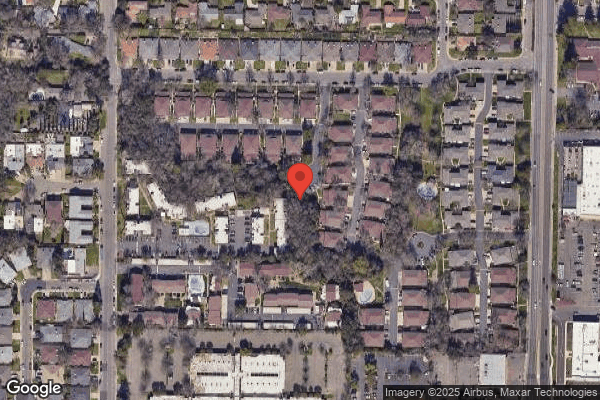
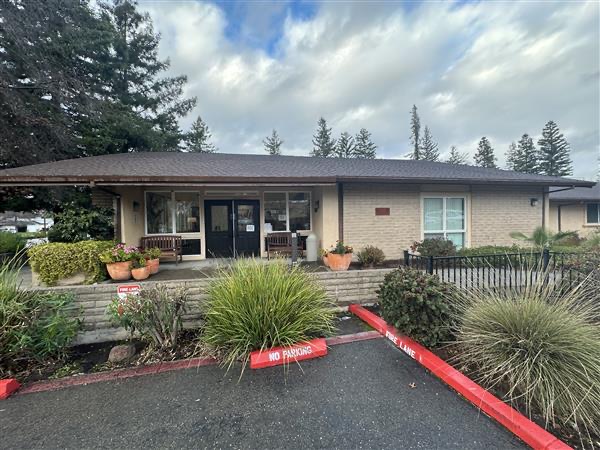
5318 MANZANITA AVENUE, CARMICHAEL, CA 95608 (916) 331-8513
For profit - Limited Liability company 99 Beds CYPRESS HEALTHCARE GROUP Data: November 2025
Trust Grade
43/100
#844 of 1155 in CA
Last Inspection: February 2025

Within standard 12-15 month inspection cycle. Federal law requires annual inspections.

Overview

Manzanita Healthcare Center has received a Trust Grade of D, indicating below-average performance with some concerns about resident care. It ranks #844 out of 1155 facilities in California, placing it in the bottom half statewide, and #34 out of 37 in Sacramento County, meaning there are only a few local options that are better. The facility's trend is worsening, with issues increasing from 4 in 2024 to 13 in 2025. Staffing is a relative strength, rated at 4 out of 5 stars, with a turnover rate of 38%, which is average for California. However, there are significant concerns, including a serious incident where a resident fell multiple times and suffered fatal injuries, and concerns regarding the qualifications of the Food/Nutrition Director, which could lead to unsafe food practices for residents.

Trust Score
D
43/100
In California
#844/1155
Bottom 27%
Safety Record
Moderate
Needs review
Inspections
Getting Worse
4 → 13 violations
Staff Stability
○ Average
38% turnover. Near California's 48% average. Typical for the industry.
Penalties
○ Average
$10,693 in fines. Higher than 59% of California facilities. Some compliance issues.
Skilled Nurses
○ Average
Each resident gets 38 minutes of Registered Nurse (RN) attention daily — about average for California. RNs are the most trained staff who monitor for health changes.
Violations
⚠ Watch
57 deficiencies on record. Higher than average. Multiple issues found across inspections.
★★☆☆☆
2.0
Overall Rating
★★★★☆
4.0
Staff Levels
★★★★☆
4.0
Care Quality
★★☆☆☆
2.0
Inspection Score
Stable
2024: 4 issues
2025: 13 issues

The Good

  • 4-Star Staffing Rating · Above-average nurse staffing levels
  • 4-Star Quality Measures · Strong clinical quality outcomes
  • Full Sprinkler Coverage · Fire safety systems throughout facility
  • No fines on record
  • Staff turnover below average (38%)

    10 points below California average of 48%

Facility shows strength in staffing levels, quality measures, fire safety.

The Bad

2-Star Overall Rating

Below California average (3.1)

Below average - review inspection findings carefully

Staff Turnover: 38%

Near California avg (46%)

Typical for the industry

Federal Fines: $10,693

Below median ($33,413)

Minor penalties assessed

Chain: CYPRESS HEALTHCARE GROUP

Part of a multi-facility chain

Ask about local staffing decisions and management

The Ugly 57 deficiencies on record

1 actual harm
Aug 2025 1 deficiency
CONCERN (D) 📢 Someone Reported This

A family member, employee, or ombudsman was alarmed enough to file a formal complaint

Potential for Harm - no one hurt, but risky conditions existed

Deficiency F0925 (Tag F0925)

Could have caused harm · This affected 1 resident

Based on observation, interview, and record review, the facility failed to ensure an effective pest control program was implemented for a census of 85 residents, when flying insects were observed in f...

Read full inspector narrative →
Based on observation, interview, and record review, the facility failed to ensure an effective pest control program was implemented for a census of 85 residents, when flying insects were observed in four residents' rooms.This failure decreased the facility's potential to maintain a pest free environment for the residents.Findings: A review of Resident 1's admission Record, dated 8/12/25, indicated Resident 1 was admitted to the facility in July 2025 with a diagnosis of anxiety (a common mental health condition characterized by excessive worry, fear, and unease). Resident 1 had mental capacity to make own decisions.A review of Resident 2's admission Record, dated 8/12/25, indicated Resident 2 was admitted to the facility in August 2025 and had mental capacity to make own decisions.During a concurrent observation and interview on 8/12/25 at 11:45 a.m. with Resident 1, Resident 1's room in Unit C was observed. Numerous small insects were observed flying around and landing on Resident 1's bed, personal belongings, pillows, a window next to her bed, and on the side table. When a curtain divider was touched, multiple insects flew around Resident 1. Resident 1 expressed her frustration regarding the frequent presence of insects around her face, nose, ears, and food. Resident 1 stated her previous roommate reported the situation to the staff, but the problem persisted and worsened.During a concurrent observation and interview on 8/12/25 at 11:55 a.m. with Resident 2 (shared the same room with Resident 1), Resident 2's room in Unit C was observed. Numerous insects were observed flying and landing on Resident 2 while resting in bed and on the side table, walls, and curtains adjacent to Resident 2's bed. Resident 2 stated she was constantly bothered by the insects around her face, nose, and ears. Resident 2 also stated some insects crawled into her nose while she was asleep and kept disrupting her sleep. Resident 2 further stated the issue was brought up to housekeeping but no improvement was noticed.During a concurrent observation and interview on 8/12/25 at 12:01 p.m. with Licensed Nurse 1 (LN 1), Resident 1 and Resident 2's room was observed. LN 1 confirmed several insects were present on multiple surfaces in the room, under the sink, and around both residents.During a concurrent observation and interview on 8/12/25 at 12:20 p.m. with the Director of Nursing (DON), all the rooms in Unit C were inspected. DON confirmed there were flying insects in four rooms in Unit C and the insects were observed flying on windows, walls, curtains, around residents, and on their belongings.During a concurrent interview and record review on 8/12/25 at 2:40 p.m. with the Maintenance Supervisor (MS), a work order #1607, dated 8/7/25, was reviewed. MS confirmed a high priority order was requested on 8/7/25 regarding little moths flying around in room esp. [especially] window area. MS also confirmed the room listed in the work order was one of the four rooms observed to currently have insects in Unit C and agreed the issue was not resolved. During an interview on 8/12/25 at 3:40 p.m. with the DON, DON confirmed that four residents' rooms in Unit C were infested by insects and expected staff to report the issue to the managers and to log it in the maintenance log system. DON agreed that insects disrupted the residents' rest and sleep, which might have impacted their health and well-being.A review of the facility's policy titled, Pest Control, dated May 2008, indicated, Our facility shall maintain an effective pest control program . to ensure that the building is kept free of the insects . Maintenance service assist, when appropriate and needed, in providing pest control services.
Apr 2025 1 deficiency
CONCERN (D) 📢 Someone Reported This

A family member, employee, or ombudsman was alarmed enough to file a formal complaint

Potential for Harm - no one hurt, but risky conditions existed

Accident Prevention (Tag F0689)

Could have caused harm · This affected 1 resident

**NOTE- TERMS IN BRACKETS HAVE BEEN EDITED TO PROTECT CONFIDENTIALITY** Based on observation, interview, and record review, the facility failed to provide adequate supervision for one of four sampled ...

Read full inspector narrative →
**NOTE- TERMS IN BRACKETS HAVE BEEN EDITED TO PROTECT CONFIDENTIALITY** Based on observation, interview, and record review, the facility failed to provide adequate supervision for one of four sampled residents (Resident 1) when Resident 2 punched Resident 1 in the stomach which caused Resident 1 to fall and hit her head. This failure resulted in an injury to Resident 1's head. Findings: Resident 1 was admitted to the facility late 2021 with diagnoses which included memory loss, weight loss, muscle wasting, and depression. During a review of Resident 1's Minimum Data Set (MDS, an assessment tool), dated 3/10/25, the MDS indicated a Brief Interview for Mental Status (BIMS, a standardized test that screens for cognitive impairment) score of 9/15 which showed moderate cognitive impairment. During a review of Resident 1's eINTERACT Change in Condition Evaluation [eCOCE], dated 4/7/25 at 5 p.m. the eCOCE indicated, .Resident was punched by other resident in the stomach, fell down, hit back of her head on the metal door frame, bleeding a lot. Send out via 911 . During a review of Resident 1's Order Summary Report [OSR], dated 4/8/25, the OSR indicated, Monitor laceration to head . During an observation on 4/14/25 at 2:52 p.m. of Resident 1's scalp with Licensed Nurse 2 (LN 2), Resident 1 had a small area of dried dark material on the back of her head and yellow discoloration on her left shoulder. Resident 2 was admitted to the facility mid 2023 with diagnoses which included memory impairment caused by impaired blood flow to the brain, behavioral disturbances, progressive degenerative disorder that caused a decline in memory, thinking and behavior, and a language disorder. During a review of Resident 2's MDS dated [DATE], the MDS indicated a BIMS score of 0/15, which showed severe cognitive impairment. During a review of Resident 2' s eCOCE dated 4/7/24 at 5:37 p.m. the eCOCE indicated, . resident [Resident 2] was witnessed making contact with other resident [Resident 1] stomach resulting in resident [Resident 1] to lose balance and fall to floor . During a review of Resident 2's Care Plans (CP) dated 12/30/24-4/7/25, the CPs indicated Resident 2 had multiple episodes of physical aggression, increased agitation and aggression. During an interview on 4/14/25 at 12:20 p.m. with the Unit Secretary (US), the US stated she witnessed Resident 2 walked past Resident 1 and punch her in the stomach, which caused Resident 1 to fall to the floor and hit her head on the door frame. The US stated Resident 1 had a history of being aggressive. During an interview on 4/14/25 at 12:37 p.m. with the Social Services Director (SSD), the SSD stated Resident 1 was able to walk around the facility and had hit other residents in the past. During an interview on 4/14/25 at 2:42 p.m. with the Director of Nursing (DON), the DON confirmed Resident 1 had a repeated history of aggression and stated, Safety for the resident's is our top priority, we don't want residents to get hurt. During a review of the facility's policy and procedure (P&P) titled, Safety and Supervision of Residents, dated 7/17, the P&P indicated, .Resident safety and supervision and assistance to prevent accident are facility-wide priorities .Resident supervision is a core component of the systems approach to safety .
Feb 2025 11 deficiencies
CONCERN (D)

Potential for Harm - no one hurt, but risky conditions existed

Resident Rights (Tag F0550)

Could have caused harm · This affected 1 resident

Based on observation, interview, and record review, the facility failed to maintain respect and dignity for one of 22 sampled residents (Resident 439), when Resident 439's bilateral buttocks' sides we...

Read full inspector narrative →
Based on observation, interview, and record review, the facility failed to maintain respect and dignity for one of 22 sampled residents (Resident 439), when Resident 439's bilateral buttocks' sides were exposed in the hallway during transfer. This failure decreased the facility's potential to maintain Resident 439's respect and dignity. Findings: A review of an admission record indicated Resident 439 was admitted to the facility in 2024 with a diagnosis of panic disorder (a frequent and unexpected panic attack). During a concurrent observation and interview on 2/3/25 at 9:54 a.m. with Resident 439's daughter, Certified Nursing Assistant 3 (CNA 3) was wheeling Resident 439 on a shower chair in the hallway. Resident 439's bilateral buttocks' sides were not covered by the gown and were exposed to other residents, staff members, and Resident 439's daughter. Resident 439's daughter stated there was a respect and dignity issue when Resident 439's body was exposed. During an interview on 2/6/25 at 9:34 a.m. with the Director of Nursing (DON), DON stated staff should have covered Resident 439 with a blanket when transferred in the hallway; otherwise, Resident 439 will feel bad if left exposed to the public. A review of the facility's policy titled, Dignity, dated 2/2021, indicated, Each resident shall be cared for in a manner that promotes and enhances his or her sense of well-being, level of satisfaction with life, and feeling of self-worth and self-esteem.
CONCERN (D)

Potential for Harm - no one hurt, but risky conditions existed

Deficiency F0676 (Tag F0676)

Could have caused harm · This affected 1 resident

Based on observation, interview, and record review, the facility failed to provide an appropriate communication method for one of 22 sampled residents (Resident 70), when Licensed Nurse 7 (LN 7) was u...

Read full inspector narrative →
Based on observation, interview, and record review, the facility failed to provide an appropriate communication method for one of 22 sampled residents (Resident 70), when Licensed Nurse 7 (LN 7) was unable to find a communication board to communicate with Resident 70. This failure decreased the facility's potential to address Resident 70's basic needs. Findings: A review of an admission Record indicated Resident 70 was admitted to the facility in 2024 with diagnoses including speech and language deficits. During a concurrent observation and interview on 2/4/25 at 8:53 a.m. with Resident 70 in her room, Resident 70 was unable to verbalize her needs and was using body language and gestures. During a concurrent observation and interview on 2/4/25 at 2:21 p.m. with LN 7 in Resident 70's room, LN 7 was unable to communicate with Resident 70 and started searching for the communication board inside Resident 70's room. LN 7 confirmed there was no communication board inside Resident 70's room and stated there should have been a communication board to help Resident 70 communicate with staff. During an interview on 2/6/25 at 9:29 a.m. with the Director of Nursing (DON), DON stated the communication board or chart should have been kept inside Resident 70's room to help her expressing her basic needs. A review of the facility's policy titled, Accommodation of Needs, dated 3/2021, indicated, In order to accommodate individual needs and preferences, staff attitudes and behaviors are directed toward assisting the residents in maintaining independence . interacting with the residents in ways that accommodate the physical or sensory limitations of the residents, promote communication .
CONCERN (D)

Potential for Harm - no one hurt, but risky conditions existed

Medication Errors (Tag F0758)

Could have caused harm · This affected 1 resident

Based on observation, interview, and record review, the facility failed to keep one of 22 sampled residents (Resident 64) free of unnecessary psychotropic medication (drug prescribed to affect the min...

Read full inspector narrative →
Based on observation, interview, and record review, the facility failed to keep one of 22 sampled residents (Resident 64) free of unnecessary psychotropic medication (drug prescribed to affect the mind, emotions or behavior), when Resident 64 was receiving divalproex sodium (a psychotropic medication indicated for seizure treatment and mood disorders) for an inadequate indication. This failure increased Resident 64's potential for unwanted adverse effects such as sedation and falls. Findings: A review of an admission record indicated Resident 64 was 78-years old, admitted in May 2024 to the facility from an acute care hospital with diagnoses including worsening disease of the nervous system, anxiety, depression, and dementia (a progressive state of decline in mental abilities) with behavioral disturbance. A review of Residents 64's Care Plan, dated 5/16/24, indicated Resident 64 was at risk for fall and injury related to her diagnoses. A review of Resident 64's Minimum Data Sets (MDS-an assessment tool), dated 5/23/24, 8/23/24, and 11/23/24, indicated a Brief Interview of Mental Status (BIMS) score of four out of 15 with severely impaired cognition. MDS assessments further indicated Resident 64 exhibited no indicators of psychosis, such as hallucinations (sensory experience of something not present); delusions (an impression or belief not based on reality); or verbal or physical behavioral symptoms directed toward others. A review of Resident 64's active physician orders, dated 2/5/25, indicated the following psychotropic medications: 1. divalproex sodium oral capsule delayed release sprinkle 125 milligrams (mg; a unit of measure). Give two capsules by mouth two times a day for dementia with behavioral disturbances manifested by hallucination. 2. divalproex sodium oral capsule delayed release sprinkle 125 mg for dementia. Give three capsules by mouth in the evening for dementia with behavioral disturbances. A review of Resident 64's Medication Administration Record (MAR), dated 2/6/25, indicated Resident 64 was administered divalproex sodium 625 mg daily divided in multiple doses continuously in the morning and evening from 5/17/24 to 2/6/25 (still receiving currently), over a period of almost a year. A review of a letter from the Department of Health Care Services, dated 5/14/24, indicated Resident 64 did not have a serious mental illness. During an observation on 2/5/25 at 10:40 a.m., Resident 64 was awake, eyes open, lying in bed, looking forward, television on, appeared calm, and not in distress. During an interview on 2/5/25 at 10:42 a.m. with Home Health Aide 1 (HHA 1) with Yolo Hospice, HHA1 stated she worked with Resident 64 every Wednesday, felt safe caring for her, was not a danger to herself or others, and never saw her combative or hallucinating. HHA 1 further stated when she assisted Resident 64 for shower she sometimes could tell Resident 64 did not like water or was startled by it when turned on. HHA 1 also added when talking to Resident 64, she would not respond in a manner that signaled an understanding or ability to answer questions and seemed confused. During an interview on 2/5/25 at 10:50 a.m. with Certified Nursing Assistant 3 (CNA) 3, CNA 3 stated she routinely provided care four days a week to Resident 64, felt safe caring for her, was not a danger to herself or others, was very confused and sleepy, said few things sometimes, but was mostly very confused, did not yell out, was not combative, and guarded herself when her briefs needed change. CNA 3 further stated it took Resident 64 two hours to consume her breakfast because she fell asleep during her meal and dropped her fork and spoon, and did not usually eat her lunch because by the time she received it, she just have finished her breakfast. CNA 3 also added Resident 64 did not know how to use the call light, needed frequent assessment, monitoring and attendance to needs, and her room was located at the end of the hall. During an interview on 2/5/25 at 10:58 a.m. with Licensed Nurse 6 (LN 6), LN 6 stated she felt safe caring for Resident 64 and was not a danger to herself or others. During an attempt to interview the facility's Consultant Pharmacist (CP) on 2/5/25 at 11:44 a.m., the department was unable to get a hold of the CP. During an interview on 2/5/25 at 4:19 p.m. with Medical Doctor (MD), MD stated Resident 64 was prescribed divalproex sodium for dementia and behaviors, did not know if divalproex sodium was approved by Food and Drug Administration (FDA) as indicated for dementia with or without behaviors. A review of divalproex's manufacturer Prescribing Information (PI), last revised in 10/2011, did not indicate divalproex sodium was for treatment of dementia. PI further indicated divalproex was associated with the following side effects including but not limited to an increased risk of falls, headaches, drowsiness, dizziness, vision problems, insomnia (inability to sleep), and abnormal thinking. During an interview on 2/5/25 at 4:30 p.m. with the Director of Nursing (DON), DON was unable to explain why the facility's MD and CP had not reassessed Resident 64 for the unnecessary use and unapproved indication of divalproex to treat dementia. A review of the facility's policy and procedure titled, Psychotropic Medication Use, revised in 2022, indicated, Residents who have not used psychotropic medications are not prescribed or given these medications unless the medication is determined to be necessary to treat a specific condition that is diagnosed and documented in the medical record . Medications not classified as anti-psychotic, anti-depressant, anti-anxiety, and hypnotic medication are not prescribed or administered as a substitution for another psychotropic medication unless there is a documented clinical indication consistent with clinical standard of practice . Categories of medications which affect brain activity such as antihistamines, anti-cholinergic medications, and central nervous system medications that are prescribed as a substitute for an adjunct to a psychotropic medication are monitored and managed as psychotropic medications . When determining whether to initiate, modify, or discontinue medication therapy, the IDT [Interdisciplinary team] conducts an evaluation of the resident. The evaluation will attempt to clarify whether: . a particular medication is clinically indicated to manage the symptoms or condition.
CONCERN (D)

Potential for Harm - no one hurt, but risky conditions existed

Infection Control (Tag F0880)

Could have caused harm · This affected 1 resident

**NOTE- TERMS IN BRACKETS HAVE BEEN EDITED TO PROTECT CONFIDENTIALITY** Based on observation, interview, and record review, the facility failed to follow infection control practices for three of 22 sa...

Read full inspector narrative →
**NOTE- TERMS IN BRACKETS HAVE BEEN EDITED TO PROTECT CONFIDENTIALITY** Based on observation, interview, and record review, the facility failed to follow infection control practices for three of 22 sampled residents (Resident 441, Resident 69, and Resident 290), when: 1. Licensed Nurse 6 (LN 6) did not change gloves during wound care treatment for Resident 441; 2. LN 6 did not follow proper handwashing and glove changing procedures during wound treatment for Resident 69; and 3. Resident 290's midline (a thin, flexible tube inserted into a vein in the upper arm and used to administer medicines and fluid directly into blood) dressing on left upper arm (LUA) was soiled and not changed for nine days. These failures decreased the facility's potential to prevent spread of infections among vulnerable residents. Findings: 1. A review of Resident 441's admission Record, indicated Resident 441 was admitted to the facility in 2024 with a diagnosis of sepsis (harmful microorganisms in the blood or other tissues that could potentially lead to malfunction of the organs, shock, and death). A review of Resident 441's Order Summary Report, dated 2/6/25, indicated Resident 441 had a left buttock wound. The order further indicated to cleanse the wound using wound cleaning solution and gauze, apply skin prep and vacuum transparent drape to peri wound skin, fill with black foam and bridge to anterior portion of thigh area, cover with drape, apply wound-assisted closure (VAC; a suction device dressing to apply negative pressure to a wound), and change dressing three times per week. During a concurrent observation and interview on 2/5/25 at 11:41 a.m. with LN 6 inside Resident 441's room, LN 6 was providing wound VAC treatment for Resident 441. LN 6 placed two trash bags right next to Resident 441's buttock wound and beside the clean field wound supplies on the bed. LN 6 removed multiple times the outer transparent drape (dressing) and discarded it in the trash bag, touched the soiled dressing in the trash bag, and then touched Resident 441's wound dressing using the same gloved hand. LN 6 did not perform hand hygiene or changed gloves after touching the soiled dressing in the trash bag. LN 6 confirmed no hand hygiene was performed and soiled gloves were not changed and stated it might lead to cross contamination and wound infection. During an interview on 2/6/25 at 9:34 a.m. with the Director of Nursing (DON), DON stated LN 6's infection control and cross contamination issue might impact Resident 441's wound healing. A review of the facility's policy titled, Handwashing/Hand hygiene, dated 8/2019, indicated, Use an alcohol-based hand rub . or, alternatively, soap . and water . before handling clean or soiled dressing, gauze pads . A review of the facility's policy titled, Personal Protective Equipment - Gloves, dated 2001, indicated, Gloves must be worn when handling blood, body fluids, secretions, excretions, mucous membranes and/or non-intact skin. The use of disposable gloves is indicated . when handling soiled linen or items that may be contaminated . Surveyor: [NAME], [NAME] 2. A review of Resident 69's admission Record, indicated she was admitted to the facility on [DATE] with a diagnosis of severe sepsis with septic shock (widespread infection in the body causing organ failure and dangerously low blood pressure). A review of Resident 69's Minimum Data Set (MDS - a federally mandated resident assessment tool), dated 12/18/24, indicated she had a stage three pressure ulcer (injury to skin and underlying tissues resulting from prolonged pressure on the skin) on her tailbone with full thickness tissue loss and visible fat deposits. A review of Resident 69's Care Plan, revised 1/24/25, indicated she was being monitored and treated for skin/wound care due to increased size in her tailbone pressure ulcer. During an observation on 2/5/25 at 9:30 a.m., LN 6 prepared for Resident 69's wound care treatment. LN 6 used her gloved hands to wash Resident 69's unclean pressure ulcer with disinfectant (a chemical that destroys bacteria) and gauze, then continued to wear the contaminated gloves to apply medicated cream and dressing covers to the pressure ulcer. During an interview on 2/5/25 at 10:34 a.m. with LN 6, LN 6 stated she was aware of the need to wash hands and change gloves after switching from a contaminated to a clean body site. LN 6 stated that by not following proper hand hygiene protocol during wound care, Resident 69's risk of infection would increase. During an interview on 2/5/25 at 4:43 p.m. with the Infection Prevention nurse (IP), IP stated nurses should follow the facility's hand hygiene measures when providing wound care to prevent the growth of bacterial infections among residents. A review of the facility's policy titled, Handwashing/Hand Hygiene, revised August 2019, indicated, All personnel shall follow the handwashing/hand hygiene procedures to prevent the spread of infections to . residents. The policy further indicated, Use an alcohol-based hand rub . or soap and water . Before and after direct contact with patients . Before moving from a contaminated body site to a clean body site. A review of the facility's policy titled, Personal Protective-Gloves, revised July 2009, indicated, The use of disposable gloves is indicated during all cleaning of blood, body fluids, and decontaminating procedures . Gloves shall be used only once and discarded.3. A review of Resident 290's admission Record, indicated Resident 290 was admitted to the facility in January 2025 with multiple diagnoses including sepsis and acute kidney failure (a sudden loss of kidney function; filtering waste from blood as urine). During a concurrent observation and interview on 2/3/25 at 10:42 a.m. with Resident 290, a midline dressing was observed on Resident 290's LUA with a see-through dressing dated 1/25/25. Dark colored drainage was noted around the insertion site through the dressing. Resident 290 stated nurses used this line daily to give him antibiotics (a medicine used to treat an infection). A review of Resident 290's Order Summary Report, dated February 2025, indicated an order to change Resident 290's LUA midline dressing weekly and as needed if soiled. During an interview on 2/4/25 at 11:09 a.m. with LN 8, LN 8 confirmed Resident 290's LUA midline dressing was dated 1/25/25 and stated the dressing was soiled and should have been changed on the seventh day 2/1/25. During an interview on 2/4/25 at 11:20 a.m. with DON, DON stated staff did not follow the physician order and the facility's policy to change Resident 290's midline dressing. DON further stated staff should have changed Resident 290's midline dressing weekly or as needed to prevent a central line-associated bloodstream infection. A review of the facility's policy titled, Central Venous Catheter Care and Dressing Change, revised in March 2022, indicated, . Change the dressing . at least 7 days . and immediately if the dressing or site appear compromised .
CONCERN (E)

Potential for Harm - no one hurt, but risky conditions existed

Pharmacy Services (Tag F0755)

Could have caused harm · This affected multiple residents

**NOTE- TERMS IN BRACKETS HAVE BEEN EDITED TO PROTECT CONFIDENTIALITY** Based on observation, interview, and record review, the facility failed to ensure pharmacy services were maintained for a census...

Read full inspector narrative →
**NOTE- TERMS IN BRACKETS HAVE BEEN EDITED TO PROTECT CONFIDENTIALITY** Based on observation, interview, and record review, the facility failed to ensure pharmacy services were maintained for a census of 96 residents, when: 1. Controlled drug (medication that may be abused or cause addiction) record form was not filled out and signed immediately at the time of medication administration for Resident 445; and 2. Unused or expired, controlled drugs were not destroyed according to the facility's policy. These failures had the potential for diversion or misuse of residents' controlled medications. Findings: 1. During a concurrent inspection of medication cart A on [DATE] at 11:14 a.m. with Licensed Nurse 4 (LN 4), a controlled drug count for Resident 445's hydromorphone (a medication used for pain), two milligrams (mg; unit of measure) was inaccurate. There were 10 tablets of hydromorphone two mg in the medication bubble pack and the controlled drug log indicated there should be 11. During an interview on [DATE] at 11:15 a.m. with LN 4, LN 4 stated she gave Resident 445 hydromorphone earlier and forgot to sign the medication control count sheet after giving the medication to the resident. LN 4 acknowledged the medication control count sheet needed to be completed at the time of medication administration. During an interview on [DATE] at 2:41p.m. with Director of Nursing (DON), DON stated the medication control count sheet needed to be completed at time of medication administration. A review of the facility's policy and procedure (P&P) titled, Controlled Substances Policy, revised in 2019, indicated, Controlled substances are reconciled upon receipt, administration, disposition, and at the end of each shift . Upon administration: a. The nurse administering the medication is responsible for recording: (1) name of resident receiving the medication; (2) name, strength and dose of the medication; (3) time of administration; (4) method of administration; (5) quantity of the medication remaining; and (6) signature of nurse administering medication. 2. During an inspection of the unused and expired controlled medications storage area on [DATE] at 9:55 a.m. in the DON's office, it was discovered upon removing the lid on the container used to store destroyed controlled medication, that pills of various sizes, shapes and colors were identifiable, legible and not destroyed. The method being used by the facility to render the medications destroyed entailed placing them in a container of liquid. During an interview on [DATE] at 9:56 a.m. with DON, DON acknowledged that the pills in the controlled medication storage container were identifiable, and not destroyed. A review of the facility's P&P titled, Controlled Substances Policy, revised in 2019, indicated, . Upon Disposition: b. Medications that are opened and subsequently not given (refused or only partly administered) are destroyed. Waste and/or disposal of controlled medication are done in the presence of a nurse and a witness who also signs the disposition sheet Controlled substances are reconciled upon receipt, administration, disposition, and at the end of each shift . Upon administration: a. The nurse administering the medication is responsible for recording: (1) name of resident receiving the medication; (2) name, strength and dose of the medication; (3) time of administration; (4) method of administration; (5) quantity of the medication remaining; and (6) signature of nurse administering medication .
CONCERN (E)

Potential for Harm - no one hurt, but risky conditions existed

Unnecessary Medications (Tag F0759)

Could have caused harm · This affected multiple residents

Based on observation, interview, and record review, the facility failed to ensure the medication error rate did not exceed five percent (%; unit of measure) for two of five sampled residents (Resident...

Read full inspector narrative →
Based on observation, interview, and record review, the facility failed to ensure the medication error rate did not exceed five percent (%; unit of measure) for two of five sampled residents (Resident 140 and Resident 36). 1. Licensed Nurse 2 (LN 2) administered Resident 140's extended release (ER) isosorbide mononitrate (medication used to treat chest pain) 30 milligrams (mg; unit of measure) tablet not in accordance with physician order, when LN 2 crushed the ER tablet and released the medication all at once instead of gradually over time. This error had a potential to lead to an overdose or severe side effects. 2. LN 2 administered Resident 140's delayed release (DR) pantoprazole (a medication used to treat indigestion) 40 mg tablet not in accordance with physician order, when LN 2 crushed the DR tablet and released the medication all at once instead of gradually over time. This error had a potential to lead to an overdose or severe side effects. 3. LN 2 omitted administering Resident 140's physician ordered medication, amlodipine (a medication used to treat high blood pressure and heart disease) five mg tablet. This omission had the potential to lead to an increase in blood pressure, and/or an adverse outcome to Resident 140. 4. LN 3 did not administer Resident 36's scheduled ordered dose of 180 mg of simethicone (a medication used to treat abdominal bloating) due to the facility's failure to attain and have available the physician ordered dosage of the medication. This failure had the potential to lead to pain and/or discomfort to Resident 36. As a result, four errors were identified out of 28 opportunities, during the observation of medication administration. The medication error rate was 14.29%. Findings: 1. During an observation of medication administration on 2/3/25 at 8:35 a.m., LN 2 was observed to prepare and administer Resident 140's morning medications which included one isosorbide mononitrate extended release 30 mg tablet. LN 2 was observed to crush six medication tablets. Reconciliation of the observation of medication administration with Resident 140's current physician orders indicated an order for isosorbide mononitrate ER 30 mg tablet to be given by mouth daily at 8 a.m. The order did not contain instructions to crush the medication. A review of Resident 140's isosorbide mononitrate ER 30 mg pharmacy label, stated Do Not Crush. 2. During an observation of medication administration on 2/3/25 at 8:35 a.m., LN 2 was observed to prepare and administer Resident 140's morning medications which included one pantoprazole delayed release 40 mg tablet. LN 2 was observed to crush six medication tablets. Reconciliation of the observation of medication administration with Resident 140's current physician orders indicated an order for pantoprazole delayed release 40 mg to be given by mouth daily at 7 a.m. The order did not contain instructions to crush the medication. During an interview on 2/3/25 at 3:15 p.m. with LN 2, LN 2 stated it was not an acceptable practice to crush delayed release medications without an order. LN 2 acknowledged that the medication was not ordered to be crushed. During an interview on 2/4/25 at 10:05 a.m. with the Director of Nursing (DON), DON stated extended or delayed release medications were not supposed to be crushed. 3. During an observation of medication administration on 2/3/25 at 8:35 a.m., LN 2 was observed to prepare and administer Resident 140's morning medications which did not include Resident 140's amlodipine five mg tablet. Reconciliation of the observation of medication administration with Resident 140's current physician orders indicated an order for amlodipine five mg to be given by mouth daily. A review of Resident 140's Medication Administration Record (MAR), dated 2/3/25, indicated amlodipine five mg tablet was given at 8 a.m. During an interview on 2/3/25 at 3:15 p.m. with LN 2, LN 2 acknowledged only six oral medications were administered to Resident 140. If amlodipine five mg was administered, it would have been seven oral medications administered to Resident 140. LN 2 stated medications should have been administered as prescribed by the physician. During an interview on 2/4/25 at 10:05 a.m. with the DON, DON stated I have already heard about the amlodipine not being given to one of our residents. DON further stated medications were to be administered as ordered and Resident 140 should have received her amlodipine as prescribed. 4. During an observation of medication administration on 2/3/25 at 9:46 a.m., LN 3 was observed preparing Resident 36's morning medications, which did not include simethicone 180 mg capsule since the medication was unavailable. During an interview on 2/3/25 at 9:50 a.m. with LN 3, LN 3 stated she did not have the correct dose of simethicone in the medication cart to administer it to Resident 36. Reconciliation of the observation of medication administration with Resident 36's current physician orders indicated an order for simethicone 180 mg capsule by mouth after meals for gas. During an interview on 2/4/25 at 10:05 a.m. with the DON, DON stated the correct dose of medication was not available to be administered which required staff to contact the physician and revise the order accordingly. DON acknowledged that the ordered medication should have been available for LN 3 to administer it to Resident 36. A review of the facility's policy and procedure titled, Administering Medications Policy, revised in 2019, indicated, Medications are administered in a safe and timely manner, and as prescribed . Medications are administered in accordance with prescriber orders, including required time frame.
CONCERN (E)

Potential for Harm - no one hurt, but risky conditions existed

Deficiency F0761 (Tag F0761)

Could have caused harm · This affected multiple residents

Based on observation, interview, and record review, the facility failed to ensure medications were stored correctly, when: 1. A medication was stored in the refrigerator, not according to manufacturer...

Read full inspector narrative →
Based on observation, interview, and record review, the facility failed to ensure medications were stored correctly, when: 1. A medication was stored in the refrigerator, not according to manufacturer's specification; 2. A medication was stored at room temperature, not according to manufacturer's specification; and 3. A discontinued medication was not removed from the medication storage room and was still accessible to the staff. These failures had the potential for medication misuse, drug diversion, medication ineffectiveness, and medication administration errors. Findings: 1. During an inspection on 2/4/25 at 9:37 a.m. of the facility's medication storage room, a discontinued, unopened medication, cyanocobalamin 1,000 micrograms/milliliters (mcg/ml; a unit of measure) was found stored in the refrigerator, not according to manufacturer's required storage parameters. A review of the manufacturer's package insert with a revised date of 2017, cyanocobalamin 1,000 mcg/ml, indicated to be stored between 68 degrees (a unit of measure) - 77 degrees Fahrenheit (scale of temperature). During an interview on 2/4/25 at 9:42 a.m. with the Director of Nursing (DON), DON acknowledged that cyanocobalamin was found stored outside the manufacturer's required temperature range, and that all medications should have been stored at the required temperature range. A review of the facility's policy and procedure (P&P) titled, Medication Labeling and Storage Policy, dated 2023, indicated, The facility stores all medications and biologicals in locked compartments under proper temperature, humidity and light controls. 2. During an inspection on 2/4/25 at 10:41 a.m. of the facility's medication cart A, a medication, acidophilus probiotic dietary supplement was found stored at room temperature in the medication cart, not according to manufacturer's required storage parameters. A review of the manufacturer's labeled sticker on the container, revised 2024, acidophilus probiotic dietary supplement was required to be refrigerated, with labeled instructions to Refrigerate After Opening the container. During an interview on 2/4/25 at 9:42 a.m. with the DON, DON acknowledged that all medications should have been stored at the required temperature range. A review of the facility's P&P titled, Medication Labeling and Storage Policy, dated 2023, indicated, The facility stores all medications and biologicals in locked compartments under proper temperature, humidity and light controls . Medications requiring refrigeration are stored in a refrigerator located in the medication room at the nurses' station or other secured location. 3. During an inspection on 2/3/25 at 9:46 a.m. of the facility's medication storage room, a discontinued medication, clonidine 0.2 milligrams (mg; unit of measure), was found stored under the sink on the floor. During a concurrent observation and interview on 2/4/25 at 9:47 a.m. with the DON, in the facility's medication storage room, DON acknowledged the tube of clonidine found under the sink on the floor, was a discontinued medication for a discharged resident, and stated discontinued medications should have been given to her for destruction by the facility staff. A review of the facility's P&P titled, Medication Labeling and Storage Policy, dated 2023, indicated, If the facility has discontinued, outdated or deteriorated medications or biologicals, the dispensing pharmacy is contacted for instructions regarding returning or destroying these items . medications are stored in an orderly manner in cabinets, drawers, carts or automatic dispensing systems. Each resident's medications are assigned to an individual cubicle, drawer . to prevent the possibility of mixing medications of several residents.
CONCERN (E)

Potential for Harm - no one hurt, but risky conditions existed

Deficiency F0804 (Tag F0804)

Could have caused harm · This affected multiple residents

**NOTE- TERMS IN BRACKETS HAVE BEEN EDITED TO PROTECT CONFIDENTIALITY** Based on observation, interview, and record review, the facility failed to ensure the nutritive value of food was maintained, wh...

Read full inspector narrative →
**NOTE- TERMS IN BRACKETS HAVE BEEN EDITED TO PROTECT CONFIDENTIALITY** Based on observation, interview, and record review, the facility failed to ensure the nutritive value of food was maintained, when broccoli was cooked for over two hours prior to lunch meal service. This failure had the potential of leading to nutrient deficiency for the 96 residents receiving facility prepared meals. Findings: During an observation on 2/4/25 at 9:48 a.m., in the kitchen, [NAME] 1 poured frozen broccoli into a pan and placed it into the convection oven to cook. During an observation on 2/4/25 at 12:22 p.m., in the kitchen, lunch meal service started. Observation of the broccoli showed a light green color, with a soft, limp texture when served. During the lunch meal on 2/4/25 at 1:15 p.m., two test trays were placed on the final meal cart (a regular diet and a pureed texture). The two test trays were picked up at 1:30 p.m. Food items tasted were: Regular pork with gravy, pureed pork with gravy, regular seasoned broccoli, pureed seasoned broccoli, and polenta. The broccoli was extremely soft (mushy) when tasted by five surveyors. During an interview on 2/5/25 at 11 a.m. with Registered Dietitian (RD), RD stated the cook was expected to put the vegetables in the oven last, and if vegetables were cooked for a long period of time, vitamins and minerals from the vegetables would be dead. A review from Ohio State University (https://fcs.[NAME].edu>SNAP_Ed_newsletter_broccoli), indicated that overcooked broccoli loses nutrients. A review from Arkansas Cooperative Extension Service (https://www.uaex.uada.edu>news>fcs>fruits-veggies), indicated that broccoli had nutrients including carotenoids and fiber. Known for its anti-cancer properties, broccoli has tons of nutrients including vitamins A and C, fiber, folic acid, calcium, and potassium. Avoid overcooking because discoloration will occur, as well as strong flavors are likely to develop. For best flavor, cooked broccoli should be crisp. During an interview on 2/5/25 at 5:04 p.m. with Dietary Manager (DM), DM stated broccoli have been usually cooked 30 minutes before the start of meal service. During a review of Recipe: Seasoned Broccoli, dated 2024, indicated, Cooking Time: 10-20 minutes . Boil or steam broccoli until tender . Do not overcook, will turn brown and mushy .
CONCERN (E)

Potential for Harm - no one hurt, but risky conditions existed

Food Safety (Tag F0812)

Could have caused harm · This affected multiple residents

Based on observation, interview, and record review, the facility failed to provide food storage and preparation, as well as maintain kitchen equipment and food contact surfaces in accordance with prof...

Read full inspector narrative →
Based on observation, interview, and record review, the facility failed to provide food storage and preparation, as well as maintain kitchen equipment and food contact surfaces in accordance with professional standards for food service safety, when: 1. Three baking sheets, one frying pan, one container for scoops, stove knobs, convention oven, and mixer were found dirty; 2. Ten pans, two frying pans, and blender were stored wet; 3. Pipes under three-compartment sink found rusted and dirty, floors were discolored with white and gray buildup, and counter had a white discolored area; 4. Yellow cutting board found with two deep grooves of about one and a half to two inches in length; 5. Four bulk storage containers were found with lids not closed tightly; and 6. Fan in dish machine area was found with black build-up on the blades. These failures had the potential to lead to food borne illness for the 96 residents eating facility prepared meals. Findings: 1. During the initial kitchen tour on 2/3/25 at 8:31 a.m., three baking sheets were found stacked under the steam table with dark brown to black colored buildup in the corners and up the sides; a small frying pan was observed with dark brown/black colored buildup covering approximately 50% of the pan surface; a gray container holding clean scoops was found with a wet, yellow gel like substance inside; stove knobs were sticky, with visible food residue; and the convention oven was covered with food spills and food splatters on the inside. During an interview on 2/3/25 at 8:47 a.m. with Dietary Manager (DM), DM acknowledged baking sheets and small frying pan were old and stated he would discard. He confirmed the gray container with scoops had yellow residue inside next to the clean scoops. DM concurred the stove knobs and convention oven were dirty; he stated the cooks were to clean the stove knobs and oven every meal and scheduled for deep cleaning weekly. During a concurrent observation and interview on 2/3/25 at 9:07 a.m. with DM, a mixer that appeared ready to use, contained food residue stuck to the surface. DM concurred and stated the mixer had batter buildup. A review of the facility's policy titled, Sanitization, dated November 2022, indicated, in bullet 2. All utensils, counters, shelves and equipment are kept clean . free from breaks, corrosions, open seams, cracks and chipped areas that may affect their use or proper cleaning . 3. All equipment, food contact surfaces and utensils are cleaned and sanitized . 8. When cleaning fixed equipment (e.g mixers .) the removable parts are: a. washed and sanitized and non-removable parts cleaned with detergent and hot water . A review of the United States Food and Drug Administration (FDA) Food Code 2022, section 4-601.11, titled, Equipment, Food-Contact Surfaces, Nonfood-Contact Surfaces, and Utensils, 1/18/23 version, indicated, . (C) Nonfood-Contact Surfaces of Equipment shall be kept free of an accumulation of dust, dirt, food residue, and other debris. 2. During the initial kitchen tour on 2/3/25 at 8:31 a.m., three half steam table pans, seven small steam table pans, and two frying pans were observed stored. These pans had water droplets on their inner and outer surfaces. During an interview on 2/3/25 at 8:47 a.m. with DM, DM acknowledged the pans were wet and stated pans needed to be fully dried before storing to avoid bacteria growth. During the same initial kitchen tour on 2/3/25 at 9:01 a.m., a covered blender was stored and appeared ready to use. When lid was removed, approximately half a tablespoon of clear liquid was observed at the bottom of the blender. During an interview on 2/3/25 at 9:07 a.m. with DM, DM confirmed blender had liquid residue inside. A review of the 2022 US FDA Food Code section 4-901.11, indicated, Items must be allowed to drain and to air-dry before being stacked or stored. Stacking wet items such as pans prevents them from drying and may allow an environment where microorganisms can begin to grow. 3. During a concurrent observation and interview within the initial kitchen tour on 2/3/25 at 8:44 a.m. with DM, the pipes underneath the three-compartment sink were found rusted and dirty. The floor under the three-compartment sink was discolored with white and gray buildup, and the counter next to the three-compartment sink had a white discolored area. DM acknowledged and was unsure why there were buildup and discoloration. A review of the facility's policy titled, Sanitization, dated November 2022, indicated, in bullet 1. All kitchens, kitchen areas and dining areas are kept clean . A review of the US FDA 2022 Food Code, section 4-601.11, titled, Equipment, Food-Contact Surfaces, Nonfood-Contact Surfaces, and Utensils, 1/18/23 version, indicated, .(C) Nonfood-CONTACT SURFACES of EQUIPMENT shall be kept free of an accumulation of dust, dirt, food residue, and other debris. 4. During a concurrent observation and interview on 2/3/25 at 9:05 a.m. with DM, a yellow cutting board was found with two deep grooves of about one and a half to two inches in length. DM acknowledged the yellow cutting board had two deep grooves. A review of the facility's policy titled, Sanitization, dated November 2022, indicated, in bullet 2. All utensils, counters, shelves and equipment are kept clean, maintained in good repair and are free from breaks, corrosions, open seams, cracks and chipped areas that may affect their use or proper cleaning . 12. Plastic ware . that cannot be sanitized or are hazardous because of chips, cracks . are discarded. Damaged or broken equipment that cannot be repaired is discarded . A review of the US FDA 2022 Food Code, section 4-501.12, titled, Cutting Surfaces, indicated, Cutting surfaces such as cutting boards and blocks that become scratched and scored may be difficult to clean and sanitize. As a result, pathogenic microorganisms transmissible through food may build up or accumulate. These microorganisms may be transferred to foods that are prepared on such surfaces. 5. During an observation on 2/3/25 at 9:14 a.m., in the dry storage area, four bulk storage containers containing sugar, flour, brown rice and panko were found with the lids not closed tightly, but resting on the containers. During a follow-up observation on 2/3/25 at 11:44 a.m., in the dry storage area, four bulk storage containers remained with lids not closed tightly. During an interview on 2/3/25 at 11:45 a.m. with DM, DM confirmed the lids on the four bulk storage containers were not closed tightly and stated he expected the lids to be fully sealed. During an interview on 2/5/25 at 10:58 a.m. with Registered Dietitian (RD), RD stated if lids were not tightly closed on the containers it could allow moisture, pests, or bacteria to enter the food products. A review of the US FDA 2022 Food Code, section 3-305.13, titled, Vended Time/Temperature Control for Safety Food, Original Container., 1/18/23 version, indicated, The possibility of product contamination increases whenever food is exposed . Once the original seal is broken, the food is vulnerable to contamination. 6. During an observation on 2/3/25 at 11:33 a.m., the fan in the dishwashing area directed over the clean drying dishes was observed with dust buildup of approximately an inch covering the tips of the blades. During a concurrent observation and interview on 2/4/25 at 9:21 a.m. with DM, DM was shown a photo of the fan in the dishwashing area from 2/3/25. DM acknowledged the fan was dirty and said he would have it cleaned. A review of the facility's policy titled, Sanitization, dated November 2022, indicated, in bullet 1. All kitchens, kitchen areas and dining areas are kept clean . 2. All utensils, counters, shelves and equipment are kept clean . A review of the US FDA 2022 Food Code, section 4-601.11, titled, Equipment, Food-Contact Surfaces, Nonfood-Contact Surfaces, and Utensils, 1/18/23 version, indicated, .(C) Nonfood-Contact Surfaces of Equipment shall be kept free of an accumulation of dust, dirt, food residue, and other debris.
CONCERN (E)

Potential for Harm - no one hurt, but risky conditions existed

Deficiency F0813 (Tag F0813)

Could have caused harm · This affected multiple residents

Based on interview and record review, the facility failed to provide a resident refrigerator and microwave for a census of 96 to ensure safe food storage and reheating of food for later consumption. ...

Read full inspector narrative →
Based on interview and record review, the facility failed to provide a resident refrigerator and microwave for a census of 96 to ensure safe food storage and reheating of food for later consumption. This failure had the potential to prevent residents from enjoying favorite foods, reduced resident food options, and potentially lead to weight loss. Findings: During an interview on 2/5/25 at 12:13 p.m. with Certified Nursing Assistant 1 (CNA 1), CNA 1 stated outside food would be checked against the diet order before it would be given to the resident. If a resident had left over food, it could not stay in the room for more than two hours before the facility would discard it. CNA 1 further stated that they do not refrigerate food for residents, because there was not a refrigerator and microwave for resident use. During an interview on 2/5/25 at 12:18 p.m. with Licensed Nurse 1 (LN 1), LN 1 stated they advised family members against bringing perishable foods as the facility did not store or re-heat resident food. During an interview on 2/5/25 at 12:37 p.m. with CNA 2, CNA 2 stated residents were allowed to keep food in their rooms up to 24 hours, and after that it would be discarded. CNA 2 further stated facility did not store and re-heat resident food. During an interview on 2/5/25 at 5:25 p.m. with the Director of Nursing (DON) and Assistant Director of Nursing (ADON), ADON stated refrigerator and microwave were not available for residents' use. DON concurred that there had never been a resident refrigerator or microwave as long as she had worked for the facility. A review of the facility's policy titled, Foods Brought by Family/Visitors, dated March 2022, indicated, in bullet 5. Food brought by family/visitors that is left with the resident to consume later is labeled and stored in a manner that it is clearly distinguishable from facility-prepared food . b. Perishable foods are stored in re-sealable containers with tightly fitting lids in a refrigerator . 8. Potentially hazardous foods that are left out for the resident without a source of heat or refrigeration longer than 2 hours are discarded .
CONCERN (E)

Potential for Harm - no one hurt, but risky conditions existed

Room Equipment (Tag F0908)

Could have caused harm · This affected multiple residents

**NOTE- TERMS IN BRACKETS HAVE BEEN EDITED TO PROTECT CONFIDENTIALITY** Based on observation, interview, and record review, the facility failed to maintain equipment in safe operating condition, when:...

Read full inspector narrative →
**NOTE- TERMS IN BRACKETS HAVE BEEN EDITED TO PROTECT CONFIDENTIALITY** Based on observation, interview, and record review, the facility failed to maintain equipment in safe operating condition, when: 1. The Walk-in freezer was found with ice build-up on ceiling, floor, door, walls, and fan unit indicating potential temperature changes; 2. The dish machine's required minimum temperatures were not reached; and 3. The convection oven was not achieving the desired food temperature for the pork at or above 165 degrees Fahrenheit (F, a unit of measurement). These failures had the potential of leading to food borne illness for the 96 residents eating facility prepared meals. Findings: 1. During a concurrent observation and interview on 2/3/25 at 8:51 a.m. with Dietary Manager (DM) in the walk-in freezer, the walk-in freezer was observed with ice build-up on the fan unit, ceiling, and pieces of ice on the floor. DM stated maintenance was in earlier removing ice build-up in the freezer which may be the cause of the ice on the floor. During an observation on 2/3/25 at 11:38 a.m., in the walk-in freezer, the ice on the floor had been cleaned up. Ice build-up was still observed covering the ceiling, walls, and boxes on the racks. During a concurrent observation and interview on 2/4/25 at 8:57 a.m. with Environmental Services Director (ESD), in the walk-in freezer, the walk-in freezer was observed with ice build-up on ceiling, walls, and boxes. ESD acknowledged ice build-up and stated the ice on the floor on 2/3/25 was from him loosening the ice build-up elsewhere in the freezer. During a follow-up observation on 2/4/25 at 4:19 p.m., in the walk-in freezer, the walk-in freezer showed high condensation and poor visibility. The ice build-up was greater than the earlier observation, and a two-and-a-half-inch drip had developed over the door. During a subsequent interview on 2/4/25 at 4:20 p.m. with DM, DM acknowledged there was ice build-up in the freezer and confirmed that ice build-up in the freezer was not okay. During an interview on 2/5/25 at 10:50 a.m. with Registered Dietitian (RD), RD stated ice build-up in walk-in freezer could affect the quality of the food and possibly cause freezer burn. Facility unable to provide original walk-in freezer manual and referred surveyors to [NAME] Refrigerated Boxes as being like the freezer in use. A review of the service manual at [NAME] Refrigerated Boxes, Inc. Revised: 5/2013 (http://www.ballyrefboxes.com/bally_walk-incooler_freezer.asp), indicated in Routine Maintenance, that; D. Heater wires should be checked for proper function. Feel for warmth around the door frames on hinged entrance doors and pressure relief port doors, if applicable. Note: Condensation or Ice buildup around doors may indicate leakage or heater failure. Contact a serviceman immediately . F. Inspect refrigeration units frequently for proper function of evaporator & [and] condenser fan motors, drain pan heaters, defrost controls, and drain line heaters. Condensate water must never be permitted to drip on the Walk-In floor. Drain pan or drain line heater failure will result in ice buildup and Evaporator damage. Refer to the Refrigeration System Instructions for proper drain pan and condensate drain line instructions . 2. During a concurrent observation and interview on 2/3/25 at 9:24 a.m. with Dietary Aide 1 (DA 1), DA 1 demonstrated the dishwashing process. DA 1 explained the dish machine sanitized using high temperatures (150 F for wash cycle and 180 F for rinse cycle) and showed the temperature gauges that needed to be monitored. During multiple wash cycles, the wash temperature gauge did not move beyond 135 F. During the rinse cycle the temperature gauge did not reach the minimum temperature of 180 F. During a concurrent observation and interview on 2/3/25 at 9:30 a.m. with DM, DM ran another batch of dishes through the dish machine. During this cycle the wash temperature gauge reached 140 F, and the rinse temperature gauge reached 176 F. DM confirmed both cycles did not meet proper temperatures and stated he would contact the dish machine repair company to get it checked. During a follow up observation on 2/3/25 at 1:57 p.m., the dish machine was being used to clean/sanitize lunch dishes. DA 2 was asked to run a dish machine cycle. During the wash cycle, the wash temperature gauge did not reach the minimum temperature of 150 F and during the rinse cycle the temperature gauge did not reach the minimum temperature of 180 F. A review of the facility's policy titled, Sanitization, dated November 2022, indicated, in bullet 5. Dishwashing machines are operated according to manufacturer's instructions. General recommendations for heat and chemical sanitization are: a. High-Temperature Dishwasher (Heat Sanitization): (1) Wash temperature (150-165 F); and (2) Rinse Temperature (180 F) . 3. During a concurrent observation and interview on 2/4/25 at 11:52 a.m. with [NAME] 1 and DM, prior to lunch meal service, the hot food temperatures were checked. The temperature of the pork entrees (regular texture, mechanical soft, and pureed) were all below 165 F. [NAME] 1 and DM confirmed the temperature and placed the pork entrees back into the convection oven. The textured pork entrees (mechanical soft and pureed) were removed from the convection oven and checked again at 12:04 p.m. [NAME] 1 and DM found the temperature at 142 F. DM placed the mechanical soft and pureed texture pork on the stove and was able to reach 165 F or above within a few minutes. The regular pork entrée was removed from the convection oven at 12:12 p.m., and the temperature was at 159 F. DM placed the regular pork on the stove, and at 12:18 p.m. the pork temperature was at 170 F. During an interview on 2/5/25 at 4:38 p.m. with [NAME] 2, [NAME] 2 stated the convection oven was not reaching the higher temperatures for the dinner meal on 2/4/25. He further stated a repair company came to fix the convection oven after the dinner meal service. A review of the facility's policy titled, Sanitization, dated November 2022, indicated, in bullet 2. All utensils, counters, shelves and equipment are kept clean, maintained in good repair and are free from breaks, corrosions, open seams, cracks and chipped areas that may affect their use . A review of the United States Food and Drug Administration (FDA) Food Code 2022 section 4-501.11 for Good Repair and Proper Adjustment indicated (A) Equipment shall be maintained in a state of repair and condition that meets the requirements specified under Parts 4-1 and 4-2. (B) Equipment . shall be kept . in accordance with manufacturer's specifications. The FDA Food Code 2022 further indicated that Proper maintenance of equipment to manufacturer specifications helps ensure that it will continue to operate as designed. Failure to properly maintain equipment could lead to violations of the associated requirements of the Code that place the health of the consumer at risk .
Dec 2024 2 deficiencies
CONCERN (D) 📢 Someone Reported This

A family member, employee, or ombudsman was alarmed enough to file a formal complaint

Potential for Harm - no one hurt, but risky conditions existed

Free from Abuse/Neglect (Tag F0600)

Could have caused harm · This affected 1 resident

Based on observation, interview and record review, the facility failed to ensure one of three sampled residents (Resident 1) was free of physical abuse when Resident 1 was struck in the face by Reside...

Read full inspector narrative →
Based on observation, interview and record review, the facility failed to ensure one of three sampled residents (Resident 1) was free of physical abuse when Resident 1 was struck in the face by Resident 2. This failure resulted in Resident 1 sustaining a swollen bruise to her face and feeling unsafe. Findings: Resident 1 was admitted in the spring of 2024 with an admission diagnosis of irregular heartbeat. Resident 1 had a BIMS (Brief Interview for Mental Status-an assessment tool used by facilities to screen and identify memory, orientation, and judgement status of the resident) score of 12 out of 15 which indicated his cognitive function was moderately impaired. Resident 1 was her own responsible party. Resident 2 was admitted in the spring of 2024 with an admission diagnosis of spinal stenosis (a narrowing of the spinal canal that compresses the spinal cord and nerve roots, causing pain, numbness, or weakness in the arms or legs). Resident 2 had a BIMS score of 14 out of 15 which indicated she was cognitively intact and was her own responsible party. During an interview on 12/19/24 at 9:10 a.m. with Resident 1, while sitting in her wheelchair in her room, Resident 1 reported that Resident 2 hit her across her face and she sustained a black eye and swollen face from the hit. Resident 1 stated, I don ' t feel safe .I ' m afraid she ' ll [Resident 2] hit [me] again. I stay away from her. Review of Resident 1 ' s SBAR Summary (Situation, Background, Assessment, and Recommendation, a communication framework to share information among healthcare teams), dated 12/7/24, indicated staff heard noise from Resident 1and Resident 2 ' s shared room on 12/7/24. Resident 1 reported to staff that Resident 2 slapped me on the right side of face. There were no witnesses present. The SBAR Summary indicated Resident 1 was assessed by staff and Resident 1 noted with redness to right cheek 5.08cm [centimeter, a measurement] .[Resident 1] noted with bruising to bony prominence above right eye bruise noted 5 cmx1cm. Review of Resident 2 ' s Change in Condition Evaluation dated 12/07/2024, the evaluation indicated, PT [Resident 2] slapped her roommate [Resident 1], and stated, ' I will do it again ' . Review of Resident 1 ' s Social Services note dated 12/09/24, the social services note indicated Resident 1 acknowledged Resident 2 slapped her on the right side of her face documenting, Resident RT side of face is swollen and has bruises. During an interview on 12/19/24 at 11:46 a.m. with Assistant Director of Nursing (ADON), the ADON acknowledged Resident 2 admitted that she hit Resident 1 on 12/7/24. During an interview on 12/19/24 at 12:06 p.m. with Social Services Director (SSD), the SSD stated she interviewed Resident 1 and Resident 2 two days after the incident on 12/9/2024. The SSD acknowledged she witnessed Resident 1 ' s cheek was swollen then. The SSD stated, [Resident 2 ' s name] did not deny the fact that she slapped her [Resident 1]. During an interview on 12/19/24 at 12:16 p.m. with Resident 2, Resident 2 stated, I slapped her [Resident 1] .I ' ve never once said I didn ' t do it .I was facing her when I slapped her face. Resident 2 stated she had argued with Resident 1 about a secret hiding place for smoking, which prompted the incident.
CONCERN (D) 📢 Someone Reported This

A family member, employee, or ombudsman was alarmed enough to file a formal complaint

Potential for Harm - no one hurt, but risky conditions existed

Deficiency F0919 (Tag F0919)

Could have caused harm · This affected 1 resident

**NOTE- TERMS IN BRACKETS HAVE BEEN EDITED TO PROTECT CONFIDENTIALITY** Based on observation, interview, and record review, the facility failed to provide a functioning call light system for two of fo...

Read full inspector narrative →
**NOTE- TERMS IN BRACKETS HAVE BEEN EDITED TO PROTECT CONFIDENTIALITY** Based on observation, interview, and record review, the facility failed to provide a functioning call light system for two of four sampled residents (Resident 3 and Resident 4) when neither the outside light above their room lit nor the alarm sounded when the emergency call light was pushed in the bathroom. This failure had the potential to result in unmet care needs and placed the residents at risk for safety. Findings: Resident 3 was admitted on [DATE] for a fracture of the right femur. Resident 3 has a BIMS (Brief Interview for Mental Status-an assessment tool used by facilities to screen and identify memory, orientation, and judgement status of the resident) score of 15 out of 15 which indicated the resident was cognitively intact and was her own responsible party. Resident 4 was admitted on [DATE] with a fracture of one rib. Resident 4 has a BIMS score of 12 out of 15 which indicated the resident was moderately impaired in cognitive function. Resident 4 was responsible party for self. During an interview on 12/19/24 at 10:06 a.m. with Resident 3 in her room, Resident 3 stated, The first night wasn ' t good, our [Resident 3 and Resident 4] call lights weren ' t working. Resident 3 stated staff fixed the call lights on 12/10/24 but told Resident 3, not to hit the emergency call light in the bathroom .because our call lights [in our room] won ' t work anymore. Resident 3 stated, He was stern .scared me to death to push it [emergency call light in bathroom]. During an interview on 12/19/24 at 10:18 a.m. with Resident 4, Resident 4 stated she was also told by staff not to hit the emergency call light in the bathroom, because the call lights in the room will not work. Resident 4 stated she did not remember the staff member ' s name or what he looked like. During a concurrent observation and interview on 12/19/24 at 10:33 a.m. with Maintenance (MAIN) in Resident 3 and Resident 4 ' s shared bathroom, the emergency bathroom call light was tested. It was observed the light above the residents ' room in the hallway did not light up nor did the alarm sound. The MAIN acknowledged the emergency call light in the bathroom was not working and stated, It should be (working properly). The MAIN also acknowledged it was a priority to get the call light working. During a review of the facility ' s policy and procedure titled, Call System, Resident, dated September 2022, indicated, Each resident is provided with a means to call staff directly for assistance .from toileting/bathing facilities .the resident call system remains functional at all times. During a concurrent observation and interview on 12/19/24 at 11:09 a.m. with Director of Nursing (DON) in Resident 3 and Resident 4 ' s shared bathroom, the DON verified the emergency call light in the bathroom was not working. The DON stated the expectation was for the emergency bathroom call light to be working so that staff could attend to residents ' needs when they called.
Jul 2024 2 deficiencies
CONCERN (D) 📢 Someone Reported This

A family member, employee, or ombudsman was alarmed enough to file a formal complaint

Potential for Harm - no one hurt, but risky conditions existed

Deficiency F0658 (Tag F0658)

Could have caused harm · This affected 1 resident

Based on interview and record review, the facility failed to provide care according to accepted standards of quality for one of 3 sampled residents (Resident 3) when Resident 3 had no documented behav...

Read full inspector narrative →
Based on interview and record review, the facility failed to provide care according to accepted standards of quality for one of 3 sampled residents (Resident 3) when Resident 3 had no documented behavior monitoring for the use of an antipsychotic medication (medication that affects brain activity associated with mental processes and behavior). This failure had the potential to result in an ineffective management of Resident 3's psychological health needs. Findings: A review of an admission Record for Resident 3 indicated she was admitted in 6/2024 with diagnoses including schizophrenia and bipolar disorder (mental illness that cause extreme mood swings that include emotional highs and lows). A review of Resident 3's Physician Orders, dated 6/25/24, indicated an order for Invega 156 milligrams (mg., a unit of measurement) per milliliter (ml., a unit of measure) given once a month for schizophrenia. A review of Resident 3's Progress Notes, dated 6/28/24 at 4:47 p.m., indicated that a nurse from a psychiatric clinic came to the facility and administered/injected Invega to Resident 3 as ordered. During a concurrent interview and record review on 7/1/24 at 1:40 p.m. with the Minimum Data Set Coordinator (MDSC), Resident 3's Medication Administration Record (MAR) and Progress Notes were reviewed. MDSC confirmed that the antipsychotic medication was administered to Resident 3 but there was no behavior monitoring documented by staff. In an interview on 7/1/24 at 3 p.m. with the Director of Nursing (DON), the DON stated Resident 3's order for an antipsychotic medication should have been properly written and monitored for the targeted behavior and side effects to ensure proper care for the resident. A review of the facility's Policy and Procedure (P&P) titled Psychotropic Medication Use dated 7/2022 the P&P stipulated Residents will not receive medications that are not clinically indicated to treat a specific condition .Drugs in the following categories are considered psychotropic medications are subject to prescribing, monitoring : Anti-psychotics .
CONCERN (D) 📢 Someone Reported This

A family member, employee, or ombudsman was alarmed enough to file a formal complaint

Potential for Harm - no one hurt, but risky conditions existed

Accident Prevention (Tag F0689)

Could have caused harm · This affected 1 resident

Based on observation, interview, and record review, the facility failed to assess one of three sampled residents (Resident 1) at a high risk for elopement. This failure placed Resident 1 at an increas...

Read full inspector narrative →
Based on observation, interview, and record review, the facility failed to assess one of three sampled residents (Resident 1) at a high risk for elopement. This failure placed Resident 1 at an increased risk for elopement. Findings: A review of Resident 1's admission Record indicated she was admitted to the facility in May 2024 with diagnoses including unspecified dementia with behavioral disturbance. A review of Resident 1's Minimum Data Set (MDS, an assessment tool used for care), dated 5/23/24, indicated that Resident 1 had a Brief Interview for Mental Status (BIMS, an assessment tool) score of 4 out of 15, with memory problems. The MDS further indicated Resident 1 could independently transfer and ambulate using a walker. During observations on 7/1/24 at 11:40 a.m., 12:25 p.m., and 1:32 p.m., Resident 1 was observed ambulating alone without a walker by the hallways unable to go back to her own room without assistance. A review of Resident 3's Progress Notes, dated 6/24/24 at 6:43 p.m. and at 11:36 p.m., indicated Resident 3 exhibited verbal and physical aggression towards staff with severe confusion wanting to go outside to park her car. During an interview on 7/1/24 at 1:40 p.m. with the MDS Coordinator (MDSC) the MDSC confirmed that Resident 1 had behaviors of wandering and was at risk for elopement. During an interview 7/1/24 at 2:30 p.m. with the Social Services Director (SSD) the SSD stated that Resident 1 is considered at high risk for elopement but there was no record that an elopement assessment had been completed for her. During an interview on 7/1/24 at 3 p.m. with the Director of Nursing (DON) the DON confirmed that Resident 1 wanders and was at risk for elopement and should have been assessed properly to be able to plan appropriate interventions for the resident's safety. A review of the facility's Policy and Procedure (P&P) titled Wandering and Elopements revised 3/2019 the P&P stipulated The facility will identify residents who are at risk of unsafe wandering and strive to prevent harm .If identified as at risk for wandering, elopement or other safety issues, the resident's care plan will include strategies and interventions to maintain resident's safety.
Dec 2023 22 deficiencies
CONCERN (D)

Potential for Harm - no one hurt, but risky conditions existed

Deficiency F0557 (Tag F0557)

Could have caused harm · This affected 1 resident

Based on observation, interview and record review, the facility failed to maintain dignity for one of 27 sampled resident (Resident 14) when Resident 14's catheter bag (a bag that collects urine from ...

Read full inspector narrative →
Based on observation, interview and record review, the facility failed to maintain dignity for one of 27 sampled resident (Resident 14) when Resident 14's catheter bag (a bag that collects urine from an indwelling urinary catheter) was exposed. This failure had the potential to reduce Resident 14's right to respect and dignity. Findings: A review of the facility document titled, admission Record, indicated Resident 14 was admitted to the facility in 2023 with diagnoses including kidney failure. During a concurrent observation and interview on 12/4/23 at 8:51 a.m., in Resident 14's room, Resident 14's catheter bag was hanging off the bed with brown urine inside without a privacy cover. Certified Nursing Assistant 1 (CNA 1) confirmed there was no privacy cover over the catheter bag. CNA 1 confirmed there should have been a privacy cover for Resident 14's catheter bag. During an interview on 12/6/23 at 10:06 a.m., the Director of Nursing (DON) stated staff should have placed a privacy cover over the catheter bag. Review of the facility's policy titled, Resident Rights, revised date 2/2021, indicated, Employees shall treat all residents with kindness, respect, and dignity.
CONCERN (D)

Potential for Harm - no one hurt, but risky conditions existed

Deficiency F0578 (Tag F0578)

Could have caused harm · This affected 1 resident

**NOTE- TERMS IN BRACKETS HAVE BEEN EDITED TO PROTECT CONFIDENTIALITY** A review of an admission record indicated Resident 378 was admitted to the facility on [DATE] with diagnoses including heart fai...

Read full inspector narrative →
**NOTE- TERMS IN BRACKETS HAVE BEEN EDITED TO PROTECT CONFIDENTIALITY** A review of an admission record indicated Resident 378 was admitted to the facility on [DATE] with diagnoses including heart failure, chest pain, and shortness of breath. A review of Resident 378's POLST, dated [DATE], indicated if Resident 378 had no pulse and was not breathing to attempt CPR. A review of Resident 378's Order Summary, dated [DATE], indicated Resident 378 wished to be Full Code/DNR. During an interview on [DATE] at 2:51 p.m. with LN 4, LN 4 stated Resident 378's order was inaccurate because it did not match with POLST which indicated CPR and not DNR. During an interview on [DATE] at 2:55 p.m. with the Resources Nurse Consultant (RNC), RNC confirmed Resident 378's POLST and order did not match. RNC stated the nurse was supposed to verify the order because it was unclear and the POLST and order should have matched; otherwise, there was a potential that nurses might delay providing care to Resident 378 during an emergency. A review of the facility's policy titled, Advance Directives, dated 9/22, indicated, The plan of care for each resident is consistent with his or her documented treatment preferences .A resident will not be treated against his or her own wishes. Based on interview and record review, the facility failed to ensure the Physician Orders for Life-Sustaining Treatment (POLST, a medical order that gives patients control over their care during a medical emergency) forms for two residents (Resident 187 and Resident 378), of 27 sampled residents, were valid in the electronic health records (EHRs) when POLST information did not match with EHR. This failure decreased the staff's potential to safely follow the residents' POLST during emergencies. Findings: A review of Resident 187's admission record indicated he was admitted in 11/23 with diagnoses including heart failure and severe obesity. A review of Resident 187's clinical record included the following documents: A POLST, dated [DATE], indicated Resident 187 had elected Cardiopulmonary Resuscitation (CPR) if he were to be found without a pulse and not breathing and full treatment be provided if he were to be found to have a pulse and/or was not breathing. A physician's order, dated [DATE], indicated Resident 187 had a code status of DNR (Do Not Resuscitate). In a concurrent record review and interview, on [DATE] at 2:39 p.m., Licensed Nurse 1 (LN 1) reviewed Resident 187's POLST and confirmed it indicated he had selected CPR and full treatment. LN 1 confirmed the EHR was inaccurate and documented Resident 187 as DNR. In a concurrent record review and interview, on [DATE] at 12:39 p.m., the Director of Nursing (DON) stated she expected a resident's POLST and the EHR to match. The DON confirmed the POLST and EHR did not match, the EHR was inaccurate and should have indicated Resident 187 selected CPR and full treatment.
CONCERN (D)

Potential for Harm - no one hurt, but risky conditions existed

Safe Environment (Tag F0584)

Could have caused harm · This affected 1 resident

Based on observation, interview and record review the facility failed to maintain a comfortable and safe living environment for one of 27 sampled residents (Resident 49) when the bed provided for Resi...

Read full inspector narrative →
Based on observation, interview and record review the facility failed to maintain a comfortable and safe living environment for one of 27 sampled residents (Resident 49) when the bed provided for Resident 49 was very small and worn out. This failure increased resident 49's potential for discomfort, sleep disturbances, and injury. Findings: A review of Resident 49's admission record indicated he was admitted in 6/2023 with diagnoses including generalized muscle weakness, and had the capacity to make healthcare decisions. A review of Resident 49's Minimum Data Set (MDS, an assessment tool) dated 7/2023, indicated Resident 49 had no memory problems with a Brief Interview of Mental Status (BIMS, a cognitive assessment tool) score of 13 out of 15. During a concurrent observation and interview on 12/4/23 at 10:09 a.m., with Resident 49, he was observed lying in bed with no foot board and noticed both feet hanging and sticking out over the bed, foot board at the corner by the wall. Resident 49 stated maintenance staff had to take it off because he hits his heels on it whenever he moves causing pain to his feet because the bed was small, also added he gets back pains because of the mattress. Resident 49 stated, I have the oldest bed in this facility. Resident 49 mentioned he requested his bed to be changed from the time he was admitted . In an interview on 12/4/23 at 10:14 a.m. with Certified Nursing Assistant (CNA) 2, CNA 2 stated the maintenance staff knew about Resident 49's request for a bed change. She requested maintenance to check his [Resident 49] bed because CNA 2 noticed whenever she puts the head up, Resident 49 slides down and could fall. During a concurrent observation and interview on 12/5/23 at 11:23 a.m. with the Maintenance Manager (MM), MM recounted taking out Resident 49's foot board because the bed was small, and the resident complained of hitting his heels on it. MM confirmed Resident 49 needed a new bed. A concurrent interview and record review on 12/5/23 at 1:15 p.m. with the Unit Manager (UM), UM acknowledged Resident 49's bed was too small for him and should have been changed promptly to be able to assist Resident 49 rest comfortably and safely. During a review of the facility's Policy and Procedure (P&P) titled Accommodation of Needs revised 3/2021, the P&P indicated, The resident's needs and preferences, including the need for adaptive devices and modifications to the physical environment, are evaluated upon admission and reviewed on an ongoing basis.
CONCERN (D)

Potential for Harm - no one hurt, but risky conditions existed

Deficiency F0637 (Tag F0637)

Could have caused harm · This affected 1 resident

Based on observation, interview and record review, the facility failed to complete a significant change in status assessment (SCSA) in a timely manner for one of 27 sampled residents (Resident 47). Th...

Read full inspector narrative →
Based on observation, interview and record review, the facility failed to complete a significant change in status assessment (SCSA) in a timely manner for one of 27 sampled residents (Resident 47). This failure had the potential of not providing appropriate care and interventions to Resident 47 based on her current status. Findings: Resident 47 was admitted in 6/2023 with diagnoses including metastatic lung cancer (cancer that spread from its origin in the lung), and dementia and did not have capacity to make their own choices. The daughter was listed as the responsible party (RP) who makes healthcare decisions. A review of facility MDS Brief Interview of Mental Status (BIMS, an assessment tool) score was 6 out 15, indicating severe cognitive impairment. During a review of Resident 47's Order Listing Report (OLR), indicated Resident 47 was admitted under hospice care (specialized treatment for people with serious illness or end of life care) and was discharged from the hospice program per physicians' order on 11/8/23, due to an extended prognosis. During a concurrent interview and record review on 12/5/23 at 10:15a.m. with the MDS Coordinator (MDSC), MDSC confirmed she knew Resident 47 was discharged from hospice and confirmed there was no SCSA found on the list of Minimum Data Set (MDS, an assessment tool) assessments completed for Resident 47. MDSC acknowledged an SCSA should have been done within 14 days after discharge from hospice because it is considered a significant change in status. During a review of the facility's Policy and Procedure (P&P) titled Comprehensive Assessments revised 3/ 2022 P&P indicated Significant Change in Status Assessment -The SCSA is a comprehensive assessment for a resident that must be completed when the IDT [interdisciplinary team] has determined that a resident meets the significant change guidelines for either major improvement or decline.
CONCERN (D)

Potential for Harm - no one hurt, but risky conditions existed

Assessment Accuracy (Tag F0641)

Could have caused harm · This affected 1 resident

**NOTE- TERMS IN BRACKETS HAVE BEEN EDITED TO PROTECT CONFIDENTIALITY** Based on interview and record review, the facility failed to accurately assess one resident (Resident 36) of 27 sampled resident...

Read full inspector narrative →
**NOTE- TERMS IN BRACKETS HAVE BEEN EDITED TO PROTECT CONFIDENTIALITY** Based on interview and record review, the facility failed to accurately assess one resident (Resident 36) of 27 sampled residents, when the Minimum Data Set (MDS; an assessment tool) inaccurately indicated Resident 36 had no behaviors. This failure decreased the facility's potential to identify residents' care needs. Findings: A review of an admission record indicated Resident 36 was admitted to the facility in June 2021 with diagnoses including Alzheimer's disease (a brain disorder), dementia (impaired ability to remember, think, or make decisions), and major depressive disorder. A review of Resident 36's Order Summary Report, dated 10/31/23, indicated Resident 36 started to receive 2.5 milligrams (mg; a unit of measure) of olanzapine (an antipsychotic medication) at bedtime for agitation manifested by yelling out. A review of Resident 36's MDS, dated [DATE], indicated Resident 36 exhibited no verbal behavioral symptoms directed toward others. A review of Resident 36's Medication Administration Record (MAR), dated 11/23, indicated Resident 36 was monitored every shift for yelling out with five behaviors documented before 11/10/23. During an interview on 12/6/23 at 1 p.m. with Licensed Nurse 5 (LN 5), LN 5 stated Resident 36 had behaviors such as refusing showers, agitation, and yelling out to smoke. During an interview on 12/6/23 at 1:05 p.m. with LN 4, LN 4 stated she heard Resident 36 yelling out in the last month and his yelling was mostly to get out and smoke. During an interview on 12/6/23 at 1:08 p.m. with MDS Coordinator (MDSC), MDSC stated Resident 36 received olanzapine for yelling out and his MDS documentation was inaccurate based on nursing notes and MAR. During an interview on 12/6/23 at 1:23 p.m. with Resources Nurse Consultant (RNC), RNC stated Resident 36's MDS assessment was inaccurate, and it should have captured information in nursing notes and assessments. RNC further stated an inaccurate MDS assessment had the potential to impact the care and services provided to Resident 36 since it was a tracking tool for behaviors especially since he recently started on an antipsychotic medication. A review of the facility's policy titled, Comprehensive Assessments, dated 3/22, indicated Comprehensive assessments are conducted [accurately] in accordance with criteria and timeframes established in the Resident Assessment Instrument (RAI) User Manual.
CONCERN (D)

Potential for Harm - no one hurt, but risky conditions existed

Deficiency F0655 (Tag F0655)

Could have caused harm · This affected 1 resident

**NOTE- TERMS IN BRACKETS HAVE BEEN EDITED TO PROTECT CONFIDENTIALITY** Based on interview and record review, the facility failed to develop a baseline care plan for one resident (Resident 16) of 27 s...

Read full inspector narrative →
**NOTE- TERMS IN BRACKETS HAVE BEEN EDITED TO PROTECT CONFIDENTIALITY** Based on interview and record review, the facility failed to develop a baseline care plan for one resident (Resident 16) of 27 sampled residents within 48 hours after admission. This failure decreased the facility's potential to address the residents' initial goals and current health needs. Findings: A review of an admission record indicated Resident 16 was admitted to the facility on [DATE], with diagnoses including pneumonia (lung infection) and dialysis (treatment for kidney failure). A review of Resident 16's 48 Hour Baseline Care Plan, indicated the baseline care plan was completed on 11/17/23. During an interview on 12/6/23 at 2:42 p.m. with the Resources Nurse Consultant (RNC), RNC confirmed Resident 16's baseline care plan was not completed within 48 hours after admission. RNC stated the baseline care plan should have been completed within 48 hours because nurses could use it as a tool to get an idea about the resident's care and services and what areas to focus on and it would also help in the discharge process. A review of the facility's policy titled, Baseline Care Plans, dated 3/22, indicated A baseline plan of care to meet the resident's immediate health and safety needs is developed for each resident within forty-eight (48) hours of admission.
CONCERN (D)

Potential for Harm - no one hurt, but risky conditions existed

Comprehensive Care Plan (Tag F0656)

Could have caused harm · This affected 1 resident

**NOTE- TERMS IN BRACKETS HAVE BEEN EDITED TO PROTECT CONFIDENTIALITY** Based on interview and record review, the facility failed to develop a comprehensive person-centered care plan for one resident ...

Read full inspector narrative →
**NOTE- TERMS IN BRACKETS HAVE BEEN EDITED TO PROTECT CONFIDENTIALITY** Based on interview and record review, the facility failed to develop a comprehensive person-centered care plan for one resident (Resident 36) of 27 sampled residents, when the care plan did not address Resident 36's behavioral needs and interventions. This failure decreased the facility's potential to address the residents' individualized and specific needs. Findings: A review of an admission record indicated Resident 36 was admitted to the facility on [DATE] with diagnoses including Alzheimer's disease (a brain disorder), dementia (impaired ability to remember, think, or make decisions), and major depressive disorder. A review of Resident 36's Order Summary Report, dated 10/31/23, indicated Resident 36 started to receive 2.5 milligrams (mg; a unit of measure) of olanzapine (an antipsychotic medication) at bedtime for agitation manifested by yelling out. A review of Resident 36's Order Summary Report, dated 11/1/23, indicated to monitor Resident 36 for yelling out every shift. During an interview on 12/6/23 at 1 p.m. with Licensed Nurse 5 (LN 5), LN 5 stated Resident 36 had behaviors such as refusing showers, agitation, and yelling out to smoke. During an interview on 12/6/23 at 1:05 p.m. with LN 4, LN 4 stated she heard Resident 36 yelling out in the last month and his yelling was mostly to get out and smoke. During a concurrent interview and record review on 12/6/23 at 1:23 p.m. with the Resources Nurse Consultant (RNC), Resident 36's Care Plan was reviewed. RNC confirmed Resident 36 had no care plan for his behaviors after he started receiving an antipsychotic medication. RNC stated nurses should have care planned Resident 36's specific behaviors because, without a care plan, there could be an impact on monitoring the effectiveness of the antipsychotic medication given by nurses. A review of the facility's policy titled, Comprehensive Person-Centered Care Plans, dated 3/22, indicated A comprehensive, person-centered care plan that includes measurable objectives and timetables to meet the resident's physical, psychosocial and functional needs is developed and implemented for each resident.
CONCERN (D)

Potential for Harm - no one hurt, but risky conditions existed

Deficiency F0658 (Tag F0658)

Could have caused harm · This affected 1 resident

**NOTE- TERMS IN BRACKETS HAVE BEEN EDITED TO PROTECT CONFIDENTIALITY** 2. Resident 47 was admitted in 6/2023 under Hospice care (treatment for end of life care) with diagnoses including metastatic lu...

Read full inspector narrative →
**NOTE- TERMS IN BRACKETS HAVE BEEN EDITED TO PROTECT CONFIDENTIALITY** 2. Resident 47 was admitted in 6/2023 under Hospice care (treatment for end of life care) with diagnoses including metastatic lung cancer (cancer that has spread beyond the lungs) and dementia. Resident 47 did not have the capacity to make choices, and the daughter was the responsible party (RP) who made healthcare decisions. Brief Interview of Mental Status (BIMS, an assessment tool) score was 6 out 15, with severe cognitive impairment. Resident 47 required extensive assistance with toileting, personal hygiene, and bed mobility. During a concurrent observation and interview on 12/5/23 at 9:44 a.m., inside Resident 47's room, three Certified Nurse Assistants (CNAs) were observed assisting Resident 47 with activities of daily living (ADLs), noted Resident 47 to have an external catheter connected to a tube and attached to a collecting canister. CNA 2 stated Resident 47 has been using the catheter for months already. During a review of Resident 47's Physician's Order, dated 11/2023, there was no order documented for the use of an external catheter. Furthermore, nursing measures like monitoring for placement and skin integrity were not tracked. In a concurrent interview and record review on 12/5/23 at 9:50 a.m. with Licensed Nurse 2 (LN 2), LN2 confirmed Resident 47's use of the external catheter was per family's request. LN 2 also verified that an order for the use of an external catheter was missing in the physician's orders. During a concurrent interview and record review on 12/5/23 at 9:56 a.m. with the Director of Nursing (DON), DON acknowledged that there was no order for Resident 47's use of an external catheter and stated nursing staff should have obtained an order from the doctor before allowing the use of the device. The order must include the monitoring of its placement to ensure it is working properly and the monitoring of skin integrity to prevent the risk of infection. During a review of the facility's Policy and Procedure (P&P), revised 11/ 2014, titled, Medication Orders, the P&P indicated, A current list of orders must be maintained in the clinical record of each resident . Orders must be written and maintained in chronological order. Based on observation, interview, and record review, the facility failed to provide services according to professional standards of quality for two residents (Resident 36 and Resident 47) of 27 sampled residents, when: 1. Resident 36's oxygen was not administered as indicated in physician's order; and, 2. Resident 47's physician order for the use of an external catheter was not obtained. These failures had the potential to jeopardize resident health when physician orders were not obtained or followed. Findings: 1. A review of an admission record indicated Resident 36 was admitted to the facility on [DATE] with diagnoses including palliative care (specialized medical care for people living with a serious illness), dementia (impaired ability to remember, think, or make decisions), tobacco use, and chronic obstructive pulmonary (lung) disease. A review of Resident 36's Minimum Data Set (MDS; an assessment tool), dated 11/10/23, indicated Brief Interview of Mental Status (BIMS) score was two of 15 with memory loss. A review of Resident 36's Order Summary Report, dated 11/1/23, indicated to administer oxygen at two liters per minute (a measurement of oxygen/dose) via nasal cannula as needed for shortness of breath or chest pain or oxygen saturation less than 90% and to notify the physician. During an observation on 12/4/23 at 9:38 a.m., in Resident 36's room, Resident 36 was lying in his bed and connected to oxygen at three liters per minute via nasal cannula. A review of Resident 36's Weekly Nursing Summary, dated 12/5/23, indicated Resident 36 used oxygen continuously this week at four liters per minute via nasal cannula and his oxygen saturation range was 90%. During an observation on 12/7/23 at 9:29 a.m., in Resident 36's room, Resident 36 was lying in his bed and connected to oxygen at five liters per minute via nasal cannula. During an interview on 12/7/23 at 9:33 a.m. with Licensed Nurse 5 (LN 5), LN 5 confirmed Resident 36 was connected to oxygen at five liters per minute via nasal cannula. LN 5 stated Resident 36 was supposed to be connected to oxygen at two liters per minute for oxygen saturation less than 90% as indicated in the physician's order and, if his oxygen continued to be low, then she should have notified the physician. LN 5 further stated Resident 36 was on oxygen yesterday with an oxygen saturation was between 97% and 98% ,and sometimes 90%, and today at 8:30 a.m. his oxygen saturation was 93%. During an interview on 12/7/23 at 9:45 a.m. with the Director of Nursing (DON) and Resources Nurse Consultant (RNC), DON and RNC confirmed nurses were not following Resident 36's physician's order for oxygen at two liters per minute. DON and RNC stated the physician order clearly said to administer oxygen at two liters per minute and, if the oxygen saturation was less than 90%, the nurses should have followed the physician's order. A review of the facility's policy titled, Administering Medications, dated 4/19, indicated Medications [and treatments] are administered in a safe and timely manner, and as prescribed.
CONCERN (D)

Potential for Harm - no one hurt, but risky conditions existed

Deficiency F0685 (Tag F0685)

Could have caused harm · This affected 1 resident

Based on observation, interview and record review the facility failed to assist one of 27 sampled residents (Resident 61) to receive a hearing assessment when Resident 61 had difficulty hearing. This ...

Read full inspector narrative →
Based on observation, interview and record review the facility failed to assist one of 27 sampled residents (Resident 61) to receive a hearing assessment when Resident 61 had difficulty hearing. This failure decreased Resident 61's ability to communicate needs properly and negatively affected her psychosocial well-being. Findings: Resident 61 was admitted in early 7/2023 with diagnoses including recurrent major depressive disorder, able to understand choices and make own healthcare decisions. Resident 61 had intact memory and a Brief Interview of Mental Status (BIMS, an assessment tool) score of 14 out of 15. A review of Resident 61's admission notes, dated 7/12/23, indicated the admitting nurse noted a report from the acute hospital that Resident 61 was hard of hearing. A review of the social services notes, dated 7/13/23, indicated Resident 61 used hearing aids, but were left at home. A review of Resident 61's physical examination, done on 8/15/23, the Physician confirmed Resident 61 had moderate bilateral hearing loss. During a concurrent observation and interview on 12/4/23, at 10:43 a.m. with Resident 61, observed Resident 61 to lip read. Surveyor had to speak loudly and repeat words several times during the interview. Resident 61 stated she's been hard of hearing for years and needed new hearing aids. She chose not to participate with any activities or talk with other residents because she cannot hear properly. She mentioned the staff knew that she's hard of hearing since admission but was not made aware the facility can assist her to have a hearing assessment done then get new hearing aids. During a concurrent observation and interview on 12/4/23 at 10:43 a.m. inside Resident 61's room, observed Certified Nurse Assistant 2 (CNA 2) had to speak loudly with Resident 61 while providing care, CNA 2 stated she had to talk louder for Resident 61 to hear what was being said. In an interview on 12/5/23 at 8:35 a.m. with Activities Staff (AS), AS stated he had to speak loudly whenever he's talking to Resident 61 and admitted she needs to use hearing aids to be able to communicate better with others. During a concurrent observation and interview on 12/5/23 at 10:25 a.m. with Social Services Director (SSD), observed SSD had to repeat the same question three times while leaning forward towards Resident 61's left side before she [Resident 61] was able to hear and understand what was said. SSD acknowledged Resident 61 was hard of hearing and may benefit to see an audiologist (a physician who specializes in hearing) for a hearing assessment. There was no documented evidence in Resident 61's clinical record of a hearing evaluation or assessment completed by an audiologist. During a concurrent interview and record review on 12/6/23 at 9:35 a.m. with the MDS Coordinator (MDSC), MDSC verified there was no care plan done for Resident 61's hearing impairment. A review of the facility's Policy and Procedure (P&P) titled Hearing Impaired Resident, Care of, revised 2/2018, indicated Staff will assist hearing impaired residents to maintain effective communication with clinicians, caregivers, other residents and visitors .The staff will assist the resident (or representative) with locating available resources, scheduling appointments, and arranging transportation to obtain needed services. A review of the facility's P&P titled Accommodation of Needs, revised 3/2021, indicated In order to accommodate individual needs and preferences, staff attitudes and behaviors are directed towards assisting the residents in maintaining independence, dignity and well-being to the extent possible and in accordance to residents' wishes. For example . maintaining hearing aids .
CONCERN (D)

Potential for Harm - no one hurt, but risky conditions existed

Respiratory Care (Tag F0695)

Could have caused harm · This affected 1 resident

Based on observation, interview and record review, the facility failed to provide respiratory care for one of 27 sampled residents (Resident 185) when a Continuous Positive Airway Pressure machine (CP...

Read full inspector narrative →
Based on observation, interview and record review, the facility failed to provide respiratory care for one of 27 sampled residents (Resident 185) when a Continuous Positive Airway Pressure machine (CPAP; a machine that uses mild air pressure to keep breathing airways open while sleeping) treatment had not been applied nightly as ordered by the physician (MD). This failure had the potential to negatively impact Resident 185's sleep and respiratory status. Findings: A review of Resident 185's admission record indicated she was admitted in 12/23 with diagnoses including acute respiratory failure with hypoxia (low blood oxygen levels) and obstructive sleep apnea (intermittent airflow blockage during sleep). The record also indicated Resident 185 was her own responsible party (RP). An MD order, dated 12/1/23, indicated Resident 185 was to wear a CPAP at night while sleeping. A MAR (Medication Administration Record), dated 12/23, indicated Resident 185 had worn the CPAP at night 12/1/23- 12/5/23. An Administration Note, dated 12/4/23, indicated Resident 185 was not using the CPAP machine. In a concurrent observation and interview, on 12/6/23 at 7:57 a.m., Resident 185 was awake sitting up in bed. A CPAP machine and package of tubing were on the bedside table and were unopened. Resident 185 stated the physician had prescribed it for her because she had sleep apnea but, no one had assisted her to use it yet and stated she had not refused to wear it. In a concurrent observation and interview, on 12/6/23 at 8:39 a.m., Licensed Nurse 1 (LN 1) confirmed Resident 185 had an MD order to wear the CPAP nightly, looked at the CPAP packaging and confirmed it was unopened and agreed if nursing documentation reflected it had been applied at night it was inaccurate. In an interview, on 12/6/23 at 8:49 a.m., the Director of Nursing (DON) stated it was her expectation that nurses followed MD orders and documented treatments accurately on the MAR. The DON confirmed Resident 185 had an order for the CPAP machine nightly and the MAR indicated she had received the treatment on 12/1, 12/2, 12/3, and 12/5. The DON agreed the documentation of her use of the CPAP on the MAR was inaccurate, did not indicate she was refusing it and stated she expected LNs to assist the resident with applying the mask and treatment. A review of the facility's policy titled, Administering Medications, revised 4/19, indicated medications and treatments not given would be documented as such on the MAR.
CONCERN (D)

Potential for Harm - no one hurt, but risky conditions existed

Deficiency F0745 (Tag F0745)

Could have caused harm · This affected 1 resident

Based on observation, interview and record review the facility failed to provide medically related social services for one of 27 sampled residents (Resident 45) when Resident 45's request to acquire a...

Read full inspector narrative →
Based on observation, interview and record review the facility failed to provide medically related social services for one of 27 sampled residents (Resident 45) when Resident 45's request to acquire a 4-wheeled walker with a seat was not facilitated in a timely manner. This failure had the potential to decrease Resident 45's ability to maintain her highest practicable physical well-being. Findings: Resident 45 was admitted in 9/2021 with diagnoses including transient ischemic attack (TIA, mini stroke disruption of blood supply to the brain). Resident 45 did not have the capacity to make own healthcare decisions, and required supervision assistance for locomotion on/off the unit in a wheelchair and with ambulation using a walker. During a concurrent observation and interview on 12/4/23 at 8:41 a.m. Resident 45 was walking by the hallway while using her wheelchair as a walker. Resident 45 stated she's been requesting a walker with a seat for a long time, but never got it, and her wheelchair stops suddenly whenever she propels in it, that was the reason why she just used the wheelchair as a walker. In an interview on 12/4/23 at 9 a.m. with the Maintenance Manager (MM), MM confirmed Resident 45's request for a 4-wheeled walker and mentioned the Social Services Director (SSD) was aware of it. During an interview on 12/4/23 at 1:25 p.m., SSD verified he knew of Resident 45's request for a 4- wheeled walker, had spoken with her the previous week about the request, and explained that a physical therapist must evaluate her first before he can place the order. There was no documented evidence of a communication initiated by the SSD that was directed to the Director of Rehab (DOR) regarding Resident 45's request. In an interview on 12/5/23 at 3 p.m. with SSD, he indicated that he did not document in writing the meeting he had with Resident 45 the previous week and admitted the DOR was not informed regarding the need to evaluate Resident 45 for the use of a 4-wheeled walker. During an interview on 12/6/23 at 10 a.m. with the DOR, DOR confirmed he had just received an email from the SSD about Resident 45's request. During an interview on 12/6/23 at 1:20 p.m. with the Director of Nursing (DON) the DON stated she expects the SSD to act on residents' requests in a timely manner and giving a delayed response on a residents' request was unacceptable. During a review of the facility's Policy and Procedure (P&P) titled Social Services, revised 9/2021, the P&P indicated, The director of social services is a qualified social worker and is responsible for: meeting or assisting with the medically-related social service needs of residents . Medically-related social services are provided to maintain or improve each resident's ability to control everyday physical needs (e.g. appropriate adaptive equipment for eating, ambulation, etc.) .
CONCERN (D)

Potential for Harm - no one hurt, but risky conditions existed

Medical Records (Tag F0842)

Could have caused harm · This affected 1 resident

**NOTE- TERMS IN BRACKETS HAVE BEEN EDITED TO PROTECT CONFIDENTIALITY** Based on observation, interview, and record review, the facility failed to maintain a complete and accurate medical record for o...

Read full inspector narrative →
**NOTE- TERMS IN BRACKETS HAVE BEEN EDITED TO PROTECT CONFIDENTIALITY** Based on observation, interview, and record review, the facility failed to maintain a complete and accurate medical record for one resident (Resident 36) of 27 sampled residents, when the Medication Administration Record (MAR) did not include Resident 36's use of oxygen. This failure increased the facility's potential for oversight in Resident 36's assessment, care, and treatment. Findings: A review of an admission record indicated Resident 36 was admitted to the facility on [DATE] with diagnoses including palliative care (specialized medical care for people living with a serious illness), dementia (impaired ability to remember, think, or make decisions), tobacco use, and chronic obstructive pulmonary (lung) disease. A review of Resident 36's Care Plan, dated 11/15/23, indicated Resident 36 was a smoker. During an observation on 12/4/23 at 9:38 a.m., in Resident 36's room, Resident 36 was lying in his bed and connected to oxygen at three liters per minute via nasal cannula (a device that delivers extra oxygen through a tube and into the nose). A review of Resident 36's Weekly Nursing Summary, dated 12/5/23, indicated Resident 36 used oxygen continuously this week at four liters per minute via nasal cannula. During an observation on 12/7/23 at 9:29 a.m., in Resident 36's room, Resident 36 was lying in his bed and connected to oxygen at five liters per minute via nasal cannula. A review of Resident 36's Order Summary Report, dated 11/1/23, indicated to administer oxygen at two liters per minute via nasal cannula as needed for shortness of breath or chest pain or oxygen saturation less than 90%. A review of Resident 36's Minimum Data Set (MDS; an assessment tool), dated 11/10/23, indicated oxygen therapy was not performed for Resident 36 within the last 14 days. A review of Resident 36's Safe Smoking Evaluation, dated 11/15/23, indicated Not Applicable for Resident 36 to remove oxygen prior to smoking. During a concurrent interview and record review on 12/7/23 at 9:33 a.m. with Licensed Nurse 5 (LN 5), Resident 36's MARs, dated 11/23 and 12/23 were reviewed. LN 5 confirmed there were no documentation for use of oxygen in Resident 36's MARs. LN 5 stated Resident 36 used oxygen yesterday and today and staff would remove his oxygen and check his oxygen saturation every time he wanted to smoke. During an interview on 12/7/23 at 9:45 a.m. with Director of Nursing (DON) and Resources Nurse Consultant (RNC), DON and RNC confirmed nurses did not document the use of oxygen in Resident 36's MAR. DON and RNC stated nurses were supposed to document the use of oxygen in Resident 36's MAR; otherwise, staff would not have an idea of his baseline for oxygen use and how often he needed it especially that he was a smoker. A review of the facility's policy titled, Documentation of Medication Administration, dated 4/07, indicated The facility shall maintain a medication administration record to document all medications [and treatments] administered.
CONCERN (D)

Potential for Harm - no one hurt, but risky conditions existed

Infection Control (Tag F0880)

Could have caused harm · This affected 1 resident

Based on observation, interview, and record review, the facility failed to establish and maintain infection control practices designed to provide a sanitary environment for one of 27 sampled residents...

Read full inspector narrative →
Based on observation, interview, and record review, the facility failed to establish and maintain infection control practices designed to provide a sanitary environment for one of 27 sampled residents (Resident 129) when staff did not maintain hand hygiene practices and change gloves during wound care. This failure had the potential to result in transmission of infection in the facility and cause illness. Findings: Review of the admission Record, Resident 129 was admitted to the facility in 2023 with diagnoses including a pressure ulcer (injury to the skin and underlying tissue resulting from prolonged pressure on the skin) on the buttock. During an observation on 12/5/23 at 3:06 p.m., with Licensed Nurse 3 (LN 3) during wound care for a right buttock wound for Resident 129, LN 3 was preparing wound care supplies, touched the trash can, removed the soiled dressing, cleaned the wound, and applied the new dressing using the same gloves. During an interview on 12/5/23 at 3:19 p.m., LN 3 confirmed she should have changed gloves and maintained hand hygiene practice during wound care. During an interview on 12/6/23 at 10:10 a.m., the Director of Nursing (DON) confirmed nurses should remove gloves, wash their hands, or use hand sanitizer during wound care. A review of the facility's policy titled, Handwashing/Hand Hygiene, revised date 8/2019, indicated, Use an cohol-based hand rub containing . soap . and water . before and after direct contact with residents . after handling used dressing .after removing gloves .
CONCERN (E)

Potential for Harm - no one hurt, but risky conditions existed

Pharmacy Services (Tag F0755)

Could have caused harm · This affected multiple residents

Based on observation, interview, and record review, the facility failed to: 1. Have an efficient system in place to accurately document and secure emergency medications (E-kit) for a census of 97; and...

Read full inspector narrative →
Based on observation, interview, and record review, the facility failed to: 1. Have an efficient system in place to accurately document and secure emergency medications (E-kit) for a census of 97; and, 2. Store controlled medications (those with high potential for abuse or addiction) to limit access in accordance with facility policy. These failures had the potential for emergency medications to be unavailable when needed, the potential for not meeting the residents' therapeutic needs or worsening of their medical conditions, and potential for diversion of controlled medications. Findings: 1. During an inspection of the medication storage room on 12/4/23 at 11:27 a.m. with Director of Nursing (DON), the First Dose Oral Medications and Intravenous (into the vein) E-kits were sealed with red plastic ties indicating they had been opened by nursing staff. Inside the oral medications E-kit were nine E-kit logs (a document completed by nursing staff whenever a medication is removed from the emergency supply), with the earliest entry into the kit documented on 11/29/23. One of the nine logs was incomplete with no date for which the medication was removed from the kit. Inside the IV E-kit were two logs, dated 11/25/23 and the second log was undated. DON confirmed the finding and stated nursing staff were expected to complete the E-kit log in full and reorder a replacement from the pharmacy the same day. She stated it was important to have the kit replaced timely by the pharmacy to ensure there was a fully supplied E-kit available for use when needed. During a review of the facility's policy and procedure (P&P) titled, Emergency Pharmacy Service and Emergency Kits, dated March 2018, the P&P indicated, Procedures . I. The nurse opening the kit also records use of the kit in the Emergency kit logbook. The nurse records the date, time, resident name, medication name, strength, and dose . K . opened kits are replaced with sealed kits within 72 hours of opening . 2. During an inspection of the vaccine storage refrigerator on 12/4/23 at 11:50 a.m. with DON, four bottles of lorazepam (a controlled medication to treat anxiety) 2 milligrams/milliliter (mg/ml, a unit of measurement), and one bottle hydromorphone (a controlled medication to treat pain) 5 mg/5 ml were identified. Inside the refrigerator were other non-controlled medications. The DON confirmed the facility stored refrigerated controlled and non-controlled medications together and shared the same access. During a review of the facility's P&P titled, Storage of Medications, dated November 2020, the P&P indicated, Policy Interpretation and Implementation . 8. Schedule II-V controlled medications are stored in a separately locked, permanently affixed compartments. Access to controlled medication is separate from access to non-controlled medications.
CONCERN (E)

Potential for Harm - no one hurt, but risky conditions existed

Medication Errors (Tag F0758)

Could have caused harm · This affected multiple residents

Based on interview and record review, the facility failed to ensure two of 27 sampled residents (Residents 44 and Resident 71) were free from unnecessary psychotropic (drugs that affects brain activit...

Read full inspector narrative →
Based on interview and record review, the facility failed to ensure two of 27 sampled residents (Residents 44 and Resident 71) were free from unnecessary psychotropic (drugs that affects brain activities associated with mental processes and behavior) medications when: 1. Resident 44 received quetiapine (an antipsychotic) without target behavior monitoring and non-pharmacological (non-drug) interventions; and 2. Resident 71 received risperidone (an antipsychotic) without adequate indication and behavior monitoring. This failure had the potential to result in unnecessary use of medication. Findings: 1. Resident 44 was admitted to the facility in November 2023 with diagnoses which included post-traumatic stress disorder and major depressive disorder. A review of Resident 44's medical record (MR) indicated a physician's order for quetiapine 100 milligrams (mg, a unit of measurement), give 1 tablet at bedtime related to post-traumatic stress disorder m/b (manifested by) inability to relax, dated 11/8/23. Resident 44's MR indicated the facility was not monitoring for target behaviors related to quetiapine and non-pharmacological interventions were not being implemented. During a concurrent interview and record review on 12/5/23 at 1:41 p.m. with Licensed Nurse (LN) 6, Resident 44's MR was reviewed. LN 6 stated Resident 44 was not being monitored for target behaviors for which the quetiapine was prescribed for. She stated it was important for the facility to monitor for target behaviors so they could evaluate if the psychotropic medication was effective or not. During a concurrent interview and record review on 12/5/23 at 1:53 p.m., with Director of Nursing (DON), Resident 44's MR was reviewed. DON confirmed whenever a psychotropic medication was prescribed for a resident, the resident was also monitored for side effects and behaviors. She confirmed Resident 44 was not being monitored for behaviors related to the use of quetiapine. DON stated non-pharmacological interventions were implemented for residents with PRN (as-needed) psychotropic medication orders, so they were not a part of Resident 44's care. 2. A review of Resident 71's admission record indicated he was admitted in 11/23 with diagnoses including schizophrenia (a disorder that affects a person's ability to think, feel and behave clearly). A review of Resident 71's clinical record included the following documents: A physician's order, dated 11/2/23, indicated an order for risperidone, 2 mg tablet, two tablets daily. The order did not indicate, as manifested by, or a target behavior. In a concurrent interview and record review, on 12/5/23 at 3:07 p.m., the Director of Staff Development (DSD) stated psychotropic medication orders should include the resident's diagnosis, a behavior manifestation and there should be an order for behavior monitoring. The DSD reviewed Resident 71's physician's orders and confirmed there was no behavior manifestation and no behavior monitoring for the risperidone. In a concurrent interview and record review, on 12/6/23 at 8:17 a.m., the DON stated it was her expectation psychotropic medication orders included a target behavior and there was an order for behavior monitoring. The DON confirmed there was no target behavior in the physician's order and no behavior monitoring for Resident 71. During a review of the facility's policy and procedure (P&P) titled, Psychotropic Medication Use, dated July 2022, the P&P indicated, Policy Interpretation and Implementation . 3. Residents, families and/or the representative are involved in the medication management process. Psychotropic medication management includes . d. adequate monitoring for efficacy and adverse consequences . 10. Non-pharmacological approaches are used (unless contraindicated) to minimize the need for medications, permit the lowest possible dose, and allow for discontinuation of medication when possible.
CONCERN (E)

Potential for Harm - no one hurt, but risky conditions existed

Deficiency F0761 (Tag F0761)

Could have caused harm · This affected multiple residents

Based on observation, interview, and record review, the facility failed to ensure medications were stored safely for a census of 97 when: 1. Opened multi-dose medications and biologicals were dated wi...

Read full inspector narrative →
Based on observation, interview, and record review, the facility failed to ensure medications were stored safely for a census of 97 when: 1. Opened multi-dose medications and biologicals were dated with an open and discard date, expired medications were not available for resident use, pharmacy dispensed insulin (a medication to treat diabetes) were labeled, and medications were stored in the medication carts (med carts) in a safe and sanitary manner; and, 2. Medications were locked in a medication cart when unattended. These failures had the potential for residents to receive medications with unsafe and reduced potency from being used past their discard date, receive incorrect medications from inadequate labeling and unsafe storage, and the potential for medication misuse and diversion. Findings: 1. During a concurrent observation and interview on 12/4/23 at 11:27 a.m. with Director of Nursing (DON), an inspection of the medication storage room refrigerator identified one vial Tubersol (an injectable used to diagnose exposure to tuberculosis, a bacterial disease that affects the lungs) and 1 package tafluprost (eye drops to treat elevated eye pressure) 0.0015% ophthalmic solution, both opened and unlabeled with an open date. DON reviewed the manufacturer's labeling on the tafluprost package and stated it expired 30 days from when it was opened. She stated both the tafluprost and Tubersol should have been labeled with an open date. Two bottles compounded (customized medication) Magic Mouthwash expired 11/1/23 and 11/22/23, were identified and DON confirmed both should have been removed from the facility's medication supply. During a review of the facility's policy and procedure (P&P) titled, Dating of Containers When Opened, dated March 2018, the P&P indicated, Policy: Some medications require the container to be dated when opened and discarded a number of days after opening as defined by the manufacturer . Procedures . C. Medication in Multi-dose (injection) vials: are to be dated when opened and discarded after 28 days unless the manufacturer recommends shorter expiration date . During a concurrent observation and interview on 12/4/23 at 11:50 a.m. with DON, an inspection of the vaccine storage refrigerator identified one vial Humalog (a rapid-acting insulin to treat diabetes) and one insulin glargine (a long-acting insulin to treat diabetes) without pharmacy labels. DON confirmed both should have been labeled with a pharmacy label to indicate which resident they were for. During a review of the facility's P&P titled, Storage of Medications, dated November 2020, the P&P indicated, Drug containers that have missing, incomplete, improper, or incorrect labels are returned to the pharmacy for proper labeling before storing. During a concurrent observation and interview on 12/4/23 at 12:35 p.m. with DON, an inspection of the over the counter (OTC) medication storage room identified six bottles vitamin D 10 micrograms (mcg, a unit of measurement), expired 11/2023. DON confirmed the finding and agreed they should not have been in the facility's OTC supply. During a review of the facility's P&P titled, Storage of Medications, dated November 2020, the P&P indicated, Discontinued, outdated, or deteriorated drugs or biologicals are returned to the dispensing pharmacy or destroyed. During a concurrent observation and interview on 12/4/23 at 12:59 p.m. with DON, an inspection of Med Cart C identified nine loose tablets and capsules at the bottom the med cart drawer. DON stated, The pills should not be there. During a concurrent observation and interview on 12/4/23 at 2:38 p.m. with DON, an inspection of Med Cart D identified four loose tablets the med cart drawer. DON confirmed the tablets should have been removed and disposed of. Inside the med cart drawer intended for oral medications, underneath cards containing individual resident medications, a plastic bag containing Lovenox (an injectable medication to prevent blood clots) was identified. DON stated, I'd like to see injectable separate from oral. 2. During an observation on 12/5/23 at 12:55 p.m., the medication cart C was left unlocked and unattended. There were other staff and residents walking in the hallway. During an interview on 12/5/23 at 1:09 p.m., Licensed Nurse 2 (LN 2) confirmed the medication cart should have been locked when unattended. During an interview on 12/6/23 at 10:06 a.m., the Director of Nursing (DON) confirmed the medication cart should have been locked when the nurse was not present. During a review of the facility's P&P titled, Storage of Medications, dated November 2020, the P&P indicated, Policy Statement: The facility stores all drugs and biologicals in a safe, secure, and orderly manner . Policy Interpretation and Implementation . 3. The nursing staff is responsible for maintaining medication storage and preparation areas in a clean, safe, and sanitary manner.
CONCERN (E)

Potential for Harm - no one hurt, but risky conditions existed

Deficiency F0804 (Tag F0804)

Could have caused harm · This affected multiple residents

Based on observation, interview, and record review, the facility failed to ensure food served was palatable, attractive, and at a safe temperature for eight of 94 Residents (Resident 12, 23, 34, 39, 4...

Read full inspector narrative →
Based on observation, interview, and record review, the facility failed to ensure food served was palatable, attractive, and at a safe temperature for eight of 94 Residents (Resident 12, 23, 34, 39, 40, 184, 185, and 379) whose meals were delivered and served cold. These failures had the potential for decreased meal intake which could result in weight loss, decreased nutritive value, and negatively impact the residents' quality of life. Findings: During an interview on 12/04/23 at 09:19 a.m., Resident 379 stated, My breakfast was cold this morning including the sausage. During an interview on 12/4/23 at 9:50 a.m., Resident 40 stated, Food/soup is always cold and has no taste. During an interview on 12/4/23 at 9:59 a.m., Resident 34 stated, Soup was always served cold. During an interview on 12/04/23 at 10:52 a.m., Resident 12 stated, Today's breakfast was cold, the pancake and sausage were cold. The hot oatmeal was cold. I told the staff, and they responded the food was hot when it arrived. I wanted the food rewarmed and that did not happen. They seemed to be very busy, and I was about to choke with the cold meat. During an interview on 12/4/23 at 1:45 p.m., Resident 23 stated, My lunch was served cold, and my breakfast was cold, soupy oatmeal. During an interview on 12/5/23 at 12:30 p.m., Resident 184 stated, The food here is one of the worst I have ever had. It's served cold 90% of the time and when they microwave it becomes tough. The vegetables are mushy. During an interview on 12/5/23 at 11:23 a.m., with the Registered Dietician (RD), the RD had been made aware of the issue. The RD had recommended that the heated bottoms that were no longer working be replaced but they had not been purchased. During an interview on 12/6/23 at 7:30 a.m., Resident 185 was sitting up in bed eating her breakfast. Resident 185 Stated, Breakfast is cold again. Cream of wheat was ice cold, and food is always cold here. During an interview on 12/6/23 at 1:38 p.m., Resident 39 stated, Seems like we are the last ones to get our meal trays. My food has never been served hot since I have been here. During the lunch meal on 12/6/23 at 1:03 p.m., two test tray were placed on the final meal cart (a regular diet and a pureed texture). The two test trays were noted not to have a heated bottom but had a dome to cover the plate. After the last tray was served to the resident, the two test trays were picked from the cart at 1:29 p.m. Food items tasted, and temperatures were: Regular Fish Italiano - 123ºF, Pureed Fish Italiano -130ºF, Creamy Risotto Style [NAME] with peas - 112ºF, Pureed Risotto - 115Fº, and Carrots - 102º. The mouth feel of the carrots were cold, the fish and rice were tepid. During an interview with the facility Resident Council President, Resident 11, on 12/7/23 at 10:35 a.m., he stated that food being served cold was a topic that came up during several resident council meetings. The ADM who attended the Residents' Council meeting is aware of food being served cold. There had not been any improvement with hot food items been served cold. During an interview with the administrator (ADM) on 12/6/23 at 2:45 p.m., the ADM concurred that this is an issue we are trying to work on. A review of the facility's policy titled, Food Preparation and Services, indicated Food and nutrition services employees prepare, distribute, and serve food in a manner that complies with safe food handling practices. (2001 MED-PASS, Inc. Revised November 2022), indicated, Food Preparation, Cooking and Holding Time/Temperatures (1) The danger zone for food temperatures is above 41º F and below 135º F. This temperature range promotes the rapid growth of pathogenic microorganisms that cause foodborne illness. (3) . danger zone the greater the risk for growth of harmful pathogens.maintained at or below 41º F or at or above 135º F. (7) Fresh, . fruits and vegetables are cooked to a holding temperature of 135º F.
CONCERN (E)

Potential for Harm - no one hurt, but risky conditions existed

Deficiency F0919 (Tag F0919)

Could have caused harm · This affected multiple residents

**NOTE- TERMS IN BRACKETS HAVE BEEN EDITED TO PROTECT CONFIDENTIALITY** Based on observation, interview, and record review, the facility failed to ensure the call lights were within reach for four res...

Read full inspector narrative →
**NOTE- TERMS IN BRACKETS HAVE BEEN EDITED TO PROTECT CONFIDENTIALITY** Based on observation, interview, and record review, the facility failed to ensure the call lights were within reach for four residents (Resident 27, Resident 36, Resident 62, and Resident 380) of 27 sampled residents, when the call lights were stuck behind the residents' beds and dressers on the floor. This failure decreased the residents' potential to get assistance from staff in a timely manner when needed. Findings: A review of an admission record indicated Resident 36 was admitted to the facility on [DATE] with diagnoses including hemiplegia (paralysis of one side of the body), dementia (impaired ability to remember, think, or make decisions), and history of falling. A review of an admission record indicated Resident 380 was admitted to the facility on [DATE] with diagnoses including dementia and shortness of breath. A review of an admission record indicated Resident 27 was admitted to the facility on [DATE] with diagnoses including parkinsonism (brain conditions that cause slowed movements and stiffness), dementia, and history of falling. A review of an admission record indicated Resident 62 was admitted to the facility on [DATE] with diagnoses including communication deficit, dementia, and repeated falls. During an observation on 12/4/23 at 9:38 a.m. in Resident 36's room, the call light was on the floor, stuck behind the bed, and not within Resident 36's reach. During an observation on 12/4/23 at 9:50 a.m. in Resident 380's room, the call light was on the floor, stuck behind the bedside dresser, and not within Resident 380's reach. During an observation on 12/4/23 at 9:57 a.m. in Resident 27's room, the call light was on the floor, stuck behind the bedside dresser, and not within Resident 27's reach. During an observation on 12/4/23 at 10:05 a.m. in Resident 62's room, the call light was on the floor, stuck behind the bedside dresser, and not within Resident 62's reach. During a concurrent observation and interview on 12/4/23 at 10:10 a.m. with Unit Manager (UM), UM stated Resident 36's and Resident 380's call lights were press-buttons and Resident 27's and Resident 62's call lights were soft to touch when squeezed. UM confirmed the call lights were not within Resident 27's, Resident 36's, Resident 62's, and Resident 380's reach and were stuck behind their beds and dressers on the floor. During an interview on 12/6/23 at 9:26 a.m. with Director of Nursing (DON), DON stated the call lights should have been within the residents' reach because staff would not know when residents needed help which might delay providing help and increase the residents' fall risk. A review of the facility's policy titled, Answering the Call Light, dated 9/22, indicated Ensure that the call light is accessible to the resident when in bed, from the toilet, from the shower or bathing facility and from the floor.
CONCERN (F)

Potential for Harm - no one hurt, but risky conditions existed

Deficiency F0801 (Tag F0801)

Could have caused harm · This affected most or all residents

Based on observation, interview and record review, the facility failed to ensure that the Food/Nutrition Director had the qualifications needed to oversee the dietary department. This had had the pot...

Read full inspector narrative →
Based on observation, interview and record review, the facility failed to ensure that the Food/Nutrition Director had the qualifications needed to oversee the dietary department. This had had the potential of unsafe food practices and food borne illness for the 94 residents eating facility prepared foods. Findings: During an interview with the Food/Nutrition Director (FND) on 12/5/23 at 9:28 a.m. a certificate of education completion was not observed in his office. When asked about his path to becoming the Food/Nutrition Director, he stated he had experience running a kitchen under the direction of a Registered Dietitian (RD) but had no formal education. Review of California Health and Safety Code (HSC) § 1265.4 indicated that if A health facility that employs a registered dietitian less than full time, shall also employ a full-time dietetic services supervisor who meets the requirements of subdivision (b) to supervise dietetic service operations. (b) The dietetic services supervisor shall have completed at least one of the following educational requirements: (1) A baccalaureate degree with major studies in food and nutrition, dietetics, or food management . (2) A graduate of a dietetic technician training program approved by the American Dietetic Association, . (3) A graduate of a dietetic assistant training program approved by the American Dietetic Association. (4) Is a graduate of a dietetic services training program approved by the Dietary Managers Association and is a certified dietary manager credentialed by the Certifying Board of the Dietary Managers Association, . (5) Is a graduate of a college degree program with major studies in food and nutrition, dietetics, food management, culinary arts, or hotel and restaurant management and is a certified dietary manager credentialed by the Certifying Board of the Dietary Managers Association, (6) A graduate of a state approved program that provides 90 or more hours of classroom instruction in dietetic service supervision, or 90 hours or more of combined classroom instruction and instructor led interactive Web-based instruction in dietetic service supervision. (7) Received training experience in food service supervision and management in the military equivalent in content to paragraph (2), (3), or (6). Review of the job posting for the Food and Nutrition Manager position duties on 12/6/23 at 9:02 a.m. included the following duties: -Provide nutritional counseling and guidance to patients . -Conduct diagnostic evaluations and patient dietary recommendations . -Educate patients on . nutrition . -Monitor patients' progress . -Stay up-to-date with the latest research and developments in the field of nutrition. Skills included: -Health coaching . -Evaluation . -Patient assessment . -Physiology of how the body processes nutrients and the impact of nutrition on overall health . -Tube feeding expertise . Though no education requirements were listed on the job posting, all of these duties fall under the California Business and Professions Code Sections 2585-2586 for Registered Dietitians. Section 2585 lists the acceptable education requirements such as a bachelor's degree in dietetics, completion of 900 hours of supervised experience, and passage of a national board exam. Section 2586 specifies that RDs are authorized to prescribe dietary treatments, provide nutritional and dietary counseling, conduct nutritional and dietary assessments, and develop nutrition and dietary treatments, including therapeutic diets. During a review of facility provided Food/Nutrition Director application on 12/06/23 at 9:49 a.m., no education or professional affiliations were written on the application, though these sections were included. These areas were left blank by the applicant. During a visit to the kitchen on 2/5/23 at 12:05 p.m. for the lunch meal plating, the consultant Registered Dietitian (RD) was in attendance. During an interview with the RD, she stated she had started work at the facility about a month ago. The plan was for her to work onsite about 16 hours per week plus some remote work. The RD stated her involvement in the kitchen was to do a monthly inspection/audit but would mostly be involved in resident nutritional care such as assessments, preventing weight loss, and wound care. She further indicated that she also worked as a consultant for two other facilities. Review of Register Dietitian's contract on 12/6/23 at 8:46 a.m. showed the following duties: -Completes nutritional assessment and follow ups . -Documents assessment of patients with nutritional goals and interventions . -Provides education to the patients and/or family . Work Schedule listed a minimum of 20 hours per week, not to exceed a max of 40 hours per week. Approx 40% of the hours will be completed on a remote basis. Kitchen Organizational Chart showed the RD being equal with the Dietary Supervisor position, though with no oversight of the dietary employees.
CONCERN (F)

Potential for Harm - no one hurt, but risky conditions existed

Food Safety (Tag F0812)

Could have caused harm · This affected most or all residents

**NOTE- TERMS IN BRACKETS HAVE BEEN EDITED TO PROTECT CONFIDENTIALITY** Based on observation, interview, and record review, the facility failed to store, prepare, distribute, and serve food in accorda...

Read full inspector narrative →
**NOTE- TERMS IN BRACKETS HAVE BEEN EDITED TO PROTECT CONFIDENTIALITY** Based on observation, interview, and record review, the facility failed to store, prepare, distribute, and serve food in accordance with professional standards for food service safety for 94 residents eating facility prepared meals as evidenced by: 1) Food preparation items were found dirty; 2) Food preparation and service equipment were found substandard; 3) Food service items were found stacked wet; 4) Opened containers were found in dry storage; 5) Multiple food items not correctly dated; 6) Fruit/vegetable sink lacked an air gap; and 7) Expired food produce. These failures had the potential to cause foodborne illness (illness that results from ingestion of contaminated food) to residents receiving food prepared in the facility kitchen. Findings: 1. During the initial kitchen tour on 12/4/23 at 9:01 a.m., the following food preparation items were found dirty: a. A metal container with utensils found to have food residue and crumbs; b. Food processor was found to have yellow and brown markings including the plastic wrap around the food processor; c. The kitchen stove was observed to have yellow, brown, and white streaks running down the side, plus areas of rust; d. The inside of the oven and oven racks, were observed to have brown and black markings; and, e. The Heating/Ventilation/Air Conditioning auxillary panel was observed to have yellow, brown, and black markings inside the cover and around the sides. During a concurrent interview and observation on 12/4/23 at 9:07 a.m., with the Food/Nutrition Director (FND), the FND concurred with these observations stating that the food preparation area should be always kept clean. A review of the facility's policy titled, Sanitation, (Healthcare Menus Direct, LLC. 2023), indicated, All utensils, counters, shelves, and equipment shall be kept clean, maintained in good repair and shall be free from breaks, corrosion, open seam, cracks, and chipped areas. According to the FDA Food Code 2022, Section 4-601.11, Equipment, Food-Contact Surfaces, Nonfood-Contact Surfaces, and Utensils, it indicated that: (A) EQUIPMENT FOOD-CONTACT SURFACES and UTENSILS shall be clean to sight and touch. (B) The FOOD-CONTACT SURFACES of cooking EQUIPMENT and pans shall be kept free of encrusted grease deposits and other soil accumulations. (C) Non-FOOD-CONTACT SURFACES of EQUIPMENT shall be kept free of an accumulation of dust, dirt, FOOD residue, and other debris. A review of the Food and Drug Administration (FDA) Food Code 2022, Section 4-602.13, indicated the presence of food debris or dirt on nonfood contact surfaces may provide a suitable environment for the growth of microorganisms which employees may inadvertently transfer to food. If these areas are not kept clean, they may also provide harborage for insects, rodents, and other pests. 2. During the initial kitchen tour on 12/4/23 at 9:09 a.m., food preparation and service equipment were observed to be substandard when a jagged spatula was noted on the blender, five out of nine cutting boards had deep gouges and discoloration, and a clear plastic rectangular container was noted to have a missing corner. During a concurrent interview on 12/4/23 at 9:12 a.m. with the FND, the FND concurred that the spatula had cut markings, the cutting boards had cracks and deep grooves, and the food container corner was missing, all of which could cause cross contamination. A review of the facility's policy titled, Sanitation, (Healthcare Menus Direct, LLC. 2023), indicated, All utensils, counters, shelves, and equipment shall be kept clean, maintained in good repair and shall be free from breaks, corrosion, open seam, cracks, and chipped areas. 3. During the initial kitchen tour on 12/4/23 at 9:14 a.m., food service items were observed stacked wet in the ready to use area. This included two (of five) large round metal bowls, and two (of four) 2- quart plastic containers. During a concurrent interview on 12/4/23 at 9:15 a.m. with the FND, the FND concurred and stated all food containers should be air dried before storing as this could lead to bacteria growth. A review of the facility's policy titled, Dishwashing (Healthcare Menus Direct, LLC. 20123), indicated under the policy description that, All dishes will be properly sanitized through the dishwasher . Dishes are to be air dried in racks before stacking and storing. According to the Food and Drug Administration (FDA) Food Code 2022, Section 4-901.11 Equipment and Utensils, Air-Drying Required, After cleaning and sanitizing, equipment and utensils: (A) shall be air-dried . Items must be allowed to drain and to air-dry before being stacked or stored. Stacking wet items such as pans prevents them from drying and may allow an environment where microorganisms can begin to grow. Cloth drying of equipment and utensils is prohibited to prevent the possible transfer of microorganisms to equipment or utensils (FDA Food Code Annex 4-901.11). 4. During the initial kitchen tour on 12/4/23 at 9:19 a.m., opened containers of lemon juice and Worcestershire sauce were found in dry storage, despite manufacture's instruction on the label, which stated to refrigerate after opening. During a concurrent interview on 12/4/23 at 9:21 a.m., with FND, the FND stated, the lemon juice and the Worcestershire sauce should be refrigerated after opening. A review of the facility's policy titled, Storage of Food and Supplies, (Healthcare Menus Direct, LLC. 2023), indicated, Food and supplies will be stored properly and in a safe manner . Check food labels closely to verify if a food needs to be refrigerated once opened. 5. During the initial kitchen tour on 12/4/23 at 9:31 a.m., multiple, leftover food items were observed and dated by staff as follows: -Chicken soup 12/3 -Tomato soup 12/3 -Chicken base 11/27 -Vegetable base 11/29 -Blended cheese 11/29 -Beef base 11/30 -Garlic 10/18 -Diced ham 12/2 -Vanilla wafers 10/20 During a concurrent interview on 12/4/23 at 9:25 a.m., with FND, the FND concurred the year was missing and stated, It only has the date and month written on it so staff would not know when to discard the items. A review of the facility's policy titled, Labeling and Dating of Foods (Healthcare Menus Direct, LLC. 2023), indicated, . All food will be dated - month, day, year. 6. During the initial kitchen tour on 12/4/23 at 9:49 a.m., the fruit and vegetable sink was observed without an air gap (a backflow prevention device). During a concurrent interview on 12/4/23 at 9:53 a.m., with FND, the FND concurred that he did not see an air gap. During an interview and observation on 12/4/23 at 9:57 a.m., with the Maintenance Manager (MM), the MM stated, I have been here for 36 years, and we have never had an air gap. A review of the facility's policy titled, Accident Prevention - Safety Precautions (Healthcare Menus Direct, LLC. 2023), indicated, Backflow prevention/Air Gaps .food preparation sinks, .shall be drained through an air gap into an open floor sink. According to the FDA Food Code 2022, Section 5-202.13 Backflow Prevention, Air Gap; indicated, An air gap between the water supply inlet and the flood level rim of the PLUMBING FIXTURE, EQUIPMENT, or nonFOOD EQUIPMENT shall be at least twice the diameter of the water supply inlet and may not be less than 25 mm (1 inch). According to the FDA Food Code 2022, Section 5-203.14; indicated, Backflow Prevention Device, When Required, A PLUMBING SYSTEM shall be installed to preclude backflow of a solid, liquid, or gas contaminant into the water supply system at each point of use at the FOOD ESTABLISHMENT, including on a hose [NAME] if a hose is attached or on a hose [NAME] if a hose is not attached and backflow prevention is required by LAW, by: (A) Providing an air gap as specified under § 5-202.13; or (B) Installing an APPROVED backflow prevention device as specified under § 5-202.14. 7. During the initial kitchen tour on 12/4/23 at 10:19 a.m., in the walk-in-refrigerator, an opened, uncovered box of celery was observed with the date of 10/20/2023. During a concurrent interview on 12/4/23 at 10:23 a.m., with FND, the FND got the box of celery from the shelf and stated, I don't think this should be consumed. A review of the facility's policy titled, Storing Produce (Healthcare Menus Direct, LLC. 2023), indicated, . storing vegetables that should remain crisp, such as .celery, .stay fresh longer if you place them in a sealed bag or container.
CONCERN (F)

Potential for Harm - no one hurt, but risky conditions existed

Deficiency F0847 (Tag F0847)

Could have caused harm · This affected most or all residents

Based on interview and record review, the facility failed to ensure residents' rights were protected when entering into a binding arbitration agreement for a census of 97 when the agreement did not ex...

Read full inspector narrative →
Based on interview and record review, the facility failed to ensure residents' rights were protected when entering into a binding arbitration agreement for a census of 97 when the agreement did not explicitly state the resident, or his or her responsible party (RP), had 30 days to rescind the agreement and did not contain an acknowledgement of the resident's or RP's understanding of the agreement. These failures had the potential to result in residents and/or their RPs entering into binding arbitration agreements without fully understanding the consequences. Findings: In an interview, on 12/4/23 at 8:49 a.m., the Administrator (ADM) stated the facility had asked residents and/or their RP's to enter into binding arbitration agreements. A review of the facility's binding arbitration agreement, on 12/5/23 at 10:51 a.m., indicated it did not contain an explicit statement the resident or RP had the right to rescind the agreement within 30 days of signing and did not include an acknowledgement of understanding by the resident or RP. In a concurrent record review and interview, on 12/7/23 at 8:44 a.m., the Director of Business Development (DBD) confirmed the arbitration agreement did not include notice of the right to rescind the agreement within 30 days of signing and did not contain an acknowledgement of understanding. A review of the facility's policy titled, Arbitration Agreement, revised 2023, stipulated, The resident acknowledges that he or she understands the agreement.
CONCERN (F)

Potential for Harm - no one hurt, but risky conditions existed

Room Equipment (Tag F0908)

Could have caused harm · This affected most or all residents

Based on observation, interview and record review, the facility failed to maintain the freezer in safe operating condition when ice buildup was noted on the door, curtains, walls and floor. This had t...

Read full inspector narrative →
Based on observation, interview and record review, the facility failed to maintain the freezer in safe operating condition when ice buildup was noted on the door, curtains, walls and floor. This had the potential to affect the safety and quality of the food served at the facility for the 94 residents eating facility prepared meals. Findings: During the initial kitchen tour on 12/4/23 at 9:58 a.m., the freezer door was opened. On the back of the door was a build up of ice starting about 6 (inches) from the top of the door. The ice pattern was close to 1.5' (feet) in length and approximately 10 across at its widest point. The top portion of the ice curtains were also covered in ice as well as the right side walls, and ice was observed dripping from the pipes, and ice chunks had collected on the freezer floor. During a subsequent interview with the Maintenance Manager (MM) on 12/4/23 at 10:22 a.m., he stated that the leakage through the walls had been had fixed last month. He further explained that he wasn't aware that this was still a problem. During a return visit to the kitchen on 12/5/23 at 9:11 a.m., the freezer had been cleaned of ice, but a new trail was seen developing on the inside door. In a return visit to the kitchen on 12/06/23 at 9:06 a.m., the freezer again had ice buildup starting on the inside of the door as well as the freezer curtains. During a subsequent interview with the MM on 12/06/23 at 9:37 a.m., he stated that the repair company had evaluated this ice build-up a few months ago. As a result, the facility replaced the door and sealed leaks. Repair company invoice from 9/26/23 indicated that Checked refrigerant components for signs of leaks. Found some repairs needed will quote. Review of the website Commercial Equipment Service, (https://commercialequipmentserviceinc.com > 2021/07) indicated: One of the most common issues that occurs in commercial freezers is an excessive buildup of ice. Over time, icing can reduce the efficiency of the system, and potentially compromise the freshness and quality of the food due to the elevated moisture content in the unit .In most cases, ice buildup in a freezer is a result of a combination of warm, humid air in the cold environment of the freezer.If left unaddressed, the ice buildup caused by the above issues can damage freezer components, drastically increase operating costs and utility expenses and reduce the lifespan of your commercial freezer. Review of the United States Food and Drug (FDA) Food Code 2022 section 4-501.11 for Good Repair and Proper Adjustment indicated (A) EQUIPMENT shall be maintained in a state of repair and condition that meets the requirements specified under Parts 4-1 and 4-2. (B) EQUIPMENT components such as doors, seals, hinges, fasteners, and kick plates shall be kept intact, tight, and adjusted in accordance with manufacturer's specifications. The FDA Food Code 2022 further indicated that Proper maintenance of equipment to manufacturer specifications helps ensure that it will continue to operate as designed. Failure to properly maintain equipment could lead to violations of the associated requirements of the Code that place the health of the consumer at risk. For example, refrigeration units in disrepair may no longer be capable FDA Food Code 2022 Annex 3. Public Health Reasons/Administrative Guidelines Annex 3 - 171 of properly cooling or holding time/temperature control for safety foods at safe temperatures.
Jun 2023 1 deficiency
CONCERN (E) 📢 Someone Reported This

A family member, employee, or ombudsman was alarmed enough to file a formal complaint

Potential for Harm - no one hurt, but risky conditions existed

Pharmacy Services (Tag F0755)

Could have caused harm · This affected multiple residents

Based on observation, interview, and record review the facility failed to implement its pharmaceutical policies and procedures in the accurate documentation of controlled substances when: 1. The Contr...

Read full inspector narrative →
Based on observation, interview, and record review the facility failed to implement its pharmaceutical policies and procedures in the accurate documentation of controlled substances when: 1. The Controlled Drug Record (CDR, count sheet where licensed nurses (LNs) sign accountability for controlled medications) count sheet and Medication Administration Record (MAR) were not signed by a LN after administering a controlled PRN (as needed) pain medication to Resident 2 and Resident 3. 2. Incomplete CDR count sheets were found in the narcotic books. These failures resulted in a controlled medications count discrepancy which may increase the potential risk for medication errors or possible drug diversion. Findings: A review of Resident 2's clinical record indicated Resident 2 was admitted in May 2023 with diagnoses including a joint replacement infection following a surgery due to internal hip prosthesis, on intravenous antibiotic (a medicine that fights infection delivered into a vein through injection). Resident 2 had the capacity to make their own health care decisions with a BIMS (Brief Interview of Mental Status, an assessment tool) score of 15, which indicated he was cognitively intact. During a review of Resident 2's Physician Order Report (POR) for the month of June 2023, the POR indicated Resident 2 had several orders for pain medication including hydrocodone-acetaminophen 10-325 mg (milligram, a unit of measure) given every 6 hours as needed, ½ tablet for moderate pain (4-6/10 pain scale); 1 tablet for severe pain (7-10/10 pain scale). During a concurrent observation and review of Resident 2's CDR count sheet for hydrocodone-acetaminophen 10-325 mg PRN order, the CDR count sheet revealed the total [½] tablets signed out was 18. The bubble pack which contains the actual medication supply was checked and had 16 tablets only. The tally between the CDR count sheet and the actual number of medications in the bubble pack did not match, two ½ tablets were removed from the controlled storage but were not signed out. During a concurrent interview and record review on, 6/14/23 at 12:37 p.m., with LN 1, LN 1 verified the CDR count sheet for Resident 2's hydrocodone-acetaminophen 5-325 mg PRN order and the actual count of the medication in the bubble pack did not match, two ½ tablets were not signed out. Oh, I gave it but forgot to sign it out on the count sheet, and added she gave the 2 tablets around 9 a.m. A review of Resident 2's Medication Administration Record (MAR) for the month of June 2023, the MAR with the hydrocodone-acetaminophen 5-325 mg PRN order revealed two [½] tablets were given on 6/14/23 at 9:07 a.m., but not signed out on the CDR count sheet. During a concurrent interview and record review on, 6/14/23 at 1:15 p.m., with Nurse Manager (NM), NM confirmed the CDR count sheet for Resident 2's hydrocodone-acetaminophen 5-325mg PRN order and the actual number of medications in the bubble pack did not match. NM further stated LNs should sign out controlled medications on the CDR count sheet when the medication is removed from the controlled storage. The CDR count sheet and the actual number of supplies in the bubble pack should match. During a review of Resident 3's clinical records, it indicated, Resident 3 was recently admitted to the facility with diagnoses including stroke (disrupted blood flow to the brain cells causes parts of the brain to die) with hemiparesis (inability to move one side of the body). The Resident had a BIMS score of 15 meaning their cognition was still intact. Resident 3 required extensive assistance in performing activities of daily living (ADLs). During a review of Resident 3's POR for June 2023, it indicated Resident 3 had an order for hydrocodone schedule II 5-325 mg tablet (generic for brand name Norco), give 1 tablet every 6 hours as needed for severe pain. During a concurrent interview and record review of Resident 3's MAR, Resident 3 received 1 tablet hydrocodone-acetaminophen 5-325 mg on 6/10/2023 at 2:07 [02:07] a.m. and 1 tablet at 6:28 [18:28] p.m. The CDR count sheet for the said medication revealed it was signed one time only on 6/10/23 at 12 [2400] midnight. The MAR and the CDR count sheet did not match the number of times the medication was administered and the period it was given. Also found attached to the CDR count sheet was a note which indicated, 6/10/23 NOC shift nurse didn't chart Norco at midnight in MAR. LN 1 verified a post-it note was attached to the CDR count sheet, but did not pay attention to the note when she counted the narcotics with the night (NOC) shift LN. During a concurrent interview and record review on, 6/14/23 at 2:30 p.m., with NM, NM verified the MAR and the CDR count sheet for Resident 3's hydrocodone-acetaminophen 5-325 mg order did not match. NM stated LNs should always make sure to sign both the MAR and the CDR count sheet when giving controlled medications to minimize incidence of medication errors. NM insisted she did not know who wrote the note found attached to the CDR count sheet. During an inspection of the green unit and purple unit narcotic book with LN 2 on, 6/14/23 at 2:35 p.m., documents revealed several incomplete CDR count sheets. The CDR count sheets were not filled out completely to indicate the actual total number of medications received, the date it was received, and the staff who received it. LN 2 indicated the CDR count sheet should be completed by the staff who received it. During a concurrent interview and record review on 6/14/23, at 3:12 p.m., NM confirmed the CDRs were not filled out properly/completely by the LN who received it and stated, LNs should complete the count sheets before putting it in the narcotic book. During a review of the facility's Policy and Procedure (P&P) titled Medication Administration Controlled Medications dated 11/2017, the P&P indicated When controlled medication is administered, the licensed nurse administering the medication immediately enters the following information on the accountability record when removing dose from controlled storage: a. Date and time of administration b. amount administered c. Signature of the nurse administering the dose. During a review of the facility's P&P titled Medication Administration General Guidelines dated 01/2021, the P&P indicated Documentation: The individual who administers the medication dose, records the administration . In no case should the individual who administered report off-duty without first recording the administration of any medications. During a review of the facility's P&P titled Medication Ordering and Receiving From Pharmacy Provider Ordering and Receiving Controlled Medications dated 01/2020, the P&P indicated The pharmacy or the nursing care center prepares an individual resident controlled substance record/receipt/log for each controlled substance medication prescribed for a resident. This log is placed in the MAR or Narcotic book to be counted every shift. The following information is completed: .f. Date received; g. Quantity received; h. Name of person receiving the medication supply.
Apr 2023 1 deficiency
CONCERN (D) 📢 Someone Reported This

A family member, employee, or ombudsman was alarmed enough to file a formal complaint

Potential for Harm - no one hurt, but risky conditions existed

Report Alleged Abuse (Tag F0609)

Could have caused harm · This affected 1 resident

**NOTE- TERMS IN BRACKETS HAVE BEEN EDITED TO PROTECT CONFIDENTIALITY** Based on interview and record review, the facility failed to report an allegation of verbal abuse to the Department timely for o...

Read full inspector narrative →
**NOTE- TERMS IN BRACKETS HAVE BEEN EDITED TO PROTECT CONFIDENTIALITY** Based on interview and record review, the facility failed to report an allegation of verbal abuse to the Department timely for one resident (Resident 1) of three sampled residents, when the Department received the report of alleged violation the day after the event occurred. This failure decreased the facility's potential to protect vulnerable residents and provide a safe environment. Findings: A review of an admission record indicated Resident 1 was admitted to the facility on [DATE], with diagnoses including dementia (impaired ability to remember, think, or make decisions that interferes with everyday activities), bipolar disorder (mental illness that causes shifts in a person's mood, energy, activity levels, and concentration), and major depressive and anxiety disorders. A review of Resident 1's Minimum Data Set (MDS; an assessment tool), dated 3/3/23, indicated the Brief Interview of Mental Status (BIMS, an assessment tool) score was 2 with memory problems, indicating severe impairment. A review of an admission record indicated, Resident 2 was admitted to the facility on [DATE] with diagnoses including major depressive disorder, senile degeneration (decrease in cognitive abilities) of brain, mood disorder, dementia with behavioral disturbance, adjustment disorder, and noncompliance with medical treatment and regimen. A review of Resident 2's MDS, dated [DATE], indicated the BIMS score was 12 with some memory problems, indicating mild impairment. A review of Resident 2's care plan, dated 4/14/23, indicated, an alleged verbal abuse incident occurred on 4/14/23 when staff heard Resident 2 making aggressive verbal and derogatory comments to Resident 1. A review of a document titled, Report of Suspected Dependent Adult/Elder Abuse [SOC 341], dated 4/15/23, indicated, Resident 2 was yelling and screaming at staff and other residents. Resident 1 told Resident 2 to shut up and be quiet. Resident 2 responded, be quiet I will slit your throat and punch your lights out. The verbal abuse incident happened on 4/14/23 at 7:30 p.m. in the residents' room and was heard by the Certified Nursing Assistant 1 (CNA 1) all the way at the nursing station desk. During an interview on 4/26/23 at 12:06 p.m., with CNA 1, CNA 1 stated she was at the nursing station on 4/14/23 at 7:30 p.m. when she heard Resident 1 telling Resident 2 to shut up and be quiet, and Resident 2 responded to her and said, shut up or I'll slit your throat. CNA 1 also stated Resident 2 normally says things like that, but the words she used this time were different and scared her. CNA 1 further stated she didn't report the alleged verbal abuse incident to anybody during her shift but decided to report the incident to the Administrator (ADM) the next day on 4/15/23 and acknowledged it [alleged abuse] should be reported within two hours. A review of Resident 2's progress notes, dated 4/15/23, indicated the alleged verbal abuse was reported on 4/15/23 and occurred on 4/14/23. A review of a document titled, Transmission Report, dated 4/15/23, indicated, facility faxed the SOC 341 to the Department on 4/15/23 at 3:36 p.m. During an interview on 4/26/23 at 12:31 p.m., with the ADM, ADM stated the expectation is to report the alleged verbal abuse incident immediately within two hours and CNA 1 knows that. We all know this. A review of the facility's policy and procedure titled, Elder and Dependent Adult Suspected Abuse & Reporting, dated 11/28/21, indicated, In response to allegations of abuse .the facility must: Ensure that all alleged violations involving abuse .are reported immediately, but not later than 2 hours after the allegation is made .to the .licensing agency.
Apr 2023 1 deficiency 1 Harm
SERIOUS (G) 📢 Someone Reported This

A family member, employee, or ombudsman was alarmed enough to file a formal complaint

Actual Harm - a resident was hurt due to facility failures

Accident Prevention (Tag F0689)

A resident was harmed · This affected 1 resident

**NOTE- TERMS IN BRACKETS HAVE BEEN EDITED TO PROTECT CONFIDENTIALITY** Based on interview and record review, the facility failed to establish a safe environment for one of four sampled residents (Res...

Read full inspector narrative →
**NOTE- TERMS IN BRACKETS HAVE BEEN EDITED TO PROTECT CONFIDENTIALITY** Based on interview and record review, the facility failed to establish a safe environment for one of four sampled residents (Resident 1) at risk for falls when Resident 1 experienced two consecutive falls and hospitalizations; the first on [DATE], and second on [DATE]. This failure resulted in Resident 1 falling on the bedroom floor on [DATE] and sustaining two broken ribs, an eyebrow laceration (cut), bleeding in the functional part of the brain, and subsequent death on [DATE] due to the irreparable brain bleeding. Findings: A review of Resident 1's admission Record, indicated Resident 1 was [AGE] years old and originally admitted on [DATE], with diagnoses including but not limited to: unspecified fracture of lower end of femur (a break in the thigh bone near the knee), presence of left artificial hip joint, history of falling, and reduced mobility. During a review of Resident 1's Minimum Data Set [MDS - a standardized assessment tool that measures health status in nursing home residents], dated [DATE], the MDS indicated Resident 1 had a Brief Interview for Mental Status - BIMS, score of 3 (The BIMS test determines how well a resident is functioning cognitively (thinking, or conscious mental processes) and ranges from 0 - 15. A score of 3 indicates a severe cognitive impairment). The MDS indicated the following: 1. Resident 1 required extensive assistance of two persons for bed mobility, transferring, and toilet use; 2. Resident 1 was dependent on staff for bathing; 3. Resident 1 was not steady while walking or using the toilet and needed staff assistance to stabilize; and, 4. Resident 1 had impairment to one side of his lower extremity and needed the assistance of a wheelchair and a walker. During a review of a facility document titled, Care Plan History, dated [DATE], the care plan indicated, potential for falls and injury due to: impaired balance, left hip fx [fracture] . The approach for this problem related to the care plan included: call light within reach and answered promptly and ensure resident understands how to use call light. During a review of a facility document titled, Progress Note, dated [DATE], the progress note indicated Resident 1 needed a psychiatric evaluation and could not stay in one place. The note further indicated Resident 1 verbalized he wanted to go home. During a review of a facility document titled, Progress Note, dated [DATE], the progress note indicated, Resident 1 was found on the floor of the facility around 7 a.m. laying on his left side reporting he was in pain. The note indicated Resident 1 was transported to the General Acute Care Hospital (GACH) by medical transport. During a review of a facility document titled, Progress Note, dated [DATE], the Progress Note indicated Resident 1 was .observed on the floor in the bathroom after unassisted transfer using walker .PT [patient; sic] unsure of what happened but thinks that he slipped. During a review of Resident 1's History and Physical [H&P], from the GACH, dated [DATE], the H&P indicated Resident 1 had a fall at the Skilled Nursing Facility (SNF) the morning of [DATE] and noticed left hip pain. The H&P further stated Resident 1's x-ray showed periprosthetic fracture of the femur involving the distal stem of the left hip prosthesis area [broken bone that occurs around the bottom part of the implant of a total hip replacement]. During a review of Resident 1's Discharge Summary, from the GACH, dated [DATE], the Discharge Summary indicated Resident 1 had an operation to include: arthroplasty (a surgical procedure to restore the function of a joint) hip revision, ORIF (Open reduction and internal fixation; a type of surgery used to stabilize and heal a broken bone) left periprosthetic fracture revision hemiarthroplasty (surgical repair of a broken bone that occurs around the implants of a total hip replacement). Resident 1 was discharged back to the SNF. During a review of Resident 1's Care Conference Information, dated [DATE] and last updated [DATE], the Care Conference indicated a meeting was held the same day of the resident's fall on [DATE]. The note indicated a Certified Nursing Assistant (CNA) found Resident 1 on the floor in the bathroom. The note indicated Resident 1 was sent to the ER (Emergency Room) for further evaluation. The note further indicated the interdisciplinary team (IDT) recommended education about using the call light when getting up. During a review of Resident 1's Minimum Data Set, dated [DATE], the MDS indicated, had a Brief Interview for Mental Status - BIMS, score of 5 (severe cognitive impairment). The MDS indicated the following: 1. Resident 1 required extensive assistance of one person for bed mobility, transferring, and toilet use; 2. Resident 1 was dependent on staff for bathing; 3. Resident 1 only performed surface to surface transfer; and, 4. Resident 1 had impairment to one side of his lower extremity and needed the assistance of a wheelchair and a walker. During a review of Resident 1's Progress Notes, dated [DATE], the progress note indicated Resident 1 was, seen and evaluated on the floor halfway [from the] bedroom lying down per staff pt [patient; sic] was walking and slip . Resident 1 was found to have a .head injury bleeding on the left forehead. The progress note indicated Resident 1 was transported to the GACH. During a review of Resident 1's ED [Emergency Department] Physician Notes, from the GACH, dated [DATE], the ED note indicated EMS (Emergency Medical Staff) stated Resident 1 fell of his bed to the ground which was about three feet off the ground. The progress note further indicated Resident 1 had a 3 cm (centimeter, a unit of measure) laceration (open cut) just inferior (below) to left eyebrow and 3 cm ulceration to left cheek. During a review of Resident 1's XR [X-ray, imaging that shows internal structures such as tissues, bones, and organs] Chest 1 View Portable, from the GACH, dated [DATE], the XR report indicated Resident 1 sustained two rib fractures of the left lateral eighth and ninth rib. The XR report also indicated Resident 1 did not have the rib fractures on a previous XR on [DATE]. During a review of Resident 1's CT [computerized tomography - provides more-detailed images compared to x-rays] Head wo [without] Con [contrast- dye injected into the vein to see body parts better], from the GACH, dated [DATE], the CT indicated Resident 1 had an acute intraparenchymal hemorrhage (ruptured blood vessel in the brain that causes bleeding into the functional tissue of the brain, disrupts normal blood flow and leads to loss of oxygen to the brain) in the right temporal lobe (right side of the brain that contains areas that manage or contribute to several abilities such as: language, memory and senses) measuring 5.6 by 3.1 by 3 cm. During a review of Resident 1's Assessment/Plan, from the GACH, dated [DATE], the Assessment/Plan indicated, the following recommendations from the GACH Medical Doctor (MD): hospice placement if Resident 1 survived GACH hospitalization, his condition was critical. The note indicated, Resident 1's overall prognosis (likely outcome) was poor. During an interview on [DATE] at 1:25 p.m., with Director of Nursing (DON), DON stated an interdisciplinary team (IDT) meeting was held on [DATE] to address Resident 1's first fall at the facility. The DON stated after Resident 1's return from the GACH on [DATE], the intervention in place to prevent Resident 1 from falling was for Resident 1 to use the call light, which was the same intervention Resident 1 had upon admission to the facility on [DATE]. The DON denied any other interventions in place for Resident 1. During a telephone interview on [DATE] at 3:58 p.m., with Licensed Nurse (LN) 4, LN 4 stated standard interventions to prevent residents from falling include: beds in the lowest position, call light in reach and a yellow arm band so other staff are aware resident was a fall risk. LN 4 further stated interventions for confused residents can include finding out why the resident was confused or assigning a staff member as a sitter. LN 4 stated fall mats, and PT (physical therapy) consults are beneficial in preventing falls with residents. LN 4 stated the process for a psychiatric consult was to notify the MD of the request for the consult. LN 4 confirmed there was no follow up for the request of a psychiatric consult. LN stated yes, the psychiatric consult might have prevented Resident 1's falls at the facility. During a review of the facility's policy and procedure (P&P) titled, Fall Prevention Program, revised [DATE], the P&P indicated, Fall risk care plans will be updated by nursing to reflect the potential problem .individualized interventions. During a review of Resident 1's Certificate of Death, dated [DATE], the certificate of death indicated, Immediate Cause (final disease or condition resulting in death) .(A) Intracranial Hemorrhage, as Resident 1's sole cause of death, with none listed under other significant conditions contributing to death .
Mar 2023 1 deficiency
CONCERN (D) 📢 Someone Reported This

A family member, employee, or ombudsman was alarmed enough to file a formal complaint

Potential for Harm - no one hurt, but risky conditions existed

Resident Rights (Tag F0550)

Could have caused harm · This affected 1 resident

**NOTE- TERMS IN BRACKETS HAVE BEEN EDITED TO PROTECT CONFIDENTIALITY** Based on interview and record review, the facility failed to ensure one of three sampled residents (Resident 1) was treated with...

Read full inspector narrative →
**NOTE- TERMS IN BRACKETS HAVE BEEN EDITED TO PROTECT CONFIDENTIALITY** Based on interview and record review, the facility failed to ensure one of three sampled residents (Resident 1) was treated with dignity and respect when Certified Nursing Assistant (CNA) 1 walked out of Resident 1's room and mumbled, He wanted to go home, and residents were assholes. This failure resulted in Resident 1 to be disrespected and had the potential for emotional trauma. Findings: Resident 1 was admitted to the facility on [DATE] with a diagnosis of a fracture of the first lumbar vertebra and other parts of the pelvis. Resident 1's admission Minimum Data Set (MDS-an assessment tool), dated, 2/28/23 described him as having clear speech, able to make himself understood and as able to understand others. Resident 1's BIMS (a brief screening that aids in detecting cognitive impairment) score was 14 which indicated he was cognitively intact. The MDS described Resident 1 as having no signs or symptoms of delirium or behavioral symptoms. The MDS also described Resident 1 as needing extensive assistance with bed mobility, locomotion on unit, dressing and toilet use. During a review of a Social Services Progress Note (PN) dated 3/2/23 at 4:30 p.m., the PN indicated, a male registry CNA (CNA 1) had just finished repositioning him and then called him an Asshole as CNA 1 was walking out of the room. Resident 1 stated, I know that I'm going through a lot, but he should not have said that. During a review of a written statement by Physical Therapist (PT) 1, undated, PT 1 stated Resident 1 stated to him earlier this morning his CNA needed assistance to scoot him up toward the head of the bed. Resident 1 stated a male CNA came in and was not gentle enough in his assistance. Resident 1 asked CNA 1, to be more gentle and that the man called him a---hole in response. During a review of the facility's interview with CNA 2, undated, CNA 2 stated CNA 1 was agitated. CNA 1 mumbled he wanted to go home, and residents were assholes. During an interview on 3/15/23 at 9:45 a.m., with the Administrator, she stated CNA 1 was from a registry. Another CNA (CNA 2), also from a registry, stated when CNA 1 was on his way out of Resident 1's room he stated he wanted to go home, and that residents were assholes. Review of the facility's Resident [NAME] of Rights, undated, indicated, Patients shall have the right: . To be treated with consideration, respect and full recognition of dignity and individuality .
Jan 2023 1 deficiency
CONCERN (D) 📢 Someone Reported This

A family member, employee, or ombudsman was alarmed enough to file a formal complaint

Potential for Harm - no one hurt, but risky conditions existed

Report Alleged Abuse (Tag F0609)

Could have caused harm · This affected 1 resident

**NOTE- TERMS IN BRACKETS HAVE BEEN EDITED TO PROTECT CONFIDENTIALITY** Based on interview and record review, the facility failed to report an alleged violation of physical abuse to the Department whe...

Read full inspector narrative →
**NOTE- TERMS IN BRACKETS HAVE BEEN EDITED TO PROTECT CONFIDENTIALITY** Based on interview and record review, the facility failed to report an alleged violation of physical abuse to the Department when the facility did not believe an allegation of abuse had occurred by a Certified Nursing Assistant (CNA) to a resident (Resident 1). This failure decreased the facility's ability to protect vulnerable residents and provide a safe environment. Findings: A review of an admission record indicated Resident 1 was admitted to the facility on [DATE] with diagnoses including encephalopathy (disease of the brain that alters brain function or structure) and diabetes mellitus (disease that affects how the body uses blood sugar). A review of a communication email sent from Resident 1's daughter to the Administrator (ADM) on 8/17/22, at 8:02 a.m., indicated Resident 1's daughter had attached an alleged abuse incident that had occurred at the facility by a staff member. A review of a communication email sent from the ADM to Resident 1's daughter on 8/17/22, at 12:13 p.m., indicated ADM had talked to Resident 1 and her family, .and did not believe it was [an] abuse . A review of a communication email sent from Resident 1's daughter to the ADM on 8/18/22, at 7:08 a.m., indicated Resident 1's daughter talked to her mom and sister .and they made it very clear to . [the ADM] that it was a slap on the hand numerous times . Resident 1's daughter further stated wanted to make it clear that it was a CNA who slapped her mothers wrist. A review of a communication email sent from the ADM to Resident 1's daughter on 8/18/22, at 8:56 a.m., indicated Resident 1 was not able to identify the CNA who allegedly abused her. The ADM stated she immediately removed the CNA from the assignment and assured Resident 1's daughter that if that was the CNA accused of abuse, they would no longer be caring for her mother. A review of Resident 1's progress notes, dated 8/18/22, indicated a summary of the discussion that occurred between Resident 1, her spouse, her daughter, the Social Services Director (SSD), and the ADM. It also indicated, on 8/15/22 . [Resident 1] reported to her family that a staff member (CNA) had touched her hand during a Hoyer lift transfer . During an interview on 1/18/23, at 12:26 p.m., with the SSD, the SSD acknowledged his attendance to a meeting with the ADM, Resident 1, Resident 1's daughter, and Resident 1's spouse on 8/18/22 in Resident 1's room. The SSD stated he and the ADM went in there to investigate and find out what happened. The SSD stated, We did not believe that was abuse .I talked to [ADM] who was the abuse coordinator in there and she said no this is not abuse and we're not going to report .this is just the CNA touched [Resident 1's] hand to get her to stop touching down in her private area .we've both said no we don't think this rises to the level that we need to report this as abuse . SSD further stated if Resident 1's daughter notified the facility via email about an alleged abuse incident then SSD would immediately notify the abuse coordinator, .and after that it would be reporting to the [California] Department of Public Health [CDPH] immediately within two hours .we should report before starting our investigation. During an interview on 1/18/23, at 12:58 p.m., with the ADM, ADM acknowledged her attendance to a meeting with the SSD, Resident 1, Resident 1's daughter, and Resident 1's spouse on 8/18/22 due to a concern raised by Resident 1's family. ADM stated, .The family kept saying that there was an abuse and that [Resident 1] was slapped . [Resident 1's] family insisted that she was slapped. We didn't know the CNA. [Resident 1] couldn't remember. ADM also acknowledged that she received an email from Resident 1's daughter on 8/17/22 notifying her about the alleged abuse incident and further stated that the next step that was supposed to be done after receiving the email was to complete the SOC 341 form [Report of Suspected Dependent Adult/Elder Abuse] and report to CDPH within two hours of receiving an abuse allegation. A review of the facility's policy and procedure titled, Elder and Dependent Adult Suspected Abuse & Reporting, dated 11/28/21, indicated, In response to allegations of abuse .the facility must: Ensure that all alleged violations involving abuse .are reported immediately, but not later than 2 hours after the allegation is made .to the .licensing agency (CDPH).
Nov 2022 2 deficiencies
CONCERN (E) 📢 Someone Reported This

A family member, employee, or ombudsman was alarmed enough to file a formal complaint

Potential for Harm - no one hurt, but risky conditions existed

Infection Control (Tag F0880)

Could have caused harm · This affected multiple residents

**NOTE- TERMS IN BRACKETS HAVE BEEN EDITED TO PROTECT CONFIDENTIALITY** Based on observation, interview and record review, the facility failed to ensure infection prevention measures were implemented ...

Read full inspector narrative →
**NOTE- TERMS IN BRACKETS HAVE BEEN EDITED TO PROTECT CONFIDENTIALITY** Based on observation, interview and record review, the facility failed to ensure infection prevention measures were implemented for a census of 56 when: 1. Two sharps containers were overfilled; 2. Heavy duty gloves were not available for staff to sort soiled linen; 3. Hand hygiene was not performed; 4. Trash was handled in an unsanitary manner; 5. PPE (Personal Protective Equipment, protective clothing donned to protect the wearer to protect from infection or injury) trash bins were outside resident rooms; and 6. A cleaning caddy, used to transport cleaning supplies, was not disinfected between uses in resident rooms. These failures had the potential to result in the transmission of infection to residents. Findings: 1. In a concurrent observation and interview, on 11/22/22 at 10:06 a.m., the Activities Director (AD) confirmed the sharps containers on the pink and green nursing medication carts were filled above the, Fill Line. In an interview, on 11/22/22 at 1:23 p.m., the Infection Preventionist (IP) stated sharps containers were to be emptied when they reached the fill line. The DON stated if the containers were overfilled it could result in a needlestick and it was a safety issue for staff. A review of the facility's policy titled, Infectious Medical Waste, last revised 7/98, indicated sharps are infectious medical waste that need to be handled safely. 2. In an interview, on 11/22/23 at 10:28 a.m., the Environmental Services Director (ESD) stated staff used disposable gloves to sort soiled linen and they did not have any heavy duty gloves in the laundry room. In an interview, on 11/22/22 at 1:23 p.m., the IP confirmed per facility policy laundry staff should have had heavy duty gloves available for sorting soiled linen. A review of the facility's policy titled, Laundry/Linen, last revised 10/21/03, stipulated while in the laundry room, Wear heavy-duty gloves when handling and sorting soiled linen. 3. In a concurrent observation and interview on 11/22/22 at 9:15 a.m., the Housekeeper (HK) finished cleaning one room, exited, and went to clean another room. HK put on gloves and started cleaning the room. HK did not sanitize or wash his hands prior to putting on gloves. HK confirmed that he failed to perform hand hygiene. In an interview with 11/22/22 at 10:20 a.m., the IP confirmed hand hygiene must be performed between rooms and prior to putting on gloves. A review of the facility's policy titled, Hand Hygiene Program, last revised 6/6/20, stipulated, Hand hygiene shall be regarded by this organization as the single most important means of preventing the spread of infections . after removing gloves .the use of gloves does not replace hand hygiene. 4. In a concurrent observation and interview on 11/22/22 at 9:30 a.m., HK confirmed he did not clean his cleaning caddy between rooms and brought his caddy from room to room. In an interview with the IP on 11/22/22 at 11 a.m., the IP stated the cleaning caddy must be cleaned in between rooms to prevent spread of infection. 5. In an observation on 11/22/22 at 9:30 a.m., PPE trash cans were outside of four resident rooms in the 300's hallway. In a concurrent observation and interview on 11/22/22 at 9:40 a.m., CNA (Certified Nursing assistant) 1 came out of room [ROOM NUMBER] and tossed a used disposable gown in the trash can placed outside room [ROOM NUMBER]. CNA 1 confirmed that she had been advised to remove her gown outside to prevent trash from filling up inside the rooms. In an interview on 11/22/22 at 9:55 a.m., IP stated PPE must be discarded in the resident's room to prevent cross contamination and to minimize exposure. A review of the facility's policy titled, Trash- storage and Transportation, dated 04/02/15, stipulated, Trash from resident rooms will be placed into a trash receptable in the resident's room that has been filled with a plastic liner and emptied as needed. 6. In a concurrent observation and interview on 11/22/22 at 10:05 a.m., the ESD confirmed he transported two open trash bags full of trash in the hallway. He also confirmed trash must be transported in a closed container. In an interview on 11/22/22 at 10:20 a.m., the IP confirmed the trash must be transported in a closed container to prevent the spread of infection. A review of the facility's policy titled, Trash- storage and Transportation, dated 04/02/15, stipulated, Trash shall be stored and transported in a clean and sanitary manner . housekeeping staff will assure staff removed from resident rooms and common areas is contained in a tied plastic bag/liner before placing into the trash receptacle on the housekeeping cart . a fitted lid will be used before transporting for disposal.
CONCERN (E) 📢 Someone Reported This

A family member, employee, or ombudsman was alarmed enough to file a formal complaint

Potential for Harm - no one hurt, but risky conditions existed

Deficiency F0886 (Tag F0886)

Could have caused harm · This affected multiple residents

**NOTE- TERMS IN BRACKETS HAVE BEEN EDITED TO PROTECT CONFIDENTIALITY** Based on interview and record review, the facility failed to conduct Covid-19 (a potenitally deadly respiratory viral infection)...

Read full inspector narrative →
**NOTE- TERMS IN BRACKETS HAVE BEEN EDITED TO PROTECT CONFIDENTIALITY** Based on interview and record review, the facility failed to conduct Covid-19 (a potenitally deadly respiratory viral infection) testing for all staff when 6 out of 9 sampled staff were not tested biweekly in response to Covid-19 positive results in the facility. These failures had the potential to expose residents, staff, visitors, and the community to the COVID-19 virus. Findings: In an interview on 11/22/22 at 9.15 a.m., the facility's IP (Infection Preventionist) stated they had a total of three COVID-19 positive residents in the facility. She also stated she started response testing biweekly on 11/15/22 on all staff and residents, taking place on Tuesday and Friday each week, and rapid-testing was available to all staff. In a concurrent record review and interview on 11/22/22 at 12:05 p.m., the facility's IP confirmed LN 1 (Licensed Nurse) was a registry staff, worked on 11/22/22, and was not tested prior to work. In a concurrent record review and interview on 11/22/22 at 12:07 p.m., the facility's IP confirmed CNA 2 (Certified Nursing Assistant) was a registry staff, worked on 11/22/22, and was not tested prior to work. In a record review on 11/22/22 at 12:09 a.m., the facility's IP confirmed CNA 3 worked on 11/20/22 and 11/22/22. IP also stated she was not tested on [DATE] and 11/18/22. In a record review on 11/22/22 at 12:10 a.m., the facility's IP confirmed CNA 4 worked on 11/16/22, 11/17/22, and 11/22/22. IP also stated she was not tested on [DATE] and 11/18/22. In a record review on 11/22/22 at 12:10 a.m., the facility's IP confirmed LN 2 worked on 11/16/22, 11/17/22, and 11/22/22. IP also stated LN 2 did not test at all. In a record review and interview on 11/22/22 at 12:11 p.m., the facility's IP confirmed CNA 5 was working on 11/22/22 on his first day and was not tested prior to work. In an interview on 11/11/11 at 12:30 p.m., IP stated we were in response testing since 11/15/22 and staff should be tested twice a week. IP also stated failure to testing could resulted in spread of infection. She further stated staff could be carrier of COVID-19 and could spread the disease to other residents and staff. A review of the facility's COVID-19 Mitigation plan, dated 08/16/21, stipulated, The goal for using mitigation strategies in our community is to slow the transmission of disease . as soon as possible after one (or more) COVID-19 positive individuals (resident or HCP) IS identified in a facility, serial retesting of all residents or HCP (health care professional) who test negative on the prior round of testing (regardless of their vaccination status) should be performed every 3-7 days. A review of QSO-20-38-NH (Quality and Safety Oversight) issued by CMS (Centers for Medicare & Medicaid Services), titled, Interim Final Rule (IFC), CMS-3401-IFC, Additional Policy and Regulatory Revisions in response to the COVID-19 Public Health Emergency related to Long- Term care (LTC) Facility Testing Requirements, dated revised 9/23/22, indicated, Upon identification of a single new case of COVID-19 infection in any staff or residents, testing should begin immediately .broader approaches might also be required if the facility is directed to do so by jurisdiction's public health authority . contact tracing fails to halt the transmission.
Dec 2021 11 deficiencies
CONCERN (D)

Potential for Harm - no one hurt, but risky conditions existed

Resident Rights (Tag F0550)

Could have caused harm · This affected 1 resident

Based on interview and record review, the facility failed to ensure one of 21 sampled residents (Resident 26) was treated with dignity when, a staff member referred to the resident as a feeder. This f...

Read full inspector narrative →
Based on interview and record review, the facility failed to ensure one of 21 sampled residents (Resident 26) was treated with dignity when, a staff member referred to the resident as a feeder. This failure had the potential to cause the resident feelings of helplessness and shame. Findings: According to the Resident Face Sheet, Resident 26 was admitted in the summer of 2019 with diagnoses including dementia (a group of thinking and social symptoms that interferes with daily functioning). In an interview, on 12/13/21 at 12:35 p.m., Certified Nursing Assistant 3 (CNA 3) stated Resident 26 was a Feeder. When asked what she meant, CNA 3 stated, We have to feed her her meals. In an interview, on 12/16/21 at 1 p.m., the Director of Nursing (DON) stated she did not expect staff ever to refer to a resident as a Feeder, because it was not the resident's name and was a dignity issue. A review of the facility's policy titled, Know Your Right's under Federal Nursing Home Regulations, undated, stipulated, You have the right to be treated with respect and dignity.
CONCERN (D)

Potential for Harm - no one hurt, but risky conditions existed

Deficiency F0637 (Tag F0637)

Could have caused harm · This affected 1 resident

**NOTE- TERMS IN BRACKETS HAVE BEEN EDITED TO PROTECT CONFIDENTIALITY** Based on interview and record review, the facility failed to ensure a significant change of condition (SCOC) assessment was impl...

Read full inspector narrative →
**NOTE- TERMS IN BRACKETS HAVE BEEN EDITED TO PROTECT CONFIDENTIALITY** Based on interview and record review, the facility failed to ensure a significant change of condition (SCOC) assessment was implemented for 1 of 21 Residents (Resident 23), when Resident 23 had a significant change in her functional strength, health decision making capability and increased resistance to staff care. This failure delayed Resident 23's chances to receive appropriate nursing care and interventions. Findings: Resident 23 was admitted in 2016 with diagnoses which included mild cognitive impairment and kyphosis (excessive outward curvature of the spine, causing hunching of the back). Resident 23's History and Physical (H&P) included the following: [DATE]: Resident had capacity, was a full code, ambulatory and had moderate kyphosis. [DATE]: Indicated mild confusion and increased kyphosis, joint pain and weakness. [DATE]: Indicated dementia (a group of thinking and social symptoms that interferes with daily functioning), no CPR (cardio-pulmonary resuscitation), lacks capacity, joint pain and weakness. A review of the physician's order, dated [DATE], indicated Resident 23 does not have the capacity to understand choices and make health care decisions. Resident 23's nurse's notes (NN) were reviewed as follows: [DATE]: MD (Medical Doctor) indicated lacks capacity related to MoCA (Montreal Cognitive Assessment, a screening test assessing global cognitive function that assesses memory, visuospatial ability, executive function, attention, concentration, working memory and orientation). [DATE]: The interdisciplinary team (IDT, group of healthcare providers from different fields who work together or toward the same goal to provide the best care or best outcome for a patient) recommended reevaluating Resident 23 for possible decline of condition due to frequent falls, slower gait, continued resistance to care including physical and occupational therapy, eye exam and assistance offered by the staff. [DATE]: A request for x-rays related to frequent falls and noted more hunched back that she has difficulty looking up when standing. There was no documented evidence the facility initiated a SCOC assessment when Resident 23 had changes in her decision-making capacity, episodes of frequent falls and had increased kyphosis. In an interview and record review on [DATE] at 2:35 p.m., the Unit Manager (UM) validated and acknowledged that as early as [DATE], Resident 23 was noted to have significant changes in her physical, mental capacity and increased resistance to care. The UM acknowledged, there should have been a SCOC assessment initiated as soon as those changes were noted, but there were none. A review of the facility's policy and procedure titled, Change in a Resident's Condition, revised [DATE], indicated, A significant Medical Changes in Condition/Event is defined as any sudden and marked adverse change in the patient's condition which is manifested by signs and symptoms different than usual denoting a new problem or complication. Changes may be medical, physical, mental and/or behavioral in nature. Changes of Condition/Event charting are the terms identifying residents that require assessment .
CONCERN (D)

Potential for Harm - no one hurt, but risky conditions existed

Comprehensive Care Plan (Tag F0656)

Could have caused harm · This affected 1 resident

Based on interview and record review, the facility failed to develop a comprehensive care plan for one of 21 sampled residents (Resident 25) when, the resident's depression care plan included only pha...

Read full inspector narrative →
Based on interview and record review, the facility failed to develop a comprehensive care plan for one of 21 sampled residents (Resident 25) when, the resident's depression care plan included only pharmacological interventions. This failure had the potential to negatively impact the resident's quality of life. Findings: According to the Resident Face Sheet, Resident 25 was readmitted in the fall of 2021 with diagnoses including major depressive disorder (a mood disorder that causes a persistent feeling of sadness and loss of interest, and can interfere with daily functioning), recurrent with psychotic symptoms, and cerebral infarction (damage to brain tissue due to lack of oxygen) with resulting aphasia (loss of ability to understand or express speech, caused by brain damage), dysphagia (difficulty swallowing), and hemiplegia (severe or complete loss of strength or paralysis on one side of the body) affecting the right dominant side. A review of Resident 25's clinical record included the following documents: A MDS (Minimum Data Set, an assessment tool), dated 9/28/21, indicated the resident had no memory impairment. The MDS indicated the resident had depression and felt down, depressed or hopeless 7-14 days during the prior 2 weeks. The MDS also described the resident as extensive or total assistance for most ADLs (Activities of Daily Living, one's self-care activities such as dressing, transferring between surfaces and toilet use). A Mood Problem care plan for the resident's major depressive disorder, initiated on 6/9/21 and last updated on 10/4/21, indicated the resident received divalproex (an anti-seizure medication) for her symptoms of yelling out. The care planned interventions for the resident's depression included giving the medication as ordered, monitoring the number of yelling episodes each shift and monitoring for side effects of the medication. No non-pharmacological interventions were listed. In an interview, on 12/16/21 at 1 p.m., the Director of Nursing (DON) stated the care plan was a blueprint for caring for the patient. The DON stated its interventions were the things they did for the patient, and how they identified triggers for feelings of sadness or tearfulness, and ways to help prevent them. The DON stated she expected to see both pharmacological and non-pharmacological interventions. The DON reviewed Resident 25's care plan and confirmed there were no non-pharmacological interventions in place to treat her depression. The DON stated since Resident 25 had returned to the facility in September, she had not been seen by the psychiatrist. The DON was unable to say which standards of nursing practice they used for treating patients with depression. A review of the facility's policy titled, Interdisciplinary Team / Care Plan Process, last revised 12/13/14, stipulated, The comprehensive care plan has been designed to: incorporate identified problem areas; incorporate risk factors associated with identified problems; build on the resident's strengths; reflect treatment goals and objectives in measurable outcomes .enhance the optimal functioning of the resident by focusing on a rehabilitative program.
CONCERN (D)

Potential for Harm - no one hurt, but risky conditions existed

Deficiency F0657 (Tag F0657)

Could have caused harm · This affected 1 resident

**NOTE- TERMS IN BRACKETS HAVE BEEN EDITED TO PROTECT CONFIDENTIALITY** Based on interview and record review, the facility failed to ensure 4 of 21 Residents (Resident 55, Resident 20, Resident 28, an...

Read full inspector narrative →
**NOTE- TERMS IN BRACKETS HAVE BEEN EDITED TO PROTECT CONFIDENTIALITY** Based on interview and record review, the facility failed to ensure 4 of 21 Residents (Resident 55, Resident 20, Resident 28, and Resident 23), care plans were reviewed and reassessed quarterly for effectiveness and quality care outcomes. These failures could increase Resident 55, Resident 20, Resident 28 and Resident 23's risk to receive inadequate care needs. Findings: 1. According to the Resident Face sheet, Resident 55 was admitted in mid-2021, with diagnoses including bacterial pneumonia (an infection of the lungs caused by certain bacteria). A review of Resident 55's clinical record included the following documents: A Minimum Data Set (MDS, an assessment tool) dated 11/18/21, described the resident as having no memory impairment. A progress note, dated 11/11/21 and written by Licensed Nurse 7 (LN 7), indicated the resident's vital signs were unstable and she had vaginal bleeding with clots. Resident refused to go to the hospital. A progress note dated 11/15/21 and written by LN 8 at 6:17 a.m., indicated the resident had severe jerking bilaterally arms and hands, and eyes with delayed response to answering questions. The resident reported a headache and was agitated. LN 8 contacted the on-call physician and was given an order to send the resident out to the ER. When paramedics arrived, the resident refused to be assessed by them and go to the (emergency room). A progress note dated 11/15/21 and written by LN 9 at 4:18 p.m., indicated the CNA (Certified Nursing Assistant) notified the nurse Resident 55 was having twitching and jerking movements. LN 9 asked the resident if she wanted to go to the hospital, and she refused. The note indicated while speaking to the resident went into cardiac arrest, and the resident was sent to the ER. A progress note dated 11/18/21 and written by LN 10, indicated the resident refused her dinner and order insulin (an anti-diabetic medication). A progress note, dated 11/26/21 and written by LN 4, indicated the resident was fond of declining orders, and only allowed staff to change her once this shift although she wets heavily. A progress note, dated 11/30/21 and written by LN 9, indicated the resident refused to be changed. In an interview, on 12/14/21 at 3:48 p.m., the Director of Nursing (DON) stated there should have been a noncompliance care plan to facilitate consistent care. A review of the facility's policy titled, Interdisciplinary Team/ Care Plan Process dated 05/01/97, indicated, Care plans are reviewed and revised as needed .Upon identification of a medical change in condition .When there has been a significant change in resident's status . 2. Resident 20's clinical record indicated she was admitted on 12/17 with diagnoses which included weakness, mood disorder, cognitive impairment, and age-related osteoporosis (condition in which bones become weak and brittle). Resident 20's minimum data set (MDS, an assessment tool) dated 11/10/21 indicated, her cognition was severely impaired. Resident 20's long term care plan, Activities, was initiated on 6/19/20. There was no documented evidence from 6/19/20 through 12/13/21, the care plan was reviewed and or revised to determine whether the plan meets Resident 20's individualized care needs. 3. Resident 28's clinical record indicated she was admitted on [DATE] with diagnoses which included adult failure to thrive, right eye blindness, and hemiparesis (weakness or inability to move on one side of the body). Resident 28's MDS dated [DATE] indicated, her cognition was severely impaired. Resident 28's long term care plan, Activities, was initiated on 1/6/20. There was no documented evidence from 1/6/20 through 12/14/21, the care plan was reviewed and or revised to determine whether the plan meets Resident 28's individualized care needs. In an interview on 12/15/21 at 4:53 p.m., the activity director (AD) validated and acknowledged she should have reviewed and revised Resident 20 and Resident 28's care plans, to update which activity interventions or approaches would benefit them the most or if its effective or age-appropriate, but she did not. 4. Resident 23's clinical record indicated she was admitted on 9/2016 with diagnoses which included schizophrenia (a disorder that affects a person's ability to think, feel, and behave clearly), cognitive impairment, kyphosis (curvature of the spine) and osteoporosis (medical condition in which the bones become brittle and fragile from loss of tissue). Resident 23's MDS dated [DATE] indicated her cognition was intact. 4.a Resident 23's long term care plan, Activities, was initiated on 1/6/20. There was no documented evidence from 1/6/20 through 12/14/21, the care plan was reviewed and or revised to determine whether the plan meets Resident 23's individualized care needs. In an interview and record review on 12/15/21 at 4:53 p.m., the AD validated and acknowledged, the activity care plan for Resident 23 should have been revised and or reviewed, to update which activity interventions or approaches would benefit her the most or if its effective or age-appropriate, but she did not. 4.b Resident 23's long term care plan, Mood State, was dated 12/10/21. There was no documented evidence a care plan was prepared from 9/16/20 through 12/9/21 to meet Resident 23's individualized care needs. In an interview and record review on 12/15/21 at 1:51 p.m., the Unit Manager (UM) validated and acknowledged Resident 23's mood state care plan was deleted by mistake and was re-entered on 12/10/21. When asked, when the care plan was re-entered, was it reviewed and or revised for effectiveness, the UM acknowledged she did not review and or revise the care plan for effectiveness to determine which interventions have worked or was effective for the resident. A review of the facility's policy and procedure, titled, Care Plan Process, revised 12/15/21, indicated, . care plans are reviewed and revised as needed, upon identification of a medical change in condition, when there has been a significant change in the resident's status, during weekly summary process, no less than quarterly. A review of the facility's policy and procedure, titled, Activity Assessment and Plan, revised 3/21/08, indicated, As part of the interdisciplinary assessment process the resident's current mental, medical, functional status and activity interests will be assessed to develop an individualized, comprehensive resident care plan to enhance the resident's quality of life. Activity care plans will be updated accordingly.
CONCERN (D)

Potential for Harm - no one hurt, but risky conditions existed

Deficiency F0658 (Tag F0658)

Could have caused harm · This affected 1 resident

Based on observation, interview, and record review, the facility failed to ensure nursing professional standards were practiced when: 1. Heparin had a wrong indication of use for Resident 55. 2. Licen...

Read full inspector narrative →
Based on observation, interview, and record review, the facility failed to ensure nursing professional standards were practiced when: 1. Heparin had a wrong indication of use for Resident 55. 2. Licensed Nurse 4 (LN 4) did not identify Resident 162 prior to medication administration; and 3. LN 3 did not ensure a direction change sticker was attached to label current changes in medication order for Resident 24. These failures increased Resident 55, Resident 162's and Resident 24's risks to receive wrong medications. Findings: 1. According to the Resident Face sheet, Resident 55 was admitted in late 2021, with diagnosis of bacteremia (presence of bacteria in circulating blood). A review of Resident 55's clinical record included the following documents: A Physician's order, dated 12/6/21, indicated, Heparin solution; 5000 unit/ml (milliliter, a unit of measurement); injection. Special instructions: FOR DEEP TISSUE PRESSURE INJURY OF SACRUM. In an interview, on 12/14/21 at 3:45 p.m., the Director of Nurses (DON) stated Heparin should be for DVT (deep vein thrombosis, a blood clot in a deep vein, usually in the legs) prophylaxis (prevention). She further stated, I don't think it is the right indication. The DON stated the Desk Nurse was supposed to complete clarification and verification of hospital transfer orders with the physician (MD), and she failed to do it. In an interview, on 12/15/21 at 9:53 a.m., the MD stated, This is the wrong indication. The indication should be for DVT prophylaxis. A review of the facility's policy titled, Order Processing, dated 9/14/15, indicated for admission orders, LN clarifies orders with MD and adds new orders onto golden rod as needed .LN compares orders in Matrix to those received from acute through verification process. Make edits as necessary. A review of the facility's policy titled, Non-Controlled Medication Orders, dated 2007, stipulated, .Any dose or order that appears inappropriate, considering the resident's age, condition, allergies or diagnosis, is verified by nursing with the prescriber. 2. During a medication administration observation, on 12/15/21 at 10:27 a.m., LN 4 prepared the following medications for Resident 162: a. Vitamin D 25 mcg, (microgram, unit of measurement), 1 tablet (equivalent to 1000 IU); b. Probiotics 15 billion CFUs (colony forming unit, the number of cells that can multiply to form a colony), 1 capsule; c. Stool Softener (DSS, Dioctyl sodium sulfosuccinate) 100 mg (milligram, unit of measurement) 1 tablet; d. Clearlax Polyethylene Glycol 3350 powder solution 17 gram, (gram, unit of measurement) powder, dilute with 12 milliliter of water (equivalent to 4 ounces); e. Multivitamin and minerals, 1 tablet daily; f. Raloxifene Hydrochloride 60 mg, 1 tablet daily; and g. Ferrous Sulfate 325 mg, 1 tablet daily. LN 4 knocked, entered the room, and handed the medications in a pill cup to a female resident seated in her bed. LN 4 did not identify Resident 162 prior to medication administration. During a concurrent observation and interview, on 12/15/21 at 10:30 a.m., LN 4 indicated she knew the female resident. LN 4 acknowledged she should have identified Resident 162 first before she administered the medications for safety purposes. 3. During a medication administration observation on 12/15/21 at 9:38 a.m., LN 3 popped Resident 24's gabapentin 300 mg (milligram, unit of measurement) 1 capsule. The bubble pack read: Resident 24's name, gabapentin 300 mg, give 2 capsules PO (per oral) at bedtime. There was no direction change sticker on the bubble pack to indicate the medication order had changed. In a concurrent observation and interview, on 12/15/21 at 9:38 a.m., LN 3 indicated there was a new order in the medication administration record (MAR) to give Resident 24 gabapentin 300 mg 1 capsule BID (twice a day). LN 3 validated the bubble pack read: Resident 24's name, gabapentin 300 mg, give 2 capsule PO at bedtime. LN 3 validated and acknowledged there should have been a change direction sticker on the bubble pack to prevent medication error administration, but there was none. In an interview, on 12/15/21 at 3:47 p.m., the Director of Nursing (DON) indicated she expected LN 4 to have identified the resident first prior to medication administration to ensure the medication was given to the right resident. The DON also indicated, she expected LN 3 to have attached the change direction sticker on the current medication in use to ensure the right medication dosage would be given. A review of the facility's policy and procedure, titled, Medication Administration General Guidelines, dated 2007, indicated, .if the label and MAR are different .apply a direction change sticker to label if directions have changed from the current label. A review of the facility's policy and procedure, titled, Medication Administration General Guidelines, dated 2007, indicated, .Residents are identified before medication is administered using at least two resident identifiers .check identification band, check attached photo to medical record or verify resident identification with other nursing care center personnel.
CONCERN (D)

Potential for Harm - no one hurt, but risky conditions existed

Deficiency F0740 (Tag F0740)

Could have caused harm · This affected 1 resident

Based on observation, interview and record review, the facility failed to provide person-centered care and services to maintain one of 21 sampled resident's (Resident 25) highest practicable physical,...

Read full inspector narrative →
Based on observation, interview and record review, the facility failed to provide person-centered care and services to maintain one of 21 sampled resident's (Resident 25) highest practicable physical, mental and psychosocial well-being when: 1. The resident was not gotten out of bed regularly per physician's order; 2. Staff were not trained on caring for residents with depression; and 3. A depression care plan did not include any non-pharmacological interventions. This failure resulted in harm to Resident 25 resulting in increased depressive symptoms such as crying. Findings: According to the Resident Face Sheet, Resident 25 was readmitted in the fall of 2021 with diagnoses including major depressive disorder (a mood disorder that causes a persistent feeling of sadness and loss of interest, and can interfere with daily functioning), recurrent with psychotic symptoms, and cerebral infarction (damage to brain tissue due to lack of oxygen) with resulting; aphasia (loss of ability to understand or express speech, caused by brain damage), dysphagia (difficulty swallowing), and hemiplegia (severe or complete loss of strength or paralysis on one side of the body) affecting the right dominant side. A review of Resident 25's clinical record included the following documents: A MDS (Minimum Data Set, an assessment tool), dated 9/28/21, indicated the resident had no memory impairment. The MDS indicated the resident had depression and had felt down, depressed or hopeless 7-14 days during the prior 2 weeks. The MDS also described the resident as extensive or total assistance for most ADLs (Activities of Daily Living, one's self-care activities such as dressing, transferring between surfaces and toilet use). A Physician's Order Report, dated 11/16/21- 12/16/21, included the following orders: 10/25/21: divalproex (an anti-seizure medication) capsule, delayed release sprinkle; 125 mg. (milligram, a unit of measurement); 2 capsules for major depressive disorder M/B (manifested by) yelling. Three times a day; 9:00 a.m., 1 p.m., 5 p.m. 10/25/21: If not in conflict with activity orders, patient to be up in chair/wheelchair for all meals and 30 minutes after meal completion. With Meals; Breakfast, Lunch, Dinner. 12/13/21: Monitor for episodes of crying. Every shift; NOC (night), AM, PM. A Mood Problem care plan for the resident's major depressive disorder, initiated on 6/9/21 and last updated on 10/4/21, indicated the resident received divalproex for her symptoms of yelling out. The care planned interventions for the resident's depression included giving the medication as ordered, monitoring the number of yelling episodes each shift and monitoring for side effects of the medication. No non-pharmacological interventions were listed. A Medications Administration History (MAR), dated 11/1/21- 11/30/21, indicated there had been 90 opportunities for Resident 25 to be out of bed for meals, but was out of bed only 24 times. The documentation indicated the resident had refused the majority of the time. A MAR, dated 12/2/21- 12/15/21, indicated there had been 41 opportunities for Resident 25 to be out of bed for meals, but was out of bed only 14 times. The documentation indicated the resident had refused the majority of the time. A Monitoring Administration History (MAH), dated 12/1/21- 12/16/21, indicated the resident had an episode of crying on 12/15/21. 1. In a concurrent observation and interview, on 12/15/21 at 9:13 a.m., Resident 25 was observed awake lying in bed. When asked what activity she had planned for the day, Resident 25 burst into tears. Resident 25 was asked, using her communication board, if she wanted to get out of bed and she indicated she did. In an interview, on 12/15/21 at 9:40 a.m., Licensed Nurse 2 (LN 2) stated staff used to get her up, but the resident complained about it. LN 2 stated the resident sometimes had pain that they provided medication for. LN 2 stated they usually asked her if she wanted to get out of bed but had not yet done so that day. In an interview, on 12/15/21 at 10:03 a.m., Certified Nursing Assistant 3 (CNA 3) stated Resident 25 got out of bed once a week, not every day. CNA 3 stated she did not ask the resident every day if she wanted to get out of bed, only on her shower days. In an interview, on 12/15/21 at 1:55 p.m., CNA 3 stated the resident had pain at times and did not want to get out of bed. CNA 3 stated once the resident was in her wheelchair, she only wanted to be in it for an hour and then wanted to go back to bed. In an interview, on 12/15/21 at 2:20 p.m., LN 2 stated Resident 25 used to get out of bed before the pandemic. LN 2 stated the order to get out of bed at meals was due to her aspiration risk. LN 2 reviewed the resident's documentation for getting out of bed and stated Resident 25 had not been out of bed very much the past 2 weeks. When asked if anyone had notified the physician (MD) regarding the resident's refusals to get out of bed, LN 2 stated if someone had it would have been in the resident's chart. LN 2 reviewed the resident's chart and stated there was no notification made to the physician. LN 2 reviewed the record for a psychiatric consult or IDT (Interdisciplinary Team) review regarding her refusals and could not find anything. In an observation, on 12/16/21 at 7:42 a.m., Resident 25 was seen sitting up in bed eating her breakfast. In an interview, on 12/16/21 at 8:06 a.m., CNA 4 confirmed she was assigned to care for Resident 25 that day. CNA 4 stated she had not asked the resident if she had wanted to get out of bed for breakfast. In an interview, on 12/16/21 at 8:25 a.m., the MD stated it was her expectation residents were gotten out of bed for all meals as long as they were agreeable to it. The MD stated if staff were not asking the patient at each meal if she would like to get out of bed, it was not appropriate. When the number of times the resident was documented as having refused to get out of bed was reviewed with the MD, the MD stated if the resident had truly been refusing, she would have expected to be notified sooner than yesterday so that the IDT could look at it and figure out why she was refusing. The MD stated if staff were not carrying out an order, she would have expected to be notified also. In an interview, on 12/16/21 at 1 p.m., the Director of Nursing (DON) stated she expected staff had at least offered the resident the opportunity to get out of bed for her meals as ordered. The DON stated if the resident was not gotten out of bed she was at risk for skin breakdown, isolation, and aspiration at meals. 2. In an interview, on 12/16/21 at 1 p.m., the DON stated she was responsible overall for the nursing staff's training, but the Director of Staff Development (DSD) did most of the training. The DON stated she did not know what type of training staff had received on caring for residents with depression. In an interview, on 12/16/21 at 1:38 p.m., the DSD stated the facility used a computer-based system for many of its trainings, along with in-services. The DSD stated she could provide no specific training records on the topic of caring for residents with depression, but rather it was part of other topics such as dementia. In an interview, on 12/16/21 at 2:30 p.m., the DSD stated there was a dementia module in the computer-based system, but no staff had completed it. A review of the facility's policy titled, Inservice Education, last revised 2/20/02, indicated the facility would provide training on residents' psychosocial problems. 3. In an interview, on 12/16/21 at 1 p.m., the DON stated the care plan was a blueprint for caring for the patient. The DON stated its interventions were the things they did for the patient, and how they identified triggers for feelings of sadness or tearfulness, and ways to help prevent them. The DON stated she expected to see both pharmacological and non-pharmacological interventions. The DON reviewed Resident 25's care plan and confirmed there were no non-pharmacological interventions in place to treat her depression. The DON stated she was not sure why getting out of bed was not part of the care plan. The DON stated since Resident 25 had returned to the facility in September, she had not been seen by the psychiatrist., and she was unable to say which standards of nursing practice they used for treating patients with depression. A review of the facility's policy titled, Interdisciplinary Team / Care Plan Process, last revised 12/13/14, stipulated, The comprehensive care plan has been designed to: incorporate identified problem areas; incorporate risk factors associated with identified problems; build on the resident's strengths; reflect treatment goals and objectives in measurable outcomes .enhance the optimal functioning of the resident by focusing on a rehabilitative program.
CONCERN (D)

Potential for Harm - no one hurt, but risky conditions existed

Unnecessary Medications (Tag F0759)

Could have caused harm · This affected 1 resident

Based on observation, interview, and record review, the facility failed to ensure the medication error rate was less than 5 percent. The medication error rate was 6.9%. This failure could potentially ...

Read full inspector narrative →
Based on observation, interview, and record review, the facility failed to ensure the medication error rate was less than 5 percent. The medication error rate was 6.9%. This failure could potentially increase the risk of the residents not receiving their medication as ordered. Findings: Resident 24 was admitted on 9/21 with diagnoses which included left leg below knee surgical amputation and peripheral vascular disease. A review of the physician's order, dated 9/23/21, indicated, [Brand name, for wound healing], 1 packet BID [twice a day]. In another review of the physician's order, dated 9/16/21, indicated, Ferrous Sulfate, tablet delayed release, 325 mg (milligram, unit of measurement) 1 tab (tablet) oral for anemia (deficiency of red blood cells in the blood, resulting in pallor and weariness), iron supplement, take with food, twice a day. During a medication pass administration observation on 12/15/21 at 9:38 a.m., Licensed Nurse 3 (LN 3) administered the following medications: 1. Alvesco Inhaler, 160 mcg, (microgram, unit of measurement)/Actuation, inhale 2 puffs, PO (per oral) BID, (twice a day) daily. Daily rinse mouth well after use; 2. Amlodipine (blood pressure medication), 2.5 mg, take 1 tablet daily, hold for systolic BP (blood pressure) less than 100. (BP reading was - 120/71, Pulse - 88); 3. Aspirin low dose 81 mg, take 1 tablet. Take with food or full glass of water; 4. Calcium Carbonate 600 mg plus D 3 10 mcg, 1 tablet; 5. Chlorhexidene Gluconate 0.12% oral rinse, 15 cc (cubic centimeter, unit of measurement), swish in mouth and spit. Use after breakfast and before bedtime; 6. Vitamin D, 25 mcg, 1 tablet (equivalent to 1000 IU, (international unit, unit of measurement); 7. Stool Softener (DSS) 250 mg, 1 capsule BID; 8. Pradaxa 150 mg, 1 tablet, oral for Atrial Fibrilation; 9. Vegetable laxative (Sennosides) 8.6 mg, take 2 tablets, BID for constipation. 10. Zofran, 4 mg, PRN (as needed) for nausea and vomiting, dissolve 1 tablet in mouth; 11. Oxycodone 5 mg = 2 tabs (10 mg) plus give 2.5 mg, 1 tab = (total 12.5 mg) tablets, every 4 hours as needed for 8/10 bilateral lower extremity pain; 12. Vitamin C 500 mg, take 1 tablet; and 13. Gabapentin capsule 300 mg, 1 capsule oral for peripheral neuropathy. LN 3 did not administer ferrous sulfate for anemia or 1 packet of [Brand name] powder for wound healing. In an interview on 12/15/21 at 1:06 p.m., LN 3 acknowledged and validated that he should have administered all ordered medications, but he did not. In an interview on 12/15/21 at 3:47 p.m., the Director of Nursing indicated, she expected LN 3 should administer medications to residents as ordered. A review of the facility's policy and procedure titled, Medication Administration, General Guidelines, dated 2007, indicated, Medications are administered as prescribed .
CONCERN (E)

Potential for Harm - no one hurt, but risky conditions existed

Deficiency F0679 (Tag F0679)

Could have caused harm · This affected multiple residents

**NOTE- TERMS IN BRACKETS HAVE BEEN EDITED TO PROTECT CONFIDENTIALITY** During an observation, interview, and record review, the facility failed to ensure activities were provided for Resident 307, Re...

Read full inspector narrative →
**NOTE- TERMS IN BRACKETS HAVE BEEN EDITED TO PROTECT CONFIDENTIALITY** During an observation, interview, and record review, the facility failed to ensure activities were provided for Resident 307, Resident 309, Resident 20, and Resident 28, for a census of 64. These failures increased Resident 307, Resident 309, Resident 20, Resident 28's risk for physical and psychosocial deterioration. Findings: 1. According to the Resident Face Sheet, Resident 307 was admitted to the facility in late 2021, with diagnoses including fracture of the right tibia (shin bone fracture). Review of Resident 307's initial activities assessment, dated 12/13/21, indicated the focus of programming was to offer activities to the resident that were creative, expressive, independent, intellectually stimulating, outdoors, physical, rehab-oriented, relaxing, socially interactive and talk oriented. Review of Resident 307's monthly Resident Activity Log, for the month of 12/21, indicated room visits were made to the resident on 12/11, 12/12 and 12/13/21 but no activities were offered. There was no room visit or activities offered on 12/14/21. In an interview, on 12/13/21 at 9:45 a.m., Resident 307 stated she was new to the facility, and had not been offered any activities. In an interview, on 12/15/21 at 9:30 a.m., Resident 307 stated she just watched television as she had nothing else to do. 2. According to the Resident Face Sheet, Resident 309 was admitted to the facility in late 2021 with diagnoses including bacteremia (the presence of bacteria in the blood). A review of Resident 309's initial activities assessment, dated 12/13/21, indicated the focus of programming was to offer group games, and activities that were creative, expressive, independent, intellectually stimulating, outdoor, rehab-oriented activities, relaxing, socially interactive, and talk oriented. A review of Resident 309's monthly Resident Activity Log for the month of 12/21 indicated room visits were made to the resident on 12/7, 12/9, 12/10, 12/12 and 12/13/21 but no activities were offered. There were no room visits or activities offered on 12/8, 12/11, and 12/14/21. In an interview, on 12/13/21 at 9:45 a.m., Resident 309 stated he had never been offered any activities. In an interview, on 12/14/21 at 12:50 p.m., Resident 309 stated he was never offered movies, bingo, puzzles, music, or anything. He stated he was unaware they were available and said he had been offered to go to a concert once. Resident 309 stated he spent most of his time doing physical therapy and resting. In a concurrent interview and record review of Resident 307 and Resident 309's Activity Logs, on 12/14/21 at 3:48 p.m., the Life Enrichment Director (LED) stated if it was not documented in the activity daily log, it means we did not offer it. The LED stated when she transitioned to her job, she was not aware of how activities were to be coded on the log. In a concurrent interview and record review, on 12/14/21 at 4:30 p.m., the Director of Nursing (DON) stated all residents must be offered activities daily. The DON further stated if it was not documented it was not done. A review of the facility's policy titled, SNF (Skilled Nursing Facility) Activity Policy Manual, dated 4/1/97, stipulated, .It is the policy of this community to provide meaningful activities that meet individual needs and interests, encourage self-care and resumption of normal activities .Activities are provided seven days a week. 3. Resident 20's clinical record indicated she was admitted on 12/17 with diagnoses which included weakness, mood disorder, cognitive impairment, glaucoma (eye conditions that can cause blindness) and age-related osteoporosis (condition in which bones become weak and brittle). Resident 20's minimum data set (MDS, an assessment tool) dated 11/10/21 indicated her cognition was severely impaired. A review of Resident 20's activity preference interview, dated 6/11/21, indicated, listen to music and participate in religious services or practices as very important. A review of the activity care plan, dated 6/19/20, indicated Resident 20 loved gospel music. During several observations on 12/14/21 at 9:18 a.m. and 11:59 a.m., on 12/15/21 at 9:24 a.m. and 5:18 p.m., and on 12/16/21 at 10:29 a.m., Resident 20 remained in bed. There was no gospel music being played. In a concurrent observation and interview on 12/15/21 at 1:37 p.m., Certified Nurse Assistant 1 (CNA 1) confirmed Resident 20 remained in bed and there was no gospel music being played. 4. Resident 28's clinical record indicated she was admitted on 9/15 with diagnoses which included adult failure to thrive, right eye blindness, dementia (loss of memory, language, problem-solving and other thinking abilities that are severe enough to interfere with daily life) and hemiparesis (weakness or inability to move on one side of the body). Resident 28's MDS dated [DATE] indicated, her cognition was severely impaired. A review of Resident 28's activity preference interview dated 12/22/20 indicated, Listen to music, keep up with the news, do things with group of people and participate in religious services or practices as very important. During several observations on 12/14/21 at 11:19 a.m., at 11:56 a.m., at 1:36 p.m., and at 1:41 p.m., on 12/15/21 at 9:44 a.m., at 10:24 a.m., at 12:55 p.m. and at 1:37 p.m., Resident 28 was in her wheelchair positioned near her room door in the hallway occasionally and mildly moving her head from side to side and covering her right eye with her right palm. There was no music played or no activities of her choice was offered. During an interview on 12/15/21 at 10:24 a.m., Resident 28 was asked what kind of music she liked, she indicated, she loved to listen to love songs. When asked if staff played love song music to her or involved her to other activities she preferred as very important, Resident 28 verbalized, No, they don't. In an interview and record review on 12/15/21 at 4:53 p.m., the Activity Director validated and acknowledged Resident 20 and Resident 28 should have been offered their preferred activities, but were not. A review of the facility's policy and procedure, titled, Activity Daily Programming, dated 1/3/00, indicated, It is the policy of this community to provide meaningful activities that meet individual needs and interests . A review of the facility's policy and procedure, titled, In room Activities, revised 5/14/02, indicated, The activity department will provide in-room activity program for residents unable/unwilling to leave their rooms commensurate with their abilities, interests and needs.
CONCERN (E)

Potential for Harm - no one hurt, but risky conditions existed

Deficiency F0741 (Tag F0741)

Could have caused harm · This affected multiple residents

Based on interview and record review, the facility failed to ensure staff had the skills and competencies to provide care to residents to maintain the highest physical, mental and psychosocial well be...

Read full inspector narrative →
Based on interview and record review, the facility failed to ensure staff had the skills and competencies to provide care to residents to maintain the highest physical, mental and psychosocial well being for a census of 64 when, there was no training provided on caring for residents with depression. This failure placed 21 of 64 residents at risk for not receiving adequate nursing care for depression. Findings: A review of the facility's CMS (Centers for Medicare & Medicaid Services)-672 form, completed on 12/13/21 by the Director of Nursing (DON), indicated 21 residents had documented signs and symptoms of depression. In an interview, on 12/16/21 at 1 p.m., the DON stated she was responsible overall for the nursing staff's training, but the Director of Staff Development (DSD) did most of the training. The DON stated she did not know what type of training staff had received on caring for residents with depression. In an interview, on 12/16/21 at 1:38 p.m., the DSD stated the facility used a computer-based system for many of its trainings, along with in-services. The DSD stated she could not provide specific training records on the topic of caring for residents with depression, but rather it was part of other topics such as dementia. In an interview, on 12/16/21 at 2:30 p.m., the DSD stated there was a dementia module in the computer-based system, but no staff had completed it. A review of the facility's policy titled, Inservice Education, last revised 2/20/02, indicated the facility would provide training on residents' psychosocial problems.
CONCERN (E)

Potential for Harm - no one hurt, but risky conditions existed

Deficiency F0804 (Tag F0804)

Could have caused harm · This affected multiple residents

Based on observation, interview, and record review, the facility failed to ensure food was prepared by recipe and in a manner to maintain nutritive value for 5 residents receiving a pureed diet for a ...

Read full inspector narrative →
Based on observation, interview, and record review, the facility failed to ensure food was prepared by recipe and in a manner to maintain nutritive value for 5 residents receiving a pureed diet for a census of 64 when: 1. The pureed vegetable was prepared 3 hours prior to serving; and 2. The pureed vegetable was prepared without using a recipe. These failures had the potential to alter the nutritive value of the foods served to a vulnerable resident population. Findings: 1. In a concurrent observation and interview, on 12/13/21 at 8:47 a.m., [NAME] 1 (CK 1) was seen pureeing green beans. CK 1 was observed pouring some melted butter and about 1 tbs (tablespoon, a unit of measurement) of chicken broth into the blender with the beans. CK 1 had a recipe book open to the recipe for garlic parmesan spinach. When asked why she had that recipe out, CK 1 stated there was no recipe for pureeing the green beans. In an interview, on 12/13/21 at 9:59 a.m., the Food and Nutrition Director (FND) confirmed CK 1 had not used the recipe for pureeing green beans. In an interview, on 12/16/21 at 11:06 a.m., the Registered Dietitian (RD) stated she expected staff to follow the recipe when preparing any food item. A review of the facility's recipe titled, Pureed Vegetables, indicated 2 tbs. to 1/3 cup of warm fluids such as milk or low sodium broth could be added to the vegetable when preparing purees depending on the number of servings being prepared. A review of the facility's policy titled, Food Preparation and Safety, last revised 7/17/15, stipulated, Foods are prepared per the recipes . 2. In a concurrent observation and interview, on 12/13/21 at 8:47 a.m., CK 1 was seen pureeing green beans. CK 1 stated after she finished, she put the puree in the oven until tray line started at 11:50 a.m. In an interview, on 12/16/21 at 11:06 a.m., the RD stated vegetables should have been prepared last, and not more than 1 hour prior to the start of tray line. The RD stated the vegetable would not retain its nutritive value if cooked 3 hours prior to serving. A review of the facility's policy titled, Food Preparation and Safety, last revised 7/17/15, stipulated, Vegetables are prepared last .whenever possible to preserve nutrition.
CONCERN (E)

Potential for Harm - no one hurt, but risky conditions existed

Food Safety (Tag F0812)

Could have caused harm · This affected multiple residents

Based on observation, interview, and record review, the facility failed to ensure proper food storage and sanitation for a census of 64, when: 1. Prepared foods were undated in the refrigerator; and 2...

Read full inspector narrative →
Based on observation, interview, and record review, the facility failed to ensure proper food storage and sanitation for a census of 64, when: 1. Prepared foods were undated in the refrigerator; and 2. Two buckets of sanitizer were not at the appropriate concentration. This failure had the potential to spread foodborne illness among a vulnerable resident population. Findings: 1. In a concurrent observation and interview, on 12/13/21 at 8:22 a.m., a large pan of seasoned ground beef and a small pan of diced carrots were on a cart in the refrigerator unlabeled. The Food and Nutrition Director (FND) confirmed the pans were not labeled, and stated the pans should have been labeled with the date they were prepared. In an interview, on 12/16/21 at 11:06 a.m., the Registered Dietitian (RD) stated she expected all prepared foods in the refrigerator to be labeled and dated, and agreed the ground beef and carrots should have been labeled. A review of the facility's policy titled, Food Storage, last revised 10/29/18, stipulated, Opened containers will be dated and labeled. 2. In a concurrent observation and interview, on 12/13/21 at 8:45 a.m., [NAME] 1 (CK 1) tested a bucket of quaternary ammonium sanitizer for proper concentration. CK 1 stated the sanitizer was at 100 ppm (parts per million, a unit of measurement), and stated it should have been at 200 ppm. In a concurrent observation and interview, on 12/13/21 at 8:47 a.m., the Assistant Food and Nutrition Director (AFND) tested another bucket of sanitizer. The AFND stated the sanitizer was at 50 ppm, and it needed to be changed. The AFND stated it should have been at 200 ppm. In an interview, on 12/16/21 at 11:06 a.m., the RD stated she expected the sanitizing buckets to be at 200 ppm per manufacturer's guidelines. The RD stated buckets of sanitizer should not have been available for use if they were not at the standard. A review of the facility's policy titled, Sanitation and Cleaning, last revised 10/29/18, stipulated, Red sanitizer buckets will be filled with sanitizer and located throughout the kitchen .The sanitizer will be changed .throughout the day . The U.S. Food and Drug Administration 2017 Food Code Standards, Food Code (2017) 114099.6 indicated sanitization could by achieved by, The application of sanitizing chemicals by immersion, manual swabbing, or brushing, using one of the following solutions .contact with a solution of 200 ppm quaternary ammonium for at least one minute.
Understanding Severity Codes (click to expand)
Life-Threatening (Immediate Jeopardy)
J - Isolated K - Pattern L - Widespread
Actual Harm
G - Isolated H - Pattern I - Widespread
Potential for Harm
D - Isolated E - Pattern F - Widespread
No Harm (Minor)
A - Isolated B - Pattern C - Widespread

Questions to Ask on Your Visit

  • "Can I speak with families of current residents?"
  • "What's your RN coverage like on weekends and overnight?"

Our Honest Assessment

Strengths
  • • 38% turnover. Below California's 48% average. Good staff retention means consistent care.
Concerns
  • • 57 deficiencies on record, including 1 serious (caused harm) violation. Ask about corrective actions taken.
  • • $10,693 in fines. Above average for California. Some compliance problems on record.
  • • Grade D (43/100). Below average facility with significant concerns.
Bottom line: Trust Score of 43/100 indicates significant concerns. Thoroughly evaluate alternatives.

About This Facility

What is Manzanita Healthcare Center's CMS Rating?

CMS assigns MANZANITA HEALTHCARE CENTER an overall rating of 2 out of 5 stars, which is considered below average nationally. Within California, this rating places the facility higher than 0% of the state's 100 nursing homes. A rating at this level reflects concerns identified through health inspections, staffing assessments, or quality measures that families should carefully consider.

How is Manzanita Healthcare Center Staffed?

CMS rates MANZANITA HEALTHCARE CENTER's staffing level at 4 out of 5 stars, which is above average compared to other nursing homes. Staff turnover is 38%, compared to the California average of 46%. This relatively stable workforce can support continuity of care.

What Have Inspectors Found at Manzanita Healthcare Center?

State health inspectors documented 57 deficiencies at MANZANITA HEALTHCARE CENTER during 2021 to 2025. These included: 1 that caused actual resident harm and 56 with potential for harm. Deficiencies causing actual harm indicate documented cases where residents experienced negative health consequences.

Who Owns and Operates Manzanita Healthcare Center?

MANZANITA HEALTHCARE CENTER is owned by a for-profit company. For-profit facilities operate as businesses with obligations to shareholders or private owners. The facility is operated by CYPRESS HEALTHCARE GROUP, a chain that manages multiple nursing homes. With 99 certified beds and approximately 88 residents (about 89% occupancy), it is a smaller facility located in CARMICHAEL, California.

How Does Manzanita Healthcare Center Compare to Other California Nursing Homes?

Compared to the 100 nursing homes in California, MANZANITA HEALTHCARE CENTER's overall rating (2 stars) is below the state average of 3.1, staff turnover (38%) is near the state average of 46%, and health inspection rating (2 stars) is below the national benchmark.

What Should Families Ask When Visiting Manzanita Healthcare Center?

Based on this facility's data, families visiting should ask: "Can I visit during a mealtime to observe dining assistance and food quality?" "How do you handle medical emergencies, and what is your hospital transfer rate?" "Can I speak with family members of current residents about their experience?"

Is Manzanita Healthcare Center Safe?

Based on CMS inspection data, MANZANITA HEALTHCARE CENTER has a clean safety record: no substantiated abuse findings (meaning no confirmed cases of resident harm), no Immediate Jeopardy citations (the most serious violation level indicating risk of serious injury or death), and is not on the Special Focus Facility watch list (a federal program monitoring the lowest-performing 1% of nursing homes). The facility has a 2-star overall rating and ranks #100 of 100 nursing homes in California. While no facility is perfect, families should still ask about staff-to-resident ratios and recent inspection results during their visit.

Do Nurses at Manzanita Healthcare Center Stick Around?

MANZANITA HEALTHCARE CENTER has a staff turnover rate of 38%, which is about average for California nursing homes (state average: 46%). Moderate turnover is common in nursing homes, but families should still ask about staff tenure and how the facility maintains care continuity when employees leave.

Was Manzanita Healthcare Center Ever Fined?

MANZANITA HEALTHCARE CENTER has been fined $10,693 across 2 penalty actions. This is below the California average of $33,186. While any fine indicates a compliance issue, fines under $50,000 are relatively common and typically reflect isolated problems that were subsequently corrected. Families should ask what specific issues led to these fines and confirm they've been resolved.

Is Manzanita Healthcare Center on Any Federal Watch List?

MANZANITA HEALTHCARE CENTER is not on any federal watch list. The most significant is the Special Focus Facility (SFF) program, which identifies the bottom 1% of nursing homes nationally based on persistent, serious quality problems. Not being on this list means the facility has avoided the pattern of deficiencies that triggers enhanced federal oversight. This is a positive indicator, though families should still review the facility's inspection history directly.