MISSION CARMICHAEL HEALTHCARE CENTER
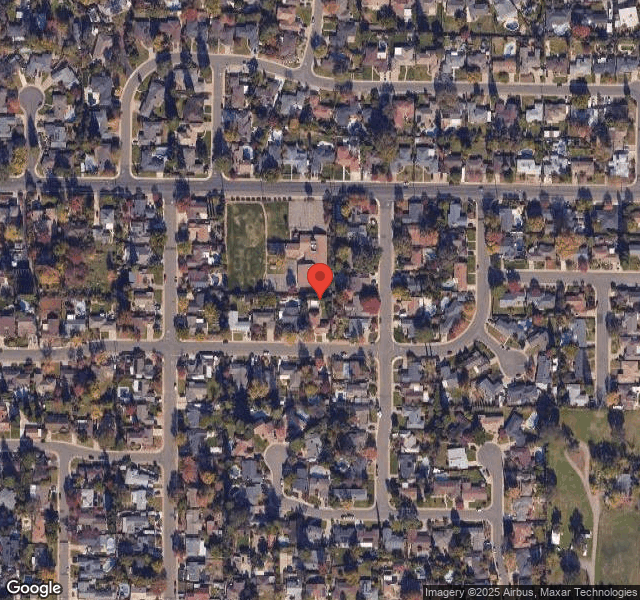

3630 MISSION AVENUE, CARMICHAEL, CA 95608 (916) 488-1580
For profit - Limited Liability company 135 Beds DAVID & FRANK JOHNSON Data: November 2025
Trust Grade
60/100
#630 of 1155 in CA
Last Inspection: March 2025

Within standard 12-15 month inspection cycle. Federal law requires annual inspections.

Overview

Mission Carmichael Healthcare Center has a Trust Grade of C+, indicating it is slightly above average but not outstanding. It ranks #630 out of 1155 nursing homes in California, placing it in the bottom half of facilities statewide, and #22 out of 37 in Sacramento County, meaning there are only a few better options in the local area. The facility is currently improving, having reduced its issues from 20 in 2024 to 15 in 2025. Staffing is a relative strength, with a turnover rate of 36%, which is better than the California average, and no recorded fines reflect positively on their compliance. However, there are concerns regarding food safety practices; for example, food was not properly labeled, expired items were not discarded, and there were issues with food storage that could pose health risks for residents.

Trust Score
C+
60/100
In California
#630/1155
Bottom 46%
Safety Record
Low Risk
No red flags
Inspections
Getting Better
20 → 15 violations
Staff Stability
○ Average
36% turnover. Near California's 48% average. Typical for the industry.
Penalties
✓ Good
No fines on record. Clean compliance history, better than most California facilities.
Skilled Nurses
⚠ Watch
Each resident gets only 29 minutes of Registered Nurse (RN) attention daily — below average for California. Fewer RN minutes means fewer trained eyes watching for problems.
Violations
⚠ Watch
54 deficiencies on record. Higher than average. Multiple issues found across inspections.
★★★☆☆
3.0
Overall Rating
★★★☆☆
3.0
Staff Levels
★★★★☆
4.0
Care Quality
★★★☆☆
3.0
Inspection Score
Stable
2024: 20 issues
2025: 15 issues

The Good

  • 4-Star Quality Measures · Strong clinical quality outcomes
  • Full Sprinkler Coverage · Fire safety systems throughout facility
  • No fines on record
  • Staff turnover below average (36%)

    12 points below California average of 48%

Facility shows strength in quality measures, fire safety.

The Bad

3-Star Overall Rating

Near California average (3.1)

Meets federal standards, typical of most facilities

Staff Turnover: 36%

10pts below California avg (46%)

Typical for the industry

Chain: DAVID & FRANK JOHNSON

Part of a multi-facility chain

Ask about local staffing decisions and management

The Ugly 54 deficiencies on record

Apr 2025 1 deficiency
CONCERN (D) 📢 Someone Reported This

A family member, employee, or ombudsman was alarmed enough to file a formal complaint

Potential for Harm - no one hurt, but risky conditions existed

ADL Care (Tag F0677)

Could have caused harm · This affected 1 resident

Based on observation, interview, and record review the facility failed to ensure 2 of 5 sampled residents (Resident 1 and Resident 2) were properly positioned during feeding assistance as per care pla...

Read full inspector narrative →
Based on observation, interview, and record review the facility failed to ensure 2 of 5 sampled residents (Resident 1 and Resident 2) were properly positioned during feeding assistance as per care plan and facility's meal assistance policy and procedure. This failure placed Resident 1 and Resident 2 at risk for aspiration and possible discomfort when eating. Findings: 1a. A review of Resident 1's admission record indicated Resident 1 was admitted in March 2025 with multiple diagnoses including COPD (a lung disease that makes it difficult to breathe) and GERD (Gastroesophageal reflux disease- a condition where stomach acid and food can flow backward from the stomach into the throat). A review of Resident 1's Minimum Data Set (MDS- an assessment tool), Cognitive Patterns, dated 3/28/25, indicated Resident 1 had a Brief Interview for Mental Status (BIMS- tool to assess cognition) score of 6 out of 15 that indicated Resident 1 had severe cognitive impairment. A review of Resident 1's MDS, Functional Abilities and Goals, indicated Resident 1 required maximum assistance for rolling left to right and eating. A review of Resident 1's care plan titled, The resident has GERD dated 3/24/2025, indicated .Avoid lying down for at least 1 hour after meals. Keep HOB elevated. Encourage to stand/sit upright after meals . A review of Resident 1's care plan titled, The resident has nutritional problem . , dated 3/25/2025, indicated, .Maintain the HOB [Head of Bed] at 30-45 degrees during feeding . During an observation on 4/9/25 at 12:25 p.m. with CNA 1 at Resident 1's bedside, Resident 1 was observed in a left side lying position. No assistive devices for positioning were observed. CNA 1 was observed as she fed a spoon of yellow jello to Resident 1 without repositioning the resident. During an interview on 4/9/25 at 12:35 p.m. with CNA 1 outside of Resident 1's room, CNA 1 stated Residents should be sitting upright when eating meals. CNA 1 confirmed yellow jello was fed to Resident 1 while lying on his left side. During a follow up observation on 4/9/25 at 12:37 p.m. outside of Resident 1's room, Resident 1 was observed lying with head of bed lower than 30 degrees and lying on his left side. 1b. A review of Resident 2's admission record indicated, Resident 2 was admitted in March 2025 with multiple diagnoses including Need for assistance with personal care and dysphagia (difficulty swallowing). During a review of Resident 2's MDS, Cognitive Patterns, dated 4/2/25, indicated Resident 2 had a BIMS score of 99 out of 15 that indicated Resident 1 could not complete the interview. A review of Resident 2's MDS, Functional Abilities and Goals, indicated Resident 2 was dependent on staff for rolling left to right and eating. A review of Resident 2's care plan, titled the Resident has nutritional problem . , dated 4/4/25, indicated, .Maintain the HOB at 30-45 degrees . During an observation on 4/9/25 at 12:41 p.m., in Resident 2's room with CNA 2 present, Resident 2 was observed in supine position with head of bed lower than 30 degrees. CNA 2 was observed offering resident a spoon of yellow pudding while resident was in supine lying position. During a concurrent observation and interview on 4/9/25 at 12:41 p.m. with CNA 2 at Resident 2's bedside, CNA 2 confirmed that she attempted to give Resident 2 a spoon of yellow pudding while Resident 2 was in a lying position. CNA 2 stated staff should always put the head of bed up when feeding residents. During review of facility policy and procedure (P&P) titled Activities of Daily Living (ADLs) , dated 12/19/2022, the P&P indicated . a resident who is unable to carry out activities of daily living will receive the necessary services to maintain good nutrition . During a review of facility P&P titled, Meal Supervision and Assistance , dated 12/19/2022, the P&P indicated .the resident should be positioned so his or her head and upper body are as upright as possible and with the head tipped.
Mar 2025 13 deficiencies
CONCERN (D)

Potential for Harm - no one hurt, but risky conditions existed

Deficiency F0655 (Tag F0655)

Could have caused harm · This affected 1 resident

Based on interview and record review, the facility failed to ensure a baseline care plan was initiated within 48 hours of a resident's admission for one of 29 sampled residents (Resident 482), who was...

Read full inspector narrative →
Based on interview and record review, the facility failed to ensure a baseline care plan was initiated within 48 hours of a resident's admission for one of 29 sampled residents (Resident 482), who was admitted to the facility with a peripherally inserted central catheter (PICC) line (a thin flexible tube inserted into a vein in the upper arm and threaded into a larger vein near the heart to deliver medications) for antibiotic (a class of medications used to treat bacterial infections) administration. This failure had the potential to compromise the residents' care and could have resulted in serious health complications. Findings: A review of the admission Record indicated the facility admitted Resident 482 on 3/4/25 with a PICC line and a diagnoses that included, septic arthritis (an infection of the joint caused by bacteria, viruses, or fungi) of the right knee. A review of the Nurses Progress Note dated 3/4/25 at 10:17 p.m., indicated Resident 482 arrived at the facility at approximately 6:30 p.m., With a diagnosis of septic arthritis to right knee, on intravenous (administered into a vein) Vancomycin (an antibiotic used to treat infections) via PICC line to left upper arm . A review of Resident 482's, Medication Administration Record (MAR) dated 3/5/25, indicated a physician's order for intravenous (IV) Vancomycin 750 milligrams (a unit of measure) every 12 hours for septic arthritis of the right knee. During a concurrent interview and record review with the Director of Nursing (DON) on 3/25/25 at 3:50 p.m., the DON verified Resident 482 was admitted to the facility with a PICC line and had no care plan for the PICC line. The DON stated, Resident 482 should have a care plan that addressed the care of the PICC line. The DON further stated, If a resident has a PICC line, it's my expectation that they have a care plan that address it. A review of the facility policy titled, Baseline Care Plan dated 12/19/22 indicated, The facility will develop and implement a baseline care plan for each resident that includes the instruction needed to provide effective and person-centered care of the resident that meet professional standards of quality care.
CONCERN (D)

Potential for Harm - no one hurt, but risky conditions existed

Quality of Care (Tag F0684)

Could have caused harm · This affected 1 resident

Based on interview and record review, the facility failed to ensure physician orders were followed in accordance with professional standards of care for one out of 29 sampled residents (Resident 49), ...

Read full inspector narrative →
Based on interview and record review, the facility failed to ensure physician orders were followed in accordance with professional standards of care for one out of 29 sampled residents (Resident 49), when Resident 49 did not receive wound care treatments consistently as ordered. This failure had the potential for Resident 49's wounds to worsen and for the resident to not achieve their highest practicable well-being. Findings: Resident 49 was admitted to the facility in April 2024 with multiple diagnosis which included morbid obesity, venous insufficiency (condition where the veins in the legs do not function properly, allowing blood to flow backward instead of upward to the heart), and immunodeficiency (failure of the immune system to protect the body adequately from infection). During a review of Resident 49's Treatment Administration Records (TAR, a legal document used to record treatments given to the residents) for February 2025 and March 2025, Resident 49 had the following orders: TX (treatment): Coccyx (tailbone) wound cleanse with wound cleanser, pat dry apply collagen, [brand], calcium alginate, Triad to the margin and cover with bordered foam with skin prep to adhesive exposed skin. every day shift - Start Date - 01/26/2025 0700 - D/C (discontinue) Date - 02/09/2025 .TX: Left foot posterior heel wound cleanse with wound cleanser, pat dry, collagen sheet packing. Calcium Alginate and cover with dry dressing. every day shift - Start Date - 01/16/2025 0700 - D/C Date - 02/07/2025 1434 .TX: Lt (left) medial food wound cleanse with wound cleanser, pat day, apply collagen, [brand], calcium alginate, triad to the margin and secure with foam dressing. every day shift - Start Date - 01/16/2025 0700 - D/C Date - 02/09/2025 1425 .TX: Rt (right) ischium (hip) wound: Cleanse with wound cleanse, pat dry, apply Honey-based Gel, calcium alginate, Triad ton the margin and cover with bordered foam with skin prep to adhesive exposed skin. Change daily until healed and PRN (as needed) soiling/dislodge. every day shift - Start Date - 12/28/2024 0700 - D/C Date - 02/09/2025 1423 .TX: for prophylactic (prevent disease) measure to Rt ischium scar tissue cleanse with wound cleanser, pat dry and cover with bordered gauze. every day shift every Mon (Monday), Wed (Wednesday), Fri (Friday) for 30 Days - Start Date - 02/28/2025 0700 .Indwelling Catheter (a flexible tube, often made of plastic or rubber, inserted through the urethra into the bladder to drain urine and is left in place for a period ) Cre (care): Cleanse outside catherter [sp] and tissue surrounding meatus with normal saline. every shift - Start Date - 02/10/2025 2300 .TX: Prophylaxis to Coccyx scar cleanse with wound cleaner, pat dry, apply triad paste and cover with bordered gauze. every shift - Start Date - 03/18/2025 1400. During a concurrent interview and record review on 3/25/25, at 11:54 a.m., with the Assistant Director of Nursing (ADON), Resident 49's TAR for the months of February 2025 and March 2025 were reviewed. The ADON confirmed multiple treatments were not done as ordered for the following days and shifts: 2/2/25 - Day shift, 3/17/25- Day shift, and 3/23/25- Day shift. The ADON further stated it was the Licensed Nurse's responsibility to perform the treatments as ordered and document. The ADON stated if treatments were not done as ordered, the resident could potentially have further skin breakdown, and the wound could potentially worsen or reopen. A review of Resident 49's care plans initiated on 2/8/25, indicated, Provide wound care per treatment order .Resident is high risk for re-occurrence of pressure injury due to non-compliant . During a review of the facility's document titled, Treatment Nurse, Job Description, dated 2023, indicated, Provide wound care on assigned residents, in accordance with physician orders . During a review of the facility's document titled, Licensed Vocational Nurse, Job Description, dated 2023, indicated, Performs wound treatments as per physicians' orders; observes for changes and documents accordingly. During a review of the facility's P&P titled, Provision of Quality of Care, dated 12/19/22, the P&P indicated, .the facility will ensure residents receive treatment and care by qualified persons in accordance with professional stands of practice, the comprehensive person-centered care plans .Each resident will be provided care and services to attain or maintain his/her highest practicable physical, mental, and psychosocial well-being. During a review of the facility's P&P titled, Nursing Services and Sufficient Staff, revised 3/11/25, the P&P indicated, .provide sufficient staff with appropriate competencies and skill sets to assure resident safety and attain or maintain the highest practicable physical, mental and psychosocial wellbeing of each resident.
CONCERN (D)

Potential for Harm - no one hurt, but risky conditions existed

Deficiency F0688 (Tag F0688)

Could have caused harm · This affected 1 resident

Based on observation, interview, and record review, the facility failed to implement an ordered contracture device (a soft device that gently straighten fingers that have become stiff and painful) for...

Read full inspector narrative →
Based on observation, interview, and record review, the facility failed to implement an ordered contracture device (a soft device that gently straighten fingers that have become stiff and painful) for one of 29 sampled residents, Resident 70. This failure had the potential to result in Resident 70 not reaching their highest practicable level of functioning. Findings: Resident 70 was admitted in 2023 with multiple diagnosis which included Contractures (a stiffening/shortening at any joint, that reduces the joint's range of motion) to the left and right hands. During an observation on 03/25/25 at 10:23 a.m. in Resident 70's room, Resident 70's was seen lying in bed without her contracture device applied to right hand. During a concurrent observation and interview on 03/25/25 at 11:08 a.m. in Resident 70's room, with CNA 4 (Certified Nursing Assistant 4) Resident 70's right hand was observed without a contracture device. CNA 4 confirmed the contracture device was not applied to Resident 70's right hand. CNA 4 stated she is supposed to have devices on both hands and feet to avoid any increased bending. During a concurrent interview and record review on 3/26/25 at 3:43 p.m., with the ADR (Assistant Director of Rehabilitation), of Occupational Therapy OT Evaluation & Plan of Treatment for [Resident 70], (undated) was reviewed. The Occupational Therapy OT Evaluation & Plan of Treatment indicated contracture device treatment for Resident 70's left and right hand. The ADR stated, the treatment plan indicated how many devices a Resident should have and where they should be worn. ADR further stated that (Resident 70) should have two contracture devices on 24 hours a day. During an interview on 3/26/25 3:55 a.m., with the DON (Director of Nursing), the DON stated she expected all staff to follow orders and care plans for contracture devices. The DON stated an adverse outcome of not having ordered contracture devices on, .can worsen the contracture. During an observation and interview on 3/26/25 at 4:13 p.m., with LN 10 (Licensed Nurse) in Resident 70's room, Resident 70's right hand did not have a contracture device applied. LN 10 confirmed Resident 70's contracture device was not applied to the right hand. During an interview on 3/26/25 at 4:34 p.m., with the DSD (Director of Staff Development), the DSD stated, I expect CNAs, RNAs (Restorative Nursing Assistants), RNs (Registered Nurses) and all staff to follow task order. The DSD stated if contracture device orders and care plans were not followed, Resident 70's conditions could worsen. The DSD stated, If it is care planned or ordered it will say what it is for and should be followed. During a concurrent observation and interview on 03/27/25 09:10 a.m. with RNA 1 in Resident 70's room, Resident 70's right hand was observed without the contracture device applied. RNA 1 stated, . if they don't have them [contracture devices] on it can get worst . if there were an order, I would expect them to be on. RNA 1 confirmed resident did not have contracture support device on right hand. RNA 1 Stated she [Resident 70] is supposed to have one [contracture device] on her right and left hand. She just has one on her left hand. During a review of Resident 70's Care Plan Report, dated March 2025, the Care Plan Report indicated, RNA program for Placement of hand/palm protector 24 hours a day. During a review of the facilities Policy and Procedure (P & P) titled, Restorative Nursing Programs, dated 2022, the P&P indicated, It is the policy of this facility to .maintain or improve a resident's abilities to the highest practicable level .services include splint or brace assistance.
CONCERN (D)

Potential for Harm - no one hurt, but risky conditions existed

Incontinence Care (Tag F0690)

Could have caused harm · This affected 1 resident

Based on interview and record review, the facility failed to provide adequate services and assistance for prevention and/or early detection of possible urinary tract infection (UTI- an infection in th...

Read full inspector narrative →
Based on interview and record review, the facility failed to provide adequate services and assistance for prevention and/or early detection of possible urinary tract infection (UTI- an infection in the bladder/urinary tract) for one out of 29 sampled residents (Resident 84) when Resident 84's order for STAT (immediate) urinalysis (UA- a medical test that examines urine to check for various conditions, including urinary tract infections) was not done timely. This failure had the potential to result in delayed detection of a UTI subsequently causing delayed care and treatment which negatively affected Resident 84's health condition. Findings: A review of Resident 84's clinical record indicated Resident 84 was admitted November of 2022 and had diagnoses that included metabolic encephalopathy (a condition where the brain does not receive enough nutrients or oxygen to function properly, leading to altered brain function), UTI, sepsis (a life-threatening blood infection), extended-spectrum beta-lactamase (ESBL) resistance (and infection that is resistant to common antibiotics and may require complex treatments), major depressive disorder (persistently depressed mood or loss of interest in activities, causing significant impairment in daily life, and the need for assistance with personal care. A review of Resident 84's Minimum Data Set (MDS- a federally mandated resident assessment tool) Cognitive Patterns, dated 2/13/25, indicated Resident 84 had a Brief Interview for Mental Status (BIMS- a tool to assess cognition) score of three out of 15 which indicated Resident 84 had a severely impaired cognition (mental process of acquiring knowledge and understanding). A review of Resident 84's MDS Bladder and Bowel Conditions, dated 2/13/25, indicated Resident 84 was always incontinent (having no or insufficient voluntary control) on both urinary and bowel. A review of Resident 84's progress notes, dated 3/21/25 at 10:02 p.m., indicated, .Nursing observations, evaluation, and recommendations are: CNA [certified nurse assistant] notified LN [licensed nurse] of resident's .confusion. LN immediately went to assess resident. Upon observation, resident was A&O [alert and oriented], but not to her normal baseline .Resident was A&Ox2 [alert and oriented to person and place only] and having frequent urination episodes .Urine color is pale yellow. LN notified NP [nurse practitioner- an advanced practice registered nurse that are trained to assess patient needs, order and interpret diagnostic and laboratory tests, diagnose disease, prescribe medications and formulate treatment plans] and received order(s) for urine collection for stat urinalysis and may straight cath [straight catheter- a thin, flexible tube used to drain urine from the bladder when a person is unable to urinate naturally] if unable to void. Orders noted and carried out .Primary Care Provider responded with the following feedback: A. Recommendations: urine collection for stat urinalysis and may straight cath if unable to void . A review of Resident 84's physician's order, dated 3/21/25, indicated, May collect urine sample for urinalysis to r/o [rule out] possible UTI. May use straight cath if needed. one time only for possible uti for 1 Day. A review of Resident 84's progress notes, dated 3/22/25, indicated, .Resident is on monitoring for COC [change of condition with] frequent urination and confusion. Stat lab [laboratory] orders was faxed to Lab by Supervisor. Supervisor also called the Lab to notify them of Stat orders. Resident is still having episodes of some confusion. No slurred speech [sic]. This writer asked resident what his name is, and resident answered name correctly. NP notified of resident, NP advised to wait for UA and monitor resident for slurred speech [sic] and left sided weakness . A review of Resident 84's progress notes, dated 3/23/25, indicated, New UA specimen collected by writer at this time. Old urine specimen thrown away. Pt [patient] assisted to toilet by writer .Specimen collected 03/23/25 @2330 [11:30 p.m.]. A review of Resident 84's progress notes, dated 3/24/25 at 6:33 a.m., indicated, Nursing observations, evaluation, and recommendations are: pt first noted with altered behavior on the 21st. the condition has been getting gradually worse. UA was collected and picked up today d/t [due to] UA not being considered STAT according to lab. pt is repeating the same phrase over and over. pt is not responding to her first name. pt is very confused from baseline. symptoms have been getting increasing worse .Primary Care Provider responded with the following feedback: A. Recommendations: Per .NP .SEND TO [acute hospital] FOR FURTHER EVALUATION . During an interview on 3/24/25 at 9:10 a.m. with LN 2, LN 2 stated Resident 84 was noticed to have confusion last Friday (3/21/25) and was ordered with STAT UA. LN 2 also stated the lab said they would pick up the urine sample, but it was never picked up until this morning. LN 2 further stated Resident 84 was sent out to an acute hospital this morning, around 6 a.m., because of increased confusion. A review of Resident 84's laboratory requisition (also known as a lab order, is a formal document used by healthcare professionals to request specific laboratory tests or procedure), dated 3/21/25, indicated a STAT order for UA on 3/21/25 and the collection date was 3/22/25. During a concurrent interview and record review on 3/25/25 at 10:46 a.m. with the Infection Preventionist (IP), Resident 84's laboratory requisition was reviewed. The IP confirmed that Resident 84 had a STAT order for UA on 3/21/25 but the urine sample was just picked-up on 3/24/25. The IP stated, .depending on when the urine was collected, the nurse will call the lab, and they will come about 4-6 hours after. During a phone interview on 3/25/25 at 2:11 p.m. with the U.S. Diagnostics Manager (USDM), the USDM stated their laboratory is typically available seven days a week and is operational even on weekends. The USDM further stated that for standard lab orders, it would be done the day of or the following day of the order, and for STAT orders, the typical response time would be 4 hours. During a concurrent phone interview and record review on 3/25/25 at 3:10 p.m. with the USDM, Resident 84's laboratory order was reviewed. The USDM stated the lab received the STAT order for UA on 3/22/25 and was collected only on 3/24/25. The USDM stated she was not sure what happened why the urine specimen was only collected on 3/24/25. A review of Resident 84's UA laboratory result, dated 3/25/25, indicated Resident 84's urine showed presence of blood, protein, Leukocyte esterase (released by white blood cells), and bacteria which were all flagged as abnormal compared to the normal reference range. During an interview on 3/27/25 at 10:26 a.m. with the Director of Nursing (DON), the DON stated, From our contract with the [laboratory] company, STAT orders have to be done as soon as possible. The DON also stated she would expect that laboratory orders would be done timely. The DON further stated the risk if the laboratory order was not done timely would be delay of care which could negatively affect the health status of the resident. A review of the facility's agreement with U.S. Diagnostic Management Inc. (USDM Inc.), titled, California Professional Diagnostic Services Agreement, dated and signed on 10/18/24, indicated, For all STAT orders provided by the physician, USDM [Inc.] will prioritize and expedite the services and return results to the facility as promptly as possible . A review of the facility's policies and procedures titled, Laboratory Services and Reporting, dated 12/19/22, indicated, The facility must provide or obtain laboratory services when ordered by a physician, physician assistant, nurse practitioner, or clinical nurse specialist in accordance with state law .1. The facility must provide or obtain laboratory services to meet the needs of its residents. 2. The facility is responsible for the timeliness of the services .
CONCERN (D)

Potential for Harm - no one hurt, but risky conditions existed

Respiratory Care (Tag F0695)

Could have caused harm · This affected 1 resident

Based on observation, interview, and record review, the facility failed to ensure proper delivery of respiratory care consistent with the facility's policy and procedures (P&P) for one out of 29 sampl...

Read full inspector narrative →
Based on observation, interview, and record review, the facility failed to ensure proper delivery of respiratory care consistent with the facility's policy and procedures (P&P) for one out of 29 sampled residents (Resident 4) when Resident 4's physician's order for oxygen therapy was not followed. This failure had the potential to result in unsafe delivery of oxygen to Resident 4 and for Resident 4 to not achieve her highest practicable well-being. Findings: A review of Resident 4's clinical record indicated Resident 4 was admitted March of 2025 and had diagnoses that included respiratory failure (is a serious condition that develops when the lungs can't get enough oxygen into the blood and makes it difficult for a person to breathe on his own), congestive heart failure (CHF-a heart disorder which causes the heart to not pump the blood efficiently), asthma (a condition in which a person's airways become inflamed, narrow, and swell, and produce extra mucus, which makes it difficult to breathe), and need for assistance with personal care. A review of Resident 4's Minimum Data Set (MDS– a federally mandated resident assessment tool) Cognitive Patterns, dated 3/7/25, indicated Resident 4 had a Brief Interview for Mental Status (BIMS- a tool to assess cognition) score of 15 out of 15 which indicated Resident 4 had an intact cognition (mental process of acquiring knowledge and understanding). A review of Resident 4's MDS Health Conditions, dated 3/7/25, indicated Resident 4 experienced shortness of breath or trouble breathing when lying flat. A review of Resident 4's active physician's order, dated 3/20/25, indicated, Oxygen at 2-3L/min [liters per minute or LPM- unit of measurement for oxygen administration flow rate] .every shift. During a concurrent observation and interview on 3/24/25 at 8:43 a.m. in Resident 4's room, Resident 4 was seen lying on bed, awake, and was on oxygen delivered via nasal cannula with the oxygen concentrator (machine) set at 5 LPM. Resident 4 stated she uses oxygen daily and the nurses would set it up for her. During a concurrent observation and interview on 3/24/25 at 1:14 p.m. in Resident 4's room with Certified Nurse Assistant (CNA) 1, CNA 1 confirmed that Resident 4's oxygen was set at 5 LPM. During another observation on 3/25/25 at 8:55 a.m. in Resident 4's room, Resident 4 was seen lying on bed, awake, and was on oxygen delivered via nasal cannula with the oxygen concentrator still set at 5 LPM. During a concurrent observation and interview on 3/25/25 at 11:03 a.m. in Resident 4's room with Licensed Nurse (LN) 6, LN 6 confirmed that Resident 4's oxygen was set at 5 LPM. LN 6 stated if the oxygen being delivered is higher than what was ordered, the resident would be at risk for oxygen toxicity (a lung damage that happens from breathing in too much extra [supplemental] oxygen). A review of Resident 4's care plan intervention, initiated 3/25/25, indicated, Administer oxygen as prescribed or per standing order. During an interview on 3/27/25 at 10:26 a.m. with the Director of Nursing (DON), the DON stated oxygen administration should always be within the doctor's order because it could have a bad effect on the resident ' s condition if the resident receives higher oxygen that what is prescribed. The DON further stated she would expect staff to follow what is ordered for the resident. A review of the facility's policies and procedures titled, Oxygen Administration, revised 6/5/23, indicated, Oxygen is administered to residents who need it, consistent with professional standards of practice, the comprehensive person-centered care plans, and the resident ' s goals and preferences .1. Oxygen is administered under orders of a physician .
CONCERN (D)

Potential for Harm - no one hurt, but risky conditions existed

Drug Regimen Review (Tag F0756)

Could have caused harm · This affected 1 resident

Based on interview and record review, the facility failed to ensure irregularities reported by the pharmacist to the facility were acted upon for one out of 29 sampled residents (Resident 2). This fa...

Read full inspector narrative →
Based on interview and record review, the facility failed to ensure irregularities reported by the pharmacist to the facility were acted upon for one out of 29 sampled residents (Resident 2). This failure put Resident 2 at an increased risk for developing adverse (unwanted, uncomfortable or dangerous) drug reactions related to medication therapy and had the potential for Resident 2 to not achieve their highest practicable physical, mental, and psychosocial well-being. Findings: Resident 2 was admitted to the facility in February 2025 with multiple diagnosis which included heart failure, depression, anxiety disorder, and myalgia (pain in a muscle or group of muscles). A review of Resident 2's Minimum Data Set (MDS, an assessment tool) dated 2/11/25, indicated, Resident 2 had intact cognition. During a review of Resident 2's Order Summary Report, dated 3/26/25, Resident 2 had an order for, Esomeprazole Magnesium [blocks acid from being made in the stomach] Oral Capsule Delayed Release 40mg [milligrams, measure of unit] Give 1 capsule by mouth one time a day for chronic N/V [nausea and vomiting] - Start Date 02/06/2025 0800. During a review of Resident 2's Consultant Pharmacist's Medication Regimen Review (MRR), dated 2/28/25, the following was recommended for the anti-acid medication, Please administer on an empty stomach, at least 60 minutes before meal. There was no documented revision applied to the anti-acid medication. During a review of Resident 2's Order Summary Report, dated 3/26/25, Resident 2 had an order for, Ventolin HFA Inhalation Aerosol Solution [used to treat or prevent breathing problems]108 (90 Base) MCG [micrograms, measure of unit]/ACT (Albuterol Sulfate) 1 inhalation inhale orally every 4 hours as needed for SOB [shortness of breath]/wheezing. During a review of Resident 2's MRR, dated 2/28/25, the following was recommended for the breathing medication, Please add 'Shake well before each spray' to the order. There was no documented revision applied to the breathing medication. During a review of Resident 2's Order Summary Report, dated 3/26/25, Resident 2 had two orders for PRN (as needed) pain medications, [brand] Oral Tablet 50 MG [brand] Give 1 tablet by mouth every 4 hours as needed for pain, and [brand] Oral Tablet 325 MG (Acetaminophen) Give 2 tablet by mouth every 6 hours as needed for pain. During a review of Resident 2's MRR, dated 2/28/25, the following was recommended for the pain medications, Resident is on PRN pain medication(s). If pain is present, please treat initially with Non-Pharmacological intervention. Please add this to PCC [electronic medical record]. There was no documented revision applied to the pain medications. During a concurrent interview and record review on 3/26/25, at 3:26 p.m., with the Assistant Director of Nursing (ADON), Resident 2's MRR, dated 2/28/25, and Resident 2's current Order Summary Report were reviewed. The ADON confirmed the pharmacist recommendations for the anti-acid medication, breathing medication, and pain medications were not carried out and should have been completed by now. The ADON further stated not carrying out the pharmacy recommendations could potentially interrupt care for Resident 2 and increase their risk of side effects. During a review of the facility's P&P titled, Medication Regimen Review, revised 12/19/22, the P&P indicated, Medication Regimen Review (MRR), or Drug Regimen Review, is a thorough evaluation of the medication regimen of a resident, with the goal of promoting positive outcomes and minimizing adverse consequences and potential risks associated with medication .The requirements associated with the MRR apply to all residents .Facility staff shall act upon all recommendations according to procedures for addressing medication regimen review irregularities.
CONCERN (D)

Potential for Harm - no one hurt, but risky conditions existed

Deficiency F0813 (Tag F0813)

Could have caused harm · This affected 1 resident

Based on observation, interview and record review, the facility failed to ensure safe and sanitary practices were instituted for food brought in to residents by family or visitors from outside the fac...

Read full inspector narrative →
Based on observation, interview and record review, the facility failed to ensure safe and sanitary practices were instituted for food brought in to residents by family or visitors from outside the facility when food saved for resident consumption was unlabeled and undated for 25 sampled residents. This failure had the potential to result in consumption of food that is unsafe and cause foodborne illness in residents who received food from outside sources. Findings: During an interview with the Dietary Manager (DM) on 3/26/25 at 12:20 p.m., the DM stated, nurses should label the food brought from home with the date received and the use by date to assure that the resident's food is safe to eat. A review of the facility's signage posted on the refrigerator's front door, undated, indicated, Please label the resident's food with the following details before putting it in the fried: [sic] Name and Rm# .Date Received .Used-by date (3 days from received). Any and all food items must have a date. Any food items that are not dated will be discarded. During a concurrent observation and interview inside the Medication Room, North Station with Licensed Nurse 11 (LN 11), on 3/26/25 at 12:40 p.m., LN 11 confirmed there was a square, black plastic container that held cooked noodles, a container of wild berry jam, and a juice drink inside the resident's refrigerator that were unlabeled with a resident's name, use by date, and a received by date. LN 11 stated, it's important to label the food items brought from home to ensure the food is safe to eat and consumed by the rightful owner. LN 11 further stated, the signage posted on the refrigerator's front door should be followed by the staff to prevent confusion and food must be thrown away after 3 days from the received date to avoid potential harm to residents. LN 11 emphasized unlabeled food items should be discarded to prevent possible cross contamination. During an interview with the Director of Nursing (DON) on 3/27/25 at 11:25 a.m., the DON stated, the resident's food brought from home should be labeled with resident's name, received date, and open date to ensure the food is safe to eat. The DON emphasized there was signage posted on the refrigerator's front door to remind the staff to label the stored food items. A review of the facility's policy and procedure titled, Use and Storage of Food Brought in by Family or Visitors, date implemented 12/19/22, indicated, 1. All food items that are already prepared by the family or visitor brought in must be approved per Nursing to ensure is in accordance with the Diet Order and labeled with content and dated. a. The facility may refrigerate labeled and dated prepared items. b. The prepared food must be consumed by the resident within 3 days. c. If not consumed within 3 days, food will be thrown away by the facility staff.
CONCERN (E)

Potential for Harm - no one hurt, but risky conditions existed

Pharmacy Services (Tag F0755)

Could have caused harm · This affected multiple residents

**NOTE- TERMS IN BRACKETS HAVE BEEN EDITED TO PROTECT CONFIDENTIALITY** Based on interviews and record reviews, the facility failed to ensure that discontinued non-controlled medications (pharmaceutic...

Read full inspector narrative →
**NOTE- TERMS IN BRACKETS HAVE BEEN EDITED TO PROTECT CONFIDENTIALITY** Based on interviews and record reviews, the facility failed to ensure that discontinued non-controlled medications (pharmaceutical preparations that can only be obtained through a medical practitioner's prescription and dispensed by a pharmacist but are not considered controlled substances under the Controlled Substance Act) and those which remained in the facility after discharge of the patient were destroyed in the presence of two licensed nurses. This failure had the potential risk for diversion (deflection of prescription drugs from medical sources into the illegal market) and/or misuse of non-controlled medications. Findings: During a concurrent interview and record review on [DATE] at 4:22 p.m. with the Infection Preventionist (IP), the non-controlled medication disposition logbook was reviewed. The IP confirmed that the destruction of non-controlled medications was not being signed consistently by two licensed nurses on multiple dates and with multiple medications. Some of the documents reviewed had only one licensed nurse signature, and some did not have any signature at all. The IP stated that non-controlled medications should be destroyed and signed by two (2) licensed nurses. During a phone interview on [DATE] at 3:21 p.m. with the Pharmacy Consultant (PC), the PC stated that for non-controlled drug destruction, there should always be two license nurses signing the sheets when the medications are being destroyed. The PC further stated that there would be a potential for drug diversion if the non-controlled drug destructions were not done and signed by two licensed nurses. During an interview on [DATE] at 10:26 a.m. with the Director of Nursing (DON), the DON stated that the non-controlled medications should be destroyed and signed consistently by two licensed nurses. The DON further stated that there would be possible misuse of the medications if the destructions were not done and signed by two licensed nurses. A review of the facility's policy and procedure titled, Destruction of Unused Drugs, revised [DATE], indicated, All unused, contaminated, or expired prescription drugs shall be disposed of in accordance with state laws and regulations .4. The actual destruction oof drugs conducted by our staff must be witnessed by: .Non-controlled Medication: i. Consultant pharmacist; or ii. Licensed nurse. 5. A destruction record must be maintained for all drugs destroyed. The actual destruction of drugs conducted by our facility must be witnessed by facility staff as per state requirements .The following information shall be included on this record: .g. The signature of the consultant pharmacist or licensed nurse destroying the non-controlled medications.
CONCERN (E)

Potential for Harm - no one hurt, but risky conditions existed

Unnecessary Medications (Tag F0759)

Could have caused harm · This affected multiple residents

Based on observation, interview, and record review the facility failed to ensure safe medication administration practices when the facility's medication error rate was more than 5% (percentage- number...

Read full inspector narrative →
Based on observation, interview, and record review the facility failed to ensure safe medication administration practices when the facility's medication error rate was more than 5% (percentage- number or ratio that expressed as a fraction of 100) for a resident census of 125. Medication administration observations were conducted over multiple days, at varied times, in random locations throughout the facility. The facility had a total of two errors out of 30 opportunities which resulted in a facility wide medication error rate of 6.67% in two out of eight residents (Resident 96 and Resident 132) observed for medication administration. These failures had the potential for unsafe and ineffective medication use of Resident 96 and Resident 132 and had the potential to affect the residents' medical conditions. Findings: 1. During a concurrent medication administration observation and interview which started on 3/24/25 at 11:48 a.m. with Licensed Nurse (LN) 3, LN 3 stated she already checked Resident 96's blood sugar level, and it was 217. LN 3 then administered a total of seven units of Insulin Lispro (a fast- acting medication used to manage blood sugar levels) to Resident 96 on her right upper outer arm. There was no observed meal tray in Resident 96's room. LN 3 stated lunch was scheduled at 11:30 a.m. but it was running late on that day. A review of Resident 96's active physician's order, dated 2/10/25, indicated, Insulin Lispro Injection Solution 100 UNIT/ML (unit per milliliters- unit of measurement) .Inject 5 unit subcutaneously (under the skin) two times a day related to TYPE 1 DIABETES MELLITUS (a chronic condition where the body doesn't produce insulin, causing too much sugar in the blood) . A review of Resident 96's active physician's order, dated 2/10/25, indicated, Insulin Lispro Injection Solution 100 UNIT/ML .Inject as per sliding scale: .201-250= 2 units .subcutaneously before meals related to TYPE 1 DIABETES MELLITUS . During an observation on 3/24/25 at 12:23 p.m. in Resident 96's room, there was still no observed meal tray in Resident 96's room. During a concurrent observation and interview on 3/24/25 at 12:37 p.m. with Certified Nurse Assistant (CNA) 8 in Resident 96's room, CNA 8 confirmed that Resident 96 did not receive her lunch meal tray yet. CNA 8 stated the kitchen has just started bringing out food carts. During an observation on 3/24/25 at 12:41 p.m. in Resident 96's room, Resident 96 was observed eating her lunch meal. A review of Resident 96's, Weights and Vitals Summary, indicated Resident 96 had blood sugar levels as follows: 3/24/25 at 4:41 p.m.- 86 mg/dl (milligrams per deciliter- unit of measurement) 3/24/25 at 23:01 p.m.- 119 mg/dl A further review of Resident 96's, Weights and Vitals Summary, indicated Resident 96's previous blood sugar levels usually ranges from 217 - 398 mg/dl. During a phone interview on 3/26/25 at 3:21 p.m. with the Pharmacy Consultant (PC), the PC stated Insulin lispro should be administered before meals, if not, it could cause hypoglycemia (low blood sugar). The PC further stated nurses should follow the doctor's order when administering Insulin Lispro. A review of an online publication, Drugs.com, titled, When does insulin lispro peak / how long does it last?, dated 6/17/24, indicated, Insulin Lispro .Starts working within 0 to 15 minutes after administration .Peaks in 30 to 90 minutes .Keeps working for less than five hours (usually two to four hours . (https://www.drugs.com/medical-answers/insulin-lispro-peak-long-3544836/) 2. During a medication administration observation which started on 3/25/25 at 9:20 a.m. with LN 5, LN 5 administered a total of 10 medications to Resident 132 which included 1 tablet of Pantoprazole (a medication that reduces the amount of acid the stomach) 40 mg (milligrams- unit of measurement). A review of Resident 132's active physician's order, dated 3/18/25, indicated, Pantoprazole Sodium Oral tablet Delayed Release 40 MG .Give 1 tablet by mouth one time a day related to GASTRO-ESOPHAGEAL REFLUX DISEASE (a condition where stomach contents flow back up into the food pipe, causing inflammation and discomfort) . A review of Resident 132's Medication Administration Record (MAR- a legal document used to record medications given to the residents), for the month of March 2025, indicated Resident 132's pantoprazole was scheduled to be administered every 7:30 a.m. During a phone interview on 3/26/25 at 3:21 p.m. with the PC, the PC stated that Resident 132's pantoprazole should be administered 1 hour before or 1 hour after the scheduled time. The PC further stated that the medications efficacy (ability to produce a desired or intended result) would be affected if the pantoprazole was not administered within the scheduled time of administration. During an interview on 3/27/25 at 10:26 a.m. with the Director of Nursing (DON), the DON stated that she would expect staff to follow the physician's order when administering prescribed administering medications. A review of the facility's policy and procedure (P&P) titled, Medication Administration, dated 12/19/22, indicated, Medications are administered .as ordered by the physician and in accordance with professional standards of practice .b. Administer within 60 minutes prior to or after scheduled time unless otherwise ordered by physician .
CONCERN (E)

Potential for Harm - no one hurt, but risky conditions existed

Deficiency F0761 (Tag F0761)

Could have caused harm · This affected multiple residents

**NOTE- TERMS IN BRACKETS HAVE BEEN EDITED TO PROTECT CONFIDENTIALITY** Based on observation, interview, and record review, the facility failed to ensure medications and supplies were properly labeled...

Read full inspector narrative →
**NOTE- TERMS IN BRACKETS HAVE BEEN EDITED TO PROTECT CONFIDENTIALITY** Based on observation, interview, and record review, the facility failed to ensure medications and supplies were properly labeled and stored in accordance with manufacturer's guidelines, the facility's policies and procedures, and accepted professional standards for a census of 125 residents when: 1. An unlabeled, opened glucose gel tube (a medication administered for low blood sugars) was found in medication cart North 3; 2. A discharged resident's medications were found loose in a bag in the medication room; and 3. The refrigerator in the North Medication Room was not within the correct temperature range. These failures had the potential to result in unsafe medication administration and drug diversion. Findings: 1. During a concurrent observation and interview on [DATE] at 10:03 a.m. with Licensed Nurse (LN) 2, a glucose gel tube was found in the top drawer of medication cart North-3. LN 2 confirmed the gel had been opened and there was no label which indicated the date it had been opened, or when it expired. During a concurrent interview and record review on [DATE] at 9:40 a.m. with LN 8, LN 8 reviewed the manufacturer's instructions for use and confirmed the gel was a single use medication. During an interview on [DATE] at 11:50 am with LN 2, LN 2 confirmed the gel was a single use medication and there was a risk it could have been already administered to another resident. 2. During a concurrent observation and interview on [DATE] at 3:30 p.m. with the Infection Preventionist (IP), a plastic bag with resident belongings was on the counter of the North medication room. The IP confirmed the bag contained a resident's medications and there was an opened pill bottle with loose pills in the bag. The IP stated when a resident was discharged , they kept their medications in the medication room, if they don't return within 7 days, they disposed of them. The IP stated an open medication bottle was a risk for drug diversion and would not be appropriate to return to the resident should they return to the facility. 3. During a concurrent observation and interview on [DATE] at 4:01 p.m. with the IP, the IP confirmed the temperature of the North medication room refrigerator was 51 degrees Fahrenheit (F° a unit of measurement.) The refrigerator contained insulin vials, emergency medication kits, and vials for vaccination. During a concurrent observation and interview on [DATE] at 4:14 p.m. with the IP, the temperature of the medication refrigerator was rechecked and the IP confirmed it was still at 51 F°. The IP stated if the refrigerator temperature was out of range, it could compromise the efficacy of the medication and make them unsafe for resident use. During an interview on [DATE] at 4:07 p.m. with Pharmacy Consultant (PC), the PC concurred the glucose gel was for individual use. The PC stated an unlabeled, opened tube should not have been in the medication cart, should have been disposed of immediately after resident administration, was a risk of cross-contamination and had the potential for it to be administered to another resident. The PC said all medications at the facility need to be monitored, recorded and accounted for. The PC confirmed medications stored in a refrigerator at the incorrect temperatures could compromise their efficacy and make them unsafe for use. During an interview on [DATE] 10:26 a.m. with the Director of Nursing (DON), the DON confirmed that nurses needed to label, dispose of and store all medications appropriately. During a review of a facility policy titled, Labeling of Medications and Biologicals, revised [DATE], the policy indicated, All medications and biologicals will be labeled in accordance with current state and federal regulations to facilitate consideration of precautions and safe administration of medications. During a review of the product insert for the glucose gel it indicated, Do not use if tube has been previously opened or punctured and, Use before the expiry date printed on the carton. During a review of the facility policy titled, Storage of Medication Requiring Refrigeration, revised [DATE], the policy indicated, Refrigerators used for storage of biologicals .Temperature should be maintained between 36-46 F°. During a review of the facility policy titled, Destruction of Unused Drugs, revised [DATE], the policy indicated, Unused, unwanted and non-returnable medications should be removed from their storage area.
CONCERN (E)

Potential for Harm - no one hurt, but risky conditions existed

Food Safety (Tag F0812)

Could have caused harm · This affected multiple residents

Based on observation, interview and record review, the facility failed to store and ensure food safety in accordance with professional standards for food service safety to prevent an outbreak of foodb...

Read full inspector narrative →
Based on observation, interview and record review, the facility failed to store and ensure food safety in accordance with professional standards for food service safety to prevent an outbreak of foodborne illness for the census of 125 residents when: 1. Food items found in the freezer were unlabeled with the open and the use by dates. a. opened bag of garlic bread; b. opened box of pork sausage links with net weight of 10 lb.; and c. opened box of fish fillet with net weight of 15 lb. 2. Food items found in the walk-in refrigerator unlabeled with the open and use by dates. a. mustard (condiments) with net weight of 48 oz; and b. honey mustard (dressing) with net weight of 1 gal. 3. Food items found in the dry storage room were unlabeled and had lapsed use by dates. a. corn meal with use by date of 2/17/25; b. cake mix with use by date of 2/30/25; c. soy sauce with net weight of 1 gal, unlabeled with the open and the use by date; and d. white powder with unreadable name label, the open date and the use by date. 4. four (4) dented cans were found in the dry storage room: a. artichoke in can with net weight of 5 lb.; b. beef ravioli in can with net weight of 6 lb. 12oz; c. pinto beans in can with net weight of 6lb 15oz; d. tomato soup in can with net weight of 50 oz; and e. tomato soup in can with net weight of 7.52 oz. These failures had the potential to cause foodborne illness to highly susceptible residents. Findings: During a concurrent observation and interview in the kitchen with the Dietary Manager (DM), on 3/24/25 at 8:40 a.m., the DM confirmed and agreed on all findings listed above. The DM stated, the perishable food should be legibly labeled with the name of the product, date it was opened, use by date and monitored to ensure the food is safe to eat by the residents. The DM emphasized that food items with lapsed use by dates should have been thrown out as well as food items with unreadable labels as it's not safe and may cause possible foodborne illness. The DM confirmed there were 4 dented cans stored with the non-dented cans. The DM stated that dented cans should have been removed from the non-dented can shelves as it's not safe to use and may cause botulism (rare but serious bacterial infection) to the residents as a potential outcome. During an interview in the kitchen with [NAME] 1 on 3/24/25 at 9:30 a.m., [NAME] 1 stated they are not supposed to use dented cans as it may be compromise and not safe to cook. During a concurrent observation and interview in the kitchen with [NAME] 2 on 3/24/25 at 10:10 a.m., 1 (one) dented can of tomato soup was placed on the countertop prep table beside the microwave and [NAME] 3 stated that he was going to use the dented can and make tomato soup. [NAME] 3 acknowledged he's not supposed to use dented cans as they may cause botulism. During an interview with the Registered Dietician (RD) on 3/27/25 at 10:19 a.m., the RD stated opened food items should be labeled with the name of the product, open date and use by date to avoid possible foodborne illness. A review of the facility's policy and procedure, titled, Date Marking for Food Safety, date implemented 12/19/22, indicated, The facility adheres to a date marking system to ensure the safety of ready-to-eat, time/temperature control for safety food .2. The food shall be clearly marked to indicate the date or day by which the food shall be consumed or discarded. 3. The individual opening or preparing a food shall be responsible for date marking the food at the time the food is opened or prepared. 4. The marking system shall include the date of opening, and the date the item must be consumed or discarded . 6. The Head Cook, or designee, shall be responsible for checking the refrigerators daily for food items that are expiring, and shall discard accordingly. 7. The Dietary Supervisor (Manager), or designee, shall spot check the refrigerators weekly for compliance, and document accordingly. Corrective action shall be taken as needed . A review of the facility's policy and procedure, titled, Dented or Damaged Cans, dated 10/19, indicated, Upon delivery, all canned food products should be inspected for safe transport and quality upon receipt . A review of the Food and Drug Administration (FDA) Document titled, Food Code 2022, dated 1/18/23, indicated, 3-201.11 Compliance with Food Law. Refer to the public health reason for § 3-401.11. Source A primary line of defense in ensuring that food meets the requirements of § 3-101.11 is to obtain food from approved sources, the implications of which are discussed below. However, it is also critical to monitor food products to ensure that, after harvesting and processing, they do not fall victim to conditions that endanger their safety, make them adulterated, or compromise their honest presentation. The regulatory community, industry, and consumers should exercise vigilance in controlling the conditions to which foods are subjected and be alert to signs of abuse. FDA considers food in hermetically sealed containers that are swelled or leaking to be adulterated and actionable under the Federal Food, Drug, and Cosmetic Act. Depending on the circumstances, rusted and pitted or dented cans may also present a serious potential hazard.
CONCERN (E)

Potential for Harm - no one hurt, but risky conditions existed

Infection Control (Tag F0880)

Could have caused harm · This affected multiple residents

**NOTE- TERMS IN BRACKETS HAVE BEEN EDITED TO PROTECT CONFIDENTIALITY** 3. Upon the Team's entrance on 3/24/25 at 8 a.m., the DON instructed all surveyors to wear masks as they have current residents ...

Read full inspector narrative →
**NOTE- TERMS IN BRACKETS HAVE BEEN EDITED TO PROTECT CONFIDENTIALITY** 3. Upon the Team's entrance on 3/24/25 at 8 a.m., the DON instructed all surveyors to wear masks as they have current residents with an active respiratory infection in the facility. The DON emphasized that all employees are required to wear masks to promote infection control and decrease transmission of respiratory infection. During a concurrent observation and interview at the North Station hallway with the NP on 3/25/25 at 11:25 a.m., the NP was not wearing a mask, stood across from the North Nurses Station while reading documents. The NP acknowledged she should wear a mask as required by the facility to promote infection control. In a review of the facility's P&P titled, Management of Respiratory Syncytial Virus (RSV, respiratory virus that infects the lungs and respiratory tract), date implemented 12/19/22, indicated, .3. Infection control principles will be followed to decrease the risk of transmission based on federal, state or local guidance. These principles include .d. Appropriate personal protective equipment (PPE, [equipment used to prevent or minimize exposure to hazards].) Based on observation, interview, and record review, the facility failed to follow and maintain an effective infection prevention and control program for a census of 125 when: 1. Residents' non-pharmaceutical (not medicinal drug related) personal belongings were found stored in four out of four sampled medication carts with pharmaceutical products; 2. Two facility staff did not wear required personal protective equipment (PPE) when performing resident care on Resident 70 who was on enhanced barrier precaution (EBP- also known as enhanced standard precaution/ESP, infection control intervention designed to reduce transmission of multidrug-resistant organisms [MDROs- bacteria that resist treatment with more than one antibiotic] that employs targeted gown and glove use); and, 3. A facility staff, Nurse Practitioner (NP) was not wearing a facemask as required by the facility. These failures had the potential to spread germs and cause infection among residents, staff, and visitors. Findings: 1. During a concurrent observation and interview on 3/25/25 at 9:47 a.m. with Licensed Nurse (LN) 7 of medication cart 1, three rings and a white phone charger labelled with residents' name and room numbers were found stored next to the controlled medications (medications with high potential for abuse or addiction). LN 7 confirmed the observation. LN 7 stated the phone charger was owned by a discharged patient. LN 7 further stated they would store resident's personal items in medication carts to keep it safe. During a concurrent observation and interview on 3/25/25 at 10:03 a.m. with LN 2 of medication cart north-3, a hearing aid stored in a black container with its packaging box, a cellular phone [NAME] kit with its packaging card, two compact discs both stored in white paper sleeves, a black phone charger tied up with a rubber band, and a black key all labelled with residents' name and room numbers were all found stored next to the controlled medications. LN 2 confirmed the observation. During a concurrent observation and interview on 3/25/25 at 10:25 a.m. with LN 8 of medication cart south-3, a hearing aid stored in a black container was found stored next to the controlled medications. LN 8 confirmed the observation. During a concurrent observation and interview on 3/25/25 at 10:37 a.m. with LN 6 of medication cart south-5, a hearing aid with its packaging box, and a pair of eyeglasses labelled with residents' name and room number were found stored next to the controlled medications. LN 6 confirmed the observation. During an interview on 3/25/25 at 10:42 a.m. with the IP, the IP stated she did not feel that there was an issue with residents' personal items being stored in medication carts next to the controlled medications. The IP also stated that residents' personal items were stored in medication carts so the items would not be lost, and the nurses could keep on eye on the personal items. During a phone interview on 3/26/25 at 3:21 p.m. with the Pharmacy Consultant (PC), the PC stated that medications carts should only contain pharmacological products and equipment's necessary for medication administration, and it should not contain personal items. The PC also stated that the facility should have a different area to keep resident's personal items safe. The PC further stated that it would be a risk for cross contamination (movement or transfer of harmful bacteria from one person, object or place to another) if personal items are stored next to controlled medications because the items would still be in the same drawer. During an interview on 3/27/25 at 10:26 a.m., with the Director of Nursing (DON), the DON stated she would not expect to have resident's personal items stored in medication carts. The DON further stated having personal items in the medication cart could result in contamination or spread of germs which could cause infection to other residents. A review of the facility's policy and procedure (P&P) titled, Medication Storage, dated 12/19/22, indicated, It is the policy of this facility to ensure all medications housed on our premises will be stored in the pharmacy and/or medication rooms according to the manufacturer's recommendations and sufficient to ensure proper sanitation . 2. Resident 70 was admitted in Summer of 2023 with multiple diagnosis which included Resistance to multiple antibiotics (bacterial that do not respond to several types of antibiotics) and stage 4 (Full-thickness skin and tissue loss with exposed muscle, tendon, ligament, cartilage, or bone) pressure ulcer (localized, pressure-related damage to the skin and/or underlying tissue usually over a bony prominence). During a concurrent interview and observation on 3/26/25 at 4:06 p.m., Certified Nursing Assistant (CNA) providing bed bath to Resident 70 without a ppe gown on. CNA 5 stated We should wear PPE for precaution. During a concurrent interview and observation on 3/26/25 at 4:07 p.m., CNA 6 providing bed bath to Resident 70 without PPE gown on. CNA 6 stated We should wear enhanced barrier precautions because she has a tube and wound. If we don't wear it we are at risk of fluids going on us. During an interview on 3/26/25 at 4:13 p.m. with LN (Licensed Nurse) 10, LN 10, stated For [Resident 70] bed bath I would wear gown, and gloves. I will look at the EHB (Enhanced Barrier Precaution, safety steps used to help stop the spread of germs) sign or care plan to guide me . all patients with g-tubes are on enhanced barrier precautions An adverse outcome could be risk for infection. During an interview on 3/26/25 at 4:15 p.m. with DON (Director of Nursing), the DON confirmed it was the expectation for all staff to wear gowns, masks, and gloves, when providing direct patient care for residents on EBP. The DON stated wearing proper PPE while providing care to residents on EBP due to risk of infection. During an interview on 3/27/25, at 9:34 a.m., with the IP (Infection Preventionist), the IP confirmed it was the expectation for all staff to wear gowns, masks, and gloves, when providing direct patient care for residents on EBP. The IP stated wearing proper PPE while providing care to residents on EBP was needed to prevent the spread of infection to staff and residents. During a review of Resident 70's Care Plan Report, dated 6/24/2024, indicated, Resident is placed on Enhanced Barrier Precautions related to unhealed wounds. During a review of the facilities Policy and Procedure (P & P) titled Enhanced Barrier Precautions, dated 3/10/25, PPE for enhanced barrier precautions is only necessary when performing high-contact care activities High-contact resident care activities include bathing/showering .device care . feeding tubes.
CONCERN (E)

Potential for Harm - no one hurt, but risky conditions existed

Deficiency F0919 (Tag F0919)

Could have caused harm · This affected multiple residents

Based on observation, interview, and record review, the facility failed to ensure call light system was accessible for five out of 29 sampled residents (Resident 122, Resident 75, Resident 55, Residen...

Read full inspector narrative →
Based on observation, interview, and record review, the facility failed to ensure call light system was accessible for five out of 29 sampled residents (Resident 122, Resident 75, Resident 55, Resident 27, and Resident 112) when: 1. Resident 122 and Resident 75's call light button was not within reach; 2. Resident 55's call light was broken; and, 3. Bathroom call system was not available for Resident 27 and Resident 112. These failures had the potential to result in residents' needs not being met and prevent communication for assistance when needed. Findings: 1a. A review of Resident 122's clinical record indicated Resident 122 was admitted August of 2024 and had diagnoses that included dementia (a progressive state of decline in mental abilities), anxiety disorder (a mental health disorder characterized by feelings of worry, anxiety, or fear that are strong enough to interfere with one's daily activities), and major depressive disorder (persistently depressed mood or loss of interest in activities, causing significant impairment in daily life). A review of Resident 122's Minimum Data Set (MDS- a federally mandated resident assessment tool) Cognitive Patterns, dated 2/14/25, indicated Resident 122 had a Brief Interview for Mental Status (BIMS- a tool to assess cognition) score of 3 out of 15 which indicated Resident 122 had a severely impaired cognition (mental process of acquiring knowledge and understanding). A review of Resident 122's MDS Functional Abilities, dated 2/14/25, indicated Resident 122 was dependent with eating, shower/bathing self, lower body dressing, and putting on/taking off footwear, and needed substantial/maximal assistance with oral hygiene, toileting hygiene, upper body dressing, and personal hygiene. A further review of Resident 122's MDS Functional Abilities indicated Resident 122 needed substantial/maximal assistance with rolling left and right, sit to lying, lying to sitting on the side of bed, sit to stand, chair/bed-to-chair transfer, toilet transfer, and tub/shower transfer. A review of Resident 122's care plan intervention, dated 8/28/24, indicated, Place the resident's call light is [sic] within reach and encourage the resident to use it for assistance as needed. The resident needs prompt response to all requests for assistance. During an observation on 3/24/25 at 8:40 a.m. in Resident 122's room, Resident 122 was observed lying on bed, awake, and her call light button was on the floor, below her bed, and was tangled with the bed frame. During a concurrent observation and interview on 3/24/25 at 1:14 p.m. with Certified Nurse Assistant (CNA) 1, in Resident 122's room, CNA 1 confirmed that Resident 122's call light button was on the floor, below her bed, and was tangled with the bed frame. CNA 1 stated the call light button should be within Resident 122's reach so whenever Resident 122 needs anything, she could call for help. 1b. A review of Resident 75's clinical record indicated Resident 75 was admitted August of 2021 and had diagnoses that included dementia, respiratory failure (is a serious condition that develops when the lungs can't get enough oxygen into the blood and makes it difficult for a person to breathe on his own), and major depressive disorder. A review of Resident 75's MDS Cognitive Patterns, dated 1/31/25, indicated Resident 75 had BIMS score of 3 out of 15 which indicated Resident 75 had a severely impaired cognition. A review of Resident 75's MDS Functional Abilities, dated 1/31/25, indicated Resident 75 needed substantial/maximal assistance with oral hygiene, toileting hygiene, shower/bathing self, lower body dressing, and personal hygiene. A further review of Resident 75's MDS Functional Abilities indicated Resident 75 needed substantial/maximal assistance with rolling left and right, sit to lying, lying to sitting on the side of bed, chair/bed-to-chair transfer, and tub/shower transfer. A review of Resident 75's care plan intervention, dated 8/17/21, indicated, Place the resident's call light is [sic] within reach and encourage the resident to use it for assistance as needed. The resident needs prompt response to all requests for assistance. During an observation on 3/24/25 at 9:34 a.m. in Resident 75's room, Resident 75 was observed lying on bed, awake, and his call light button was on the floor, at the bottom of his bed. Resident 75 stated he did know where his call light button was at. During a concurrent observation and interview on 3/24/25 at 10:44 a.m. with CNA 2, in Resident 75's room, CNA 2 confirmed that Resident 75's call light button was on the floor, at the bottom of his bed. CNA 2 stated the call light button should be placed within Resident 75's reach. During an interview on 3/27/25 at 10:26 a.m. with the Director of Nursing (DON), the DON stated the call light buttons should be within reach of the resident. A review of the facility's policies and procedures (P&P) titled, Call Lights: Accessibility and Timely Response, dated 12/19/22, indicated, 5. Staff will ensure the call light is within reach of resident and secured, as needed. 6. The call system will be accessible to residents while in their bed or other sleeping accommodations within the resident ' s room. 2. A review of Resident 55's clinical record indicated Resident 55 was admitted January of 2024 and had diagnoses that included dementia, cerebral infarction (damage to a part in the brain due to a disrupted blood flow), and depression (a mood disorder that causes a persistent feeling of sadness and loss of interest that can interfere with daily lives). A review of Resident 55's MDS Cognitive Patterns, dated 12/26/24, indicated Resident 55 had BIMS score of 3 out of 15 which indicated Resident 55 had a severely impaired cognition. A review of Resident 55's MDS Functional Abilities, dated 12/26/24, indicated Resident 55 was dependent with eating, oral hygiene, toileting hygiene, shower/bathing self, upper and lower body dressing, putting on/taking off footwear, and personal hygiene. A further review of Resident 55's MDS Functional Abilities indicated Resident 55 was dependent with rolling left and right, chair/bed-to-chair transfer, and tub/shower transfer. A review of Resident 55's care plan intervention, dated 3/15/24, indicated, Place the resident's call light is [sic] within reach and encourage the resident to use it for assistance as needed. The resident needs prompt response to all requests for assistance. During an observation on 3/24/25 at 9:45 a.m. in Resident 55's room, Resident 55 was observed lying on bed, awake, and her call light system wire was observed on the floor with missing call light button. During a concurrent observation and interview on 3/24/25 at 10:50 a.m. with CNA 4, in Resident 55's room, CNA 4 confirmed that Resident 55's call light system was broken. CNA 4 stated, I don't know if it's [broken call light button] on purpose, but it's [Resident 55 ' s call light] broken. CNA 4 further stated Resident 55 knows how to a call light button so she would expect Resident 55 to be provided with working call light system. During an interview on 3/27/25 at 10:26 a.m. with the DON, the DON stated she would expect the residents' call light system to be functional and not broken. A review of the facility's P&P titled, Accommodation of Needs, dated 12/19/22, indicated, 3. Facility staff shall make efforts to reasonably accommodate the needs and preferences of the resident as they make use of their physical environment. A review of the facility's P&P titled, Call Lights: Accessibility and Timely Response, dated 12/19/22, indicated, The purpose of this policy is to assure the facility is adequately equipped with a call light.
Jan 2025 1 deficiency
CONCERN (D) 📢 Someone Reported This

A family member, employee, or ombudsman was alarmed enough to file a formal complaint

Potential for Harm - no one hurt, but risky conditions existed

Deficiency F0688 (Tag F0688)

Could have caused harm · This affected 1 resident

Based on interview, and record review, the facility failed to provide appropriate treatment and services to maintain or improve mobility and prevent decline in range of motion (ROM) for one out of fiv...

Read full inspector narrative →
Based on interview, and record review, the facility failed to provide appropriate treatment and services to maintain or improve mobility and prevent decline in range of motion (ROM) for one out of five sampled residents (Resident 5) when Resident 5's frequency for Physical Therapy Rehabilitation (therapy given to restore an individual back to their highest possible level of physical, mental, and psychosocial well-being) were not followed. This failure had the potential for Resident 5 to experience decline in range of motion or impairment in mobility. Findings: A review of Resident 5's clinical record indicated Resident 5 was admitted May of 2024 and had diagnoses that included polyosteoarthritis (a chronic condition that causes the cartilage and bone in joints to break down in at least five joints at the same time), fusion of spine (permanently joined two or more backbone), and chronic pain syndrome (a condition that occurs when chronic pain causes other symptoms that interfere with daily life). A review of Resident 5's Minimum Data Set (MDS- a federally mandated assessment tool) Cognitive Patterns, dated 11/19/24, indicated Resident 5 had an intact cognition (mental process of acquiring knowledge and understanding). A review of Resident 5's MDS Functional Abilities, dated 11/19/24, indicated Resident 5 needed Partial/moderate assistance with lower body dressing and putting on/taking off footwear, and supervision or touching assistance with toilet transfer, shower transfer, and walking 10 to 50 feet. During an interview on 1/23/25 at 12:11 p.m. with Resident 5, in Resident 5's room, Resident 5 stated she was on Physical Therapy (PT) before, but she only had a few days of the therapy sessions. Resident 5 stated she needed more Physical Therapy exercises so she could improve her leg functions. During a concurrent interview and record review on 1/23/25 at 2:09 p.m. with Physical Therapist Assistant (PTA) 1, Resident 5's therapy records were reviewed. PTA 1 confirmed that Resident 5's PT certification period of 6/16/24- 7/15/24 indicated Resident 5 should have five times a week therapy for four weeks. PTA 1 then confirmed that Resident 5 only had therapy on 6/17, 6/18, 6/20, 6/21, 6/24, 6/25, 7/2, 7/4, 7/10 and had documented missed visits on 6/19, 7/3, and 7/9. PTA 1 also confirmed that Resident 5's PT certification period of 7/11/24- 8/9/24 indicated Resident 5 should have five times a week therapy for four weeks. PTA 1 then confirmed that Resident 5 only had therapy on 7/11, 7/16, 7/18, 7/23, 7/24, 7/25, 7/29, 7/30, 7/31, 8/5, 8/8, 8/9 and had documented missed visits on 7/17, and 8/1. PTA 1 further confirmed that the PT frequency on the 6/16/24- 7/15/24 and 7/11/24- 8/9/24 certification period were both not followed. PTA 1 stated the frequency should have been followed because there would be a risk for the resident to not improve her condition. During an interview on 1/23/25 at 4:11 p.m. with the Director of Nursing (DON), the DON stated the assessed frequency of therapy visits by the Physical Therapist should be followed. During an interview on 1/24/25 at 2:56 p.m. with the DON, the DON stated the facility should always follow the indicated frequency of therapy visits and if the resident refuse, it should be documented. A review of the facility's policy and procedure (P&P) titled, INPATIENT REHABILITATION SERVICES, revised 3/23/16, indicated, It is the objective of the rehabilitation department to provide comprehensive and integrated therapy services to restore patients to their highest level of function. Therapist will develop an individualized plan of care upon evaluation and continuous assessment during treatment plan. A review of the facility's P&P titled, Physician Orders for Rehab Services, revised 12/19/22, indicated, The evaluating therapist must establish the therapy plan of care after completion of initial assessment. The plan of care shall include at a minimum .frequency and duration of treatment .
Nov 2024 1 deficiency
CONCERN (D) 📢 Someone Reported This

A family member, employee, or ombudsman was alarmed enough to file a formal complaint

Potential for Harm - no one hurt, but risky conditions existed

Deficiency F0658 (Tag F0658)

Could have caused harm · This affected 1 resident

Based on observation, interview, and record review, the facility failed to ensure safe medication administration to one resident (Resident 1) of two sampled residents when medications were left unatte...

Read full inspector narrative →
Based on observation, interview, and record review, the facility failed to ensure safe medication administration to one resident (Resident 1) of two sampled residents when medications were left unattended at bedside. This decreased the facility's potential to ensure medications were safely ingested by the intended resident. Findings: A review of an admission record indicated Resident 1 was admitted to the facility in 2024 with diagnoses which included anxiety (a feeling of fear, dread, and uneasiness that can be a normal reaction to stress) and chronic pain syndrome (a condition that involves chronic pain that interferes with daily life and is accompanied by other symptoms). A review of Resident 1's care plan initiated on 7/31/24 indicated a focus on, Resident accusing NOC [nocturnal shift] nurse of not giving her medications that were scheduled . Licensed nurses were supposed to, increase communication between [Resident 1] .about care and living environment .Explain all procedures and .medications . A review of Resident 1's care plan initiated on 8/27/24 indicated a focus on, [Resident 1] yelling at NOC CNA [Certified Nurse Assistant] and this nurse and accusing NOC CNA and this nurse of not providing care to resident .Resident also throwing her medication at this nurse. Licensed nurses were supposed to, increase communication between [Resident 1] .about care and living environment .Explain all procedures and .medications . A review of Resident 1's self-administration of medication dated 10/13/24 at 1:40 a.m. indicated no members of the interdisciplinary team (IDT, a group of health professionals from different disciplines who work together to treat a patient) was documented. In an observation on 11/8/24 at 2:05 p.m. in Resident 1's room, an open medication cup labeled with Resident 1's room number and bed sat on a food tray next to various food items. The medication cup had no lid and approximately 9 pills of different colors and sizes. The surveyor took a photo of the medication cup. In an interview and concurrent record review on 11/8/24 at 3:30 p.m., the Director of Nursing (DON) was shown the photo of the medication cup with Resident 1's room number and bed. The DON stated leaving medications at bedside was a safety concern because the licensed nurse could not ensure what Resident 1 would do with the medications. The DON also confirmed Resident 1's self-administration of medication assessment was incomplete. The DON was unable to provide any IDT notes regarding Resident 1's ability to self-administer medication. A review of Resident 1's active physician orders printed on 11/8/24 at 4:02 p.m. indicated no active order which indicated Resident 1 was able to self-administer medications. A review of all of Resident 1's care plans on 11/8/24 indicated no documented evidence of a care plan for Resident 1's ability to self-administer medications. In a concurrent observation and interview in Resident 1's room on 11/8/24 at 4:07 p.m., Licensed Nurse 1 (LN 1) confirmed the medication cup with Resident 1's room number and bed still sat on the food tray with pills inside it. In an interview on 11/8/24 at 4:35 p.m., the Administrator and DON both stated it was not a good idea for medication to be left at bedside, unattended as it posed a safety hazard. A review of the facility's policy and procedure (P&P) titled Resident Self-Administration of Medication revised 12/19/22 indicated, .The care plan must reflect resident self-administration and storage arrangements for such medications. A review of the facility's P&P titled Administering Medications revised April 2008 indicated, .Medications may not be prepared in advance and must be administered within one (1) hour of their prescribed time .The individual administering the medication must ensure that the .right time .[is] verified before the medication is administered .Should a drug be withheld, refused, or given other than at the scheduled time, the individual administering the medication must initial and circle the MAR [Medication Administration Record] space provided for that particular drug. Any explanatory note on the reverse side of the MAR must be entered when drugs are withheld, refused, or given other than at scheduled times .Self-administration of drugs is permitted only when approved by the attending physician and interdisciplinary team assessment indicates the resident is capable of safe administration.
Aug 2024 1 deficiency
CONCERN (D) 📢 Someone Reported This

A family member, employee, or ombudsman was alarmed enough to file a formal complaint

Potential for Harm - no one hurt, but risky conditions existed

Free from Abuse/Neglect (Tag F0600)

Could have caused harm · This affected 1 resident

Based on observation, interview, and record review, the facility failed to protect one of two sampled residents (Resident 1) from physical abuse when Resident 2 hit Resident 1 with a cane. This failu...

Read full inspector narrative →
Based on observation, interview, and record review, the facility failed to protect one of two sampled residents (Resident 1) from physical abuse when Resident 2 hit Resident 1 with a cane. This failure resulted in Resident 1 sustaining injury and pain to the right lower leg . Findings: A review of Resident 1's admission Record indicated Resident 1 was most recently admitted to the facility in October 2023 with multiple diagnoses including paraplegia (paralysis of the legs), Stage 4 pressure ulcer (full thickness skin loss extending into deep tissues due to prolonged pressure to area) of the sacral region (bottom of the spine), diabetes (too much sugar in the blood), and dementia (loss of memory and thinking abilities). A review of Resident 1's Minimum Data Set (MDS- an assessment tool), Cognitive Patterns, dated 5/29/24, indicated Resident 1 had a Brief Interview for Mental Status (BIMS- a tool to assess cognition) score of 11 out of 15 which indicated Resident 1 had moderate cognitive impairment. A review of Resident 1's Change in Condition Evaluation, dated 8/25/24, indicated .skin discoloration d/t [due to] alleged physical aggression with other resident . A review of Resident 1's Progress Notes, dated 8/25/24 at 5:30 a.m., indicated .Licensed nurse received a report at 5:30am from CNA [Certified Nursing Assistant] that resident [Resident 1] was been hit by resident [Resident 2] with the cane and both resident was separated immediately. Body assessment done and Noted skin discoloration at right lower leg . A review of Resident 1's Progress Notes, dated 8/25/24 at 6:39 p.m., indicated .Resident has bruising and raised bumps to his right leg from a reported altercation from his roommate . A review of Resident 1's Progress Notes, dated 8/26/24 at 10:55 a.m., indicated .IDT [Interdisciplinary Team] met to discussed [sic] regarding incident of altercation with his roommate .[Resident 2] hit resident with his cane .DON [Director of Nursing] asked what happened, and he stated I don't know. He just came to me and started hitting me with his cane. I think he is bored of being here and has some mental issues . A review of Resident 1's Progress Notes, dated 8/26/24 at 5:25 p.m., indicated .when asked about the incident, resident stated his roommate all of a sudden started waving his cane at the ceiling and then came over to him and hit him on the leg with his cane. He stated he hit him one time with his cane, resident stated he did not say anything to the resident, he stated he thinks his roommate was mad about something else . A review of Resident 1's Progress Notes, dated 8/28/24, indicated . Resident's leg with discoloration on the right shin with the fluid buildup, report 7/10 [severe] pain on the pain scale, PRN [as needed] pain medication administered with effectiveness . A review of Resident 2's admission Record, indicated Resident 2 was admitted to the facility in July 2024 with multiple diagnoses including hemiplegia (weakness on one side of the body) and hemiparesis (paralysis on one side of the body) following cerebral infarction (stroke- disrupted blood flow to the brain), hypertension (high blood pressure), and dysarthria (difficulty speaking) following cerebral infarction. A review of Resident 2's MDS, Cognitive Patterns, dated 7/18/24, indicated Resident 2 had a BIMS score of 15 out of 15 which indicated Resident 2 was cognitively intact. A review of Resident 2's Change in Condition Evaluation, dated 8/25/24, indicated .Alleged physical aggressor . A review of Resident 2's Progress Notes, dated 8/25/24, indicated .Licensed nurse received report from CNA around 5:30am that resident hit roommate . A review of Resident 2's Progress Notes, dated 8/26/24, indicated .IDT met to discussed [sic] incident of allegation of physical aggression towards roommate .resident hit his roommate with his cane for no apparent reason. When staff tried to intervene, he threatened to hit them as well .Today DON went and talked to resident, resident stated what incident? I don't remember. When asked if he had altercation with his former roommate, resident stated, Oh, I didn't hit him hard. He called me a [racial slur] . A review of the facility's five day follow up report, dated 8/29/24, indicated .[Resident 2] hit his roommate [Resident 1] on his leg with his cane .[Resident 1] stated there was no precipitated event that happened to cause the incident. He sated [sic] his roommate, all of a sudden, started waving his cane around pointing it towards the ceiling and then hit [Resident 1] on his leg .[Resident 1]'s assigned CNA .was interviewed .she was across the hallway .when she heard [Resident 1] saying, you're waking me up, I'm trying to sleep here .she overheard [Resident1] calling [Resident 2] a [racial slur] .saw [Resident 2] swing his cane at [Resident 1] .Intervention .[Resident 1] was noted with a skin discoloration on right lower leg . During an interview on 8/30/2024 at 9:27 a.m. with Resident 2, Resident 2 stated, He [Resident 1] was upsetting me. I remember hitting him with a cane. Resident 2 stated that Resident 1 called him a [racial slur] and it upset him. During an interview on 8/30/24 at 10:12 a.m. with the DON, the DON stated, The nurse called me. She said the CNA reported to her that [Resident 2] hit [Resident 1]. I said go ahead do assessment and reporting. I checked with [Resident 1] on Monday. I asked the nurse to check with NP [Nurse Practitioner] for x-ray order, noted some swelling. During a telephone interview on 8/30/2024 at 11:16 a.m. with CNA 2, CNA 2 stated she heard Resident 1 say You woke me up, trying to sleep. Why do you keep going into the bathroom. CNA 2 stated she heard side table moving in the room and entered the room. CNA 2 stated, I saw [Resident 2] with arm straight in the air with cane in the air coming down and hitting [Resident 1] 's leg. During a telephone interview with Licensed Nurse (LN) 2 at 11:36 a.m. LN 2 stated, on 8/25/24 at approximately 5:30 a.m., the CNA reported to her that Resident 2 hit Resident 1. LN 2 stated, The CNA reported that [Resident 1] called [Resident 2] a [racial slur] because [Resident 2] goes to the bathroom by himself and [Resident] 2 was upset at words used. LN 2 stated she noted skin discoloration to Resident 1's right lower leg. A review of the facility's policy and procedure (P&P) titled, Abuse, Neglect, and Exploitation, dated 9/2/2022, indicated .It is the policy of this facility to provide protections for the health, welfare and rights of each resident by developing and implementing written policies and procedures that prohibit and prevent abuse .Abuse means the willful infliction of injury .with resulting physical harm, pain or mental anguish .Instances of abuse of all residents .cause physical harm or mental anguish .It includes . physical abuse .Willful means the individual must have acted deliberately, not that the individual must have intended to inflict injury or harm .Possible indicators of abuse include .Physical abuse of a resident observed .
Mar 2024 16 deficiencies
CONCERN (D)

Potential for Harm - no one hurt, but risky conditions existed

Resident Rights (Tag F0550)

Could have caused harm · This affected 1 resident

Based on observation, interview, and record review, the facility failed to ensure the right for privacy and dignity was promoted to maintain the resident's self-worth for one of 43 sampled residents (...

Read full inspector narrative →
Based on observation, interview, and record review, the facility failed to ensure the right for privacy and dignity was promoted to maintain the resident's self-worth for one of 43 sampled residents (Resident 33), when the privacy curtains were not pulled, or the door not closed during resident care. This failure resulted in not attaining or maintaining the resident's highest practicable physical, mental, emotional, and psychosocial well-being. Findings: Resident 33 was admitted to the facility in early 2023 with diagnoses which included memory impairment and muscle weakness. During a review of Resident 33's Nursing Care Plan (NCP), dated 11/24/23, the NCP indicated, [Resident 33] is dependent on staff for meeting emotional, intellectual, physical, and social needs. During a review of Resident 33's Minimum Data Set (MDS, an assessment tool), dated 2/21/24, the MDS indicated Resident 33 had severe memory impairment and had been totally dependent on staff for all activities of daily living (ADLs). During an observation on 3/21/24 at 10:18 a.m. in Resident 33's room, two staff members provided care to Resident 33 with the door opened and the privacy curtains not pulled and the procedure visible to the outside hallway. Resident 33's lower body was exposed and had no sheet to cover the resident. During a concurrent observation and interview on 3/21/24 at 10:20 a.m. with the Medical Record Assistant (MRA), the MRA passed by the hallway and noticed the two staff providing care to Resident 33, verified the observed situation, entered the room, and stated, Do you guys pull the curtains while you're doing something with the patient? The MRA then stated, I think they are from hospice. There is no privacy for the resident. During an interview on 3/21/24 at 10:35 a.m. with the Director of Nursing (DON), the DON stated, When providing care to the residents, dignity and privacy should always be maintained. To make sure dignity and provide privacy for the patient, the door should be closed, or the curtains be pulled. During an interview on 3/21/24 at 10:40 a.m. with Licensed Nurse 12 (LN 12), LN 12 confirmed he provided care to Resident 33 with another staff, and stated, I was just assessing the patient and the other staff was helping me. I know the curtain was not pulled and the door was not closed .I just probably forgot to pull the curtain or something like that, but I know we've got to maintain the privacy and the dignity of the resident. During a review of the facility's policy and procedure (P&P) titled, Patient Privacy, revised 12/22, the P&P indicated, During skilled therapy treatment and transport, all patients will be clothed or be draped through appropriate draping techniques. During a review of the facility's P&P titled, Provision of Quality Care, revised 12/22, the P&P indicated, Each resident will be provided care and services to attain or maintain his/her highest practicable physical, mental, and psychosocial well-being.
CONCERN (D)

Potential for Harm - no one hurt, but risky conditions existed

Deficiency F0558 (Tag F0558)

Could have caused harm · This affected 1 resident

**NOTE- TERMS IN BRACKETS HAVE BEEN EDITED TO PROTECT CONFIDENTIALITY** Based on observation, interview and record review, the facility failed to accommodate the needs for two of 43 sampled residents ...

Read full inspector narrative →
**NOTE- TERMS IN BRACKETS HAVE BEEN EDITED TO PROTECT CONFIDENTIALITY** Based on observation, interview and record review, the facility failed to accommodate the needs for two of 43 sampled residents (Resident 588, Resident 28) when: 1. Resident 588's call light button was not within reach; and 2. Resident 28 was not assessed and provided with the appropriate call light type to call staff when needed. These failures resulted in the residents' not attaining their needs and not maintaining their highest practicable physical, mental, emotional, and psychosocial well-being. Findings: During a review of an admission Record, Resident 588 was admitted to the facility on [DATE] with diagnoses of Malignant Neoplasm of lung (lung cancer) and Secondary malignant neoplasm of brain (brain cancer). During a review of Resident 588's Nursing Care Plan (NCP) titled, Falls/ADLs/Mobility, dated revision of 3/18/24, the care plan indicated Place the resident's call light within reach and encourage the resident to use it for assistance as needed. The resident needs prompt response to all requests for assistance. During a review of Resident 588's Minimum Data Set (MDS, an assessment tool), dated 3/7/24, the MDS indicated Resident 588 had moderate cognitive abilities and required partial/moderate assistance with activities of daily living (ADLs). During a concurrent observation and interview on 3/18/24, at 11:53 a.m. in room [ROOM NUMBER]A, resident 588 was in bed, with eyes closed, and yelling for help. Resident 588 stated, .I need help with breathing, and I am in pain .I don't know where my call light is. The call light was observed on the floor and not reachable. During a concurrent observation and interview on 3/18/24, at 11:55 a.m., Certified Nursing Assistant 4 (CNA 4) verified the call light was on the floor and stated, It shouldn't be on the floor. During a concurrent observation and interview on 3/19/24, at 9:30 a.m., Resident 588 was in bed, with eyes closed. Observed the call light was on the floor and not reachable to resident. Minimum Data Set Coordinator (MDSC) verified the call light was on the floor and stated that the call light is on the floor. During an interview on 3/21/24 at 10:30 a.m., with the Director of Nursing (DON), the DON stated staff should make sure and place the call light within reach for the resident. During a review of the facility's policy and procedure (P&P), titled Call Lights: Accessibility and Timely Response, revised 12/19/22, the P&P indicated Staff will ensure the call light is within reach of resident and secured, as needed. During a review of an admission Record, Resident 28 was admitted to the facility on [DATE] with diagnoses of traumatic subdural hemorrhage (brain bleed), right and left hand contracture (contracture, a condition of shortening and hardening of muscles, tendons, and other tissue leading to deformity and rigidity of joints) and major depressive disorder (feelings of sadness and/or loss of interest in daily activities). During a review of Resident 28's MDS dated [DATE], the MDS indicated Resident 28 had moderate cognitive abilities and required dependent with ADLs. During an observation and concurrent interview on 3/18/24 at 9:39 a.m., in room [ROOM NUMBER]A, Resident 28 was in bed, awake and alert, verbally responsive. Resident 28's bed was in low position and call light button within reach. Resident 28 appeared upset and loudly stated, I had a bowel movement. I need somebody to clean me up. I cannot see my call light. I have no phone to call somebody. I have been here for a while During an observation and concurrent interview on 3/18/24 at 9:40 a.m., At 9:44 a.m. MDSC entered the room, and stated, He (Resident 28) just came back from the hospital, and he was able to do a lot for himself, basically, but now since he came back from the hospital there is like a decline. He is not able to use the call light. During an interview on 3/18/24 at 9:45 a.m., CNA 5 stated .He (Resident 28) is totally dependent though, so I have to do a lot of the work for him He is not able to turn on the call light. He doesn't know how. His hands are contracted. During a review of the facility's policy and procedure (P&P), titled Call Lights: Accessibility and Timely Response, revised 12/19/22, the P&P indicated .3. Each resident shall, as much as possible, be evaluated for unique needs and preferences to determine any special accommodations that may be needed in order for the resident to utilize the call system. 4. Special accommodations will be identified on the resident's person-centered plan of care and provided accordingly. (Examples include touch pads, larger buttons, bright colors, etc.) .
CONCERN (D)

Potential for Harm - no one hurt, but risky conditions existed

Comprehensive Assessments (Tag F0636)

Could have caused harm · This affected 1 resident

**NOTE- TERMS IN BRACKETS HAVE BEEN EDITED TO PROTECT CONFIDENTIALITY** Based on observation, interview and record review, the facility failed to ensure a comprehensive assessment was performed in acc...

Read full inspector narrative →
**NOTE- TERMS IN BRACKETS HAVE BEEN EDITED TO PROTECT CONFIDENTIALITY** Based on observation, interview and record review, the facility failed to ensure a comprehensive assessment was performed in accordance with the regulatory time frame for one of 43 sampled residents (Resident 681), when the admission MDS (Minimum Data Set, an assessment tool) was not completed. This failure had the potential to result in the resident not attaining the highest practicable physical, mental and psychosocial well-being. Findings: Resident 681 was admitted in late 2018 with diagnoses which included stroke, muscle weakness, malnutrition, and difficulty swallowing. During a review of Resident 681's MDS, dated [DATE], the MDS indicated the assessment was incomplete, still in progress, and overdue. During a concurrent observation and interview on 3/18/24 at 10:23 a.m., Resident 681 was in bed, alert and verbal but minimally responsive, and stated, I am just new here. Let me go back to sleep. During a concurrent observation and interview on 3/19/24 at 7:15 a.m., Resident 681 was in bed, awake and verbally responsive, and stated, I'm glad I survived yesterday. During an interview on 3/21/24 at 7:14 a.m. with Licensed Nurse 11 (LN 11), LN 11 verified and confirmed Resident 681's MDS was not completed, and stated, The MDS was due on 3/5/24. During an interview on 3/21/24 at 7:17 a.m. with the MDS Coordinator (MDSC), the MDSC verified Resident 681's admission MDS was late, and stated, The MDS should have been completed by 3/14/24. During an interview on 3/21/24 at 7:39 a.m. with the MDS Director (MDSD), the MDSD stated, So when I set up the ARD (assessment reference date), the last day of assessment, all the pertinent departments would have to have their assessments in by that ARD and should be completed by 14 days .I believe [Resident 681's] MDS was due on the 14th [March, 2024] and is not completed. This is an IDT (interdisciplinary team) assessment (used to create an individual care plan, that is managed on a daily basis), and I was waiting for social services .I agree that it was not completed. During a review of the undated Resident Assessment Instrument (RAI, the MDS process), the RAI indicated, The RAI process is a means of ensuring that residents receive the highest quality of care and can maintain the highest quality of life. The process helps nursing professional and staff assess a resident's strengths and needs to create an individualized care plan. This allows for a holistic approach to care for each resident. This assessment is completed initially and periodically and is comprehensive, accurate, and standardized. It is a reproducible assessment of each resident's functional capacity.
CONCERN (D)

Potential for Harm - no one hurt, but risky conditions existed

Deficiency F0655 (Tag F0655)

Could have caused harm · This affected 1 resident

**NOTE- TERMS IN BRACKETS HAVE BEEN EDITED TO PROTECT CONFIDENTIALITY** Based on interview and record review the facility failed to develop and implement a baseline care plan (BCP, document that outli...

Read full inspector narrative →
**NOTE- TERMS IN BRACKETS HAVE BEEN EDITED TO PROTECT CONFIDENTIALITY** Based on interview and record review the facility failed to develop and implement a baseline care plan (BCP, document that outlines initial care needs) for two of 43 sampled residents (Resident 681 and Resident 6) when the BCP was not completed within 48 hours after the resident's admission. This failure had the potential to place the residents at risk for unmet care needs. Findings: 1. Resident 681 was admitted in late 2018 with diagnoses which included stroke, muscle weakness, malnutrition, and difficulty swallowing. During a review of Resident 681's Nursing Care Plan (NCP), dated 3/4/24, the NCP indicated, Malnourished .complete mini nutritional evaluation. Evaluate for signs of impaired swallowing. During a review of Resident 681's Minimum Data Set (MDS, an assessment tool), dated 3/5/24, the MDS indicated the assessment was incomplete, still in progress, and overdue. During a review of Resident 681's Baseline Care Plan (BCP), dated 3/15/24, the BCP indicated the Dietary/Nutritional Status section had no assessment and the Social Services section was not completed. During a concurrent observation and interview on 3/18/24 at 10:23 a.m., Resident 681 was in bed, alert and verbal but minimally responsive, and stated, I am just new here. Let me go back to sleep. During a concurrent observation and interview on 3/19/24 at 7:15 a.m., Resident 681 was in bed, awake and verbally responsive, and stated, I'm glad I survived yesterday. During an interview on 3/19/24 at 12:23 p.m. with the MDS Coordinator (MDSC), the MDSC stated, Yesterday, we had a little, you know like meeting, not a care plan meeting, just a requested meeting by a family member .she just wanted to do an intense rehab for the resident. During an interview on 3/21/24 at 7:14 a.m. with Licensed Nurse 11 (LN 11), LN 11 stated, [Resident 681's] [family member] is involved and I think they did a care conference the other day .He fell one time. During an interview on 3/21/24 at 7:17 a.m. with the MDSC, the MDSC verified the BCP was not completed, and stated, Dietary Services did not have an assessment and Social Services did not complete their assessment. 2. Resident 6 was admitted in late 2018 with diagnoses which included hip joint surgery aftercare, left artificial knee joint and infection, anxiety, depression and need for continuous supervision. During a review of Resident 6's MDS, dated [DATE], the MDS indicated Resident 6 had mild memory impairment and needed partial assistance with activities of daily living (ADLs). During a review of Resident 6's NCP dated 3/17/24, the NCP indicated, [Resident 6] has unwitnessed fall with no injury. During a review of Resident 6's BCP dated 3/4/24, the BCP indicated the Social Services section was not completed and the limb prosthesis was not checked. During a concurrent observation and interview on 3/18/24 at 10:03 a.m. in Resident 6's room, Resident 6 was lying in bed, awake, alert and verbally responsive, with fall mat at the side of the bed, and stated, I fell yesterday from my chair .The food is lousy. I have never had food that's just horrible in my life. I mean the food is always cold and they need to improve on. During a concurrent observation and interview on 3/19/24 at 10:30 a.m. in the facility hallway, Resident 6 sat in a wheelchair pushed by staff holding a device, and Resident 6 stated, That is my prosthesis. During an interview on 3/21/24 at 8:25 a.m. with the MDSD, the MDSD verified the BCP of Resident 6 was not completed, and stated, The social services section was not done and the BCP was not signed. During an interview on 3/21/24 at 10:20 a.m. with the Director of Nursing (DON), the DON stated, On the baseline care plan, we try and make sure it's completed within 48 to 72 hours .all IDT members have to put in their information as soon as they can, so the BCP has to be completed on time. During a review of the facility's policy and procedure (P&P) titled, Baseline Care Plan, revised 12/19/22, the P&P indicated, The baseline care plan will be developed within 48 hours of a resident's admission .include the minimum healthcare information necessary to properly care for a resident .
CONCERN (D)

Potential for Harm - no one hurt, but risky conditions existed

Deficiency F0688 (Tag F0688)

Could have caused harm · This affected 1 resident

Based on interview, and record review, the facility failed to provide appropriate treatment and services to maintain or improve mobility and prevent decline in range of motion (ROM) for two out of 43 ...

Read full inspector narrative →
Based on interview, and record review, the facility failed to provide appropriate treatment and services to maintain or improve mobility and prevent decline in range of motion (ROM) for two out of 43 sampled residents (Resident 107 and Resident 44) when Resident 107 and Resident 44's restorative nursing program (RNA program- interventions that actively focuses on achieving and maintaining optimal physical, mental, and psychosocial functioning) frequency was not followed. This failure had the potential for Resident 107 and Resident 44 to experience decline in range of motion or impairment in mobility. Findings: 1a. A review of Resident 107's clinical record indicated Resident 107 was admitted October of 2023 and had diagnoses that included wedge compression fracture of vertebra (collapse of a bone in the front of the spine which can lead to loss of strength, sensation, and/or reflexes), multiple fractures on bilateral (both sides) ribs, and muscle weakness. A review of Resident 107's Minimum Data Set (MDS- an assessment tool used to guide care) Cognitive Patterns, dated 1/13/24, indicated Resident 107 had a Brief Interview for Mental Status (BIMS- a tool to assess cognition) score of 13 out of 15 which indicated Resident 107 had an intact cognition. During an interview on 3/18/24 at 10:04 a.m. with Resident 107, Resident 107 stated he has not had his therapy exercises for a week now and he would like to have more exercises. A review of Resident 107's care plan intervention, revised 1/23/24, indicated, .Restorative Nursing Program .Site: Active Range of Motion [AROM]- Lower Extremity. AROME [sic] of BLE [bilateral lower extremities- both legs] hip flexion [bending]/abduction [movement away from the body]/adduction [movement towards the body], knee extension [extending]/flexion, ankle pumps x [for] 10 reps [repetitions] x 2 sets in sitting position. Frequency: .3x/week [3 times per week] as tolerated. A review of Resident 107's care plan intervention, revised 1/23/24, indicated, .Restorative Nursing Program .Transfers. Sit to stand x 5 reps [repetitions] with Minimal assistance using gait belt, WBAT [weight bearing as tolerated] on Left LE [lower extremity- leg]. Transfer patient from bed to Wheelchair with Min [minimal] assist so patient can sit on his Wheelchair for at least 1-2 hours as tolerated. Frequency: 3x/week as tolerated. During a concurrent interview and record review on 2/18/24 at 11:16 a.m. with the Director of Rehabilitation (DOR), Resident 107's clinical records were reviewed. The DOR confirmed that in the past 30 days, Resident 107 only had exercises for both AROM of BLE and Transfer exercises on 2/22, 2/26, 2/29, 3/10, 3/11, 3/17, and 3/18. The DOR confirmed that Resident 107 did not get his exercises in accordance with the ordered RNA program frequencies which were three times a week. The DOR stated, .the [RNA program] frequency should be followed . During a concurrent interview and record review on 3/19/24 at 9:55 a.m. with the Minimum Data Set Coordinator (MDSC), Resident 107's clinical records were reviewed. The MDSC confirmed that Resident 107 was not provided with three times a week RNA exercises. The MDSC stated, .That [not following the RNA program frequency] can possibly result to muscle weakness and decline in range of motion .or mobility, if [the RNA program frequency was] not followed. 1b. A review of Resident 44's clinical record indicated Resident 44 was originally admitted May of 2021 and had diagnoses that included paraplegia (loss of the ability to move of the legs and lower body), malignant neoplasm of frontal lobe (cancerous brain tumor that may cause changes in personality, weakness in one side of the body and loss of smell), and major depressive disorder (persistently depressed mood or loss of interest in activities, causing significant impairment in daily life). A review of Resident 44's MDS Cognitive Patterns, dated 2/7/24, indicated Resident 44 had a BIMS score of 15 out of 15 which indicated Resident 44 had an intact cognition. A review of Resident 44's MDS Functional Abilities and Goals, dated 2/7/24, indicated Resident 44 had impairment on both sides of lower extremity (hip, knee, ankle, foot) and would normally use wheelchair. During an interview on 3/18/24 at 10:24 a.m. with Resident 44, Resident 44 stated she has not had her standing-up therapy exercises for about three weeks now and she would like to have more standing-up exercises. A review of Resident 44's care plan intervention, revised 2/11/24, indicated, .Restorative Nursing Program - Transfer: Sit to stand using parallel bars or transfer pole with Max [maximum] assist 2 person (front and back avoiding left foot to excessively rotate in and assist pt [patient] to bring hips forward 3x/wk . During a concurrent interview and record review on 2/18/24 at 11:16 a.m. with the DOR, Resident 44's clinical records were reviewed. The DOR confirmed that in the past 30 days, Resident 44 only had Transfer exercises on 2/19, 2/20, 2/27, 3/4, and 3/11. The DOR confirmed that Resident 44 did not get her transfer exercise in accordance with the ordered RNA program frequency which was three times a week. The DOR stated, .It [RNA program frequency] should be followed . The risk [if the RNA program frequency is not followed] is the patient [resident] might have a decline in functioning and might impair her mobility . During a concurrent interview and record review on 3/18/24 at 11:46 a.m. with Restorative Nursing Aide (RNA) 1, Resident 44's clinical records were reviewed. RNA 1 stated there were no documentations that Resident 44 was refusing her RNA exercises. RNA 1 further stated, .Most of the time, there's only 1 RNA [available], we need 2 [RNAs] for the sit-to-stand [exercises] . During an interview on 3/20/24 at 3:15 p.m. with the Director of Nursing (DON), the DON stated, .It's [RNA exercises] not done if it's not documented .if the patient is not able to tolerate it [RNA exercises], [it]should be documented in [the resident's] progress notes . [RNA program frequency should be followed] To make sure the patient doesn't decline in function . A review of the facility's policy and procedures titled, Restorative Nursing Program, revised 12/19/22, indicated, 10. A resident's Restorative Nursing plan will include: .c. Frequency of activities .12. Restorative aides will implement the plan for a designated length of time, performing the activities, and documenting on the electronic health record.
CONCERN (D)

Potential for Harm - no one hurt, but risky conditions existed

Accident Prevention (Tag F0689)

Could have caused harm · This affected 1 resident

Based on observation, interview, and record review, the facility failed to ensure the environment was free from accident hazards, for one of 43 sampled residents (Resident 57), when there was an uneve...

Read full inspector narrative →
Based on observation, interview, and record review, the facility failed to ensure the environment was free from accident hazards, for one of 43 sampled residents (Resident 57), when there was an uneven pathway leading to, from and inside the designated smoking area. This failure resulted in Resident 57 feeling unsafe navigating the pathway to the smoking area and had the potential to result in accidents and injuries. Findings: Resident 57 was admitted to the facility in late 2019 with diagnoses of Spinal Stenosis (narrowing of the spinal canal), abnormalities of gait and mobility and Major Depressive Disorder (feelings of sadness and/or loss of interest in daily activities). Review of the clinical record for Resident 57 included: A Minimum Data Set (MDS- an assessment tool), dated 12/25/23, indicated Resident 57 had no memory impairment. A smoking safety assessment, dated 1/3/24, indicated safety concerns for Resident 57 included her impaired gait and balance. During an interview with Resident 57, on 3/18/24 at 12:01 p.m., she stated, I feel unsafe with the cracks in the sidewalks and smoking area .I am in this wheelchair and it's dangerous. Resident 57 stated she had reported her concerns to the Activities Director (AD) a few months ago. During an interview on 3/19/24 at 9 a.m., the AD, stated she was aware of the cracks in the sidewalks, but not aware of any plans to repair them. The AD confirmed the cracks could cause accidents and injuries to residents who go out to the smoking area. During a concurrent observation and interview on 3/19/24 at 9:10 a.m., the Maintenance Supervisor (MS) stated he was not aware of any cracks in the sidewalks of the smoking area and had not received any requests for repairs. The MS reviewed photos of the smoking area sidewalks and confirmed they needed repair. During a concurrent observation and interview on 3/20/24 at 2:57 p.m. with the MS, he confirmed he observed multiple areas of uneven sidewalks and cracked concrete in the smoking area and that it was a safety concern for the residents that smoke. During an interview on 3/20/24 at 3:05 p.m., with the Director of Nursing (DON), she stated that it was her expectation that the smoking area was maintained in a safe manner and agreed multiple areas of uneven sidewalks and cracked concrete could be unsafe for the residents. A review of the facility's Smoking Agreement, undated, stipulated, The safety of ALL residents is paramount and supersedes any right to smoke. Whenever a safety concern is evident, the facility staff shall take IMMEDIATE necessary steps to mitigate the risk. A review of the facility's policy, Resident Smoking, revised on 12/19/22, indicated, The facility would provide a safe environment for residents. A review of the facility's policy, Accidents and Supervision, revised on 12/19/22, indicated, The resident's environment would remain free of accident hazards as is possible.
CONCERN (D)

Potential for Harm - no one hurt, but risky conditions existed

Respiratory Care (Tag F0695)

Could have caused harm · This affected 1 resident

Based on observation, interview, and record review, the facility failed to ensure proper delivery of respiratory care was consistent with the facility's policy and procedures (P&P) and the professiona...

Read full inspector narrative →
Based on observation, interview, and record review, the facility failed to ensure proper delivery of respiratory care was consistent with the facility's policy and procedures (P&P) and the professional standards of practice for one out of 43 sampled residents (Resident 18) when Resident 18's physician's order for oxygen therapy was not followed. This failure had the potential to result in unsafe delivery of oxygen to Resident 18 that could lead to respiratory problems. Findings: A review of Resident 18's clinical record indicated Resident 18 was originally admitted March of 2016 and had diagnoses that included chronic obstructive pulmonary disease (COPD- a group of diseases that causes airflow blockage and breathing-related problems), respiratory failure ( a serious condition that develops when the lungs can't get enough oxygen into the blood and makes it difficult for a person to breathe on his own), and dementia (impairment of the ability to remember, think, or make decisions that interferes with everyday activities). A review of Resident 18's Minimum Data Set (MDS- an assessment tool used to guide care) Cognitive Patterns, dated 2/29/24, indicated Resident 18 had a Brief Interview for Mental Status (BIMS- a tool to assess cognition) score of 10 out of 15 which indicated Resident 18 had a moderately impaired cognition. A review of Resident 18's MDS Special Treatments, Procedures, and Programs, dated 2/29/24, indicated Resident 18 had oxygen therapy while he is a resident in the facility. During an observation on 3/18/24 at 8:57 a.m. in Resident 18's room, Resident 18 was observed lying on bed and was using oxygen delivered using a nasal cannula (NC- a medical device with two prongs that is connected to an oxygen source used to deliver supplemental oxygen directly into the nostrils) with an an oxygen concentrator set at 5 liters per minute (LPM- unit of measurement for oxygen administration flow rate). During a concurrent observation and interview on 3/18/24 at 12:25 p.m. with the Assistant Director of Nursing (ADON) in Resident 18's room, Resident 18 was observed lying on the bed and was using oxygen delivered using a nasal cannula with oxygen concentrator still set at 5 LPM. The ADON confirmed the observation. A review of Resident 18's active physician's order, dated 8/1/23, indicated, Oxygen at 2L/min [LPM] via nasal cannula continuously. may titrate [continuously measure and adjust] O2 [oxygen] to maintain SPO2 [Oxygen saturation- measurement of how much oxygen the blood is carrying as a percentage] greater or equal to 90 % [percent- measurement of one part in every hundred]. every shift related to CHRONIC OBSTRUCTIVE PULMONARY DISEASE, UNSPECIFIED .when in bed. A review of Resident 18's care plan intervention, initiated 6/4/20, indicated, .OXYGEN SETTINGS: Oxygen at 2L/min via nasal cannula continuous per MD order . During a concurrent interview and record review on 3/20/24 at 10:10 a.m. with Licensed Nurse (LN) 9, Resident 18's clinical records were reviewed. LN 9 stated, .We [staff] document in the progress note [of the resident] if we titrate the oxygen . LN 9 confirmed that Resident 18 had no documented notes that his oxygen was titrated to maintain oxygen saturation greater or equal to 90% on 3/18/24. LN 9 also stated she would expect that Resident 18 should be getting 2 lpm on 3/18/24 because there was no progress note indicating it was titrated. LN 9 further stated that physician's orders for oxygen therapy should always be followed. During an interview on 3/20/24 at 3:15 p.m. with the Director of Nursing (DON), the DON stated, .we should administer 2 liters [per minute] if that's the doctors order .there should be documentation why it is being titrated that time .[the] patient should be thoroughly assess if [resident] needs oxygen titrated . The DON further stated that not following the physician's order for oxygen therapy is not safe and might result to respiratory problems of the resident. A review of the facility's P&P titled, Oxygen Administration, revised 2/23/24, indicated, 1. Oxygen is administered under orders of a physician . 3. The resident care plan shall identify the interventions for oxygen therapy, based upon the resident's .orders, such as .c. Equipment setting for the prescribed flow rates . 9. Staff shall notify the physician of any changes in the resident's condition, including changes in vital signs, oxygen concentrations .associated with the use of oxygen.
CONCERN (E)

Potential for Harm - no one hurt, but risky conditions existed

ADL Care (Tag F0677)

Could have caused harm · This affected multiple residents

Based on observation, interview, and record review, the facility failed to ensure three out of 43 sampled residents (Resident 91, Resident 4, and Resident 46) were assisted with nail care as part of t...

Read full inspector narrative →
Based on observation, interview, and record review, the facility failed to ensure three out of 43 sampled residents (Resident 91, Resident 4, and Resident 46) were assisted with nail care as part of their Activities of Daily Living (ADLs- normal daily functions required to meet basic needs) when; 1. Resident 91 had long fingernails with blackish substance underneath the fingernails; 2. Resident 4 had long fingernails with brownish substance underneath the fingernails; and, 3. Resident 46 had jagged fingernails with sharp edges with blackish substance underneath the fingernails. These failures had the potential for Resident 91, Resident 4, and Resident 46 to sustain injury and/or for the residents to acquire an infection. Findings: 1. A review of Resident 91's clinical record indicated Resident 91 was admitted August of 2021 and had diagnoses that included atherosclerotic heart disease (build-up of fats, cholesterol, and other substances in and on the artery walls causing obstruction of blood flow), diabetes mellitus (a chronic condition causing too much sugar in the blood which inhibits the body's natural wound-healing capabilities), and major depressive disorder (persistently depressed mood or loss of interest in activities, causing significant impairment in daily life). A review of Resident 91's Minimum Data Set (MDS- an assessment tool used to guide care) Cognitive Patterns, dated 2/1/24, indicated Resident 91 had a Brief Interview for Mental Status (BIMS- a tool to assess cognition) score of 3 out of 15 which indicated Resident 91 had a severe impairment on cognition. A review of Resident 91's MDS Functional Abilities and Goals, dated 2/1/24, indicated Resident 91 required setup or clean-up assistance with eating and substantial/maximal assistance with personal hygiene. During a concurrent observation and interview on 3/18/24 at 9:43 a.m. with Resident 91, in Resident 91's room, Resident 91 had fingernails that were long and with blackish substance underneath the fingernails. Resident 4 stated he wanted his fingernails to be trimmed and cleaned. During a concurrent observation and interview on 3/18/24 at 9:48 a.m. with Certified Nurse Assistant (CNA) 1, in Resident 91's room, CNA 1 confirmed that Resident 91 had long fingernails and with blackish substance underneath the fingernails. CNA 1 stated he would expect that resident's fingernails to be checked, trimmed, and cleaned as needed during their scheduled baths. CNA 1 further stated the blackish substance underneath the fingernails could cause infection to Resident 91. During a concurrent interview and record review on 3/20/24 at 9:55 a.m. with Licensed Nurse (LN) 9, Resident 91's clinical records were reviewed. LN 9 confirmed that Resident 91 had no care plan of refusing ADL care and had no documented refusals of ADL care- including nail care, in the progress notes. 2. A review of Resident 4's clinical record indicated Resident 4 was admitted October of 2023 and had diagnoses that included chronic obstructive pulmonary disease (a group of diseases that causes airflow blockage and breathing-related problems), heart failure (a condition in which the heart cannot pump oxygen-rich blood efficiently to the rest of the body) and need for assistance with personal care. A review of Resident 4's MDS Cognitive Patterns, dated 1/30/24, indicated Resident 4 had a BIMS score of 13 out of 15 which indicated Resident 4 had an intact cognition. A review of Resident 4's MDS Functional Abilities and Goals, dated 1/30/24, indicated Resident 4 required setup or clean-up assistance with eating and partial/moderate assistance with personal hygiene. During a concurrent observation and interview on 3/18/24 at 11:03 a.m. with Resident 4, in Resident 4's room, Resident 4 had fingernails that were long and with brownish substance underneath the fingernails. Resident 4 stated he would want his fingernails to be trimmed and the brownish substance underneath the fingernails to be removed. During a concurrent observation and interview on 3/18/24 at 11:11 a.m. with CNA 1, in Resident 4's room, CNA 1 confirmed that Resident 4 had fingernails that were long and with brownish substance underneath the fingernails. During a concurrent interview and record review on 3/20/24 at 9:55 a.m. with LN 9, Resident 4's clinical records were reviewed. LN 9 confirmed that Resident 4 had no care plan of refusing ADL care and had no documented refusals of ADL care- including nail care, in the progress notes. A review of Resident 4's SKIN INTEGRITY/ SHOWER SHEET, dated 3/15/24, indicated Resident 4's nails were not clipped on 3/15/24. LN on duty signed the sheet on 3/15/24. 3. A review of Resident 46's clinical record indicated Resident 46 was admitted February of 2020 and had diagnoses that included cerebral infarction (pathological condition resulting from a damage to a part in the brain due to a disrupted blood flow), and dementia (impairment of the ability to remember, think, or make decisions that interferes with everyday activities). A review of Resident 46's MDS Cognitive Patterns, dated 2/19/24, indicated Resident 46 was rarely/never understood. A review of Resident 46's MDS Functional Abilities and Goals, dated 2/19/24, indicated Resident 46 was dependent with eating and personal hygiene. During a concurrent observation and interview on 3/18/24 at 11:34 a.m. with LN 1, in Resident 46's room, Resident 46 had jagged fingernails with sharp edges and with blackish substance underneath the fingernails. LN 1 confirmed the observation. LN 1 stated that Resident 46 could get skin injury because of the sharp edges on her fingernails. LN 1 further stated that resident's fingernails should be clean because it would be an infection control issue. During a concurrent interview and record review on 3/20/24 at 9:55 a.m. with LN 9, Resident 46's clinical records were reviewed. LN 9 confirmed that Resident 46 had no care plan of refusing ADL care and had no documented refusals of ADL care- including nail care, in the progress notes. A review of Resident 46's SKIN INTEGRITY/ SHOWER SHEET, dated 3/16/24, indicated Resident 46's nails were not clipped on 3/16/24. LN on duty signed the sheet on 3/16/24. During an interview on 3/20/24 at 12:30 p.m. with the Infection Preventionist (IP), the IP stated, .Nail care [for residents] are done depending on their [residents] medical diagnosis .If they [residents] don't have DM [diabetes mellitus], CNA's can do it [nail trimming] .If the resident is diabetic, they [staff] would refer them to the nurse . The IP further stated she would expect that all resident's (both diabetic and non-diabetic residents) fingernails should be cleaned because it could be a source of infection. During an interview on 3/20/24 at 3:15 p.m. with the Director of Nursing (DON), the DON stated, I expect that residents nails should be at least clean .We have residents who are demented . It's [clean fingernails] for infection control and hygiene . A review of the facility's policy and procedure titled, Activities of Daily Living (ADLs), revised 12/19/22, indicated, .3. Residents who are unable to carry out activities of daily living will receive the necessary services to maintain good .grooming and personal .hygiene .
CONCERN (E)

Potential for Harm - no one hurt, but risky conditions existed

Pharmacy Services (Tag F0755)

Could have caused harm · This affected multiple residents

Based on observation, interview, and record review, the facility failed to ensure that pharmacy services were maintained when controlled drug (medication that may be abused or cause addiction) record ...

Read full inspector narrative →
Based on observation, interview, and record review, the facility failed to ensure that pharmacy services were maintained when controlled drug (medication that may be abused or cause addiction) record forms were inaccurately signed for a census of 126. The failure had the potential to result in diversion of the residents' medication. Findings: During a review of the controlled drug record forms for five discharged residents, under the section titled Disposition of Remaining Doses, there were two sections that the nurse who received the controlled medications could sign. The first section indicated, Doses Disposed and the second section indicated Doses discharged with Patient. Further review of the controlled drug forms indicated that the nurse received the controlled medications and signed the section indicating Doses discharged with Patient. During a concurrent observation and interview on 3/19/24 at 10:31 a.m., of the controlled medication storage in the Director of Nursing's (DON) office, the DON verified that the controlled drug record forms were signed in the wrong section for five discharged residents. The DON stated that the signed controlled drug forms suggested that the controlled drugs were given to the residents at discharge. The DON further stated that controlled drugs are not given to residents at discharge but are destroyed by the nurse. The DON acknowledged that controlled drug record forms that are incorrectly signed could result in controlled drugs being diverted. Review of the facility policy titled, Controlled Substance Administration and Accountability dated 12/19/22, indicated, .the entire amount of controlled substances obtained or dispensed is accounted for .two licensed staff must witness any disposal or destruction of a controlled substance and document same on the Drug Disposition Record, Controlled Drug Record .any discrepancies which cannot be resolved must be reported immediately .
CONCERN (E)

Potential for Harm - no one hurt, but risky conditions existed

Deficiency F0761 (Tag F0761)

Could have caused harm · This affected multiple residents

Based on observation, interview, and record review, the facility failed to ensure medications were stored and labeled correctly, when: 1. Loose pills and were found in the South wing medication cart o...

Read full inspector narrative →
Based on observation, interview, and record review, the facility failed to ensure medications were stored and labeled correctly, when: 1. Loose pills and were found in the South wing medication cart one. 2. Opened vials and one bottle of perishable medications were not dated with open or expiration dates in the North wing medication room. 3. Packets of medicated powder did not have an expiration date in the North wing treatment cart three. 4. Opened inhaler and glucose strips were not dated with open or expiration dates in the North wing medication cart three. 5. Expired and discontinued medications were in the North wing medication cart three. 6. A bag containing medications for a resident was found in the nursing office closet. 7. Prescription eye ointment was found in a resident's room at the bedside and was not labeled with an open date. These failures had the potential for medication misuse, drug diversion, and diminish the medication effectiveness. Findings: 1. During an inspection of medication cart one on the South wing with Licensed Nurse 1 (LN 1) on 3/18/24 at 12:40 p.m., LN 1 verified there were six loose pills in the medication cart. LN 1 stated that the medication carts should be cleaned monthly, and any loose pills should be destroyed. During an interview with Director of Nursing (DON) on 3/19/24 at 11:20 a.m., the DON acknowledged that having loose pills in the medication cart was an issue. Review of facility policy titled Labeling of Medication and Biologicals dated 12/29/22, indicated, .All medications and biologicals will be labeled in accordance with applicable federal and state requirements and current accepted pharmaceutical principles and practices . 2. During an inspection of North Wing medication room on 3/19/24 at 9:04 a.m., LN 2 verified there were two vials of influenza vaccine, one bottle of lanosterol eye drops, and one vial of Aplisol without an open date written on them. LN 2 verified that one vial of influenza had expired from open date (more than 28 days). LN 2 stated that not having open dates on vials and eye drops can result in residents receiving expired medications. During an interview with the DON on 3/19/24 at 11:20 a.m., the DON acknowledged that not having an open date on perishable medications and expired medications in the medication room was an issue. Review of the facility policy titled Labeling of Medications and Biologicals dated 12/19/22, indicated, .Labels for multi-use vials must include the date the vial was initially opened or accessed (needle punctured) .all opened or accessed vials should be discarded within 28 days unless the manufacturer specifies a different (shorter or longer) date for the opened vial .Labels for each floor/unit's stock medications must include the expiration date when applicable . 3. During an inspection of treatment cart three on the North wing with LN 3 on 3/19/24 at 9:45 a.m., LN 3 verified there were packets of DermaFungal powder without expiration dates in the treatment cart. LN 3 stated that if she were on vacation and another nurse was using her treatment cart, the covering nurse would not know which box the DermaFungal powder came from and what the expiration date would be. During an interview with the DON on 3/19/24 at 11:20 a.m., the DON acknowledged that not having an expiration date on medicated powder in the treatment cart was an issue. Review of the facility policy titled Labeling of Medication and Biologicals dated 12/19/22, indicated, .Labels for over-the-counter (OTC) medications must include the expiration date when applicable . 4. During an inspection of medication cart three on the North Wing on 3/19/24 at 9:58 a.m., LN 4 verified there was an open Breo inhaler and an open bottle of Assure glucose strips without an open date written on them. LN 4 stated that she was not sure of manufacturer recommendations for when the Breo inhaler expires after it was opened. LN 4 further stated that residents could have an adverse effect on expired medications. During an interview with the DON on 3/19/24 at 11:20 a.m., the DON acknowledged that not having an open date on perishable medications was an issue. Review of the facility policy titled Labeling of Medications and Biologicals dated 12/19/22, indicated, .All medications and biological will be labeled in accordance with applicable federal and states requirements and current accepted pharmaceutical principles and practices .labels for individual drug containers must include the expiration date when applicable . 5. During an inspection of medication cart three on the North Wing on 3/19/24 at 9:58 a.m., LN 4 verified there were two expired medications and three discontinued medications in the medication cart. LN 4 stated that residents could have adverse effects from expired medications. During an interview with the DON on 3/19/24 at 11:20 a.m., the DON acknowledged that expired and discontinued medications was an issue. Review of the facility policy titled Medication Storage dated 12/19/22, indicated, .Unused Medications: The pharmacy and all the medication rooms are routinely inspected by the consultant pharmacist for discontinued, outdated, defective, or deteriorated medications with worn, illegible, or missing labels. These medication are destroyed in accordance with facility policy . 6. During a concurrent observation and interview on 3/19/24 at 10:31 am., the DON verified that there was a bag of medications in her office closet. The DON stated that medications were for a resident that was in the hospital and expected to return to the facility. The DON verified that her office closet was not temperature controlled. Review of the facility policy titled Medication Storage dated 12/19/22, indicated, .All drugs and biologicals will be stored in locked compartments (i.e., medication carts, cabinets, drawers, refrigerators, medications rooms) under proper temperature controls . 7. During a concurrent observation and interviews on 3/18/24 at 10:45 a.m., with the Minimum Data Set (an assessment tool used to guide care) Coordinator (MDSC) and Resident 47, MDSC verified that Resident 47's eye ointment was left in Resident 47's room without an open date. Resident 47 stated They already gave my eyedrops this morning. I don't know why they left the medication at the bedside. During a concurrent observation and interview with LN 7 on 3/18/24 at 10:52 a.m., LN 7 entered Resident 47's room and indicated she was the nurse who left the medication, verified there was no open date, and stated, I forgot to take it back to my cart. Medications are not supposed to be left at the bedside. There is no open date that I see for the erythromycin. During an interview with LN 5 on 3/21/24 at 10:42 a.m., LN 5 verified that an open date was not written on Resident 47's eye ointment. LN 5 stated that prescription eye ointment should be kept in the medication cart and not bedside. Review of the facility policy titled Medication Storage dated 12/19/22, indicated, .All drugs and biologicals will be stored in locked compartments (i.e., medication carts, cabinets, drawers, refrigerators, medication rooms) under proper temperature controls . Review of the facility policy titled Labeling of Medications and Biologicals dated 12/19/22, indicated, .All medications and biologicals will be labeled in accordance with applicable federal and state requirements and current accepted pharmaceutical principles and practices .labels for individual drug containers must include the expiration date when applicable .
CONCERN (E)

Potential for Harm - no one hurt, but risky conditions existed

Deficiency F0804 (Tag F0804)

Could have caused harm · This affected multiple residents

**NOTE- TERMS IN BRACKETS HAVE BEEN EDITED TO PROTECT CONFIDENTIALITY** Based on observation, interview and record review, the facility failed to prepare foods that conserved nutritive value, flavor, ...

Read full inspector narrative →
**NOTE- TERMS IN BRACKETS HAVE BEEN EDITED TO PROTECT CONFIDENTIALITY** Based on observation, interview and record review, the facility failed to prepare foods that conserved nutritive value, flavor, and appearance; and served food at unappetizing temperatures. This had the potential of leading to poor intake, malnutrition and weight loss for the 124 residents eating facility prepared meals when: 1. Vegetables were heated for over 2 hours, 2. Pureed meals were prepared without measuring ingredients, and 3. Pureed food was prepared in a dirty food processor bowl. Findings: 1. During the initial kitchen tour on 3/18/24 at 9:12 a.m., the steamer doors were opened, and a large pan of green beans were being heated. During the dining observation on 3/18/24 at 12:08 p.m. the first cart of lunch trays exited the kitchen. Review of John Hopkins Medicine website on How to Keep the Nutrients in your Veggies indicated, Cooking decreases some of the nutrients in vegetables. Higher temperatures and longer cooking times are the two variables that can cause more nutrient loss. 2. During a return visit to the kitchen on 3/19/24 at 9:57 a.m. [NAME] 1 (CK 1) filled a pot with hot water and placed on the stove to boil, and adding a bag of frozen zucchini. After boiling the zucchini, CK 1 drained off excess water and added an unmeasured amount of zucchini to the food processor bowl (which had not been cleaned from the pureeing of bread). CK 1 next added an unmeasured amount of broth (no margarine was added as required for the regular Butter Zucchini recipe). Review of facility provided Pureed Vegetables Recipe ([NAME], undated) indicated in the directions to: 1. Remove portions required from regular prepared recipe .Process until smooth. 2.If necessary add a small amount of reserved cooking liquid. During a return kitchen visit on 3/19/24 at 11:20 a.m., CK 1 was observed pureeing tortellini. CK 1 added an unmeasured amount of water to the food processor bowl along with the tortellini and pureed until jiggly. A Surveyor test tray conducted on 3/19/24 at 1:13 p.m. found the pureed tortellini to be bland when compared to the regular product. Review of facility provided Pureed Casseroles Recipe ([NAME], undated) indicated in the ingredient list to include casserole, hot broth or hot 2% milk, and thickener (if needed). No water was included. During an interview on 3/20/24 at 10:52 a.m. with the Consultant Registered Dietitian (CRD) and Dietary Manager (DM), the CRD stated that broth or milk were added in order to help maintain flavor or add nutrition. Adding water would potentially dilute the flavor and nutrition. 3. After boiling the zucchini, CK 1 drained off excess water. She then brought the zucchini over to the food processor which had a bowl with a tan residue covering the internal surfaces. When asked what the residue was, CK 1 stated she had used the bowl to puree bread and proceeded to add the zucchini to be processed. During an interview on 3/20/24 at 10:52 a.m. with the CRD and DM, the CRD stated the food processor bowl should have been cleaned before preparing another recipe as there was a risk that residents with sensitivities (such as gluten) might eat the pureed zucchini. Review of facility provided Pureed Vegetables recipe ([NAME], undated) indicated in the Critical Control Points (for food safety) that Clean and sanitized equipment must always be used.
CONCERN (E)

Potential for Harm - no one hurt, but risky conditions existed

Deficiency F0806 (Tag F0806)

Could have caused harm · This affected multiple residents

Based on observation, interview and record review, the facility failed to accommodate food allergies and food preferences for six of 43 sampled residents (Resident 100, Resident 26, Resident 34, Resid...

Read full inspector narrative →
Based on observation, interview and record review, the facility failed to accommodate food allergies and food preferences for six of 43 sampled residents (Resident 100, Resident 26, Resident 34, Resident 57, Resident 97, and Resident 89). This had the potential of leading to allergic reactions (including death), as well as lead to poor intake and weight loss in the 124 residents receiving facility prepared meals. Findings: 1. Resident 100 was admitted in the middle of 2022 with diagnoses which included failure to thrive. During the lunch meal observation on 3/18/24 at 12:32 p.m., Resident 100 was unable to get coffee with his meal. He stated, As an American, usually we drink coffee and it has been scarce. The resident added, Sometimes I don't get ice cream. I prefer ice cream. Noted on the resident's meal tray was a piece of cake for dessert. On the meal card it indicated the resident's preference was ice cream. Licensed Nurse 13 (LN 13) brought Resident 100 two small cups of ice cream, and stated, So, the kitchen staff are supposed to know your preference for ice cream because it says on your meal card. They are supposed to put it in there right away. During an Interview with Consultant Registered Dietitian (CRD) on 3/19/24 at 8:45 a.m., the CRD stated that staff were being trained to check the food preference area (instead of the note section) as this was a recent change implemented from corporate. 2. Resident 26 was admitted in late 2023 with diagnoses which included diabetes (abnormal blood sugar levels) and malnutrition. During an interview on 3/18/24 at 3:29 p.m., Resident 26 complained of having a sensitive stomach requiring several food preferences. Resident 26 stated her system did not tolerate garlic but she had received food items containing garlic. Resident 26 also stated they had not allowed her to receive sausage which she really liked and missed. During an interview with the CRD on 3/19/24 at 8:45 a.m., the CRD stated that Resident 26's food preferences included no garlic as well as no sausage. The CRD stated she would remove sausage from the food dislikes. 3. Resident 34 was admitted in late 2021 with diagnoses which included stroke and malnutrition. During an interview on 3/18/24 at 3:48 p.m. with Resident 34, Resident 34 stated she received green beans for 12 meals in a row (excluding breakfasts). Res 34 stated she disliked carrots and salads which may be the reason she gets green beans so often, but now she is tired of them. During dining observations, green beans were given at lunch on both 3/18/24 (as the main vegetable) and 3/19/24 (as the alternative vegetable). During an interview on 3/19/24 with [NAME] 1 (CK 1 ), CK 1 stated that she tried to remember what the alternative was from the previous meal or would ask other employees. They stated the facility did not have a system for rotating the alternative items. During the same interview on 3/18/24 at 3:48 p.m. with Resident 34, she also stated that the food was too salty at times. During an observation on 3/19/24 at 10:48 a.m., CK 1 was observed adding unmeasured amounts of salt to burgers and fries being prepared for the lunch meal. CK 1 explained that she had a sensitive stomach and did not taste test the food prepared. During an interview on 3/20/24 at 10:52 a.m. with the Dietary Manager (DM) and CRD, the DM stated they were not aware of the use of salt by CK 1 and will educate and monitor. 4. Resident 57 was admitted in early 2023 with diagnoses which included diabetes and muscle weakness. During an interview on 3/18/24 at 4:04 p.m., Resident 57 stated that the consistent carbohydrate diet did not receive the best options for them (such as whole wheat bread instead white, sweet potatoes instead of white potatoes). Resident 57 also reported that she received chicken tenders often, when she disliked the entree on the menu, and preferred to have more variety. Chicken tenders were given as an alternative on the 3/19/24 lunch meal. 5. Resident 97 was admitted in late 2022 with diagnoses which included diabetes. During an interview on 3/18/24 at 4:10 p.m., Resident 97 stated that alternative items are not always available though not removed from the alternative menu, and that the soup is often watery. Interview with the CRD on 3/29/24 at 8:45 a.m., the CRD stated that they use canned soups as well as well as house made soups. She did not believe that the cook's alter the recipes, but that they have new recipes which may not be as well received as the previous menus. 6. Resident 89 was admitted in late 2023 with diagnoses which included stroke, diabetes and difficulty swallowing. During an interview on 3/18/24 at 4:28 p.m., Resident 89 stated hot food is often cold or lukewarm. Surveyor test tray conducted on 3/19/24 at 1:13 p.m. found the zucchini temperature measured at 104 degrees F (Fahrenheit, a unit of measurement) which had a lukewarm mouth feel. Res 89 also stated she received green beans too frequently. Res 89 lastly stated that she has a seafood allergy but had received shrimp and tuna fish on her meal trays during her stay. (Note sign behind bed to warn staff not to give seafood due to allergy). During an interview with the CRD on 03/19/24 at 8:45 AM, she stated that seafood allergy is listed in chart and on the tray tickets. She was unsure how seafood was served to the resident twice. She also stated that she nor the DM go to resident council meetings as they believed they were not allowed to. Review of facility provided resident council notes included the following: 10/24/23: Food really bad, diabetic diets not being followed, special diets (no pork, vegan, protein) not being followed, meals running late (45 minutes to 1 hour), food is cold, kitchen runs out of certain items .allergy not honored . 2/27/24: Soup too diluted, still getting a high carb (carbohydrate) diet. Review of facility's policy and procedure (P&P) titled, Menus and Adequate Nutrition, (The Compliance Store, LLC., 2022), the P&P indicated, in bullet 5: Menus shall reflect input from residents and resident groups: a. Resident preferences, including likes and dislikes will be documented in the resident's chart and shall be reviewed when planning menus. i. Alternatives shall be available for residents if they dislike the primary menu choice. ii. Each resident's plan of care will reflect interventions to accommodate nutritional needs . b. The resident council will be included periodically in menu planning and efforts will be made to accommodate requests.
CONCERN (E)

Potential for Harm - no one hurt, but risky conditions existed

Infection Control (Tag F0880)

Could have caused harm · This affected multiple residents

**NOTE- TERMS IN BRACKETS HAVE BEEN EDITED TO PROTECT CONFIDENTIALITY** Based on observation, interview, and record review, the facility failed to ensure an effective infection prevention and control ...

Read full inspector narrative →
**NOTE- TERMS IN BRACKETS HAVE BEEN EDITED TO PROTECT CONFIDENTIALITY** Based on observation, interview, and record review, the facility failed to ensure an effective infection prevention and control program was followed and maintained for a census of 126 when: 1. A clean-linen delivery cart and two clean linen storage shelves were found with a thick layer of dusts in the laundry room; 2. A nasal cannula (oxygen tubing) had no labeled date for Resident 27; 3. An empty intravenous (IV) medication bag with no administration date and licensed nurse (LN) initial hanged in Resident 682's room; 4. An IV tubing was not labeled for Resident 131; 5. A urinary bag was found on the floor in Resident 19's room. These failures had the potential to result in the transmission of infection and cross-contamination in a vulnerable population. Findings: 1. During a concurrent observation and interview on 3/20/24, at 8:39 a.m., in the Laundry Room, with Laundry Staff (LS), the clean-linen delivery cart was stocked with clean linens and was found with thick layers of dust on its side corners. LS confirmed the observation and stated they only have one clean-linen delivery cart in the facility, and they would use the cart to deliver clean beddings, towels, washcloths, and other linens that they wash in the laundry room every day. Upon request to see documentation of cleaning the cart, the LS stated they do not have a log for cleaning the cart. The LS further stated if the cart was not clean, the dust might get in contact with the clean linen and could lead to possible spread of germs to the residents. During an interview on 3/20/24, at 9:02 a.m. with the Maintenance Supervisor (MS), the MS stated, .The laundry staff should clean it [clean-linen delivery cart]. There's no schedule yet on how often the carts are cleaned . The MS further stated, . [The clean- linen delivery cart should be regularly cleaned] so it doesn't build-up with dust or anything else .Dirt can transfer to the clean linen and might spread to the residents. During a concurrent observation and interview on 3/20/24, at 9:31 a.m., in the northeast clean-linen storage room, with LS, LS was observed stocking clean linens to the storage shelves and two out of two clean linen storage shelves were found with a thick layer of dust on the side corners. LS confirmed the observation. LS stated they do not have a scheduled regular cleaning of the clean-linen storage shelves. During an interview on 3/20/24 at 12:30 p.m. with the Infection Preventionist (IP), the IP stated, . If it's [clean-linen delivery cart and clean-linen storage shelves] dirty, [there's a] possibility of transfer [of dirt or germs] to [the] clean linen and [it] can get transferred to residents . During an interview on 3/20/24 at 3:15 p.m. with the Director of Nursing (DON), the DON stated she would expect the clean-linen delivery cart and clean-linen storage shelves to be clean to prevent possible infection of the residents. A review of the facility's policy and procedure (P&P) titled, Infection Prevention and Control Program, revised 12/19/22, indicated, 11. Linens: a. Laundry and direct care staff shall handle, store, process, and transport linens to prevent spread of infection . 2. A review of Resident 27's clinical record indicated Resident 27 was originally admitted October of 2021 and had diagnoses that included chronic obstructive pulmonary disease (COPD- a group of diseases that causes airflow blockage and breathing-related problems), heart failure (a condition in which the heart cannot pump oxygen-rich blood efficiently to the rest of the body). A review of Resident 27's active physician's order, dated 10/15/23, indicated, use Oxygen via N/C [nasal cannula] 2-4L [liters per minute/LPM- unit of measurement for oxygen administration flow rate] .every shift. During an observation on 3/18/24 at 3:06 p.m. in front of the south nurse's station, Resident 27 was observed sitting on her wheelchair and was using an oxygen delivered using a nasal cannula with the oxygen tank set at 3 liters per minute. The nasal cannula was not labeled with the date it was first used. During a concurrent observation and interview on 3/18/24 at 3:24 p.m. in front of room [ROOM NUMBER], with Licensed Nurse (LN) 8, LN 8 confirmed that Resident 27's nasal cannula was not labeled with the date it was first used. LN 8 stated, it should be labelled with the date it was first used so they would know when to change it. LN 8 further stated, It [nasal cannula] should be changed every 7 days .every Sunday night .it's risk of infection [if the nasal cannula is not regularly changed] . During an interview on 3/20/24 at 3:15 p.m. with the DON, the DON stated, .As soon as they [staff] change it [nasal cannula], they [staff] put the date when day change it [nasal cannula] .to make sure that it's [nasal cannula] frequently changed to prevent infection control issues . A review of the facility's P&P titled, Oxygen Administration, revised 2/23/24, indicated, 4 .Other infection control measures include: .b. Change oxygen tubing and mask/cannula weekly and as needed if it becomes soiled or contaminated . 3. Resident 682 was admitted in early 2024 with diagnoses which included foot and ankle bone infection. During a review of Resident 682's Physician's Orders (PO), dated 3/14/24, the PO indicated, Cefazolin [IV antibiotic] .intravenously every 12 hours related to SEPSIS [infection] .for 14 days. During a concurrent observation and interview on 3/18/23 at 10:32 a.m. in Resident 682's room, Resident 682 was in bed, awake and alert and verbally responsive and at the bedside was an IV pole with an empty IV bag with no labeled date when the medication was infused and no labeled nurse initials. The IV tubing was not labeled or dated. Resident 682 stated, I need the antibiotics every day for my infection. It started since I got here. I don't know when I got here. During a concurrent observation and interview on 3/18/23 at 10:34 a.m. with the Assistant Director of Nursing (ADON) in Resident 682's room, the ADON verified the IV bag hanged at the bedside was not labeled, and stated, I don't know who hung [the IV medication] and I don't know when the tube was changed. There's no date and I don't know if the label is correct. Since we don't know when the tubing was last changed, we shouldn't use the same tubing, that would be infection control .The nurse should label the bag when it was hung and who administered the medication. During an interview on 3/21/24 at 10:20 a.m. with the DON, the DON stated, When the nurse hung the IV medication, it should be labeled with date and the initial of the nurse who administered the medication. 4.Resident 131 was admitted to the facility in 2024 with diagnoses which included pleural effusion (a buildup of fluid between the lung and chest tissues). During a review of Resident 131's PO, dated 3/14/24, the PO indicated, Cefepime [IV antibiotic] .every 8 hours for possible pleural effusion. During an initial tour observation on 3/18/24 at 11:04 a.m., Resident 131's IV tubing was not labeled. During a concurrent observation and interview on 3/18/24 at 11:05 a.m., with LN 11 in Resident 131's room, LN 11 confirmed Resident 131's IV tubing was not labeled. LN 11 stated, All IV tubing that is in use should be labeled with date, time and the nurses initials when first used. During a concurrent observation and interview on 3/18/24 at 11:09 a.m., with the ADON in Resident 131's room, the ADON confirmed Resident 131's IV tubing was not labeled with date and time. The ADON stated, The IV tubing should be labeled with the date, time and the nurses initials .should be done by the nurse hanging the new tubing. During a review of the facility's P&P titled, Intravenous Therapy, dated 12/19/2022, the P&P indicated, 5. All IV tubing is to be labeled with date, time and initials. 5. Resident 19 was admitted to the facility in 2022 with a diagnoses that included benign prostatic hyperplasia (BPH - a condition in which the prostate gland is enlarged resulting in urinary retention). A review of Resident 19's Physician's Order dated 3/18/24, indicated an order for an indwelling catheter for urinary retention. During an observation on 3/20/24 at 1 p.m., Resident 19's urinary catheter drainage bag was attached to the lower portion of the bed and approximately half of the catheter bag was touching the floor. During a concurrent observation and interview with the ADON on 3/20/24 at 1:10 p.m., the ADON verified Resident 19's urinary catheter drainage bag was lying on the floor. The ADON stated, A catheter bag should never touch or be on the floor. The ADON further stated, This could cause an infection. Lastly, the ADON stated, If the bed is close to the floor, the catheter bag should be placed in a plastic container in order to keep it from coming in contact with the floor. During an interview with the DON on 3/21/24 at 11 a.m., the DON stated, A catheter bag should never come in contact with the floor because it could result in a serious infection for the resident. The DON further stated, If the bed is close to the floor the catheter bag should be placed in a container on the floor to keep it from becoming contaminated. A review of the facility policy titled, Standard Precautions Infection Control dated 12/19/22 under soiled resident-care equipment, Handle in a manner that prevents transfer of microorganisms to others and to the environment . 5. Resident 19 was admitted to the facility in 2022 with a diagnoses that included benign prostatic hyperplasia (BPH - a condition in which the prostate gland is enlarged resulting in urinary retention). A review of Resident 19's Physician's Order dated 3/18/24, indicated an order for an indwelling catheter for urinary retention. During an observation on 3/20/24 at 1 p.m., Resident 19's urinary catheter drainage bag was attached to the lower portion of the bed and approximately half of the catheter bag was touching the floor. During a concurrent observation and interview with the ADON on 3/20/24 at 1:10 p.m., the ADON verified Resident 19's urinary catheter drainage bag was lying on the floor. The ADON stated, A catheter bag should never touch or be on the floor. The ADON further stated, This could cause an infection. Lastly, the ADON stated, If the bed is close to the floor, the catheter bag should be placed in a plastic container in order to keep it from coming in contact with the floor. During an interview with the DON on 3/21/24 at 11 a.m., the DON stated, A catheter bag should never come in contact with the floor because it could result in a serious infection for the resident. The DON further stated, If the bed is close to the floor the catheter bag should be placed in a container on the floor to keep it from becoming contaminated. A review of the facility policy titled, Standard Precautions Infection Control dated 12/19/22 under soiled resident-care equipment, Handle in a manner that prevents transfer of microorganisms to others and to the environment .
CONCERN (E)

Potential for Harm - no one hurt, but risky conditions existed

Room Equipment (Tag F0908)

Could have caused harm · This affected multiple residents

Based on observation, interview and record review, the facility failed to ensure essential kitchen equipment (ice machine and oven) were in safe operating conditions. This had the potential of leadin...

Read full inspector narrative →
Based on observation, interview and record review, the facility failed to ensure essential kitchen equipment (ice machine and oven) were in safe operating conditions. This had the potential of leading to food borne illness for the 124 residents eating facility prepared meals. Findings: During the initial kitchen tour on 3/18/24 at 8:52 a.m., the Maintenance Supervisor (MS) opened the ice machine to explain the cleaning process. He stated that the ice machine had problems with randomly shutting off. During the initial kitchen tour on 3/18/24 at 9:33 a.m., the right side of the oven was not working. During a revisit to the kitchen on 3/19/24 at 9:45 a.m. to observe lunch preparation, the survey team requested to calibrate our thermometers with the facility's. [NAME] 1 (CK 1) stated that she would be unable to use the ice bath method as the ice machine is not working again today. During a revisit to the kitchen on 3/19/24 at 10:14 a.m., CK 1 reported she had to change meal preparation and timing due to the right side of oven not working. Review of the US Food and Drug Administration's 2022 Food Code section 4-501.11 Good Repair and Proper Adjustment indicated that (A) EQUIPMENT shall be maintained in a state of repair and condition that meets the requirements specified under Parts 4-1 and 4-2.
CONCERN (F)

Potential for Harm - no one hurt, but risky conditions existed

Deficiency F0801 (Tag F0801)

Could have caused harm · This affected most or all residents

**NOTE- TERMS IN BRACKETS HAVE BEEN EDITED TO PROTECT CONFIDENTIALITY** Based on observation, interview and record review, the facility failed to hire a Director of Food and Nutrition Services who had...

Read full inspector narrative →
**NOTE- TERMS IN BRACKETS HAVE BEEN EDITED TO PROTECT CONFIDENTIALITY** Based on observation, interview and record review, the facility failed to hire a Director of Food and Nutrition Services who had the qualifications required. This had the potential of leading to food borne illness for the 124 residents eating facility prepared meals. Findings: During the initial kitchen tour on 3/18/24 at 8:38 a.m., there was not a certificate or degree in the Food and Nutrition Services office. In a subsequent interview with the Dietary Manager (DM) at 8:45 a.m., she stated that she had worked as the Food and Nutrition Services manager for the past year. She further explained that she had not yet completed the process to become a Certified Dietary Manager, nor had she received the required six hours of Title 22 instruction. During an interview on 3/19/24 at 9:08 a.m. with the Consultant Registered Dietitian (CRD) , she stated that her usual schedule was 35 hours per week. These hours were split between clinical nutrition and being a resource for the kitchen. She further explained that she does not hire or supervise dietary staff. Her involvement in the kitchen was a monthly audit, conducting test trays, and providing monthly in-services for dietary staff on occasion. Review of the provided job description for the Registered Dietitian (Healthcare Services Group, Inc., undated) indicated that the CRD Responsibilities include planning, organizing, developing and directing the nutritional care of the resident . Acts as a resource to the Director of Dining Services . this is not a supervisory function . Review of the facility provided Director of Food and Nutrition Services Department ([NAME] Corporate Dietitians, 2022) indicated in bullet b: In States that have established standards . meets State requirements for Directors of Food and Nutrition Services; . Review of the State of California - Health and Safety Code 1265.4 indicated that: . (b) The dietetic services supervisor shall have completed at least one of the following educational requirements: (1) A baccalaureate degree with major studies in food and nutrition, dietetics, or food management and has one year of experience in the dietetic service of a licensed health facility. (2) A graduate of a dietetic technician training program approved by the American Dietetic Association, accredited by the Commission on Accreditation for Dietetics Education, or currently registered by the Commission on Dietetic Registration. (3) A graduate of a dietetic assistant training program approved by the American Dietetic Association. (4) Is a graduate of a dietetic services training program approved by the Dietary Managers Association and is a certified dietary manager credentialed by the Certifying Board of the Dietary Managers Association, maintains this certification, and has received at least six hours of in-service training on the specific California dietary service requirements contained in Title 22 of the California Code of Regulations prior to assuming full-time duties as a dietetic services supervisor at the health facility. (5) Is a graduate of a college degree program with major studies in food and nutrition, dietetics, food management, culinary arts, or hotel and restaurant management and is a certified dietary manager credentialed by the Certifying Board of the Dietary Managers Association, maintains this certification, and has received at least six hours of in-service training on the specific California dietary service requirements contained in Title 22 of the California Code of Regulations prior to assuming full-time duties as a dietetic services supervisor at the health facility. (6) A graduate of a state approved program that provides 90 or more hours of classroom instruction in dietetic service supervision, or 90 hours or more of combined classroom instruction and instructor led interactive Web-based instruction in dietetic service supervision. (7) Received training experience in food service supervision and management in the military equivalent in content to paragraph (2), (3), or (6).
CONCERN (F)

Potential for Harm - no one hurt, but risky conditions existed

Food Safety (Tag F0812)

Could have caused harm · This affected most or all residents

Based on observation, interview, and record review, the facility failed to store, prepare, and distribute food in accordance with professional standards for food service safety for a total of 124 resi...

Read full inspector narrative →
Based on observation, interview, and record review, the facility failed to store, prepare, and distribute food in accordance with professional standards for food service safety for a total of 124 residents who received facility prepared foods when: 1. Proper food labeling was not followed, 2. Expired foods were not discarded, 3. Perishable salads were not kept in safe food temperature range, 4. Foods were not kept covered while in storage, 5. Freezer had an ice drip from the fan onto the food box, 6. Cutting boards were found with debris on the cutting surface, and 7. Can opener tip was found rusted and missing metal. These failures had the potential to lead to food borne illness. Findings: 1. During the initial kitchen tour on 3/18/24 beginning at 8:38 a.m., the following items were observed not having proper labeling: - a container of graham crackers without year, label indicated, Prep Date 3-11, Use by 5-11 - two whipped toppings without year, labels for both items indicated, Prep Date 3-18, Use Date 3-20 - a tray of butterscotch pudding without year, label indicated, Prep Date 3-17, Use By 3-20 - a bag of cabbage without a year, label indicated, 3-18, 3-31 -a box of croissant without a year, label indicated, Prep Date 3-18, Use by 3-20 - one whipped topping without label and date - one bag of opened spaghetti noodles wrapped in plastic without a label and date - a blue plastic bag of vegetable burgers without a label and date During a concurrent observation and interview on 3/18/24 at 9:10 a.m. with the Dietary Manager (DM) in the dry food storage room in the kitchen, the DM confirmed the observed items did not have the proper labels and stated, They should be dated because it's a food item, it should not go past the use by date .it can cause food illnesses. When asked about the items without year on dating, the DM stated, There is no year, so it is unclear if the food products are still safe. The dating is improper without the year included. During an observation on 3/19/24 at 10:27 a.m. in the kitchen, [NAME] 1 (Ck 1) was observed cooking chicken tenders. After placing the desired amount of chicken tenders in the oven, Ck 1 wrapped the excess chicken tenders with plastic, placed a label on the package and wrote 3/19-4/19 without indicating the year. During a review of the facility policy and procedure (P&P) titled, Food Safety Requirements, dated 12/19/22, the P&P indicated, 3. Facility staff shall inspect all food, food products, and beverages for safe transport and quality upon delivery/receipt and ensure timely and proper storage .Practices to maintain safe refrigerated storage include: .iv. Labeling, dating, and monitoring refrigerated food, including, but not limited to leftovers, so it is used by its use-by date, or frozen (where applicable)/discarded . During a review of the facility P&P titled, Date Marking for Food Safety, dated 2022, the P&P indicated, 2. The food shall be clearly marked to indicate the date or day by which food shall be consumed or discarded .4. The marking system shall include the date of opening, and the date the item must be consumed or discarded . 2. During a concurrent observation and interview on 3/18/24, within the initial kitchen tour beginning at 8:38 a.m., with the DM in the dry food storage area in the kitchen, the following items were observed past their use-by dates: - a container with partially opened green lid that contained an opened bag of cake mix with label that indicated, Use by 3-10-24. - a plastic container of ground cloves with a label that indicated, Use by 10-10-23. - a plastic container of thyme leaves with a label that indicated, Use by 3/17/24. The DM confirmed the observations and stated, Expired food may lead to food borne illness. During a review of the facility P&P titled, Date Marking for Food Safety, dated 2022, the P&P indicated, 6. The Head Cook, or designee, shall be responsible for checking the refrigerator daily for food items that are expiring, and shall discard accordingly. During a review of the facility P&P titled, Food Safety Requirements, dated 12/19/22, the P&P indicated, 1. Food safety practices shall be followed throughout the facility's entire food handling process .Elements of the process include the following: .b. Storage of food in a manner that helps prevent deterioration or contamination of the food, including from growth of microorganisms. 3. During an observation on 3/18/24, within the initial kitchen tour beginning at 8:38 a.m., in the walk-in refrigerator, the egg and tuna salad were both tested to have temperature of 42°F (degrees Fahrenheit, a unit of temperature measurement). During a concurrent observation and interview on 3/19/24 at 8:35 a.m. with the Registered Dietitian (RD) in the walk-in refrigerator, the tuna salad was observed to have temperature of 43.7°F. The RD verified the temperature with her own thermometer and stated it was possibly due to food delivery. During a review of the facility P&P titled, Date Marking for Food Safety, dated 2022, the P&P indicated, 1. Refrigerated, ready-to-eat, time/temperature control for safety food (i.e., perishable food) shall be held at a temperature of 41°F or less for a maximum of 7 days. During a review of the facility P&P titled, Food Storage, revised 12/20/19, the P&P indicated, Improper storage of Time/Temperature Controlled for Safety (TCS) foods can affect your budget or even worse, get a resident sick .a. These foods must be maintained at the proper temperature, typically 41 F of [sic] below .c. Improper storage of food is the main reason for foodborne illness. During a review of the facility P&P titled, Food Safety Requirements, dated 12/19/22, the P&P indicated, d. Holding - staff shall monitor food temperatures while holding for delivery to ensure hot and cold temperatures are maintained. Staff shall refer to the current Food and Drug Administration (FDA) Food Code and facility policy for food temperatures as needed. During a review of the US (United States) FDA 2022 Food Code, section 3-501.14, titled, Cooling., 1/18/23 version, indicated, (B) TIME/TEMPERATURE CONTROL FOR SAFETY FOOD shall be cooled within 4 hours to 5 degrees C [Celsius, a unit of temperature measurement] (41 degrees F) or less if prepared from ingredients at ambient temperature, such as reconstituted FOODS and canned tuna. During a review of the US FDA 2022 Food Code, section 3-501.16, titled, Time/Temperature Control for Safety Food, Hot and Cold Holding, 1/18/23 version, indicated, TIME/TEMPERATURE CONTROL FOR SAFETY FOOD .shall be maintained . (2) At 5°C [degrees Celsius, a unit of temperature measurement] (41°F) or less. 4. During a concurrent observation and interview on 3/18/24, within the initial kitchen tour beginning at 8:53 a.m., with the DM in the dry food storage area in the kitchen, a container that contained an opened bag of cake mix was observed with partially opened lid. The DM confirmed the observation. During a concurrent observation and interview on 3/18/24, within the initial kitchen tour at 9:32 a.m., with the DM in the walk-in freezer, an unlabeled container was observed partially closed. The DM confirmed the observation and verified the container contained bacon. During an observation on 3/18/24, within the initial kitchen tour at 9:52 a.m., in the reach-in freezer, an open box that contained an open plastic bag of pork patties and an open box with open plastic bag of fish patties were observed. Ice crystals were observed on the plastic bags and freezer burn were observed on the pork and fish patties. During a review of the facility P&P titled, Dry Storage Chart, revised 4/6/23, the P&P indicated, Mixes .Brownie and Cake .Store in a cool, dry environment. Once opened, store in airtight container. During a review of the facility P&P titled, Food Safety Requirements, dated 12/19/22, the P&P indicated, 1. Food safety practices shall be followed throughout the facility's entire food handling process .Elements of the process include the following: .b. Storage of food in a manner that helps prevent deterioration or contamination of the food, including from growth of microorganisms .3. Facility staff shall inspect all food, food products, and beverages for safe transport and quality upon delivery/receipt and ensure timely and proper storage .Practices to maintain safe refrigerated storage include: .v. Keeping foods covered or in tight container. 5. During an observation on 3/18/24, within the initial kitchen tour at 9:32 a.m., in the walk-in freezer, ice buildup measuring approximately 4x2 inches (a unit of measurement) was observed on the boxes stored below the fan. During a concurrent observation and interview on 3/18/24 at 9:48 a.m., with the Maintenance Supervisor (MS) in the walk-in freezer, the MS confirmed the ice buildup inside the freezer and stated he had not been told about it but believed it was related to the door not being closed tightly. During an interview on 3/18/24 at 9:49 a.m. with the DM, the DM confirmed the buildup inside the freezer was under the fan and stated, I didn't know that, but it looks like it is coming from the fan. During a review of the facility P&P titled, Food Safety Requirements, dated 12/19/22, the P&P indicated, 3. Facility staff shall inspect all food, food products, and beverages for safe transport and quality upon delivery/receipt and ensure timely and proper storage .Practices to maintain safe refrigerated storage include: .i. Monitoring food temperatures and functioning of the refrigeration equipment daily and at routine intervals during all hours of operation. 6. During a concurrent observation and interview on 3/18/24, within the initial kitchen tour beginning at 8:53 a.m., with the DM in the kitchen, green and blue chopping boards were observed in storage, having white-colored debris and yellow chopping board had black-colored debris on the cutting surfaces. The DM confirmed the observations. During a review of the facility P&P titled, Food Safety Requirements, dated 12/19/22, the P&P indicated, 1. Food safety practices shall be followed throughout the facility's entire food handling process .Elements of the process include the following: .e. Equipment used in the handling of food, including dishes, utensils, mixers, grinders, and other equipment that comes in contact with food .6. All equipment used in the handling of food shall be cleaned and sanitized and handled in a manner to prevent contamination. During a review of the US FDA 2022 Food Code, section 4-602.11, titled, Equipment Food-Contact Surfaces and Utensils., 1/18/23 version, indicated, Microorganisms may be transmitted from a food to other foods by utensils, cutting boards, thermometers, or other food-contact surfaces. Food-contact surfaces and equipment used for time/temperature control for safety foods should be cleaned as needed throughout the day but must be cleaned no less than every 4 hours to prevent the growth of microorganisms on those surfaces. 7. During a concurrent observation and interview on 3/18/24, within the initial kitchen tour beginning at 8:53 a.m., with the DM in the kitchen, the DM confirmed the can opener was observed rusted and had a missing metal on blade. During a review of the facility P&P titled, Food Safety Requirements, dated 12/19/22, the P&P indicated, 1. Food safety practices shall be followed throughout the facility's entire food handling process .Elements of the process include the following: .e. Equipment used in the handling of food, including dishes, utensils, mixers, grinders, and other equipment that comes in contact with food .6. All equipment used in the handling of food shall be cleaned and sanitized, and handled in a manner to prevent contamination. During a review of the US FDA 2022 Food Code, section 4-501.11, titled, Good Repair and Proper Adjustment., 1/18/23 version, indicated, The cutting or piercing parts of can openers may accumulate metal fragments that could lead to food containing foreign objects and, possibly, result in consumer injury.
Mar 2024 2 deficiencies
CONCERN (D) 📢 Someone Reported This

A family member, employee, or ombudsman was alarmed enough to file a formal complaint

Potential for Harm - no one hurt, but risky conditions existed

Medical Records (Tag F0842)

Could have caused harm · This affected 1 resident

Based on observation, interview, and record review, the facility failed to ensure clinical records were complete and accurate for one of three sampled residents, (Resident 1). This failure had potenti...

Read full inspector narrative →
Based on observation, interview, and record review, the facility failed to ensure clinical records were complete and accurate for one of three sampled residents, (Resident 1). This failure had potential to result in under- and over-medicating a resident for pain. Findings: During an interview on 3/5/24 at 2:30 p.m. with Resident 1, Resident 1 stated on Friday night 3/1/24, she had pain seven-eight (7-8)/10 (pain scale with 10 being the most pain) in right knee, and pressed the call light at 3 a.m. In between 3:30 a.m. and 4 a.m., a nurse came in with two Tylenol® (a medication commonly used for pain relief) pills, did not turn on the light, did not offer Resident 1 water, and turned off the call light. Resident 1 further stated she did not know the name of the nurse and described them as an African American nurse. A review of Resident 1's Medication Administration Record (MAR), dated March 2024, indicated on 3/1/24, for 3 a.m. to 4 a.m. administration time, the licensed nurse did not sign the administering Tylenol® to Resident 1 for pain. A review of Resident 1's Case Management Progress Notes, dated March 2024, indicated, On 3/2/24 at 9:05 a.m., DON [Director of Nursing] came to address the resident's concerns regarding the call light not being answered timely from last night .She said she pressed her call light 3 times and when someone (not sure if a nurse or CNA) came to give her the pain meds, the person touched the wall for the reset button . During a concurrent interview and record review on 3/5/24 at 3:35 p.m. with the DON, Resident 1's MAR, dated March 2024, was reviewed. The MAR indicated, on 3/1/24 for 3 a.m. to 4 a.m. administration time, there was no Licensed Nurse initials in the box for Resident 1's Tylenol® pills, to demonstrate the medication was administered. The DON stated the MARs were missing documentation of administering Tylenol® pills to Resident 1 in between 3 a.m. to 4 a.m. The DON stated that a nurse told her she gave Tylenol for pain around that time. During a concurrent interview and record review on 3/5/24 at 3:45 p.m. with DON, the facility's Nursing Daily Assignment and Sign-in Sheet, dated March 2024 was reviewed. The Nursing Daily Assignment and Sign-in Sheet indicated, on 3/1/24 for the night shift, a nurse matched the description given by Resident 1. DON confirmed that she was Resident 1's night shift Licensed Nurse. During a review of the facility's policy and procedure (P&P) titled, Medication Administration, dated 12/19/2022, the P&P indicated, Administer medication as ordered .Sign MAR after administered .
CONCERN (D) 📢 Someone Reported This

A family member, employee, or ombudsman was alarmed enough to file a formal complaint

Potential for Harm - no one hurt, but risky conditions existed

Deficiency F0919 (Tag F0919)

Could have caused harm · This affected 1 resident

**NOTE- TERMS IN BRACKETS HAVE BEEN EDITED TO PROTECT CONFIDENTIALITY** Based on observation, interview, and record review, the facility failed to ensure the resident call system was functioning for t...

Read full inspector narrative →
**NOTE- TERMS IN BRACKETS HAVE BEEN EDITED TO PROTECT CONFIDENTIALITY** Based on observation, interview, and record review, the facility failed to ensure the resident call system was functioning for three residents out of 65 sampled residents (Resident 1, Resident 2, and Resident 3). This failure decreased the potential for the residents to get assistance from staff in a timely manner. Findings: During an observation on 3/5/24 at 12:30 p.m. in the North Hall, a light outside room number one above the door was lit up red. At the nurse's desk, the resident call system was not working for room number one. During an Interview on 3/5/24 at 12:34 p.m. with Infection Preventionist (IP) Nurse at the nurse's desk in North Hall, IP Nurse verified the resident call system for room number one was not working and mentioned to notify the maintenance person. IP stated she was not aware of how long it had not been working. During an observation on 3/5/24 at 12:40 p.m. in the North Hall, a light outside room [ROOM NUMBER] above the door was lit red. At the nurse's desk, the resident call system did not work for room [ROOM NUMBER]. During an Interview on 3/5/24 at 12:42 p.m. with Minimum Data Set (MDS) Coordinator at the nurse's desk in the North Hall, the MDS Coordinator confirmed that resident call system for room [ROOM NUMBER] did not work. MDS Coordinator also mentioned to notify the maintenance person and the Administrator. The MDS coordinator stated she did not know how long it had not worked. During an interview on 3/5/24 at 1:10 p.m. with Director of Environmental Services (DES), the DES confirmed the resident call system was not working for some resident rooms including room numbers one and 18. During an interview on 3/5/24 at 5 p.m. with the Director of Nursing (DON), the DON stated, Resident call system should be working all the time. The DON further stated, I was not aware of call system problems for room number one and 18. A review of the facility's policy titled, Maintenance Inspection, dated 11/19/2022, indicated The Director of Maintenance Services will perform routine inspections of the physical plant .The Administrator, or designee, will perform random inspections of the physical plant .All opportunities will be corrected immediately by maintenance personal .
Jul 2023 2 deficiencies
CONCERN (D) 📢 Someone Reported This

A family member, employee, or ombudsman was alarmed enough to file a formal complaint

Potential for Harm - no one hurt, but risky conditions existed

Comprehensive Care Plan (Tag F0656)

Could have caused harm · This affected 1 resident

Based on interview and record review, the facility failed to implement a comprehensive person-centered care plan for one of four sampled residents (Resident 2) when: 1. Resident 2's care plan for a 7/...

Read full inspector narrative →
Based on interview and record review, the facility failed to implement a comprehensive person-centered care plan for one of four sampled residents (Resident 2) when: 1. Resident 2's care plan for a 7/5/23 altercation with another resident was inappropriately resolved, and 2. Resident 2's care plan interventions for a 7/5/23 altercation with another resident was not followed. These failures placed Resident 2 and other residents in the facility at risk for serious physical and/or psychosocial harm. Findings: 1. A review of Resident 2's clinical record indicated Resident 2 was admitted September of 2022 and had diagnoses that included dementia (memory loss that interferes with daily functions). A review of Resident 2's Minimum Data Set (an assessment tool used to guide care) Cognitive Patterns, dated 5/10/23, indicated Resident 2 had a Brief Interview for Mental Status (a tool to assess cognition) score of 3 out of 15 which indicated Resident 2 had severely impaired cognition. A review of Resident 2's progress note, dated 7/5/23, indicated, Resident to resident altercation. Received report from other Staff that Resident [Resident 2] was witnessed of [sic] hitting another resident .Questioned Res [Resident] how the incident happened. In reply, res said; ' the other resident was trying to block the door of the front entrance so that I slapped her on her face.' . During a concurrent interview and record review on 7/19/23, at 3:01 p.m., with the Director of Nursing (DON), of Resident 2's clinical records, the DON confirmed that Resident 2's care plan for 7/5/23 altercation with another resident was no longer active. The DON stated, It's no longer active. It should be still in the active list since it's not even 30 days .the care plan was resolved 7/14/23 but it has a target date of 8/10/23 .I'm not sure how that happened. The DON further stated, It [resolving care plans] varies from 2 weeks to 30 days. Our basis of resolving a care plan is when the residents are stable . A review of Resident 2's physician's order, dated 7/12/23, indicated, Monitor for irritability, agitation & aggressive behavior every shift for asses [assessment of the] need for Med [medication]/Depakote (a medication used to manage and stabilize moods) for 30 Days m/b [manifested by] Report of SOC [SOC 431- a form used to report suspected dependent adult/elder abuse]. A review of Resident 2's behavior monitoring record which started 7/12/23, report run on 7/19/23, dated 7/1/23- 7/31/23, indicated Resident 2 had exhibited irritability, agitation, and/or aggressive behavior on 7/13/23, 7/14/23, 7/15/23, 7/16/23, 7/18/23, and 7/19/23. During a concurrent interview and record review on 7/19/23, at 3:40 p.m., with the Social Services Assistant (SSA), of Resident 2's clinical records, the SSA confirmed that Resident 2's care plan for 7/5/23 altercation with another resident was no longer active. The SSA stated, I did not resolve this; it was newly written. We don't resolve them until 90 days; when we review our care plans .I don't think I resolve any of the care plan this month yet. During an interview on 7/19/23, at 3:43 p.m., with the DON, the DON stated he expects care plan to be made for every incident and to be followed. The DON further stated, If a care plan is not active, the risk would be that we wouldn't know the plan of care of the patient, and some of the interventions won't be followed anymore. 2. A review of Resident 2's care plan intervention, initiated 7/5/23, indicated, Monitor for aggressive behavior. During a concurrent interview and record review on 7/19/23, at 2:11 p.m., with Licensed Nurse (LN) 3, of Resident 2's clinical records, LN 3 confirmed that there was no behavior monitoring done for Resident 2 after her altercation with another resident from 7/5/23 to 7/11/23 and they only started monitoring Resident 2's behavior on 7/12/23 to assess for possible need of medication. LN 3 stated, .After the incident, she was still the same, she was still having aggressive behaviors. During a concurrent interview and record review on 7/19/23, at 3:01 p.m., with the DON, of Resident 2's clinical records, the DON confirmed that he could not find a behavior monitoring done for Resident 2's aggressive behaviors between 7/5/23 to 7/12/23 and they started a behavior monitoring on 7/12/23 because they received an order from the doctor for assessment for need of medication. The DON stated he expects residents to be monitored to make sure residents had a safe environment during their stay in the facility. A review of Resident 2's care plan intervention, initiated 7/5/23, indicated, Resident placed on q [every] shift charting x [for] 72 hours. During a telephone interview on 7/24/23, at 2:59 p.m., with the DON, the DON stated they had three shifts in the facility; AM shift which was from 6 a.m. to 2:30 p.m., PM shift which was from 2 p.m. to 10:30 p.m., and NOC shift which was from 10 p.m. until 6:30 a.m. the following day. The DON further stated Resident 2 would have every shift charting in her progress notes within 72 hours from the incident, which is until 7/8/23 at 3 p.m., to monitor her condition and expects it to be followed. A review of Resident 2's progress notes, dated 7/5/23 to 7/8/23, indicated there was no NOC shift documentation of Resident 2's condition from 7/7/23 at 9:12 p.m. until 7/8/23 at 8:08 a.m. During a telephone interview on 7/24/23, at 2:59 p.m., with the DON, the DON stated, .care plan interventions should be followed as part of the care. The risk [for not following care plan interventions] is that there would be a failure to identify changes to the residents or adverse effects resulting from the event that had occurred. A review of the facility's policy and procedure (P&P) titled, Comprehensive Care Plans, revised 12/19/22, indicated, Policy: It is the policy of this facility to .implement a comprehensive person-centered care plan for each resident .to meet a resident's medical, nursing, and mental and psychosocial needs .8. Qualified staff responsible for carrying out interventions specified in the care plan will be notified of their roles and responsibilities for carrying out the interventions .
CONCERN (D) 📢 Someone Reported This

A family member, employee, or ombudsman was alarmed enough to file a formal complaint

Potential for Harm - no one hurt, but risky conditions existed

Accident Prevention (Tag F0689)

Could have caused harm · This affected 1 resident

Based on interview and record review, the facility failed to provide appropriate supervision and maintaining a safe environment for two of four sampled residents (Resident 1 and Resident 2) when Resid...

Read full inspector narrative →
Based on interview and record review, the facility failed to provide appropriate supervision and maintaining a safe environment for two of four sampled residents (Resident 1 and Resident 2) when Resident 2 punched Resident 1 on the right side of her face. This failure resulted in Resident 1 sustaining right cheek redness, crying, change in usual interest, and experienced emotional distress. Findings: A review of Resident 1's clinical record indicated Resident 1 was admitted January of 2023 and had diagnoses that included congestive heart failure (a serious condition in which the heart does not pump blood as efficiently as it should) and major depressive disorder (a mental disorder characterized by persistently depressed mood or loss of interest in activities, causing significant impairment in daily life). A review of Resident 1's Minimum Data Set (MDS- an assessment tool used to guide care) Cognitive Patterns, dated 4/19/23, indicated, Resident 1 had a Brief Interview for Mental Status (BIMS- a tool to assess cognition) score of 13 out of 15 which indicated Resident 1 had intact cognition. A review of Resident 1's MDS Mood Status, dated 4/19/23, indicated Resident 1 had no symptoms of mood disturbances. A review of Resident 2's clinical record indicated Resident 2 was admitted September of 2022 and had diagnoses that included dementia (memory loss that interferes with daily functions). A review of Resident 2's MDS Cognitive Patterns, dated 5/10/23, indicated, Resident 2 had a BIMS score of 3 out of 15 which indicated Resident 2 had severely impaired cognition. A review of a facility document titled, REPORT OF SUSPECTED DEPENDENT ADULT/ELDER ABUSE, dated 7/5/23, indicated, Resident [Resident 1] was punched by other resident [Resident 2] .Resulted in .Right cheek redness . During an interview on 7/19/23, at 10:31 a.m., with Resident 1, Resident 1 stated, She [Resident 2] slapped me in the face .I was sitting by the front door; she wants to go out, but I won't let her out, and she got mad about it. I had a big red mark on the right cheek. I had to put ice on it to let the swelling down .I was shocked when she slapped me .I was scared when she did it .I'm planning not to be at the front door anymore because I don't want to get slapped anymore. Resident 1 also said she enjoyed going by the front door every day, usually between 8 a.m. to 5 p.m., because she can see the outside clearly through the two big windows on both sides of the front door. Resident 1 also stated she had not been back by the front door again since the incident and was just roaming around the facility building now. Resident 1 further stated in a sad tone, I like going there [by the front door], it makes me happy .I miss going there. During an interview on 7/19/23, at 10:52 a.m., with Resident 2, Resident 2 stated, .I was trying to pass by the door and she's [Resident 1] not letting me .she rolled herself in front of the door, she said 'you're not going out' .she thought I was going out; I had no intention of going out .I hit her on the back of the head; she said the face. Resident 2 further stated, If I go out, nobody ever tells me what I can't do, and I'll hit her again if she tries to stop me from doing what I want . During an interview on 7/19/23, at 11:38 a.m., with Licensed Nurse (LN) 1, LN 1 stated she saw Resident 1 crying after the incident, so she gave Resident 1 a hug and comforted her. A review of Resident 1's care plan goal, initiated 3/5/23, indicated, The resident will be free of s/sx [signs and symptoms] of distress .anxiety or sad mood . During an interview on 7/19/23, at 12:06 p.m., with LN 2, LN 2 stated, .she [Resident 2] can get feisty .I know she gets verbally aggressive; she has history of yelling and cursing. A review of Resident 2's care plan, initiated 10/16/14, indicated, [Name of Resident 2] is at risk for fluctuating mood/behavior. A review of Resident 2's care plan, initiated 12/17/19, indicated, [Name of Resident 2] is a [sic] risk for aggression/violent behavior. A review of Resident 2's care plan intervention, initiated 6/1/20, indicated, Observe behavior episodes .Document behavior and potential causes. During a concurrent interview and record review on 7/19/23, at 12:42 p.m., with LN 3, of Resident 2's clinical records, LN 3 confirmed that there was no monitoring of Resident 2's behavior done prior to the incident on 7/5/23. LN 3 stated, .her [Resident 2] behavior hasn't been monitored .it would be nice if the behavior had been monitored so we can see a pattern if the behavior is getting worse or not . LN 3 further stated Resident 2's aggressive behaviors such as yelling, calling names, and making negative remarks are risk factors to instigate possible altercations. During an interview on 7/19/23, at 2:18 p.m., with LN 4, LN 4 stated Resident 2 had always had aggressive behaviors since she started working in the facility. LN 4 also stated, .that's [history of aggressive behaviors] the reason why she's the only one in her room now. She gets verbally aggressive, yells at, and fights her roommates before. It's nothing new about her behavior . LN 4 further stated Resident 2's on going aggressive behaviors could start altercations. During a concurrent interview and record review on 7/19/23, at 3:01 p.m., with the Director of Nursing (DON), of Resident 2's clinical records, the DON confirmed that there was no behavior monitoring in place for Resident 2's aggressive behaviors prior to the incident on 7/5/23. The DON stated, .Her behavior is just part of her personality .It [Resident 2's aggressive behaviors] would be a risk of altercation to a resident who cannot understand her personality. The DON further stated he expects residents to be monitored and supervised to make sure residents had a safe environment during their stay in the facility. During an interview on 7/19/23, at 4:08 p.m., with LN 5, LN 5 stated Resident 1 loves to go by the front door before the incident on 7/5/23, and she would see Resident 1 there when she comes in for her afternoon duty. LN 5 further stated, .Since the incident, she [Resident 1] says she does not want to go there [front door] anymore .I haven't seen her in the front door area since then [incident on 7/5/23]. We [staff] just don't want her to get hurt anymore. A review of the facility's policy and procedure titled, Accidents and Supervision, revised 12/19/22, indicated, Policy: The resident environment will remain as free of accident hazards as is [sic] possible. Each resident will receive adequate supervision .to prevent accidents. This includes: . 2. Evaluating and analyzing hazard(s) and risk(s). 3. Implementing interventions to reduce hazard(s) and risk(s) .
Jun 2023 1 deficiency
CONCERN (D) 📢 Someone Reported This

A family member, employee, or ombudsman was alarmed enough to file a formal complaint

Potential for Harm - no one hurt, but risky conditions existed

Resident Rights (Tag F0550)

Could have caused harm · This affected 1 resident

**NOTE- TERMS IN BRACKETS HAVE BEEN EDITED TO PROTECT CONFIDENTIALITY** Based on interview, clinical record review, and facility document review, the facility failed to ensure Resident 1 was treated w...

Read full inspector narrative →
**NOTE- TERMS IN BRACKETS HAVE BEEN EDITED TO PROTECT CONFIDENTIALITY** Based on interview, clinical record review, and facility document review, the facility failed to ensure Resident 1 was treated with dignity and respect when Certified Nursing Assistant (CNA) 1 yanked her arm causing skin discoloration on her right wrist. This failure resulted in Resident 1 sustaining skin discoloration on her right wrist measuring 7x8 centimeters (cm). Findings: Resident 1 was admitted to the facility on [DATE] with diagnoses that included congestive heart failure (heart can ' t pump enough blood) and cardiomyopathy (disease of the heart muscle). During a review of Resident 1 ' s Quarterly Minimum Data Set (MDS-an assessment tool), dated 3/6/23, described her as having clear speech, able to make herself understood and as able to understand others. Resident 1 ' s BIMS (a brief screening that aids in detecting cognitive impairment) score was 11 which indicated she had moderate cognitive impairment. The MDS described Resident 1 as having no signs or symptoms of delirium or behavioral symptoms. The MDS also described Resident 1 as needing extensive assistance with bed mobility, dressing toilet use and personal hygiene. Review of Resident 1 ' s progress note, dated 5/26/23 at 10:35 a.m., indicated, it was reported that Resident 1 had reddish purplish skin discoloration on Resident 1 ' s right wrist measuring 7x8 cm. Resident 1 stated, It happened during the care at nighttime. During a review of the facility ' s investigation summary, dated 6/2/23 indicated the Social Services interviewed Resident 1. Resident 1 stated, I was trying to turn to the left to grab the siderail. [CNA 1] grabbed my arm and yanked my arm hitting my fingers on the siderail. Now I have a big bruise. He is rough and has an attitude. During an interview on 6/1/23 at 10:49 a.m., with Resident 1, she stated CNA 1 was very rough. Resident 1 stated she needed to be changed. CNA 1 was standing on the left side of the bed (side near B bed) and started pulling her right wrist. She stated she told him to stop because he was hurting her, he then pulled her again. One big yank to get her on her left side. During a review of the facility ' s policy and procedure titled, Resident Rights, dated 12/19/22, indicated, The resident has a right to be treated with respect and dignity .Based on interview, clinical record review, and facility document review, the facility failed to ensure Resident 1 was treated with dignity and respect when Certified Nursing Assistant (CNA) 1 yanked her arm causing skin discoloration on her right wrist. This failure resulted in Resident 1 sustaining skin discoloration on her right wrist measuring 7x8 centimeters (cm). Findings: Resident 1 was admitted to the facility on [DATE] with diagnoses including congestive heart failure (heart can ' t pump enough blood) and cardiomyopathy (disease of the heart muscle). During a review of Resident 1 ' s Quarterly Minimum Data Set (MDS-an assessment tool), dated 3/6/23, described her as having clear speech, able to make herself understood and as able to understand others. Resident 1 ' s BIMS (a brief screening that aids in detecting cognitive impairment) score was 11 which indicated she had moderate cognitive impairment. The MDS described Resident 1 as having no signs or symptoms of delirium or behavioral symptoms. The MDS also described Resident 1 as needing extensive assistance with bed mobility, dressing toilet use and personal hygiene. Review of Resident 1 ' s progress note, dated 5/26/23 at 10:35 a.m. indicated, it was reported that Resident 1 had reddish purplish skin discoloration on Resident 1 ' s right wrist measuring 7x8 cm. Resident 1 stated, It happened during the care at nighttime. During a review of the facility ' s investigation summary, dated 6/2/23 indicated the Social Services interviewed Resident 1. Resident 1 stated, I was trying to turn to the left to grab the siderail. [CNA 1] grabbed my arm and yanked my arm hitting my fingers on the siderail. Now I have a big bruise. He is rough and has an attitude. During an interview on 6/1/23 at 10:49 a.m., with Resident 1, she stated CNA 1 was very rough. Resident 1 stated she needed to be changed. CNA 1 was standing on the left side of the bed (side near B bed) and started pulling her right wrist. She stated she told him to stop because he was hurting her, he then pulled her again. One big yank to get her on her left side. During a review of the facility ' s policy and procedure titled, Resident Rights, dated 12/19/22, indicated, The resident has a right to be treated with respect and dignity .
Jun 2023 1 deficiency
CONCERN (D) 📢 Someone Reported This

A family member, employee, or ombudsman was alarmed enough to file a formal complaint

Potential for Harm - no one hurt, but risky conditions existed

Accident Prevention (Tag F0689)

Could have caused harm · This affected 1 resident

**NOTE- TERMS IN BRACKETS HAVE BEEN EDITED TO PROTECT CONFIDENTIALITY** Based on interview and record review, the facility failed to provide monitoring and supervision for two of 20 sampled residents ...

Read full inspector narrative →
**NOTE- TERMS IN BRACKETS HAVE BEEN EDITED TO PROTECT CONFIDENTIALITY** Based on interview and record review, the facility failed to provide monitoring and supervision for two of 20 sampled residents (Resident 5 and Resident 4), when Resident 5 was hit by Resident 4 while out on the smoking area unsupervised. This failure resulted in Resident 5 getting hit and had the potential for burn injuries or fire. Findings: Resident 5 was admitted to the facility early 2022 with multiple diagnoses which included difficulty in walking and muscle weakness. A review of Resident 5's Minimum Data Set (MDS, an assessment tool) dated 2/24/23, indicated, Resident 5 was cognitively intact. Resident 4 was admitted to the facility September 2019 with multiple diagnoses which included bipolar disorder (brain disorder that causes changes in person's mood and energy), and dementia (impaired ability to remember, think, or make decisions). A review of Resident 4's MDS, dated [DATE], indicated, Resident 4 had severe cognition impairment. Resident 3 was admitted to the facility in 2019. Resident 3's MDS, dated [DATE], indicated, Resident 3 was cognitively intact. During a review of Resident 5's Situation Background Assessment Recommendation (SBAR, a communication form) dated 5/22/23, at 12:30 p.m., the SBAR indicated, Res [resident] was involved in res to res altercation .notified at 1200 by [Resident 5] that [Resident 4] had hit her. During a review of Resident 4's Situation Background Assessment Recommendation (SBAR, a communication form) dated 5/22/23, at 12:30 p.m., the SBAR indicated, That [Resident 4] had hit [Resident 5] on the right shoulder when they were outside for smoke break. During an interview on 6/1/23, at 10:23 a.m., with Resident 5, Resident 5 stated, last week she was outside in the smoking break area and had passed by Resident 4 in her wheelchair. Resident 5 stated, Resident 4 turned around and shoved Resident 5 on her right shoulder. Resident 5 stated, she left the area and went back inside the facility and reported the incident to a staff member. During an interview on 6/1/23, at 10:45 a.m., with Licensed Nurse (LN) 1, LN stated, on 5/22/23 Resident 5 had informed her that Resident 4 had hit her arm while they were outside during the 10:30 a.m. smoke break. During an interview on 6/1/23, at 10:52 a.m., with Resident 3, Resident 3 stated, last week around 10:30 a.m. she was outside in the smoking break area and had observed Resident 4 hitting Resident 5's right arm. Resident 3 stated, there were no staff members present outside during the altercation and there were only residents present. Resident 3 stated, Staff is supposed to be outside during smoking breaks. During an interview on 6/1/23, at 11 a.m., with the Activities Assistant (AA), the AA stated, staff members are supposed to always be outside during resident's smoke breaks and there was a schedule listing for which staff members were assigned and what time. During a concurrent interview and record review on 6/1/23, at 11:07 a.m., with the Activities Director (AD), the Daily Smoking Schedule, between 5/22-5/30 was reviewed. The Daily Smoking Schedule indicated, on 5/22/23, the Infection Preventionist (IP) was scheduled to supervisor residents during the 10:30 a.m. smoke break. The AD stated, he was responsible for assigning staff members to supervise residents during the smoke breaks and staff members are expected to be outside in the smoking break area five to ten minutes prior to the start of the smoke break and to stay outside until all residents are done smoking. During an interview on 6/1/23, at 11:15 a.m., with the IP, the IP stated, she was not aware she was scheduled to supervise the smoke break on 5/22/23 at 10:30 a.m. and that she had not received notification that she was scheduled. During an interview on 6/1/23, at 11:25 a.m., with the Assistant Director of Nursing (ADON) and the Director of Nursing (DON), the ADON stated, staff members are supposed to be outside supervising residents during smokes breaks, .always outside with them. During a review of Resident 4's Smoking Safety - V 2, dated 4/5/23, indicated, Resident may smoke with supervision. During a review of Resident 5's Smoking Safety - V 2, dated 4/5/23, indicated, Resident may smoke with supervision. During a review of Resident 4's care plan initiated on 12/28/21, the care plan indicated, The resident requires SUPERVISION while smoking. During a review of Resident 5's care plan initiated on 4/6/22, the care plan indicated, The resident can smoke supervised. During a review of the facility's Policy and Procedure (P&P) titled, Smoking, revised August 2017, the P&P indicated, Residents who are not self-responsible shall be prohibited from smoking except when under direct supervision.
Dec 2022 1 deficiency
CONCERN (D) 📢 Someone Reported This

A family member, employee, or ombudsman was alarmed enough to file a formal complaint

Potential for Harm - no one hurt, but risky conditions existed

Accident Prevention (Tag F0689)

Could have caused harm · This affected 1 resident

**NOTE- TERMS IN BRACKETS HAVE BEEN EDITED TO PROTECT CONFIDENTIALITY** Based on observation, interviews and record review, the facility failed to assess and to provide necessary care promptly for one...

Read full inspector narrative →
**NOTE- TERMS IN BRACKETS HAVE BEEN EDITED TO PROTECT CONFIDENTIALITY** Based on observation, interviews and record review, the facility failed to assess and to provide necessary care promptly for one of three residents (Resident 1) when Resident 1 was noted with an injury of unknown origin and manifested changes in condition with verbal and non-verbal of pain. This failure resulted in delayed hospital transfer and the subsequent diagnosis of hip fracture, Resident 1 having excruciating pain, and compromised his ability to participate daily in activities that he used to enjoy. Findings: Resident 1 was a long-term resident in the facility with diagnoses included prostate cancer with an advanced age. In a concurrent observation and interview on 10/13/22 at 1:10 p.m., Resident 1 was lying in bed in his room and stated he had a fall. The resident recounted the incident, that he was uncomfortable in his bed, and placed the call light on for help, but no one answered the light. Resident 1 stated, after about a 20-minute wait, he tried to move himself in bed to be comfortable but fell out of the bed on his right hip. Resident 1 stated it was, very painful that made him grunt on the floor. Resident 1 stated he knew he fractured his leg and had a pain level of 8 out of 10 at that time. Resident 1 stated he complained of his hip pain, but the facility did not do much. The resident stated, probably in 2 days after the fall, the facility sent him out to the hospital and found out he had a hip fracture. The resident reported he did not have any pain issues prior to the fall. There was no fall mat on either side of the bed or other fall precaution signs observed in the resident's room. In a concurrent observation and interview on 10/13/22 at 1:30 p.m. in Resident 1's room, Licensed Nurse (LN) 1 stated Resident 1 had a fall recently and fractured his hip. LN 1 stated the resident was sent to the hospital and returned to the facility after a few days of hospitalization. LN 1 verified the fall mat was stored under Resident 1's bed and stated the fall mat should have been placed next to the resident's bed for protection. Review of Resident 1's medical record, Fall risk-V 2, dated 9/22/22, indicated the resident had more than 3 falls in past three months. In an interview on 10/13/22 at 1:40 p.m., Certified Nurse Assistant (CNA) 1 stated she was the regular a.m. shift CNA for Resident 1 and familiar with his care. CNA 1 stated Resident 1 used to go to the bathroom by himself with minimal assistance and get up and in his wheelchair after breakfast daily. CNA 1 stated, on Sunday, 10/2/22, Resident 1 was noted to be out of his morning routine and stayed in bed after breakfast. CNA 1 recounted the resident told her, I don't want to get in the chair .I'm hurting. CNA 1 stated she returned to the resident at about 11 a.m. to check up on his brief because Resident 1 did not use the bathroom that morning. CNA 1 stated when she tried to change his brief, the resident was grimacing and said Ouch, ouch. CNA 1 stopped and let Licensed Nurse (LN) 2 know that the resident was in pain. CNA 1 stated she asked another CNA (CNA 2) for help with changing Resident 1's brief. When both CNA 1 and CNA 2 changed the resident's brief, he was still hurting, grimacing and said, ouch, ouch. CNA 1 stated the resident remained in bed during her shift that day. CNA 1 indicated she returned to work the next morning, Monday 10/3/22, and noted Resident 1 was still in pain and moaning, Owie owie . even when he was not touched. CNA 1 stated she reported the Director of Nursing (DON) that time about the resident's pain and the resident was sent out to the hospital. CNA 1 stated Resident 1 used to be active and pretty independent before the fall, using the bathroom by himself, eating independently, transferring himself from bed to wheelchair, wheeling himself around the facility and attending activities daily. CNA 1 stated the resident was in bed all the time after he returned from the hospital, no longer attended group activities or got out of the bed. CNA 1 indicated Resident 1 required two persons assist with bowel and had a urine catheter since he did not go to the bathroom. In an interview on 10/13/22 at 2 p.m., Activity Director (AD), in the presence of the Administrator, stated Resident 1 used to attend group activities daily. The AD stated the resident enjoyed Bingo games, cooking classes, snacks, and news of the day. In a concurrent interview and record review on 10/13/22 at 2:35 p.m., the Administrator stated Resident 1 had a fall on 9/22/22 and was sent to the hospital due to his right ear bruise. The Administrator stated there was no documented evidence or report that Resident 1 had another fall since 9/22/22. The Administrator verified there was no nurses progress notes or assessment for Resident 1 between 9/30/22 to 10/3/22 prior to his transfer to the hospital. In a telephone interview on 10/17/22 at 1:16 p.m., CNA 2 stated Resident 1 used to transfer independently from bed to wheelchair but on Saturday morning, 10/1/22, the resident needed her assistance because he struggled in transferring himself to wheelchair. CNA 2 recounted she assisted CNA 1 the next morning, Sunday, 10/2/22, with changing Resident 1's brief. CNA 2 stated it was the first time Resident 1 was changed in bed because he used to go to the bathroom by himself. CNA 2 stated she saw CNA 1 report to LN 2 that Resident 1 was in pain. CNA 2 stated Resident 1 was hurting and moaned, Owie, owie . when she asked him to turn to his right side to change the brief with CNA 1. CNA 2 stated she witnessed a fist size discoloration on his hip .purple color when she changed the brief. CNA 2 stated LN 2, who came in the room while they provided care, also saw the discoloration on the resident's hip and sated, It's bruising .it's fading away. In a telephone interview on 10/17/22 at 1:44 p.m., the Assistant Activity Director (AAD) stated he did not see Resident 1 attending activities for the last couple of weeks. The AAD stated an LN told him the resident fell and was in bed. The AAD stated Resident 1 enjoyed activities very much and used to attend group activities daily. The AAD indicated Resident 1 loved Bingo and movie nights. The AAD reported, however, the facility stopped the group activities due to the Covid-19 outbreak since 10/11/22. In a telephone interview on 11/1/22 at 2:48 p.m., the Director of Nursing (DON) stated it was the facility practice for LNs to assess and to document in the SBAR (Situation-Background-Assessment-Recommendation, a communication tool) and/or in nurses notes, to notify MD and resident representative when the resident had change in condition. Review of the facility's policy and procedure, revised January 2012, Change in a Resident's Condition or Status, stipulated LNs to notify the resident's attending physician or on-call physician when, .a discovery of injuries of an unknown source; A significant change in the resident's physical/emotional/mental condition; and to, .record in the resident's medical record information relative to changes in the resident's medical/mental condition or status .Assessment related to the change in condition will be documented for 72 hours . In a telephone interview on 11/1/22 at 3:05 p.m., LN 2 stated she was the morning shift nurse for Resident 1 on 9/30/22, 10/1/22 and 10/2/22. LN 2 stated Resident 1 used to be independent, up and in a wheelchair, self wheeling, and attending group activities. LN 2 stated she noted Resident 1 was in bed during her shift on 9/30/22 which was unusual for the resident. When LN 2 asked the resident how he was, Resident 1 told her, I am losing my leverage while pointing to his scrotum area with his hand. LN 2 indicated on Sunday, 10/2/22, CNA 1 reported to her that Resident 1 was in pain. LN 2 stated she saw two CNAs were changing the resident's brief when she entered the resident's room. LN 2 stated she witnessed a bruise that looked old in the resident's hip at that time. LN 2 stated she had not seen the bruise prior to that day and acknowledged the bruise was an injury of unknown origin to her. LN 2 stated Resident 1 denied the pain when she asked; therefore, it did not trigger her that the resident had a change in condition. LN 2 stated she did not document about the bruise or notify the physician or resident representative. LN 2 acknowledged she should have assessed Resident 1 for changes in condition when she witnessed the bruise/discoloration on his hip, when CNA 1 reported of the resident's pain, when the resident needed two CNAs to change him in bed, and/or when Resident 1 did not get out of bed during her shifts. LN 2 acknowledged Resident 1 could have pointed his fractured hip when he pointed toward his scrotum area on 9/30/22 stating he was losing his leverage. LN 2 verified Resident 1 was sent to the hospital on Monday 10/3/22 and hospitalized for 3-4 days due to the hip fracture. LN 2 stated Resident 1 was on pain medication and remained in bed since he returned from the hospital. Review of the hospital physician's progress notes, dated 10/4/22, indicated Resident 1 sustained a femoral neck/intertrochanteric [below the thigh bone head] fracture with various angulations [the presence of angular deformity to a fractured bone]. Review of the September and October 2022 Medication Administration Records (MAR) indicated Resident 1 did not take any pain medication for the month of September; however, Resident 1 was on hydrocodone 5 mg (milligram)/acetaminophen 325 mg, an opioid narcotic pain medication, daily since the return from the hospital on [DATE]. The October MAR indicated Resident 1 took one tablet of the narcotic on 10/8/22 and 10/9/22 and increased two tablets on 10/10/22, 10/11/22, 10/12/22, and 10/13/22 to control the pain. In a telephone interview on 11/1/22 at 3:55 p.m., LN 3 stated he worked during the PM shifts for 3 days from 9/30/22 to 10/2/22, prior to Resident 1 being sent to the hospital. LN 3 stated Resident 1 was in bed during his shifts and did not get out of the bed. LN 3 stated even though Resident 1 used to be active and independent, his being in bed did not alarm LN 3 because the resident did not complain of pain. LN 3 stated he did not receive any report on the resident's change in condition from the AM nurses, either. LN 3 stated he did not know how he fractured his hip. Review of the facility's revised 5/22 policy and procedure, Accidents and Incidents-Investigating and Reporting, stipulated the facility protocol for LNs to report, assess and document the incident, Regardless of how minor an accident or incident may be, including an injury of an unknown origin source, it must be reported .as soon as such accident/incident is discovered or when information of such accident/incident is learned .Examine the resident and document the findings on the Incident Report .
Apr 2022 14 deficiencies
CONCERN (D)

Potential for Harm - no one hurt, but risky conditions existed

Deficiency F0676 (Tag F0676)

Could have caused harm · This affected 1 resident

Based on observation, interview and record review, the facility failed to ensure one of 23 sampled residents (Resident 107's) communication needs were met when the care plan interventions were not imp...

Read full inspector narrative →
Based on observation, interview and record review, the facility failed to ensure one of 23 sampled residents (Resident 107's) communication needs were met when the care plan interventions were not implemented. This failure placed Resident 107 at risk for unmet care needs. Findings: Resident 107 was a long term resident in the facility with diagnoses that included inability to communicate with others as a result of disrupted blood flow to the brain. In an observation on 4/4/22 at 10:41 a.m., Resident 107 was lying in bed and responded to greetings with incomprehensible sound. The resident tried to engage in the conversation while maintaining her eye contact; nevertheless, she was unable to articulate any words. In her room, there was no writing board, picture books or word cards visible to assist her with communication. Review of Resident 107's clinical record, care plan for communication, revised 3/26/21, indicated goals to, .improve communication function by .using communication board through the review date with interventions, .to provide with communication board, picture board and letters board to aid in expressing needs. In a concurrent observation and interview on 4/4/22 at 1:05 p.m., Resident 107 was assisted by Certified Nurse Assistant (CNA) 1 with her meal. CNA 1 stated, She [Resident 107] can't speak. CNA 1 stated the resident could nod and shake her head and that was how she communicated with the resident. CNA 1 acknowledged non-verbal residents could have various care needs that could not be expressed by nods and shakes such as in need of toileting, pain control, thirst, or simply wanting to watch a certain TV program. CNA 1 verified there was no communication board, picture board or letters board in the resident's room for the resident to express her needs. CNA 1 acknowledged Resident 107 was unable to make her needs known unless anticipated by staff. In an interview on 4/6/22 at 9 a.m., the Director of Nursing (DON) verified Resident 107's care plan for communication and stated, If care planned, then they should have been implemented.
CONCERN (D)

Potential for Harm - no one hurt, but risky conditions existed

Medication Errors (Tag F0758)

Could have caused harm · This affected 1 resident

Based on interview and record review, the facility failed to ensure residents received the psychotropic drugs appropriately for clinical indications for one resident in a census of 115 when there was ...

Read full inspector narrative →
Based on interview and record review, the facility failed to ensure residents received the psychotropic drugs appropriately for clinical indications for one resident in a census of 115 when there was no documented evidence a Gradual Dose Reduction (GDR) was done for Resident 101's antipsychotic medication. This failure increased the risk for ineffective psychotropic medication therapy for Resident 101. Findings: Resident 101 was admitted to the facility in late 2016 with diagnoses that included unspecified psychosis (a mental disorder characterized by disconnection from reality) not due to a substance or known physiological condition. Review of Resident 101's Physician Order, dated 4/17/21, indicated an order for Seroquel Tablet (Quetiapine Fumarate) 50 MG [milligram, a unit of measurement] give 2 tablet by mouth three times a day related to unspecified psychosis not due to a substance or known physiological condition. There was no documented evidence provided by the facility of a GDR for Seroquel done in 2021 for Resident 101. In an interview with the Consultant Pharmacist (CP) on 4/6/22 at 10:31 a.m., the CP stated a GDR should have been done for Seroquel in October 2021. The CP further stated a GDR is done twice for the first year, which is at 6 months for evaluation, and yearly thereafter. Review of an undated facility policy titled, GRADUAL DOSE REDUCTION POLICY, indicated, . GDR Criteria - Anti-psychotic medications: within the first year in which a resident is admitted on an antipsychotic medication or after the facility has initiated an antipsychotic medication, the facility must attempt a GDR in two separate quarters (with al least one month betwen the attempt), unless clinically contraindicated. After the first year, a GDR must be attempted annually, unless clinically contraindicated . Anti-anxiety and Anti-depressant medications: During the first year in which a resident is admitted on a psychopharmacological medication (other than an antipsychotic or sedativ/hypnotic), or after the facility has initiated such medication, the facility should attempt to taper the medication during at least two quarters (with at least one month between the attempts), unless clinically contraindicated .
CONCERN (D)

Potential for Harm - no one hurt, but risky conditions existed

Medical Records (Tag F0842)

Could have caused harm · This affected 1 resident

Resident 16 was admitted to the facility in mid 2020 with diagnoses that included multiple sclerosis (a disease that impacts the brain and spinal cord). Review of Resident 16's face sheet dated 4/5/22...

Read full inspector narrative →
Resident 16 was admitted to the facility in mid 2020 with diagnoses that included multiple sclerosis (a disease that impacts the brain and spinal cord). Review of Resident 16's face sheet dated 4/5/22, indicated, . ADVANCE DIRECTIVE . No artificial nutrition, including feeding tubes . Review of Resident 16's Order Summary Report with an order date of 2/8/22, indicated, . No artificial nutrition, including feeding tubes . The Order Summary Report also indicated, .Enteral Feed Order every shift . [brand name tube feeding formula] 1.5 cal per PEG [percutaneous endoscopic gastrostomy, feeding tube] via pump at 45ml/hr for 12 hrs [hours] . Review of Resident 16's Minimum Data Set (MDS) Section C, dated 3/21/22, indicated a BIMS (Brief Interview of Mental Status) score of 3 which indicated Resident 16 had significant cognitive impairment. Further review of Resident 16's Order Summary Report with an order date of 2/8/22, indicated, Resident is Capable of understanding/acting on Rights . Review of Resident 16's Physician Orders for Life-Sustaining Treatment (POLST) form prepared 1/27/21, indicated, .Long-term artificial nutrition, including feeding tubes . The form was signed by the Physician/Nurse Practitioner/Physician Assistant on 1/27/21, and verbal consent was obtained from Resident 16's Responsible Party on 1/27/21. Review of Resident 16's POLST form prepared 1/6/22, indicated, .Trial period of artificial nutrition, including feeding tubes . The form was not signed by the Physician/Nurse Practitioner/ Physician Assistant. The form also indicated a verbal consent was obtained from Resident 16's Responsible Party on 1/6/22. Review of Resident 16's care plan, revised 2/15/21, indicated, [Resident 16] has advanced directive established. Individual wishes include . Long-term artificial nutrition, including feeding tubes . Notify MD [Doctor of Medicine] for potential changes or needs for treatment changes . Review advanced directive with resident, family and IDT [Interdisciplinary team] preiodically to ensure they are current and provide education as needed . In a concurrent interview and record review with Licensed Nurse 6 (LN 6) on 4/6/22 at 10:36 a.m., the LN 6 confirmed Resident 16's code status did not match on the electronic chart and POLST form. In an interview with the Director of Nursing (DON) on 4/6/22 at 10:42 a.m., the DON stated POLST should match on the computer and hard copy. Review of the facility policy titled, Advance Directives, dated 9/23/20, indicated, . Nursing will notify the resident's primary care physician of the resident's advance directive decisions. The primary care physician will discuss these decisions with resident/resident representative and write the appropriate orders . The resident's primary care physician is responsible to determine if a resident 'Has Capacity' to make his/her own healthcare decisions . Based on observation, interview and record review, the facility failed to ensure clinical records were complete and accurate for three of 23 sampled residents (Resident 57, Resident 115 and Resident 16) for a census of 115. This failure placed the residents at risk for inadequate care due to miscommunication among disciplines. Findings: Resident 57 was a long term resident in the facility and recently elected hospice care for severe protein calorie malnutrition secondary to chronic kidney disease. In an observation on 4/5/22 at 11:35 a.m., Resident 57 received oxygen therapy (O2) via nasal cannula (a plastic tube that delivers oxygen to resident nostrils) at a flow rate of 2 liters (L)/minute. Review of Resident 57's clinical record included no physician order for oxygen therapy. Review of the facility's July 2018 policy and procedure, Oxygen Therapy, stipulated, Oxygen will be administered as ordered by the physician .Read the physician order .The person performing this procedure should record the following information: Oxygen flow rate or oxygen percentage and device being used .Document O2 saturation in the clinical record Assessment of resident's response to therapy . In an interview on 4/6/22 at 2:40 p.m., the Director of Nursing (DON) verified there was no physician order for O2 in the resident's clinical record, stating I don't see the MD [medical doctor] order. The DON explained it was a facility's transcription error in that the resident had an oxygen order from the hospital, yet it was not transcribed onto the facility order list. The DON acknowledged the resident's clinical record was incomplete as it omitted the physician order In an interview on 4/6/22 at 3:50 p.m., Licensed Nurse (LN) 2 stated Resident 57 received O2 at 2 L continuously. In a concurrent observation with LN 2 on 4/6/22 at 3:50 p.m., Resident 57 was observed receiving O2 at 3L. LN 2 checked the resident's orders and stated Resident 57 had no physician order for oxygen administration. LN 2 stated she thought the resident had the physician order for oxygen administration at 2L at all time. LN 2 stated oxygen was a medication and needed a physician order for administration. Resident 115 was a long term resident in the facility with diagnoses that included GERD (Gastro-Esphageal Reflux Disease, acid flows back into the esophagus and mouth), hyperlipidemia (high cholesterol), and glaucoma (eye damage due to high eye pressure) and end stage kidney disease. In a concurrent observation and interview on 4/4/22 at 10:19 a.m., Resident 115 was in his wheelchair in his room and complained that he missed his medication administrations because there were no medications. The resident voiced he missed his pantoprazole (a prescription medication for GERD) 4-5 times last week and his cholesterol medications for weeks in March. Review of clinical record, Medication Administration Record (MARs) for March and April 2022, indicated Resident 115 had physician orders as follows with the order dates: 10/5/20: Pantoprazole sodium 20 milligram (mg) 2 tablets daily for GERD 7/23/21: Atrovastatin Calcium 40 mg 1 tablet daily for hyperlipidemia-discontinued 3/11/22 3/11/22: Atrovastatin Calcium 20 mg 1 tablet daily for hyperlipidemia Review of Resident 115's refill order receipt, Consolidated Delivery Sheets, 3/21/22, indicated the facility received pantoprazole 20 mg, 20 pills, on 3/21/22 which would last until 3/31/22 as he took 2 pills of 20 mg daily. There was no documented evidence pantoprazole was reordered or received between 4/1/22 and 4/6/22 for 5 days. Review of April 2022 MAR indicated LNs documented pantoprazole was administered to Resident 115 between 4/1/22 and 4/5/22 daily when the medications were not available for administration based on the pharmacy delivery record. Review of Resident 115's medication receipt, Consolidated Delivery Sheets, 3/30/22, indicated the facility received Atrovastatin 20 mg, 10 pills, on 3/30/22. There was no documented evidence the medication was ordered after the dose was reduced from 40 mg to 20 mg on 3/11/22 until 3/30/22 for over 2 weeks Review of March 2022 MAR indicated LNs documented Atrovastatin 20 mg was administered to Resident 115 between 3/11/22 and 3/29/22 when there was no documented evidence the medication was ordered or received from the pharmacy for administration. In an interview on 4/7/22 at 11:37 a.m., the DON confirmed Resident 115's order/receipt history for pantoprazole and Atrovastatin and acknowledged LNs could have been inaccurately documented the medication administrations in the MARs.
CONCERN (E)

Potential for Harm - no one hurt, but risky conditions existed

Deficiency F0658 (Tag F0658)

Could have caused harm · This affected multiple residents

Based on observation, interview, and record review, the facility failed to ensure the nursing care provided met the professional standards of quality for five residents in a census of 115 when: 1. Sta...

Read full inspector narrative →
Based on observation, interview, and record review, the facility failed to ensure the nursing care provided met the professional standards of quality for five residents in a census of 115 when: 1. Staff did not verify resident identity with two patient identifiers during medication pass (med pass) on three residents (Resident 45, Resident 103, and Resident 99). 2. Staff did not take the blood pressure / pulse reading on two residents before giving the blood pressure medications (Resident 103 and Resident 34). 3. Staff falsified documentation on potassium chloride for Resident 34. 4. Refill orders were not made on a timely manner for Resident 115. These failures increased the potential for the residents to receive the wrong medication, wrong doses, delayed medications and affect the residents' physical health and well-being. Findings: 1. Staff did not verify resident identity with two patient identifiers during med pass on three residents. Resident 45 was admitted to the facility in July 2014 with diagnoses that included chronic kidney disease (gradual loss of kidney function) and dementia (long term brain disorder causing personality changes and impaired memory, reasoning, and social function). During a concurrent observation and interview of med pass on 4/4/22 at 8:59 a.m., Licensed Nurse 1 (LN 1) did not verify Resident 45 with two patient identifiers before she administered the medication. After administering the medications, LN 1 was asked to see the resident identification. LN 1 looked at both arms and legs of Resident 45 and could not find Resident 45's patient identification. LN 1 confirmed Resident 45 did not have any patient identification and did not verify the resident's identity with two patient identifiers. Resident 103 was admitted in the facility on 01/21 with diagnoses that included End Stage Renal Disease (ESRD, when kidneys permanently fail to work), essential hypertension (high blood pressure) and dementia. During a concurrent observation and interview of med pass on 4/4/22 at 9:17 a.m., LN 1 did not verify Resident 103 with two patient identifiers before she administered the medication. LN 1 confirmed resident 103 has a patient identification but did not use the two patient identifiers. Resident 99 was admitted to the facility in February 2020 with diagnoses that included hemiplegia (paralysis of one side of the body) and hemiparesis (weakness of one side of the body). During a concurrent observation and interview of med pass on 4/4/22 at 10:13 a.m., LN 6 did not verify Resident 99 with two patient identifiers before he administered the medications. When asked if Resident 99 had a patient identification, Resident 99 showed her identification band which was under her long sleeve cardigan near her left elbow and was hard to pull it down. LN 6 confirmed he did not verify the patient identification. A review of the policy titled, Administering Medications revised April 2008 indicated, Medications must be administered in a timely manner .the individual administering the medication must verify the resident's identity before administering the medication . A policy review titled Medication Administration revised February 2013 indicated, .Residents are identified before medication is administered using at least two resident identifiers. Methods of identification may include .check identification band, check photograph attached to medical record, verify resident identification with other medical personnel . During an interview with the Administrator and the Director of Nursing (DON) on 4/5/22 at 3:55 p.m., the Administrator and the DON confirmed issues need to be addressed. 2. Staff did not take the blood pressure /pulse reading on two residents before giving the blood pressure medications. Resident 103 was admitted in the facility on 01/21 with diagnoses that included ESRD, HTN and dementia. A review of the Medical Doctor's (MD) order on 1/21/2021 indicated, Amlodipine Besylate (medication used to treat blood pressure) Tablet 10 mg (milligram; a unit of measure), Give 1 tablet by mouth one time a day for HTN Hold if SBP (Systolic Blood Pressure) <110, Pulse <60. During an observation of med pass on 4/4/22 at 9:17 a.m., LN 1 administered Amlodipine 10 mg to Resident 103. The pharmacy label indicated Take one tablet by mouth daily for hypertension. Hold if SBP < 110, Pulse <60. LN1 did not take the blood pressure (BP) and pulse (P) before she administered the medicine. During a concurrent interview and record review with LN 1 on 4/4/22 at 12:20 p.m., LN 1 was asked about the MD order for Resident 103. LN 1 stated, I have taken the blood pressure before I gave the Amlodipine to [resident 103]. When asked to show the vital signs report, the report showed BP 128/56 and P 62 for Resident 103 which were taken at 7:31 a.m. and not before she administered the medication. Resident 34 was admitted to the facility on 11/2016 with diagnoses that included dementia (long term brain disorder causing personality changes and impaired memory, reasoning and social function) and essential hypertension (HTN, high blood pressure). A review of the MD order dated 3/18/22 indicated, Amlodipine Besylate tablet 10 mg Give 1 tablet by mouth one time a day for HTN Hold for SBP <100. During an observation of med pass on 4/4/22 at 9:24 a.m., LN 1 administered Amlodipine 10 mg to Resident 34. The pharmacy label indicated Take one tablet by mouth daily. Hold for SBP <100. LN 1 did not take the blood pressure and pulse before she administered the medication. During a concurrent interview and record review with LN 1 on 4/4/22 at 12:20 p.m., LN 1 was asked about the Medical Doctor's (MD) order for Resident 34. LN 1 stated, I have taken the blood pressure before I gave the Amlodipine to both [resident 34]. When asked to show the vital signs report, Resident 34's vital signs record showed 143/95 for BP and 72 for P which were taken at 12:03 p.m. A review of the policy titled Medication Administration revised February 2013 indicated, .Obtain and record any vital signs as necessary prior to medication administration . 3. Staff falsified documentation on potassium chloride for resident 34. Resident 34 was admitted to the facility in 11/2016 with diagnoses that included dementia and essential hypertension. A review of the MD order dated 9/12/21 indicated, Potassium Chloride ER Tablet Extended Release 8 MEQ Give 1 tablet by mouth one time a day for Supplement, Give with food. A review of the Progress notes dated 4/4/22 at 9 a.m., indicated staff called pharmacy to order the potassium chloride. During the med pass observation on 4/4/22 at 9:24 a.m., LN 1 stated, I am not able to give potassium chloride 8 meq [milliequivalent; a unit of measure] to Resident 34 as it is not available. I will order it today. During an interview on 4/4/22 at 1:50 p.m., LN 1 stated, I have ordered the potassium chloride and will be delivered today at 4 p.m. During an interview with LN 1 on 4/5/22 at 2:45 p.m., LN 1 stated potassium chloride Did not come in yesterday and today. I will follow up again today. During an interview with Director of Nursing (DON) on 4/5/22 at 3 p.m., DON stated, [LN 1] said [potassium chloride] was not available and will be following up with the pharmacy today. Resident 34 missed the medications for two days. Potassium chloride should be in the eKit [emergency Kit]. Staff should also have notified the medical doctor (MD) about it. I will follow up on this case. During a concurrent observation, interview and record review with LN 9 on 4/6/22 at 10:40 a.m., the Medical Administration Record (MAR) of Resident 34 indicated Resident 34 received potassium chloride on 4/4/22, 4/5/22 and 4/6/22. LN 9 confirmed that she administered one tablet to Resident 34 at 8:52 a.m., on 4/6/22. LN 9 was asked to show the bubble pack of potassium chloride [see photo]. The bubble pack showed 10 tablets still intact, and the pharmacy label indicated refill date of 4/5/2022 with the quantity delivered was 10. When LN 9 was asked where she got the potassium chloride administered to Resident 34, LN 9 stated, I got it from the previous bubble pack. It was the last one. I threw away the empty bubble pack. I don't know how many were in the bubble pack when I threw it away. During a concurrent interview and record review with the DON on 4/6/22 at 11:08 a.m., the DON confirmed that the MAR indicated potassium chloride was administered to Resident 34 on 4/4/22, 4/5/22 and 4/6/22. The DON also confirmed there was no potassium chloride available for Resident 34 on 4/4/22 and no medication was administered to Resident 34. When the DON was shown the photo of the bubble pack of 10 tablets and that LN 9 stated that she took the pill from the previous bubble pack, DON stated, I don't know what to say. I think the nurse did not know that the Surveyors already knew that there was no potassium chloride available for this resident During a concurrent interview and record review with LN 1 on 4/6/22 at 4:15 p.m., the MAR indicated potassium chloride was administered to Resident 34 on 4/4/22. LN 1 stated, I made a mistake on [documenting] that. I have notes to say I contacted the Pharmacist and ordered the potassium chloride. Potassium chloride was not available on 4/4/22. I also asked the NP [Nurse Practitioner] to order the potassium chloride on 4/5/22. Potassium chloride was available in the eKit but it was available at 10 meq. I got the order that day for a one-time dose. A review of the policy titled, Medication Administration revised February 2013 indicated, .the individual who administers the medication dose, records the administration on the resident's MAR following the medication being given . 4. Refill orders were not made on a timely manner for Resident 115. Resident 115 was a long term resident in the facility with diagnoses that included GERD (Gastro-Esphageal Reflux Disease, acid flows back into the esophagus and mouth), hyperlipidemia (high cholesterol), and glaucoma (eye nerve damage due to high eye pressure) and end stage kidney disease. In a concurrent observation and interview on 4/4/22 at 10:19 a.m., Resident 115 was in his wheelchair in his room and complained that he missed his medication administration because nurses did not place the refill order in advance. The resident reported with frustration that he missed his pantoprazole (a prescription medication for GERD) 4-5 times last week, his cholesterol medications, For weeks in March and his eye drops due to nurses misplaced it for a week. Resident 115 stated it was, Not my job worrying about meds [medication] supply. Resident 115 stated without pantoprazole, I feel like acid in digestion. Review of the clinical record, Medication Administration Records (MAR) for March and April 2022, indicated Resident 115 had the physician orders with the order dates as follows: 10/5/20: Pantoprazole sodium 20 milligram (mg) 2 tablets daily for GERD 7/23/21: Atrovastatin Calcium 40 mg 1 tablet daily for hyperlipidemia-discontinued 3/11/22 3/11/22: Atrovastatin Calcium 20 mg 1 tablet daily for hyperlipidemia 9/28/20: Latanoprost Solution 0.005% 1 drop left eye Review of the facility's 2/2013 policy and procedure, Medication Administration, stipulated, Medications are administered in accordance with written orders of the prescriber. In an interview on 4/5/22 at 3:16 p.m., LN 2 recalled that she missed eye drop administration for Resident 115 for, One night because she could not locate the resident's medication. In a telephone interview on 4/6/22 at 11:15 a.m., LN 8 verified she could not administer Resident 115 pantoprazole that morning because there was no medication. LN 8 stated she was not a regular nurse for the resident but helped out with the nurse in [Nursing Station] due to a staff shortage in the station. LN 8 stated when she informed the resident there was no pantoprazole to administer, Resident 115 was frustrated and told her that he had not been receiving pantoprazole for days because nurses did not take care of it. Review of the facility's April 2008 policy and procedure, Medication Ordering and Receiving From Pharmacy, indicated, The facility maintains accurate records of medication order and receipt. Review of Resident 115's refill order receipt, Consolidated Delivery Sheets, 3/21/22, indicated the facility received pantoprazole 20 mg, 20 pills, on 3/21/22 which would last until 3/31/22 as he took 2 pills of 20 mg daily. There was no documented evidence pantoprazole was reordered or received between 4/1/22 and 4/6/22 for 5 days. Review of Resident 115's medication receipt, Consolidated Delivery Sheets, 3/30/22, indicated the facility received Atrovastatin 20 mg, 10 pills, on 3/30/22. There was no documented evidence the medication was ordered after the dose was reduced from 40 mg to 20 mg on 3/11/22 until 3/30/22 for over 2 weeks. In an interview on 4/7/22 at 11:37 a.m., the DON confirmed that there was no documented evidence the refill order and/or the receipt of pantoprazole between 3/31/22-4/6/22 and for Atrovastatin 20 mg prior to 3/30/22. The DON acknowledged LNs should have ordered the medications timely so that Resident 115 could have received the medications as prescribed by the physician. The DON stated Resident 115 had no history of false accusation to her knowledge.
CONCERN (E)

Potential for Harm - no one hurt, but risky conditions existed

Accident Prevention (Tag F0689)

Could have caused harm · This affected multiple residents

Based on observation, interview, and record review, the facility failed to ensure residents remained as free from accident hazards as possible, for a census of 115, when the facility's smoking policy ...

Read full inspector narrative →
Based on observation, interview, and record review, the facility failed to ensure residents remained as free from accident hazards as possible, for a census of 115, when the facility's smoking policy was not implemented for two residents (Resident 68 and Resident 81). These failures placed the residents at risk for smoking-related accidents. Findings: Resident 68 was admitted to the facility in late 2021 with diagnoses that included traumatic subarachnoid hemorrhage (bleeding in the space between the brain and the tissues that cover the brain). Review of Resident 68's Smoking Safety Assessment dated 12/29/21, indicated the following safety factors and concerns: Impaired gait and balance, unable to extinguish a cigarette safely, unable to hold a cigarette safely, and unable to use ashtray to extinguish a cigarette. The assessment also indicated Resident 68 may smoke with supervision. Review of Resident 68's, Smoking care plan, revised 12/29/21, indicated, . The resident requires a smoking apron while smoking . The resident requires SUPERVISION while smoking . The resident's smoking supplies are stored in Nurse station . Resident 81 was admitted to the facility in mid 2019 with diagnoses that included traumatic subarachnoid hemorrhage (bleeding in the space between the brain and the tissues that cover the brain). Review of Resident 81's Smoking Safety Assessment, dated 12/29/21, indicated the following safety factors and concerns: Cognitive deficit and impaired gait and balance. The assessment also indicated Resident 81 may smoke with supervision. Review of Resident 81's Smoking care plan, revised 12/29/21, indicated, . The resident requires a smoking apron while smoking . The resident requires SUPERVISION while smoking . The resident's smoking supplies are stored in nurse station . During a concurrent observation and interview conducted on 4/4/22 at 10:45 a.m., Resident 68 and Resident 81 were observed smoking in the smoking area. Resident 68 and Resident 81 were not wearing smoking aprons. The Activities Supervisor (AS) confirmed the residents were not wearing smoking aprons and stated they were getting new ones as the smoking aprons they had were ruined by a rainstorm. In a follow-up interview with the AS on 4/4/22 at 12:23 p.m., the AS stated she did not know which residents needed to be wearing smoking aprons. The AS further stated Resident 68 kept her own smoking materials. In an interview with the Administrator (ADM) on 4/4/22 at 12:36 p.m., the ADM stated they encouraged their smokers who keep their own smoking materials to keep them in a locked closet, and ideally in a secure location. The ADM further stated their goal is to eventually have all smoking materials stored in a central location. The ADM stated if there was a need due to safety, the residents should be wearing smoking aprons, if not, care plans should be updated to reflect the patient needs. In an interview with the AS on 4/6/22 at 12:12 p.m., the AS stated that before 4/4/22, Resident 68 did not have smoking supervision all the time. In an interview with the Director of Nursing (DON) on 4/7/22 at 8:18 a.m., the DON stated residents who needed supervision should be supervised when smoking. The DON stated smoking aprons should be worn by those who needed it and further stated the facility should keep the smoking materials of residents who are not independent. Review of the facility policy titled, Smoking, revised 12/21, indicated, . Residents will not be permitted to keep smoking materials in their possession unless the interdisciplinary team determines they can manage them safely. If smoking materials are kept in the resident's possession they must be stored in a lock box or drawer. If the resident can not safely manage their own smoking materials, they will be maintained by the facility staff and distributed to residents at their request . Smoking safety aprons will be available for those residents who require them .
CONCERN (E)

Potential for Harm - no one hurt, but risky conditions existed

Deficiency F0692 (Tag F0692)

Could have caused harm · This affected multiple residents

Based on interview and record review, the facility failed to obtain and honor food preferences for two out of two sampled residents (Resident 51 and Resident 90) as stated in their weight loss care pl...

Read full inspector narrative →
Based on interview and record review, the facility failed to obtain and honor food preferences for two out of two sampled residents (Resident 51 and Resident 90) as stated in their weight loss care plan. This failure had the potential to lead to further weight loss and physical decline of these residents receiving facility provided meals. Findings: During a chart review of resident 51 on 4/5/22 at 3:43 p.m., Resident 51 was admitted in spring of 2019 with diagnoses that included dementia and protein/calorie malnutrition. Resident 51's height was recorded as 60 inches and weight included the following: 87.4 lbs. (pounds) on 5/4/19. 85.4 lbs. on 9/4/19 80 lbs. on 12/26/19 a loss of 5.4 lbs./6.3% in 3 months which is severe 80.2 lbs. on 3/1/20 76 lbs. on 7/6/20 a loss of 4.2 lbs./5.2% in 3 months which is severe 72.5 lbs. on 9/4/20 72.1 lbs. on 12/5/20 a loss of 3.4 lbs. in 3 months which is undesirable 67.1 lbs. on 4/2/21 a loss of 5 lbs. /6.9% in 4 months which is severe 66.2 lbs. on 6/2/21 65.8 lbs. on 9/11/21 69 lbs. on 1/1/22 67.2 lbs. on 3/21/22 (a loss of 20.2 lbs. in 20 months). Review of Resident 51's care plan interventions, dated 1/26/22, created for the history of weight loss, included provide preferred foods. During an interview with the Registered Dietitian (RD) on 4/6/22 at 1:06 p.m., the RD stated that she was unsure of what the specific food preferences were for Resident 51, and if they were being provided. She believed the residents', Son brought in preferred food at times. During a record review of Resident 90 on 4/6/22, the record indicated Resident 90 was admitted during the fall of 2021 with diagnoses that included dementia, recent fall requiring hip surgery, COVID. Residents' height was recorded as 60 inches and weight included the following: 84 lbs. on 11/17/2021 81.2 lbs. on 12/13/21 76.6 lbs. on 1/23/22 74.5 lbs. on 2/21/22 73.7 lbs. on 3/21/22 a loss of 10.3 lbs./12.3% in 4 months which is severe. A review of Resident 90's care plan interventions (dated 3/1/22), created for the weight loss history, included Offer preferred foods. During an Interview with the RD on 4/6/22 at 12:50 p.m., the RD reviewed the care plan and noted the intervention of offering preferred foods. She was unsure what the preferred foods were for this resident and how the facility provided them, but believed the brother brought in Asian foods at times. Per policy on Food Preferences (RDs for Healthcare, Inc. 2018), Resident's food preferences will be adhered to within reason .Food preferences can be obtained from the resident, family or staff members. Updating of food preferences will be done as residents' needs change and/or during the quarterly review.
CONCERN (E)

Potential for Harm - no one hurt, but risky conditions existed

Pharmacy Services (Tag F0755)

Could have caused harm · This affected multiple residents

Based on observation, interview, and record review, the facility failed to provide medications in a timely manner to meet the needs of the residents, with a census of 115 when: 1. Staff did not order ...

Read full inspector narrative →
Based on observation, interview, and record review, the facility failed to provide medications in a timely manner to meet the needs of the residents, with a census of 115 when: 1. Staff did not order potassium chloride (medicine used to prevent or treat low blood levels of potassium) in a timely manner for Resident 34 and Potassium Chloride was not delivered in a timely manner for Resident 34. 2. Missing documentation on insulin (medication for lowering the blood sugar) which was taken out of eKit [emergency Kit] for Resident 39. 3. Resident 38's medication was not delivered timely. These failures had the potential for residents to miss their medications and impact their physical health and well-being. Findings: 1. Staff did not order potassium chloride in a timely manner for Resident 34 and Potassium chloride was not delivered in a timely manner for Resident 34. Resident 34 was admitted to the facility on 11/2016 with diagnoses that included dementia (long term brain disorder causing personality changes and impaired memory, reasoning and social function) and essential hypertension (HTN; high blood pressure). A review of the physician order dated 9/12/21 indicated, Potassium Chloride ER Tablet [Extended Release] 8 MEQ [milliequivalent, a unit of measure] , Give 1 tablet by mouth one time a day for Supplement, Give with food. During the medication pass (med pass) observation on 4/4/22 at 9:24 a.m., Licensed Nurse (LN) 1 stated, I am not able to give potassium chloride 8 meq to Resident 34 as it is not available. I will order it today. During an interview on 4/4/22 at 1:50 p.m., LN 1 stated, I have ordered the potassium chloride and will be delivered today at 4 p.m. During an interview with LN 1 on 4/5/22 at 2:45 p.m., LN 1 stated potassium chloride, Did not come in yesterday and today. I will follow up again today. During an interview with Director of Nursing (DON) on 4/5/22 at 3 p.m., the DON stated, [LN 1] said [potassium chloride] was not available and will be following up with the pharmacy today. Resident 34 missed the medications for two days. Potassium chloride should be in the eKit [emergency Kit]. Staff should also have notified the Medical Doctor (MD) about it. During a concurrent interview and record review with the DON on 4/6/22 at 11:08 a.m., the DON confirmed there was no potassium chloride available for Resident 34 on 4/4/22 and no medication was administered to Resident 34. In a review of policy titled, Medication Ordering and Receiving from Pharmacy dated April 2008 indicated, Medications .are received from the dispensing pharmacy on a timely basis. The facility maintains accurate records of order and receipt .Reorder medication five days in advance of need to assure an adequate supply .the refill order is called in, faxed .to the pharmacy . 2. Missing documentation (Pharmacy log) on insulin which was taken out of the eKit for Resident 39. Resident 39 was admitted to the facility in April 2018 with diagnoses that included acute kidney failure (sudden decrease in kidney function) and Type 2 Diabetes Mellitus (high blood sugar level over a prolonged period of time). During an observation of med pass on 4/4/22 at 10:21 a.m., LN 3 realized he did not have enough insulin to give to Resident 39. LN 3 went to the medication room (med room- south side) to get the insulin from the eKit (emergency kit) and administered 6 units of insulin to Resident 39 on 4/4/22 at 11:38 a.m. During a concurrent observation and interview with LN 6 on 4/5/22 at 10:35 a.m., LN 6 stated the process of removing medications from the eKit and stated, We communicate with pharmacy if we need to open the eKit. We fill out the form to show what medication we took. When asked for the record for the insulin taken for Resident 39 yesterday, LN 6 showed a stack of about two inches thick of paper documents loosely placed in the binder. LN 6 stated, It must have been sent to the pharmacy. LN 6 confirmed there was no documentation found for the insulin taken out from the eKit for Resident 39. A review of the document titled, Pharmacy: Emergency Kit Review undated, indicated, A Log form will be kept in the box on which the nurse will record why the box was opened. The following information shall be recorded: date entered, drug removed with the amount recorded, name of the resident and signature of the nurse .prior to returning the emergency kit to the pharmacy, the nurse is to re-open the E-kit and make sure the facility copy of the log form is removed and placed in the E-kit log book . 3. Resident 38's medication was not delivered timely. Resident 38 was a long term resident in the facility with diagnoses that included dry eye syndrome of both lacrimal grands (tear grands). In a concurrent observation and interview on 4/6/22 at 10:20 a.m., Resident 38 was in her wheelchair in the room. The resident expressed her concern regarding her prescription eye medication. Resident 38 sated her nurse told her that morning that the resident's insurance would no longer cover the eye medication. The resident stated she was, Very worried .it's painful .eyes dry out . without the medication as she had rheumatoid arthritis eyes. The resident stated she did not receive the eye medication that morning because the facility ran out of the medication. Review of Resident 38's clinical record, Order Details, indicated the resident had a physician order, dated 3/8/22, for Restasis Emulsion 0.05% to instill one drop in both eyes every 12 hours for dry eye disease related to inflammation. In an interview on 4/6/22 at 1:23 p.m., LN 7 stated Restasis refill for Resident 38 was requested on 3/27/22 to the pharmacy but the medication had not been delivered. LN 7 stated she made a phone call to the pharmacy on the previous day to follow up with the refill request and was told, Refill too soon which indicated the refill was not due for the pharmacy to dispense the medication. LN 7 called the pharmacy again that morning because the facility ran out of the medication. LN 7 stated the pharmacy then told her that the resident's insurance no longer covered Restasis. LN 7 stated she was not able to administer the medication that morning because it all ran out. Review of the facility's April 2008 policy and procedure, Medication Ordering and Receiving From Pharmacy, stipulated, Medications and related products are received from the dispensing pharmacy on a timely basis . In a telephone interview on 4/6/22 at 1:40 p.m., the Pharmacy Consultant (PC) 1 verified Resident 38's refill request for Restasis and stated the delayed delivery was nothing to do with the resident's insurance coverage or the refill date but the pharmacy error. PC 1 acknowledged Restasis should have been dispensed timely so that the resident could have received the medication as ordered by the physician.
CONCERN (E)

Potential for Harm - no one hurt, but risky conditions existed

Unnecessary Medications (Tag F0759)

Could have caused harm · This affected multiple residents

Based on observation, interview, and record review, the facility failed to ensure the medication administration error rate was less than five percent (5%) for a census of 115 when: 1. Resident 103 rec...

Read full inspector narrative →
Based on observation, interview, and record review, the facility failed to ensure the medication administration error rate was less than five percent (5%) for a census of 115 when: 1. Resident 103 received only one folic acid tablet when the order indicated two tablets. 2. Resident 34 received only one folic acid tablet when the order indicated two tablets. 3. Resident 34 did not receive potassium chloride on 4/4/22 when the drug was not available. 4. Resident 57 received one tablet of Lorezepam 0.5 mg when the order was for 1 mg (two tablets). These failures resulted in a medication error rate of 13.33 % (percentage) with four medication administration errors out of 30 opportunities. Findings: 1. Resident 103 was admitted in the facility on 1/21 with diagnoses that included End Stage Renal Disease (ESRD, when kidneys permanently fail to work) and essential hypertension (HTN, high blood pressure) and dementia (long term brain disorder causing personality changes and impaired memory, reasoning, and social function). During an observation of medication pass (med pass) on 4/4/22 at 9:10 a.m., Licensed Nurse (LN) 1 administered folic acid, one tablet to Resident 103. During a record review of the Medical Doctor's (MD) order on 4/4/22 at 12:20 p.m., the order indicated, Folic Acid 1mg [milligram; a unit of measure], Give two tablets by mouth one time a day for supplement 2 tab = 2 mg. During a concurrent interview and record review with LN 1 on 4/4/22 at 1:50 p.m., LN 1 confirmed the MD order for folic acid was two tablets. LN 1 stated, It should be two tablets. I am giving it now. A review of the policy titled, Medication Administration revised February 2013 indicated, .Medications are administered in accordance with written orders of the prescriber . 2. Resident 34 was admitted to the facility on 11/2016 with diagnoses that included dementia and essential hypertension. A review of the MD order dated 2/19/20 indicated, Folic Acid Tablet 1 mg Give 2 tablet (sic) by mouth in the morning for Supplement. During an observation of med pass on 4/4/22 at 9:24 a.m., LN 1 administered folic acid one table to Resident 34 During a concurrent interview and record review with LN 1 on 4/4/22 at 1:50 p.m., LN 1 confirmed the MD order for folic acid was two tablets. LN 1 stated, it should be two tablets. I am giving it now. A review of the policy titled, Medication Administration revised February 2013 indicated, .Medications are administered in accordance with written orders of the prescriber . 3. Resident 34 was admitted to the facility on 11/2016 with diagnoses that included dementia and essential hypertension. A review of the MD order dated 9/12/21 indicated, Potassium Chloride ER Tablet Extended Release 8 MEQ Give 1 tablet by mouth one time a day for Supplement, Give with food. During the med pass observation on 4/4/22 at 9:24 a.m., LN 1 stated, I am not able to give potassium chloride 8 meq [milliequivalent; a unit of measure] to Resident 34 as it is not available. I will order it today. During an interview on 4/4/22 at 1:50 p.m., LN 1 stated, I have ordered the potassium chloride and will be delivered today at 4 p.m. During an interview with LN 1 on 4/5/22 at 2:45 p.m., LN 1 stated Potassium chloride did not come in yesterday and today. I will follow up again today. During an interview with Director of Nursing (DON) on 4/5/22 at 3 p.m., the DON stated, [LN 1] said [Potassium chloride] was not available and will be following up with the pharmacy today. Resident 34 missed the medications for two days. Potassium chloride should be in the eKit [emergency Kit]. Staff should also have notified the medical doctor about it. I will follow up on this case. During a phone interview with Pharmacy Consultant 2 (PC 2) on 4/5/22 at 2:13 p.m., PC 2 stated, Staff has to fax the request five days before the medicine runs out. A review of the policy titled, Administering Medications revised April 2008 indicated, .Medications must be administered in a timely manner and in accordance with the attending Physician's written/verbal order . 4. Resident 57 was admitted in the facility in March of 2022 with diagnoses that included chronic kidney disease (progressive loss of kidney function over period of months or years) and dementia. A review of the Medication administration Record (MAR) showing MD order which started on 3/30/2022 indicated, Lorazepam 0.5 mg. Give 1 mg by mouth every 4 hours as needed for anxiety or restlessness. During the observation of med pass on 4/4/22 at 9:47 a.m., Resident 57 received only one tablet of Lorezepam 0.5 mg. During a concurrent interview with LN 2 and record review on 4/4/22 at 2:10 p.m., LN 2 reviewed the MD order for Lorazepam for Resident 57. LN 2 stated, My God! I should have given two tablets. The order says give two tablets with a total of 1 mg. I should have called the doctor to clarify the order. This was ordered on 3/30. I was the only one who gave her the pills. There are 19 pills in the bottle. That's my boo-boo [mistake] A review of the policy titled, Medication Administration revised February 2013 indicated, .Medications are administered in accordance with written orders of the prescriber .
CONCERN (E)

Potential for Harm - no one hurt, but risky conditions existed

Deficiency F0761 (Tag F0761)

Could have caused harm · This affected multiple residents

**NOTE- TERMS IN BRACKETS HAVE BEEN EDITED TO PROTECT CONFIDENTIALITY** Based on observation, interview and record review, the facility failed to ensure that all drugs and biologicals were labeled acc...

Read full inspector narrative →
**NOTE- TERMS IN BRACKETS HAVE BEEN EDITED TO PROTECT CONFIDENTIALITY** Based on observation, interview and record review, the facility failed to ensure that all drugs and biologicals were labeled according to accepted professional standards and provide a separately locked and permanently affixed compartments for storage of controlled drugs for a census of 115 when: 1. Medication carts were found unlocked and unattended. 2. Loose pills were found in three out of three medication carts inspected. 3. Refrigerator temperatures were not being monitored and documented twice daily on a regular basis. 4. Expired meds were found in the central supply room and medication carts. 5. Open and expiring dates were not written on medication labels 6. Staff were not aware on how to determine expiration dates once drugs and biologicals were opened. These failures have the potential for the residents to receive outdated, expired and contaminated medications, and potential for drug diversion. Findings: 1. Medication carts were found unlocked and unattended. During an observation of medication pass (med pass) on 4/4/22 at 9:40 a.m., Licensed Nurse (LN) 1 left the medication cart #1 (med cart) unlocked and unattended when she left to administer the medications to a resident. During an observation of med pass on 4/4/22 at 9:47 a.m., LN 2 left medication cart #6 unlocked while moving to room [ROOM NUMBER]. A review of the policy titled, Administering Medications revised April 2008 indicated, .during medication passes .the cart must be locked when unattended . A review of the policy titled Medication Administration revised February 2013 indicated, .During administration of medications, the medication cart is kept closed and locked when out of sight of the medication nurse. The cart must be clearly visible to the personnel administering medication when unlocked . 2. Loose pills were found in three out of three medication carts inspected. During a concurrent observation and interview with LN 2 on 4/4/22 at 2:33 p.m., 22 loose pills were found in Medication Cart #6 in various drawers. LN 2 confirmed the number of pills found and stated, We should be cleaning the drawers of the med cart. During a concurrent observation and interview with LN 4 on 4/5/22 at 9:30 a.m., two loose pills (one white round pill and one oblong yellow pill) were found in one of the drawers of med cart #5. LN 4 picked up the pills and placed it on the top of the med cart. LN 4 confirmed two loose pills found at the back of the drawers. During a concurrent observation and interview with LN 5 on 4/5/22 at 10:10 a.m., nine loose pills were found in the first drawer, two pills in another drawer and one pill in another drawer. LN 5 picked up all the loose pills and placed them on top of the med cart #3. LN 5 confirmed there were 12 pills found in the drawers. During a phone interview with Pharmacy Consultant 2 (PC 2) on 4/5/22 at 2:13 p.m., PC 2 stated, That's weird. It has not happened before. During an interview with the Director of Nurses (DON) on 4/5/22 at 3 p.m., the DON stated, Cleaning the med cart is the responsibility of the nurses. It should be done every shift. A review of the policy titled, Preparation and General Guidelines: Medication Administration-General Guidelines dated October 2017 indicated, .the nurse or authorized staff member on duty ensures equipment and supplies relating to medication storage and use are clean and orderly . 3. Refrigerator temperatures were not being monitored and documented twice daily on a regular basis. During a concurrent observation and interview with LN 4 at the south side medication (med) storage room on 4/5/22 at 9:30 a.m., LN 4 stated the med storage room temperature was at 78 degrees. When asked where the temperature log was, LN 4 took the temperature log and found that the temperature had not been monitored yet for that day. LN documented the med storage room temperature reading for that day. It was also observed that the refrigerator temperatures were not monitored and documented twice daily consistently. In a policy review titled, Medication Storage in the facility: Storage of medications dated April 2008, indicated, Medications requiring refrigeration or temperatures between 2 degrees Celsius [C] (36 Fahrenheit [F]) and 8 C (46 F) are kept in a refrigerator with a thermometer to allow temperature monitoring. 4. Expired meds were found in the Central Supply room and medication carts. During a concurrent observation and interview with the Central Supply Technician (CST) at the Central supply room on 4/5/22 at 9:50 a.m., two open boxes of [brand name] lubricating jelly with an expired date of September 2019 were found on the shelves with the other over the counter medications. The CST confirmed that the lubricating jelly was expired. During a concurrent observation and interview with LN 5 on 4/5/22 at 10:10 a.m., expired medications were found in Medication Cart #3 which included: a.) Aspirin 81 mg tablets: expired on 2/2022 b.) Diphenhydramine HCl [Hydrochloric] 25 mg tablets: expired 8/2021 c.) Gas relief 180 mg: expired 3/22 LN 5 confirmed the medications had expired. During a phone interview with PC 2 on 4/5/22 at 2:13 p.m., PC 2 stated, Staff should waste or dispose this [expired meds] immediately. During an interview with the DON on 4/5/22 at 3 p.m., the DON confirmed staff should dispose of expired meds immediately. A review of policy titled, Medication Administration revised February 2013 indicated, Medications are prescribed in accordance with manufacturer's specifications, good nursing principles and practices .Check expiration date on package/container . 5. Open and expired dates were not written on medication labels. During a concurrent observation and interview with LN 4 on 4/5/22 at 9:30 a.m., LN 4 confirmed that First-(Omeprazole) 2 mg/ml suspension [compounding kit] found inside the refrigerator was opened and has no open and expired date written on the medication label. LN 4 stated she does not know when the medication was opened. A review of the drug information titled, First-Omeprazole for Prescription compounding Only indicated, Based on real time temperature .product is stable for at least 30 days at refrigerated temperature 2-8 C (36-46 F). During a concurrent observation on medication cart #5 and interview with LN 4 on 4/5/22 at 10 a.m., a bottle of glucometer strips was found opened with no open and expiration date. LN 4 stated, I don't know when this bottle was opened. When asked how to determine the expiration date once a bottle is opened, LN 4 stated the manufacturer's expire date which is six months. During a concurrent observation and interview with LN 4 on 4/5/22 at 10 a.m., LN 4 confirmed there were two eye drops opened for Resident 30 which has open dates of 3/22 but no expiration dates. LN 4 also confirmed that a tiotropium bromide (medication) inhaler device had no date labeled on the device. LN 4 stated, I just saw that there this morning. Pharmacy usually sends a new one. During a concurrent observation on medication cart #3 and interview with LN 5 on 4/5/22 at 10:10 a.m., the following medications were found without open dates and/or expiration dates: a.) Humalog insulin (fast-acting insulin [hormone that lowers blood sugar] that starts to work after 15 minutes) vial for Resident 39 has the resident's name and room number written on the vial but no open and expiration date written on the vial. b.) Latonoprost (eye drops used to treat increased pressure inside the eye) for Resident 9 has no open and expiration date. In a policy review titled, Specific Medication Administration Procedure: Eye drop administration dated April 2008, the policy does not reflect the expiration dates on the eye drops once it is opened. During a phone interview with PC 2 on 4/5/22 at 2:13 p.m., PC 2 was informed of the issues regarding open/expiration dates not written on the medication labels. PC 2 stated, I will address this with the pharmacy in-charge in Hayward. I will suggest to them to include the shorter expiry dates on the label. During an interview with the DON on 4/5/22 at 3 p.m., the DON confirmed medication labels do not have written open and expiration dates on the labels. A review of policy titled, Medication Administration revised February 2013 indicated, Medications are prescribed in accordance with manufacturer's specifications, good nursing principles and practices .Check expiration date on package/container . In a review of document titled, Guide for Special Handling of Medications revised on September 2019 indicated, ophthalmic preparations (eye drops not otherwise specified): Discard 28 days after opening .latanoprost: Store in refrigerator until ready to use. Once opened, store at room temperature . 6. Staff were not aware on how to determine expiration dates once drugs and biologicals were opened. During a concurrent observation and interview with LN 4 on 4/5/22 at 9:30 a.m., LN 4 confirmed that First-(Omeprazole)[medication used in the treatment of stomach heartburn or when stomach acid comes up from the stomach into the esophagus] 2 mg/ml suspension [compounding kit] found inside the refrigerator was opened and has no open and expiration date written on the medication label. LN 4 stated she does not know when the medication was opened. During a concurrent observation on medication cart #5 and interview with LN 4 on 4/5/22 at 10 a.m., a bottle of glucometer strips was found opened with no open and expiration date. LN 4 stated, I don't know when this bottle was opened. When asked how to determine the expiration date once a bottle is opened, LN 4 stated the manufacturer's expiration date which is six months. During a concurrent observation on medication cart #3 and interview with LN 5 on 4/5/22 at 10:10 a.m., a bottle of glucose strips was found opened with no open and expiration date. LN 5 stated, I don't know when this was opened. I will put today's date on it. LN 5 also stated that the expiration date would be 6 months as per the manufacturer's date of expiration. During an interview with the DON on 4/5/22 at 3 p.m., the DON stated, staff should write expiration dates on the bottle when opened. A review of policy titled, Medication Administration revised February 2013 indicated, Medications are prescribed in accordance with manufacturer's specifications, good nursing principles and practices .Check expiration date on package/container .
CONCERN (E)

Potential for Harm - no one hurt, but risky conditions existed

Deficiency F0804 (Tag F0804)

Could have caused harm · This affected multiple residents

Based on observation, interview, and record review, the facility failed to prepare and serve pureed food (food that has been ground, pressed, and/or strained to a soft, smooth consistency, like puddin...

Read full inspector narrative →
Based on observation, interview, and record review, the facility failed to prepare and serve pureed food (food that has been ground, pressed, and/or strained to a soft, smooth consistency, like pudding) that conserved nutritive value, flavor, and palatability for 13 residents who received a pureed diet, when; 1. Pureed foods were not prepared according to recipe directions for the lunch meal on 4/5/22 and; 2. Pureed foods were not served at an appetizing temperature for the lunch meal on 4/5/22. This failure had the potential to result in decreased meal intake and a decreased nutrient value of food served. A decrease in meal intake and nutrient value could result in weight loss and malnutrition over time. Findings: 1. During a concurrent observation and interview on 4/5/22, at 9:36 a.m., [NAME] 1 placed bread rolls in the food processor and blended them into fine chunks. [NAME] 1 then added an unmeasured amount of hot water and a thickening product to the blended up bread and turned the machine back on. [NAME] 1 stated, the residents on a pureed diet received the same food items on the lunch menu as the residents on a regular diet, but served in a pureed texture. [NAME] 1 confirmed, she added bread to the food processor and then mixed the bread with hot water and a thickening product. [NAME] 1 stated, hot water helped smooth pureed food out and the thickening product helped make the food thick. During a concurrent observation and interview on 4/5/22, at 11:35 a.m., [NAME] 1 prepared the pureed lasagna. [NAME] 1 placed the lasagna in the food processor and added an unmeasured amount of water and a thickening agent. [NAME] 1 confirmed she was preparing the lasagna for the residents on a pureed diet. During an interview on 4/6/22, at 9:25 a.m., the Dietary Manager (DM) stated, pureed food should be prepared per the recipe. The DM explained, warm milk should be used when making pureed bread and vegetables would be made with vegetable broth. Review of a facility document titled RECIPE: PUREED BREADS, CAKES, COOKIES, PANCAKES, FRENCH TOAST, SWEET ROLLS, WAFFLES, TORTILLAS, SANDWICHES And Other BREAD PRODUCTS, dated 3/17, indicated, .Warm milk or cold milk if product is to be served cold .If needed: Stabilizer [a substance used to thicken the consistency of food]: instant potato, no-fat dry milk, or commercial instant food thickener .Complete regular recipe .Puree on low speed adding milk gradually .Add stabilizer to increase the density of the purred food if needed. Bread items may not need stabilizer .Serve on trayline at room temperature or warm . Review of an undated facility document titled RECIPE: PUREED CASSEROLE, indicated, .Warm fluid such as milk, gravy, or low sodium broth .If needed: Stabilizer: instant potato, no-fat dry milk, bread crumbs, toast, instant cream of rice or farina, or commercial instant food thickener .Puree on low speed to a paste consistency before adding any liquid .Add stabilizer to increase the density of the pureed food it needed. Bread items or casseroles may not need stabilizer .Serve on trayline at the recommended temperature of 160 - 180 [degrees] F [(Fahrenheit - a unit of temperature measurement) . 2. During an interview on 4/5/22, at 4:25 p.m., Resident 69 and Resident 4 stated that their food was always served cold. During a concurrent observation and interview on 4/5/22, at 10:28 a.m., with [NAME] 1, the surveyors and the facilities kitchen thermometer was calibrated (a process to ensure the thermometer was making precise measurement) at the same time. [NAME] 1 confirmed, both the surveyors thermometer and the facilities thermometer measured at 39.6 F degrees when placed into a cup of ice water. During an observation on 4/5/22, at 12:07 p.m., the lunch meal service was started. A test tray was requested at the end of the tray line and was received approximately one hour after the start of the lunch meal service. Upon acceptance of the tray, the pureed food temperatures were measured as follows: the pureed bread temperature measured at 107.4 F, the pureed lasagna temperature measured at 112.3 F, and the pureed Italian green beans temperature measured at 104 F. Two surveyors who tested the test tray found the hot pureed items to be at an unappetizing temperature. During an interview on 4/6/22, at 9:25 a.m., the DM stated, the expectation would be for staff to check the temperature of the food during trayline (to ensure food was at the appropriate serving temperature at all times). Review of a facility policy and procedure titled MEAL SERVICE, dated 2020, indicated, .Meals that meet the nutritional need of the resident will be served in an accurate and efficient manner, and served at the appropriate temperatures .The food will be served on trayline at the recommended temperatures .The temperature of the foods should be periodically monitored throughout the meal service to ensure proper hot or cold holding temperature .Temperature of the food when the resident receives it is based on palatability. The goal is to serve cold food cold and hot food hot. See table below for suggested temperatures .Hot Entree [greater then or equal to] 120 [degrees] F .Starch [greater then or equal to] 120 [degrees] F Vegetables [greater then or equal to] 120 [degrees] F .
CONCERN (E)

Potential for Harm - no one hurt, but risky conditions existed

Deficiency F0806 (Tag F0806)

Could have caused harm · This affected multiple residents

Based on observation, interview, and record review, the facility failed to ensure resident allergies, intolerance's, and food preferences were honored for 13 of 111 residents who received meals from t...

Read full inspector narrative →
Based on observation, interview, and record review, the facility failed to ensure resident allergies, intolerance's, and food preferences were honored for 13 of 111 residents who received meals from the kitchen (Resident 45, Resident 103, Resident 107, Resident 49, Resident 66, Resident 2, Resident 1, Resident 9, Resident 50, Resident 51, Resident 81, Resident 4, and Resident 77) when food items listed on the meal tickets were not prepared and/or not placed on the food tray for the lunch meal on 4/5/22. This failure had the potential for inadequate intake and nutrition, with the potential for weight loss and malnutrition. Findings: During a concurrent observation, interview, and record review on 4/5/22, at 12:07 p.m., in the kitchen, resident lunch meal tickets and prepared lunch trays were reviewed with Dietary Aide (DA) 1. The following was observed during the lunch meal trayline and confirmed with DA 1 after DA 1 stated the tray was completed: 1. Resident 45's meal ticket listed tomato soup, and no tomato soup was placed on the tray. 2. Resident 103's meal ticket listed wheat pasta and no wheat pasta was served on the tray. DA 1 asked [NAME] 2 for the wheat pasta and [NAME] 2 responded, I don't have any made. 3. Resident 77's meal ticket listed no meat and the resident was to receive wheat pasta, and vegetable soup. [NAME] 2 stated only chicken noodle soup was made. DA 1 confirmed there was no wheat pasta to serve. 4. Resident 4's meal ticket listed a corn tortilla, no corn tortilla was placed on the tray. 5. Resident 81's meal ticket listed wheat pasta, no wheat pasta was placed on the tray. 6. Resident 51's meal ticket listed pureed peanut butter cookie and fortified soup (food with added nutrition), DA 1 confirmed neither were on the tray. 7. Resident 50's meal ticket listed pureed ground beef patty and pureed peanut butter cookies. DA 1 confirmed pureed lasagna was served and there was no pureed peanut butter cookies available. [NAME] 1 stated a pureed ground beef patty was not prepared. 8. Resident 9's meal ticket listed wheat pasta, no wheat pasta was served. 9. Resident 1's meal ticket listed wheat pasta, no wheat pasta was served. 10. Resident 2's meal ticket listed wheat pasta, no wheat pasta was served. 11. Resident 66's meal ticket listed five ounces of lasagna and a full serving (eight ounces) was served. 12. Resident 49's meal ticket listed chicken noodle soup, and no chicken noodle soup was served. 13. Resident 107's meal ticket listed vegetable lasagna, instead grilled cheese sandwich, a slice of tofu, a slice of bread, and green beans were served. During an interview on 4/6/22, at 9:25 a.m., the Dietary Manager (DM) stated, the expectation would be for the kitchen staff to call out all the items listed on the resident's meal tickets in order for it to be received and placed on the tray. The DM confirmed, before trays went out to residents for the lunch meal on 4/5/22, he noted that some serving sizes were not provided as reflected on the meal tickets. Furthermore the DM stated, items listed on the meal tickets should be prepared. During an concurrent interview and record review, on 4/6/22, at 11:18 a.m., resident council minutes and resident complaints over the past fifteen months (1/21 through 3/22) were reviewed with the Activities Director (AD). The AD stated she attended the monthly resident council meetings and was tasked with taking notes, writing out resident concerns, and bringing concerns to the appropriate department (kitchen, nursing, etc.). The AD stated, typically five to seven residents joined the resident council meeting every month, but the resident council president would go around and talk to all of the residents and bring the concerns back to the meeting. The AD confirmed, over the past fifteen months there was a pattern of food service related complaints expressed from residents. The AD confirmed the following resident concerns were written down on complaint forms and/or discussed in resident council meetings over the past 15 months (1/21 through 3/22): - 1/21 Kitchen not serving what's on the menu and used substitutes without notifying the residents. -2/21 Continued to receive hard boiled eggs, but did not want them. Did not follow the menu. Received regular texture food, but was on a pureed diet. No milk received on meal tray. Menu items not being served. Not following likes and dislikes and received food items that they should not have. -3/21 Not receiving items on tray such as salad dressing. Too much rice served. Received hard boiled eggs, but did not want them. -5/21 Complained of food temperature, cold or overcooked. Meal tickets stated no potatoes, but served potatoes. Did not receive what was printed on the menu, received items that were refused. -6/21 Did not receive yogurt and cottage cheese. -9/21 Not receiving drinks on trays. -11/21 Did not receive alternatives, not getting condiments, and coffee not served at lunch. -1/22 No coffee at lunch time. -2/22 Meal ticket did not list a specific diet type, received a food resident was allergic to, and vegetables were overcooked and mushy. -3/22 Items missing from trays, meal ticket and what was on tray was all different. Review of a facility policy and procedure (P&P) titled FOOD PREFERENCES, dated 2018, indicated, .Resident's food preferences will be adhered to within reason . Review of a facility P&P titled MEAL SERVICE, dated 2020, indicated, .Meals that meet the nutritional need of the resident will be served in an accurate and efficient manner .Resident preferences for meal times & food temperatures shall be honored . .
CONCERN (E)

Potential for Harm - no one hurt, but risky conditions existed

Deficiency F0809 (Tag F0809)

Could have caused harm · This affected multiple residents

Based on observation, interview, and record review, the facility had an excess of 14 hours between the dinner meal and breakfast the following day, without a substantial snack provided to all 111 resi...

Read full inspector narrative →
Based on observation, interview, and record review, the facility had an excess of 14 hours between the dinner meal and breakfast the following day, without a substantial snack provided to all 111 residents eating facility prepared meals. This failure had the potential to lead to abnormal blood sugar levels and/or discomfort to residents who experience excessive hunger. Findings: During review of the survey binder on 4/5/22 beginning at 3:36 p.m., the Resident Meal policy (in section 15) showed mealtimes for breakfast began at 7:30 a.m., lunch at 11:30 a.m., and dinner at 5:00 p.m. These times were also verified by the Meal Service document (RDs for Healthcare, Inc. 2018) which was also in the survey binder. During an interview with the Dietary Manager (DM) at 4/06/22 at 9:25 a.m., he stated that there were 14 ½ hours between dinner and breakfast, and that a general snack was given to the residents during this time. During interview on 4/6/22 at 11:18 a.m. with the Activity Director (AD), she stated she started to take notes of resident council meeting in September of 2021. A review of the resident council meeting minutes with the AD showed the following concerns for March 2022: dinner arriving too early, too much time between dinner and breakfast, and not enough snacks. During an interview with the Registered Dietitian (RD) on 4/06/22 at 12:07 p.m., she explained that snacks were only given to those residents who requested snacks upon screening, as well as those needing additional calories and protein to help those with undesired weight loss or increased needs for wound healing.
CONCERN (E)

Potential for Harm - no one hurt, but risky conditions existed

Infection Control (Tag F0880)

Could have caused harm · This affected multiple residents

Based on observation, interview and record review, the facility failed to ensure staff followed infection control practices for a census of 115 when; 1. Staff did not practice hand hygiene (HH; genera...

Read full inspector narrative →
Based on observation, interview and record review, the facility failed to ensure staff followed infection control practices for a census of 115 when; 1. Staff did not practice hand hygiene (HH; general term that applies to hand washings, antiseptic hand wash, and alcohol-based hand rub) in between resident care during medication pass (med pass) and nursing care procedures, 2. Unused glucose strips held by the staff with bare hand was returned to the glucose strip bottle, 3. Glucometer device (diagnostic testing that is performed at patient's bedside; device used to measure blood sugar) was not cleaned after use, 4. The uncapped syringe used and reused to dispense the liquid medications was kept in the medication cart with the tip exposed to all other medications, 5. Resident's personal belongings were found where the controlled substances were kept, and, 6. Certified Nursing Assistant (CNA) handed a call light found on the floor to Resident 57 without disinfecting the cord. These failures increased the risk for residents to be exposed to virus contamination and transmission of infectious diseases. Findings: 1. Staff did not practice hand hygiene in between resident care during med pass and nursing care procedures. During an observation of medication pass (med pass) on 4/4/22 at 8:59 a.m., Licensed Nurse (LN 1) did not practice HH after she administered medications to Resident 45 and before she prepared the medication for Resident 103. A review of the policy titled Handwashing/Hand Hygiene revised February 2017 indicated, Employees must wash their hands .under the following conditions .before and after direct resident contact .before and after performing any invasive procedure (e.g. fingerstick blood glucose sampling) .the preferred method is with an alcohol-based hand rub .before preparing or handling medications .after removing gloves .the use of gloves does not replace handwashing/ hand hygiene . 2. Unused glucose strips held by staff with bare hands was returned to the glucose strip bottle. During an observation of med pass on 4/4/22 at 10:21 a.m., LN 3 took out one glucose strip, alcohol pad and the glucometer and went into the room of Resident 39. LN 3 realized Resident 39 was not in the room, so LN 3 placed back the unused glucose strip back into the bottle. LN 3 went around the facility and found Resident 39 in a wheelchair. LN 3 pushed the wheelchair without any gloves and parked Resident 39 back in her room. LN 3 took another glucose strip from the bottle and went into the room and took the blood sugar of Resident 39 without practicing hand hygiene. A review of the policy titled, Administering Medications revised April 2008 indicated, .established facility infection control procedures must be followed during administration of medications (e.g. handwashing, antiseptic techniques, gloves .) .during medication passes. 3. Glucometer device was not cleaned after use. During a concurrent observation and interview on 4/4/22 at 10:30 a.m., LN 3 brought back the glucometer from use on Resident 39 and placed it on top of medication cart #3. LN 3 then picked up an insulin injection pen and stated, Insulin is not enough for the patient. LN 3 left the glucometer on top of the medication cart while LN 3 went about getting the insulin to medicate Resident 39. After medicating Resident 39 at 11:38 a.m., LN 3 placed the glucometer back into the drawer of medication cart #3 without cleaning the glucometer. LN 3 was asked what the standard process was in cleaning the glucometer. LN 3 stated, Glucometer was cleaned every shift. During an interview with the Director of Nursing (DON) on 4/5/22 at 3 p.m., the DON stated, Staff should clean the glucometer after patient use. A review of the policy titled, Obtaining a Fingerstick Glucose Level indicated, .the facility will use a glucose testing meter which has been designed to prevent cross contamination between diabetic residents .always ensure that blood glucose meters intended for reuse are cleaned and disinfected between resident uses .clean and disinfect reusable equipment between uses according to manufacturer's instructions and infection control standards of practice . In a document review from the Centers of Disease Control and Prevention titled, Infection Prevention during Blood Glucose monitoring and Insulin administration indicated, If blood glucose meters must be shared, the device should be cleaned and disinfected after every use, per manufacturer's instructions, to prevent carry-over of blood and infectious agents . [http://www.cdc.gov/injectionsafety/bloodglucose2/6/2013 monitoring.html] 4. The uncapped syringe used and reused to dispense liquid medications was kept in the medication cart with the tip exposed to other medications. During a concurrent observation and interview on 4/4/22 at 9:47 a.m., LN 2 used an uncapped syringe that was attached to the morphine bottle with a rubber band and aspirated the liquid medicine without sanitizing the top of the bottle. After transferring the liquid medicine into a medicine cup, LN 2 attached the used uncapped syringe with the rubber band and placed it back in the narcotic drawer with the other medications. LN 2 stated, Pharmacy gives us only one syringe for the medication. A review of the policy titled Medication Administration revised February 2013 indicated, .the following equipment and supplies are acquired and maintained by the nursing care center for the proper .preparation and administration of medications .oral syringes .the nurse ensures .supplies relating to medication storage and use are clean and orderly . A review of the policy titled, Preparation and General Guidelines: Medication Administration- General Guidelines dated October 2017 indicated, .an adequate supply of disposable containers and equipment is maintained on the medication carts for the administration of medicine. Disposable containers are never reused . 5. Resident's personal belongings were found in the drawer where controlled substances are kept. During a concurrent observation and interview on 4/5/22 at 10:10 a.m., a pink purse (with no resident's name) containing resident's personal valuables was found in the drawer where controlled substances are kept. LN 5 stated, There is money in here. No one else can access except the nurses. Normally, personal belongings are kept in the business office. During a concurrent observation and interview with LN 6 on 4/5/22 at 10:35 a.m., LN 6 confirmed that resident's personal belongings are sometimes kept in the drawer where the controlled substances are kept. In a policy review titled, Medications Storage in the facility: Storage of medications dated April 2008 indicated, Medications [kept] .safely, securely .separately from other medications in a double locked compartment designated for that purpose. During an interview with the DON on 4/5/2022 at 3 p.m., the DON stated, Resident's personal belongings should be kept in the business office. It should be in the policy. A policy for maintaining residents' personal belongings was requested but not received. 6. Certified Nursing Assistant (CNA) handed the call light left on the floor to Resident 57 without disinfecting the cord. Resident 57 was a long term resident in the facility and recently elected hospice services due to severe protein calorie malnutrition secondary to chronic kidney disease. In a concurrent observation and interview on 4/5/22 at 11: 35 a.m., Resident 57 was lying in bed searching for the call light to request for his pain medication. Resident 57 was unable to locate his call light. CNA 2 came into the resident's room and found the call light on the floor that was not in reach of the resident. CNA 2 stated Resident 57 always removes his call light that she clipped onto his gown. CNA 2 picked up the call light cord and handed it to the resident without disinfecting the cord. Resident 57 was observed pushing the call light that CNA 2 handed to him and rubbed his eyes with his hands afterwards. In a concurrent interview on 4/5/22 at 11:35 a.m., CNA 2 acknowledged it raised an infection control concern when the call light cord that was left on the floor and handed to the resident without disinfection. CNA 2 acknowledged Resident 57 was vulnerable and medically compromised. CNA 2 stated, [I] should have disinfected the cord before giving it to him. In an interview on 4/6/22 at 9 a.m., the Director of Nursing acknowledged CNA 2 should have disinfected the call light cord before handing it to the resident.
CONCERN (F)

Potential for Harm - no one hurt, but risky conditions existed

Food Safety (Tag F0812)

Could have caused harm · This affected most or all residents

4) During an observation on 4/4/22, at 9:38 a.m., in the dry food storage area in the kitchen, there were six cans of beef stew on the floor by the doorway. During a concurrent observation and interv...

Read full inspector narrative →
4) During an observation on 4/4/22, at 9:38 a.m., in the dry food storage area in the kitchen, there were six cans of beef stew on the floor by the doorway. During a concurrent observation and interview, on 4/4/22, at 9:51 a.m., in the dry food storage area of the kitchen, the Dietary Manager (DM) confirmed there were six cans of beef stew on the floor. The DM stated the beef stew cans had been delivered on Friday (4/1/22) and have been on the floor since then. Review of a facility policy and procedure titled STORAGE OF FOOD AND SUPPLIES, dated 2020, indicated, .All food and food containers are to be stored 6 [inches] off the floor and on clean surfaces in a manner that protects it from contamination . 5) During an observation on 4/4/22, at 9:38 a.m., in the dry food storage area in the kitchen, there was a large container with a metal lid that had a blue and white label on top that read PANKO 3/14/21. Located on the top shelf, there was a spice container that read CHINESE FIVE SPICE that had the dates of 12/8/20 and 12/8/21 written on a white and blue label. During a concurrent observation and interview, on 4/4/22, at 10:10 a.m., the Dietary Manager (DM) confirmed the dates of 12/8/20 and 12/8/21 on the CHINESE FIVE SPICE container. The DM stated the CHINESE FIVE SPICE should have been thrown away. During an interview on 4/4/22, at 2:20 p.m., the Dietary Manager (DM) stated the panko was good for one year after opening (date on the container which contained the panko was one year and twenty-one days past the opened date of 3/14/21). During a concurrent observation and interview, on 4/4/22, at 9:51 a.m., in the walk in refrigerator located in the kitchen, the Dietary Manager (DM) confirmed there was a clear plastic container with a red lid that contained an orange cheese. The DM confirmed there was no label or date on the container and there should be. The DM confirmed there was a package of hotdog's, the packaging was left opened, and sitting in a metal container with a date of 4/1/22. The DM stated the hotdog's should be wrapped up and not left open to air. During a concurrent observation and interview, on 4/4/22, at 10:19 a.m., in the kitchen, [NAME] 1 confirmed there was an opened container of seasoned meat tenderizer on the shelf next to the stove that had a manufacture printed best by date of 5/19/21 or 9/19/21 (month was smudged and hard to read). Hand written on the white and blue label were the following: Date: 3-12-21, Use by: 10-12-22 (date opened and date used by, indicating the product was good for one and half years). Product appeared to have been opened two or five months prior to the best by date. During a concurrent observation and interview, on 4/4/22, at 10:38 a.m., in the kitchen, when asked about the date variances on the seasoned meat tenderizer container, RD 1 was unable to explain the three different dates. RD 1 stated that spices were good for one year after they were opened. RD 1 confirmed there was no date or label on the opened large container of paprika that was sitting on the shelf by the stove. Review of an online article published by the Food Safety and Inspection Service (USDA) titled Food Product Dating, dated 10/2/19, indicated, .A Best if Used By/Before date indicates when a product will be of best flavor or quality . (https://www.fsis.usda.gov/food-safety/safe-food-handling-and-preparation/food-safety-basics/food-product-dating) During a concurrent observation and interview, on 4/5/22, at 8:12 a.m., in the medication room on the north side, the Director of Nursing (DON) confirmed there were two cans of soda located in the resident refrigerator that did not have labels on them. The DON confirmed the cans of soda did not have a manufacture expiration date printed on them. The DON explained, when food is brought in from the outside for residents the items were to be labeled with the residents name and the date that it came in. The DON confirmed, the soda cans should have been labeled with the resident's name and the date it was brought in. Review of a facility policy and procedure (P&P) titled LABELING AND DATING OF FOODS, dated 2020, indicated, .All food items in the storeroom, refrigerator, and freezer need to be labeled and dated .Newly opened food items will need to be closed and labeled with an open date . Review of an undated facility P&P titled Food: Safe Handling for Foods from Visitors, indicated, .When food items are intended for later consumption, the responsible staff member will: .Label food with the resident name and the current date . Based on observation, interview, and record review the facility failed to store, prepare, and distribute food in accordance with professional standards for food service safety for a total of 111 residents who received facility prepared foods when: 1) The ice machine was not cleaned regularly, 2) The freezer gasket needed repair, frost build-up found on freezer door, freezer was overcrowded, and freezer burn found on frozen food, 3) Kitchen fan found with dirty blades, 4) Foods lacked labels and dates, and 5) Six cans of beef stew found stored on the storeroom floor. These failures had the potential to lead to food borne illness. Findings: 1) During the initial tour on 4/4/22 beginning at 8:57 a.m., the bin and ice shoot of the ice machine were wiped with a clean paper towel. Gray to black markings appeared on the paper towel. The Dietary Manager confirmed the markings and stated he was unsure how often the ice machine was cleaned as it was done by the maintenance department. Maintenance Supervisor (MS) was called to open the unit, but stated he was leaving for the day as he was on light duties. During an interview with the Director of Environmental Services (DES) at 12:25 p.m. on 4/4/22, he stated that the MS was assigned to wipe down the inside and outside of the ice machine every month, as well as provide a deep cleaning every 3 months. On 4/5/22 at 8:27 a.m., MS brought the solutions used for cleaning the ice machine to the kitchen. He opened the door panel to expose the metal ice grid. Surrounding the grid was a plastic covering which had a thin black buildup of between ½ inch to 2 inches length on all 4 sides, with a thicker build-up (approximately ¼ inch thickness) in the left bottom corner. The 2022 Ice Machine Cleaning Log affixed to the left side of the machine showed one entry for the year, dated 1/4/2022; February, March and April lacked dates. MS confirmed that he did not clean the ice machine in February, March, or April. A review of the 2021 log indicated that monthly cleaning had been done. Manitowoc Ice Machine Cleaning Instructions (May 1, 2021) indicated that Ice bins and dispensers hold ice until it's ready to use .The main contaminants you're likely to find . are algae, mold, and slime . The best way to keep these growths out of your ice bin is to disinfect and sanitize it regularly. Section 8.1 policy on Sanitation (RDs for Healthcare, Inc. 2018) bullet number 6 indicated that the maintenance department will assist Food & Nutrition Services as necessary in maintaining equipment . Bullet number 12 indicated that Ice which is used in connection with food or drink shall be from a sanitary source and shall be handled and dispensed in a sanitary manner. 2) During initial tour of kitchen with Dietary Manager (DM) on 4/4/22 at 8:57 a.m., the walk-in freezer was found packed with food boxes up to approximately 6 feet that prohibited entry into the freezer. When asked to see the thermometer, the DM needed to moved boxes to locate it. During an interview with the Director of Environmental Services (DES) on 4/4/22 at 12:25 p.m., he stated that having too much food in the freezer can limit air circulation affecting the temperature in the freezer. During a concurrent observation and interview with the DM on 4/4/22 at 8:57 a.m., on the right, top shelf of the freezer were 4 packages of sliced roast beef that appeared to have frost bite. The DM acknowledged the frost bite stating that the roast beef came in on Friday (3 days ago), and they were not frozen. He was unable to explain why they had developed freezer burn. During a concurrent observation and interview with the DM on 4/4/22 at 8:57 a.m., the freezer door was noted to have a gasket that was pulling away from the freezer door for a length of about 3-4 inches, in the upper, side portion. Below that area of the door was a section of frost buildup. The DM confirmed the gasket was coming off the door and stated it should be replaced. He went on to say that when identified, problems were shared with the maintenance department for repair. During an interview on 4/5/22 at 9:48 a.m., MS looked at the gasket on the freezer and frost buildup. He stated that it was not brought to his attention. Section 6.16 policy on Freezer Storage (RDs for Healthcare, Inc. 2018) indicated .Each freezer must have two thermometers that are easily visible . New items are to be placed behind older items . Freezer doors are to close tightly and should be opened as little as possible to prevent temperature fluctuations . According to the Food and Drug Administration (FDA) 2017 Food Code section 3-302.11 on Preventing Food and Ingredient Contamination, The freezer equipment should be designed and maintained to keep foods in the frozen state. Also found in the FDA Food Code 2017, section 4-501.11 on Good Repair and Proper Adjustment indicated: (A) EQUIPMENT shall be maintained in a state of repair and condition that meets the requirements specified under Parts 4-1 and 4-2. (B) EQUIPMENT components such as doors, seals, hinges, fasteners, and kick plates shall be kept intact, tight, and adjusted in accordance with manufacturer's specifications. (https://www.fda.gov/media/110822/download) 3) During the initial tour of kitchen with the Dietary Manager (DM) on 4/4/22 at 8:57 a.m., a portable fan was found on a shelf over the prep cook area. It was noted to have a layer of black particles on the fan base and blades. The DM stated it looked like it hasn't been cleaned for a while. According to the FDA Food Code, section 4-602.13 Nonfood-Contact Surfaces, Nonfood contact surface of equipment shall be cleaned at a frequency necessary to preclude accumulation of soil residues. (https://www.fda.gov/media/110822/download)
Understanding Severity Codes (click to expand)
Life-Threatening (Immediate Jeopardy)
J - Isolated K - Pattern L - Widespread
Actual Harm
G - Isolated H - Pattern I - Widespread
Potential for Harm
D - Isolated E - Pattern F - Widespread
No Harm (Minor)
A - Isolated B - Pattern C - Widespread

Questions to Ask on Your Visit

  • "Can I speak with families of current residents?"
  • "What's your RN coverage like on weekends and overnight?"

Our Honest Assessment

Strengths
  • • No major safety red flags. No abuse findings, life-threatening violations, or SFF status.
  • • No fines on record. Clean compliance history, better than most California facilities.
  • • 36% turnover. Below California's 48% average. Good staff retention means consistent care.
Concerns
  • • 54 deficiencies on record. Higher than average. Multiple issues found across inspections.
Bottom line: Mixed indicators with Trust Score of 60/100. Visit in person and ask pointed questions.

About This Facility

What is Mission Carmichael Healthcare Center's CMS Rating?

CMS assigns MISSION CARMICHAEL HEALTHCARE CENTER an overall rating of 3 out of 5 stars, which is considered average nationally. Within California, this rating places the facility higher than 0% of the state's 100 nursing homes. This mid-range rating indicates the facility meets federal standards but may have areas for improvement.
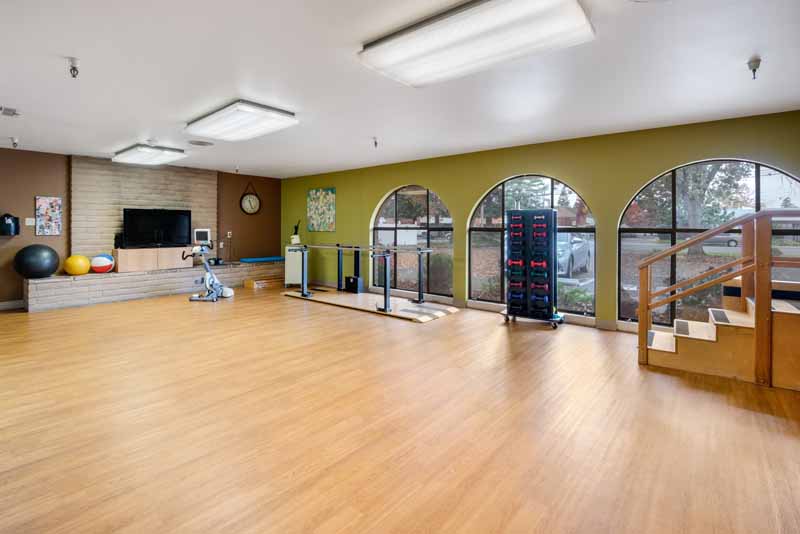
How is Mission Carmichael Healthcare Center Staffed?

CMS rates MISSION CARMICHAEL HEALTHCARE CENTER's staffing level at 3 out of 5 stars, which is average compared to other nursing homes. Staff turnover is 36%, compared to the California average of 46%. This relatively stable workforce can support continuity of care.

What Have Inspectors Found at Mission Carmichael Healthcare Center?

State health inspectors documented 54 deficiencies at MISSION CARMICHAEL HEALTHCARE CENTER during 2022 to 2025. These included: 54 with potential for harm. While no single deficiency reached the most serious levels, the total volume warrants attention from prospective families.
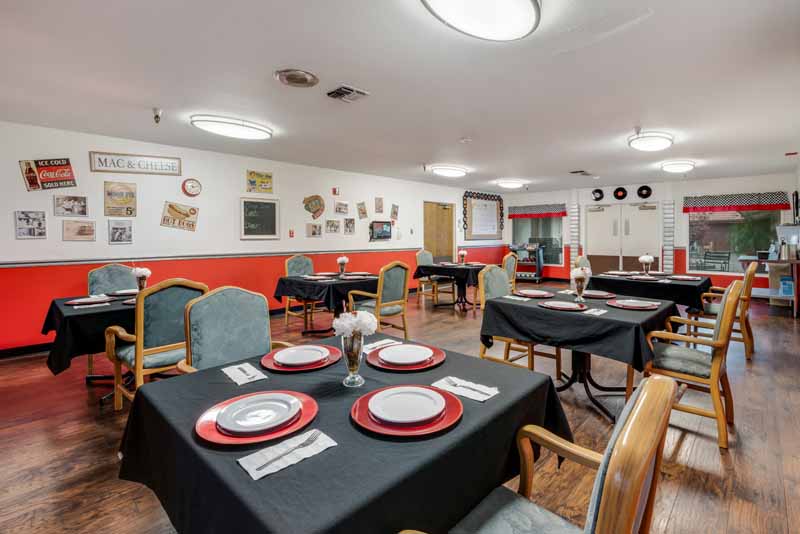
Who Owns and Operates Mission Carmichael Healthcare Center?

MISSION CARMICHAEL HEALTHCARE CENTER is owned by a for-profit company. For-profit facilities operate as businesses with obligations to shareholders or private owners. The facility is operated by DAVID & FRANK JOHNSON, a chain that manages multiple nursing homes. With 135 certified beds and approximately 125 residents (about 93% occupancy), it is a mid-sized facility located in CARMICHAEL, California.
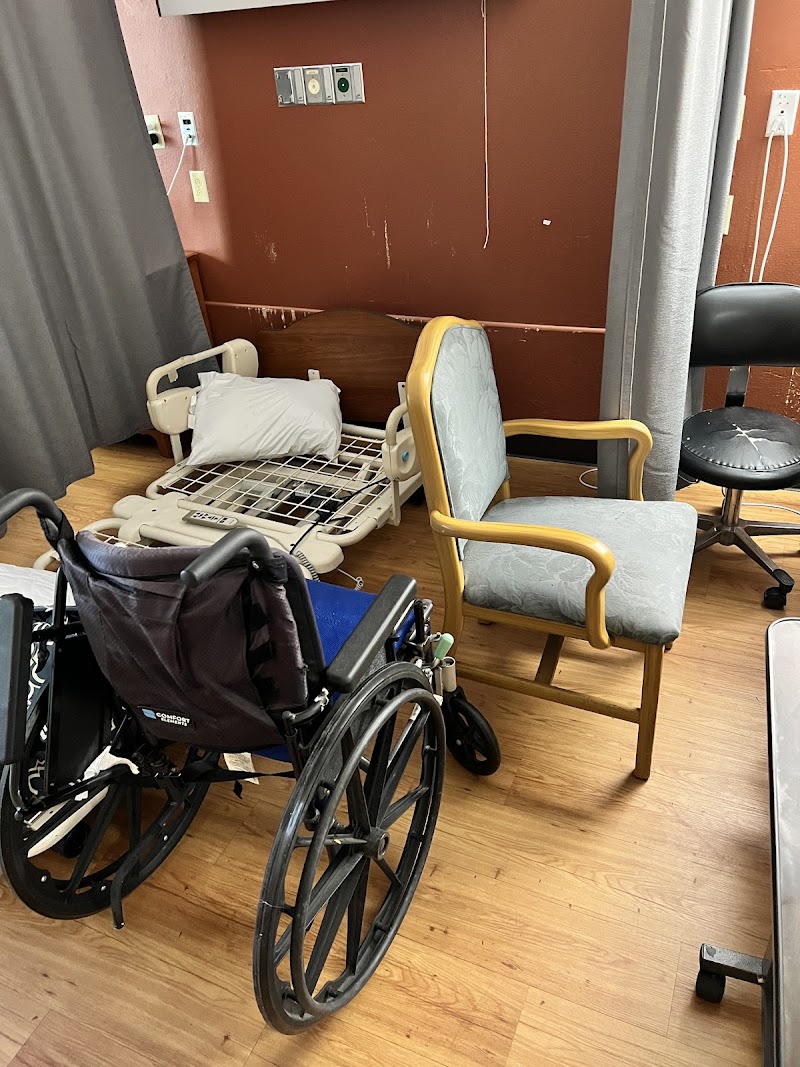
How Does Mission Carmichael Healthcare Center Compare to Other California Nursing Homes?

Compared to the 100 nursing homes in California, MISSION CARMICHAEL HEALTHCARE CENTER's overall rating (3 stars) is below the state average of 3.1, staff turnover (36%) is significantly lower than the state average of 46%, and health inspection rating (3 stars) is at the national benchmark.

What Should Families Ask When Visiting Mission Carmichael Healthcare Center?

Based on this facility's data, families visiting should ask: "Can I visit during a mealtime to observe dining assistance and food quality?" "How do you handle medical emergencies, and what is your hospital transfer rate?" "Can I speak with family members of current residents about their experience?"

Is Mission Carmichael Healthcare Center Safe?

Based on CMS inspection data, MISSION CARMICHAEL HEALTHCARE CENTER has a clean safety record: no substantiated abuse findings (meaning no confirmed cases of resident harm), no Immediate Jeopardy citations (the most serious violation level indicating risk of serious injury or death), and is not on the Special Focus Facility watch list (a federal program monitoring the lowest-performing 1% of nursing homes). The facility has a 3-star overall rating and ranks #100 of 100 nursing homes in California. While no facility is perfect, families should still ask about staff-to-resident ratios and recent inspection results during their visit.

Do Nurses at Mission Carmichael Healthcare Center Stick Around?

MISSION CARMICHAEL HEALTHCARE CENTER has a staff turnover rate of 36%, which is about average for California nursing homes (state average: 46%). Moderate turnover is common in nursing homes, but families should still ask about staff tenure and how the facility maintains care continuity when employees leave.

Was Mission Carmichael Healthcare Center Ever Fined?

MISSION CARMICHAEL HEALTHCARE CENTER has no federal fines on record. CMS issues fines when nursing homes fail to meet care standards or don't correct problems found during inspections. The absence of fines suggests the facility has either maintained compliance or corrected any issues before penalties were assessed. This is a positive indicator, though families should still review recent inspection reports for the full picture.

Is Mission Carmichael Healthcare Center on Any Federal Watch List?

MISSION CARMICHAEL HEALTHCARE CENTER is not on any federal watch list. The most significant is the Special Focus Facility (SFF) program, which identifies the bottom 1% of nursing homes nationally based on persistent, serious quality problems. Not being on this list means the facility has avoided the pattern of deficiencies that triggers enhanced federal oversight. This is a positive indicator, though families should still review the facility's inspection history directly.