MOUNTAIN MANOR SENIOR RESIDENCE
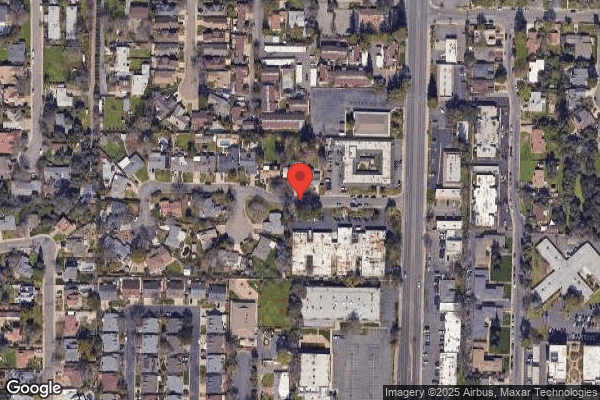
6101 FAIR OAKS BOULEVARD, CARMICHAEL, CA 95608 (916) 488-7211
For profit - Corporation 47 Beds Independent Data: November 2025
Trust Grade
45/100
#636 of 1155 in CA
Last Inspection: April 2025

Within standard 12-15 month inspection cycle. Federal law requires annual inspections.

Overview

Mountain Manor Senior Residence has received a Trust Grade of D, indicating below-average care with some significant concerns. It ranks #636 out of 1155 facilities in California, placing it in the bottom half, and #23 out of 37 in Sacramento County, meaning only a few options are better locally. The facility is worsening, with issues increasing from 16 in 2024 to 19 in 2025. Staffing is a strong point, earning a 5/5 rating with a 35% turnover rate, which is better than the state average, and it has more RN coverage than 75% of California facilities, ensuring better oversight. However, they have incurred $71,557 in fines, which is higher than 95% of other facilities, indicating ongoing compliance issues. Specific incidents of concern include a failure to protect residents from physical abuse, leading to a serious injury for one resident, and multiple food safety violations, such as unclean food preparation areas and improperly stored food, which could pose health risks. Overall, while there are strengths in staffing and oversight, the facility has significant areas needing improvement.

Trust Score
D
45/100
In California
#636/1155
Bottom 45%
Safety Record
Moderate
Needs review
Inspections
Getting Worse
16 → 19 violations
Staff Stability
○ Average
35% turnover. Near California's 48% average. Typical for the industry.
Penalties
⚠ Watch
$71,557 in fines. Higher than 97% of California facilities. Major compliance failures.
Skilled Nurses
✓ Good
Each resident gets 49 minutes of Registered Nurse (RN) attention daily — more than average for California. RNs are trained to catch health problems early.
Violations
⚠ Watch
53 deficiencies on record. Higher than average. Multiple issues found across inspections.
★★★☆☆
3.0
Overall Rating
★★★★★
5.0
Staff Levels
★★★☆☆
3.0
Care Quality
★★☆☆☆
2.0
Inspection Score
Stable
2024: 16 issues
2025: 19 issues

The Good

  • 5-Star Staffing Rating · Excellent nurse staffing levels
  • Full Sprinkler Coverage · Fire safety systems throughout facility
  • No fines on record
  • Staff turnover below average (35%)

    13 points below California average of 48%

Facility shows strength in staffing levels, fire safety.

The Bad

3-Star Overall Rating

Near California average (3.1)

Meets federal standards, typical of most facilities

Staff Turnover: 35%

11pts below California avg (46%)

Typical for the industry

Federal Fines: $71,557

Well above median ($33,413)

Moderate penalties - review what triggered them

The Ugly 53 deficiencies on record

1 actual harm
Aug 2025 1 deficiency
CONCERN (D) 📢 Someone Reported This

A family member, employee, or ombudsman was alarmed enough to file a formal complaint

Potential for Harm - no one hurt, but risky conditions existed

Quality of Care (Tag F0684)

Could have caused harm · This affected 1 resident

Based on interview and record review, the facility failed to ensure care and treatment in accordance with the professional standards of practice were provided to Resident 1, when: 1. The Physician's O...

Read full inspector narrative →
Based on interview and record review, the facility failed to ensure care and treatment in accordance with the professional standards of practice were provided to Resident 1, when: 1. The Physician's Order (PO) for one time IV (intravenous, into the vein) 150 bolus (single, relatively large dose administered over a short period of time) was not clarified to specify the infusion duration; 2. The Licensed nurses (LNs) did not thoroughly document all aspects of the IV therapy, including the date and time of insertion, IV catheter gauge, IV site assessment results and patient response; 3. The LNs did not thoroughly document what time the MD order was faxed to the pharmacy and whether the order was received by the pharmacy to ensure timely delivery of IV supplies; and4. The LN did not document the start time and the end time of the IV bags administered including the IV bolus administration. These failures had the potential to result in fluid hydration treatment not met affecting the Resident 1's highest practicable well-being. During a review of Resident 1’s admission Record (AR), dated 1/2025, the AR indicated Resident 1 had diagnoses which included acute respiratory failure with hypoxia (low levels of oxygen in your body tissues), and hydration problems due to nausea and vomiting. During a review of Resident 1’s PO, dated 2/6/25, the PO indicated the following: 1. May insert peripheral IV for IV hydration; 2. Peripheral IV to the right wrist: Change Dressing. Notify MD of any adverse changes, as needed if dressing is soiled/dislodged; 3. Peripheral IV to right wrist: Change dressing. Notify MD (Medical Doctor) of any adverse changes. every day shift every Wed (Wednesday); 4. Peripheral IV to right wrist: Monitor for adverse s/sx (signs and symptoms) of infiltration (leakage of IV fluids into surrounding tissue)/infection/phlebitis (inflammation of the walls of a vein). Notify MD if adverse s/sx are present for immediate intervention. Every Shift. 5. Dextrose-Sodium Chloride Intravenous Solution 5-0.45 % (Dextrose w/ Sodium Chloride) Use 75 ml intravenously every shift for poor intake for 6 days. *Give 150 bolus then 75ml/hour for a total of 5 liters. * During a review of the Nursing Progress Notes (NPN), dated 2/6/25 at 21:39 p.m. (9:39 p.m.), the NPN indicated, “continue monitoring IV Hydration for possible dehydration d/t N/V. first bag is running. Site right posterior hand, no s/sx infiltration; on 2/7/25 at 10:57 a.m., indicated already on IV hydration d/t poor intake, dehydration, N/V; and, on 2/7/25 at 13:11 p.m. (1:11 p.m.), indicated on monitoring for IV fluid hydration for possible dehydration D/T nausea and vomiting, Bag # 1 was infused @ about 0340am. Awaiting pharmacy delivery for the rest of the bags.” During a review of the clinical records, there was no documented evidence the LNs did the following: clarification of the MD orders for IV bolus administration duration, nursing care and treatment for IV therapy administration, timely pharmacy follow up of the faxed MD order for IV supplies timely delivery, and the date and time of when the 1st IV bag was hung and done including the IV administration for bolus. During a concurrent interview and record review on 8/26/25 at 11:12 a.m. with the Director of Nursing (DON), the DON confirmed the IV order for bolus administration should have been clarified and clearly written to avoid confusion. The DON confirmed the LN’s did not thoroughly document the following: 1. All aspects of the IV therapy, including the date and time of insertion, IV catheter gauge, IV site assessment results and patient response; 2. follow-up call what time the MD order was faxed to the pharmacy and whether the order was received to ensure timely delivery; and 3. The start time and the end time of the IV bags administered including the IV bolus. During an interview on 8/26/25 at 11:15 a.m. with the DON, the DON stated her expectations which included: LNs to clarify MD orders to ensure it would be carried out clearly; to document all aspects of the IV therapy, including the date and time of insertion, IV catheter gauge, IV site assessment results and patient response; to document what time the MD order was faxed to the pharmacy and whether the order was received to ensure timely delivery; to accurately document in the medical chart the start time and the end time of the IV fluids administered including the order for IV bolus. The DON further stated by not doing what was expected, there could be misinterpretation of the IV administration direction and the potential for adverse event like fluid overload and putting the resident at risk for electrolyte imbalance, it could create some break in the patient and team knowledge about the care provided, and there could be a delay of care which could result to the worsening of the patient condition, and, the change of condition could exacerbate. During a review of the undated facility’s policy and procedure (P&P) titled, “IV Therapy Staff Responsibilities,” the P/P indicated, “Verification and clarification of physician’s order for IV therapy, notification of pharmacy of new or changed orders, performance of peripheral venipunctures, initiation, monitoring and termination of all intravenous solutions and medications as ordered by the physician, maintenance of I.V. site, tubing and dressing, recognition of medication/solution visual incompatibilities, management of the care of the IV resident, including observation, assessment and initiation of appropriate nursing intervention, maintenance of established infection control and aseptic practices, knowledge and proficient technical ability in the use of IV equipment, and documentation of all aspects of IV therapy in residents medical record.” During a review of the undated document titled, Nursing Practice Act Rules and Regulations, the document indicated, Article 2. Scope of Regulation 2725 (b). The practice of nursing within the meaning of this chapter means those functions, including basic health care, that help people cope with difficulties in daily living that are associated with their actual or potential health or illness problems or the treatment thereof, and that require substantial amount of specific knowledge of the following: (2) Direct and indirect patient care services, including, but not limited to, the administration of medications and therapeutic agents, necessary to implement treatment, disease prevention, or rehabilitative regiment . ordered by and within the scope of licensure of a physician .as defined by Section 1316.5 of the Health and Safety Code. (Nursing Practice Act Rules and Regulations Issued by Board of Registered Nursing 1997 State of California Department of Consumer Affairs. pp. 5)
Jul 2025 3 deficiencies
CONCERN (D) 📢 Someone Reported This

A family member, employee, or ombudsman was alarmed enough to file a formal complaint

Potential for Harm - no one hurt, but risky conditions existed

Quality of Care (Tag F0684)

Could have caused harm · This affected 1 resident

**NOTE- TERMS IN BRACKETS HAVE BEEN EDITED TO PROTECT CONFIDENTIALITY** Based on observation, interview and record review, the facility failed to ensure one out of five sampled residents (Resident 3) ...

Read full inspector narrative →
**NOTE- TERMS IN BRACKETS HAVE BEEN EDITED TO PROTECT CONFIDENTIALITY** Based on observation, interview and record review, the facility failed to ensure one out of five sampled residents (Resident 3) received treatment and care in accordance with professional standards of practice, facility's policy and procedure (P&P), and physician's order when Resident 3's alarm bracelet was not monitored for placement and functionality.This failure had the potential for an ineffective wandering management of Resident 3 and risk for Resident 3's further elopement occurrences.Findings: A review of Resident 3's clinical record indicated Resident 3 was admitted November of 2024 and had diagnoses that included Alzheimer's disease (a progressive disease that destroys memory and other important mental functions causing memory loss and confusion), dementia (impairment of the ability to remember, think, or make decisions that interferes with everyday activities, and major depressive disorder (persistently depressed mood or loss of interest in activities, causing significant impairment in daily life).A review of Resident 3's Minimum Data Set (MDS- a federally mandated resident assessment tool) Cognitive Patterns, dated 5/14/25, indicated Resident 3 had a Brief Interview for Mental Status (BIMS- a tool to assess cognition) score of 3 out of 15 which indicated Resident 3 had a severely impaired cognition (mental process of acquiring knowledge and understanding).During a concurrent observation and interview on 7/16/25 at 12:36 p.m. with Resident 3, in the facility's dining area, Resident 3 was observed wearing a black alarm bracelet on his left wrist. Resident 3 stated it was for staff to monitor his location. Resident 3 further stated he doesn't remember when he started wearing the alarm bracelet.A review of Resident 3's Care Plan Report, undated, indicated, The resident [Resident 3] is an elopement risk/wanderer r/t [related to] Disoriented to place, impaired safety awareness, Dementia/Alzheimer's, exit seeking episode noted 6/30/25, 7/1/25 .Interventions .WANDER ALERT guard Device.A review of Resident 3's Wandering Risk Assessment, dated 7/2/25, indicated Resident 3 was high risk for wandering.A review of Resident 3's active physician's order, dated 7/2/25, indicated, Wander guard [alarm bracelet] to alert staff of attempts to leave facility unattended. Check for placement. every shift.A review of Resident 3's active physician's order, dated 7/10/25, indicated, WANDERGUARD USE: CHECK FOR FUNCTIONALITY USING [NAME] MONITOR DEVICE [a device used to check if the alarm bracelet is working properly] every day shift.A review of Resident 3's Medication Administration Record (MAR- a legal document used to record medications given to the residents) and treatment administration records (TAR - a daily documentation record used by a licensed nurse to document treatments given to a resident), for the month of July 2025, did not indicate that Resident 3's alarm bracelet was being checked for placement every shift or was being checked for functionality every day shift.During a concurrent interview and record review on 7/16/25 at 3:23 p.m. with Licensed Nurse (LN) 4, Resident 3's clinical records were reviewed. LN 4 confirmed that Resident 3's alarm bracelet had no documentation that it was being checked for placement every shift or was being checked for functionality every day shift. LN 4 stated that Resident 3's alarm bracelet was placed last 7/2/25. LN 4 also stated Resident 3's alarm bracelet should be monitored for placement and functionality to make sure the alarm bracelet was working properly. LN 4 further stated that Resident 3 would be at risk for wandering if the placement and functionality of the alarm bracelet is not monitored regularly. During an interview on 7/16/25 at 3:48 p.m. with the Director of Staff Development (DSD), the DSD stated Resident 3's alarm bracelet should always be monitored for proper placement and functionality because there would still be a risk for Resident 3's elopement if the alarm bracelet was not working properly.A review of the facility's policies and procedures (P&P) titled, Safety and Supervision of Residents, revised 7/2017, indicated, .Resident safety and supervision and assistance to prevent accidents are facility-wide priorities .Individualized, Resident-Centered Approach to Safety .4. Implementing interventions to reduce accident risks and hazards shall include the following: .d. Ensuring that interventions are implemented .5. Monitoring the effectiveness of interventions shall include the following: a. Ensuring that interventions are implemented correctly and consistently .
CONCERN (D) 📢 Someone Reported This

A family member, employee, or ombudsman was alarmed enough to file a formal complaint

Potential for Harm - no one hurt, but risky conditions existed

Deficiency F0760 (Tag F0760)

Could have caused harm · This affected 1 resident

Based on observation, interview and record review, the facility failed to ensure one out of five sampled residents (Resident 1) was free from significant medication error when Resident 1 did not recei...

Read full inspector narrative →
Based on observation, interview and record review, the facility failed to ensure one out of five sampled residents (Resident 1) was free from significant medication error when Resident 1 did not receive prescribed insulin (medication used to manage blood sugar level) in accordance with the physician's order.This failure has the potential to result in Resident 1 experiencing hypoglycemia (too low blood sugar level) and other unnecessary insulin side effects which could negatively affect Resident 1's health.Findings:A review of Resident 1's clinical record indicated Resident 1 was admitted July of 2025 and had diagnoses that included diabetes mellitus (DM- a chronic condition causing too much sugar in the blood that can negatively affect health condition).A review of Resident 1's Minimum Data Set (MDS- a federally mandated resident assessment tool) Cognitive Patterns, dated 7/15/25, indicated Resident 1 had a Brief Interview for Mental Status (BIMS- a tool to assess cognition) score of 15 out of 15 which indicated Resident 15 had an intact cognition (mental process of acquiring knowledge and understanding). A review of Resident 1's active physician's order, dated 7/11/25, indicated, Insulin Aspart [rapid-acting insulin used to manage high blood sugar levels] Injection Solution 100 UNIT/ML [milliliters- unit of measurement] .Inject as per sliding scale [a method of managing blood sugar levels where insulin doses are adjusted based on current blood sugar reading] .subcutaneously [under the skin] with meals for DM .During an interview on 7/16/25 at 11:35 a.m. with Licensed Nurse (LN) 1, LN 1 stated she already checked Resident 1's blood sugar and had administered his insulin. LN 1 further stated that Resident 1 has not eaten but lunch will be served between 11:30 a.m. to 12 noon.A review of Resident 1's Medication Administration Record (MAR- a legal document used to record medications given to the residents), for the month of July 2025, indicated Resident 1 had a blood sugar level of 167 and was given 1 unit of insulin aspart.During an interview on 7/16/25 at 12:05 p.m. with Resident 1, Resident 1 stated his nurse already administered his insulin. Resident 1 further stated he had not eaten yet and was still waiting for his lunch meal.During a concurrent observation and interview on 7/16/25 at 12:51 p.m. with LN 3, in Resident 1's room, LN 3 was observed delivering Resident 1 his lunch meal. LN 3 confirmed that observation.During an interview on 7/16/25 at 2:10 p.m. with LN 1, LN 1 confirmed that Resident 1's insulin aspart was administered too early. LN 1 stated that Resident 1's insulin aspart should have been administered with meals as per the doctor's order to prevent hypoglycemia.During an interview on 7/16/25 at 3:48 p.m. with the Director of Staff Development (DSD), the DSD stated she would expect staff to follow the doctor's order when administering insulin medication. The DSD further stated that the resident would be at risk for hypoglycemia if a rapid-acting insulin is not administered with meal. A review of the facility's policies and procedures (P&P) titled, Administering Medications, revised 12/2012, indicated, 3. Medications must be administered in accordance with the orders, including any required time frame. 4. Medications must be administered within one (1) hour of their prescribed time, unless otherwise specified (for example, before and after meal orders).A review of the facility's P&P titled, Insulin Administration, revised 3/2025, indicated, The type of insulin, dosage requirements, strength, and method of administration are verified with the order on the medication sheet and the physician's order before administration .Rapid-acting [insulin] .Onset [how quickly the insulin reaches the bloodstream and begins to lower blood sugar] .within 15 min [minutes] .
CONCERN (D) 📢 Someone Reported This

A family member, employee, or ombudsman was alarmed enough to file a formal complaint

Potential for Harm - no one hurt, but risky conditions existed

Infection Control (Tag F0880)

Could have caused harm · This affected 1 resident

Based on observation, interview, and record review, the facility failed to follow and maintain an effective infection prevention and control program for a census of 61 residents when:1. A shared gluco...

Read full inspector narrative →
Based on observation, interview, and record review, the facility failed to follow and maintain an effective infection prevention and control program for a census of 61 residents when:1. A shared glucometer (a device which measures blood sugar using blood from the fingertip) was not sanitized properly after use; and,2. A facility staff did not wear required personal protective equipment (PPE) when performing resident care on Resident 4 who was on enhanced barrier precaution (EBP- also known as enhanced standard precaution/ESP, infection control intervention designed to reduce transmission of multidrug-resistant organisms [MDROs- bacteria that resist treatment with more than one antibiotic] that employs targeted gown and glove use) and there was no EBP signage posted outside of Resident 4's room.These failures resulted in an increased risk for cross-contamination (movement or transfer of harmful bacteria from one person, object, or place to another), and potential exposure of residents and staff to germs.Findings:1. During an observation on 7/16/25 at 11:46 a.m., with Licensed Nurse (LN) 2 was observed checking a resident's blood sugar using a glucometer (True Matrix Pro) which was shared between residents. LN 2 used a lancet (a sharp piercing device) to pierce the resident's finger to get blood and then applied the blood to the test strip that was attached to the glucometer. After reading the result, LN 6 went out the room, discarded the used lancet and test strip, wiped the shared glucometer with one alcohol prep pad (pads used to clean the skin prior to bandaging, wiping off surfaces like desks, sinks and counters, and cleaning hands), and stored the glucometer in the medication cart.During an interview on 7/16/25 at 11:58 a.m. with LN 2, LN 2 confirmed that she used an alcohol wipe to clean and sanitize the used glucometer before storing it in the medication cart. LN 2 stated she thought it was okay to use alcohol prep pad in cleaning and sanitizing the used glucometer.During an interview on 7/16/24 at 3:40 p.m. with the Infection Preventionist (IP), the IP stated that shared glucometers should always be cleaned and sanitized properly using a germicidal wipe (Super Sani-Cloth Wipes) and not an alcohol prep pad. The IP also stated there would be a risk of infection issues and cross-contamination if the shared glucometer was not cleaned and sanitized properly. The IP further stated they should follow the manufacturer's recommendation in cleaning the glucometers.A review of the facility's policy and procedures (P&P) titled, Cleaning and Disinfecting Non-Critical Resident-Care Items, revised 6/2011, indicated, d. Reusable items are cleaned and disinfected or sterilized between residentsA review of the manufacturer's instructions for True Matrix Pro blood glucose monitoring system titled, Care, Cleaning/Disinfecting and Troubleshooting, undated, indicated, To Clean and Disinfect the Meter: .2. Make sure meter is off and a test strip is not inserted. With ONLY Super Sani-Cloth Wipes [germicidal wipes] ., rub the entire outside of the meter using 3 circular wiping motions with moderate pressure on the front, back, left side, right side, top and bottom of the meter .2. A review of Resident 4's clinical record indicated Resident 4 was admitted July of 2025 and had diagnoses that included pneumonia (infection that inflames air sacs in one or both lungs), and diabetes mellitus (a chronic condition causing too much sugar in the blood).A review of Resident 4's active physician's order, dated 7/15/25, indicated, RESIDENT HAS CAPACITY TO MAKE HEALTHCARE DECISIONS.A review of Resident 4's active physician's order, dated 7/15/25, indicated, EBP (Enhance Barrier precaution) high contact resident care activities : dressing, bathing/showering, transferring [sic], providing hygiene, changing linen, changing brief or assisting with toileting, device care: .feeding tube .Wound care. every shift.A review of Resident 4's care plan, undated, indicated, The resident [Resident 4] requires tube feeding [the delivery of food and nutrients through a feeding tube directly into the stomach or part of the intestines] r/t [related to] Dysphagia [swallowing difficulties].During a concurrent observation on 7/16/25 at 11:58 a.m. in Resident 4's room, LN 2 was observed handling and re-connecting Resident 4's gastrostomy tube (a tube that is placed directly into the stomach through an abdominal wall incision for administration of food, fluids, and medications) to the tube feeding formula while only wearing gloves and not wearing a gown. There was also no observed EBP signage posted outside of Resident 4's room.During an interview on 7/16/25 at 11:59 a.m. with LN 2, LN 2 confirmed that she only wore gloves when she used and re-connected Resident 4's gastrostomy tube to the tube feeding formula. LN 2 also confirmed that there was no EBP signage posted outside of Resident 4's room. LN 2 stated she does not think Resident 4 was on EBP.A review of the facility's order listing report for residents on EBP, provided by the Infection Preventionist (IP), indicated that Resident 4 was on EBP. During an interview on 7/16/24 at 3:40 p.m. with the IP, the IP stated that staff should be wearing both gloves and gown when handling and using feeding tube to protect the resident from getting infection.A review of the facility's P&P titled, Enhanced Barrier Precautions, revised 12/2024, indicated, 7. EBPs employ targeted gown and glove use in addition to standard precautions during high contact resident care activities when contact precautions do not otherwise apply. a. Gloves and gown are applied prior to performing the high contact resident care activity .8. Examples of high-contact resident care activities requiring the use of gown and gloves for EBPs include: .i. device care or use ( .feeding tube .) .17. Signs are posted on the door or wall outside the residents' rooms which communicate the type of precautions and PPE required.
Apr 2025 15 deficiencies
CONCERN (D)

Potential for Harm - no one hurt, but risky conditions existed

Safe Environment (Tag F0584)

Could have caused harm · This affected 1 resident

Based on observation, interview, and record review, the facility failed to provide a comfortable noise level for four residents (Resident 299, Resident 38, Resident 1, and Resident 300) of a census of...

Read full inspector narrative →
Based on observation, interview, and record review, the facility failed to provide a comfortable noise level for four residents (Resident 299, Resident 38, Resident 1, and Resident 300) of a census of 45. This failure decreased the facility's potential to maintain the residents' comfort level and sleep. Findings: A review of an admission record indicated Resident 299 was admitted to the facility in April 2025 with a diagnosis of insomnia (trouble falling asleep or staying asleep). A review of Resident 299's Order Summary Report, dated 4/12/25, indicated Resident 299 had the capacity to make healthcare decisions. During an interview on 4/23/25 at 8:40 a.m. with Resident 299, Resident 299 stated staff in the evening shift (3 p.m. - 11:30 p.m.) left the room door open at bedtime and had to be reminded to close it because of the hallway's noise. Resident 299 added the certified nursing assistants constantly yelled for each other from each hallway end while performing resident care. Resident 299 tried to sleep by 9 p.m. but could not fall asleep until 10 p.m. or 11 p.m. due to yelling and when staff eventually closed the door, yelling again continued through the night. A review of an admission record indicated Resident 38 was admitted to the facility in February 2025. A review of Resident 38's Brief Interview for Mental Status score (BIMS - an assessment tool used by facilities to screen and identify memory, orientation, and judgement status of the resident), dated 2/24/25, indicated Resident 38's BIMS score was 10 out of 15 with a partially intact memory. During a concurrent observation and interview on 4/23/25 at 8:51 a.m. with Resident 38, Resident 38's privacy curtain was drawn fully around the bed. Resident 38 stated closing the curtains helped reduce the hallway noises coming from people talking and doors closing. Resident 38 further stated It's loud here, anytime of the day or night. It sounds like the staff are having a party every so often during the night shift, loud and laughing and screeching. I try to adapt, but enough is enough. A review of an admission record indicated Resident 1 was admitted to the facility in February 2025 with a diagnosis of insomnia. A review of Resident 1's BIMS score, dated 2/18/25, indicated Resident 1's BIMS score was 14 out of 15 with intact memory. During an interview on 4/23/25 at 9:31 a.m. with Resident 1, Resident 1 stated the noise was bothersome all the time and there were . issues resting because it's so noisy. Resident 1 reported to staff the noise, the sound level got better for a day or two, then became intolerable again. Resident 1 further stated it sounded like staff were having a fundraiser with someone . calling out real loud and it occurred during day and night shifts. A review of an admission record indicated Resident 300 was admitted to the facility in April 2025. During an observation on 4/23/25 at 10:09 a.m. in Resident 300's room, Resident 300's head was covered with a blanket while lying in bed. During an interview on 4/23/25 at 1:11 p.m. with Resident 300, Resident 300 stated placing a blanket over the head muffled out noises. Resident 300 further stated the irritating noises came from staff and residents in the hallway and the noise was worse at daytime. During an interview on 4/23/25 at 2:29 p.m. with the Director of Nursing (DON), DON stated the facility did not want residents to experience issues with loud noises during late hours. DON further stated residents needed rest and a calm environment to heal. A review of the facility's policy titled, Quality of Life - Homelike Environment, revised in May 2017, indicated, The facility staff and management shall maximize, to the extent possible, the characteristics of the facility that reflect a personalized, homelike setting. These characteristics include . comfortable noise levels.
CONCERN (D)

Potential for Harm - no one hurt, but risky conditions existed

Deficiency F0625 (Tag F0625)

Could have caused harm · This affected 1 resident

Based on interview and record review, the facility failed to provide a bed hold notification upon transfer to hospital to one of 17 sampled residents (Resident 36), when Resident 36 was transferred to...

Read full inspector narrative →
Based on interview and record review, the facility failed to provide a bed hold notification upon transfer to hospital to one of 17 sampled residents (Resident 36), when Resident 36 was transferred to hospital without a bed hold notification on 3/4/25, 3/11/25, and 4/15/25. This failure decreased the facility's potential to protect Resident 36's right in bed hold and return to facility. Findings: A review of Resident 36's admission Record, indicated Resident 36 was admitted to the facility in 2025 with a diagnosis of congestive heart failure (a condition where the heart's pumping action is weakened, making it difficult to meet the body's needs). A review of Resident 36's Census List, dated 4/23/25, indicated Resident 36 was discharged on 3/4/25, 3/11/25, and 4/15/25. A review of Resident 36's SBAR (Situation, Background, Assessment, and Recommendation) Communication Form and Progress Note, dated 3/4/25 and 4/15/25, indicated Resident 36 was sent out to the hospital on 3/4/25 and 4/15/25. During a concurrent interview and record review on 4/23/25 at 2:40 p.m. with Medical Record (MR), Resident 36's Bed Hold Policy and Notification was reviewed. MR stated usually the nurse would call the family and ask for a bed-hold. MR confirmed she could not find any documentation of the bed hold notice in the progress note or in the attachment. During a concurrent interview and record review on 4/23/25 at 3:49 p.m. with MR, Resident 36's Bed Hold Policy and Notification was reviewed. MR confirmed the bed hold notification was incomplete since there was no date and time, no name of the person who notified, no indication of agreeing, holding request, or declining the bed hold, and no signature from Resident 36 on 3/4/25, 3/11/25, and 4/15/25 when discharged to the hospital. A review of the facility's policy titled, Bed-Hold and Returns, dated 3/2017, indicated, Prior to transfers and therapeutic leaves, residents or resident representatives will be informed in writing of the bed-hold and return policy.
CONCERN (D)

Potential for Harm - no one hurt, but risky conditions existed

Comprehensive Care Plan (Tag F0656)

Could have caused harm · This affected 1 resident

**NOTE- TERMS IN BRACKETS HAVE BEEN EDITED TO PROTECT CONFIDENTIALITY** Based on interview and record review, the facility failed to develop a comprehensive person-centered care plan for one of 17 sam...

Read full inspector narrative →
**NOTE- TERMS IN BRACKETS HAVE BEEN EDITED TO PROTECT CONFIDENTIALITY** Based on interview and record review, the facility failed to develop a comprehensive person-centered care plan for one of 17 sampled residents (Resident 397), when the care plan did not address Resident 397's insomnia (trouble falling asleep or staying asleep) and trazodone (a medication to treat insomnia). This failure decreased Resident 397's potential to receive appropriate care, services, and treatment. Findings: A review of Resident 397's medical record indicated he was admitted to the facility on [DATE] with multiple diagnoses including dementia (a progressive state of decline in mental abilities), depression, anxiety, and personal history of other mental and behavioral disorders. A review of Resident 397's medical record indicated a physician's order for trazodone 50 milligrams (mg; a unit of measure), give 25 mg at bedtime for insomnia, ordered on 4/13/25. During a concurrent interview and record review on 4/23/25 at 10:09 a.m. with Licensed Nurse 1 (LN 1), Resident 397's care plans were reviewed. LN 1 stated she did not see a specific care plan developed for Resident 397's sleep or insomnia. During a concurrent interview and record review on 4/23/25 at 10:56 a.m. with the Director of Nursing (DON), Resident 397's care plans were reviewed. DON stated the expectation was to see a care plan developed for sleep or insomnia and confirmed there was none. A review of the facility's policy and procedure titled, Comprehensive Person-Centered Care Plans, revised in December 2016, indicated, A comprehensive, person-centered care plan that includes measurable objectives and timetables to meet the resident's physical, psychosocial and functional needs is developed and implemented for each resident.
CONCERN (D)

Potential for Harm - no one hurt, but risky conditions existed

Deficiency F0657 (Tag F0657)

Could have caused harm · This affected 1 resident

Based on interview and record review, the facility failed to revise the care plan for one of 17 sampled residents (Resident 397), when Resident 397 sustained a bruise (an injury or mark where the skin...

Read full inspector narrative →
Based on interview and record review, the facility failed to revise the care plan for one of 17 sampled residents (Resident 397), when Resident 397 sustained a bruise (an injury or mark where the skin has not been broken but is darker in color, often as a result of being hit by something) to the right cheek. This failure decreased the facility's potential to provide Resident 397 with a person-centered care plan that meets the changed care needs. Findings: A review of Resident 397's admission Record, indicated Resident 397 was admitted to the facility in April 2025 with a diagnosis of vascular dementia (problems with reasoning, planning, judgement, memory and other thought processes caused by brain damage from impaired blood flow to your brain). A review of Resident 397's SBAR (situation, background, assessment, recommendation) Communication Form and Progress Note, dated 4/17/25, indicated Resident 397 had a change of condition that resulted in bruising to face. A review of Resident 397's physician's order, dated 4/18/25, indicated an order to monitor Resident 397's discoloration on the right cheek every shift. During an interview on 4/22/25 at 1:35 p.m. with Licensed Nurse 4 (LN 4), LN 4 stated if a resident had a change of condition, the expectation was to create a SBAR, make a progress note, and update the care plan. During a concurrent interview and record review on 4/23/25 at 1:53 p.m. with the Director of Nursing (DON), Resident 397's care plan dated 4/18/25 was reviewed. DON confirmed Resident 397's care plan did not indicate a bruising in his right cheek and stated her expectation was nurses should have updated the care plans whenever residents had a change of condition. A review of the facility's policy titled, Care Plans, Comprehensive Person-Centered, revised in December 2016, indicated, . Assessments of residents are ongoing, and care plans are revised as information about the residents and the residents' conditions change.
CONCERN (D)

Potential for Harm - no one hurt, but risky conditions existed

Deficiency F0658 (Tag F0658)

Could have caused harm · This affected 1 resident

Based on observation, interview, and record review, the facility failed to provide care and services in accordance with acceptable professional standards of quality for one of 17 sampled residents (Re...

Read full inspector narrative →
Based on observation, interview, and record review, the facility failed to provide care and services in accordance with acceptable professional standards of quality for one of 17 sampled residents (Resident 196), when Licensed Nurse 2 (LN 2) did not clarify a physician's order with multiple dosages prior to administering medication. This failure had the potential to result in Resident 196 not receiving the correct dosage of medication and worsening of their clinical condition. Findings: During a medication pass observation on 4/21/25 at approximately 9 a.m., LN 2 was observed preparing six medications for Resident 196 including calcium carbonate (a medication to treat heartburn) 500 milligrams (mg, a unit of measurement), one tablet. A review of Resident 196's medical record indicated a physician's order for calcium carbonate 1250 (500 Ca) mg (calcium carbonate), give one tablet by mouth two times a day for heartburn, ordered 4/10/25. During an interview on 4/21/25 at 1:23 p.m. with LN 2, LN 2 stated he prepared and administered one tablet calcium carbonate for a total of 500 mg, not 1250 mg, to Resident 196. LN 2 stated the dose ordered by the physician was unclear and should have been clarified prior to administration to ensure the correct dose was given to Resident 196. During an interview on 4/22/25 at 12:42 p.m. with the Director of Nursing (DON), DON stated nursing staff were expected to clarify an order with the physician if it was not clear. DON further stated whenever in doubt, nurses should contact the doctor. A review of the facility's policy and procedure titled, Administering Medications, revised in December 2012, indicated, Policy Statement: Medications shall be administered in a safe and timely manner . Policy Interpretation and Implementation . 5. If a dosage is believed to be inappropriate or excessive for a resident . the person preparing or administering the medication shall contact the resident's Attending Physician or the facility's Medical Director to discuss the concerns.
CONCERN (D)

Potential for Harm - no one hurt, but risky conditions existed

Deficiency F0676 (Tag F0676)

Could have caused harm · This affected 1 resident

Based on observation, interview, and record review, the facility failed to follow the plan of care for one of 17 sampled residents (Resident 247), when Resident 247's communication board was not avail...

Read full inspector narrative →
Based on observation, interview, and record review, the facility failed to follow the plan of care for one of 17 sampled residents (Resident 247), when Resident 247's communication board was not available for use during provision of care. This failure decreased the facility's potential to meet Resident 247's ability to communicate her needs. Findings: A review of an admission record indicated Resident 247 was admitted to the facility in April 2025 with a diagnosis of chronic respiratory failure. A review of Resident 247's Minimum Data Set (MDS, a federally mandated resident assessment tool), dated 4/5/25, indicated Resident 247 had adequate ability to see and hear with a Brief Interview of Mental Status (BIMS - an assessment tool used by facilities to screen and identify memory, orientation, and judgement status of the resident) score of 14 out of 15 with no memory problems. A review of Resident 247's communication care plan, dated 4/7/25, indicated Resident 247 had communication barrier due to language used. The care plan further indicated Resident 247 communicated only in Russian and one of the interventions indicated that staff should use a communication board to effectively communicate with Resident 247. During a concurrent observation and interview on 4/21/25 at 8:45 a.m. with Licensed Nurse 1 (LN 1), inside Resident 247's room, Resident 247 was seated on her bed and responded in her native language when asked. No communication board was available, and LN 1 stated Resident 247 only spoke Russian. During a concurrent observation and interview on 4/21/25 at 1:41 p.m. with Social Worker 1 (SW 1), inside Resident 247's room, SW 1 stated she communicated with Resident 247 using a communication board as written in her assessment. SW 1 searched for the communication board and confirmed it was not inside Resident 247's room. During a concurrent observation and interview on 4/22/25 at 8:30 a.m. with LN 4, LN 4 was inside Resident 247's room and was unable to respond back when asked by Resident 247. LN 4 confirmed there was no communication board that can be used inside Resident 247's room and stated communicating with Resident 247 was difficult without a communication board. During an interview on 4/23/25 at 1:59 p.m. with the Director of Nursing (DON), DON confirmed Resident 247's care plan included the use of a communication board as an intervention for the staff to utilize when communicating with Resident 247. DON stated implementing Resident 247's care plan was vital to provide appropriate care. A review of the facility's policy titled, Translation and/or Interpretation of Facility Services, revised in 5/2017, indicated, Non-bilingual staff will be provided with communication boards for routine communications with residents who have language or communication barriers . The Director of Social Services, or their designee, will serve as the coordinator of the facility's language access program, overseeing the implementation and monitoring of language access services.
CONCERN (D)

Potential for Harm - no one hurt, but risky conditions existed

Respiratory Care (Tag F0695)

Could have caused harm · This affected 1 resident

Based on observation, interview, and record review, the facility failed to provide respiratory care services according to professional standards of quality for one of 17 sampled residents (Resident 24...

Read full inspector narrative →
Based on observation, interview, and record review, the facility failed to provide respiratory care services according to professional standards of quality for one of 17 sampled residents (Resident 24), when Resident 24's administered oxygen was not consistent with the physician's order. This failure decreased the facility's potential to follow the physician's order when providing respiratory services. Findings: A review of Resident 24's admission Record, indicated Resident 24 was admitted to the facility in December 2024 with a diagnosis of anxiety disorder. A review of Resident 24's Order Summary Report, dated 2/27/25, indicated an order for oxygen use two liters per minute (l/min, unit of measurement) via nasal cannula as needed for shortness of breath. During a concurrent observation and interview on 4/21/25 at 12:45 p.m. with Resident 24, Resident 24 was sitting up in bed with her oxygen set at one l/min. Resident 24 stated she was still short of breath even with her oxygen on. During a concurrent interview and record review on 4/21/25 at 12:50 p.m. with Licensed Nurse 3 (LN 3), Resident 24's physician order was reviewed. LN 3 confirmed Resident 24's oxygen concentrator was set to one l/min and stated Resident 24's physician order was two l/min of oxygen as needed. During an interview on 4/23/25 at 1:59 p.m. with the Director of Nursing (DON), DON stated her expectation was nurses should have followed the doctor's order accurately to prevent complications from occurring and to be able to provide proper care to residents. A review of the facility's policy titled, Oxygen Administration, revised in 10/2010, indicated, Provide safe oxygen administration .verify .physician's order . the rate of oxygen flow, route, and rationale.
CONCERN (D)

Potential for Harm - no one hurt, but risky conditions existed

Deficiency F0868 (Tag F0868)

Could have caused harm · This affected 1 resident

Based on interview and record review, the facility failed to ensure the Quality Assessment and Assurance (QAA) committee was composed of the required committee members for a census of 45 residents. Th...

Read full inspector narrative →
Based on interview and record review, the facility failed to ensure the Quality Assessment and Assurance (QAA) committee was composed of the required committee members for a census of 45 residents. This failure decreased the facility's potential to identify, monitor, implement and enhance the quality of care for residents. Findings: During a concurrent interview and record review on 4/23/25 at 10:42 a.m. with the Administrator (ADM), the facility's quarterly Quality Assurance and Performance Improvement (QAPI) meeting, dated April 2024 was reviewed. ADM confirmed the Medical Director (MD) did not attend the quarterly QAPI team meeting held in April 2024. A review of the facility's document titled, QA [Quality Assessment] Sign-In Sheet, dated 4/9/24, indicated the MD name and signature were missing as part of the QAA committee for the quarterly QAPI meeting on 4/9/24. A review of the facility's undated document titled, QA Committee Information, indicated the MD was one of the required QAA Committee members. A review of the facility's undated policy titled, 2024/2025 Quality Assurance & Performance Improvement (QAPI) Plan for [facility's name], indicated, The QAPI Committee, which includes the medical director, is ultimately responsible for assuring compliance with federal and state requirement and continuous improvement in quality of care and customer satisfaction.
CONCERN (D)

Potential for Harm - no one hurt, but risky conditions existed

Antibiotic Stewardship (Tag F0881)

Could have caused harm · This affected 1 resident

Based on interview and record review, the facility failed to follow the Antibiotic Stewardship Program for one of 17 sampled residents (Resident 247), when Resident 247 was prescribed an antibiotic wi...

Read full inspector narrative →
Based on interview and record review, the facility failed to follow the Antibiotic Stewardship Program for one of 17 sampled residents (Resident 247), when Resident 247 was prescribed an antibiotic without adequate clinical and laboratory findings for its use. This failure increased Resident 247's potential for an unnecessary administration of an antibiotic without appropriate indication. Findings: A review of an admission record indicated Resident 247 was admitted to the facility in April 2025. A review of Resident 247's hospital admission order, dated 4/3/25, indicated Resident 247 was admitted to the facility with no urinary tract infection (UTI) diagnosis. A review of Resident 247's Order Summary Report, dated 4/7/25, indicated an order for levofloxacin (an antibiotic used to treat bacterial infections) 250 milligrams (mg, unit of measurement) one tablet daily for 14 days for chronic UTI, then half tablet daily to be given until 5/21/25 for UTI prophylaxis. A review of Resident 247's Medication Administration Record, indicated Resident 247 was administered levofloxacin 250 mg one tablet daily from 4/7/25 to 4/20/25, then half tablet daily from 4/21/25 to 4/24/25. A review of Resident 247's medical file indicated a sample of urinalysis with culture was collected from Resident 247 on 3/27/25 at the hospital. Resident 247 had asymptomatic bacteriuria (presence of bacteria in urine without UTI symptoms) and no indication of an antimicrobial treatment. A review of Resident 247's Physician Assistant (PA) Note, dated 4/8/25, indicated Resident 247 was started on an antibiotic for UTI per hospital urine culture report and had no UTI symptoms. During a concurrent interview and record review on 4/23/25 at 9:10 a.m. with the Infection Preventionist (IP), Resident 247's physician order, progress notes, PA notes, and hospital urinalysis with culture lab result were reviewed. IP confirmed Resident 247's antibiotic order was started on 4/7/25 for UTI and was based only on the urinalysis lab test done at the hospital. IP stated Resident 247 did not complain of frequent painful/burning sensation when urinating, there was no strong odor in her urine, and had no fever at the facility. IP further stated according to the urine culture lab result, Resident 247 was asymptomatic (had no symptoms) and there was no indication for an antimicrobial treatment. A review of the facility's policy titled, Antibiotic Stewardship, revised in December 2016, indicated, The purpose of Antibiotic Stewardship Program is to monitor the use of antibiotics in residents . laboratory results and current clinical situations will be communicated to the prescriber as soon as available to determine if antibiotic therapy should be . modified or discontinued.
CONCERN (E)

Potential for Harm - no one hurt, but risky conditions existed

Pharmacy Services (Tag F0755)

Could have caused harm · This affected multiple residents

Based on observation, interview, and record review, the facility failed to ensure: 1. Controlled substance medications (medication with a high potential for abuse and addiction) were accurately accoun...

Read full inspector narrative →
Based on observation, interview, and record review, the facility failed to ensure: 1. Controlled substance medications (medication with a high potential for abuse and addiction) were accurately accounted on the medication administration record (MAR) and the Controlled Drug Record (CDR) for two of four randomly selected residents (Resident 24 and Resident 197); 2. Controlled drug shift-to-shift count records (a record used to reconcile inventory of controlled medications in the medication cart by the outgoing and incoming nurse during a shift change) were routinely signed by the off-going and on-coming nursing shifts; and 3. Removal of narcotic medication from the emergency kit (e-kit; a kit/box containing medications and supplies for immediate use during a medical emergency) was accurately and completely documented. These failures decreased the facility's potential to have accurate accountability of controlled medications, prevent abuse or misuse of these medications, and meet the residents' therapeutic needs or worsening of their medical conditions for a census of 45 residents. Findings: 1. The controlled medication CDRs for four random residents receiving as-needed controlled medications were requested for review during the survey. Resident 24 had a physician's order for hydrocodone/APAP (a narcotic medication to treat pain) 5/325 milligrams (mg, a unit of measurement), take one tablet every four hours as needed for moderate pain, take two tablets every four hours as needed for severe pain, dated 2/2/25. The CDR indicated hydrocodone/APAP was removed from the medication cart on the following dates and times, but their respective administrations were not documented on the MAR: one tablet on 4/15/25 at 9:23 p.m., one tablet on 4/18/25 at 10:45 a.m., and one tablet on 4/20/25 at 9:10 a.m. Resident 197 had a physician's order for hydrocodone/APAP 10/325 mg, take one tablet every eight hours as needed for pain, dated 4/16/25. The CDR indicated one tablet hydrocodone/APAP was removed from the medication cart on 4/19/25 at 8 p.m. but the administration was not documented on the MAR. During an interview on 4/22/25 at 12:55 p.m. with the Director of Nursing (DON), the DON stated nurses were educated to document every pill that was removed from the bubble pack on the CDR in order to not lose any medication. DON further stated the MAR should reflect the administered dose. A review of the facility's policy and procedure (P&P) titled, Controlled Substances, revised in December 2012, indicated, Policy Interpretation and Implementation . 4. If the count is correct, an individual resident controlled substance record must be made for each resident who will be receiving a controlled substance . This record must contain . l. Signature of nurse administering medication. A review of the facility's P&P titled, Administering Medications, revised in December 2012, indicated, Policy Interpretation and Implementation . 20. As required or indicated for a medication, the individual administering the medication will record in the resident's medical record: a. The date and time the medication was administered; b. The dosage; c. The route of administration; The injection site (if applicable); e. Any complaints or symptoms for which the drug was administered; f. Any results achieved and when those results were observed; and g. The signature and title of the person administering the drug. 2. During a concurrent interview and record review on 4/21/25 at 12:03 p.m. with Licensed Nurse 1 (LN 1), the controlled drug shift-to-shift count records, dated April 2025, for Medication Cart B were reviewed. The record indicated missing signatures by the off-going and on-coming nurse for various shifts. LN 1 acknowledged and confirmed the finding and stated the nurses should have signed between shifts to document there were no discrepancies. A review of the Controlled drug shift-to-shift count records, dated 4/1/25 to 4/21/25, indicated a total of 11 missing signatures (for the dates indicated) between nursing shift changes. During a concurrent interview and record review on 4/21/25 at 1:51 p.m. with LN 1, the controlled drug shift-to-shift count records, dated April 2025, for Medication Cart C were reviewed. The controlled drug shift-to-shift count records, dated 4/1/25 to 4/21/25, indicated four missing signatures by the outgoing and incoming nurse for each shift. LN 1 acknowledged and confirmed the finding. During an interview on 4/22/25 at 12:54 p.m. with the DON, the DON stated the on-coming and off-going nurses were expected to both sign to endorse that the narcotic count in the medication cart was accurate to ensure accountability. A review of the facility's P&P titled, Controlled Substances, revised in December 2012, indicated, Policy Interpretation and Implementation . 9. Nursing staff must count controlled medications at the end of each shift. The nurse coming on duty and the nurse going off duty must make the count together . 3. During a concurrent observation and interview on 4/21/25 at 10:58 a.m. with Infection Preventionist/Interim Staff Development (IP), the medication storage room was inspected. A narcotic e-kit with a red plastic tie (indicating it had been opened) was identified. Inside the e-kit was a log indicating one tramadol (a narcotic medication used to treat pain) 50 mg tablet had been removed, but the date and time of the removal was not documented. IP stated nursing staff were expected to fill out the log in full, including the date and time. During an interview on 4/22/25 at 12:42 p.m. with the DON, DON stated nursing staff were expected to fill out the e-kit log completely whenever they removed medication. A review of the facility's P&P titled, Emergency Medications, revised in April 2007, indicated, Policy Interpretation and Implementation . 7. Required documentation after dispensing an emergency medication is the same as for any other medication. 8. Any medication that is removed from the emergency kit must be documented on the emergency medication administration log.
CONCERN (E)

Potential for Harm - no one hurt, but risky conditions existed

Deficiency F0761 (Tag F0761)

Could have caused harm · This affected multiple residents

Based on observation, interview, and record review, the facility failed to ensure: 1. Multi-dose medications were dated with an open and discard date to confirm they were not used beyond the discard d...

Read full inspector narrative →
Based on observation, interview, and record review, the facility failed to ensure: 1. Multi-dose medications were dated with an open and discard date to confirm they were not used beyond the discard date; 2. Prescription medications were appropriately labeled with a pharmacy label or name to correctly identify which resident they were for; 3. Medications with different routes of administration were stored in accordance with facility policy and procedures (P&P); and 4. Expired medications were not available for resident use. These failures increased the residents' potential to unsafely receive inadequately labeled medications with reduced potency, past their discard date, and through the wrong route of administration for a census of 45 residents. Findings: During a concurrent observation and interview on 4/21/25 at 10:58 a.m. with the Infection Preventionist/Interim Staff Development (IP), the medication storage room was inspected. IP confirmed the following findings: - One bottle Sea Aloe (a natural supplement used to boost energy and support digestive health), four Novolog Flex Pens (a fast-acting insulin to treat diabetes-a disorder characterized by difficulty in blood sugar control and poor wound healing), and four Lantus Solostar Pens (long-acting insulin to treat diabetes) were identified without pharmacy labels. IP stated the medications should have had pharmacy labels on them to indicate which residents they were for; and - One ceftriaxone (an antibiotic to treat infection) two grams/50 milliliters (g/ml, a unit of measurement) intravenous (administered through the vein), expired on 4/9/25 and one vial of Tubersol (a medication used to diagnose tuberculosis-a serious infectious disease primarily affecting the lungs) opened and unlabeled with an open date, were also identified. IP stated the ceftriaxone should have been given to the Director of Nursing (DON) for destruction and the Tubersol needed to be labeled with an open date because it was only stable for 30 days once used. A review of the manufacturer's labeling for Tubersol, revised on 3/18/22, indicated, 11. Storage, Stability and Disposal . A vial of Tubersol which has been entered and in use for 30 days should be discarded. A review of the facility's P&P titled, Storage of Medications, revised in April 2007, indicated, Policy Interpretation and Implementation . 3. Drug containers that have missing, incomplete, improper or incorrect labels shall be returned to the pharmacy for proper labeling before storing. 4. The facility shall not use discontinued, outdated, or deteriorated drugs or biologicals. All such drugs shall be returned to the dispensing pharmacy or destroyed. A review of the facility's P&P titled, Labeling of Medication Containers, revised in April 2007, indicated, Policy Interpretation and Implementation . 3. Labels for individual drug containers shall include all necessary information, such as: a. The resident's name; b. The prescribing physician's name; c. The name, address, and telephone number of the issuing pharmacy; d. The name, strength, and quantity of the drug; e. The prescription number (if applicable); f. The date that the medication was dispensed; g. Appropriate accessory and cautionary statements; h. The expiration date when applicable; and I. Directions for use . 10. Expired medications must not be stored in the medication carts or med rooms. All expired medications must be properly disposed of. A review of the facility's P&P titled, Administering Medications, revised in December 2012, indicated, Policy Interpretation and Implementation . 9. The expiration/beyond use date on the medication label must be checked prior to administering. When opening a multi-dose container, the date opened shall be recorded on the container . 14. Insulin pens will be clearly labeled with the resident's name or other identifying information . During a concurrent observation and interview on 4/21/25 at 11:50 a.m. with Licensed Nurse 1 (LN 1), Medication Cart (Med Cart) B was inspected. LN 1 confirmed the following findings: - One vial of professional monitoring blood glucose test strips (used to measure blood sugar levels) and one pouch of budesonide (a medication used to treat asthma-a chronic respiratory disease characterized by inflammation and narrowing of the airways, making breathing difficult) inhalation suspension 0.5 milligrams/2 milliliters (mg/ml, a unit of measurement) opened and unlabeled with an opened date, were identified. LN 1 confirmed the manufacturer's labeling on the test strips indicating Use within 4 months of opening the vial, and stated it should have been labeled with a date on the vial. LN 1 also confirmed the manufacturer's labeling on the budesonide inhalation solution indicating . Once the foil envelope is opened, use the ampules within 2 weeks and stated the pouch did not have an opened date, but should have. - Inspection of the drawers in the med cart containing oral medications identified one bag of rivastigmine (a medication to treat Alzheimer's disease, a condition that affects memory and mental processes) transdermal (applied topically to the skin) patches 9.5 mg/25 hours and one bag lidocaine 5 percent (%; unit of measure) patches. LN 1 confirmed the medications were used topically and were comingled with the oral medications and stated the patches were to be stored separately with the inhaled medications. - Further inspection inside the drawers identified four loose tablets and capsules. LN 1 stated loose pills were to be disposed of in a drug buster (a substance used to inactivate medication and prevent its removal and diversion). During a concurrent observation and interview on 4/21/25 at 1:51 p.m. with LN 1, Med Cart C was inspected. The following items were identified opened and unlabeled with opened dates: one vial of professional monitoring blood glucose test strips, one pouch of budesonide 0.5 mg/2 ml inhalation solution, two Stiolto Respimat (a medication used to treat lung disease) 2.5/2.5 microgram (mcg, a unit of measurement) inhalers, one Combivent Respimat (a medication to treat lung disease) 20/100 mcg inhaler, one Anoro Ellipta (a medication used to treat lung disease) 62.5/25 mcg inhaler, and one Breyna (a medication used to treat asthma) 80/4.5 mcg inhaler. LN 1 confirmed the findings and the manufacturer's labeling on each medication that indicated shorter expiration dates once used or opened. During the same inspection of Med Cart C with LN 1, one vial nitroglycerin (a medication used to treat chest pain) 0.4 mg sublingual (under the tongue) tablets was identified without a pharmacy label. LN 1 confirmed the finding and stated the medication should have had a label on it to indicate which resident it was for. A review of the manufacturer's labeling for Stiolto, revised in January 2025, indicated, After assembly, the Stiolto Respimat inhaler should be discarded at the latest 3 months after first use or when the locking mechanism is engaged, whichever comes first. A review of the manufacturer's labeling for Combivent Respimat, revised in April 2025, indicated, After assembly, the Combivent Respimat inhaler should be discarded at the latest 3 months after first use or when the locking mechanism is engaged, whichever comes first. A review of the manufacturer's labeling for Breyna, revised in September 2020, indicated, Throw away Breyna when the counter reaches zero (0) or 3 months after you take Breyna out of its foil pouch, whichever comes first. During an interview on 4/22/25 at 12:44 p.m. with the DON, DON stated medications should have labels with at least a resident's name before storing them in the medication storage room or med carts. DON added loose pills and expired medications needed to be removed and disposed of and medications with shorter expirations after use needed to be marked with opened dates. DON further stated she did not have any concern with staff storing patches with oral medications. A review of the facility's P&P titled, Storage of Medications, revised in April 2007, indicated, Policy Interpretation and Implementation . 2. The nursing staff shall be responsible for maintaining medication storage and preparation areas in a clean, safe and sanitary manner . 5. Drugs for external use, as well as poisons, shall be clearly marked as such, and shall be stored separately from other medications.
CONCERN (E)

Potential for Harm - no one hurt, but risky conditions existed

Deficiency F0802 (Tag F0802)

Could have caused harm · This affected multiple residents

Based on interview and record review, the facility failed to ensure two food service personnel were able to safely and effectively carry out the functions of the food and nutrition services, when Diet...

Read full inspector narrative →
Based on interview and record review, the facility failed to ensure two food service personnel were able to safely and effectively carry out the functions of the food and nutrition services, when Dietary Aide (DA) 1 and DA 2 were unable to verbalize the process of manual dishwashing by using two-compartment sinks correctly. This failure had the potential to place 45 out of 45 highly susceptible residents who received food from the kitchen at risk for food-borne illness. Findings: During an interview on 4/21/25 at 9:30 a.m. with DA 1, DA 1 was asked about the manual dishwashing process. DA 1 stated the steps were wash, sanitize, rinse and air-dried and answered with the same steps three times. DA 1 did not know the wash and rinse water temperature during the manual washing, was not sure how long the dishes submerge in the sanitizer solution and then stated a few minutes. DA 1 further stated the concentration for the sanitizer should be 200 parts per million (ppm; concentration measurement units). During an interview on 4/21/25 at 9:30 a.m. with Certified Dietary Manager (CDM), CDM confirmed and stated DA 1's answer was not correct, and stated the correct steps were wash, rinse, sanitize and air-dried. CDM further stated staff, especially the dishwasher, should have a good knowledge about manual dishwashing. During an interview on 4/22/25 at 9:40 a.m. with DA 2, DA 2 was asked about the manual dishwashing process. DA 2 verbalized the process of dishwashing using a two-compartment sink. DA 2 stated the steps were wash, rinse, sanitize and that he would take the large bucket from the shed for the sanitizer as third compartment sink. DA 2 also stated during the sanitizing step, the dishes would submerge in the sanitizer for one to two seconds and repeated the same answer twice. DA 2 further stated the concentration of the sanitizer should be at 200-400 ppm. During an interview on 4/23/25 at 8:45 a.m. with Registered Dietitian (RD), RD stated the dishwashers should have a good knowledge about manual dishwashing in case the dishwashing machine was not working or there was an emergency. A review of the facility's policy and procedure (P&P) titled, 3-Compartment Procedure for Manual Dishwashing, dated 2023, indicated the steps were wash, rinse, sanitize and air-dried. P&P also indicated the water temperature of the wash and rinse steps were 110-120 degrees Fahrenheit (F; unit of measure), and the immersion time was 60 seconds for the dishes in the sanitizer during the sanitizing process. A review of DA 1's employee file indicated DA 1's date of hire (DOH) was on 5/24/15. A review of DA 2's employee file indicated DA 2's DOH was on 11/30/20. A review of DA 1's and DA 2's competency audits titled, Verification of Job Competency Equipment Competency, dated 2/25, indicated both DA 1 and DA 2 were checked off by CDM. The competency further indicated DA 1 and DA 2 were competent to the procedure of three-compartment sink manual dishwashing by demonstration. A review of the facility's document titled, Dietary In-Service, Topic: Cleaning and Sanitizing Dishes, Utensils, Pots and Pans, completed on 2/25 by CDM, indicated the in-service included the 3-Compartment Sink (manual dishwashing) procedure. It also indicated DA 1 and DA 2 attended the in-service. A review of the facility's undated document titled, Job Description: Food & nutrition Services Aide, indicated, . the Food and nutrition Services (Dietary) Aide . follows posted cleaning schedules utilizing proper sanitation and cleaning methods. Practices Safety, infection control, and emergency procedures according to community standards . A review of the facility's undated document titled, Job Description: Director of Food & Nutrition Services (DFNS) (same as CDM), indicated, . DFNS . Responsibilities . Plan and conducts departmental . in-service education programs for the nutrition services (dietary) staff . Maintains competencies for Food & Nutrition Staff . required by Standards of practice and state law, necessary to work safely and adequately .
CONCERN (E)

Potential for Harm - no one hurt, but risky conditions existed

Menu Adequacy (Tag F0803)

Could have caused harm · This affected multiple residents

Based on observation, interview, and record review, the facility failed to ensure the menu was followed for the therapeutic diet (a modification of a regular diet, tailored to fit the nutritional need...

Read full inspector narrative →
Based on observation, interview, and record review, the facility failed to ensure the menu was followed for the therapeutic diet (a modification of a regular diet, tailored to fit the nutritional needs of a particular person - may be part of a treatment or medical condition and usually prescribed by a physician) during the lunch meals on 4/21/25 and 4/22/25, when: A. During a dining observation on 4/21/25: 1. Three residents (Residents 11, 21 and 35) on Consistent Carbohydrate (CCHO) diet (a therapeutic diet to manage diabetic disease and/or to stabilize blood sugar level) got pineapple Bavarian cream square instead of pineapple tidbits as listed on menu; and 2. Resident 17 with CCHO diet received pudding instead of CCHO dessert. B. During a meal service distribution on 4/22/25: 1. 15 residents (Residents 1, 2, 3, 7, 15, 18, 20, 21, 25, 28, 30, 38, 39, 41, and 396) with fortified (add extra calories and nutrients) diet (diet designs for residents who cannot consume adequate amounts of calories and/or protein to maintain their weight or nutritional status) did not receive super soup as fortified food; and 2. Two residents (Residents 6 and 17) on a large portion diet received three ounces (oz., a unit of measure) of meat instead of four oz. These failures had the potential to result in compromising the medical and nutritional status of 19 out of 45 residents who received meals from the facility's kitchen. Findings: A. During a dining observation for lunch meal on 4/21/25 at 12:13 p.m., it was noted as follows: 1. Resident 11, 21, and 35 with CCHO diet received pineapple Bavarian cream square for dessert. A concurrent review of the facility's spreadsheet (a menu in excel sheet format that indicated what items and portions to be served for each prescribed/therapeutic diet) titled, Week 1 Monday, [Facility's Name], Therapeutic Spreadsheet, indicated CCHO diet should have received pineapple tidbits for dessert. During an interview on 4/21/25 at 12:35 p.m. with the Certified Dietary Manager (CDM), CDM confirmed and stated CCHO diets should get pineapple tidbits. 2. Resident 17 with CCHO diet with regular texture and nectar thicken liquids (slightly thicker than thin liquid, such as apricot nectar or cream-based soup for individual who has swallow difficulty with thin liquids) was observed receiving pudding as dessert. A concurrent review of the facility's spreadsheet titled, Week 1 Monday, [Facility's Name], Therapeutic Spreadsheet, indicated CCHO diet should have received pineapple tidbits. During an interview on 4/23/25 at 8:45 a.m. with Registered Dietitian (RD), RD reviewed the menu spreadsheet and stated Resident 17 should have received pineapple tidbits and not pudding. RD further stated Resident 17 was on regular food texture, therefore, Resident 17 should receive pineapple tidbits and not pudding for dessert. B. During the lunch meal distribution on 4/22/25 at 12:13 p.m., it was noted as follows: 1. 15 residents (Resident 1, 2, 3, 7, 15, 18, 20, 21, 25, 28, 30, 38, 39, 41, and 396) with fortified diet did not receive super soup as fortified food. A concurrent review of the facility's spreadsheet titled, Week 1, Tuesday, [Facility's Name], Therapeutic Spreadsheet, indicated fortified diet should provide super soup. 2. Residents 6 and 17 were on large portion with their diets receiving three oz. of meat instead of four oz. A concurrent review of the facility's spreadsheet titled, Week 1 Tuesday, [Facility's Name], Therapeutic Spreadsheet, indicated a large portion diet should give four oz. of pork for lunch. During an interview on 4/22/25 at 1:24 p.m. with CDM and RD, they acknowledged the issues found during tray line and dining observation. CDM confirmed the issues and stated his expectation for staff was to follow the menu, spreadsheet and tray ticket because the meal provided to the residents should match the diet as ordered. During a follow up interview on 4/23/25 at 8:45 a.m. with RD, RD stated the rationale for fortified food was for the residents who needed extra calories and/or protein without overwhelming residents with more foods to meet their nutritional needs. RD further stated the dietary staff needed to provide the correct portion size for the protein as stated on the menu or spreadsheet. RD explained the large portion with diets was for either residents' preferences or they needed more protein to meet their nutritional needs. A review of the facility's Diet Manual, dated 2023, indicated, Fortified Diet is designed for residents who cannot consume adequate amounts of calories and/or protein to maintain their weight or nutritional status. Large Portions Follow the regular diet calories will equal about 2500 -2800 calories by adding 120-130 grams of protein and 295-315 grams of carbohydrates. Controlled Carbohydrate Diet (CCHO) a meal plan without specific calorie levels . to keep a stable blood sugar throughout the day. A review of the facility's undated document titled, Job Description: Director of Food and Nutrition Services (Certified Dietary Manager), indicated the Director of Food and Nutrition Services Supervises the food preparation and service of resident meals according to written menus and standardized recipes. A review of the facility's undated document titled, Job Description: Food and Nutrition Services Aides (Dietary Aides), indicated the dietary aides prepares hot and cold foods and beverage . following menu and recipes for regular, texture modified and therapeutic diets . checks resident's trays for proper and accurate food items .
CONCERN (E)

Potential for Harm - no one hurt, but risky conditions existed

Infection Control (Tag F0880)

Could have caused harm · This affected multiple residents

A review of Resident 147's admission Record, indicated Resident 147 was admitted to the facility in 2025 with diagnoses including right leg cellulitis and right ankle and foot osteomyelitis (a bone in...

Read full inspector narrative →
A review of Resident 147's admission Record, indicated Resident 147 was admitted to the facility in 2025 with diagnoses including right leg cellulitis and right ankle and foot osteomyelitis (a bone infection characterized by inflammation of the bone tissue). A review of Resident 147's OSR, dated 4/23/25, indicated Resident 147 had an open wound dressing on the right arm, left wrist, and left front arm, a surgical site to right foot, and wound care to bilateral feet. During a concurrent observation and interview on 4/22/25 at 8:23 a.m. with CNA 6, CNA 6 confirmed and stated there were no EBPs signage or PPEs placed by Resident 147's room. During a concurrent observation and interview on 4/23/25 at 8:39 a.m. with LN 6, LN 6 confirmed there was no EBP signage or PPE cart available in front of Resident 147's room. During an interview on 4/24/25 at 9:42 a.m. with the IP, IP stated Resident 147 had a wound dressing and should have EBPs in place.Based on observation, interview, and record review, the facility failed to implement infection control practices for a census of 45 residents, when: 1. Enhanced Barrier Precautions (EBPs) were not implemented for Resident 1, Resident 246, Resident 147, Resident 26, Resident 296, Resident 297, Resident 298, and Resident 396; and 2. Certified Nurse Assistant 5 (CNA 5) did not follow proper hand hygiene protocol while passing lunch trays to residents. These failures had the potential to spread infections among residents. Findings: A review of an admission record indicated Resident 1 was admitted to the facility in February 2025 with a diagnosis of chronic obstructive pulmonary disease (COPD, a chronic lung disease causing difficulty in breathing). A review of Resident 1's Progress Notes, dated 3/27/25, indicated on 3/26/25 Resident 1 was sent to the hospital for sustaining a deep laceration to her left lower extremity (LLE) and returned back the same day with sutures. During a concurrent observation, interview, and record review on 4/21/25 at 2 p.m. with Licensed Nurse 3 (LN 3), Resident 1's physician orders were reviewed. LN 3 confirmed Resident 1 had an order for EBPs due to LLE wound. LN 3 stated the EBPs order was not followed because there was no sign posted outside or inside Resident 1's room and there were no personal protective equipment (PPE-equipment worn by healthcare workers for protection from hazards including infections) available to use inside the room. During an interview on 4/21/25 at 2:25 p.m. with the Infection Preventionist (IP), IP confirmed Resident 1's EBPs order should have been started and implemented due to her LLE wound to prevent infection. A review of Resident 246's admission Record, indicated he was admitted to the facility in April 2025 with a diagnosis of cellulitis (bacterial infection of the skin and underlying tissues) on buttock. A review of Resident 246's Order Summary Report (OSR), dated 4/20/25, indicated an intravenous (IV, inside a vein) antibiotic vancomycin (used to treat bacterial infections) 1.25 grams (g; a unit of measurement) to be given daily until 5/12/25. The OSR further indicated an order for care of a peripherally inserted central catheter (PICC, a long thin tube inserted into a vein in the upper arm threaded up to a large vein near the heart) line in the left upper arm (LUA). During an interview on 4/21/25 at 2:25 p.m. with the IP, IP confirmed Resident 246 had a PICC line in the LUA. IP stated the PICC line was considered an indwelling medical device, and EBPs should have been ordered and implemented right away according to the facility's policy. A review of an admission record indicated Resident 26 was admitted to the facility in March 2025 with a diagnosis of liver abscess (a puss-filled mass in the liver that can develop from infection or injury). A review of Resident 26's care plan, dated 4/4/25, indicated Resident 26 had a biliary drain (tubing that allows bile to flow out from a blocked bile duct into a collection bag outside the body; bile is a digestive liquid made by the liver). During an observation on 4/21/25 at 9:02 a.m., Resident 26 was noted with a biliary drain, located in the right upper quadrant (abdominal area where the liver is located), and draining grayish white fluid. Resident 26 also had a PICC line in the right upper arm (RUA) with two access ports for instilling medications. No EBPs signage was noted around or inside Resident 26's room. A review of Resident 26's OSR, 4/23/25, indicated Resident 26's RUA PICC line was monitored for signs of infection, and dressing changes were ordered on 4/14/25. A review of an admission record indicated Resident 296 was admitted to the facility in April 2025 with diagnoses including end stage renal disease (a serious condition where the kidneys have lost their ability to filter waste from the blood) with dependence on renal dialysis (a life-sustaining treatment for people with kidney failure, replacing the function of healthy kidneys in filtering waste and excess fluid from the blood), and Methicillin Resistant Staphylococcus Aureus infection (MRSA - an infection caused by a type of staph bacteria that become resistant to many antibiotics) During a concurrent observation and interview on 4/21/25 at 9:22 a.m. with Resident 296, Resident 296 stated he was recently transferred from the hospital and had MRSA in his left subcostal (below the rib) dialysis port. Resident 296 further stated the dialysis port was closed and a new one was inserted in his right subcostal area. No EBPs signage was noted around or inside Resident 296's room. A review of Resident 296's OSR, dated 4/23/25, indicated Resident 296 had capacity to make healthcare decisions, an order for EBPs on 4/16/25, and an order to monitor the dialysis port on the right upper chest for infection on 4/14/25. The OSR further indicated Resident 296 started receiving intravenous vancomycin three days a week at the dialysis center for MRSA infection on 4/18/25. A review of an admission record indicated Resident 297 was admitted to the facility in April 2025 with a diagnosis of left foot open wound. During a concurrent observation and interview on 4/21/25 at 9:51 a.m. with Resident 297, Resident 297's left foot was connected to a wound vacuum (wound vac -a medical device that uses suction to help wounds heal), wrapped in gauze dressing and covered with a sock. Resident 297 stated the hospital's doctor said the success of the current wound vac treatment was very important while Resident 297 was at the facility; otherwise, Resident 297 would have to undergo an amputation of the left foot. No EBPs signage was noted around or inside Resident 297's room. A review of Resident 297's OSR, dated 4/23/25, indicated Resident 297 had capacity to make healthcare decisions and an order for a wound vac connected to the left plantar foot ulcer (an open wound or sore) for treatment on 4/19/25. A review of an admission record indicated Resident 298 was admitted to the facility in April 2025 with a diagnosis of liver cirrhosis (a disease where healthy liver tissue is replaced by scar tissue). During an observation on 4/21/25 at 8:34 a.m. with Resident 298, Resident 298 was noted with a feeding tube covered by dressing near his upper abdominal midline. No EBPs signage was noted around or inside Resident 298's room. A review of Resident 298's OSR, dated 4/23/25, indicated Resident 298 had a gastrointestinal tube inserted into his abdomen, for which cleansing and dressing treatments were ordered on 4/14/25. The OSR further indicated orders for EBPs on 4/10/25. During a concurrent interview and record review on 4/21/25 at 2:11 p.m. with LN 5, Resident 26's, 296's, 297's, and 298's OSRs were reviewed. LN 5 confirmed both Resident 296 and Resident 298 had orders for EBPs and stated residents with wound vac equipment, indwelling medical devices, and MRSA should be placed on EBPs, and a sign should be placed outside the residents' rooms to alert staff to don PPE prior to providing direct care. During an interview on 4/22/25 at 8:17 a.m. with the IP, IP confirmed Residents 26, 296, 297, and 298 had indwelling medical devices, wound vacs, or MRSA and were not placed on EBPs. IP stated Resident 26, Resident 296, Resident 297, and Resident 298 should have been placed on EBPs and had PPE available in their rooms; otherwise, not following the EBPs procedure might cause the spread of infections to vulnerable residents. During an interview on 4/23/25 at 10:29 a.m. with the Director of Nursing (DON), DON stated the EBPs policy was not correctly followed for residents requiring it. DON further stated staff might spread infection to medically fragile residents if EBPs were not in place or appropriate PPEs were not used.A review of Resident 396's admission Record, indicated Resident 396 was admitted to the facility in April 2025 with a diagnosis of left lower leg open wound. During a concurrent observation and interview on 4/21/25 at 9:08 a.m. with Resident 396, Resident 396's right leg was connected to a wound vac and her left leg was wrapped in an ace bandage. Resident 396 stated she had wounds on both legs. During a concurrent observation and interview on 4/21/25 at 1:57 p.m. with LN 2, LN 2 confirmed no EBPs signage was noted around or inside Resident 396's room. During an interview on 4/21/25 at 2:13 p.m. with the IP, IP stated Resident 396 should have been placed on EBP. A review of the facility's policy titled, Enhanced Barrier Precaution, revised in 8/22, indicated, Enhanced Barrier Precautions (EBP) are used as an infection prevention and control intervention . EBPs are indicated for residents with wounds and/or indwelling medical devices . Signs are posted in the door or wall outside the resident room indicating the type of precautions and PPE required . PPE is available outside of the resident rooms. 2. During an observation on 4/21/25 at 12:40 p.m. in Hall 1, CNA 5 was passing lunch trays to resident rooms. CNA 5 passed the lunch trays to seven residents. No hand hygiene was observed in between the distribution of lunch trays. During an interview on 4/21/25 at 12:46 p.m. with CNA 5, CNA 5 confirmed he did not perform hand hygiene while passing the lunch trays. CNA 5 stated he should have performed hand hygiene in between passing meal trays to prevent the spread of germs among residents. During an interview on 4/23/25 at 9:10 a.m. with the IP, IP stated staff were expected to do handwashing or sanitizing in between serving meals to residents. A review of the facility's policy titled, Handwashing/Hand Hygiene, revised in August 2015, indicated, Use an alcohol-based hand rub . alcohol; or . soap . and water for the following situations: . Before and after eating or handling food; . Before and after assisting a resident with meals .
CONCERN (F)

Potential for Harm - no one hurt, but risky conditions existed

Food Safety (Tag F0812)

Could have caused harm · This affected most or all residents

Based on observation, interview, and record review, the facility failed to ensure food was prepared, stored, served, or distributed in accordance with professional standards of food service safety, wh...

Read full inspector narrative →
Based on observation, interview, and record review, the facility failed to ensure food was prepared, stored, served, or distributed in accordance with professional standards of food service safety, when: 1. The ice machine was not clean; 2. The blade of the can opener was not well maintained; 3. Significant scratches were found on the cooking surfaces on the nonstick cooking pans with coating; 4. Significant amount of food items were found with inconsistent dating practices in the reach-in refrigerators, dry storage and walk-in freezer; 5. Opened food packages were found not resealed properly; 6. The thawing meat was found with no pull date to indicate when the meat thawing started; 7. Produce food items were found not fresh; and 8. The resident's food refrigerator was found with two issues: a. The freezer section was not clean; and b. The monitor system of the refrigerator and freezer was not practiced correctly. These failures had the potential to cause food contamination and food borne illness among the 45 medically vulnerable residents who consumed food from the kitchen and resident's refrigerator in the facility. Findings: 1. During a concurrent observation and interview on 4/21/25 at 10:33 a.m. with the Maintenance Supervisor (MS), MS stated he was responsible to clean the ice machine once a month, his last cleaning was completed on 3/23/25, and he changed the water filter every six months. MS took apart the top machinery part of the ice machine and took down the water curtain (a component that controls the water flow over the evaporator surface, ensuring the ice is made uniformly). A yellow-orange substance was noted inside the water curtain and could be removed easily with a paper towel. MS took out the water trough (a component that holds water within the ice maker) and a pink substance was noted on the top and could be removed easily with a paper towel. Significant amount of black and yellow substances were noted on the bottom of the evaporator unit (the core component where ice formation takes place) and could be removed with wiping of the paper towel. The surface area was also rough to touch. MS confirmed all the findings and stated he got the training from the manufacture's technician when he started working in the facility eight months ago. During an interview on 4/23/25 at 8:45 a.m. with Registered Dietitian (RD), RD stated the ice machine should be cleaned monthly because the ice machine made ice and ice was food. A review of the facility's policy and procedure (P&P) titled, Ice machine Cleaning Procedures, dated 2023, indicated, . Clean inside ice machine with sanitizing agent per manufacturer's instructions. A review of the [Manufacturer name] Ice Machines manual, revised in 9/2019, indicated, Use of nylon brush or cloth to descale (remove of lime scale and mineral deposits) side walls, evaporator plastic parts including top, bottom, and sides . When sanitizing, pay particular attention to the following areas: side walls, base (area above water trough), evaporator plastic parts-including top, bottom and sides, bin or dispenser . According to 2022 Food and Drug Administration (FDA) Food Code, on section 4-602.11 Equipment Food-Contact Surface and Utensils, it stated equipment like ice makers and ice bins must be cleaned on a routine basis to prevent the development of slime, mold, or soil residues that may contribute to an accumulation of microorganisms (a living thing that is so small it must be viewed with a microscope, such as bacteria or algae). In addition, on Section 4-202.11 Food-Contact Surfaces, it stated, . The purpose of the requirements for multiuse food-contact surfaces is to ensure that such surfaces are capable of being easily cleaned and accessible for cleaning. Food-contact surfaces that do not meet these requirements provide a potential harbor for foodborne pathogenic organisms. Surfaces which have imperfections such as cracks, chips, or pits allow microorganisms to attach and form biofilms. Once established, these biofilms can release pathogens to food. Biofilms are highly resistant to cleaning and sanitizing efforts . and . Multiuse Food-Contact Surfaces shall be: 1. Smooth; 2. Free of breaks, open seams, cracks, chips, inclusions, pits . 2. During a concurrent observation and interview on 4/21/25 at 9:13 a.m. with the Certified Dietary Manager (CDM), CDM confirmed the blade of the can opener was chipped with the metal surface worn off and stated the blade was worn out and needed to be replaced. During an interview on 4/23/25 at 8:45 a.m. with RD, RD stated the blade should have been replaced when it chipped and worn off. RD further stated the risk for chipping blade might have physical contamination and the metal material might fall into the content of the food when opening the cans. A review of the facility's P&P titled, Can Opener and Base, dated 2023, indicated, . Proper sanitation and maintenance of the can opener and base is important to sanitary food preparation. Metal shavings and shredding can result from a dull cutting blade . Replace blade on can opener as needed . 3. During a concurrent observation and interview on 4/21/25 at 9:10 a.m. with CDM, CDM confirmed two non-stick coating pans were found with scratches on the cooking surface and stated they should be replaced with new pans. During an interview on 4/21/25 at 9:05 a.m. with RD, RD stated the cooking pans with scratches needed to be replaced because it might lead to physical contamination if the coating piece fell off from the scratches into the food. A review of the facility's P&P titled, Sanitization, dated 2001, indicated, . All utensils, counters, shelves and equipment shall be kept clean, maintained in good repair . free from chips that may affect their use or proper cleaning . 4. During a concurrent observation and interview on 4/21/2025 at 8:28 a.m., 9:36 a.m., and 10:02 a.m. with CDM, CDM confirmed the following food items in the reach-in refrigerators, dry storage and the walk-in freezer had inconsistent dating practices: - An opened bag 1/3 full of parsley (no opened and used by dates). CDM confirmed the bag's manufacturer used by date of 3/29/25 and stated the parsley was passed the used by date and should have been discarded; - An opened bag 1/2 full of salad mix stored in a zip lock bag (no opened and used by dates); - A bag sandwich with label of M&C (meat and cheese) and a date of 4/20/25. CDM stated the date was the prepared date and it should have a used by date and was good for three days; - A tub of lime pudding with label of opened date of 4/20/25 (no used by date); - An opened tub of fruit salad with an opened date of 4/17/24 (no used by date); - An opened tub of cottage cheese with an opened date of 4/19/25 (no used by date); - An opened tub of sour cream with an opened date of 4/19/25 (no used by date); - One opened bag of cereal with an opened date of 4/6/25, and three opened bags of cereal without opened and used by dates. CDM stated the opened food items should have opened and used by dates; - One opened bag of frozen diced ham with opened date of 4/8/24 (no used by date); - One opened bag of frozen veggie rotini pasta (no opened and used by dates); and - One opened bag of frozen cinnamon rolls with an opened date of 4/6/25 (no used by date). CDM confirmed the findings and stated the opened food packages should have opened and used by dates, and the prepared food should have prepared date and used by date. A review of the facility's P&P titled, Procedure for Refrigerated Storage, dated 2023, indicated, . food items should be dated so that the older items are used first . and dating the packages or containers will facilitate this practice. A review of the facility's P&P titled, Procedure for Freezer Storage, dated 2023, indicated, . All frozen food should be labeled and dated . A review of the facility's P&P titled, Labeling and Dating of Foods, dated 2023, indicated, . All food items in the storeroom, refrigerator, and freezer need to be labeled and dated . Newly opened food items will need to be closed and labeled with an open date and used by the date . All prepared food needs to be . labeled and dated . 5. During a concurrent observation and interview on 4/21/25 at 8:28 a.m., 9:36 a.m., and 10:02 a.m. with CDM, the reach-in refrigerators, dry storage, and the walk-in freezer were found to have the following: - One opened bag of ½ full refrigerated salad mix stored in a zip lock bag but not sealed; - Four opened bags of dry cereal stored in zip lock bags but not sealed; - One opened bag of frozen diced ham stored in a zip lock bag and not completely sealed; - One opened bag of frozen veggie rotini pasta stored in a zip lock bag and not completely sealed; and - One opened bag of frozen cinnamon rolls stored in a zip lock bag and not completely sealed. CDM confirmed the findings and stated the opened food packages should be kept sealed tightly. During an interview on 4/23/25 at 8:45 a.m. with RD, RD stated the opened food packages should have been resealed tightly to avoid contamination and to keep the food fresh. A review of the facility's P&P titled, Storage of Food and Supplies, dated 2023, indicated, . Dry food items which have been opened . will be tightly closed, labeled, and dated. A review of the facility's P&P titled, Procedure for Freezer Storage, dated 2023, indicated, . store frozen food sin an airtight moisture-resistant wrapper such as a plastic bag . to prevent freezer burn . A review of the facility's P&P titled, Storing Produce, dated 2023, indicated, . Keeping fresh vegetables tightly wrapped with as little air in the bag/container as possible will keep them fresh longer . 6. During a concurrent observation and interview on 4/21/25 at 8:41 a.m. with [NAME] (CK) 1, a bucket was found at the reach-in refrigerator containing a beef steak with a label stated, use by date of 4/21/25 for dinner. CK 1 stated the beef steak was pulled out from the freezer for thawing and the practice for thawing meats was staff should put a pulled-out date and a used by date. During an interview on 4/23/25 at 8:45 a.m. with RD, RD stated staff should pull the frozen meat from the freezer in advance and thaw it in the refrigerator. RD further stated staff should have labeled the thawing meat with pull out date and use by date. A review of the facility's P&P titled, Thawing of Meats, dated 2023, indicated, . Label defrosting meat with pull and use by date . 7. During a concurrent observation and interview on 4/21/25 at 9:36 a.m. with CDM, seven out of 16 tomatoes were found at the dry storage with black and white fuzzy indented spots. CDM confirmed the finding and stated, look like they (refer to the dietary staff) did it again, not checking the vegetables. CDM also confirmed one out of 45 oranges with green and white fuzzy spots and stated the orange needed to be thrown away. During an interview on 4/23/25 at 9:13 a.m. with RD, RD stated the produce should be kept fresh and staff should check them before use. A review of the facility's P&P titled, Storing Produce, dated 2023, indicated, Check boxes of fruit and vegetables for rotten, spoiled items . Throw away all spoiled items . 8. During a concurrent observation and interview on 4/21/25 at 12:54 p.m. with Infection Preventionist (IP), IP confirmed the two issues found in the Resident's food refrigerator located in the nursing station: a. A dry frozen spill in the freezer and the freezer did not have a thermometer to monitor the temperature; and b. A review of the Resident Food Fridge Temp (Temperature) Log, dated March 2025 and April 2025, had: - No entries from 3/16/25 to 3/31/25 and 4/16/25 to 4/21/25 for AM (morning) shift; - No entries on PM (evening) shift for March 2025 and April 2025; and - The temperature entries for the freezer at 40 degrees Fahrenheit (F; a unit of measure) for March 2025 and April 2025. IP confirmed there was a spill in the freezer, agreed it was not clean, and stated there was no thermometer for the freezer. IP reviewed the temperature log for March 2025 and April 2025, confirmed the record of freezer temperature of 40 degrees F and stated it was not correct, and it should be at zero-degree F. IP confirmed there were no temperature recorded from 3/16/25 to 3/31/25 and 4/16/25 to 4/21/25 for AM shift and no temperature recorded for the PM shift in March 2025 and April 2025. IP further stated the charge nurse was responsible to monitor the refrigerator and freezer temperatures every AM and PM shift. A review of the facility's P&P titled, Refrigerators and Freezers, dated 12/2014, indicated, . Acceptable temperature ranges . less than 0 degree F for freezer . designated employees will check and record refrigerator and freezer temperatures daily with first opening and at closing in the evening . the supervisor will take immediate action if temperatures are out of range . Refrigerators and freezers will be kept clean, free of debris, and mopped with sanitizing solution on a scheduled basis and more often as necessary .
Oct 2024 1 deficiency
CONCERN (D) 📢 Someone Reported This

A family member, employee, or ombudsman was alarmed enough to file a formal complaint

Potential for Harm - no one hurt, but risky conditions existed

Accident Prevention (Tag F0689)

Could have caused harm · This affected 1 resident

Based on interview and record review, the facility failed to prevent elopement for one of 3 sampled residents (Resident 1 ) when he left the facility unaccompanied by staff. This failure resulted in R...

Read full inspector narrative →
Based on interview and record review, the facility failed to prevent elopement for one of 3 sampled residents (Resident 1 ) when he left the facility unaccompanied by staff. This failure resulted in Resident 1 sustaining a fall, complained of neck and left knee pain and, verbalized he hit his head. Findings: Resident 1 was admitted to the facility in October 2024 with diagnoses which included cognitive impairment, dementia, difficulty in walking, and history of falling. Resident 1's admission MDS (Minimum Data Set-an assessment tool), dated 10/29/24 documented Resident 1 as having clear speech, sometimes able to understand others, sometimes able to make self-understood and his Brief Interview for Mental Status (BIMS) summary score as a 3 out of 15 (indicated severe impairment). The MDS described Resident 1 as not having delirium or behavioral symptoms but as having wandering behavior. Review of Resident 1's Wandering Risk Assessment, dated 10/16/24 indicated Resident 1 as moderate risk for wandering. Review of a Progress Note dated 10/22/2024 at 5:05 p.m. indicated, Resident had an unwitnessed fall on the pavement by the driveway outside the facility next door, he wandered outside looking for his wife. Resident was in a W/C (wheelchair) but able to ambulate with 1 person assistance. Family had been in the facility earlier to visit. Resident was a fall risk, and all precautions were in place, CNA had gotten resident up from bed because he would not stay in bed, he kept getting out of bed, she positioned the resident outside his room in the hallway for better visibility. Resident has not attempted to leave the facility before. The nurses were attending to another resident who had a change of condition and managed to wheel himself to the door by the lobby and during the commotion managed to ambulate across the street to the next building driveway. Resident stated he was going home to his wife, he was assessed by Nurses and writer, no injuries noted, resident alert x1 with confusion, verbally responsive, all extremities movable. Resident c/o (complain of) neck pain and LLE knee pain, paramedics notified to transfer resident for he [sic] ER for further evaluation . Review of a Progress Note dated 10/22/2024 at 6:19 p.m. indicated, A man from the street approach the discharge planner that there is a man with our name on his wrist band who is on the ground .Discharge planner and writer found the resident lying down on the drive way of the next-door facility. Resident is on right side lying position with BLE [bilateral lower extremity] flex. Neuro assessment [checking the functional status of the nervous system] started by the writer. Resident c/o of neck pain right away and unable to explain pain level and verbalizing that he hit his head. During an interview on 10/30/24 at 9:39 a.m. with the Administrator, he stated Resident 1 was sitting in his W/C in front lobby area and got up and ambulated to the next-door facility. The Administrator stated Resident 1 left when the nurses were attending to another resident who had a change of condition. The Administrator stated staff have been monitoring him closely to avoid a fall as the resident had a history of falls. The Administrator further stated Resident 1 had no previous incident of trying to wander outside the facility. A review of the facility ' s ' Elopements ' policy dated 12/2007 addressed investigating and reporting elopements. The facility policy failed to address interventions that would be put in place to prevent residents from episodes of elopement.
Aug 2024 1 deficiency
CONCERN (D) 📢 Someone Reported This

A family member, employee, or ombudsman was alarmed enough to file a formal complaint

Potential for Harm - no one hurt, but risky conditions existed

Deficiency F0559 (Tag F0559)

Could have caused harm · This affected 1 resident

Based on observation, interview and record review, the facility failed to ensure one of three sampled resident's (Resident 3's) rights were exercised when the resident was moved to another room withou...

Read full inspector narrative →
Based on observation, interview and record review, the facility failed to ensure one of three sampled resident's (Resident 3's) rights were exercised when the resident was moved to another room without advance notice. This failure resulted in a violation of Resident 3's rights and left the resident confused. Findings: Review of Resident 3's medical record, admission RECORD, indicated the resident was admitted to the facility in the spring of 2024 with diagnoses that included heart problems. The admission Record indicated Resident 3 was his own responsible party (RP). In an interview on 8/6/24 at 11:15 a.m., Resident 3 was in his wheelchair near the door of a room in the hallway. Resident 3 stated he was being moved to the room at that time and stated he did not know why he was moving. Resident 3 stated someone came in his room that morning and said, You're moving, while clapping his hands. Resident 3 said he did not receive any notification regarding the room change, did not know where his new room was, or who the new roommate would be and still had not met the roommate. Resident 3 stated, I did not give my consent to the room change and indicated staff were packing his stuff while he was waiting outside his new room to be moved in. Resident 3 stated that he might be being moved because he did not get along well with one of the staff. Review of the facility's May 2027 revised policy and procedure, Room Change/Roommate Assignment, stipulated, Prior to changing a room or roommate assignment all parties involved in the change/assignment (e.g., residents and there representatives (sponsors)) will be given advance notice of such change .Advance notice .will include why the change is being made and any information that will assist the roommate in becoming acquainted with his or her new roommate. In an interview on 8/6/24 at 12:30 p.m., in the conference room, the Administrator stated Resident 3 was moved to another room with a male resident at the request of the facility for a new female resident admission. The Administrator stated the room change should have been discussed with the resident and consent obtained from the resident prior to the room change. The Administrator stated the room change for Resident 3 was discussed during the Interdisciplinary Team (IDT) stand up meeting that morning. The Administrator stated resident's room changes were handled by the Social Services and verified that Resident 3 had no history of false accusation. In a concurrent interview and record review on 8/6/24 at 1:05 p.m. in the conference room, the Social Service Director (SSD) stated it was the facility policy to ask the resident or the resident representative for verbal consent before or upon a room change. The SSD indicated the facility did not use any consent form for the resident/RP to sign but the SSD documented regarding the room change notice, RP consent and the follow up notes of the resident's room change adjustment in the resident medical record. In a concurrent review of Resident 3's medical record, there was no documented evidence that the facility provided a written or verbal notice of the room change to Resident 3. There was no documented evidence that the SSD explained why the room change was required or offered the resident an opportunity to see his new room and/or to meet his roommate and to ask questions about the move. There was no documentation whether Resident 3 had consented to the room change. The SSD verified the record review findings for Resident 3 and stated the room change for the resident was first discussed that morning during the IDT meeting. The SSD stated the IDT meeting started at 9:30 a.m. that morning.
Jun 2024 14 deficiencies
CONCERN (D)

Potential for Harm - no one hurt, but risky conditions existed

Comprehensive Assessments (Tag F0636)

Could have caused harm · This affected 1 resident

**NOTE- TERMS IN BRACKETS HAVE BEEN EDITED TO PROTECT CONFIDENTIALITY** Based on interview and record review, the facility failed to complete the Minimum Data Set (MDS, an assessment tool used to guid...

Read full inspector narrative →
**NOTE- TERMS IN BRACKETS HAVE BEEN EDITED TO PROTECT CONFIDENTIALITY** Based on interview and record review, the facility failed to complete the Minimum Data Set (MDS, an assessment tool used to guide care) admission Assessment within 14 calendar days after admission for two in a census of 38 (Resident 9 and Resident 21). This failure had the potential to delay care planning and the delivery of care that would have been identified in the admission assessment. Findings: 1. Resident 9 was admitted to the facility on [DATE], with diagnoses including dementia and cognitive communication deficit. Review of Resident 9's MDS Assessment, dated 12/15/23, indicated the comprehensive admission Assessment was completed on 1/10/24, 28 calendar days after admission. 2. Resident 21 was admitted to the facilty on 1/4/24 with diagnoses including altered mental status. Review of Resident 12's MDS Assessment, dated 1/6/24, indicated the comprehensive admission assessment was completed on 1/29/24, 26 calendar days after admission. During a concurrent interview and record review of the MDS assessments for Resident 9 and Resident 21 on 6/6/24 at 9:40 a.m. with the Director of Nursing (DON), the DON acknowledged that Resident 9 and Resident 21's admission Assessments were completed more than 14 days from their admission and were submitted late. A review of the facility's Policy and Procedure (P&P) titled, MDS Completion and Submission Timeframes, revised 7/2017, stipulated, .Facility will conduct and submit resident assessments in accordance with current federal and state submission . Timeframes for completion and submission of assessments is based on the current requirements published in the Resident Assessment Instrument Manual.
CONCERN (D)

Potential for Harm - no one hurt, but risky conditions existed

Comprehensive Care Plan (Tag F0656)

Could have caused harm · This affected 1 resident

Based on observation, interview and record review, the facility failed to develop a comprehensive person-centered care plan for one of 15 sampled residents (Resident 491), when the care plan did not a...

Read full inspector narrative →
Based on observation, interview and record review, the facility failed to develop a comprehensive person-centered care plan for one of 15 sampled residents (Resident 491), when the care plan did not address Resident 491's dialysis (a procedure to remove waste products from the blood when the kidneys stop working properly) care and interventions. This failure decreased the facility's potential to address the residents' individualized and specific needs. Findings: A review of an admission record indicated Resident 491 was admitted to the facility in May 2024 with diagnoses including dependence on renal (kidney) dialysis and end stage renal disease. During a concurrent observation and interview on 6/4/24 at 8:38 a.m. with Resident 491 in her room, Resident 491 had a tube connected to her left abdominal area. Resident 491 stated she had peritoneal dialysis (a treatment for kidney failure that uses the lining of abdomen to filter the blood) tube, went yesterday to dialysis, and was scheduled for dialysis on Monday, Wednesday, and Friday. A review of Resident 491's Minimum Data Set (MDS; an assessment tool), dated 5/22/24, indicated Brief Interview of Mental Status (BIMS) score was 13 of 15 with good memory. MDS further indicated hemodialysis (a treatment to filter wastes and water from blood) was performed on Resident 491 on admission and peritoneal dialysis was performed while she was residing in the facility. A review of Resident 491's Order Summary Report, dated 6/4/24, indicated Resident 491 was scheduled for dialysis every Monday, Wednesday, and Friday. During a concurrent interview and record review on 6/4/23 at 3:09 p.m. with Licensed Nurse 1 (LN 1), Resident 491's medical record was reviewed. LN 1 stated Resident 491 had dialysis and confirmed there was no care plan for dialysis. During an interview on 6/4/24 at 3:14 p.m. with the Assistant Director of Nursing (ADON), ADON confirmed Resident 491 had no care plan for dialysis. ADON stated nurses should have developed a care plan for dialysis; otherwise, the person-centered care plan interventions might not be followed and implemented for this specialized service. A review of the facility's policy titled, Comprehensive Person-Centered Care Plans, dated 12/16, indicated A comprehensive, person-centered care plan that includes measurable objectives and timetables to meet the resident's physical, psychosocial and functional needs is developed and implemented for each resident.
CONCERN (D)

Potential for Harm - no one hurt, but risky conditions existed

Deficiency F0658 (Tag F0658)

Could have caused harm · This affected 1 resident

Based on observation, interview, and record review, the facility failed to provide services which meet professional standards of quality of care for one of 15 sampled residents (Resident 290) when Res...

Read full inspector narrative →
Based on observation, interview, and record review, the facility failed to provide services which meet professional standards of quality of care for one of 15 sampled residents (Resident 290) when Resident 290 was allowed to wear a left leg/knee immobilizer without a physician's order. This failure resulted in Resident 290's use of a leg/knee immobilizer without a required physician's order. Findings: A review of Resident 290's admission Record indicated she was admitted 6/24 with diagnoses including left tibial plateau fracture (fracture in the upper part of the shinbone) after a ground level fall. During an intial tour observation on 6/3/24 at 10:30 a.m., Resident 290 was observed lying in bed wearing a left leg/knee immobilizer. During a concurrent observation and interview on 6/4/24 at 2:32 p.m. with the Physical Therapist (PT) while doing therapy with Resident 290, the PT stated a leg/knee immobilizer should be worn at all times as ordered from the hospital to prevent the knee from bending or flexing. During a concurrent interview and record review of the Order Summary Report (OSR) dated 6/2024 for Resident 290 on 6/4/24 at 2:35 p.m. with Licensed Nurse 6 (LN 6), LN 6 verified the OSR did not include an order for the use of a leg/knee immobilizer. During a concurrent interview and record review of the same OSR on 6/4/24 at 2:39 p.m. with the Director of Rehab (DOR), the DOR confirmed the order for Resident 290's use of a leg/knee immobilizer was not in the physician's order. The DOR also mentioned the admitting nurse should have written a physician order as ordered from the hospital. During an interview on 6/5/24 at 10:28 a.m. with the Assistant Director of Nursing (ADON), the ADON stated she was the nurse who admitted Resident 290, ADON further stated she had forgotten to write the immobilizer order after clarifying it with the doctor at the hospital. The ADON acknowledged she should have recorded the order right away to prevent inaccuracy in the delivery of care to residents. Review of the facility's Policy and Procedure (P&P) titled, Medication and Treatment Orders, revised 7/2016, the P&P indicated, Verbal orders must be recorded immediately in the resident's chart by the person receiving the order and must include prescriber's last name, credentials, the date and the time of the order.
CONCERN (D)

Potential for Harm - no one hurt, but risky conditions existed

ADL Care (Tag F0677)

Could have caused harm · This affected 1 resident

Based on observation, interview, and record review, the facility failed to maintain nail care for one of 15 sampled residents (Resident 25) when, Resident 25's fingernails on both hands were long and ...

Read full inspector narrative →
Based on observation, interview, and record review, the facility failed to maintain nail care for one of 15 sampled residents (Resident 25) when, Resident 25's fingernails on both hands were long and packed with a brownish-black substance. This failure decreased the facility's potential to maintain residents' nail care and prevent infection. Findings: A review of an admission record indicated Resident 25 was admitted to the facility in May 2024 with diagnoses including dementia (impaired ability to remember, think, or make decisions). During a concurrent observation and interview on 6/3/24 at 12:20 p.m. with Certified Nurse Assistant (CNA) 4 in the Resident 25's room, Resident 25 was observed with long fingernails packed with a brownish-black substance on both hands. The CNA 4 agreed fingernails on both hands were long and dirty. The CNA 4 stated to inform the Licensed Nurse and the Activities Aide (AA) to take care of Resident 25's fingernails. During an interview on 6/5/24 at 2:20 p.m. with AA, the AA stated she can trim resident's nails as per CNA's request, but she was not aware that Resident 25 had long and dirty fingernails. During an interview on 6/5/24 at 2:26 p.m. with Licensed Nurse (LN) 4, the LN 4 stated today she took care of Resident 25 and he was discharged to home. LN 4 also stated she was not aware of long and dirty nails. During an interview on 6/5/24 at 2:29 p.m. with CNA 5, the CNA 5 stated she took care of Resident 25 on 6/5/24 and noticed long and dirty fingernails on both hands. The CNA 5 also stated she forgot to inform the Licensed Nurse. During a review of undated care plan titled, Activities of Daily Living (ADL), indicated Resident 25 was self-care deficient, and facility did not initiate a nail care plan. During an interview on 6/6/24 at 8:59 a.m. with Assisting Director of Nursing (ADON), the ADON stated the CNAs cannot trim nails without consulting LN or AA and the CNAs should have performed daily hand hygiene for Resident 25. She also stated if nails cannot be trimmed as per diagnoses or doctor's orders then CNAs should have cleaned the dirty nails with soapy warm water and wash cloth. She stated dirty nails were source of infection. Review of the facility's policy and procedure (P&P) titled, Care of Fingernails/Toenails, dated 2010, the P&P indicated, .Nail care includes daily cleaning . soak in the warm soapy water for approximately five (5) minutes . Rinse the hand or foot that was soaked in soapy water with clear, warm water. Dry the hand or foot with towel .
CONCERN (D)

Potential for Harm - no one hurt, but risky conditions existed

Quality of Care (Tag F0684)

Could have caused harm · This affected 1 resident

Based on observation, interview, and record review, the facility failed to ensure one of 15 sampled residents (Resident 2) received care in accordance with professional standards when Resident 2's phy...

Read full inspector narrative →
Based on observation, interview, and record review, the facility failed to ensure one of 15 sampled residents (Resident 2) received care in accordance with professional standards when Resident 2's physician order to float heels when in bed was not implemented. This failure decreased the facility's potential to prevent skin breakdown. Findings: A review of Resident 2's admission Record indicated she was admitted on 8/23 with diagnoses including muscle weakness and age-related physical debility. In a concurrent observation and interview during the inital tour on 6/3/24 at 9:15 a.m., Resident 2 stated she had a good sleep and was ready to get up, was still in bed in her nightgown and feet observed to have edema (swelling). Review of Resident 2's Order Summary Report (OSR), dated 8/30/23, indicated an order to ensure heels are floated when in bed every shift for skin breakdown prevention. In a concurrent observation, interview, and record review on 6/4/24 at 7:50 a.m. with Licensed Nurse 4 (LN 4), Resident 2 was observed lying in bed, LN 4 confirmed Resident 2's feet/heels were not floated. LN 4 also acknowledged there was an active order for heels to be floated when in bed to prevent skin breakdown. In an interview on 6/5/24 at 10:28 a.m. with the Assistant Director of Nursing (ADON), the ADON stated she expected nursing staff to follow the physician's order to properly care for the residents. If the resident refused the order, the doctor should have been informed and educated the resident and the refusals should have been care planned. A review of the facility's Policy and Procedure (P&P) titled, Medication and Treatment Orders, revised 7/2016, the P&P stipulated all orders for medications and treatments will be consistent with the principles of safe and effective order writing and implementation.
CONCERN (D)

Potential for Harm - no one hurt, but risky conditions existed

Deficiency F0685 (Tag F0685)

Could have caused harm · This affected 1 resident

Based on observation, interview, and record review, the facility failed to ensure one of 15 sampled residents (Resident 15) had access to vision services when Resident 15 was not assisted in obtaining...

Read full inspector narrative →
Based on observation, interview, and record review, the facility failed to ensure one of 15 sampled residents (Resident 15) had access to vision services when Resident 15 was not assisted in obtaining prescription eyeglasses. This failure resulted in Resident 15 not having eyeglasses to maintain good vision. Findings: A review of an admission Record for Resident 15 indicated she was admitted in 7/23 with diagnoses including cataracts (cloudy area in the lens of the eye) and syncope (fainting). In a concurrent observation and interview on 6/3/24 at 9:45 a.m. with Resident 15, observed Resident 15 was lying in bed, squinting while watching television. A magnifying glass was on top of her table; Resident 15 stated she used it for reading. Resident 15 further mentioned the facility was supposed to provide a pair of new eyeglasses to her and she's been waiting for it for a long time. A review of Resident 15's Minimum Data Set (MDS, an assessment tool used to guide care), dated 4/19/24, indicated Resident 15 needed corrective lenses to maintain vision. In an interview on 6/5/24 at 10:10 a.m. with Social Worker (SW), the SW stated Resident 15 loves watching television and acknowledged she needed to use eyeglasses to be able to watch properly. SW confirmed Resident 15 was in need of a new pair of eyeglasses, but she hasn't provided it yet. In an interview on 6/5/24 at 10:28 a.m. with the Assistant Director of Nursing (ADON), the ADON stated part of resident's care was to provide vision services, the SW should have facilitated the resident's referrals for an appointments and provided what the resident needed to be able to function properly. A review of the facility's Policy and Procedure (P&P) titled, Referrals, Social Services, revised 12/2008, the P&P indicated social services personnel shall coordinate most resident referrals. Referrals for medical services must be based on resident needs.
CONCERN (D)

Potential for Harm - no one hurt, but risky conditions existed

Deficiency F0757 (Tag F0757)

Could have caused harm · This affected 1 resident

Based on interview and record review the facility failed to ensure two of 15 sampled residents (Resident 2 and Resident 3) were free from unnecessary medication when: 1. Resident 2's anti-anxiety medi...

Read full inspector narrative →
Based on interview and record review the facility failed to ensure two of 15 sampled residents (Resident 2 and Resident 3) were free from unnecessary medication when: 1. Resident 2's anti-anxiety medication (a medication used to help reduce symptoms of worry, fear, and panic) was prescribed without a stop date; and, 2. Resident 3's use of an antibiotic medication (medicines that treat bacterial infections in humans) was continued without adequate indication. These failures increased the risk of Resident 2 and Resident 3 to receive unnecessary medications. Findings: 1. A review of Resident 2's admission Record indicated Resident 2 was admitted in 8/2023 with diagnoses including anxiety disorder. A review of an Order Summary Report (OSR) of Resident 2, dated 5/2/2024, indicated an order for hydroxyzine hydrochloride (an anti-anxiety medication) 25 milligrams (mg, unit of measurement) every 8 hours as needed (PRN) for anxiety with restlessness, there was no stop date written. A review of Resident 2's Medication Regimen Review (MRR) for 5/2024 the Pharmacy Consultant (PC) recommended the doctor to add a stop date for the anti-anxiety medication order. There was no documented revision applied to the anti-anxiety medication order. A review of Resident 2's Medication Administration Report (MAR) indicated for the whole month of 5/2024 Resident 2 received the anti-anxiety medication three times on 5/7, 5/16, and 5/20. In a concurrent interview and record review on 6/4/2024 at 9:50 a.m. with the Nurse Practitioner (NP) Resident 2's OSR, dated 5/2/2024, was reviewed, the NP confirmed that the order for anti-anxiety medication did not indicate a stop date, she also stated an end date should have been included to the order since it is an as needed order. In an interview on 6/5/2024 at 10:28 a.m. with the Assistant Director of Nursing (ADON) the ADON stated they were aware of the recommendation from the PC to add a stop date for the anti-anxiety medication order, but she's not sure if the physician was made aware of it. The ADON acknowledged that the as needed anti-anxiety medication should have been ordered for 14 days only. 2. A review of an admission Record for Resident 3 indicated she was admitted in 5/2016 with diagnoses including cerebral infarction (a type of stroke that occurs when blood flow to the brain is disrupted). A review of Resident 3's OSR dated 6/26/2023 indicated an order for ciprofloxacin hydrochloride (an antibiotic medication used to treat infections in many different parts of the body) oral tablet 250 milligrams (mg, unit of measurement) given one tablet at night as prophylaxis for recurring urinary tract infection (UTI), the duration of treatment was not included. A review of Resident 3's MRR dated 6/29/2023 the PC noted that he's aware of the new antibiotic medication order without a stop date for recurring UTI. No recommendations were noted. In a concurrent interview and record review on 6/4/2024 at 10 a.m. with the NP Resident 3's OSR was reviewed, and the NP agreed that Resident 3's antibiotic medication had been ordered for too long and should have been reviewed after her discharge from hospice care three months ago. In an interview on 6/5/2024 at 10:28 a.m. with the ADON stated the antibiotic medication order should have been reviewed accordingly for its long-term use. In a concurrent interview and record review on 6/5/2024 at 12:50 p.m. with the Infection Preventionist (IP) an Order Listing Report for the use of antibiotics was reviewed, the IP stated according to his list the last time Resident 3 had a UTI was in 6/2022, there were no other UTI infections documented after. A review of the facility's Policy and Procedure (P&P) titled Antibiotic Stewardship revised 12/2016 the P&P indicated If an antibiotic is indicated, prescribers will provide complete antibiotic orders including the following elements: .Duration of treatment (1) Start and Stop date; or (2) Number of days therapy . A review of the facility's P&P titled Psychotropic Medication Use revised 7/2022 it indicated .PRN orders for psychotropic medications are limited to 14 days .
CONCERN (D)

Potential for Harm - no one hurt, but risky conditions existed

Infection Control (Tag F0880)

Could have caused harm · This affected 1 resident

Based on observation, interview, and record review, the facility failed to follow infection control practices for one of 15 sampled residents (Resident 32) when the Certified Nursing Assistant 3 (CNA ...

Read full inspector narrative →
Based on observation, interview, and record review, the facility failed to follow infection control practices for one of 15 sampled residents (Resident 32) when the Certified Nursing Assistant 3 (CNA 3) did not apply a face shield (a device to protect the eyes and face) while assisting Resident 32 with meal in the Coronavirus-19 Disease (COVID-19, an infectious disease caused respiratory illness) unit. This failure had the potential to spread infection in the facility. Findings: Review of Resident 32's admission Record, indicated Resident 32 was admitted to the facility in 2024 with diagnoses including COVID-19. During an observation on 6/3/24 at 12:25 p.m. in Resident 32's room with CNA 3, the CNA 3 entered Resident 32's room, a COVID-19 positive room. The CNA 3 put on N-95 mask (a respiratory protective mask to provide efficient filtration of airborne), gown, and gloves. The CNA 3 assisted Resident 32 with meal and did not use any face shield or goggles. There was a visible sign by the wall of the room with instructions to don (put on) face shield and N-95, hand hygiene before entering room, and don gown and gloves. During an interview on 6/3/24 at 12:32 p.m. with CNA 3 and Licensed Nurse 5, both staff members confirmed the Personal Protective Equipment (PPE) requirement in the COVID-19 unit was N-95 mask, gloves, gown and googles/face shield. During an interview on 6/6/24 at 9:06 a.m. with the Infection Preventionist (IP), the IP stated the PPE requirement in the COVID-19 unit for staff members are N-95 mask, gown, gloves, and google or face shield. Review of the facility's policy titled, Coronavirus Disease (COVID-19)-Using Personal Protective Equipment, dated 5/2023, indicated, When caring for a resident with suspected or confirmed SAR-CoV-2 [COVID-19] infection, personnel who enter the room of the resident . use .N95 or equivalent or higher-level respirator, gown, gloves, and eye protection [goggle or face shield].
CONCERN (E)

Potential for Harm - no one hurt, but risky conditions existed

Pharmacy Services (Tag F0755)

Could have caused harm · This affected multiple residents

**NOTE- TERMS IN BRACKETS HAVE BEEN EDITED TO PROTECT CONFIDENTIALITY** Based on observation, interview, and record review, the facility failed to ensure pharmacy services were maintained for a census...

Read full inspector narrative →
**NOTE- TERMS IN BRACKETS HAVE BEEN EDITED TO PROTECT CONFIDENTIALITY** Based on observation, interview, and record review, the facility failed to ensure pharmacy services were maintained for a census of 38 when two opened Emergency drug kits found in the medication room had not been replaced by the pharmacy according to the facility policy. This failure had the potential for residents not receiving necessary medications on time or drug diversion. Findings: During an inspection of medication room [ROOM NUMBER] on 6/3/24 at 11:28 a.m., two e-kits (emergency kit, a box containing emergency medications) were observed to be previously opened and used, but still not replaced by the pharmacy. E-kit #53 was an e-kit containing controlled medications (drugs with higher risk of addiction and high potency) was accessed on 5/29/24 at 9 p.m. E-kit # 49 was an e-kit containing oral medications was first accessed on 5/30/24 followed by 6/1/24, and 6/2/24. During an interview on 6/3/24 at 11:36 a.m. with Licensed Nurse 1, LN 1 confirmed that both e-kits had been used, but still not replaced by the pharmacy. LN 1 confirmed e-kit #49 was first accessed on 5/30/24. LN 1 confirmed e-kit #53 was first accessed on 5/29/24 and pharmacy was not notified to replace it. During interview on 6/5/24 at 9:03 a.m. with the assistant Director of Nursing (ADON), the ADON confirmed that if e-kits were accessed multiple times before they were replaced, there might not be certain drugs available when needed. ADON also acknowledged that staff should have followed up with the pharmacy to replace the e-kits with the next delivery. ADON stated that the pharmacy delivers medications two times per day so there were many opportunities to replace the e-kits. During a review of the facility's policy and procedure titled Emergency Medications, dated 4/2007, indicated, Medications .used from the emergency medication kit must be replaced upon the next routine drug order.
CONCERN (E)

Potential for Harm - no one hurt, but risky conditions existed

Unnecessary Medications (Tag F0759)

Could have caused harm · This affected multiple residents

Based on observation, interview, and record review, the facility failed to ensure the medication error rate did not exceed 5% for two of 10 sampled residents (Resident 241 and Resident 540) when: 1. F...

Read full inspector narrative →
Based on observation, interview, and record review, the facility failed to ensure the medication error rate did not exceed 5% for two of 10 sampled residents (Resident 241 and Resident 540) when: 1. For Resident 241, a licensed nurse administered famotidine, a medication used to treat heartburn and stomach acid reflux, not in accordance with Physician Orders. 2. For Resident 540, metoprolol succinate, a medication used to treat high blood pressure, was not available for the resident. As a result, 2 errors were identified out of 37 opportunities for error during the observation of medication administration; the facility medication error was 5.41%. Findings: 1. During an observation of medication administration on 6/3/24 at 7:52 a.m., Licensed Nurse (LN) 1 was observed to prepare and administer Resident 241's morning medications which included famotidine 10 mg (milligrams, unit of measure). LN 1 verified and administered a total of 10 pills. Reconciliation of the observation of medication administration with Resident 241's current Physician Orders indicated an order for famotidine 20 mg give 1 tablet by mouth two times a day for dyspepsia (pain or discomfort in the upper stomach). During an interview on 6/4/24 at 11:55 a.m. with LN 1, LN 1 stated Resident 241 received 2 famotidine 10 mg pills. LN 1 was unable to answer why the morning medication count was 10 pills instead of 11. LN 1 acknowledged that the morning medication count would have been 11 pills if 2 famotidine 10 mg tablets were included in the morning medication pass. During an interview on 6/5/24 at 9:03 a.m. with the Assistant Director of Nursing (ADON), the ADON stated, nurses are expected to double check and double count before giving medications, etc The ADON also acknowledged this medication error had occurred since the nurse gave only one famotidine 10 mg tablet instead of two tablets totaling the dose of 20 mg as ordered by the physician. During a review of the facility's policy and procedure titled Administering Medications, dated 12/2012, indicated, Medications must be administered in accordance with the orders .The individual administering the medication must check the label 3 times to verify the right resident, right medication, right dosage, right time and right method (route) of administration before giving the medication. 2. During an observation of medication administration on 6/3/24 at 8:06 a.m., LN 1 was observed to prepare and administer Resident 540's morning medications which did not include metoprolol succinate 25 mg. During an interview on 6/3/24 at 8:07 a.m. with LN 1, LN 1 stated she would call the pharmacy and follow up to see why the medication was not there. During an interview on 6/3/24 at 11:54 a.m. with LN 1, LN 1 stated pharmacy was called and apparently, they had forgotten to send the resident's metoprolol the night before. LN1 stated that the medication would be delivered on the next delivery. During an interview on 6/5/24 at 9:03 a.m. with ADON, the ADON stated medications should be available for medication administration as prescribed by the physician. ADON further stated, I will do an in-service to let the nurses know how to follow up with pharmacy to ensure medications are available for our residents. During an interview 6/5/24 at 9:21 am with the facility's Registered Pharmacist (RPh), the RPh stated that the robot used for packaging the medication in blister packs had gotten stuck unnoticed and the metoprolol succinate prescription was not filled and sent out to facility along with other resident's medications on time. During a review of the facility's policy and procedure titled Administering Medications, dated 12/2012, indicated, Medications must be administered in accordance with the orders .The individual administering the medication must check the label 3 times to verify the right resident, right medication, right dosage, right time and right method (route) of administration before giving the medication.
CONCERN (E)

Potential for Harm - no one hurt, but risky conditions existed

Deficiency F0761 (Tag F0761)

Could have caused harm · This affected multiple residents

**NOTE- TERMS IN BRACKETS HAVE BEEN EDITED TO PROTECT CONFIDENTIALITY** Based on observation, interview, and record review, the facility failed to ensure medications were stored correctly, when: 1. Si...

Read full inspector narrative →
**NOTE- TERMS IN BRACKETS HAVE BEEN EDITED TO PROTECT CONFIDENTIALITY** Based on observation, interview, and record review, the facility failed to ensure medications were stored correctly, when: 1. Six metered-dose inhalers were found with unlabeled open dates in Medication Cart A; 2. Two expired insulin vials were found in the medication refrigerator; 3. Prescription medication blister packs were found lodged in the rear gap of Medication Cart A; 4. Two expired glucometer control solutions were found in Medication Cart A; and, 5. Loose pills were found in Medication Cart A. These failures had the potential for omitting medications, medication misuse, and administering or using ineffective expired pharmaceutical products. Findings: 1. During a combined observation and interview [DATE] at 10:17 a.m. with Licensed Nurse (LN) 1, the open dates were not written on six (6) metered dose inhalers or accompanying boxes in Medication Cart A, as follows: a) Umeclidinium (an inhaled medication to relax the airways) 62.5 mcg (microgram, unit of measure) and vilanterol (an inhaled medication to control symptoms of asthma and improve lung function) 25 mcg, with an expiration date of [DATE] if unopened, had been opened without an open date, for two inhalers. When asked LN 1 to provide the product's expiration date, LN 1 indicated that the opened product would expire on [DATE]. A review of umeclidinium 62.5 mcg / vilanterol 25 mcg product box indicated that the inhaler should be discarded 6 weeks after opening. b) Fluticasone furoate 100 mcg inhalation powder, a medication used to help with breathing, with an expiration date of [DATE] if unopened, had been opened without an open date for two inhalers. When asked LN 1 to provide the product's expiration date, LN 1 indicated that the opened product would expire on [DATE]. A review of fluticasone furoate inhalation powder 100 mcg product box indicated that the inhaler should be discarded 30 days after opening. c) Budesonide 80 mcg and formoterol fumarate dihydrate 4.5 mcg, combination of two medications used to help with breathing, with an expiration date of [DATE] if unopened, had been opened without an open date. When asked LN 1 to provide the product's expiration date, LN 1 indicated that the opened product would expire on [DATE]. A review of budesonide 80 mcg and formoterol fumarate dihydrate 4.5 mcg product box indicated that the inhaler should be discarded 3 months after opening. d) Fluticasone furoate 200 mcg and vilanterol 25 mcg, combination of two medications used to help with breathing, with an expiration date of [DATE] if unopened, had been opened without an open date. When asked LN 1 to provide the product's expiration date, LN 1 indicated that the opened product would expire on [DATE]. A review of fluticasone furoate 200 mcg and vilanterol 25mcg product box indicated that the inhaler should be discarded 6 weeks after opening. During an interview on [DATE] at 9:17 a.m. with LN 1, LN 1 acknowledged that she didn't know about the shorter expiration dates once these products were in use. During an interview on [DATE] at 9:03 a.m. with the Assistant Director of Nursing (ADON), the ADON stated that the inhalers should have had open date labels on them. The staff should have written the open date on each inhaler in order to know the products' true expiration dates to avoid administering expired and ineffective medications to the residents. During a review of the facility's policy and procedure titled Storage of Medication dated 4/2007, indicated, The nursing staff shall be responsible for maintaining medication storage areas .in a clean, safe .manner .Drug containers that have missing, incomplete, improper, or incorrect labels shall be returned to the pharmacy for proper labeling before storing .The facility shall not use discontinued, outdated, or deteriorated drugs or biologicals. During a review of the facility's policy and procedure titled Administering Medications dated 12/2012, indicated, The expiration/beyond use date on the medication label must be checked prior to administering. When opening a multi-dose container, the date opened shall be recorded on the container. 2. During an observation on [DATE] at 11:26 am in the medication room, two 10 ml (milliliters, unit of measure) vials of insulin glargine and lispro (medications used to treat high blood sugar levels) were observed to be expired. According to pharmacy labels, both vials were filled on [DATE] and expired on [DATE]. During an interview [DATE] at 11:26 am with LN 2, LN 2 stated that the insulin vials' expiry dates were listed on the manufacturer's vial wrap; LN 2 stated expiration dates were 10/2025 and 2/2027 for glargine and lispro respectively since the vials were unused. LN 2 stated she was not aware whether the insulin vials were delivered by the pharmacy in a cold box with ice. During an interview with the ADON on [DATE] at 9:03, the ADON confirmed the contracted pharmacy did not deliver insulin on ice, meaning that the product's expiration date should have been 28 days after delivery of medication, whether it was kept in the medication refrigerator or room temperature. The ADON acknowledged that both insulin vials were expired and should have been removed from the active medication storage area. During a review of the facility's policy and procedure titled Storage of Medication dated 4/2007, indicated, The facility shall not use discontinued, outdated, or deteriorated drugs or biologicals. During a review of the facility's policy and procedure titled Administering Medications dated 12/2012, indicated, The expiration/beyond use date on the medication label must be checked prior to administering. 3. During observation on [DATE] at 10:17 a.m., two (2) glucometer control solutions were found expired in Medication Cart A. Both had been opened on [DATE]. During an interview with LN 1, LN 1 stated the expiration dates were three months after date of opening. She agreed that the expiration date would be [DATE]. When asked what the significance of using expired control solutions would be, LN 1 stated that residents' glucometer readings could be inaccurate. During an interview on [DATE] at 9:03 a.m. with the ADON, the ADON stated that the glucometer control solution was expired and that this was not acceptable. During a review of the facility's policy and procedure titled, Storage of Medication dated 4/2007, indicated, The facility shall not use discontinued, outdated, or deteriorated drugs or biologicals. 4. During an observation on [DATE] at 9:13 a.m. blister pack cards (cards that package medication within small plastic bubbles secured by a paper-backed foil) containing unused prescription medications were found lodged behind medication drawers in Medication Cart A. The medication cards had fallen from the drawers and wedged themselves in the bottom rear gap of the medication cart. During an interview, on [DATE] at 9:13 a.m. with LN 1, LN 1 stated she did not know they were there, but confirmed they shouldn't be there. During an interview on [DATE] at 9:07 a.m. with the ADON, the ADON acknowledged that residents might miss their medication doses due to missing blister packs; she also acknowledged medications storage areas were supposed to be kept clean. She stated that monthly inspections of the medication carts are done and that she would provide an in-service training to the nurses on checking the back of the drawers for the blister pack cards. During a review of the facility's policy and procedure titled, Storage of Medication, dated 4/2007, indicated, Drugs shall be stored in an orderly manner in .drawers, carts . 5. During a combined observation and interview on [DATE] at 10:17 a.m. with LN 1, three (3) loose pills were found on the bottom of Medication Cart A's drawer. LN 1 confirmed that there were three loose pills retrieved from the cart. During an interview on [DATE] at 9:07 a.m. with the ADON, the ADON acknowledged that there should be no loose pills in the medication cart and medication storage areas were supposed to be kept clean. During a review of the facility's policy and procedure titled, Storage of Medication, dated 4/2007, indicated, Drugs shall be stored in an orderly manner in .drawers, carts . During a review of the facility's policy and procedure titled, Administering Medications, dated 12/2012, indicated, The expiration/beyond use date on the medication label must be checked prior to administering. When opening a multi-dose container, the date opened shall be recorded on the container.
CONCERN (E)

Potential for Harm - no one hurt, but risky conditions existed

Menu Adequacy (Tag F0803)

Could have caused harm · This affected multiple residents

Based on observation, interview, and record review, the facility failed to ensure the therapeutic diet menu was followed for the census of 38 during the lunch service on 6/4/2024 when: 1. Four residen...

Read full inspector narrative →
Based on observation, interview, and record review, the facility failed to ensure the therapeutic diet menu was followed for the census of 38 during the lunch service on 6/4/2024 when: 1. Four residents (Resident 1, 5, 25, and 491) with (CCHO consistent carbohydrate) diet (a diet used in the treatment for diabetes) received one serving of fruit mix crumble cake instead of half serving for dessert; 2. One resident (Resident 2) with small portion diet, received one serving of fruit mix crumble cake instead of half serving for dessert; and, 3. One resident (Resident 5) with mechanical soft texture (a texture-modified diet that restricts foods that are difficult to chew or swallow) diet, received chopped salad with croutons instead of without croutons. These failures had the potential to result in compromising the medical and nutrition status of those five residents. Findings: 1.During an observation on lunch service on 6/4/2024 beginning at 11:45 a.m., it was noted Resident 1, 5, 25, and 491 were on CCHO diet indicated on the meal tickets (a ticket including resident's diet, date, allergies, specific food and beverage items, dislikes, and likes) received one serving of fruit mix crumble cake instead of half serving for dessert. A concurrent review of the facility document titled, SUMMER MENUS: Week 1 Tuesday, dated 6/04/2024, indicated CCHO diet should receive half serving of fruit mix crumble cake. During an interview on 6/4/2024, at 1:42 p.m., the Certified Dietary Manager (CDM) acknowledged there were few residents on CCHO diet received one serving of fruit mix crumble cake instead of half serving. The CDM reviewed the menu and stated residents with CCHO diet should receive half serving of fruit mix crumble cake. 2.During an observation of lunch service on 6/24/2024 beginning at 11:45 a.m., it was noted Resident 2 with small portion diet received one serving of fruit mix crumble cake instead of half serving for dessert. A concurrent review of the facility document, titled, SUMMER MENUS: Week 1 Tuesday, dated 6/04/2024, indicated small portion diet should receive half serving of fruit mix crumble cake. During an interview on 6/4/2024, at 1:42 p.m., the CDM acknowledged there was a resident on small portion diet received one serving of fruit mix crumble cake instead of half serving. The CDM reviewed the menu and stated resident with small portion diet should receive half serving of fruit mix crumble cake. 3.During an observation of lunch service on 6/4/2024 beginning at 11:45 a.m., it was noted Resident 5 with mechanical soft texture diet received chopped salad with croutons instead of without croutons. A concurrent review of the facility document, titled, SUMMER MENUS: Week 1 Tuesday, dated 6/04/2024, indicated mechanical soft diet should receive no croutons with chop salad. During an interview on 6/4/2024, at 1:42 p.m., the CDM acknowledged there was a resident on mechanical soft texture diet received chopped salad with croutons instead of without croutons. The CDM reviewed the menu and stated resident with mechanical soft texture diet should receive chopped salad without croutons. During a follow up interview on 6/4/2024, at 1:42 p.m., the CDM stated that the cooks and dietary aid staff should follow the menu and recipe. During an interview on 6/5/2024, at 9:28 a.m., the Registered Dietitian (RD) stated CCHO diet was for residents with diabetes (a condition that happens when your blood sugar is too high) and need to consume lower carbohydrate (carbs) (food compounds as main nutrition food to release energy to the body, such as sugar, starch, etc.). She added that receiving extra carbs may potentially affect the residents' blood sugar level. The RD also stated the small portion diet was for controlling calories (a measurement of energy) intake and it may cause weight gain if not followed through. The RD stated mechanically soft texture diet was for the residents with chewing and/or swallowing issues as recommended by a speech therapist (works with people who have speech, language, or swallowing disorders). She confirmed the croutons were too hard to chew for residents on mechanical soft texture diet and was unsafe for residents with swallowing difficulty. The RD stated her expectation was the kitchen staff to follow the menu during the meal service and check the accuracy of the trays before leaving the kitchen. A review of departmental policy and procedure titled, Menu Planning, dated 2023, indicated that .The menus are planned to meet the nutritional needs of residents .The facility's diet manual and the diets ordered by the physician should mirror the nutritional care provided by the facility .Menus are written for regular and therapeutic diets in compliance with the diet manual. A review of department document, titled, Diet Manual, dated 2023, it stated Controlled Carbohydrate Diet (CCHO) .The carbohydrates are controlled through portion control .Regular Mechanical Soft Diet .the mechanical soft diet is designed for residents who experience chewing or swallowing limitations .avoid breads with hard crusts . A review of undated facility document titled, Job Description: Dietary Aide, stated .making sure there is desserts for diabetics .Assist with tray line for breakfast and lunch, reading each card CAREFULLY for allergies, dislikes, special requests and diet types and textures. It is your responsibility to ensure trays are accurate and meets each residents individual needs. A review of undated facility document titled, Job Description: Cook, stated .Follow the menu given for the day assigned and consult with Dietary supervisor on any alternatives or changes.
CONCERN (F)

Potential for Harm - no one hurt, but risky conditions existed

Food Safety (Tag F0812)

Could have caused harm · This affected most or all residents

Based on observation, interview, and record review, the facility failed to ensure food was prepared, stored, served, or distributed in accordance with professional standards of food serve safety when:...

Read full inspector narrative →
Based on observation, interview, and record review, the facility failed to ensure food was prepared, stored, served, or distributed in accordance with professional standards of food serve safety when: 1. The ice machine was not clean with black and pink substances at the bottom of the ice evaporator unit (a part where water freezes to produce ice and push out from the unit) and pink slimy substances on the water curtain (a plastic cover rests over the ice evaporator where the ice dispenses); 2. There were 11 out 15 tomatoes with black and white indented spots found in dry storage; 3. There were several metal pans found stacked wet and contained food debris when stored at the clean and ready-to-use storage areas; 4. Employee's personal belonging found in the dry food storage area; and, 5. Juice dispenser was not clean with significant dust on the vent where juice dispended. Findings: 1.During an inspection of ice machine in the kitchen on 6/4/2024, at 8:39 a.m., the Outside Vendor Technician (OVT) removed the top access panel to reveal the machinery part of the ice machine. There were pink and slimy substances on the water curtain upon dissembled and could be easily wiped off with a paper towel. There were several black and pink substances found at the bottom of the ice evaporator unit. A concurrent interview with the OVT, and he stated the substances were calcium deposits and the ice machine needed to be wiped and cleaned more. A concurrent interview with the (Certified Dietary Manager) CDM, and he stated, We might have to increase the frequency of deep clean to bi-monthly. During an interview with the Registered Dietitian (RD) on 6/5/2024, at 9:28 a.m., she stated the ice machine should be clean and well maintained to prevent any bacterial growth. She added, It could have potential safety concerns for the patients when not completely maintained or cleaned. The RD stated, It appears to be a concern and we will take actions. A review of undated departmental document, titled, Ice Machine Sanitation Log, it indicated the maintenance technician was responsible to clean and sanitize the ice machine monthly and the last service was completed on 5/2/2024. A review of undated ice machine manual, titled, [Manufacturer's brand] Installation, Use, & Care Manual, it stated, .Removes mineral deposits from areas or surfaces that are in direct contact with water .use nylon brush or cloth to thoroughly clean the following ice machine areas .Evaporator plastic parts - including top, bottom, and sides .Ice machine cleaner is used to remove lime scales and mineral deposits. Ice machine sanitizer disinfects and removes algae and slime. According to 2022 FDA (Food and Drug Administration) Food Code, on section 4-602.11 Equipment Food-Contact Surface and Utensils, it stated equipment like ice makers and ice bins must be cleaned on a routine basis to prevent the development of slime, mold, or soil residues that may contribute to an accumulation of microorganisms (a living thing that is so small it must be viewed with a microscope, such as bacteria or algae). 2. An observation of the dry storage in the kitchen on 6/3/2024, at 10:05 a.m., and a concurrent interview conducted with the CDM. There were 11 out of 15 tomatoes were found covered with black and white indented spots stored on the shelf of the metal rack. The CDM confirmed and stated, they were rotten with discoloration and should be thrown away. During an interview with the RD on 6/5/2024, at 9:28 a.m., she stated the produce in the dry storage should be fresh and not spoiled. The RD acknowledged the tomatoes were not fresh and should be thrown and not to be used for cooking. She stated her expectation with the staff had to make sure the deliveries were fresh and not spoiled, and they should check the produce for freshness daily. A review of department policy and procedure, titled, Storing Produce dated 2023, indicated .Check boxes of fruit and vegetables for rotten, spoiled, items. One rotten tomato, apple, or potato in a box can cause the rest of the produce to spoil faster. Throw away spoiled items. 3. During an initial kitchen tour observation on 6/3/2024, at 9:16 a.m., there were several metal pans with conditions as followed: -Six of quarter (1/4) sheet and four of one-eighth (1/8) sheet metal pans were stacked wet, and - Three of 1/4 sheet and three of 1/8 sheet metal pans found with food debris after cleaned and sanitized. A concurrent interview with the CDM, he confirmed there were food debris and wetness found on the metal pans stated above. The CDM stated the metal pans should be left to dry on the air-dried rack for two hours or longer before stored away and should not be dirty. During an interview on 6/5/2024, at 9:28 a.m., the RD stated the dishes and pans should be cleaned and completely air-dried before stored away to avoid bacteria growth. She added pans should not have food debris and kept clean. A review of departmental policy and procedure, titled, Dish Washing, dated 2023, it stated, All dishes will be properly sanitized through the dishwasher .the dishes should be air dried in racks before stacking and storing . A review of departmental policy and procedure, titled, Sanitation, dated 2023, it stated, .All utensils, counters, shelves, and equipment shall be kept clean . 4. During an observation in the dry storage room on 6/3/2024, at 10:05 a.m., there was a disposable cup with liquid located on the lower level of the metal rack where a box of oranges was stored; and a reusable grocery bag was on the box of oranges. A concurrent interview with the CDM, he stated the soda and the grocery bag belonged to the staff and there was no designated area for staff belongings separate from the kitchen food storage. During an interview on 6/5/2024, at 9:28 a.m., the RD stated it was not appropriate for the staff to store their belongings or food next to the food in the dry storage area. A review of departmental policy and procedure, titled, Employee Personal Items, dated 2023, it indicated, Personal items brought in by staff outside will not be kept in the kitchen. 5. An initial kitchen tour on 6/3/24, at 8:43 a.m., observation of the juice dispenser machine and a concurrent interview with the CDM was conducted. There was significant dust found on the vent where the juice dispended. The CDM confirmed and stated the juice machine needed to be cleaned and the maintenance was responsible to clean the vent. During an interview on 6/5/2024, at 9:28 a.m., the RD acknowledged and stated the juice dispenser should be clean and well maintained to prevent any bacterial growth. She added, It could have potential safety concerns for the patients, when not completely maintained or cleaned. She added, It appears to be a concern and we will take actions. A review of departmental policy and procedure, titled, Sanitation, dated 2023, it indicated, .All utensils, counters, shelves, and equipment shall be kept clean .
MINOR (C)

Minor Issue - procedural, no safety impact

Staffing Information (Tag F0732)

Minor procedural issue · This affected most or all residents

Based on observation, interview and record review, the facility failed to ensure staffing information was posted on a daily basis at the beginning of each shift for a census of 38, when staffing infor...

Read full inspector narrative →
Based on observation, interview and record review, the facility failed to ensure staffing information was posted on a daily basis at the beginning of each shift for a census of 38, when staffing information was not posted on weekend and at the beginning of weekdays' morning shifts. This failure decreased the facility's potential to post staffing information on a daily basis for residents and visitors. Findings: During an observation on 6/3/24 at 7:39 a.m. the facility's Daily Staffing, dated 5/31/24, was posted beside the main entrance door. During an observation on 6/4/24 at 9:35 a.m. the facility's Daily Staffing, dated 6/3/24, was posted bedside the main entrance door. During an observation on 6/5/24 at 9:45 a.m. the facility's Daily Staffing, dated 6/4/24, was posted bedside the main entrance door. During an interview on 6/5/24 at 11:10 a.m. with the Staffing Coordinator (SC), SC confirmed the facility's Daily Staffing for 6/1/24 and 6/2/24 were not posted over the weekend and she posted the Daily Staffing on 6/3/24, 6/4/24, and 6/5/24 after 9:30 a.m. during weekdays. SC stated the receptionist should have posted the weekend staffing; otherwise, residents and visitors will not be able to find out the number of staff providing care and the census. SC further stated the morning shift started at 6 a.m. and she should have posted staffing within two hours of the beginning of the day shift. During an interview on 6/5/24 at 1:04 p.m. with the Assistant Director of Nursing (ADON), ADON stated the receptionist should have posted staffing over the weekend and the SC should have posted it early in the morning; otherwise, residents and visitors will not know the staff ratio and number of staff taking care of them. A review of the facility's policy titled, Posting Direct Care Daily Staffing Numbers, dated 7/16, indicated Our facility will post on a daily basis for each shift, the number of nursing personnel responsible for providing direct care to residents. Within two (2) hours of the beginning of the day shift .
May 2023 17 deficiencies
CONCERN (D)

Potential for Harm - no one hurt, but risky conditions existed

Resident Rights (Tag F0550)

Could have caused harm · This affected 1 resident

**NOTE- TERMS IN BRACKETS HAVE BEEN EDITED TO PROTECT CONFIDENTIALITY** Based on observation, interview and record review, the facility failed to ensure one of 12 sampled resident's (Resident 17) dign...

Read full inspector narrative →
**NOTE- TERMS IN BRACKETS HAVE BEEN EDITED TO PROTECT CONFIDENTIALITY** Based on observation, interview and record review, the facility failed to ensure one of 12 sampled resident's (Resident 17) dignity was maintained when staff was observed standing in front of the resident while assisting him with his meal. This failure had the potential to negatively impact Resident 17's dignity. Findings: A review of Resident 17's admission record indicated he was admitted [DATE] with diagnoses including Parkinson's disease (a brain disorder that causes unintended or uncontrollable movements, such as stiffness, and difficulty with balance and coordination) and Alzheimer's disease (a progressive disease that destroys memory and other important mental functions). A review of Resident 17's MDS (Minimum Data Set, an assessment tool), dated 4/1/23, indicated Resident 17 had moderate memory impairment and required the extensive assistance of one person with eating. In an observation, on 5/8/23 at 10:35 a.m., Resident 17 was sitting in his wheelchair at his bedside tray table. Certified Occupational Therapy Assistant 1 (COTA 1) was standing in front of the resident and assisting him with his breakfast by opening syrup packets, cutting his pancakes and handing him drinks. COTA 1 remained standing directly in front of Resident 17 throughout his meal. In an interview, on 5/8/23 at 11:09 a.m., COTA 1 stated Resident 17 needed assistance and cueing with his meals. COTA 1 confirmed she had stood in front of Resident 17 for at least 15 minutes while he ate his breakfast. In an interview, on 5/11/23 at 1:37 p.m., the Director of Nursing (DON) stated she expected when staff assisted residents with their meals that they be at sitting level with them. The DON confirmed standing in front of the resident while he ate his breakfast did not meet her expectations and could have a negative impact on the resident psychosocially. A review of the facility's policy titled, Assistance with Meals, revised 7/17, stipulated, Residents who cannot feed themselves will be fed with attention to safety, comfort and dignity, for example .Not standing over residents while assisting them with meals .
CONCERN (D) 📢 Someone Reported This

A family member, employee, or ombudsman was alarmed enough to file a formal complaint

Potential for Harm - no one hurt, but risky conditions existed

Deficiency F0552 (Tag F0552)

Could have caused harm · This affected 1 resident

**NOTE- TERMS IN BRACKETS HAVE BEEN EDITED TO PROTECT CONFIDENTIALITY** Based on interview and record review, the facility failed to ensure one of three sampled residents (Resident 39) was informed of...

Read full inspector narrative →
**NOTE- TERMS IN BRACKETS HAVE BEEN EDITED TO PROTECT CONFIDENTIALITY** Based on interview and record review, the facility failed to ensure one of three sampled residents (Resident 39) was informed of changes in their treatment when a new medication was added without education. This failure had the potential to deprive the resident of the right to make decisions regarding care. Findings: A review of Resident 39's admission Record, indicated Resident 39 was admitted on [DATE] with diagnoses including but not limited to: idiopathic aseptic necrosis of left femur (a loss of blood flow to bone tissue, which causes the bone to die without any cause), morbid (severe) obesity, localized edema (swelling to one part of the body) and muscle weakness. Resident 39 was her own responsible party. A review of Resident 39's Health Status Note, dated 3/29/23, the Health Status Note indicated a nurse notified the Medical Doctor (MD) Resident 39 had worsening lymphedema [tissue swelling caused by an accumulation of protein-rich fluid that's usually drained through the body's lymphatic system] and wanted to go to the Emergency Department (ED). The note further indicated the MD ordered two new medications for the resident; Lasix (a diuretic, a pill that removes extra fluid from the body), and potassium chloride (a medication to replenish an electrolyte). The note indicated, Resident refused medication and stated she can't have diuretics and insisted to be sent out. A review of Resident 39's ED Patient Discharge Instructions, (undated), indicated Resident 39 was seen for lower leg pain and swelling, and discharge diagnosis was lymphedema. The note indicated, instructions for the resident included Water pills/diuretics do not work for lymphedema . The instructions indicated no changes to Resident 39's medications. A review of Resident 39's Health Status Note, dated 3/29/23, indicated Resident 39 returned from the ED with ace wraps to both legs. A review of Resident 39's Order Details, (undated) indicated metolazone (diuretic medication) was ordered 4/8/23. The order further indicated the medication was given for generalized anasarca [a serious condition in which there is a generalized accumulation of fluid in the interstitial (space between cells in a tissue) space of the body]. A review of Resident 39's Medication Administration Record, dated 5/11/23, indicated Resident 39 received metolazone every day from 4/9/23 to 5/2/23. A review of Resident 39's Health Status Note, dated 4/8/23, indicated nursing staff received and carried out a new order for metolazone for the swelling to Resident 39's left cheek. In an interview on 5/11/23, at 9:21 a.m., Licensed Nurse (LN 1) stated, metolazone was given for the rash and swelling to Resident 39's face. LN 1 stated, the resident was not educated that the new medication was a diuretic, or what the medication does. LN 1 stated resident could be misinformed of the medication if not educated. LN 1 further stated residents have the right to refuse, and right to know what the medications are, [and] what they [medications] do. In interview on 5/11/23 at 10:36 a.m., the Nurse Practitioner (NP) stated diuretics are used for congestive heart failure (a heart condition that causes fluid buildup in extremities, and other organs) and hypertension (high blood pressure). The NP further stated lymphedema is a chronic condition and compression is the treatment. In interview on 5/11/23, at 11:59 a.m., LN 1 stated she received a telephone order from the MD before the end of her shift. LN 1 further stated she went to Resident 39's room and informed her of the new order for medication for her facial swelling. In interview on 5/11/23 at 12:26 p.m., the Director of Nursing (DON) stated she would expect for Resident 39 to receive education and Resident 39 had the right to decline if she known it was a diuretic. A review of the facility's policy titled, Resident Rights, revised 12/16, indicated residents of the facility had the right to be . informed of, and participate in, his or her care planning and treatment .
CONCERN (D)

Potential for Harm - no one hurt, but risky conditions existed

Deficiency F0578 (Tag F0578)

Could have caused harm · This affected 1 resident

**NOTE- TERMS IN BRACKETS HAVE BEEN EDITED TO PROTECT CONFIDENTIALITY** Based on interview and record review, the facility failed to ensure the Physician Orders for Life-Sustaining Treatment (POLST) f...

Read full inspector narrative →
**NOTE- TERMS IN BRACKETS HAVE BEEN EDITED TO PROTECT CONFIDENTIALITY** Based on interview and record review, the facility failed to ensure the Physician Orders for Life-Sustaining Treatment (POLST) for one resident (Resident 22) of 12 sampled residents was valid in the electronic health record (EHR). This failure had the potential for Resident 22's POLST not to be followed in the event of medical emergency. Findings: A review of an admission record indicated, Resident 22 was admitted to the facility on [DATE] with diagnoses including cerebral palsy (group of disorders that affect a person's ability to move and maintain balance and posture), multiple buttock pressure ulcers (skin injuries), chronic kidney disease, gastrostomy (surgical opening in the stomach), intellectual disabilities, hemiplegia (paralysis of one side of the body), and sepsis (a life-threatening medical emergency characterized by the body's extreme response to an infection). A review of Resident 22's POLST, dated [DATE], indicated, attempt resuscitation (CPR) if Resident 22 has no pulse and is not breathing. A review of Resident 22's POLST, dated [DATE], indicated, do not attempt resuscitation/allow natural death if Resident 22 has no pulse and is not breathing. A review of Resident 22's care plan, dated [DATE], indicated, to complete/update Advance Directives document. During a concurrent interview and record review, on [DATE], at 3:57 p.m., with Licensed Nurse 1 (LN 1), Resident 22's Order Summary Report and POLST, dated [DATE] were reviewed. LN 1 confirmed there was no physician order for Resident 22's POLST and stated, the POLST is a physician order, and it should be placed in the EHR. LN 1 further stated, searching for the POLST during an emergency can delay staff in providing care, especially if the resident is CPR; then every minute is crucial. During a concurrent interview and record review, on [DATE], at 4:25 p.m., with Director of Nursing (DON), Resident 22's Order Summary Report and POLST, dated [DATE] were reviewed. DON stated, it doesn't appear that after 2/22 Resident 22's POLST was updated in the EHR and when there is a POLST, then it should be reflected as a physician order in the EHR to save staff the time for looking for the chart. DON further stated, not having the POLST in the EHR can delay care because it could take staff longer time to figure out the resident's life-sustaining status, and if the resident was CPR, then time matters. DON stated, it is a faster process to check the EHR during emergencies. A review of the facility's policy and procedure (P&P) titled, Advance Directives, dated 12/16, indicated, The Director of Nursing Services or designee will notify the Attending Physician of advance directives so that appropriate orders can be documented in the resident's medical record and plan of care . A review of the facility's P&P titled, Charting and Documentation, dated 7/17, indicated, The following information is to be documented in the resident medical record: .Treatments or services performed [POLST] .
CONCERN (D)

Potential for Harm - no one hurt, but risky conditions existed

Deficiency F0637 (Tag F0637)

Could have caused harm · This affected 1 resident

**NOTE- TERMS IN BRACKETS HAVE BEEN EDITED TO PROTECT CONFIDENTIALITY** Based on interview and record review, the facility failed to comprehensively reassess one of 12 sampled residents (Resident 7) w...

Read full inspector narrative →
**NOTE- TERMS IN BRACKETS HAVE BEEN EDITED TO PROTECT CONFIDENTIALITY** Based on interview and record review, the facility failed to comprehensively reassess one of 12 sampled residents (Resident 7) when Resident 7's skin tear deteriorated to a pressure injury (injury to the skin and underlying tissue resulting from prolonged pressure on the skin). This failure had the potential to result in Resident 7 having unmet care needs. Findings: A review of Resident 7's admission record indicated he was admitted on [DATE] with diagnoses including quadriplegia (paralysis that affects all of a person's limbs and body from the neck down). A review of Resident 7's MDS (Minimum Data Set, an assessment tool), dated 3/10/23, indicated he had no memory impairment, was totally dependent on staff for bed mobility and had no pressure injuries. A review of Resident 7's clinical record included the following documents: A Skin/Wound Note, dated 4/14/23 and written by Licensed Nurse 2 (LN 2), indicated Resident 7 had a skin tear on his left buttock. A Skin/Wound Note, dated 4/24/23 and written by LN 2, indicated Resident 7's wound on the left buttock had worsened and she now categorized it as a stage 3 (full-thickness loss of skin that extends into deeper tissue and fat) pressure ulcer. In an interview, on 5/11/23 at 1:13 p.m., the Minimum Data Set Coordinator (MDSC) stated she completed resident assessments on admission, quarterly, annually and when there was a significant change. The MDSC agreed a skin tear that had progressed into a stage 3 pressure ulcer was a significant change in condition for Resident 7 and required completion of a reassessment within 14 days of the change. The MDSC confirmed the change had occurred on 4/24/23 and a reassessment had not been done within 14 days. In an interview, on 5/11/23 at 1:32 p.m., the Director of Nursing (DON) confirmed Resident 7's skin tear progressing to a stage 3 pressure ulcer was a significant change and required a reassessment. The DON confirmed the reassessment had not been completed within 14 days and stated this could result in inaccurate reporting to CMS (Centers for Medicare & Medicaid Services). A review of the facility's policy titled, Resident Assessment Instrument, revised 9/10, indicated the Interdisciplinary Team used the MDS and conducted a resident reassessment when there had been a significant change in the resident's condition.
CONCERN (D)

Potential for Harm - no one hurt, but risky conditions existed

Assessment Accuracy (Tag F0641)

Could have caused harm · This affected 1 resident

**NOTE- TERMS IN BRACKETS HAVE BEEN EDITED TO PROTECT CONFIDENTIALITY** 2. A review of an admission record indicated, Resident 22 was admitted to the facility on [DATE] with diagnoses including cerebr...

Read full inspector narrative →
**NOTE- TERMS IN BRACKETS HAVE BEEN EDITED TO PROTECT CONFIDENTIALITY** 2. A review of an admission record indicated, Resident 22 was admitted to the facility on [DATE] with diagnoses including cerebral palsy (group of disorders that affect a person's ability to move and maintain balance and posture), intellectual disabilities, hemiplegia (paralysis of one side of the body), and generalized muscle weakness. During an observation on 5/8/23, at 8:16 a.m., in Resident 22's room, Resident 22 was lying in bed with arms elevated and demonstrated ability to move his bilateral upper extremities (BUE). A review of Resident 22's MDS, dated [DATE], indicated, Resident 22 had functional limitation/impairment in range of motion (ROM) on BUE and bilateral lower extremities (BLE), and received active ROM (AROM) during restorative nursing (RNA) program. A review of Resident 22's MDS, dated [DATE], indicated, Resident 22 had functional limitation/impairment in ROM on BLE, and received AROM during RNA program. A review of Resident 22's RNA program task, indicated, Resident 22 received passive ROM (PROM) during RNA program on 5/1/23, 5/2/23, 5/3/23, 5/9/23, 5/10/23, and 5/11/23 for BUE and BLE. During an interview on 5/10/23, at 10:06 a.m., with Certified Nursing Assistant 6 (CNA 6), CNA 6 stated, Resident 22 had received PROM for BUE and BLE since admission. CNA 6 further stated, Resident 22 cannot do AROM. During an interview on 5/10/23, at 11:17 a.m., with Director of Rehab (DOR), DOR stated, Resident 22 was dependent and had limitations in BUE and contractures (a condition of shortening and hardening of muscles and tendons, leading to deformity and rigidity of joints). DOR further stated, Resident 22 received PROM and was unable to do AROM. During an interview on 5/11/23, at 11:01 a.m., with DON, DON stated, the MDS assessment is inaccurate because Resident 22 had impairment in his upper extremities and he was on PROM and not AROM. During an interview on 5/11/23, at 1:11 p.m., with MDSC, MDSC stated, Resident 22's MDS assessments, dated 2/4/23 and 5/5/23, for functional status and RNA program was inaccurate. A review of the facility's policy and procedure titled, Electronic Transmission of the MDS, dated 9/10, indicated, The MDS Coordinator is responsible for ensuring that appropriate edits are made prior to transmitting MDS data . Based on observation, interview, and record review, the facility failed to accurately assess two of 12 sampled residents (Resident 10 and Resident 22) when: 1. Resident 10's MDS, dated [DATE], indicated she had recently had pneumonia (infection in the lungs); and 2. MDS did not accurately reflect Resident 22's functional status. These failures decreased the facility's potential to identify residents' care needs. Findings: 1. A review of Resident 10's admission record indicated Resident 10 was admitted [DATE] with diagnoses including congestive heart failure (a chronic condition in which the heart does not pump blood as well as it should). A review of Resident 10's MDS, dated [DATE], indicated Resident 10 had an active diagnosis of pneumonia in the seven days prior to the assessment. In a concurrent record review and interview, on 5/11/23 at 12:56 p.m., Licensed Nurse 2 (LN 2) confirmed she reviewed Resident 10's clinical record and had found no indication of pneumonia during the time period. In an interview, on 5/11/23 at 1:06 p.m., the Minimum Data Set Coordinator (MDSC) agreed the assessment was inaccurate. In an interview, on 5/11/23 at 1:28 p.m., the Director of Nursing (DON) stated she expected the MDS assessments to be done accurately and confirmed Resident 10's assessment was inaccurate.
CONCERN (D)

Potential for Harm - no one hurt, but risky conditions existed

Deficiency F0655 (Tag F0655)

Could have caused harm · This affected 1 resident

Based on interview and record review the facility failed to ensure a baseline care plan was accurately developed and signed within 48 hours for one of 12 sampled residents (Resident 250). This failure...

Read full inspector narrative →
Based on interview and record review the facility failed to ensure a baseline care plan was accurately developed and signed within 48 hours for one of 12 sampled residents (Resident 250). This failure had the potential for Resident 250 to not receive person-centered care. Findings: A review of Resident 250's admission record indicated Resident 250 was admitted to the facility with diagnoses including Parkinson's disease (progressive brain disorder which causes uncontrollable movements and stiffness) and dysphagia (difficulty in swallowing). During a review of Resident 250's clinical record, the baseline care plan (BCP) form was not completed, and was missing the following: A date of admission, a date the BCP was submitted to Resident 250 or their Responsible Party (RP), a name of the recipient of the baseline care plan, and Interdisciplinary Team (IDT) signatures. During an interview on 5/10/23, at 11:15 a.m., with the Medical Records Director (MRD), the MRD confirmed Resident 250's BCP form was incomplete and missing signatures. During a concurrent interview and record review on 5/10/23, at 11:30 a.m., with the Assistant Director of Nursing (ADON), the ADON stated all baseline care plans were done on paper and placed in the residents chart. The IDT and department heads were to fill out and sign the form within 48 hours and provide a copy to the resident or their RP. The ADON stated if the BCP form was not signed then it was not completed. During an interview on 5/10/23, at 10 a.m., with Resident 250, Resident 250 was asked if she received a copy of the baseline care plan. Resident 250 replied no. During a review of the facility's policy and procedure (P&P) titled, Care Plans - Baseline revised December 2016. The P&P indicated To assure that the resident's immediate care needs are met and maintained, a baseline care plan will be developed within forty-eight (48) hours of the resident's admission . The Interdisciplinary Team will review the healthcare practitioner's orders and implement a baseline care plan to meet the resident's immediate care need . The resident and their representative will be provided a summary of the baseline care plan .
CONCERN (D)

Potential for Harm - no one hurt, but risky conditions existed

Comprehensive Care Plan (Tag F0656)

Could have caused harm · This affected 1 resident

**NOTE- TERMS IN BRACKETS HAVE BEEN EDITED TO PROTECT CONFIDENTIALITY** Based on interview, and record review the facility failed to develop and complete a comprehensive person-centered care plan for ...

Read full inspector narrative →
**NOTE- TERMS IN BRACKETS HAVE BEEN EDITED TO PROTECT CONFIDENTIALITY** Based on interview, and record review the facility failed to develop and complete a comprehensive person-centered care plan for two out 12 sampled residents (Resident 42 and Resident 99). These failures had the potential for Resident 42 and Resident 99 to not receive appropriate care, services, and treatment. Findings: 1. During a review of Resident 42's clinical record, it indicated Resident 42 was admitted to the facility in March 2023 with diagnoses including sepsis (presence of infection in the blood that can lead to death) and chronic kidney disease. During a review of Resident 42's Minimum Data Set (MDS, a standardized assessment and care screening tool) dated 3/30/2023, the MDS indicated Resident 42 required extensive assistance with bed mobility, transfers, eating, toileting, personal hygiene and was non-ambulatory. He was at risk for falls, was taking an anticoagulant (blood thinner) medication and an antibiotic (a drug used to treat infections caused by bacteria). Resident 42 had a BIMS (Brief Interview of Mental Status, an assessment tool) score of 7 which means cognition is severely impaired. During a review of Resident 42's care plan (CP), the CP indicated for Activities of Daily Living (ADLs) deficit, falls (at risk), pain (at risk), anticoagulant therapy and antibiotic therapy were found to be incomplete and not personalized. During a concurrent interview and record review on 5/9/2023, at 2:45 p.m., with Licensed Nurse 5 (LN 5), LN 5 verified Resident 42's care plan for ADLs, anticoagulant therapy, antibiotic therapy, fall, and pain were all incomplete and needed to be updated. LN 5 stated His care plans should have been completed already since he was admitted in March. And explained care plans must be completed to assist staff take care of residents. During a concurrent interview and record review on 5/9/2023, at 3:10 p.m., with LN 2, LN 2 stated she was not able to complete Resident 42's care plan on time. LN 2 also confirmed Resident 42's care plan for ADLs, anticoagulant therapy, antibiotic therapy (completed on 4/7/23), fall, and pain were not person-centered and individualized All were just templates, I just updated a bunch of them now. During a concurrent interview and record review on 5/10/23, at 11:30 a.m., with the Assistant Director of Nursing (ADON), the ADON indicated comprehensive person-centered care plans must be completed and done seven days after the completion of a comprehensive assessment. The ADON also confirmed that Resident 42's care plan was not complete and updated. 2. A review of Resident 99's medical record indicated he was admitted on [DATE] with diagnoses including depression and type 2 diabetes (a chronic condition that affects the way the body processes blood sugar). A review of Resident 99's antidepressant and depression care plan, dated 4/14/23, indicated, The resident uses antidepressant medication (specify medications) r/t [related to]. During a concurrent interview and record review on 5/10/23, at 11:23 a.m., with Licensed Nurse 3 (LN 3), Resident 99's care plans were reviewed. LN 3 stated the resident's care plan was incomplete and not resident centered. She stated the care plan should have had the specific name of the medication the resident was taking for depression to be resident specific. LN 3 stated for a resident with diabetes, We usually have a batch order [a series of care plans related to diabetes], but I don't see that. During a concurrent interview and record review on 5/10/23, at 11:52 a.m., with the Director of Nursing (DON), Resident 99's care plans for depression and diabetes were reviewed. DON confirmed the care plan for the resident's depression was not personalized and stated, Care plans are something that need to be focused on. When asked if there was a care plan for the resident's diabetes she stated, No. A review of the facility's policy and procedure (P&P) titled, Care Plans, Comprehensive Person-Centered, revised December 2016, indicated, The Interdisciplinary Team (IDT), in conjunction with the resident and his/her family or legal representative, develops and implements a comprehensive, person-centered care plan for each resident. It further indicated, A comprehensive, person-centered care plan that includes measurable objectives and timetables to meet the resident's physical, psychosocial and functional needs is developed and implemented for each resident . Identify the professional services that are responsible for each element of care . The comprehensive, person-centered care plan is developed within seven (7) days of the completion of the required comprehensive assessments (MDS) . Assessments of residents are ongoing and care plans are revised as information about the residents and the residents' condition change.
CONCERN (D)

Potential for Harm - no one hurt, but risky conditions existed

Deficiency F0657 (Tag F0657)

Could have caused harm · This affected 1 resident

**NOTE- TERMS IN BRACKETS HAVE BEEN EDITED TO PROTECT CONFIDENTIALITY** Based on interview and record review, the facility failed to revise the comprehensive care plan for one resident (Resident 22) o...

Read full inspector narrative →
**NOTE- TERMS IN BRACKETS HAVE BEEN EDITED TO PROTECT CONFIDENTIALITY** Based on interview and record review, the facility failed to revise the comprehensive care plan for one resident (Resident 22) of 12 sampled residents, when Resident 22's restorative nursing (RNA) program intervention was not quarterly revised and evaluated for effectiveness. This failure decreased the facility's potential to provide a person-centered care plan that meets the residents' needs. Findings: A review of an admission record indicated, Resident 22 was admitted to the facility on [DATE] with diagnoses including cerebral palsy (group of disorders that affect a person's ability to move and maintain balance and posture), intellectual disabilities, hemiplegia (paralysis of one side of the body), and generalized muscle weakness. A review of Resident 22's RNA program task, indicated, Resident 22 received passive range of motion (PROM) during RNA program on 5/1/23, 5/2/23, 5/3/23, 5/9/23, 5/10/23, and 5/11/23 for bilateral upper extremities (BUE) and bilateral lower extremities (BLE). During an interview on 5/10/23, at 10:06 a.m., with Certified Nursing Assistant 6 (CNA 6), CNA 6 stated, Resident 22 was not a good candidate for physical and occupational therapy, could not do active range of motion (AROM), received a good PROM for BUE and BLE since admission, and did not need a splint device because the contractures (a condition of shortening and hardening of muscles and tendons, leading to deformity and rigidity of joints) are less compared to when he was admitted . During a concurrent interview and record review, on 5/10/23, at 10:51 a.m., with Director of Nursing (DON), Resident 22's Order Summary Report, progress notes, and care plan, dated 2/4/22, were reviewed. DON confirmed there was no physician order, no initial assessment, and no revision for the care plan to evaluate the effectiveness of Resident 22's RNA program. DON stated, Resident 22 had contractures, and there should be a quarterly revision for his RNA program to evaluate its effectiveness and it should be documented in the care plan and progress notes. A review of Resident 22's care plan, dated 2/4/22, indicated, Resident 22 had an Activities of Daily Livings self-care performance deficit related to cerebral palsy with severe cognitive and physical disability, generalized muscle weakness, and disease related physical debility. Resident 22's goal was to improve the current level of function through the review date (3/1/23). The RNA program intervention BUE and BLE PROM in all planes, with focus on maintaining strength, decreased possibility of joint stiffness/contractures, 3x's/wk [three times per week] was initiated on 3/2/22 and revised on 5/10/23 by the DON. During an interview on 5/10/23, at 11:17 a.m., with Director of Rehab (DOR), DOR stated, Resident 22 was dependent, had limitations in BUE and contractures, would not keep any splint device, received PROM and was unable to do AROM. DOR further stated, nursing manages the RNA program, revises its effectiveness, and refers to the rehabilitation department if there should be any modifications. A review of the facility's policy and procedure titled, Care Plans, Comprehensive Person-Centered, dated 12/16, indicated, .care plans are revised as information about the residents and the residents' conditions change. The Interdisciplinary Team must review and update the care plan .at least quarterly .
CONCERN (D)

Potential for Harm - no one hurt, but risky conditions existed

Menu Adequacy (Tag F0803)

Could have caused harm · This affected 1 resident

Based on observation, interview and record review, the facility failed to ensure menus were followed for a census of 46 when staff prepared pureed rice without referring to the recipe. This failure ha...

Read full inspector narrative →
Based on observation, interview and record review, the facility failed to ensure menus were followed for a census of 46 when staff prepared pureed rice without referring to the recipe. This failure had the potential to alter the taste and nutritive value of the food. Findings: In a concurrent observation and interview, on 5/10/23 at 11:10 a.m., [NAME] 2 (CK 2) had already placed the ingredients for the rice pilaf puree into a blender. When asked what ingredients she had placed in the blender, CK 2 stated rice pilaf, water and a teaspoon (tspn., a unit of measurement) of chicken base. CK 2 stated she blended the ingredients, tasted the puree and added more water or chicken base if needed. When asked if there was a recipe for the pureed rice pilaf, CK 2 stated she did not have one. During a record review, on 5/10/23 at 11:37 a.m., a facility recipe book contained a recipe for pureed starch (rice, pasta, potatoes). The recipe indicated to use warm milk and a stabilizer, such as instant potatoes, non-fat dry milk or breadcrumbs. In an interview, on 5/11/2 at 12:52 p.m., the Certified Dietary Manager (CDM) stated he expected staff to follow the recipe when preparing foods. The CDM confirmed CK 2 had not followed the recipe when she prepared the puree and stated this could alter the nutritive value of the food. A review of the facility's policy titled, Food Preparation, undated, stipulated, Food shall be prepared by methods that conserve nutritive value, flavor and appearance .The facility will used approved recipes .
CONCERN (D)

Potential for Harm - no one hurt, but risky conditions existed

Food Safety (Tag F0812)

Could have caused harm · This affected 1 resident

Based on observation, interview and record review, the facility failed to ensure dry bulk goods were stored safely for a census of 46 when a bag of older flour was placed inside a bag of new flour and...

Read full inspector narrative →
Based on observation, interview and record review, the facility failed to ensure dry bulk goods were stored safely for a census of 46 when a bag of older flour was placed inside a bag of new flour and mislabeled. This failure had the potential to cross-contaminate the flour and lead to foodborne illnesses. Findings: In a concurrent observation and interview, on 5/8/23 at 8:04 a.m., with [NAME] 1 (CK 1), a large bin of flour was labeled as opened on 2/20/23 and had a use by date of 3/20/23. The bin was opened and a bag of flour was found stored inside another bag of flour. CK 1 stated he believed the use by date was wrong and the flour was good for six months. CK 1 further stated when they opened a new bag of flour they put the new flour on the bottom of the bin and whatever was left in the prior bag was placed on top. In an interview, on 5/11/23 at 12:52 p.m., the Certified Dietary Manager (CDM) stated he expected when staff opened flour and placed it in the bin they threw out the previous bag, with whatever flour was remaining, and labeled the bin appropriately. The CDM stated the shelf life of flour was six months and confirmed the bin had been mislabeled. The CDM stated mislabeling of dry goods could cause confusion about their age, compromise the quality of the product and staff could potentially puncture the bag of older flour with a scoop and contaminate the new flour. A review of the facility's policy titled, Storage of Food and Supplies, dated 2023, indicated, Do not add more product to a bin container until it is empty and sanitized. Bins/containers are to be labeled, covered and dated. A review of the facility's guidelines titled, Dry Good Storage Guidelines, dated 2023, indicated opened flour had a shelf life of six months.
CONCERN (E)

Potential for Harm - no one hurt, but risky conditions existed

Deficiency F0658 (Tag F0658)

Could have caused harm · This affected multiple residents

Based on observation, interview, and record review, the facility failed to ensure professional standards were followed when: 1. Insulin (a hormone that works by lowering levels of glucose-sugar in the...

Read full inspector narrative →
Based on observation, interview, and record review, the facility failed to ensure professional standards were followed when: 1. Insulin (a hormone that works by lowering levels of glucose-sugar in the blood) was injected into the muscle instead of into fatty tissue for Resident 149; and, 2. The pharmacy auxiliary sticker label (a label added on to a dispensed medication package by a pharmacist that displays additional warnings, information, or instructions) was not followed by nursing staff during medication administration for Resident 14. These failures had the potential for residents to have dangerous blood glucose levels and more painful injections, and medications to not be absorbed properly due to their properties being altered from not being administered correctly. Findings: 1. During a medication pass observation on 5/8/23, at 8:07 a.m., alongside Licensed Nurse 3 (LN 3), LN 3 was observed preparing insulin glargine (a long-acting insulin to treat diabetes) for Resident 149. LN 3 prepared the injection then went to the resident's room to administer it. Resident 149 was sitting upright and alert in bed. LN 3 used an alcohol prep pad to swab Resident 149's right upper arm, then injected the insulin at a 90-degree angle into the deltoid muscle. She depressed the plunger to administer the contents of the syringe and pulled the needle out without pause. During an interview on 5/8/23, at 11:39 a.m., with LN 3, LN 3 stated many residents preferred to have insulin administered into their arm, so she usually injected into the deltoid muscle. She acknowledged and agreed injecting insulin into fatty tissue was recommended for ideal absorption and injecting at a 90-degree angle would inject it into muscle, making it more painful for the resident with potential for a more rapid absorption. During an interview on 5/8/23, at 1:40 p.m., with LN 1, LN 1 stated insulin injections had to be administered in the upper arm. She stated first she measured four fingers down from the top of the shoulder, pinched the tissue on the side of the arm, where the fat is, then injected the insulin at a 45- or 90-degree angle. During an interview on 5/9/23, at 2:01 p.m., with Director of Nursing (DON), DON stated nursing staff were provided training on how to administer insulin correctly and confirmed it was not in accordance with professional standards to administer it into the muscle at a 90-degree angle. A review of the facility's policy and procedure (P&P) titled, Insulin Administration, revised September 2014, indicated, Select an injection site. a. Insulin may be injected into the subcutaneous tissue of the upper arm . 18. Lightly grasp a fold of skin . For very thin residents, insert at a 45-degree angle to avoid intramuscular injection. 19. Depress the plunger and remove the needle after approximately five (5) seconds. According to an online article from DiabetesStrong.com (https://diabetesstrong.com/injecting-insulin-into-muscle; accessed 5/16/23), titled, Injecting Insulin into Muscle: Do's and Don'ts, indicated, Insulin is typically injected subcutaneously, meaning into the layer of fatty tissue underneath the skin. This provides for a predictable release of the medication, more painless shots, and less injection site bruising overall . It is never recommended to inject long-acting insulin into muscle, as the mechanism of action for longer-acting insulins will not work appropriately if not injected into fatty tissue . Do not inject long-acting insulin into muscle. Doing so can alter the effects of your long-acting insulin, wreaking havoc on blood sugars for 24 hours or more . Injecting into muscle can cause more bruising, is more painful, and insulin is not properly absorbed) it's absorbed much faster and is metabolized and out of the body much faster, too). 2. During a medication pass observation on 5/8/23, at 9:38 a.m., alongside LN 4, LN 4 was observed preparing medications for Resident 14, including a Diltiazem CD (CD, a slow-release formulation) 120 milligram (mg) capsule. The Diltiazem CD package had a yellow Do Not Crush pharmacy auxiliary label affixed to it. LN 4 took the medication cup to the resident's bedside where the resident was sitting upright in bed. Resident 14 asked LN 4 to crush the medications for her so she could more easily take them. LN 4 walked out of the resident's room, crushed the tablets, and poured them back into the medication cup. LN 4 then opened the Diltiazem CD capsule and emptied the contents into the medication cup along with the crushed tablets and mixed them with approximately 1 tablespoonful applesauce. During a concurrent observation and interview on 5/8/23, at 1:17 p.m., with LN 4, Resident 14's Diltiazem CD packaging and pharmacy labeling was reviewed. When asked if it was appropriate to open the Diltiazem CD capsule and mix with applesauce, LN 4 stated she did not see any instructions indicating not to. During a concurrent interview and record review on 5/9/23, at 9:53 a.m., with LN 3, Resident 14's Diltiazem CD packaging and pharmacy labeling was reviewed. When asked if it was appropriate to open the capsules, she stated it was ok to open and mix the contents of the capsule with applesauce. During an interview on 5/9/23, at 2:08 p.m., with DON, DON stated it was not appropriate to open the Diltiazem CD capsule due to the slow-release formulation. During an interview on 5/9/23, at 2:51 p.m. with Consultant Pharmacist (CP), CP stated if a medication was labeled with an auxiliary label indicating, Do Not Crush, nursing staff should not open or crush the medication and that, It could be a problem if opened. A review of the 2018 Do Not Crush List, published by the Institute for Safe Medication Practices, indicated Cardizem CD should not be opened or crushed due to its slow-release formula. During a review of the facility's P&P titled, Administering Medications, revised 2021, indicated, Medications shall be administered in a safe and timely manner, and as prescribed.
CONCERN (E)

Potential for Harm - no one hurt, but risky conditions existed

Pharmacy Services (Tag F0755)

Could have caused harm · This affected multiple residents

Based on observation, interview, and record review, the facility failed to ensure accurate accountability and effective storage of controlled medications (those with high potential for abuse or addict...

Read full inspector narrative →
Based on observation, interview, and record review, the facility failed to ensure accurate accountability and effective storage of controlled medications (those with high potential for abuse or addiction), availability of emergency drugs, and develop and implement procedures to ensure safe handling of hazardous drugs (medications capable of causing serious effects) when: 1. Random controlled medication use audits for 1 out of 3 residents (Resident 44) did not reconcile. The medications were signed out of the Controlled Drug Record (CDR, an inventory sheet that keeps record of the usage of controlled medications) but not documented on the Medication Administration Record (MAR) to indicate they were given to the resident; 2. Two out of 3 medication cart controlled drug sign-in/sign-out sheets (a sheet used to reconcile inventory of controlled medications in the medication cart by the outgoing and incoming nurse during a shift change) were missing signatures of the outgoing and incoming nursing shift; 3. Controlled medication was not securely stored in the Medication Storage Room; 4. Two out of 5 emergency kits (e-kit, a kit containing medications and supplies for immediate use during a medical emergency) were not replaced in accordance with the facility policy and procedures (P&P); and 5. Hazardous drug handling precautions were not implemented during a medication pass observation. These failures had the potential for the misuse, diversion (the illegal distribution or abuse of prescription drugs or their use for purposes not intended by the prescriber), and inaccurate accountability of controlled medications; medication not available had the potential for worsening of the resident's clinical condition; and exposing staff and residents to serious side effects from hazardous drugs including cancer and fertility problems. Findings: 1. The controlled medication CDR for 3 random residents receiving as-needed controlled medications were requested for review during the survey. During an interview on 5/9/23, at 1:41 p.m., with Licensed Nurse 1 (LN 1), LN 1 stated any time a controlled medication was given to a resident, its administration was to be documented in on the CDR and the MAR. She stated it was important for the documentation to be in both records for staff to know when a dose was last given. During an interview on 5/9/23, at 2:13 p.m., with the Director of Nursing (DON), DON confirmed the expectation was anytime a nurse needed to administer a controlled medication, they were to sign it out of the CDR and document it on the MAR. Resident 44 had a physician's order for hydrocodone/acetaminophen (Brand: Norco, a pain medication) 10/325 milligram (mg), 1 tablet every 4 hours as needed for moderate to severe pain, dated 4/11/23. During a concurrent interview and record review on 5/9/23, at 2:13 p.m., with DON, a review of Resident 44's CDR for hydrocodone/acetaminophen and 4/2023 to 5/2023 reflected nursing staff removed the following from the medication cart and documented on the CDR without documenting the respective administration on the MAR: 1 tablet on 4/12/23 at 12:10 p.m., 1 tablet on 4/16/23 at 5:03 p.m., 1 tablet on 4/18/23 at 5 p.m., 1 tablet on 4/19/23 at 7 p.m., 1 tablet on 4/24/23 at 7 p.m., 1 tablet on 4/27/23 at 12:50 p.m., 1 tablet on 5/3/23, and 1 tablet on 5/7/23. Resident 44's MAR indicated 1 tablet was administered on 4/16/23 at 9:05 p.m. and 1 tablet on 4/24/23 at 2:46 p.m. but was not documented in the CDR. The DON confirmed the findings. During a review of the facility's P&P titled, Administering Medications, revised December 2012, indicated, 20. As required or indicated for a medication, the individual administering the medication will record in the resident's medical record: a. The date and time the medication was administered . g. The signature and title of the person administering the drug. During a review of the facility's P&P titled, Controlled Substances, revised December 2012, indicated, .an individual resident controlled substance record must be made for each resident who will be receiving a controlled substance . This record must contain . l. Signature of nurse administering medication. 2. During a concurrent interview and record review on 5/9/23, at 12:50 p.m., with LN 7, the controlled drug sign-in/sign-out sheets for Medication Carts A and B were reviewed. The records dated 4/26/23 to current for Cart A, and 4/19/23 to current for Cart B, identified missing signatures by the outgoing and incoming nurse for each shift (morning, afternoon, and evening). LN 7 acknowledged the records were missing signatures and confirmed the outgoing and incoming nurse were to both sign between shift changes. A review of the controlled drug sign-in/sign-out sheet for Medication Cart A, dated 4/26/22 to 5/9/23, indicated 8 missing signatures (for the dates indicated) between nursing shift changes. Review of the sign-in/sign-out sheet for Medication Cart B, dated 4/19/23 to 5/9/23 identified 25 missing signatures. During an interview on 5/9/23, at 4:52 p.m., with DON, DON stated the expectation of nursing staff was to reconcile the controlled drug count and sign in and out on the sheet for the assigned medication cart. During a review of the facility P&P titled, Controlled Substances, revised December 2012, indicated, 9. Nursing staff must count controlled medications at the end of each shift. The nurse coming on duty and the nurse going off duty must make the count together. They must document and report any discrepancies to the Director of Nursing Services. 3. On 5/08/23 at 12:44 p.m., an inspection of the Medication Storage Room Refrigerator alongside LN 3 identified 1 bottle lorazepam intensol (a controlled medication used to treat anxiety) 2 milligram/milliliter (mg/ml). LN 3 stated since only nurses had access to the refrigerator, it was acceptable for the lorazepam to be stored with the other non-controlled medications. During an interview on 5/9/23, at 4:53 p.m., with DON, DON confirmed storing the lorazepam in the refrigerator along with other non-controlled medications was not compliant with the facility's policy. During a review of the facility's P&P titled, Controlled Substances, revised December 2012, indicated, 5. Controlled substances must be stored . separate from containers for any non-controlled medications. This container must remain locked at all times, except when it is accessed to obtain medications for residents. 4. On 5/8/23, at 12:52 p.m., an inspection of the Medication Storage Room alongside Assistant Director of Nursing (ADON), identified 5 facility e-kits. The Injectable/Sublingual/Oral Suspension e-kit had a broken white lock on it and the antibiotic e-kit had a red lock indicating it had been opened. An inspection of the contents in the Injectable/Sublingual/Oral e-kit compared with the contents list affixed to the outside identified 1 vial ondansetron (a medication used to treat nausea) 4 mg/2 ml injection had been removed without staff completion of required documentation. Inside the antibiotic e-kit was a document indicating the removal of two cephalexin (an antibiotic used to treat infection) 500 mg capsules, but no removal date. ADON confirmed the finding and stated nursing staff were to complete all required documentation, including the date, any time a medication was used from an e-kit. She stated, Once opened, [nursing staff] should reorder [the e-kit]. During an interview on 5/9/23, at 1:55 p.m., with DON, DON stated nursing staff were expected to fill out the emergency log in full and reordered it from the pharmacy. During an interview on 5/9/23, at 2:45 p.m., with Consultant Pharmacist (CP), CP stated nursing staff were expected to fill out the emergency medication administration log which included what was removed from the e-kit along with the date. He stated nursing staff were to request a replacement of the e-kit from the pharmacy as soon as it was opened so it could be replaced within 72 hours. During a review of the facility's P&P titled, Emergency Medications, revised April 2007, indicated, 8. Any medication that is removed from the emergency kit must be documented on the emergency medication administration log. 9. Medications and supplies used from the emergency medication kit must be replaced upon the next routine drug order. 5. During a medication pass observation on 5/8/23, at 9:38 a.m., LN 4 was observed preparing medications for Resident 14 which included a spironolactone (a medication used to treat high blood pressure) 25 mg tablet. LN 4 went to the resident's bedside to administer the medications and the resident asked for the pills to be crushed and mixed with applesauce. LN 4 returned to the medication cart, and with ungloved hands, proceeded to crush the spironolactone along with the other tablets and mixed them with a spoonful of applesauce. During a concurrent observation and interview on 5/8/23, at 1:12 p.m., with LN 4, Resident 14's bubble pack (a packaging system for medication) for spironolactone was examined. The package had a pharmacy label with no clear indicators that the medication was hazardous. LN 4 stated she was not aware of special handling required for spironolactone. She stated she relied on the labeling provided by the pharmacy on the bubble pack to alert her of any special handling. A review of Lexicomp Online, a nationally recognized drug information resource, indicated for spironolactone indicated, Hazardous Drugs Handling Considerations .Use appropriate precautions for .handling .preparation . administration . Follow NIOSH [The National Institute for Occupational Safety and Health, the United States federal agency responsible for conducting research and making recommendations to prevent work-related injury and illness] .recommendations and institution-specific policies/procedures for appropriate containment strategy. During an interview on 5/9/23, at 2:03 p.m., with DON, DON stated bubble packs provided by the pharmacy had labels on them indicating any special handling and staff were to also use, nursing knowledge. DON confirmed nursing staff did not have a drug reference handbook or access to an online database. She stated if they had any questions about a medication, they were expected to ask her or the pharmacy. During an interview on 5/9/23, at 2:47 p.m., with CP, CP stated, I don't know that the pharmacy gives any indication [that a medication is hazardous] on the bubble pack. I will have to ask about that. During a review of the facility's P&P titled, Safety Data Sheet (SDS), revised December 2012, indicated, The dispensing pharmacy shall provide a copy of the safety data sheets (SDSs) for all hazardous medications dispensed by the dispensing pharmacy, as defined by the Occupational Safety and Health Administration (OSHA) . 1. The pharmacy shall provide SDS and informational updates, as appropriate, for all medications that are considered hazardous. 2. A SDS must accompany the first delivery of the medication. During a concurrent observation and interview on 5/10/23, at 11:49 a.m., with DON, DON stated the facility's computer system had some alerts for some medications but was unable to demonstrate where they were. When asked if staff received training on where to find the alerts in the computer system she stated, I can't validate that they've received that training. DON stated the supplier pharmacy did not provide SDSs and that, These policies are inaccurate.
CONCERN (E)

Potential for Harm - no one hurt, but risky conditions existed

Drug Regimen Review (Tag F0756)

Could have caused harm · This affected multiple residents

**NOTE- TERMS IN BRACKETS HAVE BEEN EDITED TO PROTECT CONFIDENTIALITY** Based on interview and record review, the facility failed to ensure irregularities were identified during the medication regimen...

Read full inspector narrative →
**NOTE- TERMS IN BRACKETS HAVE BEEN EDITED TO PROTECT CONFIDENTIALITY** Based on interview and record review, the facility failed to ensure irregularities were identified during the medication regimen reviews for three of 12 sampled residents (Resident 3, Resident 5 and Resident 9) when: 1. Resident 3 had an order for a PRN (as needed) psychotropic medication (any drug that affects brain activities associated with mental processes and behavior) with no end date; 2. Resident 5 had an order for two PRN psychotropic medications with no end date and no indication for haloperidol lactate (a medication used to treat schizophrenia [a serious mental disorder in which people interpret reality abnormally]); and 3. Resident 9's indication for clonazepam (a medication used to treat seizures, panic disorders and anxiety) was incorrect. These failures had the potential for undetected medication irregularities or residents to receive unnecessary medications. Findings: 1. A review of Resident 3's admission record indicated she was admitted on [DATE] with diagnoses including cerebral infarction (stroke). A review of Resident 3's clinical record included the following documents: A Physician's order, dated 3/1/23, indicated lorazepam (an antianxiety medication), 1 mg. (milligram, a unit of measurement) tablet, every four hours, PRN for anxiety manifested by restlessness. The order's end date was listed as, Indefinite. A Medication Administration Record (MAR), dated 3/23, indicated the medication had been given on 3/1, 3/7, and 3/11/23. A MAR, dated 4/23, indicated the medication had been given on 4/16, 4/21 and 4/30/23. Medication Regimen Reviews (MRRs), dated 3/23 and 4/23, indicated Resident 3's medications had been reviewed by the Consultant Pharmacist (CP) and no irregularity had been identified. In an interview, on 5/11/23 at 11:11 a.m., the Consultant Pharmacist (CP) stated he was aware that PRN antipsychotic medications (drugs used to help reduce and control psychotic symptoms such as paranoia [unjustified suspicion and mistrust of other people or their actions], delusions [a false belief or altered reality that is persistently held despite evidence to the contrary] and hallucinations [a perception of having seen, heard, touched, tasted or smelled something that was not actually there]) orders needed to be 14 days but that he thought other psychotropic medications could have an extended end date. In an interview, on 5/11/23 at 1:40 p.m., the Director of Nursing (DON) stated PRN psychotropic medications needed a 14 day stop date and confirmed the lorazepam order did not. 2. A review of Resident 5's admission Record, indicated Resident 5 was admitted on [DATE] with diagnoses including but not limited to: dysarthria (difficulty speaking) following cerebral infarction, hemiplegia (a severe or complete loss of strength) and hemiparesis (mild loss of strength) following cerebral infraction affecting right dominant side and anxiety disorder. The admission record did not indicate a diagnosis of schizophrenia. Resident 5 was her own responsible party. A review of Resident 5's Order Details, (undated), indicated Resident 5 was prescribed haloperidol lactate on 10/21/22. The order indicated the medication was scheduled PRN every 2 [two] hours. The order details indicated the medication use was for schizophrenia m/b [manifested by] social withdrawal. A review of Resident 5's Current Treatment/Medication/DME [durable medical equipment] list, from Resident 5's hospice agency, (undated), indicated an order start date of 3/28/23 for haloperidol lactate and the indication for use anxiety, agitation, restlessness, removing oxygen, nausea and vomiting. A review of a facility document titled MRR, dated 3/1-3/31/23 and 4/1-4/30/23, indicated Resident 5's medications had been reviewed by the CP and no irregularities had been identified. An interview on 5/11/23 at 11:11 a.m., CP stated he comes in monthly and reviews all medications for active residents. The CP stated PRN antipsychotics have a, 14 day hard stop, and required a Medical Doctor's review to continue medication. The CP further stated the facility's indication for the behaviors were wrong and the hospice order was correct. The CP stated he missed this in his review. In an interview on 5/11/23 at 11:49 a.m., the DON stated PRN antipsychotic orders are good for 14 days and require a reevaluation to determine if there is still a need for medication. In an interview on 5/11/23 at 12:49 a.m., the DON stated the medication order for nursing staff was not correct. The DON further stated new orders should have been placed for Resident 5, when she was readmitted to hospice on 3/28/23. 3. A review of Resident 9's admission record indicated she 9 was admitted on [DATE] with diagnoses including hemiplegia and hemiparesis following cerebral infarction and anxiety disorder. A review of Resident 9's clinical record included the following documents: A Physician's order, dated 3/13/22, indicated clonazepam, .5 mg. tablet, 1 tablet, two times a day for anticonvulsant (medication to treat seizures). MRRs, dated 3/23 and 4/23, indicated Resident 9's medications had been reviewed by the CP and no irregularity had been identified. In a concurrent record review and interview, on 5/11/23 at 8:27 a.m., the Nurse Practioner (NP) stated Resident 9 had been on clonazepam since 3/13/22 and believed it was for anxiety. The NP reviewed Resident 9's chart and confirmed she did not see a seizure disorder diagnosis. A review of the resident's chart indicated the last consent for clonazepam Resident 9 had signed was dated 5/30/17 and the diagnosis listed was anxiety. The NP agreed the indication on the physician's order was incorrect. In an interview, on 5/11/23 at 11:20 a.m., the CP stated he thought her cerebral infarction and hemiplegia/hemiparesis diagnoses could relate to seizures and were good indications for the clonazepam and therefore it was not identified as an irregularity on the MRR. The CP agreed that if her last consent for the medication had been to treat anxiety he would have expected to see that as the order's indication. In an interview, on 5/11/23 at 1:48 p.m., the DON confirmed the indication for Resident 9's medication should have been anxiety and had not been identified on the MRR as an irregularity. A review of the facility's policy titled, Medication Regimen Reviews, revised 4/07 indicated, The primary purpose of this review is to help the facility maintain each resident's highest practicable level of functioning by helping them utilize medications appropriately and prevent or minimize adverse consequences .The Consultant Pharmacist will .Identify medication errors, including those related to documentation.
CONCERN (E)

Potential for Harm - no one hurt, but risky conditions existed

Medication Errors (Tag F0758)

Could have caused harm · This affected multiple residents

**NOTE- TERMS IN BRACKETS HAVE BEEN EDITED TO PROTECT CONFIDENTIALITY** Based on interview and record review, the facility failed to ensure four of 12 sampled residents (Resident 3, Resident 5, Reside...

Read full inspector narrative →
**NOTE- TERMS IN BRACKETS HAVE BEEN EDITED TO PROTECT CONFIDENTIALITY** Based on interview and record review, the facility failed to ensure four of 12 sampled residents (Resident 3, Resident 5, Resident 9 and Resident 14) did not receive psychotropic medications (any drug that affects brain activities associated with mental processes and behavior) unnecessarily when: 1. Resident 3 had an order for a PRN (as needed) psychotropic medication with no end date; 2. Resident 5 did not have a signed consent or behavior monitoring for psychotropic medication use; 3. Resident 9's indication for clonazepam (a medication used to treat seizures, panic disorders and anxiety) was incorrect and there was no behavior and side effects monitoring; and 4. Resident 14's hydroxyzine (medication used to treat anxiety and allergies) order did not have an indication, there was no behavior monitoring and no signed consent for the medication in the resident's record. These failures placed the residents at risk for unnecessary psychotropic medication use. Findings: 1. A review of Resident 3's admission record indicated Resident 3 was admitted on [DATE] with diagnoses including cerebral infarction (stroke). A review of Resident 3's clinical record included the following documents: A Physician's order, dated 3/1/23, indicated lorazepam (an antianxiety medication), 1 mg. (milligram, a unit of measurement) tablet, every four hours, PRN (as needed) for anxiety manifested by restlessness. The order's end date was listed as, Indefinite. A Medication Administration Record (MAR), dated 3/23, indicated the medication had been given on 3/1, 3/7, and 3/11/23. A MAR, dated 4/23, indicated the medication had been given on 4/16, 4/21 and 4/30/23. Medication Regimen Reviews (MRRs), dated 3/23 and 4/23, indicated Resident 3's medications had been reviewed by the Consultant Pharmacist (CP) and no irregularity had been identified. In an interview, on 5/11/23 at 1:40 p.m., the Director of Nursing (DON) stated PRN psychotropic medications needed a 14 day stop date and confirmed the lorazepam order did not. 2. A review of Resident 5's admission Record indicated Resident 5 was admitted on [DATE] with diagnoses including but not limited to: dysarthria (difficulty speaking) following cerebral infarction, hemiplegia (a severe or complete loss of strength) and hemiparesis (mild loss of strength) following cerebral infraction affecting right dominant side and anxiety disorder. The admission record did not indicate a diagnosis of schizophrenia (a serious mental disorder in which people interpret reality abnormally). Resident 5 was her own responsible party. A review of Resident 5's MDS (Minimum Data Set, an assessment tool), dated 2/1/23, indicated Resident 5 had anxiety disorder and depression. A review of Resident 5's Order Details, (undated), indicated an order date of 2/17/22 for hydroxyzine (a medication used for anxiety and itching) as needed every six hours for anxiety manifested by restlessness. A review of Resident 5's Order Details, (undated), indicated an order date of 5/8/23 for trazadone (a medication used for sadness and sleep) at bedtime for depression m/b [manifested by] inability to sleep or stay asleep. A review of Resident 5's Order Details, (undated), indicated, haloperidol lactate (a medication class, antipsychotics) was prescribed and ordered on 10/21/22 for Resident 5. During a concurrent interview and record review on 5/10/23 at 4:45 p.m., with Licensed Nurse (LN 1), Resident 5's hard chart was reviewed. LN 1 stated no consents were found for Resident 5's trazadone and hydroxyzine. LN 1 confirmed no behavior monitoring for Resident 5's as needed hydroxyzine or haloperidol were in Resident 5's chart. During a concurrent interview and record review on 5/12/23 at 12:49 p.m., with DON, Resident 5's progress notes and MAR was reviewed. DON stated, no behaviors were documented for haloperidol and hydroxyzine administration. The DON further stated, there was a failure to document and monitor for both haloperidol and hydroxyzine. 3. A review of Resident 9's admission record indicated she was admitted on [DATE] with diagnoses including hemiplegia and hemiparesis following cerebral infarction and anxiety disorder. A review of Resident 9's clinical record included the following documents: A Physician's order, dated 3/13/22, indicated clonazepam, .5 mg. tablet, one tablet, two times a day for anticonvulsant. In a concurrent record review and interview, on 5/11/23, at 8:27 a.m., the Nurse Practioner (NP) stated Resident 9 had been on clonazepam since 3/13/22 and believed it was for anxiety. The NP reviewed Resident 9's chart and confirmed she did not see a seizure disorder diagnosis. A review of the resident's chart indicated the last consent for clonazepam Resident 9 had signed was dated 5/30/17 and the diagnosis listed was anxiety and the NP agreed the indication on the physician's order was incorrect. The NP also stated she would have expected to have seen behavior and side effect monitoring for the medication and confirmed there had been none. In an interview, on 5/11/23, at 1:48 p.m., the DON confirmed the indication for Resident 9's medication should have been anxiety and included the specific target behavior(s), those behaviors should have been monitored and monitoring for the potential side effects of the medication should have been documented. The DON confirmed behavior and side effects monitoring had not been done. 4. A review of Resident 14's admission record indicated Resident 14 was admitted on [DATE] with diagnoses including chronic obstructive pulmonary disease (COPD, a lung disease that causes airflow limitation) exacerbation and generalized anxiety disorder. A review of Resident 14's Order Summary Report (OSR), dated 5/10/23, indicated an order for hydroxyzine HCL Oral Tablet, 25 mg, one tablet by mouth every six hours as needed for anxiety/restlessness. The order's start date was date of 4/14/23 and there was no end date indicated. No order to monitor the target behavior or side effects of the use of the medication was found. MARs, dated 4/23 and 5/23, indicated the hydroxyzine had been to administered Resident 14 on 4/22/23, 5/3/23, 5/8/23, and 5/9/23. A review of Resident 14's clinical record indicated there was no documentation of a signed informed consent for the hydroxyzine. In a concurrent interview and record review, on 5/9/23 at 9:35 a.m., Licensed Nurse 3 (LN 3) indicated Resident 14's PRN hydroxyzine order was started on 4/14/23 and was given once for the month of April and three times for the month of May. When asked to check for an informed consent LN 3 verified there was no informed consent found in Resident 14's chart. In a concurrent interview and record review, on 5/9/23, at 9:50 a.m., the Assistant Director of Nursing (ADON) confirmed the facility did not obtain an informed consent from the resident for the hydroxyzine order, the order had no end date and did not include a target behavior and there was no side effect monitoring in place. In an interview, on 5/11/23 at 11:42 a.m., the CP stated facility staff should have obtained an informed consent for the hydroxyzine, the order should have indicated a target behavior and there should have been side effect monitoring. The CP stated if the order was PRN it should have had a stop date of 14 days. A review of the facility's policy titled, Behavioral Assessment, Intervention and Monitoring, revised 12/16, indicated, When medications are prescribed for behavioral symptoms, documentation will include .Monitoring for efficacy and adverse consequences . A review of the facility's policy titled, Antipsychotic Medication Use, revised 12/16, stipulated, Residents will not receive PRN doses of psychotropic medications unless that medication is necessary to treat a specific condition that is documented in the clinical record .The need to continue PRN orders for psychotropic medications beyond 14 days requires that the practitioner document the rationale for the extended order. The duration of the PRN order will be indicated in the order. A review of the facility's policy titled, Health, Medical Condition and Treatment Options, Informing Residents of, revised 12/16, indicated, Residents will be informed of their health, medical condition and options for treatment and/or care .The resident's Attending Physician, the facility's Medical Director, or the Director of Nursing Services will be responsible for informing the resident of his or her medical condition. Such information will include providing the resident with information about his/her: Type of care or treatment recommended (based on the assessment and care plan); Risks and benefits of proposed care or treatment; Treatment alternatives or options .highest practicable level of functioning by helping them utilize medications appropriately and prevent or minimize adverse consequences related to medication therapy to the extent possible.
CONCERN (E)

Potential for Harm - no one hurt, but risky conditions existed

Deficiency F0761 (Tag F0761)

Could have caused harm · This affected multiple residents

Based on observation, interview, and record review, the facility failed to ensure: 1. Opened biologicals and multi-dose inhalers were dated with an open and discard date, to ensure they were not used ...

Read full inspector narrative →
Based on observation, interview, and record review, the facility failed to ensure: 1. Opened biologicals and multi-dose inhalers were dated with an open and discard date, to ensure they were not used beyond the discard date; and expired and discontinued medications were not available for resident use; 2. Medications were not left unattended on top of medication carts, and carts were kept securely locked when left unattended; and 3. Monitor and record temperatures for the Medication Storage Room Refrigerator used to store medications and vaccine. The deficient practices had the potential for residents to receive medications with unsafe or reduced potency from being used past their discard date or improper storage, and diversion or misuse of medications from not being securely stored in medication carts. Findings: 1. On 5/8/23 at 11:55 a.m., an inspection of the Medication Storage Room alongside Licensed Nurse 3 (LN 3) identified two bottles cranberry 450 milligram (mg, a unit of measurement) tablets expired 3/2023, two bottles vitamin B-12 100 microgram (mcg, a unit of measurement) tablets expired 3/2023, 1 bottle zinc 50 mg tablets expired 3/2023, and three boxes omeprazole (a medication used to treat acid reflux) 20 mg tablets expired 4/2023. LN 3 confirmed the finding and stated the expired medications should have been removed from stock and placed in a plastic bin designated for expired medications. On 5/8/23 at 12:20 p.m., further inspection of the Medication Storage Room identified the following medications and medical supplies with discontinued physician's orders: 10 packs intravenous (IV) Dial-A-Flow tubing, one IV central line start pack, five cefazolin (an antibiotic used to treat infection) in dextrose 2 grams/milliliter (gm/ml, a unit of measurement), two 1 ml vials Retacrit (a medication used to treat anemia) 10,000 u/ml, one vial Cathflo Activase (a medication used to open access to an IV line) 2 mg, one 10 ml vial sterile water for injection, and three vials arformoterol (a medication used to treat chronic obstruction pulmonary disease) 15mg/2ml. LN 3 confirmed the medications and supplies identified had discontinued orders and stated they should have been removed from facility supply. On 5/8/23 at 2:57 p.m., an inspection of Medication Cart B alongside LN 6 identified 1 bottle PreserVision AREDS 2 (an eye supplement) expired 4/2023, 1 bottle zinc 50 mg expired 3/2023, 1 bottle omeprazole 20 mg expired 4/2023, 1 bottle vitamin B complex expired 2/2023, 1 bottle fexofenadine (a medication used to treat allergies) 180 mg expired 2/2023, 1 bottle vitamin D3 10 mcg expired 2/2023, and 1 bottle oxymetazoline (a medication used to treat congestion) 0.05 % and 6 loose tablets in the drawers. LN 6 confirmed the medications were expired and stated the loose tablets should have been removed from the medication cart, crushed and disposed of. LN 6 stated the facility used to place stickers with patient names on products like the oxymetazoline and agreed it was not appropriate for it to be unlabeled in the medication cart. Further inspection identified one True Metrix Control Solution (a solution used to calibrate the blood glucose monitor) Level 3 opened 1/31/23, and two Level 2 Control Solutions opened and undated with open date. LN 6 acknowledged the manufacturer's specifications on the packaging which indicated to use the solution within three months once opened. LN 6 confirmed the Level 3 Control Solution was expired and the other two bottles should have been labeled with an open date. On 5/8/23 at 3:23 p.m., an inspection of Medication Cart B alongside LN 7 identified three vials True Metrix Pro blood glucose test strips (a test strip used to test blood sugar) opened and unlabeled with open date, one budesonide/formoterol (a medication used to treat asthma) 80/4.5 mcg inhaler opened and unlabeled with open date, one 3 ml vial ipratropium/albuterol (a medication used to treat asthma 0.5/3 mcg and 1 loose pink tablet unlabeled with a pharmacy label. LN 7 confirmed the inhaler and test strips should have been labeled with an open date after first use to know when they expired, and all medications for residents should have had a pharmacy label. Additionally, one bottle calcium citrate tablets expired 4/2023, one bottle B-complex tablets expired 2/2023, one bottle vitamin B-12 100 mcg tablets expired 3/2023, one bottle omeprazole 20 mg tablets expired 4/2023, and one bottle zinc 50 mg tablets expired 3/2023 were identified. LN 7 confirmed the expired medications should have been removed from the medication cart. A review of the manufacturer's labeling for budesonide/formoterol inhaler indicated, Discard inhaler . within 3 months after removal from foil pouch. During an interview on 5/9/23, at 8:57 a.m., with LN 1, LN 1 stated it was nursing staff's responsibility to go through the entire medication cart once weekly to remove any expired medications. During an interview on 5/9/23, at 1:49 p.m., with Director of Nursing (DON), DON stated the expectation of nursing staff was to check the expiration date of a medication during the medication pass and there was no routine or scheduled full inspection of the medication cart supplies to remove any expired medications. The DON stated any discontinued medications, and their supplies were to be removed from active facility stock once the orders were stopped. During a review of the facility's policy and procedure (P&P) titled, Storage of Medications, revised April 2007, indicated, 3. Drug containers that have missing, incomplete, improper, or incorrect labels shall be returned to the pharmacy for proper labeling before storing 4. The facility shall not use discontinued, outdated, or deteriorated drugs or biologicals. All such drugs shall be returned to the dispensing pharmacy or destroyed. During a review of the facility's P&P titled, Discontinued Medications, revised April 2007, indicated, Discontinued medications must be destroyed or returned to the issuing pharmacy . During a review of the facility's P&P titled, Administering Medications, revised December 20212, indicated, The expiration/beyond use date on the medication label must be checked prior to administering. When opening a multi-dose container, the date opened shall be recorded on the container. 2. During an observation on 5/8/23, at 8:25 a.m., with LN 3, LN 3 was observed preparing medications from the medication cart in the hallway. LN 3 then left the medication cart unlocked and unattended when she walked over to the resident's room to administer the medications. During a second observation on 5/8/23, at 8:27 a.m., with LN 3, LN 3 left the medication cart unlocked and unattended in the hallway when she left to administer medications to another resident. During an interview on 5/8/23, at 8:57 a.m., with LN 3, LN 3 stated the expectation was to keep the medication cart locked any time a nurse needed to walk away from it. During an observation on 5/8/23, at 4:29 p.m., with LN 6, LN 6 was observed preparing medications at the medication cart stationed in the hallway. LN 6 left medications in the paper cup on top of the medication cart and walked away to enter the resident's room. Nearby there was another resident moving down the hall in a wheelchair and another staff member working, both with access to the medication cup left on top of the cart. During an interview on 5/8/23, at 4:54 p.m., with LN 6, LN 6 stated the medications he had left on top of the medication cart should have been locked inside the cart when he walked away from it to go into the resident's room. During an interview on 5/9/23, at 8:56 p.m., with LN 1, LN 1 stated it was never acceptable to leave medications unattended on top of the medication cart and, If I leave for even a split second, I make sure it's locked. During an interview on 5/9/23, at 1:59 p.m., with DON, DON stated the expectation of nursing staff was to lock the medication cart if they walk away from it and the medication cup should always be kept secure with them. During a review of the facility P&P titled, Administering Medications, revised December 2012, indicated, During administration of medications, the medication cart will be kept closed and locked when out of sight of the medication nurse or aid . No medications are kept on top of the cart. The cart must be clearly visible to the personnel administering medications, and all outward sides must be inaccessible to residents or others passing by. 3. During a concurrent interview and record review on 5/8/23, at 12:27 p.m., with LN 3, the Medication Storage Room and Refrigerator temperature logs dated January to 5/2023 were reviewed. The Medication Storage Room temperature log for January 2023 was not available and temperatures were not monitored for the following: 16 days in March 2023, 15 days in April 2023, and 8 days in May 2023. The refrigerator temperature logs indicated temperatures were not monitored for the following: 16 days in January 2023, 18 days in March 2023, 15 days in April 2023, and 8 days in May 2023. LN 3 stated the Medication Storage Room temperature should have been monitored daily and the refrigerator should be monitored and documented each shift. During an interview on 5/8/23, at 1:08 p.m., with Assistant Director of Nursing (ADON), ADON stated the temperature for the Medication Storage Room Refrigerator was to be documented twice daily. During an interview on 5/9/23, at 1:53 p.m., with DON, DON stated temperatures for the Medication Storage Room and refrigerator should have been monitored and documented twice a day, morning, and night. During a review of the facility P&P titled, Medication Room Refrigerator Temperature Monitoring, revised 3/24/10, indicated, .the temperature must be monitored at least twice a day.
CONCERN (E)

Potential for Harm - no one hurt, but risky conditions existed

Infection Control (Tag F0880)

Could have caused harm · This affected multiple residents

Based on observation, interview, and record review, the facility failed to ensure infection control practices were implemented when nursing staff did not perform hand hygiene during direct resident ca...

Read full inspector narrative →
Based on observation, interview, and record review, the facility failed to ensure infection control practices were implemented when nursing staff did not perform hand hygiene during direct resident care and glucometers were not sanitized and disinfected in accordance with facility policy and procedure (P&P) and manufacturer's specifications after resident use. These failures had the potential to expose residents to infectious disease and result in the development of infection and transmission of bloodborne diseases (such as HIV [human immunodeficiency virus, a virus that attacks the body's immune system], Hepatitis B, and Hepatitis C). Findings: 1. During an observation on 5/8/23, at 8:03 a.m., with Licensed Nurse 3 (LN 3), LN 3 was observed preparing insulin lispro (a fast-acting insulin used to treat diabetes) for a resident. LN 3 donned a pair of gloves, wiped the top of the insulin vial with an alcohol prep pad and drew up the insulin. LN 3 went the resident's room, knocked on the door with the gloved hand, and proceeded inside. LN 3 injected the insulin lispro into the resident's right upper arm, removed the gloves and walked out of the room. During a medication pass observation on 5/8/23, at 8:20 a.m., with LN 3, LN 3 entered a second resident's room, verified the resident's identity by checking his wristband, then administered his medications. LN 3 exited the resident's room without performing hand hygiene. During an interview on 5/9/23, at 9 a.m., with LN 3, LN 3 stated hand hygiene should be performed after administering medications to a resident. During an interview on 5/9/23, at 1:57 p.m., with the Director of Nursing (DON), the DON stated the expectation of nursing staff was to clean their hands between care for residents with periodic washing if their hands became soiled. During a review of the facility's P&P titled, Handwashing/Hand Hygiene, revised August 2015, indicated, Use an alcohol-based hand rub containing at least 62% alcohol; or, alternatively, soap [antimicrobial or non-antimicrobial] and water for the following situations . b. Before and after direct contact with residents . f. Before donning sterile gloves . i. After contact with a resident's intact skin . m. After removing gloves . 2. During an observation on 5/8/23, at 4:21 p.m., with LN 6, LN 6 was observed preparing a True Metrix Pro glucometer (a device used to test blood glucose levels) to test a resident's blood glucose. LN 6 inserted a test strip into the glucometer and tested the resident's blood glucose. Once the reading was complete, LN 6 removed and disposed the test strip, placed the glucometer on the medication cart and wheeled it over to another resident's room. Without sanitizing or disinfecting the glucometer, LN 6 then inserted a test strip into the same glucometer. LN 6 then walked into the resident's room to test his blood glucose. The surveyor intervened and asked LN 6 if he had sanitized and disinfected the glucometer. LN 6 stated he cleaned the glucometer at the start of his shift, with an alcohol prep pad. When asked if he ever used any other types of wipes to clean and disinfect the glucometer, LN 6 stated, No. He stated he used the Super Sani-Cloth wipes (a wipe specified for use with the True Metrix Pro glucometer for cleaning and disinfecting) to wipe down resident bedside tables and the medication carts. When asked if the facility had provided training on how to clean the glucometer between resident use, he stated, No. I think so. During an interview on 5/8/23, at 5:02 p.m., with LN 7, LN 7 stated it was acceptable to use either a Super Sani-Cloth or an alcohol prep pad to sanitize and disinfect the glucometer and stated, both clean the bacteria. During an observation on 5/9/23, at 11:15 a.m., with LN 1, LN 1 was observed preparing to test a resident's blood glucose. LN 1 removed the glucometer from the medication cart, wiped it with an alcohol prep pad then placed it into a blue plastic bin lined with a Super Sani-Cloth. LN 1 entered the resident's room, removed the Super Sani-Cloth from the blue bin with the glucometer wrapped inside, and placed it onto the resident's bedside table. LN 1 tested the resident's blood glucose, removed the test strip and placed the glucometer with the Super Sani-Cloth back into the blue bucket. LN 1 walked back to the medication cart, used the same Super Sani-cloth to wipe the glucometer then immediately wiped the glucometer with an alcohol prep pad. During an interview on 5/9/23, at 1:37 p.m., with LN 1, LN 1 stated she used both alcohol and Super Sani-Cloths to clean and disinfect the glucometer. When asked how long the glucometer had to stay wet with the Super Sani-Cloth to effectively clean and disinfect she stated, I don't know. During an interview on 5/9/23, at 2:09 p.m., with DON, DON stated nursing staff were to clean the glucometer with the Super Sani-Cloths after use and wait for the kill time to pass. When asked if alcohol prep pads were appropriate to use, she stated, They can be. During a concurrent interview and record review on 5/9/23, at 2:33 p.m., with DON, the True Metrix Pro User Guide was reviewed. The User Guide indicated, To Clean and Disinfect the Meter: 1. Wash hands thoroughly with soap and water. Wear a clean pair of gloves 2 . With ONLY Super Sani-Cloth Wipes . rub the entire outside of the meter using 3 circular wiping motions with moderate pressure on the front, back, left side, right side, top and bottom of the meter. Repeat as needed until all surfaces are visibly clean. Discard used wipes 3. Using fresh wipes, make sure that all outside surfaces of the meter remain wet for 2 minutes . During a review of the facility's P&P titled, Cleaning and Disinfection of Resident-Care Items and Equipment, revised July 2014, indicated, Durable medical equipment must be cleaned and disinfected before reuse by another resident. Reusable resident care equipment will be decontaminated and/or sterilized between residents according to manufacturer's instructions.
CONCERN (F)

Potential for Harm - no one hurt, but risky conditions existed

Deficiency F0730 (Tag F0730)

Could have caused harm · This affected most or all residents

Based on interview and record review, the facility failed to complete the annual performance reviews for eight of eight sampled certified nursing assistants (CNAs; CNA 1, CNA 2, CNA 3, CNA 4, CNA 5, C...

Read full inspector narrative →
Based on interview and record review, the facility failed to complete the annual performance reviews for eight of eight sampled certified nursing assistants (CNAs; CNA 1, CNA 2, CNA 3, CNA 4, CNA 5, CNA 6, CNA 7, and CNA 8). This failure increased the residents' potential to receive poor quality of care from CNAs. Findings: A review of the New Hire Report, dated 5/10/23, indicated, CNA 1's date of hire (DOH) was 11/13/20, CNA 2's DOH was 9/8/20, CNA 3's DOH was 9/5/18, CNA 4's DOH was 10/29/19, CNA 5's DOH was 8/16/21, CNA 6's DOH was 8/1/14, CNA 7's DOH was 7/6/19, and CNA 8's DOH was 3/15/17. During a concurrent interview and record review, on 5/10/23, at 1:44 p.m., with Director of Staff Development (DSD), the personnel records for CNA 1, CNA 2, CNA 3, CNA 4, CNA 5, and CNA 6 were reviewed. The personnel records indicated, no performance evaluations (PEs) were completed in 2022 for CNA 1, CNA 2, CNA 3, CNA 4, CNA 5, and CNA 6. DSD stated, the PEs for all the CNAs in the facility were not done for the last two years. DSD further stated, the PEs were supposed to be done annually to make sure CNAs were doing their job, to evaluate their competencies, and to check if they had weaknesses in certain topics that required them to receive additional training or improvement. During a concurrent interview and record review, on 5/10/23, at 4:30 p.m., with Administrator (ADM), CNA 7's and CNA 8's February Annual Performance Review, dated 2/24/21, were reviewed. CNA 7's and CNA 8's PEs were completed on 2/24/21. ADM confirmed CNA 7's and CNA 8's PEs were not completed in 2022. During an interview on 5/10/23, at 2:36 p.m., with Director of Nursing (DON), DON stated, the PEs for CNAs should be done annually, and the DSD was in charge of doing it to determine if employees met standards, created improvement plans if there were deficiencies, identified weaknesses, and recognized strengths. DON further stated, not doing the PEs for CNAs could have impacted residents' care, because it could have helped determining focus areas to educate CNAs regarding their needs. DON confirmed the PEs for all CNAs in the facility were not completed in the last two years. A review of a facility document titled, Performance Evaluation Record, dated 4/12, indicated employee's performance to be evaluated annually. A review of the facility's policy and procedure titled, Performance Evaluation Ratings, dated 8/10, indicated, .facility evaluates the employee on the performance of his/her assigned tasks .Failure to receive a satisfactory rating indicates that in-service training is needed .the evaluation process is a performance plan. It should include .Goals/objectives for the employee to accomplish before his/her next evaluation .
Mar 2023 1 deficiency 1 Harm
SERIOUS (G) 📢 Someone Reported This

A family member, employee, or ombudsman was alarmed enough to file a formal complaint

Actual Harm - a resident was hurt due to facility failures

Free from Abuse/Neglect (Tag F0600)

A resident was harmed · This affected 1 resident

**NOTE- TERMS IN BRACKETS HAVE BEEN EDITED TO PROTECT CONFIDENTIALITY** Based on interview and record review, the facility failed to protect 2 of 5 sampled residents (Resident 3 and Resident 4) and en...

Read full inspector narrative →
**NOTE- TERMS IN BRACKETS HAVE BEEN EDITED TO PROTECT CONFIDENTIALITY** Based on interview and record review, the facility failed to protect 2 of 5 sampled residents (Resident 3 and Resident 4) and ensure they were free from physical abuse when: 1. Resident 3 struck and hit Resident 4 on his face and arms; 2. The facility could not provide adequate care for Resident 3's history of combative behaviors; and, 3. The facility did not follow their policy to accurately monitor Resident 3 for behaviors of agitation. This failure resulted in Resident 4 being transferred to the Emergency Department (ED) for facial injuries and not feeling safe at the facility, and Resident 3 being taken into police custody. Findings: A review of Resident 4's, admission Record, dated 3/7/2023, indicated Resident 4 was admitted to the facility on [DATE] with the following diagnoses: malignant neoplasm of the brain steam (cancerous tumor of the lower part of brain responsible for breathing and heartbeat), and quadriplegia C1-C4 incomplete (paralysis of all four limbs). A review of Resident 4's Minimum Data Set (MDS, an assessment tool), dated 2/20/2023, indicated Resident 4 had intact cognition. A review of Resident 3's, admission Record, dated 3/16/2023, indicated Resident 3 was admitted to the facility on [DATE] with the following diagnoses: unspecified dementia (impaired ability to remember, think, or make decisions that interferes with doing everyday activities), Alzheimer's disease (a brain disorder that slowly destroys memory and thinking skills), and schizophrenia (a mental illness that affects how a person thinks, feels, and behaves). A review of Resident 3's MDS, dated [DATE], indicated Resident 3 had mild cognitive impairment. 1. During a telephone interview on 03/16/2023 at 1:05 p.m., Resident 4 stated he recalls Resident 3 hitting him on the head but cannot remember too much after he was repeatedly hit on the head with Resident 3's hand. Resident 4 stated he could not call for help, since he was protecting himself and could not use his other arm. Resident 4 stated he was sent to the hospital after Resident 3 hit him. Resident 4 stated he did not feel safe to return to the facility. During a review of Resident 4's IDT (Interdisciplinary Team) note, dated 3/7/2023, at 5:09 p.m., the IDT note indicated, At approximately 0945 (3/7/2023) . roommate (Resident 4) struck him in the face with his hand and cane .staff member notified nursing staff of roommate [Resident 3] standing at res [Resident 4] bedside with cane in hand .The note further indicated Resident 4 had blood on his face. During a review of Resident 3's IDT note, dated 3/7/2023 at 4:16 pm., the IDT note indicated Resident 3, At approximately 0945 this am (3/7/2023) states he .struck his roommate .he used only his hands to strike roommate. The note further indicated, environmental services .was alerted to res [Resident 3] standing over roommate with his cane in hand and roommate [Resident 4] face bleeding . The IDT noted indicated the local Sheriff's Department took Resident 3 into custody for, Felony Elderly Abuse based upon the nature of roommates injuries. A review of an, ED Provider Note, from General Acute Care Hospital (GACH) 1, dated 3/07/2023, indicated Resident 4 sustained the following injuries: Upper lip contusion with some swelling, swelling around left eye with ecchymosis (a discoloration of the skin caused from bleeding under skin) of the eyelid, multiple areas of abrasion (an area damaged by scraping) and excoriation (area of scraped off skin) of the face and upper neck area. 2. During a review of a progress note titled, PATIENT HISTORY & PHYSICAL (H&P), dated 2/17/2023 at 22:23, the H&P indicated Resident 3 was, . admitted in [GACH 2] on 2/12/2023 for being combative with other residents at care facility. During a concurrent interview and record review with the administrator (ADM) on 3/16/2023 at 2:25 p.m., the ADM stated the facility is, not able to care for residents with aggressive behaviors. The ADM further stated residents with a history of being combative are not appropriate for the facility and there was no capacity to care for those residents. The ADM stated if a resident has combative behaviors the facility assessment, section 1.4, would be used to determine if a resident is appropriate for the facility. The facility document titled, Facility Assessment Tool, dated 2/25/2022, indicated, 1.4 .Admissions will only be accepted once the ability to provide the proper care is verified by the Director of Nursing (DON) and the Interdisciplinary team (IDT). Care decisions for residents that develop a condition that is not familiar will go through the same process. During an interview on 3/16/2023, at 2:05 p.m., with DON, DON stated Resident 3 was assessed at the GACH by the administrator and if he had aggressive behaviors, he would not have been admitted at the facility. The DON further stated residents with a history of aggressive behaviors are not appropriate admissions for the facility. During an interview on 3/16/2023 at 2:25 p.m., with the ADM, the ADM stated he visited Resident 3 at the hospital prior to admission and Resident 3, was very appropriate the whole time. The Administrator further stated the facility was, not able to care for residents with aggressive behaviors. The ADM further stated residents with a history of being combative are not appropriate for admission and the facility had no capacity to care for such residents. 3. During a concurrent interview and record review on 3/22/2023 at 3:57 p.m., with the DON, the DON stated Resident 3 was monitored every shift for behaviors, which were charted in the Medication Administration Record (MAR). During a review of the MAR with the DON, the DON stated Resident 3 had three episodes of agitation between 3/3/2023 and 3/4/3023. The DON confirmed prior to 3/3/2023, Resident 3 had no episodes of agitation charted. A record review of Resident 3's, Skilled Charting 3, dated 3/4/2023 at 10:01 p.m., indicated Resident 3 had, No changes to mood or behavior. The DON confirmed there was no documentation in the chart to describe Resident 3's agitation that occurred on 3/3/2023 and 3/4/2023. The DON confirmed there nothing in Resident 3's Skilled Charting 3 to indicate what behaviors were noted in the MAR. The DON confirmed if staff were to complete a review of the resident's medical records, no one could interpret what agitation Resident 3 experienced. During a telephone interview on 3/27/2023 at 11:30 a.m., with Medical Doctor (MD), the MD stated he was not made aware of any agitation Resident 3 experienced on 3/3/2023 or 3/4/2023. The MD further stated he would review the nursing notes to determine if any changes in the residents occur and if there is no documentation, he cannot make needed referral for adjustments of behaviors. During a telephone interview on 3/27/2023 at 10:05 a.m., with Pharmacist (PD), the PD stated, the nursing charting is not complete and, without correct documentation of behaviors of agitation, medication recommendations cannot be made. During a review of facility policy titled, Charting and Documentation, dated July 2012, the policy indicated, The following information is to be documented in the resident medical record: . d. Changes in the resident's condition . During a review of facility policy titled, Policy Abuse and Prevention, dated December 2017, the policy indicated, Protect our residents from abuse by anyone including, but not necessarily limited to: facility staff, other residents, consultants, volunteers, staff from other agencies, family members, legal representatives, friends, visitors, or any other individual.
Understanding Severity Codes (click to expand)
Life-Threatening (Immediate Jeopardy)
J - Isolated K - Pattern L - Widespread
Actual Harm
G - Isolated H - Pattern I - Widespread
Potential for Harm
D - Isolated E - Pattern F - Widespread
No Harm (Minor)
A - Isolated B - Pattern C - Widespread

Questions to Ask on Your Visit

  • "Can I speak with families of current residents?"
  • "What's your RN coverage like on weekends and overnight?"

Our Honest Assessment

Strengths
  • • 35% turnover. Below California's 48% average. Good staff retention means consistent care.
Concerns
  • • 53 deficiencies on record, including 1 serious (caused harm) violation. Ask about corrective actions taken.
  • • $71,557 in fines. Extremely high, among the most fined facilities in California. Major compliance failures.
  • • Grade D (45/100). Below average facility with significant concerns.
Bottom line: Trust Score of 45/100 indicates significant concerns. Thoroughly evaluate alternatives.

About This Facility

What is Mountain Manor Senior Residence's CMS Rating?

CMS assigns MOUNTAIN MANOR SENIOR RESIDENCE an overall rating of 3 out of 5 stars, which is considered average nationally. Within California, this rating places the facility higher than 0% of the state's 100 nursing homes. This mid-range rating indicates the facility meets federal standards but may have areas for improvement.
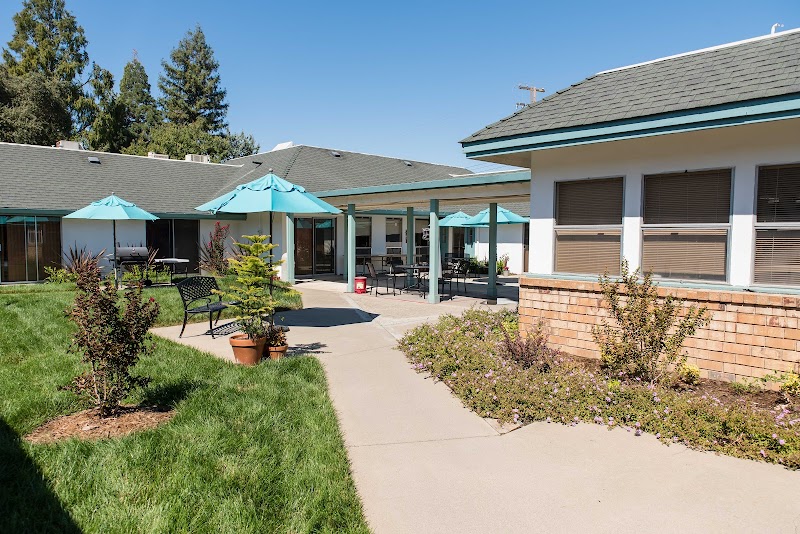
How is Mountain Manor Senior Residence Staffed?

CMS rates MOUNTAIN MANOR SENIOR RESIDENCE's staffing level at 5 out of 5 stars, which is much above average compared to other nursing homes. Staff turnover is 35%, compared to the California average of 46%. This relatively stable workforce can support continuity of care.

What Have Inspectors Found at Mountain Manor Senior Residence?

State health inspectors documented 53 deficiencies at MOUNTAIN MANOR SENIOR RESIDENCE during 2023 to 2025. These included: 1 that caused actual resident harm, 51 with potential for harm, and 1 minor or isolated issues. Deficiencies causing actual harm indicate documented cases where residents experienced negative health consequences.

Who Owns and Operates Mountain Manor Senior Residence?

MOUNTAIN MANOR SENIOR RESIDENCE is owned by a for-profit company. For-profit facilities operate as businesses with obligations to shareholders or private owners. The facility operates independently rather than as part of a larger chain. With 47 certified beds and approximately 44 residents (about 94% occupancy), it is a smaller facility located in CARMICHAEL, California.

How Does Mountain Manor Senior Residence Compare to Other California Nursing Homes?

Compared to the 100 nursing homes in California, MOUNTAIN MANOR SENIOR RESIDENCE's overall rating (3 stars) is below the state average of 3.1, staff turnover (35%) is significantly lower than the state average of 46%, and health inspection rating (2 stars) is below the national benchmark.

What Should Families Ask When Visiting Mountain Manor Senior Residence?

Based on this facility's data, families visiting should ask: "Can I visit during a mealtime to observe dining assistance and food quality?" "How do you handle medical emergencies, and what is your hospital transfer rate?" "Can I speak with family members of current residents about their experience?"

Is Mountain Manor Senior Residence Safe?

Based on CMS inspection data, MOUNTAIN MANOR SENIOR RESIDENCE has a clean safety record: no substantiated abuse findings (meaning no confirmed cases of resident harm), no Immediate Jeopardy citations (the most serious violation level indicating risk of serious injury or death), and is not on the Special Focus Facility watch list (a federal program monitoring the lowest-performing 1% of nursing homes). The facility has a 3-star overall rating and ranks #100 of 100 nursing homes in California. While no facility is perfect, families should still ask about staff-to-resident ratios and recent inspection results during their visit.

Do Nurses at Mountain Manor Senior Residence Stick Around?

MOUNTAIN MANOR SENIOR RESIDENCE has a staff turnover rate of 35%, which is about average for California nursing homes (state average: 46%). Moderate turnover is common in nursing homes, but families should still ask about staff tenure and how the facility maintains care continuity when employees leave.

Was Mountain Manor Senior Residence Ever Fined?

MOUNTAIN MANOR SENIOR RESIDENCE has been fined $71,557 across 4 penalty actions. This is above the California average of $33,794. Fines in this range indicate compliance issues significant enough for CMS to impose meaningful financial consequences. Common causes include delayed correction of deficiencies, repeat violations, or care failures affecting resident safety. Families should ask facility leadership what changes have been made since these penalties.

Is Mountain Manor Senior Residence on Any Federal Watch List?

MOUNTAIN MANOR SENIOR RESIDENCE is not on any federal watch list. The most significant is the Special Focus Facility (SFF) program, which identifies the bottom 1% of nursing homes nationally based on persistent, serious quality problems. Not being on this list means the facility has avoided the pattern of deficiencies that triggers enhanced federal oversight. This is a positive indicator, though families should still review the facility's inspection history directly.