RIVER POINTE POST-ACUTE
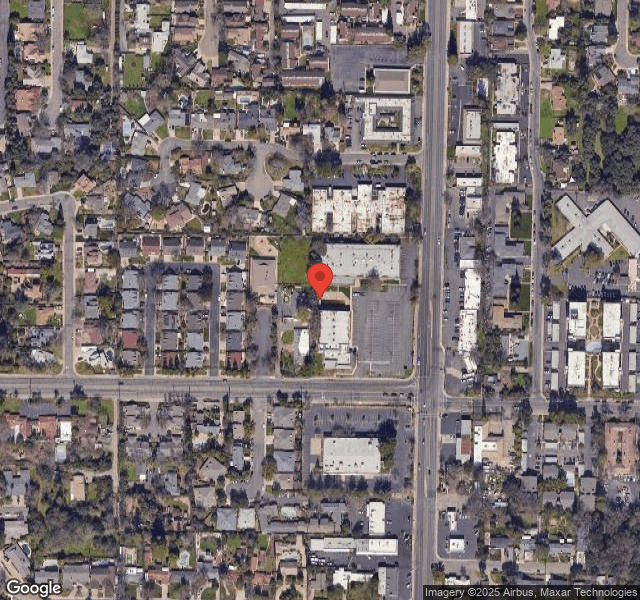

6041 FAIR OAKS BLVD, CARMICHAEL, CA 95608 (916) 483-8103
For profit - Limited Liability company 112 Beds LINKS HEALTHCARE GROUP Data: November 2025
Trust Grade
55/100
#667 of 1155 in CA
Last Inspection: November 2024

Within standard 12-15 month inspection cycle. Federal law requires annual inspections.

Overview

River Pointe Post-Acute has a Trust Grade of C, which means it is average compared to other nursing homes, sitting in the middle of the pack. It ranks #667 out of 1155 in California, indicating it is in the bottom half of facilities in the state, and #25 out of 37 in Sacramento County, meaning only a few local options are better. The facility shows an improving trend, decreasing issues from 19 in 2024 to 7 in 2025, which is a positive sign. Staffing is a mixed bag; while they have good RN coverage, exceeding 75% of California facilities, the turnover rate is concerning at 59%, significantly higher than the state average of 38%. There have been no fines reported, which is a good sign; however, specific incidents such as unclean food preparation areas, improper disposal of garbage, and failure to follow infection control measures raise serious concerns about hygiene and safety practices in the facility. Overall, while there are strengths in RN coverage and a lack of fines, the issues with staffing turnover and specific health and safety violations are notable weaknesses to consider.

Trust Score
C
55/100
In California
#667/1155
Bottom 43%
Safety Record
Low Risk
No red flags
Inspections
Getting Better
19 → 7 violations
Staff Stability
⚠ Watch
59% turnover. Above average. Higher turnover means staff may not know residents' routines.
Penalties
✓ Good
No fines on record. Clean compliance history, better than most California facilities.
Skilled Nurses
○ Average
Each resident gets 40 minutes of Registered Nurse (RN) attention daily — about average for California. RNs are the most trained staff who monitor for health changes.
Violations
⚠ Watch
44 deficiencies on record. Higher than average. Multiple issues found across inspections.
★★★☆☆
3.0
Overall Rating
★★★☆☆
3.0
Staff Levels
★★★★★
5.0
Care Quality
★★☆☆☆
2.0
Inspection Score
Stable
2024: 19 issues
2025: 7 issues

The Good

  • 5-Star Quality Measures · Strong clinical quality outcomes
  • Full Sprinkler Coverage · Fire safety systems throughout facility
  • No fines on record

Facility shows strength in quality measures, fire safety.

The Bad

3-Star Overall Rating

Near California average (3.1)

Meets federal standards, typical of most facilities

Staff Turnover: 59%

13pts above California avg (46%)

Frequent staff changes - ask about care continuity

Chain: LINKS HEALTHCARE GROUP

Part of a multi-facility chain

Ask about local staffing decisions and management

Staff turnover is elevated (59%)

11 points above California average of 48%

The Ugly 44 deficiencies on record

Aug 2025 1 deficiency
CONCERN (D) 📢 Someone Reported This

A family member, employee, or ombudsman was alarmed enough to file a formal complaint

Potential for Harm - no one hurt, but risky conditions existed

Report Alleged Abuse (Tag F0609)

Could have caused harm · This affected 1 resident

Based on interview and record review, the facility failed to report an allegation of abuse when an incident involving two of five sampled residents (Resident 1 and Resident 3) was not reported to the ...

Read full inspector narrative →
Based on interview and record review, the facility failed to report an allegation of abuse when an incident involving two of five sampled residents (Resident 1 and Resident 3) was not reported to the Department .This failure had the potential to place residents at risk for continued or escalating abuse.Findings:Resident 1 was admitted to the facility in July of 2025 with diagnoses that included violent behavior, restlessness, and agitation.Resident 3 was admitted to the facility in August of 2021 with diagnoses that included dementia. A review of Licensed Nurse 1 (LN 1)'s Nurses Notes (NN), dated 7/29/25, indicated, [Resident 1] was observed striking roommates [Resident 3] in the room and being verbally abusive.During an interview on 8/12/25 at 10:57 a.m. with LN 1, LN 1 stated, [Resident 1] started taking all of [Resident 3]'s things from [Resident 3]'s closet. [Resident 3] saw her [Resident 1] and tried to take her things back and [Resident 1] started to hit her. I don't think it was reported to the state.I turned the corner and saw them tugging back and forth. [Resident 1] was kicking and slapping.I reported to the direct supervisor for the day which was [Nurse Supervisor]. He didn't tell me to fill out an SOC341 [Report of Suspected Dependent Adult/Elder Abuse form, required by law under California's Elder Abuse and Dependent Adult Civil Protection Act].During an interview on 8/12/25 at 11:49 a.m. with the Administrator (ADM), the ADM stated, If there is a case of abuse between residents with dementia and no injury, we still report everything. We report to 3 agencies, which include Law Enforcement, ombudsman and CDPH [California Department of Public Health] as soon as possible within 2 hours.We are mandated reporters. Our role is safety of patients and to communicate to the respective agencies with that information.During a review of the facility's policy and procedure (P&P) titled Abuse, Neglect, Exploitation and Misappropriation Prevention Program, revised 4/21, the P&P indicated, Investigate and report any allegations within timeframes required by federal requirements.
Jul 2025 3 deficiencies
CONCERN (D) 📢 Someone Reported This

A family member, employee, or ombudsman was alarmed enough to file a formal complaint

Potential for Harm - no one hurt, but risky conditions existed

Deficiency F0726 (Tag F0726)

Could have caused harm · This affected 1 resident

**NOTE- TERMS IN BRACKETS HAVE BEEN EDITED TO PROTECT CONFIDENTIALITY** Based on interview and record review, the facility failed to ensure nursing care staff meet certification requirements defined u...

Read full inspector narrative →
**NOTE- TERMS IN BRACKETS HAVE BEEN EDITED TO PROTECT CONFIDENTIALITY** Based on interview and record review, the facility failed to ensure nursing care staff meet certification requirements defined under State law and regulation for one of four sampled staff (Certified Nursing Assistant 4 [CNA 4]) when CNA 4 was scheduled to work with expired CNA certification.This failure had the potential to result in residents not receiving appropriate care based on professional standards of practice.Findings:During a review of CNA 4's employee file, the employee file indicated CNA 4's certification expired on [DATE].During an interview on [DATE] at 3:14 p.m. with the Director of Staff Development (DSD), the DSD verified CNA 4's certification expired from [DATE] and CNA 4 last worked on [DATE]. When asked about the expired certification, the DSD stated, .I know I messed up, certification not renewed.Somebody can get harmed, it affects everybody.During an interview on [DATE] at 3:27 p.m. with the Director of Nursing, the DON stated, Expectation is that the DSD maintains a spreadsheet or tracker prior to certifications getting expired and ensure they [staff] renew it before they are back on schedule.During a review of the document titled Health and Safety Code - HSC.Division 2. Licensing Provisions, dated [DATE], the document indicated, ARTICLE 9. Training Programs in Skilled Nursing and Intermediate Care Facilities.1337. (a) The Legislature finds that the quality of patient care in skilled nursing and intermediate care facilities is dependent upon the competence of the personnel who staff its facilities. The Legislature further finds that direct patient care in skilled nursing and intermediate care facilities is currently rendered largely by certified nurse assistants.(d) For the purpose of this article:.(3) Certified nurse assistant means any person who holds himself or herself out as a certified nurse assistant and who, for compensation, performs basic patient care services directed at the safety, comfort, personal hygiene, and protection of patients, and is certified as having completed the requirements of this article.
CONCERN (D) 📢 Someone Reported This

A family member, employee, or ombudsman was alarmed enough to file a formal complaint

Potential for Harm - no one hurt, but risky conditions existed

Deficiency F0887 (Tag F0887)

Could have caused harm · This affected 1 resident

Based on interview and record review, the facility failed to ensure COVID-19 (a contagious disease caused by the coronavirus [a type of virus]) vaccinations were offered to residents and staff when on...

Read full inspector narrative →
Based on interview and record review, the facility failed to ensure COVID-19 (a contagious disease caused by the coronavirus [a type of virus]) vaccinations were offered to residents and staff when one of four sampled residents (Resident 1), and one out of four sampled staff (CNA 4), had no documented evidence of their COVID-19 vaccination status.This failure had the potential to result in Resident 1 and CNA 4 not to be aware of the risk and benefits of the vaccination and increased their risk of acquiring COVID-19.Findings:1a. During a review of Resident 1's admission record, the record indicated Resident 1 was admitted in the facility in May 2025 with diagnoses that included cerebral palsy (a congenital disorder of movement, muscle tone, or posture). Resident 1's Minimum Data Set (MDS, a federally mandated resident assessment tool) indicated Resident 1 had severe cognitive impairment.During a review of Resident 1's care plan, initiated on 7/15/25, the care plan indicated, Novel respiratory precautions [COVID-19 isolation] r/t [related to] COVID positive test results.During a review of Resident 1's clinical record, the record did not indicate Resident 1 received COVID-19 vaccination in the facility and no records were found regarding her vaccination history. The record also did not indicate that COVID-19 vaccination was offered to Resident 1.During an interview on 7/22/25 at 1:12 p.m. with the Infection Preventionist (IP), when asked if COVID-19 vaccination is offered to residents upon admission, the IP stated, I believe so.We have COVID consent form, that's being signed by resident or RP upon admission. The IP verified Resident 1 did not receive COVID-19 vaccination in the facility, and there were no records of refusal or contraindication to the vaccine and stated, I don't think it was offered upon admission. The IP confirmed Resident 1 tested positive for COVID-19 on 7/15/25 and stated, .Important to offer vaccine to prevent them from getting COVID prophylactically.Expectation is it should have been offered to her. The IP added that the facility had no monitoring for COVID-19 vaccinations for residents.During a review of the Centers for Disease Control and Prevention (CDC) website, dated 6/11/25, the website indicated, .Consent or assent for a COVID-19 vaccine is given by LTC [long-term care] residents (or people appointed to make medical decisions on their behalf, called a medical proxy) and documented in their charts per the provider's standard practice.Residents who receive a COVID-19 vaccine (or their medical proxy) also receive a fact sheet before vaccination. The fact sheet explains the risks and benefits of COVID-19 vaccination. (https://www.cdc.gov/covid/vaccines/long-term-care-residents.html).1b. During a review of CNA 4's employee health file, the health file did not indicate COVID-19 vaccination was offered to CNA 4. The health file also did not contain evidence of CNA 4's COVID vaccination status or refusal.During an interview on 7/22/25 at 1:12 p.m. with the IP, the IP stated the Director of Staff Development (DSD) offer the vaccine upon hire and that staff can refuse if they have contraindication.During an interview on 7/22/25 at 3:14 p.m. with the DSD, the DSD stated that the facility requires vaccination status of staff upon hire. The DSD confirmed CNA 4 had no evidence of vaccination status or refusal in the employee file and stated, .Important to have COVID declination or confirmation if they want to have it or not.It protects us.During an interview on 7/22/25 at 3:27 p.m. with the DON, the DON stated, .Expectation is we should be offering it to all staff annually and upon hire.It helps prevent infection and protect our residents and staff.During a review of the facility's policy and procedure (P&P) titled Infection Prevention and Control Program, revised 10/2018, the P&P indicated, .11. Prevention of Infection.a. Important facets of infection prevention include:.(6) immunizing residents and staff to try to prevent illness.(8) following established general and disease-specific guidelines such as those of the Centers for Disease Control (CDC).During a review of the facility's P&P titled Coronavirus Disease (COVID-19) - Vaccination of Staff, revised 6/2023, the P&P indicated, .Vaccine Offering and Administration.1. Staff are offered vaccination against COVID-19.17. The facility maintains documentation related to staff COVID-19 vaccination that includes, at a minimum, the following (as applicable): a. That staff were provided education regarding the benefits and potential risks associated with COVID-19 vaccine; k. Staff were offered the COVID-19 vaccine or information on obtaining COVID-19 vaccine; and l. The COVID-19 vaccine status of staff.
CONCERN (E) 📢 Someone Reported This

A family member, employee, or ombudsman was alarmed enough to file a formal complaint

Potential for Harm - no one hurt, but risky conditions existed

Infection Control (Tag F0880)

Could have caused harm · This affected multiple residents

**NOTE- TERMS IN BRACKETS HAVE BEEN EDITED TO PROTECT CONFIDENTIALITY** Based on observation, interview, and record review, the facility failed to follow and maintain an effective infection prevention...

Read full inspector narrative →
**NOTE- TERMS IN BRACKETS HAVE BEEN EDITED TO PROTECT CONFIDENTIALITY** Based on observation, interview, and record review, the facility failed to follow and maintain an effective infection prevention and control program for a census of 107 when: Staff did not wear appropriate personal protective equipment (PPE) for residents on isolation precaution (measures to reduce transmission of diseases) for COVID-19 (a contagious disease caused by the coronavirus [a type of virus]); and,Licensed Nurse 3 (LN 3) was observed eating by the cart in the hallway.These failures decreased the facility's potential in preventing transmission of diseases among residents and staff.Findings:1. During an observation on 7/22/25 at 10:35 a.m. in room [ROOM NUMBER], Novel Respiratory Isolation [measures to reduce transmission of COVID-19] signage was observed by the door of the room, which indicated one or all the residents in the room had tested positive for COVID-19. Housekeeping Staff (HS) was observed inside the room, holding an empty can of soda and cleaning the room. HS was observed wearing a surgical mask and not wearing a gown. Certified Nursing Assistant 1 (CNA 1) came and was observed telling HS to wear PPE. HS immediately went out of the room upon seeing the state surveyor and started wearing the gown.During an interview on 7/22/25 at 10:37 a.m. with HS, HS confirmed room [ROOM NUMBER] was on COVID-19 isolation and stated, I forgot [to wear PPE] .You need to put gown gloves and PPE.Important because I already know they have COVID.During an interview on 7/22/25 at 10:44 a.m. with CNA 1, CNA 1 confirmed HS did not wear gown and N95 mask (a type of respiratory protection that filters 95% of airborne particles) while inside room [ROOM NUMBER]. CNA 1 stated, .It is important to wear those [PPE] so you won't be exposed, so she don't contract the virus, so you don't give it to the [residents] too.Housekeepers go in every room.During an observation on 7/22/25 at 10:51 a.m. in room [ROOM NUMBER], signage for COVID-19 isolation was observed by the door. CNA 2 was observed inside the room, wearing an isolation gown, and wearing surgical mask instead of N95 mask.During an observation on 7/22/25 at 10:54 a.m. in room [ROOM NUMBER], CNA 3 went inside the room wearing a surgical mask instead of N95 mask and was not wearing an isolation gown. CNA 3 was heard talking to the resident behind the privacy curtain.During an interview on 7/22/25 at 10:55 a.m. with CNA 3, CNA 3 confirmed room [ROOM NUMBER] was on COVID-19 isolation precaution and PPEs such as gown and N95 should be worn upon entering the room. CNA 3 confirmed she was not wearing the proper PPE upon entering room [ROOM NUMBER] and stated, .you can get whatever they [resident] have.During an interview on 7/22/25 at 10:57 a.m. with CNA 2, CNA 2 stated the signage outside room [ROOM NUMBER] indicated one or all the residents in the room tested positive for COVID-19 and confirmed the signage indicated to wear N95 mask upon entering. CNA 2 confirmed she was not wearing N95 mask while providing care inside the room.During an interview on 7/22/25 at 11:34 a.m. with Licensed Nurse 1 (LN 1), LN 1 stated N95 mask and gown should be worn before entering rooms on COVID-19 isolation. LN 1 stated, Important so you don't give to yourself and prevent the spread to other residents in the facility.During an interview on 7/22/25 at 11:40 a.m. with LN 2, LN 2 stated eye protection, gown, gloves, and N95 mask should be worn before entering a room on COVID-19 isolation and stated, .Regular masks are not as good as protecting like N95.Important because I don't want to go and get anyone sick.During an interview on 7/22/25 at 1:12 p.m. with the Infection Preventionist (IP), the IP stated staff should be wearing gown, gloves, N95 mask and face shield upon entering rooms on COVID-19 isolation. The IP stated, .All staff entering or providing care in the room should wear the PPE.Includes licensed nurses, CNAs, department heads, and housekeeping, everybody.Important so they don't get exposed and help prevent transmission.During an interview on 7/22/25 at 2:02 p.m. with the Director of Nursing (DON), the DON stated the signages for COVID-19 isolation show the PPE needed by staff every time they enter the room. The DON stated, .N95 is required, not just a regular mask, not when entering a room with COVID positive.During a review of the facility's policy and procedure (P&P), revised 10/2018, the P&P indicated, .11. Prevention of Infection.a. Important facets of infection prevention include.(3) educating staff and ensuring that they adhere to proper techniques and procedures.(7) implementing appropriate isolation precautions when necessary.During a review of the facility's P&P titled Coronavirus Disease (COVID-19) - Identification and Management of Ill Residents, revised 5/2023, the P&P indicated, .Personal Protective Equipment.16. Staff who enter the room of a resident with suspected or confirmed SARS-CoV-2 [COVID-19] infection will adhere to standard precautions and use a NIOSH-approved particulate respirator with N95 filters or higher, gown, gloves, and eye protection (i.e., goggles or a face shield that covers the front and sides of the face.)2. During an observation on 7/22/25 at 2:35 p.m. in the hallway, LN 3 was observed talking with two other staff, holding a cup of noodles while standing beside Medication Cart 3. A plastic cup of beverage with straw was also observed on top of the cart.During an interview on 7/22/25 at 2:39 p.m. with the DON, the DON confirmed the observation and stated, That should not be happening.During a follow-up interview on 7/22/25 at 3:27 p.m. with the DON, the DON stated, Expectation is no personal items in the cart like food and drinks for infection control purposes.The facility was not able to provide a policy regarding staff having food in resident care areas when requested by the Department.
May 2025 2 deficiencies
CONCERN (D) 📢 Someone Reported This

A family member, employee, or ombudsman was alarmed enough to file a formal complaint

Potential for Harm - no one hurt, but risky conditions existed

Infection Control (Tag F0880)

Could have caused harm · This affected 1 resident

Based on observation, interview, and record review, the facility failed to follow and maintain an effective infection prevention and control program for one of six sampled residents (Resident 1) when ...

Read full inspector narrative →
Based on observation, interview, and record review, the facility failed to follow and maintain an effective infection prevention and control program for one of six sampled residents (Resident 1) when Resident 1 ' s contact precaution (isolation measures used to prevent the spread of infections transmitted through direct contact or indirect contact) was removed before Resident 1 received treatment for scabies (a very itchy rash caused by a parasitic mite that burrows in the skin surface). This failure decreased the facility ' s potential in preventing transmission of diseases among residents and staff. Findings: During a review of Resident 1 ' s admission records, the records indicated Resident 1 was admitted in February 2025 with diagnoses that included schizophrenia (a mental illness that is characterized by disturbances in thought). Resident 1 ' s Minimum Data Set (MDS, a federally mandated assessment tool) indicated Resident 1 had moderate cognitive impairment. During a review of Resident 1 ' s physician order, dated 5/14/25, the order indicated, CONTACT ISOLATION. Check in with Nurse and follow PPE [Personal Protective Equipment] .one time only until 05/28/2025 . During a review of Resident 1 ' s SBAR (situation, background, assessment, recommendation-a communication tool used by healthcare workers when there is a change of condition among the residents), dated 5/16/25, the SBAR indicated, [Resident 1] with non-improving rash to BUE [both upper extremities]. scattered redness/bumps. [Resident 1] c/o [complained of] itching on and off .IP [Infection Preventionist] notified and [Resident 1] placed on contact isolation precautions x 14 days. During a review of Resident 1 ' s physician order, dated 5/16/25, the order indicated, Permethrin [medication used to treat scabies] External [outside surface of skin] Cream 5% [percent, a unit of measurement] .Apply to neck down to toes topically only for prophylactic [prevention] scabies for 1 Day Apply to whole body from neck to toes topically. Wash after 8 to 14 hours, repeat after 14 days . During a concurrent observation and interview on 5/21/25 at 1:01 p.m. with the ADON outside Resident 1 ' s room, contact precaution signage was posted by the door of Resident 1 ' s room. The ADON was observed removing the signage and stated Resident 1 was no longer on contact precaution. During a concurrent observation and interview on 5/21/25 at 1:03 p.m. with Resident 1 in her room, Resident 1 was observed alert, lying in bed, fairly groomed. Small, red, pimple-like rashes were observed on Resident 1 ' s left hand and right arm. Resident 1 stated she had rashes mostly at the back of her neck and some in the arms. During an interview on 5/21/25 at 2:36 p.m. with the IP, the IP stated, If a resident is suspected with scabies, we inform the doctor and put on contact precaution. The IP added residents stay on contact precaution for 24 hours after completion of treatment. During a review of Resident 1 ' s Medication Administration Record (MAR) for May 2025, the MAR indicated Resident 1 was scheduled to receive Permethrin on 5/18/25. The MAR further indicated Resident 1 ' s Permethrin was not signed on the scheduled date. During a concurrent interview and record review on 5/21/25 at 3:26 p.m. with the Assistant Director of Nursing (ADON), the ADON confirmed the contact precaution on Resident 1 ' s room was removed 5/21/25. The ADON verified Resident 1 had an order for Permethrin cream and confirmed the cream was not administered to Resident 1. The ADON stated, [Resident 1] .should have gotten her treatment .[Resident 1] should have stayed on contact isolation .Important because it ' s risk for exposure . During a review of the facility ' s policy and procedure (P&P) titled Scabies Identification, Treatment and Environmental Cleaning, revised 8/2016, the P&P indicated, 8. Affected residents should remain on contact precautions until twenty-four (24) hours after treatment .
CONCERN (E) 📢 Someone Reported This

A family member, employee, or ombudsman was alarmed enough to file a formal complaint

Potential for Harm - no one hurt, but risky conditions existed

Deficiency F0658 (Tag F0658)

Could have caused harm · This affected multiple residents

Based on interview and record review, the facility failed to ensure professional standards of practice were followed for three of six sampled residents (Resident 1, Resident 2, and Resident 3), when: ...

Read full inspector narrative →
Based on interview and record review, the facility failed to ensure professional standards of practice were followed for three of six sampled residents (Resident 1, Resident 2, and Resident 3), when: 1. Resident 1 ' s Permethrin (a medication used to treat scabies - a very itchy rash caused by a parasitic mite that burrows in the skin surface) was not given per physician ' s order and Resident 1 ' s Ivermectin (used for infections caused by parasites) order was not carried out as ordered; 2. Resident 2 ' s Permethrin order was not followed as ordered; and 3. Resident 3 ' s Permethrin order was not carried out timely. These failures had the potential to result in Resident 1, Resident 2, and Resident 3 not having the desired effects of the medications. Findings: 1. During a review of Resident 1 ' s admission records, the records indicated Resident 1 was admitted in February 2025 with diagnoses that included schizophrenia (a mental illness that is characterized by disturbances in thought). Resident 1 ' s Minimum Data Set (MDS, a federally mandated assessment tool) indicated Resident 1 had moderate cognitive impairment. During a review of Resident 1 ' s SBAR (situation, background, assessment, recommendation-a communication tool used by healthcare workers when there is a change of condition among the residents), dated 5/16/25, the SBAR indicated, [Resident 1] with non-improving rash to BUE [both upper extremities]. scattered redness/bumps. [Resident 1] c/o [complained of] itching on and off .Orders received for PO [by mouth] Ivermectin and topical permerthin [sic] cream x 1 now and again in 14 days for prophylactic [prevention] tx [treatment] . During a review of Resident 1 ' s physician order, dated 5/16/25, the order indicated, Permethrin [define] External [outside body surface] Cream 5% (Permethrin) .Apply to neck down to toes topically only for prophylactic scabies for 1 Day Apply to whole body from neck to toes topically. Wash after 8 to 14 hours, repeat after 14 days . During a review of Resident 1 ' s Medication Administration Record (MAR) for May 2025, the MAR indicated Resident 1 was scheduled to receive Permethrin on 5/18/25. The MAR further indicated Resident 1 ' s Permethrin was not signed on the scheduled date. During a concurrent interview and record review on 5/21/25 at 3:26 p.m. with the Assistant Director of Nursing (ADON), the ADON verified Resident 1 had an order for Permethrin cream and confirmed Resident 1 ' s MAR for Permethrin was not signed by the nurse. The ADON stated, .the nurse did not click it off . When asked if the Permethrin dose was given, the ADON stated, doesn ' t look like it .[Resident 1] .should have gotten her treatment .It ' s a doctor ' s order that should have been followed . During a follow-up concurrent interview and record review on 5/21/25 at 4:53 p.m. with the ADON, the ADON verified Resident 1 ' s SBAR indicated orders were received for PO Ivermectin. The ADON confirmed there was no order for Ivermectin in Resident 1 ' s record and that the order was not carried out. The DON stated, If there ' s a verbal order or written order for the MD, it should be carried out. 2. During a review of Resident 2 ' s admission records, the records indicated Resident 2 was admitted to the facility in March 2024 with diagnoses that included Adult Failure to Thrive (AFTT, a condition where an adult experiences a general decline in physical and mental health) and dementia (a progressive state of decline in mental abilities). Resident 2 ' s MDS indicated Resident 2 had moderate cognitive impairment. During a review of Resident 2 ' s SBAR, dated 5/14/25, the SBAR indicated, [Resident 2] noted with generalized rash to BUE. Rash with redness, pimple like spots and [Resident 2] c/o of itching .Orders received for PO Ivermectin and topical permerthin [sic] cream today and in 14 days for prophylactic tx. During a review of Resident 2 ' s MAR for May 2025, the MAR indicated an order with start date of 5/13/25 for Permethrin External Cream .Apply to jawline to toes topically one time only for scabies prophylactic until 5/13/25 .Wash off after 8-16 hours. The order was discontinued on 5/14/25 and another order was entered on 5/14/25 for Resident 2 ' s permethrin cream. The MAR further indicated Resident 2 ' s Permethrin cream was signed and administered for two consecutive days, on 5/13/25 and on 5/14/25. During a concurrent interview and record review on 5/21/25 at 4:53 p.m. with the ADON, the ADON verified Resident 2 ' s SBAR indicated orders were received for topical permethrin and for permethrin to be repeated in 14 days. The ADON confirmed Resident 2 ' s permethrin was administered for two consecutive days, on 5/13/25 and on 5/14/25. The ADON stated, I ' ve seen that [staff] entered another order and they signed both orders, it was clicked off so the resident received permethrin for two consecutive days .They gave it back to back days, I know that there could be side effects that can happen .It could affect his liver, and the order was not followed . During a review of the facility ' s policy and procedure (P&P) titled, Scabies Identification, Treatment and Environmental Cleaning, revised 8/2016, the P&P indicated, Treatment with Permethrin .8. A single treatment is generally adequate . During a review of Permethrin cream prescription label, revised 11/2023, the label indicated, .Excessive topical use (see DOSAGE AND ADMINISTRATION) may result in increased irritation and erythema [skin redness] .DOSAGE AND ADMINISTRATION .ONE APPLICATION IS GENERALLY CURATIVE . During a review of the Center for Disease Control and Prevention (CDC) website titled Clinical Care of Scabies, dated 12/18/2023, the website indicated, .Permethrin is safe and effective with a single application. However, two (or more) applications, each about a week apart, may be necessary to eliminate all mites . (https://www.cdc.gov/scabies/hcp/clinical-care/?CDC_AAref_Val=https://www.cdc.gov/parasites/scabies/health_professionals/meds.html; accessed 5/22/25). 3. During a review of Resident 3 ' s admission records, the records indicated Resident 3 was admitted to the facility in April 2025 with diagnoses that included dementia. Resident 3 ' s MDS indicated Resident 3 had severe cognitive impairment. During a review of Resident 3 ' s SBAR, dated 5/16/25, the SBAR indicated, [Resident 3] noted with moisture associated redness to the breast/abd [abdomen] folds, no generalized body rash noted. [Resident 3] denies itching. Roommate being treated for prophylactic scabies d/t [due to] non-improving generalized rash. [Name of doctor] .orders to treat [Resident 3] with .topical permerthin [sic] cream x 1 and again in 14 days . During a review of Resident 3 ' s physician order, the order indicated a start date of 5/18/25 for Permethrin External Cream 5% .Apply to neck down to toes topically one time only for prophylactic scabies for 1 day .repeat after 14 days . During a review of Resident 3 ' s MAR for May 2025, the MAR indicated Resident 3 received the Permethrin cream on 5/18/25. During a concurrent interview and record review on 5/21/25 at 4:53 p.m. with the ADON, the ADON confirmed Resident 3 ' s SBAR indicated orders were received for permethrin cream on 5/16/25. The ADON verified Resident 2 ' s permethrin cream was administered on 5/18/25 and confirmed the order was carried out two days after it was ordered. The ADON stated there was no documentation why Resident 3 ' s permethrin cream was not carried out timely and stated, Expectation is always follow MD [medical doctor] orders, residents should be receiving medications as ordered and document it .If [staff] don ' t have the medication, make a note and notify the doctor . During a review of the facility ' s P&P titled Administering Medications, revised 4/2019, the P&P indicated, .Medications are administered in accordance with prescriber orders, including any required time frame . During a review of the undated document titled, Nursing Practice Act Rules and Regulations, the document indicated, Article 2. Scope of Regulation 2725 (b). The practice of nursing within the meaning of this chapter means those functions, including basic health care, that help people cope with difficulties in daily living that are associated with their actual or potential health or illness problems or the treatment thereof, and that require substantial amount of specific knowledge of the following: .(2) Direct and indirect patient care services, including, but not limited to, the administration of medications and therapeutic agents, necessary to implement a treatment, disease prevention, or rehabilitative regimen ordered by and within the scope of licensure of a physician . (Nursing Practice Act Rules and Regulations Issued by Board of Registered Nursing - State of California Department of Consumer Affairs).
Feb 2025 1 deficiency
CONCERN (D) 📢 Someone Reported This

A family member, employee, or ombudsman was alarmed enough to file a formal complaint

Potential for Harm - no one hurt, but risky conditions existed

Free from Abuse/Neglect (Tag F0600)

Could have caused harm · This affected 1 resident

Based on observation, interview, and record review, the facility failed to protect one of three sampled residents (Resident 1) from abuse when Resident 2 hit Resident 1 on the left hand. This failure ...

Read full inspector narrative →
Based on observation, interview, and record review, the facility failed to protect one of three sampled residents (Resident 1) from abuse when Resident 2 hit Resident 1 on the left hand. This failure resulted in a bruise on Resident 1's left hand and had the potential for Resident 1 to feel unsafe in the facility. Findings: A review of Resident 1's admission Record indicated Resident 1 was admitted to the facility in June 2024 with multiple diagnoses including stage 4 pressure ulcer (injury to the skin with full thickness tissue loss with exposed bone, tendon or muscle due to prolonged pressure) of the sacral (base of the spine) region, dementia (loss of memory and thinking skills) and diabetes (too much sugar in the blood). A review of Resident 1's Minimum Data Set (MDS- a federally mandated assessment tool), Cognitive Patterns, dated 12/5/24, indicated Resident 1 had a Brief Interview for Mental Status (BIMS- tool to assess cognition) score of 14 out of 15 that indicated Resident 1 was cognitively intact. A review of Resident 1's SBAR [Situation, Background, Assessment, Recommendation] & Initial COC [Change of Condition]/Alert Charting & Skilled Documentation, dated 2/2/25, indicated .Bruise on left hand .Resident Reports Pain? .Yes .Non-verbal indicators of pain evident? .Yes .about 1045 [10:45 a.m.] Resident reported to this nurse that she was abused by another resident [Resident 2] . who entered in her room .Upon redirecting her out of the room, it was reported that [Resident 2] threw a punch and she sustained bruise on her left hand .Pain medication . offered for the complain [sic] of pain . A review of Resident 1's Care Plan, 2/2/25 Alleged Altercation, [Resident 2] to [Resident 1], initiated 2/2/25, indicated .Interventions/Tasks .2/3/25 Accelerated intervention:- Soft mesh placed across doorway of old room to discourage entry . Apply ice pack as per order Monitor pain Q [every]shift .Physical assessment of the resident's involved .Provide acetaminophen [pain medication] as per order as indicated .Report to provider if pain management not effective . A review of Resident 2's admission Record indicated Resident 2 was admitted to the facility in September 2023 with multiple diagnoses including metabolic encephalopathy (the brain does not function properly due to imbalance in the body's metabolism), Horner's syndrome (disrupted nerve pathway on one side from the brain to the face and eye), and dementia. A review of Resident 2's MDS, Cognitive Patterns, dated 1/21/25, indicated Resident 2 had BIMS score of 4 out of 15 that indicated Resident 2 was severely cognitively impaired. A review of Resident 2's SBAR & Initial COC/Alert Charting and Skilled Documentation, dated 2/2/25, indicated .Alleged aggressive physical behavior towards another patient .I am informed by AM RN [Registered Nurse] Supervisor of the following: [Resident 2] with known dementia diagnosis presented with alleged aggressive physical behavior towards [Resident 1] causing a bruise to left hand. Per [Resident 1], [Resident 2] self propelled in her wheelchair into [Resident 1's] room, [Resident 1] became upset and attempted to push [Resident 2], who was in w/c [wheelchair] out of the room. [Resident 2] then punched [Resident 1] in the left hand causing a bruise A review of Resident 2's IDT [Interdisciplinary Team]-Change of Condition/Incident, dated 2/3/25, indicated .Per record review and interviews of staff, Residents, Alleged Abuser (AA) noted with BIMS 4, confused entered another Resident's room [Resident 1] .at approximately 1045 [10:45 a.m.] on 2/2/25, where she (the AA) had resided from 9/25/23 until 1/6/25. Of note, room change was initiated on 1/6/25 due to incompatibility of Roommates .the AA entered [Resident 1's room] (which was her previous room). [Resident 1] reportedly attempted to shoo the alleged abuser out of the room via her wheelchair upon which time the alleged abuser who was in her wheelchair reportedly struck [Resident 1]'s left hand . A review of Resident 2's Care Plan [Resident 2 has the potential to demonstrate physical behaviors .r/t [related to] BPSD [Behavioral and Psychological Symptoms of Dementia], AEB [as evidenced by] resisting ADL [Activities of Daily Living] care, placing others and patient at risk for injury . initiated 1/22/24, indicated .Interventions/Tasks . Modify environment .Monitor and document observed behavior and attempted interventions in behavior log QS [every shift] .When the resident becomes agitated, intervene before agitation escalates, guide away from source of distress . A review of Resident 2's Care Plan [Resident 2] has changed rooms from [Resident 1's room] to [Resident 2's new room] on (1/6/2025) aeb inappropriate behavior and not compatible with current roommate . initiated 1/6/25. A review of Resident 2's Care Plan Alleged Altercation: [Resident 2] to [Resident 1] . initiated 2/2/25, indicated .Goal [Resident 2] will have no further aggressive behavior incidents . During an interview on 2/7/25 at 9:55 a.m. with the Assistant Director of Nursing (ADON), the ADON stated Resident 2 was on hospice but had improved, gained strength, is now getting around the facility in her wheelchair and went into Resident 1's room on 2/2/25. The ADON stated Resident 1 asked her to leave and Resident 2 struck Resident 1 on her left arm. The ADON stated there was a bruise, but unable to tell if the bruise was old or new. During an interview on 2/7/25 at 10:19 a.m. with the Administrator (ADM), the ADM stated Resident 1 and Resident 2 used to be in the same room and, maybe, out of habit Resident 2 went into the room. The ADM stated Resident 1 was pushing Resident 2's wheelchair out of the room when Resident 2 struck Resident 1. The ADM stated it bruised right away but appeared to be in the healing stage. When asked if there was documentation of Resident 1 having a bruise on her left hand prior to the incident, the ADM stated he was not aware of any bruise but would have to check the clinical record. The ADM stated Resident 1 reported she felt like it was abuse by the other resident. During an interview on 2/7/25 at 12:12 p.m. with Licensed Nurse (LN) 2, LN 2 stated Resident 2 came down the hallway and entered her old room. Resident asked her to leave, and Resident 2 struck Resident 1. During a concurrent observation and interview on 2/7/25 at 12:26 p.m. with Resident 1, Resident 1 stated she requested a couple of weeks ago Resident 2 be moved to different room because Resident 2 would get into her things and would bother her and her visitors. Resident 1 stated Resident 2, Had been following me all over, giving me dirty with looks .Came into my room with her arms crossed, staring at me. Resident 1 stated she pushed Resident 1's wheelchair back into the hall and Resident 1 struck her on the left hand. Observed Resident 1's back of left hand with area of dark purple discoloration above thumb and dark purple discoloration above second, third, and fourth fingers from knuckles to the middle of the back of the hand. Resident 2 stated, Called 'help' because [Resident 2] was ready to hit me again .She is just aggressive. During an interview on 2/7/25 12:45 p.m. with Certified Nursing Assistant (CNA) 1, CNA 1 stated Resident 2 is sometimes combative, resists care and has struck staff. CNA 1 stated Resident 2 will strike out if you tell her what to do and if she is in a mood will hit staff. During a record review on 2/7/25 at 12:52 p.m. of Resident 1's skin assessments and nursing assessment prior to incident on 2/2/25, did not identify any documentation of bruise on left hand. During a concurrent interview and record review on 2/7/25 at 1:34 p.m. with the ADON, reviewed Resident 2's Care Plans and staff interviews that indicated Resident had aggressive behaviors and could be combative. The ADON stated he was not aware of Resident 2's aggressive behaviors. During an interview on 2/7/25 at 1:41 p.m. with the Social Services Director (SSD), the SSD stated Resident 2 has been on psychotropic medications for behaviors including striking out at staff during ADL (Activities of Daily Living) care. The SSD stated Resident 1 reported to her that Resident 2 did not like her. A review of the facility's Policy and Procedure (P&P), titled Abuse Prevention Program, revised 12/18, indicated Our residents have the right to be free from abuse .This includes but is not limited to freedom from .physical abuse .As part of the resident abuse prevention, the administration will .Protect out residents from abuse by anyone including .other residents . Identify and assess all possible incidents of abuse .Protect residents during abuse investigations . A review of the facility's P&P titled Abuse and Neglect-Clinical Protocol, revised 3/18, indicated .Abuse is defined .as the willful infliction of injury .with resulting physical harm, pain or mental anguish. It includes .physical abuse .Willful as defined .and as used in the definition of abuse, means the individual must have acted deliberately, not that the individual must have intended to inflict injury or ham .The physician and staff will address appropriately causes of problematic resident behavior . A review of the facility's Policy and Procedure (P&P) titled Resident-to-Resident Altercations, revised 12/16, indicated .All altercations, including those that may represent resident-to-resident abuse, shall be investigated .Facility staff will monitor residents for aggressive/inappropriate behavior towards other residents .
Dec 2024 1 deficiency
CONCERN (D) 📢 Someone Reported This

A family member, employee, or ombudsman was alarmed enough to file a formal complaint

Potential for Harm - no one hurt, but risky conditions existed

Infection Control (Tag F0880)

Could have caused harm · This affected 1 resident

Based on observation, interview, and record review, the facility failed to follow proper infection control practices for one of seven sampled residents (Resident 1) when a Certified Nursing Assistant ...

Read full inspector narrative →
Based on observation, interview, and record review, the facility failed to follow proper infection control practices for one of seven sampled residents (Resident 1) when a Certified Nursing Assistant (CNA) did not put on a protective gown when performing resident care. This failure had the potential to increase the spread of infection. Findings: Resident 1 was admitted to the facility in November of 2024 with diagnoses that included skin infection. A review of Resident 1 ' s Order Details, dated 12/2/24, indicated, Enhanced Barrier Precautions [EBP, precautions taken by healthcare staff to prevent the spread of infection] during high contact time secondary to indwelling Foley Catheter [a flexible plastic tube inserted into the bladder to provide continuous urinary drainage]. Review of the facility ' s policy and procedure (P&P) titled, Enhanced Barrier Precautions, revised 8/22, the P&P indicated, Enhanced barrier precautions (EBPs) are utilized to prevent the spread of multi-drug resistant organisms (MDROs) [bacteria that are resistant to certain commonly used antibiotics] to residents .EBPs employ targeted gown and glove use during high contact resident care activities when contact precautions do not otherwise apply .Gloves and gown are applied prior to performing the high contact resident care activity .Examples of high-contact resident activities requiring the use of gown and gloves for EBPs include .changing briefs or assisting with toileting. During a concurrent observation and interview on 12/5/24 at 10:16 a.m., with CNA 1, CNA 1 changed Resident 1 ' s soiled brief without wearing a gown. CNA 1 confirmed she was not wearing a protective gown while changing Resident 1 ' s brief and indicated that a gown was required to prevent the spread of bodily fluids. During an interview on 12/5/24 at 12:56 p.m., with the Infection Preventionist (IP), the IP indicated staff should be wearing gowns when performing high contact care for residents placed on EBP due to the increased risk of spreading multi drug resistant organisms. Based on observation, interview, and record review, the facility failed to follow proper infection control practices for one of seven sampled residents (Resident 1) when a Certified Nursing Assistant (CNA) did not put on a protective gown when performing resident care. This failure had the potential to increase the spread of infection. Findings: Resident 1 was admitted to the facility in November of 2024 with diagnoses that included skin infection. A review of Resident 1's Order Details, dated 12/2/24, indicated, Enhanced Barrier Precautions [EBP, precautions taken by healthcare staff to prevent the spread of infection] during high contact time secondary to indwelling Foley Catheter [a flexible plastic tube inserted into the bladder to provide continuous urinary drainage]. Review of the facility's policy and procedure (P&P) titled, Enhanced Barrier Precautions, revised 8/22, the P&P indicated, Enhanced barrier precautions (EBPs) are utilized to prevent the spread of multi-drug resistant organisms (MDROs) [bacteria that are resistant to certain commonly used antibiotics] to residents .EBPs employ targeted gown and glove use during high contact resident care activities when contact precautions do not otherwise apply .Gloves and gown are applied prior to performing the high contact resident care activity .Examples of high-contact resident activities requiring the use of gown and gloves for EBPs include .changing briefs or assisting with toileting. During a concurrent observation and interview on 12/5/24 at 10:16 a.m., with CNA 1, CNA 1 changed Resident 1's soiled brief without wearing a gown. CNA 1 confirmed she was not wearing a protective gown while changing Resident 1's brief and indicated that a gown was required to prevent the spread of bodily fluids. During an interview on 12/5/24 at 12:56 p.m., with the Infection Preventionist (IP), the IP indicated staff should be wearing gowns when performing high contact care for residents placed on EBP due to the increased risk of spreading multi drug resistant organisms.
Nov 2024 13 deficiencies
CONCERN (D)

Potential for Harm - no one hurt, but risky conditions existed

Deficiency F0658 (Tag F0658)

Could have caused harm · This affected 1 resident

2.A review of an admission Record indicated Resident 5 was admitted to the facility in late 2024 with multiple diagnoses including chronic obstructive pulmonary disease (COPD-a chronic lung disease ca...

Read full inspector narrative →
2.A review of an admission Record indicated Resident 5 was admitted to the facility in late 2024 with multiple diagnoses including chronic obstructive pulmonary disease (COPD-a chronic lung disease causing difficulty in breathing) and chronic respiratory failure with hypoxia (low levels of oxygen). During review of Minimum Data Set (MDS, a federally mandated resident assessment tool), dated 10/10/24, indicated Resident 5 had moderate cognitive impairment. Resident 5's MDS indicated further that Resident 5 was on oxygen therapy and on hospice care (compassionate care for people who are near the end of life provided at the person's home or within a health care facility). During a concurrent observation and interview on 11/06/24 at 10:24 a.m. Resident 5 was in bed with nasal cannula (a small plastic tube, which fits into the person's nostrils for providing supplemental oxygen) connected to nose. Resident 5 looked pale in color breathing rapidly. Resident 5's oxygen tubing was unconnected to the oxygen machine, which indicated Resident 5 was not receiving oxygen as ordered. Licensed Nurse 4 (LN 4) stated and confirmed that oxygen tubing was not connected to the machine. LN 4 checked Resident 5's oxygen level with results of 82 percent. LN 4 confirmed resident should have been on oxygen and stated that the risks could lead to Resident 5 being hypoxic (low levels of oxygen) and have shortness of breath. During a review of Resident 5's Order Summary Report, dated 11/8/24, indicated, Oxygen at 2 liters/min [minute] or to keep O2 [oxygen] sat [oxygen level] above 92% (for COPD 89% and above) via Nasal Cannula .Continuously via concentrator. every shift and as needed. During a review of Resident 5's care plan, dated 6/12/23, indicated as interventions .has severe COPD- The resident will display optimal breathing pattern daily .Give oxygen therapy as ordered by the physician. During an interview on 11/8/24 at 8:05 a.m., with DON, the DON stated her expectation was to ensure oxygen tubing was connected and supplying oxygen to the resident per doctor orders. The DON stated the risks of not receiving oxygen as ordered could lead to a change of condition to the resident because they are on it for medical reasons. During a review of the facility's policy and procedure (P&P) titled, Administering Medications revised April 2019, the P&P indicated Medications are administered in a safe .manner .and as prescribed .Medications are administered in accordance with prescriber orders. Based on observation, interview, and record review, the facility failed to provide services which meet professional standards of quality for two of 22 sampled residents (Resident 11 and Resident 5) when: 1.Resident 11's medications were left on the bedside table unattended. 2. Resident 5's oxygen tubing was left unconnected to the oxygen machine. These failures decreased the facility's potential to safely follow physician's order and cause health complications. Findings: 1. During a review of Resident 11's admission Record, it indicated that Resident 11 was admitted in Fall of 2022 with multiple diagnosis that included acute and chronic respiratory hypoxia (condition that can cause decreased oxygen through the body) and Type 2 Diabetes with polyneuropathy (condition that causes problems with blood sugar control with nerve ending damage. During a concurrent observation and interview on 11/6/24 at 8:28 a.m. with Resident 11, Resident 11 was lying in bed and a medication cup contianing several medications was on the bedside table unattended. Resident 11 stated the nurses leaves the medication cup on the bedside table every day and Resident 11 will take them after the nurse has left. During an interview on 11/6/24 at 8:45 a.m. with Licensed Nurse (LN 2), LN 2 stated it was not the facility policy to leave medications by the bedside unattended. LN 2 stated she was not following the facility policy. During an interview with on 11/7/24 at 11:49 a.m., with Assistant Director of Nursing (ADON), The ADON stated it was not the facility policy to leave medications at the bedside unattended. The ADON further stated the medication could be missed and the LN would not be able to tell when the medication was taken which may interfere with the proper medication dosing for the resident. During an interview on 11/7/242 at 1:20 p.m. with the Director of Nursing (DON), the DON stated that it was not the facility practice to leave medications at the bedside unattended. The DON stated that if a resident has medications left at the bedside, the resident must have a Medication Administration Assessment and it should be in their care plan. During a review of Resident 11's records indicated no Medication Administration Assessment (a tool to assess if resident is able to do their own medication administration) was completed and Care plan dated 9/27/24, indicated no Self-Medication Administration. Review of facility's policy titled, Self-Administration of Medications, revised 12/2016, indicated For self-administering residents, the nursing staff will determine who will be responsible (the resident or nursing staff) for documenting that the medications were taken.
CONCERN (D)

Potential for Harm - no one hurt, but risky conditions existed

Accident Prevention (Tag F0689)

Could have caused harm · This affected 1 resident

Based on observation, interview, and record review, the facility failed to ensure that the residents remained free of accident hazards for a census of 108 when: 1) The facility did not have a smoking ...

Read full inspector narrative →
Based on observation, interview, and record review, the facility failed to ensure that the residents remained free of accident hazards for a census of 108 when: 1) The facility did not have a smoking policy and procedure and failed to supervise residents (Resident 27 and Resident 61) smoking on facility premises. 2) The facility did not have a smoking care plan for a resident (Resident 61) non-compliant with care. These failures had the potential to result in accidents including resident injury and fire. Findings: 1) During a review of Resident 27's face sheet (front page of the chart that contains a summary of basic information about the resident), the face sheet indicated, Resident 27 was admitted to the facility January 2021 with multiple diagnoses which included asthma (a chronic lung disease that causes inflammation in the airways, making it difficult to breathe) and nicotine dependence (a chronic disease that occurs when someone's body and mind become used to having nicotine in their system). During a review of Resident 27's Smoking Assessment, dated 9/21/24, the Smoking Assessment indicated Resident 27 was a smoker. During an observation on 11/7/24 at 4:33 p.m., Resident 27 was smoking on a patio outside of the facility unsupervised. During a concurrent observation and interview on 11/8/24 at 9:27 a.m., there were 2 lighters and a pack of cigarettes in Resident 27's nightstand drawer. Resident 27 confirmed he was a smoker. During a review of Resident 61's face sheet, the face sheet indicated, Resident 61 was admitted to the facility May 2024 with multiple diagnoses which included Chronic Obstructive Pulmonary Disease (COPD-a chronic lung disease causing difficulty in breathing) and nicotine dependence. During a review of Resident 61's Smoking Assessment, dated 5/16/24, the Smoking Assessment indicated Resident 61 was a smoker, the resident needed one-on-one assistance while smoking, the resident needed the facility to store her lighter/cigarettes, and the resident needed a plan of care to assure resident is safe while smoking. During an observation on 11/05/24 at 7:45 a.m., Resident 61 was smoking on a patio outside of the facility unsupervised. During an observation on 11/7/24 at 2:55 p.m., Resident 61 was in the hallway with a lighter and cigarette in her hand. During an interview on 11/8/24 at 7:56 a.m. with Resident 61, Resident 61 confirmed she was a smoker and kept her lighter and cigarettes bedside. During an interview on 11/7/24 at 3:28 p.m. with Assistant Director of Nursing (ADON), ADON stated that the facility is a non-smoking facility. ADON further stated the facility did not have an active policy and procedure (P&P) for smoking. ADON further stated he was aware that some residents smoke. ADON further stated residents have the right to smoke but there should be measures in place to keep them safe including polices and procedures for smoking. 2) During a review of Resident 61's Smoking Assessment, dated 5/16/24, the Smoking Assessment indicated Resident 61 needed a plan of care to assure resident was safe while smoking including supervision. During a review of Resident 61's care plan, dated 6/9/24, the care plan indicated, .[Resident 61] is non-compliant with care and safety recommendations . There was no care plan for smoking or interventions addressing safety while smoking. During an interview on 11/7/24 at 3:28 p.m. with ADON, ADON confirmed there was no care plan in place to keep Resident 61 safe while smoking. ADON acknowledged this was a risk for fire and injury. ADON further stated there should be measures to keep Resident 61 safe including a care plan addressing smoking. The facility did not provide a P&P for care planning when requested.
CONCERN (D)

Potential for Harm - no one hurt, but risky conditions existed

Unnecessary Medications (Tag F0759)

Could have caused harm · This affected 1 resident

Based on observation, interview, and record review, the facility had a 20.69% error rate when six medication errors out of 29 opportunities were observed during a medication pass for one of five Resid...

Read full inspector narrative →
Based on observation, interview, and record review, the facility had a 20.69% error rate when six medication errors out of 29 opportunities were observed during a medication pass for one of five Residents (Residents 88). This failure resulted in medications not given in accordance with the prescriber's orders and potential to affect the residents' clinical conditions. Findings: During a concurrent medication pass observation and interview on 11/5/24 at 8:15 a.m. with Licensed Nurse 3 (LN 3), LN 3 was observed preparing Resident 88's medications for administration. LN 3 placed 5 ml (ml- a unit of measurement) of liquid docusate sodium (a medication to help treat constipation) 50 mg (milligram, a unit of measurement)/ml in a 15 ml medication cup. LN 3 placed 10 ml of liquid levetiracetam (a medication to prevent seizures) 100mg/ml in a separate 15 ml medication cup. LN 3 did not dilute the liquid docusate sodium or liquid levetiracetam. LN 3 placed omeprazole (a medication to treat acid reflux) 20 mg delayed release tablet, aspirin (a medication to prevent blood clots) 81 mg chewable tablet, and Cardizem (a medication to treat high blood pressure) 90 mg tablet into a clear plastic pouch and crushed them together. LN 3 poured the combined crushed medications into a clear plastic cup and diluted the medications with 120 ml warm water from the sink faucet in Resident 88's room. LN 3 administered the liquid and diluted crushed medications with a 60 ml enteral (gastrointestinal tract or intestines) syringe through Resident 88's PEG tube (percutaneous endoscopic gastrostomy - a feeding tube that's inserted through the abdomen wall and into the stomach). LN 3 did not flush Resident 88's PEG tube with water before and after administering each of the medications. While LN 3 was administering the medications, there were large particles of omeprazole floating around in the syringe and blocking the opening of the syringe into the PEG tube. LN 3 removed the syringe before the remaining omeprazole could be administered. LN 3 acknowledged that he crushed Resident 88's medication together and was unable to administer the remaining omeprazole in the syringe because it was not crushed down completely. LN 3 stated that there is a risk for air and blockage to enter the PEG tube when medications are not crushed correctly prior to administration. LN 3 confirmed he did not flush Resident 88's PEG tube before and after administration of medications. During a review of Resident 88's medical record indicated the following physician's orders: - Aspirin 81 Oral Tablet Chewable: Give 1 tablet via PEG tube in the morning - Diltiazem (Cardizem) Tablet 90 mg: Give 1 tablet via G-tube (PEG) very 6 hours - Omeprazole Oral Suspension 2 MG/ML: Five 20 ml via G-tube every 12 hours - Keppra (Levetiracetam) Oral Solution: Give 10 ml via PEG tube two times a day - Docusate Sodium Oral Liquid 50 mg/5ml: Give 5 ml by mouth two times per day - Enteral Feed Order: Flush feeding tube with 30 ml water before administration of first medication, then flush with 5 ml water in between medications. Flush feeding tube with 30 ml of water after the last medication administration. During an interview on 11/7/24 at 4:17 p.m. with Assistant Director of Nursing (ADON), ADON stated the expectation is for physician orders and policy and procedure to be followed when administering medications. ADON further stated there is a risk for PEG tube blockage and absorption issues when medications are not administered correctly. During a review of the facility's Policy and Procedure (P&P) titled, Administering Medications, dated April 2019, the P&P indicated, .medications are administered in accordance with prescriber orders . During a review of the Institute for Safe Medication Practices (ISMP), document Preventing errors when preparing and administering medications via enteral feeding tubes, dated 11/17/22, the document indicated, .if a practitioner crushes enteric-coated, controlled-release, sustained release .medications, toxicity or reduced drug efficacy may result .practitioners often do not discover that a formulation was inappropriate for enteral tube administration until the patient experiences an occluded [blocked] tube or adverse clinical outcome . During a review of the facility's P&P titled, Administering Medications through an Enteral Tube, dated November 2018, the P&P indicated, .administer each medication separately and flush between medications .do not crush enteric coated, sustained released medications .use warm purified water for diluting medications and for flushing .dilute liquid medication with 30 ml or more purified water .
CONCERN (D)

Potential for Harm - no one hurt, but risky conditions existed

Deficiency F0760 (Tag F0760)

Could have caused harm · This affected 1 resident

Based on observation, interview, and record review, the facility failed to ensure one of 22 sampled residents (Resident 88) was free of a significant medication errors when he received omeprazole (a m...

Read full inspector narrative →
Based on observation, interview, and record review, the facility failed to ensure one of 22 sampled residents (Resident 88) was free of a significant medication errors when he received omeprazole (a medication to treat acid reflux) in crushed pill form instead of the physician ordered liquid suspension through his percutaneous endoscopic gastrostomy (PEG - a feeding tube that's inserted through the abdomen wall and into the stomach) tube. This deficient practice had the potential for ineffective use of omeprazole resulting in a blocked PEG tube and decreased absorption of the medication. Findings: During a review of Resident 88's face sheet (front page of the chart that contains a summary of basic information about the resident), the face sheet indicated, Resident 88 was admitted to the facility February 2024 with multiple diagnoses which included cerebral infarction (CVA-stroke, loss of blood flow to a part of the brain) and gastro-esophageal reflux disease (GERD- a chronic condition that occurs when stomach contents leak into the esophagus). During a review of Resident 88's Minimum Data Set (MDS - a federally mandated resident assessment tool), dated 9/20/24, the MDS indicated, Resident 88 had a feeding tube. During a review of Resident 88's Care Plan, initiated 2/5/24, the Care Plan indicated, Resident 88 had a PEG tube and will remain free from complications related to PEG tube. During a concurrent medication pass observation and interview on 11/5/24 at 8:15 a.m. with Licensed Nurse 3 (LN 3), LN 3 was observed preparing Resident 88's medications for administration. LN 3 placed omeprazole (a medication to treat acid reflux) 20 mg (milligram, a unit of measurement) delayed release tablet, aspirin (a medication to prevent blood clots) 81 mg chewable tablet, and Cardizem (a medication to treat high blood pressure) 90 mg tablet into a clear plastic pouch and crushed them together. LN 3 poured the combined crushed medications into a clear plastic cup and diluted the medications with 120 ml (milliliter, a unit of measurement) warm water. LN 3 administered the diluted crushed medications with a 60 ml enteral (gastrointestinal tract or intestines) syringe through Resident 88's PEG tube. While LN 3 was administering the medications, there were large particles of omeprazole floating around in the syringe and blocking the opening of the syringe into the PEG tube. LN 3 removed the syringe before the remaining omeprazole could be administered. LN 3 acknowledged that he crushed Resident 88's medication together and was unable to administer the remaining omeprazole in the syringe. LN 3 stated that there is a risk for air and blockage to enter the PEG tube when medications are not crushed correctly prior to administration. During a review of Resident 88's physician orders, dated 7/18/24, the physician orders indicated, Omeprazole Oral Suspension 2 mg/ml: Give 20 ml via G-Tube (PEG) every 12 hours for GERD. There were no orders allowing a substitution for omeprazole oral suspension with omeprazole delayed release tablet. During a review of the Institute for Safe Medication Practices (ISMP), document Preventing errors when preparing and administering medications via enteral feeding tubes, dated 11/17/22, the document indicated, .if a practitioner crushes enteric-coated, controlled-release, sustained release .medications, toxicity or reduced drug efficacy may result .practitioners often do not discover that a formulation was inappropriate for enteral tube administration until the patient experiences an occluded [blocked] tube or adverse clinical outcome . During an interview on 11/7/24 at 4:17 p.m. with Assistant Director of Nursing (ADON), ADON stated the expectation is for physician orders and policy and procedure to be followed when administering medications. ADON further stated there is a risk for PEG tube blockage and absorption issues when medications are not administered correctly. During a review of the facility's Policy and Procedure (P&P) titled, Administering Medications, dated April 2019, the P&P indicated, .medications are administered in accordance with prescriber orders . During a review of the facility's P&P titled, Administering Medications through an Enteral Tube, dated November 2018, the P&P indicated, .do not crush enteric coated, sustained released medications .
CONCERN (D)

Potential for Harm - no one hurt, but risky conditions existed

Deficiency F0761 (Tag F0761)

Could have caused harm · This affected 1 resident

**NOTE- TERMS IN BRACKETS HAVE BEEN EDITED TO PROTECT CONFIDENTIALITY** Based on observation, interview, and record review the facility failed to store discontinued medications and destroyed medicatio...

Read full inspector narrative →
**NOTE- TERMS IN BRACKETS HAVE BEEN EDITED TO PROTECT CONFIDENTIALITY** Based on observation, interview, and record review the facility failed to store discontinued medications and destroyed medications in locked compartments and permit only authorized personnel to have access to the keys in two medication rooms for a resident census of 108. These failures had the potential for medication loss and diversion or misuse of medications from not being securely stored. Findings: During an concurrent observation and interview on 11/5/24 at 9:30 a.m. with Licensed Nurse 1 ( LN1) of Medication room [ROOM NUMBER] drug storage, there was a cabinet with a single door that had a metal latch on it. The cabinet was unlocked with no padlock on the latch. Observations of the cabinet opened revealed multiple packets of medications, bottles of pills and liquid medications. LN 1 stated that this cabinet is not locked and is kept unlocked. During an observation on 11/5/24 at 10:08 a.m. with LN 1 of Medication room [ROOM NUMBER], a double door cabinet with 2 metal latches connecting the 2 doors together was unlocked with no padlock(s) on the latches. Observations of the cabinet opened revealed approximately 160 packets of medications with some bottles of liquid medications. Further observation in Medication room [ROOM NUMBER] was a large blue Medi Waste Disposal Biohazard bin. This bin was easy to access and was not secured. Upon lifting the lid to this bin, the bin was approximately 1/3 full of multiple pills, bottles, and liquid. The insides of this bin could be easily accessed by staff. LN 1 stated that this bin was unsecured and is usually kept this way. During an interview on 11/5/24 at 1:13 p.m. with the Director of Nursing (DON) , the DON stated and confirmed that the discontinued medications were not secured in Medication room [ROOM NUMBER] and 2 to limit access to staff availability of these medications. The DON also confirmed that the blue Medi Waste Disposal Biohazard bin was not secured in Medication room [ROOM NUMBER]. During a review of the facility's policy and procedure (P&P) titled, Storage of Medications, revised November 2020, the P&P indicated, The facility stores all drugs and biologicals in safe, secure, and orderly manner. The P& P further indicated . Drugs and biologicals used in the facility are stored in locked compartments .only persons authorized to prepare and administer medications have access to locked medications.
CONCERN (D)

Potential for Harm - no one hurt, but risky conditions existed

QAPI Program (Tag F0867)

Could have caused harm · This affected 1 resident

Based on interview and record review the facility failed to implement action plans in their Quality Assurance and Performance Improvement (QAPI) program for an identified infection control issue for a...

Read full inspector narrative →
Based on interview and record review the facility failed to implement action plans in their Quality Assurance and Performance Improvement (QAPI) program for an identified infection control issue for a census of 108 residents. This failure had the potential to affect infection prevention in the facility. Findings: During a review of the facility's system for their QAPI program, it was noted that a Performance Improvement Project (PIP) dated 8/16/24 was identified for an infection control issue. It had review dates for 9/16/24, 10/16/24, and planned complete date of 11/16/24. No documented evidence the following tasks were done: 1) In-Service to all nursing department .2) 100% Competency skills check for current Full Time Employees and upcoming new hires CNAs and LNs . 3) 100% Skin Sweep Weekly x 6 weeks and 4) Findings of the audits in #1, 2 and 3 will be reported in the QAA(quality assessment and assurance) Monthly Meeting. There was no further documented evidence that the facility had follow up reviews or meetings in September 2024 or October 2024 as required per the PIP. During an interview on 11/7/24 at 3:49 p.m., with the Infection Preventionist (IP), the IP stated that some trainings were completed for the infection control issue mentioned in the PIP. The IP was unable to provide documented evidence that 100% competency skills or that 100% weekly skin sweeps were completed as required in the PIP. During a concurrent interview and record review on 11/8/24 at 10:33 a.m. with the Administrator (ADM), a review of the PIP dated 8/16/24 was reviewed. The ADM stated that there were no monthly meetings or reviews completed in September 2024 or October 2024 as required per the PIP. The ADM stated they did not implement the plan for this infection control issue. The ADM confirmed that there was no documented evidence that the competency skills and weekly skin sweeps were completed. During a review of the facility's policy and procedure (P&P) titled, Quality Assurance and Performance Improvement (QAPI) program, dated February 2020, the P&P indicated, The committee meets monthly to review reports, evaluate data, and monitor QAPI-related activities and make adjustments to the plan.
CONCERN (D)

Potential for Harm - no one hurt, but risky conditions existed

Infection Control (Tag F0880)

Could have caused harm · This affected 1 resident

4) During a concurrent observation and interview on 11/5/24 at 8:15 a.m. with Licensed Nurse 3 (LN 3), LN 3 was observed checking Resident 88's blood pressure with a blood pressure cuff. LN 3 placed t...

Read full inspector narrative →
4) During a concurrent observation and interview on 11/5/24 at 8:15 a.m. with Licensed Nurse 3 (LN 3), LN 3 was observed checking Resident 88's blood pressure with a blood pressure cuff. LN 3 placed the blood pressure cuff on Resident 88's arm and checked the resident's blood pressure. LN 3 exited the room with the blood pressure cuff and placed it on the medication cart. LN 3 proceeded to use the same blood pressure cuff on Resident 17 without sanitizing it prior to using on Resident 17. LN 3 acknowledged he did not sanitize the blood pressure cuff in between residents and stated that the blood pressure cuff should have been sanitized in between resident use. During an interview on 11/7/24 at 4:17 p.m., with Assistant Director of Nursing (ADON), ADON stated that blood pressure cuffs should be sanitized in between residents. ADON further stated there is a risk of spreading infection when medical equipment is not sanitized after use. During a review of the facility's policy and procedure (P&P), titled Cleaning and Disinfection of Resident-Care Items and Equipment, dated October 2018, the P&P indicated, .resident care equipment will be decontaminated and/or sterilized between residents . 5) During a concurrent observation and interview on 11/5/24 at 9:29 a.m., Resident 56 had linens and soiled incontinence pad on the left side of his bed on the floor. Resident 56 stated he threw his incontinence pad on the floor earlier so he could use his bedside urinal. Resident 56 further stated he doesn't know how long the linens and incontinence pad were on the floor. During an interview on 11/6/24 at 11:05 a.m. with Licensed Nurse 5 (LN 5), LN 5 stated Certified Nursing Assistants (CNAs) and housekeeping should be doing rounds to clean up resident's rooms during each shift. LN 5 further stated it is not acceptable for linen and soiled incontinence pad to be on the floor. During an interview on 11/7/24 at 4:12 p.m. with ADON, ADON acknowledged that Resident 56's linens and soiled incontinence pad on floor were an infection control issue. During a review of the facility's P&P titled, Policies and Practices - Infection Control, dated October 2018, the P&P indicated, .maintain a safe, sanitary, and comfortable environment for personnel, residents, visitors, and the general public . 2) During a review of Resident 21 admission Record indicated Resident 21 was admitted early 2020 with multiple diagnoses that included pressure ulcer of left buttock, stage 4 (Full-thickness skin and tissue loss with exposed muscle, tendon, ligament, cartilage, or bone) and infection and inflammatory reaction (swelling) due to indwelling urethral catheter (tube placed in the body to drain urine from the bladder). During an observation on 11/06/24 at 11:05 a.m. outside of Resident 21's room, a sign was posted under resident name card with an orange sticker which indicated, Enhanced Barrier Precaution. Across Resident 21's room, a wall compartment was observed to contain blue gowns and gloves available for staff to use. During a concurrent observation and interview on 11/06/24 at 11:10 a.m., Licensed Nurse 4 (LN 4) and Certified Nursing Assistant 1 (CNA 1) entered Resident 21 without putting on gown and gloves. LN 4 came out of the room followed by CNA 1 pushing Resident 21 on a shower bed into the hallway. CNA 1 was observed not wearing gown or gloves. LN 4 confirmed that they did not wear gown and gloves when transferring and assisting Resident 21 into the shower bed. During a concurrent observation and interview on 11/6/24 at 11:39 a.m. CNA 1 was seen pushing Resident 21 back to the room after the shower without gown and gloves. CNA 1 did not come out of the room to put on a gown. CNA 2 who was wearing gown and gloves and was helping CNA 1 transfer Resident 21 out of the shower bed, confirmed that staff needed to wear gown and gloves for Resident 21 and stated it's reverse protection for the resident. During a review of Resident 21's Order summary report, dated 11/8/24, indicated, Enhanced Barrier Precautions during high contact time secondary to HX (history) of MRSA [a bacteria that does not respond to antibiotics] in nares [the opening of the nose]/resident with indwelling device: (Suprapubic Catheter) [medical device in the abdomen that helps drain urine from the bladder]. During a review of the facility's P&P titled, Enhanced Barrier Precautions, dated 9/18/24, the P&P indicated, . Enhanced standard precautions (ESPs) are used as an infection prevention and control intervention to reduce the spread of multi-drug resistant organisms (MDRO's) to residents .high contact care activities requiring the use of gown and gloves for EBP's include . dressing . showering; transferring .EBPs are indicated .for residents with wounds and/or indwelling medical devices . 3) During a review of Resident 80's admission Record indicated Resident 80 was admitted late 2023 with multiple diagnoses that included heart failure and failure to thrive (a decline caused by chronic diseases and functional impairments which can cause weight loss, decreased appetite, poor nutrition, and inactivity). During a review of Resident 66's admission Record indicated Resident 66 was admitted late 2023 with multiple diagnosis of morbid obesity and benign prostatic hyperplasia (enlarged gland that can cause urination difficulty). During an observation on 11/5/24 at 8:48 a.m. in Resident 80 and 66's room, Resident 80 had a total of three urinals; one urinal containing dark yellow liquid, a second empty urinal on the bedside cabinet, and a third urinal that hung on the bedside rail, with no labels. Resident 66 had a total of two urinals: one urinal containing dark yellow liquid and one empty urinal on bedside table, with no labels. During a concurrent interview and record review on 11/8/24 at 8:35 a.m. with the Infection Preventionist (IP), the IP stated if a urinal was not labeled with a resident identifier and the date it was initially used, there would be a risk for residents to use each other's urinal, and staff would not know who the urinal is for. The IP further stated that urinals stored on bedside tables and cabinets was a risk for infection control if urine spilled on resident items. The IP confirmed that both Residents 80 and 66 did not have documented evidence to use and store multiple urinals on the bedside cabinet or bedside table. During a review of Resident 66's care plan, dated 10/13/24, the care plan indicated Resident 66 has bladder .incontinence (inability to control the flow of urine). There was no documented evidence that Resident 66 used a urinal for incontinence. During a review of Resident 80's care plan, dated 10/31/24, the care plan indicated Resident 80 has bladder .incontinence. There was no documented evidence that Resident 80 used a urinal for incontinence. During a review of the facility's P&P titled, Cleaning and Disinfecting of Resident-Care Items and Equipment, revised October 2018, indicated, Single resident-use items are cleaned/disinfected between uses by a single resident and disposed of afterwards [e.g., .urinals]. Based on observation, interview and record review, the facility failed to follow and maintain an effective infection prevention and control program for a census of 108 residents when: 1. Staff failed to properly store Resident 1's personal items found on the floor 2. Facility staff provided care without wearing all the required personal protective equipment (PPE) for Resident 21 who was on Enhanced Barrier Precaution (EBP) (EBP - infection control intervention designed to reduce transmission of multidrug-resistant organisms, MDROs- bacteria that resist treatment with more than one antibiotic] that requires gown and glove use) 3. Resident 80 and Resident 66 urinals (a hand-held bottle for urination) were not labeled with a resident identifier and the date it was initially used; 4. A blood pressure cuff was not cleaned and sanitized in between resident use; and 5. Linens and a soiled incontinence (involuntary leakage of urine or feces) pad were observed on the floor of Resident 56's room. These failures had the potential to result in the spread of infection in the facility. Findings: 1. During a concurrent observation and interview on 11/6/24 at 8:40 am with Resident 1, observed several personal items including blankets on the Resident's 1 floor near the bed. Resident stated that she did not like her items being on the floor and needed help putting her things away and that no staff members had offered to help her. During an interview on 11/6/24 at 9:05 am with Licensed Nurse 1 (LN 1), LN 1 stated that personal items should not be stored on the floor, and this was an infection control risk for the resident. During an interview on 11/7/24/at 11:15 a.m., with the Social Service Director (SSD), the SSD who was also a LN stated that a resident's personal items should not be found on the floor and the process for personal items is that an inventory is taken on admission and then a staff member, usually a CNA (certified nursing assistant) or LN will help the resident put the belongings away. She further stated the staff is responsible for helping residents with moving personal items when help is needed. During an interview on 11/7/24 at 12:05 p.m. with the Director of Nursing (DON), the DON stated her expectation would be to have the resident's personal items not stored on the floor. She stated this practice put the resident at an increased risk of infection. During review of the facility policy (P&P) titled, Infection Control, revised October 2018, the P&P indicated, The objective of our infection control policies and practices are to maintain a safe, sanitary and comfortable environment for personal, residents, visitors and the general public.
CONCERN (D)

Potential for Harm - no one hurt, but risky conditions existed

Safe Environment (Tag F0921)

Could have caused harm · This affected 1 resident

Based on observation, interview, and record review the facility failed to provide a safe and sanitary environment for one of 22 sampled residents (Resident 66) when: 1. Electrical devices were not ch...

Read full inspector narrative →
Based on observation, interview, and record review the facility failed to provide a safe and sanitary environment for one of 22 sampled residents (Resident 66) when: 1. Electrical devices were not checked and safe for use 2. Oxygen tubing was found lying on the floor 3. Power strip and scattered electrical cords were found on the floor and not secured 4. A medical device was plugged into a power strip; and 5. Unclean floors These failures had the potential for Resident 66 to experience a preventable fall, unsafe and unsanitary living conditions. A review of Resident 66's admission Record indicated Resident 66 was admitted late 2023 with multiple diagnosis of obstructive sleep apnea (a disorder that causes you to stop breathing while asleep), acute respiratory failure and history of falling. During an observation on 11/6/24 at 1:37 p.m. in Resident 66 room, Resident 66 was lying in bed with CPAP (continuous positive airway pressure-a breathing machine designed to increase air pressure, keeping the airway open when the person breathes in) machine, a personal fan, and a laptop computer. These electronic devices were plugged into a power strip that was located under the right side of the bed. The power strip on the floor was surrounded by other loose electrical cords, packaged disposable wipes, nebulizer machine (machine that turns liquid medicine into mist), personal belongings, a plastic clothing hanger, food items, food wrappers, scattered papers, and oxygen tubing. During an interview on 11/6/24 at 2:00 p.m. with Administrator (ADM) with Resident 66 present, in Resident 66's room, the ADM stated that the electrical cords and power strip clutter on the floor were a fire hazard. The ADM further stated that having a fan, CPAP machine and laptop on the bed were unsafe and a fire hazard and would not meet Life Safety Code (set of requirements for designed to provide a degree of safety from fire) and federal regulations. During an interview on 11/6/24 at 3:00 p.m. with Environmental Services Manager (EVSM), the EVSM stated that the facility did not screen all items that Resident 66 purchased online. During an interview on 11/8/24 at 7:55 am with Infection Preventionist (IP), the IP stated that It's harder to clean an area if it is cluttered. IP further stated it created an increased for bacterial growth and infection in the room. During a concurrent observation and interview on 11/08/24 at 10:58 a.m., in Resident 66's room a dry dark matter was on the floor and the floor was sticky. Resident 66 stated that there was poop on the floor for several days. Resident 66 stated it was not acceptable to him. The IP was in the room and confirmed that there was dark matter on the floor and the floor was sticky. During a review of Resident 66's care plan, revised 12/16/23, the care plan indicated Resident 66 had a fall on 12/15/24 .will be free from injuries related to fall .maintained clear pathway, free of obstacles/clutters maintain hazard-free environment. During a review of the facility's policy and procedure (P&P) titled, Electrical Safety for Residents, dated 2011, the P&P indicated, The resident will be protected from injury associated with the use of electrical devices .Inspect electrical outlets .power strips, and electrical devices .fire safety and maintenance inspections .Power strips shall not be used with medical devices in resident care areas . Secure power strips so that they do not cause trips or falls. During a review of the facility's P&P titled, Quality of Life- Homelike Environment, dated May 2017, the P&P indicated, Residents are provided with a safe, clean, comfortable .environment.
CONCERN (E)

Potential for Harm - no one hurt, but risky conditions existed

Deficiency F0801 (Tag F0801)

Could have caused harm · This affected multiple residents

Based on observation, interview, and record review, the Dietary Services Supervisor (DS) failed to demonstrate the appropriate competencies and oversight to carry out the functions of the food and nut...

Read full inspector narrative →
Based on observation, interview, and record review, the Dietary Services Supervisor (DS) failed to demonstrate the appropriate competencies and oversight to carry out the functions of the food and nutrition services. These deficient practices had the potential to cause food borne illness for 105 of 108 of the highly susceptible residents who consumed food from the kitchen of the facility as evidenced by: 1. DS was unable the verbalize the proper procedure of thawing meats by using the refrigeration method (cross refer to F812, #6); 2. DS did not have proper knowledge about the correct concentration of the sanitizer for the dishwashing machine (cross refer to F812, #9), and 3. DS did not have knowledge about the proper process for manual dishwashing by the three-compartment sink (cross refer to F812, #10) 4. DS did not have hair fully covered by hair restraint (cross refer to F812, #8) Findings: 1. During an observation of the walk-in refrigerator on 11/5/24, at 9:55 a.m., there was a three-level carts with boxes of foods and the boxes were wet and observed liquid was leaking out of the boxes. Food items per each level as followed: Top level of the cart: -a box of bags of carrot (soft and mushy to touch, observed water at the bottom of the bags) -a box of bags of corn -a box of bags of mix vegetables -a box of bags of English muffins Second level of the cart: - a box of pork loin -a box of ground pork Third level of the cart: -two boxes of ground beef There was a box of fish fillet on the bottom of the second rack with wet corner and yellow liquid leaked out from the box dripping on the floor. On the bottom shelf of the third rack with a box of raw bacon was placed together with boxes of deli meats. All the thawing food items did not indicate any date of pulled from the freezer or used-by after thawed. During a concurrent interview with DS, he verified those boxes of vegetables, bread and meats were for thawing. DS stated he could not determine when the kitchen staff started thawing the food items with no dates on them. He stated the kitchen had a system for thawing food and meats and he stated he would follow the policy. DS could not state the policy for thawing when asked. A review of facility policy and procedure titled, Thawing of meats, dated 2023, it stated, Thawing meat .in a refrigerator .allow 2 to 3 days to defrost .label defrosting meat with pull and use by date .use a drip pan under food being thawed so drippings do not contaminate other food .store raw meat .separately from cooked and ready-to-eat food to prevent cross contamination .store cooked or ready-to-eat food above raw meat . 2. During a concurrent observation and interview on 11/5/24, at 10:33 a.m. with the Dietary Aide (DA 1) and DS, DA 1 demonstrated and verbalized the process of dishwashing with the dishwashing machine. She stated she would use the test strip to check the concentration of the sanitizer (Chlorine) if the sanitizer was effective, and the concentration should be 200 ppm (parts per million - a measurement unit for the concentration of solution). DS confirmed DA 1's answer was correct. DS took the test strip container out and showed the container with the color indicators had different levels of concentration which were 10 ppm, 50 ppm, 100 ppm and 200 ppm. He stated all the ppm indicators on the test strip container were correct. He further stated if the tested strip matched any of those color indicators meant the tested sanitizer was in the right concentration range. At the same time, observed DA 1 tested the sanitizer concentration during the wash/rinse cycles and DA 1 stated the test strip did not show any color. DS told the DA 1 needed to test after the completion of wash/rinse cycles. DA 1 used the same used test strip to test again and showed no color. DS stated DA 1 should use the new strip to test. Then DA 1 used the new one to test and the concentration read 50 ppm. A concurrent review of the Dishwashing Machine Temperature Log on the dishwashing room wall with DS and DA 1, it indicated the concentration of the sanitizer (Chlorine) should be at 50-100 ppm. Therefore, DS stated concentration range of 10-200 ppm was not correct. A review of facility policy and procedure titled, Dishwashing, dated 2023, it indicated the test of sanitizer should be after wash and rinse cycles, and the concentration level of the sanitizer (Chlorine) was crucial and should be at 50-100 ppm. 3. During a concurrent interview and sanitizer bottle instruction review on 11/5/24, at 10:39 a.m., with DA 1 and DS, DA 1 verbalized the process of manual dishwashing by using three-compartment sinks. DA 1 stated the steps were wash, rinse, sanitize and air-dried. For the sanitize step, DA 1 stated the immersion time of the dishes should be 10 seconds and the concentration of the sanitizer (quaternary ammonium) should be 50 ppm. DS could not verify DA 1's answer and he could not provide the answer of the immersion time and correct concentration of the sanitizer. A concurrent review of instruction on the sanitizer bottle with DS and DA 1, it indicated the immersion time was 60 seconds and the concentration should be 150-400 ppm. A review of facility policy and procedure titled, 3-Compartment Procedure for Manual Dishwashing, dated 2023, it stated the sanitizer immersion time should be at least one minute (60 seconds), and the concentration of the sanitizer (quaternary ammonium) should be at 200-400 ppm. 4. During an observation of the kitchen on 11/7/24, at 9:50 a.m., noted DS had 4-5 inches of shoulder length hair extending outside of the hair restraint and walking around the kitchen. During a concurrent observation and confirmation interview with Registered Dietitian (RD) on 11/7/24, at 10:17 a.m., RD verified and stated DS did not have his hair fully covered which he should. A review of facility policy and procedure, Dress Code, dated 2023, it indicated the hair should be completely covered with hair restraint. During an interview with DS on 11/7/24, at 9:50 a.m., he stated his overall main role for the food service operation were food and supplies ordering and budgeting. DS further stated his other main role was to ensure the food quality and taste for the residents. For the competency for the kitchen staff, he stated Registered Dietitian and himself did in-services based on found issues and would do 12 topics per year. On 11/7/24, at 3:22 p.m., a review of DS's employee file with date of hire of 12/5/13, it showed he was certified as State program with Dietary Service Supervisor completed on 5/7/07. He had ServSafe (sets of training courses for food safety) certificate but expired on 4/14/21. The most recent annual performance evaluation was done on 12/20/16 by the previous facility administrator. During an interview with facility Administrator (ADM) on 11/7/24, at 3:42 p.m., ADM acknowledged the last performance evaluation of DS. ADM stated he did not do any evaluation for DS yet. ADM further stated he was aware of the issues found about the kitchen and would put those issues under QAPI (quality and assurance performance improvement) to monitor the improvement process. A review of undated facility's job description for Dietary Services Supervisor, it stated, .Duties and Responsibilities .administrative functions .assume administrative authority, responsibility, and accountability of supervising the Dietary Department .participate in the planning, conducting, and scheduling of timely in-service training classes .that ensure a well-educated dietary service department .make daily rounds to assure dietary personnel are performing required duties and to assure that appropriate dietary procedures are being rendered to meet the needs of the facility .Ensure that all dietary personnel follow established departmental policies and procedures, including appropriate dress codes .Monitor dietary service personnel to assure they are following established safety regulations in the use of equipment and supplies .
CONCERN (E)

Potential for Harm - no one hurt, but risky conditions existed

Deficiency F0802 (Tag F0802)

Could have caused harm · This affected multiple residents

Based on observation, interview and record review, the facility failed to ensure Dietary Aide (DA 1) had the appropriate skill set to safely perform the daily operations of the food and nutrition serv...

Read full inspector narrative →
Based on observation, interview and record review, the facility failed to ensure Dietary Aide (DA 1) had the appropriate skill set to safely perform the daily operations of the food and nutrition services department when: 1. DA 1 was unable to demonstrate and verbalized the correct use of the test strip and the correct concentration of the sanitizer (Chlorine) for the dishwashing when using the dishwashing machine, and 2. DA 1 was unable to verbalize the correct process of manual dishwashing with three-compartment sink. These failures had the potential to place 105 out of 108 highly susceptible residents who consumed food from the facility at risk for food borne illness. Findings: 1. During a concurrent observation and interview on 11/5/24, at 10:33 a.m. with DA 1 and Dietary Services Supervisor (DS), DA 1 demonstrated and verbalized the process of dishwashing with dishwashing machine. She stated to check the effectiveness of the sanitizer (Chlorine) was to use the test strip to check the concentration and it should be 200 ppm (parts per million - a measurement unit for concentration of solution). Observed DA 1 tested the sanitizer concentration during the wash/rinse cycles and stated the test strip did not show any shades of colors (the shades of colors indicate the detection of different levels of concentration and the levels were 10 ppm, 50 ppm, 100 ppm, and 200 ppm). DS told the DA 1 needed to test after the completion of wash/rinse cycles. Observed DA 1 used the same used test strip to test again and showed no color. DS stated DA 1 should use the new test strip, then DA 1 used the new one to test and the concentration read 50 ppm. A concurrent review of the Dishwashing Machine Temperature Log posted on the dishwashing room wall with DS and DA 1, it indicated the concentration of sanitizer (Chlorine) should be at the range of 50-100 ppm. A review of facility policy and procedure titled, Dishwashing, dated 2023, it indicated the test of sanitizer should be after wash and rinse cycles, and the concentration level of the sanitizer was crucial and should be at 50-100 ppm. 2. During a concurrent interview and sanitizer bottle instruction review on 11/5/24, at 10:39 a.m., with DA 1 and DS, DA 1 stated the staff would start manual dishwashing when the dishwashing machine was not working. DA 1 verbalized the steps of manual dishwashing with three-compartment sinks. DA 1 stated the steps were wash, rinse, sanitize and air-dried. During verbalizing the sanitize step, DA 1 stated the dishes immersed into the sanitizer (quaternary ammonium) for 10 seconds before taking out for air-dried. She stated the concentration of the sanitizer should be 50 ppm. DS could not verify DA 1's answer and could not provide the correct immersion time and concentration of the sanitizer. A review of the instruction on the sanitizer bottle with DA 1 and DS, it indicated the immersion time was 60 seconds and the concentration should be 150-400 ppm. A review of facility policy and procedure titled, 3-Compartment Procedure for Manual Dishwashing, dated 2023, it stated the sanitizer immersion time should be at least one minute (60 seconds), and the concentration of the sanitizer (quaternary ammonium) should be at 200-400 ppm. During an interview with Registered Dietitian (RD) on 11/8/24, at 9:25 a.m., RD stated all the dietary staff should know about both process of dishwashing by the dishwashing machine and the manual washing. RD further stated it was a sanitation process for the dishes and the kitchen used the dishes or kitchenware to prepare and deliver food to the residents who were susceptible for food borne illness. A review of DA 1's employee file, it indicated her date of hire was on 9/15/17 for dietary aide position. DA 1's had a ServSafe (sets of training courses for food safety) food handler certificate with expiration date of 6/7/2025. A review of departmental document titled, Verification of Job Competency Demonstration - Dietary Aides, completed for the year of 2024 by RD, it indicated DA 1 was competent on Sanitation method used in dish machine and proper concentration, and Emergency dish washing procedure and when to use it categories by verbalization. A review of departmental documents titled, Food & Nutrition Services In-Service, Topic: Dishwasher, and Food & Nutrition Services In-Service, Topic: 3-Compartment Sink,, both completed on 7/8/24 and given by RD and DS. Both documents indicated DA 1 attended both in-services. Both in-services explained about the proper steps, temperature requirements, sanitizer used and testing and the policies and procedures for dishwashing machine and three-compartment sink methods. A review of undated facility job description titled, Dietary Aide, it stated, .Essential Job Functions .ensure all dietary procedures are followed in accordance with established policies .attend trainings, in-services, and meetings .prepare, serve, and store food, etc., in accordance with sanitary regulations and established policies and procedures .
CONCERN (E)

Potential for Harm - no one hurt, but risky conditions existed

Menu Adequacy (Tag F0803)

Could have caused harm · This affected multiple residents

Based on observation, interview, and record review, the facility failed to ensure the planned menu was followed for lunch on 11/6/24 when: 1. Two of four residents (Resident 25 and Resident 38) with l...

Read full inspector narrative →
Based on observation, interview, and record review, the facility failed to ensure the planned menu was followed for lunch on 11/6/24 when: 1. Two of four residents (Resident 25 and Resident 38) with large portion diets received incorrect portions of meatballs (5 counts of meatballs instead of 6 counts.) 2. Four of four residents (Resident 6, 29, 38, and 40) with Renal or CKD5 diets (diets for people managing chronic kidney disease) received tapioca pudding instead of cookie as dessert. 3. Three of three residents (Resident 10, 24, and 100) with low fat and low cholesterol (a type of fat, LFLC) diets received whole milk and margarine with wheat roll instead fat free milk and no margarine with wheat roll. 4. Two of two residents (Resident 64 and Resident 81) with finger food diets received rice and tapioca pudding instead of diced/sliced potato and pudding on graham crackers 5. 105 of 105 residents did not receive garnish with parsley for their meals. These deficient practices had the potential to result in residents having meals which would not meet their nutritional needs. Findings: 1. During a concurrent observation and interview on 11/6/24 at 11:59 a.m. with the Registered Dietitian (RD), the cook was observed placing five meatballs on large portion plates for Resident 25 and Resident 38. In a concurrent review of the facility spreadsheet titled, Fall Menus, Week 2 Wednesday, the spreadsheet indicated two meatballs for a regular portion and three for a large portion. RD stated meatballs were small, and four were appropriate for regular portion, and six meatballs were a large portion. 2. During a clarifying interview on 11/6/24 at 11:45 a.m. with RD, RD confirmed the CKD5 diet was a renal diet and for all renal diets, facility used the 80-gram protein renal diet menu on the spreadsheet titled, Fall Menus, Week 2 Wednesday. During a concurrent observation on 11/6/24 at 12:15 p.m. and record review of the facility spreadsheet titled, Fall Menus, Week 2 Wednesday, the spreadsheet indicated renal diet should receive cookie. Residents 6, 29, 38, and 40 received tapioca pudding. During a review of the facility document titled, Diet Manual for Long Term Care and Residential Facilities, dated 2023, it indicated, .Renal Diet .regulates the dietary intake of sodium, potassium and protein to lighten the work of the diseased kidney .protein restricted diets allow small cookies and avoid puddings. 3. During a concurrent observation of tray line [portioning food on meal trays in an assembly line-fashion] and interview on 11/6/24 at 12:20 p.m. with Dietary Aide (DA) 2, DA 2 stated only regular milk and nectar-thickened milk were portioned for tray line. DA 2 placed 4 oz. glass of milk on tray for Resident 10, 24, and 100, who had LFLC diets ordered. DA 1 placed margarine on those trays. In a concurrent review of the facility spreadsheet titled, Fall Menus, Week 2 Wednesday, the spreadsheet indicated residents on a LFLC diet should receive fat free milk and no margarine. During a review of the facility document titled, Diet Manual for Long Term Care and Residential Facilities, dated 2023, it indicated, .Low Fat/Low Cholesterol Diet .a diet designed to lower elevated cholesterol and other lipids [fats] to reduce the risk of heart disease .margarine is not to be given with bread .allowed fat free milk .avoid whole milk, 1% or 2% milk. 4. During an observation on 11/6/24 at 12:02 p.m., found Resident 64 and Resident 81 with finger food (FF) diet received rice for starch and tapioca pudding for dessert. In a concurrent review of the facility spreadsheet titled, Fall Menus, Week 2 Wednesday, the spreadsheet specified for FF diet should receive dice potatoes as the starch and mousse (changed to tapioca) on graham crackers for dessert. During a review of the facility document titled, Diet Manual for Long Term Care and Residential Facilities, dated 2023, it indicated, Finger Foods Diet .provides food in appropriate size and shape to be eaten without utensils, but rather with fingers [to] . allow residents to maintain independence, dignity, and quality of life. 5. All meals without modified texture (such as mechanically soft or pureed) delivered did not have parsley garnish. During a concurrent review of the facility spreadsheet titled, Fall Menus, Week 2 Wednesday, it indicated all diets should receive a parsley garnish. During an interview on 11/6/24 at 1:40 p.m. with Dietary Supervisor (DS) and RD, RD stated rice and tapioca were not finger foods and menu had not been followed. DS and RD acknowledged the issues found during tray line meal service. During an interview on 11/8/24 at 9:25 a.m. with RD, RD acknowledged issues that were found during tray line meal service on 11/6/24. RD stated residents should receive the food items reflected on the menu. RD further stated, kitchen staff needed to follow the menu and spreadsheet. RD stated when the residents with large portion diets, received only five meatballs, the risk was the residents with medical conditions which require extra protein would not get enough protein. RD stated residents were placed on a LFLC diet as part of a treatment plan for special medical conditions, and the staff needed to follow the menu and spreadsheet to ensure the medical condition was managed according to the medical treatment plan. RD stated the cookie was specified for the renal diet because pudding had more protein and phosphorus which should be limited in residents with renal disease. RD stated residents, on a finger foods diet, may not eat foods that cannot be eaten with fingers resulting in an insufficient intake of calories. During a review of the facility's policy titled, Menu Planning dated 2023, it indicated, .menus are planned to meet nutritional needs of residents in accordance with established national guidelines .the facility's diet manual and diets are ordered by the physician should mirror the nutritional care provided by the facility .menus are written for regular and therapeutic diets in compliance with the diet manual. During a review of undated document titled Job description, Dietary Aid, document indicated dietary aids were to assist in preparing food for therapeutic and texture modified diets in accordance with planned menus and established portion control procedure. During a review of undated document titled Job description, Dietary Cook, document indicated the dietary cook was to Prepare food for therapeutic and texture modified diets in accordance with planned menus and established portion control procedure.
CONCERN (F)

Potential for Harm - no one hurt, but risky conditions existed

Food Safety (Tag F0812)

Could have caused harm · This affected most or all residents

Based on observation, interview and record review, the facility failed to ensure food was prepared, stored, served, or distributed in accordance with professional standards of food serve safety when: ...

Read full inspector narrative →
Based on observation, interview and record review, the facility failed to ensure food was prepared, stored, served, or distributed in accordance with professional standards of food serve safety when: 1. The ice machine was not clean; and 2. Kitchenware was stacked and stored while wet in the clean and ready-to-use storage area; and 3. Fry pans stored in the clean and ready-to-use storage area were not clean; and 4. Food in open packages was not covered and open food items lacked complete label; and 5. Expired food was available for use; and 6. Food thawing processes were not followed; and 7. Outdated resident food brought from the outside was not discarded; and 8. One dietary staff did not have hair fully covered; and 9. Two dietary personnel were not able to demonstrate and verbalize correct concentration testing and concentration range of dishwasher sanitizer; and 10. Two dietary personnel were not able to verbalize the correct manual dishwashing process. These failures had the potential to result in food contamination which could cause illness in the 105 of 105 residents receiving food prepared in the kitchen. Findings: 1. During a concurrent observation and interview on 11/5/2024 at 11:03 a.m. with the Environmental Services Manager (EVSM), the ice machine's machinery was accessed, and the water curtain (a plastic cover rest on the ice making panel to redirect the ice to the ice storage bin) had white and pink slimy substances upon it, and the pink slimy substances could be removed easily by wiping with a paper towel. When the water trough was taken apart, black substances were found on the side of the trough interior and at the bottom of the evaporator unit, and those substances were rough to touch. EVSM stated he sometimes performed the ice machine deep cleaning (cleaning and sanitizing the machinery parts on the top section of the ice machine and the ice storage bin on the bottom section of the machine with chemical solutions designed to remove lime scale and mineral deposits and to remove algae and slime, then sanitize with chemical agent), but more often he delegated it to an outside vendor. Dietary Supervisor (DS) and EVSM confirmed the ice machine was not clean. EVSM stated he would contact the vendor to come for cleaning again. During an interview with the outside vender technician (OVT) on 11/5/24, at 3:03 p.m., OVT stated the process of the cleaning and sanitizing the ice machine began with removing the ice from the storage bin, continued with putting the descaling solution in the trough and running the cleaning cycle. OVT stated next, he would take the parts apart to clean and scrub them by hand using plastic tools taking care not to scratch the smooth surface, followed by sanitizing the parts prior to putting the parts back. OVT stated the next step was to put the sanitizer solution in the trough and to run the cleaning cycle and then to clean and sanitize the ice storage bin. OVT stated the final step was to run the clean cycle a few more time with water and to discard the first few batches of ice to ensure the machine was fully rinsed. OVT looked at picture taken during earlier observation (11/5/24 at 11:03 a.m.) of the bottom of the evaporator unit with significant black substances and rough texture. OVT confirmed it looked rough and stated it needed to be scrubbed more, and the calcium deposit buildup occurred quickly. OVT stated he needed to see if the water filter needed to be changed more frequently. OVT concurred the hard deposits would make the area hard to clean and easy to harbor dirt and bacteria. During an interview on 11/8/24 at 9:25 a.m. with Registered Dietician (RD), RD stated she expected the ice machine to be cleaned and maintained per manufacturer's guidelines and facility staff also needed to inspect the machine to ensure it was clean. During a document review of [Vendor Name] invoice # 17999, serviced on 9/6/24, the invoice indicated the ice machine had preventative maintenance, cleaning and sanitization performed. During a review of the facility policy and procedure (P&P) titled, Ice Machine Cleaning Procedures, dated 2023, P&P indicated, The internal components [of the ice machine] cleaned monthly or per manufacturer's recommendation. During a review of the kitchen ice machine manual titled, [Manufacturer's brand] Ice Machines Installation, Operation and Maintenance Manual, dated 6/2017, the manual indicated, .You are responsible for maintaining the ice machine in accordance with the instructions in this manual . CLEANING/SANITIZING PROCEDURE This procedure must be performed a minimum of once every six months .Removes mineral deposits from areas or surfaces that are in direct contact with water. CLEANING PROCEDURE . Ice machine cleaner is used to remove lime scale and mineral deposits. Ice machine sanitizer disinfects and removes algae and slime . According to 2022 FDA (Food and Drug Administration) Food Code, on section 4-602.11 Equipment Food-Contact Surface and Utensils, it stated equipment like ice makers and ice bins must be cleaned on a routine basis to prevent the development of slime, mold, or soil residues that may contribute to an accumulation of microorganisms (a living thing that is so small it must be viewed with a microscope, such as bacteria or algae). In addition, on Section 4-202.11 Food-Contact Surfaces, it stated, .The purpose of the requirements for multiuse food-contact surfaces is to ensure that such surfaces are capable of being easily cleaned and accessible for cleaning. Food-contact surfaces that do not meet these requirements provide a potential harbor for foodborne pathogenic organisms. Surfaces which have imperfections such as cracks, chips, or pits allow microorganisms to attach and form biofilms. Once established, these biofilms can release pathogens to food. Biofilms are highly resistant to cleaning and sanitizing efforts . and .Multiuse Food-Contact Surfaces shall be: 1. Smooth; 2. Free of breaks, open seams, cracks, chips, inclusions, pits . 2. During a concurrent observation and interview on 11/6/24 at 9:30 a.m. with DS, DS confirmed the following items were wet and stacked in clean and ready-to-use storage area: - two metal bowls - 18 full sheet metal pans - two full sheet metal strainers - five 1/6-sheet metal pans - one cooking pot - two 1/2-sheet metal pans -11 1/3-sheet metal pans DS stated items needed to be air dried, and it was his responsibility to check the items before they were stored away. During an interview on 11/8/24 at 9:25 a.m. with RD, RD stated the dishes needed to be completely dried before stored to prevent bacteria growth caused by the moisture. During a review of policy and procedure (P&P) titled, Dishwashing, dated 2023, the policy indicated Dishes are to air dried in racks before stacking and storing. 3. During a concurrent observation and interview on 11/6/24 at 9:28 a.m. with DS, DS confirmed a ring of black flaky debris around inside edge of three large fry pans located in clean and ready-to-use storage area. DS stated Those pans are old and need to be thrown away. During a review of P&P titled, Sanitation dated 2023, All utensils, counters, shelves, and equipment shall be kept clean, maintained in good repair . According to 2022 FDA (Food and Drug Administration) Food Code, on section 4-601.11 Equipment, Food-Contact Surfaces, Nonfood-Contact Surfaces, and Utensils, the document indicated (B) The FOOD-CONTACT SURFACES of cooking EQUIPMENT and pans shall be kept free of encrusted grease deposits and other soil accumulations. 4. During a concurrent observation of the dry storage room and interview on 11/6/24 at 9:12 a.m. with DS, DS confirmed an opened box of chocolate chips with open, unclosed inner bag, and no opened and used by date. DS confirmed chips were spilling outside the bag into the box. DS stated opened bags or boxes of dry food need to be sealed tightly to prevent pest or rodent contamination. DS stated opened packages need to have opened and used by dates. During a concurrent observation on 11/6/24 at 9:35 a.m. with DS, DS confirmed cart adjacent to cook workstation had undated, open, unsealed packages of cornstarch and cream of wheat. DS confirmed cook was not using this in current meal preparation. DS stated opened, unsealed boxes might be contaminated and needed to be discarded. During an interview on 11/8/24 at 9:25 a.m. with RD, RD stated opened packages of food items should be resealed tightly and labeled with the opened and used by dates. During a review of P&P titled, Labeling and Dating of Foods, dated 2023, policy indicated Newly opened foods need to be closed and labeled with an open date and used by date During a review of P&P titled, Storage of Food and Supplies, dated 2023, policy indicated dry food items which have been opened, such as pudding, gelatin, biscuit mix, pancake mix, dry cereal, spices, coffee, noodles, etc., will be tightly closed, labeled and dated. 5. During a concurrent observation and interview on 11/5/24 at 9:12 a.m. with DS, bulk dry milk was stored in the container with a label of opened 9/25/23 and used by 9/25/24. DS confirmed that dry milk was expired and needed to be discarded. DS confirmed an opened bag of lime gelatin wrapped with plastic wrap with open date of 8/19/24 and used by 8/26/24 and stated it was expired and needed to be discarded. During a concurrent observation in walk-in refrigerator and interview on 11/6/24 at 9:55 a.m. with DS, DS confirmed container of deli turkey with label of used by date of 11/3/24 and a container of deli ham with label of used by date of 11/3/24 were expired and needed to be discarded. During an interview on 11/8/24 at 9:25 a.m. with RD, RD stated expired products should not be used and on the daily rounds done by RD or DS, the expired products should be removed so they were not used. During a review of P&P titled, Procedure for Refrigerated Storage: dated 2023, the policy indicated All refrigerated foods are to be kept the amount of time per refrigerated storage guide .luncheon meats maximum refrigerated time 5 days .This storage length is to be followed. During a review of P&P titled, Refrigerator and Freezer, dated 2023, the policy indicated Check all food .being mindful of expiration and used by date. During a review of P&P titled, Storage of Food and Supplies, dated 2023, the policy indicated All food will be dated . and will be used per the times specified in the Storage Guidelines .The storage times in the guidelines are intended to be on the safe side. 6. During a concurrent observation of the walk-in refrigerator and interview on 11/5/24 at 9:55 a.m. with the DS, a cart contained thawing food (meat, bread, and vegetables) all without pulled on or use by dates indicated when the staff pulled out the item from the freezer and when should be used or discard if not used. All food items were in cardboard boxes with no drip pans and had liquid dripping from the boxes. On the top tier of the cart: - one box of bags of thawing carrot (soft and water on the bottom of the bag) - one box of bags of thawing corn - one box of bags of thawing mixed vegetable - one box of English muffins On the second tier: - one box of pork loin - one box of ground pork On the third tier: - two boxes of ground beef Below a second rack, yellow liquid pooled on the floor below a box, with sagging corners, contained thawing fish fillets. The box did not have pulled on or use by date on it. On the bottom shelf of a third rack, found a box of raw and thawed bacon sat next to deli (ready-to-eat) meats. DS confirmed thawing items did not have pulled and used by dates and was not sure when the staff took out to thaw from the freezer. During a concurrent observation and interview on 11/6/24 at 9:42 a.m., observed four bags of raw chicken meat were in a tub and filled with water in the food preparation sink without running water. Dietary Aid 3 (DA 3) confirmed the water was not running and stated she had placed the chicken meat there to thaw. DA 3 stated she had left the water running but did not know why the faucet was turned off. During an interview on 11/8/24 at 9:25 a.m. with RD, RD stated thawing items in the refrigerator should be labeled with pulled and used by dates and usually thawing items would be used in two to three days. RD stated ready-to-eat food and deli meat should be stored above all raw thawing meats. RD stated if meat was thawed at room temperature, it should be thawed under running water. During a review of facility P&P titled, Thawing of Meat, dated 2023, it indicated, Thawing properly can be done in these four ways: 1. In a refrigerator .allow two to three days to defrost .Label defrosting meat with pull and use by date. Use a drip pan under food being thawed so drippings do not contaminate other food. Thaw meat on the bottom shelf below prepared, ready-to-eat foods .3. Submerge under running water .4. Foods can be thawed as part of the cooking process. This works well for frozen vegetables . 7. During a concurrent observation and interview on 11/5/24 at 12:17 p.m. with licensed nurse 1 (LN 1), LN 1 stated food brought in for resident was placed in designated refrigerator at Nurse Station 1. LN 1 stated when the family brought in food requiring refrigeration, staff would place it in the designated refrigerator after labeling with the resident's name, room number, and date. LN 1 stated food needed to be thrown away after three days. LN 1 confirmed an opened bag of salami with no name, room number or date and stated it needed to be discarded. LN 1 stated the nurse supervisor was responsible for discarding the food if the date was past the third day. During a concurrent follow-up observation and interview on 11/6/24 at 9:18 a.m. with LN 1, observed a box of pizza for labeled for Resident 96 with date of 11/2/24. LN 1 confirmed the pizza needed to be discarded because it after the 48 hours as stated in the policy. During a review of the undated P&P Foods Brought to the Facility by Friends/Family, the policy indicated food items placed under refrigeration must be labeled with the name/date and discarded after 48 hours. 8. During an observation on 11/7/24 at 9:50a.m. of DS in kitchen, DS noted to have 4-5 inches of shoulder length hair extending outside of hair net. During a concurrent observation and interview on 11/7/24 at 10:17 a.m. with RD, RD confirmed signage at entrance to kitchen door stated hair covering was required for entrance, and confirmed DS did not have hair fully covered. During a review of facility P&P titled, Dress Code, date 2023, Hat for hair, if hair is short, which completely covers the hair; Hair net for hair, if hair is long (over the ears or longer). 9. During a concurrent observation and interview on 11/6/24 at 10:33 a.m., DA 1 stated the chlorine solution used during the sanitizing cycle of the dishwashing machine operation needed to be tested with a test strip to know if it was effective. DA 1 stated the color change that resulted when test strip was dipped in the solution should indicate the concentration was in the range of 200 parts per million (unit of measure, ppm). DS confirmed DA1's answer was correct. Test strip vial had various shades of violet labeled as 10ppm, 50 ppm, 100 ppm and 200 ppm as indicators for the different levels of concentration. DS stated all the ppm levels were correct, and if the test strip matched any of those colors, it indicated the concentration was in the right concentration range. DA 1 demonstrated use of the test strip by dipping in the solution during the wash/rinse cycle and stated there was no color change. DS stated test strip should be used after the wash/rinse cycles were completed, during the sanitizing cycle. DA 1 used a new test strip during the final rinse/ sanitizing cycle and stated the test strip had a color change that indicated 50 ppm. Concurrent review of the dishwashing machine temperature log with DS, log indicated the concentration of chlorine should be at 50-100 ppm. During a review of P&P titled Dishwashing, dated 2023, the policy indicated The chlorine should read 50-100 ppm on dish surface in final rinse. 10. During an interview on 11/6/24 at 10:39 a.m. with DA 1, DA 1 stated if the dishwasher was not operational, she would switch to manual dishwashing with the 3-compartment sink. DA 1 and DA 2 stated the steps were washing, rinsing, sanitizing, and air-drying. DA 1 and DA 2 stated the water temperature for the wash and rinse steps should be at 110 degrees Fahrenheit (F). DA 1 stated the dishes should be soaked in the sanitizing solution (quaternary ammonium) in the third sink compartment for 10 seconds and the concentration should be 50 ppm. During the concurrent interview with DS, DS did not respond when asked how long dishes needed to remain in the sanitizing solution and the concentration of the sanitizer solution. Concurrent review of the instruction of the [Brand name] sanitizer solution bottle with DA 1 and DS, manufacturing instructions indicated the immersion time was 60 seconds and the concentration should be 150-400 ppm. During an interview on 11/8/24 at 9:25 a.m. with RD, RD stated dietary staff should know about the machine dishwashing process and the manual dishwashing process because dishwashing was important in the sanitation of the dishes, and the kitchen used kitchenware to prepare and delivery food to a vulnerable population who was susceptible for food borne illness. During a review of P&P titled 3-Compartment Procedure for Manual Dishwashing, dated 2023, policy indicated Test the concentration with the appropriate test strip, which is dipped in the sanitizer solution 10 seconds before reading Must read 200-400 ppm. Immerse all washed items for at least 1 min (60 seconds).
CONCERN (F)

Potential for Harm - no one hurt, but risky conditions existed

Garbage Disposal (Tag F0814)

Could have caused harm · This affected most or all residents

Based on observation, interview, and record review, the facility failed to ensure garbage and refuse were disposed of properly when two of the two outside dumpsters were not adequately closed, and the...

Read full inspector narrative →
Based on observation, interview, and record review, the facility failed to ensure garbage and refuse were disposed of properly when two of the two outside dumpsters were not adequately closed, and the surrounding area was littered with debris for a census of 108. This failure had the potential to expose the residents, visitors, and staff to pests, odor, or disease. Findings: During a concurrent observation and interview on 11/5/24 at 10:49 a.m. with the Dietary Supervisor (DS), the lid of facility garbage dumpster containing bags of trash was not tightly closed. Urinal with brown and yellow liquid observed on ground next to the garbage bin. DS confirmed lid was open and should be tightly closed. During a follow-up observation on 11/6/24 at 7:45 a.m., gate to dumpster area was open, and hatch doors on top of both garbage dumpster and recycling dumpster were open. During a follow-up observation on 11/6/24 at 4:45 p.m., both garbage dumpster and recycling dumpster lids were open. During a concurrent observation and interview on 11/7/24 at 7:55 a.m. with the Environmental Services Manager (EVSM), EVSM confirmed the lid to garbage dumpster was open and stated lids were supposed to be kept tightly closed. EVSM confirmed scattered trash around dumpster and stated, Area is dirtier than I would like. EVSM stated the area around the dumpsters should be kept clean. When asked about urinal containing brown liquid with white tissue inside, EVSM stated, That shouldn't be there. During an interview on 11/8/24 at 9:25 a.m. with Registered Dietitian (RD), RD stated the garbage bin lids needed to be closed all the time, and the surrounding area should be kept clean to prevent pest and rodents. RD stated the maintenance department should monitor the dumpster and ensure the dumpster and sorrounding area clean. During a review of the facility's policy and procedure (P&P) titled, Sanitation: Miscellaneous Areas, dated 2023, the policy indicated, Garbage and trashcans must be inspected daily that no debris is on the ground or surrounding area, and that the lids are closed and The trash collection area is a potential feeding ground for vermin [cockroaches, mice, rats, and similar pests that carry disease] and rodents and must be kept clean.
Oct 2024 3 deficiencies
CONCERN (D) 📢 Someone Reported This

A family member, employee, or ombudsman was alarmed enough to file a formal complaint

Potential for Harm - no one hurt, but risky conditions existed

Resident Rights (Tag F0550)

Could have caused harm · This affected 1 resident

Based on observation, interview, and record review, the facility failed to ensure the rights of the residents were maintained for three of six sampled residents (Resident 2, Resident 5 and Resident 6)...

Read full inspector narrative →
Based on observation, interview, and record review, the facility failed to ensure the rights of the residents were maintained for three of six sampled residents (Resident 2, Resident 5 and Resident 6) when four facility employees did not wear identification badges (ID). This failure had the potential to cause residents to feel vulnerable and did not promote safety and security measures for all the residents in the facility. Findings: A review of Resident 2's clinical record indicated Resident 2 was admitted October of 2024 and had diagnoses that included ulcer (open sore) on both legs, heart failure (a serious condition in which the heart does not pump blood as efficiently as it should), abnormalities of gait and mobility, and muscle weakness. A review of Resident 2's Minimum Data Set (MDS- an assessment tool used to guide care) Cognitive Patterns, dated 10/19/24, indicated Resident 2 had a Brief Interview for Mental Status (BIMS- a tool to assess cognition) score of 10 out of 15 which indicated Resident 2 had a moderately impaired cognition. During an interview on 10/28/24 at 12:26 p.m. with Resident 2, Resident 2 stated he does not know his nurse or his Certified Nurse Assistant (CNA). Resident 2 further stated some of the facility employees do not wear their ID badges. A review of Resident 5's clinical record indicated Resident 5 was admitted September of 2024 and had diagnoses that included stimulant dependence, anxiety disorder (a mental health disorder characterized by feelings of worry, anxiety, or fear that are strong enough to interfere with one's daily activities), muscle weakness, and bipolar disorder (a mental illness that causes unusual shifts in a person's mood, energy, activity levels, and concentration). A review of Resident 5's MDS Cognitive Patterns, dated 10/5/24, indicated Resident 5 had a BIMS score of 12 out of 15 which indicated Resident 5 had a moderately impaired cognition. During an interview on 10/28/24 at 1:50 p.m. with Resident 5, Resident 5 stated she was concerned about facility employees not wearing ID badges. Resident 5 stated that was why she does not know the names of the employees that attend to her. A review of Resident 6's clinical record indicated Resident 1 was admitted October of 2023 and had diagnoses that included heart failure, anoxic brain damage (a brain injury caused by oxygen deprivation), muscle weakness, and dependence on other enabling machines and devices. A review of Resident 6's MDS Cognitive Patterns, dated 9/19/24, indicated Resident 6 had a BIMS score of 15 out of 15 which indicated Resident 6 had an intact cognition. During an interview on 10/28/24 at 2:06 p.m. with Resident 6, Resident 6 stated she does not know the name of her nurse or her aid because they do not wear ID badges. Resident 6 further stated she is bothered because she would not know if the nurse or aid taking care of her was an employee of the facility. During a concurrent observation and interview on 10/28/24 at 2:50 p.m. with Licensed Nurse (LN) 2, LN 2 was observed working at the nurses ' station but was not wearing an ID badge. LN 2 confirmed the observation and stated she forgot to wear it. During a concurrent observation and interview on 10/28/24 at 2:52 p.m. with CNA 5, CNA 5 was observed attending a resident but was not wearing an ID badge. CNA 5 confirmed the observation and stated she left her ID badge in her car. CNA 5 further stated she is working as a CNA (provides vital support to both residents and nurses which includes assisting, transporting, bathing, and feeding patients, stocking medical supplies and logging patient information). During a concurrent observation and interview on 10/28/24 at 2:54 p.m. with CNA 6, CNA 6 was observed coming out from the resident's dining area but was not wearing an ID badge. CNA 6 confirmed the observation and stated she forgot her ID badge in her bag. CNA 6 stated she is working as a CNA. During a concurrent observation and interview on 10/28/24 at 3:04 p.m. with LN 3, LN 3 stated she is the charge nurse (a licensed nurse responsible for assisting patients and administering treatments and medications) for PM shift. LN 3 was observed working on a medication cart but was not wearing an ID badge. LN 3 confirmed the observation and stated her ID badge is in her bag. During an interview on 10/28/24 at 3:55 p.m. with LN 2, LN 2 stated it should be important for facility employees to wear their ID badges so that the families or residents would know who the staff is. LN 2 further stated that it is a residents' right to know who is taking care of them. During an interview on 10/28/24 at 4:27 p.m. with the Administrator (ADM), the ADM stated, It's [facility employees not wearing ID badges] definitely not okay, they [facility employees] should wear [ID] badge so residents can identify them. A review of the facility's P&P titled, Identification Name Badges, revised 01/2008, indicated, In order to promote safety and security measures established by our facility, each employee must wear his/her identification name badge at all times while on duty .1. All personnel are required to wear identification name tags or badges during their work shift .
CONCERN (D) 📢 Someone Reported This

A family member, employee, or ombudsman was alarmed enough to file a formal complaint

Potential for Harm - no one hurt, but risky conditions existed

Quality of Care (Tag F0684)

Could have caused harm · This affected 1 resident

Based on interview and record review, the facility failed to ensure one out of seven sampled residents (Resident 1) received treatment and care in accordance with professional standards of practice, a...

Read full inspector narrative →
Based on interview and record review, the facility failed to ensure one out of seven sampled residents (Resident 1) received treatment and care in accordance with professional standards of practice, and facility's policy and procedure (P&P) when Resident 1's physician's order for moisture associated skin damage (MASD) treatment was not followed. This failure had the potential for Resident 1's wound to worsen and for Resident 1 to not achieve their highest practicable well-being. Findings: A review of Resident 1's clinical record indicated Resident 1 was admitted October of 2024 and had diagnoses that included osteomyelitis of vertebra (a serious infection of the backbone), diabetes mellitus (a chronic condition causing too much sugar in the blood which inhibits the body's natural wound-healing capabilities), muscle weakness, and severe obesity. A review of Resident 1's Minimum Data Set (MDS- an assessment tool used to guide care) Cognitive Patterns, dated 10/19/24, indicated Resident 1 had a Brief Interview for Mental Status (BIMS- a tool to assess cognition) score of 13 out of 15 which indicated Resident 1 had an intact cognition. A review of Resident 1's Skin Conditions, dated 10/19/24, indicated Resident 1 was at risk of developing pressure ulcers/injuries (PU/PI- injury to skin and underlying tissue resulting from prolonged pressure) and had MASD. During an interview on 10/28/24 at 12:17 a.m. with Resident 1, Resident 1 stated he has developed redness on his bottom and facility staff had been treating it. A review of Resident 1's active physician's order, dated 10/16/24, indicated, Cleanse moisture associated skin damage (MASD) at intergluteal cleft [groove between the buttocks] with NS [normal saline- a mixture of water and salt], pat dry, apply zinc oxide [an ointment used to treat or prevent skin irritations] QS [every shift]. Monitor and assess during treatment for any worsening, s/sx [signs and symptoms] of infection, skin breakdown, or if treatment is ineffective and call MD [Doctor of Medicine]. every shift for skin integrity. A review of Resident 1's Treatment Administration Record (TAR, a legal document used to record treatments given to the residents) for the month of October 2024 indicated that the MASD treatment was not done on the following dates and shifts: 10/17/24- PM shift 10/18/24- PM shift 10/19/24- PM shift 10/20/24- PM shift 10/22/24- PM shift 10/23/24- PM shift 10/25/24- PM shift 10/27/24- PM shift During a concurrent interview and record review on 10/28/24 at 3:55 p.m. with Licensed Nurse (LN) 2, Resident 1's clinical record was reviewed. LN 2 confirmed that Resident 1 has an order of MASD treatment every shift but there was no documentation that it was completed on eight [8] shifts. LN 2 stated Resident 1's MASD treatment should be done every shift as ordered by the physician. LN 2 further stated, Yes, it [Resident 1's MASD treatment] should be done every shift .So that the patient [Resident 1] won ' t get infection or complication and it [resident 1's MASD] will heal faster. During an interview on 10/28/24 at 4:27 p.m. with the Administrator (ADM), the ADM stated physician's orders for treatments should be followed. A review of the facility's P&P titled, Pressure Ulcers/Skin Breakdown - Clinical Protocol, revised 04/2018, indicated, Treatment/Management 1. The physician will order pertinent wound treatments, including .wound cleansing .dressings .and application of topical agents. A review of the Centers for Medicare & Medicaid Services (CMS- the federal agency in the United States that provides health coverage) publication titled, Wound Care L37166, revised 4/23/20, indicated, Wound care must be performed in accordance with accepted standards for medical and surgical treatment of wounds . (https://www.cms.gov/medicare-coverage-database/view/lcd.aspx?LCDId=37166).
CONCERN (D) 📢 Someone Reported This

A family member, employee, or ombudsman was alarmed enough to file a formal complaint

Potential for Harm - no one hurt, but risky conditions existed

Deficiency F0919 (Tag F0919)

Could have caused harm · This affected 1 resident

Based on observation, interview, and record review, the facility failed to provide a resident call system in the toilet and bathing area for one of seven sampled residents (Resident 7) when Resident 7...

Read full inspector narrative →
Based on observation, interview, and record review, the facility failed to provide a resident call system in the toilet and bathing area for one of seven sampled residents (Resident 7) when Resident 7 did not have a functional call system in the bathroom. This failure had the potential to jeopardize Resident 7's health and safety when using the bathroom and requring assistance within their room. Findings: A review of Resident 7's clinical record indicated Resident 7 was admitted October of 2024 and had diagnoses that included atrial fibrillation (an irregular, often rapid heart rate that commonly causes poor blood flow), major depressive disorder (persistently depressed mood or loss of interest in activities, causing significant impairment in daily life), and muscle weakness. A review of Resident 7's active physician's orders, dated 10/23/24, indicated, Resident [Resident 7] is capable of making her own health decisions. During an observation on 10/28/24 at 12:06 p.m. of Resident 7's room, Resident 7's call light was on. During a concurrent observation and interview on 10/28/24 at 2:11 p.m. with Licensed Nurse (LN) 1, of Resident 7's room, LN 1 confirmed that Resident 7's call light was on. LN 1 stated, That call light [Resident 7's call light] is always on, it has been broken .Maintenance has been aware about it [Resident 7's broken call light]. During a concurrent interview and record review on 10/28/24 at 2:25 p.m. with the Director of Environmental Services (DES), a facility document titled Maintenance Work Request was reviewed. The document indicated, Room # [Resident 7's room] Date 05/07 .Requested work . [Resident 7's room] Bathroom call light broken. The DES confirmed that Resident 7's call light was broken, and he was made aware about it on 5/7/24. The DES stated they have been trying to fix the call light but was unsuccessful. The DES further stated the resident in the room was given a call bell at the bathroom to use as a call system. During a concurrent observation and interview on 10/28/24 at 2:44 p.m. with Resident 7, at Resident 7's room, Resident 7 stated, I don't know, there's no [call] bell, when asked if she was given a bell to use as a call system when she needed help. Resident 7 confirmed she was able to walk and go to the bathroom using her walker. The resident's bedside and bathroom were checked but there was no call bell noted. During a concurrent observation and interview on 10/28/24 at 3:10 p.m. with Certified Nurse Assistant (CNA) 7, at Resident 7's room, CNA 7 confirmed that there was no call bell in Resident 7's bathroom or at bedside. CNA 7 further stated Resident 7 should have a call system in the bathroom so she can call for help if there ' s a problem and or if she needed assistance in the bathroom. During an interview on 10/28/24 at 3:55 p.m. with LN 2, LN 2 stated she would expect that all residents have a functioning call system in their bathroom so residents could call staff if there would be an emergency situation in the bathroom. During an interview on 10/28/24 at 4:27 p.m. with the Administrator (ADM), the ADM stated, At any given point, that [call light system in the bathroom] should be in place for residents to call in case they need help. A review of the facility's policies and procedures titled, Call Light Policy and Procedure, undated, indicated, It is this facility's policy to ensure the presence of a resident call system is available .What to do when call light system malfunctions: .h. To the extent possible, provide residents with call bells . A review of the Centers for Medicare & Medicaid Services document titled, .Physical Environment, undated, indicated, .the communication system relays the call directly to a staff member or to a centralized staff work area from each resident ' s bedside; and from the toilet and bathing facilities the call system must be accessible to the resident at each toilet, bath or shower and should be accessible to a resident lying on the floor. (https://qsep.cms.gov/data/352/PhysicalEnvironment.pdf)
Jun 2024 2 deficiencies
CONCERN (D) 📢 Someone Reported This

A family member, employee, or ombudsman was alarmed enough to file a formal complaint

Potential for Harm - no one hurt, but risky conditions existed

Notification of Changes (Tag F0580)

Could have caused harm · This affected 1 resident

Based on interview and record review, the facility failed to notify Resident 1's (Res 1) representative (RP) regarding Res 1's room change. This failure had the potential to cause psychosocial distres...

Read full inspector narrative →
Based on interview and record review, the facility failed to notify Resident 1's (Res 1) representative (RP) regarding Res 1's room change. This failure had the potential to cause psychosocial distress to Res 1 as well as concern to Res 1's RP due to the lack of notification of a room change. Findings: In a review of the Resident Face Sheet, Res 1 was admitted mid 2024 with diagnoses including gangrene (a condition that causes tissue to die) and Parkinson's Disease (a brain disorder that negatively affects the nervous system). During a phone interview on 6/3/24 at 11:47 A.M., with the RP, she stated that Res 1 was moved to another room without being informed which made her upset and concerned that she didn't receive a reason why. During a concurrent interview and record review on 6/4/24, at 1:34 p.m., with the Director of Nursing (DON), the DON stated that she could not find any documentation in Res 1's chart that indicated the reason for the room change or that the RP was notified. The DON stated it is her expectation is that the RP is to be notified regarding room changes. During an interview on 6/4/24 at 2:49 p.m. with Staff Services Director (SSD), the SSD stated that she could not find any documentation in the resident's chart of the room change or that the RP was notified. The SSD stated that it should be documented that the RP was to be notified upon any room change. A review of the facility's policy and procedure titled, Transfer, Room to Room, dated December 2016, indicated, family and visitors will be informed of the room change . The following information should be recorded in the resident's medical record: The date and time the room transfer was made . The signature and title of the person recording the data.
CONCERN (D) 📢 Someone Reported This

A family member, employee, or ombudsman was alarmed enough to file a formal complaint

Potential for Harm - no one hurt, but risky conditions existed

Medical Records (Tag F0842)

Could have caused harm · This affected 1 resident

Based on interview and record review, the facility failed to protect one of their residents, Resident 1 (Res 1), from neglect by not providing showers as scheduled. This failure had the potential to c...

Read full inspector narrative →
Based on interview and record review, the facility failed to protect one of their residents, Resident 1 (Res 1), from neglect by not providing showers as scheduled. This failure had the potential to cause physical and psychosocial harm to the resident and caused emotional distress to Res 1's representative (RP). Findings: In a review of the Resident Face Sheet, Res 1 was admitted mid 2024 with diagnoses including gangrene (a condition that causes tissue to die) and Parkinson's Disease (a brain disorder that negatively affects the nervous system). During a phone interview on 6/3/24, at 11:47 AM, with Res 1's RP, the RP stated that when she went to visit Res 1, he would appear dirty, and on one occasion his hair was messy and was covered in food. She further stated .he appeared like he looked homeless. During a concurrent interview and record review on 6/4/24 at 1:34 p.m. with the Director of Nursing (DON), the bathing tasks and showers sheets of Res 1 were reviewed from 5/12/24/-5/19/24. The DON stated that she could not find documentation that Res 1 had been offered, received, or refused a shower. The DON stated that her expectation was for the bathing logs to be documented accurately to ensure the resident received a shower. She further stated .I cannot say if Res 1 had a bath or not. During a review of the facilities policies and procedure titled, Bath, Shower/Tub, revised February 2018, indicated documentation should include, The date and time the shower/tub bath was performed . and If the resident refused the shower/tub bath, the reason(s) why and the intervention taken.
Nov 2023 1 deficiency
CONCERN (E) 📢 Someone Reported This

A family member, employee, or ombudsman was alarmed enough to file a formal complaint

Potential for Harm - no one hurt, but risky conditions existed

Deficiency F0676 (Tag F0676)

Could have caused harm · This affected multiple residents

**NOTE- TERMS IN BRACKETS HAVE BEEN EDITED TO PROTECT CONFIDENTIALITY** Based on observation, interview and record review, the facility failed to provide showers or grooming for one of four sampled re...

Read full inspector narrative →
**NOTE- TERMS IN BRACKETS HAVE BEEN EDITED TO PROTECT CONFIDENTIALITY** Based on observation, interview and record review, the facility failed to provide showers or grooming for one of four sampled residents (Resident 4), when Resident 4 did not have a shower or bath within the month of October 2023. This deficient practice had the potential to result in body odor, skin irritations and infections. Findings: During a review of the clinical record for Resident 4, the admission record indicated Resident 4 was admitted to the facility on [DATE], with a diagnosis of cerebral infarction (also called stroke), and mild cognitive impairment (problems with mental abilities such as memory or thinking). A review of the Resident's Minimum Data Set (MDS-assessment tool used to guide care), Resident 4's Brief Interview for Mental Status (BIMS), section C, Cognitive Patterns, dated 8/3/23, indicated, BIMS could not be conducted because Resident 4 is rarely/never understood, and with short and long-term memory problems. Section G, Functional Status, dated 8/3/23, indicated, .Bathing - Total dependence . The Resident does not have the mental capacity to make his own decisions and is dependent on staff for his ADL needs such as showering and bathing. A review of Resident 4's Care Plan, date initiated 1/21/19, indicated, .Manifested by self care deficit: Assistance needed with ADL's. During an observation on 10/30/23 at 1:30 p.m., in resident's room, Resident 4 was laying on his bed, covered with white linen from shoulder to feet, with eyes open and staring at the ceiling. When greeted and asked how he is doing, there was no response or reaction observed. During an interview with Certified Nursing Assistant (CNA 2) on 10/30/23 at 10:30 a.m., CNA 2 stated, Resident 4 was supposed to receive a shower or bath according to the document titled (name of the facility) Shower Schedule, every Wednesday and Saturday. CNA 2 further stated it should be documented in facility's electronic health record when a shower is given. During an interview with the Director Staff Development (DSD) on 10/30/23 at 10:50 a.m., the DSD stated, the CNAs should complete the shower sheets and then file them in the shower binder. The DSD stated she oversees and conducts shower sheet audits weekly. During an interview and concurrent record review with the Director of Nursing (DON) on 10/30/23 at 12:15 p.m., the DON stated, her expectation from the CNA's is to complete a shower sheet for every shower or bath rendered to the residents. This documentation should indicate that a shower or bath was done. She further acknowledged there were no shower sheets found for Resident 4 for the month of October 2023. During an interview and concurrent record review on 10/30/23 at 2:19 p.m., the DSD stated, there were no shower sheets for Resident 4 for the month of October 2023. The DSD acknowledged that based on the document titled (name of the facility), Documentation Survey Report v2 Oct-23, there were no showers or baths given to Resident 4. A review of the facility's Policy and Procedure, revised date February 2018, titled Bath, Shower/Tub, indicated, The purposes of this procedure are to promote cleanliness, provide comfort to the resident and to observe the condition of the resident's skin ., Documentation 1. The date and time the shower/tub bath was performed. 2. The name and title of the individual(s) who assisted the resident with the shower/tub bath. 6. The signature and title of the person recording the data .
Oct 2023 5 deficiencies
CONCERN (D)

Potential for Harm - no one hurt, but risky conditions existed

Deficiency F0655 (Tag F0655)

Could have caused harm · This affected 1 resident

Based on observation, interview, record review, and facility policy review, the facility failed to ensure the baseline care plan addressed continuous positive airway pressure (CPAP) therapy and the ca...

Read full inspector narrative →
Based on observation, interview, record review, and facility policy review, the facility failed to ensure the baseline care plan addressed continuous positive airway pressure (CPAP) therapy and the care/services necessary related to the use of a CPAP machine for 1 (Resident #362) of 5 residents reviewed for baseline care plans. Findings included: Review of a facility policy titled, Care Plans - Baseline, dated December 2016, revealed, 1. To assure that the resident's immediate care needs are met and maintained, a baseline care plan will be developed within forty-eight (48) hours of the resident's admission. 2. The Interdisciplinary Team will review the healthcare practitioner's orders (e.g. [for example] dietary needs, medications, routine treatments, etc. [et cetera]) and implement a baseline care plan to meet the resident's immediate care needs included but not limited to: a. Initial goals based on admission orders; b. Physician orders; c. Dietary orders; d. Therapy services; e. Social services; and f. PASARR [pre-admission screening and resident review] recommendation, if applicable. A review of an admission Record revealed the facility admitted Resident #362 on 10/03/2023 with diagnoses that included hypertension and edema. An admission Minimum Data Set (MDS) assessment for Resident #362 had not been completed at the time of the survey. On 10/09/2023 at 1:43 PM, during an observation and interview with Resident #362, a CPAP mask was on the resident's overbed table, open to air, and laying on a magazine. Resident #362 indicated the staff had not touched the CPAP mask since the resident had been admitted , and the CPAP mask had not been cleaned. On 10/10/2023 at 8:50 AM, Resident #362 was in bed watching television, and the CPAP mask was laying on the CPAP machine itself, open to air. A review of Resident #362's 48 Hr [hour] Baseline Care Plan, dated 10/03/2023 at 8:53 PM, revealed the baseline care plan did not address CPAP use. Review of Resident #362's plan of care, dated as initiated on 10/04/2023, revealed the resident was at risk for respiratory distress related to coughing, wheezing, and allergies. Interventions directed staff to administer oxygen as ordered and monitor blood oxygen saturation levels if indicated. The care plan did not address CPAP therapy. During an observation and interview on 10/11/2023 at 11:12 AM, Registered Nurse (RN) #9 indicated Resident #362's CPAP needed to be addressed on the care plan. RN #9 reviewed Resident #362's electronic health record and indicated the CPAP was not addressed on the care plan or in the physician's orders. During an interview on 10/11/2023 at 1:51 PM, the Licensed Vocational Nurse (LVN) Infection Preventionist (IP) indicated all staff completed care plans, and the admission nurse would put CPAP on the care plan if it was a resident admission. The LVN IP indicated CPAP should be addressed on the care plan. During an interview on 10/11/2023 at 2:25 PM, the MDS LVN indicated it was a team effort to ensure issues were addressed on the care plans. The MDS LVN indicated CPAP was a nursing item, so the admitting nurse would initiate the care plan related to CPAP. The MDS LVN indicated if the order was in place for Resident #362, then it would have helped to identify that it needed to be on the care plan. The MDS LVN stated the CPAP should have been on the resident's care plan. During an interview on 10/11/2023 at 3:05 PM, the Director of Nursing (DON) indicated the Interdisciplinary Team should have ensured the CPAP was addressed on Resident #362's care plan and that there were orders for the CPAP, CPAP settings, and for the nurses to apply and remove the CPAP. During an interview on 10/12/2023 at 8:00 AM, the DON stated it was indicated on Resident #362's admission that the resident's family would be bringing the CPAP machine to the facility. The DON indicated the nurses did not know the family brought the CPAP machine but that this was no excuse. The DON stated she expected the CPAP to be addressed on the care plan. During an interview on 10/12/2023 at 8:39 AM, the Administrator stated his understanding was that Resident #362's CPAP was brought to the facility after the resident was admitted . The Administrator stated he expected CPAP to be addressed on the care plan once a physician's order was obtained. During an interview on 10/12/2023 at 11:07 AM, Registered Nurse (RN) #10 stated she was the one who admitted Resident #362 and that the resident did not come to the facility with the CPAP. RN #10 acknowledged the resident had stated they used a CPAP machine and that they would call their family to bring it to the facility. RN #10 stated she thought the family brought the machine the following morning.
CONCERN (D)

Potential for Harm - no one hurt, but risky conditions existed

Deficiency F0658 (Tag F0658)

Could have caused harm · This affected 1 resident

Based on observation, interviews, record review, and facility policy review, the facility failed to ensure a resident who required continuous positive airway pressure (CPAP) therapy had physician's or...

Read full inspector narrative →
Based on observation, interviews, record review, and facility policy review, the facility failed to ensure a resident who required continuous positive airway pressure (CPAP) therapy had physician's orders for CPAP therapy, CPAP settings, and the necessary care and services related to CPAP use for 1 of 1 (Resident #362) resident reviewed for respiratory services. Findings included: Review of a facility policy titled, CPAP/BiPAP [bilevel positive airway pressure] Support, dated March 2015, revealed, Preparation 1. Only a qualified and properly trained nurse or respiratory therapist should administer oxygen through a CPAP mask. 2. Review the resident's medical record to determine his/her baseline oxygen saturation or arterial blood gases (ABGs), respiratory, circulatory, and gastrointestinal status. 3. Review the physician's order to determine the oxygen concentration and flow, and the PEEP [positive end-expiratory pressure] pressure (CPAP, IPAP [inspiratory positive airway pressure] and EPAP [expiratory positive airway pressure]) for the machine. A review of an admission Record revealed the facility admitted Resident #362 on 10/03/2023 with diagnoses that included hypertension and edema. The admission Minimum Data Set (MDS) assessment for Resident #362 had not been completed at the time of the survey. On 10/09/2023 at 1:43 PM, during an observation and interview with Resident #362, a CPAP mask was on the resident's overbed table. Resident #362 indicated the staff had not touched the CPAP mask since the resident had been at the facility. During an observation on 10/10/2023 at 8:50 AM, Resident #362 was in bed watching television. The resident's CPAP mask was laying on the CPAP machine. Review of Resident #362's care plan, dated as initiated on 10/04/2023, revealed the resident was at risk for respiratory distress related to coughing, wheezing, and allergies. Interventions directed staff to administer oxygen as ordered and monitor blood oxygen saturation levels if indicated. The care plan did not address CPAP therapy. A review of Resident #362's Order Summary Report, for active physician orders as of 10/10/2023, revealed there was no physician's order for CPAP use, CPAP settings, or the care and services the resident required related to CPAP therapy. During an observation and interview on 10/11/2023 at 11:12 AM, Registered Nurse (RN) #9 stated a resident would have to have an order that included the settings for CPAP. RN #9 reviewed Resident #362's electronic health record and indicated the CPAP was not addressed in the physician's orders. RN #9 stated the CPAP therapy should be included in the physician's orders. During an interview on 10/11/2023 at 1:51 PM, the Licensed Vocational Nurse (LVN) Infection Preventionist (IP) indicated a physician's order was needed for CPAP use. During an interview on 10/11/2023 at 3:05 PM, the Director of Nursing (DON) indicated there should have been a physician's order for Resident #362's CPAP therapy. The DON indicated the Interdisciplinary Team should have ensured there was an order for the CPAP, CPAP settings, and for the nurses to apply and remove the CPAP. During an interview on 10/12/2023 at 8:00 AM, the DON stated it was indicated on Resident #362's admission that the resident's family would be bringing the CPAP machine to the facility. The DON indicated the nurses did not know the family brought the CPAP machine but that this was no excuse. The DON indicated the nurses had now been in-serviced to check for orders when they see something brought into the facility. The DON stated she expected the nurses to get a physician's order for CPAP use. During an interview on 10/12/2023 at 8:39 AM, the Administrator stated his understanding was that Resident #362's CPAP was brought to the facility after the resident was admitted . He stated he expected staff to follow the policy and procedure to obtain physician's orders for the CPAP. During an interview on 10/12/2023 at 11:07 AM, Registered Nurse (RN) #10 stated she was the one who admitted Resident #362 and that the resident did not come to the facility with the CPAP. RN #10 acknowledged the resident had stated they used a CPAP machine and that they would call their family to bring it to the facility. RN #10 stated she thought the family brought the machine the following morning. She stated the interdisciplinary team (IDT) would get the orders for CPAP and the respiratory therapist should assess the resident.
CONCERN (D)

Potential for Harm - no one hurt, but risky conditions existed

Respiratory Care (Tag F0695)

Could have caused harm · This affected 1 resident

Based on observation, interviews, record review, and facility policy review, the facility failed to ensure a continuous positive airway pressure (CPAP) mask was cleaned and stored to prevent infection...

Read full inspector narrative →
Based on observation, interviews, record review, and facility policy review, the facility failed to ensure a continuous positive airway pressure (CPAP) mask was cleaned and stored to prevent infection for 1 (Resident #362) of 1 resident reviewed for respiratory services. Findings included: Review of a facility policy titled, CPAP/BiPAP [bilevel positive airway pressure] Support, dated March 2015, specified, Purpose 1. To provide the spontaneously breathing resident with continuous positive airway pressure with or without supplemental oxygen. 2. To improve arterial oxygenation (PaO2) in residents with respiratory insufficiency, obstructive sleep apnea, or restrictive/obstructive lung disease. 3. To promote resident comfort and safety. A review of an admission Record indicated the facility admitted Resident #362 on 10/03/2023 with diagnoses that included hypertension and edema. The admission Minimum Data Set (MDS) assessment for Resident #362 had not been completed at the time of the survey. Review of Resident #362's plan of care initiated on 10/04/2023 revealed the resident was at risk for respiratory distress related to coughing, wheezing, and allergies. Interventions directed staff to administer oxygen as ordered and monitor blood oxygen saturation levels if indicated. The CPAP was not addressed on Resident #362's plan of care. A review of Resident #362's Order Summary Report, for active physician orders as of 10/10/2023, revealed there was no physician order for CPAP use. On 10/09/2023 at 1:43 PM, during an observation and interview with Resident #362, a CPAP mask was on the overbed table, open to air, and laying on a magazine. Resident #362 indicated the staff had not touched the CPAP mask since the resident had been at the facility, and the CPAP mask had not been cleaned. On 10/10/2023 at 8:50 AM, Resident #362 was in bed watching television and the CPAP mask was laying on the machine itself, open to air. During an observation and interview on 10/11/2023 at 11:12 AM, Registered Nurse (RN) #9 indicated a CPAP should be stored in a bag and not open to air. RN #9 then observed Resident #362's CPAP hanging off the overbed table and stated that it was not stored correctly. During an interview on 10/12/2023 at 11:07 AM, RN #10 (the admission Nurse/Supervisor) stated she admitted Resident #362 to the facility. The resident did not come in with the CPAP and she did not receive in report that the resident used a CPAP, but the resident did say he used a CPAP. The facility did not receive orders from the hospital for the CPAP, but Resident #362 said the resident had their own CPAP, and the resident was going to call their family to get it. RN #10 stated she thought the family brought in the CPAP the next morning. During an interview on 10/11/2023 at 1:51 PM, Licensed Vocational Nurse (LVN) Infection Preventionist (IP) indicated a CPAP mask should be stored in a plastic bag when it was not in use. The LVN IP stated the CPAP mask should be stored in a bag to prevent it from getting dirty to prevent infection. During an interview on 10/11/2023 at 3:05 PM, the Director of Nursing (DON) stated the CPAP mask should be stored in a dated bag and not open to air for infection control purposes. During an interview on 10/12/2023 at 8:00 AM, the DON indicated she expected staff to store the CPAP mask in a bag when it was not in use. The DON state Resident #362's family brought in the CPAP on admission, but the nurses did not know that the family brought the CPAP into the facility. During an interview on 10/12/2023 at 8:39 AM, the Administrator stated it was his understanding that Resident #362 brought the CPAP into the facility after admission. He indicated he expected everything regarding the care of the device to be done and it should be clean, dry, and properly stored in a bag when not in use for infection control purposes. The Administrator stated he expected proper cleaning and handling of the device.
CONCERN (D)

Potential for Harm - no one hurt, but risky conditions existed

Infection Control (Tag F0880)

Could have caused harm · This affected 1 resident

Based on observations, interviews, record review, and facility document review, it was determined the facility failed to ensure staff donned all necessary personal protective equipment (PPE) before en...

Read full inspector narrative →
Based on observations, interviews, record review, and facility document review, it was determined the facility failed to ensure staff donned all necessary personal protective equipment (PPE) before entering the room of a COVID-19 positive resident in accordance with the Centers for Disease Control and Prevention (CDC) guidance for 2 (Resident #356 and Resident #357) of 2 COVID-19 positive residents reviewed for transmission-based precautions (TBP). Findings included: Review of a facility policy titled, Isolation - Categories of Transmission-Based Precautions, dated 07/17/2023, revealed, 2. Transmission-based precautions are additional measures that protect staff, visitors, and other residents from becoming infected. These measures are determined by the specific pathogen and how it is spread from person to person. The three types of transmission-based precautions are contact, droplet, and airborne. The policy also indicated, Droplet Precautions 1. Droplet precautions are implemented for an individual documented or suspected to be infected with microorganisms transmitted by droplets (large-particle droplets [larger than 5 microns in size] that can be generated by the individual coughing, sneezing, talking, or by the performance of procedures such as suctioning). Additionally, the policy specified for droplet precautions, 12. Masks are worn when entering the room. 13. Gloves, gown and goggles are worn if there is risk of spraying respirator secretions. Review of the CDC COVID-19 guidance document titled, Interim Infection Prevention and Control Recommendations for Healthcare Personnel During the Coronavirus Disease 2019 (COVID-19) Pandemic, updated 05/08/2023, revealed, HCP [healthcare personnel] who enter the room of a patient with suspected or confirmed SARS-CoV-2 [severe acute respiratory syndrome coronavirus 2] infection should adhere to Standard Precautions and use a NIOSH [National Institute for Occupational Safety & Health] Approved particulate respirator with N95 filters or higher, gown, gloves, and eye protection (i.e. [such as] goggles or a face shield that covers the front and sides of the face). 1. A review of an admission Record indicated the facility admitted Resident #356 on 09/23/2023 with a diagnosis of necrotizing fasciitis (a soft tissue infection.) The admission Minimum Data Set (MDS), with an Assessment Reference Date (ARD) of 09/30/2023, revealed Resident #356 had a Brief Interview for Mental Status (BIMS) score of 14, which indicated the resident was cognitively intact. Review of Resident #356's plan of care, initiated 10/06/2023, revealed the resident was COVID-19 positive. Interventions directed staff to place a sign on the door identifying PPE requirements (reusable eye shield, reusable N95 mask with surgical mask over it, gown, and gloves,) provide continuous staff education on contact and droplet precautions and observe contact and droplet precautions. A review of Resident #356's Order Summary Report revealed a physician order dated 10/06/2023 for contact and droplet precautions every shift for 10 days. During an observation on 10/09/2023 at 10:55 AM, Certified Nurse Assistant (CNA) #7 donned a gown, gloves, and an N95 mask then entered Resident #356's room with no eye protection. 2. A review of an admission Record indicated the facility admitted Resident #357 on 09/30/2023 with a diagnosis of chronic pulmonary embolism. The admission MDS for Resident #357 was in progress and was not complete at the time of the survey. Review of Resident #357's care plan, dated as initiated 10/04/2023, revealed the resident had been exposed to a COVID-19 positive individual. Interventions directed staff to follow contact/droplet precautions and transmission-based precautions. A review of Resident #357's Order Summary Report revealed a physician order dated 10/06/2023 for contact and droplet precautions every shift for 10 days. During an observation on 10/09/2023 at 11:02 AM, CNA #7 exited Resident #356's room, performed hand hygiene, and crossed the hall to Resident #357's room. The CNA donned a gown, gloves, and an N95 mask then entered Resident #357's room with no eye protection. CNA #7 immediately opened the door again and asked Licensed Vocational Nurse (LVN) #8 to provide the CNA a face shield. LVN #8 gave CNA #7 a face shield and the CNA took the face shield and shut the door prior to putting the face shield on. During an interview on 10/09/2023 at 11:36 AM, the LVN Infection Preventionist (IP) indicated the PPE required to enter a COVID-19 positive room was gloves, gown, N95 mask, and a face shield. The LVN IP indicated everybody who entered should put on all the PPE. The LVN IP stated it was not okay to enter the room without a face shield. During an interview on 10/09/2023 at 11:39 AM, CNA #7 indicated the PPE required to enter a COVID-19 positive room was gloves, gown, face shield, and N95 mask. CNA #7 indicated they did not wear a face shield when they entered Resident #356's room and then remembered after they entered Resident #357's room. CNA #7 indicated they should have worn a face shield with all PPE before entering those rooms. During an interview on 10/11/2023 at 3:11 PM, the Director of Nursing (DON) indicated the personal protection equipment required for a COVID-19 positive room was an N95 mask, face shield, gown, and gloves. The DON stated the CNA should have had the eye protection on when they entered the COVID-19 positive rooms. The DON indicated she expected staff to wear gown, gloves, N95 masks, and face shield when entering the COVID-19 positive rooms. During an interview on 10/12/2023 at 8:33 AM, the Administrator indicated he was aware of the CNA entering a COVID-19 positive room without eye protection. The Administrator indicated he expected staff to wear all the PPE, including the eye protection.
CONCERN (E)

Potential for Harm - no one hurt, but risky conditions existed

Resident Rights (Tag F0550)

Could have caused harm · This affected multiple residents

Based on observation, interview, record review, and facility policy review, the facility failed to ensure 2 (Resident #86 and Resident #89) of 8 continent residents reviewed for sharing a bathroom wit...

Read full inspector narrative →
Based on observation, interview, record review, and facility policy review, the facility failed to ensure 2 (Resident #86 and Resident #89) of 8 continent residents reviewed for sharing a bathroom with residents of the opposite gender were treated with respect and dignity. Specifically, Resident #86 verbalized concerns related to a resident of the opposite gender walking in on them while using the commode. Also, the facility failed to ensure 1 (Resident #39) of 3 residents who were dependent on staff for eating was treated with dignity. Specifically, Certified Nurse Assistant (CNA) #1 placed a meal tray in front of Resident #39, left the room, and continued to deliver trays to other residents before returning to feed Resident #39. Additionally, CNA #1 and CNA #2 referred to Resident #39 as a feeder. Findings included: 1. Review of a facility policy titled, Quality of Life - Dignity, revised February 2020, revealed, Each resident shall be cared for in a manner that promotes and enhances his or her sense of well-being, level of satisfaction with life, feeling of self-worth and self-esteem. Demeaning practices and standards of care that compromise dignity are prohibited. 1. a) A review of Resident #86's admission Record revealed the facility admitted the resident on 04/21/2023 with diagnoses that included type two diabetes mellitus and a right wrist fracture. A review of a quarterly Minimum Data Set (MDS), with an Assessment Reference Date (ARD) of 09/21/2023, revealed Resident #86 had a Brief Interview for Mental Status (BIMS) score of 15, indicating the resident was cognitively intact. Per the MDS, Resident #86 needed supervision with the assistance of one person for toilet use and was occasionally incontinent of urine. A review of Resident #86's care plan, dated as initiated 04/25/2023, revealed the resident had an activities of daily living (ADL) self-care performance deficit and was at risk for ADL decline. The care plan indicated the resident required extensive one-person assistance for toilet use. During an interview on 10/10/2023 at 12:05 PM, Resident #86 stated an independent resident of the opposite gender (Resident #89) who lived in the room next door shared a bathroom with them and had walked in on them while they were sitting on the toilet. Per Resident #86, this had happened approximately five times previously and it made them nervous when using the commode. When they saw the doorknob turning, they yelled out that someone was in the restroom. Resident #86 stated they reported this to a staff member when it happened but could not remember how long ago or to which staff member. The resident stated nothing had changed after they reported the problem to staff. 1. b) A review of Resident #89's admission Record revealed the facility admitted the resident on 06/01/2023 with diagnoses that included colostomy placement, sacrum fracture, and anxiety. A review of quarterly MDS, with an ARD of 08/23/2023, revealed Resident #89 had a BIMS score of 15, indicating the resident was cognitively intact. Per the MDS, Resident #89 required only supervision when ambulating. A review of Resident #89's care plan, dated as initiated 09/06/2023, revealed the resident had a colostomy. Interventions directed staff to change the colostomy bag every three days and as needed (prn) and to provide privacy during care. During an interview on 10/10/2022 at 12:22 PM, Resident #89 stated they shared a bathroom with residents of the opposite gender who resided in the room next door. Resident #89 reported they once walked in on a resident of the opposite gender on the toilet and left right away. Resident #89 stated they now only used the bathroom in the hall to prevent any further instances of walking in on a resident of the opposite gender on the toilet. During an interview on 10/11/2023 at 9:33 AM, CNA #5 stated she was not aware of anything that said males and females could not share a bathroom between neighboring rooms. CNA #5 further stated Resident #89 had a colostomy, so when they were in the bathroom, they were not in there very long. Per CNA #5, Resident #86 had never voiced any concerns related to sharing a bathroom with residents of the opposite gender. During an interview on 10/11/2023 at 10:13 AM, Licensed Vocational Nurse (LVN) #6 stated she thought the males and females using the same bathroom had already been addressed because Resident #89 used the bathroom on the hallway instead of using the shared bathroom. During an interview on 10/11/2023 at 11:45 AM, the Director of Social Services (DSS) stated she was involved in room assignments and helping to ensure residents were compatible as roommates. The DSS further stated she was not sure what the policy was related to males and females sharing bathrooms between adjoining rooms, but it should be set up to where the residents of the opposite gender in one room were incontinent, so that only one gender used the bathroom. The DSS then stated she was not aware of any concerns from Resident #86 related to residents of the opposite gender walking in on them in the bathroom. During an interview on 10/11/2023 at 1:28 PM, the admission Coordinator stated she was involved in room assignments, which depended on bed availability, and the same gender should be sharing the bathroom between adjoining rooms. The admission Coordinator further stated that sometimes the bed availability did not work out to avoid opposite genders sharing the bathroom, but they tried to consider the residents' continence status when placing residents. The admission Coordinator then stated she would have to ask if the facility had a policy on this and that she would talk to Resident #86 to see if they wanted to change rooms. During an interview on 10/11/2023 at 1:41 PM, the Assistant Director of Nursing (ADON) stated the facility had no policy on opposite genders sharing a bathroom between adjoining rooms and they obtained residents' consent prior to room changes. The ADON further stated staff ensured residents knew they shared a bathroom and were comfortable with it. The ADON then stated if staff knew Resident #86 had concerns related to sharing a bathroom with residents of the opposite gender, they would have immediately addressed those concerns. During an interview on 10/11/2023 at 2:11 PM, the Director of Nursing (DON) stated that when residents of the opposite gender shared a bathroom between adjoining rooms, they obtained residents' consent when first placed. Per the DON, if residents knocked prior to entering the bathroom, the placement should be agreeable. The DON stated if a resident voiced a concern that they were not comfortable sharing a bathroom with residents of the opposite gender, the facility would provide a room change, and there were also bathrooms on the halls residents could use. The DON then stated she first heard of Resident #86's concern regarding sharing a bathroom with a resident of the opposite gender that day and she would follow up with Resident #86 to address their concerns. The DON further stated she expected staff to consider the residents in both rooms sharing the bathroom, and it would be something she kept in mind moving forward. During an interview on 10/11/2023 at 2:22 PM, the Administrator stated they had no written policy on both genders sharing a bathroom and the facility did the best they could to cohort residents. The Administrator further stated if a resident voiced a concern related to the shared bathroom, he expected staff to relay that concern to management so they could immediately address the concern. The Administrator then stated the DSS (Director of Social Services) was going to speak with Resident #86 and Resident #89 to see if they wanted to change rooms. 2. A review of a facility policy titled, Quality of Life - Dignity, revised February 2020, revealed, 7. Staff speak respectfully to residents at all times, including addressing the resident by his or her name of choice and not 'labeling' or referring to the resident by his or her room number, diagnosis, or care needs. A review of a facility policy titled, Assistance with Meals, revised March 2022, revealed, Residents Requiring Full Assistance: 1. Nursing staff will remove food trays from the food cart and deliver the trays to each resident's room. 9. Residents who cannot feed themselves will be fed with attention to safety, comfort, and dignity, for example: a. not standing over residents while assisting them with meals; e. keeping interactions with other staff to a minimum while assisting residents with meals; f. avoiding the use of labels when referring to residents (e.g. [for example], 'feeders'). A review of an admission Record revealed the facility admitted Resident #39 on 02/09/2023 with diagnoses that included unspecified dementia without behavioral disturbance, anxiety disorder, and schizophrenia. A review of a quarterly Minimum Data Set (MDS), with an Assessment Reference Date (ARD) of 08/25/2023, revealed Resident #39 was severely impaired in cognitive skills for daily decision-making per a staff assessment of mental status. The MDS indicated Resident #39 had clear speech and could usually be understood. According to the MDS, Resident #39 required extensive assistance of one staff member with eating. A review of Resident #39's care plan, dated as initiated 08/04/2022 for activities of daily living (ADLs), revealed the resident required extensive assistance of one staff person for eating. An observation on 10/09/2023 at 1:13 PM revealed CNA #1 delivering Resident #39's lunch tray. The CNA placed the tray on the over-bed table (OBT) next to the resident and left the room. The plate was left covered with a plastic dome cover. The resident was unable to eat independently. The resident was lying in bed and glanced occasionally at the lunch tray sitting on top of their OBT. On 10/09/2023 at 1:37 PM, an observation and interview was conducted with CNA #1 as she prepared to assist Resident #39 with lunch. The tray had been sitting on the resident's OBT for 24 minutes. CNA #1 said the food was still warm and that she had left it covered until the rest of the trays were delivered since Resident #39 was, a feeder. CNA #1 said she should have left Resident #39's tray in the closed food cart until she was able to feed the resident. During an interview on 10/12/2023 at 7:41 AM, CNA #2 indicated she had worked at the facility for the last three years. She indicated the process for delivering food trays to residents in the same room was to sanitize hands between each tray and if there were feeders in the same room, their tray was taken in last since they needed to be fed. She indicated Resident #39 required assistance with feeding. CNA #2 indicated she was not aware that calling a resident a feeder was inappropriate. During an interview on 10/12/2023 at 7:45 AM, Licensed Vocational Nurse (LVN) #3 stated that ideally staff should deliver trays to residents who room together at the same time. She indicated that if one of the residents required assistance with feeding, such as Resident #39, their tray should be kept in the cart until the aides were able to sit down and feed them. During an interview on 10/12/2023 at 7:52 AM, the Director of Nurses (DON) stated that she started at the facility at the end of April of this year. She indicated the trays should not be left in the resident's room before the aides were able to feed them. She also indicated she expected her staff to treat residents with dignity and respect and not call residents feeders. During an interview on 10/12/2023 at 8:27 AM, the Administrator stated he expected his staff to follow the policy and procedure for delivering food. He indicated that if a resident needed assistance with setting up or feeding their tray, their tray should be delivered as soon as they could be assisted. He indicated the trays should not be delivered to the residents until the staff could feed them. He also indicated he expected his staff to treat all residents with dignity and not call them feeders.
Jul 2023 2 deficiencies
CONCERN (D) 📢 Someone Reported This

A family member, employee, or ombudsman was alarmed enough to file a formal complaint

Potential for Harm - no one hurt, but risky conditions existed

ADL Care (Tag F0677)

Could have caused harm · This affected 1 resident

Based on observation, interview and record review, the facility failed to ensure showers were provided in a consistent manner for 1 of 3 sampled residents (Resident 2) when he received 3 showers in 32...

Read full inspector narrative →
Based on observation, interview and record review, the facility failed to ensure showers were provided in a consistent manner for 1 of 3 sampled residents (Resident 2) when he received 3 showers in 32 days. This failure had the potential to minimize Resident 2's dignity and compromise the condition of his skin. Findings: According to Resident 2's 'admission Record' the facility admitted him over 4 years ago following a cerebral infarction (occurs when the blood supply to part of the brain is interrupted or reduced preventing brain tissues from getting oxygen and nutrients- also known as ischemic stroke). The most recent quarterly Minimum Data Set (MDS, an assessment tool) indicated he was totally dependent on staff for bathing. A review of Resident 2's Activities of Daily Living (ADL) care plan initiated 3/1/22 indicated he had a self-care deficit and one of the interventions to meet his needs was to give him a shower as scheduled and as needed. A review of the facility's undated shower schedule indicated Resident 2 was to get a shower twice a week in the morning on Mondays and Thursdays. During an observation on 7/13/23, at 1:41 p.m., Resident 2 was observed in bed and was unable to carry out a meaningful conversation. During an observation and interview with Resident 2's roommate (Resident 1), on 7/13/23, shortly after 1:41 p.m., he reported the staff had not given a shower to his roommate for 2 weeks. Resident 1 stated his roommate was not able to speak for himself and when he reported the issue to the nurses, they did nothing about it. During an interview and concurrent record review with the Assistant Director of Nursing (ADON) on 7/13/23 at 2:50 p.m., the shower documentation was reviewed together with manual shower sheets for the period 6/12/23 through 7/13/13. The ADON validated Resident 2 received 3 showers in 32 days and 4 were documented as bed baths. The ADON stated Resident 2 should have received 10 showers during this period and he was not sure why staff were giving him bed baths because there was no documented refusal for showers. The facility was requested for a shower policy and provided a 'Bed Baths' policy dated 3/2021 which was reviewed and indicated the purpose of the procedure was to promote cleanliness, provide comfort, and to observe the condition of the resident's skin.
CONCERN (D) 📢 Someone Reported This

A family member, employee, or ombudsman was alarmed enough to file a formal complaint

Potential for Harm - no one hurt, but risky conditions existed

Medical Records (Tag F0842)

Could have caused harm · This affected 1 resident

Based on observation, interview and record review, the facility failed to ensure the clinical record was complete for 1 of 3 sampled residents (Resident 1) when he missed 5 dermatologist appointments ...

Read full inspector narrative →
Based on observation, interview and record review, the facility failed to ensure the clinical record was complete for 1 of 3 sampled residents (Resident 1) when he missed 5 dermatologist appointments that were not documented to include the reason they were missed, and the actions taken by the facility. This failure resulted in the facility not being able to keep track of Resident 1's missed appointments and identify if they were rescheduled or not to prevent worsening of his skin condition. Findings: According to Resident 1's 'admission Record' the facility admitted him over 2 years ago with multiple diagnoses which included hypertension and intracranial hemorrhage (bleeding into the brain tissue). Resident 1's most recent Minimum Data Set (MDS, an assessment tool) indicated he scored 15 out of 15 in a Brief Interview for Mental Status (BIMS, test memory and recall) which indicated he was cognitively intact. Review of 'Intake Information' received by the Department indicated Resident 1 had missed several doctor's appointment and the facility blamed the transportation company. During an observation and interview with Resident 1 on 7/13/23, at 1:41 p.m., he was observed in bed fully awake. Resident 1 stated he had regular appointments with the dermatologist for a skin condition and he had missed some of them due to transportation problems. A review of Resident 1's dermatology notes dated 6/20/23 indicated he was being seen regularly for a diagnosis of seborrheic dermatitis (a skin condition that affects oily areas of the skin) and was on topical creams. An interview conducted with the Social Services Director (SSD) on 7/13/23, at 12:40 p.m., he stated Resident 1 had missed several appointments due to a recent transition to a transportation company appointed by his insurance. The SSD stated the missed dermatology appointments were rescheduled. The SSD stated they do not track missed appointments, once missed, they just called to reschedule. A review of Resident 1's list of missed dermatologist appointments from 1/1/23 through 7/13/23 indicated Resident 1 had missed a total of 9 appointments scheduled on 4/12, 4/19, 4/21, 6/7, 6/9, 6/14, 6/23, 6/28 and 6/30. A review of Resident 1's clinical record reflected no documentation he had missed the appointments and the reason why he missed them for 5 out of the 9, dates 4/12/23, 4/19/23, 4/21/23, 6/9/23 and 6/30/23. A review of the facility's policy titled 'Charting and Documentation' dated 7/20 indicated, All services provided to the resident . shall be documented in the resident's medical record. The medical record shall facilitate communication between the interdisciplinary [team of professionals] team regarding the resident's condition . The following information is to be documented in the resident medical record . Events, incidents . involving the resident . Documentation . will be . complete and accurate. During an interview with the Administrator on 7/19/23, at 1:58 p.m., he stated his expectation was that the reason Resident 1 missed the dermatologist appointments should have been documented in his clinical record to be able to keep track of the necessary rescheduling. The Administrator indicated the policy did not specify which department was responsible for the documentation.
Feb 2023 1 deficiency
CONCERN (D) 📢 Someone Reported This

A family member, employee, or ombudsman was alarmed enough to file a formal complaint

Potential for Harm - no one hurt, but risky conditions existed

Deficiency F0658 (Tag F0658)

Could have caused harm · This affected 1 resident

Based on observation, interview and record review, the facility failed to ensure professional standards of medication administration were met for one of seven sampled resident's (Resident 1) when a cu...

Read full inspector narrative →
Based on observation, interview and record review, the facility failed to ensure professional standards of medication administration were met for one of seven sampled resident's (Resident 1) when a cup of medications was found left on the resident's bedside tray table. This failure had the potential to jeopardize resident health and safety. Findings: In a concurrent observation and interview, on 2/14/23 at 11:17 a.m., Resident 1 was lying asleep in bed and a pill cup with 7 medications was on her bedside tray table. Upon waking, Resident 1 stated the pills had been left there this morning. In a concurrent observation and interview, on 2/14/23 at 11:29 a.m., Certified Nursing Assistant 1 (CNA 1) confirmed a cup of medications had been left unattended on Resident 1's bedside tray table. In an interview, on 2/14/23 at 11:30 a.m., Licensed Nurse 1 (LN 1) stated he had left the pills on the tray table because the resident had been sleeping this morning when he came to administer them, and she had requested him to leave them. LN 1 stated he was not supposed to leave pills at the bedside and the resident was supposed to take her medications in his presence. In an interview, on 2/14/23 at 1:04 p.m., the Director of Nursing/Administrator in Training (DON/AIT) stated he expected nurses to not leave medications unattended with a resident and this was a safety concern because another resident could accidentally take them. A review of the facility's policy titled, Administering Medications, last revised 4/19, stipulated, Medications are administered in a safe and timely manner, and as prescribed.
Jan 2023 2 deficiencies
CONCERN (D) 📢 Someone Reported This

A family member, employee, or ombudsman was alarmed enough to file a formal complaint

Potential for Harm - no one hurt, but risky conditions existed

Report Alleged Abuse (Tag F0609)

Could have caused harm · This affected 1 resident

**NOTE- TERMS IN BRACKETS HAVE BEEN EDITED TO PROTECT CONFIDENTIALITY** Based on interview and record review, the facility failed to report an allegation of verbal and physical abuse to the state agen...

Read full inspector narrative →
**NOTE- TERMS IN BRACKETS HAVE BEEN EDITED TO PROTECT CONFIDENTIALITY** Based on interview and record review, the facility failed to report an allegation of verbal and physical abuse to the state agency and Ombudsman (an official appointed to investigate residents' complaints) for one of three sampled residents (Resident 1), in accordance with the facility's policy and procedure and state regulations. This failure had the potential to place Resident 1 and other vulnerable residents residing in the facility at increased risk for physical and psychosocial harm. Finding: A review of Resident 1's admission Record indicated the facility admitted Resident 1 in the summer of 2022 with multiple diagnoses including dementia (mental decline). A review of Resident 1's Minimum Data Set (MDS, an assessment and care screening tool), dated 10/10/2022, indicated Resident 1 had impaired cognition for daily decision making. Resident 2 was admitted to the facility early 2022 with multiple diagnoses which included traumatic brain injury and dementia. Resident 2's MDS dated [DATE] indicated he was cognitively intact. A review of the Situation, Background, Assessment, and Recommendation (SBAR, a method of communication between nurses, physicians, and other members of the health care team when something unexpected in resident's condition occurred), dated 11/22/2022, at 5:05 p.m., indicated that at approximately 1 p.m., Resident 1 approached a Social Services Assistant and reported the incident. The SBAR note indicated that Resident 1 stated she was using the toilet when a male resident (Resident 2) from another room with whom she was sharing the bathroom started banging on the bathroom door, cursing at her, and then grabbed her by the arm to get her off the toilet. On 11/28/22, at 8:57 a.m., 6 days after the alleged abuse, the Department received via facsimile a follow up summary and facility's investigation of Resident 1's allegation of verbal and physical abuse that happened on 11/22/22, at 1 p.m. The Department was not notified within two (2) hours of alleged verbal and physical abuse. During a telephone interview on 12/2/22, at 9:15 a.m., the local Ombudsman stated he was not aware regarding Resident 1 abuse allegation. The Ombudsman stated the facility was required to send the report of alleged abuse in a timely manner, but upon checking the log, the Ombudsman stated there was none received. During an interview on 12/2/22, at 10:40 a.m., the Administrator in Training (ADMT) stated he was the abuse coordinator in the facility. The ADMT stated that he was not present when the incident happened, and other staff handled the investigation regarding Resident 1's alleged abuse. The ADMT stated the facility notified the proper agencies, including Department and the Ombudsman's office in a timely manner. The ADMT was informed that neither Department nor Ombudsman's office were notified of the alleged abuse on 11/22/22. During a concurrent interview and record review on 12/2/22, at 11 a.m., the ADMT produced a log of facility's facsimile machine activity on 11/22/22. The log indicated the facility attempted to fax a report of alleged abuse to the Department on 11/22/22, at 5:57 p.m., which was 4 hours and 57 minutes after allegation was reported and the fax did not go through. The log indicated that the facility attempted to fax a report of abuse to the Ombudsman's office on 11/22/22, at 6 p.m., which was 5 hours after it was reported, and the fax did not go through. The ADMT reviewed the result section of the log and confirmed that both attempts of faxing the reports were unsuccessful and indicated No Ans [no answer]. The ADMT acknowledged that no other attempts to report alleged abuse were made via fax. The ADMT stated that he would expect that whoever attempted to fax the report, they followed up and made sure the fax went through and it was reported in a timely manner. The ADMT added that if the fax did not go through, the staff should have called in the report, but it did not happen. The ADMT could not provide any other documents indicating the facility reported Resident 1's allegation of abuse made on 11/22/22. A review of the facility's policy and procedure titled, Abuse Investigation and Reporting, revised 7/17, indicated the facility would promptly report all allegations of abuse, as required by law and regulations, to the appropriate agencies, including the state licensing/certification agency and the local state Ombudsman. The policy indicated, An alleged violation of abuse .will be reported immediately, but not later than: two (2) hours if the alleged violation involves abuse Verbal/written notices to agencies may be submitted via special carrier, fax, e-mail, or by telephone.
CONCERN (D) 📢 Someone Reported This

A family member, employee, or ombudsman was alarmed enough to file a formal complaint

Potential for Harm - no one hurt, but risky conditions existed

Deficiency F0658 (Tag F0658)

Could have caused harm · This affected 1 resident

Based on interview and record review, the facility failed to monitor one of three sampled residents (Resident 1) for delayed injuries and emotional distress for seventy-two (72) hours after the reside...

Read full inspector narrative →
Based on interview and record review, the facility failed to monitor one of three sampled residents (Resident 1) for delayed injuries and emotional distress for seventy-two (72) hours after the resident reported that she experienced verbal and physical abuse from Resident 2. This failure had the potential for Resident 1 to have delayed physical injuries and unrecognized episodes of emotional distress. Findings: A review of Resident 1's admission Record indicated the facility admitted Resident 1 in the summer of 2022 with multiple diagnoses including dementia without behavioral disturbances (impaired cognition). A review of Resident 1's Minimum Data Set (MDS, an assessment and care screening tool), dated 10/10/2022, indicated Resident 1 had impaired cognition for daily decision making. The MDS also indicated Resident 1 did not have disorganized thinking, hallucinations, or delusions, and did not exhibit any verbal, physical or behavioral symptoms directed toward staff or other residents. A review of the Situation, Background, Assessment, and Recommendation (SBAR, a method of communication between nurses, physicians, and other members of the health care team when something unexpected in resident's condition occurred), dated 11/22/2022, at 5:05 p.m., Resident 1 had a Change of Condition (COC). The SBAR note indicated that approximately at 1 p.m., Resident 1 approached a Social Services Assistant and reported the incident. The SBAR note indicated that Resident 1 reported she was using the toilet when a male resident (Resident 2) from another room with whom she was sharing the bathroom started banging on the bathroom door, cursing at her, and then grabbed her by the arm to get her off the toilet. The section of COC document directing staff to document skin/wound status after the altercation was left blank. The section of the COC document to describe injury was marked as N/A [not applicable]. A review of Resident 1's care plan initiated on 11/22/22 indicated resident to resident altercation. The care plan interventions directed staff to perform physical assessment of the residents/s involved, monitor for any psychological effect from the altercation .expression of fear, self-isolation, sleep disturbance .monitor QD [every day] for 72 hours whereabouts/activities of involved residents. The care plan's goal indicated that [Resident 1] will have no emotional distress from the incident. A review of Resident 1's Progress Notes dated from 11/22/22 to 11/25/22 and alert charting related to COC, did not indicate the nurses were monitoring Resident 1 for delayed injuries, including skin injury and bruises on her arm. There was no documented evidence nurses monitored Resident 1 for emotional and/or psychosocial distress after the alleged abuse. During a concurrent observation and interview on 12/2/22, at 11:15 a.m., Resident 1 was observed in her room organizing her belongings. Resident 1 was pleasant, answered questions appropriately, and able to carry normal conversation. Resident 1 stated she remembered the incident that happened about two weeks ago when she was using the bathroom. Resident 1 stated, [I] wish I had not reported it, now they are trying to send me away somewhere else. I don't have place to live but they want to send me somewhere. Resident 1 became anxious, started pacing in the room and after a few minutes explained what happened. Resident 1 stated she was using the bathroom when she heard a male resident (Resident 2) screaming and pounding on the door. Resident 1 added, I answered that the bathroom was occupied, and he kept pounding hard and screaming profanities and was swearing .Then he suddenly yanked the door open and grabbed my arm and I got scared and thought he'll start hitting me. He looked very angry and continued screaming. I wanted to get up and leave .but I couldn ' t get up that fast .I was so embarrassed, and my arm hurt. I pulled my arm away and yelled at him to go away .I went and reported him right away. Now I wish I haven't reported because they want to kick me out of here .maybe I reported to a wrong person. My arm was bruised and hurt after he grabbed me. When Resident 1 was asked if she was safe in the facility, the resident replied, I thought I was safe but after that incident with him, I don't know. Now they are trying to get rid of me and I think it's because of my reporting. During an interview on 12/2/22, at 12:05 p.m., Certified Nursing Assistant 1 (CNA 1) described Resident 1 as very alert and able to verbalize her needs. CNA 1 stated Resident 1 had periods of confusion but was not aggressive. During an interview on 12/2/22, at 12:15 p.m., the Licensed Nurse 1 (LN 1) stated if resident was involved in physical altercation, which was considered a change of condition, nurses would assess the resident for injuries immediately and continued monitoring for delayed injuries or distress every shift for 3 days (72 hours). LN 1 stated he was not aware that Resident 1 was involved in resident-to-resident altercation recently. During a concurrent interview and record review on 12/2/22, at 12:40 p.m., the Director of Nursing (DON) stated she expected nursing staff to monitor Resident 1 for COC and document in alert charting each shift for at least 72 hours. The DON was not able to find any nurse's documentation pertaining to monitoring Resident 1 for injuries or psychosocial distress in progress notes or alert charting and acknowledged it was not done. The DON added that whenever a resident reported abuse, 72 hours monitoring for delayed physical or emotional distress was required as a standard of practice. A review of the American Nursing Association's publication titled Nursing: Scope and Standards of Practice, copyright 2015, indicated, The Standards of Practice describe a competent level of nursing care as demonstrated by the critical thinking model known as the nursing process. The nursing process includes the components of assessment, diagnosis, outcomes identification, planning, implementation, and evaluation .Assessment .nurse collects pertinent data and information relative to the healthcare consumer's health or the situation. During an interview on 12/2/22, at 2 p.m., the Administrator in Training (ADMT) reviewed Resident 1's clinical records and was unable to find any documentation regarding 72 hours monitoring resident for delayed injuries and emotional distress. The ADMT stated the resident could have delayed injuries including bruises that were not found immediately after the incident, could experience fear or other psychosocial distress and it was important to monitor the resident after the alleged abuse incident to be able to provide proper interventions timely. The ADMT added, Not documented - not done.
Apr 2021 7 deficiencies
CONCERN (D)

Potential for Harm - no one hurt, but risky conditions existed

Comprehensive Care Plan (Tag F0656)

Could have caused harm · This affected 1 resident

Based on observation, interview, and record review, the facility failed to develop and implement a person-centered care plan which accurately described the care and services that should be provided fo...

Read full inspector narrative →
Based on observation, interview, and record review, the facility failed to develop and implement a person-centered care plan which accurately described the care and services that should be provided for one of 24 sampled residents (Resident 250) when Resident 250 did not have a care plan that reflected the resident's swollen left leg and nursing interventions for the care of the leg. This failure had the potential for Resident 250 to not receive the nursing care and treatments he needed. Findings: Resident 250 was admitted recently with diagnoses that included surgical aftercare following surgery on his digestive tract, lack of coordination and obesity, he was alert and oriented. During an observation and interview on 4/12/21 at 4:10 p.m., with Resident 250, Resident 250 was observed lying in bed. The head of the bed was raised, but his feet were not. Resident 250 complained of severe left leg swelling and pain. During an observation and interview on 4/14/21 at 4:40 p.m., with Resident 250, Resident 250 was observed lying in bed with the head of the bed raised, but his feet were not raised. Resident 250 stated he was waiting on pain medication. He further stated the pain was being managed well but his leg really hurt and was so swollen. Resident 250 pointed to his legs. The left leg was much more swollen then the right leg. Resident 250 stated he is very concerned about why his leg is swollen. He said no one has been able to tell him why it is swollen and how to fix' it. Resident 250 continued and stated that no one has measured it since Physical Therapy (PT) [4/8/21] so he did not know if it was more swollen. Resident 250 stated, My left leg feels dead to me. Can't use it. Review of Resident 250's PT Treatment Notes (Physical Therapy), dated 4/8/21, the PT notes indicated that when measured by the PT department, Resident 250's left lower leg at mid-calf was two inches bigger than his right leg. Review of Resident 250's clinical record there was no documented evidence of a care plan or nursing or physician interventions specific to the swelling of Resident 250's left leg. Review of Resident 250's Cardiac Care Plan there was an intervention listed to assess for edema but no evidence that this was done. Review of Resident 250's Medication Administration Record (MAR) and Treatment Administration Record (TAR) for April, 2021, there was no documented evidence of the assessment of edema for Resident 250. During an interview on 4/15/21 at 11:28 a.m., with Licensed Nurse (LN 4), LN 4 stated that if a resident has edema we should elevate the leg, notify the treatment nurse and always have a care plan for the edema. During an interview on 4/15/21 at 11:32 a.m., with LN 7, LN 7 stated that if we notice the edema we would check the resident's chart, call the doctor for any changes in condition, we would elevate the leg and educate the patient to keep the leg elevated, and the edema should be care planned. During an interview on 4/15/21 at 11:42 a.m., with LN 6, LN 6 stated Resident 250 has complained of pain in the left leg and that the doctor has added medication for that. She stated she had not assessed Resident 250's leg swelling but also stated that nursing is not measuring the leg. LN 6 further stated that there should be a care plan specific to his edema of the left leg which would include elevating it, and that the doctor should be notified. Review of the facility's policy and procedure (P & P) titled, Goals and Objectives, Care Plans, dated April 2009, the P & P indicated, Care plans shall incorporate goals and objectives that lead to the resident's highest obtainable level of independence .Goals and objectives are entered on the resident's care plan so that all disciplines have access to such information .
CONCERN (D)

Potential for Harm - no one hurt, but risky conditions existed

Pharmacy Services (Tag F0755)

Could have caused harm · This affected 1 resident

Based on observation, interview, and record review, the facility failed to ensure medications were administered in a safe manner for one of 24 sampled residents (Resident 21), when four different medi...

Read full inspector narrative →
Based on observation, interview, and record review, the facility failed to ensure medications were administered in a safe manner for one of 24 sampled residents (Resident 21), when four different medications were left on resident's bedside table unattended for over 3 hours. This failure resulted in prescribed medications not be taken by resident with the potential for the resident to experience symptoms of the nausea, heartburn, indigestion, and abdominal pain. Findings: Resident 21 was admitted to the facility 7 years ago with multiple diagnoses including dysphagia (difficulty swallowing food or liquids) and gastro-esophageal reflex disease (a digestive disease). A review of the MDS (Minimum Data Set, an assessment tool) dated, 1/2/21 indicated Resident 21 scored 13 out of 15 on a Brief Interview for the Mental Status, which indicated she was cognitively intact. During a concurrent observation and interview on 4/12/21, at 10:02 a.m., Resident 21 was observed laying in her bed and was able to carry a conversation. During an observation, a small medication cup with three tablets and another cup with clear liquid were noted on the bedside table. Resident 21 stated, I don't know what these pills for .They leave it here quite often. Resident 21 stated she was going to take medications later when they bring the ice water. In an interview with a licensed nurse (LN 1) on 4/12/21, at 10:25 a.m., the LN 1 explained the process of medications administration. LN 1 stated, .Put medications in a cup and give to resident. Usually watch them to swallow the pills. Later I go around and check if residents took them. LN 1 stated Resident 21 liked to sleep in and did not not like to be woken up. LN 1 stated she left Resident 21's medications on resident's bedside table at 7:20 a.m., and did not have chance yet to verify if resident took her medications. During an observation of Resident 21's bedside table on 4/12/21, at 10:30 a.m., with LN 1, the 3 tablets and liquid medication were still sitting untouched in medication cups on the resident's table. LN 1 stated it was not okay to leave medications at bedside. LN 1 confirmed medications were left on bedside table for over three hours and stated she should have observed resident swallow her medications safely. LN 1 explained the three tablets were medication for nausea, heartburn, multivitamin, and the liquid medication was for constipation. Review of the Order Summary Report (OSR), dated April 15, 21 for Resident 21, the OSR indicated the following medications to be administered: 1. Lactulose Solution (laxative taken to treat constipation) 20 GM/30ML by mouth two times a day. 2. Multi Vitamin/Minerals Tablet Give 1 tablet by mouth one time a day for supplement. 3. Reglan Tablet 5 mg Give 5 mg by mouthy in the morning for nausea 30 minutes before breakfast. 4. Zegerld Capsule 20-1100 MG Give 1 capsule by mouth one time a day for GERD. (Gastroesophageal reflux disease- occurs when stomach acid frequently flows back into the tube connecting your mouth and stomach). There was no documented evidence in resident's clinical records that Resident 21 was assessed by the Interdisciplinary Team (IDT, a meeting where different disciplines meet and discuss resident's care issues) and approved by her physician to self-administer her medications. Review of the facility's policy titled, Medication Administration revised 1/21, indicated, Medications are administered in a safe and timely manner .Medications are to be administered at the time they are prepared .The resident is always observed after administration to ensure that the dose was completely ingested. In an interview with Director of Nursing (DON) on 4/14/21, at 3:45 p.m., the DON confirmed that resident who had experienced stroke might have difficulties with swallowing. The nurse who administered medications should have observed resident taking medications to make sure resident actually swallowed medications safely and did not experience reaction. The DON stated under no circumstances should medications be left on resident's bedside table for three hours. The DON stated he would expect nurses to demonstrate clinical judgement and follow facility's policies and procedures regarding safe medications administration.
CONCERN (D)

Potential for Harm - no one hurt, but risky conditions existed

Drug Regimen Review (Tag F0756)

Could have caused harm · This affected 1 resident

**NOTE- TERMS IN BRACKETS HAVE BEEN EDITED TO PROTECT CONFIDENTIALITY** Based on interview and record review, the Consultant Pharmacist (CP) failed to identify the irregularities with medications for ...

Read full inspector narrative →
**NOTE- TERMS IN BRACKETS HAVE BEEN EDITED TO PROTECT CONFIDENTIALITY** Based on interview and record review, the Consultant Pharmacist (CP) failed to identify the irregularities with medications for one of 24 sampled residents (Resident 11) and notify resident's physician and the Director of Nursing (DON) regarding the duplicative medication orders. This failure placed Resident 11 at potential risk for adverse consequences related to the high dose of the antidepressant medication Resident 11 received for 36 days. Findings: Resident 11 was admitted to the facility in 2019 with multiple diagnoses including diabetes and depression. A review of Resident 11's clinical record, included the following: A physician's orders for the medications: Order dated 03/10/21: Cymbalta [a medication for treatment of depression] Capsule Delayed Release Particles 20 MG [milligram, unit of measurement] (DULoxetine HCL [generic name]). Give 20 mg by mouth two times a day for nerve pain, anxiety. Order dated 11/11/20: DULoxetine HCL Capsule Delayed Release Particles 60 MG. Give 2 capsules by mouth one time a day for neuropathy [nerve pain associated with diabetes] 2 caps = 120 mg. A review of Resident 11's Medication Administration Record (MAR) for the months of March 2021 through April 2021 included both physician orders for Cymbalta. Both orders were ordered by the same physician and both were listed as active orders. According to the MARs, Resident 11 received daily dose of Cymbalta for each physician order, for a total dose equaling 160 milligram of Cymbalta each day for 36 days, from 3/10/21 until 4/14/21. There was no documented evidence the facility addressed the duplicate medication administration and acted upon it. A review of Medication Regimen Review (MRR) by the Consultant Pharmacist (CP) for recommendations created between 3/11/21 and 3/14/21 listed Resident 11's MRR review with No Recommendations. According to Lexi.com, an on-line source of professional medication information, accessed on 4/20/21, at https://online.[NAME].com indicated Cymbalta was a high-risk medication, especially for older patients. The Lexi.com indicated the maximum daily dose of Cymbalta administered for nerve pain associated with diabetes was 60 mg and the maximum dose of Cymbalta administered for anxiety was 120 mg a day. During a telephone interview and a concurrent record review with the CP on 4/14/21, at 11 a.m., the CP indicated the medication regimen review for each resident was done every month. The CP stated during the MRR, the CP reviewed physician's orders and residents' electronic medication administration records. The CP stated the goal for the MRR evaluation was to identify medication errors, discrepancies, and irregularities. The CP stated during her last MRR on March 15, 2021, she reviewed resident 11's MARs, compared them with the physician orders, and no irregularities or discrepancies were identified. When during the interview Resident 11's duplicate orders for Cymbalta were discussed, the CP stated she was not aware there were two orders for Cymbalta. The CP stated, I must have missed it. The CP stated a maximum recommended daily dose for Cymbalta was 120 mg. A review of the facility's policy titled, Medication Regimen Review and Reporting, effective 9/18, indicated, Medication Regimen Review (MRR) or Drug Regimen Review is a thorough evaluation of the medication regimen of a resident, with the goal of promoting positive outcomes and minimizing adverse consequences and potential risks associated with medication. The MRR includes review of the medical record in order to prevent, identify, report and resolve medication-related problems, medication errors, or other irregularities .The consultant pharmacist reviews the medication regimen and medical chart of each resident at least monthly to monitor the medication regimen and ensure that the medications each resident receives are clinically indicated. Identification of irregularities may occur by the consultant pharmacist utilizing a variety of sources including medication administration record (MAR), prescriber's orders, progress notes During an interview with Director of Nursing (DON) on 4/14/21, at 11:45 a.m., the DON acknowledged Resident 11 had two active orders for Cymbalta. The DON stated his expectation was for the CP to identify the irregularity during the MRR and address it, but it did not happen and resident was getting a high dose of Cymbalta for over a month.
CONCERN (D)

Potential for Harm - no one hurt, but risky conditions existed

Medication Errors (Tag F0758)

Could have caused harm · This affected 1 resident

Based on interview and record review, the facility failed to ensure the drug regimen was free of unnecessary psychotropic medications (medications which are intended to have a therapeutic effect on mo...

Read full inspector narrative →
Based on interview and record review, the facility failed to ensure the drug regimen was free of unnecessary psychotropic medications (medications which are intended to have a therapeutic effect on mood and behavior) for one of 24 sampled residents (Resident 11), when Resident 11 received a duplicative order for Cymbalta (an anti-depressant drug), and did not have adequate monitoring of specific target behavior for the use of Cymbalta, did not have tabulation (summary) of monthly behaviors, and was not monitored for potential adverse effects. These failures resulted for Resident 11 to receive unnecessary medication at a non-therapeutic dose and be potentially subjected to adverse side effects. Findings: Resident 11 was admitted to the facility in 2019 with multiple diagnoses including diabetes and depression. A review of Resident 11's clinical record demonstrated two physician orders for Cymbalta (a medication for treatment of depression). Both orders were ordered by the same physician and both were listed as active. One order had a start date of 11/11/20 for Cymbalta 120 mg (milligram, unit of measurement) once a day for neuropathy (nerve pain associated with diabetes). The second order had a start date of 3/10/21 for Cymbalta 20 mg twice a day for nerve pain and anxiety. The order failed to contain any specific behaviors to monitor the drug for effectiveness. There was no order for monitoring resident for potential adverse effects of Cymbalta, including drowsiness, headache, anxiety, nausea/vomiting, low blood pressure, tremors, and weight gain. A review of the clinical record for Resident 11 failed to reveal the facility monitored the frequency of resident's anxiety behaviors nor was resident monitored for side-effects of the Cymbalta. There was no documented evidence the interdisciplinary team (IDT, a meeting where different disciplines meet and discuss resident's care issues) addressed Resident 11's anxiety behaviors and recommended to implement non-pharmacological interventions to address resident's behaviors. Resident 11's clinical record did not contain a specific resident-centered care plan pertaining to resident's anxiety. During a telephone interview on 4/14/21, at 11 a.m., the Consultant Pharmacist (CP) stated when the facility faxed new order, the pharmacist should discontinue the previous order. The CP confirmed the dose of 120 mg a day is a maximum recommended dose for Cymbalta and stated resident's order for Cymbalta 120 mg a day dose should be discontinued on 3/10/21 when the new order was placed. The CP explained since this particular medication was administered for anxiety, there should have been clear and specific target behaviors to be monitored. The CP stated that the potential adverse effects of the drug should be listed and monitored every shift. A review of the facility's policy titled, Medication Management, dated 1/20, indicated, Each resident's drug regimen is reviewed to ensure it is free from unnecessary drugs. This includes any drug in excessive dose (including duplicate drug therapy) .without adequate monitoring .In order to optimize the therapeutic benefit of medication therapy and minimize or prevent potential adverse consequences, facility staff, the attending physician/prescriber, and the consultant pharmacist perform ongoing monitoring for appropriate, effective, and safe medication use .The facility's medication management supports and promotes .the monitoring of medications for efficacy and adverse consequences. During an interview with Director of Nursing (DON) on 4/14/21, at 11:45 a.m., the DON stated his expectation was that nurses identify and address with the physician that there were two different orders for the same medication. The DON further added his expectation for the Consultant Pharmacist was to identify the duplicative order during the MRR and address it, but it did not happen and resident was getting high dose of Cymbalta for over a month. During a further interview and record review on 4/14/21, at 11:45 a.m., the DON stated Resident 11's medication did not have specific or measurable target behaviors to be monitored and added that Resident 11's behavior should have been monitored every shift. The DON stated he was unable to find documentation of Resident 11's behavior in the resident's chart and confirmed facility was not following policy and procedures for behavior monitoring. According to the DON, the monitoring for adverse effects should be done every shift, but was unable to find any evidence Resident 11 was monitored. The DON confirmed there was no care plan for anxiety to guide resident's care and outline interventions for non-pharmacological measures.
CONCERN (E)

Potential for Harm - no one hurt, but risky conditions existed

Resident Rights (Tag F0550)

Could have caused harm · This affected multiple residents

**NOTE- TERMS IN BRACKETS HAVE BEEN EDITED TO PROTECT CONFIDENTIALITY** Based on observation and interview, the facility failed to ensure two of 24 sampled residents (Resident 33 and Resident 73) were...

Read full inspector narrative →
**NOTE- TERMS IN BRACKETS HAVE BEEN EDITED TO PROTECT CONFIDENTIALITY** Based on observation and interview, the facility failed to ensure two of 24 sampled residents (Resident 33 and Resident 73) were treated with dignity and respect when; 1. Unidentified direct care staff on the evening and night shifts remarked Resident 33 and Resident 73's room smelled; 2. Unidentified direct care staff on the evening and night shifts refused to give Resident 33 and Resident 73 their names when asked; and, 3. Unidentified direct care staff on the evening and night shifts used grunts, hand gestures, and nods during resident care to instruct Resident 33 and Resident 73 to turn side to side instead of speaking to them. These failures resulted in a negative psychosocial outcome for Resident 33, and Resident 73, who expressed feelings of anger and humiliation. Findings: Resident 33 was admitted to the facility in early 2020 with diagnoses which included hemiparesis (weakness) on right dominant side following a stroke (damage to tissue in the brain due to lack of oxygen), major depression, and other abnormalities of mobility. A review of the Minimum Data Set (MDS, an assessment tool) dated 1/28/21, indicated Resident 33 scored 14 out of 15 on a Brief Interview for Mental Status (BIMS, an assessment tool used to determine cognition) which indicated Resident 33 was cognitively intact. Resident 73 was admitted to the facility in late 2017 with diagnoses which included generalized muscle weakness, major depression, and severe obesity. A review of the MDS, dated [DATE], indicated Resident 73 scored 15 out of 15 on a BIMS which indicated Resident 73 was cognitively intact. 1. During a concurrent observation and interview with Resident 33 in her room on 4/12/21, at 4:05 p.m., a strong smell of urine was noted. Resident 33 stated unidentified direct care staff have entered her room and commented, This room stinks on multiple occasions on the evening and night shifts. Resident 33 described the staff's comments as rude and hurtful, and began to cry. During an interview with Resident 73 in her room on 4/14/21, at 12:31 p.m., Resident 73 confirmed unidentified direct care staff on the evening and night shifts have entered the room she shared with Resident 33 and commented, This room stinks. Resident 73 explained she was very reluctant to let just anyone change her due to the comments made by staff. Resident 73 went on to say unidentified staff have entered their room and sprayed an excessive amount of room deodorizer which made it difficult to breathe. 2. During a concurrent interview with Resident 33 and Resident 73 on 4/13/21, at 8:52 a.m., Resident 33 stated when some unidentified staff would enter their room, they would not reveal their names when asked. Resident 73 agreed, and stated unidentified staff have entered their room and voiced, It's me when asked for their name. Resident 73 went on to say when she and Resident 33 asked who Me was, the unidentified staff refused to identify themselves by name. Resident 33 and Resident 73 indicated the incidents have happened on more than one occasion, typically during the evening and night shifts. 3. During a concurrent interview with Resident 33 and Resident 73 on 4/13/21, at 8:52 a.m., Resident 33 stated some unidentified direct care staff used grunts, hand gestures, and nods while providing care to instruct her to move from side to side instead of speaking to her. When asked how the gestures made her feel, Resident 33 stated, I'm not senile, don't treat me like I am. When asked, Resident 73 confirmed some facility staff used hand gestures while providing care to her. Resident 73 stated, Staff have used hand gestures to tell me to move, like a dog. Resident 73 went on to say, We spend all of our time in these beds. So, when they are rude it's just icing on an already bad cake. Resident 33 and Resident 73 indicated the incidents have happened on more than one occasion, typically during the evening and night shifts. During an interview with the Director of Nursing (DON) on 4/15/21, at 12:19 p.m., the DON stated his expectation was for all residents in the facility to be treated with dignity and respect at all times. During a review of the facilities policy and procedure (P&P) titled, Quality of Life-Dignity, revised 2/2020, the P&P indicated, .Each resident shall be cared for in a manner that promotes and enhances his or her sense of .self-worth and self-esteem .residents are treated with dignity and respect at all times .staff speak respectfully to residents at all times .demeaning practices and standards of care that compromise dignity are prohibited .staff are expected to promote dignity .
CONCERN (E)

Potential for Harm - no one hurt, but risky conditions existed

Deficiency F0553 (Tag F0553)

Could have caused harm · This affected multiple residents

Based on interview and record review, the facility failed to ensure seven of 24 sampled residents, (Resident 89, Resident 5, Resident 11, Resident 20, Resident 48, Resident 33, and Resident 52) and th...

Read full inspector narrative →
Based on interview and record review, the facility failed to ensure seven of 24 sampled residents, (Resident 89, Resident 5, Resident 11, Resident 20, Resident 48, Resident 33, and Resident 52) and the resident's representative, had the opportunity to participate in the development of a person-centered plan of care when all members of the interdisciplinary team (IDT) were not in attendance, and the resident was not in attendance, during the scheduled care conference meeting. This failure decreased the potential for Resident 89, Resident 5, Resident 11, Resident 20, Resident 48, Resident 33, and Resident 52 to have a person-centered plan of care which allowed each resident to attain, or maintain, their highest practicable level of well-being. Findings: During an interview with Resident 33 on 4/13/21, at 9:06 a.m., Resident 33 stated she had not had a care conference since her admission to the facility in early 2020. A record review of Resident 89's IDT Person Centered Care Conference Record, dated 12/10/20, revealed Resident 89 and/or the resident's representative were not in attendance for the care conference meeting. Further review of the document revealed a representative from nursing and activities were not in attendance. A record review of Resident 5's IDT Person Centered Care Conference Record, dated 12/15/20, revealed a representative from nursing and activities were not in attendance for the care conference meeting. A record review of Resident 11's IDT Person Centered Care Conference Record, dated 1/7/21, revealed a representative from activities and dietary were not in attendance for the care conference meeting. A record review of Resident 20's IDT Person Centered Care Conference Record, dated 1/11/21, revealed a representative from activities, dietary, and nursing were not in attendance for the care conference meeting. A record review of Resident 48's IDT Person Centered Care Conference Record, dated 1/14/21, revealed a representative from activities and nursing were not in attendance for the care conference meeting. A record review of Resident 33's IDT Person Centered Care Conference Record, dated 1/26/21, revealed Resident 33 and/or the resident's representative were not in attendance for the care conference meeting. Further review of the document revealed a representative from activities and nursing were not in attendance. A record review of Resident 52's IDT Person Centered Care Conference Record, dated 2/3/21, revealed a representative from activities and nursing were not in attendance for the care conference meeting. During an interview with the social services director (SSD) on 4/14/21, at 2:02 p.m., the SSD confirmed she was responsible for making the care conference schedule and ensuring residents and the resident's representative were invited to the care conference meeting. The SSD went on to say the IDT members in attendance for the meetings included representatives from the social services department, activities department, dietary department, and the nursing department. When asked what the importance of the care conference meetings were, the SSD stated the care conference meetings were an opportunity for the IDT to update the resident and the resident's representative about their care. The SSD confirmed the care conference meetings were also an opportunity for the resident and the resident's representative to update their preferences and have any concerns they may have addressed, which included psychosocial needs. A review of the facilities policy and procedure (P&P) titled, Resident Rights, revised 12/2016, the P&P indicated, .Federal and state laws guarantee certain basic rights to all residents of this facility .these rights include .be notified of his or her medical condition and of any changes in his or her condition .be informed of, and participate in, his or her care planning and treatment .participate in decision-making regarding his or her care .be informed of safety or clinical restriction or limitations of visitation .
CONCERN (E)

Potential for Harm - no one hurt, but risky conditions existed

Infection Control (Tag F0880)

Could have caused harm · This affected multiple residents

Based on observation, interview and record review, the facility failed to follow infection control practices when hand hygiene was not done between glove changes during wound care for 2 (Resident 80 a...

Read full inspector narrative →
Based on observation, interview and record review, the facility failed to follow infection control practices when hand hygiene was not done between glove changes during wound care for 2 (Resident 80 and Resident 81) of 24 sampled residents. This failure had the potential to spread infection and delay wound healing. Findings: A review of Resident 80's admission Record, indicated he was admitted to the facility in March 2021 with multiple diagnoses including sepsis (infection throughout the body), fusion of the spine (surgery to connect vertebrae in the spine), and disruption of wound (separation of a surgical wound). A review of Resident 80's Minimum Data Set (MDS- an assessment tool)- Section C- Cognitive Patterns, dated 4/1/21, indicated Resident 80 had a Brief Interview for Mental Status (BIMS- a tool to assess cognition) of 13 out of 15 which indicated he was cognitively intact. A review of Resident 80's MDS-Section M- Skin Conditions, dated 4/1/21, indicated Resident 80 had a surgical wound and Moisture Associated Skin Damage (MASD). A review of Resident 81's admission Record, indicated he was admitted to the facility initially in February 2021, readmitted in March 2021, with multiple diagnoses including quadriplegia (paralysis of the arms and legs) and pressure ulcers (PU- full thickness tissue loss) of the right buttock, sacral region (bottom of the spine), and right hip. A review of Resident 81's MDS-Section C- Cognitive Patterns, dated 4/1/21, indicated Resident 81 had a BIMS score of 13 out of 15 which indicated he was cognitively intact. A review of Resident 81's MDS- Section M- Skin Conditions, dated 4/1/21, indicated Resident 81 had an unstageable PU (full thickness tissue loss covered with dead cells) and MASD. During an observation on 4/13/21 at 10:30 a.m. of Resident 80's wound care, Licensed Nurse (LN) 5 performed a Negative Pressure Wound Therapy (NPWT- device to assist with wound healing) dressing change. Observed LN 5 remove her gloves after irrigating and cleaning the wound. LN 5 put on a new pair of gloves without washing or sanitizing her hands. Observed LN 5 place a wound treatment in the wound. She then removed her gloves and put on a new pair of gloves without washing or sanitizing her hands. During an observation on 4/13/21 at 2:25 p.m. of Resident 81's wound care, LN 5 performed a NPWT dressing change. Observed LN 5 remove her gloves after removing the wound dressing. LN 5 put on a new pair of gloves without washing or sanitizing her hands. Observed LN 5 complete the wound dressing. She then removed her gloves and put on a new pair of gloves and connected the NPWT tubing to the dressing. She did not wash or sanitize her hands before putting on a new pair of gloves. During an interview on 4/13/21 at 1:34 p.m. with the Director of Nursing (DON), the DON stated hand washing should be done between glove changes. During an interview on 4/14/21 at 1:08 p.m. with LN 5, she was asked about hand washing when gloves are changed. LN 5 stated hands are washed with soap and water after gloves removed if the gloves are visibly soiled. If not visibly soiled, hand sanitizer is used between glove changes. Reviewed with LN 5 the instances during the wound care of Resident 80 and Resident 81 when she did not wash or sanitize her hands between glove changes. LN 5 confirmed that she did not perform hand hygiene during these instances. During an interview on 4/15/21 at 11:27 a.m. with LN 4, she stated she performs hand sanitizing before and after resident care. She stated she washes hands when visibly soiled and uses hand sanitizer before and after gloving. During an interview on 4/15/21 11:32 a.m. with LN 7, she stated she washes her hands when visibly soiled, or when in contact with infectious organisms like C. diff (Clostridium Difficile- a bacteria that causes diarrhea) or Norovirus (a virus that causes vomiting and diarrhea). She stated she performs hand hygiene after each patient, after glove changes, and before and after wound care. A review of the facility policy titled Negative Pressure Wound Therapy, revised 2/2014, indicated: Steps in the Procedure- . 3. Clean wound according to facility protocol, or as ordered. 4. Remove gloves. 5. Wash hands and apply clean gloves . A review of the facility policy titled Wound Care, revised 10/2010, indicated: Steps in the Procedure .4. Put on exam glove. Loosen tape and remove dressing. 5. Pull glove over dressing Wash and dry your hands thoroughly. 6. Put on gloves . A review of the facility policy and procedure titled Handwashing/ Hand Hygiene, revised 8/2019, indicated: Policy Statement- This facility considers hand hygiene the primary means to prevent the spread of infection. Policy Interpretation and Implementation- .7. Use an alcohol-based hand rub containing at least 62% alcohol; or, alternatively, soap (antimicrobial or non-antimicrobial) and water for the following situations: .m. After removing gloves .9. The use of gloves does not replace hand washing/ hand hygiene . Procedure- .Applying and Removing Gloves- 1. Perform hand hygiene before applying non-sterile gloves .
Understanding Severity Codes (click to expand)
Life-Threatening (Immediate Jeopardy)
J - Isolated K - Pattern L - Widespread
Actual Harm
G - Isolated H - Pattern I - Widespread
Potential for Harm
D - Isolated E - Pattern F - Widespread
No Harm (Minor)
A - Isolated B - Pattern C - Widespread

Questions to Ask on Your Visit

  • "Why is there high staff turnover? How do you retain staff?"
  • "Can I speak with families of current residents?"
  • "What's your RN coverage like on weekends and overnight?"

Our Honest Assessment

Strengths
  • • No major safety red flags. No abuse findings, life-threatening violations, or SFF status.
  • • No fines on record. Clean compliance history, better than most California facilities.
Concerns
  • • 44 deficiencies on record. Higher than average. Multiple issues found across inspections.
  • • Grade C (55/100). Below average facility with significant concerns.
  • • 59% turnover. Above average. Higher turnover means staff may not know residents' routines.
Bottom line: Mixed indicators with Trust Score of 55/100. Visit in person and ask pointed questions.

About This Facility

What is River Pointe Post-Acute's CMS Rating?

CMS assigns RIVER POINTE POST-ACUTE an overall rating of 3 out of 5 stars, which is considered average nationally. Within California, this rating places the facility higher than 0% of the state's 100 nursing homes. This mid-range rating indicates the facility meets federal standards but may have areas for improvement.
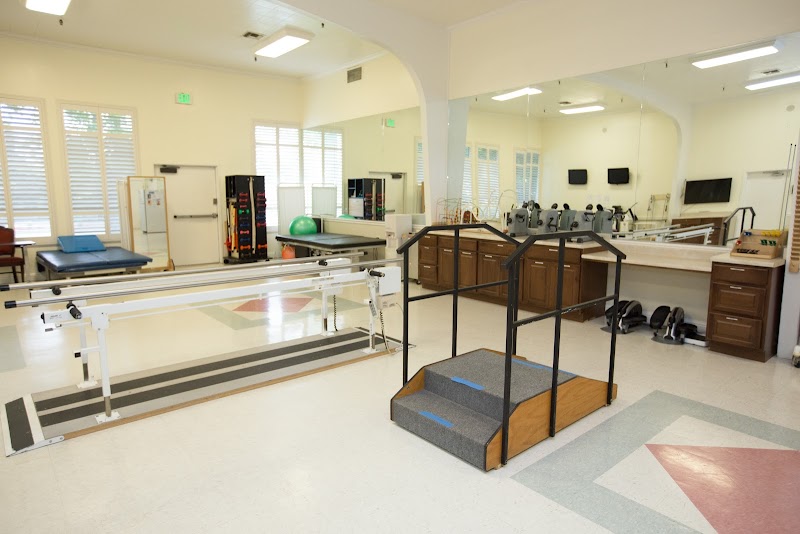
How is River Pointe Post-Acute Staffed?

CMS rates RIVER POINTE POST-ACUTE's staffing level at 3 out of 5 stars, which is average compared to other nursing homes. Staff turnover is 59%, which is 13 percentage points above the California average of 46%. High turnover can affect care consistency as new staff learn residents' individual needs.

What Have Inspectors Found at River Pointe Post-Acute?

State health inspectors documented 44 deficiencies at RIVER POINTE POST-ACUTE during 2021 to 2025. These included: 44 with potential for harm.
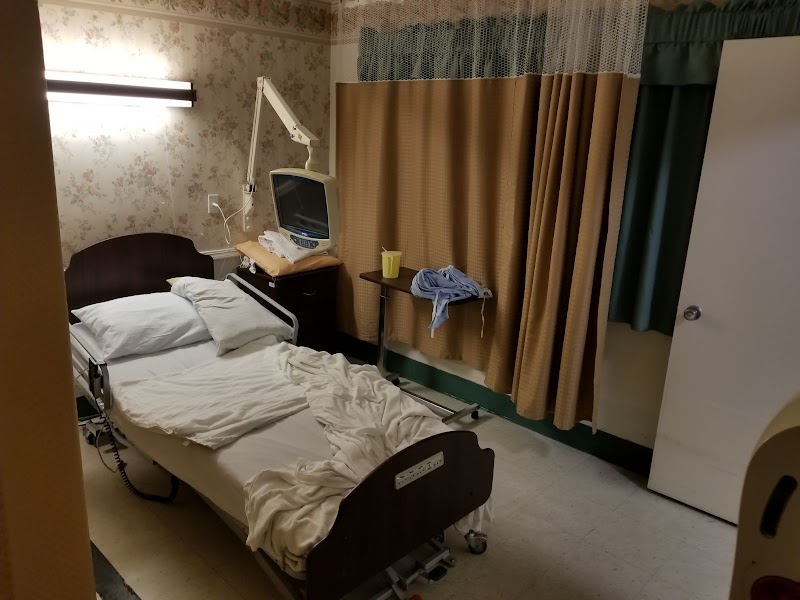
Who Owns and Operates River Pointe Post-Acute?

RIVER POINTE POST-ACUTE is owned by a for-profit company. For-profit facilities operate as businesses with obligations to shareholders or private owners. The facility is operated by LINKS HEALTHCARE GROUP, a chain that manages multiple nursing homes. With 112 certified beds and approximately 106 residents (about 95% occupancy), it is a mid-sized facility located in CARMICHAEL, California.
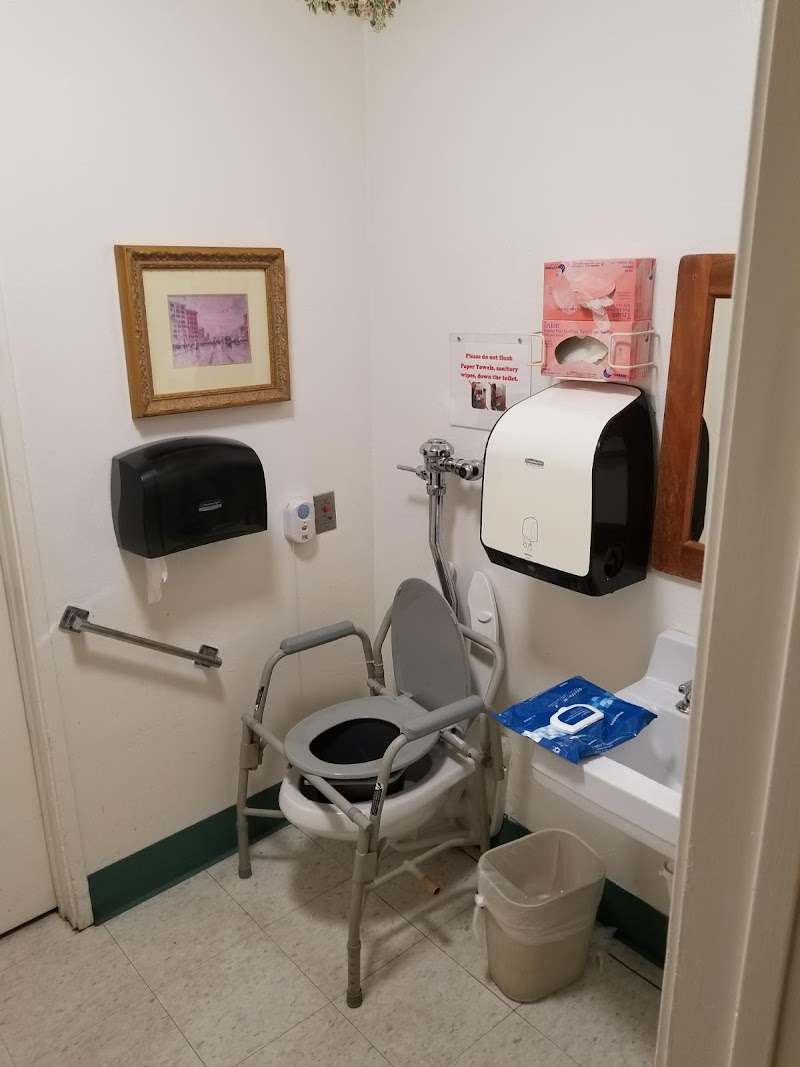
How Does River Pointe Post-Acute Compare to Other California Nursing Homes?

Compared to the 100 nursing homes in California, RIVER POINTE POST-ACUTE's overall rating (3 stars) is below the state average of 3.1, staff turnover (59%) is significantly higher than the state average of 46%, and health inspection rating (2 stars) is below the national benchmark.

What Should Families Ask When Visiting River Pointe Post-Acute?

Based on this facility's data, families visiting should ask: "How do you ensure continuity of care given staff turnover, and what is your staff retention strategy?" "Can I visit during a mealtime to observe dining assistance and food quality?" "How do you handle medical emergencies, and what is your hospital transfer rate?" "Can I speak with family members of current residents about their experience?" These questions are particularly relevant given the facility's high staff turnover rate.

Is River Pointe Post-Acute Safe?

Based on CMS inspection data, RIVER POINTE POST-ACUTE has a clean safety record: no substantiated abuse findings (meaning no confirmed cases of resident harm), no Immediate Jeopardy citations (the most serious violation level indicating risk of serious injury or death), and is not on the Special Focus Facility watch list (a federal program monitoring the lowest-performing 1% of nursing homes). The facility has a 3-star overall rating and ranks #100 of 100 nursing homes in California. While no facility is perfect, families should still ask about staff-to-resident ratios and recent inspection results during their visit.

Do Nurses at River Pointe Post-Acute Stick Around?

Staff turnover at RIVER POINTE POST-ACUTE is high. At 59%, the facility is 13 percentage points above the California average of 46%. High turnover means new staff may not know residents' individual needs, medications, or preferences. It can also be disorienting for residents, especially those with dementia who rely on familiar faces. Families should ask: What is causing the turnover? What retention programs are in place? How do you ensure care continuity during staff transitions?

Was River Pointe Post-Acute Ever Fined?

RIVER POINTE POST-ACUTE has no federal fines on record. CMS issues fines when nursing homes fail to meet care standards or don't correct problems found during inspections. The absence of fines suggests the facility has either maintained compliance or corrected any issues before penalties were assessed. This is a positive indicator, though families should still review recent inspection reports for the full picture.

Is River Pointe Post-Acute on Any Federal Watch List?

RIVER POINTE POST-ACUTE is not on any federal watch list. The most significant is the Special Focus Facility (SFF) program, which identifies the bottom 1% of nursing homes nationally based on persistent, serious quality problems. Not being on this list means the facility has avoided the pattern of deficiencies that triggers enhanced federal oversight. This is a positive indicator, though families should still review the facility's inspection history directly.