WHITNEY OAKS CARE CENTER
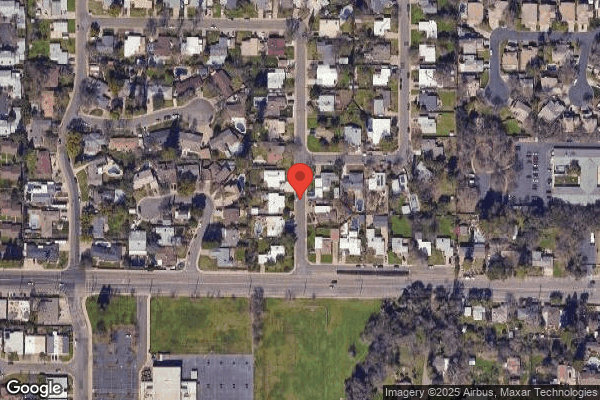

3529 WALNUT AVENUE, CARMICHAEL, CA 95608 (916) 488-8601
For profit - Corporation 126 Beds PACS GROUP Data: November 2025
Trust Grade
55/100
#723 of 1155 in CA
Last Inspection: May 2025

Inspected within the last 6 months. Data reflects current conditions.

Overview

Whitney Oaks Care Center has a Trust Grade of C, indicating it is average and ranks in the middle of the pack among nursing homes. In California, it ranks #723 out of 1,155 facilities, placing it in the bottom half, and #26 out of 37 in Sacramento County, meaning there are only a few better options nearby. The facility is improving, with issues decreasing from 24 in 2024 to 20 in 2025. Staffing is a concern, rated 2 out of 5 stars, with a turnover rate of 41%, which is around the state average. However, there have been no fines reported, and the RN coverage is considered average, which is important for monitoring residents' health. There have been some serious incidents, including a failure to protect residents from physical abuse, where two residents were injured by another resident. Additionally, the kitchen was found to have multiple safety violations, such as improperly stored food and unmaintained equipment, which could lead to foodborne illnesses. Moreover, garbage dumpsters were not properly closed, raising concerns about pest control, which can pose health risks to the residents. While the facility has strengths like no fines and an improving trend, these incidents raise significant concerns about resident safety and food hygiene.

Trust Score
C
55/100
In California
#723/1155
Bottom 38%
Safety Record
Moderate
Needs review
Inspections
Getting Better
24 → 20 violations
Staff Stability
○ Average
41% turnover. Near California's 48% average. Typical for the industry.
Penalties
✓ Good
No fines on record. Clean compliance history, better than most California facilities.
Skilled Nurses
⚠ Watch
Each resident gets only 25 minutes of Registered Nurse (RN) attention daily — below average for California. Fewer RN minutes means fewer trained eyes watching for problems.
Violations
⚠ Watch
61 deficiencies on record. Higher than average. Multiple issues found across inspections.
★★★☆☆
3.0
Overall Rating
★★☆☆☆
2.0
Staff Levels
★★★★★
5.0
Care Quality
★★☆☆☆
2.0
Inspection Score
Stable
2024: 24 issues
2025: 20 issues

The Good

  • 5-Star Quality Measures · Strong clinical quality outcomes
  • Full Sprinkler Coverage · Fire safety systems throughout facility
  • No fines on record
  • Staff turnover below average (41%)

    7 points below California average of 48%

Facility shows strength in quality measures, fire safety.

The Bad

3-Star Overall Rating

Near California average (3.1)

Meets federal standards, typical of most facilities

Staff Turnover: 41%

Near California avg (46%)

Typical for the industry

Chain: PACS GROUP

Part of a multi-facility chain

Ask about local staffing decisions and management

The Ugly 61 deficiencies on record

1 actual harm
Sept 2025 2 deficiencies
CONCERN (D) 📢 Someone Reported This

A family member, employee, or ombudsman was alarmed enough to file a formal complaint

Potential for Harm - no one hurt, but risky conditions existed

Deficiency F0658 (Tag F0658)

Could have caused harm · This affected 1 resident

Based on observation, interview, and record review, the facility failed to provide services according to professional standards of quality for one of five sampled residents (Resident 1) when Resident ...

Read full inspector narrative →
Based on observation, interview, and record review, the facility failed to provide services according to professional standards of quality for one of five sampled residents (Resident 1) when Resident 1 was not administered glipizide (a medication used to control high blood sugar levels in adults with type 2 diabetes) as prescribed by the physician.This failure had the potential to cause Resident 1 to experience uncontrolled blood sugar levels, which could result in complications such as vision impairment and/or nerve issues related to poor blood sugar control.Findings:Resident 1 was admitted to the facility in March of 2025 with diagnoses that included type two diabetes (a chronic condition that causes a person to have persistently high blood sugar levels).A review of Resident 1's Order Details, dated 3/7/25, indicated, glipiZIDE Oral Tablet 2.5 MG [milligrams, a unit of measurement] Give 1 tablet by mouth one time a day for DMII [type two diabetes] TAKE 30 MINUTES BEFORE MEALS AND HOLD IF BLOOD GLUCOSE IS LESS THAN 100During an observation on 9/23/25 at 8:21 a.m., during a medication administration for Resident 1, Licensed Nurse 1 (LN 1) administered Resident 1's glipizide after Resident 1 had finished her breakfast.During an interview on 9/23/25 at 9:10 a.m., with LN 1, LN 1 confirmed she did not administer the glipizide per physician orders. LN 1 indicated that it is important to give as ordered to prevent hypoglycemia (low levels of sugar in the blood).During an interview on 9/23/25 at 10:47 with the Director of Nursing, the DON indicated that she expected nursing staff to administer medications as ordered by the physician.During a review of the facility's policy and procedure (P&P) titled, Medication Administration-General Guidelines, dated 3/18, the P&P indicated, Medications are administered as prescribed in accordance with good nursing principles and practices.Medications are administered in accordance with written orders of the attending physician.
CONCERN (E) 📢 Someone Reported This

A family member, employee, or ombudsman was alarmed enough to file a formal complaint

Potential for Harm - no one hurt, but risky conditions existed

Deficiency F0576 (Tag F0576)

Could have caused harm · This affected multiple residents

Based on observations, interviews, and record review, the facility failed to ensure that one of five sampled residents (Resident 1's) right to send and receive mail was protected when it withheld Resi...

Read full inspector narrative →
Based on observations, interviews, and record review, the facility failed to ensure that one of five sampled residents (Resident 1's) right to send and receive mail was protected when it withheld Resident 1's mail for a period of seven months.This failure had the potential to cause emotional distress such as social isolation, missed important matters, and distrust in care for Resident 1.Findings:Resident 1 was admitted to the facility in March of 2025 with diagnoses that included depression.During an interview on 9/22/25 at 12:51 p.m. with Resident 1, Resident 1 indicated that she had been waiting for important letters from her insurance and law enforcement that were of significance to her and caused her to worry. During a concurrent interview and record review on 9/22/25 at 3:59 p.m., with the Activities Director (AD), Resident 1's Order Details, dated 3/7/25, was reviewed. The Order Details indicated, Resident has capacity to make her decisions. The AD indicated that Resident 1's mail was being withheld by activities staff since March of 2025, since they believed Resident 1 did not have capacity to make her own decisions.During an interview on 9/23/25 at 10:47 a.m. with the Director of Nursing (DON), the DON indicated residents at the facility have the right to receive mail and that she expected staff to give the mail directly to the residents when appropriate.During a review of the facility's policy and procedure (P&P) titled, Mail and Electronic Communication, revised 5/17, the P&P indicated, Residents are allowed to communicate privately with individuals of their choice and may send and receive personal mail, email and other electronic forms of communication confidentially.Mail and packages will be delivered to the resident within twenty-four (24) hours of delivery on premises or to the facility's post office box (including Saturday deliveries).
Aug 2025 1 deficiency
CONCERN (D) 📢 Someone Reported This

A family member, employee, or ombudsman was alarmed enough to file a formal complaint

Potential for Harm - no one hurt, but risky conditions existed

Quality of Care (Tag F0684)

Could have caused harm · This affected 1 resident

Based on interview and record review, the facility failed to provide treatment and care in accordance with professional standards of care for one of five sampled residents (Resident 1), when Resident ...

Read full inspector narrative →
Based on interview and record review, the facility failed to provide treatment and care in accordance with professional standards of care for one of five sampled residents (Resident 1), when Resident 1's pain was not assessed and managed, and Resident 1's Responsibility Party (RP) did not receive communication regarding Resident 1's change in condition from the physician. These failures resulted in a delay in determining that Resident 1's cause of pain was due to a fracture of the right leg. A review of Resident 1's admission Record indicated Resident 1 was admitted to the facility in November 2024 with multiple diagnoses including fracture of lower end of right femur (thighbone), nondisplaced intertrochanteric fracture of right femur (hip fracture), diabetes (too much glucose in the blood), dementia (loss of memory and other thinking abilities), and failure to thrive (inability to sustain weight due to poor nutrition).A review of Resident 1's Minimum Data Set (MDS- federally mandated assessment tool), Cognitive Patterns, dated 5/14/25, indicated Resident had a Brief Interview for Mental Status (BIMS- tool to assess cognition) score of 3 out of 15 that indicated Resident 1 was severely cognitively impaired. A review of Resident 1's MDS, Functional Abilities, dated 5/14/25, indicated Resident 1 was dependent for bed mobility and transfers.A review of Resident 1's Medication Administration Record (MAR), for 7/1/25 to 7/31/25 indicated order Tylenol Tablet 325MG [milligrams] (Acetaminophen) Give 2 tablets by mouth every 6 hours as needed for Pain . start date 12/12/24, indicated Resident 1 was only offered the medication on 7/30/25. Pain level on 7/30/25 indicated NA (Not applicable). A review of Resident 1's MAR, for 7/1/25 to 7/31/25, indicated order Pain Monitor For Presence Of Pain Every Shift Using Scale 0-10 . start date 12/22/24, indicated Resident 1 had pain level of 0 that indicated No Pain from 7/1/25 to 7/31/25. A review of Resident 1's SBAR [Situation, Background, Appearance, Review] Communication Form, dated 7/30/25 at 11:00 a.m., indicated . CNA [Certified Nursing Assistant] reported to nurse that resident has pain in right lower leg with turning or getting out of bed. Assessed resident. VS [Vital Signs] WNL [Within Normal Limits], pain observed on right lower leg with touching. Bruising noted on lower right leg. Tylenol offered for pain, took half the dose and refused to take more .Notified MD [Medical Doctor], received order for STAT [immediate] x-ray .A review of Resident 1's SBAR Communication Form, dated 7/30/25 at 4:00 p.m., indicated .Resident was noted with a pain upon movement while in bed during day shift. Pain is localized to RLE Right Lower Extremity] Resident yells out pain and verbalizes don't move that leg when assessment to the leg is done. X-ray was order to r/o [rule out] Fx [fracture] . A review of Resident 1's Physician Progress Note, dated 7/3/25, indicated . [Resident 1's RP] left a message for me to call her. I called her this morning . A review of Resident 1's Progress Note, dated 7/28/25, indicated .I received transferred call from [RP], who began expressing concerns during the conversation. She intended to go over about the missing brace and pt. [patient] having pain .A review of Resident 1's Progress Note, dated 7/29/25, indicated .An email from [RP] was received today addressing a list of issues but initial concern was related to missing brace and associated pain, brought to the attention of the office team for follow up. I also communicated this with the nurse on duty and the CNA [Certified Nursing Assistant] and relay the information. According to the nurse on duty nothing was brought to her attention before .A review of Resident 1's Progress Note, dated 7/30/25 at 10:15 a.m., indicated .approximately 10:15am writer was walking down hallway and notice resident not up in w/c [wheelchair] today. Writer asked CNA why she wasn't up and that when CNA reported to me she has pain in her leg. Writer assessed and observed RLE with some swelling, no redness, slight discoloration observed to the lower part of the shin and tender to the touch .Resident's assigned charge nurse was informed .A review of Resident 1's Progress Note, dated 7/30/25 at 11:58 a.m., indicated .CNA reported to nurse that resident has pain in right leg with turning or getting resident out of bed. Assessed resident .pain observed on right lower leg above ankle with touching. Tylenol offered for pain, resident took half of dose and refused to take more . Notified MD, received order for STAT x-ray. Will carry out orders and continue to monitor .A review of Resident 1's Progress Note, dated 7/30/25 at 3:23 p.m. indicated .Resident expressed pain when touching right lower leg .A review of Resident 1's Progress Note, dated 7/30/25 at 4:40 p.m., indicated .Approximately 1520 [3:20 p.m.] hours with a follow up visit with resident to check on the pain management and effectiveness and the RLE skin integrity, the resident observed again with facial grimacing once the shin area was touched lightly .MD called, informed of the persistent tenderness to touch, requested for a routine pain management order and order to transfer to the ER [Emergency Room] for further evaluation, MD in agreement . A review of Resident 1's Progress Note, dated 7/30/25 at 4:42 p.m., indicated .MD acknowledged speaking to the resident's [RP] . A review of Resident 1's Progress Note, dated 7/30/25 at 4:50 p.m., .MD gave order .to send resident out to ER for assessment of RLE pain after X-ray was done .A review of Resident 1's Care Plan [Resident 1] has intense pain upon touching right leg, initiated 7/30/25, .Interventions .MD notified .Obtain x-ray .Transfer to ER for Eval [Evaluation] . A review of Resident 1's Care Plan Pain: [Resident 1] is At risk of pain or discomfort due to medical diagnosis of Dementia, initiated 11/22/24, .Interventions .Notify physician if resident experiences unmanageable or intolerable pain .A review of Resident 1's Radiology Report, for x-ray done at the facility, with report date 7/30/25 at 5:59 p.m., indicated .Tibia and Fibula [lower leg bones] .Right .Results .Impacted fracture deformity [ends of bone driven into each other] of the distal femur supracondylar region [thighbone just above the knee] with moderate anterior angulation [curvature angled forward]. Comminuted fracture deformity [bone breaks in three or more pieces] of the distal tibia shaft and possible the calcaneus [heel]. Conclusion: Multiple right lower extremity fractures . Handwritten note on report indicated sent to acute. During a telephone interview on 8/8/25 at 8:42 a.m. with Resident 1's Responsible Party (RP), RP stated Resident 1 had pain in her right leg beginning 7/16/25. The RP stated Resident 1 was not getting anything for pain management. RP stated she asked for MD to contact her regarding Resident 1's pain. The RP stated MD never contacted her. The RP stated on 7/28/25, Resident 1's private caregiver reported to her that Resident 1 still had pain in right leg. The RP requested MD call her. The RP stated the MD did not contact her. The RP stated on 7/30/25 Resident 1 was still in pain and she requested again to speak w/ MD. RP stated facility obtained x-ray that showed comminuted spiral fracture of the tibia. The RP stated Resident 1 is capable of reporting pain and was supposed to get Tylenol as needed for pain. During an interview on 8/8/25 at 11:51 a.m. with the Administrator (ADM), the ADM stated Resident 1 first reported pain on 7/30/25. The ADM stated Resident 1 received Tylenol on 7/30/25, but spit it out. During a joint interview on 8/8/25 at 12:12 p.m. with the ADM and the Director of Nursing (DON), the DON stated Resident 1's MAR did not indicate she had any pain. The DON stated the Assistant Director of Nursing (ADON) found out Resident 1 was having pain on 7/30/25 when she talked with the CNA who was not able to put Resident 1 in the wheelchair due to pain and then notified the nurse. The DON stated they use a communication binder to notify MD that family would like call back. The DON stated that MD spoke with family on 7/3/25 and not again until 7/30/25. The DON stated the MD had been on vacation one week in July. Requested documentation from communication binder that MD had been notified of family request for a return call. The ADM stated unable to provide. During an interview on 8/8/25 at 2:24 p.m. with CNA 1, CNA 1 stated approximately two weeks ago, Resident 1 was not responding to her as she usually does. CNA 1 asked another CNA to assist with turning her and Resident 1 would not respond. CNA 1 reported to the nurse who said do not get her up. CNA 1 stated she did not get Resident 1 up the next day. CNA 1 stated the next time she worked with Resident 1, between 7/22/25 and 7/24/25, she asked Resident 1 what was happening because she was not talking. CNA 1 stated Resident 1 responded and said pain. CNA 1 stated she notified nurse who said do not get her out of bed. CNA 1 stated on 7/30/25 she notified the ADON that Resident 1 had pain and moaned when touched. During an interview on 8/8/25 at 2:39 p.m. with Licensed Nurse (LN) 1, LN 1 stated on 7/30/25 she was notified by a CNA that Resident 1 had pain in her right leg. LN 1 stated she assessed Resident 1's pain and observed some discoloration present. LN 1 stated she offered Tylenol, but Resident 1 would not take it. LN 1 stated she was not aware if Resident 1 had any pain prior to 7/30/25.During a concurrent interview and record review on 8/8/25 at 2:52 p.m. with the Case Management Assistant (CMA), reviewed the Progress Note dated 7/28/25 that indicated Resident 1 had pain. The CMA stated she notified the nurse on duty to let her know. The CMA stated she had checked with the CNA and nurse who were not aware she was having pain. The CMA stated she did not know if the nurse then assessed Resident 1 for pain. During an interview on 8/8/25 at 3:32 p.m. with CNA 2, CNA 2 stated if resident complains of pain, she notifies the nurse. CNA 2 stated if a resident has pain she expects the nurse to assess pain and give pain medication. During a telephone interview on 8/14/25 at 9:11 a.m. with Resident 1's Caregiver (CG), the CG stated Resident 1 showed evidence of having pain several times starting the first or second week in July. The CG stated Resident 1 would yell out but when asked would say she was okay. The CG stated she notified the nurse on 7/23/25 that Resident 1 was having pain. CG stated the nurse came in and tried to give Resident 1 Tylenol but she would not take it. CG stated she did not see the nurse do anything else to assess or relieve pain. The CG stated the facility staff stopped getting Resident 1 out of bed on 7/23/25 because her leg was hurting. During a concurrent telephone interview and record review on 8/14/25 with the DON, reviewed Resident 1's CG report of pain to the nurse on 7/23/25. The DON stated she cannot prove that Resident 1's pain was assessed on 7/23/25 as there was no documentation in the progress notes. The DON stated she asked staff if Resident 1 had any complaints of pain or if they noticed anything to indicate pain prior to 7/30/25 and staff did not report anything prior to 7/30/25. Reviewed that Resident 1 was offered Tylenol on 7/23/25 but not indicated in the MAR or in a progress note. The DON stated if Resident 1 was offered Tylenol and refused it should be documented in a progress note. The DON stated the assessment should be documented, especially if offered medication and refused. The DON stated the pain scale in the MAR indicated Resident 1 did not have pain, even on 7/30/25 when she was sent to the hospital due to pain. Reviewed progress notes for 7/23/25, 7/28/25, and 7/29/25. Reviewed with the DON that CNA reported to the nurse that Resident 1 had pain between 7/22/25 and 7/24/25. The DON acknowledged that there are no progress notes that indicate Resident 1 was assessed for pain for 7/22/25 to 7/24/25. The DON stated her expectation if resident has pain, the nurse is to evaluate pain, where it is, what kind of pain it is, if repositioning helps and if medication may be given. A review of the facility's Policy and Procedure (P&P) titled Pain-Clinical Protocol, revised 4/25, indicated .The provider and staff will identify individuals who have pain or who are at risk for having pain .The nursing staff will assess each individual for pain .when there is onset of new pain .The provider will help identify causes of pain, for example, by examining the resident directly, reviewing the resident's history, and via discussion with the resident and staff .The provider will help identify the extent to which underlying causes of pain can be addressed or reversed . he provider will perform or order appropriate tests as needed to help clarify sources of pain. For example, an x-ray may help to identify the cause of joint pain .The provider will order appropriate non-pharmacologic and medication interventions to address the individual's pain .A review of the facility's P&P titled Resident Rights, revised 2/21, indicated .Federal and state laws guarantee certain basic rights to all residents of the facility. These rights include the resident's right to .communication with and access to people and services, both inside and outside the facility .be informed of, and participate in, his or her care planning and treatment .choose an attending physician and participate in decision-making regarding his or her care .
Jul 2025 1 deficiency
CONCERN (D) 📢 Someone Reported This

A family member, employee, or ombudsman was alarmed enough to file a formal complaint

Potential for Harm - no one hurt, but risky conditions existed

Deficiency F0947 (Tag F0947)

Could have caused harm · This affected 1 resident

**NOTE- TERMS IN BRACKETS HAVE BEEN EDITED TO PROTECT CONFIDENTIALITY** Based on interview and record review, the facility failed to ensure resident abuse prevention training was sufficient for one ou...

Read full inspector narrative →
**NOTE- TERMS IN BRACKETS HAVE BEEN EDITED TO PROTECT CONFIDENTIALITY** Based on interview and record review, the facility failed to ensure resident abuse prevention training was sufficient for one out of three sampled facility staff (Certified Nurse Assistant [CNA] 4).This failure had the potential for an ineffective resident abuse prevention program of the facility making facility residents at risk for abuse.Findings:During a concurrent interview and record review on 7/15/25 at 1:30 p.m. with the Administrator (Adm), the facility's training in-services binder was reviewed. The Adm confirmed that the most recent abuse prevention related training of CNA 4 was on 3/12/24 which was more than a year ago.A review of CNA 4's PERFORMANCE IMPROVEMENT PLAN (PIP), dated 4/10/24, indicated, Management received a report that the employee [CNA 4] has made comments and actions towards [sic] other employees in an inappropriate and harmful sexual manner. - Reports claim that the employee made unwarranted and undesired comments towards another employees body. - Reports claim that the employee touched / slapped the buttox [sic] of another femal [sic] employee without consent.A review of a facility document titled, REPORT OF SUSPECTED DEPENDENT ADULT/ELDER ABUSE, dated 7/14/25, indicated, At this time, the resident reported that she was sexually abused multiple times while in a differrent [sic] room, room [ROOM NUMBER]B. Resident was in this room from 10/24/24 to 2/10/25 .Resident reported that late at night while being changed and cleaned from her brief, [Name of CNA 4] would fool around down there and enter her vagina.During an interview on 7/15/25 at 2:45 p.m. with the Director of Nursing (DON), the DON stated the facility offers abuse training in-services to its employees quarterly which follows the state regulation on abuse training in-services which was twice in a year.During an interview on 7/15/25 at 3:16 p.m. with the Adm, the Adm stated the facility must comply with the regulation. The Adm also stated that abuse training in-services should be sufficient to protect patients and the community from all forms of abuse. The Adm further stated that no residents should experience abuse.A review of the facility's policies and procedures (P&P) titled, Abuse, Neglect, Exploitation and Misappropriation Prevention Program, revised 4/2021, indicated, 6. Provide staff orientation and training/orientation programs that include topics such as abuse prevention, identification and reporting of abuse, stress management, and handling verbally or physically aggressive resident behavior.
Jun 2025 1 deficiency
CONCERN (D) 📢 Someone Reported This

A family member, employee, or ombudsman was alarmed enough to file a formal complaint

Potential for Harm - no one hurt, but risky conditions existed

Report Alleged Abuse (Tag F0609)

Could have caused harm · This affected 1 resident

Based on interview and record review, the facility failed to report an allegation by Resident 1 of verbal abuse to The Department within the regulatory timeframe. This failure had the potential to pu...

Read full inspector narrative →
Based on interview and record review, the facility failed to report an allegation by Resident 1 of verbal abuse to The Department within the regulatory timeframe. This failure had the potential to put Resident 1 at risk of abuse if not investigated by The Department. A review of Resident 1's admission Record indicated Resident 1 was admitted to the facility in November 2024 with multiple diagnoses including polyneuropathy (nervous system disorder that impacts nerve function in multiple areas of the body), chronic obstructive pulmonary disease (lung disease that blocks airflow and makes it difficult to breathe), schizoaffective disorder (mental health condition that is a combination of symptoms of schizophrenia and mood disorder), moderate protein-calorie malnutrition (a deficiency of both calories and protein causing nutritional deficiencies), and cannabis use and stimulant abuse. A review of Resident 1's Minimum Data Set (MDS- federally mandated assessment tool), Cognitive Patterns, dated 2/11/25, indicated Resident 1 had a Brief Interview for Mental Status (BIMS- tool to assess cognition) score of 13 out of 15 that indicated Resident 1 was cognitively intact. A review of Resident 1's Grievance/ Complaint Report Form, dated 3/3/25, indicated .Date of Incident: 3/2/25 .Time of Incident: Approx 11 AM [approximately 11:00 a.m.] Location of Incident: 507A .Detailed Description of Grievance/Complaint .[Resident 1's Family Member] stated staff named [Certified Nursing Assistant-CNA 2] threaten to hurt [Resident 1] .Administrator Acknowledgement Date Received 3/4/25 Name [name of current administrator] .Date of Resolution 3/4/25 . A review of the Investigation Summary indicated two staff, CNA 1 and CNA 2, were interviewed on 3/3/25 and CNA 2 stated he did not make any threatening statements toward the resident. During an interview on 6/12/25 at 11:20 a.m. with the Administrator (ADM), the ADM stated if an abuse allegation is reported, the facility has two hours to report the allegation to the state, the ombudsman (an advocate for residents of nursing homes) and law enforcement if harm. The ADM stated the facility has 24 hours to report if no harm. The ADM stated the facility then sends a 5 day follow-up report of the investigation to The Department and the ombudsman. During a concurrent interview and record review on 6/12/25 at 12:13 p.m. and subsequent interview at 12:53 p.m. with the ADM, reviewed Resident 1's Grievance/Complaint Report Form, dated 3/3/25, and allegation that CNA 2 had threatened Resident 1. When asked if a verbal threat is considered abuse, the ADM acknowledged that a verbal threat can be considered abuse. The ADM stated the verbal abuse allegation was not reported to The Department. The ADM stated he did not recognize it, at the time, as verbal abuse. The ADM stated, Should have been reported on 3/3/25 with a follow-up 5 day report. The ADM stated he will take the blame for not reporting Resident 1's abuse allegation. During an interview on 6/12/25 at 1:02 p.m. with Director of Staff Development (DSD), the DSD stated abuse allegations are to be reported, depending on injury, immediately or within 24 hours to The Department, the ombudsman, and law enforcement, if needed. The DSD stated the staff is advised to report abuse within the regulatory timeframe. When asked if a verbal threat to resident would be considered abuse, the DSD acknowledged that a verbal threat would be considered abuse. A review of the facility's Policy and Procedure (P&P) titled Abuse, Neglect, Exploitation and Misappropriation Prevention Program, revised 4/21, indicated .Residents have the right to be free from abuse .This includes but is not limited to freedom from .verbal .abuse .Identify and report any allegations within timeframes required by federal requirements . A review of the facility's P&P titled Abuse, Neglect, Exploitation or Misappropriation-Reporting and Investigating, revised 9/22, indicated .All reports of resident abuse . are reported to local, state and federal agencies (as required by current regulations) .If resident abuse .is suspected, the suspicion must be reported immediately to the administrator and to other officials according to state law .The administrator or the individual making the allegation immediately reports his or her suspicion to the following persons or agencies: .The state licensing/certification agency responsible for surveying/licensing the facility .The local /state ombudsman .Law enforcement officials .Immediately is defined as: .within two hours of an allegation involving abuse or result in serious bodily injury; or .within 24 hours of an allegation that does not involve abuse or result in serious bodily injury .Within five (5) business days of the incident, the administrator will provide a follow-up investigation report .
May 2025 15 deficiencies
CONCERN (D)

Potential for Harm - no one hurt, but risky conditions existed

Resident Rights (Tag F0550)

Could have caused harm · This affected 1 resident

Based on observation, interview, and record review, the facility failed to promote dignity and respect for Resident 61 when Licensed Nurse 3 (LN 3) did not provide privacy to body after leaving Reside...

Read full inspector narrative →
Based on observation, interview, and record review, the facility failed to promote dignity and respect for Resident 61 when Licensed Nurse 3 (LN 3) did not provide privacy to body after leaving Resident 61's room, and did not communicate with Resident 61 while providing care. These failures decreased the facility's ability to provide care in a dignified and respectful manner for Resident 61. Findings: A review of Resident 61's admission record indicated he was originally admitted in November 2020 with diagnoses including dementia (a progressive state of decline in mental abilities), and functional quadriplegia (inability to move legs and arms due to physical weakness). A review of Resident 61's Minimum Data Set (MDS- a federally mandated assessment tool), dated 3/3/25, indicated Resident 61's Brief Interview for Mental Status (BIMS- an assessment tool used by facilities to screen and identify memory, orientation, and judgement status of the resident) score was 0 out of 15 with an inability to express ideas and make decisions. A review of Resident 61's Activity of Daily Living (ADL- routine tasks/activities a person performs daily to care for themselves) care plan, dated 3/13/23 and revised on 3/11/25, indicated an intervention to provide verbal and tactile cues; explain task during ADL care. During an observation on 5/20/25 at 11:15 a.m., Licensed Nurse 3 (LN 3) entered Resident 61's room without knocking on the door, she did not verbally acknowledge his presence, and did not explain the purpose for entering his room. LN 3 prepared for his tube feeding administration, uncovered Resident 61 to expose his stomach's gastrostomy (a surgical opening fitted with a device to allow feedings to be administered directly to the stomach) site, then left the room without covering Resident 61's body with the gown or linen. Approximately five minutes later LN 3 returned to Resident 61's bedside, and continued with tube feeding administration, without talking or explaining the task to him. During an interview on 5/20/25 at 11:30 a.m. with Licensed Nurse 3 (LN 3), LN 3 acknowledged that she did not communicate with Resident 61 while providing care, and that she did not cover him when she left the room. LN 3 stated I know better, and confirmed that Resident 61 had the right for respect, dignity and privacy. During an interview on 5/23/25 at 10 a.m., in the Director of Nursing's (DON) office, with Administrator (ADM) and DON, DON stated that LN 3 is familiar with Resident 61 and has been working with him for a long time. ADM and DON acknowledged the importance of Resident 61 having privacy and being treated with respect. Furthermore, stated that staff should introduce themselves when entering a resident's room, and communicate with residents when they are helping with care. During a review of the facility's policy titled, Dignity, revision date February 2021, the policy stipulated, 1. Residents are treated with dignity and respect at all times . 7. Staff are expected to knock .before entering residents' rooms . 8. Staff speak respectfully to residents at all times, including addressing the resident by his or her name .9. Procedures are explained before they are performed . 11. Staff promote, maintain and protect resident privacy, including bodily privacy during assistance with personal care and during treatment procedures.
CONCERN (D)

Potential for Harm - no one hurt, but risky conditions existed

Assessment Accuracy (Tag F0641)

Could have caused harm · This affected 1 resident

**NOTE- TERMS IN BRACKETS HAVE BEEN EDITED TO PROTECT CONFIDENTIALITY** Based on observation, interview, and record review, the facility failed to accurately complete the quarterly Minimum Data Set (M...

Read full inspector narrative →
**NOTE- TERMS IN BRACKETS HAVE BEEN EDITED TO PROTECT CONFIDENTIALITY** Based on observation, interview, and record review, the facility failed to accurately complete the quarterly Minimum Data Set (MDS - a federally mandated resident assessment tool) for one of 24 sampled residents (Resident 64). Failure to accurately assess Resident 64's Multi-Drug Resistant Organism (MDRO, an organism that is resistant to multiple antibiotics) status resulted in an inaccurate record. Findings: A review of Resident 64's admission Record, dated 5/23/25, indicated, Resident 64 was admitted to the facility in January 2024 with diagnoses that included diabetes mellitus (DM-a disorder characterized by difficulty in blood sugar control and poor wound healing), peripheral vascular disease (PVD - a slow progressive narrowing of the blood flow to the arms and legs), and Resistance to Multiple Antimicrobial Drugs. During a review of Resident 64's MDS, dated [DATE], the MDS indicated the presence of MDRO as an active diagnosis. During a review of Resident 64's Health Care Facility Transfer Form, dated 1/18/24, the Health Care Facility Transfer Form indicated there was no need for isolation or MDRO status for Resident 64. A review of Resident 64's hospitalization record titled History and Physical, dated 7/17/24, did not indicate a need for isolation or MDRO status. A review of Resident 64's Microbiology Cultures, dated 7/17/24, indicated a urinary infection with bacteria that was sensitive to multiple antibiotics (non-MDRO). During an observation on 5/20/25 at 8:36 a.m., entrance to Resident 64's room was observed without signage for contact based precautions, specifically Enhanced Barrier Precautions (EBP- a set of personal protective equipment measures customarily implemented for MDRO control). During an interview on 5/21/25 at 11:21 a.m. with Infection Preventionist (IP), IP confirmed that Resident 64 did not have an MDRO and the MDS needed to be corrected. She further stated that MDRO status was likely marked when bacterial culture laboratory results were pending. During an interview on 5/23/25 at 8:05 a.m. with MDS Coordinator (MDS-C), MDS-C confirmed that Resident 64's MDS was marked for MDRO in July 2024 when culture laboratory results were pending. She agreed that MDRO status should have been corrected when lab results became available within a week. During an interview on 5/23/25 at 9:23 a.m. with IP, IP agreed that there should be better communication with MDS because if Resident 64 had actual MDRO and it wasn't communicated to the IP to implement appropriate precautions, the facility would have been at higher risk of spread of infections. During an interview on 5/23/25 at 10:47 a.m. with the Director of Nursing (DON), the DON stated that Resident 64's MDRO status should have been coded accurately in the MDS, and it should have been verified by the IP. DON also stated that the facility did not have MDS specific policy.
CONCERN (D)

Potential for Harm - no one hurt, but risky conditions existed

Deficiency F0658 (Tag F0658)

Could have caused harm · This affected 1 resident

Based on observation, interview, and record review, the facility failed to administer a medication according to professional standards of quality for one of 34 sampled residents (Resident 23) when his...

Read full inspector narrative →
Based on observation, interview, and record review, the facility failed to administer a medication according to professional standards of quality for one of 34 sampled residents (Resident 23) when his insulin lispro (a fast acting insulin, medication to treat diabetes (a disorder characterized by difficulty in blood sugar control and poor wound healing)) according to the physician's order. This failure had the potential to cause poor glycemic (blood sugar) control which could lead to heart disease, nerve damage, kidney disease, vision loss, and foot problems. Findings: A review of Resident 23's medical record indicated he was admitted to the facility Fall 2022 with diagnosis which included diabetes. A review of Resident 170's clinical record included a physician's order dated 5/20/25, for insulin lispro 100 unit/milliliter (a unit of measurment) inject 8 unit subcutaneously (under skin) before meals for DMII (typle 2 diabetes). During a medication pass observation on 5/20/25 at 7:55 a.m. with Licensed Nurse 1(LN1), LN 1 was observed preparing 10 medications for Resident 23, including insulin lispro to Resident 23. LN 1 confirmed Resident 23 was done eating breakfast and removed his breakfast tray from the room. A review of the facilities dietary service schedule, the schedule indicated breakfast trays for Resident 23's hallway were routinely scheduled for 7:10 a.m. delivery. During an interview on 5/20/25 at 12:07 p.m. with LN 1, LN 1 stated Resident 23 had just finished his breakfast after you got to me. LN 1 confirmed Resident 23's breakfast trays were routinely delivered between 7:10 am. to 7:30 a.m. LN 1 confirmed Resident 23's medication order for insulin lispro was ordered before meals and she had administered after he had eaten his breakfast. During an interview on 5/22/25 at 08:50 a.m. with the DON, the DON stated nursing staff were expected to follow physician orders insulin and blood sugars are to be check prior to meal. DON stated adverse outcome can be uncontrolled blood sugar levels. During a review of the facility's policy titled, Medication Administration-General Guidelines dated 3/2018, the policy indicated, Medications are administered as prescribed in accordance with good nursing principles and practices .Medications are administered within 60 minutes of scheduled time, except before or after meal orders, which are administered based on mealtimes unless otherwise specified by the prescriber . Medications are administered in accordance with written orders of the attending physician.
CONCERN (D)

Potential for Harm - no one hurt, but risky conditions existed

Deficiency F0676 (Tag F0676)

Could have caused harm · This affected 1 resident

Based on observation, interview and record review, the facility failed to ensure communication needs were met for one of 34 sampled residents (Resident 51) when communication materials were not availa...

Read full inspector narrative →
Based on observation, interview and record review, the facility failed to ensure communication needs were met for one of 34 sampled residents (Resident 51) when communication materials were not available for use by the resident. This failure had the potential to impede Resident 51 from maintaining or reaching the highest practicable well-being. Findings: Resident 51 was admitted to the facility in April 2025 with diagnoses which included right femur fracture, and muscle weakness. Resident 51's Minimum Data Set (MDS, an assessment tool) dated 4/28/25 indicated memory was severely impaired. The MDS also indicated Resident 51's preferred language was other than English. During a review of activities care plan for Resident 51 initiated 4/28/25, indicated Provide activity calendar in room .Provide activity materials like books, magazines, TV, radio, arts and crafts .in accordance with interests. During a review of Resident 51's Comprehensive Skilled Review Note dated 5/15/25, indicated .Language barrier-Russian speaking only. During a concurrent observation and interview on 5/20/25 at 11:20 a.m., Resident 51 was laying in bed, responded to questions in English by waving hand and shaking head with no verbal response. There were no communication devices observed in the room. During an observation on 5/22/25 at 1:31 p.m., in Resident 51's room, observed Resident 51 in bed awake TV on tuned to an English channel. During an interview with Certified Nurse Assistant (CNA 2) on 5/21/25 at 10:15 a.m., CNA 2 stated she was not sure of the language Resident 51 spoke. CNA 2 stated Resident 51 used gestures in an attempt to communicate. CNA 2 confirmed there were no communication devices in the resident's room. CNA 2 further stated he had not used a translation service and had not seen any other staff use it for Resident 51. During an interview on 5/20/25 at 2:05 p.m. with Resident 51's family member (FM), FM stated staff communicated with Resident 51 with gestures which were not very effective. FM stated he was concerned regarding mother's inability to communicate with staff. FM further indicated he requested an interpreter on admission and was told there was no interpreter. FM stated his mother's inability to understand and communicate in an unfamiliar environment can lead to increased confusion. During an interview with Licensed Nurse 2 (LN 2) on 5/21/25 at 9:15 a.m., LN 2, stated, To assess pain, we use facial expressions, posture, and gestures. LN 2 stated, The resident was not able to verbalize pain or pain level. LN 2 stated there was no communication board in Resident 51's room. During an interview on 5/21/25 at 11:25 a.m. with Resident 51's physician, she stated Resident 51 spoke Russian. Physician stated Resident 51 had cognitive impairment. Physician further stated she assessed and treated Resident 51 when her family member was present to interpret. The physician stated she had discussed with facility staff the possibility of using a translation service for Resident 51. During an interview on 5/22/25 at 9:13 a.m. the Director of Nursing (DON) stated that expectations were that interventions utilized for non-English speaking residents included the usage of the facilities contracted translator service line and communication boards. The DON stated she was not aware of how Resident 51 was communicating her needs with staff. DON verified from the record that Resident 51 had no communication care plan. Review of the facility's policy and procedure titled, Social Services, revised September 2021, indicated .to assure that each resident can attain or maintain his/her highest practicable . wellbeing .assisting with or arranging for a resident's communication needs through resident's preferred method of communication and/or language that the resident understands .
CONCERN (D)

Potential for Harm - no one hurt, but risky conditions existed

ADL Care (Tag F0677)

Could have caused harm · This affected 1 resident

**NOTE- TERMS IN BRACKETS HAVE BEEN EDITED TO PROTECT CONFIDENTIALITY** Based on observation, interview, and record review, the facility failed to ensure two (2) of 34 sampled residents (Resident 27 a...

Read full inspector narrative →
**NOTE- TERMS IN BRACKETS HAVE BEEN EDITED TO PROTECT CONFIDENTIALITY** Based on observation, interview, and record review, the facility failed to ensure two (2) of 34 sampled residents (Resident 27 and Resident 220) received services to maintain nail care, good grooming, and personal hygiene for the use of neck brace device. This failure decreased the facility's ability to promote healthy nail growth and enhanced residents' appearance, overall well-being and to prevent skin irritation and potential infections. Findings: A review of Resident 27's admission Record (AR) indicated she was admitted on [DATE] with diagnoses which included depression (serious medical illness that can significantly impact how a person feels, thinks, and acts), left sided body weakness and cognitive impairment. A review of Resident 27's Physician's Order (PO) dated 2/19/25, the PO indicated, Resident's Consult - Podiatry As Needed For Mycotic/Hypertrophic Nails And/Or Keratotic Lesions. During a concurrent observation and interview on 5/20/25 at 4:18 p.m., Resident 27's right fingernails were long, jagged and had substances underneath the nail beds. Resident 27's left fingernails, especially the middle finger including the second and little fingers, had long and curled inward nails and fungus-like appearance. Resident 27 stated she wanted her fingernails trimmed and had told the staff about it but it was not done. During a concurrent observation and interview, on 5/22/25 at 12:51 p.m., with Licensed Nurse 7 (LN 7), LN 7 confirmed the findings. LN 7 stated she would get a treatment order from the physician for the fungus-like condition of the left fingernails. LN 7 stated resident's fingernails should be kept short and clean to prevent nail infections becasue dirt and germs could live under fingernails. During an interview on 5/23/25 at 11:01 a.m., with the Director of Nursing (DON), together with the Administrator (ADM), the DON stated her expectation was for the nurses to do the nail care for the residents, especially when fingernails had some sort of fungus, then the physician should be notified for a treatment order. The DON stated keeping residents' nails trimmed and clean is crucial for hygiene, health, overall well-being, helped prevent infections, and promote healthy nail growth. A review of Resident 220's AR indicated he was admitted on [DATE] with diagnoses which included cervical spinal fusion (a surgery that joins two or more vertebrae in the neck to create a stable, solid piece of bone). A review of Resident 220's PO dated 5/15/25, the PO indicated, keep [Brand name] collar neck brace at all times as ordered. During an observation on 5/20/25 at 12:09 p.m., Resident 220's neck collar foampad had brownish to blackish discoloration. On 5/22/25 at 10:47 a.m., Resident 220 was brushing his teeth and toothpaste bubbles cascaded down to his discolored and dirty neck brace foampad. During a concurrent observation and interview on 5/22/25 at 10:47 a.m., Resident 220 stated his neck collar foampad had not been changed or washed since he was admitted . Resident 220 stated if it was dirty and smell, then it should have been washed or changed. During a concurrent observation and interview, on 5/22/25 at 10:47 a.m., LN 8 confirmed the neck brace foampad had brownish to blackish discolorations. LN 8 stated cleaning the neck collar foampad is crucial to prevent skin irritation, bacterial growth, and unpleasant odors. LN 8 added regularly cleaning the foampads and the collar itself helps maintain hygiene and comfort, especially during extended use, but cleaning/washing the neckbrace foampad was not done. During an interview on 5/23/25 at 11:01, with the DON together with the ADM, the DON stated because the foampad had direct contact with the skin, she expected the staff to clean it regularly to prevent possible skin rashes, soreness, and irritation caused by sweat, bacteria, and debris. The DON also added, neck brace foampads when worn for extended period of times while it is dirty could become breeding grounds for bacteria and cleaning it, including hand washing it with soap and water, could help control bacterial growth and reduce the risk of skin infection. A review of the facility's Policy and Procedure (P/P) titled, ACTIVITIES OF DAILY LIVING, SUPPORTING, revised 4/2025, the P/P indicated, Residents who are unable to carry out activities of daily living independently receive the services to maintain good grooming and personal hygiene. A review of the facility's Policy and Procedure (P/P) titled, CLEANING AND DISINFECTION OF RESIDENT-CARE ITEMS AND EQUIPMENT, revised 10/2018, the P/P indicated, Resident care equipment including reusable items and durable medical equipment will be cleaned .
CONCERN (D)

Potential for Harm - no one hurt, but risky conditions existed

Deficiency F0687 (Tag F0687)

Could have caused harm · This affected 1 resident

Based on observation, interview and record review the facility failed to ensure one resident (Resident 31) out of 34 sampled residents was provided nail care. This failure resulted in Resident 31's ov...

Read full inspector narrative →
Based on observation, interview and record review the facility failed to ensure one resident (Resident 31) out of 34 sampled residents was provided nail care. This failure resulted in Resident 31's overgrown toenails and the potential to develop an infection or injury. Findings: A review of Resident 31's admission record indicated Resident 31 was admitted to the facility in July 2024 with diagnoses which included respiratory failure (inadequate gas exchange by the respiratory system) and chronic obstructive pulmonary disease (COPD). During a concurrent observation and interview on 5/20/25 at 8:33 a.m. in Resident 31's room, Resident 31 indicated she had stated her toenails needed to be trimmed. An observation of Resident 31's toenails showed her toenails were long, past the edge of her toes. Resident 31 stated her toenails kept getting caught on her bed linens and was worried about scratching herself. During a concurrent observation and interview on 5/22/25 at 11:06 a.m. with Licensed Nurse (LN) 6, in Resident 31's room, LN 6 observed Resident 31's toenails and acknowledged they needed to be trimmed. LN 6 confirmed it was in the LNs scope of practice to cut or trim residents' toenails. LN 6 acknowledged resident nails should be assessed frequently for length and infection. During an interview on 5/22/25 at 11:47 a.m. with the Director of Nursing (DON), the DON acknowledged nail care should be assessed frequently. The DON confirmed it was within the LNs scope of practice to cut, trim or file the resident's toenails. A review of the facility's policy and procedure (P&P) titled, Care of Fingernails/Toenails, revised February 2018, indicated The purposes of this procedure are to clean the nail bed, to keep the nails trimmed, and to prevent infections .Nail care incudes daily cleaning and regular trimming.
CONCERN (D)

Potential for Harm - no one hurt, but risky conditions existed

Incontinence Care (Tag F0690)

Could have caused harm · This affected 1 resident

**NOTE- TERMS IN BRACKETS HAVE BEEN EDITED TO PROTECT CONFIDENTIALITY** Based on observation, interview, and record review, the facility failed to ensure one of 34 sampled residents (Resident 102) ind...

Read full inspector narrative →
**NOTE- TERMS IN BRACKETS HAVE BEEN EDITED TO PROTECT CONFIDENTIALITY** Based on observation, interview, and record review, the facility failed to ensure one of 34 sampled residents (Resident 102) indwelling catheter (IC, a type of urinary catheter designed to remain in place for an extended period to drain urine from the bladder) tubing was free from accumulated urine sediments. This failure decreased the facility's ability to prevent obstruction of the catheter's lumen, leading to reduced urine flow or complete blockage. Findings: A review of Resident 102's admission Record (AR) indicated he was admitted on [DATE] with diagnoses which included urine retention and enlarged prostate (gland that produces some of the fluid) with lower urinary tract symptoms. A review of Resident 102's Physician's Order (PO) dated 5/12/25, the PO indicated: Indwelling [Brand Name] Catheter . # 18F [FR: French; catheter size]/10 ml [milliliter, metric unit of measurement] for diagnoses of obstructive and reflux uropathy; monitor every shift; cleanse with warm soap and water, rinse and pat dry; irrigate with 10 ml of normal saline [PRN, as needed] for clogging and notify (MD, Medical Director) as needed. During an observation on 5/20/25 at 8:27 a.m. and on 5/22/25 at 11:11 a.m., Resident 102 had his catheter tubing with accumulated whitish urine-sediment-like substances. During a concurrent observation and interview on 5/22/25 at 11:11 a.m., with Licensed Nurse 8 (LN 8), LN 8 confirmed there was accumulated whitish urine sediments in Resident 102's IC tubing. LN 8 stated it should not be that way, because accumulated urine sediments in the IC could affect the kidney, resident could get infection, kidney problem and urinary tract infection (UTI, an infection in any part of the urinary system). During an interview on 5/23/25 at 11:01, with the Director of Nursing (DON) together with the Administrator (ADM), the DON stated her expectation on catheter care was that nurses should monitor the urine color, the catheter tubing for any accumulation of urine sediments, and flush it to prevent Resident 102 from getting infection. The DON stated infection is a big thing. The DON also stated, urine tubing flush is crucial for maintaining the proper function of urinary catheters and preventing complications like blockages and it helped clear any debris, mucus, or blood clots that may obstruct the flow of urine. A review of the facility's Policy and Procedure (P/P) titled, CATHETER CARE, URINARY, dated 8/2022, the P/P indicated, Maintaining Unobstructed Urine Flow: Residents who form encrustations that can quickly lead to an obstruction need more catheter changes at intervals specific to individual resident. The catheter should be changed before blockage is likely to occur.
CONCERN (D)

Potential for Harm - no one hurt, but risky conditions existed

Respiratory Care (Tag F0695)

Could have caused harm · This affected 1 resident

**NOTE- TERMS IN BRACKETS HAVE BEEN EDITED TO PROTECT CONFIDENTIALITY** Based on observation, interview, and record review, the facility failed to ensure one of 34 sampled residents (Resident 220) inc...

Read full inspector narrative →
**NOTE- TERMS IN BRACKETS HAVE BEEN EDITED TO PROTECT CONFIDENTIALITY** Based on observation, interview, and record review, the facility failed to ensure one of 34 sampled residents (Resident 220) incentive spirometer (IS, a handheld medical device used to help patients practice taking deep breath, encouraging lung expansion to prevent respiratory complications) was available and provided as ordered. This failure decreased the facility's ability to help Resident 220's exercise his lungs to expand, strengthen, inflate, and clear mucus and other secretions after surgery. Findings: A review of Resident 220's admission Record (AR) indicated he was admitted on [DATE] with diagnoses which included cervical spinal fusion (a surgery that joins two or more vertebrae in the neck to create a stable, solid piece of bone). A review of Resident 220's Physician's Order (PO) dated 5/13/25, the PO indicated, Incentive Spirometer: three times per day for 10 days due to pulmonary dysfunction related to: PNEUMONIA [PNA, a lung infection where the air sacs (alveoli) fill with fluid or pus, making it difficult to breathe and potentially causing fever, cough, and other symptoms] PREVENTION . every shift documented minutes to include the time the respiratory nurse spends with the resident including evaluation/assessment, treatment administration and monitoring, and setup and removal of treatment equipment. During observations on 5/20/23 at 12:09 p.m., and on 5/22/25 at 10:07 a.m , Resident 220's IS device was out of sight and was not observed he had used it. During a concurrent observation and interview on 5/22/25 at 1:43 p.m., Resident 220 stated he had not used the IS. During a concurrent observation, interview, and record review on 5/22/25 at 10:51 a.m., with Licensed Nurse 8 (LN 8), LN 8 confirmed Resident 220 had an order to use the IS, three time per day for 10 days from 5/13/25-5/23/25. LN 8 confirmed the IS was out of sight and she had not provided it. LN 8 stated Resident 220 had not moved that much due to his spine surgery and the IS should be available to Resident 220 to use to prevent lung infection, but no IS was provided. During an interview and record review, on 5/23/25 at 11:01 a.m., with the Director of Nursing (DON), Resident 220's record was reviewed. The DON confirmed Resident 220 had an order to use the IS. The DON stated she expected the nurses to provide Resident 220 the care and treatment he needed like the IS to prevent lung infection. The DON stated by not offering Resident 220 the IS, he could develop pneumonia and other lung complications after surgery. A policy about breathing device to include incentive spirometer was requested but none was available/provided. A review of the facility's Registered Nurse's (RN's) duties and responsibilities: On Equipment and Supplies indicated: Ensure that an adequate stock level of . medical supplies, equipment is maintained on premises at all times to meet the needs of the residents.
CONCERN (D)

Potential for Harm - no one hurt, but risky conditions existed

Pharmacy Services (Tag F0755)

Could have caused harm · This affected 1 resident

Based on observation, interview and record review, the facility failed to ensure: 1. Destruction prescription medications according to facility policy and procedure (P&P); and, 2. The narcotic emergen...

Read full inspector narrative →
Based on observation, interview and record review, the facility failed to ensure: 1. Destruction prescription medications according to facility policy and procedure (P&P); and, 2. The narcotic emergency kit (e-kit; a kit/box containing medications and supplies for immediate use during a medical emergency) was replaced according to facility P&P after use. These failures had the potential for abuse or misuse of medications and for emergency medications to be unavailable when needed. Findings: During an observation and interview on 5/20/25 at 8:52 a.m. with Licensed Nurse 2 (LN 2), LN 2 stated there was not a drug buster (a container to safely hold disposed drugs) available on her cart. LN 2 placed amiodarone (medication primarily used to treat heart rhythm problems) and another unidentified loose pill she found in the medication drawer inside a used latex glove and stored it inside the med cart. LN 2 confirmed there was not a drug buster located in her medication cart. LN 2 stated proper disposal of medications should be immediately in a drug buster and not in glove. During an interview on 5/21/25 at 1:59 p.m., with Director of Nursing (DON), DON stated all medication carts were to be equipped with a drug buster. DON stated she expected staff to used the drug buster for medication disposal and not a glove. During a review of the facility's P&P titled, Medication Destruction, dated 3/2018, the P&P indicated, All non-controlled drugs that are eligible for disposal are placed in an approved waste container properly labeled as medication waste, hazardous waste (RCRA) or pharmaceutical waste. The provider pharmacy is contacted if the facility is unsure of proper disposal methods for a medication . During a concurrent interview and inspection on 5/20/25 at 11:20 a.m. of Station 2 medication storage room with Registered Nurse (RN), an e-kit with a red plastic tie (indicating it had been opened) was identified. Inside the e-kit was a log, indicating medication had been removed from the e-kit. RN confirmed the finding and stated e-kits were to be reordered from the pharmacy as soon as they were opened but it had not. RN stated the nurse that pulls medication from e-kit was responsible for reordering it as soon as possible. She stated it should have been followed up on to ensure the replacement was delivered. During an interview on 5/21/25 at 1:59 p.m., with DON, DON stated the expectation was opened e-kits should be replaced as soon as possible according to facility policy. During a review of the facility's P&P titled, Emergency Pharmacy Service and Emergency Kits, dated 3/2018, the P&P indicated, Procedures . E. The emergency supply is maintained at a designated area, along with a list of supply contents as follows . The kit is examined at the time of the shift count. The off-going nurse is responsible for reordering the kit, and reports such to the on-coming nurse if the kit is found to have been opened at the time of the shift count . G. As soon as possible, the nurse records the medication use on the medication order form and notifies the pharmacy for replacement of the kit by transmitting the entire order for the resident and indicating that the first dose was used from the kit . K. If exchanging kits, opened kits are replaced with sealed kits within 72 hours of opening. If replacing used medications, the replacement doses are added to the kit within 72 hours of opening.
CONCERN (D)

Potential for Harm - no one hurt, but risky conditions existed

Drug Regimen Review (Tag F0756)

Could have caused harm · This affected 1 resident

Based on observation, interview and record review, the facility's consultant pharmacist (CP) failed to identify drug-related issues on one of 34 sampled residents (Resident 170). This failure had the...

Read full inspector narrative →
Based on observation, interview and record review, the facility's consultant pharmacist (CP) failed to identify drug-related issues on one of 34 sampled residents (Resident 170). This failure had the potential for unsafe medication use for all residents in the facility. Findings: A review of Resident 170's admission record indicated she was admitted in Spring 2025 diagnoses including anxiety disorder (a mental health disorder characterized by feelings of worry, anxiety or fear that are strong enough to interfere with one's daily activities) schizoaffective disorder (a mental illness that can affect thoughts, mood, and behavior), depression, diabetes mellitus II (disorder characterized by difficulty in blood sugar control and poor wound healing), and hyperlipidemia (having too much fat, like cholesterol or triglycerides in the blood) A review of Resident 170's clinical record included a physician's order dated 5/20/25, for quetiapine (an antipsychotic) 25 milligram (mg, a unit of measure), 1 tablet by mouth 12 hours as needed for agitation. A review of Resident 170's medical record confirmed no baseline glycated hemoglobin (A1C-measures average blood sugar levels) or lipid panel (blood test that checks different types of fat in the blood) was obtained. During a concurrent interview and record review, on 5/22/25 at 11:58 a.m., with the Director of Nursing (DON), Resident 170's medication regimen reviews (MRR, a comprehensive review of current medications currently in use by a resident) dated January 2025 to current were reviewed. The DON stated, I don't see that [the consultant pharmacist] made any lab recommendations. Side effects are monitored for psychotropic medications through lab work. The DON confirmed there was no lipid panel lab order or hemoglobin A1C recommendations for Resident 170 from 1/1/2025 to current. According to the Food and Drug Administration (FDA)- approved prescribing information for quetiapine revised 10/2013, indicates: .Patients who are diagnosed with diabetes, those with risk factors for diabetes, or those that develop these symptoms during treatment should have their blood glucose monitored at the beginning of and periodically during treatment . Patients should have their lipid profile monitored at the beginning of and periodically during treatment . (https://www.fda.gov/drugsatfda). During a review of the facility's policy and procedure (P&P) titled, Psychoactive/Psychotropic Medication Use, dated 4/25, the policy indicated, Staff will monitor for potential adverse consequences, such as .Metabolic: increase in total cholesterol and triglycerides, unstable or poorly controlled blood sugar . During a review of the facility's P&P titled, Consultant Pharmacist Reports, version 3 undated, the P&P indicated, The consultant pharmacist identifies irregularities through a variety of sources including: The consultant pharmacist's evaluation includes, but is not limited to reviewing and/or evaluating the following: S) Laboratory results, diagnostic studies, or other medication therapy measurements are obtained by staff/physician and acted upon
CONCERN (D)

Potential for Harm - no one hurt, but risky conditions existed

Deficiency F0761 (Tag F0761)

Could have caused harm · This affected 1 resident

Based on observation, interview, and record review, the facility failed to ensure opened multi-dose medications and biologicals were dated with an open and discard date, expired medications were not a...

Read full inspector narrative →
Based on observation, interview, and record review, the facility failed to ensure opened multi-dose medications and biologicals were dated with an open and discard date, expired medications were not available for resident use, and single resident over-the-counter (OTC) products were appropriately labeled . These failures had the potential for residents to receive medications with unsafe and reduced potency from being used past their discard date, incorrect medications from inadequate labeling, and unsafe or ineffective medications or biologicals from inadequate temperature monitoring and storage. Findings: During a concurrent observation and interview on 5/20/25 at 12:29 p.m. alongside Licensed Nurse (LN) 3, an inspection of Medication Cart 100 (Med Cart 1) identified two bottles of nitroglycerine (a medication used to treat chest pain). LN 3 confirmed the two bottles of nitroglycerine were not labeled with a pharmacy label. During a concurrent observation and interview on 5/20/25 at 12:40 p.m. with LN 4, an inspection of Medication Cart 300 (Med Cart 3) identified one medication opened and unlabeled Arnuity Ellipta (inhaled to reduce airway inflammation) 200 micrograms (mcg- a unit of measurement), one Spiriva Respimat (an inhaler to relax lungs and keep them open) 2.5 mcg/puff, one fluticasone (an inhaler to reduce airway inflammation) 250 mcg/50 mcg, one budesonide (an inhaler to reduce airway inflammation) 0.5 mg/2 mL (milligram, a unit of measure; milliliter, a uinit of measure) vials, one geri-tussin DM (medication to treat chest congestion) with spilled dry pink liquid on outside of bottle and med cart 1. One bottle of ear wax removal drops were identified without a resident specific label, one Covid-19 antigen rapid test expired (4/14/25), and one box Prilosec (a medication to treat heartburn) over the counter (OTC) 20 mg tab. LN 4 confirmed the manufacturer's packaging for each medication that indicated to dispose after first use and confirmed they should have been disposed of according to manufacturer's recommendations. LN 4 confirmed Arnity Ellipta inhaler was opened, undated, and expired 6 weeks after first use. LN 4 confirmed Spiriva Respimat was opened, undated, and expired 3 months after first use. LN 4 confirmed fluticasone was opened, undated, and expired 1 month after first use. LN 4 confirmed budesonide was opened, undated, and expired 2 weeks after first use. LN4 confirmed Ear Wax removal was labeled with a room number. LN 4 stated It's not ok for it (Ear Wax Removal) to be labeled that way because it can be used for the wrong patient if their room changes. LN 4 stated she expected medications to be labeled with open dates and using expired medications could be harmful to residents. During an interview on 5/21/25 at 2:07 p.m. with Director of Nursing (DON), DON stated she expected nursing staff to regularly check their carts of expired medication and ensure all medications are labeled with open date. DON stated nursing staff were expected to remove expired and soiled drugs from their medication carts and place them in a destruction bin located inside the medication storage rooms or carts. DON stated that nursing staff were expected to label medications with the date they were opened and to ensure each medication had a resident-specific label or a pharmacy label. During a review of the facility's policy and procedure (P&P) titled, Medication Storage in the Facility, dated March 2018, the P&P indicated, Medications and biologicals are stored safely, securely, and properly, following manufacturer's recommendations or those of the supplier . Outdated, contaminated, or deteriorated medications and those in containers that are cracked, soiled, or without secure closures are immediately removed from stock, disposed of according to procedures for medication disposal . Medication storage areas are kept clean . The facility must label drugs and biological ls in accordance with currently accepted professional principles . 12. Drugs shall not be kept in stock after the expiration date on the label and no contaminated or deteriorated drugs shall be available for use . Each prescription medication label includes resident's name, specific directions for use, including route .Nonprescription medications not labeled by the pharmacy are . identified with the resident's name .
CONCERN (D)

Potential for Harm - no one hurt, but risky conditions existed

Deficiency F0919 (Tag F0919)

Could have caused harm · This affected 1 resident

Based on observations, interviews and record review the facility failed to ensure resident safety for three residents (Resident 56, 76, and 114) out of 34 sampled residents when the call lights were o...

Read full inspector narrative →
Based on observations, interviews and record review the facility failed to ensure resident safety for three residents (Resident 56, 76, and 114) out of 34 sampled residents when the call lights were out of reach. This failure had the potential for the residents to be unable to notify staff if there was an emergency. Findings: A review of Resident 114's admission record indicated he was admitted to the facility in December 2024 with diagnoses which included hemiplegia (muscle weakness to one side of the body) and diabetes mellitus (high blood glucose). During a concurrent observation and interview on 5/20/25 at 7:48 a.m. in Resident 114's room, Resident 114 could not locate his call light. Resident 114's call light was observed hanging over the right-side bed rail and laying under the bed, out of reach. Resident 114 confirmed he would not be able to notify staff if there was an emergency. A review of Resident 56's admission record indicated he was admitted to the facility in February 2025 with diagnoses which included quadriplegia (partial or complete loss of function in all four limbs) and fusion of the spine (surgical joining of two or more vertebrae in the spine). During a concurrent observation and interview on 5/20/25 at 7:58 a.m. in Resident 56's room, Resident 56's call light was wrapped around the left-side bed rail out of reach. Resident 56 confirmed he could not reach the call light. A review of Resident 76's admission record indicated he was admitted to the facility in February 2022 with diagnoses which included hemiplegia and muscle atrophy (partial or complete wasting away of a part of the body). During a concurrent observation and interview on 5/20/25 8:03 a.m. in Resident 76's room, Resident 76's call light was wrapped around the left-side bed rail out of reach. Resident 76 confirmed he could not reach the call light. During a concurrent observation and interview on 5/20/25 at 11:50 a.m. with Certified Nursing Assistant (CNA) 3, in Resident 114, 56 and 76's shared room, CNA 3 confirmed Resident 114's, 56's and 76's call lights were out of reach. CNA 3 stated, Call lights should be placed by the resident's hand, it's a safety hazard when they're out of reach. During an interview on 5/22/25 at 11:47 a.m. with the Director of Nursing (DON) the DON confirmed the call lights should always be within the residents' reach in case the resident needs to call for assistance or if there's an emergency. A review of the facility's policy and procedure (P&P) titled, Answering the Call Light, revised September 2022, the P&P indicated, Ensure that the call light is accessible to the resident when in bed .
CONCERN (E)

Potential for Harm - no one hurt, but risky conditions existed

Menu Adequacy (Tag F0803)

Could have caused harm · This affected multiple residents

Based on observation, interview, and record review, the facility failed to ensure the planned menu was followed for the therapeutic diets during lunch on 5/21/25 when: 1. Six residents (Resident 1, 11...

Read full inspector narrative →
Based on observation, interview, and record review, the facility failed to ensure the planned menu was followed for the therapeutic diets during lunch on 5/21/25 when: 1. Six residents (Resident 1, 11, 70, 85, 88, and 108) with small portion diets received three ounces (oz.) of meat instead of two oz.; 2. Six residents (Resident 16, 23, 49, 81, 82, and 112) with fortified diets did not receive planned fortified food; and, 3. 57 out of 113 residents who received lunch meals did not receive garnishes with their lunch meals. These failures had the potential to result in compromising the medical and nutrition status of residents who received meals from the facility kitchen. Findings: During the lunch meal distribution on 5/21/25 beginning at 11:49 a.m., it was noted as follows: 1. During both interviews with [NAME] (CK) 1 and CK 2 on 5/21/25 at 11:55 a.m. and 12:35 p.m., CK 1 and CK 2 confirmed and stated all the regular roast beef they prepared were three oz. per serving (slice). During the meal distribution, it was noted six residents (Resident 1, 11, 70, 85, 88, and 108) with small portion diets received three oz. of roast beef instead of two oz. A concurrent review of facility spreadsheet (a menu excel sheet that indicated what items and portions to be served for each prescribed diet) titled, Spring Cycle Menus, Week 4 Wednesday, indicated small portion diet should receive two oz. of roast beef. 2. During an interview with CK 2 on 5/21/25 at 8:26 a.m. before the meal distribution started, CK 2 stated the fortified food for lunch on 5/21/25 was to give extra one oz. of melted butter or margarine on mashed potatoes. During the meal distribution, it was noted six residents (Resident 16, 23, 49, 81, 82, and 112) with fortified diets did not receive extra one oz. of melted butter/margarine on the mashed potatoes. 3. 57 out of 113 residents who received lunch meals from the facility kitchen did not have parsley garnish. A current review of facility spreadsheet titled, Spring Cycle Menus, Week 4 Wednesday, indicated all diets should have received a parsley garnish. During an interview with Dietary Manager (DM) on 5/21/25 at 1:52 p.m., DM acknowledged issues were found during meal distribution. DM stated her expectation would be the staff should follow the spreadsheet or menu. During an interview with Registered Dietitian (RD) on 5/22/25 at 9:52 a.m., RD stated the small portion for the residents was for the residents' preferences due to some residents might overwhelm with regular or bigger portion. RD further explained the small portion was for residents on a weight loss plan. RD stated for the fortified food was to add extra calories to the residents to meet their caloric needs and for the residents had weight loss issue. RD stated garnish was for the presentation of food and could make the food more appealing to increase appetite for the residents to eat. RD stated overall the kitchen staff needed to follow menu/spreadsheet and the diets as planned. A review of facility document titled, Diet Manual, dated 2020, indicated .fortified diet is designed for residents who cannot consume adequate amounts of calories and/or protein to maintain their weight or nutritional status .adding calories may include .extra margarine or butter to food items . It also indicated small portion diet should follow the menu unless the residents requested specific portions. A review of the facility's policy titled, Menu Planning dated 2023, it indicated, .menus are planned to meet nutritional needs of residents in accordance with established national guidelines .the facility's diet manual and diets are ordered by the physician should mirror the nutritional care provided by the facility .menus are written for regular and therapeutic diets in compliance with the diet manual. A review of facility document titled, Job Description, Cook, dated 2/2024, it indicated [NAME] was to follow prepare menus and portion control guides .prepare special diets accurately . A review of facility document titled, Job Description, Director of Food and Nutrition (Dietary Manager), dated 2/2018, indicated, Essential Job Functions .supervise preparation of food and service of residents' meals and nourishments in accordance with recipes and posted menus for both regular, modified and therapeutic diets . A review of facility documents titled, Job Description, Registered Dietician, dated 2/2024, indicated, .Essential Duties .monitor food control systems such as .portion control, preparation methods, garnishment and presentation of food in order to ensure that food is prepared and presented in an acceptable manner .
CONCERN (E)

Potential for Harm - no one hurt, but risky conditions existed

Infection Control (Tag F0880)

Could have caused harm · This affected multiple residents

Based on observation, interview, and record review, the facility failed to maintain an effective infection prevention and control program when: 1. The licensed nurse (LN) did not perform hand hygiene ...

Read full inspector narrative →
Based on observation, interview, and record review, the facility failed to maintain an effective infection prevention and control program when: 1. The licensed nurse (LN) did not perform hand hygiene (HH, washing hands with soap and water or use of an alcohol-based sanitizer) in accordance with standards of practice during medication pass for Resident 6 and Resident 23; and, 2. Residents were not offered to clean their hands by staff prior to consuming their lunches in the dining room. These failures had the potential to result in transmission of infection to residents in the facility. Findings: 1. During a medication pass observation on 5/20/25 at 8:40 a.m. with LN 2, LN 2 prepared medications for Resident 6 without wearing gloves or handwashing prior to preparation and administration. When asked if she wore gloves during the medication pass, LN 2 stated she could not remember. During a medication pass observation on 5/20/25 at 12:12 p.m., LN 1 picked up Resident 23's partially eaten meal tray from on top of a trash can without wearing gloves and left the room. LN 1 then returned to Resident 23's room without performing hand hygiene, applied gloves, and prepared Resident 23's medication for administration. LN 1 stated that gloves can be used in place of handwashing. During an interview on 5/20/25 at 1:13 p.m., the Infection Preventionist (IP) stated that staff are expected to wash their hands before entering a room, between different routes, after they are finished, and anytime their hands get soiled. The IP stated that hand hygiene involves washing with soap and water or using an alcohol rub. The IP confirmed that gloves cannot be used in place of handwashing, stating, alcohol rub first, then gloves. During an interview on 5/21/25 at 2:06 p.m., the Director of Nursing (DON) stated that staff are expected to wash their hands when entering and exiting a room, if they touch a patient, and if their hands become soiled. The DON stated that a negative outcome of not washing hands can put residents at risk for infection. During a review of the facility's P&P titled, Handwashing/Hand Hygiene, revised 8/2015, the P&P indicated, Use an alcohol-based hand rub containing at least 62% alcohol; or, alternatively, soap (antimicrobial or non-antimicrobial) and water for the following situations: .b. Before and after direct contact with residents .c. Before preparing or handling medications. 2. During an observation of the main dining room on 05/20/25 at 12 p.m., there were 24 residents present. There were three Certified Nursing Assistants (CNA's) assisting the residents to sit down and get ready for their lunch. Further observation, there was no hand hygiene performed on the residents' hands before receiving their lunches. During an observation on 5/20/25 at approximately 12:05 p.m., the food was brought out from the kitchen and the trays were checked by Registered Nurse 1 (RN 1) prior to being served out to the residents. The CNA's were observed to pass out the trays to the individual residents. During an interview with Resident 30 on 5/20/25 at approximately 12:15 p.m., the resident was seated in his wheelchair and was asked if he had washed his hands before eating. Resident 30 indicated his hands were not washed and he wanted to wash his hands before he begins eating. Concurrently, Resident 106 was seated and was asked if her hands were washed. She stated she did not wash her hands nor did any CNA come by to ensure she had washed her hands. She stated she would want to wipe or wash her hands before eating. During an interview with RN 1 on 5/20/25 at 12:20 p.m., RN1 stated the expectations were the residents hands must be clean before eating. The CNAs generally go around the residents in the main dining room with a wipe for the residents to clean their hands with. RN 1 also stated the resident's food trays did not have a moist towelette for the residents to wipe their hands before eating. During an interview with the facility Registered Nurse Consultant (NC) on 5/20/25 at 12:25 p.m., the NC stated the expectations were the residents hands were to be sanitized by a moist towelette in the residents tray to wipe their hands with. The NC was asked to go around and observed each and every lunch tray that was served if there were any moist towelettes. The NC confirmed there were no moist towelettes on the residents lunch trays. During an interview with the Infection Preventionist (IP) on 5/22/25 at 10:43 a.m., she stated the expectations were all residents must wash their hands before eating. The resident trays must have a moist towelette on them to wipe their hands before eating. Review of a facility policy, Handwashing/Hand Hygiene, revision date 10/23 Indicated: .This facility considers hand hygiene the primary means to prevent the spread of healthcare- associated infections .6. Residents, family members and/ or visitors are encouraged to practice hand hygiene.
CONCERN (F)

Potential for Harm - no one hurt, but risky conditions existed

Food Safety (Tag F0812)

Could have caused harm · This affected most or all residents

Based on observation, interview and record review, the facility failed to ensure food was prepared, stored, served, or distributed in accordance with professional standards of food served safety when:...

Read full inspector narrative →
Based on observation, interview and record review, the facility failed to ensure food was prepared, stored, served, or distributed in accordance with professional standards of food served safety when: 1. Several various sizes metal pans were stacked wet at the clean and ready-to-use areas; 2. Found meats were not thawed in a proper procedure in the walk-in refrigerator; 3. The blade of the can opener was not well maintained; 4. Dietary Aide (DA) 1 was not able to verbalize the proper process of manual dishwashing by the 3-comparment sink; and, 5. Resident's food was not stored at safe temperatures in the resident's food refrigerators and freezers at the nursing stations. These failures had the potential to cause foodborne illness in a highly susceptible population of 113 residents who consumed food from the facility kitchen and food from outside sources. Findings: 1. During an initial kitchen tour on 5/20/25 at 8:21 a.m., there were following food serving items found stacked wet and stored away at the clean and ready-to-use storage area: -four of half sheet metal pans -seven of 1/6 sheet metal pans A concurrent confirmation with Dietary Manager (DM) and DM stated the dishes and pans should be completely air-dried before being stored away. During an interview with Registered Dietitian (RD) on 5/22/25 at 9:52 a.m., RD stated the dishes and pans should be completely dried and free of moisture before stored away to prevent bacteria growth. A review of facility policy and procedure (P&P) titled, Dishwashing, dated 2023, indicated .5. Dishes are to be air dired in racks before stacking and storing . According to 2022 Federal Food and Drug Administration (FDA) Food Code, under section 4-901.11 Equipment and Utensils, Air-Drying Required, it stated, .Items must be allowed to drain and to air-dry before being stacked or stored. Stacking wet items such as pans prevents them from drying and may allow an environment where microorganisms can begin to grow . 2. An observation of the walk-in refrigerator in the kitchen and a concurrent interview with DM on 5/20/25 at 8:10 a.m. was conducted. It was noted there were issues found for the thawing meats as followed: a. Five loaves of raw ground turkey in a tub with a label of pulled out date of 5/17/25 and used by date of 5/20/25 placed next to the cooked deli meats at the bottom shelf. b. A box (cardboard box) of raw ground turkey meats with a written pulled out date of 5/19/25 and used by date of 5/21/25 placed next to the cooked deli meats on the second bottom shelf, and there were cooked deli meats on the bottom of that raw ground turkey meats. DM confirmed and stated both raw turkey meats were thawing for later use. She stated the raw turkey meats should need to be rearranged. She further stated the raw meats should placed on the bottom and the cooked meats should be on the top of the raw meat. During an interview with RD on 5/22/25 at 9:52 a.m., RD stated the kitchen staff should follow the correct procedure and arrangement for the cooked and raw foods. She stated the cooked meats should place on the top of the raw meats. She further stated the thaw meats should place in a tub or pan to prevent dripping water or juice during the thawing process. A review of facility P&P titled, Thawing of Meats, dated 2023, indicated thawing meats should .use a drip pan under food being thawed so drippings do not contaminate other food .thaw meats on the bottom shelf below prepared, ready-to-eat foods .thaw similar meat items together . A review of facility P&P titled, Refrigerated Storage and Storage of Frozen Food, dated 2023, indicated .Store cooked or ready-to-eat food above raw meat, poultry, and fish, if these items are stored in the same unit. This will prevent raw-product juices from dripping onto the prepared food and causing food borne illness .Store raw meat, poultry, and fish in the order from top to bottom. This order is based on the required minimum internal cooking temperature of each food .a. Whole fish, b. Whole cuts of beef and pork, c. Ground meat and fish, d. Whole and ground poultry . 3. During an observation and a concurrent interview with DM on 5/20/25 at 8:21 a.m., it was observed the blade of the can opener with the metal surface worn off. DM confirmed and stated the blade worn off and should be replaced. She further stated the blade usually change weekly. During an interview with RD on 5/22/25 at 9:32 a.m., RD stated the blade of the can opener should be clean and no sign of worn off. She stated the blade needed to be replaced if worn off because if may cause physical contamination. A review of facility P&P titled, Can Opener and Base, dated 2023, .Proper sanitation and maintenance of the can opener and base is important to sanitary food preparation. Metal shavings and shredding can result form a dull cutting blade .Replace blade on can opener as needed . 4. During an interview with Dietary Aide (DA) 1 on 5/20/25 at 8:41 a.m. regarding the process of manual dishwashing with 3-compartment sink. DA 1 stated he would start the manual dishwashing when the dishwashing machine was not working. He stated the steps involved washing, rinsing, sanitizing and air-dried. He stated the water temperatures for washing and rinsing should be 110 degrees Fahrenheit (F). DA 1 stated for the sanitizing step, the dishes immersion time was 15-30 minutes in the sanitizer and the concentration for the sanitizer (quaternary ammonium, one type of sanitizer agent) should be 200-300 ppm (parts per million, a concentration measurement unit for the sanitizer). A concurrent confirmation with DM and she stated the immersion time of the sanitizer should be 15 seconds. A concurrent review of the posted 3-compartment sink dishwashing instruction and it stated the immersion time should be 60 seconds. During an interview with RD on 5/22/25 at 9:52 a.m., RD stated the dietary aide should know the procedure of 3-compartment sink dishwashing. RD further stated the staff should know where to find the resources if they did not remember the procedure. A review of facility P&P titled, 3-Compartment Procedure for Manual Dishwashing, dated 2023, indicated .The third compartment is for sanitizing .immerse all washed items (dishes or utensils) for one minute (60 seconds) . 5. An observation of the resident's food refrigerator located on nurse station (400-500 halls) and a concurrent interview with Licensed Nurse (LN) 7 on 5/20/25 at 12:35 p.m. was conducted. It was noted there three issues found as followed: a. The instruction on the temperature log for the refrigerator temperature monitor range was 36-46 degrees F. b. The instruction for the freezer temperature monitor range was at or below zero degree F. A review of the temperature log for the month of May 2025, it showed there were three recorded freezer temperatures on the AM (morning) shift were above zero degrees F and nine recorded freezer temperatures on the PM (afternoon/evening) shift were above zero degrees F. On the comments column on the temperature log did not show any action taken for the freezer temperatures were above zero degrees F. c. The temperature log showed the refrigerator and freezer temperatures were prefilled for the PM shift on 5/20/25 at 12:35 p.m. LN 7 confirmed and stated the nurses were responsible for monitor temperature and the food for the resident's food refrigerators. She stated she always followed the instructions on the temperature log and the refrigeration temperature range 36-46 degrees F was correct. During an interview with Assistant Director of Nurses (ADON) on 5/20/25 at 12:40 p.m., ADON stated the nurses included, infection Preventionist (IP), unit managers and charge nurses, were responsible to monitor the temperature and the food of the resident's food refrigerators. ADON stated she followed the temperature range (36 to 46 degrees F) for the refrigerator which was indicated on the temperature log. She stated the instructed temperature ranges were for the food storage and she just followed the instructions and not aware the temperature range was for medication storage. An observation of the resident's food refrigerator located on nurse station (100 halls) and a concurrent interview with Licensed Nurse (LN) 6 on 5/20/25 at 12:45 p.m. was conducted. It was noted there four issues found as followed: a. The instruction on the temperature log for the refrigerator temperature monitor range was 36-46 degrees F. b. The instruction for the freezer temperature monitor range was at or below zero degree F. A review of the temperature log for the month of May 2025, it showed there were 20 recorded freezer temperatures on the AM shift were above zero degrees F and 19 recorded freezer temperatures on the PM shift were above zero degrees F. On the comments column on the temperature log did not show any action taken for the freezer temperatures were above zero degrees F. c. Observed the freezer temperature in the freezer was 24 degrees F which was above zero degrees F. d. The temperature log showed the refrigerator and freezer temperatures were prefilled for the PM shift on 5/20/25 at 12:45 p.m. LN 6 confirmed and stated she was not aware the freezer temperature was above zero degrees F because she was not the one who monitored and recorded the temperature. LN 6 was acknowledged about the prefilled temperatures (refrigerator and freezer) for the PM shift on 5/20/25. She stated, I cannot tell you why but should not be filled until PM shift here. She stated PM shift started at 2:30 p.m. and ended at 11 p.m. LN 6 confirmed the recorded freezer temperature mentioned above were above zero degree F, and she stated she would check the thermometer if it was working. She further stated she might turn down the freezer and check later if the temperature was out of range. During an interview with RD on 5/22/25 at 9:52 a.m., RD stated the food storage in refrigerator should be at 40 degrees F or below. RD stated if the freezer temperature was out of range, the staff needed to take a corrective action and notified the maintenance department to correct the issue. She further stated when the refrigerator or freezer temperatures out of range may potentially cause the food went bad and food borne illness. Regarding the prefilled temperature on the temperature log for PM shift on 5/20/25, RD stated the PM shift started around 2-3 p.m. and it should be blank until the PM shift staff started to record the temperatures. A concurrent review of the temperature log, there was no action taken written on the comments section for the freezer temperatures were out of range. LN 6 confirmed and stated the action should report to the Director of Nurses (DON) and/or maintenance department to correct the issues. A review of facility P&P titled, Refrigerators and Freezers, dated 2001, indicated, .Refrigerators and/or freezers are maintained in good working condition. Refrigerators keep foods at or below 41 degrees F .Monthly tracking sheets for all refrigerators and freezers are posted to record temperatures .the last column will be completed only if temperatures are not acceptable .check and record refrigerator and freezer temperatures daily with first opening and at closing in the evening .the supervisor takes immediate action if temperatures are out of range. Actions necessary to correct the temperatures are recorded on the tracking sheet (temperature log), including the repair personnel and/or department contacted .
Aug 2024 1 deficiency
CONCERN (E) 📢 Someone Reported This

A family member, employee, or ombudsman was alarmed enough to file a formal complaint

Potential for Harm - no one hurt, but risky conditions existed

Safe Environment (Tag F0584)

Could have caused harm · This affected multiple residents

Based on observation, interview, and record review, the facility failed to provide a clean and sanitary environment for the residents who used the dining area and residents who ate facility prepared m...

Read full inspector narrative →
Based on observation, interview, and record review, the facility failed to provide a clean and sanitary environment for the residents who used the dining area and residents who ate facility prepared meals when a bird cage containing 4 birds was not kept clean and sanitary, and was placed next to the walkway of the two (2) kitchen doors where food carts carrying resident meals pass through for a census of 118 residents. This failure had the potential to result in cross-contamination of facility prepared resident meals and could spread infection and/or other bird-related diseases to residents, facility staff, and visitors. Findings: During a telephone interview on 8/7/24 at 12:35 p.m. with Responsible Party (RP) 1, RP 1 stated, .They [facility] have birds in the dining area, near the kitchen door, and it's [bird cage] dirty. It's [bird cage] not clean, those [dirt] might get into their [residents] food . During an observation on 8/8/24 at 12:12 p.m., at the dining area during lunch mealtime, a black metal birdcage containing 4 birds was observed on the north side wall of the dining area next to the walkway of the two kitchen doors. On the bottom of the birdcage was a white plastic container and pile of paper, both were stained with multiple scattered specks of brown-to-whitish material. On the floor, surrounding the birdcage area, was multiple scattered feathers, specks of brown-to-whitish material and seed-like dirt. Two (2) feet away from the birdcage was a dining table currently being used by two (2) residents for their lunch meal. Two (2) food carts were observed to be coming out of the kitchen doors carrying resident's lunch meals and used the walkway next to the birdcage. A review of Resident 4's clinical record indicated Resident 4 was admitted January of 2024 and had diagnoses that included chronic obstructive pulmonary disease (a group of diseases that causes airflow blockage and breathing-related problems) and asthma (a condition in which a person's airways become inflamed, narrow, and swell, and produce extra mucus, which makes it difficult to breathe). A review of Resident 4's Minimum Data Set (MDS- an assessment tool used to guide care) Cognitive Patterns, dated 7/22/24, indicated Resident 4 had a Brief Interview for Mental Status (BIMS- a tool to assess cognition) score of 15 out of 15 which indicated Resident 4 had an intact cognition. During a concurrent observation and interview on 8/18/24 at 12:22 p.m. with Resident 4, at the dining area during lunch mealtime, Resident 4 confirmed that the birdcage placed next to the walkway of the kitchen doors was not kept clean and sanitary. Resident 4 stated, .The dirt on the bottom, that concerns me because sometimes it gets to the next table and what concerns me is the food on the bottom of that [tray carts], it [dirt] might get [in] there [food] .Sometimes it [birdcage] gets unsanitary like that . During a concurrent observation and interview on 8/18/24 at 12:39 p.m. with the Infection Preventionist (IP) at the dining area, the IP confirmed that the birdcage placed next to the walkway of the kitchen doors was not kept clean and sanitary. The IP was unable to state what material were the scattered cream-to-whitish specks on the bottom of the birdcage and on the floor surrounding the birdcage. The IP stated, .It's [birdcage] not sanitary to have stuff on the ground like that especially near food. It might get into the food .If it [feathers, brown-to-whitish material, and seed-like dirt] gets into the resident's food, they [residents] might get whatever the birds are carrying. During a concurrent observation and interview on 8/18/24 at 12:44 p.m. with the Activities Director (AD) at the dining area, the AD confirmed that the birdcage placed next to the walkway of the kitchen doors was not kept clean and sanitary. The AD stated they do not keep a log on cleaning the birdcage. The AD further stated, .There are feathers and other stuff on the floor .Yes, it's not [sanitary] .Those [feathers, brown-to-whitish material, and seed-like dirt] can go to their [residents] food. During an interview on 8/8/24 at 3:22 p.m. with the Administrator (ADM), the ADM agreed that the birdcage in the dining area was not sanitary and should have been clean. The ADM stated, .I understand. We [facility] try to keep it [birdcage] to standard . A review of the facility's policy and procedure titled, Homelike Environment, revised 02/2021, indicated, 2. The facility staff and management maximizes, to the extent possible, the characteristics of the facility that reflect a personalized, homelike setting. These characteristics include: a. clean, sanitary and orderly environment .
Jul 2024 2 deficiencies
CONCERN (D) 📢 Someone Reported This

A family member, employee, or ombudsman was alarmed enough to file a formal complaint

Potential for Harm - no one hurt, but risky conditions existed

Deficiency F0658 (Tag F0658)

Could have caused harm · This affected 1 resident

Based on interview and record review, the facility failed to ensure professional standards of practice were followed for one of three sampled residents (Resident 1), when the dose of Resident 1's Sero...

Read full inspector narrative →
Based on interview and record review, the facility failed to ensure professional standards of practice were followed for one of three sampled residents (Resident 1), when the dose of Resident 1's Seroquel (Quetiapine Fumarate, a medication used to treat mental/mood disorders) was not given per physician's order. This failure had the potential to result in Resident 1 not having the desired effects of the medication. Findings: During a review of Resident 1's admission record, the record indicated Resident 1 was admitted in July 2024 with diagnoses that included bipolar disorder (a disorder that causes intense changes in mood, energy levels and behavior). Resident 1's Minimum Data Set (MDS, an assessment tool) indicated Resident 1 had intact cognition. During a review of Resident 1's physician order, dated 7/2/24, the order indicated, Quetiapine Fumarate Oral [by mouth] 400 MG (milligrams, a unit of measurement) .Give 2 tablets by mouth at bedtime for BIPOLAR DISORDER M/B [manifested by] rapid mood cycling from pleasant to extreme anger. During a review of Resident 1's care plan initiated on 7/3/24, the care plan indicated, [Resident 1] uses psychotropic medication (Quetiapine) r/t [related to] Bipolar m/b rapid mood cycling form [sic] pleasant to anger .Administer medications as ordered. Monitor/document for side effects and effectiveness. During a review of Resident 1's Medication Administration Record (MAR) for Seroquel, dated 7/2024, the MAR indicated Seroquel was signed as given on 7/10/24 at 8 p.m. During a review of Resident 1's eINTERACT Change in Condition Evaluation - V5.1, dated 7/11/24, the evaluation indicated, 1. The change in condition, symptoms or signs I am calling about is/are .31. Other change in condition .1a. List the other change: .Alleged med error. During a review of Resident 1's Health Status Note, dated 7/11/24, the note indicated, DON informed writer that resident complaint [sic] of receiving only 400 mg of his Seroquel .MD made aware of alleged med error. During a review of Resident 1's IDT [Interdisciplinary Team] late entry note dated 7/12/24, the note indicated, [Resident 1] was not given correct amount of his Seroquel x1 [once] . During a telephone interview on 7/18/24 at 8:44 a.m. with Family Member 1 (FM 1) to Resident 1, FM stated, He has Seroquel 800 mg, they gave 400 mg, the nurse told me about the milligrams, he was wide awake in the evening. I asked them to investigate, they only gave him half. During an interview on 7/18/24 at 2:44 p.m. with the Director of Nursing (DON), the DON stated, [Resident 1] had a med error .was supposed to have two tabs but we had an orientee and she gave one tab instead of two. [name of nurse] confirmed it and we had some education about it. Resident called [FM 1] then [FM 1] called .the NOC [evening] shift nurse and when we looked and counted the cart, we confirmed that one tablet was given .if doses were incorrect, [Resident 1] might have behaviors .expectation is to follow the doctor's order. During a telephone interview on 7/18/24 at 3:41 with Licensed Nurse 1 (LN 1), LN 1 stated she was not able to remember what happened that night. LN 1 further stated, The DON told me about the incident that I had a med error, and we did the education, and I signed the paper work. During a review of the facility's provided document titled ONE-ON-ONE COACING RECORD, dated 7/16/24, the document indicated LN 1 Will follow 5 rights and To administer medications as ordered. During a review of the facility's undated policy and procedure [P &P] titled IIA-2 Medication Administration - General Guidelines, the P&P indicated, Medications are administered as prescribed in accordance with good nursing principles and practices and only by persons legally authorized to do so .2) Medications are administered in accordance with written orders of the attending physician. During a review of the undated document titled, Nursing Practice Act Rules and Regulations, the document indicated, Article 2. Scope of Regulation 2725 (b). The practice of nursing within the meaning of this chapter means those functions, including basic health care, that help people cope with difficulties in daily living that are associated with their actual or potential health or illness problems or the treatment thereof, and that require substantial amount of specific knowledge of the following: .(2) Direct and indirect patient care services, including, but not limited to, the administration of medications and therapeutic agents, necessary to implement a treatment, disease prevention, or rehabilitative regimen ordered by and within the scope of licensure of a physician . (Nursing Practice Act Rules and Regulations Issued by Board of Registered Nursing - State of California Department of Consumer Affairs).
CONCERN (D) 📢 Someone Reported This

A family member, employee, or ombudsman was alarmed enough to file a formal complaint

Potential for Harm - no one hurt, but risky conditions existed

Deficiency F0806 (Tag F0806)

Could have caused harm · This affected 1 resident

Based on observation, interview, and record review, the facility failed to ensure food preferences were honored for one of three sampled residents (Resident 2), when Resident 2 disliked broccoli but h...

Read full inspector narrative →
Based on observation, interview, and record review, the facility failed to ensure food preferences were honored for one of three sampled residents (Resident 2), when Resident 2 disliked broccoli but he was served broccoli during the lunch meal. This failure resulted in Resident 2's food preferences not being honored, and Resident 2 not receiving options for food of similar nutritive value. Findings: During a review of Resident 2's admission record, the record indicated Resident 2 was admitted in June 2024 with diagnoses that included transient ischemic attack (a temporary blockage of blood flow to the brain) and cerebral infarction (damage to tissues in the brain due to a loss of oxygen to the area). Resident 2's Minimum Data Set (MDS, an assessment tool) indicated Resident 2 had intact cognition. During a review of Resident 2's document titled, DIETARY INTERVIEW/PRE-SCREEN -V3.0, dated 7/12/24, the document indicated, IV. FOOD LIKES/DISLIKES .CHECK DISLIKES. ITEMS LEFT UNCHECKED INDICATE FOOD LIKES. The document further indicated broccoli and cabbage were checked under F. Vegetables. During a review of the facility's menu for Summer 2024 (Healthcare Menus Direct, LLC), the menu indicated lunch for 7/18/24 included glazed ham, potato medley, broccoli, cornbread, and sherbet. During a concurrent observation and interview on 7/18/24 at 12:41 p.m. with Resident 2 and Family Member 2 (FM 2), Resident 2 was observed having lunch. Resident 2's meal ticket was observed indicating dislikes included broccoli. Lunch plate was observed to include broccoli. FM 2 confirmed there was broccoli on the plate and told Resident 2 that there was broccoli. Resident 2 stated she will not eat the broccoli and started separating the broccoli from the food. During a concurrent interview and record review on 7/18/24 at 2:12 p.m. with the Registered Dietitian (RD), the RD confirmed Resident 2's records indicated she dislikes broccoli, and it was part of the lunch menu for 7/18/24. The RD stated, [Staff] should be following the tray cards and following what's on the dislikes. During a concurrent interview and record review on 7/18/24 at 2:44 p.m. with the Director of Nursing (DON), the DON confirmed broccoli was listed as one of Resident 2's dislikes. The DON stated, Our staff on the floor should ask if residents wanted [the food] or not .[Residents] could not eat the food potentially if they dislike the food. During a review of the facility's policy and procedure (P&P) titled, Resident Food Preferences, revised 7/2017, the P&P indicated, Individual food preferences will be assessed upon admission and communicated to the interdisciplinary team .1. Upon the resident's admission (or within twenty-four (24) hours after his/her admission) the Dietitian or nursing staff will identify a resident's food preferences. 2. When possible, staff will interview the resident directly to determine current food preferences based on history and life patterns related to food and mealtimes. 3. Nursing staff will document the resident's food and eating preferences in the care plan.
Jul 2024 1 deficiency 1 Harm
SERIOUS (G) 📢 Someone Reported This

A family member, employee, or ombudsman was alarmed enough to file a formal complaint

Actual Harm - a resident was hurt due to facility failures

Free from Abuse/Neglect (Tag F0600)

A resident was harmed · This affected 1 resident

**NOTE- TERMS IN BRACKETS HAVE BEEN EDITED TO PROTECT CONFIDENTIALITY** Based on interviews and record review, the facility failed to protect two of three sampled residents' (Resident 1 and Resident 2...

Read full inspector narrative →
**NOTE- TERMS IN BRACKETS HAVE BEEN EDITED TO PROTECT CONFIDENTIALITY** Based on interviews and record review, the facility failed to protect two of three sampled residents' (Resident 1 and Resident 2) right to be free from physical abuse when they were attacked by Resident 3. This failure resulted in Resident 1 to sustain a laceration (cut) to the left side of the head, a blunt head trauma injury, and chest wall contusion (bruising). Resident 2 sustained a laceration to the back of his head and multiple skin tears. Findings: During a review of Resident 1's face sheet, Resident 1 was admitted to the facility on [DATE] with diagnoses that included cellulitis (skin infection) of left lower limb and congestive heart failure (CHF-heart can't pump enough blood). Resident 1 was his own responsible party. During a review of Resident 1's admission Minimum Data Set (MDS-an assessment tool), dated 6/24/24, the MDS described Resident 1 as able to make himself understood and able to understand others. Resident 1's Brief Interview for Mental Status (BIMS-a screening that aids in detecting cognitive impairment-mental capacity) score was 15 which indicated he was cognitively intact. The MDS described Resident 1 as having no signs or symptoms of delirium (Serious disturbance in mental abilities that results in confused thinking and reduced awareness of surroundings) or behavioral symptoms. During a review of Resident 1's Progress Notes, dated 7/10/24 at 4 a.m. indicated, Resident was lying on the courtyard ground with blood dripping from his head, verbalized he was hit with a walker several times to his head and kicked by another resident after attempting to break up a resident to resident altercation, police arrived at 0415 (4:15 a.m.), CSI (Crime Scene Investigation) arrived at 0515 (5:15 a.m.), first aide (sic) applied with a pressure dressing placed, laceration to L (left) side of head 1 cm x 0.2 cm (unit of measurement), bleeding subsided, emergency services notified and sent to [name of hospital] ER (Emergency Room) for further evaluation. Review of Resident 1's Progress Note dated 7/10/2024 at 11:33 a.m. indicated, Resident return from E.R transfer following physical altercation with another resident with Dx (diagnosis): Fall, Scalp laceration, Blunt head trauma injury, Chest wall contusion. No new order. During an interview on 7/12/24 at 10 a.m. with Resident 1, Resident 1 stated the incident occurred around 4 a.m. and was not sure how the event started. He stated he woke up and went out to have a cigarette and proceeded to wheel himself out to the smoking area (facility's inner courtyard). Resident 1 stated he heard screaming/yelling and realized his friend (Resident 2) was being attacked, with a walker, by another resident. Resident 1 identified the other resident was Resident 3. Resident 1 stated he went over to help his friend when Resident 3 started attacking him with the walker. Resident 1 stated he tried to put up his left arm to protect himself. He stated he was bleeding from his head, and sustained bruising on the left side of his rib area and got multiple cuts on his left forearm. Resident 1 confirmed he was sent to the ER, after being interviewed by police. During a review of Resident 2's face sheet, Resident 2 was admitted to the facility on [DATE] with diagnoses that included aortic aneurysm (bulge in wall of aorta the body's main artery) and chronic obstructive pulmonary disease (COPD-lung disease that makes it difficult to breathe). Resident 2 was his own responsible party. During a review of Resident 2's admission MDS dated [DATE] described Resident 2 as able to make himself understood and able to understand others. Resident 2's BIMS score was 12 which indicated he was cognitively intact. The MDS described Resident 2 as having no signs or symptoms of delirium or behavioral symptoms. During a review of Resident 2's Change in Condition Evaluation, dated 7/10/24 at 4:30 a.m., indicated Resident 2 was outside when Resident 3 Started to make physical contact with this resident (Resident 2) resulting in several open areas. The Change in Condition Evaluation indicated Resident 2 sustained Multiple skin tears on both forearms, unable to pull skin back over open areas, and back of scalp . During a review of Resident 2's Skin & Wound Evaluation, dated 7/10/24 at 7:05 p.m. indicated, Noted new skin issue injury to his back of his head 0.6cm x 2cm x 0.2cm to his back of his head laceration as noted . During a review of Resident 2's Skin & Wound Evaluation, dated 7/10/24 at 7:16 p.m. indicated, .left outer forearm skin tear measurement was 6 cm x 5.6 cm . During a review of Resident 2's Skin & Wound Evaluation, dated 7/10/24 at 7:24 p.m. indicated, . right outer forearm skin tear measurements was 4.6 cm x 3.5 cm . During a review of Resident 2's Skin & Wound Evaluation, dated 7/10/24 at 7:25 p.m. indicated, .right inner forearm skin tear x 2 the upper inner arm measurements was 12 cm 6.5 cm (sic) . lower fore arm (sic) measurements was 1.4 cm x 1 cm . During a review of Resident 3's face sheet, Resident 3 was admitted to the facility on [DATE] with diagnoses that included Schizophrenia (serious mental health condition that affects how a person thins, feel and behaves). Resident 3 was his own responsible party. Review of Resident 3's admission MDS, dated [DATE], the MDS described Resident 3 as able to make himself understood and able to understand others. Resident 3's BIMS score was 15 which indicated he was cognitively intact. The MDS described Resident 3 has having no delirium or behavioral symptoms. Review of Resident 3's Progress Notes, dated 7/10/24 at 8:57 a.m. indicated, Resident to resident altercation resulting in resident being taken in police custody, arrested due to multiple residents with multiple injuries sustained. Resident 3 was unable to be observed or interviewed because he was discharged (incarcerated) from the facility on 7/10/24. During a review of the facility's Five-Day Follow Up Report, undated and written by the Administrator regarding, Altercation between residents on 07.10.2024, indicated, On 07.10.2024 it was reported by both victims and one witness, [CNA 1], that at roughly 4:00am [Resident 3] approached [Resident 2] in the courtyard of [NAME] Oaks Care Center from behind and forcibly hit him with his walker on the head. [Resident 3] continued to beat him and forced him to the ground. At this time, [CNA 1] was next to [Resident 2]. She began to yell for help, separated herself from the situation and called 911 / emergency services. Shortly after, [Resident 1] was seen approaching and attempted to stop [Resident 3]. [Resident 3] then began to beat [Resident 1] with the same walker and forced him to the ground. [CNA 1] reports that nurses and CNAs then reported promptly as did emergency services. [Resident 3] was reported to have asked emergency services to be taken to the emergency room .Conclusion -After investigation, the incident is found to be substantiated. The residents involved in the incident have no reported psychosocial issues. During a review of CNA 1's statement dated 7/10/24 indicated, At approximately 4:05 AM as I was using the restroom by the courtyard door. I heard shouting coming from the courtyard and outside the restroom door. As I run out, I see [Resident 2] on his hands and knees in distress with blood running down his arms and head. And when I look out the courtyard door I see [Resident 1] on the floor with [Resident 3] standing over him kicking him in the face and head. I proceeded to tell [Resident 3] to please step away from him [Resident 1]. He complied and that's when everyone else came to assist. During a review of the facility's policy and procedure (P&P) titled, Abuse Prevention Program, revised December 2016 indicated, Our residents have the right to be free from abuse, neglect, misappropriation of resident property and exploitation. This includes but is not limited to freedom from corporal punishment, involuntary seclusion, verbal, mental, sexual or physical abuse .Protect our residents from abuse by anyone including, but not necessarily limited to: facility staff, other residents .
Jun 2024 20 deficiencies
CONCERN (D)

Potential for Harm - no one hurt, but risky conditions existed

Assessment Accuracy (Tag F0641)

Could have caused harm · This affected 1 resident

**NOTE- TERMS IN BRACKETS HAVE BEEN EDITED TO PROTECT CONFIDENTIALITY** 2. During a review of Resident 23's admission record, Resident 23 was admitted to the facility on [DATE] with diagnoses includin...

Read full inspector narrative →
**NOTE- TERMS IN BRACKETS HAVE BEEN EDITED TO PROTECT CONFIDENTIALITY** 2. During a review of Resident 23's admission record, Resident 23 was admitted to the facility on [DATE] with diagnoses including chronic pain and polyneuropathy (when multiple peripheral nerves become damaged). During a concurrent observation and interview on 6/18/24 at 1:56 p.m. in Resident 23's room, Resident 23's feet were observed swollen with dry skin. Resident 23 stated, I'm not doing too good today, I think I'm having a reaction to my medication, I have a new rash and my feet are swollen. During a review of Resident 23's nursing progress notes there was no documentation that a change of condition assessment was completed for Resident 23's new onset of swollen feet. During a concurrent interview and record review on 6/20/24 at 11:50 a.m. with RN (Registered Nurse) 1, RN 1 reviewed Resident 23's nursing progress notes and confirmed there was no documentation of an assessment for Resident 23's new onset of swollen feet. RN 1 stated a change of condition assessment is expected for any change on a resident, including skin conditions. A review of the facility's policy and procedure titled, Charting and Documentation, revised July 2017, indicated, All services provided to the resident .shall be .complete .and . accurate . Based on observation, interview, and record review, the facility failed to ensure accurate assessments were performed for two residents (Resident 33 and Resident 23) of 29 sampled residents when: 1.Resident 33's vision assessment was inaccurate; and, 2. Resident 23 did not have a change of condition assessment completed. These failures resulted in Resident 33 and Resident 23 not receiving accurate assessments reflective of their medical status and reduced the facility's potential to identify strengths to maintain or improve functional abilities. Findings: 1. A review of Resident 33's admission RECORD indicated she was admitted to the facility on [DATE] with multiple diagnoses which included legal blindness, presence of artificial eye, hearing loss, dementia (memory problems), and osteoporosis (bone disease that can lead to decrease in bone strength and increase the risk of fractures). During a concurrent observation and interview on 6/18/24 at 9:52 a.m., in Resident 33's room, with Certified Nursing Assistant 5 (CNA 5), Resident 33 was in their bed, alert, eyes closed with flat affect, and a hearing aid on her left ear. When asked, Resident 33 with eyes closed stated, I can't see, I'm blind . CNA 5 stated that Resident 33 was legally blind and hard of hearing. A review of Resident 33's Interdisciplinary Team (IDT) progress notes dated 5/30/24 at 11:07 a.m., indicated, .IDT REVIEW: admission . LEGALLY BLIND SINCE BIRTH .Fall Risk Score: 26.0 High risk . A review of Resident 33's Physician Progress Note dated 5/30/24 at 2:42 p.m., indicated, .SNF SKILLED admission . BLINDNESS. Newborn . A review of Resident 33's Social Services progress note dated 5/30/24 at 6:11 p.m., indicated, . Vision: Adequate . During an interview on 6/21/24 at 8:59 a.m., with the Social Services Director (SSD), the SSD stated, .Wrong assessments .should have been legally blind .
CONCERN (D)

Potential for Harm - no one hurt, but risky conditions existed

Quality of Care (Tag F0684)

Could have caused harm · This affected 1 resident

**NOTE- TERMS IN BRACKETS HAVE BEEN EDITED TO PROTECT CONFIDENTIALITY** Based on observation, interview, and record reviews, the facility failed to provide resident centered care for one resident (Res...

Read full inspector narrative →
**NOTE- TERMS IN BRACKETS HAVE BEEN EDITED TO PROTECT CONFIDENTIALITY** Based on observation, interview, and record reviews, the facility failed to provide resident centered care for one resident (Resident 368) of 29 sampled residents when the facility did not ensure Resident 368's pressure relief heel boots were put on per comprehensive assessment, plan of care, physician's order, and Resident 368's choices. This failure decreased the potential for Resident 368 to receive effective treatment and necessary care. Findings: A review of Resident 386's admission RECORD indicated he was re-admitted to the facility on [DATE] with multiple diagnoses which included cellulitis (a deep infection of the skin caused by bacteria) of left lower limb, type 2 diabetes (high blood sugar) with skin ulcer, chronic embolism and thrombosis of unspecified deep veins (blood clot in the vein) of unspecified lower extremity, Charcot's joint (bone and joint fragmentation of the foot and ankle) unspecified ankle and foot, and localized edema (swelling). A review of Resident 368's Minimum Data Set (MDS, a comprehensive assessment tool) dated 6/13/24, indicated, Resident 368 had diabetic foot ulcers and required Pressure reducing device for bed for skin and ulcer/injury treatment. A review of Resident 368's Physician Order dated 6/19/24 indicated, APPLY PRAFO [pressure relief] BOOT TO BLE [bilateral lower extremities] TO PROTECT BOTH HEELS WHILE IN BED .every shift .Everyday . A review of Resident 368's Skin Care Plan initiated 6/20/24, indicated,Administer treatment as ordered . as one of the interventions. During a concurrent observation and interview on 6/19/24 at 8:08 a.m., Resident 368 was in bed, alert, dark discolorations evident on both lower legs skin, his left foot had a sock on, and his right foot was wrapped with elastic bandage past the ankle. A pair of boots was situated between the wall and the bedside table. Resident 368 stated, .I had the boots when I came to this facility from the hospital . The boots were prescribed by my Podiatrist .They [staff] removed it . Should have it on me .to protect my feet . During an interview on 6/19/24 at 8:26 a.m., with the Treatment Nurse (TN), the TN stated, .Resident [368] had the boots [on] when he came from the hospital . Diabetic ulcer on right foot . wound on left lower leg . The TN further stated, .The boots are not on the resident as ordered . He's supposed to have the boot while in bed . During an interview on 6/20/24 at 11:45 a.m., with Registered Nurse Supervisor (RNS), the RNS said orders should be followed. During an interview on 6/21/24 at 10:45 a.m., with the Director of Nursing (DON), the DON stated that orders should be followed to meet the resident's needs. The DON confirmed Resident 368's skin care plan and skin treatment orders were not followed. When asked what the expectation was, the DON said that the treatment and care services should meet the needs of Resident 368. A review of the facility's policy and procedure (P&P) titled, Resident Self Determination and Participation, revised August 2022, indicated, Our facility .promotes . what the resident considers to be important facets of his . life . A review of the facility's P&P titled, Care Plans, Comprehensive Person-Centered, revised March 2022, indicated, A comprehensive, person-centered care plan should . meet the resident's . needs .Interventions should address . the problem . A review of the facility's P&P titled, Medication and Treatment Orders, revised July 2016, indicated, Orders . shall be administered .upon the written order .
CONCERN (D)

Potential for Harm - no one hurt, but risky conditions existed

Deficiency F0687 (Tag F0687)

Could have caused harm · This affected 1 resident

**NOTE- TERMS IN BRACKETS HAVE BEEN EDITED TO PROTECT CONFIDENTIALITY** Based on observation, interview, and record reviews, the facility failed to provide appropriate care to maintain good foot healt...

Read full inspector narrative →
**NOTE- TERMS IN BRACKETS HAVE BEEN EDITED TO PROTECT CONFIDENTIALITY** Based on observation, interview, and record reviews, the facility failed to provide appropriate care to maintain good foot health for one resident (Resident 261) of 29 sampled residents when Resident 261's toenails were dirty, long, and untrimmed. This failure reduced to facility's potential to provide appropriate foot care for Resident 261. Findings: A review of Resident 261's admission RECORD indicated he was admitted to the facility on [DATE] with multiple diagnoses which included diabetes, Alzheimer's Disease (memory problems), altered mental status, malnutrition, abnormal gait and mobility, and peripheral vascular disease (narrowed blood vessels reducing blood flow to the limbs). During a concurrent observation and interview on 6/19/24 at 8:35 a.m., Resident 261 was in bed and bilateral (both; in this instance, feet) toenails were observed to be dirty, long, and were untrimmed. Resident 261's conversation was incomprehensible, laughing without reason, and not able to provide meaningful conversation. During a concurrent observation and interview on 6/19/24 at 8:40 a.m., with the Treatment Nurse (TN), in Resident 261's room, the TN confirmed and stated, . [Resident 261's] toenails are too long and dirty .inappropriate toenail[s] conditions .should have been cleaned and trimmed . During a concurrent observation and interview on 6/19/24 at 8:40 a.m., with the Registered Nurse Consultant (RNC), in Resident 261's room, the RNC said Resident 261's bilateral toenails conditions were inappropriate and should have been cleaned and trimmed. During an interview on 6/20/224 at 11:48 a.m., with the Registered Nurse Supervisor (RNS), the RNS acknowledged and said that Resident 261's bilateral toenails conditions were not appropriate. During an interview on 6/20/24 at 12:30 p.m., the Social Services Assistant (SSA) said there was no referral from the nursing department regarding Resident 261's toenails. During an interview on 6/20/24 at 12:38 p.m., the TN stated, .Upon admission, when [Resident 261's] toenails were identified for trimming, we gave referral to social services or case manager. An untitled document dated 6/21/24 indicated that on 6/5/24, Licensed Nurse 8 (LN 8) initiated a podiatry consult per family request. A review of Resident 261's SKIN OBSERVATION, dated 6/4/24, indicated, .Long thick toenails . During an interview on 6/20/24 at 2:50 p.m., the RNS confirmed and said that no referral for podiatry was made from social services as soon as possible for Resident 261's toenails. There was no documented evidence that Resident 261's bilateral toenails were addressed by the podiatrist (foot doctor) timely. During an interview on 6/21/24 at 10:45 a.m., with the Director of Nursing (DON), the DON said Resident 261's toenail conditions were not appropriate. The DON stated, . should have been seen [by a podiatrist] timely . A review of the facility's policy and procedure titled, Foot Care, revised October 2022, indicated, Residents receive appropriate care and treatment in order to maintain mobility and [good] foot health . Residents are provided with foot care and treatment .to prevent foot complications from these [medical] conditions (e.g., diabetes, peripheral vascular disease, immobility .) .Residents are assisted in making appointments to and from .podiatrist .
CONCERN (D)

Potential for Harm - no one hurt, but risky conditions existed

Deficiency F0700 (Tag F0700)

Could have caused harm · This affected 1 resident

**NOTE- TERMS IN BRACKETS HAVE BEEN EDITED TO PROTECT CONFIDENTIALITY** Based on observation, interview, and record reviews, the facility failed to ensure the resident's bed rails were properly instal...

Read full inspector narrative →
**NOTE- TERMS IN BRACKETS HAVE BEEN EDITED TO PROTECT CONFIDENTIALITY** Based on observation, interview, and record reviews, the facility failed to ensure the resident's bed rails were properly installed for one resident (Resident 13) when there was no informed consent and no physician order for bedside rail use. This failure had the potential to result in negative outcomes including accident hazards, physical restraint, decline in Activities of Daily Living and function, and psychosocial outcome. Findings: A review of Resident 13's admission RECORD indicated she was re-admitted to the facility on [DATE] with multiple diagnoses which included pain in left and right shoulders, fracture of upper end of right and left arms, and hemiplegia affecting left nondominant side (muscle weakness or partial paralysis on one side of the body that can affect arms, legs or facial muscles). Resident 13's Minimum Data Set (MDS, a comprehensive assessment tool), dated 4/23/24 indicated Resident 13 had no memory problems. During a concurrent observation and interview on 6/18/24 at 9:02 a.m., in Resident 13's room, Resident 13 was in bed, alert, both left and right one-quarter top bed rails were up. Resident 13 stated, .Dislocated my left arm, able to move it but hurts a lot .pain level is 10 [highest] .rails need to go back down [referring to right side rail] . [it is] hurting my arm .it's in the way [restricting movement to reach the resident's things] . A review of Resident 13's Order Audit Report dated 10/20/22 and 11/3/23, indicated orders for Side/Bed Rail(s) Up x ¼ top rails For Bed Mobility (Turning & Positioning) were discontiued. During a concurrent interview and record review on 6/20/24 at 11 a.m., with Registered Nurse Supervisor (RNS), Resident 13's clinical record was reviewed. The RNS stated, [Resident 13] has bedside rails up .Not seeing the informed consent for bedside rails . No current order for .bed side rails up .supposed to have an order .supposed to have informed consent . During an interview on 6/21/24 at 10:45 a.m., with the Director of Nursing (DON), the DON stated, .supposed to have order and informed consent for putting up [using] bedside rails . A review of the facility's Policy and Procedure (P&P) titled, Resident Self Determination and Participation, revised August 2022, indicated, Our facility .respects and promotes . what the resident considers to be important facets of . her life . A review of the facility's P&P titled, Charting and Documentation, revised July 2017, indicated, All services provided to the resident .shall be .complete .and . accurate . A review of the facility's P&P titled, Bed Safety and Bed Rails, revised August 2022, indicated, .Physical restraints are any manual method or physical or mechanical device, material, or equipment .which restricts freedom of movement .The use of bed rails or side rails .is prohibited unless the criteria for use of bed rails have been met, including .interdisciplinary evaluation . and informed consent .This interdisciplinary evaluation includes .consultation with the attending physician .
CONCERN (D)

Potential for Harm - no one hurt, but risky conditions existed

Deficiency F0711 (Tag F0711)

Could have caused harm · This affected 1 resident

**NOTE- TERMS IN BRACKETS HAVE BEEN EDITED TO PROTECT CONFIDENTIALITY** Based on observation, interview and record review, the facility failed to have the Medical Doctor's (MD) notes signed. This fail...

Read full inspector narrative →
**NOTE- TERMS IN BRACKETS HAVE BEEN EDITED TO PROTECT CONFIDENTIALITY** Based on observation, interview and record review, the facility failed to have the Medical Doctor's (MD) notes signed. This failure had the potential for Resident 99 to received confusing, inaccurate, and inadequate care for a census of 123. Findings: Resident 99 was admitted to the facility with diagnoses of Unspecified Dementia (a general term for the impaired ability to remember, think, or make decisions that interferes with doing everyday activities), Major Depressive disorder, Disorientation. Review of Client 99's clinical records indicated the resident was readmitted to the facility on [DATE] at 5:45 p.m. from the Acute Hospital. The Primary Medical Doctor (PMD) notes History and Physical (H/P) by the MD, indicated Resident 99 was seen by the MD on 3/21/23. There were no other MD notes for the months of April or May for review. During an interview with the Medical Records Director (MRD) on 6/21/24 at 10:15 a.m. the MRD confirmed there were no other MD notes from the computerized records that indicated Resident 99 was seen by the MD for the months of April and May 2024. The MRD proceeded to check and accessed the (name of acute care hospital) website for any other MD notes for Resident 99. The MRD was able to obtain the MD notes SNF [Skilled Nursing Facility] Custodial 60 Day Visit note from the (name of acute care hospital) website. Review of the MD notes dated 6/19/24 indicated the status of the note was Unsigned. The MRD confirmed the note was not electronically signed by the MD. The MRD further stated any resident's medical notes must be the timed, dated, and signed or electronic signatures of the person making the notes. In an interview with the Director of Nursing (DON) on 6/21/24 at 11 a.m. the DON stated that anyone entering notes on the resident's clinical records must date and time their entries and also to sign the notes with their titles. The Certified Nursing Assistants (CNA) do not document on the nursing notes of the residents. Review of facility Policy regarding Physician's Services, revised 2/2021 indicated, .The medical care of each resident is supervised by a licensed physician . 6. Physician orders and progress notes are maintained in accordance with current OBRA (Omnibus Budget Reconciliation Act, also known as the Nursing Home Reform Act of 1987, has dramatically improved the quality of care in the nursing home by setting forth federal standards of how care should be provided to residents) regulations and facility policy. Review of facility Policy and Procedures for Charting and Documentation dated, 2001 indicated, .All services provided to the resident, progress toward the care plan goals, or any changes in the resident's medical, physical, functional or psychosocial condition, shall be documented in the resident's record . Policy and Interpretation and Implementation . 1. Documentation in the medical record maybe electronic, manual or a combination .7. Documentation of procedures and treatments will include care-specific details, including . a. the date and time the procedures and treatment was provided . b. the name and title of the individual(s) who provided the care .g. the signature and title of the individual documenting.
CONCERN (D)

Potential for Harm - no one hurt, but risky conditions existed

Deficiency F0712 (Tag F0712)

Could have caused harm · This affected 1 resident

**NOTE- TERMS IN BRACKETS HAVE BEEN EDITED TO PROTECT CONFIDENTIALITY** Based on observation, interview and record review, the facility failed to ensure a newly admitted resident (Resident 99) was see...

Read full inspector narrative →
**NOTE- TERMS IN BRACKETS HAVE BEEN EDITED TO PROTECT CONFIDENTIALITY** Based on observation, interview and record review, the facility failed to ensure a newly admitted resident (Resident 99) was seen by the Medical Doctor (MD) once every 30 days for the first 90 days upon admission. This failure had the potential for Resident 99 to received inadequate and inaccurate care and assessment for a facility census of 123. Findings: Resident 99 was admitted to the facility with diagnoses of Unspecified Dementia (a general term for the impaired ability to remember, think, or make decisions that interferes with doing everyday activities), Major Depressive disorder, Disorientation. Review of Resident 99's clinical records indicated the resident was readmitted to the facility on [DATE] at 5:45 p.m. from the Acute Hospital. The clinical records indicated the Primary Medical Doctor (PMD) notes History and Physical (H/P) by the MD, indicated Resident 99 was seen by the MD on 3/21/24. There were no other MD notes for the months of April or May to indicate Resident 99 was seen by the MD. During a concurrent interview and record review with the Case Manager Nurse (CMN) on 6/21/24 at 10 a.m., Resident 99's clinical record was reviewed. The CMN stated the MD notes indicated Resident 99 was seen by the MD on 3/9/24 and on 6/19/24. There were no other MD notes to indicate that Resident 99 was seen by the MD on April and May 2024. In an interview with the Registered Nurse (RN) Supervisor (RNS) on 6/21/24 at 11:15 a.m. the RNS indicated all newly admitted residents must be seen by the MD within 72 hours after being admitted into the facility. The resident must be seen by the MD over the next few months. The RNS also stated the Nurse Practitioner (NP) or Physician's Assistant (PA) may see the resident over the first 90 days. In an concurrent interview with the Licensed Nurse 6 (LN 6), the LN 6 confirmed the MD must see all newly admitted residents within 72 hours, and over the next few months. The NP and PA may see the resident within the first 90 day. Interview with the Director of Nursing (DON) on 6/21/24 at 11:40 a.m. the DON indicated the MD must see the newly admitted residents within 72 hours of admission. The NP and PA may also see the resident during the subsequent 90 days. A review of facility policy titled, Physician's Services, revised 2/2021 indicated, .The Medical care of each resident is supervised by the a licensed physician .6. Physician orders and progress notes are maintained in accordance with current OBRA (Omnibus Budget Reconciliation Act also known as the Nursing Home Reform Act of 1987, has dramatically improved the quality of care in the nursing home by setting forth federal standards of how care should be provided to residents) regulations and facility policy .7. Physician visits, frequency of visits .are provided in accordance with current OBRA regulations and facility policy. A review of facility policy titled, Physician Visits, dated 2001 indicated, 2. The Attending Physician must visit his/her patients at least once every thirty (30) days for the first ninety (()) days following the resident's admission, and then at least every sixty (60) days thereafter . 4. After the first ninety (90) days, if the Attending Physician determines that a resident need not be seen by him/her every 30 days, an alternate schedule of visits may be established . A Physician Assistant or Nurse Practitioner may make alternate visits after the initial ninety (90) days following admission, unless restricted by law or regulation.
CONCERN (D)

Potential for Harm - no one hurt, but risky conditions existed

Medication Errors (Tag F0758)

Could have caused harm · This affected 1 resident

Based on interview and record review the facility failed to ensure one resident (Resident 94) out of 29 sampled residents was free from unnecessary psychotropic medications when Resident 94 was prescr...

Read full inspector narrative →
Based on interview and record review the facility failed to ensure one resident (Resident 94) out of 29 sampled residents was free from unnecessary psychotropic medications when Resident 94 was prescribed an order for buspirone (a psychotropic medication that affects the brain associated with mental processes and behavior) as needed for 14 weeks. This failure had the potential to cause medication interactions, confusion, and falls. Findings: During a review of Resident 94's admission record, Resident 94 was admitted to the facility in February 2024 with diagnoses including right femur (thigh bone) fracture and muscle weakness. A review of Resident 94's order summary, indicated the following medication order buspirone with a start date of 3/18/24, to be given every eight hours as needed for anxiety for 14 weeks, manifested by restlessness. During a review of the Consultant Pharmacist's Medication Regimen Review, dated March 2024, the consultant pharmacist indicated Resident 94's order for buspirone needed a 14 day stop date for the as needed order. During a concurrent interview and record review on 6/20/24 at 11:22 a.m. with Registered Nurse 1 (RN 1), Resident 94's order for buspirone as needed was reviewed. RN 1 confirmed as needed psychotropic medications need to be ordered for 14 days and re-evaluated as necessary. During a concurrent interview and record review on 6/21/24 at 9 a.m. with the MD (Medical Director), Resident 94's buspirone as needed order was reviewed. MD stated, I didn't want to write it for 14 weeks, but I wanted something long term. I know it should have been written for 14 days and then re-evaluated. During a review of the facility's policy and procedure (P&P) titled, Psychotropic Medication Use, dated March 2018, the P&P indicated, PRN (as needed) orders for psychotropic drugs are limited to 14 days. Orders for PRN Psychotropic (excluding PRN antipsychotics) may be extended with documented prescriber rational and a duration for the PRN order.
CONCERN (E) 📢 Someone Reported This

A family member, employee, or ombudsman was alarmed enough to file a formal complaint

Potential for Harm - no one hurt, but risky conditions existed

Resident Rights (Tag F0550)

Could have caused harm · This affected multiple residents

**NOTE- TERMS IN BRACKETS HAVE BEEN EDITED TO PROTECT CONFIDENTIALITY** Based on observation, interview, and record review, the facility failed to ensure sufficient supply of linens were available for...

Read full inspector narrative →
**NOTE- TERMS IN BRACKETS HAVE BEEN EDITED TO PROTECT CONFIDENTIALITY** Based on observation, interview, and record review, the facility failed to ensure sufficient supply of linens were available for staff to use during residents daily care for a census of 123. This failure decreased the facility's ability to provide care and services to enhance the self-esteem and self-worth of the residents. Findings: During the initial tour observation and interview with residents, on 6/18/24 at 10:19 a.m., one Resident stated that during the provision of care, there was linen shortage pretty much everyday that staff talked about. The Resident stated, she was worried how the facility was being ran. During a concurrent observation and interview, on 6/18/24 at 12:17 p.m., with Certified Nurse Assistant 7 (CNA 7), CNA 7 opened the linen storage #1 and heaved a heavy sigh and shook her head and she said nothing. CNA 7 stated linens will be filled out once delivered, but right now, there were no linens to use for the residents. Linen storage room [ROOM NUMBER] was observed to be empty. During a random linen storage room observation on 6/19/24 at 8:04 a.m., the linen storage #1 had only a few clean linens, gowns, and bed sheets. During an interview on 6/21/24 at 8 a.m. with CNA 8, CNA 8 stated, we don't have enough linens . we do not hoard. During an interview on 6/21/24 at 8:12 a.m. with CNA 6, CNA 6 stated, we don't have enough linens . we do not hoard. During an interview, on 6/21/24 at 8:30 a.m. with the Maintenance Supervisor (MS), the MS could not state what kind of system or formula the facility was using to calculate the volume of linens used by all residents per-shift-per-day, to ensure there were enough linen supplies to accommodate the needs of all the residents. A review of the facility's Policy and Procedure (P/P) titled, Dignity, revised 2/21, indicated, .Each resident shall be cared for in a manner that promotes and enhances his or her sense of well-being, level of satisfaction with life, and feelings of self-worth and self-esteem. A review of the facility's P/P titled, Infection Prevention and Control Program, revised 11/2018, indicated, .to provide a safe, sanitary and comfortable environment .
CONCERN (E)

Potential for Harm - no one hurt, but risky conditions existed

Deficiency F0655 (Tag F0655)

Could have caused harm · This affected multiple residents

**NOTE- TERMS IN BRACKETS HAVE BEEN EDITED TO PROTECT CONFIDENTIALITY** Based on observation, interview, and record review the facility failed to develop baseline care plans for three out of 29 sample...

Read full inspector narrative →
**NOTE- TERMS IN BRACKETS HAVE BEEN EDITED TO PROTECT CONFIDENTIALITY** Based on observation, interview, and record review the facility failed to develop baseline care plans for three out of 29 sampled residents (Resident 364, 366, and resident 320) when: 1. Care plans were not developed for the use of indwelling urinary catheters (flexible tube used to empty the bladder and collect urine in a drainage bag) for Resident 364 and 366; and, 2. Care plan for the use of a Bilevel Positive Airway Pressure machine (BiPAP, a device assisting in breathing) was not initiated withing 48 hours of admission. These failures had the potential for residents to not receive appropriate and timely care and treatment. Findings: 1. During a review of Resident 366's admission record, the record indicated Resident 366 was admitted to the facility on [DATE] with diagnoses including severe chronic kidney disease (severe loss of kidney function) and benign prostatic hyperplasia (prostate gland enlargement that can cause urination difficulty). During an observation on 6/18/24 at 9:57 a.m. in Resident 366's room, Resident 366 was observed lying in bed with a urinary catheter bag hooked to the right side of the bed frame. During an observation on 6/18/24 2:05 p.m. in the therapy room, Resident 366 was observed standing with the support of a front wheeled walker (FWW, ambulatory device). Resident 366's urinary catheter bag was observed hooked to the front of the FWW. During a review of Resident 366's care plan with an initiated date of 6/9/24, there was no plan of care for Resident 366's urinary catheter. During a concurrent interview and record review on 6/20/24 at 11:22 a.m. with RN 1, Resident 366's care plan initiated on 6/9/24 was reviewed. RN 1 confirmed Resident 366 did not have a care plan for a urinary catheter. RN 1 stated care plans are important for staff to know how to take care of each individual resident. During a review of Resident 364's admission record, Resident 364 was admitted to the facility on [DATE] with diagnoses including bilateral lower extremity cellulitis (a deep infection of the skin caused by bacteria) and muscle weakness. During an observation on 6/18/24 at 9:55 a.m. in Resident 364's room, Resident 364 was observed lying in bed with a urinary catheter bag hooked to the right side of the bed frame. During a concurrent interview and record review on 6/20/24 at 11:22 a.m. with RN 1, Resident 364's care plan initiated on 6/10/24 was reviewed. RN 1 confirmed Resident 364 did not have a care plan for a urinary catheter. RN 1 stated care plans are important for staff to know how to take care of each individual resident and are developed within forty-eight hours of admission. During an interview on 6/21/24 at 10:59 a.m. with the DON, the DON stated the baseline care plan is initiated and developed within forty-eight hours of the resident's admission and bladder (urinary) status needs to be included in the baseline care plan. During a review of the facility's policy and procedure (P&P) titled, Care Plans - Baseline, dated March 2022, the P&P indicated, A baseline plan of care to meet the resident's immediate health and safety needs is developed within forty-eight (48) hours of admission. The baseline care plan includes instructions needed to provide effective, person-centered care of the resident.2. During a review of Resident 320's admission record, the record indicated Resident 320 was admitted to the facility on [DATE] with diagnoses including asthma (a lung disease which makes it harder to breathe), dependence on other enabling machines and devices, and a chronic respiratory failure (a condition when the lungs can't get enough oxygen into the blood). During a concurrent observation and interview on 6/18/24 at 1:24 p.m. with Resident 320 in her room on the bed, Resident 320 was observed using BiPAP to breathe and she would briefly remove the mask to answer questions in short sentences. Resident 320 stated that her BiPAP use was very important in restoring and maintaining her lung function and staff at the facility did not know how to operate/maintain her BiPAP. She also added that her breathing has been getting worse since the admission to the facility. During a concurrent interview and record review on 6/21/24 at 9:48 a.m. with Case Manager Nurse (CMN), Resident 320's current orders and care plans were reviewed. CMN confirmed that BiPAP was ordered for the resident upon admission to the facility on 6/4/24 and corresponding care plan was initiated on 6/14/24 (more than 48 hours after admission). CMN agreed that the BiPAP care plan should have been initiated earlier. During an interview on 6/21/24 at 10:34 a.m. with the Director of Nursing (DON), DON confirmed that baseline care plan should be completed withing 48 hours of admission and should include physician's orders. During a review of the facility's P&P titled, Care Plans - Baseline, dated March 2022, the P&P indicated, A baseline plan of care to meet the resident's immediate health and safety needs is developed within forty-eight (48) hours of admission. The baseline care plan includes instructions needed to provide effective, person-centered care of the resident that meet professional standards of quality care and must include the minimum healthcare information necessary to properly care for the resident including, but not limited to the following . Physician orders .
CONCERN (E)

Potential for Harm - no one hurt, but risky conditions existed

Comprehensive Care Plan (Tag F0656)

Could have caused harm · This affected multiple residents

**NOTE- TERMS IN BRACKETS HAVE BEEN EDITED TO PROTECT CONFIDENTIALITY** Based on observation, interview, and record review the facility failed to develop comprehensive, person-centered care plans for ...

Read full inspector narrative →
**NOTE- TERMS IN BRACKETS HAVE BEEN EDITED TO PROTECT CONFIDENTIALITY** Based on observation, interview, and record review the facility failed to develop comprehensive, person-centered care plans for eight out of 29 sampled residents (Resident 48, 62, 94, 102, 103, 361, 364 and 366) when care plans were not developed for the use of indwelling urinary catheters (flexible tube used to empty the bladder and collect urine in a drainage bag), psychotropic medications and EBP (Enhanced Barrier Precautions). These failures had the potential for residents to not receive appropriate, adequate timely care and treatment. Findings: During a review of Resident 366's admission record, the record indicated Resident 366 was admitted to the facility on [DATE] with diagnoses including severe chronic kidney disease (severe loss of kidney function) and benign prostatic hyperplasia (prostate gland enlargement that can cause urination difficulty). During an observation on 6/18/24 at 9:57 a.m. in Resident 366's room, Resident 366 was observed lying in bed with a urinary catheter bag hooked to the right side of the bed frame. During an observation on 6/18/24 2:05 p.m. in the therapy room, Resident 366 was observed standing with the support of a front wheeled walker (FWW, ambulatory device). Resident 366's urinary catheter bag was observed hooked to the front of the FWW. During a review of Resident 366's care plan, with an initiated date of 6/9/24, there was no plan of care for Resident 366's urinary catheter or EBP interventions. During a review of Resident 364's admission record, Resident 364 was admitted to the facility on [DATE] with diagnoses including cellulitis (a deep infection of the skin caused by bacteria) of the right and left legs and severe sepsis (a life-threatening complication of an infection). During an observation on 6/18/24 at 9:55 a.m. in Resident 364's room, Resident 364 was observed lying in bed with a urinary catheter bag hooked to the right side of the bed frame. During a review of Resident 364's care plan with an initiated date of 6/10/24, there was no plan of care for Resident 364's urinary catheter and a care plan for EBP was not implemented until 6/19/24. During a review of Resident 94's admission record, Resident 94 was admitted to the facility in February 2024 with diagnoses including right femur (thigh bone) fracture and muscle weakness. A review of Resident 94's order summary, indicated a medication order for buspirone with a start date of 3/18/24, to be given every eight hours as needed for anxiety for 14 weeks, manifested by restlessness. A review of Resident 94's care plans, dated February 2024 through June 2024, indicated the care plan did not include the use of buspirone, a psychotropic medication. During a review of Resident 48's admission record, Resident 48 was admitted to the facility in July 2023 with diagnoses including a stage 4 pressure ulcer (full thickness tissue loss with exposed bone, tendon, or muscle) to the right buttock, right hip, and left hip. A review of Resident 48's care plan, initiated on 7/6/23, indicated the care plan did not include EBP interventions. During a review of Resident 62's admission record, Resident 62 was admitted to the facility in March 2024 with diagnoses including urinary tract infection (UTI) and resistance to vancomycin (antibiotic used to treat infections). A review of Resident 62's care plan, initiated on 3/22/24, indicated the care plan for EBP was not implemented until 6/19/24. During a review of Resident 102's admission record, Resident 102 was admitted to the facility in May 2024 with diagnoses including severe sepsis and extended spectrum beta lactamase (ESBL) resistance (bacteria that may make them resistant to some antibiotics). During a review of Resident 102's care plan, initiated on 5/27/24, the care plan did not include EBP interventions. During a review of Resident 103's admission record, Resident 103 was admitted to the facility in May 2024 with diagnoses including UTI and urinary retention (the bladder doesn't empty completely or at all). During a review of Resident 103's care plan, initiated on 5/18/24, the care plan for EBP was not implemented until 6/19/24. During a review of Resident 361's admission record, Resident 361 was admitted to the facility in May 2024 with diagnoses including UTI and methicillin-resistant staphylococcus aureus (MRSA, bacteria that's become resistant to many of the antibiotics). A review of Resident 361's care plan, initiated on 6/5/24, the care plan for EBP was not implemented until 6/19/24. During a concurrent interview and record review on 6/20/24 at 11:22 a.m. with RN (Registered Nurse) 1, RN 1 reviewed Resident 364's and Resident 366's care plans. RN 1 confirmed Resident 364 and Resident 366 did not have care plans for a urinary catheter or EBP. RN 1 reviewed Resident 94's care plan and confirmed Resident 94 did not have a care plan for the use of buspirone, a psychotropic medication. RN 1 reviewed Resident 48, 62, 102, 103, and 361's care plans and confirmed the care plans did not include EBP interventions. RN 1 stated care plans are important for staff to know how to take care of each individual resident and are developed within seven days. During an interview on 6/21/24 at 10:59 a.m. with the DON (Director of Nursing), the DON stated comprehensive care plans are developed within seven days of the resident's admission and bladder (urinary) status, including the use of urinary catheters, and EBP interventions need to be included in the care plan. During a review of the facility's policy and procedure (P&P) titled, Care Plans, Comprehensive Person - Centered, revised March 2002, indicated, A comprehensive, person-centered care plan .should meet the resident's physical, psychosocial and functional needs. The Comprehensive person-centered care plan should be developed within the seven (7) days of the completion of the required MDS (Minimum Data Set, an assessment tool) assessment. A review of the facility's P&P titled, Enhanced Barrier Precautions, revised August 2022, indicated, EBP's employ targeted gown and glove use during high contact resident care activities .EBP's are indicated for residents with wounds and/or indwelling medical devices regardless of MDRO colonization .EBP's remain in place for the duration of the resident's stay or until resolution of the wound or discontinuation of the indwelling medical device that places them at increased risk.
CONCERN (E)

Potential for Harm - no one hurt, but risky conditions existed

Deficiency F0657 (Tag F0657)

Could have caused harm · This affected multiple residents

Based on interview and record review, the facility failed to review and revise the activities care plan for 5 of 29 sampled residents (Resident 11, Resident 42, Resident 52, Resident 67, and, Resident...

Read full inspector narrative →
Based on interview and record review, the facility failed to review and revise the activities care plan for 5 of 29 sampled residents (Resident 11, Resident 42, Resident 52, Resident 67, and, Resident 76) to reflect current person-centered interventions/tasks for a census of 123. These failures decreased the facility's ability to evaluate the effectiveness of the interventions to improve the residents' physical and social well-being. Findings: 1. During a record review of Resident 11's Face Sheet (FS), the FS indicated Resident 11 had diagnoses which included depression (mood disorder that causes a persistent feeling of sadness and loss of interest) and chronic respiratory failure (CRF, a condition that occurs when the lungs cannot get enough oxygen into the blood or eliminate enough carbon dioxide from the body). During a record review of Resident 11's physician's order (PO), dated 2/14/24, the PO indicated Resident 11 was admitted to hospice (a program that gives special care to people who are near the end of life and have stopped treatment to cure or control their disease). During a record review of Resident 11's PO dated 5/3/24, the PO indicated Resident 11 is capable of understanding her rights and responsibilities. During a record review of Resident 11's Minimum Data Set (MDS, an assessment tool) Mood Section (MS): social isolation question: how often do you feel lonely or isolated from those around you, dated 5/3/24, Resident 11's response was: 2 = sometimes. During a record review of Resident 11's Activity Care Plan (ACP), titled, Hospice: [Resident 11] prefers independent activity, Resident 11's ACP interventions/tasks, initiated on 2/15/24 included: assist with in-room activities as needed; educate on the importance of social interaction; involve in topics of discussion and activities of interest; provide in room visit to offer 1:1 social and activity supplies; and, room visits 1:1 for socialization if needed. During a record review, Resident 11's ACP interventions/tasks was not reviewed and revised to include person-centered approaches to address episodes of social isolation. 2. During a record review of Resident 42's FS, the FS indicated Resident 42 had diagnoses which included depression, generalized muscle weakness (decreased strength of the muscles, affecting both distal and proximal musculature) and bipolar disorder (a disorder associated with episodes of mood swings ranging from depressive lows to manic highs). During a record review of Resident 42's PO dated 10/27/22, the PO indicated Resident 42 was incapable of understanding his rights and responsibilities. During a record review of Resident 42's Physician's Monthly Progress Notes (PMPN) dated 5/25/24, the PMPN indicated Resident 42's assessment and plan included: organize activities; use therapeutic communication; avoid distraction and noise; and, enhance sleep. During a record review of Resident 42's MDS-MS, dated 3/16/24, the MDS-MS indicated Resident 42 had symptoms of little interest or pleasure or doing things and feeling down, depressed, or hopeless more of the days. During a record review of Resident 42's ACP, titled, At risk for declined participation in activity, Resident 42's ACP interventions/tasks initiated included: assist resident to communicate with family video call and window visit; assist resident to communicate with family via phone/video call; offer outdoor stimulation for fresh air/ sunshine; provide 1:1 social and activity supplies; and, staff encourage family to visit regularly. During a record review, Resident 42's ACP interventions/tasks had not been reviewed and revised to include person-specific approaches indicated in the PMPN assessment and plan. 3. During a record review of Resident 52's FS, the FS indicated Resident 52 had diagnoses which included Parkinson's (a disorder of the central nervous system that affects movement, often including tremors) and dementia (loss of memory, language, problem-solving and other thinking abilities that are severe enough to interfere with daily life). During a record review of Resident 52's PO dated 3/19/24, the PO indicated Resident 52 did not have the capacity to make her own decisions. During a record review of Resident 52's Physician's Service Notes (PSN), dated 6/7/24, the PSN assessment and plan indicated: continue non-pharmacological measures with redirection, reorientation and structured routine. During a record review of Resident 52's MDS-MS, dated 4/28/24, the MDS-MS indicated Resident 52 had symptoms of little interest in doing things and feeling down, depressed, or hopeless more of the days. Resident 52's MDS-MS also indicated: felt lonely and isolated sometimes from those around her. During a record review of Resident 52's ACP, titled, At risk for social isolation or participate in activity, Resident 52's ACP interventions/tasks included: activity staff provide 1:1 sensory activity/social; assist with in room activities as needed; educate on the importance of social interaction; encourage family to visit; encourage to attend activities of interest; and, room visits 1:1 for socialization if needed. During a record review, Resident 52's ACP interventions/tasks had not been reviewed and revised to include person-specific approaches to prevent isolation. 4. During a record review of Resident 67's FS, the FS indicated Resident 67 had diagnoses which included dementia and quadriplegia (a symptom of paralysis that affects all a person's limbs and body from the neck down). During a record review of Resident 67's PO, dated 5/1/24, the PO indicated Resident 67 lacked the capacity to make medical decisions. During a record review of Resident 67's Physician's Progress Notes (PPN) dated 6/10/24, the PPN indicated Resident 67 was alert but did not follow any commands. The PPN also indicated Resident 67's debility had left him mostly bedbound and required moderate to maximum assistance for his activities of daily living (ADLs, the fundamental skills required to independently care for oneself). During a record review of Resident 67's ACP, titled, At risk for declined participation in activity due to displays weakness and difficulty to express needs/nonverbal, Resident 67's ACP interventions/tasks included: activity staff assist to engage/participate in 1:1 activity program; activity staff to turn on [television] daily; encourage family to visit; encourage resident to response with eye to eye contact. During a record review, Resident 67's ACP interventions/tasks had not been reviewed and revised to indicate a person-centered approach to stimulate his senses. 5. During a record review of Resident 76's FS, the FS indicated Resident 76 had diagnoses which included obesity, major depressive disorder (MDD, a mental condition characterized by a persistently depressed mood and long-term loss of pleasure or interest in life, often with other symptoms such as disturbed sleep, feelings of guilt or inadequacy, and suicidal thoughts) and lumbar vertebral osteoporotic fracture (are fractures that result from mechanical forces that would not ordinarily result in a fracture). During a record review of Resident 76's PO dated 6/6/24, the PO indicated Resident 76 was capable of making her own health decisions. During a record review of Resident 76's PMPN dated 5/29/24, the PMPN indicated Resident 76 had a history of adult emotional abuse. During a record review of Resident 76's MDS-MS dated 4/19/24, the MDS-MS indicated Resident 76 had little interest or pleasure in doing things including feeling lonely and isolated from those around her. During a record review of Resident 76's ACP titled, At risk for declined/decreased doing activities or participation, Resident 76's ACP's interventions/tasks included: assist with in room activities as needed; educate on the importance of social interaction; encourage to attend activities of interest; and, provide activity materials like books, magazines, etc., in accordance with resident's interest. During a record review, Resident 76's ACP interventions/tasks were not reviewed and revised to indicate a person-centered approach to address her depressed and isolated mood. During the initial pool and resident interview on 6/18/24 at 10:19 a.m., Resident 76 stated the facility did not have or offer a lot of activities. During an interview, on 6/20/24 at 11:30 a.m., with the MDS Nurse 1 and MDS Nurse 2, the MDS Nurse 1 and MDS Nurse 2 stated care plan reviews and revisions should be done during MDS review and any Resident's change of condition (COC). The MDS Nurse 2 stated care plan interventions/tasks should be reviewed and revised. The MDS Nurse 1 stated every intervention/tasks should be evaluated for effectiveness when reviewed and deemed no longer relevant to the COC. The MDS Nurse 1 also stated if ACP interventions/tasks did not work to improve the condition of the residents, those interventions/tasks should be changed. During an interview and record review, on 6/21/24 at 8:24 a.m., with the Activity Director (AD), the AD confirmed Resident 11, Resident 42, Resident 52, Resident 67, and, Resident 76's activity interventions/tasks were not reviewed and revised to reflect the person-centered and specific activity needs and capabilities of the residents. During a review of the facility Policy and Procedure (P/P) titled, Care Plans, Comprehensive-Person Centered, revised 3/22, the P/P indicated, The care plan interventions are derived from a thorough analysis of the information gathered as part of the comprehensive assessment. Care plan interventions are chosen only after data gathering, proper sequencing of events, careful consideration of the relationship between the resident's problem areas and their causes, and relevant clinical decision making. When possible, interventions address the underlying source(s) of the problem area(s), not just symptoms or triggers. Assessments of residents are ongoing and care plans are revised as information about the residents and the residents' conditions change. The interdisciplinary team reviews and updates the care plan: a. when there has been a significant change in the resident's condition; b. when the desired outcome is not met; c. when the resident has been readmitted to the facility from a hospital stay; and, d. at least quarterly, in conjunction with the required quarterly MDS assessment.
CONCERN (E)

Potential for Harm - no one hurt, but risky conditions existed

Respiratory Care (Tag F0695)

Could have caused harm · This affected multiple residents

**NOTE- TERMS IN BRACKETS HAVE BEEN EDITED TO PROTECT CONFIDENTIALITY** Based on observation, interview and records review, the facility failed to provide proper respiratory care services for three re...

Read full inspector narrative →
**NOTE- TERMS IN BRACKETS HAVE BEEN EDITED TO PROTECT CONFIDENTIALITY** Based on observation, interview and records review, the facility failed to provide proper respiratory care services for three residents (Resident 320, Resident 81, and Resident 42) of 29 sampled residents consistent with the professional standards of quality, the person- centered care plan, and the residents' choices when: 1. Resident 320's Bilevel Positive Airway Pressure machine (BiPAP, a device assisting in breathing) order did not provide specific pressure parameters and staff providing care were not trained in handling BiPAP equipment; 2. A respiratory care order and care plan was not followed for Resident 81; and, 3. Resident 42's order to use an incentive spirometer (a handheld medical device used to help patients, to take slow and deep breaths, facilitates lung expansion and strengthening) every waking hour was not implemented. These failures reduced the facility's potential to provide proper respiratory care services to Resident 320, Resident 81, and Resident 42, and increased the residents' risk of developing further lung problems. Findings: 1. During a review of Resident 320's admission record, the record indicated Resident 320 was admitted to the facility on [DATE] with diagnoses including asthma (a lung disease which makes it harder to breathe), dependence on other enabling machines and devices, and chronic respiratory failure (a condition when the lungs can't get enough oxygen into the blood). During a concurrent observation and interview on 6/18/24 at 1:24 p.m. with Resident 320 in her room on the bed, Resident 320 was observed using BiPAP to breathe and she would briefly remove the mask to answer questions in short sentences. Resident 320 stated that her BiPAP use was very important in restoring and maintaining her lung function and staff at the facility did not know how to operate/maintain her BiPAP. She also added that her breathing has been getting worse since the admission to the facility. The BiPAP machine screen was observed and indicated two settings 7.5 and 12.5. A review of Resident 320's Order Summary Report, dated 6/21/24, indicated a physician's order dated 6/4/24 BiPAP WHILE ASLEEP OR DURING NAPS AT HOME SETTINGS. every shift During an interview on 6/20/24 at 12:26 p.m. with the Licensed Nurse (LN 1), LN 1 confirmed that Resident 320's physician's orders did not provide specific parameters for the BiPAP machine. LN 1 was not able to state a date when she received a training on handling the BiPAP machine. During an interview on 6/20/24 at 2:43 p.m. with LN 3, LN 3 stated that she worked on supporting the respiratory therapy program which primarily consisted of providing breathing exercises for the residents and she would not handle the BiPAP machine. LN 3 also added that the facility did not have Respiratory Therapist on staff or for consultation. During a concurrent observation and interview on 6/20/24 at 5:10 p.m. with LN 4 in Resident 320's room, Resident 320's BiPAP machine water reservoir was observed to be empty and LN 4 stated that it was low. LN 4 confirmed that Resident 320's physician orders did not provide specific BiPAP parameters, and she was not able to recall receiving training on handling the BiPAP machine. LN 4 did not provide an affirming response to the question if she knows how to refill the BiPAP water reservoir. During a phone interview on 6/21/24 at 8:04 a.m. with Resident 320's Family Member (FM). FM stated that yesterday facility nurse called him at around 11 a.m. asking for directions on refilling BiPAP water reservoir. During an interview on 6/21/24 at 8:31 a.m. with LN 2, LN 2 confirmed that Resident 320's physician orders for BiPAP did not have specific settings for parameters and she would expect them to be provided in the order [so it could be verified if machine is set up correctly]. LN 2 did not recall getting BiPAP related training at the facility. During an interview on 6/21/24 at 10:34 a.m. with the Director of Nursing (DON), DON confirmed that facility's policy required nurses to verify specific ordered settings for the BiPAP machine. DON also stated that she was not able to find any documentation of BiPAP related training provided to the facility staff. A review of the facility's Policy and Procedure (P&P) titled, CPAP/BiPAP Support, dated March 2015, indicated, Only a qualified and properly trained nurse or respiratory therapist should administer oxygen through a CPAP mask [continuous positive airway pressure, a machine that uses mild air pressure to keep breathing airways open] .Review the physician's order to determine the oxygen concentration and flow, and the PEEP pressure [Positive end-expiratory pressure] (CPAP, IPAP, and EPAP) [Inspiratory positive airway pressure: pressure delivered by the ventilator while the patient is inhaling. Expiratory positive airway pressure: pressure delivered by the ventilator while the patient is exhaling - the machine values that represent specific BiPAP settings]. 2. A review of Resident 81's admission RECORD indicated he was admitted to the facility on [DATE] with multiple diagnoses which included emphysema (a type of lung disease that causes breathlessness), acute and chronic respiratory failure with hypoxia (don't have enough oxygen in the blood), chronic obstructive pulmonary disease (a common lung disease causing restricted airflow and breathing problems), atherosclerosis of aorta (plaque -fat and calcium, has built up in the inside of a large blood vessel wall in the lungs), respiratory failure with hypercapnia (too much carbon dioxide in the blood), bronchitis (airways in the lungs become inflamed), and acute chronic atelectasis (collapse of a lung or part of a lung). A review of Resident 81's physician order dated 6/4/24, indicated, Oxygen - @ 2 Liters/Min [minute] Via Nasal Cannula [tubing that supplies oxygen via the nostrils] (Continuous) (Medical DX [diagnosis]: WHEEZING/SOB [shortness of breath]) . every shift. A review of Resident 81's Respiratory Care plan initiated 6/4/24, indicated, Administer medications as ordered . A concurrent observation and interview on 6/18/24 at 9:20 a.m., with the Registered Nurse 1 (RN 1) in Resident 81's room, an Oxygen (O2) concentrator machine set at one-half liter (volume) per minute was supplying O2 for Resident 81 via nasal cannula. Resident 81 stated, O2 not much .I need more . I have trouble breathing right now . The RN 1 tried adjusting the O2 machine's knob to increase the oxygen supply, and stated, .It's not turning up .Concentrator machine is broken, not turning up . During an interview on 6/18/24 at 9:26 a.m., the RN 1 confirmed and stated, [Resident 81's] Order for O2 [was] at 2 liters per minute [lpm], [the O2] concentrator [was] at 0.5 [lpm only] .Should be at 2 lpm per order . During an interview on 6/20/24 at 10:23 a.m., the RN Supervisor (RNS) stated, .The care was not meeting the needs of the resident [81] . During an interview on 6/21/24 at 10;37 a.m., the Director of Nursing (DON) stated, .Ensure the equipment is in working condition . Order should be carried out continuously per order. A review of the facility's P&P titled, Care Plans, Comprehensive Person-Centered, revised March 2022, indicated, A comprehensive, person-centered care plan should . meet the resident's . needs .Interventions should address . the problem . A review of the facility's P&P titled, Medication and Treatment Orders, revised July 2016, indicated, Orders . shall be administered .upon the written order . A review of the facility's P&P titled, Administering Medications, revised April 2019, indicated, Medications are administered in a safe and timely manner, and as prescribed. A review of the facility's P&P titled, Pneumonia, Bronchitis and Lower Respiratory Infections - Clinical Protocol, revised November 2018, indicated, .The physician will order, and the staff will provide interventions to support the individual . for example, administer oxygen to treat hypoxia .3.During a record review of Resident 42's FS, the FS indicated Resident 42 had diagnoses which included generalized muscle weakness (decreased strength of the muscles, affecting both distal and proximal musculature) and Coronavirus disease (COVID-19, an infectious disease caused by the SARS-CoV-2 virus). During a record review of Resident 42's PO dated 10/27/22, the PO indicated Resident 42 was incapable of understanding rights and responsibilities. During a record review of Resident 42's PO dated 10/6/23, the PO indicated to encourage incentive spirometer 10 breaths [every 1 hour] while awake. Encourage patient to cough and deep breath after each incentive spiromter. Sign [every] shift. During several observations, on 6/18/24 at 8:52 a.m., and at 3:23 p.m., on 6/19/24 at 10:23 a.m., at 11:48 a.m., at 2:03 p.m., at 2:50 p.m., at 3:40 p.m. and, on 6/20/24 at 12:06 p.m., Resident 42 was not encouraged to use the incentive spirometer. During a concurrent observation and interview, on 6/19/24 at 2:03 p.m., CNA 6 stated there was no such incentive spirometer at bedside. CNA 6 also stated, I have not seen that being used while [Resident 42] is awake. During a concurrent observation and interview, on 6/20/24 at 12:05 p.m., with the LN 5, LN 5 validated there was an order for the use of an incentive spirometer. LN 5 tried to locate in his medication cart and at [Resident 42's] bedside table. LN 5 validated the incentive spirometer was nowhere to be found in his cart. LN 5 stated he was not sure when [Resident 42] was encouraged to use the incentive spirometer while awake. During an interview, on 6/20/24 at 11:33 a.m., with the RNS, the RNS stated all physician orders should be carried out. The RNS also stated when resident refused, staff should inform the doctor of the refusal and provide the doctor the assessment including the reasons why the resident had refused. During a review of the facility's P&P titled, Pneumonia, Bronchitis and Lower Respiratory Infections-Clinical Protocol, revised 11/18, the P&P indicated, Treatment/Management: the physician will order, and the staff will provide, interventions to support the individual (for example: .encourage coughing and deep breathing .
CONCERN (E)

Potential for Harm - no one hurt, but risky conditions existed

Pharmacy Services (Tag F0755)

Could have caused harm · This affected multiple residents

**NOTE- TERMS IN BRACKETS HAVE BEEN EDITED TO PROTECT CONFIDENTIALITY** Based on observation, interview, and record review, the facility failed to accurately document and replace emergency medications...

Read full inspector narrative →
**NOTE- TERMS IN BRACKETS HAVE BEEN EDITED TO PROTECT CONFIDENTIALITY** Based on observation, interview, and record review, the facility failed to accurately document and replace emergency medications (E-kit; a kit/box containing medications and supplies for immediate use during a medical emergency) for a census of 123. These failures resulted in the facility not having accurate accountability of emergency medications, the potential for emergency medications to be unavailable when needed, and the potential for not meeting the residents' therapeutic needs or worsening of their medical conditions. Findings: During an inspection on 6/18/24 at 10:33 a.m. of Medication Storage room [ROOM NUMBER], alongside Infection Preventionist (IP), a First Dose Emergency Kit Oral Medications was observed sealed with a red plastic tie indicating it had been opened by nursing staff. Inside the kit were six E-kit logs (a document completed by nursing staff whenever a medication is removed from the emergency supply), with the earliest entry into the kit documented on 6/9/24. One of the six logs was incomplete with no date for which the medication was removed from the kit. The IP confirmed the finding but was unsure what the facility's policy was for replacing the E-kit after use. During a concurrent record review and interview on 6/18/24 at 10:38 a.m. with Licensed Nurse 5 (LN 5), the First Dose Emergency Kit E-Kit logs were reviewed. LN 5 confirmed nursing staff were expected to fill out the log in full for accountability. He stated nursing staff were expected to reorder the E-Kit from the pharmacy as soon as a medication contained inside the kit was out of stock. During the same inspection of Medication Storage room [ROOM NUMBER] on 6/18/24 at 10:48 a.m. with IP, an IV (intravenous, into the vein) ER Box was observed with a red plastic tie indicating it had been opened by nursing staff. The contents list affixed to the outside of the box indicated it was stocked with five extension valve ports (a medical device used to deliver IV medications). The IP confirmed there were only four in the kit indicating nursing staff had removed one without documenting its use on an E-kit log. IP confirmed nursing staff did not notify and reorder a replacement E-kit from the pharmacy after using emergency supplies. During an interview on 6/19/24 at 10:31 a.m. with Director of Nursing (DON), DON stated nursing staff were expected to complete E-kit logs whenever supplies were removed from a kit and the pharmacy was to be notified for a replacement. She stated there should have been a copy of a log in the E-kit for any supplies that were removed. During a review of the facility's Policy and Procedure (P&P) titled, Emergency Pharmacy Service and Emergency Kits, dated March 2018, the P&P indicated, Procedures . F. As soon as possible, the nurse records the medication use on the medication order form and notifies the pharmacy for replacement of the kit by transmitting the entire order for the resident and indicating that the first dose was used from the kit . I. The nurse opening the kit also records use of the kit in the Emergency kit logbook. The nurse records the date, time, resident name, medication name, strength, and dose . K. If exchanging kits, opened kits are replaced with sealed kits within 72 hours of opening. If replacing used medications, the replacement doses are added to the kit within 72 hours of opening.
CONCERN (E)

Potential for Harm - no one hurt, but risky conditions existed

Unnecessary Medications (Tag F0759)

Could have caused harm · This affected multiple residents

Based on observation, interview, and record review, the facility had a 24.14% error rate when seven medication errors out of 29 opportunities were observed during a medication pass for three of four R...

Read full inspector narrative →
Based on observation, interview, and record review, the facility had a 24.14% error rate when seven medication errors out of 29 opportunities were observed during a medication pass for three of four Residents (Residents 39, 43, and 96). This failure resulted in medications not given in accordance with the prescriber's orders and potential to affect the residents' clinical conditions. Findings: 1. During a medication pass observation on 6/18/24 at 8:03 a.m. with Licensed Nurse 6 (LN 6), LN 6 was observed entering Resident 43's room to measure her blood sugar level. Resident 43 stated she had already eaten breakfast as LVN 6 performed the blood sugar test. LVN 6 then went to prepare eight medications, including Novolog (a rapid-acting insulin to treat diabetes), amlodipine (a medication to treat high blood pressure), and potassium chloride (a potassium supplement) extended release (ER, a long-acting formulation) for Resident 43. LN 6 looked inside the medication cart and stated she could not locate the Novolog and would follow up with the pharmacy. She placed Resident 43's prepared tablets into a clear plastic pouch and crushed them before pouring them into a medicine cup and mixing with a heaping spoonful of applesauce. A review of Resident 43's medical record indicated the following physician's orders: - Novolog 100 units/milliliter (u/mL, a unit of measurement): Inject as per sliding scale . subcutaneously (under the skin) before meals, dated 4/18/24 - Amlodipine 10 milligrams (mg, a unit of measurement): 1 tablet one time a day for HTN (hypertension, high blood pressure) hold for SBP (systolic blood pressure, the pressure in the heart when it pumps blood) less than 110, pulse less than 60, dated 5/14/23 - Potassium chloride ER 20 milliequivalents (mEq, a unit of measurement): 1 tablet one time a day for supplement, dated 10/18/23 During a concurrent interview and record review on 6/18/24 at 11:33 a.m. with LN 6, Resident 43's physician's orders were reviewed. LN 6 stated she did not administer Resident 43's pre-breakfast dose of Novolog because she could not locate it on time. She reviewed Resident 43's physician's order for Novolog and confirmed it indicated to be administered before meals, and had missed the dose. LN 6 reviewed the order for amlodipine and confirmed the physician had indicated to obtain the pulse in addition to the SBP but she had not. LN 6 then removed Resident 43's supply of potassium chloride ER from the medication cart and confirmed there was a bright yellow sticker on the package that indicated to not crush and stated, Oh I missed that. During an interview on 6/19/24 at 10:18 a.m. with Director of Nursing (DON), DON stated residents with orders pre-meal insulin should receive their dose 5 to 30 minutes before eating. She stated nursing staff had a list of medications located on their medication carts of drugs that were not to be crushed and expected staff to reference it or adhere to labeling provided by the pharmacy on a medication package. During a review of the facility's P&P titled, Medication Administration- General Guidelines, dated March 2018, the P&P indicated, Procedures: A. Preparation . 6) . a. Long-acting or enteric-coated dosage forms should generally not be crushed; an alternative should be sought . B. Administration . 2) Medications are administered in accordance with written orders of the attending physician . 10) Medications are administered within 60 minutes of scheduled time, except before or after meal orders, which are administered based on mealtimes . 2. During a medication pass observation on 6/18/24 at 8:30 a.m. with LN 6, LN 6 was observed preparing nine medications including valsartan (a medication to treat high blood pressure), vitamin D3, and Auryxia (a medication used to treat high phosphorus levels in patients with chronic kidney disease) for Resident 39. A review of Resident 39's medical record indicated the following physician's orders: - Valsartan 40 mg: 1 tablet in the morning for HTN. Hold if SBP less than 110 or pulse less than 60, dated 4/20/24 - Vitamin D2 50 microgram (mcg, a unit of measurement): 1 tablet one time a day for supplement, dated 6/2/24 - Auryxia 210 mg: Give 630 mg (3 tablets) with meals for phosphate binder, dated 6/14/24 During a concurrent interview and record review on 6/18/24 at 11:45 a.m. with LN 6, Resident 39's physician's orders were reviewed. LN 6 confirmed she should have but did not take Resident 39's pulse prior to administering valsartan. LN 6 reviewed the order for vitamin D and confirmed she had mistakenly administered vitamin D3 instead of D2. LN 6 reviewed the order for Auryxia and confirmed she did not administer it to Resident 39 with a meal, as it was ordered. During an interview on 6/19/24 at 10:16 a.m. with DON, DON stated nursing staff were expected to measure a resident's blood pressure and pulse before administering blood pressure medications if the physician ordered it as such. During a review of the facility's P&P titled, Medication Administration- General Guidelines, dated March 2018, the P&P indicated, Policy: Medications are administered as prescribed in accordance with good nursing principles and practices . 3. During a medication pass observation on 6/18/24 at 9:09 a.m. with LN 5, LN 5 was observed preparing five medications including potassium chloride 20 mEq/15 mL (percent, a unit of measurement) oral solution for Resident 96. LN 5 used a clear plastic medicine cup with 5 mL increment marks to measure the dose between the 20 and 25 mL lines. A review of Resident 96's medical record indicated a physician's order for potassium chloride 20 mEq/mL, give 30 mEq (22.5 mL) one time a day for hypokalemia (low potassium), dated 4/29/24. During an interview on 6/18/24 at 10:22 a.m. with LN 5, LN 5 stated if a medication was ordered to be given in an amount that was not marked on the medicine cup, a syringe should be used to measure the dose. During an interview on 6/19/24 at 10:24 a.m. with DON, DON stated nursing staff were expected to use two medicine cups or a syringe to accurately measure doses of liquid medication. She stated approximating a dose between dosage markers on a medicine cup was not an acceptable practice. During a review of the facility's P&P titled, Equipment and Supplies for Administering Medications, dated March 2018, the P&P indicated, Procedures: A. The following equipment and supplies are acquired and maintained by the facility for the proper storage, preparation, and administration of medications . 4) Oral syringes . calibrated glass or plastic medication cups. During a review of the facility's P&P titled, Medication Administration- General Guidelines, dated March 2018, the P&P indicated, Procedures: A. Preparation . 8) When administering potent medications in liquid form or those requiring precise measurement . devices provided by the manufacturer or obtained from the provider pharmacy, (e.g. oral syringes) are used to allow accurate measurement of doses.
CONCERN (E)

Potential for Harm - no one hurt, but risky conditions existed

Deficiency F0760 (Tag F0760)

Could have caused harm · This affected multiple residents

**NOTE- TERMS IN BRACKETS HAVE BEEN EDITED TO PROTECT CONFIDENTIALITY** Based on observation, interview, and record review, the facility failed to ensure one of 29 sampled residents (Resident 57) was ...

Read full inspector narrative →
**NOTE- TERMS IN BRACKETS HAVE BEEN EDITED TO PROTECT CONFIDENTIALITY** Based on observation, interview, and record review, the facility failed to ensure one of 29 sampled residents (Resident 57) was free of a significant medication error when he received Lantus (a long-acting insulin, medication to lower blood sugar level) two times (doses) past the expiration date. This deficient practice had the potential for ineffective use of insulin, resulting in uncontrolled high blood sugar for the resident. Findings: During an inspection of Medication Cart 1 on [DATE] at 1:24 p.m. alongside Licensed Nurse 5 (LN 5), one vial Lantus for Resident 57 labeled with an opened date of [DATE] was identified. LN 5 confirmed the finding and stated Lantus expired 28 days after opening and confirmed it had expired on [DATE]. A review of Resident 57's medical record indicated a physician's order, dated [DATE], for insulin glargine (brand name: Lantus) 100 units/milliliter (units/mL, a unit of measurement), inject 10 units SQ (subcutaneous, under the skin) at bedtime for DM II (Diabetes type II, a condition that happens because of a problem in the way the body regulates and uses sugar as a fuel). During a concurrent interview and record review on [DATE] at 1:26 p.m. with LN 5, Resident 57's Medication Administration Record (MAR), dated [DATE] was reviewed. Resident 57's MAR indicated he was administered two doses of expired Lantus: on [DATE] and [DATE]. LN 5 confirmed the finding and stated expired insulin could be less effective in controlling Resident 57's blood sugar. He stated the expiration date of a medication should always be checked before administering it. During an interview on [DATE] at 10:26 a.m. with Director of Nursing (DON), DON stated nursing staff should never administer expired insulin. She stated nursing staff were expected to check the expiration date of all medications prior to administration, and that it was part of the five rights (right patient, the right drug, the right time, the right dose, and the right route). The DON stated expired insulin would not be effective in controlling a resident's blood sugar. During a review of the product labeling from the manufacturer of Lantus, revised 11/2018, the labeling indicated, Do not use Lantus . 28 days after you first use it. According to an online article from DiabetesStrong.com (https://diabetesstrong.com/does-insulin-expire/; accessed [DATE]), the article indicated: The effectiveness of insulin degrades over time and it's impossible to predict how well expired insulin will work- or if it will even work at all! Insulin is a bit unusual in that it had two expiration dates; one is the expiration date if insulin is unopened and stored at the proper temperature. The second expiration date is the date the manufacturer suggests insulin is good for after opening and when kept at room temperature. Be sure to check both dates so you know if your insulin is still safe to use. According to Consumermedsafety.org (a nationally recognized medication safety organization), it indicated, Safety Tips for Storing Insulin . Never use insulin if it is expired. The expiration date will be stamped somewhere on the vial, pen, or cartridge. Remember once the insulin is opened, the expiration date printed on the vial, pen, or cartridge does not apply. Opened insulin must be thrown away after 28 days . (https://www.consumermedsafety.org/insulin-safety-center/insulin-basics/storage-of-insulin; accessed [DATE]) During a review of the facility's Policy and Procedure (P&P) titled, Medication Administration- General Guidelines, dated [DATE], the P&P indicated, Policy: Medications are administered as prescribed in accordance with good nursing principles and practices . During a review of the facility's P&P titled, Storage of Medications, dated [DATE], the P&P indicated, Procedures . M. Outdated, contaminated, or deteriorated medications . are immediately removed from stock, disposed of according to procedures for medication disposal, and reordered from the pharmacy . if a current order exists.
CONCERN (E)

Potential for Harm - no one hurt, but risky conditions existed

Deficiency F0761 (Tag F0761)

Could have caused harm · This affected multiple residents

**NOTE- TERMS IN BRACKETS HAVE BEEN EDITED TO PROTECT CONFIDENTIALITY** Based on observation, interview, and record review, the facility failed to ensure: 1. Prepared medications were properly stored ...

Read full inspector narrative →
**NOTE- TERMS IN BRACKETS HAVE BEEN EDITED TO PROTECT CONFIDENTIALITY** Based on observation, interview, and record review, the facility failed to ensure: 1. Prepared medications were properly stored and administered at the time of preparation; 2. Expired and discontinued medications were not available for resident use; and, 3. Refrigerated medications were stored in accordance with facility policy & procedure (P&P). The deficient practices had the potential for residents to receive medications with unsafe or reduced potency from being used past their expiration date or improper storage, and diversion or misuse of medications from not being securely stored. Findings: 1. During a medication pass observation on 6/18/24 at 8:45 a.m. with Licensed Nurse 6 (LN 6), LN 6 was observed administering ClearLax (a medication to treat constipation) to Resident 39. Resident 39 drank approximately half the ClearLax solution when LN 6 left the resident unattended with the remainder of the medication on her bedside table and moved onto preparing medications for the next resident. During an interview on 6/18/24 at 11:52 a.m. with LN 6, LN 6 did not recall whether she left Resident 39's ClearLax half drank on her bedside table. She stated that if she had left it there then it was her mistake. During a concurrent interview and record review on 6/19/24 at 10:20 a.m. with Director of Nursing (DON), Resident 39's physician's orders were reviewed. DON stated nursing staff were not to leave any medications at a resident's bedside unless they had an assessment completed to determine their ability to self-medicate and a physician's allowing the resident to do so. She stated Resident 39's medical record did not indicate she had these assessments or orders to self-medicate. During a review of the facility's P&P titled, Medication Administration- General Guidelines, dated March 2018, the P&P indicated, Procedures . B. Administration . 4) Medications are administered at the time they are prepared . 5) Medications are administered without unnecessary interruptions . 11) Residents are allowed to self-administer medications when specifically authorized by the attending physician and in accordance with procedures for self-administration of medications . 15) The resident is always observed after administration to ensure that the dose was completely ingested. If only a partial dose is ingested, this is noted on the MAR (Medication Administration Record), and action is taken as appropriate. 2. During an inspection on 6/18/24 at 10:33 a.m. of Medication Storage room [ROOM NUMBER], alongside Infection Preventionist (IP), three administration sets with flow controllers (a device used to control intravenous [IV, into the vein] rate of infusion) were identified with an expiration date of 6/1/24. IP confirmed the finding and stated expired supplies should not have been available for use. One IV primary tubing (a medical supply used to deliver IV medications) and one IV Dial a flow tubing (a medical device that is used when regulating the flow of a liquid or fluid through an IV) for a resident's discontinued medication order was identified in the facility's supplies. The IP stated discontinued medications and supplies used to administer them were to be removed and placed in a separate area for destruction. During an inspection of Medication Cart 1 on 6/18/24 at 1:24 p.m. with LN 5, one vial Lantus (a long-acting insulin to treat high blood sugar levels) labeled with an open date of 5/19/24 was identified. LN 5 confirmed Lantus expired 28 days after opening and that the vial in the medication cart was expired. LN 5 stated the Lantus should have been removed from the medication cart and replaced with a new one. Inside the cart was an unused Novolin (a combination of short and intermediate acting insulin to treat diabetes) 70/30 FlexPen with no date indicating when it had been brought to room temperature. LN 5 confirmed the finding and acknowledged it was impossible to know if the pen was expired without a date indicating when it was brought to room temperature. According to UpToDate [NAME]-Drug, a drug information provider for health care professionals, FlexPen: Store unopened prefilled pens under refrigeration . until expiration date or at room temperature . for 28 days . During an interview on 6/19/24 at 10:25 a.m. with DON, DON stated expired medications were to be removed from the facility's supply and destructed in designated buckets located in the medication storage rooms. She stated any medical supplies that came with medication that were discontinued should have been discarded. During a review of the facility's P&P titled, Medication Administration, dated March 2018, the P&P indicated, Dating of Containers when Opened . Procedures . G. Insulin: Insulin requires a shortened date when not stored under refrigeration or when removed from the refrigerator and put on the medication cart . 2) Pens: The pharmacy . will send pens maintaining the cold chain and place an 'Opened Date' label on each pen. Facility nursing staff will need to indicate the date opened on that label when removing from the refrigerator and placing on the medication cart . During review of the facility's P&P titled, Medication Storage in the Facility, dated March 2018, the P&P indicated, Procedures . M. Outdated, contaminated, deteriorated medications and those in containers that are cracked, soiled, or without secure closures are immediately removed from stock, disposed of according to procedures for medication disposal . and reordered form the pharmacy . if a current order exists . 14. Discontinued drug containers shall be marked, or otherwise identified, to indicate that the drug has been discontinued, or shall be stored in a separate location which shall be identified solely for this purpose . 3. During an inspection of the Medication Storage room [ROOM NUMBER] Refrigerator on 6/18/24 at 10:50 a.m. alongside Infection Preventionist (IP), the temperature was observed at 32 degrees Fahrenheit (a unit of measurement). IP confirmed the finding and stated the refrigerator temperature was to be maintained between 36 to 46 degrees. She stated staff were expected to adjust the temperature and ensure the safety of the medications if there were excursions. During an inspection of the Medication Storage room [ROOM NUMBER] Refrigerator on 6/18/24 at 12:32 p.m. with Registered Nurse Supervisor (RNS), the temperature was observed at 33 degrees Fahrenheit. RNS confirmed the finding and stated it was out of range and that maintenance would need to be notified. During a second inspection of Medication Storage room [ROOM NUMBER] Refrigerator on 6/19/24 at 8:57 a.m., the temperature was observed still out of range, at 33 degrees Fahrenheit. During an interview on 6/19/24 at 10:34 a.m. with DON, DON stated if the medication storage refrigerator temperatures went out of range, staff were expected to notify maintenance or attempt to adjust the temperatures themselves. She stated staff should have contacted the pharmacy to determine if the medications were still safe to use. During a review of the facility's P&P titled, Medication Storage at the Facility, dated March 2018, the P&P indicated, Procedures . K. Medications requiring 'refrigeration' or 'temperatures between . 36 degrees Fahrenheit . and 46 degrees Fahrenheit' are kept in a refrigerator with a thermometer to allow temperature monitoring . 6. Drugs requiring refrigeration shall be stored in a refrigerator between . 36 degrees Fahrenheit . and 46 degrees Fahrenheit .
CONCERN (E)

Potential for Harm - no one hurt, but risky conditions existed

Food Safety (Tag F0812)

Could have caused harm · This affected multiple residents

**NOTE- TERMS IN BRACKETS HAVE BEEN EDITED TO PROTECT CONFIDENTIALITY** Based on observation, interview, and record review, the facility failed to store, prepare, and serve food in accordance with pro...

Read full inspector narrative →
**NOTE- TERMS IN BRACKETS HAVE BEEN EDITED TO PROTECT CONFIDENTIALITY** Based on observation, interview, and record review, the facility failed to store, prepare, and serve food in accordance with professional standards for food service safety when: a) Food packages in the freezer were not tightly closed after use, leaving food exposed to the air; b) A red sanitizer bucket was found with insufficient sanitizing concentration only 2 hours after setting up, and several hours before the second shift staff would conduct the next check; c) Dietary staff were unable to correctly describe the 3-compartment sink set-up for manual dishwashing; d) Kitchen walls and ceiling had missing and/or peeling paint; and, e) Resident refrigerator had expired yogurt available for resident 86, and grapes kept for an unnamed resident, and the resident in that room was on a pureed diet. These failures had the potential of leading to food borne illness for the 125 residents eating facility provided meals. Findings: a) During the initial kitchen observation and concurrent interview on 6/18/24 at 8:12 a.m. in the walk-in freezer, several boxes of food were found that had been previously opened. In a box containing bags of grated potato spheres, a partially used bag had been left opened, leaving food exposed to the air. Two different boxes of hash brown potatoes each had a partially used bag that was left opened, exposing the food products to the air. Another box contained a bag of French toast that had not been closed. Two other boxes contained a bag of dinner rolls and a bag of Fried eggs that had not been sealed. The Dietary Supervisor (DS) confirmed that the bags were not closed though staff had been trained to reseal after use and asked the Assistant Dietary Supervisor (ADS) to discard. During an interview with the Registered Dietitian (RD) on 6/18/24 at 2:38 p.m., she stated that having food bags open to the environment could allow bacteria to contaminate the food as well as dry out the food. Review of facility provided policy titled Storage of Food and Supplies (Healthcare Menus Direct, LLC. 2023) indicated that Food and supplies will be stored properly and in a safe manner. It further indicated in procedure 9, that food items which have been opened, . will be tightly closed, . b) During the initial kitchen observation and concurrent interview on 6/18/24 at 8:39 a.m. with the Diet Aide (DA), the DA demonstrated how to check the sanitation concentration of the red buckets which contained the wipes that were used to sanitize food counters and food carts. The DA took a test strip and held it in the red bucket solution for six seconds. Once removed, the tip of the strip had a slight green line, but most of the strip remained orange. When the DA compared the strip to the guide on the bottle, the DA pointed to the green color as the goal. The DS took a new test strip and left that strip in the solution for 10 seconds, but the color of the strip was again approximately 95 percent orange. The ADS mentioned that the solution had been prepared about two hours prior to our test and may have lost strength. The DS discarded the solution and poured new solution into the red bucket. The DS again checked the solution concentration by inserting a new test strip into the solution for 10 seconds. Once removed, the strip was a green color that matched the color of 200 parts per million (ppm, a unit of measurement) on the strip bottle guide, indicating it was at the correct sanitation concentration. Review of the facility provided policy titled Quaternary Ammonium (a type of sanitizer) Log Policy (Healthcare Menus Direct, LLC. 2023) indicated that The concentration of the ammonium in the quaternary sanitizer will be tested to ensure the effectiveness of the solution. It further indicated in the procedures that quaternary solution, used for sanitizing clean work surfaces in the kitchen, will be made according to the instructions of .the specific quat product. The concentration will be tested at least every shift . and replaced when the reading is below 200 ppm. Review of facility provided policy titled Sanitation (Healthcare Menus Direct, LLC. 2023) indicated in bullet 4 of the procedures that Each employee shall know how to . clean all equipment in his specific work area. Review of Quaternary Ammonium Log (Healthcare Menus Direct, LLC. 2023) indicated to Record the reading once in the AM and once in the PM.Ammonium reading should be at least 200 ppm . c) During an Interview with the DA on 6/18/24 at 8:52 a.m. at the three-compartment sink, the DA discussed how dishes were washed and sanitized when the dishwasher was not working. When asked if any of the steps required a specific temperature or time, the DA stated 300 was the desired temperature. During this interview, the ADS pointed to the directions on the wall above the sink titled Steps For 3 Compartment Washing. The instructions included in step 3 (wash) and step 4 (rinse) that Water temperature must be at least 110 F (Fahrenheit, a unit of measurement). Review of facility provided policy titled 3-Compartment Procedure for Manual Dishwashing (Healthcare Menus Direct, LLC. 2023) indicated the following steps: . Step 3: The first compartment is for washing. Fill the first compartment with detergent per manufactures instructions and hot water (110 F-120 F). Replace water when . temperature falls below 110 F. Step 4: The second compartment is for rinsing. Fill the second compartment with clean, clear hot water, (110 F-120 F). Replace water when . temperature falls below 110 F. Step 5: The third compartment is for sanitizing. Test the concentration with the appropriate test strip, which is dipped in the sanitizer solution 10 seconds before reading. Record on log. Must read 200 ppm (parts per million, a unit of measurement). Immerse all washed items for 1 minute. d) During the initial kitchen observation on 6/18/24 at 9:12 a.m. in the dish washing area, the paint on the ceiling was noted to be peeling. Other walls around the kitchen had paint chipped off of up to 2 inches in diameter. During an interview with the Registered Dietitian (RD) on 6/18/24 at 2:38 p.m., she concurred that the paint in the kitchen was peeling and chipped which could be a risk for food contamination. Review of facility provided policy titled Sanitation (Healthcare Menus Direct, LLC. 2023) indicated in bullet 11 of the procedures that All . counters, shelves, . shall be kept clean, maintained in good repair and shall be free from . chipped areas. Review of the US Food and Drug Administration's 2022 Food Code section 6-201.11 on Floors, Walls, and Ceilings indicated that Except as specified under § 6-201.14 . walls, wall coverings, and ceilings shall be designed, constructed, and installed so they are smooth and easily cleanable. d) During an observation and concurrent interview on 6/19/24 at 9:40 a.m. with Licensed Nurse 8 (LN8) at Nursing Station 2 who had worked for the facility for the past two years, resident food from outside was discussed. LN8 stated that the resident refrigerator was in the medication room which was behind a locked door that only licensed nurses had access to. LN8 further stated that food from outside sources could be stored for residents in this refrigerator if it was in line with the resident's diet order and appeared to be fresh. These foods would be labeled with the received date, resident name as well as the room number. Upon opening the refrigerator, a full package of 8 drinkable yogurts was on a shelf marked with a last name, a room number, and a received date of 4/2/24. Review of the package indicated that the product had a use-by date of 5/10/24. LN8 confirmed the date and took the yogurt to throw away, stating it was no longer safe. When questioned as to who should have discarded the yogurt, LN8 stated the dietary department oversaw the nursing floor refrigerators. Later review of the resident name showed that the resident had changed rooms and was no longer in the room that had been written on the label. During an observation and concurrent interview of the Nursing Station 1 resident refrigerator on 6/19/24 at 11:01 a.m. with Registered Nurse Supervisor (RNS), RNS stated that outside resident food was kept for three days in the refrigerator. RNS further explained that food placed in the refrigerator should have a name, a room number and a receive date on it. RNS also stated that it was the Register Nursing Supervisor's responsibility to check the refrigerator daily for expiration dates and to discard foods. Upon opening the refrigerator, a package of grapes was seen with the room number of 312A marked on it and a date of 6/17/24, but no other identifier. RNS was uncertain if the grapes were for the current resident in that room. He was unable to clarify how refrigerated foods were handled to ensure that foods were not given to the wrong resident when a resident changed rooms. Review of diet order for current resident in room [ROOM NUMBER]A was noted to be on a pureed (blended foods for safe swallowing) diet and not appropriate to eat whole grapes. During an interview on 6/19/24 at 11:35 a.m. with the DS and the RD, the DS stated that dietary did not monitor the resident refrigerators since they are in the medication rooms which are locked and dietary had no access. During an interview on 6/20/24 at 10:22 a.m. with the Infection Preventionist (IP) on 6/20/24 at 10:22 a.m., the IP stated that shelf stable food could be kept until it's expiration date but should be discarded after that for resident safety. The IP further stated that nurses were to check the resident refrigerator daily to discard unsafe food. The IP went on to state that the lack of a resident name on the food label was a problem since the food could potentially be served to the wrong resident which it may not be safe for. Review of facility provided policy titled Foods Brought by Family/Visitors (Med-Pass, Inc. 2001) indicated that Facility staff will strive to balance resident choice and a homelike environment with the nutritional and safety needs of residents. The policy implementation steps included the following: 1. The Licensed Nurse should ensure that the food is not in conflict with the resident's prescribed diet order. 5. Food brought by family/visitors that is left with the resident to consume later is labeled and dated and stored in the refrigerator at the nurse's station. 8. Perishable foods, labeled with the date, residents' name, and room number may be refrigerated for up to 2 days, then will be discarded by staff after.
CONCERN (E)

Potential for Harm - no one hurt, but risky conditions existed

Deficiency F0813 (Tag F0813)

Could have caused harm · This affected multiple residents

Based on observation, interview, and record review, the facility failed to provide staff with the needed equipment to assist residents in safely accessing and consuming outside food when staff were un...

Read full inspector narrative →
Based on observation, interview, and record review, the facility failed to provide staff with the needed equipment to assist residents in safely accessing and consuming outside food when staff were unable to heat foods to correct serving temperatures. This failure had the potential of limiting food intake leading to malnutrition and/or weight loss, and/or leading to food borne illness for the 125 residents eating facility prepared meals. Findings: During an observation and concurrent interview with Licensed Nurse 8 (LN8) on 6/19/24 at 9:40 a.m. at the Nursing Unit 2 resident refrigerator, LN8 stated that the resident microwave had been removed a while ago. When asked how staff would heat resident food, LN8 stated she was unsure how staff would do this, though believed some staff had used the staff microwaves in the breakroom. During an observation and concurrent interview of Register Nurse Supervisor (RNS) at Nursing Station 1 on 6/19/24 at 11:01 a.m., RNS verified that there was no microwave at the nursing station to warm resident food. When asked about heating resident food, the RNS stated heating food was not an option. During an interview on 6/19/24 at 11:35 a.m. with the Dietary Supervisor (DS) and the Registered Dietitian (RD), the DS discussed that they are unable to bring food back into the kitchen from the resident floors due to cross contamination risk. Thus food could not be rewarmed once it left the kitchen. During an interview on 6/20/24 at 11:05 a.m. with the RD, the RD stated she was not aware that there were no longer microwaves on the units since they were kept in the locked medication room, and she did not have keys. The RD did not know when or why the microwaves were removed. During an interview on 6/20/24 at 10:22 a.m. with the Infection Preventionist (IP) on 6/20/24 at 10:22 a.m., the IP confirmed that nursing staff had no way to reheat resident food. The IP further stated that using the microwaves in the staff breakroom would not be allowed due to the possible cross contamination of resident food. Review of facility provided policy titled Foods Brought by Family/Visitors (Med-Pass, Inc. 2001) indicated that Facility staff will strive to balance resident choice and a homelike environment with the nutritional and safety needs of residents. The policy implementation steps included the following: 10. Facility staff will assist the residents with accessing their food. 11. A refrigerator and microwave are available for staff to store and rewarm residents' food. Family/visitor must ask a staff member for assistance.
CONCERN (E)

Potential for Harm - no one hurt, but risky conditions existed

Infection Control (Tag F0880)

Could have caused harm · This affected multiple residents

**NOTE- TERMS IN BRACKETS HAVE BEEN EDITED TO PROTECT CONFIDENTIALITY** 2. During a review of Resident 48's admission record, Resident 48 was admitted to the facility in July 2023 with diagnoses inclu...

Read full inspector narrative →
**NOTE- TERMS IN BRACKETS HAVE BEEN EDITED TO PROTECT CONFIDENTIALITY** 2. During a review of Resident 48's admission record, Resident 48 was admitted to the facility in July 2023 with diagnoses including a stage 4 pressure ulcer (full thickness tissue loss with exposed bone, tendon, or muscle) to the right buttock, right hip, and left hip. During a review of Resident 62's admission record, Resident 62 was admitted to the facility in March 2024 with diagnoses including urinary tract infection (UTI) and resistance to vancomycin (antibiotic used to treat infections). During a review of Resident 102's admission record, Resident 102 was admitted to the facility in May 2024 with diagnoses including severe sepsis (a serious condition in which the body responds improperly to an infection) and extended spectrum beta lactamase (ESBL) resistance (bacteria that may make them resistant to some antibiotics). During a review of Resident 103's admission record, Resident 103 was admitted to the facility in May 2024 with diagnoses including UTI and urinary retention (the bladder doesn't empty completely or at all). During a review of Resident 361's admission record, Resident 361 was admitted to the facility in May 2024 with diagnoses including urinary tract infection and methicillin-resistant staphylococcus aureus (MRSA, bacteria that's become resistant to many of the antibiotics). During a review of Resident 364's admission record, Resident 364 was admitted to the facility in June 2024 with diagnoses including cellulitis (a deep infection of the skin caused by bacteria) of the right and left legs and severe sepsis. During a review of Resident 366's admission record, Resident 366 was admitted to the facility in June 2024 with diagnoses including fusion of the spine (joins two or more vertebrae) and benign prostatic hyperplasia (prostate gland enlargement that can cause urination difficulty). During an ongoing observation on 6/18/24 in the 400 hallway the following rooms had EBP signs on the wall outside their room: 400, 401, 402, 403, 404, 406 and 408. PPE (personal protective equipment: gowns, gloves, masks) holders were not observed near or hanging on the doors of the rooms with EBP signs. During a concurrent observation and interview on 6/19/24 at 9:39 a.m. CNA 1 was observed exiting room [ROOM NUMBER] and placing dirty linen and trash in containers outside of the room. CNA 1 stated she was assisting Resident 48 with personal care (hygiene and dressing), changing the linens on his bed and transferring him from the bed to the wheelchair. CNA 1 stated she had been working with Resident 48 since his admission and was familiar with his care. CNA 1 confirmed there was an EBP sign on the outside of his room and confirmed gloves and masks were available as PPE; no gowns were observed or readily available for room [ROOM NUMBER]. CNA 1 stated, I've never worn a gown with [Resident 48]. During a concurrent observation and interview on 6/19/24 at 9:47 a.m. in Resident 361's room, Resident 361 stated, This is the first day a staff member has worn a gown during care. An EBP sign was observed outside of the room and a PPE holder was observed hung on the inside of the door with gloves, gowns, and masks. During an interview on 6/19/24 at 1:45 p.m. with CNA 2, CNA 2 indicated she was assigned to and familiar with the residents on the 400 hallway. CNA 2 confirmed there were EBP signs outside of rooms 400, 401, 402, 403, 404, 406 and 408. CNA 2 confirmed she had not been wearing gowns or masks during the personal care of the residents. During an interview on 6/20/24 at 8:30 a.m. with Resident 103, Resident 103 confirmed staff did not wear gowns when providing personal care. During an interview on 6/20/24 at 9:08 a.m. in the 400 hallway with CNA 4, CNA 4 confirmed he had not been wearing a gown when providing care to the residents on EBP. During an interview on 6/20/24 at 9:38 a.m. in the 400 hallway with CNA 3, CNA 3 confirmed she had not been wearing a gown when providing care to the residents on EBP. During an interview on 6/20/24 at 11:22 a.m. with RN 1, RN 1 confirmed staff should be wearing gowns, gloves and masks when providing personal care to residents on EBP. During an interview on 6/21/24 at 9:58 a.m. with IP, the IP stated a resident with chronic wounds, indwelling devices, and a history of MDROs will be placed on EBP. EBP requires staff to wear gowns, gloves and masks during high contact personal care (dressing, bathing, transferring, providing hygiene, changing linens, and device care). A review of the facility's P&P titled, Enhanced Barrier Precautions, revised August 2022, indicated, EBP's employ targeted gown and glove use during high contact resident care activities . EBP's are indicated for residents with wounds and/or indwelling medical devices regardless of MDRO colonization . PPE is available outside of the resident rooms.Based on observation, interviews, and record reviews the facility failed to ensure: 1. Nursing staff maintained nails and performed hand hygiene (cleaning hands to prevent the spread of infectious disease) in accordance with nationally accepted standards of practice and facility policy and procedure (P&P); 2. Enhanced Barrier Precautions (EBPs) were utilized for seven residents (Residents 48, 62, 102, 103, 361, 364 and 366) out of 29 sampled residents when staff did not follow infection prevention and control interventions; 3. Staff performed handwashing after handling soiled lenin; 4. Infection Prevention trainings and/or inservices were provided to staff after repetitive cases of urinary tract and upper respiratory infections were identified during infections surveillance; and, 5. The facility's Infection Prevention and Control Program (IPCP) was reviewed annually. These failures had the potential to increase residents' risk of infection and the spread of multi-drug resistant organisms (MDRO's) for census of 123. Findings: 1. During a medication pass observation on 6/18/24 at 8:03 a.m. with Licensed Nurse 6 (LN 6), LN 6 was observed preparing medications for Resident 43. LN 6 was observed with approximately one-inch-long artificial nails on all fingers. LN 6 did not perform hand hygiene before putting on gloves to prepare medications for Resident 43. LN 6 prepared the medications and administered them to Resident 43. She returned to the medication cart, removed the gloves, and did not perform hand hygiene before donning a new pair of gloves to care for Resident 39. During an observation on 6/18/24 at 8:30 a.m. with LN 6, LN 6 was observed taking Resident 39's blood pressure with the gloves she had donned after caring for Resident 43. LN 6 took Resident 39's blood pressure then removed her gloves, sanitized and disinfected the blood pressure cuff, then applied another set of gloves. LN 6 then prepared and administered Resident 39's medications, all without performing hand hygiene. During an interview on 6/18/24 at 11:31 a.m. with LN 6, LN 6 stated the facility policy for nail length was to maintain nails at a short length. She stated nursing staff were expected to wash hands prior to patient care and to prepare medications without gloves. She stated nursing staff were expected to wear gloves when entering a resident's room and to remove them when exiting and wash hands in-between. LN 6 stated she did not follow that process during the observations because she was running late during her medication passes. During an interview on 6/18/24 at 11:28 a.m. with Infection Preventionist (IP), IP stated hand hygiene was the use of hand sanitizer. She stated unless a medication required the use of gloves, nursing staff were not to wear gloves during medication preparation and administration. She stated nursing staff were expected to use hand sanitizer before entering a resident's room and after exiting. During an interview on 6/19/24 at 9:12 a.m. with IP, IP stated the facility's policy regarding artificial nails and nail length was unclear. She stated the facility followed evidence-based guidelines for infection prevention and that the facility's policies were based on guidance from the Center for Disease Control (CDC, national public health agency of the United States). She stated the CDC highly discouraged healthcare workers to have artificial nails. During an interview on 6/19/24 at 10:28 a.m. with Director of Nursing (DON), DON stated gloves were not to be used in the place of performing hand hygiene. She stated the facility did not have a policy that specified nail hygiene, but nursing staff were expected to keep them clean and neat. During a review of the facility's P&P titled, Handwashing/Hand Hygiene, dated August 2019, the P&P indicated, Policy Interpretation and Implementation . 7. Use an alcohol-based hand rub containing at least 62% alcohol; or, alternatively, soap (antimicrobial or non-antimicrobial) and water for the following situations: a. Before and after coming on duty; b. Before and after direct contact with residents; c. Before preparing or handling medications . f. Before donning sterile glove . i. After contact with a resident's intact skin . l. After contact with objects (e.g. medical equipment) in the immediate vicinity of the resident; m. After removing gloves . 8. Hand hygiene is the final step after removing and disposing of personal protective equipment. 9. The use of gloves does not replace hand washing/hand hygiene. Integration of glove use along with routine hand hygiene is recognized as the best practice for preventing healthcare-associated infections . 11. Wearing artificial fingernails is strongly discouraged among staff members with direct resident care responsibilities, and is prohibited among those caring for severely ill or immunocompromised residents . A review of an article published by the CDC titled, Clinical Safety: Hand Hygiene for Healthcare Workers, undated, indicated, Know when to clean your hands: Immediately before touching a patient . Immediately after glove removal . Maintain fingernail and jewelry safety: Natural nails should not extend past the fingertip. Do not wear artificial nails or extensions when having direct contact with high-risk patients . Germs can live under artificial fingernails both before and after using an alcohol-based hand sanitizer and handwashing. 3. During a dining observation on 6/18/24 at 12:28 p.m., a cupful of fresh milk was spilled on the floor by one resident while eating. One of the staff, who was serving and checking the meal trays, reached for linen, then cleaned and wiped the spilled milk splattered on the floor. Staff then tossed the soiled linen she used to wipe the spilled milk on the floor, removed her soiled gloves and just hand sanitized. Staff did not perform handwashing after handling the soiled lenin. In an interview, on 6/18/24 at 12:49 p.m., with the Director of Staff Developmet (DSD), the DSD validated the staff should have washed her hands after she tossed the soiled linen she used after she cleaned the splattered milk on the floor. During a record review of the facility's P&P titled, 'HANDWASHING/HAND HYGIENE, revised 8/19, the P&P indicated, The facility considers hand hygiene the primary means to prevent the spread of infections. 4. During a record review of the facility's Infection Surveillance Map (ISM), on 6/20/24 at 10:10 a.m., with the IP Nurse, the ISM indicated the following trend and cases of facility infections: a. February 2024 - Urinary Tract Infections (UTI) = 6; Respiratory = 1; Skin = 4; Gastro-Intertinal (GI) = 1; Other = 4. b. March 2024 - UTI = 8; and, Systemic = 8. c. April 2024 - Facility did not provide a copy of the surveillance map. d. May 2024 - UTI = 8; Respiratory = 8; Oral = 1; Blood = 3; Other = 1. e. June 2024 - per facility's June Recertification Facility Matrix provided: under infections column = 11. During an interview and record review, on 6/20/24 at 10:10 a.m., with the IP Nurse, the IP nurse confirmed the data from the ISM. The IP Nurse validated there was no facility staff trainings or inservice conducted after infections were mapped. During an interview and record review on 6/20/24 at 10:20 a.m. with the DSD, the DSD confirmed there was no inservice provided to staff. During an interview and record review, on 6/21/24 at 11:14 a.m., with the DON, the DON stated, the surveillance map was used to see the trend of infections. Based on the infections trend, we should educate the staff via training or inservices to ensure staff compliance. The DON also stated if trainings or inservices would not be provided, the infections will continue to spread, so there should be interventions put in place. The DON also stated, to ensure compliance, all department heads conduct rounds and any issues identified were included in the Quality Assurance and Performance Improvement (QAPI, is a data driven and proactive approach to quality improvement. It combines two approaches - Quality Assurance (QA) and Performance Improvement (PI). QA is a process used to ensure services are meeting quality standards and assuring care reaches a certain level. PI is a pro-active approach that continuously studies processes with the goal to prevent or decrease the likelihood of problems in care delivery) review during Infection Prevention (IP) meetings. During a review of the facility's P&P titled, SURVEILLANCE FOR INFECTION, revised 9/17, the P&P indicated, The IP will conduct on going surveillance for healthcare associated infections (HAIs) and other epidemiology significant infections that have substantial impact on potential resident outcome and that may require transmission-based precautions and other preventative interventions. During a review of the facility's P&P titled, INFECTION PREVENTION AND CONTROL PROGRAM (IPCP), revised 10/18, the P&P indicated, Prevention of Infection: Important facets of infection prevention include: identifying possible infection or potential complications of existing infections; instituting measures to avoid complications or dissemination; educating staff and ensuring that they adhere to proper techniques and procedures . 5. During a review of the facility's IPCP, on 6/20/24 at 10:10 a.m., with the IP Nurse, the IPCP indicated it was last revised on 10/2018. During an interview and record review, on 6/20/24 at 10:10 a.m., with the IP Nurse, the IP Nurse stated she had not participated in the IPCP review. The IP Nurse stated it was not showing it had been reviewed. During an interview and record review, on 6/20/24 at 10:52 a.m., with the DSD, the DSD stated she was not sure whether the facility's IPCP was reviewed annually. During an interview and record review, on 6/21/24 at 11:11 a.m., with the DON, the DON stated she could not verify if the facility's IPCP was reviewed for 2024. The DON stated the IPCP should be reviewed annually. During a review of the facility's P&P, titled, INFECTION PREVENTION AND CONTROL PROGRAM (IPCP), revised 10/18, the P&P indicated, The P/P are utilized as the standards of the IPCP. The P/P reflect the current infection prevention and control standards of practice. The IPC Committee, Medical Director, and the Director of Nursing Services, and other key clinical and administrative staff review the infection control policies at least annually.
CONCERN (F)

Potential for Harm - no one hurt, but risky conditions existed

Garbage Disposal (Tag F0814)

Could have caused harm · This affected most or all residents

Based on observation, interview, and record review, the facility failed to ensure the facility garbage dumpsters were not accessible to insects and vermin when the dumpster lids were not kept closed. ...

Read full inspector narrative →
Based on observation, interview, and record review, the facility failed to ensure the facility garbage dumpsters were not accessible to insects and vermin when the dumpster lids were not kept closed. This failure had the potential to harbor pests and other types of vermin capable of spreading disease for a census of 123. Findings: On 6/21/24 at 7:45 a.m., an observation of the facility's two (2) outside blue colored garbage dumpsters and 1 green colored recycling bin dumpster were found to be over filled. The two (2) blue colored garbage dumpster lids were not closed and sealed because it was overfilled with garbage. The recycling dumpster lid was also observed not closed because it was overfilled with cardboard boxes. The surrounding ground area around the garbage dumpsters were observed to be littered. During an interview with the Housekeeping Manager (HM) on 6/24/24 at 8 a.m., the HM was shown the two (2) blue colored garbage dumpsters and one (1) green colored recycling dumpster. The HM confirmed the lids were not covering the tops of the dumpsters because the dumpster were over filled with garbage. Similarly, the green recycling dumpster lid was not closed as it was also overfilled with recycled items. The HM confirmed the surrounding area around the dumpstesr was littered. The HM confirmed that the housekeepers collects the garbage and throws the garbage into the dumpster bins. The HM stated the dumpster lids should be closed but could not be because the dumpsters were overfilled. During a concurrent interview with the Assistant Manager of Maintenance (AMM), the AMM confirmed the garbage bins and the Recycling bins were overfilled which prevented the lids from being closed down tightly. The AMM stated the lids should be over and covering the dumpters. During a record review of a facility provided Policy and Procedure titled, Food - Related Garbage and Refuse Disposal, revised October 2017, indicated, 2. All garbage and refuse containers are provide with tightfitting lids or covers and must be kept covered when stored of not in continuous use . 5. Garbage and refuse containing food wastes will be stored in a manner that is inaccessible to pests . 7. Outside dumpsters provided by garbage pickup services will be kept closed and free of surrounding litter.
Dec 2023 3 deficiencies
CONCERN (D) 📢 Someone Reported This

A family member, employee, or ombudsman was alarmed enough to file a formal complaint

Potential for Harm - no one hurt, but risky conditions existed

Resident Rights (Tag F0550)

Could have caused harm · This affected 1 resident

**NOTE- TERMS IN BRACKETS HAVE BEEN EDITED TO PROTECT CONFIDENTIALITY** Based on interview and record review the facility failed to promote dignity when one of three sampled residents (Resident 1) sta...

Read full inspector narrative →
**NOTE- TERMS IN BRACKETS HAVE BEEN EDITED TO PROTECT CONFIDENTIALITY** Based on interview and record review the facility failed to promote dignity when one of three sampled residents (Resident 1) stated she had been pinned down and hit during care by two Certified Nurse Assistants (CNA 3 and CNA 4). This failure caused Resident 1 to be fearful and to feel she was being bullied and had the potential to affect the resident's self-esteem, self-worth, and diminish her quality of life. Findings: Resident 1 was admitted to the facility on [DATE], with diagnoses that included hemiplegia (weakness or paralysis on one side of the body), muscle weakness, and right and left shoulder pain. A review of Resident 1's most recent quarterly Minimum Data Set (MDS, an assessment tool) indicated Resident 1 scored a 15 out of 15 on a Brief Interview for Mental Status (BIMS, a screening tool that aids in identifying cognitive ability), indicating she was cognitively intact. During an interview on 11/7/23 at 12 p.m. with Resident 1, Resident 1 stated, I needed to have my brief (underwear) changed . it was last week . around 4 in the morning while being cared for by two aides when one of them pinned me down .yelling at me that I was crazy .hit me with her free arm .grabbed my cane and hit my ankle .her name is [Certified Nursing Assistant 3 (CNA 3)], the other CNA (resident could not identify by name) stood there laughing. Resident 1 stated she immediately notified the Licensed Nurse (LN 3) of the Certified Nursing Assistant (CNA 3) hitting her. Resident 1 also stated she called the police and ombudsman to report the incident. I was crying Help, help, no one came in to help me. The Resident further stated she, Was scared to death and that [the facility] hires bullies here. During an interview on 11/28/23 at 7:55 a.m., with LN 3, LN 3 stated he walked into Resident 1's room upon hearing screaming and stated he did not see the CNAs hit the resident. LN 3 further stated that Resident 1 told him, It doesn't have to be this way, [CNA 3] was being mean. During a review of Resident 1's care plan titled, BEHAVIOR CARE PLAN, dated 10/11/23, indicated under Interventions, .to provide care that is calm and non-threating .If appropriate, stop giving care, protect resident, ensure safety, and return later. During a review of the facility's Policy and Procedure, titled Resident Rights, revised date of February 2021, indicated, Employees shall treat all residents with kindness, respect, and dignity .These rights include the resident's right to: a dignified existence; be treated with respect, kindness, and dignity.
CONCERN (D) 📢 Someone Reported This

A family member, employee, or ombudsman was alarmed enough to file a formal complaint

Potential for Harm - no one hurt, but risky conditions existed

Abuse Prevention Policies (Tag F0607)

Could have caused harm · This affected 1 resident

**NOTE- TERMS IN BRACKETS HAVE BEEN EDITED TO PROTECT CONFIDENTIALITY** Based on interview and record review, the facility failed to implement their abuse policy and procedure (P&P) for one of three s...

Read full inspector narrative →
**NOTE- TERMS IN BRACKETS HAVE BEEN EDITED TO PROTECT CONFIDENTIALITY** Based on interview and record review, the facility failed to implement their abuse policy and procedure (P&P) for one of three sampled residents (Resident 1) when staff did not timely report an allegation that a staff member hit a Resident. This failure resulted in Resident 1 not receiving an immediate assessment and interventions to ensure safety. Findings: Resident 1 was admitted to the facility on [DATE], with diagnoses that included hemiplegia (weakness or paralysis on one side of the body), muscle weakness, and right and left shoulder pain. A review of Resident 1's most recent quarterly Minimum Data Set (MDS, an assessment tool) indicated Resident 1 scored a 15 out of 15 on a Brief Interview for Mental Status (BIMS, a screening tool that aids in identifying cognitive ability), indicating she was cognitively intact. During an interview on 11/7/23 at 12 p.m. with Resident 1, Resident 1 stated, I needed to have my brief (underwear) changed . it was last week . around 4 in the morning while being cared for by two aides when one of them pinned me down .yelling at me that I was crazy .hit me with her free arm .grabbed my cane and hit my ankle .her name is [Certified Nursing Assistant 3 (CNA 3)], the other CNA (resident could not identify by name) stood there laughing. Resident 1 stated she immediately notified the licensed nurse (LN 3) of the Certified Nursing Assistant (CNA 3) hitting her, and he reassured her he would report it. Resident 1 also stated she called the police and ombudsman to report the incident. I was crying Help, help, no one came in to help me. The Resident further stated she, Was scared to death and that [the facility] hires bullies here. During an interview on 11/7/23 at 1:30 p.m. with the Director of Nursing (DON), the DON stated, the ombudsman notified the facility of the abuse allegation on 11/3/23 at 12:48 p.m. The DON stated the facility then reported the incident as required. The DON further stated expectation is for staff to follow abuse reporting per policy and procedure and report immediately. During a telephone interview on 11/8/23 at 8:16 a.m. with Certified Nursing Assistant 4 (CNA 4), CNA 4 identified herself as a witness to the incident that occurred to Resident 1 on 11/2/23 at approximately 4 a.m. CNA 4 stated she reported the incident to Licensed Nurse (LN) 3 and was told not to go back into Resident room for the remainder of the shift. CNA 4 further stated, she told the LN 3 and left a message for the DSD (Director of Staff Development). During a review of Resident 1's electronic medical record titled, Progress Notes *NEW*, dated 11/1/23 06:36 and signed by LN 3, the Progress Notes *NEW* indicated Resident started screaming, throwing things in her room, and accusing the CNA's [of] beating her up with the cane and hitting her. Resident called 911 .writer spoke with the sheriff .writer told the sheriff .accusation regarding hitting is not true and there were 2 CNAs in the room .when they were changing her, and we can hear her screaming . During a telephone interview on 11/21/23 at 3:15 p.m. with the DON, the DON confirmed, it is the expectation for staff to implement policy and procedure for reporting abuse or suspected abuse in a timely manner as stated in P&P (within 2 hours) and staff should have reported the incident documented in the progress note dated 11/2/23 06:36 by LN 3. During a telephone interview on 11/28/23 at 7:55 a.m. with LN 3, LN 3 confirmed Resident 1 alleged CNA 3 hit her on the morning of 11/1/23. LN 3 confirmed he documented progress notes dated 11/1/23 at 06:36. LN 3 stated he reported incident to charge nurse LN 4. LN 3 stated he did not report the incident or allegations directly to the DON or Administrator, LN 3 stated policy is to report to charge nurse. During a telephone interview on 11/28/23 at 2:33 p.m. with LN 4, LN 4 confirmed she worked as a charge nurse on 11/1/23, and denied knowledge of the incident involving the allegation of staff to resident abuse. During a review of document titled, State of California 341 (SOC 341 - a State mandated reporting form) report of alleged abuse was reported 11/3/23 13:20. During a review of the facility's P&P titled, Abuse, Neglect, Exploitation or Misappropriation - Reporting and Investigating dated 2001 MED-PASS, Inc. (Revised September 2022), indicated, If resident abuse .is suspected, the suspicion must be reported immediately to the administrator .Immediately is defined as within two hours of an allegation involving abuse.
CONCERN (D) 📢 Someone Reported This

A family member, employee, or ombudsman was alarmed enough to file a formal complaint

Potential for Harm - no one hurt, but risky conditions existed

Investigate Abuse (Tag F0610)

Could have caused harm · This affected 1 resident

**NOTE- TERMS IN BRACKETS HAVE BEEN EDITED TO PROTECT CONFIDENTIALITY** Based on interview and record review, the facility failed to follow their policy and procedure (P&P) titled Abuse, Neglect, Expl...

Read full inspector narrative →
**NOTE- TERMS IN BRACKETS HAVE BEEN EDITED TO PROTECT CONFIDENTIALITY** Based on interview and record review, the facility failed to follow their policy and procedure (P&P) titled Abuse, Neglect, Exploitation or Misappropriation - Reporting and Investigating, revised September 2022, when the facility failed to thoroughly investigate an allegation of physical and verbal abuse towards one of three sampled residents (Resident 1) by a certified nursing assistant (CNA 3). Resident 1 alleged CNA 3 yelled at her, punched her, and hit her with a cane. This failure had the potential to expose Resident 1 and other residents to abuse. Findings: Resident 1 was admitted to the facility on [DATE], with diagnoses that included hemiplegia (weakness or paralysis on one side of the body), muscle weakness, and right and left shoulder pain. A review of Resident 1's most recent quarterly Minimum Data Set (MDS, an assessment tool) indicated Resident 1 scored a 15 out of 15 on a Brief Interview for Mental Status (BIMS, a screening tool that aids in identifying cognitive ability), indicating she was cognitively intact. During an interview on 11/7/23 at 12 p.m. with Resident 1, Resident 1 stated, I needed to have my brief (underwear) changed . it was last week . around 4 in the morning while being cared for by two aides when one of them pinned me down .yelling at me that I was crazy .hit me with her free arm .grabbed my cane and hit my ankle .her name is [Certified Nursing Assistant 3 (CNA 3)], the other CNA (resident could not identify by name) stood there laughing. Resident 1 stated she immediately notified the licensed nurse (LN 3) of the Certified Nursing Assistant (CNA 3) hitting her, LN reassured her incident would be reported. Resident 1 also stated she called the police and ombudsman to report the incident. During an interview on 11/7/23 at 1:30 p.m. with the Director of Nursing (DON), the DON stated, the expectation is for staff to follow Abuse Reporting per Policy and Procedure (P&P). During an interview on 11/28/23 at 1:55 p.m. with the Administrator (Admin), the Admin stated, the expectation is the P&P titled Abuse, Neglect, Exploitation or Misappropriation - Reporting and Investigating revised September 2022, will be followed to ensure a thorough and complete investigation. The Admin stated along with resident interviews, there should be staff and witness interviews .including the staff that directly cared for the resident. During a review of the facility document titled, 5 Day Follow Up Report, dated 11/7/23, the report did not include statements or interviews with witnesses and staff members. During a review of the facility P&P titled Abuse, Neglect, Exploitation or Misappropriation - Reporting and Investigating revised September 2022, the P&P indicated the facility investigation should include interviews any witnesses to the incident interviews the resident . interviews the staff members .who have had contact with the resident during the period of the alleged incident .the investigation [should be documented] completely and thoroughly.
Nov 2023 1 deficiency
CONCERN (D) 📢 Someone Reported This

A family member, employee, or ombudsman was alarmed enough to file a formal complaint

Potential for Harm - no one hurt, but risky conditions existed

Accident Prevention (Tag F0689)

Could have caused harm · This affected 1 resident

**NOTE- TERMS IN BRACKETS HAVE BEEN EDITED TO PROTECT CONFIDENTIALITY** Based on interview and record review, the facility failed to ensure an environment free of accident hazards, when one of four sa...

Read full inspector narrative →
**NOTE- TERMS IN BRACKETS HAVE BEEN EDITED TO PROTECT CONFIDENTIALITY** Based on interview and record review, the facility failed to ensure an environment free of accident hazards, when one of four sampled residents (Resident 1) had an ordered fall mat that was not on the floor. This failure had the potential for Resident 1 to sustain a fall with injury. Findings: During a review of Resident 1's admission Record, the admission Record indicated, Resident 1 was admitted on [DATE], with diagnoses including but not limited to vascular dementia (impaired ability to remember, think, or make decisions that interferes with doing everyday activities). During a review of Resident 1's Minimum Data Set (MDS - a standardized assessment tool that measures health status in nursing home residents), dated 10/9/23, the MDS indicated Resident 1 had a Brief Interview for Mental Status - BIMS, score of 3 (The BIMS test is used to get a quick snapshot of how well a resident is functioning cognitively at the moment and ranges from 0 - 15. A score of 3 indicates severe cognitive impact). During an observation on 11/6/23 at 12:29 p.m., Resident 1 was observed in his room, laying in his bed on his left side. Observed on the right side of Resident 1' s bed was a blue fall mat on the floor. Observed on the left side of Resident 1's bed was a blue floor mat folded up leaning against the dresser. During a concurrent observation and interview on 11/6/23 at 1:39 p.m., with Certified Nurse Assistant (CNA) 1, Resident 1 was observed in his room laying in bed. CNA 1 stated Resident 1's fall mat on the left side of the bed was not on the floor but positioned up against the wall . should be on the floor. During a concurrent observation and interview on 11/6/23 at 1:46 p.m. with Licensed Nurse (LN) 1, LN 1 confirmed Resident 1's left side fall mat was not on the floor. LN 1 stated Resident 1 was supposed to have a floor mat on both sides of the bed because the care plan is for two fall mats. During a review of Resident 1's Care Plan, revised on 11/4/23, indicated a problem of Unwitnessed fall from Low Bed. The approach (intervention) for this problem related to the care plan included: Landing mats on the floor, both sides of the bed. During a review of Resident 1's IDT [Interdiscplinary Team] - Fall note, dated 11/6/23, the note indicated, Current Intervention(s) . x2 [two times] fall mat. IDT recomends to continure with the POC [plan of care] in place . During an interview on 11/7/23 at 3:04 p.m. with the Director of Nursing (DON), DON stated Resident 1 had multiple falls and had ordered fall mats to both sides of the bed, while the resident was in the bed. DON stated fall mats in place help to prevent injury with use. During a review of the facility's policy and procedure (P&P) titled, Falls Prevention - Potential Interventions, revised April 2021, the P&P indicated, Intervention . Interdiscplinary Team Conferences . Identify specific strategies for fall prevention in the care plan, related to the resident's specifiec risk factors During a review of the facility ' s P&P titled, Assessing Falls and Their Causes, revised March 2018, the P&P indicated, Review the resident's care plan to assess for special needs of the resident
Oct 2023 1 deficiency
CONCERN (D) 📢 Someone Reported This

A family member, employee, or ombudsman was alarmed enough to file a formal complaint

Potential for Harm - no one hurt, but risky conditions existed

Deficiency F0625 (Tag F0625)

Could have caused harm · This affected 1 resident

Based on interview and record review, the facility failed to provide written bed-hold information to a resident and resident representative for one of three sampled residents (Resident 1) in a census ...

Read full inspector narrative →
Based on interview and record review, the facility failed to provide written bed-hold information to a resident and resident representative for one of three sampled residents (Resident 1) in a census of 116 when Resident 1 was sent to a general acute care hospital (GACH) and did not have any documentation they were given bed-hold information. This failure had the potential to decrease Resident 1's right to return to the facility. Findings: A review of the Resident Face Sheet, on 10/4/23, indicated Resident 1 was admitted to the facility in May 2022 and indicated Resident 1 was discharged to the emergency department one week after admission to the facility. During the initial tour of the facility on 10/4/23 starting at 11 a.m., Resident 1 was not observed residing in the facility. Review of the facility's census, dated 10/4/23, indicated Resident 1 was not listed as present in the facility. During a concurrent interview and record review on 10/4/23 at 2:05 p.m., the Director of Nursing (DON) confirmed she was not able to find documentation of the bed-hold information given to Resident 1 or their family representative. During an interview on 10/4/23 at 2:16 p.m., the Director of Medical Records (DMR) confirmed she was not able to find documentation of the bed-hold information given to resident or family member at admission or during transfer to hospital. Review a facility's policy titled, Bed-Holds and Returns dated 10/2022, indicated, All residents/representatives are provided written information regarding the facility and state bed-hold policies, which address holding or reserving a resident's bed during periods of absence . well in advance of any transfer .and .at the time of transfer .
Sept 2023 1 deficiency
CONCERN (D) 📢 Someone Reported This

A family member, employee, or ombudsman was alarmed enough to file a formal complaint

Potential for Harm - no one hurt, but risky conditions existed

Report Alleged Abuse (Tag F0609)

Could have caused harm · This affected 1 resident

Based on interview and record review, the facility failed to ensure the health, safety and security of one of three residents (Resident 1) when the facility failed to report an alleged harm. This fail...

Read full inspector narrative →
Based on interview and record review, the facility failed to ensure the health, safety and security of one of three residents (Resident 1) when the facility failed to report an alleged harm. This failure had the potential to endanger the health and well-being of all 117 residents in the facility. Findings: During a review of Resident 1's admission Record, the admission Record indicated Resident 1 was admitted to the facility in the winter of 2023 with diagnoses which included strain of muscle, fascia and tendon of lower back, contusion of left shoulder(bruising) and bladder neck obstruction (blockage of the urinary tubes). During a review of Resident 1's Minimum Data Set (MDS, an assessment tool), dated 2/6/23, the MDS indicated the BIMS (Brief Interview for Mental Status, an assessment tool), was 7, which reflected a severe knowledge and memory impairment. During a review of Resident 1's Occupational Therapy Progress Note (OTPG) 2/14/23 at 11:59, the OTPG indicated Resident [Resident 1] reported that the blonde OT hurt her arm earlier. Resident described performing bed mobility and the therapist 'yelled' at her to move her arm to the bed rail and yanked her arm. Resident states she cannot move the arm d/t [do to] hx [history] of frozen shoulder . During a review of Case Manager/LVN Progress note, undated, indicated Resident 1 had an x-ray done on 2/15 showing mild degeneration [decline]. No fx [fracture] or discoloration. During a review of the Department of Public Health's data base, no record was found for reporting on 2/14/23. During an interview on 9/6/23 at 2:15 p.m., with the Assistant Director of Nursing (ADON), the ADON indicated, I know we need a full investigation of the words from the resident . not what the DON [Director of Nursing] or the administrator did about it. During an interview on 9/6/23 at 3:01 p.m., with the Administrator (ADMIN), the ADMIN stated, I would have to go back to our notes and look at the way we reported. But I know an investigation was completed. If my memory holds true, the CNA [Certified Nursing Assistant] had witnessed the encounter . During an interview on 10/5/23 at 4 p.m., with the Director of Rehabilitation (DOR), the DOR stated, I was going to talk to her [Resident 1], she was saying that during my therapy session with the OT [occupational therapist] she referred to her as the blonde OT. We didn't have a blonde OT at the time. I believe she was confused . I think it was our [name of Desk Nurse] who got the order for an X-ray to check to see that were no changes to the shoulder. She was saying that while the CNA [Certified Nursing Assistant] was working with her, they were both helping with mobility moving around in bed . I believe the term that she used that I quoted in the note was that her arm was 'yanked on'. During a review of a facility policy titled, Abuse, Neglect, Exploitation or Misappropriation - Reporting and Investigating, revised September 2022, the policy indicated, If resident abuse, neglect, exploitation, misappropriation of resident property or injury of unknown source is suspected, the suspicion must be reported immediately to the administrator and to other officials according to state law .
Jul 2023 1 deficiency
CONCERN (D) 📢 Someone Reported This

A family member, employee, or ombudsman was alarmed enough to file a formal complaint

Potential for Harm - no one hurt, but risky conditions existed

Comprehensive Care Plan (Tag F0656)

Could have caused harm · This affected 1 resident

Based on observation, interview, and record review, the facility failed to develop a comprehensive care plan (CP) for one of three residents (Resident 1), when Resident 1's CP did not accurately addre...

Read full inspector narrative →
Based on observation, interview, and record review, the facility failed to develop a comprehensive care plan (CP) for one of three residents (Resident 1), when Resident 1's CP did not accurately address the risk for fracture or a known fracture. This failure had the potential for Resident 1 to not receive necessary care and treatment regarding fractures. Findings: A review of an admission record indicated Resident 1 was admitted to the facility in the summer of 2023, with diagnoses which included malignant neoplasm (cancerous tumor) of unspecified site of unspecified female breast. During a record review of Resident 1's Minimum Data Set (MDS, an assessment tool), dated 7/6/23, the MDS indicated Resident 1's cognition was moderately impaired. During observation on 7/18/23, at 2:40 p.m. Resident 1 was sitting upright in bed with an immobilizer to the right arm. In an interview with Licensed Nurse (LN 4) on 7/18/23 at 4:15 p.m., LN 4 stated she did not know Resident 1 had a fracture to her right arm. LN 4 stated she saw the immobilzer to Resident 1's right arm, but was not sure why it was there. In an interview with LN 2 on 7/18/23 at 4:36 p.m., LN 2 stated Resident 1 was sent out to the General Acute Care Hospital (GACH) for a fracture to her right shoulder on 7/10/23 and returned the following day. A review of Health Statue Note, dated 7/10/23 at 11:44 p.m., indicated Resident 1 had a right shoulder x-ray completed at the facility on 7/10/23, which concluded Resident 1 had a transverse fracture of the humerus neck (a break in the upper arm bone that runs in straight line opposite of the direction of the bone and modest displacement). The note indicated Resident 1 was transferred to the GACH. A review of Resident 1's CP dated 7/10/23 indicated, .has Osteoporosis. Potential for spontaneous fracture . The CP was initiated on 7/10/23 with a revision date of 7/11/23, and new intervention to include, Sling to right shoulder for support and to immobilize the site. In a concurrent interview and record review on 7/19/23 at 9:20 a.m., with Associate Director of Nursing (ADON), all of Resident 1 's CP's since their admission were reviewed. ADON stated Resident 1's CP's were not accurate. ADON stated a care plan was missing related to Resident 1's known fracture from 7/10/23. The ADON stated the CP dated 7/10/23 that indicated there was a potential for spontaneous fracture was not accurate since Resident 1 had a confirmed fracture. The ADON further stated the CP should have been placed on admission for the risk of fracture, not after Resident 1 had sustained a fracture. ADON stated the expectation was for care plans to address all the risks to the residents within 48 hours. A review of the facility's policy and procedure (P&P) titled, Goals and Objectives, Care Plans revised April 2009, the P&P indicated, Goals and objectives are reviewed and/or revised: a. when there has been a significant change in the resident's condition .
Jul 2023 1 deficiency
CONCERN (D) 📢 Someone Reported This

A family member, employee, or ombudsman was alarmed enough to file a formal complaint

Potential for Harm - no one hurt, but risky conditions existed

Medical Records (Tag F0842)

Could have caused harm · This affected 1 resident

**NOTE- TERMS IN BRACKETS HAVE BEEN EDITED TO PROTECT CONFIDENTIALITY** Based on interview and record review, the facility failed to ensure accurate documentation in the medical record for one residen...

Read full inspector narrative →
**NOTE- TERMS IN BRACKETS HAVE BEEN EDITED TO PROTECT CONFIDENTIALITY** Based on interview and record review, the facility failed to ensure accurate documentation in the medical record for one resident (Resident 1) of three sampled residents for a census of 107. This failure reduced the facility's potential to accurately represent Resident 1's actual condition. Findings: A review of an admission record indicated Resident 1 was admitted to the facility in late 2022 with multiple diagnosis which included end stage renal disease (kidney failure), pulmonary edema (too much fluid in the lungs), and heart failure. A review of Resident 1's progress note dated [DATE] at 7:48 a.m. and documented by Licensed Nurse 1 (LN 1) indicated, .[LN 1] entered room at 0615am to give routine rx [medications], res. [Resident 1] without resp.[respiration], without pulse, nursing staff performed cpr [cardiopulmonary resuscitation - an emergency procedure consisting of chest compressions often combined with artificial ventilation] with aed [automated external defibrillator - analyze the heart's rhythm and, if necessary, deliver an electrical shock to help the heart re-establish an effective rhythm], and 911 called. Cpr continued till [sic] paramedics arrived at 0637 . A review of Resident 1's Weights and Vitals Summary (WVS) , indicated the following pulse oximeter levels (the percentage of oxygen in the blood): - on [DATE] at 3:49 p.m. 96 % on room air, - on [DATE] at 6:17 a.m. 97 % with oxygen via nasal cannula (a device used to deliver oxygen into the nose), - on [DATE] at 6:17 a.m. 97 % on room air, and - on [DATE] at 6:16 a.m. 96 % on room air. During a concurrent interview and record review on [DATE] at 2:27 p.m. with the Medical Records Director (MRD) in the medical records room, the LN 1's progress note and Resident 1's WVN were reviewed. The MRD stated data on the progress note compared to the data on the WVN does not make sense. The MRD acknowledged data was inaccurate. During a concurrent interview and record review on [DATE] at 3 p.m. with the Director of Nursing (DON) in the DON's office, the LN 1's progress note and Resident 1's WVN were reviewed. The DON confirmed based on the documents' information, .It was a legitimate error [in documentation] . The DON stated LNs should document objectively and accurately. A review of the facility's policy and procedure titled Charting and Documentation revised [DATE], indicated, .Any notable changes in the resident's medical, physical .condition obsreved by staff, should be documented in the resident's medical record. The medical record is a format that facilitates communication between the interdisciplinary team .
May 2023 2 deficiencies
CONCERN (D) 📢 Someone Reported This

A family member, employee, or ombudsman was alarmed enough to file a formal complaint

Potential for Harm - no one hurt, but risky conditions existed

Report Alleged Abuse (Tag F0609)

Could have caused harm · This affected 1 resident

**NOTE- TERMS IN BRACKETS HAVE BEEN EDITED TO PROTECT CONFIDENTIALITY** Based on interviews, clinical record review, and facility document review, the facility did not report potential abuse for one o...

Read full inspector narrative →
**NOTE- TERMS IN BRACKETS HAVE BEEN EDITED TO PROTECT CONFIDENTIALITY** Based on interviews, clinical record review, and facility document review, the facility did not report potential abuse for one of three sampled residents (Resident 1), when Resident 1 was found to have a broken leg. This failure had the potential to place the resident at risk for further harm. Findings: Resident 1 was admitted to the facility on [DATE] with diagnoses that included Alzheimer ' s disease, right below knee amputation and contracture of left knee. Review of Resident 1's Quarterly Minimum Data Set (MDS-an assessment tool), dated 3/21/23, described him as able to make himself understood and able to understand others. Resident 1's BIMS (a brief screening that aids in detecting cognitive impairment) score was 3 which indicated he had severe cognitive impairment. The MDS described Resident 1 as having no signs or symptoms of delirium or behavioral symptoms. The MDS also described Resident 1 as needing extensive assistance with bed mobility, transfers, locomotion on and off the unit, dressing, toilet use and personal hygiene. During a review Resident 1 ' s Nurse ' s Note, dated 3/29/23 at 2:11 p.m., the note indicated, Writer informed by the Tx [treatment] nurse of the slowly resolving edema [swelling] to the LLE [left lower extremity]. LLE observed with edema, resident with facial grimacing and verbalization of pain when the left hip and the left knee was touched during assessment. No apparent injury observed .MD [physician] in facility, informed of the findings. During a review of Resident 1's Physician Progress Note, dated 3/29/23 at 6:16 p.m., the progress note indicated, He [resident] was seen today on the request of staff for left lower extremity pain and swelling .He got back from dining room, laying in bed, range of motion of hip and knee elicits significant amount of pain and patient was screaming .No reports of any falls. During a review of Resident 1 ' s Radiology Report, dated 3/29/23, the report indicated, There is an acute fracture involving the left proximal tibial [shin bone] metaphysis [the neck portion of a long bone] and fibular neck [lower leg bone] with minimal displacement .Conclusion: Limited exam, though acute appearing left proximal tibial and fibular fractures. Review of a Resident 1 ' s SNF (skilled nursing facility)/NF (nursing facility) Hospital Transfer Form, dated 03/30/23 at 12 a.m., indicated Resident 1 was transferred to the hospital emergency room due to fracture of tibia/fibula. During a review of an Interdisciplinary team (IDT) note dated 3/31/23 at 11:40 a.m., the note indicated, IDT met to review resident was reported to have left non displaced comminuted intra-articular proximal tib [tibial] fracture/also an old healing tib/fib [tibial/fibula] fracture. Resident is [AGE] years old with an end stage dementia and severe osteoarthritis. Resident had left hip fracture upon admission that has healed. Res. [resident] was unable to walk following rehab [rehabilitation] for the left hip fracture d/t [due to] age and cognition. Resident does not appear in pain however pain meds are prescribed. Resident received a splint to lower extremity. IDT recommends insuring Res. keep ortho [orthopedic] F/U [follow up] appointment. Continue pain management as needed, PT [physical therapy] to eval [evaluate] for contracture management. Resident ' s family aware of POC [plan of care]. During an interview on 4/19/23 at 11:43 a.m., with the Administrator, he was unable to produce any documentation that the facility conducted an investigation of the cause of Resident 1 ' s acute left proximal tibial and fibular fractures. During a telephone interview on 5/16/23 at 2:24 p.m., with the Administrator, when asked if Resident 1 ' s fracture was reported to the Department he stated No. The Administrator stated they had determined the root cause and that the fractures were pathological. Review of the facility ' s policy titled, Investigating Resident Injuries, revised April 2021, indicated, All resident injuries are investigated. The policy indicated, Documentation includes information relevant to risk factors and conditions that could cause or predispose someone to similar signs and symptoms (e.g., receiving anticoagulants, having osteoporosis, having a movement disorder that results in thrashing movement, etc.). a. Descriptions in the medical record must be objective and sufficiently detailed (e.g., dimensions and location of bruises) and should not speculate about causes. 3. If an incident/accident is suspected, a nurse or nurse supervisor completes the facility-approved accident/incident form .7. If the nursing and medical assessment determines an injury of unknown source the investigation will follow the protocols set forth in our facility's established abuse investigation guidelines. 8. Injury of unknown source is defined as an injury that meets both of the following conditions: a. The source of the injury was not observed by any person or the source of the injury could not be explained by the resident; and b. The injury is suspicious because of: (1) the extent of the injury; or (2) the location of the injury (e.g., the injury is located in an area not generally vulnerable to trauma); or (3) the number of injuries observed at one particular point in time . Review of the facility ' s policy titled, Abuse, Neglect, Exploitation or Misappropriation-Reporting and Investigation, revised September 2022, indicated, All reports of resident abuse (including injuries of unknown origin), neglect, exploitation, or theft/misappropriation of resident property are reported to local, state and federal agencies (as required by current regulations) and thoroughly investigated by facility management. Findings of all investigations are documented and reported. The policy indicated. If resident abuse, neglect, exploitation, misappropriation of resident property or injury of unknown source is suspected, the suspicion must be reported immediately to the administrator and to other officials according to state law.
CONCERN (D) 📢 Someone Reported This

A family member, employee, or ombudsman was alarmed enough to file a formal complaint

Potential for Harm - no one hurt, but risky conditions existed

Investigate Abuse (Tag F0610)

Could have caused harm · This affected 1 resident

**NOTE- TERMS IN BRACKETS HAVE BEEN EDITED TO PROTECT CONFIDENTIALITY** Based on interview and record review, the facility failed to follow their policy and procedure on investigating resident injurie...

Read full inspector narrative →
**NOTE- TERMS IN BRACKETS HAVE BEEN EDITED TO PROTECT CONFIDENTIALITY** Based on interview and record review, the facility failed to follow their policy and procedure on investigating resident injuries and reporting an injury of unknown origin for one of three sampled residents (Resident 1), when Resident 1 was found to have a fracture. This failure placed the resident at risk for further injury. Findings: Resident 1 was admitted to the facility on [DATE] with diagnoses that included Alzheimer ' s disease, right below knee amputation and contracture of the left knee. Review of Resident 1 ' s Quarterly Minimum Data Set (MDS-an assessment tool), dated 3/21/23, described him as able to make himself understood and able to understand others. Resident 1 ' s BIMS (a brief screening that aids in detecting cognitive impairment) score was 3 which indicated he had severe cognitive impairment. The MDS described Resident 1 as having no signs or symptoms of delirium or behavioral symptoms. The MDS also described Resident 1 as needing extensive assistance with bed mobility, transfers, locomotion on and off the unit, dressing, toilet use and personal hygiene. During a review Resident 1 ' s Nurse ' s Note, dated 3/29/23 at 2:11 p.m., the note indicated, Writer informed by the Tx [treatment] nurse of the slowly resolving edema [swelling] to the LLE [left lower extremity]. LLE observed with edema, resident with facial grimacing and verbalization of pain when the left hip and the left knee was touched during assessment. No apparent injury observed .MD [physician] in facility, informed of the findings. During a review of Resident 1 ' s Physician Progress Note, dated 3/29/23 at 6:16 p.m., the progress note indicated, He [resident] was seen today on the request of staff for left lower extremity pain and swelling .He got back from dining room, laying in bed, range of motion of hip and knee elicits significant amount of pain and patient was screaming .No reports of any falls. During a review of Resident 1 ' s Radiology Report, dated 3/29/23, the report indicated, There is an acute fracture involving the left proximal tibial [shin bone] metaphysis [the neck portion of a long bone] and fibular neck [lower leg bone] with minimal displacement .Conclusion: Limited exam, though acute appearing left proximal tibial and fibular fractures. Review of a Resident 1 ' s SNF [skilled nursing facility]/NF [nursing facility] Hospital Transfer Form, dated 03/30/23 at 12 a.m., indicated Resident 1 was transferred to the ER due to fracture of tibia/fibula. During a review of an Interdisciplinary team (IDT) note dated 3/31/23 at 11:40 a.m., the note indicated, IDT met to review resident was reported to have left non displaced comminuted intra-articular proximal tib [tibial] fracture/also an old healing tib/fib [tibial/fibula] fracture. Resident is [AGE] years old with an end stage dementia and severe osteoarthritis. Resident had left hip fracture upon admission that has healed. Res. [resident] was unable to walk following rehab [rehabilitation] for the left hip fracture d/t [due to] age and cognition. Resident does not appear in pain however pain meds are prescribed. Resident received a splint to lower extremity. IDT recommends insuring Res. keep ortho [orthopedic] F/U [follow up] appointment. Continue pain management as needed, PT [physical therapy] to eval [evaluate] for contracture management. Resident ' s family aware of POC [plan of care]. During an interview on 4/19/23 at 11:43 a.m., with the Administrator, he was unable to produce any documentation that the facility conducted an investigation of the cause of Resident 1 ' s acute left tibial and fibular fractures. Review of the facility ' s policy titled, Investigating Resident Injuries, revised April 2021 indicated, All resident injuries are investigated. The policy indicated, Documentation includes information relevant to risk factors and conditions that could cause or predispose someone to similar signs and symptoms (e.g., receiving anticoagulants, having osteoporosis, having a movement disorder that results in thrashing movement, etc.). a. Descriptions in the medical record must be objective and sufficiently detailed (e.g., dimensions and location of bruises) and should not speculate about causes. 3. If an incident/accident is suspected, a nurse or nurse supervisor completes the facility-approved accident/incident form .7. If the nursing and medical assessment determines an injury of unknown source the investigation will follow the protocols set forth in our facility's established abuse investigation guidelines. 8. Injury of unknown source is defined as an injury that meets both of the following conditions: a. The source of the injury was not observed by any person or the source of the injury could not be explained by the resident; and b. The injury is suspicious because of: (1) the extent of the injury; or (2) the location of the injury (e.g., the injury is located in an area not generally vulnerable to trauma); or (3) the number of injuries observed at one particular point in time .
Dec 2022 1 deficiency
CONCERN (D) 📢 Someone Reported This

A family member, employee, or ombudsman was alarmed enough to file a formal complaint

Potential for Harm - no one hurt, but risky conditions existed

Deficiency F0576 (Tag F0576)

Could have caused harm · This affected 1 resident

Based on observation, interview, and record review the facility failed to protect the rights of residents to receive phone calls from outside the facility for one resident (Resident 1) of five sampled...

Read full inspector narrative →
Based on observation, interview, and record review the facility failed to protect the rights of residents to receive phone calls from outside the facility for one resident (Resident 1) of five sampled residents, when Resident 1 had to wait 3 hours and 54 minutes to successfully connect with a family member via telephone. This failure resulted in a negative effect on Resident 1's psychosocial well being. Findings A review of an admission record, dated 12/9/22, indicated Resident 1 was admitted to the facility in the fall of 2022 with diagnoses which included communication deficit and depression (a mental health disorder characterized by persistently depressed mood or loss of interest in activities). A review of Resident 1's Minimum Data Set (MDS, an assessment tool), dated 11/27/22, indicated severe cognitive impairment. During a concurrent observation and interview on 12/9/22 at 2:12 p.m., the Department placed a phone call to the facility's main phone line and requested to be connected to Resident 1. The receptionist stated there were no phones available for residents' use, asked for the Department's contact information, and stated a return call will be made when a phone became available. During a concurrent observation and interview on 12/9/22 at 2:55 p.m., the Licensed Nurse 1 (LN 1) stated the nurse's station had two cordless phones available for resident use. The LN 1 also stated one phone was being used by a resident and the second one was still at the station. The LN 1 confirmed the presence of the cordless phone at the station and stated the phone is available for residents if anyone called. During an interview on 12/9/22 at 3:10 p.m., the receptionist stated the facility had two nurse's stations with two cordless phones each for a total of four cordless phones for resident use. The receptionist also stated only one phone can be used at a time and admitted there were challenges to accommodating multiple calls. The receptionist stated residents and their families complain all the time about the lack of phone availability. The receptionist stated, I can understand how upsetting it is to the family members. During an interview on 12/9/22 at 3:24 p.m. with the Director of Nursing (DON) and Administrator (ADM), the ADM stated several cordless phones were available at the nurse's stations and callers, should not have to wait for hours. The ADM also stated all available phones can be used at the same time. The DON stated, I don't think anybody waits for an hour [during the day shift with staff availability]. During a concurrent observation and interview on 12/9/22 at 5:24 p.m., the Department had not yet received a return call from Resident 1 since the initial call request placed at 2:12 p.m. earlier that day. The Department attempted a second call after exiting the facility. A facility staff member picked up the phone, collected the Department's contact information, and stated the facility will call back when a phone was available for resident use. The Department received a return call from Resident 1 at 6:06 p.m. During a phone interview on 12/9/22 at 6:06 p.m., the Resident 1 stated, I feel very bad .I've been here [at the facility] for long time and I wasn't able to talk to my family. A review of the facility's policy titled Resident Rights, revised February 2021, indicated, Employees shall treat all residents with kindness, respect, and dignity .Federal and state laws guarantee certain basic rights to all residents of this facility. These rights include the resident's right to .access to a telephone, mail and email.
Jul 2022 6 deficiencies
CONCERN (D)

Potential for Harm - no one hurt, but risky conditions existed

Deficiency F0658 (Tag F0658)

Could have caused harm · This affected 1 resident

**NOTE- TERMS IN BRACKETS HAVE BEEN EDITED TO PROTECT CONFIDENTIALITY** Based on observation, interview, and record review, the facility failed to ensure one resident (Resident 91) received regular in...

Read full inspector narrative →
**NOTE- TERMS IN BRACKETS HAVE BEEN EDITED TO PROTECT CONFIDENTIALITY** Based on observation, interview, and record review, the facility failed to ensure one resident (Resident 91) received regular insulin (a medication used to treat high blood sugar levels in the body) as ordered by the physician. This failure increased Resident 91's risk of complications of diabetes (a chronic long-lasting health condition that affects how your body turns food into energy). The facility census was 111. Findings: A review of an admission record indicated Resident 91 was admitted to the facility on [DATE] with diagnoses including diabetes mellitus (DM, a disorder that causes blood sugar levels to be abnormally high and requires insulin to lower the blood sugar level) with chronic kidney disease, diabetic neuropathy (a diabetes complication which could lead to weakness, numbness, and pain in the feet), and diabetic retinopathy (a diabetes complication which affects vision). A review of Resident 91's physician's order dated 4/12/22 indicated, .insulin regular human .per sliding scale .If blood sugar is greater than 450, give 14 units .before meals: 0700 [7 a.m.], 1200 [12 p.m.], 1700 [5 p.m.]. A review of Resident 91's physician's order dated 7/8/22 indicated, .insulin regular human .5 units .Three times a day 0800 [8 a.m.], 1200 [12 p.m.], 1700 [5 p.m.] .with meals hold if blood sugar is less than 100 . During a medication pass observation on 7/20/22 at 8:20 a.m., the Licensed Nurse 3 (LN 3) was observed drawing up 19 units (insulin dosing) of regular insulin into an insulin syringe. The LN 3 indicated Resident 91's blood sugar was 493 mg/dL (milligrams per deciliters, a unit of measure). According to the Centers of Disease Control, a normal blood sugar range before a meal is 80 to 130 mg/dL. The LN 3 indicated she was giving Resident 91 fourteen units of regular insulin based on the sliding scale (a varied dose scale of insulin based on blood sugar level; the higher the blood sugar value, the higher the dose of insulin given) plus five units of regular insulin with meals for a total of 19 units of regular insulin. The LN 3 was injected the regular insulin into Resident 91's right arm. During an interview on 7/20/22 at 8:30 a.m., Resident 91 confirmed the LN 3 informed him his sugar was high and he received his insulin doses late this morning. Resident 91 stated he had eaten breakfast about an hour before he got his insulin. Resident 91 also stated his insulin was usually given to him before meals and with meals. During an interview on 7/20/22 at 8:35 a.m., the LN 3 confirmed Resident 91 had a physician's order to obtain a finger stick blood sugar (FSBS) before meals and at bedtime. The LN 3 stated the resident was to receive regular insulin on the sliding scale based on the FSBS level obtained before meals and five units of regular insulin with each meal. The LN 3 also confirmed she had administered Resident 91's regular insulin late after the resident had already eaten because she got busy. In an interview on 7/21/22 at 11:49 a.m., the LN 4 stated licensed nurses are expected to administer an insulin sliding scale coverage dose before meals unless the physician specifies otherwise; if the order is not clear, then the physician will be called to verify the order. In an interview on 7/21/22 at 11:58 a.m., the LN 5 stated the sliding scale insulin dose coverage is to be given before meals as ordered by the physician unless the physician specifies it otherwise; if the order is not clear then the licensed nurse has to verify the order by calling the physician. During an interview on 7/21/22 at 3 p.m., the Registered Nurse Consultant (RNC) confirmed the physician specified sliding scale insulin dose for Resident 91 must be given before meals and the physician order for five units of regular insulin must be given with meals. The RNC also confirmed the LN 3 combined all the regular insulin doses and administered it after Resident 91 had finished his meal. During an interview on 7/22/22 at 9:10 a.m., the Director of Nursing (DON) confirmed a medication error occurred when Resident 91 had not received the regular insulin sliding scale coverage before the meal and the five units of regular insulin with the meal as ordered by the physician. A review of the facility's Administering Medications policy, revised 4/2019, indicated, .Medications are administered in a safe and timely manner, and as prescribed .Medications are administered in accordance with the prescriber orders, including any required time frame . A review of an journal article published in Diabetic Medicine titled Optimal prandial [during or relating to the eating of food] timing of bolus insulin [a single dose of a drug or other medicinal preparation given all at once] in diabetes management: a review, dated 10/12/17, indicated, .In patients treated with multiple daily injections of insulin, both the dose and timing of meal-related rapid-acting insulin are key factors .studies of rapid-acting insulin .suggest that administering these 15-20 min before food would provide optimal postprandial [after meal] glucose control .Importantly, there was also a greater risk of postprandial hypoglycemia [a drop in sugar level] when patients took rapid-acting analogues [insulin] after eating compared with before eating
CONCERN (D)

Potential for Harm - no one hurt, but risky conditions existed

Deficiency F0760 (Tag F0760)

Could have caused harm · This affected 1 resident

**NOTE- TERMS IN BRACKETS HAVE BEEN EDITED TO PROTECT CONFIDENTIALITY** Based on observation, interview, and record review, the facility failed to ensure one resident (Resident 91) was free from signi...

Read full inspector narrative →
**NOTE- TERMS IN BRACKETS HAVE BEEN EDITED TO PROTECT CONFIDENTIALITY** Based on observation, interview, and record review, the facility failed to ensure one resident (Resident 91) was free from significant medication errors when regular insulin (an injectable medication used to treat high blood sugar levels in the body) was administered late. This failure to administer the medication on time increased Resident 91's risk of complications from diabetes (a chronic long-lasting health condition that affects how your body turns food into energy). The facility census was 111. Findings: A review of an admission record indicated Resident 91 was admitted to the facility on [DATE] with diagnoses including diabetes mellitus (DM, a disorder that causes blood sugar levels to be abnormally high and requires insulin to lower the blood sugar level) with chronic kidney disease, diabetic neuropathy (a diabetes complication which could lead to weakness, numbness, and pain in the feet), and diabetic retinopathy (a diabetes complication which affects vision). A review of Resident 91's physician's order dated 4/12/22 indicated, .insulin regular human .per sliding scale .If blood sugar is greater than 450, give 14 units .before meals: 0700 [7 a.m.], 1200 [12 p.m.], 1700 [5 p.m.]. A review of Resident 91's physician's order dated 7/8/22 indicated, .insulin regular human .5 units .Three times a day 0800 [8 a.m.], 1200 [12 p.m.], 1700 [5 p.m.] .with meals hold if blood sugar is less than 100 . During a medication pass observation on 7/20/22 at 8:20 a.m., the Licensed Nurse 3 (LN 3) was observed drawing up 19 units (insulin dosing) of regular insulin into an insulin syringe. The LN 3 indicated Resident 91's blood sugar was 493 mg/dL (milligrams per deciliters, a unit of measure). According to the Centers of Disease Control, a normal blood sugar range before a meal is 80 to 130 mg/dL. The LN 3 indicated she was giving Resident 91 fourteen units of regular insulin based on the sliding scale (a varied dose scale of insulin based on blood sugar level; the higher the blood sugar value, the higher the dose of insulin given) plus five units of regular insulin with meals for a total of 19 units of regular insulin. The LN 3 was injected the regular insulin into Resident 91's right arm. During an interview on 7/20/22 at 8:30 a.m., Resident 91 confirmed the LN 3 informed him his sugar was high and he received his insulin doses late this morning. Resident 91 stated he had eaten breakfast about an hour before he got his insulin. Resident 91 also stated his insulin was usually given to him before meals and with meals. During an interview on 7/20/22 at 8:35 a.m., the LN 3 confirmed Resident 91 had a physician's order to obtain a finger stick blood sugar (FSBS) before meals and at bedtime. The LN 3 stated the resident was to receive regular insulin on the sliding scale based on the FSBS level obtained before meals and five units of regular insulin with each meal. The LN 3 also confirmed she had administered Resident 91's regular insulin late after the resident had already eaten because she got busy. In an interview on 7/21/22 at 11:49 a.m., the LN 4 stated licensed nurses are expected to administer an insulin sliding scale coverage dose before meals unless the physician specifies otherwise; if the order is not clear, then the physician will be called to verify the order. In an interview on 7/21/22 at 11:58 a.m., the LN 5 stated the sliding scale insulin dose coverage is to be given before meals as ordered by the physician unless the physician specifies it otherwise; if the order is not clear then the licensed nurse has to verify the order by calling the physician. During an interview on 7/21/22 at 3 p.m., the Registered Nurse Consultant (RNC) confirmed the physician specified sliding scale insulin dose for Resident 91 must be given before meals and the physician order for five units of regular insulin must be given with meals. The RNC also confirmed the LN 3 combined all the regular insulin doses and administered it after Resident 91 had finished his meal. During an interview on 7/22/22 at 9:10 a.m., the Director of Nursing (DON) confirmed a medication error occurred when Resident 91 had not received the regular insulin sliding scale coverage before the meal and the five units of regular insulin with the meal as ordered by the physician. A review of the facility's Administering Medications policy, revised 4/2019, indicated, .Medications are administered in a safe and timely manner, and as prescribed .Medications are administered in accordance with the prescriber orders, including any required time frame . A review of an journal article published in Diabetic Medicine titled Optimal prandial [during or relating to the eating of food] timing of bolus insulin [a single dose of a drug or other medicinal preparation given all at once] in diabetes management: a review, dated 10/12/17, indicated, .In patients treated with multiple daily injections of insulin, both the dose and timing of meal-related rapid-acting insulin are key factors .studies of rapid-acting insulin .suggest that administering these 15-20 min before food would provide optimal postprandial [after meal] glucose control .Importantly, there was also a greater risk of postprandial hypoglycemia [a drop in sugar level] when patients took rapid-acting analogues [insulin] after eating compared with before eating
CONCERN (E)

Potential for Harm - no one hurt, but risky conditions existed

Deficiency F0583 (Tag F0583)

Could have caused harm · This affected multiple residents

Based on observation, interview and document review, resident privacy was compromised when tray tickets were thrown into the kitchen garbage. This failure had the potential of compromising resident in...

Read full inspector narrative →
Based on observation, interview and document review, resident privacy was compromised when tray tickets were thrown into the kitchen garbage. This failure had the potential of compromising resident information for 107 residents receiving facility provided meals for a census of 111. Findings: During the initial kitchen tour on 7/19/22 at approximately 9:30 a.m., Dietary Aide 1 (DA 1) was washing the breakfast dishes. She removed the trays from the transport carts and threw food and resident meal tickets into the garbage which would later be emptied into the outside dumpster. The DA 1 stated nursing will usually destroy the tickets, but if they did not, she was to put them into a box under her manager's desk for shredding. The DA 1 also stated this was done to maintain resident privacy. In a subsequent interview on 7/19/22 at 9:40 a.m., the Certified Dietary Manager (CDM) concurred tray tickets were not to be thrown in the garbage and should be shredded for privacy. During an interview on 7/21/22 at 8:51 a.m., the Assistant Director of Nursing (ADON) stated the Certified Nursing Assistants would use the tray cards to mark the percentage of the meal consumed. They removed the card from the tray to write the amount of food consumed, for later entry into the computer system. After that, the tray card should be shredded due to HIPAA [Health Insurance and Account Portability Act, a law ensuring patient privacy]. According to the facility provided policy titled Tray Card System (RDs for Healthcare, Inc. 2018) Each meal tray .will have a tray card which designates the resident's name, diet, food dislikes, food requests, allergies, beverage preference and portion size. The facility provided policy titled Resident Rights (revised January 2011) included privacy and confidentiality under guaranteed rights. The facility provided policy titled Confidentiality of Information (revised January 2011) included the following: 1. The facility will safeguard all resident records, whether medical, financial, or social in nature, to protect the confidentiality of the information. 2. Access to resident medical records will be limited to the staff and consultants providing services to the resident.
CONCERN (E)

Potential for Harm - no one hurt, but risky conditions existed

Deficiency F0806 (Tag F0806)

Could have caused harm · This affected multiple residents

Based on observation, interview and record review, the facility failed to ensure food preferences were honored for five residents (Resident 10, Resident 20, Resident 45, Resident 52, and Resident 160)...

Read full inspector narrative →
Based on observation, interview and record review, the facility failed to ensure food preferences were honored for five residents (Resident 10, Resident 20, Resident 45, Resident 52, and Resident 160) for a census of 111. These failures had the potential to lead to poor intake, inadequate nutrition, and/or weight loss. Findings: During an observation of the lunch preparation on 7/20/22 at 10 a.m., [NAME] 1 made a taco casserole by adding onion and white beans to cooked ground beef. This was followed by mixing in tomato sauce and seasonings (chili powder, cumin and garlic). Once finished, it was put into a large pan, covered with flour tortillas and cheese to be baked. The lunch menu for 7/20/22 consisted of Taco Casserole, Zucchini, Fiesta Salad (containing beans and corn), and Fresh Fruit (containing honeydew and cantaloupe). Plain ground meat as well as breaded chicken were prepared as alternatives for this meal. During the observation of meal plating on 7/20/22 at 11:55 a.m. the following occurred: 1. Resident 52, who had spicy food listed as a dislike, was given pureed taco salad. 2. Resident 10, had tomato listed as a dislike, was given taco casserole. 3. Resident 20, had tomato listed as a dislike, was given taco casserole 4. Resident 45, included cantaloupe as a dislike on his tray ticket, was given the fruit cup which contained cantaloupe. During an interview on 7/21/22 at 10:11 a.m. with the Certified Dietary Manager (CDM), she stated food preferences are obtained within the first few days of admission and entered into the dietary computer system. These preferences affect the meal production sheet (which directs the cook as to what to make for the meal). The preferences are included on the tray tickets for dietary staff to follow when plating the meals. A review of the policy titled Tray Card System, dated 2018, indicated, Each meal tray .will have a tray card which designates the resident's name, diet, food dislikes, food requests, allergies, beverage preference and portion size.Resident 160 was admitted to the facility in the summer of 2020 with diagnoses which included diabetes (the inability of the body to use sugar in the blood), anemia (a condition in which you lack enough healthy red blood cells to carry adequate oxygen to your body's tissues), Vitamin D deficiency and depression. A review of Resident 160's Minimum Data Set (MDS, an assessment tool), dated 4/12/22, indicated Resident 160 was alert and oriented, able to make her needs known. A review of the Registered Dietician Quarterly note, dated 7/6/22, indicated, Nutrition .Dislikes .peas .continue poc [plan of care]. A review of Resident 160's care plan titled Nutritional Status, dated 8/26/20, indicated, Honor resident food preferences within diet parameters . A review of the document titled Good For Your Health Menus Summer July 18-24, 2022, the 7/19/22 lunch menu, included: Pork Chop, Rice, Peas, Rolls, and Ice Cream. During a lunch observation on 7/19/22 at 12:39 p.m., a large pile of peas was observed to be scooped off the plate onto the serving tray in front of Resident 160. When asked about the observation, Resident 160 said, They keep sending me peas. I just pick them off. I usually write a note or tell somebody I don't like peas. They keep sending them . When asked if she had requested a substitute, Resident 160 said she didn't care about substitute. By the time it gets here, I'll be done. A review of Resident 160's tray card, dated 7/19/22, indicated Dislikes .PEAS . During a concurrent observation and interview on 7/19/22 at 12:43 p.m., the Certified Nurses Assistant 1 (CNA 1) verified peas were received and on Resident 160's tray card as a dislike. CNA 1 said, Most of the time we read the card tray to make sure it matches what's on the tray. We check name, room number, allergies and dislikes. I didn't serve the tray. During an interview on 7/20/22 at 7:28 a.m., with Licensed Nurse 2 (LN 2) was asked about dislikes in foods and said, The resident should not be served dislikes. The CNA should double check it's the right foods when they serve it . During an interview on 7/20/22 at 7:38 a.m., the Director of Nurses (DON) was asked about serving food dislikes and said, I expect them [facility staff] to respect residents dislikes if identified . During an interview on 7/21/22 at 10:10 a.m., the Registered Dietician (RD) was asked what her expectations were for serving food dislikes and said, Staff should check the tray card during tray line to make sure their dislikes are followed . During a review of the policy and procedure titled Food Preferences, dated 2018, indicated, Food preferences will be adhered to within reason. Substitutes for all foods disliked will be given from the appropriate food group .
CONCERN (E)

Potential for Harm - no one hurt, but risky conditions existed

Food Safety (Tag F0812)

Could have caused harm · This affected multiple residents

Based on observation, interview and document review, the facility, for a census of 111, failed to ensure: 1. Opened, refrigerated foods were properly labeled with open date and used by date; and, 2. ...

Read full inspector narrative →
Based on observation, interview and document review, the facility, for a census of 111, failed to ensure: 1. Opened, refrigerated foods were properly labeled with open date and used by date; and, 2. Food preparation equipment were properly cleaned and dried before storing for next use; and, 3. Foods brought in by resident's family were labeled properly inside the resident refrigerator. These failures had the potential of causing food borne illness for the 107 residents who ate at the facility. Findings: 1. During the Initial kitchen tour with the Certified Dietary Manager (CDM) and Registered Dietitian (RD) on 7/19/2022 at 8:30 a.m., two large, opened bottles of salad dressings (1 Italian and 1 Caesar) and a large bottle of Teriyaki sauce were found unlabeled and undated in the walk-in refrigerator. Neither the CDM nor RD could state if they were still safe to use. During an interview with the CDM on 7/21/22 at 10:11 a.m., she stated it was important to monitor use by dates as, the age of the product will affect the safety of the food as well as the nutrient value. A review of the facility provided policy titled Labeling and Dating of Foods, dated 202, indicated, Newly opened food items will need to be closed and labeled with an open date and use by date that follows guidelines . 2. During a visit to the kitchen on 7/19/22 at approximately 12:10 p.m., a small black bowl was found with three white/tan food smears inside of it, of approximately 1.5 inches in length, stacked with the clean, ready to use dishes. In a subsequent interview on 7/19/22 with the CDM at 12:20 p.m., she stated, They [dietary staff] should have checked all of these [gesturing to the bowls stacked in the ready for use area] before stacking. Also, during the visit on 7/19/22 at 12:26 p.m., 3 medium steam table pans were found stacked wet and one had food residue inside. A metal spatula was found with a crusty, tan coating, and two whisks had food residue on them. The CDM asked dietary staff to rewash these items. During an interview with the CDM on 7/21/22 at 10:11 a.m., she stated food service items, Need to be cleaned in order to be sanitize. A review of facility provided policy titled Dish Washing, dated 2018, indicated, Gross food particles shall be removed by careful scraping and pre-rinsing in running water .Dishes are to be air dried in racks before stacking and storing. 3. During a concurrent observation and interview on 7/20/22 at 9:30 a.m. with the Director of Nursing (DON), the resident refrigerator/freezer in Station 1 were reviewed. The freezer had an unlabeled/undated, opened drink bottle, as well as an unlabeled/undated box of spaghetti. The DON was unable to state which resident these items belong to. The refrigerator contained a plastic container with a burrito in it which was also unlabeled/undated. The DON stated it was, unknown how long it would be good for and that they [the facility] could accidentally give unsafe food to a resident since it was not labeled. She went on to say, Whoever is putting the food item inside the refrigerator should label and date it. A review of the facility provided policy titled Refrigerators and Freezers-Med Units (dated April 2018) indicated, All foods shall be appropriately dated to ensure proper rotation by expiration dates. Use by dates will be completed with expiration dates on all prepared food in refrigerators. A review of facility provided policy titled Foods Brought by Family/Visitors (revised October 2017) indicated, Food brought by family/visitors that is left .must be stored in re-sealable containers with tightly fitting lids .Containers will be labeled with the resident's name, the item and the 'use by' date.
CONCERN (E)

Potential for Harm - no one hurt, but risky conditions existed

Infection Control (Tag F0880)

Could have caused harm · This affected multiple residents

4. A review of an admission record indicated Resident 26 was admitted to the facility in May 2022 with diagnoses which included dysphagia (inability to properly swallow) and unspecified dementia (brai...

Read full inspector narrative →
4. A review of an admission record indicated Resident 26 was admitted to the facility in May 2022 with diagnoses which included dysphagia (inability to properly swallow) and unspecified dementia (brain disorder affecting memory). A review of an admission record indicated Resident 103 was admitted to the facility July 2022 with diagnoses which included sepsis (life-threatening complication of an infection) and type 2 diabetes (inability to properly regulate blood sugar levels due to insulin resistance). During an initial dining observation on 7/19/22 at 1:26 p.m., hand hygiene was not offered or facilitated to Resident 26 and Resident 103 prior to eating. During an interview on 7/20/22 at 10:04 a.m., the DSD confirmed staff was expected to offer hand hygiene to residents before meals and a new practice of providing hand disinfectant wipes was implemented yesterday. The DSD also stated staff was expected to assist with hand hygiene especially for dependent residents with dementia. During an interview on 7/21/22 at 12:13 p.m., the LN 1 stated the use of hand sanitizing wipes before meals was implemented a few days ago after the survey started. Prior to this practice, normal morning routine was used to provide hygiene care including hand hygiene for residents. A review of the facility's policy titled Facility's Handwashing/ Hand Hygiene Policy, revised August 2019, indicated, All personnel shall follow the handwashing/hand hygiene procedures to help prevent the spread of infections to other personnel, residents, and visitors. 3. During an observation on 7/19/22 at 12:54 p.m., a lunch tray was being served to Resident 354 in a room designated by a poster as a yellow room. The CNA 4 was wearing a face mask and face shield, withdrew a gown from the bin, and put her arms through the sleeves of the gown. The CNA 4 did not tie the laces of the gown around her neck and entered the room to deliver the lunch tray with the gown halfway up her chest. In an interview on 7/19/22 at 1:02 p.m. with both CNA 4 and CNA 5, the CNA 5 stated, [CNA 4 did] it .wrong [putting on the gown] .because her torso was not fully covered by the gown . The CNA 4 confirmed she donned her PPE incorrectly. During a concurrent observation and interview on 7/19/22 at 1:03 p.m., the CNA 4 removed her soiled gloves and immediately put on a new pair of gloves without performing hand hygiene. The CNA 4 and CNA 5 stated hand hygiene should be performed after removing soiled gloves or before putting clean gloves on. During an interview on 7/19/22 at 1:05 p.m., the LN 2 stated the disposable gown should cover the whole upper body and its laces tied around the neck and waist. The LN 2 also stated hand hygiene should always be performed with either alcohol-based hand rub (ABHR) or soap and water, whichever is appropriate, every time gloves are removed from the hands. A record review of the policy and procedure titled Handwashing/Hand Hygiene (revised August 2019) indicated, .Use an alcohol-based hand rub .or, alternatively, soap .and water for the following situations .After removing gloves. Based on observation, interview and record review, the facility failed to ensure proper infection control practices were performed for 11 residents (Resident 5, Resident 7, Resident 26, Resident 36, Resident 47, Resident 86, Resident 103, Resident 156, Resident 158, Resident 160, Resident 354) of 24 sampled residents, when: 1. The Director of Nursing (DON) and Certified Nurse Aide 3 (CNA 3) entered resident rooms without wearing proper Personal Protective Equipment (PPE) according to posted signs on the door; 2. Staff did not follow the manufacturer's instruction on disinfectant contact time; 3. Hand hygiene was not performed between glove change, and staff donned PPE improperly; and, 4. Hand hygiene was not initiated before meals for two residents. These failures reduced the facility's potential to prevent a spread of infection. Findings: 1. During a concurrent observation and interview on 7/19/22 at 10:10 a.m., the Director of Nursing (DON) entered Resident 7 and Resident 47's room without a gown and face shield. Outside the rooms a posted sign indicated the rooms were yellow rooms (designated to be used for quarantine of residents suspected to have infectious disease) and PPE (N-95 respirator mask, gown, gloves, and face shield) were required to be put on prior to entering each room. The DON stated, .[I] didn't wear the proper PPE [gown and face shield] .there was no PPE cart outside the door . [I] should have put on proper PPE [per posted sign prior entering the room] . During an interview on 7/19/22 at 10:16 a.m., the Licensed Nurse 1 (LN 1) stated it was expected for all staff to wear PPE per posted signs on green and yellow rooms to protect the residents. During a concurrent observation and interview on 7/19/22 at 10:28 a.m., the CNA 3 entered Resident 36 and Resident 5's room without a gown and face shield. Outside the rooms a posted sign indicated the rooms were yellow rooms and PPE was required to be put on prior to entering each room. The CNA 3 stated, I didn't see the sign and just went in. During an interview on 7/20/22 at 9:41 a.m., the Infection Preventionist (IP) and Director of Staff Development (DSD) confirmed the 400 hallways were designated yellow rooms due to potential exposure from a COVID-19 (a virus that causes mild to severe respiratory infections) positive employee. The DSD said signs were posted outside the doors to alert staff and visitors and be informed of the PPE requirement prior to room entry to avoid residents from any exposure. The IP and DSD said it was expected for everyone including the Administrator to comply with the posted PPE requirement 100%. The IP and DSD acknowledged the DON and CNA should have followed the PPE requirement as posted and confirmed it was an infection control issue. During an interview on 7/21/22 at 8:53 a.m., the Assistant Director of Nursing (ADON) stated, [Regarding the] Yellow room .[the] Expectation .[is there is] an exception, [staff] must follow the posted signs .DON and CNA should have observed posted signs indicated .If the staff were not following the PPE signs posted- it was an infection control [issue]. A review of a facility policy and procedure titled, Covid-19 Mitigation Plan, revised June 2022, indicated, All staff will wear .PPE .per current CDPH PPE guidance . 2. During a concurrent observation and interview on 7/21/22 at 10:35 a.m., the Housekeeper 2 (HSKPR 2) disinfected a resident's bathroom in the 300 hallway using a (brand name) disinfectant spray. The HSKPR 2 sprayed the lavatory and bowl surfaces then immediately (within 1-2 seconds) wiped the disinfectant with a cloth without observing contact time. The HSKPR 2 stated, I wiped it right away after spray. When disinfecting, I start in the bathroom and then go to the room. A review of the disinfectant manufacturer's instruction on the spray bottle indicated, To .Disinfect .Spray .until surface is thoroughly wet. Allow this product to remain wet for 1 minute. To kill Clostridium difficile [a bacteria that causes an infection of the large intestine] spores let stand for 3 minutes. Then wipe with a clean damp cloth. During an interview on 7/21/22 at 10:40 a.m., the Housekeeping Supervisor (HKS) stated, For [brand name] spray [should be] 1 minute [wet time or contact time]. The HKS stated, I let them start disinfecting the bathroom because it's the dirtiest then they go to the beds because its less dirty than the bathroom. The HKS confirmed HSKPR 2 did not observe contact time per manufacturer's instruction. The HKS acknowledged HSKPR 2 should have disinfecting from the bedroom to the bathroom, from clean area to dirty area. During an interview on the morning of 7/21/22, the ADON stated when disinfecting rooms, the process should be from clean to dirty. When asked about the HSKPR 2 disinfecting process, the ADON confirmed it was a cross-contamination issue. During an interview on 7/21/22 at 11 a.m., the Infection Preventionist Consultant (IPC) stated, .Should have followed contact time [when using disinfectant] .Correct disinfecting procedure in room .clean to dirty .bed and table surfaces, then bathroom last. The IPC confirmed it was a cross contamination issue. In an interview on 7/22/22 at 1:50 p.m., the Administrator (ADM) acknowledged the issue regarding Housekeeping staff not following the manufacturer's instruction for disinfectant contact-time. A review of a facility policy and procedure titled Cleaning and Disinfecting Residents' Rooms, revised August 2013, indicated, .Manufacturer's instruction will be followed for proper use of disinfecting .products .Prepare disinfectant according to manufacturer's recommendations and dwell time [contact time] .For cleaning and disinfecting residents' rooms .the bathroom .should be cleaned last .
Understanding Severity Codes (click to expand)
Life-Threatening (Immediate Jeopardy)
J - Isolated K - Pattern L - Widespread
Actual Harm
G - Isolated H - Pattern I - Widespread
Potential for Harm
D - Isolated E - Pattern F - Widespread
No Harm (Minor)
A - Isolated B - Pattern C - Widespread

Questions to Ask on Your Visit

  • "Can I speak with families of current residents?"
  • "What's your RN coverage like on weekends and overnight?"

Our Honest Assessment

Strengths
  • • No fines on record. Clean compliance history, better than most California facilities.
  • • 41% turnover. Below California's 48% average. Good staff retention means consistent care.
Concerns
  • • 61 deficiencies on record, including 1 serious (caused harm) violation. Ask about corrective actions taken.
  • • Grade C (55/100). Below average facility with significant concerns.
Bottom line: Mixed indicators with Trust Score of 55/100. Visit in person and ask pointed questions.

About This Facility

What is Whitney Oaks's CMS Rating?

CMS assigns WHITNEY OAKS CARE CENTER an overall rating of 3 out of 5 stars, which is considered average nationally. Within California, this rating places the facility higher than 0% of the state's 100 nursing homes. This mid-range rating indicates the facility meets federal standards but may have areas for improvement.

How is Whitney Oaks Staffed?

CMS rates WHITNEY OAKS CARE CENTER's staffing level at 2 out of 5 stars, which is below average compared to other nursing homes. Staff turnover is 41%, compared to the California average of 46%. This relatively stable workforce can support continuity of care.

What Have Inspectors Found at Whitney Oaks?

State health inspectors documented 61 deficiencies at WHITNEY OAKS CARE CENTER during 2022 to 2025. These included: 1 that caused actual resident harm and 60 with potential for harm. Deficiencies causing actual harm indicate documented cases where residents experienced negative health consequences.

Who Owns and Operates Whitney Oaks?

WHITNEY OAKS CARE CENTER is owned by a for-profit company. For-profit facilities operate as businesses with obligations to shareholders or private owners. The facility is operated by PACS GROUP, a chain that manages multiple nursing homes. With 126 certified beds and approximately 119 residents (about 94% occupancy), it is a mid-sized facility located in CARMICHAEL, California.
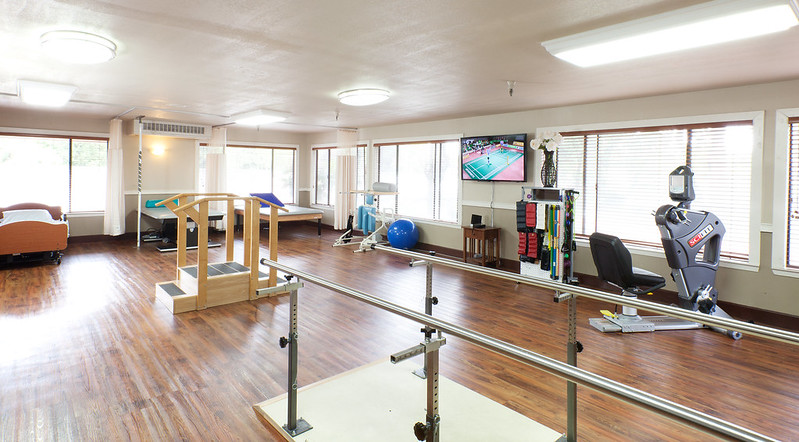
How Does Whitney Oaks Compare to Other California Nursing Homes?

Compared to the 100 nursing homes in California, WHITNEY OAKS CARE CENTER's overall rating (3 stars) is below the state average of 3.1, staff turnover (41%) is near the state average of 46%, and health inspection rating (2 stars) is below the national benchmark.

What Should Families Ask When Visiting Whitney Oaks?

Based on this facility's data, families visiting should ask: "Can you walk me through typical staffing levels on day, evening, and night shifts?" "Can I visit during a mealtime to observe dining assistance and food quality?" "How do you handle medical emergencies, and what is your hospital transfer rate?" "Can I speak with family members of current residents about their experience?" These questions are particularly relevant given the below-average staffing rating.

Is Whitney Oaks Safe?

Based on CMS inspection data, WHITNEY OAKS CARE CENTER has a clean safety record: no substantiated abuse findings (meaning no confirmed cases of resident harm), no Immediate Jeopardy citations (the most serious violation level indicating risk of serious injury or death), and is not on the Special Focus Facility watch list (a federal program monitoring the lowest-performing 1% of nursing homes). The facility has a 3-star overall rating and ranks #100 of 100 nursing homes in California. While no facility is perfect, families should still ask about staff-to-resident ratios and recent inspection results during their visit.

Do Nurses at Whitney Oaks Stick Around?

WHITNEY OAKS CARE CENTER has a staff turnover rate of 41%, which is about average for California nursing homes (state average: 46%). Moderate turnover is common in nursing homes, but families should still ask about staff tenure and how the facility maintains care continuity when employees leave.

Was Whitney Oaks Ever Fined?

WHITNEY OAKS CARE CENTER has no federal fines on record. CMS issues fines when nursing homes fail to meet care standards or don't correct problems found during inspections. The absence of fines suggests the facility has either maintained compliance or corrected any issues before penalties were assessed. This is a positive indicator, though families should still review recent inspection reports for the full picture.

Is Whitney Oaks on Any Federal Watch List?

WHITNEY OAKS CARE CENTER is not on any federal watch list. The most significant is the Special Focus Facility (SFF) program, which identifies the bottom 1% of nursing homes nationally based on persistent, serious quality problems. Not being on this list means the facility has avoided the pattern of deficiencies that triggers enhanced federal oversight. This is a positive indicator, though families should still review the facility's inspection history directly.