SENECA DISTRICT HOSPITAL D/P SNF
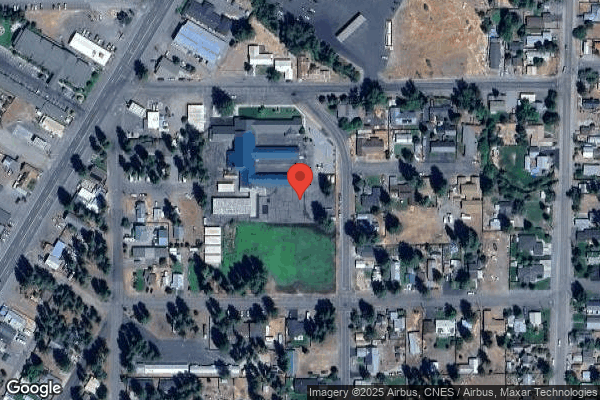
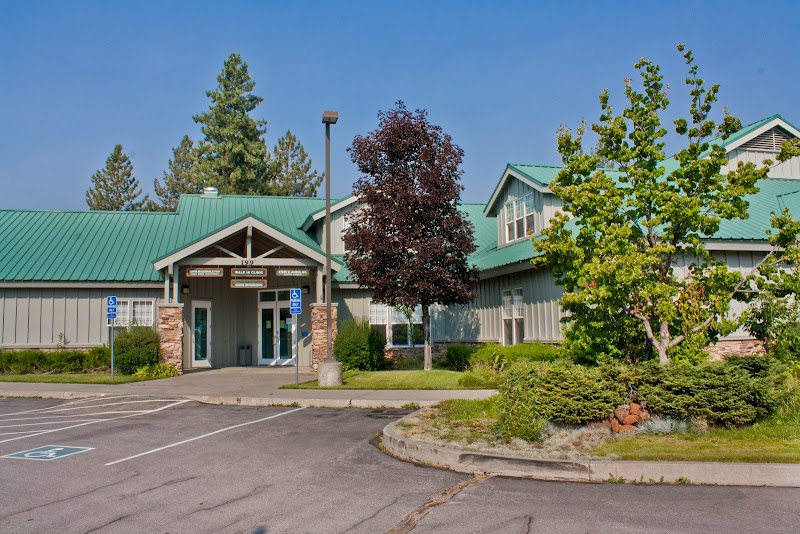
130 BRENTWOOD DR, CHESTER, CA 96020 (530) 258-2151
Government - Hospital district 16 Beds Independent Data: November 2025
Trust Grade
80/100
#456 of 1155 in CA
Last Inspection: November 2024

Within standard 12-15 month inspection cycle. Federal law requires annual inspections.

Overview

Seneca District Hospital D/P SNF in Chester, California has a Trust Grade of B+, indicating it is above average and recommended for potential residents. It ranks #456 out of 1155 facilities in California, placing it in the top half, and #1 out of 2 in Plumas County, meaning it is the best option locally. The facility's trend is improving, having reduced issues from 4 in 2024 to 2 in 2025. However, staffing is a concern with only 1 out of 5 stars, indicating high turnover at 41%, which is similar to the state average but still below optimal levels. While the facility has no fines and boasts good quality measures, there have been serious incidents, such as a staff member withholding medications from residents and inappropriate comments made by a housekeeper that caused discomfort. Additionally, there were failures in ensuring proper blood sugar testing procedures, which could lead to inaccurate health assessments. Overall, while the facility has strengths in quality measures and no fines, the staffing issues and specific incidents of concern should be carefully considered by families.

Trust Score
B+
80/100
In California
#456/1155
Top 39%
Safety Record
Low Risk
No red flags
Inspections
Getting Better
4 → 2 violations
Staff Stability
○ Average
41% turnover. Near California's 48% average. Typical for the industry.
Penalties
✓ Good
No fines on record. Clean compliance history, better than most California facilities.
Skilled Nurses
⚠ Watch
Each resident gets only 27 minutes of Registered Nurse (RN) attention daily — below average for California. Fewer RN minutes means fewer trained eyes watching for problems.
Violations
○ Average
10 deficiencies on record. Average for a facility this size. Mostly minor or procedural issues.
★★★★☆
4.0
Overall Rating
★☆☆☆☆
1.0
Staff Levels
★★★★☆
4.0
Care Quality
★★★★★
5.0
Inspection Score
Stable
2024: 4 issues
2025: 2 issues

The Good

  • 4-Star Quality Measures · Strong clinical quality outcomes
  • Full Sprinkler Coverage · Fire safety systems throughout facility
  • No fines on record
  • Staff turnover below average (41%)

    7 points below California average of 48%

Facility shows strength in quality measures, fire safety.

The Bad

Staff Turnover: 41%

Near California avg (46%)

Typical for the industry

The Ugly 10 deficiencies on record

Sept 2025 1 deficiency
CONCERN (E) 📢 Someone Reported This

A family member, employee, or ombudsman was alarmed enough to file a formal complaint

Potential for Harm - no one hurt, but risky conditions existed

Resident Rights (Tag F0550)

Could have caused harm · This affected multiple residents

**NOTE- TERMS IN BRACKETS HAVE BEEN EDITED TO PROTECT CONFIDENTIALITY** Based on interview and record review the facility failed to ensure one of two residents sampled for dignity (Resident 1), was tr...

Read full inspector narrative →
**NOTE- TERMS IN BRACKETS HAVE BEEN EDITED TO PROTECT CONFIDENTIALITY** Based on interview and record review the facility failed to ensure one of two residents sampled for dignity (Resident 1), was treated with dignity and respect when Houskeeper (HSK) A made comments to Resident 1 indicating he had sexy legs and a sexy face. This failure caused Resident 1 to feel uncomfortable and unsafe around HSK A. Findings: A review of the facility's policy titled Implementation of Patients' [NAME] of Rights dated 9/22/16, indicated Patient right number 10: to be treated with consideration, respect and full recognition of his/her dignity and individuality. 1. Members of the staff will display respect when speaking with, care for, or talking about patients as constant confirmation of their individuality and dignity as human beings. Staff members will address patients with respect at all times. A review of a Facility Reported Incident (a report written by the facility and sent to the California Department of Public Health (CDPH) dated 7/21/25, indicated On 7/18/25 the Housekeeping Manager (HSKM) notified DON (Director of Nursing) that the LTC (Long Term Care) charge nurse (LN B) had concerns that the housekeeper (HSK A) working in LTC that day was saying inappropriate comments to a male resident (Resident 1). The charge nurse (LN B) stated that he overheard the housekeeper, (Name) HSK A, tell the male resident, (Name) Resident 1, that he had a sexy face. The charge nurse also said that he has witnessed multiple occasions where the housekeeper has referred to (Name) Resident 1, as sexy or make other provocative comments about his body. A review of the facility's final investigation report dated 7/21/25, indicated the DON spoke with (name) Resident 1 in the DON office on 7/18/25 at approximately 1:30 pm. (Name) Resident 1 stated the housekeeper (HSK A), frequently makes inappropriate comments to him. He stated that she often says things like you have sexy legs and other provocative comments about him being sexy. DON asked (name) Resident 1 if these comments made him feel uncomfortable and he shrugged his shoulders and nodded his head. He stated he tries to let these comments roll off his shoulder, but they are occurring more frequently now. A review of Resident 1's face sheet, indicated Resident 1 was admitted to the facility on [DATE] with diagnosis that include unsteady gait, confusion, mild cognitive (the ability to remember and make decisions) impairment, and history of alcohol abuse. A review of Resident 1's Minimum Data Set (MDS, a clinical assessment) dated 7/4/25, indicated Resident 1 had a Brief Interview for Mental Status (BIMS, a cognitive evaluation ranging from 00- impaired cognition to 15- cognition intact) evaluation performed and scored 15. During an interview on 8/15/25 at 1:17 pm, Resident 1 indicated that HSK A would come into his room and while cleaning his room she would make comments about his legs being sexy. Resident A stated he felt uncomfortable and unsafe around HSK A and would try and avoid her. During an interview on 9/5/25 at 10:18 am, LN B stated he had witnessed HSK A telling Resident 1 that he had sexy legs, a sexy face, and other provocative comments about his body since February 2025. LN B stated he should have reported this sooner but did not think it was an issues because Resident 1 was always laughing and smiling during the interactions. During an interview on 9/5/25 at 11:15 am, DON stated that she was unaware that HSK A was making these comments to Resident 1 since February and it should have been reported to her at that time. DON stated that HSK A was hired on 6/17/24 and discharged from employment to the facility on 7/25/25. DON confirmed that Resident 1 was not treated with dignity and respect and was made to feel uncomfortable when HSK A made these comments.
Apr 2025 1 deficiency
CONCERN (D) 📢 Someone Reported This

A family member, employee, or ombudsman was alarmed enough to file a formal complaint

Potential for Harm - no one hurt, but risky conditions existed

Accident Prevention (Tag F0689)

Could have caused harm · This affected 1 resident

Based on interview and record review, the facility failed to follow their policies to ensure that Resident 1 was kept safe after he bought two electronic hand warmers to use when we went outside. Thi...

Read full inspector narrative →
Based on interview and record review, the facility failed to follow their policies to ensure that Resident 1 was kept safe after he bought two electronic hand warmers to use when we went outside. This resulted in an avoidable accident when Resident one sustained two blisters on his left hand from using the warmers. Findings: In an interview with the DON (Director of Nurses) on 4/28/25 at 10 am, she stated that on 3/27/25, CNA1 (Certified Nursing Assistant) reported that Resident 1 had blisters on his hand that were not being addressed. The DON stated that she was unaware of the blisters and upon assessment of Resident 1's left hand she identified two blisters on his left palm, which measured 2.8 x 1 cm (centimeters) and 2 x 1.4 cm. Resident 1 told the DON that he had purchased lithium battery personal warmers that he attached to his body to keep him warm when he went outside. He stated that he had been using the warmers all winter. He further told the DON that usually there was a layer of clothing between the warmers and the skin, but on one occasion an unidentified staff member placed the warmer directly on his left hand without any protective barrier between the skin and the device. He refused to identify the staff member. The facility policy for Arrival of New Electrical Equipment read, all new electrical equipment will be inspected for electrical safety and physical condition upon arrival at the facility by the Environmental Services department. After this equipment is inspected and approved, maintenance will place a sticker on it with the date of inspection. If the equipment is deemed unsafe and has the potential to cause harm to the resdients or the facility, then the maintenance team will not approve the equipment and it should not be used. In an interview with the Director of Plant Operations (DPO) on 4/28/25 at 11 am, she stated that she remembered two CNA's (she could not remember which two nor could she remember when this occurred) catch me in the hallway one morning as I was heading out the door and they showed me a personal electronic heating device that Resident 1 had bought for himself to keep warm when he goes outside, which is every day. I checked the devices by plugging them in and following the manufacturer's directions. I felt that the devices got too hot for safe use so I told the CNAs not to use the devices for Resident 1. Also, the directions did state that a protective barrier must be used between the skin and the device to prevent burns. I did not write any of this down, nor did I speak with Resident 1 or the DON. I failed to follow our own policy and I take responsibility for that. Resident 1 was discharged on 4/1/25 and was not available to be interviewed.
Nov 2024 3 deficiencies
CONCERN (D)

Potential for Harm - no one hurt, but risky conditions existed

Deficiency F0804 (Tag F0804)

Could have caused harm · This affected 1 resident

**NOTE- TERMS IN BRACKETS HAVE BEEN EDITED TO PROTECT CONFIDENTIALITY** Based on observation, interview, and record review, the facility failed to observe the meal preferences of one of eight sampled ...

Read full inspector narrative →
**NOTE- TERMS IN BRACKETS HAVE BEEN EDITED TO PROTECT CONFIDENTIALITY** Based on observation, interview, and record review, the facility failed to observe the meal preferences of one of eight sampled residents when Resident 9 was served brussel sprouts. This failure had the potential to reduce intake of nutrients, weight loss and have negative clinical outcomes. Findings: A review of the facility's undated policy and procedure titled, Skilled Nursing Facility Food Preferences, indicated, the facility would take into consideration resident food preferences. A review of an untitled and undated record indicated, Resident 9 was admitted to the facility on [DATE] with the diagnoses of type 2 diabetes (high blood sugar) and major depressive disorder (a sad mood). A review of the annual (yearly) Minimum Data Set (MDS, an assessment tool), dated 10/8/24, Section C, indicated, Resident 9 had a Brief Interview for Mental Status (an assessment that tested a resident's ability to recall information and memory. The test was scored from 0-15 where 0 meant the resident was not able to remember and 15 meant the resident had intact memory) and scored a 14. During a concurrent observation and interview on 11/4/24 at 12:04 pm, Licensed Nurse (LN) B was observed outside of the resident dining area checking resident lunch trays. LN B stated, when meal trays come out, LNs checked the meal trays to ensure the residents received the correct diet, food preferences, and resident food allergies. During the observation, LN B checked all the lunch trays prior to the residents being served. During a concurrent observation, interview, and record review, on 11/4/24 at 12:09 pm, LN B provided Resident 9 with her lunch tray. When the lid was removed from the lunch plate, Resident 9's smile changed to a frown, she appeared upset, with eyebrows scrunched together. Resident 9 cursed loudly and, having a dislike of brussel sprouts stated, I tell them all the time and I keep getting them. Resident 9's tray card (a card that indicated a resident's diet, allergies, and dislikes) was reviewed and indicated Resident 9 had a dislike of brussel sprouts. LN B apologized to Resident 9 and stated, I forgot to have the brussel sprouts removed. During a concurrent observation, interview, and record review, on 11/6/24 at 11:49 am, the dietary staff was observed plating resident lunches. A document that contained resident food dislikes was observed, taped to a cupboard door near the tray line (where food was placed on plates). The document indicated, Resident 9 did not like brussel sprouts. [NAME] affirmed remaking the resident dislike food list a few days ago and forgetting to add Resident 9's dislike of brussels sprouts to the list. [NAME] stated, the x, indicating a dislike of brussel sprouts was added to the document on 11/4/24 after lunch was served. During a concurrent interview and record review on 11/6/24 at 2:42 pm, Resident 9's Food Preferences, dated 9/28/23, was reviewed with the Registered Dietician (RD). The RD stated, the 'Food Preferences' indicated Resident 9 did not like brussel sprouts and confirmed, Resident 9 was served brussel sprouts at lunch on 11/4/24.
CONCERN (E)

Potential for Harm - no one hurt, but risky conditions existed

Deficiency F0761 (Tag F0761)

Could have caused harm · This affected multiple residents

Based on observation, interview, and record review, the facility failed to ensure that blood sugar testing equipment was dated when opened and that the glucometers (a machine used to test blood sugar)...

Read full inspector narrative →
Based on observation, interview, and record review, the facility failed to ensure that blood sugar testing equipment was dated when opened and that the glucometers (a machine used to test blood sugar), was calibrated (a control test to ensure the glucometer readings are accurate) when: a. Two vials of glucometer control test vials were not dated when opened, or when the solution was to be discarded. b. Two bottles of glucometer test strips were not dated when opened, or when they were to be discarded. c. Facility failed to perform quality control (QC) calibration checks daily on glucometers. These failures could lead to inaccurate blood sugar test results due to using outdated, inaccurate, and less effective testing equipment and supplies, which could result in negative clinical outcomes for the residents. Findings: A review of the facility's policies and procedures (P&P) titled, Glucose Testing Machine: Care and Use of, dated 6/19/24, indicated, before using the glucometer and testing a resident's blood sugar, facility staff would Verify that QC was performed and within expected limits. A review of the undated document titled, SNF Meeting (notes regarding education reviewed and provided to facility staff during a staff meeting), indicated, facility staff were perform daily glucometer QC checks. The document indicated, The test solution and strips must have an outdate placed on the outside. Expiration date for the control solution is three (3) months from opening, test strips are six (6) months from opening. During a concurrent observation, interview, and record review on 11/6/24 at 2:30 pm, located at the glucometer storage area in the nurse's station, with Licensed Nurse (LN) A, two bottles of glucometer control test vials, two bottles of glucometer test strips, and the Equipment Maintenance Record, dated 6/1/24 through 11/5/24 were reviewed and reflected the following; a. LN A stated, when the control test vials were opened, the expectancy was that LN dated the control test vials with the date it was opened and the date they were to be discarded. LN A confirmed, both control test vials were not dated with the opened or discarded dates and should have been. LN A reviewed the manufacturer's recommendations (MR) titled, Nova StatStrip Glucose Control Solution, dated, 1/1/22, and stated the MR indicated, 'the control test vials were to be discarded three months after opening or the expiration date, which ever date was sooner.' b. LN A stated, when the glucometer control test strips were opened, the expectancy was that LN dated the control test strips with the date they were was opened and the date they were to be discarded. LN A confirmed, both bottles of control test strips were not dated with the opened or discarded dates and should have been. LN A reviewed the MR titled, StatStrip Glucose Hospital Test Strips, dated 1/1/22, and stated, the MR indicated the glucometer test strips were to be discarded six months after opening or the expiration date, which ever date was sooner. c. LN A reviewed the Equipment Maintenance Record, dated 6/1/24 through 11/5/24 and stated the night shift was to perform a QC check on the glucometer every night. LN A confirmed multiple missing entries located on the, Equipment Maintenance Record, eight for the month of June, 12 for the month of July, six for the month of August, three for the month of September, 9 for the month of October, and one in the first 5 days of November. The Equipment Maintenance Record, included instructions to discard control solutions 3 months after opening. On 11/6/24 at 2:45 pm, during an observation and interview, the Chief Nursing Officer (CNO), confirmed two bottles of glucometer control test vials and two bottles of glucometer test strips did not have opened or discarded dates and should have. CNO reviewed the, Equipment Maintenance Record, dated 6/1/24 through 11/5/24, and confirmed there were multiple missing quality calibration checks for the glucometers, and stated the night shift was responsible for performing the glucometer QC test every night. .
MINOR (B)

Minor Issue - procedural, no safety impact

Deficiency F0727 (Tag F0727)

Minor procedural issue · This affected multiple residents

Based on interview and record review, this requirement was not met when the facility failed to obtain the services of a registered nurse for eight consecutive hours, seven days a week. This had the po...

Read full inspector narrative →
Based on interview and record review, this requirement was not met when the facility failed to obtain the services of a registered nurse for eight consecutive hours, seven days a week. This had the potential to adversely affect residents' care, which could lead to potential negative clinical outcomes. Findings: A review of the facility's Registered Nurse (RN) staffing/schedule documentation from the period of 11/1/24 to 11/30/24 indicated that the RN working as Director of Nursing (DON) was scheduled to work weekdays (Monday through Friday) leaving six weekend days (11/2, 11/3, 11/9, 11/10, 11/23, and 11/30/24) uncovered during this four-week time period. There are two days (11/28, and11/29/24) when the DON had time off. On 11/5/24 at 7 am, during an interview with the facility's Chief Nursing Officer (CNO), the CNO indicated the facility had requested the federal waiver for RN coverage, indicating a reduction in the required registered nurses' hours from 56 hours a week to 40 hours a week to be renewed this year. We have the waiver and will have it renewed again. On 11/6/24 at 9:30 am, during the resident council meeting (a meeting for residents to voice concerns regarding living in a facility), there were no complaints of staffing issues. Four of four confidentially interviewed residents did not have staffing concerns. During an interview and concurrent record review with the Director of Nursing (DON) on 11/06/24 at 10:45 am, the DON confirmed there was no RN coverage on weekends. During review of the staffing schedule the DON stated, I am here weekdays but there isn't an RN on weekend days. An RN is available from the acute hospital, down the connecting hallway, if needed. On 11/6/24 at 2:10 pm, during an interview, Licensed Vocational Nurse A (LN) A stated, On weekends we can call the DON or if really urgent, we can get an RN from either Med/Surg (the medical surgical unit) or the ER. We do that after hours too because there is only an LVN at night for the 12-hour shift. LN A had no concerns regarding the weekend RN staffing. The survey team found no negative outcomes related to continuing this federal waiver for RN coverage, and recommends it be continued. .
Jun 2024 1 deficiency
CONCERN (F) 📢 Someone Reported This

A family member, employee, or ombudsman was alarmed enough to file a formal complaint

Potential for Harm - no one hurt, but risky conditions existed

Free from Abuse/Neglect (Tag F0600)

Could have caused harm · This affected most or all residents

**NOTE- TERMS IN BRACKETS HAVE BEEN EDITED TO PROTECT CONFIDENTIALITY** Based on observation, interview and record review the facility failed to protect twelve (12) of twelve (12) residents (Resident ...

Read full inspector narrative →
**NOTE- TERMS IN BRACKETS HAVE BEEN EDITED TO PROTECT CONFIDENTIALITY** Based on observation, interview and record review the facility failed to protect twelve (12) of twelve (12) residents (Resident 1, 2, 3, 4, 5, 6, 7, 8, 9, 10, 11, and 12) from abuse by a staff member when Licensed Nurse (LN) A, with willful intent, deprived residents of necessary medical care and treatment by withholding Resident one (1) through 12 ' s medications that were ordered by their Medical Doctor (MD). This occurred during the morning (am) shifts of 5/25/24 and 5/26/24. LN A was observed via video from a camera located above the nurse ' s station medication desk throwing medications in the garbage, putting medications in her scrub (uniform) pockets, and leaving some medications in drawers that were subsequently found by LN B. LN A documented that the medications observed being withheld, were administered to residents one through 12. This failure had the potential to cause significant physical harm, pain, and mental anguish by depriving residents of necessary medications that were ordered by their MD, the residents did not receive required medical care and treatment in order to attain or maintain their physical, mental and psychological well-being and resulted in Substandard Quality of Care. Findings: During a review of facility ' s policy and procedure titled, Abuse Prevention, dated 3/5/2019, indicated, Each resident has the right to be free from abuse .by anyone, including but not limited to facility staff .Abuse is the willful infliction of injury .including the deprivation by an individual, including a caretaker, of goods or services that are necessary to attain or maintain physical, mental, and psychosocial well-being. During a review of facility ' s policy and procedure titled, Medication Administration, dated 5/4/2017, indicated, The purpose of this policy is to ensure proper and safe medication administration practices as best practice .Any medication administered must be charted immediately .If the medication is not administered to the resident after it has been poured and is NOT a controlled substance, the licensed nurse will .Indicate non-administration of medication .note the reason the medication was held .If the medication is not administered to the resident after it has been poured and IS a controlled substance, the licensed nurse will, Indicate non- administration of medication .note the reason the medication was held .Two licensed nurses will verify the medication has been properly disposed of . 1. A review of Resident 1 ' s medical record indicated that Resident 1 was admitted on [DATE] with diagnoses that included, Atrial Fibrillation (Afib, irregular often rapid heart rate commonly causing poor blood flow), Heart Failure (heart muscle weakens and stiffens and doesn ' t pump blood effectively), and Hypertension (HTN, High Blood Pressure). The Minimum Data Set (MDS, a tool for evaluating and implementing a standardized assessment) Brief Interview for Mental Status (BIMS, Section C assessing cognitive function) dated 4/14/24, indicates Resident 1 rates 14/15, which equates to being cognitively intact. 2. A review of Resident 2 ' s medical record indicated that resident 2 was admitted on [DATE] with diagnoses that included, Psychosis (Mental disorder with disconnection from reality), Failure to Thrive (FTT, General decline in physical and mental health), HTN, and Dementia (Affects brain function such as memory, thinking, and social abilities, and interferes with daily lives). The MDS BIMS dated 5/14/24, indicates Resident 2 rates 3/15, which equates to severe impairment. 3. A review of Resident 3 ' s medical record indicated that resident 3 was admitted on [DATE] with diagnoses that included, Cancer, Chronic Obstructive Disease (COPD, a group of lung diseases that block airflow and make it difficult to breathe), and Depression. The MDS BIMS dated 4/6/24 indicates Resident 3 rates 9/15, which equates to moderate impairment. 4. A review of Resident 4 ' s medical record indicated that resident 4 was admitted on [DATE] with diagnoses that included, Afib, Chronic Kidney Disease (CKD, Gradual loss of kidney function, damage and unable to filter blood adequately), and Dementia (Affects brain function such as memory, thinking, and social abilities, and interferes with daily lives). The MDS BIMS dated 4/10/24 indicates Resident 4 rates 8/15, which equates to moderate impairment. 5. A review of Resident 5 ' s medical record indicated that resident 5 was admitted on [DATE] with diagnoses that included, Quadriplegia (Paralysis of all four limbs), Malnutrition (Not having enough to eat, not eating enough of the right things, or being unable to process or use the food eaten), and Depression. The MDS BIMS dated 3/11/24 indicates Resident 5 rates 15/15, which equates to being cognitively intact. 6. A review of Resident 6 ' s medical record indicated that resident 6 was admitted on [DATE] with diagnoses that included, Cerebrovascular Accident (CVA, Stroke), Coronary Artery Disease (CAD, Damage or disease in the heart ' s major blood vessels), and Heart Failure. The MDS BIMS dated 5/2/24 indicates Resident 6 rates 06/15, which equates to severe impairment. 7. A review of Resident 7 ' s medical record indicated that resident 7 was admitted on [DATE] with diagnoses that included, Heart Failure, HTN, and Chronic Respiratory Failure (Difficulty breathing, lungs cannot get enough oxygen to the blood or too much carbon dioxide exists). The MDS BIMS dated 3/7/24 indicates Resident 7 rates 0/15, which equates to severe impairment. 8. A review of Resident 8 ' s medical record indicated that resident 8 was admitted on [DATE]with diagnoses that included, Afib, HTN, and Osteoporosis (Loss of bone strength and density). The MDS BIMS dated 3/25/24 indicates Resident 8 rates 15/15, which equates to being cognitively intact. 9. A review of Resident 9 ' s medical record indicated that resident 9 was admitted on [DATE] with diagnoses that included, COPD, Dementia, and Respiratory Failure. The MDS BIMS dated 3/7/24 indicates Resident 9 rates 03/15, which equates to severe impairment. 10. A review of Resident 10 ' s medical record indicated that resident 10 was admitted on [DATE] with diagnoses that included, HTN, Alcohol Abuse, Hyponatremia (Low blood sodium), and Hyperkalemia (High blood potassium). The MDS BIMS dated 4/9/24 indicates Resident 10 rates 14/15, which equates to being cognitively intact. 11. A review of Resident 11 ' s medical record indicated that resident 11 was admitted on [DATE] with diagnoses that included, CVA, HTN, and Diabetes Mellitus (DM). The MDS BIMS dated 3/5/24 indicates Resident 11 rates 07/15, which equates to severe impairment. 12. A review of Resident 12 ' s medical record indicated that resident 12 was admitted on [DATE] with diagnoses that included, Afib, Heart Failure, HTN, and CVA. The MDS BIMS dated 4/15/24 indicates Resident 12 rates 8/15, which equates to moderate impairment. 1. During a review of Resident 1's medical records titled, Orders, undated, the medication Orders indicated, Resident 1 was ordered Pantoprazole (treats gastroesophageal reflux disease (GERD), stomach problems) 40 milligrams (mg, measurement unit) 1 tablet (tab) by mouth (PO, per os) every (Q) day. The Pantoprazole was a routine (scheduled medication, assigned a specific time to be administered, not an as needed (prn) medication), medication scheduled to be administered daily at 08:00 am daily. During a review of Resident 1's medical records titled, Cerner Medication Administration Record (MAR) and Pyxis (Automated medication dispensing system), dated 5/25/24 through 5/26/24, indicated, on 5/26/24 at 07:51 am, LN A removed Pantoprazole from the Pyxis, and scanned the Pantoprazole into the MAR as having been administered. On 5/26/24 at 08:06 am LN A was observed via video throwing Resident 1 ' s Pantoprazole in the garbage. A review of Resident 1 ' s medical record indicated that Resident 1 ' s vital signs (VS) were taken on 5/27/24 as follows: blood pressure (BP) 138/77, and heart rate (HR) 78. 2. During a review of Resident 2's medical records titled, Orders, undated, the medication Orders indicated, Resident 2 was ordered Tramadol (pain medication) 50 mg 1 tablet PO Q 6 hours as needed (prn, pro re nata - as the situation demands) for moderate pain, Divalproex Sodium (antiseizure and bipolar treatment) 250 mg 1 tab two times per day (BID), Docusate (constipation treatment) 100 mg 1 tab PO Q day, Magnesium Oxide (mineral) 250 mg 1 tab PO Q day, Metoprolol (high blood pressure treatment) 50 mg 1 tab PO Q day, Calcium Carbonate (mineral) 1000 mg 2 chewable tabs three times per day (TID). Routine medications were scheduled to be administered at 09:00 am daily. During a review of Resident 2's medical records titled Cerner Medication Administration Record and Pyxis, dated 5/25/24 through 5/26/24, indicated, on 5/26/24 beginning at 08:21 am all the ordered medications were pulled from the Pyxis and scanned into the MAR by LN A. LN A was then observed via video putting Resident 2 ' s Tramadol in a medication cup and then throwing the other medications in the garbage. On 5/26/24 at 08:24 am, LN A was observed via video putting Resident 2 and Resident 11 ' s Tramadol in the same medication cup and left the station for 21 seconds then returned to the station empty handed. A review of Resident 2 ' s medical record indicated that Resident 2 ' s VS were taken on 5/27/24 as follows: blood pressure (BP) 138/75, and heart rate (HR) 78. 3. During a review of Resident 3's medical records titled, Orders, undated, the medication Orders indicated, Resident 3 was ordered Gabapentin (anticonvulsant and nerve pain treatment) 400 mg 1 capsule (cap) PO Q day, Lisinopril (high blood pressure, heart failure treatment) 10 mg 1 tab PO Q day, Sertraline (antidepressant treatment) 50 mg 1 tab PO Q day, Aspirin (Asa, Nonsteroidal anti-inflammatory drug (NSAID) and blood thinner) 81 mg PO Q day, Carvedilol (high blood pressure, heart failure treatment) 3.125 mg 1 tab PO BID, Cholecalciferol (Vitamin D) 1000 International unit (iu, unit of measurement) 1 tab PO Q day, Cyanocobalamin (Vitamin B12) 1000 microgram (mcg, unit of measurement) 1 tab PO Q day, Docusate 250 mg 1 cap PO BID, Loratadine (antihistamine, allergy treatment) 10 mg 1 tab PO Q day, Multivitamin with Minerals 1 tab PO Q day, Omeprazole (Stomach acid treatment) 20 mg 1 cap PO Q day, Vitamin A and D Topical Apply topical ointment BID, Zinc Oxide Topical Apply topical ointment BID, Levothyroxine (Low thyroid treatment) 100 mcg PO Q day. Routine medications were scheduled to be administered to Resident 3 at 09:00 am daily. During a review of Resident 3's medical records titled, Cerner Medication Administration Record and Pyxis, dated 5/25/24 through 5/26/24, indicated, on 5/25/24 beginning at 08:35 am all the ordered medications except for Levothyroxine were pulled from the Pyxis and scanned into the MAR by LN A. On 5/25/24 at 08:43 am, LN A was observed via video throwing Resident 3 ' s medication in the garbage. A review of Resident 3 ' s medical record indicated that Resident 3 ' s VS were taken on 5/27/24 as follows: blood pressure (BP) 199/76, and heart rate (HR) 80. Resident 3 ' s medications were administered, and VS were taken again BP 143/54. 4. During a review of Resident 4's medical records titled, Orders, undated, the medication Orders indicated, Resident 4 was ordered Amlodipine (high blood pressure and chest pain (cp) treatment) 5 mg 1 tab PO Q day, Clonidine (high blood pressure treatment) 0.1 mg 1 tab PO BID, Cyanocobalamin 500 mcg, .5 tab PO Q day, Docusate 100 mg 1 cap PO BID, Hydralazine (high blood pressure treatment) 25 mg 1 tab PO Q 8 hours, Insulin Glargine (high blood sugar treatment) 15 units (u, unit of measurement) 0.15 milliliters (ml, unit of measurement) subcutaneous (SQ) injection (inj) BID, Levothyroxine 50 mcg 1 tab PO Q day, Metoprolol Extended Release (ER) (high blood pressure, chest pain, and heart failure treatment) 100 mg 2 tabs PO Q day, Nystatin topical powder (fungal and yeast infection topical treatment) 1 application topical BID prn rash, and Multivitamin 1 tab PO Q day. Routine medications were scheduled to be administered to Resident 4 at 09:00 am. During a review of Resident 4's medical records titled, Cerner Medication Administration Record and Pyxis, dated 5/25/24 through 5/26/24, indicated, on 5/25/24 beginning at 08:43 am all the ordered medications except Hydralazine, Levothyroxine, and Insulin injection were pulled from the Pyxis and scanned into the MAR by LN A. On 5/25/24 at 08:47 am LN A was observed via video throwing Resident 4 ' s medication in the garbage. On 5/26/24 beginning at 09:20 am, all the ordered medications except Hydralazine, Levothyroxine, and Insulin injection were pulled from the Pyxis and scanned into the MAR by LN A. On 5/26/24 at 09:24 am, LN A was then observed via video throwing Resident 4 ' s medication in the garbage. A review of Resident 4 ' s medical record indicated that Resident 4 ' s vital signs were taken on 5/27/24 as follows: blood pressure (BP) 174/80, and heart rate (HR) 74. 5. During a review of Resident 5's medical records titled, Orders, undated, the medication Orders indicated, Resident 5 was ordered Amlodipine (for high blood pressure) 5 mg 1 tab PO Q day, Ascorbic Acid (vitamin C) 500 mg 1 tab PO Q day, Baclofen (muscle relaxant) 20 mg 1 tab PO four times per day (QID), Dantrolene (muscle relaxant) 25 mg 1 cap PO three times per day (TID), Diclofenac (pain relief, NSAID) topical gel 1 application BID, Docusate 250 mg 1 cap PO Q day, Fluoxetine (antidepressant) 60 mg 3 caps PO Q day, Gabapentin 400 mg 1 cap PO QID, Magnesium Oxide (mineral) 250 mg 1 tab PO Q day, Mirabegron (urinary incontinence treatment) 50 mg 1 tab PO Q day, Multivitamin 1 tab PO Q day, Omeprazole 20 mg 1cap PO Q day, Polyethylene Glycol 3350 (laxative) 17 grams (g, unit of measurement) 1 each PO Q day, Potassium Chloride 10 milliequivalent (mEq, unit of measurement) 1 cap PO BID, Saccharomyces boulardii lyso (probiotic) 250 mg 1 cap BID, Zinc Oxide topical 1 application topical ointment BID, and Methenamine (antibiotic for bladder and kidney infection treatment) 1 gram (g, unit of measurement) 1 tab PO BID. Routine medications were scheduled to be administered to Resident 5 at 09:00 am. During a review of Resident 5's medical records titled, Cerner Medication Administration Record and Pyxis, dated 5/25/24 through 5/26/24, indicated, on 5/26/24 beginning at 09:24 all ordered medication except Omeprazole, Polyethylene Glycol 3350 were documented as pulled from the Pyxis and scanned into the MAR by LN A. On 5/26/24 at 09:24 am, LN A was observed via video pouring five (5) tabs of Methenamine into a cup, Resident 5 only had 1 tab ordered. On 5/26/24 at 09:27 am, LN A was observed via video deliberately not removing several of Resident 5 ' s medications from the cabinet which the medications were located after LN A scanned the medications as being pulled including Ascorbic acid, Docusate, Magnesium Oxide, Multivitamin, and Saccharomyces boulardii lyo. A review of Resident 5 ' s medical record indicated that Resident 5 ' s vital signs were taken on 5/27/24 as follows: blood pressure (BP) 130/72, and heart rate (HR) 54. 6. During a review of Resident 6's medical records titled, Orders, undated, the medication Orders indicated, Resident 6 was ordered Cholecalciferol (vitamin D3), 1000 IU 1 tab PO Q day, Docusate 100 mg 1 tab PO Q day, Duloxetine (antidepressant and nerve pain treatment) 120 mg 2 caps PO Q day, Furosemide (diuretic) 40 mg I tab PO Q day, Gabapentin 300 mg 1 cap PO TID, Levetiracetam (antiseizure treatment) 500 mg 1 tab PO BID, Multivitamins with Minerals 1 tab PO Q day, Pantoprazole 40 mg 1 tab PO Q day, Potassium Bicarbonate (mineral) 10 mEq 1 tab PO Q day, Vitamin A and D 1 application Q day, Zinc Oxide topical 1 application Q day, and Oxycodone Acetaminophen (narcotic pain medication) 5 - 325 mg 1 tab PO Q 6 hours prn pain. Routine medications were scheduled to be administered to Resident 6 at 09:00 am. During a review of Resident 6's medical records titled, Cerner Medication Administration Record and Pyxis, dated 5/25/24 through 5/26/24, indicated, on 5/25/24 beginning at 09:07 am, all ordered medications except Vitamin A and D topical and Zinc Oxide topical were documented as pulled from the Pyxis and scanned into the MAR by LN A. On 5/25/24 at 09:07 am, LN A did not crush the medications (not including the oxycodone) per MD orders. Resident 6 cannot take pills that are not crushed thus, indicating the medications were not administered. The Oxycodone was not removed from its packaging and was kept by LN A at the nurse ' station then was removed from the station when LN A walked towards the break room, as observed on the video. A review of Resident 6 ' s medical record indicated that Resident 6 ' s vital signs were taken on 5/27/24 as follows: blood pressure (BP) 120/55, and heart rate (HR) 56. 7. During a review of Resident 7's medical records titled, Orders, undated, the medication Orders indicated, Resident 7 was ordered Amlodipine (high blood pressure and chest pain treatment) 10 mg 1 tab PO Q day, Apixaban (blood thinner) 5 mg 1 tab PO Q day, Asa 81 mg 1 tab PO Q day, Carvedilol (high blood pressure and heart failure treatment) 12.5 mg a half tab PO BID, Cholecalciferol 2000 iu 2 tabs PO BID, Diclofenac topical 1 application topically QID, Docusate 100 mg 1 cap PO Q day, Duloxetine 60 mg 1 cap PO Q day, Gabapentin 600 mg 2 caps PO BID, Hydralazine 25 mg 1 tab PO TID, Levothyroxine 100 mcg 1 tab PO Q day, Losartan 25 mg 1 tab PO Q day, Multivitamin with minerals 1 tab PO Q day, Oxybutynin (bladder relaxant treatment) 5 mg PO Q day, Vitamin A and D topical 1 application Q day, Zinc Oxide topical 1 application Q day, and Tramadol 50 mg 1 tab PO Q day PRN mild pain. Routine medications were scheduled to be administered to Resident 7 at 09:00 am. During a review of Resident 7's medical records titled, Cerner Medication Administration Record and Pyxis, dated 5/25/24 through 5/26/24, indicated on 5/25/24 beginning at 09:26 am all ordered medications except Apixaban and Levothyroxine were documented as pulled from the Pyxis and scanned into the MAR by LN A. On 5/25/24 at 09:26 am, LN A was observed via video deliberately not removing several of Resident 7 ' s medication from the cabinet which they are located after LN A scanned the medications as being pulled. On 5/25/24 at 09:30 am, LN A was then observed via video as finishing scanning medications for Resident 7 and throwing the medications in the garbage. On 5/26/24 at 09:14 am, Tramadol was documented as pulled from the Pyxis and scanned into the MAR by LN A. On 5/26/24 at 09:15 am, LN A was observed via video as putting Resident 7 ' s Tramadol (which was left in the packaging) in a cup and then placed it on the desk. At 09:38 am, LN A walked off the nurse ' station with the Tramadol. A review of Resident 7 ' s medical record indicated that Resident 7 ' s vital signs were taken on 5/27/24 as follows: blood pressure (BP) 135/80, and heart rate (HR) 75. 8. During a review of Resident 8's medical records titled, Orders, undated, the medication Orders indicated, Resident 8 was ordered Diclofenac topical 1 application TID, Docusate 100 mg 1 tab PO Q day, Fluticasone Nasal Spray (for seasonal allergies), 50 mcg 1 spray each nasal BID, Losartan 25 mg 1 tab PO Q day, Multivitamin with minerals 1 tab PO Q day, Polyethylene Glycol 3350 17 gm, 1 each PO Q day. Routine medications were scheduled to be administered to Resident 8 at 09:00 am. During a review of Resident 8's medical records titled, Cerner Medication Administration Record and Pyxis, dated 5/25/24 through 5/26/24, indicated, on 5/25/24 beginning at 09:31 am all ordered medications were documented as pulled from the Pyxis and scanned into the MAR by LN A. On 5/25/24 at 09:33 am, LN A was then observed via video throwing Resident 8 ' s medication in the garbage. A review of Resident 8 ' s medical record indicated that Resident 8 ' s vital signs were taken on 5/27/24 as follows: blood pressure (BP) 115/44, and heart rate (HR) 82. 9. During a review of Resident 9's medical records titled, Orders, undated, the medication Orders indicated, Resident 9 was ordered Docusate 100 mg 1 tab PO Q day, Calcium carbonate (TUMS), 1000 mg 2 chewable tabs Q 4 hours prn dyspepsia (upset stomach), Multivitamin with minerals 1 tab PO Q day, Sertraline (antidepressant) 25 mg 1 tab PO Q day, Fluticasone - Vilanterol (COPD treatment) inhaler 1 puff Q day, Pantoprazole 40 mg 1 tab PO Q day, Albuterol (COPD treatment) inhaler 2 puffs QID, Methylphenidate Hydrochloride (HCL) (stimulant) 5 mg 1 tab PO BID, and Lorazepam 0.5 mg 1 tab PO Q 4 hours prn anxiety. Routine medications were scheduled to be administered to Resident 9 at 09:00 am. During a review of Resident 9's medical records titled, Cerner Medication Administration Record and Pyxis, dated 5/25/24 through 5/26/24, indicated, on 5/25/24 beginning at 09:37 am all medications were documented as pulled from the Pyxis and scanned into the MAR by LN A except Docusate, Fluticasone - Vilanterol, Pantoprazole, Albuterol, Lorazepam and Methylphenidate HCL. On 5/25/24 at 09:36 am, LN A was observed via video throwing Resident 9 ' s medication in the garbage. During a review of Resident 9's medical records titled, Cerner Medication Administration Record and Pyxis, dated 5/25/24 through 5/26/24, indicated, on 5/26/24 beginning 07:49 am, all medications were documented as pulled from the Pyxis and scanned into the MAR by LN A except for Calcium Carbonate, Multivitamin with minerals, and Sertraline. On 5/26/24 at 07:50 am, LN A was observed throwing resident 9 ' s medications in the garbage. A review of Resident 9 ' s medical record indicated that Resident 9 ' s vital signs were taken on 5/27/24 as follows: blood pressure (BP) 102/64. 10. During a review of Resident 10' s medical records titled, Orders, undated, the medication Orders indicated, Resident 10 was ordered Pantoprazole 40 milligrams 1 tab by PO Q day. The Pantoprazole was scheduled to be administered daily at 08:00 am daily. During a review of Resident 10's medical records titled, Cerner Medication Administration Record and Pyxis, dated 5/25/24 through 5/26/24, indicated, on 5/26/24 at 07:52 am, LN A removed Pantoprazole from the Pyxis, and scanned the Pantoprazole into the MAR as administered. On 5/26/24 at 08:06 am LN A, was then observed via video throwing Resident 10 ' s Pantoprazole in the garbage. A review of Resident 10 ' s medical record indicated that Resident 10 ' s vital signs were taken on 5/29/24 as follows: blood pressure (BP) 126/566, and heart rate (HR) 66. 11. During a review of records titled, Orders, undated, the medication Orders indicated, Resident 11 was ordered Amlodipine 5 mg 1 tab PO Q day, Ascorbic Acid 500 mg 1 tab PO Q day, docusate 100 mg 1 cap PO BID, Duloxetine 30 mg 1 cap PO Q day, famotidine (stomach acid treatment) 20 mg 1 tab PO Q day, Haloperidol (antipsychotic) 1 mg 2 tabs PO BID, Multivitamin with minerals 1 tab PO Q day, Oxybutynin 10 mg 1 tab PO Q day, Psyllium (laxative) 3.4 g 1 each, PO Q day, Asa 81 mg 1 tab PO Q day, and Tramadol 50 mg 1 tab PO Q 6 hours PRN pain. Routine medications were scheduled to be administered to Resident 11 at 09:00 am. During a review of Resident 11's medical records titled, Cerner Medication Administration Record (MAR) and Pyxis, dated 5/25/24 and 5/26/24, indicated, on 5/25/26 beginning 9:42 am, all medications were documented as pulled from the Pyxis and scanned into the MAR by LN A except Famotidine, Psyllium, and Tramadol. On 5/25/26 at 09:42 am, LN A was observed via video removing four (4) Haloperidol. Resident 11 only has two (2) Haloperidol ordered. Two (2) Haloperidol were placed in chocolate pieces for Resident 11, as ordered. The other two remained on the desk under papers. On 5/25/24 at 09:48 am, LN A was then observed via video throwing all other Resident 11 ' s medications in the garbage. On 5/26/24 at 08:23 am, Resident 11's Tramadol was documented as pulled from the Pyxis and scanned into the MAR by LN A. On 5/26/24 beginning at 08:23 am, LN A is observed via video pulling Tramadol for Resident 11 and placing it in a cup with Resident 2 ' s Tramadol. LN A left the station for 21 seconds then returned to the station empty handed. A review of Resident 11 ' s medical record indicated that Resident 11 ' s vital signs were taken on 5/27/24 as follows: blood pressure (BP) 131/72, and heart rate (HR) 89. 12. During a review of Resident 12's medical records titled, Orders, undated, the medication Orders indicated, Resident 12 was ordered Apixaban (blood thinner) 2.5 mg 0.5 tab PO BID, Clonidine 0.1 mg (for blood pressure), 1 tab PO Q day, furosemide 40 mg 1 tab PO Q day, Multivitamin 1 tab PO Q day, Potassium Chloride 10 mEq 1 cap PO q day, Sodium Chloride (salt tablet) 1 g, 1 cap PO Q day, Aripiprazole (antipsychotic) 2 mg, 1 tab PO Q day, Bupropion (antidepressant) 300 mg, 1 tab PO Q day, Sotalol (heart rhythm disorder treatment) 80 mg, 1 tab PO Q day. Routine medications were scheduled to be administered to Resident 12 at 09:00 am. During a review of Resident 12's medical records titled, Cerner Medication Administration Record and Pyxis, dated 5/25/24 through 5/26/24, indicated, on 5/26/24 beginning 07:47 am all medications were documented as pulled from the Pyxis and scanned into the MAR by LN A except for Sotalol, Apixaban, and Clonidine. On 5/26/24 at 07:46 am, LN A was observed throwing resident 12 ' s medications in the garbage. A review of Resident 12 ' s medical record indicated that Resident 12 ' s vital signs were taken on 5/29/24 as follows: blood pressure (BP) 134/56, and heart rate (HR) 63. During an interview on 6/4/24 at 12:30 pm, with Chief Nursing Officer (CNO) in the Director of Nursing's (DON ' s) office, CNO confirmed that based on everything in the video, the hospital/facility administrative staff have substantiated the incident as there is no doubt that it happened. During a concurrent observation and interview on 6/4/24 at 2:45 pm, with DON in DON ' s office, video from the camera above the nurse ' station medication desk was viewed. In the video LN A was observed concealing medication in the palm of the hand and slipping the medictions into the pocket of LN A ' s scrub top, blatantly throwing medications that have been scanned to residents and placed in plastic cups, in the garbage and appearing to try to conceal the cups and medications under something in the garbage that is not viewable at the angle of sight, and scanning medications out of the pyxis but not removing them from the cabinet. DON stated all the rest of the video viewed is of the same level of depravation. DON confirms with confidence that the incident affected every one of the facility residents (15 residents), even though not all of the residents have been viewed on video as being affected. The video was not of LN A ' s entire 12-hour shift for either day 5/25/24 or 5/26/24. DON only received a total of six hours of video for both days and in the six hours observed 12 residents who were identified as having been affected. Once all video is retrieved and reviewed every one of the residents will, with certainty, be identified. There was no actual outcome where the residents appeared to have had issues or problems because of the incident. No one had to be transferred to the hospital, we didn ' t have any symptoms that would have inferred problems.
Dec 2023 2 deficiencies
CONCERN (D)

Potential for Harm - no one hurt, but risky conditions existed

Deficiency F0727 (Tag F0727)

Could have caused harm · This affected 1 resident

Based on interview and record review, this requirement was not met when the facility failed to obtain the services of a registered nurse for eight consecutive hours, seven days a week. This had the po...

Read full inspector narrative →
Based on interview and record review, this requirement was not met when the facility failed to obtain the services of a registered nurse for eight consecutive hours, seven days a week. This had the potential to adversely affect residents' care, which could lead to potential negative clinical outcomes (worsening condition). A review of the facility's Registered Nurse (RN) staffing/schedule documentation from the period of 10/1/23 to 10/31/23 indicated that the RN working as Director of Nursing (DON) was scheduled to work weekdays (Monday through Friday) leaving nine weekend days (10/1, 10/7, 10/8, 10/14, 10/15, 10/21, 10/22, 10/28, and 10/29/23) uncovered during this four-week time period. There were four days (10/26, 10/27, 10/30, and10/31/23) when the DON was on time off. During an interview on 12/12/23 at 3:16 PM, DON confirmed that an RN was not on duty for eight consecutive hours, seven days a week. DON stated, We are a very small town, RNs are difficult to recruit. The position is almost continuously posted, for 5-6 years we have had staffing waivers. DON acknowledged that an RN was available in the acute hospital, through an adjoining hallway, if needed. The facility's Chief Nursing Officer (CNO) requested the federal waiver for RN coverage, indicating a reduction in the required registered nurses' hours from 56 hours a week to 40 hours a week be renewed this year. The facility provided evidence of ongoing advertisements and efforts to fill the open position. The surveyor team found no negative outcomes related to continuing this federal waiver for RN coverage, and recommend that it be continued.
CONCERN (E)

Potential for Harm - no one hurt, but risky conditions existed

Food Safety (Tag F0812)

Could have caused harm · This affected multiple residents

Based on observation, interview, and record review the facility failed to record sanitizing temperatures for the dishwashing machine. This had the potential for staff to not recognize low, non-saniti...

Read full inspector narrative →
Based on observation, interview, and record review the facility failed to record sanitizing temperatures for the dishwashing machine. This had the potential for staff to not recognize low, non-sanitizing temperatures and spread foodborne illness to residents and cause gastrointestinal (stomach and bowel) illness including nausea, vomiting and diarrhea with the potential for adverse clinical outcomes. Findings: On 12/11/23 at 10:30 AM, a review of the dishwashing temperature logs in the kitchen was conducted with the Certified Dietary Manager (CDM) and the Dishwasher (DW). In October 2023, 9 temperature recordings were missing, in November 2023, 5 temperature recordings were missing, and in December 2023, 2 temperature recordings were missing. The CDM and the DW both confirmed that there were missing temperature recordings on the Dishwasher Temperature Log, and that this could have a negative impact on the health and safety of the residents. On 12/12/23 9:17 AM, during an interview with the CDM she indicated that the dishwashing machine requires heat to sanitize dishes, utensils and various cooking equipment and that it was important for staff to check the temperatures of the dishwater water, and ensure that the dishwasher was running hot enough to sanitize the dishes. The CDM indicated that there was no policy regarding checking the temperatures of the dishwasher.
Oct 2022 2 deficiencies
CONCERN (E)

Potential for Harm - no one hurt, but risky conditions existed

Food Safety (Tag F0812)

Could have caused harm · This affected multiple residents

Based on observation, interview, and record review, the facility failed to store food in accordance with professional standards for food service safety when: Personal staff items were observed in the ...

Read full inspector narrative →
Based on observation, interview, and record review, the facility failed to store food in accordance with professional standards for food service safety when: Personal staff items were observed in the kitchen area in close proximity to the food preparation area. Food items were not discarded, and labeled properly in the refrigerator and freezers. The ice machine was observed to have a large amount of white substance on the tray below the dispenser. The facility could not provide evidence of when, and how they performed sanitization and descaling of build up visible on the outside of the ice machine. This had the potential for cross contamination and the spread of infection to residents, which could lead to negative clinical outcomes. Findings: During the initial tour of the kitchen, on 10/18/22 at 11:30 am, the following was observed: 1. Staff personal items were observed, in the kitchen by the sink and next to racks of prepared dietary trays for the noon meal. [NAME] B at this time was observed cooking stew for the noon meal. One purse, backpack and jacket was observed. Also, on a counter next to the stove a personal cell phone, and coffee mug was observed. Dishwasher A acknowledged, that the personal items belonged to staff, and should not be where they were. A review, of the 2017 United States Food and Drug Administration (FDA) Food Code, 3-305.14 under Food Preparation directs that during preparation, unpackaged food shall be protected from all environmental sources of contamination. 2. On 10/18/22 at 11:45 am, the refrigerator was observed with [NAME] A. A package of brown dried strawberries was observed in the refrigerator with a date of 10/13/22 (five days old), written on the top of the container. On a different shelf in the same refrigerator, an unlabeled cup of fruit salad was observed. [NAME] A stated at this time that that these items should have been thrown away. The Certified Dietary Manager (CDM) was not available during the initial tour. A review, the facility's policy titled, Dietary Safety Food and Storage, revised 6/29/17, indicated that all left overs are labeled , covered and dated when stored , and are to be used within 72-hours, or discarded. Strawberries are listed good in the refrigerator for three days. Items in the freezer are good for 6 months. On 10/19/22 at 11:25 am, a freezer in the Dry Storage Room was observed with the CDM. The following was observed. An opened box of popsicles, donuts, and ice cream cups. All the items were observed to be without a written date of when they were opened. The ice cream box contained 24 cups, with only eight left in the box. Concurrently, the locked freezer in the hallway by the kitchen was observed with CDM. The following was observed. An opened box of 38 ground beef patties (40 count box). An opened box of 40 count hot dogs, with approximately 20 left in the box. Both boxes failed to have a date of when they were opened. The CDM acknowledged the above findings on 10/19/22 at 11:30 am, stating the items should have been labeled when opened. She stated they usually keep the items in the freezer for 30-days after opening. She stated, that the dietary staff should have noticed the items were not dated when they were used. 3. On 10/19/22 at 11 am, [NAME] A stated, that the ice machine being used for the residents is now located in the staff break room, as their usual ice machine by the nursing station was removed due to facility repairs. On 10/19/22 at 11:15 am, the ice machine used for the residents in the break room was observed with the CDM. She acknowledged the large amount of white buildup on the outer dispensing tray. The CDM stated, that the Maintenance Department were responsible for cleaning and sanitizing of the machine. A manufacturer's instruction/guideline for the cleaning and sanitization was requested for the Manitowoc ice machine. A review, of the Manitowoc manufacture's instructions showed a handwritten entry indicating that Housekeeping was responsible for cleaning the outer surface of the ice machine in the Break Room daily with disinfectant. On 10/20/22 at 9:15 am, Housekeeper (Hsk) H was interviewed. She stated the outside of the ice machine is cleaned every day with an alcohol CaviWipe. She stated sometimes she will use hot water or a vinegar mixture to clean the mineral build up on the tray under the dispenser. She was unable to tell this surveyor what ratio, or amount of vinegar she used. She stated there was no log to show evidence of routine cleaning to the outside of the ice machine. On 10/20/22 at 10:45 am, the Director of Plant Operations and Safety (DPOS) was interviewed. She acknowledged there was no log for cleaning the outside and descaling the tray of the ice machine. The facility did provide evidence of cleaning and sanitizing the inside of the ice machine per manufacture's recommendations. The inside of the machine was observed at this time with a small amount of white crystal-like builds up on the shoot. DPOS acknowledged descaling should be documented when performed along with daily cleaning/disinfection of the outside of the machine. On 10/20/22 at 11 am, the Housekeeping Supervisor (Hsk Sup) was interviewed. She stated she believed she cleaned the ice machine last week and worked on the buildup on the tray and dispenser. Hsk Sup states she wipes the outer ice machine with a warm wet cloth and a germicidal called Wex-Cide-128. She stated she also uses an unmeasured amount of vinegar to do the descaling, and does not use the manufacturer's descaler. She also stated she does not keep a log of when she cleans/sanitizes or descales the front of the ice machine. On 10/21/22 at 9 am, DPOS confirmed, that the facility failed to have a log for disinfecting the outside of the ice machine daily, and descaling the the tray. She stated it looks bad, but we have hard water up here. A review, of the 2017 FDA Food Code, 1250.28 under Source and Handling of Ice directs that all ice coming in contact with food or drink shall be stored and handled in such a manner as to avoid contamination.
MINOR (B)

Minor Issue - procedural, no safety impact

Deficiency F0727 (Tag F0727)

Minor procedural issue · This affected multiple residents

Based on interview, and nursing schedule review, the facility failed to utilize the services of a registered nurse for eight consecutive hours a day, seven days a week. This had the potential to adve...

Read full inspector narrative →
Based on interview, and nursing schedule review, the facility failed to utilize the services of a registered nurse for eight consecutive hours a day, seven days a week. This had the potential to adversely affect resident's care which could lead to potential negative clinical outcomes. Findings: A review, of the facility's Registered Nurse (RN) staffing/schedule documentation from 9/1/22 through 9/30/22, indicated, that the RN working as Director of Nursing (DON), was scheduled to work weekdays leaving 8-weekend days uncovered during this four week time period. During an interview, on 10/19/22 at 10 am, the DON confirmed that an RN was not on duty for eight consecutive hours, seven days a week. The DON was scheduled Monday through Friday, and on the weekend an RN was available in the acute hospital (located in the adjoining hallway) if needed. The facility's Chief Nursing Officer (CNO) requested the federal waiver, indicating a reduction in the required registered nurses hours from 56-hours a week, to 40-hours a week, be renewed this coming year. The facility provided evidence of ongoing advertisements and efforts to fill the open RN position. The surveyor team found no negative outcomes related to continuing this federal flex, and recommended that it be continued.
Understanding Severity Codes (click to expand)
Life-Threatening (Immediate Jeopardy)
J - Isolated K - Pattern L - Widespread
Actual Harm
G - Isolated H - Pattern I - Widespread
Potential for Harm
D - Isolated E - Pattern F - Widespread
No Harm (Minor)
A - Isolated B - Pattern C - Widespread

Questions to Ask on Your Visit

  • "Can I speak with families of current residents?"
  • "What's your RN coverage like on weekends and overnight?"

Our Honest Assessment

Strengths
  • • Grade B+ (80/100). Above average facility, better than most options in California.
  • • No major safety red flags. No abuse findings, life-threatening violations, or SFF status.
  • • No fines on record. Clean compliance history, better than most California facilities.
  • • 41% turnover. Below California's 48% average. Good staff retention means consistent care.
Concerns
  • • No significant concerns identified. This facility shows no red flags across CMS ratings, staff turnover, or federal penalties.
Bottom line: Generally positive indicators. Standard due diligence and a personal visit recommended.

About This Facility

What is Seneca District Hospital D/P Snf's CMS Rating?

CMS assigns SENECA DISTRICT HOSPITAL D/P SNF an overall rating of 4 out of 5 stars, which is considered above average nationally. Within California, this rating places the facility higher than 99% of the state's 100 nursing homes. This rating reflects solid performance across the metrics CMS uses to evaluate nursing home quality.

How is Seneca District Hospital D/P Snf Staffed?

CMS rates SENECA DISTRICT HOSPITAL D/P SNF's staffing level at 1 out of 5 stars, which is much below average compared to other nursing homes. Staff turnover is 41%, compared to the California average of 46%. This relatively stable workforce can support continuity of care.

What Have Inspectors Found at Seneca District Hospital D/P Snf?

State health inspectors documented 10 deficiencies at SENECA DISTRICT HOSPITAL D/P SNF during 2022 to 2025. These included: 8 with potential for harm and 2 minor or isolated issues.

Who Owns and Operates Seneca District Hospital D/P Snf?

SENECA DISTRICT HOSPITAL D/P SNF is owned by a government entity. Government-operated facilities are typically run by state, county, or municipal agencies. The facility operates independently rather than as part of a larger chain. With 16 certified beds and approximately 14 residents (about 88% occupancy), it is a smaller facility located in CHESTER, California.

How Does Seneca District Hospital D/P Snf Compare to Other California Nursing Homes?

Compared to the 100 nursing homes in California, SENECA DISTRICT HOSPITAL D/P SNF's overall rating (4 stars) is above the state average of 3.2, staff turnover (41%) is near the state average of 46%, and health inspection rating (5 stars) is much above the national benchmark.

What Should Families Ask When Visiting Seneca District Hospital D/P Snf?

Based on this facility's data, families visiting should ask: "Can you walk me through typical staffing levels on day, evening, and night shifts?" "Can I visit during a mealtime to observe dining assistance and food quality?" "How do you handle medical emergencies, and what is your hospital transfer rate?" "Can I speak with family members of current residents about their experience?" These questions are particularly relevant given the below-average staffing rating.

Is Seneca District Hospital D/P Snf Safe?

Based on CMS inspection data, SENECA DISTRICT HOSPITAL D/P SNF has a clean safety record: no substantiated abuse findings (meaning no confirmed cases of resident harm), no Immediate Jeopardy citations (the most serious violation level indicating risk of serious injury or death), and is not on the Special Focus Facility watch list (a federal program monitoring the lowest-performing 1% of nursing homes). The facility has a 4-star overall rating and ranks #1 of 100 nursing homes in California. While no facility is perfect, families should still ask about staff-to-resident ratios and recent inspection results during their visit.

Do Nurses at Seneca District Hospital D/P Snf Stick Around?

SENECA DISTRICT HOSPITAL D/P SNF has a staff turnover rate of 41%, which is about average for California nursing homes (state average: 46%). Moderate turnover is common in nursing homes, but families should still ask about staff tenure and how the facility maintains care continuity when employees leave.

Was Seneca District Hospital D/P Snf Ever Fined?

SENECA DISTRICT HOSPITAL D/P SNF has no federal fines on record. CMS issues fines when nursing homes fail to meet care standards or don't correct problems found during inspections. The absence of fines suggests the facility has either maintained compliance or corrected any issues before penalties were assessed. This is a positive indicator, though families should still review recent inspection reports for the full picture.

Is Seneca District Hospital D/P Snf on Any Federal Watch List?

SENECA DISTRICT HOSPITAL D/P SNF is not on any federal watch list. The most significant is the Special Focus Facility (SFF) program, which identifies the bottom 1% of nursing homes nationally based on persistent, serious quality problems. Not being on this list means the facility has avoided the pattern of deficiencies that triggers enhanced federal oversight. This is a positive indicator, though families should still review the facility's inspection history directly.