CITRUS HEIGHTS POST ACUTE
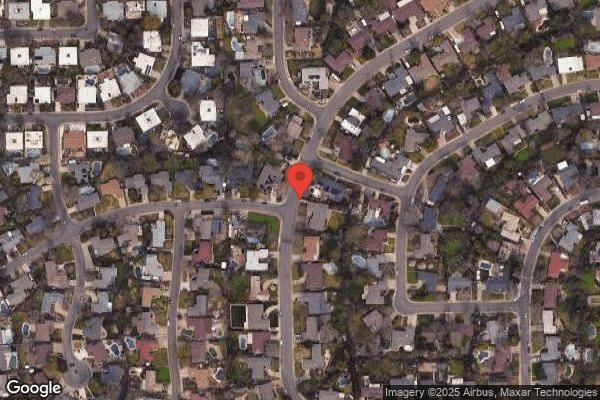
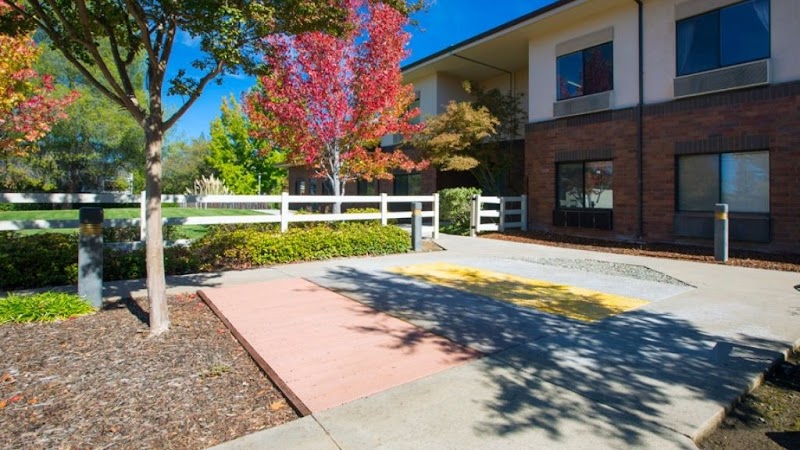
7807 UPLANDS WAY, CITRUS HEIGHTS, CA 95610 (916) 967-2929
For profit - Limited Liability company 162 Beds PROMEDICA SENIOR CARE Data: November 2025
Trust Grade
70/100
#312 of 1155 in CA
Last Inspection: April 2025

Within standard 12-15 month inspection cycle. Federal law requires annual inspections.

Overview

Citrus Heights Post Acute has a Trust Grade of B, which indicates it is a good choice for families seeking care, falling in the upper tier of nursing facilities. It ranks #312 out of 1,155 facilities in California, placing it in the top half overall, and #9 out of 37 in Sacramento County, meaning there are only eight other local options that rank higher. However, the facility is experiencing a worsening trend, with the number of issues doubling from 7 in 2024 to 13 in 2025. Staffing is a strength with a rating of 4 out of 5 stars, a turnover rate of 36% that is lower than the state average, and more RN coverage than 89% of California facilities, which helps ensure better care. Although the facility has not incurred any fines, there have been serious concerns noted during inspections, including staff failing to use proper infection control measures with COVID-19 patients and not consistently following wound care orders, which could jeopardize residents' health.

Trust Score
B
70/100
In California
#312/1155
Top 27%
Safety Record
Low Risk
No red flags
Inspections
Getting Worse
7 → 13 violations
Staff Stability
○ Average
36% turnover. Near California's 48% average. Typical for the industry.
Penalties
✓ Good
No fines on record. Clean compliance history, better than most California facilities.
Skilled Nurses
✓ Good
Each resident gets 53 minutes of Registered Nurse (RN) attention daily — more than average for California. RNs are trained to catch health problems early.
Violations
⚠ Watch
45 deficiencies on record. Higher than average. Multiple issues found across inspections.
★★★★☆
4.0
Overall Rating
★★★★☆
4.0
Staff Levels
★★★★★
5.0
Care Quality
★★★☆☆
3.0
Inspection Score
Stable
2024: 7 issues
2025: 13 issues

The Good

  • 4-Star Staffing Rating · Above-average nurse staffing levels
  • 5-Star Quality Measures · Strong clinical quality outcomes
  • Full Sprinkler Coverage · Fire safety systems throughout facility
  • No fines on record
  • Staff turnover below average (36%)

    12 points below California average of 48%

Facility shows strength in staffing levels, quality measures, fire safety.

The Bad

Staff Turnover: 36%

Near California avg (46%)

Typical for the industry

Chain: PROMEDICA SENIOR CARE

Part of a multi-facility chain

Ask about local staffing decisions and management

The Ugly 45 deficiencies on record

Jul 2025 1 deficiency
CONCERN (D) 📢 Someone Reported This

A family member, employee, or ombudsman was alarmed enough to file a formal complaint

Potential for Harm - no one hurt, but risky conditions existed

Deficiency F0557 (Tag F0557)

Could have caused harm · This affected 1 resident

Based on interview and record review, the facility failed to ensure one of 5 sampled residents (Resident 1) was treated with dignity and respect, when Restorative Nursing Assistant (RNA 1) spoke inapp...

Read full inspector narrative →
Based on interview and record review, the facility failed to ensure one of 5 sampled residents (Resident 1) was treated with dignity and respect, when Restorative Nursing Assistant (RNA 1) spoke inappropriately to Resident 1.This failure caused Resident 1 to feel upset, humiliated, and disrespected and had the potential to negatively impact Resident 1's psychosocial well-being.A review of the facility's ‘Resident Rights' policy dated 2021, indicated, Employees shall treat all residents with kindness, respect, and dignity. A review of the admission Record indicated the facility admitted Resident 1 in the spring of 2025 with multiple diagnoses which included paraplegia (loss of movement and/or sensation, to some degree, of the legs), muscle weakness, and anxiety.A review of Resident 1's Minimum Data Set (MDS - a federally mandated resident assessment tool), dated 5/17/25, indicated the resident had no cognitive impairment and had no behavioral symptoms including hallucinations and delusions.During a concurrent observation and interview on 7/9/25, at 9:45 a.m., Resident 1 was sitting in wheelchair in her room. Resident 1 answered appropriately and was speaking in a soft low tone voice. When Resident 1 was asked to recall the 7/4/25 incident in the dining room, the resident became very tearful and lowered her voice to a whisper. Resident 1 explained that she had been sitting at the same table with two residents [Resident 2 and Resident 3] every day since her admission and added that everyone knew that they liked to sit together during activities and eating meals. Resident 1 added, On July 4th, I went to sit to my usual spot. [Resident 3's name and [Resident 2's name] were already seated there. Someone brought another patient to sit at our table. [RNA 1] approached me and in authoritative tone told me, You have to move to another table. Resident 1 stated that she attempted to explain to RNA that this was her table where she usually sat with her two friends, but RNA 1 insisted that I have to be moved and told her, Your name is not here. Resident 1 stated she felt bad and disrespected that [RNA 1] picked on her. Resident 1 stated that two other staff, Activity Director and dietary head, [RD] overheard the entire conversation and one of them put her hand on my shoulder and said, It's ok [Resident 1's name], you can sit here.During a continued interview on 7/9/25, commencing at 9:45 a.m., Resident 1 stated that a few minutes later, RNA 1 brought her lunch tray and the resident noted that there were some food and drink that she could not eat due to her medical condition. Resident 1 stated she politely asked RNA 1 if she would take away the food and drink that she could not eat. Resident 1 became tearful again and added, I did not request anything, just told her that I can't have strawberries and juice, but RNA 1 raised her voice and said, I am not a waitress here, I am not here to serve you. Resident 1 stated RNA 1 walked away and started texting on her phone. During a continued interview on 7/9/25 at 9:45 a.m., Resident 1 added, I felt very humiliated and disrespected. I tried to tell her that I thought she was here to help some of us that needed help, but she was totally disrespectful and did not give me chance to talk .I did not argue with her, I am not a confrontational person, I gave her 100% of respect and expected her to be respectful to us and I felt very upset about the incident. Resident 1 stated that the same day RNA 1 spoke in a very disrespectful tone of voice to her friend, Resident 2 when he asked for something. Resident 1 stated that later that day she explained to a nurse at the desk what happened in the dining room and how humiliated she felt. Resident 1 added she woke up at 3 a.m., cried uncontrollably and called nursing station asking for her nurse to come. Resident 1 stated she detailed the incident in the dining room to her nurse (Licensed Nurse, LN 1) and told the nurse how humiliated she felt. Resident 1 added that she had a history of PTSD (Post Traumatic Stress Disorder, a mental condition caused by an extremely stressful or terrifying event; symptoms may include flashbacks, nightmares, and severe anxiety) and the incident at the dining room surfaced her PTSD condition. During an interview with Activity Director (AD) on 7/9/25, at 11:45 a.m., the AD stated that Resident 1, Resident 2, and Resident 3 always sit together during activities and 3 of them always sit together for meals. The AD stated there was a commotion in the dining room on July 4th and added that staff wanted to move Resident 1 to another table because it was too crowded at that table. The AD continued, [Resident 1] had told me that she was upset, but I was not sure why she was upset. During an interview with Registered Dietician (RD) on 7/9/25, at 11:58 a.m., the RD stated she witnessed RNA 1 telling Resident 1 that she needed to be moved to another table because it was too crowded, and the resident refused to be moved. The RD stated that Resident 2 mentioned that [Resident 1's name] was upset because [RNA1's name] had said something inappropriate to her.During an interview with Certified Nursing Assistant (CNA 2) on 7/9/25, at 12:12 p.m., CNA 2 stated that she overheard Resident 1 talking to nursing staff at the desk telling them that RNA 1 was rude to her during lunch in the dining room. CNA 2 stated that normally Resident 1 goes around the facility and socialized with other residents but that day she observed the resident staying in her room.During an interview with RNA 2 on 7/9/25, at 12:42 p.m., CNA 2 stated Resident 1 was picky about her food, always complains that she did not receive what she likes to eat . she likes to have food specially catered to her. RNA 1 validated that on July 4th during a conversation with Resident 1 and Resident 2 she replied to Resident 1 I am not a waitress here. RNA 1 added, I did not mean to disrespect her when I said I' not a waitress, but she reported to the entire facility that I disrespected her. RNA 1 stated that she assisted residents in the dining room with eating and telling a resident I'm not your waitress was inappropriate.During a telephone interview with LN 1 on 7/9/25, at 1:10 p.m., LN 1 stated the morning of 7/5/25, around 3 a.m., Resident 1 called nursing station crying. LN 1 stated that she went to the resident's room and talked to Resident 1. LN 1 continued, Initially she said that she had bad dreams, then she mentioned that she was really upset because earlier in the day someone was verbally aggressive to her. LN 1 stated that Resident 1 calmed down after they talked but did not go into details and did not tell the nurse who the person was that spoke inappropriately with the resident. LN 1 stated she informed her charge nurse what Resident 1 had told her but was told that there was nothing to report since the resident did not want to give any information who was that person.During an interview with Administrator (ADM) on 7/9/25, at 1:15 p.m., the ADM stated that Resident 1 was different type of resident and explained that the resident easily involves in areas that do not involve her. The ADM stated she was informed by RD there was an incident when Resident 1, Resident 2, and Resident 3 did not like that another resident was seated at the same table and requested to move that resident to another table. The ADM stated she was not aware that Resident 1 was upset because someone was disrespectful to her and added, It is the resident's interpretation, but I don't know if it happened or not. The ADM agreed that residents have rights to choose who they want to sit with, talk to, or eat together with and it was inappropriate and unacceptable to say, ‘I'm not a waitress here to residents.A review of the facility's policy titled, Resident Rights, dated 2021, indicated, Federal and state laws guarantee certain basic right s to all residents of this facility. These rights include the resident's rights to . a dignified existence .be treated with respect, kindness, and dignity .self-determination .exercise his or her rights as a resident of the facility and . citizen of the United states . be supported by the facility in exercising his or her rights .Staff will have appropriate in-service training on resident rights prior to having direct care responsibilities for residents.
Jun 2025 1 deficiency
CONCERN (D) 📢 Someone Reported This

A family member, employee, or ombudsman was alarmed enough to file a formal complaint

Potential for Harm - no one hurt, but risky conditions existed

Deficiency F0627 (Tag F0627)

Could have caused harm · This affected 1 resident

Based on interview and record review, the facility failed to ensure required documentation for discharge was present in the medical record for one of four sampled residents (Resident 1), when there wa...

Read full inspector narrative →
Based on interview and record review, the facility failed to ensure required documentation for discharge was present in the medical record for one of four sampled residents (Resident 1), when there was no physician order indicating the basis of Resident 1 ' s discharge, there was no discharge summary, and there was no notice of discharge in Resident 1 ' s medical record. This failure had the potential for delay in Resident 1 ' s care after discharge. Findings: During a review of Resident 1 ' s admission records, the records indicated Resident 1 was admitted to the facility in May 2025 with diagnoses that included paraplegia (loss of movement and/or sensation, to some degree, of the legs), and local infection of the skin and subcutaneous tissue (under the skin). Resident 1 ' s Minimum Data Set (MDS, a federally mandated resident assessment tool) indicated Resident 1 had intact cognition. During a review of Resident 1 ' s case management progress notes, dated 5/29/25, the notes indicated, .[Resident 1] verbalized she is refusing care by our provider rt [related to] a self-proclaimed lawsuit. This nurse offered to have her sent back to acute to have alternate placement. [Resident 1] verbalizes she agrees with transfer . During a review of Resident 1 ' s nurse progress notes, dated 5/29/25, the notes indicated, .[Resident 1] discharged to [name of hospital] due to conflict of interest . During a review of the intake information received by the Department, dated 5/30/25, the information indicated, .when [name of NP – nurse practitioner] seen [Resident 1], [NP] said, there would be someone else that could tend to [Resident 1] .[Staff] came to [Resident 1] and told [Resident 1] that [Resident 1] had to leave, that there was a conflict of interest and the facility kicked [Resident 1] out . During a concurrent interview and record review on 6/4/25 at 11:44 a.m. with the Case Manager (CM), the CM stated the NP came to see Resident 1 and they recognized each other. The CM further stated that according to Resident 1, Resident 1 had a lawsuit with the NP and the NP realized the conflict of interest. The CM stated, .We offered to send [Resident 1] to [the hospital] .[Resident 1] agreed to have alternate placement arranged because of the conflict of interest . The CM reviewed Resident 1 ' s medical record and stated, .I don ' t think [NP] wrote the order [for discharge] because the resident refused our provider .I don ' t believe an order was written before and after [Resident 1] left . During an interview on 6/4/25 at 12:32 p.m. with the Social Services Director (SSD), the SSD stated, .For all discharges, there has to be an order before they go, otherwise it ' s against medical advice (AMA – when a resident leaves before the medical team recommends discharge) .The doctor also write the discharge summary .Notice of proposed transfer or discharge should also be completed for planned, unplanned, or even AMA discharges .The resident is supposed to sign it and to be sent to the Ombudsman . During a concurrent interview on 6/4/25 at 12:46 p.m. with the Assistant Director of Nursing (ADON), the ADON stated, .There should be an order from the doctor for discharge .As soon as the resident left, I write the discharge summary .Important because that ' s the recap of the resident ' s stay in the facility and the plan for their discharge . The ADON confirmed there was no order for discharge, no discharge summary, and no notice of the proposed discharge in Resident 1 ' s medical records. During an interview on 6/4/25 at 1:07 p.m. with the Medical Records Director (MRD), the MRD stated, The nurses complete the notice of proposed discharge .It is for all discharges .I expect that this form was completed once the resident got discharged .To make sure that we are doing the correct discharge/transfer, that everything is done correctly and steps are completed correctly . During an interview on 6/4/25 at 1:16 p.m. with the Director of Nursing (DON), the DON stated, .I don ' t think there was an order because the doctor doesn ' t get involved with [Resident 1] .There should be notes from the NP at that time when the resident refused the care .There should be one completed on the nurses side so people are aware why [Resident 1] left . During an interview on 6/4/25 at 2:30 p.m. with the NP, the NP stated, When [Resident 1] got here [the facility], I recognized [Resident 1] name .I went to her room to do her assessment .[Resident 1] was being seen by wound nurse .I came back later .and before I saw the resident again, the wound nurse told me about the lawsuit .I confirmed with the resident that I was part of the lawsuit .I told the resident that [Medical Director] will be following up with the resident and [Resident 1] said okay .At some point, I was informed that she will be sent back to the hospital for alternate placement .I didn ' t document that I told the resident that [Medical Director] will be taking over because [Medical Director] was my supervising physician .I told him right away and he was aware of it .For discharge, there must be signed discharge orders . During a concurrent interview and record review on 6/4/25 at 2:52 p.m. with the Administrator (ADM), the ADM stated, .[NP] went to do assessment and [Resident 1] recognized her .The resident confirmed NP was part of the case .It ' s a conflict .We were calling to arrange [Resident 1] to go back to the referring hospital .We got the okay from the hospital .to send her back .We didn ' t have a physician for her so we have to do it .I don ' t know if [NP] talked to [MD] .I didn ' t talk to [MD] .[MD] is part of the physician group with the lawsuit .It would be hard for [MD] to give that order .As the administrator, I decided to communicate with the hospital to see if they will accept [Resident 1] back . The Administrator confirmed there were no physician order for Resident 1 ' s discharge, no discharge summary, and no notice of proposed discharge in Resident 1 ' s medical records. During a review of the facility ' s policy and procedure (P&P) titled Transfer or Discharge, dated 3/2025, the P&P indicated, .1. When the facility transfers or discharges a resident, the following information is documented in the medical record and appropriate information is communicated to the receiving health care institution or provider: a. The basis for the transfer or discharge; b. That an appropriate notice was provided to the resident and/or legal representative; .f. A summary of the resident ' s overall medical, physical, and mental condition . During a review of the facility ' s P&P titled Discharging a Resident Without a Physician ' s Approval, revised 3/2025, the P&P indicated, A physician ' s or provider ' s order is obtained for discharges, unless a resident or representative requests the discharge against medical advice .1. An order of an approved discharge must be signed and dated by the physician or provider and recorded in the resident ' s medical record no later than seventy-two (72) hours after the discharge .5. Regardless of the resident or representative ' s request to leave the facility against medical advice, the facility will provide a Notice of Discharge, discharge orientation, and a Discharge Summary .before the resident leaves the facility .
Apr 2025 10 deficiencies
CONCERN (D)

Potential for Harm - no one hurt, but risky conditions existed

ADL Care (Tag F0677)

Could have caused harm · This affected 1 resident

**NOTE- TERMS IN BRACKETS HAVE BEEN EDITED TO PROTECT CONFIDENTIALITY** 2. A review of Resident 80's clinical record indicated Resident 80 was admitted August of 2022 and had diagnoses that included s...

Read full inspector narrative →
**NOTE- TERMS IN BRACKETS HAVE BEEN EDITED TO PROTECT CONFIDENTIALITY** 2. A review of Resident 80's clinical record indicated Resident 80 was admitted August of 2022 and had diagnoses that included sequelae of cerebral infraction (aftereffects of stroke which can include various impairments, such as cognitive deficits, speech and language difficulties, and movement problems), muscle wasting and atrophy (loss of muscle mass and strength), diabetes mellitus and major depressive disorder (persistently depressed mood or loss of interest in activities, causing significant impairment in daily life). A review of Resident 80's MDS, Cognitive Patterns, dated 1/30/25, indicated Resident 80 had a BIMS score of 13 out of 15 which indicated Resident 80 had an intact cognition (mental process of acquiring knowledge and understanding). A review of Resident 80's MDS Functional Abilities and Goals, dated 1/30/25, indicated Resident 80 required substantial/maximal assistance with upper body dressing and personal hygiene, was dependent on toileting hygiene, showering/bathing, lower body dressing and putting on/taking off footwear, and needed setup or clean-up assistance with eating and oral hygiene. A review of Resident 80's care plan intervention, dated 8/22/22, indicated, Assist with daily hygiene, grooming .as needed During a concurrent observation and interview on 4/21/25 at 10:15 a.m. with Resident 80, in Resident 80's room, Resident 80 had long fingernails with grayish substance underneath the fingernails. Resident 80 stated he wanted his fingernails to be trimmed and cleaned because they were not comfortable. During a concurrent observation and interview on 4/21/25 at 10:50 a.m. with Certified Nurse Assistant (CNA) 1, in Resident 80's room, CNA 1 confirmed that Resident 80 had long fingernails with grayish substance underneath the fingernails. CNA 1 stated she would expect that Resident 80's fingernails to be trimmed and cleaned to prevent possible infection. During an interview on 4/22/25 at 9:48 a.m. with the Director of Staff Development (DSD), the DSD stated that residents' nail care was an implied task for nurses to monitor every day and to provide the care as needed. The DSD also stated that if a resident has diabetes, the nurses will do the nail care or if the nails were too long or too complicated, it should be referred and done by a podiatrist. The DSD further stated that if a resident has long fingernails, it would be a risk for skin injury and possible infection. During a concurrent interview and record review on 4/22/25 at 11:43 a.m. with the SSD, the list of podiatry referrals was reviewed. The SSD stated the podiatrist would visit the facility every 62 days and the last scheduled visit was on 2/28/25. The SSD confirmed that Resident 80 had not been referred for fingernail care. The SSD further stated that either the CNA or nurse could refer the resident to her so the resident would be referred for a fingernail care visit. During an interview on 4/23/25 at 1:23 p.m. with the DON, the DON stated that she would expect that nail care for residents would be done. A review of the facility's policy and procedures titled, Activities of Daily Living (ADL), Supporting, revised 3/2018, indicated, .2. Appropriate care and services will be provided for residents who are unable to carry out ADLs independently, with the consent of the resident and in accordance with the plan of care, including appropriate support and assistance with: a. hygiene ( .grooming .) . Based on observation, interview, and record review, the facility failed to ensure two out of 35 sampled Residents (Resident 110 and Resident 80) were assisted with nail care as part of their Activities of Daily Living (ADLs - normal daily functions required to meet basic needs) when; 1. Resident 110 had long toenails; and, 2. Resident 80 had long fingernails with grayish substance underneath them. These failures had the potential for Resident 110 and Resident 80 to have sustained a skin injury, and to possibly acquire an infection. Findings: 1. During a review of Resident 110's Face Sheet (front page of the chart that contains a summary of basic information about the resident). The face sheet indicated she was admitted on [DATE] with diagnoses that included metabolic encephalopathy (a condition where the brain does not receive enough nutrients or oxygen to function properly), type 2 diabetes mellitus (high blood sugar levels due to the body's inability to use insulin effectively), dermatophytosis (fungal infection of the skin that may affect skin, hair, and nails), varicose veins of unspecified lower extremity with ulcer of unspecified site (type of leg ulcer that develops due to poor circulation and back pressure in the veins). During a review of Resident 110's Minimum Data Set (MDS- a federally mandated resident assessment tool) Cognitive Patterns, dated 4/7/25, indicated Resident 110 had a Brief Interview for Mental Status (BIMS- a tool to assess cognition) score of 13 out of 15 which indicated Resident 110 had normal cognitive function (mental process of acquiring knowledge and understanding). A review of Resident 110's MDS Functional Abilities and Goals, dated 4/7/25, indicated Resident 110 was dependent on staff for shower/bathing self, required substantial/maximal assistance with toileting hygiene, putting on/taking off footwear, and personal hygiene. Resident 110 required partial/moderate assistance for lower body dressing, and supervision or touching for upper body dressing. During a review of Resident 110's care plan dated 3/6/25 for skin- the care plan indicated the resident is at risk for skin breakdown related to activity intolerance due to impaired ADL ability and impaired mobility. During a review of Resident 110's care plan dated 4/11/25 for occupational therapy - resident requires skilled therapy due to ADL deficit for bathing and grooming. During an observation on 4/21/25 at 2:15 p.m. in Resident 110's room, Resident 110 was lying on the bed with the left foot uncovered and the toenails were observed to be thick, long and started to curl over the toes. During a concurrent observation and interview on 4/23/25 at 11:28 a.m. with Resident 110 and Licensed Nurse (LN 4) in the Residents room, Resident 110 had long toenails that were curved. LN 4 asked Resident 110 if her toenails were bothering her and Resident 110 stated that she would like them to be trimmed. LN 4 stated that because of Resident 110's diagnosis of diabetes, the podiatrist (medical specialist who diagnoses and treats conditions affecting the foot, ankle, and related structures of the leg) would need to trim her nails the next time they came to the facility. During an interview on 4/23/25 at 12:18 p.m. with the Social Services Director (SSD), the SSD stated that the podiatrist comes to the facility every two months and Resident 110 was currently not on the list. During an interview on 4/23/25 at 12:20 p.m. with the Director of Nursing (DON), regarding long toenails, the DON stated that her expectation was that Resident 110 should see the podiatrist. Resident 110 is at risk for ingrown toenails, skin injury, and broken toenails if the toenails are not trimmed.
CONCERN (D)

Potential for Harm - no one hurt, but risky conditions existed

Deficiency F0761 (Tag F0761)

Could have caused harm · This affected 1 resident

Based on observation, interview, and record review, the facility failed to follow policy and procedure for the proper storage of drugs and biologicals for a census of 158 when: 1. Loose pills were fou...

Read full inspector narrative →
Based on observation, interview, and record review, the facility failed to follow policy and procedure for the proper storage of drugs and biologicals for a census of 158 when: 1. Loose pills were found in a medication cart, and; 2. A bottle of Drug Buster (medication disposal system) was observed with brown substance on the outside of the bottle and on the bottle of the drawer. These failures had the potential for drug diversion and medication at risk of degradation. Findings: 1. During a concurrent observation and interview on 4/22/25 at 8:25 a.m. with Licensed Nurse (LN) 5, an inspection of the 600 Hall Medication Cart was conducted. Multiple loose pills were observed in the medication cart. LN 5 verified the loose pills in the cart. 2. During a further concurrent observation and interview on 4/22/25 at 8:25 a.m. with LN 5, an inspection of the 600 Hall Medication Cart was conducted. A white bottle of Drug Buster was observed with brown substance on the outside of the bottle and on the bottom of the drawer. LN 5 confirmed the brown substance on the outside of the Drug Buster bottle and on the bottom of the drawer. During an interview with the Assistant Director of Nursing (ADON) on 4/24/25 at 9:28 a.m. she would have expected the LN to destroy the loose pills and to throw the Drug Buster bottle away if its contents were spilled outside the bottle. During a review of the facility's policy and procedure titled, Medication Labeling and Storage, dated 2001, indicated, The nursing staff is responsible for maintaining medication storage and preparation areas in a clean, safe, and sanitary manner.
CONCERN (D)

Potential for Harm - no one hurt, but risky conditions existed

Deficiency F0808 (Tag F0808)

Could have caused harm · This affected 1 resident

Based on observation, interview, and record review, the facility failed to provide food in accordance with the physician's prescribed diet for one out of 35 sampled residents (Resident 141) when Resid...

Read full inspector narrative →
Based on observation, interview, and record review, the facility failed to provide food in accordance with the physician's prescribed diet for one out of 35 sampled residents (Resident 141) when Resident 141 who was on No Added Salt diet (NAS- a dietary restriction that limits the intake of salt) received a packet of salt during the 4/21/25 lunch meal. This failure had the potential to negatively affect Resident 141's medical condition and for Resident 141 not to achieve his highest practicable well-being. Findings: A review of Resident 141's clinical record indicated Resident 141 was admitted February of 2025 and had diagnoses that included multiple fractures (break in the continuity of bone), chronic kidney disease (a long-term condition where the kidneys gradually lose their ability to filter waste products and excess fluid from the blood), and hypertension (high blood pressure). A review of Resident 141's Minimum Data Set (MDS- a federally mandated resident assessment tool) Cognitive Patterns, dated 2/9/25, indicated Resident 141 had a Brief Interview for Mental Status (BIMS- a tool to assess cognition) score of 12 out of 15 which indicated Resident 141 had a moderately impaired cognition. A review of Resident 141's MDS Nutritional Status, dated 2/9/25, indicated Resident 141 had a therapeutic diet (specific meal plan prescribed by a doctor and planned by a dietitian to treat or manage a medical condition) on admission and while she was a resident in the facility. A review of Resident 141's care plan intervention, revised 2/5/24, indicated, Provide diet as ordered . A review of Resident 141's active physician's order, dated 2/17/25, indicated, NAS diet, Regular texture, Thin Liquids consistency. A review of Resident 141's progress notes, dated 4/18/25, indicated, .Weight fluctuation anticipated d/t [due to] edema [swelling in parts of the body because of fluid trapped in tissues] present . During a concurrent observation and interview on 4/21/25 at 2:05 p.m. with Resident 141, in Resident 141's room, Resident 141 was observed eating her lunch meal and there was a packet of iodized salt observed in Resident 141's meal tray. Resident 141's meal ticket was checked and indicated NAS diet. Resident 141 stated she did not request the salt packet, and it was just served together with her meal. During a concurrent observation and interview on 4/21/25 at 2:06 p.m. with Certified Nurse Assistant (CNA) 2, in Resident 141's room, CNA 2 confirmed that Resident 141 was served with a salt packet even though her prescribed diet in her meal ticket indicated NAS diet. CNA 7 stated Resident 141 should not be given extra salt. During an interview on 4/22/25 at 12:38 p.m. with the Registered Dietician (RD), the RD stated a resident who was on NAS diet would receive a regular meal tray but with no extra salt packet in the tray. The RD also stated she would expect nursing staff to check the contents of meal tray before passing it to the resident. The RD further stated that not following the resident's prescribed diet would put the resident's health condition at risk to get worse. During an interview on 4/23/25 at 1:23 p.m. with the Director of Nursing (DON), the DON stated that the resident's prescribed diet should be followed. A review of the facility's policy and procedures (P&P) titled, Therapeutic Diets, dated 10/2017, indicated, Therapeutic diets are prescribed by the attending physician to support the resident's treatment and plan of care . A review of the facility's P&P titled, DIET ORDERS, dated 2023, indicated, Diet orders as prescribed by the Physician will be provided by the Food & Nutrition Services Department.
CONCERN (D)

Potential for Harm - no one hurt, but risky conditions existed

Deficiency F0919 (Tag F0919)

Could have caused harm · This affected 1 resident

Based on observation, interview, and record review, the facility failed to ensure the call light system was accessible for two out of 35 sampled residents (Resident 120 and Resident 85) when Resident ...

Read full inspector narrative →
Based on observation, interview, and record review, the facility failed to ensure the call light system was accessible for two out of 35 sampled residents (Resident 120 and Resident 85) when Resident 120 and Resident 85's call light buttons were observed not within reach. This failure had the potential to result in residents' needs not being met and prevent residents' communication for assistance when needed. Findings: 1a. A review of Resident 120's clinical record indicated Resident 120 was admitted October of 2023 and had diagnoses that included dementia (a progressive state of decline in mental abilities), abnormalities of gait (manner of walking) and mobility, and muscle weakness. A review of Resident 120's Minimum Data Set (MDS- a federally mandated resident assessment tool) Cognitive Patterns, dated 2/18/25, indicated Resident 120 had a Brief Interview for Mental Status (BIMS- a tool to assess cognition) score of 8 out of 15 which indicated Resident 120 had a moderately impaired cognition (mental process of acquiring knowledge and understanding). A review of Resident 120's MDS Functional Abilities, dated 2/18/25, indicated Resident 120 needed substantial/maximal assistance with toileting hygiene and putting on/taking off footwear, and needed partial/moderate assistance with showering/bathing, upper and lower body dressing, and personal hygiene. A further review of Resident 120's MDS Functional Abilities indicated Resident 120 needed supervision or touching assistance with rolling left and right, sit to lying, lying to sitting on side of bed, sit to stand, chair/bed-to-chair transfer, toilet transfer, tub/shower transfer, and walking. A review of Resident 120's care plan intervention, dated 5/28/24, indicated, Reinforce need to call for assistance .as resident will accept for safety. During a concurrent observation and interview on 4/21/25 at 10:18 a.m. with Resident 120, in Resident 120's room, Resident 120 was observed lying in bed, awake, and his call light button was on the floor, on the bottom of his bedside drawer which was approximately 3 feet away from his bed. Resident 120 stated he did not know where his call light button was at. During a concurrent observation and interview on 4/21/25 at 11:58 a.m. with Certified Nurse Assistant (CNA) 1, in Resident 120's room, CNA 1 confirmed that Resident 120's call light button was on the floor, on the bottom of his bedside drawer. CNA 3 stated Resident 120 was able to use his call light button. CNA 1 further stated the call light button should be placed where Resident 120 could reach it so Resident 120 could call for assistance whenever he needed help. 1b. A review of Resident 85's clinical record indicated Resident 85 was admitted February of 2025 and had diagnoses that included Alzheimer's disease (a progressive disease that destroys memory and other important mental functions causing memory loss and confusion), dementia, muscle weakness, and difficulty walking. A review of Resident 85's MDS Cognitive Patterns, dated 2/23/25, indicated Resident 85 was rarely or never understood. A review of Resident 39's MDS Functional Abilities, dated 2/24/25, indicated Resident 39 was dependent on oral hygiene, toileting hygiene, shower/bathing, upper and lower body dressing, putting on/taking off footwear, and personal hygiene. A further review of Resident 85's MDS Functional Abilities indicated Resident 85 was dependent with sit to lying, lying to sitting on side of bed, sit to stand, chair/bed-to-chair transfer, and toilet transfer. A review of Resident 85's care plan intervention, dated 2/21/25, indicated, Keep call light within reach. During an observation on 4/21/25 at 10:38 a.m. in Resident 85's room, Resident 85 was observed lying on her bed, awake, and her call light button was placed inside her bedside drawer which was approximately 4 feet away from her bed. During a concurrent observation and interview on 4/21/25 at 11:20 a.m. with CNA 4, in Resident 85's room, CNA 4 confirmed that Resident 85's call light button was placed inside her bedside drawer. CNA 4 confirmed that Resident 85 was able to use the call light button. CNA 4 stated that the call light button should be placed within Resident 85's reach so she could use it when she needed help. During an interview on 4/23/25 at 10:53 a.m. with the Director of Staff Development (DSD), the DSD stated call light buttons should be placed within the reach of the residents. The DSD further stated if the call light button is not within the residents' reach, the residents would not be able to call for assistance and their needs would not be provided. During an interview on 4/23/25 at 1:23 p.m. with the Director of Nursing (DON), the DON stated she would expect that call light buttons would be placed within the reach of the residents. A review of the facility's policies and procedures titled, Answering the Call Light, dated 9/2022, indicated, 5. Ensure that the call light is accessible to the resident when in bed .
CONCERN (E)

Potential for Harm - no one hurt, but risky conditions existed

Quality of Care (Tag F0684)

Could have caused harm · This affected multiple residents

Based on observation, interview and record review, the facility failed to ensure two out of 35 sampled residents (Resident 68 and Resident 77) received treatment and care in accordance with profession...

Read full inspector narrative →
Based on observation, interview and record review, the facility failed to ensure two out of 35 sampled residents (Resident 68 and Resident 77) received treatment and care in accordance with professional standards of practice, facility's policy and procedure (P&P), and physician's order when Resident 68 and Resident 77's wound treatment orders were not consistently done. This failure had the potential for Resident 68 and Resident 77's wounds to get worse and not achieve healing, and for the residents to not achieve their highest practicable well-being. Findings: 1a. A review of Resident 68's clinical record indicated Resident 68 was admitted July of 2020 and had diagnoses that included peripheral vascular disease (PVD- a condition where blood flow to the arms, legs, and feet are restricted due to narrowed or blocked blood vessels), venous insufficiency (a condition where the veins in the legs don't effectively return blood back to the heart, leading to blood pooling in the legs), and major depressive disorder (persistently depressed mood or loss of interest in activities, causing significant impairment in daily life). A review of Resident 68's Minimum Data Set (MDS- a federally mandated resident assessment tool) Cognitive Patterns, dated 4/4/25, indicated Resident 68 had a Brief Interview for Mental Status (BIMS- a tool to assess cognition) score of 15 out of 15 which indicated Resident 68 had an intact cognition (mental process of acquiring knowledge and understanding). A review of Resident 68's MDS Skin Conditions indicated Resident 68 was at risk for developing pressure related ulcers or injuries. A review of Resident 68's care plan, revised 1/29/21, indicated, at risk for alteration in skin integrity . A review of Resident 68's care plan intervention, revised 2/5/24, indicated, Administer treatment per physician orders . During an interview on 4/21/25 at 9:41 a.m. with Resident 68, Resident 68 stated he has open wounds on his legs, but he was not getting his treatment every time. During an interview on 4/22/25 at 9:21 a.m. with Treatment Nurse (TN) 1, TN 1 stated Resident 68 has long term lower leg conditions were his legs get itchy, he scratches his legs and then he gets scattered open areas on his skin. TN 1 further stated Resident 68 was currently being treated with hydrocortisone cream (a medication used to reduce inflammation, itching, and swelling) and Aquaphor ointment (a medication used to treat or prevent dry, rough, scaly, itchy skin and minor skin irritation). A review of Resident 68's physician's order, dated 10/6/23, indicated, Hydrocortisone External Cream 1 % [percent- measurement of one part in every hundred] .Apply to Left Lower Leg topically every day shift for Chronic Ulcer of Lt [left] Lower Leg. A review of Resident 68's physician's order, dated 10/17/23, indicated, Hydrocortisone External Cream 1 % .Apply to Rt [right] Lower Leg topically every day shift for Chronic Ulcer of Rt Lower Leg Apply to peri-wound [skin surrounding a wound]. A review of Resident 68's treatment administration records (TAR - a daily documentation record used by a licensed nurse to document treatments given to a resident) for March and April 2025 indicated the hydrocortisone cream orders for both left and right lower legs of Resident 68 were not done from 3/1/25 to 4/18/25 and from 4/20/25 to 4/22/25. A review of Resident 68's physician's order, dated 12/11/24, indicated, Aquaphor External Ointment .Apply to left leg chronic ulcer topically three times a day for chronic leg ulcer apply and exposed to air. A review of Resident 68's physician's order, dated 10/17/23, indicated, Aquaphor External Ointment .Apply to ulcer [on] right lower leg topically three times a day for chronic leg ulcer non pressure apply to the peri-wound and exposed to air. A review of Resident 68's TAR for March and April 2025 indicated the Aquaphor ointment orders for both left and right lower legs of Resident 68 were: -not done on 3/3/25, 3/4/25, 3/27/25, 4/12/25, and 4/13/25 -only done once in a day on 3/1/25, 3/2/25, 3/5/25 to 3/26/25, 3/28/25 to 4/11/25, 4/14/25 to 4/18/25, and 4/20/25 to 4/22/25. -only done twice in a day 4/19/25. During a concurrent interview and record review on 4/23/25 at 9:55 a.m. with the Nurse Supervisor (NS) 1, Resident 68's clinical records were reviewed. NS 1 confirmed that Resident 68's wound treatment orders for his lower legs were not consistently done. NS 1 stated that nurses should follow wound treatments according to the physician's order and if the resident refused, it should have been documented. NS 1 further stated that the risk if the wound treatment orders for Resident 68 were not consistently followed was that the resident's wound might get worse. 1b. A review of Resident 77's clinical record indicated Resident 77 was admitted July of 2024 and had diagnoses that included vascular parkinsonism (a movement disorder caused by damage to the blood vessels in the brain, leading to impaired movement and balance), adult failure to thrive (AFTT- a decline in older adults characterized by frailty, weight loss, reduced appetite, and cognitive and functional challenges), morbid obesity (a severe form of obesity), and overactive bladder (a condition where the bladder muscle contracts involuntarily, causing a sudden, strong urge to urinate that can be difficult to control). A review of Resident 77's MDS Cognitive Patterns, dated 4/4/25, indicated Resident 77 had a BIMS score of 15 out of 15 which indicated Resident 77 had an intact cognition. A review of Resident 77's MDS Skin Conditions indicated Resident 77 was at risk for developing pressure related ulcers or injuries. A review of Resident 77's care plan, revised 6/28/24, indicated, Resident is at risk for skin breakdown . A review of Resident 77's care plan intervention, dated 6/28/24, indicated, Administer treatments as ordered .Apply barrier cream as indicated . During an interview on 4/21/25 at 9:57 a.m. with Resident 77, Resident 77 stated he has open sores on his back, but staff are not taking care of them properly. Resident 77 further stated the sores on his back are not getting better. During an interview on 4/22/25 at 9:24 a.m. with TN 1, TN 1 stated Resident 77 has MASD (Moisture-Associated Skin Damage- a term used to describe skin damage caused by prolonged contact with moisture, such as urine, stool, perspiration, wound exudate, or mucus) on his back. TN 1 further stated Resident 77 was ordered zinc oxide (a skin protectant) twice a day. A review of Resident 77's physician's order, dated 12/12/24, indicated, Zinc Oxide External Paste 20 % .Apply to Rear Lt Thigh topically every day and evening shift for MASD AND Apply to Rear Rt Thigh topically every day and evening shift for MASD AND Apply to Rt Buttock topically every day and evening shift for MASD. A review of Resident 77's TAR for March and April 2025 indicated the zinc oxide paste order for Resident 77's left and right thighs, and right buttock were: -not done on 3/3/25, 3/4/25, 3/27/25, and 4/13/25 -only done once in a day on 3/1/25, 3/2/25, 3/5/25 to 3/26/25, 3/28/25 to 4/12/25, and 4/14/25 to 4/21/25. During a concurrent interview and record review on 4/23/25 at 9:55 a.m. with NS 1, Resident 77's clinical records were reviewed. NS 1 confirmed that Resident 77's wound treatment orders for his left and right thighs, and right buttock were not consistently done. NS 1 stated that nurses should follow wound treatments according to the physician's order and if the resident refused, it should have been documented. NS 1 further stated that the risk if the wound treatment orders for Resident 77 were not consistently followed was that the resident would be at risk to develop more skin issues. During an interview on 4/23/25 at 10:53 a.m. with the Director of Staff Development (DSD), the DSD stated that nurses must follow the frequency of wound treatment per the physician's order. The DSD also stated that if it was not documented, it would imply that it was not done. The DSD further stated that the risk if wound treatments were not consistently done was that either the resident would develop new skin issues or the resident's wound might get worse. During an interview on 4/23/25 at 1:23 p.m. with the Director of Nursing (DON), the DON stated that she would expect staff to follow the wound treatment frequency ordered by the physician. A review of the facility's P&P titled, Wound Care, revised 10/2010, indicated, .1. Verify that there is a physician's order for this procedure. 2. Review the resident's care plan to assess for any special needs of the resident . A review of the facility's P&P titled, Prevention of Pressure Injuries, revised 4/2020, indicated, Review the resident's care plan and identify the risk factors as well as the interventions designed to reduce or eliminate those considered modifiable .Prevention .4. Use a barrier product to protect skin from moisture .
CONCERN (E)

Potential for Harm - no one hurt, but risky conditions existed

Respiratory Care (Tag F0695)

Could have caused harm · This affected multiple residents

Based on observation, interview, and record review, the facility failed to ensure safe delivery of respiratory care consistent with the facility's policy and procedures (P&P) for one out of 35 sampled...

Read full inspector narrative →
Based on observation, interview, and record review, the facility failed to ensure safe delivery of respiratory care consistent with the facility's policy and procedures (P&P) for one out of 35 sampled residents (Resident 78) Resident when, Resident 78 was provided with oxygen therapy without a physician's order. This failure had the potential to result in unsafe delivery of oxygen to Resident 78 and for Resident 78 to not achieve her highest practicable well-being. Findings: 1. A review of Resident 78's clinical record indicated Resident 78 was admitted February of 2025 and had diagnoses that included chronic obstructive pulmonary disease (COPD- a group of diseases that causes airflow blockage and breathing-related problems), congestive heart failure (CHF- a serious condition in which the heart does not pump blood as efficiently as it should), and sleep apnea (a sleep disorder that causes people to stop breathing or breathe shallowly while they sleep). A review of Resident 78's Minimum Data Set (MDS- a federally mandated resident assessment tool) Cognitive Patterns, dated 3/28/25, indicated Resident 78 had a Brief Interview for Mental Status (BIMS- a tool to assess cognition) score of 12 out of 15 which indicated Resident 346 had a moderately impaired cognition (mental process of acquiring knowledge and understanding). A review of Resident 78's MDS Health Conditions, dated 1/29/25, indicated Resident 78 experienced shortness of breath or trouble breathing when lying flat. A review of Resident 78's MDS Special Treatments, Procedures, and Programs, dated 3/28/25, indicated Resident 78 had was on oxygen therapy on admission and while she was a resident in the facility. A review of Resident 78's care plan, revised 3/12/25, indicated, has altered respiratory status/Difficulty Breathing r/t [related to] CHF, COPD. A review of Resident 78's care plan intervention, dated 3/12/25, indicated, Provide oxygen as ordered. During a concurrent observation and interview on 4/21/25 at 11:03 a.m. with Resident 78, in Resident 78's room, Resident 78 was seen sitting in her wheelchair, awake, and had an oxygen concentrator (machine) in her room connected to a nasal cannula (a medical device with two prongs that is connected to an oxygen source used to deliver supplemental oxygen directly into the nostrils). Resident 78 stated she uses her oxygen whenever she has some trouble breathing and she last used it yesterday (4/20/25). A review of Resident 78's active physician's orders did not indicate an order for Resident 78 to receive supplemental oxygen. During a concurrent interview and record review on 4/22/25 at 9:28 a.m. with Licensed Nurse (LN) 1, Resident 78's clinical records were reviewed. LN 1 stated that staff would administer oxygen to Resident 78 when she has difficulty breathing. LN 1 then confirmed that there was no active physicians order for Resident 78 to receive supplemental oxygen. LN 1 stated that staff needs to have an active physician's order for oxygen therapy before administering oxygen to a resident. A review of Resident 78's Weights and Vitals Summary indicated that Resident 78 was on oxygen on the following dates: 3/30/25 at 3:14 a.m.- 96.0% (percent- measurement of one part in every hundred) .Oxygen via Nasal Cannula 4/2/25 at 4:15 a.m.- 96.0% .Oxygen via Nasal Cannula 4/3/25 at 9:11 p.m.- 95.0% .Oxygen via Nasal Cannula 4/8/25 at 8:12 p.m.- 96.0% .Oxygen via Nasal Cannula A review of Resident 78's progress notes, dated 4/16/25, indicated, Oxygen used: Yes .Oxygen administered via: Nasal Cannula . During an interview on 4/23/25 at 10:53 a.m. with the Director of Staff Development (DSD), the DSD stated that there should be an active physician's order for oxygen therapy before administering oxygen to a resident because it's a treatment and to safely administer oxygen to the resident. The DSD further stated that having a physician's order for oxygen therapy is a standard of practice. During an interview on 4/23/25 at 1:23 p.m. with the Director of Nursing (DON), the DON stated that she would expect to have an active physician's order for oxygen therapy before administering oxygen to a resident. A review of the facility's P&P titled, Oxygen Administration, revised 10/2010, indicated, Preparation. 1. Verify that there is a physician's order for this procedure. Review the physician's orders or facility protocol for oxygen administration. 2. Review the resident's care plan to assess for any special needs of the resident .
CONCERN (E)

Potential for Harm - no one hurt, but risky conditions existed

Deficiency F0697 (Tag F0697)

Could have caused harm · This affected multiple residents

Based on interview and record review, the facility failed to ensure two out of 35 sampled residents (Resident 77 and Resident 141) received appropriate pain management services consistent with profess...

Read full inspector narrative →
Based on interview and record review, the facility failed to ensure two out of 35 sampled residents (Resident 77 and Resident 141) received appropriate pain management services consistent with professional standards of practice, facility's policy and procedure (P&P), and physician's order when Resident 77 and Resident 141 pain medication orders were not consistently followed. This failure had the potential for Resident 77 and Resident 141 to develop medication dependence (the inability of the individual to function normally in the absence of the drug), overdose, not achieve pain relief, and not attain their highest practicable well-being. Findings: 1a. A review of Resident 77's clinical record indicated Resident 77 was admitted July of 2024 and had diagnoses that included vascular parkinsonism (a movement disorder caused by damage to the blood vessels in the brain, leading to impaired movement and balance), and osteoarthritis (OA- a deteriorating disease that causes pain, stiffness, and swelling where two or more bones meet). A review of Resident 77's Minimum Data Set (MDS- a federally mandated resident assessment tool) Cognitive Patterns, dated 4/4/25, indicated Resident 77 had a Brief Interview for Mental Status (BIMS- a tool to assess cognition) score of 15 out of 15 which indicated Resident 77 had an intact cognition (mental process of acquiring knowledge and understanding). A review of Resident 68's MDS Health Conditions indicated Resident 77 received 'as needed' pain medications and non-medication intervention for pain. A review of Resident 77's care plan, initiated 6/28/24, indicated, Pain: At risk for pain or discomfort due to .chronic Parkinson's, Osteoarthritis . A review of Resident 77's care plan intervention, initiated 6/28/24, indicated, Administer medication as ordered . During an interview on 4/21/25 at 9:57 a.m. with Resident 77, Resident 77 stated he often experiences pain, and he was taking pain medications for it. A review of Resident 77's physician's order, dated 3/17/25, indicated, Acetaminophen [a potent pain reliever] Capsule 500 MG [milligrams- unit of measurement] Give 1 tablet by mouth every 8 hours as needed for mild pain 1-3 [numeric pain scale from 1 to 10; 1-3 is mild pain, 4-6 is moderate pain, 7-10 is severe pain]. A review of Resident 77's physician's order, dated 3/17/25, indicated, Ibuprofen [pain medication] Oral Tablet 200 MG . Give 600 mg by mouth every 6 hours as needed for moderate pain 4-6. A review of Resident 77's physician's order, dated 3/17/25, indicated, HYDROcodone-Acetaminophen [a medication for pain which contains a combination of hydrocodone; a controlled pain medication, and Acetaminophen] Oral Tablet 10-325 MG . Give 1 tablet by mouth every 4 hours as needed for Pain severe pain (7-10). A review of Resident 77's medication administration records (MAR- a daily documentation record used by a licensed nurse to document medications and treatments given to a resident) for the month of March and April 2025 indicated Resident 77 received acetaminophen which was indicated for mild pain on the following occasion: 4/5/25 at 2:35 a.m.- pain level was 5 (moderate pain) A review of Resident 77's MAR for the month of March and April 2025 indicated Resident 77 received Hydrocodone-Acetaminophen which was indicated for severe pain on the following occasions: 3/18/25 at 12:39 p.m.- pain level was 5 (moderate pain) 3/21/25 at 12:41 p.m.- pain level was 6 (moderate pain) 3/27/25 at 10:41 a.m.- pain level was 6 (moderate pain) 4/2/25 at 2 p.m.- pain level was 6 (moderate pain) 4/3/25 at 2:45 p.m.- pain level was 4 (moderate pain) 4/4/25 at 12:31 p.m.- pain level was 4 (moderate pain) 4/9/25 at 1:14 p.m.- pain level was 5 (moderate pain) 4/10/25 at 2:37 p.m.- pain level was 5 (moderate pain) 4/11/25 at 10:04 a.m.- pain level was 6 (moderate pain) 4/16/25 at 1:18 p.m.- pain level was 4 (moderate pain) 4/17/25 at 2:21 p.m.- pain level was 6 (moderate pain) 4/18/25 at 12:54 p.m.- pain level was 6 (moderate pain) 4/21/25 at 1:20 p.m.- pain level was 6 (moderate pain) 4/2/25 at 1:08 p.m.- pain level was 6 (moderate pain) During a concurrent interview and record review on 4/23/25 at 9:55 a.m. with the Nurse Supervisor (NS) 1, Resident 77's clinical records were reviewed. NS 1 confirmed that Resident 77's pain medication orders were not consistently followed. NS 1 stated that nurses should follow the physician's order when administering pain medication. 1b. A review of Resident 141's clinical record indicated Resident 141 was admitted February of 2025 and had diagnoses that included fracture (break in the continuity of a bone) of right and left lower legs, multiple fractures of bilateral (both sides) ribs, and osteoarthritis. A review of Resident 141's MDS Cognitive Patterns, dated 2/9/25, indicated Resident 141 had a BIMS score of 12 out of 15 which indicated Resident 141 had a moderately impaired cognition. A review of Resident 141's MDS Health Conditions indicated Resident 141 frequently experiences pain or hurting and has received scheduled and 'as needed' pain medications and non-medication intervention for pain. A review of Resident 141's care plan, initiated 2/6/25, indicated, Pain: Experiencing chronic pain discomfort due to: fracture(s) . A review of Resident 141's care plan intervention, initiated 2/6/25, indicated, Administer medications as ordered . During an interview on 4/21/25 at 1:30 p.m. with Resident 141, Resident 141 stated her pain medications were not given to her correctly. A review of Resident 141's physician's order, dated 2/6/25, indicated, Acetaminophen Oral Tablet 325 MG . Give 2 tablet by mouth every 4 hours as needed for Mild Pain (1-3) . A review of Resident 141's physician's order, dated 2/7/25, indicated, Norco Oral Tablet 5-325 MG (Hydrocodone-Acetaminophen) Give 1 tablet by mouth every 4 hours as needed for Moderate pain (4-6) . A review of Resident 141's physician's order, dated 2/7/25, indicated, Norco Oral Tablet 5-325 MG (Hydrocodone-Acetaminophen) Give 2 tablet by mouth every 4 hours as needed for severe pain (7-10) . A review of Resident 141's MAR for the month of March and April 2025 indicated Resident 141 received 1 tablet of Norco which was indicated for moderate pain on the following occasions: 3/3/25 at 3:55 p.m.- pain level was 8 (severe pain) 3/28/25 at 9:45 p.m.- pain level was 7 (severe pain) A review of Resident 141's MAR for the month of March and April 2025 indicated Resident 141 received 2 tablets of Norco which was indicated for severe pain on the following occasions: Pain level was 4 (moderate pain)- 1 time Pain level was 5 (moderate pain)- 17 times Pain level was 6 (moderate pain)- 57 times During a concurrent interview and record review on 4/23/25 at 9:55 a.m. with the NS 1, Resident 141's clinical records were reviewed. NS 1 confirmed that Resident 141's pain medication orders were not consistently followed. NS 1 stated that nurses should follow the physician's order when administering pain medication. During an interview on 4/23/25 at 10:53 a.m. with the Director of Staff Development (DSD), the DSD stated that nurses should always follow the physician's order when administering pain medications to resident. The DSD also stated that it would be a risk for medication overdose which could lead to medication dependence and addiction if a resident was given too strong medication. The DSD further stated that if a resident was administered too little medication, the resident would not achieve the expected level of pain relief. During a phone interview on 4/23/25 at 11:47 a.m. with the Consultant Pharmacist (CP), the CP stated he had noticed the issue of staff not consistently following physician's order when administering pain medications on his monthly medication review for April 2025. The CP further stated that he would expect staff to follow physician's order for pain management, and if not, there would be a risk of either medication dependence or inadequate pain relief. During an interview on 4/23/25 at 1:23 p.m. with the Director of Nursing (DON), the DON stated that pain medication orders should be followed. A review of the facility's P&P titled, Administering Pain Medications, revised 10/2022, indicated, Preparation .1. Review the resident's care plan to assess for any special needs of the resident . General Guideline .1. The pain management program is .based on professional standards of practice, the comprehensive care plan .Steps in the Procedure .6. Administer pain medications as ordered . A review of the facility's P&P titled, Administering Medications, revised 4/2019, indicated, Medications are administered in a safe and timely manner, and as prescribed.
CONCERN (E)

Potential for Harm - no one hurt, but risky conditions existed

Pharmacy Services (Tag F0755)

Could have caused harm · This affected multiple residents

**NOTE- TERMS IN BRACKETS HAVE BEEN EDITED TO PROTECT CONFIDENTIALITY** Based on observation, interview and record review, the facility failed to provide pharmaceutical services according to policy an...

Read full inspector narrative →
**NOTE- TERMS IN BRACKETS HAVE BEEN EDITED TO PROTECT CONFIDENTIALITY** Based on observation, interview and record review, the facility failed to provide pharmaceutical services according to policy and procedures to meet the needs of residents for a census of 158 when: 1. The facility failed to accurately document and secure emergency medications (E-kit, a sealed container of essential medications and supplies designed for immediate use in emergency situations); 2. Dispose of expired E-Kit insulin (medication used to control blood sugar) and 3. Ensure the narcotic (substance used to treat moderate to severe pain) count was correct for Resident 37. These failures had the potential for emergency medications to be unavailable when needed, the potential for not meeting the residents' therapeutic needs or worsening of their medical conditions, and potential for diversion of controlled medications. Findings: 1a. During a concurrent observation and interview on [DATE] at 11:01 a.m. with the Assistant Director of Nursing (ADON) an inspection of the Medbridge Medication Room was conducted. The First Dose Oral Emergency Kit [E-Kit] was observed to have a red color-coded lock. The ADON stated when the emergency kits have been opened they are resealed with a red coded lock. The ADON was unable to provide documentation in the Emergency Kit Log about what medication was taken out of the emergency kit or the date. 1b. During a concurrent observation and interview on [DATE] at 11:24 a.m. with the ADON of the Medication Cart in the 500 Hall, the First Dose Narcotic Emergency Kit was observed. The First Dose Narcotic Emergency Kit was observed to have a red color-coded lock. There were multiple white slips observed in the E-Kit, indicating the E-Kit had been opened by staff multiple times. The ADON was unable to provide documentation in the Emergency Kit Log what medications were taken out of the emergency kit or the dates. During an interview with the ADON on [DATE] at 9:28 a.m., the ADON stated her expectation would be for the Licensed Nurses (LN) to record the medication taken out of the Emergency Kits in the Emergency Kit Log Book and then fax the medication order form to the pharmacy to let them know the E-Kit needed to be replaced. During a review of the facility's policy and procedure titled, Emergency Pharmacy Service and Emergency Kit, revised [DATE], As soon as possible, the nurse records the medication use on the medication order form and notifies the pharmacy for replacement of the kit by transmitting the entire order for the resident and indicating that the first dose was used from the kit. The nurse flags the kit with a red color-coded lock to indicate need for replacement of kit .The nurse opening the kit also records use of the kit in the Emergency kit log book. The nurse records the date, time, resident name, medication name, strength, and dose. 2. During a concurrent observation and interview on [DATE] at 11:01 a.m. with the ADON an inspection of the Medbridge Medication Room was conducted. An emergency kit, from Omnicare (a pharmacy), containing insulin was observed in the refrigerator with an Ekit expiration date: [DATE]. The ADON indicated the facility's current pharmacy is Pacific [NAME] Pharmacy and confirmed the insulin was expired. During an interview with the ADON on [DATE] at 9:28 a.m., the ADON stated she would have expected Omnicare to have taken the E-Kit once they were no longer the pharmacy providing service and should have been destroyed. The ADON stated they switched from Omnicare to Pacific [NAME] Pharmacy a couple of months ago. During a review of the facility's policy and procedure titled, Medication Labeling and Storage, Emergency Pharmacy Service and Emergency Kit, dated 2001, indicated, If the facility has discontinued, outdated or deteriorated medications or biologicals, the dispensing pharmacy is contacted for instructions regarding returning or destroying these item. 3. During a concurrent observation, interview and record review on [DATE] at 8:25 a.m. with LN 5 an inspection of the Medication Cart 600 Hall Controlled Drug Record (medications that the use and possession of are controlled by the federal government) was conducted and reviewed. When LN 5 was asked how many of Resident 37's Percocet (narcotic pain medication) were left she stated there were four tablets left. Review of Resident 37's Controlled Drug Record indicated there were five tablets left. LN 5 confirmed the Controlled Drug Record indicated there were to be five tablets. LN 5 stated she saw the night nurse give the medication right before they left, in front of her, but she guessed they forgot to document it. During an interview with the ADON on [DATE] at 9:28 a.m., the ADON stated she would have expected the night nurse to document that the pain medication was given on the Controlled Drug Record. During a review of the facility's policy and procedure titled, Narcotics, Controlled Substances, and Preventing Drug Diversion, undated, indicated, At the end of each shift, the staff member responsible for medication completing his/her shift, and the staff member responsible for medications who is starting his/her shift, count all narcotic medications and confirm that the amount on hand matches what is listed on the Narcotic Count Sheet for each medication. Both staff members will sign a Narcotic Reconciliation Sheet confirm the accurate count of narcotics on hand.
CONCERN (E)

Potential for Harm - no one hurt, but risky conditions existed

Food Safety (Tag F0812)

Could have caused harm · This affected multiple residents

Based on observation, interview, and record review, the facility failed to store, prepare, distribute, and serve food in accordance with professional standards for food service safety when: 1a. Three ...

Read full inspector narrative →
Based on observation, interview, and record review, the facility failed to store, prepare, distribute, and serve food in accordance with professional standards for food service safety when: 1a. Three steam table pans were stored wet, and one had food residue in the pan, b. The food processor and blender were both stored wet with food residue in them, with the lids on, 2. The dry storage area floor had debris on it. These failures had the potential to lead to food borne illness for the 152 Residents eating facility prepared meals. Findings: 1a) During an observation and concurrent interview on 4/21/25 at 8:52 a.m., with the Dietary Supervisor (DS) during the initial kitchen tour, three steam table pans were found stored wet (wet nesting) in the ready to use area and one pan had food residue inside the pan. The DS stated she expected the steam table pans to be clean and air dried before storage. 1b) During a continued observation and interview on 4/21/25 at 8:56 a.m., with the DS during the initial kitchen tour, the food processor and food blender were both stored with a lid on top, wet with food residue inside. The DS stated she expected the equipment to be dry and free of food residue. The DS further stated that if the steam table pans and kitchen equipment are not properly washed and dried there is a chance for food borne illness. Review of the facility provided policy titled Dishwashing (Healthcare Menus Direct, LLC., 20 23) included the statement that All dishes will be properly sanitized through the dishwasher. The dishwasher will be kept clean and in good working order 1. Gross food particles shall be removed by careful scraping and pre-rinsing in running water .5. Dishes are to be air dried in racks before stacking and storing. Review of the 2022 Federal Food and Drug Administration Food Code, section 4-601.11, titled, Equipment, Food-Contact Surfaces, Nonfood-Contact Surfaces, and Utensils, 1/18/23 version, indicated, .(C) Surfaces . shall be kept free of an accumulation of dust, dirt, food residue, and other debris. 2) During an observation and interview on 4/21/25 at 9:58 a.m., with the DS during the initial kitchen tour, the dry storage area had food packets, a piece of plastic wrap, and paper on the floor. The DS confirmed that the floor needed to be swept. Review of the 2022 Federal Food and Drug Administration Food Code, section 3-305.11, titled, Food Storage, . FOOD shall be protected from contamination by storing the FOOD: (1) In a clean, dry location; (2) Where it is not exposed to splash, dust, or other contamination.
CONCERN (E)

Potential for Harm - no one hurt, but risky conditions existed

Infection Control (Tag F0880)

Could have caused harm · This affected multiple residents

**NOTE- TERMS IN BRACKETS HAVE BEEN EDITED TO PROTECT CONFIDENTIALITY** Based on observation, interview and record review, the facility failed to ensure infection control practices and procedures were...

Read full inspector narrative →
**NOTE- TERMS IN BRACKETS HAVE BEEN EDITED TO PROTECT CONFIDENTIALITY** Based on observation, interview and record review, the facility failed to ensure infection control practices and procedures were followed for three of 35 sampled residents (Residents 48, 55, and 78) when: 1. Resident 48's Incentive Spirometer (a device used to exercise the lungs) was left unlabeled and not covered. 2. Resident 55's Enhanced Barrier Precautions (EBP) were not followed. 3. Resident 78's Nasal Cannula (a device used to deliver oxygen through the nose) was left uncovered. These failures had the potential to result in the spread of infection among residents. Findings: 1. A review of Resident 48's clinical record, indicated the facility admitted Resident 48 in 2017 with multiple diagnoses which included chronic respiratory failure. A review of Resident 48's Minimum Data Set (MDS - an assessment tool used to guide care) Cognitive (having full understanding) Patterns, dated 3/4/25, indicated Resident 48 had a Brief Interview for Mental Status (a tool to assess a person's cognition) score of 13 out of 15 which indicated Resident 48 was able to understand. During a concurrent observation and interview on 4/21/24 at 9:37 a.m., an Incentive Spirometer (IS) was observed on a shelf between Resident 48 and their roommate. The IS was unlabeled and not contained in a protective covering. Resident 48 stated I think that's mine. During a concurrent observation and interview with Licensed Nurse 7 (LN 7) on 4/21/24 at 9:51 a.m., LN 7 verified the IS was not labeled or contained in a protective covering. LN 7 stated, The IS should be labeled with the residents' name and stored in a bag. A review of the Physician's Order dated 4/18/25, indicated an order for an Incentive Spirometer four times a day every Monday Tuesday, Wednesday, Thursday, and Friday until 5/9/25. During an interview with the Director of Nursing (DON) on 4/22/24 at 3:17 p.m., the DON stated, The IS should have been labeled with the resident's name and be stored in a bag. A review of the facility policy titled, Incentive Spirometry undated indicated, Label the spirometer with the patient's name. Place the mouthpiece in a storage bag . 2. A review of Resident 55's clinical record indicated the facility admitted Resident 55 in 2018 with multiple diagnoses which included cellulitis (an infection of the skin and underlying tissues) of the lower left limb. During an observation on 4/23/25 at 9:48 a.m., Certified Nursing Assistant 5 (CNA 5) was observed in Resident 55's room providing personal care to the Resident and not wearing any personal protective equipment (PPE). Next to the entrance to Resident 55's room, signage was posted indicating enhanced barrier precautions (EBP). The sign indicated to wear a gown and gloves for high-contact resident care activities prior to entering the room. During an interview with CNA 5 on 4/23/25 at 9:53 a.m., CNA 5 verified Resident 55 was on EBP, and she had not worn the required PPE while providing direct care to the Resident. A review of Resident 55's Plan of Care dated 4/15/25 indicated, Enhanced Barrier Precautions: Resident requires enhanced barrier precautions during high-contact resident care activities due to the presence of chronic wound . Interventions included, Utilize PPE (gown and gloves; face-shield as indicated) during high-contact resident care activities (e.g., dressing, bathing/showering, transferring, hygiene, linen changes, brief changes, toileting assistance, device care, wound care.). During an interview with the Infection Preventionist (IP) on 4/23/25 at 2:48 p.m., the IP stated, If a resident is on EBP and the staff is providing direct patient care they need to wear the appropriate PPE. A review of the facility policy and procedure P&P titled, Enhanced [NAME] Precautions undated indicated, EBP involves the use of personal protective equipment (PPE), specifically gowns and gloves, during high-contact resident care activities . 3. A review of Resident 78's clinical record indicated Resident 78 was admitted February of 2025 and had diagnoses that included chronic obstructive pulmonary disease (COPD- a group of diseases that causes airflow blockage and breathing-related problems), congestive heart failure (CHF- a serious condition in which the heart does not pump blood as efficiently as it should), and sleep apnea (a sleep disorder that causes people to stop breathing or breathe shallowly while they sleep). A review of Resident 78's MDS Cognitive Patterns, dated 3/28/25, indicated Resident 78 had a BIMS score of 12 out of 15 which indicated Resident 346 had a moderately impaired cognition (mental process of acquiring knowledge and understanding). A review of Resident 78's MDS Health Conditions, dated 1/29/25, indicated Resident 78 experienced shortness of breath or trouble breathing when lying flat. A review of Resident 78's MDS Special Treatments, Procedures, and Programs, dated 3/28/25, indicated Resident 78 was on oxygen therapy on admission and while she was a resident in the facility. A review of Resident 78's care plan, revised 3/12/25, indicated, has altered respiratory status/Difficulty Breathing r/t [related to] CHF, COPD. A review of Resident 78's care plan intervention, dated 3/12/25, indicated, Provide oxygen as ordered. During a concurrent observation and interview on 4/21/25 at 11:03 a.m. with Resident 78, in Resident 78's room, Resident 78 was seen sitting in her wheelchair, awake, and had an oxygen concentrator (machine) in her room connected to a nasal cannula. Resident 78's nasal cannula was observed placed on top of Resident 78's oxygen concentrator and was uncovered. Resident 78 stated she uses her oxygen whenever she has some trouble breathing and she last used it yesterday (4/20/25). During a concurrent observation and interview on 4/21/25 at 11:09 a.m. with CNA 3, in Resident 78's room, CNA 3 confirmed that Resident 78's nasal cannula was placed on top of Resident 78's oxygen concentrator and was uncovered. CNA 3 stated the nasal cannula should be placed inside a bag when not being used. During an interview on 4/23/25 at 10:53 a.m. with the Director of Staff Development (DSD), the DSD stated respiratory tubing such as nasal cannulas should be placed inside an antimicrobial bag when not in use so the tubing would not be exposed to germs. The DSD further stated that the risk if a nasal cannula being not placed inside an antimicrobial bag when not in use was possible contamination of the nasal cannula which could lead to potential infection of the resident. During an interview on 4/23/25 at 1:23 p.m. with the DON, the DON stated nasal cannulas should be placed inside an antimicrobial bag when not in use. A review of the facility's P&P titled, Oxygen Administration, dated 10/2010, indicated, The purpose of this procedure is to provide guidelines for safe oxygen administration .Oxygen therapy is administered by way of an oxygen .nasal cannula .
Apr 2025 1 deficiency
CONCERN (D) 📢 Someone Reported This

A family member, employee, or ombudsman was alarmed enough to file a formal complaint

Potential for Harm - no one hurt, but risky conditions existed

Infection Control (Tag F0880)

Could have caused harm · This affected 1 resident

Based on observation, interview, and record review, the facility failed to follow proper infection control practices for one (Resident 1) of three sampled residents, when Licensed Nurse (LN) 1 did not...

Read full inspector narrative →
Based on observation, interview, and record review, the facility failed to follow proper infection control practices for one (Resident 1) of three sampled residents, when Licensed Nurse (LN) 1 did not don a gown and did not perform hand hygiene (process of cleaning ones ' hands using soap or alcohol-based hand rub) during Resident 1 ' s dressing change. These failures had the potential to increase the spread of infection. Findings: Resident 1 was admitted to the facility in November of 2024 with diagnoses that included dysphagia (difficulty swallowing) and cerebral infarction (stroke). A review of Resident 1 ' s Care Plan (CP), dated 3/18/25, indicated, Enhanced Barrier Precautions (EBP) [Precautions taken to prevent the spread of infections and include donning a gown and gloves prior to direct care activities] for G-tube [Gastrostomy Tube, a tube inserted into the stomach to deliver nutrition and medications]. Resident is not isolated to their room. Staff to gown and glove for high contact care activities. A review of the facility ' s document titled, Enhanced Barrier Precautions, undated, indicated, PROVIDERS AND STAFF MUST ALSO: Wear gloves and a gown for the following High-Contact Resident Care Activities .Device care or use: central line, urinary catheter, feeding tube [includes G-tubes], tracheostomy. During a concurrent observation and interview on 4/3/25 at 10:16 a.m. with LN 1, LN 1 changed the dressing for Resident 1 ' s G-tube. LN 1 did not wear a gown during the procedure. LN 1 also did not perform hand hygiene after removing Resident 1 ' s old G-tube dressing and after removing her gloves. After finishing the dressing change, LN 1 confirmed she was not wearing a gown despite Resident 1 being on EBP and confirmed she did not perform hand hygiene during Resident 1 ' s G-tube dressing change. During an interview on 4/3/25 at 11:21 a.m. with the Infection Preventionist (IP), the IP indicated that if a resident was on EBP, staff were required to gown up for direct care activities such as G-tube site care. The IP also indicated that staff should perform hand hygiene in between glove changes during dressing changes. The IP indicated not following proper infection control practices increased the risk of infectious causing organisms to spread. During a review of the facility ' s policy and procedure (P&P) titled, Handwashing/Hand Hygiene, revised 10/23, the P&P indicated, This facility considers hand hygiene the primary means to prevent the spread of healthcare-associated infections .Hand Hygiene is indicated .c. after contact with blood, body fluids, or contaminated surfaces; d. after touching a resident .g. immediately after glove removal.
Dec 2024 1 deficiency
CONCERN (D) 📢 Someone Reported This

A family member, employee, or ombudsman was alarmed enough to file a formal complaint

Potential for Harm - no one hurt, but risky conditions existed

Food Safety (Tag F0812)

Could have caused harm · This affected 1 resident

Based on observation, interview, and record review, the facility failed to store and prepare food in accordance with professional standards of food safety for a census of 154 when: 1. Four large cuts ...

Read full inspector narrative →
Based on observation, interview, and record review, the facility failed to store and prepare food in accordance with professional standards of food safety for a census of 154 when: 1. Four large cuts of pork loin were not thawed to standards, and 2. Foods past their expiration and use-by date were not discarded. These failures had the potential to increase the risk of foodborne illnesses. Findings: 1. During a concurrent observation and interview on 12/12/24 at 10:10 a.m., with the Kitchen Supervisor (KS), four large cuts of pork loin were thawing in a sink with no running water. The KS confirmed the meat was not thawing under running water. During an interview on 12/12/24 at 1:29 p.m., with the Registered Dietitian (RD), the RD indicated that thawing meat should be done under running cold water. The RD also indicated proper thawing was important for the safety of the residents since some foods could be considered potentially hazardous foods (PHF, foods that can support the growth of bacteria that cause food poisoning or toxins). During a review of the facility ' s policy and procedure (P&P) titled, Policy: Thawing of Meats, dated 2023, indicated, Submerge under running, potable water at a temperature of 70 F [Fahrenheit, a unit of measurement] or lower, with a pressure sufficient to flush away loose particles. 2. During a concurrent observation and interview on 12/12/24 at 10:10 a.m., with the KS, one expired container of plain low-fat yogurt and one expired pre-cooked ham were found stored in the walk-in refrigerator available for use. The KS confirmed the expiration date on the yogurt was 11/17/24 and the use by date on the ham was 12/3/24. The KS indicated that these items should have been discarded. During an interview on 12/12/24 at 1:29 p.m., with the RD, the RD indicated that expired food should be discarded as they could pose a risk of foodborne illness. During a review of the US Food and Drug Administration Food Code (FDA FC), section 3-501.17, titled, Ready-to-Eat, Time/Temperature Control for Safety Food, Date Marking, dated 1/18/23, the FDA FC indicated, Time/temperature control for safety refrigerated foods must be consumed, sold or discarded by the expiration date.
Mar 2024 5 deficiencies
CONCERN (D)

Potential for Harm - no one hurt, but risky conditions existed

Respiratory Care (Tag F0695)

Could have caused harm · This affected 1 resident

Based on observation, interview, record review, and facility policy review, the facility failed to provide respiratory care consistent with the facility policy and procedure for two of 30 sampled resi...

Read full inspector narrative →
Based on observation, interview, record review, and facility policy review, the facility failed to provide respiratory care consistent with the facility policy and procedure for two of 30 sampled residents (Resident 113 and Resident 82) when: 1. Resident 113's nebulizer mask (a device used to change liquid medication into a mist form that is inhaled through a mask) was left in an opened drawer of the bedside table, uncovered and unlabeled. 2. Resident 82's nebulizer mask was hung on the wall uncovered and unlabeled. These failures placed Resident 113 and Resident 82 at risk for respiratory infections. Findings: 1. Resident 113 was admitted to the facility in 2024 with diagnoses that included, chronic respiratory failure with hypoxia (an absence of enough oxygen in the tissues to sustain bodily functions). A review of the Medication Administration Record for Resident 113 indicated, a physician's order, dated 2/12/24 for, Ipratropium-Albuterol (a medication used to prevent wheezing and shortness of breath caused by ongoing lung disease) 3 milliliters (ml, a unit of measurement) inhale orally via nebulizer every 6 hours for shortness of breath/wheezing . During an observation on 2/6/24 at 11 a.m., Resident 113's nebulizer mask was left in an opened drawer of the bedside table, uncovered and unlabeled. During a concurrent observation and interview with the Nurse Consultant (NC) on 2/6/24 at 11:10 a.m., the NC verified the nebulizer mask had been left out, uncovered, and unlabeled. The NC stated, When the nebulizer mask is not in use it should be stored in a labeled bag with the resident's name and room number. During an interview with the Director of Nursing (DON) on 2/6/24 at 11:30 a.m., the DON stated it was her, Expectation for resident's nebulizer masks when not in use, to be stored in a labeled bag with the residents' name and room number. 2. During a concurrent observation and interview on 3/4/24 at 11:20 a.m., with Licensed Nurse 7, (LN 7) in resident's room, LN 7 confirmed the handheld mask nebulizer was hung on the wall unlabeled and uncovered. LN 7 stated, The nebulizer mask should be labeled, dated and kept in a bag to keep it clean. During an interview on 3/4/24 at 11:30 a.m., with LN 6, LN 6 stated, Nebulizer masks must be labeled, dated and placed in a clean plastic bag, the date will indicate when it should be changed. During an interview on 3/7/24 at 9:30 a.m., with Infection Preventionist (IP), the IP stated, Nebulizer masks should be labeled, I always tell the nurses, if unsure, just label it. A review of the facility's policy titled, Departmental (Respiratory Therapy) - Prevention of Infection dated November 2011 under, Infection Control Considerations Related to Medication/Continuous Aerosol indicated, Store the circuit in a plastic bag, marked with the date and resident's name, between uses .
CONCERN (D)

Potential for Harm - no one hurt, but risky conditions existed

Pharmacy Services (Tag F0755)

Could have caused harm · This affected 1 resident

Based on observation, interview, and record review, the facility failed to label and store drugs and biologicals properly for a census of 151 when: 1. Insulin pens were not labeled with an open date, ...

Read full inspector narrative →
Based on observation, interview, and record review, the facility failed to label and store drugs and biologicals properly for a census of 151 when: 1. Insulin pens were not labeled with an open date, 2. Loose pills were found in medication carts, and; 3. A flush (used to keep a feeding tube from getting clogged by flushing it with warm water after each feeding and before and after giving medicines) that was ready to use was not labeled or dated. These failures had the potential for drug diversion, residents to receive expired medications, and for Resident 1 to receive an unknown fluid flush. Findings: 1. During a concurrent observation and interview on 3/5/24 at 8:45 a.m., with Licensed Nurse (LN) 1, during an inspection of the 500 Hall Medication Cart, three insulin pens were observed in the medication cart available for use with no opened date on them. LN 1 verified there were no written open dates on the insulin pens. During an interview on 3/5/24 at 9 a.m., with the Director of Nursing (DON), she confirmed insulin pens are to be labeled when opened. During a review of the facility's policy titled, Medication Labeling and Storage, revised February 2023, indicated, Multidose vials that have been opened or accessed .are dated and discarded within 28 days unless the manufacturer specifies a shorter or longer date for the open vial. 2a. During a concurrent observation and interview on 3/5/24 at 8:45 a.m., with LN 1, during an inspection of the 500 Hall Medication Cart, three loose pills were observed in the medication cart. LN 1 verified the loose pills in the carts. b. During a concurrent observation and interview on 3/6/24 at 8:13 a.m., with LN 2, during an inspection of the 600 Hall Medication Cart, nine loose pills were observed in the medication cart. LN 2 verified the loose pills in the carts. c. During a concurrent observation and interview on 3/6/24 at 8:38 a.m., with LN 3, during an inspection of the 800 Hall Medication Cart, four loose pills were observed in the medication cart. LN 3 verified the loose pills in the carts. During a review of the facility's policy titled, Medication Labeling and Storage, revised February 2023, indicated, The nursing staff is responsible for maintaining medication storage and preparation areas in a clean, safe, and sanitary manner. Medications are stored in an orderly manner in cabinets, drawers, carts . 3. During a concurrent observation and interview on 3/4/24 at 10:15 a.m., with LN 6, in Resident 1's room, LN 6 stated, there was not a label on the flush bag, it should be labeled by the nurses. During an interview on 3/4/24 at 10:20 a.m., with LN 7, LN 7 stated, the flush bag is not labeled, it should be labeled by the nurse who hung the bag. During an interview on 3/7/24 at 9:30 a.m., with the Infection Control Preventionist (IP), the IP stated, Flush bags should be labeled. A review of the facility's policy and procedure titled, Enteral Tube Feeding via Continuous Pump, revised November 2018, . document initials, date and time the formula was hung /administered, .
CONCERN (D)

Potential for Harm - no one hurt, but risky conditions existed

Deficiency F0761 (Tag F0761)

Could have caused harm · This affected 1 resident

Based on observation, interview, and record review, the facility failed to label and store drugs and biologicals properly for a census of 151 when: 1. Insulin pens were not labeled with an open date, ...

Read full inspector narrative →
Based on observation, interview, and record review, the facility failed to label and store drugs and biologicals properly for a census of 151 when: 1. Insulin pens were not labeled with an open date, 2. Loose pills were found in medication carts, and; 3. A flush (used to keep a feeding tube from getting clogged by flushing it with warm water after each feeding and before and after giving medicines) that was ready to use was not labeled or dated. These failures had the potential for drug diversion, residents to receive expired medications, and for Resident 1 to receive an unknown fluid flush. Findings: 1. During a concurrent observation and interview on 3/5/24 at 8:45 a.m., with Licensed Nurse (LN) 1, during an inspection of the 500 Hall Medication Cart, three insulin pens were observed in the medication cart available for use with no opened date on them. LN 1 verified there were no written open dates on the insulin pens. During an interview on 3/5/24 at 9 a.m., with the Director of Nursing (DON), she confirmed insulin pens are to be labeled when opened. During a review of the facility's policy titled, Medication Labeling and Storage, revised February 2023, indicated, Multidose vials that have been opened or accessed .are dated and discarded within 28 days unless the manufacturer specifies a shorter or longer date for the open vial. 2a. During a concurrent observation and interview on 3/5/24 at 8:45 a.m., with LN 1, during an inspection of the 500 Hall Medication Cart, three loose pills were observed in the medication cart. LN 1 verified the loose pills in the carts. b. During a concurrent observation and interview on 3/6/24 at 8:13 a.m., with LN 2, during an inspection of the 600 Hall Medication Cart, nine loose pills were observed in the medication cart. LN 2 verified the loose pills in the carts. c. During a concurrent observation and interview on 3/6/24 at 8:38 a.m., with LN 3, during an inspection of the 800 Hall Medication Cart, four loose pills were observed in the medication cart. LN 3 verified the loose pills in the carts. During a review of the facility's policy titled, Medication Labeling and Storage, revised February 2023, indicated, The nursing staff is responsible for maintaining medication storage and preparation areas in a clean, safe, and sanitary manner. Medications are stored in an orderly manner in cabinets, drawers, carts . 3. During a concurrent observation and interview on 3/4/24 at 10:15 a.m., with LN 6, in Resident 1's room, LN 6 stated, there was. not a label on the flush bag, it should be labeled by the nurses. During an interview on 3/4/24 at 10:20 a.m., with LN 7, LN 7 stated, the flush bag is not labeled, it should be labeled by the nurse who hung the bag. During an interview on 3/7/24 at 9:30 a.m., with the Infection Control Preventionist (IP), the IP stated, Flush bags should be labeled. A review of the facility's policy and procedure titled, Enteral Tube Feeding via Continuous Pump, revised November 2018, . document initials, date and time the formula was hung /administered, .
CONCERN (D)

Potential for Harm - no one hurt, but risky conditions existed

Infection Control (Tag F0880)

Could have caused harm · This affected 1 resident

**NOTE- TERMS IN BRACKETS HAVE BEEN EDITED TO PROTECT CONFIDENTIALITY** Based on observation, interview and record review the facility failed to follow infection control guidelines to provide a safe a...

Read full inspector narrative →
**NOTE- TERMS IN BRACKETS HAVE BEEN EDITED TO PROTECT CONFIDENTIALITY** Based on observation, interview and record review the facility failed to follow infection control guidelines to provide a safe and sanitary environment for a census of 151 residents when, 1. two clean white linens (sheets) touched the floor as the Laundry Aide (LA) folded the sheets; and 2. clean shirt and pants placed on top of the table touched the LA's uniform as she leaned over to reach for linens, 3. the facility failed to properly label residents' personal belongings in a shared room. These deficient practices had the potential to spread infection and disease among residents and staff. Findings: 1. During a concurrent observation and interview on 3/5/24 at 12:35 p.m., with LA in the laundry department, two clean white sheets touched the floor as the LA folded the sheets. When asked, LA acknowledged that the two clean white sheets touched the floor while she folded them. She further stated, clean linens should not touch the floor for infection control reasons. 2. During a concurrent observation and interview on 3/5/24 at 12:40 p.m., with LA in the laundry department, clean shirt and pants touched LA's uniform as she leaned over to reach for linens. During an interview on 3/5/24 at 12:45 p.m., with the Environmental Services Director (EVS Dir), the EVS Dir confirmed, two clean white sheets touched the floor as the LA folded the sheets. EVS Dir stated, they should follow infection control practices and LA's uniform should not touch the clean shirt and pants. During an interview on 3/7/24 at 9:30 a.m., with the Infection Preventionist (IP), the IP stated, clean linens should not touch the floor and LA's uniform should not touch the clean shirt and pants. During a review of the facility's policy and procedure titled, Departmental (Environmental Services) - Laundry and Linen, [undated], indicated, .7. Clean linen will remain hygienically clean (free of pathogens in sufficient numbers to cause human illness) through measures designed to protect it from environmental contamination . 3. During an observation on 3/07/24 at 12:08 p.m., the following items were observed in room [ROOM NUMBER]'s bathroom, that is shared by two residents: -1 bottle of antiperspirant -1 blue toothbrush in a clear plastic cup -3 sample size toothpaste in clear plastic cup -1 tube of Sensodyne toothpaste -1 travel size scope mouth wash in a white Styrofoam cup -1 antiperspirant in a white Styrofoam cup -1 oral B electric toothbrush During an interview on 3/6/24 at 2:45 p.m. with the Director of Nursing (DON), she confirmed all personal belongings are to be labeled. During a review of the facility's policy titled, Inventory of Resident Property, revised May 2021 indicated, All personal items are to be marked with the resident's first initial and last name.
CONCERN (E)

Potential for Harm - no one hurt, but risky conditions existed

Food Safety (Tag F0812)

Could have caused harm · This affected multiple residents

Based on observation, interview and record review the facility failed to ensure food safety for a census of 151 when: 1) The kitchen was not maintained under sanitary conditions; 2) The bleach conce...

Read full inspector narrative →
Based on observation, interview and record review the facility failed to ensure food safety for a census of 151 when: 1) The kitchen was not maintained under sanitary conditions; 2) The bleach concentration was out of range; and 3) Undated snacks were available for use in the nourishment room refrigerator. These failures placed the residents at risk for foodborne illnesses. Findings: 1)The initial kitchen tour was conducted on 3/3/24 starting at 8:50 a.m., with the Food Services Director (FSD) and below was noted: a) The stove top grids had thick black oily built-up residue and the ovens underneath were covered with food crusts, crumbs, and oil residue inside both ovens. In a review of the facility policy, dated November 2022, titled, Sanitization stipulated, All equipment, food contact services and utensils are cleaned and sanitized using heat or chemical sanitizing solutions. In a concurrent observation and interview, the FSD verified that the stove had dirty build up and the ovens were unclean. The FSD stated that she expected dietary staff to clean them after each use. b) The double glass doors of the convection ovens next to the stove were covered with heavy stained yellow orange blackish oil splashes which made them opaque. The top of the oven was covered with buildup of sticky blackish dust when wiped with a paper towel. In a concurrent observation and interview, the FSD verified that the convention oven glass doors were dirty, and the top of the oven had built up dust. The FSD stated the oven doors and the top of the oven needed to be cleaned. c) Three container boxes in the walk-in refrigerator on the bottom rack with dates, 2/15/24, 2/25/24: one box of lettuce, one box of three spinach bags, one box of celery and cucumbers. There was one box of tomatoes on the second rack with the dates, 2/20, 2/31/24. In a concurrent observation and interview, the FSD clarified 2/15/24 and 2/20 were received dates and 2/25/24 and 2/31/24 were the use by date. The FSD acknowledged the produce were outdated and 2/31/24 was a mistake. The FSD indicated, the dietary aide forgot to date, stating, She should have changed the date when she put the fresh produce in the refrigerator. d) In the kitchen refrigerator near the 3-sink compartment, about 40 slices of cheddar cheese were stored available for use with the expiration date of 3/3/24. There was an 8.44 lbs. (pounds, a unit of measurement) jug of open salsa in the refrigerator dated 1/26/24. The jug was 1/3 full. In a concurrent observation and interview, the FSD verified the quantity of cheddar cheese and the salsa and acknowledged they were expired. 2) In a concurrent observation and interview on 3/5/24 at 1:45 p.m., the water for the manual washing in the red bucket was tested and was out of range. Acceptable range is 200-400 parts per million (ppm, a unit of measurement). A dietary aide tested the water with test strips, and it was found to be above 400 ppm. The FSD verified that it was high and stated that it was high because it was recently made between 12-12:30 p.m. today. In a review of the facility policy dated November 2022, tilted, Sanitation stipulated, Chemical sanitizing solutions (for example, chlorine, iodine, quaternary ammonium compound) are used according to manufacturer's instructions. 3) In an observation on 3/6/24 at 2:35 p.m., there were five undated snacks stored in the nourishment room refrigerator. These included: 1) One cup of iced peaches with no resident name, 2) Cup of bananas, 3) one cup of Yoplait, 4) [NAME] Jello, and 5) a cup of applesauce. All the snacks had the date of 1/31/24 that was scratched out and the green jello had no date at all. In an observation and concurrent interview on 3/6/24 at 2:49 p.m., with the Infection Preventionist (IP), IP verified the snacks in the refrigerator had no date. The IP stated it was the facility practice to label the resident's name and the date when the snack was to be stored in the nourishment room refrigerator. The IP verified the bananas were for the resident who expired two weeks ago and stated the snacks should have been discarded.
Feb 2024 1 deficiency
CONCERN (D) 📢 Someone Reported This

A family member, employee, or ombudsman was alarmed enough to file a formal complaint

Potential for Harm - no one hurt, but risky conditions existed

Deficiency F0761 (Tag F0761)

Could have caused harm · This affected 1 resident

Based on observation and interview, the facility failed to ensure medications were secure for a census of 149, when a medication/treatment cart was found unlocked and unattended with the key laying ac...

Read full inspector narrative →
Based on observation and interview, the facility failed to ensure medications were secure for a census of 149, when a medication/treatment cart was found unlocked and unattended with the key laying across the top. This failure had the potential to expose residents, staff and visitors to unauthorized access to medications, resulting in possible injury or drug diversion. Findings: During an observation on 2/22/24 at 1:45 p.m., in 500 hall, the treatment cart was up against the wall between two resident rooms, unattended and unlocked with the keys laying across the right side of the cart. During a concurrent observation and interview on 2/22/24 at 1:45 p.m., with the Registered Nurse (RN), the RN confirmed the treatment cart with prescription medications was unlocked and the cart keys were laying on top of the cart. The RN stated, The keys should be with the nurse. She should have locked the cart before leaving so no one could get into it. During an interview on 2/22/24 at 4:30 p.m., with Director of Nursing (DON), the DON stated, I would expect all medication and treatment carts with prescribed medications to be locked when unattended for safety. Requested a copy of the Policy and Procedure (P&P) for medication storage, from the facility but it was not provided.
Dec 2023 4 deficiencies
CONCERN (D) 📢 Someone Reported This

A family member, employee, or ombudsman was alarmed enough to file a formal complaint

Potential for Harm - no one hurt, but risky conditions existed

Pressure Ulcer Prevention (Tag F0686)

Could have caused harm · This affected 1 resident

Based on observation, interview, and record review, the facility failed to ensure one of six sampled residents (Resident 1) received treatments as ordered for her pressure ulcer ( PU- injury to the sk...

Read full inspector narrative →
Based on observation, interview, and record review, the facility failed to ensure one of six sampled residents (Resident 1) received treatments as ordered for her pressure ulcer ( PU- injury to the skin and underlying tissue from prolonged pressure on the skin). This failure had the potential for the worsening of Resident 1's wound. Findings: Resident 1 was admitted to the facility mid 2021 with diagnoses which included dementia (memory problems), muscle weakness, and diabetes (chronic condition that affects the way the body processes blood sugar). During a review of Resident 1's Order Summary Report [OSR], Active Orders As Of: 12/28/23, the OSR indicated, Pressure injury coccyx [tailbone] area .cover with foam dressing [bandage] daily . During a review of Resident 1's Electronic Treatment Administration Record (ETAR), dated 12/1-12/31/23, the ETAR indicated a blank, uninitialed box for the date 12/26/23. During a concurrent observation and interview on 12/27/23 at 11:56 a.m., with Registered Nurse (RN 1 ) 1 , in Resident 1's bedroom. Resident had a bandage on her coccyx with handwritten date of 12/25. There was dried dark substance on the lower edge of the bandage. RN 1 confirmed dried dark substance, and date on the bandage. During a concurrent interview and record review on 12/27/23 at 12:05 p.m., with RN 1, Resident 1's orders were reviewed. RN 1 was asked how often the bandage was ordered to be changed. RN 1 stated, It's supposed to be done daily .It wasn't done yesterday. During an interview on 12/28/23 at 3:59 p.m., with the Director of Nursing (DON), the DON was asked the expectation for staff following physician orders, the DON stated, If the order is there it needs to be followed . The DON stated the facility does not have any specific policy for following physician orders. During a review of the facility's undated policy and procedure (P&P) titled, Medication and Treatment Administration Guidelines, Long-Term Care, the P&P indicted, .Documentation: Medications and treatments administered are documented immediately following administration .
CONCERN (D) 📢 Someone Reported This

A family member, employee, or ombudsman was alarmed enough to file a formal complaint

Potential for Harm - no one hurt, but risky conditions existed

Deficiency F0726 (Tag F0726)

Could have caused harm · This affected 1 resident

Based on observation, interview, and record review, the facility failed to ensure the treatment nurse (TX 1)1 had the competencies to provide wound care for one of six sampled residents (Resident 2) w...

Read full inspector narrative →
Based on observation, interview, and record review, the facility failed to ensure the treatment nurse (TX 1)1 had the competencies to provide wound care for one of six sampled residents (Resident 2) when: 1. Scissors were not cleaned prior to cutting dressings; 2. Uncleaned scissors were placed on resident's bedside table; 3. Dressings for wound care were placed on resident's bed; 4. Double gloves were used without handwashing, and 5. Contaminated dressings were placed into resident's wound. These failures increased the potential for infection and/or physical harm to the resident. Findings: Resident 2 was admitted to the facility late 2023 with diagnoses which included chronic ulcer (open sore) of his right heel, diabetes (a chronic condition that affects the way the body processes blood sugar). During a review of Resident 2's, electronic treatment administration record (ETAR), dated 12/1-12/31/23, the ETAR indicated, Rt [right] heel Wound Vac [ Negative Pressure Wound Therapy, NPWT vacuum assisted wound care device, removes excess drainage] .Cleanse with NS [normal saline] .Apply Foam .cut to fitting size and shape of wound. Apply transparent Drape [clear adhesive film] to cover foam, then connect the port to the drape then to canister then to machine, then secure with Kerlix [gauze type dressing] . Change .every .Mon, Wed, Fri . During an interview on 12/27/23 at 11:22 a.m., with TX 1, TX1 was asked if the facility provided any in-service for NPWT trouble shooting. TX 1 stated, Sorry, I'm a traveler [traveling nurse], so I'm not aware if they did any in-service . TX 1 was asked if the facility had any policy on NPWT use, TX 1 stated, I'm just not sure if they have a policy . TX 1 was asked if the facility had provided any policy on how wound care is done in the facility, TX 1 stated, Usually they don't train us because we are travelers, they know that most of us are already capable and know what we're doing . During a concurrent observation and interview on 12/27/23 at 1:24 p.m., with TX 1, of Resident 2's right heel wound dressing change. TX 1 entered the room wearing blue gloves and placed a pair of scissors directly on Resident 2's bedside table. TX 1 used the scissors to cut the gauze wrap off Resident 2's ankle, then placed the scissors directly on the bedside table. Without changing gloves, TX 1 unhooked a drain from the cannister that was sitting on the floor, removed the transparent dressing from the wound, poured normal saline onto gauze and cleaned the wound. TX 1 then removed the blue gloves revealing a second pair of gloves underneath. TX 1 did not remove the second pair of gloves or sanitize her hands. The new drape and wound dressings had been placed directly on the resident's mattress. Without cleaning the scissors, TX 1 used the scissors to cut the foam dressing then placed the contaminated dressing directly into Resident 2's open wound. TX 1 placed the transparent dressing over the foam. This surveyor found it necessary for patient safety to stop the treatment process. TX 1 acknowledged she did not clean the scissors after cutting the used bandage and before cutting the clean foam bandage. During an interview on 12/27/23 at 1:52 p.m., with the Infection Preventionist (IP, professional responsible to educate healthcare workers on preventing infections). When asked if the practice of wearing double gloves was acceptable, the IP stated, There should be no double gloving .They all have to come off if you are going from dirty to clean . When asked if using dirty scissors to cut a clean dressing was acceptable, the IP stated, .no ., if you are using those scissors on a clean dressing, they need to be disinfected . When asked if it was acceptable to place wound care supplies on a resident bed the IP stated, If it's opened, no. Don't put stuff on patient's bed because you don't know what's on it. When asked the purpose of having a clean surface to place items, the IP stated, To not cross contaminate wounds, to not introduce new bacteria . During an interview on 12/27/23 at 2:15 p.m., with TX 1, TX1 confirmed she was wearing two pairs of gloves and did not wash or sanitize her hands. TX 1 stated, I do it to take off the dirty dressing, so then I'll have the next one one .but you are not supposed to do the two gloves. When asked the importance of cleaning scissors, TX 1 stated, If you cut the dirty bandage then you are just reintroducing what you just removed. When asked what outcome could occur TX 1 stated, Infection and the wound worsening. During an interview on 12/28/23 at 1:25 p.m., with the Director of Nursing (DON), the DON was asked if the facility had a designated treatment nurse, the DON stated, [TX 1] is our treatment nurse, she is a traveler .been here a long time. During a review of the undated facility's policy and procedure (P&P) titled, Dressing Change: Non-Sterile [Clean], the P&P indicated, .Set up area .Disinfect overbed table using an .approved disinfectant .If dressing need to be cut to size, clean scissors [disinfect with .approved disinfectant before and after using] . During a review of the P&P titled, NEGATIVE PRESSURE WOUND THERAPY, dated 1/11, the P&P indicated, Procedure .perform hand hygiene, apply latex free non-sterile gloves .remove dressing .remove gloves and perform hand hygiene .apply second pair of latex free non-sterile gloves .cleanse wound with normal saline .remove gloves, perform hand hygiene .open kit on clean dry surface .
CONCERN (D) 📢 Someone Reported This

A family member, employee, or ombudsman was alarmed enough to file a formal complaint

Potential for Harm - no one hurt, but risky conditions existed

Deficiency F0761 (Tag F0761)

Could have caused harm · This affected 1 resident

Based on observation, interview, and record review, the facility failed to ensure safe and secured storage of prescribed medication for a census of 136 when a medication cart was left unattended and u...

Read full inspector narrative →
Based on observation, interview, and record review, the facility failed to ensure safe and secured storage of prescribed medication for a census of 136 when a medication cart was left unattended and unlocked. This failure had the potential for unauthorized personnel to access the medication cart. Findings: During a concurrent observation and interview on 12/27/23 at 12:25 p.m., with Registered Nurse (RN 1), RN 1 walked by an unlocked, unattended medication cart in the 500 hallway. RN 1 confirmed the cart was unlocked and unattended. During an interview on 12/27/23 at 12:26 a.m., with Licensed Nurse (LN 1) 1, confirmed the medication cart was unlocked and unattended. LN 1 stated medication carts are supposed to be locked when not in use. When asked a potential outcome for leaving a medication cart unlocked, LN 1 stated, A patient could get into it, especially a confused patient and take medications . During an interview on 12/28/23 at 3:59 p.m., with the Director of Nursing (DON), the DON was asked the expectation of staff when leaving the medication cart. The DON stated, They [medication carts] are supposed to be locked anytime they are not in use. During a review of undated facility's policy and procedure (P&P) titled, Medication and Treatment Administration Guidelines, Long Term Care, the P&P indicated, Medication Storage and Security .Medications and biologicals are securely stored in a locked cabinet, cart, or medication room, accessible to only licensed nursing staff .and maintained under lock system when not actively utilized and attended to by nursing staff .
CONCERN (F) 📢 Someone Reported This

A family member, employee, or ombudsman was alarmed enough to file a formal complaint

Potential for Harm - no one hurt, but risky conditions existed

Infection Control (Tag F0880)

Could have caused harm · This affected most or all residents

**NOTE- TERMS IN BRACKETS HAVE BEEN EDITED TO PROTECT CONFIDENTIALITY** Based on observation, interview, and record review, the facility failed to follow and maintain an effective infection prevention...

Read full inspector narrative →
**NOTE- TERMS IN BRACKETS HAVE BEEN EDITED TO PROTECT CONFIDENTIALITY** Based on observation, interview, and record review, the facility failed to follow and maintain an effective infection prevention program for a census of 136 residents when: 1. Staff entered rooms of Coronavirus disease 2019 (COVID-19, viral respiratory illness that causes fever, coughing, and shortness of breath) patients without full personal protective equipment (PPE, equipment worn to minimize exposure to a variety of hazards); 2. Doors to COVID-19 positive residents' rooms were not closed 3. Double gloves were used without handwashing, scissors were not cleaned prior to cutting dressings, dirty scissors were placed on residents bedside table, dressings for wound care were placed on a resident bed, contaminated dressings were placed into resident wounds 4. Hand washing was not performed between glove changes, and 5. Multi-use house supply tubes of ointments were brought into a resident room. These failures increased the risk for cross-contamination (movement or transfer of harmful bacteria from one person, object, or place to another), potential for exposure of germs, and infection among residents, staff, and visitors. Findings: 1. During an interview on 12/28/23, at 10:20 a.m., with the Infection Preventionist (IP, professional responsible to educate healthcare workers on preventing infections), the IP stated all staff entering the rooms of Coronavirus disease 2019 positive residents are required to wear full personal protective equipment (PPE-equipment worn to minimize exposure to a variety of hazards) including N95 mask (type of mask that filters up to 95% of particles in the air), gloves, gown, and face shield or goggles. The IP confirmed all staff are to wear full PPE even if not giving direct resident care. During a concurrent observation and interview on 12/28/23, at 10:30 a.m., with Certified Nursing Assistant (CNA 1) 1, CNA 1 entered rooms [ROOM NUMBERS] wearing an N95 mask. CNA 1 confirmed residents in room [ROOM NUMBER] and 608 had COVID-19 and that the only PPE she wore was an N95 mask. CNA 1 stated she was not aware she had to wear full PPE. During a concurrent observation and interview on 12/28/23, at 10:55 a.m., with the IP, a staff member from the physical therapy department was observed in a resident's room working with a COVID-19 positive resident without wearing proper PPE. IP stated the staff member was not wearing the required face shield or goggles and that staff members are educated on the proper PPE when working with COVID-19 positive patients. A review of the facility document titled, DROPLET PRECAUTIONS, indicated, EVERYONE MUST .Make sure their eyes, nose and mouth are fully covered before room entry. A review of the facility document titled, COVID-19 Personal Protective Equipment (PPE) for Healthcare Personnel, indicated, Goggles or disposable full-face shield .N95 .gown .nonsterile gloves . 2. During an interview on 12/28/23, at 11:01 a.m., with the Infection Preventionist (IP), IP stated the rooms for Coronavirus disease 2019 positive patients should have Droplet Precaution signage and the doors be closed at all times. During a concurrent observation and interview on 12/28/23, at 11:20 a.m., with Licensed Nurse (LN 2) 2, LN 2 confirmed the doors to rooms [ROOM NUMBERS] were open. rooms [ROOM NUMBERS] had a red STOP sign posted below the room number sign which indicated, DROPLET PRECAUTIONS. LN 2 confirmed residents in rooms [ROOM NUMBERS] were positive with COVID-19 and both doors were to remain closed at all times. A review of Centers for Disease Control and Prevention website titled, Interim Infection Prevention and Control Recommendations for Healthcare Personnel During the Coronavirus Disease 2019 (COVID-19) Pandemic, updated 5/8/23, indicated, Place a patient with suspected or confirmed SARS-CoV-2 infection in a single-person room. The door should be kept closed . https://www.cdc.gov/coronavirus/2019-ncov/hcp/infection-control-recommendations.html#:~:text=Place%20a%20pati 3. Resident 2 was admitted to the facility late 2023 with diagnoses which included chronic ulcer (open sore) of his right heel, diabetes (a chronic condition that affects the way the body processes blood sugar). During a concurrent observation and interview on 12/27/23 at 1:24 p.m., with Treatment Nurse (TX 1) 1, of Resident 2's right heel wound bandage change. TX 1 entered the room wearing blue gloves and placed a pair of scissors directly on Resident 2's bedside table. TX 1 used the scissors to cut the gauze wrap off Resident 2's ankle, then placed the scissors directly on the bedside table. Without changing gloves, TX 1 unhooked a drain from the cannister that was sitting on the floor, removed the transparent dressing from the wound, poured normal saline onto gauze and cleaned the wound. Tx 1 then removed the blue gloves revealing a second pair underneath. TX 1 did not remove the second pair of gloves or sanitize her hands. The new drape and wound dressings had been placed directly on the resident ' s mattress. Without cleaning the scissors, TX 1 used the scissors to cut the foam dressing then placed the contaminated dressing into Resident 2's open wound. TX 1 placed the transparent dressing over the foam. This surveyor found it necessary for patient safety to stop the treatment process. TX 1 acknowledged she did not clean the scissors after cutting the used bandage and before cutting the clean foam bandage. During an interview on 12/27/23 at 1:52 p.m., with the IP, the IP was asked if the practice of wearing double gloves was acceptable, the IP stated, There should be no double gloving .They all have to come off if you are going from dirty to clean . When asked if using dirty scissors to cut a clean dressing was acceptable, the IP stated, .no ., if you are using those scissors on a clean dressing, they need to be disinfected . When asked if it was acceptable to place wound care supplies on a resident bed the IP stated, If it's opened, no. Don't put stuff on patient ' s bed because you don't know what's on it. When asked the purpose of having a clean surface to place items, the IP stated, To not cross contaminate wounds, to not introduce new bacteria . During an interview on 12/27/23 at 2:15 p.m., with TX 1, TX1 confirmed she was wearing two pairs of gloves and did not wash or sanitize her hands. TX 1 stated, I do it to take off the dirty dressing, so then I'll have the next one one .but you are not supposed to do the two gloves. When asked the importance of cleaning scissors, TX 1 stated, If you cut the dirty bandage then you are just reintroducing what you just removed. When asked what outcome could occur TX 1 stated, Infection and the wound worsening. 4. Resident 1 was admitted to the facility mid 2021 with diagnoses which included dementia (memory problems), muscle weakness, and diabetes (chronic condition that affects the way the body processes blood sugar). During a concurrent observation and interview on 12/28/23 at 11:45 a.m., with Registered Nurse (RN 3) 3 of Resident 1's pressure injury (injury caused by pressure) dressing change. RN 3 removed a pair of scissors from her pocket and cut a piece of the dressing before placing it directly on Resident 1's wound. RN 3 confirmed she did not clean the scissors before using them to cut the dressing. 5.Resident 6 was admitted to the facility late 2023 with diagnoses which included abscess of left leg. During a concurrent observation and interview on 12/28/23 at 12:12 p.m., with RN 4 of Resident 6's wound dressing change. RN 4 brought multi-use tubes of ointment into the room of Resident 6. RN 4 did not sanitize hands between glove changes. RN 4 confirmed she took the entire tube into the resident room and stated, .I think I made a mistake; I should have put it in a cup . During an interview on 12/28/23 at 1:16 p.m., with the IP, the IP was asked if bringing multi-use tubes of ointments into a resident's room was acceptable. The IP stated No, it would be considered contaminated if it was open in the room. When asked if hands should be sanitized between glove changed the IP stated, Always. During a review of the undated facility's policy and procedure (P&P) titled, Dressing Change: Non-Sterile [Clean], the P&P indicated, .Set up area .Disinfect overbed table using an .approved disinfectant .If dressing need to be cut to size, clean scissors [disinfect with .approved disinfectant before and after using] . During a review of the P&P titled, NEGATIVE PRESSURE WOUND THERAPY, dated 1/11, the P&P indicated, Procedure .perform hand hygiene, apply latex free non-sterile gloves .remove dressing .remove gloves and perform hand hygiene .apply second pair of latex free non-sterile gloves .cleanse wound with normal saline .remove gloves, perform hand hygiene .open kit on clean dry surface .
Aug 2023 1 deficiency
CONCERN (D) 📢 Someone Reported This

A family member, employee, or ombudsman was alarmed enough to file a formal complaint

Potential for Harm - no one hurt, but risky conditions existed

Report Alleged Abuse (Tag F0609)

Could have caused harm · This affected 1 resident

Deficiency Text Not Available

Read full inspector narrative →
Deficiency Text Not Available
Jun 2023 1 deficiency
CONCERN (D) 📢 Someone Reported This

A family member, employee, or ombudsman was alarmed enough to file a formal complaint

Potential for Harm - no one hurt, but risky conditions existed

Medical Records (Tag F0842)

Could have caused harm · This affected 1 resident

**NOTE- TERMS IN BRACKETS HAVE BEEN EDITED TO PROTECT CONFIDENTIALITY** Based on interview and record review, the facility failed to ensure one of three sampled resident's (Resident 1) clinical record...

Read full inspector narrative →
**NOTE- TERMS IN BRACKETS HAVE BEEN EDITED TO PROTECT CONFIDENTIALITY** Based on interview and record review, the facility failed to ensure one of three sampled resident's (Resident 1) clinical record was accurate when the Medication Administration Record (MAR) and nurses notes were inconsistent for a census of 119. This failure resulted in the patency status of Resident 1's PICC (Peripherally Inserted Central Catheter, a catheter applied through a vein located in one arm and then guided along the large vein to the chest for drug therapy) line being inaccurately reflected in the medical records and had the potential for misleading health professionals in making decisions for the intravenous (IV) antibiotic therapy for Resident 1. Findings: Resident 1 was readmitted to the facility from the hospital on 5/18/23 with diagnoses that included bacteria (infection) present in the bloodstream. In a telephone interview on 5/30/23 at 8:40 a.m., Resident 1's Representative (RR) voiced the resident missed three doses of her IV Vancomycin (an antibiotic to treat serious bacterial infections) due to the facility staff not knowing how to take care of the PICC line. Review of Resident 1's clinical record, Progress Notes *NEW*, dated 5/18/23, indicated the resident had a PICC line to her right upper arm, [Brand Name] cath [Catheter] single lumen [one tubing] noted to RUE [Right Upper Extremity] . Review of Resident 1's May 2023 MAR indicated the resident had a physician order for Vancomycin IV 750mg/150 ml (750 milligram, (a unit of measure), Vancomycin in 150 milliliter, (a unit of measure, solution) to infuse over 60 minutes once a day until 5/28/23. In an interview on 5/30/23 at 1:55 p.m., the Director of Nursing (DON) explained Resident 1 missed the IV antibiotics because the resident's PICC line was already clogged up when the resident was admitted to the facility on [DATE] from the hospital. The DON stated the resident's PICC line was unclogged on 5/21/23 and then the facility was able to administer the IV antibiotics. Review of Resident 1's clinical record, May 2023 MAR, indicated Resident 1 received Vancomycin on 5/19/23; Licensed Nurse (LN) 1, who was the AM shift nurse on the day, put a check mark in the order box of the MAR with her initial. In the MAR, Location of Administration Report 5/1/23 thr [through] 5/31/23 indicated LN 1 administered Vancomycin intravenously to the resident's right upper arm, Arm-Upper arm (front) (right) on 5/19/23 at 4:33 p.m. In addition, LN 1 documented on 5/19/23 at 6:16 p.m., in the Progress Notes *NEW*, regarding the Vancomycin IV administration, patient on intravenous vancomycin 750mg .pull on [Medicine Dispensing System] per pharmacist order.no a/e [adverse effects] noted which indicated the IV infusion was completed without any issues. However, review of Resident 1's clinical record, Progress Notes *NEW*, included a LN 2's nursing note, vancomycin missed dose 750 mg , this writer tried to flush picc line, picc line blocked . on 5/19/23 at 9:36 p.m. LN 2 was the PM shift nurse on 5/19/23. Review of the May 2023 MAR included a physician order for Resident 1's PICC line to flush with 10 cc (cubic centimeter equals to 1 millimeter, a unit measurement for liquid) normal saline every shift to keep the line patent. Review of the May 2023 MAR indicated Resident 1's PICC line flush order was executed on 5/18/23 at 10PM- by LN 3, 5/19/23 at 6AM- by LN 1 and at 2PM- by LN 2 and on 5/20/23 6AM- by LN 1 which indicated the PICC line was unobstructed and open for IV medication administration. Contrarily, in the Progress Notes *NEW*, included LNs documentation that Resident 1's PICC line was blocked on 5/19/23, 5/20/23 and 5/21/23 AM shift. In a telephone interview on 6/8/23 at 3:25 p.m., LN 2 stated Resident 1 did not get her Vancomycin on 5/19/23 because the PICC line was blocked. LN 2 verified the inconsistency in the Resident 1's MAR and the Progress Notes and stated, [It] should have been accurate. In a telephone interview on 6/12/23 at 10:11 a.m., LN 1 stated she flushed Resident 1's PICC line just before she hung the Vancomycin IV on 5/19/23. LN 1 stated Resident 1's PICC line was patent at that time so she started the IV Vancomycin and went home. LN 1 stated the next day, 5/20/23 AM, when she came back to work she received a report that Resident 1 did not receive the entire Vancomycin IV because the PICC line was clogged after she left. LN 1 stated she flushed the resident's PICC line on 5/20/23 AM which indicated the resident's PICC line was patent for the IV medication. LN 1 verified her documentation in the MAR and the progress notes. LN 1 acknowledged the inconsistency of the documentation in the medical records and stated, I don't understand. In a telephone interview on 6/13/23 at 5:08 p.m., the DON verified the discrepancies of the records and acknowledged Resident 1's medical record should have been accurate and consistent.
Jun 2023 1 deficiency
MINOR (B) 📢 Someone Reported This

A family member, employee, or ombudsman was alarmed enough to file a formal complaint

Minor Issue - procedural, no safety impact

Deficiency F0573 (Tag F0573)

Minor procedural issue · This affected multiple residents

Based on interview and documentation review, the facility failed to provide Resident 1's medical record to the Resident Representative (RR) within two working days upon receipt of the request for a ce...

Read full inspector narrative →
Based on interview and documentation review, the facility failed to provide Resident 1's medical record to the Resident Representative (RR) within two working days upon receipt of the request for a census of 119. This failure resulted in RR having delayed access to the resident's medical records. Findings: Resident 1 was admitted to the facility in May 2023 with diagnoses that included infection. In a concurrent interview and documentation review on 5/30/23 at 1:25 p.m., the Medical Record Director (MRD) verified that the facility received a certified mail request on 5/8/23 from Resident 1's RR, who was the Power of Attorney, for the resident's medical records. The MRD stated the facility was unable to provide the requested document to the RR until 5/17/23 due to internal communication errors. The MRD stated it was the facility policy to provide the medical record to the resident or their legal representatives within two working days upon receipt of the request. Review of the facility's 4/14/23 policy and procedure, Patient Access to Personal Health Information, indicated the resident's legal representatives had a right to access health information stipulating, .or legal representative may also obtain copies of all of part of the record upon request with two working days advance notice. In an interview on 5/17/23 at 2:42 p.m., the Administrator stated the facility should have provided Resident 1's medical record in two business days upon receipt of the request.
May 2023 1 deficiency
CONCERN (D) 📢 Someone Reported This

A family member, employee, or ombudsman was alarmed enough to file a formal complaint

Potential for Harm - no one hurt, but risky conditions existed

Deficiency F0658 (Tag F0658)

Could have caused harm · This affected 1 resident

Based on interviews and record review, the facility failed to provide care to meet professional standards of quality, when physician orders were not implemented for one of two sampled residents (Resid...

Read full inspector narrative →
Based on interviews and record review, the facility failed to provide care to meet professional standards of quality, when physician orders were not implemented for one of two sampled residents (Resident 1). This failure placed Resident 1 at risk for inadequate monitoring for anticonvulsant drug therapy and for her blood lipid levels (to monitor and screen cholesterol and other fats in the body for the risk of cardiovascular disease). Findings: Resident 1 was a long-term resident in the facility with diagnoses that included mental illness and a heart problem. Review of Resident 1's clinical record included physician orders, dated 6/20/22, for Depakote, (an anticonvulsant, used for mood stabilizer), 500 mg (milligram, a unit of measurement), 1 tablet, two times a day for her mental disorder and for laboratory tests, dated 8/26/21, to have a periodic blood test to monitor the therapeutic Depakote level and the resident's blood lipid level: .DEPAKOTE LEVEL, LIPID PANEL .Q [every] 6 MOS [months] (SEPT/MARCH. Review of the clinical record for Resident 1 included no documented evidence that a Depakote level was checked every 6 months as ordered; There was no blood test for Depakote in September 2022 or in March 2023. There was also no documented evidence in the clinical record that Resident 1 had a lipid panel completed as ordered. During a concurrent interview and record review on 4/26/23 at 11:10 a.m., with Licensed Nurse (LN) 1, the resident's clinical record was reviewed. LN 1 explained Resident 1 took Depakote along with an antipsychotic medication for her mental illness. LN 1 confirmed that Resident 1 did not have a laboratory test for Depakote since 6/28/22 or had any lab test results for a lipid panel. LN 1 explained the importance of routine lab monitoring for Depakote drug therapy as it could cause liver damage if the drug blood level was too high, or the medication therapy could be ineffective if the blood level was too low. LN 1 stated the lab orders should have been implemented as ordered. During a review of the facility's policy and procedure titled, Safe medication administration practices, general , dated, 5/20/22, indicated, that the facility policy was to refer to professional standards of practice in providing care, It is the policy of [Name of Facility Group] to utilize the Clinical Practice Guidelines, Nursing Procedure Manual .as the primary guidance and reference for delivery of Patient/Resident Care Programs .Follow a written or typed order . During an interview on 4/26/23 at 11:49 a.m., with the Administrator, the Administrator indicated the lab orders should have been carried out, stating, absolutely. The Administrator acknowledged it was professional standards of practice that all physician orders should be implemented as ordered.
Mar 2023 3 deficiencies
CONCERN (D) 📢 Someone Reported This

A family member, employee, or ombudsman was alarmed enough to file a formal complaint

Potential for Harm - no one hurt, but risky conditions existed

Abuse Prevention Policies (Tag F0607)

Could have caused harm · This affected 1 resident

Based on observation, interviews, and document reviews, the facility failed to implement, report, and investigate an allegation of sexual abuse, when Resident 1 reported an allegation of abuse to staf...

Read full inspector narrative →
Based on observation, interviews, and document reviews, the facility failed to implement, report, and investigate an allegation of sexual abuse, when Resident 1 reported an allegation of abuse to staff, staff reported to the Director of Nursing (DON), and no action was implemented by the DON for a census of 123. These failures compromised the health and safety of Resident 1, and had the potential to compromise the health and safety of a census of 123. Findings: Resident 1 was admitted to the facility in late 2022 with diagnoses including, general weakness, Stage IV lung cancer (Stage IV means the lung cancer has spread to more than one area in the other lung, the fluid surrounding the lung or the heart, or distant parts of the body through the bloodstream), and Hospice for end-of-life care. Review of the Minimum Data Set (MDS-an assessment tool) dated 1/7/23 indicated, no behaviors of yelling out, delirium, or anxiety. Under the category of Potential Indicators for Psychosis: None. A Brief Interview of Mental Status (BIMS) score of 13, (Scoring was 0-15 with 15 being no memory problems). Resident 1 was bed bound, incontinent of bladder and had a colostomy bag for bowel movements, and required oxygen continuously, and was dependent on staff for care of activities of daily living (bathing, dressing, toileting, grooming). Resident 1 was their own responsible party for decision-making. Resident 1's clinical record review indicated, no documented evidence of a history of behaviors, elevated anxiety, or yelling out to staff for help prior to the allegation of abuse on 1/26/23. There was no documented evidence of a history of delirium or psychiatric evaluation for delirium for Resident 1. Review of Resident 1's care plans indicated the following care plans were implemented on or after the 1/26/23 allegation of abuse: Resident verbalized prefers female caregivers only. Initiated: 1/26/23 Sleep Cycle issues as evidenced by verbalization of having nightmares related to . traumatic event. Initiated: 1/28/23 Episodes of Anxiety as evidence by calling out, afraid of being alone. Initiated: 1/28/23 On 1/27/23 at 5:17 p.m. a telephone interview was conducted with the License Nurse 1 (LN 1). The LN 1 stated she was informed of an alleged sexual abuse of Resident 1 during the change of shift on 1/26/23 6 a.m. by the Certified Nursing Assistant 2 (CNA 2). The LN 1 stated she sent a text message to the Director of Nursing (DON) at 7 a.m. on 1/26/23, informing her of the incident. The LN 1 stated the DON instructed the LN 1 not to report to the Department, and not to document the incident in the progress notes on 1/26/23. The LN 1 stated Resident 1 had reported inappropriate touch by the CNA 1 during the night shift on 1/26/23 between 5:30 a.m. and 6 a.m. Review of the text message sent from the LN 1 to the DON, dated, 1/26/23, indicated, From the LN 1: .do I need to file the SOC341 [Mandated reporting document for alleged abuse cases] . Answer from the DON: No. I just finished talking to [CNA 1] . An interview with the CNA 1 was conducted on 1/28/23 at 5:22 a.m. The CNA 1 stated he had worked in the facility for the past 6 years on the night shift. The CNA 1 stated the DON had called him into the office, on his day off, for an interview on 1/27/23. The CNA 1 stated the DON explained Resident 1 had made a complaint against him. The CNA 1 stated he was working on the 600 Hall where he wasn't routinely assigned. The CNA 1 stated he was assisting the staff on the 600 Hall. The CNA 1 stated he answered the call light for Resident 1 to change the brief, then the Resident 1 asked him to leave the room. In a continued interview with the CNA 1 on 1/28/23 at 5:50 a.m., the CNA 1 stated he was dismissed from two previous employers. The CNA 1 further stated he was informed he was under investigation at his previous employer's facility and they did not need his service any longer in 2017. The CNA 1 stated there were approximately 8 rooms currently, in the facility, where female residents had requested he not provide their care and was not to enter their rooms. Review of a facility document, titled, Verification of Employment History, dated, 9/26/17, indicated a blank document with only the CNA 1's signature. There was no documented evidence of a verification of employment history completed for the CNA 1. Observations were made of the CNA 1's behavior during the interview on 1/28/23. The CNA 1 was seated at a square table on the left hand side of the table. The CNA 1 stood up three different times during the interview, leaned over the table toward the surveyor, and raised his voice as he spoke, coming close to the surveyor's face. He was asked to remain seated and keep a safe distance. The CNA 1 continuously had poor eye contact during the interview and kept repositioning in his chair. Interview with the CNA 1 continued on 1/28/23 at 6:13 a.m. The CNA 1 stated he would not have any bad reviews from any staff. The CNA 1 stated he feels like the staff are like family. A review of the facility work schedule for the night shift on 1/25/23 starting at 10:30 p.m. thru 6:30 a.m. on 1/26/23, confirmed the CNA 1 was on the schedule and worked on the same Hall as Resident 1. An interview with the LN 2 was conducted on 1/28/23 at 6:45 a.m. The LN 2 confirmed she was the Charge Nurse on the night shift on 1/28/23. The LN 2 stated the CNA 1 was working on the night shift 1/27/23 thru 1/28/23. The LN 2 stated there were times the CNA 1 refused to answer resident call lights. The LN 2 stated the CNA 1 told the LN 2 he had answered a call light and provided care to a resident, and when the work was observed, there had been no care provided to the resident. In an interview with LN 3 on 1/28/23 at 7 a.m., the LN 3 stated the CNA 1 had worked on the LN 3's shift during the night shift. The LN 3 stated she was uncomfortable working with the CNA 1. The LN 3 stated there was an interaction with the CNA 1 where the LN 3 requested the CNA 1 answer a resident's call light and change the resident. The LN 3 stated the CNA 1 turned around and stated he had already answered the call light and had provided cared for the resident. The LN 3 stated as the work was observed, the resident had not received care and was sitting in a brief soaked in urine. The LN 3 stated the interaction was uncomfortable with the CNA 1. The DON was interviewed on 1/28/23 at 9 a.m. The DON stated she never got a report from staff of an alleged abuse of Resident 1. On 1/28/23 at 9:10 a.m. the Resident 1 was interviewed. The Resident 1 was observed lying in bed with oxygen on. The Resident 1 stated they put the call light on for a brief change between 5:30 a.m. and 6 a.m. The Resident 1 stated the CNA 1 entered the room. The Resident 1 stated the CNA 1 pulled the brief down and began massaging Resident 1's groin area and over the outside of the vaginal area. The Resident 1 told the CNA 1 to stop and the CNA 1 continued the inappropriate touch. The Resident 1 stated the CNA 1 was told a second time to stop and leave the room. The CNA 1 never changed the brief and left Resident 1 exposed. The Resident 1 stated she was crying, felt anxious, and turned on the call light to report to the CNA 2. The Resident 1 stated she reported exactly what had happened and who was responsible for the inappropriate touching and requested the CNA 1 not be allowed in the room. Review of a Physician Progress Note dated 1/28/23, indicated, .when I asked her about the incident, she stated 'she was raped' but I asked her more specific questions, she then stated that 'she was almost raped by a tall black man' . [The CNA 1 was a tall black man]. The DON was interviewed on 1/30/23 at 11:48 a.m. The DON stated she had not received a report from staff of an allegation of abuse from the CNA 1 toward the Resident 1. The DON confirmed she called the CNA 1 into her office on 1/27/23 to interview him about what had happened with the Resident 1. The DON confirmed the CNA 1 was not suspended and no investigation was initiated. An interview with the Social Services Director (SSD) was conducted on 1/30/23 at 12 noon. The SSD stated she had not been given any information on the allegation of abuse. The SSD stated the DON told her to check on the Resident 1 and never told her about the allegation of abuse. Interview was conducted with LN 4 on 1/30/23 at 12:15 p.m. The LN 4 stated she was concerned about how upset the Resident 1 had become since 1/26/23. The LN 4 stated she noticed more anxiety, more crying, and fear. The LN 4 stated the Resident 1 told the LN 4 she was afraid the CNA 1 would come back into her room. The LN 4 stated the Resident 1 reported more anxiety and nightmares of the CNA 1. The LN 4 stated the Resident 1 was able to communicate with no delirium. The LN 4 stated Resident 1 was fatigued with the cancer. The LN 4 stated she had reported her findings to the DON and no action was taken. The LN 4 stated she had resigned her position at the facility to protect her license. The LN 4 stated the DON had instructed staff not to document or report occurrences with residents. The LN 4 stated she feared for her license and was uncomfortable with the directives. The LN 4 confirmed the DON was aware of the allegation of abuse toward Resident 1 and did nothing about it. A second interview was conducted with the Resident 1 on 1/30/23 at 12:30 p.m. (2 days after the first interview). The Resident 1 was lying in bed with the oxygen on. The Resident 1 stated she was inappropriately touched by the CNA 1 when she had requested a brief change. The Resident 1 stated the CNA 1 had started to rub the groin area and over the outside of the vaginal area. The Resident 1 stated she told the CNA 1 to stop and he just stared at her, then she told him to stop again and to leave her room. The Resident 1 stated she was angry, upset, and scared. The Resident 1 had no confusion, no delirium, and no hesitation during the second interview. An interview with the CNA 2 was conducted on 2/8/23 at 8:30 a.m. The CNA 2 stated the allegation of abuse was reported to her by the Resident 1 on 1/26/23 close to the change of shift, between 6 a.m. and 6:30 a.m. The CNA 2 stated she went to answer Resident 1's call light and when she entered the room, Resident 1 was crying, shaking and visibly upset. The CNA 2 stated she attempted to calm the Resident 1 down. The Resident 1 reported inappropriate touching of Resident 1's by the CNA 1. The Resident 1 stated she was terrified and did not want the CNA 1 in her room again. The CNA 2 stated she reported the incident to the LN 1. A telephone interview was conducted with the nurse from, Women Escaping A Violent Environment (WEAVE) on 2/14/23 at 11:20 a.m. The nurse from WEAVE stated the Resident 1 had reported inappropriate touching by the CNA 1 sometime during the night shift. The WEAVE nurse confirmed the case was open and considered active. Review of the facility's abuse policy, titled, Patient Protection: Abuse, Neglect, Mistreatment, and Misappropriation Prevention, dated 10/21, indicated, .Definitions: Abuse is the willful infliction of injury, unreasonable confinement, intimidation, or punishment with resulting physical harm, pain, or mental anguish. The facility must ensure the resident is free from abuse . Procedures for Reporting, .the Administrator designates a staff member as an Abuse Prevention Coordinator . the Administrator is responsible for the investigation, reporting, and coordinating of the investigation . Any allegation requires an investigation . If the incident involves a [facility] employee, the employee is suspended immediately . Reporting Allegations of Abuse: Ensure that all alleged violations involving abuse . are reported immediately, but no later than two (2) hours after the allegation is made . The health and safety of Resident 1 and a census of 123 were put at risk by the failure to implement the facility's policy when an allegation of abuse was reported to the DON within an hour of the first report from the Resident 1, and no action was taken.
CONCERN (D) 📢 Someone Reported This

A family member, employee, or ombudsman was alarmed enough to file a formal complaint

Potential for Harm - no one hurt, but risky conditions existed

Report Alleged Abuse (Tag F0609)

Could have caused harm · This affected 1 resident

Based on interviews and facility document reviews, the facility failed to ensure the implementation of their abuse reporting within the regulatory time frame for Resident 1, when Resident 1 reported t...

Read full inspector narrative →
Based on interviews and facility document reviews, the facility failed to ensure the implementation of their abuse reporting within the regulatory time frame for Resident 1, when Resident 1 reported to a License Nurse 1 (LN 1) and the Director of Nursing (DON) an allegation of sexual abuse on 1/26/23. The facility failed to report an allegation of sexual abuse, and started their investigation on 1/28/23 (2 days after being informed of the incident). These failures compromised the health and safety of Resident 1, and had the potential to compromise the health and safety of a census of 123. Findings: Resident 1 was admitted to the facility in late 2022 with diagnoses including, general weakness, Stage IV lung cancer (Stage IV means the lung cancer has spread to more than one area in the other lung, the fluid surrounding the lung or the heart, or distant parts of the body through the bloodstream), and Hospice for end-of-life care. Review of the Minimum Data Set (MDS-an assessment tool) dated 1/7/23 indicated, no behaviors of yelling out, delirium, or anxiety. Under the category of Potential Indicators for Psychosis: None. A Brief Interview of Mental Status (BIMS) score of 13, (Scoring was 0-15 with 15 being no memory problems). Resident 1 was bed bound, incontinent of bladder and had a colostomy bag for bowel movements, and required oxygen continuously, and was dependent on staff for care of activities of daily living (bathing, dressing, toileting, grooming, and set up for eating). Resident 1 was their own responsible party for decision-making. Resident 1's clinical record review indicated, no documented evidence of a history of behaviors, elevated anxiety, or yelling out to staff for help prior to the allegation of abuse on 1/26/23. There was no documented evidence of a history of delirium or psychiatric evaluation for delirium for Resident 1. Review of Resident 1's care plans indicated the following care plans were implemented on or after the 1/26/23 allegation of abuse: Resident verbalized prefers female caregivers only. Initiated: 1/26/23 Sleep Cycle issues as evidenced by verbalization of having nightmares related to . traumatic event. Initiated: 1/28/23 Episodes of Anxiety as evidence by calling out, afraid of being alone. Initiated: 1/28/23 On 1/27/23 at 5:17 p.m. a telephone interview was conducted with the License Nurse 1 (LN 1). The LN 1 stated she was informed of an allegation of a sexual abuse of Resident 1 during the change of shift on 1/26/23 6 a.m. by the Certified Nursing Assistant 2 (CNA 2). The LN 1 stated she sent a text message to the Director of Nursing (DON) at 7 a.m. on 1/26/23, informing her of the incident. The LN 1 stated the DON instructed the LN 1 not to report to the Department, and not to document the incident in the progress notes on 1/26/23. The LN 1 stated Resident 1 had reported inappropriate touch by the CNA 1 during the night shift on 1/26/23 between 5:30 a.m. and 6 a.m. Review of the text message sent from the LN 1 to the DON, dated, 1/26/23, indicated, From the LN 1: .do I need to file the SOC341 [Mandated reporting document for alleged abuse cases] . Answer from the DON: No. I just finished talking to [CNA 1] . An interview with the CNA 1 was conducted on 1/28/23 at 5:22 a.m. The CNA 1 stated he had worked in the facility for the past 6 years on the night shift. The CNA 1 stated the DON had called him into the office, on his day off, for an interview on 1/27/23. The CNA 1 stated the DON explained Resident 1 had made a complaint against him. The CNA 1 stated he was working on the 600 Hall where he wasn't routinely assigned. The CNA 1 stated he was assisting the staff on the 600 Hall. The CNA 1 stated he answered the call light for Resident 1 to change the brief, then the Resident 1 asked him to leave the room. In a continued interview with the CNA 1 on 1/28/23 at 5:50 a.m., the CNA 1 stated he was dismissed from two previous employers. The CNA 1 further stated he was informed he was under investigation at his previous employer's facility and they did not need his service any longer in 2017. The CNA 1 stated there were approximately 8 rooms currently, in the facility, where female residents had requested he not provide their care and was not to enter their rooms. Review of a facility document, titled, Verification of Employment History, dated, 9/26/17, indicated a blank document with only the CNA 1's signature. There was no documented evidence of a verification of employment history completed for the CNA 1. Observations were made of the CNA 1's behavior during the interview on 1/28/23. The CNA 1 was seated at a square table on the left hand side of the table. The CNA 1 stood up three different times during the interview, leaned over the table toward the surveyor, and raised his voice as he spoke, coming close to the surveyor's face. He was asked to remain seated and keep a safe distance. The CNA 1 continuously had poor eye contact during the interview and kept repositioning in his chair. Interview with the CNA 1 continued on 1/28/23 at 6:13 a.m. The CNA 1 stated he would not have any bad reviews from any staff. The CNA 1 stated he feels like the staff are like family. A review of the facility work schedule for the night shift on 1/25/23 starting at 10:30 p.m. thru 6:30 a.m. on 1/26/23, confirmed the CNA 1 was on the schedule and worked on the same Hall as Resident 1. An interview with the LN 2 was conducted on 1/28/23 at 6:45 a.m. The LN 2 confirmed she was the Charge Nurse on the night shift on 1/28/23. The LN 2 stated the CNA 1 was working on the night shift 1/27/23 thru 1/28/23. The LN 2 stated there were times the CNA 1 refused to answer resident call lights. The LN 2 stated the CNA 1 told the LN 2 he had answered a call light and provided care to a resident, and when the work was observed, there had been no care provided to the resident. In an interview with LN 3 on 1/28/23 at 7 a.m., the LN 3 stated the CNA 1 had worked on the LN 3's shift during the night shift. The LN 3 stated she was uncomfortable working with the CNA 1. The LN 3 stated there was an interaction with the CNA 1 where the LN 3 requested the CNA 1 answer a resident's call light and change the resident. The LN 3 stated the CNA 1 turned around and stated he had already answered the call light and had provided cared for the resident. The LN 3 stated as the work was observed, the resident had not received care and was sitting in a brief soaked in urine. The LN 3 stated the interaction was uncomfortable with the CNA 1. The DON was interviewed on 1/28/23 at 9 a.m. The DON stated she never got a report from staff of an allegation of sexual abuse of Resident 1 on 1/26/23. On 1/28/23 at 9:10 a.m. the Resident 1 was interviewed. The Resident 1 was observed lying in bed with oxygen on. The Resident 1 stated they put the call light on for a brief change between 5:30 a.m. and 6 a.m. The Resident 1 stated the CNA 1 entered the room. The Resident 1 stated the CNA 1 pulled the brief down and began massaging Resident 1's groin area and over the outside of the vaginal area. The Resident 1 told the CNA 1 to stop and the CNA 1 continued the inappropriate touch. The Resident 1 stated the CNA 1 was told a second time to stop and leave the room. The CNA 1 never changed the brief and left Resident 1 exposed. The Resident 1 stated she was crying, felt anxious, and turned on the call light to report to the CNA 2. The Resident 1 stated she reported exactly what had happened and who was responsible for the inappropriate touching and requested the CNA 1 not be allowed in the room. Review of a Physician Progress Note dated 1/28/23, indicated, .when I asked her about the incident, she stated 'she was raped' but I asked her more specific questions, she then stated that 'she was almost raped by a tall black man' . [The CNA 1 was a tall black man]. The DON was interviewed on 1/30/23 at 11:48 a.m. The DON stated she had not received a report from staff of an allegation of abuse from the CNA 1 toward the Resident 1. The DON confirmed she called the CNA 1 into her office on 1/27/23 to interview him about what had happened with the Resident 1. The DON confirmed the CNA 1 was not suspended, no investigation was initiated, and the sexual abuse report was sent to the Department on 1/28/23 (2 days after the initial report was made by Resident 1). An interview with the Social Services Director (SSD) was conducted on 1/30/23 at 12 noon. The SSD stated she had not been given any information on the allegation of sexual abuse. The SSD stated the DON told her to check on the Resident 1 and never told her about the allegation of sexual abuse. Interview was conducted with LN 4 on 1/30/23 at 12:15 p.m. The LN 4 stated she was concerned about how upset the Resident 1 had become since 1/26/23. The LN 4 stated she noticed more anxiety, more crying, and fear of being alone from the Resident 1. The LN 4 stated the Resident 1 told the LN 4 she was afraid the CNA 1 would come back into her room. The LN 4 stated the Resident 1 reported more anxiety and nightmares of the CNA 1. The LN 4 stated the Resident 1 was able to communicate with no delirium. The LN 4 stated Resident 1 was fatigued with the cancer. The LN 4 stated she had reported her findings to the DON and no action was taken. The LN 4 stated she had resigned her position at the facility to protect her license. The LN 4 stated the DON had instructed staff not to document or report occurrences with residents. The LN 4 stated she feared for her license and was uncomfortable with the DON's directives. The LN 4 confirmed the DON was aware of the allegation of sexual abuse toward Resident 1 and did not follow the facility policy in reporting, investigating, or suspending the alleged perpetrator during the abuse investigation. A second interview was conducted with the Resident 1 on 1/30/23 at 12:30 p.m. (2 days after the first interview). The Resident 1 was lying in bed with the oxygen on. The Resident 1 stated she was inappropriately touched by the CNA 1 when she had requested a brief change. The Resident 1 stated the CNA 1 had started to rub the groin area and over the outside of the vaginal area. The Resident 1 stated she told the CNA 1 to stop and he just stared at her, then she told him to stop again and to leave her room. The Resident 1 stated she was angry, upset, and scared. The Resident 1 had no confusion, no delirium, and no hesitation during the second interview. An interview with the CNA 2 was conducted on 2/8/23 at 8:30 a.m. The CNA 2 stated the allegation of abuse was reported to her by the Resident 1 on 1/26/23 close to the change of shift, between 6 a.m. and 6:30 a.m. The CNA 2 stated she went to answer Resident 1's call light and when she entered the room, Resident 1 was crying, shaking and visibly upset. The CNA 2 stated she attempted to calm the Resident 1 down. The Resident 1 reported inappropriate touching of Resident 1's by the CNA 1. The Resident 1 stated she was terrified and did not want the CNA 1 in her room again. The CNA 2 stated she reported the incident to the LN 1. A telephone interview was conducted with the nurse from, Women Escaping A Violent Environment (WEAVE) on 2/14/23 at 11:20 a.m. The nurse from WEAVE stated the Resident 1 had reported inappropriate touching by the CNA 1 sometime during the night shift. The WEAVE nurse confirmed the case was open and considered active. Review of the facility's abuse policy, titled, Patient Protection: Abuse, Neglect, Mistreatment, and Misappropriation Prevention, dated 10/21, indicated, .Definitions: Abuse is the willful infliction of injury, unreasonable confinement, intimidation, or punishment with resulting physical harm, pain, or mental anguish. The facility must ensure the resident is free from abuse . Procedures for Reporting, .the Administrator designates a staff member as an Abuse Prevention Coordinator . the Administrator is responsible for the investigation, reporting, and coordinating of the investigation . Any allegation requires an investigation . If the incident involves a [facility] employee, the employee is suspended immediately . Reporting Allegations of Abuse: Ensure that all alleged violations involving abuse . are reported immediately, but no later than two (2) hours after the allegation is made . The health and safety of Resident 1 and a census of 123 were put at risk by the failure to implement the facility's policy when an allegation of sexual abuse was reported to the DON within an hour of the first report from the Resident 1, and no immediate action was taken to protect the residents in the facility.
CONCERN (D) 📢 Someone Reported This

A family member, employee, or ombudsman was alarmed enough to file a formal complaint

Potential for Harm - no one hurt, but risky conditions existed

Investigate Abuse (Tag F0610)

Could have caused harm · This affected 1 resident

Based on interviews and document reviews, the facility failed to ensure a timely investigation for an allegation of sexual abuse for Resident 1 when the Director of Nursing (DON) was notified of the i...

Read full inspector narrative →
Based on interviews and document reviews, the facility failed to ensure a timely investigation for an allegation of sexual abuse for Resident 1 when the Director of Nursing (DON) was notified of the incident on 1/26/23, and failed to report, investigate, or suspend the alleged perpetrator for a census of 123. These failures had the potential to compromise the health and safety of a census of 123. Findings: Resident 1 was admitted to the facility in late 2022 with diagnoses including, general weakness, Stage IV lung cancer (Stage IV means the lung cancer has spread to more than one area in the other lung, the fluid surrounding the lung or the heart, or distant parts of the body through the bloodstream), and Hospice for end-of-life care. Review of the Minimum Data Set (MDS-an assessment tool) dated 1/7/23 indicated, no behaviors of yelling out, delirium, or anxiety. Under the category of Potential Indicators for Psychosis: None. A Brief Interview of Mental Status (BIMS) score of 13, (Scoring was 0-15 with 15 being no memory problems). Resident 1 was bed bound, incontinent of bladder and had a colostomy bag for bowel movements, and required oxygen continuously, and was dependent on staff for care of activities of daily living (bathing, dressing, toileting, grooming). Resident 1 was their own responsible party for decision-making. Resident 1's clinical record review indicated, no documented evidence of a history of behaviors, elevated anxiety, or yelling out to staff for help prior to the allegation of abuse on 1/26/23. There was no documented evidence of a history of delirium or psychiatric evaluation for delirium for Resident 1. Review of Resident 1's care plans indicated the following care plans were implemented on or after the 1/26/23 allegation of abuse: Resident verbalized prefers female caregivers only. Initiated: 1/26/23 Sleep Cycle issues as evidenced by verbalization of having nightmares related to . traumatic event. Initiated: 1/28/23 Episodes of Anxiety as evidence by calling out, afraid of being alone. Initiated: 1/28/23 On 1/27/23 at 5:17 p.m. a telephone interview was conducted with the License Nurse 1 (LN 1). The LN 1 stated she was informed of an alleged sexual abuse of Resident 1 during the change of shift on 1/26/23 6 a.m. by the Certified Nursing Assistant 2 (CNA 2). The LN 1 stated she sent a text message to the Director of Nursing (DON) at 7 a.m. on 1/26/23, informing her of the incident. The LN 1 stated the DON instructed the LN 1 not to report to the Department, and not to document the incident in the progress notes on 1/26/23. The LN 1 stated Resident 1 had reported inappropriate touch by the CNA 1 during the night shift on 1/26/23 between 5:30 a.m. and 6 a.m. Review of the text message sent from the LN 1 to the DON, dated, 1/26/23, indicated, From the LN 1: .do I need to file the SOC341 [Mandated reporting document for alleged abuse cases] . Answer from the DON: No. I just finished talking to [CNA 1] . An interview with the CNA 1 was conducted on 1/28/23 at 5:22 a.m. The CNA 1 stated he had worked in the facility for the past 6 years on the night shift. The CNA 1 stated the DON had called him into the office, on his day off, for an interview on 1/27/23. The CNA 1 stated the DON explained Resident 1 had made a complaint against him. The CNA 1 stated he was working on the 600 Hall where he wasn't routinely assigned. The CNA 1 stated he was assisting the staff on the 600 Hall. The CNA 1 stated he answered the call light for Resident 1 to change the brief, then the Resident 1 asked him to leave the room. In a continued interview with the CNA 1 on 1/28/23 at 5:50 a.m., the CNA 1 stated he was dismissed from two previous employers. The CNA 1 further stated he was informed he was under investigation at his previous employer's facility and they did not need his service any longer in 2017. The CNA 1 stated there were approximately 8 rooms currently, in the facility, where female residents had requested he not provide their care and was not to enter their rooms. Review of a facility document, titled, Verification of Employment History, dated, 9/26/17, indicated a blank document with only the CNA 1's signature. There was no documented evidence of a verification of employment history completed for the CNA 1. Observations were made of the CNA 1's behavior during the interview on 1/28/23. The CNA 1 was seated at a square table on the left hand side of the table. The CNA 1 stood up three different times during the interview, leaned over the table toward the surveyor, and raised his voice as he spoke, coming close to the surveyor's face. He was asked to remain seated and keep a safe distance. The CNA 1 continuously had poor eye contact during the interview and kept repositioning in his chair. Interview with the CNA 1 continued on 1/28/23 at 6:13 a.m. The CNA 1 stated he would not have any bad reviews from any staff. The CNA 1 stated he feels like the staff are like family. A review of the facility work schedule for the night shift on 1/25/23 starting at 10:30 p.m. thru 6:30 a.m. on 1/26/23, confirmed the CNA 1 was on the schedule and worked on the same Hall as Resident 1. An interview with the LN 2 was conducted on 1/28/23 at 6:45 a.m. The LN 2 confirmed she was the Charge Nurse on the night shift on 1/28/23. The LN 2 stated the CNA 1 was working on the night shift 1/27/23 thru 1/28/23. The LN 2 stated there were times the CNA 1 refused to answer resident call lights. The LN 2 stated the CNA 1 told the LN 2 he had answered a call light and provided care to a resident, and when the work was observed, there had been no care provided to the resident. In an interview with LN 3 on 1/28/23 at 7 a.m., the LN 3 stated the CNA 1 had worked on the LN 3's shift during the night shift. The LN 3 stated she was uncomfortable working with the CNA 1. The LN 3 stated there was an interaction with the CNA 1 where the LN 3 requested the CNA 1 answer a resident's call light and change the resident. The LN 3 stated the CNA 1 turned around and stated he had already answered the call light and had provided cared for the resident. The LN 3 stated as the work was observed, the resident had not received care and was sitting in a brief soaked in urine. The LN 3 stated the interaction was uncomfortable with the CNA 1. The DON was interviewed on 1/28/23 at 9 a.m. The DON stated she never got a report from staff of an alleged abuse of Resident 1. On 1/28/23 at 9:10 a.m. the Resident 1 was interviewed. The Resident 1 was observed lying in bed with oxygen on. The Resident 1 stated they put the call light on for a brief change between 5:30 a.m. and 6 a.m. The Resident 1 stated the CNA 1 entered the room. The Resident 1 stated the CNA 1 pulled the brief down and began massaging Resident 1's groin area and over the outside of the vaginal area. The Resident 1 told the CNA 1 to stop and the CNA 1 continued the inappropriate touch. The Resident 1 stated the CNA 1 was told a second time to stop and leave the room. The CNA 1 never changed the brief and left Resident 1 exposed. The Resident 1 stated she was crying, felt anxious, and turned on the call light to report to the CNA 2. The Resident 1 stated she reported exactly what had happened and who was responsible for the inappropriate touching and requested the CNA 1 not be allowed in the room. Review of a Physician Progress Note dated 1/28/23, indicated, .when I asked her about the incident, she stated 'she was raped' but I asked her more specific questions, she then stated that 'she was almost raped by a tall black man' . [The CNA 1 was a tall black man]. The DON was interviewed on 1/30/23 at 11:48 a.m. The DON stated she had not received a report from staff of an allegation of abuse from the CNA 1 toward the Resident 1. The DON confirmed she called the CNA 1 into her office on 1/27/23 to interview him about what had happened with the Resident 1. The DON confirmed the CNA 1 was not suspended and no investigation was initiated. An interview with the Social Services Director (SSD) was conducted on 1/30/23 at 12 noon. The SSD stated she had not been given any information on the allegation of abuse. The SSD stated the DON told her to check on the Resident 1 and never told her about the allegation of abuse. Interview was conducted with LN 4 on 1/30/23 at 12:15 p.m. The LN 4 stated she was concerned about how upset the Resident 1 had become since 1/26/23. The LN 4 stated she noticed more anxiety, more crying, and fear. The LN 4 stated the Resident 1 told the LN 4 she was afraid the CNA 1 would come back into her room. The LN 4 stated the Resident 1 reported more anxiety and nightmares of the CNA 1. The LN 4 stated the Resident 1 was able to communicate with no delirium. The LN 4 stated Resident 1 was fatigued with the cancer. The LN 4 stated she had reported her findings to the DON and no action was taken. The LN 4 stated she had resigned her position at the facility to protect her license. The LN 4 stated the DON had instructed staff not to document or report occurrences with residents. The LN 4 stated she feared for her license and was uncomfortable with the directives. The LN 4 confirmed the DON was aware of the allegation of abuse toward Resident 1 and did nothing about it. A second interview was conducted with the Resident 1 on 1/30/23 at 12:30 p.m. (2 days after the first interview). The Resident 1 was lying in bed with the oxygen on. The Resident 1 stated she was inappropriately touched by the CNA 1 when she had requested a brief change. The Resident 1 stated the CNA 1 had started to rub the groin area and over the outside of the vaginal area. The Resident 1 stated she told the CNA 1 to stop and he just stared at her, then she told him to stop again and to leave her room. The Resident 1 stated she was angry, upset, and scared. The Resident 1 had no confusion, no delirium, and no hesitation during the second interview. An interview with the CNA 2 was conducted on 2/8/23 at 8:30 a.m. The CNA 2 stated the allegation of abuse was reported to her by the Resident 1 on 1/26/23 close to the change of shift, between 6 a.m. and 6:30 a.m. The CNA 2 stated she went to answer Resident 1's call light and when she entered the room, Resident 1 was crying, shaking and visibly upset. The CNA 2 stated she attempted to calm the Resident 1 down. The Resident 1 reported inappropriate touching of Resident 1's by the CNA 1. The Resident 1 stated she was terrified and did not want the CNA 1 in her room again. The CNA 2 stated she reported the incident to the LN 1. A telephone interview was conducted with the nurse from, Women Escaping A Violent Environment (WEAVE) on 2/14/23 at 11:20 a.m. The nurse from WEAVE stated the Resident 1 had reported inappropriate touching by the CNA 1 sometime during the night shift. The WEAVE nurse confirmed the case was open and considered active. Review of the facility's abuse policy, titled, Patient Protection: Abuse, Neglect, Mistreatment, and Misappropriation Prevention, dated 10/21, indicated, .Definitions: Abuse is the willful infliction of injury, unreasonable confinement, intimidation, or punishment with resulting physical harm, pain, or mental anguish. The facility must ensure the resident is free from abuse . Procedures for Reporting, .the Administrator designates a staff member as an Abuse Prevention Coordinator . the Administrator is responsible for the investigation, reporting, and coordinating of the investigation . Any allegation requires an investigation . If the incident involves a [facility] employee, the employee is suspended immediately . Reporting Allegations of Abuse: Ensure that all alleged violations involving abuse . are reported immediately, but no later than two (2) hours after the allegation is made . The health and safety of Resident 1 and a census of 123 were put at risk by the failure to implement the facility's policy, when an allegation of sexual abuse was reported to the DON within an hour of the first report from the Resident 1and no action was taken.
Nov 2022 2 deficiencies
CONCERN (D) 📢 Someone Reported This

A family member, employee, or ombudsman was alarmed enough to file a formal complaint

Potential for Harm - no one hurt, but risky conditions existed

Deficiency F0604 (Tag F0604)

Could have caused harm · This affected 1 resident

Based on interview and record review, the facility failed to ensure Resident 1 was treated with respect and dignity when socks and tape were applied to Resident 1's hands, for a census of 124. This fa...

Read full inspector narrative →
Based on interview and record review, the facility failed to ensure Resident 1 was treated with respect and dignity when socks and tape were applied to Resident 1's hands, for a census of 124. This failure had the potential for Resident 1 to not be able to move his hands and fingers freely. Findings: Resident 1 was admitted to the facility in late 2021 with diagnoses that included vascular dementia (changes to memory, thinking, and behavior caused by reduced blood flow to the brain). Review of Resident 1's Minimum Data Set (MDS, an assessment tool), dated 6/27/22, indicated a Brief Interview for Mental Status (BIMS) score of 6, which indicated Resident 1 had severe cognitive impairment. In an interview with Licensed Nurse 1 (LN 1) on 9/26/22 at 10:20 a.m., LN 1 stated when she came in for morning shift on 9/14/22, Resident 1's foley catheter was off. LN 1 stated she placed the socks on Resident 1's hands because Resident 1 was combative. LN 1 further stated Resident 1 was trying to remove the socks, so LN 1 placed surgical tape on both socks to secure them in place. LN 1 stated they removed the socks when they checked Resident 1's blood sugar level and had given report to the next shift nurse that Resident 1 had socks on both hands with surgical tape to secure them in place. In an interview with LN 2 on 9/26/22 at 3:27 p.m., LN 2 stated when she first received Resident 1 on 9/14/22, Resident 1 already had socks on both hands secured with tape. LN 2 stated she removed socks on one hand when she checked Resident 1's blood sugar level. LN 2 stated she was on break when the police came to check on Resident 1, and when she came back, she took Resident 1's socks off Resident 1's hands. LN 2 further stated she called Resident 1's doctor to get an order for mittens and LN 2 also called Resident 1's wife to get consent for the mittens. In an interview with LN 3 on 9/28/22 at 3:10 p.m., LN 3 stated the police came to check on Resident 1. LN 3 stated the police said they would like to see him as they received a complaint that Resident 1 had been restrained. The nurse who was taking care of him was at lunch when the police came. LN 3 stated LN 3 and the police saw Resident 1 had socks on both hands with tape around the socks. LN 3 stated it was past 8 p.m. when the police came. LN 3 further stated when LN 2 came back, LN 2 removed the socks off Resident 1's hands about 5 minutes after the police left. Review of Resident 1's Order Recap Report, dated 9/28/22, indicated, May apply mittens to bilateral hands to prevent Resident 1 from pulling and picking GT and Foley Catheter and release every hour to checked [sic] circulation as needed. This order had a start date of 9/14/22 and end date of 9/26/22. Review of Resident 1's EMAR (Electronic Medication Administration Record) dated 9/1/22 - 9/30/22, indicated Resident 1's blood sugar levels were checked on the following times: 5:54 a.m., 8:00 a.m., 1 p.m., and 5 p.m. There was no documentation that indicated socks and tape were applied to Resident 1's hands, nor was there documentation of the socks and tape being removed from Resident 1's hands. In an interview with the Administrator (ADM) on 9/26/22 at 12:53 p.m., the ADM stated they should not have standing orders and restraint orders should be discontinued after the time it was used. In an interview with the Director of Nursing (DON) on 11/3/22 at 9:55 a.m., the DON stated Resident 1 had a behavior of pulling G-tube and catheter. The DON further stated they did not have any mittens in the building, and socks was the closest the staff probably could get at that time. Review of a facility policy titled, Restraint application, mitt, reviewed 2/18/22, indicated, . The Centers for Medicare and Medicaid Services (CMS) and The Joint Commission define physical restraints as devices that immobilize or reduce the ability of a patient to move the arms, legs, body, or head freely . The Healthcare Facilities Accreditation Program (HFAP) defines physical restraints as any manual method, physical or mechanical device, material or equipment attached or adjacent to the patient that restricts freedom of movement or normal access to one's body . you may use restraint and seclusion only to ensure the immediate physical safety of a patient, a staff member, or others and only when all other methods have failed to protect the patient from self-harm or prevent harm to others . If you must use restraints, you must choose the restraint that's the least restrictive to the patient and discontinue restraint use the earliest possible time . Because there are various types of mitt restraints, refer to the manufacturer's preparation and application instructions. If the device is available in multiple sizes, make sure that you've obtained the correct size for patient's build and weight . If the patient is restrained because of violent or self-destructive behavior that jeopardizes the patient's physical safety or that of staff members or others, the doctor, clinical psychologist, or other licensed independent practitioner responsible for the patient's care must conduct an in-person evaluation within 1 hour of the initiation of restraint or seclusion . No as-needed or standing orders for restraint can be used . Review of a facility policy titled, Patient Protection, dated 10/21, indicated, . The facility must . Ensure that the resident is free from physical or chemical restraints imposed for purposes of discipline or convenience and that are not required to treat the resident's medical symptoms. When the use of restraints is indicated, the facility must use the least restrictive alternative for the least amount of time and document ongoing re-evaluation of the need for restraints .
CONCERN (D) 📢 Someone Reported This

A family member, employee, or ombudsman was alarmed enough to file a formal complaint

Potential for Harm - no one hurt, but risky conditions existed

Report Alleged Abuse (Tag F0609)

Could have caused harm · This affected 1 resident

Based on interview and record review, the facility failed to ensure an allegation of abuse was reported and investigated in a timely manner, for a census of 124. This failure had the potential to jeop...

Read full inspector narrative →
Based on interview and record review, the facility failed to ensure an allegation of abuse was reported and investigated in a timely manner, for a census of 124. This failure had the potential to jeopardize the protection, health and safety of residents by delaying identification and implementation of appropriate corrective actions to prevent future restraint use. Findings: Resident 1 was admitted to the facility in late 2021 with diagnoses that included vascular dementia (changes to memory, thinking, and behavior caused by reduced blood flow to the brain). Review of Resident 1's Minimum Data Set (MDS, an assessment tool), dated 6/27/22, indicated a Brief Interview for Mental Status (BIMS) score of 6, which indicated Resident 1 had severe cognitive impairment. A report was received by the Department from the facility on 9/20/22 at 4:19 p.m. which indicated, . Ombudsman notified the Administrator . that he received a call claiming that a patient was .Cuffed to his bed with socks on and taped with ducted tape . This report indicated an incident date of 9/15/22. In an interview with Licensed Nurse 1 (LN 1) on 9/26/22 at 10:20 a.m., LN 1 stated when she came in for morning shift on 9/14/22, Resident 1's foley catheter was off. LN 1 stated she placed the socks on Resident 1's hands because Resident 1 was combative. LN 1 further stated Resident 1 was trying to remove the socks, so LN 1 placed surgical tape on both socks to secure them in place. LN 1 stated they removed the socks when they took Resident 1's blood sugar and had given report to next shift nurse with Resident 1 having socks on both hands with surgical tape to secure them in place. In an interview with LN 2 on 9/26/22 at 3:27 p.m., LN 2 stated when she first received Resident 1 on 9/14/22, Resident 1 already had socks on both hands secured with tape. LN 2 stated she removed socks on one hand when she took Resident 1's blood sugar. LN 2 stated she was on break when the police came to check on Resident 1, and when she came back, she took Resident 1's socks off Resident 1's hands. LN 2 further stated she called Resident 1's doctor to get an order for mittens and she also called the wife to get consent for mittens. In an interview with the Administrator (ADM) on 9/26/22 at 10 a.m., the ADM stated the incident should have been reported to the Department on 9/14/22. In a follow-up interview with the ADM on 9/26/22 at 11:06 a.m., the ADM stated LN 1 was already working on the floor on 9/15/22 when she was made aware of the incident. The ADM stated she took LN 1 off the floor to get LN 1's statement. In an interview with LN 3 on 9/28/22 at 3:10 p.m., LN 3 stated she had called and informed the Unit Manager about the incident with Resident 1 the night of 9/14/22. Review of a facility policy titled, Patient Protection, dated 10/21, indicated, In response to allegations of abuse, neglect, exploitation or mistreatment, the facility must: . Ensure that all alleged violations involving abuse, neglect, exploitation or mistreatment . are reported immediately, but not later than 2 hours after the allegation is made, if the events that cause the allegation involve abuse or result in serious bodily injury, or not later than 24 hours if the events that cause the allegation do not involve abuse and do not result in serious bodily injury, to the Administrator of the facility and to other officials . in accordance with State law through established procedures .
Mar 2022 12 deficiencies
CONCERN (D)

Potential for Harm - no one hurt, but risky conditions existed

Deficiency F0554 (Tag F0554)

Could have caused harm · This affected 1 resident

Based on observation, interview and record review, the facility failed to ensure one of 24 sampled residents (Resident 22) was evaluated for self-administration of medications when unattended medicati...

Read full inspector narrative →
Based on observation, interview and record review, the facility failed to ensure one of 24 sampled residents (Resident 22) was evaluated for self-administration of medications when unattended medications were available for use at the resident's bedside table. This failure increased the risk for adverse consequences of the medications and ineffective drug therapy for Resident 22. Findings: Review of the resident's Clinical Record, Resident 22 was a long term resident in the facility with diagnoses that included Parkinson's Disease (a progressive nervous system disorder that affects movement often including tremors, stiffness, and difficulty with coordination). In a concurrent observation and interview on 3/21/22 at 9:41 a.m., Resident 22 was observed lying in bed in his room. Resident 22 was a speaker of a language that was not English and had very limited English proficiency. Next to the resident, two medications were observed unattended on the bedside table: a round flat tablet on the Kleenex and a small box with a medication bottle in it. Resident 22 tried to explain the round pill was for his digestion gesturing his hands up and down his esophagus and the bottle in the box was for the eyes demonstrating to instill the eye drops into his eyes. Licensed Nurse (LN) 2 came into the resident's room and stated the round pill, Looks like [Name of Antacid] .[his] family send off for him .I didn't know if he had [Name of Antacid Pill]. LN 2 stated the bottle in the box, That's for his eye drops .He can put it. In an observation on 3/21/22 at 9:48 a.m., LN 2 was observed taking the pill out of the resident's room and stated, Meds [medications] were not supposed to be left on the bedside table. Review of Resident 22's clinical record, Order Entry, included a physician order for Artificial Tears Solution 1.4% (Polyvinyl Alcohol), but Resident 22 did not have an order for [Name of Antacid]. In a concurrent interview and record review on 3/22/22 at 1:42 p.m., LN 7 verified Resident 22 had a physician order, dated 7/13/18, for Artificial Tears Solution 1.4% (Polyvinyl Alcohol) to instill one drop in both eyes two times a day for dry eyes. LN 7 verified the resident did not have a physician order for [Name of Antacid]. LN 7 stated for resident to self-medicate, a physician order was required and verified the resident did not have an MD order for self medication. LN 7 stated LNs should have administered the eye drops and the medication should not have been left with the resident. LN 7 stated Resident 22 should have been evaluated for coordination whether he could instill eye drop as ordered. In an interview on 3/23/22 at 2:05 p.m., the Director of Nursing (DON) stated for residents to self medicate, the residents need to be assessed for cognition, coordination, and the ability to self medicate, and to have the interdisciplinary team evaluate the assessment and to obtain a physician order. The DON stated there were no residents in the facility that were granted the ability to self medicate. The DON stated the medications should not have been left on Resident 22's bedside table.
CONCERN (D)

Potential for Harm - no one hurt, but risky conditions existed

Report Alleged Abuse (Tag F0609)

Could have caused harm · This affected 1 resident

Based on interview and record review, the facility failed to report an injury of unknown origin to the department for one resident (Resident 70), for a census of 107. This failure had the potential f...

Read full inspector narrative →
Based on interview and record review, the facility failed to report an injury of unknown origin to the department for one resident (Resident 70), for a census of 107. This failure had the potential for injuries of unknown origin to not be investigated timely and appropriately. Findings: Resident 70 was admitted to the facility in mid 2020 with diagnoses that included type 2 diabetes mellitus (a condition that affects the way the body processes blood sugar) and displaced subtrochanteric (beneath the tubercle [small rounded point of bone] of the femur [large bone in upper leg] near its joint with the hip bone) fracture of the left femur. Review of Resident 70's Progress Notes, dated 3/6/22 at 4:57 p.m. indicated, Reported by CNA that resident has an open area to left ankle, went to check together with the RN treatment nurse assessed by RN treatment noted open area to left ankle and also noted swelling to left leg cold to touch with slight bluish discoloration . Review of Resident 70's Radiology Results Report, dated 3/6/22, indicated, . CONCLUSION: Left hip fracture . In an interview with the Director of Nursing (DON) on 3/23/22 at 1:30 p.m., the DON stated they did not report the fracture because it was probably pathological and might have been a medical condition. In an interview with the DON on 3/24/22 at 8:20 a.m., the DON stated the resident had not fallen in the facility. The DON further stated that staff asked Resident 70 if he had fallen and Resident 70 denied it. In an interview with the treatment nurse (LN 6) on 3/24/22 at 9:03 a.m., LN 6 stated an x-ray was ordered for Resident 70 after they assessed Resident 70's leg which was swollen and hard to the touch. LN 6 stated Resident 70 stated he did not know what happened and denied having any pain. Further interview with LN 6 on 3/24/22 at 9:40 a.m., LN 6 stated they did not know what caused the fracture and further stated it may be from turning the resident so harshly. LN 6 stated it was an injury of unknown origin. Review of the facility policy titled, Patient Protection, dated 10/21, indicated, . An injury should be classified as an injury of unknown source when both of the following conditions are met . the source of the injury was not observed by any other person or the source of injury could not be explained by the patient; and, The injury is suspicious because of the extent of the injury or the location of the injury . in response to allegations of abuse, neglect, exploitation, or mistreatment, the facility must . Ensure that all alleged violations . including injuries of unknown source . are reported immediately, but not later than 2 hours after the allegation is made, if the events that cause the allegation involve abuse or result in serious bodily injury .
CONCERN (D)

Potential for Harm - no one hurt, but risky conditions existed

Investigate Abuse (Tag F0610)

Could have caused harm · This affected 1 resident

Based on interview and record review, the facility failed to provide documented evidence an injury of unknown origin investigation was conducted for one resident (Resident 70), for a census of 107. Th...

Read full inspector narrative →
Based on interview and record review, the facility failed to provide documented evidence an injury of unknown origin investigation was conducted for one resident (Resident 70), for a census of 107. This failure to investigate and analyze an injury of unknown origin for possible causes had the potential for abuse or mistreatment to go undected, and placed the resident at risk for further harm or injury. Findings: Resident 70 was admitted to the facility in mid 2020 with diagnoses that included type 2 diabetes mellitus (a condition that affects the way the body processes blood sugar) and displaced subtrochanteric (beneath the tubercle [small rounded point of bone] of the femur [large bone in the upper leg] near its joint with the hip bone) fracture of left femur. Review of Resident 70's Progress Notes, dated 3/6/22 at 4:57 p.m. indicated, Reported by CNA [Certified nursing Assistant] that resident has an open area to left ankle, went to check together with the RN [Registered Nurse] treatment nurse assessed by RN treatment noted open area to left ankle and also noted swelling to left leg cold to touch with slight bluish discoloration . Review of Resident 70's Radiology Results Report dated 3/6/22, indicated, . CONCLUSION: Left hip fracture . In an interview with the Director of Nursing (DON) on 3/23/22 at 1:30 p.m., the DON stated they did not report it because it was probably a pathological fracture and might have been a medical condition. In an interview with the DON on 3/24/22 at 8:20 a.m., the DON stated resident had not fallen in the facility. The DON further stated staff asked Resident 70 if he had fallen and Resident 70 denied it. In an interview with the treatment nurse (LN 6) on 3/24/22 at 9:03 a.m., LN 6 stated an x-ray was ordered for Resident 70 after they assessed Resident 70's leg which was swollen and hard to the touch. LN 6 stated Resident 70 stated he did not know what happened and denied having any pain. Further interview with LN 6 on 3/24/22 at 9:40 a.m., LN 6 stated they did not know what caused the fracture and further stated it may be from turning the resident so harshly. The treatment nurse stated it was an injury of unknown origin. Review a document titled INCIDENT REPORT- PATIENT INVOLVED, created 3/7/22 at 1:13 a.m., indicated, Date of incident: 3/6/22 4:57 PM . Reported by CNA that resident has an open area to left ankle went and checked together with the RN treatment nurse assessed resident and noted open area to left ankle and also noted that swelling cold to touch and with a slight bluish discoloration to left extremity . MD [Doctor of Medicine]/RP [Responsible Party] notified treatment order done to left ankle assessed by the RN treatment nurse v/s checked . There was no information that indicated the results of the investigation. During and interview on 3/24/22 at 12:54 p.m., the Administrator (ADM) stated they could not find the investigation at that time. Review of the facility policy titled, Patient Protection, dated 10/21, indicated, . An injury should be classified as an injury of unknown source when both of the following conditions are met . the source of the injury was not observed by any other person or the source of injury could not be explained by the patient; and, The injury is suspicious because of the extent of the injury or the location of the injury . in response to allegations of abuse, neglect, exploitation, or mistreatment, the facility must . Ensure that all alleged violations . including injuries of unknown source . are reported immediately, but not later than 2 hours after the allegation is made, if the events that cause the allegation involve abuse or result in serious bodily injury . Have evidence that all alleged violations are thoroughly investigated . Report the results of all investigations to the Administrator or his or her designated representative and to other officials in accordance with State law, including to the State Survey agency, within 5 working days of the incident .
CONCERN (D)

Potential for Harm - no one hurt, but risky conditions existed

Comprehensive Care Plan (Tag F0656)

Could have caused harm · This affected 1 resident

**NOTE- TERMS IN BRACKETS HAVE BEEN EDITED TO PROTECT CONFIDENTIALITY** Based on observation, interview, and record review, the facility failed to develop a care plan for the care and monitoring of an...

Read full inspector narrative →
**NOTE- TERMS IN BRACKETS HAVE BEEN EDITED TO PROTECT CONFIDENTIALITY** Based on observation, interview, and record review, the facility failed to develop a care plan for the care and monitoring of an indwelling urinary catheter (FC-a tube that allows urine to flow externally from the bladder) for one of 33 sampled residents (Resident 12) . This failure had the potential to cause further infection. Findings: During a review of Resident 12's admission record, it indicated Resident 12 was admitted in December 2021 with multiple diagnoses that included the need for assistance with personal care and prostatic hyperplasia (prostate gland enlargement). During a review of Resident 12's physicians orders, dated 3/13/22, indicated, change urinary catheter monthly and PRN [as needed]. During a review of Resident 12's medical record titled Care Plan, dated 2/17/22, UTI (urinary tract infection) goal to resolve. The interventions were antibiotics, monitor for side effects, labs, encourage adequate fluid intake. During an observation and concurrent interviews on 3/21/22 at 12:04 p.m., Resident 12 was noted to have a FC and urine collection bag attached to him. The certified nurse assistant (CNA) 2 and licensed vocational nurse (LN) 14 confirmed Resident 12's FC was not dated. There was no label to identify the implementation date of the FC. During an interview on 03/22/22 at 2:25 p.m., LN 5 verified there was no care plan for the care of the FC. LN 5 stated, I think we have to [have a care plan for the FC], but I don't see one. Care planning for the FC was important to prevent get[[NAME] a] worse infection. During a review of Resident 12's medical record titled Care Plan there was no focus, goal, or intervention documented on FC care prior to the survey. The Director of Nursing (DON) verified there were no care plans on FC care prior to 3/23/22. The facility policy and procedure titled INTERDISCIPLINARY CARE PLANNING updated 03/2018, indicated components to care plans include a Focus .Goal .[and] Intervention; baseline care planning requirements must be .developed within 48 hours of the patient's admission; and comprehensive care planning . must be .developed within 7 days after completion of the comprehensive assessment.
CONCERN (D)

Potential for Harm - no one hurt, but risky conditions existed

Deficiency F0658 (Tag F0658)

Could have caused harm · This affected 1 resident

**NOTE- TERMS IN BRACKETS HAVE BEEN EDITED TO PROTECT CONFIDENTIALITY** Based on observation, interview and record review, the facility failed to ensure the services provided met professional standard...

Read full inspector narrative →
**NOTE- TERMS IN BRACKETS HAVE BEEN EDITED TO PROTECT CONFIDENTIALITY** Based on observation, interview and record review, the facility failed to ensure the services provided met professional standards of quality when: 1. Resident 19 received expired medication, and 2. Licensed Nurse falsified the open date on the medication packet. Findings: 1. During a medication pass observation on [DATE] at 9:15 a.m., Licensed Nurse (LN) 1 put Timolol Maleate 0.5% (eye drop) one drop in both eyes. The green label on the packet had opened date [DATE] and discard date of [DATE]. During a concurrent interview on [DATE] at 9:18 a.m., LN 1 verified she applied the expired medication to the resident's eyes. 2. During a medication pass on [DATE] at 9:17 a.m., LN 1 wrote [DATE] on the yellow label of Timolol Maleate 0.5% (eye drop) packet and after taking a photo of the packet, LN 1 changed the open date from [DATE] to [DATE] on the green label. During the interview on [DATE] at 9:18 a.m., LN 1 acknowledged she wrote the date [DATE] on the yellow label and changed the date to [DATE] on the green label. She stated she did not see the label at the back. She said she was sorry and will order another one. Review of the facility policy titled Storage and Expiration Dating of Medications, Biologicals dated [DATE], 5.4 When ophthalmic solutions and suspensions are opened . discarded within 28 days unless .opened bottle.
CONCERN (D)

Potential for Harm - no one hurt, but risky conditions existed

Deficiency F0676 (Tag F0676)

Could have caused harm · This affected 1 resident

Based on observation, interview and record review, the facility failed to promote one of 24 sampled resident's (Resident 38's) auditory sensory function when the physician order was not carried out. ...

Read full inspector narrative →
Based on observation, interview and record review, the facility failed to promote one of 24 sampled resident's (Resident 38's) auditory sensory function when the physician order was not carried out. This failure resulted in Resident 38 having unremoved buildup ear wax that caused the blockage in the ear canals. Findings: Resident 38 was a long term resident in the facility with diagnoses that included anxiety and depressive disorders. In a concurrent observation and interview on 3/21/22 at 10:25 a.m., Resident 38 was in her room lying in bed and voiced she had buildup ear wax that was not removed. The resident stated staff put the ear drops for 5 days and needed to flush her ears after the 5-day treatment course but no one flushed her ears. The resident complained her ear wax expanded and blocked the ear canals. Resident 38 stated she asked the treatment nurse twice to flush her ears, but it had not been done which made her feel angry and I have no value. Review of Resident 38's clinical records, Order Entry, dated 3/7/22, indicated the resident had physician orders to instill 4 drops of Carbamid peroxide in both ears two times a day for cerumen (earwax) for 7 days and to flush both ears with warm water after the treatment was done for one time only until 3/16/22. In an interview on 3/24/22 at 10:07 a.m., Licensed Nurse (LN) 6 stated Resident 38 completed the Carbamid peroxide treatment last week. LN 6 verified the physician order to flush the resident's ears after the treatment course and acknowledged it was not done, stating, I forgot all about it. Review of the facility's 3/2010 policy and procedure, Medication Administration: Medication Pass, stipulated, To safely and accurately prepare and administer medication according to physician order and patient needs. In an interview on 3/24/22 at 11:53 a.m., the Director of Nursing stated the resident's ears should have been flushed after the completion of the treatment as ordered by the physician.
CONCERN (D)

Potential for Harm - no one hurt, but risky conditions existed

Pressure Ulcer Prevention (Tag F0686)

Could have caused harm · This affected 1 resident

Based on interview and record review, the facility failed to prevent the development of a Stage 3 pressure ulcer (a sore that extends into the tissue beneath the skin) for one resident (Resident 70), ...

Read full inspector narrative →
Based on interview and record review, the facility failed to prevent the development of a Stage 3 pressure ulcer (a sore that extends into the tissue beneath the skin) for one resident (Resident 70), for a census of 107 when; 1. wound care was not performed per physician orders, 2. body checks were not documented as done during showers twice a week, 3. turning and repositioning the resident every 2 hours was not documented, and 4. body audits were not documented as completed every day shift for monitoring. This failure had the potential to have caused a delay in identifying and assessing a facility-acquired Stage 3 pressure ulcer and had the potential for the worsening of Resident 70's existing pressure ulcer. Findings: Resident 70 was admitted to the facility in mid 2020 with diagnoses including type 2 diabetes mellitus (a condition that affects the way the body processes blood sugar). In an interview with the MDS Coordinator (MDSC) on 3/22/22 at 2:48 p.m., the MDSC stated Resident 70's Stage 3 pressure ulcer was acquired in the facility. Review of Resident 70's Progress Notes, dated 3/6/22 at 4:57 p.m., indicated, Reported by CNA [Certified Nursing Assistant] that resident has an open area to left ankle went to check together with the RN [Registered Nurse] treatment nurse assessed by RN treatment noted open area to left ankle . Review of Resident 70's Minimum Data Set (MDS, an assessment tool), dated 2/22/22, indicated Resident 70 had a BIMS score of 12, which indicated Resident 70 had moderately impaired cognition (the act of thinking, perceiving, and understanding). Further review of Resident 70's MDS indicated Resident 70 needed extensive assistance for bed mobility with one person physical assist for support. 1. Review of Resident 70's Order Summary Report, dated 3/22/22, indicated an order for, treatment to left lateral malleolus [the bony protrusion on the outside of the ankle] stage 3: cleanse with NS [normal saline] pat to dry and apply [brand name] collagen particles apply 1/4 inch thick to the wound surface and cover with non stick dressing, supported with [brand name, bandage rolls] one time a day for healing. During an observation conducted on 3/23/22 at 11:55 a.m., Licensed Nurse 5 (LN 5) applied collagen particles and covered it with a foam dressing that had a silicone adhesive border. A bandage roll was not used for support. In an interview with the treatment nurse (LN 6) on 3/24/22 at 9:40 a.m., LN 6 confirmed the wrong dressing was applied to Resident 70's wound. In an interview with LN 5 on 3/24/22 at 9:58 a.m., LN 5 confirmed the dressing she used for Resident 70's wound was the foam dressing with a silicone adhesive border and stated that was also the dressing used prior to her changing it. Review of Resident 70's care plan, dated 3/10/22, indicated, At risk for alteration in skin integrity . Administer treatment per physician orders . Review of the facility policy titled, SKIN MANAGEMENT GUIDELINES, dated 2/22, indicated, Treatment options are selected based upon the type of wound, tissue type, exudate, condition of the peri-wound, pain, the need for protection of the wound bed, the goal of treatment and manufacturer's recommendations for product utilization . Treatments are ordered by the medical practitioner . 2. In an interview with the Director of Nursing (DON) on 3/23/22 at 1:30 p.m., the DON stated body checks are done during showers twice a week and any abnormalities are reported to the nurse. Review of Resident 70's SHOWER/SKIN OBSERVATION REPORT, dated 3/3/22 indicated no abnormalities were identified. There was no other shower/skin observation report documentation provided by the facility. Review of a facility policy titled, SKIN MANAGEMENT GUIDELINES, dated 2/22, indicated, Body audits are completed . By the nursing assistant during scheduled baths/showers, and if indicated during routine daily care and documented on the Skin Worksheet . The Skin Worksheet is used by the nursing assistant to document skin observations. The worksheet is completed at least twice/week with the patient's bath/shower. Completed worksheets are given to the licensed nurse for validation and action planning as indicated . 3. In an interview with the treatment nurse (LN 6) on 3/24/22 at 9:03 a.m., LN 6 stated the Certified Nursing Assistants had to turn and reposition the resident every 2 hours. Review of Resident 70's Documentation Survey Report for March 2022 indicated repositioning was not documented as done every 2 hours on most days. Below are the dates and times it was completed. 3/1/22 - 5:20 a.m., 6:46 a.m., 3:20 p.m., 11:29 p.m. 3/2/22 - 5:59 a.m., 10:59 a.m., 4:09 p.m., 11:19 p.m. 3/3/22 - 5:23 a.m., 6:19 a.m., 10:55 a.m., 2:52 p.m., 7:05 p.m. 3/4/22 - 12:04 a.m., 6:59 a.m., 3:10 p.m., 9:00 p.m., 11:05 p.m. 3/5/22 - 5:23 a.m., 6:15 a.m., 9:53 a.m., 3:30 p.m., 8:52 p.m., 11:14 p.m. 3/6/22 - 5:14 a.m., 6:35 a.m., 9:55 a.m., 3:50 p.m., 5:50 p.m., 9:12 p.m. 3/11/22 - 12:00 am, 6:23 a.m., 2:58 p.m., 11:28 p.m. 3/12/22 - 1:14 a.m., 3:33 a.m., 5:23 a.m., 6:39 a.m., 3:56 p.m. 3/13/22 - 12:58 a.m., 6:37 a.m., 3:10 p.m. 3/14/22 - 12:08 a.m., 6:31 a.m., 3:11 p.m., 11:55 p.m. 3/15/22 - 12:29 a.m., 2:22 a.m., 5:30 a.m., 9:50 a.m., 7:47 p.m. 3/16/22 - 12:53 a.m., 9:22 a.m., 3:38 p.m. 3/17/22 - 2:52 a.m., 6:27 a.m., 3:30 p.m., 7:49 p.m., 11:53 p.m. 3/18/22 - 6:36 a.m., 5:00 p.m. 3/19/22 - 12:08 a.m., 6:58 a.m., 3:48 p.m., 11:47 p.m. 3/20/22 - 6:47 a.m., 3:45 p.m., 11:19 p.m. 3/21/22 - 11:57 a.m., 3:38 p.m. 3/22/22 - 12:43 a.m., 2:49 a.m., 5:32 a.m., 6:24 a.m., 3:25 p.m., 11:45 p.m. In an interview with CNA 3 on 3/24/22 at 10:12 a.m., CNA 3 stated turning and repositioning residents should be done and documented every 2 hours. In an interview with CNA 4 on 03/24/22 at 10:31 a.m., CNA 4 stated they turn and reposition residents every 2 hours. CNA 4 further stated documentation for repositioning should be done every 2 hours, and if it was not documented, it was not done. In an interview with CNA 5 on 03/24/22 at 10:38 a.m., CNA 5 stated turning and repositioning is done every 2 hours for residents. CNA 5 further stated she documented that every time she turned and repositioned a resident. Review of Resident 70's care plan indicated, At risk for alteration in skin integrity,' revised 3/10/22, indicated, Encourage to reposition as needed . Review of a facility policy titled, SKIN MANAGEMENT GUIDELINES, dated 2/22, indicated, . Potential ongoing management strategies may include . Individualized care planning . mobility and positioning needs . 4. Review of Resident 70's Order Summary Report, dated 3/22/22, indicated an order for body audit every day shift for monitoring, with an order date of 3/10/22. Review of Resident 70's Treatment Administration Record for the month of March 2022 indicated, Body Audit every day shift for monitoring was not marked as done on 3/11/22 and 3/17/22. In an interview with LN 6 on 3/24/22 at 9:40 a.m., LN 6 confirmed the aforementioned dates were not marked. LN 6 further stated the nurses should have signed it. Review of a facility policy titled, SKIN MANAGEMENT GUIDELINES,' dated 2/22, indicated, .Body audits are completed . by the licensed nurse daily for patients with pressure injuries and documented on the eTAR[electronic Treatment Administration Record .
CONCERN (D)

Potential for Harm - no one hurt, but risky conditions existed

Deficiency F0688 (Tag F0688)

Could have caused harm · This affected 1 resident

Based on interview and record review, the facility failed to ensure therapy orders were implemented for 1 resident (Resident 36), for a census of 107. This failure had the potential for Resident 36 to...

Read full inspector narrative →
Based on interview and record review, the facility failed to ensure therapy orders were implemented for 1 resident (Resident 36), for a census of 107. This failure had the potential for Resident 36 to not maintain or improve mobility. Findings: Resident 36 was admitted to the facility in early 2017 with diagnoses that included weakness and peripheral vascular disease (a condition in which narrowed blood vessels reduce blood flow to the limbs). Review of Resident 36's Progress Notes, dated 3/14/22 at 8:26 p.m., indicated Resident 36 was readmitted to the facility from the hospital. Review of Resident 36's Order Summary Report, dated 3/23/22, indicated orders for evaluation and treatment for Physical Therapy and Occupational Therapy with an order date of 3/14/22. Review of Resident 36's Minimum Data Set (MDS, an assessment tool), dated 1/23/22, indicated Resident 36 needed supervision for eating; extensive assistance for bed mobility, dressing, toilet use, and personal hygiene; setup help only for eating; one person physical assist for locomotion on unit and off unit, dressing; two+ persons physical assist for bed mobility, transfer, toilet use, and personal hygiene. In an interview with the Director of Therapy (DT) on 3/23/22 at 10:32 a.m., the DT stated they did not do a therapy evaluation for Resident 36 on 3/14/22 when he was readmitted back from the hospital. In a follow-up interview with the DT on 3/23/22 at 2:58 p.m., the DT stated they did not anticipate the need for therapy for Resident 36 when he came back from hospital admission. The DT further stated the doctor should have been informed to discontinue the orders for Physical Therapy and Occupational Therapy evaluation. Review of a facility policy titled, Documentation, revised 3/22, indicated, Physician Orders . At the time of admission, the center receives physician orders for the immediate care of the patient . to maintain or improve the patient's functional abilities . Upon patient readmission or return from hospitalization, new orders are obtained .
CONCERN (D)

Potential for Harm - no one hurt, but risky conditions existed

Pharmacy Services (Tag F0755)

Could have caused harm · This affected 1 resident

Based on observation, interview and record review, the facility failed to accurately reconcile disposal of controlled drugs and ensure pharmacy services were maintained when: 1. Residents' identificat...

Read full inspector narrative →
Based on observation, interview and record review, the facility failed to accurately reconcile disposal of controlled drugs and ensure pharmacy services were maintained when: 1. Residents' identification was not verified at the time of medication administration for Resident 53, 2. Expired medications were available for use in the medication storage room and medication refrigerator, 3. Controlled drug (medication that may be abused or cause addiction) record forms were not filled out and signed immediately at the time of medication administration for Resident 8, and 4. The dispense quantity of controlled drug on the Controlled Drug Record did not match the Controlled Substance Inventory Form, These failures could have led to increased potential for drug diversion among staff, risk of receiving wrong and expired medications. Findings: 1. During medication pass observation on 3/21/22 at 9:58 a.m., Licensed Nurse (LN) 2, did not ask Resident 53's name or check his name bracelet before administering the medications. During the concurrent interview on 3/21/22 at 9:58 a.m., LN 2 stated I guess I know him. Next time I will check. Review of the facility policy titled Medication Administration, dated 3/2010, indicated,9. Administer medication .identify patient by: - calling name, - checking identification band, - Referring to photo. 2. During an inspection of the medication storage refrigerator at Medbridge Station on 3/21/22 at 10:08 a.m., a tetanus toxoid vial had an expiration date of 8/6/21 and Medication storage room Omnicell on 3/21/22 at 10:28 a.m., had 2 bottles of Acetaminophen 500ml liquid which had an expiration date of 12/21. During an interview on 3/21/22 at 10:08 a.m., and 10:28 a.m., LN 3 confirmed the medications, tetanus toxoid expired on 8/6/21 and Acetaminophen expired on 12/21. Review of the facility policy titled Storage and Expiration dating of Medications and Biologicals dated 12/01/07, indicated .have an expired date on the label .are stored separate from other medications until destroyed . 3. During the inspection of Cart 1 and an interview with LN 1 on 3/21/22 at 12:38 p.m., the controlled drug count for Resident 8's morphine sulfate (pain medication) solution 20mg/ml was not accurate. There was 6.5 ml morphine sulfate liquid in the bottle and controlled drug record indicated 7.0 ml amount remaining. LN 1 stated she gave this medication to the resident earlier. LN 1 stated she should have documented on the controlled drug count log at the time she administered the medications. During the interview on 3/22/22 at 3:25 p.m., Director of Nursing (DON) stated we should sign the narcotic sheet right away once medications are given. Review of the facility policy titled Medication Administration: Medication Pass dated 3/2010, indicated Administer medication . document initials on MAR for each medication administered .circle initials on Controlled Substance Charting Record . 4. During record review on 3/22/21 at 10:09 a.m., the dispense quantity of controlled drug (Oxycodone-Acet 10mg-325mg tab) on Controlled Drug Record (30) did not match the Controlled Substance Inventory Form (1) for a discharged Resident (DR). During the interview with the Pharmacist Consultant (PC) on 3/22/22 at 2:11 p.m., she confirmed that it was a typo and did not see the error. It should have been manually updated in the Omnicare Omniview. Review of the facility's policy, Disposal/Destruction of Expired or Discontinued Medication, dated 12/07, indicated Facility should record destruction of controlled substances on: 10.1 Medication Disposition/Destruction Form 10.2 Controlled Substance Count Form; or 10.3 Medication Destruction Logbook.
CONCERN (D)

Potential for Harm - no one hurt, but risky conditions existed

Deficiency F0761 (Tag F0761)

Could have caused harm · This affected 1 resident

Based on observation, interview, and record review, the facility failed to label and store drugs and biologicals properly when: 1. The temperature of one medication refrigerator in Med Room Upland was...

Read full inspector narrative →
Based on observation, interview, and record review, the facility failed to label and store drugs and biologicals properly when: 1. The temperature of one medication refrigerator in Med Room Upland was out of range, 2. Medication bottles and biologicals were not labeled with open and discard by dates, 3. A prescription medication was found with no pharmacy label, 4. Loose pills were found in the medication carts, and 4. The medication cart was not kept locked or under direct observation of authorized staff, These failures had the potential for drug diversion, medication at risk of degradation, residents receiving expired medications and medications that were not ordered for them. Findings: 1. During the inspection of the medication refrigerator on Medication room Upland on 3/21/22 at 12:06 p.m., the refrigerator reading was 32°F (degree Fahrenheit), LN 1 verified the refrigerator temperature was 32°F and she will adjust the temperature. On 3/22/22 at 9:41 a.m., the same refrigerator reading was 34°F. LN 7 verified the temperature reading. During an interview with the Pharmacist Consultant (PC) on 3/22/22 at 2:11 p.m., she stated that medication refrigerator temperatures should be between 36° - 46°F. Nurses should be able to adjust temperature because of ice buildup. Review of the facility policy titled Storage and Expiration Dating of Medications, Biologicals dated 12/01/07, Facility should ensure .Refrigeration: 36° - 46° F or 2° - 8° C. 2. During an inspection of the medication cart 1 with LN 1 on 3/21/22 at 12:27 p.m., Resident 30's Combivent and Resident 59's Symbicort inhalers (medication used to prevent and treat shortness of breath) were in the medication cart available for use with no opened dates on them. In a concurrent interview with LN 1 on 3/21/22 at 12:27 p.m., LN 1 verified there were no written open dates on the inhalers. Review of the facility policy Storage and Expiration Dating of Medications, Biologicals dated 12/01/07, Once any medication or biological package is opened . Facility should record the date opened . 3. During the inspection of the treatment cart 1 with LN 6 on 3/21/22 at 12:47 p.m., a prescription medication Nystop Nystatin Topical Powder (destroys growth of fungi) was found with no Pharmacy label on the container. During a concurrent interview with LN 6, she stated that resident is no longer here. I removed the label from the container and was going to discard the medication. Review of facility policy titled Storage and Expiration Dating of Medications, Biologicals dated 12/01/07, Facility should destroy . damaged or missing labels or .medications for expired or discharged residents . are stored separately, .until destroyed . 4. During an inspection of medication cart 2 with LN 1 on 3/21/22 at 12:37 p.m., one loose pill was observed and in medication cart 100 with LN 4 on 3/21/22 at 1:24 p.m., five unidentified loose pills were observed. Both LN 1 and LN 4 verified loose pills in the carts. During interview with the Director of Nursing (DON) on 3/22/22 at 3:25 p.m., the DON acknowledged the loose pills found and stated nursing staff should inspect carts for proper medication storage. Review of facility policy titled Storage and Expiration . dated 12/01/07, Facility should store all medications . requiring special containers for stability . 5. During a medication pass observation on 3/22/22 at 12:04 p.m., LN 5 left medication cart 2 in Hallway 300 unlocked and unattended for four minutes while she went to get the controlled drugs from medication cart 1 in Hallway 400. There was a resident in Hallway 300. During the interview with LN 5 on 3/22/22 at 1:48 p.m., LN 5 acknowledged she forgot to lock the cart. She stated policy is to lock the carts and log off PCC before leaving the cart. Review of facility policy titled Storage and Expiration Dating of Medications, Biologicals dated 12/01/07, Facility should ensure that all medications .are securely stored in a locked cart . that is inaccessible by residents and visitors.
CONCERN (E)

Potential for Harm - no one hurt, but risky conditions existed

Food Safety (Tag F0812)

Could have caused harm · This affected multiple residents

Based on observation, interview, and facility policy review, the facility failed to properly store food in accordance with professional standards for food service safety for 102 of 108 residents, when...

Read full inspector narrative →
Based on observation, interview, and facility policy review, the facility failed to properly store food in accordance with professional standards for food service safety for 102 of 108 residents, when: 1. The following expired items were in the kitchen dry storage available for use: two single gallon containers of sliced pepperoncini. 2. The following expired items were in the kitchen walk in refrigerator available for use: egg salad and pork tenderloin. 3. A large bin, containing a white fine grain substance, was not labeled appropriately in the kitchen dry storage available for use. These failures had the potential to expose residents to foods made with the wrong ingredients, spoiled, and poor-quality foods with degraded nutrient content and/or flavor. Findings: 1. During the initial kitchen tour observation and concurrent interview with the Dietary Manager (DM) on 3/21/22 at 9 a.m., the following food items were past their best use by dates (UBB): two single gallon containers of sliced pepperoncini with UBB date of 3/19/21. The DM stated, . [they are] to toss. During an interview on 3/23/22 at 9:31 a.m., regarding food past their UBB date, the Registered Dietitian (RD) stated, [they have the potential for] quality degradation. Review of the facility policy titled, STORAGE OF FOOD, dated 11/2020, indicated, Discard food that has exceeded the expiration date or when use-by date is unclear. 2. During the initial kitchen tour observation and concurrent interview with the Dietary Manager (DM) on 3/21/22 at 9 a.m., the following items were in the refrigerator past their UBB dates: a. An opened container of egg salad, with UBB date of 3/19. b. Contents foil wrapped in a zip lock bag labeled pork tenderloin dated 3/10. The DM stated, On Saturday, the 19th [the egg salad] should have been tossed . [outdated food] could cause food born illness . Foods prepared by the kitchen are good for three days in the fridge. During an interview on 3/23/22 at 9:31 a.m., the Registered Dietitian (RD) stated, .if things are out of their original bag, it is three days in the fridge . [potential for] food born infection if longer, . three days is our policy. Review of the facility policy titled, STORAGE OF FOOD, dated 11/2020, indicated, Store potentially hazardous (TCS) foods under refrigeration at or below 41° for a maximum of seven (7) days . Discard food that has exceeded the expiration date or when use-by date is unclear. 3. During the initial kitchen tour observation and concurrent interview with the Dietary Manager (DM) on 3/21/22 at 9 a.m., a large storage bin, containing a white fine grain substance, was not labeled appropriately in the kitchen dry storage available for use. The DM stated, if it is not labelled it could be misused for something else . During an interview on 3/23/22 at 9:31 a.m., in regard to the procedure for labeling the large storage bins, the Registered Dietitian (RD) stated, label the item and the date it was received . Review of the facility policy titled, STORAGE OF FOOD, dated 11/2020, indicated, Store food stock and products in National Sanitation Foundation approved sanitary storage containers .and label as to contents and date where appropriate .
CONCERN (E)

Potential for Harm - no one hurt, but risky conditions existed

Infection Control (Tag F0880)

Could have caused harm · This affected multiple residents

2. Resident 254 was admitted to the facility in late 2018 with diagnoses that included enterocolitis (inflammation of the small intestine and colon). In an observation conducted on 3/21/22 at 12:25 p....

Read full inspector narrative →
2. Resident 254 was admitted to the facility in late 2018 with diagnoses that included enterocolitis (inflammation of the small intestine and colon). In an observation conducted on 3/21/22 at 12:25 p.m., the Occupational Therapist (OT) was observed pushing Resident 254 in her wheelchair while inside Resident 254's room. The OT was not wearing a gown and gloves. In an interview with the OT on 3/21/22 at 12:30 p.m., the OT confirmed she was in Resident 254's room and was pushing Resident 254 in her wheelchair without wearing a gown and gloves. The OT stated she was just checking on Resident 254 but she should have worn gown and gloves since Resident 254 is on Clostridium difficile (a bacteria that causes severe diarrhea and inflammation of colon) precautions. In an interview with the Infection Preventionist (IP) on 3/21/22 at 1:37 p.m., the IP stated the expectation is for the OT to put on gown and gloves before entering Resident 254's room. Review of the facility's policy titled, Disease Specific Guidelines, dated 7/21, indicated, .Clostridium difficile . Type of Precaution . Contact + Standard . Review of the Centers for Disease Control Guidelines titled, Transmission-Based Precautions, reviewed 1/7/16, indicated, Use Contact Precautions for patients with known or suspected infections that represent an increased risk for contact transmission . Use personal protective equipment (PPE) appropriately, including gloves and gown. Wear a gown and gloves for all interactions that may involve contact with the patient or the patient 's environment. Donning PPE upon room entry and properly discarding before exiting the patient room is done to contain pathogens. https://www.cdc.gov/infectioncontrol/basics/transmission-based-precautions.html Review of the Centers for Disease Control Guidelines titled, FAQs for Clinicians About C. Diff, reviewed 7/20/21, indicated, Wear gloves and a gown when entering CDI (C. diff infection) patient rooms and during their care .https://www.cdc.gov/cdiff/clinicians/faq.html 3. Resident 70 was admitted to the facility in mid 202 with diagnoses that included type 2 diabetes mellitus (a condition that affects the way the body processes blood sugar). In an observation conducted on 3/21/22 at 12:39 p.m., CNA 6 was observed entering Resident 70's room without gown and gloves. CNA 6 brought Resident 70's food tray to Resident 70's bedside table and set the food tray down. Resident 70 was in the yellow zone (under observation). In an interview with CNA 6 on 3/21/22 at 12:45 p.m., CNA 6 confirmed she was not wearing a gown and gloves when she entered Resident 70's room. CNA 6 stated she just passed the food tray to Resident 70. In an interview with the IP on 3/21/22 at 1:37 p.m. the IP stated full PPE (personal protective equipment) which included N95, face shield, gown and gloves, should be worn when entering rooms of residents who are in the yellow zone, even when delivering food trays to residents. Based on observation, interview, and documentation review, the facility failed to ensure staff donned adequate PPEs (Personal Protective Equipment) in the Yellow Zone where the facility housed PUI [Persons under investigation] residents for Covid-19, an infectious disease caused by the SARS-CoV-2 virus, for a census of 107. These failures increased the risk of exposure to a contagious virus for the residents. Findings: 1. In a concurrent observation and interview on 3/22/22 at 9:45 a.m., Certified Nurse Assistant (CNA ) 1 who was assigned to take care of the residents in one of the two Yellow Zones was observed wearing an N-95, (a respirator protective device to achieve a very close facial fit to filter of airborne particle). CNA 1, however, wore the N-95 with one string of elastic band over his head holding the mask over his mouth. The top elastic band of the N-95 being cut off created unfit space around his nose area. CNA 1 acknowledged his N-95 was not correctly donned and stated, Oh it's just cut off. In a concurrent observation and interview on 3/22/22 at 9:59 a.m., CNA 2, who was assigned to the other hall of the Yellow Zone, stated staff in the Yellow Zone were required to wear full PPEs including N-95, gown, face shield, gloves and to toss them out after each resident care including N-95s. CNA 2 opened the PPE drawer in the hallway to show the N-95 reserve. There was one kind of N-95s observed in the drawer. CNA 2 was observed donning PPE and noted she put on a yellow gown without tying the grown around her waist. As she bent or walked into a resident's room, her gown either fell forward or ruffled to the front leaving her back and side exposed. CNA 2 acknowledged she incorrectly donned the gown and stated, I have sore arms. In a concurrent observation and interview on 3/22/22 at 4 p.m., Licensed Nurse (LN) 10 was observed coming out of a resident room in the Yellow zone wearing a surgical mask. LN 10 stated she should have worn a N-95 when entering the resident's room in the Yellow Zone. In a concurrent observation and interview on 3/22/22 at 4:05 p.m.,. LN 9 was observed coming out of a resident room in the Yellow Zone wearing N-95 and a face shield. LN 9 put the face shield on the top of the medication cart and prepared medications for administration. LN 9 then went into the adjacent room in the Yellow Zone with the medications she prepared. LN 9 did not wear any PPE when entering the resident's room except the N-95 she continued wearing from the previous resident's room. In an interview right after the medication administration, LN 9 acknowledged she did not don PPE other than an N-95 when entered the resident's room and stated she should have worn a gown, a face shield before entering the resident's room. LN 9 stated she did not change N-95s for each resident care, but wearing an N-95 that she fit tested. LN 9 stated the facility provided one kind of N-95s and it did not fit her. Review of the facility provided undated staff PPE guidelines, Instructions for the Yellow Zone, indicated, When you enter a room in the yellow Zone · You need to put on an N 95 mask ·Put on a gown ·Put on a face shield · Put on gloves .Deposit all the PPE in the containers by the doors .And put on a new N 95 mask. In an interview on 3/23/22 starting at 10 a.m., the Administrator, in the presence of the Director of Nursing (DON) and the Infection Preventionist (IP), stated staff were expected to change PPE for each resident's care in the Yellow Zone. The DON, IP and the Administrator acknowledged staff inaccurately donned PPE; CNA 1 for N-95, CNA 2 for untied gown, LN 10 for surgical mask, and LN 9 for not wearing PPE in the Yellow Zone. The Administrator stated, We got to get consistent message Needs to in-service. to ensure implementing consistent infection control practice in the facility.
Understanding Severity Codes (click to expand)
Life-Threatening (Immediate Jeopardy)
J - Isolated K - Pattern L - Widespread
Actual Harm
G - Isolated H - Pattern I - Widespread
Potential for Harm
D - Isolated E - Pattern F - Widespread
No Harm (Minor)
A - Isolated B - Pattern C - Widespread

Questions to Ask on Your Visit

  • "Can I speak with families of current residents?"
  • "What's your RN coverage like on weekends and overnight?"

Our Honest Assessment

Strengths
  • • No major safety red flags. No abuse findings, life-threatening violations, or SFF status.
  • • No fines on record. Clean compliance history, better than most California facilities.
  • • 36% turnover. Below California's 48% average. Good staff retention means consistent care.
Concerns
  • • 45 deficiencies on record. Higher than average. Multiple issues found across inspections.
Bottom line: Mixed indicators with Trust Score of 70/100. Visit in person and ask pointed questions.

About This Facility

What is Citrus Heights Post Acute's CMS Rating?

CMS assigns CITRUS HEIGHTS POST ACUTE an overall rating of 4 out of 5 stars, which is considered above average nationally. Within California, this rating places the facility higher than 99% of the state's 100 nursing homes. This rating reflects solid performance across the metrics CMS uses to evaluate nursing home quality.
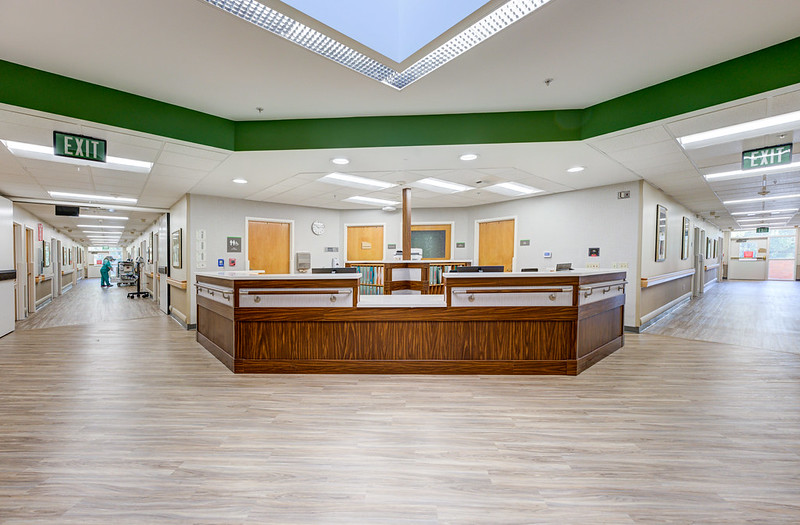
How is Citrus Heights Post Acute Staffed?

CMS rates CITRUS HEIGHTS POST ACUTE's staffing level at 4 out of 5 stars, which is above average compared to other nursing homes. Staff turnover is 36%, compared to the California average of 46%. This relatively stable workforce can support continuity of care.

What Have Inspectors Found at Citrus Heights Post Acute?

State health inspectors documented 45 deficiencies at CITRUS HEIGHTS POST ACUTE during 2022 to 2025. These included: 44 with potential for harm and 1 minor or isolated issues.
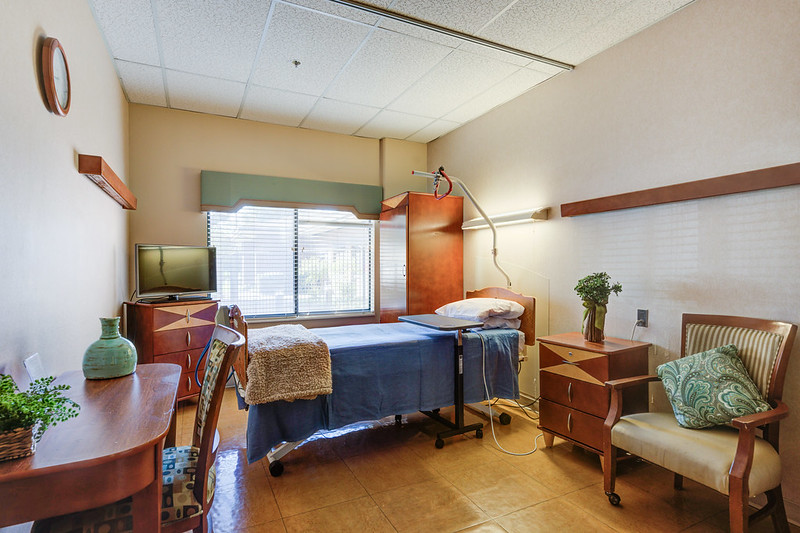
Who Owns and Operates Citrus Heights Post Acute?

CITRUS HEIGHTS POST ACUTE is owned by a for-profit company. For-profit facilities operate as businesses with obligations to shareholders or private owners. The facility is operated by PROMEDICA SENIOR CARE, a chain that manages multiple nursing homes. With 162 certified beds and approximately 156 residents (about 96% occupancy), it is a mid-sized facility located in CITRUS HEIGHTS, California.
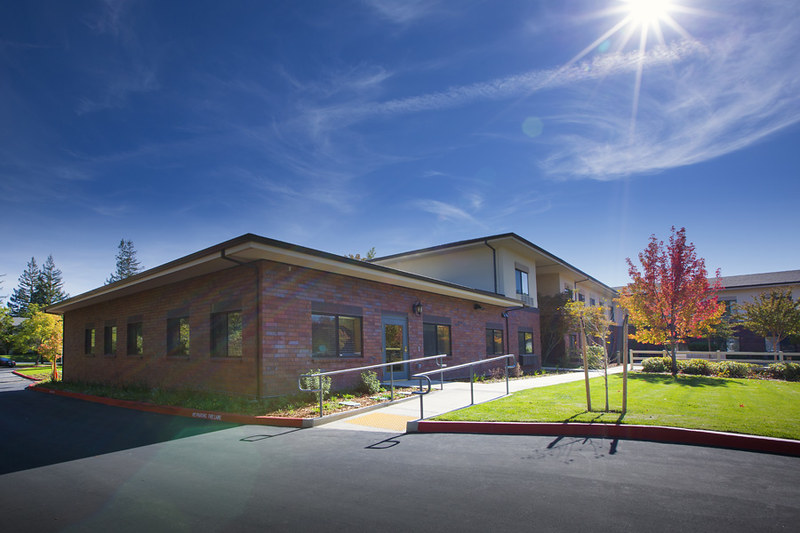
How Does Citrus Heights Post Acute Compare to Other California Nursing Homes?

Compared to the 100 nursing homes in California, CITRUS HEIGHTS POST ACUTE's overall rating (4 stars) is above the state average of 3.2, staff turnover (36%) is near the state average of 46%, and health inspection rating (3 stars) is at the national benchmark.

What Should Families Ask When Visiting Citrus Heights Post Acute?

Based on this facility's data, families visiting should ask: "Can I visit during a mealtime to observe dining assistance and food quality?" "How do you handle medical emergencies, and what is your hospital transfer rate?" "Can I speak with family members of current residents about their experience?"

Is Citrus Heights Post Acute Safe?

Based on CMS inspection data, CITRUS HEIGHTS POST ACUTE has a clean safety record: no substantiated abuse findings (meaning no confirmed cases of resident harm), no Immediate Jeopardy citations (the most serious violation level indicating risk of serious injury or death), and is not on the Special Focus Facility watch list (a federal program monitoring the lowest-performing 1% of nursing homes). The facility has a 4-star overall rating and ranks #1 of 100 nursing homes in California. While no facility is perfect, families should still ask about staff-to-resident ratios and recent inspection results during their visit.

Do Nurses at Citrus Heights Post Acute Stick Around?

CITRUS HEIGHTS POST ACUTE has a staff turnover rate of 36%, which is about average for California nursing homes (state average: 46%). Moderate turnover is common in nursing homes, but families should still ask about staff tenure and how the facility maintains care continuity when employees leave.

Was Citrus Heights Post Acute Ever Fined?

CITRUS HEIGHTS POST ACUTE has no federal fines on record. CMS issues fines when nursing homes fail to meet care standards or don't correct problems found during inspections. The absence of fines suggests the facility has either maintained compliance or corrected any issues before penalties were assessed. This is a positive indicator, though families should still review recent inspection reports for the full picture.

Is Citrus Heights Post Acute on Any Federal Watch List?

CITRUS HEIGHTS POST ACUTE is not on any federal watch list. The most significant is the Special Focus Facility (SFF) program, which identifies the bottom 1% of nursing homes nationally based on persistent, serious quality problems. Not being on this list means the facility has avoided the pattern of deficiencies that triggers enhanced federal oversight. This is a positive indicator, though families should still review the facility's inspection history directly.