COLUSA MEDICAL CENTER - SNF
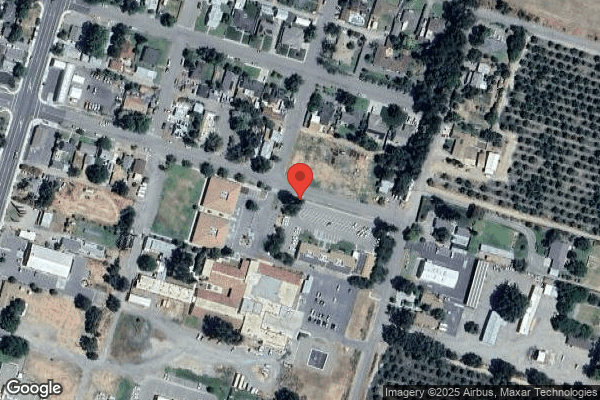
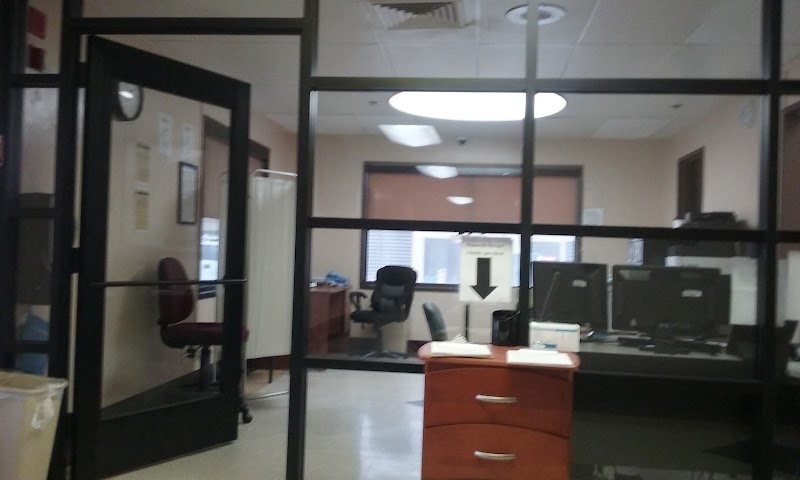
199 E WEBSTER STREET, COLUSA, CA 95932 (530) 691-0800
For profit - Limited Liability company 6 Beds Independent Data: November 2025
Trust Grade
73/100
#316 of 1155 in CA
Last Inspection: April 2025

Within standard 12-15 month inspection cycle. Federal law requires annual inspections.

Overview

Colusa Medical Center - SNF has a Trust Grade of B, indicating it is a good choice among nursing homes, though not without its issues. It ranks #316 out of 1155 facilities in California, placing it in the top half, but is only #2 out of 2 in Colusa County, meaning there is only one other local option. The facility's condition is stable, with 14 concerns reported in both 2024 and 2025, and it has been fined $4,558, which is higher than 87% of California nursing homes, signaling potential compliance problems. Staffing is a significant concern, with a poor rating of 1 out of 5 stars, although it has a low turnover rate of 0%, suggesting some staff stability. Specific incidents include a failure to provide RN coverage for 8 hours a day as required, which could risk residents' safety, and a lack of proper submission of staffing data to the CMS, indicating possible issues in care oversight. Overall, while the nursing home offers some strengths, such as good health inspection ratings, there are critical weaknesses in staffing and compliance that families should consider.

Trust Score
B
73/100
In California
#316/1155
Top 27%
Safety Record
Low Risk
No red flags
Inspections
Holding Steady
3 → 3 violations
Staff Stability
○ Average
Turnover data not reported for this facility.
Penalties
⚠ Watch
$4,558 in fines. Higher than 98% of California facilities. Major compliance failures.
Skilled Nurses
○ Average
RN staffing data not reported for this facility.
Violations
⚠ Watch
14 deficiencies on record. Higher than average. Multiple issues found across inspections.
★★★★☆
4.0
Overall Rating
★☆☆☆☆
1.0
Staff Levels
☆☆☆☆☆
0.0
Care Quality
★★★★★
5.0
Inspection Score
Stable
2024: 3 issues
2025: 3 issues

The Good

  • Full Sprinkler Coverage · Fire safety systems throughout facility
  • No fines on record

Facility shows strength in fire safety.

The Bad

Federal Fines: $4,558

Below median ($33,413)

Minor penalties assessed

The Ugly 14 deficiencies on record

May 2025 1 deficiency
CONCERN (E) 📢 Someone Reported This

A family member, employee, or ombudsman was alarmed enough to file a formal complaint

Potential for Harm - no one hurt, but risky conditions existed

Safe Environment (Tag F0584)

Could have caused harm · This affected multiple residents

**NOTE- TERMS IN BRACKETS HAVE BEEN EDITED TO PROTECT CONFIDENTIALITY** Based on observation, interview and record review, the facility failed to maintain a homelike environment for two of three sampl...

Read full inspector narrative →
**NOTE- TERMS IN BRACKETS HAVE BEEN EDITED TO PROTECT CONFIDENTIALITY** Based on observation, interview and record review, the facility failed to maintain a homelike environment for two of three sampled residents (Resident 1 and Resident 2) when it failed to maintain facility temperature above 71 degrees Fahrenheit (F). This failure resulted in Resident 1 and Resident 2's decreased desire to ambulate out of bed, Resident 1's oxygen tubing became stiff, and every day-shift staff member wore a padded jacket or sweatshirt during their shift. Findings: During a record review of facility policies, Safety and Emergency Management (SEM) stated facility policies were moved to a digitalized form and could not be produced during the investigation. During a record review of Resident 1's admission record, he was admitted to the facility on [DATE] with diagnoses that included Chronic Obstructive Pulmonary Disease with Acute Exacerbation (COPD - a condition caused by damage to the airways or other parts of the lung), acute respiratory failure with hypercapnia (an increase in arterial carbon dioxide due to respiratory pump failure), acidosis (occurs when acid builds up or when bicarbonate (a base) is lost), and hyperkalemia (increase potassium levels in the blood). During a record review of Resident 2's admission record, he was admitted to the facility on [DATE] with diagnoses that included fracture of scapula (bone on the upper part of the back), and dysphagia (difficulty swallowing). During an observation on 5/28/25 at 9:45 am, the facility felt cold. Observed staff wearing down jackets, long sleeve shirts under scrub tops, zip up sweatshirts, and quilted jackets. During a concurrent observation and interview on 5/28/25 at 9:55 am, Administrative Assistant (AA) wore a wool shawl over her shoulders. AA stated facility is usually cold. AA stated facility temperature was controlled from a central location. AA confirmed thermostat in her office read 64 degrees F. During an interview with Assistant Director of Nursing (ADON) on 5/28/25 at 10:05 am, ADON stated facility was very cold in the morning. ADON stated facility got better as the outside temperature rose during the day and by evening, it's fine. ADON stated staff and residents all complained about how cold facility was, But we give them blankets. During a concurrent observation and interview with Director of Maintenance on 5/28/25 at 10:15 am, DOM checked temperatures in hallway. Observed room [ROOM NUMBER] read 68 degrees F. Resident 1 stated This is the coldest hospital I've ever been in. I've been here since February! Observed Resident 1 covered with multiple blankets up to his chin. Observed Resident 1 with 20 feet of oxygen tubing via nasal cannula (a medial device used to deliver supplemental oxygen). Resident 1 stated he used oxygen via nasal cannula at all times. Resident 1 stated when room was cold, his tubing became stiff, and he could not ambulate to the bathroom easily because tubing was stiff and would not unroll. Resident 1 stated his room would often get so cold, his tubing would be hard, and he was afraid it would break or crack. Resident 1 stated he would not get out of bed, even if he needed to go to the bathroom because the floor was too cold. Resident 1 stated cold temperatures in room and building have affected his desire to ambulate. Resident 1 stated he told staff too many times, and their response was to bring extra blankets. Resident 1 stated even with extra blankets; he was cold. During an interview with DOM on 5/28/25 at 10:21 am, DOM confirmed residents and staff appeared to be cold since they were all wearing jackets. During an interview with DOM on 5/28/25 at 10:30 am, DOM stated facility temperature range should be 75 degrees F. DOM could not confirm what federal regulation was. DOM confirmed thermostats in facility read between 62-65 degrees F. DOM confirmed there was no consistent way to monitor what temperature reached the floor and the rooms. DOM stated thermostats were old and building was old. DOM confirmed staff and residents have complained about being cold. DOM confirmed he did not know what to do about it. DOM confirmed he did not try to figure out a solution. DOM stated he would speak to the company that handled the maintenance of the thermostats on how to proceed. During an interview with SEM on 5/28/25 at 10:40 am, SEM stated temperature range should be between 68-75 degrees F. SEM could not confirm what federal regulation was. SEM sated facility temperature had not been measured or logged for one year or more. SEM stated DOM had not checked temperatures. SEM confirmed facility felt chilly. SEM confirmed facility did not have a policy regarding temperature and resident comfort. SEM stated all facility policies were moved over to a new system and was not able to produce any maintenance policies. During an interview on 5/28/25 at 11:29 am, Resident 2 stated he was always cold. Resident 2 stated he had mentioned being cold to the staff so many times. Resident 2 stated staff response was to bring him extra blankets. Resident 2 stated he was still cold even with extra blankets. Resident 2 stated this affected his desire to get out of bed and ambulate outside of his room. During an interview with Director of Nursing on 5/28/25 at 11:40 am, DON stated she encouraged staff to put in maintenance tickets to DOM to fix facility cold temperature. DON stated DOM was supposed to monitor facility temperature. DON stated she had no idea what DOM would do to fix the issue. DON stated she mentioned cold temperature issue to facility administration and received no response. DON confirmed facility was cold. DON confirmed staff and residents have complained about facility being too cold. DON confirmed she did not know federal regulation for temperature and homelike environment. DON confirmed she did not know what to do to fix the issue.
Apr 2025 2 deficiencies
CONCERN (E)

Potential for Harm - no one hurt, but risky conditions existed

Comprehensive Care Plan (Tag F0656)

Could have caused harm · This affected multiple residents

**NOTE- TERMS IN BRACKETS HAVE BEEN EDITED TO PROTECT CONFIDENTIALITY** Based on interview and record review, the facility failed to develop personalized Activity care plans for four of five residents...

Read full inspector narrative →
**NOTE- TERMS IN BRACKETS HAVE BEEN EDITED TO PROTECT CONFIDENTIALITY** Based on interview and record review, the facility failed to develop personalized Activity care plans for four of five residents who were sampled for care plans. (Residents 4, 5, 59, and 110) This had the potential for the residents' activity interests to go unmet and cause them boredom and depression which could negatively impact their rehabilitation goals and psychosocial well-being. Findings: A review of the facility's policy titled, Activity Program revised 4/2024, indicated, The Skilled Nursing Program provides an ongoing program of meaningful activities appropriate to the needs and interests of residents and is an integral part of the resident's overall plan of care. The activities program is staffed and equipped to encourage the participation of each patient, to meet the needs and interest of each patient .2. Each Resident's activity program is implemented for each patient and shall be integrated with the individual interdisiciplinary [involving all care areas] patient care plan. A review of Resident 4's admission record indicated he was admitted on [DATE] with diagnoses that included cellulitis (an infection). A review of Resident 4's care plans reflected there had been no individualized care plan developed which described his activity interests. A review of Resident 5's admission record indicated he was admitted on [DATE] with diagnoses that included a broken left shoulder. A review of Resident 5's care plans reflected there had been no individualized care plan developed which described his activity interests. A review of Resident 59's admission record indicated she was admitted on [DATE] with diagnoses that included heart failure. A review of Resident 59's care plans reflected there had been no individualized care plan developed which described her activity interests. A review of Resident 110's admission record indicated she was admitted on [DATE] with diagnoses that included kidney disease. A review of Resident 110's care plans reflected there had been no individualized care plan developed which described her activity interests. In an interview on 4/01/25 at 1:20 PM, Activities Director (AD) stated that she interviews residents once a week to conduct assessments of their preferred activity preferences and documents the information in another computer system and not on the residents' actual care plan. In an interview on 4/3/25 at 1:30 PM, the Director of Nursing (DON) confirmed that by using two separate computer programs for activity documentation and care planning resulted in Resident's 4, 5, 59 and 110 not having individualized activity interest care plans developed.
CONCERN (F)

Potential for Harm - no one hurt, but risky conditions existed

Deficiency F0727 (Tag F0727)

Could have caused harm · This affected most or all residents

Based on interview and record review, the facility failed to ensure they had a Registered Nurse (RN) 8 hours a day, 7 days per week from 4/1/24 to 12/28/24. This failure had potential to affect the q...

Read full inspector narrative →
Based on interview and record review, the facility failed to ensure they had a Registered Nurse (RN) 8 hours a day, 7 days per week from 4/1/24 to 12/28/24. This failure had potential to affect the quality of care and quality of life of residents and put them at risk for injury by not having an RN to oversee their care. Findings: A review of the Payroll Based Journal (PBJ, an electronic system for facilities to submit staffing information), for Fiscal Year Quarter 3: (April - December 2024), indicated the facility had no RN on duty for: 4/21/24, 4/27/24, 4/28/24, 5/4/24, 5/5/24, 5/11/24, 5/12/24, 5/18/24, 5/19/24, 5/25/24, 5/26/24, 6/1/24, 6/2/24, 6/8/24, 6/9/24, 6/15/24, 6/16/24, 6/22/24, 6/23/24, 6/29/24, 6/30/24, 7/6/24, 7/7/24, 7/13/24, 7/14/24, 7/20/24, 7/21/24, 7/27/24, 7/28/24, 8/3/24, 8/4/24, 8/10/24, 8/11/24, 8/17/24, 8/18/24, 8/24/24, 8/25/24, 8/31/24, 9/1/24, 9/7/24, 9/8/24, 9/14/24, 9/15/24, 9/28/24, 9/29/24, 10/5/24, 10/6/24, 10/12/24, 10/13/24, 10/19/24, 10/20/24, 10/26/24, 10/27/24, 11/2/24, 11/3/24, 11/9/24, 11/10/24, 11/16/24, 11/17/24, 11/23/24, 11/24/24, 11/30/24, 12/1/24, 12/7/24, 12/8/24, 12/14/24, 12/15/24, 12/21/24, 12/11/24, 12/28/24, 12/29/24. In an interview and concurrent record review of PBJ staffing on 4/3/25 at 9:36 AM, Director of Nursing (DON) confirmed that there was not a dedicated RN 8 hours per day, 7 days per week, and on weekends to oversee the care of the residents in the facility.
Mar 2024 3 deficiencies
CONCERN (D)

Potential for Harm - no one hurt, but risky conditions existed

Food Safety (Tag F0812)

Could have caused harm · This affected 1 resident

Based on observation, interview and record review, the facility failed to maintain temperature logs for the resident food/snack refrigerator. The failure to monitor refrigerator temperatures can lead ...

Read full inspector narrative →
Based on observation, interview and record review, the facility failed to maintain temperature logs for the resident food/snack refrigerator. The failure to monitor refrigerator temperatures can lead to food borne illness by food that has unknowingly not been maintained at a safe temperature. Findings: On 03/19/24 at 2:24 PM, during a concurrent observation and interview with Licensed Vocational Nurse (LVN) 3, the Nurses Station B Resident/Patient refrigerator was observed. The refrigerator is a split, over under refrigerator/freezer unit with separate doors for each compartment. LVN 3 located and read the thermometer temperatures aloud. The refrigerator was 36 degrees Fahrenheit and 18 degrees Fahrenheit in the freezer. A log sheet was in a clear plastic sleeve affixed to the left side of the refrigerator. The sleeve contained monthly temperature log sheets upon which staff document daily refrigerator/freezer temperatures. LVN 3 confirmed the temperature sheets for the refrigerator/freezer were not filled out by staff for January, February and up to March 19, 2024. LVN 3 stated, the logs are not filled out like they are supposed to be. They are supposed to do it every day and they haven't. On 3/19/24 at 3:00 PM, The Director of Quality (DQ), viewed the incomplete staff documentation on the temperature log sheets. The DQ stated, there are a lot of missing entries. On 3/20/24 at 2:30 PM, the DQ provided copies of the facility refrigerator policies. The DQ provided a policy titled, Food Storage which states, Records of refrigerator and freezer temperatures are to be kept for ninety days (or per state requirements). No policy direction was given as to which staff are to complete a temperature log. .
CONCERN (E)

Potential for Harm - no one hurt, but risky conditions existed

Safe Environment (Tag F0921)

Could have caused harm · This affected multiple residents

Based on observation and interview, the facility failed to maintain a clean and sanitary environment in the medication room at nursing station B, when an overhead air intake duct vent cover was notabl...

Read full inspector narrative →
Based on observation and interview, the facility failed to maintain a clean and sanitary environment in the medication room at nursing station B, when an overhead air intake duct vent cover was notably fuzzy and dark with dusty material and particulates. This failure had the potential to contaminate (contact with an unclean substance which renders something unusable), medications administered to residents with a potential for poor health outcomes. Findings: A concurrent observation and interview, was conducted on 3/19/24 at 1:45 pm, in the medication room at nursing station B with Charge Nurse (CN) 1. An overhead air intake duct vent cover was notably fuzzy and dark with dusty material and particulates, CN 1 stated, Oh, it needs to be cleaned. A concurrent interview and record review was conducted on 3/20/24 at 2:15 pm, with the Director of Pharmacy (DP) who confirmed that medications being pulled out from the automated medication dispenser could be contaminated by dirty air flow.
CONCERN (F)

Potential for Harm - no one hurt, but risky conditions existed

Staffing Data (Tag F0851)

Could have caused harm · This affected most or all residents

Based on observation, interview, and record review, the facility failed to submit the required Payroll Based Journaling (PBJ), staffing information to the Centers for Medicare and Medicaid Services (C...

Read full inspector narrative →
Based on observation, interview, and record review, the facility failed to submit the required Payroll Based Journaling (PBJ), staffing information to the Centers for Medicare and Medicaid Services (CMS). The failure to submit the required data, staffing hours and census information, can prevent determining an adequate level of staff is working at a given time, leading to inadequate care of residents and adverse clinical outcomes. Findings: On 03/19/24 at 8:30 AM, the PBJ reporting was reviewed with the Interim Facility Administrator (IFA). IFA stated, I am not sure who is doing it. I would have to check and see who it is here. On 3/19/24 at 9:30 AM, during an interview with the Director of Quality (DQ), the DQ sated, We had something come in about submitting PBJ Data and I looked it over and told them it wasn't something I do in quality. I don't know what they did with it from there. The DQ was asked who would be submitting the data and she replied, I don't know who they gave it to, possibly the DON? On 3/19/24 at 10:00 AM, the Assistant Director of Nursing (ADON) provided staff work schedules for the week of the survey. The ADON stated, I don't know who does the PBJ data. The ADON did not have any PBJ data available to her. On 3/20/24 at 10:15 AM, the DON was interviewed. The DON could not produce any information regarding any PBJ reporting. The DON stated, PBJ data, I don't know about that. Nobody is doing it that I know of. .
Nov 2021 8 deficiencies
CONCERN (D)

Potential for Harm - no one hurt, but risky conditions existed

Resident Rights (Tag F0550)

Could have caused harm · This affected 1 resident

Based on observation, interview and policy review the facility failed to provide two of five Residents (Resident 7 and 4), the right to be treated with dignity and respect and provide privacy during t...

Read full inspector narrative →
Based on observation, interview and policy review the facility failed to provide two of five Residents (Resident 7 and 4), the right to be treated with dignity and respect and provide privacy during their treatment and care of personal needs. This failure had the potential for Resident 7 and Resident 4 to feel a lack of self-esteem and self-worth. Findings: A review of the facility's policy titled Resident Rights, dated November 2017, indicated that patient rights were 12. To be treated with consideration, respect and full recognition of dignity and individuality, including privacy in treatment and in care of personal needs. During an observation on 11/01/21, at 10:49 AM, in the facility hallway, Resident 7 was in her wheel chair (w/c) being wheeled by the therapy staff. Resident 7 had a Foley catheter drainage bag, with urine in it, hanging on the w/c. The drainage bag was in full view of visitors and staff who were in the hallway. During an observation and interview on 11/02/21, at 9:40 AM , in the facility hallway, Resident 4 was being wheeled in a shower chair, to the shower room. Resident 4 had on a gown and a blanket over the front of him. The Activities Director (AD) wheeled Resident 4 backwards over the threshold of his room, across the hall and into the shower room. Resident 4's backside was not covered and his bottom and back were exposed. AD verified that Resident 4 was wheeled backwards and his backside was showing. He agreed that was not providing privacy to the patient. During an observation and interview on 11/02/21, at 1:52 PM, Resident 7's Foley catheter drainage bag was hanging on the bed rail. There was no cover over the drainage bag and her urine was in full view to anyone who came in her room. Resident 7 confirmed that her drainage bag and urine was in full view of. She indicated it should not be up on her rail. Resident 7 stated she was waiting for visitors to arrive. During an observation on 11/03/21, at 2:30 PM, in the hallway, Resident 4 was walking, using his walker, with the AD. Resident 4 was in a gown and a short waist jacket, he had no pants on. His gown was open in the back. As he was walking, his briefs started to fall down so the AD grabbed hold of the brief and pulled it up and also grabbed the residents gown to close the back of the gown. Resident 4's upper right leg was exposed due to the gown being hiked up. Resident 4 and the AD continued to walk down the hall in this manner. During an interview on 11/03/21, at 3:19 PM, with the AD, the AD confirmed that the Resident 4's brief was falling down and he had to hold them up while they were walking. The AD did not realize Resident 4's upper back leg was showing. The AD confirmed that the facility did not use dignity bags over their Foley catheter drainage bags. He indicated that they should used them to protect the dignity of the Resident. He confirmed that Resident 7 had a Foley catheter drainage bag and it did not have a cover.
CONCERN (D)

Potential for Harm - no one hurt, but risky conditions existed

Safe Environment (Tag F0584)

Could have caused harm · This affected 1 resident

Based on observation and interview the facility failed to maintain a safe clean and comfortable homelike environment when it: 1. Did not maintain a resident room above 68 degrees as required by regula...

Read full inspector narrative →
Based on observation and interview the facility failed to maintain a safe clean and comfortable homelike environment when it: 1. Did not maintain a resident room above 68 degrees as required by regulation and; 2. Maintain a kitchen drain that allowed water to puddle on the dishwashing room floor. These failures could lead to residents and visitors being uncomfortable, loss of body heat and slip and fall injuries. Findings: 1. On 11/03/2021 at 9:25 AM, during a concurrent observation and interview, Resident 109 was observed sitting on her bedside with a blanket wrapped around her shoulders and being held closed with her left hand. Resident 109 was asked about the room temperature and wearing the blanket. Resident 109 affirmed the room is cold and she was wearing the blanket to stay warm. The room temperature at Resident 109's bed was checked with a handheld thermometer. Resident 109 was asked to read the temperature and she replied, 67.5. The temperature was visually confirmed at 67.5 degrees Fahrenheit. It was observed there was no thermostat on the wall. Resident 109's roommate, Resident 7 was also present at the same point in time and was asked the same questions. Observed in lying in bed with a shawl wrapped around her shoulders, under two blankets Resident 7's bed is closer to the windows. Resident 7 responded, the room is cold when asked about the air temperature. The room temperature was checked at Resident 7's bedside and Resident 7 read the results as 66.7 degrees. The temperature was visually confirmed at 66.7 degrees Fahrenheit. It was observed there was no thermostat on the wall. On 11/03/2021 at 9:40 AM Certified Nursing Assistant #2 (CNA 2) was observed in the hallway wearing a jacket that was zipped closed and her hands were inside the pockets. CNA 2 was asked why she was wearing the jacket and keeping her hands inside her pockets. CNA 2 replied, to keep them warm. CNA 2 also acknowledged it is cold in the room offering that I can get warm blankets. CNA 2 was aware of the cold temperatures in that area of the facility based on observations and her statements. On 11/03/2021 at 1:20 PM a representative of the Facility Maintenance Staff (FM) was interviewed. FM was not aware of the cold temperatures but stated, it happens around this time of year. The temperatures change and we need to adjust the heating. Up until now it has been hot and could get hot again quickly. But it will be addressed today. Facility Maintenance Staff were later seen making adjustments to the heating system and temperatures did improve. 2. On 11/01/2021 at 11:55 AM during a tour of the kitchen with the Dietary Service Supervisor (DSS) a large puddle of gray water with food particles was observed in the dishwashing room. The puddle measurements were approximately two by three feet and extended from the wall into the room near an entrance door. The DSS was asked about the puddle of water and knew the puddle was present. The DSS stated, It has been like that for about a week. It is something Maintenance should be fixing. They get a fix it ticket on the computer and that is how they know it needs done. I put one in and am waiting. On 11/02/2021 at 4:13 PM Dishwasher (DW) was interviewed while observing the puddle of water. The DW stated, Water does not drain on the kitchen corner. Sometimes it backs up more than now. The water that was there yesterday went down over night .it can be hard to clean because of the water not draining.During the observation and interview of DW it is noted a door near the edge of the puddle opens into the hallway. The hallway is a public area frequented by staff and visitors. There were no wet floor warning signs present. On 11/03/2021 at 1:20 PM a representative of the Facility Maintenance Staff (FM) was interviewed. FM stated, It is the settling of the floor and the age of the building. It gets slow from time to time and we have to clean it out. When it happens, the staff let us know on the ticket system and we address it. The FM did not know the floor currently had a puddle though the DSS had filed a fix it ticket.
CONCERN (D)

Potential for Harm - no one hurt, but risky conditions existed

Unnecessary Medications (Tag F0759)

Could have caused harm · This affected 1 resident

Based on observation, interview, and record review the facility failed to ensure the medication error rate did not exceed five percent or greater when there were 25 medication pass opportunities for e...

Read full inspector narrative →
Based on observation, interview, and record review the facility failed to ensure the medication error rate did not exceed five percent or greater when there were 25 medication pass opportunities for error and two errors resulting in a medication error rate of eight percent. This failure resulted in the medication error for two of five residents (Resident 2 and Resident 109) when 1. Resident 2's medication were combined, and 2. The manufacture instructions were not followed when medication was given to Resident 109. These errors had the potential to cause altered therapeutic doses of medications. Findings: 1. During observations and interview on 11/01/2021, at 2:10 PM, with Licensed Vocational Nurse (LVN) 1, LVN 1 prepared medications, Buspirone 7.5 mg (milligrams) (anxiety medication) and Tylenol 325 mg two tablets (pain medication). She crushed the medications together and combined them in a medication cup and added water to dilute the medications. LVN 1 went to Resident 2's room to dispense the medications. Resident 2 had a gastrostomy tube (G-Tube, A tube placed through the abdominal wall in the stomach to provide direct access to the stomach for feedings, hydration or medication). LVN 1 poured the mixture of medications and water into the G-tube. She needed to add more water to the combined medication due to sediment on the bottom of the cup from undiluted medication. She then poured the remaining combined medication in the G-tube and flushed with the appropriate amount of water. LVN 1 confirmed that she combined all the medications together in one medication cup. A review of the facility's policy titled Enteral Tube Medication Administration revised October 2021, indicated If a patient has multiple medications then each medication will be given one at a time with 10-15 ML (milliliters) of water flush [Mixing of medications increases the risks of physical and chemical incompatibilities, tube obstructions and altered therapeutic drug responses]. During a review of Appendix PP of the State Operations Manual (SOM), Federal guidelines for medication administration in a G-tube, indicated that The standard of practice is that crushed medications should not be combined and given all at once via feeding tube. Crushing and combining medications may result in physical and chemical incompatibilities leading to an altered therapeutic response, or cause feeding tube occlusions. 2. During an observation and interview on 11/03/2021, at 12:35 PM, LVN 2 was preparing Resident 109's Insulin Lispro (a fast acting medication used to control blood sugar) Kwikpen (A cartridge, shaped like a pen, that contains the medication) for injection. She inserted the needle onto the end of the pen. She turned the dial on the pen to the prescribed amount of Lispro to give. LVN 2 injected the medication into Resident 109. She did not prime (remove the air from the needle) the needle before she gave the medication. LVN 2 confirmed she did not prime the needle. She indicated it was not a practice at this facility to prime the insulin pen needles. During an interview on 11/03/2021, at 12:42 PM, with the Director of Nursing (DON), She confirmed they had not been priming the insulin pen needles. During a review of the undated Insulin Lispro Injection Kwikpen manufacture instructions, the instructions indicated to prime before each injection. Priming your Pen means removing the air from the Needle and Cartridge that may collect during normal use and ensures that the Pen is working correctly. If you do not prime before each injection, you may get too much or too little insulin. During an interview and manufacture instruction review on 11/03/2021, at 3:00 PM, with the DON, the DON confirmed that the instructions indicated to prime the Pen before each injection. She stated she was unaware that needed to be done.
CONCERN (D)

Potential for Harm - no one hurt, but risky conditions existed

Food Safety (Tag F0812)

Could have caused harm · This affected 1 resident

Based on observation, interview and record review the facility did not employ industry standards as required in the storage of dry goods. Not employing industry standards could lead to the spread of f...

Read full inspector narrative →
Based on observation, interview and record review the facility did not employ industry standards as required in the storage of dry goods. Not employing industry standards could lead to the spread of food borne illness to residents leading to illness and adverse clinical outcomes. Findings: On 11/01/2021 at 11:51 AM the Kitchen was toured with the Dietary Service Supervisor (DSS). While observing the dry food storage area three items were found to be open and did not have expiration/discard dates as required by facility policy. The items were: Pancake Mix- received August 21, 2021; Pancake Mix- received October 21 (Not fully dated as to when received) and; Corn Starch- received August 8, 21. The three packages were opened however, staff did not write the date of opening on the package. Due to no opened date staff would not know when the items were stale, unusable or needing to be discarded because of age. The DSS acknowledged the dates were supposed to have been added by staff at the time of opening per policy and were not. The DSS also pointed out a document of expiration timeframes affixed to the wall at the far end of the storeroom. The document titled; Dry Goods Storage Guidelines indicated the time opened packages had before being required to discard. The DSS acknowledged, If it is missing, they don't know how long it has been opened or when to remove them. A second document titled; Dry Goods Storage Guidelines was also called to attention by the DSS. This document was identical to the other hanging at the far end of the storage room. The instructions read in part, Any opened shelf life is included in the unopened shelf life, not in addition to it. Do check expiration dates on boxes of foods to be sure the length of time is correct. That process could not be followed because the required dates were not applied by staff. The DSS provided a facility policy titled, Food Storage, bearing an effective date of 9/01/2017. The DSS confirmed the document indicated, All food items in the storeroom, refrigerator, and freezer need to be labeled and dated. All food and supplies will be stored properly and in a safe manner. The DSS offered to discard the items that were found without required dates.
CONCERN (D)

Potential for Harm - no one hurt, but risky conditions existed

Deficiency F0868 (Tag F0868)

Could have caused harm · This affected 1 resident

Based on interview and record review the facility does not have the necessary membership attendance at the Quality Assurance/Performance improvement meetings as regulations require. The failure to hav...

Read full inspector narrative →
Based on interview and record review the facility does not have the necessary membership attendance at the Quality Assurance/Performance improvement meetings as regulations require. The failure to have membership attendance as required reduces the exchange of information between disciplines decreasing the effectiveness of the provision of quality care leading to suboptimal care and outcomes. Findings: The Director of Quality Management (QM) was interviewed on 11/04/2021 at 10:15 AM regarding the Quality Assurance/Performance Improvement (QAPI) at the facility. The QM provided and reviewed signed attendance sheets titled, Quality Improvement Committee (QIC) Confidentiality Statement. The Medical Director did not affirm his attendance by signing attendance sheets for May 14, 2021 and August 30, 2021. When discussing the attendance by the Medical Director the QM stated, I know it is required. I just can't get him to come. The QM was asked for a facility policy or procedure for attendance at the QIC meetings. The QM provided and reviewed the document titled, Quality Management Plan. The plan required department leaders, medical staff to attend the QIC meetings. The QM acknowledged the attendance was not in line with the policy requirements.
CONCERN (D)

Potential for Harm - no one hurt, but risky conditions existed

Infection Control (Tag F0880)

Could have caused harm · This affected 1 resident

Based on observation, interview, and policy review, the facility failed to ensure infection control measures were adhered to when three of three staff (Certified Nursing Assistant [CNA] 1, Licensed vo...

Read full inspector narrative →
Based on observation, interview, and policy review, the facility failed to ensure infection control measures were adhered to when three of three staff (Certified Nursing Assistant [CNA] 1, Licensed vocational Nurse [LVN] 1, and LVN 2) provided patient care without following infection control policy and procedures. These failures had the potential to cause the spread of infection and disease to the residents they cared for. Findings: 1. During a concurrent interview and observation on 11/1/2021, at 11:39 AM, CNA 1 was observed assisting Resident 4 with toileting. CNA 1 used a standing lift (a device that assists residents to stand) to stand Resident 4 up. With gloves on, CNA 1 removed the soiled brief. There was a moderate amount of stool and urine on Resident 4 and in the brief. CNA 1 cleaned the Resident from front to back with wipes. She threw away the soiled brief and wipes but kept her soiled gloves on. With those same soiled gloves, CNA 1 put a clean brief on Resident 4, removed the sling that was around his waist, touched Resident 4's bedside table and moved it in front of him, and then picked up Resident 4's water bottle and placed it in front of him. CNA 1 then took off her soiled gloves and threw them away and washed her hands. CNA 1 agreed that she had soiled gloves on when she put on a clean brief, touched the table and water. She agreed that she should have removed soiled gloves and performed hand hygiene after throwing away the soiled items and before doing the other tasks. During an Interview on 11/1/2021, at 11:51 AM, with CNA 1 and the Director of Nursing (DON), they both agreed that CNA 1 should have removed her soiled gloves and performed hand hygiene before doing other cares, touching bedside table, and moving Resident 4's water bottle. During an interview on 11/3/2021, at 2:57 PM, with the Director of Staff Development/Infection Preventionist (DSD/IP), She agreed that the staff should have changed gloves and done hand hygiene when gloves were soiled and before they performed a clean task. During a review of the facility's policy titled Handwashing/Hand Hygiene, dated September 2021, the policy indicated Hand hygiene is considered the single most important procedure for preventing healthcare associated infections. All employees are to cleanse their hands at the recommended times and when in doubt to protect the patients and themselves from health-care associated infections. Recommended times for hand hygiene are 5. After contact with inanimate sources likely to be contaminated, 6. If hands will be moving from a contaminated-body site to a clean-body site during patient care. 2. During an concurrent observation and interview on 11/1/2021, at 12:14 PM , LVN 1 was performing a blood sugar check (poking a finger tip to obtain a blood drop and placing the blood drop on a test strip) on Resident 109. LVN 1 put the test strip in the glucometer (the meter reads the test strip and calculates the amount of sugar in the resident's blood), poked Resident 109's finger tip and then applied the blood drop to the test strip. After the task was completed, LVN 1 wiped the glucometer off with an alcohol pad. LVN 1 then performed a blood sugar check on Resident 7 and used the same glucometer for the test reading. LVN 1 confirmed that the glucometer was shared between residents and that she used an alcohol wipe to disinfect the glucometer between resident usage. During an interview on 11/1/2021, at 12:21 PM, with LVN 1 and Registered Nurse (RN) 1, they both indicated that they disinfected shared glucometers with Sani-cloths or alcohol pads and both methods were acceptable. LVN 1 demonstrated how to use the Sani-cloth. She obtained a wipe and scrubbed the glucometer for a few seconds, then set the glucometer on a barrier to dry. She stated to let it dry mostly one minute till you can use it again. LVN 1 then read the Sani-cloth instructions and it indicated to keep the glucometer wet for 2 minutes. LVN 1 confirmed that she should have kept the monitor wet for 2 minutes to appropriately disinfect the meter. During an interview on 11/3/2021, at 10:28 AM, the DON indicated that the preferred method to disinfect the glucometers between residents was with the Sani-cloths and they should stay wet for 2-3 minutes. The DON indicated that Alcohol pads were also ok to use. The DON obtained the facility's policy titled, Glucometer Cleaning, with a review date of September 2021, The policy indicated , To prevent cross contamination glucometer cleaning will be performed after each use of the glucometer. 2. Use PDI Super Sani-Cloth Germicidal Disposable Wipes to wipe down glucometer, then allow two minute wet time. The DON agreed that there was no mention of using an alcohol wipe for glucometer cleaning to prevent cross contamination. A review of List D: EPA's (Environmental Protection Agency) Registered Antimicrobial Products Effective Against Human HIV-1 and Hepatitis B Virus dated 6/22/2021, revealed that Super Sani-Cloth Germicidal Disposable Wipes are on the list, and alcohol pads are not on the list, for protecting against these blood-borne pathogens that are found in blood and can be found on a glucometer. 3. During an observation on 11/1/2021, at 3:18 PM, of Resident 7's urinary drainage catheter bag, the bag was sitting on the bed (at the same level as the Resident's bladder) and had a large amount of yellow urine in it. The bag was attached to a drainage tube which was attached to Resident 7's Foley catheter which was inserted into the Resident's bladder. Urine was backed up into the tubing. Resident 7 verified that it was on the bed and it should not be. During an observation on 11/2/2021, at 1:52 PM, of Resident 7's urinary drainage catheter bag, the bag was hanging on the bed rail (above her bladder). Urine containing sediment was seen backed up into the tubing. During an interview on 11/2/2021, at 2:30 PM, with CNA 1, she confirmed that the urinary drainage catheter bag was hanging on the bed rail, CNA 1 indicated that it was on the bed because she forgot to hang it below the bladder. It was supposed to be below the bladder. During a concurrent observation and interview on 11/2/2021, at 3:15 PM, in Resident 7's room, it was observed that the Resident's urinary catheter drainage bag was laying on the bed. LVN 2 confirmed that the catheter bag was laying on the Resident's bed. She indicated that the bag had a hook on it and it was to be hung under the bed rails and it should not have been laying on the bed, or on the bed rail above the bladder. During an observation on 11/3/2021, at 9:08 AM, of Resident 7's urinary drainage catheter bag, the bag was sitting on the floor without a barrier between the bag and the soiled floor. Sediment seen in the tubing. During an interview on 11/3/2021, at 9:48 AM, with LVN 2, She confirmed that Resident 7's urinary drainage catheter bag was on the floor. She indicated that it should not be on the floor. During an interview on 11/3/2021, at 10:28 AM, the DON indicated that a urinary drainage catheter bag should not be above the bladder or on the floor because these are infection control issues. During an interview on 11/3/2021, at 2:57 PM, with the DSD/IP, she agreed that the catheter bag should remain off the floor but below the bladder. A review of the facility's policy titled Indwelling Urinary Catheter Insertion and Maintenance revised October 2021, indicated the goal was to prevent the transmission of infections. The procedure indicated to keep the collecting bag below the level of the bladder at all times. Do not rest the bag on the floor. 4. During an observation and interview on 11/3/2021, at 2:27 PM, CNA 2 was emptying Resident 7 urinary drainage catheter bag. During the procedure she put a collection container (graduate cylinder) on the floor without a barrier between the soiled floor and collection container. When CNA 2 finished draining the bag and emptying the urine in the toilet she removed her gloves and without hand hygiene, she put on clean gloves. She confirmed that she did not do hand hygiene between glove changes and that she put the collection container on the floor. She confirmed that these practices increase the chances of infections for residents. During an interview on 11/4/2021, at 12:30 PM, with the DON, she indicated she was unable to present CNA training and competency concerning the procedure of emptying a catheter drainage bag.
CONCERN (E)

Potential for Harm - no one hurt, but risky conditions existed

Comprehensive Care Plan (Tag F0656)

Could have caused harm · This affected multiple residents

**NOTE- TERMS IN BRACKETS HAVE BEEN EDITED TO PROTECT CONFIDENTIALITY** Based on observation, interview and record review the facility failed to ensure five of five residents (Resident 2, 3, 4, 7, 109...

Read full inspector narrative →
**NOTE- TERMS IN BRACKETS HAVE BEEN EDITED TO PROTECT CONFIDENTIALITY** Based on observation, interview and record review the facility failed to ensure five of five residents (Resident 2, 3, 4, 7, 109) had completed comprehensive care plans to meet the needs of the residents when: 1. Resident 4 did not have a bowel and bladder care plan; 2. Resident 2, 4, and 7's did not have discharge care plans; and 3. Resident 2, 3, 4, 7, and 109, did not have activity care plans. These failure had the potential to negatively effect the physical and psychosocial needs of these residents and prevent them from achieving their goals. During a review of the facility's policy titled Care Plans dated June 2019, the policy indicated, A comprehensive care plan is developed for the resident that includes measurable objectives and timetables to meet the resident's medical, nursing, mental, and psychosocial needs identified in the comprehensive assessment. 4. The care plan: a. addresses the resident's needs, strengths, and preferences identified in the comprehensive assessment; b. Addressees risk factors that might lead to avoidable declines in functioning or functional levels; c. Reflects current professional practice standards; d. Will be reviewed and updated as necessary by the nursing staff and other professional personnel involved in the care of the patient at least quarterly, and more often if there is a change in the patient's condition. 1. During a review of Resident 4's medical record, dated 12/29/2020, the record indicated Resident 4 was admitted on [DATE] with the diagnoses of Parkinson's disease, Benign Prostatic Hyperplasia with lower urinary tract symptoms and Muscle weakness. A review of Resident 4's quarterly Minimum Data Set (MDS, an assessment of residents) dated 10/6/2021, the MDS indicated Resident 4 had a Behavior Interview for Mental Status (BIM's, an evaluation of a residents cognition) score of 13, meaning he had intact cognitive ability. He required limited to extensive assistance with personal cares and he was incontinent of bowel and bladder. During an interview on 11/01/2021, at 11:19 AM, Resident 4 indicated that he wore briefs and the staff helped him with his toileting. He indicated that he was incontinent of his bowel and bladder. He stated that when he got COVID his legs got weak and now he was unable to go to the bathroom by himself. His goal was to be independent with toileting. During an observation on 11/1/2021, at 11:39 AM, Certified Nursing Assistant (CNA) 1, was assisting Resident 4 with toileting. Resident 4 stood up using a standing lift that was operated by a CNA. Then CNA 1 changed his brief, cleaned him, and put a new brief on him. During an interview on 11/02/2021, at 1:36 PM, with the Director of Nursing (DON), the DON confirmed that Resident 4 did not have control of his bowel and bladder. The DON reviewed Resident 4's care plan with this surveyor and indicated that Resident 4 had no focus area in his care plan for bowel and bladder. The DON confirmed that there should have been a care plan for this. The DON indicated that she was responsible for the care plans and that she missed Resident 4's bowel and bladder focus area in his care plan. During a review of Resident 4's Care Plan on 11/3/2021, the care plan had a focus area for bowel and bladder. During an interview on 11/3/2021 at 2:00 PM with the DON, the DON confirmed that she had put in a care plan focus area for Residents 4's bowel and bladder after we had talked on 11/2/2021. 2. On 11/1/2021, a review of Resident 2, 4, and 7's comprehensive care plans identified that there were no discharge care plans for these residents. During an interview on 11/2/2021, at 1:17 PM, with the DON, she indicated that Resident 4 was admitted to this facility on 12/29/2020 and that he was to be discharged to another facility. She verified that Resident 4 did not have a care plan in his medical record with this information. The DON indicated that Resident 7's (admitted on [DATE]) discharge plan was in progress. She verified that there was no discharge plan in Resident 7's care plan. The DON indicated that there was no discharge plan for Resident 2 (admitted on [DATE]) and there was no discharge care plan in her medical record. 3. On 11/1/2021, a review of Resident 2, 3, 4, 7 and 109's comprehensive care plans confirmed that there were no activity care plans for these residents included in their plans. During an interview on 11/2/2021, at 1:17 PM, with the DON, She confirmed that there were no activity care plans for these residents. During an interview on 11/2/2021, at 3:00 PM, with the Activity Director (AD), the AD indicated that he does the resident assessments and then gives the information to the DON and she inputs the information into the MDS. The AD indicated that he does not create an activity care plan for residents. He confirmed that there were no activity care plan in these resident's charts.
CONCERN (F)

Potential for Harm - no one hurt, but risky conditions existed

Drug Regimen Review (Tag F0756)

Could have caused harm · This affected most or all residents

Based on interview and record review the facility failed to ensure the attending pharmacist Medication Regimen Review (MRR) were documented in five of five resident's (Resident 109, 4, 7, 2 and 3) med...

Read full inspector narrative →
Based on interview and record review the facility failed to ensure the attending pharmacist Medication Regimen Review (MRR) were documented in five of five resident's (Resident 109, 4, 7, 2 and 3) medical record. This did not follow facility policy. Findings: A review of the facility's policy titled: Psychotherapeutic Drug Management reviewed on September 2021, the policy indicated that The facility pharmacist shall note in the resident's medical record that the pharmacy medication review regimen was completed. The policy continues to indicate that all documentation shall be included in the medical record. During Resident medical record reviews on 11/2/2021, five resident's medical records were reviewed and there were no pharmacist medication review's recorded in their medical record. During an interview on 11/2/2021, at 12:30 PM, with the Director of Nursing (DON), she indicated that the medication review was done by the pharmacist. She indicated that the medication review records, by the Pharmacist, are kept on his computer and not in the resident's medical records. No one had access to them but the pharmacist. During an interview on 11/3/2021, at 11:33 AM, with the Pharmacist, he confirmed that he did not document the reviews he does because he does it constantly with the provider during the Interdisciplinary meetings (IDT) or over the phone. He did not know he was supposed to document in the residents charts. He stated I don't think I have a policy on it. The Pharmacist confirmed that he kept records in his own computer and no one else had access to them but him.
Understanding Severity Codes (click to expand)
Life-Threatening (Immediate Jeopardy)
J - Isolated K - Pattern L - Widespread
Actual Harm
G - Isolated H - Pattern I - Widespread
Potential for Harm
D - Isolated E - Pattern F - Widespread
No Harm (Minor)
A - Isolated B - Pattern C - Widespread

Questions to Ask on Your Visit

  • "Can I speak with families of current residents?"
  • "What's your RN coverage like on weekends and overnight?"

Our Honest Assessment

Strengths
  • • No major safety red flags. No abuse findings, life-threatening violations, or SFF status.
  • • $4,558 in fines. Lower than most California facilities. Relatively clean record.
Concerns
  • • 14 deficiencies on record. Higher than average. Multiple issues found across inspections.
Bottom line: Mixed indicators with Trust Score of 73/100. Visit in person and ask pointed questions.

About This Facility

What is Colusa Medical Center - Snf's CMS Rating?

CMS assigns COLUSA MEDICAL CENTER - SNF an overall rating of 4 out of 5 stars, which is considered above average nationally. Within California, this rating places the facility higher than 99% of the state's 100 nursing homes. This rating reflects solid performance across the metrics CMS uses to evaluate nursing home quality.
How is Colusa Medical Center - Snf Staffed?

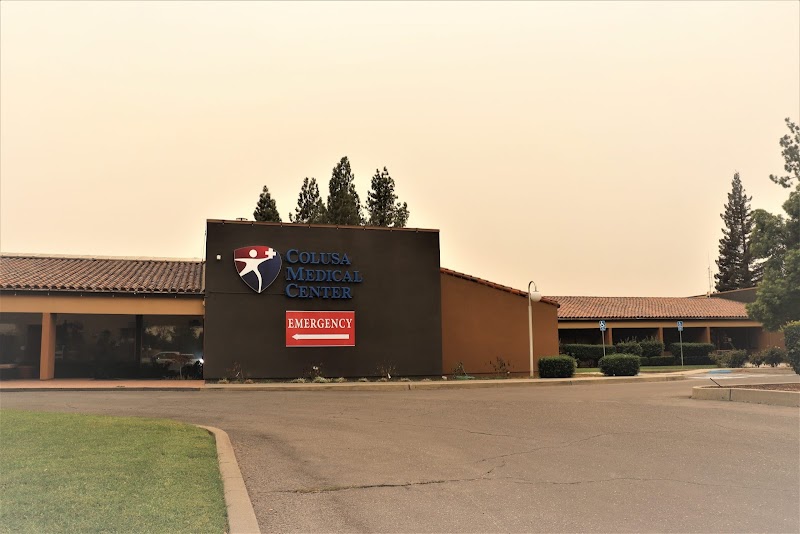
CMS rates COLUSA MEDICAL CENTER - SNF's staffing level at 1 out of 5 stars, which is much below average compared to other nursing homes.

What Have Inspectors Found at Colusa Medical Center - Snf?

State health inspectors documented 14 deficiencies at COLUSA MEDICAL CENTER - SNF during 2021 to 2025. These included: 14 with potential for harm.
Who Owns and Operates Colusa Medical Center - Snf?

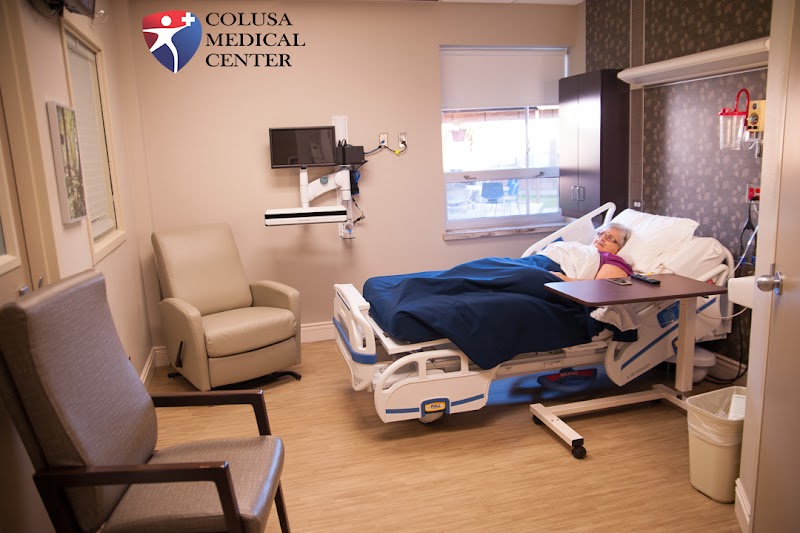
COLUSA MEDICAL CENTER - SNF is owned by a for-profit company. For-profit facilities operate as businesses with obligations to shareholders or private owners. The facility operates independently rather than as part of a larger chain. With 6 certified beds and approximately 8 residents (about 133% occupancy), it is a smaller facility located in COLUSA, California.

How Does Colusa Medical Center - Snf Compare to Other California Nursing Homes?

Compared to the 100 nursing homes in California, COLUSA MEDICAL CENTER - SNF's overall rating (4 stars) is above the state average of 3.2 and health inspection rating (5 stars) is much above the national benchmark.

What Should Families Ask When Visiting Colusa Medical Center - Snf?

Based on this facility's data, families visiting should ask: "Can you walk me through typical staffing levels on day, evening, and night shifts?" "Can I visit during a mealtime to observe dining assistance and food quality?" "How do you handle medical emergencies, and what is your hospital transfer rate?" "Can I speak with family members of current residents about their experience?" These questions are particularly relevant given the below-average staffing rating.

Is Colusa Medical Center - Snf Safe?

Based on CMS inspection data, COLUSA MEDICAL CENTER - SNF has a clean safety record: no substantiated abuse findings (meaning no confirmed cases of resident harm), no Immediate Jeopardy citations (the most serious violation level indicating risk of serious injury or death), and is not on the Special Focus Facility watch list (a federal program monitoring the lowest-performing 1% of nursing homes). The facility has a 4-star overall rating and ranks #1 of 100 nursing homes in California. While no facility is perfect, families should still ask about staff-to-resident ratios and recent inspection results during their visit.

Do Nurses at Colusa Medical Center - Snf Stick Around?

COLUSA MEDICAL CENTER - SNF has not reported staff turnover data to CMS. Staff turnover matters because consistent caregivers learn residents' individual needs, medications, and preferences. When staff frequently change, this institutional knowledge is lost. Families should ask the facility directly about their staff retention rates and average employee tenure.

Was Colusa Medical Center - Snf Ever Fined?

COLUSA MEDICAL CENTER - SNF has been fined $4,558 across 1 penalty action. This is below the California average of $33,124. While any fine indicates a compliance issue, fines under $50,000 are relatively common and typically reflect isolated problems that were subsequently corrected. Families should ask what specific issues led to these fines and confirm they've been resolved.

Is Colusa Medical Center - Snf on Any Federal Watch List?

COLUSA MEDICAL CENTER - SNF is not on any federal watch list. The most significant is the Special Focus Facility (SFF) program, which identifies the bottom 1% of nursing homes nationally based on persistent, serious quality problems. Not being on this list means the facility has avoided the pattern of deficiencies that triggers enhanced federal oversight. This is a positive indicator, though families should still review the facility's inspection history directly.