VILLA CORONADO D/P SNF
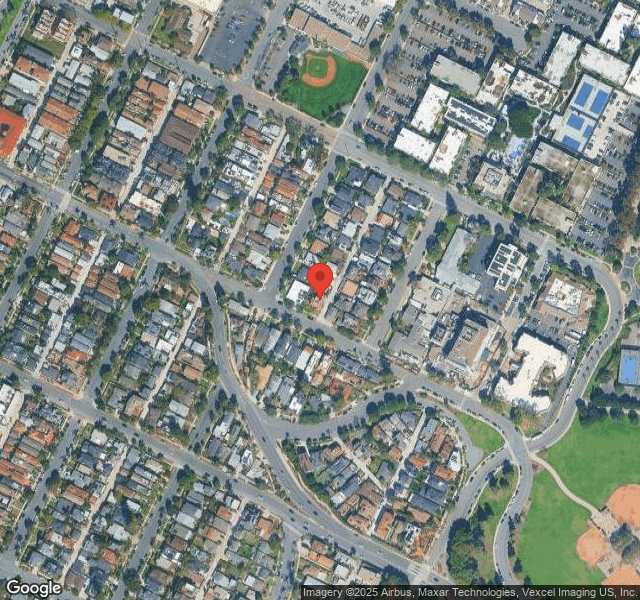
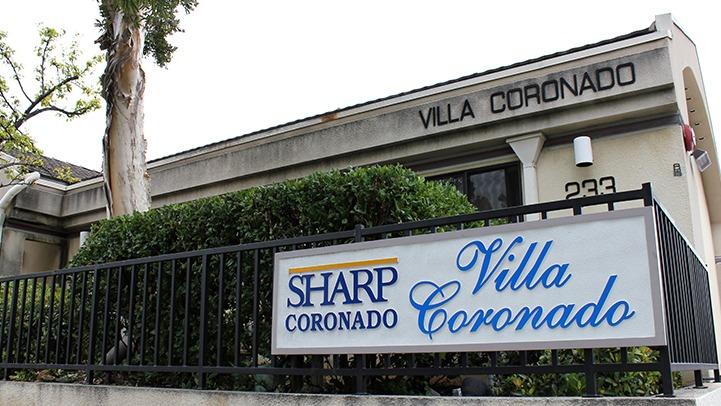
233 PROSPECT PLACE, CORONADO, CA 92118 (619) 522-3900
Non profit - Corporation 122 Beds Independent Data: November 2025
Trust Grade
85/100
#252 of 1155 in CA
Last Inspection: May 2025

Inspected within the last 6 months. Data reflects current conditions.

Overview

Villa Coronado D/P SNF has a Trust Grade of B+, which means it is above average and recommended for potential residents. It ranks #252 out of 1,155 facilities in California, placing it in the top half of the state, and #33 out of 81 in San Diego County, indicating that there are only a few better options nearby. The facility's trend is stable, with six issues reported in both 2024 and 2025, suggesting consistency in performance, though there are areas that need attention. Staffing is a strong point, boasting a 5/5 star rating with only 18% turnover, which is significantly lower than the California average, indicating that staff members are experienced and familiar with the residents' needs. While there have been no fines, there are concerns regarding food safety practices, such as kitchen staff not washing hands and improperly storing food, which could lead to health risks for residents. Additionally, there were incidents of staff not following infection control protocols by failing to wear appropriate personal protective equipment in designated areas. Overall, while Villa Coronado has many strengths, particularly in staffing and overall ratings, families should be aware of the noted deficiencies in food safety and infection control practices.

Trust Score
B+
85/100
In California
#252/1155
Top 21%
Safety Record
Low Risk
No red flags
Inspections
Holding Steady
6 → 6 violations
Staff Stability
✓ Good
18% annual turnover. Excellent stability, 30 points below California's 48% average. Staff who stay learn residents' needs.
Penalties
✓ Good
No fines on record. Clean compliance history, better than most California facilities.
Skilled Nurses
✓ Good
Each resident gets 110 minutes of Registered Nurse (RN) attention daily — more than 97% of California nursing homes. RNs are the most trained staff who catch health problems before they become serious.
Violations
⚠ Watch
25 deficiencies on record. Higher than average. Multiple issues found across inspections.
★★★★★
5.0
Overall Rating
★★★★★
5.0
Staff Levels
★★★☆☆
3.0
Care Quality
★★★★★
5.0
Inspection Score
Stable
2024: 6 issues
2025: 6 issues

The Good

  • 5-Star Staffing Rating · Excellent nurse staffing levels
  • Low Staff Turnover (18%) · Staff stability means consistent care
  • Full Sprinkler Coverage · Fire safety systems throughout facility
  • No fines on record
  • Staff turnover is low (18%)

    30 points below California average of 48%

Facility shows strength in staffing levels, staff retention, fire safety.

The Bad

No Significant Concerns Identified

This facility shows no red flags. Among California's 100 nursing homes, only 1% achieve this.

The Ugly 25 deficiencies on record

May 2025 6 deficiencies
CONCERN (D)

Potential for Harm - no one hurt, but risky conditions existed

Incontinence Care (Tag F0690)

Could have caused harm · This affected 1 resident

**NOTE- TERMS IN BRACKETS HAVE BEEN EDITED TO PROTECT CONFIDENTIALITY** Based on observation, interview, and record review, the facility failed to ensure a urethral catheter (UC-flexible tube which pa...

Read full inspector narrative →
**NOTE- TERMS IN BRACKETS HAVE BEEN EDITED TO PROTECT CONFIDENTIALITY** Based on observation, interview, and record review, the facility failed to ensure a urethral catheter (UC-flexible tube which passes through the urethra and into the bladder to drain urine) was appropriately positioned for one of four sampled residents (Resident 81). This failure had the potential to result in health complications for Resident 81. Resident 81 was admitted to the facility on [DATE] with medical diagnoses including paraplegia (inability to move lower extremities) and neurogenic bladder (loss of bladder control) per the History and Physical (H & P; assessment/examination). During an observation of Resident 81 on 4/29/25 at 8:17 A.M., Resident 81's urinary drainage bag (UDB- container to collect urine) was hanging on the bedside rail, with the UC tube looped (curled) back towards Resident 81. During a follow-up observation and interview with Clinical Lead (CL) 1 on 4/29/25 at 9:30 A.M., Resident 81's UDB was still hanging on the bedside rail and was within the height of Resident 81's waist level. CL 1 acknowledged that Resident 81's UDB should had been placed below Resident 81's bedside rails to prevent the UC tube from looping and prevent the urine from flowing back to Resident 81's bladder. During an interview with Clinical Manager (CM) 1 on 5/1/25/at 3:30 P.M., the DON acknowledged that UDB's should hang below the bladder level to prevent infection and complications. The facility's policy titled, Nursing Skills (undated), indicated Catheter Care .11. Secure the drainage bag and tubing below the level of the bladder.
CONCERN (D)

Potential for Harm - no one hurt, but risky conditions existed

Deficiency F0697 (Tag F0697)

Could have caused harm · This affected 1 resident

**NOTE- TERMS IN BRACKETS HAVE BEEN EDITED TO PROTECT CONFIDENTIALITY** Based on interview and record review, the facility failed to ensure effective pain management for two of four sampled residents ...

Read full inspector narrative →
**NOTE- TERMS IN BRACKETS HAVE BEEN EDITED TO PROTECT CONFIDENTIALITY** Based on interview and record review, the facility failed to ensure effective pain management for two of four sampled residents (Resident 81 and Resident 77) when: 1. Resident 81 did not receive the prescribed medication order for severe pain. 2. Resident 77's severe pain was not reported to the physician. This failure had the potential for Residents 81 and 77 to have unrelieved pain. Findings: 1. Resident 81 was admitted to the facility on [DATE] with diagnoses which included coccyx (tailbone) pressure injury and paraplegia (inability to move lower extremities). On 4/29/25 at 8:18 A.M., an interview was conducted with Resident 81. Resident 81 stated that the pain medication that the facility was giving to him, did not work in the past. A review of Resident 81's physician orders indicated: Norco 5-325 mg (milligrams) give one tablet by mouth every four hours as needed for moderate 5-6 (pain level) pain . Norco 10-325 mg give one tablet by mouth every six hours as needed for severe 7-10 (pain level) pain. On 5/1/25 at 9:01 A.M., a joint interview and record review was conducted with Clinical Lead (CL) 1. Resident 81's pain assessment dated [DATE] at 8:30 P.M. indicated that Resident 81 complained of severe pain. Resident 81 received one Norco 5-355 mg tablet. CL 1 acknowledged that Resident 81 should have received Norco 10-325 mg, one tablet for severe pain, as ordered. 2. Resident 77 was admitted to the facility on [DATE] with diagnoses which included severe discitis (inflammation of the spine discs) and osteoarthritis (inflammation of the joint that causes pain). On 4/29/25 at 9:18 A.M., an interview was conducted with Resident 77. Resident 77 stated that his pain medications sometimes did not work. A review of Resident 77's physician orders indicated: Roxicodone 5 mg (milligrams) one tablet by mouth every four hours as needed for moderate 5-6 (pain level) pain. Roxicodone 10 mg one tablet by mouth every four hours as needed for severe 7-10 (pain level) pain. On 5/1/25 at 9:21 A.M., a joint interview and record review was conducted with CL 1. Resident 77's pain assessment on 4/4/25 at 2:04 P.M. indicated, Resident 77 complained of severe pain and was given Roxicodone 10 mg. A pain reassessment of Resident 77 was conducted on 4/4/25 at 2:20 P.M. and indicated Resident 77 still had severe pain. CL 1 acknowledged that the licensed nurse (LN) who reassessed Resident 77's pain level should have called the physician to report Resident 77's unrelieved severe pain. On 5/1/25 at 2:17 P.M., an interview was conducted with Clinical Manager (CM) 1. CM 1 stated that LNs should follow physician's medication order for managing resident's level of pain and that LNs should follow-up with the resident's physician if the pain was unrelieved after interventions. The facility's policy titled, Patient Screening, Assessment and Management of Pain revised 5/2/24 indicated, .J. Implement pain management interventions to achieve optimal patient functional status .L. The provider will be notified if pain remains above the acceptable level of pain following pain management interventions
CONCERN (D)

Potential for Harm - no one hurt, but risky conditions existed

Deficiency F0726 (Tag F0726)

Could have caused harm · This affected 1 resident

Based on interview and record review, the facility failed to ensure nursing staff competency when one licensed nurse (LN) 1 did not complete the required abuse training. This failure had the potential...

Read full inspector narrative →
Based on interview and record review, the facility failed to ensure nursing staff competency when one licensed nurse (LN) 1 did not complete the required abuse training. This failure had the potential to affect residents' care and treatment. Findings: During an interview with the Senior Specialist (SS) on 5/1/25 at 11:08 A.M., the SS stated that nursing personnel should complete a two-hour abuse training within the calendar year (January to December). A concurrent interview and record review with the Staffing Manager (SM) was conducted on 5/2/25 at 10:17 A.M. A review of LN 1's abuse training indicated LN 1 attended a one-hour classroom abuse training on 11/1/24. There was no indication on the employee profile, that LN 1 attended another abuse training course to complete the required two-hour abuse training. The SM acknowledged that LN 1 missed one hour of abuse training. The SM further stated that the training was conducted twice a year to reinforce the knowledge for staff to properly care for the residents. During an interview with Clinical Manager (CM) 1 on 5/2/25 at 2 P.M., CM 1 acknowledged that nursing staff should have completed abuse training as required. The facility's policy titled Elder Abuse - Identification and Reporting revised 1/10/25 indicated, .J. Special staff meetings and training will be held semi-annually.
CONCERN (D)

Potential for Harm - no one hurt, but risky conditions existed

Drug Regimen Review (Tag F0756)

Could have caused harm · This affected 1 resident

**NOTE- TERMS IN BRACKETS HAVE BEEN EDITED TO PROTECT CONFIDENTIALITY** Based on interview and record review, the facility failed to ensure that irregularities noted by the pharmacist on the monthly r...

Read full inspector narrative →
**NOTE- TERMS IN BRACKETS HAVE BEEN EDITED TO PROTECT CONFIDENTIALITY** Based on interview and record review, the facility failed to ensure that irregularities noted by the pharmacist on the monthly regimen review (MRR) were addressed timely and documented consistently in the medical record for 1 of 30 residents (Resident 51). This failure had the potential to affect and delay interventions necessary for the resident's care and well-being. Findings: Resident 51 was admitted to the facility on [DATE] with diagnoses which included psychosis (mental disorder characterized by a disconnection from reality) and Down Syndrome (genetic disorder causing developmental delays) per undated admission Records. A review of Resident 51's Physician orders medication orders indicated Trazodone (antidepressant medication) tablet, 50 mg, oral, every night ordered on 9/18/24; Aripiprazole (antipsychotic medication) tablet, 15 mg, oral, daily ordered on 9/18/24. A review of the facility's Monthly Regimen Review (MRR) binder dated 9/2024 to 4/2025 was conducted on 5/1/25. A list of residents reviewed for MRR was not consistently available in the binder. A review of the facility's MRR binder of written reports with pharmacist's recommendations and irregularities dated 9/2024 to 4/2025 was conducted on 5/1/25 and indicated an incomplete list of written reports. A review of Resident 51's Pharmacy Consultant's MRR written reports with pharmacist's recommendations and irregularities dated 9/2024 to 4/2025 was conducted. On 9/26/24: Consultant Pharmacist Communication to Nursing indicated, Please remind doctor to review and sing med orders via '30-day med reviews by provider', and Using trazodone for insomnia/mood is an off-label use. It must include all psych requirement and beh[behavior] date. On 10/20/24: Nursing Recommendation from Pharmacist indicated Using trazodone for insomnia/mood is an off-label use. It must include all psych requirement and beh (behavior) date.; Consultant Pharmacist Communication to Nursing indicated Using trazodone for insomnia/mood is an off-label use. It must include all psych requirement and beh date. On 11/25/2024: Nursing Recommendation from Pharmacist indicated Using trazodone for insomnia/mood is an off-label use. It must include all psych requirement and beh date. On 12/17/24: Consultant Pharmacist Communication to Nursing indicated, Patient is on routine and/or PRN (pro re nata - as needed) opioid. Please eval (evaluate) and consider taper down dose or usage, eg (exempli gratia - for example) from 2 tabs to 1 tab, freq (frequency) change to q (every) 12 h (hour) instead of q4h prn, etc . Please add to order check and hold if RR<12. Nursing Recommendation from Pharmacist indicated, Patient is on routine and/or PRN opioid. Please eval and consider taper down dose or usage, eg from 2 tab to 1 tab, freq change to q 12h instead of q4h prn, etc. On 1/23/25: Nursing Recommendation from Pharmacist indicated, RE: Meloxicam 7.5 mg (milligrams). Please clarify the above hold order to either DC (discontinue) or restart asap (as soon as possible) to avoid confusion and error. On 2/20/25: Nursing Recommendation from Pharmacist indicated, Trazodone Dx for insomnia - please document off-label use rationale, failure of other drug, etc. in care plan. Consultant Pharmacist Communication to Physician indicated, 30 days recap - reviewed all orders and approved for next 30 days. Provider must reviewed and approved all orders monthly for next 30 days. Please sign 30 days recap section as documentation . Consultant Pharmacist Communication to Nursing indicated, RE: wound dressing paste. Please provide us a stop date ., or Indefinitely for . or .until healed. On 3/4/25: Nursing Recommendation from Pharmacist indicated, Trazodone Dx for insomnia - please document off-label use rationale, failure of other drug, etc. in care plan. Consultant Pharmacist Communication to Nursing indicated, RE: wound dressing paste. Please provide us a stop date ., or Indefinitely for . or .until healed. On 4/16/25: Consultant Pharmacist Communication to Physician indicated, Would you agree to have a ***TSH level soon and q6 (every six) months to monitor *** levothyroxine treatment? On 4/25/25: Nursing Recommendation from Pharmacist indicated, Trazodone Dx for insomnia - please document off-label use rationale, failure of other drug, etc. in care plan. An interview and record review were conducted on 5/1/25 at 1 P.M., with Clinical Manager (CM) 1. CM 1 stated that the MRR report and binder were not readily available and complete. CM 1 stated that Resident 51's Consultant Pharmacist's written reports communication to Physician and Nursing were either not responded and documented, responded with done, but did not clarify what was done, and was not documented in the resident's medical record. CM 1 acknowledged that the MRR report should have been readily available and complete, and the written reports of the Pharmacy Consultant should have been addressed and acted upon. A review of facility's policy and procedure titled Medication Regimen Review (MRR) Report and Nursing Documentation last reviewed on 5/4/23 indicated, I. Purpose: To facilitate the safe and effective use of medication, the pharmacist will review the medication regimen of each patient monthly and report, in writing, any irregularities . III. Text: A. The pharmacist reviews each patient's medication regimen .to determine if any irregularities exists or recommendations are needed . G. The consultant pharmacist medication regimen review and nursing documentation review reports are processed as follows: 1. Physician Report/Communication Note: a. The report or communication note is provided by the consultant pharmacist or facility to the Director of nursing or his/her designee and responsible physician, as needed within 7 working days of the review. The Report of Communication note is forwarded to Medical Director monthly . b. The physician shall provide a written or verbal response to the report slash communication to the facility within one month after the report is forwarded . If. Physician fails to provide a written or verbal response, the facility will continue to follow up on report until such time as response is noted . c. A copy of the report/communication note is kept by the facility until the nursing response or physician's response is returned . d. The physician's response is provided to the consultant pharmacist for review and then filed by the facility. e. The facility maintains copies of signed reports, communication and file for at least one year.
CONCERN (D)

Potential for Harm - no one hurt, but risky conditions existed

Infection Control (Tag F0880)

Could have caused harm · This affected 1 resident

**NOTE- TERMS IN BRACKETS HAVE BEEN EDITED TO PROTECT CONFIDENTIALITY** Based on observation, interview and record review the facility failed to ensure infection control practices were implemented for...

Read full inspector narrative →
**NOTE- TERMS IN BRACKETS HAVE BEEN EDITED TO PROTECT CONFIDENTIALITY** Based on observation, interview and record review the facility failed to ensure infection control practices were implemented for one of 80 residents (Resident 48) when a trash can with a hanging urine container (UC) was observed on a bedside table, close to Resident 48's tumbler (drinking cup). This failure had the potential to result in the spread of infection and cross contamination that may affect Resident 48 and/or care providers. Findings: Resident 48 was admitted to the facility on [DATE] with diagnoses including human immunodeficiency virus (HIV- disease that can be spread to other individuals) and impaired mobility, per Resident 48's admission record. During a concurrent observation and interview with Clinical Lead (CL) 1 on 4/29/25 at 8:24 A.M., Resident 48's trash can with a hanging UC was observed on the bedside table, close to Resident 48's tumbler. CL 1 stated that urine spillage from the UC could potentially contaminate another person. CL 1 acknowledged that the trash can should not have been placed on the bedside table, and that the UC should not have been left next to Resident 48's tumbler. During an interview with Clinical Manager (CM) 1 on 5/2/25 at 2:02 P.M., CM 1 stated that trash cans should not be placed on the resident's table, and that UC and dirty materials should be kept away from resident's personal items to minimize the spread of infection. Review of Centers for Disease Control and Prevention (CDC) guideline dated 4/3/24 indicated Infection Control Basics .Make use of common-sense practices. Properly handle, clean and disinfect patient care equipment, tables
CONCERN (E)

Potential for Harm - no one hurt, but risky conditions existed

Food Safety (Tag F0812)

Could have caused harm · This affected multiple residents

**NOTE- TERMS IN BRACKETS HAVE BEEN EDITED TO PROTECT CONFIDENTIALITY** Based on observation, interview, and record review, the facility failed to ensure food safety and sanitation practices were main...

Read full inspector narrative →
**NOTE- TERMS IN BRACKETS HAVE BEEN EDITED TO PROTECT CONFIDENTIALITY** Based on observation, interview, and record review, the facility failed to ensure food safety and sanitation practices were maintained in the kitchen according to facility policy and standards of practice when: 1. Kitchen Staff (KS) 1 did not perform handwashing upon entering the kitchen. 2. Kitchen Staff (KS) 2 did not clean and sanitize the thermometer probe appropriately. 3. Food items were not stored appropriately when: a. Dry storage food items were not labeled and dated. b. Canned items in the dry storage were dented and not removed from the food storage. c. Outdated/expired food items in the storage room were not discarded on or before the expiration date. These failures exposed the residents to contaminated food and unsanitary practices, which had the potential to place them at risk for developing a foodborne illness. Findings: 1. An observation was conducted on 4/29/25 at 7:47 A.M. with KS 1 in the kitchen. KS 1 entered the kitchen with a cart. KS 1 did not wash her hands upon entering the kitchen. KS 1 emptied the food tray from the cart to the dirty sink area and later touched the clean and sanitized trays and cups. A concurrent observation and interview were conducted on 4/29/25 at 7:50 A.M. with the Food and Dietary Manager (FDM). The FDM approached KS 1, reminded staff to perform hand hygiene, and placed the touched tray and cups in the dirty area. The FDM acknowledged that KS 1 did not wash her hands upon entering the kitchen area. The FDM stated that everyone should perform handwashing upon entering the kitchen area. According to the 2022 US FDA Food Code, Section 2-301.11 titled Clean Condition .The hands are particularly important in transmitting foodborne pathogens. Food employees with dirty hands and/or fingernails may contaminate the food being prepared. Therefore, any activity which may contaminate the hands must be followed by thorough handwashing in accordance with the procedures outlined in the Code . According to the 2022 US FDA Food Code, Section 2-301.14 titled When to Wash .The hands may become contaminated when the food employee engages in specific activities. The increased risk of contamination requires handwashing immediately before, during, or after .activities . Employees must wash their hands after any activity which may result in contamination of the hands . A review of facility's policy and procedure titled, Infection Prevention for Food and Nutrition Services last revised 8/31/21 indicated, III. Text .C. Handwashing and Glove Use .1. Hands are washed by all FANS (Food and Nutrition Services) employees: a. When beginning work . Between handling soiled dishes or equipment and handling clean food or utensils . 2. A tray-line observation was conducted in the kitchen on 4/30/25 at 11 A.M. KS 2 removed a thermometer probe from its container and checked the temperature of the cooked fish. After checking the temperature, KS 2 dipped the tip of the thermometer probe into the red bucket (container of sanitizer used for cleaning the kitchen surfaces) and wiped the thermometer probe with a towel. An interview was conducted on 4/30/25 at 12:15 P.M. with the Registered Dietitian Operations Manager (RDOM). The RDOM stated that the thermometer probe should be cleaned with thermometer wipes or sanitizer specifically for the thermometer probe. The RDOM stated the sanitizer in the red bucket cannot be used to clean the thermometer probe, to prevent cross contamination of food-borne pathogens. An interview was conducted on 4/30/25 at 2:30 P.M. with KS 2. KS 2 stated that he was in a hurry and later realized that he cleaned and sanitized the thermometer probe with the sanitizer in the red bucket. KS 2 stated he should have used wipes or the sanitizer specifically for the thermometer probe, to prevent cross contamination. According to the 2022 US FDA Food Code, section 4-601.11, titled Equipment, Food-Contact Surfaces, Nonfood-Contact Surfaces, and Utensils. (A) EQUIPMENT FOOD-CONTACT SURFACES and UTENSILS shall be clean to sight and touch .The objective of cleaning focuses on the need to remove organic matter from food-contact surfaces so that sanitization can occur and to remove soil from nonfood contact surfaces so that pathogenic microorganisms will not be allowed to accumulate, and insects and rodents will not be attracted. A review of facility's policy and procedure titled Infection Prevention for Food and Nutrition Services last revised 8/31/21 indicated, III. Text .E. Equipment/ Sanitation .2. All kitchen equipment, such as choppers, grinders, mixers, slicers and knives are washed and sanitized between each use . 3. A joint kitchen observation and interview were conducted on 4/29/25 at the dry storage room and the walk-in refrigerator with the Food and Dietary Manager (FDM). The following items were observed: a. An undated box of doughnuts was found on top of the storage shelf. In addition, one canned item was not labeled with a date. The FDM stated that the box of doughnuts should include a date to indicate when it was placed in the storage room. The FDM acknowledged that the items stored in the food storage room should have been labeled, with a date, but were not. The FDM stated it was important to ensure stored items included labels, date and time, for the safety of residents from foodborne illness. According to the 2022 US FDA Food Code, Section 3-602.11 titled Food Labels, .(A) FOOD PACKAGED in a FOOD ESTABLISHMENT, shall be labeled as specified in LAW, including 21 CFR 101 - Food labeling, and 9 CFR 317 Labeling, marking devices, and containers. (B) Label information shall include: (1) The common name of the FOOD, or absent a common name, an adequately descriptive identity statement . A review of facility's policy and procedure titled Infection Prevention for Food and Nutrition Services last revised 8/31/21 indicated, III. Text .G. Food Storage/Disposal . 1. All foods are labeled, covered and dated when stored .Outdated foods are discarded . b. Three (3) canned items were dented: 1 can of [NAME] Pear halves; 1 can of Diced Peaches; and 1 unlabeled can. The FDM acknowledged that the dented canned items should have been removed from the food storage to prevent use of contaminated food. According to the 2022 US FDA Food Code, section 3-101.11 (Annex), .dented, pitted, and rusted cans can potentially be a serious hazard. According to the 2022 US FDA Food Code, section 3-202.15 (Annex), .damaged cans may allow the entry of bacteria or other contaminants and must be returned. c. A container of dry peppers with dates 4/14 - 5/14, and multiple vegetable containers in the refrigerator had expired dates. The FDM stated that the expired food items should have been removed prior to the expiration dates. The FDM stated it was important to ensure expired food items were removed from the food storage room and discarded, for the safety of residents from food borne illness. According to the 2022 US Food and Drug Administration (FDA) Food Code, section 3-501.17 titled Ready-to-Eat, Time/Temperature Control for Safety Food, Date Marking, Manufacturer's use-by dates, It is not the intent of this provision to give a product an extended shelf life beyond that intended by the manufacturer. Manufacturers assign a date to products for various reasons, and spoilage may or may not occur before pathogen growth renders the product unsafe. Most, but not all, sell-by or use-by dates are voluntarily placed on food packages. Although most use-by and sell-by dates are not enforceable by regulators, the manufacturer's use-by date is its recommendation for using the product while its quality is at its best. Although it is a guide for quality, it could be based on food safety reasons. It is recommended that food establishments consider the manufacturer's information as good guidance to follow to maintain the quality (taste, smell, and appearance) and salability of the product. If the product becomes inferior quality-wise due to time in storage, it is possible that safety concerns are not far behind. According to the 2022 US FDA Food Code, section 6-404.11 titled Segregation and Location, Vegetable storage: Even if foods are held long enough, even under proper refrigeration, extended shelf life may be a problem. A study on fresh vegetables inoculated with harmful contaminants and the growth of these contaminants increased during that extended storage period . A review of facility's policy and procedure titled Infection Prevention for Food and Nutrition Services last revised 8/31/21 indicated, III. Text .G. Food Storage/Disposal .1.All foods are labeled, covered and dated when stored .Outdated foods are discarded .
May 2024 5 deficiencies
CONCERN (D)

Potential for Harm - no one hurt, but risky conditions existed

Deficiency F0688 (Tag F0688)

Could have caused harm · This affected 1 resident

**NOTE- TERMS IN BRACKETS HAVE BEEN EDITED TO PROTECT CONFIDENTIALITY** Based on observation, interview and record review, the facility failed to ensure a splint was applied as ordered to one of nine ...

Read full inspector narrative →
**NOTE- TERMS IN BRACKETS HAVE BEEN EDITED TO PROTECT CONFIDENTIALITY** Based on observation, interview and record review, the facility failed to ensure a splint was applied as ordered to one of nine residents (46) reviewed for range of motion (ROM, the movement of joints or muscles). This failure had the potential to result in a decline of Resident 46's joint mobility. Findings: Resident 46 was admitted to the facility on [DATE], per the facility Facesheet. On 5/15/24 at 9:45 A.M., an observation of Resident 46 was conducted in his room. Resident 46 did not respond to questions asked. Both arms were visible, propped up on pillows. A sign over the head of the bed indicated Resident 46 was to have a splint applied to the left hand at 8 A.M., then off at 10 A.M. No splint was visible on Resident 46's arms. On 5/15/24 at 9:59 A.M., an interview was conducted with Certified Nursing Assistant (CNA) 11. CNA 11 stated she was assigned to Resident 46. CNA 11 stated the splint was supposed to be applied at 8 A.M., to help stretch Resident 46's arm. CNA 11 stated she was behind on her work, and had not put the splint on yet that day. Per CNA 11, the CNAs were responsible for placing splints on as ordered. On 5/15/24 at 10:05 A.M., an interview was conducted with Licensed Nurse (LN) 12. LN 12 stated she was the nurse assigned to Resident 46. LN 12 stated CNAs were responsible for ensuring splints were applied to residents, but the nurses should make sure it was done, as it was a physician's order. LN 12 stated the splint benefited the resident by keeping the arm from contracting and having decreased range of motion. Per LN 12, the staff had fallen behind and had not applied the splint that day. On 5/15/24, a record review was conducted. A physician's order, dated 2/23/24, indicated Resident 46 was to have the splint applied from 8 A.M. to 10 A.M. daily. On 5/16/24 at 2:59 P.M., an interview was conducted with the unit manager (MGR). MGR 2 stated she expected CNAs and LNs to follow the physician's order for splints. MGR 2 stated the splint was necessary to help Resident 46 maintain his ROM and muscle tone. Per a facility Guideline of Care, issued 10/2022, titled Guidelines of Care: Splints/Brace Application and Care, .It is the guideline of this facility to properly apply and manage splints/braces of the resident as ordered .Procedure: .6. Apply brace/splint/device as ordered by MD .
CONCERN (D)

Potential for Harm - no one hurt, but risky conditions existed

Accident Prevention (Tag F0689)

Could have caused harm · This affected 1 resident

**NOTE- TERMS IN BRACKETS HAVE BEEN EDITED TO PROTECT CONFIDENTIALITY** 2. A review of Resident 78's admission Record indicated that Resident 78 was admitted on [DATE] to the facility with diagnoses t...

Read full inspector narrative →
**NOTE- TERMS IN BRACKETS HAVE BEEN EDITED TO PROTECT CONFIDENTIALITY** 2. A review of Resident 78's admission Record indicated that Resident 78 was admitted on [DATE] to the facility with diagnoses that included Depression (a mental health disorder) and History of Stroke with Left Sided Paralysis (the loss of the ability to move). A joint observation and interview was conducted on 5/14/24 at 9:30 A.M., with Resident 78. Resident 78 had a WanderGuard (a security bracelet that alarms at exits) placed on his right arm. Resident 78 stated he went out of the facility a few weeks ago. When he returned, the nurses told him he should not have left without telling anyone. Resident 78 stated he was gone for a few hours. A record review of Resident 78's Minimum Data Set (MDS- an assessment tool) indicated Resident 78 had a Brief Interview for Mental Status (BIMS) score of 11, indicating moderate cognitive impairment. A joint interview and record review was conducted on 5/14/24 at 11:33 A.M., with LN 1. LN 1 stated while the LN on duty was making rounds on 5/5/24 at 6:15 P.M., they could not locate Resident 78 anywhere on the facility grounds. LN 1 stated staff was concerned because Resident 78 had difficulty walking. An interview was conducted with LN 1 on 5/15/24 at 2:33 P.M. LN 1 stated the facility does not have an elopement risk assessment on Resident 78's medical record, and it was not included on their admission assessment. LN 1 stated an elopement risk assessment should be done on admission to provide the necessary interventions for Resident 78's safety. An interview was conducted with the unit manager (MGR) 1 on 5/16/24 at 2:06 P.M. MGR 1 stated the facility did not have an elopement risk assessment. MGR 1 stated it was important for the facility to have an elopement risk assessment to ensure the residents safety. A record review was conducted on 5/16/24. On 5/7/24 following the elopement incident, a nursing assessment note indicated Resident 78 was at high risk for falls and injury. A review of the facility's policy titled, Elopement of a Non-Behavioral Health Patient from an Inpatient Care Area was conducted. The policy did not addressed the need for elopement assessment. Based on observation, interview and record review, the facility failed to: 1. Prevent Resident 20 from falling when a staff member did not follow a provider order, and 2. Perform an elopement (leaving facility unsupervised) assessment for Resident 78, who eloped from the facility. These failures had the potential for Residents 20 and 78 to be injured. Findings: 1. Resident 20 was admitted to the facility on [DATE] with diagnoses that included Traumatic Brain Injury (an injury caused by a forceful blow or piercing wound to the head) and quadriparesis with spasticity (unusually stiff or tight muscles with loss of muscle control). On 5/13/24 at 9:30 A.M., an observation of Resident 20 was conducted. Resident 20's head was touching the padded upper right bed rail and feet were at the lower left edge of the mattress. Resident 20 was diagonal in his bed. On 5/15/24 at 8:03 A.M., an observation of Resident 20 was conducted. Resident 20's head was at the upper right bed rail and feet were at the lower left edge of the mattress. Resident 20 was diagonal in his bed. On 5/15/24 at 8:24 A.M., an interview and concurrent record review were conducted with Licensed Nurse (LN) 6. LN 6 stated, The reason (Resident 20) fell was because a rail was left down. A review of the provider order indicated, 4 side rails up with padding when in bed . On 5/16/24 a review of the facility policy dated 2024 entitled, Fall Prevention was conducted. The policy indicated, .Implement preventative strategies based on patient's assessed area of risk . A policy regarding requirement of staff to follow provider orders was requested from the facility, but not received.
CONCERN (D)

Potential for Harm - no one hurt, but risky conditions existed

Pharmacy Services (Tag F0755)

Could have caused harm · This affected 1 resident

Based on observation, interview and record review, the facility failed to ensure medications given via feeding tube (a way to provide nutrition when a person cannot eat or drink safely by mouth) were ...

Read full inspector narrative →
Based on observation, interview and record review, the facility failed to ensure medications given via feeding tube (a way to provide nutrition when a person cannot eat or drink safely by mouth) were administered separately for one of two residents (Resident 25) reviewed for tube feeding medication administration. As a result, there was the potential for the medications to be less effective and/or clogging of the feeding tube. Findings: On 5/15/24 at 8:27 A.M., a medication administration observation was conducted with Licensed Nurse (LN) 7. LN 7 prepared Resident 25's medications. LN 7 crushed four pills individually and mixed each of the crushed medication with 10 milliliters (ml) of water. LN 7 used a 60 cc (cubic centiliters) syringe to administer the medications through Resident 25's feeding tube. LN 7 administered 30 ml of water into the feeding tube using the syringe. LN 7 removed the plunger from the syringe and poured the first medication mixed with 10 ml of water into the chamber of the syringe. LN 7 immediately followed the first medication with 10 ml of water flush, then immediately poured the second medication, while the first medication and the 10 ml water flush were still in the chamber of the syringe. On 5/15/24 at 9:05 A.M., an interview with LN 7 was conducted. LN 7 stated medications given via feeding tube should be given separately, with 10 ml of water in between each medication. LN 7 stated he should have waited for the first medication to be completely administered prior to administering the water flush and the second medication to avoid any drug interactions. On 5/16/24 at 3 P.M., an interview was conducted with Manager (MGR) 1. MGR 1 stated it was her expectation that medications were administered separately via feeding tube to avoid any drug interactions and to avoid clogging the feeding tube. A review of the facility's policy titled Enteral Tube - Medication Administration, effective 5/4/23, indicated medications, .are to be given separately .and, when administering medications .pour .dissolved solids separately .and allow to flow by gravity into the tube .
CONCERN (E)

Potential for Harm - no one hurt, but risky conditions existed

Food Safety (Tag F0812)

Could have caused harm · This affected multiple residents

Based on observation, interview and record review, the facility failed to ensure kitchen staff stored and served food in a safe manner when: 1. The ice machine bin lid was open, exposing ice to potent...

Read full inspector narrative →
Based on observation, interview and record review, the facility failed to ensure kitchen staff stored and served food in a safe manner when: 1. The ice machine bin lid was open, exposing ice to potential contamination, and, 2. Breakfast trays were served to residents prior to food temperatures being documented. These failures had the potential to cause cross-contamination and expose residents to the risk of foodborne illness. Findings: 1. On 5/13/24 at 7:46 A.M., an observation of the kitchen was conducted with the General Manager (GM). A large ice machine and bin was located inside the kitchen entrance. The ice machine bin had a brown plastic cover, which was in an upright position, exposing the ice. On 5/13/24 at 7:48 A.M., an interview was conducted with the GM. The GM stated the lid to the ice machine should be kept closed to keep the ice from becoming contaminated. The GM stated leaving the lid open had the potential to contaminate the ice. Per a facility document, effective 3/1/24 and titled Hazard Management & Prevention, Ice Handling, Policy: The Food and Nutrition Services Department prepares and serves ice under strict procedures. Purpose: To prevent the transmission of disease .Cover the container properly. 2. On 5/13/24 at 7:58 A.M., a concurrent observation, interview and record review was conducted with [NAME] 1, and the Executive Chef (EC). [NAME] 1 had completed preparing breakfast trays on the trayline. The temperature log was reviewed for the foods which had been served, and the temperature log was blank. [NAME] 1 stated he had checked the temperatures prior to serving any food, but had written the temperatures on a piece of paper rather than the temperature log. [NAME] 1 stated he was unable to find the piece of paper. Per the EC, it was his expectation temperatures were documented on the temperature log prior to service. The EC stated it was not safe to serve foods without taking temperatures, as it could cause foodborne illness. On 5/16/24 at 2 P.M., an interview was conducted with the GM. The GM stated it was her expectation all food temperatures were documented on the temperature log prior to serving any foods, to prevent foodborne illness. Per a facility policy, revised 4/1/22 and titled Food Safety Management System, .Hot and Cold Holding .Classification: Critical .Monitoring Activity: Service - Take temperatures at the time food is placed in hot/cold holding for service .Forms and Record Keeping: Required: Hot/Cold Holding .Cold foods must be held and served at a temperature of 40 degrees or below, Hot foods must be held and served at a temperature of 140 degrees or above .
CONCERN (E)

Potential for Harm - no one hurt, but risky conditions existed

Infection Control (Tag F0880)

Could have caused harm · This affected multiple residents

**NOTE- TERMS IN BRACKETS HAVE BEEN EDITED TO PROTECT CONFIDENTIALITY** 2. On 5/15/24 at 8:27 A.M., a concurrent observation and interview was conducted while in the hallway outside Resident 25's room...

Read full inspector narrative →
**NOTE- TERMS IN BRACKETS HAVE BEEN EDITED TO PROTECT CONFIDENTIALITY** 2. On 5/15/24 at 8:27 A.M., a concurrent observation and interview was conducted while in the hallway outside Resident 25's room. A sign was posted on the wall with Contact Precautions for the room, indicating staff and visitors were required to wear PPE. LN 7 was observed entering Resident 25's room without PPE. LN 7 stated he did not wear PPE because he had not touched anything in the room. On 5/15/24 at 8:40 A.M., an interview was conducted with LN 7. LN 7 stated he should have worn PPE into a contact precautions room to protect residents and staff from infections. 3. On 5/15/24 at 8:27 A.M., an observation was conducted of LN 7. LN 7 prepared Resident 25's medications and placed them on a tray. LN 7 entered Resident 25's room and administered medication. LN 7 exited with the medication and placed it back in the medication cart without sanitizing the medication container. On 5/15/24 at 8:40 A.M., an interview was conducted with LN 7. LN 7 stated he should have sanitized the medication container before returning it to the medication cart to prevent infections. 4. On 5/15/24 at 8:35 A.M., a medication administration observation was conducted inside Resident 25's room. LN 7 was observed administering Resident 25's medications. LN 7 removed his gloves and put on new gloves without performing hand hygiene. On 5/15/24 at 8:40 A.M., an interview was conducted with LN 7. LN 7 stated it was important to perform hand hygiene before and after removing gloves for infection control. On 5/15/24 a record review was conducted. Resident 25's Physician's Orders, dated 2/21/24 indicated Resident 25 was to be on contact precautions. On 5/15/24 at 9:46 A.M., an interview was conducted with the Infection Preventionist Nurse (IPN). The IPN stated PPE should be worn prior to entering a contact precaution room, no matter what purpose or care the staff will do inside the resident room. The IP further stated hand hygiene should be done before and after applying gloves at all times to avoid the exchange of germs. The IPN stated if a medication entered a contact isolation room, it should be sanitized before and after going in the room. On 5/16/24 at 3 P.M., an interview was conducted with Unit Manager 1 (MGR 1). MGR 1 stated it was important for staff to wear PPE prior to entering a contact isolation room, and to perform hand hygiene before and after wearing gloves to protect residents and staff from the spread of infection. MGR 1 stated LNs should not return a medication container from a contact isolation room to the medication cart to avoid cross contamination. MGR 1 further stated if a medication container was brought in a contact isolation room, the LN should sanitize the container before placing it back into the medication cart to avoid contamination. A review of the facility's policy titled Standard Precautions and Transmission-Based Precautions for hospitalized Patients, effective 11/14/2023, indicated, .PPE Required: Isolation Gown and Gloves .Perform hand hygiene and don clean isolation gown and gloves upon entry into the patient room . and .Prior to exiting patient room or cubicle, doff isolation gown and gloves in a method to prevent self-contamination, and perform hand hygiene In addition, the policy indicated .re-usable medical equipment (RME) and devices must be cleaned and disinfected and maintained .to prevent patient-to-patient transmission of potentially infectious material Based on observation, interview and record review, the facility failed to ensure the prevention and spread of infection when: 1. Family members (FM) of Resident 80 were not wearing Personal Protective Equipment (PPE, special equipment such as gowns, masks and gloves designed to protect staff and patients from infection risk) while in a room requiring PPE, 2. Staff entered a resident room identified as contact precaution (preventing the spread of germs by using PPE) without wearing PPE, 3. Staff brought a medication container inside a contact isolation room and returned the unsanitized container back in the medication cart, and, 4. Staff did not perform hand hygiene (handwashing with soap and water or use of alcohol-based hand rub) before putting on gloves and removing gloves These failures had the potential to spread infection to residents, staff, and/or visitors. Findings: 1. Resident 80 was admitted to the facility on [DATE], per the facility Facesheet. On 5/13/24 at 11:49 A.M., an observation of Resident 80's room was conducted. Outside of the room, a sign in English directed staff to wear PPE if they would touch the patient, her clothing or bedding. A small cart containing the PPE was located outside of the room. On 5/13/24 at 11:51 A.M., a concurrent observation and interview was conducted in Resident 80's room. Resident 80 was in bed, not responding to questions. Resident 80's FM's were sitting at the bedside, holding Resident 80's hands and touching Resident 80's hair. Neither FM was wearing PPE. FM 1 stated he had not been told to wear PPE while visiting his family member. FM 1 stated his English was not good and he had not read the sign on the door. On 5/13/24 at 12 P.M., an interview was conducted with Licensed Nurse (LN) 11. LN 11 stated Resident 80 was assigned to him that day. LN 11 stated he was aware Resident 80 was in isolation due to an infection, and the sign outside the door applied to anyone who touched Resident 80, not just staff. LN 11 stated it was his responsibility to ensure visitors and staff wore PPE when touching Resident 80. LN 11 stated PPE was necessary to minimize the transfer of germs to and from Resident 80. LN 11 stated he had not educated the visitors before they entered Resident 80's room, but he should have. On 5/15/24, a record review was conducted. Resident 80's physician ordered Isolation Precautions to be initiated on 4/17/24. On 5/16/24 at 2:55 P.M., an interview was conducted with Manager 2 (MGR 2). MGR 2 stated she was responsible for oversight of Resident 80's care. MGR 2 stated it was her expectation that all staff members would help family understand the need for PPE and assist them as needed, in order to prevent the spread of infection. Per a facility policy, effective 11/14/23 and titled Standard Precautions and Transmission-Based Precautions for hospitalized Patients, .8 a. Educate patients and their families/visitors .about infection prevention strategies including isolation precautions as needed .d. Visitors are encouraged to wear isolation gowns and gloves .
Mar 2024 1 deficiency
CONCERN (D) 📢 Someone Reported This

A family member, employee, or ombudsman was alarmed enough to file a formal complaint

Potential for Harm - no one hurt, but risky conditions existed

Free from Abuse/Neglect (Tag F0600)

Could have caused harm · This affected 1 resident

**NOTE- TERMS IN BRACKETS HAVE BEEN EDITED TO PROTECT CONFIDENTIALITY** Based on observation, interview and record review, the facility failed to protect 1 of 3 residents (Resident 1) when Resident 1 ...

Read full inspector narrative →
**NOTE- TERMS IN BRACKETS HAVE BEEN EDITED TO PROTECT CONFIDENTIALITY** Based on observation, interview and record review, the facility failed to protect 1 of 3 residents (Resident 1) when Resident 1 sustained an injury of an unknown origin to his left pinky finger. In addition, the certified nursing assistant (CNA) did not check on the Resident at the beginning of her shift. This had the potential to impair Resident 1's quality of life and delay in noticing any changes of Resident 1's condition. On 2/16/24, the facility reported an injury of unknown source to the Department. The report also stated that CNA 1 was suspended pending investigation. On 2/22/24 at 8 AM, an unannounced visit was conducted. A review of Resident 1 ' s admission record indicated he was admitted to the facility on [DATE] with medical diagnoses of cerebral vascular accident (blockage in the brain) right hemiplegia (weakness), dysphagia, (inability to swallow food or liquid), aphasia, (inability to talk). On 2/22/24 at 11 A.M., an observation of Resident 1 was conducted in his room with the presence of Licensed Clinical Social Worker (LCSW) 1. Resident 1 laid on his back with head of bed 45 degrees. Resident 1 was interviewed but he did not respond to any question asked. Review of Resident 1 ' s Minimum Data Set (MDS, a nursing assessment tool) dated 2/5/24 indicated Resident 1 was rarely/never understood. The MDS also indicated Resident 1 was dependent on staff for toileting, turning and repositioning. A review of Resident 1 ' s nursing interdisciplinary notes progress, dated 2/15/24 at 21:51 P.M( 9 p.m.)., indicated, Around 1800 (6 p.m.) CNA was doing her rounds and noticed Resident ' s left pinky has purplish/bluish discoloration with bruising and mild swelling. Assessed patient and asked if resident has pain when hand is touched, and resident nodded. CNA reported that shower was given in the morning. MD (medical doctor) ordered X-ray (photo image of a body) and result showed mildly displaced fracture at the base of the fifth proximal phalanx (pinky finger) . Result forwarded to MD. A review of Resident 1 ' s X-ray result of the left pinky finger dated 2/15/24, indicated, Mildly displaced fracture at the base of the fifth proximal . A review of Resident 1 ' s weekly summary dated 2/15/24 completed by the day shift (7 AM to 3 PM) licensed nurse was conducted. This weekly summary did not indicate any skin discoloration. A review of Resident 1 ' s Social Work Interdisciplinary Note, dated 2/16/24 at 11 A.M., was conducted. This note indicated, The LCSW decided to ask Uni-Clerk . for the book that showed who was assigned to the resident from the 3-11 shift. The LCSW 1 did see RN (registered nurse) 2 and CNA 1 were working with the resident during the shift the fracture was noticed. LCSW 1 asked in both English and Spanish if he felt that RN 2 accidentally moved his hand that could have caused the bruising. He provided a blank stare and did not react. Once LCSW 1 asked if he thought CNA 1 may have accidentally hurt his hand during bed mobility, he started to shake. Both LCSW 1 and LCSW 2 looked at each other and then asked if he remember his hand getting hurt when CNA 1 was providing his care. He did not nod yes or no, but visibly continued to shake, his breathing got deeper and appeared afraid. Both LCSWs reminded him that the LCSWs were just trying to help find out what happened and advocate for him since he is not able to verbalize what happened. The LCSWs did their best to calm him down and let him know that we only want him to feel safe and make sure no one else experiences getting hurt. He did not engage; he did appear to calm down when the LCSWs agreed to stop asking questions . During a phone interview conducted with CNA 1 on 2/22/24 at 10:06 A.M., CNA 1 stated her shift started at 3 P.M. CNA 1 stated on the day the injury was discovered, she did not check on Resident 1 until 5:30 P.M. CNA 1 stated at 5:30 P.M., she went to take the tray of Resident 1 ' s roommate and happened to glance at Resident 1 and noticed the purplish discoloration to his pinky finger. CNA 1 stated she was the one who noticed it, reported it but got suspended for it. CNA 1 stated she should have checked on Resident 1 at the start of her shift so she can verify any change of condition with the ongoing shift. CNA 1 acknowledged she should have checked Resident 1 at the start of her shift but did not. During an interview with LCSW 1 on 2/22/24 at 10:32 A.M., LCSW 1 stated she interviewed Patient 1 on 2/16/24 at 11:30 A.M. LCSW 1 stated Patient 1 ' s body shook, breathing got deeper and appeared afraid when CNA 1 ' s name was mentioned. LCSW 1 further stated Patient 1 ' s reaction was not his usual behavior. A phone interview was conducted with the facility Medical Doctor (MD) on 2/22/24 at 11:24 A.M. The MD stated Patient 1 did not have a medical or mental condition to cause pain or injury to himself. An interview was conducted with the director of nursing (DON) on 2/22/24 at 1:04 P.M. The DON stated, CNAs should have checked all residents assigned to their care at the start of the shift. The DON further stated at the start of the shift, CNA 1 should have assisted residents with their toileting, turning and identify change in condition and report to the licensed nurse. The DON stated CNA 1 should have checked Resident 1 at the start the rounding handoff, so they should have done a quick head to toe observation. The reporting should have been done inside the resident ' s room so any abnormality or changes of condition would have been observed and handled immediately. The DON stated this was not done immediately for Resident 1. Review of the facility ' s policy titled, Elder Abuse/ Injury of Unknown Origin - Identification and Reporting dated 4/8/21 indicated, Neglect: Failure to provide goods and services necessary to avoid physical harm, mental anguish, or mental illness. Failing to protect resident from avoidable injury .
Nov 2023 1 deficiency
CONCERN (D) 📢 Someone Reported This

A family member, employee, or ombudsman was alarmed enough to file a formal complaint

Potential for Harm - no one hurt, but risky conditions existed

Deficiency F0573 (Tag F0573)

Could have caused harm · This affected 1 resident

**NOTE- TERMS IN BRACKETS HAVE BEEN EDITED TO PROTECT CONFIDENTIALITY** Based on observation, interview and record review the facility failed to provide a copy of medical records in a timely manner up...

Read full inspector narrative →
**NOTE- TERMS IN BRACKETS HAVE BEEN EDITED TO PROTECT CONFIDENTIALITY** Based on observation, interview and record review the facility failed to provide a copy of medical records in a timely manner upon request for one resident (Resident 1). As a result, Resident 1 did not receive a copy of the medical records requested. Findings: Resident 1 was admitted to the facility on [DATE] with diagnoses which included acute left hip intertrochanteric fracture (a type of broken hip), according to the facility's Face Sheet. An interview was conducted on 10/23/23 at 2:40 P.M. with the facility's Manager. The Manager stated upon request of a resident for a copy of medical records, staff would inform the medical records. The Manager stated medical records did not keep a log of record requests and was not aware of any current record request for Resident 1. During an interview with the complainant on 10/24/23, at 12:45 P.M., the complainant stated an initial request for copies of Resident 1's records were sent on 9/25/23 to the facility's nursing staff. A second request was sent on 10/23/23, and copies of Resident 1's records have not been received (29 days total from the initial requested date). During a follow up interview on 10/24/23, at 1:58 P.M. with the Manager, the Manager stated the Health Information Management for the hospital was responsible for medical record requests. An interview was conducted on 10/24/23, at 2:51 P.M. with medical records (MR) staff at the Health Information Management office. The MR stated the facility would have to submit a request for medical records for them to process. The MR stated Resident 1 was in the system with a record request dated 10/11/23 and it will take 15 calendar days to process the request. During an interview with the complainant on 11/1/23, at 11:44 A.M., the complainant stated medical records have not been received from the facility as of 11/1/23 (37 days from initial request). The Manager was interviewed on 11/1/23, at 1:01 P.M. The manager stated it was important to provide residents a copy of their medical record upon request because residents have the right to know their medical status. The facility's policy and procedure (P&P) titled, Medical Records Confidentiality-Release of Information, 12009.99, dated 5/18/21, was reviewed. The P&P indicated, .All Sharp Healthcare (SHC ) entities including its affiliated entities recognizes that every patient has the right to view and /or obtain a copy of his or her medical record information .
Jun 2023 12 deficiencies
CONCERN (D)

Potential for Harm - no one hurt, but risky conditions existed

Safe Environment (Tag F0584)

Could have caused harm · This affected 1 resident

**NOTE- TERMS IN BRACKETS HAVE BEEN EDITED TO PROTECT CONFIDENTIALITY** Based on observation and interview, the facility failed to ensure a clean and homelike environment when linen carts were stored ...

Read full inspector narrative →
**NOTE- TERMS IN BRACKETS HAVE BEEN EDITED TO PROTECT CONFIDENTIALITY** Based on observation and interview, the facility failed to ensure a clean and homelike environment when linen carts were stored outside of a resident's room for one of two residents reviewed for environment (Resident 3). This failure had the potential for a decreased quality of life for Resident 3 and his family. Findings: Resident 3 was admitted to the facility on [DATE], with diagnoses to include respiratory failure (an inability to breathe independently), per the Face Sheet. On 6/19/23 at 3:50 P.M., an observation of Resident 3 was conducted in his room. Resident 3 was in bed, connected to a ventilator (breathing machine), and was unable to answer questions. Resident 3's room had large windows overlooking a shaded outdoor garden and patio. Outside of the windows, two laundry carts were visible, both with tan colored covers. The laundry carts were stored directly outside of Resident 3's window, and blocked a view of the garden and patio. On 6/20/23 at 11 A.M., an interview was conducted with Resident 3's family member (FM) 1. FM 1 stated she came to visit Resident 3, and she had noticed the carts parked outside of Resident 3's room. FM 1 stated the carts looked ugly and she would prefer Resident 3 had a view of the patio. On 6/21/23 at 10:16 A.M., an observation of Resident 3's room was conducted. The two covered laundry carts remained outside of the windows, and two additional empty, green laundry carts were parked between Resident 3's room and the patio. On 6/21/23, a record review was conducted. Resident 3's Minimum Data Set (MDS, an assessment tool), dated 1/31/23, indicated Resident 3 was unable to speak for himself. Per a facility face sheet, FM 1 was listed as the contact person for Resident 3. On 6/22/23 at 11:37 A.M., a concurrent observation and interview was conducted with Certified Nursing Assistant (CNA) 51, in Resident 3's room. CNA 51 stated he was frequently assigned to Resident 3 and was familiar with his care. CNA 51 stated he did not know what was in the carts outside of the window, but, I wouldn't want those for my view at home. He (Resident 3) lives here, the facility should move those somewhere else so he can see the garden and patio instead of those ugly carts. On 6/22/23 at 11:48 A.M., a concurrent observation and interview was conducted with Licensed Nurse (LN) 51, in Resident 3's room. LN 51 stated, His view is not the best. I think we could do better. Staff should advocate for the residents who can't speak for themselves. On 6/22/23 at 11:57 A.M., an interview was conducted with Manager (MGR) 51. MGR 51 stated, We want residents to feel at home and comfortable, we can do better for him. The facility was unable to provide a policy regarding a clean, homelike environment.
CONCERN (D)

Potential for Harm - no one hurt, but risky conditions existed

Assessment Accuracy (Tag F0641)

Could have caused harm · This affected 1 resident

**NOTE- TERMS IN BRACKETS HAVE BEEN EDITED TO PROTECT CONFIDENTIALITY** Based on observation, interview and record review, the facility failed to ensure a Minimum Data Set (MDS, an assessment tool) wa...

Read full inspector narrative →
**NOTE- TERMS IN BRACKETS HAVE BEEN EDITED TO PROTECT CONFIDENTIALITY** Based on observation, interview and record review, the facility failed to ensure a Minimum Data Set (MDS, an assessment tool) was accurately coded for one of 18 residents (Resident 63) reviewed for accurate MDS. This failure had the potential for Resident 63 to receive inappropriate care due to inaccurate diagnosis. Findings: A review of Resident 63's admission Record indicated Resident 63 was admitted to the facility on [DATE] with diagnoses to include Traumatic Brain Injury (brain dysfunction caused by an outside force). Resident 63's MDS indicated a diagnosis of Post-Traumatic Stress Disorder (PTSD, a mental and behavioral disorder that can develop because of exposure to a traumatic event). During an observation and an interview on 6/20/23 at 4:32 P.M. with certified nursing assistant (CNA) 25, Resident 63 was seen up in a wheelchair, watching tv in room with a mask on. CNA 25 stated Resident 63 was cooperative and did not have any behavioral concerns. During a concurrent interview and record review on 6/22/23 at 9 A.M., with the minimum data set nurse (MDSN), the MDSN reviewed Resident 63's MDS dated [DATE] section I-16100. The MDSN stated Resident 63 did not have a diagnosis of PTSD , and the MDS was coded incorrectly. The MDSN stated MDS assessments should be accurately coded because the MDS dictated the care the resident should be receiving. A record review of the facility's Policy and Procedure Plan and Guideline dated 10/98, indicated, .D. Each individual who completes a portion of the assessment sign and certify the accuracy of that portion of the assessment.
CONCERN (D)

Potential for Harm - no one hurt, but risky conditions existed

Comprehensive Care Plan (Tag F0656)

Could have caused harm · This affected 1 resident

**NOTE- TERMS IN BRACKETS HAVE BEEN EDITED TO PROTECT CONFIDENTIALITY** Based on observation, interview and record review, the facility failed to implement a care plan related to pressure ulcers (an i...

Read full inspector narrative →
**NOTE- TERMS IN BRACKETS HAVE BEEN EDITED TO PROTECT CONFIDENTIALITY** Based on observation, interview and record review, the facility failed to implement a care plan related to pressure ulcers (an injury to skin and tissue usually caused by pressure) for one of eight residents reviewed for pressure ulcers (Resident 59). This failure had the potential for poor communication among care providers. Findings: Resident 59 was admitted to the facility on [DATE]. Observations were conducted as follows: On 6/21/23 at 1 P.M., Resident 59 was lying in bed on her back. On 6/21/23 at 2 P.M., Resident 59 was lying in bed on her back. On 6/21/23 at 3 P.M., Resident 59 was lying in bed on her back. On 6/21/23 at 4 P.M., Resident 59 was lying in bed on her back. On 6/21/23, a record review was conducted. Resident 59's care plan indicated Resident 59 was to be turned and repositioned every one to two hours. During an interview on 6/21/23 at 10:02 A.M., with certified nursing assistant (CNA) 25, CNA 25 stated a pressure ulcer could develop if residents were not turned and repositioned at least every two hours. During an interview on 6/21/23 at 4:38 P.M., with CNA 26, CNA 26 stated Resident 59 was dependent on staff for bed mobility and should be turned every one to two hours. During an interview on 6/22/23 at 2:43 P.M., with the director of nursing (DON), the DON stated, Resident 59 should have been turned every one to two hours as indicated in the resident's care plan to ensure Resident 59 did not develop a pressure ulcer. The DON stated Resident 59's care plan should have been implemented. A review of the facility's policy on care planning did not provide guidance related to the implementation of care plans.
CONCERN (D)

Potential for Harm - no one hurt, but risky conditions existed

Deficiency F0657 (Tag F0657)

Could have caused harm · This affected 1 resident

**NOTE- TERMS IN BRACKETS HAVE BEEN EDITED TO PROTECT CONFIDENTIALITY** Based on observation, interview and record review, the facility failed to revise a resident care plan related to communication f...

Read full inspector narrative →
**NOTE- TERMS IN BRACKETS HAVE BEEN EDITED TO PROTECT CONFIDENTIALITY** Based on observation, interview and record review, the facility failed to revise a resident care plan related to communication for one of 18 residents (Resident 63). This failure had the potential for Resident 63's specific care needs and interventions to not be communicated and addressed by healthcare professionals. Findings. A review of Resident 63's admission Record indicated that Resident 63 was admitted to the facility on [DATE] with diagnoses Status Post Motor Vehicular Accident, Subarachnoid Hemorrhage, (a bleeding in the space between the brain and the tissue covering the brain) and Traumatic Brain Injury (Brain dysfunction caused by an outside force, usually a violent blow to the head). During a concurrent observation of Resident 63 and interview of certified nursing assistant (CNA) 26 on 6/20/23 at 4:32 P.M., Resident 63 was seen sitting up in wheelchair, watching tv in his room. CNA 26 stated, Resident 63 was non-verbal and communicated by hand gestures and by using an electronic tablet. During a concurrent interview and record review with licensed nurse (LN) 22 on 6/21/2022 at 9 A.M., LN 22 stated, Resident 63 was able to speak words in the past. LN 22 stated that currently, Resident 63 communicated by hand gestures and by using an electronic tablet. Resident 63 was speaking few months after admission, but at present Resident 63 uses hand gestures only. Speech evaluation record on 6/21/2023 indicated Resident 63 was conversant with a conversation level of 90% and verbal expression of 75%. Resident 63 continues with speech treatment. During an attempt to interview Resident 63 on 6/22/2023 at 7:59 A.M., Resident 63 gave a thumbs up when called by name. Resident 63 did not provide verbal responses when questions were asked. Resident 63 replied to all questions with thumbs up. During a concurrent interview and record review with LN 22, on 6/22/2023 at 8:35 A.M., LN 22 reviewed Resident 63's care plan. The care plan indicated Resident 63's speech was clear. LN 22 stated Resident 63's care plan should have been updated to reflect the resident's current mode of communication which was through hand gestures and with a use of an electronic tablet. LN 22 stated revising the resident's care plan was important to ensure that the current care needs and interventions were communicated to all healthcare providers. A review of the facility's policy and procedure titled, Care Plan / Interdisciplinary Care Conference, dated 1/12/2022, indicated .care plans are reviewed and revised by the interdisciplinary team (IDT- a group of professionals all working collaboratively toward a common goal) members as needed, weekly with significant changes and at least quarterly
CONCERN (D)

Potential for Harm - no one hurt, but risky conditions existed

Quality of Care (Tag F0684)

Could have caused harm · This affected 1 resident

**NOTE- TERMS IN BRACKETS HAVE BEEN EDITED TO PROTECT CONFIDENTIALITY** Based on observation, interview and record review, the facility failed to provide skin assessment and wound treatment to one of ...

Read full inspector narrative →
**NOTE- TERMS IN BRACKETS HAVE BEEN EDITED TO PROTECT CONFIDENTIALITY** Based on observation, interview and record review, the facility failed to provide skin assessment and wound treatment to one of three residents (Resident 47) when Resident 47's eschar (dead tissue) was not assessed and treated per physician's orders. This failure had the potential to worsen the condition of Resident 47's wound, with the potential of infection. Findings: Resident 47 was admitted to the facility on [DATE] with diagnoses to include respiratory failure (an inability to breathe independently), per the Medical Record. During an observation on 6/19/23 at 9:05 A.M., inside Resident 47's room, Resident 47's great toe appeared to be brownish/gray in color, with a scaly appearance. A follow up observation of Resident 47 and interview with Licensed Nurse (LN) 31 was conducted on 6/19/23 at 2:59 P.M. LN 31 stated Resident 47 had eschar on his right big toe. LN 31 stated Silvadene (a medication to treat wounds) was being used to treat Resident 47's eschar. On 6/19/23, a record review was conducted. Per Resident 47's wound care order, dated 5/1/23, Resident 47 was to receive daily treatment of the wound with Silvadene cream to the eschar. Per Resident 47's treatment record, no assessments or treatments were indicated as completed on 6/12/23, 6/15/23, 6/16/23, and 6/17/23. During a concurrent interview and record review with LN 31 on 6/19/23 at 3 P.M., LN 31 stated Resident 47's eschar was not assessed and treated on 6/12/23, 6/15/23, 6/16/23, and 6/17/23. LN 31 stated missing the treatments could make the eschar worse. During an interview with the Director of Nursing (DON) on 6/22/23 at 11:05 A.M., the DON stated staff should follow wound orders to treat and prevent infection. The facility was unable to provide a policy regarding following physician orders for wound treatment.
CONCERN (D)

Potential for Harm - no one hurt, but risky conditions existed

Pressure Ulcer Prevention (Tag F0686)

Could have caused harm · This affected 1 resident

**NOTE- TERMS IN BRACKETS HAVE BEEN EDITED TO PROTECT CONFIDENTIALITY** 2. Resident 59 was admitted to the facility on [DATE] per the Medical Record. Observations were conducted as follows: On 6/21/23...

Read full inspector narrative →
**NOTE- TERMS IN BRACKETS HAVE BEEN EDITED TO PROTECT CONFIDENTIALITY** 2. Resident 59 was admitted to the facility on [DATE] per the Medical Record. Observations were conducted as follows: On 6/21/23 at 1 P.M., Resident 59 was lying in bed on her back. On 6/21/23 at 2 P.M., Resident 59 was lying in bed on her back. On 6/21/23 at 3 P.M., Resident 59 was lying in bed on her back. On 6/21/23 at 4 P.M., Resident 59 was lying in bed on her back. During an interview on 6/21/23 at 10:02 A.M., with Certified Nursing Assistant (CNA) 25, CNA 25 stated a pressure ulcer could develop if residents were not turned and repositioned at least every two hours. During an interview on 6/21/23 at 4:38 P.M., with CNA 26, CNA 26 stated Resident 59 was dependent on staff for bed mobility and should be turned every one to two hours. During an interview on 6/22/23 at 2:43 P.M., with the Director of Nursing (DON), the DON stated Resident 59 should have been turned every one to two hours to help prevent the development of pressure ulcers. A record review of the facility's policy, titled Pressure Ulcer Prevention and Management, effective May 2023, indicated, .16. The facility will continue to follow the process to prevent and treat .pressure ulcers . Based on observation, interview and record review, the facility failed to consistently provide treatment for pressure ulcer (skin injury due to pressure) prevention to two of eight residents (Residents 17, 59). This failure had the potential for Residents 17 and 59 to develop pressure ulcers. Findings: 1. Resident 17 was admitted to the facility on [DATE] with diagnoses to include respiratory failure (failure to breathe on her own), per the Medical Record. On 6/20/23, a record review was conducted. Resident 17's physician order, dated 5/25/23, indicated a treatment order for the tail bone wound to be cleansed with wound cleanser, then be covered with Xeroform (a dressing that covers a wound) twice a day. During an observation of Resident 17 and interview with Licensed Nurse (LN) 32 on 6/21/23 at 8:49 A.M., the tail bone did not have a Xeroform dressing and there was no dressing anywhere in the linen or the bed. LN 32 stated she had not removed the dressing, and stated, Without finding the old dressing, there is no proof the nurse placed the Xeroform dressing. An interview conducted with LN 32 on 6/21/23 at 9 A.M. LN 32 stated Resident 17's tail bone wound should have been treated and assessed every shift and treatment provided per physician's order to prevent further damage of the skin. During a concurrent interview and record review with LN 33 on 6/21/23 at 12:10 P.M., LN 33 stated there was no skin assessment and wound treatment documented by the night shift (11 P.M. - 7 A. M.) LN. An interview was conducted with the Director of Nursing (DON) on 6/22/23 at 12:30 P.M. The DON stated LNs should follow the prescribed wound treatment to every resident to facilitate healing and prevent further damage. Per a facility policy, titled Pressure Ulcer Prevention and Management, effective May 2023, .11. The RN will monitor the impact .16. The facility will continue to follow the process to prevent and treat .pressure ulcers .
CONCERN (D)

Potential for Harm - no one hurt, but risky conditions existed

Medication Errors (Tag F0758)

Could have caused harm · This affected 1 resident

**NOTE- TERMS IN BRACKETS HAVE BEEN EDITED TO PROTECT CONFIDENTIALITY** 2. A review of Resident 58's admission Record indicated that the resident was admitted to the facility on [DATE] with diagnoses ...

Read full inspector narrative →
**NOTE- TERMS IN BRACKETS HAVE BEEN EDITED TO PROTECT CONFIDENTIALITY** 2. A review of Resident 58's admission Record indicated that the resident was admitted to the facility on [DATE] with diagnoses to include Downs Syndrome with Developmental delay, and Anxiety. A review of Resident 58's physician order dated 10/25/21 indicated Abilify 5 mg per mouth daily for Psychosis and the behavior being monitored was undressing self. During a joint observation of Resident 58 and interview with certified nursing assistant (CNA) 25 on 6/19/23 at 3:31 P.M., Resident 58 was seen up in wheelchair in the hallway. CNA 25 stated Resident 58 was cooperative with care and preferred to be up in the wheelchair for most of the day. CNA 25 stated Resident 58 would get upset when taken back to bed. During an interview on 6/20/23 at 4:43 P.M., with CNA 26, CNA 26 stated Resident 58 did not have behavioral issues. During an interview on 6/21/23 at 8:53 A.M. with licensed nurse (LN) 23, LN 23 stated Resident 58 was cooperative with care and did not have behavioral issues. During an interview and joint record review on 6/22/23 at 8:14 A.M., with LN 21, LN 21 reviewed Resident 58's physicians order for Abilify. LN 21 stated the indication for the use of Abilify was for undressing. LN 21 stated the dosage of Resident 58's Abilify was decreased on 12/7/20 but was increased on 10/25/21 due to increase in agitation and hitting of staff. LN 21 stated Resident 58's behavior monitoring did not reflect Resident 58's aggressive behavior. LN 21 stated there were no documentation from licensed nurses regarding Resident 58's aggressive behavior. LN 21 stated the purpose of increasing the dosage on 10/25/21 was unclear. LN 21 stated if Resident 58's Abilify dosage was increased due to aggressive behavior/hitting staff, that behavior should have been monitored to assess the effectiveness of the medication. A review of the facility policy titled Policy/ Procedure, psychotropic drug use, revised 5/11/22, indicated, .purpose -to provide for the safe and effective use of an anti-psychotic medications. Residents will receive antipsychotic medications only when medically necessary. Antipsychotic use is monitored to facilitate residents receiving the intended benefit of the medication and to minimize the unwanted side effects . Based on observation, interview and record review, the facility failed to: 1. Ensure two of 18 sampled residents (Residents 1, 31) were free from unnecessary psychotropic medications (drugs that affect brain activities associated with mental processes and behaviors) when: a. Non-pharmacological intervention that is specific for Resident 1's behavior was not implemented. b. Resident 31's as needed Lorazepam (medication used to treat anxiety) was administered beyond the 14 days ordered. c.There was no documentation of the rationale for extending Resident 31's as needed Lorazepam. 2. Monitor for the appropriate indication for the use of a psychotropic medication. These failures had the potential for increased risks associated with psychotropic medication use that include but are not limited to sedation, respiratory depression, falls, constipation, anxiety, weight gain, confusion, abnormal involuntary movements, memory loss, and may result in poor resident outcome. Findings: 1a. A review of Resident 1's clinical record indicated resident was recently readmitted with diabetes mellitus (A group of diseases that result in too much sugar in the blood [high blood glucose]) without complications, chronic dementia (impaired ability to remember, think, or make decisions that interferes with doing everyday activities), and unspecified psychosis. Review of Resident 1's medication order dated 5/25/22, showed aripiprazole (an antipsychotic medication, used to treat psychosis [a severe mental disorder in which a person loses the ability to recognize reality or relate to others]) 7.5 milligrams (mg, unit of measurement) feeding tube (FT) at bedtime for unspecified psychosis manifested by continuous screaming and spitting at staff. Review of Resident 1's medication order dated 6/29/22 showed lorazepam (medication used to treat anxiety) 0.5 mg daily through FT for anxiety manifested by combativeness and hitting staff. During the survey, Resident 1 was observed on multiple occasions: on 6/20/23 at 8:53 A.M.; at 9:25 A.M.; and at 3:30 P.M. During these observations, the resident was observed to be quiet, alert, pleasant, and watching television. On one of the occasions, Resident 1 was observed talking to a certified nursing assistant in an almost inaudible voice at bedside. There was no screaming, agitation, distress, spitting, hitting, or verbal aggressiveness observed. During an interview on 6/21/23 at 8:53 A.M., Licensed Nurse 1 stated the facility implemented non-pharmacological approaches but was not able to show documentation. Review of Resident 1's medical record indicated on 6/3/23 and 6/4/23, Resident 1 did not exhibit any of the behaviors being monitored for psychosis and anxiety; however Resident 1 had aroma therapy on 6/3/23 and music therapy on 6/4/23. Further record review showed Resident 1 had episodes of psychosis seven times and anxiety six times on 6/9/23; however, had a music therapy that day. No Resident 1's specific intervention was documented for these episodes of psychosis and anxiety. During a concurrent interview and record review on 6/21/23 at 2:10 P.M., the Long-Term Care (LTC) Nurse Manager stated the facility provided aroma therapy and music therapy to all residents. The LTC Nurse Manager was unable find any documentation for implementation of Resident 1's specific non-pharmacological intervention for the behaviors exhibited. During an interview on 6/22/23 at 7:30 A.M., the LTC Nurse Manager stated the facility implemented several non-pharmacological interventions specific to Resident 1's behaviors but they were not documented. Review of the facility's Policy & Procedures (P&P) titled Monitoring of Antipsychotic Medications dated 5/11/22, indicated .non-pharmacological behavior modification activities and their effects, as well as the effect of pharmacological behavioral modifiers, are addressed in nursing notes in the resident's chart and in the resident care planning . Review of the facility's P&P titled Monitoring of Anxiolytic (used to reduce anxiety) Medications, dated 5/11/22, indicated .non-pharmacological behavior modification activities and their effects, as well as the effect of pharmacological behavioral modifiers, are addressed in nursing notes in the resident's chart and in the resident care planning . 1b. A review of Resident 31's clinical record indicated resident was recently readmitted with tracheostomy, respiratory distress, and past medical history of anoxic brain injury after ventricular fibrillation (A life-threatening heart rhythm that results in a rapid, inadequate heartbeat) cardiac arrest. Review of Resident 31's medication order of 5/20/23, showed lorazepam 0.5 milligrams (mg, unit of measurement) intravenous push (IVP into the blood stream) every 2 hours as needed for respiratory distress or mild restlessness for 14 days (5/20/23 to 6/3/23). Review of Resident 31's medication administration record (MAR) showed lorazepam 0.5 mg IVP was administered on 6/5/23 at 2:30 A.M. Further review of Resident 31's medication order did not show an active lorazepam order between 6/3/23 (when the previous order was completed) and 6/5/23 (when lorazepam IVP was administered). During a concurrent interview and record review on 6/22/23 at 9:05 A.M., the Subacute Nurse Manager stated her expectation for the nurses to give the right medication for the right indication to the right resident. The nurses are expected to make sure the resident is assessed and parameters checked prior to giving the medication. The Subacute Nurse Manager stated lorazepam was administered on 6/5/23 because the medication was still on the MAR. 1c. Review of Resident 31's medication order of 6/18/23, showed lorazepam 0.5 milligrams IVP every 2 hours as needed for respiratory distress or mild restlessness for 14 days (6/18/23 to 7/2/23). Review of the providers progress notes of did not show any rationale for extending lorazepam IVP as needed order beyond 14 days. During a concurrent interview and record review on 6/22/23 at 9:05 A.M., the Subacute Nurse Manager was unable to find any documentation in the physicians' progress notes indicating the reason or rationale for extending the lorazepam order. Review of the facility's Policy & Procedures titled Monitoring of Anxiolytic Medications, dated 5/11/22, indicated .if the attending physician or prescribing practitioner believes that it is appropriate for the as needed order to be extended beyond 14 days, he or she should document their rationale in the resident's medical record and indicate the duration for the as needed order .
CONCERN (D)

Potential for Harm - no one hurt, but risky conditions existed

Unnecessary Medications (Tag F0759)

Could have caused harm · This affected 1 resident

**NOTE- TERMS IN BRACKETS HAVE BEEN EDITED TO PROTECT CONFIDENTIALITY** Based on observation, interview, and record review, the facility failed to ensure the facility medication error rate did not exc...

Read full inspector narrative →
**NOTE- TERMS IN BRACKETS HAVE BEEN EDITED TO PROTECT CONFIDENTIALITY** Based on observation, interview, and record review, the facility failed to ensure the facility medication error rate did not exceed five percent or greater. An observation of 27 opportunities during the medication pass resulted in four errors when: 1. A licensed nurse (LN) 11 did not flush a gastronomy tube (G-tube, a tube that is surgically placed into the stomach to deliver food and medication) between medications during administration. 2. A licensed nurse (LN) 12 did not ensure residual (remaining crushed medication) for three crushed medications were rinsed from the medication cups and administered to Resident 20. The calculated medication error rate was 14.81 percent. These failures placed the health and safety of all residents at risk. Findings: 1. Resident 20 was admitted to the facility on [DATE] with diagnosis of a gastrostomy (surgical opening to the stomach to supply food and medication) with a G-tube On 6/19/23 at 10:31 A.M., an observation of LN 11 administering medications through Resident 20's G-tube was conducted. LN 11 attached a syringe to Resident 20's G-tube and poured 30 milliliters (mls) of kordremul mineral oil (a medication used to treat constipation) from a medication cup into the syringe. Before the mineral oil emptied from the syringe into Resident 20's G-tube, LN 11 poured 20 milligram (mg) tablet of crushed baclofen (medication that relaxes muscles) mixed with 10 ml of sterile water into the syringe. On 6/19/23 at 2:27 P.M., an interview was conducted with LN 11. LN 11 stated Resident 20's G-tube should have been flushed with 10ml of sterile water in between medications. LN 11 stated she, Made a mistake because she should have flushed Resident 20's G-tube with 10ml of sterile water before adding the next medication into the syringe. On 6/22/23 at 9:08 A.M., an interview with the pharmacy consultant (PC) was conducted. The PC stated nurses were expected to wait until the entire medication mixture had entered the G-tube before adding the 10 ml flush to the syringe. A review of the facility's policy & procedure titled, Enteral Tube - Medication Administration, dated 5/4/23, indicated, .F. Liquid medications are to be given before solids and are to be given separately to avoid possible precipitation . M .Tube is flushed between individual liquids and solids with a minimum of 10 mls of water . 2. Resident 75 was admitted to the facility on [DATE] with diagnosis of uncontrolled hypertension (high blood pressure) and gastrostomy and G-tube. On 6/20/23 at 8:18 A.M., a concurrent mediation administration observation and interview was conducted with LN 12. LN 12 prepared three medications for administration for Resident 75 through a G-tube. LN 12 crushed and placed the following medications in 30ml medication cups with 10 mls of sterile water in each: a. One 10mg tablet of Amlodipine (a medication that lowers blood pressure), b. Two 50mg tablets of Losartan (a medication that lowers blood pressure) c. One 10mg tablet of Labetalol (a medication that lowers blood pressure and lowers heart rate) LN 12 administered the medications into a syringe attached to Resident 75's G-tube. LN 12 completed the medication administration and placed each of the 30mls medication cups on the bedside table. On observation, medication residual was seen at the bottom of the three medication cups. LN 12 stated he was finished with the medication administration. LN 12 stated he did not see the residual medication in each of the three cups. LN 12 stated if the residual medication was not given to Resident 75 she would not have received the full dose of prescribed medication. On 6/22/23 at 9:08 A.M., an interview was conducted with the PC. The PC stated it was expected medication residual would not be present after preparing and administering medications for a G-tube. The PC stated additional water should be added to the cup and administered to ensure the resident gets all the prescribed medicine. A review of the facility's policy & procedure titled, Enteral Tube - Medication Administration, dated 5/4/23, indicated, .M .Medication cups with liquids or dissolved medications in them are rinsed to assure entire administration of dose .
CONCERN (D)

Potential for Harm - no one hurt, but risky conditions existed

Food Safety (Tag F0812)

Could have caused harm · This affected 1 resident

Based on observation, interview and record review, the facility failed to ensure kitchen trash cans were cleaned and sanitized. This failure had the potential to place residents at risk for foodborne ...

Read full inspector narrative →
Based on observation, interview and record review, the facility failed to ensure kitchen trash cans were cleaned and sanitized. This failure had the potential to place residents at risk for foodborne illness from cross contamination. Findings: On 6/19/23 at 8:05 A.M., a kitchen inspection was conducted with Dietary General Manager (DGM) 1. During the inspection, two large, dark gray trash cans were viewed, stored underneath work tables in the food production area. When pulled out from under the tables, the trash can handles appeared to have a thick layer of a greasy substance, with food particles and other debris adhering to them. On 6/19/23 at 8:10 A.M., an interview was conducted with DGM 1. DGM 1 stated the handles on the trash cans had not been thoroughly cleaned, and staff would touch the handles to use the trash cans. DGM 1 stated, The trash can handles should be cleaned. There is a potential for cross-contamination. Per a facility policy, revised 5/31/23 and titled Hazard Management & Prevention, Sanitation Program, .Purpose: To maintain a clean, safe and effective environment of care and to prevent the transmission of disease-carrying organisms .The Food Service Director monitors sanitizing schedules and procedures .Clean equipment .
CONCERN (D)

Potential for Harm - no one hurt, but risky conditions existed

Medical Records (Tag F0842)

Could have caused harm · This affected 1 resident

**NOTE- TERMS IN BRACKETS HAVE BEEN EDITED TO PROTECT CONFIDENTIALITY** Based on observation, interview and record review, the facility failed to ensure a medical record related to communication was a...

Read full inspector narrative →
**NOTE- TERMS IN BRACKETS HAVE BEEN EDITED TO PROTECT CONFIDENTIALITY** Based on observation, interview and record review, the facility failed to ensure a medical record related to communication was accurate for one of one residents (Resident 63) reviewed for communication. This failure had the potential for Resident 63 plan of care to not be communicated amongst healthcare providers. Findings: A review of Resident 63's admission Record indicated that Resident 63 was admitted to the facility on [DATE] with diagnoses Status Post Motor Vehicular Accident, Subarachnoid Hemorrhage, (A bleeding in the space between the brain and the tissue covering the brain) and Traumatic Brain Injury (Brain dysfunction caused by an outside force, usually a violent blow to the head). During an observation on 6/20/2023 at 4:32 P.M., Resident 63 was seen sitting up in wheelchair, watching tv in room with a bedside table placed in front, Resident 63 was gesturing thumbs up with nonverbal response. During an interview on 6/20/23 at 4:33 P.M., with certified nursing assistant (CNA) 25, CNA 25 stated Resident 63 communicated by hand gestures and by the use of a tablet or communication device. During a concurrent interview and record review with licensed nurse (LN) 21 on 6/22/2023 at 8:15 A.M., LN 21 reviewed Resident 63's weekly summaries dated 6/1/2023, 6/8/2023 and 6/15/2023. LN 21 stated licensed nurses documented on the above weekly summaries that Resident 63 communicated by speech. LN 21 stated the documentation related to Resident 63's mode of communication that were documented on the weekly summaries were inaccurate. LN 21 stated accurate documentation was important to ensure that care needs of the residents are accurately communicated to all health care providers. During an interview on 6/22/2023 at 3:35 P.M., with the director of nursing (DON), the DON stated all medical records should accurately reflect the care needs of the residents to ensure that the residents needs were met. A review of the facility's policy and procedure titled, Content of the Medical Record, dated 8/12/2021, was conducted. The policy did not provide guidance related to accurate documentation in the medical record.
CONCERN (E)

Potential for Harm - no one hurt, but risky conditions existed

Deficiency F0761 (Tag F0761)

Could have caused harm · This affected multiple residents

**NOTE- TERMS IN BRACKETS HAVE BEEN EDITED TO PROTECT CONFIDENTIALITY** Based on observation, interview and record review, the facility failed to ensure: 1. Sterile water for irrigation were dated whe...

Read full inspector narrative →
**NOTE- TERMS IN BRACKETS HAVE BEEN EDITED TO PROTECT CONFIDENTIALITY** Based on observation, interview and record review, the facility failed to ensure: 1. Sterile water for irrigation were dated when opened, 2. Discontinued medications were disposed from the medication cart. 3. Unattended medication cart was securely locked These failures had the potential for unsafe storage and administration of resident medication. Findings: 1a. Resident 42 was admitted to the facility on [DATE] with diagnoses which included respiratory failure and was on oxygen therapy, per the facility's Medical Record. On [DATE] at 10:58 A.M., an observation was conducted of Resident 42 in her room. Resident 42 had a tracheostomy (surgical procedure to create an opening through the neck into the windpipe) and was connected to oxygen with a humidifier (container of sterile water for adding moisture). There was an opened bottle of sterile water for irrigation at the bedside table. The bottle did not indicate the date and time it had been opened. On [DATE] at 12:22 P.M., a joint observation of Resident 42 and an interview was conducted with Licensed Nurse (LN) 41. LN 41 stated there was no date or time on the bottle of sterile water. LN 41 stated the sterile water was for the oxygen humidifier for Resident 42. LN 41 stated she should have written a date and time on the bottle but she did not have a pen. LN 41 stated the facility's policy was to date the bottle of the sterile water when opened because it was only good for 24 hours. On [DATE] at 10:27 A.M., an interview was conducted with the LN 44. LN 44 stated the expectation was for the LN to date the irrigation bottle when opened because it was expected to be used within 24 hours. On [DATE] at 2:08 P.M., an interview was conducted with the Director of Nursing (DON). The DON stated the policy was to date the sterile water for irrigation once it was opened to ensure when to discard them because it was good for 24 hours to prevent further infection. A review of the facility's policy titled, Labeling of Medications, revised [DATE], indicated, .G. Labeling of Medications Prepared .for specific patient use .A. Medications which are not immediately administered must be labeled by the patient's care provider with at minimum the following information .3. Expiration date if administration is not completed within 24 hours . 1b. On [DATE] at 3:40 P.M., an observation of treatment cart (TC) 1 and interview were conducted with the PC. An open bottle sterile water for irrigation was found in TC 1 with an opened date of [DATE], 6:15 A.M. marked on the side of the bottle. The PC stated sterile water for irrigation needed to be disposed of within 24 hours of the marked open date on the bottle because it posed a risk of infection. A review of the facility's policy & procedure titled, Medication Storage in the Long Term Care Facility, 39129, effective [DATE], indicated, I. Purpose: Medications and biologicals are stored safely, securely, and properly following manufacturer's recommendations or those of the supplier . L. outdated, contaminated, or deteriorated medications and those in containers that are cracked , soiled, or without secure closures are immediately removed from stock, disposed of according to procedures for medication destruction . 2. On [DATE] at 3:08 P.M. a concurrent observation, record review and interview were conducted with licensed nurse (LN) 13. The following medications with expired orders were observed in Medication cart 2 in the long-term care unit: 2a. A bottle of chlorohexidine 0.12% oral rinse solution (solution that removes bacteria from the mouth) labeled with Resident 58's name indicated Resident 58 was to receive 15mls every 8 hours for two weeks. A record review of Resident 58's medication orders indicated the chlorohexidine 0.12% oral rinse solution was started on [DATE] and stopped on [DATE]. LN 13 stated the chlorohexidine 0.12% oral rinse solution should have been removed from the medication cart as soon as the medication order expired to prevent a medication error. On [DATE] at 9:09 A.M., a concurrent observation, record review and interview were conducted with LN14. Medication cart 2 in the sub-acute unit was observed. The following medications with expired orders were found: 2b. A bottle of ciprofloxacin 0.3% eye drop solution (medication to treat eye infections) was labeled with Resident 50's name. The bottle indicated Resident 50 was to receive 1 drop of ciprofloxacin 0.3% into each affected eye every 2 hours for 2 days, then every 4 hours for 5 days. A review of Resident 50's medication orders indicated the ciprofloxacin 0.3% order stop date was [DATE]. 2c. A bottle of carbamide peroxide otic solution (medication used to treat earwax buildup) was labeled with Resident 48's name. The bottle indicated Resident 48 was to receive three drops of carbamide peroxide otic solution in each ear every night for three days. A review of Resident 48's medication orders indicated the order started on [DATE] and expired on [DATE]. LN 14 stated the carbamide peroxide otic solution order was expired and should be removed from the medication cart and discarded. In an interview with the pharmacy consultant (PC) on [DATE] at 8:33 A.M., the PC stated the nurses were expected to check medication carts for medications with expired orders at the start of every shift. PC stated medications with expired orders should be discarded from the medication cart as soon as the order expires. 3. During an observation in the hallway on [DATE] at 12:28 P.M., a medication cart was unlocked and was unattended by a licensed nurse for approximately two minutes. A concurrent observation and interview with Licensed Nurse (LN) 35 was conducted on [DATE] at 12:30 P.M. LN 35 stated the medication carts should be securely locked by the assigned LN before leaving it unattended. An interview was conducted with the DON on [DATE] at 12:45 P.M. The DON stated LN should never leave the medication carts unlocked for the safe storage of medications. Review of the facility's policy, Medication Storage in the Long Term Care Facility, revised [DATE], indicated, F. Except for those requiring refrigeration, medications intended for internal use are stored securely in a medication cart .
CONCERN (E)

Potential for Harm - no one hurt, but risky conditions existed

Infection Control (Tag F0880)

Could have caused harm · This affected multiple residents

**NOTE- TERMS IN BRACKETS HAVE BEEN EDITED TO PROTECT CONFIDENTIALITY** Based on observation, interview and record review, the facility failed to implement their Infection Prevention Program, when: 1....

Read full inspector narrative →
**NOTE- TERMS IN BRACKETS HAVE BEEN EDITED TO PROTECT CONFIDENTIALITY** Based on observation, interview and record review, the facility failed to implement their Infection Prevention Program, when: 1. Licensed Nurse (LN) 41 did not disinfect the vitals machine equipment between residents (42 and 46), 2. LN 42 did not sanitize a glucometer after used before keeping in the supply box, 3. LN 43 did not change gloves while in contact with dirty and clean equipment and supplies, and, 4. Emergency medical technicians (EMTs) did not wear personal protective equipments (PPE) during a resident transfer from gurney to bed. These failures had the potential to spread infections between residents, staff, and visitors. Findings: 1a. Resident 42 was admitted to the facility on [DATE] with diagnoses which included Methicillin-resistant Staphylococcus aureus (MRSA, staph infection that is difficult to treat because of resistance to some antibiotics), per the facility's Medical Record. 1b. Resident 46 was admitted to the facility on [DATE] with diagnoses which included MRSA, per the facility's Medical Record. On 6/19/23 at 12:22 P.M., an observation was conducted of LN 41. LN 41 took Resident 42's blood pressure (BP). After use, LN 41 did not sanitize the vitals machine equipment. On 6/19/23 at 12:29 P.M., an observation was conducted of LN 41. LN 41 used the same vitals machine equipment and took Resident 46's BP. On 6/19/23 at 12:31 P.M., an observation was conducted of LN 41. LN 41 came out from Resident 46's room without sanitizing the vitals machine equipment. On 6/19/23 at 12:50 P.M., an interview was conducted with LN 41. LN 41 stated she forgot to clean the vital machine equipment. LN 41 stated she should have cleaned the vitals machine equipment after every use to prevent contamination, especially the residents were at high risk for infection. On 6/22/23 at 10:27 A.M., an interview was conducted with LN 44. LN 44 stated the LN should have sanitized the vitals machine equipment in between residents to prevent contamination. On 6/22/23 at 11:02 A.M., a joint interview was conducted with the Infection Preventionists (IPs) 1 and 2. IP 1 stated the LNs should have cleaned the vitals machine equipment after every resident use to prevent cross contamination and further infection. On 6/22/23 at 2:08 P.M., an interview was conducted with the Director of Nursing (DON). The DON stated the vitals machine equipment should have been cleaned after every resident use to prevent further infection. A review of the facility's policy titled, Cleaning Schedule - Patient Care Equipment, revised 4/17/23, indicated, .I. Purpose: Provide guidelines for cleaning and disinfecting equipment to prevent the spread of infection .III. Text .F. Clean and disinfect patient care equipment between patient use . 2. Resident 1 was admitted to the facility on [DATE] with diagnoses which included bacteremia (bacteria in the blood) and diabetes (high blood sugar), per the facility's Medical Record. On 6/20/23 at 11:20 A.M., an observation was conducted of LN 42. LN 42 exited Resident 1's room holding a tray with a glucometer (a small machine to check blood sugar) on it. LN 42 did not sanitize the glucometer and placed it in a clear box with diabetes supplies. On 6/20/23 at 11:22 A.M., an observation and an interview was conducted with LN 42. LN 42 stated she had not sanitized the glucometer because she ran out of sanitizing wipes. On 6/22/23 at 10:46 A.M., an interview was conducted with LN 35. LN 35 stated the expectation was for the LN to sanitize the glucometer after every resident use and before placing in the clear box. On 6/22/23 at 11:02 A.M., a joint interview was conducted with the Infection Preventionists (IPs) 1 and 2. IP 1 stated the LNs should have sanitized the glucometer after every resident use to prevent cross contamination and further infection. On 6/22/23 at 2:08 P.M., an interview was conducted with the Director of Nursing (DON). The DON stated the glucometer should have been disinfected after every resident use to prevent contamination and further infection. A review of the facility's policy titled, Cleaning Schedule - Patient Care Equipment, revised 4/17/23, indicated, .I. Purpose: Provide guidelines for cleaning and disinfecting equipment to prevent the spread of infection .III. Text .F. Clean and disinfect patient care equipment between patient use . 3. Resident 8 was admitted to the facility on [DATE] with diagnoses which included sepsis (bloodstream infection), per the facility's Medical Record. On 6/21/23 at 8:40 A.M., a wound treatment observation of Resident 8 was conducted with LN 43. LN 43 put on a new pair of clean gloves, prepared the wound treatment supplies, and placed them in a draped bedside table. Using the same gloves, LN 43 closed the door, grabbed the trash can, placed it near the table and moved the draped bedside table close to him. LN 43 then removed his gloves and placed them on the clean, draped bedside table. On 6/21/23 at 8:52 A.M., an interview was conducted with LN 43. LN 43 stated he draped the bedside table to create a clean work area. LN 43 stated the purpose was to keep the wound treatment supply clean and considered the draped bedside table as clean area. LN 43 stated the trash can was considered dirty. LN 43 stated he should have removed his gloves and performed hand hygiene before moving the clean bedside table near him and should have not placed the used gloves in the clean work area. LN 43 stated, I should have tossed the used gloves right away to prevent contamination and infection. On 6/22/23 at 10:27 A.M., an interview was conducted with LN 35. LN 35 stated the LN should have maintained clean and dirty area when providing wound treatment to a resident. LN 35 stated LNs should ensure sanitizing their hands and changing gloves when providing wound treatment. On 6/22/23 at 11:02 A.M., a joint interview was conducted with the Infection Preventionists (IPs) 1 and 2. IP 1 stated the LN should have sanitized his hands after contact with the trash can and should have kept the draped area clean to prevent cross contamination and introduction of bacteria to the resident's wound. On 6/22/23 at 2:08 P.M., an interview was conducted with the Director of Nursing (DON). The DON stated the expectation was for the LN to maintain the clean area clean and should have not touched the dirty area to prevent further infection. A review of the facility's policy titled, Enhanced Standard Precautions in the Skilled Nursing Units, revised 3/5/21, indicated, I. Purpose; to establish appropriate precautions to be used when caring for a long term care resident known or suspected to be actively infected .C. Contact Precautions. A set of precautions initiated to prevent transmission of infectious agents that are spread by direct or indirect contact with the resident or the resident's environment . 4. During an observation on 6/20/23 at 10:59 A.M. inside Resident 29's room, two EMT's were not wearing isolation masks, or personal protective gowns while transferring the resident from gurney to the bed. A record review was conducted on 6/20/23. Resident 29's physician's order, dated 4/30/23 indicated Enhanced Standard Precautions (ESP, approach to prevent multi drug resistant organisms transmission in skilled nursing facilities). An interview with LN 21 was conducted on 6/20/23 at 11 A.M. LN 21 stated the two EMT's should have worn the yellow gown and masks due to the ESP. LN 21 stated it was the responsibility of all nursing staff to educate and maintain infection control standards for PPE. An interview was conducted with the IP on 6/22/23 at 10:45 A.M. The IP stated EMT's should have worn PPE since they were in direct contact with residents on ESP. During an interview with the DON on 6/22/23 at 1:15 P.M., the DON stated all staff and visitors who will be in direct contact with ESP residents should wear PPE. Review of the facility's policy Standard Precautions and Transmission- Based Precautions for hospitalized Patients, dated 2023, indicated .Visitors are encouraged to wear isolation gowns and gloves when participating in direct patient care .
Understanding Severity Codes (click to expand)
Life-Threatening (Immediate Jeopardy)
J - Isolated K - Pattern L - Widespread
Actual Harm
G - Isolated H - Pattern I - Widespread
Potential for Harm
D - Isolated E - Pattern F - Widespread
No Harm (Minor)
A - Isolated B - Pattern C - Widespread

Questions to Ask on Your Visit

  • "Can I speak with families of current residents?"
  • "What's your RN coverage like on weekends and overnight?"

Our Honest Assessment

Strengths
  • • Grade B+ (85/100). Above average facility, better than most options in California.
  • • No major safety red flags. No abuse findings, life-threatening violations, or SFF status.
  • • No fines on record. Clean compliance history, better than most California facilities.
  • • 18% annual turnover. Excellent stability, 30 points below California's 48% average. Staff who stay learn residents' needs.
Concerns
  • • 25 deficiencies on record. Higher than average. Multiple issues found across inspections.
Bottom line: Generally positive indicators. Standard due diligence and a personal visit recommended.

About This Facility

What is Villa Coronado D/P Snf's CMS Rating?

CMS assigns VILLA CORONADO D/P SNF an overall rating of 5 out of 5 stars, which is considered much above average nationally. Within California, this rating places the facility higher than 99% of the state's 100 nursing homes. This rating reflects solid performance across the metrics CMS uses to evaluate nursing home quality.
How is Villa Coronado D/P Snf Staffed?

CMS rates VILLA CORONADO D/P SNF's staffing level at 5 out of 5 stars, which is much above average compared to other nursing homes. Staff turnover is 18%, compared to the California average of 46%. This relatively stable workforce can support continuity of care.

What Have Inspectors Found at Villa Coronado D/P Snf?

State health inspectors documented 25 deficiencies at VILLA CORONADO D/P SNF during 2023 to 2025. These included: 25 with potential for harm.
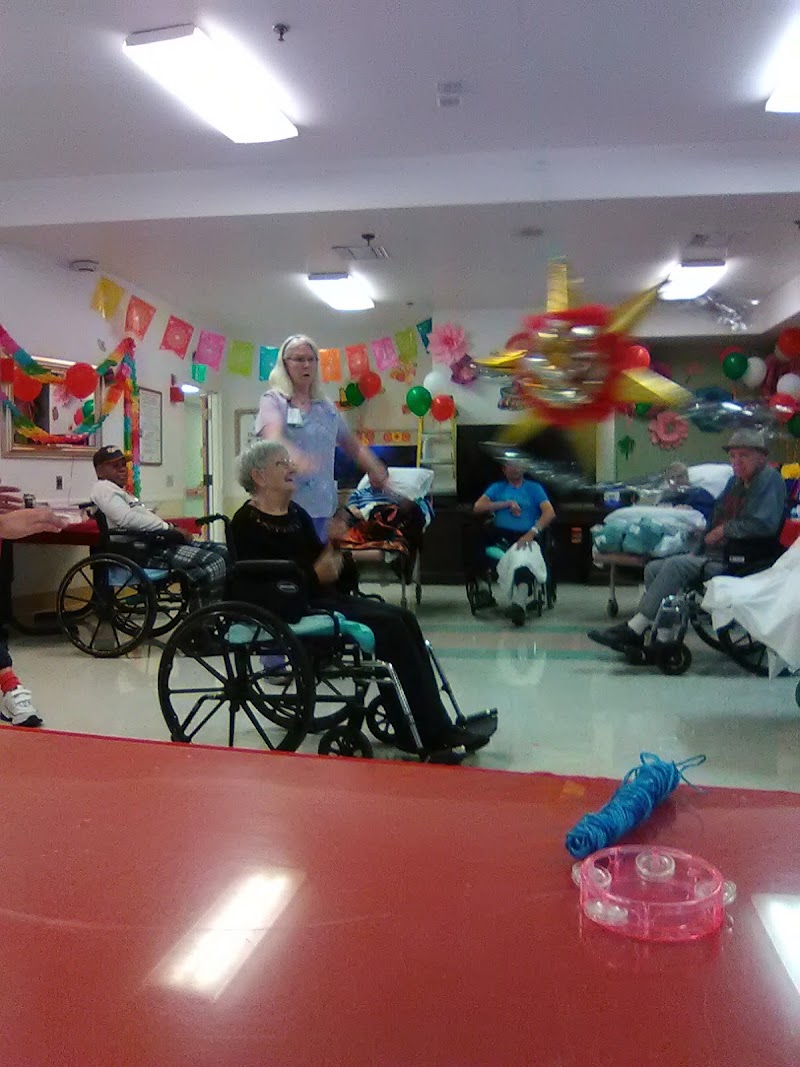
Who Owns and Operates Villa Coronado D/P Snf?

VILLA CORONADO D/P SNF is owned by a non-profit organization. Non-profit facilities reinvest revenue into operations rather than distributing to shareholders. The facility operates independently rather than as part of a larger chain. With 122 certified beds and approximately 86 residents (about 70% occupancy), it is a mid-sized facility located in CORONADO, California.

How Does Villa Coronado D/P Snf Compare to Other California Nursing Homes?

Compared to the 100 nursing homes in California, VILLA CORONADO D/P SNF's overall rating (5 stars) is above the state average of 3.2, staff turnover (18%) is significantly lower than the state average of 46%, and health inspection rating (5 stars) is much above the national benchmark.

What Should Families Ask When Visiting Villa Coronado D/P Snf?

Based on this facility's data, families visiting should ask: "Can I visit during a mealtime to observe dining assistance and food quality?" "How do you handle medical emergencies, and what is your hospital transfer rate?" "Can I speak with family members of current residents about their experience?"

Is Villa Coronado D/P Snf Safe?

Based on CMS inspection data, VILLA CORONADO D/P SNF has a clean safety record: no substantiated abuse findings (meaning no confirmed cases of resident harm), no Immediate Jeopardy citations (the most serious violation level indicating risk of serious injury or death), and is not on the Special Focus Facility watch list (a federal program monitoring the lowest-performing 1% of nursing homes). The facility has a 5-star overall rating and ranks #1 of 100 nursing homes in California. While no facility is perfect, families should still ask about staff-to-resident ratios and recent inspection results during their visit.

Do Nurses at Villa Coronado D/P Snf Stick Around?

Staff at VILLA CORONADO D/P SNF tend to stick around. With a turnover rate of 18%, the facility is 28 percentage points below the California average of 46%. Low turnover is a positive sign. It means caregivers have time to learn each resident's needs, medications, and personal preferences. Consistent staff also notice subtle changes in a resident's condition more quickly. Registered Nurse turnover is also low at 7%, meaning experienced RNs are available to handle complex medical needs.

Was Villa Coronado D/P Snf Ever Fined?

VILLA CORONADO D/P SNF has no federal fines on record. CMS issues fines when nursing homes fail to meet care standards or don't correct problems found during inspections. The absence of fines suggests the facility has either maintained compliance or corrected any issues before penalties were assessed. This is a positive indicator, though families should still review recent inspection reports for the full picture.

Is Villa Coronado D/P Snf on Any Federal Watch List?

VILLA CORONADO D/P SNF is not on any federal watch list. The most significant is the Special Focus Facility (SFF) program, which identifies the bottom 1% of nursing homes nationally based on persistent, serious quality problems. Not being on this list means the facility has avoided the pattern of deficiencies that triggers enhanced federal oversight. This is a positive indicator, though families should still review the facility's inspection history directly.