Elk Grove Post Acute
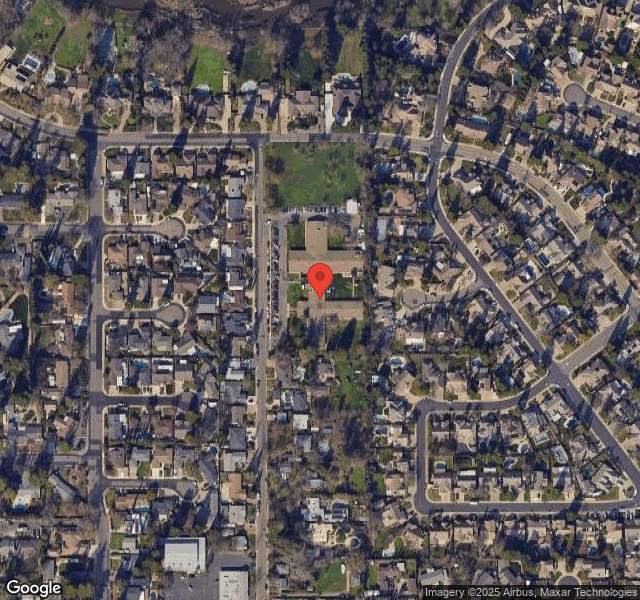
9461 BATEY AVENUE, ELK GROVE, CA 95624 (916) 685-9525
For profit - Limited Liability company 136 Beds WINDSOR Data: November 2025
Trust Grade
38/100
#795 of 1155 in CA
Last Inspection: February 2025

Within standard 12-15 month inspection cycle. Federal law requires annual inspections.

Overview

Elk Grove Post Acute has received a Trust Grade of F, indicating significant concerns about the quality of care provided. It ranks #795 out of 1155 facilities in California, placing it in the bottom half, and #32 out of 37 in Sacramento County, suggesting limited local alternatives. The situation appears to be worsening, with the number of reported issues increasing from 18 in 2024 to 27 in 2025. On a positive note, the staffing rating is 4 out of 5 stars, with a low turnover rate of 20%, which is below the state average, indicating that staff generally stay in their roles. However, there have been serious incidents, including a resident sustaining a femur fracture after being transferred without proper assistance and another resident falling and requiring hospitalization after being left alone on the toilet. These issues highlight significant weaknesses in the facility's adherence to care protocols despite some strengths in staffing and RN coverage.

Trust Score
F
38/100
In California
#795/1155
Bottom 32%
Safety Record
High Risk
Review needed
Inspections
Getting Worse
18 → 27 violations
Staff Stability
✓ Good
20% annual turnover. Excellent stability, 28 points below California's 48% average. Staff who stay learn residents' needs.
Penalties
✓ Good
$8,824 in fines. Lower than most California facilities. Relatively clean record.
Skilled Nurses
○ Average
Each resident gets 41 minutes of Registered Nurse (RN) attention daily — about average for California. RNs are the most trained staff who monitor for health changes.
Violations
⚠ Watch
66 deficiencies on record. Higher than average. Multiple issues found across inspections.
★★☆☆☆
2.0
Overall Rating
★★★★☆
4.0
Staff Levels
★★★★★
5.0
Care Quality
★☆☆☆☆
1.0
Inspection Score
Stable
2024: 18 issues
2025: 27 issues

The Good

  • 4-Star Staffing Rating · Above-average nurse staffing levels
  • 5-Star Quality Measures · Strong clinical quality outcomes
  • Low Staff Turnover (20%) · Staff stability means consistent care
  • Full Sprinkler Coverage · Fire safety systems throughout facility
  • No fines on record
  • Staff turnover is low (20%)

    28 points below California average of 48%

Facility shows strength in staffing levels, quality measures, staff retention, fire safety.

The Bad

2-Star Overall Rating

Below California average (3.1)

Below average - review inspection findings carefully

Federal Fines: $8,824

Below median ($33,413)

Minor penalties assessed

Chain: WINDSOR

Part of a multi-facility chain

Ask about local staffing decisions and management

The Ugly 66 deficiencies on record

3 actual harm
Jun 2025 1 deficiency
CONCERN (D) 📢 Someone Reported This

A family member, employee, or ombudsman was alarmed enough to file a formal complaint

Potential for Harm - no one hurt, but risky conditions existed

Notification of Changes (Tag F0580)

Could have caused harm · This affected 1 resident

Based on interview and record review, the facility failed to provide Resident 1 with information regarding her medical condition and plan of treatment and failed to notify Resident 1's Family Member (...

Read full inspector narrative →
Based on interview and record review, the facility failed to provide Resident 1 with information regarding her medical condition and plan of treatment and failed to notify Resident 1's Family Member (FM) of change in condition, when Resident 1 had an episode of decreased responsiveness due to hypoglycemia (low blood sugar). This failure resulted in Resident 1 and Resident 1's FM being unaware of Resident 1's medical condition and treatment plan with the potential for worsening medical condition. Findings: A review of Resident 1's admission Record indicated Resident 1 was admitted to the facility in October 2024 with multiple diagnoses including left acetabulum fracture (hip fracture), right pelvic fracture, osteoporosis (condition in which bones become weak and brittle), diabetes (high blood sugar levels), and obstructive sleep apnea (sleep disorder characterized by breathing pauses causing decreased oxygen levels). A review of Resident 1's Minimum Data Set (MDS- federally mandated assessment tool), Cognitive Patterns, dated 10/24/24, indicated Resident 1 had a Brief Interview for Mental Status (BIMS- tool to assess cognition) score of 15 out of 15 that indicated Resident 1 was cognitively intact. A review of Resident 1's eINTERACT Change in Condition Evaluation, dated 11/1/24, indicated .Name of family/representative notified .self . A review of Resident 1's Progress Notes, dated 11/1/24 at 4:42 a.m., indicated .Situation: The Change in Condition/s .At 0345 [3:45 a.m.] CNA [Certified Nursing Assistant] reported to charge nurse pt [patient] is not responding. Upon assessment resident noted very lethargic, hard to arouse, unable to follow verbal commands, resident was shaking, moaning. Breathing heavily with eyes close BS [blood sugar] 41 mg [milligrams]/dl [deciliter]. try to give pt sugar, but unable to open mouth, resident kept on moving upper and lower Ext [extremities] with eyes close. Around 0400 [4:00 a.m.] call 911. Arrived around 0420 [4:20 a.m.] IV [Intravenous] Dextrose [simple sugar chemically identical to glucose or blood sugar] given by paramedics and BS went up to 132. Pt start to respond back to her baseline . During a concurrent interview and record review on 6/19/25 at 2:16 p.m. with the Assistant Director of Nursing (ADON), the ADON stated on 11/1/24, the CNA reported to the Licensed Nurse (LN) that Resident 1 was not responding. The ADON stated the LN checked Resident 1's BS and it was 41 mg/dl and tried to administer sugar orally, but was unable and called 911. The paramedics arrived and administered IV Dextrose and Resident 1's BS went up to 132 mg/dl and Resident 1 was aroused and back to baseline. When asked what the facility policy regarding notifying family of change in condition, the ADON stated if Resident 1 had been transferred to the acute hospital, Resident 1's FM would have been notified. The ADON stated because Resident 1 was not transferred, was awake and alert after treatment, the FM was not contacted regarding change in condition. Reviewed Resident 1's progress notes for 11/1/24 with the ADON. When asked what the expectation is for providing education and information to the resident after a change in condition, the ADON stated, Should have let her know that sugar was low and she was showing symptoms of hypoglycemia. Should have reoriented her. Should have explained any medication or treatment changes. Did not see any documentation that patient was notified of what happened or new plan. My expectation for nurses is information should have been reviewed with the patient and documented information was given .There is nothing that stated patient was given any education or information . During an interview on 6/19/25 at 3:24 p.m. with LN 1, LN 1 stated after an incident of hypoglycemia, would educate patient, let the resident know what happened, and update resident of any new changes in medications. During an interview on 6/19/25 at 3:28 p.m. with LN 2, LN 2 stated would notify the resident's representative of any change in condition or any new medication and would educate resident once back to baseline. LN 2 stated she would document any education given in the progress notes. During a subsequent interview and facility policy review on 6/19/25 at 3:49 p.m. with the ADON, reviewed policies Nursing Documentation, Change in Notification: Notification of, and Resident Rights. The ADON acknowledged that these policies indicated residents are to be informed of any changes to their medical condition and nursing documentation is to include resident's status, interventions, and outcomes. The ADON acknowledged that facility policies were not followed regarding communication to Resident 1 following change of condition on 11/1/24. During a telephone interview on 6/20/25 at 2:40 p.m. with LN 3, LN 3 stated she recalled incident when Resident 1 was found unresponsive in the early morning. LN 3 stated Resident 1 had low BS, paramedics were called, and resident was given IV dextrose. LN 3 stated Resident 1 returned to her baseline after treatment. LN 3 stated she called Resident 1's FM to let him know of low BS. LN 3 stated that Resident 1 was awake and alert, but still called FM due to change of condition and charted that she contacted FM. Reviewed with LN 3 that there was not documentation on 11/1/24 that Resident 1's FM was notified. LN 3 stated, Maybe not charted that son was notified, but I did call that day. LN 3 stated she talked with Resident 1, told her what was going on and explained everything that day. Reviewed with LN 3 that there was no documentation that indicated Resident 1 was provided information about change of condition. LN 3 stated, Not sure if I documented .Should have charted that I explained to her. A review of the facility's Policy and Procedure (P&P) titled Resident Rights, revised 12/21, indicated .Federal and state laws guarantee certain basic rights to all residents of this facility. These rights include the resident's right to: .be notified of his or her medical condition and any changes in his or her condition .be informed of, and participate in, his or her care planning and treatment . A review of the facility's P&P titled Change in Condition: Notification of, dated 8/25/21, indicated .To ensure residents, family, legal representatives, and physicians are informed of changes to the resident's condition .A Facility must immediately inform the resident, consult with the Resident's physician .notify, consistent with his/her authority, Resident Representative when there is: .A significant change in the Resident's physical, mental, or psychosocial status (that is a deterioration in health, mental or psychosocial status in either life-threatening conditions or clinical complications) . A review of the facility's P&P titled Nursing Documentation, dated 8/27/22, indicated .To communicate patient's status and provide complete, comprehensive, and accessible accounting of care and monitoring provided .Documentation includes information about the patient's status, nursing assessment and interventions, expected outcomes, evaluation of the patient's outcomes and responses to nursing care .The patient's record specifies what nursing interventions were performed by whom, when, and where .
Jun 2025 1 deficiency
CONCERN (D) 📢 Someone Reported This

A family member, employee, or ombudsman was alarmed enough to file a formal complaint

Potential for Harm - no one hurt, but risky conditions existed

Accident Prevention (Tag F0689)

Could have caused harm · This affected 1 resident

**NOTE- TERMS IN BRACKETS HAVE BEEN EDITED TO PROTECT CONFIDENTIALITY** Based on observation, interview, and record review, the facility failed to provide adequate supervision for one resident (Reside...

Read full inspector narrative →
**NOTE- TERMS IN BRACKETS HAVE BEEN EDITED TO PROTECT CONFIDENTIALITY** Based on observation, interview, and record review, the facility failed to provide adequate supervision for one resident (Resident 1) when resident left the facility unnoticed, for a census of 134. This failure resulted in Resident 1 not receiving nursing care and was exposed to unsafe environment for over 24 hours. Findings: A review of the clinical record indicated Resident 1 was admitted [DATE] with diagnoses including congestive heart failure (CHF- a heart disorder which causes the heart to not pump the blood efficiently, sometimes resulting in leg swelling), type II diabetes mellitus (DM- a disorder characterized by difficulty in blood sugar control and poor wound healing), and schizoaffective disorder (a mental illness that can affect thoughts, mood, and behavior). A review of Resident 1's Minimum Data Set (MDS- a federally mandated resident assessment tool) dated 4/22/25 indicated Resident 1 was cognitively intact. A review of Resident 1's Nurses Progress Note dated 6/3/25 at 3:30 p.m. indicated, Received [Resident 1] in bed around 0630 .gave her medications at 0830-0900. This time resident was in the room .[CNA 3] assisted resident to have a shower this morning @ around 0800. At 1130 went to check the residents BG [blood glucose] and found resident not in the room .Last time [CNA 3] saw her was around 0930- 1000 in her room .[CNA 4] from NW [northwest] noted resident in front of South Dining hallway ambulating using her FWW [front wheel walker] going towards the front station .At around 1215 [name of police department] was called and reported that we are unable to locate the resident .Attending MD [Medical Doctor] was notified .At .1632 [4:32 p.m.] the resident is still out. A review of Resident 1's Nurses Progress Note dated 6/4/25 at 5:30 p.m. indicated, At around 1730 PM [Resident 1] was returned back to the facility. It was reported that facility neighbor .saw her by corner of [name of 2 streets], given her water and a ride to the facility .resident agreed to go to the ER [emergency room] for further evaluation . A review of Resident 1's History and Physical dated 6/8/25 indicated, .[Resident 1] left the facility without informing anybody (later stating she just wanted to go to the bank). Elopement was reported to PD. [Resident 1] said she spent the whole time out in the streets, sleeping in front of the library, because she could not figure out how to return to the facility. The following afternoon .good Samaritan found her and brought her to the facility. On arrival [Resident 1] was tachycardic [increased heart rate] .a little confused and was sent to the ER .was found to be dehydrated and received fluids . A concurrent observation and interview conducted on 6/12/25 at 9:32 a.m. inside Resident 1's room. Resident 1 was lying in bed with her eyes closed. Resident 1 opened her eyes when her name was called. Resident 1 stated she exited the front door at around 9 a.m. the day she left the facility. Resident further stated she left because she wanted to go to the bank and did not tell her nurse or CNA (Certified Nursing Assistant) she was going out. Resident 1 added she walked about a quarter mile then rode a bus going to the bank. In a subsequent observation and interview on 6/12/25 at 9:41 a.m., Resident 1 stated she had to go outside and she did not answer further questions. Resident 1 got up from bed, walked on the other side of her bed, took her walker and left her room. Observed CNA 1 follow Resident 1 all the way through the back patio. In an interview on 6/12/25 at 9:45 a.m., CNA 1 stated Resident 1 sometimes needs supervision from getting up from the bed because Resident 1 was a fall risk. In an interview on 6/12/25 at 10:05 a.m., CNA 2 stated on the day of the incident, Resident 1 came up to her in the nurse's station around 7 a.m. to 7:30 a.m. and asked for the facility's address and phone number. The CNA 2 further stated she wrote the information in a piece of paper and gave it to Resident 1. CNA 2 added, the front door of the facility had no alarm. In an interview on 6/12/25 at 10:11 a.m., CNA 3 stated he was assigned to Resident 1 on 6/3/25. The CNA 3 stated he gave a shower to Resident 1 around 7:30 a.m. and served resident her breakfast between 8 a.m. to 8:30 a.m. The CNA 3 further stated he picked up Resident 1's breakfast tray at 9 a.m. and she ate 100%. CNA 3 checked Resident 1 at 10 a.m. and resident was not in her room. In a telephone interview on 6/12/25 at 2:21 p.m., CNA 4 stated prior to the incident, she saw Resident 1 walking using her walker towards the south part of the facility. Resident 1 had jogging pants and she was holding her bag. CNA 4 further stated she asked Resident 1 where she was going and Resident 1 answered, I'm going out. CNA 4 stated she did not follow Resident 1 while walking towards the front door of the facility. CNA 4 added she did not report this information to Resident 1's nurse or CNA because she assumed they knew the resident was leaving. In a telephone interview on 6/13/25 at 10:24 a.m., the Assistant Director of Nursing (ADON) confirmed Resident 1 left the facility without telling anyone, and was gone for over 24 hours. The ADON further confirmed Resident 1 did not receive her medications for over 24 hours. The ADON stated the facility had to protect their residents for safety reasons. A review of the facility's policy & procedure (P & P) revised 2/21/25 and titled, Elopements indicated, .occurs when a resident leaves the premises or a safe area without authorization .and/or any necessary supervision to do so. A review of the facility's P & P effective 6/27/22 and titled, Safety of Residents indicated, To provide a safe environment for residents .
Jun 2025 1 deficiency
CONCERN (D) 📢 Someone Reported This

A family member, employee, or ombudsman was alarmed enough to file a formal complaint

Potential for Harm - no one hurt, but risky conditions existed

Accident Prevention (Tag F0689)

Could have caused harm · This affected 1 resident

**NOTE- TERMS IN BRACKETS HAVE BEEN EDITED TO PROTECT CONFIDENTIALITY** Based on observation, interview and record review, the facility failed to ensure resident safety for one resident (Resident 1) o...

Read full inspector narrative →
**NOTE- TERMS IN BRACKETS HAVE BEEN EDITED TO PROTECT CONFIDENTIALITY** Based on observation, interview and record review, the facility failed to ensure resident safety for one resident (Resident 1) out of a census of 130 when Resident 1 eloped the facility premises even with a Wanderguard monitor bracelet in place. This failure resulted in Resident 1 missing and eloping from the facility and has reduced the facility's potential in keeping Resident 1 safe from harm. Findings: During a review of Resident 1's admission Record (AR), the AR indicated that Resident 1 was admitted [DATE] with diagnosis including Alzheimer's Disease (a disease characterized by progressive decline in mental abilities) and dementia (a progressive state of decline in mental abilities). During a review of Resident 1's Minimum Data Set (MDS - a federally mandated resident assessment tool) dated May 7, 2025, indicated Resident 1 had severe cognitive impairment. During a review of Nurses Progress Note dated 6/1/25 at 4:45 p.m., indicated, .at 1630 .patient not found .facility staff located patient sitting at the sidewalk .3 houses down from facility During an observation on 6/6/25 at 9:37 a.m. in his room, Resident 1 was wearing his Wanderguard bracelet on his right ankle. During a review of Resident 1's Care Plan, (CP) indicated, no documented evidence of a person-centered care plan related to the potential risk of elopement due to his Alzheimer's Disease and dementia prior to the incident. During a review of Resident 1's CP, initiated on 6/1/25, the CP's intervention indicated, Wander Alert Wanderguard (a type of security system used in facilities to prevent individuals with cognitive impairments from wandering off) placed to RT lower leg . During a concurrent interview and record review on 6/5/25 at 12:10 p.m. with Director of Nursing (DON), the DON stated, .the purpose of the wander guard is to set off an alarm to warn the staff when the resident is near or has exited a door. The DON stated, the exit doors must have Wanderguard system sensors for it to work. The DON further stated, the North-north exit door does not have a Wanderguard system sensor. DON stated, The resident used the North - north exit door to wander off outside the facility property. The DON confirmed that Resident 1 was found sitting at a sidewalk 3 houses down from the facility. The DON stated and confirmed, Elopement care plan was not initiated before but after the incident. A review of the facility policy and procedure (P&P), Elopements dated 3/22/22, indicated, .the residents who exhibit wandering behavior and/or are at risk for elopement receive adequate supervision to prevent accidents, and receive care in accordance with their person-centered plan of care addressing the unique factors contributing to wonder or elopement risk.
Jun 2025 2 deficiencies
CONCERN (D) 📢 Someone Reported This

A family member, employee, or ombudsman was alarmed enough to file a formal complaint

Potential for Harm - no one hurt, but risky conditions existed

Deficiency F0697 (Tag F0697)

Could have caused harm · This affected 1 resident

**NOTE- TERMS IN BRACKETS HAVE BEEN EDITED TO PROTECT CONFIDENTIALITY** Based on interview and record review, the facility failed to provide effective pain management for one of three sampled resident...

Read full inspector narrative →
**NOTE- TERMS IN BRACKETS HAVE BEEN EDITED TO PROTECT CONFIDENTIALITY** Based on interview and record review, the facility failed to provide effective pain management for one of three sampled residents (Resident 1) when upon admission to the facility, Resident 1's pain medication for moderate to severe pain was not available. This failure resulted in Resident 1 experiencing decreased comfort and participation with physical and occupational therapy. Findings: A review of Resident 1's admission Record indicated Resident 1 was admitted to the facility in April 2025 with multiple diagnoses including intertrochanteric fracture of left femur (hip fracture), pneumonia, chronic obstructive pulmonary disease (lung disease that blocks airflow and makes it difficult to breathe), protein-calorie malnutrition (does not eat enough protein and calories to meet nutritional needs), and schizoaffective disorder (mental health condition characterized by symptoms of schizophrenia such as hallucinations and delusions, and symptoms of mood disorder). A review of Resident 1's Minimum Data Set (MDS- federally mandated assessment tool), Cognitive Patterns, dated 5/6/25, indicated Resident 1 had a Brief Interview for Mental Status (BIMS- tool to assess cognition) score of 15 out of 15, that indicated Resident 1 was cognitively intact. A review of Resident 1's MDS, Functional Abilities, dated 5/6/25, indicated Resident 1 was dependent or required maximal assist for bed mobility and transfers. A review of Resident 1's hospital SNF [Skilled Nursing Facility] orders. dated 4/22/25, indicated medication acetaminophen-hydrocodone (Norco 10 milligrams-325 milligrams), 1 tablet, PO (by mouth), every 4 hours, PRN (as needed) for moderate pain was ordered. A review of Resident 1's Progress Note, dated 4/22/25 at 6:43 p.m., indicated .Reviewed and compared resident discharge medications records from the acute care hospital with the physician admission medication orders and resident's interview. Pharmacy Reviewed orders, no significant med [medication] issues noted . A review of Resident 1's Progress Note, dated 4/23/25 at 6:10 p.m., indicated .Resident complained of pain 9/10 [pain scale 1-10 with 10 being the worst pain], has an order for NORCO 25 mg [milligrams] po q [every ] 4 hrs [hours] for pain x 3 days, called MD narcotic prescription, send the script, and has order for Tylenol 500 mg 2tabs [tablets] po x 1 dose now, the [sic] Tylenol 350 mg po q 4 hrs, for pain, carried out and noted . A review of Resident 1's Physical Therapy Treatment Encounter Note(s), dated 4/23/25 at 2:53 p.m., indicated .Precautions .pre-med [premedicate] for pain .Pain Assessment Method= Patient verbalized pain level .Pain at Rest = 9/10, Frequency = Constant, Location: L [left] hip: Pain Description/Type: sharp .Pain with Movement = 9/10, Frequency = Constant; Location: L hip; Pain Description/Type : sharp .Pain limits the following functional activities: WB [weight bearing] for LLE [left lower extremity] . A review of Resident 1's Physical Therapy Treatment Encounter Note(s), dated 4/24/25 at 2:11 p.m., indicated .Precautions .pre-med for pain .Pain Assessment Method= Patient verbalized pain level .Pain at Rest = 8/10, Frequency = Constant, Location: L [left] hip; Pain Description/Type: sharp .Pain with Movement = 8/10; Frequency = Constant; Location: L hip; Pain Description/Type : sharp .Pain limits the following functional activities: WB activities . A review of Resident 1's Occupational Therapy Treatment Encounter Note(s), dated 4/23/25 at 3:57 p.m., indicated . Precautions .premedicate for pain .Pain Assessment Method = Patient verbalized pain level .Pain at Rest = 5/10; Frequency = Intermittent; Location: L hip; Pain Description/Type: aching .Pain with Movement = 9/10; Frequency = Intermittent; Location: L hip; Pain Description/Type: aching .Pain limits the following functional activities: Functional mobility and LB [lower body] self-care tasks . A review of Resident 1's Occupational Therapy Treatment Encounter Note(s), dated 4/24/25 at 4:49 p.m., indicated . Precautions .premedicate for pain .Pain Assessment Method = Pain eval determined based upon behaviors exhibited by patient; Behaviors Exhibited: Facial Grimacing and Moaning . A review of Resident 1's Medication Administration Record (MAR) for 4/1/25 to 4/30/25, indicated .Hydrocodone-Acetaminophen Tablet 10-325 MG Give 1 tablet by mouth every 4 hours as needed for Pain x 3 days- Start Date- 04/22/2025 1530 [3:30 p.m.] . The MAR indicated Resident 1 received the medication on: 4/24/25 at 4:48 p.m. for pain level of 8, 4/25/25 at 9:00 a.m. for pain level of 6 4/25/25 at 6:17 p.m. for pain level of 4. A review of Resident 1's MAR for 4/1/25 to 4/30/25, indicated .Tylenol Extra Strength Oral Tablet 500 MG (Acetaminophen) Give 2 tablets by mouth one time only for pain related to DISPLACED INTERTROCHANTERIC FRACTURE OF LEFT FEMUR .until 4/23/25 18:59 [6:59 p.m.] - Start Date- 04/23/2025 1745 [5:45 p.m.] . The MAR indicated Resident 1 received the medication on 4/23/25 at 6:13 p.m. for pain level of 3. During a telephone interview on 6/3/25 at 10:20 a.m. with Resident 1's Family Member (FM), the FM stated Resident 1 had hip pain upon admission to the facility, but did not receive any pain medication for two days after admission. Resident 1's FM stated Norco had been ordered for pain, but Resident 1 did not receive it. Resident 1's FM stated the staff told her it had been ordered but that it hadn't arrived at the facility. During a concurrent interview and record review on 6/4/25 at 2:16 p.m. with the Director of Nursing (DON), reviewed with the DON that Resident 1 had order for Norco for pain upon admission on [DATE]. The DON stated would expect resident to have pain from hip fracture upon admit. The DON stated the Norco should have been available to be given upon admission. The DON stated that the e-kit (emergency kit- a supply of medications to be used until delivery from the pharmacy) would have contained Norco. Reviewed Resident 1's MAR for April 2025 with the DON. The DON acknowledged that Norco was not given on 4/22/25 or 4/23/25 and was not given until 4/24/25. During an interview on 6/4/25 at 3:19 p.m. with Licensed Nurse (LN) 1, LN 1 acknowledged that Resident 1 had order for Norco upon admit on 4/22/25 and that Norco was not given until 4/24/25. LN 1 stated Resident 1's FM notified her on 4/24/25 that Resident 1 had not received any Norco for pain. LN 1 stated she contacted the pharmacy who did not have the script for the Norco and then called the physician and requested the script. The physician then faxed the script to the pharmacy. LN 1 stated could not have given the Norco on 4/22/25 or 4/23/25 from the e-kit since the pharmacy did not have a signed script from the physician. During an interview on 6/4/25 at 3:45 p.m. with LN 2, LN 2 stated when resident is admitted if need script for Norco will call physician to get script. The physician will sign the script, and it will go directly to the pharmacy. LN 2 stated the medications will then be available to be used from the emergency kit before pharmacy delivers to the facility. LN 2 stated the hospital will send electronic script directly to the facility's pharmacy. During a concurrent telephone interview and record review on 6/11/25 at 1:05 p.m. with the DON, the DON stated Resident 1 did not have script for Norco when admitted to the facility on [DATE]. The DON stated if resident was admitted without script for Norco, the nurse should call the pharmacy, and the pharmacy then contacts the physician to obtain the signed script. Reviewed Physical Therapy Treatment Note and Nurses Progress Note for 4/23/25 that indicated Resident 1 had pain level of 9/10. The DON stated, on 4/23/25, the facility did not have a script for Resident 1's Norco so was unable to give it. Resident 1's Norco could not be given from the e-kit unless the pharmacy provided authorization after receiving the signed script. The DON stated, on 4/23/25, the nurse contacted the pharmacy and the physician. and obtained a one time order for Tylenol 1000 mg. The DON acknowledged the facility did not contact the pharmacy to obtain script for Norco until 4/23/25 when Resident 1 complained of pain level 9/10. The DON stated if Physical Therapy had reported Resident 1's pain level of 9/10, nursing could have administered pain medication but acknowledged that Norco was not available in the facility at that time. The DON stated, There may be a communication problem and Resident 1's pain level may have not been communicated to nursing. The DON stated Resident 1's pain level of 9/10 indicated severe pain and likely needed Norco to manage that pain. The DON acknowledged that if Resident 1's pain level was 9/10 he may not be able to fully participate with therapy. A review of the facility's Policy and Procedure (P&P) titled Pain Management, 8/25/21, indicated .To maintain the highest possible level of comfort for Residents by providing a system to identify, assess, treat, and evaluate pain .Residents will be evaluated as part of the nursing assessment process for the presence of pain upon admission/ re-admission, quarterly, with change in condition or change in pain status, and as required by the state thereafter . Pain management that is consistent with professional standards of practice, the comprehensive person-centered care plan, and the Resident's goals and preferences is provided to Residents who require each service .The nurse will notify the physician/advanced practice provider (APP) as appropriate and obtain treatment orders as indicated .At a minimum of daily, Residents will be evaluated for the presence of pain by making an inquiry of the Resident or by observing for signs of pain .Document pain presence on the Medication Administration Record .Facility staff will report any observation or communication of pain to the nurse responsible for that Resident .
CONCERN (D) 📢 Someone Reported This

A family member, employee, or ombudsman was alarmed enough to file a formal complaint

Potential for Harm - no one hurt, but risky conditions existed

Deficiency F0726 (Tag F0726)

Could have caused harm · This affected 1 resident

Based on record review and interview the facility failed to timely assess a change of condition (COC) in accordance with professional standards and practices for one of three sampled residents, Reside...

Read full inspector narrative →
Based on record review and interview the facility failed to timely assess a change of condition (COC) in accordance with professional standards and practices for one of three sampled residents, Resident 1. This failure resulted in a delay in Resident 1 being transferred to an acute care hospital for decreased oxygen saturation and increased lethargy (a lack of energy and diminished mental alertness). Findings: During a review of Resident 1's admission Record indicated Resident 1 was admitted to the facility in April 2025 with multiple diagnoses including intertrochanteric fracture of left femur (hip fracture), pneumonia, chronic obstructive pulmonary disease (lung disease that blocks airflow and makes it difficult to breathe), protein-calorie malnutrition (does not eat enough protein and calories to meet nutritional needs), and schizoaffective disorder (mental health condition characterized by symptoms of schizophrenia such as hallucinations and delusions, and symptoms of mood disorder). During a review of Resident 1's Minimum Data Set (MDS- federally mandated assessment tool), Cognitive Patterns, dated 5/6/25, indicated Resident 1 had a Brief Interview for Mental Status (BIMS- tool to assess cognition) score of 15 out of 15, that indicated Resident 1 was cognitively intact. During a review of the Physical Therapy (PT) note dated 5/26/25 at 3 p.m., the PT note indicated Resident 1 presented with lethargy. PT note stated, .lethargic since early morning and was able to encourage for OOB [out of bed] after lunch time. The note further indicated that nursing staff was notified. During a review of the Occupational Therapy (OT) note dated 5/26/25 at 3:21 p.m., the OT note indicated Resident 1 presented with lethargy. The note further indicated that nursing staff was notified. During a review of Resident 1's clinical record, there were no documented nursing assessments, including no vital signs documented on 5/26/25 after notification from PT and OT of Resident 1's lethargic status until 7:49 p.m. During a review of Resident 1's clinical record, vital sign record on 5/26/25 at 11:18 a.m. indicated oxygen saturation was 95 percent on room air. The vital sign record on 5/26/25 at 7:49 p.m. indicated oxygen saturation was 87 percent on room air. During a review of Resident 1's clinical record, the Nurses Note (NN) dated 5/26/25 at 7:49 p.m. indicated Resident 1 presented with lethargy, shortness of breath, and had an oxygen saturation of 87 percent. During an interview with the Director of Nursing (DON) on 6/11/25 at 12:01 p.m., the DON acknowledged there was no change of condition assessment documented after PT and OT notifications of Resident 1's lethargy during therapy. The DON stated her expectations are for nurses to assess residents after a notification of a change of condition. The facility failed to provide a policy and procedure on assessment after change of condition when requested on 6/5/25 at 9:30 a.m., on 6/10/25 and on 6/13/25 at 7:08 a.m.
May 2025 1 deficiency
CONCERN (D) 📢 Someone Reported This

A family member, employee, or ombudsman was alarmed enough to file a formal complaint

Potential for Harm - no one hurt, but risky conditions existed

Infection Control (Tag F0880)

Could have caused harm · This affected 1 resident

Based on observation, interview, and record review, the facility failed to follow infection control practices for one of four sampled residents (Resident 2), when the Certified Nursing Assistant 2 (CN...

Read full inspector narrative →
Based on observation, interview, and record review, the facility failed to follow infection control practices for one of four sampled residents (Resident 2), when the Certified Nursing Assistant 2 (CNA 2) did not apply the required Personal Protective Equipment (PPE, gloves, gown and/or goggles/face shield) while changing linen in Resident 2 ' s room placed on an Enhanced Barrier Precaution (EBP, infection control intervention to reduce transmission of resistant organisms). This failure had the potential to spread infection among the facility ' s residents. Findings: A review of Resident 2 ' s admission Record, dated 5/6/25, indicated Resident 2 was admitted to the facility in 2020 with a diagnosis of renal and ureteral calculous obstruction (blockages prevent the normal flow of urine from the kidneys to the bladder, leading to the kidneys swelling up with urine). A review of Resident 2 ' s Order Summary Report, dated 5/6/25, indicated Resident 2 had an order for an indwelling catheter (a thin, flexible tube inserted into the bladder to drain urine). During a concurrent observation and interview on 5/6/25 at 11:11 a.m. with CNA 2, CNA 2 was observed changing linen inside Resident 2 ' s room without wearing a gown. CNA 2 confirmed she was not wearing gown and stated she should have worn gown and gloves when changing linen in an EBP room. During an interview on 5/6/25 at 12:30 p.m. with the Infection Preventionist (IP), IP confirmed the PPE requirements for an EBP room were gloves, gown and/or goggle or face shield to prevent the spread of infection. IP expected staff to use gown and gloves when changing linen in Resident 2 ' s room, since Resident 2 has an indwelling catheter. A review of the facility ' s policy titled, Enhanced Standard/Barrier Precautions, revised on 2/21/25, indicated, Enhanced barrier precautions (EBP) refer to an infection control intervention designed to reduce transmission of multidrug-resident organisms that employs targeted gown, and gloves use during high contact resident care activities . changing linens.
Apr 2025 2 deficiencies
CONCERN (D) 📢 Someone Reported This

A family member, employee, or ombudsman was alarmed enough to file a formal complaint

Potential for Harm - no one hurt, but risky conditions existed

ADL Care (Tag F0677)

Could have caused harm · This affected 1 resident

**NOTE- TERMS IN BRACKETS HAVE BEEN EDITED TO PROTECT CONFIDENTIALITY** Based on observation, interview, and record review, the facility failed to ensure three out of five sampled residents (Resident ...

Read full inspector narrative →
**NOTE- TERMS IN BRACKETS HAVE BEEN EDITED TO PROTECT CONFIDENTIALITY** Based on observation, interview, and record review, the facility failed to ensure three out of five sampled residents (Resident 1, Resident 2, and Resident 3) were assisted with nail care as part of their Activities of Daily Living (ADLs-routine tasks/activities such as bathing, dressing and toileting a person performs daily to care for themselves), when Resident 1, Resident 2, and Resident 3 were found with long untrimmed nails. This failure had the potential for Resident 1, Resident 2, and Resident 3 to sustain injury and to acquire an infection. Findings: A review of Resident 1 ' s admission Record, indicated Resident 1 was admitted to the facility in Winter 2025 with multiple diagnoses including need for assistance with personal care, type two diabetes mellitus (DM-a disorder characterized by difficulty in blood sugar control and poor wound healing) and paraplegia (partial or total loss of function in all four limbs and the torso). A review of Resident 1's Minimum Data Set (MDS, an assessment tool), dated 1/15/25, indicated Resident 1 was cognitively intact. During a concurrent observation and interview on 4/17/25 at 9:39 a.m. in Resident 1 ' s room, Resident 1's toenails were long with visible debris underneath right and left foot. Resident 1 ' s feet were dry with visible crusted areas on toes and soles of both feet. Resident 1 confirmed his nails were long, sharp, and uncomfortable and stated No one has ever cut my toenails since being here. No one has taken care of my feet. During an interview on 4/17/25 at 10:47 a.m. with Certified Nurse Assistant (CNA) 2 in Resident 1 ' s room, CNA 2 confirmed Resident 1's toenail on both feet were long and needed trimming. CNA 2 confirmed Resident 1 ' s feet needed to be washed and stated [long nails] could cause pain and infection if not cut. During an interview on 4/17/25 at 10:55 a.m. with Licensed Nurse (LN) 1 in Resident 1 ' s room, LN 1 confirmed Resident 1's toenails on both feet were long, needed trimming, and both feet were crusted. A review of Resident 1's care plans, dated 1/24/25, indicated Resident 1 Requires assistance in ADL care. The resident will maintain bathing, grooming, personal hygiene . A review of Resident 2 ' s admission Record, indicated Resident 2 was admitted to the facility in Spring 2020 with multiple diagnoses including hemiplegia (loss of ability to move one side of the body) and hemiparesis (weakness or paralysis on one side of the body). A review of Resident 2's MDS, dated [DATE], indicated Resident 2 had moderate cognitive impairment (a stage of cognitive decline that affects a person's ability to think, learn, and remember). During a concurrent observation and interview on 4/17/25 at 10:40 a.m. with Resident 2, Resident 2's fingernails on his left hand were observed long and nails digging into wrist and palm. Resident 2 confirmed his nails were long. During an interview on 4/17/25 at 11 a.m. with the Social Service Assistant (SSA) in Resident 2 ' s room, the SSA confirmed Resident 2 ' s fingernails were long and needed trimming. A review of Resident 2's care plans, dated 4/29/21, indicated, Resident 2 Requires assistance with aspects of following ADLS . bathing/shower, dressing/clothing, personal hygiene . A review of Resident 3 ' s admission Record, indicated Resident 3 was admitted to the facility in Spring 2025 with multiple diagnoses including chronic weakness of legs. A review of Resident 3 ' s Progress notes, dated 3/17/25, indicated Resident 3 was cognitively intact. During a concurrent observation and interview on 4/17/25 at 12:30 p.m. with Resident 3, Resident 3 stated staff do not provide foot care during bathtime. Resident 3 confirmed her toenails were long and uncut. Resident 3 stated she was too embarrassed to show her feet. A review of Resident 3 ' s care plans, dated 2/28/25, indicated Resident 3 Requires assistance with aspects of following ADLS: eating, oral care, perinea, care, bathing/ shower . During an interview on 4/17/25 at 9:39 a.m. with CNA 1, CNA 1 confirmed staff were responsible for all resident ' s foot and nail care. During an interview on 4/17/25 at 2:32 p.m. with the Director of Nursing (DON), DON stated the expectations were for staff to provide nail care as needed and to check nails on the resident's shower days. DON further stated that if nails were not trimmed or became too long, then residents could potentially scratch themselves and were at risk for skin breakdown. A review of the facility's policy and procedure (P&P) titled, Fingernails/Toenails, Care of, revised 2/2018, indicated, The purposes of this procedure are to clean the nail bed, to keep nails trimmed, and to prevent infections . Nail care includes daily cleaning and regular trimming .Trimmed and smooth nails prevent the resident from accidentally scratching and injuring his or her skin. A review of the facility's P&P titled, Activities of Daily Living (ADLs), Supporting, revised 10/2021, indicated, Residents who are unable to carry out activities of daily living independently will receive the services necessary to maintain good nutrition, grooming and personal and oral hygiene.
CONCERN (D) 📢 Someone Reported This

A family member, employee, or ombudsman was alarmed enough to file a formal complaint

Potential for Harm - no one hurt, but risky conditions existed

Deficiency F0687 (Tag F0687)

Could have caused harm · This affected 1 resident

Based on observation, interview, and record review, the facility failed to ensure professional foot care was delivered to one of five sample residents (Resident 1), when Resident 1 did not receive pod...

Read full inspector narrative →
Based on observation, interview, and record review, the facility failed to ensure professional foot care was delivered to one of five sample residents (Resident 1), when Resident 1 did not receive podiatry (foot) services in a timely manner. This failure had the potential for Resident 1 ' s toenails remaining uncut and overgrown. Findings: A review of Resident 1 ' s admission Record, indicated Resident 1 was admitted to the facility in Winter 2025 with multiple diagnoses including need for assistance with personal care, type two diabetes mellitus (DM-a disorder characterized by difficulty in blood sugar control and poor wound healing) and paraplegia (partial or total loss of function in all four limbs and the torso). A review of Resident 1's Minimum Data Set (MDS, an assessment tool), dated 1/15/25, indicated Resident 1 was cognitively intact. During a concurrent observation and interview on 4/17/25 at 9:39 a.m. in Resident 1 ' s room, Resident 1's toenails were long with visible debris underneath right and left foot. Resident 1 ' s feet were dry with visible crusted areas on toes and soles of both feet. Resident 1 confirmed his nails were long, sharp, and uncomfortable and stated No one has ever cut my toenails since being here. No one has taken care of my feet. Resident 1 also stated he and his sister have requested podiatry treatment. During an interview on 4/17/25 at 10:20 a.m. with Certified Nursing Assistant (CNA) 1 in Resident 1 ' s room, CNA 1 confirmed Resident 1 was diabetic, and a podiatry nurse was required to trim Resident 1 ' s toenails. During a concurrent observation and interview on 4/17/25 at 10:47 a.m. with CNA 2 in Resident 1 ' s room, CNA 2 confirmed Resident 1's toenails on both feet were long and needed trimming. CNA 2 stated [long nails] could cause pain and infection if not cut. During a concurrent observation and interview on 4/17/25 at 10:55 a.m. with Licensed Nurse (LN) 1, LN 1 confirmed Resident 1's toenails on both feet were long, needed trimming, and both feet were crusted. LN 1 confirmed Resident 1 was diabetic, and no podiatry consult was scheduled. LN 1 confirmed not receiving timely foot care could result in infections and discomfort. During a concurrent observation and interview on 4/17/25 at 11 a.m. with the Social Service Assistant (SSA), SSA stated Resident 1 was diabetic and required a podiatry consult. SSA confirmed there was no referral requested to podiatry for Resident 1 and stated Next step would be to refer to podiatrist if I see nails like that. I never noticed his nails before, the CNA never told me. During an interview on 4/17/25 at 3:51 p.m. with the Director of Nursing (DON), DON confirmed CNAs should report to charge nurses if a diabetic residents ' nails were too long and were at risk for scratching themselves. DON stated she expected the charge nurse to notify the social worker who will then set up a podiatry appointment for a diabetic patient. A review of the facility's policy and procedure titled, Foot Care, revised 10/2022, indicated, Residents are assisted in making appointments and with transportation to and from specialists (podiatrist, endocrinologist, etc.) as needed . Residents with foot disorders or medical conditions associated with foot complications are referred to qualified professionals . Residents are provided with foot care and treatment in accordance with professional standards of practice.
Apr 2025 1 deficiency
CONCERN (D) 📢 Someone Reported This

A family member, employee, or ombudsman was alarmed enough to file a formal complaint

Potential for Harm - no one hurt, but risky conditions existed

Free from Abuse/Neglect (Tag F0600)

Could have caused harm · This affected 1 resident

**NOTE- TERMS IN BRACKETS HAVE BEEN EDITED TO PROTECT CONFIDENTIALITY** Based on interview and record review, the facility failed to protect the resident's right to be free from physical abuse for one...

Read full inspector narrative →
**NOTE- TERMS IN BRACKETS HAVE BEEN EDITED TO PROTECT CONFIDENTIALITY** Based on interview and record review, the facility failed to protect the resident's right to be free from physical abuse for one of three sampled residents (Resident 1) when Resident 2 threw a cup filled with coffee towards Resident 1 splashing hot coffee onto Resident 1's right arm causing an injury. This failure reduced the facility's potential to protect Resident 1's right to be free from any type of abuse. Findings: During a review of Resident 1's admission Record (AR), the AR indicated, Resident 1 was admitted on [DATE] with diagnoses including single subsegmental thrombotic pulmonary embolism (blood clot has blocked a small artery in the lungs), embolism and thrombosis of arteries of lower extremities (thrombosis-blood clot forms in the blood vessels; embolism-when a clot travels and blocks artery in leg), chronic kidney disease (kidneys are damaged and cant clear blood. Resident 1's Minimum Data Set (MDS-a federally mandated resident assessment tool), dated 3/10/25, indicated, Resident 1 had a very mild memory impairment. During a review of Resident 1's Interdisciplinary Care Conference-V5 (IDT notes), dated 3/25/25, the IDT notes indicated, Resident 1 had a trauma-related skin alteration to the right medial arm measuring 7cm (centimeters-unit of measurement) by 2 cm, with mild erythema (redness of the skin) at the site. Further review of IDT notes indicated, .Reported that a male resident [2] threw a coffee cup at him [Resident 1] with coffee in it. Resident [1] tried to protect himself by putting his right hand in front of his face and cup hit his right dorsal (backside) hand. Checked right arm and hand, noted an area of small redness to right medial arm and a small bruise like discoloration to right dorsal-proximal to right 4thmetatarsal knuckle (back of right hand near the ring finger). Redness measures 7x2 cm . During a review of Resident 1's care plan (CP), dated 3/25/25, the CP indicated, .Resident to resident altercation: Resident [1] and another resident [2] in South Station got into a verbal altercation and the other resident [2] threw coffee at him [Resident 1], causing redness at his right medial forearm . During a review of Resident 2's AR, the AR indicated, Resident 2 was re-admitted on [DATE] with diagnoses including paraplegia (loss of movement and/or sensation, to some degree, of the legs,) pressure ulcer stage 4 sacral region (Full-thickness skin and tissue loss with exposed muscle, tendon, ligament, cartilage, or bone; sacral) and schizotypal disorder (mental health condition where people experience unusual thoughts, behaviors and difficulties forming close relationships.) During a review of Resident 2's MDS, dated [DATE], indicated, Resident 2 had no memory impairment. Resident 2's MDS also indicated Resident 2 had exhibited verbal behavioral symptoms directed towards others, which occurred on one to three days during the assessment period. During a review of Resident 2's Nurse's Progress Note (NPN), dated 3/25/25, the NPN indicated, .One of the resident [1] from the building came to nurse's station reporting a verbal abuse leading to where resident [1] got a physical harm via [Resident 2's name] .Upon interrogation, [Resident 2's name] expressed that the other resident [1] came on entering his room asking for cigarette .passing derogatory comment and he [Resident 2] asked resident [1] to get out of the room . when other resident [1] did not stop .resident [2] ended up picking his coffee mug and hit it against the wall and coffee from mug splashed on the other resident's [1] wrist causing a burn on his wrist . During a review of Resident 2's General Progress Notes (GPN), dated 3/25/25, the GPN indicated, Administrator, SSD (Social Services Director, DON (Director of Nursing spoke with [Resident 2's name] .he saw the other resident [1] .He told him [Resident 1] not to come into this room . [Resident 2's name] said the other resident [1] wouldn't leave and so he threw coffee at him [Resident 1] . During a review of Resident 2's CP, dated 3/25/25, the CP indicated, Resident to resident altercation . this resident [2] and another resident [1] from North Station got into a verbal altercation and he [Resident 2] threw coffee mug, hitting other resident [1] . Resident 2's CP indicated history of verbally aggressive behavior directed towards others with identified needs and behaviors which may lead to increased risk for conflict with other peers/resident/staff. During an interview on 4/8/25 at 10:30 a.m. with Treatment Nurse (TN), TN stated, Resident 1 approached her, informed her of what had occurred between him and Resident 2, and showed her his right arm, which TN described as having redness that looked like scalding. During an interview on 4/8/25 at 11:23 a.m. with Resident 1, stated Resident 2 threw a coffee cup at him. Resident 1 stated that the cup struck his hand, and the hot coffee caused a burn on his right arm. During an interview on 4/8/25 at 11:46 a.m. with Resident 2, Resident 2 stated that Resident 1 was at his door, he yelled at Resident 1 to get out of his room, and when Resident 1 began to enter, he threw a coffee cup which the coffee splashed onto Resident 1. During an interview on 4/8/25 at 11:55 a.m. with Director of Nursing (DON), the DON stated Resident 2 threw a coffee cup causing hot coffee to splash onto Resident 1 and resulting in the injury. During an interview on 4/8/25 at 12:11 p.m. with DON, the DON confirmed physical harm was established due to the burn observed on Resident 1's forearm. She also confirmed Resident 2 willfully threw the coffee cup causing hot coffee to splash onto Resident 1. During an interview on 4/8/25 at 12:48 p.m. with DON, DON stated .the expectation is to protect residents from something like this from happening . During a review of the facility's policy and procedure (P&P) titled, Abuse Prohibition Policy and Procedure, dated 2/23/21, the P&P indicated, .Abuse is defined as the willful infliction of injury .
Feb 2025 16 deficiencies
CONCERN (D)

Potential for Harm - no one hurt, but risky conditions existed

Resident Rights (Tag F0550)

Could have caused harm · This affected 1 resident

Based on observation, interview, and record review, the facility failed to protect two out of 32 sampled residents' (Resident 8 and Resident 20) right to be treated with respect and dignity when facil...

Read full inspector narrative →
Based on observation, interview, and record review, the facility failed to protect two out of 32 sampled residents' (Resident 8 and Resident 20) right to be treated with respect and dignity when facility staff were standing over Resident 8 and Resident 20 while feeding them during the 2/24/25 lunch meal. This failure resulted in Resident 8 to experience emotional distress and felt disrespected and potential for Resident 20 to feel that he was not being treated with respect and dignity. Findings: 1a. A review of Resident 8's clinical record indicated Resident 8 was admitted April of 2021 and had diagnoses that included chronic pain syndrome (condition that involves persistent pain that lasts for weeks to years), weakness, contracture (permanent shortening of muscles, skin, and nearby soft tissue that results in limited range of motion and stiffness), and major depressive disorder (persistently depressed mood or loss of interest in activities, causing significant impairment in daily life). A review of Resident 8's Minimum Data Set (MDS- a federally mandated resident assessment tool) Cognitive Patterns, dated 1/29/25, indicated Resident 8 had a Brief Interview for Mental Status (BIMS- a tool to assess cognition) score of 12 out of 15 which indicated Resident 8 had a moderately impaired cognition. A review of Resident 8's MDS Mood status, dated 1/29/25, indicated Resident 8 experienced feeling down, depressed or hopeless for several days. A review of Resident 8's care plan intervention, revised 12/7/23, indicated, Assist with meals as needed. During a concurrent observation and interview on 2/24/25 at 1:15 p.m. in Resident 8's room, Certified Nurse Assistant 7 (CNA) 7 was observe standing over Resident 8 while feeding her. CNA 7 confirmed the observation. CNA 7 stated Resident 8 required full assistance with her meals. During an interview on 2/24/25 at 1:20 p.m. with resident 8, Resident 8 stated she did not like it when staff just stands over her while feeding her. Resident 8 further stated she felt disrespected. 1b. A review of Resident 20's clinical record indicated Resident 20 was admitted January of 2025 and had diagnoses that included hemiplegia (complete loss of the ability to move one side of the body) and hemiparesis (partial weakness of one side of the body) affecting left non-dominant side, dementia (a progressive state of decline in mental abilities), contracture, muscle weakness, and need for assistance with personal care. A review of Resident 20's MDS Cognitive Patterns, dated 1/8/25, indicated Resident 20 had BIMS score of 2 out of 15 which indicated Resident 20 had a severely impaired cognition. A review of Resident 20's MDS Functional Abilities, dated 1/28/25, indicated Resident 20 is dependent with eating, oral hygiene, and personal hygiene. During a concurrent observation and interview on 2/24/25 at 1:26 p.m. in Resident 20's room, CNA 8 was observe standing over Resident 20 while feeding him. CNA 8 confirmed the observation and stated Resident 20 required full assistance with his meals. CNA 8 further stated she thought it was okay for them to stand over the resident while feeding them. During an interview on 2/26/25 at 4:06 p.m. with the Director of Nursing (DON), the DON stated sitting and facing the patient while feeding them is a more person-centered approach for the patient. The DON further stated that staff should always treat residents with respect and dignity. A review of the facility's policies and procedures (P&P) titled, Resident Rights, revised 12/2021, indicated, Employees shall treat all resident with kindness, respect, and dignity. A review of the facility's P&P titled, Assistance with Meals, revised 3/2022, indicated, 2. Residents who cannot feed themselves will be fed with attention to safety, comfort and dignity, for example: a. not standing over residents while assisting them with meals .
CONCERN (D)

Potential for Harm - no one hurt, but risky conditions existed

Deficiency F0558 (Tag F0558)

Could have caused harm · This affected 1 resident

Based on observation, interview, and record review, the facility failed to provide reasonable accommodation of resident needs for one of 32 sampled residents (Resident 20) when Resident 20's call ligh...

Read full inspector narrative →
Based on observation, interview, and record review, the facility failed to provide reasonable accommodation of resident needs for one of 32 sampled residents (Resident 20) when Resident 20's call light system was not appropriate and was not within reach. This failure placed Resident 20's safety at risk and had the potential for Resident 20's needs to be not met. Findings: A review of Resident 20's clinical record indicated Resident 20 was admitted January of 2025 and had diagnoses that included hemiplegia (complete loss of the ability to move one side of the body) and hemiparesis (partial weakness of one side of the body) affecting left non-dominant side, dementia (a progressive state of decline in mental abilities), contracture (a stiffening/shortening at any joint, that reduces the joint's range of motion), muscle weakness, and need for assistance with personal care. A review of Resident 20's MDS Cognitive Patterns, dated 1/8/25, indicated Resident 20 had BIMS score of 2 out of 15 which indicated Resident 20 had a severely impaired cognition. A review of Resident 20's MDS Functional Abilities, dated 1/28/25, indicated Resident 20 is dependent with eating, oral hygiene, toileting, shower/bathing self, lower body dressing, and personal hygiene. Resident 20's MDS Functional Abilities further indicated Resident 20 was dependent with rolling left and right, sit to lying, lying to sitting on the side of bed, and chair/bed-to-chair transfer. A review of Resident 20's care plan intervention, dated 1/8/25, indicated, Ensure/provide a safe environment: Call light in reach . During an observation on 2/24/25 at 10:06 a.m. in Resident 20's room, Resident 20 was observed lying on bed, awake, and his call light button was hung on the wall next to the door. Resident 20 was observed to have contractures on both hands. During a concurrent observation and interview on 2/25/25 at 9:51 a.m. with Certified Nurse Assistant (CNA) 8, in Resident 20's room, CNA 8 confirmed Resident 20 was given a call light button to use whenever he needs help. CNA 8 stated Resident 20 was not able to push the call light button because of his hand contractures. During an interview on 2/25/25 at 10:04 a.m. with Licensed Nurse (LN) 4, in Resident 20's room, LN 4 stated Resident 20 was able to move his right hand but was not able to push the call light button. LN 4 also stated Resident 20 needed the soft touch pad (call system which is activated with a very light touch) instead of the call light button. LN 4 further stated she thought Resident 20 was already provided with soft touch pad. During an observation on 2/25/25 at 12:20 p.m. in Resident 20's room, Resident 20 was observed lying on bed, awake, and his call light button was on the floor, below his bed. During a concurrent observation and interview on 2/25/25 at 12:40 p.m. with CNA 9, in Resident 20's room, CNA 9 confirmed that Resident 20's call light button was on the floor, below his bed. CNA 9 stated the call light button should be within the reach of the resident. During an interview on 2/26/25 at 4:06 p.m. with the Director of Nursing (DON), the DON stated if a resident was not able to press the call light button, an alternative call system, like soft touch pad, will be provided. The DON further stated call light button should be within reach of the resident. A review of Resident 20's progress note, dated 2/26/25 at 5:52 p.m., indicated, .Reassessed resident with the use of different types of call lights, unable to use regular call light .res [resident] still unable to follow instructions to push/squeeze to activate. Resident unable to follow verbal commands. At this time resident is unable to mentally or physically use the call light to call for assistance. Resident just mumbles unable to move hands due to contracture and weakness .Resident is dependent with care . A review of the facility's policies and procedures (P&P) titled, Call System, Resident, revised 9/2022, indicated, 1. Each resident is provided with a means to call staff directly for assistance from his/her bed .4. If the resident has a disability that prevents him/her from making use of the call system, an alternative means of communication that is usable for the resident is provided and documented in the care plan.
CONCERN (D)

Potential for Harm - no one hurt, but risky conditions existed

ADL Care (Tag F0677)

Could have caused harm · This affected 1 resident

**NOTE- TERMS IN BRACKETS HAVE BEEN EDITED TO PROTECT CONFIDENTIALITY** Based on observation, interview, and record review, the facility failed to ensure two out of 32 sampled residents (Resident 24 a...

Read full inspector narrative →
**NOTE- TERMS IN BRACKETS HAVE BEEN EDITED TO PROTECT CONFIDENTIALITY** Based on observation, interview, and record review, the facility failed to ensure two out of 32 sampled residents (Resident 24 and Resident 47) were assisted with nail care as part of their Activities of Daily Living (ADLs-routine tasks/activities such as bathing, dressing and toileting a person performs daily to care for themselves) when both residents were found with long untrimmed nails. This failure had the potential for Resident 24 and Resident 47 to sustain injury and to acquire an infection. Findings: Resident 24 was admitted to the facility October 2022 with multiple diagnoses which included multiple sclerosis (disease where nerve damage disrupts communication between the brain and the body which can result in muscle weakness, numbness and impaired coordination) and quadriplegia (partial or total loss of function in all four limbs and the torso). A review of Resident 24's Minimum Data Set (MDS, an assessment tool) dated 1/15/25, indicated, Resident 24 had moderate cognitive impairment (a stage of cognitive decline that affects a person's ability to think, learn, and remember). Resident 47 was admitted to the facility April 2020 with multiple diagnoses which included hemiplegia (loss of ability to move one side of the body) and hemiparesis (weakness or paralysis on one side of the body). A review of Resident 47's MDS, dated [DATE], indicated Resident 47 was cognitively intact. During a concurrent observation and interview on 2/24/25, at 9:35 a.m., with Resident 47, Resident 47's nails on both hands were observed long. Resident 47 confirmed her nails were long, sharp, and hurt because they cut into her hand. Resident 47 stated, Left hand needs to be trimmed really bad .cuts into my hand. During an interview on 2/24/25, at 9:50 a.m., with Licensed Nurse (LN) 1, LN 1 confirmed Resident 47's nails were long and needed trimming. LN 1 stated [nails] could potentially poke into skin and hurt. During a concurrent observation and interview on 2/24/25, at 10:14 a.m., with Resident 24, Resident 24's nails on left hand were observed long and jagged. Resident 24 confirmed her nails needed to be trimmed. Resident 24 stated, Nails are bothering me .need to be trimmed .scratch myself with them. During an interview on 2/24/25, at 10:20 a.m., with LN 8, LN 8 confirmed Resident 24's nails were long and could potentially dig into the skin and cause wounds. LN 8 stated [nails] should have been trimmed. During an interview on 2/25/25, at 2:32 p.m., with the Director of Nursing (DON), the DON stated the expectations were for staff to provide nail care as needed and to check nails on the resident's shower days. The DON further stated that if nails were not trimmed or becomes too long, residents could potentially scratch themselves and were at risk for skin breakdown. During a review of Resident 24's care plans initiated on 9/3/20, indicated, Check nail length and trim and clean on bath day and as necessary . During a review of Resident 47's care plans initiated on 4/21/20, indicated, Requires assistance with aspects of following ADLS .bathing/shower, dressing/clothing, personal hygiene . During a review of the facility's policy and procedure (P&P) titled, Fingernails/Toenails, Care of, revised 2/2018, the P&P indicated, The purposes of this procedure are to clean the nail bed, to keep nails trimmed, and to prevent infections .Nail care includes daily cleaning and regular trimming .Trimmed and smooth nails prevent the resident from accidentally scratching and injuring his or her skin. During a review of the facility's P&P titled, Activities of Daily Living (ADLs), Supporting, revised 3/2018, the P&P indicated, Residents who are unable to carry out activities of daily living independently will receive the services necessary to maintain good nutrition, grooming and personal and oral hygiene.
CONCERN (D)

Potential for Harm - no one hurt, but risky conditions existed

Deficiency F0679 (Tag F0679)

Could have caused harm · This affected 1 resident

Based on observation, interview, and record review, the facility failed to ensure one of 32 sampled residents (Resident 13) were offered resident centered activities. This failure decreased social int...

Read full inspector narrative →
Based on observation, interview, and record review, the facility failed to ensure one of 32 sampled residents (Resident 13) were offered resident centered activities. This failure decreased social interactions and increased the potential for negative impact on the physical, mental and psychosocial well-being of Resident 13. Findings: Resident 13 was admitted to the facility in Winter 2023 with diagnoses that included senile degeneration of brain (a progressive state of decline in mental abilities). During a concurrent observation and interview on 02/24/25 at 10:57 a.m., with Resident 13, Resident 13 was observed sitting on their bed. Resident 13 expressed a desire to communicate with others and reported loneliness and difficulty due to her hearing impairment. Resident 13 stated that a request for hearing assistance was made to the facility. There were no magazines, music players, game boards, amplifiers or any other activity tools observed in Resident 13's room. During an observation, on 02/24/25 at 2:15 p.m., Resident 13 was observed lying in bed, eyes opened. She was not participating in any activities at this time. During a concurrent observation and interview 02/25/25 at 9:40 a.m., Resident 13 was seen sitting in their room on their bed not doing anything. Resident 13 stated, I cannot hear well even when speaking loudly in ear my ear. During an interview on 02/25/25 at 10:58 a.m., with Resident 13 ' s Representative (RP), RP stated, they had not seen any other ways to communicate with [resident] besides talking very loud in her ear and sometimes doesn't ' t work, I write in her book . I feel like her basic needs are not being met. A review of Resident 13 ' s Care Plan Report, dated 1/18/25, indicated it was Very important for Resident 65 to Have Books, newspapers, and magazines to read. During an interview on 02/25/25 at 1:30 p.m., Certified Nurse Assistant 4 (CNA 4) stated, residents with hearing loss activities and activities of daily living (ADL) needs were communicated through hearing loss binders, language binders, and pictures were used. During an interview on 2/25/25 at 1:40 p.m., LN 4 stated If they cannot hear there are communication books and points. Books usually in room. During an observation on 2/25/25 at 1:51 p.m., Resident 13 remained in her room without activities and absence of communication forms, books, or notes in room. During a concurrent interview and record review on 02/25/25 at 02:07 p.m., with the SSD, the SSD stated if they have an immediate need we have a super ear [picked up and showed device to help people hear. Acts as a hearing aid], and headphones if they are having a hard time hearing. The SSD was unable to locate the care plan for activities communication strategies in Resident 13 ' s record. The SSD stated, We rely on [RP Name] about asking for services and needs during the meetings. The SSD also stated they have a communication binder that is usually kept in the resident's room. She stated if resident activities and social plans were not followed, it could result in loneliness and isolation. During an interview dated 2/26/25 at 1 p.m., Activities Assistant 1 (AA 1) stated, Resident 13 had not attended any group activities. AA 1 stated resident 13, does not speak English and looks like she is happy where she is at and has not attended any activities. AA 1 further stated they had not used any translation devices and Resident 13 was always busy writing in her book in her room. During a review of Resident 13's CARE PLAN, dated 2/23/25 Recreation Quarterly PN & CP [care plan] Eval [evaluation] indicates No activity accommodation indicated for hearing loss. During a review of Resident 13 ' s CARE PLAN, dated 12/6/24, Recreation Quarterly PN & CP [care plan] Eval [evaluation] indicates No activity accommodation indicated for hearing loss. During a review of Resident 13 ' s Physician Progress Note dated 11/13/24 and 1/9/25, the physician (MD) identified Resident 13 was very hard of hearing. During a review of Resident 13 ' s Recreation Quarterly progress note, and Care Plan, dated 2/23/25, the records indicated it was important for Resident 13 to engage in activities, go outside, and would benefit from accommodation for hearing loss by use of amplifiers/headphones or hearing aids. During a concurrent interview and record review, on 2/26/24 at 2:50 pm., with Restorative Nursing Assistant (RNA) the RNA stated, there is no order for Resident 13 for RNA care for a while, since last year. RNA was unable to locate RNA notes in Resident 13 ' s medical record for past 30 days. A review of Resident 13 ' s Physicians Orders, dated 11/13/24, indicated, Have RNA program get patient to participate in activities outside her room. During an interview on 2/26/25 at 3:15 p.m., with the Director of Nursing (DON), the DON stated she expected the residents needs and preferences to be supported. The DON stated, If they do not want to participate, we should provide something in replacement. The DON stated she expected the RNA and Activities staff to update charting with any activity performed. During a review of the facility's Policy and Procedure (P&P) titled, Activity Programs Policy, undated, indicated, The activity program is provided to support the well-being of residents and to encourage both independence and community interaction .are geared to the individual resident ' s needs.
CONCERN (D)

Potential for Harm - no one hurt, but risky conditions existed

Quality of Care (Tag F0684)

Could have caused harm · This affected 1 resident

Based on observation, interview and record review, the facility failed to ensure two out of seven sampled residents (Resident 44 and Resident 59) received treatment and care in accordance with profess...

Read full inspector narrative →
Based on observation, interview and record review, the facility failed to ensure two out of seven sampled residents (Resident 44 and Resident 59) received treatment and care in accordance with professional standards of practice, and facility's policy and procedure (P&P) when Resident 44 and Resident 59 physician's order for low-air loss mattress (LALM- a medical-grade mattress designed to prevent and treat pressure injuries by reducing moisture and heat buildup) monitoring of settings and functioning was not consistently done. This failure had the potential for Resident 44 and Resident 59's wounds to get worse, and for the residents to not achieve their highest practicable well-being. Findings: 1a. A review of Resident 44's clinical record indicated Resident 44 was admitted April of 2020 and had diagnoses that included dementia (a progressive state of decline in mental abilities), major depressive disorder (persistently depressed mood or loss of interest in activities, causing significant impairment in daily life), weakness, and malnutrition (state of poor nutrition that occurs when the body does not receive enough or the right nutrients to function properly). A review of Resident 44's Minimum Data Set (MDS- a federally mandated resident assessment tool) Cognitive Patterns, dated 12/3/24, indicated Resident 44 had a Brief Interview for Mental Status (BIMS- a tool to assess cognition) score of 6 out of 15 which indicated Resident 44 had a severely impaired cognition. A review of Resident 44's MDS Mood status, dated 12/3/24, indicated Resident 44 experienced feeling down, depressed or hopeless for several days. A review of Resident 44's MDS Skin Conditions, dated 12/3/24, indicated Resident 44 was at risk of developing pressure ulcers/injuries (localized, pressure-related damage to the skin and/or underlying tissue usually over a bony prominence) and was using pressure reducing device for bed. A review of Resident 44's active physician's order, dated 1/10/25, indicated, LALM for wound healing. Check settings and functioning q [every] shift . During an interview on 2/24/25 at 9:07 a.m. with Licensed Nurse (LN) 5, LN 5 stated Resident 44 has a wound on her back. During an observation on 2/24/25 at 9:10 a.m. in Resident 44's room, Resident 44 was observed lying on bed, awake, and was using a LALM. A review of Resident 44's treatment administration records (TAR - a daily documentation record used by a licensed nurse to document treatments given to a resident) for January and February 2025 indicated the monitoring of Resident 44's LALM were not done on the following shifts: 1/14/25- Night shift, 1/22/25- Day shift, 1/24/25- Evening shift, 1/31/25- Day shift, 2/4/25- Night shift, 2/7/25- Evening shift, 2/11/25- Night shift, 2/13/25- Night shift, 2/15/25- Night shift, 2/18/25- Day shift, 2/19/25- Night shift, and 2/21/25- Evening shift. During a concurrent interview and record review on 2/26/25 at 3:06 p.m. with the Assistant Director of Nursing (ADON), Resident 44's clinical records was reviewed. The ADON confirmed that Resident 44's LALM monitoring of settings and functioning was not consistently done. The ADON stated Resident 44's LALM monitoring should be done consistently every shift because it could negatively affect Resident 44's wounds if the LALM was not set and/or functioning properly. 1b. A review of Resident 59's clinical record indicated Resident 59 was admitted July of 2022 and had diagnoses that included rheumatoid arthritis (a chronic progressive disease causing inflammation in the joints and resulting in painful deformity and immobility), failure to thrive (a decline caused by chronic diseases and functional impairments which can cause weight loss, decreased appetite, poor nutrition, and inactivity), major depressive disorder, and contracture (a stiffening/shortening at any joint, that reduces the joint's range of motion). A review of Resident 59's MDS Cognitive Patterns, dated 12/11/24, indicated Resident 59 had a BIMS score of 15 out of 15 which indicated Resident 59 had an intact cognition. A review of Resident 59's MDS Mood status, dated 12/11/24, indicated Resident 59 experienced feeling down, depressed or hopeless for half or more of the days in two weeks. A review of Resident 59's MDS Skin Conditions, dated 12/11/24, indicated Resident 44 was at risk of developing pressure ulcers/injuries (PU/PI- localized, pressure-related damage to the skin and/or underlying tissue usually over a bony prominence), has Stage 4 PU (Full-thickness skin and tissue loss with exposed muscle, tendon, ligament, cartilage, or bone) and was using pressure reducing device for bed. A review of Resident 59's active physician's order, dated 12/29/23, indicated, LALM for wound healing. Check settings and functioning q shift . During a concurrent observation and interview on 2/24/25 at 9:45 a.m. in Resident 59's room, Resident 59 was observed lying on bed, awake, and was using a LALM. Resident 59 stated he has an open wound on his back. A review of Resident 59's TAR for February 2025 indicated the monitoring of Resident 59's LALM were not done on the following shifts: 2/4/25- Night shift, 2/7/25- Evening shift, 2/11/25- Night shift, 2/13/25- Night shift, 2/15/25- Night shift, 2/18/25- Day shift, 2/19/25- Night shift, and 2/21/25- Evening shift. During a concurrent interview and record review on 2/26/25 at 3:06 p.m. with the ADON, Resident 59's clinical records was reviewed. The ADON confirmed that Resident 59's LALM monitoring of settings and functioning was not consistently done. The ADON stated Resident 59's LALM monitoring should be done every shift per the physician's order. During an interview on 2/26/25 at 4:06 p.m. with the Director of Nursing (DON), the DON stated LALM monitoring of settings and functioning should be done consistently to make sure the LALM is on the right set-up. The DON further stated staff should always follow the physician's order. A review of the facility's P&P titled, Skin Integrity Management, dated 5/26/21, indicated, To provide safe and effective care to prevent the occurrence of pressure ulcers, manage treatment, and Promote healing of all wounds .Staff continually observes and monitors patients for changes and implements revisions to the plan of care as needed .4. Develop comprehensive, interdisciplinary plan of care including prevention and wound treatments, as indicated. 4.1 Implement pressure ulcer prevention for identified risk factors .4.6 Implement Special Wound Care Treatments/techniques, as indicated and ordered. A review of the facility's P&P titled, Resident Rights, revised 12/2021, indicated, 1. Federal and state laws guarantee certain basic rights to all residents of this facility. These rights include the resident ' s right to: .aj. equal access to quality care .
CONCERN (D)

Potential for Harm - no one hurt, but risky conditions existed

Respiratory Care (Tag F0695)

Could have caused harm · This affected 1 resident

Based on observation, interview, and record review, the facility failed to ensure proper delivery of respiratory care consistent with the facility's policy and procedures (P&P) for one out of 32 sampl...

Read full inspector narrative →
Based on observation, interview, and record review, the facility failed to ensure proper delivery of respiratory care consistent with the facility's policy and procedures (P&P) for one out of 32 sampled residents (Resident 8) when Resident 8's physician's order for oxygen therapy was not followed. This failure had the potential to result in unsafe delivery of oxygen to Resident 8 and for Resident 8 to not achieve her highest practicable well-being. Findings: A review of Resident 8's clinical record indicated Resident 8 was admitted April of 2021 and had diagnoses that included respiratory failure (is a serious condition that develops when the lungs can't get enough oxygen into the blood and makes it difficult for a person to breathe on his own), chronic obstructive pulmonary disease (a chronic lung disease causing difficulty in breathing), weakness and major depressive disorder (persistently depressed mood or loss of interest in activities, causing significant impairment in daily life). A review of Resident 8's Minimum Data Set (MDS- a federally mandated resident assessment tool) Cognitive Patterns, dated 1/29/25, indicated Resident 8 had a Brief Interview for Mental Status (BIMS- a tool to assess cognition) score of 12 out of 15 which indicated Resident 8 had a moderately impaired cognition. A review of Resident 8's MDS Mood status, dated 1/29/25, indicated Resident 8 experienced feeling down, depressed or hopeless for several days. A review of Resident 8's MDS Health Conditions, dated 1/29/25, indicated Resident 8 experienced shortness of breath or trouble breathing when lying flat. A review of Resident 8's care plan intervention, revised 4/7/20, indicated, Give oxygen therapy as ordered by the physician. A review of Resident 8's active physician's order, dated 5/17/24, indicated, CONTINOUS OXYGEN AT 3L/MIN (liters per minute or LPM- unit of measurement for oxygen administration flow rate) VIA NC (nasal cannula- a medical device with two prongs that is connected to an oxygen source used to deliver supplemental oxygen directly into the nostrils) every shift related to CHRONIC RESPIRATORY FAILURE .CHRONIC OBSTRUCTIVE PULMUNARY DISEASE . During an observation on 2/24/25 at 9:36 a.m. in Resident 8's room, Resident 8 was seen lying on bed, awake, and was on oxygen delivered via nasal cannula with the oxygen concentrator (machine) set at 1.5 LPM. During a concurrent observation and interview on 2/24/25 at 1:19 p.m. in Resident 8's room with Certified Nurse Assistant (CNA) 7, CNA 7 confirmed that Resident 8's oxygen was set at 1.5 LPM. During an observation on 2/25/25 at 9:35 a.m. in Resident 8's room, Resident 8 was still on oxygen delivered via nasal cannula with the oxygen concentrator set at 1.5 LPM. During an interview on 2/26/25 at 4:06 p.m. with the Director of Nursing (DON), the DON stated there would be a risk for shortness of breath of the resident if oxygen is delivered lower than the ordered setting. The DON further stated that the physician's order for oxygen delivery should always be followed. A review of the facility's policies and procedures (P&P) titled, Oxygen Administration, dated 1/31/23, indicated, 1 .Review the physician's orders or facility protocol for oxygen administration. 2. Review the resident's care plan to assess for any special needs of the resident.
CONCERN (D)

Potential for Harm - no one hurt, but risky conditions existed

Deficiency F0697 (Tag F0697)

Could have caused harm · This affected 1 resident

Based on interview and record review, the facility failed to ensure one out of 32 sampled residents (Resident 17) received appropriate pain management services consistent with professional standards o...

Read full inspector narrative →
Based on interview and record review, the facility failed to ensure one out of 32 sampled residents (Resident 17) received appropriate pain management services consistent with professional standards of practice, facility's policy and procedure (P&P), and physician's order when Resident 17's pain medication order was not followed. This failure had the potential for Resident 17 to develop medication dependence (the inability of the individual to function normally in the absence of the drug), overdose, and not attain his highest practicable well-being. Findings: A review of Resident 17's clinical record indicated Resident 17 was admitted May of 2023 and had diagnoses that included diabetes mellitus (a disorder characterized by difficulty in blood sugar control and poor wound healing), neuropathy (disease or dysfunction of one or more nerves, typically causing numbness or weakness in the hands and feet), osteoarthritis (a progressive disorder of the joints, caused by a gradual loss of cartilage), and low back pain. A review of Resident 17's Minimum Data Set (MDS- a federally mandated resident assessment tool) Cognitive Patterns, dated 1/16/25, indicated Resident 17 had a Brief Interview for Mental Status (BIMS- a tool to assess cognition) score of 15 out of 15 which indicated Resident 17 had an intact cognition. A review of Resident 17's physician's order, dated 8/22/23, indicated, Percocet [a medication for pain which contains a combination of oxycodone; a controlled pain medication, and Acetaminophen; a potent pain reliever] Oral Tablet 5-325 MG [milligrams- unit of measurement] .Give 1 tablet by mouth every 6 hours as needed for for [sic] severe pain 7-10 [numeric pain scale from 1 to 10] . A review of Resident 17's care plan intervention, dated 2/6/24, indicated, Administer pain medication as ordered and document effectiveness/side effects. During an interview on 2/24/25 at 1:46 p.m. with Resident 17, Resident 17 stated he often experienced pain and was receiving a lot of pain medication. A review of Resident 17's medication administration records (MAR- a daily documentation record used by a licensed nurse to document medications and treatments given to a resident) for the month of February 2025 indicated Resident 17 received Percocet on the following occasions: 2/1/25 at 6:32 p.m.- pain level was 6 (moderate pain) 2/9/25 at 9:20 p.m.- pain level was 4 (moderate pain) 2/12/25 at 3:04 a.m.- pain level was 0 (no pain) 2/15/25 at 3:01 p.m.- pain level was 4 (moderate pain) 2/15/25 at 9:50 p.m.- pain level was 2 (mild pain) 2/16/25 at 4:12 a.m.- pain level was 4 (moderate pain) 2/16/25 at 8:52 p.m.- pain level was 5 (moderate pain) 2/20/25 at 1:18 a.m.- pain level was 6 (moderate pain) During a concurrent interview and record review on 2/26/25 at 3:06 p.m. with the Assistant Director of Nursing (ADON), Resident 17's clinical records were reviewed. The ADON confirmed that Resident 17's physician's order for Percocet was not followed. The ADON stated Percocet should had only be given to Resident 17 when he had severe pain. During an interview on 2/26/25 at 4:06 p.m. with the Director of Nursing (DON), the DON stated there would be a risk of medication overdose if the Percocet order was not followed. The DON further stated staff should always follow the physician's order. A review of the facility's P&P titled, Pain Management, dated 8/25/21, indicated, Pain management that is consistent with professional standards of practice, the comprehensive person-centered care plan, and the Resident's goals and preferences is provided to Residents who require such services.
CONCERN (D)

Potential for Harm - no one hurt, but risky conditions existed

Deficiency F0808 (Tag F0808)

Could have caused harm · This affected 1 resident

Based on observation, interview, and record review, the facility failed to provide food in accordance with the physician's prescribed diet for one out of 32 sampled residents (Resident 16) when Reside...

Read full inspector narrative →
Based on observation, interview, and record review, the facility failed to provide food in accordance with the physician's prescribed diet for one out of 32 sampled residents (Resident 16) when Resident 16 whom was on No Added Salt diet (NAS- a dietary restriction that limits the intake of salt) received two salt packets during the 2/25/25 lunch meal. This failure had the potential to negatively affect Resident 16's medical condition and for Resident 16 to not achieve his highest practicable well-being. Findings: A review of Resident 16's clinical record indicated Resident 16 was admitted July of 2024 and had diagnoses that included dementia (a progressive state of decline in mental abilities), malnutrition (state of poor nutrition that occurs when the body does not receive enough or the right nutrients to function properly), hypokalemia is a condition where the potassium levels in the blood are abnormally low), and hypertension (high blood pressure) A review of Resident 16's Minimum Data Set (MDS- a federally mandated resident assessment tool) Cognitive Patterns, dated 12/24/24, indicated Resident 16 had a Brief Interview for Mental Status (BIMS- a tool to assess cognition) score of 8 out of 15 which indicated Resident 16 had a moderately impaired cognition. A review of Resident 16's MDS Functional Abilities, dated 12/24/24, indicated Resident 16 needed supervision or touching assistance with eating. A review of Resident 16's care plan intervention, revised 12/7/23, indicated, Diet as ordered. A review of Resident 16's physician's order, dated 1/20/25, indicated, Fortified [a diet that includes foods that have been enriched with additional nutrients, such as vitamins and minerals], NAS diet, Soft and Bite Sized texture, Regular/Thin Liquids consistency, Ground meats, extra sauces, PRUNE JUICE WITH BREAKFAST AND LUNCH. Large portion at all meals. During a concurrent observation and interview on 2/25/25 at 1:39 p.m. with Resident 16, in Resident 16's room, Resident 16 was observed eating his lunch meal and there were two packets of iodized salt observed in Resident 16's meal tray. Resident 16's meal ticket was checked and indicated NAS diet. Resident 16 stated he did not request the salt packets. During a concurrent observation and interview on 2/25/25 at 1:41 p.m. with Certified Nurse Assistant (CNA) 7, in Resident 16's room, CNA 7 confirmed that Resident 16 was served with two salt packets even though his diet in the meal ticket indicated NAS diet. CNA 7 stated Resident 16 should not be given additional salt. During an interview on 2/26/25 at 3:51 p.m. with the Dietary Manager (DM), the DM stated a resident who was on NAS diet should not be given salt packets. During an interview on 2/26/25 at 4:06 p.m. with the Director of Nursing (DON), the DON stated residents with NAS diet should not be given salt packet on the meal tray. The DON further stated she would expect staff to follow the diet orders of the residents because it would affect the resident' s health condition. A review of the facility's policies and procedures titled, Tray Identification, revised 4/2007, indicated, 2. The Food Services Manager or supervisor will check trays for correct diets before food carts are transported to their designated areas. 3. Nursing staff shall check each food tray for the correct diet before serving the residents. 4. if there is an error, the Nurse supervisor will notify the Dietary Department immediately by phone so that the appropriate food tray can be served.
CONCERN (E)

Potential for Harm - no one hurt, but risky conditions existed

Deficiency F0658 (Tag F0658)

Could have caused harm · This affected multiple residents

**NOTE- TERMS IN BRACKETS HAVE BEEN EDITED TO PROTECT CONFIDENTIALITY** Based on observation, interview, and record review, the facility failed to meet professional standards of care for four of 32 sa...

Read full inspector narrative →
**NOTE- TERMS IN BRACKETS HAVE BEEN EDITED TO PROTECT CONFIDENTIALITY** Based on observation, interview, and record review, the facility failed to meet professional standards of care for four of 32 sampled residents (Residents 21, 27, 92 and 82), when: 1. Resident 21 had no physician's order and no plan of care for self-catheterization (a procedure that involves inserting a hollow tube into one's own bladder). 2. Resident 27 did not receive an antibiotic (a drug used to treat infections caused by bacteria) order as prescribed. 3. Resident 92 had no plan of care for the use of a mouth guard. 4. Resident 82 did not have consistent and accurate documentation for urine output monitoring. These failures had the potential to compromise the residents' care and could have resulted in serious health complications. Findings: 1. A review of the admission Record indicated the facility admitted Resident 21 in 2018 with multiple diagnoses which included paraplegia (the inability to voluntarily move the lower parts of the body), a history of urinary tract infections and neuromuscular dysfunction of the bladder (a condition that occurs when the nerves controlling the bladder are damaged resulting in the loss of bladder control). A review of Resident 21's Minimum Data Set (MDS - an assessment tool used to guide care) Cognitive (having full understanding) Patterns, dated 12/5/24, indicated Resident 21 had a Brief Interview for Mental Status (BIMS-a tool to assess a person's full understanding) score of 15 out of 15 which indicated Resident 21 was able to understand. During a concurrent observation and interview with Resident 21 on 2/24/25 at 1:49 p.m., Resident 21 was observed sitting in a wheelchair with a urinary catheter bag. The urine in the catheter bag contained dark urine with sediment. Resident 21 said his urine looks like that most of the time and was normal for him. Resident 21 further stated he had a recent urine test, and it showed no infection. Lastly, Resident 21 stated, I replace the catheter whenever it leaks or if it needs it. During an interview with Licensed Nurse 6 (LN 6) on 2/24/25 at 2:21 p.m., LN 6 stated (Resident 21), Replaces his urinary catheter himself as needed. LN 6 further stated Resident 21, Has been doing self-catheterization for several years. During a concurrent interview and record review with the Director of Nursing (DON) on 2/25/24 at 1:52 p.m., the DON verified Resident 21 had no current physician's order to do self-catheterization as needed for the most recent readmission date. The DON further verified Resident 21 had no plan of care for self-catheterization. The DON stated, It is my expectation for residents' to have a current physician's order to preform self-catheterization and to have an updated care plan addressing it. A review of the facility policy (P&P) titled, Physician Orders dated 3/22/22 indicated, Treatment orders will include the following: A description of the treatment, including the site, if applicable. The frequency of treatment and duration of order (when appropriate). The condition/diagnosis for which the treatment is ordered . A review of the facility policy titled, Care Plan - Baseline dated 8/25/21 indicated, A baseline care plan for each resident that includes the instructions needed to provide effective and person-centered care of the resident that meet professional standards of quality of care shall be developed and implemented for each resident by the Interdisciplinary Team (IDT). The baseline care plan is developed within 48 hours of a residents' admission . 3. In a review of Resident 92's admission Record, indicated, Resident 92 was admitted to the facility on [DATE] with diagnoses that included Dementia, Dysphagia (difficulty swallowing) and weakness. MDS indicated Resident 92 was cognitively impaired. During a concurrent observation and interview in Resident 92's room on 2/24/25 at 1 p.m., CNA 10 assisted Resident 92 with his meal as he was unable to feed himself and needed help with his meals. CNA 10 confirmed she did not remove Resident 92's mouth guard, and he was wearing it while was she feeding him. CNA 10 asked Resident 92 to open his mouth and showed his mouth guard. CNA 10 further stated, she should have removed Resident 92's mouth guard to prevent possible aspiration or avoid food getting stuck on the side of his mouth. During an interview with family member (FM) of Resident 92 on 2/24/25 at 1:40 p.m., the FM stated Resident 92 was non-verbal, needs to be fed by the staff, and Resident 92's mouth guard needed to be removed before meals. FM further stated, she spoke with the Speech Therapist (ST) and agreed Resident 92's mouth guard must be-remove before meals as he can aspirate if not removed. During an interview with the ST on 2/26/25 at 9:10 a.m., the ST stated, she evaluated Resident 92 and said that the staff must remove his mouth guard before meals to prevent food particles from getting stuck on his mouth guard and create a breeding ground for bacteria. The ST further stated, Resident 92 might aspirate if he eats his meals with his mouth guard on. During an interview with the DON on 2/26/25 at 9:30 a.m., the DON stated the staff should follow the recommendation of the ST to remove Resident 92's mouth guard before meals to avoid possible aspiration. The DON further stated, the staff should have created a care plan for Resident 92's mouth guard to guide them about care and safety measures. In a review of Resident 92's Speech Therapy, Evaluation and Plan of Treatment, start of care 2/7/25, indicated . use of mouth of guard due to grinding teeth .Patient presents with mild to mod [moderate] risk of aspiration/dysphagia characterized by observed pocketing of food, need for cues to chew and swallow, and decreased ability to advocate for self, due to baseline being nonverbal . In a review of Resident 92's Meal Assistance Steps:, 1. Remove patient's mouth guard . 4. Check patient's mouth for pocketing before next bite of food . In a review of the facility's P&P titled Assistance with Meals, revised March 2022, indicated, Residents shall receive assistance with meals in a manner that meets the individual needs of each resident . 3. Residents who cannot feed themselves will be fed with attention to safety, comfort and dignity . 4. A review of the admission Record indicated the facility admitted Resident 82 in June 2024 with multiple diagnoses which included an overactive bladder. A review of Resident 82's MDS, dated [DATE], indicated, Resident 82 had intact cognition. A review of Resident 82's care plans initiated on 2/7/25, indicated, The resident has an indwelling catheter (thin, flexible tube inserted into the body to drain urine or other fluids). A review of Resident 82's Intake and Output Record, indicated, date 2/2 with output x2, x3, x4, date 2/3 with output x3, x2, x3, and date 2/10 with output x2, x3. During a concurrent interview and record review on 2/27/25, at 10:54 p.m., with the DON, the DON confirmed Resident 82 had a foley catheter inserted on 2/3/25. The DON stated the expectations were for staff to write the amount of daily input and urine output for a minimum of 30 days for residents with a foley catheter. The DON reviewed Resident 82's Intake and Output Record and confirmed writing x2, x3 or x4 was not okay to document as it doesn't tell the reader the amount of the urine output. The DON stated accurate documentation of urine output was needed to assess if the foley catheter was working and to accurately report how the patient was doing to the physician. The DON confirmed she was aware monitoring intake and urine output for the first 30 days was required per State regulations. During a review of the facility's P&P titled, Nursing Documentation, dated 6/27/22, the P&P indicated, To communicate patient's status and provide complete, comprehensive, and accessible accounting of care and monitoring provided. During a review of the facility's P&P titled, Conformity with Laws and Professional Standards, undated, the P&P indicated, .facility operates and provides services in compliance with current federal, state, and local laws, regulations, codes and professional standards of practice that apply to our facility and types of services provided. 2. Resident 27 was originally admitted to the facility December 2021 with diagnosis that included ulcer of the right lower extremity. During a concurrent observation and interview on 2/24/25 at 2:12 p.m. with LN 1 in the North station medication storage room., LN 1 verified six bags of IV antibiotic labeled with Resident 27's name were found on the counter. LN 1 stated the medication had been discontinued by the prescribing physician and the resident was no longer receiving it. LN 1 further stated the expectation was for night shift staff to go through all medications in the storage room and remove all discontinued/expired medications by taking them to the DON's office for proper disposal. During a concurrent interview and record review on 2/25/25 at 12:13 p.m. with the DON, Resident 27's Medication Administration Record (MAR - a daily documentation record used by a licensed nurse to document medications given to a resident) dated February 2025, was reviewed. The DON confirmed there was a Physician Order dated 2/11/25 that indicated an antibiotic was to be given IV every eight hours for seven days to treat cellulitis of the right foot. The DON acknowledged that the MAR reflected six of 21 doses of the antibiotic were not given. The DON stated the expectation was for staff to follow and complete all medication orders as prescribed. The DON further stated that Resident 27 was at risk to experience further complications of infection. During a review of the facility's P&P titled, Medication Administration General Guidelines, dated October 2017, the P&P indicated, Medications are administered and prescribed in accordance with good nursing principles and practices .Medications are administered in accordance with written orders of the attending physician. During a review of the facility's P&P titled, Physician Orders, dated March of 2022, the policy indicated, the Licensed Nurse receiving the order will be responsible for documenting and implementing the order. Medication orders will be transcribed onto the appropriate resident administration record.
CONCERN (E)

Potential for Harm - no one hurt, but risky conditions existed

Pharmacy Services (Tag F0755)

Could have caused harm · This affected multiple residents

Based on observation, interview, and record review, the facility failed to ensure pharmacy services were maintained for two of 129 residents when: 1. An expired resident's controlled medications (pres...

Read full inspector narrative →
Based on observation, interview, and record review, the facility failed to ensure pharmacy services were maintained for two of 129 residents when: 1. An expired resident's controlled medications (prescription medications with more risk of addiction and harm) were not removed from the medication cart for seven days, which had the potential to result in drug diversion. 2. Resident 27's Physician Order was not followed, and six omitted doses were still in the medication room without notifying the physician or pharmacy which had the potential to negatively affect Resident 27's treatment of infection. Findings: 1. During a concurrent interview and record review on 2/25/25 at 11:52 a.m. with the Director of Nursing (DON), the facility's Patient Narcotics Log was reviewed. The DON acknowledged 20 controlled medications for a resident that had expired on 2/17/25 were not brought to her office for destruction until 2/24/25. The DON stated, we created an opportunity for diversion by delaying removal of medications from the medication cart. The DON further stated the expectation was for all medications that are discontinued to be brought to the DON's office as soon as possible and secured for future destruction. During a review of the facility's policy and procedures (P&P) titled, Controlled Medication Disposal, dated January 2013, the P&P indicated, Medications included in the Drug Enforcement Administration (DEA) classification as controlled substances are subject to special handling, storage, disposal, and recordkeeping in the facility in accordance with federal and state laws and regulations .Schedule II-V controlled substances in the facility after .the order has been discontinued, are disposed of in the facility by the director of nursing .in conjunction with the pharmacist. During a review of the facility's P&P titled, Discontinued Medications, dated December 2018, the P&P indicated, When medications are discontinued by the prescriber .in the event of a resident's death, the medications are marked as discontinued or stored in a separate location and later destroyed. 2. During a concurrent observation and interview on 2/24/25 at 2:12 p.m. with Licensed Nurse (LN) 1 in the North station medication storage room., LN 1 verified six bags of IV (intravenous-through the vein) antibiotic labeled with Resident 27's name, dated 2/11/25, were found on the counter. LN 1 stated the medication had been discontinued by the prescribing physician and the resident was no longer receiving it. LN 1 further stated the expectation was for night shift staff to go through all medications in the storage room and remove all discontinued/expired medications by taking them to the DON's office for proper disposal. During a concurrent interview and record review on 2 /25/25 at 12:13 p.m. with the DON, Resident 27's Medication Administration Record (MAR - a daily documentation record used by a licensed nurse to document medications given to a resident) dated February 2025 was reviewed. The DON confirmed a Physician Order dated 2/11/25 indicated an antibiotic was to be given IV every eight hours for seven days to treat cellulitis (infection of skin) of the right foot. The DON acknowledged the MAR reflected six of 21 doses of the antibiotic were not given; the last dose recorded was on 2/18/25. The DON stated the expectation was for staff to follow and complete all medication orders as prescribed; to follow all P&P's when medications are discontinued. The DON acknowledged that Resident 27 was at risk to experience further complications of infection. During a review of the facility's P&P titled, Discontinued Medications, dated December 2018, the P&P indicated, When medications are discontinued by the prescriber .the medications are marked as discontinued or stored in a separate location and later destroyed. During a review of the facility's P&P titled, Physician Orders, dated March of 2022, the policy indicated, the Licensed Nurse receiving the order will be responsible for documenting and implementing the order. Medication orders will be transcribed onto the appropriate resident administration record. During a review of the facility's P&P titled, Medication Administration General Guidelines, dated October 2017, the P&P indicated, Medications are administered in accordance with written orders of the attending physician .the person administering the medications reviews the MAR to ensure all necessary doses were administered and documented .If a dose of regularly scheduled medication is withheld .the space provided on the front of the MAR for that dosage administration is initialed and circled. An explanatory note is entered .
CONCERN (E)

Potential for Harm - no one hurt, but risky conditions existed

Deficiency F0761 (Tag F0761)

Could have caused harm · This affected multiple residents

Based on observation, interview, and record review, the facility failed to ensure medications were stored correctly when: 1. An opened multi-dose bottle of oseltamivir oral suspension (an antiviral me...

Read full inspector narrative →
Based on observation, interview, and record review, the facility failed to ensure medications were stored correctly when: 1. An opened multi-dose bottle of oseltamivir oral suspension (an antiviral medication used to treat or prevent influenza) was found in the refrigerator without an expiration date. 2. Staff personal belongings were kept in the medication storage room. These failures had the potential for unsafe or ineffective medication use, spread of infectious pathogens, and drug diversion. Findings: 1. During a concurrent observation and interview on 2/24/25 at 2:12 p.m. with Licensed Nurse (LN) 1 in the North station medication storage room., an opened 60 ml (milliliter, unit of measure) bottle of medication was found. LN 1 acknowledged there was a bottle of oseltamivir being stored in the refrigerator with no opened or expiration date. LN 1 stated, the expectation is for staff to label all medications with appropriate open/expired dates because it can affect the potency and effectiveness of the medication. During an interview on 2/25/25 at 12:09 p.m. with the Director of Nursing (DON), the DON stated the expectation is to label medications when opened because it affects the potency of the medication; licensed nurses need to know when to discard the expired medications to avoid them being given to residents past the expiration date. During a review of the facility's policy and procedure (P&P) titled, Accessing A Multi-Dose Vial, dated June 2018, the P&P indicated, Once accessed, multi-dose vials will be stored according to manufacturer's guidelines .will be labeled after opening with date and time, and nurses' initials. During a review of the Oseltamivir Oral Suspension: Package Insert/Prescribing Info (PI), dated January 2025, the PI indicated, Use the constituted oral suspension within 17 days of preparation when stored under refrigeration .Write the expiration date of the constituted oral suspension on the bottle label. 2. During a concurrent observation and interview on 2/24/25 at 2:12 p.m. with LN 1 in the North station medication storage room., several personal items belonging to the staff were found. LN 1 stated, I see personal bags and items in the lower cabinet and hanging on the wall. LN 1 also stated, staff are provided lockers to store personal items, and they should not be kept in the medication storage room. During an interview on 2/26/25 at 10:25 a.m. with the DON., the DON acknowledged only medications and supplies related to medication administration should be stored in the medication storage room. There is increased risk of infection transmission and drug diversion when staff use the medication room to store their personal items. The DON further stated the expectation is for staff to use their lockers or the employee lounge to store personal belongings. During a review of the facility's policy and procedure (P&P) titled, Medication Storage in The Facility, dated April 2008, the P&P indicated, Medication storage areas are kept clean, well lit, and free of clutter.
CONCERN (E)

Potential for Harm - no one hurt, but risky conditions existed

Deficiency F0802 (Tag F0802)

Could have caused harm · This affected multiple residents

Based on observation, interview, and record review, the facility failed to ensure the kitchen staff had appropriate competencies and skill sets to safely carry out certain functions of the food and nu...

Read full inspector narrative →
Based on observation, interview, and record review, the facility failed to ensure the kitchen staff had appropriate competencies and skill sets to safely carry out certain functions of the food and nutrition service when: 1. Staff were not sure of the appropriate dish machine temperature needed to appropriately clean, 2. Staff were not sure how to appropriately test the red buckets (often called sanitizer buckets, used to hold sanitizer solutions, ensuring proper sanitization of surfaces and equipment, and are easily identifiable to prevent cross-contamination) to see if the sanitizer was at the correct concentration, 3. Hand hygiene not done according to policy, 4. A cook was observed using a yellow cutting board (used for raw poultry) to cut cooked roast beef, instead of the brown board. These failures had the potential to leading to food borne illness for the 125 Residents eating facility prepared meals. Findings: 1. During an observation and interview in the kitchen on 2/25/25 at 12:50 p.m. with Dietary Aide (DA 1). DA 1 described the steps needed to effectively run the dish machine. One of the steps was to ensure the water temperature increased to the minimum needed. When asked what temperature was needed, DA 1 stated the temperature needed to be between 140 to 150 degrees Fahrenheit (F, a unit of measurement) for both the wash and rinse cycles. As DA 1 ran a few cycles, the temperature gauge did not vary from 130 F. DA 1 then changed his response, to align with the gauge being 130 F. DA 1 next showed the dish machine logbook where the temperatures were entered. The majority of the logbook entries were 120 F. During an interview with the Dietary Manager (DM) on 2/26/25 at 3 p.m., DM stated that dietary staff should know the proper temperature for the dish machine. During a review of the facility provided Sanitation Policy and Procedure, (Med Pass Inc. revised November 2022), indicated that Dishwashing machines are operated according to manufacturer's instructions. General recommendations for heat and chemical sanitation are: . b. Low-Temperature Dishwasher (Chemical Sanitation): 1. Wash temperature (120 degrees F) . Review of the Food and Drug Administration (FDA) Food Code 2022, section 4-204.113 on Warewashing (method of cleaning and sanitizing kitchenware) Machine, Data Plate Operating Specifications indicated that A warewashing machine shall be provided with an easily accessible and readable data plate affixed to the machine by the manufacturer that indicates the machine's design and operation specifications including the: (A) Temperatures required for washing, rinsing, and sanitizing; . 2.During and observation and interview on 2/25/25 at 3 p.m., Prep cook 1 (PRP) was asked to demonstrate how to test the sanitizer concentration. PRP put the test strip in the red bucket for one second and compared the color to the test strip container bottle and stated it was at the proper range. It was at 200 PPM (parts per million, a unit of measurement). PRP was shown the instructions on the bottle that instruct the user to leave the test strip in the solution for ten seconds. PRP was requested to put another test strip in for ten seconds, and PRP counted from one to ten quickly. The instructions on the test strip bottle state that the strip is placed in the solution for ten seconds. PRP was requested to retest while surveyor counted out ten seconds. The test strip measured 750 PPM (parts per million, a unit of measurement) which was above the desired range. During a meeting with the Registered Dietician (RD) on 2/26/25 at 11 a.m., the RD stated that the 750 PPM concentration is unsafe and could harm Residents. Review of the facility provided Sanitation Policy and Procedure, (Med Pass Inc. dated November 2022), in bullet 9 indicated Service area wiping cloths are . placed in a chemical sanitizing solution of appropriate concentration. 3.During a kitchen tour on 2/25/25 at 9:34 a.m., Prep Cook, Diet Aide (PCDA) was washing dishes. PCDA was observed moving the rubber floor mat on the ground with her gloved hands and went back to washing dishes without changing gloves and performing hand hygiene. During a return to the kitchen on 2/25/25 at 11:24 a.m., PRP was preparing food. PRP wiped their nose with a paper towel. PRP went back to food prep without washing their hands and replacing their gloves. During an interview with the DM on 2/26/25 at 3 p.m., the DM acknowledged that the staff members should have removed their gloves and performed hand hygiene before going back to their duties. Review of the facility provided Infection Control for Dietary Employees Policy and Procedure (Med Pass, Inc., dated 12/6/2024), indicated in bullet 2. Proper Handwashing by any/all personnel will be done as follows: (f) After handling soiled equipment or utensils .(k) After engaging in any other activities that contaminate the hands. Review of the Food and Drug Administration (FDA) Food Code 2022, section 2-301.14 on When to Wash indicated Food employees shall clean their hands .E After handling soiled equipment . (I) After engaging in other activities that contaminate the hands. 4.During the initial kitchen tour on 2/24/25 at 10:45 a.m. [NAME] 1 was observed preparing the lunch meal which included roast beef. The cooked roast beef was placed on a yellow cutting board as she sliced the meat portions. When questioned if the color of the cutting board was important, cook 1 stated the color represents the food group they are working with. During an interview on 2/26/25 at 3:00 p.m. with the DM, the DM stated that the yellow cutting board was used for raw poultry and that the cook should have chosen the brown board as the colors are used to minimize the potential of cross contamination of foods. According to FoodDocs.com website on US Cutting Board Color Chart | Free Printable Download it indicated the following colors were used for food safety: Red -raw beef, pork, lamb, and other types of raw meats Yellow -raw poultry, such as chicken, turkey, and duck Blue -Raw fish, shellfish, and other seafood products White -Dairy and baked goods Green -Fruits, vegetables, and salads Brown -Cooked meat, such as roast beef or ham
CONCERN (E)

Potential for Harm - no one hurt, but risky conditions existed

Food Safety (Tag F0812)

Could have caused harm · This affected multiple residents

**NOTE- TERMS IN BRACKETS HAVE BEEN EDITED TO PROTECT CONFIDENTIALITY** Based on observation, interview, and record review, the facility failed to store, prepare, distribute, and serve food in accorda...

Read full inspector narrative →
**NOTE- TERMS IN BRACKETS HAVE BEEN EDITED TO PROTECT CONFIDENTIALITY** Based on observation, interview, and record review, the facility failed to store, prepare, distribute, and serve food in accordance with professional standards for food service safety when: 1) Food labels were lacking or mislabeled, 2) Kitchen areas found dirty and/or rusty, 3) Smallware not discarded when no longer able to be sanitized, 4) Bin of clean plates found with food residue and a sugar packet on a plate, 5) Three steam table pans were stored wet, and one had food residue in the pan, 6) Hairnets not used consistently used in the kitchen, 7) Resident tray containing chocolate pudding was brought down the hall without a cover on top, and 8) Sprinkler cleaning occurred over food production and clean dishes that were drying. These failures had the potential to lead to food borne illness for the 125 Residents eating facility prepared meals. Findings: 1) During the initial kitchen tour on 2/24/25 beginning at 9:24 a.m., two ice cream cups were found with no label in the reach-in freezer. The refrigerator contained a box of supplemental shakes without a use-by date. The dry storage contained ten cartons of thickened apple juice dated 1/30. The cook's reach-in refrigerator had a container of cottage cheese dated 2/10. Subsequent interview, on 2/24/25 at 9:38 a.m., with the Dietary Manager (DM), DM confirmed that there was no label on the two ice cream cups. DM confirmed the supplemental shakes did not have a use-by date and stated that the shakes were good for one week. The DM also stated that the ten cartons of thickened apple juice and the cottage cheese did not have a complete date. The DM stated that labels were used to determine if food was still safe. He also stated that labels should contain a month, day and year. Review of the Food and Drug Administration (FDA) Food Code 2022, section 3-501.17 (A) (B) (C) (D) on Required Food Labeling and Dating indicated the day the original container is opened in the food establishment shall be counted as Day 1 .The date marked shall not exceed a manufacturer's use-by date .mark the date or day of preparation, with a procedure to discard the food on or before the last date or day by which the food must be consumed on the premises. 2) During the initial kitchen tour on 2/24/25 at 9:36 a.m., pipes in the ice machine area were discolored with rust markings as well as blackened areas. Cobwebs were observed by the vents on the side of the ice machine. A can of soda was found underneath the ice machine unit. During this same observation and interview on 2/24/25 at 9:33 a.m., with the DM water like fluid was noted around the ice machine. The DM stated that the ice machine had leaked earlier, and maintenance had placed a bucket underneath the ice machine. While observing the bucket underneath the ice machine, a white plastic pipe underneath the ice machine was noted above the bucket. This pipe had a black colored substance covering the top portion of the pipe closest to the ice machine for over one foot. The connector from the horizontal pipe to the machine was covered in the same black substance for over 50% of this connector closest to the horizontal pipe. The substance had a mold like appearance and seemed to follow the path of fluid. At 9:39 a.m., the dry storage racks were observed with rust spots on the bottom of two shelves. The corner shelf was observed with dirt, torn packets, and a white paper underneath. The overhead vent was covered in black/grey particles. At 10:01 a.m., in the walk-in freezer, rust was found on freezer racks. At 10:48 a.m., in the cook station, the stove and oven were discolored. The stovetop had grayish/white areas. The oven door protective coating appeared worn with black, gray and white scratches. The shelves underneath the food serving area appeared dirty. A wood support was attached underneath the food serving area, knobs were covered in a dark film. A peeling white, material supporting the sides of the tray line also appeared dirty. During a subsequent interview with the DM on 2/24/25 at 9:45 a.m., DM confirmed the areas of rust and dirt. Review of the facility provided policy titled Sanitation (MED-PASS, Inc., Revised November 2022) included the statement that the Food service area shall be maintained in a clean and sanitary manner. The following procedures were included: a. All Kitchen areas and dining areas shall be kept clean, free from litter and rubbish and protected from rodents, roaches, flies and other insects. b. All utensils, counters, shelves, and equipment shall be kept clean, maintained in good repair and shall be free from . corrosions, . and chipped areas that may affect their use or proper cleaning. c. All equipment . shall be washed to remove or completely loosen soils by using the manual or mechanical means necessary and sanitized using hot water and/or chemical sanitizing solutions. Review of the Food and Drug Administration (FDA) Food Code 2022, Section 4-602 on Frequency, Equipment Food-Contact Surfaces and Utensils indicated. E) . shall be cleaned . (4) In equipment such as ice bins . and water vending equipment: (a) At a frequency specified by the manufacturer, or (b) Absent manufacturer specifications, at a frequency necessary to preclude accumulation of soil or mold. 3) During the initial kitchen tour on 2/24/25 at 10:18 a.m., the can opener tip was observed with dark spots on it. During a return visit to the kitchen on 2/25/25 at 10:39 a.m., plastic bowls were observed with the glaze worn and surfaces scratched. During an interview on 2/24/25 at 10:25 a.m. with the DM, he stated that he was surprised the can opener tip was showing dark spots on it. On 2/25/25 at 3:10 p.m., the DM acknowledged the worn bowls. Review of the facility provided policy titled Sanitation (MED-PASS, Inc., Revised November 2022) included the statement that the Food service area shall be maintained in a clean and sanitary manner. The following procedures were included: 12. Plastic ware . that cannot be sanitized or are hazardous because of chips, cracks, or loss of glaze are discarded. Damaged or broken equipment that cannot be repaired is discarded. According to the 2022 Federal Food and Drug Administration Food Code, Section 4-501.11 on Good Repair and Proper Adjustment indicated (C) Cutting or piercing parts of openers shall be kept sharp to minimize the creation of metal fragments that can contaminate food when the container is opened. 4) During the initial kitchen tour on 2/24/25 at 10:18 a.m., a bin containing clean plates was noted to have food residues at the bottom of the bin, as well as a sugar packet on a plate. During a concurrent interview with the Registered Dietitian (RD) she stated she expected the plates to be in a clean bin and then took the bin to be washed. During the same interview, the DM stated that the sugar packet and food residue should not have been in the bin with the clean dishes. Review of the 2022 Federal Food and Drug Administration Food Code, section 4-601.11, titled, Equipment, Food-Contact Surfaces, Nonfood-Contact Surfaces, and Utensils, 1/18/23 version, indicated, .(C) Surfaces . shall be kept free of an accumulation of dust, dirt, food residue, and other debris. 5) During the initial kitchen tour on 2/24/25 at 10:20 a.m., three steam table pans were found stored wet (wet nesting) in the ready to use area and one pan had food residue inside the pan. During an interview with the DM on 2/26/25 at 3:00 p.m., the DM stated that the pans were not supposed to be put away wet as that could lead to bacteria growth, and all pans should be completely cleaned before storing. During a review of the Food and Drug Administration (FDA) Food Code 2022, section 4-901.11 indicated items must be allowed to drain and to air-dry before being stacked or stored. Stacking wet items such as pans prevents them from drying and may allow an environment where microorganisms can begin to grow. 6) During the initial kitchen tour on 2/24/25 beginning at 9:24 a.m., Prep cook (PRP) was observed wearing a hairnet but had left a 2 inch by 2 inch area over the front part of hair uncovered. At 9:39 a.m., a pest control contractor entered the kitchen and proceeded to check traps, and did not wear a hairnet. During a return visit in the kitchen on 2/25/25 at 12:53 p.m., during the lunch meal service, Diet Aide 2 (DA 2) entered the kitchen without a hairnet and proceeded to have a conversation with the DM. DA 2 was later seen on 2/25/25 at 1:46 p.m. washing dishes, again without a hairnet. During an interview with the DM on 2/26/25 at 3 p.m., the DM acknowledged that hairnets were supposed to be worn and should include all of the hair as no one wants to find hair in their food. Review of facility provided policy titled Infection Control for Dietary Employees, (MED-PASS, 12/6/24) indicated that the purpose of the policy was To ensure that the dietary department is maintained in a sanitary condition in order to prevent food contamination and the growth of disease producing organisms and toxins. Under procedure 1, bullet b, indicated that Clean hair-covered with an effective hair restraint while in all kitchen and food storage areas. was the expectation for everyone in the kitchen. Review of the 2022 Federal Food and Drug Administration (FDA) Food Code, section 2-402.11, Food employees shall wear hair restraints such as hats, hair coverings or nets, beard restraints, and clothing that covers body hair, that are designed and worn to effectively keep their hair from contacting exposed food; clean equipment, utensils, and linens; and unwrapped single-service and single-use articles. 7) During a concurrent observation and interview, in the Southside hallway on 2/24/25 at 12:40 p.m., coming from the kitchen, the staff pushed out a tray/coffee cart that contained uncovered food items for Resident 92 and Resident 224. The staff parked the cart outside of room [ROOM NUMBER], and then, Certified Nursing Assistant 10 (CNA 10) took the cart and brought it to Resident 92 and Resident 224's room. The Infection Preventionist (IP) nurse confirmed the food items were uncovered and should be covered for sanitary reasons. During an interview with the Dietary Manager (DM) on 2/24/25 at 2:50 p.m., the DM stated, food should be covered all the time when they leave the kitchen to prevent cross contamination. During an interview with the Director of Nursing (DON) on 2/26/25 at 9:30 a.m., the DON stated, all food items from the kitchen must be covered all the time to prevent cross contamination. In a review of the facility's policy and procedure, titled Food Preparation and Service, indicated, .When meals are assembled in the kitchen and then delivered to resident's rooms or dining areas to be distributed, covering foods is appropriate, either individually or in a mobile food cart . 8) During a return visit to the kitchen on 2/25/25 at 9:34 a.m., a maintenance worker was observed cleaning the ceiling sprinkler heads over food production of sandwiches and desserts, as well as over drying clean dishes. During an interview with the DM on 2/26/25 at 3 p.m., he acknowledged that the sprinkler head cleaning was not supposed to be completed during food production. Review of the 2022 Federal Food and Drug Administration (FDA) Food Code, section 6-501.12, titled, Cleaning, Frequency and Restrictions indicated A) Physical Facilities shall be cleaned as often as necessary to keep them clean. (B) Except for cleaning that is necessary due to a spill or other accident, cleaning shall be done during periods when the least amount of food is exposed such as after closing.
CONCERN (E)

Potential for Harm - no one hurt, but risky conditions existed

Infection Control (Tag F0880)

Could have caused harm · This affected multiple residents

**NOTE- TERMS IN BRACKETS HAVE BEEN EDITED TO PROTECT CONFIDENTIALITY** Based on observation, interview, and record review, the facility failed to follow and maintain an effective infection prevention...

Read full inspector narrative →
**NOTE- TERMS IN BRACKETS HAVE BEEN EDITED TO PROTECT CONFIDENTIALITY** Based on observation, interview, and record review, the facility failed to follow and maintain an effective infection prevention and control program for a census of 129 when: 1. Three facility staff did not wear required personal protective equipment (PPE) when assisting Resident 44 and Resident 22 whom were both on enhanced barrier precautions (EBP- also known as enhanced standard precaution/ESP, infection control intervention designed to reduce transmission of multidrug-resistant organisms [MDROs- bacteria that resist treatment with more than one antibiotic] that employs targeted gown and glove use); 2. Resident 22's nasal cannula (a medical device with two prongs that is connected to an oxygen source used to deliver supplemental oxygen directly into the nostrils) was not labelled and properly stored when not in use; 3. Resident 17's nebulizer (machine that turns liquid medicine into a mist that can be easily inhaled) face mask was not labelled and properly stored when not in use; 4. A facility staff did not wear required PPE when entering a droplet isolation precaution room (an isolation precaution implemented when a patient infected with a pathogen which is transmittable through air droplets by coughing, sneezing, talking, and close contact with an infected patient's breathing); 5. Hand hygiene was not performed by a facility staff in between administering medications; 6. Resident 85's nasal cannula was found on the floor and was placed back on the resident; and, 7. A facility staff did not wear a face mask while walking in the southeast hallway. These failures resulted in an increased risk for cross-contamination (movement or transfer of harmful bacteria from one person, object, or place to another), potential exposure of Resident 44, 22, 17, and 85 to germs, and may cause infection among residents, staff, and visitors. Findings: 1a. A review of Resident 44's clinical record indicated Resident 44 was admitted April of 2020 and had diagnoses that included dementia (a progressive state of decline in mental abilities), major depressive disorder (persistently depressed mood or loss of interest in activities, causing significant impairment in daily life), weakness, and malnutrition (state of poor nutrition that occurs when the body does not receive enough or the right nutrients to function properly). A review of Resident 44's Minimum Data Set (MDS- a federally mandated resident assessment tool) Cognitive Patterns, dated 12/3/24, indicated Resident 44 had a Brief Interview for Mental Status (BIMS- a tool to assess cognition) score of 6 out of 15 which indicated Resident 44 had a severely impaired cognition. A review of Resident 44's MDS Skin Conditions, dated 12/3/24, indicated Resident 44 was at risk of developing pressure ulcers/injuries (localized, pressure-related damage to the skin and/or underlying tissue usually over a bony prominence). A review of Resident 44's active physician' order, dated 1/13/25, indicated, Enhanced barrier precautions will remain in place every shift for wound. During a concurrent observation and interview on 2/24/25 at 9:07 a.m. with Licensed Nurse (LN) 5, in front of Resident 44's room, LN 5 confirmed that Resident 44's room door has a signage which indicated, STOP .Enhanced Barrier Precautions .Everyone must: Clean their hands, including before entering and when leaving the room .PROVIDERS AND STAFF MUST ALSO: .Wear gloves and a gown for the High-Contact Resident Care Activities .Changing briefs or assisting with toileting . LN 5 stated Resident 44 was on EBP because of her wound on the back. During an observation on 2/24/25 at 9:08 a.m., in Resident 44's room, Certified Nurse Assistant (CNA) 6 was observed changing Resident 44's briefs while wearing gloves and not wearing a gown. During an interview on 2/24/25 at 9:10 a.m. with CNA 6, in Resident 44's room, CNA 6 confirmed that she only wore gloves when she changed Resident 44's briefs. CNA 6 stated she was not sure if Resident 44 has a wound on her back. CNA 6 stated, I don't think so, when asked if she was supposed to wear a gown when changing Resident 44's briefs. 1b. A review of Resident 22's clinical record indicated Resident 22 was admitted January of 2025 and had diagnoses that included dementia, osteomyelitis (inflammation of bone or bone marrow, usually due to infection), Parkinson ' s disease (a progressive disease of the nervous system marked by tremor, muscular rigidity, and slow, imprecise movements), chronic obstructive pulmonary disease (COPD- a chronic lung disease causing difficulty in breathing), and diabetes mellitus (a disorder characterized by difficulty in blood sugar control and poor wound healing) A review of Resident 22's MDS Cognitive Patterns, dated 1/27/25, indicated Resident 22 had a BIMS score of 11 out of 15 which indicated Resident 22 had a moderately impaired cognition. A review of Resident 22's active physician' order, dated 1/31/25, indicated, Enhanced barrier precautions remains in place every shift for wound. During a concurrent observation and interview on 2/24/25 at 10:17 a.m. with LN 5, in front of Resident 22's room, LN 5 confirmed that Resident 22's room door has a signage which indicated, STOP .Enhanced Barrier Precautions .Everyone must: Clean their hands, including before entering and when leaving the room .PROVIDERS AND STAFF MUST ALSO: .Wear gloves and a gown for the High-Contact Resident Care Activities .Transferring .Changing briefs or assisting with toileting . LN 5 stated Resident 22 was on EBP because of his wound. During an observation on 2/24/25 at 10:22 a.m., in Resident 22's room, CNA 7 was observed changing Resident 22's briefs while wearing gloves and not wearing a gown. After which, CNA 7, with another CNA, were observed transferring Resident 22 to his wheelchair while wearing gloves and not wearing a gown. During an interview on 2/24/25 at 10:34 a.m. with CNA 7, in Resident 22's room, CNA 7 confirmed that he only wore gloves when he changed Resident 22's briefs. CNA 7 further confirmed that they only wore gloves when they transferred Resident 22 to his wheelchair. CNA 7 stated there was no need for them to wear a gown when changing briefs or transferring Resident 22. During an interview on 2/26/25 at 3:39 p.m. with the Director of Staff Development (DSD), the DSD stated staff should wear gloves and gown when changing briefs or transferring a resident on EBP so that staff would not transfer germs to the resident. During an interview on 2/26/25 at 4:06 p.m. with the Director of Nursing (DON), the DON stated when staff performs a high-contact activity with a resident on EBP, the staff should follow the PPE precaution to prevent transmission of infection. A review of the facility's policies and procedures (P&P) titled, Enhanced Standard/Barrier Precautions, revised 2/21/25, indicated, 3. Implementation of Enhanced Barrier Precautions: .b. PPE for enhanced barrier precautions is only necessary when performing high-contact care activities .4. High-contact resident care activities include: .c. Transferring .f. Changing briefs or assisting with toileting. 2. A review of Resident 22's active physician' order, dated 1/24/25, indicated, START OXYGEN AT 2L/MIN [liters per minute- unit of measurement for oxygen administration flow rate) FOR SHORTNESS OF BREATH, CHEST PAIN, OXYGEN SATURATION [percentage of oxygen carried in the blood] LESS THAN 90% [percent- measurement of one part in every hundred] AND NOTIFY PHYSICIAN as needed. During an observation on 2/24/25 at 10:22 a.m., in Resident 22's room, Resident 22's oxygen nasal cannula was observed placed on top of Resident 22's bedside drawer, uncovered, and next to other personal items. The Nasal cannula was not labelled with the date it was first used. During an interview on 2/24/25 at 10:49 a.m. with CNA 7, in Resident 22's room, CNA 7 confirmed that Resident 22's nasal cannula was placed on top of Resident 22's bedside drawer, uncovered, next to other personal items, and was not labelled with the date it was first used. 3. A review of Resident 17's clinical record indicated Resident 17 was admitted May of 2023 and had diagnoses that included COPD, diabetes mellitus, atherosclerosis of native arteries (hardening of arteries from plaque building up gradually causing slowed or blocked blood flow), and need for assistance with personal care. A review of Resident 17's MDS Cognitive Patterns, dated 1/16/25, indicated Resident 17 had a BIMS score of 15 out of 15 which indicated Resident 17 had an intact cognition. A review of Resident 17's physician's order, dated 1/11/24, indicated, Sodium Chloride Inhalation [treats conditions that cause thick mucus in your lungs] Nebulization Solution 7 % (Sodium Chloride (Inhalant)) 4 ml [milliliters- unit of measurement] inhale orally via nebulizer every 6 hours as needed for wheezing [a high-pitched, whistling sound that occurs when air passes through narrowed airways in the lungs]. During an observation on 2/24/25 at 11:08 a.m., in Resident 17's room, Resident 17's nebulizer face mask was observed placed inside of Resident 17's bedside drawer, uncovered, and next to other personal items. The nebulizer face mask was not labelled with when it was first used. During an interview on 2/24/25 at 11:10 a.m. with CNA 7, in Resident 17's room, CNA 7 confirmed that Resident 17's nebulizer face mask was placed inside of Resident 17's bedside drawer, uncovered, next to other personal items, and was not labelled with when it was first used. During an interview on 2/26/25 at 3:39 p.m. with the DSD, the DSD stated respiratory equipment such as nasal cannula and nebulizer face mask should be placed inside an infection control pouch when not in use so the equipment would not be exposed to germ and to prevent infection. The DSD further stated that nasal cannulas and nebulizer face masks should be changed weekly, that's why the respiratory equipment should be labelled of the date it was first used so staff would know when to change it. During an interview on 2/26/25 at 4:06 p.m. with the DON, the DON stated nasal cannula and nebulizer face mask should be placed in a bag when not in used. The DON further stated that nasal cannulas and nebulizer face masks should be dated and changed weekly. The facility's P&P for storage and labelling of respiratory equipment was requested. The DON stated the facility does not have specific written P&P for storage and labelling of nasal cannula and nebulizer face mask. 4. During a concurrent interview and record review on 2/25/25 at 8:35 a.m. with the DON, the DON stated they had re-admitted a resident who tested positive for Influenza A (a type of respiratory virus that can cause the flu) at room [ROOM NUMBER] bed A. The DON further stated they had placed room [ROOM NUMBER] on droplet isolation precaution. During an observation on 2/25/25 at 9:16 a.m., in room [ROOM NUMBER], there was no posted signage that the room was on droplet isolation precaution. CNA 8 was then observed entering room [ROOM NUMBER] while only wearing face mask. During an interview on 2/25/25 at 9:24 a.m. with CNA 8, in front of room [ROOM NUMBER], CNA 8 confirmed that she went inside room [ROOM NUMBER] while only wearing face mask. CNA 8 stated she went inside room [ROOM NUMBER] to assist resident in bed A with his personal belongings. CNA 8 further stated she was aware that the resident in room [ROOM NUMBER] bed A tested positive for Influenza A and that staff should wear N95 mask, gloves, gown, and face shield before entering the room. CNA 8 also confirmed that there was no posted signage that room [ROOM NUMBER] was on droplet isolation precaution and stated that the droplet isolation precaution signage was important so that residents, staff, and visitors would be aware and get reminded before they enter the room. During an interview on 2/26/25 at 3:39 p.m. with the DSD, the DSD stated residents with Influenza A were placed on droplet isolation precaution room. The DSD further stated that staff should wear all the required PPE such mask, gown, gloves, and eye protection outside the room before entering. During an interview on 2/26/25 at 4:06 p.m. with the DON, the DON stated she would expect staff to wear all the required PPE before entering a droplet isolation room in order not to transfer infection to other residents or staff. A review of the facility's P&P titled, Influenza, Prevention and Control of Seasonal, undated, indicated, Infection Precautions 1 .droplet precautions are implemented for residents with suspected and confirmed influenza . A review of the facility's P&P titled, Isolation- Categories of Transmission-Based Precautions, revised 9/2022, indicated, Droplet Precautions .3. Mask are worn when entering the room. 4. Gloves, gown and goggles are worn if there is a risk of spraying respiratory secretions. 5. During a medication pass observation on 02/24/25 at 9:41 a.m. on the Northeast wing, LN 5 was observed retrieving a blood pressure machine from the end of the hallway, entering a resident's room and taking the resident's blood pressure without sanitizing the machine beforehand. LN 5 then prepared, administered, and exited the resident's room without washing her hands with soap and water or using alcohol-based hand rub. During an interview on 02/25/25 at 12:30 p.m. with the DON, the DON stated the expectation for medication administration included sanitizing any equipment if needed before and after use; perform hand hygiene prior to preparing medications, and before and after medication administration. The DON further stated that by not disinfecting equipment before each use and not performing hand hygiene it puts the residents and staff at risk for the spread of germs. During a review of the facility's policy and procedures (P&P) titled, Procedures For All Medications, dated April 2008, the P&P indicated, To administer medications in safe and effective manner .Cleanse hands according to facility policy. During a review of the facility's P&P titled, Handwashing/Hand Hygiene, dated September 2023, the P&P indicated, This facility considers hand hygiene the primary means to prevent the spread of infections .all personnel shall follow the handwashing/hand hygiene procedures to help prevent the spread of infections to other personnel, residents, and visitor .use an alcohol-based hand rub containing at least 62% alcohol before and after contact with the resident. 6. During an observation on 02/24/25 at 09:03 a.m., Resident 85 was observed asleep in their bed. Oxygen compressor (a device to provide continuous oxygen) was at bedside, turned off and the nasal cannula was on the floor. During an observation and interview on 02/24/25 at 11:32 a.m., the oxygen compressor was at bedside, turned off and the nasal cannula was on the floor. During an observation and interview on 02/24/25 at 11:58 a.m., Resident 85 was observed with oxygen compressor on and nasal cannula placed into nose. Resident 85 indicated she did not place the nasal cannula on themselves. During an observation and interview on 02/24/25 at 11:59 a.m., CNA 2 assisted Resident 85 at bedside. CNA 2 stated The nurses will usually turn on their (residents) oxygen. I found hers here (on the ground and put it on her. During a concurrent interview and record review 02/25/25 09:12 p.m., with LN 1, LN 1 confirmed Resident 85 had an order for continuous oxygen. LN 1 stated, the chart has information, the tubing is changed every week, and the concentrator as needed. She is on continuous oxygen. Every shift documents in the chart on the medication administration record (MAR). The expectation if tubing was found on the floor would be to throw it away and get a new one and date it. During an interview on 02/25/25 at 12:56 p.m., CNA 3 stated they would expect to notify the nurse if a nasal cannula was found on the floor, and it should be replaced. Stated it CNA 3 stated it would put the patient at risk for infection or to get sick. During a review of Resident 85 ' s Order Summary Report, the Order Summary Report indicated Resident 85 had MD orders for Continuous oxygen orders for SOB [shortness of breath]. During an interview on 2/26/2025 at 3 p.m., with the DON, the DON stated she would expect that if tubing was on the floor a staff member would pick it up and dispose of it due to possible germ transmission. During a review of the facility's P&P titled Infection Prevention and Control Program, dated 9/18/2023, indicated the facility has established precautions to prevent individuals from contracting infections.
CONCERN (E)

Potential for Harm - no one hurt, but risky conditions existed

Room Equipment (Tag F0908)

Could have caused harm · This affected multiple residents

Based on observation, interview, and record review, the facility failed to maintain equipment in safe operating condition when: 1. Walk-in freezer found with ice build-up on the floor, 2. The ice ma...

Read full inspector narrative →
Based on observation, interview, and record review, the facility failed to maintain equipment in safe operating condition when: 1. Walk-in freezer found with ice build-up on the floor, 2. The ice machine leaked, and a bucket was placed underneath the unit to catch the water, 3. The dish machine temperature gauge was not moving and did not indicate the temperature of the water, and 4. Food service (tray line) rack did not hold position and was held in position with plastic wrap. These failures had the potential of leading to food borne illness for the 125 Residents eating facility prepared meals. Findings: 1.During a concurrent observation and interview on 2/24/25 at 10:01 a.m., with the Dietary Manager (DM) in the walk-in freezer, ice build-up was on the floor. DM stated that the ice machine had leaked earlier in the day and some water had gone into the freezer and had frozen on the floor. During an observation on 2/25/25 at 2:50 p.m., the walk-in freezer still had ice build-up on the floor. During an interview on 2/26/25 at 3:00 p.m., with the DM, DM stated that he thought the ice on the floor had been taken care of. Review of the Food and Drug Administration (FDA) Food Code 2022, Section 6-101.11 Surface Characteristics. (A) Except as specified in . (B) of this section, materials for indoor floor, wall, and ceiling surfaces under conditions of normal use shall be: (1) Smooth, durable, and easily cleanable for area where food establishment operations are conducted; . (3) Nonabsorbent for areas subject to moisture such as food preparation areas, walk-in refrigerators, . 2.During a concurrent observation and interview on 2/24/25 at 9:33 a.m., with the DM water like fluid was noted around the ice machine. The DM stated that the ice machine had leaked earlier, and maintenance had placed a bucket underneath the ice machine. During this same observation on 2/24/25 at 9:33 a.m. a white plastic pipe underneath the ice machine was noted above the bucket. This pipe had a black colored substance covering the top portion of the pipe closest to the ice machine for over one foot. The connector from the horizontal pipe to the machine was covered in the same black substance for over 50% of this connector closest to the horizontal pipe. The substance had a mold like appearance and seemed to follow the path of fluid. Review of the Food and Drug Administration (FDA) Food Code 2022, Section 4-501 on Equipment, Good Repair and Proper Adjustment indicated (A) Equipment shall be maintained in a state of repair and condition that meets the requirements specified under Parts 4-1 and 4-2 . The FDA Food Code 2022 further indicated that Proper maintenance of equipment to manufacturer specifications helps ensure that it will continue to operate as designed. Failure to properly maintain equipment could lead to violations of the associated requirements of the Code that place the health of the consumer at risk . Review of the Food and Drug Administration (FDA) Food Code 2022, Section 4-602 on Frequency, Equipment Food-Contact Surfaces and Utensils indicated. E) . shall be cleaned . (4) In equipment such as ice bins . and water vending equipment: (a) At a frequency specified by the manufacturer, or (b) Absent manufacturer specifications, at a frequency necessary to preclude accumulation of soil or mold. 3.During an observation on 2/25/25 at 2:45 p.m., with the DM, it was observed that the dish machine temperature gauge was not moving at all. The DM and [NAME] President of Food and Nutrition (VPFN) confirmed this and the VPFN called the dish machine repair company to come out and check the temperature gauge. A decision was made to use paper plates to serve the evening dinner. During a review of the facility provided Sanitation Policy and Procedure, (Med Pass Inc. revised November 2022), indicated that Dishwashing machines are operated according to manufacturer's instructions. General recommendations for heat and chemical sanitation are: . b. Low-Temperature Dishwasher (Chemical Sanitation): 1. Wash temperature (120 degrees F) . Review of the Food and Drug Administration (FDA) Food Code 2022, section 4-204.113 on Warewashing (method of cleaning and sanitizing kitchenware) Machine, Data Plate Operating Specifications indicated that A warewashing machine shall be provided with an easily accessible and readable data plate affixed to the machine by the manufacturer that indicates the machine's design and operation specifications including the: (A) Temperatures required for washing, rinsing, and sanitizing; . 4.During an observation and interview on 2/24/25 at 10:48 a.m. with the DM, the adjustable tray line rack was being held in place with plastic wrap. DM acknowledged that the rack needed to be repaired. During an observation of the meal service on 2/25/25 at 12:42 p.m., the DM was assisting with the tray line. As he moved trays down the rack a tray was noted to fall due to the slanted position. During a review of the facility's policy titled, Sanitization (MED-PASS, Inc., Revised November 2022) indicated, in bullet 2. All utensils, counters, shelves and equipment are kept clean, maintained in good repair .
CONCERN (E)

Potential for Harm - no one hurt, but risky conditions existed

Deficiency F0919 (Tag F0919)

Could have caused harm · This affected multiple residents

Based on observation, interview, and record review, the facility failed to ensure call light system was accessible for four out of 32 sampled residents (Resident 41, Resident 11, Resident 52, and Resi...

Read full inspector narrative →
Based on observation, interview, and record review, the facility failed to ensure call light system was accessible for four out of 32 sampled residents (Resident 41, Resident 11, Resident 52, and Resident 20), when call light buttons were observed not within reach. This failure had the potential to result in residents' needs not being met and prevent communication for assistance when needed. Findings: A review of Resident 41's clinical record indicated Resident 41 was admitted to the facility June 2024 with multiple diagnoses which included hemiplegia (loss of ability to move one side of the body) and hemiparesis (weakness or paralysis on one side of the body). A review of Resident 11's clinical record indicated Resident 11 was originally admitted to the facility March 2008 with multiple diagnoses which included muscle weakness and other reduced mobility. A review of Resident 52's clinical record indicated Resident 52 was originally admitted to the facility January 2025 with multiple diagnoses which included muscle weakness and need for assistance with personal care. During a concurrent observation and interview on 2/24/25, at 9:52 a.m., with Certified Nursing Assistant (CNA) 3, Resident 41 was observed in bed with her call light button pinned to the top of the bed and not within her reach. CNA 3 confirmed the call light button was not within Resident 41's reach and stated, [call light button] should be closer to her. CNA 3 acknowledged Resident 41 would not have been able to ask for help if needed. During a concurrent observation and interview on 2/24/25, at 10:33 a.m., with CNA 12, Resident 11 was observed in bed with her call light button pinned behind the bed and not within her reach. CNA 12 confirmed the call light button was not in Resident 11's reach and stated, She couldn't reach it .She wouldn't have been able to call for help if she needed to. During a concurrent observation and interview on 2/24/25, at 10:43 a.m., with CNA 13, Resident 52 was observed in bed with her call light button on the floor. CNA 13 confirmed the call light button should be within reach of the resident at all times so they can call for help when they need it. CNA 13 stated, All residents supposed to have access to call light. A review of Resident 41's care plans initiated on 2/16/2025, indicated, Ensure/provide a safe environment: Call light in reach .Avoid isolation. A review of Resident 11's care plans initiated on 9/28/2020, indicated, Ensure/provide a safe environment: Call light in reach .Avoid isolation. A review of Resident 52's care plans initiated on 1/19/2025, indicated, Place call light within reach while in bed .When resident is in bed, place all necessary personal items within reach. During an interview on 2/25/25, at 2:39 p.m., with the Director of Nursing (DON), the DON confirmed the expectations were for call lights to always be within reach. The DON stated if call lights were not within reach of residents, potentially the resident would not be able to call for assistance and have their needs attended to timely. A review of Resident 20's clinical record indicated Resident 20 was admitted January of 2025 and had diagnoses that included hemiplegia (complete loss of the ability to move one side of the body) and hemiparesis (partial weakness of one side of the body) affecting left non-dominant side, dementia (a progressive state of decline in mental abilities), contracture (a stiffening/shortening at any joint, that reduces the joint's range of motion), muscle weakness, and need for assistance with personal care. A review of Resident 20's MDS Cognitive Patterns, dated 1/8/25, indicated Resident 20 had BIMS score of 2 out of 15 which indicated Resident 20 had a severely impaired cognition. A review of Resident 20's MDS Functional Abilities, dated 1/28/25, indicated Resident 20 is dependent with eating, oral hygiene, toileting, shower/bathing self, lower body dressing, and personal hygiene. Resident 20's MDS Functional Abilities further indicated Resident 20 was dependent with rolling left and right, sit to lying, lying to sitting on the side of bed, and chair/bed-to-chair transfer. A review of Resident 20's care plan intervention, dated 1/8/25, indicated, Ensure/provide a safe environment: Call light in reach . During an observation on 2/24/25 at 10:06 a.m. in Resident 20's room, Resident 20 was observed lying on bed, awake, and his call light button was hung on the wall next to the door. Resident 20 was observed to have contractures on both hands. During an observation on 2/25/25 at 12:20 p.m. in Resident 20's room, Resident 20 was observed lying on bed, awake, and his call light button was on the floor, below his bed. During a concurrent observation and interview on 2/25/25 at 12:40 p.m. with CNA 9, in Resident 20's room, CNA 9 confirmed that Resident 20's call light button was on the floor, below his bed. CNA 9 stated the call light button should be within the reach of the resident. During an interview on 2/26/25 at 4:06 p.m. with the DON, the DON stated call light button should be within reach of the resident. A review of the facility's policies and procedures (P&P) titled, Call System, Resident, revised 9/2022, indicated, 1. Each resident is provided with a means to call staff directly for assistance from his/her bed . During a review of the facility's P&P titled, Answering the Call Light, revised 10/2024, the P&P indicated, Ensure that the call light is accessible to the resident when in bed .
Jan 2025 1 deficiency
CONCERN (D) 📢 Someone Reported This

A family member, employee, or ombudsman was alarmed enough to file a formal complaint

Potential for Harm - no one hurt, but risky conditions existed

Quality of Care (Tag F0684)

Could have caused harm · This affected 1 resident

**NOTE- TERMS IN BRACKETS HAVE BEEN EDITED TO PROTECT CONFIDENTIALITY** Based on interview and record review, the facility failed to ensure physician's orders were followed in accordance with professi...

Read full inspector narrative →
**NOTE- TERMS IN BRACKETS HAVE BEEN EDITED TO PROTECT CONFIDENTIALITY** Based on interview and record review, the facility failed to ensure physician's orders were followed in accordance with professional standards of care for one of three sampled residents (Resident 1) when PRN (given as needed or requested) Clonidine hydrochloride (Clonidine HCl-medication used for high blood pressure) was not given as per physician order. This failure had the potential to negatively affect Resident's 1 health condition and well-being. Findings: During a review of Resident 1's admission Record (AR) , the AR indicated, Resident 1 was admitted on [DATE] with diagnoses which included hemiplegia and hemiparesis (total paralysis of the arm, leg, and trunk on the same side of the body) following cerebrovascular disease (CVA-stroke, loss of blood flow to a part of the brain), Chronic Kidney Disease (long-term condition when kidneys don't work properly) and hypertensive heart disease (group of heart conditions caused by long-term high blood pressure.) During a review of Resident 1's Order Summary Report (OSR) , undated, OSR indicated, Resident 1 has an order for Clonidine HCl oral tablet 0.1 milligram (mg-a unit of measurement) give 1 tablet by mouth every 4 hours as needed for systolic blood pressure (SBP-the upper number is the pressure in the arteries when the heart contracts and pumps blood out of the heart) 170 or greater than 170 with start date of 11/5/24. During a concurrent interview and record review on 1/14/25 at 2:00 p.m. with Licensed Vocational Nurse (LVN) 1, Resident 1's Medication Administration Record (MAR-a daily documentation record used by a licensed nurse to document medications and treatments given to a resident) , dated November 2024 was reviewed. The MAR indicated an order for Clonidine HCl PRN was in place. LVN 1 stated that the order for Clonidine HCl PRN was to be given along with the scheduled routine blood pressure (BP) medications if the SBP was greater than 170. During a phone interview on 1/14/25 at 2:11 p.m. with Medical Director (MD), MD stated if Resident 1's SBP was greater than 170, the routine BP medications should be given first, after 30 minutes to an hour, the BP should be reassessed, and if the SBP was still greater than 170, the ordered PRN medication should be administered. During a concurrent interview and record review on 1/14/25 at 2:35 p.m. with LVN 1, Resident 1's record of BP summary was done. On 11/9/24, the BP reading at 9:09 a.m. was 180/98, and the next recorded reading was at 1:14 p.m. On 11/10/24, the BP reading at 9:02 a.m. was 180/86, and the next recorded reading was at 1:19 p.m. LVN 1 confirmed that on both dates, no BP readings were recorded in between those time. Resident 1's MAR, dated November 2024 was also reviewed. The MAR indicated, on 11/9/24 and 11/10/24, the order for clonidine HCl PRN did not have an initial in the box to show that it was administered. During a review of the facility's policy and procedure P&P titled, Medication Administration-General Guidelines, dated 10/2017, the P&P indicated, Medications are administered in accordance with written orders of the attending physician.
Jan 2025 1 deficiency
CONCERN (D) 📢 Someone Reported This

A family member, employee, or ombudsman was alarmed enough to file a formal complaint

Potential for Harm - no one hurt, but risky conditions existed

Deficiency F0697 (Tag F0697)

Could have caused harm · This affected 1 resident

Based on interview and record review, the facility failed to ensure pain management was provided consistent with professional standards of practice, the comprehensive care plan, and the resident's cho...

Read full inspector narrative →
Based on interview and record review, the facility failed to ensure pain management was provided consistent with professional standards of practice, the comprehensive care plan, and the resident's choices for one of 3 residents (Resident 1) when Resident 1's pain was not assessed and managed timely. This failure resulted in Resident 1 not experiencing adequate pain relief and not attaining the highest possible level of comfort. Findings: During a review of Resident 1's admission records, the records indicated Resident 1 was admitted in July 2016 with diagnoses that included depression, anxiety, lumbar intervertebral disc degeneration (occurs when the discs in the lower back wear down), and chronic pain syndrome (pain that lasts for longer than 3 months). Resident 1's Minimum Data Set (MDS, a federally mandated resident assessment tool) indicated Resident 1 had intact cognition. During a review of Resident 1's care plan, initiated on 4/22/19, the care plan indicated, The resident has (chronic) pain .On the dot asking for pain Medication. Never misses a dose. Watches clock for next dosing .Anticipate the resident's need for pain relief and respond immediately to any complaint of pain .Monitor/record/report to Nurse resident complaints of pain or request for pain treatment . During a review of Resident 1's physician order, dated 7/23/24, the order indicated, Oxycodone HCl [medication used to treat moderate to severe pain] Tablet 10 MG [milligrams, a unit of measurement] Give 1 tablet by mouth every 4 hours as needed for MODERATE PAIN (4-6) TO SEVERE PAIN (7-10) . During a review of Resident 1's progress note signed by Licensed Nurse 1 (LN 1), dated 12/27/24, the note indicated, Around 0245 [2:45 a.m.]: The CNA [Certified Nursing Assistant] who was assigned to the resident standing at [Resident 1's room] door spoke in a loud voice and said the resident needed pain medication. I told [CNA] to tell the resident that I couldn't bring the medication at this time because the flooring installer told us to wait before walking on the floor. After I came back from my lunch break, I went to the resident's room and observed the resident sound asleep. I woke the resident and stated, I am sorry; I could not give you the pain medication early. The resident interrupted me before I tried to explain the reasons, and he started cursing, yelling at me .After I told my name, I brought the medication and administered it as ordered . During a review of Resident 1's Medication Administration Record (MAR), dated 12/2024, the MAR indicated the oxycodone dose was given on 12/27/24 at 4:10 a.m. with pain level of 8 out of 10. During an interview on 1/2/25 at 10:17 a.m. with Resident 1, Resident 1 stated, It was night shift .I'm in a lot of pain in back and hip .I was sleeping and there was a lightning bolt on my back, 8 out of 10 pain .They had glue on the floor waiting for the tiles .I asked the CNA to tell the nurse for my pain pill .Since there's glue on the floor, she said she can't do it .She made me wait for almost three hours .It was 1:30 a.m. and I had it quarter after four .I was in tears and ready to call an ambulance .She easily could have done it . During an interview on 1/2/25 at 11:47 a.m. with the Maintenance Director [MTD], the MTD confirmed there was construction made on the flooring and stated, We have an outside company doing it and started about two weeks ago .They come in at 6 p.m. until 5 a.m .Once the glue and flooring were applied, will be able to walk on it in 30-45 minutes .They do it one side of the hallway then they do the other side, if they have an emergency, [staff] just have to go over it .It should not affect the care .We notified the staff and residents .There's no way it would interfere with residents' care . During a concurrent interview and record review on 1/2/25 at 12:44 p.m. with the Director of Nursing (DON), the DON verified Resident 1 was receiving oxycodone 10 mg every 4 hours as needed. The DON stated, .at that time we had environmental renovations .The nurse was not able to come right away, thinking [Resident 1] was able to understand clearly, there was no follow-up from the resident, the nurse thought he was okay .If there are times like that, our back door will be available to use and the nurse acknowledged using the back door .If resident complained of pain, assess the resident, then intervene based on doctor's order and the plan of care .constructions were being done in the hallway, the nurse did the assessment at 4:10 a.m .When a resident complained, we have to assess the resident, so we can actually implement whatever is needed for the resident. The DON further stated, When the resident complained, nurse could have assessed the resident, based on the time the resident complained, it was not given at that time and was given at a later time .Based on the environmental situation in the facility, there must be another way to give medication, could have been that way but [LN] didn't think of that . The DON stated that the expectation for staff was that if someone complained of pain, assess the pain, and based on assessment, provide intervention, and notify doctor as needed. The DON stated, Any environmental situation should not hinder or compromise resident care . During a telephone interview on 1/2/24 at 1:44 p.m. with CNA 1, CNA 1 stated, I told [LN 1] but she was busy and construction was ongoing at that time, she was not able to go there .The resident said he needed pain medicine .[LN 1] said while construction is ongoing, that [Resident 1] needs to wait . During a review of the facility's policy and procedure (P&P) titled Pain Management, dated 8/25/21, the P&P indicated, PURPOSE .To maintain the highest possible level of comfort for Residents by providing a system to identify, assess, treat, and evaluate pain . During a review of the facility's P&P titled Pain Assessment and Management, revised 3/2020, the P&P indicated, The purposes of this procedure are to help the staff identify pain in the resident, and to develop interventions that are consistent with the resident's goals and needs and that address the underlying causes of pain .1. The pain management program is based on a facility-wide commitment to appropriate assessment and treatment of pain, based on professional standards of practice, the comprehensive care plan, and the resident's choices related to pain management .3. Pain management is a multidisciplinary care process that includes the following: .b. Recognizing the presence of pain; c. identifying the characteristics of pain; d. addressing the underlying causes of the pain; e. developing and implementing approaches to pain management .
Nov 2024 1 deficiency
CONCERN (D) 📢 Someone Reported This

A family member, employee, or ombudsman was alarmed enough to file a formal complaint

Potential for Harm - no one hurt, but risky conditions existed

Free from Abuse/Neglect (Tag F0600)

Could have caused harm · This affected 1 resident

**NOTE- TERMS IN BRACKETS HAVE BEEN EDITED TO PROTECT CONFIDENTIALITY** Based on interview and record review, the facility failed to protect the resident ' s right to be free from sexual abuse by a re...

Read full inspector narrative →
**NOTE- TERMS IN BRACKETS HAVE BEEN EDITED TO PROTECT CONFIDENTIALITY** Based on interview and record review, the facility failed to protect the resident ' s right to be free from sexual abuse by a resident, when one of four sampled residents (Resident 1) had her breast touched and massaged by Resident 2. This failure had the potential to negatively impact Resident 1 ' s psychosocial well-being. Findings: A review of Resident 1 ' s admission record, indicated she was admitted in 9/22 with a diagnosis of Alzheimer ' s disease (a disease characterized by a progressive decline in mental abilities). The record also indicated Resident 1 was not her own responsible party. A review of Resident 1 ' s clinical record included the following documents: A Minimum Data Set (MDS, a federally mandated assessment tool), dated 8/8/24, indicated Resident 1 had severely impaired memory. A nursing note, dated 10/26/24, indicated Resident 1 had been sitting in her wheelchair at the nurses ' station when staff witnessed Resident 2 grabbed Resident 1 ' s hands, touched her left breast and began to massage it. The note indicated staff quickly separated the residents. A review of Resident 2 ' s admission record, indicated he was admitted in 8/23 with a diagnosis of congestive heart failure (a heart disorder which causes the heart to not pump the blood efficiently, sometimes resulting in leg swelling). A review of Resident 2 ' s clinical record included the following documents: A MDS, dated [DATE], indicated Resident 2 had no memory impairment. A nursing note, dated 10/26/24, indicated staff had witnessed Resident 2 grabbing Resident 1 ' s hands, touching her left breast and massaging it. During an interview on 11/12/24 at 11:07 a.m. with Certified Nursing Assistant 1 (CNA 1), CNA 1 stated she had been working on 10/26/24 and was called by the licensed nurse for assistance. CNA 1 stated she ran over to the nurses ' station and saw Resident 2 holding Resident 1 ' s hands, touching her left breast and then rubbing it. CNA 1 also stated she separated the residents and took Resident 1 to her room. During an interview on 11/11/24 at 12:15 p.m., with the Social Services Director (SSD), SSD stated she had followed-up with Resident 1 after the incident and Resident 1 had no recall of the incident, was smiling and had no change in her mood or behaviors. The SSD agreed the touching was unwanted and Resident 1 did not have the ability to give consent to it. During an interview on 11/11/24 at 1:11 p.m. with the Assistant Director of Nursing (ADON), ADON agreed it was the facility ' s responsibility to protect residents from abuse. ADON stated sexual abuse included touching that was non-consensual and confirmed Resident 1 did not have capacity and the ability to give consent. ADON agreed the touching was unwanted and constituted abuse. A review of the facility ' s policy and procedure titled, Abuse Prohibition, dated 2/23/21, indicated the facility prohibited abuse and Sexual abuse is a non-consensual sexual contact of any type with a resident.
Jun 2024 1 deficiency
CONCERN (D) 📢 Someone Reported This

A family member, employee, or ombudsman was alarmed enough to file a formal complaint

Potential for Harm - no one hurt, but risky conditions existed

Respiratory Care (Tag F0695)

Could have caused harm · This affected 1 resident

Based on observation, interview, and record review, the facility failed to ensure proper delivery of respiratory care consistent with the facility's policy and procedures (P&P) and the professional st...

Read full inspector narrative →
Based on observation, interview, and record review, the facility failed to ensure proper delivery of respiratory care consistent with the facility's policy and procedures (P&P) and the professional standards of practice for two out of five sampled residents (Resident 4 and Resident 6) when Resident 4 and Resident 6's physician's orders for oxygen therapy were not followed and their oxygen therapy was not care planned. These failures had the risk to result in unsafe delivery of oxygen to Resident 4 and Resident 6 and potential for Resident 4 and Resident 6 to not receive appropriate respiratory care and not achieve their highest practicable well-being. Findings: 1a. A review of Resident 4's clinical record indicated Resident 4 was admitted June of 2024 and had diagnoses that included congestive heart failure (a condition in which the heart cannot pump oxygen-rich blood efficiently to the rest of the body), diabetes mellitus (a chronic condition causing too much sugar in the blood that can affect lung function and breathing), and anemia (a condition of not having enough healthy red blood cells or hemoglobin to carry oxygen to the body's tissues). A review of Resident 4's Minimum Data Set (MDS- an assessment tool used to guide care) Cognitive Patterns, dated 6/18/24, indicated Resident 4 had a Brief Interview for Mental Status (BIMS- a tool to assess cognition) score of 14 out of 15 which indicated Resident 4 had an intact cognition. A review of Resident 4's MDS Special Treatments, Procedures, and Programs, dated 6/18/24, indicated Resident 4 had oxygen therapy while he was a resident in the facility. During a concurrent observation and interview on 6/27/24 at 12:20 p.m. with Resident 4, at Resident 4's room, Resident 4 was observed to be using oxygen delivered using a nasal cannula (a medical device with two prongs that is connected to an oxygen source used to deliver supplemental oxygen directly into the nostrils) with oxygen concentrator set at 4.5 LPM (liters per minute- unit of measurement for oxygen administration). Resident 4 stated he was given and instructed to use the oxygen and he was just using it as is. During a concurrent observation and interview on 6/27/24 at 2:21 p.m. with the Nurse Supervisor (NS), at Resident 4's room, Resident 4 was observed to be using oxygen delivered using a nasal cannula with oxygen concentrator set at 4.5 LPM. The NS confirmed the observation. A review of Resident 4's physician's order, dated 6/12/24, indicated, START OXYGEN AT 2L/MIN [liters per minute] FOR SHORTNESS OF BREATH, CHEST PAIN .every shift. During a concurrent interview and record review on 6/27/24 at 2:44 p.m. with the Assistant Director of Nursing (ADON), Resident 4's clinical records were reviewed. The ADON confirmed Resident 4's oxygen therapy order was 2 LPM. The ADON stated, .He should be only getting 2 LPM .The risk is he [Resident 4] is getting more than what he needs .He is at risk for hyperoxygenation [a condition in which the body is exposed to an unusual amount of oxygen causing respiratory and/or neurological problems]. The ADON also confirmed that Resident 4's oxygen therapy was not reflected in his care plan. The ADON further stated, .I don't see it [oxygen therapy care plan] in there .It [oxygen therapy care plan] should be in the care plan .It's [oxygen therapy] part of the plan of his [Resident 4] care . 1b. A review of Resident 6's clinical record indicated Resident 6 was admitted May of 2024 and had diagnoses that included end stage renal disease (a condition in which the kidneys lose the ability to remove waste and balance fluids), dependence on renal dialysis (the process of removing excess water, particles, and toxins from the blood in people whose kidneys can no longer perform these functions naturally), and anemia. A review of Resident 6's MDS Cognitive Patterns, dated 6/3/24, indicated Resident 6 had a BIMS score of 15 out of 15 which indicated Resident 6 had intact cognition. A review of Resident 6's MDS Health Conditions, dated 6/3/24, indicated Resident 6 had shortness of breath or trouble breathing when lying flat. A review of Resident 6's MDS Special Treatments, Procedures, and Programs, dated 6/3/24, indicated Resident 6 had intermittent oxygen therapy on admission and while he is a resident in the facility. During a concurrent observation and interview on 6/27/24 at 12:43 p.m. with Resident 6, at Resident 6's room, Resident 6 was observed to be using oxygen delivered using a nasal cannula with oxygen concentrator set at 1 LPM. Resident 6 stated he will be discharged soon, and he was trying to wean off from the use of oxygen. During a concurrent observation and interview on 6/27/24 at 2:21 p.m. with the NS, at Resident 6's room, Resident 6 was observed to be using oxygen delivered using a nasal cannula with oxygen concentrator set at 1 LPM. The NS confirmed the observation. A review of Resident 6's physician's order, dated 5/31/24, indicated, START OXYGEN AT 2L/MIN FOR SHORTNESS OF BREATH, CHEST PAIN .as needed for SOB [shortness of breath]. During a concurrent interview and record review on 6/27/24 at 2:44 p.m. with the ADON, Resident 6's clinical records were reviewed. The ADON confirmed Resident 6's oxygen therapy order was 2 LPM. The ADON stated, .It [Resident 6's oxygen therapy setting] should still be at 2 LPM .He's [Resident 6] not getting enough oxygen. The ADON also confirmed that Resident 4's oxygen therapy was not reflected in his care plan. The ADON further stated Resident 6's oxygen therapy and Resident 6's weaning off from the oxygen should be reflected in Resident 6's care plan so everyone will be aware about it. A review of the facility's P&P titled, Oxygen Administration, revised 10/2010, indicated, 1 .Review the physician's orders or the facility protocol for oxygen administration. 2. Review the resident's care plan to assess for any special needs of the resident. A review of the facility's P&P titled, CARE PLAN COMPREHENSIVE, dated 8/25/21, indicated, 2. The comprehensive care plan includes the following: a. The services that are to be furnished to attain or maintain the resident's highest practicable physical, mental, and psychosocial well-being .6. The resident's comprehensive care plan is developed within seven (7) days of the completion of the resident's comprehensive assessment (MDS).
Mar 2024 1 deficiency 1 Harm
SERIOUS (G) 📢 Someone Reported This

A family member, employee, or ombudsman was alarmed enough to file a formal complaint

Actual Harm - a resident was hurt due to facility failures

Accident Prevention (Tag F0689)

A resident was harmed · This affected 1 resident

Based on interview and record review, the facility failed to implement measures to prevent an avoidable fall for one of four sampled residents (Resident 1) when she was transferred from her bed to a c...

Read full inspector narrative →
Based on interview and record review, the facility failed to implement measures to prevent an avoidable fall for one of four sampled residents (Resident 1) when she was transferred from her bed to a chair without the use of a mechanical lift. This failure resulted in Resident 1 sustaining a left distal femur (lower end of thigh bone) fracture. Findings: A review of Resident 1's admission record indicated she was admitted in August of 2014 with diagnoses including hemiplegia and hemiparesis (weakness and paralysis of the body) affecting the right dominant side and dementia (a group of conditions characterized by impairment of at least two brain functions, such as memory loss and judgement). A review of Resident 1's clinical record included the following documents: A Minimum Data Set (MDS, an assessment tool), dated 1/8/24, indicated Resident 1 had severe cognitive impairment (severe difficulty remembering things, making decisions, concentrating, or learning). The MDS indicated Resident 1 had impairment on one side of her body in both the upper and lower extremities which interfered with daily functions or placed the resident at risk of injury. The MDS further indicated Resident 1 was dependent for bed to chair transfers with the helper doing all the effort and the resident doing none of the effort and sitting to standing had not been attempted. A Fall Risk Assessment, dated 7/12/23, indicated Resident 1 was at high risk for falls. A Fall Risk Care Plan, initiated 2/3/21, indicated Resident 1 was at risk for falls related to balance problems, generalized weakness and hemiplegia/hemiparesis. A Change in Condition (COC) nursing evaluation, dated 2/21/24 and completed by Licensed Nurse 1 (LN 1), indicated at 7:30 a.m. two certified nursing assistants (CNAs) had attempted to transfer Resident 1 from her bed to a shower chair by having her stand and pivot. The COC note indicated Resident 1's legs gave out and the CNAs lowered her to the floor where she sat in a squatting position. The COC further indicated Resident 1 complained of pain to the left knee, the physician (MD) was notified and an order for a left knee x-ray was obtained. A Medication Administration Record (MAR), dated February 2024, indicated an MD order for acetaminophen (a mild pain reliever), 500 milligram (mg. a unit of measurement) tablet, 1 tablet every 4 hours as needed for pain. The MAR indicated Resident 1 had been given 1 tablet on 2/21/24 at 7:39 a.m. for a reported pain level of 6 out of 10 (0-10 pain scale, with 0 indicating no pain and 10 indicating worst pain possible). A MAR, dated February 2024, indicated a MD order for hydrocodone-acetaminophen 5-325 mg. (a moderate to severe pain reliever) tablet, one time for pain management. The MAR indicated Resident 1 had been given 1 tablet on 2/21/24 at 1:46 p.m. for a reported pain level of 9 out of 10. An x-ray, dated 2/21/24, indicated Resident 1 had a displaced distal femur fracture. In an interview, on 3/13/24 at 11:10 a.m., LN 1 stated she was notified by staff Resident 1 had fallen and when she entered her room Resident 1 was in a supine position on the floor next to her bed. LN 1 stated the CNAs told her Resident 1 had refused to use the lift and they had attempted to transfer her from her bed to the chair by standing and pivoting with her instead but her legs gave out and they assisted her to the floor. LN 1 stated Resident 1 complained of pain to her left knee and she gave her a PRN (as needed) 500 mg. tablet of acetaminophen. LN 1 stated she notified the MD after the fall and was given an order for an x-ray. LN 1 stated later in the day Resident 1 had increasing pain, she notified the MD and obtained a one-time order for hydrocodone-acetaminophen 5-325 mg. for the pain and was given an order to transfer the resident to a General Acute Care Hospital (GACH) emergency room for further evaluation. LN 1 stated Resident 1 was supposed to be transferred with a mechanical lift, the CNAs should have notified her of the refusal and agreed the fall was avoidable and resulted in the left femur fracture. In an interview, on 3/13/24 at 11:31 a.m., CNA 1 stated Resident 1 was supposed to be transferred with a mechanical lift but on 2/21/24 she had refused to use it. CNA 1 stated she and another CNA stood on each side of Resident 1 and had her stand and pivot from the bed to the chair instead. CNA 1 stated she normally did not transfer residents that used a mechanical lift by having them stand and pivot because they could not stand or bend their legs very well. CNA 1 stated when they stood Resident 1 up her legs gave out and they ended up lowering her to the floor in a squatting position and then to her knees. CNA 1 stated Resident 1 screamed out in pain. In an interview, on 3/13/24 at 12 p.m., the Director of Nursing (DON) stated the mechanical lift was the safest method to transfer Resident 1 from the bed to a chair and agreed the CNAs should have used it when transferring Resident 1. The DON also stated transferring a resident with hemiplegia and hemiparesis by having her stand and pivot was not safe. The DON stated it was an assisted fall to the floor which could have contributed to the fracture and confirmed Resident 1 had no fractures prior to the fall. The DON agreed the event was an avoidable accident. Review of a facility policy titled, Falls and Fall Risk, Managing, undated, stipulated, An episode where a resident lost his/her balance and would have fallen, if not for another person or if he or she had not caught him/herself, is considered a fall. Review of a facility policy titled, Fall Management, dated 5/26/21, stipulated, Patients will be assessed for falls risk as part of the nursing assessment process. Those determined at risk will receive appropriate interventions to reduce risk and minimize injury.
Feb 2024 15 deficiencies
CONCERN (D)

Potential for Harm - no one hurt, but risky conditions existed

Deficiency F0638 (Tag F0638)

Could have caused harm · This affected 1 resident

Based on interview and record review, the facility failed to ensure the quarterly Minimum Data Set (MDS, an assessment tool used to identify resident needs) was completed in a timely manner for 1 of 3...

Read full inspector narrative →
Based on interview and record review, the facility failed to ensure the quarterly Minimum Data Set (MDS, an assessment tool used to identify resident needs) was completed in a timely manner for 1 of 31 sampled residents (Resident 1) when the MDS was not completed no less than once every 3 months as required by the regulations. This failure had the potential to delay Resident 1's care planning process. Findings: During a review of Resident 1's clinical record, Resident 1 was admitted to the facility in 5/2019 with diagnoses which included muscle weakness, paraplegia (unable to move legs or lower body parts), and atrial fibrillation (a condition characterized by an irregular and rapid heart rate). A review of Resident 1's electronic medical record indicated the last quarterly MDS assessment was completed in 10/2023. During a concurrent interview and record review on 2/16/24 at 1:00 p.m., with the MDS Coordinator, the MDS Coordinator stated Resident 1's quarterly MDS assessment was overlooked and should have been completed in a timely manner. The MDS coordinator confirmed Resident 1's last quarterly assessment was completed on 10/7/23, and the subsequent assessment was more than 120 days late. During a concurrent interview and record review on 2/16/24 at 1:09 p.m., with the Director of Nursing (DON), the DON confirmed Resident 1 did not have a current and updated MDS. The DON confirmed Resident 1's last quarterly assessment was completed on 10/7/23, and was more than 120 days late. The DON stated the MDS assessments should be completed in a timely manner as required by the regulations .annually, quarterly and if there was any change of condition.
CONCERN (D)

Potential for Harm - no one hurt, but risky conditions existed

Deficiency F0806 (Tag F0806)

Could have caused harm · This affected 1 resident

Based on observation, interview, and record review, the facility failed to accurately document and identify food preferences for one of 31 sampled residents (Resident 305), when Resident 305 liked ice...

Read full inspector narrative →
Based on observation, interview, and record review, the facility failed to accurately document and identify food preferences for one of 31 sampled residents (Resident 305), when Resident 305 liked ice cream, but the meal ticket indicated he disliked ice cream. This failure had the potential to result in Resident 305's food preferences not being honored and followed. Findings: During a review of Resident 305's admission record, the record indicated Resident 305 was admitted in February of 2024 with diagnoses that included Parkinsonism (condition that causes slowed movements, stiffness, and tremors), Pulmonary embolism (occurs when a blood clot blocks and stops blood flow in a blood vessel in the lungs), seizures (sudden, uncontrolled burst of electrical activity in the brain), and major depressive disorder (disorder characterized by persistently depressed mood or loss of interest in activities). During a review of Resident 305's Mini-Nutritional Assessment, dated 2/8/24, the assessment indicated Resident 305 scored 3 points equivalent to malnourished. During a concurrent observation and interview on 2/13/24 at 1:10 p.m. with Resident 305, Resident 305 stated he likes ice cream, but his meal ticket indicated he dislikes ice cream. Resident 305 stated, Who doesn't like ice cream? During an interview on 2/15/24 at 8:59 a.m. with Licensed Nurse 1 (LN1), LN 1 stated, The meal tickets are updated from the kitchen, I think dietary, but sometimes they give us the paper for the food that they prefer but we give it to the kitchen, so they're the one documenting it in the system. During an interview on 2/15/24 at 9:40 a.m. with the Unit manager (UM), the UM stated, For new admissions, sometimes they'll tell us right away, I don't like this, I don't like that, so that will add to their diets that we send to the kitchen. The Dietary Manager updates the preferences and if they have a lot of preferences, we get down as much as we can and we can have either her go talk to them also or the dietitian and then we can see those preferences. The preferences I think are mostly on the meal tickets . During an interview on 2/15/24 at 4:55 p.m. with the Registered Dietitian (RD), the RD stated, I speak with residents upon admission, quarterly and annually. I include likes and dislikes in my documentation. I communicate with [Dietary Manager] and communicate with the kitchen. We do audit to match the preference. During an interview on 2/16/24 at 9:23 a.m. with the Dietary Manager (DM), the DM stated, I try to see the residents and get their preferences and if anything changes and if they want something different or something comes up different .they do rounds every morning, if they have any diet concerns and I will see the resident .I have a document and then I also updated on my computer .to ensure that the likes and dislikes are actually followed, I would go to the residents, and I ask if anything changed and that's where I'll update it. During a concurrent interview and record review on 2/16/24 at 9:48 a.m. with the DM, the DM confirmed the records indicated Resident 305's dislikes as yogurt, cottage cheese, Jello, and ice cream. Meal tickets for all the meals for 2/16/24, indicated the same dislikes for Resident 305. During a review of the facility's policy and procedure (P&P) titled, Resident Food Preferences, revised 7/2017, the P&P indicated, 1. Upon the resident's admission .the Dietitian or nursing staff will identify a resident's food preferences. 2. When possible, staff will interview the resident directly to determine current food preferences based on history and life patterns related to food and mealtimes . During a review of the facility's Policy and Procedure (P&P) titled, Accommodation of Needs, undated, the P&P indicated, 1. The resident's individual needs and preferences will be accommodated to the extent possible .2. The resident's individual needs and preferences .shall be evaluated upon admission and reviewed on an ongoing basis .
CONCERN (D)

Potential for Harm - no one hurt, but risky conditions existed

Deficiency F0919 (Tag F0919)

Could have caused harm · This affected 1 resident

Based on observation, interview, and record review, the facility failed to ensure the call light system was accessible for one of 31 sampled residents (Resident 303), when Resident 303's call light wa...

Read full inspector narrative →
Based on observation, interview, and record review, the facility failed to ensure the call light system was accessible for one of 31 sampled residents (Resident 303), when Resident 303's call light was placed hanging on the curtain and not within reach. This failure had the potential to negatively affect Resident 303's safety by preventing the resident from communicating a request for assistance when needed. Findings: During a review of Resident 303's admission records, the records indicated Resident 303 was admitted in February of 2024 with diagnoses that included pneumonia (inflammation and fluid in the lungs), pain in left hip, asthma (airways get narrow and swollen and are blocked by excess mucus), severe dementia (a condition that affects memory, thinking and social abilities), delirium (altered state of consciousness, characterized by episodes of confusion), and difficulty walking. During a review of Resident 303's care plan, revised on 2/12/24, the care plan indicated, Resident is at risk for falls: Impaired mobility, weakness .Assist resident getting in and out of bed with assistance .Place call light within reach while in bed or close proximity to the bed .Remind resident to use call light when attempting to ambulate or transfer . During a review of Resident 303's physician order dated 2/13/24, the order indicated, Delirium and fall precautions every shift. During an observation on 2/13/24 at 11:08 a.m. in Resident 303's room, Resident 303 was observed resting in bed with blankets on, bed in low position, eyes closed but responding to questions. Call device was observed hanging by curtain and not within reach. During a concurrent observation and interview on 2/13/24 at 11:12 a.m. with Certified Nursing Assistant 5 (CNA 5), CNA 5 confirmed call device was not within reach for resident and gave it to Resident 303. CNA 5 stated, [the resident] might fall, we might have fracture after that .I know everything should be within reach .we need to check all the time . During an interview on 2/15/24 at 8:59 a.m. with Licensed Nurse 1 (LN 1), LN 1 stated, Call lights are clipped on the blanket or pillow, we put it on top of stomach or they hold it. The call light should be on the side where there is no weakness. During an interview on 2/15/24 at 9:18 a.m. with CNA 1, CNA 1 stated to prevent a fall, I would lower the bed of the patient that is a fall risk make sure I have everything that they need like water, call light within reach, their table next to them .everything near them to make sure they're comfortable so they don't try to get out of the bed. During an interview on 2/15/24 at 9:40 a.m. with the Unit manager (UM), the UM stated, The call light within reach on their bed or if they're sitting in their chair next to the bed, move her closer to reach. Call light device should be within reach so that way I don't have to go searching for it or if they need something they can find that. Sometimes, that's the only way that they have to let us know that they need something. If he or she cannot reach the bell, they start yelling, they could possibly if they're searching for it, maybe lean too far, it could possibly lead to a fall possibly. During an interview on 2/16/24 at 10:24 a.m. with the Director of Nursing (DON), the DON stated, Fall prevention or fall precaution includes call light within reach, bed at lowest position if applicable, everything should be within reach specially make sure that it's under dominant part of the body. During a review of the facility's policy and procedure (P&P) titled, Call System, Resident, undated, the P&P indicated, Residents are provided with a means to call staff for assistance through a communication system that directly calls a staff member or a centralized workstation .1. Each resident is provided with a means to call staff directly for assistance from his/her bed, from toileting/bathing facilities, and from the floor .
CONCERN (E)

Potential for Harm - no one hurt, but risky conditions existed

Deficiency F0583 (Tag F0583)

Could have caused harm · This affected multiple residents

Based on observation, interview, and record review the facility failed to ensure the resident rights to personal privacy and confidentiality of his or her personal medical information was maintained f...

Read full inspector narrative →
Based on observation, interview, and record review the facility failed to ensure the resident rights to personal privacy and confidentiality of his or her personal medical information was maintained for a census of 124 residents when: 1.Meal tray tickets with resident identifiers were found in the general trash and 2.A computer screen was left unattended with Protected Health Information (PHI) visible to anyone walking by. These failures had the risk potential to compromise resident privacy and confidentiality for a census of 124 residents residing in the facility. Findings: 1. During a Kitchen Tour on 2/14/24, at 1:57 p.m., tray tickets with resident names and room numbers were observed in a garbage can. The Dietary Manager (DM) confirmed there were resident's tray tickets in the garbage can and had Protected Health Information (PHI). During a concurrent observation and interview on 2/14/24, at 1:58 p.m., with the DM, the DM confirmed the tray tickets contained information such as resident name, room number, diet order and food likes/dislikes which should not have been disposed of in a garbage can. The DM stated tray tickets contain resident identifiers .if [discarded] in regular garbage, [resident] personal information is at risk to be used by unauthorized persons. The DM further stated, tray tickets should be shredded and not placed in regular trash cans. 2. During an observation on 2/15/24 at 1:50 p.m., in the south dining room, a computer screen was left unattended with resident information visible to residents, visitors, and staff. During a concurrent observation and interview on 2/15/24 at 2:05 p.m., with the Activities Director (AD), the AD verified the computer was left open with PHI visible to unauthorized persons. The AD stated the computer screen should always be turned off when unattended by staff. During a review of the facility's policy and procedure titled, Confidentiality of Information and Personal Privacy, dated 2001 .(Revised October 2017), indicated, .the facility will safeguard the personal privacy and confidentiality of all residents personal and medical records.
CONCERN (E)

Potential for Harm - no one hurt, but risky conditions existed

Safe Environment (Tag F0584)

Could have caused harm · This affected multiple residents

Based on observation, interview and record review, the facility failed to provide a homelike environment for the residents when the sliding door curtains in rooms 46, 47, 53, and 54 were torn, had hol...

Read full inspector narrative →
Based on observation, interview and record review, the facility failed to provide a homelike environment for the residents when the sliding door curtains in rooms 46, 47, 53, and 54 were torn, had holes, loose threads, brown stains and the walls in rooms 33, 46, 47, 53 and 54 had gouges, scratches, and peeling wallpaper. These failures resulted in the residents residing in these rooms not being provided a homelike environment and had the potential to negatively impact their psychosocial well-being. Findings: During the Initial Pool observation on 2/13/24, rooms 46, 47, 53 and 54 sliding door curtains were found to have tears, holes, loose thread and brown stains. The walls to rooms 33, 46, 47, 53 and 54 were observed to have gouges, scratches and peeling wallpaper. During an interview on 2/15/24 at 7:17 a.m., with Housekeeper (HK 1), HK 1 stated torn and dirty sliding door curtains are not nice for [residents] to look at and does not provide a homelike environment. During an interview on 2/15/24 at 7:20 a.m. with the Housekeeping Manager (HM), the HM stated, we have ordered new curtains, Admin ordered in December .curtains with stains cannot be removed to wash .fabric is flame retardant .need replacement. During an interview on 2/15/24 at 7:27 a.m., with the Director of Nursing (DON), the DON stated the sliding door curtains should be intact, without stains and walls without gouges, scrapes and peeling wallpaper. The DON stated residents have the right to live in a homelike environment, .the facility is ordering new curtains and repainting walls in resident rooms. A review of the facility's policy and procedure (P&P) titled, Homelike Environment, dated 2001 and revised 2/2021 indicated, The Facility .maximizes, to the extent possible .a homelike setting.
CONCERN (E)

Potential for Harm - no one hurt, but risky conditions existed

Deficiency F0658 (Tag F0658)

Could have caused harm · This affected multiple residents

Based on interview, and record review, the facility failed to follow their policies and procedures to ensure professional standards of quality was maintained for one of 31 sampled residents (Resident ...

Read full inspector narrative →
Based on interview, and record review, the facility failed to follow their policies and procedures to ensure professional standards of quality was maintained for one of 31 sampled residents (Resident 34) when the attending physician was not notified of a delay in obtaining STAT (immediately) laboratory samples for Resident 34. This failure had the potential to cause delay in the management of Resident 34's change of condition. Findings: A review of Resident 34's 'admission Record' indicated Resident 34 was admitted in 12/2023 with diagnoses which included sepsis (body's extreme response to an infection), Diabetes Mellitus (a group of diseases that affect how the body uses blood sugar), kidney failure, obesity and hyperlipidemia (high cholesterol). A Brief Interview for Mental Status (BIMS, a tool used to test cognition) dated 1/3/2024, indicated Resident 34 was cognitively intact. During a review of Resident 34's progress notes, dated 2/9/24, the notes indicated, Charge nurse reports res [resident] cont [continue] to c/o [complain of] SOB [shortness of breath] and wheezing after giving the PRN [as needed] nebulizer [a form of inhalation treatment] . During a review of Resident 34's physician order, dated 2/9/24, the order indicated, CBC [complete blood count, a test for overall health and a range of conditions], BMP [basic metabolic panel, measures several aspects of blood including blood sugar and kidney function] STAT 2/9/24 one time only. During a review of Resident 34's nursing progress notes dated 2/10/24, the notes indicated, Stat BMP, CBC was not done yet, attempted tais [sic] am [morning] but UTO [unable to obtain], called labs 3x [three times] to follow up the redraw, no ETA [estimated time of arrival] was given, still waiting for draw to be done, [family member] aware. There was no documentation the physician was notified of the delay in the lab draw. During a review of Resident 34's care plan revised on 2/10/24, the care plan indicated, Resident is on PO ATB [oral antibiotic] Levaquin for PNA [Pneumonia] .will prevent further complications and resp [respiratory] distress .Obtain labs as ordered and report to physician as indicated. During a review of Resident 34's laboratory report, dated 2/11/24, the report indicated the sample collection date was 2/11/24. This represented more than 48 hours delay. During a review of Resident 34's nursing progress notes, dated 2/12/24, the notes indicated the physician was notified regarding the CBC and BMP from 2/11/24. During an interview on 2/13/24 at 9:15 a.m. with Resident 34's Family Member (FM), the FM stated, Thursday he started showing signs of pneumonia (inflammation of lungs' air sacs), the labs were always slow .they would sometimes would come not even till midnight or like even the next day .it seemed like they didn't have a backup lab, they only had one and the person was not coming on Saturday and then they called the person that oversees them, like a supervisor, and then they called literally the owner of the whole place. During an interview on 2/15/24 at 9:40 a.m., with the Unit Manager (UM), the UM stated, If still not done, I will call lab and say I spoke to this person, this is the time I spoke to them, they still haven't come, sometimes they'll say, we have a lot of stat labs and is it okay to be drawn tomorrow, can you call the doctor .and if not then we should notify the doctor that they haven't come. During an interview on 2/16/24 at 10:24 a.m., with the Director of Nursing (DON), the DON stated, Our policy is four to six hours, so that's our expectation .after the doctor ordered that, we call it to the lab, usually called in right away because it is a STAT and then it should be done within four to six hours .the result should be in the system and it's in four to six hours .if lab does not show up within a certain time and I have a stat lab and it's already over the four to six hours, the expectation is to call the doctor, making sure that the doctor is aware that it's not being done .call the doctor who ordered it and document it. During a concurrent interview and record review on 2/16/24 at 11 a.m., the DON confirmed the STAT labs ordered on 2/9/24 were drawn on 2/11/24. The DON confirmed the results came back after two days. The DON confirmed there was no documentation the physician was notified of the delay. The DON confirmed that the physician was notified about the laboratory report on 2/12/24, which was three days from the date the lab tests were ordered. During a review of the facility's policy and procedure (P&P) titled, Request for Diagnostic Services, revised on 4/2007, the P&P indicated, 3. Orders for diagnostic services will be promptly carried out as instructed by the physician's order. During a review of the facility provided document titled, Clinical Laboratory and Radiology Services Agreement, dated 4/1/20, the document indicated, For all STATs ordered by the physician, Providers will dispatch services immediately and return results to the facility promptly, as required by law. During a review of the facility's undated P&P titled, Change in a Resident's Condition or Status, the P&P indicated, Our facility promptly notifies the resident, his or her attending physician, and the resident representative of changes in the resident's medical/mental condition and/or status . During a review of the undated document titled, Nursing Practice Act Rules and Regulations, the document indicated, Article 2. Scope of Regulation 2725 (b). The practice of nursing within the meaning of this chapter means those functions, including basic health care, that help people cope with difficulties in daily living that are associated with their actual or potential health or illness problems or the treatment thereof, and that require substantial amount of specific knowledge of the following: (4) Observation of signs and symptoms of illness, reactions to treatment, general behavior, or general physical condition .and (B) implementation, based on observed abnormalities, of appropriate reporting, or referral, or standardized procedures, or changes in treatment regimen in accordance with standardized procedures, or the initiation of emergency procedures. (Nursing Practice Act Rules and Regulations Issued by Board of Registered Nursing - State of California Department of Consumer Affairs).
CONCERN (E)

Potential for Harm - no one hurt, but risky conditions existed

Quality of Care (Tag F0684)

Could have caused harm · This affected multiple residents

**NOTE- TERMS IN BRACKETS HAVE BEEN EDITED TO PROTECT CONFIDENTIALITY** Based on observation, interview, and record review, the facility failed to ensure that each resident received the necessary care...

Read full inspector narrative →
**NOTE- TERMS IN BRACKETS HAVE BEEN EDITED TO PROTECT CONFIDENTIALITY** Based on observation, interview, and record review, the facility failed to ensure that each resident received the necessary care and services in accordance with professional standards of quality and their individualized person-centered care plans for five of 31 sampled residents (Resident 76, Resident 82, Resident 60, Resident 58, and Resident 54), when the staff failed to respond to their call lights (alerting devices to call nursing staff) for assistance with personal care in a timely manner; leaving residents in wet or soiled briefs for extended periods of time. These failures resulted in the delay in providing the necessary care, causing physical discomfort, frustration, and had the potential to affect the resident's dignity, health and well-being. Findings: A review of the facility's policy titled, Quality of Life, Accommodation of Needs, dated 1/2020 indicated, Our facility's environment and staff behaviors are directed toward assisting the resident in maintaining and/or achieving safe .functioning, dignity, and well-being. 1. A review of Resident 76's admission Record indicated the facility admitted the resident in 2022 with multiple diagnoses which included muscle weakness. Resident 76's history indicated he had above the knee amputation of his left leg. The Minimum Data Set (MDS, an assessment tool), dated 10/11/23, indicated that Resident 76 was cognitively intact, had no delusions and had no behaviors of rejection of care. During an observation and interview on 2/13/24 at 9:42 a.m., Resident 76 was observed lying on his back in bed. A small bell was noted on his bedside table. The resident stated, Call light response is bad, anywhere between 30 minutes to one hour or longer. Extremely rare when they come and help in 15 minutes. Resident 76 stated it was frustrating to wait a long time for help when he was in pain or his briefs needed to be changed. Resident 76 pointed to the small bell and stated that sometimes he had to use it to call for assistance, but the staff still ignored his calls for assistance. Resident 76 stated that the evening and night shifts were the worst and added, Sometimes I push the call light and after the long wait, they come in asking, What do you want? During an observation on 2/13/24 at 11:01 a.m., Resident 76's call light outside his door was on. About 4 minutes later, staff entered the resident's room. The resident stated his briefs needed to be changed. The staff informed the resident that his CNA (Certified Nursing Assistant) was at lunch. Resident 76 was overheard saying that he was wet and very uncomfortable. The staff stated, I'll let her know, then turned the resident's call light off, and left the resident's room without assisting him. During a continued observation on 2/13/23 at 11:20 am., the Department entered Resident 76's room. The resident was in the same position lying in bed on his back. Resident 76 stated, Waiting to be changed, I'm so itchy and uncomfortable. The lady came .asked what I needed, and she left. Still waiting. During an observation on 2/13/24 at 11:28 a.m., observed Resident 76's assigned CNA walking toward the end of the hall by the resident's room. The CNA passed Resident 76's room twice but did not stop to assist the resident. On 2/13/24 at 11:32 a.m., the call light above Resident 76's door went on again. Observed as Resident 76's CNA entered his room and assisted him with personal care, which was 31 minutes after he originally called for assistance. A review of Resident 76's 'Self-Performance Deficits' care plan, dated 3/16/22, indicated the resident had limited mobility and required assistance with personal hygiene and toileting. The nursing interventions included encouraging the resident to use his call light to call for assistance. A review of Resident 76's 'At risk for falls' care plan, dated 3/16/22, indicated the resident was at risk for falls due to limited mobility. The nursing interventions included, Anticipate and meet the resident's needs .Be sure the resident's call light is within reach at all times and encourage the resident to use it for assistance as needed. The resident needs prompt response to all requests for assistance. 2. A review of the admission Record indicated the facility admitted Resident 82 in 2022 with multiple diagnoses which included multiple sclerosis (a disabling disease of the central nervous system causing muscle spasms, pain and mobility problems) and paraplegia (paralysis of the lower body, including legs). Resident 82's MDS, dated [DATE], indicated that he was cognitively intact. During an observation on 2/13/24 at 10:10 a.m., Resident 82 was observed lying in his bed. Resident 82 attempted to adjust the pillow under his head which kept sliding down. Two pillows were observed on the floor at the head of his bed. Resident 82 stated, Call light answering between 35 - 45 minutes, too long for me. The resident added, Last night .I was stuck in one position and unable to help myself due to my condition .Was uncomfortable, [was] unable to adjust my pillow .Pillows slide down and I can't reach them. Resident 82 stated that nobody answered his call light for a long time and added, Called family and they called front desk and then they [staff] came .Took one hour and 20 minutes. Resident 82 stated that he liked to get out of bed and sit in wheelchair for a short period. The resident added that it would take the staff anywhere from 30 minutes to one hour to get to him and transfer him back to bed because he needed two staff assistance and it was too painful for him to wait that long. A review of 'ADL (Activities of Daily Living)' care plan, dated 11/2/22, indicated Resident 82 required assistance with activities done every day such as eating, personal hygiene, bathing, dressing, and toileting. The nursing interventions included, Encourage the resident to use call light for assistance .Provide 2 staff participation to reposition and turn in bed .2 staff assist with bed mobility and toileting hygiene. A review of Resident 82's Risk/potential for pressure ulcer development care plan, dated 11/2/22, indicated the resident was at risk for skin injuries related to decreased mobility and incontinence. The nursing measures to prevent skin injuries directed staff to provide good perineal care, assist with bed mobility, turning and repositioning, out of bed as tolerated. One of the interventions indicated, The resident needs reminding/assistance to turn/reposition at least every 2 hours, more often as needed or requested. 3. A review of the admission Record indicated the facility admitted Resident 60 in 2023 with multiple diagnoses including muscle weakness, reduced mobility and fracture of the right arm. Resident 60's MDS, dated [DATE], indicated she was cognitively intact and had no behaviors of rejection of care. During an observation on 2/13/24 at 11:16 a.m., a call light above Resident 60's door was noted to be on. Staff entered the resident's room, talked to the resident, turned off the call light, and left the room in less than a minute without assisting the resident. During an observation and interview on 2/13/24 at 11:33 a.m., Resident 60 was observed in her bed. Resident 60 stated facility staff treated her nicely, however she had to wait for a long time to receive assistance. Resident 60 stated, I need to be changed frequently and if they don't come, I am very uncomfortable to lie wet or soiled .[I] call and they don't come. Sometimes have to wait 2 hours or even longer .Talk to my nurses about this and complain .all the time, [and] nothing is done because they don't care. Resident 60 added, Earlier today I put my call light on and someone came and turned it off and was about to leave. Told me she'll find my CNA. I asked how long will I wait and she indicated with her fingers 10 minutes. Well, it's longer than 10 minutes, I'm still waiting for help. I'm soaking wet. Resident 60 stated it was her 2nd time residing in the facility and nothing changed, nothing improved, they still ignore me. Resident 60 continued, I cannot get out of bed [OOB], I'd like to, but when they take me OOB, I'd have to sit in wheelchair for 5-6 hours and it's too uncomfortable. Resident 60 turned her call light on again. During a continued observation on 2/13/24 at 11:48 a.m., a staff walked in the hall by the resident's room. The resident flagged her and asked to be changed. A staff walked in, turned off the call light, and asked, Who is your CNA? The Resident replied, I don't know who she is, they don't tell me. The staff left the room without assisting the resident. During an observation on 2/13/24 at 11:53 a.m., CNA 4 entered Resident 60's room and started assisting the resident. CNA 4 was overheard asking the resident who her assigned CNA was, and resident stated, I don't know. They don't tell me their names. Noticed a strong smell of urine in the room while interviewing Resident 60's roommate. During an interview on 2/13/24 at 12 p.m., CNA 4 stated, [Resident 60] was really wet, I had to change her pad and a sheet as well. CNA 4 stated she was assigned to a different hall and was asked to assist the resident. CNA 4 stated it was everyone's responsibility to answer call lights and assist residents with their requests as soon as possible. A review of Resident 60's 'ADL Self-Care Performance Deficit' care plan, dated 11/3/23, indicated the resident had limited mobility, pain, and required assistance with personal hygiene and toileting. The nursing interventions included to encourage the resident to use call light for assistance and provide two staff assistance with personal care. A review of Resident 60's 'At risk for falls' care plan, dated 11/3/23, included the following nursing interventions, Provide a safe environment .Anticipate and meet the resident's needs. Be sure the resident's call light is within reach at all times .The resident needs prompt response to all requests for assistance. 4. A review of the admission Record indicated the facility admitted Resident 58 in 2022 with multiple diagnoses which included muscle weakness and difficulty in walking. Resident 58's MDS, dated [DATE], indicated the resident had moderate cognitive impairment. During an observation on 2/13/24 at 11:48 a.m., Resident 58 was lying in her bed. Resident 58 was pleasant, responded to all questions appropriately, and was able to carry out a meaningful conversation. Resident 58 stated, Call lights response is bad .Wait is long, an hour at least .Very disappointing and frustrating calling for help and waiting .hours and not getting help with changing .Making me feel bad laying in my urine burning and stinging .afraid that I get sores on my bottom. Resident 58 stated that sometimes, when she called for help at night, she would get scolded by CNAs when they say, Who put the light on? and added, Yes, I've talked to nurses a lot, they don't listen. A review of Resident 58's 'ADL Self Care Performance Deficit' care plan, dated 12/5/22, indicated the resident required two staff assistance with transfers. The nursing interventions directed staff to Encourage the resident to use call light for assistance .Provide assistance to reposition and turn in bed .Provide assistance with toileting hygiene/needs. A review of Resident 58's care plan with a focus on bladder and bowel, dated 12/12/22, directed staff to ensure resident's call light was within reach and to answer promptly. 5. A review of the admission Record indicated the facility admitted Resident 54 in 2020 with multiple diagnoses which included left sided paralysis, chronic pain, and left wrist and hand contractures (a condition when muscles, tendons, and joints tighten or shorten leading to the loss of movement in the joint and hand and, pain). Resident 54's MDS, dated [DATE], indicated she was cognitively intact and had no behaviors of rejecting the care. During an observation and interview on 2/14/24 at 8:37 a.m., Resident 54 was observed lying in her bed, dressed in a hospital gown. Resident 54 stated her biggest concerns was the call light response, especially at night. Resident 54 stated, Last night I waited for 4 hours for my call light to be answered when I needed to be changed .I sat in my pee, so uncomfortable .Not repositioned. I was laying in the same position which is too hard .Sometimes my morning CNA comes here and has to strip all of my linen because it's soaking wet .[I] feel like I don't matter, like they want me to be dead rather than cared for. During a continued interview Resident 54 became emotional, tearful and started to cry while adding, Nurses don't help. I complained to my nurse about not getting help when I needed, and all she told me was Well, it's too bad. A review of Resident 54's 'At risk for falls' care plan, dated 5/10/20, indicated the resident had multiple medical conditions and required staff's assistance. The nursing interventions directed staff to anticipate and meet the resident's needs, to make sure the resident's call light was within reach, encourage the resident to use it for assistance, and to answer it promptly. A review of Resident 54's 'Bladder incontinence' care plan, initiated 1/13/21 with the last revision date of 12/7/23 indicated, Check and change q [every] 2 hours for episodes of incontinence .Wash, rinse and dry perineum. Change clothing after incontinence episodes. During an interview on 2/15/24 at 10:30 a.m., CNA 3 stated call lights should be answered as soon as observed and added, Everyone who sees a call light on should answer it. During an interview on 2/15/24 12:55 p.m., Licensed Nurse (LN 3) stated, Call lights should be answered as soon as noticed. It's everyone's responsibility. LN 3 added residents should not have to wait more than 10 minutes for their call light to be answered and receive toileting assistance. LN 3 further stated that whoever goes to a resident's room to check what the resident needed should assist them with their request. 6. A review of the Resident Council Meeting (RCM, a group of residents who meet once a month to discuss their concerns with the care and services provided by the facility and offer suggestions), from 8/17/23 through 1/17/24, were reviewed with the permission from the group's RCM President. A review of the minutes from 8/17/23 Resident Council Meeting indicated, Old Business .When CNA's go on their lunch/break there needs to be a replacement CNA to cover .so the residents do not have to wait to get the help. The CNA's are telling the residents to wait for their CNA to come back from their lunch .New Business: PM [evening shift] needs improvement on call lights. Minutes were signed by the Resident Council President, Activities Director and signed as having been reviewed by the facility's Administrator on 8/25/23. A review of the minutes from 9/28/23 RCM indicated, Old Business: PM shift needs improvement on call light (Not solved). Minutes were signed by the Resident Council President, Activities Director and signed as having been reviewed by the facility's Administrator on 9/29/23. A review of the minutes from the RCM Satisfaction Survey, dated 11/24/23, indicated that residents complained that they did not get help and care they needed without waiting a long time. A review of the minutes from 12/12/23 RCM indicated, Call lights need improvement for PM [evening] and NOC [night] shifts. Minutes were signed by the Resident Council President, Activities Director and signed as having been reviewed by the facility's Administrator on 12/14/23. A review of the minutes from 1/17/24 RCM indicated, Old Business: Call lights need improvement .New Business: Call light needs improvement. Minutes were signed by the Resident Council President, Activities Director and signed as having been reviewed by the facility's Administrator on 1/26/24. A Resident Council Meeting was held on 2/15/24 at 2:10 p.m., attended by the Department, Activity Staff (AS), and 7 residents. During the meeting, the AS asked residents if there were improvements with call lights response. Three residents expressed that the call lights were not answered quickly enough and the residents had to lay in wet briefs for longer than they felt acceptable. Resident 36 shared his recent experience and stated, [I] hate when they are shorthanded, and split us between different CNAs. I had my call light on, waited for help for an hour. The CNA came and took my roommate out. I asked to help me, and was told I'm not your CNA, and I had to wait two hours for my CNA to come and help me. A review of the facility's undated policy titled Call System, Resident, indicated, Residents are provided with a means to call staff for assistance through a communication system .Calls for assistance are answered as soon as possible, but no later than 5 minutes. Urgent requests for assistance are addressed immediately. During an interview on 2/15/24 at 5:05 p.m., the Director of Nursing (DON) acknowledged that call light response time had been an issue. The DON stated, Very much aware of issues with call lights response. Aware that p.m.'s and nights are the worst .Aware that some staff goes to residents' room, turns off the call light and informs resident that they will report resident's need to their CNA or nurse. The DON stated her expectation was, You see a call light, you own it. Assist the resident before turning call light off. DON further added, There is no need for resident to put call light out [on] for 4 times and waiting for an hour. Expect to answer call light as soon as possible, 10-15 minutes is maximum. 30 minutes or 1 hour is way too long, not acceptable
CONCERN (E)

Potential for Harm - no one hurt, but risky conditions existed

Deficiency F0697 (Tag F0697)

Could have caused harm · This affected multiple residents

Based on observation, interview and record review, the facility failed to ensure effective pain management was provided for one of 31 sampled residents (Resident 62) who was on hospice (end of life ca...

Read full inspector narrative →
Based on observation, interview and record review, the facility failed to ensure effective pain management was provided for one of 31 sampled residents (Resident 62) who was on hospice (end of life care that includes pain management), when the facility's licensed staff did not notify Resident 62's hospice team that his pain medication was ineffective. This failure resulted in Resident 62's enduring uncontrolled pain and suffering. Findings: A review of Resident 62's clinical record indicated, Resident 62 was admitted to the facility in 2022 with multiple diagnoses that included low back pain and rheumatoid lung disease with rheumatoid arthritis (an autoimmune disease that causes pain, inflammation and damage to the joints and other body parts). His Minimum Data Set (MDS, an assessment tool) indicated he had moderate cognitive impairment. A review of Resident 62's Order Summary Report, indicated the following: RESIDENT admitted INTO [NAME OF HOSPICE] HOSPICE CARE AS OF 1/24/24 . and was on the following medications for pain: Dilaudid Oral Liquid 1 MG/ML [milligram/milliliter, unit of measurement] .Give 2 mg by mouth every 4 hours as needed for MODERATE PAIN (4-6) [on a scale of 0-10, 10 being the most severe pain] HOLD FOR RR [respiratory rate] LESS THAN 12 . Dilaudid Oral liquid 1 MG/ML .Give 3 ml by mouth every 8 hours for PAIN MANAGEMENT HOLD FOR RR LESS THAN 12 . Dilaudid Oral Liquid 1 MG/ML .Give 4 mg by mouth every 4 hours as needed for SEVERE PAIN (7-10) HOLD FOR RR (respiratory rate) LESS THAN 12 . A review of Resident 62's Care plan indicated the following: Resident exhibits or is at risk for alterations in comfort related to back pain, Rheumatoid arthritis .Date initiated 1/31/24 .Interventions .Medicate resident as ordered for pain and monitor for effectiveness and monitor for side effects, report to physician as indicated . .Hospice care due to end stage diagnosis of Malnutrition and comorbidity .Date initiated 1/26/24 .Interventions .Assess for pain .and other symptoms of discomfort .Provide non-pharmacological [interventions not based on medication] approaches to aide in decreasing discomfort . The Resident has potential for acute/chronic pain r/t [related to] Arthritis .chronic back pain and bilateral hip pain, hx [history] of lumbar [lower back] fracture, pressure ulcer on sacral [between lower back and tailbone] area .revision on 1/19/24 .Interventions .Administer analgesia [pain medicine] as per orders .Evaluate the effectiveness of pain interventions as needed .Notify physician if interventions are unsuccessful . A review of resident 62's Electronic Medication Administration Record Progress notes (eMAR Pn) indicated the following: 1/28/2024 10:06:00 Dilaudid given for back pain 1/28/2024 11:52:00 Follow-up Pain Scale was: 9 PRN Administration was: Ineffective. 1/30/2024 09:06:00 Dilaudid given for back pain 1/30/2024 11:51:00 Follow-up Pain Scale was: 9 PRN Administration was: Ineffective. 1/31/2024 09:31:00 Dilaudid given for back pain. 1/31/2024 10:24:00 Follow-up Pain Scale was: 9 PRN Administration was: Ineffective. 2/3/2024 09:20:00 Dilaudid given for back pain. 2/3/2024 12:19:00 Follow-up Pain Scale was: 10 PRN Administration was: Ineffective. 2/4/2024 09:54:00 Dilaudid given for back pain. 2/4/2024 11:54:00 Follow-up Pain Scale was: 8 PRN Administration was: Ineffective. 2/5/2024 09:36:00 Dilaudid for back pain 2/5/2024 10:37:00 Follow-up Pain Scale was: 10 PRN Administration was: Ineffective. 2/8/2024 09:14:00 Dilaudid for back pain 2/8/2024 10:31:00 Follow-up Pain Scale was: 8 PRN Administration was: Ineffective. 2/9/2024 09:21:00 Dilaudid for back pain 2/9/2024 10:41:00 Follow-up Pain Scale was: 9 PRN Administration was: Ineffective. 2/10/2024 09:20:00 Dilaudid for back pain 2/10/2024 11:50:00 Follow-up Pain Scale was: 9 PRN Administration was: Ineffective. 2/11/2024 09:50:00 Dilaudid given for back pain. 2/11/2024 10:39:00 Follow-up Pain Scale was: 8 PRN Administration was: Ineffective. 2/14/2024 09:07:00 Dilaudid for back pain 2/14/2024 12:14:00 Follow-up Pain Scale was: 9 PRN Administration was: Ineffective. 2/15/2024 09:20:00 Dilaudid given for back pain. 2/15/2024 12:29:00 Follow-up Pain Scale was: 9 PRN Administration was: Ineffective. There was no documented evidence that nonpharmacological interventions were implemented for Resident 62 when the pain medications were ineffective. There was also no documented evidence that Resident 62's hospice physician was informed when his pain medication was ineffective. During a concurrent observation and interview on 2/13/24 at 4:29 p.m. in Resident 62's room, Resident 62 was lying in bed, with legs elevated. Resident 62 was playing on his personal computer. Resident 62 stated, he had a pressure sore, but he cannot turn because he had a broken back, and he was in pain. He further stated, it hurts when the facility staff give him care. He stated, his pain is 10 out of 10, 24 hours, seven days a week. During an interview on 2/14/24 at 8:33 a.m., with Licensed Nurse (LN 3), LN 3 stated Resident 62 sometimes refused wound care treatment because he was in pain and he does not want to move. She further stated, she times his pain medication to be given prior to his wound care treatment. During a concurrent observation and interview on 2/14/24 at 10:21 a.m., the Wound Care Nurse (WCN) stated, Resident 62's pressure ulcer was unavoidable because of his pain. She stated Resident 62 refused treatment, turning and repositioning and refused care. During wound care Resident 62 asked the WCN not to touch his left leg because it was painful. He persistently stated throughout the wound care treatment that his leg was painful and stated No, don't touch my leg. During a follow up observation and interview on 2/16/24 at 8:47 a.m., Resident 62 was lying in bed, calm, with call light within reach. He stated his leg was painful and his pain level was 9. He stated he gets minimal relief from the pain medicine that he received about an hour ago. He further stated, a good day means his pain is down to 5 or 6. During an interview on 2/16/24 at 8:52 a.m., LN 3 stated, Resident 62 gets his routine pain medication at 6 a.m. and gets his as needed pain medication at around 9 a.m. and another dose of his routine pain medication at 1 p.m. She stated, Resident 62 looks very calm and plays on his computer, but he still states that he was in pain. She further stated, she called the hospice and made them aware that the pain medication was ineffective. LN 3 stated, she does not know if she documented in Resident 62's clinical record that the hospice nurse was informed. During an interview on 2/16/24 at 8:53 a.m., the Unit Manager (UM) stated, if pain medication was ineffective, the nurses should inform the hospice nurse about the resident's pain and it should be documented. During an interview on 2/16/24 at 10:00 a.m., the Director of Nursing (DON) stated, if pain medication was ineffective, she expected the nurses to continue to assess the resident and notify the hospice physician. The DON further stated, the nurses should check the next dose and further assess the resident, if the Resident's pain was 9 and he looked comfortable, they should do a non-drug intervention and, if the Resident was still in pain after the intervention, then they should refer to the physician. She stated, she expected the nurses to document the interventions and when they inform the hospice staff. A review of facility policy titled, Administering Pain Medications, undated, indicated, The pain management program is based on a facility-wide commitment to appropriate assessment and treatment of pain, based on professional standards of practice, the comprehensive care plan, and the resident's choices related to pain management .3. Pain management is a multidisciplinary care process that includes the following: b. Recognizing the presence of pain; g. Monitoring for the effectiveness of interventions; and h. Modifying approaches as necessary .5. Evaluate and document the effectiveness of non-pharmacologic interventions (e.g., repositioning, warm or cold compresses) . A review of facility policy titled, Hospice Program, revised July 2017, indicated, .In general, it is the responsibility of the facility to meet the resident's personal care and nursing needs in coordination with the hospice representative, and ensure that the level of care provided is appropriately based on the individual resident's needs. These include: .d. Communicating with the hospice provider (and documenting such communication) to ensure that the needs of the resident are addressed and met 24 hours per day .
CONCERN (E)

Potential for Harm - no one hurt, but risky conditions existed

Deficiency F0698 (Tag F0698)

Could have caused harm · This affected multiple residents

Based on observation, interview, and record review, the facility failed to provide the necessary care and services for one of 31 sampled residents, (Resident 91) who received hemodialysis (HD, a medic...

Read full inspector narrative →
Based on observation, interview, and record review, the facility failed to provide the necessary care and services for one of 31 sampled residents, (Resident 91) who received hemodialysis (HD, a medical procedure that helps remove waste and excess fluid from the blood when the kidneys are unable to perform this function), when his intake, output and weights were not accurately measured as ordered. These failures increased Resident 91's risk in developing fluid overload. Findings: A review of the clinical record indicated Resident 91 was admitted to the facility end of 2023 with multiple diagnoses that included kidney failure. A review of Resident 91's Order Summary Report indicated the following: Indwelling Catheter [a tube inserted to drain urine from the bladder and left in place] .to closed drainage for Neurogenic Bladder [lack of bladder control]. Monitor I/O [intake and output] every shift. Monitor weights daily in am [morning] at same time, same clothing, same scale. If weight variance is greater than or equal to 2 lbs [pounds, unit of measurement] in 1 days[sic] or, greater than or equal to 5 lbs. in 5 days, Immediately notify MD [Medical Doctor]. one time a day. A review of Resident 91's Care plans indicated the following: Resident exhibits or is at risk for cardiovascular symptoms or complications . Monitor weight as ordered . Resident exhibits or is at risk for impaired renal function and is at risk for complications related to hemodialysis .Hemodialysis 3x [three times] a week .I&O as ordered .Monitor for signs and symptoms of fluid overload .significant weight gain .Monitor for urine color, odor, consistency and amount and report to physician as indicated . Resident requires indwelling foley [brand name for the catheter tubing] catheter due to: urinary retention .Monitor output for odor, color, consistency, and amount . A review of Resident 91's Medication Administration Record (MAR) to Monitor I&O every shift indicated the following: December 2023: 11 shifts were marked as Y [yes] and did not indicate the amount of output and 5 shifts were marked as 2x [two times] and did not indicate the amount of output. January 2024: 17 shifts were marked as Y and did not indicate the amount of output and 6 shifts were marked as 2x and did not indicate the amount of output. February 2024: 6 shifts were marked as Y and did not indicate the amount of output. A review of Resident 91's MAR to Monitor weight daily in am . indicated his weight was monitored for 9 days out of 22 days in December 2023, 11 days out of 31 days in January 2024 and 9 days out of 14 days in February 2024. During an observation on 2/13/24 at 11:15 a.m., in Resident 91's room, Resident 91 was in bed with a foley catheter attached to a drainage bag. He stated his dialysis schedule was Monday, Wednesday, and Friday. During an interview on 2/16/24 at 9:44 a.m., the Licensed Nurse (LN 5) stated, for residents with foley catheters, the CNAs (Certified Nursing Assistant) should have measured the amount and documented it. LN 5 stated Resident 91 should have been weighed daily if the order was to check weight daily. During an interview on 2/16/24 at 9:44 a.m., the Director of Nursing (DON) stated, if there was an order to monitor intake and output, she expected the staff to measure the output in ml (milliliters, unit of measurement) and should be reflected in the documentation. The DON stated, checking of weight should be done daily if it is ordered. The DON further stated it is important to check the weight and monitor intake and output for Resident 91 because he is at risk for congestive heart failure. A review of facility policy titled, Intake, Measuring and Recording, revised October 2010, indicated, .6. Record all fluid intake on the intake and output record in cubic centimeters (mls) . A review of facility policy titled, DIALYSIS, COORDINATION OF CARE & ASSESSMENT OF RESIDENT, revised 1/2018, indicated, .2. While at the skilled facility: This facility has direct responsibility for the care of the resident, including the customary standard care provided by the facility and the following: a. Assessment of the resident, including .9. Monitoring fluid balance through recording and assessment of intake and output . A review of facility policy titled, WEIGHT MANAGEMENT, revised, 8/25/2021, indicated, .Subsequent weights will be obtained .unless physician's orders or an individual's condition warrants more frequent weight measurements .
CONCERN (E)

Potential for Harm - no one hurt, but risky conditions existed

Medication Errors (Tag F0758)

Could have caused harm · This affected multiple residents

Based on observation, interview and record review, the facility failed to ensure one of 31 sampled residents (Resident 68) was free from unnecessary medications when a psychotropic medication (any dru...

Read full inspector narrative →
Based on observation, interview and record review, the facility failed to ensure one of 31 sampled residents (Resident 68) was free from unnecessary medications when a psychotropic medication (any drug that affects brain activity associated with mental processes and behavior) was ordered in the absence of a diagnosis of depression. This failure placed Resident 68 at risk for adverse effects from use of a psychotropic medication. Findings: A review of Resident 68's clinical record indicated he was admitted to the facility late 2023 with multiple diagnoses that included high blood pressure. His diagnosis list did not include a diagnosis of depression. A review of Resident 68's Minimum Data Set (MDS, an assessment tool), dated 11/21/23, indicated he was cognitively intact, and he did not have an active diagnosis of depression. A review of Resident 68's Order Summary Report indicated, Trazodone HCI [hydrochloride] Oral Tablet 50 MG [milligram, unit of measurement] .Give 1 tablet by mouth at bedtime for Inability to sleep M/B [manifested by] wandering around facility at night .order date 09/15/2023 . A review of Resident 68's Order Summary Report indicated, Trazodone HCI [hydrochloride] Oral Tablet 50 MG .Give 1 tablet by mouth one time a day for Depression M/B Inability to sleep and wandering around facility at night .order date 12/18/2023 . A review of Resident 68's History and Physical dated 8/29/23 indicated, Patient with history of HTN [hypertension] .Psych [psychiatry, diagnosis, treatment and prevention of mental, emotional and behavioral disorders]: Denies depression or anxiety . A Review of Resident 68's Health Status Note, Effective date: 09/15/2023 03:45, indicated, Noted resident is very restless, and wandering around the facility. He keeps going to the north side and stays in the conference room alone during the shift. This morning, he was attempting to leave the facility. Around 2 a.m., he was found by one of the CNAs outside of the building in the parking lot. When we approached resident, he is very aggressive, and starts cursing and yelling .Will continue [sic] perform frequent visual checks. Left a message to [name of physician]. A Review of Resident 68's Health Status Note, Effective date: 09/15/2023 11:10, indicated, MD [Doctor] reviewed fax communication regarding pt[patient] inability to sleep with the following orders: - Trazodone 50mg PO qHS [by mouth, every night] . During an observation on 2/13/24 at 10:58 a.m., in Resident 68's room, the resident was sitting on his bed listening to the radio. He stated, he goes out of the facility to smoke. During a telephone interview on 2/16/24 at 9:28 a.m., the Pharmacy Consultant (PC) verified Resident 68 had no diagnosis of depression in his medical record. She stated the trazodone was started for sleeping and she had discussed it with Resident 68's physician about a diagnosis of depression. She stated the physician (Resident 68's physician) may have forgotten to enter the diagnosis in his medical record. During an interview on 2/16/24 at 10:10 a.m., the Director of Nursing (DON) stated the resident (Resident 68) should have had a diagnosis of depression when Trazodone was ordered. She stated Resident 68's diagnosis of depression should have been documented in the Physician's History and Physical notes. During a follow up record review and interview on 2/16/24 at 3:07 p.m., the DON verified Resident 68 had no active diagnosis of depression. She stated, they were redirecting him before the trazodone was started. There was no documented evidence that Resident 68 exhibited behaviors of inability to sleep and wandering prior to the day Trazodone was ordered. A review of facility policy titled, Psychotropic Medication Use, revised July 2022, indicated, Residents will not receive medications that are not clinically indicated to treat a specific condition .4.Residents who have not used psychotropic medications are not prescribed or given these medications unless the medication is determined to be necessary to treat a specific condition that is diagnosed and documented in the medical record .
CONCERN (E)

Potential for Harm - no one hurt, but risky conditions existed

Food Safety (Tag F0812)

Could have caused harm · This affected multiple residents

2. During a review of Resident 37's admission record, the record indicated Resident 37 was admitted in January of 2024 with diagnoses that included osteoarthritis (tissues at the ends of bones wears d...

Read full inspector narrative →
2. During a review of Resident 37's admission record, the record indicated Resident 37 was admitted in January of 2024 with diagnoses that included osteoarthritis (tissues at the ends of bones wears down), kidney failure, diabetes (too much sugar in the blood), atherosclerotic heart disease (buildup of fat deposits in the heart's blood vessels), hypothyroidism (thyroid gland [regulates body's metabolic rate, growth and development] does not produce enough hormone) , hyperlipidemia (elevated level of fats in the blood), heart failure, and acid reflux disease. A Brief Interview for Mental Status (BIMS, test of cognition) dated 1/29/24 indicated, Resident 37 was cognitively intact. During a review of facility provided meal schedule, the schedule indicated lunch mealtime for Resident 37's hallway was at 12:35 p.m. to 12:40 p.m. During a review of Resident 37's physician order, dated 2/14/24, the order indicated, APPOINTMENT: orthopedic appointment with [surgeon's name] 2/14/24 @ [at] 1:45 p.m . During an interview on 2/15/24 at 10:20 a.m. with Resident 37, Resident 37 stated, When I went to the doctor yesterday, there was a tray in the room, I thought it was dinner, but it was lunch. I left for the surgeon follow-up at 12 p.m., I was gone when lunch was served. I came back after 4 p.m. and the lunch tray was in the room. Food was already cold. They didn't ask if I wanted lunch early before the appointment. 3. During a review of Resident 403's admission records, the record indicated Resident 403 was admitted in February of 2024 with diagnoses that included end stage renal disease (kidneys [organs that filter the blood] cease functioning on a permanent basis), Diabetes, heart failure, and dependence on renal dialysis (process of removing excess water, solutes, and toxins from the blood). BIMS, dated 2/7/24 indicated, Resident 403 was cognitively intact. During a review Resident 403's physician's order, dated 2/2/24, the order indicated, Hemodialysis 3x [three times] a week every Tuesday, Thursday, and Saturday. Pick up at 4:15 p.m., return time: 9:15 p.m . During a review of facility provided meal schedule, the schedule indicated dinner mealtime for Resident 403's hallway was at 5:25 p.m. to 5:35 p.m. During an interview on 2/13/24 at 10:51 a.m. with Resident 403's Family Member 1 (FM 1), FM 1 stated, Food not always hot .I have concern about the food safety because they bring in her tray while she is gone, and it sits in here . During an interview on 2/15/24 at 8:47 a.m. with Resident 403, Resident 403 stated after dialysis on 2/13/15, Dinner was here . it sat there for 4 hours. I didn't eat it. I asked for snacks, but they didn't bring any. Resident 403 stated she did not eat from lunch all the way until breakfast the next day, stated, I don't think she knows what to give as a snack. I can't eat a sandwich it's too dry .it just balls up. During an interview on 2/15/24 at 3:13 p.m. with CNA 2, CNA 2 stated, If it is meal delivery time and resident is out of room, we keep it in the room but with a cover and then we tell the nurse .we don't have a microwave here anymore so we can't heat the food .we leave tray on the bedside table so they know we kept their food for them .we want them to see the food is in the room when they get back .if three to four hours pass then the food would spoil. I would report it to the nurse and nurse will instruct me what to do. During an interview on 2/15/24 at 4:55 p.m. with the Registered Dietitian (RD), the RD stated, When resident returns from appointments, we give them their food when they return .food is not left at the bedside .we would offer them a sandwich if the kitchen were closed, or the food is cold. During a concurrent observation and interview on 2/15/24 at 6:07 p.m. with the RD in Resident 403's room, the RD confirmed the dinner tray was left at the bedside while Resident 403 was away for dialysis. The RD took the tray and removed it from the room. During an interview with on 2/16/24 at 9:19 a.m. with the Dietary Manager (DM), the DM stated, Warm food should be warm and cold food should be cold .biggest food temperature complaint came in December 2023 .I do know that food can sit out on tray line for two hours safely .bacterial growth if left out after two hours and food temperature would go down it would be cold .the tray should not sit out if the resident is gone to an appointment. During an interview on 2/16/24 at 11:44 a.m. with the DON, when asked on the expectations on meal temperatures, the DON stated, Hot food should be hot and cold food should be cold .They should not get a tray if they are out, that would be a waste .expectation is to not leave the food out at bedside if the resident is out .if resident eats that food it can cause stomach upset. During a review of the facility's policy and procedure (P&P) titled, Preventing Foodborne Illness - Food Handling, revised 7/14, the P&P indicated, Food will be stored, prepared, handled and served so that the risk of foodborne illness is minimized .7. Food that has been served to residents without temperature controls (e.g. [for example], trays, snacks, etc. [et cetera, and other similar things]) will be discarded if not eaten within two hours. Based on observation, interview, and record review the facility failed to maintain food safety requirements when: 1. two cutting boards were found to have a sticky substance on the cutting surface that could get in contact with food being served to 120 residents eating food prepared at the facility; 2. Resident 37's food tray was left at bedside when he was out on an appointment; and 3. Resident 403's food tray was left at bedside when she was out at dialysis treatment. These failures had the potential to contaminate food and cause illness. Findings: During a concurrent observation and interview on 2/14/24 at 2:25 p.m. with the Dietary Manager (DM) in the kitchen, two cutting boards were found to have a sticky substance on their surface. The DM touched the substance on the boards and stated the sticky substance should not be present. The DM confirmed resident food can be contaminated if it is in contact with the sticky substance. During a review of the facility's policy and procedure (P&P) titled, Sanitization, dated 2001 and revised November 2022, the P&P indicated, equipment is kept clean .cutting boards are washed and sanitized. Review of the Food and Drug Administration (FDA) document titled, Food Code, dated 2017, in the section 4-601.11 Equipment, Food-Contact Surfaces, Nonfood-Contact Surfaces, and Utensils, the FDA document indicated, .(A) EQUIPMENT FOOD-CONTACT SURFACES and UTENSILS shall be clean to sight and touch . (B) The FOOD-CONTACT SURFACES of cooking EQUIPMENT and pans shall be kept free of encrusted grease deposits and other soil accumulations. (C) NONFOOD-CONTACT SURFACES of EQUIPMENT shall be kept free of an accumulation of dust, dirt, FOOD residue, and other debris . in the section, 4-602.13 NONFOOD-CONTACT SURFACES, indicated, .NonFOOD-CONTACT SURFACES of EQUIPMENT shall be cleaned at a frequency necessary to preclude accumulation of soil residues . (https://www.fda.gov/media/110822/download)
CONCERN (E)

Potential for Harm - no one hurt, but risky conditions existed

Infection Control (Tag F0880)

Could have caused harm · This affected multiple residents

**NOTE- TERMS IN BRACKETS HAVE BEEN EDITED TO PROTECT CONFIDENTIALITY** Based on observation, interview, and record review, the facility failed to ensure effective infection prevention and control mea...

Read full inspector narrative →
**NOTE- TERMS IN BRACKETS HAVE BEEN EDITED TO PROTECT CONFIDENTIALITY** Based on observation, interview, and record review, the facility failed to ensure effective infection prevention and control measures were followed for a census of 124 when: 1. the toilet in room [ROOM NUMBER] had white linen on the floor with brown stains, the toilet bowl had brown splashes and the hand washing sink had a used paper towel on the side of the faucet; 2. the laundry room ceiling had brownish discoloration and the vents were covered with black substances; and 3. the laundry machine pipes had a gray and whitish build up and the sides had white, and brown build up. These failures had the potential to spread germs and cause infections among residents and staff. Findings: 1. During an observation on 2/13/24 at 10 a.m., the toilet in room [ROOM NUMBER] had a white linen on the floor with brown stains, the toilet bowl had brown splashes and the hand washing sink had a used paper towel on the side of the faucet. During a concurrent observation and interview on 2/13/24 at 10:14 a.m., the Licensed Nurse (LN 6) verified there were brown splashes in the bathroom. LN 6 stated, the toilet should have been cleaned by the housekeeper. During an interview on 2/15/24 at 1:15 p.m., with the Infection Preventionist (IP), a picture of room [ROOM NUMBER] toilet was shown to her. The IP stated, that is a dirty toilet. She further stated, it should have been cleaned immediately because any of the other residents could go in there and could get an infection. A review of the facility policy titled, Cleaning and Disinfection of Environmental Surfaces, revised, August 2019, indicated, 15. Spills of .potentially infectious materials will promptly be cleaned and decontaminated . 2. During a concurrent observation and interview on 2/15/24 at 10:44 a.m., with the Laundry Personnel (LP), the ceiling in the clean area for folding the laundry had a brownish discoloration and the air vents were covered with black substances. The LP stated the brown discoloration on the ceiling was from the leak from last year and it had already been fixed and was not leaking anymore. During a concurrent observation and interview on 2/15/24 at 11:00 a.m., the Maintenance Supervisor (MS) verified, the black substance from the vent was dirt. He stated, that's dirt and it needs to be cleaned. During an interview on 2/15/24 at 1:15 p.m., the IP stated the maintenance needed to fix the ceiling because a lot of MDRO (multidrug resistant organisms, a germ that is resistant to many antibiotics) tend to grow in those ceiling with past leaks. The IP further stated, she expected the vents in the laundry room to be kept clean, so that airborne bacteria are not flying around. A review of the facility's policy titled, Cleaning and Disinfection of Environmental Surfaces, revised, August 2019, indicated, Environmental surfaces will be cleaned and disinfected according to current CDC [Centers for Disease Control] recommendations for disinfection of healthcare facilities .14. Horizontal surfaces will be wet dusted regularly . 3. During a concurrent observation and interview on 2/15/24 at 11:00 a.m., the MS verified, the laundry machine pipes had a gray and whitish build up and the side had white, and brown build up. He stated they needed to clean the pipes at the back of the laundry machines. He also stated, the hard build up on the side of the laundry machine should also be cleaned and scraped. During an interview on 2/15/24 at 1:15 p.m., the IP stated the maintenance needed to clean the white and brown build up on the side of the laundry machine. She further stated the pipes should be cleaned because of the risk for mold. She stated, she expected the laundry machines to be as clean as possible so there is no risk for contamination. A review of the facility policy titled, Infection Prevention and Control Program, dated, 9/18/23, indicated, An infection prevention and control program is established to provide a safe, sanitary and comfortable environment and to help prevent the development and transmission of communicable diseases and infections .
CONCERN (E)

Potential for Harm - no one hurt, but risky conditions existed

Room Equipment (Tag F0908)

Could have caused harm · This affected multiple residents

Based on observation, interview and record review, the facility failed to maintain the walk-in freezer in a safe operating condition for a census of 120 residents who received meals prepared by the fa...

Read full inspector narrative →
Based on observation, interview and record review, the facility failed to maintain the walk-in freezer in a safe operating condition for a census of 120 residents who received meals prepared by the facility when ice build-up was found on the entire ceiling, walls and food storage racks, and the freezer door seal was modified with black insulation tape. These failures had the potential to alter the food quality and safety for 120 residents who received meals prepared in the facility's kitchen. Findings: During a concurrent observation and interview on 2/13/24 at 8:45 a.m. with the Dietary Manager (DM), in the walk-in freezer, the DM confirmed there was a thick layer of ice build- up on the ceiling, walls and on the metal storage racks. The DM stated, this has been an ongoing issue .ice buildup .maintenance removes ice weekly .can damage food served to residents. During a concurrent observation and interview on 2/14/24 at 2:15 p.m. with the DM outside the walk-in freezer, the DM stated maintenance placed black insulation tape on the door frame to keep air from getting in [to the walk-in freezer]. The DM confirmed that if the walk-in freezer is not functioning properly there can be freezer burn to the food .freezer burned food is not safe to serve to residents. During an interview on 2/16/24 at 7:37 a.m. with the DM, the DM stated, there are no maintenance logs for de-icing or removal of the ice build-up in the walk-in freezer. The DM further stated, there is no manual for .freezer .freezer was built when the building was built and is custom made. During a concurrent observation and interview on 2/16/24 at 8:07 a.m. with the Maintenance Supervisor (MS) in the walk-in freezer, the MS confirmed there was ice build-up on the ceiling and walls in the freezer, indicating air was getting into the freezer. The MS stated [for food safety] not okay to have ice build-up .can affect food quality .leading to freezer burn .if food has freezer burn then not servable to residents. The MS stated the black insulation tape used on the door frame is to get [a] better seal .for keeping food safe .there is no actual gasket .outside service provider has placed insulation tape to seal door and new freezer will be ordered. The MS further confirmed there were no logs or records when ice build-up was removed from the walk-in freezer. MS stated, the dietary supervisor lets me know .about once a week .and I go in and clean it. During a review of the facility's policy and procedure (P&P) titled, Maintenance Service, Revised December 2009, the P&P indicated, The Maintenance Department is responsible for maintaining the .equipment in a safe and operable manner at all times. Review of the United States Food and Drug (FDA) Food Code 2022 section 4-501.11 for Good Repair and Proper Adjustment indicated (A) EQUIPMENT shall be maintained in a state of repair and condition that meets the requirements specified under Parts 4-1 and 4-2. (B) EQUIPMENT components such as doors, seals, hinges, fasteners, and kick plates shall be kept intact, tight, and adjusted in accordance with manufacturer's specifications.
CONCERN (F)

Potential for Harm - no one hurt, but risky conditions existed

Pharmacy Services (Tag F0755)

Could have caused harm · This affected most or all residents

3. A review of the clinical record indicated Resident 203 was admitted to the facility early 2024 with multiple diagnoses that included multiple fractures (broken bones) of ribs. A review of Resident ...

Read full inspector narrative →
3. A review of the clinical record indicated Resident 203 was admitted to the facility early 2024 with multiple diagnoses that included multiple fractures (broken bones) of ribs. A review of Resident 203's Physician's order, dated 2/7/24 indicated, Acetaminophen Oral Tablet 325 MG [milligram, unit of measurement] Give 2 tablets by mouth every 4 hours as needed for Mild pain . During a concurrent observation and interview on 2/13/24 at 10:21 a.m., in Resident 203's room, Resident 203 was lying in bed. He stated he was in pain but could not receive his norco (a narcotic stronger than acetaminophen pain medication) because it was not due yet and the nurse gave him acetaminophen at 9 a.m. During an interview on 2/13/24 at 10:30 a.m., with the Licensed Nurse (LN 5), she stated Resident 203's pain medication was not yet due, so she gave acetaminophen for the headache at 9 a.m. A review of Resident 203's Medication Administration Record (MAR) on 2/13/24 at 2:42 p.m., indicated, acetaminophen oral tablet was not documented as given on 2/13/24 at 9 a.m. During a follow up interview on 2/13/24 at 3:10 p.m., LN 5 verified the acetaminophen given at 9 a.m., was not signed as given in Resident 203's MAR. LN 5 stated, it should be signed when given, but I did not sign it. She further stated, she was not sure when exactly it was given but she would check the time she gave the other medications in the morning. During an interview on 2/16/24 at 9:49 a.m., the Director of Nursing (DON), stated, she expected the staff to document as soon as they administered the medication. She further stated, the staff had to sign after a medication was given because they might give another dose in error. Based on observation, interview, and record review, the facility failed to provide accurate and safe pharmaceutical services to meet the needs of 22 residents for a census of 124, when: 1. Licensed Nurses (LN 6 and LN 3) administered residents' medications scheduled for 9 a.m., more than an hour later than the scheduled time; 2. Resident 153 missed her morning dose of medication to treat restless leg syndrome (involuntary leg movement which causes uncomfortable sensation in legs) and 3. Resident 203's pain medication was not signed as given in a timely manner. These failures had the potential for ineffective medication therapy. Findings: During a concurrent observation and interview on 2/13/24 at 10:28 a.m., LN 6 was observed passing medications in North East Hall. LN 6 stated she was passing medications scheduled for 9 a.m. LN 6 stated she had four (4) more residents to give the 9 a.m. medications, and stated it would be close to 11 a.m. by the time she completed medication administration for her assigned residents. LN 6 acknowledged she was late with medication administration and added that residents should receive their medications within one hour of the scheduled time. During a concurrent observation and interview on 2/14/24 at 10:05 a.m., LN 6 was observed passing medications in North Hall. LN 6 explained that the medications were scheduled for 9 a.m. LN 6 stated that she had 7 more residents to give medications to and acknowledged that all 7 residents will receive their medications later than the scheduled time. LN 6 stated that by the time she completed the administration, it would be close to 11 a.m., 2 hours later than the scheduled time. LN 6 continued, I understand that medications should be administered timely .We have a window that we can administer 1 hour before scheduled times and 1 hour after . I will administer them later. LN 6 did not provide an answer if late medication administration can affect the residents' medical conditions and overall health. On 2/14/24 at 10:10 a.m., LN 3 was observed passing medications to Resident 30 and stated that resident's medications were scheduled to be administered at 9 a.m. LN 3 completed administering Resident 30's medications at 10:20 a.m., and added, I understand that medications administered later than scheduled .Our process .administer one hour before scheduled times up to one hour after. LN 3 reviewed the electronic medication administration record (MAR) with the Department and explained that normally the screen should be green, but if medications were not given within the scheduled time, the screen would turn red. During a continued interview, LN 3 stated that she had to administer medications scheduled for 9 a.m. for 8 more residents. LN 3 stated she expected to complete medication administration by 11 a.m., and acknowledged that it will be close to two hours later than the scheduled time. LN 3 stated that facility was not short staffed and commented, That's how it's done here. During an observation on 2/15/24 at 11:06 a.m., while attempting to complete the medication cart inspection in North East Hall with the Director of Nursing (DON), LN 3 was observed holding a medication cup with several medications. LN 3 stated she was still in the process of administering the 9 a.m. medications to the residents assigned to her. The DON commented that this was not an acceptable practice. During an interview and record review on 2/15/24 at 5:15 p.m., the DON stated it was very important that residents receive their medications in a timely manner as scheduled. The DON reviewed a few of the residents' records and confirmed that their medications scheduled to be administered at 9 a.m. were administered at 10 a.m., or later. The DON was asked to provide the audits of medications administration times and she stated there were none. The DON was asked how the facility assured that medications were administered in a timely and safe manner and she explained, Expect nurses to pay attention and follow physician orders and standard practices, including the right drug, the right dose and the right time. 2. During a Medication Administration Observation on 2/14/24 at 8:05 a.m., LN 4 was observed preparing medications to be administered to Resident 153. LN 4 reviewed a bubble (a blister pack containing individual tablet/dose that is sealed) pack with oral pramipexole (a medication to treat restless leg syndrome) 0.25 mg (milligram, dose of measurement) and stated this was an evening dose. LN 4 stated Resident 153 was scheduled to receive 0.25 mg (half a tablet) at 9 a.m., but it was not delivered from the pharmacy. LN 4 brought 6 oral medications to Resident 153 and explained what medications were in the medicine cup. LN 4 did not explain to the resident that her medication to treat her restless leg syndrome was missing and not administered. LN 4 documented in the resident's record that pramipexole was not administered due to pending delivery from pharmacy. During a follow up interview and record review on 2/15/24 at 1:37 p.m., LN 4 stated that Resident 153's pramipexole scheduled for 9 a.m. has not been administered yet. LN 4 added, I called pharmacy and left message. They will deliver this afternoon. During further interview LN 4 removed bubble pack with pramipexole, verified that there were 2 tablets and acknowledged that the medication was available for administration this morning. LN 4 added, I could have cut the pill in half [and administer], but[I] did not want half of the pill to go into waste. LN 4 stated that Resident 153 missed her morning dose of medication which could have made her more uncomfortable. LN 4 acknowledged that she did not inform the resident of the missed dose when she administered her other medications. During an interview and record review on 2/15/24 at 5:15 p.m., the DON verified that Resident 153's pramipexole 0.25 mg dose scheduled for 9 a.m., was not administered. DON stated, The medication was available .The tablet is scored, easy to break and should have been administered. A review of the facility's 'Medication Administration -General Guidelines' policy with revision date of 10/2017 indicated, Medications are administered as prescribed in accordance with good nursing principles and practices .in accordance with written orders .Medications are administered within 60 minutes of scheduled time (1 hour before and 1 hour after) .If breaking tablets is necessary to administer the proper dose, hands are washed with soap and water or alcohol gel prior to handling tablets .A tablet splitter is used .If the tablet is scored, every attempt is made to break along scored lines .If using only one-half of the tablets .the remainder is disposed.
CONCERN (F)

Potential for Harm - no one hurt, but risky conditions existed

Deficiency F0804 (Tag F0804)

Could have caused harm · This affected most or all residents

Based on observation, interview and record review, the facility failed to ensure food was served with an appetizing temperature for 8 out of 31 sampled residents (Resident 34, Resident 88, Resident 1,...

Read full inspector narrative →
Based on observation, interview and record review, the facility failed to ensure food was served with an appetizing temperature for 8 out of 31 sampled residents (Resident 34, Resident 88, Resident 1, Resident 403, Resident 10, Resident 49, Resident 43 and Resident 37). This failure had the potential for the residents not consuming their meals and may cause weight loss. Findings: During an interview on 2/13/24 at 9:15 a.m. with Resident 34, Resident 34 stated, food is unacceptable, the temperature was cold. During an interview on 2/13/24 at 10:23 a.m. with Resident 88, Resident 88 stated, food is sometimes cold. During an interview on 2/13/24 at 10:30 a.m. with Resident 1, Resident 1 stated, food is cold .temperatures are hit or miss. During an interview on 2/13/24 at 10:51 with Resident 403's Family Member 1 (FM1), FM 1 stated, food is not always hot. During an interview on 2/13/24 at 1:03 p.m. with Resident 10, Resident 10 stated, food is sometimes cold. During an interview on 2/13/24 at 1:10 p.m. with Resident 49, Resident 49 stated, food is cold most days. During an observation and interview on 2/14/24 at 12:06 p.m., with Resident 43, Resident 43 stated cold food was the biggest issue, and it was impossible to eat. Resident 43 stated he was not picky with food temperature, but the food the facility served daily was Even cold to touch .So cold feels like they take it out of the refrigerator and send to us. Resident 43 pointed to his breakfast tray with cream of wheat, 2 toasts and 2 eggs and stated he attempted to eat it in the morning but was unable to. Resident 43 stated, Toasts [were] hard as a rock. I couldn't eat it. Will see what they bring for lunch. Resident 43 further stated the food issue was discussed during the monthly Resident Council Meetings (RCM) in the past. Resident 43 added, [I] Don't attend Resident Council Meetings .nothing is done. Just talk, talk and promises, but they don't follow up on them. During an interview on 2/15/24 at 10:20 a.m. with Resident 37, Resident 37 stated food was already cold. During an interview on 2/15/24 at 8:59 a.m. with Licensed Nurse 1 (LN 1), LN 1 stated, The expectation on meal temperatures, it should be warm, warm food should be warm and cold food should be cold. During an interview on 2/15/24 at 9:18 a.m. with Certified Nursing Assistant 1 (CNA 1), when asked if she received any complaints about food temperature, CNA 1 stated, I would say sometimes they say the food is good, sometimes it's just cold .expectation is it should be hot if it's a hot food, it should be cold if it's a cold one. The kitchen should check the temperatures before they're serving food before putting it out in tray. During an interview on 2/15/24 at 9:40 a.m. with the Unit Manager (UM), when asked if she received any complaints regarding the food temperature, the UM stated, Sometimes they say it's not as hot as it I think it should be. When asked what could cause a tray to be cold, the UM stated, It could be at the start of the hall towards the end of the hall, it starts cooling a little bit. We try to get the trays passed out as fast as we can, opening and closing the door and sometimes because we have to also check them and open them up to check the tray ticket to make sure. If food is cold, residents might not eat it. During an interview with on 2/16/24 at 9:19 a.m. with the Dietary Manager (DM), the DM stated, Warm food should be warm and cold food should be cold .biggest food temperature complaint came in December 2023 .I do know that food can sit out on tray line for two hours safely .bacterial growth if left out after two hours and food temperature would go down .it would be cold . During an interview on 2/16/24 at 11:44 a.m. with the Director of Nursing (DON), when asked on the expectations on meal temperatures, the DON stated, Hot food should be hot and cold food should be cold. A review of the Resident Council Meeting minutes (a group of residents who meet once a month to discuss facility's concerns and offer suggestions) from 11/24/23 through 1/17/24, were reviewed with the permission from the group's RCM President. The minutes contained the following documentation, 11/24/23 .[Food is] terrible and cold .12/12/23 .Food is not warm and being served cold .1/17/24 .Food is not hot. Each month the minutes were signed by the Resident Council President, Activities Director and signed as having been reviewed by the facility's Administrator. Resident Council Meeting was held on 2/15/24 at 2:10 p.m., attended by the Department, Activity Staff (AS), and 7 residents. During the meeting the residents stated the food continued to be served cold almost daily with no improvement in the temperatures. During a review of the facility's Policy and Procedure (P&P) titled, Food and Nutrition Services, dated 1/19/24, the P&P indicated, 7. Food and nutrition services staff will inspect food trays to ensure that the correct meal is provided to each resident, the food appears palatable and attractive, and it is served at a safe and appetizing temperature.
Dec 2023 2 deficiencies 1 Harm
SERIOUS (G) 📢 Someone Reported This

A family member, employee, or ombudsman was alarmed enough to file a formal complaint

Actual Harm - a resident was hurt due to facility failures

Accident Prevention (Tag F0689)

A resident was harmed · This affected 1 resident

**NOTE- TERMS IN BRACKETS HAVE BEEN EDITED TO PROTECT CONFIDENTIALITY** Based on interview and record review, the facility failed to provide the required two-person staff participation to use the toil...

Read full inspector narrative →
**NOTE- TERMS IN BRACKETS HAVE BEEN EDITED TO PROTECT CONFIDENTIALITY** Based on interview and record review, the facility failed to provide the required two-person staff participation to use the toilet for one of three sampled residents (Resident 1), when Resident 1 was left alone while on the toilet, fell, and hit her head. This failure resulted in Resident 1 spending five days in the hospital to receive treatment for an acquired subdural hemorrhage (a severe and sudden loss of blood from a damaged blood vessel in the brain). Findings: A review of Resident 1's admission record indicated admission to the facility on [DATE], with diagnoses which included a displaced right femur (thigh bone) fracture after a fall, Parkinson's disease (a degenerative brain condition which results in problems with balance and movement) with dyskinesia (involuntary and erratic movement of the face, arms, and legs), difficulty in walking, and a need for assistance with personal care. A review of a fall risk assessment, dated 11/24/23 at 10:11 p.m., indicated Resident 1 had a high risk for falls and was, .Unable to independently come to a standing position . [and] Requires hands-on assistance to move from place to place . A review of a care plan focused on Resident 1's high risk for falls, initiated on 11/24/23, indicated the staff were to implement the following interventions to prevent falls:, .Anticipate and meet the resident's needs .The resident needs prompt response to all requests for assistance .follow facility fall protocol . A review of a care plan focused on Resident 1's Activities of Daily Living (dressing, bathing, toileting), initiated on 11/24/23, indicated Resident 1 had a self-care performance deficit related to impaired balance, limited mobility, limited range of motion, and pain. This care plan also indicated staff were to implement the following interventions when providing assistance to Resident 1, .TOILET USE: The resident requires (2) staff participation to use toilet .TRANSFER: The resident has requires [sic] (2) staff participation with transfers . A review of a care plan focused on Resident 1's use of paroxetine HCl (a medication used to treat depression) initiated on 11/24/23, indicated staff were to, .Monitor side effects of anti-depressant agent .such as .dizziness . A review of Resident 1's Medication Administration Record (MAR), dated November 2023, indicated licensed nursing staff administered 20 mg (milligram, a unit of measure) of paroxetine HCl to Resident 1 by mouth once a day at 9 a.m. from 11/25/23 to 11/28/23. A review of Resident 1's MAR, dated November 2023, also indicated licensed nursing staff administered 40 mg of enoxaparin sodium injection solution (medication used to prevent blood clots from forming) into Resident 1's abdomen twice a day at approximately 9 a.m. and 9 p.m. from 11/25/23 to 11/28/23 to prevent a deep vein thrombosis (DVT, a blood clot). A review of Resident 1's physician's order note, dated 11/25/23 at 1:15 a.m. indicated, Enoxaparin Sodium Injection Solution .Severity: Moderate .Interaction: Coadministration of enoxaparin with antiplatelet agents . [such as] paroxetine HCl .may increase the risk of bleeding . A review of Resident 1's progress note dated 11/25/23 at 3:30 p.m. indicated, .Staff notified .that resident slid from edge of toilet seat to the ground .resident family member stated, ' .she slid to the floor when she was trying to get up from the toilet.' Upon entering resident bathroom resident found sitting up with her bottom on ground and back against toilet and wall with left arm holding onto bathroom rail. When asking [sic] resident what happened, resident stated, ' I slid on the floor when I was finished using the bathroom.' .resident stated, 'No I didn't hit my head.' .Resident transferred .to wheelchair with 2 person assist. A review of Resident 1's History and Physical (H&P), dated 11/27/23 at 12:34 p.m., the physician (Physician 1) indicated, .Patient complaints since admission: had fall by bedside yesterday with no noted injuries .Delirium [a disturbance of mind including symptoms such as confusion, disorientation and agitation] .daughter notes intermittent confusion during their visits. A review of Resident 1's progress note, dated 11/27/23 at 8:43 p.m. indicated, [Physician] notified of unwitnessed fall on 11/25 stated to follow facility fall protocol and inform [physician]. Order noted, carried out . A review of Resident 1's order summary report indicated Resident 1 received the following physician's order, Fall precautions, and delirium precautions. A review of Resident 1's Minimum Data Set (MDS, an assessment tool), dated 11/28/23, indicated Resident 1 had moderate memory problems. This MDS also indicated for toileting hygiene, [was] Dependent-Helper does ALL of the effort. Resident does none of the effort to complete the activity. Or the assistance of 2 or more helpers is required for the resident to complete the activity. A review of a Situation, Background, Assessment, and Review (SBAR) Communication Form dated 11/29/23 indicated, . [Resident 1] struck head on floor of bathroom, skin intact. Bump present on posterior scalp measuring 2 in. [inches, a unit of measurement] x 3.1 in. x 1.7 in. redness noted in center. Pain and warmth upon touch .Resident [1] had an unwitnessed fall in the bathroom attempting to self transfer [sic] from toilet to [wheelchair] .Resident was found in supine position with head in between the wall near the door and wheelchair, feet facing opposing door into next room, wheel chair [sic] is locked and facing the toilet. Resident states that she hit her head on the floor and feels increasing aching pain on the back of head that does not radiate [travel] anywhere. A review of Resident 1's order summary report indicated Resident 1 received the following physician's order, Resident has limited capacity to make medical decision (brought forward from [physician ' s name] H&P .). A review of Resident 1's computed tomography scan conducted at the hospital on [DATE] at 9:10 a.m. indicated, Impression .Subdural hemorrhage along the falx [a strong, crescent-shaped sheet which lies between the two hemispheres of the brain] measuring 4 mm [millimeters, a unit of measurement] in thickness .Left parietal scalp [the main side bone of the skull] hematoma [an injury which results in a collection of blood to pool under the skin] . A review of an Interdisciplinary Team (IDT, a team made up of various disciplines who work in collaboration to address a patient's needs) progress note, dated 11/30/23 at 2:22 p.m. indicated, IDT met to discuss [Resident 1's] fall on 11/29/23. Resident had a fall in the bathroom. [Resident] attempted to stand up unassisted lost her balance and fell .Resident was sent out to [Emergency Room] for further eval .[Resident] has capacity to make medical decisions and has a BIM [Brief Interview for Mental Status, a screening tool used to assess a person ' s mental processing ability] score of 9 (moderate impairment) .Upon further investigation the CNA [Certified Nurse Assistant] instructed the [Resident] to push the call light when she is finished and then the CNA stepped out and left the door ajar. Rehab came in they found the [Resident] on the bathroom floor. [Resident] had not used the call light and attempted to stand up and transfer self-off of the toilet . During an interview on 12/27/23 at 4:52 p.m., with CNA 3, CNA 3 stated he would maintain a close distance to the resident's bathroom if a resident asked for assistance to the toilet and wanted privacy. The CNA 3 also stated he would knock on the bathroom door to follow-up with the resident if he had not heard from the resident after some time had passed. During an interview on 12/29/23 at 9:10 a.m., with CNA 1, CNA 1 confirmed she had been assigned to Resident 1 on the day Resident 1 fell in the bathroom and hit her head. CNA 1 stated she had assisted Resident 1 to the toilet and Resident 1 asked her to give her privacy. CNA 1 stated she closed the door to the restroom and while Resident 1 was in the restroom, CNA 1 left Resident 1's room when another CNA asked for assistance with another resident. CNA 1 stated she went to assist her coworker with care for another resident in the same hallway, a couple of rooms down from Resident 1. When CNA 1 returned to Resident 1's room, she found out Resident 1 had fallen and had been found by another CNA. A review of the facility's policy and procedure titled Falls- Clinical Protocol, revised March 2018, indicated, .The physician will identify medical conditions affecting fall risk .and the risk for significant complications for falls (for example .increased risk of bleeding in someone taking an anticoagulant) .Many categories of medications, and especially combinations of medications in several of those categories, increase the risk of falling .Based on the preceding assessment, the staff and physician will identify pertinent interventions to try to prevent subsequent falls and to address the risks of clinically significant consequences of falling .Frail elderly individuals are often at greater risk for serious adverse consequences of falls .Risks of serious adverse consequences can sometimes be minimized even if falls cannot be prevented. The facility conducted re-education and training to all nursing staff regarding fall management and supervision of care for dependent residents. The facility was found to be back in substantial compliance with 42 CFR, Part 483 for Skilled Nursing Facilities effective 12/17/23.
CONCERN (D) 📢 Someone Reported This

A family member, employee, or ombudsman was alarmed enough to file a formal complaint

Potential for Harm - no one hurt, but risky conditions existed

Comprehensive Care Plan (Tag F0656)

Could have caused harm · This affected 1 resident

**NOTE- TERMS IN BRACKETS HAVE BEEN EDITED TO PROTECT CONFIDENTIALITY** Based on interview and record review, the facility failed to provide required supervision for one of three sampled residents (Re...

Read full inspector narrative →
**NOTE- TERMS IN BRACKETS HAVE BEEN EDITED TO PROTECT CONFIDENTIALITY** Based on interview and record review, the facility failed to provide required supervision for one of three sampled residents (Resident 1), when Resident 1 was left on the toilet, fell, and hit her head. This failure resulted in Resident 1 spending five days in the hospital to receive treatment for an acquired subdural hemorrhage (a severe and sudden loss of blood from a damaged blood vessel). Findings: A review of Resident 1's admission record indicated admission to the facility on [DATE], with diagnoses which included a displaced right femur (thigh bone) fracture after a fall, Parkinson's disease (a degenerative brain condition which results in problems with balance and movement) with dyskinesia (involuntary and erratic movement of the face, arms, and legs), difficulty in walking, and a need for assistance with personal care. A review of a fall risk assessment dated [DATE] at 10:11 p.m., indicated Resident 1 had a high risk for falls and was, .Unable to independently come to a standing position . [and] Requires hands-on assistance to move from place to place . A review of a care plan focused on Resident 1's high risk for falls, initiated on 11/24/23, indicated the staff were to implement the following interventions to prevent falls, .Anticipate and meet the resident's needs .The resident needs prompt response to all requests for assistance .follow facility fall protocol . A review of a care plan focused on Resident 1's Activities of Daily Living (bathing, showering, dressing, toileting), initiated on 11/24/23, indicated Resident 1 had a self-care performance deficit related to impaired balance, limited mobility, limited range of motion, and pain. This care plan also indicated staff were to implement the following interventions when providing assistance to Resident 1, .TOILET USE: The resident requires (2) staff participation to use toilet .TRANSFER: The resident has requires [sic] (2) staff participation with transfers . A review of a care plan focused on Resident 1's use of paroxetine HCl (a medication used to treat depression) initiated on 11/24/23, indicated staff were to, .Monitor side effects of anti-depressant agent .such as .dizziness . A review of Resident 1's Medication Administration Record (MAR), dated November 2023, indicated licensed nursing staff administered 20 mg (milligram, a unit of measurement) of paroxetine HCl to Resident 1 by mouth once a day at 9 a.m. from 11/25/23 to 11/28/23. A review of Resident 1's MAR, dated November 2023, also indicated licensed nursing staff administered 40 mg of enoxaparin sodium injection solution (medication used to prevent blood clots from forming) into Resident 1's abdomen twice a day at approximately 9 a.m. and 9 p.m. from 11/25/23 to 11/28/23, to prevent a deep vein thrombosis (DVT, a blood clot). A review of Resident 1's physician's order note dated 11/25/23 at 1:15 a.m. indicated, Enoxaparin Sodium Injection Solution .Severity: Moderate .Interaction: Coadministration of enoxaparin with antiplatelet agents . [such as] paroxetine HCl .may increase the risk of bleeding . A review of Resident 1's progress note, dated 11/25/23 at 3:30 p.m. indicated, .Staff notified .that resident slid from edge of toilet seat to the ground .resident family member stated, ' .she slid to the floor when she was trying to get up from the toilet.' Upon entering resident bathroom, resident found sitting up with her bottom on ground and back against toilet and wall with left arm holding onto bathroom rail. When asking [sic] resident what happened, resident stated, ' I slid on the floor when I was finished using the bathroom.' .resident stated, ' No I didn't hit my head. ' .Resident transferred .to wheelchair with 2 person assist. A review of Resident 1's History and Physical (H&P), dated 11/27/23 at 12:34 p.m., the physician indicated, .Patient complaints since admission: had fall by bedside yesterday with no noted injuries .Delirium .daughter notes intermittent confusion during their visits. A review of Resident 1's progress note, dated 11/27/23 at 8:43 p.m. indicated, [Physician] notified of unwitnessed fall on 11/25 stated to follow facility fall protocol and inform [physician]. Order carried out . A review of Resident 1's order summary report indicated Resident 1 received the following physician's order, Fall precautions, and delirium precautions. A review of Resident 1's Minimum Data Set (MDS, an assessment tool), dated 11/28/23, indicated Resident 1 had moderate memory problems. This MDS also indicated Resident 1 required staff to complete more than half of the effort required for Resident 1 to transfer on and off the toilet. A review of a Situation, Background, Assessment, and Review (SBAR) Communication Form dated 11/29/23 indicated, . [Resident 1] struck head on floor of bathroom, skin intact. Bump present on posterior scalp measuring 2 in. [inches, a unit of measurement] x 3.1 in. x 1.7 in. redness noted in center. Pain and warmth upon touch .Resident [1] had an unwitnessed fall in the bathroom attempting to self transfer [sic] from toilet to [wheelchair] .Resident was found in supine position with head in between the wall near the door and wheelchair, feet facing opposing door into next room, wheel chair [sic] is locked and facing the toilet. Resident states that she hit her head on the floor and feels increasing aching pain on the back of head that does not radiate [travel] anywhere. A review of Resident 1's order summary report indicated Resident 1 received the following physician's order, Resident has limited capacity to make medical decision (brought forward from [physician ' s name] H&P .). A review of Resident 1's computed tomography scan conducted at the hospital on [DATE] at 9:10 a.m. indicated, Impression .Subdural hemorrhage along the falx [a strong, crescent-shaped sheet which lies between the two hemispheres of the brain] measuring 4 mm [millimeters, a unit of measurement] in thickness .Left parietal scalp [the main side bone of the skull] hematoma [an injury which results in a collection of blood to pool under the skin] . A review of an Interdisciplinary Team (IDT, a team made up of various disciplines who work in collaboration to address a patient's needs) progress note, dated 11/30/23 at 2:22 p.m. indicated, IDT met to discuss [Resident 1's] fall on 11/29/23. Resident had a fall in the bathroom. [Resident] attempted to stand up unassisted lost her balance and fell .Resident was sent out to [Emergency Room] for further eval .[Resident] has capacity to make medical decisions and has a BIM [Brief Interview for Mental Status, a screening tool used to assess a person's mental processing ability] score of 9 (moderate impairment) .Upon further investigation the CNA [Certified Nurse Assistant] instructed the [Resident] to push the call light when she is finished and then the CNA stepped out and left the door ajar. Rehab came in they found the [Resident] on the bathroom floor. [Resident] had not used the call light and attempted to stand up and transfer self-off of the toilet . During an interview on 12/27/23 at 4:52 p.m., with CNA 3, CNA 3 stated he would maintain a close distance to the resident's bathroom if a resident asked for assistance to the toilet and wanted privacy. The CNA 3 also stated he would knock on the bathroom door to follow-up with the resident if he had not heard from the resident after some time had passed. During an interview on 12/29/23 at 9:10 a.m., with CNA 1, CNA 1 confirmed she had been assigned to Resident 1 on the day Resident 1 fell in the bathroom and hit her head. CNA 1 stated she had assisted Resident 1 to the toilet and Resident 1 asked her to give her privacy. CNA 1 stated she closed the door to the restroom and while Resident 1 was in the restroom, CNA 1 left Resident 1's room and another CNA asked for assistance with another resident. CNA 1 stated she went to assist her coworker with care for another resident in the same hallway, a couple of rooms down from Resident 1. When CNA 1 returned to Resident 1's room, she found out Resident 1 had fallen and had been found by another CNA. A review of the facility's policy and procedure titled Falls- Clinical Protocol, revised March 2018, indicated, .The physician will identify medical conditions affecting fall risk .and the risk for significant complications for falls (for example .increased risk of bleeding in someone taking an anticoagulant) .Many categories of medications, and especially combinations of medications in several of those categories, increase the risk of falling .Based on the preceding assessment, the staff and physician will identify pertinent interventions to try to prevent subsequent falls and to address the risks of clinically significant consequences of falling .Frail elderly individuals are often at greater risk for serious adverse consequences of falls .Risks of serious adverse consequences can sometimes be minimized even if falls cannot be prevented.
Nov 2023 1 deficiency 1 Harm
SERIOUS (G) 📢 Someone Reported This

A family member, employee, or ombudsman was alarmed enough to file a formal complaint

Actual Harm - a resident was hurt due to facility failures

Accident Prevention (Tag F0689)

A resident was harmed · This affected 1 resident

**NOTE- TERMS IN BRACKETS HAVE BEEN EDITED TO PROTECT CONFIDENTIALITY** Based on interview and record review the facility failed to provide adequate supervision and assistance for one of four sampled ...

Read full inspector narrative →
**NOTE- TERMS IN BRACKETS HAVE BEEN EDITED TO PROTECT CONFIDENTIALITY** Based on interview and record review the facility failed to provide adequate supervision and assistance for one of four sampled residents (Resident 1) when Resident 1 who required two-person assistance for bed mobility as per the Minimum Data Set (MDS, an assessment tool) fell from the bed while being assisted by one staff instead of two during incontinent care. Additionally, the one staff who was assisting the Resident turned away from her to grab a garbage bag on the floor. This failure resulted in Resident 1 sustaining a laceration (a deep cut or tear) on her left forehead, a left midclavicular (the bone connecting the breastbone and shoulder) fracture, and a left rib fracture. Findings: A review of Resident 1's admission Record, indicated, Resident 1 was admitted to the facility early 2008 with multiple diagnoses that included quadriplegia (paralysis of the legs and arms) and muscle weakness (generalized). A review of the Minimum Data Set (MDS, an assessment tool) dated 9/9/23, indicated Resident 1 had severe cognitive impairment. The MDS also indicated that Resident 1 required extensive assistance with staff for activities of daily living (ADLs) and two+ person physical assist for bed mobility (how resident moves to and from lying position, turns side to side). A review of Resident 1's Care Plan, initiated 9/28/20, indicated, The resident has ADL self-care deficit r/t [related to] Impaired mobility .Interventions .MOBILITY: The resident Is totally dependent on staff for mobility .MOBILITY: The resident requires 2 staff participation [sic] for mobility . A review of Resident 1's Documentation Survey Report v2, dated 10/2023, indicated, .Bed mobility: Roll left and right(two person Assist) . The document also indicated that Resident 1 was dependent and needed substantial/maximal assistance. A review of Resident 1's Progress Notes dated 11/3/23, indicated, .Found the resident on the floor head is bleeding .As per the CNA [Certified Nursing Assistant] she is doing patient care, she turns patient to her right side and fell. Check the head of the resident bleeding came from the residents [sic] forehead left side. Residents [sic] sustain a deep laceration on left side of the forehead .MD recommended to transfer resident to ED [Emergency Department] via 911 . A review of Resident 1's Acute Hospital Discharge summary dated , 11/15/23, indicated, .# Mechanical fall .Reportedly was dropped at nursing facility .has left clavicle and left rib fracture. Has laceration to left head which was suture[sic] . During an observation on 11/17/23 at 10:10 am in Resident 1's room, Resident 1 was awake lying in bed with wound on left forehead and a left arm sling. Resident 1 mumbled when spoken to. During an interview on 11/17/23 at 10:35 a.m., with CNA 1, she stated Resident 1 was a two person assist during incontinent care. CNA 1 further stated, two persons should be there when turning Resident 1. During a telephone interview on 11/21/23 at 3:32 p.m., with CNA 2, she stated, she was positioned at the right side of Resident 1's bed when she was changing the resident's diaper. She was almost done cleaning her when the resident started bearing down having another bowel movement and urination. CNA 2 then moved to the left side of Resident 1's bed to change her diaper and clean her again. She stated the bed was raised at her waist level because she was still giving care. The resident was in the middle of the bed in right side lying position when CNA 2 moved to the left side of the bed. CNA 2 further stated, when she was grabbing the garbage bag on the floor, Resident 1 flipped and fell on the floor. CNA 2 stated Resident 1's bed did not have siderails and she had a low air loss mattress (a special mattress used to prevent bedsores). CNA 2 stated, she was doing the incontinent care alone because Resident 1 was a one person assist. During a telephone interview on 11/22/23, at 12:16 p.m., with Licensed Nurse 1 (LN 1), LN 1 stated, CNA 2 called her to ask for help because Resident 1 had fallen. When LN 1 came to the room, Resident 1 was on the floor, facing the door in a right side lying position. Resident 1 was not moving but she was crying. LN 1 stated, CNA 2 said she was taking care of Resident 1 and she was going to pick something from the floor, then she saw Resident 1 falling and it was too fast for her to grab the resident. LN 1 further stated, according to CNA 2, Resident 1 was in the middle of the bed, however, LN 1 believed the resident was on a side lying position when she fell. LN 1 stated, the fall could have been prevented if she had not turned to pick up something but sometimes, we cannot avoid picking something up from the floor. During a telephone interview on 11/29/23 at 10:19 a.m., with the Minimum Data Set Nurse (MDSN), the MDSN stated, Resident 1 required a two person assist based on her Quarterly MDS assessment dated [DATE] and Annual MDS assessment dated [DATE]. The MDSN stated, Resident 1 was supposed to be a two person assist based on the care needs and in bed mobility because when they are changing her diaper during incontinent care, they are turning the resident from side to side. She further stated, for all residents that are dependent for care especially in Resident 1's case, it is safer for her to be assisted by two staff. During an interview on 11/17/23 at 12:15 p.m., with the Director of Nursing (DON), the DON stated, she expected the staff to implement fall precaution and avoid behaviors that placed a resident at risk for a fall. The goal is for residents not to have falls. A review of the facility policy titled, Falls Management, revised 11/2012, indicated, .Residents will be assessed for fall risk and interventions will be implemented to reduce the risk of falls .
Oct 2023 3 deficiencies
CONCERN (D) 📢 Someone Reported This

A family member, employee, or ombudsman was alarmed enough to file a formal complaint

Potential for Harm - no one hurt, but risky conditions existed

ADL Care (Tag F0677)

Could have caused harm · This affected 1 resident

**NOTE- TERMS IN BRACKETS HAVE BEEN EDITED TO PROTECT CONFIDENTIALITY** Based on observation, interview, and record review, the facility failed to ensure residents received appropriate assistance in a...

Read full inspector narrative →
**NOTE- TERMS IN BRACKETS HAVE BEEN EDITED TO PROTECT CONFIDENTIALITY** Based on observation, interview, and record review, the facility failed to ensure residents received appropriate assistance in a timely manner when: 1. Resident 3 requested assistance to the restroom, waited an hour for assistance from the proper number of CNAs, and ended up soiling his clothes in front of his family members; and, 2. Resident 2's dinner tray was dropped off onto his bedside table without assistance to eat or communication as the Certified Nurse Assistant (CNA) was going on a break. This failure decreased the facility's potential to provide prompt assistance to residents for their activities of daily living when they need it. Findings: 1. A review of an admission record indicated Resident 3 was admitted to the facility on [DATE], with diagnoses which included stroke (a blockage of an artery in the brain which can result in difficulty with thinking, speech, and movement and sensation), overactive bladder, need for assistance with personal care, and difficulty in walking. A review of a care plan regarding Resident 3's high risk for falls related to gait/ balance problems and initiated on 10/3/23, indicated CNA staff were to, .encourage the resident to use [the call light] for assistance as needed. [Resident 3] needs prompt response to all requests for assistance. A review of a care plan regarding Resident 3's self-care performance deficit related to fatigue and impaired balance, initiated on 10/3/23, indicated CNA staff were to provide Resident 3 with two-staff assistance to use the toilet and to encourage the resident to use the call light for assistance. In an observation and interview on 10/5/23 at 5:15 p.m., Resident 3 sat in his bed with his Family Member 1 (FM 1) at bedside. The FM 1 stated Resident 3 pressed his call light about an hour ago to request assistance to the restroom. The FM 1 stated CNA 2 told Resident 3 she would return to assist him to the restroom with another CNA. Resident 3 confirmed the CNA 2's statement and stated, It's too late. I already went [to the bathroom] in my pants. I don't know why I even bother using this thing [held up the call light]. The FM 1 also stated, Don't take [Resident 3's] comments personally. He is just frustrated he can't use the restroom by himself right now. In an observation on 10/5/23 at 5:21 p.m., Resident 3 pushed his call light again to request assistance. At 5:28 p.m. CNA 2 entered the room, walked directly to the wall to turn off the call light, and stated, Yes, I know you want to go to the bathroom, but I need another CNA to help me .I cannot do it by myself. The other CNA is busy helping other people . Concurrently, the Nurse Supervisor (NS) knocked on Resident 3's door and asked what Resident 3 needed help with. The CNA 2 replied to the NS and stated, He needs help to the restroom, but I need to get another CNA and I need to pass the trays. We are all passing trays right now. The NS then assisted Resident 3 onto the wheelchair with the help of CNA 2. A review of the facility's policy and procedure (P&P) titled Call Light, Answering, revised 4/1/19, indicated, All staff will promptly attend to residents requesting assistance .Listen to the resident's request. If the request is not urgent, and can not [sic] be addressed immediately, agree on a return time acceptable to the resident. Accommodate the resident's request as permitted .ask the staff/charge nurse for assistance . 2. A review of an admission record indicated Resident 2 was admitted to the facility in August 2023 with diagnoses which included dementia (a loss of memory and problem-solving abilities which interfere with daily life), dysphagia (difficulty swallowing), and the need for assistance with personal care. This admission records also indicated Resident 2's son was his Responsible Party (RP, a person assigned by the resident or resident's family to make decisions regarding care). A review of a care plan regarding Resident 2's altered mood state related to his diagnosis of dementia, initiated on 6/6/623, indicated CNAs and Licensed Nurses (LN) were to establish a relationship of trust and respect with Resident 2. A review of a care plan regarding Resident 2's self-care deficit related to dementia, initiated on 6/6/23, indicated Resident 2 required one CNA's assistance to eat. A review of a care plan regarding Resident 2's potential for weight loss due to poor intake, initiated on 6/8/23, indicated CNAs and LNs were to assist Resident 2 with eating, follow diet orders, and follow the speech therapist's orders. A review of an order summary report, printed on 10/10/23, indicated Resident 2 had an order to receive nectar thick liquids (the consistency of a milkshake or egg nog) to drink starting on 8/15/23. A review of a care plan regarding Resident 2's risk for choking, initiated on 8/29/23, indicated CNAs and LNs were to assist Resident 2 with meals as needed. In an observation on 10/5/23 at 6 p.m., FM 2 was at Resident 2's bedside assisting him to eat his dinner. A sign was posted on the wall behind Resident 2's head of bed which indicated, [Resident 2] .No Straw. A straw was found beside Resident 2's utensils in an observation of his dinner meal tray. The FM 2 stated CNA 2 delivered Resident 2's meal tray at approximately 5:57 p.m. and walked out of the room. The FM 2 stated the CNA 2 did not communicate anything to her. The FM 2 confirmed she had never been trained on how to feed Resident 2. The FM 2 also stated, She didn't come back so I started feeding him myself. If I wait for her [CNA 2] to feed him, then his food is going too get cold. In an interview on 10/5/23 at 6:04 p.m., the Director of Nurses (DON) confirmed with CNA 3 that CNA 2 had gone on her break. In an interview and observation in Resident 2's room on 10/5/23 at 6:06 p.m., the CNA 3 confirmed CNA 2 had gone on her break a few minutes prior, and CNA 3 had served all her residents' trays before she went on break. The CNA 3 verified the presence of the straw on Resident 2's meal tray and the presence of the sign which indicated, No Straw. The CNA 3 stated the straw was not supposed to be there. The CNA 3 stated she was familiar with Resident 2 and knew he needed assistance to eat. When asked whose responsibility it was to feed Resident 2, the CNA 3 stated it was the CNA's responsibility because not all family and friends know how to safely feed residents. A review of Resident 2's task schedule, dated October 2023, indicated CNA 2 assisted Resident 2 to eat his dinner on 10/5/23 at approximately 6 p.m. A review of the facility's P&P titled Feeding A Resident, revised November 2012, indicated, Residents will be fed in a safe and comfortable manner that promotes adequate nutrition and reduces the risks of aspiration .Check that food and liquid items on tray match the tray card. Incorrect items should be removed .Serve food at appropriate temperatures .Check for mouth emptiness prior to continuing .
CONCERN (D) 📢 Someone Reported This

A family member, employee, or ombudsman was alarmed enough to file a formal complaint

Potential for Harm - no one hurt, but risky conditions existed

Garbage Disposal (Tag F0814)

Could have caused harm · This affected 1 resident

Based on observation and interview, the facility failed to ensure two dumpsters and a trash bin were covered. This failure decreased the facility's potential to prevent the attraction of pests which e...

Read full inspector narrative →
Based on observation and interview, the facility failed to ensure two dumpsters and a trash bin were covered. This failure decreased the facility's potential to prevent the attraction of pests which eat of disposed food and taking refuge within facility property. Findings: In an observation of the facility's large dumpsters located in the back of the facility on 10/5/23 at 4:04 p.m., a blue dumpster's lid was pulled back which exposed clear plastic bags of trash visible. Adjacent to the blue dumpster was a green dumpster with its lid pulled back, allowing its contents to be accessible to pests. Near an entrance door on the northern perimeter of the facility was a large, light-colored trash bin. Its lid was propped on its side between the bin and the outside wall of the facility. Blue soiled gloves, a crumpled cigarette package, 25 yellow-brown cigarette butts, and a mouse trap were observed within two feet outside of the trash bin. In an interview on 10/5/23 at 4:54 p.m., the Maintenance Director (MD) verified the blue and green dumpsters were open. The MD stated all trash receptacles should be shut at all times unless staff were in the middle of throwing away garbage into the dumpsters. In an interview on 10/5/23 at 5:01 p.m., the Housekeeper (HSK) verified the blue and green dumpsters were open. The HSK stated he was assigned the task of laundry on 10/5/23 and was not responsible for any janitorial duties. In an interview on 10/5/23 at 5:08 p.m., the Assistant Director of Nurses (ADON) stated housekeeping staff were responsible for throwing trash away into the dumpsters. The ADON stated the housekeepers were no longer in the facility because their shift was from 8 a.m. to either 2 p.m. or 3 p.m. The ADON further explained the Certified Nurse Assistants (CNA) were responsible for throwing trash out to the dumpsters after the housekeeping staff left for the day. A review of the Food Code published by the United States Department of Health and Human Services dated 2017 indicated, Outside receptacles must be constructed with tight-fitting lids or covers to prevent the scattering of the garbage or refuse by birds, the breeding of flies, or the entry of rodents.
CONCERN (D) 📢 Someone Reported This

A family member, employee, or ombudsman was alarmed enough to file a formal complaint

Potential for Harm - no one hurt, but risky conditions existed

Medical Records (Tag F0842)

Could have caused harm · This affected 1 resident

Based on observation, interview, and record review, the facility failed to ensure resident medical information was safeguarded from public view for one resident (Resident 1) of three sampled residents...

Read full inspector narrative →
Based on observation, interview, and record review, the facility failed to ensure resident medical information was safeguarded from public view for one resident (Resident 1) of three sampled residents. This failure decreased the facility's potential to protect confidential resident information. Findings: In an observation and concurrent interview on 10/5/23 at 4:34 p.m., the Certified Nurse Assistant 1 (CNA 1) confirmed the presence of Resident 4's telephone order on the counter of the North-East nurses' station. The CNA 1 verified Resident 4's name and telephone order. The CNA 1 also verified Resident 4's telephone order was visible and readable if a visitor were to pass the nurses' station or stand in front of the nurses' station. A review of Resident 4's telephone order, dated 10/5/23, indicated Resident 4's name, physician's name, prescription number, medication, and lab result. The telephone order also indicated, This document .is private and may contain Protected Health Information (PHI) .Any unauthorized review, use, disclosure, distribution of this information is prohibited. In an interview on 10/5/23 at 4:36 p.m., the Director of Nurses (DON) confirmed anyone waiting at the nurses' station could read the telephone order because it was located on the top of the counter, facing up. The DON stated resident information, including orders, should not be visible to the public. A review of the facility's policy and procedure titled Resident Privacy and Confidentiality revised in October 2018 indicated, It is the policy of this facility to ensure that each resident has the right to privacy and confidentiality of personal and clinical records. For purposes of this policy, the term 'personal privacy' includes .medical treatment, written and telephone communications .
Jun 2023 1 deficiency
CONCERN (D) 📢 Someone Reported This

A family member, employee, or ombudsman was alarmed enough to file a formal complaint

Potential for Harm - no one hurt, but risky conditions existed

Notification of Changes (Tag F0580)

Could have caused harm · This affected 1 resident

Based on interview and record review, the facility failed to notify the Responsible Party (RP; person designated as being responsible for another person's medical and financial decisions) for one of f...

Read full inspector narrative →
Based on interview and record review, the facility failed to notify the Responsible Party (RP; person designated as being responsible for another person's medical and financial decisions) for one of four sampled residents (Resident 1) when Resident 1 developed an infection and was placed on contact precautions. This failure had the potential to spread the infection and kept the RP unaware of the medical condition of Resident 1. Findings: Resident 1 was admitted to the facility in early 2023 with multiple diagnoses which included dysphagia (difficulty in swallowing) and chronic obstructive pulmonary disease (lung disease that affects your ability to breathe well). A review of Resident 1's Minimum Data Set (MDS, an assessment tool), dated 5/23/23, indicated, Moderately Impaired Cognitive Skills for Daily Decision Making. During a review of Resident 1's admission Records, [undated], the admission Records indicated, (Resident 1's spouse name) was the assigned RP and POA (Power of Attorney). During a review of Resident 1's Laboratory Report, dated 4/5/23, indicated a physician's order, [brand name] 1 po [by mouth] bid [two times a day] x 10 days .contact isolation, signed by (Medical Doctor initials) 4/16/23. During a review of Resident 1's Progress Note, dated 4/16/23, indicated, Resident started on .two times a day for UTI [infection of the bladder and associated structures] . During a review of Resident 1's Progress Note, dated 4/17/23, indicated, .resident currently on contact precautions. During a concurrent interview and record review on 6/12/23, at 9:25 a.m., with the Infection Preventionist (IP), IP stated she left a message with the RP on 5/23/23, to discuss Resident 1's change of condition and precautions. A review of Resident 1's Progress Note, dated 5/23/23, with the IP, indicated, attempted to call RP .if they are aware of resident having .in urine .no answer .left a voicemail . IP confirmed she had no direct conversation with RP to discuss change of condition or precautions. During an interview on 6/7/23, at 11:35 a.m., with the Director of Nursing (DON), DON stated staff was expected to notify RP of change of condition and make a follow up call to the RP if a voice message was left. The DON stated, Staff is expected to follow up with RP and document. During a review of the facility's Policy and Procedure (P&P) titled, Enhanced Standard Precautions, revised January 10, 2019, the P&P indicated, Education on Isolation management should be provided to the resident and family members to assure compliance of isolation policies and procedures . During a review of the facility's Policy and Procedure (P&P) titled, Change of Condition, Resident, revised November 2017, the P&P indicated, .notify the resident representative of the change of condition .
Apr 2023 2 deficiencies
CONCERN (D) 📢 Someone Reported This

A family member, employee, or ombudsman was alarmed enough to file a formal complaint

Potential for Harm - no one hurt, but risky conditions existed

Deficiency F0698 (Tag F0698)

Could have caused harm · This affected 1 resident

Based on observation, interview, and record review, the facility failed to ensure one of three sampled residents (Resident 2), received hemodialysis treatment (a procedure to remove waste products and...

Read full inspector narrative →
Based on observation, interview, and record review, the facility failed to ensure one of three sampled residents (Resident 2), received hemodialysis treatment (a procedure to remove waste products and excess fluid from the blood via a machine when the kidneys fail), when Resident 2 was incorrectly transported to a non-dialysis healthcare clinic and missed her appointment. This failure resulted in Resident 2 to miss her scheduled dialysis treatment. Findings: Resident 2 was a long-term resident in the facility with diagnoses that included end stage renal disease (a permanent kidney failure that requires regular dialysis treatment) and had intellectual disabilities. In an observation on 4/18/23 at 11:46 a.m., Resident 2 was lying in bed, on her side, facing the wall with her eyes open. The resident did not respond to a greeting. Review of Resident 2's MDS (Minimum Data Set, an assessment too), dated 2/28/23, indicated the resident was severely impaired in cognitive skills for daily decision making. Review of Resident 2's medical record included a physician order, dated 4/6/23, for dialysis treatment three times a week on Mondays, Wednesdays, and Fridays at a nearby dialysis clinic. The physician order specified the time that the resident needed to be at the dialysis clinic for the scheduled treatment, Chair time is 13:45 [1:45 p.m.]. Needs to be at dialysis Clinic by 13:30 [1:30 p.m.]. Review of Resident 2's medical record, SBAR [Situation, Background, Assessment, Recommendation] Communication Form, dated 4/12/23, indicated, Resident missed dialysis today. In an interview on 4/18/23 at 12:42 p.m., the Social Service Assistant (SSA) stated Resident 2 missed her 4/12/23 dialysis treatment because she was inadvertently taken to a podiatry clinic instead of her dialysis treatment clinic. The SSA explained a transportation service was scheduled to pick up another resident who had a podiatry appointment on 4/12/23, mistakenly picked up Resident 2 and took the resident to the podiatry clinic. The SSA stated on 4/12/23 Resident 2 was in the lobby waiting for her dialysis transportation van when she was picked up and taken to the wrong clinic. The SSA stated by the time Resident 2 was brought back to the facility, she had already missed her appointed seat at the dialysis clinic. The SSA stated the facility staff should have supervised the resident's pick up at the lobby and identified the resident's name and the scheduled appointment for the pick up driver especially as Resident 2 had a developmental delay and she could have said yes to anything.
CONCERN (D) 📢 Someone Reported This

A family member, employee, or ombudsman was alarmed enough to file a formal complaint

Potential for Harm - no one hurt, but risky conditions existed

Deficiency F0745 (Tag F0745)

Could have caused harm · This affected 1 resident

Based on observation, interview, and record review, the facility failed to ensure medically related social services were provided timely for one of three sampled residents (Resident 1) when transporta...

Read full inspector narrative →
Based on observation, interview, and record review, the facility failed to ensure medically related social services were provided timely for one of three sampled residents (Resident 1) when transportation services did not show up to assist Resident 1 to a physician appointment and the transportation service picked up the wrong resident for Resident 1's podiatrist appointment outside the facility. These failures resulted in Resident 1 being late for the doctor's appointments and the family member hurriedly arranging the transportation for the resident to meet the appointment. Findings: Resident 1 was admitted to the facility early this year with diagnoses that included one sided paralysis of her body after bleeding in the brain and had memory problems. In a telephone interview on 4/11/23 at 4:09 p.m., Resident 1's Representative (RR) stated the facility did not provide transportation for Resident 1's doctor's appointment scheduled on 3/20/23. RR stated she reminded the facility multiple times of the resident's appointment and was told by [Staff Name] that the transportation was arranged. RR stated, on 3/20/23, she arrived at the doctor's office for the 11 a.m. appointment and waited for Resident 1; however, the resident did not come to the clinic past 11 a.m. RR stated she called the facility about Resident 1 and was told Resident 1 was still at the facility and the resident's name was not on the transportation roaster. RR stated while she was on the phone with the facility, she was told they would arrange the transportation as soon as possible for the resident's appointment. RR stated she was able to postpone the resident's appointment from 11 a.m. to 2:30 p.m. the same day and waited for the resident. RR voiced the facility was not able to provide the transportation for the 2:30 p.m., either, therefore, the resident's family member had to rush to the facility to pick up the resident and brought her to the clinic for the 2:30 p.m. appointment. RR complained the facility promised to provide the transportation and did not provide the necessary service for Resident 1. RR stated had the facility informed her that the transportation was not available, RR's family member could have arranged the transportation in the first place and avoided wasting time and frustration. In an interview on 4/12/23 at 12:53 p.m., the Social Service Assistant (SSA), in the presence of Licensed Nurse, (LN) 1, and the Director of Nursing (DON), stated she arranged the transportation service and received the confirmation from them for Resident 1's 3/20/23 appointment; however, the transportation did not show up that day. LN 1 stated she received a call from RR on 3/20/23 that she was waiting for Resident 1 at the doctor's office. LN 1 stated the facility attempted but was not able to provide a transportation for the 2:20 p.m. appointment due to a short notice. LN 1 stated RR wanted to keep the appointment that day instead of rescheduling the appointment and RR offered the ride for the resident when the facility was not able to arrange the transportation. The SSA stated RR's family member came to the facility and picked up the resident and brought her back to the facility. Review of Resident 1's clinical record included a late entry, timed 4/12/23 at 2:39 p.m., Order Details, Late entry for appointment on 3/20/23 at 11-11:30 am for PCP [Primary Care Provider] .Appointment rescheduled for 2:30 pm . In a telephone interview on 4/17/23 at 11:05 a.m., RR reported on 4/12/23 Resident 1 had a podiatry appointment outside the facility at 1:30 p.m. and the facility failed again to bring the resident for the appointment in time. RR stated she waited for Resident 1 at the podiatry clinic; however, Resident 1 did not show for the appointment. RR called the facility and was told Resident 1 was still in the facility and the facility was investigating what was going on with the transportation services. RR stated then the podiatry clinic clarified that the facility sent a wrong resident for Resident 1's appointment. RR stated she witnessed the resident who was brought in was not able to identify her own name. RR stated the transportation service took the resident back and brought Resident 1 to the clinic around 3 p.m. RR voiced, That's unacceptable. Review of the facility's November 2012 policy and procedure, Transporting Residents to Appointments (Non-Emergency), stipulated, Resident will be transported to appointments at an off site location in a safe manner, and will be provided assistance if needed to meet the individual needs of the resident . The procedure instructed the facility staff to give paper work to the transporting person, The Licensed Nurse or Social Worker will have necessary paper work ready in an envelope, to give to the transporting staff to accompany Residents to the appointment . In an interview on 4/18/23 at 12:42 p.m., the SSA, in the presence of DON, stated the transportation services took a wrong resident to the podiatry appointment on 4/12/23 for Resident 1. The SSA stated the resident, who was taken to the podiatry clinic, was at the lobby waiting for her dialysis van when the transportation services inadvertently picked her up instead of Resident 1. The SSA stated the transportation services should have asked staff to identify the resident as well as should have checked the paper work. The SSA explained the resident who was transported to the podiatrist was intellectually delayed and definitely needed supervision. The SSA acknowledged the facility should have supervised the pick up and stated staff should have stopped the driver picking up the wrong resident. Review of Resident 1's clinical record, Social Services Progress Notes, included a late entry dated 4/18/23 at 2:51 p.m., indicated, Resident was scheduled to have a podiatry appointment on 4/12/23. The transportation company was supposed to pick up resident at 1:00 PM for her 1:30 appointment at .
Apr 2023 1 deficiency
CONCERN (D) 📢 Someone Reported This

A family member, employee, or ombudsman was alarmed enough to file a formal complaint

Potential for Harm - no one hurt, but risky conditions existed

Deficiency F0919 (Tag F0919)

Could have caused harm · This affected 1 resident

Based on observation, interview, and record review, the facility failed to ensure the resident call system was functioning for one of three sampled residents (Resident 2) when the light above the resi...

Read full inspector narrative →
Based on observation, interview, and record review, the facility failed to ensure the resident call system was functioning for one of three sampled residents (Resident 2) when the light above the resident's door to her room was not functioning. This failure resulted in the facility staff not being aware of the resident's needs. Findings: Resident 2 was a long-term resident in the facility with diagnoses that included diabetes. In a concurrent observation and interview on 3/29/23 at 11:30 a.m., Resident 2 was observed to be yelling for help lying in her bed. Resident 2 complained no one answered her call light and she was thirsty. Resident 2 voiced she wanted water, but no one brought water for her; therefore, she had been yelling, yet no one still answered her. There were two white small disposable plastic cups and a pinkish water jug on her bedside table. Each plastic cup contained a couple of melting ice cubes with no water and the water jug next to the cups was empty. Resident 2 pushed the call light again and continued the interview; however, no one answered the light until the interview was over. Resident 2 started yelling again for help. Upon checking the resident's call light system, it was noted that the light above the resident's door to her room in the hallway which visually signaled staff, was not on. There were no audible signals observed contacting staff, either. Review of Resident 2's clinical record, dated 1/26/22, a care plan for potential fluid deficit indicated the care plan goal was for the resident to be free of symptoms of dehydration with interventions to, Monitor . signs and symptoms of dehydration: fever, thirst . Review of Resident 2's care plan, initiated 1/7/21, for communication indicated the resident had a communication problem related to language barrier for English not being her primary language. The care plan included an intervention for staff to anticipate and meet needs of the resident. In an interview on 3/29/23 at 11:50 p.m., Licensed Nurse (LN) 1 verified the light above the resident's room was not working and acknowledged the light was the means of resident directly contacting staff. In an interview on 3/29/23 at 12:05 p.m., the Director of Nursing (DON) verified Resident 2's water jug was empty and acknowledged the resident's call light should always work for the resident to have the ability to communicate with staff. In an interview on 3/29/23 at 12:23 p.m., in the presence of the DON, the Maintenance Assistant explained Resident 2's call light did not work because one of the wires was not connected resulting in no light above the door or at the nursing station. In an interview on 3/29/23 at 12: 40 p.m., the Maintenance Supervisor provided the facility's call light system check log which indicated Resident 2's call system was last checked on 2/10/23. Review of the facility Policy, titled Call Light, Answering , revised date of 4/1/19, indicated, It is the policy of Windsor Healthcare that each resident call light will be answered in a reasonable and timely manner to meet the needs of the residents .In the event of call light malfunction, notify maintenance and obtain alternate call bell device .
Dec 2022 1 deficiency
CONCERN (D) 📢 Someone Reported This

A family member, employee, or ombudsman was alarmed enough to file a formal complaint

Potential for Harm - no one hurt, but risky conditions existed

Deficiency F0697 (Tag F0697)

Could have caused harm · This affected 1 resident

**NOTE- TERMS IN BRACKETS HAVE BEEN EDITED TO PROTECT CONFIDENTIALITY** Based on interviews and record review, the facility failed to administer pain medication in accordance with the physician order ...

Read full inspector narrative →
**NOTE- TERMS IN BRACKETS HAVE BEEN EDITED TO PROTECT CONFIDENTIALITY** Based on interviews and record review, the facility failed to administer pain medication in accordance with the physician order for one of three residents (Resident 1) when the resident needed to control the pain with the medication. This failure resulted in Resident 1 having excruciating pain. Findings: Resident 1 was admitted to the facility for rehabilitation in August 2022 with diagnosis that included lower back pain from the pinched nerves and pressure on the spinal cords and the nerves. Review of Resident 1's medical record, Assessment Summary, dated 8/14/22 at 3:43 p.m., included, Resident is at High Risk for readmission due to . which indicated Resident 1 was admitted prior to 3:43 p.m. on 8/14/22. Review of Resident 1's medical record, August 2022 MAR (Medication Administration Record) indicated the resident had a physician order, dated 8/14/22, for Roxycodone (a brand name for oxycodone, an opioid to control moderate to severe pain) 5 mg (milligram) one tablet by mouth every 4 hours as needed for severe pain. In the August 2022 MAR, it was documented that Roxycodone 5 mg was first administered on 8/14/22 at 11:31 p.m., over 8 hours after Resident 1 was admitted . His pain level at the time of the administration was at 8/10 on the pain scale. Review of the facility's October 2017 policy and procedure, Medication Administration-General Guidelines, stipulated, Medications are administered in accordance with written orders of the attending physician. In a telephone interview on 11/17/22 at 3:53 p.m., the Director of Nursing (DON) stated the facility provided all the medications to the residents including opioids unless residents brought very special medications with them when admitted . The DON stated it was the facility practice for LNs to administer pain medications and antibiotics to the resident within 4 hours of admission. In a telephone interview on 11/22/22 at 8:06 am, Resident 1 stated the facility did not administer oxycodone when he needed on 8/14/22 of his admission day to the facility. Resident 1 stated his back pain had been controlled with oxycodone and voiced he was in excruciating pain because the medication was not available when needed. Resident 1 stated he was in so much pain that he was about to call 911 at that time. Resident 1 stated the facility should not accept a patient when there was no medication. In a telephone interview on 12/12/22 at 4:45 p.m., Licensed Nurse (LN) 1, who was the supervisor nurse for the PM shift on 8/14/22, verified Resident 1 did not take oxycodone until 11:31 p.m. on his admission day because the medication was not available. LN 1 recalled the resident requested oxycodone between 5 p.m. and 6 p.m., after dinner that day for his back pain. LN 1 stated the resident was in pain at that time and was upset and angry because oxycodone was not available to take. LN 1 stated, on 8/14/22, the facility pharmacy could not release an authorization code for LNs to dispense oxycodone from the automatic medication cabinet because the doctor's prescription was invalid. LN 1 explained the prescription had mistakenly omitted the medication quantity and the date of birth of the resident. LN 1 stated it was the facility policy for an admission nurse to fax the doctor's prescription to the pharmacy to ensure timely medication administration for new admissions. LN 1 verified the physician order for oxycodone and the first administration time. LN 1 acknowledged the medication was not administered as ordered. In a telephone interview on 12/12/22 at 5:15 p.m., LN 2, the admission nurse on 8/14/22, stated Resident 1 was admitted on [DATE] sometime before 3:43 p.m. LN 2 stated she was not sure when Resident 1 had his last oxycodone in the hospital before he was transferred to the facility, however, acknowledged oxycodone was due by 7:43 p.m. at the latest that day. LN 2 recounted she faxed the physician's prescription for oxycodone, right away to the facility pharmacy when the resident was admitted . LN 2 stated she always checked the accuracy of the prescription prior to faxing it to the pharmacy but she did not note the resident's prescription was incomplete that day. LN 2 acknowledged that had the omissions on the prescription been identified prior to faxing it to the pharmacy, oxycodone could have been available earlier for the resident to control his pain.
Mar 2022 10 deficiencies
CONCERN (D)

Potential for Harm - no one hurt, but risky conditions existed

Deficiency F0557 (Tag F0557)

Could have caused harm · This affected 1 resident

Based on observation, interview and documentation review, the facility failed to maintain one of 19 sampled residents (Resident 94's) dignity when the resident did not get timely assistance in voiding...

Read full inspector narrative →
Based on observation, interview and documentation review, the facility failed to maintain one of 19 sampled residents (Resident 94's) dignity when the resident did not get timely assistance in voiding. This failure resulted in Resident 94 feeling desperate. Findings: Resident 94 was a short term resident in the facility with diagnoses that included a lung infection and reduced mobility. Review of the most recent MDS (Minimum Data Set, an assessment tool) indicated Resident 94 was cognitively intact with a BIMS (Brief Interview for Mental Status, a screening used to identify a resident's current cognition level) score of 15/15. The MDS indicated Resident 94 needed extensive assistance and required two person physical assist in toilet use. Review of Resident 94's clinical record included a care plan, dated 2/8/22, for bladder incontinence related to impaired mobility. In a concurrent observation and interview on 2/28/22 at 10:15 a.m., Resident 94 was sitting in his wheelchair in the room. Resident 94 stated the facility call light responses were slow especially during the night shift. The resident reported, a couple of weeks ago on Thursday or Friday, he had to wait more than 30 minutes for someone to answer his call light to get the urinal (a container used to collect urine) to void. A urinal was observed to be hung on the endboard of the resident's bed. Resident 94 stated he was desperate lying in bed unable to reach the urinal feeling his bladder was about to burst. Resident 94 stated, I don't want to wet the bed. I became creative .So I used the water jug. The pink one. The resident pointed at the reusable facility provided water pitcher on the bedside table and stated, It was born out of desperation. The resident indicated the CNA (Certified Nurse Assistant) came after he voided in the water pitcher and told him that she was the only one who covered the section where the resident resided. The resident stated, They are supposed to have 2 [CNAs] and indicated he hoped the facility sanitized the water jug. On 3/1/22 at 10:58 a.m., a concurrent interview and review of the staffing sign-in schedule for February, 2022 was conducted with the Staffing Coordinator (SC). The SC stated, Always 2 CNAs in [Hall Name where Resident 94 resided] for night shift. Review of the nursing staffing assignment and sign-in sheets for Thursdays and Fridays indicated one CNA was assigned and worked on 2/18/22, 2/24/22 and 2/25/22. The SC verified one CNA worked those dates and explained she scheduled one CNA according to the census of the facility. The facility census was 89, 90, 90 and the resident hall census was 18, 19, 20 respectively. However, on 2/27/22, the facility census was 90 and the resident hall census was 19 and two CNAs were assigned and worked for the night. The SC explained the difficulties in replacing CNAs when there were staff call offs and stated, It should have been two CNAs .Sometimes it is very hard . The SC acknowledged the CNA's added workload could have delayed in answering the call light for Resident 94. Review of the facility's 10/24/17 policy and procedure, PRIVACY/DIGNITY, stipulated, Always ensure .dignity of resident is respected during care .A nursing home resident has the right to personal privacy of , including accommodation and personal care. In an interview on 3/2/22 at 12:44 p.m., the Director of Nursing (DON), in the presence of Nurse Consultant (NP), acknowledged the dignity issue when Resident 94 had to use the water pitcher to void.
CONCERN (D)

Potential for Harm - no one hurt, but risky conditions existed

Deficiency F0679 (Tag F0679)

Could have caused harm · This affected 1 resident

Based on interview and record review, the facility failed to provide a timely initial activities assessment for 1 of 19 residents (Resident 554). This failure resulted in a feeling of isolation for R...

Read full inspector narrative →
Based on interview and record review, the facility failed to provide a timely initial activities assessment for 1 of 19 residents (Resident 554). This failure resulted in a feeling of isolation for Resident 554 with the potential outcome of worsening Resident 554's emotional state. Findings: Resident 554 had diagnoses that included generalized muscle weakness, difficulty in walking, and major depressive disorder (a mental disorder characterized by a persistently depressed mood and long-term loss of pleasure or interest in life, often with other symptoms such as disturbed sleep, feelings of guilt or inadequacy, and suicidal thoughts). During a concurrent interview and observation on 2/28/22 at 9:31 a.m., Resident 554 stated she would like to participate in activities. The activities she would prefer were watching movies, doing crosswords, reading her bible, and sitting in the sun. She stated, All I do is get put back in bed after physical therapy. I have complained to the staff pushing me in the wheelchair, nothing ever happened. Resident 554 further stated, Nobody from activities has spoken to me since I have been here. Resident 554 was lying in bed with the head of the bed up at 45 degrees. The room was clean but included limited personal effects. A wheelchair was located adjacent to the bed between the bed and the sliding glass door. Resident 554 had a flat effect. She did not smile during the conversation. A review of the document titled Activity Participation Review, v2.0, for Resident 554, dated 2/28/22, indicated the activities assessment for Resident 554 was not completed until 2/28/22. During an interview on 3/1/22 at 3:36 p.m., with the Activities Director (AD), the AD stated, Just yesterday [2/28/22] was the first time I had seen [Resident 554], that is when I did her assessment. The AD stated the Assistant Activities Director (AAD) should have completed the activities assessment for Resident 554 but she did not. AD stated the activities assessment should be completed within five days of admission, Resident 554's assessment was done on the tenth day after admission and so it was late. A review of the facility's policy and procedure titled, Activities Assessment, dated 8/11, indicated, .Procedure: 1. On admission, for each resident, an activity assessment shall be initiated and completed within seven (7) days .
CONCERN (D)

Potential for Harm - no one hurt, but risky conditions existed

Pressure Ulcer Prevention (Tag F0686)

Could have caused harm · This affected 1 resident

Based on observation, interview and record review, the facility failed to implement pressure ulcer prevention measures for one of 19 sampled residents (Resident 7) when the physician orders for pressu...

Read full inspector narrative →
Based on observation, interview and record review, the facility failed to implement pressure ulcer prevention measures for one of 19 sampled residents (Resident 7) when the physician orders for pressure relief boots were not carried out. This failure placed Resident 7 at risk for developing a new pressure ulcer and/or worsening the existing skin discoloration on his heel. Findings: Resident 7 was a long term resident in the facility with diagnoses that included anxiety and lately elected hospice care(for people who are nearing the end of life) due to heart failure. In a concurrent observation and interview on 3/1/22 at 10:10 a.m., Resident 7 was lying in bed with his eyes closed and Certified Nurse Assistant 1 (CNA 1) was caring for the resident in the room. CNA 1 stated the resident's feet needed to be floated to avoid pressure ulcers as she propped a couple of pillows under his lower legs. CNA 1 stated the resident had a black discoloration on his heel: a black discolored spot, approximately 1 cm in diameter was observed on the resident's right inner heel. When CNA 1 touched the black spot, the resident jerked and pulled his right leg. CNA 1 stated he did not have an order for protective boots or any kinds. Review of Resident 7's clinical record, Order Summary Report for March 2022, indicated the resident had physician orders, dated 2/22/22, for keeping left and right heels elevated, with [Brand Name Boot, heel protectors to offload the heel and reduce pressure] in place. Monitor every shift . In a concurrent observation and interview on 3/2/22 at 10:05 a.m., Resident 7 was lying in bed moaning with his head and feet dangled off the bed. CNA 2 came in and stated the resident was always restless as she repositioned the resident. CNA 2 put both of the resident's feet directly onto the pillow as opposed to floating them and did not put the pressure relief boots on him. CNA 2 acknowledged she should have floated the resident's heels and stated he had no order for boots. Pressure relief boots were not observed in the resident's room. Review of Resident 7's care plan, dated 11/13/21, for high risk for pressure ulcer development related to immobility included interventions to, Administer treatments as ordered and monitor for effectiveness in order for the resident to have, .intact skin, free of redness, blisters or discoloration . In a concurrent interview and record review on 3/2/22 at 10:15 a.m., Licensed Nurse (LN) 6 verified the resident had the pressure relieving boots order and the order date. LN 6 stated she was not aware of the boots order and acknowledged the nursing staff did not use the boots. LN 6 stated the physician orders should have been implemented to prevent pressure ulcers. Review of the facility's 11/2012 policy and procedures, Physician Orders, Accepting, Transcribing and Implementing, stipulated, Licensed nursing personnel will ensure that telephone and verbal orders will be recorded and implemented. In an interview on 3/2/22 at 12:44 p.m., the Director of Nursing (DON), with the Nurse Consultant (NC) present, stated Resident 7 had a heart problem and was ischemic (blood flow is restricted or reduced in a part of the body) therefore, the resident needed even more preventive measures for pressure ulcers. The DON stated the nursing staff should have implemented the physician order for the pressure relief boots.
CONCERN (D)

Potential for Harm - no one hurt, but risky conditions existed

Deficiency F0698 (Tag F0698)

Could have caused harm · This affected 1 resident

**NOTE- TERMS IN BRACKETS HAVE BEEN EDITED TO PROTECT CONFIDENTIALITY** Based on interview and record review the facility failed to ensure dialysis care (a procedure to remove waste products and exces...

Read full inspector narrative →
**NOTE- TERMS IN BRACKETS HAVE BEEN EDITED TO PROTECT CONFIDENTIALITY** Based on interview and record review the facility failed to ensure dialysis care (a procedure to remove waste products and excess fluid from the blood when the kidneys stop working properly) was provided according to professional standards of practice and facility policy and procedures for one resident (Resident 9) for a census of 90, when; 1. Dialysis appointments were not followed as scheduled due to transportation issues, and 2. Dialysis communication records were not complete for Resident 9. These deficient practices had the potential for medical complications as a result of the delay in scheduled dialysis services and placed the resident at risk of inadequate care due to non-continuity of care when communication between the facility and dialysis center was not consistent. Findings: Resident 9 was admitted to the facility with diagnoses including End Stage Renal Disease (kidney failure). Review of Resident 9's Clinical Physician Orders, reviewed 2/25/22, indicated an order for Hemodialysis (a process of purifying the blood in a person whose kidneys are not working normally) 3 x a week every Tuesday, Thursday, and Saturday at 5:15 a.m., with pick-up at 4:45 a.m. Review of Resident 9's care plan, created 11/9/16, indicated, The resident needs dialysis (hemo) r/t [related to] renal failure . Hemodialysis 3 a week every Tuesday, Thursday, Saturday . 1.Review of Resident 9's Progress notes indicated the following: 1/1/22 4:20 a.m. - Resident was unable to go for her dialysis . Resident verbalized that the transportation said that they are closed for today and that she will go on Monday . 1/1/22 10:06 a.m. - Resident was found in bed lethargic and slurring words. Resident complained of chest pain and SOB [shortness of breath] and weakness. Resident O2 sat 98% at 1010 [10:10 a.m.]. 1015 [10:15 a.m.] called 911. 911 arrived at 1020 [10:20 a.m.]. 911 left the facility at 1027 [10:27 a.m.] . 1/2/22 3:40 p.m. - Resident came back from hospital at 0127 [1:27 p.m.]. Resident had dialysis at hospital . 1/4/22 at 7:24 a.m. - At 0445 [4:45 a.m.], called [transportation 1] . for they did not show up at 0430 [4:30 a.m.] to picked up resident going to dialysis. Per [transportation 1] representative stated that she was not picked up d/t [due to] was not covered by insurance. Called [Continuing Care After-Hours Advice Program] at around 0455 [4:55 a.m.] and report pertinent info regarding the situation. Per . advice nurse, that she will find out what is happening and will call back. Got a call from . advice nurse. to remind facility Social Services or Case Manager to renew/fix medical insurance for transportation going to dialysis . Called . dialysis, spoke to [dialysis staff], there is available chair at 0945 [9:45 a.m.] today for resident and resident should be there by 0930 [9:30 a.m.]. Called back [Continuing Care After-Hours Advice Program] and informed . advice nurse the available chair time. Per [advice nurse], she will arrange the transportation and she will call me back. Got a call from [advice nurse], that [transportation 1] will came to facility and pick up resident at 0900 [9:00 a.m.] going to dialysis and will pick up resident after dialysis at 1330 [1:30 p.m.] back to our facility . 1/8/22 at 7:33 a.m. - Resident left for dialysis at about 0535 [5:35 a.m.]. Resident supposed to be picked up by [transportation 2] but its already 0500 [5:00 a.m.] and they are still not coming. tried to call them four times and no answer, so I called [Continuing Care After-Hours Advice Program] and talked to [staff] and told her that resident supposed to have dialysis but still here in the facility because of the transportation, stated that they will try to get the [transportation] and just wait for her call back. Called dialysis to let them know about the situation and if they can accommodate her at a later time. While I was on the phone, resident was picked up by [transportation 2] at about 0535 [5:35 a.m.], Informed [dialysis staff] that she on her way now, [Continuing Care After-Hours Advice Program] called back and told [staff] that they just picked up the patient. 1/28/22 at 7:30 a.m. - .[transport 2] did not showed up [sic] to picked up [sic] resident for special dialysis today at chair time 0545 [5:45 a.m.] for she missed dialysis yesterday. Called [After-Hours Advice Program] and spoke to RN [registered nurse] . report info. Per RN, she tried to contact [insurance transportation]and relayed to her that [transportation] was all cancelled for the pt. Per RN .to have the facility case manager to fixed the transportation for pt [patient] dialysis. Called [dialysis] . for available chair spot for today, per [dialysis staff] there is available chair time at 2:15 PM today, pt should be there at 2:00 PM or earlier, and to informed them if she can come to dialyze. 1/28/22 at 4:28 p.m. - At about 1215 [12:15 p.m.] CNA [Certified Nursing Assistant] reported to LN [Licensed Nurse] that resident that something is happening. LN found resident sitting in her w/c [wheelchair] when asked she asked to be transferred to bed, something is happening she said. Resident was then assisted back to bed within a minute resident became very lethargic, not responsive to all verbal cues. Resident was shaking. Call 911 paramedics arrived picked resident at 1241 to [hospital] Emergency . 2/1/22 at 7:24 a.m. - Called [transportation 2] for a couple of times no answer, and leave message as it said on her chart that they will pick her up at 0445 Tuesday, Thursday and Saturday, but no one showed up. 2/1/22 at 11:54 a.m. - Resident is on monitoring for readmit and missed dialysis . Review of Resident 9's Hospital Discharge summary dated [DATE], indicated, . Patient found to have hyperkalemia [high level of potassium in the blood] with potassium 5.9 . Reason for Hospital admission (Admitting Diagnosis) . Hyperkalemia secondary to missing HD [hemodialysis]. In an interview with the Director of Nursing (DON) on 3/2/22 at 1:50 p.m., the DON stated Resident 9 had missed dialysis treatments due to transportation issues. In an interview with the Social Services Director (SSD) on 3/3/22 at 8:55 a.m., the SSD stated Admissions establishes dialysis transport for residents and the Social Services Assistant 2 (SSA 2) assists in any changes. In a concurrent interview and record review with the Assistant Director of Nursing (ADON) on 3/3/22 at 10:38 a.m., the ADON confirmed Resident 9's clinical records. The ADON stated dialysis had to be done as scheduled. In an interview with the Administrative Assistant (AA) from the dialysis facility on 3/3/22 at 12:50 pm, the AA stated Resident 9 had missed treatments on 1/1/22, 1/27/22, and 2/1/22, and the treatments were rescheduled. Review of a facility policy titled, DIALYSIS, COORDINATION OF CARE & ASSESSMENT OF RESIDENT, revised 1/18, indicated, . The facility shall arrange appropriate transportation to and from the Dialysis Center, if not previously arranged prior to admission to the facility . 2. During a concurrent interview and record review with the Assistant Director of Nursing (ADON) on 3/3/22 at 10:38 a.m., Resident 9's clinical records indicated the following: -Resident 9's NURSE'S DIALYSIS COMMUNICATION RECORD, forms were not filled out completely for 18 of 24 dialysis days and not filled out at all for 5 of 24 dialysis days between 1/2/22 and 2/26/22. The ADON confirmed there was missing documentation on the forms and stated nurses need to fill out dialysis communication records before residents go out to dialysis and when they come back. Review of Resident 9's Progress Notes indicated no documentation pertaining to a missed dialysis on 1/27/22. In an interview with the Director of Nursing (DON) on 3/2/22 at 1:50 p.m, the DON stated if a resident missed dialysis, the resident should be placed under monitoring. In an interview with the Licensed Nurse 6 (LN 6) on 3/3/22 at 9 a.m., the LN 6 stated if a resident missed dialysis, they needed to monitor a resident for any changes in condition. Review of a facility policy titled, DIALYSIS, COORDINATION OF CARE & ASSESSMENT OF RESIDENT, revised 1/18, indicated, The facility will notify the Dialysis Center by telephone or in writing via a Dialysis Communication Paper of any of the following prior to or at the time of treatments . The condition of the resident's dialysis access site or device . The resident's current vital signs and weight the time and type of the resident's last meal
CONCERN (D)

Potential for Harm - no one hurt, but risky conditions existed

Unnecessary Medications (Tag F0759)

Could have caused harm · This affected 1 resident

Based on observation, interview, and record review, the facility failed to ensure the medication administration error rate was less than 5 percent (%), when two medication errors occurred out of 30 op...

Read full inspector narrative →
Based on observation, interview, and record review, the facility failed to ensure the medication administration error rate was less than 5 percent (%), when two medication errors occurred out of 30 opportunities during medication administration for two of four residents (Resident 45 and Resident 67). As a result of these failures, the facility's medication administration error rate was 6.66%. Findings: A review of an admission record indicated Resident 45 was admitted to the facility in late 2021 with diagnoses which included age related physical debility. During a medication administration observation on 2/28/22, at 9:15 a.m., the Licensed Nurse 2 (LN 2) measured out one cap full of polyethylene glycol ( to treat constipation) and placed the medication in a plastic cup. The LN 2 then filled the cup halfway with water. The LN 2 was not observed to measure the amount of water poured in the cup. In a concurrent interview, the LN 2 stated she poured medicine into the plastic cup then filled up the cup halfway with the water which was approximately 120ml. A record review of Resident 45's physician orders, dated 11/01/21, indicated, [Polyethylene Glycol 3350] Give 17 gram [a unit of measure] orally one time a day for bowel regularity . dissolve in 8 oz water [ 29.574 milliliters] .Hold for loose stools . During an interview on 3/1/22, at 10:45 a.m., the Director of Nursing (DON) stated, The nurse must follow physician's orders when dissolving medications. An admission record indicated Resident 67 was admitted to the facility in late 2019 with diagnoses which included blindness in the left eye. During medication administration observation on 2/28/22, at 9:50 a.m., the LN 3 administered two drops of prednisolone eye drop suspension ( use to treat eye allergies and infiections) into the left eye. A record review of Resident 45's physician orders, dated 8/16/21, indicated, Prednisolone Acetate Suspension 1% Instill 1 drop in left eye two times a day related to unspecified glaucoma . During an interview on 2/28/22, at 10:30 a.m., LN 3 stated, I didn't realize I gave 2 drops. During an interview on 3/1/22, at 10:45 a.m., the DON stated nurses should follow physician's orders.
CONCERN (D)

Potential for Harm - no one hurt, but risky conditions existed

Deficiency F0775 (Tag F0775)

Could have caused harm · This affected 1 resident

Based on interview and record review, the facility failed to ensure Resident 37's Complete Blood Count (CBC, a blood test used to evaluate the cells in a person's blood and detect a wide range of diso...

Read full inspector narrative →
Based on interview and record review, the facility failed to ensure Resident 37's Complete Blood Count (CBC, a blood test used to evaluate the cells in a person's blood and detect a wide range of disorders) results were available and that a physician was notified of the results, for a census of 90. This failure had the potential for Resident 37 not receiving adequate treatment as necessary. Findings: Resident 37 was admitted to the facility in mid 2019 with diagnoses that included acute posthemorrhagic anemia (a condition that develops when you lose a large amount of blood quickly). Review of Resident 37's Physician's Progress Notes, dated 11/29/21 at 7:36 p.m., indicated, . repeat CBC . tomorrow . Review of Resident 37's Progress Notes, dated 11/29/21 at 10:57 p.m., indicated, . MD [Doctor of Medicine] called for phone order to repeat CBC . in am 11/30/2021 . Review of Resident 37's Order Recap Report, dated 11/24/21-2/2/22, indicated an order to Repeat CBC on 11/30/21. Review of a Laboratory Order Requisition form for Resident 37 indicated a laboratory sample was drawn on 11/30/21 at 1:14 p.m. for CBC with differential (information on different types of cells and ranges). Review of Resident 37's clinical records indicated no CBC result for 11/30/21. There was also no documentation the MD was made aware of a CBC result dated 11/30/21. In an interview with the Director of Nursing (DON) on 3/3/22 at 1:45 p.m., the DON confirmed there was no CBC result dated 11/30/21. The DON also confirmed there was no documentation that Resident 37's physician was made aware of the laboratory result. Review of a facility policy titled, LABORATORY AND RADIOLOGY REPORTS, dated 11/17, indicated, The facility shall obtain laboratory . service to meet the needs of the residents as prescribed by the physician The licensed nurse or .other . will be responsible for faxing each report to the attending physician promptly after nurse's review . Follow-up with a telephone call to the attending physician if there is no response to the abnormal results within an acceptable time frame . Contact the service and request an immediate copy of the laboratory or radiology reports that are not received within 48 hours .
CONCERN (D)

Potential for Harm - no one hurt, but risky conditions existed

Deficiency F0919 (Tag F0919)

Could have caused harm · This affected 1 resident

Based on observation, interview, and record review, the facility failed to ensure the call light system was working properly for one of 19 sampled residents (Resident 37). This failure had the potenti...

Read full inspector narrative →
Based on observation, interview, and record review, the facility failed to ensure the call light system was working properly for one of 19 sampled residents (Resident 37). This failure had the potential for Resident 37 to not receive care when needed by the resident. Findings: Resident 37 was admitted to the facility in mid 2019 with diagnoses that included acute respiratory failure (inability of the lungs to meet the body's oxygen needs). During a concurrent observation and interview with Certified Nursing Assistant 1 (CNA 1) conducted on 2/28/22 at 2:20 p.m., Resident 37's call light was tested and it did not turn on. This observation was confirmed by CNA 1. During a concurrent observation and interview with the Assistant Director of Nursing (ADON) on 2/28/22 at 2:25 p.m., the ADON confirmed Resident 37's call light was not working. The ADON switched Resident 37's call light to the adjacent call light plug and th resident's call light worked. In an interview with the Maintenance Supervisor (MS) on 3/3/22 at 8:31 a.m., the MS stated the expectation was for residents' call lights to be functional at all times. Review of a facility policy titled, CALL LIGHT, ANSWERING, revised 4/1/19, indicated, . In the event of call light malfunction, notify maintenance and obtain alternate call bell device . Review of an undated facility document titled, Conduct a test of the nurse call system, indicated, . Check all devices transmitting to, and received from the nurse call system . Repair as necessary .
CONCERN (D)

Potential for Harm - no one hurt, but risky conditions existed

Safe Environment (Tag F0921)

Could have caused harm · This affected 1 resident

**NOTE- TERMS IN BRACKETS HAVE BEEN EDITED TO PROTECT CONFIDENTIALITY** Based on observation, interview and record review, the facility failed to provide a safe, functional, and sanitary environment w...

Read full inspector narrative →
**NOTE- TERMS IN BRACKETS HAVE BEEN EDITED TO PROTECT CONFIDENTIALITY** Based on observation, interview and record review, the facility failed to provide a safe, functional, and sanitary environment when a toilet accessible to multiple residents was broken, unstable and available for resident use. This failure had the potential for resident harm when a resident would sit on the unstable toilet and fall to the ground. Findings: During an observation on 2/28/22, at 10:05 a.m., in the bathroom servicing rooms [ROOM NUMBERS] which contained four beds total, the toilet was broken and had a large fracture across its base. The toilet was able to be rocked back and forth with the water in the toilet splashing. Sewage water was seen seeping from under the toilet onto the surrounding floor. During an interview on 2/28/22, at 2:14 p.m., with the Director of Nursing (DON), the DON confirmed that the broken toilet was accessible for residents use, it was unsafe for resident use and the expectation was to have functional and safe toilets for all residents. During a review of the facility ' s policy and procedure titled, Safety, Resident, dated 11/12, the policy indicated, .Procedure & Guidelines: .10. Notify maintenance department regarding sharp or broken equipment .which needs [to be] repaired or replaced. Broken equipment needs to be removed from service .
CONCERN (E)

Potential for Harm - no one hurt, but risky conditions existed

Pharmacy Services (Tag F0755)

Could have caused harm · This affected multiple residents

Based on observation, interview, and record review, the facility failed to ensure pharmacy services were maintained for 90 residents when: 1. Drug record forms were not filled out and signed immediate...

Read full inspector narrative →
Based on observation, interview, and record review, the facility failed to ensure pharmacy services were maintained for 90 residents when: 1. Drug record forms were not filled out and signed immediately at the time of medication administration for residents; 2. Disposed controlled medications (medications that may be abused or cause addiction and harm) were retrievable in two pharmaceutical waste containers, and, 3. Resident 34's medications were left unattended at the bedside. These failures resulted in inaccurate documentation of medication administration, had the potential for drug diversion among staff, and had the potential for ineffective medication therapy. Findings: During the inspection of the medication cart with Licensed Nurse 1 (LN 1) on 2/28/21 at 11:56 a.m., the count sheet for three medications, including controlled medication did not have the correct number of tablets. A review of a physician's order indicated Resident 7 had an order for, Amox TR-K CLV 500-125 mg [milligram, unit for measuring weight] tab [tablet] an antibiotic (medication used to eliminate bacterial infection). There were 19 tablets in the bubble pack, but the controlled log sheet (count sheet) indicated there should be 20 tablets. A review of a physician's order indicated Resident 27 had an order for, Methadone [medication used to treat pain and narcotic drug addiction] 5mg 1.5 tab. There were 15 tablets of 5 mg in the bubble pack and the controlled log sheet indicated there should be 17 tablets, and there were 18 half tablets of 5 mg in another bubble pack and the controlled log sheet indicated there should be 20 tablets. During a concurrent interview on 2/28/21 at 11:56 a.m., LN 1 stated she gave medications (amoxicillin and methadone) to the resident this morning and should have documented the time on the controlled drug count log sheet and the medication administration record at the time she administered them. During an interview on 3/1/22 at 10:30 a.m., the Director of Nursing (DON) stated the controlled drug count record should be signed at the time of medication administration. A review of the facility policy titled, PREPARATION AND GENERAL GUIDELINES, dated 8/14, indicated, . When a controlled medication is administered, the licensed nurse administering the medication immediately enters the following information on the accountability record . 2. During an observation in the DON's unlocked office on 3/1/22 at 10:30 a.m., two portable controlled drug waste bins were near the DON's desk. Both bins contained undestroyed loose pills without the presence of a medication destroyer solution to dissolve the medications and pills on contact. As a result, the unwanted controlled medications were accessible to staff and residents to take. In an interview on 3/1/22 at 10:55 a.m., the DON acknowledged the controlled drugs were not destroyed and were accessible. The DON also confirmed the destruction sheets were signed by the DON and the facility's Pharmacist Consultant (PC) which indicated the medications had already been destroyed. The DON further stated the bins were getting picked up from the facility as they were. During a phone interview on 3/1/22 at 12:30 p.m., the PC stated the bins were supposed to have the (medication destroyer solution) or water to dissolve the medications. A review of the facility policy titled, DISPOSAL OF MEDICATIONS AND MEDICATION -RELATED SUPPLIES, dated 1/13 indicated, Only authorized licensed nursing and pharmacy personnel have access to controlled medications. 3. During a concurrent observation and interview conducted with Resident 34 on 2/28/22 at 10:40 a.m., Resident 34 was observed to have a medicine cup containing 6 pills at his bedside. Resident 34 stated the nurse gave them to him, but he had not taken them. In a concurrent observation and interview with LN 3 on 2/28/22 at 10:40 a.m., LN 3 confirmed Resident 34 still had medications in the medicine cup. Review of Resident 34's Medication Administration Record for the month of February 2022 indicated Resident 34's medications scheduled for 2/28/22 at 9 a.m., were signed as administered by the LN 3. In a follow-up interview with LN 3 on 3/2/22 at 9:02 a.m., LN 3 stated she went into Resident 34's room, and gave the medications to Resident 34. The LN stated she stepped out of Resident 34's room and when she went back to the room, Resident 34 stated he took all his medications. LN 3 stated she did not see there were any medications in Resident 34's room, so she signed the medications as given in the medication record. LN 3 stated she offered medications to Resident 34 after it was brought to her attention that the pills were not taken, but Resident 34 did not take them. LN 3 stated she already signed the medications as administered the first time and stated that was her mistake. In an interview with the DON on 3/3/22 at 8:37 a.m., the DON stated the expectation was for nurses to follow policy on medication guidelines for medication administration. The DON further stated nurses should wait until all medications are taken by residents. Review of a facility policy titled, MEDICATION ADMINISTRATION-GENERAL GUIDELINES, dated 10/17, indicated, .Medications are administered without unnecessary interruptions . The resident is always observed after administration to ensure that the dose was completely ingested . The individual who administers the medication dose records the administration on the resident's MAR [Medication Administration Record] directly after the medication is given. At the end of each medication pass, the person administering the medications review the MAR to ensure necessary doses were administered and documented . If a dose of regularly scheduled medication is withheld, refused, or given at other than scheduled time . the space provided on the front of the MAR for that dosage administration is initialed and circled. An explanatory note is entered on the reverse side of the record provided for PRN [as needed] documentation.
CONCERN (E)

Potential for Harm - no one hurt, but risky conditions existed

Deficiency F0761 (Tag F0761)

Could have caused harm · This affected multiple residents

Based on observation, interview, and record review, the facility failed to ensure medications were properly stored when: 1. A medication cart was left unattended and unlocked during medication adminis...

Read full inspector narrative →
Based on observation, interview, and record review, the facility failed to ensure medications were properly stored when: 1. A medication cart was left unattended and unlocked during medication administration. 2. A medication was left unattended on top of the medication cart and accessible to unauthorized residents. 3. Two open inhalers (used to administer medication by breathing in) were not dated and 4. One expired multiuse medication was available for use for residents in the medication cart. These failures had the potential for medication tampering, access of unauthorized staff and residents to medications that could cause adverse consequences, and receiving expired medications that could lose their potency. Findings: 1. During a medication pass observation on 2/28/22 at 9:50 a.m., the Licensed Nurse 3 (LN 3) did not lock the medication cart. LN 3 walked away from the unlocked medication cart. During an interview on 2/28/22 at 10:30 a.m., LN 3 stated she got distracted and forgot to lock the cart. She stated, it was a real mistake and the cart must be locked when not in use. During an interview on 1/3/22 at 10:45 a.m., the Director of Nursing (DON) stated the cart should be locked anytime it was out of sight otherwise any resident could access the medication. The DON further stated this could result in adverse reactions (unwanted effect caused by the administration of a drug). A review of the facility policy titled, PREPARATION AND GENERAL GUIDELINES , dated 10/17 indicated, During administration of medications, the medication cart is kept closed, locked and secure. The medication cart needs to be secured and locked when unattended . 2. During a medication pass observation on 2/28/22 at 10:07 a.m., LN 3 left one patch of methyl salicylate topical (used for minor aches and pains) unattended on the top of the medication cart. LN 3 entered Resident 67's room and stayed behind Resident 67's privacy curtain during medication administration and was unable to see the medication cart. During an interview on 2/28/22 at 10:30 a.m., LN 3 stated she did not realize she left the patch on top of the medication cart unattended. She further stated anyone could have accessed it, used it, and had an adverse reaction. During an interview on 2/28/21 at 10:45 a.m., the DON stated all medications should be locked anytime they are out of sight. A review of the facility policy titled, PREPARATION AND GENERAL GUIDELINES dated 11/17 indicated, when administering medications .leaving the cart locked and secured. 3. During an inspection of the medication cart with LN 5 on 2/28/22 at 11:10 a.m., Resident 556's and 561's Symbicort inhalers (medication used to prevent and treat shortness of breath) were in the medication cart available for use with no opened dates on them. In a concurrent interview LN 5 verified there were no written open dates on the inhalers. A review of the facility's policy titled, Medication Storage in The Facility, dated April 2008, indicated, . Outdated . medications are immediately removed from the stock . A review of the instructions on the inhaler carton indicated . discard within 3 months after opening. 4. During an inspection of the medication cart on 2/28/22 at 11:30 a.m., one expired multiuse hemorrhoidal Ointment with an expiration date of 8/21 was found in the cart. LN 5 confirmed the expiration date and stated that the medication had been expired. During an interview on 3/1/22 at 10:45 a.m., the DON stated expired medications should not be in the medication cart and should have been removed. A review of the facility's policy titled, Medication Storage in The Facility, dated 4/08, indicated, . Outdated . medications are immediately removed from the storage .
Understanding Severity Codes (click to expand)
Life-Threatening (Immediate Jeopardy)
J - Isolated K - Pattern L - Widespread
Actual Harm
G - Isolated H - Pattern I - Widespread
Potential for Harm
D - Isolated E - Pattern F - Widespread
No Harm (Minor)
A - Isolated B - Pattern C - Widespread

Questions to Ask on Your Visit

  • "Can I speak with families of current residents?"
  • "What's your RN coverage like on weekends and overnight?"

Our Honest Assessment

Strengths
  • • 20% annual turnover. Excellent stability, 28 points below California's 48% average. Staff who stay learn residents' needs.
Concerns
  • • Multiple safety concerns identified: 3 harm violation(s). Review inspection reports carefully.
  • • 66 deficiencies on record, including 3 serious (caused harm) violations. Ask about corrective actions taken.
  • • Grade F (38/100). Below average facility with significant concerns.
Bottom line: Trust Score of 38/100 indicates significant concerns. Thoroughly evaluate alternatives.

About This Facility

What is Elk Grove Post Acute's CMS Rating?

CMS assigns Elk Grove Post Acute an overall rating of 2 out of 5 stars, which is considered below average nationally. Within California, this rating places the facility higher than 0% of the state's 100 nursing homes. A rating at this level reflects concerns identified through health inspections, staffing assessments, or quality measures that families should carefully consider.
How is Elk Grove Post Acute Staffed?
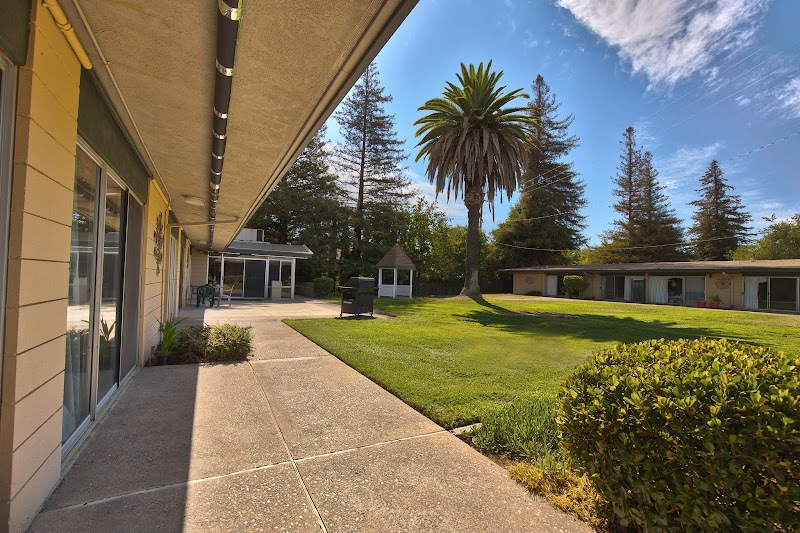
CMS rates Elk Grove Post Acute's staffing level at 4 out of 5 stars, which is above average compared to other nursing homes. Staff turnover is 20%, compared to the California average of 46%. This relatively stable workforce can support continuity of care.

What Have Inspectors Found at Elk Grove Post Acute?

State health inspectors documented 66 deficiencies at Elk Grove Post Acute during 2022 to 2025. These included: 3 that caused actual resident harm and 63 with potential for harm. Deficiencies causing actual harm indicate documented cases where residents experienced negative health consequences.

Who Owns and Operates Elk Grove Post Acute?

Elk Grove Post Acute is owned by a for-profit company. For-profit facilities operate as businesses with obligations to shareholders or private owners. The facility is operated by WINDSOR, a chain that manages multiple nursing homes. With 136 certified beds and approximately 132 residents (about 97% occupancy), it is a mid-sized facility located in ELK GROVE, California.

How Does Elk Grove Post Acute Compare to Other California Nursing Homes?

Compared to the 100 nursing homes in California, Elk Grove Post Acute's overall rating (2 stars) is below the state average of 3.1, staff turnover (20%) is significantly lower than the state average of 46%, and health inspection rating (1 stars) is much below the national benchmark.

What Should Families Ask When Visiting Elk Grove Post Acute?

Based on this facility's data, families visiting should ask: "Can I visit during a mealtime to observe dining assistance and food quality?" "How do you handle medical emergencies, and what is your hospital transfer rate?" "Can I speak with family members of current residents about their experience?"

Is Elk Grove Post Acute Safe?

Based on CMS inspection data, Elk Grove Post Acute has a clean safety record: no substantiated abuse findings (meaning no confirmed cases of resident harm), no Immediate Jeopardy citations (the most serious violation level indicating risk of serious injury or death), and is not on the Special Focus Facility watch list (a federal program monitoring the lowest-performing 1% of nursing homes). The facility has a 2-star overall rating and ranks #100 of 100 nursing homes in California. While no facility is perfect, families should still ask about staff-to-resident ratios and recent inspection results during their visit.

Do Nurses at Elk Grove Post Acute Stick Around?

Staff at Elk Grove Post Acute tend to stick around. With a turnover rate of 20%, the facility is 26 percentage points below the California average of 46%. Low turnover is a positive sign. It means caregivers have time to learn each resident's needs, medications, and personal preferences. Consistent staff also notice subtle changes in a resident's condition more quickly. Registered Nurse turnover is also low at 25%, meaning experienced RNs are available to handle complex medical needs.

Was Elk Grove Post Acute Ever Fined?

Elk Grove Post Acute has been fined $8,824 across 1 penalty action. This is below the California average of $33,167. While any fine indicates a compliance issue, fines under $50,000 are relatively common and typically reflect isolated problems that were subsequently corrected. Families should ask what specific issues led to these fines and confirm they've been resolved.

Is Elk Grove Post Acute on Any Federal Watch List?

Elk Grove Post Acute is not on any federal watch list. The most significant is the Special Focus Facility (SFF) program, which identifies the bottom 1% of nursing homes nationally based on persistent, serious quality problems. Not being on this list means the facility has avoided the pattern of deficiencies that triggers enhanced federal oversight. This is a positive indicator, though families should still review the facility's inspection history directly.