EUREKA REHABILITATION & WELLNESS CENTER, LP
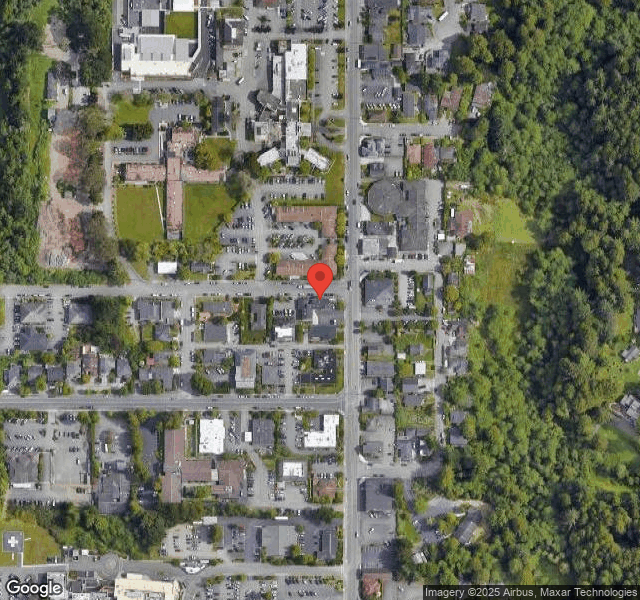
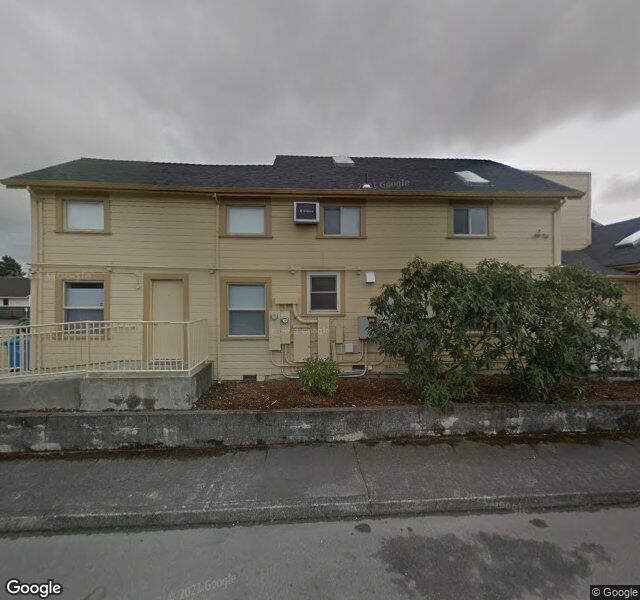
2353 TWENTY THIRD ST, EUREKA, CA 95501 (707) 445-3261
For profit - Partnership 99 Beds SHLOMO RECHNITZ Data: November 2025 1 Immediate Jeopardy citation
Trust Grade
26/100
#793 of 1155 in CA
Last Inspection: February 2025

Within standard 12-15 month inspection cycle. Federal law requires annual inspections.

Overview

Eureka Rehabilitation & Wellness Center has received a Trust Grade of F, indicating significant concerns about its care quality. Ranked #793 out of 1155 facilities in California, this places it in the bottom half, while it is #2 out of 5 in Humboldt County, meaning only one local option is better. The facility is showing signs of improvement, with the number of issues decreasing from 5 in 2024 to 4 in 2025. However, staffing is a major weakness with a poor rating of 1 out of 5 stars and a high turnover rate of 68%, which is well above the state average of 38%. Additionally, the facility has been fined $8,018, which is considered average, but concerning given the number of issues reported, including a critical finding where unsafe food storage practices could lead to foodborne illness, and a serious finding where a resident did not receive scheduled showers and proper skin care. While there is less RN coverage than 95% of state facilities, which is troubling, the overall trend suggests that the facility is taking steps to address some of its issues.

Trust Score
F
26/100
In California
#793/1155
Bottom 32%
Safety Record
High Risk
Review needed
Inspections
Getting Better
5 → 4 violations
Staff Stability
⚠ Watch
68% turnover. Above average. Higher turnover means staff may not know residents' routines.
Penalties
✓ Good
$8,018 in fines. Lower than most California facilities. Relatively clean record.
Skilled Nurses
⚠ Watch
Each resident gets only 13 minutes of Registered Nurse (RN) attention daily — below average for California. Fewer RN minutes means fewer trained eyes watching for problems.
Violations
⚠ Watch
61 deficiencies on record. Higher than average. Multiple issues found across inspections.
★★☆☆☆
2.0
Overall Rating
★☆☆☆☆
1.0
Staff Levels
★★☆☆☆
2.0
Care Quality
★★★☆☆
3.0
Inspection Score
Stable
2024: 5 issues
2025: 4 issues

The Good

  • Full Sprinkler Coverage · Fire safety systems throughout facility
  • No fines on record

Facility shows strength in fire safety.

The Bad

2-Star Overall Rating

Below California average (3.1)

Below average - review inspection findings carefully

Staff Turnover: 68%

21pts above California avg (46%)

Frequent staff changes - ask about care continuity

Federal Fines: $8,018

Below median ($33,413)

Minor penalties assessed

Chain: SHLOMO RECHNITZ

Part of a multi-facility chain

Ask about local staffing decisions and management

Staff turnover is elevated (68%)

20 points above California average of 48%

The Ugly 61 deficiencies on record

1 life-threatening 1 actual harm
Aug 2025 1 deficiency
CONCERN (D) 📢 Someone Reported This

A family member, employee, or ombudsman was alarmed enough to file a formal complaint

Potential for Harm - no one hurt, but risky conditions existed

Deficiency F0658 (Tag F0658)

Could have caused harm · This affected 1 resident

**NOTE- TERMS IN BRACKETS HAVE BEEN EDITED TO PROTECT CONFIDENTIALITY** Based on interview and record review, the facility failed to provide nursing services that met professional standards of quality...

Read full inspector narrative →
**NOTE- TERMS IN BRACKETS HAVE BEEN EDITED TO PROTECT CONFIDENTIALITY** Based on interview and record review, the facility failed to provide nursing services that met professional standards of quality for three residents (Resident 1, Resident 2, Resident 3) out of a sampled seven residents when licensed nurses did not:1. Initiate a care plan that included a recent occurrence of resident-to-resident abuse for Resident 1 and Resident 2; and,2. Conduct 72-hour monitoring following Resident 3's fall.These failures had the potential to place Resident 1, Resident 2, and Resident 3 at risk for serious harm, health deterioration and a loss of quality of life.1.A review of Resident 1's admission Record indicated Resident 1 was admitted to the facility on [DATE] with Alzheimer's Disease (a disease characterized by progressive decline in mental abilities).A review of Resident 1's care plans indicated the following:- On 10/25/24 a care plan was initiated and indicated Resident 1 had the potential to be physically aggressive related to dementia (a decline in memory, reasoning, thinking and judgement). Staff were expected to implement interventions which included monitoring Resident 1 for signs and symptoms of posing a danger to himself or others. -On 5/19/25 a care plan was initiated and indicated Resident 1 had a behavior problem with spontaneous short bursts of anger which was evidenced by striking out at other residents. Staff were expected to intervene as necessary to protect safety and rights of others and to de-escalate when behavior is triggered.A review of Resident 1's Minimum Data Set (MDS-a federally mandated assessment tool), dated 6/2/25, indicated Resident 1 had a Brief Interview for Mental Status (BIMS- an assessment used to measure cognition (a person's ability to process information and understanding)) score of 6 which indicated severe impairment. A review of Resident 2's admission Record indicated Resident 2 was admitted to the facility on [DATE] with a diagnosis of Hemiplegia and Hemiparesis (paralysis or weakness on one side of the body) following other non-traumatic intracranial hemorrhage (bleeding within the skull) affecting left non-dominant side. A review of Resident 2's MDS, dated [DATE], indicated Resident 2 had a BIMS score of 3 which indicated severe impairment. A review of Resident 1's Progress Notes dated 8/12/25 at 8 p.m., indicated Resident 1 was standing in the corner of the hallway near the double doors.[Resident 1] grabbed [Resident 2's] arm and it provoked or possible (sic) scared [Resident 2]. During an interview on 8/26/25 at 10:05 a.m., Licensed Nurse 1 (LN 1) stated she witnessed the occurrence between Resident 1 and Resident 2. She stated Resident 2 was propelling himself down the hallway near the double door entrance while Resident 1 was standing in the corner by the entrance. As Resident 2 approached the entrance, Resident 1 grabbed Resident 2's arm, scaring Resident 2. LN 1 immediately separated Resident 1 and Resident 2. During an interview on 8/26/25 at 12:10 p.m., the Director of Nursing (DON) and the Director of Staff Development (DSD) stated that staff should have created or edited care plans for Residents 1 and 2 following their occurrence. The DON and DSD confirmed no care plans were ever created or updated to reflect the occurrence; therefore, staff were provided with no guidance on appropriate interventions. 2. A review of Resident 3's admission Record indicated Resident 3 was admitted to the facility on [DATE] with a diagnosis of Metabolic Encephalopathy (a condition in which the brain function is impaired due to chemical imbalances in the body, usually resulting from liver or kidney failure). A review of Resident 3's MDS, dated [DATE], indicated Resident 3 had a BIMS score of 0 which indicated severe impairment. A review of Resident 3's Progress Notes dated 8/15/25 at 10:03 a.m., indicated Resident 3 was found on the bathroom floor, unable to state what happened when questioned by facility staff. Resident 3 was sent to the Emergency Department for evaluation and returned to the facility with a report of no injuries. During an interview on 8/26/25, at 4:10 p.m., the DON and DSD stated the a monitoring period of 72 hours was expected to be completed and documented by licensed staff for any resident with a change in condition, after the resident was evaluated and safe. The DON and DSD confirmed Resident 3 was missing 48 hours of monitoring for dates of 8/16/25 and 8/17/25. A review of facility policy titled Change in Condition, dated 8/25/22, indicated, The Licensed Nurse will document the following.update the care plan to reflect the resident's current status .A licensed nurse will document each shift for at least seventy-two (72) hours when there is a change in the residents condition.
Jun 2025 1 deficiency
CONCERN (D) 📢 Someone Reported This

A family member, employee, or ombudsman was alarmed enough to file a formal complaint

Potential for Harm - no one hurt, but risky conditions existed

Comprehensive Care Plan (Tag F0656)

Could have caused harm · This affected 1 resident

Based on observation, interview, and record review, the facility failed to accurately assess a resident's fall risk status and ensure a care plan was person-centered for one resident (Resident 1) of f...

Read full inspector narrative →
Based on observation, interview, and record review, the facility failed to accurately assess a resident's fall risk status and ensure a care plan was person-centered for one resident (Resident 1) of four sampled residents when Resident 1 was admitted to the facility with a history of falls These failures decreased the facility's ability to supervise and prevent Resident 1's fall on 5/24/25 which resulted in a right nondisplaced (not shifted out of place) distal radius (bone that is near the wrist of your lower arm) fracture (a break) to the right arm, limiting use of her dominant hand. Findings: A review of Resident 1's hospital History and Physical , dated 4/7/25 at 4:30 p.m., indicated Resident 1 fell at home and sustained a right distal femur (thigh bone) fracture. A review of Resident 1's admission record indicated Resident 1 was admitted from a local hospital on 4/14/25 for orthopedic (musculoskeletal) aftercare for a fracture of the right femur and a fracture around an internal prosthetic (artificial) knee joint. A review of Resident 1's Fall Risk Evaluation dated 4/14/25 at 6:06 p.m., indicated, Upon admission .observe the resident status in the 11 clinical condition parameters .by assigning the corresponding score which best describes the resident. If the total score is 10 or greater, the resident should be considered at HIGH RISK for potential falls. Prevention protocol should be initiated immediately and documented on the care plan. Resident 1 was assessed as a moderate risk of falls with a score of 6. A review of Resident 1's Care Plan Report dated 4/15/25 indicated Resident 1 had a goal to be free of falls . The interventions to reach her goal included: Anticipate and meet the resident's needs; ensure call light is in reach and encourage resident to use for assistance; use of bedside Commode (BSC) for facility toileting; educate the resident about safety reminders; ensure the resident is wearing appropriate footwear when mobilizing; follow facility fall protocol; and Physical Therapy (PT) and treat as ordered. A review of Resident 1's Minimum Data Set (MDS-a federally mandated resident assessment tool) dated 4/21/25, indicated Resident 1 had a Brief Interview for Mental Status (BIMS-an assessment tool used by facilities to screen and identify memory, orientation, and judgement status of the resident) score of 7 which indicated moderate cognitive (relating to processes of thinking and reasoning) impairment. A review of Resident 1's Care Plan Report dated 4/25/25 indicated Resident 1 had limited physical mobility due to her femur fracture. Resident 1's goal was to, will remain free from complications related to immobility including .fall related injury. Interventions staff were to implement to help Resident 1 reach her goal was to, .provide .assistance with mobility as needed. A review of Resident 1's Physical Therapy Treatment Encounter Report dated 5/21/25 at 6:49 p.m., indicated Resident 1 required a helper to provide partial/moderate assistance (the helper provides less than half of the effort required to help the resident complete the task) while she completed the activity of transferring from a bed to a chair. A review of Nursing Notes dated 5/24/25, at 1:30 a.m., Licensed Nurse 1 (LN 1) indicated Resident 1 had her call light on while her roommates were calling for help. After entering the room, Resident 1 was noted to be lying on her side and stated, I was pulling my pants up and slid down on my butt and landed on my arm .I think I broke my arm. It hurts so bad. A review of a hospital document titled Radiology Results dated 5/24/25, at 3:52 a.m., an X-ray of Resident 1's hand and forearm indicated a nondisplaced distal radial fracture. During a concurrent observation and interview on 6/11/25, at 2:19 p.m., Resident 1 stated she was getting up from the commode, lost her balance and fell. Resident 1 also stated her right leg was still weak and, gives out on her sometimes. During an interview on 6/11/25 at 2:57 p.m., Physical Therapy Assistant (PTA) stated Resident 1 was forgetful and believed she was too confident in her skills to transfer without assistance. The PTA stated Resident 1 needed moderate assistance while transferring from bed to chair. During an interview on 6/11/25 at 3:17 p.m., LN 1 stated Resident 1 was not a fall risk prior to the fall. LN 1 stated fall risk information was reported during shift change and it could be found in the care plan, and the resident's chart. During an interview and concurrent record review on 6/11/25 at 4:02 p.m., the Regional Quality Management Consultant (RQMC) stated care plan interventions were different for a resident that was a low risk for falls than that of a high risk fall resident, and that it was dependent upon the nursing assessment of the resident. The RMQC stated Resident 1's fall risk evaluation dated 4/14/25 was incorrect because it did not include Resident 1's fall at her home which contributed to her stay at the facility. The RQME confirmed Resident 1 should have been assessed as a high risk for falls upon admisison. The RQMC stated the facility's fall prevention protocol was a document titled Fall Prevention and Management which indicated, Assess the fall risk of each resident, implement measures to prevent a fall, and initiate a care plan that is resident specific. The RMQC confirmed this practice was not followed for Resident 1 upon admission. A review of facility policy titled Fall Management Program dated 3/13/21 indicated As part of the admission Assessment, the licensed nurse will complete a fall risk evaluation. If a fall risk factor is identified, document interventions on Resident's care plan.
Feb 2025 2 deficiencies
CONCERN (D)

Potential for Harm - no one hurt, but risky conditions existed

Deficiency F0645 (Tag F0645)

Could have caused harm · This affected 1 resident

Based on record review and interview, the facility failed to ensure a Level I Preadmission Screening and Resident Review (PASRR) accurately reflected the presence of diagnosed mental disorders for 1 (...

Read full inspector narrative →
Based on record review and interview, the facility failed to ensure a Level I Preadmission Screening and Resident Review (PASRR) accurately reflected the presence of diagnosed mental disorders for 1 (Resident #53) of 6 sampled residents reviewed for PASRR requirements. Findings included: An admission Record revealed the facility admitted Resident #53 on 04/22/2022. According to the admission Record, the resident had admission diagnoses that included depression and post-traumatic stress disorder (PTSD), both with an onset date of 04/27/2022. Resident #53's Preadmission Screening and Resident Review (PASRR) Level I Screening, completed by the Medical Records Director (MRD) on 05/13/2022, indicated the Screening Type was an Initial Preadmission Screening (PAS). Section III - Serious Mental Illness Screen, question 10 was answered no to indicate the resident did not have a diagnosed mental disorder such as depression, anxiety, panic, schizophrenia/schizoaffective disorder, psychotic, delusional, and/or mood disorder. The screening did not reflect the presence of Resident #53's diagnoses of depression or PTSD. As a result, the resident's Level I Screening was negative, and a Level II Evaluation was not required. Resident #53's medical record revealed no documented evidence that the facility had submitted a corrected Level I Screening for the resident. During an interview on 02/19/2025 at 11:07 AM, Medial Records Director (MRD) stated the Minimum Data Set (MDS) nurse was primarily responsible for the accuracy of PASRRs. During an interview on 02/19/2025 at 11:41 AM, MDS Nurse #4 stated Resident #53 had a diagnosis of PTSD when they were admitted to the facility. MDS Nurse #4 further stated that if Resident #53's Level I Screening had accurately reflected the resident's diagnosis of PTSD, it would have required a Level II Evaluation be completed. The Director of Nursing (DON) was interviewed on 02/19/2025 at 2:03 PM. The DON stated she expected staff to review all PASRRs for accuracy. The Administrator was interviewed on 02/19/2025 at 2:11 PM. The Administrator stated they expected PASRRs to be completed accurately.
CONCERN (F)

Potential for Harm - no one hurt, but risky conditions existed

Food Safety (Tag F0812)

Could have caused harm · This affected most or all residents

Based on observation, interview, and facility policy review, the facility failed to ensure food items were labeled and dated. This had the potential to affect all residents receiving meals from the di...

Read full inspector narrative →
Based on observation, interview, and facility policy review, the facility failed to ensure food items were labeled and dated. This had the potential to affect all residents receiving meals from the dietary department. Findings included: A facility policy titled, Food Storage and Handling, revised 02/29/2024, revealed the sections titled 6. Fresh Fruit Storage and 9. Fresh Vegetable Storage specified, Label and date all food items. An initial tour of the kitchen was conducted with the Dietary Manager (DM) on 02/17/2025 at 8:36 AM. The following items were observed in the reach-in refrigerator with no labels to identify what the items were or the open or use-by dates: a quart-sized bag of sliced carrots, a quart-sized bag of vegetable patties, and a covered bowl of fruit. During an interview on 02/17/2025 at 8:36 AM, DM confirmed the food items should have been dated and labeled. A follow-up tour of the kitchen was conducted with the DM on 02/19/2025 at 10:30 AM. During this tour, a gallon-sized bag of Salisbury steaks was in the reach-in freezer with no label identifying what the item was or an open or use-by date. During an interview on 02/19/2025 at 10:30 AM, the DM stated they did not have an explanation as to why the food items were not dated or labeled. During an interview on 02/19/2025 at 10:32 AM, [NAME] #2 stated all opened food items were to be labeled with open and discard-by dates. [NAME] #2 further stated that everyone was responsible for discarding non-dated and unlabeled food items. During an interview on 02/19/2025 at 10:47 AM, [NAME] #3 stated that opened food items should be labeled with the name of the product and the date the food item was opened. [NAME] #3 further stated that staff were to refer to their guideline sheet to determine the use-by dates. During an interview on 02/19/2025 at 10:59 AM, the DM stated that leftover and opened items should be labeled with an open date, description of the product, and a use-by date. During an interview on 02/19/2025 at 2:03 PM, the Director of Nursing (DON) stated that it was their expectation that all opened food items be labeled with an open date and expiration date. During an interview on 02/19/2025 at 2:11 PM, the Administrator stated they expected all food items to be properly labeled and stored.
Aug 2024 5 deficiencies 1 Harm
SERIOUS (G) 📢 Someone Reported This

A family member, employee, or ombudsman was alarmed enough to file a formal complaint

Actual Harm - a resident was hurt due to facility failures

Pressure Ulcer Prevention (Tag F0686)

A resident was harmed · This affected 1 resident

**NOTE- TERMS IN BRACKETS HAVE BEEN EDITED TO PROTECT CONFIDENTIALITY** Based on observation, interviews and record review, the facility failed to ensure one of two sampled residents (Resident 1): 1. ...

Read full inspector narrative →
**NOTE- TERMS IN BRACKETS HAVE BEEN EDITED TO PROTECT CONFIDENTIALITY** Based on observation, interviews and record review, the facility failed to ensure one of two sampled residents (Resident 1): 1. Received showers as scheduled every Sunday and Wednesday. 2. A treatment was requested and initiated once Resident 1 was noted with moisture associated skin damage (MASD, caused by prolonged exposure to various sources of moisture, including urine or stool) when he was admitted on [DATE]. 3. Treatments for pressure injury (PI, injury to skin and underlying tissue resulting from prolonged pressure on the skin) were consistently and regularly rendered per physician ' s order. 4. Resident 1 was being turned and repositioned (T&R, the movement of patients from one position to another to alleviate or redistribute any pressure) every 2 hours and more often as needed. 5. A care plan was developed (CP, a form that summarizes a resident ' s condition, current needs and treatment necessary for their care) to address Resident 1 ' s skin breakdown when he was initially admitted on [DATE]. 6. Licensed nurses (LNs) were accurately documenting the skin impairment and its location. These failures resulted in: A. Resident 1 developing a Stage 3 pressure injury on his sacrum (st 3 PI, full thickness tissue loss, subcutaneous fat may be visible, but bone, tendon, or muscle is not exposed) on 5/23/24, B. Resident 1 developing a wound infection on 5/30/24 which needed intravenous (IV, a way of giving a drug or other substance through a needle or tube inserted into a vein) antibiotics (medicines that fight bacterial infections) to be administered at the hospital, and C. Resident 1 developing a st 4 PI on his sacrum (a full thickness tissue loss with exposed bone, tendon, or muscle). Findings: A review of Resident 1 ' s face sheet (demographics) indicated Resident 1 was admitted on [DATE]. Resident 1 ' s diagnoses included muscle weakness. A review of Resident 1 ' s Minimum Data Set (MDS, a standardized assessment tool that measures health status in nursing home residents) dated 4/9/24, Brief Interview for Mental Status (BIMS, a mandatory tool used to screen and identify the cognitive condition of residents) score was 6 out of 15 indicating severely impaired cognition. Resident 1 ' s MDS dated [DATE] indicated he needed substantial assistance from staff during dressing and personal hygiene, but was dependent on staff during toileting, bathing or showering and putting on or taking off footwear. Resident 1 ' s Clinical admission dated 4/5/24 and Weekly Skin Wound assessment dated [DATE] indicated Resident 1 ' s skin was intact with no identified skin impairment. 1. A review of Resident 1 ' s shower sheet (SS) indicated that for 4/2024, Resident 1 received 1 shower out of 8 scheduled showers on 4/19/24 and 1 bed bath on 4/5/24. Resident 1 ' s SS for 5/2024 indicated Resident 1 received 0 out of 9 scheduled showers and only received 3 bed baths: on 5/1/24, 5/8/4 and 5/15/24. 2. A review of Resident 1 ' s electronic treatment administration record (ETAR, an electronic record on what, when and who provided the treatment) for 4/2024, indicated no order to regularly treat Resident 1 ' s MASD that was noted upon admission. 3.The following treatment orders for Resident 1 were missing nursing signatures indicating the treatment was administered: a. 4/2024 ETAR: Sacral foam dressing to the tail bone area as needed and the treatment nurse to follow up for further assessment every 8 hours as needed for risk of pressure injury, dated 4/12/24: -no signatures from 4/12/24-4/26/24 b. 5/2024 ETAR: apply wound dressing to coccyx topically daily for PI and wound dressing to wound bed and peri wound (around the wound) area; apply skin protectant to intact surrounding skin and cover with foam dressing, dated 5/8/24: -no signatures 5/10/24, 5/11/24, 5/12/24 c. 7/2024 ETAR: apply wound dressing, apply topical wound treatment to peri wound, apply skin barrier film to surrounding intact tissue, cover with dressing daily when treating sacral/coccyx st 4 PU, dated 7/10/24: -no signatures on 7/11/24, 7/12/24, 7/17/24, 7/18/24 d. 7/2024 ETAR: apply topical ointment to peri wound area, apply skin barrier film to surrounding tissue, apply gauze to wound bed, cover with foam dressing every day for st 4 PI, dated 7/10/24: -no signatures on 7/11/24, 7/12/24, 7/17/24, 7/18/24. 4. A review of Resident 1 ' s ETAR for 6/2024 indicated an order for turning Resident 1 every 2 hours to offload pressure on buttocks, every shift, for wound care with a start date of 6/12/24, was missing a signature on 6/30/24 morning shift. Resident 1 ' s Telemedicine Wound Assessment and Plan showed the following: -5/16/24 indicated a st 2 PI on distal sacrum. -5/23/24 indicated a st 3 PI on distal sacrum with 50% slough and 50% eschar. -6/13/24 indicated Resident 1 was hospitalized for 2 weeks due to wound infection with Methicillin Resistant Staphylococcus Aureus (MRSA, a type of bacteria that is resistant to several antibiotics) and had increased the PI to st 4 post debridement (removal of damaged tissue or foreign objects from a wound). During an interview on 8/14/24 at 9:50 a.m., the Director of Nursing (DON) stated Resident 1 had an MASD and not a PI when he was admitted to the facility on [DATE]. The DON stated Resident 1 had acquired the PI while at the facility. During an observation on 8/14/24 at 10:00 a.m., Resident 1 was lying on his back. During an observation on 8/14/24 at 12:00 p.m. Resident 1 was lying on his back. During an observation on 8/14/24 at 2:03 p.m., Resident 1 was lying on his back. During an observation on 8/14/24 at 3:55 p.m., Resident 1 was still lying on his back. During an interview on 8/14/24 at 10:41 a.m., the Infection Preventionist stated residents should be turned and repositioned (T&R) every 2 hours or more often as needed to prevent PI to develop or to prevent an existing PI to worsen. The IP stated per nursing standards, anything that was not documented meant it did not happen. The IP stated missing nurse signature on the ETAR meant a treatment wasn ' t done as ordered and could result to wound infection, wound to worsen, and decreased quality of life. The IP stated staff should initiate and follow the skin breakdown CP to decrease the risk of developing PI or worsening of PI. The IP stated weekly skin sheets and skin assessments documentation should be accurate and complete because this will track residents ' wound on whether it was progressing or deteriorating so the nurses could request a treatment that would be more appropriate to treat the residents ' wound. The IP stated it was the facility ' s policy to provide shower to the residents ' twice a week or more often as needed. The IP stated not providing showers regularly or as scheduled could result to missed skin impairment, impaired skin, wound infection and worsening of wounds. During an interview on 8/14/24 at 11:23 a.m., Certified Nursing Assistant I (CNA I) stated residents should be T&R every 2 hours and more often as needed per facility policy to prevent skin breakdown and to prevent worsening of PI. CNA I stated it was important to follow the CP to provide safe care to the residents. CNA I stated residents ' were scheduled to receive showers twice a week or more often as needed. CNA I stated refusals should be documented. CNA I stated it was important to provide showers to the residents consistently, regularly and as scheduled to ensure skin breakdown was not missed, wound does not get infected, and PI does not worsen. During an interview on 8/14/24 at 1:12 p.m., Licensed Nurse H (LN H) stated to prevent skin breakdown, residents should be T&R every 2 hours and as needed and showers should be provided twice a week to ensure skin remains free of skin breakdown. LN H stated not T&R residents every 2 hours and not providing regular showers could lead to missed skin breakdown, development of new wound or PI and wound infection. LN H stated T&R every 2 hours or more often as needed does not really happen because there ' s just not enough staff to do this task consistently. LN H stated missing nurse signature on ETAR could mean treatment was not rendered which could also contribute to worsening of wound or PI and development of wound infection. LN H stated it was important to ensure an individualized CP was initiated and followed by staff because this would provide staff an idea on how to prevent a resident from acquiring further skin impairment and worsening of PI. LN H stated it was important to ensure nurses were accurately documenting location and type of wound the resident had to ensure accurate treatment and to ensure correct treatment was rendered on the correct site. During an interview on 8/14/24 at 1:28 p.m., LN F stated Resident 1 had pain on the left side of his back, so he needs a lot of help turning on his sides. LN F stated once a resident was noted to be a high risk for skin breakdown and if a resident was noted to have a st 3 PI, a low air loss mattress (LAL, a pressure redistributing mattress) should be in place right away. LN F stated LAL mattress help to ensure pressure was distributed evenly and could prevent skin breakdown or worsening of skin breakdown. LN F stated it was still recommended to turn and reposition residents as often as needed to prevent PI to develop or worsen. LN F stated Resident 1 was dependent on staff for provision of personal care. LN F stated it was important that skin CP be initiated, be individualized and followed for residents ' safety, to prevent further skin breakdown, and to prevent development of PI. LN F stated if there were missing signature on ETAR, it meant treatment was not provided and could lead to worsening of wounds, infection and development of new wounds. LN F stated residents should receive showers twice a week regularly and as requested. LN F stated not receiving showers regularly could lead to missed skin impairment, worsening of wound or PI, wound infection and development of PI. 5. During a concurrent interview and document review on 8/14/24 at 2:05 p.m., the DON stated Resident 1 ' s Braden Scale (PI risk evaluation) score on 4/12/24 was 15, meaning he was at mild risk for skin impairment due to decreased sensory perception, very moist skin requiring linen change once every shift, only ambulates occasionally and had limited mobility, inadequate nutritional intake and potential friction and shearing. On 4/29/24, Resident 1 ' s Braden Scale score was 13 indicating moderate risk for skin impairment due to the same reasons as above and additionally Resident 1 was chair bound. The DON verified that during this time, there was no skin CP initiated for Resident 1 based on the Braden scale risk evaluation, although a skin CP should have been initiated then. The DON stated the skin CP was initiated on 5/15/24. The DON stated on 5/21/24, Resident 1 ' s Braden Scale score was 12 indicating high risk for skin breakdown. The DON verified Resident 1 was transferred to the emergency department on 5/30/24 for wound evaluation, debridement (surgical removal of devitalized or contaminated tissue) and recommendations for IV antibiotics for sacral wound with Methicillin-resistant staphylococcus aureus (MRSA, a super bug, a form of contagious bacterial infection). The DON stated she was not sure how the wound got infected. 6. On 8/14/24 at 2:35 p.m., the DON verified the information on the weekly skin and wound assessment on these dates was inaccurate: 4/5/24, indicated Resident 1 ' s skin was intact with no identified skin impairment. 4/9/24- when there was no mention of Resident 1 ' s MASD. 4/16/24, indicated Resident 1 ' s skin was intact with no identified skin impairment. 4/23/24, indicated Resident 1 ' s skin was intact with no identified skin impairment. 5/14/24, indicated Resident 1 ' s skin was intact with no identified skin impairment. 5/28/24, indicated Resident 1 ' s skin was intact with no identified skin impairment. 7/4/24, indicated Resident 1 ' s skin was intact with no identified skin impairment, however on the narrative, it indicated Resident 1 had a PI on his buttocks. 7/14/24, indicated Resident 1 ' s skin was intact with no identified skin impairment. The DON verified there were conflicting documentation on the PI site between the weekly skin/wound assessment and the telemedicine wound assessment on these dates: 6/11/24, PI site was coccyx on weekly skin/wound assessment, however on 6/13/24, the telemedicine wound assessment indicated the PI site was the distal sacrum. During a concurrent interview and document review on 8/14/24 at 2:35 p.m., the DON stated Resident 1 had MASD upon admission and it was on 5/16/24 that Resident 1 was initially seen by the wound specialist via telemedicine and the wound on the sacrum was at st 2, measuring 2.8 centimeters (cm, measure of length) by 2.0 cm by 0.2 cm. On 5/23/24, the st 2 PI on the sacrum worsened to st 3 PI measuring 3.5 cm by 2.5 cm with 50 percent slough, 50% eschar. The DON stated the deterioration of the wound probably prompted the doctor to order culture and sensitivity of the wound. The DON stated it was important nurses were documenting accurately and consistently to improve outcome for resident with wounds. The DON stated inaccurate documentation raises the issue if nurses were even looking at the wound, assessing the resident or if the nurses were assessing the residents with wound appropriately. The DON stated inaccurate wound documentations could result to inadequate patient care. During a concurrent interview and record review on 8/14/24 at 3:26 p.m., the DON verified there was no treatment order for Resident 1 ' s MASD when he was admitted on [DATE]. The DON stated the ETAR dated 5/2024 indicated the earliest treatment to the coccyx was initiated on 5/8/24. The DON stated the treatment should have been to the sacrum, which could create confusion. The DON stated nurses need further education on the correct anatomical position. The DON stated if a PI had no treatment in place, it could lead to wound to deteriorate and wound infection. The DON verified Resident 1 did not have an at risk for skin breakdown CP, and had no MASD CP. The DON verified Resident 1 did not have a PI CP created until 5/15/24. The DON stated there should absolutely be one created for Resident 1 so the nurses and CNAs could follow the plan and prevent further deterioration of wound. The DON stated not having a CP in place could contribute to wound deterioration. The DON stated the facility discovered the st 3 PI on Resident 1 ' s distal sacrum on 5/22/24 and should have transitioned to an LAL mattress then, however it was not until 5/28/24 that Resident 1 transitioned to a LAL mattress. When asked about the delay, the DON stated she was not sure why the delay. The DON stated the delay could have been detrimental to Resident 1 ' s wound healing. The DON stated residents on LAL mattress should still be T&R. The DON stated Resident 1 would still need to be T&R every 2 hours. The DON stated T&R every 2 hours was important to ensure Resident 1 ' s wound does not deteriorate and to prevent development of new PI or skin issues. The facility did not have a policy and procedure (P&P) specific for T&R, shower and ADL care. A review of the facility ' s P&P titled Pressure Injury Prevention, revised 3/30/24, the P&P indicated, .to develop a plan of care based on the residents ' risk factors, implement interventions identified in the plan of care such as T&R . A review of the facility ' s P&P titled Pressure Ulcer Management, revised 1/1/2012, the P&P indicated a resident with pressure ulcer will receive necessary treatment and services to promote healing, prevent infection and prevent new pressure ulcers from developing .CNAs will complete body checks on residents ' shower days and report unusual findings to the Licensed Nurse . A review of the facility ' s P&P titled Skin Integrity Management, revised 10/26/23, the P&P indicated, .treatment administered will be documented in the residents ' medical record The Cleveland Clinic published on 4/27/2020 on skin care where Dr. Khetarpal says We come in contact with thousands of allergens every day. Showering rinses off those allergens, as well as bacteria and viruses. Healthline published on 1/29/2019 on skin care: Poor hygiene or infrequent showers can cause a buildup of dead skin cells, dirt, and sweat on your skin. Showering too little can also trigger an imbalance of good and bad bacteria on your skin and too much bad bacteria on your skin also puts you at risk for skin infections.
CONCERN (D) 📢 Someone Reported This

A family member, employee, or ombudsman was alarmed enough to file a formal complaint

Potential for Harm - no one hurt, but risky conditions existed

ADL Care (Tag F0677)

Could have caused harm · This affected 1 resident

**NOTE- TERMS IN BRACKETS HAVE BEEN EDITED TO PROTECT CONFIDENTIALITY** Based on interviews and record reviews, the facility failed to ensure one out of two sampled residents (Resident 1) received his...

Read full inspector narrative →
**NOTE- TERMS IN BRACKETS HAVE BEEN EDITED TO PROTECT CONFIDENTIALITY** Based on interviews and record reviews, the facility failed to ensure one out of two sampled residents (Resident 1) received his showers twice a week as scheduled every Sundays and Wednesday. This failure reduced the facility ' s potential to mitigate Resident 1 ' s skin breakdown and reduced the potential for skin infection. Findings: A review of Resident 1 ' s face sheet (demographics) indicated Resident 1 was admitted on [DATE] with diagnoses which included Muscle Weakness, and Bipolar disorder (a mental health condition that causes extreme mood swings). A review of Resident 1 ' s Minimum Data Set (MDS, a standardized assessment tool) dated 4/9/24, indicated Resident 1 had a severely impaired cognition. Resident 1 ' s MDS dated [DATE] indicated he needed substantial assistance from staff during dressing and personal hygiene, but was dependent on staff during toileting, bathing or showering and putting on or taking off footwear. Resident 1 was incontinent (no control) of bowel function (eliminate feces from the body). A review of Resident 1 ' s shower sheet indicated that for 4/2024, Resident 1 only received 1 shower out of 8 scheduled showers on 4/19/24 and 1 bed bath (washing someone who is in bed) out of 8 scheduled showers on 4/5/24. A review of Resident 1 shower sheet for 5/2024 indicated Resident 1 received 0 out of 9 scheduled showers and only received 3 bed bath out of 9 scheduled showers on these dates: 5/1/24, 5/8/4 and 5/15/24. During an interview on 8/14/24 at 10:41 a.m., the Infection Preventionist (IP) stated it was the facility ' s policy to provide shower to the residents ' twice a week or more often as needed. The IP stated not providing showers regularly or as scheduled could result to missed skin impairment issues, impaired skin, wound infection and worsening of wounds. During an interview on 8/14/24 at 11:23 a.m., Certified Nursing Assistant I (CNA I) stated it was important to provide showers to the residents ' consistently, regularly, and as scheduled to ensure skin breakdown was not missed. During an interview on 8/14/24 at 1:12 p.m., Licensed Nurse H (LN H) stated to prevent skin breakdown, showers should be provided twice a week to ensure skin remains free of skin breakdown. LN H stated not providing regular showers could lead to missed skin breakdown, development of new wound or PI and wound infection. During an interview on 8/14/24 at 1:28 p.m., LN F stated residents should receive showers twice a week regularly and as requested. LN F stated not receiving showers regularly could lead to missed skin impairment, worsening of wound or PI, wound infection, and development of PI. During a concurrent interview and record review on 8/14/24 at 2:05 p.m., the Director of Nursing (DON), Resident 1 ' s physician ' s order dated 5/30/24 was reviewed. The DON stated and confirmed Resident 1 was transferred to the emergency department (ED, a hospital room or area staffed and equipped for the reception and treatment of persons requiring immediate medical care) on 5/30/24 for wound evaluation, debridement (surgical removal of devitalized or contaminated tissue) and recommendations for IV antibiotics for sacral wound with Methicillin-resistant staphylococcus aureus (MRSA, a super bug, a form of contagious bacterial infection). The facility did not have a policy and procedure (P&P) specific for shower and ADL care.
CONCERN (D) 📢 Someone Reported This

A family member, employee, or ombudsman was alarmed enough to file a formal complaint

Potential for Harm - no one hurt, but risky conditions existed

Accident Prevention (Tag F0689)

Could have caused harm · This affected 1 resident

**NOTE- TERMS IN BRACKETS HAVE BEEN EDITED TO PROTECT CONFIDENTIALITY** Based on interviews and record reviews, the facility failed to: 1.recognize signs and symptoms of Urinary Tract Infection (UTI, ...

Read full inspector narrative →
**NOTE- TERMS IN BRACKETS HAVE BEEN EDITED TO PROTECT CONFIDENTIALITY** Based on interviews and record reviews, the facility failed to: 1.recognize signs and symptoms of Urinary Tract Infection (UTI, a bacterial infection of the bladder and associated structures) and Sepsis (your body's extreme reaction to an infection) for one out of 2 sampled residents (Resident 1). This failure resulted to Resident 1 to fall on 4/25/24 which caused: A.skin tear(traumatic wounds that may result from a variety of mechanical forces such as shearing - a horizontal force that causes the bony prominence to move across the tissue as the skin is held in place, or frictional forces- the rubbing of one body against another , including blunt trauma, falls, poor handling, equipment injury) on his right elbow measuring 6.4 centimeters (cm, a measure of length) and; B.an acute comminuted right femoral intertrochanteric fracture (a comminuted fracture occurs when your bone breaks into more than three pieces, intertrochanteric fracture is when a hip breaks between the bumpy parts at the top of the thigh bone).; C.Due to this fracture, Resident 1 had undergone a short intermedullary nail fixation (a surgical procedure used to internally set and stabilize fractured bones) of the right hip intertrochanteric fracture on 4/25/24. Findings: A review of Resident 1 ' s face sheet (demographics) indicated Resident 1 was admitted on [DATE].Resident 1 ' s diagnoses included Muscle Weakness, Hyperlipidemia (HLP, too many lipids-fats in your blood) and Bipolar disorder (a mental health condition that causes extreme mood swings). A review of Resident 1 ' s Minimum Data Sheet Assessment (MDS, a standardized assessment tool that measures health status in nursing home residents) dated 4/9/24, Brief Interview for Mental Status (BIMS, a mandatory tool used to screen and identify the cognitive condition of residents) score was 6 indicating severely impaired cognition (the mental action or process of acquiring knowledge and understanding through thought, experience, and the senses). Resident 1 ' s MDS assessment dated [DATE] indicated he needed substantial assistance from staff during dressing and personal hygiene, but was dependent on staff during toileting, bathing or showering and putting on or taking off footwear. A review of Resident 1 Hospitalist Discharge Summary (DC summary, a narrative document for communicating clinical information about what happened to the patient in the hospital) dated 4/29/24 indicated Resident 1 presented to the emergency department (ED, the part of a hospital where people go when they are seriously ill or injured and need treatment) on 4/25/24 after a fall from the bed and altered mentation. The DC summary active hospital problems include Sepsis secondary to UTI and Acute Comminuted fracture of the right femur. The DC summary also indicated Resident 1 had undergone a short intermedullary nail fixation of the right hip intertrochanteric fracture on 4/25/24. A review of bilateral (both) hip X-Ray (XR, produces images of the hip) result done on 4/25/24, indicated the hip XR impression was acute comminuted right femoral intertrochanteric fracture. A review of Resident 1 Fall Risk Evaluation (assessment that checks your risk of falling) dated 4/5/24 indicated Resident 1 was a fall risk due to intermittent confusion, ambulatory and incontinence, poor vision, had a change in condition and was recently hospitalized and had balance problem while standing and walking. A review of Resident 1 ' s at risk for fall care plan (CP, specifies your health care and support needs and outlines how your provider will meet your requirements) dated 4/5/24 interventions included if a resident was a fall risk to initiate fall risk precaution, however there were no specific interventions listed to prevent or decrease Resident 1 likelihood of falling. A review of the electronic medical record, nursing progress note, laboratory test results of Resident 1 with the Director of Nursing on 8/14/24 at 1:55 p.m., indicated the Licensed Nurses (LN) were not monitoring Resident 1 for signs and symptoms of UTI and Sepsis and there was no laboratory test requested by staff to check Resident 1 for UTI. During an interview on 8/13/24 at 3:37 p.m., LN E stated UTI and Sepsis result to confusion so residents were at a higher risk of falling. LN E stated falls increased the risk for pain, hospitalization, and fractures. During an interview on 8/13/24 at 4:23 p.m., LN F stated Resident 1 was a high fall risk. During a concurrent interview and nursing progress note dated 4/21/24 to 4/25/24, hospital discharge summary note dated 4/29/24, hip XR result dated 4/25/24 on 8/14/24 at 1:55 p.m., the DON verified Resident 1 had a femoral fracture after his fall on 4/25/24. The DON stated the cause of fall was sepsis secondary to UTI. The DON verified Resident 1 had no laboratory test to check for UTI and had no change of condition or nursing progress note that Resident 1 was being monitored for signs and symptoms of UTI or Sepsis prior to Resident 1 ' s fall on 4/25/24. The DON stated the nurses missed the UTI, left untreated, had worsened to sepsis, which probably caused Resident 1 to fall. A review of the facility ' s policy and procedure (P&P) titled Fall Management Program revised 3/13/21, the P&P indicated it was the policy of the facility, . to provide residents a safe environment that minimizes complications associated with falls .a licensed nurse will conduct a new fall risk upon identification of a significant change of condition and as needed . the Interdisciplinary Team (IDT, group of professional and direct care staff that have primary responsibility for the development of care plan for an individual receiving services) and/or the licensed nurse will develop a care plan according to the identified risk factors and root cause(s). The facility did not have a P&P specific for UTI and Sepsis .
CONCERN (E) 📢 Someone Reported This

A family member, employee, or ombudsman was alarmed enough to file a formal complaint

Potential for Harm - no one hurt, but risky conditions existed

Deficiency F0725 (Tag F0725)

Could have caused harm · This affected multiple residents

**NOTE- TERMS IN BRACKETS HAVE BEEN EDITED TO PROTECT CONFIDENTIALITY** Based on interviews and record reviews, the facility failed to ensure there were adequate staff when: 1.Four out of four residen...

Read full inspector narrative →
**NOTE- TERMS IN BRACKETS HAVE BEEN EDITED TO PROTECT CONFIDENTIALITY** Based on interviews and record reviews, the facility failed to ensure there were adequate staff when: 1.Four out of four residents (Residents 2, 3, 4 and 5) complained the facility was short staffed. 2. Six out of six staff reported the facility was short staffed. 3. Based on the census (official periodic count of a population) and Direct Care Service Hours Per Patient Day (DHPPD, the minimum number of actual nursing hours performed by nursing staff per patient day), the facility did not meet the actual DHPPD for 8 out of 10 days from 4/21/24 up to 4/30/24 on these dates: 4/21/24 at 2.68, 4/22/24 at 2.63, 4/23/24 at 3.30, 4/25/24 at 3.43, 4/26/24 at 3.08, 4/27/24 at 3.35, 4/28/24 at 2.93, 4/29/24 at 2.99. These failures resulted in 1A. Resident 2 stated staff was always in a rush to complete their task and feeling unsafe that nobody could come to help her if she needed help in case of a medical emergency. 1B. Resident 3 feeling frustrated she had to wait for up to an hour for staff to answer their call light. 1C. Resident 4 feeling upset she had to wait for a long time for staff to answer their call light. 1D. Resident 5 stated the facility should [RV1] staff more so that they could provide prompt care to the residents and not always be in a rush to complete their task, feeling upset she had to wait for a long time for staff to answer her call light and feeling scared staff would not get to her on time in case of a medical emergency. Findings: A review of Resident 2 ' s face sheet (demographics) indicated Resident 2 was admitted on [DATE]. Resident 2 ' s diagnoses included muscle weakness, Chronic Pain Syndrome (CPS, long standing pain that persists beyond the usual recovery period) and General Anxiety disorder (GAD, persistent worrying or anxiety about a number of areas that are out of proportion to the impact of the events. A review of Resident 2 ' s Minimum Data Sheet Assessment (MDS, a standardized assessment tool that measures health status in nursing home residents), [RV2] Brief Interview for Mental Status (BIMS, a mandatory tool used to screen and identify the cognitive condition of residents) dated 5/31/24 score was 15 indicating intact cognition (the mental action or process of acquiring knowledge and understanding through thought, experience, and the senses). Resident 2 required assistance from staff during provision of personal care. A review of Resident 3 ' s face sheet indicated Resident 3 was admitted on [DATE]. Resident 3 ' s diagnoses included muscle weakness, Muscle Dystrophy (a group of diseases that cause progressive weakness and loss of muscle mass). A review of Resident 3 ' s MDS BIMS dated 6/13/14 score was 15 indicating intact cognition. Resident 3 required assistance from staff during provision of personal care. A review of Resident 4 ' s face sheet indicated Resident 4 was admitted on [DATE]. Resident 4 ' s diagnoses included Multiple Sclerosis (MS, condition that can affect the brain and spinal cord, causing a wide range of potential symptoms, including problems with vision, arm or leg movement, sensation or balance), Hyperlipidemia (HLP, too many lipids-fats in your blood), and Essential Hypertension (HTN, high blood pressure). A review of Resident 4 ' s MDS BIMS dated 3/15/24 score was 10 indicating moderately impaired cognition. Resident 4 required assistance from staff during provision of personal care. A review of Resident 5 ' s face sheet indicated Resident 5 was admitted on [DATE]. Resident 5 ' s diagnoses included CPS, HLP, and HTN. A review of Resident 5 ' s MDS BIMS dated 8/18/24 score was 15 indicating intact cognition. Resident 5 required assistance from staff during provision of personal care. During an interview on 8/13/24 at 1:25 p.m. Certified Nursing assistant A (CNA A) and staffing coordinator (SC) stated she does not really use any guideline when staffing but rather she just uses her brain and personal judgement when staffing the facility. CNA A stated the facility aimed to reach the 3.5/2.4-mark PPD. CNA A stated she was aware the facility was not meeting this PPD mark which meant they were short staffed. CNA A stated that short staffing put residents ' safety at risk and could result to accidents, injury, falls and elopements. During an interview on 8/13/24 at 2:20 p.m., CNA C stated the facility was short staffed[RV3] (not enough staff were on the floor to care for the residents at the facility). CNA C stated short staffing was a safety risk for the residents. CNA C stated short staffing increased the residents ' risk for falls, injuries, and elopement. CNA C stated short staffing made it difficult for staff to complete their task and to provide safe care to the residents. During an interview on 8/13/ at 2:43 p.m., CNA G stated the facility was short staffed[RV4] . CNA G stated short staffing made it difficult to complete their task. CNA G stated short staffing was a safety risk for the residents. CNA G stated short staffing could lead to falls, accidents, not providing quality care and care not being provided at all. CNA G stated a lot of falls could have been prevented if the facility had adequate staff. During an interview on 8/13/24 at 3:37 p.m., Licensed Nurse (LN) E stated the facility was not adequately staffed (not enough staff were on the floor to care for the residents in the facility).[RV5] LN E stated it was dangerous to not have enough staff because it increased the residents ' risk for falls, accidents, injuries, and elopements. During an interview on 8/13/24 at 3:56 p.m. Resident 2 stated the facility was short staffed. Resident 2 stated staff would always be in a rush to complete their task. Resident 2 stated staff would answer call light between 30 minutes up to an hour because the facility did not have enough staff to care for the residents at the facility. Resident 2 stated she felt unsafe that nobody would come to help her if she needed help in case of a medical emergency. During an interview on 8/13/24 at 4:23 p.m., LN F stated the facility was short staffed. LN F stated sometimes each CNAs have up to 15 residents to care for in the morning shift. LN F stated this was hard because most resident at the facility were dependent on staff and requires 2 persons assist. LN F stated weekend staffing were harder. LN F stated short staffing poses a safety risk for the residents as it could lead to increased risk for falls, late response to call lights, accidents, and skin injuries. During an interview on 8/13/24 at 4:12 p.m., Resident 3 stated the facility was short staffed. Resident 3 stated the staff would often tell her they were short staffed when she asked them why it took them a long time to answer her call light. Resident 3 stated the facility need to staff more. Resident 3 stated it was frustrating to be waiting for up to an hour for staff to answer their call light. During an interview on 8/13/24 4:22 p.m., Resident 4 stated the facility was short staffed. Resident 4 stated staff would tell her that sometimes they had up to 15 residents to care for on their shift. Resident 4 stated she wished the facility would staff more so they could provide prompt care to the residents and not always be in a rush to complete their task. Resident 4 stated it was upsetting to be waiting for a long time for staff to answer their call light. Resident 4 stated staff were not prompt in answering their call for help. Resident 4 stated it was because the facility was short staffed. During an interview on 8/13/24 at 5:24 p.m., Resident 5 stated the facility was short staffed. Resident 5 stated they had to wait for a long time before staff answers their call light. Resident 5 stated staff would tell them they could not answer call light right away because they were short staffed. Resident 5 stated she felt frustrated and sometimes upset when she had to wait for a long time for staff to answer her call light. Resident 5 stated she also felt scared staff would not get to her on time in case of a medical emergency. During an interview on 8/14/24 at 1:12 p.m., LN H stated the facility was understaffed. LN H stated each nurse had about 31 residents under their care, and CNAs had about 15 residents each if they only have 2 CNAs on their wing. LN H stated majority of the residents were needing 2 persons assist, were dependent on staff for feeding and requires constant supervision for their safety. During an interview on 8/14/24 at 2:03 p.m., the Director of Nursing (DON) stated she was aware the facility was short staffed and was worried residents would not receive the care that they need. A review of the Census and Direct Care Service Hours Per Patient Day (DHPPD) indicated the Actual DHPPD was not met for 8 out of 10 days from 4/21/24 up to 4/30/24 on these dates: 4/21/24 at 2.68, 4/22/24 at 2.63, 4/23/24 at 3.30, 4/25/24 at 3.43, 4/26/24 at 3.08, 4/27/24 at 3.35, 4/28/24 at 2.93, 4/29/24 at 2.99. A review of the facility ' s policy and procedure (P&P) titled Nursing Department- Staffing, Scheduling & Postings, revised 7/2018, the P&P indicated, .each facility will employ sufficient nursing staff to provide a minimum daily average of 3.5 nursing hours per patient day .
CONCERN (E) 📢 Someone Reported This

A family member, employee, or ombudsman was alarmed enough to file a formal complaint

Potential for Harm - no one hurt, but risky conditions existed

Deficiency F0726 (Tag F0726)

Could have caused harm · This affected multiple residents

**NOTE- TERMS IN BRACKETS HAVE BEEN EDITED TO PROTECT CONFIDENTIALITY** Based on interviews and record reviews, the facility failed to ensure licensed nurses have the competencies necessary in providi...

Read full inspector narrative →
**NOTE- TERMS IN BRACKETS HAVE BEEN EDITED TO PROTECT CONFIDENTIALITY** Based on interviews and record reviews, the facility failed to ensure licensed nurses have the competencies necessary in providing care for the residents when: 1.Licensed Nurses (LNs) were not accurately documenting the skin impairment and its location for one out of two sampled residents (Resident 1). 2. LNs failed to recognize signs and symptoms of Urinary Tract Infection (UTI, a bacterial infection of the bladder and associated structures) and Sepsis (your body's extreme reaction to an infection) for one out of 2 sampled residents (Resident 1). These failures: 1A. resulted to inaccurate documentation as to the exact location and status of Resident 1 ' s pressure injury (PI, breakdown of skin integrity due to pressure). 2B. resulted to Resident 1 ' s fall on 4/25/24 causing an acute comminuted right femoral intertrochanteric fracture (a comminuted fracture occurs when your bone breaks into more than three pieces, intertrochanteric fracture is when a hip breaks between the bumpy parts at the top of the thigh bone). 2C. Dueto this fracture, Resident 1 had undergone a short intermedullary nail fixation (a surgical procedure used to internally set and stabilize fractured bones) of the right hip intertrochanteric fracture on 4/25/24. Findings: A review of Resident 1 ' s face sheet (demographics) indicated Resident 1 was admitted on [DATE]. Resident 1 ' s diagnoses included Muscle Weakness, Hyperlipidemia (HLP, too many lipids-fats in your blood) and Bipolar disorder (a mental health condition that causes extreme mood swings). A review of Resident 1 ' s Minimum Data Set (MDS, a standardized assessment tool that measures health status in nursing home residents)[VR3] dated 4/9/24, Brief Interview for Mental Status (BIMS, a mandatory tool used to screen and identify the cognitive condition of residents) score was 6 indicating severely impaired cognition. 1. During an interview on 8/14/24 at 10:41 a.m., the Infection Preventionist (IP) stated weekly skin sheets and skin assessments documentation should be accurate and complete because this will track residents ' wound on whether it was progressing or deteriorating and so the nurses could request a treatment that would be more appropriate to treat the residents ' wound. The IP stated inaccurate wound documentation results to poor communication between staff and the doctor and was a potential for medical error. During an interview on 8/14/24 at 1:12 p.m., Licensed Nurse H (LN H) stated it was important to ensure nurses were accurately documenting location and type of wound the resident have to ensure accurate treatment and to ensure correct treatment was rendered on the correct site. During a concurrent interview , weekly skin/wound assessment and telemedicine wound assessment and plan record review on 8/14/24 at 2:35 p.m., the DON, while reviewing the weekly skin/wound assessment and telemedicine wound assessment and plan, stated, it was important nurses were documenting accurately and consistently to improve outcome for resident with wounds. The DON stated inaccurate documentation raises the issue if nurses were even looking at the wound, assessing the resident or if the nurses were assessing the residents with wound appropriately. The DON stated inaccurate wound documentations could result to inadequate patient care. During a concurrent interview, weekly skin/wound assessment and telemedicine wound assessment and plan record review on 8/14/24 at 2:35 p.m., the DON verified the information on the weekly skin and wound assessment on these dates were inaccurate : 4/5/24, indicated Resident 1 ' s skin was intact with no identified skin impairment. 4/9/24- when there was no mention of Resident 1 ' s MASD. 4/16/24, indicated Resident 1 ' s skin was intact with no identified skin impairment. 4/23/24, indicated Resident 1 ' s skin was intact with no identified skin impairment. 5/14/24, indicated Resident 1 ' s skin was intact with no identified skin impairment. 5/28/24, indicated Resident 1 ' s skin was intact with no identified skin impairment. 7/4/24, indicated Resident 1 ' s skin was intact with no identified skin impairment, however on the narrative portion of the weekly skin/wound assessment, it indicated Resident 1 had a PI on his buttocks. 7/14/24, indicated Resident 1 ' s skin was intact with no identified skin impairment. The DON verified there were inaccurate documentation the PI site between the weekly skin/wound assessment and the telemedicine wound assessment on these dates: 6/11/24, PI site was coccyx on weekly skin/wound assessment, however on 6/13/24, the telemedicine wound assessment indicated the PI site was the distal sacrum. During a concurrent interview, and review of electronic treatment administration record (ETAR, digital version that tracks which treatment was rendered to a resident) dated 4/2024 and 5/2024 record review on 8/14/24 at 3:26 p.m., with the DON, the DON verified the ETAR dated 5/2024 indicated the earliest treatment to the coccyx was initiated on 5/8/24. The DON stated the treatment should have been to the sacrum. The DON stated the nurses need further education on the correct anatomical position. 2. A review of the electronic medical record, nursing progress note, laboratory test results of Resident 1 with the Director of Nursing, indicated the Licensed Nurses (LN) were not monitoring Resident 1 for signs and symptoms of UTI and Sepsis and there was no laboratory test requested by staff to check Resident 1 for UTI. During a concurrent interview and record review with the DON, nursing progress note dated 4/21/24 to 4/25/24, hospital discharge summary note dated 4/29/24, hip XR result dated 4/25/24 on 8/14/24 at 1:55 p.m. were reviewed. The DON verified Resident 1 had a femoral fracture after his fall on 4/25/24. The DON stated the cause of fall was sepsis secondary to UTI. The DON verified Resident 1 had no laboratory test to check for UTI and had no change of condition or nursing progress note that Resident 1 was being monitored for signs and symptoms of UTI or Sepsis prior to Resident 1 ' s fall on 4/25/24. The DON stated the nurses missed the UTI, left untreated, had worsened to sepsis, which caused Resident 1 to fall. During an interview on 8/14/24 at 10:41 a.m., the Infection Preventionist (IP) stated Sepsis occurs when there ' s bacteria and you don ' t catch it early enough to treat it with antibiotic and the infection worsen. The IP stated untreated UTI could result to sepsis could be a life-threatening condition. The IP stated sepsis and UTI increased the risk for falls, injuries, and hospitalization. When asked, the facility did not provide a policy specific for resident care with UTI and Sepsis. The [NAME] Journal titled Management of Sepsis and Septic Shock (a severe drop in blood pressure, progression to septic shock raises the risk of death, focusing on sepsis identification, medical emergency, necessitating urgent assessment and treatment. When asked, the facility did not provide a specific policy on assessment and accurate documentation. The American Nurses Association (ANA, national professional organization that promotes and protects the welfare of nurses in their work settings) indicated these principles for nursing documentation: clear, accurate, and accessible documentation as an essential element of safe, quality, and evidence-based nursing practice.
Dec 2023 1 deficiency
CONCERN (D) 📢 Someone Reported This

A family member, employee, or ombudsman was alarmed enough to file a formal complaint

Potential for Harm - no one hurt, but risky conditions existed

Report Alleged Abuse (Tag F0609)

Could have caused harm · This affected 1 resident

**NOTE- TERMS IN BRACKETS HAVE BEEN EDITED TO PROTECT CONFIDENTIALITY** Based on observation, interview, and record review, the facility failed to report an allegation of abuse, in accordance with fac...

Read full inspector narrative →
**NOTE- TERMS IN BRACKETS HAVE BEEN EDITED TO PROTECT CONFIDENTIALITY** Based on observation, interview, and record review, the facility failed to report an allegation of abuse, in accordance with facility policy and procedure and with state law, for one resident (Resident 1), when the facility did not notify the appropriate agencies such as California Department of Public Health (CDPH), Local law enforcement, and Ombudsman of a potential allegation of abuse, within the required timeframe. This failure had the potential for the alleged abuse to continue and did not allow the appropriate agencies to investigate the allegations. Findings: A review of Resident 1's face sheet (admission record) indicated Resident 1 was a [AGE] year-old female admitted to the facility on [DATE], with a medical diagnosis that included: Chronic obstructive pulmonary disease (COPD, a lung disease that makes it hard to breathe), metabolic encephalopathy (an alteration in consciousness due to brain dysfunction), Wernicke's encephalopathy (a degenerative brain disorder caused by the lack of vitamin B1), Spondylolysis, Lumbar region (a stress fracture through the pars interarticularis of the lumbar vertebrae), and Pleural Effusion (A buildup of fluid between the tissues that line the lungs and the chest) . Resident 1 had a Brief Interview for Mental Status (BIMS) score of 13, (BIMS score ranges 0 to 7 suggests severe cognitive impairment, 8 to 12 points suggests moderate cognitive impairment and 13 to 15 points suggests cognition is intact). During a telephone interview on 10/11/23 at 9:20 a.m., the Ombudsman stated she had been working with Resident 1 and the facility since hearing about complaints, starting in July, prior to the current abuse allegation reported on 10/6/23. During an interview on 10/11/23 at 10:30 a.m., the Administrator was asked about the abuse allegations for Resident 1 and when they occurred. The Administrator stated the current allegations of, rough handling, were reported and investigated on 10/4/23, when Resident 1 reported five incidences of rough handling by staff. During an interview on 10/11/23 at 11:15 a.m., Resident 1 stated the care was sometimes good and sometimes not good. Resident 1 stated she did not feel safe, and the CNAs smacked her foot into the closet. When asked, Resident 1 did not specify when the incident occurred. During a telephone interview on 12/5/23 at 2 p.m., the Administrator was asked for the time frame when the allegations of rough handling started and the policy and procedure for abuse reporting. An email was received on 12/6/23, indicating an incident involving three Certified Nursing Assistants (CNAs) was brought to an Interdisciplinary Team Meeting (IDT) on 08/08/23, and was reviewed. Education was provided to the staff, but the incident was not presented as an abuse allegation (no documentation was provided for the IDT meeting on 8/8/23). The facility policy and procedure titled, Abuse-Prevention, Screening, & Training Program, revised July 2018, indicated, Abuse is defined as the willful, deliberate infliction of injury .mistreatment, and injuries of unknown source or punishment with resulting physical harm, pain, or mental anguish. Injury of unknown source, is defined as an injury that meets both of the following conditions: 1. The source of the injury was not observed by any person . and; 2. The injury is suspicious because of the extent of the injury, the location of the injury . The State of California - Health and Human Services Agency-SOC 341 A, Statement Acknowledging Requirement to Report Suspected Abuse of Dependent Adult/ Elders, form indicated, Reporting Responsibilities and Time Frames: Any mandated reporter . within the scope of his or her employment, has observed or has knowledge of an incident that reasonably appears to be abuse or neglect, is told by an elder or dependent adult that he or she has experienced behavior constituting abuse or neglect . shall complete SOC 341 . for each report of known or suspected instance of abuse . Reporting shall be completed as follows: .report by telephone to the local law enforcement agency immediately and no later than two (2) hours after observing, obtaining knowledge of, or suspecting physical abuse.
Jul 2023 1 deficiency
CONCERN (D) 📢 Someone Reported This

A family member, employee, or ombudsman was alarmed enough to file a formal complaint

Potential for Harm - no one hurt, but risky conditions existed

Deficiency F0914 (Tag F0914)

Could have caused harm · This affected 1 resident

**NOTE- TERMS IN BRACKETS HAVE BEEN EDITED TO PROTECT CONFIDENTIALITY** Based on observation and interview, the facility failed to ensure three of 17 sampled resident beds provided full visual privacy...

Read full inspector narrative →
**NOTE- TERMS IN BRACKETS HAVE BEEN EDITED TO PROTECT CONFIDENTIALITY** Based on observation and interview, the facility failed to ensure three of 17 sampled resident beds provided full visual privacy to the residents when the beds' privacy curtains did not operate properly. This failure had the potential for residents not to have full visual privacy. Findings: During an observation on 7/26/23, at 10:35 a.m., Certified Nursing Assistants (CNAs) A and B were providing care to Resident 1 in her room. Resident 1 shared the room with three other residents. CNAs A and B had difficulty deploying the privacy curtain around Resident 1 ' s bed. The curtain, suspended from the ceiling and running across a metal tubing rail, became stuck in the rail or fell off the rail when CNAs A and B tried to deploy it around Resident 1's bed. During a concurrent interview, CNAs A and D stated this was a common problem at the facility and other beds had the same problem. During an observation on 7/26/23, at 2:05 p.m., with the Director of Maintenance (DM), the privacy curtains of two of 16 beds: Bed B in room [ROOM NUMBER] and Bed D in room [ROOM NUMBER], could not be completely closed because they got stuck in the rail and/or fell off the rail during deployment around the beds. During a concurrent interview on 7/26/23, at 2:05 p.m., Resident 2, who was the President of the facility ' s Resident Council (a representative group of residents that meets monthly and discusses quality of life and care at the facility), stated privacy curtains getting stuck or not being able to close around resident beds was a pervasive problem at the facility. A review of facility policy titled Maintenance Service, undated, indicated The Maintenance Department maintains all areas of the building, grounds, and equipment.
Jun 2023 1 deficiency
CONCERN (D) 📢 Someone Reported This

A family member, employee, or ombudsman was alarmed enough to file a formal complaint

Potential for Harm - no one hurt, but risky conditions existed

ADL Care (Tag F0677)

Could have caused harm · This affected 1 resident

**NOTE- TERMS IN BRACKETS HAVE BEEN EDITED TO PROTECT CONFIDENTIALITY** Based on observation, interview, and record review, the facility failed to ensure dignity was maintained and care needs were met...

Read full inspector narrative →
**NOTE- TERMS IN BRACKETS HAVE BEEN EDITED TO PROTECT CONFIDENTIALITY** Based on observation, interview, and record review, the facility failed to ensure dignity was maintained and care needs were met for one resident (Resident 1) when the resident was left in a soiled brief for a prolonged period-of-time. This failure caused the resident distress, to feel uncomfortable, and diminish her psychosocial well-being. Findings: Resident 1 was a [AGE] year-old female admitted to the facility in August 2019 with Cerebral Infarction (stroke, a result of disrupted blood flow to the brain due to problems with the blood vessels that supply it). Resident 1 had a history of coronary artery disease (CAD), Peripheral Vascular Disease (PVD), Unspecified Psychosis, Hemiplegia and Hemiparesis (Muscle weakness or partial paralysis on one side of the body) affecting the resident ' s left non-dominate side, Hyperlipidemia, and Major Depressive Disorder. During a review of the clinical record for Resident 1, the Minimum Data Set (MDS, a comprehensive assessment tool) quarterly review, dated 4/26/23, indicated Resident 1 had a Brief Interview for Mental Status (BIMS) score of 13 (a score of 13-15 suggests the patient was cognitively [process of thinking and understanding] intact). The Functional Status (section G) of the MDS quarterly, dated 4/26/23, indicated Resident 1 was totally dependent on staff for toileting, personal hygiene, and movement from the bed to a wheelchair requiring a 1-person physical assist for these care needs. During an observation and concurrent interview on 5/12/23, Resident 1 was lying in bed awake and alert and responded to questions asked, the resident was asked if any of the staff yelled at her and told her to be quiet. Resident 1 denied any type of verbal mistreatment from the staff. The resident did complain that she had to sit in her poop ' on the night shift and the staff did not come and change her until the morning. Resident 1 stated the nurse gave her a suppository and the staff did not come to check her until the next morning. Resident 1 stated CNA-B came in the morning and told the resident she was in a mess and cleaned her up. The resident stated she was so uncomfortable; when she pressed the call bell sometimes the staff would come and sometimes it took a long time. Resident 1 stated she did not have any other complaints except the food was horrible, tasted bad, and was not cooked correctly; the meat was always over cooked. When asked if the resident gets out of bed, Resident 1 stated sometimes she sits in the chair, but it hurts her back. Resident 1 stated she does see a physician regularly on Thursday ' s. Resident 1 stated she wanted to go home and did not like being at the facility. During an interview on 5/11/23, at 3:15 p.m., Resident 2 was sitting in a chair next to her bed. When asked how her care was, Resident 2 stated the care is good there seemed to be a lot of favoritism in the facility with certain residents. Resident 2 verified that Resident 1 had to lay in a soiled brief on the night shift. Sometimes the facility was short staffed, she felt the night CNA was stressed and in a hurry that night and he made some mistakes. Resident 2 stated it ' s not right to leave residents wet, the staff were supposed to check residents every 2 hours. Resident 2 stated she does get her needs met and the care on nights was usually pretty good, but sometimes when the facility was short staffed like about 1-week ago, there was only one CNA on the night shift. Resident 2 stated the complaint she had was the facility cut the food budget and she did not get snacks any more just (graham crackers, saltines, pudding, and a banana sometimes). During an interview on 5/11/23, at 3:20 p.m., Resident 3 was sitting in her wheelchair in the hallway, she stated she fell at home and hurt herself. Resident 3 stated she had an x-ray, and she had a cracked bone. Resident 3 stated the care was good and the food was ok. Resident 3 stated she did a lot herself and the staff treated her well and answered her call light. The resident stated she called for help just for safety. During an interview on 5/11/23, at 3:45 p.m., CNA-A was asked if the facility was short staffed. She stated sometimes we are short, if extra help is needed there are staff that will come and help. CNA-A stated she worked 12-hour shifts, the staff tried their best and everyone helped each other. When asked if she observed any staff yelling at or mistreating residents, she stated No. During an interview on 5/11/23, at 17:00 p.m., CNA-B stated when she came in for her shift in the morning Resident 1 was lying in a dirty brief CNA-B assisted the resident and cleaned her up. Resident 1 told CNA-B that she was given a suppository and the staff did not come back to check her and she was lying in stool for a long time. CNA-B stated residents that wear briefs should be checked by the staff every 2-hours or as needed. CNA-B stated Resident 1 drinks a lot of cranberry juice and may need more frequent checks. CNA-B was asked if she saw any staff yell or mistreat the residents in anyway. CNA-B stated Resident 1 had periods of confusion at times and often refused to take her medications, but she had not seen any of the staff mistreat Resident 1 or any other residents poorly. Review of the facility policy & procedure titled Incontinence Care revised 9/1/2014, indicated, Purpose: to enable resident to retain their dignity. Policy: Residents who are incontinent of urine, feces, or both, will be kept clean, dry, and comfortable.
May 2023 1 deficiency
CONCERN (D) 📢 Someone Reported This

A family member, employee, or ombudsman was alarmed enough to file a formal complaint

Potential for Harm - no one hurt, but risky conditions existed

Report Alleged Abuse (Tag F0609)

Could have caused harm · This affected 1 resident

**NOTE- TERMS IN BRACKETS HAVE BEEN EDITED TO PROTECT CONFIDENTIALITY** Based on observations, interviews and record review, the facility failed to implement policies and procedures for reporting Inju...

Read full inspector narrative →
**NOTE- TERMS IN BRACKETS HAVE BEEN EDITED TO PROTECT CONFIDENTIALITY** Based on observations, interviews and record review, the facility failed to implement policies and procedures for reporting Injuries of Unknown Source when the facility staff did not know what was injury of unknown source, the staff did not know the reporting requirements for injuries of unknown Source and when then the local law enforcement was not notified of the injuries of unknown source for one out of three sampled residents (Resident 1). These failures could compromise resident ' s safety. Findings: During a review of Resident 1 ' s face sheet (demographics), it indicated Resident 1 was [AGE] years old, admitted to the facility on [DATE]. Her diagnoses included Right Femur Fracture (a break in the thighbone), Dementia (the loss of cognitive functioning — thinking, remembering, and reasoning — to such an extent that it interferes with a person's daily life and activities), and Anxiety (an emotion characterized by feelings of tension, worried thoughts). Her Minimum Data Sheet Assessment (MDS- a federally mandated process for clinical assessment of all residents in Medicare or Medicaid certified nursing homes),dated 2/17 23, section G- Functional Status indicated she needed an extensive assistance of 1 staff for her Activities of Daily Living (ADL-tasks of everyday life. Basic ADLs include eating, dressing, getting into or out of a bed or chair, taking a bath or shower, and using the toilet. Resident 1 was totally dependent on staff for toilet use. During an interview on 4/11/23 at 9:40 a.m. the Administrator and the Director of Nursing (DON) verified Resident 1 had a diagnosis of left subcapital (neck) femur fracture on 3/31/23 when Resident 1 was sent to the imaging center following a complaint of pain and inability to participate in rehabilitation services. The Administrator and the DON stated the facility was not able to determine why Resident 1 ended up with left femur fracture. The Administrator and the DON stated Resident 1 did not have a fall on the day she was diagnosed with left femur fracture. During an interview on 4/11/23 at 10:30 a.m., Licensed Staff A stated she was not aware of the facility ' s policy and procedure (P&P) on injury of unknown source. Licensed Staff A stated she was not aware of the reporting protocol for injury of unknown source. Licensed Staff A was not able to verbalize what was considered an injury of unknown source. Licensed A stated not knowing what was considered as injury of unknown source, not knowing the facility ' s P&P for injury of unknown source and not knowing the reporting protocol for injury of unknown source could put residents ' safety at risk. During an interview on 4/11/23 at 10:54 a.m., Licensed Staff B stated she was not aware of the facility ' s P&P for injury of unknown source. Licensed Staff B stated she was not aware of the reporting parameters for injury of unknown source. Licensed Staff B was not able to verbalize what constitutes an injury of unknown source. Licensed Staff B was not aware about reporting time frame or who should injury of unknown source should be reported to. Licensed Staff B stated not knowing these things could compromise resident safety and could lead to unreported incidents. During an interview on 4/11/23 at 11:01 a.m., Unlicensed Staff C stated she was not aware of the facility ' s P&P for injury of unknown source. Unlicensed Staff C stated she was not aware of what was considered an injury of unknown source. Unlicensed Staff C stated she was not aware of who she would report an injury of unknown source to. Unlicensed Staff C stated she was also not aware of the reporting time frame for injury of unknown source. Unlicensed Staff C stated not knowing what, when and whom injuries of unknown source should be reported to could put residents at risk for injuries or accidents. During an interview on 4/11/23 at 11:24 a.m., the DON verified that on 3/31/23, Resident 1 was supposed to be having a therapy session with the Physical Therapist (PT), however, Resident 1 was unable to participate due to pain. The DON stated Licensed Staff D assessed Resident 1whom she noted was in pain and had mild swelling of the left hip. The DON stated the physician was immediately notified, and an Xray (imaging that creates pictures of the inside of your body) was ordered. The DON stated the result of the Xray came back on 3/31/23, with the impression of a displaced left femur fracture. The DON stated she had interviewed Resident 1 ' s roommates, Resident 2,Resident 3 and another roommate who had since been discharged from the facility. The DON stated during her interviews with Resident 1 roommates, they stated they never saw Resident falling nor had they seen her on the floor on 3/31/23. The DON stated she also interviewed staff (Licensed Staff E and Unlicensed Staff F) that cared for Resident 1 on the night until the early morning of 3/31/23. The DON stated both staff reported no fall incidents or unusual incidents occurred on their shift. Both staff stated Resident 1 did not fall. The DON stated since the cause of the left femoral fracture was undetermined, the facility followed it ' s P&P for reporting unknown source of injury. The DON verified this incident was reported to both the state and the Ombudsman. The DON verified this incident was not reported to the local law enforcement. The DON did not respond when asked why this incident was not reported to the local law enforcement. During an interview on 4/19/23 at 12:49 p.m., Unlicensed Staff F verified Resident 1 was under her care when she worked night shift on 3/31/23. Unlicensed Staff F stated Resident 1 had no incidents during her shift and Resident 1 did not fall during her shift on 3/31/23. Unlicensed Staff F stated Resident 1 was asleep on her bed when she was doing her rounds. On 4/19/23 at 12:59 p.m., the Administrator sent an email verifying the local law enforcement was not notified of Resident 1 ' s injury of unknown source incident. During a telephone interview on 4/19/23 at 3:26 p.m., Unlicensed Staff F was not able to verbalize what an injury of unknown source meant except that the injury ' s cause was undetermined. Unlicensed Staff F stated she was not aware of the facility ' s P&P for injury of unknown source. Unlicensed Staff F was not able to verbalize who she would be reporting the injury of unknown cause incidents aside from the charge nurse. Unlicensed Staff F stated she was not aware of the reporting time frame for injury of unknown source. Unlicensed Staff F stated not knowing the facility ' s P&P for injury of unknown source and not knowing what, when and whom incidents of injury of unknown source could lead to compromised resident safety. During a telephone interview with the Administrator on 4/11/23 at 4:30 p.m., the Administrator stated Resident 1 ' s injury of unknown source incident was not reported to the local law enforcement because they followed the facility ' s policy for injury of unknown source. The Administrator stated the policy did not state this was reportable to local law enforcement. During a review of facility ' s P&P, titled Injury of Unknown Origin-Investigation, undated, the P&P indicated for injury of unknown source, 2 criteria ' s must be met 1)the source of the injury was not observed by any person, or the source of injury could not be explained by the resident 2)the injury was suspicious because of the extent of the injury, the location of the injury was not generally vulnerable to trauma incidence of trauma overtime. The facility ' s P&P did not indicate whom injuries of unknown source should be reported to and it did not indicate reporting time frames as well. During a review of tag F609, the regulation indicated the facility must report alleged violations related to mistreatment, exploitation, neglect, or abuse, including injuries of unknown source and misappropriation of resident property and report the results of all investigations to the proper authorities within prescribed timeframes.
Apr 2023 1 deficiency
CONCERN (D) 📢 Someone Reported This

A family member, employee, or ombudsman was alarmed enough to file a formal complaint

Potential for Harm - no one hurt, but risky conditions existed

Pharmacy Services (Tag F0755)

Could have caused harm · This affected 1 resident

**NOTE- TERMS IN BRACKETS HAVE BEEN EDITED TO PROTECT CONFIDENTIALITY** Based on observation, interview and record review, the facility failed to provide pharmaceutical services to meet resident needs...

Read full inspector narrative →
**NOTE- TERMS IN BRACKETS HAVE BEEN EDITED TO PROTECT CONFIDENTIALITY** Based on observation, interview and record review, the facility failed to provide pharmaceutical services to meet resident needs for one of three residents (Resident 1) when the facility ran out of the medication Eliquis (a blood thinner to prevent blood clots) prescribed to Resident 1. The failure to timely re-order Eliquis for Resident 1 and ensure sufficient supply of the medication resulted in Resident 1 missing two consecutive doses of Eliquis compromising the efficacy of Resident 1's medication regimen. Findings: A review of Resident 1's face sheet indicated she was admitted to the facility on [DATE] with a history of venous thrombosis and embolism (blood clots). A review of Resident 1's physician orders indicated order dated 1/30/23 as follows Eliquis Oral Tablet 2.5 mg [milligrams] Give 2.5 mg by mouth two times a day for DVT [Deep Venous Thrombosis] (to prevent blood clots). During an observation of the medication cart for Resident 1 on 3/7/23, at 10 a.m., with the Director of Nursing (DON), the punch cards containing Resident 1's Eliquis were empty. The DON searched the medication cart and stated there was no Eliquis available for Resident 1. The DON stated Resident 1's Eliquis had either not been re-ordered by the facility or the pharmacy failed to timely deliver it. The DON confirmed Resident 1 had a current order for Eliquis and should be receiving it twice a day. During an interview on 3/7/23, at 10:10 a.m., Licensed Nurse A stated Resident 1 was under her care and stated Resident 1 had not been given his morning dose of Eliquis because the medication had run out. Licensed Nurse A stated Resident 1 had missed the evening dose of Eliquis the night before for the same reason. A review of Resident 1's Medication Administration Record (MAR) (the official record all medications given to a resident) for March 2023 indicated Resident 1 had not been given the 5 p.m. dose of Eliquis on 3/6/23 and the 8 a.m. dose on 3/7/23. A review of facility policy titled Medication - Administration , Revised January 2012, indicated medications will be administered according to physician orders.
Mar 2023 3 deficiencies
CONCERN (D) 📢 Someone Reported This

A family member, employee, or ombudsman was alarmed enough to file a formal complaint

Potential for Harm - no one hurt, but risky conditions existed

Medication Errors (Tag F0758)

Could have caused harm · This affected 1 resident

**NOTE- TERMS IN BRACKETS HAVE BEEN EDITED TO PROTECT CONFIDENTIALITY** Based on interview and record review, the facility failed to ensure one out of two sampled residents (Resident 5) was free from ...

Read full inspector narrative →
**NOTE- TERMS IN BRACKETS HAVE BEEN EDITED TO PROTECT CONFIDENTIALITY** Based on interview and record review, the facility failed to ensure one out of two sampled residents (Resident 5) was free from unnecessary medications as evidenced by the lack of attempted GDR (Gradual Dose Reduction - tapering of a dose) of an antipsychotic medication and lack of monitoring of Resident 5's aggressive behavior. This failure resulted in a lack of accurate behavior history needed for Resident 5's primary physician to adequately assess when to start or stop a GDR process due to an increase in symptoms or behaviors. Findings: During a record review for Resident 5, the Face sheet (A one-page summary of important information about a resident) indicated Resident 5 was admitted on [DATE] with diagnoses that included but not limited to Dementia (impaired ability to remember, think, or make decisions that interferes with doing everyday activities); Bipolar Disorder (disorder associated with episodes of mood swings); Anxiety (intense, excessive, and persistent worry and fear about everyday situations); and Major Depressive Disorder (a mental disorder characterized by a persistently depressed mood and long-term loss of pleasure or interest in life). During a record review for Resident 5, the Minimum Data Set (MDS -health status screening and assessment tool used for all residents) dated 1/03/23 indicated Resident 5 had a BIMS score of 7 out of 15 points (Brief Interview for Mental Status - a 15-point cognitive screening measure that evaluates memory and orientation. A score of 00 - 07 is severe impairment). The MDS indicated Resident 5 manifested physical behavioral symptoms directed toward others (e.g., hitting, kicking, pushing, scratching, grabbing, abusing others sexually) 1 to 3 days during the observation period. The MDS indicated Resident 5's behavioral symptom put Resident 5 at significant risk for physical illness or injury; significantly interfere with Resident 5's care and significantly interfere with the Resident 5's participation in activities or social interactions. During a record review for Resident 5, the document titled Order Summary Report indicated a doctor's order written on 1/19/22 for Abilify (used to treat certain mental/mood disorders) tablet 15 mg (milligrams) Give 15 mg to be given every afternoon for Psychotic Disorder. During a record review for Resident 5, the Medication Administration Record (MAR) for February 2023 indicated to monitor every shift for behavioral episodes of paranoia and statements of paranoia related to use of Abilify. The Mar indicated the monitoring start date of 8/16/22. During a record review and concurrent interview with the MDS Coordinator (MDSC - a nursing professional who helps manage a nursing team in a medical facility) on 2/16/23 at 11:24 a.m., the MDSC verified Resident 5's MAR indicated monitoring for Abilify use to monitor every shift for behavioral psychotic episodes manifested by paranoia and statements of paranoia. The MAR from 2/1/23 to 2/15/23 indicated resident did not have episodes of paranoia. The MDSC verified there was no monitoring for Resident 5's aggressive behavior. The MDSC concurred the facility should have monitoring for Resident 5's aggressive behavior. The MDSC concurred that accurate behavior monitoring was for important for the Interdisciplinary Team (IDT - group of health care professionals who work together toward the goals of the resident) to stablish parameters and the evaluation of the ongoing need of the antipsychotic medication. During an interview with the SS (Social Service Director) on 2/16/23 at 12:09 p.m. The SSD stated Resident 5 had been on an antipsychotic since 2019. When SSD was asked about their process for GDR, the SSD stated the pharmacist would review the resident's medication and will give recommendations for the doctor. The SSD verified there was no record of an antipsychotic GDR for Resident 5 in 2022. Review of the Facility policy and procedure titled Behavior/Psychoactive Drug Management revised in November 2018 indicated, It is the policy of this Facility to provide person-centered, comprehensive and interdisciplinary care that reflects best practice standards for meeting health, safety, psychosocial, behavioral, and environmental needs of residents to obtain or maintain the highest physical, mental, and psychosocial well-being. The policy indicated: - OBRA ((Omnibus Budget Reconciliation Act - setting federal standards of how care should be provided to residents) permits use of antipsychotic medications for the following conditions: A physical behavior problem which causes the resident to: Present a danger to self or others, Interfere with care of residents by staff; Psychotic symptoms such as hallucinations or delusions which impair the resident's functional capacity {eating, sleeping, toileting, etc.}; . - Dosage reduction or re-evaluations are provided according to OBRA regulations: If the resident has been receiving the antipsychotic for more than one year, the GDR has been attempted annually; and If no antipsychotic GDR has been attempted, the prescriber has documented a tapering is clinically contraindicated. Review of the Facility policy and procedure titled Behavior Management revised on 1/16/20 indicated, The IDT will reassess the resident as needed to determine the effectiveness of the psychoactive medication; The attending physician will attempt a Gradual Does Reduction (GDR) according to the procedure set forth in NP - 106 - Behavior - Psychoactive Drug Management.
CONCERN (E) 📢 Someone Reported This

A family member, employee, or ombudsman was alarmed enough to file a formal complaint

Potential for Harm - no one hurt, but risky conditions existed

ADL Care (Tag F0677)

Could have caused harm · This affected multiple residents

**NOTE- TERMS IN BRACKETS HAVE BEEN EDITED TO PROTECT CONFIDENTIALITY** Based on observations, interviews, and records review, the facility failed to provide necessary services to maintain good groomi...

Read full inspector narrative →
**NOTE- TERMS IN BRACKETS HAVE BEEN EDITED TO PROTECT CONFIDENTIALITY** Based on observations, interviews, and records review, the facility failed to provide necessary services to maintain good grooming, and personal hygiene for four of seven sampled residents (Resident 1, 2, 3, and 4) when Residents 1, 2, 3, and 4 did not receive shower on their scheduled shower days. This failure to maintain Residents 1, 2, 3, and 4's personal grooming and hygiene needs had the potential to raise the risk of unidentified skin issues, bacterial and fungal infections. Findings: Resident 1 During a record review for Resident 1, the Face sheet (A one-page summary of important information about a resident) indicated Resident 1 was admitted on [DATE] with diagnoses that included but not limited to, Epilepsy (group of disorders marked by problems in the normal functioning of the brain); Cerebral Infarction (also known as stroke); Diabetes Mellitus (disease that result in too much sugar in the blood); and Muscle Weakness. During a record review for Resident 1, the Minimum Data Set (MDS -health status screening and assessment tool used for all residents) dated 1/29/23 indicated Resident 1 had a BIMS score of 9 out of 15 points (Brief Interview for Mental Status - a 15-point cognitive screening measure that evaluates memory and orientation. A score of 13 - 15 is cognitively intact, 08 - 12 is moderately impaired, and 00 - 07 is severe impairment). The MDS indicated it was somewhat important for resident to choose between a tub bath, shower, bed bath or a sponge bath. The MDS indicated resident was dependent from staff with bathing. MDS indicated Resident 1 did not reject evaluation or care that was necessary to achieve her goals for health and well-being During a record review for Resident 1, the facility document titled Shower and Bath Schedule indicated Resident 1 was scheduled for morning shower on Monday and afternoon shower on Friday. During a record review for Resident 1, the document titled ADL (Activities of Daily Living - the tasks of everyday life. Basic ADLs include eating, dressing, getting into or out of a bed or chair, taking a bath or shower, and using the toilet) Flowsheet from 1/18/23 to 1/31/23 indicated Resident 1 received a shower once on 1/18/2023 During a record review for Resident 1, the document titled ADL Flowsheet from 2/01/23 to 2/15/23 indicated Resident 1 received showers on 2/07/23 and 2/09/23 During an Interview with Unlicensed Staff A on 2/16/23 at 10:40 a.m. when asked how much assistance Resident 1 required for shower, Unlicensed Staff A stated Resident 1 required extensive (resident involved in activity; staff provide weightbearing support) one person assist. With shower. When Unlicensed Staff A was asked about Resident 1's shower schedule, Unlicensed Staff A stated she was not sure, she had to check the schedule list. Unlicensed Staff A stated resident never refused shower. Unlicensed Staff A stated the risk for Resident 1 of not getting showers would be bedsores, decline in function, and skin rash. During an observation in the activity room on 2/16/23 at 10:45 a.m., Resident 1 was on her wheelchair. When Resident 1 was asked if she had any concern about getting her shower on her shower days, she stated her husband helped her to have her shower. During an Interview with Unlicensed Staff A on 2/16/23 at 10:50 a.m. Unlicensed Staff A was asked if Resident 1's husband would come on Resident 1's shower day to provide a shower, Unlicensed Staff A stated, no. Unlicensed Staff A stated she had not seen Resident 1's husband giving Resident 1 a shower. During a review of the document titled ADL flowsheets for Resident 1 and concurrent interview with the MDS Coordinator (MDSC - a nursing professional who helps manage a nursing team in a medical facility) on 2/16/23 at 11:23 a.m., the MDSC verified Resident 1 received one shower in January 2023 and two showers in February 2023. The MDSC verified there was no documentation for Resident 1 refusing showers. The MDSC stated CNAs (Certified Nursing Assistants) would document either on the on the ADL flowsheet or weekly assessment worksheet when residents refused to shower. During a review of the document titled Weekly Assessment Worksheet with the MDSC on 2/16/23 at 11:27 a.m., the MDSC verified Resident 1 had one weekly assessment worksheet for February dated 2/10/23. Resident 2 During a record review for Resident 2, the Face sheet indicated Resident 2 was admitted on [DATE] with diagnoses that included but not limited to, Right Femur Fracture (a break in the thigh bone); Hemiplegia and Hemiparesis (paralysis of one side of the body); Diabetes Mellitus and Morbid obesity (resident weigh 100 pounds over her recommended weight). During a record review for Resident 2, the MDS dated [DATE] indicated Resident 2 required modified independence (the person organized daily routines and made safe decisions in familiar situations but experienced some difficulty in decision-making) with daily decision making. The MDS indicated resident required extensive one-person assist from staff with bathing. During a record review for Resident 2, the document titled Shower and Bath Schedule indicated Resident 2 was scheduled for Monday and Thursday morning showers. During a record review for Resident 2, the document titled ADL Flowsheet from 1/01/23 to 1/31/23 indicated Resident 2 received bed baths on 1/05/23, 1/12/23 and 1/17/23. The document indicated Resident 2 did not receive showers. During a record review for Resident 2, the document titled ADL Flowsheet from 2/01/23 to 2/15/23 indicated Resident 2 did not receive showers. During a record review for Resident 2, the document titled Weekly Assessment Worksheet indicated Resident 2 received bed bath on 2/2/23, 2/6/23, 2/9/23 and 2/13/23. During a review of the document titled ADL Flowsheet for Resident 2 with the MDSC on 2/16/23 at 11:03 a.m., the MDSC verified Resident 2 did not receive shower in January 2023 and February 2023. The MDSC verified Resident 2 had three refusals of shower for January and February. The MDSC reviewed Resident 2's care plan and verified there was no care plan in place to address Resident 2's refusals to shower. Resident 3 During a record review for Resident 3, the Face sheet indicated Resident 3 was admitted on [DATE] with diagnoses that included but not limited to Parkinson's Disease (disorder of the central nervous system that affects movement), Dementia (impaired ability to remember, think, or make decisions that interferes with doing everyday activities. During a record review for Resident 3, the MDS dated [DATE] indicated Resident 3 had a BIMS score of 1 out of 15. The MDS indicated Resident 3 was totally dependent from staff with bathing. The MDS indicated Resident 3 did not reject evaluation or care that was necessary to achieve her goals for health and well-being During a record review for Resident 3, the document titled Shower and Bath Schedule indicated Resident 3 was scheduled for Sunday and Thursday morning showers. During a record review for Resident 3, the document titled ADL Flowsheet from 12/01/22 to 12/31/22 indicated Resident 3 received a shower once on 12/07/22. During a record review for Resident 3, the document titled ADL Flowsheet 1/01/23 to 1/31/23 indicated Resident 3 did not receive showers. During a review of the document titled ADL Flowsheet for Resident 3 with the MDSC on 2/16/23 at 11:21 a.m., the MDSC verified Resident 3 received one shower in December 2022 and no shower in January 2023. The MDSC verified there was no documentation for Resident 3 refusing showers. Resident 4 During a record review for Resident 4, the Face sheet indicated Resident 4 was admitted on [DATE] with diagnoses that included but not limited to Dementia, Alzheimer's Disease (type of dementia that causes problems with memory, thinking and behavior) and Anxiety Disorder (intense, excessive, and persistent worry and fear about everyday situations). During a record review for Resident 4, the MDS dated [DATE] indicated Resident 4 had a BIMS score of 8 out of 15. The MDS indicated Resident 4 required extensive one-person assist from staff with bathing. The MDS indicated Resident 4 did not reject evaluation or care that was necessary to achieve her goals for health and well-being During a record review for Resident 4, the document titled Shower and Bath Schedule indicated resident was scheduled for Monday and Thursday morning showers. During a record review for Resident 4, the document titled ADL Flowsheet from 1/01/23 to 1/31/23 indicated Resident 4 received a shower once on 1/10/23 During a record review for Resident 4, the document titled ADL Flowsheet from 2/1/23 to 2/15/23 indicated resident received a shower once on 2/09/23. During an interview with Unlicensed Staff B on 2/16/22 at 10:56 a.m., Unlicensed Staff B stated Resident 4 required supervision with showers. Unlicensed Staff B stated Resident 4 would refuse showers when he felt tired; however, he would agree when asked for the second time. When Unlicensed Staff B was asked about their process when resident refused a shower, Unlicensed Staff B stated she would document in resident's record and tell the nurse. Unlicensed Staff B stated risk for the resident for not getting showered might include bacterial growth, resident could get sick, and had a risk for skin breakdown. During a record review for Resident 4, the document titled ADL Flowsheet with the MDSC on 2/6/22 at 11:07 a.m., the MDSC verified Resident 4 received one shower in January 2023 and one shower in February 2023. The MDSC verified there was no documentation of refusals for showers in January and February. During a concurrent interview and record review for Resident 4, the document titled Weekly Assessment Worksheet with the MDSC on 2/16/23 at 11:11 a.m., the MDSC verified Resident 4 received showers on 2/9/23 and 2/13/23. During an interview with Licensed Staff C on 2/16/22 at 11:44 a.m., when asked about their process when a resident refused shower, Licensed Staff C stated CNAs would report to her then she would go talk to resident to encourage. Licensed Staff C stated there were times when Resident 4 would refuse showers. Licensed Staff C reviewed Resident 4's care plan and verified Resident 4's refusal for showers was not care planned. Licensed Staff C stated risks for residents to not take a shower would be skin breakdown. Review of the Facility policy and procedure titled Showering and Bathing revised on 1/01/12 indicated, A tub or shower bath is given to the residents to provide cleanliness, comfort and to prevent body odors. Residents are given tub or shower baths unless contraindicated. Review of the Facility policy and procedure titled Refusal of Treatment revised on 1/01/12 indicated The Charge Nurse or DNS (Director of Nursing Services) will document information relating to the refusal in the resident's medical record.
CONCERN (E) 📢 Someone Reported This

A family member, employee, or ombudsman was alarmed enough to file a formal complaint

Potential for Harm - no one hurt, but risky conditions existed

Deficiency F0740 (Tag F0740)

Could have caused harm · This affected multiple residents

**NOTE- TERMS IN BRACKETS HAVE BEEN EDITED TO PROTECT CONFIDENTIALITY** Based on interview and record review, the facility failed to provide psychiatric (relating to mental illness or its treatment) c...

Read full inspector narrative →
**NOTE- TERMS IN BRACKETS HAVE BEEN EDITED TO PROTECT CONFIDENTIALITY** Based on interview and record review, the facility failed to provide psychiatric (relating to mental illness or its treatment) consultation for one of two sampled residents (Resident 5) when Resident 5 displayed aggressive behavior towards other residents and staff. This failure resulted in Resident 5 to repeatedly cause physical harm to other residents and staff, and repeated refusals for care. Findings: During a record review for Resident 5, the Face sheet (A one-page summary of important information about a resident) indicated Resident 5 was admitted on [DATE] with diagnoses that included but not limited to Dementia (impaired ability to remember, think, or make decisions that interferes with doing everyday activities); Bipolar Disorder (disorder associated with episodes of mood swings); Anxiety (intense, excessive, and persistent worry and fear about everyday situations); and Major Depressive Disorder (a mental disorder characterized by a persistently depressed mood and long-term loss of pleasure or interest in life). During a record review for Resident 5, the facility document titled Order Summary Report indicated a doctor's order written on 1/4/19 for Psychology (the scientific study of the mind and behavior)/ Psychiatry Consult and Follow Up as needed During a record review for Resident 5, the Behavior Management Care Plan initiated on 3/11/22 indicated: - 5/3-5/8 [Resident 5] displaying with increased agitation especially during pericare. - 7/22 [Resident 5] struck out at peer, striking out at staff - 10/31/22 despite interventions [Resident 5] continues to have unpredictable behavior. - 12/1/ 22 [Resident 5] had another unpredictable episode- another resident approached her from the behind and she started punching him with a closed fist. During a record review for Resident 5, the Care Plan initiated on 11/08/22 indicated, At around 8:30 pm a resident accidentally bumped into [Resident 5] so she slapped his arm. Care Plan intervention include but not limited to: Monitor behaviors Q shift Document observed behavior and attempted interventions and Psychiatric/Psychogeriatric (the branch of health care concerned with the study, diagnosis, and sometimes treatment of mentally ill older people) consult as indicated. During a record review for Resident 5, the Minimum Data Set (MDS -health status screening and assessment tool used for all residents) dated 1/03/23 indicated Resident 5 had a BIMS score of 7 out of 15 points (Brief Interview for Mental Status - a 15-point cognitive screening measure that evaluates memory and orientation. A score of 00 - 07 is severe impairment). The MDS indicated Resident 5 manifested physical behavioral symptoms directed toward others (e.g., hitting, kicking, pushing, scratching, grabbing, abusing others sexually) 1 to 3 days during the observation period. The MDS indicated Resident 5's behavioral symptom put Resident 5 at significant risk for physical illness or injury; significantly interfere with Resident 5's care and significantly interfere with the Resident 5's participation in activities or social interactions. During a record review for Resident 5, the document titled Progress Note dated 2/11/23 at 10:50 p.m. indicated Resident 6 was in the restroom and Resident 5 stood by the restroom door. The Progress Note indicated Resident 5 hit Resident 6 with her fists when Resident 6 came out of the restroom. During a record review for Resident 5, the document titled Progress Note dated 2/13/223 at 6:39 a.m. indicated Resident 5 was very resistant to care and combative with CNA's (Certified Nursing Assistants). The Progress Note indicated, It took four of us to hold [Resident 5] hands and change the soiled pull-up and sweatpants. Afterward, [Resident 5] was chasing the aids swinging at them trying to hit them. During an interview with the MDS Coordinator (MDSC - a nursing professional who helps manage a nursing team in a medical facility) on 2/15/23 at 3:20 p.m., the MDSC was asked if this was the first-time staff observed Resident 5 displaying aggressive behavior to other residents, the MDSC stated, No she had several incidents. The MDSC stated Resident 5 had dementia and could be aggressive sometimes. When the MDSC was asked a copy of Resident 5's psychiatric evaluation, MDSC stated there was no psychiatric evaluation for Resident 5. During a record review and concurrent interview with the SSD (Social Service Director) on 2/15/23 at 3:35 p.m., the SSD verified Resident 5 had a doctor's order for Psychology/ Psychiatry Consult and Follow up as needed written on 1/04/19. The SSD stated the facility attempted to perform a psychiatric evaluation for Resident 5 in 2021; however, Resident 5 would not participate with the psychologist (a person who specializes in the study of mind and behavior or in the treatment of mental, emotional, and behavioral disorders). SSD stated Resident 5 did not have a recent psychiatric evaluation; however, she could schedule Resident 5 to have the evaluation 2/26/23. When the SSD was asked when Resident 5 should need a psychiatric evaluation, the SSD stated, [Resident 5] definitely need a psychiatric evaluation. Review of the Facility policy and procedure titled Behavior/Psychoactive Drug Management revised in November 2018 indicated, It is the policy of this Facility to provide person-centered, comprehensive and interdisciplinary care that reflects best practice standards for meeting health, safety, psychosocial, behavioral, and environmental needs of residents to obtain or maintain the highest physical, mental, and psychosocial well-being. Review of the Facility policy and procedure titled Behavior Management revised on 1/16/20 indicated, The facility will ensure that when a resident displays a mental disorder, psychosocial adjustment difficulties (e.g., crying, yelling, hitting, etc.) or has a history of trauma and/or post-traumatic stress disorder, they will receive appropriate treatment to address the problem or attain the highest practicable mental and psychosocial wellbeing. Purpose indicated, Consider psychiatric or psychological consultation if appropriate.
Mar 2023 1 deficiency
CONCERN (D) 📢 Someone Reported This

A family member, employee, or ombudsman was alarmed enough to file a formal complaint

Potential for Harm - no one hurt, but risky conditions existed

Resident Rights (Tag F0550)

Could have caused harm · This affected 1 resident

**NOTE- TERMS IN BRACKETS HAVE BEEN EDITED TO PROTECT CONFIDENTIALITY** The facility failed to ensure residents have a right to a dignified existence and access to services in the facility when 3 of 4...

Read full inspector narrative →
**NOTE- TERMS IN BRACKETS HAVE BEEN EDITED TO PROTECT CONFIDENTIALITY** The facility failed to ensure residents have a right to a dignified existence and access to services in the facility when 3 of 4 residents (Resident 1, Resident 2, and Resident 3) were not provided assistance in a timely manner resulting in Resident 1 sitting in her wet underwear, feeling unhappy and uncared for while waiting for assistance; Resident 2 feeling terrible sitting in her feces and waiting 2 hours to be cleaned before breakfast, and Resident 3 feeling unattended sitting in her urine or feces waiting for staff to clean her. These failures can ruin and lower the maintenance of the residents' self-esteem and self-worth. Findings: During an interview on 02/22/2023, at 3:08 p.m., Resident 1 stated some traveling Certified Nursing Assistants (CNAs) were not consistent. The CNAs would not come back after telling the resident they will come back to clean residents. Resident 1 stated her roommate got upset when she had to go in her pants while waiting for a CNA to help her. When the CNA was told about it, the CNA got upset. Resident 1 stated she once had also been told to wait, she could not recall when, but that CNA did not come back to assist her. She stated that she can hear the staff talking outside. She had sat in her pee a long time. She was not happy, but Staff did not care. A CNA once responded: Well, I was busy! when told they have been waiting a long time. During a review of records, Resident 1's face sheet (one-page summary of important information about a patient. It includes patient identification, past medical history, medications, allergies, upcoming appointments, insurance status, or other pertinent information.), indicated she was admitted to the facility on [DATE] for stroke, muscle weakness, and abnormality of gait and mobility among other conditions. A review of her quarterly Minimum Data Set (MDS - federally mandated process for clinical assessment of all residents in Medicare and Medicaid certified nursing homes. This process provides a comprehensive assessment of each resident's functional capabilities and helps nursing home staff identify health problems.) dated 11/25/2022, indicated, Resident 1's Brief Interview for Mental Status score was 15 (BIMS - is a mandatory tool used to screen and identify the cognitive condition of residents upon admission into a long-term care facility. The patient can score 0 to 15 points on the test. A score of 13 to 15 suggests the patient is cognitively intact, 8 to 12 suggests moderately impaired and 0 to 7 suggests severe impairment). Further review of her MDS indicated Resident 1 had occasional urinary incontinence, and required supervision and set-up only for transfers, and limited one-person assistance for toilet use. During an interview on 02/22/2023, at 3:46 p.m., Resident 2 stated she had called for CNA assistance around 4:30 a.m. and was told they were making the rounds and will get to her. When she called again around 6 a.m., because they did not come to attend to her, the CNA got very angry with her. She told staff surely, they did not expect her to sit in her soiled sheets while she was served and expected to eat her breakfast? She felt terrible. During a review of records, Resident 2's face sheet indicated she was admitted to the facility on [DATE] for fracture of the bone of the left hip, chronic respiratory failure, and pneumonia among other conditions. A review her admission MDS dated [DATE] indicated Resident 2 had a BIMS score 13, was always incontinent of bowel, and required extensive one-person assistance for transfer, and totally dependent on one-person assistance toilet use. During an interview on 02/22/2023, at 4:21 p.m., Resident 3 stated she always had to wait for assistance. Resident 3 stated the longest wait was half a day, mostly with afternoons and nighttime shifts. Resident 3 stated she sat in her urine or feces every day. Resident 3 stated she felt unattended and does not bother telling staff as it did not make a difference. CNAs will come when they are ready. During a review of records, Resident 3's face sheet indicated she was admitted to the facility on [DATE] for a stroke with resultant weakness and paralysis of the left side of her body. A review of her quarterly MDS dated [DATE] indicated Resident 3's BIMS score was 13, she was always incontinent of bowel and bladder, she was totally dependent on one-person physical assistance for toileting, she did not reject assistance for Activities of daily living (ADL). During an interview on 02/23/2023, at 10:16 a.m., CNA M stated she had worked in the facility since she became a CNA 11 years ago. CNA M stated she would respond as soon as possible when called. In the case of concurrent calls, if the first resident had a bowel incontinence, she must clean the patient. Hopefully somebody can answer the other resident calling. If she needs to leave the patient with the bowel movement to inform the other calling resident, she makes sure patient is safe before leaving to tell she will attend to her as soon as she is done with the other. It is not reasonable to make patient wait a long time. It is not acceptable to let them sit in their waste for a long time. She knows her heavy wetters and incontinent residents and does not wait for the call; she checks them every 2 hours. A review of the facility policy titled Resident Rights dated revised 01/1/2012 indicated Employees are to treat all residents with kindness, Respect, dignity and honor the exercise of residents' rights.
Feb 2023 3 deficiencies
CONCERN (D) 📢 Someone Reported This

A family member, employee, or ombudsman was alarmed enough to file a formal complaint

Potential for Harm - no one hurt, but risky conditions existed

Safe Environment (Tag F0584)

Could have caused harm · This affected 1 resident

Based on observation, interview and record review, the facility failed to take steps to protect the personal property of one of three residents (Resident 1), when the facility did not ensure Resident ...

Read full inspector narrative →
Based on observation, interview and record review, the facility failed to take steps to protect the personal property of one of three residents (Resident 1), when the facility did not ensure Resident 1's personal property inventory list reflected all the clothes the facility stored for Resident 1. This failure had the potential to result in the loss and theft of Resident 1's clothes. Findings: During an interview and record review on 1/25/23, at 9:55 a.m., the Social Services Director (SSD) stated the facility logged the personal property of residents in a personal effects inventory list. The SSD stated this was done upon admission and updated subsequently post-admission when residents received or acquired additional property. The SSD provided Resident 1's current personal effects inventory list, dated 1/5/23. A review of this list indicated 30 items of clothing. During an interview on 1/25/23, at 10:15 a.m., the SSD stated the facility stored Resident 1's clothes in a storage area in the basement for safe storage. During an interview and observation on 1/15/23, at 10:35 a.m., the SSD retrieved three boxes of clothes from the basement storage which she stated belonged to Resident 1. The SSD unpacked the boxes, and there were over 40 items of clothing. The SSD stated Resident 1 had received additional clothes during Christmas which had not been added to her personal property inventory list. The SSD stated she would update Resident 1's property inventory list to reflect all her clothes. A review of facility policy and procedure titled, Theft and Loss, dated July 2017, indicated the facility maintained a personal property inventory list for all residents.
CONCERN (D) 📢 Someone Reported This

A family member, employee, or ombudsman was alarmed enough to file a formal complaint

Potential for Harm - no one hurt, but risky conditions existed

Employment Screening (Tag F0606)

Could have caused harm · This affected 1 resident

Based on interview and record review, the facility failed to take steps to ensure it did not hire individuals found guilty of abuse, neglect, exploitation, misappropriation of property, or mistreatmen...

Read full inspector narrative →
Based on interview and record review, the facility failed to take steps to ensure it did not hire individuals found guilty of abuse, neglect, exploitation, misappropriation of property, or mistreatment by a court of law, when it conducted a criminal background check for one of three employees (Certified Nursing Assistant - CNA A) using the misspelled name of CNA A. This failure had the potential for CNA A's criminal background check results to contain inaccurate information. Findings: A review of CNA A's State of California Driver's License indicated her first name was spelled with the letter L and her last name with the letter Y. A review of the pre-employment criminal background conducted by the facility for CNA A, dated 11/5/22, indicated her first name was spelled with the letter I, instead of L, and her last name was spelled with the letter T, instead of Y. During an interview on 1/25/23, at 2:15 p.m., the Administrator stated the facility conducted pre-employment criminal background checks for all staff in order to prevent hiring staff with a history of abuse and confirmed CNA A's name was misspelled in her criminal background check, dated 11/5/22. A review of facility policy and procedure titled, Abuse - Prevention, Screening, & Training Program, dated July 2018, indicated: The facility conducts criminal background checks of applicants prior to hire.
CONCERN (D) 📢 Someone Reported This

A family member, employee, or ombudsman was alarmed enough to file a formal complaint

Potential for Harm - no one hurt, but risky conditions existed

Deficiency F0675 (Tag F0675)

Could have caused harm · This affected 1 resident

Based on interview and record review, the facility failed to support and promote the quality of life of two of three residents (Residents 2 and 3), when Residents 2 and 3 were not provided or offered ...

Read full inspector narrative →
Based on interview and record review, the facility failed to support and promote the quality of life of two of three residents (Residents 2 and 3), when Residents 2 and 3 were not provided or offered showers in the number and frequency they wanted. This failure had the potential to prevent Residents 2 and 3 from achieving their highest practicable physical and mental well-being. Findings: During an interview on 1/25/23, at 10:55 a.m., Resident 2 stated she received only one shower per week. Resident 2 stated she wanted to have showers more frequently. During an interview on 1/25/23, at 11 a.m., Resident 3 stated she received only one shower per week. Resident 3 stated she wanted to have showers more frequently. During an interview and record review on 1/25/23, at 1:50 p.m., the Director of Nursing (DON) stated the facility's policy was to offer and provide residents at least two showers each week. The DON was asked to provide evidence of the showers Residents 2 and 3 received during a sample period of four weeks, from 12/25/22 to 1/25/23. The DON reviewed shower records for Residents 2 and 3 and stated the documentation indicated Resident 2 received only three showers during the sample period, on 1/4/23, 1/10/23 and 1/18/23, with one shower refusal on 1/12/23. The DON stated Resident 3 also received only three showers during the sample period, on 1/3/23, 1/9/23, and 1/13/23, with one shower refusal on 1/16/23. A review of facility policy and procedure titled, Showering and Bathing, dated January 2012, indicated residents received tub or shower baths in order to provide cleanliness, comfort and to prevent body odors.
Jan 2023 1 deficiency
CONCERN (D) 📢 Someone Reported This

A family member, employee, or ombudsman was alarmed enough to file a formal complaint

Potential for Harm - no one hurt, but risky conditions existed

Accident Prevention (Tag F0689)

Could have caused harm · This affected 1 resident

Based on interview and record review the facility failed to adequately supervise Resident 1 to prevent an Elopement (leaving the facility unsupervised and undetected,) and failed to secure the buildin...

Read full inspector narrative →
Based on interview and record review the facility failed to adequately supervise Resident 1 to prevent an Elopement (leaving the facility unsupervised and undetected,) and failed to secure the building, when the exit door was propped open and Resident 1 left the facility and walked across the street to a park. This had the potential of serious injury to the resident while walking through the neighborhood. Findings: During a review of Resident 1's medical record, the admission record documents she was admitted to the facility in April 2022. Resident 1 was admitted with the following diagnosis: fracture of right femur, chronic lung disease, and mild cognitive impairment (thought, memory and reasoning is impaired.) The facility incident report dated 9/9/22 indicated that on 9/9/22 at 4:00 p.m., the facility learned that Resident 1 had eloped. The report described, at approximately 4PM, while Charge Nurse and CNA[-Certified nursing assistant] were attending to another resident, Resident 1 left through side door of facility, Resident 1 went down the sidewalk and entered the park by the facility. An individual at the park called the facility. Nurse went down and assisted resident back to the facility. During an interview on 9/15/22 at 12:05 p.m., Administrator stated that Resident 1 ambulated by herself. Resident 1 had been assigned to the memory unit, (section for residents with memory deficits) because she wanted to leave the facility but did not have capacity to know where she should go. During an interview on 9/15/22 at 12:05 p.m., Administrator stated Resident 1 was ill from COVID 19 and was in the red zone, a section of the hall designated for isolation and is separated by a plastic temporary wall. Staff were to use the back exit door to access the red zone. While the Licensed Nurse A (LN) and Certified Nursing Assistant B (CNA) were cleaning a different resident, Resident 1 found the side door, pushed it open and walked herself to the park. During an interview on 9/15/22 at 12:05 p.m., Administrator stated during the investigation it was discovered that the door had been propped and the alarm, to sound when door was opened, was silenced. During an interview on 9/27/22 at 11:00 a.m., LN A stated she was working in the red zone when the incident happened. LN A stated CNA B and LN A were repositioning one resident and LN A went to assesses another resident. LN A then went to pass medications and saw that Resident 1 was not in her room. While looking for her, a staff member on the other unit brought Resident 1 back to the red zone, after finding her at the park across the street. During an interview on 9/27/22 at 11:00 a.m., LN A stated staff were using the back exit door to access the red zone. LN A stated that the door had been propped open for deliveries, such as the laundry service. During an interview on 9/27/22 at 11:15 a.m., CNA B stated staff had to use the back door to get into the red zone at the back of B wing. The door does not have a keypad entry system so staff would leave the door ajar at shift change and for deliveries. The last person to use the door must not have pushed the door fully closed. CNA B stated, I was providing care to a different resident and the nurse had been helping me. Resident 1 left while we both were in other resident's rooms. It was quick. During a review of Resident 1's medical records, Resident 1's Elopement Risk assessment was done on 4/17/22 and indicated Resident 1 was at a high risk for elopement. The facility moved Resident 1 to the memory unit for closer monitoring. During a review of Resident 1's medical records, Resident 1's Care Plan, dated 4/20/22, had a focus on Risk for Wandering/Elopement related to cognitive impairment. Interventions were: Clearly identify Resident's room and bathroom, Engage Resident in Purposeful Activity, Implement Scheduled Hydration and Schedule time for Regular Walks or other Appropriate Activity. The facilities Wandering and Elopement Policy, dated 7/2017, specified, the purpose was, To enhance the safety of residents of the Facility and the policy indicated, The Facility will identify residents at risk for elopement and minimize any possible injury as a result of elopement.
Jun 2022 19 deficiencies
CONCERN (D)

Potential for Harm - no one hurt, but risky conditions existed

Deficiency F0553 (Tag F0553)

Could have caused harm · This affected 1 resident

**NOTE- TERMS IN BRACKETS HAVE BEEN EDITED TO PROTECT CONFIDENTIALITY** Based on interview and record review, the facility failed to involve the responsible party in the care planning process of one o...

Read full inspector narrative →
**NOTE- TERMS IN BRACKETS HAVE BEEN EDITED TO PROTECT CONFIDENTIALITY** Based on interview and record review, the facility failed to involve the responsible party in the care planning process of one of two sampled residents, Resident 173. This potentially resulted in Resident 173 losing weight when the staff caring for her did not know what foods she liked, what texture she needed, or her level of assistance needed with eating. Findings: During an interview on 8/31/21 at 12:55 p.m., Responsible Party (RP) 2 stated that after Resident 173 was transferred from the hospital to the facility, RP 2 drove to the facility (four hours) to participate in Resident 173's admission process. RP 2 stated that when she arrived at the facility, no one greeted her or showed her around, and the business office staff told RP 2 that they did not have anything ready for [her]. RP 2 stated a telephone care conference was scheduled but no one called her at the scheduled time. RP 2 stated another telephone care conference was scheduled, but then it was canceled. RP 2 stated Physician A called her the day Resident 173 died, and RP 2 told Physician A she was upset about the terrible communication (with facility staff). RP 2 stated Physician A told her that Resident 173 was way underweight. RP 2 stated her phone calls to the facility to get more information about what happened to Resident 173 had never been returned. During an interview on 10/15/21 at 3:55 p.m., RP 2 stated she never had a care conference about Resident 173. RP 2 stated this made her feel very frustrated because she lived far away from the facility. RP 2 stated no one at the facility ever asked her about Resident 173's food preferences or diet. RP 2 stated no one at the facility ever told her that Resident 173 was losing weight. RP 2 stated she had initiated all communication she had with the facility staff. RP 2 stated that if Resident 173 was asked what her favorite foods were, she would not understand the question, but was good at faking it (covering up the fact that she did not understand). RP 2 stated Resident 173 had lost her partials and had missing front teeth, so she used to give Resident 173 food she did not have to chew. RP 2 stated that when Resident 173 was living at home RP 2 would sit with Resident 173 during meals to ensure she ate because Resident 173 would get sidetracked. RP 2 stated Resident 173's lowest weight was 119 pounds. During an interview on 8/31/21 at 4:55 p.m., Unlicensed Staff B stated she recalled that Resident 173 had stopped eating, but they could not force her (to eat). Unlicensed Staff B stated Resident 173 had some broken teeth and that Resident 173 would shove her food off the tray to the floor. Review of an email dated 10/21/21 at 10:38 a.m. from Administrator indicated that Resident 173's chart had no documentation of Resident 173's food preferences. During an interview on 10/21/21 at 1:10 p.m., Unlicensed Staff C stated she recalled that Resident 173 would refuse her meals. During an interview on 10/21/21 at 1:42 p.m., Unlicensed Staff D stated she remembered Resident 173. Unlicensed Staff D stated that at first Resident 173 ate okay, but then went downhill very quickly. Unlicensed Staff D stated Resident 173 would spit out her food, no matter what flavor, she would spit it out. During an interview on 10/21/21 at 3:21 p.m., Social Services Director (SSD) stated she was responsible for scheduling the care conferences for newly admitted residents. SSD stated the care conferences for new admits were scheduled between 72 hours to one week after admission. SSD stated the resident's decision maker or durable power of attorney and the resident were invited to the care conference, along with other staff, and they discussed the resident's baseline level of functioning, their goals, discharge plan, medications are reviewed, and the resident's diet. SSD stated that in the case of Resident 173 they were supposed to have a care conference on 6/16/21, but she could not recall why it was scheduled so long after admit. SSD verified the care conference was scheduled two weeks after Resident 173 was admitted . SSD stated she had tried to call Resident 173's son, but they did not find out until one week later that Resident 173's responsible party was RP 2. When queried, SSD could not recall why the care conference was scheduled a week after they found out the responsible party was RP 2. During an interview on 10/25/21 at 4:09 p.m., Registered Dietitian (RD) stated that a resident or their responsible party would be notified by nursing of a resident's weight loss. RD stated she would call the responsible party if she needed information such as a resident's weight history or preferences. When queried, RD stated it was the dietary manager's responsibility to get a resident's food preferences. RD stated they did not have enough time with Resident 173 to understand what caused her weight loss. During an interview on 2/22/22 at 10:35 a.m., Director of Nursing (DON) stated that care conferences for new admissions should be held within 24 to 72 hours after admission to the facility. When queried, DON stated that if a care conference was not held for a new admission, the potential outcome for the resident could be that the plan of care would not be fully developed. When asked how the responsible party was involved when a resident had a significant weight loss, DON stated that the responsible party should be notified within 24 hours if a resident had a significant weight loss. DON stated that she was usually the one who made the phone call and she would ask what foods the resident liked. During a review of Resident 173's medical record, Resident 173's face sheet revealed Resident 173 was admitted to the facility on [DATE] and Resident 173 died on 6/17/21. Resident 173's face sheet also indicated Resident 173's son as a personal contact, with the section Responsibility left blank. No other personal contacts were listed. Resident 173's document titled Nutrition Evaluation dated 6/8/21, completed by RD, indicated Resident 173's current weight was 105.6 pounds, and her weight at the hospital was 121 pounds. Resident 173's progress notes included a registered dietitian note dated 6/15/21 at 4:25 p.m. that indicated Resident 173 weighed 98 pounds, a 7.2% loss from the week before. Further review of progress notes revealed no documentation that RP 2 was notified or that the weight loss was discussed with RP 2. Resident 173's document Care Conference dated 6/10/21 at 8:07 a.m. indicated the reason for the conference was Condition Change. Three Interdisciplinary Team participants were listed and the summary indicated the team discussed Resident 173's fall. Family/Resident Attendance section was left blank with no explanation of why family was not in attendance. No other care conference meeting notes were provided. Review of facility policy Resident's Rights, last revised 1/1/2012, revealed, State and federal laws guarantee certain basic rights to all residents of the Facility. These rights include, but are not limited to, a resident's right to: . C. Choose a physician and treatment and participate in decisions and care planning; . In order to facilitate resident choices, Facility Staff will: . B. Gather information about the resident's personal preferences on initial assessment and periodically thereafter, and document these preferences in the medical record; and C. Include information gathered about the resident's preferences in the care planning process.
CONCERN (D)

Potential for Harm - no one hurt, but risky conditions existed

Notification of Changes (Tag F0580)

Could have caused harm · This affected 1 resident

**NOTE- TERMS IN BRACKETS HAVE BEEN EDITED TO PROTECT CONFIDENTIALITY** Based on observations, interviews and record reviews, the facility failed to notify the Responsible Party (the person designated...

Read full inspector narrative →
**NOTE- TERMS IN BRACKETS HAVE BEEN EDITED TO PROTECT CONFIDENTIALITY** Based on observations, interviews and record reviews, the facility failed to notify the Responsible Party (the person designated to make healthcare decisions for someone who has lost capacity to make decisions for themselves; in some cases the RP is an agency, like the Public Guardian) and the physician in three out of 19 sampled residents (Resident 22, Resident 42 and Resident 173) of significant changes in their health status. This failure had the potential to result in a delay in treatment, RP's not being involved in the resident's care and RP's feeling upset and very frustrated. Findings: 1. Resident 22 was an [AGE] year old resident with a diagnosis of Generalized Weakness and Adult Failure to Thrive (AFT, a decline seen in older adult resulting in poor nutrition, inactivity, depression and decreasing functional ability.) Resident 22 was under the Public Guardian conservatorship (a guardian was appointed by a judge to manage his financial and medical care.) During an interview and Interdisciplinary Team (IDT) notes record review on [DATE] at 2:48 p.m., Social Services Director (SSD) verified that there was an altercation involving Resident 22 and another male resident. During an interview on [DATE] 9:00 a.m., Public Guardian (PG) verified she and the PG's office had not received a resident to resident altercation notification from the facility. During an interview and nursing notes record review on [DATE] at 10:36 a.m., Director of Nursing (DON) verified she was not able to find a documentation to prove PG was notified of the resident to resident altercation involving Resident 22 and another male resident. DON verified the facility policy was to notify responsible party and the physician of change in condition or incidents. 2. Resident 42 was an [AGE] year old resident with a diagnosis of Dementia and muscle weakness. During an interview and nursing note record review on [DATE] at 11:02 a.m., DON verified that Resident 42 had sustained a skin tear due to an incident with a Certified Nursing Assistant (CNA) and the responsible party (RP) was not notified until the following day. DON stated the facility policy was to notify the responsible party (RP) of changes on the day of, no matter the time of day. DON verified physician was not notified of the skin tear as well. DON verified their policy is to notify physician of all Change in Condition (COC) and skin tear was considered a COC. DON stated staff not reporting to the physician about the skin tear placed Resident 42 at risk for poor wound healing and infection. During an interview on [DATE] at 10:00 a.m., DON stated not notifying responsible party or physician of changes in condition or incidents placed the residents at risk of their needs not being met. During an interview on [DATE] at 10:48 a.m., Minimum Data Set (MDS) nurse stated resident's responsible party (RP) and physician should be notified of changes in condition. She stated if RP or physicians were not informed of the changes in condition, then the facility policy was not followed. 3. During an interview on [DATE] at 12:55 p.m., Responsible Party (RP) 2 stated she had cared for Resident 173 for 15 years, until Resident 173 was transferred from a hospital to the facility's memory care unit due to Resident 173's worsening dementia. RP 2 described how on the day Resident 173 was transferred from the hospital to the facility, no one was available to meet with RP 2 when she arrived. RP 2 stated when a care conference was scheduled, the care conference was cancelled and rescheduled and then cancelled again. RP 2 stated Physician A called after Resident 173 died on [DATE], and RP 2 told Physician A she was upset about the terrible communication (with the facility staff). RP 2 stated Physician A told her that Resident 173 was way underweight. During an interview on [DATE] at 3:55 p.m., RP 2 stated she never had a care conference about Resident 173. RP 2 stated this made her feel very frustrated because she lived far away from the facility, and prior to admission to the facility, RP 2 had seen Resident 173 every day. RP 2 stated no one at the facility ever told her that Resident 173 was losing weight or the results of the x-ray that was taken after Resident 173's fall. During a review of Resident 173's medical record, Resident 173's face sheet (a one-page summary of important information about a patient) revealed Resident 173 was admitted to the facility on [DATE] and Resident 173 died on [DATE]. Resident 173's face sheet also indicated Resident 173's son as a personal contact, with the section Responsibility left blank. No other personal contacts were listed. Resident 173's Advanced Directive dated [DATE] indicated RP 2 was designated as Resident 173's power of attorney for healthcare (DPOA, the person designated to make healthcare decisions for someone who has lost capacity to make decisions for themselves). Resident 173'a History and Physical written by Physician A, dated [DATE], under section Family informed of medical condition Physician A circled Yes and wrote, Called son/[son named] No answer. Left brief [message]. Resident 173's progress note dated [DATE] at 1:06 p.m. indicated, Resident found in wheelchair while in dinning [sic] room slumped over. Attempted to call son several times to notify of change in condition. Voicemail left to return phone call. Resident 173's progress note dated [DATE] at 5:31 a.m. indicated, Resident was found with no respirations and no pulse . son, [son named] notified. Resident 173's document titled Nutrition Evaluation dated [DATE], completed by RD, indicated Resident 173's current weight was 105.6 pounds, and her weight at the hospital was 121 pounds. Resident 173's progress notes included a registered dietitian note dated [DATE] at 4:25 p.m. that indicated Resident 173 weighed 98 pounds, which was a 7.2% loss from the week before. Further review of progress notes revealed no documentation that RP 2 was notified. Resident 173's document titled SBAR (situation, background, assessment, and recommendation, a method of communication meant to facilitate concise communication between caregivers) dated [DATE] at 7:27 p.m. indicated, Resident was found laying face down on the floor. Resident 173's progress note dated [DATE] at 12:29 p.m. indicated, Resident fell on 6/9. Bruising to left hip still present. During PT today, resident began complaining of severe pain to right hip. Notified MD. Ordered for x-ray for severe pain. Noted and carried out. Review of x-ray results dated [DATE] at 2:50 p.m. revealed, Nondisplaced left superior and inferior pubic rami fractures (thin parts of the bottom of the pelvic bone are broken) may be acute or chronic (happened recently or have been there a while). The x-ray results were signed by Physician A. Further review of progress notes revealed no documentation that RP 2 was notified of the fracture. Review of Resident 173 's medical records from the transferring hospital revealed Resident 173's son was listed as her emergency contact in the History and Physical note dated [DATE]. During an interview on [DATE] at 3:21 p.m., when asked how they determined who was a resident's responsible party, Social Services Director (SSD) stated the information was obtained from the face sheet sent from the hospital. SSD stated that if they do not get a face sheet from the hospital, then Physician A will have the information in the History and Physical note. During an interview on [DATE] at 9:19 a.m., Licensed Nurse E stated when she completed the admission paperwork for a resident, she got the information about the responsible party from the paperwork that came with them from the hospital. During an interview on [DATE] at 1:41 p.m., Licensed Nurse F stated when he needed to contact a resident's responsible party, he got the information from the resident's face sheet in their chart. During an interview on [DATE] at 2:45 p.m., Physician A stated she could not recall if Resident 173's responsible party was notified of Resident 173's pelvic fracture. Physician A stated that if there was a fracture on a resident's x-ray, the Director of Nursing usually notified the responsible party, and Physician A would call if further explanation was needed. During an interview on [DATE] at 4:09 p.m., Registered Dietitian (RD) stated that when a resident had a significant weight loss, the responsible party was notified by the nursing staff. RD stated she would call the responsible party if she needed information such as the resident's weight history. During an interview on [DATE] at 11:30 a.m., Licensed Nurse G stated a resident's DPOA was on the resident's face sheet or on the Advanced Directive, but generally it was the first contact listed on the record. During an interview on [DATE] at 10:35 a.m., Director of Nursing (DON) stated the responsible party should be notified within 24 hours if a resident has a significant weight loss. DON stated that typically she was the one who made the call to the resident's responsible party. DON stated that the DPOA should be notified of a resident's change of condition and death. DON stated the resident's doctor was responsible for notifying the responsible party or DPOA of significant x-ray results. DON stated the resident's advanced directive was reviewed by the admissions coordinator, then the social services director and then the business office manager. DON stated the admissions coordinator was responsible for making sure the information on the advanced directive was entered into the record correctly. DON stated if Resident 173's responsible party information was not correct in her record, then we're not following our policy of notifying residents' point of contact. Review of facility policy and procedure Change of Condition Notification, last revised [DATE], revealed a purpose statement, To ensure residents, family, legal representatives, and physicians are informed of changes in the resident's condition in a timely manner. The policy indicated, The facility will promptly inform . the resident's legal representative . when the resident endures a significant change in their condition caused by, but not limited to: A. An accident; B. A significant change in the resident's physical, mental or psychosocial status .
CONCERN (D)

Potential for Harm - no one hurt, but risky conditions existed

Free from Abuse/Neglect (Tag F0600)

Could have caused harm · This affected 1 resident

**NOTE- TERMS IN BRACKETS HAVE BEEN EDITED TO PROTECT CONFIDENTIALITY** Based on interview and record review, the facility failed to ensure one of 74 residents (Resident 18) was free from physical abu...

Read full inspector narrative →
**NOTE- TERMS IN BRACKETS HAVE BEEN EDITED TO PROTECT CONFIDENTIALITY** Based on interview and record review, the facility failed to ensure one of 74 residents (Resident 18) was free from physical abuse when a staff hit Resident 18 in the chest. This failure resulted in Resident 18 being subject to physical abuse. Findings: A review of Resident 18's Facesheet indicated he was admitted to the facility on [DATE] and had diagnosis including encephalopathy (a disease that alters brain function), alcohol dependency, and antisocial personality disorder. A review of Form SOC 341, Report of Suspected Dependent Adult/Elder Abuse, dated 11 /21 /21, submitted by the facility to the Department, informed that a Certified Nursing Assistant (CNA) hit Resident 18. The Form SOC 341 indicated that on 11/21/21, at around 7 a.m., Resident 18 reported to IP Nurse that CNA P had hit him on the chest. Resident 18 reported: She [CNA P] packs a good punch. The Form SOC 341 indicated that CNA P admitted she hit Resident 18 on the chest with the back of her hand because Resident 18 was insulting staff by calling them gorillas. The Form SOC 341 indicated another staff, CNA Q, had witnessed CNA P hitting Resident 18 on 11/21/21. During an interview on 11/30/21, at 10:15 a.m., IP Nurse stated she worked the morning shift (7 a.m. to 3 p.m.) at the facility on 11/21/21 and was Resident 18's nurse that day. She stated the incident occurred around 7 a.m. She stated she was at the nurse's station and Resident 18 was in his room when she heard CNA P say to Resident 18: You deserved it, that was rude. She stated she went to Resident 18's room and Resident 18 reported that CNA P had hit him in the chest with her hand. She stated she assessed Resident 18 and he was uninjured. She stated Resident 18 also denied pain. She stated Resident 18 reported to her: I guess I deserved that. She stated she confronted CNA P who admitted to hitting Resident 18 on the chest with the back of her hand because Resident 18 was calling staff gorillas. IP Nurse stated another staff, CNA Q, had witnessed the CNA P hitting Resident 18. During an interview on 11/30/21, at 10:40 a.m., CNA Q stated she was on duty on 11/21/21 and witnessed CNA P hitting Resident 18 on the chest that morning. She stated CNA P was providing care to Resident 18 in his room and hit Resident 18 once on the chest with the back of her hand, as if slapping him. During an interview on 12/1/21, a 1:05 p.m., the Administrator stated she substantiated Resident 18's allegation that CNA P hit him on chest on 11/21/21. The Administrator stated she fired CNA P. The Administrator stated: She was terminated because she put hands on a resident and that is abuse. A review of facility policies and procedures titled Abuse - Prevention, Screening, & Training Program, dated July 2018, and Reporting Abuse, dated January 2014, indicated: The facility will ensure that the resident has the right to be free from verbal, sexual, physical, and mental abuse, corporal punishment, and involuntary seclusion. and Physical abuse is defined as, but not limited to, hitting, slapping, punching, and/or kicking .
CONCERN (D)

Potential for Harm - no one hurt, but risky conditions existed

Investigate Abuse (Tag F0610)

Could have caused harm · This affected 1 resident

Based on interview and record review, the facility failed to report the results of its investigation of one allegation of abuse to the California Department of Public Health (the Department) within fi...

Read full inspector narrative →
Based on interview and record review, the facility failed to report the results of its investigation of one allegation of abuse to the California Department of Public Health (the Department) within five working days of the incident. This failure prevented the Department from being informed of the facility's investigation of the abuse allegation. Findings: A review of form SOC 341, Report of Suspected Dependent Adult/Elder Abuse, dated 11/21/21, indicated the facility reported to the Department the suspected abuse of one resident (Resident 18) on 11/21/21. A review of Department records indicated no record of receipt of the facility's investigative report of the above incident. During an interview on 12/1/21, at 1:05 p.m., the Administrator confirmed the facility did not submit to the Department a written report of its investigation of Resident 18's abuse allegation dated 11/21/21, which the facility substantiated. A review of facility policy titled Reporting Abuse, dated January 2014, indicated: The Administrator, or his or her designee, shall provide the appropriate agencies or individuals with a written report of the findings of the investigation within five (5) working days of the incident .
CONCERN (D)

Potential for Harm - no one hurt, but risky conditions existed

Assessment Accuracy (Tag F0641)

Could have caused harm · This affected 1 resident

**NOTE- TERMS IN BRACKETS HAVE BEEN EDITED TO PROTECT CONFIDENTIALITY** Based on observation, interview, and record review, the facility failed to complete accurate assessments for two of 14 sampled r...

Read full inspector narrative →
**NOTE- TERMS IN BRACKETS HAVE BEEN EDITED TO PROTECT CONFIDENTIALITY** Based on observation, interview, and record review, the facility failed to complete accurate assessments for two of 14 sampled residents, Resident 17 and Resident 19. This failure could potentially result in incomplete care plans for Resident 17 and Resident 19. Findings: Resident 17 During an observation on 6/8/22 at 2:54 p.m., Licensed Nurse J changed the dressings on Resident 17's lower legs. Resident 17 had an open wound on her leg just above her left ankle. Review of Resident 17's medical record revealed Resident 17 was admitted on [DATE]. Resident 17's diagnoses included localized edema (swelling caused by excess fluid trapped in the body's tissues), disorder of the skin and subcutaneous (under the skin) tissue, and peripheral vascular disease (PVD, narrowing of blood vessels which reduces blood flow to the limbs) among others. Review of Resident 17's document Wound Assessment and Plan dated 5/5/22, written by the wound specialist, indicated Resident 17 had a venous wound (open sore caused by problems with blood flow in the legs) on the back of her right leg with an onset date of 3/3/22, and a venous wound on the side of her left leg with an onset date of 2/18/22. Resident 17's care plan included a focus area The resident has impairment to skin integrity of the [legs related to] Venous Stasis/PVD dated 12/27/21. Resident 17's MDS (minimum data set, an assessment tool) with a reference date of 3/28/22 indicated she had zero venous ulcers. During an interview on 6/9/22 at 8:24 a.m., Licensed Nurse J verified the date of onset was 2/18/22 for the wound observed on Resident 17's left lower leg during the dressing change on 6/8/22. During an interview and concurrent record review on 6/9/22 at 11:24 a.m., MDS Nurse stated she had been in the position of MDS nurse for approximately one month. MDS Nurse stated that in order to fill out the skin section of the MDS she reviewed each resident with Licensed Nurse J and completed the MDS based on what Licensed Nurse J's documentation indicated about the residents' skin. MDS Nurse reviewed Resident 17's MDS and confirmed the MDS assessment with a reference date of 3/28/22 indicated zero venous stasis ulcers. MDS Nurse then reviewed Resident 17's progress notes and stated that the MDS was incorrect, the venous stasis ulcers were present at the time of the assessment. MDS Nurse stated she will fix it now. During an interview on 6/10/22 at 9:49 a.m., MDS Consultant stated that when she signed off on a resident's MDS, she was signing that it was complete, not signing that it was accurate. When asked how residents' MDS were reviewed for accuracy, MDS Consultant stated they had a team offshore in the Phillipines, they reviewed one chart per month. MDS Consultant stated she reviewed the results of these reviews and there had been no issues the last couple of months. MDS Consultant stated she had completed the MDS for Resident 17 in March and she missed the venous ulcers, it was my error. Resident 19 During an observation and concurrent interview on 6/6/22 at 12:23 p.m., Resident 19 was sitting up on the side of his bed coloring a coloring sheet with colored pencils. When queried, Resident 19 stated he was doing alright except he had an upset stomach and a headache today. During an observation on 6/7/22 at 10:08 a.m., Resident 19 stopped this surveyor in the hallway and asked to tell his nurse that he wanted something for his stomach because it was hurting. During an interview on 6/7/22 at 2:39 p.m., Licensed Nurse H stated she was monitoring Resident 19 for paranoia. When queried, Licensed Nurse H stated Resident 19 was paranoid about something being wrong with his stomach or his head. During an observation on 6/8/22 at 12:10 p.m., Resident 19 was in bed calling out, Yoohoo! I need something for my stomach please! Five minutes later, Resident 19 was standing in the doorway of his room informing a passing staff member that he needed something for his stomach. During an observation and concurrent interview on 6/9/22 at 10:02 a.m., Resident 19 was in bed calling out, Yoohoo! Anybody there? My stomach hurts! My stomach is hurting! When queried, Licensed Nurse H stated Resident 19 complained of stomachache and headache at least 100 times a day, and stated she would give him something for the pain and he would be right back here asking again. Licensed Nurse H stated Resident 19 had had these complaints since she started working at the facility in January. Unlicensed Staff K was standing next to Licensed Nurse H and verified Resident 19 had been complaining of stomachache and headache 100 times a day for at least seven months. Review of Resident 19's medical record revealed Resident 19 was admitted to the facility on [DATE] with diagnoses that included encephalopathy (a broad term to describe any disease that alters brain function), dementia without behavioral disturbance, and anxiety among others. Physician progress note dated 4/6/22 indicates, Persistant objective complaints of abdominal pain. No clear anatomical or pathological reasons. Tried multiple medications with no improvement, mostly the reason is mental. Behavior Management meeting note dated 4/20/22 indicated Resident 19 was taking quetiapine (an antipsychotic medication) for symptoms of delusions and paranoia, with behaviors such as fixation on his medications and needing something for his stomach. Review of MDS with a reference date of 4/18/22 indicated in the behaviors section that Resident 19 had exhibited no delusions. During an interview on 6/10/22 at 8:37 a.m., MDS Nurse stated the social services director (SSD) completed the behaviors section of the MDS. During a subsequent interview MDS Nurse stated she had worked here at the facility over a year on the floor before becoming MDS. MDS Nurse stated she knew Resident 19, and knew he had the delusions about his head and his stomach. MDS Nurse confirmed that the MDS assessment dated [DATE] was not accurate, and stated, That should have been captured. During an interview on 6/10/22 at 9:57 a.m., when asked how she got the data to complete the behaviors section of the MDS, SSD stated if the resident was interviewable she asked them if they were having any of the behaviors. SSD stated if the resident was not interviewable, she got the information from the nurses' progress notes. When queried, SSD stated she also asked the bedside staff about the resident. Regarding Resident 19, SSD stated it was hard to say if his complaints of stomach pain were related to his inguinal hernia or delusions. SSD verified that if she was not sure she should consult with the Director of Nursing (DON) or the nurses. During an interview on 6/10/22 at 10:11 a.m., DON verified SSD attended the behavior management meetings. In response to a request for a facility policy on MDS assessment accuracy, DON stated they did not having one, they followed the RAI (resident assessment instrument) Manual. Review of the RAI Manual, dated 10/2019, indicated, The RAI process has multiple regulatory requirements. Federal regulations . require that (1) the assessment accurately reflects the resident's status; (2) a registered nurse conducts or coordinates each assessment with the appropriate participation of health professionals; (3) the assessment process includes direct observation, as well as communication with the resident and direct care staff on all shifts.
CONCERN (D)

Potential for Harm - no one hurt, but risky conditions existed

Deficiency F0655 (Tag F0655)

Could have caused harm · This affected 1 resident

**NOTE- TERMS IN BRACKETS HAVE BEEN EDITED TO PROTECT CONFIDENTIALITY** Based on interview and record review, the facility failed to develop a baseline care plan within 48 hours for one of two sampled...

Read full inspector narrative →
**NOTE- TERMS IN BRACKETS HAVE BEEN EDITED TO PROTECT CONFIDENTIALITY** Based on interview and record review, the facility failed to develop a baseline care plan within 48 hours for one of two sampled residents, Resident 173, who had a history of falls, and failed to provide a copy of Resident 173's baseline care plan to Resident 173's representative. This failure could have potentially resulted in Resident 173 falling when there was no plan in place for staff to keep her safe from falls, and resulted in Resident 173's responsible party, RP 2, feeling upset and very frustrated when she never had the opportunity to discuss Resident 173's care needs with staff and did not know the plan for Resident 173's care. Findings: During an interview on [DATE] at 12:55 p.m., Responsible Party (RP) 2 stated she had cared for Resident 173 for 15 years, but that Resident 173 was transferred from a hospital to the facility's memory care unit due to Resident 173's worsening dementia. RP 2 described how on the day Resident 173 was transferred to the facility from the hospital ([DATE]) RP 2 arrived at the facility, no one greeted RP 2 or showed her around, and the business office staff told RP 2 that they did not have anything ready for [her]. RP 2 stated two telephone care conferences were scheduled but no one called her at the scheduled time, and then the second one was cancelled. RP 2 stated Physician A called after Resident 173 died on [DATE], and RP 2 told Physician A she was upset about the terrible communication (with the facility staff). During an interview on [DATE] at 4:17 p.m., Licensed Nurse E stated she had been Resident 173's nurse on [DATE] when Resident 1 had a fall. Licensed Nurse E stated Resident 173 had a history of falls, she was unsteady on her feet, and Resident 173 liked to stand up a lot. During an interview on [DATE] at 3:55 p.m., RP 2 stated she never had a care conference with the staff about Resident 173. When queried, RP 2 stated this made her feel very frustrated because she lived far away from the facility. Review of Resident 173's medical record revealed she was admitted to the facility on [DATE]. Resident 173's medical diagnoses included Alzheimer's disease, osteoarthritis, and abnormalities of gait and mobility, among others. Resident 173's History and Physical dated [DATE] indicated, . admitted on [DATE] from [hospital named] for FTT (failure to thrive) at home [increased] falling, Resident 173's discharge summary from the transferring hospital, dated [DATE], indicated, PT (physical therapy) evaluation determined that the patient is not a candidate for physical therapy rehabilitation due to her severe dementia . [Patient] required constant supervision during waking hours to prevent injury as she tends to walk and wander. Resident 173's Fall Risk care plan, dated [DATE], indicated in the Problem/Need column, [History] of falls at home, Limited Mobility, Cognitive deficit, Decreased endurance, Unsteady gait, Forgets to call/wait for assistance, Impulsive behavior . Review of Resident 173's document titled Baseline Care Plan Summary dated [DATE] had no meaningful information on it indicating any plan for providing care or meeting Resident 173's basic needs. The Baseline Care Plan Summary had boxes that were checked to indicate the Advanced Directive was reviewed, and medications and physician orders were reviewed. Under section Additional Notes/Updates the summary indicated, At risk for falls [secondary to] wandering, dementia. PT/OT (occupational therapy) as indicated. LTC (long term care). No interventions were documented to maintain Resident 173's safety. On the line labeled Resident Representative Signature, Verbal was written with Resident 173's son's name and phone number, and dated [DATE]. Resident 173's Advanced Directive dated [DATE] indicated RP 2 was designated as Resident 173's power of attorney for healthcare (DPOA, the person designated to make healthcare decisions for someone who has lost capacity to make decisions for themselves). During an interview on [DATE] at 10:35 a.m., Director of Nursing (DON) stated the baseline care plan for Resident 173 should include a care plan for Resident 173's risk for falls. DON stated the baseline care plan should be done within 24 to 48 hours of admission. DON verified the baseline care plan should be given to the resident's responsible party, and verified that it should be documented that it was given to them. DON stated care conferences for new admissions should be held within 24 to 72 hours of admission. When asked about the potential outcome to the resident if the care conference was not held, DON stated the resident's plan of care would not be fully developed. Review of facility policy and procedure Comprehensive Person-Centered Care Planning, last revised 11/2018, revealed, The baseline care plan must include the minimum healthcare information necessary to properly care for each resident immediately upon their admission. It should address resident-specific health and safety concerns to prevent decline or injury, and would identify needs for supervision, behavioral interventions and assistance with activities of daily living, as necessary The baseline care plan must be completed within 48 hours from the resident's admission The IDT (interdisciplinary team) team [sic] will include the following individuals: . To the extent practicable, the resident and the resident's representative(s) A copy of the baseline care plan summary will be provided to the resident and/or resident representative.
CONCERN (D)

Potential for Harm - no one hurt, but risky conditions existed

Comprehensive Care Plan (Tag F0656)

Could have caused harm · This affected 1 resident

**NOTE- TERMS IN BRACKETS HAVE BEEN EDITED TO PROTECT CONFIDENTIALITY** Based on observation, interview, and record review, the facility failed to develop a comprehensive care plan for use of an antip...

Read full inspector narrative →
**NOTE- TERMS IN BRACKETS HAVE BEEN EDITED TO PROTECT CONFIDENTIALITY** Based on observation, interview, and record review, the facility failed to develop a comprehensive care plan for use of an antipsychotic medication when one of five residents sampled for unneccessary medications, Resident 19, did not include the target behavior for the medication or any goals related to the target behavior. This failure resulted in an incomplete plan of care for the use of a drug known to cause increased risk of death in elderly people. Findings: During an observation and concurrent interview on 6/6/22 at 12:23 p.m., Resident 19 was sitting up on the side of his bed coloring a coloring sheet with colored pencils. When queried, Resident 19 stated he was doing alright except he had an upset stomach and a headache today. During an observation on 6/7/22 at 10:08 a.m., Resident 19 stopped this surveyor in the hallway and asked to tell his nurse that he wanted something for his stomach because it was hurting. During an interview on 6/7/22 at 2:39 p.m., Licensed Nurse H stated she was monitoring Resident 19 for paranoia. When queried, Licensed Nurse H stated Resident 19 was paranoid about something being wrong with his stomach or his head. During an observation and concurrent interview on 6/9/22 at 10:02 a.m., Resident 19 was in bed calling out, Yoohoo! Anybody there? My stomach hurts! My stomach is hurting! When queried, Licensed Nurse H stated Resident 19 complained of stomach and headache at least 100 times a day, and stated she would give him something for the pain and he would be right back here asking again. Licensed Nurse H stated Resident 19 had had these complaints since she started working at the facility in January. Unlicensed Staff K was standing next to Licensed Nurse H and verified Resident 19 had been complaining of stomach and headache 100 times a day for at least seven months. Unlicensed Staff K stated if Resident 19 was busy he was fine, you won't hear from him for hours if he's coloring or in activities. When asked if there were activities today, Unlicensed Staff K stated yes, starting at 10, I'll go ask him. Unlicensed Staff K asked Resident 19 if he wanted to go to the activity. Review of Resident 19's medical record revealed Resident 19 was admitted to the facility on [DATE] with diagnoses that included encephalopathy (a broad term to describe any disease that alters brain function), dementia without behavioral disturbances, and anxiety among others. Physician progress note dated 4/6/22 indicates, Persistant objective complaints of abdominal pain. No clear anatomical or pathological reasons. Tried multiple medications with no improvement, mostly the reason is mental. Behavior Management meeting note dated 4/20/22 indicated Resident 19 was taking quetiapine (an antipsychotic medication) for symptoms of delusions and paranoia, with behaviors such as fixation on his medications and needing something for his stomach. Review of Resident 19's care plan revealed a focus area The resident uses psychotropic medications (Quetiapine) [related to] Behavior management. The goals for this focus area indicated, The resident will be/remain free of psychotropic drug related complications, including movement disorder, discomfort, hypotension, gait disturbance, constipation/impaction or cognitive/behavioral impairment through review date; The resident will reduce the use of psychotropic medication through the review date. During a record review and concurrent interview on 6/9/22 at 3:03 p.m., Director of Nursing (DON) stated Resident 19 used to be on the memory unit because he thought his truck was in the parking lot and he needed to go out to it, or he thought he had a doctor's appointment, he was exit seeking. DON stated he had become much more redirectable. DON stated when those behaviors subsided he was able to come off of the memory unit. DON stated she could not recall when Resident 19's current behaviors started, and could not say they had improved or gotten worse. DON pulled up Resident 19's care plan on her computer. DON verified the care plan did not include Resident 19's target behavior for using quetiapine. DON confirmed the care plan should include the target behavior for use of quetiapine and stated the goals should be measurable and specific to his behaviors. Review of facility policy and procedure Comprehensive Person-Centered Care Planning, last revised 11/2018, indicated, It is the policy of this Facility to provide person-centered, comprehensive and interdisciplinary care that reflects best practice standards for meeting health, safety, psychosocial, behavioral, and environmental needs of residents in order or maintain the highest physical, mental, and psychosocial well-being. The procedure did not indicate that the residents' goals on care plans should include measurable objectives.
CONCERN (D)

Potential for Harm - no one hurt, but risky conditions existed

Deficiency F0658 (Tag F0658)

Could have caused harm · This affected 1 resident

**NOTE- TERMS IN BRACKETS HAVE BEEN EDITED TO PROTECT CONFIDENTIALITY** Based on interview and record review, the facility staff did not complete admission progress notes or document accurate skin ass...

Read full inspector narrative →
**NOTE- TERMS IN BRACKETS HAVE BEEN EDITED TO PROTECT CONFIDENTIALITY** Based on interview and record review, the facility staff did not complete admission progress notes or document accurate skin assessments for one of two sampled residents, Resident 173. This resulted in an incomplete medical record for Resident 173. Findings: During an interview on [DATE] at 12:55 p.m., Resident 173's responsible party, RP 2, stated that when no one called her for her scheduled telephone care conference, she called the facility and was told Resident 173 had fallen. RP 2 stated that a few days later, Resident 173 was found unresponsive, then her husband got the call that Resident 173 had passed away. RP 2 stated she wanted to know what happened to Resident 173, so she and her family decided to pay for an autopsy. RP 2 stated the autopsy showed Resident 173 had a bruise on her thigh. During an interview on [DATE] at 3:55 p.m., RP 2 stated the autopsy for Resident 173 reported a five-by-seven centimeter yellow, green, purplish superficial healing bruise of the skin surface on the upper left thigh. During a review of Resident 173's medical record, Resident 173's face sheet (a one-page summary of important information about a patient) revealed Resident 173 was admitted to the facility on [DATE] and Resident 173 died on [DATE]. Resident 173's document titled SBAR (situation, background, assessment, and recommendation, a method of communication meant to facilitate concise communication between caregivers) dated [DATE] at 7:27 p.m. indicated, Resident was found laying face down on the floor. Resident denies pain. Some discoloration was noted on residents [sic] left cheek. No other injury was noted. Review of Resident 173's progress notes revealed the first note entered in her record, dated [DATE] at 4:01 a.m. (eight days after her admission), indicated, No delayed trauma from fall [DATE], no complaints of pain or discomfort. Subsequent progress notes dated [DATE] and [DATE]indicated no injuries resulted from Resident 173's fall except the small bruise on Resident 173's cheek, which was fading. Review of Resident 173's progress note dated [DATE] at 12:29 p.m. indicated, Resident fell on 6/9. Bruising on left hip still present. The note provided no further information about the bruise and the bruise was not mentioned in any other progress notes. Resident 173's Physical Therapy Treatment Encounter Note, dated [DATE] at 9:55 a.m., indicated, Bruising on L (left) side of body . Nursing notified and to request Xray from MD. Resident 173's document Nursing Summary for review period [DATE] to [DATE] revealed no documentation of the bruise. The question Does the resident have any skin conditions during review period? was answered, No. In response to a request for progress notes for Resident 173 prior to [DATE], an email received on [DATE] at 10:38 a.m. from Administrator indicated the medical records staff reviewed Resident 173's chart again, and was not able to locate nurses notes between the dates of [DATE]-[DATE]. During an interview on [DATE] at 1:41 p.m., Licensed Nurse F stated he remembered Resident 173. Licensed Nurse F stated she had a fall and had a little bruising on the left side, a small area on her thigh or buttocks. Licensed Nurse F stated the bruise was there the next day after the fall. When queried about required charting, Licensed Nurse F stated the nurses wrote progress notes every shift for three days for a change of condition, and all residents have a weekly summary documented. Licensed Nurse F stated for Medicare residents, the nurses chart a daily note in addition to the weekly summary. Licensed Nurse F stated skin assessments were done with each brief change, and then daily on Medicare residents before the daily note was written. Licensed Nurse F stated a head-to-toe skin assessment was done before completing the weekly summary, which included a skin assessment section. During an interview on [DATE] at 11:30 a. m., Licensed Nurse G stated every resident got a weekly summary, and the nurses did alert charting if something [was] going on (that needed monitoring). Licensed Nurse G stated sometimes she charted on paper and sometimes she charted in the computer. Licensed Nurse G stated the computer had three different layers of security that she sometimes could not open. Licensed Nurse G stated Medicare A residents have special charting, they got daily charting. During an interview on [DATE] at 10:35 a.m., Director of Nursing (DON) stated that a nurse who was made aware of a resident's bruise should note the bruise in her progress note and then notify DON so she could update the care plan. DON verified the nurse should have documented Resident 173's bruise in the weekly Nursing Summary. DON stated the nurses should have documented the bruise's appearance, location, size, and any contributing factors. DON stated her expectation for new admissions was for the nurse to complete an admission assessment and then the nurses should complete alert charting every shift for 72 hours to monitor the resident's adjustment to the facility. Review of facility job description LVN Staff Nurse, not dated, indicated under General Duties and Responsibilities section, Provides clinical data and observations to contribute to the nursing plan of care . Records care information accurately, timely and concisely. Completes all required documentation including resident observations, interventions, and patient response(s) in the medical record in accordance with policy. Review of American Nurses Association publication Priciples of Nursing Documentation, dated 11/2010, indicates, Clear, accurate, and accessible documentation is an essential element of safe, quality, evidence-based nursing practice . Documentation of nurses' work is critical as well for effective communication with each other and with other disciplines. It is how nurses create a record of their services . It also provides abasis for demonstrating and understanding nursing's contributions both to patient care outcomes and to the viability and effectiveness of the organizations that provide and support quality patient care.
CONCERN (D)

Potential for Harm - no one hurt, but risky conditions existed

Antibiotic Stewardship (Tag F0881)

Could have caused harm · This affected 1 resident

Based on observations, interviews and record reviews, the facility failed to promote appropriate use of antibiotics (a medication used to treat bacterial infections) when one out of 19 sampled residen...

Read full inspector narrative →
Based on observations, interviews and record reviews, the facility failed to promote appropriate use of antibiotics (a medication used to treat bacterial infections) when one out of 19 sampled residents (Resident 35) was prescribed an antibiotic without initiating the McGreer's criteria ( used to retrospectively count true infections) for Urinary Tract Infection (UTI- an infection in any part of the urinary system) and without waiting for Urinalysis (UA, a test of urine used to detect and manage a wide range of disorders), Culture and Sensitivity result (C&S, a culture is a test to find germs, a sensitivity test checks which type of antibiotic will work best to treat an infection.) This failure had the potential to cause antibiotic resistance, severe infections and complications. Findings: During an interview on 6/8/22 at 11:00 a.m., Infection Preventionist/ Director of Staff Development (IP/DSD) verified Resident 35 was prescribed an antibiotic to treat UTI. IP/DSD confirmed resident received the first dose of antibiotic on 6/6/22. IP/DSD and IP consultant verified McGreer's criteria was not initiated, UA C/S result not available for the physician to review prior to antibiotic usage. IP/DSD and IP Consultant verified the facility used McGreer criteria for UTI screening. IP/DSD and IP consultant verified McGreer's criteria for UTI, UA C/S result should have been available for the physician to review before starting Resident 35 on antibiotic. IP stated that initiating antibiotic usage for Resident 35 prior to meeting the criteria for UTI placed the resident at risk for unnecessary antibiotic treatment which could lead to Multi Drug Resistance Organism (MDRO's, bacterias that can cause infection that can't be killed by the many antibiotics that doctors use to treat infection) Clostridium Difficile infection (C diff bacteria that causes disruption of normal healthy bacteria in the colon, often from antibiotics use) and antibiotic resistance (bacteria becomes resistant to antibiotics). During an interview and concurrent review of nursing notes and UA and Culture result for Resident 35 on 6/8/22 at 5:25 p.m., IP/DSD verified UA was collected on 6/5/22 and culture result on 6/7/22 indicated Mixed flora, consistent with contamination. IP/DSD verified Resident 35 was prescribed an antibiotic not knowing if it was appropriate to target the bacteria growing in Resident 35 urine. IP/DSD verified Resident 35 was initiated on antibiotic therapy without notifying the physician of the UA C&S result. IP/DSD verified there was no documentation on Resident 35's signs or symptoms for UTI prior to initiation of antibiotics. IP/DSD stated their Antibiotic Stewardship Program was not followed when Resident 35 was administered antibiotics without monitoring for symptom, UA C&S result. IP stated based on culture result, Resident 35 may not even need to be treated with antibiotic. IP/DSD stated this put Resident 35 at risk for C Diff infection, MDRO, and unresolved infection. During an interview on 6/9/22 at 10:28 a.m., Director of Nursing (DON) verified nurses were expected to screen residents for UTI using McGreer's criteria. DON stated the facility policy was not followed when Resident 35 was administered antibiotics without monitoring for signs and symptoms and without UA C&S result available for the physician to review. DON stated this put Resident 35 at risk for adverse effect on his renal function, developing antibiotic resistance and possibly C Diff infection . During a review of facility's policy and procedure titled, Antibiotic Stewardship dated 5/20/21 stated the facility will implement an Antibiotic Stewardship Program to promote appropriate use of antibiotics optimizing the treatment of infection and reducing threat of antibiotic resistance.
CONCERN (E)

Potential for Harm - no one hurt, but risky conditions existed

ADL Care (Tag F0677)

Could have caused harm · This affected multiple residents

**NOTE- TERMS IN BRACKETS HAVE BEEN EDITED TO PROTECT CONFIDENTIALITY** Based on observation, interviews and record reviews, the facility failed to provide two out of 19 sampled residents (Resident 22...

Read full inspector narrative →
**NOTE- TERMS IN BRACKETS HAVE BEEN EDITED TO PROTECT CONFIDENTIALITY** Based on observation, interviews and record reviews, the facility failed to provide two out of 19 sampled residents (Resident 22 and Resident 42) scheduled weekly showers who depended on staff to assist. This failure to provide the necessary care resulted in residents looking unkempt and had the potential for residents having body odor, dry broken skin and infection. Findings: Resident 22 was an [AGE] year old resident with a diagnosis of Generalized Weakness and Adult Failure to Thrive (AFT, a decline seen in older adult resulting in poor nutrition, inactivity, depression and decreasing functional ability.) Resident 42 was an [AGE] year old resident with a diagnosis of Dementia and muscle weakness. During an interview and concurrent shower sheets record review on 6/8/22 at 3:30 p.m., Infection Preventionist/ Director of Staff Development (IP /DSD) stated Resident 42 should be receiving eight showers in a month. IP/DSD verified Resident 42 received two showers for January 2022, one shower for February 2022, four showers for March 2022 and five showers for April 2022. IP/DSD stated shower refusals should be care planned. She stated the responsible party and physician should have been notified of shower refusals per facility policy. During an interview and care plan and nursing notes record review on 6/8/22 at 3:34 p.m., Director of Nursing (DON) verified there were no documentation that the physician and the responsible party had been notified of Resident 42's shower refusals. During an interview on 6/8/22 at 4:18 p.m., Infection Preventionist/ Director of Staff Development (IP /DSD) verified residents should be receiving showers twice a week or 8 times a month at a minimum. IP/DSD verified Resident 22 was not receiving his showers consistently. IP/DSD stated this was an infection control issue. She stated Resident 22 could get sick and skin issues may worsen if he did not receive his showers consistently. During an interview and shower sheets record review on 6/10/22 at 8:30 a.m., IP/DSD verified Resident 22 did not receive showers in April and May 2022 and so far had received two showers for the month of June 2022. IP/DSD stated Resident 22 may have received bed baths. IP/DSD confirmed there was no documentation to prove Resident 22 received bed baths instead of showers. IP/DSD verified Resident 22 should have been showered 8 times every month, at a minimum. During an interview on 6/10/22 at 10:00 a.m., Director of Nursing Services (DON) stated residents should be showered at least eight times a month. DON stated that if residents were not receiving showers or residents were refusing showers as scheduled, the responsible party and the physician would be notified of the shower refusals per facility policy. DON stated the facility policy was not followed. She verified there were no documentation to prove responsible party and the physician were notified of Resident 22's shower refusals. DON stated not receiving showers consistently and as scheduled was an infection control issue. DON stated residents can develop skin issues, or skin issues may not resolve. DON stated resident's mood may be affected if they were not showered consistently. During an interview on 6/10/22 at 10:08 a.m., Administrator verified residents should be showered eight times a month or twice a week at a minimum. She stated that if residents were not showered as scheduled, this becomes an infection control issue. Administrator stated this would affect their quality of life, residents would feel gross and this could affect their mood. Administrator stated not receiving showers consistently could result in potential skin issues. During an interview on 6/10/22 at 10:55 a.m., Minimum Data Set Coordinator (MDS) nurse stated residents should be receiving showers twice a week or eight times per month. She stated refusals should be documented and should be communicated to the physician. MDS nurse stated that their policy was not followed if residents were receiving less than 8 showers in a month and if RP or the physician was not notified. She stated this placed the residents at risk for skin infection and could affect their self esteem During a review of the facility's policy and procedure titled, Refusal of Treatment dated 1/1/12, indicated the attending physician will be notified of refusal of treatments and IDT will assess residents needs, and offer residents alternative treatments.
CONCERN (E)

Potential for Harm - no one hurt, but risky conditions existed

Medication Errors (Tag F0758)

Could have caused harm · This affected multiple residents

**NOTE- TERMS IN BRACKETS HAVE BEEN EDITED TO PROTECT CONFIDENTIALITY** 2. During observations on 6/6/22, 6/7/22, 6/8/22, and 6/9/22 Resident 19 verbalized stomachache and headache and requested treat...

Read full inspector narrative →
**NOTE- TERMS IN BRACKETS HAVE BEEN EDITED TO PROTECT CONFIDENTIALITY** 2. During observations on 6/6/22, 6/7/22, 6/8/22, and 6/9/22 Resident 19 verbalized stomachache and headache and requested treatment for the symptoms. During an interview on 6/7/22 at 2:39 p.m., Licensed Nurse H stated she was monitoring Resident 19 for paranoia. When queried, Licensed Nurse H stated Resident 19 was paranoid about something being wrong with his stomach or his head. During an observation and concurrent interview on 6/9/22 at 10:02 a.m., Resident 19 was in bed calling out, Yoohoo! Anybody there? My stomach hurts! My stomach is hurting! When queried, Licensed Nurse H stated Resident 19 complained of stomachache and headache at least 100 times a day, and stated she would give him something for the pain and he would be right back here asking again. Licensed Nurse H stated Resident 19 had had these complaints since she started working at the facility in January. Unlicensed Staff K was standing next to Licensed Nurse H and verified Resident 19 had been complaining of stomachache and headache 100 times a day for at least seven months. Review of Resident 19's medical record revealed Resident 19 was admitted to the facility on [DATE] with diagnoses that included encephalopathy (a broad term to describe any disease that alters brain function), dementia without behavioral disturbance, and anxiety among others. Behavior Management meeting note dated 4/20/22 indicated Resident 19 was taking quetiapine (generic for Seroquel, an antipsychotic medication) for symptoms of delusions and paranoia, with behaviors such as fixation on his medications and needing something for his stomach. Resident 19's physician order dated 12/29/21 indicated quetiapine 100 mg, Give 1 tablet orally in the evening for depression with psychotic features. Review of Resident 19's care plan included a focus area, dated 4/21/22, The resident uses psychotropic medications (Quetiapine) [related to] Behavior management. Care plan interventions included, Administer PSYCHOTROPIC medications as ordered by physician. Monitor for . effectiveness [every] SHIFT. During a record review and concurrent interview on 6/9/22 at 3:03 p.m., review of Resident 19's medication administration record (MAR) revealed an order dated 11/15/21, Seroquel monitor every shift: Antipsychotic med (medication) behavioral episodes [manifested by] paranoid, delusional statements. The corresponding documentation was a check mark on the MAR each shift with no indication that the behavior was observed or not observed, or how many instances were observed. DON verified that the monitoring was documented with a check mark each shift. DON stated the documentation should be a yes or a no not just a check mark. During an interview on 6/10/22 at 9:15 a.m., when asked how they knew Resident 19's Seroquel was effective with the current system of behavior monitoring, DON stated they would not know. When asked the potential outcome to Resident 19 if the effectiveness of the medication was not known, DON stated the resident's medication was not being managed per policy. Review of website dailymed.nlm.nih.gov revealed a Black Box Warning for Seroqel, Increased Mortality in Elderly Patients with Dementia-Related Psychosis: Elderly patients with dementia-related psychosis treated with antipsychotic drugs are at an increased risk of death. SEROQUEL is not approved for the treatment of patients with dementia-related psychosis. 3. Review of Resident 38's medical record revealed Resident 38 was re-admitted to the facility on [DATE]. Resident 38's physician orders indicated an order dated 3/16/22 for fluoxetine (generic for Prozac, an antidepressant) 10 mg by mouth one time a day related to major depressive disorder. Resident 38's medication regimen review indicated a recommendation from the pharmacist in April 2022 and May 2022 to add symptom monitoring for Resident 38's use of Prozac. Further review of Resident 38's physician orders revealed no order to monitor depressive symptoms for use of Prozac. During a record review and concurrent interview on 6/9/22 at 3:03 p.m., DON verified Resident 38 did not have monitoring of symptoms for her use of Prozac. DON confirmed Resident 38 should have an order to track depressive symptoms on her MAR. DON stated she tried to follow up on the pharmacist's recommendations as soon as she could to the best of her ability. During a review of a document titled: Drug Regimen Review revised 12/16, the procedure indicated: During their monthly drug regimen review, pharmacist will report any irregularities to the attending physician and facility's medical director and director of nursing, and these reports will be acted upon by the facility. During a review of a document titled: Behavior/psychoactive Drug Management revised in 11/2018, the procedure under monitoring indicated: .the resident should be observed and/or monitored for side effects and adverse consequences. Under documentation requirements on evaluation, the procedure indicated: Occurrences of behavior for which psychoactive medications are in use will be entered with hash marks (#) on the medication administration record every shift. Based on interview and records review, the facility failed to act on the facility pharmacist's recommendation to add monitors for manifested behavior and side effects of a psychotropic (substance that affects how the brain works and causes changes in mood, awareness, thoughts, feelings, or behavior) medication for three of five residents sampled for unnecessary medication review (Resident 67, 19, and 38). This failure had the potential to lead to the facility staff not knowing if the medication was effective in reducing symptoms of depression, psychosis, or producing undesirable side effects that would then necessitate a discontinuation or a change in medication. Findings: 1. During a review of records on 6/6/22 at 11:04 a.m., Resident 67's electronic record indicated she was admitted to the facility on [DATE]. Further review of records indicated Resident 67 was on Wellbutrin (an antidepressant) SR (sustained release) 150 mg (a unit of mass or weight equal to one thousandth of a gram) tablet once a day for depression and Cymbalta (an antidepressant) 60 mg delayed release capsule once a day for depression manifested by withdrawal from daily activities. During a review of the undated document Drug Regimen Review (DRR), on 6/10/22 at 9:27 a.m., the Pharmacist's recommendation for the month of May was to add monitors for manifested behaviors and side effect (SE) of Wellbutrin and Cymbalta. Further review of Resident 67's electronic medication administration record (MAR) indicated Wellbutrin was discontinued on 5/19/22. Resident 67's MAR did not show monitors for behaviors and SE. During an interview on 6/10/22 at 10:34a.m., the Directors of Nursing (DON) nodded when she was made aware there is no behavior monitor found in Resident 67's MAR. A print-out was requested of the MAR to show administration of the medication and monitors on behavior and side effect. The DON provided the printed MAR pages around 11:00 a.m. and confirmed the monitors were not added.
CONCERN (E)

Potential for Harm - no one hurt, but risky conditions existed

Deficiency F0761 (Tag F0761)

Could have caused harm · This affected multiple residents

**NOTE- TERMS IN BRACKETS HAVE BEEN EDITED TO PROTECT CONFIDENTIALITY** Based on observation, interview and record review the facility failed to ensure that all drugs and biologicals used in the facil...

Read full inspector narrative →
**NOTE- TERMS IN BRACKETS HAVE BEEN EDITED TO PROTECT CONFIDENTIALITY** Based on observation, interview and record review the facility failed to ensure that all drugs and biologicals used in the facility were labeled in accordance with professional standards and the facility policy. This failure put residents at risk of receiving medications that were expired and potentially ineffective and unsafe for use. Findings: During an observation and concurrent interview on [DATE] at 10:30 a.m. while inspecting the Medication Room of Unit A with LVN H, the refrigerator contained Novalog expired 5/22, Hep B vaccine expired [DATE]. LVN H stated, the Novalog and Heb B vaccine are expired. She took them and gave them to the Director of Nursing. During an observation and concurrent interview on [DATE] at 3:00 p.m. with the Director of Nursing (DON) in Unit B while inspecting the medication cart, the medication cart contained Levimir with no open date, Novalog with no opened date and Albuterol opened [DATE]. The DON stated, the Levimir and Novalog should have an opened date and expiration date on them. She took them out of the cart and she stated, the Albuterol should have been discarded, and removed it. The DON stated, when medications are opened they should be dated with open and expiration dates. During an observation and concurrent interview on [DATE] at 4 p.m. with the DON in Unit A, the Medicine cart was inspected. It contained an Accucheck solution dated [DATE]. The DON stated, the solution is expired, and she removed it from the cart. Review of the facility policy, Medication Storage in the Facility, Revised 2018, When the original seal of a manufacturer's container or vial is initially broken, the container of vial will be dated. The nurse shall place a date opened sticker on the medication and enter the date opened and the new date of expiration.
CONCERN (E)

Potential for Harm - no one hurt, but risky conditions existed

Deficiency F0806 (Tag F0806)

Could have caused harm · This affected multiple residents

**NOTE- TERMS IN BRACKETS HAVE BEEN EDITED TO PROTECT CONFIDENTIALITY** Based on observation, interview and records review, the facility failed to offer or ensure availability of food of similar nutri...

Read full inspector narrative →
**NOTE- TERMS IN BRACKETS HAVE BEEN EDITED TO PROTECT CONFIDENTIALITY** Based on observation, interview and records review, the facility failed to offer or ensure availability of food of similar nutritive value to three randomly selected residents (Resident 20, Resident 123, and Resident 124) and four of 19 sampled residents (Resident 67, Resident 125, Resident 17, and Resident 19) when Resident 20, Resident 19, and Resident 17 were not offered food from the alternate menu, and Resident 124, Resident 67, Resident 123, and Resident 125 were not provided the list of alternate food menu they can choose from. This failure had the potential to result to inadequate intake and nutrition for residents in the facility. Findings: During dining observation on 6/6/22, at 12:55 p.m., Resident 20 ate a small portion of her lunch and left to propel herself out of her room. Outside her room a Certified Nursing Assistant (CNA) asked Resident 20 what she wanted, and both jokingly played a guessing game with the CNA guessing what the resident wanted. When the CNA stated the resident wanted a peanut-butter and jelly (PBJ) sandwich, Resident 20 asked how the CNA knew. The CNA responded that Resident 20 had always asked for a PBJ sandwich. During an observation on 6/6/22, at 12:29 p.m., staff in hall told Resident 19: Just eat whatever you can, ok? and then told him he has his peanut butter and jelly sandwich there. Resident 19 opened the sandwich wrapper and began to eat it independently. Resident 19 got up and put his plate of beef, noodles, green beans, and a roll in the sink. When asked if he does not want the plate of food, Resident 19 shook his head then sat down and ate the other half of his peanut butter and jelly sandwich. During an observation on 06/06/22, at 1:25 p.m., Resident 17's meal was barely touched. The CNA who checked the resident's plate and saw the resident only ate a few bites of the beef, ate the jello, and the roll asked the resident if she wanted anything else. Resident 17 said she will take a PBJ sandwich. The CNA said she will get her one. During an interview on 6/7/22, at 2:28 p.m., the Regional Dietary Manager (RDM) stated that the alternate food list was posted by the nurse's station. She was not aware if residents were given a copy, but she stated alternate food should be available anytime, before or during mealtime as the ingredients were always available. During an interview on 6/7/22, at 3:14 p.m., Unlicensed Staff L when asked what the staff did when residents did not eat the food they were served, stated, when the resident did not like the food in the menu, they ask the resident what alternate they would like. She also stated they informed the residents what the alternative food were, and this had to be requested one hour before the meal. During interview on 6/8/22, at 11:49 a.m., the Dietary Services Manager (DSM) stated alternate food should be requested before 11 a.m. for lunch, and before 4 p.m. for dinner. During an observation on 6/8/22, at 3:12 p.m., an undated piece of white paper posted on the Menu Board across the nurse's station in C Wing read: Alternate needs to be ordered before 11 AM for lunch and 4 PM for dinner. Below the menu board was another undated piece of white paper titled: Summer 2022 Meal Service Alternatives: Chef's salad, chicken quesadilla and grilled cheese sandwich. During an interview on 6/8/22, at 3:26 p.m., the Registered Dietitian (RD) stated Activities staff provided the list of alternative food to all residents, but she would have to confirm if that was still the process. The RD added the DSMs communicate the alternate food list when they conducted the food preference conference with the residents. During an interview on 6/8/22, at 3:32 p.m., the Regional Dietary Manager (RDM) stated the alternate menu was posted by the nurse's station and the weekly menu was posted on Mondays. The new residents were given both the weekly menu and alternate list of food. During an interview on 6/8/22, at 3:42 p.m., DSM I stated she met new admits on the day or day after admission to do food preference conferences. This was her opportunity to inform the residents of the alternate food menu. She provided both menu for the week and the alternate list. During an interview on 6/9/22, on 2:21 p.m., Resident 124 who was admitted [DATE] stated she did not receive a copy of the alternate food. None of the Kitchen staff had met her to discuss her food preferences. She only saw the list today. During an interview on 6/9/22, at 1:55 p.m., Resident 67 who was admitted on [DATE] stated she and Resident 123 who was admitted on [DATE] ordered the Chef's salad from the alternate menu. When asked when she knew about the alternated menu, she stated they initially did not know about the alternate menu until they heard from other staff and saw the posting of it in the hallway. During an interview on 6/10/22, at 10:01 a.m., Resident 125 who was admitted [DATE] was asked if he knew about the alternate menu or food list or received a copy of the list. Resident 125 stated he did not know of the alternate food nor received a copy of the alternate food list. During interview on 6/10/22 at 10:20 a.m., DSM I when informed some of the recently admitted residents were not aware of the alternate food stated she had been off recently and maybe missed meeting some of the new admits hence they were not informed. During a review of a document titled: Resident Preference Interview, revised 4/1/14, indicated: The dietary manager or designee will meet with the resident within 72 hours of admission or readmission to introduce and discuss the types of food served at each meal; review the weekly menu and locations where it is posted; and The dietary department will provide residents with meals consistent with their preference . and If a preferred item is not available, a suitable substitute should be provided. The policy on Menus revised 4/1/14 indicated: When a substitution is requested, the substitute item should be comparable in nutritional value taking into consideration vitamins, minerals, and calories. The policies were not clear as to the availability of the alternate food during mealtime to those who choose not to eat food that was initially served and how and when the facility will ensure each resident is made aware and provided a list of appealing food options of similar nutritive value for those requesting a different meal choice.
CONCERN (E)

Potential for Harm - no one hurt, but risky conditions existed

Infection Control (Tag F0880)

Could have caused harm · This affected multiple residents

**NOTE- TERMS IN BRACKETS HAVE BEEN EDITED TO PROTECT CONFIDENTIALITY** Based on observations, interviews and record reviews, the facility failed to follow infection control practices when 1. Handheld...

Read full inspector narrative →
**NOTE- TERMS IN BRACKETS HAVE BEEN EDITED TO PROTECT CONFIDENTIALITY** Based on observations, interviews and record reviews, the facility failed to follow infection control practices when 1. Handheld thermometer and pens where not sanitized in between use for screening staff/visitors. 2.There were no hand sanitizers readily accessible for staff to use in 14 out of 14 rooms in Memory Lane unit 3. Hand hygiene (a general term that applies to hand washing, antiseptic hand wash, and alcohol-based hand rub) were not provided for nine out of 19 sampled residents ( Residents 14, 22, 25, 27, 29, 43, 55, 57 and 61) prior to meals. 4. There were missing/broken tiles in two out of 14 rooms in Memory Lane unit ( room [ROOM NUMBER] and #20 ) and laundry room. This failure had the potential to 1. transmit infection to resident from staff and or visitors 2. prohibits adequate cleaning and sanitizing of floors. Findings: During an observation on 6/6/22 at 8:05 a.m., 6/7/22 at 8:00 a.m. and 6/8/22 at 9:00 a.m., there was no assigned staff to sanitize or give instructions on how to sanitize handheld thermometer and pens after screening for COVID prior to entering the facility. During an interview on 6/8/22 at 9:35 a.m., Infection Preventionist/ Director of Staff Development (IP/DSD) stated Business Office Manager (BOM) was in charge of sanitizing pens and handheld thermometer for COVID screening. IP/DSD stated handheld thermometers and pens should be sanitized in between use for infection control. IP/DSD verified there were no facility policy and procedure in place with regards to ensuring thermometer and pens used for COVID screening were sanitized. She stated if handheld thermometers and pens were not sanitized in between uses, residents were at risk for infection. IP stated these items could harbor virus and bacteria. She stated staff could get sick and they could pass bacteria and virus unknowingly to residents. During an interview on 6/8/22 at 9:38 a.m., BOM stated she was responsible for sanitizing the handheld thermometer and pens in between uses for COVID screening. BOM stated they sanitize the pens and handheld thermometers in between uses to prevent spread of infection. When asked who would be sanitizing these items or ensure these items were sanitized if she was off or on a break, BOM was silent. During an interview on 6/8/22 at 9:55 a.m., Licensed Staff M stated she screened herself for COVID before coming inside the facility and she recalled seeing a staff behind her. She stated she did not sanitize the handheld thermometer and pen she used during screening. She stated I like to run my hand on the thermometer with sanitizer to at least clean it. She stated the risk for not sanitizing pen and handheld thermometer was increased transmission of infection since multiple hands touches it. During an interview on 6/8/22 at 10:25 a.m., Unlicensed Staff N stated she screened herself for COVID prior to coming in the facility. She verified she did not sanitize the handheld thermometer or the pen she used to screen herself for COVID. She stated nobody sanitized the thermometer and pen after she used it either. During an interview on 6/9/22 at 10:28 a.m., the Director of Nursing (DON) stated handheld thermometer and pen used to screen for COVID symptoms should be sanitized in between uses. She stated if this was not being done, then it was a break in infection control. She stated staff were at risk for contracting infection and unknowingly passing it on to residents. She stated residents can get sick from virus and bacterial infections and can manifest as Gastrointestinal (GI- relating to stomach or intestines) symptoms. During an observation and interview on 6/10/22 at 11:20 a.m., Unlicensed Staff O did not sanitize the handheld thermometer and pen she used to screen herself for COVID. There were no staff and BOM was not available to sanitize the thermometer and pen. When asked if she sanitized these items, she responded Oh I'm supposed to sanitize the pen and thermometer? During an observation and interview on 6/6/22 3:29 p.m., IP/DSD verified there were no sanitizers readily available for staff in all the rooms in Memory Lane Unit. She stated we don't have it in the rooms at this unit She verified facility did not provide sanitizers for staff to carry in their pockets. She stated if staff needed sanitizers they could get it at the nursing station. IP/DSD stated sanitizers were not readily available to staff if needed. She stated staff could transmit infection to residents if they forget to perform hand hygiene. During an observation and interview on 6/6/22 at 4:16 p.m., Administrator verified there were no sanitizers readily available for staff usage in all the rooms at Memory Lane unit. Administrator verified every room in Memory Lane unit needed to have a sanitizer accessible to staff . She stated not having it readily available for staff usage placed both residents and staff at risk for getting sick, especially if staff forgot to wash hands. She stated this was an infection control issue. During an interview on 6/7/22 at 8:49 a.m., IP/DSD verified hand sanitizers were available only at the nursing station in Memory Lane unit. She stated the sanitizers were not readily available for staff should they need it while providing care for residents. She stated this was an infection control issue. IP/DSD verified there were no specific facility policy and procedure with use of sanitizers in Memory Lane unit. During an interview on 6/9/22 at 10:28 a.m., DON stated it was important to have readily available sanitizer for staff use. She stated if sanitizers were not readily available, staff might skip performing hand hygiene between tasks and this would place residents at risk for infection. During an observation on 6/6/22 at 12:32 p.m., staff did not provide hand hygiene for Residents 43,14, 22,27, 43, and 61 during lunch. Resident 22 looked unkempt, his R hand fingernails were long with noticeable black colored material under his fingernails . During an observation and interview on 6/8/22 12:39 p.m. Resident 29 stated her hands were not cleaned prior to meals. Unlicensed Staff C who was assisting residents in the TV room at that time stated resident's hands were cleaned in the morning, upon awakening. Resident 55 shook his head when asked if staff washed/cleaned his hands during lunch. Staff was not observed to wash Resident 57 hands prior to eating lunch. During an interview on 6/8/22 at 5:25 p.m., IP/DSD verified staff should be washing resident's hands with wash cloth before and after meals. She stated that handwashing is important because hands can spread illnesses. During an interview on 6/9/22 at 10:28 a.m., DON stated the facility policy was not followed if staff did not wash resident's hands before and after all meals. DON stated this was an infection control issue. She stated residents are more likely to get sick from viral or bacterial infection if staff did not wash resident's hands before and after meals. During an observation on 6/6/22 at 4:12 p.m., room [ROOM NUMBER] has 2 missing tiles near Resident 43's bed During an observation on 6/6/22 at 4:14 p.m., room [ROOM NUMBER] has 2 missing tiles at the foot of Resident 55's bed. During an interview on 6/9/22 at 10:28 a.m., DON stated that missing/broken tiles on the floor could be a source of infection since the floor could not be adequately cleaned or sanitized. During an observation and interview on 6/9/22 at 2:20 p.m., laundry room was observed with IP/DSD. IP/DSD verified there were broken/missing tiles around the washing machine and the area near the door. IP stated missing/broken tiles in rooms and laundry room was an infection control issue. She stated these broken/missing tiles would mean floors could not be adequately clean and sanitized. She stated floors are heavily contaminated with bacteria that could cause infection. During an observation and interview on 6/9/22 at 3:40 p.m., Maintenance Director stated the broken tiles in the laundry room was a risk for infection because floors could not be adequately cleaned and sanitized if there were broken or missing tiles from the floor. During a review of facility's policy and procedure (P&P) titled, Infection Control-Policies and Procedure, dated 1//1/12, the P&P indicated the facility will maintain a safe and sanitary environment for staff, residents and the general public and would establish guidelines for the availability and accessibility of supplies necessary for standard precautions. During a review of facility's policy and procedure (P&P) titled, Dining Program, dated 1/1/12, the P&P indicated staff will assist in preparing residents for meals including washing hands.
CONCERN (E)

Potential for Harm - no one hurt, but risky conditions existed

Room Equipment (Tag F0908)

Could have caused harm · This affected multiple residents

**NOTE- TERMS IN BRACKETS HAVE BEEN EDITED TO PROTECT CONFIDENTIALITY** Based on observation, interview and record review the facility failed to follow it's policy and procedure and manufacture's reco...

Read full inspector narrative →
**NOTE- TERMS IN BRACKETS HAVE BEEN EDITED TO PROTECT CONFIDENTIALITY** Based on observation, interview and record review the facility failed to follow it's policy and procedure and manufacture's recommendations to maintain patient care equipment when quality controls for blood glucose monitors were not performed daily per facility policy. This failure has the potential to give incorrect blood sugar readings for residents which staff rely on to give appropriate medication to the residents. On [DATE] at 4:00 p.m. during an inspection of the medicine cart on Unit A with the Director of Nursing (DON), the Accucheck solution was found to be expired, dated [DATE]. The DON took the Accucheck solution out of the cart and replaced it with a new solution. She stated, This should have been replaced. During a review of the Quality Control Record Checks for Blood Glucose Monitoring on [DATE] Unit A, dated [DATE] thru [DATE] Days, No Quality Control Check was done Unit B, dated [DATE] thru [DATE], missing March's records, 46 Days No Quality Control Check done Unit C, dated [DATE] thru [DATE], missing January, March and [DATE] Days No Quality Contol done. During an interview with the DON on [DATE] at 10:00 a.m. she stated, I am responsible to follow-up on all Quality Control of Blood Glucose Monitoring, I just didn't have time to do it. Review of the facility Policy & Procedure, Blood Glucose Monitoring, 2012, The Licensed Nurse on the night shift will also document the blood glucose test strip control reading and document the reading on the control log. (Name) Manufacturer's Regulatory Review and Guidelines for QA/QC Protocols states, At the least, quality control procedures are performed once each day on each instrument used for resident testing.
CONCERN (F)

Potential for Harm - no one hurt, but risky conditions existed

Menu Adequacy (Tag F0803)

Could have caused harm · This affected most or all residents

Based on observations, interviews and records review, the facility failed to follow the lunch menu on 6/6/22 when margarine was not provided with dinner rolls for all residents in the facility. This f...

Read full inspector narrative →
Based on observations, interviews and records review, the facility failed to follow the lunch menu on 6/6/22 when margarine was not provided with dinner rolls for all residents in the facility. This failure could lead to a decline in the nutritional status of residents in the facility. Findings: During an interview on 6/6/22 at 12:20, Resident 16 complained that the food was tasteless. No salt, pepper or garlic. Look I have a roll and no butter. It is like they don't care what they serve us. During an interview on 6/6/22 at 12:26, Resident 40 complained that his roll had no butter. During an interview on 6/7/22 at 2:28 p.m., the Regional Dietary Manager, when asked what diet order did not receive margarine with the dinner roll served during lunch on 6/6/22, stated everyone should have margarine except for regular, small portion diets. During an interview on 6/8/22 at 8:30 a.m., the Dietary Services Manager when told the survey team observed and received resident reports of no butter for their dinner roll at lunch time on 6/6/22, stated it was an oversight. During a review of the cooks spreadsheet for lunch on 6/6/22, all diet types except small regular, mechanical soft, pureed, dysphagia mechanical, and low fat/cholesterol should have 1/2 teaspoon margarine added. During a review of the policy titled Menus revised 4/1/14, the procedure indicated: Food served should adhere to the written menu.
CONCERN (F)

Potential for Harm - no one hurt, but risky conditions existed

Deficiency F0804 (Tag F0804)

Could have caused harm · This affected most or all residents

Based on observation, interview and record reviews, the facility failed to prepare food to conserve flavor and palatability (tastiness) for four of 31 residents (Resident 62, Resident 16, Resident 123...

Read full inspector narrative →
Based on observation, interview and record reviews, the facility failed to prepare food to conserve flavor and palatability (tastiness) for four of 31 residents (Resident 62, Resident 16, Resident 123, and Resident 19) observed during lunch from 6/6/22 to 6/8/22. This failure could lead to weight loss among residents not consuming their food. Findings: During initial tour and interview on 6/6/22 at 09:32 a.m., Resident 62 stated They do not serve the right food for a diabetic. No fresh fruit or vegetables. They don't know what to give me .they might as well give me Stouffer's. During an interview on 6/6/22 at 12:20 p.m., Resident 16 complained the food was tasteless. No salt, pepper or garlic. Look I have a roll and no butter. It is like they don't care what they serve us. During an observation and interview on 6/6/22 at 12:55 p.m., Resident 123 ate all her food but when asked how her food was, she raised her brows, shrugged, and stated it did not taste good. During an interview on 6/7/22 at 12:30 p.m., Resident 16 stated, the only thing I can eat at this facility is the hamburger. Half the time they give it to me with a wet bun. They serve it with broccoli which gets the bun wet from the water they serve with the broccoli. It is so upsetting. During an observation on 06/8/22 12:24 p.m., Resident 19 received his lunch tray. The Certified Nursing Assistant (CNA) helped set up his tray, buttered his roll and encouraged Resident 19 to try it. Resident 19 took a bite of the chicken and said it did not taste good to him. The CNA encouraged him to eat more and left. On 06/08/22 at 12:39 p.m., test trays were provided by the kitchen. One pureed meal and one regular meal were tasted. The chicken and rice on both trays tasted bland, the pureed chicken was watery. The Broccoli was bland, and overcooked and mushy. The Regional Dietary Manager (RDM) stated the residents preferred the vegetables to be a soft texture. During an interview and review of recipe on 6/10/22 at 9:04 a.m., the Dietary Services Manager (DSM) was asked how he prepared the broccoli with garlic on 6/8/22. The DSM stated he mixed 1/2 stick of margarine, 3 tablespoons of garlic powder and 1 tablespoon of salt in water, added the broccoli crowns and let it boil. The DSM was then requested to compare what he did to the directions in the recipe. After reading the directions for the recipe for the broccoli with garlic that indicated, to clean then boil or steam the broccoli and drain well before adding margarine, garlic and salt and stir to mix before serving in trayline, the DSM stated he should have added the margarine, garlic and salt after he boiled and drained the broccoli crowns.
CONCERN (F)

Potential for Harm - no one hurt, but risky conditions existed

QAPI Program (Tag F0867)

Could have caused harm · This affected most or all residents

Based on interview and record review, the facility Quality Assurance and Performance Improvement (QAPI) committee failed to identify and improve on three deficient practices found during the recertifi...

Read full inspector narrative →
Based on interview and record review, the facility Quality Assurance and Performance Improvement (QAPI) committee failed to identify and improve on three deficient practices found during the recertification survey process. This failure resulted in lack of symptoms monitoring for psychotropic medications, responsible parties (RP) were not notified that residents were refusing their showers, and responsible parties were not notified of changes in residents' condition. Findings: During an interview on 6/10/22 at 10:32 a.m., when asked if the QAPI committee had been working to improve on notifications to RP regarding refusals of showers or changes in condition, DON stated the committee had not. DON also stated the QAPI committee had not identified issues with behavior or symptoms monitoring related to psychotropic medications. When asked how the committee finds issues for the committee to work on, Administrator stated they talked about issues brought to the committee by staff or an issue might come up on an audit. Review of facility policy Quality Assurance and Performance Improvement (QAPI) Program, This facility implements and maintains an ongoing, facility-wide Qualty Assurance and Performance Improvement (QAPI) Program designed to monitor and evaluate the quality of resident care, pursue methods to improve quality of care and resolve identified problems.
CONCERN (F)

Potential for Harm - no one hurt, but risky conditions existed

Deficiency F0943 (Tag F0943)

Could have caused harm · This affected most or all residents

Based on interview and record review, the interim director of staff development (DSD) failed to maintain a system to ensure all staff with access to vulnerable residents were trained in abuse preventi...

Read full inspector narrative →
Based on interview and record review, the interim director of staff development (DSD) failed to maintain a system to ensure all staff with access to vulnerable residents were trained in abuse prevention and reporting. This failure could potentially result in harm to residents. Findings: On 6/6/22 the Department initiated a recertification survey that included the investigations into four reports of resident abuse allegations and two reports of resident-to-resident incidents. During an interview and concurrent record review on 6/10/22 at 8:44 a.m., IP Nurse stated the facility did training on abuse prevention and reporting every six months, at hire, and as needed, such as when a resident-to-resident incident occurred. Requested sign-in sheets for abuse inservices for the past year. Inservice sign-in sheets provided, dated 2/16/21, 6/4/21, 3/2/22, and 5/13/22, with a gap of nine months between 6/4/21 and 3/2/22 noted. Review of sign-in sheets revealed the inservice on 2/16/21 had 34 staff in attendance, 6/4/21 had 37 staff in attendance, 3/2/22 had seven staff in attendance, and 5/13/22 had 29 staff in attendance. When queried, IP Nurse stated the facility had approximately 70 consistent staff. When asked how she tracked staff attendance to ensure all staff were captured for the trainings, IP Nurse stated she had no system in place to do that. IP Nurse stated, It's an area of improvement. IP Nurse stated abuse prevention came up at staff meetings, but the training was not comprehensive. When asked about the potential outcome to residents, IP Nurse stated if everyone did not attend the training, then they were not all educated on the topic. IP Nurse stated the abuse training requirement was two per year for all staff. When asked if filling the roles of IP Nurse and DSD at the same time had affected her ability to get all the trainings done for everyone, IP Nurse stated, Of course. During an interview on 6/10/22 at 9:36 a.m., when queried, Administrator stated, We're doing the best that we can to get everybody (trained), the system (for tracking staff abuse training) should be we have a DSD. Administrator stated the DSD should make sure the facility had a system in place and it's my role to make sure that they do. Administrator stated the facility had not had a DSD for eight months. When asked about the potential outcome to residents, Administrator stated there could be negative outcomes, but the staff knew she was the abuse coordinator and to contact her if anything happened.
Feb 2020 20 deficiencies 1 IJ (1 affecting multiple)
CRITICAL (K)

Immediate Jeopardy (IJ) - the most serious Medicare violation

Food Safety (Tag F0812)

Someone could have died · This affected multiple residents

**NOTE- TERMS IN BRACKETS HAVE BEEN EDITED TO PROTECT CONFIDENTIALITY** Based on observation, interview and facility document review the facility failed to ensure safe and sanitary food storage, food ...

Read full inspector narrative →
**NOTE- TERMS IN BRACKETS HAVE BEEN EDITED TO PROTECT CONFIDENTIALITY** Based on observation, interview and facility document review the facility failed to ensure safe and sanitary food storage, food preparation, and food service when: 1. There was not a safe food storage system for time temperature control for safety (TCS) foods (foods such as meat and milk that have a high potential for bacteria growth especially if stored between 135 degrees [*] Fahrenheit [F] and 41* F [this is also referred to as the food danger zone] for more than 4 hours. The ingestion of the bacteria can result in foodborne illness and in severe instances may result in death when) and 5 turkey sandwiches potentially stored above 41 *F over 6 hours were available for resident consumption in 2 of 3 utility room refrigerators used to hold resident food. In addition, there was no system to ensure TCS foods stored in these refrigerators were held at or below 41 *F in a facility census of 84. On 2/11/20 at 6:55 p.m., Immediate Jeopardy (IJ) was called. The Administrator, the Director of Nursing, and the Regional Quality Consultant Registered Nurse Supervisor (RQC), were verbally notified of the IJ regarding temperatures of food potentially stored above 41 *F for over 6 hours. An acceptable plan of action was provided by the facility Administrator on February 11, at 8:00 p.m. The actions to remove the immediate jeopardy situation included: removal of and discarding the food stored in two unit refrigerators that held resident food; removal of one unit refrigerator and adjusting the temperature of one unit refrigerator that held resident food; revision of the refrigerator temperature log to include directions on what to do if refrigerator temperatures are above 41 * F and corrective action taken; use of only non-perishable snacks for residents until the refrigerators are replaced and tested to ensure safe holding temperatures; the use of non-perishable snacks until staff are trained on the use of the revised temperature log; when food storage unit refrigerator are back in use, the temperature of a test item (a food stored in the refrigerator for the sole purpose of measuring the temperature with a thermometer to assess proper food storage temperatures) will be measured before serving TCS foods to residents; a charge nurse will monitor the test item log and the refrigerator temperature log for 3 months or until 100 percent compliance; will monitor all residents who were potentially effected, for 24 hours for gastro intestinal (GI) signs and symptoms of food borne illness such as nausea, vomiting, diarrhea, and abdominal pain; and the medical director was notified of potential GI issues to food stored at an unsafe temperature. While on-site, the surveyors confirmed the IJ was removed. 2 The inside of the ice machine was dirty; 3. Drain pipes from the ice machine and the drinking fountain were dirty; 4. Equipment and utensils stored in the kitchen were dirty and in poor condition; 5. A pot filler water nozzle was dirty; 6. A large mixer base and wheels were dirty; 7. An air vent in the kitchen was dirty; 8. Food in the dry storeroom was not stored 6 inches off the ground; 9. Wall/floor tiles in the kitchen were broken and cracked; 10. The stove hood and filters were dirty with black and greasy build-up; 11. Condiment containers were dirty; 12. Raw, thawing meat was not stored safely; 13. Expired food items were available for use; 14. Equipment and utensils were not air dried; 15. Proper hand hygiene procedures were not followed; 16. Food items were not properly labeled and dated in utility room refrigerators; 17. Utility room cabinets, that stored single use food service items, were dirty; 18. Microwaves used to heat resident food located in the utility rooms were dirty and one also had missing plastic and scratch marks on the inside surface. 19. Staff personal items were stored on counters and other open areas in the utility room and not contained in a closed area; 20. A spray bottle filled with a liquid, found in a utility room, was not labeled to identify the contents. These lapses in safe and sanitary food storage, preparation, and service had the potential to result in bacterial or physical contamination of resident food and cause food borne illness further compromising medical status of 84 residents out of a facility census of 84. Findings: 1. According to the Federal Food Code (2017) refrigerated time/temperature control food also known as PHF is to be 41* F or less and when the food temperature increases above 41*F it is to be discarded within 4 hours. Perishable foods such as meat and milk are capable of supporting bacterial growth associated with foodborne illness. Review of the policy and procedure titled Refrigerator/Freezer Temperature Records dated November 1, 2014, and provided as a current policy, showed the refrigerator temperature must be 41 *F or below and corrective action should be taken to correct the temperature or the items should be moved to another storage area to maintain an acceptable temperature. An observation on 2/11/20 at 9:52 a.m., showed a countertop refrigerator located in the utility room on Wing C. The refrigerator held TCS food items including 4 sandwiches wrapped in plastic wrap and labeled turkey sandwich and all were dated 2/10. The temperature of one turkey sandwich was 51.3 * F measured with a surveyor's calibrated thermometer. A cup of orange juice was also stored in the refrigerator with a measured temperature of 50 *F. In an interview on 2/11/20 at 9:56 a.m., Certified Nursing Assistant (CNA) 20 stated the turkey sandwiches were served to residents for snacks. An observation on 2/11/10 at 10:09 a.m., showed a countertop refrigerator located in the utility room in Wing A. The thermometer located inside the refrigerator indicated the temperature was 48 * F. The surveyor's digital thermometer was placed in the refrigerator for 10 minutes, with the refrigerator door closed. After 10 minutes the thermometer read 46.8 *F. The surveyor's thermometer was left inside the refrigerator again in order to check at a later time. Review of the document titled Utility Refrigerator Log A wing showed there were 3 temperatures above 41 *F documented for the month of February. These temperatures were as follows: 2/2/2020 at 1:30 p.m., 45 *F; 2/6/2020 at 9:25 a.m., 43 *F; and 2/7/2020 at 7:10 a.m., 42 *F. It was noted that all of the entries were initialed by the same person. It was also noted that there was temperature documentation once a day and there was no documentation on the log to indicate corrective action was taken on the days the refrigerator temperatures were over 41 *F. An interview and concurrent observation on 2/11/20 at 10:21 a.m., showed the surveyor's thermometer left in the countertop refrigerator in A wing was 45.9 *F. The Director of Environmental Services (DES) confirmed the temperature and stated it was high but when she checked it that morning at 8 a.m., it was 40 *F. She confirmed temperatures were logged one time each day. She stated she looked at the refrigerator temperature logs daily and did not notice anything logged over 40 *F in the last month. She said refrigerator temperatures should be 29 *F to 40 *F. If the thermometer temperature was higher, she turned the thermostat dial inside the refrigerator to make it colder and discard any food. She stated any corrective action taken due to high refrigerator temperatures was not documented. She also confirmed the temperatures above 41 *F documented on the Utility Refrigerator Log A Wing, were documented by House Keeping Staff (HKS) 1. An observation on 2/11/20 at 10:33 a.m., showed the countertop refrigerator in A Wing held TCS foods including 2 sandwiches labeled turkey sandwich dated 2/10, a plate with deli meat and cheese covered with plastic wrap labeled with Resident # 27's name and room number. The temperature of the food was measured with the surveyor's calibrated thermometer. The temperature of the turkey sandwiches, which were stored on the lower shelf of the refrigerator, were 48.4 *F and 51.8 *F. It was noted the plastic bags the sandwiches were wrapped in, were open and did not fully cover the sandwiches. The plate of meat and cheese was located directly under the small freezer compartment in the refrigerator and the temperature of the meat was 42.1 *F. It was noted that water was dripping from the freezer compartment onto the plate of meat and cheese. The temperature of a cup of orange juice dated 2/10 was also measured and was 44.6 *F. On 2/11/20 at 4:40 p.m., an observation inside the countertop refrigerator located in the C wing utility room showed the internal refrigerator temperature was 41 *F. Temperatures of food were taken with the surveyor's calibrated thermometer and were as follows: 3 turkey sandwiches dated 2/10, 53* F, 53.6 *F, and 52.3 *F. It was noted that there was one less turkey sandwich compared to when the refrigerator was observed over 6 hours earlier and the pudding was no longer there. There was also a cup of milk stored in the refrigerator with no date. On 2/11/20 at 5 p.m., an observation inside the countertop refrigerator located in A wing utility room showed the thermometer inside the refrigerator showed 41 *F. Temperatures of food measured with the surveyor's thermometer included two turkey sandwiches dated 2/10, 43.3 *F and 46.6 *F; applesauce dated 2/10, 44.6 *F; pudding dated 2/10, 46.4 *F; and a cup of orange juice, 43.5 *F. It was noted there were the same amount of turkey sandwiches dated 2/10 as observed the over 6 hours earlier and the meat and cheese plate for Resident # 27 was no longer in the refrigerator. In a concurrent interview, Nursing Staff 1 stated the refrigerator was identified as not working properly at 3:30 p.m., but she did not have time to discard the food stored in the refrigerator. In an interview on 2/11/20 at 5:25 p.m., CNA 21 stated she was working in A wing that evening (2/11/20) and turkey sandwiches could be given to residents who requested them. She stated she was not aware that the refrigerator in the A wing utility room was broken and she would still serve food stored in the refrigerator. In an interview and concurrent observation on 2/11/20 at 5:35 p.m., Registered Dietitian (RD) 1, measured the temperature of the food in the countertop refrigerator located in the A wing utility room. The TCS foods measured included 2 turkey sandwiches dated 2/10 and were 46.9 *F and 48.2 *F; orange juice 46.2 *F; pudding prepared on site 47.3 *F; and applesauce in a plastic bowl covered with plastic wrap 46 *F. The RD stated she would not serve those foods because they weren't in our range. In an interview on 2/11/20 at 5:45 p.m., CNA 23 confirmed she was assigned to care for residents on C Wing that evening (2/11/20) at she would serve a turkey sandwich to a resident upon request. In an interview on 2/11/20 at 5:47 p.m., CNA 22 confirmed he was assigned to care for residents on C Wing that evening (2/11/20) and that he would serve a resident a turkey sandwich upon request. He stated he might look at the internal thermometer of the refrigerator but he never took the temperature of a food stored in the refrigerator. In an observation on 2/11/20 at 5:59 p.m., RD 1 measured the temperature of a turkey sandwich dated 2/10 stored in the C wing utility room refrigerator. She confirmed the temperature of the sandwich was 48.9 *F. Concurrently, she measured the temperatures thickened water which was 50.9 *F and a peanut butter and jelly sandwich which was 48.3 *F. On 2/11/20 at 6:05 p.m., in the presence of RD 1 and the Regional Quality Consultant Nurse Supervisor (RQC), all the thermometers used to measure the temperature of food in the refrigerators were placed in an ice bath to show the accuracy of the thermometers used. When the thermometers were placed in the ice bath, the digital thermometer used by RD 1 read 32.9 *F and the surveyor's thermometer fluctuated between 31.9 and 32.4 It is a standard of practice to use ice baths to calibrate thermometers. 32 *F is the temperature that thermometers are calibrated to when properly calibrated in an ice bath. (United States Department of Agriculture, Food Safety Inspection Service, 2015) In a phone interview with RD 1 on 2/13/20 at 5:05 p.m., the RD stated the responsibilities Food and Nutrition Services (FNS) staff had in regard to the utility rooms were limited to stocking the refrigerators with labeled and dated food items. The FNS staff did not monitor the refrigerators. She said that nursing and housekeeping staff serve the food to residents and discarded food stored in the utility room refrigerators. In an interview on 2/14/20 at 8:25 a.m., HKS 1 confirmed she documented temperatures on the Utility Refrigerator Log for A wing on 2/2/20, 2/6/2020, and 2/7/2020 with respective temperatures of 45 *F, 43 * F, and 42 * F. HKS 1 stated she started working at the facility in January 2020 and was trained regarding refrigerator temperatures by the DES on the 3rd day she worked at the facility. She said that she looked at the unit food refrigerator internal thermometers and documented a temperature one time per day. If the temperature was above 40 *F she let the DES know. She stated she did not do anything as far as corrective action regarding the temperature of the refrigerator on 2/2 for the documented temperature of 45 *F because the DES was there that day. She stated on 2/6 and 2/7 when she documented temperatures of 43 *F and 42 *F she did not take any corrective action. Then she stated she was taught that refrigerator temperatures between 40 *F and 45 *F were ok. She confirmed she was not aware that food was not discarded from the A wing refrigerators due to a high refrigerator temperature on those days (2/2/20, 2/6/20, and 2/7/20). In an interview on 2/14/20 at 8:41 a.m., the DES stated when she had a new hire she trained them on monitoring unit food refrigerator temperatures and her training included that the temperature for the food refrigerators had to be 40 *F and under. She stated housekeeping staff did not take the temperature of food to ensure it was stored at a safe temperature. She stated if the refrigerator temperature was high, she turned the internal thermostat knob to make the refrigerator temperature colder and rechecked the temperature an hour later. She stated there was no documentation of corrective action when a refrigerator temperature was high. She stated on 2/2/20, 2/6/20, and 2/7/20, HKS 1 was expected to discard the food from the refrigerators because she documented high refrigerator temperatures. The DES said she was not informed that HKS 1 threw away food on those days. She continued to say that she reviewed the logs for the utility food refrigerators only if she was on the wing. She confirmed she worked at the facility on 2/2/20, 2/6/20, and 2/7/20. She also stated she did not have documentation of an in-service or a competency evaluation for training staff about monitoring refrigerator temperatures. Review of the undated job description for Housekeeper/Janitor showed a checklist with suggested topics for orientation. The checklist covered tasks such as cleaning areas throughout the facility such as patient rooms, lounge areas, dining rooms, and bathroom. The checklist did show that it included utility rooms where resident food refrigerators were located, monitoring of refrigerators, and/or storage of refrigerated food. Review of the policy and procedure titled Housekeeping - General dated January 1, 2012, provided as a current policy, showed it covered proper procedures for ensuring all areas of the facility were clean and sanitary, but it did not include food safety and monitoring refrigerators. On 2/14/20 at 10:23 a.m., the Director of Staff Development (DSD) stated she provided a 2-day orientation for all new staff. She was not able to show documentation that nursing staff and certified nursing assistants (CNA) were trained regarding safe food temperatures and/or safe refrigerator temperatures. She stated after the orientation, new staff shadowed a seasoned staff on the floor. She stated she was not sure if shadowing included training on the refrigerators. She reviewed the undated checklist titled C.N.A. Core Clinical Competencies and Licensed Nurse Orientation Skills Check revised 4/10/08, checklists that were used during shadowing and she confirmed they did not indicate if refrigerators were included. 2. The inside of the ice machine was dirty; During a concurrent observation and interview on 2/10/2020, at 3:30 p.m., with Maintenance Supervisor (MS), in the ice machine room located at the corner of C hall and lobby, the chute (where ice moves through to dispense the ice) from the ice dispenser rim had a yellow/dark orange thick slimy, gelatinous residue. MS confirmed there was residue removed from inside the chute. Then MS opened the ice machine to observe the inside components. There was a significant amount of visible black residue around the plastic surrounding the evaporator plate (where water runs over and ice is formed). When wiped with a white napkin, the residue easily came off onto the napkin. When the inside surface of the bin (where formed ice is stored inside the ice machine) was wiped with a white napkin, a significant amount of a light yellow slimy, gelatinous residue easily came off onto the paper towel. MS confirmed the black and light yellow residue that was inside the ice machine. He stated the facility only had one ice machine and agreed the ice machine was not clean. He stated an outside vendor cleaned the ice machine on a regular basis so he did not know why it was dirty inside. During a concurrent observation and interview on 2/10/2020, at 3:35 p.m., with Certified Nursing Assistant 24 (CNA 24), CNA 24 entered the ice machine room and stated he needed ice from the ice machine to give out to residents for their ice water to drink. He confirmed all CNA's obtained ice from the ice machine to provide ice water to their residents. During a facility record review, on 2/14/2020 at 8:39 a.m., the MS provided documentation from the ice machine cleaning vendor that the ice machine had been cleaned monthly since 10/2019. The documentation indicated, Sanitize interior of ice machine per manufacturer's instructions. The facility was not able to provide the manufacturer's instructions for cleaning or sanitizing the internal components of the ice machine. According to the Federal Food Code (2017), Food contact surfaces are to be clean to sight and touch. 3. During a concurrent observation and interview, on 02/12/20, at 9:20 a.m., the Maintenance Supervisor (MS) stated the ice machine drain area was cleaned once a year but he had no documentation. The MS explained that condensation from the ice machine drained through the two white polyvinyl chloride (PVC) pipes from the ice machine. MS stated the copper pipe was the drain from the two drinking fountains on the other side of the wall in the lobby. During a concurrent observation and interview, on 02/12/20, at 9:51 a.m., three drainpipes drained into water into a floor sink under the ice machine. The PVC pipes, MS confirmed drained condensation from the ice machine, had a thick black and beige color sludge on the surface of the ends of the pipes. The metal pipe, MS confirmed was the drain pipe for the water fountains, had a thick black sludge on the surface of the end of the pipe. The sludge from this pipe came into contact with the sludge on the white PVC pipe and also hung down coming into contact with the floor drain grate. A white napkin was wiped across the ends of the three drainpipes chunks of black sludge and white, tan, and pink residue easily wiped off onto the napkin. The MS confirmed the sludge from the drainpipes. He stated this was not a concern and that the substance at the end of the drainpipes could not go up the pipes. During a concurrent observation and interview, on 02/12/20, at 9:51 a.m., the ice machine drainpipes and air gap (space between the drainpipe and the drain) were examined with the MS. The MS confirmed the measurement of the half-inch white PVC pipe from the ice machine: one was about 1/4 inch from the floor drain, and one was about 3/4 inch from the floor drain. The MS agreed that the air gap distance between the drainpipes and the drains did not meet the requirement for the air gap to be twice the distance of the diameter of the drainpipe. The drainpipe was 1/2-inch diameter so there must be a minimum 1-inch gap. According to standards of practice within the foodservice industry, an air gap between the water supply inlet (drain pipe) and the flood level rim of the plumbing fixture (floor sink drain), equipment or non-food equipment shall be at least twice the diameter of the water supply inlet and may not be less than one inch. During periods of extraordinary demand, drinking water systems may develop negative pressure in portions of the system. If a connection exists between the system and a source of contaminated water during times of negative pressure, contaminated water may be drawn into and foul the entire system (2017 FDA Food Code). During a concurrent observation and interview, on 02/12/20, at 9:51 a.m., with the Director of Staff Development (DSD) (supervisor of the infection control nurse) and Regional Quality Consultant Nurse Supervisor (RQC), the DSD stated the sludge on the drainpipes from the ice machine and drinking fountain were an infection control problem. DSD stated the pipes needed to be cleaned and that the black residue could cause infection (illness) by migrating up into the pipes. The RQC stated the facility had a water management program and that they were part of the Legionella (germs that live in water) program. It was later confirmed the facility did not have a Water Program that included the ice machine and the water fountains (Cross-reference F880). During an observation with concurrent interview on 02/12/20 at 12:40 PM, the MS, Administrator (Admin), Director of Nursing (DON), RQC, and Registered Dietitian (RD) were present. MS removed a section of one of the PVC pipes that drained the ice machine. The pipe had a 45-degree elbow at both ends. The inside of both ends of the pipe were visible, and both had black residue and white bumpy substance on the inside surface. The MS stated I'm not going to guess the color (of the substance inside the pipe) - that's outside my scope. He refused to state if the inside of the pipe was clean or dirty. The inside of the copper drainpipe was not visible. According to the Federal Food Code (2017), nonfood-contact surfaces of equipment are to be kept free of an accumulation of dirt and other debris and are to be cleaned at a frequency to preclude accumulation of soil residues. 4. Equipment and utensils stored in the kitchen were dirty and in poor condition; a. An observation and interview during the initial tour of the kitchen on 2/10/2020, at 8:45 a.m., with the Certified Dietary Manager (CDM) and [NAME] 3, showed a food preparation table had multiple equipment stored. The blades inside of a food processor had an orange residue on the surface. The CDM stated that the food processor was not clean and not okay to use. Four lids for food processors had a thick residue on the inside surface. The residue wiped off with a paper towel. The CDM confirmed the residue. A small blender had a dry residue on the inside surface. Three blender bases had food debris on the surface. The CDM stated the food debris was probably not just from today. CDM stated that the small blender was not in good condition for use, and the blades for the blender were not clean. CDM stated that the blender pourer rim was cracked, and dietary staff used the blender pourer every meal. A handheld mixer had orange residue on the food-contact surface. The CDM stated that blender needed cleaning after every use and hand mixer as well. Also stored on the preparation table were two frying pans. The frying pans had a coating on the food-contact surface that was scratched and peeling. The CDM confirmed the pans had scratches and were dirty. Another larger frying pan had food debris on the food-contact surface. The CDM confirmed the pan needed cleaning. Three double boilers were also stored under the preparation table. [NAME] 3 stated the boilers were used to make gravy. Also stored on the preparation table was a large plastic container that contained 2 opened sleeves of plastic, single-use lids. The container had crumbs and debris on the inside surface. The CDM stated the lids were for plastic bowls and Styrofoam bowls and said the container should be emptied and cleaned out. When asked how often the containers were cleaned, he stated probably when the lids were all used and the container was empty. A commercial grade manual can opener was attached to the end of the preparation table. The can opener blade was peeling and was rough to the touch. The CDM confirmed the blade was peeling and needed to be replaced. A drawer attached to the preparation table that stored utensils, had a brown/orange residue on the inside surface and felt rough and gritty to the touch. The CDM confirmed the drawer was not clean and could use a cleaning. A plastic liner constructed with holes, partially covered the bottom surface of the drawer. The utensils stored in the drawer came into contact with the residue on the drawer surface that was not covered with the plastic liner. CDM stated the drawer was probably [AGE] years old. Inside the metal drawer were multiple utensils that had residue and crumbs on the surface that included: two knife sharpeners that had an orange residue on the surface; a chopper with blades that had a dried residue on the surface; three ice cream scoops with food particles on the inside surface; one vegetable peeler that had brown residue; seven rubber spatulas that were discolored, had residue and crumbs on the rubber surface, and were cracked; one large metal spatula was completely covered with brown/orange residue and was rough to the touch; a pastry brush that had yellow residue and was worn-out; a handheld manual can opener that had residue on the surface; and a set of measuring spoons that had crumps on the surface. The CDM confirmed all of the utensils were dirty stated they had to be thrown out. A knife holder that held several knives was attached to the wall behind the preparation table. Two of four knives on the knife holder had residue on them. One large knife with a white plastic handle was discolored with a dark brown and black residue and was misshapen and rough and appeared it was melted at some point. The CDM confirmed the residue on the knives and stated the knife with the white handle had to be replaced due to poor condition. Above the preparation table was a metal shelf that ran the length of the preparation table. Stored on top of the shelf was equipment such as the blenders, food processor, and other utensils. On the underside of the shelf was a significant amount of caked on residue. The CDM stated the top of the shelf was cleaned but not the underside. Continuing the initial tour of the kitchen on 2/10/20 at 9:28 a.m., an observation and concurrent interview with the CDM showed the microwave had orange residue on the interior all along the length of the seam where the back wall of the microwave and the bottom surface met. In addition, the exterior surface of the microwave there was a build-up of dry residue. The CDM confirmed the residue and stated the microwave was cleaned daily, at night. Also during the initial tour on 2/10/2020 at 9:30 a.m., a plastic container stored on a table in front of the microwave held various items such as scissors, a thermometer, an eraser and pens. The outside surface of the bowl was covered with residue. The CDM stated the container was dirty. Continuing the initial tour of the kitchen on 2/10/2020 at 9:32 a.m., showed white plates stacked in a lowerator (a piece of equipment for storage of plates). Ten plates had dried food residue on the surface. The CDM confirmed the plates had residue and stated if dishes were not clean when removed from the dishmachine, they should be rewashed. Continuing the initial tour of the kitchen, an observation and concurrent interview on 2/10/2020, at 9:35 a.m., showed a black metal rack hung from the ceiling toward the end of the preparation table. The rack had a thick layer of gray fuzzy residue all over the entire surface. CDM confirmed that dietary staff did not clean the rack and stated it was not on the cleaning schedule assigned to dietary staff. Utensils that included to large metal strainers, hung from the rack. The CDM stated the strainers were used to drain cooked vegetables and pasta. The rims of the strainers were bent and had open seams and crevices. The metal around the seams was discolored with an orange residue. The CDM confirmed the residue. In a concurrent observation on 2/10/2020 at 9:35 a.m., a wall located behind the black metal utensil hanging rack and between the stove and a produce washing sink had a significant amount of orange splatter marks. The CDM confirmed the residue on the wall and stated walls were not on the cleaning schedule. As the initial tour continued, a concurrent observation and interview on 2/10/2020, at 9:45 a.m., with CDM, in the facility kitchen, 7 of 10 adaptive scoop plates stored near the stove and were discolored with a yellow residue on the top surface and bottom surface. There was also a significant amount of scratches on the top food-contact surface. The CDM confirmed the plates were used for residents and they were in poor condition. During the initial tour an observation and concurrent interview on 2/10/2020, at 9:40 a.m., showed another preparation long metal preparation table with shelving underneath. The shelving held food service and cooking utensils. There were five (5) pitcher lids found on a shelf with dark discoloration on the surface. The CDM stated were used to cover pitchers of milk or juice and it did not look like they were clean. On the same shelf, were a white and a tan pitcher which were scratched and discolored on the inside surface. The CDM stated they were used for milk. He stated they were old and had to be thrown away. Three clear plastic pitchers were cracked and the CDM referred to their appearance as crackled and not in good condition. There was also 1 metal sheet pan with a build-up of black residue on the surface and 3 large roasting pans with a significant amount of build-up of black residue on the inside surface. The CDM stated the sheet pan was used for baking chicken and should be thrown out and the roasting pans were used to cook roasts and were really old as well as hard to clean. There were 3 large, plastic measuring cups one of which was cracked and the other had a scratches and had a cloudy appearance from residue. The CDM stated the measuring cups should be thrown away. Two plastic food storage containers were cracked. The lids to the containers had a sticky residue on top, one had a significant amount of white residue on the inside surface, and two were cracked. The CDM
CONCERN (D)

Potential for Harm - no one hurt, but risky conditions existed

Deficiency F0655 (Tag F0655)

Could have caused harm · This affected 1 resident

**NOTE- TERMS IN BRACKETS HAVE BEEN EDITED TO PROTECT CONFIDENTIALITY** Based on interview and record review, the facility failed to develop a baseline care plan within 48 hours of admission with info...

Read full inspector narrative →
**NOTE- TERMS IN BRACKETS HAVE BEEN EDITED TO PROTECT CONFIDENTIALITY** Based on interview and record review, the facility failed to develop a baseline care plan within 48 hours of admission with information necessary to properly care for one unsampled resident (Resident 60) when Resident 60 was admitted on [DATE] and a baseline care plan to prevent falls was not created until 12/29/19, 144 hours after admission. Resident 60 had a history of falls known to the facility and experienced a fall at the facility on 12/29/19. The failure to develop a baseline fall care plan within 48 hours of admission placed Resident 60 at risk for falls. Findings: A review of Resident 60's facesheet indicated she was admitted to the facility on [DATE] for recovery after hip surgery. During an interview and concurrent record review on 2/12/20, at 9:40 a.m., the Director of Nursing (DON) reviewed Resident 60's clinical record which contained document titled Fall dated 12/29/19. The Fall document indicated Resident 60 suffered an unwitnessed fall with no injuries on 12/29/19. The DON was asked for Resident 60's fall care plan and provided a fall care plan dated 12/29/19, the date of Resident 60's fall. The DON stated there was no previous fall care plan for Resident 60. The DON was asked for the Resident 60's baseline care plan and provided document titled Baseline Care Plan Summary, dated 12/24/19, the date of Resident 60's admission, but the summary did not contain a fall care plan. During the same interview and record review, the DON was asked if Resident 60 had a history of falls. The DON stated Resident 60 had a fall on 12/13/19, during a previous admission to the facility. The DON confirmed Resident 60 had a history of falls and was at risk of falls during her admission to the facility on [DATE] but provided no explanation for the lack of a baseline fall care plan. Agency for Healthcare Research and Quality study titled The Falls Management Program: A Quality Improvement Initiative for Nursing Facilities, dated October 2005, indicated: Past history of a fall is the single best predictor of future falls. A review of facility form titled Baseline Care Plan Summary, Form B, Policy No. NP-04, indicated To be completed within 48 hours of admission.
CONCERN (D)

Potential for Harm - no one hurt, but risky conditions existed

Deficiency F0730 (Tag F0730)

Could have caused harm · This affected 1 resident

Based on interview and record review, the facility failed to complete a performance review of every nurse aide at least once every 12 months for one of three certified nursing assistants (CNAs) (CNA 2...

Read full inspector narrative →
Based on interview and record review, the facility failed to complete a performance review of every nurse aide at least once every 12 months for one of three certified nursing assistants (CNAs) (CNA 27) when CNA 27 was hired on 2/22/17 and did not have a performance review for 36 months. This failure prevented the facility from ensuring CNA 27 was performing her duties competently and from remedying any potential performance short-comings. Findings: During a personnel record review and concurrent interview on 2/13/20, at 10:15 a.m., with the Director of Staff Development (DSD), the DSD reviewed CNA 27's personnel and training records. The DSD stated CNA 27 had been hired on 2/22/17. The DSD was asked for CNA 27's annual performance reviews. The DSD stated CNA 27 did not have any annual performance reviews on her file. The DSD stated if performance reviews were not in the CNAs' personnel files it meant the performance reviews were not done. Facility policy titled Employee Handbook, dated January 2018, stated: Formal performance evaluations are normally conducted, according to ongoing twelve (12) month cycle, on a scheduled basis.
CONCERN (D)

Potential for Harm - no one hurt, but risky conditions existed

Deficiency F0761 (Tag F0761)

Could have caused harm · This affected 1 resident

Based on observation and interview, the facility failed to ensure that medications were kept in stock in accordance to the manufacturer's guidelines when one opened bottle of irrigation solution was f...

Read full inspector narrative →
Based on observation and interview, the facility failed to ensure that medications were kept in stock in accordance to the manufacturer's guidelines when one opened bottle of irrigation solution was found in the medication room shelf. This failure had the potential for residents to receive medications whose integrity has been compromised. Findings: During an observation of the C Wing Medication Room on 2/12/20 at 2:44 p.m., a half-full bottle of 0.25% Acetic Acid Irrigation 1000 ml (milliliters) Solution (commonly used to help prevent the growth of infectious microorganisms and ammonia-producing bacteria in the bladder) was seen on the medication room shelf. During a concurrent interview and observation on 2/12/20 at 2:50 p.m., Licensed Nurse 4 confirmed the irrigation solution bottle was already used. Licensed Nurse 4 stated, This does not even have a label when it was opened. This should have been discarded. The manufacturer's label affixed to the bottle label indicated, Discard unused portion. The facility was requested its policy and procedures on medication storage but no policy was provided.
CONCERN (D)

Potential for Harm - no one hurt, but risky conditions existed

Deficiency F0806 (Tag F0806)

Could have caused harm · This affected 1 resident

Based on observation, interview and record review, the facility failed to provide food that met resident food preferences and did not provide food of similar nutritive value for 1 residents whose know...

Read full inspector narrative →
Based on observation, interview and record review, the facility failed to provide food that met resident food preferences and did not provide food of similar nutritive value for 1 residents whose known vegetable preferences did not include the vegetables initially served. This failure has the potential to result in decreased meal intakes, negatively impacting the nutritional status and overall health of 1 (Resident 41) of 84 residents. Findings: In the guidance provided in the Federal State Operations Manual (SOM) Appendix PP, the facility should be aware of each resident's preferences and provide an appropriate alternative. A food substitute should be consistent with the usual items provided by the facility. During a record review, the lunch menu spreadsheet for 02/10/20 indicated that residents on a no added salt, low fat, low cholesterol diet should receive the following menu items: Southern Style Beef Patty, Cream Gravy, Mashed Potatoes, Garlic Parmesan Spinach, Parsley Garnish, Wheat Roll, no margarine (but jelly if desired), Ambrosia Pudding made with fat free milk, and Milk. During an observation and concurrent interview in the main dining room on 02/10/20 at 12:35 PM, Resident 41 (Res 41) did not receive a vegetable on her lunch meal tray. Res 41 stated she did not know why she had no vegetables, but she usually had them. She stated she did not like broccoli (the alternate vegetable). A review of Resident 41's meal ticket showed she was on a no added salt, low fat, low cholesterol diet and did not like broccoli, spinach, or Brussel sprouts. Res 41 stated she would like a salad (instead of the broccoli or spinach). It was noted Resident 41 was not provided with an alternate vegetable (such as a salad). During an interview with the Certified Dietary Manager (CDM) and Registered Dietitian 1 (RD1), on 02/12/20 at 03:45 PM the CDM stated that when residents didn't like a veggie (vegetable) they would give the resident an alternate veggie. If the resident also didn't like the alternate veggie, they would offer a salad or sliced tomatoes. RD1 stated there was not a policy regarding providing alternates and that their system could use some work. Review of the policy and procedure titled Resident Preference Interview dated April 1, 2014, showed that resident preferences were reflected on the tray card and meals would be provided consistent with their preferences. If a preferred item is not available, a suitable substitute should be provided.
CONCERN (D)

Potential for Harm - no one hurt, but risky conditions existed

Deficiency F0808 (Tag F0808)

Could have caused harm · This affected 1 resident

Based on observation, interview and record review, the facility failed to have an effective system in place to ensure that therapeutic diet orders (a diet ordered by a doctor as part of the treatment ...

Read full inspector narrative →
Based on observation, interview and record review, the facility failed to have an effective system in place to ensure that therapeutic diet orders (a diet ordered by a doctor as part of the treatment for a medical condition or disease) were followed when alternate menu foods were served to one resident on a renal diet. This failure has the potential to negatively impact the medical status and overall health of one (Resident 31) of 84 residents. Findings: During a concurrent record review, observation and interview during the lunch meal service on 02/11/20 at 12:40 PM, the menu spreadsheet indicated that residents on a renal diet (a diet typically prescribed to a patient with kidney disease) should receive a cheese quesadilla with sour cream (no salsa), corn with margarine, Mexicali rice, Raspberry Parfait Square, and punch. [NAME] 3 served an ALT (alternate menu choice) that contained a hamburger with bun, fries, Mexican rice, iceberg lettuce, pickle slices, beverage and dessert to Resident 31 (Res 31) who had a Renal 60 gram protein diet order. During an observation with concurrent interview on Nursing Wing B (memory care) on 02/11/20 at 12:57 PM, Res 31 received the alternate meal tray containing hamburger, bun, shredded lettuce, pickle slices, corn, and Mexican rice, beverage and dessert. The RD stated the alternate menu wasn't always the same and sometimes the consistent carbohydrate diets might get more of something. The RD stated they usually had an (alternate) menu spreadsheet, that there was always a hot alternate entrée and vegetable, and that alternate menus were supposed to be posted. She stated the alternate menu was in the kitchen and that there was a list of things ALWAYS available. The RD was not able to provide an alternate menu spreadsheet or list of the alternate foods always available. During an interview on 02/13/20 at 02:25 PM, the Certified Dietary Manager (CDM) stated he would expect [NAME] 3 to know what could and could not go on a renal diet, that cooks would follow the spreadsheet. He stated that for alternate menu choices, the cooks have to go by the recipes. We know what alternates people like. During a telephone interview with the Registered Dietitian (RD) on 02/13/20 at 05:09 PM she stated menu alternates should have a recipe and be on a menu spreadsheet. She stated that staff should consult the diet manual, even during meal service, and that cooks and diet aides would both be expected to know that a renal diet can't have pickles. In a review of the facility's recipe for Hamburger/Cheeseburger, it provided the following guidelines: Special Diets: Renal Diets: See spreadsheet for amounts. No pickles. Iceberg lettuce. The facility provided a list of sample menus for their renal diets but did not provide foods allowed/ foods of concern guidelines for renal diets from the facility diet manual. The following diet description was provided on the sample menu page: This diet is used for the resident with renal insufficiency (their kidneys are not working properly to excrete waste products from the body) for residents with renal failure not on dialysis (machines that filter waste products from the blood). This diet regulates the dietary intake of sodium, potassium, and protein to lighten the work of the diseased kidney.
CONCERN (D)

Potential for Harm - no one hurt, but risky conditions existed

Deficiency F0809 (Tag F0809)

Could have caused harm · This affected 1 resident

Based on observation, interview, and facility document review the facility failed to provide one resident (Resident 47) with a suitable, nourishing meal when she routinely asked for meals outside of s...

Read full inspector narrative →
Based on observation, interview, and facility document review the facility failed to provide one resident (Resident 47) with a suitable, nourishing meal when she routinely asked for meals outside of scheduled meal service times. This failure had the potential for Resident 47 to experience hunger and possible unintentional weight loss due to decreased consumption of food out of a facility census of 84. Findings: On 2/10/20 at 3:55 p.m., an observation and concurrent interview with Licensed Nurse 2 (LN2) showed 2 trays of food on a counter in the utility room on wing C. A meal tag on each tray indicated they were breakfast and lunch for Resident 47. The food on the trays appeared untouched. LN2 confirmed that Resident 47 did not always want her meals when they were served. In an interview on 2/10/20 at 4:23 p.m., Resident 47, who's diagnoses included Chronic Pain Syndrome and Type 2 Diabetes, stated she stayed up late on a regular basis because she had a lot of pain and could not sleep. She explained she was a night person. Sometimes she could not sleep at night because of pain and sometimes she slept-in in the morning, because of pain. She said she did not eat breakfast 99% of the time and she asked staff to hold her trays so she could have them later. In an interview on 2/10/20 at 4:30 p.m., Certified Nursing Assistant (CNA) 26 stated he was familiar with Resident 47 and often served her breakfast tray to her 2 hours later. He heated it up in the microwave for her. On 2/11/20 at 9:40 a.m., an observation showed a tray of food in the C wing utility room for Resident 47. In addition, there was a covered plate of eggs in the utility room refrigerator. On 2/11/20 at 10:22 a.m., an observation and concurrent interview with Certified Nursing Assistant (CNA) 20, showed CNA 20 entered the C wing utility room, removed the plate of eggs from the refrigerator, and placed it on the tray for Resident 47. She stated she was taking the food to Resident 47 but needed to ask the resident how many minutes she wanted her eggs heated in the microwave. She brought the food to Resident 47 and then came back to the utility room and stated the resident did not tell her how long she wanted her eggs heated. CNA 20 went to the kitchen with the plate of eggs and came back and stated the Certified Dietary Manager (CDM) stated to heat the eggs for 1 minute and that it was okay to serve because it was still in the 2-hour range since it left the kitchen at breakfast meal service. In an interview on 2/13/20 at 9 a.m., Resident 47 stated she did not have breakfast or lunch yesterday (2/12/20). She said staff left her lunch sitting at her bedside and when she woke up it was cold. When she asked Certified Nursing Assistant 22 (CNA 22) to heat up her lunch at about 3 p.m., he refused and said it had to be discarded because it sat for too long. Instead the staff offered her an apple or a banana which she did not want. She stated she preferred not to eat the snacks staff usually offered her such as fruit, bread, peanut butter and jelly sandwiches. She said she often wanted her meals at different times other than the regular meal times because of pain or she was not hungry. Then she stated It makes me angry that I lay here and go in and out of sleep and have no appetite, and they sit it [food tray] in front of me and then have to throw it away. In an interview on 2/13/20 at 5:07 p.m., Registered Dietitian 1 (RD1) stated staff held food for up to 2 hours in the refrigerator and reheated it for Resident 47 if she wanted it. She stated if the process changed for Resident 47's meals, she was not aware. She also stated she did not do any formal documented training for nursing staff regarding safe storage of leftover food. When asked if it was appropriate for nursing to offer a snack in place of a meal if it was over 2 hours past meal service, RD1 stated after 2 hours, I would expect that we would do within reason and what is needed to meet her needs. In an interview on 2/13/20 at 6:58 p.m., Certified Nursing Assistant 22 (CNA 22) stated he could not leave a food tray at bedside 2 hours after it was served for breakfast or lunch. He stated yesterday (2/12/20), he came in at 2:45 p.m. and there was a food tray on Resident 47's bedside table but he could not heat it up for her because it had to be discarded after 2 hours. He stated he did not offer her anything else and did not know if another staff offered her anything. Review of Resident 47's Resident Care Plan Nutrition and Hydration dated 12/17/18 with an annual revision noted on 12/17/19 and signed by RD1, showed the plan indicated the Resident 47's food was kept in the refrigerator until the resident was ready for her meal and staff reheated food to a safe temperature. It was noted the Care Plan did not indicate trays could not be served beyond 2 hours and what food to provide if a meal was requested beyond 2 hours after meal service. In an interview with the Director of Nursing (DON) on 2/14/20 at 10:30 a.m., she stated if there was a policy and procedure regarding alternate meal times, it would be from the kitchen. She said she did not see a policy for that in her nursing stuff. It was noted that the facility did not provide a policy and procedure for alternate mealtimes. A list of requested policies and procedures was presented the CDM, most of which were provided and alternate mealtimes was not provided.
CONCERN (D)

Potential for Harm - no one hurt, but risky conditions existed

Garbage Disposal (Tag F0814)

Could have caused harm · This affected 1 resident

Based on observation, interview and record review, the facility failed to dispose of garbage and refuse properly when the facility's outside trash container was left open with trash inside and there w...

Read full inspector narrative →
Based on observation, interview and record review, the facility failed to dispose of garbage and refuse properly when the facility's outside trash container was left open with trash inside and there was trash on the ground around the container. This failure had the potential to attract rodents and other pests. Findings: During an interview on 2/10/20, at 4 p.m., Resident 47 stated a few weeks ago she was in her wheelchair outside next to the garbage container and saw a rat run down to the garbage container. During an observation on 2/10/20, at 4:10 p.m., the Maintenance Supervisor (MS) was asked the location of the facility's garbage disposal area. The MS indicated the garbage was kept in a container outside the facility next to the kitchen. During a concurrent observation of the garbage container, the container had trash in it and its lid was open. There was also trash on the ground around the container. During a concurrent interview, the MS indicated the trash container should be kept closed and there should be no trash on the ground. During a second observation of the trash container on 2/11/20, at 4:45 p.m., the trash container's lid was open and there was trash in the container and on the ground around the container. The facility was asked for its policy and procedure on garbage disposal and provided policy titled Garbage and Trash Can Use and Cleaning, dated October 1, 2014. A review of this policy did not indicate guidelines for the use of the outside trash container.
CONCERN (D)

Potential for Harm - no one hurt, but risky conditions existed

Medical Records (Tag F0842)

Could have caused harm · This affected 1 resident

**NOTE- TERMS IN BRACKETS HAVE BEEN EDITED TO PROTECT CONFIDENTIALITY** Based on interview and record review, the facility failed to maintain complete and accurate medical records for one unsampled re...

Read full inspector narrative →
**NOTE- TERMS IN BRACKETS HAVE BEEN EDITED TO PROTECT CONFIDENTIALITY** Based on interview and record review, the facility failed to maintain complete and accurate medical records for one unsampled resident (Resident 28) when the administration of Seroquel (an antipsychotic medication) was not accurately documented in Resident 28's Medication Administration Record (MAR) during the month of January 2020. This failure resulted in Resident 28 having an incomplete MAR. Findings: A review of Resident 28's facesheet indicated he was admitted to the facility on [DATE]. A review of Resident 28's physician orders indicated an order dated 7/31/19 for Seroquel 50 mg (an antipsychotic medication) for administration once a day Monday through Saturday at 9 p.m. A review of Resident 28's Medication Administration Record (MAR) (where a resident's medication administration is documented) for January 2020 indicated a blank space on 1/9/20 (Thursday) and that the medication was administered on 1/26/20 (Sunday). During an interview on 2/12/20, at 4:30 p.m., the Director of Nursing (DON), reviewed Resident 28's January 2020 MAR and confirmed the administration on Seroquel was incorrectly documented on the MAR. The DON stated there should have been documentation of administration on 1/9/20 instead of a blank space, and no administration of the medication on 1/26/20, which was Sunday, since the physician's order's indicated administration of Seroquel only Monday through Saturday. The facility was asked its policy of documentation and provided policy titled Alert Charting Documentation which dealt with change in conditions only and not documentation of medications.
CONCERN (E)

Potential for Harm - no one hurt, but risky conditions existed

Safe Environment (Tag F0584)

Could have caused harm · This affected multiple residents

2) During an observation, and concurrent interview, on 2/10/20, at 8:15 a.m., Resident 18's roommate, Resident 12, cried loudly throughout the interview. Resident 18 shared a room with two residents, ...

Read full inspector narrative →
2) During an observation, and concurrent interview, on 2/10/20, at 8:15 a.m., Resident 18's roommate, Resident 12, cried loudly throughout the interview. Resident 18 shared a room with two residents, Resident 69 and Resident 12. CNA 20 entered the room and tried to console Resident 1, without success. In interview, when asked whether Resident 12 cried frequently and during the night, Resident 18 and Resident 69 quickly responded yes. When asked how that made them feel, Resident 18 stated, I feel terribly angry and not happy about it, because of the noise I couldn't sleep and she sleeps next to my bed. Resident 69 stated, I feel angry due to constant crying sound of my roommate. I take a pill so I can sleep at night. During an interview on 2/12/20, at 11 a.m., LN 4 stated, Resident 12 . had anxiety and the MD [Medical Doctor] was working to get the right medication combination to treat [named Resident 12] crying episodes. When asked what he thought about how Resident 12's crying effected her roommates, LN 4 stated, Resident 12's family member, .did not want her to be transferred to another unit due to safety. During an interview on 2/13/20, at 2 p.m., the Director of Nursing, DON, stated I am aware of the crying noise of Resident 12 I cannot move her because we did not have enough room. The facility was full. During an interview on 2/13/2000, at 5 p.m., Administrator stated, If a resident is causing disturbance to the other residents, I will suggest to change room. When asked what she would do if a resident's family did not want to change rooms, Administrator stated, I will have a discussion with the family. Administrator stated, We have plenty of room, we were not full. A review of the facility's Daily Census, dated 2/4/20 to 2/14/20, indicated that the facility was not full and rooms had been available. Review of the facility's policy and procedures, Resident Rights, revised 1/1/12, indicated the facility promoted and protected the rights of all residents at the facility. The policy indicated residents have freedom of choice, as much as possible about how they wish to live their everyday lives and receive care. Under Procedures, page two, the policy indicated resident choices included rooming with the person(s) of their choice, providing both individuals consented to the choice. Based on observations, interviews, and record reviews, the facility failed to ensure residents had a safe, clean, comfortable, and homelike environment when: 1. Eight residents (six Anonymous Residents and Residents 70, 27, 23) experienced loss or misplacement of their clothes, 2. Two residents (Residents 18 and 16) were kept roomed in with a constantly noisy roommate, 3. The room temperature of the dining/activities room was 85°F, which was uncomfortably hot for some residents, and 4. Six resident rooms (Rooms 27, 28, 29, 30, 31 and 32) were dirty. These failures resulted in 1.) potential for unhappiness and frustration to eight residents and one Anonymous Resident's family member, 2.) Discomfort and inadequate rest periods for Residents 18 and 16, 3.) Three of five confidential residents reporting the dining/activities room was uncomfortably hot, and 4.) One of 18 sampled residents (Resident 47) and five of five confidential residents to be bothered by their unclean rooms. Findings: 1. During an interview on 2/10/2020 at 10:47 a.m., Resident 70 stated, I had a special shirt that was a Christmas gift that got lost. It hasn't been found or replaced since. How do you even replace a gift? Resident 70 sighed and added, It would be a miracle if something could be done to make this facility have a better system to keep things from missing. During an interview on 2/10/2020 at 11:24 a.m., Resident 27 stated she had lost underwear and sweaters. Things keep getting lost here. It always just does, said Resident 27 with a shrug. During an interview on 2/10/20 at 4:38 p.m., an Anonymous Resident's daughter stated several clothes had been missing from her mother's closet throughout the year. The Anonymous Resident's daughter appeared angry and stated, It's very frustrating! We followed their rules to have everything labeled so it won't get lost, but every time I visit her, I have to buy her new clothes because they're gone again. I don't want to see my mom in a hospital gown again because she doesn't have her clothes - she had plenty of clothes, they just keep getting lost! It's frustrating and unfair that the facility thinks that reimbursing the cost of buying new clothes makes it all ok. What about the original wardrobe she had? Was that all for nothing?! During an interview on 2/11/20 at 8:42 a.m., Resident 23 stated she was told by the staff that they were still looking for her missing pants. Resident 23 added, Something's always missing around here. A review of the latest BIMS scores ([Brief Interview of Mental Status] a screening tool used in nursing homes to assess cognition) for Residents 70, 27, and 23 on 2/13/20 at 10 a.m. indicated scores of 15, 14, and 13, respectively. (A BIMS score of 13-15 indicates intact cognition.) During a confidential group interview on 2/11/20 at 10 a.m., five of five confidential residents stated their clothes were routinely lost or misplaced after being picked up by the laundry department. All five residents stated lost or misplaced clothes was a longstanding problem at the facility. Three of five residents stated they submitted requests for compensation/replacement of lost clothes but not all lost clothes had been replaced or reimbursed. These residents stated it made them upset to lose personal clothes, even if the missing items were later found or replaced. One of five confidential residents stated she observed another resident wearing her pajamas after she reported them lost, which really made her upset. During an interview of Resident 32's husband on 02/10/20 at 12:26 p.m. he stated he received reports that some of his wife's clothes were missing. During an observation and concurrent interview on 02/12/20 at 9:15 a.m., CNA 28 was asked if Resident 32 was missing clothes and stated: Yes, missing/misplaced clothes. During a concurrent inspection of Resident 32's closet the clothes of another resident, Resident 56, were found in Resident 32's closet. During an interview on 2/13/20 at 2:20 p.m., the Laundry Supervisor stated she received a lot of complaints from residents about clothes lost during laundry service. During an interview on 2/13/20 at 10:03 a.m., the Social Services Director (SSD) stated residents and family members were told by staff to label clothes whenever they are brought into the facility. When asked about addressing missing items, the SSD stated, I get the reports if anything goes missing. If the missing items can't be found in 72 hours, I escalate it to the Administrator. We try to replace everything. We tell the residents or their family members to give us a copy of the receipt of items they buy and we reimburse them. During a review of the facility's Theft and Loss Log with the Administrator on 2/13/20 at 10:49 a.m., the log entries dated from 4/2/19 to 2/13/20 indicated 48 events happened in the facility during a period of 10 months. During a concurrent interview, when queried about the number of loss occurrences, the Administrator stated, But most of the items were found. We talk to the family to buy new ones, and we'll reimburse the cost. If they can't or won't buy new ones, we'll replace it ourselves. They're resolved. A review of the facility policy titled Theft and Loss, with a revision date July 2017, indicated The Facility is committed to preventing the misappropriation of resident property . 3. During an observation on 2/11/20, at 10 a.m., the facility's dining/activities room felt hot. A thermometer in the room indicated a temperature of 85°F. During a concurrent interview, three of five confidential residents in the dining/activities room stated the room was uncomfortably hot. During a concurrent interview, the facility's Maintenance Supervisor (MS) agreed the dining room felt hot. 4. During a confidential group interview on 2/11/20, at 10 a.m., five of five residents stated their rooms were not kept as clean as they would like. The residents stated their rooms used to the swept daily but it did not happen anymore. As a result, the room floors got dirty and littered with paper which bothered the residents. The residents stated the rooms needed to be swept daily. During an observation on 2/12/20, at 5:30 p.m., with the Housekeeping Director (HD), in five out of five rooms observed (rooms #27, #28, #29, #30 and #31), the floors were dirty and/or littered with paper. The HD confirmed the rooms were dirty and needed to be cleaned. During an observation on 2/13/20, 9:15 a.m., Resident 47's room floor and window sills were dirty. Resident 47 stated the facility cleaned rooms once a week, that she was bothered by how unclean her room was and had asked, to no avail, for the facility to clean her room more often. A review of facility policy titled Housekeeping - General, undated, indicated All rooms of the Facility are kept clean . at all times, while maintaining a pleasant and homelike environment.
CONCERN (E)

Potential for Harm - no one hurt, but risky conditions existed

Pharmacy Services (Tag F0755)

Could have caused harm · This affected multiple residents

Based on interviews and record review, the facility failed to identify and address discrepancies in the dispensation and administration of 16 units of sampled controlled drugs (substances that have an...

Read full inspector narrative →
Based on interviews and record review, the facility failed to identify and address discrepancies in the dispensation and administration of 16 units of sampled controlled drugs (substances that have an accepted medical use and have a potential for abuse). These failures had the potential to result in inappropriate medication administration, and prevent prompt identification of loss and/or diversion of the residents' controlled drugs. Findings: During an interview on 2/10/20 at 10:47 a.m., Resident 70 stated, Pain is not really an issue; I don't really ask for pain meds that much. A review of Resident 70's Tabs/Caps Controlled Substances Inventory Sheet ([also referred to as Narcotics Sheet by the staff] a record used by the staff to sign out a resident's controlled drugs) and MAR ([Medication Administration Record] a record used by the staff to indicate medications given to a resident) on 2/12/20 at 3:51 p.m. indicated 11 units of her Hydrocodone-APAP 5-325 mg (used to relieve moderate to severe pain) were dispensed from 2/2/20 to 2/11/20. Only three units were documented as administered in Resident 70's MAR. During a review of Resident 40's Narcotics Sheet and MAR on 2/12/20 at 4:45 p.m., the records indicated six units of her Butalbital - Acetaminophen - Caffeine tablets (a combination medication of a sedative and pain reliever) were dispensed from 2/10/20 to 2/12/20. Only three units were documented as administered in Resident 40's MAR. During a review of Resident 5's Narcotics Sheet and MAR on 2/12/20 at 5:20 p.m., the records indicated four units of her Hydrocodone-APAP 5-325 mg was dispensed from 2/11/20 to 2/12/2020. Only three units were documented as administered in Resident 5's MAR. During a review of Resident 17's Narcotics Sheet and MAR on 2/12/20 at 5:56 p.m., the records indicated one unit of her Hydrocodone-APAP 5-325 mg was dispensed on 2/4/20. There was no documented administration on Resident 17's MAR. During an interview on 2/12/20 at 3:11 p.m., the Director of Nursing (DON) stated the pharmacist came in to refill an emergency kit after it was accessed on 2/4/20. The DON stated the pharmacist discovered that four tablets of Dilaudid (used to treat severe pain) were missing from the kit. There was no documentation to account for the emergency kit access, nor for the missing four tablets. During an interview with on 2/13/20 at 8:40 a.m., when queried about administering controlled drugs, Licensed Staff 5 stated, The nurse should sign out the medication from the resident's Narcotics Sheet, and document it in the resident's MAR. All narcotics signed out must match the MAR. That's always been the standard. During a concurrent interview and record review of the four sampled Narcotics Sheets and MARs on 2/13/20 at 9:18 a.m., the DON acknowledged that 12 medications were unaccounted for. The DON stated, All medications signed out in the Narcotics Sheet should have a corresponding initial in the MAR. I don't know why this happened, but no, this is not okay. The DON was unable to confirm if the facility conducts audits and monitors for irregularities in the disposition of controlled drugs. When asked how this could impact the residents, the DON stated, As these medications are pain medications that are on a PRN (an abbreviation for the Latin term, pro re nata which loosely translates to as needed) schedule, this affects the residents' pain. This has the potential to give the residents their pain medications either much sooner or much later than scheduled or possible, if a nurse would refer to the MAR and see/not see an initial on the actual time a medication was given. A review of the facility document titled Tabs/Caps Controlled Substances Inventory indicated the instructions Chart each dose administered on the left hand side. A review of the facility policy titled Medication-Administration with a revision date January 2012 indicated, The time and dose of the drug or treatment administered to the patient will be recorded in the patient's individual medication record by the person who administers the drug or treatment.
CONCERN (E)

Potential for Harm - no one hurt, but risky conditions existed

QAPI Program (Tag F0867)

Could have caused harm · This affected multiple residents

Based on interview and record review, the facility failed to ensure its Quality Assessment and Performance Improvement (QAPI) program timely developed and implemented an appropriate plan of action to ...

Read full inspector narrative →
Based on interview and record review, the facility failed to ensure its Quality Assessment and Performance Improvement (QAPI) program timely developed and implemented an appropriate plan of action to correct quality deficiencies when the facility identified the quality deficiency of loss of residents clothes in April 2019 and developed and implemented a plan of action in November 2019, seven months later. This failure resulted in a seven-month delay in the creation of a plan of action to address the loss of resident clothes. Findings: A review of the facility's Theft and Loss Log for the months April 2019 to February 2020 indicated 23 entries of lost resident personal clothing, an average of over 2 entries per month. Many entries indicated multiple clothing items lost such as missing many clothes and clothes. During the current recertification survey, dated 2/10/20 to 2/14/20, residents reported missing and lost personal clothes and stated it was a longstanding problem at the facility. During an interview and record review of the facility's Quality Assessment and Performance Improvement (QAPI) program on 2/14/20, starting at 9 a.m., the Administrator acknowledged there was a large number of resident complaints about lost personal clothes and that clothes or lost or misplaced during laundry service. The Administrator was asked if the facility's QAPI program had initiated a performance improvement project to reduce the number of lost resident clothes. The Administrator stated QAPI put in place a plan to address the problem in November 2019, which included the hiring of a new laundry supervisor with a goal to have a maximum of one complaint of lost resident clothes per month. The Administrator stated there were no QAPI records of other performance improvement plans put in place prior to November 2019 with respect to loss of residents clothes. The Administrator stated she had become the facility's administrator in the third quarter of 2019 and had no records or knowledge of what the previous Administrator had done about the issue of lost resident clothes. Facility policy titled Quality Assurance and Performance Improvement (QAPI) Program, dated 9/9/2019, indicated: Performance improvement projects will be used to examine and improve care and services.
CONCERN (E)

Potential for Harm - no one hurt, but risky conditions existed

Deficiency F0868 (Tag F0868)

Could have caused harm · This affected multiple residents

Based on interview and record review, the facility failed to ensure its Quality Assessment and Performance Improvement (QAPI) committee met at least quarterly when the facility had no records of QAPI ...

Read full inspector narrative →
Based on interview and record review, the facility failed to ensure its Quality Assessment and Performance Improvement (QAPI) committee met at least quarterly when the facility had no records of QAPI meetings for a period of five months from March to August 2019. This failure had the potential for the facility not to identify and act upon quality assessment and assurance problems. Findings: During an interview on 2/14/20, at 9 a.m., the Administrator stated the facility's Quality Assessment and Performance Improvement (QAPI) committee met monthly. The Administrator was asked for records of the QAPI meetings for the past 12 months. The Administrator stated she became the Administrator in August 2019 only had records of QAPI meetings starting from September 2019. The Administrator stated there were no records of QAPI meetings prior to September 2019 because the previous Administrator took all QAPI records with him when he left. Facility policy titled Quality Assurance and Performance Improvement (QAPI) Program, dated 9/9/2019, did not state the frequency of QAPI meetings but stated: The Administrator is responsible for ensuring that the facility's QAPI program complies with local, state and federal regulatory agency requirements.
CONCERN (E)

Potential for Harm - no one hurt, but risky conditions existed

Room Equipment (Tag F0908)

Could have caused harm · This affected multiple residents

Based on observation, interview, and facility document review, the facility failed to maintain sufficient lighting in the kitchen when 4 of 4 ceiling lights were not working or not working properly. T...

Read full inspector narrative →
Based on observation, interview, and facility document review, the facility failed to maintain sufficient lighting in the kitchen when 4 of 4 ceiling lights were not working or not working properly. The failure to provide sufficient lighting created an unsafe environment for staff who worked in the kitchen potentially leading to staff injury. In addition, insufficient lighting had the potential for mistakes when reading recipes and menus, and inadequate cleaing of the kitchen. Findings: On 2/10/20 at 9:40 a.m., an observation and concurrent interview with the Certified Dietary Manager (CDM), showed in the main kitchen area where food was prepared, the ceiling had four, 8-foot long rectangle fluorescent lights (banks). One of 4 light banks was off and the other 3 were partially off or flickering. The CDM stated the light bank that was completely out was taken off line and can't be repaired. He stated the Maintenance Supervisor (MS) tried to get into the kitchen to replace the burnt out bulbs in the other 3 banks but was not able to because of equipment in the kitchen was in the way during kitchen operation. In an interview on 2/10/20 at 4:51 p.m., MS stated one of the 8-foot light banks was abandoned (he moved the power to another breaker) because there was a spark in the wiring and it was unsafe. He also stated he had new 8-foot bulbs for the other light banks, but he could only get into the kitchen when the tray carts were out of the kitchen otherwise it was not safe to change the bulbs. On 2/12/20 at 3:42 p.m., an observation and a concurrent interview with Diet Aide 2 (DA2), showed 4 ceiling lights in the kitchen were off and 1 was flickering. DA2 stated she worked in the kitchen until 9 p.m. and the lighting was low. She said it would be helpful if it was brighter. In an interview on 2/12/20 at 3:39 p.m., [NAME] 1 stated he started his shift early in the morning and at 4:30 a.m. it is dark in the kitchen with all the lights out and it is hard to see when preparing food. In an interview with the Administrator (Admin) on 2/12/20 at 5:39 p.m., she stated she was aware that lighting was out in the kitchen. She said some lighting had to be removed because it could not be fixed. She said that project was coming up but resident areas were first. In an interview on 2/13/20 at 10:33 a.m., MS stated he purchased the 8-foot bulbs for the kitchen toward the end of January. He confirmed he had the bulbs for a few weeks but the residents were the priority. MS stated it was a huge challenge to keep up with the work and probably always would be a challenge. Then he stated he could use more help. He said another staff was hired to help him 4 to 6 weeks ago but he could use more help. In an interview with the CDM on 2/13/20 at 2:25 p.m., he stated RD1 went through the kitchen each week and completed an audit form and e-mailed the results to him and they talked about the results as well. In an interview with RD1 on 12/14/20 at 10:54 a.m., she described that she did audits in the kitchen and she reviewed it with the CDM and Admin. Review of the 6 documents titled Dietary Quality Control Review dated 8/27/19, 9/24/19, 10/3/19, 11/26/19, 12/10/19, 1/28/20 showed the documents were audit tool of over 20 pages for each audit, used by RD1 and the Regional Registered Dietitian (RRD) to show if safety and sanitation standards in the kitchen were met or not met. The audits also showed comments when standards were identified as not met. Under the Standard section H. Light fixtures are working, clean and with adequate protective covers, the RD comments were as follows: 8/27/19 Multiple lights out in kitchen. On maintenance log; 9/24/19 Multiple overhead lights still out. On Maintenance log; 10/3/19 multiple lights are out throughout the kitchen; 11/26/19 Panel of overhead lights above food prep/service area out. Have been listed on maintenance log; 12/10/19 Several light bulbs out; 1/28/20 several light bulbs are out. Review of the maintenance log posted in the kitchen titled Dietary Requested Repair showed 16 repair requests. All requests showed a date that they were repaired accept for the one that read 3 overhead lights out reported by Registered Dietitian (RD) 1 on 8/28/18. According to the Federal Food Code (2017) equipment is to be maintained in a state of repair and condition and is to retain the characteristic qualities under normal use conditions.
CONCERN (E)

Potential for Harm - no one hurt, but risky conditions existed

Safe Environment (Tag F0921)

Could have caused harm · This affected multiple residents

2. During an observation in Hallway B, on 2/10/20, at 10 a.m., some rooms had electrical cords on the floor where dementia residents walked. Double outlet electrical extension cords had multiple appli...

Read full inspector narrative →
2. During an observation in Hallway B, on 2/10/20, at 10 a.m., some rooms had electrical cords on the floor where dementia residents walked. Double outlet electrical extension cords had multiple appliances attached and the electrical cords were not taped down or taped away from where residents walked. In one resident room, the cable connector was not taped on the wall securely. During an interview, on 1/27/20, at 3:30 p.m., CNA 28 stated, the Maintenance Supervisor was the one that placed the tape on the cords. A review of the facility's Policy and Procedures, Fall Management Program, revised 11/7/16, indicated the facility provided a safe environment that minimized fall hazards. The policy indicated that the facility had implemented a fall management program supporting a hazard-free environment. Review of the facility's fall management program did not have a fall prevention protocol. Based on observations, interviews, and record reviews, the facility failed to ensure provision of a safe and sanitary environment when: 1. Six of eight toilets in Hallways A and B were left dirty for a whole day, and 2. Electrical cords were left unsecured in two resident rooms (18 and 19). These failures had the potential for the residents to be exposed to disease-causing bacteria carried by feces and urine, and negatively impact their psychosocial well-being as they had to use the soiled toilet facilities. The unsecured cords had a potential to cause accidents and falls to the residents. Findings: 1. During an observation of Hallway B, on 2/10/20, at 8:45 a.m., the community bathroom had four stalls. The bathroom did not have a door for privacy but the stalls had curtains that could be drawn for privacy. 10 residents, male and female were to share the community bathroom. The first stall had multiple black spots that appeared to be feces in the opening of the toilet bowl. The second stall indicated out of order. The third stall had smeared feces on the toilet seat. The fourth stall had unflushed urine. The bathroom was malodorous of feces and urine. A male resident entered the community bathroom and returned to his bedroom. At 10 a.m., the stalls remained dirty and malodorous. According to the facility census, 30 residents live in Hallway A. During multiple observations of Hallway A residents' restroom on 2/10/20 at 8:21 a.m., 10:13 a.m., 12:20 p.m., and 3:39 p.m., two of the four toilets appeared dirty, with brown stains resembling fecal matter left on the interior sides of the bowls. The third toilet had yellow-colored liquid in it. The smell of urine was noticeable even in the hallway. The toilets were photographed during each observation. During an interview on 2/12/20 at 5:37 p.m., the Housekeeping Supervisor stated residents' toilets should be checked and cleaned throughout the shift. When shown photographs of the condition of toilets throughout 2/10/20, Housekeeping Supervisor stated the toilets should not have been left dirty for that long. During an interview on 2/12/20 at 6:53 p.m., upon review of the photographs of the toilets, the Administrator stated, Those toilets are dirty. To stay that dirty for a day is not acceptable. During an interview on 2/13/20 at 5:36 p.m., Resident 43's daughter stated, I've visited my mom several times before, but this is the first time I've ever seen this place look this clean and not smell anything. A review of the facility policy titled Housekeeping - General with a revision date January 2012, indicated All rooms of the Facility are kept clean and as free as possible of germs and other contaminating agents at all times, while maintaining a pleasant and homelike atmosphere for our residents .
CONCERN (E)

Potential for Harm - no one hurt, but risky conditions existed

Deficiency F0925 (Tag F0925)

Could have caused harm · This affected multiple residents

**NOTE- TERMS IN BRACKETS HAVE BEEN EDITED TO PROTECT CONFIDENTIALITY** Based on observation, interview and record review, the facility failed to remain free from pests and rodents in the resident's r...

Read full inspector narrative →
**NOTE- TERMS IN BRACKETS HAVE BEEN EDITED TO PROTECT CONFIDENTIALITY** Based on observation, interview and record review, the facility failed to remain free from pests and rodents in the resident's rooms, utility rooms and outside the building which had the potential to result in widely spread of food borne illness among residents, staff, and visitors and skin conditions from insect bites when: 1) The facility did not have pest control preventions, i.e. rodent, ants and fly. 2) The facility did not arrange for Pest control company to conduct inspection of the facility annually. 3) The facility did not repair all broken screen of resident's windows to prevent flies and insect from entering the facility. 4) The facility did not dispose of garbage properly in the utility room. Findings: During an observation in Hallway B, on 2/10/20, at 8:30 a.m., some windows of residents' rooms did not have screens to prevent flies and other insects from entering the facility. Some window screens were taped with black electrical tape to secure in place. During an interview on 2/13/20, at 9:30 a.m., Hall Monitor 1 (HM 1) stated she, . found ants in hallway B near the Utility room. During an interview on 2/13/20, at 9:35 a.m., Certified Nursing Assistant (CNA 27) stated, I found ants coming out of Utility room. During an interview on 2/13/20, at 10 a.m., Maintenance Supervisor (MS) stated, the reason for ants in the facility were due to cold weather, especially in the Utility room where staff left open soda cans and bottles that were stored inside the opened cabinet located under the sink, and staff did not discard candy into the garbage can. MS stated, I found a fly in the basement. When asked, what was needed for the facility to be free of ants, flies and rodents, MS stated residents' window screens needed to be fixed to prevent flies from entering the facility and in the utility room staff should have a bin for empty cans. Review of the facility's Policy and Procedure, Pest Control, revised 1/1/12, indicated the facility ensured the environment was free of insects, rodents, and other pests that could compromise residents, staff, and visitors health, safety, and comfort. The policy indicated the facility maintained an ongoing pest control program to ensure the building and grounds were kept free of insects, rodents and other pests, and general practices included: a) Windows are screened at all times. b) Garbage and trash are not permitted to accumulate in any part of the facility. c) Garbage and trash are removed from the facility as needed, and at least once daily. Review of page one of the Pest Control Policy, the Pest Control Service Provider, included that the administrator arranged for the pest control company to visit and inspect the facility at least annually to perform the following services: 1) Carry out an initial inspection and evaluation of the facility; a. The company representative will inspect the facility and grounds for insects, termites, rodents, and any other pest that may cause damage to the Facility. b. Submit a written report to the Administrator detailing its findings c. Submit an estimate for the type, schedule, and cost of pest control services necessary to maintain the Facility pest-free. A review of the invoice for Pest Control services, dated 1/24/19, indicated that a pest inspection (general pest cycle 1) had been done over a year ago (almost 13 months). Under comments, the company indicated that staff found issues with ants in areas of all 3 wings (Hallways A, B, C). a) 1/24/19 - ants in 3 wings, no activity with rodent trap. b) 2/21/19 - ants in several locations. c) 4/15/19 - ants in room [ROOM NUMBER]. d) 5/14/19 - ants in room [ROOM NUMBER]. e) 7/25/19 - ants trailing in parameters f) 10/28/19 - ants in employee locker room, bathroom, roaches in wing B and Utility room. g) 11/18/19 - ants in closet on Wing C h) 12/1019 - ants in several locations The facility did not provide a 2020 Pest Control invoice of yearly inspection of the facility for any pest damages or other vernim.
CONCERN (F)

Potential for Harm - no one hurt, but risky conditions existed

Deficiency F0801 (Tag F0801)

Could have caused harm · This affected most or all residents

Based on observation, interview and facility document review, the facility failed to ensure the functions of the food and nutrition services were carried out when: 1) The Certified Dietary Manager (C...

Read full inspector narrative →
Based on observation, interview and facility document review, the facility failed to ensure the functions of the food and nutrition services were carried out when: 1) The Certified Dietary Manager (CDM) did not ensure an effective system to maintain food safety and sanitation was in place in the kitchen and in the nursing unit food pantries, including the training, competency and monitoring of staff practices (Cross Reference F802, F812, 809, IJ); and 2) The Registered Dietitian (RD) did not ensure the nursing unit food pantries were maintained in a safe and sanitary environment after she identified the problem (Cross Reference F812). Failure to ensure food and nutrition service systems are accurately and effectively delivered and maintained may result in compromising the nutritional status of residents through the potential transmission of foodborne illness, ineffective interventions, and decreased quality of life for residents in a facility with census 84. Findings: 1. During the course of the annual recertification survey from 2/10-2/14/20 multiple issues were identified regarding the kitchen and nursing unit food pantries when they were not clean and staff were not knowledgeable regarding requirements and practice to ensure a sanitary food environment, the storage of food at safe temperatures, and the service of time and temperature controlled food. Kitchen staff were not properly trained and monitored for competency by the CDM in the following areas: incorrectly labeled and dated food, not consistently following hand washing procedures, not cleaning or storing equipment and food according to established food safety practices, assignments on the cleaning schedule not completed, and the food production environment was not maintained safely and sanitary (Cross Reference F812 IJ, F802, F908). During an observation and concurrent interview with the CDM on 02/10/20 at 8:45 AM, the CDM stated multiple pieces of equipment that were in use probably needed to be replaced: knife with melted handle and residue, broken blender pitcher, and cracked/broken/sticky food storage containers. The CDM acknowledged multiple food production areas and equipment were not clean and were not on the cleaning schedule, including splattered and dusty walls and utensil racks. The CDM failed to have a system in place to regularly clean greasy hood filters other than when a contractor cleaned them every six months. These practices could increase the risk of fire and cross contamination in the kitchen. During an interview with the CDM on 02/12/20 at 3:30 PM regarding the cleaning schedule he stated that he looked and saw the condition of things and looked to see what was done and then if he finds something hasn't been done then would ask for something to be cleaned before the staff goes home. There was no documentation of this practice. During a concurrent review of the cleaning schedule logs at this time, the CDM acknowledged there was missing documentation on some days and was working on consistency. During a review of the facility policy titled Cleaning Schedule dated October 1, 2014, showed the dietary staff will maintain a sanitary environment in the dietary department by complying with the routine cleaning schedule developed by the dietary manager. The policy directed cleaning tasks to be assigned to specific positions and that dietary staff would initial next to the assigned task once completed. The CDM was responsible for monitoring the cleaning schedule and ensuring compliance. During an interview on 02/13/20 at 2:20 PM, the CDM stated if there was equipment in the kitchen that was not in good shape, as long as it was not expensive he could order it and he had not been turned down. There was no documentation of how the CDM was monitored and evaluated equipment tneeds of the food and nutrition services. During a review of multiple audits completed by the RD dated 8/27/19, 10/3/19, 11/26/29, 12/10/19, and 1/28/20, indicated: cleaning schedule assignments not consistently signed off - unknown if completed, CDM to train and validate that staff are cleaning and sanitizing properly; routine cleaning and monitoring needs to be done daily by the facility and outside contractor to maintain a clean and sanitized ice machine; food service and food storage temperatures not documented; food cooling not completed correctly, floors need to be scrubbed around baseboards and under dish machine; missing and cracked wall tiles in dish room; repair and re-caulking needed in dish room; food scoops on shelf notably dirty; standing mixer had food buildup where mixing paddle/blades attach and in bowl; underside of coffee machine very grimy with black residue; spice rack shelving dirty/ sticky; dish machine dirty on top and sides; surface for clean drying dishes has food debris; incorrect or missing food labeling and dating and expired food; staff competencies in process of being completed/updated; carbon and sticky debris buildup on toaster; garbage dumpsters open; dish machine dirty with debris on top; meal trays are starting to show signs of wear; missing food cooling logs; dirty walls; several lightbulbs were out; storeroom with dirty windowsill, chipped and peeling paint, and spider webs; scale buildup inside and outside the dish machine; foods not properly labeled and dated or expired; raw meat stored next to cooked meat. The RD audits were given to the CDM after completed. There was no system in place by the CDM to address or fix any of the concerns identified by the RD. A review of the facility's undated document titled Director of Nutritional Services, Job Description, indicated the CDM (Certified Dietary Manager/ Director of Nutritional Services) was responsible for maintaining a safe and sanitary working environment, for compliance with State, Federal and company requirements, monitors (dietary) staff performance, providing praise or corrective action as needed, and evaluates quantity and quality of service accomplished by staff. 2. During the course of the annual recertification survey from 2/10-2/14/20 identified issues included cleanliness of the kitchen and nursing unit food pantries and staff were not knowledgeable regarding requirements and practice to ensure a sanitary food environment, the storage of food at safe temperatures, and the service of time and temperature controlled food. (Cross Reference IJ, F812). On 02/11/20 at 6:55 PM an Immediate Jeopardy (IJ) was called regarding turkey sandwiches in two out of three nursing unit pantries potentially being held and served at unsafe food temperatures for an unsafe length of time (Cross Reference IJ - F812). A review of the facility document titled Registered Dietitian, Job Description, dated 11/17/20, indicates the RD routinely inspects the food service area(s) and practices for compliance with company policies, procedures, standards, and applicable federal, state and local regulations. It further states This position has kitchen oversight responsibility for safe food service and Provides in-service training to nursing staff on topics related to Nutrition and Foodservice. During a telephone interview with the RD on 02/13/20 at 05:09 PM, the RD stated she conducted an extensive monthly audit (Nutritional Services Inspection) over the course of several days, and that she shared the inspection results with the CDM and Administration. During a review of the RD's audit dated 8/27/19, the RD identified the following concerns: under the Nursing Station and staff room section, it showed there were food items without expiration dates and morning snack items for a resident. The snacks were labeled with previous dates inidcating the resident either refused or was not offered the snacks. The section titled correction showed items need to be discarded after two days and to pass scheduled snacks or report to food services if multiple refusals. There was no documentation given during the course of the survey to show if any action was followed up on with nursing regarding training by the RD. During a review of the RD inspection dated 11/26/19, the following concerns were identified by the RD: under the Nursing Station and staff room section, it showed several snacks past 72 hours and individual cups of food with no dates, freezer with ice buildup, food spills and multiple lids some stuck to floor and ice. It showed the correction was to clean/defrost freezer, discard snacks past 72 hours. There was no documentation given during the course of the survey to show if the action was followed up on or if nursing was given any training by the RD. The RD had identified concerns with nursing however did not provide training to them or do an effective action to prevent reoccurrence.
CONCERN (F)

Potential for Harm - no one hurt, but risky conditions existed

Deficiency F0802 (Tag F0802)

Could have caused harm · This affected most or all residents

Based on observation, interview and record review, the facility failed to ensure the competency of Food and Nutrition Staff when: A. One staff did not follow proper procedures for checking the streng...

Read full inspector narrative →
Based on observation, interview and record review, the facility failed to ensure the competency of Food and Nutrition Staff when: A. One staff did not follow proper procedures for checking the strength of sanitizer for the dish machine; B. One staff did not date prepared food appropriately to ensure safe storage; C. One staff did not clean the juice machine according to manufacturer's instructions; and D. One staff did not follow proper procedures for cleaning fixed equipment. This failure had the potential of cross-contamination of food leading to food borne illness for a facility census of 84 residents. Findings: A. In an observation on 2/13/20 at 11:55 a.m., [NAME] 2 stated she was responsible for washing items in the dish machine and she checked the strength of the chlorine sanitizer in the dish machine that morning. She demonstrated the dish machine operating procedures. When she showed how to test the sanitizer strength, she waited for the end of the rinse cycle then lifted the dish machine door. Then she dipped a chlorine test strip into the solution inside the dish machine. She held the strip in the solution for 15 seconds She removed the strip and compared it to the color chart on the test strip container and stated the strip indicated the solution was 200 parts per million (ppm). The Certified Dietary Manager (CDM) and the Regional Registered Dietitian (RRD) confirmed the strip read at least 200 ppm. When the surveyor asked how would staff know if the strength was greater than 200 ppm, RRD stated staff would not know since the strips only tested to a maximum of 200 ppm as indicated on the color chart. The surveyor asked [NAME] 2 to retest the solution and she held the strip in the solution for 8 seconds. [NAME] 2 compared the strip to the color chart and stated it read 200 ppm and stated the appropriate strength for the solution was 200 ppm. The CDM stated the strength of the sanitizer solution should be 100 to 200 ppm and 50 ppm was not okay. RRD asked [NAME] 2 to test the sanitizer strength again and instructed her to follow the directions on the test strip container. [NAME] 2 quickly dipped the test strip in an out of the solution then blotted it on a paper towel as the directions indicated. When [NAME] 2 did this, she stated it was lighter than 200 ppm and probably 150 ppm. The CDM and RRD confirmed the test strip showed between 100 and 200 ppm and was likely at 150 ppm. RRD stated the appropriate strength for the sanitizer was 50 to 100 ppm and [NAME] 2 should follow the manufacturer's instructions for using the test strips on the test strip container. Review of the manufacturer's instructions on the container labeled Chlorine Test Paper showed to dip and remove quickly, Blot immediately with paper towel, Compare to color chart at once. This was the same container that contained the test strips used by [NAME] 2 to demonstrate testing the sanitizer strength in the dish machine. Review of the policy and procedure titled Dish Machine Temperature Recording dated October 1, 2014, showed the concentration of the sanitizer solution during the rinse cycle was to be 50 ppm for chlorine sanitizer. Review of the dietary in-service titled Dishmachine Procedures/Policy dated 9/24/19 and given by the CDM, showed a blank competency quiz. One question asked what was the proper sanitizer strength in the dish machine. The key showed the answer was 100 ppm. The document showed [NAME] 2 attended the training. There was no documentation to assess [NAME] 2's competency of the inservice. Review of the undated job description titled Cook, showed an orientation topic on the Orientation Checklist included dishwashing procedures. Review of the annual competency evaluations titled Competency Test for Cooks and Dietary Staff showed that [NAME] 2 was evaluated for competency of kitchen tasks on 12/4/19 by the CDM. The evaluation included a question about the correct concentration of chlorine for the dish machine. [NAME] 2 answered 100 to 200. The evaluation did not show that it included procedures for testing dish machine sanitizer strength. B. An observation during the initial tour of the kitchen on 2/10/20 at 8:45 a.m., showed two trays of supplement shakes (a high calorie shake usually provided to residents who can benefit from extra calories in their diet) in a reach-in refrigerator and each tray with more than 15 shakes. One tray was dated 1/31-2/14 and the other tray was dated 2/9-2/23. Also in the reach-in refrigerator were 11 bowls of applesauce dated 2/8 and use by 2/15 and a plastic container of pudding with a label that showed made 2/9 and use by 2/12. In addition, there was an opened bag of sliced turkey with a label that showed it was opened on 2/9/20 and had to be used by 2/14/20. On 2/11/20 at 11:30 a.m., an observation and concurrent interview with Diet Aide 1 (DA1), DA1 dated prepared items. She stated all the food had to be labeled and dated and if she was dating a food item that expired in 3 days, she dated it with today's date 2/11 and made the use by date 2/14. She stated she did not count the day it was prepared as day 1. On 2/13/20 at 12 p.m., an observation and concurrent interview with the CDM, the CDM stated when labeling and dating an item, the day an item was prepared was counted as day 1. Then he gave the example, if a sandwich which expired in 3 days was prepared today on 2/13 then the use by date should be 2/15. The CDM confirmed the label on the supplement shake containers stated to use within 14 days of being thawed. He also confirmed the shakes were dated by staff with a used by of 15 days and should be 14 days. He stated he already discussed how to date foods with DA1. Review of the Dry Good Storage Guidelines dated 3/13, showed opened refrigerated apple sauce had a refrigerated storage life of one week. It was noted the apple sauce observed during the initial tour on 2/10 was dated for 8 days. The guideline also showed prepared puddings had a maximum refrigeration time of 3 days. It was noted that the pudding observed during the initial tour was dated for 4 days. The guideline showed that luncheon meats and other processed meats had a maximum refrigeration time of 5 days. It was noted that the sliced turkey observed in the initial tour was dated for 6 days. In addition, the guideline showed that supplemental shakes taken from the frozen state and thawed in the refrigerator were dated as soon as they were placed in the refrigerator and to follow the manufacturer's recommendation for shelf life. Review of the manufacturer's Storage and Handling guidelines written on the supplement shake carton, showed to use within 14 days after thawing. Review of the annual competency evaluations titled Competency Test for Cooks and Dietary Staff showed DA1 was evaluated for competency of kitchen tasks on 12/4/19 by the CDM. The competency evaluation did not include labeling and dating. Review of an in-service titled Cleaning Schedules/Dating/Labeling given by the CDM on 11/11/19, showed DA1 attended the training. The training included a document titled Procedure for Refrigerated Storage dated 3/13. The document showed Leftovers were to be covered, labeled and dated; and Prepared perishables such as salads, puddings and other desserts should be stored in the refrigerator. The training did not indicate prepared perishable foods were to be labeled and dated and it did not include guidelines on proper dating of foods. Review of an in-service titled Dateing [Dating] - labeling, Three Sink Method, Sanitation given be the CDM and Registered Dietitian (RD) 1 on 5/24/19, showed that DA1 attended the training. A document included in the training was the Refrigerator Storage Guidelines which showed the maximum refrigerator times for various foods such as prepared pudding, opened containers of applesauce, and processed meat. The documents for this training did not show it included the process for dating foods such as when dating a food, what is was considered day 1. C. On 2/12/20 at 3 p.m., in an observation and concurrent interview with Diet Aide 2 (DA 2), DA 2 described how she cleaned the juice machine. She stated she wiped down the outside of the machine with quaternary ammonia (Quat) sanitizer and she soaked the nozzle of the juice dispenser gun in quat daily. Review of the undated document titled Proper Care and Maintenance of Bib-Gun and Equipment showed to soak the dispenser in lukewarm water daily, for 10-15 minutes to allow sticky syrups to wash off the dispenser. It was noted that the directions did not state to soak the nozzle in sanitizer. Review of the undated job description titled Dietary Assistant/Dishwasher, showed suggested topics for the orientation checklist included cleaning and maintenance of equipment. The checklist did not specify the type of equipment to show the juice machine was covered. Review of the annual competency evaluation for DA2 titled Competency Test for Cooks and Dietary Staff dated 12/4/19, did not show the competency for cleaning the juice machine was included. D. In an interview on 2/10/20 at 11:05 a.m., [NAME] 1 stated when he cleaned counters/preparation tables, he used soapy water, wiped it off with a rag, wiped the surface with sanitizer, then air dried. He did not state that he rinsed in between washing and sanitizing. According to the Federal Food Code (2017), when wet cleaning is used to clean food contact surfaces of equipment and utensils, equipment and utensils are washed with a detergent then the items are to be rinsed with water so that abrasives are removed and cleaning chemicals are removed or diluted, then sanitized. Review of the annual competency evaluation for [NAME] 1 titled Competency Test for Cooks and Dietary Staff dated 12/4/19, did not show that cleaning procedures for fixed equipment was covered in the evaluation. Review of the undated job description titled Cook, showed suggested topics for the orientation checklist included cleaning and maintenance of equipment. The checklist did not specify the type of equipment to show fixed equipment was covered.
CONCERN (F)

Potential for Harm - no one hurt, but risky conditions existed

Menu Adequacy (Tag F0803)

Could have caused harm · This affected most or all residents

Based on observation, interview, and record review, the facility failed to follow the established menu for the lunch meal on February 11, 2020 when all residents receiving the enchiladas received sour...

Read full inspector narrative →
Based on observation, interview, and record review, the facility failed to follow the established menu for the lunch meal on February 11, 2020 when all residents receiving the enchiladas received sour cream which was not listed on the menu spreadsheet. This failure had the potential for residents to receive the wrong caloric intake and incorrect diet, which could further compromise their medical status. Findings: During a record review with concurrent observation of lunch meal service in the kitchen and interview with Dietary Aide 1 (DA1) on 02/11/20 at 12:00 PM, the lunch meal menu spreadsheet listed cheese enchiladas, refried beans, Mexicali rice, parsley garnish, raspberry parfait and milk. Dietary Aide 1 (DA1) used a #40 scoop to put sour cream on plates with enchiladas. DA 1 confirmed she gave all residents sour cream except for those with no dairy or no lactose orders/ preferences. It was noted that sour cream was not listed on the menu spreadsheet. In a phone interview on 2/13/20 at 5:07 p.m., when the Registered Dietitian 1 (RD1) was asked if residents should have received sour cream when it was not on the menu spreadsheet, she stated the spreadsheet had to be followed. Review of the policy and procedure titled Menus dated April 1, 2014, showed Food served should adhere to the menu.
CONCERN (F)

Potential for Harm - no one hurt, but risky conditions existed

Infection Control (Tag F0880)

Could have caused harm · This affected most or all residents

3. During an observation in the facility's Hallway B, on 2/10/20, at 10 a.m., Housekeeping Staff 2, (HKS 2), went room to room, ungloved, emptying garbage. HKS 2 did not wash hands between resident ro...

Read full inspector narrative →
3. During an observation in the facility's Hallway B, on 2/10/20, at 10 a.m., Housekeeping Staff 2, (HKS 2), went room to room, ungloved, emptying garbage. HKS 2 did not wash hands between resident rooms, or while emptying garbage. HKS 2 blocked the dirty 'Utility' rooms with a partially full garbage bin while entering and exiting with contaminated items. HKS 2 did not wash hands before and after entering the utility room, or wear gloves on either hands. HKS 2 proceeded to exit through an alarmed exit door, pressing number pads to exit and touching the door's handle bar with unwashed, ungloved hands. HKS 2 returned to Hallway B and when asked where he had been, HSK 2 stated, to the garbage dumpster outside. HKS 2 did not wear gloves throughout the process. During an interview on 2/11/20, at 3 p.m., Housekeeping Staff 1, (HKS 1), stated, I put only one glove to my right hand and used that hand to empty garbage and twist the top, then I used the ungloved hand to move the large garbage bin. During an interview on 2/13/20, at 5 p.m., Director of Environment Services (DES) stated housekeeping staff were instructed to wear a glove on one hand when entering and exiting, since they did not touch the door. During an interview on 2/13/20, at 5:30 p.m., DES stated, the new housekeeping staff had attended an infection control training. Infection control training involved hand hygiene. A review of the facility's policy and procedure, Infection Control (IC), revised 1/1/12, indicated the facility maintained a safe and sanitary environment, and facilitated measures for the prevention of disease and infection transmission. A review of the facility policy and procedure, Hand Hygiene, revised 2/1/13, indicated the facility considered hand hygiene the primary means to prevent the spread of infections. Under 'Procedure', page 1, the policy indicated staff should: A) wash hands with soap and water: . V. after unprotected (ungloved and damaged gloves) contact with blood, other body fluids, secretions, excretions, mucous membranes, non-intact skin soiled with blood and other blood fluids, wound drainage and soiled dressings: B) Alcohol based -hand hygiene products . i) immediately upon entering a resident occupied area (single or multiple bedroom, procedure or treatment) regardless of glove use. 4. During a concurrent observation and interview, on 2/12/20, at 3:37 p.m., Licensed Nurse 6 wiped the meter with a piece of alcohol swab after using the Assure Platinum blood glucose meter (a small, portable machine used to check the blood sugar level) on a resident. When asked about the facility's process on use and disinfection of the meter, Licensed Nurse 6 stated, The meter gets used on multiple residents. It is cleaned after each use with either one or two of the alcohol swabs, or the Sani-Cloths (a brand of antimicrobial disinfectant registered for healthcare use by the Environmental Protection Agency [EPA]). During an interview on 2/13/2020 at 10:22 a.m., the Infection Preventionist (IP) stated the facility follows the manufacturer's guidelines in disinfecting the blood glucose meter. When asked if alcohol swabs were an acceptable disinfecting agent, the IP stated, No, only the Sani-Cloths should be used. Improper disinfection of the meter could lead to blood-borne infections. A review of the meter's manufacturer guideline titled, Assure Brilliance Comprehensive Service & Support Program with a revision date 12/17 indicated, .The cleaning and disinfection procedure should be performed as recommended in the instructions below . The Assure Platinum Blood Glucose Monitoring System may only be used for testing multiple patients when standard precautions and the manufacturer's disinfection procedures are followed . The disinfectant wipes listed below have been shown to be safe for use with this meter: Super Sani-Cloth Germicidal (a substance that kills germs) Disposable Wipe . Use a commercially available EPA-registered disinfectant detergent of germicidal wipe. Based on observation, interview and record review, the facility failed to maintain an infection prevention and control program designed to provide a safe, sanitary and comfortable environment and to help prevent the development and transmission of communicable diseases and infections when: 1. The facitliy did not maintain its ice machine clean and did not maintain the ice machine's drain pipes clean and free of sludge; 2. The facitliy did not have an appropriate water management program; 3. Facility housekeeping staff did not perform hand hygiene according to the facility's hand hygiene policy; and 4. Facility nursing staff did not clean and sanitize a glucometer (a blood sugar testing machine) according to manufacturer's guidelines. These failures placed residents at risk of infections. Findings: 1. During an observation and interview on 02/10/20 at 3:30 PM, the Maintenance Supervisor (MS) stated the facility only had one ice machine, agreed the ice machine was not clean and that the ice was provided for consumption by residents. (Cross Reference F812). During multiple observations with concurrent interview on 02/12/20 at 9:20 AM, 9:51 AM, 10:05 AM and 12:40 PM regarding the ice machine drain pipes and floor sink, the MS agreed the drain pipes were not clean, they did not meet regulations for air gap (space between the drain pipe and the drain), and that there was black and beige sludge wiped from the drain pipes. The sludge was observed to extend from the drain pipes to the floor sink grate (Cross Reference F812). 2. During an interview on 02/12/20 at 05:39 PM, the Administrator (Admin) stated they probably had a facility water management plan in one of her binders and she would look for it. She stated they just had all the water mixing valves replaced. The Admin was referred to CDPH (California Department of Public Health) AFL 18-39 (All Facilities Letter 18-39) for information about Water Management Program requirements. During an interview on 02/13/20 at 09:40 AM, the Admin stated she had the Water Management Program binder. An interview with concurrent record review of CDPH AFL 18-39 Reducing Legionella Risks in Health Care Facility Water Systems (September 17, 2018), was completed jointly with the MS on 02/13/20 at 09:41 AM. The document stated The California Department of Public Health (CDPH) expects health care facilities to comply with the CMS conditions of participation and state licensing requirements to protect the health and safety of its patients. SNFs (Skilled Nursing Facilities) must have a water management plan, which includes a facility risk assessment and testing protocols, available for review. Facilities unable to demonstrate measures to minimize the risk of Legionnaires' disease are out of compliance. Legionnaires' disease is a very serious type of pneumonia (lung infection) caused by bacteria called Legionella. During an interview with the MS regarding the facility's water management program on 02/13/20 at 09:41 AM, the MS stated he was the person responsible for water management at this facility. He also stated Legionella cannot be in ice machine pipes or inside ice machine because there was no standing water. During an interview with the MS regarding the facility's water management program on 02/13/20 at 09:41 AM, the MS reviewed the contents of the facility's Water Management Program binder which contained the facility's policy titled Water Management Program, dated June, 2017. The policy indicated The facility will develop and maintain a water management program to reduce Legionella and other waterborne pathogen growth and potential spread in (the) facility. This process will be reviewed at least once per year. The procedures included establishing a water program team, the team leader will do a building risk assessment, outline the building water system using flow diagrams, identify areas where Legionella can grow (an example given was ice machines), the team will decide where control measures should be applied and how to monitor them, the team will establish ways to intervene when control limits are not met, the team will assure the program is running and is effective, and the team will document and communicate all activities of the program. The facility's binder also contained a copy of the CDC (Centers for Disease Control) Water Management Legionella Toolkit. On page 2 of the tool kit Identifying Buildings at Increased Risk, the instructions directed: Survey your building (or property) to determine if you need a water management program to reduce the risk of Legionella growth and spread. If you answer YES to any of questions 1 through 4, you should have a water management program for that building's hot and cold water distribution system. The facility wrote its' name at the top of page 2 and answered yes to questions 1, 2, and 3 on the questionnaire. The MS agreed these responses indicated they should have a water management program. There was no further facility specific water management information in the binder. On 02/14/20 the MS provided documentation from dates 12/16/19 to 02/6/20 that he checks random rooms water temperature approximately weekly where temperature ranged from 107 degrees Fahrenheit (F) to 115 degrees F. During an interview on 02/13/20 at 09:41 AM with the MS stated the facility's water management program included himself and the administrator. Regarding the requirement of an annual review of the facility's water management program the MS stated he did not have a facility assessment regarding water management, he did not have anything in writing that described the facility's water system, and he did not have documentation of areas that could be an issue. He confirmed that the areas shown in the policy such as ice machines, sinks, and showers could be issue areas. He also stated the drinking fountain could be an issue area even though it was not shown as an example in the policy. Then he said he had no water testing protocols and there was no testing of the facility's water (that he was aware of) since he had been there (4 years). During an interview with the MS and concurrent joint record review of the Water Management Legionella Toolkit, Version 1.1, Updated 06/06/2017; Developing A Water Management Program to Reduce Legionella Growth and Spread in Buildings, A Practical Guide to Implementing Industry Standards; US Department of Health and Human Services, Centers for Disease Control and Prevention on 02/13/20 at 09:41 AM the MS agreed the tool kit listed ice machines as a potential source of legionella growth. During further review of the Water Management Toolkit, the MS agreed that pipes and ice machines are constantly moist, that there could be scale and sediment in the ice machine, and that the toolkit listed these factors as potential contributors to legionella growth. The MS agreed it was possible for the facility's water pipes to have fluctuations in water pressure, water temperature, and water pH (acidity) - all listed in the toolkit as factors that could dislodge legionella bacteria into the water system. On 02/18/20, CDPH received unsolicited documentation from the facility that included one page titled Eureka Flow Diagram that appears to be a flow sheet of the facility's water system.
Understanding Severity Codes (click to expand)
Life-Threatening (Immediate Jeopardy)
J - Isolated K - Pattern L - Widespread
Actual Harm
G - Isolated H - Pattern I - Widespread
Potential for Harm
D - Isolated E - Pattern F - Widespread
No Harm (Minor)
A - Isolated B - Pattern C - Widespread

Questions to Ask on Your Visit

  • "What changes have you made since the serious inspection findings?"
  • "Why is there high staff turnover? How do you retain staff?"
  • "Can I speak with families of current residents?"
  • "What's your RN coverage like on weekends and overnight?"

Our Honest Assessment

Strengths
  • • Licensed and certified facility. Meets minimum state requirements.
Concerns
  • • Multiple safety concerns identified: 1 life-threatening violation(s), 1 harm violation(s). Review inspection reports carefully.
  • • 61 deficiencies on record, including 1 critical (life-threatening) violation. These warrant careful review before choosing this facility.
  • • Grade F (26/100). Below average facility with significant concerns.
  • • 68% turnover. Above average. Higher turnover means staff may not know residents' routines.
Bottom line: Trust Score of 26/100 indicates significant concerns. Thoroughly evaluate alternatives.

About This Facility

What is Eureka Rehabilitation & Wellness Center, Lp's CMS Rating?

CMS assigns EUREKA REHABILITATION & WELLNESS CENTER, LP an overall rating of 2 out of 5 stars, which is considered below average nationally. Within California, this rating places the facility higher than 0% of the state's 100 nursing homes. A rating at this level reflects concerns identified through health inspections, staffing assessments, or quality measures that families should carefully consider.

How is Eureka Rehabilitation & Wellness Center, Lp Staffed?

CMS rates EUREKA REHABILITATION & WELLNESS CENTER, LP's staffing level at 1 out of 5 stars, which is much below average compared to other nursing homes. Staff turnover is 68%, which is 21 percentage points above the California average of 46%. High turnover can affect care consistency as new staff learn residents' individual needs. RN turnover specifically is 86%, which is notably high. RNs provide skilled clinical oversight, so turnover in this role can affect medical care quality.

What Have Inspectors Found at Eureka Rehabilitation & Wellness Center, Lp?

State health inspectors documented 61 deficiencies at EUREKA REHABILITATION & WELLNESS CENTER, LP during 2020 to 2025. These included: 1 Immediate Jeopardy (the most serious level, indicating potential for serious harm or death), 1 that caused actual resident harm, and 59 with potential for harm. Immediate Jeopardy findings are rare and represent the most serious regulatory concerns. They require immediate corrective action.

Who Owns and Operates Eureka Rehabilitation & Wellness Center, Lp?

EUREKA REHABILITATION & WELLNESS CENTER, LP is owned by a for-profit company. For-profit facilities operate as businesses with obligations to shareholders or private owners. The facility is operated by SHLOMO RECHNITZ, a chain that manages multiple nursing homes. With 99 certified beds and approximately 84 residents (about 85% occupancy), it is a smaller facility located in EUREKA, California.

How Does Eureka Rehabilitation & Wellness Center, Lp Compare to Other California Nursing Homes?

Compared to the 100 nursing homes in California, EUREKA REHABILITATION & WELLNESS CENTER, LP's overall rating (2 stars) is below the state average of 3.1, staff turnover (68%) is significantly higher than the state average of 46%, and health inspection rating (3 stars) is at the national benchmark.

What Should Families Ask When Visiting Eureka Rehabilitation & Wellness Center, Lp?

Based on this facility's data, families visiting should ask: "What changes have been made since the serious inspection findings, and how are you preventing similar issues?" "How do you ensure continuity of care given staff turnover, and what is your staff retention strategy?" "Can you walk me through typical staffing levels on day, evening, and night shifts?" "Can I visit during a mealtime to observe dining assistance and food quality?" These questions are particularly relevant given the facility's Immediate Jeopardy citations, the facility's high staff turnover rate, and the below-average staffing rating.

Is Eureka Rehabilitation & Wellness Center, Lp Safe?

Based on CMS inspection data, EUREKA REHABILITATION & WELLNESS CENTER, LP has documented safety concerns. Inspectors have issued 1 Immediate Jeopardy citation (the most serious violation level indicating risk of serious injury or death). The facility has a 2-star overall rating and ranks #100 of 100 nursing homes in California. Families considering this facility should ask detailed questions about what corrective actions have been taken since these incidents.

Do Nurses at Eureka Rehabilitation & Wellness Center, Lp Stick Around?

Staff turnover at EUREKA REHABILITATION & WELLNESS CENTER, LP is high. At 68%, the facility is 21 percentage points above the California average of 46%. Registered Nurse turnover is particularly concerning at 86%. RNs handle complex medical decisions and coordinate care — frequent RN changes can directly impact care quality. High turnover means new staff may not know residents' individual needs, medications, or preferences. It can also be disorienting for residents, especially those with dementia who rely on familiar faces. Families should ask: What is causing the turnover? What retention programs are in place? How do you ensure care continuity during staff transitions?

Was Eureka Rehabilitation & Wellness Center, Lp Ever Fined?

EUREKA REHABILITATION & WELLNESS CENTER, LP has been fined $8,018 across 1 penalty action. This is below the California average of $33,159. While any fine indicates a compliance issue, fines under $50,000 are relatively common and typically reflect isolated problems that were subsequently corrected. Families should ask what specific issues led to these fines and confirm they've been resolved.

Is Eureka Rehabilitation & Wellness Center, Lp on Any Federal Watch List?

EUREKA REHABILITATION & WELLNESS CENTER, LP is not on any federal watch list. The most significant is the Special Focus Facility (SFF) program, which identifies the bottom 1% of nursing homes nationally based on persistent, serious quality problems. Not being on this list means the facility has avoided the pattern of deficiencies that triggers enhanced federal oversight. This is a positive indicator, though families should still review the facility's inspection history directly.