SOUTH MARIN HEALTH & WELLNESS CENTER
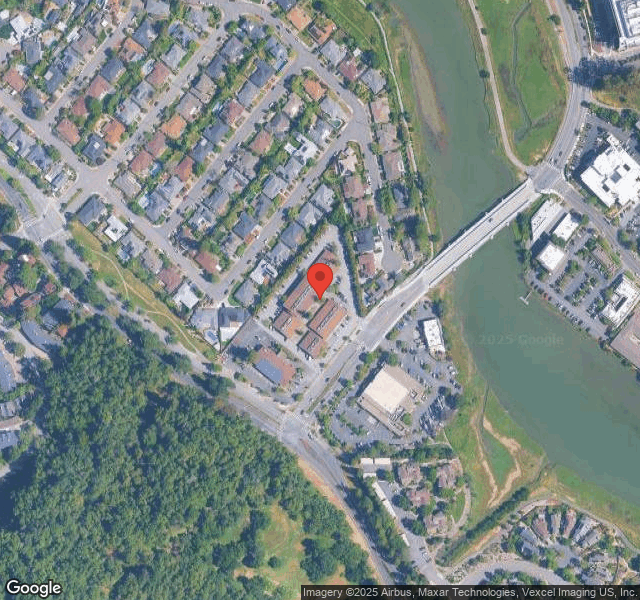
1220 SOUTH ELISEO DRIVE, GREENBRAE, CA 94904 (415) 461-9700
For profit - Limited Liability company 72 Beds ASPEN SKILLED HEALTHCARE Data: November 2025
Trust Grade
75/100
#202 of 1155 in CA
Last Inspection: November 2024

Within standard 12-15 month inspection cycle. Federal law requires annual inspections.

Overview

South Marin Health & Wellness Center has received a Trust Grade of B, indicating it is a good choice for families considering nursing home options. It ranks #202 out of 1,155 facilities in California, placing it in the top half statewide, and #2 out of 11 in Marin County, meaning only one local facility is better. The facility's compliance trend is stable, with 12 issues identified in both 2022 and 2024. Staffing is a strong point, with a 5-star rating and a turnover rate of 30%, which is lower than the state average, indicating staff consistency. There have been no fines, which is a positive sign of compliance, and they have more RN coverage than 81% of California facilities, helping to ensure quality care. However, there are some concerns: an incident in 2019 involved a resident experiencing significant weight loss due to the facility's failure to monitor their monthly weight. In 2024, the facility failed to keep medication carts free of expired medications, which could potentially harm residents. Additionally, there were issues with food preparation that could lead to inconsistent meals, highlighting areas for improvement alongside the facility's strengths.

Trust Score
B
75/100
In California
#202/1155
Top 17%
Safety Record
Moderate
Needs review
Inspections
Holding Steady
12 → 12 violations
Staff Stability
○ Average
30% turnover. Near California's 48% average. Typical for the industry.
Penalties
✓ Good
No fines on record. Clean compliance history, better than most California facilities.
Skilled Nurses
✓ Good
Each resident gets 45 minutes of Registered Nurse (RN) attention daily — more than average for California. RNs are trained to catch health problems early.
Violations
⚠ Watch
39 deficiencies on record. Higher than average. Multiple issues found across inspections.
★★★★★
5.0
Overall Rating
★★★★★
5.0
Staff Levels
★★★★★
5.0
Care Quality
★★★☆☆
3.0
Inspection Score
Stable
2022: 12 issues
2024: 12 issues

The Good

  • 5-Star Staffing Rating · Excellent nurse staffing levels
  • 5-Star Quality Measures · Strong clinical quality outcomes
  • Full Sprinkler Coverage · Fire safety systems throughout facility
  • No fines on record
  • Staff turnover below average (30%)

    18 points below California average of 48%

Facility shows strength in staffing levels, quality measures, fire safety.

The Bad

Staff Turnover: 30%

16pts below California avg (46%)

Typical for the industry

Chain: ASPEN SKILLED HEALTHCARE

Part of a multi-facility chain

Ask about local staffing decisions and management

The Ugly 39 deficiencies on record

1 actual harm
Nov 2024 10 deficiencies
CONCERN (D)

Potential for Harm - no one hurt, but risky conditions existed

Deficiency F0658 (Tag F0658)

Could have caused harm · This affected 1 resident

**NOTE- TERMS IN BRACKETS HAVE BEEN EDITED TO PROTECT CONFIDENTIALITY** Based on observation, interview and record review, the facility failed to ensure two of four Licensed Nurses (Licensed Nurse (LN...

Read full inspector narrative →
**NOTE- TERMS IN BRACKETS HAVE BEEN EDITED TO PROTECT CONFIDENTIALITY** Based on observation, interview and record review, the facility failed to ensure two of four Licensed Nurses (Licensed Nurse (LN) H and Licensed Nurse (LN) O ) followed professional standards of practice when: 1. LN H left medications by Resident 67's bedside without a physician order. 2. LN O did not follow facility policy when performing a blood glucose (Blood sugar) check for Resident 170. These failures had the potential to result in medication administration errors and inaccurate blood glucose tests which could have caused harm to the residents involved. Findings: Resident 67 Record review of Resident 67's Face Sheet (Facility demographic) indicated he was admitted to the facility on [DATE] with medical diagnoses including Encephalopathy (A general term for a group of conditions that cause brain dysfunction) and Diabetes Mellitus (A chronic disease characterized by high levels of blood sugar). During an observation and interview on 11/20/24 at 6:02 p.m., LN H was observed administering insulin (Injectable medication to treat high blood glucose levels) to Resident 67. A cup containing two capsules was observed at Resident 67's bedside table, untouched and unattended. Resident 67 was in his room with his wife sitting in a chair right next to his bed. LN H was asked what medications were in the cup. LN H stated they were Atorvastatin (A medication to treat high cholesterol levels) and Melatonin (A medication to support sleep). LN H stated she left them on Resident 67's bedside table at around 5:00 p.m., because Resident 67's wife preferred to administer them herself. LN H was asked if there was a physician order for that. LN H stated she did not know if there was an order. Record review of Resident 67's physician orders for November 2024, indicated, Atorvastatin Calcium Oral (By mouth) Tablet 20 MG (Milligrams) Give 1 tablet by mouth at bedtime for hyperlipidemia (High cholesterol) .Melatonin Oral Tablet 5 MG Give 1 tablet by mouth at bedtime. The November 2024 physician orders did not indicate Resident 67 was cleared for self-administration of medications, nor did it say it was acceptable for Resident 67's family to administer his medications. Record review of Resident 67's Medication Administration Record (MAR) for November 2024, indicated, both Melatonin and Atorvastatin were scheduled to be administered daily at 9:00 p.m. During an interview on 11/20/24 at 6:13 p.m., Resident 67's wife stated she administered Resident 67's Atorvastatin and Melatonin daily at around 7:30 p.m., and nurses, did not mind. This indicated that these medications were administered more than 1 hour before they were scheduled, therefore, this suggested there was a medication administration error being committed daily when the wife was present. Record review of the facility policy titled, MEDICATION ADMINISTRATION-GENERAL GUIDELINES, dated October of 2017, indicated, Medications are administered only by licensed nursing, medical, pharmacy or other personnel authorized by state laws and regulations to administer medications .Medications are administered in accordance with written orders of the attending physician .Medications are administered at the time they are prepared .Medications are administered within 60 [NAME] of scheduled time (1 our before and 1 hour after) .Residents are allowed to self-administer medications when specifically authorized by the attending physician and in accordance with procedures for self-administration of medications. Resident 170 Record review of Resident 170's Face Sheet (Facility demographic) indicated he was admitted to the facility on [DATE] with medical diagnoses including Traumatic Subarachnoid Hemorrhage (Bleeding in the brain) and Diabetes Mellitus. Record review of Resident 170's physician orders for November of 2024 indicated, Check blood sugar before meals for blood sugar monitoring related to Diabetes management. During a concurrent observation and interview on 11/20/24 at 4:24 p.m., LN O was checking Resident 170's blood glucose levels. LN O was observed cleaning Resident 170's finger with an alcohol wipe. After wiping the finger with the alcohol wipe, LN O proceeded to obtain a blood sample using a sterile lancet (Small blade or needle) before allowing the alcohol to dry, and immediately used the first drop of blood for the blood glucose test, which provided a reading that was recorded by LN O. LN O was asked the reason she had used the very first drop of blood (From Resident 170's fingertip) for the test. LN O stated Resident 170 was a hard bleeder, and if she wiped the first drop, he would not produce a second drop, and would have to be poked again. Record review of Resident 170's care plan for Diabetes indicated, [Resident 170] is at risk for hypoglycemia (Low blood glucose levels) and hyperglycemia (High blood glucose levels) R/T (Related to) type 2 diabetes .Observe/report signs and symptoms of hypoglycemia. The care plan did specify the steps for obtaining a blood for a glucose test, nor did it indicate Resident 170 was difficult to bleed. Record review of the facility policy titled, Obtaining a Fingerstick Glucose Level, last revised in October 2011, indicated, Wash the selected fingertip, especially the side of the finger, with warm water and soap. (Note: If alcohol is used to clean the fingertip, allow it to dry completely because the alcohol may alter the reading) .Obtain a blood sample by using a sterile lancet . Discard the first drop of blood if alcohol is used to clean the fingertips because alcohol may alter the results.
CONCERN (D)

Potential for Harm - no one hurt, but risky conditions existed

Accident Prevention (Tag F0689)

Could have caused harm · This affected 1 resident

**NOTE- TERMS IN BRACKETS HAVE BEEN EDITED TO PROTECT CONFIDENTIALITY** Based on interview and record review, the facility failed to ensure one of seventeen sampled residents (Resident 21) had interve...

Read full inspector narrative →
**NOTE- TERMS IN BRACKETS HAVE BEEN EDITED TO PROTECT CONFIDENTIALITY** Based on interview and record review, the facility failed to ensure one of seventeen sampled residents (Resident 21) had intervention and supervision implemented to prevent falls. As a result, Resident 21 sustained four falls with minor injuries (Skin tears and bruises) in a period of ten months. This failure had the potential to result in further falls with injuries for Resident 21. Findings: Record review of Resident 21's Face Sheet (Facility demographic) indicated he was admitted to the facility on [DATE] with medical diagnoses including Chronic Obstructive Pulmonary Disease (A lung disease characterized by chronic obstruction of lung airflow that interferes with normal breathing and is not fully reversible) and Muscle Weakness (Loss of muscle strength). Record review of Resident 21s Brief Interview of Mental Status (BIMS-A cognition assessment) dated 10/11/24 indicated he received a score of 12, which indicated his cognition was moderately impaired (A score of 1-7 indicates the cognition is severely impaired, 8-12 indicates the cognition is moderately impaired, and 13-15 indicates the cognition is intact). Record review of a falls risk assessment titled, Morse Fall Risk Screen, dated 3/02/24 at 2:12 a.m., indicated Resident 21 was at high risk for falls. First Fall: Record review of an Interdisciplinary Note (IDT) for Resident 21 dated 9/05/24 at 10:17 a.m., indicated, unwitnessed fall with no injury 9/2/2023 around 1920 (7:20 p.m.). Pt (patient) was found on the bathroom floor by LN (Licensed Nurse), sitting on his bottom, no changes in baseline LOC (Level of consciousness) able to verbalize needs. Record review of Resident 21's care plan for falls initiated on 9/02/24 indicated interventions were initiated to prevent further falls such as, Continue PT (Physical therapy)/OT (Occupational therapy) as needed .Assist resident during toileting. During an interview with the Director of Nursing (DON) on 11/22/24 at 9:36 a.m., she stated the standard supervision of residents at the facility consisted of checking them every two hours. The DON was asked if supervision for Resident 21 was increased after the unwitnessed fall on 9/02/23. The DON stated it did not increase because Resident 21 was alert and oriented. Second Fall: Record review of an IDT note dated 10/20/23 at 10:10 a.m., indicated, IDT .met to discuss COC (Change of condition) of unwitnessed fall with minor injury (skin tear at R (Right) dorsal hand (Back of the hand), 3 skin tears at R posterior forearm RLE (Right lower extremity) skin tear and contusion (bruise)/swelling on R (Right) knee) on 10/17/23 around 1400 (2:00 p.m.). Pt had unwitnessed fall at the tow yard while out on pass from the facility. Pt claimed he lost his balance and he called 911 and was brought to ER (Emergency room) by paramedics. Record review indicated the care plan for falls was revised on 10/19/24 (two days after the fall) with only one new intervention. The new intervention indicated, Remind resident that he needs a companion to go out on pass. During an interview with the DON on 11/22/24 at 9:36 a.m., she was asked how they measured the intervention of reminding Resident 21 that he needed a companion when leaving the facility, and if staff were given an in-service about this new intervention. The DON stated an in-service was not completed because it was Licensed Nurses' responsibility to read the residents' care plans, and new interventions were endorsed to them verbally. The DON also confirmed and there was no documentation Licensed Nurses (assigned to Resident 21) were reminding Resident 21 to have a companion, every time he left the facility. Third Fall: Record review of an IDT note dated 4/11/24 at 9:53 a.m., indicated, IDT met .discuss about assisted fall with minor injury .at 4/10/2024 at around 1400 .Pt was standing next to bed, with brief being adjusted by CNA (Certified Nursing Assistant), when pt stated he felt his grip slip and began to fall to the right side. CNA assisted pt downward and to floor. Record review indicated the care plan for prevention of falls was revised on 4/10/24, but no new interventions were added that had not been attempted before. For example, it indicated, Check and assess resident for presence of pain .Determine cause of fall .Notify MD. These three interventions were aimed at providing care right after the fall, not at preventing further falls. The interventions indicated, Refer to Rehab (Rehabilitation). This intervention had been attempted before and had not been successful in preventing further falls (See care plan above initiated on 9/02/23). During an interview with the DON on 11/22/24 at 9:36 a.m., she stated supervision was not increased for Resident 21 after the fall on 4/10/24 because this was a witnessed fall. She also confirmed the only new intervention for falls after the fall on 4/10/24 was to refer Resident 21 to rehabilitation. The DON stated the falls were being caused by Resident 21's knee problems but was unable to provide documentation of this. Record review of a falls risk assessment titled, Morse Fall Risk Screen, dated 4/10/24 at 2:50 p.m., indicated Resident 21 was at high risk for falls. Fourth Fall: Record review of an IDT note dated 7/01/24 at 12:13 p.m., indicated, unwitnessed fall with minor injury (L (Left) foot skin tear) at 6/30/2024 around 1643 (4:43 p.m.). At around 1643, pt found on the floor next to bed by CNA. Pt claimed that he was trying to look for one of the nurses from the previous shift when interviewed. Record review indicated the care plan for prevention of falls was revised on 7/01/24, with interventions such as Have things needed by the resident within reach including call light .Provide assistance needed. There were no interventions in this care plan to increase supervision of Resident 21. Record review of a falls risk assessment titled, Morse Fall Risk Screen, dated 9/06/24 at 11:22 a.m., indicated Resident was at high risk for falls. During an interview with the DON on 11/22/24 at 9:36 a.m., she confirmed supervision was not increased after Resident 21's fall on 6/30/24. During an interview on 11/22/24 at 11:20 a.m., CNA N (Resident 21's assigned Certified Nursing Assistant) was asked what interventions were in place to prevent Resident 21 from falling. CNA N stated the Surveyor would have to ask a Licensed Nurse that question. CNA N was asked if she was familiar with Resident 21, to which she stated she was. Then CNA N stated they used a lift (Specialized medical device designed to assist individuals with limited mobility in transitioning from a seated to a standing position) for Resident 21's transfers. CNA N stated she checked on Resident 21 every 15 minutes but did not document. CNA N was asked if Resident 21 was at risk for falls. CNA N stated if he (Resident 21) was (At risk for falls), he would have a star next to his name on the door label and there was no star next to his name (Suggesting Resident 21 was not at risk for falls). During an observation on 11/22/24 at 11:38 a.m., it was noted there was a star right next to Resident 21's name on the door label, indicating he was at risk for falls. Record review of the facility policy titled, FALLS MANAGEMENT PROGRAM, last revised in January of 2019, indicated, The facility will provide residents with adequate supervision and assistive device to prevent accidents .After a fall incident, the Licensed Nurse will check the resident for a change in the level of consciousness .The Licensed Nurse will determine the cause of the fall and provide interventions to manage the falls and the reduce the risk of additional falls and injury .Care plan will be reviewed and updated with new interventions to minimize injury and limits risks of falls.
CONCERN (E)

Potential for Harm - no one hurt, but risky conditions existed

Deficiency F0761 (Tag F0761)

Could have caused harm · This affected multiple residents

Based on observation, interview and record review, the facility failed to ensure two of three medication carts (Medication cart for Station 2 and medication cart for Station 3), in addition to the med...

Read full inspector narrative →
Based on observation, interview and record review, the facility failed to ensure two of three medication carts (Medication cart for Station 2 and medication cart for Station 3), in addition to the medication room, were free of expired and outdated medications and medical supplies for residents. This failure had the potential to result in inadvertently using these products on residents, which could have caused them harm and infections. Findings: During a medication storage observation and interview on 11/18/24 at 10:55 a.m., with Licensed Nurse (LN) F, the medication Latanoprost 0.005% (A medication to treat increased pressure in the eye) was observed stored inside the medication cart for Station 2 with other active medications. This medication had an expiration date of 11/15/24 and belonged to Resident 47. LN F confirmed the finding and stated the Infection Preventionist (IP) and Director of Staff Development (DSD) were responsible for checking the medication carts every week to check for expired medications. LN F confirmed this expired medication should not be stored in the medication cart with other active medications. During a concurrent observation and interview with the Director of Nursing (DON) on 11/18/24 at 3:36 p.m., inside the medication room of the facility, more than 10 syringes were found with an expiration date of 11/10/2024 in a storage container, stored with unexpired medical supplies. In addition, more than 10 syringe caps with an expiration date of 5/01/24 were found stored with unexpired supplies. An insulin syringe with an expiration date of 3/16/23 was found stored with unexpired medical supplies. Several COVID-19 tests with an expiration date of 12/19/23 were found stored in the medication room with unexpired medical supplies. The DON confirmed these findings and stated expired medical supplies may not be good to use after their expiration date. Photographs were taken as evidence. During a medication storage observation and interview on 11/19/24 at 11:05 a.m., with Licensed Nurse (LN) R, a bottle containing 30 collagen tablets was found inside a mailing package stored inside the medication cart of Station 3, with other active medications. LN R stated this medication belonged to a resident who had been discharged about a week prior, and the packet had arrived to the facility after the resident had been discharged . During an interview on 11/21/24 at 3:10 p.m., the DSD stated Licensed Nurses were assigned to check the medication carts assigned to them to ensure there were no expired or outdated medications. The DSD stated the medication room was assigned to be checked by the central supply department once a month to ensure there were no expired supplies in place for use. The DSD stated expired items could malfunction after their expiration date. Record review of the facility policy titled, MEDICATION STORAGE IN THE FACILITY, last revised in April of 2008 indicated, Outdated, contaminated, or deteriorated medications and those in containers that are cracked, soiled, or without secure closures are immediately removed from stock, disposed of according to procedures for medication disposal, and reordered from the pharmacy if a current order exists.
CONCERN (E)

Potential for Harm - no one hurt, but risky conditions existed

Menu Adequacy (Tag F0803)

Could have caused harm · This affected multiple residents

**NOTE- TERMS IN BRACKETS HAVE BEEN EDITED TO PROTECT CONFIDENTIALITY** Based on observation, interviews and record reviews, the facility failed to follow the recipe for pureed rice. This failure coul...

Read full inspector narrative →
**NOTE- TERMS IN BRACKETS HAVE BEEN EDITED TO PROTECT CONFIDENTIALITY** Based on observation, interviews and record reviews, the facility failed to follow the recipe for pureed rice. This failure could lead to potential food safety issues, inconsistent quality of meals for residents, and nutritional deficiencies. Findings: A review of [NAME] Puree Recipe Book, recipe name Pureed Potatoes, Pasta, [NAME] and Other grains, the recipe indicated an ingredients of potatoes, pasta, rice cooked and drained, broth hot or hot 2 percent milk, margarine and thickener. A review of [NAME] Puree Recipe Book, recipe name Pureed Salad-Potato, Pasta and Other Grains the recipe indicated an ingredients of salads, potato and pasta type and thickener. During an observation on 11/20/24 at 11:40 a.m., [NAME] 1 did not follow the pureed recipe for rice when she did not add margarine and thickener when she prepared the pureed rice. During an interview on 11/20/24 at 10:12 a.m., the Registered Dietician (RD) stated it was expected cooks were following the recipes to ensure consistent quality food was served to the resident and to prevent potential health risks for the residents. During a concurrent observation and interview on 11/20/24 at 11:40 a.m., [NAME] E was observed looking at the recipe binder and stated she was looking for the recipe for pureed rice. [NAME] E verified she followed the Pureed Salads-Potato, Pasta and Other Grains recipe. [NAME] E verified using 10 scoops of rice and 1 and a half (1 ½) cup of broth. [NAME] E verified she did not add anything else. [NAME] E stated it was the facility's policy to ensure they follow the recipes when cooking to make sure residents were receiving the right amount of nutrients with food they were preparing. [NAME] E stated not following the recipes could lead to food not having the same flavor, residents may not eat the food and weight loss. During an interview on 11/20/24 at 3:20 p.m., the Dietary Manager (DM) stated staff should be following the recipes. The DM stated the facility should not use pureed salad recipe when making pureed rice. The DM stated it was important staff follow the correct recipe to provide residents with consistent quality food and proper portion control and to ensure food served for the residents were meeting their dietary needs. A review of the facility policy and procedure (P&P) titled Food Preparation, RDs for Healthcare 2018, the P&P indicated the facility will use approved recipes, standardized to meet the residents census .recipes are specific as to portion yield, method of preparation, amounts of ingredients .
CONCERN (E)

Potential for Harm - no one hurt, but risky conditions existed

Deficiency F0804 (Tag F0804)

Could have caused harm · This affected multiple residents

**NOTE- TERMS IN BRACKETS HAVE BEEN EDITED TO PROTECT CONFIDENTIALITY** Based on observation, interviews and record reviews, the facility failed to ensure residents were served with food that was pala...

Read full inspector narrative →
**NOTE- TERMS IN BRACKETS HAVE BEEN EDITED TO PROTECT CONFIDENTIALITY** Based on observation, interviews and record reviews, the facility failed to ensure residents were served with food that was palatable, attractive and at an appetizing temperature. These failures could put the residents at risk for illness, injury, malnutrition (lack of proper nutrition, caused by not having enough to eat, not eating enough of the right things), and poor nutritional status. Findings: A review of Resident 18's face sheet (demographics) indicated he was admitted on [DATE] with a diagnosis of Essential Hypertension (HTN, high blood pressure) and Muscle weakness. Resident 18's Brief Interview for Mental Status (BIMS, used to get a quick snapshot of how well you are functioning cognitively -mental process involved in comprehension and gaining knowledge) dated 11/12/24 score was 15 indicating intact cognition. A review of Resident 22's face sheet indicated she was admitted on [DATE] with a diagnoses of Essential Hypertension and Atelectasis (partial or complete collapse of the lung). Resident 22's BIMS dated 11/8/24 score was 15 indicating intact cognition. During an observation on 11/20/24 at 1:00 p.m. [NAME] E did not sample the food she prepared. During an observation on 11/20/24 at 1:27 p.m., the food served did not have a pleasant presentation and looked unappealing and unappetizing. The dietary manager (DM) took the temperature of the food items on the test tray: temperature was as follow: rice at 130 degrees, chicken with lemon and thyme at 130 degrees and the burger patty was at 118 degrees. Per facility policy, hot foods should be held prior to service (the process of storing prepared food at a safe temperature before it is served) at 140 degrees or above. Upon sampling the chicken with lemon and thyme, it was dry, had a bland taste and was not able to taste the lemon. The rice and chicken with lemon and thyme when sampled was lukewarm. During an interview on 11/22/24 at 9:30 a.m. Resident 18 stated there was not a taste of lemon on the chicken. Resident 18 stated he recalled the chicken being dry and not having a lot of taste. Resident 18 stated he wished the chicken was not dry and hoped the food would have more flavor. During an interview on 11/22/24 at 3:07 p.m., Resident 22 stated the chicken was dry as a straw and was very bland and did not have a taste at all. Resident 22 stated she did not taste lemon in the chicken at all. Resident 22 stated the food was already lukewarm when she received it. During an interview on 11/22/24 at 9:52 a.m., the DM stated the temperatures taken on the food on test tray on 11/20/22 were not at a level where it was appetizing. The DM verified the food served did not appear appetizing at all. The DM stated if the food did not have flavor, was not served in an appealing manner and at a temperature that residents will enjoy, residents would be at risk of weight loss and residents not receiving the appropriate nutrients they need to stay healthy or get better. A review of the facility policy and procedure (P&P) titled Food Preparation, RDs for Healthcare 2018, the P&P indicated the food shall be prepared by methods that conserve nutritive value, flavor and appearance .prepared food will be sampled. The food and nutrition services employee who prepares the food will sample it to be sure the food has a satisfactory flavor and consistency .hot foods should be held prior to service at 140 degrees or above .
CONCERN (E)

Potential for Harm - no one hurt, but risky conditions existed

Food Safety (Tag F0812)

Could have caused harm · This affected multiple residents

Based on observations, interviews and record reviews, the facility failed to ensure: 1A. two food items in the freezer were clearly labeled to identify what it was, when it was opened and when to disc...

Read full inspector narrative →
Based on observations, interviews and record reviews, the facility failed to ensure: 1A. two food items in the freezer were clearly labeled to identify what it was, when it was opened and when to discard the food item. 1B. one pitcher of tea was discarded by the use by date of 11/16/24. 2. one dented can (might contain bacteria that can make you sick, or even produce a toxin that can be deadly) was not separated from intact cans. These failures could put the residents at risk for: 1A. allergic reactions, health complications and food poisoning (infection or irritation of your digestive tract that spreads through foods). 1B.consuming tea that might contain bacteria which can cause abdominal pain, vomiting, diarrhea (three or more loose stools per day), and fever. 2. consuming food that was contaminated with molds, bacteria or the toxin produced by the bacteria Clostridium botulinum (causes Botulism, a rare but serious condition caused by a toxin that attacks the body's nerves and may cause life-threatening symptoms such as paralysis-loss of the ability to move and difficulty breathing). Findings: 1A and 1B. During a concurrent observation and interview on 11/18/24 at 9:38 a.m., the dietary Manager (DM) verified refrigerator number (#) 1 had a pitcher of tea, with a label indicating it was made on 11/9/24 and a discard date by 11/16/24. The DM verified this tea should have been discarded on 11/16/24 to ensure only items safe for residents' consumption were stored in the refrigerator. The DM stated not discarding the tea on the discard date could result to staff accidentally serving this tea to the residents. The DM stated this was a quality and safety issue. During a concurrent observation and interview on 11/18/24 at 9:48 a.m., there was a blue plastic bag containing brownish colored nuggets inside the freezer #6 which was unlabeled and undated. The dietary Manager (DM) verified the blue plastic bag with brownish colored nuggets was undated and had no label to identify what the content was. The DM stated he knew it was vegan chicken nuggets. The DM stated all items in the kitchen should be labeled so it should be easily distinguished from other food items. The DM stated the reason for this was to ensure correct items were being served to the residents. The DM stated that not clearly labeling what the food item was could put the residents at risk for being served a food item that they were allergic to or being fed with food item that was not appropriate for their diet. The DM stated this could be a safety risk for the residents. The DM stated food items should also be open dated with discard date. The DM stated it was important to ensure there was a discard date on food items to ensure quality control and to ensure residents were not fed food that were spoiled. The DM stated not discard dating a food item could put the residents at risk for eating food that were spoiled which could make them sick with gastrointestinal illness (GI, pertains to stomach and intestines) and diarrhea (loose stools). During an interview on 11/20/24 at 10:12 a.m., the Registered Dietician (RD) stated all food items in the kitchen should be labeled so staff would know what it was. The RD stated not properly labeling the food could result to staff mistaking it for something that it was not. The RD stated this was a safety issue for the residents as well. The RD stated the facility would not want to serve residents food that was not in accordance with their diet preference. During a concurrent observation and interview on 11/20/24 at 10:18 a.m., the RD pulled a bag of white sticks out of the refrigerator. The RD and DM both verified the bag of white sticks in the refrigerator was not labeled on what it was. The RD stated that should have been labeled so staff could easily identify the food item. The DM verified it was hash brown. The RD stated she thought it was cheese. During an interview on 11/20/24 at 10:30 a.m., [NAME] 1 stated the food items should be labeled to identify what it was and should be open and discard dated to ensure staff were serving the right food for the residents and to ensure staff were only serving food items to the residents that was not past due to prevent them from getting sick. A review of the facility's policy and procedure (P&P) titled Storage of Food and Supplies RD's for Healthcare, Inc. 2017, it indicated it was the policy the food and supplies will be stored properly in a safe manner .labels should be visible, should be dated- month, date and year. A review of the facility's P&P titled General Receiving of Delivery of Food and Supplies RD's for Healthcare, Inc. 2018, it indicated to label all items with delivery date or use by date. 2. During a concurrent observation and interview on 11/18/24 at 10:04 a.m., the DM verified a large can of dented vanilla pudding was stored along with the intact cans where staff could access it and serve to the residents. The DM stated this can should have been removed from that shelf and should have been placed in a shelf dedicated for dented cans. The DM stated not removing the dented can in the shelf where staff could access it and serve to the residents put their safety at risk. The DM stated dented can might be chipped and might had allowed bacteria to enter the can. During an interview on 11/20/24 at 10:12 a.m., the RD stated dented cans should be separated from the intact cans and should not be placed with items that was going to be used for residents' consumption. The RD stated dented cans should be placed away from cans that would be used for residents' consumption. The RD stated using a dented can for resident consumption was unacceptable because bacteria could potentially get into a dented can. The RD stated this was a safety risk for the residents. During an interview on 11/20/24 at 10:30 a.m., [NAME] A stated dented cans should be separated from the ones to be used for residents' consumption. [NAME] A stated not separating the dented can from cans that were not dented could lead to staff accidentally using the dented can for residents' consumption. [NAME] A stated if that happened and a dented can was served to the resident, it could make the residents sick. A review of the facility's policy and procedure (P&P) titled Storage of Food and Supplies RD's for Healthcare, Inc. 2017, it indicated it was the policy the food and supplies will be stored properly in a safe manner . have a separate area for dented cans and damaged food items
CONCERN (E)

Potential for Harm - no one hurt, but risky conditions existed

Deficiency F0813 (Tag F0813)

Could have caused harm · This affected multiple residents

Based on observation, interviews and record reviews, the facility failed to follow their policy on foods brought by family/ visitors when the food stored in resident's refrigerator by the nursing stat...

Read full inspector narrative →
Based on observation, interviews and record reviews, the facility failed to follow their policy on foods brought by family/ visitors when the food stored in resident's refrigerator by the nursing station did not have a use by date per their policy. This failure could lead to residents potentially consuming food that has gone past its safe consumption window, increasing the risk of foodborne illness due to bacteria growth, as well as potential issues with food quality and taste deterioration, which could impact resident nutrition and well-being. Findings: A review of Resident 225's face sheet (demographics) indicated an admission date of 11/6/24 with a diagnoses of Essential Hypertension (HTN, high blood pressure) and Hyperlipidemia (HLP, abnormally high concentration of fats or lipids in the blood). During an observation on 11/19/24 at 3:48 p.m., Resident 225 had 6 food containers in the resident's refrigerator by the nursing station as follows, 2 containers of chilis, 1 container of meatloaf, 1 container of cage free egg salad, and 2 container of potato salads. All these containers did not have a use by date. During a concurrent observation and interview on 11/19/24 at 3:48 p.m., Licensed Nurse (LN) H and LN F verified Resident 225 food items did not have a use by date. During a concurrent observation, interview and Foods brought by Family/Visitors policy and procedure record review on 11/19/24 at 4:24 p.m., LN G verified Resident 225's food items had no use by date. LN G read the facility's policy and procedure (P&P) titled Foods brought by Family/Visitors. LN G verified the P&P indicated containers will be labeled with the resident's name, the item, and the use by date. LN G verified the P&P was not followed when Resident 225's food containers did not have a use by date. LN G stated not putting the use by date could result in serving a food item that was spoiled which could make the resident sick. During a concurrent interview and Foods brought by Family/Visitors P&P record review on 11/19/24 at 4:28 p.m., LN F stated the P&P was not followed when Resident 225's food items did not have a use by date. LN F stated it was important to make sure food items brought by family/visitor's had use by date to make sure residents were served food that was not spoiled and was still safe for residents to eat. During a concurrent interview and Foods brought by Family/Visitors P&P record review on 11/21/24 at 11:31 a.m., the Infection Preventionist verified the P&P indicated the containers should be labeled with the residents name, the item and the use by date. When shown a photograph of Resident 225's food items found in residents' refrigerator by the nursing station on 11/19/24, the Infection Preventionist (IP) stated Resident 225's food containers did not have a use by date. The IP verified the policy was not followed when there was no use by date indicated on Resident 225's food items. The IP stated it was important to make sure the use by date was indicated on the food stored in the resident's refrigerator by the nursing station to ensure residents would not be served food that was past use by date and to ensure food was still safe for consumption. The IP stated putting a use by date on food items lessen the risk of residents getting sick with food borne illness. During a concurrent interview and Foods brought by Family/Visitors P&P record review on 11/22/24 at 10:28 a.m., the Director of Nursing (DON) verified the policy was not followed when Resident 225's food items did not have a use by date. The DON stated it was important to put the use by date to prevent staff from serving food items that were spoiled for residents' safety. When shown a photograph of Resident 225's food items found in residents refrigerator on 11/19/24, the DON verified Resident 225's food containers did not have a use by date. A review of the facility's P&P titled Foods Brought by Family/Visitors, revised 2013, the P&P indicated the containers will be labeled with the resident's name, the item and the use by date.
CONCERN (E)

Potential for Harm - no one hurt, but risky conditions existed

Infection Control (Tag F0880)

Could have caused harm · This affected multiple residents

**NOTE- TERMS IN BRACKETS HAVE BEEN EDITED TO PROTECT CONFIDENTIALITY** Based on observations, interviews, and record reviews, the facility failed to: 1. Process soiled linens to prevent the spread on...

Read full inspector narrative →
**NOTE- TERMS IN BRACKETS HAVE BEEN EDITED TO PROTECT CONFIDENTIALITY** Based on observations, interviews, and record reviews, the facility failed to: 1. Process soiled linens to prevent the spread on infection. 2 A. Offer hand hygiene (HH) to eight of nine residents (Resident 59, Resident 225, Resident 61, Resident 121, Resident 40, Resident 5, Resident 49, and Resident 120) before meals. 2 B. Perform HH prior to donning new gloves by one dietary staff , [NAME] E. 3. Use enhanced barrier precautions (A set of infection control measures that reduce the spread of multidrug-resistant organisms (MDROs) in nursing homes) when two nursing assistants working with Resident 33 who had a history of Methicillin-resistant Staphylococcus aureus (MRSA-A type of bacteria resistant to a certain type of antibiotics), did not follow the precautions. 4. Air dry kitchen utensils prior to storing in the kitchen drawers. These failures had the potential to result in the transmission of infections to the residents of the facility. Findings: 1. During a concurrent observation and interview on 11/21/24, at 10:07 a.m., with Laundry Staff D, it was observed that the facility's washing machine equipment was in use, but the temperature gauge was at 0 degrees Fahrenheit. Laundry Staff D stated that she observed earlier that day that the temperature gauge of the washing machine was at 160 degrees Fahrenheit. (Per CDC (Centers for Disease Control and Prevention) in nursing homes, the washing machine temperature should be at least 160 degrees Fahrenheit to kill bacteria and viruses). This surveyor took pictures and videos while doing the observation to indicate that the facility's washing machine equipment had a malfunction. During a concurrent observation and interview on 11/21/24, at 10:51 a.m., with the facility Administrator and Licensed Staff D, the Administrator stated there was another temperature gauge that was now missing. The Administrator stated that the temperature gauge, which was showing that it was at 0 degrees Fahrenheit, seemed newly installed, but he did not know who installed it. This surveyor did not feel any heat after touching the sides of the washing machine equipment. When the Administrator and Licensed Staff D were asked if the laundry kept a log of washing machine temperatures to determine previous temperature readings, both stated that the laundry did not keep temperature logs of their washing machine equipment. A review of a facility policy and procedure (P&P) titled, Departmental (Environmental Services)- Laundry and Linens, dated January 2014, indicated under, Purpose, the P&P indicated, The purpose of this procedure is to provide a process for the safe and aseptic (free from contamination caused by harmful bacteria, viruses, or other microorganisms) handling, washing, and storage of linen. Under Washing and other Soiled Linens, the P&P indicated, 1. Laundry may be processed in either low-temperature or high temperature cycles. For high-temperature processing, wash linen in water that is at least 160 degrees Fahrenheit, for a minimum of twenty (25) minutes. For low-temperature processing, wash linen in water that is at least 71-77 degrees Fahrenheit and use a 125 part-per-million (ppm) chlorine bleach rinse if the material being washed can withstand leach and remain intact. A review of a CDC infection control laundry and bedding guidelines from the Guidelines for Environmental Infection Control in Healthcare Facilities (2003), indicated, .A temperature of at least 160°F (71°C) for a minimum of 25 minutes is commonly recommended for hot water washing. Water of this temperature can be provided by steam jet or separate booster heater. The use of chlorine bleach assures an extra margin of safety . 2A. During observation on 11/18/24, the following were observed: at 12:51 p.m., CNA (Certified Nursing Assistant) A served Resident 59's lunch tray but was not heard or seen to encourage or offer hand hygiene to the resident and did not use the alcohol-based hand rub (ABHR) found at the door of the room. at 12:53 p.m., CNA A served Resident 225's lunch tray, but after moving the resident to an upright position, was not heard or seen offering or reminding hand hygiene to the resident. at 12:57 p.m., CNA A served Resident 61's lunch in the presence of another CNA in the room but was not heard to remind or offer HH to the resident. at 1:03 p.m., CNA B served Resident 121's lunch tray but was not heard or observed to offer HH to the resident. CNA B was not observed to use the AHR by the door of the room. at 1:07 p.m., CNA C served Resident 40's lunch tray but was not heard or seen to offer or remind HH to the resident. at 1:09 p.m., CNA C served Resident 5's lunch tray but was not heard or seen to offer HH to the resident. at 1:11 p.m., CNA B served Resident 49's lunch tray but was not heard of seen to offer HH to the resident. CNA B was not seen performing HH coming out the room. During an interview on 11/18/24, at 1:13 p.m., Resident 120's wife was asked if the CNA who served her husband's lunch tray offered, reminded, or encouraged HH to her husband, stated: no, he was not offered nor reminded HH before eating. During an interview on 11/18/24, at 4:27 p.m., CNA B stated she was not aware she had to remind residents to use the wet wipes in their meal trays when serving residents in their rooms. CNA B stated she knew in the dining room they encouraged the resident to use the wet hand wipes. CNA B stated she had to return the tray covers outside, but she did her HH after that. A review of the facility's policy and procedure (P&P) titled Handwashing/Hand Hygiene, revised 6/2021, the P&P indicated to use an alcohol based hand rub containing at least 62 percent alcohol; or alternatively, soap (antimicrobial- contains chemicals that kill or stop the growth of bacteria or non-antimicrobial) and water for the following situations: before or after eating food .before donning gloves .after removing gloves 2 B. During a concurrent observation and interview on 11/20/24 at 11:15 am., [NAME] E verified she did not perform HH when she removed her gloves and donned a new glove. [NAME] E stated the facility policy was to ensure staff perform HH after removing gloves and prior to donning new gloves. [NAME] E stated it was for infection control measure. During an interview on 11/21/24 at 9:10 a.m., the Infection Preventionist (IP) stated it was the facility's policy to ensure staff were performing HH after removing gloves and prior to donning gloves. The IP stated performing HH prior to donning new gloves prevents contamination of gloves and the spread of bacteria. The IP stated, if the staff removed the gloves and donned new gloves without performing HH first, it meant the policy was not followed and it could be a safety risk for the residents. During an interview on 11/21/24 at 10:03 a.m., CNA L stated it was the facility's policy for staff to perform HH after removing gloves and prior to donning new gloves to prevent transmission of infection and to prevent cross commination so that residents were protected from infection. A review of the facility's policy and procedure (P&P) titled Handwashing/Hand Hygiene, revised 6/2021, the P&P indicated to use an alcohol based hand rub containing at least 62 percent alcohol; or alternatively, soap (antimicrobial- contains chemicals that kill or stop the growth of bacteria or non-antimicrobial) and water for the following situations: before or after eating food .before donning gloves .after removing gloves 3. Record review of Resident 33's Face sheet (Facility demographic) indicated she was admitted to the facility on [DATE] with medical diagnoses including Chronic Obstructive Pulmonary Disease (A lung disease characterized by chronic obstruction of lung airflow that interferes with normal breathing and is not fully reversible). Record review of a General Acute Care Hospital discharge summary for Resident 33 dated 10/07/24 at 10:18 a.m., indicated, recent admission in 6/24 for MRSA (Methicillin Resistant Staphylococcus Aureus-A type of bacteria resistant to a certain type of antibiotics) PNA (Pneumonia), which specified Resident 33 had a history of MRSA. Record review of a document titled, Frequently Asked Questions (FAQs) about Enhanced Barrier Precautions in Nursing Homes, published by Centers for Disease Control and Prevention (National public health agency of the United States) on 6/28/24, indicated, Residents colonized with a novel or targeted MDRO (Multidrug-resistant organisms (MDROs) are bacteria that are resistant to more than one antibiotic and can be difficult to treat) are intended to remain on Enhanced Barrier Precautions (A set of infection control measures that use gowns and gloves to reduce the spread of multidrug-resistant organisms) for the duration of their stay in a facility. During an observation on 11/18/24 at 1:13 p.m., CNA P was observed working directly with Resident 33 in her room in close proximity, cutting her meat for lunch. CNA P's clothing was observed brushing against Resident 33's clothing. CNA P was not wearing a gown or gloves. Outside of Resident 33's room, a posting was taped to the wall indicating residents in Resident 33's room were on enhanced barrier precautions. During an interview with CNA P on 11/18/24 at 1:15 p.m., she confirmed not wearing a gown or gloves while working with Resident 33. CNA P stated she was unaware Resident 33 was on enhanced barrier precautions, as she was from a registry agency, and this was her first time assigned to Resident 33. During an observation on 11/19/24 at 9:46 a.m., CNA Q was observed working with Resident 33. CNA Q was observed wearing gloves but no gown while brushing Resident 33's hair. Some of Resident 33's hair was observed to be touching CNA Q's exposed arms, and CNA Q's clothing was observed brushing against Resident 33's clothing. During an interview on 11/19/24 at 9:50 a.m., CNA Q confirmed he was required to wear a gown while in close contact with Resident 33, but stated he forgot to wear it. During an interview with the Infection Preventionist (IP) on 11/18/24 at 1:23 p.m., she stated staff performing high contact activities with Resident 33 were required to wear a gown and gloves because Resident 33 had a history of MRSA. Record review of the facility policy titled, Enhanced Barrier Precautions, dated 6/20/24, indicated, Enhanced Barrier Precautions (EBP)-used in conjunction with the standard precautions and expand the use of PPE (Personal protective equipment) to donning of gown and gloves during high-contact resident care activities and in situations of expected exposure to blood, body fluids, skin breakdown, or mucous membranes that provide opportunities for transfer of MDROs to staff hands and clothing to reduce transmission. 4. During a concurrent observation and interview on 11/20/24 at 11:51 a.m. [NAME] E checked the 2 drawers on the preparation table by the kitchen window and verified utensils were still wet when it was stored in the drawers. [NAME] E stated this was unacceptable because moisture attracts germs and bacteria. [NAME] E stated this could put residents at risk for getting sick if you used a utensil that had germs. During a concurrent observation and interview on 11/20/24 at 11:54 a.m., [NAME] M checked the 2 drawers on the preparation table by the kitchen window and verified utensils were still wet when it was kept in the drawers. [NAME] M stated these utensils should be air dried and completely dried prior to storage. [NAME] M stated keeping the utensils in the drawer while it's still wet could result to cross contamination which could result to residents getting sick. During a concurrent observation and interview on 11/20/24 at 12:04 p.m., the Dietary Manager (DM) opened the 2 drawers on the preparation table by the kitchen window and verified utensils were still wet when it was kept in the drawers. The DM stated this was not acceptable. The DM stated storing the utensils in the drawers while it was still wet was a risk for cross contamination and breeding ground for bacteria. The DM stated utensils should be air dried prior to storing it in the drawer. The DM stated moisture attracts germs. The DM stated keeping the utensils inside the drawer while still wet was an infection control issue. The DM stated it was a safety concern as well because it put residents at risk for getting sick. During an interview on 11/21/24 at 11:31 a.m., the Infection Preventionist (IP) stated all utensils should be air dried prior to storing in the drawers. The IP stated moisture attracts bacteria or germs. The IP stated using utensils that had germs and bacteria could result to residents getting sick with food borne illness (an illness caused by contamination of food and occur at any stage of the food production, delivery and consumption chain). A policy and procedure for utensils storage was requested but not provided. A review of the ServSafe blog titled NFSM 2021- Week 3- Cleaning and Sanitizing Dishes dated 9/2021, it indicated to Air-dry all items. NEVER use a towel to dry items. Doing this could contaminate the items.? Make sure they are completely dry before stacking or storing them.
CONCERN (E)

Potential for Harm - no one hurt, but risky conditions existed

Safe Environment (Tag F0921)

Could have caused harm · This affected multiple residents

**NOTE- TERMS IN BRACKETS HAVE BEEN EDITED TO PROTECT CONFIDENTIALITY** Based on observation, interviews and record reviews, the facility failed to ensure hot water was available for use to the shared...

Read full inspector narrative →
**NOTE- TERMS IN BRACKETS HAVE BEEN EDITED TO PROTECT CONFIDENTIALITY** Based on observation, interviews and record reviews, the facility failed to ensure hot water was available for use to the shared bathrooms in rooms (rms) 26-28 and 27-29 when the hot water temperature in these rooms were below 105 degrees. This failure resulted in Resident 48 who was in RM [ROOM NUMBER] complaining of inconvenience and unpleasantness of using cold water to wash her hands for over a week. This failure also put the residents at risk for not washing their hand due to discomfort, residents could then get sick and spread infection (invasion and growth of germs in the body) to others. Findings: A review of Resident 48's face sheet (demographics) indicated an admission date of 2/28/2023. Resident 48's diagnoses included Essential Hypertension (HTN, high blood pressure), Muscle Weakness and Anxiety disorder (AD, a group of mental health conditions that cause fear, dread and other symptoms that are out of proportion to the situation). Resident 48's Minimum Data Set assessment (MDS, a federally mandated process for clinical assessment of all residents in Medicare and Medicaid certified nursing homes) dated 11/12/24 indicated staff provided set up assistance with Resident 48's daily care. Resident 48's Brief Interview for Mental Status (BIMS, a mandatory assessment used to identify cognitive (anything related to thinking, learning, and understanding) impairment in long-term care facilities) dated 11/12/24 score was 15 indicating intact cognition. Resident 48 was continent (ability to control) of both bowel and bladder function. Resident 48 uses the shared bathroom in rms 26-28. During an interview on 11/18/24 at 11:30 a.m., Resident 48 stated the hot water on her bathroom sink had been broken for over a week now. Resident 48 stated the Maintenance Director was supposed to fix it but had left. Resident 48 stated it was inconvenient and unpleasant to use cold water when washing her hands. Resident 48 stated she uses the shared bathroom in rms 26-28 and washes her hand after using the bathroom so not having a hot water to use for hand washing was inconvenient. Resident 48 stated not having a hot water available for use was a safety hazard. Resident 48 stated they needed hot water and wished the problem with the unavailability of hot water to use would be fixed soon. During an interview on 11/19/24 at 1:48 p.m., Certified Nursing Assistant (CNA) J stated having hot water for resident to wash their hand was important. CNA J stated not having hot water readily available for use to wash hands put the residents at risk for getting sick and infections. During an interview on 11/19/24 at 1:52 p.m., Licensed Nurse (LN) F verified there was no hot water coming out of Resident 48's bathroom faucet for over a week now. LN F stated she might have verbally reported this issue to the maintenance. LN F stated it was important to have hot water available for use as residents would not want to wash their hand with cold water. LN F stated not washing hands could put the residents at risk for diarrhea (3 or more loose stool per day). LN F stated a lot of infection could be transferred via hands. LN F verified Resident 48 uses the bathroom and washes her hand in the bathroom sink. During a concurrent observation and interview on 11/19/24 at 2:02 p.m., the Director of Nursing (DON) verified there was no hot water coming out of the faucet in the shared bathroom in rms 26-28. The DON stated she was not aware there was no hot water coming out of Resident 48's bathroom faucet for over a week now. The DON stated it was important to make sure there was hot water available for resident's use. The DON stated older residents were prone to cold and not having hot water available could deter residents from washing their hands. The DON stated not washing hands could lead to sickness and diseases and was a big infection control issue. The DON stated not washing hands would put residents at risk for Clostridium Difficile (C.Diff, infection of the colon, the longest part of the large intestine) and diarrhea. During a concurrent observation and interview on 11/20/24 at 3:00 p.m., the surveyor tested the water temperature coming off the faucet by allowing the water to run for 20 seconds before taking the temperature of running water for about 20 seconds. CNA K verified the water temperature coming out of the faucet in the bathroom in rms 26-28 was 84.8 degrees and the shared bathroom in rms 27 and 29 was 87 degrees. CNA K verified the hot water was not hot enough in the shared bathroom in rms 6-28 and 27-29 faucet. CNA K stated the water coming out of the shared bathroom in rms 6-28 and 27-29 faucet was not hot enough and residents may not be comfortable on washing their hands if it was not hot enough. CNA K stated not washing hands could result to cross contamination and residents could get sick. During a concurrent observation and interview on 11/21/24 at 3:26 p.m., the Administrator (ADM) tested the water temperature in the shared bathroom in rms 26-28 and 27-29 faucet using the facility thermometer. The water was allowed to run for 35 seconds prior to ADM taking the temperature. The ADM kept the thermometer in running water for 25 seconds. The ADM verified the hot water temperature in the shared bathroom in rms 26-28 was 84 degrees and the water temperature in the shared bathrooms in rms 27-29 was 86 degrees. The ADM verified the water temperature was not meeting the hot water temperature. The ADM stated the policy was for hot water to be at least 105 degrees. A review of the facility's policy and procedure (P&P) titled Water Temperatures, Safety of revised 12/2009, the P&P indicated water heaters that service residents rooms, bathrooms, common areas shall be set to temperatures of no more than 120 degrees .
CONCERN (E)

Potential for Harm - no one hurt, but risky conditions existed

Deficiency F0925 (Tag F0925)

Could have caused harm · This affected multiple residents

**NOTE- TERMS IN BRACKETS HAVE BEEN EDITED TO PROTECT CONFIDENTIALITY** Based on observation, interviews and record reviews, the facility failed to maintain an effective pets control program when flie...

Read full inspector narrative →
**NOTE- TERMS IN BRACKETS HAVE BEEN EDITED TO PROTECT CONFIDENTIALITY** Based on observation, interviews and record reviews, the facility failed to maintain an effective pets control program when flies were observed in the facility, bothering two residents, Resident 38 and Resident 21. This failure posed a health risk to residents as flies carries and spread diseases like food poisoning, salmonella (food poisoning caused by infection (invasion or growth of germs in the body) with the salmonella bacterium), Escherichia coli (E. coli, a sickness you get from the E.coli bacteria that causes a lot of diarrhea (3 or more loose stool per day) related illnesses) and staphylococcus (group of bacteria that causes skin infection). Flies could also contaminate food and could infest (present in large numbers) open wounds. Findings: A review of Resident 38's face sheet (demographics) indicated an admission date of 8/9/24. Resident 38's diagnoses included Hyperlipidemia (HLP, high concentration of fats or lipids in the blood) and Sepsis (body's extreme reaction to an infection, without prompt treatment, it can lead to death). Resident 38's Brief Interview for Mental Status (BIMS, a short cognitive (conscious intellectual activity such as thinking, reasoning, and remembering) screening tool used to assess a person's cognitive functioning dated 11/8/24 score was 9 indicating moderate cognitive impairment (person may need extra help with daily activities or specific tasks, and may be in cognitive decline). During an observation on 11/18/24 at 12:57 p.m., a black colored fly was noted to land on the rim of Resident 38's cup of pudding. During a concurrent observation and interview on 11/18/24 at 12:59 p.m., Licensed Nurse (LN) I verified it was a fly that landed on the rim of Resident 38's cup of pudding. LN I stated it was not acceptable to have flies in the facility because flies could make resident sick with gastrointestinal (GI, relating to the stomach and the intestines) illness. LN I stated flies brings disease. During an interview on 11/20/24 at 10:18 a.m., the Registered Dietician was shown a photograph taken on 11/18/24, of the fly on the rim of Resident 38's cup of pudding. RD verified it was a fly in Resident 38's pudding. The RD stated it was not acceptable to have flies in the facility because flies carry disease which could make the residents sick. During an interview on 11/20/24 at 10:20 a.m., the Dietary Manager (DM) was shown a photograph taken on 11/18/24, of the fly on the rim of Resident 38's cup of pudding. The DM verified it was a fly in Resident 38's pudding. The DM stated flies carried germs and could cross contaminate food which could result to residents getting sick. When asked if their pest control management was effective, the DM did not respond. During an observation on11/20/24 at 1:18 p.m., while waiting for the meal cart to be inspected and meal tray to be distributed, a fly was seen hovering in the hallway where the therapy room was. During an interview on 11/21/24 at 9:10 a.m., the Infection Preventionist (IP) was shown a photograph taken on 11/18/24, of the fly on the rim of Resident 38's cup of pudding. The IP stated the facility should not have flies. The IP stated flies carry bacteria and germs and could potentially make residents sick. The IP verified it was a fly on the rim of Resident 38's cup of pudding. During an interview on 11/22/24 at 10:30 a.m., the Director of Nursing (DON) was shown a photograph taken on 11/18/24, of the fly on the rim of Resident 38's cup of pudding. The DON verified it was a fly on the rim of Resident 38's cup of pudding. The DON stated the facility should not have flies. The DON stated flies brings GI illness and infection. Record review of Resident 21's Face Sheet (Facility demographic), indicated he was admitted to the facility on [DATE] with medical diagnoses including Chronic Obstructive Pulmonary Disease (A lung disease characterized by chronic obstruction of lung airflow that interferes with normal breathing and is not fully reversible) and Diabetes Mellitus (A chronic disease characterized by high levels of blood sugar). Record review of Resident 21's Minimum Data Set (MDS-An assessment tool) dated 10/11/24 indicated his Brief Interview of Mental Status (BIMS-A cognition [the mental action or process of acquiring knowledge and understanding through thought, experience, and the senses] assessment) score was 12, which indicated his cognition was moderately impaired. During a concurrent observation and interview with Resident 21 on 10/19/24 at 10:23 a.m., he was observed with two black flies, approximately ¼ inch in length standing his clothing. Resident 21 attempted to scare them away with his hands, but they flew in circles and stood on his clothing again. During the interview, Resident 21 stated this problem with the flies was an ongoing problem. Photographs were taken as evidence with Resident 21's permission. During a second observation and interview on 11/23/24 at 11:14 a.m., Resident 21 was again observed with a black fly on his hair. With Resident's permission, a photograph was taken as evidence. Resident 21 confirmed feeling the fly on his hair. During an interview with the Infection Preventionist (IP) on 11/21/24 at 3:32 p.m., she stated flies could get into residents' food and cause foodborne illnesses. She also stated flies could fly from one resident to another, spreading germs and causing infection control issues. Record review of the facility policy titled, Pest Control, last revised in May of 2008 indicated, This facility maintains an on-going pest control program to ensure that the building is kept free of insects and rodents.
Jun 2024 1 deficiency
CONCERN (D) 📢 Someone Reported This

A family member, employee, or ombudsman was alarmed enough to file a formal complaint

Potential for Harm - no one hurt, but risky conditions existed

Quality of Care (Tag F0684)

Could have caused harm · This affected 1 resident

**NOTE- TERMS IN BRACKETS HAVE BEEN EDITED TO PROTECT CONFIDENTIALITY** Based on interviews and record reviews, the facility failed to ensure that one of two sampled residents, Resident 1, received ca...

Read full inspector narrative →
**NOTE- TERMS IN BRACKETS HAVE BEEN EDITED TO PROTECT CONFIDENTIALITY** Based on interviews and record reviews, the facility failed to ensure that one of two sampled residents, Resident 1, received care in accordance with his comprehensive person-centered care plan based on his comprehensive assessment and per his doctor's orders regarding Resident 1's medical diagnosis of dysphagia (difficulty swallowing), when on 5/24/24, Certified Nursing Assistant A (CNA A) offered Resident 1 ice chips (considered as Transitional Food- Food that starts at one texture (e.g. firm solid) and changes into another texture specifically when moisture (e.g. water or saliva) is applied or, when a change in temperature occurs (e.g. heating). This failure had the potential to result in aspiration pneumonia (Aspiration pneumonia occurs when food or liquid is breathed into the airways or lungs, instead of being swallowed) to Resident 1. Findings. A review of Resident 1's hospital Discharge Summary Notes, dated 5/24/24, at 3:29 p.m., indicated Resident 1 was admitted to this hospital from [DATE] to 5/24/24. Resident 1's discharge diagnoses included a recurrent aspiration pneumonia and was treated with different kinds of antibiotics. Resident 1's post -discharge orders indicated that he should be on a Dysphagia Diet, with food consistency of Level 4 (Puree) and liquids at Level 3 (Moderately/Honey Thick). A review or Resident 1's admission Record, indicated he was readmitted back to his former facility on 5/24/24. A review of Resident 1's MDS (Minimum Data Set-is part of the federally mandated process for assessing individuals receiving care in certified skilled nursing facilities regardless of payer source) dated April 30, 2024, Section I, Active Diagnoses, indicated, Resident 1 had Dysphagia, oral phase (swallowing problems occurring in the mouth and/or the throat). A review of Resident 1's Order Summary Report, dated and signed by his attending physician on 5/29/24, indicated under Dietary-Diet, Low fat/Low cholesterol/NAS (No Added Salt) diet, Pureed texture, Moderately thick (L3-level 3 honey) consistency. A review of Resident 1's dysphagia focused Care Plan, initiated on 5/25/24, by the facility's Speech Therapist, indicated the goal of this care plan, Resident (Resident 1) displays ability to safely swallow, as evidenced by absence of aspiration, no evidence of coughing or choking during eating, ability to ingest foods/fluids through the next review date of 9/1/24, indicated under interventions/tasks, Diet as ordered, .Diet texture modifications indicated, .Thickened liquids Honey, During an interview on 6/12/24, at 3:40 p.m., with CNA A, he stated he came on his PM (afternoon) shift and did not know that that Resident 1's diet had changed. CNA A stated Resident 1's brother talked to him about Resident 1 being given ice chips. CNA A stated he admitted to Resident 1's brother that he gave the ice chips to Resident 1. CNA A stated that he did not get report from the outgoing certified nursing assistants or the nurse in charge that Resident 1's diet had changed. During an interview on 6/12/24, at 4:55 p.m., with the facility's RD (Registered Dietitian), she stated if Resident 1 was given ice chips while his diet order stated honey thick, Resident 1 could have aspiration pneumonia again. The RD stated that ice chips was not a honey thick consistency liquid. During an interview on 8/20/24, at 11:53 a.m., with the facility's DON (Director of Nursing) she stated that it was her expectation that the facility's nursing staff are following diet orders and implementing the care plans of the residents. The DON stated that it was the responsibility of the nurse in charge to let the aides (Certified Nursing Assistants) know if there were changes in the diet orders or changes in a resident's care plans. During an interview on 8/20/24, at 1:18 p.m., with Resident 1's Attending Physician, she stated she expected the facility staff to follow the physician's orders and care plans for Resident 1. A review of a facility policy and procedure (P&P) titled, Therapeutic Diets, (A therapeutic diet is a meal plan that controls the intake of certain foods or nutrients. It is part of the treatment of a medical condition and are normally prescribed by a physician and planned by a dietician. A therapeutic diet is usually a modification of a regular diet) are prescribed by the Attending Physician to support the resident's treatment and plan of care in accordance with his or her goals and preferences. A review of the Complete IDDSI (International Dysphagia Diet Standardization Initiative) Framework Detailed Definitions 2.0, dated July 2019, indicated that ice chips, was classified under transitional foods.
Mar 2024 1 deficiency
CONCERN (E) 📢 Someone Reported This

A family member, employee, or ombudsman was alarmed enough to file a formal complaint

Potential for Harm - no one hurt, but risky conditions existed

Report Alleged Abuse (Tag F0609)

Could have caused harm · This affected multiple residents

Based on interview and record review, the facility failed to report allegations of a staff to resident (Resident 1) verbal altercation, and an incident between residents (Resident 2 and Resident 3) wi...

Read full inspector narrative →
Based on interview and record review, the facility failed to report allegations of a staff to resident (Resident 1) verbal altercation, and an incident between residents (Resident 2 and Resident 3) within two hours of the incidents. This failures had the likelihood for incidents of potential abuse to not get prevented, corrected, or investigated in a timely manner, and can result to physical, mental, or psychosocial harm to residents. Findings: On 3/11/24, the Department received reports from the facility of an alleged incident of potential abuse between Resident 1 and Resident 2 and an incident between Certified Nursing Assistant (CNA F) and Resident 3. During a concurrent review of records and interview with the Administrator and Director of Nursing (DON) on 3/18/24 at 10:42 AM at the Administrator ' s office, the incident between Resident 1 and CNA F happened on 3/10/24 at 3:00 PM. The Department received the SOC 341 (Report of Suspected Dependent Adult/Elder Abuse) from the facility by fax on 3/11/24 at 0:34 AM. The incident between Resident 1 and Resident 2 happened on 3/9/24 at 3:00 AM. The Department received the SOC 341 from the facility by fax on 3/9/24 at 9:39 AM. The Director of Nursing (DON) stated, Resident 3 reported the incident to the CNA who reported to Licensed Nurse J at 5:00 AM, that was when the SOC 341 was sent. A review of the facility ' s policy titled, Abuse reporting and investigation dated effective 1/1/24, indicated for the facility to promptly report all allegations of abuse to the appropriate agencies within the required tie frames. The policy further indicated, all alleged violations involving abuse ., shall be reported by telephone, email or in writing (SOC 341) immediately, within two (2) hours after the allegation is made or reported. Based on interview and record review, the facility failed to report allegations of a staff to resident (Resident 1) verbal altercation, and an incident between residents (Resident 2 and Resident 3) within two hours of the incidents. This failures had the likelihood for incidents of potential abuse to not get prevented, corrected, or investigated in a timely manner, and can result to physical, mental, or psychosocial harm to residents.
May 2022 12 deficiencies
CONCERN (D)

Potential for Harm - no one hurt, but risky conditions existed

Grievances (Tag F0585)

Could have caused harm · This affected 1 resident

Based on observations, interview and record review, the facility failed to ensure residents were aware of the facility's Grievance Process for seven out of 16 residents. This failure had the potential...

Read full inspector narrative →
Based on observations, interview and record review, the facility failed to ensure residents were aware of the facility's Grievance Process for seven out of 16 residents. This failure had the potential risk of unresolved grievances or concerns. Findings: During the resident council meeting on 05/10/22 at 10:58 a.m., Anonymous 1 stated the facility has no formal grievance process and would like it if there is one. Anonymous 2 stated she thought grievances are to be reported to the nurses. Anonymous 3 stated to just report to the Ombudsman. Anonymous 3 stated that when he has grievance or concerns, he talks to the administrator. Anonymous 1 stated not a lot of residents knew the Administrator. During an interview on 5/12/22 at 9:02 a.m., Resident 33 stated he does not know the facility's grievance process. During an interview on 5/12/22 at 9:07 a.m., Licensed Staff G stated she's not sure about the facility's grievance process. During an interview on 5/12/22 at 9:09 a.m., Unlicensed Staff H stated they report grievance to the nurses. During an interview on 5/13/22 at 8:30 a.m., Director of Staff Development (DSD) stated the facility protocol was to have the grievance form filled out by staff and submit to Social Services Director (SSD). She stated this form can be found at nursing stations 1 and 2. DSD verified there were no available grievance form at Nursing station 2. During an interview on 5/13/22 at 8:32 a.m., Licensed Staff I stated grievances were reported directly to the Social Services Director (SSD). Licensed Staff I did not mention about a grievance form. During an interview on 5/13/22 at 8:46 a.m., Licensed Staff J stated if there was grievance reported by a resident, she would try to resolve it first. Licensed Staff J stated she would only give the grievance form to the resident after obtaining the Director of Nursing (DON) approval. During an interview on 5/13/22 at 8:54 a.m., Resident 26 stated he was not aware of the facility's grievance process. He stated it would be nice if someone from the facility talked to him about the process. During an interview on 5/13/22 at 10:57 a.m., Case Manager (CM) stated that grievances were reported to and addressed by the SSD. CM stated residents not knowing how to file a grievance was a concern as it could result in unresolved issues. She stated this may cause anxiety and frustration. CM stated it was expected for staff to fill out a grievance form so that SSD can follow up to resolve the issue. During an interview on 5/13/22 at 11:21 a.m., Resident 47 stated he was not aware of how to file a grievance. He stated no facility staff had come to him to explain about the Grievance Process and would like it if staff explainsed the process to him. During an interview on 5/13/22 at 11:25 a.m., SSD stated the facility process on Grievance includes staff filling out a grievance form and handing it to her for follow up. She stated she had a grievance binder to keep track of grievances and to ensure there was a resolution for the reported grievance. She stated the Grievance Process was discussed with newly admitted residents during baseline care planning with the Interdisciplinary team (IDT), residents and or Responsible Party (RP). She stated there were no documentations or checklist to ensure this process was not missed during base line care planning. She stated if residents did not know how to file a grievance, the grievance or concerns may end up unresolved. She stated this could lead to resident's frustration and anger. She stated residents may also feel their issues were not heard. During an interview on 5/16/22 at 10:35 a.m., Minimum Data Set Coordinator (MDS) stated if residents did not know who the grievance officer was and how to report a grievance, the grievance may not be addressed. She stated this could lead to a resident's anxiety. During an interview on 5/16/22 at 11:08 a.m., Resident 48 stated she was not aware of who the Grievance Officer was nor was she aware on how to file a grievance. She stated that she did have concerns in the past but had not known to whom and how to report it. Resident 48 stated she would like to understand the facility's grievance process. Resident 48 stated she felt a little left out for not knowing there was a formal grievance process. During an interview on 5/16/22 11:18 a.m., Director of Nursing (DON) stated Administrator was the Grievance Officer and SSD was the designee. DON stated it was important for residents to know about the grievance process. She stated resident would feel frustrated and disappointed if grievance or concern was not addressed. The facility's policy and procedure titled Grievances/Complaints, Recording and Investigating revised April 2017, indicated it was the facility's policy to investigate and report grievances. It stated the report will include date/time of the alleged incident, circumstances, location surrounding the alleged incident. Report should also include names of witness if any, residents and employees account of the alleged incident and a recommendation for corrective action.
CONCERN (D)

Potential for Harm - no one hurt, but risky conditions existed

Comprehensive Care Plan (Tag F0656)

Could have caused harm · This affected 1 resident

**NOTE- TERMS IN BRACKETS HAVE BEEN EDITED TO PROTECT CONFIDENTIALITY** Based on interview and record review, the facility failed to develop a comprehensive person-centered care plan with intervention...

Read full inspector narrative →
**NOTE- TERMS IN BRACKETS HAVE BEEN EDITED TO PROTECT CONFIDENTIALITY** Based on interview and record review, the facility failed to develop a comprehensive person-centered care plan with interventions to meet the needs of one of 16 sampled residents (Resident 267) when Resident 267 was assessed to be immobile and at high risk for pressure ulcers and the facility did not include in her care plan the intervention of turning and repositioning Resident 267 every two hours. This failure had the potential for Resident 267 to develop pressure ulcers. Findings: A review of Resident 267's Facesheet indicated she was admitted to the facility on [DATE] and had diagnosis including Alzheimer's disease, vascular dementia, history of falling and failure to thrive. A review of Resident 267's admission Braden Scale (a standardized tool that indicates the risk of a resident developing pressure ulcers), dated 4/5/22, indicated Resident 267 was bedfast: confined to bed and was completely immobile: does not make even slight changes in body or extremity position without assistance. The Braden Scale indicated Resident 267 was at HIGH RISK for developing pressure ulcers. A review of Resident 267's care plans (documents indicating the care to be provided to residents) indicated a care plan for the prevention of pressure ulcers titled: HIGH RISK for skin breakdown R/T [related to] fragile skin and impaired mobility. A review of this care plan indicated interventions to prevent pressure ulcers included Turn and reposition during care and as needed. The care plan, however, did not include the intervention to turn and reposition Resident 267 every two hours. During interviews on 5/10/22, at 8:30 a.m., and on 5/13/22, at 9:55 a.m., the Director of Nursing (DON) confirmed Resident 267 was totally dependent on staff for repositioning in bed, was at high risk for pressure ulcers, and needed to be turned and repositioned every two hours. The DON reviewed Resident 267's care plans and confirmed it did not contain the intervention of turning and repositioning Resident 267 every two hours. A review of facility policy titled Prevention of Pressure Ulcers/Injuries, dated July 2017, indicated: Prevention .Mobility/Repositioning . At least every two hours, reposition residents who are chair-bound or bed-bound with the head of the bed elevated 30 degrees or more. A review of facility policy and procedure titled Care Plans, Comprehensive Person-Centered, dated December 2016, indicated: The comprehensive, person-centered care plan will . describe the services that are to be furnished to attain or maintain the resident's highest practical physical, mental, and psychological well-being.
CONCERN (D)

Potential for Harm - no one hurt, but risky conditions existed

Deficiency F0658 (Tag F0658)

Could have caused harm · This affected 1 resident

Based on observation, interview, and record review, facility staff failed to follow medication safety measures when licensed staff administered twice the ordered dose of a medication to a resident, Re...

Read full inspector narrative →
Based on observation, interview, and record review, facility staff failed to follow medication safety measures when licensed staff administered twice the ordered dose of a medication to a resident, Resident 57. This failure could potentially lead to further medication errors and cause harm to vulnerable residents. Findings: During a medication pass observation on 5/12/22 at 8:28 a.m., Licensed Staff G removed two tablets of Buspirone (anti-anxiety drug) 30 mg (milligrams, a unit of measure) from a bubble pack and administered them to Resident 57. Review of Resident 57's physician orders revealed, Buspirone HCl (hydrochloride, an additive for shelf life) Tablet 15 MG Give 2 tablets by mouth two times a day for anxiety. During an interview on 5/12/22 at 3:11 p.m., Licensed Staff G verified the bubble pack's instructions to give one tablet of Buspirone 30 mg did not match the physician's order to give two tablets of buspirone 15 mg. During an interview on 5/17/22 at 11:16 a.m., Director of Nursing (DON) stated that every Friday she went through all the medication bubble packs and checked them against the physician's orders to make sure there were no discrepencies. DON stated she had missed performing this check for a week and did not catch the discrepency on Resident 57's bubble pack of Buspirone. Review of facility policy Administering Medications, revised 12/2012, indicated, The individual administering the medication must check the label THREE (3) times to verify the right resident, right medication, right dosage, right time, and right method (route) of administration before giving the medication.
CONCERN (D)

Potential for Harm - no one hurt, but risky conditions existed

Respiratory Care (Tag F0695)

Could have caused harm · This affected 1 resident

Based on observation, interviews and record review, the facility failed to change the nasal cannula (NC) weekly for one out of 16 sampled residents (Resident 48 ). Staff did not change Resident 48's N...

Read full inspector narrative →
Based on observation, interviews and record review, the facility failed to change the nasal cannula (NC) weekly for one out of 16 sampled residents (Resident 48 ). Staff did not change Resident 48's NC tubing (device used to deliver supplemental oxygen or increased airflow to a patient in need of respiratory help) per the facility's policy policy. This failure had the potential risk of Resident 48 acquiring an infection and or not receiving the correct amount of prescribed oxygen. Findings: During an observation on 5/09/22 at 11:56 a.m., Resident 48 was on oxygen at 2 liters per minute (lpm) via NC with a label that indicated a date of 4/18/22 (the date the NC was changed out). During an observation on 5/10/22 9:12 a.m., Resident 48's NC label was still dated 4/18/22 During an observation and interview on 5/11/22 at 11:50 a.m., Licensed Staff L verified Resident 48's nasal cannula, which was now on the floor, was dated 4/18/22. During an observation on 5/11/22 at 12:42 p.m., Resident 48 was in bed, with oxygen on at 2 lpm via NC with no date label. During an observation and interview on 5/12/22 at 10:04 a.m., Resident 48 was in bed. Licensed Staff G verified Resident 48's NC was not dated. Licensed Staff G stated that not changing the NC was unsanitary and an infection control issue. Licensed Staff G stated Resident 8 may get an infection. Licensed Staff G stated oxygen flow may also be compromised. Licensed Staff G stated the NC should be dated to alert staff of when the NC need to be changed out. During an interview on 5/12/22 at 3:33 p.m., Licensed Staff stated Resident 48's NC should have been changed every Sunday on night shift (NOC) per facility policy. Licensed Staff M stated Resident 48 was at risk for infection, inadequate flow of oxygen and SOB (shortness of breath) if the NC was not changed on a weekly basis. During an interview on 5/12/22 at 4:30 p.m., DSD stated nasal cannula was supposed to be changed weekly by night shift per facility policy. She stated Resident 48 could be at risk for infection. She stated there was a risk of impeded oxygen flow if an occlusion (blockage) occurred. During an interview on 5/13/22 at 9:06 a.m., Licensed Staff K stated the NC should be changed weekly by NOC shift nurses. Licensed Staff K stated Resident 48 was at risk for infection if the nasal cannula was not changed weekly. She stated if NC was not changed weekly, dirty particles might be inhaled by Resident 48. Licensed Staff K stated there might be an occlusion on the NC and Resident 48 would not receive the appropriate amount of oxygen that she needs. During an interview and concurrent Oxygen Therapy policy review on 5/16/22 at 11:24 a.m., Director of Nursing (DON) verified Resident 48's NC should be changed once a week. DON expects the nurses to follow the Oxygen Therapy policy. DON stated that if the NC was not changed weekly, Resident 48 may end up with an infection. DON stated if NC was not changed on a weekly basis, there's a risk of oxygen flow impediment due to sediment build up and Resident 48 may not get the full therapeutic effect of the oxygen therapy. The facility's policy and procedure titled Oxygen Therapy, revised November 2017, indicated oxygen tubing should be changed no more than every 7 days and labeled with the date of change.
CONCERN (D)

Potential for Harm - no one hurt, but risky conditions existed

Food Safety (Tag F0812)

Could have caused harm · This affected 1 resident

Based on observation, interview and record review, the facility failed to ensure food was prepared and stored in sanitary manner when perishable food intended for residents was left unrefrigerated out...

Read full inspector narrative →
Based on observation, interview and record review, the facility failed to ensure food was prepared and stored in sanitary manner when perishable food intended for residents was left unrefrigerated outdoors for over 1.5 hours and one of four dietary support personnel did not have their hair fully restrained/covered while preparing resident food. These failures created the potential for foodborne illness in a vulnerable resident population and for food to become contaminated and improper for resident consumption. Findings: During an observation on 5/11/22, at 8:20 a.m., there were four dietary support personnel working in the kitchen: [NAME] A, [NAME] B, Dietary Aide C, and Dietary Aide D. During the same observation, the Director of Food Services (DFS) was unloading, labeling, and storing a large quantity of boxes containing food and kitchen supplies placed on pallets outdoors next to the entrance of the kitchen. During an interview on 5/11/22, at 8:45 a.m., the DFS stated he was processing the facility's weekly food delivery that had been left by the vendor outside. The DFS stated that a dietary aide did this job, but he was short of one dietary aide, and for this reason he was processing the food delivery himself. The DFS stated it would take him the whole day to unload, label, and store all the food delivered. The DFS stated the dietary aide position had been unfilled for over a month. A review of the vendor's invoice for the 5/11/22 delivery indicated 144 boxes of food and kitchen supplies were delivered, including milk, cheese, eggs, ice-cream, yogurt, hamburger beef patties, roast beef, hot dogs, pork, fish, and French toast. During an observation on 5/11/22, at 9:55 a.m., the vendor's weekly food delivery remained outdoors exposed to the elements, including one box of frozen fish, one box of frozen pork, one box of frozen burgers, and one box of frozen French toast, all with an indication to keep frozen and stored at a temperature of zero Fahrenheit or lower. The DFS opened the food boxes and touched the contents to check if they were solid. The French toast was soft to the touch, indicating it was defrosting. During an observation on 5/11/22, at 10:45 a.m., Dietary Aide C was preparing salads for residents in the kitchen. Dietary Aide C had her hair restrained by a hair net, but the hair net covered only the top half of her hair, leaving the bottom half of her hair un-restrained. A review of the Food and Drug Administration (FDA) Food Code 2017 indicated: A FOOD that is labeled frozen and shipped frozen by a FOOD PROCESSING PLANT shall be received frozen. Also, Stored frozen FOODS shall be maintained frozen. A review of facility policy and procedure titled Food Receiving and Storage, revised October 2017, indicated: Foods shall be received and stored in a manner that complies with safe food handling practices. A review of facility policy and procedure titled Preventing Foodborne Illness - Employee Hygiene and Sanitary Practices, dated October 2017, indicated: Hair nets or caps and/or beard restraints must be worn to keep hair from contacting exposed food, clean equipment, utensils and linens.
CONCERN (E)

Potential for Harm - no one hurt, but risky conditions existed

Resident Rights (Tag F0550)

Could have caused harm · This affected multiple residents

Based on interview and record review, the facility staff failed to respond to call lights timely when five of 16 sampled residents had to wait up to one hour for staff to respond when residents presse...

Read full inspector narrative →
Based on interview and record review, the facility staff failed to respond to call lights timely when five of 16 sampled residents had to wait up to one hour for staff to respond when residents pressed their call lights for assistance. This failure resulted in residents sitting in soiled briefs. Findings: During an interview on 5/9/22 at 12:33 p.m., Resident 52 stated she had had sores on her bottom for one year and they (the sores) would heal if all the staff caring for her provided her wound care right. Resident 52 stated the longest she had to wait for staff to respond to call lights was 45 minutes, and she stated she has had to wait while she was wet which interfered with the wound healing. Resident 52 stated PM shift (3 p.m. to 11 p.m.) was the worst with responding to call lights. During an interview on 5/9/22 at 3:09 p.m. and 4:11 p.m., Resident 63 stated she would have to wait for someone to answer her call light, especially on the PM shift. Resident 63 stated the CNAs (Certified Nursing Assistants) were great, but overworked, and frequently had to work a double shift because the facility was short staffed on the PM shift. Resident 63 stated because the CNAs were overworked, especially on the PM shift, it caused residents to have to wait for their call light to be answered. During an interview on 5/10/22 at 9:11 a.m., Resident 7 stated he had to wait over an hour when he pressed his call light for assistance. Resident 7 stated response-time depended on who was working, but mostly on second shift (3 p.m. to 11 p.m.) he had long waits for help. Resident 7 stated sometimes the staff would cut off the light and not ask him what he needed, or the staff would say they would tell his CNA (what he needed) and then no one came back. Resident 7 stated this had resulted in sitting in stool for long periods. During an interview on 5/10/22 at 9:16 a.m., Resident 56 stated the facility was understaffed with CNAs, especially on the PM shift. Resident 56 stated she waited up to two hours for her call light to be answered. Resident 56 stated the CNAs were over worked and the facility was understaffed. During an observation on 5/10/22 at 9:40 a.m., Resident 25 had his phone in his hand thinking it was his call light and attempted to call his CNA. Resident 25's call light was hanging at the side of his bed out of reach. When the nurse was notified about Resident 25's call light being out of reach, she stated she would let Resident 25's CNA know. It took eight minutes until Resident 25's CNA went into Resident 25's room to ensure he could reach his call light and helped him with moving the arm of his television (TV) near him, so he could see the TV screen. The CNA stated to Resident 25 she had been assisting another resident. During an interview on 5/10/22 at 9:53 a.m., when asked how long he had to wait for help when he pressed his call light, Resident 24 stated it can take a long time, sometimes hours. During an interview on 5/11/22 at 10:45 a.m., Unlicensed Staff D stated she worked the AM and PM shift. Unlicensed Staff D stated the facility was more often short staffed CNAs on the PM shift. Unlicensed Staff D stated when the facility was short staffed CNAs, she would answer the resident's call light as soon as she could. Unlicensed Staff D stated she tried to answer a resident's call light within five minutes. Unlicensed Staff D stated she has come on shift in the morning to residents' besd completely soaked. Unlicensed Staff D stated an incontinent resident should be checked every one to one and a half hours. During an interview on 5/11/22 at 10:53 a.m., Unlicensed Staff E stated the facility was short staffed CNAs all the time on the PM shift. Unlicensed Staff E stated he tried to answer a resident's call light right away, but when the facility was short staffed it was hard to get all his work done. During an interview on 5/17/22 at 10:55 a.m., Licensed Staff F stated she expected residents' call lights to be answered within five minutes. During an interview on 5/17/22 at 10:57 a.m., when queried, Unlicensed Staff E stated he tried to respond right away when a resident pressed their call light. Unlicensed Staff E stated the resident should not have to wait. Unlicensed Staff E stated 45 minutes was way too long to wait for assistance. When asked what could happen if a resident was in a soiled brief for an extended period, Unlicensed Staff E stated the resident could get a rash if they waited too long, they would not be comfortable, and it could mess up their bed. Unlicensed Staff E stated, I wouldn't want to sit in my own (waste). During an interview on 5/17/22 at 2:30 p.m., Director of Staff Development stated staff were expected to respond as soon as possible to call lights. DSD stated the policy was within five minutes, but someone should be in the room right away whenever anyone saw a call light. When asked what could happen if a resident was in a soiled brief for an extended period, DSD stated the resident could develop a urinary tract infection or skin breakdown, and sitting in urine or feces was a dignity issue, they should be nice and clean. Review of facility policy Quality of Life - Dignity, last revised 8/2009, revealed, Staff shall promote dignity and assist residents as needed by . b. Promptly responding to the residents' request for toileting assistance. Review of facility policy and procedure Call Light Answering, not dated, indicated, 1. Answer the light/bell within a reasonable time. 2. Turn off the call light/bell. 3. Listen to the resident's request/need. 4. Respond to the request. 5. Leave the resident comfortable.
CONCERN (E)

Potential for Harm - no one hurt, but risky conditions existed

PASARR Coordination (Tag F0644)

Could have caused harm · This affected multiple residents

Based on observations, interviews and record review, the facility failed to follow up on a Preadmission Screening and Resident Review (PASRR, a federal requirement to help ensure individuals are not i...

Read full inspector narrative →
Based on observations, interviews and record review, the facility failed to follow up on a Preadmission Screening and Resident Review (PASRR, a federal requirement to help ensure individuals are not inappropriately placed in nursing homes for long term care) level 2 referral (determines if mental illness needs of a the individual can be met in a nursing facility) for 1 out of 16 sampled residents (Resident 27) and five unsampled residents (Resident 64, Resident 7, Resident 16, Resident 65 and Resident 66). This failure had the potential risk of Resident 27 missing out on specialized services and obtaining additional resources. Findings: Resident 27 face sheet (demographics) indicates a diagnosis of Schizoaffective disorder, Bipolar type (a mental health condition with combined symptoms of both schizophrenia and mood disorder with dramatic highs, manic and depressive episodes.) During an observation in the dining room on 5/09/22 at 12:33 p.m. Resident 27 was verbal and interacting with visitor. Resident 27 was observed with inability to sit still (rocking motion) and involuntary facial movement (lip smacking). During a review on 5/10/22 at 10:37 a.m., of the PASRR form dated 12/14/20, indicated a level 2 screening was required. There was one progress note from the Psychiatrist dated 11/14/2021 which indicated Resident 27 had shown increased Extrapyramidal Syndrome, a drug induced movement disorder, a side effects caused by antipsychotic medication. During an interview and concurrent Resident 27's PASRR record review on 5/12/22 at 2:57 p.m., Case Manager (CM) verified the PASRR dated 12/14/21 indicated a level 2 mental health evaluation (to determine placement and specialized services) was required. CM stated there were no results for level 2 assessment since Resident 27 has not been evaluated yet. CM stated she do not know who follows up to ensure a PASRR level 2 assessment was performed. CM verified the last documentation for Psychologist visit was on November 14, 2021. During an interview on 5/16/22 at 10:02 a.m., SSD verified Resident 27 needed to have a PASRR level 2 assessment. SSD stated the Case Manager (CM) and or Medical Record Director (MRD) follows up on the result. If a level 2 assessment was not done, SSD stated Resident 27 was at risk for missing out on specialized treatments. SSD stated that this could be detrimental to Resident 27's well-being. SSD stated that Resident 27's behavior could also worsen. During an interview on 5/16/22 at 10:18 a.m., CM verified the facility did not follow up on Resident 27's PASRR level 2 referral. CM stated lack of follow up on the level 2 referral can result in resident 27's behavior escalating. She stated Resident 27 might miss out on specialized treatments. During an interview on 5/16/22 at 11:29 a.m., Director of Nursing (DON) verified Resident 27 required a PASRR level 2 evaluation. DON stated she expected staff to call the state to follow up on a PASRR level 2 referral. DON stated that it was important to follow up on the Level 2 evaluation referral. She stated not doing so placed Resident 27 at risk for missing out on specialized treatment and other pertinent recommendation. During an interview and concurrent review of the PASRR dashboard on 5/17/22 at 12:10 p.m., CM verified there were five more residents (Resident 64, Resident 7, Resident 16, Resident 65 and Resident 66) in their facility that had pending PASRR level 2 evaluations. CM stated she had not followed up on these level 2 referrals. CM stated level 2 evaluations were important as this determines appropriate placement, and specialized treatments for residents. The facility's policy and procedure Aspen Skilled Health Policy- PAS/PASSARR revised 12/2017, indicated that any residents identified with Mental illness (MI) must be referred for a level 2 evaluation and it was the DON's responsibility to make certain a system was in place to check the timeliness and ensure facility's compliance with the PASRR process.
CONCERN (E)

Potential for Harm - no one hurt, but risky conditions existed

ADL Care (Tag F0677)

Could have caused harm · This affected multiple residents

**NOTE- TERMS IN BRACKETS HAVE BEEN EDITED TO PROTECT CONFIDENTIALITY** Based on observation, interview and record review, the facility failed to provide two of three sampled residents (Resident 8 and...

Read full inspector narrative →
**NOTE- TERMS IN BRACKETS HAVE BEEN EDITED TO PROTECT CONFIDENTIALITY** Based on observation, interview and record review, the facility failed to provide two of three sampled residents (Resident 8 and Resident 18) scheduled weekly showers, who depended on staff to assist. This failure to provide the necessary care resulted in residents looking unkempt and had the potential for residents having body odors, dry/broken skin not being assessed, and/or an infection, further negatively impacting the resident's physical and psychosocial wellbeing. Findings: 1. A review of Resident 18's admission Record, indicated Resident 18 was admitted on [DATE] with diagnoses including degenerative disease of the nervous system (Your body's command center. Originating from your brain, it controls your movements, thoughts and automatic responses to the world around), dementia (mental processes caused by brain disease and marked by memory disorders, personality changes, and impaired reasoning), dysphagia (difficulty swallowing), fracture of the left femur (broken thighbone), aftercare following joint replacement surgery of the left hip, pain in left hip, need for assistance with personal care, abnormalities with gait (walking) and mobility , repeated falls, unsteadiness on feet, muscle weakness, amongst others. A review of Resident 18's admission MDS (Minimum Data Set, a clinical assessment process which provides a comprehensive assessment of the resident's functional capabilities and helps staff identify health problems), dated 2/11/22, indicated Resident 18 needed physical help in part of bathing activity and one person physical assist, had left lower extremity impairment, and needed one person physical assist with personal hygiene, including combing hair, brushing teeth, shaving, and washing/drying face/hands. A review of Resident 18's Self Care Deficit: Activities of Daily (ADLs- fundamental skills required to independently care for oneself, such as eating, bathing, and mobility) care plan, initiated 2/9/22, indicated Resident 18's ADLs self-performance and support fluctuated on a daily basis due to impaired mobility status [after] left hip arthroplasty (surgical procedure to restore the function of a joint). Interventions included, assist as needed with showers, toileting and locomotion, and assist with maintaining good personal hygiene every shift and as needed. A review of the document titled, Shower Schedule indicated Resident 18 was supposed to get a shower based on his room number during 2/10/2022 through 5/12/22, either Tuesday, Thursday, and Saturday, PM shift or Monday, Wednesday, and Friday, PM shift. Resident 18 was to have a shower or bed bath nine times in 2/2022, 14 times in 3/2022, 13 times in 4/2022 and six times in 5/1/22-5/13/22. A review of Resident 18's documents titled, Shower/Bed Bath Task and Skin Check Sheet, completed by the CNA (Certified Nursing Assistant) after giving the resident their shower or bed bath or documented refusal on the Skin Check Sheet, indicated in 2/2022, Resident 18 had four showers or bed baths, refused three, and two were not documented. In 3/2022, Resident 18 had ten showers or bed baths, refused three and one was not documented. In 4/2022, Resident 18 had seven showers or bed baths, refused two, and four were not documented. From 5/2/22 through 5/12/22, Resident 18 had three showers or bed baths and two where not documented. Out of the 44 showers or bed baths Resident 18 was to have during this time period, nine showers or bed baths (2/15/22, 2/22/22, 3/1/22, 4/16/22, 4/20/22, 4/22/22, 4/29/22, 5/2/22, and 5/6/22) had no documentation and he refused eight showers or bed baths. During a concurrent observation and record review on 5/9/22 at 4:34 p.m., Resident 18 was sitting up in his wheelchair resting, his oxygen was on, he sounded congested and looked unkept. Resident 18 needed a clean shave and his hair washed. Reisident 18 had a scruffy gray patch beard growing, and his hair looked greasy. Resident 18's Shower/Bed Bath Task and Skin Check Sheet, indicated he had not had a shower or bed bath for five days. During an interview on 5/12/22 at 8:40 a.m., Unlicensed Staff B stated residents should have a shower or bed bath every other day. During a concurrent interview and Skin Check Sheet record review on 5/16/22 at 10:29 a.m., the DON stated the licensed nurse's relied on the CNA to check the resident's skin when the resident had a shower. The DON stated if a resident refused a shower or bed bath it should be documented on the shower sheets. Resident 18's Skin Check Sheet indicated Resident 18 had a bed bath on 2/12/22 and 4/5/22, but his Skin Check was not completed. Resident 18 Skin Check Sheet indicated he refused a shower or bed bath on 2/19/22, 2/24/22, 2/26/22, 3/5/22, 3/22/22, 4/2/22, and 4/9/22, and there was no Skin Check completed. Resident 18's electronic document titled, Shower/Bed Bath Task indicated Resident 18 refused a shower/bed bath on 3/3/22, but no Skin Check Sheet was completed. Resident 18 did not receive nine showers or bed baths and there was no refusal documented on his Shower/Bed Bath Task and the Skin Check Sheet was not completed. There was a total of 17 times CNAs did not check Resident 18's skin from head to toe because Resident 18 did not have a shower or bed bath. During an interview on 5/16/22 at 12:05 p.m., Unlicensed Staff C stated a resident's refusal of a shower would be documented after offering the resident their shower or bed bath four times during the resident's shower day. Unlicensed Staff C stated the CNA would then notify the resident's nurse regarding the resident refusing their shower or bed bath. Unlicensed Staff C stated a Shower sheet (Skin Check Sheet) should be filled out after giving the resident their shower or bed bath and when the resident refused their shower or bed bath. 2. During an interview on 5/10/22 at 10:45 a.m., Resident 8 stated he should be receiving 3 showers in a week. He stated that one time, he did not receive a shower for a week. Resident 8 stated he feels frustrated when this occurs. Anonymous 4 stated sometimes residents even had to remind staff of their showers. During an interview and concurrent care plan review on 5/13/22 at 10:12 a.m., MDS confirmed that there was no specific shower schedule on Resident's 8 Care plan. MDS stated she expected the staff to follow his shower schedule. During an interview on 5/13/22 10:19 a.m., CM stated that residents get a minimum of three showers in a week per facility policy. During an interview and concurrent shower schedule review, regarding Resident 8, on 5/13/22 at 10:21 a.m., Licensed Staff K stated that Resident 8 should be receiving three showers in a week unless there were refusals. Licensed Staff K stated the risk for resident missing his showers would be low self-esteem, loss of confidence, infection, not feeling recharged/rejuvenated. During an interview and concurrent shower schedule review, regarding Resident 8, on 5/13/22 at 10:35 a.m., Director of Staff Development (DSD) confirmed Resident 8 should be receiving three showers in a week. She stated that risk for Resident 8 not receiving his shower were discomfort and infection. She stated skin issue might be missed and may worsen. DSD stated residents may lose confidence and may show decreased self esteem. DSD stated Resident 8 should be receiving a minimum of 12 showers in a month. DSD verified Resident 8 received eight showers for February 2022, eight showers for March 2022 and eight showers for April 2022. DSD stated there was no facility policy for showers. The facility policy/procedure titled, Activities of Daily Living (ADLs), Supporting, revised 3/2018, indicated: Policy Statement: Residents will be provided with care, treatment and services as appropriate to maintain or improve their ability to carry out ADLs. Residents who are unable to carry out ADL independently will receive the services necessary to maintain good nutrition, grooming, and personal and oral hygiene. Policy Interpretation and Implementation: 1. Residents will be provided with care, treatment and services to ensure that their ADL do not diminish unless the circumstances of their clinical condition(s) demonstrate that diminishing ADLs are unavoidable . 2. Appropriate care and services will be provided for residents who are unable to carry out ADLs independently, with the consent of the resident and in accordance with the plan of care, including appropriate support and assistance with: a. Hygiene (bathing, dressing, grooming, and oral care) . 4. If residents with cognitive impairment or dementia resist care, staff will attempt to identify the underlying cause of the problem and not just assume the resident is refusing or declining care. Approaching the resident in a different way or at a different time, or having another staff member speak with the resident may be appropriate . The facility job description titled, CNA, dated 2003, indicated: Purpose of Your Job Position: The primary purpose of your job position is to provide each of your assigned residents with routine daily nursing care and services in accordance with the resident's assessment and care plan, and as may be directed by your supervisors . Duties and Responsibilities: Administrative Functions: Record all entries on flow sheets, notes, charts, etc., in an informative and descriptive manner . Personnel Functions: Perform all assigned tasks in accordance with our established policies and procedures, and as instructed by your supervisors. Follow work assignments, and/or work schedules in completing and performing your assigned tasks . Personal Nursing Care Functions: . Assist residents with bath functions (i.e., bed bath, tub or shower bath, etc.) as directed . The facility job description titled, Charge Nurse, dated 2003, indicated: Purpose of Your Job Position: The primary purpose of your job position is to provide direct nursing care to the residents, and to supervise the day-to-day nursing activities performed by nursing assistants .Administrative Functions: Direct the day-to-day functions of the nursing assistants in accordance with current rules, regulations, and guidelines that govern the long-term care facility . Personnel Functions: . Make daily rounds of your unit/shift to ensure that nursing service personnel are performing their work assignments in accordance with acceptable nursing standards . Meet with your shift's nursing personnel, on a regularly scheduled basis, to assist in identifying and correcting problem areas, and/or to improve services .
CONCERN (E)

Potential for Harm - no one hurt, but risky conditions existed

Pressure Ulcer Prevention (Tag F0686)

Could have caused harm · This affected multiple residents

**NOTE- TERMS IN BRACKETS HAVE BEEN EDITED TO PROTECT CONFIDENTIALITY** Based on observation, interview, and record review, the facility failed to ensure residents with or at risk for developing press...

Read full inspector narrative →
**NOTE- TERMS IN BRACKETS HAVE BEEN EDITED TO PROTECT CONFIDENTIALITY** Based on observation, interview, and record review, the facility failed to ensure residents with or at risk for developing pressure ulcers (PUs - injury to skin and underlying tissue resulting from prolonged pressure on the skin caused by staying in one position too long) for two of three sampled residents (Resident 18 and Resident 267) were provided treatment consistent with professional standards to promote healing of a pressure ulcer when Resident 18 and Resident 267 were not being turned and repositioned per the facility's policy/procedure, nursing staff did not document turning and repositioning, inconsistent skin documentation and Resident 18's heels were not being floated (offloading by using pillow(s) under resident's calves) per physician order. This deficient practice had the potential for Resident 18 and Resident 267 to acquire new pressure ulcers and/or worsen current pressure ulcers. Findings: Resident 18 A review of Resident 18's admission Record, indicated Resident 18 was admitted on [DATE] with diagnoses including degenerative disease of the nervous system (Your body's command center. Originating from your brain, it controls your movements, thoughts and automatic responses to the world around), dementia (mental processes caused by brain disease and marked by memory disorders, personality changes, and impaired reasoning), dysphagia (difficulty swallowing), fracture of the left femur (broken thighbone), aftercare following joint replacement surgery of the left hip, pain in left hip, need for assistance with personal care, abnormalities with gait (walking) and mobility , repeated falls, unsteadiness on feet, muscle weakness, amongst others. A review of Resident 18's Baseline Admission/readmission Screen v.4, dated 2/9/22, indicated Resident 18 required assistants with Activities of Daily (ADLs- fundamental skills required to independently care for oneself, such as eating, bathing, and mobility). Resident 18 was dependent on bed mobility, transfer, personal hygiene, and bathing, incontinent of bladder and bowel function, and skin issues: scattered bruising on right and left wrist, red rash on his buttocks, and an abrasion (an area damaged by scraping or wearing away of the skin) with redness measuring 2 cm (centimeters) x 1 cm on left inner thigh. A review of Resident 18's Braden Scale, (a scale for predicting Pressure Sore Risk) dated 2/9/22 and 2/16/22, indicated Resident 18 was at high risk for developing a PU. A review of Resident 18's admission MDS (Minimum Data Set, a clinical assessment process provides a comprehensive assessment of the resident's functional capabilities and helps staff identify health problems), dated 2/11/22, indicated Resident 18 needed two plus person(s) physical assistance with bed mobility (how resident moves to and from lying position, turns side to side, and positions body while in bed) and toilet use. Resident 18 needed one-person physical assistance in transfers (how a resident moves between surfaces including to or from bed, chair, wheelchair and standing position), dressing, eating, personal hygiene and bed bath or shower. A review of Resident 18's High Risk for Skin Breakdown Related to Fragile Skin and Impaired Mobility care plan, date initiated 2/9/22, interventions included, Observe for presence of skin breakdown during care, provide good skin care, gentle handling of resident during care and when turning and repositioning, and turn and reposition during care and as needed. A review of Resident 18's Baseline Care Plan Summary Progress Notes, dated 2/22/22, indicated, . 5. We will monitor your left hip surgical incision for signs and symptoms of infection such as redness or excessive swelling, pus or watery discharge, foul odor from wound, generalized chills or fever . A review of Resident 18's daily Skilled Service Documentation, from 3/1/22 through 3/6/22 and 3/8/22 through 3/12/22 and 3/14/22 through 3/15/22, and 3/17/22, indicated under the Skin section, there was no PU or skin related issues, on 3/7/22 and 3/13/22, indicated Resident 18 had a surgical wound, which was being treated, on 3/16/22, indicated Resident 18 had a PU, and Skilled Service Documentation, dated 3/18/22, was not completed. Skin documentation was not consistent and there was no indication that Resident 18, who was at High Risk for developing a PU, was being turned every one to two hours. A review of Resident 18's Change of Condition Evaluation V5, dated 3/15/22, indicated Resident 18 had developed a PU, Deep Tissue Injury (DTI - skin may look purple or dark red, or there may be a blood-filled blister), on his left heel, which measured 3 cm x 3 cm. A review of Resident 18's Surgical Note, dated 3/21/22, indicated Resident 18 had an unstageable pressure injury located on the left posterior heel. Resident 18 had a subcutaneous tissue (inner most layer of skin) debridement (doctor removes dead tissue from the wound) performed. The PU measured 2.3 cm x 2.7 cm. A review of Resident 18's, Altered Skin Integrity Related to PU: Unstageable Deep Tissue Injury care plan, initiated 3/15/22, additional interventions included a Low Air Loss (LAL) mattress (distributes the resident's body weight over a broad surface area and help prevent skin breakdown), off-load boots as ordered, and turn and reposition every two hours. A review of Resident 18's Nurses Weekly Progress Notes v.3, dated 3/2/22, 3/9/22, and 3/23/22, indicated Resident 18's skin was clear and intact. Resident 18's Nurses Weekly Progress Notes v.3, dated 3/16/22, indicated Resident 18 had a suspected DTI, and skin interventions and management included pressure reducing mattress, off-loading (Place pillow under resident's calves. If one's hand slides easily under the heel, the heel is offloaded), and turning and reposition. Skin documentation was not consistent and there was no indication of Resident 18, who developed a PU, was being turned every one to two hours. A review of Resident 18's Order Summary Report, dated 5/2022, indicated Resident 18 had an order to Float Heels While in Bed, every shift, start date 3/15/22, and Off-Loading Boots to Left Heel, every shift for skin management, start date 3/16/22. During multiple observations on 5/10/22 between 8-12:30 p.m., Resident 18 had a LAL mattress and was positioned on his back. Again, at 2:48 p.m., Resident 18 was observed positioned on his back. Resident 18's heels were ordered to be floated while in bed. Resident 18's heels were not floated, but his left foot did have a boot on. During an observation on 5/11/22 at 11:08 a.m., Resident 18 was asleep on his back for half-an-hour with his head elevated 65 degrees and his neck leaning to his right side. Resident 18's left boot was on but his feet were not floated. During an interview on 5/12/22 at 8:20 a.m., Unlicensed Staff A stated floating heels meant putting a pillow under a resident's feet so the heels were not touching anything. During an observation on 5/12/22 at 8:28 a.m., Resident 18 was in a hospital gown, on his back, with his head elevated at 45 degrees, but his heels were not being floated. During a concurrent observation and interview on 5/12/22 at 8:40 a.m., Unlicensed Staff B, who was taking care of Resident 18, was asked what was wrong with Resident 18's position in the bed. Unlicensed Staff B lifted his covers and stated his heels should have been floated by way of pillows placed under his calves. Resident 18 did have a boot on his left foot, the foot whereby there was a PU on the left heel. During an interview on 5/12/22 at 10:10 a.m., the DSD stated turning a resident, who was at risk for skin breakdown/PUs, was a standard nursing practice, so the CNAs would only document when they turned/repositioned residents who had a PU issue. The CNAs would document under the electronic charting task, Turn Every Two Hours. There was no record/documentation of how often the CNAs turned/repositioned Resident 18, who developed a PU on the left heel, dated 3/15/22. During an interview on 5/16/22 at 10:29 a.m., the DON stated Resident 18's Skilled Nursing Documentation was completed by the AM shift nurses. The DON stated the nurse should document about Resident 18's skin. The nurses relied on the CNAs to report any skin changes, because the CNAs were supposed to check the resident's skin when the resident had a shower and when the CNAs turned the residents. The DON stated turning is a standard nursing practice, which should be performed every two hours on residents who were at high risk for developing a PU. The DON stated CNAs would not usually document when a resident was turned. The DON stated, Yes, if not documented not done. Resident 267 A review of Resident 267's Facesheet indicated she was admitted to the facility on [DATE] and had diagnoses including Alzheimer's disease (a progressive disease that destroys memory and other important mental functions), vascular dementia (brain damage typically caused by multiple strokes), history of falling and failure to thrive. A review of Resident 267's admission Braden Scale (a standardized tool that indicates the risk of a resident developing pressure ulcers), dated 4/5/22, indicated Resident 267 was bedfast: confined to bed and was completely immobile: does not make even slight changes in body or extremity position without assistance. The Braden Scale indicated Resident 267 was at HIGH RISK for developing pressure ulcers. A review of Resident 267's care plans (documents indicating the care to be provided to residents) indicated a care plan for the prevention of pressure ulcers titled: HIGH RISK for skin breakdown R/T [related to] fragile skin and impaired mobility. A review of this care plan indicated interventions to prevent pressure ulcers, including Turn and reposition during care and as needed. The care plan, however, did not include the intervention to turn and reposition Resident 267 every two hours. During interviews on 5/10/22, at 8:30 a.m., and on 5/13/22, at 9:55 a.m., the Director of Nursing (DON) confirmed Resident 267 was totally dependent on staff for repositioning in bed, was at high risk for pressure ulcers, and needed to be turned and repositioned every two hours. The DON reviewed Resident 267's care plans and confirmed it did not contain the intervention of turning and repositioning Resident 267 every two hours. The DON was asked if there was documentation in Resident 267's clinical record indicating she was turned and repositioned every two hours and the DON stated there was not any. During an observation on 5/10/22, at 10 a.m., Resident 267 was lying on her side in bed. During an observation on 5/10/22, at 12 p.m., Resident 267 was lying on her side in bed. The facility policy/procedure titled, Prevention of Pressure Ulcers/Injuries, revised 7/2017, indicated: . Prevention: . Mobility/Reposition . 2. At least every hour, reposition residents who are chair-bound or bed-bound with the head of the bed elevated 30 degrees or more. 3. At least every two hours, reposition residents who are reclining and dependent on staff for repositioning. 4. Reposition more frequently as needed, based on the condition of the skin and the resident's comfort . Monitoring: 1. Evaluate, report and document potential changes in the skin. 2. Review the interventions and strategies for effectiveness on an ongoing basis. The facility policy/procedure titled, Repositioning, revised 5/2013, indicated: Purpose: The purpose of this procedure is to provide guidelines for the evaluation of resident repositioning needs, to aid in the development of an individualized care plan for repositioning, to promote comfort for all bed - or chair-bound residents and to prevent skin breakdown, promote circulation and provide pressure relief for residents . General Guidelines: 1. Repositioning is a common effective intervention for preventing skin breakdown, promoting circulation, and providing pressure relief . 3. Repositioning is critical for a resident who is immobile or dependent upon staff for repositioning . The facility job description titled, CNA, dated 2003, indicated: Purpose of Your Job Position: The primary purpose of your job position is to provide each of your assigned residents with routine daily nursing care and services in accordance with the resident's assessment and care plan, and as may be directed by your supervisors . Duties and Responsibilities: Administrative Functions: Record all entries on flow sheets, notes, charts, etc., in an informative and descriptive manner . Personnel Functions: Perform all assigned tasks in accordance with our established policies and procedures, and as instructed by your supervisors. Follow work assignments, and/or work schedules in completing and performing your assigned tasks . Personal Nursing Care Functions: . Position bedfast residents in correct and comfortable position . Special Nursing Care Functions: . Turn bedfast residents at least every two hours . The facility job description titled, Charge Nurse, dated 2003, indicated: Purpose of Your Job Position: The primary purpose of your job position is to provide direct nursing care to the residents, and to supervise the day-to-day nursing activities performed by nursing assistants .Administrative Functions: Direct the day-to-day functions of the nursing assistants in accordance with current rules, regulations, and guidelines that govern the long-term care facility . Charting and Documentation: . Chart nurses' notes in an informative and descriptive manner that reflects the care provided to the resident, as well as the resident's response to the care. Personnel Functions: . Make daily rounds of your unit/shift to ensure that nursing service personnel are performing their work assignments in accordance with acceptable nursing standards . Meet with your shift's nursing personnel, on a regularly scheduled basis, to assist in identifying and correcting problem areas, and/or to improve services . Care Plan and Assessment Functions: . Ensure that your assigned CNAs are aware of the resident care plans. Ensure that the CNAs refer to the resident's care plan prior to administering daily care to the resident .
CONCERN (E)

Potential for Harm - no one hurt, but risky conditions existed

Drug Regimen Review (Tag F0756)

Could have caused harm · This affected multiple residents

Based on interview and record review, the facility's consultant licensed pharmacist failed to detect and report 62 medication errors involving the administration of insulin (a hormone which regulates ...

Read full inspector narrative →
Based on interview and record review, the facility's consultant licensed pharmacist failed to detect and report 62 medication errors involving the administration of insulin (a hormone which regulates the amount of glucose in the blood) at bedtime to one of 16 sampled residents (Resident 53). Over a four-month period, from January to April 2022, Resident 53 was administered the wrong dose of bedtime insulin 62 out of 118 nights. The wrong doses were documented in Resident 53's medication administration record. The facility's consultant licensed pharmacist reviewed Resident 53's medication administration record monthly during January and April 2022 but did not detect or report these drug errors. This failure prevented the facility from being alerted that Resident 53 was receiving the wrong bedtime doses of insulin which placed Resident 53 at risk of a potentially dangerous drop in blood sugar/hypoglycemia (low blood sugar). Findings: During an interview and record review on 5/12/22, at 10:50 a.m., the Director of Nursing (DON) stated the facility contracted with a consultant licensed pharmacist who conducted monthly drug regimen reviews of all residents. The DON stated that as part of the drug regimen review, the consultant licensed pharmacist reviewed the medication administration record of each resident. The DON provided the consultant licensed pharmacist's monthly drug regimen review reports for Resident 53 from January to April 2022. A review of these reports indicated the consultant licensed pharmacist reviewed Resident 53's medication record during the period of 1/1/22 to 4/29/22 and did not report any irregularities concerning the administration of insulin to Resident 53. The DON confirmed no irregularities were reported by the consultant licensed pharmacist during their monthly drug regimen review for Resident 53 concerning the administration of insulin. A review of Resident 53's Physician Orders indicated an order dated 1/2/22 for insulin four times a day (with meals: at breakfast, lunch and dinner; and at bedtime) as follows: Humalog (a fast-acting insulin that starts to work about 15 minutes after injection, peaks in about 1 hour, and keeps working for 2 to 4 hours) Solution - Inject as per sliding scale . 70-150 (blood glucose measurement) = 0 units; 151-200 = 2 units; 201-250 = 4 units; 251-300 = 6 units; 301-350 = 8 units; 351-400 = 10 units; 401+ call prescriber, subcutaneously (injected just under the skin) with meals for DM2 [diabetes mellitus type 2] AND Inject 8 units subcutaneously with meals for DM2, AND Inject as per sliding scale: if . 201-250 = 1 unit; 251-300 = 2 units; 301-350 = 3 units; 351+ = 10 units, subcutaneously at bedtime for DM2. A review of Resident 53's Medication Administration Record (MAR) for the period of January 2 to April 29, 2022 indicated the facility failed to administer bedtime insulin to Resident 53 according to the above order on 62 out of 118 nights, as follows: JANUARY 2022 (BS = Bedtime Blood Sugar) 1/26 - BS 207 - 4 units given (1 unit ordered) 1/27 - BS 190 - 2 units given (0 units ordered) 1/29 - BS 204 - 4 units given (1 unit ordered) 1/30 - BS 202 - 4 units given (1 unit ordered) FEBRUARY 2022 2/1 - BS 211 - 4 units given (1 unit ordered) 2/2 - BS 201 - 4 units given (1 unit ordered) 2/3 - BS 295 - 6 units given (2 units ordered) 2/5 - BS 202 - 4 units given (1 unit ordered) 2/6 - BS 164 - 2 units given (0 units ordered) 2/7 - BS 152 - 2 units given (0 units ordered) 2/8 - BS 163 - 2 units given (0 units ordered) 2/9 - BS 271 - 6 units given (2 units ordered) 2/10 - BS 181 - 2 units given (0 units ordered) 2/11 - BS 202 - 4 units given (1 unit ordered) 2/12 - BS 155 - 2 units given (0 units ordered) 2/13 - BS 202 - 4 units given (1 unit ordered) 2/14 - BS 195 - 2 units given (0 units ordered) 2/15 - BS 219 - 4 units given (1 unit ordered) 2/16 - BS 281 - 6 units given (2 units ordered) 2/17 - BS 192 - 2 units given (0 units ordered) 2/18 - BS 187 - 2 units given (0 units ordered) 2/19 - BS 271 - 6 units given (2 units ordered) 2/20 - BS 158 - 2 units given (0 units ordered) 2/21 - BS 191 - 2 units given (0 units ordered) 2/22 - BS 186 - 2 units given (0 units ordered) 2/23 - BS 194 - 2 units given (0 units ordered) 2/26 - BS 168 - 2 units given (0 units ordered) 2/27 - BS 235 - 4 units given (1 unit ordered) MARCH 2022 3/1 - BS 202 - 4 units given (1 unit ordered) 3/3 - BS 225 - 4 units given (1 unit ordered) 3/4 - BS 163 - 2 units given (0 units ordered) 3/5 - BS 198 - 2 units given (0 units ordered) 3/6 - BS 263 - 6 units given (2 units ordered) 3/9 - BS 165 - 2 units given (0 units ordered) 3/10 - BS 180 - 2 units given (0 units ordered) 3/11 - BS 239 - 4 units given (1 unit ordered) 3/12 - BS 221 - 4 units given (1 unit ordered) 3/13 - BS 153 - 2 units given (0 units ordered) 3/16 - BS 258 - 6 units given (2 units ordered) 3/17 - BS 221 - 4 units given (1 unit ordered) 3/18 - BS 192 - 2 units given (0 units ordered) 3/19 - BS 151 - 2 units given (0 units ordered) 3/20 - BS 235 - 4 units given (1 unit ordered) 3/21 - BS 201 - 4 units given (1 unit ordered) 3/22 - BS 233 - 4 units given (1 units ordered) 3/23 - BS 205 - 4 units given (1 unit ordered) 3/24 - BS 256 - 6 units given (2 units ordered) 3/25 - BS 166 - 2 units given (0 units ordered) APRIL 2022 4/13 - BS 178 - 2 units given (0 units ordered) 4/14 - BS 184 - 2 units given (0 units ordered) 4/16 - BS 219 - 4 units given (1 unit ordered) 4/17 - BS 160 - 2 units given (0 units ordered) 4/18 - BS 203 - 4 units given (1 unit ordered) 4/19 - BS 214 - 4 units given (1 unit ordered) 4/22 - BS 197 - 2 units given (0 units ordered) 4/23 - BS 193 - 2 units given (0 units ordered) 4/24 - BS 184 - 2 units given (0 units ordered) 4/25 - BS 289 - 6 units given (2 units ordered) 4/26 - BS 156 - 2 units given (0 units ordered) 4/27 - BS 220 - 4 units given (1 unit ordered) 4/28 - BS 288 - 6 units given (2 units ordered) 4/29 - BS 313 - 8 units given (3 units ordered) During interviews on 5/12/22 at 10:50 a.m. and 3 p.m. the Director of Nursing (DON) confirmed the above medication errors concerning the bedtime insulin administration for Resident 53. A review of the facility's policy and procedure titled Consultant Pharmacist Reports, dated December 2016, indicated: The consultant pharmacist performs a comprehensive medication regimen review (MRR) at least monthly Resident-specific irregularities and/or clinically significant risks resulting from or associated with medications are documented and reported to the Director of Nursing, and/or prescriber as appropriate.
CONCERN (E)

Potential for Harm - no one hurt, but risky conditions existed

Deficiency F0760 (Tag F0760)

Could have caused harm · This affected multiple residents

**NOTE- TERMS IN BRACKETS HAVE BEEN EDITED TO PROTECT CONFIDENTIALITY** Based on interview and record review, the facility failed to ensure one of 16 sampled residents (Resident 53) was free of signif...

Read full inspector narrative →
**NOTE- TERMS IN BRACKETS HAVE BEEN EDITED TO PROTECT CONFIDENTIALITY** Based on interview and record review, the facility failed to ensure one of 16 sampled residents (Resident 53) was free of significant medication errors when Resident 53 received the wrong dose of insulin (a hormone produced in the pancreas which regulates the amount of glucose in the blood) at bedtime 70 times over a period of 130 days from January 2 to May 11, 2022. These failures resulted in Resident 53 receiving up to four times the ordered bedtime dose of insulin during that period, placing Resident 53 at risk of a potentially dangerous drop in blood sugar/hypoglycemia (low blood sugar). Findings: A review of Resident 53's Facesheet indicated he was admitted to the facility on [DATE] with diagnoses which included diabetes mellitus type 2 (Type 2 diabetes is an impairment in the way the body regulates and uses sugar (glucose) as a fuel). A review of Resident 53's Physician Orders indicated order dated 1/2/22 for insulin four times a day (with meals: at breakfast, lunch and dinner; and at bedtime) as follows: Humalog (a fast-acting insulin that starts to work about 15 minutes after injection, peaks in about 1 hour, and keeps working for 2 to 4 hours) Solution - Inject as per sliding scale . 70-150 = 0 units; 151-200 = 2 units; 201-250 = 4 units; 251-300 = 6 units; 301-350 = 8 units; 351-400 = 10 units; 401+ call prescriber, subcutaneously (injected just under the skin) with meals for DM2 [diabetes mellitus type 2] AND Inject 8 units subcutaneously with meals for DM2 AND Inject as per sliding scale: if . 201-250 = 1 units; 251-300 = 2 units; 301-350 = 3 units; 351+ = 10 units, subcutaneously at bedtime for DM2. A review of Resident 53's Medication Administration Record (MAR) for the period of January 2 to May 11, 2022 indicated the facility failed to administer bedtime insulin to Resident 53 according to the physician's order on 70 out of 130 nights, as follows: JANUARY 2022 (BS = Bedtime Blood Sugar) 1/26 - BS 207 - 4 units given (1 unit ordered) 1/27 - BS 190 - 2 units given (0 units ordered) 1/29 - BS 204 - 4 units given (1 unit ordered) 1/30 - BS 202 - 4 units given (1 unit ordered) FEBRUARY 2022 2/1 - BS 211 - 4 units given (1 unit ordered) 2/2 - BS 201 - 4 units given (1 unit ordered) 2/3 - BS 295 - 6 units given (2 units ordered) 2/5 - BS 202 - 4 units given (1 unit ordered) 2/6 - BS 164 - 2 units given (0 units ordered) 2/7 - BS 152 - 2 units given (0 units ordered) 2/8 - BS 163 - 2 units given (0 units ordered) 2/9 - BS 271 - 6 units given (2 units ordered) 2/10 - BS 181 - 2 units given (0 units ordered) 2/11 - BS 202 - 4 units given (1 unit ordered) 2/12 - BS 155 - 2 units given (0 units ordered) 2/13 - BS 202 - 4 units given (1 unit ordered) 2/14 - BS 195 - 2 units given (0 units ordered) 2/15 - BS 219 - 4 units given (1 unit ordered) 2/16 - BS 281 - 6 units given (2 units ordered) 2/17 - BS 192 - 2 units given (0 units ordered) 2/18 - BS 187 - 2 units given (0 units ordered) 2/19 - BS 271 - 6 units given (2 units ordered) 2/20 - BS 158 - 2 units given (0 units ordered) 2/21 - BS 191 - 2 units given (0 units ordered) 2/22 - BS 186 - 2 units given (0 units ordered) 2/23 - BS 194 - 2 units given (0 units ordered) 2/26 - BS 168 - 2 units given (0 units ordered) 2/27 - BS 235 - 4 units given (1 unit ordered) MARCH 2022 3/1 - BS 202 - 4 units given (1 unit ordered) 3/3 - BS 225 - 4 units given (1 unit ordered) 3/4 - BS 163 - 2 units given (0 units ordered) 3/5 - BS 198 - 2 units given (0 units ordered) 3/6 - BS 263 - 6 units given (2 units ordered) 3/9 - BS 165 - 2 units given (0 units ordered) 3/10 - BS 180 - 2 units given (0 units ordered) 3/11 - BS 239 - 4 units given (1 unit ordered) 3/12 - BS 221 - 4 units given (1 unit ordered) 3/13 - BS 153 - 2 units given (0 units ordered) 3/16 - BS 258 - 6 units given (2 units ordered) 3/17 - BS 221 - 4 units given (1 unit ordered) 3/18 - BS 192 - 2 units given (0 units ordered) 3/19 - BS 151 - 2 units given (0 units ordered) 3/20 - BS 235 - 4 units given (1 unit ordered) 3/21 - BS 201 - 4 units given (1 unit ordered) 3/22 - BS 233 - 4 units given (1 units ordered) 3/23 - BS 205 - 4 units given (1 unit ordered) 3/24 - BS 256 - 6 units given (2 units ordered) 3/25 - BS 166 - 2 units given (0 units ordered) APRIL 2022 4/13 - BS 178 - 2 units given (0 units ordered) 4/14 - BS 184 - 2 units given (0 units ordered) 4/16 - BS 219 - 4 units given (1 unit ordered) 4/17 - BS 160 - 2 units given (0 units ordered) 4/18 - BS 203 - 4 units given (1 unit ordered) 4/19 - BS 214 - 4 units given (1 unit ordered) 4/22 - BS 197 - 2 units given (0 units ordered) 4/23 - BS 193 - 2 units given (0 units ordered) 4/24 - BS 184 - 2 units given (0 units ordered) 4/25 - BS 289 - 6 units given (2 units ordered) 4/26 - BS 156 - 2 units given (0 units ordered) 4/27 - BS 220 - 4 units given (1 unit ordered) 4/28 - BS 288 - 6 units given (2 units ordered) 4/29 - BS 313 - 8 units given (3 units ordered) 4/30 - BS 291 - 6 units given (2 units ordered) MAY 2022 5/1 - BS 164 - 2 units given (0 units ordered) 5/2 - BS 196 - 2 units given (0 units ordered) 5/3 - BS 239 - 4 units given (1 unit ordered) 5/5 - BS 256 - 6 units given (2 units ordered) 5/6 - BS 156 - 2 units given (0 units ordered) 5/9 - BS 287 - 6 units given (2 units ordered) 5/11 - BS 183 - 2 units given (0 units ordered) During interviews on 5/12/22 at 10:50 a.m. and at 3 p.m., the Director of Nursing (DON) and the Nurse Consultant (NC) reviewed Resident 53's Physician Orders and MAR for the period of January to May 2022 and confirmed the above medication errors. The DON and the NC stated it appeared Resident 53's mealtime insulin sliding scale was inadvertently used at bedtime, which had different values and resulted in the wrong doses given to Resident 53. The DON and NC stated they would investigate why the wrong insulin sliding scale was used. During an interview on 5/12/22 at 4:30 p.m. the DON and the NC stated the insulin medication errors for Resident 53 were caused by an [entry] fault in the facility's computerized MAR (Medication Administration Record) system that directed nurses to administer bedtime insulin to Resident 53 using the distinct mealtime sliding scale, which had higher doses than Resident 53's bedtime sliding scale. The DON and the NC demonstrated how the errors occurred. The DON and the NC accessed Resident 53's MAR in the computer and opened the bedtime insulin order, which indicated the correct bedtime sliding scale. The DON and the NC then clicked on the link to document the bedtime insulin administration and a second screen appeared displaying a field to type in Resident 53's blood sugar level. This screen also indicated the correct bedtime insulin sliding scale. The DON and the NC then typed a fictitious blood sugar level for Resident 53 and a third screen appeared indicating the corresponding number of insulin units to be administrated. This third screen, however, indicated insulin dosages corresponding to the mealtime instead of the bedtime insulin sliding scale. A review of facility policy titled Administering Medications, Revised December 2012, indicated: Medications shall be administered in a safe and timely manner, and as prescribed. A review of facility policy titled Insulin Administration, Revised September 2014, indicated the following: Preparation . The type of insulin, dosage requirements, strength, and method of administration must be verified before administration, to assure that it corresponds with the order on the medication sheet and the physician's order. Steps in the Procedure . check the order for the amount of insulin . double-check the order for the amount of insulin . re-check that the amount of insulin drawn into the syringe matches the amount of insulin ordered.
CONCERN (E)

Potential for Harm - no one hurt, but risky conditions existed

Deficiency F0802 (Tag F0802)

Could have caused harm · This affected multiple residents

Based on observation, interview and record review, the facility failed to employ sufficient dietary personnel when the facility's food and nutrition services was short of one dietary aide and one cook...

Read full inspector narrative →
Based on observation, interview and record review, the facility failed to employ sufficient dietary personnel when the facility's food and nutrition services was short of one dietary aide and one cook. This failure resulted in the facility's Director of Food Services (DFS) performing the duties of dietary support personnel, such as processing food deliveries, assembling resident lunch trays, and transporting resident food carts, which resulted in perishable foods being left unrefrigerated outdoors and prevented the DFS from managing and overseeing the facility's food and nutrition service. Findings: During an observation on 5/11/22, at 8:20 a.m., there were four dietary support personnel working in the kitchen: [NAME] A, [NAME] B, Dietary Aide C, and Dietary Aide D. During the same observation, the Director of Food Services (DFS) was unloading, labeling, and storing a large quantity of boxes containing food and kitchen supplies placed on pallets outdoors next to the entrance of the kitchen. During an interview on 5/11/22, at 8:45 a.m., the DFS stated he was processing the facility's weekly food delivery that had been delivered, outside, by the vendor. The DFS stated that a dietary aide did this job, but he was short of one dietary aide, and for this reason he was processing the food delivery himself. The DFS stated it would take him the whole day to unload, label, and store all the food delivered. The DFS stated the dietary aide position had been unfilled for over a month. A review of the vendor's invoice for the 5/11/22 delivery indicated 144 boxes of food and kitchen supplies were delivered, including milk, cheese, eggs, ice-cream, yogurt, hamburger beef patties, roast beef, hot dogs, pork, fish, and French toast. During an observation on 5/11/22, at 9:55 a.m., the vendor's weekly food delivery remained outdoors exposed to the elements, including one box of frozen fish, one box of frozen pork, one box of frozen burgers, and one box of frozen French toast, all with an indication to keep frozen and stored at a temperature of zero Fahrenheit or lower. The DFS opened the food boxes and touched the contents to check if they were solid. The French toast was soft to the touch, indicating it was defrosting. During an observation on 5/11/22, at 11:30 a.m., the DFS was still unloading, labeling, and storing the boxes of food and kitchen supplies delivered earlier in the morning. During an observation on 5/11/22, at 12:35 p.m., the DFS was assembling resident lunch trays. During an observation on 5/11/22, at 13:05 p.m., the DFS was pushing resident food carts to the resident units. During an interview on 5/12/22, at 9:10 a.m., the DFS stated he needed five full-time dietary aides to run the kitchen but currently had three full-time and another three on-call dietary aides, who worked an average of eight hours per week each. The DFS stated he also needed three full-time cooks but only had two. A review of the facility's FACILITY ASSESSMENT's Staffing Plan, undated, indicated the need for 4-5 dietary aides and 3-4 cooks to meet the needs of the residents. A review of the facility's policy and procedure titled Staffing, dated October 2017, indicated Our facility provides sufficient numbers of staff with the skills and competency necessary to provide care and services for all residents in accordance with resident care plans and the facility assessment. A review of the facility's policy and procedure titled Director of Food Services indicated the primary purpose of the position was to assist the Dietician in planning, organizing, developing and directing the overall operation of the Food Services Department in accordance with current federal, state, and local standards, guidelines and regulations governing our facility, and as may be directed by the Administrator, to assure that quality nutritional services are provided on a daily basis and that the Food Services Department is maintained in a clean, safe and sanitary manner.
May 2019 15 deficiencies 1 Harm
SERIOUS (G)

Actual Harm - a resident was hurt due to facility failures

Deficiency F0692 (Tag F0692)

A resident was harmed · This affected 1 resident

**NOTE- TERMS IN BRACKETS HAVE BEEN EDITED TO PROTECT CONFIDENTIALITY** Based on observation, interview and record review, the facility failed to follow up on a missing monthly weight resulting in a s...

Read full inspector narrative →
**NOTE- TERMS IN BRACKETS HAVE BEEN EDITED TO PROTECT CONFIDENTIALITY** Based on observation, interview and record review, the facility failed to follow up on a missing monthly weight resulting in a severe weight loss of 14% within two months for one (Resident 38) of 16 sampled residents. This failure resulted in harm from delayed care and treatment to address the severe weight loss. Findings: During an observation on 5/21/19 at 9:13 a.m., Resident 38 was observed to be lying in his bed and was unable to carry on a conversation by staring blankly in response to questions or answering yes or no only. During a review of the admission Record dated 9/24/18, indicated Resident 38 was admitted to the facility on [DATE] with a history of chronic obstructive pulmonary disease (a group of lung diseases that block airflow and make it difficult to breathe), diabetes (the body's inability to regulate blood sugar levels) and traumatic ischemia of muscle (Resident 38 suffered a crushing injury to his right arm which permanently effected the use of his right hand and arm). The plan was for Resident 38 to remain at the facility for long term care. A review of Resident 38's admission MDS (Minimum Data Set, a clinical assessment process provides a comprehensive assessment of the resident's functional capabilities and helps staff identify health problems) dated 10/1/18, indicated Resident 38 had a BIMS (Brief Interview of Mental Status) which was evaluated as moderate cognitive impairment and needed physical staff assistance with eating. During a review of the clinical record for Resident 38, the: Plan of Care dated 9/25/18 indicated he was admitted to the facility with impaired nutritional status related to his injury of his right arm. The goal was set for his plan of care indicating the facility wanted Resident 38 to maintain his nutritional status and not have a significant weight loss through to the next review cycle which was 4/1/19. A review of the clinical record for Resident 38, the: Plan of Care dated 10/4/18 indicated he had impaired cognitive function and thought processes's and the plan was for staff to document changes in declining cognitive function like decision making ability, memory recall and general awareness. A review of Resident 38's Quarterly MDS (Minimum Data Set, a clinical assessment process provides a comprehensive assessment of the resident's functional capabilities and helps staff identify health problems) dated 1/1/19, indicated Resident 38 had a BIMS (Brief Interview of Mental Status) which was evaluated as minimal cognitive impairment and needed physical staff assistance with eating. A review of the clinical record for Resident 38,: The Weights and Vitals Summary indicated he weighed 231.3 lbs on 3/5/19. There was no weight measured for the month of April and on 5/10/19, Resident 38's weight was 198.8 lbs. A review of the clinical record for Resident 38,: Dietary Progress Note dated 5/17/19 at 12:45 p.m., indicated he had a 12.9 % weight loss over a three month period which was indicated to be classified as significant. Registered Dietician F (RD F) indicated Resident 38 had an approximate 65% average intake of meals and Resident 38 had not been aware that he had been losing weight. RD F progress note indicated Glycerna (dietary supplement specifically designed for diabetic persons) would be added to be given by nursing daily, weekly weights for the next 4 weeks, consider additional laboratory blood tests, consider a speech or swallow evaluation and a psychiatric evaluation for poor appetite. During a concurrent interview with Registered Dietician (RD G) and Director of Food Services (DFS) on 5/23/19 at 2:53 p.m., RD G indicated she had just started at the facility on 5/21/19 and this was her second day getting to know the residents. DFS indicated the previous registered dietician (RD F) had ceased to carry out the registered dietician duties the facility on 5/17/19. RD G was asked how she would prioritize which residents to see first and she indicated the new admissions were her first priority and then weight loss residents would be her second priority. RD G did not indicate she had not begun working with the weight loss residents and was not aware of Resident 38's significant weight loss nor of the notes left by the previous registered dietician (RD F). RD G reviewed the electronic medical record for the last note by the RD on 5/17/19 and was not aware of the most recent weight of 197.7 lbs measured on 5/21/19, which was down from the weight taken on 5/10/19 of 198.8 lbs. RD G indicated she was not aware of the interventions suggested by the previous RD or if those interventions had been ordered by either nursing or a physician. DFS stated he had not met with Resident 38 regarding meal choices since the progress note from RD F on 5/17/19 indicated Resident 38 was not aware of the weight loss or that Resident 38 was unhappy with his menu choices. DFS was not aware of the Resident 38's cognitive challenges or how to present meal choices to a resident with cognitive challenges; as an example Resident 38 would often answer questions with a yes or no response and it was unclear if he understood what was being asked. During an interview with Resident 38's family member (RF 500) on 5/23/19 at 4:36 p.m., he indicated Resident 38 looked like he had lost weight but was not aware of how much weight Resident 38 has lost. RF 500 stated the staff had not informed him of Resident 38's weight loss. RF 500 asked Resident 38's current weight and let out a gasp when he was informed that it was 197.7 lbs. RF 500 was aware of Resident 38's previous weight range of 230 lbs. RF 500 indicated he was very concerned regarding the significant weight loss and wondered if Resident 38 was shutting down and starting to decline in overall health. During an interview with Director of Rehabilitation on 5/24/19 at 9:19 a.m., she indicated Resident 38 had not had a speech/swallow screen because she did not see an order for one to be requested. During an interview with the Director of Nursing (DON) on 5/24/19 at 9:35 a.m., she indicated a swallow screen request which was recommended by a registered dietician would be communicated to her through a request on paper or through an email. DON looked through the electronic medical record during the interview and could not locate a swallow screen request. DON indicated the time to process the swallow screen request to the therapy department would usually take about 48 hours to complete and since the previous registered dietician had vacated her position on 5/17/19, the swallow screen request had not been processed because the request from the registered dietician had not been sent to the nursing department.
CONCERN (D)

Potential for Harm - no one hurt, but risky conditions existed

Deficiency F0657 (Tag F0657)

Could have caused harm · This affected 1 resident

Based on observation, interview and record review, the facility failed to reassess the effectiveness of wearing hand splints for one (Resident 38) out of 16 sampled residents. This failure had the pot...

Read full inspector narrative →
Based on observation, interview and record review, the facility failed to reassess the effectiveness of wearing hand splints for one (Resident 38) out of 16 sampled residents. This failure had the potential to result in pain and reduced mobility for Resident 38. Findings: During an interview and observation with Resident 38 on 5/21/19 at 9:13 a.m., he was observed to be laying in bed with his right arm resting on his chest without a hand splint. During a review of the clinical record for Resident 38, the: Physician Order Summary Report dated 10/3/19 indicated he was to wear a functional resting hand splint on a schedule as follows: on the hand from 8:00 a.m. to 12:00 p.m., then off the hand from 12:00 p.m. to 4:00 p.m., on the hand from 4:00 p.m. to 8:00 p.m., off the hand from 8:00 p.m. to midnight, on the hand from midnight to 4:00 a.m., off the hand from 4:00 a.m. until 8:00 a.m., every day and the order had been renewed every month to include 5/19. During a review of the clinical record for Resident 38, the: Medication Administration Record indicated licensed staff had documented Resident 38 was wearing the functional hand splint during the schedule set forth and was not wearing the hand splint as the schedule set forth. During observations and with Resident 38 on 5/22/19 at 10:03 a.m., and 5/23/19 at 9:45 a.m., he was observed sitting up in his wheelchair and was not wearing his hand splint. During an interview with Resident 38 on 5/23/19 at 9:45 a.m., he indicated he was not wearing his hand splint and could not answer why he was not wearing the splint. Resident 38 could not answer where the hand splint was located, for instance his bedside night stand. During an interview with Unlicensed Staff D on 5/23/19 at 10:23 a.m., she indicated she was not aware of Resident 38 wearing a hand splint and was not sure who was in charge of putting it on him. During an interview with Licensed Staff E on 5/23/19 at 10:30 a.m., he indicated Resident 38 would wear his hand splint and if Resident 38 was in pain, he would tell the licensed staff and had no problem communicating his needs. The goal of the Plan of Care indicated Resident 38 would have no complications from his right hand crush injury. Resident 38's Plan of Care did not indicate he was non compiant with wearing his hand splint. During a review of the clinical record for Resident 38, the: Plan of Care dated 9/28/19 indicated he had a resting hand splint schedule due to the crush injury to his right arm. During an interview with Resident 38's family member (Resident Family 500) on 5/23/19 at 4:57 p.m., he indicated Resident 38 had not been wearing the hand splint for the past 4 months. Resident Family 500 stated he thought Resident 38 could not wear the splints because of the pain in opening up his hands to put them on. The facility was unable to provide a policy and procedure regarding the use of splints.
CONCERN (D)

Potential for Harm - no one hurt, but risky conditions existed

Accident Prevention (Tag F0689)

Could have caused harm · This affected 1 resident

Based on observation, interview, and record review, the facility failed to keep residents safe from falling when one of four residents sampled for falls (Resident 24) was left alone in the bathroom an...

Read full inspector narrative →
Based on observation, interview, and record review, the facility failed to keep residents safe from falling when one of four residents sampled for falls (Resident 24) was left alone in the bathroom and almost fell while trying to ambulate back to bed. This failure had the potential to cause serious injury, hospitalization, or death for Resident 24. Findings: During an observation on 5/21/19 at 2:10 p.m., Resident 24 ambulated from her bed to her bathroom independently, using no assistive devices, with no staff present. The light above the door was not on, which indicated the call light had not been activated. Licensed Staff H came to Resident 24's doorway and looked in the room. She then went to Resident 24's bathroom door and said, Did you get up by yourself? I'll get someone in here to help you. Licensed Staff H went to the nurses station and called for a CNA (certified nursing assistant) to come to Resident 24's room on the overhead public announcement system. Licenced Staff H went back to Resident 24's bathroom door and told Resident 24 she had called for a CNA to come help her. Licensed Staff H went out to the adjacent hallway and called the name of a CNA. Licensed Staff H walked down the other hall and went around the corner. Resident 24 then stepped out of bathroom and staggered and swayed as she came out. Resident 24 paused to close the bathroom door behind her, then swayed again, lost her balance, and leaned her shoulder against the bathroom door to stop her fall. Resident 24 stayed leaning against the door, and asked this surveyor to help her. Licensed Staff H came back down the hall, entered Resident 24's room and assisted Resident 24 back to bed. As Resident 24 walked back to bed, Resident 24 said to Licensed Staff H, I almost just fell twice! During an interview on 5/21/19 at 2:15 p.m., Licensed Staff H stated to keep Resident 24 safe from falling, Resident 24 was normally in a wheelchair at the nurses station where she could see her, but the CNA caring for her was new and did not know she was supposed to do that. During a record review on 5/21/19 at 3:05 p.m., Resident 24's nurses notes indicated Resident 24 had had falls on 11/29/18, 12/12/18, 1/9/19, and 4/15/19. Review of nurses note dated 11/29/18 revealed, Walked in to patient lying on floor requesting help. Patient states she was attempting to go to bathroom. Nurses note dated 12/12/18 revealed, [Patient] found by CNA sitting on floor at bedside with back against the bed and left hand near wheelchair. [patient] verbalized 'I was trying to get dressed.'. Nurses note dated 1/9/19 revealed, Un-witness [sic] fall. Patient found in her room lying down on floor on her left side. transported patient via gurney to [hospital named] for further evaluation. Nurses note dated 4/15/19 revealed, [Patient] slipped from the wheel chair at the Nursing Station at 1748 hours (5:48 p.m.) and hit her right arm on the side. Resident 24's MDS (minimum data set, an assessment tool), dated 3/7/19, indicated Resident 24 had a BIMS score of five (Brief Interview for Mental Status, a score of five indicates severe cognitive impairment). Further review of Resident 24's MDS, under section titled Functional Status, revealed she required extensive assitance from one staff member for transfers, walking in her room and corridors, and toilet use. Under section titled Balance During Transitions and Walking, the MDS indicated Resident 24 was not steady, only able to stabilize with human assistance when moving from seated to standing, walking, turning around and facing the opposite direction while walking, and moving on and off the toilet. Review of MDS section titled Mobility Devices indicated Resident 24 used a walker. Resident 24's care plan for falls, dated 12/12/18, indicated under Focus, Poor safety awareness, Perceived self as independent and will not call for assistance. The care plan futher included the intervention, Assist resident during toileting. Resident 24's care plan for falls, dated 1/9/19, indicated under Focus, Poor safety awareness, Dementia, and included the interventions encourage resident to ask for assistance, . remind resident to ask and wait for assistance, . assist to bathroom or toilet as needed. Assist resident during toileting. Resident 24's care plan for falls, dated 4/19/19, included the intervention, remind and cue for safety precautions. During an interview on 5/23/19 at 9:45 a.m., Unlicensed Staff J stated she was Resident 24's CNA. Unlicensed Staff J stated to keep Resident 24 safe from falls, she kept Resident 24 in a chair at the nurses station when she was not busy and could watch her. Unlicensed Staff J stated if she was busy, she kept Resident 24 in bed and put her call light next to her even though Resident 24 never used her call light. Unlicensed Staff J stated she then would let the nurse or another CNA know she was going to be busy and to check on Resident 24. When queried, Unlicensed Staff J stated Resident 24 was not on a toileting schedule. During an interview on 5/23/19 at 9:55 a.m., Licensed Staff K stated she was Resident 24's nurse. Licensed Staff K stated to keep Resident 24 safe from falling she was moved to a room near the nurses station. Licensed Staff K stated, Everywhere we put her she just immediately wants to go somewhere else. We put her in bed, she says she wants to get up. We get her up, she says she wants to go to bed, we take her to an activity, she says she wants to go. She stated they used distractions like puzzles, magazines, chocolate, staff will keep her company at the nurses station, and her family comes a lot. During an interview outside Resident 24's room on 5/24/19 at 9:10 a.m., Unlicensed Staff N stated he was floating and did not have a resident assignment. He was helping the other CNAs, and provided care wherever he was needed. When asked which residents in the vacinity were at high risk for falls, Unlicensed Staff N did not identify Resident 24 as one of them. During an interview on 5/24/19 at 9:12 a.m., Unlicensed Staff L also stated he was floating. Unlicensed Staff L identified Resident 24 as a resident at high risk for falls. He checked on Resident 24 frequently to make sure she was safe. He stated he also kept her in a chair at the nurses station and talked to her to keep her safe. During an interview on 5/24/19 at 9:25 a.m., when queried, Licensed Staff K stated, We prefer that [Resident 24] use her walker, but she can ambulate without it if someone is right behind her holding onto her back with a gait belt. Her knee buckles so she needs someone right there holding onto her back. When queried if Resident 24 was capable of using her call light, Licensed Staff K shook her head and stated, No, she can't remember. No. When queried if Resident 24 was capable of waiting for assistance, Licensed Staff K stated, No. We often find her scooching to the edge of her bed because she cannot remember to wait. Licensed Staff K stated Resident 24's roommate was always pressing her call light to alert them Resident 24 was starting to get up out of bed. During an interview on 5/24/19 at 9:26 a.m., Resident 24's roommate stated the curtain was always pulled, so she did not see Resident 24 get up, but she could hear her moving around. Resident 24's roommate stated she pressed her call light whenever she thought Resident 24 was going to try to get up. She stated she felt like she was interfering, but she could not just sit there and let her roommate end up laid out on the floor. During an interview on 5/24/19 at 9:35 a.m., DON stated Resident 24 was oriented only to self (knew her name, but did not know the date, time, where she was, or why she was there), had weakness and needed assistance while in the bathroom. DON stated Resident 24 should not be left alone in the bathroom. DON stated to keep Resident 24 safe from falls, she was kept near the nurses medication cart for close supervision while all the CNAs were performing morning care on other residents. She stated staff will chart (using the computers on wheels) by Resident 24's door to keep an eye on her because Resident 24 needed constant redirection. When queried if Resident 24 was capable of calling staff for assistance, DON stated it was episodic. Resident 24 had times when she remembered and times when she did not. Review of facility document titled Falls - Clinical Protocol, dated 3/2018, revealed under section titled Monitoring and Follow-up, 3. If interventions have been successful in fall prevention, the staff will continue with current approaches . 4. If the individual continues to fall, the staff and physician will re-evaluate the situation and reconsider posible reasons for the resident's falling . and also reconsider the current interventions. Review of facility policy titled Safety and Supervision of Residents,dated 7/2017, revealed, Our facility strives to make the environment as feee from accident hazards as possible. Resident safety and supervision and assistance to prevent accidents are facility-wide priorities. Section titled Individualized, Resident-Centered Approach to Safety indicated, 4. Implementing interventions to reduce accident risks and hazards shall include the following: a. Communicating specific interventions to all relevant staff; b. Assigning responsibility for carrying out interventions; c. Providing training, as necessary; d. Ensuring that interventions are implemented; and e. Documenting interventions.
CONCERN (D)

Potential for Harm - no one hurt, but risky conditions existed

Deficiency F0726 (Tag F0726)

Could have caused harm · This affected 1 resident

Based on interview and record review, the facility failed to develop and implement new employee competency and ongoing competency assessment training program for Certified Nursing Assistants (CNA) whi...

Read full inspector narrative →
Based on interview and record review, the facility failed to develop and implement new employee competency and ongoing competency assessment training program for Certified Nursing Assistants (CNA) which had the potential of unqualified staff providing unsafe care to residents. Findings: During an interview with Resident 208 and his family (Family Member 550) on 5/23/19 at 3:10 p.m., he indicated Certified Nursing Assistants (CNA) were not consistent in using a gait belt and he stated he felt unsafe like he was going to fall to the floor with some of the CNAs. Family Member 550 (FM 550) stated she could tell the difference in how some CNA's used the gait belt and it was safe, quicker and caused zero bruising. Resident 208 stated when CNAs did not use the gait belt and placed their arms under his armpits to reposition him, there were bruises after the CNAs were done. FM 550 stated she would tell the nurse not to allow some of the CNAs to care for Resident 208 because she felt they were unsafe in how they cared for him. FM 550 indicated Unlicensed Staff M was an example of a CNA that made Resident 208 feel unsafe when he cared for him and Resident 208 nodded in agreement with the statement. During an interview and concurrent employee record review with Director of Staff Development (DSD) on 5/24/19 at 1:48 p.m., she stated all CNA's were trained on how to use the gait belt on residents but could not provide documentation as to how CNA's were assessed to be competent on gait belt training and usage. During a review of New Employee Orientation for Unlicensed Staff M, dated 2/13/19 indicated an empty box where a check mark would have indicated completed competency on gait belt usage. DSD could not explain why there was no documentation to assess competency on gait belt usage for Unlicensed Staff M.
CONCERN (D)

Potential for Harm - no one hurt, but risky conditions existed

Deficiency F0757 (Tag F0757)

Could have caused harm · This affected 1 resident

Based on interview, and record review, the facility failed to ensure 2 sampled residents (Resident 4 and Resident 31), and 1 unsampled residents (Resident 43) were free from unnecessary drugs when sid...

Read full inspector narrative →
Based on interview, and record review, the facility failed to ensure 2 sampled residents (Resident 4 and Resident 31), and 1 unsampled residents (Resident 43) were free from unnecessary drugs when side effects were not monitored on an individual basis. Inadequate monitoring had the potential to result in serious and/or life-threatening adverse drug reactions. Findings: During a review of the clinical record for Resident 4, the Care Plan, indicated resident is at risk for altered mood/behavior r/t psychotic disorder. The interventions for the focus were to monitor episodes and monitor for side effects. During a review of the clinical record for Resident 4, the Orders section indicated, active orders for Depakote 500 milligrams (mg) 2 times a day with the indication for use of mood stabilizer. During a review of the clinical record for Resident 4, under the psychotropic drug use tab the psychotropic summary report for Depakote, used as a mood stabilizer, the report indicated 0 episodes for February, March and April. The report further indicated no side effects were noted. During a review of the clinical record for Resident 4, the Medication Administration Record, dated 5/19, indicated monitor for side effects from Depakote. The side effects listed were: liver dysfunction, serious skin rashes, nausea, vomiting, dizziness, double vision, lethargy, inflammation of the pancreas, incoordination, headache, restlessness, loss of appetite and ataxia (the loss of control of bodily movements). The record further indicated to tally by hash mark every shift. For the 13 different side effects the record had 1 spot for documentation. During a review of the clinical record for Resident 4, the Orders section indicated, active orders for Ativan (Lorazepam) .5 mg give one tablet every 6 hours as needed with the indication for use of anxiety. During a review of the clinical record for Resident 4, the Medication Administration Record, dated 5/19, indicated monitor for side effects of Ativan. The side effects listed were: dry mouth, urine retention, blurred vision, elevated heart rate, low blood pressure, confusion, sedation, excitement, and hallucinations. During an interview with the Director of Nursing (DON), on 5/23/19, at 5:28 p.m., she reviewed the Medication Administration Record for Resident 4, dated 4/19, and stated he had received Ativan on the 5th, 7th, 10th, and 11th. The DON was unable to find documentation of blood pressure or heart rate monitoring on any of those 4 days. When asked how the nursing staff were monitoring for side effects without taking blood pressure or heart rate, the DON stated they could not. During a review of the clinical record for Resident 31, the Medication Administration Record, dated 5/19, indicated monitor for side effects of Ritalin. The side effects listed were: loss of appetite, weight loss, dizziness, nausea, vomiting, and headache. The record further indicated to monitor every shift. For the 6 different side effects the record had 1 spot for documentation. During an interview with the Director of Nursing (DON), on 5/23/19, at 5:35 p.m., she reviewed the clinical record for Resident 31 and stated he started taking Ritalin on 5/9/19. The DON confirmed the last weight for Resident 31 was taken on 4/30/19. The DON confirmed no supplemental documentation added to the administration record. When asked how the nursing staff were monitoring for side effects without knowing Resident 31's weight when he started taking Ritalin the DON confirmed they could not accurately monitor for a weight change. During a review of the clinical record for Resident 43, the Orders section indicated, active orders for Depakote with the indication for use of mood stabilizer. During a review of the clinical record for Resident 43, the Medication Administration Record, dated 5/19, indicated monitor for side effects from Depakote. The side effects listed were: liver dysfunction, serious skin rashes, nausea, vomiting, dizziness, double vision, lethargy, inflammation of the pancreas, incoordination, headache, restlessness, loss of appetite and ataxia (the loss of control of bodily movements). The record further indicated to monitor and document every shift. For the 13 different side effects the record had 1 spot for documentation. For the time period starting 5/9/19 through 5/24/19 the record indicated 0 side effects noted every shift every day, except for 3 shifts where the nurse documented not applicable. No other assessment data was found in the record. During an interview with the Director of Nursing (DON), on 5/24/19, at 2:16 p.m., she stated she had reviewed the electronic and physical clinical records for Resident 4, Resident 31, and Resident 43. The DON confirmed there was no individual monitoring for different side effects. The DON further confirmed that the records were missing the supplemental data that would be necessary to accurately assess for some side effects.
CONCERN (D)

Potential for Harm - no one hurt, but risky conditions existed

Medication Errors (Tag F0758)

Could have caused harm · This affected 1 resident

Based on interview and record review, the facility failed to protect one of five residents sampled for unneccesary medication review (Resident 5) from unnecessary medications when behaviors monitored ...

Read full inspector narrative →
Based on interview and record review, the facility failed to protect one of five residents sampled for unneccesary medication review (Resident 5) from unnecessary medications when behaviors monitored for antipsychotic drug use were not consistent with the physician's indication for use. This medication, which can be dangerous when administered to the elderly, could potentially lead to Resident 5 suffering movement disorders, a fall with injury, a stroke, or death. Findings: 1. During a review of Resident 5's medical record on 5/22/19 at 12:25 p.m., Resident 5's face sheet revealed an admit date of 7/24/18, his age was 79, and multiple diagnoses including Alzheimer's Disease, Psychotic Disorder with Delusions, and Vascular Dementia without Behavioral Disturbance. Review of Resident 5's physician orders revealed an order dated 5/5/19 for Seroquel (an antipsychotic medication) 25 mg (milligrams, a unit of measure) two times a day for psychosis. Review of Resident 5's Medication Administration Record (MAR) for the month of May 2019 indicated Resident 5 had an order to receive Seroquel 25 mg once in the evening for psychosis, with a start-date of 12/2/18, discontinued on 5/5/19. Resident 5 received all scheduled doses of Seroquel between 5/1/19 and 5/21/19. Further review of MAR for May 2019 revealed, Monitor episode of verbal abuse and document number of episode(s) every shift related to psychotic disorder with delusions due to know physiological condition, and, Monitor episode of angry outburst as evedenced by throwing objects, fodd, and care items on the floor, document number of episode(s) every shift.Review of Resident 5's physician progress note, dated 12/5/18, revealed 5. Vascular dementia without behavioral disturbance, Notes: seroquel added for paranoid behavior. Review of Resident 5's physician progress note, dated 5/5/19, revealed 8. Vascular dementia without behavioral disturbance, Notes: on seroquel. psych[iatry] thinks he should be tx (transfered) to snf (skilled nursing facility) in SF (San Francisco) as this what he wants. Review of physician progress notes dated 12/17/18, 12/25/18, 12/26/18, 2/22/19, and 2/25/19 revealed no rationale for Resident 5's use of Seroquel. Resident 5's Multidisciplinary Care Conference, dated 5/15/19, indicated, under section Behavior and psychotropic medication use, Resident 5's behavior as, Resident sent to ER in early may for consecutive meals and med refusal. Review of Comments for this section indicated, Resident's Seroquel was increased to two times a day in early May following change in his behavior as evidenced by meal and meds refusal. Resident 5's Interdisciplinary Team Conference note, dated 2/13/19, revealed no rationale for Resident 5's use of Seroquel. Review of psychiatric notes dated 12/12/18, 2/8/19, and 3/26/19 revealed no rationale for Resident 5's use of Seroquel. Resident 5's document titled Psychotropic Summary, dated 1/2019, indicated Medication Order: Seroquel 25 mg, and Behavioral Manifestation: Psychosis as [manifested by] verbal abuse, angry outburst. Under the heading Number of Behavior Episodes/Shift, the number zero was written for each shift for every month since December 2018. Review of Resident 5's MDS (minimum data set, an assessment tool), dated 1/31/19, indicated Resident 5 received an antipsychotic medication on seven out of the seven previous days. Review of Resident 5's care plans revealed a care plan to monitor for side effects of Seroquel, but no care plan addressing the rationale or goals for Resident 5's use of Seroquel. During an interview on 5/23/19 at 9:55 a.m., when queried about which behaviors were monitored for Resident 5's use of Seroquel, Licensed Staff K stated Resident 5 could be aggitated, would want to leave, refused all his medications, got difficult to manage at sundown, refused activities of daily living (grooming, bathing, dressing, eating) and self care. Licensed Staff K stated when Resident 5 refused his medications, he said they did not work, he did not need it, or he would not take them until he saw the doctor. When queried if Resident 5 had ever been verbally abusive, Licensed Staff K recalled he had said the F word on a few occasions in the past, but denied she was offended by it. Licensed Staff K stated Resident 5 was not a danger to himseIf and was not combative. During an interview on 5/24/19 at 9:50 a.m., Director of Nursing (DON) stated Resident 5 had moments when he was verbally abusing and striking staff. DON stated she could not recall the original rationale for Resident 5 being prescribed the Seroquel in December. When queried, DON stated her expectation was for Seroquel to have target behaviors the nurses monitor and document on the MAR, the behaviors documented on the MAR should indicate they are for Seroquel, and the pharmicist should be double checking that. During an interview on 5/24/19 at 10:10 a.m., Pharmacist B stated the physician's order for Seroquel does not need to include a target behavior for the medication. Pharmacist B stated the nurses' documentation of behaviors on the MAR does not need to include that the behaviors are the target behaviors for Seroquel. Pharmacist B stated, I'm not picky about that. During an interview on 5/24/19 at 10:15 a.m., Physician C stated the rationale for Resident 5's use of Seroquel was he had delusional behaviors where he thought he was kept in the facility against his will, and he still had an apartment in San Francisco to which he was not allowed to return. Physician C stated he was doing better for a while and was almost ready to take him off Seroquel completely, when his delusion caused him to stop eating and taking his meds for two days two weeks ago. He had to go to the emergency room for evaluation. Physician C stated since there was no medical reason found for his refusal to eat and take his medications, she determined it was due to his delusional behavior and decided to increase his dose. When queried, Physician C stated she had not documented this rationale because when she went to the facility to see him, he was already at the emergency room, and she did not write a progress note if she had not seen the resident. When queried about the nurses monitoring behaviors that were not consistent with physician orders or progress notes, Physician C stated she did not feel it was the nurses responsibility to monitor behaviors, it was her responsibility to decide if Resident 5 was getting better or worse. Review of facility document titled Dementia Care/Behavior/Psychotropic Drug Management, not dated, section titled Interventions revealed, E. Any order for psychotropic medications must include: i. Name of drug and dosage . iv. Diagnosis for use; and v. Specific behavior manifested. G. Appropriate dosage must be obtained for the use of psychotropic medications. The treatment should be at the lowest possible dose to improve the target symptoms being monitored. Section titled Evaluation revealed, D. Documentation Requirements: . ii. Occurrence of behaviors for which psychotropic medications are in use . Review of the U.S National Library of Medicine DailyMed website revealed the following warning for Seroquel, WARNING: INCREASED MORTALITY IN ELDERLY PATIENTS WITH DEMENTIA-RELATED PSYCHOSIS Elderly patients with dementia-related psychosis treated with antipsychotic drugs are at an increased risk of death.
CONCERN (D)

Potential for Harm - no one hurt, but risky conditions existed

Deficiency F0865 (Tag F0865)

Could have caused harm · This affected 1 resident

Based on interview and record review, the facility's Quality Assurance and Performance Improvement (QAPI) committee failed to maintain compliance with a regulatory deficiency from the previous year's ...

Read full inspector narrative →
Based on interview and record review, the facility's Quality Assurance and Performance Improvement (QAPI) committee failed to maintain compliance with a regulatory deficiency from the previous year's survey when residents' care plans did not include use of antipsychotic medications. This failure resulted in residents not having a comprehensive plan for their care. Findings: During an interview on 5/24/19 at 1:25 p.m., when queried about how long a noncompliance issue was monitored by the QAPI committee, Administrator and Director of Nursing (DON) stated it depended on the issue, typically 30 to 180 days. When queried about how long the plan of correction was monitored for the care planning deficiency last year, DON stated the deficiency was for not including black box warnings (the strictest warning put on the label of prescription drugs by the Food and Drug Administration) for antipsychotic medications in the care plans. When queried how use of antipsychotic medications was addressed by the QAPI committee, Administrator stated the committee reviewed the monthly reports submitted by Pharmicist B. DON stated any recommendations made by Pharmacist B were given to the psychiatrist. Review of facility policy titled Quality Assurance and Performance Improvement (QAPI) Committee, dated 7/2016, revealed under section titled Goals of the Committee, 6. Coordinate the development, implementation, monitoring, and evaluation of performance improvement projects to achieve specific goals .
CONCERN (E)

Potential for Harm - no one hurt, but risky conditions existed

Comprehensive Care Plan (Tag F0656)

Could have caused harm · This affected multiple residents

**NOTE- TERMS IN BRACKETS HAVE BEEN EDITED TO PROTECT CONFIDENTIALITY** Based on observation, interview, and record review, the facility failed to develop individualized, comprehensive care plans for ...

Read full inspector narrative →
**NOTE- TERMS IN BRACKETS HAVE BEEN EDITED TO PROTECT CONFIDENTIALITY** Based on observation, interview, and record review, the facility failed to develop individualized, comprehensive care plans for 1. Two of five residents sampled for unnessessary medications (Resident 5 and Resident 50), and 2. One of four residents sampled for falls (Resident 24). This failure had the potential for caregivers to provide inadequate care to vulnerable residents when their needs have not been planned for. Findings: 1. During a review of Resident 5's medical record on 5/22/19 at 12:25 p.m., Resident 5's face sheet revealed an admit date of 7/24/18 and multiple diagnoses including Alzheimer's Disease, Psychotic Disorder with Delusions, and Vascular Dementia without Behavioral Disturbance. Review of Resident 5's physician orders revealed an order dated 5/5/19 for Seroquel (an antipsychotic medication) 25 mg (milligrams, a unit of measure) two times a day for psychosis. Review of Resident 5's Medication Administration Record (MAR) for the month of May 2019 indicated Resident 5 had an order to receive Seroquel 25 mg once in the evening for psychosis, with a start-date of 12/2/18, discontinued on 5/5/19. Resident 5 received all scheduled doses of Seroquel between 5/1/19 and 5/21/19. Review of Resident 5's physician progress note, dated 12/5/19, revealed 5. Vascular dementia without behavioral disturbance, Notes: seroquel added for paranoid behavior. Resident 5's document titled Psychotropic Summary, dated 1/2019, indicated Medication Order: Seroquel 25 mg, and Behavioral Manifestation: Psychosis as [manifested by] verbal abuse, angry outburst. Review of Resident 5's MDS (minimum data set, an assessment tool), dated 1/31/19, indicated Resident 5 received an antipsychotic medication on seven out of the seven previous days. Review of Resident 5's care plans revealed a care plan to monitor for side effects of Seroquel, but no care plan for Resident 5's use of Seroquel, including a rationale for its use or goals. During an interview on 5/24/19 at 9:50 a.m., Director of Nursing (DON) stated it was her expectation that antipsychotic medications have a care plan. She stated the care plan should include what the resident was taking the medication for, the targeted behaviors the nurses were monitoring, and interventions. During an interview on 5/24/19 at 1:20 p.m., DON confirmed Resident 5 did not have a care plan for his use of Seroquel. During a review of Resident 50's medical record on 5/22/19 at 12:02 p.m., Resident 50's physician orders revealed an order dated 4/20/19 for Seroquel 25 mg two times a day, and an order dated 4/20/19 for monitoring angry outbursts such as throwing objects, food and care items on the floor. Resident 50's MDS, dated [DATE], indicated Resident 50 had received an antipsychotic medication on seven of the previous seven days, and had diagnoses including dementia and psychosis. Review of Resident 50's care plan revealed no care plan for Resident 50's use of Seroquel. During a record review and concurrent interview on 5/24/19 at 3:15 p.m., MDS Nurse A reviewed Resident 50's care plans and could not find a care plan for use of Seroquel. He stated he would look further in the electronic medical record. MDS Nurse A confirmed Seroquel should be care planned with target behaviors and interventions. During an interview on 5/24/19 at 3:20 p.m., MDS Nurse A stated Resident 50 did not have a care plan for Seroquel. 2. During an observation on 5/21/19 at 2:10 p.m., Resident 24 ambulated from her bed to her bathroom independently, using no assistive devices, with no staff present. The light above the door was not on, which indicated the call light had not been activated. Licensed Staff H came to Resident 24's doorway and looked in the room. She then went to Resident 24's bathroom door and said, Did you get up by yourself? I'll get someone in here to help you. Licensed Staff H went to the nurses station and called for a CNA (certified nursing assistant) to come to Resident 24's room on the overhead public announcement system. Licenced Staff H went back to Resident 24's bathroom door and told Resident 24 she had called for a CNA to come help her. Licensed Staff H went out to the adjacent hallway and called the name of a CNA. Licensed Staff H walked down the other hall and went around the corner. Resident 24 then stepped out of bathroom and staggered and swayed as she came out. Resident 24 paused to close the bathroom door behind her, then swayed again, lost her balance, and leaned her shoulder against the bathroom door to stop her fall. Resident 24 stayed leaning against the door, and asked this surveyor to help her. Licensed Staff H came back down the hall, entered Resident 24's room and assisted Resident 24 back to bed. As Resident 24 walked back to bed, Resident 24 said to Licensed Staff H, I almost just fell twice! During an interview on 5/21/19 at 2:15 p.m., Licensed Staff H stated to keep Resident 24 safe from falling, she normally kept Resident 24 in a wheelchair at the nurses station where she could see her, but the CNA was new and did not know she was supposed to do that. During a record review on 5/21/19 at 3:05 p.m., Resident 24's nurses notes indicated Resident 24 had had falls on 11/29/18, 12/12/18, 1/9/19, and 4/15/19. Resident 24's MDS, dated [DATE], indicated Resident 24 had a BIMS score of five (Brief Interview for Mental Status, a score of five indicates severe cognitive impairment). Resident 24's care plan for falls, dated 1/9/19, included the interventions encourage resident to ask for assistance, . remind resident to ask and wait for assistance, . Resident 24's care plan for falls, dated 4/19/19, included the intervention, remind and cue for safety precautions. During an interview on 5/23/19 at 9:45 a.m., Unlicensed Staff J stated she was Resident 24's CNA. Unlicensed Staff J stated to keep Resident 24 safe from falls, she kept Resident 24 in a chair at the nurses station when she was not busy and could watch her. If she was busy, she kept Resident 24 in bed and put her call light next to her, but Resident 24 never used her call light. During an interview on 5/23/19 at 9:55 a.m., Licensed Staff K stated she was Resident 24's nurse. Licensed Staff K stated to keep Resident 24 safe from falling she was moved to a room near the nurses station. Licensed Staff K stated, Everywhere we put her she just immediately wants to go somewhere else. We put her in bed, she says she wants to get up. We get her up, she says she wants to go to bed, we take her to an activity, she says she wants to go. She stated they used distractions like puzzles, magazines, chocolate, staff will keep her company at the nurses station, and her family comes a lot. During an interview on 5/24/19 at 9:10 a.m., Unlicensed Staff L stated he was floating and did not have a resident assignment. He was helping the other CNAs, and provided care wherever he was needed. Unlicensed Staff L identified Resident 24 as a resident at high risk for falls. He checked on Resident 24 frequently to make sure she was safe. He stated he also kept her in a chair at the nurses station and talked to her to keep her safe. During an interview on 5/24/19 at 9:25 a.m., when queried if Resident 24 was capable of using her call light, Licensed Staff K shook her head and stated, No, she can't remember. No. When queried if Resident 24 was capable of waiting for assistance, Licensed Staff K stated No. We often find her scooching to the edge of her bed because she cannot remember to wait. During an interview on 5/24/19 at 9:35 a.m., DON stated to keep Resident 24 safe from falls, she was kept near the nurses medication cart for close supervision while all the CNAs were performing morning care on other residents. She stated staff will chart using the computers on wheels by Resident 24's door to keep an eye on her. When queried if Resident 24 was capable of calling staff for assistance, DON stated it was episodic. Resident 24 had times when she remembered and times when she did not. During a record review and concurrent interview on 5/24/19 at 1:20 p.m., DON confirmed the interventions the staff used to keep Resident 24 safe were not included on her care plans for falls. DON also confirmed Resident 24's intermitant capablity of calling and waiting for assistance was not on her care plan. DON agreed the care plan needed to be more individualized to include interventions that reflect Resident 24's specific needs. Review of facility policy titled Care Plans, Comprehensive Person-Centered, dated 12/2016, revealed, A comprehensive, person-centered care plan that includes measurable objectives and timetables to meet the resident's physical, psychosocial and functional needs is developed and implemented for each resident. 10. Identifying problem areas and their causes, and developing interventions that are targeted and meaningful to the resident, are the endpoint of an interdisciplinary process.
CONCERN (E)

Potential for Harm - no one hurt, but risky conditions existed

Deficiency F0688 (Tag F0688)

Could have caused harm · This affected multiple residents

Based on observation, interview, and record review, the facility failed to ensure 2 of 16 sampled residents (Resident 37 and Resident 38) were provided the assistance and equipment needed to reduce th...

Read full inspector narrative →
Based on observation, interview, and record review, the facility failed to ensure 2 of 16 sampled residents (Resident 37 and Resident 38) were provided the assistance and equipment needed to reduce the risk for decreased range of motion. This failure had the potential to result in pain, reduced mobility, and loss of independence with activities of daily living. Findings: During an observation, on 5/21/19, at 11:12 a.m., Resident 37 was sitting in her chair, no splint or sling on her arm or wrist. During an observation, 5/21/19, at 3:57 p.m., Resident 37 was reading in her room no splint or sling on her arm or wrist. During an observation on 5/23/19, at 11:46 a.m., observed Resident 37 walking down the hall with her walker, no splint or sling on her arm or wrist. During an interview with Certified Nursing Assistant (CNA) P, on 5/23/19, at 2:27 p.m., he stated he had worked at the facility for over a year and was familiar with the residents he cared for. CNA P stated Resident 37 did not have a splint that needed to be applied. When asked about the care needs for Resident 37, CNA P reviewed his electronic medical record program and stated she did not have anything listed for range of motion. During an interview with Licensed Staff (LS) K, on 5/23/19, at 2:29 p.m., she stated she was not aware of any splints or devices required for Resident 37. LS K reviewed the medical record for Resident 37 and confirmed there was no administration order for splint application or for range of motion exercises. During an interview with the Director of Nursing (DON), on 5/23/19, at 4:41 p.m., she reviewed Resident 37's two splint orders and confirmed they were carried out with no administration documentation required. When asked how do staff know when to put the splint on or take it off, the DON stated they don't. The DON was unable to show any documentation for shoulder or elbow range of motion being encouraged. The DON stated both orders were put into the electronic medical record in a way that did not make the CNA or Licensed Nurse staff aware of the physician's order. The DON confirmed that neither order was carried out since 12/24/17 for the splint and 1/18/18 for the range of motion. During an interview with the DON, on 5/23/19, at 4:53 p.m., she reviewed the clinical record for Resident 37 and was unable to find documentation in the Care Plan addressing the potential for loss of range of motion. During an interview and observation with Resident 38 on 5/21/19 at 9:13 a.m., he was observed to be laying in bed with his right arm resting on his chest without a hand splint. During a review of the clinical record for Resident 38, the: Physician Order Summary Report dated 10/3/19 indicated he was to wear a functional resting hand splint on a schedule as follows: on the hand from 8:00 a.m. to 12:00 p.m., then off the hand from 12:00 p.m. to 4:00 p.m., on the hand from 4:00 p.m. to 8:00 p.m., off the hand from 8:00 p.m. to midnight, on the hand from midnight to 4:00 a.m., off the hand from 4:00 a.m. until 8:00 a.m., every day and the order had been renewed every month to include 5/19. During a review of the clinical record for Resident 38, the: Medication Administration Record indicated licensed staff had documented Resident 38 was wearing the functional hand splint during the schedule set forth and was not wearing the hand splint as the schedule set forth. During observations and with Resident 38 on 5/22/19 at 10:03 a.m., and 5/23/19 at 9:45 a.m., he was observed sitting up in his wheelchair and was not wearing his hand splint. During an interview with Resident 38 on 5/23/19 at 9:45 a.m., he indicated he was not wearing his hand splint and could not answer why he was not wearing the splint. Resident 38 could not answer where the hand was located, for instance his bedside night stand. During an interview with Unlicensed Staff D on 5/23/19 at 10:23 a.m., she indicated she was not aware of Resident 38 wearing a hand splint and was not sure who was in charge of putting it on him. During an interview with Licensed Staff E on 5/23/19 at 10:30 a.m., he indicated Resident 38 would wear his hand splint and if Resident 38 was in pain, he would tell the licensed staff and had no problem communicated his needs. During a review of the clinical record for Resident 38, the: Plan of Care dated 9/28/19 indicated he had a resting hand splint schedule due to the crush injury to his right arm. During an interview with Resident 38's family member (Resident Family 500) on 5/23/19 at 4:57 p.m., he indicated Resident 38 had not been wearing the hand splint for the past 4 months. Resident Family 500 stated he thought Resident 38 could not wear the splints because of the pain in opening up his hands to put them on. The facility policy and procedure titled, Charting and Documentation, revised 7/17, indicated that all services provided to the resident would be documented in the resident's medical record. The policy further indicated, treatments or services performed would be documented with care-specific details. Details to be included were: the date and time the treatment was provided, the assessment data, how the resident tolerated the treatment, whether the resident refused the treatment, and notification of the family, physician or other staff if indicated.
CONCERN (E)

Potential for Harm - no one hurt, but risky conditions existed

Deficiency F0741 (Tag F0741)

Could have caused harm · This affected multiple residents

Based on interview and record review, the facility did not provide a program for training all staff to meet the behavioral health needs of three (Resident 47,30 and 208) out of 16 sampled residents . ...

Read full inspector narrative →
Based on interview and record review, the facility did not provide a program for training all staff to meet the behavioral health needs of three (Resident 47,30 and 208) out of 16 sampled residents . This failure resulted in residents feeling ashamed to call on staff to assist with personal needs and the potential for physical complications like skin breakdown and pressure ulcers. Findings: 1. During an interview with Resident 47 on 5/20/19 at 11:45 a.m., she stated some of the Certified Nursing Assistants (CNAs) would be disrespectful, especially at night when she needed to have her brief changed. Resident 47 indicated some of the CNA's did not know how to behave around her and would get upset at her if she put her call light on too often during the night. During a review of Resident 47's Quarterly MDS (minimum data set, a clinical assessment process provides a comprehensive assessment of the resident's functional capabilities and helps staff identify health problems), dated 1/11/19, indicated Resident 47 had zero cognitive or memory problems. 2. During an interview with Resident 30 on 5/23/19 at 1:30 p.m., she stated the CNAs were not respectful by getting upset with her for needing help during the middle of the night if she had to call on them more than once. Resident 30 stated the CNAs would make comments, asking why she needed help so often when they were just there to change her brief for example. Resident 30 stated she could not help it if she had to urinate multiple times and the CNA's would make her feel bad that she couldn't control her bodily functions. During a review of Resident 47's Assessment MDS (minimum data set, a clinical assessment process provides a comprehensive assessment of the resident's functional capabilities and helps staff identify health problems), dated 3/22/19, indicated Resident 30 had minimal cognitive and memory problems. 3. During an interview with Resident 208 and Family Member 550 (FM 550) on 5/23/19 at 3:10 p.m., FM 550 stated some of the CNA's were rude and disrespectful with regard around toileting care. FM 550 stated one time a CNA was upset with Resident 208 because a urinal (device to urinate to urine in) was placed between his legs and when rechecked there was no urine in the device but had flowed onto the bed linens. Resident 208 stated the CNA was upset that he had to clean up the resident and completely change the bed. FM 550 stated these events would happen after she left for the evening and Resident 208 would tell her about them in the morning when she arrived. During an interview with the DSD on 5/24/19 at 1:48 p.m., she indicted the Behavioral Health training conducted by the facility was in the form of Dementia training. DSD indicated by the sign in sheets of completed Dementia training, she did not track how many CNAs had attended and which CNAs had not completed the training. The sign in sheets presented did not include all of the staff and DSD stated not all of the staff had dementia training that was being presented at the facility. DSD stated the facility expectation was for all staff to have dementia training which she presented by either lecture or videos for a total of 5 hours initially with new hires and then continued dementia training every year. DSD stated the training for new hires had been completed prior to being released to provide Resident care which usually was within the first or second week of employment. During a review of an employee file for Unlicensed Staff L who was hired on 10/17/17 indicated he had completed 3 out of 5 hours of Dementia training. DSD stated all new hires should have had 5 hours of Dementia training. During a review of an employee file for Unlicensed Staff I who was hired on 12/14/18, indicated he had completed 3 out of 5 hours of Dementia training. During a review of an employee file for Unlicensed Staff M who was hired on 2/14/19, indicated he had completed 4 our of 5 hours of Dementia training.
CONCERN (E)

Potential for Harm - no one hurt, but risky conditions existed

Pharmacy Services (Tag F0755)

Could have caused harm · This affected multiple residents

Based on observation, interview, and record review, the facility nurses failed to document administration of controlled drugs and failed to consistently remove discontinued controlled drugs from medic...

Read full inspector narrative →
Based on observation, interview, and record review, the facility nurses failed to document administration of controlled drugs and failed to consistently remove discontinued controlled drugs from medication carts. This failure had the potential to result in overdose of medications for vulnerable residents, and diversion of controlled drugs by staff. Findings: During an observation, record review and concurrent interview on 7/17/19 at 1:36 p.m., the controlled drugs were reviewed on the medication cart for Station 1, with Licensed Nurse A, who stated he was one of the nursing supervisors. Resident 47's controlled drug record (count sheet) for oxycodone (a narcotic pain medication), indicated a dose was removed on 7/14/19 at 9 a.m. Review of Resident 47's Medication Administration Record (MAR), indicated the dose removed on 7/14/19 at 9 a.m., was not documented as given. Licensed Nurse A confirmed the 9 a.m., dose was not documented on the MAR. Continuing the review of controlled drugs on the cart, Resident 42's oxycodone count sheet, indicated on 7/14/19, a dose was removed at 7 a.m., and another one at 12 p.m. Licensed Nurse A reviewed Resident 42's MAR, and confirmed neither dose had been documented on the MAR. Licensed Nurse A stated they should be documented on the MAR. Review of Resident 111's oxycodone count sheet, indicated a dose was removed on 7/13/19 at 8 a.m., and on 7/14/19, a dose was removed a 7:45 a.m. and at 1 p.m. Licensed Nurse A reviewed Resident 111's MAR, and confirmed the removed doses were not documented as given. Review of Resident 122's bubble pack of hydrocodone/acetaminophen (Norco, a narcotic pain medication), revealed there were no doses left. Resident 122's Norco count sheet revealed there should be two doses left. Licensed Nurse A stated he gave the last two doses just before the inspection of the cart began. Licensed Nurse A stated he was covering for Licensed Nurse C's lunch break. When Resident 122 requested his pain medication, Licensed Nurse A went to get it and noted the count was off. He called Licensed Nurse C, who explained she had given Resident 122 two Norco tablets at 9:37 a.m., but had not documented it on the count sheet. During an observation, record review, and concurrent interview on 7/17/19 at 2:04 p.m., Licensed Nurse C walked up to the medication cart as Licensed Nurse A described why Resident 122's count sheet differed from the bubble pack. Licensed Nurse C confirmed Licensed Nurse A's explanation and pulled out a sheet of paper where she had noted giving the Norco at 9:37 a.m. Licensed Nurse C initialed the count sheet for 122's Norco, and stated she had forgotten to do it earlier. Licensed Nurse C stated she knew she was supposed to document it at the time she gave it, but she had a really busy morning. When asked what was the danger to residents of not documenting narcotics, Licensed Nurse A stated, overdose. Review of Resident 122's MAR, revealed the dose Licensed Nurse C gave at 9:37 a.m., was not documented on the MAR. Continuing the review of controlled drugs on the cart, Resident 133's oxycodone count sheet indicated a dose was removed on 7/13/19 at 2 p.m., and on 7/14/19 at 7:45 a.m. and 1:45 p.m. Licensed Nurse A reviewed Resident 133's MAR, and confirmed the doses removed were not documented. Resident 38's count sheet for Norco, indicated two doses were removed on 7/13/19, and two doses were removed on 7/14/19. Licensed Nurse A reviewed Resident 38's MAR, and confirmed the four doses removed were not documented. During an interview on 7/18/19 at 10:28 a.m., the Director of Nursing (DON) stated her expectation was for nurses to document narcotics on the MAR at the time of administration. During an observation, record review and concurrent interview on 7/18/19 at 1:35 p.m., the controlled drugs were reviewed on the medication cart for Station 3, with Licensed Nurse C. Resident 144's lorazepam (an anxiety medication) count sheet indicated one dose was removed on 7/13/19 at 10:37 p.m. Licensed Nurse C reviewed Resident 144's MAR, and confirmed the dose of lorazepam was not documented. Resident 144's Percocet (a narcotic pain medication) count sheet indicated two doses were removed on 6/28/19. Licensed Nurse C reviewed Resident 144's MAR, and confirmed the doses of Percocet were not documented. Review of Resident 3's count sheet for diazepam (an anxiety medication) and MAR, revealed none of the doses removed in June were documented on the MAR. Licensed Nurse C confirmed the doses removed in June were not documented on the MAR, and stated the diazepam order was discontinued. When asked the process and the timeframe for removing controlled drugs which have been discontinued from the cart, Licensed Nurse C stated the drug should be taken out and given to the DON. Licensed Nurse C stated she did not know the timeframe between when the drug was discontinued and when it should be given to the DON. Licensed Nurse C stated she usually left the drug and the count sheet in the medication cart and told the DON it was there. Continuing the review of controlled drugs on the cart, Resident 22's Percocet count sheet, revealed doses removed at 2 p.m. on 7/11/19 and 7/12/19. Licensed Nurse C reviewed Resident 22's MAR, and confirmed the doses were not documented. During an observation, record review and concurrent interview on 7/18/19 at 2:47 p.m., the controlled drugs were reviewed on the medication cart for Station 2, with Licensed Nurse D. Resident 24's Norco count sheet indicated doses removed on 7/3/19 and 7/5/19. Licensed Nurse D reviewed Resident 24's MAR, and confirmed the doses removed were not documented. Four bubble packs of lorazepam for Resident 4 were found in the medication cart. Licensed Nurse D reviewed Resident 4's physician orders, and stated the order for Resident 4's lorazepam was discontinued on 6/19/19. During an interview on 7/18/19 at 2:55 p.m., when asked the process for removing controlled drugs which have been discontinued, from the cart, DON stated she came around to the nurses once a week and asked them if they had any discontinued medications that needed to be removed from the medication carts for destruction. During an interview on 7/18/19 at 3:25 p.m., MDS Nurse E stated all the discontinued narcotics were to be brought to the DON by the Friday after the order was received. Review of facility policy titled, Medication Administration-General Guidelines, dated 10/2017, revealed under section titled, Documentation .The individual who administers the medication dose records the administration on the resident's MAR directly after the medication is given. Review of facility policy titled, Controlled Medication Disposal, revealed, D. Schedule II-V controlled substances remaining in the facility after a resident has been discharged , or the order discontinued, are disposed of in the facility by the director of nursing or designated facility registered nurse in conjunction with the pharmacist.
CONCERN (E)

Potential for Harm - no one hurt, but risky conditions existed

Deficiency F0761 (Tag F0761)

Could have caused harm · This affected multiple residents

Based on observation and interview, the facility failed to store the medications properly. This has the potential of residents receiving outdated or contaminated medications. Findings: During an ob...

Read full inspector narrative →
Based on observation and interview, the facility failed to store the medications properly. This has the potential of residents receiving outdated or contaminated medications. Findings: During an observation of the Medication storage room with the Director of Nurses (DON), on 5/21/19 at 2:00 PM, 4 unopened bottles of aspirin had an expiration date of 4/2019. During an observation of the Medication storage room with the DON, on 5/21/19 at 2:00 PM, found behind the Metamucil, which is an oral medication, was a bottle of hydrogen peroxide which is for external use. During an observation of the Medication storage room with the DON, on 5/21/19 at 2:00 PM, the medication refrigerator contained an open vial of the tuberculin test solution that is injected under the skin to test for TB. The vial was open and did not have an open date or a use by date. During an interview with the DON in the medication storage room on 5/21/19 at 2:00 PM, she acknowledges the Aspirin bottles were outdated, and that the Hydrogen peroxide should not be stored with oral medications. She also stated the Tuberculin test solution should have at the least had a date indicating when it was opened. DON removed the Aspirin, the hydrogen peroxide and the test solution from the room.
CONCERN (E)

Potential for Harm - no one hurt, but risky conditions existed

Food Safety (Tag F0812)

Could have caused harm · This affected multiple residents

Based on observation and interview, the facility failed to store food in a sanitary manner, when they did not discard outdated food or label food stored in the unit refrigerator. This failure could re...

Read full inspector narrative →
Based on observation and interview, the facility failed to store food in a sanitary manner, when they did not discard outdated food or label food stored in the unit refrigerator. This failure could result in residents eating spoiled foods. Findings: During an observation on 5/24/19 at 11:05 AM in a clean utility room, the refrigerator to store residents' food from home had 2 plastic containers with food in them. The containers were not labeled with a name or a room number and did not have any dates to indicate how old the food was. During an interview with the Director of Nursing (DON) on 5/24/19 at 11:50 AM, she stated she would need to remove the items and check with staff to learn why they were not labeled. The facilities policy for Foods Brought by Family/ Visitors, undated, indicated that the nursing staff was responsible for discarding perishable foods on or before the use by date. Also Home prepared foods are permitted if brought by family ., such foods may not be shared with other residents.
CONCERN (E)

Potential for Harm - no one hurt, but risky conditions existed

Infection Control (Tag F0880)

Could have caused harm · This affected multiple residents

Based on observation, interview, and record review, the facility failed to maintain a sanitary environment in resident's bathrooms which had the potential to spread communicable diseases, oral fecal d...

Read full inspector narrative →
Based on observation, interview, and record review, the facility failed to maintain a sanitary environment in resident's bathrooms which had the potential to spread communicable diseases, oral fecal diseases and bacterial infections to a population of elderly residents with complex medical diagnoses. Findings: During an interview with Certified Nursing Assistant (CNA) N, on 5/23/19, at 9:58 a.m., he confirmed he was providing care for residents that used a bedpan on a regular basis. CNA N stated the bedpans were designated for use for one resident. CNA N confirmed that the same bedpan would be cleaned and reused multiple times by that resident. CNA N described the procedure he followed after a resident used a bedpan. CNA N stated he emptied the urine and feces into the toilet. He stated he cleaned the bedpan with a wet towel and soap from the dispenser in the bathroom. CNA N stated he would put the bedpan back in the resident's closet. During an interview with Certified Nursing Assistant (CNA) D, on 5/23/19, at 10:07 a.m., she described the process for cleaning a bed pan in the resident's bathroom. CNA D stated to clean the urine and feces out of the bedpan she would rinse it with the hose above the toilet and dump the contents and dirty water into the toilet. If the restroom did not have a functioning hose and nozzle unit above the toilet, CNA D confirmed the only source of water was the sink in the resident's bathroom. CNA D confirmed the sink was also the source of water for brushing resident's teeth, filling a basin for a bed bath, and for residents to wash their hands after using the toilet. CNA D confirmed there was no additional equipment provided in order to collect running water from the sink and dump it into the bedpan, so she had to hold the bedpan under the running water directly above the sink basin. CNA D stated she washed the bedpan and dried it, and then put it back with the resident's belongings. When asked if the facility had provided her with a procedure on how to clean a bedpan when the hose and nozzle system was not functioning, CNA D stated, not that I am aware of, I think they are working on making one. During an interview, with the Director of Staff Development (DSD), 05/23/19, 10:29 a.m., she stated she had worked at the facility for 1 year. The DSD confirmed she was the Infection Preventionist as well as the DSD. In her role she trained the Certified Nursing Assistants and the Licensed Nurses. The DSD confirmed that she monitored training and competencies at the time of hire and continuously based on need. The DSD described the facility expectation for the procedure of removing, cleaning, and disinfecting a bedpan after resident use. The DSD stated waste was to be dumped into the toilet located in the resident's bathroom. The DSD stated the facility had hoppers (Flushing receptacles designed with a spray device for washing bedpans) with hoses in the resident bathrooms to rinse contaminated water into the toilet. When asked what was the procedure if the resident bathroom did not have a functioning hopper, The DSD stated the staff would throw away the bedpan. For disinfection, the DSD stated the facility used bleach wipes and wiped down the bedpan prior to putting in back. The DSD stated that there were bleach wipes at the Nurse Stations. The DSD confirmed bleach wipes were not stored in the resident bathrooms. The DSD explained that some staff put an adult brief (an incontinence diaper like product with tabs on the side for fastening) into the bedpan for resident's comfort. The DSD stated if a brief was used, the urine and feces went into the brief so there was no need for disinfecting wipes in that circumstance. When asked where the trash went, after a soiled bedpan or brief was disposed, The DSD walked down the hall and opened a door to a small room with a lidded trash can inside. The DSD did not remember the last time the bedpan procedure had been presented to the direct care staff. The DSD did not know how many resident bathrooms had broken hoppers. Requested proof of training for modifications of bed pan procedure including the use of a brief, how to clean and disinfect the bedpan, and under what circumstance to throw away the bedpan. At the time of exit, on 5/28/19, no training records were provided. During an observation, and concurrent interview, with the DSD, on 5/23/19, at 10:42 a.m., she walked to Nurse Station 2. The DSD was unable to locate the bleach disinfecting wipes. The DSD asked an unknown CNA if they had the wipes with them. The CNA shook his head no and stated he did not know where the wipes were. The CNA had gloves on and was in the process of providing resident care. During an observation, and concurrent interview, with the Director of Staff Development (DSD), on 5/23/19, at 10:44 a.m., she walked to Nurse Station 1. The DSD was unable to locate the bleach disinfecting wipes. The DSD asked 3 staff that were in the proximity of the nursing station, they all answered they did not know where the wipes were. During an interview with the DSD and CNA Q, on 5/23/19, at 10:49 a.m., he described the procedure for emptying a bedpan. CNA Q stated he emptied the urine and feces into the toilet, flushed the toilet and put the bedpan into a plastic bag. CNA Q then returned the bagged bedpan to the resident's room for storage. During an interview with the DSD, on 5/23/19, at 10:51 a.m., she confirmed CNA Q's procedure did not meet the facility expectations for infection control. During an interview with the DSD and CNA L, on 5/23/19, at 10:53 a.m., he stated he would take the full bedpan and empty the urine and feces into toilet. CNA L stated, then he would wash the bedpan with soap from the dispenser in the resident's bathroom and water from the resident's sink. CNA L stated he would dump the water into toilet and dry the bedpan with paper towels. Lastly, CNA L would put the bedpan in the resident's drawer. During an interview with the DSD, on 5/23/19, at 10:56 a.m., she confirmed CNA L's procedure did not meet the facility expectations for infection control. The DSD stated he should have used wipes. During an observation and concurrent interview, with the DSD and CNA R, on 5/23/19, at 11:19 a.m., CNA R performed a mock demonstration of the procedure she followed for bedpans. CNA R demonstrated using a clear plastic bag and wrapping it around the clean bedpan prior to offering it to the resident. After the resident was done, CNA R would unwrap the bedpan and tie a knot in the plastic bag full of urine and feces. CNA R stated she would put the bag into the lined trash can located in the resident's restroom. CNA R explained that she would put the bedpan back with the resident's other supplies, and after she was finished she would remove the trash can liner and take it to the garbage. During an interview with The DSD, on 5/23/19, at 11:26 a.m., she confirmed CNA R's procedure met the facility expectations for infection control. When asked if the plastic bag was designed as a bedpan liner, or a general trash bag, The DSD stated I don't know. During an observation and concurrent interview with Licensed Nurse U, on 5/23/19, at 1:15 p.m., she was observed opening a new canister of bleach wipes and placing them on the counter at Nurse Station 2. Licensed Nurse U stated the surface needed to remain wet for 3 minutes in order to disinfect. She did not know what size of an area was the maximum size 1 wipe could disinfect effectively. During an interview with The Administrator, on 5/23/19, at 11:22 a.m., he stated he had worked at the facility since 10/2017. The Administrator confirmed that the procedure for cleaning bedpans had not changed. The Administrator stated the facility uses single use disposable products. When asked to clarify if that meant used for one time and then thrown out, or used for one resident and then thrown out, The Administrator stated he would have to look into that. At that time the policy for single use disposable medical equipment was requested. The Administrator confirmed there was no facility decision stop using the hoppers. The Administrator confirmed that the facility ordered all needed supplies. Requested copies of any supply orders that showed the facility was ordering bedpan liners (leak-resistant medical grade bags that would protect a bedpan from being soiled during use). At the time of exit The Administrator confirmed bedpan liners were not purchased and not used in the facility. The facility policy and procedure titled, Cleaning and Disinfection of Resident-Care Items and Equipment, revised 7/14, indicated resident-care equipment, including reusable items would be cleaned and disinfected according to current Centers for Disease Control (CDC) recommendations for disinfection. The policy further indicated single resident-use items such as bedpans and urinals are cleaned and disinfected between uses by a single resident. The policy listed intermediate and low-level disinfectants that included: isopropyl alcohol, sodium hypochlorite (bleach), or iodophor germicidal detergents (iodine solution). The facility policy and procedure titled, Bedpan/Urinal Offering/Removing, revised 2/18, indicated a cleaning disinfectant and cleaning cloth were necessary equipment when performing the procedure. The After Assisting the Resident section indicated, take the bedpan to the bathroom and empty into the toilet then clean the bedpan per facility policy. The facility policy and procedure titled, Infection Prevention and Control Program, revised 8/16, the Policies and Procedures section indicated, the infection prevention and control committee would conduct a facility wide review on an annual basis. Assessments of staff compliance with existing policies and regulations would be included in the review. The Prevention of Infection section indicated, educating staff and ensuring that they adhere to proper techniques and procedures was an important facet of infection prevention. The facility policies and practices titled, Infection Control, revised 7/14, indicated one of the objectives of the policy was to provide guidelines for the safe cleaning and reprocessing of reusable resident-care equipment. The policy further indicated all personnel would be trained on the facility infection control policies and practices at the time of hire and periodically thereafter. The policy indicated questions about infection control policies or practices should be referred to the Infection Preventionist or the Director of Nursing.
CONCERN (E)

Potential for Harm - no one hurt, but risky conditions existed

Room Equipment (Tag F0908)

Could have caused harm · This affected multiple residents

**NOTE- TERMS IN BRACKETS HAVE BEEN EDITED TO PROTECT CONFIDENTIALITY** Based on observation, interview, and record review, the facility failed to maintain equipment in safe operating condition when; ...

Read full inspector narrative →
**NOTE- TERMS IN BRACKETS HAVE BEEN EDITED TO PROTECT CONFIDENTIALITY** Based on observation, interview, and record review, the facility failed to maintain equipment in safe operating condition when; 1. Hoses with nozzles located in resident restrooms to allow sanitary cleaning of the bed pans were not functioning in two sampled resident bathrooms and, 2. The facility bed pan washer was not functional. This failure had the potential to result in cross contamination of resident hygiene equipment and increased risk for oral fecal infections. Findings: During an observation on 5/20/19, at 10:34 a.m., in the resident bathroom that connected rooms [ROOM NUMBERS], there was a fixture on the wall above the toilet. It appeared to be a closed off pipe, about four inches in length with a round cog shaped faucet handle. During an observation on 5/20/19, at 10:47 a.m., in the resident bathroom that connected rooms [ROOM NUMBERS], there was a fixture on the wall above the toilet. It appeared to be a faucet with a round cog shaped handle and a hose that connected to a sprayer nozzle. The nozzle had a squeezable grip to control the flow of water. During an observation on 5/23/19, at 10:30 a.m., in the resident bathroom that connected rooms [ROOM NUMBERS], there was a fixture on the wall above the toilet. It appeared to be a closed off pipe, about four inches in length with a round cog shaped faucet handle. During an interview with Certified Nursing Assistant (CNA) D, on 5/23/19, at 10:07 a.m., she described the process for cleaning a bed pan in the resident's bathroom. CNA D stated to clean the urine and feces out of the bedpan she would rinse it with the hose above the toilet. When asked what she would do a resident restroom did not have a function hose and nozzle, CNA D state she would tell maintenance. CNA D confirmed that she was caring for residents that used the bedpan and that in the bathroom there was no hose or nozzle system to clean the bedpan. CNA D stated she had to get water from the sink to clean the bedpan. When asked if the facility had provided her with a procedure on how to clean a bedpan when the hose and nozzle system was not functioning, CNA D stated, not that I am aware of, I think they are working on making one. During an interview with The Maintenance Director (MD), on 5/23/19, at 10:16 a.m., he stated the facility used an internet based monitoring system for maintenance requests. The MD stated he had worked at the facility since 2016 and had not replaced any hoses or nozzles in any of the resident bathrooms. The MD confirmed he had not worked on the facility hopper (Flushing receptacles designed with a spray device for washing bedpans). The MD stated the hopper was not needed and that the nursing staff used wipes to clean equipment. The MD confirmed there were no wipes or a wipes dispenser in the resident restroom that was used for residents in rooms [ROOM NUMBERS]. During an interview with the Director of Staff Development (DSD), on 5/23/19, at 10:29 a.m., she stated she trained both the CNA and Licensed Nurse (LN) staff on facility policy and procedures. She stated, when cleaning a bedpan, staff dump waste into the toilet located in the resident's bathroom. The DSD stated there were hoppers in the bathroom to rinse the bedpan and any fecal contents so the contents could be dumped into the toilet. When asked what if the resident bathroom did not have a functioning hose or nozzle, the DSD stated the staff would throw the bedpan away. The DSD did not know how many resident bathrooms had broken hopper systems. The DSD confirmed that staff do not use the facility hopper, and that the facility hopper had not been used at all in the year she had been employed with the facility. At the time of the interview, requests were made for training documentation. Specific training records, dated prior to the start of survey, that included all direct care staff, that reviewed the procedure for cleaning a bedpan when the resident's bathroom did not have a function hopper were requested. At the time of exit, after multiple requests were made, no documentation had been provided. During an interview with The Administrator, on 5/23/19, at 11:22 a.m., he stated he had worked at the facility since 10/2017. The Administrator stated that facility maintenance requests were sent via a secure online system from any staff member to the Maintenance Director (MD). For jobs that required authorization, the request was sent from the MD to The Administrator. The Administrator confirmed that the procedure for cleaning bedpans had not changed. The Administrator stated the facility uses single use disposable products. When asked to clarify if that meant used for one time and then thrown out or used for one resident and then thrown out, The Administrator stated he would have to look into that. At that time the policy for single use disposable medical equipment was requested. The Administrator confirmed there was no facility decision to not use the hoppers. The administrator did not know why the facility hopper was not functioning. The Administrator stated the room with the hopper in it had not been changed or repurposed for a different use. When asked if there was a reason why the facility not keep equipment in functioning condition, The Administrator stated i do not know. The Administrator confirmed that the facility ordered its own supplies. Requested copies of any supply orders that showed the facility was ordering bedpan liners (leak-resistant medical grade bags that would protect a bedpan from being soiled during use). At the time of exit The Administrator confirmed bedpan liners were not used in the facility. The facility policy and procedure titled, Maintenance Service, revised 12/09, indicated The Maintenance Department is responsible for maintaining equipment in a safe and operable manner at all times.
Understanding Severity Codes (click to expand)
Life-Threatening (Immediate Jeopardy)
J - Isolated K - Pattern L - Widespread
Actual Harm
G - Isolated H - Pattern I - Widespread
Potential for Harm
D - Isolated E - Pattern F - Widespread
No Harm (Minor)
A - Isolated B - Pattern C - Widespread

Questions to Ask on Your Visit

  • "Can I speak with families of current residents?"
  • "What's your RN coverage like on weekends and overnight?"

Our Honest Assessment

Strengths
  • • No fines on record. Clean compliance history, better than most California facilities.
  • • 30% turnover. Below California's 48% average. Good staff retention means consistent care.
Concerns
  • • 39 deficiencies on record, including 1 serious (caused harm) violation. Ask about corrective actions taken.
Bottom line: Generally positive indicators. Standard due diligence and a personal visit recommended.

About This Facility

What is South Marin Health & Wellness Center's CMS Rating?

CMS assigns SOUTH MARIN HEALTH & WELLNESS CENTER an overall rating of 5 out of 5 stars, which is considered much above average nationally. Within California, this rating places the facility higher than 99% of the state's 100 nursing homes. This rating reflects solid performance across the metrics CMS uses to evaluate nursing home quality.
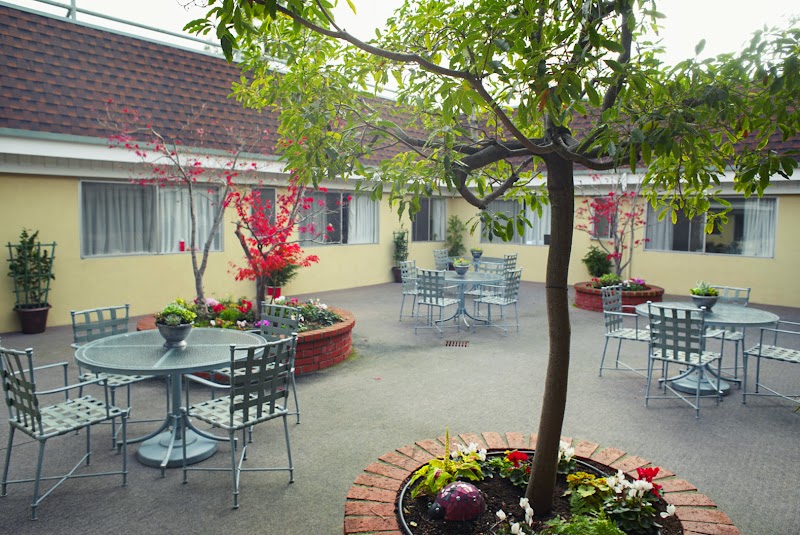
How is South Marin Health & Wellness Center Staffed?

CMS rates SOUTH MARIN HEALTH & WELLNESS CENTER's staffing level at 5 out of 5 stars, which is much above average compared to other nursing homes. Staff turnover is 30%, compared to the California average of 46%. This relatively stable workforce can support continuity of care.

What Have Inspectors Found at South Marin Health & Wellness Center?

State health inspectors documented 39 deficiencies at SOUTH MARIN HEALTH & WELLNESS CENTER during 2019 to 2024. These included: 1 that caused actual resident harm and 38 with potential for harm. Deficiencies causing actual harm indicate documented cases where residents experienced negative health consequences.

Who Owns and Operates South Marin Health & Wellness Center?

SOUTH MARIN HEALTH & WELLNESS CENTER is owned by a for-profit company. For-profit facilities operate as businesses with obligations to shareholders or private owners. The facility is operated by ASPEN SKILLED HEALTHCARE, a chain that manages multiple nursing homes. With 72 certified beds and approximately 65 residents (about 90% occupancy), it is a smaller facility located in GREENBRAE, California.
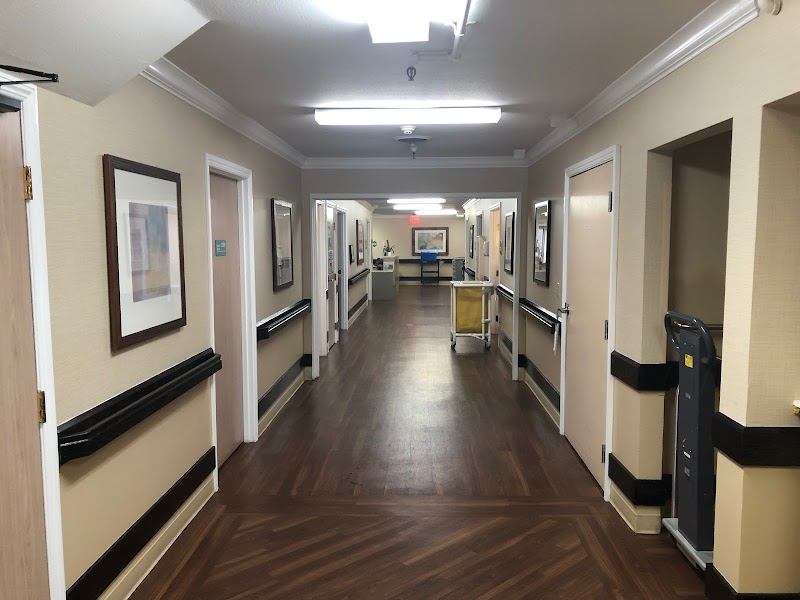
How Does South Marin Health & Wellness Center Compare to Other California Nursing Homes?

Compared to the 100 nursing homes in California, SOUTH MARIN HEALTH & WELLNESS CENTER's overall rating (5 stars) is above the state average of 3.2, staff turnover (30%) is significantly lower than the state average of 46%, and health inspection rating (3 stars) is at the national benchmark.

What Should Families Ask When Visiting South Marin Health & Wellness Center?

Based on this facility's data, families visiting should ask: "Can I visit during a mealtime to observe dining assistance and food quality?" "How do you handle medical emergencies, and what is your hospital transfer rate?" "Can I speak with family members of current residents about their experience?"

Is South Marin Health & Wellness Center Safe?

Based on CMS inspection data, SOUTH MARIN HEALTH & WELLNESS CENTER has a clean safety record: no substantiated abuse findings (meaning no confirmed cases of resident harm), no Immediate Jeopardy citations (the most serious violation level indicating risk of serious injury or death), and is not on the Special Focus Facility watch list (a federal program monitoring the lowest-performing 1% of nursing homes). The facility has a 5-star overall rating and ranks #1 of 100 nursing homes in California. While no facility is perfect, families should still ask about staff-to-resident ratios and recent inspection results during their visit.

Do Nurses at South Marin Health & Wellness Center Stick Around?

SOUTH MARIN HEALTH & WELLNESS CENTER has a staff turnover rate of 30%, which is about average for California nursing homes (state average: 46%). Moderate turnover is common in nursing homes, but families should still ask about staff tenure and how the facility maintains care continuity when employees leave.

Was South Marin Health & Wellness Center Ever Fined?

SOUTH MARIN HEALTH & WELLNESS CENTER has no federal fines on record. CMS issues fines when nursing homes fail to meet care standards or don't correct problems found during inspections. The absence of fines suggests the facility has either maintained compliance or corrected any issues before penalties were assessed. This is a positive indicator, though families should still review recent inspection reports for the full picture.

Is South Marin Health & Wellness Center on Any Federal Watch List?

SOUTH MARIN HEALTH & WELLNESS CENTER is not on any federal watch list. The most significant is the Special Focus Facility (SFF) program, which identifies the bottom 1% of nursing homes nationally based on persistent, serious quality problems. Not being on this list means the facility has avoided the pattern of deficiencies that triggers enhanced federal oversight. This is a positive indicator, though families should still review the facility's inspection history directly.