HAZEL HAWKINS MEMORIAL HOSPITAL D/P SNF
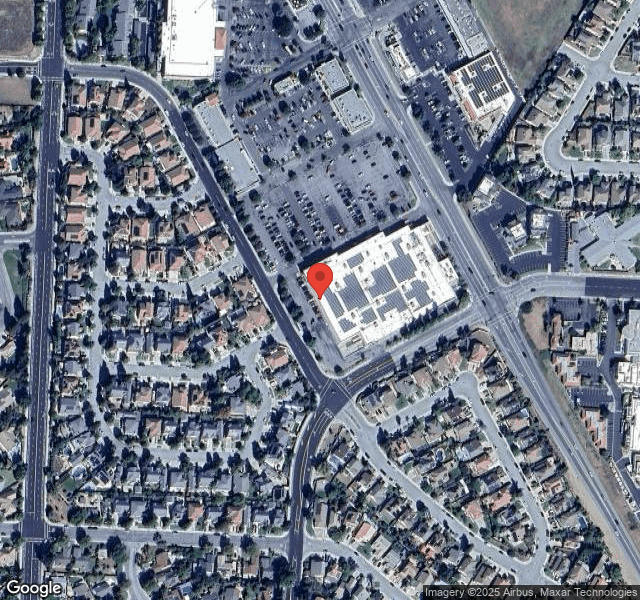
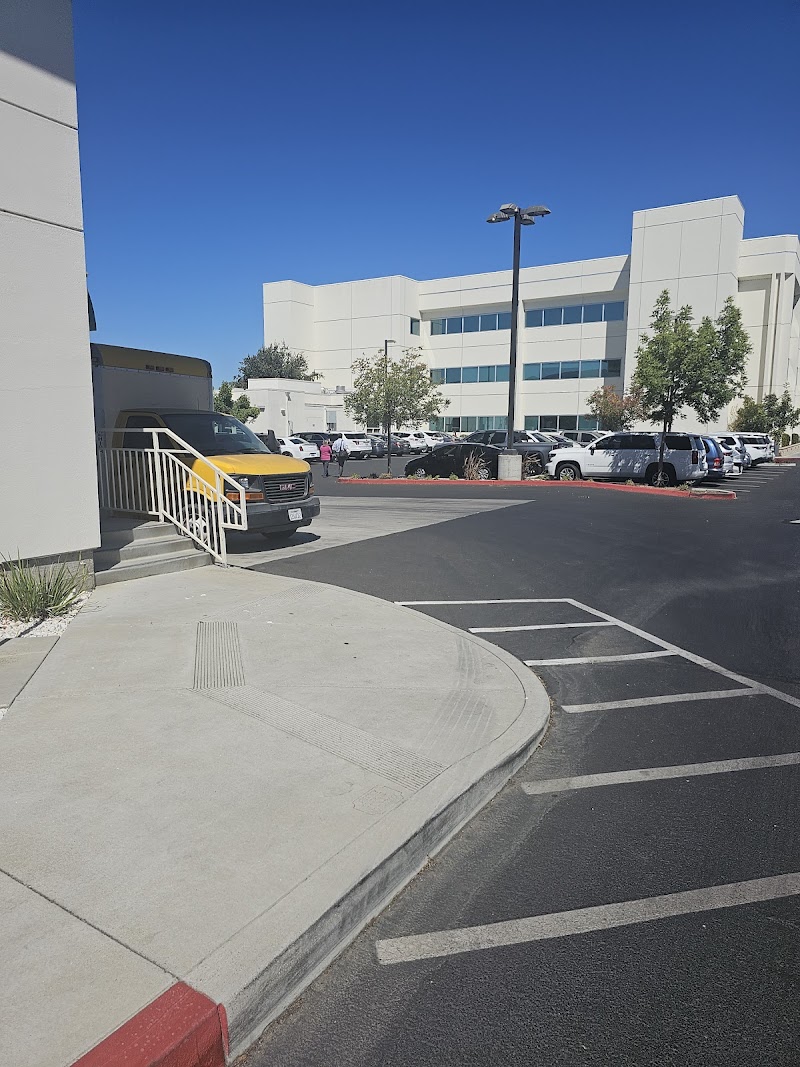
911 SUNSET DRIVE, HOLLISTER, CA 95023 (831) 637-5711
Government - Hospital district 119 Beds Independent Data: November 2025
Trust Grade
70/100
#370 of 1155 in CA
Last Inspection: March 2024

Within standard 12-15 month inspection cycle. Federal law requires annual inspections.

Overview

Hazel Hawkins Memorial Hospital D/P SNF has a Trust Grade of B, indicating it is a good choice for families, performing solidly among nursing homes. It ranks #370 out of 1,155 facilities in California, placing it in the top half, and is the only option in San Benito County, ranking #1. However, the facility's trend is concerning as issues have worsened from 1 in 2023 to 11 in 2024, which may signal deteriorating conditions. Staffing is a strength here, with a perfect 5/5 rating and only 10% turnover, significantly lower than the state average, meaning staff are experienced and familiar with residents. Notably, there have been incidents such as one resident suffering 18 falls due to inadequate supervision and a failure to create a comprehensive care plan for multiple residents, which could affect their well-being. While the facility has no fines and good RN coverage, the increasing number of concerns and specific incidents highlight areas needing improvement.

Trust Score
B
70/100
In California
#370/1155
Top 32%
Safety Record
Moderate
Needs review
Inspections
Getting Worse
1 → 11 violations
Staff Stability
✓ Good
10% annual turnover. Excellent stability, 38 points below California's 48% average. Staff who stay learn residents' needs.
Penalties
✓ Good
No fines on record. Clean compliance history, better than most California facilities.
Skilled Nurses
✓ Good
Each resident gets 53 minutes of Registered Nurse (RN) attention daily — more than average for California. RNs are trained to catch health problems early.
Violations
⚠ Watch
28 deficiencies on record. Higher than average. Multiple issues found across inspections.
★★★★☆
4.0
Overall Rating
★★★★★
5.0
Staff Levels
★★★★☆
4.0
Care Quality
★★★☆☆
3.0
Inspection Score
Stable
2023: 1 issues
2024: 11 issues

The Good

  • 5-Star Staffing Rating · Excellent nurse staffing levels
  • 4-Star Quality Measures · Strong clinical quality outcomes
  • Low Staff Turnover (10%) · Staff stability means consistent care
  • Full Sprinkler Coverage · Fire safety systems throughout facility
  • No fines on record
  • Staff turnover is low (10%)

    38 points below California average of 48%

Facility shows strength in staffing levels, quality measures, staff retention, fire safety.

The Bad

No Significant Concerns Identified

This facility shows no red flags. Among California's 100 nursing homes, only 1% achieve this.

The Ugly 28 deficiencies on record

1 actual harm
Dec 2024 1 deficiency
CONCERN (D) 📢 Someone Reported This

A family member, employee, or ombudsman was alarmed enough to file a formal complaint

Potential for Harm - no one hurt, but risky conditions existed

Deficiency F0697 (Tag F0697)

Could have caused harm · This affected 1 resident

**NOTE- TERMS IN BRACKETS HAVE BEEN EDITED TO PROTECT CONFIDENTIALITY** Based on observation, interview, and record review, the facility failed to provide treatment and care in accordance with profess...

Read full inspector narrative →
**NOTE- TERMS IN BRACKETS HAVE BEEN EDITED TO PROTECT CONFIDENTIALITY** Based on observation, interview, and record review, the facility failed to provide treatment and care in accordance with professional standards of practice related to pain management for one of four sampled residents (Resident 1) when Resident 1 did not receive the right dosage of oxycodone (a controlled drug used to treat moderate to severe pain) to manage severe pain to right hip. This failure had the potential to affect Resident 1's well-being. Findings: Review of Resident 1's clinical record titled, admission Record, indicated, Resident 1 was admitted to the facility on [DATE] with diagnoses including displaced subtrochanteric fracture of right femur (a severe injury to the thigh bone where the fractured ends is out of alignment), aftercare following joint replacement surgery (a procedure in which a surgeon removes a damaged joint and replaces it with new, artificial part), polyneuropathy (multiple nerve damage), presence of right artificial hip, and need assistance with personal care. Review of Resident 1's 5-day minimum data set (MDS, federally mandated resident assessment tool) assessment dated [DATE], indicated Resident 1's brief interview for mental status (BIMS, a tool used to assess cognition [knowing, learning, and understanding things]) score was 13 (0 to 7 indicates severe cognitive impairment, 8-12 moderate impairment, 13-15 patient is cognitively intact). Further review revealed, Resident 1 had frequently experienced pain, and frequently limited her participation in rehabilitation therapy (a form of treatment to restore function to those recovering from an injury or surgery) sessions, and day to day activities because of pain over the last 5 days. Review of Resident 1's clinical record titled, Order Summary Report, indicated an order of oxycodone hydrochloride (HCl)10 milligrams (mg, unit of measurement) every 6 hours as needed for moderate to severe pain which was ordered on 11/30/2024. Review of Resident 1's list of care plan titled, The resident had pain ., date initiated 12/2/2024, indicated, Anticipate the resident's needs for pain relief and respond immediately to any complaint of pain .Monitor Pain every shift and PRN [pro re nata - as the need arises] when giving PRN meds [medications] (0= no pain, 1-3= mild pain, 4-6= moderate pain, 7-10= severe pain). Review of Resident 1's December medication administration record (MAR, a record of medications given), indicated an order of oxycodone HCl 5 mg started on 11/30/2024, to be given every 6 hours as needed for moderate pain (4-6 pain scale). Further review indicated on 12/1/2024 at 2:36 a.m., Resident 1 had pain scale of 8 (severe pain) and on 12/2/2024 at 6:00 a.m., Resident 1 had pain scale of 7 (severe pain). Resident 1 was given 5 mg of oxycodone HCl on both times which was indicated for moderate pain. During a phone interview with Resident 1's family member on 12/12/2024 at 8:43 a.m., Resident 1's family member stated their complaint was about how the facility managed Resident 1's pain. Resident 1's family member further stated, their mother was supposed to get 10 mg of oxycodone every 6 hours but Resident 1 was given 5 mg instead. Resident 1's family member confirmed Resident 1 had dislocated her right hip which made her experienced severe right hip pain. During a concurrent interview with registered nurse A (RN A) and record review on 12/12/2024 at 2:00 p.m., RN A reviewed Resident 1's December MAR. RN A confirmed Resident 1 had severe pain on 12/1 at 2:36 a.m. and on 12/2 at 6:00 a.m. and was only given 5 mg of oxycodone HCl. RN A further confirmed the 5 mg of oxycodone HCl should only be given for complained of moderate pain which was 4-6 in pain scale. RN A stated the order for the use of 10 mg of oxycodone HCl should have been clarified because the given parameter for moderate to severe pain had caused confusion. During a concurrent interview with registered nurse B (RN B) and record review on 12/12/2024 at 2:26 p.m., RN B reviewed Resident 1's December MAR. RN B confirmed Resident 1 should have been given 10 mg of oxycodone HCl for pain scale of 8 and 7. During a phone interview with registered nurse C (RN C) on 12/12/2024 at 2:44 p.m., RN C confirmed she was one of Resident 1's nurses. RN C stated the pain scale of 7-10 was an indication of severe pain and oxycodone HCl 10 mg was ordered for severe pain. During a concurrent interview with interim director of nursing (IDON) and record review on 12/12/2024 at 2:52 p.m., IDON reviewed Resident 1's December MAR. IDON confirmed on 12/1 at 2:36 a.m. and on 12/2 at 6:00 a.m., Resident 1 had severe pain and should have been given oxycodone HCl 10 mg. During a review of the facility's policy and procedure titled, Pain Management, dated 11/05, indicated, .pain also will be assessed at minimum of every shift, and as needed. Pain will be documented on pain MAR. 3. Licensed nurse will assess pain and document the pain level on the supplemental documentation of MAR when any PRN pain medication was given.
Mar 2024 10 deficiencies
CONCERN (D)

Potential for Harm - no one hurt, but risky conditions existed

PASARR Coordination (Tag F0644)

Could have caused harm · This affected 1 resident

**NOTE- TERMS IN BRACKETS HAVE BEEN EDITED TO PROTECT CONFIDENTIALITY** Based on interview and record review, the facility failed to refer 2 of 18 sampled residents (Resident 6 and 35) to the appropri...

Read full inspector narrative →
**NOTE- TERMS IN BRACKETS HAVE BEEN EDITED TO PROTECT CONFIDENTIALITY** Based on interview and record review, the facility failed to refer 2 of 18 sampled residents (Resident 6 and 35) to the appropriate agency for a level two PASRR (pre-admission screening and resident review, a federal requirement to help ensure individuals are not inappropriately placed in nursing homes for long term care) evaluation when 1.Resident 6's PASRR Level one was positive, and 2.Resident 35 was diagnosed with schizophrenia (a disorder that affects a person's ability to think, feel, and behave clearly) and psychosis (a severe mental disorder in which thought and emotions are so impaired that contact is lost with external reality) not due to a substance or known physiological condition after admission. This failure had the potential to put the residents at risk of not receiving appropriate care and services. Findings: 1. A review of Resident 6's clinical record indicated she was admitted to the facility on [DATE] with diagnoses including psychotic disorder (a collection of symptoms that affect the mind, where there has been some loss of contact with reality), Major depressive disorder (A mental health disorder characterized by persistently depressed mood or loss of interest in activities, causing significant impairment in daily life), Anxiety disorder (A mental health disorder characterized by feelings of worry, anxiety, or fear that are strong enough to interfere with one's daily activities) vascular dementia with behavioral disturbance (changes to memory, thinking, and behavior resulting from conditions that affect the blood vessels in the brain). A clinical record review indicated that Resident 6 was diagnosed with a psychotic disorder (a mental disorder characterized by a disconnection from reality), not due to a substance of known physiological condition on 2/4/2019. A clinical record review indicated that Resident 6's PASRR level one evaluation was positive on 6/22/2022, and no documentation indicated that Resident 6's PASRR level two evaluation was completed at that time. A reveiw of Resident 6's physician's order, dated10/1/2023, indicated she received Olanzapine (antipsychotic medication that helps to manage symptoms of mental health conditions such as seeing, hearing, feeling or believing things that others do not, feeling unusually suspicious or having muddled thoughts, feeling agitated or hyperactive, very excited, elated, or impulsive ) 5 milligrams (mg, unit of dose measurement) one tablet by mouth two times a day to vascular dementia with behavioral disturbance. During an interview with the Minimum Date Set Coordinator (MDSC) on 3/19/24 at 11:01 a.m., The MDSC stated she was responsible for the PASRR program and confirmed that no documentation indicated Resident 6's Level 2 evaluation was completed until 3/18/2024. The MDSC further stated that Resident 6's PASRR level one evaluation was positive in June 2022 and she should have received a PASRR level two evaluation at that time. 2. A review of Resident 35's clinical record indicated she was admitted to the facility on [DATE] with diagnoses including major depressive disorder, dementia with behavioral disturbance, and schizophrenia. A review of Resident 35's physician order indicated that Resident 35 received Seroquel tablet 25 mg by mouth two times a day related to schizophrenia on 3/31/2023. During an interview with the MDSC on 3/19/24 at 11:05 a.m., The MDSC confirmed that no documentation indicated that Resident 35's Level 2 evaluation was completed until 3/18/2024. The MDSC stated that MDS staff should have referred Resident 35 for a level 2 PASRR evaluation after she was diagnosed with schizophrenia to ensure Resident 35 could receive appropriate care and services. During an interview with the Director of Nursing (DON) on 3/19/24 at 12:57 p.m., The DON confirmed that no documentation indicated that PASRR Level 2 evaluations were completed for residents 6 and 35 until 3/18/2024. The DON further stated that the MDS staff should have referred those two residents for PASRR 2 evaluation to ensure they could receive proper treatment and care. A review of the facility's undated policy, titled PASRR General Overview, indicated, The PASRR process is divided into two components . the RR process is completed for current NF residents, readmission, or inter-facility transfers when there is a significant change in the individual's physical or mental condition . A level 1 screening is used to identify if an individual has, or is suspected of having a PASRR condition, then a Level 2 Evaluation will be performed, and a determination made .
CONCERN (D) 📢 Someone Reported This

A family member, employee, or ombudsman was alarmed enough to file a formal complaint

Potential for Harm - no one hurt, but risky conditions existed

Pressure Ulcer Prevention (Tag F0686)

Could have caused harm · This affected 1 resident

**NOTE- TERMS IN BRACKETS HAVE BEEN EDITED TO PROTECT CONFIDENTIALITY** Based on interview and record review, the facility failed to document care consistent with professional standards of practice, t...

Read full inspector narrative →
**NOTE- TERMS IN BRACKETS HAVE BEEN EDITED TO PROTECT CONFIDENTIALITY** Based on interview and record review, the facility failed to document care consistent with professional standards of practice, to prevent pressure ulcers (injury to skin and underlying tissue resulting from prolonged pressure on the skin) from possibly getting worse for one out of six residents (Resident 238) investigated with pressure ulcer, when staff did not document whether they turned and repositioned Resident 238 every two hours, from 6/23/23 to 6/27/23. This failure resulted in the lack of documentation for whether Resident 238 was turned and repositioned. Findings: Review of Resident 238's face sheet (a document that gives resident's information at a quick glance) indicated, Resident 238 was admitted to the facility on [DATE] with diagnoses including fracture (a complete or partial break in a bone) of unspecified part of neck of right femur (thigh bone), subsequent encounter for closed fracture (bone is broken but the skin is intact) with routine healing, unspecified heart failure (a chronic condition in which the heart doesn't pump blood as well as it should) and unspecified Alzheimer's disease (a progressive disease that destroys memory and other important mental functions). Review of Resident 238's admission skin pressure ulcer assessment (comprehensive evaluation) dated 6/23/23, indicated, Resident 238 had suspected deep tissue injury (persistent non-blanchable deep red, purple or maroon areas of intact skin, non-intact skin or blood-filled blisters caused by damage to the underlying soft tissues), sacral (located below the lumbar spine and above the tailbone) coccygeal (at the very bottom of the spine, also known as the tailbone) pressure ulcer measuring 8 centimeters (cm, unit of length) x 9 cm, with the center of the wound covered with a layer of glossy/shiny drainage surrounded by non-blanchable (discoloration of the skin that does not turn white when pressed) redness, which was a suspected deep tissue injury, measuring, 2 cm x 0.7 cm x 0.1 cm. Resident 238 to be turned and repositioned routinely. Review of Resident 238's skin pressure ulcer assessment dated [DATE], indicated, there were no changes in Resident 238's pressure ulcer. Review of Resident 238's care plan for her pressure ulcer indicated, turning and repositioning of Resident 238 every 2 hours and as needed in bed in the interventions, revised on 8/22/23. Review of Resident 238's turning and repositioning program task documentation for certified nursing assistants, indicated that it was initiated at 12:00 p.m., on 6/28/23. During an interview with quality assurance registered nurse (QARN) on 3/19/24 at 10:00 a.m., QARN verified that the task of turning and repositioning of Resident 238 every 2 hours was initiated on 6/28/23 and not on admission to the facility, which was 6/23/23. During an interview with the director of nursing (DON) on 3/19/24 at 11:08 a.m., DON verified that the task for the certified nursing assistants to turn and reposition Resident 238 every 2 hours was started on 6/28/23, and not on 6/23/23. DON further verified that there was no documentation to indicate Resident 238 was turned and repositioned every 2 hours, from 6/23/23 to 6/27/23. The certified nursing assistants started to document the task of turning and repositioning every 2 hours on 6/28/23. Review of the undated facility's policy and procedure titled, Skin Care and Wound Management, indicated, All residents are considered at risk for pressure ulcer/injury development. All residents have preventative measures in place that include pressure redistribution mattresses on all beds, wheelchair cushion, heel boots or suspension, frequent repositioning per certified nursing assistant (CNA) and activities of daily living (ADL, personal care related activities) care, incontinent care provided with skin cleansers/wipes and barrier cream application if needed.
CONCERN (D)

Potential for Harm - no one hurt, but risky conditions existed

Respiratory Care (Tag F0695)

Could have caused harm · This affected 1 resident

Based on observation, interview and record review, the facility failed to follow physician's orders for oxygen (a component of air essential to living organisms) rate administration for 1 of 3 sampled...

Read full inspector narrative →
Based on observation, interview and record review, the facility failed to follow physician's orders for oxygen (a component of air essential to living organisms) rate administration for 1 of 3 sampled resident (Resident 48). This failure had the potential to compromise Resident 48's health and well-being. Findings: Review of Resident 48's face sheet (a document that gives a resident's information at a quick glance) indicated Resident 48 readmitted to facility on 3/6/2023. Review of Resident's admission diagnoses including systemic inflammatory response syndrome (a condition in which there is inflammation [a normal part of the body's response to injury or infection] throughout the whole body), anemia (a condition in which the body does not have enough healthy red blood cells to provide oxygen to body tissues), and chronic kidney disease (a gradual loss of kidney function over the time). Review of Resident 148's physician orders ,dated 3/7/2024, indicated, Oxygen at 2 LPM (LPM: liters per minute, oxygen measured in liters per minute) via nasal cannula (NC, a medical device to provide supplemental oxygen to residents) continuously for SOB (shortness of breath - difficulty in breathing)/anemia. During an observation on 3/11/2024 at 2:36 p.m., Resident 48's room air concentrator's (RAC, a medical device that takes in air from the room and filters out nitrogen (a component of air) to provides higher amounts of oxygen) oxygen rate was set at 2.5 LPM, which was delivered via NC for Resident 48. During a second observation on 3/12/2024 at 9:39 a.m., Resident 48's RAC's oxygen rate was set at 2.5 LPM via NC. During a concurrent review of Resident 48's physician orders for oxygen rate and an interview with registered nurse I (RN I) on 3/1/2024 at 9:44 a.m., RN I confirmed Resident 48's RAC was set to deliver oxygen at a rate of 2.5 LPM. RN I confirmed Resident 48 had an order for oxygen rate for 2 LPM. RN I adjusted RAC's oxygen rate to 2 LPM and stated staff should have verified and followed the physician order for oxygen rate for Resident 48. RN I stated staff should have set oxygen rate at 2 LPM, and not at 2.5 LPM for Resident 48 as ordered. During an interview with director of nursing (DON) on 3/15/2024 at 11:21 a.m., the DON stated staff should have set RAC at rate of 2 LPM for Resident 48. Review of facility's policy and procedure (P&P) titled, Oxygen Therapy-Nasal Cannula and Simple Mask, effective 01/08, indicated, Set the flowmeter to the setting ordered by the physician. Turn on the oxygen at the flow rate as ordered.
CONCERN (D)

Potential for Harm - no one hurt, but risky conditions existed

Unnecessary Medications (Tag F0759)

Could have caused harm · This affected 1 resident

Based on observation, interview, and record review, the facility had a medication error rate of 5.88% when two medication errors occurred out of 34 opportunities during the medication administration f...

Read full inspector narrative →
Based on observation, interview, and record review, the facility had a medication error rate of 5.88% when two medication errors occurred out of 34 opportunities during the medication administration for two of 12 residents (Residents 30 and 31). Both residents did not receive their medications as ordered. The failures resulted in medications not given according to the physician's orders and had the potential for them not receiving the full therapeutic effects of the medications. Findings: 1. During a medication administration observation with Registered Nurse (RN) A on 3/11/24 at 11:49 a.m., she was observed giving two medications to Resident 30 including a bottle of Systane Lubricant Eye drops. At the bedside, RN A instilled one drop of Systane eye solution into each of the resident's eyes. A review of Resident 30's physician's order, dated 10/9/22, indicated for Refresh Tears Solution (Carboxymethylcelulose Sodium) [active ingredient, a type of lubricant], to instill 1 drop in both eyes three times daily for dry eyes. During a concurrent interview and record review with RN A on 3/11/24 at 2:09 p.m., a review of the active ingredients on the Systane Lubricant Eye drops (used earlier for Resident 30) indicated two lubricant products: polyethylene glycol 0.4% and propylene glycol 0.3%. RN A confirmed the physician's order indicated Refresh Tears Solution while she administered Systane Eye drops. She acknowledged both products were not the same as they did not have the same active ingredients. 2. During an interview on 3/11/24 at 4:05 p.m., in front of Resident 31's room, RN B stated she was being oriented by RN C on medication administration. On 3/11/24 at 4:07 p.m. in the presence of RN C, RN B was observed preparing a medication for Resident 31. She poured 5 milliliters (mL, unit of measurement) of valproic acid (a medication to manage seizures) 250 milligrams (mg) per 5 mL into a small medication cup. On 3/11/24 at 4:11 p.m., RN B was observed bringing the 5-mL valproic acid liquid cup along with a 30-mL cup of water into Resident 31's room. At the resident's bedside, she disconnected the resident's enteral tube and checked the resident residual volume (the amount of liquid drained from a stomach following administration of enteral feed) and the tube placement. Then, RN B attached the syringe to the resident's gastrostomy tube (also called a G-tube, a tube inserted through the abdomen that delivers nutrition and medications directly to the stomach) and poured the valproic acid liquid into the tube without flushing the tubing with water first. During an interview on 3/11/24 at 4:26 p.m., in the presence of RN C, RN B acknowledged she should have flushed the resident's enteral tubing with water first before pouring the medication into it. A review of Resident 31's physician's order, dated 10/27/23, indicated to give valproic acid solution 250 mg/5mL, give 500 mg via G-tube two times a day related to UNSPECIFIED CONVULSIONS. During a concurrent interview and record review with RN B and RN C on 3/11/24 at 5:08 p.m., they reviewed Resident 31's physician's order for valproic acid and confirmed it indicated to give 500 mg (or 10 mL). A review of the pharmacy label on the valproic acid bottle also indicated to GIVE 500 mg = (10 ML) BY MOUTH VIA G-TUBE TWO TIMES A DAY. Both nurses confirmed it was an error by giving only 5 mL. RN C stated, We will give another 5 mL now. During an interview with the Director of Nursing (DON) on 3/12/24 12:22 p.m., she stated the resident's G-tube should be flushed with water before, between, and after medication administration. A review of the facility's policy and procedures (P&P) titled Medication Administration, dated 1/2021, indicated: Medications are administered in accordance with written orders of the prescriber. Regarding the medication administration through the enteral tubes, the P&P indicated: Enteral tubes are flushed with at least 15 mL of water before administering any medications and after all medications have been administered.
CONCERN (D)

Potential for Harm - no one hurt, but risky conditions existed

Deficiency F0761 (Tag F0761)

Could have caused harm · This affected 1 resident

**NOTE- TERMS IN BRACKETS HAVE BEEN EDITED TO PROTECT CONFIDENTIALITY** Based on observation, interview, and record review, the facility failed to ensure medications were labeled and stored appropriat...

Read full inspector narrative →
**NOTE- TERMS IN BRACKETS HAVE BEEN EDITED TO PROTECT CONFIDENTIALITY** Based on observation, interview, and record review, the facility failed to ensure medications were labeled and stored appropriately when insulin (medication to lower blood sugar) pens were not labeled with an expiration date when stored at room temperature; expired medications were identified in two of two medication carts, and in two of two medication rooms; and the temperature was not being monitored and maintained twice daily for two out of two medication refrigerators as per facility policy and procedures (P&P). This failure had the potential for the insulin to be administered past the 28-day expiration date; expired medications given to the residents; and loss of drug potency due to unmonitored temperatures. Findings: 1. During a visit to the Northside Medication Room with Licensed Vocational Nurse (LVN) D on 3/11/24 at 9:21 a.m., the medication refrigerator was identified. A quick review of the contents inside reflected it contained several refrigerated medications including two boxes of flu vaccine and two syringes of pneumococcal vaccine (help prevent infections caused by certain types of bacteria called pneumococcus). LVN D stated the staff monitored the refrigerator temperature twice daily (day shift and night shift). A review of the temperature logs (in a binder) with LVN D indicated the staff did not consistently monitor the temperature during the day shift. The monitoring was missing (not documented) 3 days in December 2023, 3 days in January 2024, and 1 day in March 2024. LVN D verified the refrigerator temperature log was incomplete. During this visit to the medication room with LVN D, two out of two Epipens (life-saving medication used when someone is experiencing a severe allergic reaction, known as anaphylaxis) were identified in a medication drawer with an expiration date of 9/2023. LVN D confirmed the Epipens were expired. 2. On 3/11/24 at 9:42 a.m., an inspection of Team 1 Medication Cart (on Northside) was inspected with LVN E. Two Basaglar KwikPens (pre-filled pens containing long-acting insulin) for two residents were stored at room temperature and without a written expiration date, and one of one Glutose 15 (oral glucose gel - used to treat low blood sugar levels) with an expiration date of 2/29/24. LVN E confirmed the Glutose 15 had expired and the insulin pens had no expiration date. She stated they were unopened. For Basaglar KwikPen storage, a review of the Lexi-comp, a nationally known drug information resource, indicated to store unopened prefilled pens at room temperature . for 28 days. 3. On 3/11/24 at 10:18 a.m., an inspection of the Medication Cart on Southside with Registered Nurse (RN) A identified a bottle of famotidine (medication to treat stomach upset) that had an expiration date of 1/2024. RN A confirmed this finding. 4. During a visit to the Southside Medication Room on 3/11/24 at 9:30 a.m., the medication refrigerator was identified. It contained numerous refrigerated medications including several syringes of flu vaccine. A review of the temperature logs, from June 2023 to March 2024, indicated they were incomplete or not logged during the day shift: 4 days in September 2023, 6 days in October 2023, and 2 days in February 2024. RN A acknowledged the missing temperature monitoring. Additionally, the following expired products were identified and confirmed with RN A during this same visit: - Two of two Glutose15 tubes: expired [DATE] - Two of two boxes, each containing 100 counts of zinc sulfate 220 milligrams (a mineral used to replenish low levels of zinc or prevent zinc deficiency): expired 2/2024 - A tray containing 16 (sixteen) 10-mL single vials of sterile water for injection (a diluent to mix with intravenous products): expired 12/2023. During an interview with the Director of Nursing (DON) on 3/12/24 at 12:22 p.m., she stated her expectation is that the staff monitor medication refrigerator twice daily to make sure the temperature is within range because the efficiency of meds depends on the temp. A review of the facility's P&P titled Storage of Medications, dated 1/2021, indicated: Medications and biologicals are store properly, following manufacturer's or provider pharmacy recommendation, to maintain their integrity and to support safe effective drug administration, The temperature of any refrigerator that stores vaccines should be monitored and recorded twice daily, Insulin products should be stored in the refrigerator until opened, and Outdated . medications . are immediately removed from stock .
CONCERN (D)

Potential for Harm - no one hurt, but risky conditions existed

Deficiency F0806 (Tag F0806)

Could have caused harm · This affected 1 resident

Based on observation, interview and record review, the facility failed to ensure to accommodate food dislikes for one out of three sampled residents (Resident 58). This failure had the potential for d...

Read full inspector narrative →
Based on observation, interview and record review, the facility failed to ensure to accommodate food dislikes for one out of three sampled residents (Resident 58). This failure had the potential for decreased meal intake and negative effects on health and well-being for Resident 58. Findings: During lunch observation in the facility's south building's dining room on 3/11/2024 at 12:23 p.m., cut pieces of carrots along with other food items were on Resident 58'slunch plate. Review of Resident 58's lunch tray card, dated 3/11/2024, indicated under dislikes No: Carrots, Cauliflower. Review of facility's lunch menu for 3/11/2024 indicated carrots lyonnaise along with other food items. During a concurrent interview, and record review of Resident 58's lunch tray card with certified nursing assistant K (CNA K), on 3/11/2024 at 12:30 p.m., CNA K acknowledged carrots under dislikes for Resident 58. CNA K stated dietary staff should not have provided carrots to Resident 58 as indicated under food dislikes for Resident 58. During an interview with facility's certified dietary manger L (CDM L) on 3/11/2024 at 12:36 p.m., CDM L confirmed Resident 58's lunch tray card indicated carrots under food dislikes; however, Resident 58 received carrots for lunch. CDM L stated dietary staff should not have served carrots to Resident 58. During a concurrent interview and record review of Resident 58's lunch tray card with facility's registered dietitian (RD) on 3/15/2024 at 12:25 p.m., RD stated dietary staff should have read food dislikes and not served carrots for Resident 58 for lunch on 3/11/2024. Review of facility's policy and procedure (P&P) titled, Dietary Services, effective 02/96, indicated, Special requests by residents are sent, in writing to dietary. Resident receives those special requests unless contraindicated by diet.
CONCERN (D)

Potential for Harm - no one hurt, but risky conditions existed

Infection Control (Tag F0880)

Could have caused harm · This affected 1 resident

Based on observation, interview, and record review, the facility failed to maintain an infection prevention and control practice to prevent the spread of infection when: 1. A nasal cannula (NC: a medi...

Read full inspector narrative →
Based on observation, interview, and record review, the facility failed to maintain an infection prevention and control practice to prevent the spread of infection when: 1. A nasal cannula (NC: a medical device to provide supplemental oxygen to residents) tubing was on the floor, and dated 3/3; 2. A Foley catheter (F/C: a semi-flexible plastic tube, one end inserted into the bladder [body organ that stores urine] and the other end is attached to a bag that collects urine) drain bag's cover touched the floor; 3. Nursing staff failed to disinfect the shared blood pressure (BP) cuff (the device used to measure BP) before and after use for Resident 82. These failures had the potential for the spread of infections and communicable diseases among residents. Findings: 1.During an observation on 3/11/2024 at 10:38 a.m., NC tubing, that was dated 3/3, and was attached to a room air concentrator (RAC: a medical device that take in air from the room and filter out nitrogen to provides higher amounts of oxygen) lay on the floor next to nightstand when it was not in use in Resident 54's room. During an interview with registered nurse A (RN A) on 3/11/2024 at 10:51 a.m., RN A confirmed the NC tubing was on the floor and that it was dated 3/3. RN A stated NC tubing needs to changed every week and to keep the tubing in a storage bag when not in use. RN A also stated staff should have changed NC tubing on 3/10/2024, and placed the tubing in a storage bag when oxygen was not in use per standard infection control practices. 2. During an observation on 3/11/2024 at 2:06 p.m., a drainage bag's privacy cover touched the floor for Resident 48. During an interview with certified nursing assistant J (CNA J) on 3/11/2024 at 2:18 p.m., CNA J confirmed Resident 48's Foley catheter drainage bag's cover touched the floor. CNA J stated the drainage bag should be off the floor. During an interview with RN I on 3/12/2024 at 9:44 a.m., RN I stated Resident 48's Foley catheter drainage bag's cover should be off the floor for infection control purposes. During an interview with facility's infection preventionist (IP) on 3/13/2024 at 10:58 a.m., IP stated the Foley catheter drainage bag's cover should be above the floor. During an interview with the facility's IP on 3/13/2024 at 11:15 a.m., IP stated the NC tubing should have been changed every week and placed in a storage bag when not in use to follow standard infection control practices. Review of facility's policy and procedure (P&P) titled, Oxygen Safety, effective 12/07, indicated, Oxygen tubing should be coiled without kinks and placed in the storage bag, this is to prevent tripping and promote optimal infection control. Nasal Cannulas, simple masks or non-rebreathing mask will also be changed every 7 days and as needed. Review of facility's policy and procedure (P&P) titled, Catheter-Urinary Retention-Insertion, effective 2/95, indicated, Ensure that the emptying base of the drainage bag is closed. Secure the drainage bag to the bed frame using the hook or strap provided. Suspend the bag off the floor . 3. During a medication administration observation on 3/11/24 at 4:42 p.m., Registered Nurse (RN) F was observed getting the shared BP cart (containing the BP monitor and cuff) from the hallway and bringing it to Resident 82's room. At the resident's bedside, RN F wrapped the BP cuff around Resident 82's right upper arm to check the BP without disinfecting it first. After administering a medication to the resident, on 3/11/24 at 4:49 p.m., RN F brought the BP cart back out to the hallway and placed it by the medication cart. She did not disinfect the BP cuff after use. In an interview on 3/11/24 at 4:51 a.m., RN F stated the BP cart was being shared among residents. She confirmed she did not disinfect the BP cuff before and after use for Resident 82. She stated she was not sure if it should be disinfected, saying that maybe the previous user already wiped it down. However, RN F acknowledged she would not have known if the previous user cleaned it after use, as she did not clean it after use. During an interview with the Director of Nursing (DON) on 3/12/24 at 12:22 p.m., she stated shared equipment, such as the BP cuff, should be disinfected before and after use; such that, if the nurse took it from the hallway, and there is no sign or label indicating it was cleaned/disinfected by the previous user, the nurse should clean it before using it on the next resident. A review of the facility's policy and procedure titled, Cleaning and Disinfection of Patient Care Equipment, revised on 1/30/22, indicated the facility staff ensuring the non-critical resident-care items (are those that come in contact with intact skin but not mucous membranes), including blood pressure cuffs, are cleaned with the hospital-approved detergent/disinfectant before use and that all used or contaminated equipment is appropriately cleaned before reuse, and If it is unclear whether patient care equipment has been cleaned, it must be cleaned before patient use.
CONCERN (E)

Potential for Harm - no one hurt, but risky conditions existed

Comprehensive Care Plan (Tag F0656)

Could have caused harm · This affected multiple residents

**NOTE- TERMS IN BRACKETS HAVE BEEN EDITED TO PROTECT CONFIDENTIALITY** Based on observation, interview and record review, the facility failed to develop and implement, comprehensive, resident-centere...

Read full inspector narrative →
**NOTE- TERMS IN BRACKETS HAVE BEEN EDITED TO PROTECT CONFIDENTIALITY** Based on observation, interview and record review, the facility failed to develop and implement, comprehensive, resident-centered, care plans for five out of twenty sampled residents, (Residents 51, 42, 47, 43 and 82), when the activity care plans of Residents 51, 42, 47, 43 and 82, were not comprehensive and resident-centered. These failures had the potential to result in the residents not receiving the interventions necessary to maintain their highest level of well-being. Findings: 1. Review of Resident 51's face sheet (a document that gives resident's information at a quick glance) indicated, Resident 51 was admitted to the facility on [DATE] with diagnoses including unspecified atrial fibrillation (an irregular, often rapid heart rate that commonly causes poor blood flow), unspecified chronic kidney disease (longstanding disease of the kidneys leading to renal failure) and essential primary hypertension (abnormally high blood pressure that's not the result of a medical condition). During an observation of Resident 51 on 3/11/24 at 9:40 a.m., Resident 51 was sitting in her wheelchair, alert, calm and verbally responsive. Review of Resident 51's active physician orders as of 3/12/24 indicated, Resident 51 may participate in activities as desired, ordered on 1/21/19. During the interview with the activity director (AD), on 3/13/24 at 2:21 p.m., AD stated that they do room visits three times per week and had her nails and hair done. AD further stated that Resident 51 also had communions in her room, twice per month. Review of Resident 51's care plans indicated, Resident 51 did have one on one room visits three times per week in the interventions of her activity care plan but there were no specific activities to be provided during the room visits and this intervention was not updated since it was created on 1/25/19. Resident 51's activity care plan, was not comprehensive and resident-centered, that included measurable objectives and timetables to meet the resident's physical, psychosocial and functional needs. During a concurrent record review of Resident 51's activity care plan and interview with the quality assurance registered nurse (QARN), on 3/15/24 at 9:14 a.m., QARN verified, Resident 51 did not have specific activities to be provided during the room visits, and the one-on-one room visit activity care plan intervention was not updated since it was created on 1/25/19. QARN further verified, Resident 51's activity care plan, was not comprehensive and resident-centered, that includes measurable objectives and timetables to meet the resident's physical, psychosocial and functional needs. QARN stated she would notify the AD to update this intervention in the activity care plan of Resident 51. During an interview with AD, on 3/15/24 at 11:45 a.m., AD verified, Resident 51 did not have specific activities to be provided during the room visits and the one-on-one room visit activity care plan intervention was not updated since it was created on 1/25/19. AD further verified, Resident 51's activity care plan, was not comprehensive and resident-centered, that includes measurable objectives and timetables to meet the resident's physical, psychosocial and functional needs. AD then stated that Resident 51 should have a comprehensive, resident-centered activity care plan; and that, she will update Resident 51's activity care plan. 2. Review of Resident 42's face sheet indicated, Resident 42 was admitted to the facility on [DATE] with diagnoses including type 2 diabetes mellitus (adult onset and most common type of diabetes which is a condition that occurs when the blood glucose is too high), unspecified hyperlipidemia (a condition in which there are high levels of fat particles in the blood) and essential primary hypertension (abnormally high blood pressure that's not the result of a medical condition). During an observation of Resident 42 on 3/11/24 at 11:35 a.m., Resident 42 was lying in bed in his room, alert, calm and comfortable. Review of Resident 42's activity initial assessment on 3/11/22 indicated, Resident 42 likes to watch television shows, listen to country and western music, playing solitaire (card game) and going out into the garden. During the interview with the activity director (AD), on 3/13/24 at 2:24 p.m., AD stated that they do room visits three times per week, socializing with Resident 42, playing music and watching movies. AD further stated that Resident 42 also wanted to play with the iPad [brand name of a touchscreen tablet computer]. Review of Resident 42's care plans indicated, Resident 42 did have one-on-one room visits three times per week in the interventions of his activity care plan but there were no specific activities to be provided during the room visits; and that, this intervention was not updated since it was created on 3/8/22. Resident 42's activity care plan, was not comprehensive and resident-centered, that includes measurable objectives and timetables to meet the resident's physical, psychosocial, and functional needs. During a concurrent record review of Resident 42's activity care plan and interview with the QARN, on 3/15/24 at 9:16 a.m., QARN verified, Resident 42 did not have specific activities to be provided during the room visits; and that, the one-on-one room visit activity care plan intervention was not updated since it was created on 3/8/22. QARN further verified, Resident 42's activity care plan was not comprehensive and resident-centered; such that, it would include measurable objectives and timetables to meet the resident's physical, psychosocial and functional needs. The QARN stated she would notify the AD to update this intervention in the activity care plan of Resident 42. During an interview with AD, on 3/15/24 at 11:47 a.m., AD verified, Resident 42 did not have specific activities to be provided during the room visits and the one-on-one room visit activity care plan intervention was not updated since it was created on 3/8/22. AD further verified, Resident 42's activity care plan, was not comprehensive and resident-centered, that includes measurable objectives and timetables to meet the resident's physical, psychosocial and functional needs. AD then stated that Resident 42 should have comprehensive, resident-centered activity care plan and she will update Resident 42's activity care plan. 3. Review of Resident 47's face sheet indicated, Resident 47 was admitted to the facility on [DATE] with diagnoses including Huntington's disease (an inherited condition in which nerve cells in the brain break down over time), unspecified severe protein-calorie malnutrition (refers to a nutritional status in which reduced availability of nutrients leads to changes in body composition and function characterized by obvious significant muscle wasting, loss of subcutaneous fat or significantly reduced functional capacity) and unspecified atrial fibrillation. During an observation of Resident 47 on 3/11/24 at 11:55 a.m., Resident 47 was lying in bed in his room, alert, calm, and comfortable. Review of Resident 47's active physician orders indicated, Resident 51 may participate in activities as desired, ordered on 1/25/23. During the interview with the activity director (AD), on 3/13/24 at 2:08 p.m., AD stated that they do one on one room visits twice per day, socializing with Resident 47, watching Netflix (streaming service that offers a wide variety of shows) channels and doing sensory stimulation. Review of Resident 47's care plans indicated, Resident 47 did have one-on-one room visits but just three times per week in the interventions of his activity care plan and there were no specific activities to be provided during the room visits and this intervention was not updated since it was created on 1/25/23. Resident 47's activity care plan, was not comprehensive and resident-centered; such that, it would include measurable objectives and timetables to meet the resident's physical, psychosocial and functional needs. During a concurrent record review of Resident 47's activity care plan and interview with the QARN, on 3/15/24 at 9:08 a.m., QARN verified, Resident 47 did not have the right frequency of the one-on-one room visits; there were no specific activities to be provided during the room visits; and, the one-on-one room visit activity care plan intervention was not updated since it was created on 1/25/23. QARN further verified Resident 47's activity care plan was not comprehensive and resident-centered; such that, it would include measurable objectives and timetables to meet the resident's physical, psychosocial and functional needs and would notify the AD to update this intervention in the activity care plan of Resident 47. During an interview with AD, on 3/15/24 at 11:40 a.m., AD verified, Resident 47 did not have the right frequency of one-on-one room visits; there were no specific activities to be provided during the room visits; and, the one-on-one room visit activity care plan intervention was not updated since it was created on 1/25/23. AD further verified Resident 47's activity care plan was not comprehensive and resident-centered; such that, it would include measurable objectives and timetables to meet the resident's physical, psychosocial, and functional needs. AD then stated that Resident 47 should have a comprehensive, resident-centered activity care plan; and that, she will update Resident 47's activity care plan. 4. Review of Resident 43's face sheet indicated, Resident 43 was admitted to the facility on [DATE] with diagnoses including unspecified Alzheimer's disease (a progressive disease that destroys memory and other important mental functions), unspecified hyperlipidemia and unspecified acute kidney failure (a condition in which the kidneys suddenly could not filter waste from the blood). During an observation of Resident 43 on 3/11/24 at 12:02 p.m., Resident 43 was lying in bed in his room, confused and could not talk. Review of Resident 43's active physician orders as of 3/12/24 indicated, Resident 43 may participate in activities as desired, ordered on 8/24/22. During the interview with the activity director (AD), on 3/13/24 at 2:08 p.m., the AD stated that they do one-on-one room visits three times per week, socializing with Resident 43 and reading the bible. Review of Resident 43's care plans indicated, Resident 43 did have one-on-one room visits three times per week in the interventions of his activity care plan, but there were no specific activities to be provided during the room visits and this intervention was not updated since it was created on 8/24/22. Resident 43's activity care plan, was not comprehensive and resident-centered; such that, it would include measurable objectives and timetables to meet the resident's physical, psychosocial and functional needs. During a concurrent record review of Resident 43's activity care plan and interview with the QARN, on 3/15/24 at 9:11 a.m., the QARN verified, Resident 43 did not have specific activities to be provided during the room visits and the one-on-one room visit activity care plan intervention was not updated since it was created on 8/24/22. QARN further verified, Resident 43's activity care plan, was not comprehensive and resident-centered; such that, it would include measurable objectives and timetables to meet the resident's physical, psychosocial and functional needs. The QARN stated she would notify the AD to update this intervention in the activity care plan of Resident 43. During an interview with AD, on 3/15/24 at 11:42 a.m., the AD verified Resident 43 did not have specific activities to be provided during the room visits and the one-on-one room visit activity care plan intervention was not updated since it was created on 8/24/22. AD further verified, Resident 43's activity care plan, was not comprehensive and resident-centered; such that, it would include measurable objectives and timetables to meet the resident's physical, psychosocial and functional needs. AD then stated that Resident 43 should have a comprehensive, resident-centered activity care plan. She stated she would update Resident 43's activity care plan. 5. Review of Resident 82's face sheet indicated, Resident 82 was admitted to the facility on [DATE] with diagnoses including hemiplegia (paralysis of one side of the body) and hemiparesis (muscle weakness or partial paralysis on one side of the body) following cerebral infarction (occurs as a result of disrupted blood flow to the brain due to problems with the blood vessels that supply it) affecting left non-dominant side, unspecified hyperlipidemia and unspecified hyperglycemia (high blood glucose or high blood sugar). During an observation of Resident 82 on 3/11/24 at 12:15 p.m., Resident 82 was sitting in the wheelchair in his room, alert, oriented, and comfortable. Review of Resident 82's active physician orders as of 3/12/24 indicated, Resident 82 may participate in activities as desired, ordered on 6/29/23. During the interview with the activity director (AD), on 3/13/24 at 2:28 p.m., AD stated that Resident 82 had no room visits because he goes out to the activity room and participates in the activities. Resident 82 does socialization, exercise, morning coffee, watching television and reading. Review of Resident 82's care plans indicated, Resident 82 had one-on-one room visits three times per week in the interventions of his activity care plan, and this intervention was not updated since it was created on 6/29/23. Resident 82's activity care plan, was not followed and it was not comprehensive and resident-centered; such that, it would include measurable objectives and timetables to meet the resident's physical, psychosocial and functional needs. During a concurrent record review of Resident 82's activity care plan and interview with the QARN, on 3/15/24 at 9:18 a.m., QARN verified, Resident 82's activity care plan, was not comprehensive and resident-centered; such that, it would include measurable objectives and timetables to meet the resident's physical, psychosocial and functional needs. QARN further verified that the one-on-one room visit intervention in the activity care plan of Resident 82 was not followed or updated and would notify the AD to update the activity care plan of Resident 82. During an interview with AD, on 3/15/24 at 11:49 a.m., AD verified, Resident 82's activity care plan, was not followed. AD further verified that Resident 82's activity care plan was not comprehensive and resident-centered, that includes measurable objectives and timetables to meet the resident's physical, psychosocial, and functional needs. AD then stated that Resident 82 should have a comprehensive, resident-centered activity care plan; and that, she will update Resident 82's activity care plan. During an interview with the director of nursing (DON), on 3/19/24 at 11:25 a.m., DON verified that residents should have comprehensive and resident-centered activity care plans that include measurable objectives and timetables to meet the resident's physical, psychosocial and functional needs; and that, the activity care plans of the above residents should be updated. Review of the facility's policy and procedure titled, Care Plan - How to Write, effective 1/7/2006, and reviewed 10/2010, indicated, Each resident upon admission and change of condition will have an individualized written care plan to reflect his/her healthcare and nursing needs. The plan will be developed with resident, family, significant other, licensed nurse, physician and interdisciplinary team (IDT, group of professionals from varioushealthcare disciplinhes that brings together knowledge to help people receive the care they need) . Each nursing diagnosis recorded on the care plan must have resident centered expected outcomes (goals, objectives) and dates, including resolution dates - all outcomes should be specific and measurable to the individual resident . Determine nursing interventions for the resident .
CONCERN (E)

Potential for Harm - no one hurt, but risky conditions existed

Food Safety (Tag F0812)

Could have caused harm · This affected multiple residents

Based on observation, interview, and record review the facility failed to ensure sanitary practices of both kitchens and their foods were stored under sanitary conditions when: 1. A wilted head of let...

Read full inspector narrative →
Based on observation, interview, and record review the facility failed to ensure sanitary practices of both kitchens and their foods were stored under sanitary conditions when: 1. A wilted head of lettuce, green onion, and cut salad were stored in a refrigerator; 2. No air gap (space between the top of the drain overflow and the discharge pipe or hose to prevent back flow of contaminated water) for a dishwasher, ice machine, 3-way sink (commercial and manual dishwashing sink), and food preparation sink in kitchen; 3. The egg salad stored in a refrigerator was measured at 44.5 degrees Fahrenheit (a unit of measurement of temperature) These failures had the potential to result in food borne illnesses among residents in the facility. Findings: 1.During an initial kitchen 1 observation and interview with facility's certified dietary manager L (CDM L) on 3/11/24 at 10:00 a.m., a wilted, brown colored head of lettuce, yellow and black colored wilted bunch of green onion leaves, and wilted cut salad in a plastic bag were in a refrigerator in kitchen 1. CDM L acknowledged these observations. CDM L discarded all three items, and stated dietary staff should have discarded them from the refrigerator. 2.During an initial kitchen 2 observation with facility's CDM M on 3/11/2024 at 4:00 p.m., there was no air gap for the dishwasher, ice machine, 3-way sink, and food preparation sink in kitchen 2. During an interview with CDM M on 3/11/2024 at 4:10 p.m., CDM M acknowledged there were no air gaps for these four items in the kitchen 2. CDM M stated there should be air gaps for all of the four items according to safe sanitary practices. During an interview with facility's plant operations manager (POM) on 3/13/2024 at 2:34 p.m., POM confirmed there were no air gap or back flow devices in kitchen 2 for above four areas. POM stated this building old, grandfathered and followed old plumbing requirements when kitchen 2 was built. POM also stated above four areas should have air gaps to prevent potential back flow of contaminated water from sewage line. POM further stated there was no facility's policy and procedure for air gap. 3. During a follow up kitchen 2 observation and interview with CDM M on 3/14/2024 at 4:07 p.m., the egg salad in a refrigerator measured 44.5-degree Fahrenheit. CDM M acknowledged above finding. CDM M discarded the egg salad. CDM M stated cold foods should be stored at equal or below 40-degrees Fahrenheit in the refrigerator. During an interview with facility's registered dietitian (RD) on 3/15/2024 at 12:02 p.m., RD stated dietary staff should have verified and discarded wilted, color changed vegetables from refrigerator in kitchen 1. RD also stated dietary should have discarded foods from refrigerator that should be cold with temperatures above 40 -degrees Fahrenheit in kitchen 2. RD further stated there was a risk for water backflow and a contamination of the water supply for kitchen 2 for the aforementioned items without air gaps. Review of facility's policy and procedure (P&P) titled, Shelf Life of Fruit and Vegetable Products, reviewed 2/2022, the P&P indicated, PM [NAME] (or CDM) will inspect fruits and vegetables daily. Produce showing signs of spoilage or color change will be discarded immediately. Review of Food & Drug Administration (responsible for protecting the public health by ensuring the safety, efficacy, and security of human and veterinary drugs, biological products, and medical devices: and by ensuring the safety of nation's food supply .) 's Food Code 2022 for 5-202.13 Backflow Prevention, Air Gap guidelines indicated An air gap between the water supply inlet and the flood level rim of the PLUMBING FIXTURE, EQUIPMENT, Or nonFOOD EQUIPMENT shall be at least twice the diameter of the water supply inlet and may not be less than 25 mm (1 inch). Review of facility's P&P titled, Label & Dating Guidelines, reviewed 2/2024, indicated, Cold foods, left over Storage/Holding Temperature 40-degree Fahrenheit.
CONCERN (F)

Potential for Harm - no one hurt, but risky conditions existed

Deficiency F0700 (Tag F0700)

Could have caused harm · This affected most or all residents

**NOTE- TERMS IN BRACKETS HAVE BEEN EDITED TO PROTECT CONFIDENTIALITY** During an observation on 3/11/24 at 11:27 AM, Resident 69 was observed in bed, with the two upper siderails in the raised positi...

Read full inspector narrative →
**NOTE- TERMS IN BRACKETS HAVE BEEN EDITED TO PROTECT CONFIDENTIALITY** During an observation on 3/11/24 at 11:27 AM, Resident 69 was observed in bed, with the two upper siderails in the raised position. Review of Resident 69's face sheet indicated Resident 69 admitted to the facility on [DATE]. Review of Resident 69's physician order, dated 4/19/23, indicated Resident 69 had an order for bilateral (both sides) upper side rails to be up when in bed for bed mobility. A review of Resident 69's clinical records indicated no documentation that the facility attempted alternatives, explained risks and benefits, obtained informed consent for use of side rails or assessed for risk of entrapment prior to using the bedside rails upon admission to facility. During an observation on 3/11/24 at 10:20 AM, Resident 16 was seen lying in bed, with the two upper siderails and two lower siderails in the raised position. Review of Resident 16's face sheet indicated they were admitted to the facility on [DATE]. Review of Resident 16's physician order, dated 7/4/23, indicated Resident 16 had an order for bilateral upper side rails to be up when in bed for bed mobility. A review of Resident 16's clinical records indicated no documentation that the facility attempted alternatives, explained risks and benefits, obtained informed consent for use of side rails or assessed for risk of entrapment prior to using the bedside rails upon admission to facility. During an observation on 3/11/24 at 10:33 AM, Resident 388 was observed in the room sitting in wheelchair next to the bed. Two upper siderails were in the raised position for Resident 388's bed. Review of Resident 388's face sheet indicated they were admitted to the facility on [DATE]. Review of Resident 388's physician order, dated 3/1/24, indicated Resident 388 had an order for bilateral upper side rails to be up when in bed for bed mobility. A review of Resident 388's clinical records indicated no documentation that the facility attempted alternatives or assessed for risk of entrapment prior to using the bedside rails upon admission to facility. During an observation on 3/11/24 at 10:33 AM, Resident 389's bed was observed with two upper siderails were in the raised position. Review of Resident 389's face sheet indicated he was admitted to the facility on [DATE]. Review of Resident 389's physician order, dated 3/1/24, indicated Resident 388 had an order for bilateral upper side rails to be up when in bed for bed mobility. A review of Resident 389's clinical records indicated no documentation that the facility attempted alternatives or assessed for risk of entrapment prior to using the bedside rails upon admission to facility. During an observation on 3/11/24 at 10:38 AM, Resident 83's bed with two upper siderails were in the raised position. Review of Resident 83's face sheet indicated they were admitted to the facility on [DATE]. Review of Resident 83's physician order, dated 2/21/24, indicated Resident 83 had an order for bilateral upper side rails to be up when in bed for bed mobility. A review of Resident 83's clinical records indicated no documentation that the facility attempted alternatives, explained risks and benefits, obtained informed consent for use of side rails or assessed for risk of entrapment prior to using the bedside rails upon admission to facility. During an observation on 3/11/24 at 10:40 AM, Resident 28's bed was observed with two upper side rails in the raised position. Review of Resident 28's face sheet indicated she was admitted to the facility on [DATE]. Review of Resident 28's physician order, dated 2/23/24, indicated Resident 28 had an order for bilateral upper side rails to be up when in bed for bed mobility. A review of Resident 28's clinical records indicated no documentation that the facility attempted alternatives or assessed for risk of entrapment prior to using the bedside rails upon admission to facility. During an observation on 3/12/24 at 10:08 AM, Resident 59 was seen in bed, with the two upper siderails in the raised position. Review of Resident 59's face sheet indicated they were admitted to the facility on [DATE]. Review of Resident 59's physician order, dated 3/16/23, indicated Resident 59 had an order for bilateral (both sides) upper side rails to be up when in bed for bed mobility. A review of Resident 59's clinical records indicated no documentation that the facility attempted alternatives, explained risks and benefits, obtained informed consent for use of side rails or assessed for risk of entrapment prior to using the bedside rails upon admission to facility. During an observation on 3/11/24 at 11:02 AM, Resident 77's bed with two upper siderails were in the raised position. Review of Resident 77's face sheet indicated they were admitted to the facility on [DATE]. Review of Resident 77's physician order, dated 1/26/24, indicated Resident 77 had an order for bilateral upper side rails to be up when in bed for bed mobility. A review of Resident 77's clinical records indicated no documentation that the facility attempted alternatives, explained risks and benefits, obtained informed consent for use of side rails or assessed for risk of entrapment prior to using the bedside rails upon admission to facility. During an observation on 3/11/24 at 11:03 AM, Resident 58's bed with two upper siderails were in the raised position. Review of Resident 58's face sheet indicated they were admitted to the facility on [DATE]. Review of Resident 58's physician order, dated 3/3/21, indicated Resident 58 had an order for bilateral upper side rails to be up when in bed for bed mobility. A review of Resident 58's clinical records indicated no documentation that the facility attempted alternatives, explained risks and benefits, obtained informed consent for use of side rails or assessed for risk of entrapment prior to using the bedside rails upon admission to facility. During an observation on 3/11/24 at 11:57 AM, Resident 76's bed with two upper siderails were in the raised position. Review of Resident 76's face sheet indicated they were admitted to the facility on [DATE]. Review of Resident 76's physician order, dated 5/31/23, indicated Resident 76 had an order for bilateral upper side rails to be up when in bed for bed mobility. A review of Resident 76's clinical records indicated no documentation that the facility attempted alternatives, explained risks and benefits, obtained informed consent for use of side rails or assessed for risk of entrapment prior to using the bedside rails upon admission to facility. During an observation on 3/11/24 at 10:43 AM, Resident 74's bed with two upper siderails were in the raised position. Review of Resident 74's face sheet indicated they were admitted to the facility on [DATE]. Review of Resident 74's physician order, dated 5/31/23, indicated Resident 74 had an order for bilateral upper side rails to be up when in bed for bed mobility. A review of Resident 74's clinical records indicated no documentation that the facility attempted alternatives, explained risks and benefits, obtained informed consent for use of side rails or assessed for risk of entrapment prior to using the bedside rails upon admission to facility. During an observation on 3/11/24 at 11:11 AM, Resident 45's bed with two upper siderails were up. Review of Resident 45's face sheet indicated they were admitted to the facility on [DATE]. Review of Resident 45's physician order, dated 4/22/21, indicated Resident 45 had an order for bilateral upper side rails to be up when in bed for bed mobility. A review of Resident 45's clinical records indicated no documentation that the facility attempted alternatives, explained risks and benefits, obtained informed consent for use of side rails or assessed for risk of entrapment prior to using the bedside rails upon admission to facility. During an observation on 3/11/24 at 11:11 AM, resident 387's bed with two upper siderails were up. Review of Resident 387's face sheet indicated they were admitted to the facility on [DATE]. Review of Resident 387's physician order, dated 3/4/24, indicated Resident 387 had an order for bilateral upper side rails to be up when in bed for bed mobility. A review of Resident 387's clinical records indicated no documentation that the facility attempted alternatives or assessed for risk of entrapment prior to using the bedside rails upon admission to facility. During an observation on 3/11/24 at 11:14 AM, Resident 34's bed with two upper siderails were in the raised position. Review of Resident 34's face sheet indicated they were admitted to the facility on [DATE]. Review of Resident 34's physician order, dated 5/10/23, indicated Resident 34 had an order for bilateral upper side rails to be up when in bed for bed mobility. A review of Resident 34's clinical records indicated no documentation that the facility attempted alternatives, explained risks and benefits, obtained informed consent for use of side rails or assessed for risk of entrapment prior to using the bedside rails upon admission to facility. During an observation on 3/11/24 at 11:14 AM, Resident 4's bed with two upper siderails were up. Review of Resident 4's face sheet indicated they were admitted to the facility on [DATE]. Review of Resident 4's physician order, dated 11/17/23, indicated Resident 4 had an order for bilateral upper side rails to be up when in bed for bed mobility. A review of Resident 4's clinical records indicated no documentation that the facility attempted alternatives, explained risks and benefits, obtained informed consent for use of side rails or assessed for risk of entrapment prior to using the bedside rails upon admission to facility. During an observation on 3/11/24 at 11:23 AM, Resident 68's bed with two upper siderails were in the raised position. Review of Resident 68's face sheet indicated Resident 68 admitted to the facility on [DATE]. Review of Resident 68's physician order, dated 4/2/22, indicated Resident 68 had an order for bilateral upper side rails to be up when in bed for bed mobility. A review of Resident 68's clinical records indicated no documentation that the facility attempted alternatives, explained risks and benefits, obtained informed consent for use of side rails or assessed for risk of entrapment prior to using the bedside rails upon admission to facility. During an observation on 3/11/24 at 11:23 AM, Resident 2's bed with two upper siderails were up. Review of Resident 2's face sheet indicated Resident 2 admitted to the facility on [DATE]. Review of Resident 2's physician order, dated 1/6/23, indicated Resident 2 had an order for bilateral upper side rails to be up when in bed for bed mobility. A review of Resident 2's clinical records indicated no documentation that the facility attempted alternatives, explained risks and benefits, obtained informed consent for use of side rails or assessed for risk of entrapment prior to using the bedside rails upon admission to facility. During an observation on 3/11/24 at 11:45 AM, Resident 50's bed with the left upper siderail was in the raised position. Review of Resident 50's face sheet indicated Resident 50 was admitted to the facility on [DATE] with a diagnosis of unspecified dementia with agitation (disorder of the brain) Review of Resident 50's physician order, dated 4/11/23, indicated Resident 50 had an order for bilateral upper side rails to be up when in bed for bed mobility. A review of Resident 50's clinical records indicated no documentation that the facility attempted alternatives, explained risks and benefits, obtained informed consent for use of side rails or assessed for risk of entrapment prior to using the bedside rails upon admission to facility. During an observation on 3/11/24 at 12:35 PM, Resident 390's bed with two upper siderails were in the raised position. Review of Resident 390's face sheet indicated Resident 390 admitted to the facility on [DATE]. Review of Resident 390's record indicated no physician order for the use of siderails. A review of Resident 390's clinical records indicated no documentation that the facility attempted alternatives, explained risks and benefits, obtained informed consent for use of side rails or assessed for risk of entrapment prior to using the bedside rails upon admission to facility. During an observation on 3/11/24 at 12:35 PM, Resident 18's bed with two upper siderails were up. Review of Resident 18's face sheet indicated Resident 18 admitted to the facility on [DATE]. Review of Resident 18's physician order, dated 1/29/24, indicated Resident 18 had an order for bilateral upper side rails to be up when in bed for bed mobility. A review of Resident 18's clinical records indicated no documentation that the facility attempted alternatives, explained risks and benefits, obtained informed consent for use of side rails or assessed for risk of entrapment prior to using the bedside rails upon admission to facility. During an observation on 3/11/24 at 12:42 PM, Resident 26's bed with two upper side rails were in the raised position. Review of Resident 26's face sheet indicated they were admitted to the facility on [DATE]. Review of Resident 26's physician order, dated 9/17/19, indicated Resident 26 had an order for bilateral upper side rails to be up when in bed for bed mobility. A review of Resident 26's clinical records indicated no documentation that the facility attempted alternatives, explained risks and benefits, obtained informed consent for use of side rails or assessed for risk of entrapment prior to using the bedside rails upon admission to facility. During an interview with the Director of Nursing (DON) on 3/15/24 at 11:15 a.m., DON confirmed there were no informed consent taken prior to use of side rails, no documentation for explained risk and benefits of side rails, and no attempts for alternatives for side rails for Resident 69, 16, 388, 389, 83, 28, 59, 77, 58, 76, 74, 45, 387, 34, 4, 68, 2, 50, 390, 18, and 26. During an interview with LVN G on 3/15/24 at 1:42 p.m., LVN G confirmed there was no assessment for entrapment related to the use of siderails, and alternatives tried before started suing side rails for all above residents. LVN G stated all above resident's bed had the siderails in the raised position. During an interview with CNA H on 3/15/24 at 1:47 pm., CNA H confirmed all above resident's beds had the siderails in the raised position. During an initial tour observation on 3/11/2024 at 10:26 a.m., resident 27's bed's both upper side rails were up. Review of Resident 27's face sheet indicated Resident 27 was admitted to facility on 5/5/2015 and readmitted on [DATE]. Review of Resident 27's physician's order, dated 5/17/2027, indicated Resident 27 had an order for upper half rails up when in bed for bed mobility. A review of Resident 27's clinical records indicated no documentation that the facility attempted alternatives, explained risks and benefits, obtained informed consent (process of communication between resident and facility for agreement or permission to use side rails for bed) for use of side rails or assessed for risk of entrapment (being caught in) prior to using the bedside rails upon admission to facility. During an initial tour on 3/11/2024 at 10:30 a.m., observed Resident 54's bed's both upper side rails were up while Resident 54 was in bed. Review of Resident 54's face sheet indicated Resident 54 admitted to facility on 8/2/2023. Review of Resident 54's physician order, dated 8/10/23, indicated Resident 54 had an order for upper half rails up when in bed for bed mobility. A review of Resident 54's clinical records indicated no documentation that the facility attempted alternatives, explained risks and benefits, obtained informed consent for use of side rails or assessed for risk of entrapment prior to using the bedside rails upon admission to facility. During an initial observation on 3/11/2024 at 11:02 a.m., Resident 25's bed had both upper side rails up. Review of Resident 25's face sheet indicated Resident 25 admitted to facility on 1/29/2022. Review of Resident 25's physician order, dated 1/29/22, indicated Resident 25 had an order for upper half rails up when in bed for bed mobility. A review of Resident 25's clinical records indicated no documentation that the facility attempted alternatives, explained risks and benefits, obtained informed consent for use of side rails or assessed for risk of entrapment prior to using the bedside rails upon admission to facility. During an initial observation on 3/11/2024 at 11:02 a.m., Resident 49's bed was with both upper side rails up while Resident 49 was not in bed. Review of Resident 49's face sheet indicated Resident 49 was initially admitted to facility on 5/14/2019 and readmitted on [DATE]. Review of Resident 49's physician order, dated 4/1/21, indicated Resident 54 had an order for upper half rails up when in bed for bed mobility. A review of Resident 49's clinical records indicated no documentation that the facility attempted alternatives, explained risks and benefits, obtained informed consent for use of side rails or assessed for risk of entrapment prior to using the bedside rails upon admission to facility. During an initial observation on 3/11/2024 at 11:15 a.m., Resident 78's bed was with both upper side rails up. Review of Resident 78's face sheet indicated Resident 78 admitted to facility on 2/9/2023. Review of Resident 78's physician order, dated 9/25/2023, indicated Resident 78 had an order for upper half rails up when in bed for bed mobility. A review of Resident 78's clinical records indicated no documentation that the facility attempted alternatives, explained risks and benefits, obtained informed consent for use of side rails or assessed for risk of entrapment prior to using the bedside rails upon admission to facility. During an initial observation on 3/11/2024 at 11:20 a.m., noted both upper side rails up for Resident 62's bed. Review of Resident 62's face sheet indicated Resident 62 admitted to facility on 2/9/2023. Review of Resident 62's physician order, dated 2/9/2023, indicated Resident 62 had an order for upper half rails up when in bed for bed mobility. A review of Resident 62's clinical records indicated no documentation that the facility attempted alternatives, explained risks and benefits, obtained informed consent for use of side rails or assessed for risk of entrapment prior to using the bedside rails upon admission to facility. During an initial observation on 3/11/2024 at 11:25 a.m., noted both upper side rails up for Resident 30's bed. Review of Resident 30's face sheet indicated Resident 30 initially admitted to facility on 10/10/2017 and readmitted to facility on 9/29/2022. Review of Resident 30's physician order, dated 8/16/2022, indicated Resident 30 had an order for upper half rails up when in bed for bed mobility. A review of Resident 30's clinical records indicated no documentation that the facility attempted alternatives, explained risks and benefits, obtained informed consent for use of side rails or assessed for risk of entrapment prior to using the bedside rails upon admission to facility. During an initial observation on 3/11/2024 at 11:30 a.m., noted both upper side rails up for Resident 39's bed. Review of Resident 39's face sheet indicated Resident 39 initially admitted to facility on 10/28/2020 and readmitted to facility on 3/20/2023. Review of Resident 39's physician order, dated 3/20/2023, indicated Resident 39 had an order for upper half rails up when in bed for bed mobility. A review of Resident 39's clinical records indicated no documentation that the facility attempted alternatives, explained risks and benefits, obtained informed consent for use of side rails or assessed for risk of entrapment prior to using the bedside rails upon admission to facility. During an initial observation and interview with resident 53 on 3/11/2024 at 11:45 a.m., noted both upper side rails up for Resident 53's bed. Review of Resident 53's face sheet indicated Resident 53 admitted to facility on 4/5/2022. Review of Resident 53's physician order, dated 4/5/2022, indicated Resident 53 had an order for upper half rails up when in bed for bed mobility. A review of Resident 53's clinical records indicated no documentation that the facility attempted alternatives, explained risks and benefits, obtained informed consent for use of side rails or assessed for risk of entrapment prior to using the bedside rails upon admission to facility. During an initial observation on 3/11/2024 at 12:00 p.m., noted both upper side rails up for Resident 15's bed. Review of Resident 15's face sheet indicated Resident 15 admitted to facility on 9/20/2023. Review of Resident 15's physician order, dated 9/20/2023, indicated Resident 15 had an order for upper half rails up when in bed for bed mobility. A review of Resident 15's clinical records indicated no documentation that the facility attempted alternatives, explained risks and benefits, obtained informed consent for use of side rails or assessed for risk of entrapment prior to using the bedside rails upon admission to facility. During an initial observation on 3/11/2024 at 12:15 p.m., noted both upper side rails up for Resident 79's bed. Review of Resident 79's face sheet indicated Resident 79 admitted to facility on 4/6/2023. Review of Resident 79's physician order, dated 4/6/2023, indicated Resident 79 had an order for upper half rails up when in bed for bed mobility. A review of Resident 79's clinical records indicated no documentation that the facility attempted alternatives, explained risks and benefits, obtained informed consent for use of side rails or assessed for risk of entrapment prior to using the bedside rails upon admission to facility. During an initial observation on 3/11/2024 at 12:18 p.m., noted both upper side rails up for Resident 64's bed. Review of Resident 64's face sheet indicated Resident 64 admitted to facility on 8/12/2020. Review of Resident 64's physician order, dated 8/12/2020, indicated Resident 64 had an order for upper half rails up when in bed for bed mobility. A review of Resident 64's clinical records indicated no documentation that the facility attempted alternatives, explained risks and benefits, obtained informed consent for use of side rails or assessed for risk of entrapment prior to using the bedside rails upon admission to facility. During an initial observation on 3/11/2024 at 12:22 p.m., noted both upper side rails up for Resident 19's bed. Review of Resident 19's face sheet indicated Resident 19 admitted to facility on 11/22/2021. Review of Resident 19's physician order, dated 11/22/2021, indicated Resident 19 had an order for upper half rails up when in bed for bed mobility. A review of Resident 19's clinical records indicated no documentation that the facility attempted alternatives, explained risks and benefits, obtained informed consent for use of side rails or assessed for risk of entrapment prior to using the bedside rails upon admission to facility. During an initial observation on 3/11/2024 at 12:30 p.m., noted both upper side rails up for Resident 41's bed. Review of Resident 41's face sheet indicated Resident 41 admitted to facility on 2/6/2017. Review of Resident 41's physician order, dated 3/6/2019, indicated Resident 41 had an order for upper half rails up when in bed for bed mobility. A review of Resident 41's clinical records indicated no documentation that the facility attempted alternatives, explained risks and benefits, obtained informed consent for use of side rails or assessed for risk of entrapment prior to using the bedside rails upon admission to facility. During an initial observation on 3/11/2024 at 12:55 p.m., noted both upper side rails up for Resident 7's bed while Resident 7 was not in bed or in room. Review of Resident 7's face sheet indicated Resident 7 admitted to facility on 2/8/2023. Review of Resident 7's admission diagnoses include TIA. Review of Resident 7's physician order, dated 2/28/2023, indicated Resident 7 had an order for upper half rails up when in bed for bed mobility. A review of Resident 7's clinical records indicated no documentation that the facility attempted alternatives, explained risks and benefits, obtained informed consent for use of side rails or assessed for risk of entrapment prior to using the bedside rails upon admission to facility. During an initial observation on 3/11/2024 at 1:00 p.m., noted both upper side rails up for Resident 17's bed. Review of Resident 17's face sheet indicated Resident 17 admitted to facility on 7/6/2021. Review of Resident 17's physician order, dated 7/6/2021, indicated Resident 17 had an order for upper half rails up when in bed for bed mobility. A review of Resident 17's clinical records indicated no documentation that the facility attempted alternatives, explained risks and benefits, obtained informed consent for use of side rails or assessed for risk of entrapment prior to using the bedside rails upon admission to facility. During an initial observation on 3/11/2024 at 1:15 p.m., noted both upper side rails up for Resident 20's bed. Review of Resident 20's face sheet indicated Resident 20 admitted to facility on 5/20/2017. Review of Resident 20's physician order, dated 3/6/2019, indicated Resident 20 had an order for upper half rails up when in bed for bed mobility. A review of Resident 20's clinical records indicated no documentation that the facility attempted alternatives, explained risks and benefits, obtained informed consent for use of side rails or assessed for risk of entrapment prior to using the bedside rails upon admission to facility. During an initial observation on 3/11/2024 at 1:20 p.m., noted both upper side rails up for Resident 56's bed. Review of Resident 56's face sheet indicated Resident 56 admitted to facility on 12/8/2020. Review of Resident 56's physician order, dated 12/8/2020, indicated Resident 56 had an order for upper half rails up when in bed for bed mobility. A review of Resident 56's clinical records indicated no documentation that the facility attempted alternatives, explained risks and benefits, obtained informed consent for use of side rails or assessed for risk of entrapment prior to using the bedside rails upon admission to facility. During an initial observation on 3/11/2024 at 12:35 p.m., noted only left upper side rail up for Resident 37's bed. Review of Resident 37's face sheet indicated Resident 37 admitted to facility on 5/18/2016. Review of Resident 37's physician order, dated 3/6/2019, indicated Resident 37 had an order for upper half rails up when in bed for bed mobility. A review of Resident 37s clinical records indicated no documentation that the facility attempted alternatives, explained risks and benefits, obtained informed consent for use of side rails or assessed for risk of entrapment prior to using the bedside rails upon admission to facility. During an initial observation on 3/11/2024 at 1:50 p.m., noted both upper side rails up for Resident 70's bed. Review of Resident 70's face sheet indicated Resident 70 admitted to facility on 7/27/2023. Review of Resident 70''s admission diagnoses include diabetes type 2 (too much sugar in the body), and depression. Review of Resident 70's physician order, dated 7/27/2013, indicated Resident 70 had an order for upper half rails up when in bed for bed mobility. A review of Resident 70's clinical records indicated no documentation that the facility attempted alternatives, explained risks and benefits, obtained informed consent for use of side rails or assessed for risk of entrapment prior to using the bedside rails upon admission to facility. During an initial observation on 3/11/2024 at 1:52 p.m., noted both upper side rails up for Resident 32's bed. Review of Resident 32s face sheet indicated Resident 32 admitted to facility on 3/23/2022. Review of Resident 32's physician order, dated 3/23/2022, indicated Resident 32 had an order for upper half rails up when in bed for bed mobility. A review of Resident 32's clinical records indicated no documentation that the facility attempted alternatives, explained risks and benefits, obtained informed consent for use of side rails or assessed for risk of entrapment prior to using the bedside rails upon admission to facility. During an initial observation on 3/11/2024 at 2:06 p.m., noted both upper side rails up for Resident 48's bed. Review of Resident 48's face sheet indicated Resident 48 admitted to facility on 5/24/2021. Review of Resident 48's admission diagnoses include diabetes 2, and TIA. Review of Resident 48's physician order, dated 4/17/2023, indicated Resident 48 had an order for upper half rails up when in bed for bed mobility. A review of Resident 38's clinical records indicated no documentation that the facility attempted alternatives, explained risks and benefits, obtained informed consent for use of side rails or assessed for risk of entrapment prior to using the bedside rails upon admission to facility. During an observation on 3/12/2024 at 9:53 a.m., noted left upper side rail up, and right upper side rail down for Resident 14's bed. Review of Resident 14's face sheet indicated Resident 14 admitted to facility on 11/12/2018. Review of Resident 14's physician order, dated 11/12/2018, indicated Resident 14 had an order for upper half rails up when in bed for bed mobility. A review of Resident 14's clinical records indicated no documentation that the facility attempted alternatives, explained risks and benefits, obtained informed consent for use of side rails or assessed for risk of entrapment prior to using the bedside rails upon admission to facility. During an interview with certified nursing assistant R (CNA R) on 3/15/2024 at 10:00 a.m., CNA R stated both upper side rails up all residents in south building since residents admitted to facility. During an interview with CNA S on 3/15/2024 at 10:30 a.m., CNA S stated both upper side rails were in use to facilitate turning, repositioning and get in and out of the bed for all residents in south building. During an interview with registered nurse A on 3/15/2024 at 10:37 a.m., RN A confirmed both upper side rails were in use for Resident 30, 7, 48, 70, 32, 54, 27, 79, 78, 64, 20, 53, 15, 41, 25, 62, 19, 56, 37, 14, 39 17, and Resident 49's beds. RN A stated there was no informed consent for side rails upon the admission to facility for all these residents. RN A also acknowledged there was no education for risk and benefits not provided, no assessment for side rails for risk of resident's entrapment, and no attempts of alternatives for side rails prior to started using both upper side [NAME] for all these residents. RN A further stated nursing staff should have completed assessment for side rails, attempted alternatives to side rails and taken informed consent prior to started using side rails for above all residents. During an interview with director of nursing (DON) on 3/15/2024 at 11:14 a.m., DON confirmed both upper side rails were in use for all above residents. DON also acknowledged there was no nursing documentation for assessment for side rails for risk for entrapment, attem
Oct 2023 1 deficiency
CONCERN (E) 📢 Someone Reported This

A family member, employee, or ombudsman was alarmed enough to file a formal complaint

Potential for Harm - no one hurt, but risky conditions existed

Deficiency F0725 (Tag F0725)

Could have caused harm · This affected multiple residents

**NOTE- TERMS IN BRACKETS HAVE BEEN EDITED TO PROTECT CONFIDENTIALITY** Based on observation, interview, and record review, the facility failed to ensure the minimum requirement to provide 3.5 Direct ...

Read full inspector narrative →
**NOTE- TERMS IN BRACKETS HAVE BEEN EDITED TO PROTECT CONFIDENTIALITY** Based on observation, interview, and record review, the facility failed to ensure the minimum requirement to provide 3.5 Direct Care Service Hours Per Patient Day (DHPPD, it is the total number of actual direct care service hours performed by direct caregivers per patient day divided by the average patient census) for eight days for the month of August to meet the resident's needs for one of two residents (Residents 1). This failure had the potential to affect Resident 1 and other residents ' care and wellbeing. Findings: 1. A review of Resident 1's clinical record indicated he was admitted on [DATE] and had diagnoses including type 2 diabetes (DM, high blood sugar), hemiplegia and hemiparesis (one-sided weakness and paralysis), and depression (a mood disorder that interferes with daily life). During a review of Resident 1's Minimum Data Set (MDS, an assessment tool) dated 8/02/23, the MDS indicated he had a brief interview of mental status (BIMS, a structured cognitive test) score of 15 (cognitively intact). During a review of the facility's shower schedule, the schedule indicated that his shower days were Mondays and Thursdays. During a review of Resident 1's care plan for ADL, the care plan indicated Resident 1 requires extensive to total assistance by one staff with bathing/showering 2X/week and, as necessary, was initiated on 8/25/23. During a review of Resident 1's Activities of Daily Living (ADL) task for bathing, the task indicated that he took a shower on 8/24/23 (Thursday) and 8/31/23 (Thursday), but not 8/28/23 (Monday). During a document review titled Census and Nursing Hours Per Patient Day in August 2023, it was indicated that the following dates with actual DHPPD were below 3.5: 8/05-3.27; 8/06-3/16; 8/12-3.49; 8/19-3.49; 8/20-3.47; 8/26-3.25; 8/27-2.99; and 8/28-3.37. During an interview and DHPPD review on 9/01/23 at 11:30 a.m. with the Executive Leader (EL), she confirmed the above record review. During an interview and facility document review on 9/01/23 at 11:40 a.m. with the Administrative Assistant (AA), she stated they were understaffed in August. The AA acknowledged that the Direct Care Service Hours Per Patient Day (DHPPD) should have been at least 3.5. During an interview and observation on 9/01/23 at 1:10 p.m. with Resident 1 in his room, he was sitting in bed and stated that he was not able to take a shower for five days because there were not enough Certified Nurse Assistants (CNAs). Resident 1 further stated that he was able to take a shower on 8/31/23 after he made a complaint to a nurse. During an interview and record review on 9/01/23 at 2:10 p.m. with Assistant Director of Nursing A (ADON A), she confirmed that Resident 1 did not take a shower on 8/28/23. ADON A stated that CNAs were understaffed on 8/28/23. During an interview on 9/01/2022 at 2 p.m. with ADON A, she agreed the delivery of care to residents could be affected whenever they have short staffing. During a review of the All Facilities Letter (AFL) 21-11, dated 3/17/21, the AFL indicated, The 3.5 DHPPD staffing requirement, of which 2.4 hours per patient day must be performed by CNAs, is a minimum requirement for SNFs (Skilled Nursing Facilities). SNFs shall employ and schedule additional staff and anticipate individual patient needs for the activities of each shift, to ensure patients receive nursing care based on their needs. The staffing requirement does not ensure that any given patient receives 3.5 or 2.4 DHPPD; it is the total number of actual direct care service hours performed by direct caregivers per patient day divided by the average patient census.
Dec 2022 1 deficiency
CONCERN (D) 📢 Someone Reported This

A family member, employee, or ombudsman was alarmed enough to file a formal complaint

Potential for Harm - no one hurt, but risky conditions existed

Deficiency F0559 (Tag F0559)

Could have caused harm · This affected 1 resident

Based on observation, interview, and record review, the facility failed to notify one of three residents (Resident 1) regarding the room change when Resident 1 was transferred to another room without ...

Read full inspector narrative →
Based on observation, interview, and record review, the facility failed to notify one of three residents (Resident 1) regarding the room change when Resident 1 was transferred to another room without the responsible party (RP, a person empowered to make decisions for the resident and legally responsible for a decision or an action)' s consent. This failure had violated the resident's right to make decision. Findings: Review of Resident 1's clinical record indicated, Resident 1 had diagnoses of Alzheimer ' s disease (a progressive disease that destroys memory and mental functions), dementia (decline in mental capacity affecting daily function), and encounter for palliative care (specialized medical care for people living with a serious illness). Review of Resident 1' s Minimum Data Set (MDS, an assessment tool) dated 10/04/22, indicated he had a brief interview of mental status (BIMS, a structured cognitive test) score of 06 (severe impairment). During a phone interview with family member 2 (FM 2) on 11/10/22 at 8:20 a.m., he stated he was Resident 1's RP and the facility transferred Resident 1 to another room without his consent. FM 2 stated the facility did not provide a written notice regarding Resident 1's room change. FM 2 further stated the facility transferred Resident 1 due to facility ' s needs. Review of Resident 1's clinical record, indicated on 10/31/2022 Resident 1 had a room change. During an interview with the social service designee A (SSD A) on 11/10/22 at 1:24 p.m., she confirmed there was no written notice of a room change provided to FM 2. During an interview with SSD A on 11/10/22 at 1:40 p.m., she stated there was no documentation that FM 2 agreed with the room change. During an interview and record review with SSD A on 11/10/22 at 1:50 p.m., she reviewed Resident 1's diagnoses and BIMS score. SSD A stated she should have been received the consent from FM 2. During an interview with Resident 1 on 11/10/22 at 2 p.m. in his room, he stated his room was not cozy and he was not sure if he was moved from another room. During an interview with SSD A on 12/21/22 at 11:15 a.m. she stated the facility initiated the room change because the facility needed the room for another resident. Review of Resident 1's Notices: admission Agreement dated 2/26/21, indicated The Resident designates the following persons to be notified was FM 2. During an interview and record review with registered nurse B (RN B) on 12/21/22 at 12:30 p.m., she reviewed Resident 1's admission agreement and confirmed FM 2 was Resident 1' s RP. RN B stated the facility should have been received the room change consent from FM 2. RN B confirmed the facility initiated the room change because the facility needed the room for another resident. Review of the facility's policy and procedure manual Transfer, in house, replaced 6/2012, indicated 1. Resident may be transferred from one room to another within the unit at the discretion of the facility based on residents ' care needs. Resident and family will be informed in advance by any means. 6. If resident or family refused to room transfer, facility will respect resident and family ' s right.
Jun 2022 6 deficiencies
CONCERN (D)

Potential for Harm - no one hurt, but risky conditions existed

Assessment Accuracy (Tag F0641)

Could have caused harm · This affected 1 resident

**NOTE- TERMS IN BRACKETS HAVE BEEN EDITED TO PROTECT CONFIDENTIALITY** 2. During an observation on 6/20/2022 at 10:57 a.m., Resident 8 was lying in bed. Resident 8 was observed raising her left hand ...

Read full inspector narrative →
**NOTE- TERMS IN BRACKETS HAVE BEEN EDITED TO PROTECT CONFIDENTIALITY** 2. During an observation on 6/20/2022 at 10:57 a.m., Resident 8 was lying in bed. Resident 8 was observed raising her left hand pointing to her lower abdominal area, while her right arm was resting at the right side of her chest. During an interview with the certified nurse assistant C (CNA C) on 6/20/2022 at 11:00 a.m., CNA C stated Resident 8 was not using her right hand anymore. During an interview with restorative nurse aide D (RNA D) on 6/22/2022 at 9:55 a.m., RNA D confirmed Resident 8 had limitation to the right arm. During a concurrent interview and record review with the MDSN and the director of nursing (DON) on 6/22/2022 at 11:24 a.m., both MDSN and DON reviewed Resident 8's Quarterly MDS, dated [DATE]. Section G0400A which was about Functional Limitation in Range of Motion to Upper extremity was coded 0, which indicated there was no impairment on Resident 8's upper extremity. The quarterly MDS dated [DATE] and the annual MDS dated [DATE] were also reviewed. The MDSN and DON confirmed Section G0400A was coded 0 on both of these MDS assessments. The MDSN and the DON were not able to confirm the limitation on Resident 8's right upper extremity. During an interview with licensed vocational nurse G (LVN G) on 6/24/2022 at 8:33 a.m., LVN G confirmed Resident 8's right upper extremity had been weak and the resident was not able to use it ever since she was admitted to the facility. Review of the Centers for Medicare & Medicaid Services (CMS), Long Term Care Facility Resident Assessment Instrument 3.0 User's Manual (RAI Manual), Version 1.17.1, dated 10/2019, indicated for Section G0400A, Code 1, impairment on one side: if resident has an upper extremity impairment on one side that interferes with daily functioning or places the resident at risk of injury. Based on interview and record review, the facility failed to accurately complete the Minimum Data Set (MDS, an assessment tool) for two of 20 sampled residents (Residents 31 and 8). Failure to accurately assess the residents had the potential to compromise the facility's ability to develop and implement resident-centered care plans and interventions. Findings: 1. Review of Resident 31's Change of Condition Evaluation, dated 3/7/2022, indicated Resident 31 had an unwitnessed fall and was found sitting on the floor. Resident 31's MDS dated [DATE] was reviewed. Section J1800 asked the question, Has the resident had any falls since admission/entry or reentry or the prior assessment, whichever is more recent? The person who completed the MDS coded 0, which indicated Resident 31 did not have any falls during the specified time frame. During an interview and concurrent record review with the Minimum Data Set Nurse (MDSN) on 6/22/2022 at 11:15 a.m., the MDSN reviewed Resident 31's medical record and confirmed the resident fell on 3/7/2022. The MDSN stated this fall should have been coded on the MDS dated [DATE]. The MDSN reviewed Resident 31's 4/5/2022 MDS and confirmed the fall was not coded. The MDSN stated that instead of coding 0 in section J1800, the person who completed the MDS should have coded 1 to indicate Resident 31 fell during the specified time frame. Review of the Centers for Medicare & Medicaid Services (CMS) 10/2019 Resident Assessment Instrument 3.0 User's Manual (RAI Manual, MDS coding instructions) indicated for section J1800, Code 1, Yes if the resident had fallen during the specified time frame.
CONCERN (D)

Potential for Harm - no one hurt, but risky conditions existed

Quality of Care (Tag F0684)

Could have caused harm · This affected 1 resident

**NOTE- TERMS IN BRACKETS HAVE BEEN EDITED TO PROTECT CONFIDENTIALITY** Based on observation, interview and record review, the facility failed to provide treatment and care in accordance with professi...

Read full inspector narrative →
**NOTE- TERMS IN BRACKETS HAVE BEEN EDITED TO PROTECT CONFIDENTIALITY** Based on observation, interview and record review, the facility failed to provide treatment and care in accordance with professional standards of practice for one of 20 sampled residents (Resident 14) when nursing staff did not apply Resident 14's left hand brace as ordered. This failure had the potential to affect the resident's care, health and well-being. Findings: Review of Resident 14's clinical record indicated she was admitted on [DATE] and had the diagnoses of Alzheimer's disease (a condition characterized by memory loss), osteoarthritis (degenerative joint disease) of hand, and pain in left hand. Review of Resident 14's physician order, dated 8/25/20, indicated apply brace to left hand, ON in Am [morning] and OFF in PM [evening]. May remove during hygiene and activities of daily living (ADL) care. Check for skin redness or irritation every shift. Review of Resident 14's care plan for 'chronic pain' indicated, Interventions: apply brace to left hand, ON in Am and OFF in PM. During an observation on 6/22/22 at 1:00 p.m., while Resident 14 was sitting up in her wheelchair, there was no hand brace observed on her left hand. The hand brace was seen on top of Resident 14's bed. During a concurrent observation and interview on 6/22/22 at 1:25 p.m., registered nurse A (RN A) confirmed Resident 14 did not have the hand brace on her left hand. During a concurrent interview and record review on 6/22/22 at 1:28 p.m., RN A confirmed Resident 14 should have had the hand brace to her left hand. During an interview on 6/22/22 at 3:00 p.m., the DON stated nursing staff should have applied Resident 14's left hand brace as ordered.
CONCERN (D)

Potential for Harm - no one hurt, but risky conditions existed

Medication Errors (Tag F0758)

Could have caused harm · This affected 1 resident

**NOTE- TERMS IN BRACKETS HAVE BEEN EDITED TO PROTECT CONFIDENTIALITY** Based on observation, interview, and record review, the facility failed to ensure three out of 12 sampled residents (Residents 5...

Read full inspector narrative →
**NOTE- TERMS IN BRACKETS HAVE BEEN EDITED TO PROTECT CONFIDENTIALITY** Based on observation, interview, and record review, the facility failed to ensure three out of 12 sampled residents (Residents 5, 31, and 46) were free from unnecessary psychotropic medications (drugs that affects brain activities associated with mental processes and behaviors) when: 1. Resident 5 received lorazepam (brand name: Ativan; an anti-anxiety medication) without adequate indication for use, and without a gradual dose reduction (GDR, a tapering of a dose to determine if symptoms, conditions, or risks can be managed by a lower dose or if the dose or medication can be discontinued) since April 2020 (more than 2 years ago); and trazodone (medication for depression) without a GDR since August 2018 (almost for 4 years ago); 2. Resident 31 received sertraline (brand name: Zoloft; medication for depression) since April 2021 without an attempted GDR; and 3. Resident 46 received sertraline since March 2019 (more than 3 years ago) without evidence of an attempted GDR. The failure resulted in unnecessary medications for the residents, which had the potential for increased risks associated with psychotropic medication use that include, but not limited to, sedation, blurred vision, falls, constipation, anxiety, agitation, confusion, and fatigue. Findings: The potential side effects related to anti-depressant medication use for which the facility monitored for residents receiving anti-depressants included: Nausea, headache, diarrhea/constipation, insomnia/somnolence, dizziness, nervousness, agitation, blurred vision, sedation, fatigue, confusion, and fatigue. 1. Resident 5 was an elderly resident admitted to the facility with diagnoses including psychotic disorder (condition characterized by an impaired relationship with reality, often including confusion, hallucinations, and delusions), major depressive disorder (MDD, a mood disorder that causes a persistent feeling of sadness and loss of interest), vascular dementia (general term describing problems with reasoning, planning, judgment, memory and other thought processes caused by brain damage from impaired blood flow to the brain), and history of falling and fracture of the thighbone. A review of Resident 5's medical record indicated Resident 5 had been receiving: - Lorazepam (Ativan) 0.5 milligrams (mg, unit of measurement) twice daily related to anxiety disorder as evidenced by (aeb) #1 yelling out repetitive words, ex 'mar, mar', yelling out numbers and #2 constant restlessness, dated 4/3/2020; - Trazodone (an anti-depressant) 25 mg daily at bedtime related to insomnia since 8/30/2018. The medical record also indicated the resident had been on a high dose olanzapine (Zyprexa) 10 mg in the morning and 7.5 mg at bedtime (total 17.5 mg) for OTHER PSYCHOTIC DISORDER since 4/20/22. Lexi-comp, a nationally recognized drug information resource, indicated the dosing ranged from 2.5 mg to maximum of 10 mg per day for agitation/aggression and psychosis associated with dementia in adults. There was no documented evidence in the medical record the facility attempted the GDRs for lorazepam since 4/30/2020 (more than 2 years ago); and for trazodone since 8/30/2018 (almost 4 years ago). A review of the Consultant Pharmacist's (CP's) recommendation, signed by the physician on 10/21/21, indicated: Continue on the regimen of Zyprexa . Trazodone and Ativan. Benefits outweigh any potential side effects. These medications are at their lowest doses to maintain resident's baseline behaviors without side effects. Continued as ordered. On 6/21/22 at 11:51 a.m., Resident 5 was observed in a wheelchair in the dining room while she kept repeating baa baa baa maa maa constantly in a low to medium level voice. During an interview with Activity Staff A (AStaff A) on 6/21/22 at 11:55 a.m., she stated Resident 5 was normally calm and say ba ba ba constantly without physical or verbal aggressiveness. During an interview with Certified Nursing Assistant (CNA) H on 6/22/22 at 8:19 a.m., she stated Resident 5 could not talk or verbalize her needs; she used to have behaviors but I don't observe any with me. CNA H stated she thought the resident make song by saying baa baa baa often. During an interview with CNA I on 6/22/22 at 8:30 a.m., she stated Resident 5 had no behaviors, her speech is not fully comprehensible but she understands what we tell her. She goes baa baa waa waa often as if she sings but no aggressiveness. She stated the resident had a history of irritation when she was not fully awake and someone attempted to wake her. On 6/22/22 at 9:25 a.m., Resident 5 was observed lying in bed with CNA H beside her bed with the breakfast tray. The resident had her eyes closed and would not be awakened to eat breakfast. CNA H stated the resident slept a lot during the day. During an interview with CNA J on 6/22/22 at 9:32 a.m., she stated the resident sleeps a lot, when she's up, she's chiming or humming a song by going wa wa wa ba ba ba. She stated the resident could not talk or verbalize her needs, and had episodes of being angry. She stated, If she's angry, she grabs and digs her nails into your arm. CNA I stated Resident 5 had no anxiety or restlessness that she could observe. On 6/22/22 at 9:38 a.m., Resident 5 was observed in bed, eyes closed but saying baa baa baa baa constantly. On 6/22/22 at 10:07 a.m., Resident 5 was observed in bed being fed breakfast by CNA K. She stated the resident said Baa baa maa maa constantly . And that's all she does. Sometimes she plays with her food and gets upset when you try to stop her. CNA K stated the resident was confused and doesn't know what she's doing. When she gets upset, she will stop you and throws her food. CNA K stated the resident used to scratch when she did not want to be touched or bothered when staff were attempting to change her. CNA K added she was not aware of the resident exhibiting any anxiety or restlessness. On 6/22/22 at 10:34 a.m., Resident 5 was observed awake in her bed, saying baa baa baa constantly. There was no anxiety or restlessness observed. On 6/22/22 at 11:12 a.m., Resident 5 was observed in the dining room, being calm while repeating baa baa baa in a medium level voice. During an interview with AStaff B on 6/22/22 at 11:14 a.m., she stated the resident called out baa baa baa all the time, and sometimes a bit loud during activity, but had no behaviors. During an interview with the Social Service Designee (SSD) on 6/22/22 at 1:07 p.m., she stated the resident used to cuss at staff in her language a long time ago. She stated the resident had been calm for many months, and had no anxiety or restlessness. She confirmed the resident's calling out baa baa baa was not considered a behavior. During an interview with RN D on 6/22/22 at 2:59 p.m., she stated, Some days she's calm and other days she's agitated and aggressive. She says repetitive stuff . When she's agitated, she says baa baa baa. RN D said the staff monitored the calling out of baa baa baa as a behavior. During an interview with CNA L on 6/22/22 at 3:05 p.m., when asked if Resident 5 had any behaviors, CNA L responded, When she's up and singing in the chair by going baa baa baa baa. She confirmed that should not be considered a behavior. During an interview with RN E on 6/22/22 at 3:40 p.m., she stated Resident 5 used to have behaviors of scratching, hitting, and throwing stuff before but had been calm for many months. She stated the resident's singing baa baa baa is just her way of expressing herself and not a behavior. She added, That's not anxiety or restlessness. During a concurrent interview and record review with licensed vocation nurse (LVN) M on 6/23/22 at 8:11 a.m., she stated Resident 5 had been receiving lorazepam for calling out baa baa baa baa, and that the nursing staff had been monitoring that as a behavior. When asked how the calling out baa baa baa or numbers considered a behavior, LVN M stated, I'm not sure. She stated the resident had a history of anxiety by scudding down to the bottom of her wheel chair but that happened months or a year ago. During a concurrent interview and record review with the assistant director of nursing (ADON) on 6/23/22 at 8:45 a.m., she reviewed the medical record and stated the resident was receiving lorazepam for yelling out mar,mar and yelling out numbers. She said, Probably she was yelling out before. The ADON verified there had been no attempted GDRs for lorazepam since 4/3/20, and could not find any GDRs for trazodone since 2018. She acknowledged repetitive saying mar, mar was not indicative of anxiety or restlessness. During an interview with CNA N on 6/23/22 at 9:48 a.m., CNA N stated she had not observed Resident 5 being anxious or restless. She said, She's repetitive and maybe that's her way to communicate to calm herself as she cannot talk. A review of the Psychoactive Medication Summary (monthly summary of monitored behaviors)indicated the nursing staff had been monitoring for number of hour of sleep for trazodone use. The Summary indicated, from January 2021 to May 2022, the resident had been sleeping 6 to 14 hours per day. During another interview with the ADON on 6/23/22 at 10:40 a.m., she stated the resident had not been yelling but continued saying baa baa baa. She verified that should not be considered a behavior for medication use. She also confirmed there had been no attempted or failed GDRs for trazodone and lorazepam. During a telephone interview with the CP on 6/23/22 at 10:45 a.m., she stated, We felt that we keep those [trazodone and lorazepam] and reduce the Zyprexa . Resident 5's medical record indicated the Zyprexa was just reduced 2 months ago in April 2022 while the resident was receiving the same dose of trazodone since August 2018 and lorazepam since April 2020 without attempted GDRs. A review of the nursing progress notes, written on 6/24/22 at 11:10 a.m. by RN E, indicated, Called Dr. [Name] re: resident's behavior, no constant agitation, no yelling out, no restlessness, and sleeping 6-16 hours per day. Obtained new orders . 2. A review of Resident 31's medical record indicated she was an elderly resident admitted to the facility with diagnoses including dementia without behavioral disturbance, major depressive disorder (MDD, a mood disorder that causes a persistent feeling of sadness and loss of interest), pain in right ankle and joints of the right foot, muscle weakness, abnormalities of gait and mobility, and history of multiple falls. During a concurrent observation and interview on 6/20/22 at 04:22 p.m., Resident 31 was observed awake and verbally responsive with some confusion. A review of Resident 31's medical record indicated a physician's orders: - Sertraline 100 mg (a moderate adult dose), give 1 tablet by mouth at bedtime for depression, dated 4/1/21; and - Monitor behavior of antidepressant medication use every shift. Behavior AEB #1: Verbalization of feeling depressed, and #2: Easily getting upset without any provocation; dated 1/6/22. A review of the Sertraline Psychoactive Medication Summary indicated the resident had the following number of episodes of #1 and #2 behaviors monthly: - January 2022: zero (0) episodes of either behavior - February 2022: 1 episode of each behavior - March 2022: zero episodes of #1 and 18 episodes of #2 - April 2022: 2 episodes of #1 and 6 episodes of #2 - May 2022: 3 episodes of each behavior - June 1- 23, 2022: zero episodes of either behavior. Resident 31's medical record indicated she was at a high risk for falls. The respective 2/9/21 and 4/6/21 Acknowledgement of High Risk for Fall documents indicated Resident's high risk for fall and most likely to have unwitnessed fall with potential injuries from fall while in SNF [skilled nursing facility . and Resident with history of multiple falls at home after resident discharge from SNF . respectively. A review of Resident 31's medical record also indicated she had a unwitnessed fall on 3/7/22, and another fall on 6/10/22. During another observation and interview on 6/24/22 at 8:53 a.m., Resident 31 was observed in bed, awake, pleasant, and verbally responsive. A review of Resident 31's medical record indicated there was no documented evidence the facility attempted a GDR for the sertraline since 4/1/21 (more than a year ago). A review the physician's progress notes, dated 7/12/21, indicated: [Resident 31] currently on Zoloft 100 mg po [by mouth] daily for Depression. Per direct care staff and IDT [interdisciplinary team] input, resident's behaviors are much improved and doing well with current dose. I agree with IDT recommendation to continue current dose to maintain resident's quality of life. Benefits far outweigh risks associated. Another physician's progress notes, dated 1/7/22, indicated: Resident has been taking Zoloft 100 mg po daily . Per direct care staff and IDT Behavioral Committee, resident's behaviors are much improved The benefits of continuing the current dose of Zoloft outweigh risks associated. Continue current dose of Zoloft. A concurrent interview and record review was conducted with the ADON and the DON on 6/24/22 at 9:40 a.m. They reviewed Resident 31's medical record, and stated there were documents of risk vs. benefit assessment from the physician (as mentioned above), but there had been no attempts of GDR for her sertraline since 4/1/21. They acknowledged the resident had very minimal target behaviors while she had several falls, and was at a high risk for more falls and other side effects due to dementia, advanced age, abnormalities of gait and mobility, pain, and concomitant use of other sedating medications. They verified the resident had no contraindication for a GDR. 3. A review of Resident 46's medical record indicated she was an elderly resident admitted to the facility with diagnoses including dementia with behavioral disturbance, MDD, general anxiety disorder, and difficulty in walking. On 6/22/22 at 2:25 p.m., 6/23/22 at 2:32 p.m., and 6/24/22 at 8:49 a.m., Resident 46 was observed sitting on a wheel chair, quiet, pleasant, and engaging in activities such as the bingo game or coloring. Resident 46's medical record indicated she had a physician's order, dated 3/15/19, for sertraline 100 mg, 1 tablet by mouth one time a day for depression/anxiety/agitation related to MDD. For sertraline use, the medical record indicated the staff monitored every shift for target behaviors #1: Crying; and #2: Verbalizing wanting to kill herself. Resident 46 also had the physician's order for: Zyprexa (an anti-psychotic medication) daily at various doses since December 2019. During an interview with CNA E on 6/23/22 at 2:34 p.m., he stated the resident sometimes wanted to go home and she would look for a family member. He stated he remembered hearing from another staff she had a history of verbalizing she wanted to kill herself, but that was a long time ago. During an interview with CNA F on 6/23/22 at 2:40 p.m., she stated Resident 46 had occasional crying episodes when she missed her family. During an interview with RN B on 6/23/22 at 3:18 p.m., he stated the resident was mostly quiet and liked doing activities such as coloring. He stated, Once in a while she misses her daughter and then she cries. During an interview with RN C on 6/24/22 at 9:30 a.m., she stated the resident had episodes of crying, and no more wanting to kill herself . that was long ago. A review of the Sertraline Psychoactive Medication Summary indicated Resident 46 had the following number of episodes for behaviors #1 (crying) and #2 (verbalizing wanted to kill herself): - June 2021: 1 episode of crying only - July 2021: 3 episodes of crying only - August 2021: 0 episodes of either behavior - September 2021: 0 episodes of either behavior - October 2021: 3 episodes of crying only - November 2021: 0 episodes - December 2021: 0 episodes - January 2022: 0 episodes - February 2022: 0 episodes - March 2022: 2 episodes of crying only - April 2022: 11 episodes of crying only - May 2022: 11 episodes of crying only - June 1- 23, 2022: zero episodes A review of Resident 46's medical record indicated there was no documented evidence the facility attempted a GDR for the sertraline since 3/15/19 (more than 3 years ago). A review of the CP's recommendations, dated 8/26/21 and 2/10/22, both indicated in pre-printed template: . Zoloft is also necessary to maintain depressive episodes at the minimum. The benefits outweigh the risks. Continue as order. The hand-written rationale by the physician, dated 2/14/22, indicated, The benefits outweigh the risks. Continue as ordered. During a concurrent interview and record review with the ADON and DON on 6/24/22 at 10:18 a.m., they confirmed there were documented benefit risk/benefit assessment (as mentioned above) but there had been no attempted GDRs for the sertraline since March 2019 despite minimal episodes of crying. They both acknowledged Resident 46 was at a high risk for falls and other side effects due to advanced age, dementia, difficulty walking, and concomitant use of sedating medications such as Zyprexa. A review of the facility's provided policy and procedures titled Medication Management, dated 1/2020, indicated: Within the first year in which a resident is admitted on a psychotropic medication ., the facility must attempt a GDR in two separate quarters . After the first year, a GDR must be attempted annually, unless clinically contraindicated For any individual who is receiving a psychotropic medication to treat expressions . the GDR may be considered clinically contraindicated for reasons that include, but that are not limited to: - The resident's target symptoms returned or worsened after the most recent attempt at a GDR within the facility; and [word and bolded and underlined] - The physician has documented the clinical rationale for why any additional attempted dose reduction at that time would be likely to impair the resident's function or increase distressed behavior.
CONCERN (D)

Potential for Harm - no one hurt, but risky conditions existed

Deficiency F0804 (Tag F0804)

Could have caused harm · This affected 1 resident

Based on observation, interview and facility document review, the facility failed to ensure food served was palatable and attractive. These deficient practices had the potential to impact the resident...

Read full inspector narrative →
Based on observation, interview and facility document review, the facility failed to ensure food served was palatable and attractive. These deficient practices had the potential to impact the residents' nutritional status and not meet the residents' desire to be served food they felt was palatable and attractive. Findings: During an interview with Resident 60 on 6/20/2022 at 10:42 a.m., Resident 60 stated the food in the facility had no seasoning. Review of the facility menu for 6/21/2022 lunch indicated chicken parmesan breast, parslied fettuccini, seasoned cauliflower, garlic breadstick, and fruit cocktail with whipped topping. A test tray of regular and dysphagia 1 (pureed) diet was conducted on 6/21/2022 at 12:45 p.m. During the test tray, in the presence of certified dietary manager B (CDM B), the regular chicken and the regular/dysphagia 1 broccoli (replaced cauliflower) tasted bland. The regular broccoli appeared pale, overcooked and the texture was mushy. CDM B agreed the regular chicken and the regular/dysphagia 1 broccoli tasted bland. CDM B agreed the regular broccoli was overcooked and the texture was mushy. Review of the facility policy and procedure Performance Improvement Resident Satisfaction reviewed 2/2021, indicated The food and nutrition services department makes the maximum effort to ensure the appetizing appearance, palatability, appropriate serving temperatures, and nutrient retention of food.
CONCERN (E)

Potential for Harm - no one hurt, but risky conditions existed

Safe Environment (Tag F0584)

Could have caused harm · This affected multiple residents

Based on observation, interview, and record review, the facility failed to ensure a comfortable and safe temperature level for two of three sampled residents (Resident 59, and Resident 384 ) and in ha...

Read full inspector narrative →
Based on observation, interview, and record review, the facility failed to ensure a comfortable and safe temperature level for two of three sampled residents (Resident 59, and Resident 384 ) and in hallway temperature was not maintained in the range of 71 to 81 degrees Fahrenheit. This failure had the potential for the residents to have an uncomfortable environment. Findings: 1. During an interview on 6/20/22 at 9:45 a.m., Resident 59 stated, I feel cold all the time, I use extra blankets, and hat. Vent is blowing cold air all the times, I informed a staff about the cold room last week. During an observation on 6/20/22 at 3:03 p.m., thermostat indicated 69 degrees Fahrenheit in hallway near Nurse's Station. During a follow up observation on 6/21/22 at 8:51a.m., thermostat indicated 70 degrees Fahrenheit in hallway near nurse's station. During a review of Resident 59's clinical record indicated she was admitted with diagnoses that include anemia (condition in which blood lacks adequate healthy red blood cells) unspecified osteoarthritis (Condition which can affect any joint in the body) and osteoporosis (condition in which bones become weak, and brittle). Her Minimum Data Set (MDS, an assessment tool), BIMS (Brief Interview for Mental Status) indicated a score of 15 (no cognitive impairment). During a concurrent interview, and record review on 6/20/22 at 3:03 p.m., with the Maintenance In Charge (MIC), he stated, No reports of temperature concerns reported since last week. Review of Maintenance Request Log indicated no outstanding work request in month of June 2022 related to room temperature. During an interview with Director Of Nursing on 6/20/22 at 3:30 p.m., she stated, Nursing staff should communicate with Engineer Department through Maintenance Request Form for temperature concerns in the facility. DON further stated, Staff from Engineer Department come and fix as needed, and they are on-call 24/7 for us. Resident 59 informed me about feeling cold today, our Engineer Department increased temperature by 2 points this afternoon. Review of facility policy titled, A/C and Heating System, dated 4/11/2017, indicated, The normal range of resident's room temperature is between 68 to 75 degrees for resident's comfort depend on the seasons and resident's preference without impacting other resident's comfort. It further indicated that when a resident complained about the temperature, engineer will be notified and adjustment will be made as appropriate. Furthermore, the above policy was not in alignment with Center for Medicaid, and Medicare Services, F584 regulation indicated, Comfortable and safe temperature levels, facilities must maintain a temperature range of 71 to 81 degrees Fahrenheit. 2. A review of Resident 384's Minimum Data Set (MDS, an assessment tool), dated 4/21/2022, indicated Resident 384's brief interview for mental status (BIMS, cognition level) score was 14 (a score of 13 to 15 indicates intact cognition). During an interview with Resident 384 on 6/20/2022 at 11:15 a.m., Resident 384 stated she felt cold whenever the temperature outside was 38 degrees Fahrenheit (F, a scale of temperature). During a concurrent observation and interview with Resident 384 on 6/21/2022 at 9:07 a.m., a hard plastic was covering part of the vent to redirect the air from Resident 384 to the door. Resident 384 stated, I give up already honey. I don't think they can do anything about it. My hands feel cold. Resident 384 further stated, it happened four to five weeks ago, she felt icy cold in her room around 4:10 a.m. Resident 384 stated she talked to the maintenance in charge, but the only solution he did was to cover the vent. There was no thermostat inside Resident 384's room. During an observation on 6/24/2022 at 9:36 a.m., the hallway where Resident 384's room was located had a thermostat near the nurse station. The thermostat indicated the temperature was 70 degrees F.
CONCERN (E)

Potential for Harm - no one hurt, but risky conditions existed

Food Safety (Tag F0812)

Could have caused harm · This affected multiple residents

3. During an observation and interview with certified dietary manager B (CDM B) on 6/21/22 at 2:30 p.m. in the kitchen, three metal colanders of various sizes were observed stacked on the shelf next t...

Read full inspector narrative →
3. During an observation and interview with certified dietary manager B (CDM B) on 6/21/22 at 2:30 p.m. in the kitchen, three metal colanders of various sizes were observed stacked on the shelf next to the sanitizing sink. The colanders were right-side up and stacked inside of one another. All three colanders were wet on the inside and outside surfaces of the metal containers. CDM B confirmed the colanders were wet. CDM B stated the colanders should have been air dried before being stacked and stored. During an observation and interview with CDM B on 6/23/22 at 10:16 a.m. in the kitchen, four metal colanders of various sizes were observed stored on the shelf next to the sanitizing sink. All four colanders were right-side up and stacked inside of one another. CDM B confirmed the colanders were right-side up. CDM B stated the colanders should be stored upside down. Review of the facility's policy and procedure Management of the Environment of Care Dishes and Silverware reviewed 2/2022, indicated Turn them upside down to air dry. Store them on the counter upside down. Based on observation, interview, and facility document review, the facility failed to follow proper sanitation and food handling practices when: 1. Pans were stacked and stored wet; 2. There were undated, unlabeled, and outdated food items in the reach-in refrigerator and dry storage area; and 3. Colanders were stacked and stored wet. These failures had the potential to cause food contamination and food-borne illness to 83 of 85 residents who received their food from the kitchen. Findings: 1. During the initial kitchen tour on 6/20/22 at 9:10 a.m., with [NAME] 1 (Cook 1) six metal pans of various sizes were observed stacked on the counter next to the stove. The pans were upright and stacked inside of one another. All of six pans were wet on the inside and outside surfaces of the metal containers. [NAME] 1 stated he had washed the metal pans after breakfast in the three-compartment sink. [NAME] 1 confirmed the pans were wet and he stated the pans should not be stacked and stored wet and should be air-dried. Review of the facility's Food Service and Nutrition Department procedure titled Three-sink Washing, revised 4/2013 and reviewed 2/2022, indicated to clean the pots and pans using the three-sink method. When the pans are clean, turn them upside down to air dry. Store them on the counter upside down. According to the 2017 Food and Drug Administration (FDA) Food Code, Section 4-901.11 Equipment and Utensils, Air-Drying Required, After cleaning and sanitizing, equipment and utensils: shall be air-dried . According to the FDA Food Code 2017 Annex 4-901.11 items must be allowed to drain and to air-dry before being stacked or stored. 2. During the initial kitchen tour on 6/20/22 at 9:30 a.m., with the registered dietician (RD), the following were observed in the dry storage area of the kitchen: one bag of sliced almonds labeled with a discard date of 6/9/22 and 24 undated English muffins. The RD confirmed the observations and stated the nuts should have been discarded by 6/9/22. The RD further stated the English muffins should have a facility sticker indicating the date the muffins were received and a use by date. The RD confirmed the English muffins were undated and should be discarded. During the initial kitchen tour on 6/20/22 at 9:30 a.m., with the RD, the following were observed in the reach-in refrigerator: a container of chicken soup with a discard date of 6/19/22, a package of sliced chicken with a discard date of 6/19/22, and a container of watermelon with a discard date of 6/19/22. Four individual salads in plastic containers, a cup of watermelon, and a cup of pineapple were on a plastic tray in the reach-in refrigerator. The individual items and the tray were not dated. The RD confirmed the observations and stated the items on the tray should be dated when they are prepared and refrigerated. The RD further stated the items with the discard date of 6/19/22 should have been removed from the reach-in refrigerator. Review of the facility's Food Service and Nutrition Department procedure titled Label & Dating Guidelines revised 2/2022, indicated to ensure proper food safety and quality all employees will follow guidelines when storing, labeling, and dating foods. Once product is opened, will label with date food must be discarded . Bread bags must be tied and labeled and dated . food that is prepared and not served shall be stored appropriately, clearly labeled and dated . No food is to be kept longer than the expiration date.
Apr 2019 9 deficiencies 1 Harm
SERIOUS (G)

Actual Harm - a resident was hurt due to facility failures

Accident Prevention (Tag F0689)

A resident was harmed · This affected 1 resident

**NOTE- TERMS IN BRACKETS HAVE BEEN EDITED TO PROTECT CONFIDENTIALITY** Based on The facility failed to prevent accidents for one resident (Resident 62) when staff did not provide supervision to preve...

Read full inspector narrative →
**NOTE- TERMS IN BRACKETS HAVE BEEN EDITED TO PROTECT CONFIDENTIALITY** Based on The facility failed to prevent accidents for one resident (Resident 62) when staff did not provide supervision to prevent falls and did not develop, revise and/or implement resident centered care plan and interventions to prevent future falls for Resident 62. These failures resulted in Resident 62 falling 18 times and one fall resulted in a left hip fracture. Review of Resident 62's admission record indicated, Resident 62 was admitted to the facility on [DATE] with diagnoses including osteoarthritis (disease where the flexible tissue at the ends of bones wears down), osteoporosis (condition in which bones become weak and brittle), cataract (clouding of the normally clear lens of the eye) repeated falls, and dementia (decline in mental ability severe enough to interfere with daily life). Review of Resident 62's comprehensive Minimum Data Set (MDS, an assessment tool) dated 10/31/18, indicated she had a brief interview for mental status (BIMS) and scored 6 (a score of 0 -7 indicates severe cognitive impairment). Resident 62 required extensive assistance (staff to provided weight bearing support) with one-person physical assist on transfer from one surface to another (bed, chair, wheelchair), locomotion on unit, locomotion off unit, personal hygiene and toilet use. Resident 62's balance was not steady and she can only be stabilized with staff assistance for moving from seated to standing position, move on and off the toilet and surface to surface transfers. During an interview with the Minimum Data Set Coordinator 1 (MDSC 1) on 4/17/19 at 10:24 a.m., she stated the Bowel and Bladder assessment dated [DATE], indicated bladder retraining was done January 2017, May 2017 and July 2017 with no improvement noted. No other evidence of bowel and bladder re-training programs were provided. The MDSC further stated Resident 62 was not on a toileting program. Review of Resident 62's Morse Fall Scale (method of assessing a patient's likelihood of falling) dated 11/16/18 scored 75, indicating a high risk for falling. The assessment further indicated Resident 62 exhibited impaired gait (cannot walk unassisted, difficulty rising from chair) and Resident 62 overestimates or forgets limits in ambulation (walk) safety. During an interview and concurrent record review of Resident 62's Interdisciplinary (IDT, staff from different disciplines who work to together to plan and provide care) Post Fall Review summary with the MDSC 1 on 4/17/18 at 4:23 p.m., she confirmed Resident 62 had 29 falls from 3/21/18 to 3/29/19. On 11/26/18, Resident 62 fell and broke her left hip, which was her 19th fall. Reviews of several of Resident 62's Change of Condition (COC) Evaluations and Interdisciplinary Post Fall Reviews from 3/21/18 to 11/26/18 it indicated Resident 62 had fallen 19 times with scenarios such as attempting to go to the bathroom and transferring to and from the wheelchair or the sofa. Review of Resident 62's high risk for falls care plan, initiated on 10/10/16, indicated Resident 62 as high risk for falls related to gait and balance problems, psychoactive (medications capable of affecting the mind) drug use, history of falls, cognitive deficits, very forgetful due to diagnosis of dementia, risky/non-compliant behavior and impaired mobility, history of refusing use of auto lock on wheelchair and over estimates her ability to self-transfer or ambulate without assistance. Some interventions included to continue to remind, re-educate resident not to transfer unassisted, educate family to report any fall incidents and call staff for help, encourage and arrange with family to come and help with 1:1 (one to one) supervision, continue frequent rounds every 15 to 30 minutes, educate the resident/family/caregivers about safety reminders and what to do if a fall occurs. No evidence of monitoring for rounds or frequent visual checks were provided. During an interview with the MDSC 1 on 4/18/19 at 8:18 a.m., she stated frequent visual checks and care plan intervention of every 1 hour checks are not being documented and monitored. Review of Resident 62's IDT Post Fall Reviews from 3/21/18 to 11/26/18, indicated Resident 62 had fell 19 times and 11 of those falls were unwitnessed. During an interview and concurrent record review Resident 62's post fall care plans with the MDSC 1 on 4/17/18 at 1:20 p.m., she indicated the IDT team conducted a review on each fall and developed care plan interventions appropriate for the fall incident. She confirmed there were no new interventions put in place for Resident 62's falls on 3/29/18, 7/20/18, and 9/26/18. Review of Resident 62's IDT post fall review dated 11/26/18, indicated staff heard someone shouting for help in Resident 62's room and found her on the floor and the resident's left leg was lying over her right lower extremity. Resident 62 complained of severe pain on her left leg, It further indicated Resident 62 had poor safety awareness and was non-complaint with safety and did not ask for assistance when needed and the root cause of the fall was her impulsivity. During an interview with the DON on 4/17/18 at 4:07 p.m., she stated on 11/26/18 at 6:05 a.m. and 6:15 a.m., Resident 62 was in bed sleeping, then on 6:40 a.m. a certified nursing assistant (CNA) and a licensed vocational nurse (LVN) heard a noise from Resident 62's bedroom and found the resident lying on the floor. The DON further stated the root cause of Resident 62's fall was because of her non-compliance with safety and transfers without calling for assistance. Review of Resident 62's X-ray (photographic or digital image of a part of the body report) dated 11/26/18, indicated Resident 62 had a displaced left intertrochanteric fracture (hip fracture located at the bony protrusions on the thighbone). During an interview with LVN L on 4/18/19 at 9:19 a.m., he indicated Resident 62 had an unwitnessed fall on 11/26/18 at around 6:40 a.m. Resident 62 was found lying on the floor in her room near the bathroom door. Resident 62 complained of severe pain on her leg and was sent to the emergency room (ER). During an interview with LVN L on 4/18/19 at 11:44 a.m., he indicated Resident 62 needed extensive assistance in toileting and transfers. He further stated Resident 62 needed supervision at all times due to her confusion. During an interview with physical therapist J (PT J) on 4/18/19 at 12:22 p.m., she indicated Resident 62 needed supervision from staff for surface to surface transfers. Resident 62 was not capable of motor planning (ability to conceive, plan, and carry out movement and coordination of the arms, legs, and other large body parts from beginning to end). PT J further stated Resident 62's behavior was very unpredictable and unsafe. During an interview with the LVN K on 4/18/19 at 2:30 p.m., he stated Resident 62 was not able to safely transfer herself and needed assistance for transfers. He further stated we need to keep an eye on Resident 62, and she should always be in staff's line of sight. Review of the facility policy, Care Plan - How to write dated 1/7/06, indicated each resident upon admission and change of condition will have an individualized written care plan to reflect his/her healthcare and nursing needs. The policy further stipulated the care plan must have resident centered expected outcomes (goals, objectives) . outcomes should be specific and measurable. Review of the facility policy, Fall Prevention and risk reduction dated 4/15 indicated Based upon total score of the fall risk evaluation, a comprehensive plan of care will be implemented to prevent resident's fall when it is preventable and minimize fall resulted injuries as much as possible.
CONCERN (D)

Potential for Harm - no one hurt, but risky conditions existed

Deficiency F0558 (Tag F0558)

Could have caused harm · This affected 1 resident

Based on observation, interview, and record review, the facility failed to ensure needs were accommodated for one of two sampled Residents (25) when the call light was not within reach to use. This fa...

Read full inspector narrative →
Based on observation, interview, and record review, the facility failed to ensure needs were accommodated for one of two sampled Residents (25) when the call light was not within reach to use. This failure had the potential to negatively affect the residents' safety and delay the care and services rendered to residents. Findings: During an observation on 4/18/19 at 9:36 a.m., Resident 25 was lying in bed and his call light was inside his bedside drawer. During an interview with certified nursing assistant H (CNA H) on 4/18/19 at 9:45 a.m., he confirmed the above observation. CNA H stated Resident 25 had a shower and he forgot to put the call light within Resident 25's reach. During another observation on 4/16/19 at 8:51 a.m., Resident 25 was lying in bed. Resident 25's call light was placed on top of his bedside table and his bedside table was situated close to his knees. Resident 25 was observed trying to reach the call light with his right arm, and his right arm was shaky. Resident 25 was not able to reach for his call light. During an observation and concurrent interview with licensed vocational nurse F (LVN F) on 4/16/19 at 8:56 a.m., he stated Resident 25 was capable of using his call light by tapping on it. LVN F then moved the bedside table closer to Resident 25. LVN F stated the bedside table should be closer to Resident 25 so he could reach his call light. Review of Resident 25's care plan dated 10/12/16, indicated to make sure Resident 25 call light was within reach and encouraged to use it for assistance as needed. Review of the facility's 5/2001 policy, Call Bell, indicated every resident would have a call light within reach at all times.
CONCERN (D)

Potential for Harm - no one hurt, but risky conditions existed

Abuse Prevention Policies (Tag F0607)

Could have caused harm · This affected 1 resident

Based on observation, interview, and record review, the facility failed to implement their policy and procedure for one of one sampled resident (Resident 59) when an allegation of abuse was not report...

Read full inspector narrative →
Based on observation, interview, and record review, the facility failed to implement their policy and procedure for one of one sampled resident (Resident 59) when an allegation of abuse was not reported immediately to the abuse coordinator to investigate the dark purplish skin discoloration on the left arm. This failure had the potential for continued abuse and harm to the residents. Findings: Review of Resident 59's face sheet indicated he had dementia (memory disorder), diabetes (increase blood sugar), and heart failure (a failure of the heart to function properly). His Minimum Data Set (MDS, an assessment tool) dated 3/5/19, indicated the resident could not make decision, required assistance for bed mobility, transfer, dressing, eating, toileting, personal hygiene, and bathing. During an observation on 4/15/19 at 12:22 p.m., Resident 59 was observed in dining area with a dark purplish skin discoloration on the left arm. During an interview with Resident 59 on 4/17/19 at 8:01 a.m., Resident 59 stated he did not know what happened to the dark purplish skin discoloration on his left arm. During an observation and interview with certified nurse assistant C (CNA C) on 4/17/19 at 8:27 a.m., CNA A stated during her shift on 4/16/19, she was assigned to Resident 59 and she observed the dark purplish skin discoloration on the resident's left arm. CNA C stated she did not know why the resident's left arm had an approximately two inches in length and two inches in width dark purplish skin discoloration. During an interview with registered nurse A (RN A) on 4/17/19 at 8:33 a.m., she stated she was the charge nurse on 4/16/19 and CNA C did not report the dark purplish skin discoloration on the left arm. During an interview with RN B on 4/17/19 at 8:38 a.m., RN B stated CNA C should have immediately reported the dark purplish skin discoloration on the left arm to the charge nurse and investigate what happened. RN B stated there was no evidence of documentation regarding the dark purplish skin discoloration in the clinical record. During an interview with the director of nursing (DON) on 4/17/19 at 9:43 a.m., she confirmed the dark purplish skin discoloration on the left arm was a bruise of unknown origin and should have been reported to the abuse coordinator. The DON also acknowledged the allegation of abuse policy and procedure was not followed regarding the incident. Review of the facility's 12/2011 policy, Abuse, Elderly/Dependent Adult Identification/Injury of an Unknown Origin/Reporting/Response, indicated the abuse identification had following criteria and assist in identifying physical abuse such as bruise, scratches, cuts and welts. Report the allegation or suspected abuse and injury of unknown origin immediately to the abuse coordinator to initiate investigation.
CONCERN (D)

Potential for Harm - no one hurt, but risky conditions existed

Comprehensive Care Plan (Tag F0656)

Could have caused harm · This affected 1 resident

**NOTE- TERMS IN BRACKETS HAVE BEEN EDITED TO PROTECT CONFIDENTIALITY** Based on observation, interview, and record interview, the facility failed to develop, implement, and revise the care plan (prov...

Read full inspector narrative →
**NOTE- TERMS IN BRACKETS HAVE BEEN EDITED TO PROTECT CONFIDENTIALITY** Based on observation, interview, and record interview, the facility failed to develop, implement, and revise the care plan (provide direction for individualized care) for three of 19 sampled residents (Residents 60, 86, and 62). For Resident 60, the care plan for risk for bleeding and bruising was not implemented. For Resident 86, the fall care plan was not revise to reflect the accurate interventions. For Resident 62, care plan intervention to place Dycem (non-slip) pad was not followed. These failures had the potential to result resident care needs and services not meeting their individual needs. Findings: 1. Review of Resident 60's face sheet indicated she was admitted on [DATE] with a diagnoses of diabetes (increase blood sugar), dementia (memory disorder), and chronic obstructive pulmonary disease (COPD, lung disease). Her Minimum Data Set (MDS, an assessment tool) dated 3/6/19, indicated she was cognitively intact, required assistance for bed mobility, transfer, dressing, eating, toileting, personal hygiene, and bathing. Review of Resident 60's physician order dated 6/23/17, indicated Plavix (anticoagulant medication) tablet 75 milligrams one tablet once a day for blood clot (gel-like clumps of blood). Review of Resident 60's risk for bleeding and bruising related to anticoagulant medication. The interventions was to inspect skin daily during care and observe for signs of bruising. During an observation with Resident 60 on 4/15/19 at 9:23 a.m., Resident was sleeping in her bed and observed bruise on right lower arm. During an interview with Resident 60 on 4/16/19 at 12:21 a.m., she stated she had a bruise on the right arm and got it last week related to her anticoagulant medication. During an interview with registered nurse B (RN B) on 4/17/19 at 9:10 a.m., she confirmed Resident 60 had bruise on right lower arm, approximately 5.5 centimeter (cm, unit of measurement) length and 1.5 cm in width. RN B stated there was no documentation regarding the bruise on right lower arm. During an interview with assistant director of nursing (ADON) on 4/18/19 at 8:11 a.m., she stated the care plan interventions for risk for bleeding and bruising was not implemented. She also stated the bruise was not inspected and observe during daily skin care. 2. Review of Resident 86's clinical record indicated he was admitted to the facility on [DATE] with a diagnoses including fracture of left humerus (the long bone in the upper arm). Resident 86 had a sling on his left arm at all times. Review of Resident 86's change of condition (COC) evaluation indicated on 3/27/19, in the morning, Resident 86 had a fall in his room. Certified Nursing Assistant I (CNA I) was transferring Resident 86 from his wheelchair to bed when Resident 86 legs gave out. CNA I assisted Resident 86 to the floor. Review of Resident 86's fall care plan dated 3/22/19 indicated assist with transfer/ambulation as needed and as required. Review of physical therapy (PT) 86's screening sheet dated 3/22/19 indicated the current care plan for mobility status and transfer with two person assist. The PT recommendations were maximum dependent for stand balance and transfer. During an interview with the physical therapist (PT) on 4/17/19 at 4:30 p.m., the PT confirmed Resident 86 required two persons assist during transfer based on his screening made on 3/21/19 and was communicated to nursing. During an interview with registered nurse G (RN G) on 4/17/19 at 4:44 p.m., she confirmed she initiated the care plan for Resident 86. RN G stated based on her interview with the licensed staffs, she documented 1-2 person during transfers for Resident 86. RN G said she did not see the PT screening. RN G stated she should revise the care plan to reflect the correct transfer assistance as recommended by the PT. 3. A review of Resident 62's admission record indicated, Resident 62 was originally admitted to the facility on [DATE] and with current diagnoses including fracture of the left femur (long bone of the leg), repeated falls, and dementia. A review of resident 62's current high risk for falls long term care plan, indicated intervention to place Dycem underneath and on top of wedge cushion. During an observation and concurrent interview with the Minimum Data Set Coordinator 1 (MDSC 1) on 4/17/19 at 5:10 p.m., Resident 62's wheelchair did not include a Dycem underneath the wedge cushion. MDSC 1 confirmed the above observation and stated Dycem needed to be underneath the cushion too. Review of the facility's 1/7/06 policy, Care Plan, indicated each resident would have an individualized wriiten care plan to reflect his/her healthcare and nursing needs. The purpose of care paln was to provide communication between care-givers, directing care, documentation, providing a written record which used for evaluation.
CONCERN (D)

Potential for Harm - no one hurt, but risky conditions existed

Deficiency F0688 (Tag F0688)

Could have caused harm · This affected 1 resident

**NOTE- TERMS IN BRACKETS HAVE BEEN EDITED TO PROTECT CONFIDENTIALITY** Based on interview and record review, the facility failed to ensure appropriate treatment and services for one of six sampled re...

Read full inspector narrative →
**NOTE- TERMS IN BRACKETS HAVE BEEN EDITED TO PROTECT CONFIDENTIALITY** Based on interview and record review, the facility failed to ensure appropriate treatment and services for one of six sampled residents (60) when the restorative nursing aide (RNA, program that helps residents to gain an improved quality of life by increasing their level of strength and mobility) program had no weekly RNA notes in regards with the resident participation, resident response, and the goal of the RNA program. This failure had the potential not to meet the goal and address her needs. Findings: Review of Resident 60's face sheet indicated she was admitted on [DATE] with a diagnoses of diabetes (increase blood sugar), dementia (memory disorder), and chronic obstructive pulmonary disease (COPD, lung disease). Her Minimum Data Set (MDS, an assessment tool) dated 3/6/19, indicated she was cognitively intact, required assistance for bed mobility, transfer, dressing, eating, toileting, personal hygiene, bathing, and the functional limitation in range of motion (ROM, a measurement of movement around the joint) of upper extremity was impaired on one side. Review of Resident 60's restorative nursing program referral form dated 6/6/17, indicated Resident 60 had a muscle weakness, and right wrist pain. Resident 60's RNA goal was to maintain upper body, lower body strength, and range of motion. Resident 60's RNA treatment plan was for upper body cycle, leg exercises and squeeze small beach ball between knees for three times per week. Review of Resident 60's RNA weekly notes for 3/2019 and 4/2019, there was no RNA weekly notes regarding Resident 60's RNA goals, the resident participation, and the response to the RNA program. During an interview with certified nurse assistant D (CNA D) on 4/18/19 at 2:18 p.m., she confirmed she was the assigned RNA for Resident 60. CNA D stated there was no RNA weekly notes for Resident 60 if the resident met the goals, participated, and responded to the RNA program. During an interview with Minimum Data Set Coordinator 1 (MDSC 1) on 4/18/19 at 2:30 p.m., she stated the resident ROM was a RNA functional maintenance program and she confirmed there was no RNA weekly notes for Resident 60. She also stated Resident 60 should have RNA weekly notes to evaluate the effectiveness of the RNA program. Review of the facility's undated policy, RNA Functional Maintenance Program, indicated the resident was assisted to maintain and keep the maximum potential. RNA weekly charting would include the goals, resident participation and the response to the program.
CONCERN (D)

Potential for Harm - no one hurt, but risky conditions existed

Deficiency F0761 (Tag F0761)

Could have caused harm · This affected 1 resident

Based on observation, interview, and record review, the facility failed to sufficiently label medications and supplements for 6 residents (20, 25, 43, 63, 68, and 78). This failure had the potential t...

Read full inspector narrative →
Based on observation, interview, and record review, the facility failed to sufficiently label medications and supplements for 6 residents (20, 25, 43, 63, 68, and 78). This failure had the potential to result in the accidental administration of the wrong medication or supplement to the wrong resident. Findings: During a medication pass observation at facility A on 4/16/19 at 4:39 p.m., with registered nurse D (RN D), three open bottles of house supplied polyvinyl alcohol 1.4 percent ophthalmic solution (eye drops) were in the medication cart labeled with only the room number of the resident for whom the medication was prescribed for 3 residents (25, 68, and 78). During a concurrent interview, RN C confirmed the observation. During a subsequent interview on 4/16/19 at 4:55 p.m., with the Director of Nurses (DON), she confirmed that the three boxes of house supplied eye drops in the medication cart were labeled with only the resident room number stating that this is the facility's practice. During a medication cart inspection at facility B on 4/17/19 at 10:40 a.m., with RN B, a bottle of Alfalfa (supplement) 500 mg for Resident 43 was in the medication cart labeled with only the last name of the resident. A bottle of Cranberry Benefits (supplement) for Resident 20 was in the medication cart labeled with only the room number of the resident. A bottle of Magnesium (supplement) 250 mg was in the medication cart labeled with only the room number of a resident who had been discharged from the facility. Resident 63 was occupying the room associated with Magnesium 250 mg for which he had no order. During a concurrent interview, RN B confirmed the observation. During a subsequent interview and clinical record review with the Assistant Director of Nurses (ADON) on 4/17/19 at 4:32 p.m., she confirmed there was no current order for Magnesium 250 mg for Resident 63. The ADON stated the supplement was probably [sic] the previous patient. A review of the facility's policy, Medication - Policy dated 02/96, indicated All of the resident's medications will be labeled with the resident's name, physician, strength of medication, dose and method of administration, and expiration date.
CONCERN (D)

Potential for Harm - no one hurt, but risky conditions existed

QAPI Program (Tag F0867)

Could have caused harm · This affected 1 resident

Based on interview and record review, the facility's Quality Assurance and Performance Improvement committee (QAPI) failed to: 1. Develop and implement formal corrective action plans to address an in...

Read full inspector narrative →
Based on interview and record review, the facility's Quality Assurance and Performance Improvement committee (QAPI) failed to: 1. Develop and implement formal corrective action plans to address an increase in the number of resident falls. 2. Develop and implement formal corrective action plans to address an increase in the number of residents with weight loss. These failures resulted in an ineffective QAPI program to improve quality of care for all residents in the facility. Findings: During a review of the QAPI program on 4/18/19 at 1:28 p.m. with the Director of Nursing (DON), the April 2019 QAPI meeting data indicated resident falls increased from three in January to six in March (an increase of 50%); and the residents with weight loss increased from one in January to five in March (an increase of 80%). In a concurrent interview, the DON confirmed the data. When asked what current Performance Improvement Projects (PIPs) the QAPI committee was working on, the DON stated there were no current corrective actions. We didn't identify any concerns. When asked if there were any PIPs from the previous QAPI meeting in January 2019, the DON stated I don't think so. A review of the facility's undated policy, Continuous Quality Improvement Report, indicated The QAPI framework is established through five elements. Each element describes an important component of QAPI, and all elements are interconnected. Element 1 - Design and Scope; Element 2 - Governance and Leadership; Element 3 - Feedback, Data Systems and Monitoring; Element 4 - Performance Improvement Projects (PIPs); and Element 5 - Systematic analysis and Systemic Action.
CONCERN (E)

Potential for Harm - no one hurt, but risky conditions existed

Food Safety (Tag F0812)

Could have caused harm · This affected multiple residents

Based on observation and interview, the facility failed to store, prepare, and distribute food safely when at facility A: 1. a radio covered with particulate was on the center island near clean cuttin...

Read full inspector narrative →
Based on observation and interview, the facility failed to store, prepare, and distribute food safely when at facility A: 1. a radio covered with particulate was on the center island near clean cutting boards 2. a red bucket of Quaternary Ammonium (QUAT, a sanitizer) was in the sink near a pan of cauliflower 3. a green bucket of detergent and a white bucket of QUAT solution were next to plastic utensils 4. a pan of cornbread was on top of the ice machine next to the three compartment sink 5. a pan of cookies was on top of the ice machine next to the three compartment sink at facility B: 6. a radio covered with particulate was on the clean side of the sink 7. a red bucket of QUAT solution was on the clean grill 8. freezer #2 had hot dogs, muffins, and tortillas with freezer burn These failures had the potential to cause food borne illness to a highly susceptible population of 94 residents who received food from the kitchen. Findings: During an initial tour and observation of facility B's kitchen on 4/15/19 at 8:05 a.m. with the Certified Dietary Manager (CDM), a radio covered with particulate was on the clean side of the sink; a red bucket of QUAT solution was on the clean grill; and freezer #2 had three bags of hot dogs, six muffins, and one package tortillas with freezer burn. During a concurrent interview with the CDM, she confirmed the observations. When asked if the QUAT should be on the grill, the CDM stated no. During an initial tour and observation of facility A kitchen on 4/15/19 at 9:08 a.m. with the Registered Dietician (RD), a radio covered with particulate was on the center island near clean cutting boards; a red bucket of QUAT was in the sink near a pan of cauliflower; and a pan of cornbread was on top of the ice machine next to the three compartment sink. During a concurrent interview, the RD confirmed the observations. When asked if the cauliflower should be near the QUAT, the RD responded no. When asked if the cornbread should be on top of the ice machine, the RD responded no. During a subsequent observation of facility A kitchen on 4/16/19 at 9:21 a.m. with the CDM, a green bucket of detergent and a white bucket of QUAT solution were next to plastic utensils; and a pan of cookies was on top of the ice machine next to the three compartment sink. During a concurrent interview with the CDM, she confirmed the observations. When asked if the plastic utensils should be near the detergent and QUAT, the CDM responded it shouldn't be. A review of the facility's policy, Infection Control: Food Receiving & Storage dated 1/02, indicated All cleaning agents, chemicals, and other hazardous items are to be stored in a separate area, away from food products. The USDA Food Code, 2017, section 3-305.11, states . FOOD shall be protected from contamination by storing the FOOD: (1) In a clean, dry location; (2) Where it is not exposed to splash, dust, or other contamination; and (3) At least 15 cm (6 inches) above the floor.
MINOR (C)

Minor Issue - procedural, no safety impact

Deficiency F0578 (Tag F0578)

Minor procedural issue · This affected most or all residents

**NOTE- TERMS IN BRACKETS HAVE BEEN EDITED TO PROTECT CONFIDENTIALITY** 4. Review of Resident 86's clinical record indicated he was admitted on [DATE] for fracture of left humerus (the long bone in th...

Read full inspector narrative →
**NOTE- TERMS IN BRACKETS HAVE BEEN EDITED TO PROTECT CONFIDENTIALITY** 4. Review of Resident 86's clinical record indicated he was admitted on [DATE] for fracture of left humerus (the long bone in the upper arm). His code status was NO CPR. Review of Resident 86's POLST form indicated an incomplete AD section. 5. Review of Resident 289's clinical record indicated he was readmitted on [DATE] with diagnoses including hypertension. His code status was NO CPR. Review of Resident 289's POLST form indicated the AD section was not completed. 6. Review of Resident 290's clinical record indicated he was admitted to the facility on [DATE] with a diagnoses including acute left multiple rib fractures. Review of Resident 290's POLST form indicated the AD section was not completed. Review of Residents 86 and 289 recent care conference dated [DATE] and [DATE], indicated Advance Directives were not reviewed. During an interview with ADON E on [DATE] at 10:09 a.m., she stated the admission nurse would fill up the POLST form and no one was assigned to follow up if there was a missing information. ADON E also stated they would discuss the AD during their care conference meeting. Review of the facility's policy dated 4/18, Advance Directives, indicated . Each resident's medical record will contain written information of whether or not the resident has completed an Advance Directive . At the time of admission all resident and/or family representatives, will be provided with written information about California state law on Advance Directives and a copy of the policy and procedure. Based on interview and record review, the facility failed to inform and provide written information for six of six sampled residents (56, 78, 8, 86, 289, and 290) concerning the right to accept or refuse medical or surgical treatment and, at the resident's option, formulate an advance directive (AD, a written instruction, such as a living will or durable power of attorney for health care, recognized under state law, relating to the provision of health care when the individual becomes incapacitated). This failure would deny the resident and or responsible party (RP) to make decisions regarding health care when he/she becomes incapacitated. Findings: 1. Review of Resident 56's clinical record on [DATE] indicated she was admitted on [DATE] with diagnoses to include seizure disorder, history of stroke, high cholesterol, diabetes, hypertension, chronic atrial fibrillation( irregular heart rate), and severe dementia among others. Review of Resident 56's POLST form indicated the AD section of the POLST was not completed. During an interview with the assistant director of nursing E (ADON E) on 4/16 at 10:15 a.m., she stated the admitting nurse would fill up the forms including the AD. The ADON stated social service would follow-up if the AD section was not completed. During an interview with the minimum data set coordinator 2 (MDSC 2) on [DATE] at 2:30 p.m., she stated the administrative assistant would initiate the POLST on admission. She acknowledged the AD was not completed and someone should have followed-up. The MDSC 2 also stated they would review the POLST and AD during the care conference meeting and, if the resident did not have an AD, the facility would help formulate one through social service. 2. Review of Resident 78's clinical record indicated she was admitted on [DATE] with diagnoses to include chronic hepatitis (liver disease), seizures, depression, high blood pressure, high cholesterol, gout (disease caused by abnormal uric acid) among others. Her code status (level of medical intervention a person wishes if their heart or breathing stops) was NO CPR (cardiopulmonary resuscitation, also known as do not resuscitate (DNR). Her POLST form did not include a section on AD. During an interview with registered nurse G (RN G) on [DATE] at 9:15 a.m., she looked at the form and stated that it was an old form and was not sure why it was used. When asked who was in charge of the AD, she stated the admission nurse was in charge of filling up the forms. 3. Review of Resident 8's clinical record on [DATE] indicated she was admitted on [DATE] for essential hypertension (high blood pressure). Her code status was NO CPR. Review of Resident 8's Physician Orders for Life-Sustaining Treatment form (POLST, a medical order for the specific treatment an individual wants in case of emergency) did not include an AD section. It was also an old form as stated earlier by RN G. Review of Residents 8, 56 and 78 recent care conferences dated [DATE], [DATE], and [DATE], indicated Advance Directives were not reviewed.
Understanding Severity Codes (click to expand)
Life-Threatening (Immediate Jeopardy)
J - Isolated K - Pattern L - Widespread
Actual Harm
G - Isolated H - Pattern I - Widespread
Potential for Harm
D - Isolated E - Pattern F - Widespread
No Harm (Minor)
A - Isolated B - Pattern C - Widespread

Questions to Ask on Your Visit

  • "Can I speak with families of current residents?"
  • "What's your RN coverage like on weekends and overnight?"

Our Honest Assessment

Strengths
  • • No fines on record. Clean compliance history, better than most California facilities.
  • • 10% annual turnover. Excellent stability, 38 points below California's 48% average. Staff who stay learn residents' needs.
Concerns
  • • 28 deficiencies on record, including 1 serious (caused harm) violation. Ask about corrective actions taken.
Bottom line: Mixed indicators with Trust Score of 70/100. Visit in person and ask pointed questions.

About This Facility

What is Hazel Hawkins Memorial Hospital D/P Snf's CMS Rating?

CMS assigns HAZEL HAWKINS MEMORIAL HOSPITAL D/P SNF an overall rating of 4 out of 5 stars, which is considered above average nationally. Within California, this rating places the facility higher than 99% of the state's 100 nursing homes. This rating reflects solid performance across the metrics CMS uses to evaluate nursing home quality.
How is Hazel Hawkins Memorial Hospital D/P Snf Staffed?

CMS rates HAZEL HAWKINS MEMORIAL HOSPITAL D/P SNF's staffing level at 5 out of 5 stars, which is much above average compared to other nursing homes. Staff turnover is 10%, compared to the California average of 46%. This relatively stable workforce can support continuity of care.

What Have Inspectors Found at Hazel Hawkins Memorial Hospital D/P Snf?

State health inspectors documented 28 deficiencies at HAZEL HAWKINS MEMORIAL HOSPITAL D/P SNF during 2019 to 2024. These included: 1 that caused actual resident harm, 26 with potential for harm, and 1 minor or isolated issues. Deficiencies causing actual harm indicate documented cases where residents experienced negative health consequences.
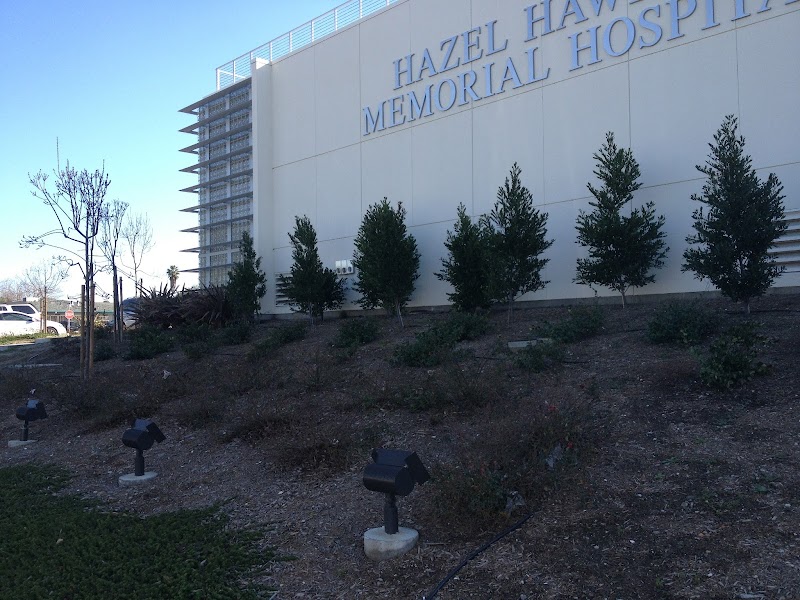
Who Owns and Operates Hazel Hawkins Memorial Hospital D/P Snf?

HAZEL HAWKINS MEMORIAL HOSPITAL D/P SNF is owned by a government entity. Government-operated facilities are typically run by state, county, or municipal agencies. The facility operates independently rather than as part of a larger chain. With 119 certified beds and approximately 91 residents (about 76% occupancy), it is a mid-sized facility located in HOLLISTER, California.
How Does Hazel Hawkins Memorial Hospital D/P Snf Compare to Other California Nursing Homes?

Compared to the 100 nursing homes in California, HAZEL HAWKINS MEMORIAL HOSPITAL D/P SNF's overall rating (4 stars) is above the state average of 3.2, staff turnover (10%) is significantly lower than the state average of 46%, and health inspection rating (3 stars) is at the national benchmark.

What Should Families Ask When Visiting Hazel Hawkins Memorial Hospital D/P Snf?

Based on this facility's data, families visiting should ask: "Can I visit during a mealtime to observe dining assistance and food quality?" "How do you handle medical emergencies, and what is your hospital transfer rate?" "Can I speak with family members of current residents about their experience?"

Is Hazel Hawkins Memorial Hospital D/P Snf Safe?

Based on CMS inspection data, HAZEL HAWKINS MEMORIAL HOSPITAL D/P SNF has a clean safety record: no substantiated abuse findings (meaning no confirmed cases of resident harm), no Immediate Jeopardy citations (the most serious violation level indicating risk of serious injury or death), and is not on the Special Focus Facility watch list (a federal program monitoring the lowest-performing 1% of nursing homes). The facility has a 4-star overall rating and ranks #1 of 100 nursing homes in California. While no facility is perfect, families should still ask about staff-to-resident ratios and recent inspection results during their visit.

Do Nurses at Hazel Hawkins Memorial Hospital D/P Snf Stick Around?

Staff at HAZEL HAWKINS MEMORIAL HOSPITAL D/P SNF tend to stick around. With a turnover rate of 10%, the facility is 36 percentage points below the California average of 46%. Low turnover is a positive sign. It means caregivers have time to learn each resident's needs, medications, and personal preferences. Consistent staff also notice subtle changes in a resident's condition more quickly. Registered Nurse turnover is also low at 26%, meaning experienced RNs are available to handle complex medical needs.

Was Hazel Hawkins Memorial Hospital D/P Snf Ever Fined?

HAZEL HAWKINS MEMORIAL HOSPITAL D/P SNF has no federal fines on record. CMS issues fines when nursing homes fail to meet care standards or don't correct problems found during inspections. The absence of fines suggests the facility has either maintained compliance or corrected any issues before penalties were assessed. This is a positive indicator, though families should still review recent inspection reports for the full picture.

Is Hazel Hawkins Memorial Hospital D/P Snf on Any Federal Watch List?

HAZEL HAWKINS MEMORIAL HOSPITAL D/P SNF is not on any federal watch list. The most significant is the Special Focus Facility (SFF) program, which identifies the bottom 1% of nursing homes nationally based on persistent, serious quality problems. Not being on this list means the facility has avoided the pattern of deficiencies that triggers enhanced federal oversight. This is a positive indicator, though families should still review the facility's inspection history directly.