GEORGE L MEE MEMORIAL HOSPITAL D/P SNF
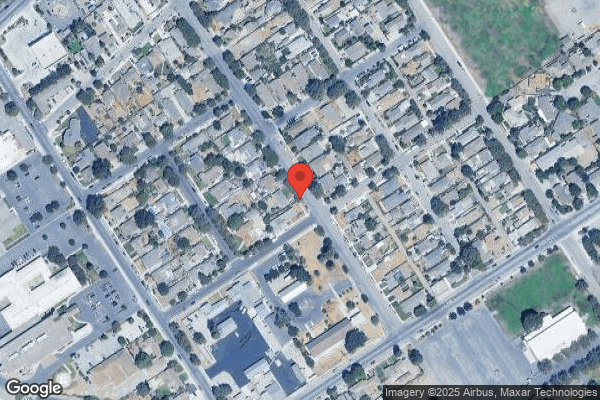
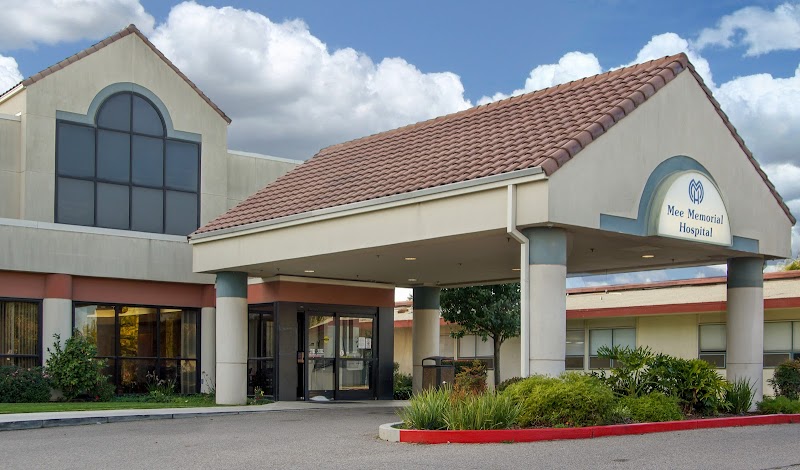
300 CANAL STREET, KING CITY, CA 93930 (831) 385-6000
Non profit - Other 48 Beds Independent Data: November 2025
Trust Grade
60/100
#587 of 1155 in CA
Last Inspection: June 2024

Within standard 12-15 month inspection cycle. Federal law requires annual inspections.

Overview

George L. Mee Memorial Hospital D/P SNF has a Trust Grade of C+, which indicates it is slightly above average but still has some areas for improvement. It ranks #587 out of 1155 facilities in California, placing it in the bottom half, and #10 out of 14 in Monterey County, meaning only four local options are worse. Unfortunately, the facility is worsening, with issues increasing from 7 in 2022 to 10 in 2024. Staffing is a strength, earning a 4 out of 5 stars with a 0% turnover rate, indicating that staff generally stay long-term and are familiar with the residents. While there are no fines recorded, which is a positive sign, there have been concerns raised by inspectors regarding food safety practices, including improper food handling and storage that could lead to contamination. Overall, while there are strengths in staffing and no fines, families should be aware of the declining trend in quality and the serious food safety issues reported.

Trust Score
C+
60/100
In California
#587/1155
Top 50%
Safety Record
Low Risk
No red flags
Inspections
Getting Worse
7 → 10 violations
Staff Stability
○ Average
Turnover data not reported for this facility.
Penalties
✓ Good
No fines on record. Clean compliance history, better than most California facilities.
Skilled Nurses
✓ Good
Each resident gets 79 minutes of Registered Nurse (RN) attention daily — more than 97% of California nursing homes. RNs are the most trained staff who catch health problems before they become serious.
Violations
⚠ Watch
22 deficiencies on record. Higher than average. Multiple issues found across inspections.
★★★☆☆
3.0
Overall Rating
★★★★☆
4.0
Staff Levels
★★☆☆☆
2.0
Care Quality
★★★☆☆
3.0
Inspection Score
Stable
2022: 7 issues
2024: 10 issues

The Good

  • 4-Star Staffing Rating · Above-average nurse staffing levels
  • Full Sprinkler Coverage · Fire safety systems throughout facility
  • No fines on record

Facility shows strength in staffing levels, fire safety.

The Bad

3-Star Overall Rating

Near California average (3.1)

Meets federal standards, typical of most facilities

The Ugly 22 deficiencies on record

Jun 2024 10 deficiencies
CONCERN (D)

Potential for Harm - no one hurt, but risky conditions existed

Resident Rights (Tag F0550)

Could have caused harm · This affected 1 resident

**NOTE- TERMS IN BRACKETS HAVE BEEN EDITED TO PROTECT CONFIDENTIALITY** Based on observation, interview, and record review, the facility failed to ensure residents were treated with dignity for 2 of 3...

Read full inspector narrative →
**NOTE- TERMS IN BRACKETS HAVE BEEN EDITED TO PROTECT CONFIDENTIALITY** Based on observation, interview, and record review, the facility failed to ensure residents were treated with dignity for 2 of 3 sampled Residents (Residents 31 and 32) when Residents 31 and Resident 32's foley catheter (F/C, a semi-flexible plastic tube, inserted into a person's urinary bladder [a body organ that stores urine] one end and the other end attached to a bag that collects urine) drain bags were left uncovered. This failures had the potential to negatively affect the psychosocial well-being and health of Residents 31 and 32. Findings: 1. Review of Resident 31's face sheet (FS, a document that gives a resident's information at a quick glance) indicated Resident 31 was admitted to the facility on [DATE]. Review of Resident 31's admission diagnoses included neurogenic bladder (lack of bladder control), and renal cell carcinoma (kidney cancer). Review of Resident 31's physician order, dated 5/1/2024, indicated F/C. Review of Resident 31's minimum data set (MDS, a clinical and functional assessment tool) dated 5/31/2024 indicated Resident 31 had a brief interview for mental status (BIMS) score of 15 (0-7 = severe cognitive impairment, 8-12 = moderate cognitive impairment, 13-15 = intact cognition) During an observation on 6/24/2024 at 10:27 a.m., Resident 31's F/C drain bag was secured to Resident 31's bed frame, uncovered. During an interview with Resident 31 on 6/24/2024 at 10:27 a.m., Resident 31 stated her F/C drain bag was without a privacy cover since she was admitted to the facility. 2. Review of Resident 32's FS indicated Resident 32 was admitted to the facility on [DATE]. Review of Resident 32's admission diagnoses included Parkinson's disease (a brain disorder that causes unintended or uncontrollable body movements), frontoparietal cerebral atrophy (gradual reduction in brain volume and size after reaching its mature size), and sacral decubitus ulcer (injury to skin due to pressure on lower back bone). Review of Resident 32's physician order, dated 5/13/2024, indicated F/C. During an observation on 6/24/2024 at 10;48 a.m., Resident 32's F/C drain bag was secured to Resident 32's bed frame, uncovered. During an interview with registered nurse F (RN F) on 6/24/2024 at 11:00 a.m., RN F confirmed Resident 31 and 32's F/C drain bags were not covered and that nursing staff should have covered their F/C drain bags with a privacy bags to provide privacy and dignity. During an interview with facility's chief nursing officer (CNO) on 6/28/2024 at 10:33 a.m., CNO stated nursing staff should have used privacy bags to cover the F/C drain bags for residents' privacy and dignity. Review of facility's policy and procedure (P&P) titled, Confidentiality, Patients, revised 01/2023, indicated, Privacy will always be protected by appropriate screening and draping as a demonstration of the employee's appreciation of the patient as an individual.
CONCERN (D)

Potential for Harm - no one hurt, but risky conditions existed

Respiratory Care (Tag F0695)

Could have caused harm · This affected 1 resident

**NOTE- TERMS IN BRACKETS HAVE BEEN EDITED TO PROTECT CONFIDENTIALITY** Based on observation, interview and record review, the facility failed to follow their policy and procedure (P&P) for oxygen (ga...

Read full inspector narrative →
**NOTE- TERMS IN BRACKETS HAVE BEEN EDITED TO PROTECT CONFIDENTIALITY** Based on observation, interview and record review, the facility failed to follow their policy and procedure (P&P) for oxygen (gas that supports life) therapy for 1 of 3 sampled residents (Resident 31), when oxygen was administered to Resident 31 without a physician's order for it. This failure resulted in Resident 31 receiving oxygen without a physician's order. Findings: Review of Resident 31's face sheet (a document that gives a resident's information at a quick glance) indicated Resident 31 admitted to facility on 3/25/2024. Review of Resident's admission diagnoses included renal cell carcinoma (type of kidney cancer), metastatic cancer of spine (cancer cells spread to spine [back bone] from elsewhere in the body), severe anemia (a condition when decreased red blood cells cannot provide sufficient oxygen to body), and palliative care (specialized form of care that provides symptom relief, comfort, and support to residents living with serious illnesses). Review of Resident 31's current physician's orders indicated there was no order for oxygen. Further review of Resident's 31's discontinued orders indicated order for oxygen was discontinued on 5/20/2024. Review of Resident 31's minimum data set (MDS, clinical and functional assessment tool) assessment dated [DATE] indicated Resident 31's brief interview for mental status (BIMS) score was 15 (0-7 = severe cognitive impairment, 8-12 = moderate cognitive impairment, 13-15 = intact cognition) During an observation on 6/24/2024 at 10:27 a.m., Resident 31 was receiving oxygen via nasal canula (NC, a thin, flexible tube that delivers oxygen to the resident's nose). Further observation of the wall mounted oxygen flow meter indicated the oxygen rate was set at 2 liters/minute (2l/min, measurement of oxygen flow to deliver) for Resident 31. During an interview with Resident 31 on 6/24/2024 at 10:27 a.m., Resident 31 stated she used oxygen since she was admitted to facility. During a second observation on 6/25/2024 at 9:18 a.m., Resident 31 was receiving oxygen via NC, and the oxygen rate was set at 2l/min. During an interview with registered nurse G (RN G) on 6/27/2024 at 2:50 p.m., RN G confirmed Resident 31 was receiving oxygen, and that there was no physician order for oxygen for Resident 31. RN G stated nursing should not administer oxygen to a resident without physician's order. RN G also stated a licensed nurse should have verified that an active physicians order was in place for oxygen before administering oxygen to Resident 31. During an interview with chief nursing officer (CNO) on 6/28/2024 at 10;14 a.m., CNO acknowledged an order for oxygen was discontinued on 5/20/2024, and there was no active order for oxygen for Resident 31. CNO stated the licensed nurse should not have administered oxygen without physician's order for oxygen. CNO further stated the licensed nurse should have verified that an active order for oxygen from a physician was in place before administering oxygen for Resident 31, according to the facility's policy for oxygen therapy. Review of facility's policy and procedure (P&P) titled, Oxygen Therapy, revised 06/ 2016, indicated, Verify the physician's order.
CONCERN (D)

Potential for Harm - no one hurt, but risky conditions existed

Deficiency F0806 (Tag F0806)

Could have caused harm · This affected 1 resident

Based on observation, interview, and record review, the facility failed to ensure to accommodate food dislikes and preferences for one out of three sampled resident (Resident 30). This failure had the...

Read full inspector narrative →
Based on observation, interview, and record review, the facility failed to ensure to accommodate food dislikes and preferences for one out of three sampled resident (Resident 30). This failure had the potential for negative effects on health secondary to decreased food intake for Resident 30. Findings: During lunch observation in facility's dining room on 6/24/2024 at 12:17 p.m., cut carrot pieces mixed with Italian vegetables was served, and soup was not served, for Resident 30's lunch meal. Review of Resident 30's lunch tray card dated 6/24/2024 indicated under dislikes, No Carrots, and under preferences, it indicated, soup daily at lunch & dinner. Review of facility's lunch menu for 6/24/2024 indicated, Italian vegetable blend, along with other food items. During a concurrent interview, and record review of Resident 30's lunch tray card, dated 6/24/2024, with certified nursing assistant H (CNA H) on 6/24/2024 at 12:21 p.m., CNA H acknowledged carrots were indicated under dislikes and soup daily at lunch and dinner were under preferences for Resident 30. CNA H stated dietary staff should not have provided carrots and served soup for lunch to Resident 30, as indicated on his tray card's food dislikes and preferences. During a concurrent interview and record review of Resident 30's lunch tray card, dated 6/24/2024, with the facility's dietary manger (DM) on 6/24/2024 at 12:54 p.m., the DM confirmed Resident 30's lunch tray card indicated carrots for food dislikes, and soup daily at lunch and dinner for food preferences. DM stated dietary staff should have followed the lunch tray card for food dislikes and preferences when serving the meal tray for Resident 30. The DM also stated dietary staff should not have served carrots and should have served soup for lunch to accommodate Resident 30's food dislikes and preferences. Review of facility's policy and procedure (P&P) titled, Food Preferences, revised 5/2023, indicated, 1. Communication with new and readmitted residents about food and beverage preferences and other pertinent information will occur within 72 hours of admission. Items covered may include: 2. food and fluid preferences including: cultural, ethnic, or religious preferences; 3. food intolerances, allergies .; 2. Information may be communicated via a food preference form and/or welcome brochure distributed to the resident and/or family upon admission. When possible, the food service manager, dietitian, or designee will conduct a personal interview.
CONCERN (D)

Potential for Harm - no one hurt, but risky conditions existed

Infection Control (Tag F0880)

Could have caused harm · This affected 1 resident

**NOTE- TERMS IN BRACKETS HAVE BEEN EDITED TO PROTECT CONFIDENTIALITY** Based on observation, interview, and record review, the facility failed to implement proper infection prevention and control pra...

Read full inspector narrative →
**NOTE- TERMS IN BRACKETS HAVE BEEN EDITED TO PROTECT CONFIDENTIALITY** Based on observation, interview, and record review, the facility failed to implement proper infection prevention and control practices for one out of five residents observed for medication administration, (Resident 16), when the registered nurse did not perform hand hygiene; such that, after throwing used gloves in the trash bin, she proceeded to prepare medications of Resident 16. This failure had the potential to spread infections, and compromise residents' health and safety in the facility. Findings: During the medication pass observation with registered nurse G (RN G), on 6/26/24 at 9:10 a.m., RN G threw away her used gloves in the trash bin that was attached to the side of the medication cart, and then proceeded to prepare medications to administer to Resident 16 without performing hand hygiene. During another medication pass observation with RN G, on 6/26/24 at 9:50 a.m., RN G again threw away, her used gloves in the trash bin that was attached to the side of the medication cart, and then proceeded to prepare medications for administration to Resident 16 without doing hand hygiene. Review of Resident 16's clinical records indicated, Resident 16 was admitted to the facility on [DATE] with diagnoses including alcoholic liver disease, left hip arthritis (joint inflammation), and hypertension (high blood pressure). During the interview with RN G on 6/26/24 at 10:50 a.m., RN G verified that she twice did not do hand hygiene after she threw away her used gloves and proceeded to prepare medications for Resident 16. RN G stated that she should have performed hand hygiene after she threw away the used gloves in the trash bin and before she had prepared the medications of Resident 16. During an interview with the infection preventionist (IP) on 6/28/24 at 11:30 a.m., the IP verified that the registered nurse should have done hand hygiene after she [NAME] away the used gloves in the trash bin of the side of the medication cart, and before preparing the resident's medications. Review of the facility's policy and procedure titled, Hand Hygiene in Healthcare Settings, revised 6/2024, indicated, Hand hygiene and skin antisepsis are critical components of infection prevention . Perform hand hygiene after contact with inanimate objects . within the patient's environment. Perform hand hygiene after removing gloves .
CONCERN (E)

Potential for Harm - no one hurt, but risky conditions existed

Deficiency F0578 (Tag F0578)

Could have caused harm · This affected multiple residents

**NOTE- TERMS IN BRACKETS HAVE BEEN EDITED TO PROTECT CONFIDENTIALITY** Based on interview and record review, the facility failed to follow their policy and procedure (P&P) for an advance directives (...

Read full inspector narrative →
**NOTE- TERMS IN BRACKETS HAVE BEEN EDITED TO PROTECT CONFIDENTIALITY** Based on interview and record review, the facility failed to follow their policy and procedure (P&P) for an advance directives (AD, a written instruction for healthcare when the individual is incapacitated) and for completion of physician orders for life-sustaining treatment (POLST, a document that specifies the medical treatments the resident wants to receive during serious illness) form for 7 of 8 sampled residents (Residents 9, 22, 24, 26, 31, 32, and 184). These failures have the potential for delivery of medical services against residents' wishes. Findings: Review of Resident 9's face sheet (FS, a document that gives a resident's information at a quick glance) indicated Resident 8 was admitted to the facility on [DATE]. Review of Resident 9's POLST form, dated 7/14/2016, indicated section D for AD's all three options were left blank, therefore not completed. Review of Resident 22's FS indicated Resident 22 was admitted to the facility on [DATE]. Review of Resident 22's clinical record indicated, there was no document for AD. Further review of 22's clinical record indicated there was no documented evidence that the facility discussed, offered help to execute, or requested copy of an executed AD for Resident 22. Review of Resident 22's POLST form dated 4/15/2024 indicated, section D for AD's all three options were left blank, not completed. Review of Resident 24's FS indicated Resident 24 was admitted to the facility on [DATE]. Review of Resident 24's clinical record indicated there was no document for AD. Further review of Resident 24's clinical record indicated there was no documented evidence that the facility discussed, offered help to execute, or requested copy of an executed AD for Resident 24. Review of Resident 24's POLST form date prepared on 10/23/2023 indicated, section D for AD's all three options were left blank, not completed. Review of Resident 26's FS indicated Resident 26 was admitted to the facility on [DATE]. Review of Resident 26's POLST form, dated on 7/20/2021, indicated section C for artificially administered nutrition (AAN, a form of nutrition given as liquids through a tube inserted into a vein, under skin, or into the stomach) and section D for AD's all three options were left blank, not completed. Review of Resident 31's FS indicated Resident 31 was admitted to the facility on [DATE]. Review of Resident 31's clinical record indicated, there was no documented evidence that the facility discussed, offered help to execute, or requested copy of an executed AD for Resident 31. Review of Resident 31's POLST form, dated 2/23/2024, indicated section C for AAN's and section D for AD's all three options were left blank, not completed. Review of Resident 32's FS indicated Resident 32 was admitted to the facility on [DATE]. Review of Resident 32's clinical record indicated there was no documented evidence that the facility offered help to execute an AD or requested copy of an executed AD for Resident 32. Review of Resident 184's FS indicated Resident 184 was admitted to the facility on [DATE]. Review of Resident 184's clinical record indicated there was no documented evidence of facility discussed for AD or offered help to execute an AD or requested copy of executed AD for Resident 184. Review of Resident 184's POLST form, dated 6/14/2024, indicated section C for AAN's and section D for AD's all three options left blank, not completed. During an interview with the facility's chief nursing officer (CNO) on 6/28/2024 at 10:59 a.m., CNO confirmed the above AD and POLST form record review findings for Residents 9, 22, 24, 26, 31, 32, and 184. The CNO stated case management staff /social service staff should have discussed, or assisted to execute an AD, or requested for a copy of an executed AD, and documented in the resident's medical record for Residents 22, 24, 26, 31, 32 and 184. CNO also stated nursing staff should have completed all sections of POLST form for Residents 9, 22, 24, 26, 31, and 184. Review of facility's P&P titled, Advance Directive, revised 4/2022, indicated, Registration/Admitting staff will document in the medical record whether the patient has completed an advance directive and that information concerning advance directives has been given to the patient/significant other during the registration process. To the extent that the patient/significant other requests additional information or further explanation regarding to PSDA or advance directives, referrals will be made to Social Service/Case Management for follow-up interaction with patient and significant others, as appropriate. Should the patient wish to formulate an advance directive while receiving services in this institution, the Social Service Department will be contacted to assist the patient or refer the patient as necessary to accomplish the desire to formulate the directives. Review of facility's P&P titled, POLST, revised 3/2021, indicated, A health care provider such as a nurse or social worker can explain the POLST form to the patient and/or the patient's legally recognized health care decision maker and may complete the form after having a conversation with patient to understand his/her wishes and goals of care. The POLST form is to be completed based on the patient's expressed treatment preferences and medical condition.
CONCERN (E)

Potential for Harm - no one hurt, but risky conditions existed

Comprehensive Care Plan (Tag F0656)

Could have caused harm · This affected multiple residents

**NOTE- TERMS IN BRACKETS HAVE BEEN EDITED TO PROTECT CONFIDENTIALITY** Based on observation, interview, and record review, the facility failed to develop and implement comprehensive, resident-centere...

Read full inspector narrative →
**NOTE- TERMS IN BRACKETS HAVE BEEN EDITED TO PROTECT CONFIDENTIALITY** Based on observation, interview, and record review, the facility failed to develop and implement comprehensive, resident-centered care plans for six out of thirteen sampled residents (Residents 15, 8, 3, 5, 1, and 29), when the activity care plans of Residents 15, 8, 3, 5, 1, and 29, were not comprehensive and resident-centered. These failures had the potential to result in the residents not receiving the interventions necessary to maintain their highest level of well-being. Findings: 1. Review of Resident 15's clinical records (history of someone's health) indicated, Resident 15 was admitted to the facility on [DATE] with diagnoses including stage 3 chronic kidney disease (CKD, when the kidneys have mild to moderate damage and are less able to filter waste and fluid out of the blood), dementia (loss of memory) with behavioral problem, and hypertension (high blood pressure). During an observation of Resident 15 on 6/24/24 at 12:40 p.m., Resident 15 sat reclined in her wheelchair with her head slightly elevated. She was alert but confused and could not respond to questions asked. Resident 15 appeared calm, clean, and comfortable. Review of Resident 15's active physician orders, as of 6/25/24, indicated Resident 15 may participate in activities, ordered on 10/1/23. During the interview with the activity coordinator (AC), on 6/26/24 at 12:11 p.m., AC stated that Resident 15 liked to listen to music from a [computer tablet brand name], doodle (draw), get manicures (nail care), and get visited by activity staff every morning. Review of Resident 15's activities care plan care plan lacked specifics of what the AC mentioned were activities Resident 15 liked to do and were provided to her. The interventions in Resident 15's activity care plan were not comprehensive and resident-centered. During an interview with AC on 6/26/24 at 12:40 p.m., AC verified Resident 15 did not have the specific activities that were provided to her in her activity care plan. AC verified, Resident 15's activity care plan was not comprehensive and resident-centered, which should have included measurable objectives and timetables to meet the resident's physical, psychosocial, and functional needs. 2. Review of Resident 8's clinical records indicated, Resident 8 was admitted to the facility on [DATE] with diagnoses including alcoholic liver disease, depression (a mood disorder), and paraplegia (a paralysis of one or more limbs). During an observation of Resident 8 on 6/24/24 at 1:40 p.m., Resident 8 was sitting in his wheelchair in the hallway. He appeared alert, calm, and verbally responsive. Review of Resident 8's active physician orders as of 6/25/24 indicated, Resident 8 may participate in activities, ordered on 10/2/23. During the interview with AC on 6/26/24 at 12:18 p.m., AC stated Resident 8 liked to watch television at the nurses' station. He also liked to join the candlelight dinner, usually at the beginning of the month, and sometimes they would take him shopping. Resident 8 would get visits every morning. Review of Resident 8's care plans lacked these specific activities that were provided to him in his activity care plan. The interventions in Resident 8's activity care plan were not comprehensive and resident-centered. During an interview with AC on 6/26/24 at 12:43 p.m., AC verified, Resident 8 did not have the specific activities, that were provided to him in his activity care plan. AC verified, Resident 8's activity care plan was not comprehensive and resident-centered, which should have included measurable objectives and timetables to meet the resident's physical, psychosocial, and functional needs. 3. Review of Resident 3's clinical records indicated, Resident 3 was admitted to the facility on [DATE] with diagnoses including stage 3 chronic kidney disease, congestive heart failure (a condition in which the heart pumps inefficiently) and hypertension. During an observation of Resident 3 on 6/24/24 at 10:07 a.m., Resident 3 lay in her bed. She appeared alert, oriented, calm, comfortable and verbally responsive. Review of Resident 8's active physician orders as of 6/25/24 indicated, Resident 3 may participate in activities, ordered on 10/1/23. During the interview with AC, on 6/26/24 at 12:22 p.m., AC stated that Resident 3 liked to go to the activity room for the haircuts, nail care, live music, and doodles. AC stated that Resident 3 liked to join the candlelight dinners (meal illuminated by candles), special lunches, horse races, and make video calls with her son, once a week. Review of Resident 3's care plans lacked these specific activities that were provided to her in her activity care plan. The interventions in Resident 3's activity care plan were not comprehensive and resident-centered. During an interview with AC on 6/26/24 at 12:45 p.m., AC verified, Resident 3 did not have the specific activities, that were provided to her in her activity care plan. AC verified, Resident 3's activity care plan was not comprehensive and resident-centered, which should have included measurable objectives and timetables to meet the resident's physical, psychosocial, and functional needs. 4. Review of Resident 5's clinical records indicated, Resident 5 was admitted to the facility on [DATE] with diagnoses including history of vertebral compression fracture (small breaks or cracks in the bones that make up the spinal column), history of bilateral knee amputation (BKA, surgery to remove the leg below the knee) and chronic back pain (back pain that is present for more than three months). During an observation of Resident 5 on 6/24/24 at 1:55 p.m., Resident 5 was sitting in her bed. She appeared alert, oriented, calm, comfortable and verbally responsive. Review of Resident 8's active physician orders as of 6/25/24 indicated, Resident 5 may participate in activities, ordered on 10/1/23. During the interview with AC, on 6/26/24 at 12:24 p.m., AC stated that Resident 5 liked to join most of the group activities, and she gets morning round visits. AC stated Resident 5 liked to have the nail care, haircuts, to join the candlelight dinners, special lunches, and breakfast buffet. Review of Resident 5's care plans lacked these specific activities that were provided to her in her activity care plan. The interventions in Resident 5's activity care plan were not comprehensive and resident-centered. During an interview with AC on 6/26/24 at 12:48 p.m., AC verified, Resident 5 did not have the specific activities, that were provided to her in her activity care plan. AC verified, Resident 5's activity care plan was not comprehensive and resident-centered, which should have included measurable objectives and timetables to meet the resident's physical, psychosocial, and functional needs. 5. Review of Resident 1's clinical records indicated, Resident 1 was admitted to the facility on [DATE] with diagnoses including stage 3 chronic kidney disease, type 2 diabetes mellitus (condition of high levels of sugar in the blood) and hypomagnesemia (condition of having a lower-than-normal level of magnesium in the blood). During an observation of Resident 1 on 6/24/24 at 1:48 p.m., Resident 1 lay in his bed. He appeared alert, oriented, calm, comfortable and verbally responsive. Review of Resident 1's active physician orders as of 6/25/24 indicated, Resident 1 may participate in activities, ordered on 11/25/23. During the interview with AC, on 6/26/24 at 12:28 p.m., AC stated that Resident 1 liked watching Spanish mass on the television, calling his family, socializing in the hallway with staff and other residents, and observing arts & crafts. AC stated Resident 1 also liked joining special lunches and breakfast buffets. Review of Resident 1's care plans lacked these specific activities that were provided to him in his activity care plan. The interventions in Resident 1's activity care plan were not comprehensive and resident-centered. During an interview with AC on 6/26/24 at 12:50 p.m., AC verified, Resident 1 did not have the specific activities, that were provided to him in his activity care plan. AC verified, Resident 1's activity care plan was not comprehensive and resident-centered, which should have included measurable objectives and timetables to meet the resident's physical, psychosocial, and functional needs. 6. Review of Resident 29's clinical records indicated, Resident 29 was admitted to the facility on [DATE] with diagnoses including vertebral artery occlusion (blockage of an opening of the major artery in the neck that provides blood to the brain and spine), coronary artery disease (CAD, narrowing of a major blood vessel of the heart) and anxiety (feeling of fear, dread and uneasiness). During an observation of Resident 29 on 6/24/24 at 10:18 a.m., Resident 29 sat in her wheelchair. She appeared alert, oriented, calm, comfortable and verbally responsive. Review of Resident 29's active physician orders as of 6/25/24 indicated, Resident 29 may participate in activities, ordered on 10/1/23. During the interview with AC, on 6/26/24 at 12:31 p.m., AC stated that Resident 29 liked doing arts and crafts in her room. AC stated Resident 29 got morning visits and watched crime shows on television and her laptop. Review of Resident 29's care plans lacked these specific activities that were provided to her in her activities care plan. The interventions in Resident 29's activity care plan were not comprehensive and resident-centered. During an interview with AC on 6/26/24 at 12:55 p.m., AC verified, Resident 29 did not have the specific activities, that were provided to her in her activity care plan. AC verified, Resident 29's activity care plan was not comprehensive and resident-centered, which should have included measurable objectives and timetables to meet the resident's physical, psychosocial, and functional needs. During an interview with chief nursing officer (CNO), on 6/28/24 at 12:15 p.m., CNO verified that residents should have comprehensive, resident-centered activity care plans that includes measurable objectives and timetables to meet the resident's physical, psychosocial, and functional needs and that the activity care plans needed to be updated. Review of the facility's policy and procedure titled, Assessment and Comprehensive Plan of Care for Skilled Nursing Facility (SNF), revised 6/2024, indicated, [name of the healthcare facility] will complete an interdisciplinary resident assessment and implement a resident-centered care plan for the SNF program resident. [name of the healthcare facility] will develop an interdisciplinary resident-centered care plan in consultation with the resident or resident representative consistent with resident rights, which includes measurable objectives and timelines to meet the resident's medical, nursing, rehabilitation, and psychosocial needs which are identified in the interdisciplinary assessment. The resident-centered plan of care will include . the services that are to be furnished to attain or maintain the resident's highest practicable physical, mental, and psychosocial well-being .
CONCERN (E)

Potential for Harm - no one hurt, but risky conditions existed

Menu Adequacy (Tag F0803)

Could have caused harm · This affected multiple residents

Based on observation, interview, and record review, the facility failed to ensure approved menus were followed and emergency menus were developed to properly feed residents in an emergency. These fail...

Read full inspector narrative →
Based on observation, interview, and record review, the facility failed to ensure approved menus were followed and emergency menus were developed to properly feed residents in an emergency. These failures had the potential for the facility to not meeting Residents' nutritional needs. Findings: 1. During an interview on 6/24/24 at 10:00 AM in the kitchen with the Dietary Manager (DM), a copy of the facility's therapeutic menu spreadsheet was requested but the DM stated they did not use a therapeutic menu spreadsheet. The DM stated the Cooks use a daily production tally sheet with the serving size amounts for each food item and total number of diet meals to make on it. A review of the facility's Regular menu titled Season's Harmony Week 5 Menu 6/23/24-6/29/24, indicated, .Tuesday .Lunch- Garden salad with cherry tomatoes, salad dressing, Pesto grilled salmon, Orzo with lemon & herbs, Italian vegetable blend, tartar sauce, snickerdoodle cookies . A review of kitchen's Daily Production Tally, dated 6/24/24 indicated, . Meal: Lunch .Orzo with lemon and herbs, ½ cup . (cup, a unit of measurement equivalent to 8 ounces, which is another unit of measure). During a tray line concurrent observation and interview on 6/24/24 at 11:36 a.m. with the [NAME] (CK A) and the DM, the CK A used a 2-ounce ladle to scoop the orzo (a form of short-cut pasta shaped like a large grain of rice). CK A stated he could not find a 4-oz ladle before trayline. The DM acknowledged the wrong scoop was used by the [NAME] to serve the orzo, and stated the [NAME] should have made sure he had the correct ladle before the trayline started. A review of the facility's policy and procedure (P&P) titled Section 2: Diets and Menus Portion Control, dated March 2017, indicated, . Standardized portions of food will be planned and served for all menu items to ensure standards for nutritional content and food cost are met. 3. The correct type and size of utensils will be used for each menu item. Scales should be available to weigh meat as needed . 2. During an interview on 6/25/24 at 1:20 p.m., the DM stated the facility would use all the existing food in the kitchen in an emergency. The DM further stated they did not have an emergency food menu developed but stated there was enough food in the kitchen and outdoor connex (mobile storage trailer container) with rehydrated (meals that require water to be consumed) to feed the residents, visitors, and staff. The DM stated they did not have a written emergency menu plan for the emergency food supplies at the facility. During an observation and interview on 6/25/24 at 2:20 p.m. with the DM and the MPO (Manager of Plant Operations), the large white outdoor connex had 38 cases of rehydrated meals with an expiration date 2039, and each case had six #10 cans of different rehydrated foods. The DM stated the perishable (refrigerated) and dry foods in the kitchen would be used first during an emergency, then the cases of rehydrated foods in the connex. The MPO stated his staff checked the rehydrated meals in the connex and the emergency water supplies twice a year. The DM acknowledged the facility did not have a detailed emergency menu or food plan that described how all the foods would be used for the residents on regular and therapeutic diets to meet their nutritional needs, for all types of emergencies, according to the regulation. During an interview and record review on 6/25/24 at 3:36 p.m. with the Registered Dietitian (RD), the RD stated it was important for the kitchen staff to follow the approved menus for the residents to receive the proper nutrition. The RD further stated it was important to have a well defined emergency food and water plan with an appropriate emergency menu to feed the facility residents during an emergency. Review of the facility's policy and procedure (P&P) titled Section 4 Disaster Plan, Department Disaster Plan, dated 1/2016, indicated . The Food & Nutrition Services Department Disaster Plan is documented . and is available for reference by all personnel. The sample department disaster plan may be used as a template that must be individualized to each community . Guidelines for meal planning and foodservice operations during an emergency or disruption to normal service are as follows: 1. The facility should be self-sustaining for a minimum of 6 days with perishable items on-hand for routine foodservice operations and nonperishable foods designated for emergency stores . 2. Estimate the number of people to be served, include residents, staff, and volunteers. 3. Determine food, water and disposable ware quantities - what is necessary and what is on hand. Identify source of potable water supply. Menu Planning . A menu plan will be outlined for the duration of the disaster based on food supplies & labor available. Menu plans for three (3) days should take into consideration disruption in cooking facilities, refrigeration, and safe water supply and for each of the following sets of contingencies: 1. Safe water, improved cooking facilities, no refrigeration. 2. No safe water, no cooking facilities, no refrigeration. The nutritional needs of the residents and the community will be considered as much as possible . Each meal should offer some form of protein in addition to carbohydrates. This may be meat, poultry, cheese, eggs, beans, or peanut butter. Fruit, milk, and carbohydrates should be served in addition. Vegetables should be included if available. Foods should be served in texture modifications that are required. Food that does not require texture modifications should be used first. In the event that equipment is not available to mechanically blend foods and foods not requiring modification are not available, these foods should be finely chopped and mashed by hand, and then thinned with liquid as necessary .
CONCERN (E)

Potential for Harm - no one hurt, but risky conditions existed

Deficiency F0804 (Tag F0804)

Could have caused harm · This affected multiple residents

Based on observations, interviews, and record reviews, the facility failed to ensure food was prepared in a manner which conserved flavor and nutritive value when hot foods were served cold and cold f...

Read full inspector narrative →
Based on observations, interviews, and record reviews, the facility failed to ensure food was prepared in a manner which conserved flavor and nutritive value when hot foods were served cold and cold foods were served hot, and when pureed food recipes was not followed, which resulted in lumpy foods for three residents. These deficient practices had the potential to decrease the food intake of residents and negatively impact their nutritional status. Findings: During the initial kitchen tour observation and interview on 6/24/24 at 10:04 a.m., an uncovered metal sheet pan with cooked green peas was resting on warm water on the trayline. A [NAME] (CK A) stated the green peas were prepared around 9:15 a.m. for that day's lunch. Another large metal sheet pan with cooked chili (a type of stew that typically contains ground meat, beans, and tomatoes) was resting inside the food warmer with other sheet pans of cooked foods. CK A stated the chili was for dinner. The DM stated the daily mealtimes when the trayline started were breakfast 7:30 AM, lunch 11:30 A.M., and dinner 5:30 P.M. A review of the facility's Alternate lunch menu on 6/24/24 indicated, Jumbo cheese ravioli with marinara, [NAME] Peas, and Grated parmesan cheese. A review of the facility's Regular dinner menu on 6/24/24 indicated, Turkey Black Bean Chili, Cornbread, Chopped spinach, and fresh fruit salad. Review of the facility's Resident Council Meeting Minutes dated 6/19/24, the meeting minutes indicated, . One resident stated her meals are cold when she receives them . Review of the Week 5 Season's Harmony Menu for Tuesday Regular Lunch meal indicated Garden salad with cherry tomatoes, Salad dressing, Macaroni & cheese, Steamed fresh Zucchini, red seedless grapes . The Pureed Lunch meal indicated . [NAME] Machine, Baked macaroni & cheese, puree; Zucchini, fruit cup . During an observation and interview on 6/25/24 at 11:42 a.m. of the lunch meal trayline, CK A stated he prepared three pureed meals for three residents. CK A further stated the Regular and pureed lunch meals were usually prepared and they are placed on the trayline or in the food warmer by 9:20 a.m. every day. CK A stated additional cheese sauce was poured on top of the pureed macaroni and cheese entrée to keep it creamy. CK A stated he blended three cups of baked macaroni and cheese in the robocoup (a food blender) with some milk for a minute to make the pureed macaroni & cheese. CK A also stated a cup of vegetable broth was added to the Zucchini to make the pureed zucchini. There was also a large plastic bin with twenty-six 4-ounce cups of milk. A Dietary Aide (DA) D stated he did not take the milk temperatures before the lunch trayline started at 11:30 a.m. During a test tray observation and interview on 6/25/24 at 12:14 p.m. with the Registered Dietitian (RD) and the DM, the temperature of the milk was 56.6 degrees Fahrenheit (F) and the regular macaroni & cheese entrée was 129 degrees F. Both the RD and DM agreed the pureed macaroni and cheese was lumpy and should have had a smooth pudding-like texture. The RD stated the regular macaroni & cheese was a little cold. The RD stated the pureed macaroni & cheese entrée had more flavor than the regular macaroni and cheese During an interview on 6/26/24 at 3:23 p.m. with the RD, the RD stated the facility approved recipes and menus should be followed by the kitchen staff to ensure the residents receive the proper nutrition. The RD also stated cooking foods hours before trayline service could alter the nutrient quality. Review of the facility's Baked Macaroni & Cheese Puree recipe, dated 6/29/24, indicated, . prep Macaroni & Cheese, Baked, Corn Flakes . 12 and 1/2 OZ, add 3 Tablespoons (TBSP) and 2 and 1/8 Teaspoon (TSP) of skim milk . In a robot coupe or food processor, add pasta and warm milk. Process for 2 to 3 minutes, until smooth . A review of the facility's policy and procedure (P&P), dated March 2017, titled Section 2: Diets and Menus Portion Control, indicated, . 2. Standardized recipes with the yield and serving size indicated will be used . A review of the facility's policy and procedure (P&P), dated 10/1/21, titled Hot & Cold Food Serving Temperature Log indicated, . 5) Time: Document the time the first temperature is taken - this should occur at the time of set up and before service time; 6) Food Item: Document the name of the food item/recipe name being recorded; 7) Starting Temp: Document the first temperature of the food at time of set up; 8) 2 Hours: Document the temperature of the food after 2 hours; 9) 4 Hours: Document the temperature of the food after 4 hours; Standard/Critical Limit: Hot TCS/PHF (time temperature control for food safety foods/potentially hazardous foods) held and served at 140 degrees F . or above, Cold TCS/PHF foods held and served at 40 degrees F . or below - Record product temperatures on this log at two (2) hour intervals during holding and serving. If service time is less than two hours a final holding temperature must be recorded if the food is not discarded . Cold food: . If product is above 40 degrees F for more than 2 hours discard product. Hot foods: If food is between 135-139 degrees F reheat to 140 degrees F .
CONCERN (F)

Potential for Harm - no one hurt, but risky conditions existed

Deficiency F0802 (Tag F0802)

Could have caused harm · This affected most or all residents

Based on observation, interview and record review, the facility failed to ensure food and nutrition services staff carried out the functions of food and nutrition service competently according to faci...

Read full inspector narrative →
Based on observation, interview and record review, the facility failed to ensure food and nutrition services staff carried out the functions of food and nutrition service competently according to facility policy and standards of practice when: 1. Two kitchen staff were unable to properly test the dish machine sanitizer solution concentration. 2. Kitchen staff did not correctly verbalize the cool down process for cooked foods. 3. Kitchen staff did not wash melons prior to cutting. These failures had the potential to expose residents to bacterial contamination, that can result in food borne illnesses for all residents who consume food from the kitchen. Findings: 1. During a concurrent kitchen observation and interview on 6/24/24 at 10:41 a.m. with Dietary Aide- Dishwasher (DSW) E demonstrated how to test the concentration of the sanitation solution for the dish machine. After DSW E washed multiple loads of dishes through the dish machine, DSW E dipped a test strip (used to detect the concentration of chemical sanitizing solution) in the dish machine solution tank. DSW E then compared the test strip to a container with multiple shade colors of green and blue, and stated the strip was greenish-blue and it was between 100-200. The Dietary Manager (DM) acknowledged DSW E did not correctly describe the normal sanitizer range for the dish machine solution. During a concurrent kitchen observation and interview on 6/24/24 at 1:45 p.m. with [NAME] (CK) I and the DM, CK I stated, it was his second time to wash dishes. CK I demonstrated how to check the sanitizer of the dish machine. CK I dipped a test strip in the solution inside the dish machine and compared the strip on its color-coded container label to check the level of sanitizer. CK I stated the strip color should be about 200. The DM acknowledged the test process by CK I and stated, We test the source (solution from the dish machine). Review of the facility document titled Food Safety Management System .D8 Cleaning and Sanitizing Food Contact Surfaces, dated 4/1/22, indicated, .A low temperature dish machine, must have a minimum 50 -100 ppm concentration of chlorine at the plate surface, verified by a chlorine test strip . 2. During an interview on 6/24/24 at 3:34 p.m. with CK B, CK B stated, the cool down process is four hours. CK B stated, the first two hours is from 180 to 60 degrees Fahrenheit (F, unit of temperature measurement) and then from 80 F to 38-40 F in another two hours. According to the 2022 Federal FDA Food Code, Section 3-501.14, The Cool Down process occurs because bacteria rapidly grow between the temperatures of 40 degrees and 140 degrees Fahrenheit (F). Therefore, the cool down process is a method to prevent bacteria growth by safely reducing the temperature of cooked and prepared foods for later consumption. The Food Code identifies cooling as an essential control measure for food safety, particularly after cooking meats or preparing perishable foods with ingredients that are at ambient temperatures. When cooling cooked foods, after it reaches a safe minimum final internal cooking temperature (> than 145 degrees F), within two hours the temperature shall reach 70 degrees F or less, and within an additional four hours, it should reach 41 degrees F or less. For foods prepared with ingredients at ambient temperature, such as canned tuna, the food shall be cooled to a temperature of 41 degrees F or less within 4 hours. A copy of the facility's policy on Cooling Foods Cool down process was requested on 6/26/24 but not provided. 3. During a concurrent observation and interview on 6/24/24 at 10:28 a.m. with Dietary Aide (DA D), DA D was chopping honeydew and cantaloupe melons. Three uncut melons were on the counter and dry when touched. DA D stated he removed the melons from the walk-in refrigerator. DA D stated he did not wash them prior to cutting them. DA D placed the chopped melon slices in a container and dated it. DA D further stated he was not trained to wash produce, including melons, with water or a brush prior to cutting and serving them. According to the recommendation of the United States Food and Drug administration, 4. Gently rub produce while holding under plain running water. There's no need to use soap or produce wash. 5. Use a clean vegetable brush to scrub firm produce, such as melons and cucumbers. 6. Dry produce with a clean cloth or paper towel to further reduce bacteria that may be present. (https://www.fda.gov/consumers/consumer-updates/7-tips-cleaning-fruits-vegetables#:~:text=Gently%20rub%20produce%20while%20holding,bacteria%20that%20may%20be%20present.) Review of the facility's policy and procedure (P&P) titled Washing Fruits and Vegetables, dated 4/1/22 indicated, Before cutting, the rind of the whole melon must be scrubbed vigorously (i.e., with a clean designated produce brush) and rinsed in clean water. Concurrent interview on 6/25/24 at 2:54 p.m.with the DM and record review of the Kitchen Staff's In-services dated 6/2023 through 6/2024, indicated an in-service titled Cool down foods, Diet Textures, and Open Enrollment dated 11/22/23 but it did not have the education document attached to attendance sign-in sheet. The DM stated there were no in-services provided to kitchen staff on the dish machine sanitizer testing or washing melons and produce prior to cutting and serving from 6/2023 through 6/2024. The DM further acknowledged the kitchen staff needed more training to increase their ability to perform their job tasks. During an interview with the Registered Dietitian (RD) on 6/25/24 at 3:36 PM, the RD stated it was important for the kitchen staff to know how to perform their jobs correctly and be trained on their job tasks in order to prevent the residents from exposure to contaminated foods and practices.
CONCERN (F)

Potential for Harm - no one hurt, but risky conditions existed

Food Safety (Tag F0812)

Could have caused harm · This affected most or all residents

Based on observation, interview and record review, the facility failed to ensure food safety and sanitation methods were followed according to standards of practice and facility policy when: 1. The ic...

Read full inspector narrative →
Based on observation, interview and record review, the facility failed to ensure food safety and sanitation methods were followed according to standards of practice and facility policy when: 1. The ice machine had visible pink slime and tan colored residue on the ice making parts. 2. Two drainage pipes did not have air gaps. 3. Three floor sink drains were visibly dirty with dark black and brown stains, crumbs, and food debris. 4. Expired sliced cheese, sliced pears, and cranberry juice were found in the reach-in and walk-in refrigerators. 5. [NAME] bell peppers had grayish and black spots resembling mold in the walk-in refrigerator. 6. Metal shelves on a dish drying rack and inside the walk-in refrigerator were rust. 7. A reach-in freezer door gasket was dirty with black and brown sticky grime and residue. 8. Serving scoops with food debris stuck in the scoop were stored with clean scoops. 9. Cutting boards were deeply worn with multiple cuts and tan stains in the center. These failures had the potential to expose residents to contaminants that could cause foodborne illness. Findings: 1. During a concurrent kitchen observation and interview on 6/24/24 at 3:43 p.m. with the Stationary Engineer (STE) and the Dietary Manager (DM), the STE stated he used a water and vinegar solution of one of cup vinegar and three cups of water to clean the ice machine's ice-making parts including the ice machine curtain, water tray, baffle, and ice sensor. A Surveyor wiped a white paper towel inside the ice bin, on the ice curtain, baffle and water tray which yielded a pinkish slime residue onto the paper towel. The STE confirmed the ice machine curtain, water tray, baffle and ice sensor had pink slime that was wiped off with a white paper towel. The silver mesh filter on the back of the ice machine had gray lint hanging off the filter grids and some densely packed gray lint in the grids. The STE stated he cleaned the ice machine top ice making parts every other month but was not responsible for cleaning the ice bin. The STE further stated he could not remember when the silver mesh filter behind the ice machine was cleaned. The STE further stated he should have followed the manufacturer's guidelines and used their cleaning and sanitizing products to clean the ice machine. The DM acknowledged the pink stains on the white paper towel and the lint packed silver mesh filter and stated the ice machine should be cleaned correctly using the manufacturer's guidelines. According to the [Brand name: Ice machine manufacturer] cleaning and sanitizing maintenance guidelines, .(Ice machine brand manufacturer) Ice Machine Cleaner and Sanitizer are the only products approved for use . According to the 2022 Federal Food Drug Administration (FDA) Food Code, section 4-602.11, titled Equipment Food-Contact Surfaces and Utensils, . equipment contacting food . such as . ice bins must be cleaned . to prevent the development of slime, mold, or soil residues that may contribute to an accumulation of microorganisms . A review of facility's policy and procedures (P&P) titled Food Safety Management System D-9 Cleaning and Sanitizing Frequency, revised 4/1/22, indicated, . Stored food contact equipment and utensils must be clean to the sight and touch. 2. During a kitchen observation and interview on 6/25/24 at 9:46 a.m., a drainage pipe under the dish washer machine and one connected to the ice machine were directly plumbed into the floor sinks without air gaps. The DM stated he was unaware of the pipes being directly plumbed into the floor drains. During an observation and interview on 6/25/24 at 4:22 p.m., the STE observed the two drainage pipes directly plumbed into the floor sinks, and stated they should air gaps to prevent backflow. According to the 2022 Federal Food Code, section 5-202.13, titled Backflow Prevention, Air Gap, indicated, . water systems may develop negative pressure in portions of the system. If a connection exists between the system and a source of contaminated water during times of negative pressure, contaminated water may be drawn into and foul the entire system . to prevent the introduction of this liquid into the water supply through back siphonage, various means may be used . 3. During a kitchen observation and interview on 6/25/24 at 9:46 a.m., three floor sink drains had dark black and brown residue and food debris in them. The DM confirmed the floor sinks were dirty and stated they should be cleaned by the evening kitchen staff. According to the 2022 Federal Food Code, section 4-602.13, Nonfood-contact surfaces of equipment shall be cleaned at a frequency necessary to preclude accumulation of soil residues. 4. During the initial kitchen tour observation and interview on 6/24/24 at 9:22 a.m. with the DM, the reach-in refrigerator had a large Ziploc bag with an opened package of sliced American cheese. The cheese had a used by date: 6/3/24 and prep date: 6/17/24. The DM stated the cheese was mislabeled and he was unsure of the correct use-by date so it should have been thrown out. On 6/24/24 at 9:35 a.m., an observation and interview of the walk-in refrigerator was conducted with the DM. The refrigerator had a plastic container of sliced pears with a use by date 6/22/24 and prep date: 6/17/24. The DM stated the pears should have also been thrown out. On 6/24/24 at 12:34 p.m., an observation and interview of the resident's nourishment refrigerator was conducted. The resident's nourishment refrigerator had an opened, three quarters full 32-ounce bottle of cranberry juice with written date of 4/14/24 on the bottle. RN F stated food stored for residents in the nourishment refrigerator should be thrown away after 3 days of being stored in the refrigerator. RN F stated she was unsure who the cranberry juice belonged to but stated it should have been thrown out. According to the 2022 Federal FDA Food Code, section 3-501.17 (A) (B) (C) (D) indicated, .the day the original container is opened in the food establishment shall be counted as Day 1 .The date marked shall not exceed a manufacturer's use-by date .mark the date or day of preparation, with a procedure to discard the food on or before the last date or day by which the food must be consumed on the premises . Review of an undated facility document taped on the resident's nourishment refrigerator indicated .All food must be in tightly closed container labeled with use-by-date . Leftover food will be discarded after 3 days . A review of facility's policy and procedures (P&P) titled Section: Sanitation and Infection Control Subject: Labeling and Dating, dated May 2023 indicated, . All foods are labeled, dated, and securely covered, and used-by dates are monitored and followed . 5. During the initial kitchen tour observation and interview on 6/24/24 at 9:41 a.m. with the DM, a full undated case of green bell peppers in the walk-in refrigerator had two peppers on the top of the others with black and grayish spots resembling mold. The DM confirmed the two bell peppers with mold resembling spots and stated he believed the case was delivered two weeks ago. The DM further stated the bell peppers should have been checked in the morning by the kitchen staff. According to the 2022 Federal Food Code, Annex 4 Table 2a, . Check condition at receiving; do not use moldy or decomposed food . A review of facility's policy and procedures (P&P) titled Section: Sanitation and Infection Control Subject: Labeling and Dating, dated May 2023 indicated, . All foods are labeled, dated, and securely covered and used-by dates are monitored and followed. 6. During a kitchen observation and interview on 6/24/24 at 9:35 a.m., metal shelves with deep rust were found on the food storage racks inside the walk-in refrigerator and a large dish drying rack. The DM acknowledged the rusty shelves inside the walk-in refrigerator and dish drying rack could be potentially harmful. According to the 2022 Federal FDA Food Code, section 4-601.11, titled Equipment, Food-Contact Surfaces, Nonfood-Contact Surfaces, and Utensils indicate (A) Equipment food-contact surfaces and utensils shall be clean to sight and touch .(C) NonFOOD-CONTACT SURFACES of EQUIPMENT shall be kept free of an accumulation of dust, dirt, food residue, and other debris. 7. During the initial kitchen tour observation on 6/24/24 at 9:25 a.m. with the DM, the reach-in freezer had a black grimy substance along the entire rubber gasket, at the top, bottom left and right sides. The DM confirmed the reach-in freezer had a black substance along the gasket, and stated the kitchen staff must have missed it while cleaning the freezer. According to the 2022 Federal FDA Food Code, section 4-601.11, titled Equipment, Food-Contact Surfaces, Nonfood-Contact Surfaces, and Utensils indicated, (A) Equipment food-contact surfaces and utensils shall be clean to sight and touch . 8. During the initial kitchen tour observation and interview on 6/24/24 at Approximately 9:25 a.m., four serving scoops were found with crusted food debris stuck inside them. The DM acknowledged the serving scoops were dirty and should be clean. According to the 2022 Federal FDA Food Code, section 4-601.11, titled Equipment, Food-Contact Surfaces, Nonfood-Contact Surfaces, and Utensils indicates, indicated, (A) Equipment food-contact surfaces and utensils shall be clean to sight and touch . 9. During a kitchen observation on 6/25/24 at 4:32 p.m. with the DM, three green, two red, and two white cutting boards were deeply scraped and worn-out. The DM confirmed the green, red, and white cutting boards were used for chopping vegetables and meats, but they were worn out and should be replaced. According to the 2022 Federal FDA Food Code, Section 4-501.12 and Annex Section 3, titled Cutting Surfaces, indicated, . surfaces such as cutting blocks and boards that are subject to scratching and scoring shall be resurfaced if they can no longer be effectively cleaned and sanitized, or discarded if they are not capable of being resurfaced. Pathogenic microorganisms can be transmissible through food may build up or accumulate. These microorganisms may be transferred to foods that are prepared on such surfaces . Review of facility's policy and procedures (P&P) titled Food Safety Management System D-6 Cutting Surfaces, revised 4/1/22, indicated, Cutting boards must be in good condition, without cracks, deep groves, and discoloration.
Jun 2022 7 deficiencies
CONCERN (D)

Potential for Harm - no one hurt, but risky conditions existed

Transfer Notice (Tag F0623)

Could have caused harm · This affected 1 resident

Based on interview and record review, the facility failed to send a copy of Resident 35's notice of discharge to the Long Term Care Ombudsman. This failure had the potential of not providing Resident ...

Read full inspector narrative →
Based on interview and record review, the facility failed to send a copy of Resident 35's notice of discharge to the Long Term Care Ombudsman. This failure had the potential of not providing Resident 35 with access to an advocate who could inform him of his options and rights and from being inappropriately discharged . Findings: Review of Resident 35's Discharge Summary indicated he was discharged on 4/8/22 to a boarding care facility since his functional status improved. During an interview with the manager of regulatory, quality assurance, and risk (MRQAR) on 6/20/22 at 5:34 p.m., she was unable to locate the record that indicated the Long Term Care Ombudsman was notified regarding Resident 35's discharge. The MRQAR stated she also confirmed with the skilled nursing facility manager (SNFM), and there was no notification to the Long Term Care Ombudsman found regarding Resident 35's discharge.
CONCERN (D)

Potential for Harm - no one hurt, but risky conditions existed

Deficiency F0760 (Tag F0760)

Could have caused harm · This affected 1 resident

**NOTE- TERMS IN BRACKETS HAVE BEEN EDITED TO PROTECT CONFIDENTIALITY** Based on observation, interview, and record review, the facility failed to ensure one of 12 residents (16) was free of a signifi...

Read full inspector narrative →
**NOTE- TERMS IN BRACKETS HAVE BEEN EDITED TO PROTECT CONFIDENTIALITY** Based on observation, interview, and record review, the facility failed to ensure one of 12 residents (16) was free of a significant medication error when Resident 16 received insulin degludec (a long-acting insulin, medication to lower blood sugar level) nine times (doses) past the expiration date. This failure had the potential for ineffective use of the insulin (secondary to degraded potency of expired medication), resulting in uncontrolled high blood sugar for the resident. Findings: Review of Resident 16's admission Record indicated she was admitted to the facility on [DATE] with diabetes (a disease that occurs when the blood sugar is too high) diagnosis. On [DATE] at 3:23 p.m., during an observation of medication cart #2, with the director of staff development (DSD), an 100 units/milliliter (ml, a metric unit of volume) insulin degludec pen (injection pen, prefilled with insulin degludec) for Resident 16 was found with an expiration date of [DATE]. Review of Resident 16's Medication Administration Record (MAR) indicated she had been administered 8 units of insulin degludec at hour sleep since [DATE]. On [DATE] at 4:15 p.m., during an observation of medication cart #2 with licensed vocational nurse G (LVN G), Resident 16's insulin degludec pen with an expiration date of [DATE] was still in the cart. LVN G confirmed this pen was the only opened insulin degludec pen for Resident 16; the new pen which was delivered on [DATE] was unopened and was in the medication room. Therefore, Resident 16 had been administered the expired insulin degludec since [DATE], which was nine doses past the expiration date. Review of the facility's policy, Unit/Clinic Inspections, dated 3/2022, indicated Hospital and Clinic staff shall always check a medication's expiration date prior to administering the agent to a patient.
CONCERN (D)

Potential for Harm - no one hurt, but risky conditions existed

Deficiency F0885 (Tag F0885)

Could have caused harm · This affected 1 resident

**NOTE- TERMS IN BRACKETS HAVE BEEN EDITED TO PROTECT CONFIDENTIALITY** Based on interviews and record reviews, the facility failed to notify residents' representatives and families of those residing ...

Read full inspector narrative →
**NOTE- TERMS IN BRACKETS HAVE BEEN EDITED TO PROTECT CONFIDENTIALITY** Based on interviews and record reviews, the facility failed to notify residents' representatives and families of those residing in the facility by 5 p.m., the next calendar day following the occurrence of a confirmed infection of COVID-19 (a respiratory disease caused by a virus which can result in severe illness and death) and scabies (an intensely itchy skin condition that spreads quickly through close physical contact) for two of 12 residents (14 and 16). These failures had the potential to result in residents' representatives and families, not receiving timely notification regarding the status and impact of COVID-19 and scabies in the facility. Findings: 1. During an interview on 6/20/22 at 3:35 p.m., with the brother of Resident 14, he verified that he was not informed by the facility when there were cases of COVID-19 and scabies in the facility, last January, 2022. During an interview on 6/20/22 at 12:50 p.m., with the Manager of Regulatory, Quality Assurance and Risk (MRQAR), she confirmed that they did not have a log or documentations that representatives or family members of the facility's residents were notified when they had cases of COVID-19 and scabies in January, 2022. During an interview on 6/20/22 at 2:37 p.m., with the Skilled Nursing Facility Manager (SNFM), she verified that she could not find a log or documentations that the facility notified the residents' representatives or family members when they had cases of COVID-19 and scabies last January, 2022. SNFM further stated that she already informed the Infection Preventionist (IP) that they needed to update their way of reporting to residents' representatives or family members, if there will be cases of COVID-19 or scabies in the facility. 2. Review of Resident 16's admission Record indicated she was admitted to the facility on [DATE]. During an interview with the manager of regulatory, quality assurance, and risk (MRQAR) on 6/20/22 at 3:20 p.m., she confirmed the facility had COVID-19 and scabies outbreaks in 1/2022, but she was unable to locate the record that indicated Resident 16's family members was notified about the outbreaks. The MRQAR stated the facility should inform Resident 16's family members about COVID-19 and scabies outbreaks, and the notification should be documented. Review of the facility's undated policy, Coronavirus Disease 2019 (COVID-19) Mitigation Plan: Communication, indicated, Skilled Nursing Facility (SNF) Manager, SNF Director of Staff Development (DSD) and Social Services Director (SSD) will communicate with staff, residents and their families to inform and update on the impact of COVID-19 in the facility daily as needed on an ongoing basis. Family members will be informed via phone and/or mail. Communication will include any confirmed cases in staff and residents as per Centers for Medicare and Medicaid Services (CMS) guidance.
CONCERN (E)

Potential for Harm - no one hurt, but risky conditions existed

Pharmacy Services (Tag F0755)

Could have caused harm · This affected multiple residents

Based on observation and interview, the facility failed to store medications appropriately when: 1. Two of three medication carts were left unlocked and unattended; and 2. Residents 9's sevelamer (med...

Read full inspector narrative →
Based on observation and interview, the facility failed to store medications appropriately when: 1. Two of three medication carts were left unlocked and unattended; and 2. Residents 9's sevelamer (medication used to control high blood levels of phosphorus in people with chronic kidney disease) 800 milligrams (mg, a metric unit of mass) was left on the medication cart unattended. These failures had the potential to result in the access of medications by unauthorized personnel or residents. Findings: 1. During an observation on 6/14/22 at 2:09 p.m., licensed vocational nurse G (LVN G) was sitting inside the nurse station. Her medication cart was parked on the side of the nurse station, and it was unlocked. During and observation on 6/16/22 at 5:20 p.m., the director of staff development (DSD) was sitting inside the nurse station. Her medication cart was parked outside of the nurse station, and it was unlocked. During the interviews with LVN G and the DSD on 6/14/22 at 2:09 p.m. and on 6/16/22 at 5:20 p.m., LVN G and the DSD stated the medication carts should be locked when they were unattended. 2. During a medication pass observation on 6/14/22 at 2:18 p.m. at the nurse station, LVN G placed one tab of Resident 9's sevelamer 800 mg in a medication cup ready to give it to Resident 9. When LVN G walked from the nurse station to the activity room to give Resident 9 his medications, she left the cup with sevelamer 800 mg inside on top of the medication cart. In the activity room, after realizing Resident 9's sevelamer 800 mg was not with her, LVN G walked back to the nurse station to picked up the cup with sevelamer 800 mg inside. Resident 9's sevelamer 800 mg was on top of the medication cart unattended. During a concurrent interview, LVN G stated residents' medication should not be left unattended. Review of the facility's policy, Administration of Medications, dated 8/2021, indicated No medications should be left unattended by the nurse.
CONCERN (E)

Potential for Harm - no one hurt, but risky conditions existed

Unnecessary Medications (Tag F0759)

Could have caused harm · This affected multiple residents

Based on observation, interview, and record review, the facility had a 16% error rate when four medication errors out of 25 opportunities were observed during a medication pass for 3 of 14 residents (...

Read full inspector narrative →
Based on observation, interview, and record review, the facility had a 16% error rate when four medication errors out of 25 opportunities were observed during a medication pass for 3 of 14 residents (16, 17, and 31). These failures resulted in medications not given in accordance with prescriber's orders, which had the potential for residents to not receiving the full therapeutic effect of the medications (in the case of underdosing) or had the potential to for preventable side effects for the residents (in the case of overdosing). Findings: 1. During a medication pass observation on 6/14/22 at 11:46 a.m., with licensed vocational nurse C (LVN C), LVN C checked Resident 17's blood sugar and it was 321. However, LVN C recorded 231 on Resident 17's Medication Administration Record (MAR) as Resident 17's blood sugar, and she administered 12 units of aspart insulin (used to treat high blood sugar) to Resident 17 instead of 16 units according to the sliding scale (a method used to determine the dose of insulin based on the blood sugar level just before the meal). During an interview with LVN C on 6/14/22 at 12:47 p.m., LVN C reviewed Resident 17's blood sugar on the glucometer (a small, portable machine that's used to measure how much sugar in the blood) and confirmed Resident 17's blood sugar was 321. LVN C stated she wrongly recorded Resident 17's blood sugar and Resident 17 should have received 16 units of aspart insulin instead of 12 units. LVN C stated she would talk to the skilled nursing facility manager (SNFM) to see what she needed to do. 2. During a medication pass observation on 6/14/22 at 5:24 p.m., with LVN D, LVN D administered Refresh ocular lubricant (eye drop used to relieve mild to moderate symptoms of eye dryness) two drops to Resident 16's right eye and three drops to Resident 16's left eye. Review of Resident 16's physician order indicated she had an order for Refresh ocular lubricant one drop to both eyes four times a day, started on 10/1/21. During an interview with LVN D on 6/14/22 at 5:31 p.m., she confirmed she administered two drops to Resident 16's right eye and three drops to Resident 16's left eye, not one drop to both eyes as ordered. 3. During a medication pass observation on 6/15/22 at 10:39 a.m., with the director of staff development (DSD), the DSD administered one drop of Artificial Tears ocular lubricant (eye drop used to relieve dry, irritated eyes) one drop to Resident 31's both eyes. The DSD also administered 15 milliliters (ml, a metric unit of volume) of lactulose (used to treat chronic constipation and to treat or prevent complications of liver disease) to Resident 31. The label on Resident 31's lactulose bottle indicated 10 milligrams (mg, a metric unit of mass) per 15 ml. Review of Resident 31's physician order indicated she had orders for Artificial Tears ocular lubricant two drops to both eyes four times a day, started on 12/30/21, and lactulose 15 mg which was 22.5 ml every morning, started on 1/17/22. During an interview with the DSD on 6/16/22 at 5:26 p.m., the DSD reviewed Resident 31's physician order and the label on the lactulose bottle and confirmed she should have administered two drops of Artificial Tears ocular lubricant and 22.5 ml of lactulose to Resident 31 as ordered. Review of the facility's policy, Administration of Medications, dated 8/2021, indicated Mee Memorial has the following seven rights for medication safety: 1. The right patient; 2. The right medication; 3. The right dose .
CONCERN (E)

Potential for Harm - no one hurt, but risky conditions existed

Deficiency F0761 (Tag F0761)

Could have caused harm · This affected multiple residents

Based on observation and interview, the facility failed to ensure: 1. Two expired medications and 46 expired 8-oz boxes of renal supplement were made unavailable for resident use; and, 2. Two opened m...

Read full inspector narrative →
Based on observation and interview, the facility failed to ensure: 1. Two expired medications and 46 expired 8-oz boxes of renal supplement were made unavailable for resident use; and, 2. Two opened multi-dose eye medications were dated with an open and discard date (to ensure they were not used beyond the discard date). These failures had potential for residents to receive medications with reduced potency from being used past their discard date. Findings: 1. During an observation of medication cart #2 on 6/16/22 at 3:23 p.m., with the director of staff development (DSD), an 100 units/milliliter (ml, a metric unit of volume) insulin degludec (a long-acting insulin, medication to lower blood sugar level) pen (injection pen, prefilled with insulin degludec) for Resident 16 was found with an expiration date of 6/8/22. On 6/17/22 at 4:15 p.m., during an observation of medication cart #2 with licensed vocational nurse G (LVN G), Resident 16's insulin degludec pen with an expiration date of 6/8/22 was still in the cart. During an interview with the DSD on 6/20/22 at 10:46 a.m., the DSD stated she was unable to have the replacement for Resident 16's expired insulin degludec pen, so she endorsed to the next shift nurse and left the expired insulin degludec pen there for the next shift nurse to see. The DSD stated expired medication should be discarded. During an observation in the medication room of the front station on 6/16/22 at 3:40 p.m. with licensed vocational nurse D (LVN D), 46 boxes of 8-oz Novasource Renal Supplement were found with a use-by date of 5/10/22. During an observation of the medication cart #3 on 6/16/22 at 4 p.m. with LVN D, Resident 13's latanoprost (eye drops used to treat increased pressure in the eye) was found with an expiration date of 5/16/22. During a concurrent interview with LVN D, she stated the expired medication and supplement should be discarded. During an interview with the skilled nursing facility manager (SNFM) on 6/20/22 at 10:55 a.m., she stated it was important to discard the expired medication right away and she would educate the licensed nurses on this. Review of the facility's policy, Multi-Dose Vials/Containers Storage and Expiration Dates, dated 3/2022, indicated Any expired/soiled/contaminated multidose medications are to be discarded in the blue and white medications disposal container or sent to the pharmacy for proper disposal. 2. During an observation of medication cart #2 on 6/16/22 at 3:23 p.m. with the DSD, Resident 16's opened olopatadine (eye drops used to treat itching and redness in the eyes due to allergies) container indicated expired after 60 days of open, however, it lacked documented open date labeling with expiration date. During an observation of the medication cart #3 on 6/16/22 at 4 p.m. with LVN D, Resident 25's opened Soothe Lubricant Eye Ointment was found without documented open date labeling with expiration date. During a concurrent interview, LVN D stated the medication should be labeled with the open date. Review of the facility's policy, Multi-Dose Vials/Containers Storage and Expiration Dates, dated 3/2022, indicated Nursing will write the date the multidose container is opened and the 28 day expiration date on the pharmacy provided label.
CONCERN (F)

Potential for Harm - no one hurt, but risky conditions existed

Food Safety (Tag F0812)

Could have caused harm · This affected most or all residents

Based on observation and interview, the facility failed to ensure food was stored and prepared in accordance with professional standards for food safety when: 1. Undated food, food past their used-by ...

Read full inspector narrative →
Based on observation and interview, the facility failed to ensure food was stored and prepared in accordance with professional standards for food safety when: 1. Undated food, food past their used-by date, and rotten lettuce were found in the refrigerators and on the shelves in the kitchen; 2. Dietary Aid A (DA A) did not cover his beard with a hair net; and, 3. [NAME] B (CK B) did not cover the hair in the back of her head in a hair net. These failures had the potential to cause the growth of micro-organisms which could cause foodborne illness and cross-contaminated food for the 31 residents eating at the facility. Findings: 1. On 6/13/22 at 10:15 a.m., during an observation of the refrigerators and the storage shelves in the kitchen, with the dietician (DT), the following were observed: a. Two cans of nacho cheese with a used-by date of 12/26/21 b. Eight burger buns with a used-by date of 6/2/22 c. Nine english muffin with a used-by date of 6/12/22 d. Eleven hoagie rolls with a used-by date of 6/12/22 e. Four bags of 12 burger buns in each bag with a used-by date of 6/12/22 f. One container of red beans with a used-by date of 6/12/22 g. One container of green bell pepper with a used-by date of 6/11/22 h. One container of cut fresh fruit with a used-by date of 6/12/22 i. One container of chocolate pudding with a used-by date of 6/11/22 j. One opened box of rice pilaf with a used-by date of 6/12/22 k. One container of multiple peanut butter and grape jelly sandwiches with a used-by date of 1/1/22 l. Thirty-five undated pasteurized eggs m. One undated container of potatoes n. One undated container of red potatoes o. Six undated cans of sliced apples p. One undated can of white hominy q. One undated can of sliced beets r. One undated container of roman lettuces which were rotten During a concurrent interview with the DT, he stated undated food, over use-by date food, and rotten food should have not been on the shelves and should have been discarded. Review of the facility's policy, Sanitation and Infection Control Labeling and Dating, dated 1/2016, indicated All foods are labeled, dated, and securely covered and use-by dates are monitored and followed. 2. During an observation in the kitchen on 6/16/22 at 11:20 a.m., dietary aid A (DA A) was chopping cooked zucchini, and his beard was hanging without the hair net. During a concurrent interview with DA A, he stated he should put on a hair net for his beard. 3. During a tray line observation on 6/16/22 at 11:55 a.m., as cook B (CK B) prepared the residents' dishes, the hair of the back of her head was not covered in the hair net. During a concurrent interview with CK B, she stated the hair in the back of her head should be covered inside the hair net. Review of the facility's policy, Professional Appearance, dated 9/2021, indicated Employees in designated areas must wear hair bonnets for sanitary and/or infection control reasons.
Aug 2019 5 deficiencies
CONCERN (D)

Potential for Harm - no one hurt, but risky conditions existed

Comprehensive Care Plan (Tag F0656)

Could have caused harm · This affected 1 resident

**NOTE- TERMS IN BRACKETS HAVE BEEN EDITED TO PROTECT CONFIDENTIALITY** Based on observation, interview and record review, the facility failed to develop and implement a comprehensive person-centered ...

Read full inspector narrative →
**NOTE- TERMS IN BRACKETS HAVE BEEN EDITED TO PROTECT CONFIDENTIALITY** Based on observation, interview and record review, the facility failed to develop and implement a comprehensive person-centered care plan for one of eight residents, when Resident 13's care plan did not address her refusal to participate in restorative nursing program (RNP, a service provided by the facility generally under nursing to ensure maintenance of a resident's optimum level of function), which had the potential to neglect care area. Findings: During an observation on 8/28/19 at 8:42 a.m., Resident 13 was in bed and appeared sleepy. During an interview with licensed vocational nurse A (LVN A) on 8/27/19 at 9:02 a.m., LVN A stated Resident 13 had a significant change in condition due to a decline in activities of daily living (ADLs). Resident 13 was incontinent, unable to walk , and required the use of a lift for resident's transfers. LVN A stated Resident 13 refused to participate in RNP. Review of Resident 13's clinical record indicated she was admitted on [DATE] with diagnoses to include depression. Resident 13 had impaired mobility of upper and lower extremity and required maximum assistance with mobility. There was no care plan to address Resident 13's refusal of RNP. During interview with LVN A on 8/27/19 at 9:03 a.m., LVN A confirmed the finding and stated the care plan should have included resident's refusal of RNP. Review of the facility's revised policy, Care and Treatment, dated 9/20/13, indicated .Care is directed toward achieving and maintaining optimal patient physical, functional, and psychosocial status. The resident's response to care and treatment is monitored and the Care Plan is using an ongoing assessment of the resident's status.
CONCERN (D)

Potential for Harm - no one hurt, but risky conditions existed

Deficiency F0658 (Tag F0658)

Could have caused harm · This affected 1 resident

Based on observation, interview, and record review, the facility failed to meet professional standards of practice for one of eight sampled residents (Resident 3), when LVN B crushed two medications a...

Read full inspector narrative →
Based on observation, interview, and record review, the facility failed to meet professional standards of practice for one of eight sampled residents (Resident 3), when LVN B crushed two medications at the same time in one pill pocket, which had the potential to result to altered drug formulary and cause medication adverse effects. Findings: During an observation on 08/26/19 at 05:03 p.m., LVN B at the same time, crushed one tablet of Metformin 500 mg and one tablet of Aspirin 81 mg in one pill pocket. LVN B then mixed both medications with Activia yogurt and offered it to Resident 3. During an interview with LVN C on 08/27/19 at 4:15 p.m., LVN C stated if you need to crush two or more medications, each should be crushed and taken seperately.
CONCERN (D)

Potential for Harm - no one hurt, but risky conditions existed

Deficiency F0688 (Tag F0688)

Could have caused harm · This affected 1 resident

**NOTE- TERMS IN BRACKETS HAVE BEEN EDITED TO PROTECT CONFIDENTIALITY** Based on observation, interview and record review, the facility failed to provide restorative nursing program (RNP, nursing prog...

Read full inspector narrative →
**NOTE- TERMS IN BRACKETS HAVE BEEN EDITED TO PROTECT CONFIDENTIALITY** Based on observation, interview and record review, the facility failed to provide restorative nursing program (RNP, nursing program to assist or promote the resident's ability to attain the maximum function potential) for two of eight sampled residents (Residents 1 and 13). This failure could result in further decline in residents' functional mobility. Findings: 1. During an interview with the facility's ombudsman (public /residents' advocate who addresses complaints or violation of rights) on 8/22/19 at 9:32 a.m., she stated Resident 1 was not receiving rehabilitation (restoring someone to health through training or therapy) service. During the resident council meeting on 8/26/19 at 3:00 p.m., Resident 1, through a Spanish speaking interpreter, stated he was not receiving RNP services consistently as staff was pulled to the floor instead of doing RNP. He stated he felt like instead of moving forward, he was going backwards, in reference to his progress in the RNP. Review of Resident 1's clinical record indicated he was admitted to skilled nursing services on 6/10/19 with diagnoses to include paraplegia (paralysis of the legs and lower body typically caused by spinal injury or disease). Review of Resident 1's physician order, dated 6/10/19, indicated he had an order for RNP for active range of motion (ROM, full movement potential of a joint, usually its range of flexion and extension) with core stability exercises (training the muscles in the pelvis, lower back, hips and abdomen to work in harmony which lead to better stability and balance) daily three to four days a week. Review of Resident 1's RNP activity document from 6/1/19 through 8/14/19, (excluding leave of absence and medical appointments) indicated he only had a total of 16 RNP activities. During an interview with the unit manager (UM) on 8/28/19 at 2 p.m., she stated there were currently 12 residents in the RNP. She also confirmed there was a shortage of CNAs (certified nursing assistants) in recent weeks due to leave of absence and voluntary termination which affected the provision of RNP services to residents. 2. During an observation and interview with Resident 13 on 8/26/19 at 2:48 p.m., she was in a wheelchair and feeling sleepy. She stated she was in the wheelchair too long. She did not mention any staff doing exercises with her. During an interview and record review with LVN A on 8/27/19 at 9:02 a.m., she stated Resident 13 had significant change in condition due to a decline in ADLS. LVN A stated Resident 13 was currently on the RNP. During an interview with CNA D on 8/28/19 at 11:09 a.m., CNA D stated there were no restorative nursing assistants (RNAs) available to do her exercises. Review of Resident 13's clinical record indicated she was admitted on [DATE] with diagnoses to include depression (feeling of sadness, misery) and anxiety (feeling of worry ,concern, nervousness). She was dependent on staff for care and had limited ROM to both upper and lower extremities. Review of Resident 13's care plan dated 6/7/19, indicated RNA services as one of the interventions for impaired physical mobility. It indicated active ROM and therapeutic exercises to include upper and lower extremities strengthening exercises 4-5 times per week for 90 days. Review of Resident 13's RNA activity document from 6/10/19 to 8/14/19, indicated Resident 13 received RNA only twice. There was no documentation that Resident 13 refused RNA. During an interview with restorative nursing assistant E (RNA E) on 6/28/19 at 1:41 p.m., RNA E stated she worked part-time and she would often be pulled to the floor to work as a certified nursing assistant (CNA). RNA E also stated the RNA document would indicate no RNA or left blank indicating RNA was not done. She further stated if the resident refused, it should be documented as refused. During an interview with the UM on 8/28/19 at 2:00 p.m., she stated if the resident refused RNA, the staff should document as refused and should notify the physician.
CONCERN (D)

Potential for Harm - no one hurt, but risky conditions existed

Deficiency F0761 (Tag F0761)

Could have caused harm · This affected 1 resident

Based on observation, interview, and record review, the facility failed to store external use drugs separately from drugs for internal use, when rectal medications were found on the same shelf with ey...

Read full inspector narrative →
Based on observation, interview, and record review, the facility failed to store external use drugs separately from drugs for internal use, when rectal medications were found on the same shelf with eye, ear and oral medications, which had the potential to cause medication error. Findings: During medication storage inspection on 8/27/19 at 4:00 p.m., two bottles of Fleet mineral oil enema (liquid lubricant laxative administered through the anus) 4.5 fl oz (133 ml) were found beside on same shelf with oral medications (one Bismatrol and two Milk of Magnesia), two ear medications [one Murine Ear Wax 0.5 fl oz (15 ml) removal drops and one Rugby Earwax Treatment drops 0.5 fl oz (15 ml) and three eye drops (one opened Refresh Lacrilube eye ointment and two (3.5 g) artificial tears ointment were found in the medicine cabinet with no labels. During an interview with LVN B on 8/27/19 at 4:01 p.m., LVN B stated the above items should be stored in another shelf area or must be labeled properly on the shelf, so as not to mislead the licensed nurses. She acknowledged there was a potential for medication error. The facility's policy and procedure, Storage of Medication, copyright dated year 2007, indicated 4. Internally administered medications are stored separately from medications used externally such as lotions, creams, ointments, and suppositories .6. Eye medications are stored separately from ear medications and inhalers, etc
CONCERN (E)

Potential for Harm - no one hurt, but risky conditions existed

Food Safety (Tag F0812)

Could have caused harm · This affected multiple residents

Based on observation, interview, and record review, the facility failed to ensure food was stored and served under sanitary conditions when: (1) two small cans of diet soda were dented; (2) one bottle...

Read full inspector narrative →
Based on observation, interview, and record review, the facility failed to ensure food was stored and served under sanitary conditions when: (1) two small cans of diet soda were dented; (2) one bottle of used soy sauce was undated; (3) large tray of baked muffins was uncovered; (4) three pasteurized eggs with cracked small opening on top mixed with other pasteurized eggs; (5) a gallon sized plastic bag with boiled eggs undated; (6) two boxes of dry cereal opened without an open dates; (7) lid covers of large storage bins for dry goods had dust particles on it; (8) particles of ice formed on side of the freezer door and at the bottom of the freezer; (9) used dirty spoon and fork in the condiments counter with the clean utensils holder next to it; and (10) frozen slices of ham wrapped in plastic undated. These failures could cause food borne illnesses to residents in the facility. Findings: During the initial kitchen tour with the dietary supervisor (DS) on 8/26/19 at 8:10 a.m., she confirmed the findings above. She discarded all the undated items. During a concurrent interview with the DS, she stated their policy was to label opened food items with the date it was opened. She also stated dented cans should be removed. The DS stated the kitchen counters should be kept clean. During a follow-up visit to the kitchen's walk-in freezer on 8/27/19 at 10:30 a.m. with the interim dietary manager (IDM), frozen slices of ham wrapped in plastic had no date on it. During a concurrent interview with the IDM, he stated all food items in the freezer should have a date label on them. Review of the facility's revised policy, Receiving and Storage, approved 8/13, indicated .Food in the refrigerator will be covered, labeled, and dated .Food in the freezers will be tightly wrapped, labeled and dated to prevent freezer burn . Sanitation procedures will be adhered to following daily and weekly. cleaning,
Understanding Severity Codes (click to expand)
Life-Threatening (Immediate Jeopardy)
J - Isolated K - Pattern L - Widespread
Actual Harm
G - Isolated H - Pattern I - Widespread
Potential for Harm
D - Isolated E - Pattern F - Widespread
No Harm (Minor)
A - Isolated B - Pattern C - Widespread

Questions to Ask on Your Visit

  • "Can I speak with families of current residents?"
  • "What's your RN coverage like on weekends and overnight?"

Our Honest Assessment

Strengths
  • • No major safety red flags. No abuse findings, life-threatening violations, or SFF status.
  • • No fines on record. Clean compliance history, better than most California facilities.
Concerns
  • • 22 deficiencies on record. Higher than average. Multiple issues found across inspections.
Bottom line: Mixed indicators with Trust Score of 60/100. Visit in person and ask pointed questions.

About This Facility

What is George L Mee Memorial Hospital D/P Snf's CMS Rating?

CMS assigns GEORGE L MEE MEMORIAL HOSPITAL D/P SNF an overall rating of 3 out of 5 stars, which is considered average nationally. Within California, this rating places the facility higher than 0% of the state's 100 nursing homes. This mid-range rating indicates the facility meets federal standards but may have areas for improvement.
How is George L Mee Memorial Hospital D/P Snf Staffed?

CMS rates GEORGE L MEE MEMORIAL HOSPITAL D/P SNF's staffing level at 4 out of 5 stars, which is above average compared to other nursing homes.

What Have Inspectors Found at George L Mee Memorial Hospital D/P Snf?

State health inspectors documented 22 deficiencies at GEORGE L MEE MEMORIAL HOSPITAL D/P SNF during 2019 to 2024. These included: 22 with potential for harm.
Who Owns and Operates George L Mee Memorial Hospital D/P Snf?

GEORGE L MEE MEMORIAL HOSPITAL D/P SNF is owned by a non-profit organization. Non-profit facilities reinvest revenue into operations rather than distributing to shareholders. The facility operates independently rather than as part of a larger chain. With 48 certified beds and approximately 36 residents (about 75% occupancy), it is a smaller facility located in KING CITY, California.
How Does George L Mee Memorial Hospital D/P Snf Compare to Other California Nursing Homes?

Compared to the 100 nursing homes in California, GEORGE L MEE MEMORIAL HOSPITAL D/P SNF's overall rating (3 stars) is below the state average of 3.1 and health inspection rating (3 stars) is at the national benchmark.

What Should Families Ask When Visiting George L Mee Memorial Hospital D/P Snf?

Based on this facility's data, families visiting should ask: "Can I visit during a mealtime to observe dining assistance and food quality?" "How do you handle medical emergencies, and what is your hospital transfer rate?" "Can I speak with family members of current residents about their experience?"

Is George L Mee Memorial Hospital D/P Snf Safe?

Based on CMS inspection data, GEORGE L MEE MEMORIAL HOSPITAL D/P SNF has a clean safety record: no substantiated abuse findings (meaning no confirmed cases of resident harm), no Immediate Jeopardy citations (the most serious violation level indicating risk of serious injury or death), and is not on the Special Focus Facility watch list (a federal program monitoring the lowest-performing 1% of nursing homes). The facility has a 3-star overall rating and ranks #100 of 100 nursing homes in California. While no facility is perfect, families should still ask about staff-to-resident ratios and recent inspection results during their visit.

Do Nurses at George L Mee Memorial Hospital D/P Snf Stick Around?

GEORGE L MEE MEMORIAL HOSPITAL D/P SNF has not reported staff turnover data to CMS. Staff turnover matters because consistent caregivers learn residents' individual needs, medications, and preferences. When staff frequently change, this institutional knowledge is lost. Families should ask the facility directly about their staff retention rates and average employee tenure.

Was George L Mee Memorial Hospital D/P Snf Ever Fined?

GEORGE L MEE MEMORIAL HOSPITAL D/P SNF has no federal fines on record. CMS issues fines when nursing homes fail to meet care standards or don't correct problems found during inspections. The absence of fines suggests the facility has either maintained compliance or corrected any issues before penalties were assessed. This is a positive indicator, though families should still review recent inspection reports for the full picture.

Is George L Mee Memorial Hospital D/P Snf on Any Federal Watch List?

GEORGE L MEE MEMORIAL HOSPITAL D/P SNF is not on any federal watch list. The most significant is the Special Focus Facility (SFF) program, which identifies the bottom 1% of nursing homes nationally based on persistent, serious quality problems. Not being on this list means the facility has avoided the pattern of deficiencies that triggers enhanced federal oversight. This is a positive indicator, though families should still review the facility's inspection history directly.