JOHN C. FREMONT HEALTHCARE DISTRICT DP/SNF
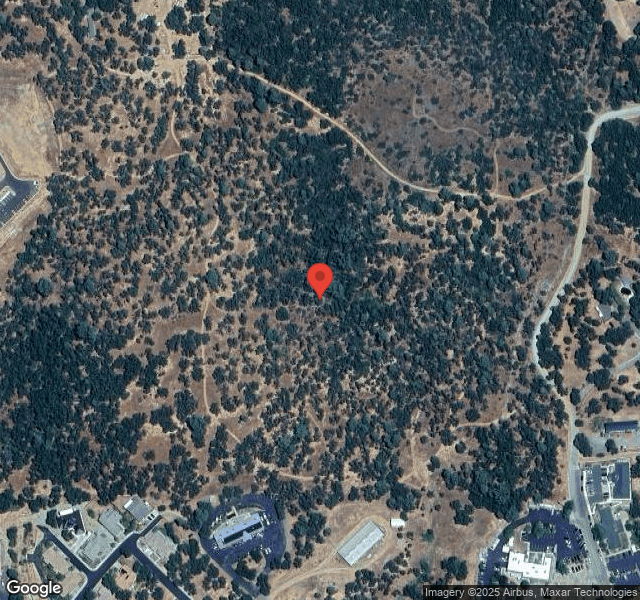
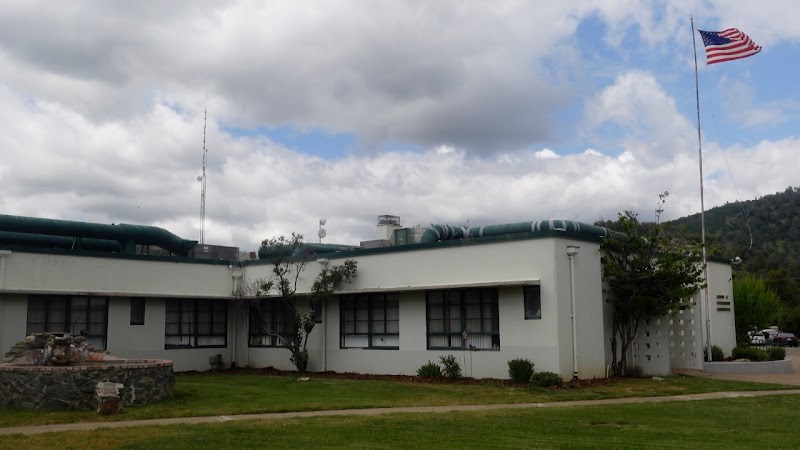
5189 HOSPITAL ROAD, MARIPOSA, CA 95338 (209) 966-3631
Government - Hospital district 16 Beds Independent Data: November 2025
Trust Grade
80/100
#103 of 1155 in CA
Last Inspection: August 2024

Within standard 12-15 month inspection cycle. Federal law requires annual inspections.

Overview

John C. Fremont Healthcare District DP/SNF has a Trust Grade of B+, which means it is recommended and above average among nursing facilities. It ranks #103 out of 1,155 in California, placing it in the top half of all facilities, and it is the only option in Mariposa County. However, the facility is experiencing a worsening trend, moving from 2 issues in 2022 to 3 in 2024. Staffing is a major concern, with a low rating of 1 out of 5 stars and a troubling 100% turnover rate, which is significantly higher than the state average. On the positive side, the facility has no fines on record and provides excellent RN coverage, which is important for monitoring residents’ health. However, recent inspections revealed some serious concerns: there were no RNs scheduled for at least eight consecutive hours daily, especially on weekends, which could lead to unrecognized medical needs. Additionally, two residents did not have proper care plans for their anti-coagulation medications, posing risks for undetected side effects like bleeding. Families should weigh these strengths and weaknesses carefully when considering this facility for their loved ones.

Trust Score
B+
80/100
In California
#103/1155
Top 8%
Safety Record
Low Risk
No red flags
Inspections
Getting Worse
2 → 3 violations
Staff Stability
⚠ Watch
100% turnover. Very high, 52 points above average. Constant new faces learning your loved one's needs.
Penalties
✓ Good
No fines on record. Clean compliance history, better than most California facilities.
Skilled Nurses
○ Average
Each resident gets 34 minutes of Registered Nurse (RN) attention daily — about average for California. RNs are the most trained staff who monitor for health changes.
Violations
○ Average
6 deficiencies on record. Average for a facility this size. Mostly minor or procedural issues.
★★★★★
5.0
Overall Rating
★☆☆☆☆
1.0
Staff Levels
★★★★★
5.0
Care Quality
★★★★★
5.0
Inspection Score
Stable
2022: 2 issues
2024: 3 issues

The Good

  • 5-Star Quality Measures · Strong clinical quality outcomes
  • Full Sprinkler Coverage · Fire safety systems throughout facility
  • No fines on record

Facility shows strength in quality measures, fire safety.

The Bad

Staff Turnover: 100%

53pts above California avg (47%)

Frequent staff changes - ask about care continuity

Staff turnover is very high (100%)

52 points above California average of 48%

The Ugly 6 deficiencies on record

Aug 2024 3 deficiencies
CONCERN (E)

Potential for Harm - no one hurt, but risky conditions existed

Comprehensive Care Plan (Tag F0656)

Could have caused harm · This affected multiple residents

**NOTE- TERMS IN BRACKETS HAVE BEEN EDITED TO PROTECT CONFIDENTIALITY** Based on observation, interview and record review, the facility failed to develop and implement a comprehensive, person-centered...

Read full inspector narrative →
**NOTE- TERMS IN BRACKETS HAVE BEEN EDITED TO PROTECT CONFIDENTIALITY** Based on observation, interview and record review, the facility failed to develop and implement a comprehensive, person-centered care plan (CP -a detailed approach to care customized to an individual resident's needs) for two of five residents (Residents 10 and 14) when Residents 10 and 14 did not have a CP for the used of anti-coagulation medication (medication that prevents blood clots from forming) to monitor for side effects such as bleeding and bruising. This failure had the potential to place Resident 10 and Resident 14 at risk for signs and symptoms of bleeding to go unidentified. Findings: During an observation on 8/6/24 at 10:59 a.m. in Resident 10's room, Resident 10 was observed dressed, sleeping in bed. No bruising or bleeding was observed on Resident 10. During a review of Resident 10's admission Records (AR- contains information that helps the healthcare team understands patient's health status and provide tailored care), dated 8/8/24, the AR indicated Resident 10 was admitted on [DATE] with diagnoses of dementia (loss of memory, language, problem-solving and other thinking abilities that are severe enough to interfere with daily life), essential (primary) hypertension (abnormally high blood pressure [the amount of force the heart uses to pump blood through the arteries] that is not the result of a medical condition), hyperlipidemia (a condition where fats build up in the arteries, increasing the risk of a stroke [a condition when a blood vessel that carries oxygen and nutrients to the brain is either blocked or ruptures]or heart attack [a condition with the blood flow that brings oxygen to the heart is severely reduced or blocked]), and history of transient ischemic attack (TIA - a short period of symptoms similar to those of a stroke, caused by a brief blockage of blood flow to the brain) and cerebral infarction (damage to tissues in the brain due to a loss of oxygen to the area). During a review of Resident 10's Minimum Data Set (MDS-standardized assessment tool that measures health status in nursing home residents), dated 7/12/24, the MDS section C indicated Resident 10 had a Brief Interview for Mental Status (BIMS- an assessment used in nursing homes to monitor cognition) score of zero, indicating Resident 10 had severe cognitive impairment. During a concurrent interview and record review on 8/8/24 at 1:36 p.m. with the Director of Staff Development (DSD), Resident 10's CP, dated 8/8/24 was reviewed. The CP indicated Resident 10 did not have a CP for the used of anticoagulant medication. The DSD stated Resident 10 should have had a CP in place to monitor for bleeding or bruising. The DSD stated Resident 10 did not have an individualized CP for the used of anticoagulant medication. During a review of Resident 10's PO, dated August 2024, the PO indicated, . aspirin [medication used to reduce the risk for blood clot formation] 81 mg [milligrams- units of measurement] EC [enteric coated- a protective layer applied in oral medications to prevent from dissolving in the stomach's acidic environment] tablet 1 tab by mouth daily Hx [history] of CVA [cerebrovascular accident- occurs when blood flow to the brain is interrupted, cause by broken blood vessels or blood clots] . During an observation on 8/6/24 at 11:04 a.m. in Resident 14's room, Resident 14 was observed dressed sitting in an electric wheelchair, leaning back, and sleeping wearing headphones. No bleeding or bruising was observed on Resident 14. During a review of Resident 14's AR, dated 8/8/24, the AR indicated Resident 14 was admitted on [DATE] with diagnoses of paraplegia (paralysis [the loss of the ability to move and sometimes to feel anything] that occurs in the lower half of the body), atrial fibrillation (A-fib - an irregular and often very rapid heart rhythm) and essential (primary) hypertension (abnormally high blood pressure [the amount of force the heart uses to pump blood through the arteries] that is not the result of a medical condition). During a review of Resident 14's MDS, dated 6/4/24, the MDS section C indicated Resident 14 had a BIMS score of 15 (a score of 0-7 suggests severe cognitive impairment, 8-12 suggests moderately impaired, 13-15 suggests cognitively intact), which indicated Resident 14 was cognitively intact. During a concurrent observation and interview on 8/6/24 at 12:30 p.m. with Resident 14 in the hallway, Resident 14 was observed eating his meal sitting with licensed vocational nurse (LVN) 1. Resident 14 stated he had no bruising or bleeding. During a concurrent interview and record review on 8/6/24 at 4:02 p.m. with the DSD, Resident 14's Physicians Orders (PO), dated 8/2024, was reviewed. The PO indicated . Apixaban [medication used to reduce the risk for blood clot formation] 5 mg tablet 1 tab by mouth twice daily. DX [diagnosis]: A-Fib . The DSD stated there was no order to monitor anticoagulation medication side effects such as bleeding. During a concurrent interview and record review on 8/8/24 at 1:39 p.m. with the DSD, Resident 14's Care Plan (CP), dated 8/8/24 was reviewed. The CP indicated Resident 14 did not have a CP in place to monitor side effects of anticoagulant medication used such as bleeding or bruising. The DSD stated Resident 14 should have a CP for the used of anticoagulation medication to monitor for bleeding and bruising. During an interview on 8/8/24 at 2:42 p.m. with the Director of Nursing (DON), the DON stated the DON was ultimately responsible for making sure residents CPs were completed. The DON stated her expectation was for CPs to be current and not outdated. The DON stated CPs were important because it helps guide nursing staff on how to provide consistent individualized care to residents. The DON stated Resident 10 and Resident 14 should have a CP initiated for the used of anticoagulation medication to help monitor for side effects such as bleeding and bruising. During a review of the facility's policy and procedure (P&P) titled, Goals and Objectives, Care Plans, dated 2021 indicated, . care plans shall incorporate goals and objectives that lead to the resident's highest obtainable level of independence . care plan goals and objectives are derived from information contained in the resident's comprehensive assessment . are resident oriented . goals and objectives are entered on the resident's care plan so that all disciplines have access to such information and are able to report whether or not the desired outcomes are being achieved . During a review of the P&P titled, Care Plans, Comprehensive Person-Centered, dated 2021, indicated . the comprehensive, person-centered care plan: . describes the services that are to be furnished to attain or maintain the resident's highest practicable physical, mental, and psychosocial well-being . reflects currently recognized standards of practice for problem areas and conditions . During a review of the facility's job description (JD) titled, MDS Coordinator/RN, dated 11/28/17, indicated, . employee's primary responsibility is to conduct and coordinate the development and completion of the resident's assessments/care plans . completes preliminary and comprehensive assessments of the nursing needs of each resident . appropriately coordinates the development of a written plan of care (preliminary and comprehensive) for each resident that identifies the problems/needs of the resident, indicates the care to be given, goals to be accomplished . assists . in ensuring that all personnel involved in providing care to the resident are aware of the resident's care plan that nursing personnel refer to resident's care plan prior to administering daily care to the resident . During a review of the facility's JD titled, LVN, Level I, II, III, dated 1/13/17, indicated, . major duties and responsibilities . reads and signs Care Plans . writes and updates long and short-term care plans . During a review of the facility's JD titled, Director of Skilled Nursing, dated 10/1/19, indicated . major duties and responsibilities: . assures that the nursing process is carried out (comprehensive assessments, care planning and documentation) .
CONCERN (E)

Potential for Harm - no one hurt, but risky conditions existed

Deficiency F0658 (Tag F0658)

Could have caused harm · This affected multiple residents

**NOTE- TERMS IN BRACKETS HAVE BEEN EDITED TO PROTECT CONFIDENTIALITY** Based on interview and record review, the facility failed to provide services which met professional standards of practice when:...

Read full inspector narrative →
**NOTE- TERMS IN BRACKETS HAVE BEEN EDITED TO PROTECT CONFIDENTIALITY** Based on interview and record review, the facility failed to provide services which met professional standards of practice when: 1. License Vocational Nurse (LVN) 1 during medication administration failed to inform facility residents the names and indications of the medications they are taking for three of eight sampled residents (Resident 3, 6, and 11). This failure had the potential risk for Resident 3, Resident 6, and Resident 11 to not understand the importance of their medication regimen and feelings of being not in control of their health and wellbeing which could lead to noncompliance. 2. Certified Nurse Assistant (CNA) 1's CNA certification expired on [DATE] and the facility scheduled CNA 1 to work and provide direct patient care from [DATE] to [DATE]. This failure had the potential risk to place all facility residents to received unsafe and poor quality of care. Findings: 1. During a medication pass observation on [DATE], at 12:07 p.m., inside Resident 3's room, LVN 1 administered Acetaminophen (medication use for generalized pain or discomfort) 325 mg (milligram, unit of measurement) 2 tablets (650 mg) and Lithium carbonate (medication use to stabilize the mood and extreme behaviors) 150 mg one capsule without explaining the medication and indication to Resident 3. During a review of Resident 3's admission Record (AR, a document that provides resident contact details, a brief medical history, level of functioning, preferences, and wishes), dated [DATE], the AR indicated, Resident 3 was admitted from an acute care hospital on [DATE] to the facility, whose diagnoses included Bipolar disorder (a mental condition marked by alternating periods of joy and depression), Hypertension (high blood pressure), History of Falling, Weakness, and Insomnia (difficulty sleeping). During a review of Resident 3's Order Summary Report (OSR), dated [DATE], the OSR indicated, . ACETAMINOPHEN 325 MG TABLET 2 TABS (650 MG) BY MOUTH TWICE DAILY FOR PAIN . Order date [DATE] . LITHIUM CARBONATE 150 MG CAPSULE: 1 capsule by mouth three times every day . Dx [Diagnosis]: Bipolar Disorder . Order date [DATE] . During a medication pass observation on [DATE], at 12:10 p.m., inside Resident 11's room, LVN 1 administered Carbidopa-Levodopa (medication for Parkinson's Disease, a disease of the brain and spinal cord) 25-100 mg 1 tablet without explaining the medication and indication to Resident 11. During a review of Resident 11's AR, dated [DATE], the AR indicated, Resident 11 was admitted from an acute care hospital on [DATE] to the facility, whose diagnoses included Parkinson's Disease, Muscle Weakness, Type 2 Diabetes Mellitus (disorder of blood sugars), and Major Depressive Disorder (a mood disorder that causes a persistent feeling of sadness and loss of interest). During a review of Resident 11's OSR, dated [DATE], the OSR indicated, . CARBIDOPA-LEVODOPA 25-100 TAB ONE TAB BY MOUTH THREE TIMES A DAY DX: PARKINSON'S DISEASE . Order date [DATE] . During a medication pass observation on [DATE], at 1:52 p.m., inside Resident 6's room, LVN 1 administered Calcium Carbonate 500 mg 1 tablet, Sennosides Laxative (medication to prevent constipation) 1 tablet, Polyethylene Glycol powder (medication to prevent constipation) 17 grams mix with 4 ounce of water, Vitamin D3 (ergocalciferol, supplement that helps the body to absorb calcium and phosphorous) 2000 units 1 tablet, Divalproex sodium ER (medication to treat mood episodes and depression) 125 mg 1 capsule, and Hydrocodone-Acetaminophen 10-325 mg 1 tablet without explaining the medications and indications to Resident 6. During a review of Resident 6's AR, dated [DATE], the AR indicated, Resident 6 was admitted from an acute care hospital on [DATE] to the facility, whose diagnoses included Dementia (impaired ability to remember, think, or make decisions), Hypertension, Chronic Pain (pain longer than six months), Muscle Weakness, Constipation, Osteoarthritis (degenerative disease of the bone joints that worsens over time, often resulting in chronic pain), and Major Depressive Disorder. During a review of Resident 6's OSR, dated [DATE], the OSR indicated, . CALCIUM CARBONATE 500 MG 1 TABLET DAILY . Order date [DATE] . SENNOSIDES LAXATIVE TABLET 1 TABLET BY MOUTH TWICE DAILY . Order date [DATE] . POLYETHYLENE GLYCOL POWDER 17 GRAMS MIX WITH 4 OUNCE OF WATER . Order date [DATE] . VITAMIN D3 2000 UNITS 1 TABLET BY MOUTH DAILY . Order date [DATE] . DIVALPROEX SODIUM ER 125 MG 1 CAPSULE BY MOUTH TWICE A DAY . Order date [DATE] . HYDROCODONE-ACETAMINOPHEN 10-325 MG 1 TABLET BY MOUTH THREE TIMES A DAY . Order date [DATE] . During an interview on [DATE], at 2:10 p.m., with LVN 1, LVN 1 stated she did not explain the medications and indications when she gave the medications to Residents 3, 6, and 11. LVN 1 stated facility residents had the right to know the medications they are receiving, and she failed to inform Resident 3, Resident 6, and Resident 11. During an interview on [DATE], at 10:07 a.m. with the Director of Nursing (DON), the DON stated LVN 1 should have explain the medications and their use prior to medication administration. The DON stated facility Residents had the right to know the medications they are taking. The DON stated LVN 1 failed to follow the facility's expectations and assigned responsibilities during medication pass. During a review of the facility's document titled, Job Description: Licensed Vocational Nurse, dated 1/17, the document indicated, . Job Summary: Employee administers appropriate nursing care to residents in the skilled nursing facility . Performs a variety of direct and indirect patient care duties and activities . D. Essential Skills . 14. Understanding of the principles and practices of licensed vocational nursing. 15. Understanding of the pharmaceuticals prescribed for the elderly, and has knowledge of actions of medications and their side effects . During a review of the facility's policy and procedure (P&P) titled, Administering Medications, dated 4/19, the P&P indicated . Medications are administered in a safe and timely manner, and as prescribed . 5. Medication administration times are determined by resident need and benefit . c. honoring resident choices and preferences, consistent with his or her care plan . 2. During a concurrent interview and record review on [DATE], at 2:22 p.m., with the Director of Staff Development (DSD), the facility document titled, CNA 1's Personnel File, undated was reviewed. The DSD stated CNA 1 was hired on [DATE] and her annual evaluation was completed and signed on [DATE]. The DSD stated CNA 1's CNA certification expired on [DATE] and she did not find a copy of CNA 1's active CNA certification. The DSD stated the facility failed to ensure CNA 1's CNA certificate was active prior to scheduling her to work on [DATE]. The DSD stated CNA 1 was working and providing care to facility residents with an expired CNA certification from [DATE] to [DATE]. The DSD stated the failure had the potential to place facility residents at risk of receiving unsafe care from CNA 1. During a concurrent interview and record review on [DATE], at 2:35 p.m., with the DON, the facility document titled, CNA 1's Personnel File, undated was reviewed. The DON stated CNA 1's CNA certification expired on [DATE] and she did not find a copy of CNA 1's active CNA certification. The DON stated she completed and signed CNA 1's annual evaluation on [DATE] and failed to obtain a copy of CNA 1's active CNA certificate prior to scheduling her to work on [DATE]. The DON stated the failure had the potential to place facility Residents at risk of receiving unsafe care from CNA 1. During a review of the facility's document titled, Job Description: Certified Nurse Assistant, dated 6/20, the document indicated, . Job Summary: Employee performs various non-professional patient/resident care duties in the skilled nursing department. Maintains and operates hospital and nursing equipment, provides bedside care and assists in the treatment of patients Minimum Qualifications . 2. Successful completion of nursing assistant course . B. Follows District and Skilled Nursing Department policies and procedures . 8.1 Demonstrates and understanding of policies, procedures, State and Federal regulations . During a review of the facility's policy and procedure (P&P) titled, Staffing, Sufficient and Competent Nursing, dated 8/22, the P&P indicated . Our facility provides sufficient numbers of nursing staff with the appropriate skills and competency necessary to provide nursing and related care and services for all residents in accordance with resident care plans and facility staff . Nurse aides are individuals providing nursing or related services to residents in the facility .
CONCERN (F)

Potential for Harm - no one hurt, but risky conditions existed

Deficiency F0727 (Tag F0727)

Could have caused harm · This affected most or all residents

**NOTE- TERMS IN BRACKETS HAVE BEEN EDITED TO PROTECT CONFIDENTIALITY** Based on interview and record review, the facility failed to ensure a Registered Nurse (RN) was scheduled and in the facility fo...

Read full inspector narrative →
**NOTE- TERMS IN BRACKETS HAVE BEEN EDITED TO PROTECT CONFIDENTIALITY** Based on interview and record review, the facility failed to ensure a Registered Nurse (RN) was scheduled and in the facility for at least eight consecutive hours a day, seven days per week, when the facility did not have an RN scheduled to work on weekends (Saturday and Sunday), from [DATE] to [DATE]. The facility did not provide documented evidence of Center for Medicare and Medicaid (CMS-is a federal government agency) approved waiver for this requirement. This failure resulted in an inadequate RN facility staffing and the potential for residents to have their medical needs to go unrecognized by an RN and the potential for serious medical consequences to occur. Findings: During a concurrent interview and record review on [DATE], at 9:14 a.m., with Director of Staff Development (DSP), the facility document titled, Monthly Staff Schedule, dated from [DATE] to [DATE] was reviewed. The DSD stated she had been at the facility since [DATE] and the facility did not have an RN coverage on weekends. The DSD stated the facility had an RN waiver from CMS that expired in February 2024. The DSD stated the DON who is a Registered Nurse served as a Charge Nurse, from Monday to Friday. The DSD stated the facility has 16 licensed beds and currently on full capacity. The DSD stated RNs were necessary when residents needed intravenous (IV) medication or an in-depth assessment. During an interview on [DATE], at 3:55 p.m., with the Director of Nursing (DON), the DON stated she worked as a fulltime DON, 40 hours a week, Monday to Friday, and the designated Charge Nurse for the Skilled Nursing Facility (SNF). The DON stated they do not have a Registered Nurse to work on weekends for several years. The DON stated the facility had an RN waiver from CMS but it expired in February 2024. The DON stated RNs were necessary when residents needed in-depth assessment due to change in condition or treatments requiring intravenous drugs. During a review of the facility's document titled, Monthly Staff Schedule dated from [DATE] to [DATE], the staff schedule indicated no RN scheduled to work for the following days: February 2024 [DATE] and [DATE] (16 hours) [DATE] and [DATE] (16 hours) [DATE] and [DATE] (16 hours) [DATE] and [DATE] (16 hours) [DATE] [DATE] and [DATE] (16 hours) [DATE] and [DATE] (16 hours) [DATE] and [DATE] (16 hours) [DATE] and [DATE] (16 hours) [DATE] and [DATE] (16 hours) [DATE] [DATE] and [DATE] (16 hours) [DATE] and [DATE] (16 hours) [DATE] and [DATE] (16 hours) [DATE] and [DATE] (16 hours) [DATE] [DATE] and [DATE] (16 hours) [DATE] and [DATE] (16 hours) [DATE] and [DATE] (16 hours) [DATE] and [DATE] (16 hours) [DATE] [DATE] and [DATE] (16 hours) [DATE] and [DATE] (16 hours) [DATE] and [DATE] (16 hours) [DATE] and [DATE] (16 hours) [DATE] and [DATE] (16 hours) [DATE] [DATE] and [DATE] (16 hours) [DATE] and [DATE] (16 hours) [DATE] and [DATE] (16 hours) [DATE] and [DATE] (16 hours) [DATE] [DATE] and [DATE] (16 hours) During a review of the facility's policy and procedure (P&P) titled, Staffing, Sufficient and Competent Nursing dated 8/22, the P&P indicated, .Our facility provides sufficient numbers of staff with the skills and competency necessary to provide care and services for all residents in accordance with resident care plans and the facility assessment . 1. Licensed nurses and certified nursing assistants are available 24 hours a day to provide direct resident care services . 2. A licensed nurse is designated as a charge nurse on each shift . c. The director of nursing services (DNS) may serve as the charge nurse only when the average daily occupancy of the facility is 60 or fewer residents . 3. A registered nurse provides services at least eight (8) consecutive hours every 24 hours, seven (7) days a week. RNs may be scheduled more than eight (8) hours depending on the acuity needs of the resident . During a professional reference review retrieved from https://cmscompliancegroup.com titled, F727 RN 8 Hours/7 days/Week, Full Time DON dated 4/2018, the professional reference indicated, . The regulation states that unless a waiver is in place: A facility must use the services of a registered nurse for at least 8 consecutive hours a day, 7 days a week. The facility must designate a registered nurse to serve as the director of nursing on a full-time basis (35 or more hours per week). The Interpretive Guidance states that the DON requirement can be fulfilled by using two or more RNs so long as the roles and responsibilities for all RN staff serving as the DON are clearly defined and facility staff understand how the responsibilities are shared. The director of nursing may only serve as a charge nurse when the facility's average daily census is 60 or fewer residents .
Oct 2022 2 deficiencies
CONCERN (D)

Potential for Harm - no one hurt, but risky conditions existed

Deficiency F0761 (Tag F0761)

Could have caused harm · This affected 1 resident

Based on observation, interview, and record review, the facility failed to ensure drugs were stored in accordance with currently accepted professional standards of practice when Licensed Vocational Nu...

Read full inspector narrative →
Based on observation, interview, and record review, the facility failed to ensure drugs were stored in accordance with currently accepted professional standards of practice when Licensed Vocational Nurse (LVN) 1 left the medication cart unlocked and unattended. This failure had the potential for unauthorized access to medications and placed residents at risk for actual harm. Findings: During a concurrent observation and interview, on 10/19/22, at 7:26 a.m., the medication cart was observed unlocked and unsecured in the hallway across from the nurse's station while LVN 1 was in the dining room. LVN 1 walked out of the dining room to the medication cart and pressed the lock to the locked position, a click was heard when it was pressed in. LVN 1 stated I'm sorry it was unlocked. LVN 1 stated someone could access the medication cart and take medications not prescribed to them. LVN 1 stated if a resident took non-prescribed medications, they could become very ill and potentially die. During a telephone interview on 10/19/22, at 12:10 p.m., with the Director of the Skilled Nursing Facility (DIR), the DIR stated medications carts should be locked at all times when out of the nurse's sight. The DIR stated someone could steal, take or alter medications. During a review of the facility's policy and procedure (P&P) titled Security of Medication Cart, dated April 2007, the P&P indicated, .The medication cart shall be secured during medication passes . 1. The nurse must secure the medication cart during the medication pass to prevent unauthorized entry . 3. When it is not possible to park the medication cart in the doorway, the cart should be parked in the hallway against the wall with doors and drawers facing the wall . 4. Medication carts must be securely locked at all times when out of the nurse's view .
CONCERN (F)

Potential for Harm - no one hurt, but risky conditions existed

Deficiency F0727 (Tag F0727)

Could have caused harm · This affected most or all residents

Based on interview and record review, the facility failed to ensure a Registered Nurse (RN) served as the Director of Nursing (DON) and an RN was scheduled and in the facility for at least eight conse...

Read full inspector narrative →
Based on interview and record review, the facility failed to ensure a Registered Nurse (RN) served as the Director of Nursing (DON) and an RN was scheduled and in the facility for at least eight consecutive hours a day, seven days per week when the facility did not have an RN scheduled on 11/15/19 to 10/20/22. The facility did not provide documented evidence of CMS approved waiver for this requirement. This failure resulted in an inadequate RN facility staffing and the potential for residents to have their medical needs to go unrecognized by an RN and the potential for serious medical consequences to occur. Findings: During an interview on 10/18/22, at 9:53 a.m., with Certified Nursing Assistant (CNA) 1, CNA 1 stated the Director of the Skilled Nursing Facility (DIR) was a Licensed Vocational Nurse and was the DON. CNA 1 stated the facility had a part time RN treatment nurse working part time on Mondays and Fridays. During an interview on 10/18/22, at 10:01 a.m., with Licensed Vocational Nurse (LVN) 1, LVN 1 stated she had been at the facility since August 2022 and the facility did not have a DON or full time RN. LVN 1 stated RNs were necessary when residents needed intravenous (IV) medication or an in-depth assessment. LVN 1 stated she had been told by the facility staff an acute care RN would come to the facility to perform assessments and IV medications if needed. LVN 1 stated she has not needed the acute care RNs since she started. During an interview on 10/18/22, at 10:52 a.m., with the Licensed Vocational Nurse/Audit Nurse (LVNAN), the LVNAN stated the facility did not have a DON. The LVNAN stated she had worked at the facility for 3 years and did not remember the facility ever having a DON. The LVNAN stated RN 1 worked as a part-time treatment nurse on Mondays and Fridays. LVNAN stated RN 1 left after the treatments were completed. LVNAN stated the Minimum Data Set Coordinator RN worked part time for the facility offsite. During a review of RN 1's timesheets titled Employee Timesheet, dated from 7/24/22 to 10/15/22, the timesheets indicated RN 1's total hours were: 7/24/22 to 8/6/22- 16 hours 8/7/22 to 8/22/22- 22 hours 8/23/22 to 9/3/22- 17.25 hours 9/4/22 to 9/17/22 - 20.50 hours 9/18/22 to 10/1/22- 12.75 hours 10/2/22 to 10/15/22- 15.5 hours During a review of the facility's policy and procedure (P&P) titled, Staffing, dated October 2017, the P&P indicated, .Our facility provides sufficient numbers of staff with the skills and competency necessary to provide care and services for all residents in accordance with resident care plans and the facility assessment . 1. Licensed nurses and certified nursing assistants are available 24 hours a day to provide direct resident care services . 2. Staffing numbers and the skill requirements of direct care staff are determined by the needs of the residents . 5. Inquiries or concerns relative to our facility's staffing should be directed to the administrator or his/her designee . During a telephone interview on 10/18/22, at 11:22 a.m., with the DIR, the DIR stated the facility had 2 RNs on staff. The DIR stated RN 1 was scheduled 4 hours on Mondays and Fridays and would work more hours if needed. The DIR stated the MDSRN worked offsite reviewing the facility's MDS. The DIR stated the facility was a D/P SNF (Distinct Part/Skilled Nursing Facility- a hospital-based facility, usually operated in a designated unit within a hospital) and a full time RN was not necessary because the SNF had access to the acute care RNs from the hospital. The DIR stated because the facility was a D/P SNF, the staffing P&P did not cover a DON or RN staffing. During an interview on 10/18/22, at 11:45 a.m., with the Interim Chief Nursing Officer (CNO), the CNO stated the D/P SNF did not have a DON for clinical oversight of the facility and did not have a full time RN eight hours a day, seven days a week according to federal regulations. During a professional reference review retrieved from https://cmscompliancegroup.com titled, F727 RN 8 Hrs/7 days/Wk, Full Time DON dated 4/2018, the professional reference indicated, . The regulation states that unless a waiver is in place: A facility must use the services of a registered nurse for at least 8 consecutive hours a day, 7 days a week. The facility must designate a registered nurse to serve as the director of nursing on a full-time basis (35 or more hours per week). The Interpretive Guidance states that the DON requirement can be fulfilled by using two or more RNs so long as the roles and responsibilities for all RN staff serving as the DON are clearly defined and facility staff understand how the responsibilities are shared. The director of nursing may only serve as a charge nurse when the facility's average daily census is 60 or fewer residents .
Nov 2019 1 deficiency
CONCERN (D)

Potential for Harm - no one hurt, but risky conditions existed

Safe Environment (Tag F0921)

Could have caused harm · This affected 1 resident

Based on observation and interview, the facility failed to maintain a safe and sanitary environment when the facility's laundry dryer had a buildup of lint and the facility did not have a system in pl...

Read full inspector narrative →
Based on observation and interview, the facility failed to maintain a safe and sanitary environment when the facility's laundry dryer had a buildup of lint and the facility did not have a system in place to ensure the lint filter was cleaned before and after each load of laundry. This practice failed to ensure the environment was maintained in a clean and safe manner and created a fire hazard. Findings: During a concurrent observation and interview with Housekeeping/Laundry Aide (HK/LA), in the facility's laundry room, on 11/14/19, at 3:03 p.m., HK/LA opened the dryer and stated the lint filter for the dryer had a buildup of lint. HK/LA stated she was responsible for checking and removing the lint from the filter and preventing a buildup of lint. HK/LA stated she did not clean the filter and could not remember the last time she cleaned the filter on 11/14/19. HK/LA stated there was no documentation to reflect when the lint filter was cleaned. HK/LA stated the lint filter should not have lint buildup because it created a fire hazard. During an interview with the Director of Nursing (DON), on 11/14/19, at 3:15 p.m., the DON stated housekeeping department (HK/LA) should have checked and cleaned the lint filter before and after each load of laundry and did not. The DON stated the purpose of cleaning the lint filter was to prevent a buildup of lint and prevent a fire. The DON was unable to provide a log or documentation to indicate housekeeping staff checked and cleaned the lint filter. Review of professional reference titled, U.S. Fire Administration: Clothes Dryer Fire Safety Outreach Materials, Working for a Fire-Safe America undated, indicated, (source:usfa.fema.gov) Cleaning . clean the lint filter before and after each load of laundry. Don't forget to clean the back of the dryer where lint can build up. In addition, clean the lint filter with a nylon brush at least every six months or more often if it becomes clogged .
Understanding Severity Codes (click to expand)
Life-Threatening (Immediate Jeopardy)
J - Isolated K - Pattern L - Widespread
Actual Harm
G - Isolated H - Pattern I - Widespread
Potential for Harm
D - Isolated E - Pattern F - Widespread
No Harm (Minor)
A - Isolated B - Pattern C - Widespread

Questions to Ask on Your Visit

  • "Why is there high staff turnover? How do you retain staff?"
  • "Can I speak with families of current residents?"
  • "What's your RN coverage like on weekends and overnight?"

Our Honest Assessment

Strengths
  • • Grade B+ (80/100). Above average facility, better than most options in California.
  • • No major safety red flags. No abuse findings, life-threatening violations, or SFF status.
  • • No fines on record. Clean compliance history, better than most California facilities.
Concerns
  • • 100% turnover. Very high, 52 points above average. Constant new faces learning your loved one's needs.
Bottom line: Generally positive indicators. Standard due diligence and a personal visit recommended.

About This Facility

What is John C. Fremont Healthcare District Dp/Snf's CMS Rating?

CMS assigns JOHN C. FREMONT HEALTHCARE DISTRICT DP/SNF an overall rating of 5 out of 5 stars, which is considered much above average nationally. Within California, this rating places the facility higher than 99% of the state's 100 nursing homes. This rating reflects solid performance across the metrics CMS uses to evaluate nursing home quality.
How is John C. Fremont Healthcare District Dp/Snf Staffed?

CMS rates JOHN C. FREMONT HEALTHCARE DISTRICT DP/SNF's staffing level at 1 out of 5 stars, which is much below average compared to other nursing homes. Staff turnover is 100%, which is 53 percentage points above the California average of 47%. High turnover can affect care consistency as new staff learn residents' individual needs.

What Have Inspectors Found at John C. Fremont Healthcare District Dp/Snf?

State health inspectors documented 6 deficiencies at JOHN C. FREMONT HEALTHCARE DISTRICT DP/SNF during 2019 to 2024. These included: 6 with potential for harm.
Who Owns and Operates John C. Fremont Healthcare District Dp/Snf?

JOHN C. FREMONT HEALTHCARE DISTRICT DP/SNF is owned by a government entity. Government-operated facilities are typically run by state, county, or municipal agencies. The facility operates independently rather than as part of a larger chain. With 16 certified beds and approximately 15 residents (about 94% occupancy), it is a smaller facility located in MARIPOSA, California.
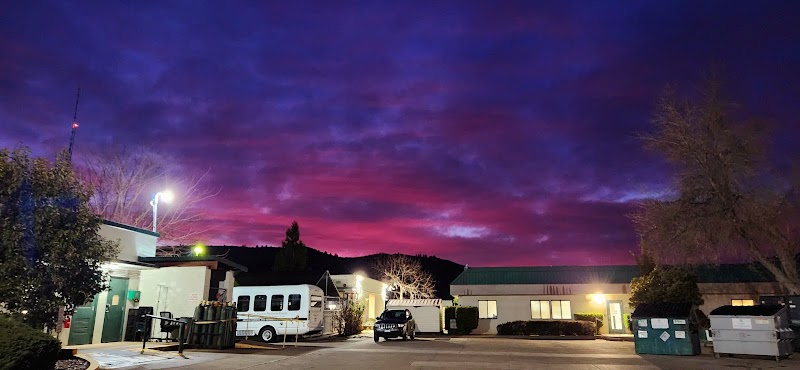
How Does John C. Fremont Healthcare District Dp/Snf Compare to Other California Nursing Homes?

Compared to the 100 nursing homes in California, JOHN C. FREMONT HEALTHCARE DISTRICT DP/SNF's overall rating (5 stars) is above the state average of 3.2, staff turnover (100%) is significantly higher than the state average of 47%, and health inspection rating (5 stars) is much above the national benchmark.

What Should Families Ask When Visiting John C. Fremont Healthcare District Dp/Snf?

Based on this facility's data, families visiting should ask: "How do you ensure continuity of care given staff turnover, and what is your staff retention strategy?" "Can you walk me through typical staffing levels on day, evening, and night shifts?" "Can I visit during a mealtime to observe dining assistance and food quality?" "How do you handle medical emergencies, and what is your hospital transfer rate?" These questions are particularly relevant given the facility's high staff turnover rate and the below-average staffing rating.

Is John C. Fremont Healthcare District Dp/Snf Safe?

Based on CMS inspection data, JOHN C. FREMONT HEALTHCARE DISTRICT DP/SNF has a clean safety record: no substantiated abuse findings (meaning no confirmed cases of resident harm), no Immediate Jeopardy citations (the most serious violation level indicating risk of serious injury or death), and is not on the Special Focus Facility watch list (a federal program monitoring the lowest-performing 1% of nursing homes). The facility has a 5-star overall rating and ranks #1 of 100 nursing homes in California. While no facility is perfect, families should still ask about staff-to-resident ratios and recent inspection results during their visit.

Do Nurses at John C. Fremont Healthcare District Dp/Snf Stick Around?

Staff turnover at JOHN C. FREMONT HEALTHCARE DISTRICT DP/SNF is high. At 100%, the facility is 53 percentage points above the California average of 47%. High turnover means new staff may not know residents' individual needs, medications, or preferences. It can also be disorienting for residents, especially those with dementia who rely on familiar faces. Families should ask: What is causing the turnover? What retention programs are in place? How do you ensure care continuity during staff transitions?

Was John C. Fremont Healthcare District Dp/Snf Ever Fined?

JOHN C. FREMONT HEALTHCARE DISTRICT DP/SNF has no federal fines on record. CMS issues fines when nursing homes fail to meet care standards or don't correct problems found during inspections. The absence of fines suggests the facility has either maintained compliance or corrected any issues before penalties were assessed. This is a positive indicator, though families should still review recent inspection reports for the full picture.

Is John C. Fremont Healthcare District Dp/Snf on Any Federal Watch List?

JOHN C. FREMONT HEALTHCARE DISTRICT DP/SNF is not on any federal watch list. The most significant is the Special Focus Facility (SFF) program, which identifies the bottom 1% of nursing homes nationally based on persistent, serious quality problems. Not being on this list means the facility has avoided the pattern of deficiencies that triggers enhanced federal oversight. This is a positive indicator, though families should still review the facility's inspection history directly.