FRANCISCAN POST-ACUTE CARE CENTER
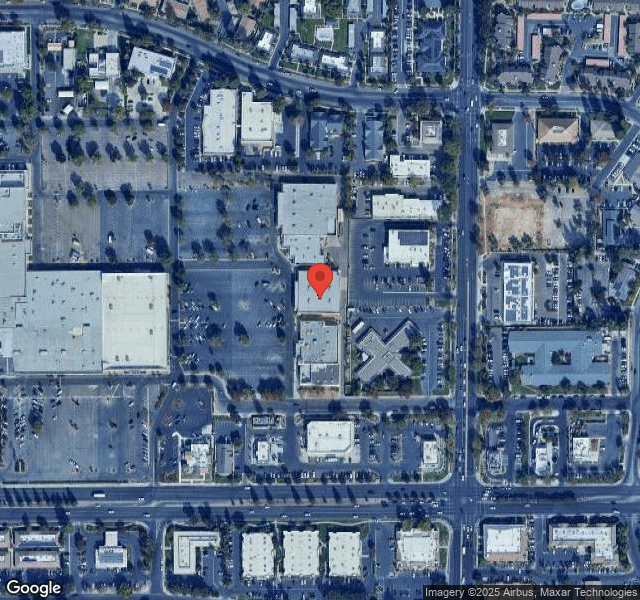
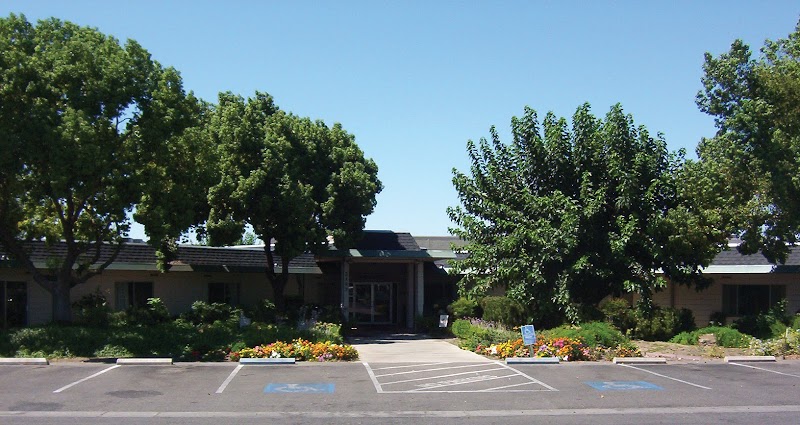
3169 M STREET, MERCED, CA 95348 (209) 722-6231
For profit - Corporation 71 Beds AVALON HEALTH CARE Data: November 2025
Trust Grade
18/100
#798 of 1155 in CA
Last Inspection: April 2025

Within standard 12-15 month inspection cycle. Federal law requires annual inspections.

Overview

Franciscan Post-Acute Care Center holds a Trust Grade of F, indicating significant concerns about the quality of care provided. Ranked #798 out of 1155 facilities in California, this places it in the bottom half of state facilities and #8 out of 10 in Merced County, suggesting limited local options for better care. The facility is currently worsening, as the number of reported issues increased from 6 in 2024 to 7 in 2025. Staffing is a relative strength with a 4/5 star rating and a turnover rate of 37%, which is slightly below the state average, indicating that staff are more stable here. However, the facility has concerning RN coverage, with less available than 75% of California facilities, which can impact resident care. Specific incidents include a resident with diabetes who did not receive proper monitoring, leading to a medical emergency, and another resident who suffered second-degree burns after smoking with oxygen present, indicating a serious lapse in safety measures. Additionally, a resident with dementia was left unsupervised while drinking hot tea, resulting in burns, highlighting ongoing issues with supervision and care planning. Overall, while there are some strengths in staffing, the numerous serious incidents and the facility's low trust grade raise significant concerns for families considering this nursing home for their loved ones.

Trust Score
F
18/100
In California
#798/1155
Bottom 31%
Safety Record
High Risk
Review needed
Inspections
Getting Worse
6 → 7 violations
Staff Stability
○ Average
37% turnover. Near California's 48% average. Typical for the industry.
Penalties
✓ Good
$18,860 in fines. Lower than most California facilities. Relatively clean record.
Skilled Nurses
⚠ Watch
Each resident gets only 21 minutes of Registered Nurse (RN) attention daily — below average for California. Fewer RN minutes means fewer trained eyes watching for problems.
Violations
⚠ Watch
28 deficiencies on record. Higher than average. Multiple issues found across inspections.
★★☆☆☆
2.0
Overall Rating
★★★★☆
4.0
Staff Levels
★★★★☆
4.0
Care Quality
★★☆☆☆
2.0
Inspection Score
Stable
2024: 6 issues
2025: 7 issues

The Good

  • 4-Star Staffing Rating · Above-average nurse staffing levels
  • 4-Star Quality Measures · Strong clinical quality outcomes
  • Full Sprinkler Coverage · Fire safety systems throughout facility
  • No fines on record
  • Staff turnover below average (37%)

    11 points below California average of 48%

Facility shows strength in staffing levels, quality measures, fire safety.

The Bad

2-Star Overall Rating

Below California average (3.1)

Below average - review inspection findings carefully

Staff Turnover: 37%

Near California avg (46%)

Typical for the industry

Federal Fines: $18,860

Below median ($33,413)

Minor penalties assessed

Chain: AVALON HEALTH CARE

Part of a multi-facility chain

Ask about local staffing decisions and management

The Ugly 28 deficiencies on record

3 actual harm
Jun 2025 2 deficiencies 1 Harm
SERIOUS (G) 📢 Someone Reported This

A family member, employee, or ombudsman was alarmed enough to file a formal complaint

Actual Harm - a resident was hurt due to facility failures

Deficiency F0657 (Tag F0657)

A resident was harmed · This affected 1 resident

**NOTE- TERMS IN BRACKETS HAVE BEEN EDITED TO PROTECT CONFIDENTIALITY** Based on interview and record review, the facility failed to develop and implement a person-centered comprehensive care plan for...

Read full inspector narrative →
**NOTE- TERMS IN BRACKETS HAVE BEEN EDITED TO PROTECT CONFIDENTIALITY** Based on interview and record review, the facility failed to develop and implement a person-centered comprehensive care plan for one of six sampled residents (Resident 1) when: 1. Resident 1 was admitted to the facility with diagnoses of Type 2 Diabetes Mellitus (Type 2 DM- a disorder in which blood sugar or glucose levels are abnormally high) and licensed nursing staff did not develop an individualized care plan intervention to monitor Resident 1's blood glucose levels, from 5/4/25 to 5/18/25. This failure resulted in Resident 1 experiencing significant change in condition. On 5/18/25, Resident 1 was found with altered mental status (AMS- change in person's level of awareness, thinking, or behavior, a medical emergency requiring prompt evaluation and treatment), with a blood glucose level of 53 mg/dl (milligram per deciliters- unit of measurement), and requiring emergency transport to a higher level of care. Resident 1 was admitted to the hospital from [DATE] to 6/3/25. 2. Resident 1 was admitted to the facility with diagnoses of Chronic Obstructive Pulmonary Disease (COPD-a chronic lung disease causing difficulty in breathing) and licensed nursing staff failed to implement the nursing care plan interventions to monitor Resident 1's oxygen level according to the physician's order. This failure resulted in Resident 1 experiencing significant change in condition. On 5/18/25, Resident 1 was found with AMS, with an oxygen level of 86% (percent- unit of measurement), and requiring emergency transport to a higher level of care. Resident 1 was admitted to the hospital from [DATE] to 6/3/25. Findings: 1. During a review of Resident 1 ' s admission Record, dated 6/6/25, the admission record indicated, Resident 1 was admitted to the facility on [DATE] with diagnosis that included Chronic Obstructive Pulmonary Disease, Type 2 Diabetes Mellitus, Muscle Weakness, Hypertension (high blood pressure), Cervicalgia (neck pain) and Congestive Heart Failure (CHF- heart is unable to pump blood efficiently). During a review of Residents 1 ' s Minimum Data Set (MDS- a resident assessment tool used to identify resident cognitive and physical function) assessment dated [DATE], the MDS indicated Resident 1 ' s Brief Interview of Mental status assessment (BIMS- assessment of cognitive status for memory and judgement) scored 15 of 15 (a score of 13-15 indicates cognitively intact, 08-12 indicates moderately impaired, and 00-07 indicates severe impairment). The BIMS assessment indicated Resident 1 was cognitively intact. During a concurrent interview and record review on 6/6/25, at 2:30 p.m. with Registered Nurse (RN) 1, RN 1 stated Resident 1 has a diagnosis of COPD, CHF and Type 2 DM. RN 1 confirmed she worked on 5/17/25 PM shift (afternoon shift, from 2:00 p.m. to 10:30 p.m.) and was the charge nurse for Resident 1. Resident 1's Nursing Note, dated 5/17/25 at 6:39 p.m. was reviewed. The note indicated, . Vital signs . BP (blood pressure) 139/60 - 5/17/25 15:57 (3:57 p.m.) . O2 (oxygen saturation- measure of how well oxygen is being transported throughout the body) 93% - 5/17/25 9:06 a.m . Oxygen via nasal cannula (NC-medical device that provides oxygen through a thin flexible tube with two prongs that fit into the nostrils) . Signed [RN 1] . RN 1 stated there was no documentation related to obtaining Resident 1's blood glucose levels every shift or daily, from admission [DATE]) to discharge (5/18/25). During a concurrent interview and record review on 6/6/25, at 2:33 p.m. with RN 1, Resident 1's Order Summary Report (OSR), dated 6/6/25 was reviewed. The OSR indicated, . Glipizide ER (medication to control Type 2 DM, use to lower blood glucose levels) Oral Tablet Extended Release 24 Hour 5MG (milligrams - unit of measurement). Give 1 tablet by mouth two times a day for DM type 2 . RN 1 stated Resident 1's record indicated he took the prescribed Glipizide from 5/4/25 to 5/17/25 twice a day. During a concurrent interview and record review on 6/6/25, at 2:37 p.m. with RN 1, Resident 1's Food Intake, dated 5/17/25 was reviewed. The Food Intake indicated, . 5/16/25 Breakfast - 51% to 75%, Lunch - Refused, Dinner - 51% to 75% . 5/17/25 Breakfast - Refused, Lunch - Refused, Dinner 51% to 75% . RN 1 stated Resident 1's intake from 5/16/25 to 5/17/25 were reduced compared to 5/15/25 (75% to 100%). During a concurrent interview and record review on 6/6/25, at 2:39 p.m. with RN 1, Resident 1's Diabetes Mellitus care plan dated 5/5/25 was reviewed. The care plan indicated, . Focus . [Resident 1] has Diabetes Mellitus, Glipizide ER Oral Tablet Extended Release 24 hour 5 MG . Interventions . Diabetes medication as ordered by doctor. Monitor/document effectiveness . Educate regarding medications and importance of compliance . RN 1 stated the careplan interventions should have been individualized to meet Resident 1's needs and it was not. RN 1 stated the care plan did not include a blood glucose check and hold glipizide administration during meal refusals. RN 1 stated taking glipizide without food intake could result to severe hypoglycemia (low blood sugar) and avoidable hospitalization. During a concurrent phone interview and record review on 6/12/25, at 8:45 a.m. with Licensed Vocational Nurse (LVN) 1, LVN 1 stated Resident 1 has a diagnosis of COPD, CHF and Type 2 DM. LVN 1 confirmed she worked on 5/18/25 NOC (evening shift, from 10:00 p.m. to 6:30 a.m.) and was the charge nurse for Resident 1. Resident 1's Nursing Note, dated 5/18/25 at 3:15 a.m. was reviewed. The note indicated, . CN (Charge Nurse) was informed by the CNA (Certified Nurse Assistant) that resident was coughing and was having difficulty expelling mucus (phlegm) to clear throat. CN immediately assess resident . CN noticed that resident was not responding verbally to any commands. Multiple attempts for verbal response were ineffective. VS (Vital Signs) 154/63 (blood pressure), O2 (oxygen) sat [saturation] 86-88% via NC (nasal cannula) at 3L (liters- unit of measurement) . [Ambulance] was call[ed] at 03:55 a.m. left resident via gurney at 04:15 a.m. LVN 1 stated several paramedics came to the facility and checked Resident 1's vital signs, including oxygen level and blood glucose levels. LVN 1 stated she was informed by one paramedics who responded to the emergency call that Resident 1's initial blood glucose level was 53 mg/dl and was given D5W (dextrose, a liquid solution containing 5% dextrose [a type of sugar]). During a concurrent phone interview and record review on 6/12/25, at 8:49 a.m. with LVN 1, Resident 1's Order Summary Report, dated 6/6/25 was reviewed. LVN 1 stated there was no order to check Resident 1's BS (blood sugar) every shift or daily. Resident 1's Food Intake, dated 5/17/25 was reviewed. LVN 1 stated she was not aware of Resident 1's refusing meals while taking his Glipizide. Resident 1 ' s Diabetes Mellitus care plan dated 5/5/25 was reviewed. LVN 1 stated the careplan interventions should be resident specific and it was not. LVN 1 stated the care plan did not include monitoring of meal intake and blood glucose check. LVN 1 stated Resident 1's low level of blood glucose resulted to altered mental status and subsequent hospitalization. During a concurrent interview and record review on 6/12/25 at 2:21 p.m. with the Director of Nursing (DON), the DON stated Resident 1 has a diagnosis of COPD, CHF, Cervicalgia and Type 2 DM. The DON stated Resident 1 was transferred to an acute care hospital (ACH) on 5/18/25 due to AMS, and did not return to their facility. The DON stated Resident 1 was previously admitted (4/20/23) to the facility and was on blood glucose monitoring and she was unsure why it was discontinued on his most recent readmission [DATE]). The DON reviewed Resident 1 ' s Type 2 DM care plan dated 5/5/25 and stated the care plan intervention column was incomplete. The DON stated the purpose of a care plan was to guide staff for a resident's plan of care and the interventions in place to meet the resident goals. The DON stated Resident 1's care plan should be individualized and specific, without specific interventions, Resident 1 could experience a negative outcome, including hypoglycemia or hyperglycemia. During a review of Resident 1's Acute Hospital History and Physical, dated 4/28/25, the record indicated, . [Resident 1] . male with PMHx (Patient's past medical history) sig (significant) for COPD, CHF . DM . who presented to the ER with complaint of mild SOB (shortness of breath) . Recent Labs [laboratory] . Glucose 189 ml/dl . Plan: Admit . Insulin regimen, hypoglycemic precautions . During a review of Resident 1's Ambulance Service Record, dated 5/18/25, the record indicated, . 04:00 [4:00 a.m.] . Chief Complaint . not acting like his usual self . Vital Signs BP [blood pressure] 166/67 . Oxygen Saturation 92% (percent- unit of measurement) . Blood Glucose 53 mg/dl . Comments: low blood sugar . Narrative: Pt found semi-Fowlers in bed at [Facility Name]. Family at scene. Staff states that pt (patient) is not his usual self. Usually converses more but this morning he just yells. Pt has history of COPD and is on 2 LPM (liters per minute - unit of measurement) via nasal cannula. Pt has an oxygen saturation of 88 %, EMS [Emergency Medical Staff] increased oxygen to 3 LPM this improved his oxygen saturation to 93%. Glucose check showed 53 mg/dl. Pt moved to gurney to unit . During a review of Resident 1's Acute Hospital ED [Emergency Department] Physician Notes, dated 5/18/25 at 7:26 a.m., the note indicated, . Patient presenting from the [Facility Name] for altered mental status male history of COPD, diabetes, hypertension presents for altered mental status. Vital signs with borderline tachycardia (faster heart rate) hypoxemia (low oxygen level) to the low 90s and high 80s on supplemental oxygenation. Exam with diffuse wheezing (sound heard throughout the chest) as well as significant weakness in bilateral upper and lower extremities (arms and legs). Considered a broad differential (symptoms could be attributed to a large number of potential conditions) for this patient who present for altered mental status found to be hypoglycemic . Final Diagnosis this visit: COPD with acute exacerbation (worsening of condition) . Acute hypoxemic respiratory failure . Altered mental status . Hypoglycemia . Disposition: transfer to other hospital [Hospital name] . Condition: Guarded (patient's condition is uncertain) . During a review of the facility ' s policy and procedure (P&P) titled Comprehensive Care Plans, dated 11/2017, the P&P indicated, . provide each resident with a person-centered, comprehensive care plan to address the resident ' s medical, nursing, physical, mental and psychosocial needs . facility Interdisciplinary Team (IDT) will develop and implement a comprehensive, person-center care plan for each resident that includes measurable objectives and timeframes that meet a resident ' s medical, nursing, physical, mental, and psychosocial needs . It will drive the type of care and services that a resident receives and will describe the resident ' s medical, nursing, physical, mental and psychosocial needs and preferences; as well as how the facility will assist in meeting these needs and preferences . During a review of the professional reference titled, Lippincott procedures-Care plan preparation, long-term care, dated 5/19/22, the professional reference indicated, .The care plan for each resident must include: . resident goals, expressed in measurable objectives with timetables to meet the resident's medical, nursing, and mental and psychosocial needs identified in the comprehensive assessment, interventions that describe the services the interdisciplinary team employs to attain or maintain the resident's highest practicable physical, mental, and psychosocial well-being, evaluation of the fulfillment of goals .The care plan should reflect elements of person-centered are, make every effort to understand what each resident is communicating verbally and non-verbally, and identify what daily routines are important each resident . During a review of a professional reference retrieved from https://www.medicare.gov/what-medicare-covers/what-part-a-covers/whats-a-care-plan-in-skilled-nursing-facilities#:~:text=This%20helps%20keep%20you%20aware,kind%20of%20services%20you%20need titled What ' s a care plan in skilled nursing facilities, undated, the reference indicated, . When your health condition is assessed, skilled nursing facility (SNF) staff prepare or update your care plan . This helps keep you aware of how the care you get will help you reach your health care goals . may include . what kind of services you need . How often you'll need the services . What kind of equipment or supplies you need . Your health goal (or goals), and how your care plan will help you reach your goal . 2. During a review of Resident 1 ' s admission Record, dated 6/6/25, the admission record indicated, Resident 1 was admitted to the facility on [DATE] with diagnosis that included COPD, Type 2 Diabetes Mellitus, Muscle Weakness, Hypertension, Cervicalgia and CHF. During a review of Residents 1's MDS assessment dated [DATE], indicated Resident 1's BIMS scored 15 of 15 (a score of 13-15 indicates cognitively intact, 08-12 indicates moderately impaired, and 00-07 indicates severe impairment). The BIMS assessment indicated Resident 1 was cognitively intact. During a concurrent interview and record review on 6/6/25, at 2:42 p.m. with RN 1, RN 1 stated Resident 1 has a diagnosis of COPD, CHF and Type 2 DM. RN 1 confirmed she worked on 5/17/25 PM shift (afternoon shift, from 2:00 p.m. to 10:30 p.m.) and was the charge nurse for Resident 1. Resident 1's Nursing Note, dated 5/17/25 at 6:39 p.m. was reviewed. The note indicated, . O2 93% - 5/17/25 9:06 a.m. Oxygen via nasal cannula . Signed [RN 1] . RN 1 stated there was no record of Resident 1's oxygen level taken during her shift (from 2:00 p.m. to 10:30 p.m.). During a concurrent interview and record review on 6/6/25, at 2:46 p.m. with RN 1, Resident 1's OSR dated 6/6/25 was reviewed. The OSR indicated, . Administer oxygen @2-3Lmin (Liter per minute - unit of measurement) via nasal cannula . Order Date 5/5/25 . Check oxygen saturation PRN (as needed) every 8 (eight) hours as needed for Dyspnea (shortness of breath) /Cyanosis (discoloration of the skin due to a lack of oxygen in the blood) . Order Date 5/5/25 . RN 1 stated Resident 1's physician's order to check oxygen saturation was not followed. RN 1 stated Resident 1's oxygen saturation level was not checked for 17 hours (from 9:07 a.m. to 2:20 am). RN 1 stated Resident 1's changed in condition could have been discovered sooner if his oxygen saturation level was checked once a shift. Resident 1 ' s COPD and CHF care plan dated 5/5/25 was reviewed. The care plan indicated, . Focus . [Resident 1] has oxygen therapy r/t [related to] CHF. Administer oxygen @2-3L/min via nasal cannula, Continuous for Chronic COPD . Interventions/Tasks . Monitor for s/sx (signs and symptoms) of respiratory distress and report to MD (physician): increased respirations (breathing) . decreased pulse oximetry . cough . RN 1 stated the careplan interventions was not followed. RN 1 stated Resident 1's oxygen saturation level was not checked according to the care plan and physician's order. RN 1 stated Resident 1's changed in condition could have been discovered sooner if his oxygen saturation level was checked during her shift. During a concurrent phone interview and record review on 6/12/25, at 8:45 a.m. with LVN 1, LVN 1 stated Resident 1 has a diagnosis of COPD, CHF and Type 2 DM. LVN 1 confirmed she worked on 5/18/25 NOC (evening shift, from 10:00 p.m. to 6:30 a.m.) and was the charge nurse for Resident 1. Resident 1's Nursing Note, dated 5/18/25 at 3:15 a.m. was reviewed. The note indicated, . CN (Charge Nurse) was informed by the CNA (Certified Nurse Assistant) that resident was coughing and was having difficulty expelling mucus (phlegm) to clear throat. CN immediately assess resident . CN noticed that resident was not responding verbally to any commands. Multiple attempts for verbal response were ineffective. VS (Vital Signs) 154/63 (blood pressure), O2 (oxygen) sat [saturation] 86-88% via NC (nasal cannula) at 3L (liters- unit of measurement) . [Ambulance] was call[ed] at 03:55 a.m. left resident via gurney at 04:15 a.m. LVN 1 stated several paramedics came to the facility and checked Resident 1's vital signs, including oxygen level and blood glucose levels. During a concurrent phone interview and record review on 6/12/25, at 8:55 a.m. with LVN 1, Resident 1's OSR dated 6/6/25 was reviewed. The OSR indicated, . Check oxygen saturation PRN every 8 hours as needed for Dyspnea/Cyanosis . Order Date 5/5/25 . LVN 1 stated Resident 1's physician's order to check oxygen saturation was not followed by the previous shift. LVN 1 stated Resident 1's oxygen saturation level was not checked for more than 12 hours (from 9:07 a.m. to 2:20 am). LVN 1 stated Resident 1 was on continuous oxygen and checking the oxygen saturation level was part of the vital signs, and it was not done. During a concurrent phone interview and record review on 6/12/25, at 9:00 a.m. with LVN 1, Resident 1 ' s COPD and CHF care plan dated 5/5/25 was reviewed. The care plan indicated, . Focus . [Resident 1] has oxygen therapy r/t CHF. Administer oxygen @2-3L/min via nasal cannula, Continuous for Chronic COPD . Interventions/Tasks . Monitor for s/sx (signs and symptoms) of respiratory distress and report to MD: increased respirations (breathing) . decreased pulse oximetry . cough . LVN 1 stated the careplan interventions should be implemented and it was not. LVN 1 stated the facility failed to follow Resident 1's care plan interventions and physician's order to monitor oxygen saturation level every shift, and resulted to altered mental status and subsequent hospitalization. During a concurrent interview and record review on 6/12/25 at 2:21 p.m. with the DON, the DON stated Resident 1 has a diagnosis of COPD, CHF, Cervicalgia and Type 2 DM. The DON stated Resident 1 was transferred to an acute care hospital (ACH) on 5/18/25 due to AMS, and did not return to their facility. The DON reviewed Resident 1's COPD and CHF care plan dated 5/5/25 and stated the care plan intervention to monitor oxygen saturation level every shift was not followed on 5/17/25. The DON stated the purpose of a care plan was to guide staff for a resident's plan of care and the interventions in place to meet the resident goals. The DON stated failure to follow the nursing care plan interventions could lead to a negative outcome, including low oxygen level and respiratory distress. During a review of Resident 1's Acute Hospital History and Physical, dated 4/28/25, the record indicated, . [Resident 1] is a [AGE] year old, male with PMHx (Patient's past medical history) sig (significant) for COPD, CHF . DM . who presented to the ER with complaint of mild SOB (shortness of breath) . Recent Labs [laboratory] . Glucose 189 ml/dl . Plan: Admit . Insulin regimen, hypoglycemic precautions . During a review of Resident 1's Ambulance Service Record, dated 5/18/25, the record indicated, . 04:00 [4:00 a.m.] . Chief Complaint . not acting like his usual self . Vital Signs BP 166/67 . Oxygen Saturation 92% . Blood Glucose 53 mg/dl . Comments: low blood sugar . Narrative: Pt found semi-Fowlers in bed at [Facility Name] . Family at scene. Staff states that pt (patient) is not his usual self. Usually converses more but this morning he just yells. Pt has history of COPD and is on 2 LPM (liters per minute - unit of measurement) via nasal cannula. Pt has an oxygen saturation of 88 %, EMS increased oxygen to 3 LPM this improved his oxygen saturation to 93%. Glucose check showed 53 mg/dl. Pt moved to gurney to unit . During a review of Resident 1's Acute Hospital ED Physician Notes, dated 5/18/25 at 7:26 a.m., the note indicated, . Patient presenting from the [Facility Name] for altered mental status . 74 y.o. male history of COPD, diabetes, hypertension presents for altered mental status. Vital signs with borderline tachycardia, hypoxemia to the low 90s and high 80s on supplemental oxygenation. Exam with diffuse wheezing as well as significant weakness in bilateral upper and lower extremities. Considered a broad differential for this patient who present for altered mental status found to be hypoglycemic . Final Diagnosis this visit: COPD with acute exacerbation . Acute hypoxemic respiratory failure . Altered mental status . Hypoglycemia . Disposition: transfer to other hospital [Hospital name] . Condition: Guarded . During a review of the facility's P&P titled Comprehensive Care Plans, dated 11/2017, the P&P indicated, . provide each resident with a person-centered, comprehensive care plan to address the resident ' s medical, nursing, physical, mental and psychosocial needs . facility Interdisciplinary Team (IDT) will develop and implement a comprehensive, person-center care plan for each resident that includes measurable objectives and timeframes that meet a resident ' s medical, nursing, physical, mental, and psychosocial needs . It will drive the type of care and services that a resident receives and will describe the resident ' s medical, nursing, physical, mental and psychosocial needs and preferences; as well as how the facility will assist in meeting these needs and preferences . During a review of the professional reference titled, Lippincott procedures-Care plan preparation, long-term care, dated 5/19/22, the professional reference indicated, .The care plan for each resident must include: . resident goals, expressed in measurable objectives with timetables to meet the resident's medical, nursing, and mental and psychosocial needs identified in the comprehensive assessment, interventions that describe the services the interdisciplinary team employs to attain or maintain the resident's highest practicable physical, mental, and psychosocial well-being, evaluation of the fulfillment of goals .The care plan should reflect elements of person-centered are, make every effort to understand what each resident is communicating verbally and non-verbally, and identify what daily routines are important each resident . During a review of a professional reference retrieved from https://www.medicare.gov/what-medicare-covers/what-part-a-covers/whats-a-care-plan-in-skilled-nursing-facilities#:~:text=This%20helps%20keep%20you%20aware,kind%20of%20services%20you%20need titled What ' s a care plan in skilled nursing facilities, undated, the reference indicated, . When your health condition is assessed, skilled nursing facility (SNF) staff prepare or update your care plan . This helps keep you aware of how the care you get will help you reach your health care goals . may include . what kind of services you need . How often you'll need the services . What kind of equipment or supplies you need . Your health goal (or goals), and how your care plan will help you reach your goal .
CONCERN (D) 📢 Someone Reported This

A family member, employee, or ombudsman was alarmed enough to file a formal complaint

Potential for Harm - no one hurt, but risky conditions existed

Deficiency F0806 (Tag F0806)

Could have caused harm · This affected 1 resident

Based on observation, interview, and record review, the facility failed to ensure resident's food preferences were honored for one of six sampled residents (Resident 3) when sliced tomatoes was placed...

Read full inspector narrative →
Based on observation, interview, and record review, the facility failed to ensure resident's food preferences were honored for one of six sampled residents (Resident 3) when sliced tomatoes was placed on Resident 3's lunch plate despite tomatoes being listed as a dislike. This failure had the potential to result in decreased food intake, and could result in unplanned weight loss, compromising Resident 3's nutritional and medical status. Findings: During a concurrent observation and interview on 6/6/25, at 1:27 p.m., with Resident 3, inside Resident 3's room, Resident 3's meal tray ticket indicated disliking tomatoes. Resident 3 received fresh sliced tomatoes with his lunch. Resident 3 stated, I do not like tomatoes. I told them before and it keeps on happening. Resident 3 stated he ate the chicken tenders, potato salad and lemon pudding for lunch. The sliced tomatoes with parsley flakes were left untouched. During a concurrent observation and interview on 6/6/25, at 1:47 p.m., with Certified Nursing Assistant (CNA) 1, inside Resident 3's room, CNA 1 checked Resident 3's meal tray ticket and stated, [Resident 3] was served with chicken tenders, potato salad, tomato marinated tomato salad, lemon pudding and 2% milk. Verification of meal tray ticket with CNA 1, confirmed dislikes in meal ticket were fish, spinach, brussels sprouts or tomatoes. CNA 1 stated the dietary and nursing staff failed to review the contents of Resident 3's meal tray prior to serving his meal. CNA 1 stated the failure could result in reduced meal intake. During a concurrent interview and record review on 6/6/25, at 1:49 p.m., with Dietary [NAME] (DC) 1, Resident 3's lunch meal tray ticket, dated 6/6/25 was reviewed. DC 1 stated Resident 3 was served a marinated tomato salad. DC 1 stated the bottom part of the meal tray ticket indicated Resident 3's dislikes of tomatoes. DC 1 stated the dietary staff failed to honor Resident 3's food preference and could potentially result to reduce meal intake and compromising Resident 3's nutritional status. During an interview on 6/12/25, at 1:49 p.m., with the Dietary Manager (DM), the DM stated the expectation was for the dietary aide and dietary cook to compare the contents of the meal tray to the meal tray ticket during meal preparation. The DM stated Resident 3's meal preferences was not followed on 6/6/25, Resident 3 was served a marinated tomato salad, despite a note on his meal ticket indicating dislikes of tomatoes. The DM stated Resident 3's nutritional status was currently not compromised but could be a potential issue if the mistake keeps on happening during meal preparation. During a review of the facility's policy and procedure (P&P) titled, Menus and Therapeutic Diets, dated 7/2018, the P&P indicated, . 1. Facility menus will meet the nutritional needs of residents in accordance with established national guidelines . 4. Facility will make reasonable effort to accommodate religious, cultural and ethnic needs of the resident population, as well as other input received from residents . During a review of the facility's P&P titled, Provision of Diet to Meet Needs of Each Resident, dated 7/2018, the P&P indicated, . The facility will provide residents with nourishing, palatable and well-balanced diet to meet daily nutritional and special dietary needs. This will be done while taking into consideration the preferences of each resident . There will be ongoing communication and coordination, taking an IDT approach, to meet the daily nutritional and dietary needs and choices of residents .
Apr 2025 1 deficiency
CONCERN (D)

Potential for Harm - no one hurt, but risky conditions existed

PASARR Coordination (Tag F0644)

Could have caused harm · This affected 1 resident

2. An admission Record indicated the facility admitted Resident #11 on 12/10/2015. According to the admission Record, the resident received a diagnosis of schizoaffective disorder on 12/15/2022. The ...

Read full inspector narrative →
2. An admission Record indicated the facility admitted Resident #11 on 12/10/2015. According to the admission Record, the resident received a diagnosis of schizoaffective disorder on 12/15/2022. The quarterly Minimum Data Set (MDS), with an Assessment Reference Date (ARD) of 02/19/2025, revealed Resident #11 had a Brief Interview for Mental Status (BIMS) score of 5, which indicated the resident had severe cognitive impairment. The MDS indicated the resident had an active diagnosis to include schizophrenia. Resident #11's Care Plan Report included a focus area initiated 12/15/2022, that indicated the resident had a diagnosis of schizoaffectiveInterventions directed staff to administer medication as ordered and monitor for a decrease or increase in behaviors and notify the physician if the resident did not improve (initiated 12/15/2022). Resident #11's medical record revealed no evidence to indicate a PASARR screening was conducted after the resident was diagnosed with schizoaffective disorder on 12/15/2022. During an interview on 04/09/2025 at 10:08 AM, the Quality of Life Director (QLD) stated that when a resident received a new psychiatric (mental illness) diagnosis, it was relayed to the Administrator so that a new PASARR could be completed. During a follow-up interview on 04/09/2025 at 11:07 AM, the QLD stated a new PASARR should have been done when Resident #11 received the new psychiatric diagnosis. During an interview on 04/09/2025 at 1:11 PM, the Director of Nursing stated a new PASARR should be completed when the resident received a new mental illness diagnosis. During an interview on 04/09/2025 at 1:19 PM, the Administrator stated he expected a new PASARR to be completed when a resident received a new mental illness diagnosis. Based on interview, record review, and facility policy review, the facility failed to refer a resident to the appropriate state-designated authority for a level II preadmission screening and resident review (PASARR) when 2 (Resident #4 and Resident #11) of 2 sampled residents reviewed for PASARR were diagnosed with a new serious mental illness. Findings included: A facility policy titled Resident Assessments PASARR Screening Coordination, revised 07/2018, indicated 7. The facility will refer to the appropriate state-designated authority any resident with newly evident or possible serious mental disorder, intellectual disability or related condition. 1. An admission Record indicated the facility admitted Resident #4 on 06/14/2017. According to the admission Record, the resident received a diagnosis of major depressive disorder on 08/09/2017, anxiety disorder on 04/29/2022, and bipolar disorder on 07/29/2022. A quarterly Minimum Data Set (MDS), with an Assessment Reference Date (ARD) of 01/08/2025, indicated Resident #4 had a Brief Interview for Mental Status (BIMS) score of 3, which indicated the resident had severe cognitive impairment. The MDS indicated the resident had active diagnoses to include anxiety disorder, depression, and bipolar disorder. Resident #4's Care Plan Report revealed a focus area initiated 04/23/2022 and revised 12/26/2024, that indicated the resident was administered Depakote for a diagnosis of bipolar disorder. Resident #4's Care Plan Report revealed a focus area initiated 06/22/2024 and revised 01/02/2025, that indicated the resident was administered an antianxiety medication related to a diagnosis of anxiety disorder. Resident #4's Care Plan Report revealed a focus area initiated 03/12/2025, that indicated the resident was administered an antidepressant medication related to a diagnosis of depression. Resident #4's medical record revealed no evidence to indicate the facility referred the resident to the appropriate state-designated authority for a level II PASARR evaluation when the resident received a new mental illness diagnosis. During an interview on 04/09/2025 at 10:08 AM, the Quality of Life Director (QLD) stated that when a resident received a new psychiatric (mental illness) diagnosis, it was relayed to the Administrator so that a new PASARR could be completed. The QLD stated Resident #4's PASARR should have been updated when the resident received a new psychiatric diagnosis in 2022 to determine if a level II was required. During an interview on 04/09/2025 at 1:11 PM, the Director of Nursing stated a new PASARR should be completed when the resident received a new mental illness diagnosis. During an interview on 04/09/2025 at 1:19 PM, the Administrator stated he expected a new PASARR to be completed when a resident received a new mental illness diagnosis.
Feb 2025 3 deficiencies 1 Harm
SERIOUS (G) 📢 Someone Reported This

A family member, employee, or ombudsman was alarmed enough to file a formal complaint

Actual Harm - a resident was hurt due to facility failures

Accident Prevention (Tag F0689)

A resident was harmed · This affected 1 resident

**NOTE- TERMS IN BRACKETS HAVE BEEN EDITED TO PROTECT CONFIDENTIALITY** Based on observation, interview, and record review, the facility failed to address the risk of fire while smoking for one of thr...

Read full inspector narrative →
**NOTE- TERMS IN BRACKETS HAVE BEEN EDITED TO PROTECT CONFIDENTIALITY** Based on observation, interview, and record review, the facility failed to address the risk of fire while smoking for one of three sampled residents (Resident 1), when staff were aware of Resident 1's need for oxygen (a colorless, odorless gas that is essential for life), history of smoking and bringing in cigarettes and lighters into the facility and did not implement effective measures to ensure Resident 1's safety from fire. These failures resulted in Resident 1 smoking unnoticed while wearing oxygen on 2/4/25, catching fire and suffered avoidable second-degree burns (injury that damages both the outer layer of skin and part of the underlying layer) to the face and right forearm, swelling and severe pain, requiring emergency transport to a higher level of care and hospital with a Burn Unit (a hospital ward that treats patients with burns). Resident 1 was admitted to the acute care hospital (ACH) Burn Unit for two days and may suffer pain and scarring (a mark remaining after injured tissue has healed) as a result of the burns and possible reduced mobility. Findings: During an interview on 2/5/25 at 9:23 a.m. with the Administrator (ADM), the ADM stated on 2/4/25 around 1:00 a.m., a Certified Nursing Assistant (CNA) heard a loud noise coming from Resident 1 ' s room. The CNA went into the room, and the oxygen tubing and nasal cannula (NC-medical device that provides oxygen through a thin flexible tube with two prongs that fit into the nostrils) were on fire. The ADM stated it was reported Resident 1 had blood on his nose, soot (black powder that forms when something is burned) on his face and his beard was burned off. The ADM stated Resident 1, and his roommate Resident 2, were removed from the room and Resident 1 was transported by ambulance to the ACH Burn Unit for treatment. The ADM stated they did not know where the lighter came from. The ADM stated facility staff was aware Resident 1 was a smoker and would smoke when he was at hemodialysis (HD-a treatment to cleanse the blood of wastes and extra fluids artificially through a machine when the kidneys have failed). During a review of Resident 1 ' s admission Record, undated, the admission record indicated, Resident 1 was admitted to the facility on [DATE] with diagnoses that included atrial fibrillation (an irregular and often very rapid heart rhythm), chronic obstructive pulmonary disease (COPD-a chronic lung disease causing difficulty in breathing), end stage renal disease (ESRD-irreversible kidney failure), shortness of breath and dyspnea (difficulty breathing). During a review of Residents 1 ' s Minimum Data Set (MDS- a resident assessment tool used to identify resident cognitive and physical function) assessment dated [DATE], indicated Resident 1 ' s Brief Interview of Mental status assessment (BIMS - assessment of cognitive status for memory and judgement) scored 15 of 15 (a score of 13-15 indicates cognitively intact, 08-12 indicates moderately impaired, and 00-07 indicates severe impairment). The BIMS assessment indicated Resident 1 was cognitively intact. During an interview on 2/5/25 at 9:38 a.m. with the Maintenance Supervisor (MS), the MS stated he received a call on 2/4/25 around 1:00 a.m. from facility staff and was told there was a fire at the facility. The MS stated when he arrived, the fire department was already at the facility and had reset the fire alarm. The MS stated he walked into Resident 1 ' s room, saw burnt areas on the floor next to the bed and holes burnt into Resident 1 ' s mattress. During a concurrent observation and interview on 2/5/25 at 9:43 a.m. with the Maintenance Supervisor (MS) in Resident 1 ' s room, Resident 1 ' s bedframe was in the room, but the mattress was gone. The MS stated he had removed the mattress and replaced the burnt tiles on the floor. Resident 1 ' s mattress was observed lying on the ground outside and there were three floor tiles next to the mattress. The MS pointed to the blackened areas on the floor tiles and stated they were caused by the nasal cannula landing on the floor when it was on fire. The mattress had five holes in it, the MS pointed to the largest hole which had discolored areas on the foam with an irregular surface and appeared to have melted a small area. The MS stated it was a fire retardant (substance used to slow down or stop the spread of fire) mattress which prevented to mattress from continuing to burn. During an interview on 2/5/25 at 10:10 a.m. with Resident 2 ' s Paid Caregiver (PCG) in Resident 1 and 2 ' s room, the PCG stated she visited Resident 2 over the weekend and saw Resident 1 with a cigarette in the room. The PCG stated Resident 1 had wheeled over to the sliding glass door and opened it part way. The PCG stated she saw the cigarette and asked what Resident 1 was doing and he replied he was going to smoke. The PCG stated, I told him you are not going to smoke that in here. The PCG stated she mentioned Resident 1 ' s cigarette to a staff member, but did not know if anything was done about it. During an interview on 2/5/25 at 10:13 a.m. with CNA 1, CNA 1 stated she normally worked day shift and was responsible to get Resident 1 ready for HD. CNA 1 stated the staff had been notified to watch Resident 1 ' s belongings for cigarettes or lighters because he had previously been caught with them in his room. During an interview on 2/5/25 at 10:27 a.m. with CNA 2, CNA 2 stated Resident 1 was a known smoker and had been caught smoking at the facility even though the facility was smoke-free. CNA 2 stated the staff was told to make sure Resident 1 was not smoking, have cigarettes or a lighter. CNA 2 stated Resident 1 would go to HD and bring cigarettes and lighters back with him. During a review of Resident 1 ' s Nursing Note, dated 2/4/25 at 5:07 a.m., the note indicated, . 0100am [1:00 a.m.] CNA heard a noise coming from [Resident 1 ' s room], Upon entering CNA noted smock [smoke] and fired flames on the floor with nasal cannel [cannula] burning on the floor, CNA immediately put out the fired [sic], Code RED [emergency indicating fire or smoke] was activated . Resident stated I just wanted smoked a cigarette, Resident led [lit] a lighter for a cigarette, Resident was on contentious [continuous] oxygen nasal Cannula, the lighter blew up on his face, CN [charge nurse] noted blood on his mouth and nose and soot all over face, noted soot stains in bed matters [mattress], Noted resident in a sitting position . took resident to hospital for eval and TX [treatment] . During a review of Resident 1 ' s Nursing Note, dated 2/4/25 at 5:30 a.m. indicated, . resident was admitted to Burn Unit [name of hospital] . During a review of Resident 1 ' s Nursing Note, dated 2/4/25 at 10:26 a.m., the note indicated, . CN called [name of ACH] for an update . resident is currently in the ER [emergency room] trauma unit [hospital department which treats patients with severe injuries], he will be admitted to the burn center . has superficial partial thickness burns [burn that damages the top two layers of skin] to his face, over his nose, left eye, and mouth area. He also has swelling to the left eye and lips . During a concurrent interview and record review on 2/5/25 at 10:37 a.m. with Licensed Vocational Nurse (LVN) 1, LVN 1 stated Resident 1 had a history of bringing cigarettes and lighters into the facility. Resident 1 ' s Nursing Note, dated 10/31/24 at 9:05 a.m. was reviewed. The note indicated, . Resident noted to have 8 Norco ' s [medication used to treat severe pain] in his bag, a pocketknife, and a lighter. Educated resident that he cannot have medications, knife, or lighter at bedside. Resident stated that he needs his lighter for when he goes to dialysis. Informed resident that he can take the lighter while he goes out for dialysis, but he needs to give it back to the nurse to put in the narcotic box after he comes back . Resident 1 ' s Nursing Note, dated 10/31/24 at 2:06 p.m. was reviewed, the note indicated, . Resident returned . Lighter put in narcotic [substance used to treat severe pain] box . LVN 1 stated facility was smoke-free but the notes indicated the nurse had given Resident 1 his lighter when he left for dialysis. LVN 1 stated the nurses kept Resident 1 ' s cigarettes and lighter locked in the medication cart if they were aware he had them, but he was found with them in his room, so it was not always effective. Resident 1 ' s Order Summary Report, dated 2/2025 was reviewed, the orders indicated, . Administer oxygen @ [at] [SPECIFY] 3_L/min [liters (unit of measurement) per minute] via nasal cannula, For SOB every shift for Dyspnea . LVN 1 stated Resident 1 had been on oxygen continuously since admission. The medication cart narcotic drawer was observed, there were two lighters in the cart, but neither belonged to Resident 1. During an interview on 2/5/25 at 12:44 p.m. with the Admissions Coordinator (AC), the AC stated it was her responsibility to review the admission documents with the residents and have the signed. The AC stated when Resident 1 was admitted , she reviewed the facility ' s smoking policy and procedures (P&P) with him and had notified him it was a smoke-free facility. The AC stated when she gave Resident 1 resident a copy of the P&P, the resident became upset, crumpled up the P&P and threw it on the bed. During a concurrent interview and record review on 2/5/25 at 1:10 p.m. with the Director of Nursing (DON), Resident 1 ' s Nursing Note, dated 12/4/24 at 1:04 p.m. was reviewed. The note indicated, . [Name of Resident 1 ' s responsible party] said that she did not give him cigarettes. He is asking a driver to buy him cigarette . Per Resident daughter [name] he had accident in the past while smoking with oxygen on . The DON stated she contacted Resident 1 ' s daughter because the facility staff was concerned, he was smoking at dialysis with his oxygen on. The DON stated Resident 1 ' s daughter told her about the resident smoking with oxygen on was nothing new and he would not stop because he was stubborn. The DON stated the nurses would check Resident 1 for cigarettes and lighter when he returned from dialysis and would lock them up. The DON was aware the staff gave Resident 1 his cigarettes when he left for dialysis with oxygen on. The DON stated Resident 1 would smell like smoke when he returned from dialysis. The DON stated on 11/10/24, Resident 1 was caught smoking in his room with oxygen on. Resident 1 ' s IDT (Interdisciplinary team-involves team members from different disciplines working collaboratively, with a common purpose to set goals, make decisions and share resources for the best interest of the resident) note dated 11/11/24 was reviewed, the note indicated, . spoke with [Resident 1] on 11/8/24 about being a nonsmoking facility. [Resident 1] was subsequently found to be smoking outside of his sliding door on 11/10/24 . spoke with him againg [sic] today and reminded him that there is no smoking allowed in this facility. Writer offered to refer him to another facility or to get an order for a nicotine patch. [Resident 1] declined both options . The DON stated on 1/10/25 the transportation company had notified her he tried to smoke in the van, and they threatened to stop transporting him. The DON stated the facility did not investigate why the nurses were giving Resident 1 his cigarettes and lighter when he left for dialysis and stated they should not have. The DON stated Resident 1 was admitted to the burn unit at the ACH on 2/4/25. Resident 1 ' s care plan dated 11/10/24 was reviewed, the care plan indicated, . Focus . [Resident 1] is a smoker . Goal . will not smoke in the facility premises . Interventions . The facilities [sic] smoking policy was reviewed and accepted by the resident and/or resident family . The resident requires a cigarette holder while smoking . the resident requires a smoking apron while smoking . The DON stated the campus was smoke-free and she did not know why the interventions included the smoking apron and cigarette holder because the resident was not supposed to smoke onsite. The DON stated the care plan was not accurate. The DON stated the purpose of care plans were to guide staff on the plan of care and interventions to meet the resident goals. The DON stated they should be individualized and specific to each resident. Resident 1 ' s care plan dated 12/6/24 was reviewed and indicated, . behavior issue risk and benefit of smoking explained. Per patient he smokes outside the dialysis and not in post acute care center premises . Goal resident will have fewer episodes . education on risk of smoking with oxygen use provided to patient. Non compliant behavior noted during dialysis days . The DON stated Resident 1 was provided education to not smoke while on oxygen. The DON stated Resident 1 was known to be non-compliant and the intervention of providing education was not effective. During an interview on 2/5/25 at 2:16 p.m. with the ADM, the ADM stated Resident 1 had a history of smoking in the facility. The ADM stated on 11/8/24 Resident 1 had gone outside his room to smoke. The ADM stated the IDT met to discuss interventions for the resident ' s care. The ADM stated the facility had Resident 1 sign a risk versus benefit form regarding smoking while on oxygen. Resident 1 ' s nurse ' s notes dated 10/31/24 indicated, Resident 1 left for dialysis and the nurse had given him the lighter while wearing oxygen. The ADM stated he was aware Resident 1 ' s cigarettes were kept in the medication cart and given to him when he left for dialysis, but did not know the nurses had provided him the lighter while he wore oxygen. The ADM stated, We cannot control what he does when he is out of the facility. The ADM stated, He is going to do what he is going to do. The ADM stated Resident 1 had a right to not be searched when he returned from dialysis. During a telephone interview on 2/5/25 at 5:08 p.m. with CNA 3, CNA 3 stated Resident 1 was rebellious. CNA 3 stated the staff frequently caught Resident 1 returning from HD with cigarettes and a lighter and he would smell like smoke when he returned. CNA 3 stated he worked the evening shift on 2/3/25 when Resident 1 returned from dialysis and checked his fanny pack. CNA 3 stated he did not find any cigarettes or a lighter which was unusual because Resident 1 normally had them when he returned. During a telephone interview on 2/5/25 at 5:23 p.m. with LVN 2, LVN 2 stated she was the charge nurse on duty during Resident 1 ' s incident on 2/4/25. LVN 2 stated she heard a CNA yell for her and went into Resident 1 ' s room. LVN 2 stated there was smoke coming out of the room and there was a fire on the ground that the CNA was trying to put out. LVN 2 stated they took the residents out of the room and pulled the fire alarm. LVN 2 stated she assessed Resident 1, and he had blood coming out of his nose and mouth and his face was black with soot. LVN 2 stated Resident 1 ' s face was smoking where his beard had been burned. LVN 2 stated the resident told her he just wanted a cigarette and when he lit the lighter, the nasal cannula caught on fire, and he threw it on the ground. LVN 2 stated Resident 1 had a lighter and cigarette with him, but she did not know where he had gotten them from. LVN 2 stated the CNAs searched Resident 1 ' s belongings and found more cigarettes. LVN 2 stated Resident 1 was on oxygen continuously and should not have been smoking. During a telephone interview on 2/6/25 at 7:21 a.m. with CNA 4, CNA 4 stated he was on duty at the time of Resident 1 ' s accident. CNA 4 stated he was in a room nearby and heard a loud noise coming from Resident 1 ' s room so he went in there. CNA 4 stated there was smoke everywhere and he saw the nasal cannula on fire on the ground. CNA 4 stated he turned off the oxygen concentrator (medical device that gives you extra oxygen) and put the fire on the ground out by stomping on it. CNA 4 stated Resident 1 ' s face was black, and his beard was burnt, and smoking and he had blood coming out of his mouth. CNA 4 stated, He looked shocked and wasn ' t saying anything, just quiet then said, ' the thing blew up ' and he ' wanted to go for a puff ' . During a review of Resident 1 ' s Acute Care Hospital ED [emergency department] Provider Notes, dated 2/4/25, indicated, . Chief Complaint . Burn . 2nd degree burns to face and right forearm from lighting cigarette while on oxygen . Face . Partial thickness burns to the left cheek. Superficial burns to the left eyelid. Burns to the lip. Soot noted in the nose. Singed hair to the face . During a review of Resident 1 ' s ACH document titled History and Physical (H&P) dated 2/4/25, the H&P indicated, . He went to hemodialysis yesterday . he decided to have a cigarette while wearing his oxygen. He accidently ignited the oxygen and suffered facial burns . Patient reports smoking about 4 cigarettes a day on days he goes to dialysis . burns are second degree . burn wounds with left eye swollen shut, lip and cheek swelling . A: [assessment] 1st and 2nd degree burn of face from contact with fire . Anticipate facial swelling, recommend nasal cannula in place at all times to stent [maintain pressure to promote healing] open the nostrils . During a review of Resident 1 ' s ACH document titled Burn Surgical Service, dated 2/4/25, the note indicated, . sustaining facial burns from smoking while using O2 [oxygen] . P: [plan] . Admit to Burn service . MMPC [multimodal pain control-treatment plan using multiple medications and therapies to control pain] . wound care . nothing by mouth for now . During a review of Resident 1 ' s ACH document titled Discharge Summary, dated 2/6/25, the DC summary indicated, . Patient c/o [complains of] nasal dryness with scab [protective crust that forms over a wound] formation making it difficult to breath[e] through his nose. He has some dyspnea [difficulty breathing] . 02/06 . Reports feeling better today but still reports pain in his face . Patient can be discharged today back to his skilled nursing facility . During a review of the facility ' s policy and procedure (P&P) titled Quality of Care Accident Hazards/Supervision/Devices, dated 7/2018, the P&P indicated, . provide an environment that is free from controllable accident hazards and provision of supervision and devices needed to prevent avoidable accidents . facility recognizes the high-risk nature of the facility population and setting . Efforts to minimize risk to residents will include individualized, resident-centered interventions to reduce individual risks related to hazards in the environment. Interventions will be modified when necessary . Identification of potential hazards in the resident environment and the risk of a resident having an avoidable accident . Identification of or development of interventions based on the severity of the hazard and immediacy of risk . Care plan intervention will be monitored for effectiveness and modified as necessary to increase effectiveness . During a review of the facility ' s P&P titled Physical Environment Smoke Free Facility, dated 3/2019, the P&P indicated, . provide a safe environment for residents . facility shall be designated smoke free . residents, visitors, contractors and staff are not permitted to smoke on the property at any time . non-smoking policy will be included in the admission packet . Residents will be informed that violation of the facility smoking policy could place the resident at risk for a facility initiated discharge due to endangerment of residents and individuals in the facility . Oxygen Therapy . resident with oxygen delivery systems will be informed of safety precautions and prohibitions for oxygen. Staff will monitor resident for compliance with the safety rules . During a review of a professional reference found at https://www.lung.org/lung-health-diseases/lung-procedures-and-tests/oxygen-therapy/using-oxygen-safely#:~:text=Oxygen%20Therapy,-Oxygen%20survey&text=Oxygen%20is%20a%20safe%20gas,from%20what%20your%20doctor%20prescribedtitled Oxygen Therapy: Using Oxygen Safely, dated 12/15/23, the reference indicated, . Materials burn more readily in an oxygen-enriched environment . Oxygen Safety Guidelines . Keep Away from Heat and Flame . [NAME] ' t smoke and don ' t allow others to smoke near you . Keep sources of heat and flame at least five feet away . Always have a fire extinguisher [a portable devices that extinguishes a fire] nearby .
CONCERN (D) 📢 Someone Reported This

A family member, employee, or ombudsman was alarmed enough to file a formal complaint

Potential for Harm - no one hurt, but risky conditions existed

Assessment Accuracy (Tag F0641)

Could have caused harm · This affected 1 resident

**NOTE- TERMS IN BRACKETS HAVE BEEN EDITED TO PROTECT CONFIDENTIALITY** Based on interview and record review, the facility failed to ensure the Minimum Data Set assessment (MDS-a resident assessment t...

Read full inspector narrative →
**NOTE- TERMS IN BRACKETS HAVE BEEN EDITED TO PROTECT CONFIDENTIALITY** Based on interview and record review, the facility failed to ensure the Minimum Data Set assessment (MDS-a resident assessment tool used to identify resident cognitive and physical function) accurately reflected resident ' s health and functional status for one of three sampled residents (Resident 1) when Resident 1 ' s smoking status and oxygen use were not accurately coded on the MDS assessment. This failure had the potential for Resident 1's smoking and oxygen safety care needs to go unmet. (cross reference F689) Findings: During an interview on 2/5/25 at 9:23 a.m. with the Administrator (ADM), the ADM stated on 2/4/25 around 1:00 a.m., a Certified Nursing Assistant (CNA) heard a loud noise coming from Resident 1 ' s room. The CNA went into the room, and the oxygen tubing and nasal cannula (NC-medical device that provides oxygen through a thin flexible tube with two prongs that fit into the nostrils) were on fire. The ADM stated facility staff were aware Resident 1 was a smoker and would smoke when he was at hemodialysis (HD-a treatment to cleanse the blood of wastes and extra fluids artificially through a machine when the kidneys have failed). The ADM stated Resident 1 had a history of bringing cigarettes back in his belongings when he returned from dialysis. During a review of Resident 1 ' s admission Record, undated, the admission record indicated, Resident 1 was admitted to the facility on [DATE] with diagnosis that included atrial fibrillation (an irregular and often very rapid heart rhythm), chronic obstructive pulmonary disease (COPD-a chronic lung disease causing difficulty in breathing), end stage renal disease (ESRD-irreversible kidney failure), shortness of breath and dyspnea (difficulty breathing). During a review of Residents 1 ' s MDS assessment dated [DATE], indicated Resident 1 ' s Brief Interview of Mental status assessment (BIMS - assessment of cognitive status for memory and judgement) scored 15 of 15 (a score of 13-15 indicates cognitively intact, 08-12 indicates moderately impaired, and 00-07 indicates severe impairment). The BIMS assessment indicated Resident 1 was cognitively intact. During an interview on 2/5/25 at 10:27 a.m. with CNA 2, CNA 2 stated Resident 1 was a known smoker and had been caught smoking at the facility even though the facility was smoke-free. CNA 2 stated the staff was told to make sure Resident 1 was not smoking, have cigarettes or a lighter. CNA 2 stated Resident 1 would go to HD and bring cigarettes and lighters back with him. During a concurrent interview and record review on 2/5/25 at 10:37 a.m. with Licensed Vocational Nurse (LVN) 1, LVN 1 stated Resident 1 had a history of bringing cigarettes and lighters into the facility. Resident 1 ' s Nursing Note, dated 10/31/24 at 9:05 a.m. was reviewed. The note indicated, . Resident noted to have 8 Norco ' s [medication used to treat severe pain] in his bag, a pocketknife, and a lighter. Educated resident that he cannot have medications, knife, or lighter at bedside. Resident stated that he needs his lighter for when he goes to dialysis. Informed resident that he can take the lighter while he goes out for dialysis, but he needs to give it back to the nurse to put in the narcotic box after he comes back . Resident 1 ' s Nursing Note, dated 10/31/24 at 2:06 p.m. was reviewed, the note indicated, . Resident returned . Lighter put in narcotic [substance used to treat severe pain] box . LVN 1 stated facility was smoke-free but the notes indicated the nurse had given Resident 1 his lighter when he left for dialysis. Resident 1 ' s Order Summary Report, dated 2/2025 was reviewed, the orders indicated, . Administer oxygen @ [at] [SPECIFY] 3_L/min [liters (unit of measurement) per minute] via nasal cannula, For SOB every shift for Dyspnea . LVN 1 stated Resident 1 had been on oxygen continuously since admission. During a concurrent interview and record review on 2/5/25 at 12:05 p.m. with the Minimum Data Set Coordinator (MDSC), Resident 1 ' s MDS dated [DATE], was reviewed, the MDS indicated, . Section J . Current Tobacco Use [code 0] . No . The MDSC stated Resident 1 was known to smoke when he left for HD and would return smelling like cigarette smoke. The MDSC stated she automatically coded tobacco use as no for all residents because the facility was a smoke-free campus even though she was aware Resident 1 smoked while at dialysis with his oxygen on. The MDSC stated, If you answer yes [on the MDS], then it complicates the report because he is on oxygen. It triggers as critical. The MDSC stated Resident 1 had poor safety awareness and was at high risk for injury. Resident 1 ' s MDS dated [DATE], indicated, . Section O . Oxygen therapy [not marked] . The MDSC stated there was no check mark in the boxes for oxygen therapy which indicated the resident was not on oxygen. The MDSC stated Resident 1 had been on oxygen continuously since admission, so the MDS was not accurate. The MDSC stated it was very important for the MDS assessments to be accurate because it supports the resident ' s care needs to improve their health while in the facility. During a concurrent interview and record review on 2/5/25 at 1:10 p.m. with the Director of Nursing (DON), Resident 1 ' s MDS dated [DATE], was reviewed. The DON stated Section J did not indicate Resident 1 was a tobacco user. The DON stated the MDS ' for the facility residents were always coded no because the facility was smoke-free. The DON declined to answer if the MDS was accurate. Resident 1 ' s MDS dated [DATE] was reviewed, the DON stated oxygen use was not checked, and Resident 1 was admitted with oxygen, so it should have been answered yes. During a review of the facility ' s policy and procedure (P&P) titled Resident Assessment, dated 11/2017, the P&P indicated, . facility will conduct an initial and periodic comprehensive, accurate assessment of a resident ' s functional capacity which will include needs, strengths, goals, life history and preferences . results of the assessment will be used to develop, review and revise the resident ' s comprehensive care plan . The assessments will be conducted by individuals with the knowledge to complete an accurate assessment of relevant care areas and are knowledgeable about the resident ' s status . Individuals participating in the assessment will not willfully and knowingly certify a material or false statement . During a review of a reference located at https://nursinghomehelp.org/wp-content/uploads/2024/01/MDS-AND-CARE-PLANS-RAI.pdf titled MDS Accuracy and Comprehensive Care Plans, undated, the reference indicated, . Accuracy of Assessments . The assessment must accurately reflect the resident ' s status . Facilities are responsible for ensuring that all participants in the assessment process have the requisite knowledge to complete an accurate assessment . The assessment must represent an accurate picture of the resident ' s status . Accuracy of Assessments: Why . Proper care planning . MDS accuracy: How . Interview the resident . Interview to the family . Interview to the staff . Review the medical record . Observe resident ' s conditions care aspects . Based on interview and record review, the facility failed to ensure the Minimum Data Set assessment (MDS-a resident assessment tool used to identify resident cognitive and physical function) accurately reflected resident's health and functional status for one of three sampled residents (Resident 1) when Resident 1's smoking status and oxygen use were not accurately coded on the MDS assessment.
CONCERN (D) 📢 Someone Reported This

A family member, employee, or ombudsman was alarmed enough to file a formal complaint

Potential for Harm - no one hurt, but risky conditions existed

Deficiency F0657 (Tag F0657)

Could have caused harm · This affected 1 resident

**NOTE- TERMS IN BRACKETS HAVE BEEN EDITED TO PROTECT CONFIDENTIALITY** Based on interview and record review, the facility failed to develop and implement a person-centered comprehensive care plan to ...

Read full inspector narrative →
**NOTE- TERMS IN BRACKETS HAVE BEEN EDITED TO PROTECT CONFIDENTIALITY** Based on interview and record review, the facility failed to develop and implement a person-centered comprehensive care plan to prevent accidents for one of three sampled residents (Resident 1) when nursing staff was aware of Resident 1 ' s smoking status, attempts to bring cigarettes and lighters into the facility without staff knowledge and previous attempts at smoking while wearing oxygen at the facility and did not develop and implement effective care plan interventions to prevent smoking related injuries. This failure resulted in Resident 1 suffering second degree burns (injury that damages both the outer layer of skin and part of the underlying layer) requiring transportation to the emergency department (ED) by ambulance, admission to the acute care hospital (ACH) burn unit (a hospital ward that treats patients with burns) and had the potential to cause significant harm to the other residents. (cross reference F689) Findings: During an interview on 2/5/25 at 9:23 a.m. with the Administrator (ADM), the ADM stated on 2/4/25 around 1:00 a.m., a Certified Nursing Assistant (CNA) heard a loud noise coming from Resident 1 ' s room. The CNA went into the room, and the oxygen tubing and nasal cannula (NC-medical device that provides oxygen through a thin flexible tube with two prongs that fit into the nostrils) were on fire. The ADM stated facility staff was aware Resident 1 was a smoker and would smoke when he was at hemodialysis (HD-a treatment to cleanse the blood of wastes and extra fluids artificially through a machine when the kidneys have failed). The ADM stated Resident 1 had a history of bringing cigarettes back in his belongings when he returned from dialysis. During a review of Resident 1 ' s admission Record, undated, the admission record indicated, Resident 1 was admitted to the facility on [DATE] with diagnosis that included atrial fibrillation (an irregular and often very rapid heart rhythm), chronic obstructive pulmonary disease (COPD-a chronic lung disease causing difficulty in breathing), end stage renal disease (ESRD-irreversible kidney failure), shortness of breath and dyspnea (difficulty breathing). During a review of Residents 1 ' s Minimum Data Set (MDS- a resident assessment tool used to identify resident cognitive and physical function) assessment dated [DATE], indicated Resident 1 ' s Brief Interview of Mental status assessment (BIMS - assessment of cognitive status for memory and judgement) scored 15 of 15 (a score of 13-15 indicates cognitively intact, 08-12 indicates moderately impaired, and 00-07 indicates severe impairment). The BIMS assessment indicated Resident 1 was cognitively intact. During an interview on 2/5/25 at 10:27 a.m. with CNA 2, CNA 2 stated Resident 1 was a known smoker and had been caught smoking at the facility even though the facility was smoke-free. CNA 2 stated the staff was told to make sure Resident 1 was not smoking, have cigarettes or a lighter. CNA 2 stated Resident 1 would go to HD and bring cigarettes and lighters back with him. During a review of Resident 1 ' s Nursing Note, dated 2/4/25 at 5:07 a.m., the note indicated, . 0100am [1:00 a.m.] CNA heard a noise coming from room [ROOM NUMBER] [Resident 1 ' s room], Upon entering CNA noted smock [smoke] and fired flames on the floor with nasal cannel [cannula] burning on the floor, CNA immediately put out the fired [sic], Code RED [emergency indicating fire or smoke] was activated . Resident stated I just wanted smoked a cigarette, Resident led [lit] a lighter for a cigarette, Resident was on contentious [continuous] oxygen nasal Cannula, the lighter blew up on his face, CN [charge nurse] noted blood on his mouth and nose and soot all over face, noted soot stains in bed matters [mattress], Noted resident in a sitting position . took resident to hospital for eval and TX [treatment] . During a concurrent interview and record review on 2/5/25 at 10:37 a.m. with Licensed Vocational Nurse (LVN) 1, LVN 1 stated Resident 1 had a history of bringing cigarettes and lighters into the facility. Resident 1 ' s Nursing Note, dated 10/31/24 at 9:05 a.m. was reviewed. The note indicated, . Resident noted to have 8 Norco ' s [medication used to treat severe pain] in his bag, a pocketknife, and a lighter. Educated resident that he cannot have medications, knife, or lighter at bedside. Resident stated that he needs his lighter for when he goes to dialysis. Informed resident that he can take the lighter while he goes out for dialysis, but he needs to give it back to the nurse to put in the narcotic box after he comes back . Resident 1 ' s Nursing Note, dated 10/31/24 at 2:06 p.m. was reviewed, the note indicated, . Resident returned . Lighter put in narcotic [substance used to treat severe pain] box . LVN 1 stated facility was smoke-free but the notes indicated the nurse had given Resident 1 his lighter when he left for dialysis. Resident 1 ' s Order Summary Report, dated 2/2025 was reviewed, the orders indicated, . Administer oxygen @ [at] [SPECIFY] 3_L/min [liters (unit of measurement) per minute] via nasal cannula, For SOB every shift for Dyspnea . LVN 1 stated Resident 1 had been on oxygen continuously since admission. Resident 1 ' s oxygen therapy care plan dated 10/24/24 was reviewed. The care plan indicated, . change resident position frequently . For residents who should be ambulatory, provide extension tubing . If the resident is allowed to eat, oxygen still must be given to the resident but in a different manner (e.g., changing from mask to a nasal cannula). Return resident to usual oxygen delivery method after the meal . OXYGEN Settings: O2 2-3L via NC . LVN 1 stated Resident 1 had been on oxygen at 3 liters per minute continuously and the interventions should have been individualized to reflect the resident ' s orders and usage. Resident 1 ' s smoker care plan dated 11/10/24 was reviewed, the care plan indicated, . is a smoker or user of electronic cigarette/vape device . Goal . [Resident 1] will not smoke in the facility premises . Interventions . facilities [sic] smoking policy was reviewed and accepted by the resident and /or resident family . resident requires a cigarette holder while smoking . resident requires a smoking apron while smoking . LVN 1 stated Resident 1 ' s care plan was not accurate because the facility was smoke-free and the care plan should not address what equipment to provide for him to smoke. LVN 1 stated the focus should specify if the resident used cigarettes, electronic cigarette or a vape device so the staff was aware of the specific problem. Resident 1 ' s smoking behavior care plan dated 12/6/24 was reviewed and indicated, . Focus . [Resident 1] has a behavior issue risk and benefit of smoking explained. Per patient he smokes outside the dialysis and not in the post acute care center . resident will have fewer episodes of (SPECIFY: behavior) . Anticipate and meet The resident ' s needs . Educate the resident . on successful coping and interaction strategies such as (SPECIFY) . education on risk of smoking with oxygen use provided to patient . Non compliant behavior noted during dialysis days . LVN 1 stated the care plan should not have (SPECIFY) on it. LVN 1 stated the care plans were auto populated with those areas and needed to be edited with accurate, personalized information for each resident. LVN 1 stated Resident 1 ' s care plans did not address his behaviors of sneaking cigarettes into the facility. LVN 1 stated the nurses were locking his cigarettes in the medication cart and giving them to him when he left for dialysis which should have been addressed as an intervention to prevent him from smoking onsite. LVN 1 stated Resident 1 smoked in his room on 2/4/25 which caused his burn injuries, and the care plans were not effective in preventing the incident. During a concurrent interview and record review on 2/5/25, at 11:34 a.m. with the Director of Staff Development (DSD), Resident 1 ' s smoker care plan dated 12/6/24 was reviewed. The DSD stated the interventions did not address Resident 1 ' s behaviors and did not meet his safety needs. The DSD stated Resident 1 was non-compliant with the facility rules and education was not an effective intervention. The DSD stated the care plan interventions of using a cigarette holder and smoking apron did not make any sense because the facility was smoke-free. The DSD stated care plans were very important to make sure all staff was aware of the resident ' s identified problems, put a plan in place and provide interventions to keep the residents safe. During a concurrent interview and record review on 2/5/25 at 1:10 p.m. with the Director of Nursing (DON), the DON stated Resident 1 had a history of smoking at dialysis, had been caught smoking at the facility and previously attempted to smoke in the transport van. The DON stated the nurses would check Resident 1 for cigarettes and lighter when he returned from dialysis and lock them up. The DON stated Resident 1 smoked in his room on 2/4/25 and the nasal cannula had caught fire causing burns to his face. The DON stated Resident 1 was admitted to the burn unit at the acute care hospital (ACH). The DON reviewed Resident 1 ' s care plan dated 11/10/24 and stated she did not know why the interventions included the smoking apron and cigarette holder because the resident was not supposed to smoke onsite. The DON stated the care plan was not accurate. The DON stated the staff checked the resident for cigarettes and a lighter when he returned from dialysis and locked them up but she did not know why the intervention was not documented on the care plan. The DON stated the purpose of a care plan was to guide staff for a resident ' s plan of care and the interventions in place to meet the resident goals. The DON stated they should be individualized and specific to each resident. Resident 1 ' s care plan dated 12/6/24 was reviewed, the DON stated she had printed patient education regarding the risk of smoking and went over them with Resident 1 in December, but he continued to smoke when he left for dialysis. The DON stated Resident 1 was known to be non-compliant and the intervention of providing education was not effective. During a review of the facility ' s policy and procedure (P&P) titled Comprehensive Care Plans, dated 11/2017, the P&P indicated, . provide each resident with a person-centered, comprehensive care plan to address the resident ' s medical, nursing, physical, mental and psychosocial needs . facility Interdisciplinary Team (IDT) will develop and implement a comprehensive, person-center care plan for each resident that includes measurable objectives and timeframes that meet a resident ' s medical, nursing, physical, mental, and psychosocial needs . It will drive the type of care and services that a resident receives and will describe the resident ' s medical, nursing, physical, mental and psychosocial needs and preferences; as well as how the facility will assist in meeting these needs and preferences . During a review of a professional reference retrieved from https://www.medicare.gov/what-medicare-covers/what-part-a-covers/whats-a-care-plan-in-skilled-nursing-facilities#:~:text=This%20helps%20keep%20you%20aware,kind%20of%20services%20you%20need titled What ' s a care plan in skilled nursing facilities, undated, the reference indicated, . When your health condition is assessed, skilled nursing facility (SNF) staff prepare or update your care plan . This helps keep you aware of how the care you get will help you reach your health care goals . may include . what kind of services you need . How often you ' ll need the services . What kind of equipment or supplies you need . Your health goal (or goals), and how your care plan will help you reach your goal . Based on interview and record review, the facility failed to develop and implement a person-centered comprehensive care plan to prevent accidents for one of three sampled residents (Resident 1) when nursing staff was aware of Resident 1's smoking status, attempts to bring cigarettes and lighters into the facility without staff knowledge and previous attempts at smoking while wearing oxygen at the facility and did not develop and implement effective care plan interventions to prevent smoking related injuries.
Jan 2025 1 deficiency
CONCERN (E) 📢 Someone Reported This

A family member, employee, or ombudsman was alarmed enough to file a formal complaint

Potential for Harm - no one hurt, but risky conditions existed

Free from Abuse/Neglect (Tag F0600)

Could have caused harm · This affected multiple residents

**NOTE- TERMS IN BRACKETS HAVE BEEN EDITED TO PROTECT CONFIDENTIALITY** Based on observation, interview, and record review, the facility failed to ensure three of four sampled residents (Resident 1, 2...

Read full inspector narrative →
**NOTE- TERMS IN BRACKETS HAVE BEEN EDITED TO PROTECT CONFIDENTIALITY** Based on observation, interview, and record review, the facility failed to ensure three of four sampled residents (Resident 1, 2 and 4) were free from abuse when: 1. Staff failed to separate Residents 1 and 2 immediately after an altercation on 12/25/24 at 3:00 p.m., then Resident 2 sat next to Resident 1 in the sunroom and scratched Resident 1 in the face while the CNA ' s back was turned. Residents 1 and 2 had a known history of verbal altercations with each other. This failure had the potential to cause both residents harm and emotional distress due to cognitive (pertaining to reasoning memory and judgement) impairments. 2. Staff did not provide adequate supervision for Resident 1 after the altercation on 12/25/24 at 3:00 p.m. to prevent an altercation between Residents 1 and 4 on 12/25/24 at 4:40 p.m. This failure resulted in Resident 1 biting Resident 4 on the shoulder and had potential for Resident 4 to be harmed and experience emotional distress. Findings: 1. During a concurrent observation and interview on 1/13/25 at 10:50 a.m. with Resident 2, Resident 2 was lying in bed dressed. Resident 2 stated she did not remember any altercations with another resident. Resident 2 was alert and confused. During a review of Resident 1 ' s admission Record (AR), undated, the AR indicated, Resident 1 was admitted to the facility on [DATE] with diagnosis of bipolar disorder (sometimes called manic-depressive disorder; mood swings that range from the lows of depression to elevated periods of emotional highs), type 2 diabetes mellitus (DM-a disorder characterized by difficulty in blood sugar control and poor wound healing), dementia (a progressive state of decline in mental abilities) and anxiety disorder (emotional state characterized by feelings of unease, worry, fear of apprehension). During a review of Residents 1 ' s Minimum Data Set (MDS- a resident assessment tool used to identify resident cognitive and physical function) assessment dated [DATE], indicated Resident 1 ' s Brief Interview of Mental status assessment (BIMS - assessment of cognitive status for memory and judgement) scored 03 of 15 (a score of 13-15 indicates cognitively intact, 08-12 indicates moderately impaired, and 00-07 indicates severe impairment). The BIMS assessment indicated Resident 1 ' s cognition was severely impaired. During a concurrent observation and interview on 1/13/25 at 10:53 a.m. with Resident 2 in her room, Resident 2 ' s privacy curtains were completely closed. Resident 2 was lying in bed, dressed. Resident 2 stated I want to sleep leave me alone. During a review of Resident 2 ' s AR, undated, the AR indicated, Resident 2 was admitted to the facility on [DATE] with diagnosis of metabolic encephalopathy (brain disorder caused by a chemical imbalance in the blood), dementia, and anxiety disorder. During a review of Residents 2 ' s Minimum Data Set assessment dated [DATE], indicated Resident 2 ' s BIMS assessment scored 06 of 15. The BIMS assessment indicated Resident 2 ' s cognition was severely impaired. During a concurrent observation and interview on 11/13/25 at 10:56 a.m. with CNA 1, CNA 1 stated she was assigned to one-on-one supervision (1:1-to provide continuous observation of a resident) of Resident 2, to prevent confrontations between Resident 2 and the other residents. CNA 1 stated Resident 2 had a known history of going into other resident ' s rooms and getting close to them which upset the other residents. CNA 1 stated Resident 2 was able to move quickly and needed someone to stay with her. CNA 1 stated Resident 2 did not like other people close to her or loud noises and would become agitated (feeling of severe restlessness, crankiness or uneasiness). During an interview on 1/13/25 at 11:21 a.m. with CNA 2, CNA 2 stated Residents 1 and 2 had a history of not getting along with each other and the staff would try to keep them apart. CNA 2 stated Resident 1 was frequently agitated and would yell loudly which caused Resident 2 to become agitated. CNA 2 stated Resident 2 was on a 1:1 because she threatened to kill Resident 1. CNA 2 stated Resident 1 was frequently involved in verbal altercations in the memory care unit and staff would have to remove her from the situation because she was difficult to redirect. CNA 2 stated Resident 1 should have been on a 1:1 after the altercation because she would normally cause issues with the other residents when agitated. CNA 2 stated the process for resident-to-resident altercations was to immediately separate the residents and move them away from each other. During a concurrent interview and record review on 1/13/25 at 11:41 a.m. with Licensed Vocational Nurse (LVN) 1, Resident 1 ' s Nursing Note, dated 12/25/24 at 3:37 p.m. was reviewed, the note indicated, . [Resident 1] was walking to sit them in the sun room when [Resident 2] called her Ugly. [Resident 1] threw water on [Resident 2 ' s] face. [Resident 2] instantly got up and tried to hit her w/ [with] the walker. CNA tried to redirect to separate both of them, but [Resident 2] refused instead sat next to [Resident 1]. When [CNA] turned to move the table [Resident 2] reached [Resident 1] and scratch her cheek. [Resident 2] said I can kill her anytime. She lives close to me . Resident 1 ' s IDT (Interdisciplinary Team- involves team members from different disciplines working collaboratively, with a common purpose, to set goals, make decisions and share resources and responsibilities for the best interest of the resident) note dated 12/26/24 was reviewed. The IDT note indicated, . The Interdisciplinary Team (IDT) met to review a resident-to-resident interaction incident occurring on 12/25/24 . Staff attempted to separate the ladies from each other but they both refused. The CNA turnedto [sic] move a table and the peer then reached over and made contact with [Resident 1] by scratching her face . IDT recommends: Monitoring [Resident 1] on q [every] 15 min [minute] behavior monitoring . Resident 2 ' s IDT note dated 12/26/24 indicated, . met to review a resident-to-resident interaction incident occurring on 12/25/24 . IDT recommendation: [Resident 2] was placed on q [every] 15 min [minute] monitoring. We will begin [Resident 2] on one-on-one monitoring . LVN 1 stated staff knew Residents 1 and 2 did not had issues with each other. LVN 1 stated Resident 1 would easily become agitated and get verbally aggressive and loud. LVN 1 stated, [Resident 2] does not like loud noised and it will set her off. LVN 1 stated Resident 1 would frequently cause verbal altercations with other residents, and she was not sure why Resident 1 was not placed on a 1:1 after the incident. LVN 1 stated Resident 2 was placed on a 1:1 because she threatened Resident 1. LVN 1 stated Resident 1 and 2 needed supervision when near each other because their behaviors were unpredictable. LVN 1 stated when there was an altercation between residents the most important thing was to move them away from each other immediately for safety. LVN 1 was unsure why Resident 2 was close enough to scratch Resident 1 after the initial altercation. LVN 1 stated the residents should have been separated after Resident 1 threw the water in Resident 2 ' s face and Resident 2 tried to hit her with the walker. During an interview on 1/13/25 at 1:50 p.m. with the Director of Nursing (DON), the DON stated Residents 1 and 2 had issues with each other prior to the altercation on 12/25/24. The DON stated on 12/25/24 at 3:00 p.m. Residents 1 and 2 had an altercation which started when Resident 2 called Resident 1 ugly, and Resident 1 threw water in her face. The DON stated Resident 2 tried to hit Resident 1 with her walker, but the staff intervened. The DON stated the staff was unable to redirect Resident 2 and she sat next to Resident 1, when the CNA turned their back Resident 2 scratched Resident 1 on the face. The DON was unable to explain why the CNA would turn their back on the residents during an altercation or why Resident 2 was able to sit next to Resident 1. The DON stated Resident 2 was placed on a 1:1 because she threatened to kill Resident 1 and was physically capable of harming her. During an interview on 1/13/25 at 3:25 p.m. with the Social Services Director (SSD), the SSD stated Residents 1 and 2 had an altercation on 12/25/24. The SSD stated Residents 1 and 2 have had verbal altercations with each other in the past. The SSD stated she was part of the IDT meeting on 12/26/24 regarding the incident. The SSD stated a CNA was present during the altercation and had stopped Resident 2 from hitting Resident 1 with her walker but turned their back on the residents to move a table and Resident 2 reached over and scratched Resident 1 ' s face. The SSD stated Resident 2 had stated she knew where Resident 1 lived and could kill her at any time, so the IDT placed Resident 2 on a 1:1 for Resident 1 ' s safety. During a telephone interview on 1/14/25 at 10:51 a.m. with Registered Nurse (RN) 1, RN 1 stated she was the charge nurse on duty on 12/25/24 during Resident 1 and 2 ' s altercation. RN 1 stated after Resident 1 threw the water at Resident 2, and Resident 2 swung her walker at Resident 1 staff attempted to direct Resident 2 to another chair, but she refused and sat next to Resident 1. RN 1 stated Resident 2 sat next to Resident 1 and when the CNA turned their back, she scratched Resident 1 on the face. Resident 2 told the CNA she could kill Resident 1 at any time. RN 1 stated the residents should not have been close enough for Resident 2 to scratch Resident 1 ' s face. RN 1 stated after an altercation, residents should be moved away from each other to prevent injury. During a telephone interview on 1/20/24 at 11:15 a.m. with CNA 6, CNA 6 stated she was the assigned CNA in the sunroom on 12/25/24 during Residents 1 and 2 ' s altercation. CNA 6 stated Resident 2 was in the sunroom and after the altercation started, she had tried to redirect Resident 2 to a chair away from Resident 1. CNA 6 stated she was unable to redirect Resident 2, and she insisted on sitting next to Resident 1 even though they were agitated with each other. CNA 6 stated she turned her back on the residents briefly and Resident 2 scratched Resident 1 ' s face while her back was turned. CNA 6 stated the process for resident-to-resident altercations was to separate the residents as soon as possible. 2. During an interview on 1/13/25 at 11:17 a.m. Resident 4 was unable to recall altercation with Resident 1 on 12/25/24. During a review of Resident 4 ' s admission Record (AR), undated, the AR indicated, Resident 1 was admitted to the facility on [DATE] with diagnosis of senile degeneration of the brain (group of disorders that cause a gradual decline in cognitive function), anxiety disorder and pain. During a review of Residents 4 ' s Minimum Data Set assessment dated [DATE], indicated Resident 4 ' s BIMS assessment scored 03 of 15. The BIMS assessment indicated Resident 4 ' s cognition was severely impaired. During an interview on 1/13/25 at 11:21 a.m. with CNA 2, CNA 2 stated she was not working the PM shift on 12/25/24 during the altercations between Residents 1 and 2 and Residents 1 and 4. CNA 2 stated she was made aware of the altercations and the staff had been told Resident 2 was on a 1:1. CNA 2 stated Resident 4 was calm and she was surprised Resident 4 was involved in an altercation. CNA 2 stated, I think with that altercation, [Resident 4] was in the wrong place at the wrong time. CNA 2 stated after Resident 1 and 2 ' s altercation earlier in the day, Resident 1 should have been on a 1:1 because she would had a history of causing issues with the other residents when agitated. CNA 2 stated she had asked Resident 4 if she remembered what happened with Resident 1 and she did not remember the incident. CNA 2 stated the process for resident-to-resident altercations was to immediately separate the residents and move them away from each other. During a concurrent interview and record review on 1/13/25 at 11:41 a.m. with Licensed Vocational Nurse (LVN) 1, Resident 4 ' s IDT Note, dated 12/29/24 was reviewed. The IDT note indicated, . IDT met to review a resident-to-resident event occurring on 12/25/24. [Resident 4] stood up from a chair to adjust herself, she intended to sit back in chair. A female peer [Resident 1] went to sit in the same chair as [Resident 4] was sitting back down. The peer then lightly bit [Resident 4] on her left shoulder . Staff separate the two residents . Resident 1 ' s IDT note, dated 12/29/24, indicated, . resident-to-resident event occurring on 12/25/2024 . [Resident 1] lightly bit the peer on her shoulder . IDT recommendation: [Resident 1] was placed on 15-minute visual monitoring for 5 days . LVN 1 stated Resident 1 had two altercations on 12/25/24. LVN 1 stated Resident 1 had history of causing verbal altercations with other residents. LVN 1 was unsure why Resident 1 was unsupervised in the dining room after her earlier altercation with Resident 2. LVN 1 stated Resident 4 was calm and not usually involved in altercations. During an interview on 1/13/25 at 1:50 p.m. with the Director of Nursing (DON), the DON stated Resident 1 had two altercations on 12/25/24, an hour and a half apart. The DON stated Residents 1 and 2 had an altercation at 3:00 p.m. and then Resident 1 bit Resident 4 on the shoulder around 4:40 p.m. The DON stated Resident 1 was placed on every 15-minute checks after the first altercation and she was unsure how Resident 1 was in the dining room unsupervised at 4:40 p.m. The DON stated the staff was aware Resident 1 required supervision when in the common areas and would watch her carefully when in close proximity of the other residents. The DON stated staff should have provided extra supervision for Resident 1 in the dining room since she had an altercation earlier in the day. During a telephone interview on 1/14/25 at 10:51 p.m. with Registered Nurse (RN) 1, RN 1 stated she was the charge nurse on duty during both resident altercations on 12/25/24. RN 1 stated Resident 1 had walked in the dining room and Resident 4 stood up from her chair to readjust, Resident 1 tried to sit in the chair Resident 4 was standing in front of. RN 1 stated Resident 4 started to sit back down, and Resident 1 also tried to sit in the chair and bit Resident 4 on the left shoulder. RN 1 stated after the altercation between Residents 1 and 2, she placed the residents on every 15-minute checks. RN 1 stated Resident 1 moved quickly, and staff was unable to intervene and prevent the altercation. RN 1 was declined to state if Resident 1 had enough supervision to prevent the second altercation. During a telephone interview on 1/20/24 at 11:15 a.m. with CNA 6, CNA 6 stated she was present during both of Resident 1 ' s altercations. CNA 6 stated after the first altercation, Resident 1 went to her room and the staff were monitoring her every 15 minutes. CNA 6 stated close to dinner time Resident 1 came into the dining room and tried to sit in Resident 4 ' s chair and bit her on the shoulder. CNA 6 stated none of the staff had predicted she would have another altercation. CNA 6 stated Residents 1 and 4 had never had issues with each other before. During a review of the facility ' s policy and procedure (P&P) titled Freedom from Abuse, Neglect and Exploitation, dated 11/2017, the P&P indicated, . Purpose . keep residents free from abuse, neglect, and corporal punishment of any kind by any person . facility will provide a safe resident environment and protect residents from abuse . Definition of abuse . willful infliction of injury . When the facility has identified abuse, the facility should take appropriate steps . protect residents from additional abuse immediately. This includes but is not limited to . Take steps to prevent further potential abuse . Resident to resident abuse . Cognitive impairment or mental disorder does not preclude a resident from being abusive . Facility will assess the resident and care plan interventions to address resident behaviors that may indicate a risk for abusive, aggressive interactions .
Dec 2024 1 deficiency
CONCERN (D) 📢 Someone Reported This

A family member, employee, or ombudsman was alarmed enough to file a formal complaint

Potential for Harm - no one hurt, but risky conditions existed

Deficiency F0825 (Tag F0825)

Could have caused harm · This affected 1 resident

**NOTE- TERMS IN BRACKETS HAVE BEEN EDITED TO PROTECT CONFIDENTIALITY** Based on interview and record review, the facility failed to provide rehabilitative services as determined by the comprehensive ...

Read full inspector narrative →
**NOTE- TERMS IN BRACKETS HAVE BEEN EDITED TO PROTECT CONFIDENTIALITY** Based on interview and record review, the facility failed to provide rehabilitative services as determined by the comprehensive plan of care to attain, maintain, and restore the highest practicable level of physical well-being for one of three sampled residents (Resident 1) when Resident 1 did not receive physical therapy (PT) as ordered by the physician. This failure placed Resident 1 at risk for further decline and not meet rehabilitative goals. Findings: During an interview on 12/11/24 at 1:45 p.m. with the Physical Therapy Assistant (PTA), the PTA stated, the Physical Therapist determined the goals, amount of time and how many days a resident would require for rehabilitation based on the initial evaluation. During an interview on 12/11/24 at 2:13 p.m. with the PTA, the PTA stated, Resident 1 had physician's order to receive PT and Occupational Therapy (OT) five days a week. The PTA stated, Resident 1 was at the facility and receiving PT after she had a knee surgery. The PTA stated, Resident 1 worked with physical therapy to make progress with tolerance on mobility, weight bearing, transferring from bed to wheelchair and weight shifting. During an interview on 12/11/24 at 4:20 p.m. with the Administrator (ADM), the ADM stated, Resident 1 did not receive PT during the days of 10/19/24-10/25/24 while the PTA was out sick and there was no PT backup coverage to complete Resident 1's PT rehabilitation. During a concurrent interview and record review on 12/11/24 at 4:52 p.m. with Director of Nursing (DON), Service Log Matrix (SLM), dated 12/11/24, was reviewed. The SLM indicated, Resident 1 received PT on 10/4/24, 10/5/24, 10/7/24, 10/8/24, 10/9/24, 10/11/24, 10/12/24, 10/13/24, 10/16/24, 10/17/24, 10/18/24, 10/26/24, 10/27/24, 10/29/24, 10/30/24, 10/31/24 and 11/1/24. The DON stated, Resident 1 was admitted on [DATE] and was ordered to receive PT 5 times a week. The DON stated, Resident 1 did not receive PT during the days of 10/19/24 through 10/25/24 which caused her to miss 4 days of PT during this time. DON stated, it was important for Resident 1 to receive all her physician ordered days for PT due to her generalized muscle weakness. During a phone interview on 12/13/24 at 9:40 a.m. with the Regional Director of Rehabilitation (RDR), the RDR stated, Resident 1 was admitted to the facility on [DATE] after a left total knee revision surgery. The RDR stated, Resident 1 was ordered to have PT 5 days a week. The RDR stated, Resident 1 had PT to work on exercises involving bed mobility, transferring and wheelchair mobility. The RDR stated, Resident 1 did not receive PT during the days of 10/19/24-10/25/24 because the PTA was out sick for a week without backup coverage. The RDR stated, Resident 1 received PT on 10/18/24 but missed four days total of ordered PT during the week of 10/18/24-10/24/24. The RDR stated, Resident 1 was at risk for not fully recover from surgery which could lead to muscle weakness of the lower body from not receiving PT rehabilitation. During record review of Resident 1's admission Record (AR- a document that provides resident contact details, a brief medical history), the AR indicated, Resident 1 had diagnoses which included .AFTERCARE FOLLOWING JOINT REPLACEMENT SURGERY .MUSCLE WEAKNESS .DIFFICULTY IN WALKING . During a review of Resident 1's Minimum Data Set (MDS- a standardized assessment and care screening tool), dated 10/9/24, the MDS indicated, Resident 1's Brief Interview for Mental Status (BIMS- an evaluation of attention, orientation and memory recall) indicated a score of 13 (0-7 severe cognitive impairment, 8-12 moderate cognitive impairment, 13-15 no cognitive impairment), indicating Resident 1 had no cognitive impairment. During a review of Resident 1's NSG Admission/readmission Evaluation (NARE), dated 10/3/24, the NARE indicated, .Here for PT/OT and medication management .S/P [status post] Revision of total knee (surgery to revise a previous knee replacement surgery) .on the left with non-removable knee mobilizer (a brace that prevents the knee from bending or moving) in place . During a review of Resident 1's Order Summary Report (OSR), dated 10/4/24, the OSR indicated, .Physical therapy evaluation and treatment as indicated . During a review of Resident 1's Care Plan (CP), dated 10/4/24, the CP indicated, . [Resident 1] has limited physical mobility r/t [related to] Left Knee surgery .PT, OT referrals as ordered . During a review of the facility's policy and procedure (P&P) titled, SPECIALIZED REHABILITATION SERVICES dated 8/18, the P&P indicated, .Each resident receives the specialized rehabilitative services as determined by their comprehensive plan of care to assist them to attain, maintain or restore their highest practicable level of physical, mental, functional and psycho-social well-being .The facility will provide specialized rehabilitative services such as .physical therapy .The facility will employ directly or contract with an outside resource to engage the qualified personnel and support staff .
Sept 2024 1 deficiency
CONCERN (D) 📢 Someone Reported This

A family member, employee, or ombudsman was alarmed enough to file a formal complaint

Potential for Harm - no one hurt, but risky conditions existed

Deficiency F0658 (Tag F0658)

Could have caused harm · This affected 1 resident

**NOTE- TERMS IN BRACKETS HAVE BEEN EDITED TO PROTECT CONFIDENTIALITY** Based on observation, interview, and record review, the facility to ensure services provided met professional standards of pract...

Read full inspector narrative →
**NOTE- TERMS IN BRACKETS HAVE BEEN EDITED TO PROTECT CONFIDENTIALITY** Based on observation, interview, and record review, the facility to ensure services provided met professional standards of practice for one of four sampled residents (Resident 1) when the facility staff failed to perform hourly monitoring of Resident 1 in accordance with the facility ' s policy and procedure (P&P) titled, Rounding Using the 4 P ' s Rounding Tool. This failure had the potential to result for Resident 1 to fall and suffer significant injury. Findings: During a review of Resident 1 ' s admission Record, (AR) undated, the AR indicated, Resident 1 was admitted to the facility on [DATE] with diagnosis including Type 2 diabetes mellitus with hyperglycemia (chronic condition that occurs when a person ' s blood sugar levels are consistently high and potentially dangerous), history of falling, difficulty in walking, dementia (impairment of brain function such as memory loss and judgement) and muscle weakness. During a review of Residents 1 ' s Minimum Data Set (MDS- a resident assessment tool used to identify resident cognitive and physical function) assessment dated [DATE], indicated Resident 1 ' s Brief Interview of Mental status assessment (BIMS – assessment of cognitive status for memory and judgement) scored 09 of 15 (a score of 13-15 indicates cognitively intact, 08-12 indicates moderately impaired, and 00-07 indicates severe impairment). The BIMS assessment indicated Resident 1 ' s cognition was moderately impaired. During a concurrent observation and interview on 9/17/24 at 9:27 a.m. with Resident 1, Resident 1 was lying in bed with a white sling on her left arm. Resident 1 stated she had fallen the previous week, hit her shoulder on the bathroom door and fractured her arm. During a concurrent interview and record review on 9/17/24 at 10:22 a.m. with Licensed Vocational Nurse (LVN) 1, LVN 1 stated Resident 1 had a fall on 9/2/24. Resident 1 ' s fall care plan dated 9/2/24 was reviewed and indicated, . had an unwitnessed fall on 09/02/24 with fracture of left humerus . Interventions . Added on 4 ps [P ' s-pain, positioning, personal needs, personal items] monitoring . LVN 1 stated the 4 P ' s program was a rounding (practice where staff check on patients at regular intervals) tool and the staff would check on the residents in the program at a set time interval such as hourly to make sure all their needs were met. LVN 1 stated Resident 1 was started on the 4 P ' s program after her fall as an intervention to prevent falls. LVN 1 took out a binder titled 4 P ' s and opened it Resident 1 ' s logs. LVN 1 stated Resident 1 was supposed to have hourly rounds, but the log dated for 9/17/24 had not been signed off in the prior four hours. LVN 1 stated Resident 1 was scheduled for hourly rounds according to the 4 P ' s program and the log should have been signed off. Resident 1 ' s 4 P ' s logs were reviewed and found to have missing entries as follows: 9/10/24 eight entries - 7 a.m., 8 a.m., 9 a.m., 10 a.m., 11 a.m., 12 p.m., 1 p.m. and 2 p.m. 9/13/24 six entries - 7 a.m., 8 a.m., 9 a.m., 10 a.m., 11 a.m., 12 p.m. and 1 p.m. 9/14/24 three entries- 6 a.m., 7 a.m. and 8 a.m. 9/15/24 one entry – 7 a.m. 9/17/24 four entries-7 a.m., 8 a.m., 9 a.m. and 10 a.m. LVN 1 stated Resident 1 ' s care plan interventions and the 4 P ' s program were not followed to prevent falls. During a review of Resident 1 ' s IDT (Interdisciplinary Team-- group of professional doctors, nurse, and social workers working towards achieving resident healthcare goals) Note, dated 9/3/24 at 12:51 p.m., the IDT note indicated, . IDT met to review a fall occurring on 9/2/24 . Resident had an unwitnessed fall in her room as she turned to go to bathroom and tripped . IDT recommends . 4 Ps monitoring program . During a concurrent interview and record review on 9/17/24 at 10:46 a.m. with the Director of Nursing (DON), the facility ' s P&P titled, Rounding Using the 4 P ' s Rounding Tool, dated 4/2019 was reviewed. The P&P indicated, . Intent . The 4 Ps rounding system is designed to improve resident satisfaction, decrease falls, reduce skin breakdown, and improve staff satisfaction . Guideline . The 4Ps stand for Pain, Positioning, Personal Needs, Personal Items . Licensed and non-licensed staff will be expected to utilize the 4 Ps tool . Facility management will verify use of the 4 Ps with the residents while conducting daily rounding . If management identifies that staff is not utilizing the 4 P ' s system of rounding, retraining, coaching, and mentoring will be initiated by management . The DON stated the expectation for 4 P ' s program was for staff to check on the residents at the scheduled time interval for each of the 4 P ' s-pain, position, personal needs, and personal items. The missing entries on Residents 1 ' s 4 P ' s logs were reviewed. The DON stated Resident 1 was started on the 4 P ' s program as an intervention to prevent falls and staff should have rounded on her every hour and documented in the log when done. The DON provided a document with the resident names who were on the 4 P ' s program, this document indicated, . 4 P ' s is a fall prevention program used as an IDT intervention . The DON stated it was her expectation for the staff to follow the 4 P ' s guidelines. The DON stated Resident 1 ' s care plan and 4 P ' s program had not been followed.
Aug 2024 1 deficiency
CONCERN (E) 📢 Someone Reported This

A family member, employee, or ombudsman was alarmed enough to file a formal complaint

Potential for Harm - no one hurt, but risky conditions existed

Deficiency F0604 (Tag F0604)

Could have caused harm · This affected multiple residents

**NOTE- TERMS IN BRACKETS HAVE BEEN EDITED TO PROTECT CONFIDENTIALITY** Based on interview and record review, the facility failed to ensure residents were free from an unnecessary physical restraint (...

Read full inspector narrative →
**NOTE- TERMS IN BRACKETS HAVE BEEN EDITED TO PROTECT CONFIDENTIALITY** Based on interview and record review, the facility failed to ensure residents were free from an unnecessary physical restraint (any manual method, physical or mechanical device, equipment, or material that is attached or adjacent to the resident's body; or cannot be removed easily by the resident; and or restricts the resident's freedom of movement or normal access to his/her body) for three of six sampled residents (Residents 2, 3 and 4) when Residents 2, 3 and 4 had wedge pillows (triangular pillow to elevate the body) intentionally placed under their mattresses, out of their reach, restricting the residents freedom of movement and prevented them from getting out of bed. This failure violated Resident 2, 3 and 4 ' s rights to be free from physical restraints and placed them at risk for a decline in physical functioning and falls. Findings: During an observation on 8/29/24 at 11:08 a.m. with Resident 2, Resident 2 was lying in bed, the left side of the bed up against the wall and the right side of the mattress had an object under the sheet which tilted the mattress to the left. Resident 2 ' s movement was restricted by the position of the mattress. During a concurrent observation and interview on 8/29/24 at 11:11 a.m. with CNA 1, in Resident 2 ' s room, CNA 1 pulled up Resident 2 ' s bed sheet and uncovered a black wedge pillow under the mattress causing the resident to roll to her left side. CNA 1 stated Resident 2 had a history of falling and the wedge pillow restricted her movement to prevent falls. CNA 1 stated the wedge was placed under the mattress so Resident 1 could not reach and remove it. During a review of Resident 2 ' s admission Record, undated, the admission record indicated, Resident 2 was admitted to the facility on [DATE] with diagnosis of atherosclerotic heart disease (a sticky substance called plaque builds up in the arteries and limits blood flow to the heart), atrial fibrillation (irregular and often very rapid heartbeat), dementia (loss of memory, language, problem-solving and thinking abilities) and unsteadiness on feet. During a review of Residents 2 ' s Minimum Data Set (MDS- a resident assessment tool used to identify resident cognitive and physical function) assessment dated [DATE], indicated Resident 2 ' s Brief Interview of Mental status assessment (BIMS - assessment of cognitive status for memory and judgement) scored 99 (a score of 13-15 indicates cognitively intact, 08-12 indicates moderately impaired, 00-07 indicates severe impairment and 99 indicates the resident was unable to complete the assessment). The BIMS assessment indicated Resident 2 was not cognitively able to participate in the assessment. During an observation on 8/29/24 at 11:30 a.m. in Resident 3 ' s room, Resident 3 was observed in bed, the bed was against the wall on one side. A black wedge pillow was placed under his mattress turning him to the left, restricting his ability to get out of bed. During a review of Resident 3 ' s admission Record, undated, the admission record indicated, Resident 2 was admitted to the facility on [DATE] with diagnosis of epilepsy (chronic brain disorder causes recurrent seizures [sudden, uncontrolled burst of electrical activity in the brain]), contracture (permanent tightening of the muscles, tendons and skin causing the joints to become very stiff), difficulty in walking, and dementia. During a review of Residents 3 ' s Minimum Data Set assessment dated [DATE], indicated Resident 3 ' s Brief Interview of Mental status assessment scored 99. The BIMS assessment indicated Resident 3 was not cognitively able to participate in the assessment. During an observation on 8/29/24 at 11:34 a.m. in Resident 4 ' s room, Resident 4 was observed with two black wedge pillows under the right side of her mattress and causing the mattress to lean to the left. Resident 4 was attempting to sit up with her upper body off the mattress and tried to look out to the hallway which was to her right while calling out to staff in her native language. Resident 4 was unable to turn all the way to the right because the position of the mattress prevented her from getting out of bed. During a review of Resident 4 ' s admission Record, undated, the admission record indicated, Resident 4 was admitted to the facility on [DATE] with diagnosis of Parkinson ' s Disease (movement disorder of the nervous system [nerve cells that controls the body ' s activities] that worsens over time), abnormalities of gait (manner of walking) and mobility, dementia, and difficulty in walking. During a review of Residents 4 ' s Minimum Data Set assessment dated [DATE], indicated Resident 4 ' s Brief Interview of Mental status assessment scored 99 The BIMS assessment indicated Resident 4 was cognitively not able to participate in the assessment. During a concurrent observation and interview on 8/29/24 at 11:37 a.m. with Licensed Vocational Nurse (LVN) 1, in Resident 2 ' s room, Resident 2 was lying in bed with a black wedge pillow under her mattress. LVN 1 walked into Resident 3 ' s room and Resident 3 was observed lying in bed with one wedge pillow under his mattress. LVN 1 walked into Resident 4 ' s room and two black wedge pillows were observed under the right side of the mattress. LVN 1 stated Residents 2, 3 and 4 had wedge pillows placed under their mattresses because they were high fall risks and the wedges kept them in bed to prevent falls. LVN 1 stated the staff put the wedge pillows under the mattress because they were out of the residents ' reach and prevented them from removing the pillow. LVN 1 stated the use of wedge pillows under the mattress could be considered restraints if the residents were unable to get out of bed. During a concurrent interview and record review on 8/29/24 at 11:50 a.m., Resident 2 ' s physician ' s orders for August 2024 were reviewed. LVN 1 stated she was unable to locate an order to place wedge pillows under the mattress for fall prevention. LVN 1 stated she was unable to locate a care plan intervention for the use of the wedge pillow under the mattress to prevent falls. LVN 1 reviewed Resident 3 ' s physician orders dated August 2024 and stated she was unable to locate an order to place wedge pillows under the mattress. Resident 3 ' s care plans were reviewed, LVN 1 stated she was unable to locate an intervention for the wedge pillow. LVN 1 reviewed Resident 4 ' s physician orders dated August 2024 and stated she was unable to locate an order for wedge pillows under the mattress. Resident 4 ' s care plans were reviewed and LVN 1 stated she was unable to locate any documentation for the wedge pillow as an intervention to prevent falls. LVN 1 stated the wedge pillows were being used as a fall prevention intervention, so they needed a physician ' s order and care plan. During an interview on 8/29/24 at 1:18 p.m. with Physical Therapy Assistant (PTA) 1, PTA 1 stated wedge pillows should not be placed under the mattress if the resident could not remove it themselves. PTA 1 stated a wedge pillow under the mattress increased a residents fall risk because the residents could try to climb over it and fall. PTA 1 stated the wedge pillows under the mattresses would take the residents freedom of mobility away and could be considered a restraint. During an interview on 8/29/24 at 1:30 p.m. with CNA 2, CNA 2 stated when the wedge pillows was placed directly under the resident, they could pull the wedge pillows out. CNA 2 stated the wedge pillows were placed under the mattress to prevent the resident from removing it and keep them in bed. CNA 2 stated the staff needed to keep the residents in bed, so they do not fall. During an interview on 8/29/24 at 1:43 p.m. with the Director of Nursing (DON), the DON stated wedge pillows should not be placed under the mattress because the residents could remove it. The DON stated if the residents were unable to move freely in bed it could be considered a restraint. During a review of the facility ' s policy and procedure (P&P) titled, Freedom from Abuse, Neglect and Exploitation Physical Restraint, dated 11/2017, the P&P indicated, . an environment that prohibits the use of physical restraints for convenience . or to inhibit a resident ' s freedom of movement . A physical restraint as any manual method, physical or mechanical device, equipment or material that meets all the following criteria . Is attached or adjacent to the resident ' s body . Cannot be removed easily by the resident . Restricts the resident ' s freedom of movement . the resident will be able to . remove the restraint or device intentionally . The review process will include assessment, monitoring, care planning by the IDT [Interdisciplinary Team- a team of healthcare providers who meet to plan resident care] . During a review of a professional reference found at https://canhr.org/restraint-free-care/ titled, Restraint-Free Care, dated 10/24/22, the reference indicated, . restraints are dangerous and often cause harm to nursing home residents . In most cases, nursing home use of restraints is a form of neglect or abuse . physical restraint is a device, item or practice that restricts a resident ' s freedom of movement . physical restraint as any manual method, physical or mechanical device . is attached or adjacent to the resident ' s body . Cannot be removed easily by the resident .Restricts the resident ' s freedom of movement . The way an item is used determines if it is considered a physical restraint . if they are used to restrict residents ' movement and residents cannot easily remove them . Other methods of restraint include moving a chair or bed against a wall so residents cannot get out . Restraints often cause incontinence, poor circulation, weak muscles . loss of mobility and increased illness . also diminish independence . Residents have the right to be free from involuntary seclusion and any physical restraint not required to treat the resident ' s medical symptoms .
Aug 2024 1 deficiency
CONCERN (D) 📢 Someone Reported This

A family member, employee, or ombudsman was alarmed enough to file a formal complaint

Potential for Harm - no one hurt, but risky conditions existed

Accident Prevention (Tag F0689)

Could have caused harm · This affected 1 resident

Based on observation, interview, and record review, the facility failed to ensure one of one sampled residents (Resident 1) was free from injury when his shoeless left foot fell off his wheelchair and...

Read full inspector narrative →
Based on observation, interview, and record review, the facility failed to ensure one of one sampled residents (Resident 1) was free from injury when his shoeless left foot fell off his wheelchair and scraped on the pavement while out of the facility for an appointment. This failure resulted in Resident 1 experiencing abrasions to four of his toes on his left foot which caused pain, daily dressing changes by nursing staff, and an increased risk for infection. Findings: During a review of the facility document titled, Facility Reported Event (FRE) dated 7/30/24, the FRE indicated, On July 25, 2024, [Resident 1] had an appointment at [a medical clinic]. Transportation was arranged for [Resident 1] . He was picked up in the lobby by the driver. He had a footrest on the left side of his wheelchair due to mobility and sensory impairment to his left side, and right foot out to support independent mobility while self-propelling per his baseline. [Resident 1] was then taken to the scheduled appointment by the . transport driver. Upon his return to the facility, the toe area of the sock on his left foot was worn off, and his toes were exposed. He had skin injuries to the top of four of his toes. There were skin injuries noted on four toes on [Resident 1 ' s] left foot. Upon return the left sock was completely worn down, exposing all his toes. Sometime during the transport from the facility to his physician ' s office, his foot must have dragged under the wheelchair without being noticed by the transport employee causing the sock to wear down and the skin injuries to his foot. During a review of Resident 1 ' s admission Record (AR), dated 8/16/24, the AR indicated he was admitted to the facility with diagnoses that included hemiplegia (a severe or complete loss of strength on one side of the body) and diabetes (inability to regulate blood sugar, which can lead to many different complications, such as risk for infection and delayed wound healing, especially to the feet and toes). During a concurrent observation and interview on 8/16/24, at 10:55 AM, with Resident 1, in his room, a bandage was noted to his left foot. The bandage was dated 8/16/24, and covered his lower foot, with the ends of his toes visible. Resident 1 stated he recalled the incident on 7/25/24, and, Once at the appointment, the driver started pushing me, after unloading me from the van, the ground was cement, you know? I felt a bump, like a big bump, and my foot had slipped off of my right leg. Little did I know, my left leg got caught under my wheelchair. I guessing the driver was not aware of this happening. We were kind of in a hurry, we had trouble finding the place, finding the right address, we were kind of in a hurry, trying to make the appointment on time. I have a little bit of sensation in my left leg, but I felt it when the wheel of my wheelchair rolled over my left foot. I felt the sensation all the way up into my abdomen. I got loaded back up into the van, returned to the facility. Once back at the facility, a nurse said to me: ' Your sock is all ripped and bloody. ' I saw my foot and it was all bloody. During a review of Resident 1 ' s Minimum Data Set (MDS, a comprehensive, standardize assessment tool), dated 7/17/24, the MDS indicated at question C500, Brief Interview for Mental Status, of score of 14 out of a possible 15, which indicated he was cognitively intact. During a review of Resident 1 ' s Progress Notes (PN), dated 7/25/24, at 7:28 PM, the PN indicated, [Resident 1] in the hallway coming back from his appointment with abrasions noted on his 4 toes. [Resident 1] noted no shoes during transport and only sock is on both feet. [Resident 1] refusing taking meds and [blood glucose] check because is upset. The PN dated 7/26/24, at 4:07 PM, the PN indicated a nurse performed a dressing change to Resident 1 ' s left foot. The PN indicated Resident 1 was able to feel some discomfort during wound care. When ask if he can feel the pain to toes, he said ' yes. ' Acetaminophen, a pain reliever, was given for pain. The PN dated 7/26/24, at 8:34 PM, indicated Resident 1 complained of pain, rated at a 3 out of a 10 (with 10 being worst pain). The PN dated 8/6/24, at 11:48 AM, indicated, Resident was noted complaining that his current pain medication is not working. Verbalized discomfort with the left [upper part] foot, and that a new order was obtained for Norco [a strong, narcotic-based pain reliever] to be given routinely twice a day for pain. The PN dated 8/15/24, at 10:45 AM, indicated, [Resident 1] continues on enhanced barrier precautions [an infection control measure used to reduce the spread of disease-causing organisms] related to open wound, gloves and gown used by staff during high contact activities. The PN was written by the Infection Prevention nurse. During a review of Resident 1 ' s Care Plan (CP), dated 7/25/23, the CP indicated Resident 1 has a Skin injury skin abrasion of the left foot 2nd, 3rd, 4th 5th[toes] has diagnoses of [diabetes]. The CP indicated that in intervention is to provide shoes when going out for appointment. During a review of Resident 1 ' s Wound Evaluation (WE), dated 7/25/24, the WE indicated Resident 1 had an abrasion to the left foot that measured 8.36 centimeters in length by 2.99 centimeters in width. During an interview on 8/22/24, at 1:25 PM, with the Director of Occupational Therapy (DOT), the DOT stated she was with Resident 1 when he was being assisted into the transport van for his appointment on 7/25/24. The DOT stated that she noticed he had left the building without his left wheelchair legrest, but she applied it before he entered the transport van. The DOT stated he did not have shoes on and was wearing only socks on his feet and stated, I don ' t know why he had only socks on. During an interview on 9/3/24, at 11:30 AM, with the Director of Nursing (DON), the DON stated it would be her expectation that residents wear shoes when leaving the facility for appointments. The DON stated she would also expect the transportation staff to be attentive to residents in wheelchairs and notice when a resident ' s leg falls off of the wheelchair leg rest and to replace it safely. During an interview on 9/3/24, at 11:55 AM, with Licensed Vocational Nurse (LVN) 1, LVN 1 stated she was familiar with Resident 1 and the wounds to his toes, and has performed treatments to them. LVN 1 stated when leaving the facility for appointments, I would expect all residents to on have socks, shoes, and leg rests. LVN 1 stated she would expect the transportation drivers to be attentive to the needs of the resident and ensure they remain safely in the wheelchair and notice if a resident ' s leg fell off of the leg rest and to replace it safely.
Apr 2024 1 deficiency 1 Harm
SERIOUS (G) 📢 Someone Reported This

A family member, employee, or ombudsman was alarmed enough to file a formal complaint

Actual Harm - a resident was hurt due to facility failures

Accident Prevention (Tag F0689)

A resident was harmed · This affected 1 resident

**NOTE- TERMS IN BRACKETS HAVE BEEN EDITED TO PROTECT CONFIDENTIALITY** Based on interview and record review, the facility failed to ensure residents received adequate supervision to prevent accidents...

Read full inspector narrative →
**NOTE- TERMS IN BRACKETS HAVE BEEN EDITED TO PROTECT CONFIDENTIALITY** Based on interview and record review, the facility failed to ensure residents received adequate supervision to prevent accidents for one of nine sampled residents (Resident 1), when Resident 1 was diagnosed with dementia (a chronic or persistent disorder of the mental processes marked by memory disorder, personality changes, and impaired reasoning), and a known history of poor safety awareness and muscle weakness and contracture (shortening of muscular or connective tissue that results in deformity) of left hand; and was not supervised while she drank hot tea on 2/16/22, in accordance with comprehensive care plan which indicated Resident 1 was totally dependent on staff to eat and drink. This failure resulted in Resident 1 spilling hot tea onto her chest, suffering avoidable second-degree burns (a burn to the skin characterized by injury to the outer and middle layers of the skin), causing pain and required routine acetaminophen (pain medication) twice daily for pain management, an assessment by the Would Consultant Physician (WCP), and daily dressing changes. Findings: During a review of Resident 1 ' s admission Record (AR-a document with person identifiable and medical information), undated, the AR indicated, Resident 1 was admitted to the facility on [DATE], with diagnoses which included cerebral infarction (disrupted blood flow to the brain), clostridium difficile (a germ that causes diarrhea and inflammation of the colon [large intestine]), protein-calorie malnutrition (inadequate intake of food), dementia, transient ischemic attack (TIA- a brief episode of weakness, vision problems, slurred speech resulting from an interruption in the blood supply to the brain), hemiplegia (weakness or partial paralysis on one side of the body) and contracture of muscle left upper arm (fixed tightening of a joint preventing normal movement of the body part). During a review of Residents 1 ' s Minimum Data Set (MDS- a resident assessment tool used to identify resident cognitive [pertaining to memory and judgement] and physical function) assessment dated [DATE], indicated Resident 1 ' s Brief Interview of Mental Status assessment (BIMS – assessment of cognitive status for memory and judgement) scored 04 of 15 (a score of 13-15 indicates cognitively intact, 08-12 indicates moderately impaired, and 00-07 indicates severe impairment). The BIMS assessment indicated Resident 1 had severe cognitive impairment. The MDS assessment section G (functional status) dated 1/23/22 indicated Resident 1 required the support of one-person physical assistance for eating. During a review of Resident 1 ' s progress notes written by the WCP, dated 2/16/22, the notes indicated, . 2° [second degree] burn chest . consistent with hot water . Wound Location . Chest . Type . Trauma . Burn . L x W x D [length by width by depth-measurements] 18 [cm-unit of measurement] x 40 [cm] x 0.2 [cm] . Wound cleanser . silvasorb [wound dressing for partial thickness (outer and middle layer of skin) burns]/alg [alginate-treatment for wound healing] . D [daily] . During a review of Resident 1 ' s Order Summary Report, (OSR-physician orders) dated 2/2022, the OSR indicated, . Cleanse chest with wound cleanser pat dry apply silvasorb gel and leave open to air one time a day related to BURN OF SECOND DEGREE . [brand name] Tablet 325 MG [milligrams-unit of measurement] (Acetaminophen) Give 2 tablet[s] by mouth two times a day related to BURN OF SECOND DEGREE . During a review of Resident 1 ' s IDT Note (Interdisciplinary Team-a group of different healthcare disciplines to plan, coordinate and deliver personalized care) dated 2/17/24 at 2:21 p.m., the IDT note indicated, . IDT met to review redness noted to [Resident 1 ' s] chest on 2/16/22 . Chest injury measurement is 18 [cm] x 40 [cm] x 0.2 [cm] with scant [small amount] drainage . Wound doctor, [WCP ' s name] notified and came in to evaluate [Resident 1] . [WCP] stated the site is a 2nd degree superficial [situated on the skin or immediately beneath it] burn . [Resident 1] stated she spilled tea on her chest . [Resident 1] is also at risk due to fragile skin and a contracture to her left hand . [physician (PHY) 1 ' s name] notified of event and ordered routine pain medication [brand name for acetaminophen] 325 mg 2 tabs PO [by mouth] BID [twice daily] for pain management . During a concurrent interview and record review on 4/2/24 at 1:29 p.m. with Licensed Vocational Nurse (LVN) 1, Resident 1 ' s medical diagnoses were reviewed. LVN 1 stated Resident 1 ' s diagnoses included cerebral infarction with hemiplegia, weakness and dementia which could affect Resident 1 ' s ability to safely feed herself. Resident 1 ' s ADL [activities of daily living- includes eating, dressing, bathing] care plan dated 1/21/22 was reviewed, the care plan indicated, . [Resident 1] has an ADL self-care performance deficit . Eating: [Resident 1] is totally dependent on (1) staff for eating . The resident has contractures of the left hand . LVN 1 stated the care plan indicated Resident 1 needed a staff member to physically feed her, which would include holding a cup. LVN 1 stated, probably nobody assisted her that day [when Resident 1 was burned]. A color photo of Resident 1 ' s chest dated 2/16/22 at 1:54 p.m., was reviewed. The photo revealed multiple reddened areas on the right upper chest, right breast, mid-chest, and the left inner breast with a few scattered darkened areas. LVN 1 stated the darkened areas in the photo appeared to be scabs (dry protective crust that forms over wounds) which were deeper burns to the skin. During a telephone interview on 4/11/24 at 6:31 a.m. with LVN 2, LVN 2 stated she was the day shift charge nurse on 2/16/22. LVN 2 stated at approximately 1:00 p.m., the Director of Nursing (DON) had called for her to Resident 1 ' s room. LVN 2 stated when she entered Resident 1 ' s room, she observed redness across Resident 1 ' s chest area. LVN 2 stated Resident 1 reported she had spilled hot tea on herself. LVN 2 stated Resident 1 complained she had a burning pain of eight out of 10 on the numeric pain scale (1-3 no pain to mild pain, 4-6 moderate pain, 7-10 severe pain). LVN 2 stated Resident 1 was assessed by the WCP who was in the facility at the time of the incident. LVN 2 stated the WCP indicated Resident 1 had 2nd degree burns to her chest and ordered wound care. LVN 2 stated Resident 1 ' s PHY 1 ordered acetaminophen 325 mg two tablets twice daily for pain management. Resident 1 ' s ADL care plan was reviewed, LVN 1 stated the care plan indicated Resident 1 was totally dependent on one staff member for eating. LVN 2 stated totally dependent meant Resident 1 required a staff member to provide physical assistance to eat and drink. During an interview on 4/17/24 at 10:15 a.m. with CNA 5, CNA 5 stated if a resident required assistance to eat, they were not safe to handle a hot beverage without assistance. CNA 5 stated, they could burn themselves. During a concurrent interview and record review on 4/17/24 at 10:42 a.m. with LVN 3, Resident 1 ' s NSG [nursing] Hot Beverage Safety Evaluation (HBSE- an assessment to determine the level of supervision needed for safe consumption of hot beverages) dated 1/21/22 was reviewed. The HBSE indicated, . score 3 [out of 5] . May require set up assistance . A. Resident demonstrates impaired orientation . yes . B. Resident has a diagnosis of Neuropathy [disease of the peripheral nerves causing numbness or weakness] or other neurological impairment . yes . C. Resident demonstrated one or more of the following cognitive impairments: Poor safety awareness, Impaired short term memory, Impulsiveness . Yes . score . 1-3 points: Resident may require set up assistance while consuming hot beverages . 4-5 points . Resident is unable to consume hot beverages safely independently. Resident requires supervision while consuming hot beverages . LVN 3 stated the HBSE indicated Resident 1 may require set up assistance with hot beverages but did not indicate she needed supervision. LVN 3 stated Resident 1 ' s diagnoses of cerebral infarction, dementia and weakness should be considered when evaluating if Resident 1 was safe to drink hot beverages independently. LVN 3 stated, I would question the results [of the HBSE]. LVN 3 stated Resident 1 ' s diagnoses placed her at a higher risk of burning herself if left unsupervised with a hot beverage. During a concurrent interview and record review on 4/17/24 at 11:23 a.m. with the DOR (Director of Rehabilitation), Resident 1 ' s Occupational Therapy OT Evaluation & Plan of Treatment, dated 1/24/22 was reviewed. The evaluation indicated, . Musculoskeletal System [bones, muscles and joints] Assessment . RUE [right upper extremity (arm)] Strength = Impaired [weakened or damaged] . LUE [left upper extremity] Strength = Impaired . General RUE Strength = 3/5; Shoulder = Impaired . Elbow/Forearm = Impaired . Wrist = Impaired . LUE Strength = 2+/5; Shoulder = Impaired . Elbow/Forearm = Impaired . Wrist = Impaired . Self Feeding=Patient requires assistance . Evaluation Summary . Physical/Cognitive/Psychosocial [evaluation of mental health and social well-being] Performance . presents with impairments in balance, dexterity [performing tasks with hands], fine motor coordination [small exact movements], gross motor coordination [large movements], mobility [movement], strength . limitations and/or participation restrictions in the areas of general tasks and demands . The DOR stated the evaluation indicated Resident 1 had an impairment in the strength and mobility to both arms. The DOR stated the evaluation indicated Resident 1 ' s daughter assisted with all care and mobility needs before facility admission. During a concurrent interview and record review on 4/17/24 at 12:14 p.m. with the Minimum Data Set Coordinator (MDSC), Resident 1 ' s MDS Section G dated 1/23/22, was reviewed. The MDS indicated, . H. Eating-how resident eats and drinks, regardless of skill . ADL Support Provided . code 2 [One-person physical assistance] . The MDSC stated the MDS indicated Resident 1 needed one person to physically assist her to eat. The MDSC reviewed Resident 1 ' s ADL care plan and stated the care plan indicated she was totally dependent on staff to eat. The MDSC stated it was unsafe for Resident 1 to drink a hot beverage without assistance. During a concurrent interview and record review on 4/17/24 at 12:45 p.m. with the Director of Staff Development (DSD), the DSD stated she remembered Resident 1. The DSD stated she was not working the day Resident 1 had a burn incident but had seen Resident 1 ' s wound after the incident. The DSD stated an HBSE was done for all residents on admission, quarterly and if there was an incident. The DSD reviewed Resident 1 ' s HBSE dated 2/16/22 and stated it indicated there was a cognitive impairment, poor safety awareness, impaired short-term memory, and impulsiveness. The DSD reviewed Resident 1 ' s ADL care plan and stated one person should have stayed with her the entire time she was drinking the hot beverage. The DSD stated Resident 1 was not safe to drink hot tea unsupervised. During a concurrent interview and record review on 4/17/24 at 1:10 p.m. with the DON, the DON stated on 2/16/22 at approximately 1:00 p.m. she answered Resident 1 ' s call light. The DON stated she noticed Resident 1 ' s neck was wet and there was redness across her chest. The DON stated called for the charge nurse. The DON stated she asked Resident 1 what had happened, and Resident 1 told her she spilled tea on herself. The DON stated the WCP was in the facility and assessed Resident 1. The DON stated the WCP diagnosed Resident 1 with 2nd degree burns to her chest. Resident 1 ' s ADL care plan dated 1/21/22 was reviewed, and the DON stated the care plan indicated Resident 1 was totally dependent on staff for eating. The DON stated totally dependent meant staff would set up meals, cut the food and feed the resident. The DON stated care plans were important because they provided individualized care for the residents. The DON stated Resident 1 ' s MDS Section G dated 1/23/22 indicated Resident 1 was assessed as needing one-person physical assistance to eat. The DON stated somebody should have stayed with Resident 1 while drinking hot tea. The facility ' s policy and procedure (P&P) titled Quality of Care, dated 7/2018 was reviewed. The P&P indicated, . provide an environment that is free from controllable accident hazards and provision of supervision and devices needed to prevent avoidable accidents . Efforts to minimize risk to residents will include individualized, resident-centered interventions to reduce individual risks related to hazards in the environment . The DON stated Resident 1 ' s individualized care plan was not followed according to P&P, and it may have prevented the accident from occurring. During a review of Resident 1 ' s NSG [nursing] Admission/readmission Evaluation, dated 1/21/22, at 5:24 p.m., the evaluation indicated, .ADLs . Eating . The resident has an ADL self-care performance deficit . [box checked] Eating: the resident is dependent on (1) staff for eating . Impairments . [box checked] cognitive . Forgetfulness and confusion noted . During a review of Resident 1 ' s History and Physical, (H&P-complete assessment), dated 1/23/22, at 6:13 p.m., written by Physician (PHY) 1, the H&P indicated, . past medical history significant for generalized weakness, Dementia, CVA [Cerebrovascular Accident-loss of blood flow to part of the brain] with left sided weakness and left hand contracture . Dementia; Monitor behavior and help with ADL . During a review of the facility ' s policy and procedure (P&P), titled Quality of Care, dated 7/2018, the P&P indicated, . provide an environment that is free from controllable accident hazards and provision of supervision and devices needed to prevent avoidable accidents . Efforts to minimize risk to residents will include individualized, resident-centered interventions to reduce individual risks related to hazards in the environment. Interventions will be modified when necessary . Individualized interventions will be developed to reduce the potential for accidents .Interventions will be consistent with professional standards . Resident specific interventions will be reflected in the resident ' s person-centered, individualized care plan . Monitoring and modification process may include . verifying that interventions are implemented . evaluating the effectiveness of interventions . The facility may use supervision as an intervention to mitigate accident risk . Risks and Environmental Hazards . In order to be considered hazardous, a potentially hazardous item or situation must be accessible to a vulnerable resident . Hot water may reach temperatures that are hazardous for residents, putting them at risk for burns caused by scalding [injury from hot liquid or steam] . During a review of a professional reference retrieved from https://nursinghomesabuse.org/nursing-home-injuries/burns/ titled Burn Injuries in Nursing Homes, dated 4/30/23, the reference indicated, . Burn injuries are a common occurrence in nursing homes, with elderly residents being at higher risk due to factors such as decreased mobility, sensory deficits [loss, absence, or marked impairment of vision, hearing taste, touch or smell] and cognitive impairment . Burn injuries can be cause by hot surfaces, scalding liquids . are often preventable with proper staff training and safety protocols . following factors make elderly individuals more vulnerable to scalds . Impaired sensation that prevents elders from reacting quickly to heat . Thinner skin, which burns to its full depth more readily . Nursing home residents could come into contract with hot liquids if the nursing home fails to take protective measures . Hot coffee and the steam from hot foods can cause painful and severe burns. Health conditions common to the elderly . can increase the risk of elders spilling coffee on themselves . Nursing homes should always ensure food and coffee are served at safe temperatures, and that coffee is served in cups with secured lids . older adults with the following characteristics face the highest risks of experiencing burns . limited mobility Slow reaction times . Sensory impairment . Decreased coordination . Cognitive decline . When nursing homes accept patients, they accept responsibility for any harm that comes to patients while under their care . has the duty to provide a safe, hospitable environment for residents . Their duties include . protect patients . supervise patients . Take proactive measures to prevent injuries .
Jan 2024 1 deficiency
CONCERN (D) 📢 Someone Reported This

A family member, employee, or ombudsman was alarmed enough to file a formal complaint

Potential for Harm - no one hurt, but risky conditions existed

Free from Abuse/Neglect (Tag F0600)

Could have caused harm · This affected 1 resident

**NOTE- TERMS IN BRACKETS HAVE BEEN EDITED TO PROTECT CONFIDENTIALITY** Based on interview and record review, the facility failed to ensure one of three sampled residents (Resident 1) were free from p...

Read full inspector narrative →
**NOTE- TERMS IN BRACKETS HAVE BEEN EDITED TO PROTECT CONFIDENTIALITY** Based on interview and record review, the facility failed to ensure one of three sampled residents (Resident 1) were free from physical abuse when Resident 2 who had a known behavior of aggression and history of altercation pushed Resident 1 down to the ground on 1/25/2024. This failure resulted in Resident 1 to sustain a laceration to her elbow, skin tear to her forehead, and bruising to her face. Findings: During a review of the Facility Reported Event, dated 1/5/24, the document indicated, At approximately 2:00 PM on 01/05/2024, [Resident 2] was wandering in the hall of Life Journey ' s Care memory care unit [a locked unit that specializes in the care of residents with memory issues]. [Resident 1] walked past [Resident 2] and [Resident 2] reached both of his hands out toward [Resident 1] making contact with her back. [Resident 1] fell on the ground upon contact, causing a laceration to her head, and a skin tear to her right elbow. Staff then redirected [Resident 2] from the area. [Resident 1] was ordered sent to [local general acute care hospital] for further evaluation. Orders were received for the laceration to her forehead and skin tear of the right elbow. She returned from the hospital at 5:00 AM on 01/06/24. During a review of Resident 1 ' s admission Record, dated 1/5/24, the document indicated Resident 1 was an [AGE] year-old female. Her diagnoses included Alzheimer ' s Disease & dementia (progressive mental disorders affecting mood, judgement, and memory), anxiety (a mental disorder causing excessive worry and feelings of fear, dread, and uneasiness), and unsteadiness on feet. During a review of Resident 2 ' s admission Record, dated 1/5/24, the document indicated Resident 2 was a [AGE] year-old male. His diagnoses included dementia (a progressive mental disorder affecting mood, judgement, and memory) psychotic disturbance (a mental disorder characterized by a disconnection from reality), mood disturbance (feelings of distress or sadness, or symptoms of depression and anxiety) and anxiety (a mental disorder causing excessive worry and feelings of fear, dread, and uneasiness). During a review of Resident 2 ' s Weights/Vitals, dated 1/28/24, it indicated he weighed 197 pounds and was six feet and one inch tall. During a review of the local General Acute Care Hospital ' s Emergency Documentation for Resident 1, dated 1/5/24, at 3:57 PM, the document indicated Resident 1 had been brought in by ambulance for a fall after being pushed by another resident. The document indicated Resident 1 looks comfortable. Moving arms and legs spontaneous. Resident 1 received a CT scan (a computer assisted X-ray) of her head and neck, which were negative for injury. Resident 1 was returned to the facility on 1/6/24. During a review of Progress Notes, for Resident 1, dated 1/5/24, at 11 PM, the Progress Notes indicated Spoke with [local acute care hospital ' s emergency room physician] who informed that CT scan came back normal with no injuries noted. Resident has bruising to forehead and small skin tear but overall is doing well and at normal baseline. They will be sending resident back to facility at this time. During a review of Resident 1 ' s Care Plan dated 1/5/24, the Care Plan, the care plan indicated Resident 1 received physical aggression from male patient. She was pushed in the hallway and landed facedown sustained laceration to forehead and skin tear to right elbow. During a review of Resident 1 ' Progress Notes, dated 1/6/24, at 5:47 AM, the Progress Notes indicated Resident 1 is monitor for witnessed fall bump to forehead, skin tear to R[ight] elbow, laceration to forehead, denies pain or discomfort noted. Able to move upper and lower extremities are stable. No change with [level of consciousness]. During an interview on 1/30/24, at 2:25 PM, with the Director of Nursing (DON), the DON stated Resident 2 had a previous altercation with another resident in the memory care unit back on 12/2023 and is now being observed on a one-to-one basis, 24 hours a day since the incident with Resident 1 occurring on 1/5/24. The DON stated the facility is working with Resident 2 ' s family to find a more appropriate clinical setting for Resident 2. During a concurrent observation and interview, on 1/30/24, at 3:10 PM, with Certified Nursing Assistant (CNA) 1, in Resident 2 ' s room, Resident 2 was resting in his bed peacefully with his eyes closed. CNA 1 stated I ' m watching Resident 2 on a one-on-one basis now. CNA stated, Resident 2 has a history of getting agitated. I was here during the incident with [Resident 1]. It happened in the middle of the hallway, he had been trying to get into another resident ' s bedroom, and that resident was telling him to get out of here. This agitated him. Then I heard another CNA say to him, No, and I turned and saw [Resident 1] on the floor on her face. [Resident 2] had pushed her. [Resident 2] stated, she was laughing at me, and she was, but she has dementia. But he was agitated. During a concurrent observation and interview, on 1/30/24, at 3:27 PM, with CNA 2, in Resident 2 ' s room, Resident 2 remained resting in his bed peacefully with his eyes closed. CNA 2 stated he has taken over from CNA 1 and is now performing one-on-one observation with Resident 2. CNA 2 stated, I ' m watching [Resident 2] because of his behaviors. He does get agitated. He ' ll quickly jolt up out of bed. As long as he ' s escorted with a one-on-one, the other residents are safe. During an interview with the Administrator (ADM)- on 1/30/24, at 4:35 PM, the ADM stated, In hindsight, [Resident 2 ' s admission to the facility] wasn ' t the best admission. The ADM stated prior to admission to the facility, Resident 2 did not display any aggression, but did wander. The Administrator stated, I believe the loudness and the yelling in our Memory Care Unit overwhelms him and causes him to display aggressive behavior. During a review of the facility ' s policy and procedure (P&P) titled, Freedom from Abuse, Neglect, and Exploitation, dated 9/13/22, the P&P indicated, in part, Purpose: To keep residents free from abuse, neglect, and exploitation of residents and misappropriation of resident property. The facility ' s policy is to prohibit and prevent abuse.
Oct 2023 2 deficiencies
CONCERN (D) 📢 Someone Reported This

A family member, employee, or ombudsman was alarmed enough to file a formal complaint

Potential for Harm - no one hurt, but risky conditions existed

Deficiency F0658 (Tag F0658)

Could have caused harm · This affected 1 resident

**NOTE- TERMS IN BRACKETS HAVE BEEN EDITED TO PROTECT CONFIDENTIALITY** Based on interview and record review, the facility failed to ensure services provided met professional standards of quality for ...

Read full inspector narrative →
**NOTE- TERMS IN BRACKETS HAVE BEEN EDITED TO PROTECT CONFIDENTIALITY** Based on interview and record review, the facility failed to ensure services provided met professional standards of quality for one of three sampled residents (Resident 1) when Licensed Nurses did not accurately document Resident 1's tube feeding and water flush totals accurately in Resident 1's Medication Administration Record (MAR). This failure had the potential for Resident 1 to be administered more fluids (tube feeding and water flushes) than ordered. Findings: During a review of Resident 1's admission Record (AR), dated 8/31/23, the AR indicated Resident 1 was admitted to the facility on [DATE] with diagnoses which included Moderate Protein – Calorie Malnutrition (lack of proper nutrition) and Gastrostomy Status (an opening into the stomach made surgically for food). During a concurrent interview and record review, on 9/7/23, at 3:27 p.m. with License Vocational Nurse (LVN) 4, Resident 1's Medication Administration Record (MAR), dated 8/2023 was reviewed. The MAR indicated, Resident 1 had a doctor's order for Jevity (a supplemental nutrition used for tube feedings) 60 milliliters (mls [standard of measurement]) an hour for 20 hours to be turned off from 8:00 a.m. to 10:00 a.m. and 4:00 p.m. to 6:00 p.m., with a total of 360 mls to be administered for AM shift and PM shift and a total of 480 mls to be administered for NOC shift. LVN 4 stated, Resident 1's MAR had documentation that Resident 1 was administered 480 mls on 8/6/23, 8/7/23 and 652 mls on 8/8/23 on the AM shift and 480 mls on 8/5/23, 8/6/23, and 8/7/23 on the PM shift. LVN 4 stated, the mls documented for AM shift on 8/6/23, 8/7/23, 8/8/23 were not accurate. LVN 4 stated, the mls documented for PM shift on 8/5/23, 8/6/23 and 8/7/23 in Resident 1's MAR was not accurate. LVN 4 stated, Resident 1 should have had 360 mls documented on 8/6/23, 8/7/23 and 8/8/23 for the AM shift and 360 mls documented on 8/5/23, 8/6/23, 8/7/23 for the PM shift. During a concurrent interview and record review, on 9/7/23, at 3:53 p.m. with LVN 4, Resident 1's Medication Administration Record (MAR), dated 8/2023 was reviewed. The MAR indicated, Resident 1 had a doctor's order for water flushes three times a day of 175 mls every 8 hours, with a total free water of 525 mls a day. LVN 4 stated, Resident 1's MAR indicated Resident 1 was administered 200 mls of water flush at 4:00 a.m. on 8/5/23, 8/6/23, 8/7/23, and 8/8/23. LVN 4 stated Resident 1's MAR indicated Resident 1 was administered 200 mls of water flush at 10:00 a.m. on 8/5/23, 8/6/23, 8/7/23 and 8/8/23. LVN 4 stated Resident 1's MAR indicated Resident 1 was administered 200 mls of water flush at 6:00 p.m. on 8/4/23, 8/5/23, 8/6/23 and 8/7/23. LVN 4 stated, all the water flushes should have been documented as 175 mls. LVN 4 stated, all of the water flushes documented as 200 mls were incorrect. LVN 4 stated, he had documented giving 200 mls on Resident 1's MAR at 6:00 p.m. on 8/6/23 and 8/7/23. LVN 4 stated his documentation was incorrect. LVN 4 stated, documentation in Resident 1's MAR should have been accurate. During a concurrent interview and record review, on 9/8/23, at 11:33 a.m. with LVN 5, Resident 1's MAR , dated 8/2023 was reviewed. The MAR indicated, Resident 1 had an doctor's order for Jevity 60 milliliters (mls [standard of measurement]) an hour for 20 hours to be turned off from 8:00 a.m. to 10:00 a.m. and 4:00 p.m. to 6:00 p.m., with a total of 360 mls to be administered for AM shift and PM shift and a total of 480 mls to be administered for NOC shift. LVN 5 stated, she documented administering 652 mls of Jevity on 8/8/23 for the AM shift in Resident 1's MAR . LVN 5 stated she did not thoroughly read the doctors order and her documentation was not accurate. LVN 5 stated, documentation in Resident 1's MAR should have been accurate. During an interview on 9/20/23, at 10:46 a.m. with the Director of Nursing (DON), the DON stated, the Licensed Nurses at the facility had incorrectly documented the mls in Resident 1's MAR for the doctor's order for Jevity and water flushes. The DON stated, it was her expectation that the Licensed Nurses documented correctly. The DON stated the Licensed Nurses had made a documentation error. The DON stated, it was important for Licensed Nurses to document correctly because it was a standard of practice and part of the rights of medication administration for nursing (right patient, right drug, right dose, right time, right route, right reason, right documentation). During an interview on 9/27/23, at 4:49 p.m. with the DON, the DON stated, it was important to accurately documents tube feedings to ensure the right calorie intake. The DON stated, it too much fluids were given there was a potential for a resident to experience fluid overload (too much fluid volume in the body). During a review of Professional Reference from https://www.cms.gov, titled, Nursing Home Staff Competency Assessment for Registered Nurse and Licensed Vocational Nurse, undated, indicated, . Competency Assessments are an important tool . which leads to higher quality of care and life for residents . Follows safe medication administration practices, such as adhering to accepted processes around medication use and documentation .
CONCERN (D) 📢 Someone Reported This

A family member, employee, or ombudsman was alarmed enough to file a formal complaint

Potential for Harm - no one hurt, but risky conditions existed

Deficiency F0726 (Tag F0726)

Could have caused harm · This affected 1 resident

Based on observation, interview and record review, the facility failed to ensure licensed nurses have the specific competencies and skill sets necessary to care for residents' needs, wheno ne of three...

Read full inspector narrative →
Based on observation, interview and record review, the facility failed to ensure licensed nurses have the specific competencies and skill sets necessary to care for residents' needs, wheno ne of three License Nurses (Licensed Vocational Nurse 1) did not know how to set up a suction machine and did not receive training on suctioning. This failure placed residents at risk for respiratory distress which could lead to death. Findings: During an interview on 8/31/23, at 1:00 p.m. with LVN 1, LVN 1 stated training on suction was part of a competency check off list at the facility. LVN 1 stated she had not performed suctioning at the facility. During a concurrent observation and interview on 8/31/23, at 1:24 p.m. with LVN 1 in the Ice Room, 2 crash carts were against the wall, both crash carts had a suction machine on top of them. LVN 1 pulled bag valve mask (a handheld tool that is used to deliver air to someone not breathing well) out of a plastic bag. LVN 1 stated, she would connect the bag valve mask to the suction tubing and turn the suction on. LVN 1 attached the bag valve mask bag to an oxygen masks tubing. LVN 1 stated, I don't know if this is for suction. During a concurrent observation and interview, on 8/31/23, at 1:15 p.m. with LVN 1, in the Ice Room there were 2 covered crash carts. LVN 1 removed both covers off of the crash carts. LVN 1 stated there was suction on top of both crash carts. LVN 1 stated, she could not set up the suction. LVN 1 stated she had not received training on setting up the suction. LVN 1 stated she had not demonstrated how to put suction together at the facility. During an interview on 8/31/23, at 4:20 p.m. with the Director of Nursing (DON), the DON stated LVN 1 had missed the annual competency training due to being on leave when annual competency training was held during the month of May at the facility. During an interview on 9/20/23, at 10:31 a.m. with the Director of Staff Development (DSD) the DSD stated, The Licensed Nurses competencies were done in May. The DSD stated she kept track of when the Licensed Nurses (LN) were on leave and when they returned from leave. The DSD she or the DON would schedule a time for a LN's to complete their competency if they missed it while on leave. The DSD stated the LN's clinical competencies should be competed as soon as possible upon return to work at the facility. During an interview on 9/20/23, at 10:46 a.m. with the DON, the DON stated, when LN's are hired the orientation process starts with the DSD. The DON stated, the LN's annual competency skills training was usually done in May. The DON stated, when the LN's annual competency training is missed the LN will get an orientation when they return from leave and then the DON or DSD will schedule a one on one to complete the LN's annual competency skills training. The DON stated, she did not complete the orientation with LVN 1 after her leave due to her being on vacation when LVN 1 returned. The DON stated, LVN'1 orientation was completed by the Unit Manager Registered Nurse (UMRN) or the DSD. The DON stated, it is within the scope of practice for LVN's to administer oropharyngeal suctioning (a procedure used to remove secretions that can block normal airflow that can lead to someone not getting enough oxygen). The DON stated, it was her expectation that all LVN's at the facility would know how to set up suction. The DON stated, setting up suction was part of the Licensed Nurses annual competency training. The DON stated, training on suction was not included in LVN 1's Nursing Orientation Checklist. The DON stated, training on suction was part of LVN 1's Licensed Nurse Core Clinical Competency. The DON stated, it was important for LN's to know how to set up suction for the residents safety at the facility. The DON stated, knowing how to set up suction was important for emergent situations, to clear a resident's airway to assist with breathing. During a review of Job Description Licensed Vocational Nurse , dated 2022, the Job Description Licensed Vocational Nurse indicated, . Delivers Resident Care: Deliver and maintain optimum resident care and comfort by demonstrating knowledge and skills of current nursing practices . Continuing Education: Participate in facility/department in-services and quality improvement activities . Safety: Demonstrates proper use of equipment . During a concurrent interview and record review, on 9/20/23, at 3:33 p.m. with the DSD, LVN's Nursing Orientation Checklist (NOC), dated 3/21/23, was reviewed. The NOC indicated, . Skill/Task Observed /Completed . Location of Oxygen Crash Cart . Additional Training [blank area] . Comment [blank area] . Initials of Trainer [blank area] . The DSD stated, she went over and initialed the NOC for LVN 1. The DSD stated there was no skill or task for suctioning listed on the NOC . The DSD stated, she went over LVN 1's training on suctioning when training her on the section for the location of the crash cart (a wheeled container carrying medicine and equipment for use in emergencies). The DSD stated, she did not put her initials on the initials of trainer section of LVN 1's NOC for Location of crash cart. The DSD stated the initials of trainer section of the NOC for location of crash cart was blank. The DSD stated LVN 1 went on leave on 4/24/23 and returned to the facility on 7/3/23. The DSD stated, she had not scheduled the one on one competency training for LVN'1 since she had returned to work at the facility. During an interview on 9/22/23 @ 4:47 p.m. with the UMRN, the UMRN stated, she remembered doing LVN 1's nursing core competency. THE UMRN stated, when she documents discussion on the Nursing Core Competency that meant that her and LVN 1 discussed the procedure but did not perform the procedure. The UMRN stated, LN's get practice hooking up suction during the annual skills competency training in May. The UMRN stated, if a LN's annual skills competency training, the DON and DSD would set up a date to go over the skills fair. The UMRN stated, the annual skills competency training should be reviewed with the returning LN within a week of their return to the facility. The UMRN stated, it was important for nurses to receive skills training to ensure they were competent (having the necessary ability, knowledge, or skill to do something successfully) as a nurse at the facility. During a review of JOB DESCRIPTION UNIT MANAGER – REGISTERED NURSE , dated 2022, the JOB DESCRIPTION UNIT MANAGER – REGISTERED NURSE indicated, . Administrative Functions: . Assure all new staff to unit receive appropriate orientation job as per job description . Assess all staff ability to perform their job tasks by . staff evaluation process . provide in-service to nursing staff as needed . During a review of LVN 1's Licensed Nurse Core Clinical Competencies dated 7/7/23, the Licensed Nurse Core Clinical Competencies indicated, . Employee to be observed completing the following: . Oropharyngeal suctioning . Date 7/7 . Observer initials [UMC] . Comments . Discussion . During a concurrent interview and record review on 9/27/23, at 10:04 a.m. with the DON, Licensed Nurse Core Clinical Competencies [undated] was reviewed. The Licensed Nurse Core Clinical Competencies indicated . Procedure . Employee to be observed completing the following: . Oropharyngeal Suctioning . The DON stated, it was her expectation there would be a nurse trainer discussing the oropharyngeal suctioning and the nurse being trained would do a return demonstration (an educational technique where a skill first observed then practiced in mock or real situations). The DON stated, if a resident required suctioning and a licensed nurse did not know how to set up the suction machine, there was a potential for the resident to have further respiratory decline.
Jul 2023 1 deficiency
CONCERN (D) 📢 Someone Reported This

A family member, employee, or ombudsman was alarmed enough to file a formal complaint

Potential for Harm - no one hurt, but risky conditions existed

Free from Abuse/Neglect (Tag F0600)

Could have caused harm · This affected 1 resident

**NOTE- TERMS IN BRACKETS HAVE BEEN EDITED TO PROTECT CONFIDENTIALITY** Based on observation, interview, and record review, the facility failed to ensure the safety and protect one of three sampled re...

Read full inspector narrative →
**NOTE- TERMS IN BRACKETS HAVE BEEN EDITED TO PROTECT CONFIDENTIALITY** Based on observation, interview, and record review, the facility failed to ensure the safety and protect one of three sampled residents (Resident 1) from sexual abuse when Resident 2 had a known history of inappropriate behavior towards Resident 1 and effective interventions were not in place to prevent Resident 2 from touching Resident 1's penis. This failure resulted in Resident 1 to manifest physical signs of emotional distress. Findings: During an interview on 5/30/23, at 9:20 a.m., with the Administrator (ADM), the ADM stated Resident 2 grabbed Resident 1's penis on 5/29/23. During a review of Resident 2's Interdisciplinary Team (IDT) note, dated 5/29/23, at 6:57 p.m., the IDT note indicated, .IDT met via phone conference to review an event of sexual contact [Resident 2] was involved. Staff observed her touching the genitals of a male peer whom [Resident 1] states she is in a relationship with. [Resident 1] quickly removed her hands once she saw staff approaching . During a review of Resident 1's clinical record titled, admission Record (document containing resident personal information), dated 5/20/23, indicated Resident 1 was admitted to the facility on [DATE] with diagnoses which included Alzheimer's Disease with early onset (progressive mental deterioration affecting memory and other mental functions with onset prior to age [AGE]), severe dementia (progressive loss of thinking, remembering and reasoning), and major depressive disorder (mental health disorder characterized by depressed moods). During a review of the Resident 1's Minimum Data Set (MDS -a resident assessment tool used to identify resident cognitive [pertaining to reasoning memory and judgement] and physical functional level) assessment dated [DATE], indicated Resident 1's Brief Interview for Mental Status (BIMS- screening tool used in nursing home to assess cognition) assessment score was 99 out of 15 (0-15 scale [0-6 severe cognitive deficit, 7-12 moderate cognitive deficit, 13-15 no cognitive deficit]) which indicated Resident 1 was unable to complete the assessment. During a review of Resident 1's Interdisciplinary Team (IDT) note, dated 5/4/23, at 2:51 p.m., the IDT note indicated, .IDT met with the family of [Resident 1's name] to discuss a friendship he has developed with a female peer . The family states that when he is feeling uncomfortable, he will begin shaking or taping [tapping] a leg . Staff will be made aware of family's observation and provide redirection of the peer when [Resident 1] is feeling uncomfortable . During a review of Resident 1's progress note titled, Nursing Note, dated 5/29/23, at 12:18 p.m., written by LVN 2, the note indicated, .AM [day shift] CNA informed this writer that she was standing in the hallway between the dining room and the sunroom . CNA stated that as soon as she turned around she witnessed [Resident 2] reaching her arm over her seat into the personal space of [Resident 1] . [Resident 2] was noted moving her hands off of him quickly as CNA got closer [Resident 1] was sitting with his arms on the arm rest with his genitalia hallway exposed over his sweatpants . During a review of Resident 2's clinical record titled, admission Record (document containing resident personal information), dated 5/30/23, indicated Resident 1 was admitted to the facility on [DATE] with diagnoses which included severe dementia, agitation (unpleasant stated of extreme arousal), generalized anxiety disorder (mental health disorder of persistent worry and anxiety), and mild cognitive impairment (memory and thinking impairment). During a review of the Resident 2's MDS assessment dated [DATE], indicated Resident 2's BIMS assessment score was 03 out of 15 (0-15 scale [0-6 severe cognitive deficit, 7-12 moderate cognitive deficit, 13-15 no cognitive deficit]) indicating Resident 2 had a severe cognitive deficit. During a review of Resident 2's progress note titled Nursing Note, dated 5/29/23, at 10:32 a.m., the note indicated, .Today 5/29/23 @ [at] 0830 [8:30 a.m.] [Name of Resident 2] was witnessed by staff sexually inappropriately touching a male resident . During a review of Resident 2's care plan dated 5/29/23, the care plan indicated, . [Resident 2] has a behavior of being sexually inappropriate toward a male per on 5/29/23 r/t [related to] Dementia . Goal . [Resident 2] will have no further evidence of behavior issues . Interventions . If reasonable discuss the residents behavior. Explain/reinforces why behavior is inappropriate and/or unacceptable to the resident . Intervene as necessary to protect the rights and safety of others . Approach/Speak in a calm manner. Divert attention. Remove from situation and take to alternate location as needed . Monitor behavior episodes and attempt to determine underlying cause. Consider location, time of day, persons involved, and situations. Document behavior and potential causes . Provide a program of activities that is of interest and accommodates residents status . Q [every] 15 minute behavior monitoring . During an observation on 5/30/23, at 9:43 a.m., Resident 2 was in a wheelchair in the memory care unit hallway shouting curse words at staff as they passed by. Resident 2's body language was tense with her body leaning forward and eyebrows furrowed. A staff member sat next to the resident attempting to distract and calm her. During an interview on 5/30/23, at 10:00 a.m., with Certified Nursing Assistant (CNA) 1, CNA 1 stated she was familiar with Residents 1 and 2. CNA 1 stated staff were aware Resident 2 was possessive over Resident 1. CNA 1 stated, [Resident 2] has a fit when you try to separate her from [Resident 1], she is attached to him. CNA 1 stated Resident 1 was unable to verbalize his feelings and the staff would closely monitor him for physical signs to indicate if he was uncomfortable around Resident 2. During an observation on 5/30/23, at 10:08 a.m., with Resident 1, Resident 1 was lying dressed, on top of his bed. Resident 1 was unable to verbally answer questions. During an interview on 5/30/23, at 10:10 a.m., with CNA 2, outside of Resident 1's doorway, CNA 2 stated she was assigned to supervise Resident 1 and keep him safe from Resident 2. CNA 2 stated, I do not feel like it's fair to him [Resident 1], that he has to have a one to one [supervision by staff] because of her [Resident 2's] behaviors. CNA 2 stated, [Resident 2] is obsessive toward [Resident 1], thinks he is her man. CNA 2 stated Resident 2 had a history of inappropriate behavior towards Resident 1 and she had witnessed Resident 2 attempting to kiss Resident 1 in the past and had to separate them. CNA 2 stated Resident 1 was unable to complain verbally but would show outward signs of discomfort such as bouncing his leg or shaking his head and hand. During an interview on 5/30/23, at 10:30 a.m., with Licensed Vocational Nurse (LVN) 1, LVN 1 stated she was the charge nurse for the memory care unit. LVN 1 stated she was not at the facility when Resident 2 had touched Resident 1's penis. LVN 1 stated she had been concerned about Resident 2's behavior towards Resident 1 prior to the incident and would try to keep them separated but was told by SS the residents were friends and should not be separated. LVN 1 stated the Administrator (ADM) and Social Services (SS) had made guidelines for Resident 2 to follow with Resident 1. LVN 1 pointed at a sign hanging on the nurse's station door which indicated, . [name of Residents 1 and 2] visiting guidelines . Visits with Resident 1 are done in the TV room or dining room . No entering Resident 1's bedroom . do not interrupt when nurses take Resident 1 for care . no visiting with Resident 1 during his family visits . no visiting during mealtimes. Resident 1 will sit as a different table . No visiting if Resident 1 is sleeping . No physical contact beyond touching hands . No leading Resident 1 around . If the above is not followed, staff will separate Resident 1 from your visit. A meeting will be scheduled with the administrator . LVN 1 stated the ADM and SS reviewed the guidelines with Resident 2. LVN 1 stated the staff were instructed to follow the guidelines. LVN 1 stated the guidelines did not keep Resident 1 safe and were ineffective. During a concurrent interview and record review on 5/30/23, at 10:55 a.m., Resident 2's care plan, dated 5/4/23, was reviewed. The care plan indicated, . Focus . [Resident 2] has formed a mutual relationship with a male peer. [Resident 2's] meaningful relationship includes occasional intimacy of hand holding . [Resident 2] will have no further evidence of behavior issues . [Resident 2] will engage in a relationship without sexual contact . Offer socialization in public areas of the unit . provide frequent checks to ensure that contact does not become sexual or that the affection does not become unwanted . LVN 1 stated the care plan interventions were not appropriate because Resident 2 could not be redirected would become agitated when Resident 1 was moved away from her. LVN 1 stated Resident 1 was rarely verbal but showed physical signs when he was nervous or uncomfortable such as his face would turn red and bounce his leg. During an interview on 5/30/23, at 11:30 a.m., with CNA 3, CNA 3 stated, she witnessed the incident between Residents 1 and 2 on 5/29/23. CNA 3 stated she was supervising the dining room and sunroom from the hallway. CNA 3 stated she taken a few steps away out of eyesight for a couple of seconds . CNA 3 stated, when I came around the corner [Resident 2] had [Resident 1] sitting next to her and was grabbing his private parts [penis] which were exposed. CNA 3 stated, When [Resident 2] saw me she quickly pulled her hand away. CNA 3 stated Resident 1's face was red, he stared straight ahead, and his leg was bouncing which he usually did if he was nervous or uncomfortable. CNA 3 stated she had removed Resident 1 from the room immediately which caused Resident 2 to become agitated and verbally aggressive. CNA 3 stated Resident 2 had a history of interfering with Resident 1's care and the administration made rules for her to follow when visiting with Resident 1, but the rules did not work because Resident 2 would not follow them. During an interview on 5/30/23, at 12:13 p.m., with the DON, the DON stated she was told a CNA had witnessed Resident 2 touch Resident 1's genitals. The DON stated prior to the incident, the facility administrative staff had made up a program and created interventions and guidelines for Residents 1 and 2's visitation. The DON stated Resident 2 was difficult to redirect away from Resident 1. During a concurrent interview on 5/30/23, at 12:22 p.m., with the ADM and DON, the ADM stated he was the abuse coordinator. The ADM stated he, the DON and social services had made a program with visitation guidelines for Residents 1 and 2. The ADM stated, the programs are not working great. The ADM stated Resident 2 was very difficult to redirect. The DON stated Resident 1 was placed on a one to one to keep him safe from Resident 2. During a phone interview on 5/31/23, at 12:51 p.m., with Family Member (FM) 1, FM 1 stated the family was notified of the incident on 5/29/23. FM 1 stated the family had ongoing concerns regarding Resident 2's attention toward Resident 1 prior to this incident and had last discussed their concerns with the administration on 5/22/23. FM 1 stated the family was assured Residents 1 and 2 would be supervised when together, but now it had crossed a line. FM 1 stated Resident 1 had tells when he was nervous or uncomfortable, he would stare straight ahead, face turned red and would bounce his leg. During a phone interview on 5/31/23, at 2:20 p.m., with LVN 2, LVN 2 stated she was the charge nurse at the time of the incident between Residents 1 and 2. LVN 2 stated a CNA had witnessed Resident 2 touching Resident 1's genitals (penis and/or testicles). LVN 2 stated Resident 2 was obsessed with Resident 1 and would try to control him which interfered with his care. LVN 2 stated Resident 1 appeared uncomfortable around Resident 2 and prior to the incident, she tried to keep the residents apart because she was concerned for Resident 1. LVN 2 stated when she had discussed her concerns with the administration, she was told the residents had a right to be friends and to follow the visitation guidelines put into place. LVN 2 stated Resident 2 was much calmer when she was with Resident 1 and stated, I feel like we are using him [Resident 1] to make her [Resident 2] happy. LVN 2 stated it was not fair to Resident 1. LVN 2 reviewed Resident 2's relationship care plan and stated the interventions were not effective because Resident 2 was difficult to redirect and had sexually assaulted (intentionally touch another person without consent) Resident 1. During a phone interview on 6/1/23, at 9:33 a.m., with Social Services (SS), SS stated she was aware Resident 2 had fondled Resident 1 on 5/29/23. SS stated Residents 1 and 2 developed a friendship a few months ago and would sit together for activities. SS stated Resident 2's feelings toward Resident 1 had evolved and Resident 1 stated Resident 2 was her boyfriend. SS stated there was an occasion prior to the incident on 5/29/23 where Resident 2 had taken Resident 1 by the arm and directed him down the hallway towards his room which prompted her and the ADM to make visitation guidelines for Resident 2. SS stated she and the ADM discussed the guidelines with Resident 2 and she appeared to understand the guidelines. SS stated Resident 1 was not capable of understanding the guidelines, so she and the ADM discussed them with his family. SS stated the memory care staff tried to keep the residents separated because they believed Resident 1 was uncomfortable with Resident 2 which would cause Resident 2 to become agitated and yell. SS stated she had informed the memory care staff the residents had a right to be friends and could sit together if Resident 2 did not lead Resident 1 around or interfere with his care. SS stated Resident 1's family was fine with their friendship if they were supervised. SS stated the lack of supervision caused the incident between Residents 1 and 2. SS stated, we failed by staff walking away, supervision lapsed for a few moments. During a review of the facility's policy and procedure titled Freedom from Abuse, Neglect and Exploitation, dated 11/2017, the P&P indicated, .keep residents free from abuse, neglect, and corporal punishment of any kind by any person . The facility will provide a safe resident environment and protect residents from abuse . This includes freedom from verbal, mental, sexual, or physical abuse . Definition of Sexual Abuse: Non-consensual sexual contact of any type with a resident . When the facility has identified abuse, the facility should take appropriate steps to remediate the noncompliance and protect residents from additional abuse immediately . Take steps to prevent further potential abuse . Revise the resident care plan if indicated . Resident to resident abuse . Cognitive impairment or mental disorder does not preclude a resident from being abusive . Facility will assess the resident and care plan interventions to address resident behaviors that may indicate a risk for abusive, aggressive interactions (e.g., physical, sexual .) . Sexual abuse . Non-consensual sexual contact of any type with a resident who appears to want the contact to occur but lacks the cognitive ability to consent or a resident who does not want the contact to occur . Investigations of an allegation of sexual abuse will start with a determination of whether the sexual activity was consensual or not, taking into consideration the cognitive ability of the resident to consent . Residents without the cognitive ability to consent will not engage in sexual activity . Resident outcomes that will be considered in instances of sexual abuse may include but not limited to . Anxiety . Reasonable Person Concept for Evaluation of the Severity of Psychosocial Outcomes . To apply the reasonable person concept, the facility should assess the psychosocial outcome or potential outcome the abuse may have on a reasonable person in the resident's position (i.e., what degree of actual or potential harm would one expect a reasonable person in the residents similar situation to suffer as a result of the abuse) .
Dec 2022 4 deficiencies
CONCERN (D)

Potential for Harm - no one hurt, but risky conditions existed

Infection Control (Tag F0880)

Could have caused harm · This affected 1 resident

**NOTE- TERMS IN BRACKETS HAVE BEEN EDITED TO PROTECT CONFIDENTIALITY** Based on observation, interview, and record review, the facility failed to maintain an effective infection prevention and contro...

Read full inspector narrative →
**NOTE- TERMS IN BRACKETS HAVE BEEN EDITED TO PROTECT CONFIDENTIALITY** Based on observation, interview, and record review, the facility failed to maintain an effective infection prevention and control program when Licensed Vocational Nurse (LVN) 2 failed to perform hand hygiene during medication administration. This failure had the potential to result in the transmission of infection between residents Findings: During an observation on 11/29/22, at 7:43 a.m., with LVN 2, LVN 2 was in room [ROOM NUMBER] and administered Resident 223's medication. LVN 2 exited Resident 223's room and did not perform hand hygiene. LVN 2 entered room [ROOM NUMBER] without performing hand hygiene. During an observation on 11/29/22, at 7:44 a.m., with LVN 2, LVN 2 entered Resident 38's room, handed Resident 38 her walker and assisted her to the bathroom without performing hand hygiene. During a concurrent observation and interview on 11/29/22, at 7:45 a.m., with LVN 2, LVN 2 pushed the medication cart across the hallway and prepared Resident 10's medication without hand hygiene. LVN 2 administered Resident 10's medication with a spoon one at a time at his request and dropped a pill [blood pressure medication] onto the resident's bed. LVN 2 picked the pill up off the bed. LVN 2 accessed the medication cart without performing hand hygiene. LVN 2 stated she realized she did not clean her hands after picking up the pill and before she accessed the medication cart. LVN 2 stated hand hygiene should always be performed when hands were dirty, before preparing medications and after medication administration. LVN 2 stated hand hygiene must be performed to prevent spreading illnesses such as COVID-19 (highly contagious viral infection that affects the respiratory system transmitted from person to person and contact surfaces) and Clostridium difficile (C. diff- a germ that causes diarrhea and colitis [an inflammation of the colon]). During an observation on 11/29/22, at 8:12 a.m., with LVN 2 prepared Resident 55's medication without hand hygiene. LVN 2 stated she should have performed hand hygiene prior to preparing Resident 55's medication. LVN 2 stated it was an infection control issue. During an interview on 12/1/22, at 8:55 a.m., with the Director of Nursing (DON), the DON stated during medication administration, the expectation would be for the nurses to perform hand hygiene or hand wash in between the residents, before and after administering medications. The DON stated a nurse may not know what she had touched between residents and could cause contamination and spread infections especially COVID-19. During a review of the facility's policy and procedure (P&P) titled, Hand Hygiene, dated 10/18/2022, the P&P indicated, .Recommended Technique: Soap and Water . Recommended Technique: Alcohol Based Hand Rub [alcohol-containing preparation designed for application to the hands for reducing the number of microorganisms on the hands] . Common Situations that require hand hygiene . 3. Before and after direct resident contact (for which hand hygiene is indicated by acceptable professional practice) . During a review of the facility's P&P titled, Pharmacy Services Medication Administration, dated 8/2018, the P&P indicated, .Purpose: To provide residents with safe, accurate medication administration . 2. Medications will be prepared and administered in accordance with: c. Accepted professional standards and principles . 17. Staff will observe infection prevention practices during the administration of medications .
CONCERN (E)

Potential for Harm - no one hurt, but risky conditions existed

Assessment Accuracy (Tag F0641)

Could have caused harm · This affected multiple residents

Based on observation, interview and record review the facility failed to ensure the Minimum Data Set (MDS) (a resident assessment tool used to identify resident care needs) assessment accurately refle...

Read full inspector narrative →
Based on observation, interview and record review the facility failed to ensure the Minimum Data Set (MDS) (a resident assessment tool used to identify resident care needs) assessment accurately reflected the resident's current Covid-19 (an infectious disease caused by the SARS-CoV-2) virus status for seven of 62 sampled residents (Residents 6, 16, 23, 25, 31, 58, and 59 and) when: 1. Resident 6's COVID-19 status was inaccurately coded in the MDS assessment as currently having active COVID-19 and Resident 6 did not have an active COVID-19 diagnosis. 2. Resident 16's COVID-19 status was inaccurately coded in the MDS assessment as currently having active COVID-19 and Resident 16 did not have an active COVID-19 diagnosis. 3. Resident 23's COVID-19 status was inaccurately coded in the MDS assessment as currently having active COVID-19 and Resident 23 did not have an active COVID-19 diagnosis. 4. Resident 25's COVID-19 status was inaccurately coded in the MDS assessment as currently having active COVID-19 and Resident 25 did not have an active COVID-19 diagnosis. 5. Resident 31's COVID-19 status was inaccurately coded in the MDS assessment as currently having active COVID-19 and Resident 31 did not have an active COVID-19 diagnosis. 6. Resident 58's COVID-19 status was inaccurately coded in the MDS assessment as currently having active COVID-19 and Resident 58 did not have an active COVID-19 diagnosis. 7. Resident 59's COVID-19 status was inaccurately coded in the MDS assessment as currently having active COVID-19 and Resident 59 did not have an active COVID-19 diagnosis. These failures resulted in an inaccurate assessment of Residents 6, 16, 23, 25, 31, 58 and 59's MDS assessment and had the potential for the residents to receive unnecessary Covid-19 treatment. Findings: During a review, on 11/28/22, at 3:00 p.m., of MDS Resident Matrix (a list of all current residents and their pertinent care categories), seven residents were listed as having active COVID-19 and it was reported by the Administrator (ADM) that there were currently no residents with active Covid-19 cases in the facility since August 2022. During a concurrent interview and record review, on 11/29/22, at 03:01 p.m., with the Resident Assessment Director (RAD), the MDS Resident Matrix, dated 11/28/22, was reviewed. The RAD indicated, Residents 6, 16, 23, 25, 31, 58 and 59's MDS assessment had been inaccurately coded with code U07.1 which indicated Residents 6, 16, 23, 25, 31, 58 and 59's had active Covid-19 cases. The RAD stated all MDS assessments should be accurately coded to reflect the residents' health status. During an interview with ADM and the Director of Nursing (DON), the DON stated the RAD should have done a full assessment of all residents as part of the MDS assessment process prior to documenting it in the MDS assessment, The ADM stated it was the RAD's responsibility to ensure MDS assessments were accurately coded for all residents. During a review of professional reference from CMS (Centers for Medicare and Medicaid Services) titled, Resident Assessment Instrument dated 10/18 (found at www.cms.gov) indicated, . Providing care to residents with post-hospital and long-term care needs is complex and challenging work. Clinical competence, observational, interviewing and critical thinking skills, and assessment expertise from all disciplined are required to develop individualized care plans . The RAI helps nursing home staff to look at residents holistically as individuals for whom quality of life and quality of care are mutually significant and necessary .
CONCERN (E)

Potential for Harm - no one hurt, but risky conditions existed

Respiratory Care (Tag F0695)

Could have caused harm · This affected multiple residents

Based on observation, interview and record review, the facility failed to provide respiratory (network of organs and tissues that help you breathe) care and services in accordance with professional st...

Read full inspector narrative →
Based on observation, interview and record review, the facility failed to provide respiratory (network of organs and tissues that help you breathe) care and services in accordance with professional standards of practice for three of three sampled residents (Residents13,19, and 64) when: 1. Resident 13's nasal cannula, (a tube placed in the nose used to deliver supplemental oxygen) was not dated and labeled. 2. Resident 19's nasal cannula was not dated and labeled. 3. Resident 25's nasal cannula was not dated and labeled. These failures had the potential to result in cross contamination and placed Residents 13, 19 and 25 at risk to develop infection. Findings: 1. During a review of Resident 13's admission Record (AR-a document that provides resident contact details, a brief medical history, level of functioning, preferences, and wishes), dated 12/6/22, the AR indicated, admission Date 5/16/20 .Diagnosis Information . shortness of breath . pneumonitis (inflammation of the lung tissue) . During a review of Resident 13's Order Summary Report (OS), dated 11/15/20, the OS indicated, .Oxygen at 2L/min (liters per minute- units of measurement) via nasal cannula (device used to deliver oxygen that is placed in a resident's nose) . to keep sats (oxygen saturation [the amount of oxygen circulating in the blood), > 90% .Change nasal cannula every 14 days every night shift . During an observation on 11/28/22, at 11:38 a.m., in Resident 13's room, there was an oxygen concentrator (a medical device that gives extra oxygen) near Resident 13's bed, with a date written on the humidifier of 11/28/22. Resident 13 had nasal cannula going into his nose from the humidifier. The nasal cannula did not have a label with date the nasal cannula was placed. During a concurrent observation and interview in Resident 13's room on 11/28/22, at 11:57 am., with Licensed Vocational Nurse/Minimum Data Set (LVN/MDS), LVN/MDS coordinator stated the nasal cannula did not have a label with the date it was placed on the resident. The LVN/MDS coordinator stated the humidifier and tubing needs to be changed every 14 days as indicated in Resident 13's physician orders. The LVN/MDS coordinator stated the humidifier and tubing needs to be changed every 14 days as stated in Resident 13's physician's order. The LVN/MDS coordinator stated if the humidifier and tubing were not changed frequently according to the physician's orders, it could cause respiratory infection to the residents. The LVN/MDS coordinator stated the humidifier and the nasal cannula needs to be dated separately. During a review of the facility's P&P titled, Quality of Care, Respiratory Care/Tracheostomy Care & Suctioning dated 7/20/18, the P&P indicated, .2. i . Maintenance of equipment for respiratory care . consistent with federal, state, and local laws and regulations 2. During a review of Resident 19's admission Record (AR-a document that provides resident contact details, a brief medical history, level of functioning, preferences, and wishes), dated 12/6/22, the AR indicated, admission Date 6/15/22 .Diagnosis Information . Chronic Obstructive Pulmonary Disease, (a disease that damages the lungs in ways that make it hard to breathe) . During a review of Resident 19's Order Summary Report (OS), dated 12/6/22, the OS indicated, .Oxygen at 1-4L/min (liters per minute- units of measurement) via nasal cannula (device used to deliver oxygen that is placed in a resident's nose) . to keep sats (oxygen saturation [the amount of oxygen circulating in the blood), > 90% .Change nasal cannula every 14 days every night shift . During a review of Resident 19's Minimum Data Set Section C Cognitive Patterns (MDS-comprehensive, standardized assessment of residents' functional capabilities and health needs), dated 3/14/22, the MDS indicated, .BIMS (Brief Interview for Mental Status) Summary Score .15 [indicating normal level of cognition] . During a concurrent observation and interview with Resident 19 on 11/28/22, at 12:55 p.m., in Resident 19's room, there was an oxygen concentrator (a medical device that gives extra oxygen) near Resident 19's bed, with a date written on the humidifier of 11/28/22. Resident 13 had nasal cannula going into his nose from the humidifier. The nasal cannula did not have a label with date the nasal cannula was placed. Resident 19 stated, The only way I know when the oxygen tubing is changed is when I smell the new plastic smell. During a concurrent observation and interview on 11/28/22, at 12:58 p.m., with the LVN/MDS coordinator, she stated the nasal cannula did not have a label with the date it was placed on the resident and the humidifier and tubing needs to be changed every 14 days as stated in Resident 19's physician's order. The LVN/MDS coordinator stated if the humidifier and tubing were not changed according to the physician's order, it could cause respiratory infection to the residents. The LVN/MDS coordinator stated the humidifier and the nasal cannula needs to be dated separately. During a review of the facility's P&P titled, Quality of Care, Respiratory Care/Tracheostomy Care & Suctioning dated 7/20/18, the P&P indicated, .2. i . Maintenance of equipment for respiratory care . consistent with federal, state, and local laws and regulations 3. During a review of Resident 64's admission Record (AR-a document that provides resident contact details, a brief medical history, level of functioning, preferences, and wishes), dated 12/7/22, the AR indicated, admission Date 09/21/22 .Diagnosis Information . Pneumonia, (an infection in your lungs caused by bacteria, viruses, or fungi.) . During a review of Resident 64's Order Summary Report (OS), dated 12/7/22, the OS indicated, .Oxygen at 1-4L/min (liters per minute- units of measurement) via nasal cannula (device used to deliver oxygen that is placed in a resident's nose) . to keep sats (oxygen saturation [the amount of oxygen circulating in the blood), > 90% .Change nasal cannula every 14 days every night shift . During a concurrent observation and interview on 11/28/22, at 12:47 p.m., with the LVN/MDS coordinator in Resident 64's room, the LVN/MDS coordinator stated the nasal cannula did not have a label with the date it was placed on the resident and the humidifier and tubing needs to be changed every 14 days as stated in Resident 64's physician's order. The LVN/MDS coordinator stated if the humidifier and tubing were not changed according to the physician's orders, it could cause respiratory infection to the residents. The LVN/MDS coordinator stated the humidifier and the nasal cannula needs to be dated separately. During a review of the facility's P&P titled, Quality of Care, Respiratory Care/Tracheostomy Care & Suctioning dated 7/20/18, the P&P indicated, .2. i . Maintenance of equipment for respiratory care . consistent with federal, state, and local laws and regulations . .
CONCERN (E)

Potential for Harm - no one hurt, but risky conditions existed

Food Safety (Tag F0812)

Could have caused harm · This affected multiple residents

Based on observation, interview and record review, the facility failed to ensure food was stored, prepared, distributed and served in accordance with professional standards for food service safety whe...

Read full inspector narrative →
Based on observation, interview and record review, the facility failed to ensure food was stored, prepared, distributed and served in accordance with professional standards for food service safety when: 1. A roll of masking tape and two grey kitchen trays were stored under the shelving in the dry storage. 2) Three packages of hamburger buns were not labeled with a received date or used by date These failures placed residents at risk for foodborne illness. Findings: 1. During a concurrent observation and interview, on 11/28/22 at 10 a.m., with the Dietary Manager (DM), two plastic square trays and a roll of masking tape were stored under the food storage rack in the dry storage area. The DM stated there should be no items on the floor or under the shelves because it could attract rodents and pests. 2. During a concurrent observation and interview, on 11/28/22 at 10:08 a.m. with the DM, three packages of hamburger buns did not have labels to indicate its used by date or received date. The DM stated all food items should be labeled with a received date or used by date to ensure food safety and palatability. During an interview on 11/30/22, at 11:25 a.m., with the District Kitchen Manager (DKM), the DKM stated the expectation was for staff to not store and place items on the floor in the dry storage area. The DKM stated all food items must be labeled with a received date or used by date to prevent food borne illness. The DKM stated, We should follow the health and safety codes. During an interview on 11/30/22, at 11:25 a.m., with the DKM, the DKM stated the expectation was for staff not to store or place items on the floor in the dry storage area. The DKM stated all food items must be labeled with a received date or used by date to prevent food borne illness. The DKM stated, We should follow the health and safety codes. During review of Food Code Section 3-501.17, Ready- to- Eat, Time/Temperature Control for Safety Food, Date Marking, dated May 30, 2019, indicated, . food . shall be marked to indicate the date or day by which food is to be consumed . During review of California Retail Food Code 114268. (b), dated January 1, 2012, indicated, . floor surfaces are to be maintained . in a sanitary condition .
Feb 2019 8 deficiencies
CONCERN (D)

Potential for Harm - no one hurt, but risky conditions existed

Resident Rights (Tag F0550)

Could have caused harm · This affected 1 resident

**NOTE- TERMS IN BRACKETS HAVE BEEN EDITED TO PROTECT CONFIDENTIALITY** Based on observation, interview, and record review, the facility failed to recognize resident's individuality and ensure residen...

Read full inspector narrative →
**NOTE- TERMS IN BRACKETS HAVE BEEN EDITED TO PROTECT CONFIDENTIALITY** Based on observation, interview, and record review, the facility failed to recognize resident's individuality and ensure residents were treated with dignity and respect for one of 38 sampled residents (Resident 54) when Resident 54's bed preference for his bed placement was not honored. This failure resulted in the facility not honoring Resident 38's bed placement which exposed him to feel the draft of cold or during the night. Findings: On 2/12/19 at 9 a.m. during an observation in resident's room, Resident 54 sat on the wheelchair with the left side of the bed against the wall and window. On 2/12/19 at at 11:20 a.m, during an observation in resident's room, Resident 54 sat on the wheelchair with the left side of the bed against the wall and window. On 2/12/19 at 11:25 a.m, during an interview, Resident 54 stated he did not like his bed against the wall and window because he could feel the draft and cold air at night. Resident 54 stated his bed placed against the wall and window was a concern for him since admission, and was unsure why nursing staff kept placing his bed against the wall and window. On 2/13/19 at 8:35 a.m., during a concurrent observation and interview, Resident 54 sat on his wheelchair and the left side of his bed was against the wall and window. Resident 54 stated, I must have the coldest bed in the whole building. On 2/13/19 at 9:11 a.m, during an interview, Certified Nursing Assistant (CNA) 5 stated Resident 54 preferred to have his bed against the wall and window. On 2/13/19 at 9:30 a.m., during an interview, CNA 6 stated Resident 54 did not have a preference to where his bed was placed in his room. CNA 6 stated, We just put it up against the wall. On 2/13/19 at 3:34 p.m., during an observation, Resident 54 sat on his bed with the left side of the bed against the wall and window. On 2/13/19 at 4:05 p.m., during an interview, Licensed Vocational Nurse (LVN) 3 stated Resident 54's bed was against the wall because Resident 54 could not use his left side and Resident 54's personal items were in better reach when his bed was against the wall. Record review for Resident 54 was initiated on 2/12/19. Resident 54 was admitted to the facility on [DATE]. Review of Resident 54's Minimum Data Set (MDS) assessment (a tool used to identify resident care needs) dated 1/14/19, under Brief Interview for Mental Status (BIMS), showed a summary score of 13 of 15, which indicated Resident 54's cognitive ability for memory and sound judgement making were not deficient.
CONCERN (D)

Potential for Harm - no one hurt, but risky conditions existed

Quality of Care (Tag F0684)

Could have caused harm · This affected 1 resident

**NOTE- TERMS IN BRACKETS HAVE BEEN EDITED TO PROTECT CONFIDENTIALITY** Based on observation, interview, and record review, the facility failed to provide services to attain or maintain the highest pr...

Read full inspector narrative →
**NOTE- TERMS IN BRACKETS HAVE BEEN EDITED TO PROTECT CONFIDENTIALITY** Based on observation, interview, and record review, the facility failed to provide services to attain or maintain the highest practical well-being for one of 38 sampled residents (Resident 64), when the facility failed to ensure weekly wound measurements were completed for pressure ulcers (a localized damage to the skin and underlying soft tissue usually over a bony prominence related to direct pressure) This failure posed a potential risk for Resident 64's pressure ulcers to deteriorate and decline without being unnoticed. Findings: On 2/14/19 at 11:22 a.m., during a concurrent interview and record review, Licensed Vocational Nurse (LVN) 1 stated residents with pressure ulcers were assessed weekly. Assessments included measuring the wound and changing the dressing. LVN 1 stated Resident 64 was admitted to the facility with two stage 2 pressure ulcers (partial-thickness loss of skin with exposed tissue). LVN 1 review Resident 64's nursing note dated 1/24/19, and stated Resident 64 had a stage 2 pressure ulcer to the right buttock that measured 4 centimeters (cm) in length by 4 cm in width by 0 cm in depth, and a stage 2 pressure ulcer to the sacrum that measured 2 cm in length by 1.5 cm in width by 0 cm in depth. LVN 1 reviewed Resident 64's clinical record in search for the weekly measurement. LVN 1 stated the last documented measurement was completed on admission [DATE]] and there was no other documentation showing Resident 64's pressure ulcer weekly measurements. On 2/14/19 at 11:52 a.m., during a concurrent wound care observation and interview, LVN 1 stated Resident 64 had two pressure ulcers. LVN 1 performed hand hygiene and proceeded to cleanse the pressure ulcers on Resident 64. LVN 1 measured the sacral pressure ulcer and stated the pressure ulcer was 0.5 cm in length by 0.6 cm in width. LVN 1 measured the right buttock pressure ulcer and stated the pressure ulcer was 0.8 cm in length by 0.5 cm in width. On 2/14/19 at 4:17 p.m., during a concurrent interview and record review, the DON stated skin assessments were conducted upon admission, weekly, and any change in status, which included improvement and/or decline in the pressure ulcer. The DON stated nurses were to assess the pressure ulcer and document measurements of the pressure ulcer weekly. The DON reviewed Resident 64's clinical record in search for the weekly measurement. The DON stated Resident 64's pressure ulcers were not measured weekly by the nursing staff. Review of the facility's policy and procedure titled, Quality of Care Skin Integrity dated 8/2018, showed .based on a resident's comprehensive assessment, will provide care, consistent with professional standards of practice, to prevent pressure ulcers and promote healing .Under section guidelines .35 showed a weekly evaluation of the PU/PI (pressure ulcer/pressure injury) will be documented to include: location and staging; measurements, including the depth and any undermining or tunneling.
CONCERN (D)

Potential for Harm - no one hurt, but risky conditions existed

Medical Records (Tag F0842)

Could have caused harm · This affected 1 resident

**NOTE- TERMS IN BRACKETS HAVE BEEN EDITED TO PROTECT CONFIDENTIALITY** Based on observation, interview, and record review, the facility failed to ensure medical records were accurately documented for...

Read full inspector narrative →
**NOTE- TERMS IN BRACKETS HAVE BEEN EDITED TO PROTECT CONFIDENTIALITY** Based on observation, interview, and record review, the facility failed to ensure medical records were accurately documented for one of 38 sampled residents (Resident 13) when Resident 13's location of the vascular (related to a vessel of the body which carries blood) access for dialysis (the process of removing waste products and excess fluids from the body) was not accurately identified. This deficient practice had the potential to result in confusion in the care and services for Resident 13. Findings: On 2/12/19 at 9:10 a.m., during an observation in Resident 13's room, Resident 13 laid on her back with a dressing on her right upper chest. Resident 13 stated she was on dialysis every Tuesdays, Thursdays, and Saturdays. Review of Resident 13's face sheet (resident profile information) dated 2/14/19, indicated Resident 13 was admitted to the facility on [DATE] with diagnoses which included, end stage renal disease (kidneys lose the ability to filter waste from your blood sufficiently). Review of Resident 13's care plan dated 2/9/19, indicated, [Resident 13] has a Left upper chest Permacath (a special access catheter used for dialysis. Review of Resident 13's care plan dated 2/7/19, indicated, Check and change dressing daily at access site. Document .Do not draw blood or take B/P [blood pressure] in arm with graft .Monitor/document /report PRN [as needed] any s/s of infection to access site: Redness, swelling, warmth or drainage.+ On 2/14/19 at 3:32 p.m., during a concurrent interview and record review, the Licensed Vocational Nurse (LVN) 2 reviewed Resident 13's care plan and it reflected a left upper chest permacath. LVN 2 stated Resident 13's dialysis access site was on the right upper chest and not on the left upper chest as documented on the clinical record. LVN 2 stated this entry was not accurate. On 2/14/19 at 3:43 p.m., during an interview, the Director of Nursing (DON) stated Resident 13 had a permacath on her right upper chest. The DON stated there was an error in analyzing Resident 13's dialysis access site. On 2/14/19 at 3:48 p.m., during an interview, the DON stated there could be a possibility of improper care and services towards Resident 13's dialysis access site due to incorrect site documentation. The DON stated there should be a location site indicated on the dialysis care plans for the licensed nurses to accurately assess, monitor, and evaluate the location and condition of dialysis access site. The facility policy and procedure titled, Resident Records - identifiable Information, indicated, .The facility will maintain a complete, accurate, readily accessible and systematically organized medical record .for each resident .4. The medical record will contain: a. Sufficient information to identify the resident.
CONCERN (D)

Potential for Harm - no one hurt, but risky conditions existed

Safe Environment (Tag F0921)

Could have caused harm · This affected 1 resident

Based on observation, interview, and record review, the facility failed to maintain a functional, sanitary, and comfortable environment for five of 38 sampled residents (Resident 7, Resident 16, Resid...

Read full inspector narrative →
Based on observation, interview, and record review, the facility failed to maintain a functional, sanitary, and comfortable environment for five of 38 sampled residents (Resident 7, Resident 16, Resident 37, Resident 39, and Resident 58) when: their shared restroom toilet was clogged with clumped toilet paper which could not be flushed. This failure resulted in an inoperable toilet for Resident 7, 16, 37, 39 and 58. Findings: On 2/12/19 at 9:41 a.m., during a concurrent observation and interview Residents' 7, 16, 37, 39, and 58 shared the same toilet, there were toilet papers stuck and left unflushed inside the toilet bowl. The housekeeping (HK) staff saw the clumped unflushed toilet paper inside the toilet bowl and tried to flush the toilet. The HK had to get a toilet plunger to drain the toilet bowl, which did not work. The HK stated, I have to call the maintenance to unclog the toilet bowl. On 2/12/19 at 9:45 a.m., during an interview, Resident 7 stated the toilet bowl in the restroom had been clogged since midnight and needed a toilet plunger to drain the toilet bowl. Resident 7 stated they (staff) usually called the the housekeeping to declog the toilet bowls. On 2/12/19 at 12:28 a.m., during an interview, the Maintenance Director (MD) stated he tried to declog the toilet bowl for Resident 7, but was unable to do so and was required to call a plumber to unclog the toilet. On 2/13/19 at 3:40 a.m., during an interview, the UM stated CNA's should routinely check resident rooms and make sure the restrooms were functioning. The UM stated HK should unclog the toilet bowl and if unsuccessful to drain, they (HK) would notify the maintenance department to fix it. On 2/13/19 at 5:10 a.m., during an interview, the MD stated the staff (licensed nurses and CNAs) should have placed a work order for the residents' shared toilet bowl. The MD stated, This will cause flooding so I have to take care of it immediately.
CONCERN (E)

Potential for Harm - no one hurt, but risky conditions existed

Safe Environment (Tag F0584)

Could have caused harm · This affected multiple residents

Based on observation, interview, and record review, the facility failed to maintain a sanitary, orderly and comfortable homelike environment for eight of 38 sampled residents (Resident 7, Resident 22,...

Read full inspector narrative →
Based on observation, interview, and record review, the facility failed to maintain a sanitary, orderly and comfortable homelike environment for eight of 38 sampled residents (Resident 7, Resident 22, Resident 35, Resident 37, Resident 47, Resident 16, Resident 39, and Resident 58) when: 1. Residents' 22, 35, and 47 shared restroom was left with dried feces on the toilet seat riser. 2. Residents' 7, 16, 37, 39, and 58 shared toilet was left with clumped unflushed toilet paper, wet sheets of paper towels and rolled toilet paper on the restroom floor. These failures resulted in an unsanitary and unhomelike environment to Residents 7, 16, 22, 35, 37, 39, 47, and 58. Findings: 1. On 2/12/19 at 9:20 a.m., during a concurrent observation and interview in Residents' 22, 35, and 47 shared restroom, there was dried feces on right corner of the toilet seat riser. The certified nursing assistant (CNA) 1 stated [CNA's] should have wiped the toilet bowl down and called the housekeeping to disinfect the bathroom. On 2/12/19 at 9:26 a.m., during a concurrent interview and observation in Residents' 22, 35, and 47 shared restroom, CNA 2 saw the dried feces on the toilet seat riser and stated there would be a spread of infection if another resident would use the restroom. On 2/12/19 at 3:58 p.m., during an interview, the unit manager (UM) stated CNA's should have made the room rounds to make sure every resident's bathroom was clean and sanitary. The UM stated it was an infection control issue if the shared bathroom was left uncleaned. 2. On 2/12/19 at 9:36 a.m., during a concurrent observation and interview Residents' 7, 16, 37, 39, and 58 shared toilet, there were toilet papers stuck and left unflushed inside the toilet bowl. There were wet sheets of paper towels and wet rolled toilet paper on the restroom floor. The housekeeping (HK) staff saw the clumped unlashed toilet paper inside the toilet bowl and stated the Residents' restroom was not cleaned and should be cleaned right away. On 2/12/19 at 9:41 a.m., during a concurrent observation and interview, the HK flushed Residents' 7, 16, 37, 39, and 58 shared toilet. HK took a plunger to drain the toilet bowl and was unable to unplug to toilet. The HK stated, I have to call the maintenance to declog the toilet bowl. On 2/12/19 at 9:45 a.m., during an interview, Resident 7 stated the toilet bowl in their bathroom had been clogged since midnight and needed a toilet plunger to drain the toilet bowl. Resident 7 stated they (staff) usually called the the housekeeping to declog the toilet bowls. On 2/12/19 at 12:28 a.m., during an interview, the Maintenance Director (MD) stated he tried to declog the toilet bowl for Resident 7, but was unable to do so and was required to call a plumber to unclog the toilet. On 2/13/19 at 3:40 a.m., during an interview, the UM stated CNA's should routinely check residents' rooms and make sure the bathrooms were clean. The facility policy and procedure titled, Bathrooms dated 4/06, indicated, .g. Cleaning partitions, wash basins, commodes, etc . The facility policy and procedure titled, Cleaning and Disinfection of Environment Surfaces dated 6/09, indicated, .10. Environmental surfaces will be disinfected (or cleaned) on a regular basis (e.g., daily, three times per week) and when surfaces are visibly soiled.
CONCERN (E)

Potential for Harm - no one hurt, but risky conditions existed

Comprehensive Care Plan (Tag F0656)

Could have caused harm · This affected multiple residents

**NOTE- TERMS IN BRACKETS HAVE BEEN EDITED TO PROTECT CONFIDENTIALITY** On 2/12/19 at 11:26 a.m., during a concurrent observation and interview, Resident 54 stated he was a smoker and stated his cigar...

Read full inspector narrative →
**NOTE- TERMS IN BRACKETS HAVE BEEN EDITED TO PROTECT CONFIDENTIALITY** On 2/12/19 at 11:26 a.m., during a concurrent observation and interview, Resident 54 stated he was a smoker and stated his cigarettes were in his possession. Resident 54 pointed to his shirt pocket where his cigarettes were kept. Review of Resident 54 face sheet (document with demographic information) dated 2/13/19, indicated Resident 54 was admitted to the facility on [DATE]. Review of Resident 54's's MDS assessment dated [DATE], indicated Resident 54 had no cognitive impairment and identified Resident 54 used tobacco products. On 2/13/19 at 8:35 a.m., during an interview, Resident 54 stated he was allowed to keep the cigarettes in his possession, but not the lighter. On 2/13/19 at 9:11 a.m., during an interview, CNA 5 stated Resident 54's preferred activity was smoking. CNA 5 stated Resident 54 kept his own cigarettes but was not able to keep the lighter. On 2/13/19 at 9:30 a.m., during an interview, CNA 6 stated Resident 54 liked to stay in his room and go on his scheduled smoke breaks. CNA 6 stated resident kept his cigarettes, but the lighter was with nursing staff. On 2/13/19 at 4:12 p.m., during a concurrent interview and record review the DON reviewed Resident 54's care plan dated 3/15/18, indicated Resident 54's cigarettes (or other smoking materials) and lighter are required to be stored at the nurse's station. The DON stated smoking materials were to be kept with nursing staff per facility policy. The DON verified the interventions for Resident 54's smoking care plan were not implemented based on Resident 54's possession of cigarettes. The facility policy and procedure titled, Care Plans - Comprehensive dated 8/31/18, indicated, .9. The Care Planning/Interdisciplinary Team is responsible for the review and updating of care plans: .b. When the desired outcome is not met. The facility policy and procedure titled, Physical Environment - Smoking - Supervised Smokers dated 5/18, indicated, .6. Smoking paraphernalia will be managed by nursing staff and will be made available at designated smoking times. Based on observation, interview, , and record review, the facility failed to implement comprehensive resident-centered care plans (a plan that provides direction for individualized care of the resident) for two of two sampled residents (Resident 8 and Resident 54) when: smoking paraphernalia was stored by the residents instead of the nursing station as indicated in the residents care plan. This failure had the potential for residents smoking safety needs to go unmet. Findings: On 2/12/19 at 8:46 a.m., during an interview, Resident 8 stated she had been smoking for more than 30 years and the facility was aware of her smoking since admission. Resident 8 stated, I usually keep my cigarettes and lighter in my drawer. On 2/13/19 at 4:12 p.m., during an interview, the licensed vocational nurse (LVN) 1 stated the smoking residents could not have their cigarettes and lighters in their rooms for safety precautions. Review of Resident 8's Minimum Data Set (MDS) assessment (resident assessment tool which indicates physical and cognitive abilities) dated 1/14/19, indicated Resident 8 used tobacco products. Review of Resident 8's smoking assessments, dated 2/7/19, indicated Resident 8 was a smoker and smoked two to five times per day in the mornings and evenings. Review of Resident 8's care plan dated 3/9/18, indicated, .Cigarettes (or other smoking materials) and lighter are required to be stored at the nurses's station .Resident 8's smoking supplies are stored in nurses' cart.
CONCERN (E)

Potential for Harm - no one hurt, but risky conditions existed

Accident Prevention (Tag F0689)

Could have caused harm · This affected multiple residents

**NOTE- TERMS IN BRACKETS HAVE BEEN EDITED TO PROTECT CONFIDENTIALITY** On 2/12/19 at 11:26 a.m., during a concurrent observation and interview, Resident 54 stated he was a smoker and stated his cigar...

Read full inspector narrative →
**NOTE- TERMS IN BRACKETS HAVE BEEN EDITED TO PROTECT CONFIDENTIALITY** On 2/12/19 at 11:26 a.m., during a concurrent observation and interview, Resident 54 stated he was a smoker and stated his cigarettes were in his possession. Resident 54 pointed to his shirt pocket where his cigarettes were kept. Review of Resident 54 face sheet (document with demographic information) dated 2/13/19, indicated Resident 54 was admitted to the facility on [DATE]. Review of Resident 54's's MDS assessment dated [DATE], indicated Resident 54 had no cognitive impairment and identified Resident 54 used tobacco products. On 2/13/19 at 8:35 a.m., during an interview, Resident 54 stated he was allowed to keep the cigarettes in his possession, but not the lighter. On 2/13/19 at 9:11 a.m., during an interview, CNA 5 stated Resident 54's preferred activity was smoking. CNA 5 stated Resident 54 kept his own cigarettes but was not able to keep the lighter. On 2/13/19 at 9:30 a.m., during an interview, CNA 6 stated Resident 54 liked to stay in his room and go on his scheduled smoke breaks. CNA 6 stated resident kept his cigarettes, but the lighter was with nursing staff. On 2/13/19 at 4:05 p.m., an interview was conducted with LVN 3. LVN 3 stated Resident 54 was alert and oriented to person, place, time, and situation. LVN 3 was asked about the facility's smoking policy. LVN 3 stated resident were not allowed to keep smoking materials such as cigarettes and/or lighters at bedside. LVN 3 stated smoking paraphernalia were to be stored in a locked drawer of the medication cart. On 2/13/19 at 4:12 p.m., during an interview the Director of Nursing stated smoking materials were to be kept with nursing staff per facility policy. The facility policy and procedure titled, Physical Environment - Smoking - Supervised Smokers dated 5/18, indicated, .6. Smoking paraphernalia will be managed by nursing staff and will be made available at designated smoking times. Based on observation, interview, and record review, the facility failed to maintain an environment free from accident hazards and implement interventions to reduce smoking risk in accordance to facility's policy and procedure for two of two sampled residents (Resident 8 and Resident 54) when Resident 8 and Resident 54's smoking paraphernalia were on resident's possession and stored in resident's room. This practice failied to comply with the facility safety policy and procedure. Findings: On 2/12/19 at 8:46 a.m., during an interview, Resident 8 stated she had been smoking for more than 30 years and the facility was aware of her smoking since admission [DATE]]. Resident 8 stated, I usually keep my cigarettes and lighter in my drawer. On 2/13/19 at 4:12 p.m., during an interview, the licensed vocational nurse (LVN) 1 stated the smoking residents could not have their cigarettes and lighters in their rooms for safety precautions. Review of Resident 8's Minimum Data Set (MDS) assessment (resident assessment tool which indicates physical and cognitive abilities) dated 1/14/19, indicated Resident 8 utilized tobacco products. Review of Resident 8's smoking assessments, dated 2/7/19, indicated Resident 8 was a smoker and smoked two to five times per day in the mornings and evenings. Review of Resident 8's care plan dated 3/9/18, indicated, .Cigarettes (or other smoking materials) and lighter are required to be stored at the nurses' station .Resident 8's smoking supplies are stored in nurses' cart.
CONCERN (E)

Potential for Harm - no one hurt, but risky conditions existed

Infection Control (Tag F0880)

Could have caused harm · This affected multiple residents

Based on observation, interview, and record review, the facility failed to establish and maintain an infection control and prevention program to prevent the development and transmission of communicabl...

Read full inspector narrative →
Based on observation, interview, and record review, the facility failed to establish and maintain an infection control and prevention program to prevent the development and transmission of communicable diseases and infections when: 1. Resident 47, Resident 35, and Resident 22 shared restroom was left soiled with dried feces on the toilet seat riser. 2. Certified Nursing Assistants (CNA 3 and CNA 4 ) did not perform hand hygiene between patient meal tray set up for four of 38 sampled residents (Residents' 16, 34, 54, and 215). This failure lead to the potential of cross contamination (transfer of bacteria from one surface to another) from staff's ineffective infection control practices. Findings: 1. On 2/12/19 at 9:20 a.m., during a concurrent observation and interview in Residents' 22, 35, and 47 shared restroom, there was dried feces on the right corner of the toilet seat riser. The certified nursing assistant (CNA) 1 stated [CNA's] should have wiped the toilet bowl down and called the housekeeping to disinfect the bathroom. On 2/12/19 at 9:26 a.m., during a concurrent interview and observation in Residents' 22, 35, and 47 shared restroom, CNA 2 saw the dried feces on the toilet seat riser and stated there would be a spread of infection if another resident would use the shared bathroom. On 2/12/19 at 3:58 p.m., during an interview, the unit manager (UM) stated CNA's should have made the room rounds to make sure every resident's bathroom was clean and sanitary. The UM stated it was an infection control issue if the shared bathroom was left uncleaned. The facility policy and procedure titled, Bathrooms dated 4/06, indicated, .g. Cleaning partitions, wash basins, commodes, etc . The facility policy and procedure titled, Cleaning and Disinfection of Environment Surfaces dated 6/09, indicated, .10. Environmental surfaces will be disinfected (or cleaned) on a regular basis (e.g., daily, three times per week) and when surfaces are visibly soiled. 2. On 2/13/19 at 11:57 a.m., during an observation in large dining room, CNA 3 entered the large dining room without performing hand hygiene. CNA 3 proceeded to Resident 54's table and assisted Resident 54 in transferring from walker to dining chair. CNA 3 removed Resident 54's walker from the shower room, which was located across the dining room, and returned to the dining room without performing hand hygiene. CNA 3 removed Resident 54's meal tray from the tray cart, removed the food lids and covering from the plate and drinking glass. CNA 3 did not perform hand hygiene after assisting Resident 54 and proceeded to distribute another tray cart for another resident. On 2/13/19 at 12:11 p.m., during an observation in large dining room, CNA 3 took Resident 16's meal tray from tray cart without performing hand hygiene. CNA 3 opened a carton of milk and a pack of biscuits then served them to Resident 16. CNA 3 did not perform hand hygiene. CNA 3 took another meal tray, removed the food and dink lids, and cut pieces of food for Resident 215. CNA 3 did not perform hand hygiene after assisting Resident 215. On 2/13/19 at 12:18 p.m., during a dining observation, CNA 4 entered the large dining room and did not perform hand hygiene. CNA 4 took a meal tray from the tray cart and served it to Resident 34. CNA 4 began feeding Resident 34 without previously performing hand hygiene. CNA 4 stated she did not perform hand hygiene prior to feeding Resident 34. On 2/13/19 at 12:26 p.m., during an interview in dining room, CNA 3 stated handwashing should be done between patient care and meal tray set up for Resident 54. CNA 3 stated appropriate hand hygiene should be performed prior to assisting residents during meals. CNA 3 stated, I am aware that I have to use hand sanitizer located inside the dining room [for hand hygiene] and did not use it today. On 2/13/19 at 1:04 p.m., during an interview, the Director of Staff Development (DSD) stated staff should perform hand hygiene between patient care and meal tray set up to prevent the spread of infections to residents and others. On 2/14/19 at 10:09 a.m., during an interview, the Director of Nursing stated handwashing was one of the important means of preventing spread of infection especially during meal times. The facility policy and procedure titled, Assistance with Meals dated 7/17, indicated, .3. all employees who provide resident assistance with meals will be trained and shall demonstrate competency in the prevention of foodborne illness, including personal hygiene practices and safe handling. The facility policy and procedure titled, Handwashing/Hand Hygiene dated 8/15, indicated, .This facility considers hand hygiene the primary means to prevent the spread of infections .Use an alcohol-based hand rub containing at least 62% alcohol; or, alternatively, soap (antimicrobial or non-antimicrobial) and water for the following situations: p. Before and after assisting a resident with meals; and .
Understanding Severity Codes (click to expand)
Life-Threatening (Immediate Jeopardy)
J - Isolated K - Pattern L - Widespread
Actual Harm
G - Isolated H - Pattern I - Widespread
Potential for Harm
D - Isolated E - Pattern F - Widespread
No Harm (Minor)
A - Isolated B - Pattern C - Widespread

Questions to Ask on Your Visit

  • "What safeguards are in place to prevent abuse and neglect?"
  • "Can I speak with families of current residents?"
  • "What's your RN coverage like on weekends and overnight?"

Our Honest Assessment

Strengths
  • • 37% turnover. Below California's 48% average. Good staff retention means consistent care.
Concerns
  • • Multiple safety concerns identified: Federal abuse finding, 3 harm violation(s). Review inspection reports carefully.
  • • 28 deficiencies on record, including 3 serious (caused harm) violations. Ask about corrective actions taken.
  • • $18,860 in fines. Above average for California. Some compliance problems on record.
  • • Grade F (18/100). Below average facility with significant concerns.
Bottom line: This facility has a substantiated abuse finding. Extreme caution advised. Explore alternatives.

About This Facility

What is Franciscan Post-Acute's CMS Rating?

CMS assigns FRANCISCAN POST-ACUTE CARE CENTER an overall rating of 2 out of 5 stars, which is considered below average nationally. Within California, this rating places the facility higher than 0% of the state's 100 nursing homes. A rating at this level reflects concerns identified through health inspections, staffing assessments, or quality measures that families should carefully consider.
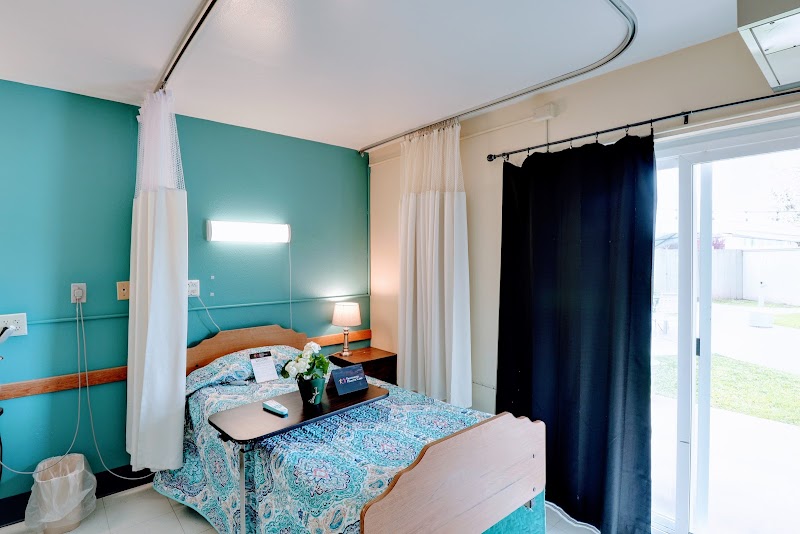
How is Franciscan Post-Acute Staffed?

CMS rates FRANCISCAN POST-ACUTE CARE CENTER's staffing level at 4 out of 5 stars, which is above average compared to other nursing homes. Staff turnover is 37%, compared to the California average of 46%. This relatively stable workforce can support continuity of care.

What Have Inspectors Found at Franciscan Post-Acute?

State health inspectors documented 28 deficiencies at FRANCISCAN POST-ACUTE CARE CENTER during 2019 to 2025. These included: 3 that caused actual resident harm and 25 with potential for harm. Deficiencies causing actual harm indicate documented cases where residents experienced negative health consequences.
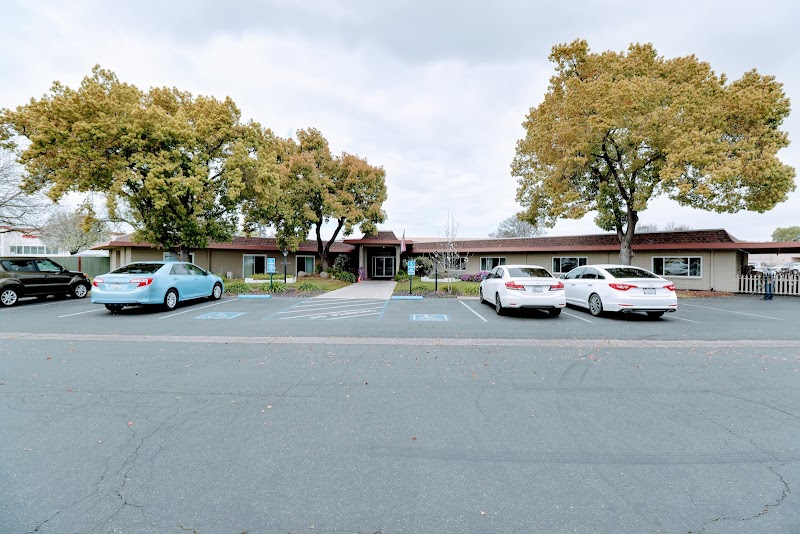
Who Owns and Operates Franciscan Post-Acute?

FRANCISCAN POST-ACUTE CARE CENTER is owned by a for-profit company. For-profit facilities operate as businesses with obligations to shareholders or private owners. The facility is operated by AVALON HEALTH CARE, a chain that manages multiple nursing homes. With 71 certified beds and approximately 63 residents (about 89% occupancy), it is a smaller facility located in MERCED, California.

How Does Franciscan Post-Acute Compare to Other California Nursing Homes?

Compared to the 100 nursing homes in California, FRANCISCAN POST-ACUTE CARE CENTER's overall rating (2 stars) is below the state average of 3.1, staff turnover (37%) is near the state average of 46%, and health inspection rating (2 stars) is below the national benchmark.

What Should Families Ask When Visiting Franciscan Post-Acute?

Based on this facility's data, families visiting should ask: "What safeguards and monitoring systems are in place to protect residents from abuse or neglect?" "Can I visit during a mealtime to observe dining assistance and food quality?" "How do you handle medical emergencies, and what is your hospital transfer rate?" "Can I speak with family members of current residents about their experience?" These questions are particularly relevant given the substantiated abuse finding on record.

Is Franciscan Post-Acute Safe?

Based on CMS inspection data, FRANCISCAN POST-ACUTE CARE CENTER has documented safety concerns. The facility has 1 substantiated abuse finding (meaning confirmed case of resident harm by staff or other residents). The facility has a 2-star overall rating and ranks #100 of 100 nursing homes in California. Families considering this facility should ask detailed questions about what corrective actions have been taken since these incidents.

Do Nurses at Franciscan Post-Acute Stick Around?

FRANCISCAN POST-ACUTE CARE CENTER has a staff turnover rate of 37%, which is about average for California nursing homes (state average: 46%). Moderate turnover is common in nursing homes, but families should still ask about staff tenure and how the facility maintains care continuity when employees leave.

Was Franciscan Post-Acute Ever Fined?

FRANCISCAN POST-ACUTE CARE CENTER has been fined $18,860 across 2 penalty actions. This is below the California average of $33,267. While any fine indicates a compliance issue, fines under $50,000 are relatively common and typically reflect isolated problems that were subsequently corrected. Families should ask what specific issues led to these fines and confirm they've been resolved.

Is Franciscan Post-Acute on Any Federal Watch List?

FRANCISCAN POST-ACUTE CARE CENTER is not on any federal watch list. The most significant is the Special Focus Facility (SFF) program, which identifies the bottom 1% of nursing homes nationally based on persistent, serious quality problems. Not being on this list means the facility has avoided the pattern of deficiencies that triggers enhanced federal oversight. This is a positive indicator, though families should still review the facility's inspection history directly.