LA SIERRA CARE CENTER
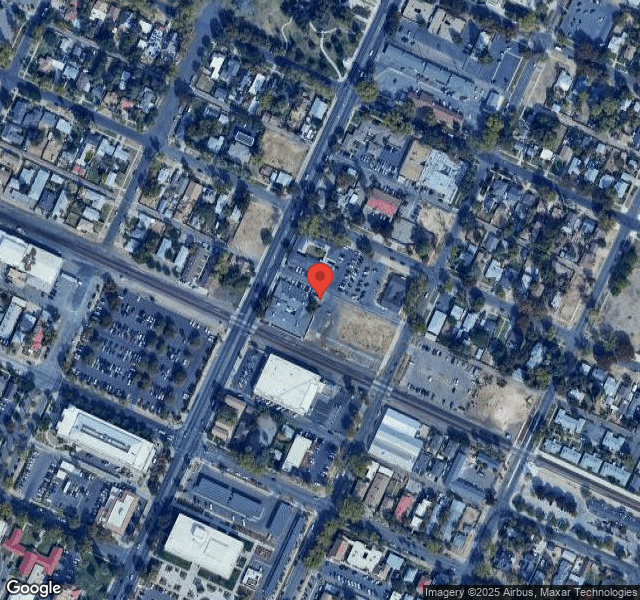
2424 M STREET, MERCED, CA 95340 (209) 723-4224
For profit - Corporation 68 Beds CAMBRIDGE HEALTHCARE SERVICES Data: November 2025
Trust Grade
60/100
#612 of 1155 in CA
Last Inspection: August 2024

Within standard 12-15 month inspection cycle. Federal law requires annual inspections.

Overview

La Sierra Care Center in Merced, California, has a Trust Grade of C+, indicating that it is slightly above average but not exceptional. It ranks #612 out of 1155 facilities in California, placing it in the bottom half, and #6 out of 10 in Merced County, suggesting only one local option is better. The facility is improving, having reduced its issues from 14 in 2024 to just 1 in 2025. Staffing is average with a turnover rate of 48%, which is comparable to the state average, while RN coverage is also average, meaning residents receive basic nursing support. Although there have been no fines, there are some concerns, including the quality of food served, as residents complained about bland meals and poor food handling practices, and the facility did not meet space requirements for some resident rooms. Overall, while there are strengths in its compliance with fines and a trend of improvement, families should be aware of the food quality and room size issues.

Trust Score
C+
60/100
In California
#612/1155
Bottom 48%
Safety Record
Low Risk
No red flags
Inspections
Getting Better
14 → 1 violations
Staff Stability
⚠ Watch
48% turnover. Above average. Higher turnover means staff may not know residents' routines.
Penalties
✓ Good
No fines on record. Clean compliance history, better than most California facilities.
Skilled Nurses
⚠ Watch
Each resident gets only 21 minutes of Registered Nurse (RN) attention daily — below average for California. Fewer RN minutes means fewer trained eyes watching for problems.
Violations
⚠ Watch
35 deficiencies on record. Higher than average. Multiple issues found across inspections.
★★★☆☆
3.0
Overall Rating
★★★☆☆
3.0
Staff Levels
★★★☆☆
3.0
Care Quality
★★★☆☆
3.0
Inspection Score
Stable
2024: 14 issues
2025: 1 issues

The Good

  • Full Sprinkler Coverage · Fire safety systems throughout facility
  • No fines on record

Facility shows strength in fire safety.

The Bad

3-Star Overall Rating

Near California average (3.1)

Meets federal standards, typical of most facilities

Staff Turnover: 48%

Near California avg (46%)

Higher turnover may affect care consistency

Chain: CAMBRIDGE HEALTHCARE SERVICES

Part of a multi-facility chain

Ask about local staffing decisions and management

The Ugly 35 deficiencies on record

Apr 2025 1 deficiency
CONCERN (D) 📢 Someone Reported This

A family member, employee, or ombudsman was alarmed enough to file a formal complaint

Potential for Harm - no one hurt, but risky conditions existed

Deficiency F0658 (Tag F0658)

Could have caused harm · This affected 1 resident

**NOTE- TERMS IN BRACKETS HAVE BEEN EDITED TO PROTECT CONFIDENTIALITY** Based on interview and record review the facility failed to follow facility's policies and procedures that meet professional sta...

Read full inspector narrative →
**NOTE- TERMS IN BRACKETS HAVE BEEN EDITED TO PROTECT CONFIDENTIALITY** Based on interview and record review the facility failed to follow facility's policies and procedures that meet professional standards of quality when: 1.) One of three sampled Residents (Resident 1) did not have nursing documentation in the progress notes for 346 times that he was found on the floor and head-to-toe assessments were not complete. This failure result in no head-to-toe assessments completed and had the potential for delay in care of for Resident 1 and missed opportunity for updating his care plan. 2.) Two of five Certified Nursing Assistant ' s (CNA) working during the afternoon shift were not wearing any identification badges identifying themselves as staff. This failure had the potential for facility residents to not know who was providing care to them, and if they worked in the facility. Findings: 1. During a review of Resident 1's admission Record (AR) (document containing resident demographic information and medical diagnosis), dated 3/24/2025, the AR indicated Resident 1 was originally admitted to the facility on [DATE]. Resident 1's diagnosis included but are not limited to .PARKINSONISM (a progressive disease of the nervous system marked by tremor, muscular rigidity, and slow, imprecise movements) .PERSISTENT MOOD [AFFECTIVE] DISORDER ( disorder that causes them to lose interest in everyday activities, lack productivity, experience low self-esteem, feel hopeless, and feel inadequate) .OTHER MUSCLE SPASM (occur when your muscle involuntarily and forcibly contracts uncontrollably and can't relax) . DIFFICULTY IN WALKING (inability to walk properly due to abnormal and uncontrollable walking patterns) . LACK OF COORDINATION (a problem with movement, balance, or coordination) . During a review of Resident 1's admission MDS assessment, dated 3/6/2025, the admission MDS assessment indicated, Resident 1's Brief Interview for Mental Status (BIMS -an evaluation of attention, orientation, and memory recall) score of 13 (0-7 severe cognitive impairment, 8-12 moderate cognitive impairment, 13-15 no cognitive impairment), indicating Resident 1 had no cognitive impairment. During a record review of Resident 1's Medication Administration Record, dated 3/1/2025 -3/31/2025, the Medication Administration Record indicated, Resident 1 had 354 episodes of Resident 1 placing himself on the floor. During a record review of Resident 1 ' s Progress Notes, dated 3/1/2025 – 3/31/2025, the Progress Notes indicated, licensed nursing staff documented eight of 354 episodes of Resident 1 placing himself on the floor. During an interview on 3/24/2025 at 5:50 p.m., with Resident 1, Residents 1 stated he falls and places himself on the floor multiple times a day. Resident 1 stated when he falls or places himself on the floor, he will remain on the floor until staff assist back into bed or a chair. Resident 1 stated there are times when staff will not come check on him immediately, so he remains on the floor until they come into the room. During an interview on 3/24/2025 at 6:37 p.m., with the Director of Nurses (DON), the DON stated the facility did not consider that when Resident 1 was found on the floor as a fall. The DON stated Resident 1 ' s placed himself on the floor, so they were not considered unwitnessed falls by her, but she considered them resident behaviors. During a concurrent interview and record review on 4/3/2025 at 1:45 p.m., with the Administrator (ADM), the facilities policy and procedure (P&P) Assessing Falls and Their Causes dated December 2021 was reviewed. The ADM stated per P&P, falls should be documented, and residents assessed, whether witnessed or unwitnessed by licensed nursing staff. Nursing staff is expected to follow proper fall protocols to ensure resident safety and to assess potential injuries. ADM stated his expectations would have been for Resident 1 to be assessed, placed under observation, care plans should have been updated, neuro checks should be completed, and proper communication should be provided to primary physician if a fall were to occur. ADM stated nursing staff did not document assessment of incidents for falls indicated on behavior monitoring. During a concurrent interview and record review on4/3/2025 at 2:10 p.m., with Licensed Vocational Nurse (LVN) 1, Resident 1 ' s electronic medical records (EMR) dated 3/1/2025-3/30/2025 was reviewed. LVN 1 stated Resident 1 had multiple instances of being found on the floor from 3/1/2025 to 3/31/2025. LVN 1 stated documentation of the resident being found on the floor are charted in the medication administration monitoring, the nurses failed to document these same incidents in the nursing progress notes. LVN 1 stated, when Resident 1 was found on the floor should be considered falls. LVN 1 stated when Resident 1 is found on the floor, a resident assessment should have been conducted. LVN 1 stated full head to toe assessment were not conducted during 3/1/2025 to 3/31/2025 when Resident 1 was found on the floor. LVN 1 stated he did not follow fall policy and procedure, head to toe assessments and physician notification were not completed. LVN 1 stated there is a potential risk for injury to Resident 1 because a head-to-toe assessment is not completed after Resident 1 is found on the floor. During a concurrent interview and record review on 4/3/2025 at 2:18 p.m., with LVN 1, facility P&P Assessing Falls and Their Cause, dated December 2021 was reviewed. LVN 1 stated P&P indicated P&P indicates when a resident falls, documentation in the resident medical record should indicated information that includes head to toe assessment, condition of the resident, notification of responsible parties including physician and appropriate interventions. LVN 1 stated facility staff are not following fall policies for Resident 1. During a concurrent interview and record review on 4/3/2025 at 2:24 p.m., with LVN 2, facility P&P Assessing Falls and Their Cause, dated December 2021 was reviewed. LVN 2 stated on the P&P for falls, facility nursing staff were not following protocols for his witnessed or unwitnessed falls as no assessment or communication were conducted to primary physician for each occurrence as indicated in P&P. LVN 2 stated, resident falls a lot, approximately five to six times a day so he would constantly be under charting. LVN 2 stated on normal occasions those falls would be documented each time with full head to toe assessment, neuro (an evaluation of a person's nervous system) checks, interventions updated, and resident placed under observation for 72 hours with communication to responsible personnel. LVN 2 stated resident is falling multiple times a day and they are unwitnessed most the times so proper documentation should be conducted by nursing staff. During an interview on 4/10/2025 at 12:00 p.m., with Certified Nursing Assistant (CNA 1), CNA 1 stated Resident 1 has difficulties with his Parkinson ' s which contributes to Resident 1 falling a lot. CNA 1 stated he could not tell if Resident 1 is placing himself on the floor purposefully or it ' s related to his diagnosis because there are times when he will be on the floor when he enters the room and Resident 1 will does not explain why he is on the floor. CNA 1 stated when he finds Resident 1 on the floor, he notifies licensed nursing staff when resident is on the floor. CNA 1 stated he does not document his notification to licensed staff anywhere. A review of the facility policy and procedure, titled, Accidents and Incidents- Investigation and Reporting, dated July 2017, indicated .The Nursing Supervisor/Charge Nurse and /or the department director or supervisor shall promptly initiate and document investigation of the accident or incident .date and time incident took place .nature of injury .e.g. bruise, fall .circumstances surrounding incident .time attending physician was notified . A review of the facility policy and procedure, titled, Assessing Falls and Their Causes, dated December 2021, indicated .Procedure guidelines for assessing a resident after a fall and to assist staff in identifying causes of the fall .falling may be related to underlying clinical or medical conditions .if a resident had just fallen, or is found on the floor without a witness to the event, evaluate injuries to the head, neck, spine and extremities . obtain and record vital signs . provide appropriate first aid and/or obtain medical treatment . notify the residents attending physician . in an appropriate time frame .observe for delayed complications of a fall .document any observed signs or symptoms of pain, swelling, bruising, deformity and/or decreased mobility .complete incident report for resident falls no later than 24 hours after the fall occurs .evaluate chain of events . time of fall .what was resident doing .whether the resident was among other persons or alone .environmental risk factors . pattern of falls .resident falls should be recorded in the medical record .condition in which the resident was found .assessment data .interventions .notification of the physician . completion of post fall assessment . A review of the facility policy and procedure, titled, Behavior Assessment, Intervention and Monitoring, dated March 2019, indicated .As part of the comprehensive assessment, staff will evaluate, based on input from the resident, family and caregivers, review of medical record and general observations . the resident usually patterns of cognition, mood and behavior . the resident ' s usually method of communicating . The nursing staff will identify, document and inform the physician about specific details regarding changes in an individual mental status, behavior and cognition . onset, duration, intensity, and frequently of behavioral symptoms . the interdisciplinary team will thoroughly evaluate .underlying causes and address any modifiable factors that may have contributed to the resident change in condition .the IDT will seek and document any improvements or worsening in the individuals behavior, mood and function . the IDT will monitor the progress of the individuals . interventions will be adjusted based on the impact on behavior and other symptoms . 2. During a review of facility policy and procedures, titled, Identification Name Badges, dated January 2008, indicated .In order to promote safety and security measures established by our facility, each employee must wear his/her identification name badge at all times while on duty . an identification name tag or badge must be clearly visible and contain the employees first name initial, last name and job title . employees will be responsible for maintaining their identification tags or badge and wearing them to work . employees must report lost identification tags or badges to their supervisors so that replacement tags/badges can be issued . During an observation and interview on 3/24/2025 at 5:37 p.m., with Certified Nursing Assistant (cna) 2, CNA 2 stated she knows she is supposed to be wearing her identification (ID) badge, but she forgot it at home. CNA 2 stated she does have an ID badge she just doesn ' t have it with her today. CNA 2 stated residents already know she works at the facility but understands staff are supposed to be wearing proper identification in order for others to identify staff when needed. During an observation and interview on 3/24/2025 at 5:44 p.m., with CNA 3, CNA 3 was observed not wearing her identification badge while in the facility. CNA 3 stated her ID badge was left at home, and she understands it is important to wear their badge daily in order for families and residents to identify staff when assistance is required. CNA 3 stated it is part of facility policies to wear a badge at all times and currently she is not abiding by that policy if she is missing her ID badge. She stated all staff receive ID badge on the first day of employment and if they lose or are missing their ID badge, they are to notify leadership to obtain replacement. CNA 3 stated in the meantime, temporary ID badge can be made indicating name and title in order for proper identification. During an interview on 3/24/25 at 7:20 p.m., with the DON, the DON stated proper identification of staff is necessary and important in order to be properly identified in the facility in order to provide the appropriate care needs of the resident. Identification is important in order for family to identify staff during a resident ' s time in need. DON confirmed the two missing ID badges on staff is an issue and it could potentially cause a delay in resident care if a family member or resident is unable to identify staff who are not wearing the appropriate name tags. All staff members should be wearing name tags at all times while working in the facility according to facility protocols.
Oct 2024 1 deficiency
CONCERN (E) 📢 Someone Reported This

A family member, employee, or ombudsman was alarmed enough to file a formal complaint

Potential for Harm - no one hurt, but risky conditions existed

Deficiency F0800 (Tag F0800)

Could have caused harm · This affected multiple residents

Based on observation, interview, and record review, the facility failed to assess dietary preferences for seven of ten (Resident 1, 3, 6, 7, 8, 9, 10) sampled residents when they were not assessed for...

Read full inspector narrative →
Based on observation, interview, and record review, the facility failed to assess dietary preferences for seven of ten (Resident 1, 3, 6, 7, 8, 9, 10) sampled residents when they were not assessed for food preferences within 48 hours of admission. This failure resulted in Resident 1, 3, 6, 7, 8, 9 and 10's food preferences to not be considered when the facility provided meals. Findings: During an interview on 10/23/24 at 9:57 a.m. with Resident 1, Resident 1 stated she told staff multiple times she doesn't drink milk. Resident 1 stated even though she told multiple staff members, they keep bringing her milk. Resident 1 stated no one has asked her preference regarding any dietary foods. During a concurrent interview and record review on 10/23/24 at 11:30 a.m. with the Registered Dietitian (RD), Resident 1's, 3's, 6's, 7's, 8's, 9's, 10's Electronic Medical Record (EMR-digital version of the paper charts which contains the medical and treatment history of the patient/resident), dated 10/23/24 were reviewed. The EMR's indicated, Resident 1, 9, and 10 Dietary Profile/Preference was not completed. The EMR's indicated Resident 1, 9 , and 10 had been admitted to the facility more than 48 hours ago. The EMR's indicated, Resident 3, 6, 7, 8 Dietary Profile/Preference was completed on 10/23/24, over 48 hours past admission. The RD stated the expectation was for the dietary preference to be completed within 48 hours of admission. The RD stated the delay in completing the dietary preferences could have negative side effects including delay in would healing, slower recovery, increased stay at facility, and losing weight. During a concurrent interview and record review on 10/23/24 at 12:00 p.m. with the Dietary Manager (DM), Resident 1's, 9's, 10's EMR's, dated 10/23/24 was reviewed. The EMR's indicated, Resident 1, 9, 10 had no Dietary Preference completed. The DM stated he was off for a few days and when he got back, he was very busy and had not gotten to doing it yet. The DM stated the expectation was for the dietary preference to be completed within 48 hours of admission. The DM stated he should have completed the dietary preference within 48 hours of admission. The DM stated the delay in completed the dietary preference could result in delayed wound healing, weight loss, and other negative side effects. The DM stated since Resident 1 had a recent surgery, eating the proper food is important for her healing process. During an interview on 10/23/2024 at 2:25 p.m. the Director of Nursing (DON), the DON stated the expectation is for all residents to have dietary preferences to be completed by 48 hours of admission. The DON stated the delay in completing the dietary preference could slow down the healing process for wounds, could increase stay at facility, could lose weight, and other negative side effects. During a review of Registered Dietitian Job Description (RDJD), undated, the RDJD indicated, . ESSENTIAL DUTIES AND RESPONSABILITIES . Observes and assesses residents to monitor food acceptance and nutritional status . Adhering to all dietary policies and procedures of the facility . Assess the nutritional needs, nutritional diagnosis, intervention and evaluation of patient and document in the medical record . Concentrates on foundational elements of standards of practice and professional performance, code(s) of ethics accreditation standards, state and federal regulations, national guidelines . During a review of Dietary Manager Job Description (DMJD), undated, the DMJD indicated, . ESSENTIAL DUTIES AND RESPONSIBILITIES . Ensuring charted dietary progress notes are informative and descriptive of meals provided . Adhering to all dietary policies and procedures of the facility . During a review of the facility's policy and procedure (P&P) titled, Food and Nutrition Services, dated October 2017, the P&P indicated, Policy Statement: Each resident is provided with a nourishing, palatable, well-balanced diet that meets his or her daily nutritional and special dietary needs, taking into consideration the preferences of each resident. Policy Interpretation and Implementation: 1. The multidisciplinary staff, including nursing staff, the attending physician and the dietitian will assess each resident's nutritional needs, food likes, dislikes and eating habits, as well as physical, functional, and psychosocial factors that affect eating and nutritional intake and utilization. 2. A resident-centered diet and nutritional plan will be based on this assessment .
Aug 2024 13 deficiencies
CONCERN (D)

Potential for Harm - no one hurt, but risky conditions existed

Assessment Accuracy (Tag F0641)

Could have caused harm · This affected 1 resident

**NOTE- TERMS IN BRACKETS HAVE BEEN EDITED TO PROTECT CONFIDENTIALITY** Based on interview, record review, and facility policy review, the facility failed to ensure Minimum Data Set (MDS) assessments ...

Read full inspector narrative →
**NOTE- TERMS IN BRACKETS HAVE BEEN EDITED TO PROTECT CONFIDENTIALITY** Based on interview, record review, and facility policy review, the facility failed to ensure Minimum Data Set (MDS) assessments were accurate for 2 (Resident #46 and Resident #69) of 17 sampled residents. Findings included: A facility policy titled, Resident Assessments, revised October 2023, revealed, 12. Information in the MDS assessments will consistently reflect information in the progress notes, plans of care and resident observations/interviews. 1. An admission Record revealed the facility Resident #46 on 08/12/2022. According to the admission Record, the resident had a medical history that included diagnoses of hypertensive heart disease and heart failure. An annual Minimum Data Set (MDS), with an Assessment Reference Date (ARD) of 02/08/2024, revealed that the resident had a Brief Interview for Mental Status (BIMS) score of 14, which indicated the resident had intact cognition. The MDS revealed the resident used a hearing aid. A quarterly MDS assessment, with an ARD of 08/08/2024, revealed that the resident had a BIMS score of 14, which indicated the resident had intact cognition. The MDS revealed the resident used a hearing aid. During an interview on 08/19/2024 at 11:12 AM, Resident #46 stated the facility was supposed to get them hearing aids but had not done it. During an interview on 08/22/2024 at 3:32 PM, the MDS Coordinator stated she was not aware the resident did not have hearing aids. During an interview on 08/23/2024 at 10:56 AM, Licensed Vocational Nurse #1 stated Resident #46 was hard of hearing and did not have hearing aids, but she knew the resident was in the process of getting hearing aids. During an interview on 08/23/2024 at 11:18 AM, Certified Nursing Assistant #11 stated Resident #46 did not have hearing aids. During an interview on 08/23/2024 at 2:21 PM, the Administrator stated he expected the MDS to be completed timely and accurately. During an interview on 08/23/2024 at 5:43 PM, the Director of Nursing (DON) stated she was responsible for ensuring the accuracy of the MDS. The DON stated the MDS should have indicated Resident #46 did not have hearing aids. 2. An admission Record revealed the facility admitted Resident #69 on 05/27/2024. According to the admission Record, the resident had a medical history that included diagnoses of chronic obstructive pulmonary disease, hypertension, and polyneuropathy. A Minimum Data Set (MDS) assessment, with an Assessment Reference Date (ARD) of 05/31/2024, revealed Resident #69 discharged to a short-term general hospital on [DATE]. Resident #69's Progress Notes dated 05/31/2024 at 7:00 AM, revealed the resident left the faciity on [DATE] against medical advice (AMA). The Statement Releasing Facility from Liability when Resident Leaves AMA, dated 05/31/2024, revealed the form was signed by the resident on 05/31/2024 at 7:05 AM, which indicated the resident left the facility AMA. The Physician Discharge Summary, signed by a physician and dated 07/08/2024, revealed the resident discharged /Transferred to: AMA. During an interview on 08/23/2024 at 9:15 AM, the MDS Coordinator stated she did not know she selected the wrong discharge disposition for Resident #69. During an interview on 08/23/2024 at 2:21 PM, the Administrator stated he expected the MDS to be completed timely and accurately. The Administrator stated accuracy was important and the disposition upon discharge for Resident #69 was an error. During an interview on 08/23/2024 at 5:43 PM, the Director of Nursing (DON) stated she was responsible for ensuring the accuracy of the MDS. The DON stated the MDS should be accurate for a resident's disposition at the time of discharge.
CONCERN (D)

Potential for Harm - no one hurt, but risky conditions existed

Deficiency F0645 (Tag F0645)

Could have caused harm · This affected 1 resident

Based on interview, record review, and facility policy review, the facility failed to ensure an accurate Preadmission Screening and Resident Review (PASRR) was submitted for 1 (Resident #35) of 3 resi...

Read full inspector narrative →
Based on interview, record review, and facility policy review, the facility failed to ensure an accurate Preadmission Screening and Resident Review (PASRR) was submitted for 1 (Resident #35) of 3 residents reviewed for PASRR. Findings included: During an interview on 08/22/2024 at 4:44 PM, Clinical Resource stated the facility did not have a policy for PASRR, but they followed the letter received from the State Department of Health Care Services dated 08/09/2023. The letter from the State Department of Health Care Services dated 08/09/2023, specified, Per Title 42 of the Code of Federal Regulations (C.F.R.) sections 483.100 through 483.138, individuals identified with a SMI [serious mental illness] and/or ID/DD/RC [intellectual disability/developmental disability/related conditions] must be screened and evaluated to determine whether SNF [skilled nursing facility] level of care and specialized services in the least restrictive setting that best meets their needs are required (PASRR Determination). All individuals, regardless of payer source, seeking admission to a Medicaid-certified SNF must have a PASRR Determination by the State Mental Health Authority [Department of Health Care Services (DHCS)] and/or ID/DD/RC Authority [Department of Developmental Services (DDS)] prior to SNF accepting admission. The letter revealed, The PASRR process begins with a preliminary screening (Level I Screening) to screen all individuals seeking admission to a Medicaid - certified SNF. If the Level I Screening returns a positive result for possible SMI and/or ID/DD/RC, a Level II Evaluation is performed by a Level II Evaluation Contractor (Level II Contractor). An admission Record indicated the facility admitted Resident #35 on 07/25/2024. According to the admission Record, the resident had a medical history that included diagnoses of bipolar disorder, major depressive disorder, and anxiety disorder. An admission Minimum Data Set (MDS), with an Assessment Reference Date (ARD) of 07/30/2024, revealed Resident #35 had a Brief Interview for Mental Status (BIMS) score of 13, which indicated the resident had intact cognition. The MDS indicated the resident's diagnoses included depression and bipolar disorder. The MDS revealed the resident received antipsychotic and antidepressant medication during the assessment's lookback period. Resident #35's care plan included a focus area revised 08/06/2024, that indicated the resident used psychotropic medications for the management of active bipolar disorder. Interventions directed staff to administer medications as ordered, monitor, and document for side effects and effectiveness. Resident #35's Order Recap Report for orders from 07/25/2024 through 08/22/2024 revealed an order with a start date of 07/25/2024 and discontinued on 08/07/2024 for quetiapine fumarate (an antipsychotic) 50 milligrams (mg) by mouth one time a day for bipolar disorder. The Order Recap Report revealed an order dated 08/07/2024 for quetiapine fumarate 50 mg by mouth one time a day for bipolar disorder manifested by outbursts of verbal aggression towards staff and others. The Order Recap Report revealed an order with a start date of 07/25/2024 and discontinued on 08/07/2024 for venlafaxine hydrochloride (HCI) (an antidepressant) 75 mg by mouth two times a day for depression. The Order Recap Report revealed an order dated 08/07/2024 for venlafaxine HCI 75 mg by mouth two times a day for depression manifested by sad facial expressions as evidence by frowning/tearfulness. Resident #35's Preadmission Screening and Resident Review (PASRR) Level I Screening dated 07/25/2024 indicated the results of the Level I screening were negative for serious mental illness. Further review revealed the PASRR did not include the resident's diagnoses of bipolar disorder, major depressive disorder, or anxiety disorder and it did not indicate the resident received any psychotropic medications. During an interview on 08/20/2024 at 10:50 AM, the Social Service Director (SSD) stated the admissions department received the PASRR from the hospital when the resident was admitted to the facility, and they would review it for accuracy and then it was reviewed by the Assistant Director of Nursing (ADON) and Director of Nursing (DON). During an interview on 08/22/2024 at 3:13 PM, the Director of Business Development and Marketing stated she assisted with admissions and her only responsibility was to obtain the Level I PASRR prior to the resident admitting to the facility from the hospital. She stated the MDS Coordinator was responsible for reviewing the PASRR for accuracy. During an interview on 08/22/2024 at 3:19 PM, the MDS Coordinator stated the hospital would initiate the PASRR and then when the resident arrived at the facility, she was supposed to review the PASRR to ensure it was accurate and if it was not then they would need to resubmit the PASRR with the new information. The MDS coordinator stated she missed that Resident #35's Level I PASRR was not accurate. During an interview on 08/23/2024 at 1:17 PM, the DON stated that when a resident came from the hospital a Level I PASRR was completed before they got to the facility, and the admission person was responsible for verifying that it was accurate. She stated if the PASRR was not accurate then they would do a review. She stated they had a big problem with the hospitals related to PASRRs and she would have to redo the PASRRs so much that the individuals from the PASRR office were telling her that she was duplicating and needed to stop. During an interview on 08/23/2024 at 2:21 PM, the Administrator stated the admission team looked for and obtained the PASRR when the resident was admitting to the facility. The Administrator stated the accuracy of the PASRR should be reviewed by the interdisciplinary team (IDT) and if it was inaccurate then it should be resubmitted. He stated Resident #35's Level I PASRR should have been reviewed when it was received to verify the accuracy and it should have been resubmitted.
CONCERN (D)

Potential for Harm - no one hurt, but risky conditions existed

Deficiency F0657 (Tag F0657)

Could have caused harm · This affected 1 resident

**NOTE- TERMS IN BRACKETS HAVE BEEN EDITED TO PROTECT CONFIDENTIALITY** Based on observation, interview, record review, and facility policy review, the facility failed to revise 1 (Resident #15) of 17...

Read full inspector narrative →
**NOTE- TERMS IN BRACKETS HAVE BEEN EDITED TO PROTECT CONFIDENTIALITY** Based on observation, interview, record review, and facility policy review, the facility failed to revise 1 (Resident #15) of 17 sampled residents' comprehensive care plan. Findings included: A facility policy titled, Care Plans, Comprehensive Person-Centered, revised in March 2022, revealed, A comprehensive, person-centered care plan that includes measurable objectives and timetables to meet the resident's physical, psychosocial and functional needs is developed and implemented for each resident. An admission Record revealed the facility admitted Resident #15 on 03/09/2018. According to the admission Record, the resident had a medical history that included diagnoses of hemiplegia and hemiparesis following a nontraumatic subarachnoid hemorrhage affecting the left nondominant side, flaccid hemiplegia affecting the left nondominant side, and contracted left hand. A quarterly Minimum Data Set (MDS), with an Assessment Reference Date (ARD) of 05/29/2024, revealed Resident #15 had a Brief Interview for Mental Status (BIMS) score of 15, which indicated the resident had intact cognition. Resident #15's care plan included a focus area initiated 04/07/2018 and revised 03/08/2021, that indicated the resident had lymphedema to their bilateral lower legs. Interventions directed staff to apply pneumatic compression Flexitouch plus system to the resident's bilateral lower extremity for 45 minutes while in bed, initiated on 03/08/2021 and the resident was to have a [NAME] Hybrid Stocking and [NAME] wrap for compression to their bilateral lower extremities in the morning and remove on the night shift at the resident's bedtime every day and night shift for edema and could remove for activities of daily care. Resident #15's care plan included a focus area initiated 10/16/2018 and revised 10/25/2022, that indicated the resident had limited mobility to the left hand related to subarachnoid hemorrhage. Interventions directed the certified nurse assistant (CNA) to complete active range-of-motion (ROM) to the resident's left hand (imitated 10/16/2018). During a concurrent observation and interview on 08/19/2024 at 10:47 AM, Resident #15 stated they could not open their hand any further or bend their wrist at all. The surveyor noted the resident had significant contractures to their left wrist. During an interview on 08/21/2024 at 12:20 PM, Resident #15 stated they was supposed to have a brace for their left wrist and fingers, but they lost it, and therapy was supposed to get them a new one, but no one had yet. Resident #15 stated no one came in and did any type of exercises with them for their wrist or fingers. During an interview on 08/23/2024 at 11:18 AM, CNA #11 stated she worked at the facility for three months and was familiar with Resident #15. CNA #11 stated she did not do any type of range-of-motion on Resident #15's arms when she cared for the resident and the resident did not have any type of brace. During an interview on 08/23/2024 at 1:25 PM, CNA #18 stated she did not perform ROM for Resident #15 due to the resident having contractures. According to CNA #18, there were prompts in a resident's electronic medical record for staff to document the provision of ROM; however, there no such ROM documentation for Resident #15. During an interview on 08/23/2024 at 1:35 PM, the MDS Coordinator stated the focus areas and interventions on Resident #15's care plan related to a brace, an assistive device, ROM, and compression stockings should be removed from Resident #15's care plan, as they were no longer relevant for the resident. During an interview on 08/23/2024 at 12:48 PM, the Director of Nursing stated the resident's care plan should be revised to reflect the current status of the resident. During an interview on 08/23/2024 at 2:21 PM, the Administrator stated a resident's care should be revised when the status of the resident changed.
CONCERN (D)

Potential for Harm - no one hurt, but risky conditions existed

Deficiency F0692 (Tag F0692)

Could have caused harm · This affected 1 resident

Based on record review, interview, and facility policy review, the facility failed to provide fortified food intended for nutritional supplement for 1 (Resident #19) of 4 residents reviewed for nutrit...

Read full inspector narrative →
Based on record review, interview, and facility policy review, the facility failed to provide fortified food intended for nutritional supplement for 1 (Resident #19) of 4 residents reviewed for nutrition. Findings included: A facility policy titled, Food and Nutrition Services, revised 10/2017, revealed, 1. The multidisciplinary staff, including nursing staff, the attending physician and the dietitian will assess each resident's nutritional needs, food likes, dislikes and eating habits, as well as physical, functional, and psychosocial factors that affect eating and nutritional intake and utilization. 2. A resident-centered diet and nutrition plan will be based on this assessment. An admission Record revealed the facility admitted Resident #19 on 11/10/2022. According to the admission Record, the resident had a medical history that included a diagnosis of protein-calorie malnutrition. A quarterly Minimum Data Set (MDS), with an Assessment Reference Date (ARD) of 08/07/2024, revealed Resident #19 had a Brief Interview for Mental Status (BIMS) score of 13, which indicated the resident had intact cognition. The MDS indicated Resident #19 was on a mechanically altered diet. Resident #19's care plan included a focus area revised 05/15/2024, that indicated the resident had a nutritional risk related to hyperlipidemia, peripheral vascular disease, hypertension, chronic obstructive pulmonary disease, viral hepatitis C, atherosclerosis, chronic ischemic heart disease, history of malignant neoplasm of the glottis, mechanically altered diet, unspecified protein calorie malnutrition, and mood affective disorder. Interventions directed staff to provide the resident's diet as ordered. The care plan revealed the resident's diet was regular with mechanical soft/ground meat (revised 05/15/2024). Resident #19's Nutrition Assessment-V 1.5 dated 03/16/2024 revealed the Registered Dietician (RD) recommended to fortify the resident's diet order to provide additional energy intake and minimize the risks for further weight loss. A facility form titled Diet Communication, dated 03/28/2024 and completed by the Speech Language Pathologist (SLP), revealed Resident #19's diet was changed to easy to chew (mechanical soft) with thin liquids and additional nourishment of high protein/fortified. A facility document titled Order Details dated 03/28/2024 and created by the SLP, revealed Resident #19's diet was entered as regular diet, mechanical soft/ground meat with thin liquids. There was no documented evidence an order for high protein/fortified foods was entered. Resident #19's Order Summary Report with active orders as of 08/22/2024, contained an order, dated 03/28/2024, for a regular diet mechanical soft/ground meat texture with thin consistency. The Order Summary Report revealed no documented evidence high protein/fortified foods were ordered for the resident. During an interview on 08/22/2024 at 4:13 PM, the SLP stated she failed to put the high protein/fortified portion on the diet order for Resident #19. During an interview on 08/23/2024 at 9:00 AM, the Dietary Manager (DM) said that he did not know that Resident #19 was on a fortified/high protein diet, but that he should have caught that when the order was written back in March 2024. During an interview on 08/23/2024 at 2:22 PM, the Director of Nursing (DON) said she expected the staff to make sure the diet orders were entered as ordered and the residents received the correct diet. During an interview on 08/23/2024 at 2:34 PM, the Administrator said he expected staff to enter the diet orders in the system as ordered.
CONCERN (D)

Potential for Harm - no one hurt, but risky conditions existed

Respiratory Care (Tag F0695)

Could have caused harm · This affected 1 resident

Based on observation, interview, record review, and facility policy review, the facility failed to provide proper monitoring during the administration of a nebulizer treatment for 1 (Resident #35) of ...

Read full inspector narrative →
Based on observation, interview, record review, and facility policy review, the facility failed to provide proper monitoring during the administration of a nebulizer treatment for 1 (Resident #35) of 2 residents reviewed for respiratory care. Findings included: A facility policy titled, Administering Medications through a Small Volume (Handheld) Nebulizer, revised 10/2010, indicated, The purpose of this procedure is to safely and aseptically administer aerosolized particles of medication into the resident's airway. The section titled Steps in the Procedure included 8. Dispense medication into nebulizer cup. 12. Turn on the nebulizer and check the outflow port for visible mist. 13. Ask the resident to hold the mouthpiece gently between his/her lips (or apply face mask). 14. Instruct the resident to take a deep breath, pause briefly and then exhale normally. 15. Encourage the resident to repeat the above breathing patter until the medication is completely nebulized, or until the designated time of treatment has been reached. 16. Remain with the resident for the treatment. 17. Monitor for medication side effects, including restlessness and nervousness. 18. Tap the nebulizer cup occasionally to ensure the release of droplets from the side of the cup. 19. Encourage the resident to cough and expectorate as needed. 20. Administer therapy until medication is gone. 21. When treatment is complete, turn off nebulizer and disconnect T-piece, mouthpiece, and medication cup. 22. Wash and dry hands. An admission Record indicated the facility admitted Resident #35 on 07/25/2024. According to the admission Record, the resident had a medical history that included diagnoses of chronic obstructive pulmonary disease (COPD) with acute exacerbation, pneumonia, and shortness of breath. An annual Minimum Data Set (MDS), with an Assessment Reference Date (ARD) of 07/30/2024, revealed Resident #35 had a Brief Interview for Mental Status (BIMS) score of 13, which indicated the resident had intact cognition. The MDS indicated the resident had diagnoses that included pneumonia, and asthma, COPD, or chronic lung disease. Resident #35's care plan included a focus area revised 08/03/2024 that indicated the resident had COPD. Interventions directed staff to give aerosol or bronchodilators as ordered and monitor/document any side effects and effectiveness. Resident #35's Order Recap Report for orders from 07/25/2024 through 08/22/2024 revealed an order dated 07/25/2024 for ipratropium bromide inhalation solution 0.02 percent (%) 2.5 milliliters (ml) inhaled orally via nebulizer four times a day for COPD. Resident #35's Medication Administration Record [MAR] for August 2024, revealed a transcription of an order for ipratropium bromide inhalation solution 0.02% 2.5 ml via nebulizer that indicated the medication was to be administered at 9:00 AM, 1:00 PM, 5:00 PM, and 9:00 PM. During an observation on 08/20/2024 at 2:03 PM, Resident #35 was sitting on the side of the bed. A nebulizer machine was on the nightstand with the mask and medication cannister in a plastic bag. There was a small amount of fluid noted in the cannister. During a concurrent interview Resident #35 stated they used the machine daily and staff took care of it, and they did not do anything with it. During an observation on 08/21/2024 at 12:30 PM, Resident #35's nebulizer machine was on the nightstand with the mask and medication cannister in a plastic bag. The medication cannister was over ¾ full of fluid. During an observation on 08/22/2024 at 10:59 AM, Resident #35 was sitting on the side of the bed. The nebulizer machine was on the nightstand and the medication cannister was approximately ¼ full of fluid. During an observation on 08/22/2024 at 12:05 PM, Resident #35 was lying on the bed waiting for lunch. The nebulizer machine medication cannister was approximately ¼ full of fluid. During a concurrent interview Resident #35 stated they had not received a nebulizer treatment that day. During an observation on 08/22/2024 at 12:51 PM, a Licensed Vocational Nurse (LVN) entered Resident #35's room and put the nebulizer mask on Resident #35, started the nebulizer machine and walked out of the room. At 12:58 PM, the LVN entered the room and turned off the nebulizer machine and walked out of the room. There was a small amount of fluid left in the medication cannister. During an interview on 08/23/2024 at 8:54 AM, LVN #1 stated that when administering a nebulizer treatment, the nurse needed to stay with the resident until the medication was completely finished, which usually took about 15 minutes. During an interview on 08/23/2024 at 9:16 AM, LVN #2 stated when administering a nebulizer treatment, she would put the medication in the cannister and administer it. She stated it usually took 10 to 15 minutes, and the resident needed to be monitored during the treatment to ensure the machine was working, and that the resident was getting the whole treatment. She stated they were not to leave the room until the resident had taken all the medication. During an interview on 08/23/2024 at 1:17 PM, the Director of Nursing (DON) stated when the nurse was administering a nebulizer treatment, they should verify the need for the medication, assess the resident, ensure the equipment was not outdated and clean, and set the resident up and let them know what was going to happen to help keep them calm. She stated the nurse should put the medication in the cannister, put the mask on the resident, and stay with the resident to assess to see if the medication was effective. She stated the nurse should encourage the resident to cough and deep breathe and have them rinse their mouth post treatment. During an interview on 08/23/2024 at 2:21 PM, the Administrator stated the nurse should assess the resident prior to, during, and after administering a nebulizer medication and the nurse should stay with the resident and ensure that all the medication was administered.
CONCERN (D)

Potential for Harm - no one hurt, but risky conditions existed

Pharmacy Services (Tag F0755)

Could have caused harm · This affected 1 resident

Based on observation, interview, record review, and facility policy review, the facility failed to ensure prescribed medications were available for 2 (Resident #2 and Resident #29) of 5 residents revi...

Read full inspector narrative →
Based on observation, interview, record review, and facility policy review, the facility failed to ensure prescribed medications were available for 2 (Resident #2 and Resident #29) of 5 residents reviewed for pharmacy services. Findings included: A facility policy titled, Medication Ordering and Receiving From Pharmacy, effective 04/2008, specified, Policy Medications and related products are received from the dispensing pharmacy on a timely basis. The section of the policy titled, A. Ordering Medications from the Dispensing Pharmacy specified, 2) If not automatically refilled by the pharmacy, repeat medications (refills) are written on a medication order form/ordered by peeling the bottom part of the pharmacy label and placing it in the appropriate area on the order form provided by the pharmacy for that purpose and ordered as follows: a. Reorder medication five days in advance of need to assure an adequate supply is on hand. The policy also indicated, c. The refill order is called in, faxed, or otherwise transmitted to the pharmacy. 3) New medications, except for emergency or stat medications, are ordered as follows: a. If needed before the next regular delivery, inform pharmacy of the need for prompt delivery. b. The emergency kit or emergency drug supply as applicable is used when the resident needs a medication prior to pharmacy delivery. The policy also indicated, 6) New Admission/re-admission Orders: a. When calling/faxing medication orders for a newly admitted resident, the pharmacy is also given all ancillary orders, allergies, and diagnoses to facilitate generation of a patient profile. The section of the policy titled, B. Receiving Medications from the Pharmacy specified, 1) A licensed nurse: a. Receives medications delivered to the facility and documents that the delivery was received and was secure on the medication delivery receipt. b. Verifies medications received and directions for use with the medication order form/and or physician's orders. c. Promptly reports discrepancies and omissions to the issuing pharmacy and the charge nurse/supervisor. d. Immediately delivers the medications to the appropriate secure storage area. e. Assures medications are incorporated into the resident's specific allocation prior to the next medication pass. 1. An admission Record indicated the facility admitted Resident #2 on 05/24/2024. According to the admission Record, the resident had a medical history that included diagnoses of hypertensive heart disease with heart failure and unspecified affective mood disorder. A 5-day scheduled Minimum Data Set (MDS), with an Assessment Reference Date (ARD) of 07/29/2024, revealed Resident #2 had a Brief Interview for Mental Status (BIMS) score of 15, which indicated the resident was cognitively intact. Resident #2's care plan included a focus area, initiated on 05/24/2024, that indicated the resident used antidepressant medication related to depression. An interventions dated 05/24/2024 directed staff to give antidepressant medications ordered by physician. Another focus area, initiated on 05/24/2024, indicated the resident had hypertension. An intervention, initiated on 05/24/2024 and revised on 05/31/2024, directed staff to give antihypertensive medications as ordered. Resident #2's physician's orders included the following orders: - an order started on 06/12/2024 for escitalopram oxalate (an antidepressant) 5 milligrams (mg), one tablet at bedtime; and - an order started on 05/25/2024 for prazosin 2 mg, one capsule at bedtime for hypertension. Resident #2's August 2024 Medication Administration Record (MAR) revealed on 08/19/2024, 08/20/2024, and 08/21/2024 the escitalopram and prazosin were coded as 10, which indicated Other. Per the MAR, on 08/22/2024, Registered Nurse (RN) #17 documented the resident's escitalopram was administered and documented the resident's prazosin as 1, which indicated Resident #2 refused the medication. Resident #2's Progress Notes revealed Medication Administration Notes, dated 08/20/2024 at 9:20 PM and 08/21/2024 at 8:20 PM that indicated Resident #2's prazosin and escitalopram were pending pharmacy delivery. During an interview on 08/23/2024 at 11:22 AM, Resident #2 stated they had not received all their medications the previous night and had not refused any of their medications. An observation on 08/23/2024 at 11:28 AM with Licensed Vocational Nurse (LVN) #1 revealed Resident #2's prazosin was not available on the medication cart, and a card of the resident's escitalopram tablets was with the overflow medications in the bottom drawer, with no tablets missing. During an interview on 08/23/2024 at 12:49 PM, RN #17 said when he administered medications to Resident #2 on the evening of 08/22/2024, the resident had a card with only one escitalopram tablet in it, which he administered to the resident. RN #17 said he could not explain why the other nurses documented the medication was not available. RN #17 further stated he called the pharmacy about the resident's prazosin and was told it would be delivered on 08/23/2024. During an interview on 08/23/2024 at 1:17 PM, the Director of Nursing (DON) stated, if a medication was not available on the medication cart, the nurse should contact the pharmacy to see when it would be delivered, contact the physician about the medication not being administered timely, document any new order received, and follow through with the order. The DON stated the medication could also be pulled from the emergency medication kit. The DON stated the nurses should continue to follow-up until the medication was received from the pharmacy. During an interview on 08/23/2024 at 2:21 PM, the Administrator stated if a medication was not available, the nurse should notify the DON, the pharmacy, and the physician, and, based on what the physician recommended, they should contact the pharmacy and get the medication to the facility. The Administrator stated that once a medication was identified as not available, it should be followed up on until the medication was received from the pharmacy. The Administrator stated OTC medications could be obtained by central supply and, if not available, could be picked up at a local pharmacy. The Administrator stated the nurse should have followed up on the medications not being available for Resident #2. 2. An admission Record indicated the facility admitted Resident #29 on 07/09/2024 and re-admitted the resident on 07/22/2024 after a recent hospital stay from 07/14/2024 through 07/22/2024. According to the admission Record, the resident had a medical history that included a diagnosis of unspecified recurrent major depressive disorder. A significant change in status Minimum Data Set (MDS), with an Assessment Reference Date (ARD) of 07/26/2024, revealed Resident #29 had a Brief Interview for Mental Status (BIMS) score of 15, which indicated the resident had intact cognition. Resident #29's care plan included a focus area, initiated on 07/09/2024, that indicated the resident used clonazepam (a benzodiazepine) related to depression. An intervention dated 07/09/2024 directed staff to give antidepressant medications ordered by the physician. Resident #29's Order Recap Report, for the timeframe from 07/22/2024 through 08/31/2024, contained the following orders: - an order, started on 07/23/2024, for alpha-lipoic acid (a fatty acid) 100 milligrams (mg), one tablet one time a day for supplement. The report indicated the alpha-lipoic acid was on hold from 07/29/2024 through 08/05/2024 while awaiting delivery, and the order was discontinued on 08/09/2024; - an order, started on 07/23/2024, for clonazepam 1 mg, one tablet at bedtime related to major depressive disorder, recurrent, unspecified. The report indicated the clonazepam was discontinued on 07/30/2024 due to Resident #29's refusal of the order; and - an order, started on 07/23/2024, for FiberChoice (a prebiotic fiber supplement), two tablets one time a day for supplement. The report indicated the FiberChoice order was on hold from 07/26/2024 through 07/29/2024 while awaiting medication arrival, and the order was discontinued on 07/29/2024. Resident #29's July 2024 Medication Administration Record (MAR) revealed the resident's alpha-lipoic acid and clonazepam were coded 10 to indicate Other from 07/23/2024 through 07/29/2024. The MAR revealed the FiberChoice was coded 10 on 07/23/2024, 07/24/2024, 07/25/2024, and 07/29/2024, with documentation the order was held from 07/26/2024 through 07/28/2024. Resident #29's Progress Notes revealed Medication Administration Notes, dated 07/23/2024 at 9:00 PM, 07/24/2024 at 9:26 PM, 07/25/2024 at 9:04 PM, 07/26/2024 at 9:16 PM, 07/28/2024 at 10:01 PM, and 07/29/2024 at 9:32 PM, that indicated Resident #29's clonazepam was pending delivery. Resident #29's Progress Notes revealed a Medication Administration Note, dated 07/24/2024 at 9:29 AM, that indicated supply services were asked to order Resident #29's alpha-lipoic-acid. Resident #29's Progress Notes revealed a Medication Administration Note, dated 07/24/2024 at 9:30 AM, that indicated supply services were asked to order Resident #29's FiberChoice. Resident #29's Progress Notes revealed a Medication Administration Note, dated 07/25/2024 at 9:14 AM, that indicated the facility was awaiting on an in-house supply for Resident #29's alpha-lipoic acid. Resident #29's Progress Notes revealed a Medication Administration Note, dated 07/25/2024 at 9:15 AM, that indicated the facility was awaiting on Resident #29's FiberChoice. Resident #29's Progress Notes revealed Medication Administration Notes, dated 07/26/2024 at 10:21 AM, 07/27/2024 at 7:11 AM, 07/28/2024 at 7:50 AM, and 07/29/2024 at 10:02 AM, that indicated Resident #29's alpha-lipoic acid was not available and was pending delivery from the pharmacy. During an interview on 08/23/2024 at 10:48 AM, Certified Nurse Assistant (CNA) #7 stated she was the central supply person that took care of over-the-counter (OTC) medications. CNA #7 stated, if she did not have an OTC medication in stock, she would let the nurse know that it was not on the formulary list and have the nurse contact the physician for something that was on the formulary list or order the medication from the pharmacy. CNA #7 stated she notified the nurse that Resident #29's FiberChoice was not on their formulary list and that they needed to contact the physician to get an alternative or order the specific medication from the pharmacy. During an interview on 08/23/2024 at 1:17 PM, the Director of Nursing (DON) stated, if a medication was not available on the medication cart, the nurse should contact the pharmacy to see when it would be delivered, contact the physician about the medication not being administered timely, document any new order received, and follow through with the order. The DON stated the medication could also be pulled from the emergency medication kit. The DON stated the nurses should continue to follow-up until the medication was received from the pharmacy. During an interview on 08/23/2024 at 2:21 PM, the Administrator stated if a medication was not available, the nurse should notify the DON, the pharmacy, and the physician, and, based on what the physician recommended, they should contact the pharmacy and get the medication to the facility. The Administrator stated that once a medication was identified as not available, it should be followed up on until the medication was received from the pharmacy. The Administrator stated OTC medications could be obtained by central supply and, if not available, could be picked up at a local pharmacy. The Administrator stated the nurse should have followed up on the medications not being available for Resident #29.
CONCERN (D)

Potential for Harm - no one hurt, but risky conditions existed

Medical Records (Tag F0842)

Could have caused harm · This affected 1 resident

Based on interview and record review, the facility failed to ensure physician orders for vital signs were transcribed to medication administration records for 2 (Resident #9 and Resident #32) of 9 res...

Read full inspector narrative →
Based on interview and record review, the facility failed to ensure physician orders for vital signs were transcribed to medication administration records for 2 (Resident #9 and Resident #32) of 9 residents observed during medication administration. Findings included: 1. An admission Record indicated the facility admitted Resident #9 on 10/13/2017. According to the admission Record, the resident had a medical history that included a diagnosis of primary hypertension. A quarterly Minimum Data Set (MDS), with an Assessment Reference Date (ARD) of 05/22/2024, revealed Resident #9 had a Brief Interview for Mental Status (BIMS) score of 11, which indicated the resident had moderate cognitive impairment. Resident #9's care plan included a focus area revised 01/30/2018 that indicated the resident had hypertension. Interventions directed staff to administer atenolol, an antihypertensive medication, as ordered by the physician to monitor for side effects such as orthostatic hypotension and increased heart rate (revised 06/10/2020), and to hold the atenolol if the resident's systolic blood pressure (SBP, the top number of a blood pressure value) was less than 110 millimeters of mercury (mmHg) or the diastolic blood pressure (DBP, the bottom number of a blood pressure value) was less than 60 mmHg (revised 02/27/2024). Resident #9's Order Summary Report for active orders as of 08/22/2024 indicated the resident had an order dated 07/08/2024 for atenolol (an antihypertensive) 25 milligrams (mg) by mouth one time a day for hypertension with instruction to hold the medication if the resident's pulse was less than 60 beats per minute (BPM) or if the SBP was less than 110 mmHg. Resident #9's Medication Administration Record [MAR] for August 2024 revealed staff were monitoring the resident's pulse. However, prior to 08/21/2024, there was no documented evidence staff were monitoring the resident's blood pressure prior to the administration of the atenolol. During an interview on 08/20/2024 at 8:56 AM, Licensed Vocational Nurse (LVN) #12 stated that when she pulled up the order for atenolol for Resident #9 on the electronic MAR, there was only an option to document the resident's pulse. LVN #12 stated that she thought the atenolol was being administered to primarily treat the resident's pulse. LVN #12 stated that after reading the entire order she had realized that she should have taken the resident's blood pressure to know whether to hold the medication. 2. An admission Record indicated the facility admitted Resident #32 on 02/10/2020. According to the admission Record, the resident had a medical history that included diagnoses of primary hypertension and chronic ischemic heart disease. A quarterly Minimum Data Set (MDS), with an Assessment Reference Date (ARD) of 07/18/2024, revealed Resident #32 had a Brief Interview for Mental Status (BIMS) score of 15, which indicated the resident had intact cognition. Resident #32's Order Summary Report, listing active orders as of 08/22/2024, contained an order dated 05/04/2024 for lisinopril (an antihypertensive) 10 milligrams (mg) one time a day for hypertension. The order included instructions to hold the medication if the resident's pulse was less than 60 beats per minute (BMP), systolic blood pressure (SBP, the top number of a blood pressure value) was less than 110 millimeters of mercury (mmHg), and diastolic blood pressure (DBP, the bottom number of a blood pressure value) was less than 60 mmHg. Resident #32's Medication Administration Record [MAR] for August 2024 revealed a transcription of an order dated 05/04/2024 for lisinopril 10 mg with instructions to give 10 mg by mouth one time a day for hypertension and to hold if the resident's pulse was less than 60 BMP, SBP was less than 110 mmHg, and DBP was less than 60 mmHg. The MAR revealed a transcription of an order dated 05/04/2024 for amlodipine besylate (an antihypertensive) 5 mg with instructions to give 5 mg by mouth one time a day for hypertension and hold is the resident's pulse was less than 60 BMP, SBP was less than 110 mmHg, and DBP was less than 60 mmHg; the transcribed order had a discontinue date of 08/21/2024 at 10:02 AM. The MAR revealed that prior to 08/22/2024 there was no documentation of the resident's pulse. The MAR revealed that Licensed Vocational Nurse (LVN) #13 had documented that she administered Resident #32's 8:00 AM dose of lisinopril and amlodipine on 08/21/2024. During an interview on 08/21/2024 at 8:44 AM, LVN #13 stated that she obtained the resident's blood pressure only and no other vitals, including the resident's pulse. After reviewing the orders for Resident #32, she stated she should have obtained the pulse to see if the medication needed to be held due to the pulse being low, not just the blood pressure. She stated the MAR only prompted staff to record the blood pressure, so she thought that was all she needed. She stated she should have read the order completely and contacted the physician for clarification and corrected the MAR to include the need for the resident's pulse reading.
CONCERN (E)

Potential for Harm - no one hurt, but risky conditions existed

Unnecessary Medications (Tag F0759)

Could have caused harm · This affected multiple residents

Based on observation, interview, record review, and facility policy review, the facility failed to ensure the medication error rate was less than 5 percent (%). Observation of medication administratio...

Read full inspector narrative →
Based on observation, interview, record review, and facility policy review, the facility failed to ensure the medication error rate was less than 5 percent (%). Observation of medication administration revealed the facility had 3 medication errors out of 28 total opportunities, resulting in a medication error rate of 10.71%, affecting 2 (Residents #9 and Resident #32) of 9 residents observed during medication administration. Findings included: A facility policy titled, Administering Medications, revised in 04/2019, specified, 4. Medications are administered in accordance with prescriber orders, including any required time frame. The policy further specified, 10. The individual administering the medication checks the label THREE (3) times to verify the right resident, right medication, right dosage, right time and right method (route) of administration before giving the medication. 11. The following information is checked/verified for each resident prior to administering medications: a. Allergies to medications; and b. Vital signs, if necessary. 1. An admission Record indicated the facility admitted Resident #9 on 10/13/2017. According to the admission Record, the resident had a medical history that included a diagnosis of primary hypertension. Resident #9's Order Summary Report, listing active orders as of 08/22/2024, contained an order, dated 07/08/2024, for atenolol (an antihypertensive) 25 milligrams (mg) by mouth one time a day for hypertension with instructions to hold the medication if the resident's pulse was less than 60 beats per minute (BPM) or if their systolic blood pressure (SBP, the top number of a blood pressure value) was less than 110 millimeters of mercury (mmHg). On 08/20/2024 at 8:32 AM, Licensed Vocational Nurse (LVN) #12 entered Resident #9's room and obtained the resident's pulse, with a result of 84 BPM. LVN #12 then prepared and administered atenolol 25 mg to the resident without checking the resident's blood pressure. During an interview on 08/20/2024 at 8:56 AM, LVN #12 stated that when viewing atenolol on the resident's medication administration record, there was only a place to document the pulse, so she thought that was what the medication was primarily for; however, after reading the entire order, LVN #12 realized she should have also obtained the resident's blood pressure to know whether to hold the medication for a low SBP. During an interview on 08/23/2024 at 1:17 PM, the Director of Nursing (DON) stated the nurses should obtain all needed vital signs prior to administering medications. The DON stated if the vital signs were outside of the physician-ordered parameters, the nurses should hold the medication and notify the physician. She stated the nurses should read the full physician's order and follow any instructions for the medications. During an interview on 08/23/2024 at 2:21 PM, the Administrator stated the nurses should be following physician's orders and giving medications accordingly. He stated the nurses should read the medication orders in their entirety and all recommendation/special instructions should be followed, including obtaining a blood pressure and pulse if needed. 2. An admission Record indicated the facility admitted Resident #32 on 02/10/2020. According to the admission Record, the resident had a medical history that included diagnoses of chronic ischemic heart disease and primary hypertension. Resident #32's Order Summary Report, listing active orders as of 08/22/2024, contained an order, dated 05/04/2024, for lisinopril (an antihypertensive) 10 milligrams (mg) one time a day for hypertension. The order included instructions to hold the medication if the resident's pulse was less than 60 beats per minute (BPM), systolic blood pressure (SBP, the top number of a blood pressure value) was less than 110 millimeters of mercury (mmHg), or diastolic blood pressure (DBP, the bottom number of a blood pressure value) was less than 60 mmHg. Resident #32's Medication Administration Record [MAR] for August 2024 revealed transcription of an order, dated 05/04/2024, for lisinopril 10 mg with instructions to give 10 mg by mouth one time a day for hypertension and to hold if the resident's pulse was less than 60 BPM, SBP was less than 110 mmHg, or DBP was less than 60 mmHg. The MAR also revealed transcription of an order, dated 05/04/2024, for amlodipine besylate (an antihypertensive) 5 mg with instructions to give 5 mg by mouth one time a day for hypertension and to hold if the resident's pulse was less than 60 BPM, SBP was less than 110 mmHg, or DBP was less than 60 mmHg; the transcribed order had a discontinue date of 08/21/2024 at 10:02 AM. On 08/21/2024 at 7:58 AM, Licensed Vocational Nurse (LVN) #13 entered Resident #32's room and obtained the resident's blood pressure, with a result of 122/78 mmHg. LVN #13 then administered Resident #32's lisinopril and amlodipine without obtaining the resident's pulse. During an interview on 08/21/2024 at 8:44 AM, LVN #13 stated she only obtained Resident #32's blood pressure. After reviewing the orders for Resident #32, she stated she should have obtained the resident's pulse to determine whether the medications needed to be held. According to LVN #13, the resident's MAR only prompted staff to record a blood pressure. During an interview on 08/23/2024 at 1:17 PM, the Director of Nursing (DON) stated the nurses should obtain all needed vital signs prior to administering medications. The DON stated if the vital signs were outside of the physician-ordered parameters, the nurses should hold the medication and notify the physician. She stated the nurse should read the full physician's order and follow any instructions for the medications. During an interview on 08/23/2024 at 2:21 PM, the Administrator stated the nurses should be following physician's orders and giving medications accordingly. He stated the nurses should read the medication orders in their entirety and all recommendation/special instructions should be followed, including obtaining a blood pressure and pulse if needed.
CONCERN (E)

Potential for Harm - no one hurt, but risky conditions existed

Deficiency F0760 (Tag F0760)

Could have caused harm · This affected multiple residents

3. An admission Record revealed the facility admitted Resident #19 on 11/10/2022. According to the admission Record, the resident had a medical history that included diagnoses of hypertension and chro...

Read full inspector narrative →
3. An admission Record revealed the facility admitted Resident #19 on 11/10/2022. According to the admission Record, the resident had a medical history that included diagnoses of hypertension and chronic ischemic heart disease. A quarterly Minimum Data Set (MDS), with an Assessment Reference Date (ARD) of 08/07/2024, revealed Resident #19 had a Brief Interview for Mental Status (BIMS) score of 13, which indicated the resident had intact cognition. The MDS indicated Resident #19 had active diagnoses of hypertension and chronic ischemic heart disease. Resident #19's care plan, included a focus area initiated on 05/25/2018 and revised on 05/15/2024 that indicated the resident had hypertension and chronic ischemic heart disease. Interventions directed staff to administer anti-hypertensive medications as ordered, monitor for side effects such as orthostatic hypotension and increased heart rate (Tachycardia), and monitor for effectiveness (initiated 05/25/2018). Resident #19's Medication Administration Record [MAR] for June 2024, July 2024, and August 2024 revealed the resident's physician orders were transcribed as follows: - diltiazem hydrochloride (HCL) 120 milligrams (mg), one tablet by mouth one time a day related to chronic ischemic heart disease. The MAR indicated the medication should be held if the resident's systolic blood pressure (SBP, the top number of a blood pressure value) was less than 110 millimeters of mercury (mmHg), diastolic blood pressure (DBP, the bottom number of a blood pressure value) was less than 65 mmHg, or the pulse was less than 60 beats per minute (BPM). The MARs indicated diltiazem was ordered on 05/04/2024, and according to the June 2024 and July 2024 MAR, the order was discontinued on 08/21/2024 at 10:13 AM. - metoprolol tartrate 25 mg tablet, one tablet by mouth two times a day for hypertension and to hold the medication for a SBP less than 110 mmHg, DBP less than 60 mmHg, or a pulse less than 60 BPM. The MAR revealed the medication was ordered on 05/04/2024 and according to the June 2024 and July 2024 MAR, the order was discontinued on 08/21/2024 at 10:13 AM. - hydrochlorothiazide 25 mg, one tablet by mouth two times a day for hypertension started on 05/04/2024. The MAR revealed hydrochlorothiazide should be held for a SBP less than 110 mmHg, DBP less than 60 mmHg, or pulse less than 60 BPM. Resident #19's MAR for June 2024 revealed staff documented that diltiazem was administered on 06/03/2024 at 8:00 AM, when the resident's DBP was 64 mmHg (less than the physician ordered parameter of 65 mmHg). The MAR also revealed staff documented that metoprolol tartrate and hydrochlorothiazide medications were administered on 06/26/2024 at 8:00 AM, when the resident's SBP was 108 mmHg (less than the physician ordered parameter of 110 mmHg). Resident #19's MAR for July 2024 revealed staff documented that diltiazem was administered on 07/09/2024 at 8:00 AM when the resident's DBP was 64 mmHg and on 07/14/2024 at 8:00 AM when the resident's DBP was 62 mmHg (less than the physician ordered parameter of 65 mmHg). The MAR revealed on 07/23/2024 at 5:00 PM staff documented that hydrochlorothiazide and metoprolol tartrate were administered even though the resident's pulse was 57 BPM (less than the physician ordered parameter of 60 BPM). Resident #19's MAR for August 2024 revealed staff documented diltiazem was administered on 08/08/2024 at 8:00 AM when the resident's SBP was 108 mmHg. Per the MAR, staff also documented that hydrochlorothiazide was administered on 08/08/2024 at 8:00 AM when the resident's SBP was 108 mmHg and metoprolol tartrate were administered on 08/02/2024 at 5:00 PM when the resident's SBP was 100 mmHg, and the pulse was 58; on 08/08/2024 at 8:00 AM when the resident's SBP was 108 mmHg; and on 08/08/2023 at 5:00 PM when the resident's SBP was 106 mmHg. Resident #19's Progress Notes for the timeframe from 06/01/2024 through 08/20/2024 revealed no documented evidence that the medications were held. During a phone interview on 08/23/2024 at 10:24 AM, Licensed Vocational Nurse (LVN) #4 stated that she was familiar with Resident #19's medication orders and was aware the resident's blood pressure and diuretic medications had parameters for administration. LVN #4 stated based on the documented vital signs, she should have held the resident's medications on 07/23/2024. During a phone interview on 08/23/2024 at 9:36 AM, LVN #16 stated she was aware of Resident #19's medication orders and she should have held the resident's medications on 08/02/2024 and on 08/08/2024. During an interview on 08/23/2024 at 9:01 AM, LVN #2 stated she had completed orientation in early 08/2024 and administered Resident #19's medications on 08/08/2024. She stated on 08/08/2024, she should have held Resident #19's diltiazem medication because the documented vital signs did not meet the physician ordered parameters. During an interview on 08/21/2024 at 3:04 PM, the Director of Nursing (DON) stated that if a medication had parameters, the staff should hold the medication if the vitals did not meet the ordered parameters. During a follow-up interview on 08/23/2024 at 1:17 PM, the DON stated she expected nurses to triple check and verify physician orders before administering medications. She said if a vital sign was outside the parameters the medication should be held. She stated it was very important to follow physician orders because the parameters were there to keep the resident safe. During an interview on 08/23/2024 at 2:14 PM, the Administrator stated he expected the nursing staff to follow the physician orders. Based on observation, interview, record review, and facility policy review, the facility failed to ensure 3 (Residents #9, #32, and #19) of 12 residents reviewed during medication administration and for unnecessary medication were free from significant medication errors. Specifically, the facility failed to ensure physician ordered vital signs were obtained prior to administering medications for Resident #9 and Resident #32 and failed to hold Resident #19's medications when their blood pressure and/or pulse were outside of physician-ordered parameters for administration. Findings included: A facility policy titled, Administering Medications, revised in 04/2019, specified, 4. Medications are administered in accordance with prescriber orders, including any required time frame. The policy further specified, 10. The individual administering the medication checks the label THREE (3) times to verify the right resident, right medication, right dosage, right time and right method (route) of administration before giving the medication. 11. The following information is checked/verified for each resident prior to administering medications: a. Allergies to medications; and b. Vital signs, if necessary. 1. An admission Record indicated the facility admitted Resident #9 on 10/13/2017. According to the admission Record, the resident had a medical history that included diagnosis of primary hypertension. Resident #9's Order Summary Report, listing active orders as of 08/22/2024, contained an order, dated 07/08/2024, for atenolol (an antihypertensive) 25 milligrams (mg) by mouth one time a day for hypertension with instructions to hold the medication if the resident's pulse was less than 60 beats per minute (BPM) or if their systolic blood pressure (SBP, the top number of a blood pressure value) was less than 110 millimeters of mercury (mmHg). During an observation of medication administration 08/20/2024 at 8:32 AM, Licensed Vocational Nurse (LVN) #12 administered atenolol 25 mg to Resident #9 without checking the resident's blood pressure. Resident #9's Medication Administration Record [MAR] for August 2024 revealed staff documented atenolol was administered daily at 8:00 AM from 08/01/2024 through 08/10/2024, on 08/12/2024, 08/13/2024, and 08/15/2024 through 08/20/2024. The MAR revealed that prior to 08/21/2024, there was no documented evidence staff were monitoring the resident's blood pressure prior to the administration of the atenolol. During an interview on 08/20/2024 at 8:56 AM, Licensed Vocational Nurse (LVN) #12 stated that when she pulled up the order for atenolol for Resident #9 on the electronic MAR, there was only an option to document the resident's pulse. LVN #12 stated that she thought the atenolol was being administered to primarily treat the resident's pulse. LVN #12 stated that after reading the entire order she had realized that she should have taken the resident's blood pressure to know whether to hold the medication. During an interview on 08/23/2024 at 1:17 PM, the Director of Nursing (DON) stated the nurses should obtain all needed vital signs prior to administering medications. The DON stated if the vital signs were outside of the physician-ordered parameters, the nurses should hold the medication and notify the physician. She stated the nurses should read the full physician's order and follow any instructions for the medications. During an interview on 08/23/2024 at 2:21 PM, the Administrator stated the nurses should be following physician's orders and giving medications accordingly. He stated the nurses should read the medication orders in their entirety and all recommendation/special instructions should be followed, including obtaining a blood pressure and pulse if needed. 2. An admission Record indicated the facility admitted Resident #32 on 02/10/2020. According to the admission Record, the resident had a medical history that included diagnoses of primary hypertension and chronic ischemic heart disease. Resident #32's Order Summary Report, listing active orders as of 08/22/2024, contained an order, dated 05/04/2024, for lisinopril (an antihypertensive) 10 milligrams (mg) one time a day for hypertension. The order included instructions to hold the medication if the resident's pulse was less than 60 beats per minute (BPM), systolic blood pressure (SBP, the top number of a blood pressure value) was less than 110 millimeters of mercury (mmHg), or diastolic blood pressure (DBP, the bottom number of a blood pressure value) was less than 60 mmHg. Resident #32's Medication Administration Record [MAR] for August 2024 revealed a transcription of an order dated 05/04/2024 for lisinopril 10 mg with instructions to give 10 mg by mouth one time a day for hypertension and to hold if the resident's pulse was less than 60 BPM, SBP was less than 110 mmHg, or DBP was less than 60 mmHg. The MAR revealed a transcription of an order dated 05/04/2024 for amlodipine besylate (an antihypertensive) 5 mg with instructions to give 5 mg by mouth one time a day for hypertension and to hold if the resident's pulse was less than 60 BPM, SBP was less than 110 mmHg, or DBP was less than 60 mmHg; the transcribed order had a discontinue date of 08/21/2024 at 10:02 AM. The MAR revealed that prior to 08/22/2024 there was no documented evidence staff obtained the resident's pulse prior to administering the medications. During an observation of medication administration on 08/21/2024 at 7:58 AM, Licensed Vocational Nurse (LVN) #13 entered Resident #32's room and obtained the resident's blood pressure. LVN #13 then administered Resident #32's lisinopril and amlodipine without obtaining the resident's pulse. During an interview on 08/21/2024 at 8:44 AM, LVN #13 stated she only obtained Resident #32's blood pressure. After reviewing the orders for Resident #32, she stated she should have obtained the resident's pulse to determine whether the medications needed to be held. According to LVN #13, the resident's MAR only prompted staff to record a blood pressure. During an interview on 08/23/2024 at 1:17 PM, the Director of Nursing (DON) stated the nurses should obtain all needed vital signs prior to administering medications. The DON stated if the vital signs were outside of the physician-ordered parameters, the nurses should hold the medication and notify the physician. She stated the nurse should read the full physician's order and follow any instructions for the medications. During an interview on 08/23/2024 at 2:21 PM, the Administrator stated the nurses should be following physician's orders and giving medications accordingly. He stated the nurses should read the medication orders in their entirety and all recommendation/special instructions should be followed, including obtaining a blood pressure and pulse if needed.
CONCERN (F)

Potential for Harm - no one hurt, but risky conditions existed

Deficiency F0804 (Tag F0804)

Could have caused harm · This affected most or all residents

During a Resident Council Meeting held on 08/20/2024 at 2:22 PM, with eight residents in attendance, the residents reported the facility needed to add more seasoning to the food and reduce the amount ...

Read full inspector narrative →
During a Resident Council Meeting held on 08/20/2024 at 2:22 PM, with eight residents in attendance, the residents reported the facility needed to add more seasoning to the food and reduce the amount spice used. The residents reported that the noodles served for the lunch meal on 08/20/2024 had no seasoning, and they could not tell what the vegetables were. The residents also reported the roast served for lunch was too peppery, and in general, the food was not warm enough. During an interview on 08/21/2024 at 12:20 PM, Resident #15 stated the food served for lunch on 08/20/2024 was awful. The resident said they thought they could get better food at a fast-food restaurant. Resident #15 said they could not tell what the vegetables served for lunch on 08/20/2024 were and said they tasted awful. According to a quarterly MDS, with an ARD of 05/29/2024, Resident #15 had a BIMS score of 15, which indicated the resident was cognitively intact. During an interview on 08/20/2024 at 12:19 PM, the DM stated he was aware of some complaints about food temperatures, but he thought the food left the kitchen at a reasonable temperature. He stated the staff were slow to pass out the meal trays, so the food could get could. During an interview on 08/23/2024 at 1:17 PM, the Director of Nursing (DON) said she expected the food to be at the right temperature when it left the kitchen and indicated she had spoken to the nursing staff regarding prompt distribution of the food. She also said she expected the food to look and taste good. During an interview on 08/23/2024 at 2:14 PM, the Administrator said he expected the kitchen to ensure cold foods were served cold and hot foods were served hot. Based on observation, interview, and facility document and policy review, the facility failed to provide palatable meals. This failure had the potential to affect all residents who received meals from the facility's kitchen. Findings included: A facility policy titled, Food and Nutrition Services, revised in 10/2017, revealed, Each resident is provided with a nourishing, palatable, well-balanced diet that meets his or her daily nutritional and special dietary needs, taking into consideration the preferences of each resident. The policy also revealed, 7. Food and nutrition services staff will inspect food trays to ensure that the correct meal is provided to each resident, the food appears palatable and attractive, and it is served at a safe and appetizing temperature. During an interview on 08/19/2024 at 11:52 AM, Resident #29 complained that the facility's food was cold. According to a significant change in status Minimum Data Set (MDS), with an Assessment Reference Date (ARD) of 07/26/2024, Resident #29 had a Brief Interview for Mental Status (BIMS) score of 15, which indicated the resident was cognitively intact. A menu titled, Week 4 Regular [facility name] CYCLE 2 2024 indicated that on 08/20/2024 the planned lunch meal included rosemary roast pork, noodles, and zucchini/tomatoes. During observations of the lunch meal service on 08/20/2024 from 12:22 PM to 12:44 PM, the cook was observed removing four to five plates from a plate warmer at one time to plate the food, then passing them to a dietary aide to cover them and place them on the tray cart. At 12:45 PM, the last tray cart left the kitchen, with a test tray also included. Prior to leaving the kitchen, the Dietary Manager (DM) checked the temperatures of the items on the test tray with the following results: rosemary roast pork -120 degrees, mashed potatoes -118 degrees (substituted for noodles), and zucchini/tomatoes - 138 degrees. The DM and surveyor followed the tray cart and observed as staff passed the trays out to the residents. The last resident tray was served at 1:05 PM, and the temperatures of the items on the test tray were checked with the following results: rosemary roast pork - 90 degrees, mashed potatoes -100 degrees, and zucchini/tomatoes -100 degrees. On 08/20/2024 at 1:08 PM, all surveyors tasted the food items on the test tray, and the food was found to be cold. The rosemary roast pork had no taste and was dry, the mashed potatoes had no taste, and the zucchini/tomatoes were overcooked, soggy, and had no flavor. During an interview on 08/20/2024 at 12:55 PM, Resident #29 stated they took one look at the lunch meal and could not eat it, so they asked for chicken noodle soup instead. During an interview on 08/20/2024 at 2:02 PM, Resident #58 stated the lunch was cold and the meat was dry but at least they got protein. According to an admission MDS, with an ARD of 06/27/2024, Resident #58 had a BIMS score of 13, which indicated the resident was cognitively intact.
CONCERN (F)

Potential for Harm - no one hurt, but risky conditions existed

Food Safety (Tag F0812)

Could have caused harm · This affected most or all residents

Based on observation, interview, and facility document and policy review, the facility failed to ensure dietary staff did not document lunch meal service temperatures prior to placing the food items o...

Read full inspector narrative →
Based on observation, interview, and facility document and policy review, the facility failed to ensure dietary staff did not document lunch meal service temperatures prior to placing the food items on the steam table for meal service and failed to ensure dietary staff utilized proper hand hygiene during meal service. These failures had the potential to affect all residents who received meals from the facility's kitchen. Findings included: A facility policy titled, Food Preparation and Service, revised 10/2017, revealed, Food and nutrition services employees shall prepare and serve food in a manner that complies with safe food handling practices. The policy also indicated, 5. Food preparation staff will adhere to proper hygiene and sanitary practices to prevent the spread of foodborne illness. The policy also indicated, 6. Bare hand contact with food is prohibited. Gloves must be worn when handling food directly. However, gloves can also become contaminated and/or soiled and must be changed between tasks. 1. During an initial tour of the facility's kitchen, on 08/19/2024 at 9:40 AM, the meal service temperature logs were requested from the Dietary Manager (DM). On 08/19/2024 at 9:45 AM, the Food Temperature Logs were provided. The Food Temperature Log, dated 08/19/2024, contained both breakfast and lunch food item temperatures, despite the lunch meal having not yet been placed onto the steam table for meal service. During an interview on 08/19/2024 at 10:03 AM, the DM stated staff documenting meal service temperatures in advance was unacceptable. He indicated meal service temperatures should only be taken when the food was placed on the steam table. During an interview on 08/20/2024 at 1:50 PM, Dietary Staff #14 said meal service temperatures should be taken when food is placed on the steam table, not prior. During a phone interview on 08/22/2024 at 5:38 PM, Dietary Staff #15 stated she had worked at the facility for many years, and she knew what the temperatures of items on the steam table would be, which is why she filled out the lunch meal temperatures early on 08/19/2024. Dietary Staff #15 said she knew that meal service temperatures were to be documented on the temperature logs as the food was placed on the steam table, not prior; she stated she also knew not to guess on what the temperatures would be. Dietary Staff #15 said she knew it was very important to have accurate temperatures documented on the logs so that the residents would get food at the correct temperatures and to make sure the steam table was keeping the food at an acceptable temperature. During an interview on 08/23/2024 at 2:14 PM, the Administrator stated the meal service temperatures should not be taken in advance and should be done accurately. 2. During an observation on 08/20/2024 at 12:25 PM, Dietary Staff #14 was observed wearing gloves in the kitchen while opening boxes and touching surfaces. Dietary Staff #14 then prepared a grilled cheese sandwich without changing her gloves. At 12:30 PM, while preparing the grilled cheese sandwich, Dietary Staff #14 pulled at the waist of her pants and pulled her shirt down with one of her gloved hands, then proceeded to prepare another grilled cheese sandwich without changing gloves or washing her hands. During an interview on 08/20/2024 at 1:50 PM, Dietary Staff #14 said she should have changed her gloves after she touched her clothing while preparing the grilled cheese sandwiches. During an interview on 08/20/2024 at 2:14 PM, the Dietary Manager (DM) said he expected dietary staff to change gloves as needed, especially if they touched their clothes or touched a garbage can lid. During an interview on 08/23/2024 at 1:17 PM, the Director of Nursing (DON) stated she expected the staff not to touch their clothing and then touch food. During an interview on 08/23/2024 at 2:14 PM, the Administrator stated he expected staff to change their gloves when they touched other items, such as their clothes or if they changed tasks.
CONCERN (F)

Potential for Harm - no one hurt, but risky conditions existed

Deficiency F0912 (Tag F0912)

Could have caused harm · This affected most or all residents

**NOTE- TERMS IN BRACKETS HAVE BEEN EDITED TO PROTECT CONFIDENTIALITY** Based on observation, interview, document review, and facility policy review, the facility failed to ensure residents' rooms mea...

Read full inspector narrative →
**NOTE- TERMS IN BRACKETS HAVE BEEN EDITED TO PROTECT CONFIDENTIALITY** Based on observation, interview, document review, and facility policy review, the facility failed to ensure residents' rooms measured at least 80 square (sq) feet (ft) per resident in 19 (Rooms 1 through 7, Rooms 10 through 20, and room [ROOM NUMBER]) of 23 resident rooms in the facility. Findings included: A facility policy titled Bedrooms revised 05/2017, revealed, All residents are provided with clean, comfortable and safe bedrooms that meet federal and state requirements. The policy revealed, 2. Bedrooms measure at least 80 square feet of space per resident in double rooms, and at least 100 square feet of space in single rooms. The Client Accommodations Analysis, signed by the Maintenance Supervisor (MS) and dated 08/20/2024, revealed the following: - In room [ROOM NUMBER], there was 73.3 sq ft for each resident - In room [ROOM NUMBER], there was 73.3 sq ft for each resident - In room [ROOM NUMBER], there was 73.3 sq ft for each resident - In room [ROOM NUMBER], there was 73.3 sq ft for each resident - In room [ROOM NUMBER], there was 70 sq ft for each resident - In room [ROOM NUMBER], there was 73.3 sq ft for each resident - In room [ROOM NUMBER], there was 73.3 sq ft for each resident - In room [ROOM NUMBER], there was 77.3 sq ft for each resident - In room [ROOM NUMBER], there was 72 sq ft for each resident - In room [ROOM NUMBER], there was 73.3 sq ft for each resident - In room [ROOM NUMBER], there was 73.3 sq ft for each resident - In room [ROOM NUMBER], there was 76 sq ft for each resident - In room [ROOM NUMBER], there was 75 sq ft for each resident - In room [ROOM NUMBER], there was 78 sq ft for each resident - In room [ROOM NUMBER], there was 72.3 sq ft for each resident - In room [ROOM NUMBER], there was 74.6 sq ft for each resident - In room [ROOM NUMBER], there was 73.3 sq ft for each resident - In room [ROOM NUMBER], there was 75 sq ft for each resident - In room [ROOM NUMBER], there was 71.6 sq ft for each resident During an interview on 08/23/2024 at 10:52 AM, the MS stated he had been MS since April 2023. The MS stated the facility had waivers for some of the rooms because the rooms did not meet the allotted square footage per resident The MS stated he did not have any concerns brought to him about the sizes of the rooms, neither from staff nor from residents. During an interview on 08/23/2024 at 12:48 PM, the Director of Nursing stated she had not heard of any complaints about the sizes of the rooms. During an interview on 08/23/2024 at 2:21 PM, the Administrator stated the size of the resident rooms did not impede on other residents. The Administrator stated as long as the residents were comfortable and could move and staff could treat and provide care to the residents, he did not have any issues with it. Per the Administrator, no one voiced any complaints to him about the size of resident rooms.
MINOR (C)

Minor Issue - procedural, no safety impact

Staffing Information (Tag F0732)

Minor procedural issue · This affected most or all residents

Based on interview and facility policy review, the facility failed to maintain copies of the posted direct care daily staffing numbers. This had the potential to affect all residents that resided in t...

Read full inspector narrative →
Based on interview and facility policy review, the facility failed to maintain copies of the posted direct care daily staffing numbers. This had the potential to affect all residents that resided in the facility. Findings included: A facility policy titled, Posting Direct Care Daily Staffing Numbers, revised in August 2022, revealed, Our facility will post on a daily basis for each shift nursing staff data, including the number of nursing personnel responsible for providing direct care to residents. The section titled Policy Interpretation and Implementation included 5. The previous shift's forms are maintained with the current shift form for a total of 24 hours of staffing information in a single location. Once a form is removed, it is forwarded to the office of the director of nursing services (DNS) and filed as a permanent record. 6. Records of staffing information for each shift are kept for a minimum of eighteen (18) months or as required by state law (whichever is greater). During an interview on 08/22/2024 at 2:46 PM, the Staffing Coordinator stated she was responsible for posting the daily staffing numbers. She stated she did not have the daily staffing postings for the timeframe from 07/23/2024 through 07/30/2024. She stated there was a glitch in their system and she was unable to input the numbers on the form they used. She stated she did handwrite the staffing numbers, but she did not keep the forms. During an interview on 08/23/2024 at 2:21 PM, the Administrator stated the daily staffing postings should be kept at least a year onsite for the facility's annual PPD (per patient day) review from the State. He stated the postings should be accurate, maintained together, and organized.
Oct 2023 1 deficiency
CONCERN (D) 📢 Someone Reported This

A family member, employee, or ombudsman was alarmed enough to file a formal complaint

Potential for Harm - no one hurt, but risky conditions existed

Comprehensive Care Plan (Tag F0656)

Could have caused harm · This affected 1 resident

Based on interview, and record review, the facility failed to implement a comprehensive person-centered care plan for one of four sampled residents (Resident 1) when Resident 1's safety care plan inte...

Read full inspector narrative →
Based on interview, and record review, the facility failed to implement a comprehensive person-centered care plan for one of four sampled residents (Resident 1) when Resident 1's safety care plan intervention to not have Certified Nursing Assistant (CNA) 1 [staff accused of providing rough care] was assigned to care for Resident 1 on 12/27/22. This failure had the potential for Resident 1 ' s safety to be compromised and potentially increase his emotional distress manifested by restlessness. Findings: During an interview on 12/27/22, at 1:05 p.m., with CNA 1, CNA 1 stated, [Resident 1] accused me of providing rough care early this month. I did not do it. After the reported incident, I was assigned to care for [Resident 1] several times, including today. I was not told by the Staffing Coordinator, the Charge Nurse or Director of Nursing that I can ' t be assign to care for [Resident 1]. During a concurrent interview and record review on 12/27/22, at 1:10 p.m., with Licensed Vocational Nurse (LVN) 1, Resident 1's Care Plan, (CP), dated 12/10/22 was reviewed. The CP indicated, . [Resident 1] has accused CNA 1 of providing rough care . Interventions . Staff member accused will not be working with [Resident 1] at this time . Date initiated: 12/10/2022 . LVN 1 stated, I was not made aware of the care plan. I failed to follow the care plan. Resident could experience anxiety or agitation every time the accused CNA attends to his needs. During an interview on 12/27/22, at 1:20 p.m., with the Scheduling Coordinator (SC), the SC stated, she was not notified by the Charge Nurse or Director of Nursing (DON) that she was not to assign CNA 1 to care for Resident 1. The SC stated, Assigning [CNA 1] to care for [Resident 1] was not appropriate and should be corrected immediately. During an interview on 12/27/22, at 1:27 p.m., with the DON, the DON stated Resident 1's care plan intervention was not implemented because CNA 1 had been assigned to care for Resident 1. The DON stated she was not sure if she notified the SC about the care plan intervention. The DON stated assigning CNA 1 to provide personal care to Resident 1 could potentially cause anxiety or agitation to Resident 1. The DON stated the facility failed to follow the Resident 1 ' s safety care plan. During a review of Resident 1's admission Record (AR- a document that provides resident contact details, a brief medical history, level of functioning, preferences, and wishes), dated 12/19/22, the AR indicated, Resident 1 was admitted from the acute care hospital on 8/2/21 to the facility, with a diagnoses that included Dementia (a decline in memory or other thinking skills severe enough to reduce a person's ability to perform everyday activities), Anxiety (as feelings of fear, dread, uneasiness, and muscle tightness, that may occur as a reaction to stress), Major Depressive Disorder (a mood disorder that causes a persistent feeling of sadness and loss of interest). During a review of Resident 1's Minimum Data Set assessment (MDS, an assessment tool which indicates physical, medical, and cognitive abilities), dated 12/3/23, the MDS indicated Resident 1's Brief Interview for Mental Status (BIMS) score was 14 out of 15 (0-7 indicated severe cognitive impairment - [memory loss, poor decision making-skills], 8-12 moderate cognitive impairment, 13-15 cognitively intact). During a review of Resident 1's CP, dated 12/10/22, the CP indicated, .Focus . [Resident 1] has accused CNA of providing rough care . Interventions . Staff member accused will not be working with [Resident 1] at this time . Date initiated: 12/10/2022 . During a review of the facility's policy and procedure (P&P) titled, Care Plans Goals and Objectives, dated 4/2009, the P&P indicated, . 1. Care plan goals and objectives are defined as desired outcome for a specific resident problem . 4. Goals and objectives and entered on the resident ' s care plan so that all disciplines have access to such information and are able to report whether or not the desired outcomes are being achieved . During a review of the facility's document titled, Job Description . Licensed Vocational Nurse, undated, the document indicated, . The purpose of your job position is to provide each resident with routine daily nursing care in accordance with current federal, state, and local standards that govern the facility . During a review of the facility's document titled, Job Description . Staffing Coordinator, undated, the document indicated, . The purpose of your job position is to plan, organize, and schedule staff to meet the daily requirements in accordance with current federal, state, and local standards that govern the facility . Assisting the DSD, DON and/or Administrator with scheduling staff .
Dec 2022 2 deficiencies
CONCERN (E)

Potential for Harm - no one hurt, but risky conditions existed

Resident Rights (Tag F0550)

Could have caused harm · This affected multiple residents

**NOTE- TERMS IN BRACKETS HAVE BEEN EDITED TO PROTECT CONFIDENTIALITY** Based on observation, interview, and record review, the facility failed to ensure residents were treated with respect and dignit...

Read full inspector narrative →
**NOTE- TERMS IN BRACKETS HAVE BEEN EDITED TO PROTECT CONFIDENTIALITY** Based on observation, interview, and record review, the facility failed to ensure residents were treated with respect and dignity consistent with enhancing each resident's quality of life for two of six sampled residents (Resident 1 and 2) when Resident 1 and Resident 2's fingernails were long with black and brown matter under the fingernails. This failure resulted in the facility not promoting the rights of resident's 1 and 2 to a dignified and respectful existence and had the potential to compromise their health and well-being. Findings: 1. During a concurrent observation and interview on 12/5/22, at 1:18 p.m., with Resident 1, in Resident 1's room, Resident 1 stated her fingernails on both hands were long and dirty. Resident 1 stated she prefers her nails long and clean. Resident 1's fingernails were observed to be long with black and brown matter under the fingernails. During a concurrent observation and interview on 12/5/22, at 1:25 p.m., with Resident 2, in Resident 2's room, Resident 2 stated her fingernails on both hands were long and dirty. Resident 2 stated she eats her meals using her hands. Resident 2's fingernails were observed to be long with black and brown matter under the fingernails. During a concurrent observation and interview on 12/5/22, at 1:30 p.m., with Certified Nurse Assistant (CNA) 1, in Resident 1 and Resident 2's room, CNA 1 stated Resident 1 and Resident 2's fingernails on both hands were long with black and brown matter under the fingernails. CNA 1 stated CNAs were responsible in keeping resident's fingernails clean at all times. CNA 1 stated the facility failed to keep Resident 1 and Resident 2's fingernails clean. CNA 1 stated Resident 1 and Resident 2 use their hands to eat their meals, and the dirty fingernails could cause skin infection and stomach problems such as nausea, vomiting, and diarrhea. CNA 1 stated the facility failed to maintain Resident 1 and Resident 2's dignity. During an interview on 12/5/22, at 1:36 p.m., with Licensed Vocational Nurse (LVN) 1, LVN 1 stated Resident 1 and Resident 2's dirty fingernails were unacceptable, and a dignity and infection control issue. LVN 1 stated cleaning of Resident 1 and Resident 2's fingernails were part of the Activities of Daily Living (ADLs) care plan. LVN 1 stated Resident 1 and Resident 2's dirty fingernails could cause stomach problems such as vomiting and diarrhea. LVN 1 stated Resident 1 and Resident 2 could potentially have skin infection due to dirty fingernails. LVN 1 stated Resident 1 and Resident 2 should be treated with kindness, respect, and dignity at all times. During an interview on 12/5/22, at 2:05 p.m., with the Infection Preventionist (IP), the IP stated, Resident 1 and Resident 2's dirty fingernails were unacceptable and disgusting. The IP stated staff should have cleaned Resident 1 and Resident 2's hands and fingernails daily and as needed. The IP stated Licensed Nurses were responsible in trimming and filing fingernails of diabetic residents and CNAs were responsible in trimming and filling fingernails of non-diabetic residents. The IP stated Resident 1 and Resident 2's dirty fingernails were an infection control and dignity issue. The IP stated Resident 1 and Resident 2's dirty fingernails could cause skin infection and stomach problems such as vomiting and diarrhea. The IP stated Resident 1 and Resident 2's ADLs care plan was not followed. During an interview on 12/5/22, at 3:51 p.m., with the Director of Nursing (DON), the DON stated Resident 1 and Resident 2's dirty fingernails were an infection control and dignity issue. The DON stated Resident 1 and Resident 2's ADL care plan was not followed. The DON stated staff should have cleaned Resident 1 and Resident 2's hands and fingernails twice a week and as needed. The DON stated Resident 1 and Resident 2 ha d history of refusing care but she was not able to find any documentation of refusal of care on Resident 1 and Resident 2's nursing progress notes for the past two weeks. The DON stated Resident 1 and Resident 2's dirty fingernails could cause skin infection and stomach problems such as nausea, vomiting, and diarrhea. During a review of Resident 1's admission Record (AR, a document that provides resident contact details, a brief medical history, level of functioning, preferences, and wishes), dated 12/5/22, the AR indicated, Resident 1 was admitted from an acute care hospital on 7/12/18 to the facility, with diagnoses which included Major Depressive Disorder (a persistent feeling of sadness and loss of interest), Pain in Right Knee, Pain in Left Knee, Breast Cancer, and Overweight. During a review of Resident 1's Minimum Data Set (MDS, an assessment tool which indicates physical, medical and cognitive abilities), dated 9/30/22, the MDS indicated Resident 1's Brief Interview for Mental Status (BIMS) score was 15 out of 15 (0-7 indicated severe cognitive impairment - [memory loss, poor decision making-skills], 8-12 moderate cognitive impairment, 13-15 cognitively intact). During a review of Resident 1's ADL Care Plan (CP), dated 9/10/20, the CP indicated, . Revision on: 02/23/2022 . [Resident 1] has an ADL Self Care Deficit r/t [related to] muscle weakness . Goal . [Resident 1] will maintain current level of function in Bed Mobility, Transfers, Eating, Dressing, Toilet Use, and Personal Hygiene . Interventions . TOILET USE: [Resident 1] requires Total dependence staff participation to use toilet . BATHING: [Resident 1] has requires total dependence staff participation with bathing . During a review of Resident 2's AR, dated 12/5/22, the AR indicated, Resident 2 was admitted from an acute care hospital on 8/19/22 to the facility with diagnoses which included Dementia (a decline in memory or other thinking skills severe enough to reduce a person's ability to perform everyday activities), Major Depressive Disorder, and Congestive Heart Failure (weakness in the heart where fluid accumulates in the lungs). During a review of Resident 2's MDS, dated [DATE], the MDS indicated Resident 2's BIMS score was 12 out of 15 (0-7 indicated severe cognitive impairment - [memory loss, poor decision making-skills], 8-12 moderate cognitive impairment, 13-15 cognitively intact). During a review of Resident 2's ADL Care Plan (CP), dated 8/19/22, the CP indicated, . The resident has an ADL Self Care Performance Deficit r/t . Goal . The resident will improve current level of function in Bed Mobility, Transfers, Eating, Dressing, Toilet Use, and Personal Hygiene . Interventions . BATHING: Check nail length and trim and clean on bath day and as necessary. Report any changes to the nurse . During a review of the facility's policy and procedure (P&P) titled, Dignity dated 8/2009, the P&P indicated, . Each resident shall be cared for in a manner that promotes and enhances quality of life, dignity, respect and individuality . 1. Residents shall be treated with dignity and respect at all times . During a review of the facility's P&P titled, Personal Care, dated 3/2021, the P&P indicated, . The purpose of this procedure are to promote cleanliness, provide comfort and observe the condition of the resident's skin . Arms and Hands . e. Check the resident's fingernails, nail beds, and between the fingers. Provide nail care only when instructed . During a review of the facility's document titled, Certified Nurse Assistant (CNA) Job Description, undated, the document indicated, . Essential Duties and Responsibilities . Ensure that all nursing care is provided . Helping residents with their daily grooming, shower or sponge bath . Following Infection and Control policies . During a review of the facility's document titled, Licensed Vocational Nurse (LVN) Job Description, undated, the document indicated, . Essential Duties and Responsibilities . Ensure that all nursing care is provided . Addressing questions/concerns of residents . Assisting CNAs . Following Infection and Control policies .
CONCERN (E)

Potential for Harm - no one hurt, but risky conditions existed

Infection Control (Tag F0880)

Could have caused harm · This affected multiple residents

**NOTE- TERMS IN BRACKETS HAVE BEEN EDITED TO PROTECT CONFIDENTIALITY** Based on observation, interview, and record review, the facility failed to maintain an effective infection control and preventio...

Read full inspector narrative →
**NOTE- TERMS IN BRACKETS HAVE BEEN EDITED TO PROTECT CONFIDENTIALITY** Based on observation, interview, and record review, the facility failed to maintain an effective infection control and prevention program when Licensed Nurses (LNs) and Certified Nurse Assistants (CNAs) failed to ensure three of six sampled residents' (Resident 1 and 2) personal hygiene care plan were implemented. Resident 1 and Resident 2's fingernails were long with black and brown matter under the fingernails. This failure had the potential to result in Resident 1 and 2 to develop skin infection and or stomach problems such as nausea, vomiting, diarrhea or stomach infection. Findings: During a concurrent observation and interview on 12/5/22, at 1:18 p.m., with Resident 1, in Resident 1's room, Resident 1 stated her fingernails on both hands were long and dirty. Resident 1 stated she prefers her nails long and clean. Resident 1's fingernails were observed to be long with black and brown matter under the fingernails. During a concurrent observation and interview on 12/5/22, at 1:25 p.m., with Resident 2, in Resident 2's room, Resident 2 stated her fingernails on both hands were long and dirty. Resident 2 stated she eats her meals using her hands. Resident 2's fingernails were observed to be long with black and brown matter under the fingernails. During a concurrent observation and interview on 12/5/22, at 1:30 p.m., with Certified Nurse Assistant (CNA) 1, in Resident 1 and Resident 2's room, CNA 1 stated Resident 1 and Resident 2's fingernails on both hands were long with black and brown matter under the fingernails. CNA 1 stated CNAs were responsible in keeping resident's fingernails clean at all times. CNA 1 stated the facility failed to keep Resident 1 and Resident 2's fingernails clean. CNA 1 stated Resident 1 and Resident 2 use their hands to eat their meals, and the dirty fingernails could cause skin infection and stomach problems such as nausea, vomiting, and diarrhea. During an interview on 12/5/22, at 1:36 p.m., with Licensed Vocational Nurse (LVN) 1, LVN 1 stated Resident 1 and Resident 2's dirty fingernails were unacceptable, and a dignity and infection control issue. LVN 1 stated cleaning of Resident 1 and Resident 2's fingernails were part of the Activities of Daily Living (ADLs) care plan. LVN 1 stated Resident 1 and Resident 2's dirty fingernails could cause stomach problems such as vomiting and diarrhea. LVN 1 stated Resident 1 and Resident 2 could potentially have skin infection due to dirty fingernails. During an interview on 12/5/22, at 2:05 p.m., with the Infection Preventionist (IP), the IP stated, Resident 1 and Resident 2's dirty fingernails were unacceptable and disgusting. The IP stated staff should have cleaned Resident 1 and Resident 2's hands and fingernails daily and as needed. The IP stated Licensed Nurses were responsible in trimming and filing fingernails of diabetic residents and CNAs were responsible in trimming and filing fingernails of non-diabetic residents. The IP stated Resident 1 and Resident 2's dirty fingernails were an infection control and dignity issue. The IP stated Resident 1 and Resident 2's dirty fingernails could cause skin infection and stomach problems such as vomiting and diarrhea. The IP stated Resident 1 and Resident 2's ADLs care plan was not followed. During an interview on 12/5/22, at 3:51 p.m., with the Director of Nursing (DON), the DON stated Resident 1 and Resident 2's dirty fingernails were an infection control and dignity issue. The DON stated Resident 1 and Resident 2's ADL care plan was not followed. The DON stated staff should have cleaned Resident 1 and Resident 2's hands and fingernails twice a week and as needed. The DON stated Resident 1 and Resident 2 ha d history of refusing care but she was not able to find any documentation of refusal of care on Resident 1 and Resident 2's nursing progress notes for the past two weeks. The DON stated Resident 1 and Resident 2's dirty fingernails could cause skin infection and stomach problems such as nausea, vomiting, and diarrhea. During a review of Resident 1's admission Record (AR, a document that provides resident contact details, a brief medical history, level of functioning, preferences, and wishes), dated 12/5/22, the AR indicated, Resident 1 was admitted from an acute care hospital on 7/12/18 to the facility, with diagnoses which included Major Depressive Disorder (a persistent feeling of sadness and loss of interest), Pain in Right Knee, Pain in Left Knee, Breast Cancer, and Overweight. During a review of Resident 1's Minimum Data Set (MDS, an assessment tool which indicates physical, medical and cognitive abilities), dated 9/30/22, the MDS indicated Resident 1's Brief Interview for Mental Status (BIMS) score was 15 out of 15 (0-7 indicated severe cognitive impairment - [memory loss, poor decision making-skills], 8-12 moderate cognitive impairment, 13-15 cognitively intact). During a review of Resident 1's ADL Care Plan (CP), dated 9/10/20, the CP indicated, . Revision on: 02/23/2022 . [Resident 1] has an ADL Self Care Deficit r/t [related to] muscle weakness . Goal . [Resident 1] will maintain current level of function in Bed Mobility, Transfers, Eating, Dressing, Toilet Use, and Personal Hygiene . Interventions . TOILET USE: [Resident 1] requires Total dependence staff participation to use toilet . BATHING: [Resident 1] has requires total dependence staff participation with bathing . During a review of Resident 2's AR, dated 12/5/22, the AR indicated, Resident 2 was admitted from an acute care hospital on 8/19/22 to the facility with diagnoses which included Dementia (a decline in memory or other thinking skills severe enough to reduce a person's ability to perform everyday activities), Major Depressive Disorder, and Congestive Heart Failure (weakness in the heart where fluid accumulates in the lungs). During a review of Resident 2's MDS, dated [DATE], the MDS indicated Resident 2's BIMS score was 12 out of 15 (0-7 indicated severe cognitive impairment - [memory loss, poor decision making-skills], 8-12 moderate cognitive impairment, 13-15 cognitively intact). During a review of Resident 2's ADL Care Plan (CP), dated 8/19/22, the CP indicated, . The resident has an ADL Self Care Performance Deficit r/t . Goal . The resident will improve current level of function in Bed Mobility, Transfers, Eating, Dressing, Toilet Use, and Personal Hygiene . Interventions . BATHING: Check nail length and trim and clean on bath day and as necessary. Report any changes to the nurse . During a review of the facility's P&P titled, Infection Prevention and Control Committee, dated 7/2016, the P&P indicated, . Our facility has an Infection Prevention and Control Program . b. Provide facility guidelines for a safe and sanity environment . c. monitor environmental infection prevention and control practices in accordance with CDC/HICPAC/OSHA guidelines and local or state requirements . g. orientation and in-service training programs for all levels of facility personnel . During a review of the facility's P&P titled, Personal Care, dated 3/2021, the P&P indicated, . The purpose of this procedure are to promote cleanliness, provide comfort and observe the condition of the resident's skin . Arms and Hands . e. Check the resident's fingernails, nail beds, and between the fingers. Provide nail care only when instructed . During a review of the facility's document titled, Certified Nurse Assistant (CNA) Job Description, undated, the document indicated, . Essential Duties and Responsibilities . Ensure that all nursing care is provided . Helping residents with their daily grooming, shower or sponge bath . Following Infection and Control policies . During a review of the facility's document titled, Licensed Vocational Nurse (LVN) Job Description, undated, the document indicated, . Essential Duties and Responsibilities . Ensure that all nursing care is provided . Addressing questions/concerns of residents . Assisting CNAs . Following Infection and Control policies . During a review of the Center for Disease Control (CDC) article titled, Nail Hygiene dated 7/15/22, the article indicated, . Appropriate hand hygiene includes diligently cleaning and trimming fingernails, which may harbor dirt and germs and can contribute to the spread of some infections, such as pinworms. Fingernails should be kept short, and the undersides should be cleaned frequently with soap and water. Because of their length, longer fingernails can harbor more dirt and bacteria than short nails, thus potentially contributing to the spread of infection .
Apr 2021 10 deficiencies
CONCERN (D)

Potential for Harm - no one hurt, but risky conditions existed

Deficiency F0558 (Tag F0558)

Could have caused harm · This affected 1 resident

**NOTE- TERMS IN BRACKETS HAVE BEEN EDITED TO PROTECT CONFIDENTIALITY** Based on observation, interview, and record review the facility failed to ensure call lights were within residents reach for one...

Read full inspector narrative →
**NOTE- TERMS IN BRACKETS HAVE BEEN EDITED TO PROTECT CONFIDENTIALITY** Based on observation, interview, and record review the facility failed to ensure call lights were within residents reach for one sampled resident ( Resident 21) and two un-sampled residents (Resident 33 and 11). This failure had the potential for the residents' calls for assistance to be not timely met. Findings: According to Fundamentals of Nursing - 9th Edition ([NAME] et al; Elsevier: 2017, p. 391) indicated, call lights are additional safety features found in health care settings. During an observation on 4/26/2021, at 9:36 a,m., inside the rooms of Residents 33, 11, and 21, the call lights were draped over the overhead lights and not within the reach. During another observation and concurrent interview on 4/26/2021, at 10:33 a.m.,inside the rooms of Resident 33, 11 and 21, the call lights were draped over the overhead lights and not within reach. Resident 21 stated, I have to yell all the time but would like to use the call light they hang it and I can't reach it. During an observation and concurrent interviews on 04/26/2021, at 11:06 a.m.,inside the rooms of Residents 33,11,and 21 the call lights were draped over the overhead lights , a certified nursing assistant (CNA1), stated, The call lights should not be there the residents can't reach their call lights. Resident 33 stated, The call light is important, and I can't reach it thank you for coming. Resident 11 tried to reach the call light and then stated, I can't reach it and I need it. During a review of the facility policy titled Admitting the Resident: Role of the Nursing Assistant revised 9/2013, indicated in part, Place the call light within easy reach of the resident. During an interview on 4/29/2021, at 11:20 a.m., with the director of nursing (DON), the DON confirmed the call lights should be within reach of the residents.
CONCERN (D)

Potential for Harm - no one hurt, but risky conditions existed

Deficiency F0658 (Tag F0658)

Could have caused harm · This affected 1 resident

**NOTE- TERMS IN BRACKETS HAVE BEEN EDITED TO PROTECT CONFIDENTIALITY** Based on interviews and record reviews, the facility failed to ensure acceptable standards of clinical documentation was impleme...

Read full inspector narrative →
**NOTE- TERMS IN BRACKETS HAVE BEEN EDITED TO PROTECT CONFIDENTIALITY** Based on interviews and record reviews, the facility failed to ensure acceptable standards of clinical documentation was implemented for one of 14 sampled residents ( Resident 29) when symptoms of depression were not accurately monitored as ordered . This failure has the potential for continued medication administration with no justification. Findings: According to Nursing Fundamentals by [NAME], [NAME] and [NAME], Second Edition, 2010, page 322, Documentation is the professional responsibility of all health care practitioners. It provides written evidence of the practitioner's accountability to the client, the institution, the profession and society. During a review of the clinical record for Resident 29, the Medication Administration Record (MAR) for April 2021 indicated a physician order dated 3/22/21 for Remeron (Mirtazapine medication used to treat symptoms of depression), 15 milligram (mg) 1 tablet by mouth at bedtime for eating less than 50% r/t (related to) major depressive disorder. During a record review and concurrent interview with a licensed vocational nurse (LVN1),on 4/28/2021, at 9:19 a.m., the MAR for April 2021 indicated, an order dated 3/22/21 to monitor depression m/b (manifested by) eating less than 50% of meals for the use of Remeron every shift. The MAR further indicated 14 times Resident 29's food intake was less than 50% but staff documented behavior of depression not observed on those dates. LVN 1 verbally verified the order interpretation as incorrect.
CONCERN (D)

Potential for Harm - no one hurt, but risky conditions existed

Deficiency F0761 (Tag F0761)

Could have caused harm · This affected 1 resident

Based on observation, interviews, and record review, the facility failed to ensure unsealed, open medication bottle with the open date/time and expiration date was labeled. This failure has the poten...

Read full inspector narrative →
Based on observation, interviews, and record review, the facility failed to ensure unsealed, open medication bottle with the open date/time and expiration date was labeled. This failure has the potential for staff to continue using the medication beyond its' expiration date. Findings: During an observation and concurrent interview on 4/27/21 at 11:23 a.m.,with licensed vocational nurse (LVN 4) inside the medication storage room at nurse station 1, an unsealed, open bottle of Rolaids, (an over-the-counter medication used to treat symptoms of too much stomach acid), was noted stored on one of the shelves for stored medication . The bottle had a name written on it but there was no label indicating the expiration date, date/time the bottle was unsealed and opened . LVN 4 was asked about the medication and stated the medication is for a resident. LVN 4 acknowledged that there was no open date/time and expiration date on the bottle. LVN 4 proceeded on discarding the bottle of medication. During a review of the facility policy and procedure, titled Labeling of Medication Containers, revised April 2019, on 4/29/2021 at 10:20 a.m., policy interpretation and implementation indicated Labels for over-the-counter drugs shall include information, such as: a) the original label indicating the name, strength and quantity of the medication; b) the expiration date when applicable; and c) directions for use and appropriate accessory/cautionary statements. During an interview with the director of nursing (DON), on 04/29/2021 at 11:26 a.m., the DON acknowledged the open medication bottle should have been properly labeled.
CONCERN (D)

Potential for Harm - no one hurt, but risky conditions existed

Food Safety (Tag F0812)

Could have caused harm · This affected 1 resident

Based on observation, interview, and record review, the facility failed to ensure the refrigerator designated for food had documented temperatures with in the acceptable range per policy and procedure...

Read full inspector narrative →
Based on observation, interview, and record review, the facility failed to ensure the refrigerator designated for food had documented temperatures with in the acceptable range per policy and procedures. This failure had the potential to lead to growth of micro-organisms, which could lead to foodborne illnesses in the vulnerable population residing in this facility. Findings: The facility policy and procedure, titled Refrigerators and Freezers, dated December 2014, indicates Acceptable temperature ranges are 35 to 40 degrees Fahrenheit for refrigerators . During an observation and record review on 4/26/21, at 11:48 a.m., the food refrigerator located on Nursing Station One contained juices. The refrigerator temperature log (RTL) had several recorded temperatures above 35 to 40 degrees Fahrenheit range noted in the facility policy and procedure. The following temperatures were logged: 4/18/21 PM Shift: 42 4/19/21 NOC Shift: 42 4/20/21 NOC Shift: 42 4/22/21 NOC Shift: 44 4/23/21 NOC Shift: 46 The RTL header indicated documented reference range for food refrigerators as 36-46, which was inconsistent with the facility policy and procedure of 35 to 40 degrees Fahrenheit The header on the log further indicated the recorded temperatures are labeled as Resident's Food. During an interview on 4/26/21, at 3:52 p.m., the director of nursing (DON) and the dietary services supervisor (DSS), the DON and DSS indicated food was not stored in the refrigerators on the nursing units. During an interview on 04/28/21, at 03:57 p.m., the DON and DSS acknowledged that the observations and documentation of the refrigerator temperatures were not aligned with the facility policy and procedure.
CONCERN (D)

Potential for Harm - no one hurt, but risky conditions existed

Deficiency F0920 (Tag F0920)

Could have caused harm · This affected 1 resident

Based on observation, interview, and record review, the facility failed to ensure the dining area used during meal times for one sampled residents (Resident 21) and one un-sampled residents (Resident ...

Read full inspector narrative →
Based on observation, interview, and record review, the facility failed to ensure the dining area used during meal times for one sampled residents (Resident 21) and one un-sampled residents (Resident 36) was well lit. This failure had the potential for Residents 21 and 36 to have decreased enjoyment of dining experience with risk to affect the residents' nutritional intake and well-being. Findings: During an observation and concurrent interviews on 4/26/2021, at 12:32 p.m., in the dining room no lights were on and Resident 36 stated it was better to eat with the lights on. Certified nursing assistant (CNA3) stated it depends on resident but that it is dark in the room . CNA3 confirmed Resident 36 liked the lights on. Resident 21 stated they would like the light on when they eat. CNA4 confirmed Resident 21 would like lights on while eating. During an interview on 4/29/2021, at 11:22 a.m., with the director of nursing (DON), the DON confirmed the expectation is for the dining room to be well lit for resident comfort and well-being. During a review of the facility policy titled Hazardous Areas, Devices and Equipment revised 7/2017, indicated in part, Identification of Hazards 1. A hazard is defined as anything in the environment that has the potential to cause injury or illness. h. Insufficient lighting.
CONCERN (E)

Potential for Harm - no one hurt, but risky conditions existed

Deficiency F0565 (Tag F0565)

Could have caused harm · This affected multiple residents

Based on interview and record review, the facility failed to ensure grievances identified during Resident Council (a group of residents that meet on a monthly basis to discuss issues/concerns within t...

Read full inspector narrative →
Based on interview and record review, the facility failed to ensure grievances identified during Resident Council (a group of residents that meet on a monthly basis to discuss issues/concerns within the facility) were addressed. This failure has the potential for no action and resolution of residents grievances which might affect their overall care. Findings: During the Resident Council meeting on 4/27/21, at 3:05 p.m., a resident (Resident 6) was asked how the facility addresses resident council concerns and grievances. Resident 6 stated, I don't know if the staff is receptive or not, they don't follow through and they pass the buck. During an interview on 4/28/21, at 3:20 p.m., with Activities Supervisor (AS 1), AS 1 indicated the resident council uses the Resident/Family Council Response form to document concerns and or grievances. When asked if the facility keeps a log of the Resident/Family Council Response forms, AS 1 was silent and unable to provide documentation. During an interview on 4/29/21, at 10:36 a.m., with Social Worker (SW 1), SW 1 was asked if the facility keeps a log of the Resident/Family Council Response forms. SW 1 stated, I am not going to hand you an empty binder. During a review of the facility policy and procedure titled Resident Council dated 4/17, indicated A Resident Council Response Form will be utilized to track issues and their resolution. The facility department related to any issues will be responsible for addressing the item(s) of concern. The policy and procedure further indicated Issues documented on council response forms may be referred to the QAPI (quality assurance performance improvement) Committee, if applicable (i.e., the issue is of serious nature or if there is a pattern, etc.).
CONCERN (E)

Potential for Harm - no one hurt, but risky conditions existed

Deficiency F0679 (Tag F0679)

Could have caused harm · This affected multiple residents

**NOTE- TERMS IN BRACKETS HAVE BEEN EDITED TO PROTECT CONFIDENTIALITY** Based on observation, interview, and record review, the facility failed to ensure a music activity designed to encourage residen...

Read full inspector narrative →
**NOTE- TERMS IN BRACKETS HAVE BEEN EDITED TO PROTECT CONFIDENTIALITY** Based on observation, interview, and record review, the facility failed to ensure a music activity designed to encourage resident participation and interests was provided for two of three sampled residents (Resident 24 and Resident 34). This facility failure had the potential to result in decreased psychosocial well-being. Findings: During a review of the facility's policy and procedure (P&P) titled, Activity Programs, dated 2018, the P&P indicated, Activity programs are designed to meet the interests of and support the physical, mental and psychosocial well-being of each resident . Our activity programs are designed to encourage maximum individual participation and are geared to the individual resident's needs . Adequate space and equipment are provided to ensure that needed services identified in the resident's plan of care are met. During an observation on 04/26/21, at 10:09 a.m., in Resident 24's room, Resident 24 was observed lying in bed, in fetal position. The activity calendar posted on the wall, dated April 2021, indicated in the block labeled 26, 10:00 Coffee Cart & Music. During a review of Resident 24's Minimum Data Set ((MDS) part of standardized resident assessment used to help provide appropriate care), dated 03/17/2021, the MDS indicated, Resident 24 had an activity preference of listening to music. During a review of Resident 24's Care Plan (a formal process used by healthcare providers to communicate resident's needs), dated 03/26/2020, the Care Plan indicated, Resident 24 had a potential for signs and symptoms of emotional distress due to COVID-19 (public health emergency) restrictions. The Care Plan also indicated, to provide activity of interest in the room. During an observation on 04/26/21, at 10:20 a.m., in Resident 34's room, Resident 34 was observed lying in bed on their back, staring at the ceiling. The activity calendar posted on the wall, dated April 2021, indicated in the block labeled 26, 10:00 Coffee Cart & Music. During a review of Resident 34's MDS, dated 10/05/2020, the MDS indicated, Resident 34 had a, very important, activity preference of listening to music. During a review of Resident 34's Care Plan, dated 03/26/2020, the Care Plan indicated, Resident 34 had a potential for signs and symptoms of emotional distress due to COVID-19 restrictions. The Care Plan also indicated, to provide activity of interest in the room. During a concurrent interview and record review on 04/29/21, at 11:27 a.m., with an activities supervisor (AS 1): a) Resident 24's Activities Attendance Record (AAR), dated [DATE], was reviewed. The AAR indicated, on 04/26/21, Resident 24 attended a coffee social and music activity. b) Resident 34's Activities Attendance Record (AAR), dated [DATE], was reviewed. The AAR indicated, on 04/26/21, Resident 34 attended a coffee social and music activity. AS 1 stated the music with coffee was delivered to the residents by stopping outside of their room with a coffee cart. The music comes from the activity person's personal cell phone through a blue tooth speaker positioned on the cart. The type of music played depends on what the activity person has available on their phone. The music lasts about a minute or two until the activity person needs to move on to the next resident room to deliver coffee. AS 1 also stated the activity department does not have a functioning radio that could be left at a resident's bedside.
CONCERN (E)

Potential for Harm - no one hurt, but risky conditions existed

Accident Prevention (Tag F0689)

Could have caused harm · This affected multiple residents

**NOTE- TERMS IN BRACKETS HAVE BEEN EDITED TO PROTECT CONFIDENTIALITY** Based on observation, interview, and record review, the facility failed to ensure: 1. Hot water temperatures in the resident's ...

Read full inspector narrative →
**NOTE- TERMS IN BRACKETS HAVE BEEN EDITED TO PROTECT CONFIDENTIALITY** Based on observation, interview, and record review, the facility failed to ensure: 1. Hot water temperatures in the resident's environment was safely monitored and maintained. 2 . Accident hazards in a resident accessible area for four of four sampled residents (Resident 7, 22, 24, and 34) and three unsampled residents (Resident 5, 36, and 39) were identified. These failures had the potential to cause accidents and injuries. Findings: During an observation on 4/26/21, starting at 10:32 a.m., in Resident rooms [ROOM NUMBER], the bathroom hot water was noted to feel too hot to touch. During a concurrent interview and record review on 4/28/21, at 2:45 p.m., in the maintenance room, with a maintenance supervisor (MS 1), MS 1 stated the water temperature is kept at 118-120 Fahrenheit (F). MS 1 further stated he monitors the water temperature weekly at about five different locations. The temperatures are recorded on the, Facility Water Temperature, (FWT) log. During a review of the facility's policy and procedure (P&P) titled, Water Temperatures, Safety of, dated 12/2009, indicated, Tap water in the facility shall be kept within a temperature range to prevent scalding of residents . If at any time water temperature feels excessive to the touch (i.e., hot enough to be painful or cause reddening of the skin after removal of the hand from the water), staff will report this finding to the immediate supervisor . Direct-care staff shall be informed of risk factors for scalding/burns that are more common in the elderly, such as: a. Decreased skin thickness; b. Decreased skin sensitivity; c. Peripheral neuropathy [nerves that carry messages to and from the brain and the rest of the body are damaged]; d. Reduced reaction time; e. Decreased cognition [knowledge and understanding]; f. Decreased mobility; g. Decreased communication. Review of the American Burn Association Scald Injury Prevention Educator's Guide website, http://ameriburn.org/wp-content/uploads/2017/04/scaldinjuryeducatorsguide.pdf, accessed on 5/6/21, indicated, water temperature at 120 degrees Fahrenheit (F) will take 5 minutes for a third degree burn to occur. Review of the facility's FWT log dated 1/6/21 to 4/28/21 indicated not all resident accessible areas with hot water were monitored on a routine basis . The FWT does not show any monitoring mechanism in place reflective of the facility's P&P dated 12/2009 stating in part . If at any time water temperature feels excessive to the touch (i.e., hot enough to be painful or cause reddening of the skin after removal of the hand from the water), staff will report this finding to the immediate supervisor . 2. During an observation on 4/26/21, starting at 10:32 a.m., in resident rooms 8, 9, 10, 11, and 12, functioning sliding glass doors were observed in each room exiting to a walkway. Just outside the sliding glass doors, on the walkway, were medical and office equipment piled on top of each other, including wheelchairs, walkers, a ladder, a push cart, folding chairs, and a mattress. During a review of the facility's P&P titled, Hazardous Ares, Devices and Equipment, dated 07/2017, indicated, Any element of the resident environment that has the potential to cause injury and is accessible to a vulnerable resident is considered hazardous . Resident vulnerability is based on risk factors including the individual resident's functional status, medical condition, cognitive abilities, mood, and health treatments (e.g., medications). During a review of Residents 7, 24, 34, 5, 36, and 39 Minimum Data Set ((MDS) part of standardized resident assessment used to help provide appropriate care), the MDS indicated in Section C, Brief Interview for Mental Status ((BIMS) a screener that aids in detecting cognitive impairment): a. Resident 7, MDS dated [DATE], BIMS 05, severe impairment. b. Resident 24, MDS dated [DATE], BIMS 99, unable to complete test. c. Resident 34, MDS dated [DATE], BIMS 03, severe impairment. d. Resident 5, MDS dated [DATE], BIMS 03, severe impairment. e. Resident 36, MDS dated [DATE], BIMS 03, severe impairment. f. Resident 39, MDS dated [DATE], BIMS 99, unable to complete test. During a review of Resident 22's Order Summary Report (Orders), dated 4/27/21, the Orders indicated, Monitor S/E [side effects] for Anti-Anxiety Med buspirone: . Clumsiness, slow reflexes . Confusion . Impaired thinking and judgement . During an interview on 4/28/21, at 2:45 p.m., with MS1, MS1 agreed the resident's rooms have sliding glass doors that open directly to the piled equipment. MS1 also agreed the piled equipment could potentially cause an injury to a vulnerable resident.
CONCERN (E)

Potential for Harm - no one hurt, but risky conditions existed

Deficiency F0912 (Tag F0912)

Could have caused harm · This affected multiple residents

**NOTE- TERMS IN BRACKETS HAVE BEEN EDITED TO PROTECT CONFIDENTIALITY** Based on observation, interview and record review, the facility failed to ensure 19 of 23 resident bedrooms (room [ROOM NUMBER],...

Read full inspector narrative →
**NOTE- TERMS IN BRACKETS HAVE BEEN EDITED TO PROTECT CONFIDENTIALITY** Based on observation, interview and record review, the facility failed to ensure 19 of 23 resident bedrooms (room [ROOM NUMBER], 2, 3, 4, 5, 6, 7, 11, 12, 13, 14, 15, 16, 17, 18, 19, 20 and 23) provided and maintained the required square footage of 80 square feet (Sq. Ft.) per resident. This failure had the potential for residents to not have reasonable privacy or adequate space. Findings: During an interview on 4/26/21 at 9:38 a.m., the director of nursing (DON) indicated there was no renovation done on the residents room since the last survey. During the initial tour observation on 4/26/21 at 10:00 a.m., the following rooms did not provide minimum square footage as required by regulation. The facility has maintained resident privacy, there was sufficient space for staff and residents to walk around the room. Closets and bathroom was adequate. Room # Sq. Ft. Number of Residents 1 220 3 2 220 3 3 220 3 4 220 3 5 210 3 6 220 3 7 220 3 10 232 3 11 216 3 12 220 3 13 220 3 14 228 3 15 225 3 16 234 3 17 217 3 18 224 3 19 220 3 20 225 3 23 215 3 Recommend waiver continue in effect.
CONCERN (F)

Potential for Harm - no one hurt, but risky conditions existed

Deficiency F0868 (Tag F0868)

Could have caused harm · This affected most or all residents

Based on interview and record review, the facility failed to ensure the Quality Assurance Committee performed annual review of the infection control manual . This failure has the potential for caregiv...

Read full inspector narrative →
Based on interview and record review, the facility failed to ensure the Quality Assurance Committee performed annual review of the infection control manual . This failure has the potential for caregivers to lack access to current standards of practice for infection prevention and control needed to provide optimal care to residents. Findings: During an interview and concurrent record review on 4/28/21, at 9:00 a.m., the infection preventionist (IP) was unable to provide evidence the infection control manual had an annual review in the past 12 months. There was no evidence of a signature page indicating review or approval of the manual within the last 12 months in any form. During review of the facility Infection Control Committee Meeting Minutes, no evidence of the infection control manual as being reviewed or approved during any of the following meetings occurring in 2020 and 2021: 7/8/20, 8/14/20, 10/9/20, 1/31/21, 2/28/21, and 3/31/21. The IP confirmed these were all the meetings that have taken place in 2020 and 2021. During an interview and concurrent record review on 04/29/21, at 10:11 a.m., the IP was not able to provide evidence of review and approval through the facility Quality Committee minutes. The IP acknowledged that several policies and procedures in the manual had revised dates ranging from 2009 through 2013 and these policies should have been reviewed to ensure alignment with current infection prevention and control practices.
Mar 2019 7 deficiencies
CONCERN (D)

Potential for Harm - no one hurt, but risky conditions existed

Deficiency F0658 (Tag F0658)

Could have caused harm · This affected 1 resident

**NOTE- TERMS IN BRACKETS HAVE BEEN EDITED TO PROTECT CONFIDENTIALITY** Based on observation, interview, and record review, the facility failed to ensure services being provided meet professional stan...

Read full inspector narrative →
**NOTE- TERMS IN BRACKETS HAVE BEEN EDITED TO PROTECT CONFIDENTIALITY** Based on observation, interview, and record review, the facility failed to ensure services being provided meet professional standards of quality for one of 30 sampled residents (Resident 6) when Licensed Vocational Nurse (LVN) 3 did not follow physician orders to hold blood pressure medication during six of six medication administrations in March 2019. This failure had the potential risk for Resident 6 to experience a sudden drop in blood pressure leading to possible risk for falls and heart complications. Findings: During a medication administration observation on 3/27/19, at 4:08 p.m., on Station 2, LVN 3 entered Resident 6's room and told Resident 6 she was going to check his blood pressure. LVN 3 checked Resident 6's blood pressure on the left arm. LVN 3 stated to Resident 6 that his blood pressure was 136/80 mmHg (millimeters of mercury). LVN 3 exited the room and obtained the medications for Resident 6 which included Clonidine (medication used to treat high blood pressure) 0.1 mg (milligram, unit of measurement) one tablet. LVN 3 entered Resident 6's room and administered the medication to Resident 6. During a review of the clinical record for Resident 6, the admission Record (a document with personal identifiable information) dated 3/27/19, indicated Resident 6 was admitted on [DATE] with diagnoses of hypertensive heart disease with heart failure (high blood pressure that affect the heart) and atrial fibrillation (irregular and faster heartbeat). During a review of the clinical record for Resident 6, the Minimum Data Set (MDS) assessment (an evaluation of a resident's cognitive and functional status) dated 12/31/18, section C titled Cognitive Patterns indicated Resident 6's Brief Interview for Mental Status (BIMS) score was 0 out of 15 which indicated severe cognitive impairment. During a review of the clinical record for Resident 6, the medication administration record (MAR) dated 3/1/19 to 3/31/19, indicated, CloNIDine HCL [hydrochloride] Tablet 0.1 MG Give 1 tablet by mouth two times a day for HTN [hypertension, elevated blood pressure] Hold [blood pressure medications] for SBP [systolic blood pressure - the pressure of the blood in the arteries when the heart pumps] less than 150 mmHg or DBP [the pressure of the blood in the arteries when the heart is filling] less than 90 mmHg .Order Date .8/21/2018 . During a concurrent interview ad record review with LVN 3, on 3/26/19, at 4:40 p.m., on Station 2, she reviewed Resident 6's Clonidine medication pharmacy label and stated the label did not indicate physician directions (parameters) on when to hold the medications if the blood pressure was not within the indicated parameters. LVN 3 reviewed the physician's orders for Resident 6 and stated the orders did indicate parameters to hold medication for Clonidine. LVN 3 stated the parameters were to hold the medication if the SBP was less than 150 mmHg or DBP was less than 90 mmHg. LVN 3 stated during the medication pass she gave Resident 6 the Clonidine with a BP of 136/80 mmHg. LVN 3 stated the medication should not have been given because the blood pressure met the parameters to hold the medication. LVN 3 reviewed the MAR for the month of March and stated she gave Clonidine on 3/12/19, 3/13/19, 3/23/19, 3/24/19, 3/25/19, and 3/26/19 when the blood pressure met the parameters to hold the medication. LVN 3 stated Resident 6 should not have been administered Clonidine because Resident 6 met the hold parameter orders for the medication for these dates. LVN 3 stated not following the physician orders could have resulted in Resident 6's blood pressure decreasing after the medication was administered when the parameters indicated to hold the blood pressure medication. LVN 3 stated Resident 6 was at risk for falls from the blood pressure decreasing after medication administration. During a review of the clinical record for Resident 6, the MAR dated 3/1/19-3/31/19, indicated, Resident 6 received Clonidine from LVN 3 on the following dates: 3/12/19 with documented BP of 128/70, 3/13/19 with documented BP of 140/82, 3/23/19 with documented BP of 124/76, 3/24/19 with documented BP of 134/76, 3/25/19 with documented BP of 146/78 and 3/26/19 with documented BP of 136/80. During a concurrent interview and record review of Resident 6 with the director of nursing (DON), on 3/27/19, at 4:25 p.m., she reviewed the physician's order dated 8/21/18 as indicted on the MAR dated March 2019 regarding the Clonidine. The DON stated Resident 6's medication included parameters to hold the Clonidine if BP was less than 150 mmHg SBP or less than 90 mmHg DPB. The DON stated Resident 6 had received Clonidine when the blood pressures were below the parameters. The DON stated the expectation of the licensed nurses was to clarify the physician's medication hold parameter order before administration of Clonidine to Resident 6. Review of professional reference retrieved on 3/29/19, from https://www.cdc.gov/bloodpressure/effects.htm titled, Effects of High Blood Pressure dated 7/7/14, indicated, .High blood pressure can damage your health in many ways. It can seriously hurt important organs like your heart and brain .High blood pressure can harden your arteries, which decreases the flow of blood and oxygen to your heart and lead to heart disease .decreased blood flow to the heart can cause: chest pain .heart attack .High blood pressure can burst or block arteries that supply blood and oxygen to the brain, causing a stroke [brain attack occurs when blood flow to an area of brain is cut off] .
CONCERN (D)

Potential for Harm - no one hurt, but risky conditions existed

Pressure Ulcer Prevention (Tag F0686)

Could have caused harm · This affected 1 resident

**NOTE- TERMS IN BRACKETS HAVE BEEN EDITED TO PROTECT CONFIDENTIALITY** Based on observation, interview and record review, the facility failed to ensure residents with a wound received necessary treat...

Read full inspector narrative →
**NOTE- TERMS IN BRACKETS HAVE BEEN EDITED TO PROTECT CONFIDENTIALITY** Based on observation, interview and record review, the facility failed to ensure residents with a wound received necessary treatment and services, consistent with professional standards of practice, to promote wound healing for one of two sampled residents (Resident 158) when Resident 158's wound treatment for diabetic ulcers (an open wound that occurs as a complication from diabetes mellitus-an inability of the body to metabolize sugar) on right and left lower legs were not performed has ordered by the physician. This failure had the potential to place Resident 158 at risk of delayed wound healing and worsening of the existing diabetic ulcers. Findings: During a concurrent observation and interview with Resident 158, on 3/28/19, at 10 a.m., Resident 158 was lying in bed with a white wound gauze dressing on the right and left lower legs. The gauze had pen markings indicating, 3/26/19 [staff initials]. Resident 158 stated the licensed nurse hand wrote the date and wrote her (nurse) initials on the wound dressings on her legs. During a review of the clinical record for Resident 158, the undated face sheet (document with resident demographic information and medical diagnosis) indicated Resident 158 was admitted to the facility on [DATE] with diagnosis which included an unstageable pressure ulcer of right heel (an injury cause by pressure to right heal), and other non-pressure chronic ulcers of the right and unspecificed lower leg. The face sheet indicated Resident 158 had diabetes mellitus with neuropathy (resulting from nerve damage) and unspecified pain. During a concurrent observation and interview with the Registered Nurse Supervisor (RNS), in Resident 158's room, on 3/28/19, at 10:15 a.m., Resident 158 was lying on her bed and RNS requested Resident 158 lift the sheet uncovering her legs. The RNS observed Resident 158's wound dressings to the right and left lower legs and stated she wrote 3/26/19 and put her initials on the wound dressings after completing the wound treatments (tx). The RNS stated Resident 158 was receiving wound treatments for diabetic ulcers to both the right and left lower legs. During a review of the clinical record for Resident 158, the physician's order dated 3/21/19, indicated, Cleanse diabetic ulcer to left lower leg with NS [normal saline - salt water] pat dry, apply xerofoam (sterile, fine mesh gauze with bismuth Tribromophenate [antimicrobial-inhibiting the growth of germs] help maintain moist wound environment), cover with abdominal pad [a cushion-like mass of soft material], wrap with Kerlix [cloth roll] every evening shift for 14 days. During a concurrent interview and record review, with RNS on 3/28/19, at 10:20 a.m., in station 1, the RNS reviewed the Electronic Treatment Administration Record (e-TAR), on 3/27/19, during the 3 to 11 p.m. shift. The RNS stated a nurse signed the e-tar which indicated Resident 158's wound treatments were performed on 3/27/19. The RNS stated the wound treatment was not performed on 3/27/19 because the wound dressings were dated 3/26/19. The RNS stated she was the nurse that signed the e-TAR on 3/27/19 without completing the wound treatment. RNS stated she was the nurse that completed the wound treatments on 3/26/19 and the initials on the wound dressings dated 3/26/19 were hers. The RNS stated the outcome of the wound treatments not being performed could lead to the diabetic ulcers worsening or become infected. During an interview with director of nursing (DON), on 3/28/19, at 10:28 a.m., she reviewed Resident 158's wound physician order's and stated the expectation for the nurses was for the nurses to date and initial the wound treatments once completed and sign the eTAR once the nurse has completed the treatment. The DON stated the nurse signing that she completed the wound treatments on Resident 158's diabetic wounds when the nurse did not perform the treatment was wrong and should never occur. The DON stated the outcome for Resident 158 not doing the wound treatments could cause the diabetic ulcers to become infected or worsen. The facility policy and procedure titled, Wound Care dated 10/2010, indicated, . Verify that there is a physician's order for this procedure .Documentation . the date and time the wound care was given . the name and title of the individual performing the wound care . The signature and title of person recording the data . Notify the supervisor if the resident refuses the wound care.
CONCERN (D)

Potential for Harm - no one hurt, but risky conditions existed

Incontinence Care (Tag F0690)

Could have caused harm · This affected 1 resident

**NOTE- TERMS IN BRACKETS HAVE BEEN EDITED TO PROTECT CONFIDENTIALITY** Based on observation, interview and record review, the facility failed to ensure residents who entered the facility with an indw...

Read full inspector narrative →
**NOTE- TERMS IN BRACKETS HAVE BEEN EDITED TO PROTECT CONFIDENTIALITY** Based on observation, interview and record review, the facility failed to ensure residents who entered the facility with an indwelling urinary catheters (a flexible tube inserted into the bladder that drains urine into a bag outside the body) received an assessment for removal of the catheter as soon as possible unless the resident's clinical condition indicated that catheterization was necessary for one of three sampled residents (Resident 158) when Resident 158 did not receive an assessment for indwelling urinary catheter removal. This deficient practice had the potential for the resident to be at risk for complications related to an indwelling catheter such as the development of a urinary tract infection (UTI). Findings: During an observation on 3/25/19, at 4:15 p.m., in Resident 158's room, Resident 158 was sitting in her wheelchair with her indwelling catheter tubing draining yellow urine into the catheter bag hanging under her wheelchair. During a review of the clinical records for Resident 158, the physician's order dated 3/19/19, indicated resident was admitted to the facility with diagnosis which included urinary tract infection (UTI). Resident 158's admission assessment dated [DATE] indicated resident was admitted with an indwelling urinary catheter due to the diagnosis of UTI. During an interview with Resident 158, on 3/27/19, at 3:30 p.m., Resident 158 stated she was admitted to the facility with indwelling urinary catheter. Resident 158 stated the catheter was placed at the acute care hospital. Resident 158 stated she did not know the reason why she had the catheter. During an interview with Registered Nurse (RN) 1, on 3/27/19, at 3:43 p.m., she stated when admitting a new resident with an indwelling urinary catheter, the expectation was for Licensed Nurses (LN) to conduct an assessment and document the medical indication for the need to keep the indwelling urinary catheter. During an interview with Licensed Vocational Nurse (LVN) 4, on 3/27/19, at 3:46 p.m., she stated residents admitted with indwelling urinary catheter required an assessment to verify with the physician the medical indications and evaluate if the indwelling catheter was needed or could be discontinued. During a concurrent interview and clinical review with LVN 2, on 3/27/19, at 3:55 p.m., she stated residents with indwelling catheter should had a diagnosis to justify the need for the indwelling urinary catheter. The LVN 2 reviewed Resident 158's physician's order dated 3/19/19 and stated the diagnosis of UTI was not a diagnosis which would justify the need to keep the catheter. The LVN 2 reviewed the clinical record and was unable to find documentation of a catheter removal assessment or medical indication that would require Resident 158 to have the catheter. During an interview and record review with the director of nursing (DON), on 3/27/19, at 4:09 p.m., she stated LN should not use UTI as medical indication for the need of the indwelling urinary catheter. The DON stated the expectation was for LN to conduct a catheter removal assessment or indicate the medical need for the indwelling urinary catheter and notified the physician for diagnosis or discontinued. The DON stated having an indwelling urinary catheter will contribute UTI infections. During a review of the clinical record for Resident 158, the document titled Bowel and Bladder Screener dated 3/23/19 at 1650, indicated a bowel assessment was done and a bladder assessment was not completed. The facility policy and procedure titled, Urinary Continence and Incontinence - Assessment and Management dated 9/2010, indicated .Policy .4 Indwelling urinary catheters will be used sparingly, for appropriate indications only .Policy Interpretation .1. As part of the initial and ongoing assessments, the nursing staff and physician will screen for information related to urinary continence .15. If a resident/patient is admitted from the hospital with newly placed indwelling catheter, the attending physician and staff will evaluate the potential for removing it, depending on the current condition and the rationale for its original placement .24 The physician will identify situations in which an indwelling urethral or suprapubic are indicated, and will document why other alternative are not feasible. a. Indwelling catheters shall not be used as a substitute for nursing care of the resident with urinary incontinence. b. If an indwelling catheter is needed, staff will monitor for and report complications such as evidence of a symptomatic infection.
CONCERN (D)

Potential for Harm - no one hurt, but risky conditions existed

Food Safety (Tag F0812)

Could have caused harm · This affected 1 resident

Based on observation, interview, and record review, the facility failed to ensure food and beverages were stored and handled in a safe and sanitary manner in accordance to the facility policy and proc...

Read full inspector narrative →
Based on observation, interview, and record review, the facility failed to ensure food and beverages were stored and handled in a safe and sanitary manner in accordance to the facility policy and procedure titled, Labeling and Dating of Food when food stored in the kitchen refrigerator was left opened, unlabeled and with expired use by dates. These failures had the potential to cause foodborne illnesses (food poisoning caused by bacteria) to the residents of the facility. Findings: During a concurrent observation of the kitchen and interview with the Dietary Service Supervisor (DSS), on 3/25/19, at 8:14 a.m., she stated all food stored in the kitchen was required to be dated with the received date and use by date. The DSS stated food and beverages were required to be discarded on the, Use by date or on the, Expiration date printed on the package. The DSS opened refrigerator one which contained multiple expired food and beverage items. The DSS pointed out to the following expired items and began to discard them, one 16 ounce package of whipped cream with a use by date of 3/23/19, one 2-quart pitcher of chocolate pudding with a use by date of 3/23/19, one 2-quart pitcher of cranberry juice with a use by date of 3/24/19, and two 46-fluid ounce containers of thickened orange juice with an expiration date of 3/12/19. The DSS pointed to ten small individual serving sized bowls which contained fruit and cottage cheese without labels to reflect use by dates. The DSS was unable to state when the bowls of fruit and cottage cheese were prepared. The DSS stated the bowls of fruit and cottage cheese should have been labeled with the use by date by the person who prepared them. The facility policy and procedure titled, Labeling and Dating of Food, dated 1/3/18, indicated, .all food will be dated, labeled, and prepared for storage to prevent contamination, deterioration, and dehydration .store all ready-to-eat food that are prepped in-house for a maximum of 7 days .after 7 days you must throw the food out to prevent bacteria .expiration or use by date on a product .is sufficient.
CONCERN (F)

Potential for Harm - no one hurt, but risky conditions existed

Deficiency F0838 (Tag F0838)

Could have caused harm · This affected most or all residents

Based on interview and record review, the facility failed to address physical plant conditions necessary to keep the residents safe when the facility assessment did not include a water management prog...

Read full inspector narrative →
Based on interview and record review, the facility failed to address physical plant conditions necessary to keep the residents safe when the facility assessment did not include a water management program for the detection of Legionella (a water borne bacteria which can cause life threatening pneumonia) (lung infection) or other waterborne bateria in the facility water system. This practice failed to establish an individualized facility assessment to meet the requirement for a water management program and to ensure the health and safety of the residents. Findings: During an interview with the Administrator (ADM), on 3/27/19, at 10:10 a.m., he stated he was aware of the facility's requirement to establish a water management plan issued by the Centers of Medicare and Medical Services (CMS) in September 17, 2018. The ADM stated the requirement indicated all healthcare facilities were required to develop a plan for water management in efforts to reduce the risk of growth and spread of waterborne bacteria. The ADM stated, I just haven't had time yet to get around to [develop a plan to test the facility water system.] During a concurrent interview and record review with the ADM, on 3/27/19, at 10:10 a.m., the facility document titled, Facility Assessment Tool dated 03/11/19, did not have any information regarding the facility's need for a water management program. The ADM stated the plan for water testing was not addressed in the facility assessment.
CONCERN (F)

Potential for Harm - no one hurt, but risky conditions existed

Infection Control (Tag F0880)

Could have caused harm · This affected most or all residents

**NOTE- TERMS IN BRACKETS HAVE BEEN EDITED TO PROTECT CONFIDENTIALITY** Based on interview and record review, the facility failed to have an effective infection control program when: 1. A facility wa...

Read full inspector narrative →
**NOTE- TERMS IN BRACKETS HAVE BEEN EDITED TO PROTECT CONFIDENTIALITY** Based on interview and record review, the facility failed to have an effective infection control program when: 1. A facility water management plan was not created or implemented to reduce the risk of Legionella (a waterborne bacteria) and other waterborne bacteria. This failure resulted in the facility not having a water management program which potentially exposed the vulnerable residents of the facility to Legionella and other harmful waterborne bacteria. 2. Resident 30 and Resident 43's oxygen concentrator (a device that concentrates the oxygen from the ambient air) filters were found with lint and dust. 3. Resident 207's nasal cannula (device used to deliver supplemental oxygen) and humidifier (a device that increases humidity) were undated and not stored in accordance to the facility policy and procedure. These failures had the potential to contribute to the increase risk of respiratory type infections in Resident 30, 43 and 207. Findings: 1. During an interview with the Maintenance Supervisor (MS), on 3/27/19, at 10:04 a.m., he stated he did not have a plan to test the facility water system for waterborne bacteria. During an interview with the Administrator (ADM), on 3/27/19, at 10:10 a.m., he stated he was aware of the facility's requirement to establish a water management plan issued by the Centers of Medicare and Medical Services (CMS) in September 17, 2018. The ADM stated the requirement indicated all healthcare facilities were required to develop a plan for water management in efforts to reduce the risk of growth and spread of waterborne bacteria. The ADM stated, I just haven't had time yet to get around to [develop a plan to test the facility water system.] During a concurrent interview and record review with the ADM, on 3/27/19, at 10:10 a.m., the facility document titled, Facility Assessment Tool dated 03/11/19, did not have any information regarding the facility's need for a water management program. The ADM stated the plan for water testing was not addressed in the facility assessment. 2. During a concurrent observation and interview in Resident 30 and Resident 43's room with the Director of Nursing (DON), on 3/25/19, at 10:28 a.m., Resident 30 and 43 were in bed with individual oxygen concentrators and receiving supplemental oxygen by way of a nasal cannula. The DON looked at both oxygen concentrator filters and stated the filters were not clean, they were filled with dust and lint. The DON stated the filters were cleaned sometime last week. During an interview with the Director of Staff Development (DSD) on 3/27/19, at 10:28 a.m., she stated the Maintenance Supervisor (MS) was responsible for checking and cleaning the oxygen concentrator filters. During an interview with the MS on 3/27/19, at 3:39 p.m., he stated he was responsible for checking and cleaning the oxygen concentrator filters on a weekly basis. The MS stated Resident 30's or 43's concentrator filters were filled with dust and lint because he did not check or clean the concentrator filters the week before. The MS stated if the filters were dirty the residents air would be unfiltered and could cause the residents to become ill. The facility policy and procedure titled, Departmental (Respiratory Therapy)- Prevention of Infection, dated 11/ 2011, indicated, .Purpose: The purpose of this procedure is to guide prevention of infection associated with respiratory therapy task and equipment .Steps in Procedure .9 Wash filters from oxygen concentrators every seven days with soap and water. Rinse and squeeze dry . 3. During a concurrent observation and interview on 3/25/19, at 9:30 a.m., Resident 207 was sitting up in bed with a nasal cannula, connected to a humidifier, and an oxygen. Resident 207 stated he used oxygen to help him breathe. Resident 207 stated he had three nasal cannula's, one hanging on the wheelchair, one at the bedside, and one connected to him. The nasal cannula observed hanging on the wheelchair was attached to an oxygen tank, undated, and un-bagged. The second nasal cannula was observed on the bedside table, undated and un-bagged. The third nasal cannula was connected to a humidifier, oxygen concentrator, and was in use by the resident. The humidifier was undated along with the tubing from the third nasal cannula which dragged on the floor. During a concurrent observation and interview with the DON, in Resident 207's room, on 3/25/19, at 10:30 a.m., she stated Resident 207's nasal cannula's needed to be labeled with the date of change and properly stored inside a bag when not in use. The DON stated the nasal cannula placed on the bedside table and the nasal cannula hanging on the wheelchair in Resident 207's room were not dated or properly stored. The DON stated Resident 207's humidifier should have been dated, and stated the nasal cannula connected to the resident should not be dragging on the floor. During a review of the clinical record for Resident 207, titled, admission Record dated 3/28/19, indicated Resident 207 was admitted to the facility on [DATE] with dependence on supplemental oxygen. During a review of the clinical record for Resident 207, titled, Order Summary Report dated 3/28/19, indicated a physician's order dated 3/19/19, to change O2 (oxygen) humidifier every week on saturday and PRN (as needed) when consumed with name and date label. During a review of the clinical record for Resident 207, titled, Order Summary Report dated 3/28/19, indicated a physician's order dated 3/19/19, to change oxygen nasal cannula every week on saturday and PRN with name and date label. The facility policy and procedure titled, Departmental Respiratory Therapy Prevention of Infection dated 11/11, indicated, .2. Use distilled water for humidification per facility protocol. 3. [NAME] bottle with date and initials upon opening and discard after twenty-four hours .8. Keep the oxygen cannula and tubing used PRN in a plastic bag when not in use .
MINOR (B)

Minor Issue - procedural, no safety impact

Deficiency F0912 (Tag F0912)

Minor procedural issue · This affected multiple residents

**NOTE- TERMS IN BRACKETS HAVE BEEN EDITED TO PROTECT CONFIDENTIALITY** Based on observation and record review, during the recertification survey period 3/25/19 through 3/28/19, the facility failed to...

Read full inspector narrative →
**NOTE- TERMS IN BRACKETS HAVE BEEN EDITED TO PROTECT CONFIDENTIALITY** Based on observation and record review, during the recertification survey period 3/25/19 through 3/28/19, the facility failed to ensure 19 of 23 resident bedrooms (room [ROOM NUMBER], 2, 3, 4, 5, 6, 7, 11, 12, 13, 14, 15, 16, 17, 18, 19, 20 and 23) provide and maintain the required square footage of 80 square feet (Sq. Ft.) per resident. This failure had the potential for residents to not have reasonable privacy or adequate space. Findings: During the initial tour on 3/25/19 at 8 a.m., the following rooms did not provide minimum square footage as required by regulation. Although they did not provide the required minimum square footage, variations were in accordance with the particular needs of the residents. The residents had a reasonable amount of privacy. Closet and storage were adequate. Bedside stands were available. There was sufficient space for nursing care and residents to ambulate. Wheelchairs and toilets were accessible. Room # Sq. Ft. Number of Residents 1 220 3 2 220 3 3 220 3 4 220 3 5 210 3 6 220 3 7 220 3 10 232 3 11 216 3 12 220 3 13 220 3 14 228 3 15 225 3 16 234 3 17 217 3 18 224 3 19 220 3 20 225 3 23 215 3 Recommend waiver continue in effect. _____________________________________ Health Facilities Evaluator Nurse Date Request waiver continue in effect. ______________________________________ Facility Administrator Date
Understanding Severity Codes (click to expand)
Life-Threatening (Immediate Jeopardy)
J - Isolated K - Pattern L - Widespread
Actual Harm
G - Isolated H - Pattern I - Widespread
Potential for Harm
D - Isolated E - Pattern F - Widespread
No Harm (Minor)
A - Isolated B - Pattern C - Widespread

Questions to Ask on Your Visit

  • "Can I speak with families of current residents?"
  • "What's your RN coverage like on weekends and overnight?"

Our Honest Assessment

Strengths
  • • No major safety red flags. No abuse findings, life-threatening violations, or SFF status.
  • • No fines on record. Clean compliance history, better than most California facilities.
Concerns
  • • 35 deficiencies on record. Higher than average. Multiple issues found across inspections.
Bottom line: Mixed indicators with Trust Score of 60/100. Visit in person and ask pointed questions.

About This Facility

What is La Sierra's CMS Rating?

CMS assigns LA SIERRA CARE CENTER an overall rating of 3 out of 5 stars, which is considered average nationally. Within California, this rating places the facility higher than 0% of the state's 100 nursing homes. This mid-range rating indicates the facility meets federal standards but may have areas for improvement.

How is La Sierra Staffed?

CMS rates LA SIERRA CARE CENTER's staffing level at 3 out of 5 stars, which is average compared to other nursing homes. Staff turnover is 48%, compared to the California average of 46%.

What Have Inspectors Found at La Sierra?

State health inspectors documented 35 deficiencies at LA SIERRA CARE CENTER during 2019 to 2025. These included: 33 with potential for harm and 2 minor or isolated issues.

Who Owns and Operates La Sierra?

LA SIERRA CARE CENTER is owned by a for-profit company. For-profit facilities operate as businesses with obligations to shareholders or private owners. The facility is operated by CAMBRIDGE HEALTHCARE SERVICES, a chain that manages multiple nursing homes. With 68 certified beds and approximately 62 residents (about 91% occupancy), it is a smaller facility located in MERCED, California.

How Does La Sierra Compare to Other California Nursing Homes?

Compared to the 100 nursing homes in California, LA SIERRA CARE CENTER's overall rating (3 stars) is below the state average of 3.1, staff turnover (48%) is near the state average of 46%, and health inspection rating (3 stars) is at the national benchmark.

What Should Families Ask When Visiting La Sierra?

Based on this facility's data, families visiting should ask: "Can I visit during a mealtime to observe dining assistance and food quality?" "How do you handle medical emergencies, and what is your hospital transfer rate?" "Can I speak with family members of current residents about their experience?"

Is La Sierra Safe?

Based on CMS inspection data, LA SIERRA CARE CENTER has a clean safety record: no substantiated abuse findings (meaning no confirmed cases of resident harm), no Immediate Jeopardy citations (the most serious violation level indicating risk of serious injury or death), and is not on the Special Focus Facility watch list (a federal program monitoring the lowest-performing 1% of nursing homes). The facility has a 3-star overall rating and ranks #100 of 100 nursing homes in California. While no facility is perfect, families should still ask about staff-to-resident ratios and recent inspection results during their visit.

Do Nurses at La Sierra Stick Around?

LA SIERRA CARE CENTER has a staff turnover rate of 48%, which is about average for California nursing homes (state average: 46%). Moderate turnover is common in nursing homes, but families should still ask about staff tenure and how the facility maintains care continuity when employees leave.

Was La Sierra Ever Fined?

LA SIERRA CARE CENTER has no federal fines on record. CMS issues fines when nursing homes fail to meet care standards or don't correct problems found during inspections. The absence of fines suggests the facility has either maintained compliance or corrected any issues before penalties were assessed. This is a positive indicator, though families should still review recent inspection reports for the full picture.

Is La Sierra on Any Federal Watch List?

LA SIERRA CARE CENTER is not on any federal watch list. The most significant is the Special Focus Facility (SFF) program, which identifies the bottom 1% of nursing homes nationally based on persistent, serious quality problems. Not being on this list means the facility has avoided the pattern of deficiencies that triggers enhanced federal oversight. This is a positive indicator, though families should still review the facility's inspection history directly.