CYPRESS RIDGE CARE CENTER
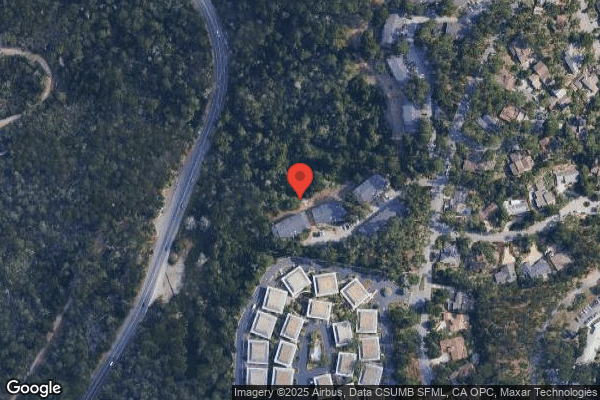

1501 SKYLINE DRIVE, MONTEREY, CA 93940 (831) 373-3716
For profit - Corporation 99 Beds PACS GROUP Data: November 2025
Trust Grade
65/100
#327 of 1155 in CA
Last Inspection: May 2025

Inspected within the last 6 months. Data reflects current conditions.

Overview

Cypress Ridge Care Center has a Trust Grade of C+, indicating it is slightly above average but not without concerns. It ranks #327 out of 1,155 nursing homes in California, which places it in the top half of facilities statewide, and #4 out of 14 in Monterey County, meaning only three local options are better. However, the facility's trend is worsening, with issues increasing from 12 in 2024 to 13 in 2025. Staffing is a significant concern, with a low rating of 2 out of 5 stars and a turnover rate of 51%, which is higher than the state average of 38%. On the positive side, the facility has no fines on record, indicating compliance with regulations, and it provides excellent quality measures with a rating of 5 out of 5 stars. However, specific incidents raised red flags, such as failure to notify residents about transfer reasons, which could lead to confusion and distress. Additionally, there were issues with medication management, including improperly stored medications and missed wound care treatments, which could compromise resident health. Overall, while there are strengths in quality measures and compliance history, families should consider the staffing challenges and specific incidents that highlight areas needing improvement.

Trust Score
C+
65/100
In California
#327/1155
Top 28%
Safety Record
Moderate
Needs review
Inspections
Getting Worse
12 → 13 violations
Staff Stability
⚠ Watch
51% turnover. Above average. Higher turnover means staff may not know residents' routines.
Penalties
✓ Good
No fines on record. Clean compliance history, better than most California facilities.
Skilled Nurses
○ Average
Each resident gets 37 minutes of Registered Nurse (RN) attention daily — about average for California. RNs are the most trained staff who monitor for health changes.
Violations
⚠ Watch
43 deficiencies on record. Higher than average. Multiple issues found across inspections.
★★★★☆
4.0
Overall Rating
★★☆☆☆
2.0
Staff Levels
★★★★★
5.0
Care Quality
★★★☆☆
3.0
Inspection Score
Stable
2024: 12 issues
2025: 13 issues

The Good

  • 5-Star Quality Measures · Strong clinical quality outcomes
  • Full Sprinkler Coverage · Fire safety systems throughout facility
  • No fines on record

Facility shows strength in quality measures, fire safety.

The Bad

Staff Turnover: 51%

Near California avg (46%)

Higher turnover may affect care consistency

Chain: PACS GROUP

Part of a multi-facility chain

Ask about local staffing decisions and management

The Ugly 43 deficiencies on record

1 actual harm
Sept 2025 1 deficiency
CONCERN (E) 📢 Someone Reported This

A family member, employee, or ombudsman was alarmed enough to file a formal complaint

Potential for Harm - no one hurt, but risky conditions existed

Quality of Care (Tag F0684)

Could have caused harm · This affected multiple residents

**NOTE- TERMS IN BRACKETS HAVE BEEN EDITED TO PROTECT CONFIDENTIALITY** Based on interview and record review, the facility failed to properly reconcile medications and wound care treatment orders upon...

Read full inspector narrative →
**NOTE- TERMS IN BRACKETS HAVE BEEN EDITED TO PROTECT CONFIDENTIALITY** Based on interview and record review, the facility failed to properly reconcile medications and wound care treatment orders upon admission from the hospital for one of three sampled residents (Resident 1). when:1.The wound care treatment order was not transcribed from the hospital discharge instructions from 9/5/2025 to 9/11/2025, which resulted in two missed wound care treatments.2. There was no documented evidence that wound care treatment was provided on 9/15/2025.3. Two insulin aspart orders were not transcribed from the hospital discharge instructions onto the facility's medication list from 9/5/2025 to 9/16/2025. As a result, blood sugar levels were not checked, and insulin was not administered per sliding scale orders during this period.These failures resulted in missed wound care treatments and unmonitored blood sugar levels, which had the potential to compromise Resident 1's health and well-being. 1. A review of Resident 1's clinical record indicated Resident 1 was admitted to the facility on [DATE] with diagnoses that included type 2 diabetes mellitus (a chronic condition characterized by hyperglycemia due to the body's inability to use insulin effectively or produce enough insulin), skin ulcers, and a non-pressure chronic ulcer of the right ankle. A review of the hospital discharge instructions dated 9/5/2025 indicated wound care orders for the right lower extremity, with dressings to be changed on Monday, Wednesday, and Friday using the following materials:1) Prisma activated by saline2) Gauze3) Two ABD pads4) Kerlix5) ACE bandageA review of the facility's Treatment Administration Record (TAR) for September 2025 indicated a wound care treatment order for the right lower extremity that included Prisma (activated with saline), gauze, ABD pads, kerlix, and ACE wrap from below the knee. The order, scheduled for every Monday, Wednesday, and Friday on the day shift, was not entered until 9/12/2025.2. A review of the TAR of September 2025 and nursing progress notes from 9/5 to 9/17/2025 indicated no evidence that wound care treatments were provided on 9/8 (Monday), 9/10 (Wednesday), and 9/15 (Monday). During an interview and concurrent record review on 9/23/2025 at 2:20 p.m., Licensed Vocational Nurse (LVN) A reviewed the September 2025 TAR and nursing progress notes from 9/5 to 9/16. LVN A confirmed that the wound care order was not transcribed on admission [DATE]). The order was instead entered on 9/12/2025. LVN A acknowledged there was no documented evidence of wound care treatments on 9/8, 9/10, and 9/15. LVN A stated the wound care nurse should have transcribed the wound care treatment order on 9/5/2025 per the hospital discharge instructions and that the treatments should have been provided as ordered.3. A review of the hospital discharge instructions dated 9/5/2025 also indicated updated medication orders to carry over to the skilled nursing facility (SNF), including:1)Insulin aspart correctional scale, subcutaneously before meals (three times daily)2)Insulin aspart correctional scale, subcutaneously at bedtimeA review of the facility's medication list indicated insulin aspart (Novolog 100 units/mL) was not started until 9/17/2025. The order included a sliding scale:150-189 = 1 unit190-249 = 2 units250-309 = 3 units310-369 = 4 units370-429 = 5 units430-479 = 6 units480-500 = 7 unitsAbove 500 = call MDThe order also required blood sugar checks and insulin administration before meals and at bedtime.A review of Resident 1's blood sugar results on 9/17/2025 showed elevated values, including:12:52 p.m. - 174 mg/dL5:37 p.m. - 214 mg/dL9:40 p.m. - 228 mg/dL10:10 p.m. - 282 mg/dLDuring an interview on 9/23/2025 at 2:29 p.m., LVN A reviewed the above documents and confirmed that the insulin aspart orders should have been initiated on 9/5/2025. LVN A acknowledged that he reconciled medications using the hospital inpatient medication list instead of the discharge to SNF medication list, which resulted in a delay in entering the orders. He further confirmed that blood sugar checks and insulin administration were not completed from 9/5 to 9/16/2025. LVN A stated that if the orders had been entered on 9/5/2025, Resident 1's blood sugar levels could have been maintained within the normal range.A review of the facility's policy titled Reconciliation of Medication on admission (Revised July 2017) indicated:.use an approved medication reconciliation form or other record; list all medications from the medication history, the discharge summary, the previous MAR (if applicable), and the admitting orders ('sources'). List the dose, route, and frequency for all medications.
May 2025 11 deficiencies
CONCERN (D)

Potential for Harm - no one hurt, but risky conditions existed

Deficiency F0554 (Tag F0554)

Could have caused harm · This affected 1 resident

**NOTE- TERMS IN BRACKETS HAVE BEEN EDITED TO PROTECT CONFIDENTIALITY** Based on observation, interview, and record review, the facility failed to implement their policy on self-administration of medi...

Read full inspector narrative →
**NOTE- TERMS IN BRACKETS HAVE BEEN EDITED TO PROTECT CONFIDENTIALITY** Based on observation, interview, and record review, the facility failed to implement their policy on self-administration of medication (resident takes medication without staff assistance) for one of 25 sampled residents (Resident 27) when the facility did not determine that the resident was clinically appropriate and safe to self-administer medications; did not obtain a physician's order to self-administer medications; and did not develop a care plan to address self-administration of medications. These failures had the potential for unsafe and improper administration of medications. Findings: Review of Resident 27's medical record indicated he was admitted on [DATE] with diagnoses including diabetes mellitus (abnormally high blood glucose [sugar] levels), peripheral vascular disease (narrow blood vessels reduce blood flow to the limbs), obesity, hypothyroidism (thyroid gland does not produce enough thyroid hormone), hyperlipidemia (abnormally high levels of fats [lipids] in the blood). Resident 27's Minimum Data Set (MDS, an assessment tool), dated 4/18/25, indicated he had a brief interview for mental status (BIMS) score of 9 (a score of 8 to 12 indicates moderate impairment). During an observation in Resident 27's room on 5/12/25 at 8:23 a.m., there were five medication bottles on Resident 27 ' s bedside dresser. Two of the bottles outer labels indicated Simethicone Tablets 80 mg (mg - a unit of measure). One bottle was labeled PB8 Probiotic, another bottle was labeled Maximum Strength Ultra-Zyme, and a third bottle was labeled Say Yes to Beans. During a concurrent interview with Resident 27, he stated Yes I have stomach issues and these help me. During an observation and concurrent interview with the director of nursing (DON) on 5/12/25 at 3:08 p.m., the DON went to Resident 27 ' s room and confirmed he had the above-mentioned medications at his bedside. The DON stated a physician ' s order, and a medication self-administration assessment should be done prior to resident ' s self-administration of medications. The DON further stated a care plan should be developed indicating Resident 27 is safe to self- administer medications. The DON reviewed Resident 27's medical record and confirmed there was no assessment to self-administer medications, and no care plan developed. The DON further confirmed there was no physician's order for Resident 27 to self-administer medications or to keep medications at the bedside. A review of the facility 's policy titled Administering Medications, revised April 2019, indicated Residents may self-administer their own medications only if the Attending Physician, in conjunction with the Interdisciplinary Care Planning Team, has determined that they have the decision-making capacity to do so safely.
CONCERN (D)

Potential for Harm - no one hurt, but risky conditions existed

Deficiency F0577 (Tag F0577)

Could have caused harm · This affected 1 resident

**NOTE- TERMS IN BRACKETS HAVE BEEN EDITED TO PROTECT CONFIDENTIALITY** Based on observation, interview and record review, the facility failed to ensure that the residents would know and be reminded o...

Read full inspector narrative →
**NOTE- TERMS IN BRACKETS HAVE BEEN EDITED TO PROTECT CONFIDENTIALITY** Based on observation, interview and record review, the facility failed to ensure that the residents would know and be reminded of the results of the previous state recertification surveys when 4 out of 4 residents who attended the resident council meeting, (Residents 18, 51, 65 and 244), did not know about the results of the previous state recertification surveys or where the survey results binder was located. These failures jeopardized the right of the residents to know and examine the results of the previous state recertification surveys and the plan of corrections that the facility did for those failures. Findings: During the resident council meeting (gathering where residents of a facility come together to discuss issues) on 5/13/25 at 11:00 a.m., 4 residents, (Residents 18, 51, 65 and 244), attended the meeting. During a concurrent observation and interview with Resident 18 during the resident council meeting on 5/13/25 at 11:30 a.m., Resident 18 was in his elctric wheelchair, alert, oriented and verbally responsive. He verbalized that he was not aware about the results of the previous state recertification surveys or where the survey results binder was located. Review of Resident 18's admission record (document created when a resident is admitted to a healthcare facility, containing the vital information about the resident) indicated, Resident 18 was readmitted to the facility on [DATE] with the primary diagnosis of incomplete paraplegia (a form of paralysis that affects the lower body, specifically the legs and trunk, but not the upper body or arms). During a concurrent observation and interview of Resident 51 on 5/13/25 at 11:30 a.m., Resident 51 was in her wheelchair in the activity room, alert, oriented, verbally responsive and participating in the resident council meeting. Resident 51 stated that she was not aware about the results of the previous state recertification surveys or where the survey results binder was located. Review of the admission record of Resident 51 indicated, Resident 51 was readmitted to the facility on [DATE] with the primary diagnosis of other idiopathic peripheral autonomic neuropathy (peripheral nerve damage where the cause is unknown or cannot be determined). During a concurrent observation and interview of Resident 65 on 5/13/25 at 11:30 a.m., Resident 65 was alert, oriented, calm, comfortable and verbally responsive and participating actively in the resident council meeting. Resident 65 also stated that he was not aware about the results of the previous state recertification surveys or where the survey results binder was located. Review of the admission record of Resident 65 indicated, Resident 65 was readmitted to the facility on [DATE] with the primary diagnosis of unspecified cord compression (a condition where the spinal cord is squeezed by external pressure). During a concurrent observation and interview of Resident 244 on 5/13/25 at 11:30 a.m., Resident 244 was alert, oriented, comfortable and verbally responsive and participating actively in the resident council meeting. Resident 244 stated that he was not aware about the results of the previous state recertification surveys or where the survey results binder was located. Review of the admission record of Resident 244 indicated, Resident 244 was readmitted to the facility on [DATE] with the primary diagnosis of other idiopathic peripheral autonomic neuropathy. During an interview with the director of activities (DOA) on 5/16/25 at 1:38 p.m., the DOA acknowledged that she did not know about the results of the previous state recertification surveys or where the survey binder for the results of the previous surveys was located. The DOA then stated that she would go and ask, where it could be located. During an interview with the administrator (ADM) on 5/16/25 at 1:41 p.m., the ADM verified that the DOA should know where the survey binder for the results of the previous surveys was located so she could inform and remind the residents about that. The ADM then stated that he would in-service the DOA about it. During an interview with the director of nursing (DON) on 5/16/25 at 1:47 p.m., the DON also verified that the DOA should know where the survey binder for the results of the previous surveys was located and would check on it. Review of the facility's policy and procedure titled, Survey Results, revised on April 2017 indicated, Survey reports and plans of correction are readily accessible to the resident, family members, resident representatives and to the public. Residents may examine the results of the most recent survey of the facility conducted by Federal or State surveyors, as well as any plans of correction in effect. A copy of the most recent survey report and any plans of correction are kept in a binder and placed in easily accessible location .
CONCERN (D)

Potential for Harm - no one hurt, but risky conditions existed

Deficiency F0578 (Tag F0578)

Could have caused harm · This affected 1 resident

**NOTE- TERMS IN BRACKETS HAVE BEEN EDITED TO PROTECT CONFIDENTIALITY** Based on interview and record review, the facility failed to provide an advance directive (AD, a written instruction, such as a ...

Read full inspector narrative →
**NOTE- TERMS IN BRACKETS HAVE BEEN EDITED TO PROTECT CONFIDENTIALITY** Based on interview and record review, the facility failed to provide an advance directive (AD, a written instruction, such as a living will or durable power of attorney for health care when the individual is incapacitated) or Physician Orders for Life-Sustaining Treatment (POLST, document that specifies the medical treatments the resident wants to receive during serious illness) was completed for one of two sampled residents (Residents 75). These failures could lead to the delivery of unnecessary or inappropriate medical services, which are against the residents' goals and wishes. Findings: Review of Resident 75's clinical record indicated Resident was admitted on [DATE]. Further review of Resident 75's clinical record indicated there was no POLST form completed for Resident 75. During an interview and concurrent record review with the director of nursing (DON) on 5/15/25 at 1:10 p.m., the DON confirmed there was no copy of POLST form in Resident 75's clinical records. The DON stated it should be there, maybe it was misplaced. Review of the facility's policy titled Advanced Directives, revised 12/2016, indicated Advance Directives will be respected in accordance with state law and facility policy. 7. Information about whether or not the resident has executed an advanced directive an advance directive shall be displayed prominently in the medical record. A review of the title Physician Order for Life Sustaining Treatment (POLST) dated 4/1/2017, indicated, Directions for Health Care Provider, completing POLST. Use of original form is strongly encouraged . A copy should be retained in patient's medical record .
CONCERN (D)

Potential for Harm - no one hurt, but risky conditions existed

Assessment Accuracy (Tag F0641)

Could have caused harm · This affected 1 resident

**NOTE- TERMS IN BRACKETS HAVE BEEN EDITED TO PROTECT CONFIDENTIALITY** Based on interview and record review, the facility failed to accurately complete the discharge Minimum Data Set (MDS, an assessm...

Read full inspector narrative →
**NOTE- TERMS IN BRACKETS HAVE BEEN EDITED TO PROTECT CONFIDENTIALITY** Based on interview and record review, the facility failed to accurately complete the discharge Minimum Data Set (MDS, an assessment tool) for one of three residents (Resident 92). Failure to accurately assess Resident 92's discharge status resulted in an inaccurate record. Findings: Review of Resident 92's discharge summary report indicated he was discharged home with home health services on 2/20/25. Review of Resident 92's discharge MDS, dated [DATE], indicated he was discharged to the acute hospital. During an interview and concurrent record review with the Minimum Data Set Coordinator (MDSC) on 5/14/25 at 10:18 a.m., the MDSC confirmed Resident 92 was discharged to his home on 2/20/25. The MDSC verified that Resident 92's discharge MDS was incorrectly coded and stated that Resident 92 was discharged home, not to the acute hospital as was coded on Resident 92's 2/20/25 discharge MDS. Review of the Centers for Medicare and Medicaid Services (CMS) 10/2019 Resident Assessment Instrument 3.0 User's Manual (RAI Manual, MDS coding instructions) indicated for section A2100, Discharge Status, Code 01, community, if discharge location is a private home.
CONCERN (D)

Potential for Harm - no one hurt, but risky conditions existed

Comprehensive Care Plan (Tag F0656)

Could have caused harm · This affected 1 resident

**NOTE- TERMS IN BRACKETS HAVE BEEN EDITED TO PROTECT CONFIDENTIALITY** Based on observation, interview, and record review, the facility failed to develop and implement a comprehensive, resident-cente...

Read full inspector narrative →
**NOTE- TERMS IN BRACKETS HAVE BEEN EDITED TO PROTECT CONFIDENTIALITY** Based on observation, interview, and record review, the facility failed to develop and implement a comprehensive, resident-centered care plan for one out of five residents investigated for their activities, (Resident 51), when Resident 51 did not have a care plan for her activities. This failure had the potential for the resident to not receive the appropriate interventions necessary to maintain her highest level of well-being. Findings: During a concurrent observation and interview of Resident 51 during the resident council meeting (gathering where residents of a facility come together to discuss issues) on 5/13/25 at 11:00 a.m., Resident 51 was in her wheelchair in the activity room, alert, oriented, verbally responsive and participating actively in the resident council meeting discussion. Resident 51 stated that she's the current resident council president and she attends the meetings regularly. Review of the admission record (document created when a resident is admitted to a healthcare facility, containing the vital information about the resident) of Resident 51 indicated, Resident 51 was readmitted to the facility on [DATE] with the primary diagnosis of other idiopathic peripheral autonomic neuropathy (peripheral nerve damage where the cause is unknown or cannot be determined). Review of the order summary report of Resident 51 dated 5/14/25 indicated, Resident 51 may participate in activities, not in conflict with treatment plan, ordered on 7/16/24. Review of Resident 51's care plans indicated, Resident 51 did not have an activity care plan. Resident 51 did not have the necessary interventions for her activities and did not have any updates whether her current activities were effective. During a concurrent review of Resident 51's care plan's and interview with the director of activities (DOA) on 5/15/25 at 10:29 a.m., the DOA verified that Resident 51 did not have an activity care plan. The DOA further verified that she would update the care plan of Resident 51, to include her activity care plan and the interventions for her activities. During an interview with the director of nursing (DON) on 5/15/25 at 1:47 p.m., the DON verified that Resident 51 should have an activity care plan and would follow up on it. Review of the facility's policy and procedure titled, Care Plans, Comprehensive Person-Centered, revised on December 2016 indicated, A comprehensive, person-centered care plan that includes measurable objectives and timetables to meet the resident's physical, psychosocial and functional needs is developed and implemented for each resident . The comprehensive, person-centered care plan will: include measurable objectives and timeframes, describe the services that are to be furnished to attain or maintain the resident's highest practicable physical, mental and psychosocial well-being . Assessments of residents are ongoing and care plans are revised as information about the residents and the residents' condition change .
CONCERN (D)

Potential for Harm - no one hurt, but risky conditions existed

Deficiency F0658 (Tag F0658)

Could have caused harm · This affected 1 resident

**NOTE- TERMS IN BRACKETS HAVE BEEN EDITED TO PROTECT CONFIDENTIALITY** Based on observation, interview, and record review, the facility failed to provide care and services in accordance with professi...

Read full inspector narrative →
**NOTE- TERMS IN BRACKETS HAVE BEEN EDITED TO PROTECT CONFIDENTIALITY** Based on observation, interview, and record review, the facility failed to provide care and services in accordance with professional standards of practice for two of 25 sampled residents (Residents 59 and 301) when: 1. The facility failed to follow the physician's order for Resident 59 by not applying the prescribed wound care dressing and offloading boots while the resident was in bed. 2. For Resident 301, the licensed nurse incorrectly transcribed the physician's order for Chlorhexidine Gluconate mouth rinse. These failures had the potential to compromise the residents' health and well-being. Findings: 1. A review of Resident 59's clinical record indicated Resident 59 was admitted to the facility on [DATE] with diagnoses including generalized muscle weakness, presence of a left artificial knee joint, and bilateral primary osteoarthritis (a type of arthritis that occurs when flexible tissue at the ends of bones wears down) of the knee. A review of Resident 59's physician's order dated 3/26/2025 indicated that the left heel cover was with foam dressing every day shift every Tuesday, Thursday, and Saturday. A further review of 59's physician order dated 3/22/2025 indicated that blue booties should be on at all times while in bed every shift to prevent further skin breakdown. During a concurrent observation and interview with the Licensed Vocational Nurse (LVN ) A on 5/14/2025 at 10:59 a.m., Resident 59 was lying in bed, the foam dressing was not on his left heel, and the booties were not applied on both feet. LVN A confirmed the above observation. During a concurrent observation and interview with the Treatment Nurse (TN) on 5/14/2025 at 11:15 a.m., Resident 59 was observed lying in bed with dark purple discoloration on his left heel. The TN stated that the area was consistent with a deep tissue injury. The TN also confirmed that the foam dressing and booties, which were intended to prevent further skin breakdown, had not been applied. 2. A review of Resident 301's clinical record indicated Resident 301 was admitted to the facility on [DATE] with diagnoses including diabetes (a disease that causes high blood sugar), infection and inflammatory reaction due to other cardiac and vascular devices, and methicillin-susceptible staphylococcus aureus infection (MSSA, a type of bacterial infection caused by Staphylococcus aureus bacteria that are susceptible to treatment with methicillin and other beta-lactam antibiotics) as the cause of diseases classified elsewhere. A review of Resident 1's acute hospital Discharge summary dated [DATE] indicated Resident 301 had a recent dental extraction. The discharge medication, including Chlorhexidine Gluconate (Peridex, Chlorhexidine Gluconate 0.12% Oral Rinse, provides antimicrobial activity during oral rinsing. ) 15 ml (milliliters, a measuring unit) as directed twice daily. A review of Resident 1's physician's order dated 5/8/2025 indicated Chlorhexidine Gluconate Liquid 4%: give 15ml by mouth two times a day for post dental extraction mouth rinse. During a concurrent record review and interview with the Director of Nursing (DON) on 05/12/2025 at 3:26 p.m., the DON reviewed Resident 301's physician's order and stated that the nurse had incorrectly transcribed the hospital discharge medication Chlorhexidine Gluconate mouth rinse. The mouth rinse should have been Chlorhexidine Gluconate 0.12%, and Chlorhexidine Gluconate 4% should have been used for wound care. During a concurrent interview and record review with the Minimum Data Set Coordinator (MDSC) on 5/15/2025 at 2:46 p.m., the MDSC stated that he had transcribed Resident 301's hospital discharge order for Chlorhexidine Gluconate (Peridex) incorrectly as 4%, when it should have been 0.12%. During a phone interview with the Consultant Pharmacist (CP) on 05/16/2025 at 9:23 a.m., the CP stated that Chlorhexidine Gluconate 4% is intended for external use in wound care, while the appropriate concentration for a mouth rinse is 0.12%. The CP further stated that using the 4% solution as a mouth rinse may cause a bitter taste, dry mouth, and oral irritation. A review of drug resource, DailyMed (https://dailymed.nlm.nih.gov), indicated, indicating that Peridex, (Chlorhexidine Gluconate 0.12%) Oral Rinse provides antimicrobial activity during oral rinsing . chlorhexidine gluconate solution 4% Purposes of use: Surgical hand scrub - Healthcare personnel handwash - Skin wound and general skin cleanser. For external use only, when using this product - keep out of eyes, ears, and mouth .
CONCERN (D)

Potential for Harm - no one hurt, but risky conditions existed

Pharmacy Services (Tag F0755)

Could have caused harm · This affected 1 resident

**NOTE- TERMS IN BRACKETS HAVE BEEN EDITED TO PROTECT CONFIDENTIALITY** Based on observation, interview, and record review, the facility failed to ensure the adequate provision of pharmaceutical servi...

Read full inspector narrative →
**NOTE- TERMS IN BRACKETS HAVE BEEN EDITED TO PROTECT CONFIDENTIALITY** Based on observation, interview, and record review, the facility failed to ensure the adequate provision of pharmaceutical services when: 1. Chlorhexidine Gluconate mouth rinse was unavailable for administration for five consecutive days for one of 25 sampled residents (Resident 301). 2. The pharmacy linked the different medications and incorrect administration instructions for one of the 25 sampled residents (Resident 36). This link resulted in the licensed nurse administering the wrong medication to Resident 36. These failure had the potential to worsen the resident's condition or lead to complications. Findings: 1. During a medication administration observation on 5/12/2025 at 10:00 a.m. in Resident 301's room, Licensed Vocational Nurse (LVN) A was observed administering the resident's morning medications. The Chlorhexidine Gluconate Oral Rinse was not administered. During an interview with LVN A on 5/12/2025 at 10:20 a.m., LVN A confirmed that she did not administer the Chlorhexidine Gluconate Oral Rinse to Resident 301, and she stated the Chlorhexidine Gluconate Oral Rinse was not available since the order date 5/8/2025. A review of Resident 301's acute hospital Discharge summary dated [DATE] indicated that the resident had a recent dental extraction. A review of Resident 301's physician's order dated 5/8/2025 indicated Chlorhexidine Gluconate Liquid 4%, to be given as a 15 ml (milliliters, a measuring unit) oral rinse twice daily for post-dental extraction care. A review of Resident 301's medication administration record (MAR) for May 2025 showed that Chlorhexidine was not administered during the morning and evening shifts from 5/8/2025 through 5/12/2025. During an interview with the facility Medical Director (MD) on 5/12/2025 at 3:28 p.m., the MD stated that the facility had sent the order for Chlorhexidine Gluconate Oral Rinse to the pharmacy on 5/8/2025 and the pharmacy should have communicated with the facility regarding the non-delivery of the medication. During an interview with the Assistant Director of Nursing (ADON) on 5/15/2025 at 2:00 p.m., the ADON confirmed that the Chlorhexidine Gluconate Oral Rinse was delivered to the facility on 5/13/2025. 2. During a medication administration observation on 5/13/2025 at 11:25 a.m. in Resident 36's room, Licensed Vocational Nurse (LVN) B was observed administering insulin before lunch. Resident 36's blood glucose level was 241 mg/dL(milligrams per decilitre ), and LVN B administered 4 units of Novolog Solution 100 units/mL (insulin aspart, a rapid-acting human insulin analog indicated for glycemic control in individuals with diabetes mellitus), per the sliding scale. However, the Electronic Medication Administration Record (eMAR) indicated that 4 units of insulin lispro were administered before lunch. During an interview with LVN B on 5/13/2025 at 11:30 a.m., she reviewed Resident 36's physician's order and confirmed that the active order was injecting insulin lispro per the sliding scale. She explained that she administered insulin aspart instead because insulin lispro was not available. She stated that two additional orders had been linked under the original lispro sliding scale order-one for insulin aspart with a sliding scale and one for insulin lispro at a fixed dose of 12 units. LVN B stated that nurses had the option to choose between these linked orders, and due to the unavailability of lispro, she chose to administer aspart. During a phone interview with the Consultant Pharmacist (CP) on 5/16/2025 at 9:39 a.m., the CP stated that although both insulin lispro and insulin aspart are rapid-acting insulins, they are different medications. Lispro acts more quickly than aspart. The CP further stated that insulin aspart should not be administered under an order for insulin lispro. If insulin aspart is to be used as a substitute, a new physician order needs to be obtained. During an interview with the Assistant Director of Nursing (ADON) on 5/15/2025 at 2:06 p.m., the ADON stated that he entered the original order for insulin lispro with a sliding scale before meals on 8/24/2024, and it had not been revised since. On 5/12/2025, when insulin lispro became unavailable, the pharmacy linked an insulin aspart sliding scale order under the existing lispro order. Additionally, the pharmacy also linked an inappropriate fixed-dose lispro order of 12 units, which Resident 36 did not have. The ADON confirmed that the pharmacy's action to auto-link these orders was inappropriate because insulin lispro and insulin aspart are different medications, and Resident 36 did not have an order for a fixed dose of 12 units of lispro. A review of the facility's Order Audit Report dated 5/15/2025 indicated the following two medication orders were auto-linked by the pharmacy under the original insulin lispro sliding scale order: a. Insulin Aspart 100 units/mL Solution, inject up to 12 units per sliding scale subcutaneously before meals (auto-linked on 5/12/2025). b. Insulin Lispro 100 units/mL Solution, inject 12 units subcutaneously before meals for diabetes mellitus (auto-linked on 4/5/2025). During a phone interview with the Pharmacy Manager (PM) on 5/16/2025 at 3:23 p.m., the PM declined to answer questions related to the medication errors involving Residents 301 and 36. A review of the facility's P&P titled Organization Aspects Provider Pharmacy Requirements , revised August 2014, indicated, The provider pharmacy agrees to perform the following pharmaceutical service, including but not limited to . Accurately dispensing prescriptions based on authorized prescriber orders, .provide routine and timely pharmacy service as contracted . all other new medication orders are received and available for administration on the next routine delivery . screen each new medication order for an appropriate indication or diagnosis . if diagnosis or indication is not available, notifying the nursing staff of the need to obtain the information from the prescriber prior to administering the drug .
CONCERN (D)

Potential for Harm - no one hurt, but risky conditions existed

Unnecessary Medications (Tag F0759)

Could have caused harm · This affected 1 resident

Based on observation, interview, and record review, the facility had a medication error rate of 7.14 % when two medication errors were observed out of 28 opportunities during medication administration...

Read full inspector narrative →
Based on observation, interview, and record review, the facility had a medication error rate of 7.14 % when two medication errors were observed out of 28 opportunities during medication administration for two out of six residents (Residents 301 and 36). 1. Chlorhexidine mouth rinse was not administered as ordered for Resident 301, 2. Insulin was not administered as ordered for Resident 36 before lunch. These failures resulted in residents not receiving medications as prescribed, which had the potential to result in residents not receiving the full therapeutic benefit of their medications and/or experiencing negative health outcomes. Findings: 1. During a medication administration observation on 5/12/2025 at 10:00 a.m. in Resident 301's room, Licensed Vocational Nurse (LVN) A was observed administering Resident 301's morning medications. The Chlorhexidine Gluconate Oral Rinse was not administered. During an interview with LVN A on 5/12/2025 at 10:20 a.m., she confirmed that the Chlorhexidine Gluconate Oral Rinse was not administered because it had not been available since the order was placed on 5/8/2025. 2. During a medication administration observation on 5/13/2025 at 11:25 a.m. in Resident 36's room, LVN B was observed administering insulin before lunch. Resident 36's blood sugar was 241 mg/dL, and LVN B administered 4 units of Novolog Solution 100 units/ml (insulin aspart, a rapid-acting human insulin analog indicated to improve glycemic control in adults and pediatric patients with diabetes mellitus) according to the sliding scale. However, the medication administration record indicated that 4 units of insulin lispro were administered before lunch. A review of Resident 36's physician's order dated 8/24/2024 indicated Humalog Solution 100 uint/ml (insulin lispro, a rapid-acting human insulin analog indicated to improve glycemic control in adult and pediatric patients with diabetes mellitus) injected as per sliding scale subcutaneously before meals for diabetes, give 15 minutes before meals. During a concurrent interview and record review with LVN B on 5/13/2025 at 11:30 a.m., LVN B reviewed Resident 36's physician order and confirmed that the order was to administer insulin lispro per sliding scale before meals. LVN B stated she administered insulin aspart instead because insulin lispro was unavailable, believing the two insulins were equivalent. During a phone interview with the Consultant Pharmacist (CP) on 5/16/2025 at 9:39 a.m., the CP stated that although both insulin lispro and insulin aspart are rapid-acting insulins, but they are different medications. the nurse should not administer insulin aspart under an order for insulin lispro. If insulin aspart is to be used as a substitute, a new physician order needs to be obtained. A review of the facility's policy titled, Medication Administration, revised April 2019, indicated, Medications are administered in accordance with prescriber orders .
CONCERN (E)

Potential for Harm - no one hurt, but risky conditions existed

Deficiency F0804 (Tag F0804)

Could have caused harm · This affected multiple residents

**NOTE- TERMS IN BRACKETS HAVE BEEN EDITED TO PROTECT CONFIDENTIALITY** Based on observation, interview and record review, the facility failed to ensure palatability and nutritive value of cooked food...

Read full inspector narrative →
**NOTE- TERMS IN BRACKETS HAVE BEEN EDITED TO PROTECT CONFIDENTIALITY** Based on observation, interview and record review, the facility failed to ensure palatability and nutritive value of cooked foods were maintained when: 1. Three of forty-nine facility residents, (Residents 33, 61 and 51), received food from the kitchen and complained that the food tasted bland (lacking taste or flavor); and, 2. Minced/moist (dietary modification where food is prepared to be soft, moist and easily swallowed with minimal chewing required) country fried steak, soft/bite-sized (foods that are soft, tender, moist and easily broken down by chewing) country fried steak, vegetable or veggie patties and mashed potatoes (made by mashing boiled or steam potatoes) were held in the heated oven for an extended period. These failures resulted in decreased food palatability that could lead to decrease in food consumed by residents, and the food held in the heated oven for extended period could lose nutritive value, that could lead to decreased nutrient intake for the ninety-five facility residents receiving food from the kitchen. Findings: 1. During a concurrent observation and interview of Resident 33 on 5/12/25 at 9:53 a.m., Resident 33 was in his bed, alert, oriented, calm and verbally responsive. Resident 33 stated that his food did not taste good and that it tasted bland. Review of the admission record (document created when a resident is admitted to a healthcare facility, containing the vital information about the resident) of Resident 33 indicated, Resident 33 was readmitted to the facility on [DATE] with the primary diagnosis of hemiplegia (complete paralysis on one side of the body) and hemiparesis (muscle weakness on one side of the body) following unspecified cerebrovascular disease (group of conditions that impact the brain's blood vessels and blood flow) affecting left non-dominant side. Review of the order summary report of Resident 33 dated 5/14/25 indicated, Resident 33 had an order of regular diet (normal diet without restrictions), regular texture (no modifications), with thin liquids consistency (liquid that is easy to pour and no additives), ordered and started on 12/16/24. During a concurrent observation and interview of Resident 61 on 5/12/25 at 9:56 a.m., Resident 61 was in his bed, alert, oriented, comfortable and verbally responsive. Resident 61 stated that the food tasted bland. Review of the admission record of Resident 61 indicated, Resident 61 was admitted to the facility on [DATE] with the primary diagnosis of unspecified fracture (break or crack in a bone) of right femur (thigh bone), subsequent encounter for closed fracture (type of bone fracture where the broken bone does not penetrate the skin) with routine healing. Review of the order summary report of Resident 61 dated 5/14/25 indicated, Resident 61 had an order of controlled carbohydrate diet (CCHO, type of diet in which the individual consumes a consistent daily amount of carbohydrates), regular texture, with thin liquids consistency, no melon with any meal, side salad with lunch and dinner and extra cold cereal with breakfast, ordered and started on 9/17/24. During a concurrent observation and interview of Resident 51 during the resident council meeting (gathering where residents of a facility come together to discuss issues) on 5/13/25 at 11:00 a.m., Resident 51 was in her wheelchair in the activity room, alert, oriented, verbally responsive and participating in the resident council meeting. Resident 51 stated that the meat was dry, overcooked and tasted bland. Review of the admission record of Resident 51 indicated, Resident 51 was readmitted to the facility on [DATE] with the primary diagnosis of other idiopathic peripheral autonomic neuropathy (peripheral nerve damage where the cause is unknown or cannot be determined). Review of the order summary report of Resident 51 dated 5/14/25 indicated, Resident 51 had an order of controlled carbohydrate diet, regular texture, with thin liquids consistency, ordered and started on 7/16/24. During the test tray observation and tasting with dietary supervisor (DS) and director of dietary services (DODS) on 5/14/25 at 1:41 p.m., they brought 2 trays with 4 test plates containing: a. puree (smooth, typically creamy, mixture made by blending or mashing food until it reaches a uniform, soft texture) country fried steak and peas and mashed potatoes; b. minced/moist country fried steak and peas and mashed potatoes; c. soft/bite-sized country fried steak and peas and mashed potatoes and d. regular country fried steak and peas and mashed potatoes. During the food tasting on 5/14/25, from 1:43 p.m. to 1:46 p.m., tasted all the foods of the 4 test plates in the 2 trays. The puree country fried steak, minced/moist country fried steak, soft/bite-sized country fried steak and regular country fried steak, they all tasted bland. During the concurrent interviews with the DS and DODS after they both tasted all the foods of the 4 test plates in the 2 trays on 5/14/25 at 1:48 p.m., they both verified that the puree, minced/moist, soft/bite-sized and regular country fried steaks, they all tasted bland. During an interview with the registered dietitian (RD) on 5/14/25 at 3:00 p.m., RD acknowledged that all foods should be palatable. RD then stated that she would do an in-service training with the staffs about it. Review of the facility's policy titled, Food and Nutrition Services, revised October 2017, indicated, Each resident is provided with a nourishing, palatable, well-balanced diet that meets his or her daily nutritional and special dietary needs, taking into consideration the preferences of each resident. 2. During the food preparation observation in the kitchen with cook B (CK B) on 5/14/25 at 9:57 a.m., CK B stored the already cooked minced/moist country fried steak, soft/bite-sized country fried steak, veggie patties and mashed potatoes in the oven, heated at 200 degrees Fahrenheit (F, temperature scale). During the continued observation in the kitchen on 5/14/25 at 12:20 p.m., CK B started preparing the tray line, putting foods in the meal trays of the residents after checking the food temperatures, then placing them in the tray carts until they were ready for distribution. During a concurrent interviews with the DS and DODS on 5/14/25 at 1:50 p.m., both the DS and DODS verified that foods should be prepared near or within 1 hour from the tray line preparation to keep the taste and nutritive value of the prepared foods. They further verified that the already cooked minced/moist country fried steak, soft/bite-sized country fried steak, veggie patties and mashed potatoes were placed in the oven, heated at 200 degrees F at 9:57 a.m., and the tray line preparation started at 12:20 p.m. for lunch. They then stated that they would change the time, they would start preparing the foods. During an interview with the RD on 5/14/25 at 3:00 p.m., the RD verified that foods should be prepared near or within 1 hour of the tray line preparation and serving to keep or preserve the taste and nutritive value of the foods. Review of the facility's undated policy titled, Section E: Dining Service: Mealtimes Overview, indicated, The Food and Nutrition Services Department will provide accurate, efficient and consistent meal service with nutritious and attractive food served at the appropriate temperature and in a pleasant atmosphere . Food is to be on the tray line no longer than 20 minutes before meal service starts or put out at time to ensure proper food temperatures and quality . Review of the State Operations Manual (SOM, a federal document from the Centers for Medicare and Medicaid Services that provides rules and guidance for state surveys of healthcare institutions), Appendix PP: Guidance to Surveyors for Long Term Care Facilities, dated 2/3/23, indicated, . Foods are . not held at hot temperatures for hours prior to meal service because prolonged hot temperatures can result in a loss of vitamins .
CONCERN (E)

Potential for Harm - no one hurt, but risky conditions existed

Food Safety (Tag F0812)

Could have caused harm · This affected multiple residents

Based on observation, interview, and record review, the facility failed to ensure cooking and kitchen equipment were maintained and kept in accordance with professional standards for food safety when:...

Read full inspector narrative →
Based on observation, interview, and record review, the facility failed to ensure cooking and kitchen equipment were maintained and kept in accordance with professional standards for food safety when: 1. There were unsanitary cooking equipment stored in the kitchen; and, 2. Ice scoop for the ice machine was placed on top of a dusty and uncleaned tray. These failures had the potential to cause the growth of micro-organisms which could cause foodborne illness (illness resulting from contaminated food) and cross-contaminated food for the ninety-five residents who received food from the facility kitchen. Findings: 1. During the initial kitchen tour observation with the dietary supervisor (DS), on 5/12/25 at 8:08 a.m., observed 8 large pans with brownish to blackish discolorations and rusty spots in them that were still stored there. During an interview with DS on 5/12/25 at 8:09 a.m., the DS acknowledged that the 8 large pans had brownish to blackish discolorations and rusty spots. The DS then stated that it should not be kept there and would have them replaced. During an interview with the registered dietitian (RD), on 5/14/25 at 3:00 p.m., the RD verified that the 8 large pans with brownish to blackish discolorations and rusty spots should not be kept there and should have been replaced. The RD then stated that she would follow-up on that concern. Review of the facility's policy and procedure titled, Sanitization, revised on November 2022 indicated, The food service area is maintained in a clean and sanitary manner . All utensils, counters, shelves and equipment are kept clean, maintained in good repair and are free from breaks, corrosions, open seams, cracks and chipped areas that may affect their use or proper cleaning . 2. During the initial kitchen tour observation on 5/12/25 at 8:15 a.m., surveyor checked the ice machine and observed that the ice scoop was placed on top of a dusty and unsanitary tray. During an interview with DS on 5/12/25 at 8:16 a.m., the DS acknowledged that the ice scoop was placed over a dusty and unsanitary tray and should not be put there. The DS then removed the ice scoop with the unsanitary tray from the ice machine and said it will be cleaned. During an interview with RD on 5/14/25 at 3:00 p.m., the RD verified that the ice scoop should not be placed over a dirty tray and would talk to the staff about it. Review of the undated facility's policy titled, Recommended Food Storage Practices: Ice, indicated, . Scoops shall be stored separately from the ice machine in a sanitary container that allows for water drainage away from the scoop .
CONCERN (E)

Potential for Harm - no one hurt, but risky conditions existed

Infection Control (Tag F0880)

Could have caused harm · This affected multiple residents

**NOTE- TERMS IN BRACKETS HAVE BEEN EDITED TO PROTECT CONFIDENTIALITY** 4. During an observation and interview with the DON on 5/12/2025 at 11:00 a.m., dark brownish substances were observed all over ...

Read full inspector narrative →
**NOTE- TERMS IN BRACKETS HAVE BEEN EDITED TO PROTECT CONFIDENTIALITY** 4. During an observation and interview with the DON on 5/12/2025 at 11:00 a.m., dark brownish substances were observed all over the top of the medication storage cabinets in the south medication storage room. The DON confirmed the above observation and stated the staff should keep the medication storage cabinet clean. During an interview with the housekeeping manager (HM) on 5/15/2025 at 10:28 a.m., the HM stated that staff should have kept the medication storage cabinet clean. A review of the facility policy and procedures titled Storage of Medications, revised November 2020, indicated . the nursing staff is responsible for maintaining medication storage and preparation area in a clean, safe and sanitary manner . 5. A review of Resident 345's clinical record indicated Resident 345 was admitted to the facility on [DATE] with diagnoses including aftercare following joint replacement surgery, and infection and inflammatory reaction due to unspecified internal joint prosthesis (an artificial device that replaces a missing body part), subsequent encounter. A review of Resident 345's physician's order dated 5/10/2025 indicated Cefepime HCI (Cefepime Hydrochloride, a fourth-generation cephalosporin antibiotic) intravenous solution Reconstituted 2 gm (gram, a unit of mass in the metric system) intravenously every 8 hours for intraprosthetic infection (an infection occurs within a prosthetic device) for 6 weeks. Started on 5/11/2025. During a concurrent medication administration observation and interview on 5/14/2025 at 2:07 p.m., the Minimum Data Set Coordinator (MDSC) was observed preparing and administering intravenous (IV) Cefepime 2 gm for Resident 345. The MDSC used the same pair of gloves throughout the process-preparing the medication, hanging the IV bag on the pole, reaching into his pant pocket to retrieve an alcohol wipe, opening the wipe, scrubbing the IV hub, flushing with 10 mL of normal saline (NS), and connecting the IV line to the resident's midline catheter (a type of intravenous catheter). The MDSC acknowledged that he performed multiple tasks without changing gloves. During an interview with the Director of Nursing (DON) on 5/16/2025 at 3:00 p.m., the DON stated that nurses should change gloves between tasks to prevent cross-contamination and reduce the risk of infection. A review of the facility undated policy and procedures titled glove use indicated, . to prevent the spread of infection . when gloves are indicated, use disposable single-use gloves . Based on observation, interview and record review, the facility failed to implement infection control and prevention practices when: 1. The Licensed Vocational Nurse A (LVN) did not perform hand hygiene between every task; 2. Resident 15's nasal cannula (NC, flexible tubing inserted into the nostrils and attached to an oxygen [a colorless and odorless gas that people need to breathe] ) was undated and the nebulizer (a small machine that turns liquid medicine into a mist, allowing you to breath it in directly into your lungs through a mouthpiece or mask) mask was not properly stored after use; 3. Resident 308's nasal cannula was undated; the humidifier was outdated, and the oxygen filter was dusty with whitish grayish colored substance in the filter; 4. Dark brownish substances were observed in the medication storage room cabinet. 5. The licensed nurse did not change gloves between tasks. These failures had the potential for development and transmission of communicable disease and infection in the facility. Findings: 1. During an observation on 5/12/25 at 12:18 p.m., the LVN A observed came out in one of the resident's rooms without sanitizing her hands, then went to another resident room to answer the call light. Then the LVN took the empty cup used by another resident on top of the medication carts and threw the remaining fluid in the sink at the nurse station, then went to another residents room. During an interview with LVN A on 5/12/25 at 1:54 p.m., LVN A confirmed the above observation of not performing hand hygiene after every task. The LVN further stated they should do hand hygiene between every task, because of infection control. During a review of the facility's policy and procedure (P&P) titled, Handwashing/ Hand hygiene, revised date 2019, the P&P indicated, This facility considers hand hygiene the primary means to prevent the spread of infections. 2. All personnel shall follow the handwashing/hand hygiene procedure to help prevent the spread of infections to other personnel, residents, and visitors. 2. During a concurrent observation and interview on 5/12/25 at 8:58 a.m., Resident 15's nasal cannula tubing was undated. Another nasal cannula hanging on Resident 15's wheelchair was undated and not properly stored. Resident 15's nebulizer mask was observed undated and was not properly stored. Resident 15 stated the nebulizer was last used on Sunday. During a concurrent observation and interview with Director of Nursing (DON) on 5/12/25 at 12:27 p.m., the DON confirmed the nasal cannula, and the nebulizer mask was undated and not properly stored. DON further stated it should be placed inside the black bag for prevention of infection. During a review of the facility's policy and procedure (P&P) titled, Respiratory Therapy- Prevention of Infection, undated, the P&P indicated, The purpose of this procedure is to guide prevention of infection associated with respiratory therapy tasks and equipment .7. Change the oxygen cannula and tubing every seven days , or as needed. 8. Keep the oxygen cannula and tubing used PRN in a plastic bag when not in use . Infection Control Consideration Related to Medication Nebulizer / Continuous Aerosol . 7. Store the circuit in plastic bag, marked with date and resident's name between uses. 3. Review of Resident 308's clinical record indicated Resident 308 was admitted to the facility on [DATE] with diagnoses including Respiratory disorders ( any disorders or illness that affects the lungs and the respiratory system), Emphysema ( a lung disease and a type of chronic obstructive pulmonary disease, any air filled enlargement in the body's tissue, Chronic obstructive pulmonary disease (a condition caused by damage to the airways or other parts of the lung) with exacerbation. Review of Resident 308's order summary report, dated 5/12/25 indicated Resident 308 had orders for change humidifier bottle and tubing every Friday every day shift every Fri. During an observation on 5/12/25 at 12:39 p.m., Resident 308's nasal cannula tubing was undated, the humidifier was dated 4/18/25. The oxygen concentrator filter (a medical device that concentrates oxygen from environmental air and delivers it to a resident in need of supplemental oxygen. The filter is at the back of the oxygen concentrator.) was dusty, with an accumulation of whitish grayish colored substances on the filter. During a concurrent observation and interview with DON on 5/12/25 at 1:01 p.m., the DON confirmed the nasal cannula was undated, the humidifier was outdated, and the oxygen concentrator filter was dusty, with an accumulation of whitish grayish colored substances on the filter. During a review of the facility's policy and procedure (P&P) titled, Respiratory Therapy- Prevention of Infection, undated, the P&P indicated, The purpose of this procedure is to guide prevention of infection associated with respiratory therapy tasks and equipment . Infection Control Consideration Related to Medication Nebulizer / Continuous Aerosol: 3.Mark bottle with date and initials upon opening and discard . 8. Wash filters from oxygen concentrators every seven days .
Jan 2025 1 deficiency
CONCERN (D) 📢 Someone Reported This

A family member, employee, or ombudsman was alarmed enough to file a formal complaint

Potential for Harm - no one hurt, but risky conditions existed

Resident Rights (Tag F0550)

Could have caused harm · This affected 1 resident

**NOTE- TERMS IN BRACKETS HAVE BEEN EDITED TO PROTECT CONFIDENTIALITY** Based on interview and record review, the facility failed to ensure resident's right to be treated with dignity was rendered for...

Read full inspector narrative →
**NOTE- TERMS IN BRACKETS HAVE BEEN EDITED TO PROTECT CONFIDENTIALITY** Based on interview and record review, the facility failed to ensure resident's right to be treated with dignity was rendered for one of two residents (Resident 1) when Resident 1's request not to move to another room was not followed. This failure had the potential to cause emotional distress and a feeling of less self-worth for Resident 1. Findings: Review of Resident 1's medical record indicated she was admitted to the facility on [DATE] with diagnoses that included encephalopathy (disorder or damage that affect the brain's structure or function), and psychotic disorder (a mental disorder that affects a person's ability to think and perceive reality) with delusions (having false and unrealistic beliefs). Review of Minimum Data Set (MDS, a federally mandated resident assessment tool) dated 11/2/24 indicated her cognition (the mental process of thinking, learning, remembering, being aware of surroundings, and using judgement) was severely impaired but had a clear speech, made herself to be understood, and understood by others. During an interview with the Social Worker Staff (SWS) on 1/9/25 at 10:50 a.m., she stated that Resident 1 requested to be moved to another room in the morning of 1/3/25 due to previous roommate who passed away, but the notice of room change was not signed yet by Resident 1 at that time. SWS further stated that when she came back in the afternoon on same day to have the Resident 1 sign the notice of room change, Resident 1 was already transferred to another room, and Resident 1 refused to sign. During an interview with the Housekeeping Staff (HS) on 1/9/25 at 10:20 a.m., he stated that on 1/3/25 at around between 5:00 to 5:30 p.m., while helping the Assistant Director of Nursing (ADON) and Transportation Staff (TS) to move Resident 1 to another room, Resident 1 become upset, screaming, and crying and telling them she did not want to be moved to another room. The HS told ADON that it was not a good idea to move Resident 1 to another room at that time, but the ADON continued to instruct them to move Resident 1 to another room. Resident 1 was moved by the above three staff while lying in her bed to another room that time. During an interview with the TS on 1/9/25 at 10:44 a.m., he stated that on 1/3/25 at around between 400 p.m. to 5:00 p.m., while helping the ADON and HS to move Resident 1 to another room, Resident 1 become upset and was screaming and stated she did not want to move to another room. TS told ADON that Resident 1 was upset and screaming and did not want to move to another room, but the ADON told TS We have to. Resident 1 was moved by the above three staff while lying in her bed to another room that time. During an interview with the Director of Nursing (DON) on 1/10/25 at 2:13 p.m., he stated that the ADON should have not executed the room change on 1/3/25 at around between 5:00-5:30 p.m. when Resident 1 became upset, crying, and screaming and did not want to be moved to another room. DON further stated ADON should have waited for about 10-15 minutes for Resident 1 to calm down, then explained and tried the room change procedure again. The DON also stated ADON should have seek the assistance of other staff that are familiar and with good rapport with Resident 1 in order to move Resident 1 to another room smoothly. DON acknowledged ADON should have respected Resident 1's right request not to move to another room at that time because the facility is considered Resident 1's home. Review of revised facility's policy and procedures dated 12/2016 titled Resident Rights indicated Employees shall treat all residents with kindness, respect, and dignity. 1. Federal and state laws guarantee certain basic rights to all residents of this facility. These rights include the resident's right to: a. a dignified existence; be treated with respect, kindness, and dignity .g. exercise his or her rights as a resident of the facility and be supported the facility in exercising his or her rights . Review of revised facility's policy and procedures dated 8/2009 titled Quality of Life-Dignity indicated Each resident shall be cared for in a manner that promotes and enhances quality of life, dignity, respect, and individuality. 1. Resident shall be always treated with dignity and respect at all times. 2. Treated with dignity means the resident will be assisted in maintaining and enhancing his or herself esteem and self-worth .12. Staff shall treat cognitively impaired residents with dignity and sensitivity; for example: a. Addressing the underlying motives or root causes for behavior; and b. Not challenging the resident's beliefs or statements.
Dec 2024 2 deficiencies
CONCERN (E) 📢 Someone Reported This

A family member, employee, or ombudsman was alarmed enough to file a formal complaint

Potential for Harm - no one hurt, but risky conditions existed

Pressure Ulcer Prevention (Tag F0686)

Could have caused harm · This affected multiple residents

**NOTE- TERMS IN BRACKETS HAVE BEEN EDITED TO PROTECT CONFIDENTIALITY** Based on interview and record review, the facility failed to ensure the residents' pressure ulcers (injuries to the skin and the...

Read full inspector narrative →
**NOTE- TERMS IN BRACKETS HAVE BEEN EDITED TO PROTECT CONFIDENTIALITY** Based on interview and record review, the facility failed to ensure the residents' pressure ulcers (injuries to the skin and the tissue below the skin that are due to pressure on the skin for a long time) had weekly assessment for four of seven residents (1, 2, 3, and 4). This failure resulted in undetermined wound status and had the potential to negatively affect the healing of the wounds and/or to cause the deterioration of the wounds. Findings: Review of Resident 1's admission Record indicated she was admitted to the facility on [DATE] with diagnoses including severe obesity, muscle weakness, and cognitive communication deficit. Review of Resident 1's clinical record indicated she had a pressure ulcer stage 2 (a partial-thickness skin loss that appears as a shallow, open wound with a red or pink wound bed) on her sacrum (a large, triangular bone at the base of the spine), but her sacral pressure ulcer was not assessed from 11/8/24 to 12/2/24. Review of Resident 2's admission Record indicated he was admitted to the facility on [DATE] with diagnoses including muscle weakness, difficulty in walking, iron deficiency, vitamin deficiency, and dementia (loss of memory, language, problem-solving and other thinking abilities that are severe enough to interfere with daily life). Review of Resident 2's clinical record indicated he had an unstageable pressure ulcer (a full-thickness pressure injury in which the base is obscured by soft, yellow, white and/or thick, dry, black, brown dead tissue) on his sacrum, but his sacral pressure ulcer was not assessed from 11/13/24 to 12/2/24. Review of Resident 3's admission Record indicated she was admitted to the facility on [DATE] with diagnoses including severe obesity, muscle weakness, and peripheral vascular disease (the reduced circulation of blood to a body part, other than the brain or heart, due to a narrowed or blocked blood vessel). Review of Resident 3's clinical record indicated she had a deep tissue pressure injury (DTPI, a serious form of pressure injuries; the condition remains invisible for up to 48 hours and then progresses rapidly to full-thickness skin and soft tissue loss) on her right lateral foot, but her right lateral foot DTPI was not assessed from 11/13/24 to 12/2/24. Review of Resident 4's admission Record indicated he was admitted to the facility on [DATE] with diagnoses including muscle weakness, difficulty in walking, and sepsis (a serious condition in which the body responds improperly to an infection; the infection-fighting processes turn on the body, causing the organs to work poorly). Review of Resident 4's clinical record indicated he had a pressure ulcer stage 3 (pressure injury extends through the skin into deeper tissue and fat) on his sacrum, but his sacral pressure ulcer was not assessed from 8/13/24 to 8/29/24, from 8/31/24 to 9/12/24, and from 9/14/24 to 10/21/24. During an interview with the director of nursing (DON) on 12/10/24, at 3:30p.m., he reviewed Resident 1's, Resident 2's, Resident 3's, and Resident 4's clinical records and confirmed that Resident 1's sacral pressure ulcer was not assessed from 11/8/24 to 12/2/24; Resident 2's sacral pressure ulcer was not assessed from 11/13/24 to 12/2/24; Resident 3's right lateral foot DTPI was not assessed from 11/13/24 to 12/2/24; and Resident 4's sacral pressure ulcer was not assessed from 8/13/24 to 8/29/24, from 8/31/24 to 9/12/24, and from 9/14/24 to 10/21/24. The DON stated the residents' pressure ulcers should be assessed every week. Review of the progress notes of the physician assistant-certified (PA-C) from Professional Wound Specialists organization where the facility sent its residents for pressure ulcer treatments indicated that the residents' pressure ulcers needed to be followed up, assessed, and evaluated in seven days.
CONCERN (E) 📢 Someone Reported This

A family member, employee, or ombudsman was alarmed enough to file a formal complaint

Potential for Harm - no one hurt, but risky conditions existed

Infection Control (Tag F0880)

Could have caused harm · This affected multiple residents

Based on observation, interview, and record review, the facility failed to implement infection control practices when: 1. Certified nursing assistant A (CNA A) did not sanitize/wash her hands after re...

Read full inspector narrative →
Based on observation, interview, and record review, the facility failed to implement infection control practices when: 1. Certified nursing assistant A (CNA A) did not sanitize/wash her hands after removing the gloves which she wore during working with Resident 5; 2. CNA B walked out of Resident 6's room with gloves on and did not sanitize/wash her hands; and 3. CNA C walked out of Resident 7's room with gloves on. These failures had the potential to spread infection in the facility. Findings: During an observation on 12/2/24, at 4:05 p.m., CNA A was working with Resident 5 in his room. She removed and discarded her gloves and walked out of Resident 5's room and in the hallway without sanitizing/washing her hands. During an interview with CNA A on 12/2/24, at 4:10 p.m., she stated she was preparing Resident 5 and transferring him for shower in his room. CNA A stated she should sanitize/wash her hands when she walked out of Resident 5's room and in the hallway. During an observation on 12/2/24, at 4:20 p.m., CNA B was working with Resident 6 in his room. She walked out of Resident 6's room and in the hallway with gloves on, removed the gloves and threw them in the hamper, which was parked in the hallway, then walked in the hallway without sanitizing/washing her hands. During an interview with CNA B on 12/2/24, at 4:25 p.m., she stated she was transferring Resident 6 from chair to bed in his room. CNA B stated she should remove and discard her gloves in Resident 6's room and should sanitize/wash her hands when she walked out of Resident 6's room and in the hallway. During an observation on 12/9/24, at 1:50 p.m., CNA C was working with Resident 7 in his room. She walked out of Resident 7's room and in the hallway with gloves on, removed the gloves and threw them in the hamper, which was parked in the hallway. During an interview with CNA C on 12/9/24, at 1:55 p.m., she stated she was transferring Resident 7 from chair to bed, changed his brief, removed his pants, and put him to bed in his room. CNA C stated she should remove and discard her gloves in Resident 7's room. During an interview with the backup infection preventionist (BUIP) on 12/9/24, at 3:40 p.m., she stated staff should remove and discard their gloves in the residents' rooms and should sanitize or wash their hands when exiting the residents' rooms. Review of the facility's policy, Personal Protective Equipment - Using Gloves, dated 9/2010, indicated . 2. Discard used gloves into the waste receptacle inside the examination or treatment room . 5. Wash hands after removing gloves. (Note: Gloves do not replace handwashing.)
Jul 2024 1 deficiency
CONCERN (D) 📢 Someone Reported This

A family member, employee, or ombudsman was alarmed enough to file a formal complaint

Potential for Harm - no one hurt, but risky conditions existed

Deficiency F0761 (Tag F0761)

Could have caused harm · This affected 1 resident

Based on observation, interview, and policy review, the facility failed to ensure proper medication storage when an unlocked medication cart was left unattended. This failure had the potential for res...

Read full inspector narrative →
Based on observation, interview, and policy review, the facility failed to ensure proper medication storage when an unlocked medication cart was left unattended. This failure had the potential for residents, unauthorized staff, and visitors to access the medications. Findings: During an observation and interview with registered nurse A (RN A) on 7/9/24, at 1:45 p.m., RN A was in Resident 1's room and her medication cart was facing out in the hallway and not locked. RN A stated she was checking on Resident 1's knee in his room. RN A acknowledged that she should lock her medication cart before going to Resident 1's room to check his knee. During an interview with the director of nursing (DON) on 7/9/24, at 4:05 p.m., he stated the unattended medication cart should be locked. Review of the facility's policy, Storage of Medication, dated 8/2014, indicated Medication rooms, carts, and medication supplies are locked when not attended by persons with authorized access.
Jun 2024 1 deficiency
CONCERN (D) 📢 Someone Reported This

A family member, employee, or ombudsman was alarmed enough to file a formal complaint

Potential for Harm - no one hurt, but risky conditions existed

Deficiency F0729 (Tag F0729)

Could have caused harm · This affected 1 resident

Based on interview and record review, the facility failed to ensure one of three Certified Nursing Assistants (CNA) A had a current CNA certificate during the time of employment working as a CNA while...

Read full inspector narrative →
Based on interview and record review, the facility failed to ensure one of three Certified Nursing Assistants (CNA) A had a current CNA certificate during the time of employment working as a CNA while providing resident care from August 2023 to April 2024. This deficient practice had the potential for an unqualified CNA to provide care to the residents. Findings: A review of CNA A's employee file indicated that she applied for the CNA position on 7/19/23 and signed the Team Member Handbook Acknowledgement and at-will Agreement as a CNA on 7/26/23. A further review of CNA A's employee file revealed that there was no documentation that indicated she had obtained her CNA certificate. During an interview with CNA A on 3/29/24 at 1:03 p.m., CNA A confirmed she started working as a CNA and worked with several residents after passing the CNA knowledge portion on 8/13/23 and the skill examinations on 8/5/23 even though she did not received her CNA certificate. A review of the facility's work schedule on 3/29/24 indicated that CNA A worked from 7:00 a.m. to 3:30 p.m. and provided care to multiple residents. A review of CNA A's California Certified Nurse Aide Exam Results Report dated 8/5/23 indicated you have passed the skill portion of the Certified Nurse Aide exam .A passing score does not imply certification.You must verify on the registry. A review of CNA A's California Certified Nurse Aide Exam Results Report dated 8/13/23 indicated you have passed the knowledge portion of the Certified Nurse Aide exam .A passing score does not imply certification. You must verify on the registry. During an interview with the Director of Nursing (DON) on 6/4/24 at 10:50 a.m., The DON stated that all CNAs who worked here should have obtained their CNA certificate. During an interview with the Director of Staff Development (DSD) on 6/4/24 at 3:26 p.m., the DSD confirmed that CNA A had not obtained her CNA certificate while providing care to multiple residents.The DSD further stated that CNA A should not have provided direct care until she obtained her CAN certificate and CNA A was removed from the work schedule at the beginning of May 2024. A review of the facility's job description for a CNA indicated .must be a licensed Certified Nursing Assistant.
May 2024 2 deficiencies
CONCERN (D) 📢 Someone Reported This

A family member, employee, or ombudsman was alarmed enough to file a formal complaint

Potential for Harm - no one hurt, but risky conditions existed

Deficiency F0624 (Tag F0624)

Could have caused harm · This affected 1 resident

**NOTE- TERMS IN BRACKETS HAVE BEEN EDITED TO PROTECT CONFIDENTIALITY** Based on interview and record review, the facility failed to provide safe discharge to one of three residents (1) when the physi...

Read full inspector narrative →
**NOTE- TERMS IN BRACKETS HAVE BEEN EDITED TO PROTECT CONFIDENTIALITY** Based on interview and record review, the facility failed to provide safe discharge to one of three residents (1) when the physician indicated that Resident 1 could not be discharged home for self-care, but Resident 1 was discharged home without a caregiver readily available for her upon her discharge to home. This failure had the potential to jeopardize the resident's health, safety and well-being. Findings: Review of Resident 1's admission Record indicated she was admitted to the facility on [DATE] and discharged from the facility on 2/26/24. Review of Resident 1's Minimum Data Set (MDS, a clinical assessment tool), dated 2/1/24, indicated her cognition was moderately impaired. Review of Resident 1's Encounter Notes, dated 2/22/24, at 5:45 p.m., the physician indicated that Resident 1 needed a safe placement and could not be discharged home for self-care. Review of Resident 1's clinical record indicated Resident 1 was discharged to home and was given the pamphlets on caregiving services. However, there was no indication that the facility confirmed the caregiving services had already been set up or available before Resident 1 was discharged home. During an interview with the social service director (SSD) on 2/29/24 at 4 p.m., she confirmed that she gave the pamphlets on caregiving services to Resident 1, but she did not confirm that the caregiving services had already been set up before Resident 1 was discharged . The SSD stated she should have confirmed that the caregiving services had already been set up before the facility discharged Resident 1 home. Review of the facility's policy, Discharge Summary and Plan, dated 11/2014, indicated The post-discharge plan will contain, as a minimum: . d. The identify of specific resident needs after discharge .
CONCERN (E) 📢 Someone Reported This

A family member, employee, or ombudsman was alarmed enough to file a formal complaint

Potential for Harm - no one hurt, but risky conditions existed

Quality of Care (Tag F0684)

Could have caused harm · This affected multiple residents

**NOTE- TERMS IN BRACKETS HAVE BEEN EDITED TO PROTECT CONFIDENTIALITY** Based on interview and record review, the facility failed to ensure the residents received the necessary care and services for f...

Read full inspector narrative →
**NOTE- TERMS IN BRACKETS HAVE BEEN EDITED TO PROTECT CONFIDENTIALITY** Based on interview and record review, the facility failed to ensure the residents received the necessary care and services for four of six residents (2, 3, 4, and 5) when their wounds did not receive weekly assessment. This failure resulted in undetermined wound status and could negatively affect the progress of their wound healing. Findings: Review of Resident 2's admission Record indicated he was admitted to the facility on [DATE] and discharged on 1/30/24. Review of Resident 2's 1/2024 Treatment Administration Record (TAR) indicated Resident 2 had a sacrococcygeal (the region at the base of the spine) wound during his stay at the facility. Review of Resident 2's clinical record indicated Resident 2 had only one Comprehensive Skin Evaluation/Assessment done on 1/24/24 and one Skin and Wound Evaluation done on 1/29/24. Review of Resident 3's admission Record indicated she was admitted to the facility on [DATE] and discharged on 2/14/24. Review of Resident 3's 1/2024 and 2/2024 TARs indicated Resident 3 had a pressure injury (the breakdown of the skin due to pressure) on her left buttock during her stay at the facility. Review of Resident 3's clinical record indicated Resident 3 had no Comprehensive Skin Evaluation/Assessment and no Skin and Wound Evaluation done. Review of Resident 4's admission Record indicated he was admitted to the facility on [DATE] and discharged on 1/19/24. Review of Resident 4's 12/2023 and 1/2024 TARs indicated Resident 4 had a pressure injury on his coccyx (the area at the small bone at the bottom of the spine) during his stay at the facility. Review of Resident 4's clinical record indicated Resident 4 had only one Comprehensive Skin Evaluation/Assessment done on 12/22/23 and no Skin and Wound Evaluation done. Review of Resident 5's admission Record indicated she was admitted to the facility on [DATE] and discharged on 5/10/24. Review of Resident 5's TARs, from 2/2024 to 5/2024, indicated Resident 5 had a wound on her right coccyx buttocks during her stay at the facility. Review of Resident 5's clinical record indicated Resident 5 had no Comprehensive Skin Evaluation/Assessment done and had only one Skin and Wound Evaluation done on 4/15/24. During an interview with the director of nursing (DON), on 5/21/24, at 4:50 p.m., he confirmed that Resident 2 had only one Comprehensive Skin Evaluation/Assessment done on 1/24/24 and one Skin and Wound Evaluation done on 1/29/24; Resident 3 had no Comprehensive Skin Evaluation/Assessment and no Skin and Wound Evaluation done; Resident 4 had only one Comprehensive Skin Evaluation/Assessment done on 12/22/23 and no Skin and Wound Evaluation done; and Resident 5 had no Comprehensive Skin Evaluation/Assessment done and had only one Skin and Wound Evaluation done on 4/15/24. The DON stated the wound assessment/evaluation should be done every week. Review of the facility's policy, Skin Assessment: Best Practice, dated 9/8/22, indicated A weekly skin assessment is completed one a week and describes the current condition of the patient's skin.
May 2024 2 deficiencies
CONCERN (D) 📢 Someone Reported This

A family member, employee, or ombudsman was alarmed enough to file a formal complaint

Potential for Harm - no one hurt, but risky conditions existed

Comprehensive Care Plan (Tag F0656)

Could have caused harm · This affected 1 resident

**NOTE- TERMS IN BRACKETS HAVE BEEN EDITED TO PROTECT CONFIDENTIALITY** Based on observation, interview, and record review, the facility failed to develop and implement a comprehensive person-centered...

Read full inspector narrative →
**NOTE- TERMS IN BRACKETS HAVE BEEN EDITED TO PROTECT CONFIDENTIALITY** Based on observation, interview, and record review, the facility failed to develop and implement a comprehensive person-centered care plan to outline dysphagia ((difficulty of swallowing) care for one of three sampled residents (2) when she had a newly added diagnosis of dysphagia after her hospital admission. This failure potentially affected Resident 2's quality of care for prevention of aspiration or choking in the facility. Findings: Review of Resident 2's acute hospital Discharge summary, dated [DATE], indicated her baseline was with severe psychiatric issues and refused majority of care for chronic medical conditions. She was found to have altered mental status, decreased responsiveness, oxygen saturation decreased to 83% room air and blood pressure was 90 over 33 upon change of condition on 3/13/24. The hospital course documented that She is at high risk of aspiration pneumonitis. Review of Resident 2's dysphagia progress notes, dated 3/20/24, indicated she had seen Speech and Language Pathologist (SLP) for a dysphagia follow-up for diet tolerance. SLP recommended to have puree diet and nectar thick liquids. Review of Resident 2's plan of care indicated there was no care plan developed with interventions to address her dysphagia status to help prevent aspiration or choking in place. During an interview on 4/8/24, at 1:20 p.m., with the licensed vocational nurse B (LVN B), she stated, Resident 2 always stayed in bed to have meals and had coughing during mealtime. During a follow-up observation on 4/8/24, at 1:27 p.m., Resident 2 was lying in bed in flat position. During an interview on 4/8/24, at 3:50 p.m., with the director of nursing (DON), he stated, Resident 2 used to eat meals in bed and refused to be in upright position because she likes to keep her bed in flat position. During an interview on 4/17/24, at 12:52 p.m., with the speech therapist (ST), she stated, Resident 2 was appropriate for puree diet, and she was able to upgrade her liquids from nectar thick to thin liquid after discharging from the hospital. During an interview and record review on 5/2/24, at 2:45 p.m., with the assistant director of nursing (ADON), he confirmed there was no care plan developed for Resident 2's dysphagia. He stated, he should have developed a comprehensive person-centered care plan and implemented interventions in place to prevent aspiration or choking events for Resident 2 after being discharged from the hospital. Review of the facility's policy and procedure (P&P) titled, Care Plans, Comprehensive Person-Centered, updated 9/2013, the P&P indicated, A comprehensive, person-centered care plan that includes measurable objectives and timetables to meet the resident's physical, psychosocial and functional needs is developed and implemented for each resident.
CONCERN (E) 📢 Someone Reported This

A family member, employee, or ombudsman was alarmed enough to file a formal complaint

Potential for Harm - no one hurt, but risky conditions existed

Deficiency F0658 (Tag F0658)

Could have caused harm · This affected multiple residents

Based on observation, interview, and record review, the facility failed to follow care plan and physician's order to apply Triamcinolone cream (a corticosteroid used to help relieve redness, itching, ...

Read full inspector narrative →
Based on observation, interview, and record review, the facility failed to follow care plan and physician's order to apply Triamcinolone cream (a corticosteroid used to help relieve redness, itching, swelling, or other discomfort caused by skin conditions) to one of three sampled residents (1). This failure had a potential to delay the improvement and/or resolution of Resident 1's skin problem. Findings: Review of Resident 1's admission record indicated he admitted facility on 1/20/10 and had diagnoses including rash and other nonspecific skin eruption. Review of Resident 1's physician order, dated 11/29/22, indicated physician prescribed, Triamcinolone Acetonide Cream 0.1 % (Triamcinolone Acetonide (Topical)) apply to affected area topically every day and evening shift for general for general body rashes. Apply to legs, arm creases and any areas of rash /redness. Review of Resident 1's plan of care for generalized body rash, dated 9/28/22, indicated to provide treatment per physician's orders. Review of Resident 1's three months' electronic treatment administration record (ETAR) from 4/1/24 to 4/8/24, 3/1/24 to 3/31/24 and 2/1/24 to 2/29/24, the eTAR indicated he was scheduled to have Triamcinolone cream at 9 a.m. and 6 p.m. There were no documented evidence indicating Resident 1's had been applied the treatment nor any refusal for applying Triamcinolone Acetonide Cream on 4/7/24 and 4/8/24 at 9 a.m., 3/1/24, 3/3/24, 3/4/25, 3/7/24, 3/8/24, 3/12/24, 3/14/24, 3/15/24, 2/26/24 and 2/27/24. During an interview on 4/8/24, at 3:25 p.m., with the registered nurse A (RN A), he confirmed that he did not apply Triamcinolone Acetonide External Cream to Resident 1 in the morning for 4/8/24 and he was uncertain what type of cream (Triamcinolone cream) Resident 1 need to be applied every morning. During an interview and observation on 4/8/24, at 3:37 p.m., with Resident 1, he stated that he had an anti-itching cream (Triamcinolone cream) that should be applied twice a day, but staff did not apply Triamcinolone cream to him in the morning on 4/7/24, and 4/8/24 and also in the past. Resident 1 was observed lying on his side, with back exposed, noted pink rashes all over his back. During an interview on 4/17/24, at 10 a.m., with the director of nursing (DON), the DON stated, he had provided in-service to nursing staff regarding applying Triamcinolone cream to Resident 1. During an interview and record review on 5/2/24, at 11 a.m., with the assistant director of nursing (ADON), Resident 1's ETAR were reviewed from February to April 2024. The ADON confirmed there were missing treatment not done and he stated staff should have followed physician's order to apply Triamcinolone cream to Resident 1. He further stated, Triamcinolone cream normally should be applied by treatment nurse and the floor nurse would apply them to Resident 1 when the treatment nurse was not around. Review of the facility's policy and procedure (P&P) titled, Registered Nurse Job Description, dated 9/2018, the P&P indicated, Monitor medication passes and treatment schedules to ensure that medications are being administered as ordered and that treatments are provided as scheduled. Review nurses' notes to ensure that they are informative and descriptive of the nursing care being provided, that they reflect the resident's response to the care, and that such care is provided in accordance with the resident's wishes.
Jan 2024 4 deficiencies
CONCERN (D)

Potential for Harm - no one hurt, but risky conditions existed

Deficiency F0557 (Tag F0557)

Could have caused harm · This affected 1 resident

2. A review of Resident #298's admission Record, revealed the facility admitted the resident on 01/13/2024, with a diagnosis of benign prostatic hyperplasia. A review of Resident #298's care plan, ini...

Read full inspector narrative →
2. A review of Resident #298's admission Record, revealed the facility admitted the resident on 01/13/2024, with a diagnosis of benign prostatic hyperplasia. A review of Resident #298's care plan, initiated 01/13/2024, revealed the resident was at risk for complications related to a suprapubic catheter. Interventions directed the staff to provide a privacy cover for the catheter bag to promote the resident's dignity. On 01/22/2024 at 1:13 PM, 01/23/2023 at 12:08 PM, and on 01/23/2024 at 3:37 PM, the surveyor observed that Resident #298's urinary catheter drainage bag did not have a privacy cover. During an interview on 01/24/2024 at 1:14 PM, Certified Nursing Assistant (CNA) #13 stated it was facility policy for a urinary drainage bag to be covered for respect and privacy of the resident. During an interview on 01/24/2024 at 1:35 PM, CNA #14 stated all urinary catheter bags should be covered for privacy. Per CNA #14, CNAs were responsible for providing the privacy bags. CNA #14 confirmed Resident #298 should have a urinary drainage privacy bag. During an interview on 01/24/2024 at 3:42 PM, Registered Nurse #9 confirmed any resident with a catheter should have a privacy bag. During an interview on 01/25/2024 at 11:20 AM, Assistant Director of Nursing (ADON) #1 stated it was facility policy for every urinary catheter drainage bag to have a blue privacy bag for dignity and privacy. ADON #1 stated she expected all urinary catheter bags to be covered. ADON #1 confirmed Resident #298 should have had a privacy bag. During an interview on 01/25/2024 at 11:58 AM, the Director of Nursing stated a urinary privacy bag should be provided for resident dignity and expected Resident #298's urinary drainage bag to be covered. During an interview on 01/25/2024 at 12:48 PM, the Administrator stated he expected staff to provide urinary privacy bags for all residents. Based on observations, interviews, record reviews, and facility policy review, the facility failed to provide privacy and enhance dignity for 2 (Resident #86 and Resident #298) of 2 sampled residents reviewed for dignity. Findings included: A review of the facility policy titled, Dignity, last revised in February 2021, revealed Each resident shall be cared for in a manner that promotes and enhances his or her sense of well-being, level of satisfaction with life, and feelings of self-worth and self-esteem. The policy specified, 12. Demeaning practices and standards of care that compromise dignity are prohibited. Staff are expected to promote dignity and assist residents; for example: a. helping the resident to keep urinary catheter bags covered. 1. A review of Resident #86's admission Minimum Data Set (MDS), with an Assessment Reference Date (ARD) of 12/20/2023, revealed the facility admitted Resident #86 on 12/19/2023. The MDS revealed Resident #86 had a Brief Interview for Mental Status (BIMS) score of 2, which indicated the resident had severe cognitive impairment. The MDS revealed Resident #86 had an indwelling catheter. Per the MDS, the resident had an active diagnosis to include benign prostatic hyperplasia. A review of Resident #86's care plan, initiated 12/08/2023, revealed the resident was at risk for complications related to the presence of an indwelling urinary catheter. Inventions directed staff to provide a privacy cover for the catheter's drainage bag to promote dignity. During an observation on 01/22/2024 at 10:00 AM, Resident #86's indwelling catheter drainage bag was not covered. During an observation on 01/23/2024 at 12:30 PM, Resident #86's urinary catheter drainage bag was without a privacy bag. During an interview on 01/24/2024 at 12:44 PM, Registered Nurse (RN) #9 stated the facility policy was to keep all urinary drainage bags covered. During an interview on 01/24/2024 at 1:24 PM, Assistant Director of Nursing #1 acknowledged Resident #86's urinary drainage bag was not covered. During an interview on 01/24/2024 at 2:49 PM, Licensed Vocational Nurse #8 stated urinary drainage bags should be covered for the resident's dignity. During an interview on 01/25/2024 at 12:15 PM, the Director of Nursing stated he expected Resident #86's urinary drainage bag to be covered to maintain the resident's dignity and privacy. During an interview on 01/25/2024 at 12:48 PM, the Administrator stated he expected Resident #86's urinary drainage bag to be covered to provide dignity for the resident.
CONCERN (D)

Potential for Harm - no one hurt, but risky conditions existed

Assessment Accuracy (Tag F0641)

Could have caused harm · This affected 1 resident

2. A review of Resident #81's admission Record, revealed the facility admitted the resident on 09/12/2023, with diagnoses that included end stage renal disease and dependence on renal dialysis. A revi...

Read full inspector narrative →
2. A review of Resident #81's admission Record, revealed the facility admitted the resident on 09/12/2023, with diagnoses that included end stage renal disease and dependence on renal dialysis. A review of Resident #81's quarterly Minimum Data Set (MDS), with an Assessment Reference Date (ARD) of 12/19/2023, revealed Resident #81 had a Brief Interview for Mental Status (BIMS) score of 12, which indicated the resident had moderate cognitive impairment. Per the MDS, Resident #81 did not receive dialysis. A review of Resident #81's care plan, initiated on 09/13/2023, revealed the resident required hemodialysis due to end stage renal failure. Interventions specified the resident received hemodialysis on Mondays, Wednesdays, and Fridays. A review of Resident #81's Order Summary Report, for active orders as of 01/24/2024, revealed an order dated 01/22/2024, for dialysis on Mondays, Wednesdays, and Fridays. During an interview on 01/24/2024 at 11:33 AM with MDS Coordinator #3 and MDS Coordinator #4, MDS Coordinator #4 acknowledged Resident #81 received hemodialysis. MDS Coordinator #4 reviewed Resident #81's MDS with an ARD of 12/19/2023 and stated the coding of dialysis on the MDS was missed and needed to be corrected. During an interview on 01/25/2024 at 11:58 AM, the Director of Nursing (DON) stated the MDS coordinators were responsible for the completion of the dialysis section of the MDS. Per the DON, Resident #81's MDS should have been accurately coded to indicate the resident received dialysis. The DON stated he expected the MDS to be accurate. During an interview on 01/25/2024 at 12:48 PM, the Administrator stated he would defer questions about the accuracy to the MDS to the MDS coordinators. Based on interviews, record reviews, and facility policy review, the facility failed to ensure the Minimum Data Set (MDS) was coded accurately for 2 (Residents #47 and Resident #81) of 20 sampled residents. Specifically, Resident #47's annual MDS failed to indicate the resident used tobacco and Resident #81's quarterly MDS failed to indicate the resident received dialysis. Findings included: Review of an undated facility policy titled, Certifying Accuracy of the Resident Assessment, revealed Any person completing a portion of the Minimum Data Set/MDS must sign and certify the accuracy of that portion of the assessment. Per the policy, 3. The information captured on the assessment reflects the status of the resident during the observation period for that assessment. Different observations on the MDS have different observation periods. 1. A review of Resident #47's admission Record, revealed the facility admitted the resident on 08/12/2020, with a diagnosis that included personal history of nicotine dependence. A review of Resident #47's annual Minimum Data Set (MDS), with an Assessment Reference Date (ARD) of 04/11/2023, revealed the resident had a Brief Interview of Mental Status (BIMS) score of 11, which indicated Resident #47 had moderate cognitive impairment. The MDS revealed Resident #47 did not currently use tobacco. A review of Resident #47's care plan, initiated on 12/20/2022 and last revised on 01/22/2024, revealed Resident #47 had potential for injury related to smoking, was able to smoke independently, and had episodes of non-compliance with wearing a protective apron when smoking. A review of Resident #47's Nursing-Smoking Observation/Assessment, dated 04/11/2023, revealed Resident #47 was a smoker or user of tobacco products. During an interview on 01/24/2024 at 11:16 AM, MDS Coordinator #3 stated the MDS completed for Resident #47 was inaccurate regarding the resident's tobacco usage. During an interview on 01/24/2024 at 11:42 AM, MDS Coordinator #4 stated that he completed the smoking section for Resident #47, and he should have marked yes on the MDS with an ARD of 04/11/2023 to indicate the resident was a tobacco user. During an interview on 01/25/2024 at 12:01 PM, the Director of Nursing (DON) stated he expected the MDS assessments to be completed accurately. Per the DON, the MDS coordinators were responsible for the completion of the smoking section of the resident's MDS assessment. The DON stated he expected Resident #47's smoking status to have been documented on the MDS as being a smoker. During an interview on 01/25/2024 at 1:17 PM, the Administrator stated he expected the MDS assessments to be accurate. The Administrator stated Resident #47's MDS should have specified the resident used tobacco.
CONCERN (D)

Potential for Harm - no one hurt, but risky conditions existed

Deficiency F0657 (Tag F0657)

Could have caused harm · This affected 1 resident

Based on interviews, record review, and review of facility policy, the facility failed to schedule and complete quarterly care plan reviews and invite the resident and/or the resident representative t...

Read full inspector narrative →
Based on interviews, record review, and review of facility policy, the facility failed to schedule and complete quarterly care plan reviews and invite the resident and/or the resident representative to the care plan meeting for 1 (Resident #71) of 20 sampled residents. Findings included: A review of an undated facility policy titled, Care Plans, Comprehensive Person-Centered, revealed, 4. Each resident has the right, individually or through a responsible party, to participate in the development and implementation of his or her comprehensive person-centered care plan, including the right to: a. Participate in the planning process. The policy revealed, 5. The resident should be informed of the date of his or her care planning conference(s) and given the opportunity to participate. A review of Resident #71's admission Record, revealed the facility originally admitted the resident on 02/10/2023, with diagnoses that included hemiplegia (paralysis) and hemiparesis (weakness) following cerebral infarction affecting right non-dominant side and aphasia. A review of Resident #71's quarterly Minimum Data Set (MDS), with an Assessment Reference Date (ARD) of 11/07/2023, revealed the resident had a Brief Interview for Mental Status (BIMS) score of 2, which indicated the resident had severe cognitive impairment. A review of Resident #71's comprehensive care plan revealed it was last revised on 01/22/2024. A care plan initiated on 02/17/2023 and last revised on 01/22/2024, revealed Resident #71 was a long-term care resident. There was no documentation on the comprehensive care plan to indicate the resident or their representative had attended or been provided the opportunity to attend a care plan meeting. During an interview on 01/24/2024 at 10:40 AM, Social Service Director (SSD) #12 stated the social services team was responsible for inviting residents to care plan meetings and added care plan meetings for long-term residents were completed quarterly. SSD #12 reviewed Resident #71's electronic medical record and stated the resident's initial care conference was held on 02/17/2023. SSD #12 stated she was unable to find any evidence the resident or their representative had been invited to a care plan meeting since that date or any evidence that a care plan meeting had been held for Resident #71 in the months of May 2023, August 2023, or November 2023. During an interview on 01/25/2023 at 9:56 AM, MDS Coordinator #3 stated SSD #12 was responsible for the care plan meetings with the residents and/or their representatives. During an interview on 01/25/2024 at 10:12 AM, the Corporate Social Service Consultant (SSC) stated care plan meetings should be held quarterly based on the MDS calendar and documentation was expected to be included in the interdisciplinary team care conference notes in the resident's record. During an interview on 01/25/2024 at 12:33 PM, the Director of Nursing (DON) stated he expected care plan meetings to be held for long-term care residents quarterly. The DON stated he was unaware the care plan meetings were not being held. The DON said the purpose of a care plan meeting was to establish goals that were agreeable to the resident and/or the resident's representative. During an interview on 01/25/2024 at 12:48 PM, the Administrator stated he expected care plan meetings for long-term care residents to be held quarterly and added he was unaware the care plan meetings were not being held. The Administrator said he would have expected SSD #12 to tell him if she had trouble completing the quarterly meetings.
CONCERN (D)

Potential for Harm - no one hurt, but risky conditions existed

Respiratory Care (Tag F0695)

Could have caused harm · This affected 1 resident

Based on observations, interviews, record reviews, and facility policy review, the facility failed to ensure a nebulizer mask was cleaned and stored properly after use for 1 (Resident #298) of 3 sampl...

Read full inspector narrative →
Based on observations, interviews, record reviews, and facility policy review, the facility failed to ensure a nebulizer mask was cleaned and stored properly after use for 1 (Resident #298) of 3 sampled residents reviewed for respiratory care. The facility also failed to ensure a physician order contained the supplemental oxygen flow rate for 1 (Resident #6) of 3 sampled residents reviewed for respiratory care. Findings included: 1. Review of a facility policy titled, Administering Medications through a Small Volume (Handheld) Nebulizer, revised in October 2010, revealed, 24. When treatment is complete, turn off nebulizer and disconnect T-piece, mouthpiece, and medication cup. The policy revealed, 27. Rinse and disinfect the nebulizer equipment according to facility protocol, or: a. Wash pieces with warm, soapy water; b. Rinse with hot water; c. Place all pieces in a bowl and cover with isopropyl (rubbing) alcohol. Soak for five minutes); d. Rinse all pieces with sterile water; and e. Allow to air dry on a paper towel. 28. Wash and dry hands. 29. When equipment is completely dry, store in a plastic bag with the resident's name and the date on it. A review of Resident ##298's admission Record revealed the facility admitted the resident on 01/13/2024, with diagnoses that included chronic obstructive pulmonary disease (COPD), pulmonary fibrosis, and emphysema. A review of Resident #298's care plan, with an initiation date of 01/13/2024, revealed the resident experienced shortness of breath or trouble breathing due to COPD. Interventions directed staff to administer nebulizer treatments as ordered. A review of Resident #298's Order Summary Report, with active orders as of 01/25/2024, revealed an order dated 01/13/2024, for budesonide (used to help prevent the symptoms of asthma) inhalation suspension; ipratropium-albuterol (used to help control the symptoms of lung diseases, such as asthma, chronic bronchitis, and emphysema) inhalation solution; and sodium chloride (used to prevent and treat low levels of sodium in your body) inhalation nebulization solution. During an observation and interview with Resident #298 on 01/22/2024 at 10:43 AM, a nebulizer mask was observed opened to air, lying on the bedside table, on a rolled-up hospital gown. The resident said the nebulizer was always opened to air and not stored in anything. During an observation on 01/23/2024 at 12:08 PM, the nebulizer mask was observed, in the resident's room, assembled, lying on the nebulizer machine, opened to air, and not stored in anything. During an interview on 01/23/2024 at 1:05 PM, Registered Nurse (RN) #9 confirmed Resident #298 received nebulizer treatments and had a treatment that morning. RN #9 said she removed Resident #298's mask when the medication administration was complete. RN #9 confirmed the nebulizer mask was in the resident's room uncovered. During an observation on 01/24/2024 at 7:54 AM, the assembled nebulizer mask was observed lying on top of the nebulizer machine on the bedside table, opened to air, and not stored in anything. During an interview on 01/24/2024 at 3:42 PM, RN #9 indicated after a nebulizer treatment, the nurse was to clean the nebulizer equipment, leave it open to air dry, and then place it in a bag to prevent mold or mildew. RN #9 said Resident #298's nebulizer mask hung on the machine and was not in a bag. During an interview on 01/25/2024 at 11:20 AM, Assistant Director of Nursing (ADON) #1 stated the nurses were responsible for cleaning the nebulizer after each use. ADON #1 stated the nebulizer should be washed and then air dried before it was stored in a bag. ADON #1 indicated she expected for Resident #298's nebulizer to be stored in the bag. During an interview on 01/25/2024 at 11:58 AM, Director of Nursing (DON) said the nurse should clean the nebulizer after each use due to possible residual medication in the vial and for sanitary purposes. The DON stated the nebulizer should air dry, be wiped with a cloth, and then stored in a bag. The DON stated he expected for Resident #298's nebulizer to be stored and covered in a bag after use. During an interview on 01/25/2024 at 12:48 PM, the Administrator stated he expected staff to follow the nebulizer policy. 2. Review of a facility policy titled, Oxygen Administration,' revised in October 2010, revealed The purpose of this procedure is to provide guidelines for safe oxygen administration. Preparation 1. Verify that there is a physician's order for this procedure. Review the physician's orders or facility protocol for oxygen administration. A review of Resident #6's admission Record revealed the facility admitted the resident on 10/18/2023, with a diagnosis that included chronic respiratory failure. A review of Resident #6's quarterly Minimum Data Set (MDS), with an Assessment Reference Date (ARD) of 12/15/2023, revealed Resident #6 had a Brief Interview for Mental Status (BIMS) score of 11, which indicated the resident had moderate cognitive impairment. The MDS revealed the resident received oxygen therapy. A review Resident #6's care plan, with an initiation date of 01/14/2024, revealed the resident experienced shortness of breath or trouble breathing due to acute respiratory failure, asthma, and chronic obstructive pulmonary disease (COPD). Interventions directed staff to administer oxygen therapy as ordered. A review of Resident #6's Order Summary Report, with active orders as of 01/23/2024, revealed an order dated 10/18/2023, for oxygen by way of nasal cannula. The order did not specify the flow rate of the supplemental oxygen. During an observation on 01/23/2024 at 9:57 AM, Resident #6 was noted lying in bed watching television. The resident wore a nasal canula connected to an oxygen concentrator. The oxygen concentrator was on and set at 2.5 liters per minute. During an interview on 01/25/2024 at 12:05 PM, the Director of Nursing (DON) stated he expected physician orders to be complete and accurate. The DON stated Resident #6's orders for supplemental oxygen should have included the flow rate. During an interview on 01/25/2024 at 1:12 PM, the Administrator stated he expected physician orders to be complete and accurate. The Administrator stated orders for supplemental oxygen should include the flow rate.
Dec 2023 2 deficiencies
CONCERN (D) 📢 Someone Reported This

A family member, employee, or ombudsman was alarmed enough to file a formal complaint

Potential for Harm - no one hurt, but risky conditions existed

Deficiency F0602 (Tag F0602)

Could have caused harm · This affected 1 resident

Based on interview and record review, the facility failed to implement their Personal Property policy and procedure or one of 2 sampled residents (Resident 1)when Resident 1's inventory of personal be...

Read full inspector narrative →
Based on interview and record review, the facility failed to implement their Personal Property policy and procedure or one of 2 sampled residents (Resident 1)when Resident 1's inventory of personal belongings was not completed and documented upon his admission to the facility. This failure had the potential for Resident 1's belongings to be stolen or lost without the resident or family's knowledge. Findings: Review of Resident 1's Intake Information, dated 9/19/23, indicated, .the staff could not find the pt's (patient's) clothes . During an interview with the Medical Records Assistant (MRA) on 12/19/23, at 2:00 p.m., the MRA stated she could not find any record of Resident 1's inventory of personal belongings when Resident 1 was admitted to the facility and throughout resident's stay in the facility. During an interview and concurrent record review with the Director of Nursing (DON), on 12/27/23, at 2:19 p.m., the DON stated he was unable to find any record of Resident 1's inventory of personal belongings. The DON stated the facility staff was supposed to complete the inventory of Resident 1's personal belongings upon admission. The facility policy and procedure titled Personal Property, dated 9/2012, indicated, The resident's personal belongings and clothing shall be inventoried and documented upon admission and as such items are replenished.
CONCERN (E) 📢 Someone Reported This

A family member, employee, or ombudsman was alarmed enough to file a formal complaint

Potential for Harm - no one hurt, but risky conditions existed

Deficiency F0698 (Tag F0698)

Could have caused harm · This affected multiple residents

**NOTE- TERMS IN BRACKETS HAVE BEEN EDITED TO PROTECT CONFIDENTIALITY** Based on interview and record review, the facility staff failed to ensure residents receiving hemodialysis (HD, treatment to fil...

Read full inspector narrative →
**NOTE- TERMS IN BRACKETS HAVE BEEN EDITED TO PROTECT CONFIDENTIALITY** Based on interview and record review, the facility staff failed to ensure residents receiving hemodialysis (HD, treatment to filter wastes and water from your blood) treatment received services consistent with professional standards of practice for two of three sampled residents (Residents 1 and 2) when: 1. For Resident 1, licensed staff failed to complete the Dialysis Unit Communication Report, and accurately assess the type of HD access site (a way to reach your blood for hemodialysis) resident was using; 2. Facility licensed staff failed to document pertinent (significant) information when the facility's contract transport company did not pick up Resident 1 and Resident 2 on time at the dialysis center on 9/16/23 after their dialysis sessions; and 3. Facility did not conduct a post-incident follow up or investigation as to why Resident 1 and 2 were not picked up by the contracted tranport company on time as per schedule. These failures had resulted in Resident 1 and 2's emotional distress, and had the potential to affect Resident 1 and Resident 2's physical health and well-being. Findings: 1. Review of Resident 1's face sheet indicated he was admitted on [DATE] and had diagnoses including Chronic Kidney Disease, Stage 4 (severe loss of kidney function) and dependence on renal dialysis. Review of Resident 1's admission Evaluation Assessment, dated 9/12/23, indicated, .dialysis port on the right side of the chest . Review of Resident 1's Dialysis Communication Report, dated 9/14/23, indicated the pre-dialysis (before) facility resident status was incomplete. The pre- facility resident status and post dialysis (after) facility review sections, the facility licensed staff indicated Resident 1 was assessed for bruit and thrill (usually used to assess an arteriovenous-AV shunt, a passageway between an artery and a vein surgically created for hemodialysis treatments). Review of Resident 1's Dialysis Communication Report, dated 9/16/23, indicated the pre dialysis facility resident status was incomplete. The post dialysis facility review was not completed and indicated .AMA (against medical advice, when a patient leaves a hospital (or facility) against the advice of their doctor. Further review of Resident 1's clinical record indicated, Resident 1 had right upper chest dialysis port access site, but not an AV shunt dialysis access site. During an interview and concurrent record review with the Minimum Data Set Coordinator (MDSC) on 12/27/23 at 2:19 p.m., the MDSC reviewed Resident 1's clinical records and confirmed Resident 1 had right upper chest dialysis access site. The MDSC reviewed Resident 1's Dialysis Communication Report dated 9/14/23 and 9/16/23 and confirmed Resident 1's assessment for bruit and thrill was not applicable and appropriate because Resident 1 had right upper chest dialysis port access. The MDSC further stated the pre and post dialysis unit communication report should have been completed by the facility licensed staff. 2. Review of Resident 1's Intake Information, dated 9/19/23, indicated, .during his dialysis, he was left in the dialysis center for 2 hours waiting for a ride. He asked the staff what happened, and the staff responded, they don ' t know. Review of Resident 1's Nurse's Notes, dated 9/16/23 at 19:28 (7:28 p.m), indicated, Pt (patient) not picked in a timely matter (typo, manner) by transportation company . Transportation Company contacted and dispatched to pick up patient. Pt sister contacted facility at this time to speak to this RN (registered nurse) regarding myriad patient complaints regarding admission and caretaking . During an interview and concurrent record review with social services director (SSD) on 12/19/23, at 1:00 p.m., the SSD provided the facility's Appointments dated 9/16/23. Upon review of the Appointments for 9/16/23 with the SSD, the SSD stated Resident 1's dialysis treatment was at 2:00 pm, and typically its about 4 hours. During a phone interview with the licensed vocational nurse A (LVN A) on 12/19/23, at 1:30 p.m., the surveyor inquired about the incident on 9/16/23 when Resident 1 was not picked up on time from the dialysis center. There were pertinent information missing on the documentation (e.g., resident 1's condition, time of arrival) when Resident 1 returned from the dialysis center. LVN A stated she was the charge nurse that time, LVN A stated Resident 1 was mad and yelling in the nurse ' s station when he came back from the dialysis center, because Resident 1 was not picked up on time. LVN A stated she can ' t remember the exact time Resident 1 came back from the dialysis center but confirmed it was a late pick up. LVN A stated Resident 1 came back about the same time she first administered Resident 1's medications during her shift (around 7:57 p.m.). The LVN A further stated she should have documented about what occurred during her shift, the time Resident 1 arrived, and Resident 1's condition. Review of Resident 1's Electronic Medication Administration Note (eMAR), dated 9/16/23 at 19:57 (7:57 p.m.), indicated LVN A administered, Calcium Acetate (Phos Binder) Oral Capsule 667 mg (milligrams, unit of weight) . During an interview and concurrent record review with the assistant director of nursing (ADON), on 12/19/23 at 3:40 p.m., the ADON reviewed Resident 1's Nurse ' s notes dated 9/16/23. The ADON acknowledged that licensed staff should have documented pertinent information in Resident 1's clinical record, e.g., what time Resident 1 came back from dialysis treatment, Resident 1's condition, and performed resident assessment upon return from the dialysis center. Review of Resident 2's Nurse's Notes, dated 9/16/23 at 18:52 (6:52 p.m.), indicated, Patient contacted facility, stated that they have been waiting for over 1.5 hours for pickup from their dialysis appointment. Transportation company contacted . During an interview and concurrent record review with the Director of Nursing (DON), on 12/28/23, at 12:10 p.m., upon review of Resident 2's Nurse's notes, the DON acknowledged that licensed staff should have documented pertinent information, which includes Resident 2's condition, the time Resident 2 arrived from dialysis, and should perform an assessement upon return from the dialysis center. 3. During an interview with the DON on 12/28/23, at 4:22 p.m., the DON stated he did not conduct a follow up investigation after the incident on 9/16/23 when Resident 1 and 2 had waited for almost 2 hours when the facility's contracted transportation company did not pick them up timely. The DON after verifying with the administrator (ADM), confirmed the ADM did not also conduct any follow up investigation when Resident 1 and Resident 2 were not picked up on time from the dialysis center. The DON concurred, he should have followed up with the transport company what happened so that this similar incident would not happen again. Review of the facility's policy and procedure, Hemodialysis Access Care, dated 9/2010, indicated, .The general medical nurse should document in the resident medical record every shift as follows: 1. Location of catheter 2. Condition of dressing (interventions if needed). 3. If dialysis was done during shift. 4. Any part of report from dialysis nurse post-dialysis being given 5. Observations post-dialysis Review of the facility's policy and procedure, Accidents and Incidents - Investigating and Reporting, dated 7/2017, indicated, .The Nurse Supervisor/Charge Nurse and /or the department director or supervisor shall promptly initiate and document investigation of the accident or incident .The following data, as applicable, shall be included .c. The circumstances surrounding the accident or incident .L. follow up information; m. Other pertinent data as necessary or required .
Dec 2023 1 deficiency
CONCERN (E) 📢 Someone Reported This

A family member, employee, or ombudsman was alarmed enough to file a formal complaint

Potential for Harm - no one hurt, but risky conditions existed

Quality of Care (Tag F0684)

Could have caused harm · This affected multiple residents

**NOTE- TERMS IN BRACKETS HAVE BEEN EDITED TO PROTECT CONFIDENTIALITY** Based on interview and record review, the facility failed to ensure the residents received the necessary care and services for o...

Read full inspector narrative →
**NOTE- TERMS IN BRACKETS HAVE BEEN EDITED TO PROTECT CONFIDENTIALITY** Based on interview and record review, the facility failed to ensure the residents received the necessary care and services for one of three residents (1) when Resident 1 came back from the hospital on [DATE] with wounds, but after the assessment at admission, Resident 1 did not have any skin assessment until 11/13/23 which was almost one month after his admission. Also, Resident 1 did not have any treatment order for the wound on his right lateral lower leg until 10/27/23 which was about 9 days after his admission. These failures had the potential to affect the resident's care and could jeopardize his health and well-being. Findings: Review of Resident 1 ' s admission Record indicated he was admitted to the facility on [DATE] with diagnoses including chronic obstructive pulmonary disease (COPD, a chronic inflammatory lung disease that causes obstructed airflow from the lungs), moderate protein-calorie malnutrition, diabetes (a chronic, metabolic disease characterized by elevated levels of blood sugar), asthma (a chronic lung disease that is caused by inflammation and muscle tightening around the airways, which makes it harder to breathe), and hypertension (high blood pressure). Review of Resident 1 ' s Admission/readmission Evaluation/Assessment, dated 10/18/23, indicated Resident 1 came back to the facility from the hospital with wounds on right posterior thigh, right ischium (the large bone in the lower part of the hip), mid-back, right anterior knee, and the sacrum (a triangular bone at the base of the spine, above the tailbone). However, review of Resident 1 ' s clinical record indicated he did not have Skin and Wound Evaluation until 11/13/23 which was almost one month after his admission. Review of Resident 1 ' s Discharge Skill Nursing Facility Orders from the hospital indicated Resident 1 had an order for the licensed nurse to cleanse the wound on his right lateral lower leg with normal saline (NS, the 0.9% strength of salt solution in water), pat dry, apply skin prep to peri wound, apply SilvaSorb gel (used to promote healing of skin wounds) to the wound bed, followed by Adaptic (a clear occlusive non-adhering wound dressing), covered with abdominal pad, wrapped with roll gauze, and secured with tape every day and to be started on 10/18/23. However, review of Resident 1 ' s Treatment Administration Record (TAR), dated 10/2023, indicated Resident 1 did not have treatment order for the wound on his right lateral lower leg until 10/27/23 which was about 9 days after his admission. During an interview with the interim director of nursing (IDON), on 12/7/23 at 4:10 p.m., he reviewed Resident 1 ' s clinical record and confirmed Resident 1 did not have treatment order for the wound on his right lateral lower leg until 10/27/23 which was about 9 days after his admission. The IDON stated Resident 1 should have the treatment order for the wound on his right lateral lower leg on the date of his admission. During an interview with the IDON, on 12/11/23 at 1:45 p.m., he reviewed Resident 1 ' s clinical record and confirmed Resident 1 did not have Skin and Wound Evaluation until 11/13/23 which was almost one month after his admission. The IDON stated Resident 1 should have the Skin and Wound Evaluation every week. Review of the facility ' s policy, Pressure Ulcers/Skin Breakdown – Clinical Protocol, dated 3/2014, indicated Assessment and Recognition: . 2. The nurse shall describe and document/report the following: a. Full assessment of pressure sore including location, stage, length, width, and depth, presence of exudates or necrotic tissue; b. Pain assessment; c. Resident ' s mobility status; d. Current treatments, including support surfaces; and e. All active diagnoses. Review of the facility ' s policy, admission Assessment and Follow Up: Role of the Nurse, dated 9/2012, indicated . Steps in the Procedure: . 11. Reconcile the list of medications from the medication history, admitting orders, the previous Medication Administration Record (MAR) (if available), and the discharge summary from the previous institution, according to established procedures. 12. Contact the Attending Physician to communicate and review the findings of the initial assessment and any other pertinent information and obtain admission orders that are based on these findings.
Oct 2023 1 deficiency
CONCERN (D) 📢 Someone Reported This

A family member, employee, or ombudsman was alarmed enough to file a formal complaint

Potential for Harm - no one hurt, but risky conditions existed

Accident Prevention (Tag F0689)

Could have caused harm · This affected 1 resident

**NOTE- TERMS IN BRACKETS HAVE BEEN EDITED TO PROTECT CONFIDENTIALITY** Based on interview and record review, the facility failed to ensure two of three sampled residents (Resident 1 and 2) were free ...

Read full inspector narrative →
**NOTE- TERMS IN BRACKETS HAVE BEEN EDITED TO PROTECT CONFIDENTIALITY** Based on interview and record review, the facility failed to ensure two of three sampled residents (Resident 1 and 2) were free from incident of falls when: 1.The facility's contracted transportation driver A (FCTD A) did not perform the correct technique when the FCTD A pulled the wheelchair up the ramp instead of pushing Resident 1's wheelchair up the ramp when Resident 1 was scheduled to go out of the facility for an appointment. This resulted in Resident 1 falling face down on the pavement. 2. The facility failed to follow Resident 1's Minimum Data Set (MDS, an assessment tool) to provide two persons physical assist when Resident 1 went off the unit (when Resident 1 left her room/unit to go out of the facility for her appointment). The facility also failed to provide the designated escort (facility staff to accompany the resident for the appointments) to Resident 1 when Resident 1 fell. These failures had resulted in Resident 1 falling and transferring to the hospital. Resident 1's hospital discharge diagnoses included bruise of face, neck, or scalp, head injury (the injury occurs within the closed confines of the skull, this can result from falls, accidents, or blunt force trauma), fall, contusion of face (bruise that appears on your face after an injury), and dental injury (an injury to the mouth, this can cause lost or displaced teeth, broken teeth, damaged gums). 3.The facility's contracted transportation driver B (FCTD B, FCTD B was also the transportation company's co-owner, TCO, who was the driver during the incident) failed to prevent Resident 2 from sliding out of his wheelchair while inside the transportation van that resulted to his fall on the floor of the van. This failure had resulted to Resident 2's multiple skin tears (a wound that happen when the layers of skin separate or peel back ) in his left outer elbow approximate 1 centimeter (cm is system of units) x 2 cm , left side hand approximate 0.5 cm x 0.5 cm in size, right lower arm approximate 3 cm x 2 cm, and right shin 0.2 cm x 0.2 cm in size. Findings: Review of Resident 1's face sheet (a document that gives a resident's information at a quick glance) indicated, resident was admitted on [DATE] with diagnoses that included metabolic encephalopathy (a condition characterized by impairment of brain function due to metabolic abnormalities in the body); dementia (loss of cognitive functioning - thinking, remembering, and reasoning - to such an extent that it interferes with a person's daily life and activities); generalized muscle weakness; nondisplaced intertrochanteric fracture of right femur (broken hip), subsequent for closed fracture with routine healing. Review of Resident 1's Hospice Certification and Plan of Care indicated Resident 1 started hospice care on 2/20/23. The hospice certification period was from 2/20/23 to 5/20/23. The Hospice Certification and Plan of Care indicated Resident 1 had diagnoses of secondary malignant neoplasm of right lung (when a cancer that started somewhere else in the body has spread to the lung), pathological fracture in neoplastic disease, left humerus, sequela (a fracture in the left humerus [upper arm bone] that resulted from an underlying neoplastic disease, likely cancer, and that this is a consequence resulting from that fracture. Review of Resident 1's Physician's Order, dated 2/20/23, indicated Resident 1 was admitted to hospice care (end of life care for the terminally ill). Review of Resident 1's Nurses Progress Notes, dated 3/10/23 at 10:10 a.m., indicated, .at approximately 0955am, receptionist called out a resident had fallen off the wheelchair outside our facility, the resident was already under the care of the transporter [name of the facility ' s contracted transportation company], who was taking resident to an appt(appointment). Once writer arrived at the scene resident was lying on her right side of her body on the floor. There was a really bad storm that day and raining really hard, resident was assessed and carefully place a blanket under her head and body to cover from the rain. The transporter explained what happened, she stated she was pulling resident up the ramp instead of pushing her up the ramp and resident slid off the wheelchair onto her face. resident noted with a lump on forehead and some bleeding from her lips, nose was starting to bruise up. More LN's(licensed nurses) arrived to help, about 4 nurses safely assisted and lifting resident back into wheelchair for safety due to the heavy rain and winds, and possible falling trees. resident assessed for pain 10/10 (per the pain rating scale from 0 to 10; 10 being excruciating pain) and wanted to return back into the facility. Resident safely brought back into the building, 911 was initially called . Review of Resident 1's Interdisciplinary Team (IDT, department heads who work together to plan and provide care for residents) Progress Notes, dated 3/13/23, indicated, .at approximately 0955am, receptionist called out a resident had fallen off the wheelchair outside our facility .Once writer arrived at the scene resident was lying on her right side of her body on the floor. There was a really bad storm that day and raining really hard, resident was assessed and carefully placed a blanket under her head and body to cover from the rain. The transporter (FCTD A) explained what happened, she stated she was pulling resident up the ramp instead of pushing her up the ramp and resident slid off the wheelchair onto her face. resident noted with a lump on the forehead and some bleeding from her lips, nose was starting to bruise up .Upon assessment, a lump on the forehead with bruising about two inches in diameter, resident had reactive pupils, conscious, was in 10/10 pain. medication and non-pharmacological interventions (referring to interventions that do not involve drugs; i.e., relaxation, repositioning, music therapy, deep breathing, physical therapy) given . IDT note indicated the facility interventions included . Assessed res (Resident 1) from head to toe for possible injury, in which res (Resident 1) had evidence of a hematoma at forehead, bleeding from the lip and skin discoloration on the nose and surrounding area at the face . IDT note also indicated .The IDT will consider other preventive interventions such as, communicated the event to [name of the facility contracted transportation Company]. To give consideration when pushing res on the ramp to carefully push res in the front ramp and to use proper technique to prevent further episode of fall and accident . Review of Resident 1's hospital after visit summary (discharge summary) on 3/10/23 indicated Resident 1's hospital visit reason was for fall, and Resident 1's discharge diagnoses included bruise of face, neck, or scalp, head injury, fall, contusion of face, and dental injury. Review of Resident 1's Emergency Medical Response narrative assessment, dated 3/10/23, indicated, .pt (patient , Resident 1) sitting down in a wheelchair in the front lobby w/ (with) facility nurse holding an ice pack to pt head. Facility nurse reports pt was being wheeled out outside by staff when she fell forward out of her wheelchair face first onto the pavement ramp .w/ hematoma to forehead, abrasion to nose and minor blood coming from nostrils. Pt reports pain all over when asked if she is in pain. Pt confirmed pain to neck and lower abdomen when palpated .Pt ahs (typo for has) arm brace to left arm from prior injury. Review of Resident 1's Nurses Progress Notes, dated 3/15/23 at 03:54 a.m., indicated, .at 0125 CNA (Certified Nursing Assistant) called this writer to check on the resident, upon checking resident, resident was noted with no pulse and no breathing. RN (registered nurse) supervisor was called and confirmed time of death at 0125 resident is under hospice .Hospice also notified of resident passing. During an interview with the receptionist on 5/4/23, at 2:15 p.m., the receptionist stated few minutes after the company driver (facility contracted transportation company) brought Resident 1 outside the facility for Resident 1's scheduled appointment on 3/10/23, the driver came back inside the facility to inform the facility staff that Resident 1 refused to go to her appointment. Review of the undated handwritten report by the FCTD A, indicated, the FCTD A I (FCTD A) was putting the lady (Resident 1) in the van once she was in van she was yelling that she changed her mind and didn't want to go anymore so I told the lady (receptionist) that is in the front she (Resident 1) didn't want to go anymore and she (receptionist )told to bring her (Resident 1) back. So I proceed to wheel her (Resident 1) down the ramp and she kicked her legs out. I tried to stop but shelened (typo for leaned) forward and fell out the chair. I tried helping her up and I was yelling for help I didn't know what to do because she was hurt and I didn't want to hurt her any more then (typo for than) she already was. So I just kept yelling for help until someone came out to help. During an interview with the Administrator (ADM) on 9/19/23, at 2:55 p.m., the ADM stated the facility contracted transportation company was responsible for training their drivers. The facility was contracted with the transportation company included an agreement that ensured qualified and trained drivers (that included training on wheeling residents on a wheelchair). The ADM further stated it was not feasible for the facility to request the qualifications for each driver from the contracted transportation company. ADM stated the facility did not have a record of FTCD A's training or competency. During an interview with the facility contracted Transportation Company's co-owner (TCO) on 9/6/23, at 10:57 a.m., The TCO stated the drivers received training and orientation on handling clients in wheelchairs both in and out of vehicles. TCO stated the transportation company was not able to provide FCTD A's record for such competent training. During an interview with the facility's contracted transportation company's co-owner (TCO) on 9/25/23, at 11:20 a.m., the FCTD B stated the driver no longer worked in the company after Resident 1's fall incident. 2. Review of Resident 1's facility's appointment list, dated 3/10/23, indicated that Resident 1 was scheduled to have a staff escort to her Orthopedic (branch of medicine dealing with the correction of deformities of bones or muscles) appointment on 3/10/23. Review of Resident 1's MDS, dated [DATE], indicated Resident 1's Brief Interview for Mental Status (BIMS, a brief screener that aids in detecting cognitive impairment) score was 99 (a score of 99 means resident was unable to complete the interview). Resident 1's MDS indicated Resident 1's cognitive skills for daily decision making was modified independence (some difficulty in new situations only). Resident 1's MDS indicated Resident 1 required two+ persons physical assist (the resident was assisted by two or more staff) with transfer and locomotion off unit (how resident moves to and returns from off unit locations (e.g., areas set aside for dining, activities or treatments). During an interview with the receptionist on 5/4/23, at 2:15 p.m., the receptionist stated she told thefacility's contracted transportation company driver to bring Resident 1 back inside the facility. The receptionist also stated that a staff escort normally accompanied residents on their appointments, and she (receptionist) was not sure why a staff escort was not provided on that day when Resident 1 was scheduled for her appointment. During an interview with the director of staff development (DSD) on 6/26/23, at 4:15 p.m., the DSD confirmed that certified nursing assistant C (CNA C) was assigned as Resident 1's escort for Resident 1's appointment on 3/10/23. The DSD stated that on 3/10/23, before Resident 1 left for her Orthopedic appointment, the DSD paged CNA C to go to the front lobby to escort Resident 1 to her appointment, but CNA C was unable to accompany Resident 1 for the appointment. The DSD stated that the staff escort should accompany Resident 1 when Resident 1 was leaving the facility for the appointment. During an interview with CNA C on 8/3/23, at 12:47 p.m., CNA C stated he was not informed that he should accompany Resident 1 to her appointment on 3/10/23. CNA C stated that he only became aware of this escort duty during the interview with the surveyor on 8/3/23. CNA C further stated that whenever he was assigned to escort residents on their appointments, he accompanied the resident from the moment the resident left the facility with the driver. CNA C also stated that the DSD usually informed him of his escort duties at least one day in advance. During an interview with the social service director (SSD) on 8/3/23, at 1:40 p.m., the SSD confirmed that she communicated with the DSD the need for a staff escort the day before Resident 1's appointment on 3/10/23. The SSD explained that it was not safe for Resident 1 to go alone due to Resident 1's episodes of confusion. During an interview with the facility contracted Transportation Company's co-owner (TCO) on 9/6/23, at 10:57 a.m., she stated the facility did not communicate that there was a staff escort when the facility scheduled the transportation appointment. TCO stated the transportation company's log did not indicate that Resident 1 had a staff escort at that time (of the appointment). The TCO further stated the facility usually communicated whether a staff member needed to accompany the resident, and this information was relayed to the driver. TCO stated the driver did not mention having a facility staff member ride along when Resident 1 had her Orthopedic appointment on 3/10/23. 3. Review of Resident 2's face sheet indicated he was self-responsible, admitted on [DATE] with diagnoses of acute osteomyelitis (Inflammation of bone caused by infection, generally in the legs, arm, or spine) right ankle and foot, difficulty in walking, muscle weakness, right leg below knee amputation, end stage renal disease (he kidneys are no longer able to work at a level needed for day-to-day life), dependence on renal dialysis ( a procedure to remove waste products and excess fluid from the blood when the kidneys stop working properly). Review Resident 2's MDS dated [DATE] indicated BIMS score of 12 (score of 8 to 12 indicated moderately impaired cognition). Resident 2 required one-person physical assist with transfer and locomotion off unit. Resident 2's MDS also indicated Resident 2 had impairment on one side of lower extremity (hip, knee, ankle, and foot). Review of Resident 2's fall risk observation/assessment dated [DATE] indicated the fall assessment was blank and Resident 2 was not assessed for the fall risk upon admission. The fall risk score indicated N/A(not applicable). During an interview with director of nursing (DON) on 9/18/23 at 1:13 p.m., DON stated Resident 2 initial fall risk assessment was not completed. Review the facility's revised policy and procedure of Fall Risk Assessment dated March 2018, indicated .The nursing staff, in conjunction with the attending physician, consultant pharmacist, therapy staff, and others, will seek to identify and document resident risk factors for falls and establish a resident-centered falls prevention plan based on relevant assessment information. The policy and procedure also indicated, .Upon admission, the nursing staff and the physician will review a resident ' s record for a history of falls, especially falls in the last 90 days and recurrent or periodic bouts of falling over time. Review of Resident 2's physician order dated 6/29/23 indicated Resident 2 had dialysis every Tuesday, Thursday, and Saturday. Review of Resident 2's nursing progress notes dated 7/13/23, indicated, Resident returned from his dialysis appointment approx. (approximately) 16:07 (4:07 p.m.) via [name of the facility's contracted transportation company] . This writer assessed resident in bed. Noted multiple skin tears with dry blood to his left outer elbow approx. 1 cm X 2 cm in size, left side hand approx. 0.5 cm x 0.5 cm in size, right lower arm approx. 3cm x 2 cm in size, right shin 0.2 cm x0.2cm in size. Resident stated he slid off from his wheelchair inside the Van floor during transport. Per resident he wasn ' t secured in his wheelchair. Resident denied any pain. Skin tear sites cleanse with NS (normal saline), pat dry and applied stir strips. Treatment and monitoring as ordered. Will continue to monitor. Review of Resident 2's IDT progress notes dated 7/14/23, indicated, On 7/13/23 Resident returned from his dialysis appointment approx.(approximately) 16:07 via [name of the facility's contracted transportation company]. This writer assessed resident in bed. Noted multiple skin tears with dry blood to his left outer elbow approx. 1cm x2cm in size, left side hand approx. 0.5 cm x0.5 cm in size, right lower arm approx. 3cm x 2 cm in size, right shin 0.2cm x0.2cm in size. Resident stated he slid off from his wheelchair inside the Van floor during transport. Per resident he wasn ' t secured in his wheelchair. Resident denied any pain . Review of Resident 2's nursing progress note dated 7/25/23, indicated, .Around 0355 CNA walked by resident's room and noticed resident was laying next to his bed facing down. CNA notified Nurse. It seemed like resident had a small BM (bowel movement) on his bed. Nurse asked resident if he hit his head. Resident stated he didn ' t hit his head and he has no pain. Nurse asked resident to try to turn around to lay on supine position. At that time resident became unresponsive and wasn ' t able to move on his own .O2(oxygen) administered via NC ( nasal cannula) and rsident (typo for resident) was put back to bed. [name of doctor] MD(medical doctor) was notified and 911 was called. Firefighter arrived and pronounced resident death at 0400 . During an interview on 9/18/23 at 11:14 a.m. with CNA D, CNA D stated Resident 2 had a fall during transporting (transportation company) going back to facility from his dialysis appointment on 7/13/23. During an interview on 9/29/23 at 1:32 p.m. with the FCTD B (also) TCO, she stated she was the driver who picked up Resident 2 after his dialysis appointment on 7/13/23 but she could not remember the time of fall incident. A dialysis staff helped push Resident 2 out of the dialysis building going to the transportation van. The FCTD B confirmed Resident 2 slid out of his wheelchair and fell on the floor of the transportation van on 7/13/23. FCTD B further stated, at that time Resident 2 was sitting on his wheelchair with a 2-3-inch cushion and a transfer sling (used to transfer a patient between various surfaces (bed, chair, stretcher etc.) partially placed (half of the sling Resident was sitting on it) on his back. During a follow up interview with the FCTD Bon 9/29/23 at 4:09 p.m., FCTD B claimed she brought Resident 2 to the van. FCTD B stated, I set the ramp manually, pushed him up in the ramp, I heard the resident said he was sliding, before I was able to put the seat belt (belt with a metal clip that secures the wheelchair to the van) . The FCTD B also stated she noticed Resident 2 was slumping in the wheelchair when FCTD B was behind Resident 2's wheelchair and tried FCTD B to hold Resident 2 up to prevent from further sliding. FCTD B stated, I can't get his foot, he (Resident 2) is on a wheelchair with one footrest since he has amputee, he's heavy. During an interview on 10/12/23 at 10:43 a.m., with the DON, the DON stated, the fall incident happened inside the transportation van when Resident 2 was going back to the facility after his dialysis treatment on 7/13/23. The facility provided treatment to Resident 2's injury. The DON also stated, Resident 2 was alert and oriented, and he personally reported to staff that he fell inside the transportation van. The DON also stated, I believe the wheelchair is not anchored, the reason he fell . Review of the facility's policy, Transportation, Diagnostic Services, dated 12/2008, indicated, 4. A member of the Nursing Staff, or Social Services, will accompany the resident to the diagnostic center when the resident ' s family is not available. Review of the facility and TC Service Agreement, dated 5/2022, indicated, A. The client (facility) is of the opinion that the Contractor (TC) has the necessary qualifications, experience, and abilities to provide services to the Client.
Oct 2023 1 deficiency
CONCERN (D) 📢 Someone Reported This

A family member, employee, or ombudsman was alarmed enough to file a formal complaint

Potential for Harm - no one hurt, but risky conditions existed

Deficiency F0658 (Tag F0658)

Could have caused harm · This affected 1 resident

**NOTE- TERMS IN BRACKETS HAVE BEEN EDITED TO PROTECT CONFIDENTIALITY** Based on observation, interview, and record review the facility staff failed to administer to one of three sampled residents (Re...

Read full inspector narrative →
**NOTE- TERMS IN BRACKETS HAVE BEEN EDITED TO PROTECT CONFIDENTIALITY** Based on observation, interview, and record review the facility staff failed to administer to one of three sampled residents (Resident 1) the prescribed antibiotics (medications to treat infections) as ordered and scheduled when these medications were available in the facility's Electronic Medication Cabinet (EMC, emergency medication kit). This had the potential for worsening of Resident 1's left knee and skin infections. Findings: Review of Resident 1's clinical record, the clinical record indicated Resident 1 was admitted on [DATE], with multiple diagnoses including infection and inflammatory reaction due to internal left knee prosthesis (artificial knee joint, infection in the area around the internal left knee prosthesis), Cellulitis (skin infection caused by bacteria) of left lower limb. Review of Resident 1's Physician's order, dated 7/11/2023, indicated Resident 1 was admitted on [DATE] with an order for Cefazolin (used to treat bacterial infections) 2 grams (gm, unit of measurement of weight) intravenously (IV, through or within a vein) three times a day for L (Left) knee septic arthritis, and Rifampin (used to treat several types of bacterial infections) oral capsule 300 milligrams (mg, unit of mass or weight) Give 1 capsule by mouth two times a day for L knee wound cellulitis. Review of Resident 1's July 2023 Medication Administration Record (MAR), indicated the nursing staff documented 5 (meaning Hold/See Nurse's Notes ) on 7/11 at 5 p.m. for Rifampin 300 mg; and on 7/11 at 3 p.m. and 11 p.m. for Cefazolin 2 gm IV. Review of Resident 1's Electronic Medication Administration (eMAR) Progress notes, dated 7/11/2023, indicated Resident 1 with an order for Rifampin Oral Capsule 300 mg .No medication available, on order Review Resident 1's E-MAR Progress notes, dated 7/11/2023, indicated, Resident 1 with an order for Cefazolin 2 gm IV .no medication available, on order Review of the facility's On-Site Formulary List of Medications, dated 7/2023, indicated medications Rifampin and Cefazolin were available in the facility's Electronic Medication Cabinet (EMC, emergency medication kit). During an interview with licensed vocational nurse A (LVN A) on 7/31/2023, at 2:35 p.m., LVN A stated the prescribed antibiotics were available in their EMC. LVN A stated nursing staff could contact the pharmacy for authorization prior to removing the prescribed antibiotics from the EMC. During a concurrent interview and record review on 7/31/2023 at 3:00 p.m., with the Director of Nursing (DON), Resident 1's E-MAR Progress Notes, dated 7/11/2023 and July 2023's MAR were reviewed. The DON confirmed the Cefazolin and Rifampin were missed and not administered to Resident 1. The DON stated Resident 1's antibiotics should have been administered as scheduled if they were available in the EMC. Review of the facility's policy and procedures titled Pharmacy Services Requirements, revised 8/2014, indicated Regular and reliable pharmaceutical service is available to provide residents with prescription and nonprescription medications, services, and related equipment and supplies .Medications will be delivered by the primary pharmacy of back-up pharmacy, or are available from the electronic medication cabinet (EMC) or emergency medication kit. Review of the facility's policy and procedures titled Emergency Pharmacy Service and Emergency Kits, revised 6/2014, indicated .Automated medication dispensing systems may be used as approved by the State Board of pharmacy or state laws for emergency medication use in the facility. Automated medication systems store, package, dispense and distribute medications or supplies .
Aug 2023 2 deficiencies 1 Harm
SERIOUS (H) 📢 Someone Reported This

A family member, employee, or ombudsman was alarmed enough to file a formal complaint

Actual Harm - a resident was hurt due to facility failures

Transfer Notice (Tag F0623)

A resident was harmed · This affected multiple residents

Based on observation, interview, and record review, the facility failed to ensure to notify four of six residents (Resident 1, 2, 3 and 4) regarding the transfer reasons when these four residents tran...

Read full inspector narrative →
Based on observation, interview, and record review, the facility failed to ensure to notify four of six residents (Resident 1, 2, 3 and 4) regarding the transfer reasons when these four residents transferred from the long-term care Skilled Nursing Facility (LTC-SNF, refers as transferring SNF, LTC-SF: a nursing facility which provides 24-hours skilled nursing care for the residents who reside in the facility for a long term) to another long-term care SNF (refers as receiving SNF) even though these residents' needs, and services could be met at this transferring SNF. These residents did not endanger themselves or the other residents' safety in the transferring SNF. In addition, the facility failed to notify six of six residents (Resident 1,2,3,4,5, and 6) in writing at least 30 days prior to the transfer/discharge. All these six residents had resided in the transferring SNF for more than 30 days. The facility also failed to advise all six residents of their rights to appeal regarding the transfer/discharge timely. When: 1.Resident 1 verbalized she was sad and cried when she left the transferring SNF to the receiving SNF. Resident 1 stated she kept on telling the staff from transferring SNF that she did not want to go (to the receiving SNF). Resident 1's representative (RP- resident's legal guardian, an individual acting on behalf of the resident) did not receive the transfer notice 30 days prior to the transfer. 2.Resident 2 verbalized staff from the transferring SNF told her to get into the van and dropped her at the receiving SNF without explaining the reason for her transfer. Resident 2 stated she was sad and mad about the way the transferring SNF handled her transfer. Resident 2 did not receive the transfer notice 30 days prior to the transfer. 3. Resident 3 verbalized he was angry at the transferring SNF and emotionally felt sad when he left the transferring SNF. Resident 3 did not receive the transfer notice 30 days prior to the transfer. 4. Resident 4's RP stated she did not ask for Resident 4's transfer from the transferring SNF. Resident 4's RP did not receive transfer notice 30 days prior to Resident 4's transfer. 5.Resident 5's RP did not receive transfer notice 30 days prior to the Resident 5's transfer. 6.Resident 6 did not receive discharge notice 30 days prior to his discharged home. These transfers and discharge had caused significant emotional distress to three of six residents (Resident 1, 2, and 3). Resident 1 verbalized she was sad and cried when she left the transferring SNF to the receiving SNF. Resident 2 stated she was sad and mad about the way the transferring SNF handled her transfer. Resident 3 verbalized he was angry at the transferring SNF and emotionally felt sad when he left the transferring SNF. These transfers and discharge had potential to violate the six of six residents' (Resident 1, 2, 3, 4, ,5, and 6) rights to appeal for their transfers and discharge. Findings: 1.Review of Resident 1's face sheet (a document that gives a resident's information at a quick glance) indicated, Resident 1 admitted to the transferring SNF on 1/18/2023 with diagnoses including parkinson's disease (a disorder of brain and spinal cord [begins at the bottom of the brain and ends in the lower back] that affects movement, often including tremors), tourette's disorder (a nervous system disorder involving repetitive movements or unwanted sounds), bipolar disorder (a disorder associated with episodes of mood swings ranging from depressive lows to manic highs, schizophrenia (a serious mental illness that affects how a person thinks, feels, and behaves), depression (a mood disorder that causes a persistent feeling of sadness and loss of interest), and obsessive-compulsive disorder (unreasonable thoughts and fears that lead to repetitive behaviors). She had an assigned RP. Resident 1 transferred to the receiving SNF on 3/14/2023 and readmitted from the receiving SNF to transferring SNF on 4/11/2023. Review Resident 1's minimum data set (MDS, an assessment tool), dated 1/20/2023, indicated, Resident 1's BIMS (brief interview for mental status) score was 11 of 15 (score of 8-12: moderately impaired cognition). Review of Resident 1's physician order, dated 3/13/2023, indicated, to discharge Resident 1 to the receiving SNF. Review of Resident 1's physician order, dated 4/11/2023, indicated, to admit Resident 1 to the transferring SNF. Review of Resident 1's Notice Of Proposed Transfer Discharge, dated 3/13/2023, indicated, to transfer Resident 1 to the receiving SNF on 3/14/23. Resident 1's RP signed the transfer notice on 3/14/23, the same day when Resident 1 was transferred to the receiving SNF. The transfer notice indicated the reason for Resident 1's transfer/discharge was RP and resident choice to transfer to another facility. During an observation and interview with Resident 1 in the resident's room at the transferring SNF on 5/19/2023 at 12:30 p.m., Resident 1 was lying in the bed. Resident 1 stated she was sad and cried when she left the transferring SNF to the receiving SNF. Resident 1 also stated she kept on telling the transferring SNF case manager (CM) who was also a licensed vocational nurse (LVN) that she (Resident 1) did not want to go (to the receiving SNF), but CM did not listen to Resident 1's request and her cry. Resident 1 stated she was told by the CM that there was no permanent bed for her to stay in the transferring SNF and she had to go (to the receiving SNF). Resident 1 further stated the social service director (SSD) did not give her any choice other than going to the receiving SNF. Resident 1 stated she had difficult time adjusting and staying away from her family when she was in the receiving SNF. She stated she requested for an Ombudsman (advocate for residents and their families in skilled nursing facility) to help her to go back to the transferring SNF. Resident 1 stated she was happy when she went back to the transferring SNF, and she was able to see her family every day. During an interview with Resident 1's RP over the telephone on 5/19/2023 at 12:45 p.m., RP confirmed she did not request the transferring SNF to transfer Resident 1. The RP (RP is one of Resident 1's family members) stated Resident 1 called the RP and told the RP that she (Resident 1) did not want to go to the receiving SNF. RP stated Resident 1 cried over the phone before she left from the transferring SNF to the receiving SNF. RP also stated staff from the transferring SNF informed her the day before Resident 1's transfer that the reason to transfer Resident 1 was because there was no permanent bed for Resident 1 to stay in the transferring SNF. RP stated she signed the transfer notice on the same day on 3/14/23 when Resident 1 was transferred to the receiving SNF. RP further stated Resident 1 missed seeing her family, sad and cried every time when the RP visited Resident 1 in the receiving SNF or whenever Resident 1 called RP. During an interview with certified nursing assistant A (CNA A) at the transferring SNF on 5/19/2023 at 2:17 p.m., CNA A stated Resident 1 cried before Resident 1 left the transferring SNF and Resident 1 told CNA A that she (Resident 1) did not want to go to the receiving SNF and wanted to stay in transferring SNF. CNA A further stated upon Resident 1's return to the transferring SNF, Resident 1 told CNA A that she (Resident 1) was happy to come back to the transferring SNF. During an interview with CNA B at the transferring SNF on 5/19/2023 at 2:32 p.m., CNA B stated Resident 1 gave her a hug and cried when Resident 1 left the transferring SNF. Resident 1 told CNA B that she (Resident 1) did not want to go to the receiving SNF. CNA B also stated Resident 1 told CNA B the transferring SNF sending Resident 1 away from the resident's family. CNA B further stated Resident 1 was happy when she (Resident 1) came back to the transferring SNF. CNA B stated Resident 1 told her that Resident 1 was sad, cried, and missed seeing her family while Resident 1 was in the receiving SNF. During an interview with Ombudsman over the telephone on 5/23/2023 at 10:46 a.m., Ombudsman stated Resident 1 requested Ombudsman to help her to go back to the transferring SNF when she (Ombudsman) visited Resident 1 in the receiving SNF. During an interview with CNA C at the transferring SNF on 6/19/2023 at 10:30 a.m., CNA C stated Resident 1 was alert to the name, place, and time. CNA C further stated Resident 1 was able to participate in the conversation with staff and Resident 1 was able to tell staff of her needs. During an interview with licensed vocational nurse D (LVN D) at the transferring SNF on 6/19/2023 at 10:40 a.m., LVN D stated Resident 1 was alert to the name, place, time, and situation. LVN D further stated Resident 1was able to communicate her needs, express her feelings, and emotions with staff. During an interview with Resident 1's assigned nurse practitioner (NP- clinician with clinical expertise in diagnosing and treating health conditions) at the transferring SNF on 6/19/2023 at 11:45 p.m., NP stated she was not involved with discharge/transfer planning for Residents, and she was the last one to know why and where residents were transferred. She also stated Resident 1 was alert to the name, place, and time. NP further stated Resident 1 was able to communicate her needs and express her feelings with staff. Review of Resident 1's NP's progress notes dated 4/13/23 indicated Patient (Resident 1) was discharged to another SNF (receiving SNF) in the area and continued PT(physical therapy) OT(occupational therapy) there (receiving SNF) but patient (Resident 1) reports she really did not like that facility (receiving SNF). She (Resident 1) is happy to have been transitioned back here (transferring SNF). Review of Resident 1's NP's progress notes dated 4/27/23 indicated, Resident 1 was initially admitted to the transferring SNF . to complete treatment. Her (Resident 1's) knee is well-healed and there is been no further events. She (Resident 1) continued PT OT at another facility (receiving SNF) but apparently there were some issues and she has been transition back to (the name of the transferring SNF). NP's progress notes also indicated .she (Resident 1) is much happier to be here (transferring SNF) than anywhere else. Review of Resident 1's medical record, there were no documents indicated Resident 1 endangered herself and other residents in the transferring SNF. There were no documents indicated Resident 1's needs and services could not be met at the transferring SNF. 2. Review of Resident 2's face sheet indicated, Resident 2 admitted to the transferring SNF on 9/30/2021 with diagnoses including cerebrovascular disease (a group of conditions that affect blood flow and the blood vessels in brain), depression, diabetes type 2 (a chronic condition the body either does not produce enough insulin [a hormone which regulates the amount of glucose in the blood], or it resists insulin), and cirrhosis of the liver (a chronic liver damage from variety of causes leading to scarring and liver failure). Resident 2 was her own RP. Resident 2 was transferred to the receiving SNF on 3/17/2023. Review of Resident 2's MDS assessment, dated 6/21/23, indicated, Resident 2's BIMS score was 15 of 15 (score of 13-15: intact cognition). Review of Resident 2's physician orders, dated 3/17/2023, indicated, to discharge Resident 2 to the receiving SNF on 3/17/2023. Review of Resident 2's Notice Of Proposed Transfer Discharge, dated 3/17/2023, indicated, Resident 2 signed the transfer notice on 3/17/2023, the same day when Resident 2 was transferred to the receiving SNF. The transfer notice indicated the reason for the transfer/discharge was Resident choice to transfer. During an observation and interview with Resident 2 in the resident's room at the receiving SNF on 6/20/2023 at 10:35 a.m., Resident 2 was observed lying in the bed. Resident 2 stated staff from the transferring SNF told her to get into the van and then dropped Resident 2 at the receiving SNF without explaining to her (Resident 2) the transfer reason. Resident 2 stated she was sad and mad about the way the transferring SNF handled her transfer. Resident 2 stated that she had difficult time to adjust to the receiving SNF. Resident 2 further stated she did not request or give consent to the transferring SNF for her transfer any time during her stay in the transferring facility. During an interview with CNA E at the receiving SNF on 6/20/2023 at 11:06 a.m., CNA E stated Resident 2 told her that Resident 2 was sad because the transferring SNF moved her (Resident 2) to the receiving SNF without talking to her (Resident 2) regarding her transfer. CNA E also stated Resident 2 was in the room most of the time and had difficulty adjusting to the receiving SNF when she (Resident 2) was new to the receiving SNF. During an interview with LVN F at the receiving SNF on 6/20/2023 at 1:03 p.m., LVN F stated Resident 2 was crying when Resident 2 was new to the receiving SNF. LVN F stated Resident 2 had difficult time adjusting in the beginning to the receiving SNF. Review of Resident 2's medical record, there were no documents indicated Resident 2 endangered herself and other residents in the transferring SNF. There were no documents indicated Resident 2's needs and services could not be met at the transferring SNF. 3.Review of Resident 3's face sheet indicated, Resident 3 admitted to facility on 10/06/2022 with diagnoses including parkinson's disease, diabetes type 2, cerebrovascular disease, atrial fibrillation (an irregular, often rapid heart rate that commonly causes poor blood flow), and asthma (a condition in which a person's airways becomes inflamed, narrow, and swell, produce extra mucus which makes it difficult to breathe). He was his own RP. Resident 3 was transferred to the receiving SNF on 2/24/2023. Review of Resident 3's MDS assessment, dated 3/25/2023, indicated, Resident 3's BIMS score was 13 of 15 (score of 13-15: intact cognition). Review of Resident 3's physician orders, dated 2/24/2023, indicated, to discharge Resident 3 to the receiving SNF on 2/24/23. Review of Resident 3's Notice Of Proposed Transfer Discharge, dated 2/24/2023, indicated, Resident 3 signed on 2/24/2023, the same day when Resident 3 was transferred to the receiving SNF. The notice indicated the reason for the transfer/discharge was resident and family request to transfer to facility. During an observation and interview with Resident 3 at the receiving SNF on 6/20/2023 at 10:40 a.m., Resident 3 was observed sitting in the wheelchair in the hallway. Interviewed Resident 3 at his room, Resident 3 stated he did not request for the transfer from the transferring SNF. He stated he did not know why he was transferred to the receiving SNF. Resident 3 stated he was told about the transfer on the same day a few hours prior to his transfer from the transferring SNF. Resident 3 stated he was angry at the transferring SNF and emotionally felt sad when he left the transferring SNF. During an interview with Resident's 3 significant family member (SFM) over the telephone on 6/20/2023 at 12:45 p.m., SFM stated she was not aware of Resident 3's transfer until the receiving SNF called her to inform her about Resident 3's arrival in the receiving SNF. SFM also stated either Resident 3 or her absolutely not requested the transfer to the receiving SNF or the other SNF in the area. SFM further stated the transferring SNF used out Resident 3's Medicare days (a benefit period for expenses coverage by federal health insurance program for resident's stay in a LTC-SNF including medically necessary skilled nursing and rehabilitation care needs) and dumped Resident 3 at the receiving SNF. Review of Resident 3's medical record, there were no documents indicated Resident 3 endangered himself and other residents in the transferring SNF. There were no documents indicated Resident 1's needs and services could not be met at the transferring SNF. 4. Review of Resident 4's face sheet indicated, Resident 4 admitted to the transferring SNF on 2/1/2023 with diagnoses including dementia (a general term for loss of memory, language, problem-solving and other thinking abilities that are severe enough to interfere with daily life), syncope (a sudden temporary loss of consciousness), cardiomegaly (an enlarged heart describes a heart that's bigger than what is typical), and white matter disease (damage to white matter in the brain). She had an assigned RP. Resident 4 was transferred from the transferring SNF to the receiving SNF on 3/14/2023. Review of Resident 4's MDS assessment, dated 3/20/2023, indicated, Resident 4's BIMS score was 12 of 15 (score of 8-12: moderately impaired cognition). Review of Resident 4's physician orders, dated 3/14/23, indicated, to discharge Resident 4 to the receiving SNF on 3/13/2023. Review of Resident 4's Notice Of Proposed Transfer Discharge, dated 3/13/2023, indicated, Resident 4's RP signed the notice on 3/14/2023 on the same day that Resident 4 was transferred to the receiving SNF. The notice also indicated the reason for the transfer/discharge was RP and resident requested transfer. Review Resident 4's care planning meeting notes, dated 3/6/2023, indicated, D/C (discharge) date 3/14/2023 to receiving SNF temporarily and then transfer to LTC ALF (LTC ALF- long-term care assisted living facility) 151 miles away from transferring SNF per RP request. During an observation and interview with Resident 4 in her room at the receiving SNF on 6/20/23 at 10:45 a.m., Resident 4 was observed lying in the bed. Resident 4 stated her RP knew about the transfer and asked the surveyor to talk to her RP. During an interview with Resident 4's RP over the telephone on 6/23/2023 at 3:10 p.m., Resident 4's RP stated she attended Resident 4's care plan meeting over the telephone with transferring SNF staff and she (RP) did not ask for Resident 4's transfer. RP stated she was told by the staff at the transferring SNF that the transferring SNF was not a long-term care facility and there was no long-term bed (the bed for long term stay in the facility) available at the transferring SNF for Resident 4, and Resident 4 had to go to a long-term care facility in another city, which was about 151 miles away from the transferring SNF. RP also stated she was worried for Resident 4 to be away from her if Resident 4 had to go to the facility 151miles away from her. RP stated the transferring SNF gave her no option other than let Resident 4 to be transferred to the receiving SNF. Review of Resident 4's medical record, there were no documents indicated Resident 4 endangered herself and other residents in the transferring SNF. There were no documents indicated Resident 4's needs and services could not be met at the transferring SNF. 5. Review of Resident 5's face sheet indicated Resident 5 admitted to facility on 5/5/2022 with diagnoses including cerebral palsy (a group of disorders that affect a person's ability to move and maintain balance and posture), diabetes type 2, atrial fibrillation, malignant neoplasm of kidney and renal pelvis (a kidney cancer tumor near the renal pelvis), neoplasm of bone (bone cancer), and gout (a form of arthritis, joint pain or joint disease, characterized by severe pain, redness, and tenderness in joints). Resident 5 had an assigned RP. Resident 5 was transferred from the transferring SNF to the receiving SNF on 2/24/2023. Review of Resident 5's MDS assessment, dated 2/28/2023, indicated, his BIMS score was 10 of 15 (score 8-12: moderately impaired cognition). Review of Resident 5's physician orders, dated 2/24/2023, indicated, to discharge Resident 5 to the receiving SNF on 2/24/23. Review of Resident 5's Notice Of Proposed Transfer Discharge, dated 2/24/2023, indicated, Resident 5 signed the notice with his initial on 2/24/2023, the same day when Resident 5 was transferred to the receiving SNF. Resident 5's RP did not sign the transfer notice. Review of Resident 5's medical record, there were no documents indicated Resident 5 endangered himself and other residents in the transferring SNF. There were no documents indicated Resident 5's needs and services could not be met at the transferring SNF. During a concurrent records review and interview with SSD on 4/7/2023 at 2:16 p.m., SSD confirmed there were no IDT (interdisciplinary team of professional's plan, coordinate and deliver care to residents) discharge meeting notes for Resident 1, 2, 3, 4 and 5). SSD stated she conducted discharge meeting for all these five Residents, but she did not document the meeting notes for all these five residents. When asked for the transfer reasons for these five residents, SSD stated the transfer reason for Resident 1 was Resident 1 was the RP and it was Resident 1's choice to transfer to another facility. SSD stated transfer reason for Resident 2 was it was the Resident 2's choice to transfer. For Resident 3, SSD stated Resident 3 and his family requested to transfer to another facility. SSD stated Resident 4's RP requested for the transfer. SSD stated Resident 5's family requested to transfer Resident 5 to be close to his family. When asked the documentation for the above requests from the residents and their families, SSD stated she did not document such transfer requests for Resident 1, 2,3, and 4. SSD also stated she documented her conversations depending on her workload for that day or later when she got chance. During a concurrent interview and records review on 5/19/2023 at 2:20 p.m., Director Of Nursing (DON) stated the transfer reason for Resident 1 was not documented. DON stated for Resident 2, plateaued with therapy (resident reached a state of little or no change after a time of physical therapy or progress) was not a reason for the transfer. DON stated Resident 3 could continue to stay in this facility (transferring SNF) for his long-term care needs. DON stated Resident 4 could have avoided transferring to the receiving SNF as a temporary stay and Resident 4 could continue to stay in this facility (transferring SNF) while waiting for the bed availability in another facility. DON stated SSD should have explained the transfer reasons and documented the transfer reasons for Resident 1's RP, and provided transfer reasons for Resident 2, 3, and Resident 4's RP. 6.Review of Resident 6's face sheet indicated, Resident 6 admitted to facility on 1/23/2023 with diagnoses including metabolic encephalopathy (a chemical imbalance in the blood), acute kidney failure (a condition in which the kidneys suddenly cannot filter waste from the blood), gout and atrial fibrillation. Resident 6 was his own RP. He was discharged home on 5/6/2023. Review of Resident 6's MDS assessment, dated 4/27/23, indicated, his BIMS score was 15 of 15 (score 13-15: intact cognition). Review of Resident 6's physician orders, dated 5/4/2023, indicated, to discharge Resident 6 home on 5/6/23. Review of Resident 6's Notice Of Proposed Transfer Discharge, dated 5/4/2023, indicated, Resident 6 signed the discharge notice on 5/6/2023, which was the same day when Resident 6 was discharged home. During a concurrent interview and record review with the transferring SNF SSD on 5/19/2023 at 2:45 p.m., SSD confirmed the facility provided the transfer/discharge notices for Resident 1,2,3,4,5, and 6 on the same day when these residents were transferred or discharged . During an interview with the transferring SNF DON on 6/19/2023 at 1:15 p.m., DON stated staff did not follow the facility's policy for the notice of proposed transfer/discharge. DON stated staff should have followed their transfer/discharge policy to give the transfer/discharge notice 30 days prior to the transfer/ discharge or as soon as possible, but not on the day of transfer or discharge. Review of facility's P&P titled, Discharge, dated 12/2015, the P&P indicated, A transfer or discharge will be in accordance with federal and state law or upon the request of resident/family. a. Federal Regulations specify the following: i. A thirty (30) day notification of discharge before the discharge occurs in the following cases: 1.The resident's welfare and needs cannot be met in the facility. 2.The resident has failed, after reasonable and appropriate notice, to pay for (or to have paid under Medicare or Medicaid (Medicare: federal health insurance program for people 65 or older, people with certain disabilities, and people with permanent kidney failure requiring dialysis [process of removing excess water, and toxins from blood in people with kidneys can no longer perform these functions naturally], Medicaid: state government program that provides health insurance for adults and children with limited income and resources) a stay at the facility. 3.The facility ceases to operate. ii. Notification as soon as practicable in the following cases: 1. The safety of individuals in the facility would be endangered. 2. The health of individuals in the facility would be endangered. 3. The resident's health has improved sufficiently to allow a more immediate transfer or discharge. 4. An immediate transfer or discharge is required by the resident's urgent medical needs, or 5. A resident has not resided in the facility for thirty (30) days.
CONCERN (E) 📢 Someone Reported This

A family member, employee, or ombudsman was alarmed enough to file a formal complaint

Potential for Harm - no one hurt, but risky conditions existed

Transfer Requirements (Tag F0622)

Could have caused harm · This affected multiple residents

Based on observation, interview, and record review, the facility failed to ensure to follow their policy and procedure (P&P) for person-centered care plan for discharge plans for six of six residents ...

Read full inspector narrative →
Based on observation, interview, and record review, the facility failed to ensure to follow their policy and procedure (P&P) for person-centered care plan for discharge plans for six of six residents (Resident 1,2,3,4,5, and 6) and follow physician order to provide medications when discharged resident home for one of six residents (Resident 6) when: 1.There was no discharge care plans for Resident 1,2,3,4,5, and 6; 2. Facility did not follow the physician order to provide Resident 6 for the 3-Day supply of medications when Resident 6 was discharged home. These failures had potential to violate the six of six residents' (Resident 1,2,3,4,5, and 6)'s transfer and discharge rights. Findings: 1a.Review of Resident 1's face sheet (a document that gives a resident's information at a quick glance) indicated, Resident 1 admitted to facility (refers as transferring SNF: SNF: skilled nursing facility- a nursing facility which provides 24-hours skilled nursing care for the residents who reside in the facility for a long term) on 1/18/2023 with diagnoses including parkinson's disease (a disorder of brain and spinal cord [begins at the bottom of the brain and ends in the lower back] that affects movement, often including tremors), tourette's disorder (a nervous system disorder involving repetitive movements or unwanted sounds), bipolar disorder (a disorder associated with episodes of mood swings ranging from depressive lows to manic highs, schizophrenia (a serious mental illness that affects how a person thinks, feels, and behaves), depression (a mood disorder that causes a persistent feeling of sadness and loss of interest), and obsessive-compulsive disorder (unreasonable thoughts and fears that lead to repetitive behaviors). She had an assigned RP. Resident 1 transferred to the receiving SNF ( SNF: a nursing facility which provides 24-hours skilled nursing care for the residents who reside in the facility) on 3/14/2023 and readmitted from the receiving SNF to transferring SNF on 4/11/2023. Review of Resident 1's minimum data set (MDS, an assessment tool), dated 1/20/2023, indicated, Resident 1's BIMS (brief interview for mental status) score was 11 of 15 (score of 8-12: moderately impaired cognition). Review of Resident 1's physician order, dated 3/13/2023, indicated, to discharge Resident 1 to another SNF. Review of care plans for Resident 1indicated, there was no comprehensive care plan for discharge plan of care for Resident 1. 1b. Review of Resident 2's face sheet indicated Resident 2 admitted to transferring SNF on 9/30/2021 with diagnoses including cerebrovascular disease (a group of conditions that affect blood flow and the blood vessels in brain), depression, diabetes type 2 (a chronic condition the body either does not produce enough insulin[a hormone which regulates the amount of glucose in the blood], or it resists insulin), and cirrhosis of the liver (a chronic liver damage from variety of causes leading to scarring and liver failure). She was her own RP. She was transferred from transferring SNF to receiving SNF on 3/17/2023. Review of Resident 2's MDS assessment, dated 6/21/23, indicated, Resident 2's BIMS score was 15 of 15 (score of 13-15: intact cognition). Review of Resident 2's physician orders, dated 3/17/2023, indicated, to discharge Resident 2 to the receiving SNF on 3/17/2023. Review of care plans for Resident 2 indicated, there was no comprehensive care plan for discharge plan of care for Resident 2. 1c. Review of Resident 3's face sheet indicated Resident 3 admitted to transferring SNF on 10/06/2022 with diagnoses including parkinson's disease, diabetes type 2, cerebrovascular disease, atrial fibrillation (an irregular, often rapid heart rate that commonly causes poor blood flow), and asthma (a condition in which a person's airways becomes inflamed, narrow, and swell, produce extra mucus which makes it difficult to breathe). He was his own RP. Resident 3 was transferred from transferring SNF to receiving SNF on 2/24/2023. Review of Resident 3's MDS assessment, dated 3/25/2023, indicated, Resident 3's BIMS score was 13 of 15 (score of 13-15: intact cognition). Review of Resident 3's physician orders, dated 2/24/2023, indicated, to discharge Resident 3 to the receiving SNF on 2/24/23. Review of care plans for Resident 3 indicated, there was no comprehensive care plan for discharge plan of care for Resident 3. 1d. Review of Resident 4's face sheet indicated, Resident 4 admitted to TF on 3/14/2023 with diagnoses including dementia (a general term for loss of memory, language, problem-solving and other thinking abilities that are severe enough to interfere with daily life), syncope (a sudden temporary loss of consciousness), cardiomegaly (an enlarged heart describes a heart that's bigger than what is typical), and white matter disease (damage to white matter in the brain). She had an assigned RP. Resident 4 was transferred from transferring SNF to receiving SNF on 3/14/2023. Review of Resident 4's MDS assessment, dated 3/20/2023, indicated, Resident 4's BIMS score was 12 of 15 (score of 8-12: moderately impaired cognition). Review of Resident 4's physician orders, dated 3/14/23, indicated, to discharge Resident 4 to the receiving SNF on 3/13/2023. Review of care plans for Resident 4 indicated, there was no comprehensive care plan for discharge plan for Resident 4. 1e.Review of Resident 5's face sheet indicated Resident 5 admitted to facility on 5/5/2022 with diagnoses including cerebral palsy (a group of disorders that affect a person's ability to move and maintain balance and posture), diabetes type 2, atrial fibrillation, malignant neoplasm of kidney and renal pelvis (a kidney cancer tumor near the renal pelvis), neoplasm of bone (bone cancer), and gout (a form of arthritis, joint pain or joint disease, characterized by severe pain, redness, and tenderness in joints). Resident 5 had an assigned RP. Resident 5 was transferred from the transferring SNF to the receiving SNF on 2/24/2023. Review of Resident 5's MDS assessment, dated 2/28/2023, indicated, his BIMS score was 10 of 15 (score of 8-12: moderately impaired cognition). Review of Resident 5's physician orders, dated 2/24/2023, indicated, to discharge Resident 5 to the receiving SNF on 2/24/23. Review of care plans for Resident 5 indicated, there was no comprehensive care plan for discharge plan of care for Resident 5. 1f. Review of Resident 6's face sheet indicated Resident 6 admitted to facility on 1/23/2023 with diagnoses including metabolic encephalopathy (a chemical imbalance in the blood), acute kidney failure (a condition in which the kidneys suddenly cannot filter waste from the blood), gout (a type of inflammation causes pain, and swelling in joints) and atrial fibrillation (an irregular, often rapid heart rate that commonly causes poor blood flow. Resident 6 was his own RP. He was discharged home on 5/6/2023. Review of Resident 6's MDS assessment, dated 4/27/23, indicated, his BIMS score was 15 of 15 (score of 13-15: intact cognition). Review of Resident 6's physician orders, dated 5/4/2023, indicated, to discharge Resident 6 home on 5/6/23. Review of care plans for Resident 6 indicated, there was no comprehensive care plan for discharge care plan of care for Resident 6. During a concurrent interview and record review with ADON on 4/7/2023 at 4:20 p.m., ADON confirmed above findings. ADON stated all residents should have a care plan regarding the discharge plan. ADON also stated staff should have initiated the discharge care plans for all residents. During an interview with DON on 5/19/2023 at 2:20 p.m., DON stated all residents should have care plan for the transfer/discharge. DON further stated staff should have initiated the discharge care plans for all residents. Review of facility's P&P titled, Care plans, Comprehensive person-centered, revised December 2016, the P&P indicated, The Interdisciplinary Team (IDT), in conjunction with the resident and his/her family or legal representative, develops and implements a comprehensive, person-centered care plan for each resident. The comprehensive, person-centered care plan is developed within seven (7) days of the completion of the required comprehensive assessment (MDS). 2.Review of Resident 6's physician orders dated 5/4/2023 indicated, Resident to discharge home on 5/6/2023. Resident to discharge with 3-day supply of medication. Review of Resident 6's physician's prescribed medications included potassium chloride extended release (used to treat and prevent low potassium in blood) 10 milliequivalent (MEQ-unit of measurement) one time a day, allopurinol (used to treat gout) 100 milligrams (mg-unit of measurement) one time a day, ipratropium-albuterol (used to relax muscles in the airways and increase air flow to the lungs) solution 0.5-2.5 (3) mg/3 milliliters (ml-liquid unit of measurement) 3ml inhale (breathe in) via nebulizer (a small machine that turns liquid medication into a mist that can be easily inhaled) two times a day, Lidoderm patch (used to relieve pain, apply to skin) 5% apply to affected area topically in the morning, off QHS (every night) and remove per schedule, mirtazapine (used to treat depression) 7.5 mg at bedtime. Review of social service director (SSD) note dated 5/4/2023 indicated, Resident 6 will follow up with the PCP (PCP: primary care provider) who would also refill medications as the resident didn't have Medicare (federal health insurance program for people 65 or older, people with certain disabilities, and people with permanent kidney failure requiring dialysis [process of removing excess water, and toxins from blood in people with kidneys can no longer perform these functions naturally] coverage to cover medications. Review of email (electronic communication) from facility's contracted pharmacy to facility dated 5/2/2023 indicated, For Resident 6, patient does not have insurance to bill for home meds. Will not be able to process when facility requested to order 3-day supply of medications from contracted pharmacy to send with resident 6 when discharged home. Review of Resident 6's post-discharge plan of care dated 5/4/2023 indicated 0 for amount of above 5 medications given to resident when he was discharged home on 5/6/2023. During a concurrent interview and record review with case manager (CM) on 6/19/2023 at 12:40 p.m., CM confirmed 3-day supply of medications did not give to Resident 6 when Resident 6 was discharged home on 5/6/2023. During an interview with DON on 6/19/2023 at 12:55 p.m., DON stated staff did not follow physician orders to give the medications to Resident 6 when the resident was discharged home. DON also stated staff should have given 3-day medication supply to Resident 6 per physician order when Resident 6 was discharged home on 5/6/2023. During review of facility's P&P titled, Discharge Medications, revised March 2022, the P&P indicated, Unless otherwise specified by the facility policy, or contrary to current law or regulation, medications shall be sent with the resident upon discharge. The complete list of the resident's medications shall also be provided to the resident upon discharge.
Jul 2023 3 deficiencies
CONCERN (D)

Potential for Harm - no one hurt, but risky conditions existed

Deficiency F0883 (Tag F0883)

Could have caused harm · This affected 1 resident

**NOTE- TERMS IN BRACKETS HAVE BEEN EDITED TO PROTECT CONFIDENTIALITY** Based on interview, and record review, the facility failed to offer pneumococcal vaccine (PV, immunization against bacteria that...

Read full inspector narrative →
**NOTE- TERMS IN BRACKETS HAVE BEEN EDITED TO PROTECT CONFIDENTIALITY** Based on interview, and record review, the facility failed to offer pneumococcal vaccine (PV, immunization against bacteria that causes pneumonia, one type of lung infection) to one of 5 sampled residents (Resident 2). This failure had the potential to cause health complications to residents in the facility. Findings: A review of Resident 2's clinical record, indicated, resident is a 76- year old male, and was admitted to the facility on [DATE] with diagnoses that included Parkinson's Disease (PD, a brain disorder that causes unintended or uncontrollable movements, such as shaking, stiffness, and difficulty with balance and coordination), Chronic Obstructive Pulmonary Disease (COPD, a group of diseases that cause airflow blockage and breathing-related problems), and Type 2 Diabetes (occurs when blood sugar is too high). During a concurrent interview and record review with the Infection Preventionist (IP) on 7/10/2023, at 3:52 p.m., a review of Resident 2's immunization report revealed that resident had received PV in 2015. The IP stated that Resident 2 would be due for his next pneumococcal vaccine. Upon further review of Resident 2's clinical record, there was no documentation that the pneumococcal vaccine had been offered or administered to Resident 2. The IP stated that educational materials should be provided and offered the appropriate pneumoccocal vaccine to Resident 2. A review of the facility's policy and procedure (P&P), titled, Pneumococcal Vaccine, dated 3/2022, the P&P indicated, All residents are offered pneumococcal vaccines to aid in preventing pneumonia/pneumococcal infections: 1.Prior to or upon admission, residents are assessed for eligibility to receive the pneumococcal vaccine series, and when indicated, are offered the vaccine series within thirty (30) days of admission to the facility unless medically contraindicated or the resident has already been vaccinated.
CONCERN (E) 📢 Someone Reported This

A family member, employee, or ombudsman was alarmed enough to file a formal complaint

Potential for Harm - no one hurt, but risky conditions existed

Deficiency F0760 (Tag F0760)

Could have caused harm · This affected multiple residents

**NOTE- TERMS IN BRACKETS HAVE BEEN EDITED TO PROTECT CONFIDENTIALITY** Based on interview and record review, the facility failed to ensure three of three residents (1, 2, and 3) were free of signific...

Read full inspector narrative →
**NOTE- TERMS IN BRACKETS HAVE BEEN EDITED TO PROTECT CONFIDENTIALITY** Based on interview and record review, the facility failed to ensure three of three residents (1, 2, and 3) were free of significant medication errors when Resident 1 did not receive cefazolin sodium (antibiotic used to treat bacterial infections) for 12 doses; Resident 2 did not receive vancomycin HCL (antibiotic used to treat serious infections) for three doses and delayed in restarting vancomycin per pharmacy recommendation causing the drug level to go below therapeutic level; and Resident 3 did not receive vancomycin HCL as ordered for 10 of doses. These failures had the potential for ineffective use of the medicines, delaying the healing, and worsening of infections for the residents. Findings: Review of Resident 1's admission Record indicated he was admitted to the facility on [DATE] with local infection of the skin and subcutaneous tissue (the layer of tissue that underlies the skin) diagnosis. Review of Resident 1's History and Physical Report from acute care, dated 3/24/23, indicated Resident 1 had sepsis (a serious condition in which the body responds improperly to an infection) and postoperative infection and was placed on cefazolin. Review of Resident 1's Medication Administration Record (MAR), from 3/2023 to 4/2023, indicated he had a physician order for cefazolin sodium 2 grams (a metric unit of mass) intravenously (IV, medications are administered directly into a person's vein) every 8 hours for post infection, started on 3/25/23. However, cefazolin sodium was not administered to Resident 1 on 3/25/23 at 9 p.m., on 3/28/23 at 5 a.m. and 9 p.m., on 4/1/23 at 9 p.m., on 4/2/23 at 5 a.m. and 9 p.m., on 4/5/23 at 5 a.m., on 4/9/23 at 5 a.m., on 4/10/23 at 5 a.m., on 4/13/23 at 9 p.m., on 4/21/23 at 9 p.m., and on 4/24/23 at 5 a.m., a total of 12 doses. Review of Resident 2's admission Record indicated he was admitted to the facility on [DATE] with diagnoses including diabetes (a condition that happens when the blood sugar is too high) and local infection of the skin and subcutaneous tissue. Review of Resident 2's 5/2023 MAR indicated he had a physician order for vancomycin HCL 1 gram IV two times a day for diabetic foot infection, started on 5/8/23. However, vancomycin HCL was not administered to Resident 2 on 5/10/23 at 8 a.m., on 5/12/23 at 8 p.m., and on 5/20/23 at 8 p.m., a total of three doses. Review of Resident 3's admission Record indicated she was admitted to the facility on [DATE] with local infection of the skin and subcutaneous tissue diagnosis. Review of Resident 3's MAR, from 2/2023 to 4/2023, indicated she had a physician order for vancomycin HCL (with various doses) IV two times a day for osteomyelitis (an infection in a bone) of right great toe, started on 2/19/23. However, vancomycin HCL was not administered to Resident 3 on 2/21/23 at 9 a.m., on 3/9/23 at 9 p.m., on 3/11/23 at 9 p.m., on 3/12/23 at 9 p.m., on 3/13/23 at 9 a.m., on 3/24/23 at 9 a.m., on 3/27/23 at 9 p.m., on 4/1/23 at 9 p.m., on 4/9/23 at 9 p.m., and on 4/12/23 at 9 a.m., a total of 10 doses. Review of the facility's nursing assignments indicated there was no registered nurse assigned for evening shift on 3/25/23, 3/28/23, 4/1/23, 4/2/23, 4/13/23, 4/21/23, 5/12/23, 5/15/23, 5/16/23, 5/20/23, and for night shift on 4/5/23. During an interview with licensed vocational nurse A (LVN A) on 5/23/23 at 5:05 p.m., LVN A confirmed she worked with Resident 2 in the evening shift. LVN A stated she cannot administer IV medication. The IV medication must be administered by a registered nurse (RN), but there was no RN on site to administered vancomycin HCL to Resident 2. During an interview with LVN B on 5/24/23 at 1:10 a.m., she stated she worked with Resident 1 in night shift. LVN B stated she cannot administer IV medication. Cefazolin sodium was not administered to Resident 1 due to no RN was on site. During an interview with LVN C on 5/24/23 at 3:15 p.m., LVN C confirmed she worked with Resident 1 in the evenings of 3/25/23, 3/28/23, 4/1/23, 4/2/23, 4/13/23, 4/21/23, and she worked with Resident 2 in the evenings of 5/12/23 and 5/20/23. LVN C stated she cannot administer IV medication. The IV medication must be administered by a RN, but there was no RN on site. LVN C also stated in her shift Resident 1's cefazolin sodium was due at 9 p.m., and Resident 2's vancomycin HCL was due at 8 p.m., but there were times the administering of those doses had to wait for the RN in night shift who started to work at 11 p.m. to do them. Review of Resident 2's Laboratory Report, dated 5/16/23, indicated his vancomycin trough (the lowest concentration of vancomycin in the resident's bloodstream) was high, 23.5 micrograms/milliliter (mcg/mL, a metric unit) out of a reference range of 10-20 mcg/mL, and Resident 2's vancomycin administration was placed on hold. On 5/18/23, Resident 2's Laboratory Report indicated his vancomycin random (a test used to monitor adequacy of drug concentration during vancomycin therapy) level was 9.7 mcg/mL. So, the pharmacist recommended to start vancomycin 1 gram IV every 12 hours for Resident 2, and the facility received the pharmacist's recommendation on 5/18/23 at 10:46 p.m. However, the facility did not start administering vancomycin 1 gram IV for Resident 2 until 5/21/23 at 8 a.m. This resulted in Resident 2's vancomycin trough was abnormally low, below 2.0 mcg/mL out of a reference range of 10-20 mcg/mL on 5/22/23 Laboratory Report. During an interview with the director of nursing (DON) on 5/30/23 at 3:45 p.m., he reviewed Resident 2's clinical record and confirmed the facility received the pharmacist's recommendation to start vancomycin 1 gram IV every 12 hours for Resident 2 on 5/18/23 at 10:46 p.m., but the facility did not start administering vancomycin 1 gram IV for Resident 2 until 5/21/23 at 8 a.m., and Resident 2's vancomycin trough was abnormally low, below 2.0 mcg/mL out of a reference range of 10-20 mcg/mL on 5/22/23 Laboratory Report. During an interview with the pharmacist on 6/1/23 at 3:25 p.m., he stated in the evening of 5/18/23 he recommended to start vancomycin 1 gram IV every 12 hours for Resident 2; the facility should have started vancomycin 1 gram IV for Resident 2 on 5/19/23 not on 5/21/23. The pharmacist confirmed Resident 2's vancomycin trough was abnormally low, below 2.0 mcg/mL out of a reference range of 10-20 mcg/mL on 5/22/23 Laboratory Report, and he stated if the facility started vancomycin 1 gram IV for Resident 2 on 5/19/23, Resident 2's vancomycin trough would be higher. Review of the facility's 2009 policy, Legal Aspects of Infusion Therapy for Nurses, indicated Nursing Responsibilities in Infusion Therapy: 1. Administering medications within specified times, starting treatments within a responsible time after order is written . Review of the facility's policy, Medication Administration - General Guidelines, dated 8/2014, indicated Medications are administered as prescribed in accordance with good nursing principles and practices . The facility has sufficient staff and a medication distribution system to ensure safe administration of medications without unnecessary interruptions. Procedures: . B. Administration: . 6. Medications are administered without unnecessary interruptions . 12. Medications are administered within 60 minutes of scheduled time, . D. Documentation (including electronic): 1. The individual who administers the medication dose records the administration on the resident ' s MAR directly after the medication is given. At the end of each medication pass, the person administering the medications reviews the MAR to ensure necessary doses were administered and documented. In no case should the individual who administered the medications report off-duty without first recording the administration of any medications.
CONCERN (E)

Potential for Harm - no one hurt, but risky conditions existed

Infection Control (Tag F0880)

Could have caused harm · This affected multiple residents

Based on observation, interview, and record review, the facility failed to ensure infection prevention practices were followed when: 1. One facility staff did not wear the appropriate personal protec...

Read full inspector narrative →
Based on observation, interview, and record review, the facility failed to ensure infection prevention practices were followed when: 1. One facility staff did not wear the appropriate personal protective equipment (PPE; gloves, gown, N-95 (type of particulate filtering facepiece respirator mask), and face shield) upon entering Room B, where three residents were confirmed to be COVID-19 (a new strain of virus that can cause mild to severe respiratory illness) positive; and 2. There was no signage posted outside of the residents' room (Rooms A, B, C, D, E, F, G, H, I, J, K, L, M, and N) indicating the appropriate PPE and donning (putting on) and doffing (removing) procedure required prior to entering and before exiting the residents' room. These failures had the potential to spread the infection and to compromise the health and well-being of the residents, staff, and visitors in the facility. Findings: 1. During an observation on 7/10/2023, at 11:04 a.m., while in the facilty's hallway, the Certified Nursing Assistant A (CNA A) was observed putting on a disposable gown in front of Room B. The CNA A was wearing a face shield and a surgical mask. The CNA A applied gloves and entered Room B. The CNA A was not wearing an N-95 respirator. During a concurrent observation and interview on 7/10/2023, at 11:10 a.m., the CNA disposed of the linens in the trash bin located by the door. The CNA A stated that she was providing care to one of the residents in Room B. The CNA A further stated that all residents in Room B were confirmed COVID-19 positive. Review of the current facility map, dated 7/10/2023, indicated, Room B positive for COVID-19. During an interview with Licensed Vocational Nurse B (LVN B), the back-up Infection Preventionist, on 7/10/2023, at 2:43 p.m, the surveyor informed the LVN B of the above observation. The LVN B acknowledged the CNA A should have worn an N-95 respirator upon entering the room of confirmed COVID-19 positive residents. The LVN B further stated that an in-service would be provided immediately. Review of the facility's policy and procedure titled, Coronavirus Disease (COVID-19) Mitigation Plan and Policy, dated 6/22/2023, the P&P indicated, The staff will wear recommended PPE when providing care to COVID-19 positive residents, in line with the most recent CDPH (California Department of Public Health) PPE guidance and in conjunction with CDC (Center for Disease Control and Prevention). Review of the CDC's guidelines, Interim Infection Prevention and Control Recommendations for Healthcare Personnel During the Coronavirus Disease 2019 (COVID-19) Pandemic, (https://www.cdc.gov/coronavirus/2019-ncov/hcp/infection-control-recommendations.html), updated 5/8/2023, indicated, Personal Protective Equipment: HCP (Health Care Professional) who enter the room of a patient with suspected or confirmed SARS-CoV-2 infection should adhere to Standard Precautions and use a NIOSH Approved particulate respirator with N95 filters or higher , gown, gloves, and eye protection (i.e., goggles or a face shield that covers the front and sides of the face. 2. During an observation on 7/10/2023, at 10:20 a.m., while in the facility hallway, it was noted that Rooms A, B, C, D, E, F, G, H, I, J, K, L, M, and N did not have signage posted directly outside the resident's rooms indicating the required PPE and the proper sequence for donning and doffing before entering and leaving the rooms of confirmed COVID-19 positive residents. During an observation on 7/10/2023, at 10:57 a.m., while in the hallway. A visitor was noted wearing a disposable gown, gloves, and N-95 while approaching LVN C. LVN C immediately informed the visitor that disposable gown and gloves should not be worn in the hallway. The visitor responded that no one had informed her about the need to remove the gown and gloves. During an interview with LVN C on 7/10/2023, at 10:59 a.m., the LVN C stated the visitor was there to visit Room G, where two COVID-19 positive residents were located. The LVN C further stated that disposable gowns and gloves should not be worn in the hallway and should be removed before exiting the resident's room. During an interview with the LVN A on 7/10/2023, at 2:45 p.m., the LVN A stated she saw the incident and spoke with the visitor regarding the importance of not wearing disposable gown and gloves in the hallway. The LVN A further stated that such items should be removed before leaving the room of a confirmed COVID-19 positive resident. During a concurrent observation and interview with the Director of Nursing (DON) on 7/10/2023, at 4:40 p.m., the DON confirmed that there were no signs posted on the doors of the confirmed COVID-19 positive residents indicating guidance on the required PPE and instructions for donning and doffing prior to entering and before exiting resident's rooms. Additionally, there were no PPE instructions available at the receptionist's area. Review of the facility's policy and procedure titled, Coronavirus Disease (COVID-19) Mitigation Plan and Policy, dated 6/22/2023, the P&P indicated, Signs are posted outside of resident's rooms indicating the appropriate infection control and prevention precautions and required PPE in accordance with the CDPH guidance. '
Mar 2023 1 deficiency
CONCERN (D) 📢 Someone Reported This

A family member, employee, or ombudsman was alarmed enough to file a formal complaint

Potential for Harm - no one hurt, but risky conditions existed

Incontinence Care (Tag F0690)

Could have caused harm · This affected 1 resident

Based on interview and record review the facility failed to continually assess and monitor the health status of a resident with low urine output for one of two sampled residents who had a urinary cath...

Read full inspector narrative →
Based on interview and record review the facility failed to continually assess and monitor the health status of a resident with low urine output for one of two sampled residents who had a urinary catheter (Resident 1). This failure had the potential to delay the resident's transfer to an acute care hospital and placed him at risk for health complications. Findings: Review of Resident 1's record indicated he had diagnoses including acute kidney failure, cirrhosis of liver (chronic liver damage), and ascites (accumulation of fluid in the peritoneal cavity, causing abdominal swelling) and pleural effusion (buildup of fluid in the lungs). Resident 1 had a physician's order, dated 12/28/22, to monitor intake and output (I&O record, measurement of fluids that enter and leave the body) every shift (8 hours). Resident 1's Minimum Data Set (MDS, an assessment tool), dated 12/30/22, indicated the resident had intact memory and daily-decision making skills. The Nurses Note, dated 1/11/23 at 5:16 a.m., indicated Resident 1 reported not having urine output. A bladder scan (test to outline the bladder and measure amount of urine) then showed Resident 1 had 789 milliliters (ml, a metric unit of measurement where 28 ml is one ounce) of fluid in the bladder and a physician order was obtained to place a straight catheter (soft, thin tube to evacuate urine). The Nurses Note, dated/1/11/23 at 5:17 a.m., indicated Resident 1 had 50 ml of dark urine. Resident 1's Nurses Note, dated 1/11/23, at 5:49 a.m., indicated the resident when inserting a urinary catheter had no urine, and the catheter was connected to a drainage bag and left in place. The same note indicated the resident had ascites and pending paracentesis today (procedure to drain ascitic fluid). Review of Resident 1's Interdisciplinary Team (IDT, health care team members who meet to discuss and plan residents' care) Note, dated 1/11/23 at 12:18 p.m., identified a problem of the resident complaining of not having urine output. A plan of care was developed to include monitoring of signs and symptoms of infection, maintain an indwelling urinary catheter, monitor urine output every shift, encourage, and offer fluids as tolerated and notify physician for any change of condition. There was no nursing documentation addressing Resident 1's urinary status was assessed on the day shift (7 a.m. to 3:30 p.m.) of 1/11/23. The next Nurses Notes dated 1/11/23 at 7 p.m., indicated Resident 1 had no urine output in four hours and after physician evaluation, the resident was transferred to an acute care hospital. During an interview and concurrent record review with registered nurse A (RN A) on 3/21/23 at 4:10 p.m., RN A reviewed Resident 1's clinical record and confirmed on 1/11/23 Resident 1 had low urine output of 50 ml. RN A further stated if a resident had no urine output after few hours, it would be worrisome, and the physician should be notified. Resident 1 should have been monitored frequently. RN A acknowledged he did not find any nurses notes for day shift on 1/11/23 or an I&O record for Resident 1. During an interview on 3/29/23 at 4:10 p.m., licensed vocational nurse (LVN) B stated when a resident had low or no urine output, he would monitor every hour, provide interventions and if there was no urine output for four hours a physician would be notified. Review of the facility's policy, Change in a Resident's Condition or Status indicated, Our facility promptly notifies the resident, his or her attending physician, and the resident representative of changes in the resident's medical/mental condition and/or status .
Feb 2023 1 deficiency
CONCERN (D) 📢 Someone Reported This

A family member, employee, or ombudsman was alarmed enough to file a formal complaint

Potential for Harm - no one hurt, but risky conditions existed

Deficiency F0692 (Tag F0692)

Could have caused harm · This affected 1 resident

**NOTE- TERMS IN BRACKETS HAVE BEEN EDITED TO PROTECT CONFIDENTIALITY** Based on observation, interview and record review, the facility failed to provide acceptable parameters of nutritional status fo...

Read full inspector narrative →
**NOTE- TERMS IN BRACKETS HAVE BEEN EDITED TO PROTECT CONFIDENTIALITY** Based on observation, interview and record review, the facility failed to provide acceptable parameters of nutritional status for one resident (Resident 1) when: 1. the registered dietitian's (RD's) recommendations for nutritional supplements and snacks were not carried out; and 2. water pitcher was not available for the resident. These failures had the potential to contribute to the risk of further weight loss and decline in health status for Resident 1. Findings: Review of Resident 1's clinical record indicated she was admitted on [DATE] and had diagnoses including severe protein calorie malnutrition, catatonic disorder (a behavioral syndrome marked by an inability to move normally), anorexia (an eating disorder), schizophrenia (a serious mental disorder), cachexia (a state of ill health involving marked weight/muscle loss), and major depressive disorder (a mood disorder that causes persistent feelings of sadness or loss of interest). Review of Resident 1's Weights and Vitals Summary indicated Resident 1's weight on 11/18/22 was 105 pounds (lbs, unit of measurement), which indicated a weight loss of 8 lbs from her weight of 113 lbs. on 10/19/22. Review of Resident 1's Weight Change Note, signed by the registered dietitian and dated 11/21/22, indicated Resident 1 lost 8 lbs in 30 days, 7 %. Recommend Healthshakes 4 ounce (oz, unit of measurement) three times a day (TID), offer snacks between meals. During an observation on 1/19/23 at 1:00 p.m., Resident 1 was sitting on the edge of her bed. A plastic cup with a half full of water observed on her over-the-bed table. There was no water pitcher observed. Resident 1 stated she didn't know if she had a water pitcher and needed to drink water. During an interview and concurrent record review with the assistant director of nursing (ADON) on 1/19/23 at 1:50 p.m., he confirmed Resident 1's weight loss and the RD recommendations included Healthshakes TID and snacks between meals for Resident 1. The ADON reviewed Resident 1's clinical record and stated he did not see an order for the Healthshakes nor snacks. The ADON further stated he could not locate any note Resident 1 was offered with snacks between meals. The ADON stated the RD recommendations should have been communicated with the resident's physician and carried out. During an observation and concurrent interview with the minimum data set coordinator (MDSC) on 1/19/23 at 2:45 p.m., she confirmed Resident 1 didn't have a water pitcher. The MDSC stated the resident should have a water pitcher available to her unless she was placed on fluids restriction. During an interview and concurrent record review with the MDSC on 1/19/23 at 2:50 p.m., she reviewed Resident 1's clinical records and confirmed the resident was not placed on fluids restriction and has the intervention to encourage fluid intake for the care plan of Nutrition. The MDSC stated the resident should be encouraged for fluids intake. Review of the facility's policy Nutrition/Unplanned Weight Loss revised 7/2017, indicated The staff will report to the physician significant weight gains or losses .The physician will review for medical causes of weight gain, anorexia and weight loss before ordering interventions. Review of the facility's policy Encouraging and Restricting Fluids indicated The purpose of this procedure is to provide the resident with the amount of fluids necessary to maintain optimum health. This may include encouraging or restricting fluids.
May 2021 6 deficiencies
CONCERN (D)

Potential for Harm - no one hurt, but risky conditions existed

Deficiency F0558 (Tag F0558)

Could have caused harm · This affected 1 resident

**NOTE- TERMS IN BRACKETS HAVE BEEN EDITED TO PROTECT CONFIDENTIALITY** Based on observation, interview and record review, the facility failed to ensure two out of 18 sampled residents' (Residents 108...

Read full inspector narrative →
**NOTE- TERMS IN BRACKETS HAVE BEEN EDITED TO PROTECT CONFIDENTIALITY** Based on observation, interview and record review, the facility failed to ensure two out of 18 sampled residents' (Residents 108 and 322) needs were met when their call lights were not within reach. This failure puts these two residents at risk for safety. Findings: 1. The clinical record of Resident 322 was reviewed; he was first admitted on [DATE], readmitted on [DATE] with diagnoses including difficulty walking, muscle weakness, history of falling and dementia (loss of memory, language, problem-solving and other thinking abilities that are severe enough to interfere with daily life). His minimum data set (MDS, an assessment tool) cognitive skills assessment as of 4/25/21, for daily decision-making indicated he was severely impaired. During an observation on 5/18/21 at 1:53 p.m., Resident 322 was observed in bed without a reachable call light. Certified nursing assistant C (CNA C) was called to the room. CNA C found the flat call light on top of the wall light fixture above Resident 322's bed. CNA C stated, I don't know why it is here. CNA C adjusted the call light to make sure Resident 322 could reach it. Resident 322 stated, you work miracles here. 2. Review of Resident 108's clinical record indicated he was admitted on [DATE] with diagnoses including muscle weakness, difficulty walking and history of falling. His brief interview for mental status (BIMS) score as of 4/24/21 was 12, moderately impaired. During an observation on 5/19/21 at 9:52 a.m., Resident 108 was in bed, with an unreachable flat pad call light hanging on his right bedside rail towards the floor. A wheel chair was parked near his bed. Resident 108 was observed trying to reach the call light several times but was unable to get the pad call light. A staff was notified to come and assist Resident 108. During an observation and concurrent interview with CNA C, he came to assist Resident 108 with his call light. CNA C pulled the call light upward from the side rail and adjusted the flat pad to make sure Resident 108 could reach it. CNA C stated, you might need it. Review of the facility's policy, Answering the Call Light dated 2001, indicated 5. When the resident is in bed or confined to a chair be sure the call light is within easy reach of the resident.
CONCERN (D)

Potential for Harm - no one hurt, but risky conditions existed

Deficiency F0658 (Tag F0658)

Could have caused harm · This affected 1 resident

Based on observation, interview, and records review, the facility failed to check the residual (gastric content or volume of fluid remaining in the stomach) from a gastrostomy tube (GT, a small tube i...

Read full inspector narrative →
Based on observation, interview, and records review, the facility failed to check the residual (gastric content or volume of fluid remaining in the stomach) from a gastrostomy tube (GT, a small tube inserted through the abdomen that delivers nutrition and medication directly to the stomach) for one of 18 sampled residents (63) prior to medication administration. This failure had the potential to result in abdominal distention, pain and aspiration pneumonia. Findings: During a medication pass observation and concurrent interview with licensed vocational nurse D (LVN D) on 5/19/21 at 8:44 a.m., she did not check the residual prior to administering medication through the GT. LVN D confirmed the observation and stated she forgot to check the residual prior to the medication administration. She acknowledged the importance of checking the residual in order to reduce the risk of aspiration pneumonia. Review of Resident 63's clinical record indicated she had diagnoses of cerebral infarction (also known as a stroke, refers to damage to tissues in the brain due to a loss of oxygen to the area), dysphagia (swallowing difficulties) and hemiplegia (paralysis of one side of the body). She was on GT for feeding and receiving medications. Review of Resident 63's minimum data set (MDS, an assessment tool), dated 4/1/21, indicated she had severely impaired cognitive skills. The facility's policy and procedure, Administering Medication Through An Enteral Tube dated 2001, indicated to check placement and gastric contents. If there is more than 100 ml of stomach content, withhold the medication and notify the physician.
CONCERN (D)

Potential for Harm - no one hurt, but risky conditions existed

Accident Prevention (Tag F0689)

Could have caused harm · This affected 1 resident

Based on observation, interview and record review, the facility failed to ensure the environment was free of accident hazards for one of five sampled residents (Resident 8) when staff did not keep the...

Read full inspector narrative →
Based on observation, interview and record review, the facility failed to ensure the environment was free of accident hazards for one of five sampled residents (Resident 8) when staff did not keep the bed in the lowest position as indicated in Resident 8's plan of care. This failure had the potential to increase the resident's risk for injury in the event of a fall. Findings: Review of Resident 8's clinical record indicated he had the diagnoses of dementia (mental disorder caused by brain disease or injury), hemiplegia (one side of the body is paralyzed), psychosis (a severe mental disorder characterized by a disconnection from reality), difficulty in walking, and repeated falls. Review of Resident 8's document titled Safety Events -- Falls/Found on Floor, dated 9/27/2020, indicated staff found Resident 8 on the floor beside his bed. The document further indicated, When asked what [Resident 8] was doing prior to the fall, he said the bed sheets were slippery and he slid while trying to move his legs and trying to grab onto the footboard. During an observation on 5/19/21 at 11:16 a.m., Resident 8 was lying in bed. His bed was in a high position, about three inches below the surveyor's hip level (surveyor is 5 feet, 8 inches tall). During an observation on 5/19/21 at 11:49 a.m., Resident 8 was lying in bed. His bed was still in a high position. During an observation and concurrent interview with certified nursing assistant A (CNA A) on 5/19/21 at 12:32 p.m., CNA A confirmed Resident 8's bed was high and it should have been in the lowest position. Review of Resident 8's Fall Care Plan, edited on 5/15/21 indicated, Keep bed in lowest position with brakes locked.
CONCERN (D)

Potential for Harm - no one hurt, but risky conditions existed

Deficiency F0757 (Tag F0757)

Could have caused harm · This affected 1 resident

Based on interview and record review, the facility failed to ensure adequate monitoring for one of 12 sample residents (Resident 98) when licensed nurses did not monitor Resident 98 for adverse effect...

Read full inspector narrative →
Based on interview and record review, the facility failed to ensure adequate monitoring for one of 12 sample residents (Resident 98) when licensed nurses did not monitor Resident 98 for adverse effects of an anticoagulant medication (medication that thins the blood). This failure had the potential to negatively affect the resident's health and well-being. Findings: Review of Resident 98's clinical record indicated he had a history of deep vein thrombosis (DVT, a blood clot in the deep veins, usually in the legs). Review of Resident 98's Physician Order Report indicated he had a physician's order, dated 4/20/21, for Eliquis (anticoagulant medication) 5 milligrams (mg, unit of dose measurement) orally twice a day for DVT prophylaxis (prevention). There was no order to monitor Resident 98 for adverse effects of Eliquis. Review of Resident 98's May 2021 medication administration record (MAR) and treatment administration record (TAR) indicated there was no documentation that licensed nurses were monitoring him for adverse effects of Eliquis. Review of Resident 98's May 2021 Progress Notes indicated there was only documentation that licensed nurses monitored him for adverse effects of Eliquis on 5/7/21. Further review of Resident 98's clinical record, indicated there was no care plan to address anticoagulant use and the potential adverse effects from this type of medication. During an interview with the assistant director of nursing (ADON) on 5/20/21 at 3:08 p.m., she confirmed that for residents taking anticoagulants, there should be a physician's order to monitor for adverse effects, and the monitoring should be documented on the MAR and/or Progress Notes. However, the ADON stated the facility did not do this for residents taking Eliquis. When asked why this was the facility's practice, the ADON explained that was how she was trained. The ADON acknowledged that Eliquis was an anticoagulant and that residents taking this medication would still be at risk for bleeding and other adverse effects. She confirmed licensed nurses should still monitor for adverse effects for residents taking Eliquis. The ADON reviewed Resident 98's record and confirmed there was no care plan to address anticoagulant use. She acknowledged a care plan should have been developed. During an interview with licensed vocational nurse B (LVN B) on 5/21/21, she stated she was familiar with Resident 98. When asked to describe what she monitored for Resident 98 on a regular basis, LVN B reviewed the clinical record and stated she monitored for pain, breathing, O2 sat (oxygen saturation, measure of oxygen in the blood), any signs of aspiration (when food, fluid or other material enters the lungs) and safety during transfers. LVN B also mentioned Resident 98 had a left leg amputation (left leg was surgically removed) and she monitored for abnormal signs to the amputation site, such as signs and symptoms of infection. Even after reviewing the resident's clinical record, LVN B did not mention that she monitored Resident 98 for signs and symptoms of bleeding or other adverse effects of anticoagulant medication. Review of the facility's 2001 policy, Anticoagulation - Clinical Protocol, indicated Asses for any signs or symptoms related to adverse drug reaction due to the medication alone or in combination with other medications. The staff and physician will monitor for possible complications in individuals who are being anticoagulated, and will manage related problems.
CONCERN (D)

Potential for Harm - no one hurt, but risky conditions existed

Medication Errors (Tag F0758)

Could have caused harm · This affected 1 resident

Based on interview and record review, the facility failed to ensure residents were free from unnecessary psychotropic medications (medications that are capable of affecting the mind, emotions, and beh...

Read full inspector narrative →
Based on interview and record review, the facility failed to ensure residents were free from unnecessary psychotropic medications (medications that are capable of affecting the mind, emotions, and behavior) for two of 12 sampled residents (Residents 87 and 26) when: 1. Resident 87 had no physician's rationale for continued psychotropic medication therapy beyond 14 days; and 2. Resident 26 did not have a documented clinical rationale for not receiving a gradual dose reduction (GDR, stepwise tapering of a medication to determine if symptoms can be managed with a lower dose or if the medication can be discontinued altogether) for an antipsychotic medication. These failures had the potential to increase the residents' risk for experiencing adverse effects from psychotropic medications. Findings: 1. A review of Resident 87's active physician orders indicated an order dated 4/28/21 for Ativan (lorazepam, a benzodiazepine, an antianxiety medication) 0.5 milligram (mg, a unit of measurement) every 8 hours PRN (pro re nata, as needed) for anxiety manifested by verbalization of nervousness. It also indicated another order dated 4/28/21 for Ativan 0.5 mg every 6 hours PRN for anxiety. Both physician's orders listed an end date as open ended and did not indicate the duration for the PRN Ativan order. During an interview and concurrent record review with licensed vocational nurse B (LVN B) on 5/20/21 at 9:00 a.m., she confirmed there were two prn orders for Ativan 0.5mg and stated there should not be prn orders for Ativan with two different dosing times. LVN B further stated the prn Ativan order should not be open-ended but should be for 14 days only and then re-evaluated by the physician. During an interview and concurrent record review with the assistant director of nursing (ADON) on 5/20/21 at 9:15 a.m., she stated PRN psychotropic drug orders are limited to 14 days. She further stated Resident 87's physician's order did not indicate a duration for the PRN Ativan and there was no documented rationale for a longer timeframe needed for the anti-anxiety medication. Review of the facility's policy, Psychotropic Medication Use dated March 2018, indicated PRN Psychotropic drug orders are limited to 14 days. If it is appropriate to extend the order beyond 14 days, the Attending Physician or prescribing practitioner shall document the rationale in the medical record to indicate a duration for the PRN order as needed. 2. Review of Resident 26's clinical record indicated she had the diagnoses of bipolar disorder (mental disorder that causes extreme mood swings) and major depressive disorder (mood disorder that causes persistent sadness and loss of interest) with psychotic symptoms (abnormal thinking, perceptions, and loss of touch with reality). Review of Resident 26's Physician Order Report indicated she had a physician's order dated 8/12/2020, for Seroquel (medication used to treat psychotic symptoms) 50 mg orally once a day at noon. She also had a physician's order dated 8/12/2020, for Seroquel 50 mg orally at 9:00 p.m. Review of Resident 26's document titled Pharmacist Review - Note to Physician/Prescriber, dated 2/3/2021 indicated, Please consider reducing the current medication dose to SEROQUEL 25 MG PO [orally] AT NOON & 50 MG AT 2100 [9:00 p.m.] . If a GDR is clinically contraindicated at this time, please document the clinical rationale. On the bottom of this document, there was a note, dated 3/8/2021 and signed by the ADON, that indicated Resident 26's physician disagreed with a GDR for Seroquel and no changes would be made. There was no documented clinical rationale explaining why a GDR was contraindicated. During an interview with the ADON on 5/21/21 at 8:26 a.m., she confirmed that if the resident's physician disagrees with a GDR, he must document a clinical rationale explaining why a GDR is contraindicated. The ADON reviewed multiple sections of Resident 26's record and confirmed there was no documented clinical rationale explaining why a GDR was contraindicated for Seroquel. Review of the facility's policy, Gradual Dose Reduction Psychotropic Medication, revised 3/2018, indicated Psychotropic drugs will be subject to gradual dose reductions unless contraindicated. The policy further indicated, The Attending Physician shall respond appropriately by changing or stopping Psychotropic medications, or clearly documenting (based on assessing the situation) why the benefits of the medication outweigh the risks or suspected or confirmed adverse consequences.
CONCERN (F)

Potential for Harm - no one hurt, but risky conditions existed

Deficiency F0761 (Tag F0761)

Could have caused harm · This affected most or all residents

**NOTE- TERMS IN BRACKETS HAVE BEEN EDITED TO PROTECT CONFIDENTIALITY** Based on observation, interview and record review, the facility failed to ensure medication and biologicals were stored and labe...

Read full inspector narrative →
**NOTE- TERMS IN BRACKETS HAVE BEEN EDITED TO PROTECT CONFIDENTIALITY** Based on observation, interview and record review, the facility failed to ensure medication and biologicals were stored and labeled appropriately when expired prescription and over the counter medications were found in the medication room; internal and external medications not stored separately; unlabeled and undated medications; incomplete medication refrigerator log and discontinued medications in the medication carts. These failures had the potential for residents to receive expired, incorrect and unsafe medications. Findings: 1. During the medication room observation with the assistant director of nursing (ADON) on 5/17/21 at 9:20 a.m. the following items were found: a. Medication room [ROOM NUMBER] - Incomplete medication refrigerator temperature log and expired intravenous (IV, a medical technique that delivers fluid, medication and nutrition directly into a person's vein) antibiotic. b. Medication room [ROOM NUMBER] - Earwax removal drops and rectal suppositories (solid forms of medication that are inserted into the rectum) were placed next to oral medications and four (4) expired oral supplements. During an interview with the ADON on 5/17/21 at 10:40 a.m., she confirmed the above observation and stated the following: a. The medication refrigerator log should be completed as per facility policy to ensure proper temperature was maintained. Licensed nurses should check and record the refrigerator temperature during their shift. b. Medication should be stored in an orderly manner. Internal and external medications should be separated to avoid accidental administration that may cause potential adverse effect. c. Medication should not be kept in stock after the expiration date because it may be unsafe and less effective when used. All expired medications should be discarded. 2. During the medication cart inspection with licensed vocational nurse D (LVN D) on 5/18/21 at 1:13 p.m. in Station South B, the medication cart had one (1) open insulin vial with no expiration date from a current resident, and one (1) oral inhalation and one (1) topical gel medication from two recently discharged residents. During a concurrent interview with LVN D, she confirmed the open insulin vial did not indicate an expiration date, and the oral inhalation and the topical gel were from previous residents. LVN D stated the insulin vial should have an expiration date which was 28 days from the time it was first used. She also acknowledged medications of discharged residents should not be in the medication cart to prevent accidental use to other residents. During the medication cart inspection with licensed vocational nurse E (LVN E) on 5/19/21 at 7:30 a.m. in Station North 1A, the medication cart had an insulin pen (an injection device that delivers insulin into the fatty tissue below the skin via short, thin disposable needle) from a recently discharged resident. LVN E confirmed the observation and stated the insulin pen should be placed in the discontinued medication bin. She also acknowledged removing discharge resident's medication from the medication cart would prevent accidental administration of wrong medication to the wrong resident. During the medication cart inspection with licensed vocational nurse D (LVN D) on 5/20/21 at 7:43 a.m. in Station South A, the medication cart had two (2) plastic bottles of topical antifungal powder (used to treat certain kinds of fungal or yeast infections of the skin) and rectal suppositories were placed next to oral medications. LVN D confirmed the observation and stated medication for external use should be stored in a separate place away from oral medications because it was a different administration route. All licensed nurses must check the medication cart each and every shift to make sure all medications were in proper order. The facility's 2001 policy and procedure, Storage of Medications, indicated the facility shall store all drugs and biologicals in a safe, secure, and orderly manner. The facility shall not use discontinued, outdated, or deteriorated drugs or biological. Drugs for external use shall be clearly marked as such, and shall be stored separately from other medications. The facility policy and procedure, Labeling of Medication Containers dated 04/2019, indicated all medications maintained in the facility are properly labeled in accordance with current state and federal guidelines and regulations. The facility's 2001 policy and procedure, Refrigerators and Freezers, indicated monthly tracking sheets will include time, temperature, initials and action taken. The facility's 2001 policy and procedure, Discontinued Medications, indicated staff shall destroy discontinued medications or shall return them to the dispensing pharmacy in accordance with facility policy.
Understanding Severity Codes (click to expand)
Life-Threatening (Immediate Jeopardy)
J - Isolated K - Pattern L - Widespread
Actual Harm
G - Isolated H - Pattern I - Widespread
Potential for Harm
D - Isolated E - Pattern F - Widespread
No Harm (Minor)
A - Isolated B - Pattern C - Widespread

Questions to Ask on Your Visit

  • "Can I speak with families of current residents?"
  • "What's your RN coverage like on weekends and overnight?"

Our Honest Assessment

Strengths
  • • No fines on record. Clean compliance history, better than most California facilities.
Concerns
  • • 43 deficiencies on record, including 1 serious (caused harm) violation. Ask about corrective actions taken.
Bottom line: Mixed indicators with Trust Score of 65/100. Visit in person and ask pointed questions.

About This Facility

What is Cypress Ridge's CMS Rating?

CMS assigns CYPRESS RIDGE CARE CENTER an overall rating of 4 out of 5 stars, which is considered above average nationally. Within California, this rating places the facility higher than 99% of the state's 100 nursing homes. This rating reflects solid performance across the metrics CMS uses to evaluate nursing home quality.

How is Cypress Ridge Staffed?

CMS rates CYPRESS RIDGE CARE CENTER's staffing level at 2 out of 5 stars, which is below average compared to other nursing homes. Staff turnover is 51%, compared to the California average of 46%. RN turnover specifically is 65%, which is notably high. RNs provide skilled clinical oversight, so turnover in this role can affect medical care quality.

What Have Inspectors Found at Cypress Ridge?

State health inspectors documented 43 deficiencies at CYPRESS RIDGE CARE CENTER during 2021 to 2025. These included: 1 that caused actual resident harm and 42 with potential for harm. Deficiencies causing actual harm indicate documented cases where residents experienced negative health consequences.

Who Owns and Operates Cypress Ridge?

CYPRESS RIDGE CARE CENTER is owned by a for-profit company. For-profit facilities operate as businesses with obligations to shareholders or private owners. The facility is operated by PACS GROUP, a chain that manages multiple nursing homes. With 99 certified beds and approximately 94 residents (about 95% occupancy), it is a smaller facility located in MONTEREY, California.

How Does Cypress Ridge Compare to Other California Nursing Homes?

Compared to the 100 nursing homes in California, CYPRESS RIDGE CARE CENTER's overall rating (4 stars) is above the state average of 3.2, staff turnover (51%) is near the state average of 46%, and health inspection rating (3 stars) is at the national benchmark.

What Should Families Ask When Visiting Cypress Ridge?

Based on this facility's data, families visiting should ask: "Can you walk me through typical staffing levels on day, evening, and night shifts?" "Can I visit during a mealtime to observe dining assistance and food quality?" "How do you handle medical emergencies, and what is your hospital transfer rate?" "Can I speak with family members of current residents about their experience?" These questions are particularly relevant given the below-average staffing rating.

Is Cypress Ridge Safe?

Based on CMS inspection data, CYPRESS RIDGE CARE CENTER has a clean safety record: no substantiated abuse findings (meaning no confirmed cases of resident harm), no Immediate Jeopardy citations (the most serious violation level indicating risk of serious injury or death), and is not on the Special Focus Facility watch list (a federal program monitoring the lowest-performing 1% of nursing homes). The facility has a 4-star overall rating and ranks #1 of 100 nursing homes in California. While no facility is perfect, families should still ask about staff-to-resident ratios and recent inspection results during their visit.

Do Nurses at Cypress Ridge Stick Around?

CYPRESS RIDGE CARE CENTER has a staff turnover rate of 51%, which is about average for California nursing homes (state average: 46%). Moderate turnover is common in nursing homes, but families should still ask about staff tenure and how the facility maintains care continuity when employees leave.

Was Cypress Ridge Ever Fined?

CYPRESS RIDGE CARE CENTER has no federal fines on record. CMS issues fines when nursing homes fail to meet care standards or don't correct problems found during inspections. The absence of fines suggests the facility has either maintained compliance or corrected any issues before penalties were assessed. This is a positive indicator, though families should still review recent inspection reports for the full picture.

Is Cypress Ridge on Any Federal Watch List?

CYPRESS RIDGE CARE CENTER is not on any federal watch list. The most significant is the Special Focus Facility (SFF) program, which identifies the bottom 1% of nursing homes nationally based on persistent, serious quality problems. Not being on this list means the facility has avoided the pattern of deficiencies that triggers enhanced federal oversight. This is a positive indicator, though families should still review the facility's inspection history directly.