WINDSOR MONTEREY CARE CENTER
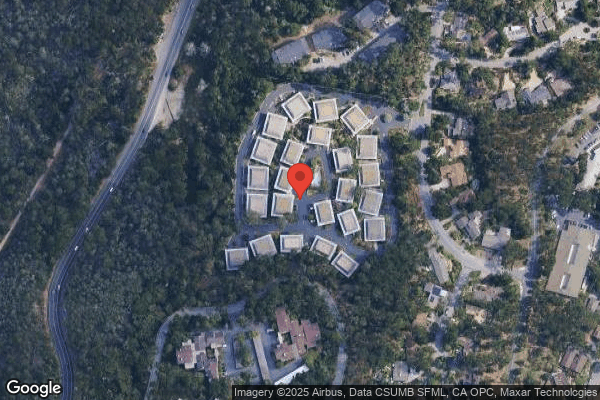
1575 SKYLINE DRIVE, MONTEREY, CA 93940 (831) 373-2731
For profit - Limited Liability company 78 Beds WINDSOR Data: November 2025
Trust Grade
55/100
#726 of 1155 in CA
Last Inspection: February 2025

Within standard 12-15 month inspection cycle. Federal law requires annual inspections.

Overview

Windsor Monterey Care Center has a Trust Grade of C, which means it is average, placing it in the middle of the pack among nursing homes. It ranks #726 out of 1155 facilities in California, indicating it is in the bottom half of the state, and #12 out of 14 in Monterey County, meaning only one local option is better. Unfortunately, the facility's trend is worsening, with the number of reported issues increasing from 7 in 2024 to 14 in 2025. Staffing is a concern, with a below-average rating of 2 out of 5 stars and a high turnover rate of 57%, which is significantly above the state average of 38%. There have been no fines on record, which is a positive sign, but the center has less RN coverage than 98% of California facilities, potentially impacting care quality. Specific incidents of concern include failures to maintain proper food safety standards, such as not ensuring an air gap in the kitchen sink and serving food at incorrect temperatures, which could pose health risks to residents. Overall, while there are some strengths like the absence of fines, the facility has notable weaknesses that families should consider.

Trust Score
C
55/100
In California
#726/1155
Bottom 38%
Safety Record
Low Risk
No red flags
Inspections
Getting Worse
7 → 14 violations
Staff Stability
⚠ Watch
57% turnover. Above average. Higher turnover means staff may not know residents' routines.
Penalties
✓ Good
No fines on record. Clean compliance history, better than most California facilities.
Skilled Nurses
⚠ Watch
Each resident gets only 10 minutes of Registered Nurse (RN) attention daily — below average for California. Fewer RN minutes means fewer trained eyes watching for problems.
Violations
⚠ Watch
59 deficiencies on record. Higher than average. Multiple issues found across inspections.
★★★☆☆
3.0
Overall Rating
★★☆☆☆
2.0
Staff Levels
★★★★☆
4.0
Care Quality
★★★☆☆
3.0
Inspection Score
Stable
2024: 7 issues
2025: 14 issues

The Good

  • 4-Star Quality Measures · Strong clinical quality outcomes
  • Full Sprinkler Coverage · Fire safety systems throughout facility
  • No fines on record

Facility shows strength in quality measures, fire safety.

The Bad

3-Star Overall Rating

Near California average (3.1)

Meets federal standards, typical of most facilities

Staff Turnover: 57%

11pts above California avg (46%)

Frequent staff changes - ask about care continuity

Chain: WINDSOR

Part of a multi-facility chain

Ask about local staffing decisions and management

Staff turnover is elevated (57%)

9 points above California average of 48%

The Ugly 59 deficiencies on record

Feb 2025 14 deficiencies
CONCERN (D)

Potential for Harm - no one hurt, but risky conditions existed

Deficiency F0583 (Tag F0583)

Could have caused harm · This affected 1 resident

**NOTE- TERMS IN BRACKETS HAVE BEEN EDITED TO PROTECT CONFIDENTIALITY** Based on observation, interview and record review, the facility failed to ensure privacy was maintained for one of 19 residents'...

Read full inspector narrative →
**NOTE- TERMS IN BRACKETS HAVE BEEN EDITED TO PROTECT CONFIDENTIALITY** Based on observation, interview and record review, the facility failed to ensure privacy was maintained for one of 19 residents' (Resident 6) clinical records, when registered nurse (RN) E's computer screen was left open and unattended in the resident room during medication pass. These failures had the potential to result in unauthorized access to a resident's health information. Findings During a medication administration observation on 2/10/25, at 4: 20 p.m., the med cart A containing an open laptop computer was left unattended in the hallway outside of a resident's room [ROOM NUMBER]. The laptop computer was on, and the screen displayed information about multiple residents, when RN E left to do handwashing at the nurse station after taking the blood sugar of the residents. During a concurrent observation and interview with RN E, on 2/10/25 at 4:34 p.m., RN E left the med cart A unattended while washing her hands at the nurse's station after giving the medication. RN E confirmed the laptop computer was on and the screen displayed residents' information. RN E further stated the laptop computer should be closed at all times and it was a privacy issue. A review of the title Health Insurance Portability and Accountability Act of 1996 (HIPPA), dated September 10, 2024, indicated, HIPAA Security Rule .To comply with the HIPPA Security Rule, all covered entities must ensure the confidentiality, integrity, and availability of all e-PHI. Detect and safeguards against anticipated threats to the security of the information. Protect against anticipated impermissible uses or disclosures that are not allowed by the rule.
CONCERN (D)

Potential for Harm - no one hurt, but risky conditions existed

Deficiency F0691 (Tag F0691)

Could have caused harm · This affected 1 resident

**NOTE- TERMS IN BRACKETS HAVE BEEN EDITED TO PROTECT CONFIDENTIALITY** Based on interview and record review, the facility failed to ensure one resident (Resident 32), who required a colostomy (a surg...

Read full inspector narrative →
**NOTE- TERMS IN BRACKETS HAVE BEEN EDITED TO PROTECT CONFIDENTIALITY** Based on interview and record review, the facility failed to ensure one resident (Resident 32), who required a colostomy (a surgical opening {stoma} that connects the digestive tract to the surface of the belly to allow for waste material and gas to leave the body), received the necessary care and treatments when the facility failed to get a physician order, and treatments for the care of Resident 32's colostomy. This failure had the potential to place Resident 32 at risk for complications such as infection, skin breakdown, and pain. Findings: Review of Resident 32's clinical record indicated he was admitted to the facility on [DATE] with diagnoses that included colostomy status and quadriplegia (partial or complete loss of motor and sensory function in all four limbs {arms and legs}). Review of Resident 32's care plan indicated Resident 32 was at risk for complications related to altered elimination due to the presence of a colostomy. The interventions identified in Resident 32's care plan indicated to provide colostomy care as ordered by the physician and to monitor the stoma site for any skin irritation and or signs and symptoms of infection Review of Resident 32's Physician Order Sheet, dated February 2025, did not indicate any physician orders for the care of Resident 32's colostomy. Review of Resident 32's treatment administration record (TAR), dated February 2025, found no documentation that indicated colostomy care was being performed. During an interview with the director of nursing (DON) on 2/11/25 at 12:15 p.m., she was asked to review Resident 32's physician orders and TAR. The DON confirmed there were no physician orders for colostomy care for Resident 32. The DON stated there should be physician orders for the care of Resident 32's colostomy. She further stated the licensed nurses should document on the TAR when colostomy care is performed, and monitoring of the stoma should be done by licensed nurses each shift. The DON confirmed there was no documentation the licensed nurses were monitoring Resident 32's colostomy. Review of the facility's policy Colostomy Care, revised October 2010, indicated The purpose of this procedure is to provide guidelines that will aid in preventing exposure of the resident's skin to fecal matter. The following should be recorded in the resident's medical record: 1) the date and time the colostomy care was provided. 2) Any breaks in the resident's skin, signs of infection or excoriation of the skin . 6) The signature and title of the person recording the data.
CONCERN (D)

Potential for Harm - no one hurt, but risky conditions existed

Respiratory Care (Tag F0695)

Could have caused harm · This affected 1 resident

Based on observation, interview, and record review, the facility failed to ensure to provide proper oxygen (a colorless, odorless gas) care and treatment services for two of 19 sampled residents (Resi...

Read full inspector narrative →
Based on observation, interview, and record review, the facility failed to ensure to provide proper oxygen (a colorless, odorless gas) care and treatment services for two of 19 sampled residents (Residents 25 and Resident 224) when: 1. Resident 25 had an oxygen concentrator (a portable device that provides oxygen) at the bedside, but there was no oxygen signage posted on the door. 2. Resident 224 had an oxygen concentrator at the bedside, but there was no oxygen signage posted on the door. This deficient practice had the potential for accidents and hazards that could pose harm to residents in the facility. Findings: 1. During an observation on 2/9/25, at 10:24 a.m., Resident 25 was lying in bed, asleep, with oxygen concentrator at the bedside, a nasal cannula (NC, device placed in the nostril used to deliver oxygen) inside a plastic bag not in use. There was no oxygen signage posted on Resident 25's door. Review of Resident 25's order summary report dated 10/18/24 indicated an order for Oxygen at 2 L/min via nasal cannula PRN (pro re nata, as needed) for low oxygen or SOB (shortness of breath) as needed for Low Oxygen. During a concurrent observation and interview on 2/9/25 at 10:30 a.m., Licensed Vocational Nurse (LVN) C confirmed there was no Oxygen in use/No smoking sign posted by Resident 25's door. During an interview with IP on 2/12/25 at 4:20 p.m., IP stated anybody who has an oxygen order, or prn, its need to have signage in the room. The infection Preventionist (IP) stated there should be a sign posted by the door. She further stated oxygen is highly flammable and it can be dangerous that can cause accident. 2. During an observation on 2/10/25 at 9:38 AM, Resident 224 was observed in his room sitting up in bed. Resident 224 is wearing a nasal cannula (NC, an oxygen delivery device that delivers oxygen through the nose) hooked up to an oxygen concentrator. Outside the door there is no visible signage that the resident uses oxygen. During an interview on 2/12/25 at 8:47 AM, LVN B said there should be a sign outside the room that says no smoking for someone who is on oxygen. During an interview with the assistant Director of Nursing (ADON) on 2/13/25 at 9:54 AM, the ADON stated there should be a sign outside the door for any resident that uses oxygen in the facility.
CONCERN (D)

Potential for Harm - no one hurt, but risky conditions existed

Deficiency F0698 (Tag F0698)

Could have caused harm · This affected 1 resident

**NOTE- TERMS IN BRACKETS HAVE BEEN EDITED TO PROTECT CONFIDENTIALITY** Based on observation, interview and record review, the facility failed to routinely assess the arteriovenous fistula (AV fistula...

Read full inspector narrative →
**NOTE- TERMS IN BRACKETS HAVE BEEN EDITED TO PROTECT CONFIDENTIALITY** Based on observation, interview and record review, the facility failed to routinely assess the arteriovenous fistula (AV fistula, a connection surgically made between an artery and a vein for dialysis access) for one resident (Resident 22) who received dialysis (a procedure in which a machine filters wastes and fluid from the blood). This failure had the potential to result in unidentified complications with Resident 22's AV fistula. FINDINGS: Review of Resident 22's clinical record indicated she was admitted on [DATE] and had diagnoses including end-stage renal disease (ESRD, a condition in which the kidneys no longer function normally to filter waste and excess water from the blood as urine), hypertension (increase in blood pressure), and presence of aortocoronary bypass graft (procedure to improve poor blood flow to the heart). Resident 22 was scheduled for dialysis treatment every Monday, Wednesday, and Friday. During an observation on 2/9/25 at 11:28 a.m., Resident 22 was sitting on the edge of her bed dressed in street clothes. She stated she goes to dialysis 3 times a week. She pulled up the sleeve on her blouse and revealed that she had an arteriovenous fistula (AVF, surgically created connection between an artery and vein to allow dialysis to occur) in her left forearm. Review of Resident 22's physician orders indicated there were no orders in place to assess and monitor Resident 22's AVF. There were no physician orders in Resident 22's clinical record to monitor dialysis access site for bruit (an audible vascular sound associated with turbulent blood flow) and thrill (vibration caused by blood flowing). There were no physician orders to assess the AVF for sign and symptoms of infection. During an interview and concurrent record review with the director of nursing on 2/13/25 at 12:55 a.m., she indicated nursing staff monitor Resident 22's AVF for bruit and thrill on Mondays, Wednesdays, and Fridays, before and after dialysis on the dialysis communication record. When asked if the nursing staff check for bruit and thrill on non-dialysis days, the DON stated there was no documentation that nursing staff checked bruit and thrill on Tuesdays, Thursdays, Saturdays, or Sundays for Resident 22's AVF. The DON stated nursing staff should check bruit and thrill and monitor for signs of infection every shift, every day to assess the AVF. The DON confirmed there were no physician orders in place to monitor Resident 22's dialysis access site for bruit and thrill or signs and symptoms of infection and stated there should be physician orders. Review of the facility' s policy Hemodialysis Catheters - Access and Care of , revised February 2023, indicated to Check for sign of infection (warmth, redness, tenderness or edema) at the access site when performing routine care and at regular intervals. The policy further indicated Check patency of the site at regular intervals. Palpate the site to feel the thrill or use a stethoscope to hear the whoosh or bruit of blood flow through the access.
CONCERN (D)

Potential for Harm - no one hurt, but risky conditions existed

Deficiency F0727 (Tag F0727)

Could have caused harm · This affected 1 resident

Based on interview and record review, the facility failed to ensure a registered nurse (RN) was on duty for 8 consecutive hours for 2 days during the months of October, and December of 2024. This fai...

Read full inspector narrative →
Based on interview and record review, the facility failed to ensure a registered nurse (RN) was on duty for 8 consecutive hours for 2 days during the months of October, and December of 2024. This failure had the potential to affect resident's care, health, and wellbeing. Findings: A review of the facility's document titled Nurse Schedule, dated October 2024, indicated no RN was scheduled or was on duty on 10/31/24. A review of the facility's document titled Nurse Schedule, dated December 2024, indicated, no RN was scheduled or was on duty on 12/18/24. During an interview with the administrator (ADM) on 2/12/24 at 12:30 p.m., he stated the facility was unable to provide evidence that an RN was on duty at the facility for the above dates in October and December of 2024. The ADM confirmed there was no RN on duty on 10/31/24 and 12/18/24 and added that the facility did not have any waiver in place for the reduced RN nursing hours. The ADM further stated the facility was aware of the requirement for a registered nurse to provide resident care, 8 hours a day in a 24 hour period, 7 days a week.
CONCERN (D)

Potential for Harm - no one hurt, but risky conditions existed

Pharmacy Services (Tag F0755)

Could have caused harm · This affected 1 resident

Based on observation, interview, and record review, the facility failed to ensure the controlled medications (drugs with high potential for abuse or addiction) were fully accounted for on the medicati...

Read full inspector narrative →
Based on observation, interview, and record review, the facility failed to ensure the controlled medications (drugs with high potential for abuse or addiction) were fully accounted for on the medication administration record (MAR) to indicate they were given for three out of six residents (Residents 4, 58, and 67) for these medications that were signed out of the Control Drug Record (CDR, an inventory sheet that keeps record of the usage of controlled medications). This failure had the potential for access to medications and supplies by unauthorized persons such as residents and visitors. Findings: 1. The Controlled Drug Records (CDRs) for six (6) random residents receiving PRN (meaning as needed) controlled medications were requested for review during the survey. a. A review of Resident 4's MAR indicated to give Hydromorphone (used to treat moderate to severe pain) Oral tablet 2 MG (milligram, unit of dose of measurement) by mouth every 8 hours as needed for pain with start date of 1/29/25. During a concurrent interview and record review with the ADON on 2/13/25 at 8:42 a.m., review of Resident 4's CDR for Hydromorphone HCL and the 1/2025 MAR reflected the nursing staff signed out of the CDR (meaning they removed the medication from the locked controlled medication compartment in the medication cart) but did not document the respective administration on the MAR on 1/29/25 at 10:00 a.m., The ADON verified this finding and acknowledged one (1) tablet of Hydromorphone HCL was not accounted for in the MAR. b. A review of Resident 58's MAR indicated to give Tramadol (a controlled medication for pain) HCL Oral Tablet 50 MG by mouth every 6 hours as needed for pain. During a concurrent interview and record review with the ADON on 2/13/25 at 8:42 a.m., review of Resident 58's CDR for Tramadol HCL and the 1/2025 and 2/2025 MAR reflected the nursing staff signed out of the CDR but did not document the respective administration on the MAR on 1/3/25 at 20:00 p.m.,1/5/25 at 20:00 p.m., and 2/2/25 at 20:00 p.m. The ADON verified this finding and acknowledged three (3) tramadol hcl tablet were not accounted in the MAR. c. Resident 67's had a physician's order, dated 11/25/24 for Oxycodone HCL Oral Tablet 5 MG, 2.5 tablet via PEG-Tube (a feeding tube inserted through the abdominal wall and into the stomach) every 8 hours as needed for moderate pain give before working with therapy. During a concurrent interview and record review with the ADON on 2/13/25 at 8:42 a.m., review of Resident 67's CDR for Oxycodone (used to treat moderate to severe pan ) HCl and the December 2024 MAR indicated the nursing staff signed out two tablets on 12/24/24 at 05:52 a.m., and 12/29/24 at 10:40 a.m., in the CDR but did not document the administration on the MAR. The ADON verified this finding and acknowledged two (2) tablets of Oxycodone HCL were not accounted for in the MAR. The ADON further stated it should be documented and signed off both on the CDR and MAR. A review of the facility's policy and procedures (P&P) titled Administering Medication revised dated April 2019, the P&P indicated: 22. The individual administering the medication initials the resident's MAR on the appropriate line after giving each medication .
CONCERN (D)

Potential for Harm - no one hurt, but risky conditions existed

Medication Errors (Tag F0758)

Could have caused harm · This affected 1 resident

**NOTE- TERMS IN BRACKETS HAVE BEEN EDITED TO PROTECT CONFIDENTIALITY** Based on interview and record review, the facility failed to monitor for side effects and target behaviors (behaviors intended t...

Read full inspector narrative →
**NOTE- TERMS IN BRACKETS HAVE BEEN EDITED TO PROTECT CONFIDENTIALITY** Based on interview and record review, the facility failed to monitor for side effects and target behaviors (behaviors intended to be changed or eliminated by medications) for one of five residents (Resident 69) who received psychotropic medications (medications that cause changes in mood, feelings or behavior). This failure had the potential to compromise the facility's ability to determine if the psychotropic medications were effective. This failure also put Resident 69 at risk for experiencing harmful effects from the medications. Findings: Review of Resident 69's clinical record indicated she was admitted to the facility on [DATE] with diagnoses that included Dementia (a decline in mental capacity affecting daily function) with behavior disturbance, Alzheimer's disease (a progressive mental deterioration due to generalized degeneration of the brain) and Schizophrenia (disorder that affects a person's ability to think, feel, and behave clearly). Review of Resident 69's medical record indicated she had a physician's order, dated 2/5/25, for Seroquel (medication used to regulate the mood, behaviors, and thoughts)) 25 milligrams (mg, unit of dose measurement) by mouth at bedtime. There was no documentation of side effects monitoring for the use of Seroquel. Review of Resident 69's medication administration record (MAR) indicated she had received Seroquel every day, starting on 1/28/25. Review of Resident 69's medical record indicated she had a physician's order, dated 11/19/24, for Bupropion HCL (medication used to treat major depressive disorder) 100 mg two times a day. There was no target behavior specified in the Bupropion HCL order and no documentation of side effects monitoring for the use of Bupropion HCL. Review of Resident 69's MAR indicated she had received Bupropion HCL every day, starting on 11/19/24. Review of Resident 69's medical record indicated she had a physician's order, dated 11/20/24, for Depakote Sprinkles 250 mg in the morning and 500 mg in the evening. There was no target behavior specified in the Depakote order and no documentation of side effects monitoring for the use of Depakote. Review of Resident 69's MAR indicated she had received Depakote every day, starting on 11/20/24. During an interview and concurrent record review with the director of nursing (DON) on 2/13/25 at 9:59 a.m., she reviewed Resident 69's medical record and confirmed there was no documentation of side effects monitoring for the use of Seroquel for Resident 69. The DON further confirmed there was no documentation of side effects monitoring or target behavior monitoring for the use of Bupropion and Depakote for Resident 69. The DON stated that for residents receiving psychotropic medications, nurses should monitor for side effects every shift and document this on the MAR or treatment administration record (TAR). The DON confirmed each psychotropic medication should have a specific target behavior. She stated the nurses should monitor for target behaviors every shift and document this on the MAR or TAR. The facility's policy titled Psychotropic Medication Use, dated June 2021, indicated All medication used to treat behaviors must have a clinical indication . should be monitored for a) Efficacy, b) Risks, c) Benefits, and d) Harm or adverse consequences. The policy further indicated Facility staff should monitor behavioral triggers, episodes, and symptoms. Facility staff should document the number and/or intensity of symptoms.
CONCERN (D)

Potential for Harm - no one hurt, but risky conditions existed

Unnecessary Medications (Tag F0759)

Could have caused harm · This affected 1 resident

Based on observation, interview, and record review, the facility had a medication error rate of 11.9% when five medication errors occurred out of 42 opportunities during the medication administration ...

Read full inspector narrative →
Based on observation, interview, and record review, the facility had a medication error rate of 11.9% when five medication errors occurred out of 42 opportunities during the medication administration observation for three of six residents (Residents 7, 63, and 75) when: 1. Resident 7 did not receive three medications, Amlodipine Besylate tablet, Acidophilus Xtra Oral Tablet, and Methenamine Hippurate Oral tablet as prescribed; 2. Resident 63 did not receive the medication Ferrous Gluconate as scheduled; 3. Resident 75 did not receive the medication ferrous sulfate as scheduled.; and 4. The nursing staff did not flush the resident's gastrostomy tube (G-tube; a tube surgically inserted through the abdomen into the stomach to administer nutrition and medications) as ordered by the physician during medication administration for Resident 67. The failures had the potential for the residents not receiving the full therapeutic effect of medications, and compromising the health of residents. Findings: 1. During a medication administration observation on 2/10/25 at 10: 47a.m., Licensed Vocational Nurse (LVN) F was observed preparing 11 medications for Resident 7. LVN F stated to Resident 7 that Acidophilus Xtra (used as a probiotic) Oral Tablet, Amlodipine Besylate (used to treat high blood pressure and chest pain) tablet and Methenamine Hippurate (used as preventive treatment for recurrent urinary tract infections) Oral tablet are not available. A review of Resident 7's medication administration record indicated to give Acidophilus Xtra Oral Tablet (Probiotic Product) 2 tablet by mouth one time a day for probiotic, with start date of 06/18/2023 at 09:00 am, Amlodipine Besylate Oral Table 5 mg (milligram , unit of dose measurement),with start date of 09/12/24 at 09:00 am, and Methenamine Hippurate Oral Tablet 1 GM (gram, unit of dose measurement) 1 tablet by mouth two times a day for recurrent UTIs (urinary tract infection, an infection of the urinary system which includes the kidneys, bladder , ureters, and urethra ), with start date of 12/13/2024. During an interview with LVN F on 2/10/25 at 12:23 p.m., LVN F confirmed that the medications Acidophilus Xtra Oral Tablet, Amlodipine Besylate tablet and Methenamine Hippurate Oral table was not administered at the scheduled time. 2. During a medication administration observation on 2/10/25 at 10:17 a.m., LVN F was observed preparing four medications for Resident 63. LVN F stated to Resident 63 that ferrous gluconate (an oral iron supplement used to treat or prevent iron deficiencies) was not available. A review of Resident 63's physician's order indicated to give Ferrous Gluconate oral tablet 325 (37.5) MG 1 tablet by mouth one time a day every other day for supplement, order dated 12/13/2014. During an interview with LVN F on 2/10/25 at 12:57 p.m., LVN F confirmed that the medication Ferrous Gluconate was not given. 3. During a medication administration observation on 2/10/25 at 10: 25 a.m., LVN F was observed preparing five medications for Resident 75. LVN F stated to Resident 75 that ferrous sulfate (type of iron that's used as a medicine to treat and prevent iron deficiency anemia) was not available. A review of Resident 75's medication administration record indicated to give Ferrous Sulfate Oral Tablet Delayed Release 324 (65 Fe) MG (Ferrous Sulfate) 1 tablet by mouth one time a day for supplement, with start date of 02/08/2025 at 09:00 am. During an interview with LVN F on 2/10/25 at 12:51 p.m., LVN F confirmed ferrous sulfate was not administered. A review of the facility's policy and procedure (P&P) titled Administering Medications, revised date April 2019, the P&P indicated Medications are administered in a safe and timely manner, and as prescribed. 5. Medications are administered in accordance with prescriber orders, including any required time. 4. During a medication administration observation on 2/10/2 at 9: 45 a.m., LVN F was observed preparing two medications (one powder packet and one capsule medications) for Resident 67. LVN F removed the powder in the capsule and individually poured in the medicine cup separately then brought the medications, along with an 8-ounce cup of water, to the resident's overbed table (a rolling table designed to provide a convenient surface for residents while in bed or a chair). LVN F was observed diluting the powdered medication with 5 milliliters (ml, a unit of measure) of water and prepared 1 cup of 30 ml water. On 2/10/25 at 9:50 a.m., LVN F was observed attaching the syringe to Resident 67's G-tube and flushed with 30 ml water, then poured the diluted powdered medication into the G-tube. LVN F then flushed the G-Tube with 15 ml of water. LVN F administered the second diluted medication. LVN F flushed the G- tube with 15 ml of the remaining water. During an interview post medication administration, on 2/10/25 at 12:59 p.m., LVN F acknowledged she should have flushed the tubing with 30 ml of water after the last medication. A review of Resident 67's physician orders indicated to flush tube with 30 ml of water before and after medication administration every shift and enteral feed: Flush tube with 5 ml of water in between each medication every shift between medication. A review of the facility's policy and procedure (P&P) titled Administering Medications through an Enteral Tube, revised date November 2018, the P&P indicated, Step in procedure :13. If administering more than one medication, flush with 15 ml warm purified water (or prescribed amount) between medications. 14. When the last of the medication begin to drain from the tubing with 15 ml of warm purified water (or prescribed amount). The physician's order and the facility policy does not concur.
CONCERN (D)

Potential for Harm - no one hurt, but risky conditions existed

Deficiency F0761 (Tag F0761)

Could have caused harm · This affected 1 resident

**NOTE- TERMS IN BRACKETS HAVE BEEN EDITED TO PROTECT CONFIDENTIALITY** Based on observation, interview, and record review, the facility failed to ensure proper labeling and storage of medications acc...

Read full inspector narrative →
**NOTE- TERMS IN BRACKETS HAVE BEEN EDITED TO PROTECT CONFIDENTIALITY** Based on observation, interview, and record review, the facility failed to ensure proper labeling and storage of medications according to the facility's policy and procedures (P&P) and/or manufacturer's specifications when: 1. One insulin vial with no vial flip -off cap (type of closure used for packing and sealing pharmaceutical products) was found with no open date in the medication refrigerator; 2. One insulin pen expired in the medication cart; 3. Medications were not properly labeled and stored in two of three inspected medication carts; a. Seven insulin pens had no open dates; b. Five Artificial Tears eye drop were unlabeled; c. One bottle of Brimonidine 0.2% Eye drops had no open date; d. One Albuterol Sulfate HFA Inhalation Aerosol had no label and identifier; 4. No temperature monitoring for two days in [DATE] for the medication refrigerator; 5. Medication Cart C was left unlocked; 6. One open bottle of mucus relief DM tablet had no open date in the medication storage room. These deficient practices had the potential for residents to receive medications with reduced potency and had the potential to result in medication errors. Findings: 1. During an inspection of medication storage room and concurrent interview with Assistant Director of Nursing (ADON) on [DATE] at 1:20 p.m., there was one vial of insulin lispro (a rapid acting insulin used to lower blood glucose) stored in the medication refrigerator with no open date and no vial flip-off cap. ADON confirmed the above observation and stated it should have a cap and open date once it's opened. A review of the facility's policy and procedure (P&P) titled Administering Medications, revised date [DATE], the P&P indicated, Medications are administered in a safe and timely manner, and as prescribed. 12. The expiration /beyond use date on the medication label is checked prior to administering. When opening a multi dose container the date opened is recorded on the container. 2. During a concurrent medication cart B inspection and interview with Licensed Vocational Nurse (LVN) B on [DATE] at 11:28 a.m., one insulin Lispro pen was identified without any patient specific labeling, and it had an open date in the insulin pen dated [DATE]. The plastic bag had residents name, open date of [DATE] and handwritten expiry date of [DATE]. LVN B confirmed no label or identifier of the resident in the insulin pen itself and it was already expired. A review of the facility's policy and procedure (P&P) titled Administering Medications, revised date [DATE], the P&P indicated, Medications are administered in a safe and timely manner, and as prescribed. 17. Insulin pens are clearly labeled with the resident's name or other identifying information. Prior to administering insulin with an insulin pen, the Nurse verifies that the correct pen is used for that resident. 3a. During a concurrent medication cart C inspection and interview with LVN G on [DATE] at 10:01 a.m., there were three insulin pens inside the medication cart C without open dates: 3a1. Lantus (long-acting insulin used to manage blood sugar levels in adults and children), 3a2. Basaglar Kwik pen (a long-acting insulin used to control high blood sugar, and 3a3. Humalog (fast acting insulin). LVN G confirmed no open dates were on the insulin pens, and further stated the plastic bag can be lost and not knowing the date when the pens were opened was not per policy. During a concurrent medication cart B inspection and interview with LVN B on [DATE] at 11:03 a.m., four Lantus insulin pens had no open dates written on the label of the insulin pens. LVN B confirmed the observation. During an interview with the Pharmacy Consultant (PC)on [DATE] at 9:59 a.m., the PC stated the open date should be written on the insulin pen to know the date it was opened. She further stated she informed the facility on that practice. 3b. During a concurrent medication cart C inspection and interview with LVN G on [DATE] at 10:28 a.m., two over the counter (OTC)bottles of Artificial Tears (for eye lubrication) were identified in the medication cart B with no resident's name and no open date. LVN G verified the findings and further stated the medication should have a name on the bottles. During a concurrent medication cart B inspection and interview with LVN B on [DATE] at 11:03 a.m., three over the counter (OTC) bottles of Artificial Tears were identified in the medication cart B with no resident's name and open date. LVN B verified the findings further stated the medication should have an identifier in the medications. 3c. During a concurrent medication cart C inspection with LVN G on [DATE] at 10:32 a.m., one bottle of Brimonidine 0.2% Eye drop (used to lower pressure in the eyes in patient who have glaucoma [high pressure in the eyes that damage nerves and cause vision loss] had no open date. LVN G confirmed the medication had no open date. During an interview with the PC on [DATE] at 10:01 a.m., the PC stated that eye drop even artificial tears should have a name in the bottle. A review of the facility's policy and procedure (P&P) titled Medication Labels, undated, the P&P indicated Medications are labeled in accordance with facility requirements and state and federal laws. Only the dispensing pharmacy can modify or change prescription labels. 3d. During a concurrent medication cart B inspection and interview with LVN B on [DATE] at 11:19 a.m., one bottle of Albuterol Sulfate HFA Inhalation Aerosol (used to prevent and treat wheezing and shortness of breath caused by breathing problems) 90 mcg (microgram, metric unit of mass equal to one millionth of a gram) drop, had no resident identifier on the medication container. LVN B confirmed the medication had no resident's identifier. A review of the facility's policy and procedure (P&P) titled Medication Labels, undated, the P&P indicated Medications are labeled in accordance with facility requirements and state and federal laws. Only the dispensing pharmacy can modify or change prescription labels. A. Labels are permanently affixed to the outside of the prescription . the label may be affixed to an outside container or carton, but the resident 's name at least, must be maintained directly on the actual product container. 4. During a concurrent interview and record review with ADON on [DATE] at 1:11 p.m., the [DATE] medication storage temperature log was incomplete and not consistently monitored. There was no temperature taken on [DATE], and [DATE]. ADON confirmed the temperature log was blank on the specified dates. A review of the facility's policy and procedures (P&P) titled, Storage of Medications, dated [DATE], the P&P indicated, Medication storage conditions are monitored on a routine basis and corrective action taken . 5. During a medication administration observation on [DATE], at 4: 20 p.m. and 4:34 p.m., the medication cart A was left unlock in the hallway outside of resident 25's room. Registered Nurse (RN) E confirmed the medication cart A was left unlocked and stated it should always be locked at all times. A review of the facility's policy and procedures (P&P) titled Administering Medications, revised date [DATE], the P&P indicated, Medication are administered in a safe and timely manner, and as prescribed. 19. During administration of medications, the medication cart is kept closed and locked when out of sight off the medication nurse or aide .the cart must be clearly visible to the personnel administering medications, and all outward sides must be inaccessible to residents or other passing by. 6. During an inspection of medication storage with ADON on [DATE] at 1:11 p.m., one opened bottle of Dextromethorphan HBr (used to temporarily relive cough caused by the common cold, flu, or other conditions) 20 mg (milligram, unit of mass) Guaifenesin (used as expectorant medication that thins mucus) 400 mg was found with no open date. ADON confirmed the medication had no open. A review of the facility's policy and procedures (P&P) titled Medication Label, undated, the P&P indicated: Medications are labeled in accordance with facility requirements and state and federal laws. Only the dispensing pharmacy can modify or change prescription labels.
CONCERN (D)

Potential for Harm - no one hurt, but risky conditions existed

Infection Control (Tag F0880)

Could have caused harm · This affected 1 resident

Based on observation, interview, and record review, the facility failed to follow their infection prevention and control policy and procedures when an uncovered nebulizer (a machine that turns liquid ...

Read full inspector narrative →
Based on observation, interview, and record review, the facility failed to follow their infection prevention and control policy and procedures when an uncovered nebulizer (a machine that turns liquid medicine into mist that is inhaled into the lungs) mouthpiece was found on Resident 30's bedside table. This failure had the potential for the resident to acquire an infection. Findings: During an observation on 2/9/25 at 9:34 a.m., an exposed nebulizer mouthpiece was found on Resident 30's bedside table. During a concurrent observation and interview with Licensed Vocational Nurse (LVN) D on 2/9/25 at 9: 41 a.m., LVN D confirmed the mouthpiece was exposed. LVN D stated it should be cleaned, washed, dried, and then placed inside the plastic bag because of infection control. During an interview with Infection Preventionist on 2/12/25 at 4:22 p.m., IP stated the nebulizer mouthpiece should be placed in a plastic bag and not left exposed. A review of the facility's policy and procedure (P&P) titled, Infection Prevention and Control Program, dated 09/18/2023, the P&P indicated An infection prevention control program (IPCP) is established and maintained to provide a safe, sanitary and comfortable environment to help prevent the development and transmission of communicable diseases and infection.
CONCERN (D)

Potential for Harm - no one hurt, but risky conditions existed

Safe Environment (Tag F0921)

Could have caused harm · This affected 1 resident

**NOTE- TERMS IN BRACKETS HAVE BEEN EDITED TO PROTECT CONFIDENTIALITY** Based on observation, interview, and record review, the facility failed to ensure residents' environment was maintained safe and...

Read full inspector narrative →
**NOTE- TERMS IN BRACKETS HAVE BEEN EDITED TO PROTECT CONFIDENTIALITY** Based on observation, interview, and record review, the facility failed to ensure residents' environment was maintained safe and sanitary when Resident 17's bedside table was damaged. This failure had the potential for injury, decreased self-esteem and the potential to affect Resident 17's psychosocial well-being. Findings: Review of Resident 17's clinical record indicated he was admitted to the facility on [DATE] with diagnoses that included Parkinsonism (a group of symptoms that affect movement, including slowness, stiffness, and shakiness), contracture left hand (shortening and hardening of muscles, tendons, and other tissue, often leading to deformity and rigidity of joints), epilepsy (nerve cell activity is disturbed in the brain causing seizures), major depressive disorder (mental health condition showing persistent low mood and loss of interest that significantly interfere with daily life), hemiplegia and hemiparesis of left side (partial or total paralysis), anxiety disorder (feeling of worry, anxiety or fear strong enough to interfere with daily activities), and visual field defects (loss of part of the usual field of vision). Review of Resident 17's minimum data set (MDS, an assessment tool) dated 12/27/24 indicated his cognition was intact. During an observation on 2/10/25 at 10:18 a.m., Resident 17's bedside table was positioned in front of him while he was lying upright in the bed. The bedside table surface material was not intact. The bedside table was cracked and multiple areas on the table had brownish material exposed beneath the original surface of the table. The plastic material that contours the edges of the tray table was broken and sharp plastic edges were exposed. Resident 17 was asked about his bedside tray table, and he responded It's ugly, not smooth at all. Looks bad to me. During an observation and interview with the Director of Nursing (DON) on 2/10/25 at 10:45 a.m., she went to Resident 17's room and viewed his bedside tray table. The DON stated It's not good. It needs to be replaced.
CONCERN (E)

Potential for Harm - no one hurt, but risky conditions existed

Deficiency F0804 (Tag F0804)

Could have caused harm · This affected multiple residents

Based on observation, interview and record review, the facility failed to serve food at an appetizing temperature for one item out of seven food items that were served during the lunch meal. This fail...

Read full inspector narrative →
Based on observation, interview and record review, the facility failed to serve food at an appetizing temperature for one item out of seven food items that were served during the lunch meal. This failure had the potential for causing food-borne illness due to the food item not being at the correct temperature. Findings: During an observation on 2/10/25 at 11:45 AM, the morning cook (MC) took the temperature of a tray of fried chicken, and got a reading of 168 degrees Fahrenheit with his thermometer. Comparing it to a second thermometer used by the surveyor, the surveyor's thermometer read 152 degrees Fahrenheit. During an interview with MC on 2/10/25 at 12:25 AM, the MC said the temperature of chicken should be 165 degrees. During an interview with both the dietary manager (DM) and the visiting registered dietician (VRD) on 2/10/25 at 1:10 PM, both the DM and VRD said chicken should be at 165 degrees. Review of facility policy titled Food Preparation and Service, date unknown, indicated .The following internal cooking temperatures/times for specific foods are reached to kill or sufficiently inactivate pathogenic microorganism: 165 F -Poultry .
CONCERN (E)

Potential for Harm - no one hurt, but risky conditions existed

Food Safety (Tag F0812)

Could have caused harm · This affected multiple residents

Based on observation, interview and record review, the facility failed to follow proper sanitation and food handling practices when multiple food items did not have a opened on or use by date even aft...

Read full inspector narrative →
Based on observation, interview and record review, the facility failed to follow proper sanitation and food handling practices when multiple food items did not have a opened on or use by date even after opening the item. This failure had the potential to spread food-borne illnesses to residents in the facility. Findings: During an observation on 2/9/25 at 9:18 AM, multiple food items were noted in the refrigerator with a date that say R 2-2-25, or R 1-28-25 but with no other dates. One carton of soy milk was noted to be half full, and the cap is open, but there is no date on it. One packet of parmesan cheese had no date written on the package. One container with grated cheese had a date 1-28-25 but no indication if it was received on that date or if the cheese was supposed to be used by that date. During an interview with the dietary manager (DM) on 2/9/25 at 9:48 AM, the DM said all food items should have a received date as well as an opened on date. The DM also said there is a guide that is posted on the refrigerator to know when to discard items. For dairy products, the DM said those foods should be discarded one week after opening. Review of facility policy titled Food Receiving and Storage indicated .All foods stored in the refrigerator are covered, labeled, and dated .Refrigerated foods are labeled, dated .
CONCERN (E)

Potential for Harm - no one hurt, but risky conditions existed

Room Equipment (Tag F0908)

Could have caused harm · This affected multiple residents

Based on observation, interview, and record review, the facility failed to ensure equipment was in good repair by ensuring the water temperature for the dishwasher consistently reached 120 degrees Fah...

Read full inspector narrative →
Based on observation, interview, and record review, the facility failed to ensure equipment was in good repair by ensuring the water temperature for the dishwasher consistently reached 120 degrees Fahrenheit for both the wash cycle and rinse cycle. This failure had the potential to cause or spread food-borne illnesses to the residents. Findings: During an observation on 2/09/25 at 9:38 AM, dietary aide A (DA A) was observed running the dishwasher for one complete run. During the run, the water temperature got to 110 degrees Fahrenheit for the wash cycle, and during the rinse cycle the water temperature got to 124 degrees Fahrenheit. During an observation on 2/10/25 at 11:15 AM, the dietary manager (DM) was observed running the dishwasher cycle for two complete runs. During the first run, the wash cycle temperature was 95 degrees while the rinse cycle temperature was 131 degrees. During the second run, the wash cycle temperature was 108, while the rinse cycle temperature was 144 degrees. During the third run, the was cycle was 120 degrees, while the rinse cycle temperature was 156 degrees. During an interview with the DM on 2/9/25 at 9:48 AM, the DM said The dishwasher is a low temperature, it should get no higher than 130 degrees. During a follow up interview with the DM on 2/10/25 at 11:15 AM, the DM said she wants to see the temperature at 120 degrees for both the wash and rinse cycle. During an interview with the regional registered dietician (RRD), the RRD said she the staff will need to run the dishwasher three times to get the wash cycle temperature to 120 degrees. Review of manufacturer document titled Ecolab ELT Dishmachine indicated under section ELT Specifications .Operating Temperatures Wash (minimum) 120 degrees. Review of facility policy titled Dishwashing Machine Use indicated .The operator will check temperatures using the machine gauge with each dishwashing machine cycle, and will record the results in a facility approved log. The operator will monitor the gauge frequently during dishwashing machine cycle. Inadequate temperatures will be reported to the supervisor and corrected immediately.
Oct 2024 1 deficiency
CONCERN (D) 📢 Someone Reported This

A family member, employee, or ombudsman was alarmed enough to file a formal complaint

Potential for Harm - no one hurt, but risky conditions existed

Deficiency F0804 (Tag F0804)

Could have caused harm · This affected 1 resident

Based on observation, interview, and record review, the facility failed to ensure food was palatable when brown rice was served undercooked for 18 Residents. This failure had the potential to harm the...

Read full inspector narrative →
Based on observation, interview, and record review, the facility failed to ensure food was palatable when brown rice was served undercooked for 18 Residents. This failure had the potential to harm the digestive tract (pathway for food to travel to the body) of residents and cause further health issues. Findings: During an interview with Resident 1 on 10/4/24 at 11:05 a.m., Resident 1 stated I don ' t like the food here. It ' s horrible. A lunch test tray conducted on 10/4/24 at 12:42 p.m. with Certified Dietary Manager (CDM). A regular diet tray was tested for temperature and palatability. The test tray plate included fish, brown rice, and beans. CDM agreed the brown rice was undercooked, and the texture was rough. CDM stated she usually tasted food prior to serving but today, she did not. During a concurrent observation and interview with Resident 2 on 10/4/24 at 12:53 p.m., Resident 2 was sitting on the bed with her lunch tray on the bedside table. Resident 2 ' s lunch tray consisted of string beans, brown rice and chicken with white sauce on top. Resident 2 stated the chicken was tough and rice was not fully cooked. During an interview with Dietary [NAME] (DC) on 10/4/24 at 1:11 p.m., DC stated brown rice was cooked for one hour. DC stated he tasted it prior to serving. During a concurrent interview and record review with CDM on 10/4/24 at 2:11 p.m., CDM verified the [NAME] recipe provided by the facility indicated, .bake at 350F for 30 minutes in a conventional oven or 25 minutes in a convection oven . CDM stated it took one hour to cook the brown rice because they did not use convection oven. CDM stated there is no recipe available for cooking the brown rice for one hour. CDM also stated she oversees checking the breakfast tray and the Registered Dietician (RD) is in charge of checking the lunch tray. During an interview with RD on 10/4/24 at 2:16 p.m., RD stated that the CDM tastes the food and not the RD. RD also stated the DC must taste the food before serving to the residents. RD stated he checked the tray accuracy for lunch and dinner. A review of facility provided document entitled, Cook/Kitchen Staff, the document indicated, Duties and Responsibilities .Food Service Functions .Prepare and serve meals that are palatable and appetizing in appearance. Policy for following menus was requested but was not provided.
Sept 2024 2 deficiencies
CONCERN (D) 📢 Someone Reported This

A family member, employee, or ombudsman was alarmed enough to file a formal complaint

Potential for Harm - no one hurt, but risky conditions existed

Quality of Care (Tag F0684)

Could have caused harm · This affected 1 resident

**NOTE- TERMS IN BRACKETS HAVE BEEN EDITED TO PROTECT CONFIDENTIALITY** Based on interview and record review, the facility failed to provide care and services in accordance with professional standards...

Read full inspector narrative →
**NOTE- TERMS IN BRACKETS HAVE BEEN EDITED TO PROTECT CONFIDENTIALITY** Based on interview and record review, the facility failed to provide care and services in accordance with professional standards of practice for one of four sampled residents (Resident 1) when: 1. There were multiple days for which there was no documentation of treatment to Resident 1's right heel wound; and 2. There were multiple Weekly Summary Documentations (resident assessments done on a weekly basis) that were not accurately completed. Failure to provide treatments had the potential to result in worsening of Resident 1's right heel wound. Failure to accurately assess had the potential to compromise the facility's ability to plan care and provide interventions. Findings: 1. Review of Resident 1's medical record indicated he was admitted on [DATE] and had diagnoses including diabetes (disorder characterized by difficulty in blood sugar control and poor wound healing). Review of Resident 1's Change in Condition Evaluation, dated 5/7/24, indicated he had a deep tissue injury (DTI, pressure-related injury to the skin and underlying tissue) on the right heel. Further review of Resident 1's medical record indicated this right heel wound was later classified as a diabetic foot ulcer (a wound that occurs in diabetics due to lack of sensation and decreased blood flow). Review of Resident 1's IDT (interdisciplinary team) Wound document, dated 5/23/24, indicated Resident 1's right heel wound healed. Review of Resident 1's IDT Wound document, dated 6/6/24, indicated Resident 1 had a reoccurrence of his previously resolved right heel wound. The IDT Wound document further indicated a current treatment of, Betadine paint [a medication applied to a wound to prevent infection and promote healing] and cover with gauze. Further review of Resident 1's medical record indicated there was no documentation that the facility treated Resident 1's right heel wound until 6/11/24 (five days after the reoccurrence of the wound). During an interview and concurrent record review with licensed nurse A (LN A) on 9/30/24, at 10:27 a.m., LN A reviewed Resident 1's medical record and confirmed the documentation indicated a reoccurrence of Resident 1's right heel wound on 6/6/24. LN A confirmed that from 6/6/24 to 6/10/24, there was no documentation that indicated the facility provided treatment to Resident 1's right heel wound. The facility's policy titled Skin Integrity Management, dated 5/26/21, indicated to implement wound care treatments as indicated. 2. Review of Resident 1's IDT Wound document, dated 6/6/24, indicated Resident 1 had a reoccurrence of his previously resolved right heel wound. Review of Resident 1's treatment administration record (TAR) indicated the facility provided treatments to Resident 1's right heel wound from 6/11/24 to 8/11/24. Resident 1's Weekly Summary Documentations were reviewed. Section P-1 of the document was designated to indicate whether or not the resident had skin issues. On 6/7/24, 6/14/24, 6/20/24, 6/28/34, 7/25/24, 8/2/24, and 8/5/24, the person who completed the Weekly Summary Documentation selected No for section P-1, indicating Resident 1 did not have skin issues. During an interview and concurrent record review with LN A on 9/30/24, at 10:27 a.m., LN A reviewed Resident 1's medical record and confirmed the Weekly Summary Documentations for the above dates did not accurately reflect Resident 1's skin condition. The facility's policy titled Guidelines for Charting and Documentation, revised 6/2021, indicated documentation should be concise, accurate, and complete.
CONCERN (D) 📢 Someone Reported This

A family member, employee, or ombudsman was alarmed enough to file a formal complaint

Potential for Harm - no one hurt, but risky conditions existed

Pharmacy Services (Tag F0755)

Could have caused harm · This affected 1 resident

**NOTE- TERMS IN BRACKETS HAVE BEEN EDITED TO PROTECT CONFIDENTIALITY** Based on interview and record review, the facility failed to ensure one of four sampled residents (Resident 2) received a medica...

Read full inspector narrative →
**NOTE- TERMS IN BRACKETS HAVE BEEN EDITED TO PROTECT CONFIDENTIALITY** Based on interview and record review, the facility failed to ensure one of four sampled residents (Resident 2) received a medication as ordered. This failure had the potential to compromise the resident's health and well-being. Findings: Review of Resident 2's medical record indicated she was admitted on [DATE] and had diagnoses including dislocation of the left hip and fractures of the neck, forearm, spine, pelvis, and tibia (large bone in the lower leg). Review of Resident 2's Order Summary Report indicated she had a physician's order, dated 12/7/23, for Enoxaparin Sodium Injection Solution Prefilled Syringe (medication used to prevent blood clots) 40 milligrams per 0.4 milliliters (mg/ml, unit of dose measurement) inject 1 syringe subcutaneously (beneath the skin) every 12 hours to prevent deep vein thrombosis (DVT, a blood clot in a deep vein, usually in the legs). Review of Resident 2's medication administration record (MAR), dated 12/2023 and 1/2024, indicated she was scheduled to receive the above Enoxaparin Sodium Injection every day at 9:00 a.m. and 9:00 p.m. Further review of the MAR indicated this medication was not documented as administered on the following dates and times: 12/13/23 at 9:00 a.m., 12/17/23 at 9:00 a.m. and 9:00 p.m., 12/18/23 at 9:00 p.m., 12/19/23 at 9:00 a.m., 12/25/23 at 9:00 a.m. and 9:00 p.m., 12/31/23 at 9:00 a.m., 1/4/24 at 9:00 a.m., and 1/5/24 at 9:00 a.m. Resident 2's Progress Notes were reviewed. The documentation indicated for the above dates and times, Resident 2's Enoxaparin Sodium Injections were pending delivery from the pharmacy. During an interview and concurrent record review with licensed nurse A (LN A) on 9/30/24, at 2:31 p.m., LN A reviewed Resident 2's medical record and confirmed the Enoxaparin Sodium Injections were not documented as administered on the above dates and times. LN A confirmed Resident 2 did not receive the medication because it had not been delivered from the pharmacy. LN A acknowledged that either the nurses did not order the medication refills on time, or the pharmacy did not deliver the refills on time. The facility's policy titled Medication Administration Schedule, revised 11/2020 indicated, Medications are administered according to established schedules. The facility's policy titled Pharmacy Services, revised 4/2019, indicated the facility shall accurately obtain and provide routine medications. The policy further indicated, Residents have sufficient supply of their prescription medications and receive medications (routine, emergency or as needed) in a timely manner.
Sept 2024 1 deficiency
CONCERN (D) 📢 Someone Reported This

A family member, employee, or ombudsman was alarmed enough to file a formal complaint

Potential for Harm - no one hurt, but risky conditions existed

Accident Prevention (Tag F0689)

Could have caused harm · This affected 1 resident

Based on interview and record review, the facility failed to ensure the safety of one of two residents (Resident 1) when the Certified Nursing Assistant A (CNA A) did not provide appropriate physical ...

Read full inspector narrative →
Based on interview and record review, the facility failed to ensure the safety of one of two residents (Resident 1) when the Certified Nursing Assistant A (CNA A) did not provide appropriate physical assistance/support in accordance with Resident 1's needs and did not make sure the shower chair was close enough to Resident 1 during transfer from bed to shower chair. This failure put Resident 1's safety at risk. Findings: Review of Resident 1's medical record indicated diagnoses that included hemiplegia (paralysis of one side of the body) and hemiparesis (weakness of one side of the body), abnormal gait and mobility, and muscle weakness. Review of Resident 1's Fall Risk Assessment (FRA, an assessment to determine the likelihood of falling) dated 9/26/23 indicated he was unable to independently come to a standing position and had a score of 20 (a score of 20 means high risk for fall). Review of Resident 1's Minimum Data Set (MDS, a federally mandated resident assessment tool) dated 6/20/24 indicated he had impairment on one side of upper and lower extremities. He needed partial/moderate assistance (Helper does less than half the effort. Helper lifts, holds, or supports trunk or limbs, but provides less than half the effort) during chair/bed-to-chair transfer. He used manual wheelchair for locomotion (to move from one place to another). Review of the Weekly Nursing Notes Summary for Resident 1 dated 8/3/24 indicated he needed limited assistance with one-person during transfer. Review Resident 1's medical record dated 8/7/24 indicated he had a witnessed fall during transfer from bed to shower chair. During an interview with the CNA A on 9/11/24 at 1:24 p.m., he stated on 8/7/24 between 7:00 a.m. to 8:00 p.m., he placed his hand resting on top of Resident 1's shoulder when Resident 1 was about to transfer from bed to shower chair. The CNA A stated he did not put any of his hands under Resident 1's upper arm for support. The CNA A further stated the front of the shower chair was far from Resident 1's buttocks when Resident 1 sat down in the shower chair which caused the shower chair to be kicked out backward and Resident 1 fell on the floor. The CNA stated the incident of fall happened so fast. The CNA notified the Charge Nurse and assessed Resident 1. During an interview with CNA B on 9/23/24 at 10:52 a.m., she stated for resident that required one-person assistance with transfer from bed to shower chair, she always used gait belt. CNA B further stated she made sure shower chair is situated close to the resident to ensure safety transfer. During an interview with Licensed Vocational Nurse C (LVN C) on 9/23/24 at 11:00 a.m., she stated for resident that required one-person assistance with transfer from bed to shower chair, the staff needs to provide support by putting the hand under the resident's armpit or utilize holding resident's waist to ensure resident's safety. LVN C further stated the shower chair should be placed close enough to the resident to ensure safe transfer from bed to shower chair. During an interview with the Director of Staff Development (DSD) on 9/23/24 at 11:08 a.m., she acknowledged CNA A should have supported Resident 1 by placing his hand under Resident 1's armpit and should have made sure the shower chair is placed close enough for Resident 1 to sit during transfer to ensure Resident 1's safety. Review facility's revised policy and procedures dated 10/2020 titled Certified Nursing Assistant: Personal Nursing Care Function indicated, Assist residents in accordance to their needs ranging from minimal assistance to total dependence care on activity of daily living (ADLs). Review facility's revised policy and procedures dated 7/2017 titled Safe Lifting and Movements of Residents indicated, Staff responsible for direct care will be trained in the use of manual (gait/transfer belts, lateral boards) and mechanical lifting devices.
Aug 2024 1 deficiency
CONCERN (D) 📢 Someone Reported This

A family member, employee, or ombudsman was alarmed enough to file a formal complaint

Potential for Harm - no one hurt, but risky conditions existed

Quality of Care (Tag F0684)

Could have caused harm · This affected 1 resident

Based on interview and record review the facility failed to ensure a physician's decision to administer an antibiotic eye drop was ordered and carried out for one of two sampled residents (Resident 1)...

Read full inspector narrative →
Based on interview and record review the facility failed to ensure a physician's decision to administer an antibiotic eye drop was ordered and carried out for one of two sampled residents (Resident 1). This failure had the potential to cause health complications to Resident 1. Findings: Review of Resident 1's Physician A's progress notes, dated 7/21/24 at 12 noon, indicated the patient complains of right upper lid swelling, and in the morning he has discharge. Impressions/plans: Right eye Blepharitis (inflammation, scaling, reddening and crusting of the eyelid). Order Cipro Opthalmic Gtt (drops). Review of Resident 1's record lacked documentation indicating the antibiotic was ordered and given. During an interview on 8/14/24 at 3:55 p.m., Physician A stated Resident 1's eye lid was inflamed and because the resident reported eye discharge he would have ordered an antibiotic. During an intervew on 8/14/24 at 4:25 p.m., the assistant director of nurses (ADON) who reviewed the record stated she did not find a physician's order for the eye antibiotic. Based on interview and record review the facility failed to ensure a physician's decision to administer an antibiotic eye drop was ordered and carried out for one of two sampled residents (Resident 1). This failure had the potential to cause health complications to Resident 1. Findings: Review of Resident 1's Physician A's progress notes, dated 7/21/24 at 12 noon, indicated the patient complains of right upper lid swelling, and in the morning he has discharge. Impressions/plans: Right eye Blepharitis (inflammation, scaling, reddening and crusting of the eyelid). Order Cipro Opthalmic Gtt (drops). Review of Resident 1's record lacked documentation indicating the antibiotic was ordered and given. During an interview on 8/14/24 at 3:55 p.m., Physician A stated Resident 1's eye lid was inflamed and because the resident reported eye discharge he would have ordered an antibiotic. During an intervew on 8/14/24 at 4:25 p.m., the assistant director of nurses (ADON) who reviewed the record stated she did not find a physician's order for the eye antibiotic.
May 2024 1 deficiency
CONCERN (D) 📢 Someone Reported This

A family member, employee, or ombudsman was alarmed enough to file a formal complaint

Potential for Harm - no one hurt, but risky conditions existed

Report Alleged Abuse (Tag F0609)

Could have caused harm · This affected 1 resident

**NOTE- TERMS IN BRACKETS HAVE BEEN EDITED TO PROTECT CONFIDENTIALITY** Based on interview and record review, the facility failed to ensure one allegation of abuse was reported to the California Depar...

Read full inspector narrative →
**NOTE- TERMS IN BRACKETS HAVE BEEN EDITED TO PROTECT CONFIDENTIALITY** Based on interview and record review, the facility failed to ensure one allegation of abuse was reported to the California Department of Public Health (CDPH) within 24 hours for one sampled resident (Resident 1) when Resident 1 filed a grievance of an allegation of abuse on 1/27/24 but the facility did not report to CDPH until 2/2/24. This failure resulted in the delay of the abuse allegation investigation and had the potential to result in further abuse. Review of Resident 1's Face Sheet (document that contains a summary of personal and demographic information), indicated Resident 1 was admitted to the facility on [DATE] with a primary diagnosis of fracture (break in bone) of neck, unspecified, subsequent encounter. Face Sheet further indicated Resident 1 was self-responsible. Review of Resident 1's Discharge Summary from an acute care hospital, dated 1/26/24, indicated Resident 1 suffered a head on collision in a motor vehicle accident (MVA), she had chronic pain and required high doses of opiates (a substance used to treat pain). Review of Resident 1's Minimum Data Set (MDS, as assessment tool), dated 12/6/23, indicated Resident 1 had no cognitive impairment. Review of a Resident Grievance/Complaint Investigation Report, dated 1/27/24, indicated . at approximately 2:00 a.m. Resident 1 notified a certified nursing assistant (CNA) of feeling unwell .CNA checked vital signs and reported to nurse .per patient nurse entered room shouting, what do you want me to do! . while speaking to patient nurse had her hand on patient's left leg. Nurse repeatedly shouted what do you want me to do?! .patient responded, I don't know.Nurse responded, there's nothing we can do, we do not have your meds yet! .per patient nurse walked away and touched her leg rough. Resident Grievance/Complaint Investigation Report further indicated Resident 1 asked CNA to accompany nurse into patient's room for the rest of the shift which CNA was unable to do. Resident Grievance/Complaint Investigation Report indicated response to grievance was nurse will require witness to be present during any interactions with patient. Review of State of California (SOC 341, Report of Suspected Dependent Adult/Elder Abuse), dated 2/2/24, indicated reported to CDPH on 2/2/24. Review of the alleged perpetrator Registered Nurse (RN) employee file indicated the RN received a written warning for yelling and smacking left leg of resident. Employee file also indicated the RN was suspended on 2/2 and returned to work on 2/7. During a concurrent telephone interview and record review, on 5/29/24 at 10:51 a.m., with the Assistant Director of Nurses (ADON), the Resident Grievance/Complaint Investigation Report, dated 1/27/24 was reviewed. ADON acknowledged Resident 1's grievance was an allegation of abuse and ADON stated she does not know why it took so long to report. ADON acknowledged it should have been reported within 24 hours. Review of the facility's revised August 2022 policy Abuse Prohibition & Prevention indicated, the facility will report allegations of abuse .no later than 24 hours .to state survey agency, law enforcement, ombudsman and adult protective services (APS).
May 2024 1 deficiency
CONCERN (D) 📢 Someone Reported This

A family member, employee, or ombudsman was alarmed enough to file a formal complaint

Potential for Harm - no one hurt, but risky conditions existed

Deficiency F0745 (Tag F0745)

Could have caused harm · This affected 1 resident

Based on interview and record review, the facility failed to provide appropriate social services support following an abuse allegation for one of one resident (Resident 1). This failure had the potent...

Read full inspector narrative →
Based on interview and record review, the facility failed to provide appropriate social services support following an abuse allegation for one of one resident (Resident 1). This failure had the potential to place Resident 1 at risk for psychosocial distress. Findings: An employee-to-resident abuse allegation investigation was conducted on 11/15/23. A record review of Resident 1's medical record, indicated there was no documented evidence indicating a social services assessment focused on Resident 1's psychosocial well-being was done after the abuse allegation. During an interview on 5/3/24 at 2:19 p.m. with the Director of Nursing (DON), the DON stated there should be 72 hours nursing monitoring every shift after an incident, and social services psychosocial follow up for 72 hours after the abuse allegation. The DON was not able to find any social services follow up notes for the incident. During a review of the facility's job description titled Social Services Director updated 10/2021, the job description indicated, DUTIES AND RESPONSIBILITIES 6. Assess residents upon admission, quarterly, and upon change of condition for social services needs. Assure that a thorough and timely psychosocial history and assessment are completed for each resident to identify problems, issues, or needs that are addressed through Interdisciplinary Team and Care Plan process. [ .] ensure documentation is accurate informative and descriptive of the nursing care provided and the resident's response to the care.
Jun 2023 21 deficiencies
CONCERN (D)

Potential for Harm - no one hurt, but risky conditions existed

Resident Rights (Tag F0550)

Could have caused harm · This affected 1 resident

Based on observation, interview, and record review, the facility failed to ensure the dignity of one of 68 residents (Resident 18) when a staff member was standing over the resident while helping her ...

Read full inspector narrative →
Based on observation, interview, and record review, the facility failed to ensure the dignity of one of 68 residents (Resident 18) when a staff member was standing over the resident while helping her eat, instead of sitting down. This failure had the potential to have a negative effect on the resident's psychosocial well-being. Findings: Review of Resident 18's medical record indicated she was admitted with diagnoses which included chronic obstructive pulmonary disease (a group of diseases that cause airflow blockage and breathing-related problems), heart failure (a condition in which the heart is not able to pump blood as well as it should), Alzheimer's Disease (a brain disorder that gets worse over time), dementia (mental disorder caused by brain disease or injury), and dysphagia (difficulty swallowing foods or liquids). During an observation and subsequent interview with certified nursing assistant E (CNA E) on 6/30/23 at 12:57 p.m., CNA E was observed standing next to Resident 18's bed, which was raised to a high position, helping Resident 18 eat. When asked why she was standing, CNA E stated she was not sitting, because all the chairs from the resident's room were in the director of staff development's (DSD) office. CNA E stated she should have been sitting. CNA E looked into the hallway and found a chair outside of the residents room. During a review of the facility's policy and procedure (P&P), titled Dining Program, revised 11/2012, indicated .10. Staff is to sit while feeding residents (Dependent Diners), and food is to be removed from the trays when it is appropriate to do so.
CONCERN (D)

Potential for Harm - no one hurt, but risky conditions existed

Transfer Notice (Tag F0623)

Could have caused harm · This affected 1 resident

**NOTE- TERMS IN BRACKETS HAVE BEEN EDITED TO PROTECT CONFIDENTIALITY** Based on interview and record review, the facility failed to notify the local long-term care Ombudsman (LTC Ombudsman, organizat...

Read full inspector narrative →
**NOTE- TERMS IN BRACKETS HAVE BEEN EDITED TO PROTECT CONFIDENTIALITY** Based on interview and record review, the facility failed to notify the local long-term care Ombudsman (LTC Ombudsman, organization that routinely visits the facility and advocates on behalf of the residents) about hospital transfers for two of three residents (Residents 230 and 14). This failure had the potential to compromise the residents' admission, transfer, and discharge rights. Findings: 1. Review of Resident 230's medical record indicated she was admitted on [DATE] and had the diagnoses of fracture of shaft of right tibia (broken right leg), fracture of right patella (broken right knee cap), muscle weakness, and abnormalities of gait (manner of walking) and mobility. Review of Resident 230's Progress Notes, dated 10/22/22, indicated a right ankle x-ray showed that Resident 230 had an acute distal fibular fracture (broken ankle). The notes further indicated Resident 230 was transferred to the hospital. Further review of Resident 230's medical record indicated there was no documentation that the facility notified the LTC Ombudsman about the resident's hospital transfer. During an interview with the social services director (SSD) on 6/28/23 at 1:05 p.m., she explained that if a resident was transferred to the hospital, the facility was supposed to notify the LTC Ombudsman by faxing them the Notice of Discharge. The SSD stated she would try to find documentation that the facility notified the LTC Ombudsman about Resident 230's hospital transfer. During a follow-up interview with the SSD on 6/28/23 at 3:56 p.m., she stated there was no documentation that the facility notified the LTC Ombudsman about Resident 230's hospital transfer. 2. During a review of Resident 14's electronic medical record (record), the record indicated Resident 14 was transferred to the general acute care hospital (GACH) on 5/7/23 for a fall; on 4/13/23 per resident request; on 3/28/23 for twitching and blood in his urine; and on 3/13/23 for increased temperature. During a review of Resident 14's record, there was no documentation of the LTC Ombudsman being notified of Resident 14 being transferred to the GACH. During an interview with the health information director (HID) on 6/29/23 at 2:44 p.m., she stated she did not have any notices to the Ombudsman nor any documentation of bed-hold information being given for Resident 14's transfers on 5/7/23, 4/13/23, 3/28/23, and 3/13/23. A blank, undated copy of the facility's Notice of Transfer/Discharge was reviewed. On page two, there was a box that was to be marked when a copy of the Notice of Transfer/Discharge was sent to the LTC Ombudsman office. There was also a blank section designated to fill in the date that the copy was sent to the LTC Ombudsman office. All Facilities Letter (AFL) 17-27, dated 12/26/17 and addressed to long-term care facilities, indicated, Effective January 1, 2018, AB 940 requires a LTC facility to notify the local LTC Ombudsman at the same time notice is provided to the resident or the resident's representatives when a facility-initiated transfer or discharge occurs. The facility must send notice to the local LTC Ombudsman for any transfer or discharge that is initiated by the facility, whether or not the resident agrees with the facility's decision. AFL 17-27 further indicated, The facility is required to provide a copy of the notice to the LTC Ombudsman as soon as practicable if a resident is subject to a facility-initiated transfer to a general acute care hospital on an emergency basis.
CONCERN (D)

Potential for Harm - no one hurt, but risky conditions existed

Deficiency F0625 (Tag F0625)

Could have caused harm · This affected 1 resident

Based on interview and record review, the facility failed to notify one of three residents (Resident 14), or the resident representative, of the facility's bed hold policy duration when the resident w...

Read full inspector narrative →
Based on interview and record review, the facility failed to notify one of three residents (Resident 14), or the resident representative, of the facility's bed hold policy duration when the resident was transferred to the hospital. This failure had the potential to result in Resident 14 not being able to return to the facility after a hospital stay. Findings: During a review of Resident 14's electronic medical record (record), it indicated Resident 14 was transferred to the general acute care hospital (GACH) on 5/7/23 for a fall; on 4/13/23 per resident request; on 3/28/23 for twitching and blood in his urine; and on 3/13/23 for increased temperature. During the review of Resident 14's record, there was no documentation of Resident 14 or his representative receiving, in writing, the duration of the facility's bed hold policy. During an interview with the health information director (HID) on 6/29/23 at 2:44 p.m., she stated she did not have any notices to the Ombudsman nor any documentation of bed-hold information being given for Resident 14's transfers on 5/7/23, 4/13/23, 3/28/23, and 3/13/23. During a review of the facility's policy and procedure (P&P) titled Bed-Hold & Readmission, dated 10/2014, the P&P indicated .The bed-hold consent will be given to residents of the facility upon admission, upon transfer to a general acute care hospital or upon therapeutic leave, and when there are any changes to the bed-hold policy.
CONCERN (D)

Potential for Harm - no one hurt, but risky conditions existed

Deficiency F0685 (Tag F0685)

Could have caused harm · This affected 1 resident

2. During a review of Resident 11's medical record dated 1/22/23, the medical record indicated Resident 11 was admitted with multiple diagnoses including heart failure (heart does not pump enough bloo...

Read full inspector narrative →
2. During a review of Resident 11's medical record dated 1/22/23, the medical record indicated Resident 11 was admitted with multiple diagnoses including heart failure (heart does not pump enough blood for the body's needs), diabetes (elevated blood sugar), and schizophrenia (a serious mental disorder in which people interpret reality abnormally). During a review of Resident 11's Minimum Data Set (MDS- a standardized assessment tool that measures health status in nursing home residents) Section B dated 3/28/23, the MDS indicated Resident 11 had impaired vision and used corrective lenses. During a review of Resident 11's Physician's Orders, dated 12/4/21, the physician's order indicated Eye/Vision consult and treat as indicated for vision issues. During a review of Resident 11's Ophthalmology Consultation, dated 12/13/22, the ophthalmology consultation indicated Start Xal (Xalatan - Latanoprost Solution, medication-used to treat glaucoma [a condition in which increased pressure in the eye can lead to gradual loss of vision] and ocular hypertension [a condition which causes increased pressure in the eye]) in both eyes every night. During a review of Resident 11's Ophthalmology Consultation, dated 5/18/23, the ophthalmology consultation indicated Xal was prescribed [ordered] on 12/13/22 but not using. Start Xal in both eyes every night. Patient wants reading glasses. During an interview on 6/29/23 at 11:31 a.m. with Resident 11, he stated he did not have glasses and he needs them to see. During an observation and interview in Resident 11's room on 6/29/23 at 12:00 p.m., with the SSD and Resident 11, the SSD looked through Resident 11's belongings and found sunglasses. No other glasses were found. Resident 11 confirmed he only had sunglasses. During a review of Resident 11's Physician's Orders, dated 5/18/23, the physician's order indicated Latanoprost Solution 0.005% instill 1 drop in both eyes at bedtime for glaucoma start date was 5/18/23. During an interview on 6/29/23 at 3:23 p.m. with Licensed Vocational Nurse D (LVN D), she stated, Latanoprost drops were started in May 2023. There was no evidence the drops were started in December 2022. During a review of the facility's policy and procedure titled Consultation Reports dated 11/2017, the policy and procedure indicated, . If the physician specifies within the order for the consultant to evaluate and provide follow-up treatment, the consultant's orders may be carried out, since the physician's approval is included within the prescribed order. The licensed nurse shall notify the attending physician of consultant's prescribed treatment. Based on observation, interview, and record review, the facility failed to ensure: 1. One of five sampled residents (Resident 4) had and was wearing his hearing aids (small devices placed in the ear to amplify sound); and 2. An ophthalmologist (eye doctor) order for eye drops and reading glasses was carried out in a timely manner for one of five residents (Resident 11). These failures had the potential to compromise the residents' health, ability to relate to others, and psychosocial well-being. Findings: 1. Resident 4 was admitted to the facility with diagnoses which included cognitive communication deficit. During an observation on 6/27/23 at 8:31 a.m., Resident 4 was very hard of hearing. She kept asking the surveyor to repeat questions. During an interview with registered nurse C (RN C) on 6/27/23 at 8:42 a.m., she stated she did not know if Resident 4 had hearing aids. During a review of Resident 4's electronic record (record) on 6/28/23 at 9:05 a.m., there was a new physician order, dated 6/28/23 @ 0800 (8:00 a.m.), for hearing aids to both ears. During an interview with the social services director (SSD) on 6/28/23 at 11:10 a.m., she stated she found Resident 4's hearing aids yesterday (6/27/23). The SSD stated no one mentioned that Resident 4 had hearing aids, and she was not sure if anyone knew she had hearing aids. The SSD stated Resident 4's hearing aids were found in the medication room. During a review of the facility's policy and procedure (P&P) titled, Dining Program, revised 11/2012, the P&P indicated assistive devices such as eye glasses, hearing aids, dentures, etc. are to be in place prior to meal arrival.
CONCERN (D)

Potential for Harm - no one hurt, but risky conditions existed

Pressure Ulcer Prevention (Tag F0686)

Could have caused harm · This affected 1 resident

Based on observation, interview, and record review, the facility failed to ensure the wound vac (vacuum-assisted closure of a wound is a type of therapy to help wounds heal) was set up according to th...

Read full inspector narrative →
Based on observation, interview, and record review, the facility failed to ensure the wound vac (vacuum-assisted closure of a wound is a type of therapy to help wounds heal) was set up according to the physician orders for one of 17 sampled resident (Resident 7). This failure had the potential to result in delayed wound healing and worsening of Resident 7's stage 4 pressure ulcer (a deep wound reaching the muscles, ligaments, or bones). Findings: During a review of Resident 7's medical record dated 5/18/23, the medical record indicated multiple diagnoses including endocarditis (infection of the inner lining of the heart), pressure ulcer of the sacral region (skin injury near the lower back and spine) stage 4, absence of left leg below the knee, and anxiety disorder (a condition in which a person has excessive worry and feelings of fear, dread, and uneasiness). During a concurrent observation and interview with the assistant director of nursing (ADON) on 6/28/23 at 8:36 a.m., in Resident 7's room, the wound vac was turned off, and the ADON was observed turning the wound vac on. The ADON stated the wound vac should be on. During an interview on 3/29/23 at 3:55 p.m. with licensed vocational nurse D (LVN D), she stated the wound vac was to stay on all the time. She stated the only time the wound vac should be turned off is when the dressing is changed. LVN D stated Resident 7's wound vac dressing was changed in the evening. During a review of Resident 7's Wound Dressing Orders, dated 6/22/23, the wound dressing orders indicated, Wound Vac at 125 mmHg [millimeters of mercury, a unit of measurement for pressure] continuous. During a review of the facility's policy and procedure titled Wound Vac Therapy, revised 11/2012, the policy and procedure indicated .Turn the power button on and adjust the VAC unit settings per the recommended guidelines and/or physician's orders.
CONCERN (D)

Potential for Harm - no one hurt, but risky conditions existed

Deficiency F0688 (Tag F0688)

Could have caused harm · This affected 1 resident

**NOTE- TERMS IN BRACKETS HAVE BEEN EDITED TO PROTECT CONFIDENTIALITY** 2. Review of Resident 30's medical record indicated multiple diagnoses including dysphagia (swallowing difficulties) following c...

Read full inspector narrative →
**NOTE- TERMS IN BRACKETS HAVE BEEN EDITED TO PROTECT CONFIDENTIALITY** 2. Review of Resident 30's medical record indicated multiple diagnoses including dysphagia (swallowing difficulties) following cerebrovascular disease (conditions that affect blood flow and the blood vessels in the brain), quadriplegia, and seizures (sudden, uncontrolled body movements and changes in behavior that occur because of abnormal electrical activity in the brain). During a review of Resident 30's Order Summary Report dated June 2023, the order summary report indicated, Don [put on] splints daily for 6 hours/day 8 a.m.-2 p.m. with skin checks after each use, order dated 10/15/2020. During a review of Resident 30's Rehabilitation and Restorative Nursing Program Discharge Summary dated 9/28/20, the discharge summary indicated, program to follow: [NAME] splints daily 6 hours 8 a.m.-2 p.m.frequency and duration: daily, no end date. During an observation and concurrent interview with licensed vocational nurse D (LVN D) on 6/27/23 at 2:32 p.m., in Resident 30's room, Resident 30 was observed not wearing splints. LVN D stated, [Resident 30] does not have splints. During an interview on 6/28/23 at 3:25 p.m. with the assistant director of nursing (ADON), the ADON stated the order was stopped on 11/20/22 but was never taken off the orders/ never discontinued. During an interview on 6/29/23 at 8:12 a.m. with RNA F, she stated currently there is no order for a splint therefore splints are not being applied. During an interview on 6/29/23 at 9:21 a.m. with the infection preventionist (IP), the IP stated based on the current order, Resident 30 should be wearing splints, and splints should be applied by the RNA. 3. Review of Resident 52's medical record indicated multiple diagnoses including quadriplegia and diabetes (elevated blood sugar). During a review of Resident 52's Order Summary Report dated June 2023, the order summary report indicated Nursing Rehab: RNA for increasing ROM and prevention of bed sores/contractures 5x/week dated 6/6/23. During an interview on 6/29/23 at 8:05 a.m. with RNA F, she stated Resident 52 had ROM (range of motion) three times a week, just changed to five times a week. RNA F stated ROM was done on evening shift. During an interview and record review on 6/29/23 at 9:33 a.m. with the IP, she stated she was in charge of the RNA program. The IP confirmed Resident 52 had orders for passive range of motion, five times a week in the evening. Review of the RNA documentation indicated the week of 6/5/23, Resident 52 did not receive PROM treatment as ordered. The IP confirmed the missing treatments. During a review of the facility's policy and procedure titled Restorative Nursing Documentation, dated 11/2017, the policy and procedure indicated, Restorative nursing program shall be provided to the residents when he or she is admitted to the facility with restorative needs, but is not a candidate for formalized rehabilitation therapy, or when restorative needs arise during the course of a longer-term stay, or in conjunction with formalized rehabilitation therapy. The policy and procedure further indicated, The interdisciplinary team shall provide the residents with the appropriate treatment, and attention to maintain or improve his/her abilities and that the resident's activities of daily living (ADL), and range of motion (ROM), will not deteriorate unless the deterioration was unavoidable. Based on observation, interview, and record review, the facility failed to follow physician's orders for three of six sampled residents (Residents 8, 30, and 52) when: 1. For Resident 8, the facility did not provide restorative nursing assistant (RNA, an exercise program) treatments as ordered; 2. For Resident 30, the facility did not apply splints (device used to maintain the position of a body part) as ordered; and 3. For Resident 52, the facility did not provide RNA treatments as ordered. These failures had the potential to cause declines in the residents' functional abilities. Findings: 1. Review of Resident 8's medical record indicated she was admitted on [DATE] and had the diagnosis of quadriplegia (inability to move both arms and both legs). Review of Resident 8's Minimum Data Set (MDS, an assessment tool), dated 4/19/23, indicated she had a brief interview for mental status (BIMS) score of 14 (a score of 13 to 15 indicates the resident is cognitively intact). Review of Resident 8's Order Summary Report indicated she had a physician's order, dated 4/28/23 for, NURSING REHAB: RNA for PROM [passive range of motion, staff physically move the resident's joints] of all joints including hands, elbows, ankles, knees, hips, shoulders, etc. to maintain ROM [range of motion, the extent to which a body part can move] and reduce contractures [permanent muscle tightening]. PROM of all joints (extremities [arms and legs]). Bicep curls, Tricep extension, shoulder shrugs, scapula squeezes, overhead press, and shoulder abduction [weight lifting exercises]. All following exercises are 2-3x8-10 [two to three sets of eight to ten repetitions] with 0-2lbs [zero to two-pound weights]. 3x/week [three times a week]. Further review of Resident 8's Order Summary Report indicated she had another physician's order, dated 5/23/23 for, Nursing Rehab: RNA for BLE [bilateral lower extremity, both legs and feet] ROM and prevention of contractures and pain relief. PROM to hip, knee, and ankle all planes [directions of movement including side-to-side, front-to-back, and rotational], left to right rolling, reaching to all planes when seated. 3x/week. During an interview and concurrent record review with restorative nursing assistant F (RNA F) on 6/29/23 at 1:05 p.m., she confirmed Resident 8 was supposed to receive RNA treatments three times a week for ROM exercises to her upper and lower extremities. RNA F stated RNA treatments needed to be documented, and if a resident refused a treatment, it should be documented as refused. RNA F presented Resident 8's RNA Weekly Progress Note, which had documentation that RNA treatment was provided on 6/2/23. RNA F confirmed that aside from 6/2/23, there was no other documentation that RNA treatments were provided or refused. RNA F explained there were times when the RNAs had to be reassigned and perform certified nursing assistant (CNA) duties. RNA F stated that when this happened, the residents' RNA treatments were skipped. During an interview and concurrent record review with the health information director (HID) on 6/29/23 at 3:07 p.m., the HID presented Resident 8's Documentation Survey Report, which had documentation that RNA treatment was provided on 6/2/23. The HID confirmed that aside from 6/2/23, there was no other documentation that RNA treatments were provided to Resident 8. During an interview with Resident 8 on 6/29/23 at 3:33 p.m., she acknowledged she was supposed to be receiving ROM exercises. When asked if the facility had been providing her with these exercises, Resident 8 stated it had been hit and miss.
CONCERN (D) 📢 Someone Reported This

A family member, employee, or ombudsman was alarmed enough to file a formal complaint

Potential for Harm - no one hurt, but risky conditions existed

Accident Prevention (Tag F0689)

Could have caused harm · This affected 1 resident

**NOTE- TERMS IN BRACKETS HAVE BEEN EDITED TO PROTECT CONFIDENTIALITY** Based on interview and record review, the facility failed to use a Hoyer lift (a mechanical device used for resident transfers) ...

Read full inspector narrative →
**NOTE- TERMS IN BRACKETS HAVE BEEN EDITED TO PROTECT CONFIDENTIALITY** Based on interview and record review, the facility failed to use a Hoyer lift (a mechanical device used for resident transfers) when transferring one of 11 residents (Resident 230). This failure resulted in Resident 230's second fall in the facility. Findings: Review of Resident 230's medical record indicated she was admitted on [DATE] and had the diagnoses of fracture of shaft of right tibia (broken right leg), fracture of right patella (broken right knee cap), muscle weakness, and abnormalities of gait (manner of walking) and mobility. Review of Resident 230's Fall Scene Investigation Report, dated 10/9/22, indicated two certified nursing assistants (CNAs) were transferring Resident 230 from bed to wheelchair. The CNAs lost their grip and they assisted the resident to the ground. Item number 25 on the Fall Scene Investigation Report indicated, Describe initial interventions to prevent future falls. The person who filled out the report typed Hoyer in response to this. Review of Resident 230's Fall Scene Investigation Report, dated 10/16/22 indicated, While transferring resident from wheelchair to bed the CNAs lost grip of the resident and assisted her to the ground. The report further indicated, Resident was not transferred via Hoyer. Question number 24 on the report asked, What appears to be the root cause of the fall? The person who filled out the report typed transfer equipment in response to this question. During an interview and concurrent record review with nurse supervisor B (NS B) on 6/28/23 at 12:01 p.m., she reviewed Resident 230's medical record and confirmed the resident had a fall on 10/9/22, when two CNAs were transferring the resident and lost their grip. NS B confirmed the new intervention to prevent Resident 230 from falling again was for the CNAs to transfer her using a Hoyer lift. NS B confirmed Resident 230 fell again on 10/16/22, when two CNAs were transferring the resident and lost their grip. NS B confirmed the CNAs did not implement the new intervention from the previous fall, and confirmed the CNAs were supposed to use a Hoyer lift when transferring Resident 230 on 10/16/22. The facility's policy titled Falls Management, revised 11/2012, indicated interventions will be implemented to reduce the risk of falls.
CONCERN (D)

Potential for Harm - no one hurt, but risky conditions existed

Respiratory Care (Tag F0695)

Could have caused harm · This affected 1 resident

**NOTE- TERMS IN BRACKETS HAVE BEEN EDITED TO PROTECT CONFIDENTIALITY** Based on observation, interview, and record review, the facility failed to administer oxygen in accordance with their policy for...

Read full inspector narrative →
**NOTE- TERMS IN BRACKETS HAVE BEEN EDITED TO PROTECT CONFIDENTIALITY** Based on observation, interview, and record review, the facility failed to administer oxygen in accordance with their policy for one of 17 sampled residents (Resident 55) when: 1. Resident 55's nasal cannula (NC, flexible tubing inserted into the nostrils and attached to an oxygen source) was outdated; and 2. There was no Oxygen in Use sign displayed at the entrance of Resident 55's room. These failures had the potential to compromise the resident's health and safety. Findings: Review of Resident 55's medical record indicated she was admitted on [DATE] and had the diagnosis of shortness of breath. Review of Resident 55's Order Summary Report indicated she had a physician's order, dated 6/5/23, to administer oxygen at two to four liters (oxygen flow rate) via NC for shortness of breath. During an observation on 6/26/23 at 10:00 a.m., Resident 55 was in her room receiving oxygen via NC. The NC was dated 6/16/23 (10 days prior to this observation). There was no Oxygen in Use sign displayed at the entrance of Resident 55's room. During an observation and concurrent interview with the director of staff development (DSD) on 6/26/23 at 10:17 a.m., Resident 55's NC was still dated 6/16/23. There was still no Oxygen in Use sign displayed at the room entrance. The DSD confirmed these observations and stated the nurses should be changing oxygen tubing (such as nasal cannulas) every two days. The DSD acknowledged the facility should have posted a sign indicating Resident 55 was using oxygen. During an observation on 6/26/23 at 12:08 p.m., Resident 55 was in her room receiving oxygen via NC. There was still no Oxygen in Use sign displayed at the room entrance. The facility's policy titled Oxygen, revised 11/2012 indicated, Change oxygen cannula and tubing weekly. The policy further indicated, Prominently display Oxygen in Use warning signs at the entrance way to resident rooms and storage rooms where oxygen is used or stored.
CONCERN (D)

Potential for Harm - no one hurt, but risky conditions existed

Deficiency F0700 (Tag F0700)

Could have caused harm · This affected 1 resident

**NOTE- TERMS IN BRACKETS HAVE BEEN EDITED TO PROTECT CONFIDENTIALITY** Based on observation, interview, and record review, the facility failed to ensure the assessments related to the use of side rai...

Read full inspector narrative →
**NOTE- TERMS IN BRACKETS HAVE BEEN EDITED TO PROTECT CONFIDENTIALITY** Based on observation, interview, and record review, the facility failed to ensure the assessments related to the use of side rails (device attached to the sides of the bed to act as a barrier or to help with movement in bed) were completed and accurate for two of 17 sampled residents (Resident 11 and Resident 50). This failure had the potential to increase the risk for injury to the residents. Findings: 1. Review of Resident 11's medical record indicated he was originally admitted on [DATE] with multiple diagnoses including heart failure (heart does not pump enough blood for the body's needs), diabetes (elevated blood sugar), and schizophrenia (a serious mental disorder in which people interpret reality abnormally). During an observation 6/27/23 at 11:45 a.m., in Resident 11's room, there were two side rails on the top half of the bed. Resident 11 was sitting in his wheelchair next to the bed. During an interview and record review on 6/27/23 at 11:56 a.m. with the Minimum Data Set Coordinator (MDSC), Resident 11's Bed Safety Assessment dated 1/22/23 was reviewed. The Bed Safety Assessment indicated the answer No to question # 4, Does resident have a history of falls?. The portion of the assessment titled Bed Safety Measures was not completed. The IDT [interdisciplinary team] Section of the assessment was also not completed. The MDSC conformed the assessment was inaccurate and incomplete. In addition, Resident 11's previous Bed Safety Assessment was dated 12/4/21. The MDSC stated the Bed Safety Assessment should have been completed quarterly, yearly, or with change in condition. During a review of the facility's policy and procedure titled Bed Safety Assessment, dated 6/2017, the policy and procedure indicated IDT: a. Complete Section 2 of the Bed Safety Assessment. b. Document the current bed safety plan with rationale for use. c. Document participants in the IDT review Re-evaluate the resident's Plan of Care on admission, quarterly, annually, with significant change in status, and as needed. 2. Review of Resident 50's medical record indicated she was admitted on [DATE] and had the diagnoses of dementia (mental disorder caused by brain disease or injury) and hemiparesis (weakness on one side of the body). Review of Resident 50's Order Summary Report indicated she had a physician's order, dated 9/27/21, for quarter side rails up in bed as an enabler to assist with bed mobility. During an observation on 6/26/23 at 9:39 a.m., Resident 50 was lying in bed with side rails up bilaterally (on both sides). During an observation on 6/28/23 at 8:40 a.m., Resident 50 was getting into her bed with assistance from staff. After assisting the resident into bed, staff raised Resident 50's side rails up bilaterally. Further review of Resident 50's medical record indicated the facility completed a Bed Safety Assessment on 9/27/21. There was no documentation of any Bed Safety Assessments completed after this date. During an interview and concurrent record review with the Minimum Data Set Coordinator (MDSC) on 6/28/23 at 9:20 a.m., she reviewed Resident 50's medical record and confirmed the most recent Bed Safety Assessment was dated 9/27/21. The MDSC stated she did not know how often the facility was supposed to complete the Bed Safety Assessment. During a follow-up interview with the MDSC on 6/28/23 at 9:45 a.m., she stated the Bed Safety Assessment must be done upon admission, quarterly, annually, and if the resident has a change of condition. The facility's policy titled Bed Safety Assessment, revised 6/2017 indicated, It is the policy of this facility that residents will be assessed for bed safety and the use of side rails and/or adaptive equipment while in bed. Complete the Bed Safety Assessment (Section 1) in PCC [Point Click Care] to evaluate resident for bed safety. The policy further indicated, Re-evaluate the resident's Plan of Care on admission, quarterly, annually, with significant change in status, and as needed. The facility's policy titled Side-Rail Safety, revised 11/2012 indicated, Side-rail safety assessment will be done by a licensed nurse and/or the IDT on admission (if rails are used); when side-rails are implemented; and no less often than quarterly as long as any type of side-rail is being used by a resident.
CONCERN (D)

Potential for Harm - no one hurt, but risky conditions existed

Deficiency F0740 (Tag F0740)

Could have caused harm · This affected 1 resident

**NOTE- TERMS IN BRACKETS HAVE BEEN EDITED TO PROTECT CONFIDENTIALITY** Based on interview and record review, the facility failed to ensure one of six sampled residents (Resident 55) was seen by a men...

Read full inspector narrative →
**NOTE- TERMS IN BRACKETS HAVE BEEN EDITED TO PROTECT CONFIDENTIALITY** Based on interview and record review, the facility failed to ensure one of six sampled residents (Resident 55) was seen by a mental health professional when requested. This failure had the potential to compromise the resident's mental, emotional, and psychosocial well-being. Findings: Review of Resident 55's medical record indicated she was admitted on [DATE] and had the diagnosis of major depressive disorder (a mood disorder that causes persistent feelings of sadness and loss of interest). Review of Resident 55's Minimum Data Set (MDS, an assessment tool), dated 5/10/23, indicated she had a brief interview for mental status (BIMS) score of 15 (a score of 13 to 15 indicates the resident is cognitively intact). Review of Resident 55's Order Summary Report indicated she had a physician's order, dated 5/10/23, to Refer to [mental health professional] prn [as needed]. During an interview with Resident 55 on 6/26/23 at 10:00 a.m., she stated she asked the social services director (SSD) if she could see someone for a mental health appointment. Resident 55 stated she felt like this request was not addressed. During an interview and concurrent record review with the SSD on 6/28/23 at 4:35 p.m., she confirmed Resident 55 asked her if she could be seen by a mental health professional. The SSD presented a copy of an email, dated 6/11/23, that showed she asked the mental health professional to see Resident 55. The SSD explained the mental health professional never saw Resident 55 because of issues with the resident's insurance. The SSD confirmed she did not make any further attempts to have Resident 55 seen by a mental health professional. During an interview with the administrator (ADM) on 6/29/23 at 8:07 a.m., she stated the facility had a psychologist and psychiatrist (mental health professionals) who visited the facility on a regular basis. The ADM explained that if the facility's mental health professionals could not see a resident due to insurance issues, the SSD could have communicated this and the ADM could have signed a form indicating the facility would be responsible for the cost of the treatments. The ADM stated the facility could have also tried to find an outside mental health professional who would accept the resident's insurance. The ADM confirmed the SSD did not notify her that Resident 55 was not seen by the facility's mental health professionals due to insurance issues. The facility's policy titled Consultation Reports, dated 11/2017, indicated consultations for professional services, such as psychology or psychiatry, shall be provided to the resident with an order from the attending physician.
CONCERN (D)

Potential for Harm - no one hurt, but risky conditions existed

Drug Regimen Review (Tag F0756)

Could have caused harm · This affected 1 resident

Based on observation, interview, and record review, the Consultant Pharmacist (CP) failed to identify and report irregularities to the facility related to medication regimen review (MRR); and the faci...

Read full inspector narrative →
Based on observation, interview, and record review, the Consultant Pharmacist (CP) failed to identify and report irregularities to the facility related to medication regimen review (MRR); and the facility failed to carry out the CP's recommendation, for two of 17 sampled residents (Residents 11 and 50) and for Resident 27. These failures resulted in medication interactions, inadequate indication for use, and inadequate monitoring for the residents which had the potential to compromise their health. Findings: 1. During the medication administration observation with Registered Nurse C (RN C) on 6/26/23 at 10:03 a.m., she was observed administering 11 medications to Resident 27. The medications included a tablet of iron (ferrous) sulfate (to treat iron deficiency anemia) 325 milligrams (mg, unit of measurement) and a tablet of calcium carbonate plus vitamin D 600 mg- 400 mg (a supplement). A review of Resident 27's physician's orders indicated the following: - Ferrous sulfate 325 mg, give 1 tablet by mouth one time a day for supplement, dated 1/16/19. It was scheduled to be administered at 9 a.m. daily. - Calcium carbonate-vitamin D tablet 600-400 mg, give 1 tablet by mouth two times a day for supplement, dated 12/31/2018. It was scheduled to be administered daily at 9 a.m. and 5 p.m. A review of Lexicomp, a nationally recognized drug information resource, indicated the following regarding the co-administration of iron sulfate and calcium carbonate: The absorption of ferrous sulfate has been shown to be reduced by 15% to 24% with calcium carbonate. It indicated to consider separating doses of oral iron preparations and calcium by as much time as possible in patients who require chronic use of both agents and monitor for decreased therapeutic effects of oral iron preparations. During an interview with RN C on 6/26/23 at 2:43 p.m., she stated her own research showed calcium and iron are not to be given together at the same time because calcium decreases the absorption of iron. She confirmed the facility staff had been giving them at the same time at 9 a.m. each day since the iron was ordered in January 2019 (more than 4 years ago). During a telephone interview with the CP on 6/27/23 at 4:01 p.m., he stated iron and calcium should not be administered together, and should be spaced out so the calcium would not interact with the iron. When asked whether he identified this as an irregularity and reported to the facility during the monthly MRR for Resident 27, the CP stated, No, no recommendation because I didn't note the times [of administration]. 2. A review of Resident 11's clinical record indicated a physician's order, dated 6/25/22, for buproprion ER (XL, extended release) 150 mg, give 1 tablet by mouth one time a day related to Nicotine Dependence, unspecified, uncomplicated. A review of the medication use history indicated bupropion was ordered originally on 12/5/21 as an antidepressant. However, the indication was changed to nicotine dependence on 6/25/22 (a year ago). The associated behavior monitoring on the MAR, dated 4/27/22, indicated, Monitor for Bupropion qshift [every shift] m/b [manifested by] sad affect. A review of Lexicomp indicated bupropion XL is a medication to treat medical conditions including depression and smoking cessation. It indicated bupropion may be used at least 1 week before target quit date. Target quit dates are generally in the second week of treatment. If patient successfully quits smoking, continue treatment for at least 12 weeks. During an interview with Resident 11 on 6/28/23 at 1:42 p.m., he stated he did not know what medications he had been receiving. He stated he had no nicotine dependence, and the last time he smoked was about four years ago. During a concurrent interview and record review with the Clinical Resource Nurse (CRN) on 6/29/23 at 8:58 a.m., she confirmed the bupropion was for nicotine dependence while its monitoring was for sad affect. She stated the order has to be clarified; probably not for nicotine dependence. During a telephone interview with the CP on 6/29/23 at 1:12 p.m., he reviewed his clinical drug information and stated his source indicated it should be used for seven to 12 weeks. When asked if he identified this long-term nicotine dependence indication as an irregularity during the monthly MRR for Resident 11, the CP responded, I should have clarified the order. During a follow-up interview with the CRN on 6/29/23 at 1:34 p.m., she stated, The nurse practitioner clarified the indication for bupropion, and it's for depression. 3. A review of Resident 50's clinical record indicated she had been receiving levothyroxine (medication to treat underactive thyroid gland) 25 micrograms (unit of measurement) one time a day for hypothyroidism, dated 9/28/21. For the maintenance use of levothyroxine, a review of Lexicomp indicated to monitor the thyroid stimulating hormone (TSH) 4 to 6 months after it reached goal range, and then annually. A review of Resident 50's clinical record indicated the latest TSH level was obtained on 2/21/2022 (more than a year ago). During a telephone interview with the CP on 6/29/23 at 1:12 p.m., he stated the TSH should be monitored at least once a year for maintenance dose. He stated he made a recommendation on 1/20/23 for TSH monitoring for Resident 50 but I'm not sure what happened. Looks like it was not drawn. A review of the CP's above-stated recommendation, dated 1/10/23, indicated he requested for a TSH along with two other labs to be drawn for Resident 50. The physician agreed and signed the recommendation on 1/20/23. During a concurrent interview and record review with the CRN on 6/29/23 at 1:35 p.m., she reviewed the CP's recommendation and stated the staff missed the TSH as per order. A review of the facility's policy and procedure titled, Consultant Pharmacist Services Provider Requirements, dated 10/2017, indicated, The consultant pharmacist provides consultation on all aspects of the provision of pharmacy services in the facility. In collaboration with facility staff . consultant pharmacist helps identify, communicate, address, and resolve concerns and issues . Assisting the facility in the identification and evaluation of medication-related issues . Assisting facility in defining schedules for administering medications to maximize the effectiveness, maintain appropriate serum concentrations . to avoid potential medication interactions.
CONCERN (D)

Potential for Harm - no one hurt, but risky conditions existed

Unnecessary Medications (Tag F0759)

Could have caused harm · This affected 1 resident

**NOTE- TERMS IN BRACKETS HAVE BEEN EDITED TO PROTECT CONFIDENTIALITY** Based on observation, interview, and record review, the facility had a medication error rate of 8.11% when three medication erro...

Read full inspector narrative →
**NOTE- TERMS IN BRACKETS HAVE BEEN EDITED TO PROTECT CONFIDENTIALITY** Based on observation, interview, and record review, the facility had a medication error rate of 8.11% when three medication errors occurred out of 37 opportunities during the medication administration observation for two out of nine residents (Resident 27 and 34). Resident 34 received the wrong strength of an eye drop medication; and Resident 27 received two medications not in accordance with the physician's order and/or accepted professional standards of practice. These failures had the potential for the residents not receiving the full therapeutic effect of medications, or adverse affects, compromising the residents' health. Findings: 1. During a medication administration observation with Licensed Vocational Nurse A (LVN A) on 6/26/23 at 8:40 a.m., she was observed preparing an eye medication, brimonidine ophthalmic solution (medication for glaucoma - group of eye conditions that damage the optic nerve) 0.15% for Resident 34. On 6/26/23 at 8:48 a.m., at Resident 34's bedside, LVN A was observed instilling 1 drop of the brimonidine ophthalmic solution into each of the resident's eyes. A review of Resident 34's clinical record indicated a physician's order, dated 5/23/23, for Brimonidine 0.1% Instill 1 drop in both eyes three times a day related to ABSOLUTE GLAUCOMA. The order was signed by the physician on 5/24/23 at 11:06 p.m. During a concurrent interview and record review with LVN A on 6/26/23 at 11:31 a.m., she confirmed the brimonidine bottle on hand was 0.15% while the physician's order was for 0.1%. She stated she did not know why the pharmacy sent a different strength than ordered. A review of the nursing progress notes, written on 6/26/23 at 11:46 a.m. by LVN A, indicated: talked to pharmacist [name] in regards to why resident got brimonidine 0.15% eye drop, per pharmacy it was filled incorrectly . provider notified, no concern. this will cause no harm, its just a stronger strength. Medication will be refilled today. 2a. During a medication administration observation with Registered Nurse C (RN C) on 6/26/23 at 9:48 a.m., she was observed preparing 11 medications for Resident 27. Included in the medications was a lidoderm 5% patch (medication applied to the skin for pain relief). At the resident's bedside, on 6/26/23 at 10:03 a.m., as RN C was about to place a new lidocaine 5% patch on Resident 27's right shoulder, RN C was observed removing the previous day's lidocaine patch from the resident's right shoulder before she applied the new one. During a concurrent interview and record review on 6/26/23 at 10:12 a.m., RN C stated the previous day's lidocaine patch should have been removed at 9 p.m. last night. She reviewed Resident 27's medication administration record (MAR) and stated there was an order to remove it at 9 p.m., and it was documented that it was removed. She continued, I'm sorry. The patch should be on for 12 hrs only. A review of Resident 27's physician order indicated for lidocaine 5% patch, apply to right shoulder topically one time a day for right shoulder pain and remove per schedule (12 hrs on, then 12 hrs off), dated 5/5/2020. A review of the National Institute of Health/ National Library of Medicine's drug information for Lidocaine Transdermal Patch, last revised 6/15/21, it indicated, Prescription lidocaine transdermal comes as a 5% patch . never wear them for more than 12 hours per day (12 hours on and 12 hours off). Follow the directions on your prescription carefully . If you wear too many lidocaine transdermal patches . or wear them for too long, too much lidocaine may be absorbed into your blood. In that case, you may experience symptoms of an overdose. 2b. During the same medication administration observation with RN C above, on 6/26/23 at 10:03 a.m., the 11 medications administered to Resident 27 also included a tablet of iron (ferrous) sulfate (to treat iron deficiency anemia) 325 milligrams (mg, unit of measurement) and a tablet of calcium carbonate plus vitamin D 600 mg- 400 mg (a supplement). A review of Resident 27's physician's orders indicated the following: - Ferrous sulfate 325 mg, give 1 tablet by mouth one time a day for supplement, dated 1/16/19. It was scheduled to be administered at 9 a.m. daily. - Calcium carbonate-vitamin D tablet 600-400 mg, give 1 tablet by mouth two times a day for supplement, dated 12/31/2018. It was scheduled to be administered daily at 9 a.m. and 5 p.m. A review of Lexicomp, a nationally recognized drug information resource, indicated the following regarding the co-administration of iron sulfate and calcium carbonate: The absorption of ferrous sulfate has been shown to be reduced by 15% to 24% with calcium carbonate. It indicated to consider separating doses of oral iron preparations and calcium by as much time as possible in patients who require chronic use of both agents and monitor for decreased therapeutic effects of oral iron preparations. During an interview with RN C on 6/26/23 at 2:43 p.m., she stated her own research showed calcium and iron are not to be given together at the same time because calcium decreases the absorption of iron. She confirmed the facility staff had been giving them at the same time at 9 a.m. each day since the iron was ordered in January 2019. A review of the facility's policy and procedure (P&P) titled Medication Administration - General Guidelines, dated 10/2017, indicated, Medications are administered in accordance with written orders of the attending physician. A review of the facility's P&P titled Physician Order, Accepting, Transcribing and Implementing (Noting), revised 11/2012, indicated, Appropriate dose administration times are established for each medication per facility guidelines.
CONCERN (D)

Potential for Harm - no one hurt, but risky conditions existed

Deficiency F0761 (Tag F0761)

Could have caused harm · This affected 1 resident

Based on observation, interview, and record review, the facility failed to ensure insulin pens and other medications were properly labeled as in accordance with the facility policy and procedures (P&P...

Read full inspector narrative →
Based on observation, interview, and record review, the facility failed to ensure insulin pens and other medications were properly labeled as in accordance with the facility policy and procedures (P&P) and/or accepted professional standards; expired medications were removed from active stock; and the medication refrigerator temperature was monitored every day. The failure had the potential for mix-up errors; or for residents given expired medications. Also, unmonitored temperature could lead to loss of stability and efficacy of medications, which could lead to ineffective medications for the residents. Findings: 1. During a visit to the medication room with the Assistant Director of Nursing (ADON) on 6/26/23 at 10:51 a.m., the medication refrigerator was identified. It contained a bottle of lorazepam (a controlled medication to treat anxiety or agitation) oral concentrate, numerous insulin (medication to lower blood sugar) vials and pre-filled pens, several bags of intravenous antibiotics (to treat infections), several types of eye drops, several Aplisol solution (used in the diagnosis of tuberculosis) vials, and other refrigerated medications. A review of the temperature log for June 2023 posted outside for the refrigerator with the ADON reflected the facility staff documented the temperature monitoring once a day; however, it was incomplete. It had 7 days of missing temperature monitoring on: 6/9, 6/10, 6/15, 6/16, 6/17, 6/23, and 6/24. The ADON confirmed the log was incomplete and should be monitored every day. During an interview with the Clinical Resource Nurse (CRN) on 6/26/23 at 2:01 p.m., she stated she did not know why the staff started monitoring the temperature only once daily as they monitored twice daily for previous months; that she checked with the facility policy, and it did not say how often it should be done. She acknowledged on the above days, the staff did not document they monitored the refrigerator temperature. During a telephone interview with the Consultant Pharmacist (CP) on 6/27/23 at 4:01 p.m., he stated the medication refrigerator temperature should be monitored at least once per day; twice per day if the refrigerator contained vaccines. A review of the facility's policy and procedure (P&P) titled Medication Storage In the Facility, dated 4/2008, indicated, Medication requiring 'refrigeration' . are kept in a refrigerator with a thermometer to allow temperature monitoring. The P&P did not address how often the temperature should be monitored and documented. 2. During the medication room visit with the ADON above, on 6/26/23 at 10:51 a.m., also identified and confirmed with the ADON: a. An opened lorazepam oral concentrate bottle for a resident without the open date. A review of the manufacturer's instructions on the lorazepam bottle indicated, Discard opened bottle after 90 days. b. An Aplisol solution vial identified opened on 5/23/23. The ADON indicated it was good for 30 days after opening, which would have expired on 6/23/23; c. An opened Aplisol vial without an open date; and d. A rectal enema that expired on 4/22/23. The facility's P&P titled Vials And Ampules of Injectable Medications, dated 4/2008, indicated, Vials and ampules of injectable medications are used in accordance with the manufacturer's recommendations . The date opened and the initials of the first person to use the vial are recorded on multi-dose vials. A review of the facility's P&P titled Medication Storage In the Facility, dated 4/2008, indicated outdated medications are immediately removed from stock. 3. During the visit to the medication room above with the ADON also identified six insulin pens inside the medication refrigerator. These pens had the pharmacy label (one containing information such as patient name, medication name, direction for use, prescription number) on the cap (instead of the body) of the pens. The ADON stated some of the pens had the pharmacy label on the caps, and the staff would usually re-label it by moving the label from the cap to the body. The ADON acknowledged labeling on the cap had the potential for mix-up errors such as when the caps of the same two pens for two different residents get loosened and accidentally switched (or mixed up). During an inspection of the Bayside Medication Cart with Licensed Vocational Nurse A (LVN A) on 6/26/23 at 3:01 p.m., an insulin pen for a resident was identified with the pharmacy label on the pen cap. During an inspection of the Horseshoe Medication Cart with LVN D on 6/27/23 at 11:17 a.m., an insulin pen for a resident was identified with the pharmacy label on the pen cap. A review of the 2017 Institute for Safe Medication Practices' (ISMP, a nonprofit patient safety organization with recognized national expertise in medication error prevention) Guidelines for Optimizing Safe Subcutaneous Insulin Use in Adults, indicated, A patient-specific label is affixed on the body of the insulin pen (not on the removable cap), without obscuring important information on manufacturer labeling or the dose counter/dose window . Insulin pen mix-ups between patients have been reported to ISMP when patient-specific labels were stuck to (or placed on) the pen caps rather than to the barrel of the pen and the caps of two different pens were inadvertently switched.
CONCERN (D)

Potential for Harm - no one hurt, but risky conditions existed

Deficiency F0925 (Tag F0925)

Could have caused harm · This affected 1 resident

Based on observation and interview, the facility failed to ensure proper pest control in the kitchen, when two flying insects were observed near freezer #2 and the coffee maker. This failure had the p...

Read full inspector narrative →
Based on observation and interview, the facility failed to ensure proper pest control in the kitchen, when two flying insects were observed near freezer #2 and the coffee maker. This failure had the potential to result in the spread of food borne illness to 67 out of 68 residents. Findings: During an observation and subsequent interview with the Dietary Manager (DM) in the food preparation area of the kitchen on 6/29/23 at 1:58 p.m., two small insects were observed flying around near freezer #2 and the coffee machine. The DM acknowledged the two flying insects. During an interview and subsequent observation with the DM on 6/30/23 at 8:59 a.m., the DM stated the facility would be replacing bulbs in the bug lights. One bug light in the food preparation area of the kitchen was observed not working. The DM stated she would ask maintenance to put a second bug light in the food preparation area of kitchen. During an interview with the Maintenance Director (MNT) on 6/30/23 at 9:28 a.m., he stated he was going to get more bulbs today, and that he would add another bug light in the food preparation area of the kitchen.
CONCERN (E)

Potential for Harm - no one hurt, but risky conditions existed

Deficiency F0558 (Tag F0558)

Could have caused harm · This affected multiple residents

During a concurrent observation and interview with Resident 7 on 6/26/23 at 11:01 a.m., Resident 7 stated he needed to be turned. Resident 7 pressed the call button, and the call light outside his roo...

Read full inspector narrative →
During a concurrent observation and interview with Resident 7 on 6/26/23 at 11:01 a.m., Resident 7 stated he needed to be turned. Resident 7 pressed the call button, and the call light outside his room was observed to be on. The call light grid (a device that shows which rooms have the call light on) at the nurse's station was observed to be lit, including Resident 7's room. During an interview on 6/26/23 at 11:20 a.m., with Licensed Vocational Nurse A (LVN A), she stated call lights were the responsibility of all staff. During a concurrent interview with the Assistant Director of Nursing (ADON), the ADON stated the facility wanted to minimize call light response times, and that any staff could answer the call lights. During an observation on 6/26/23 at 11:25 a.m. (24 minutes after Resident 7 pressed his call button), the ADON was observed answering the call light for Resident 7. During a review of the facility's policy and procedure titled, Call Light, Answering, revised 4/1/2019, the policy and procedure indicated, It is the policy of [facility name] that each resident call light will be answered in a reasonable and timely manner to meet the needs of the residents.All staff will promptly attend to residents requesting assistance. If the assigned nurse/aide is caring for another resident, another co-worker will answer the resident's light. Review of the facility's Resident Council Meeting Minutes (notes from the facility's organized resident group meeting), dated 4/18/23 indicated, Call lights on PM [evening] shift not being answered in a timely manner. Review of the facility's Resident Council Meeting Minutes, dated 5/23/23, indicated it took PM shift a while to answer call lights. Review of the facility's Resident Council Meeting Minutes, dated 6/20/23 indicated, CNAs [certified nursing assistants] on PM shift continuing to take a while to answer call lights. Based on observation, interview, and record review, the facility failed to ensure: 1. The call button (device used by a resident to signal his or her need for assistance from professional staff) was within reach for two of 17 sampled residents (Residents 4 and 14) and one non-sampled resident (Resident 29); and 2. The call light (visual signal indicating a resident needs assistance) was answered in a timely manner for one of 17 sampled residents (Resident 7). These failures had the potential to negatively affect the residents' health, safety, and overall well-being. Findings: 1. During an observation on 6/26/23 at 8:43 a.m., Resident 29's call button was on the floor under the head of the bed, while Resident 29 was asleep in bed. During an observation and subsequent interview with the activities director (ACD) on 6/27/23 at 8:20 a.m., Resident 4 was lying in bed with the call button was tied to the side rail and hanging out of reach. The ACD confirmed the call button was not accessible to Resident 4. The ACD then untied the call button from the side rail and placed it where Resident 4 could reach it. During an observation on 6/27/23 at 8:35 a.m., the call button for Resident 14 was observed to be not within the resident's reach. During a review of the facility's policy and procedure (P&P), titled Call Light, Answering, revised 4/1/2019, the P&P indicated .2. Make sure call cords are place within the resident's reach at all times.11. Place the call light within reach of the resident. 2. During an interview with Resident 56 on 6/26/23 at 9:03 a.m., she stated staff took half an hour to an hour to answer the call light. She stated not getting changed made her feel like a child. During an interview with Resident 40 on 6/26/23 at 9:05 a.m., she stated when she pressed the call button, it took two to three hours on night shift. Resident 40 stated when she is wet I feel bad. She further stated staff did not check if residents were ok, or if there was an emergency. During an interview with Resident 54 on 6/26/23 at 9:05 a.m., she stated when she pressed the call button, it took 20 to 30 minutes for staff to answer. She stated, Sitting on a wet diaper, feels gross.
CONCERN (E) 📢 Someone Reported This

A family member, employee, or ombudsman was alarmed enough to file a formal complaint

Potential for Harm - no one hurt, but risky conditions existed

Comprehensive Care Plan (Tag F0656)

Could have caused harm · This affected multiple residents

**NOTE- TERMS IN BRACKETS HAVE BEEN EDITED TO PROTECT CONFIDENTIALITY** Based on observation, interview and record review, the facility failed to develop and/or update the comprehensive person-centere...

Read full inspector narrative →
**NOTE- TERMS IN BRACKETS HAVE BEEN EDITED TO PROTECT CONFIDENTIALITY** Based on observation, interview and record review, the facility failed to develop and/or update the comprehensive person-centered care plan (a written plan that is a means of communicating and organizing the actions of a constantly changing nursing staff to provide direction for consistent care of the resident) for six of 17 sampled residents (Residents 7, 11, 50, 55, 57, and 68) when: 1. For Resident 7, the facility failed to create and implement a care plan for Enoxaparin Sodium injections (medication-a blood thinner) and a wound vac device (vacuum-assisted closure of a wound is a type of therapy to help wounds heal); 2. For Resident 11, the facility failed to create a baseline fall care plan and failed to update interventions on the fall care plan; 3. For Resident 50, the facility did not develop a care plan to address the use of side rails (device attached to the sides of the bed to act as a barrier or to help with movement in bed); 4. For Resident 55, the facility did not develop a care plan to address non-compliance; 5. For Resident 57, the facility did not develop a care plan to address post-traumatic stress disorder (PTSD, a psychiatric disorder that may occur in people who have experienced or witnessed a traumatic event); and 6. For Resident 68, the facility did not develop a care plan to address nutritional risk. These failures had the potential to result in the facility's inability to identify the residents' individualized care issues and implement person-centered care to address identified needs. Findings: 1. During a review of Resident 7's medical record, dated 5/18/23, the medical record indicated Resident 7 was admitted on [DATE] with multiple diagnoses including endocarditis (infection of the inner lining of the heart), pressure ulcer of the sacral region (a skin injury near the lower back and spine), absence of left leg below the knee, anxiety disorder, and paroxysmal atrial fibrillation (a rapid, erratic heart rate). During a review of Resident 7's physician orders, dated 5/18/23, the physician orders indicated Enoxaparin Sodium injection 40 milligrams (mg, unit of dose measurement) one time a day for Deep vein thrombosis [DVT - a blood clot that develops within a deep vein in the body, usually in the leg] prophylaxis [prevention]. During a review of Resident 7's wound dressing order, dated 6/22/23, the order indicated, wound coccyx, sacrum . primary dressing to be applied to wound: wound vac at 125 millimeters of mercury (mmHg, a unit of measure for pressure) continuous. Further review of Resident 7's medical record indicated there was no evidence of compressive care plans developed to address the use of Enoxaparin Sodium injections or the use of a wound vac. During an interview on 6/30/23 at 10:09 a.m. with the Minimum Data Set Coordinator (MDSC), the MDSC stated there was no care plan found, and there should be a care plan for this medication and for the wound vac. 2. During a review of Resident 11's medical record, dated 1/22/23, the medical record indicated Resident 11 was admitted with multiple diagnoses including heart failure (heart does not pump enough blood for the body's needs), diabetes (elevated blood sugar), and schizophrenia (a serious mental disorder in which people interpret reality abnormally). During a review of Resident 11's Minimum Data Set (MDS, a standardized assessment tool that measures health status in nursing home residents), section J, dated 3/28/23, the MDS indicated Resident 11 had a history of falls since admission. During a review of Resident 11's Fall Investigation Report, dated 6/21/22, the report indicated interventions to prevent recurrence included call light within reach and non-skid socks at all times. During further review of Resident 11's medical record, there was no evidence of compressive care plans developed to address Resident 11's fall risk. During an interview on 6/27/23 at 11:56 a.m. with the MDSC, she stated there was no care plan, and there should be a care plan identifying Resident 11's fall risk and interventions to prevent falls. 3. Review of Resident 50's medical record indicated she was admitted on [DATE] and had the diagnoses of dementia (mental disorder caused by brain disease or injury) and hemiparesis (weakness on one side of the body). Review of Resident 50's Order Summary Report indicated she had a physician's order, dated 9/27/21, for quarter side rails up in bed as an enabler to assist with bed mobility. During an observation on 6/26/23 at 9:39 a.m., Resident 50 was lying in bed with side rails up bilaterally (on both sides). During an observation on 6/28/23 at 8:40 a.m., Resident 50 was getting into her bed with assistance from staff. After assisting the resident into bed, staff raised Resident 50's side rails up bilaterally. Further review of Resident 50's medical record indicated she did not have a care plan to address her use of side rails. During an interview and concurrent record review with the MDSC on 6/28/23 at 9:20 a.m., she reviewed Resident 50's medical record and confirmed there was no care plan to address her use of side rails. During an interview with the infection preventionist (IP) on 6/28/23 at 9:51 a.m., she confirmed the use of side rails should be addressed in the care plan. 4. Review of Resident 55's medical record indicated she was admitted on [DATE] and had the diagnosis of end stage renal disease (kidneys can no longer function on their own). Review of Resident 55's Order Summary Report indicated she had a physician's order, dated 6/6/23, for a fluid restriction of 1000 milliliters per day (ml/day, unit of measurement). Review of Resident 55's Fluid Intake for 6/2023 indicated there were multiple days during which Resident 55's fluid intake exceeded 1000 ml/day. Review of Resident 55's Progress Notes, dated 6/15/23 indicated, Resident not compliant at times with fluid restriction. Further review of Resident 55's medical record indicated there was no care plan to address her non-compliance. During an interview and concurrent record review with the assistant director of nursing (ADON) on 6/30/23 at 8:57 a.m., she reviewed Resident 55's medical record and confirmed there was no care plan to address non-compliance. During an interview with nurse supervisor B (NS B) on 6/30/23 at 11:12 a.m., she confirmed Resident 55 was not compliant with her fluid restriction at times. NS B acknowledged this should have been addressed on the care plan. 5. During an observation on 6/26/23 at 1:47 p.m., Resident 57 was standing in his room while a staff member was putting new sheets on his bed. Resident 57 did not appear to be in a good mood, as he spoke in a somewhat aggressive tone. Review of Resident 57's medical record indicated he was admitted on [DATE] and had the diagnosis of PTSD. Review of Resident 57's MDS, dated [DATE], indicated his Active Diagnoses included PTSD. Further review of Resident 57's medical record indicated there was no care plan to address his PTSD. During an interview and concurrent record review with the MDSC on 6/29/23 at 11:46 a.m., she reviewed Resident 57's medical record and confirmed there was no care plan to address his PTSD. The MDSC acknowledged that all of the resident's known conditions should be addressed on the care plan. 6. Review of Resident 68's medical record indicated he was admitted on [DATE] and had the diagnoses of cerebral infarction (condition caused by disrupted blood flow to the brain) and dysphagia (difficulty or discomfort in swallowing). Review of Resident 68's Weights and Vitals Summary indicated he lost 11.6 pounds between 6/11/23 and 6/19/23. Further review of Resident 68's medical record indicated there was no care plan to address nutritional risk. During an interview with the health information director (HID) on 6/20/23 at 9:15 a.m., she reviewed Resident 68's medical record and confirmed there was no care plan to address nutritional risk. The facility's policy titled CARE PLAN, Baseline and Comprehensive, revised 11/2017 indicated, A baseline care plan will be implemented within 48 hours of admission. A comprehensive person-centered care plan consistent with residents' rights will include measurable objectives and time frames to meet a resident's medical, nursing, and mental and psychosocial needs that are identified in the comprehensive assessment. The comprehensive care plan must describe the following: Services that are to be furnished to attain or maintain the resident's highest practicable physical, mental, and psychosocial well-being.
CONCERN (E)

Potential for Harm - no one hurt, but risky conditions existed

Pharmacy Services (Tag F0755)

Could have caused harm · This affected multiple residents

Based on interview and record review, the facility failed to ensure controlled medications (those with high potential for abuse and addiction) were fully accounted when controlled medication use audit...

Read full inspector narrative →
Based on interview and record review, the facility failed to ensure controlled medications (those with high potential for abuse and addiction) were fully accounted when controlled medication use audit for 4 out of 4 sampled residents (Residents 8, 28, 48, and 328) did not reconcile. The medications were signed out of the Narcotic Record (an inventory sheet that keeps record of the usage of controlled medications) but not documented on the Medication Administration Records (MAR) to indicate they were given to the residents. The failure resulted in inaccurate accountability and had the potential for misuse or diversion (illegal distribution or abuse of prescription drugs or their use for purposes not intended by the prescriber) of controlled medications. Findings: The Narcotic Records for four random residents receiving PRN (as needed) controlled medications were requested for review during the survey. During an interview on 6/27/23 at 2:14 p.m., with Nurse Supervisor B (NS B), she stated whenever a resident requested a PRN controlled medication, the nurse needs to conduct an assessment of the resident, then if needed, review the medication order, remove the medication from the locked narcotic box, sign it out of the Narcotic Record, administer the medication, and document the administration on the resident's MAR. a. A review of Resident 48's clinical record indicated the following physician's orders: - Hydrocodone/acetaminophen (a controlled medication for pain) 5/325 milligrams (mg, unit of measurement), 1 tablet every 6 hours as needed for pain, dated 6/9/2023; - Tramadol (a controlled medication for pain) 50 mg 1 tablet by mouth every 6 hours as needed for moderate pain, dated 6/9/23. During a concurrent interview and record review with NS B on 6/27/23 at 2:19 p.m., a review of Resident 48's Narcotic Record for hydrocodone/acetaminophen 5/325 mg and the June 2023 MAR reflected the nursing staff signed out of the Narcotic Record 1 tablet on 6/13/23 (no documented time), on 6/21/23 at 7:30 p.m., and on 6/23/23 at 5:30 p.m. without documenting the respective administration on the MAR. Similarly, a review of Resident 48's Narcotic Record for tramadol 50 mg and the June 2023 MAR indicated the nursing staff signed out of the Narcotic Record 1 tablet on 6/10/23 at 8:30 p.m. and on 6/12/23 at 5 p.m. without documenting these on the MAR. NS B confirmed three (3) hydrocodone/acetaminophen tablets, and two (2) tramadol tablets for Resident 48 were not accounted. b. A review of Resident 328's clinical record indicated a physician's order for tramadol 50 mg 1 tablet every 4 hours as needed for severe pain, dated 12/1/22. During a concurrent interview and record review with NS B on 6/27/23 at 2:27 p.m., a review of Resident 328's Narcotic Record for tramadol, and the March to June 2023 MARs, reflected the nursing staff signed out of the Narcotic Record 1 tablet on the following dates and times without documenting the respective administration on the MARs: - 3/12/23 at 5:05 p.m. - 3/15/23 at 12:10 p.m. - 3/19/23 at 12 p.m. - 3/22/23 at 1 p.m. - 3/25/23 at 5 p.m. - 3/26/23 at 5 p.m. - 3/29/23 at 6 p.m. - 4/6/23 at 5 p.m. - 4/24/23 at 12:37 p.m. - 4/29/23 at 7:53 a.m. - 5/2/23 at 12 p.m. - 5/24/23 at 12:43 p.m. - 6/1/23 at 12:34 p.m. - 6/7/23 at 10:30 a.m. During the interview and review above, NS B acknowledged 14 tramadol 50 mg tablets for Resident 328 were not accounted for and validated the missing documentation on the MARs. During an interview with Resident 328 on 6/27/23 at 4:45 p.m., he stated he took tramadol for neck and shoulder pain, and sometimes the nurses ran out of the medication to give to him. He stated, Sometimes it takes 2 days to get them. When asked whether he had pain relief after taken, he stated, Somewhat. c. A review of Resident 28's clinical record indicated a physician's order for tramadol 50 mg 1 tablet by mouth every 6 hours as needed for pain, dated 5/27/23. During a concurrent interview and record review with NS B on 6/27/23 at 2:35 p.m., a review of Resident 28's Narcotic Record for tramadol and the June 2023 MAR indicated the nursing staff signed out of the Narcotic Record 1 tablet on 6/8/23 at 2:15 (no a.m. or p.m. written) without documenting this administration on the MAR. NS B acknowledged one tramadol tablet for Resident 28 was unaccounted. d. Resident 8 had a physician's order for hydrocodone/acetaminophen 5/325 mg 1 tablet every 6 hours as needed for pain, dated 9/22/22. During a concurrent interview and record review with NS B on 6/27/23 at 2:37 p.m., a review of Resident 28's Narcotic Record for hydrocodone/acetaminophen and the April 2023 MAR indicated the nursing staff signed out of the Narcotic Record 1 tablet on 4/27/23 at 1 a.m. and on 4/29/23 at 6 a.m. without documenting the administration on the MAR. NS B acknowledged two hydrocodone/acetaminophen tablets for Resident 8 were unaccounted. A review of the facility's policy and procedure titled, Controlled Medications, dated 8/2014, indicated: When a controlled medication is administered, the licensed nurse administering the medication immediately enters the following information on the accountability record and the medication administration record (MAR): 1) Date and time of administration. 2) Amount administered. 3) Signature of the nurse administering the dose on the accountability record at the time the medication is removed from the supply. 4) Initials of the nurse administering the dose on the MAR after the medication is administered.
CONCERN (E)

Potential for Harm - no one hurt, but risky conditions existed

Medication Errors (Tag F0758)

Could have caused harm · This affected multiple residents

Based on observation, interview, and record review, the facility failed to ensure one of 17 sampled residents (Resident 11) was free from unnecessary psychotropic medications (drugs that affect brain ...

Read full inspector narrative →
Based on observation, interview, and record review, the facility failed to ensure one of 17 sampled residents (Resident 11) was free from unnecessary psychotropic medications (drugs that affect brain activities associated with mental processes and behaviors) when: 1. Resident 11 received paliperidone (an antipsychotic medication) at the daily dose of 6 milligrams (mg, unit of measurement), twice the ordered dose of 3 mg, for about three months; and 2. Resident 11 also received bupropion (medication for depression) without adequate indication. The failures resulted in excessive and unnecessary medications for the resident, which had the potential for increased risks associated with psychotropic medication use that include but not limited to sedation, falls, constipation, anxiety, agitation, abnormal involuntary movements, and memory loss. Findings: 1. A review of Resident 11's electronic clinical record indicated he was an elderly resident admitted to the facility with diagnoses including depression and schizophrenia (chronic, severe mental disorder that affects the way a person thinks, acts, expresses emotions, perceives reality, and relates to others). A review of the 3/30/23 Minimum Data Set (MDS, a care area assessment and screening tool) indicated he had a BIMS score of 15 (Brief Interview for Mental Status, a test given by medical professionals that helps determine a patient's cognitive understanding, scored from 1 to 15), which indicated his cognitive condition was intact. A review of the medication use history indicated Resident 11 had been receiving paliperidone extended release (ER) 6 mg by mouth once daily related to unspecified schizophrenia since 12/5/21. Further clinical record review reflected, in the Psychiatric Visit Progress Notes, dated 10/31/22, the psychiatrist wrote: Decrease paliperidone to 3 mg qam [every morning] for GDR [gradual dose reduction] trial. Resident 11's clinical record indicated the psychiatrist's order was carried out on 11/4/22. The physician's order read, Paliperidone ER tablet Extended Release 24 hour 3 mg, give 1 tablet by mouth one time a day related to SCHIZOPHRENIA. UNSPECIFIED, start date 11/4/22. On 6/28/23, a review of the physician's order above for paliperidone ER 3 mg revealed it was linked with a pharmacy order entry. The pharmacy order entry indicated, PALIPERIDONE ER 6 MG [instead of 3 mg], TAKE 1 TABLET BY MOUTH IN THE MORNING. Last date dispensed from the pharmacy was 6/17/23 (11 days before survey date). On 6/28/23 at 10:37 a.m., the medication cart containing Resident 11's medications was observed with Licensed Vocational Nurse D (LVN D). She provided a bubble pack (a card that packages doses of medication within small, clear plastic bubbles or blisters) containing Resident 11's paliperidone tablets. The pharmacy label read, PALIPERIDONE ER 6 MG TABLET TAKE 1 TABLET BY MOUTH IN THE MORNING. There were seven tablets remaining in the bubble pack. LVN D reviewed the physician's order and stated, The order is 3 mg. A review of the medication administration record (MAR) with LVN D indicated the physician's order for Paliperidone ER Tablet Extended Release 24 Hour 3 mg, but under the Administration Details, it indicated, PALIPERIDONE ER 6 MG TABLET TAKE 1 TABLET BY MOUTH IN THE MORNING. LVN D stated she could not explain why the physician's order indicated 3 mg and the Administration Details indicated 6 mg. She confirmed she administered one full tablet (6 mg) yesterday morning and that morning (6/28/23). During an interview with Resident 11 on 6/28/23 at 1:42 p.m., he stated he did not know what paliperidone was, and what medications he had been receiving. A review of the nursing progress notes, written on 6/29/23 at 8:23 a.m., by LVN D, she wrote: Resident has an order of paliperidone 3mg but was given 6mg paliperidone. In MAR indicated to acknowledge paliperidone 6mg. The order was changed but continued to received [sic] 6mg from pharmacy. Regional Clinical nurse and the NP [nurse practitioner] onsite made aware. Resident made aware . During a concurrent interview and record review with the Clinical Resource Nurse (CRN) on 6/29/23 at 9:42 a.m., she explained that the paliperidone order was changed from 6 mg to 3 mg on 11/4/22, and the pharmacy started sending 3 mg on that day. However, on 3/26/23, a nurse faxed over to the pharmacy a refill request for 6 mg, and since then the pharmacy had been sending 6 mg. The CRN provided the pharmacy dispensing record for Resident 11's paliperidone. It indicated the pharmacy dispensed the 6 mg supply starting 3/26/23 (3 months ago). The CRN stated it was difficult to know if the 6 mg was started right away the day it was sent, but acknowledged the resident had been receiving the 6 mg for about three months, and not in accordance with the physician's order. A review of the provided pharmacy dispensing record indicated, from 11/5/22 to 3/6/23, the pharmacy sent a total of 124 tablets of paliperidone ER 3 mg. From 3/26/23 to 6/17/23, the pharmacy sent 98 tablets of paliperidone ER 6 mg. There were seven 6 mg tablets remaining in the medication cart as of 6/28/23 (98 tablets - 7 tablets = 91 tablets administered). A review of Resident 11's November 2022 to June 2023 MARs indicated, from 11/4/22 to 6/28/23, the nursing staff documented they administered Paliperidone ER 3 mg 231 times. A review of the facility's policy and procedure (P&P) titled Medication Administration - General Guidelines, dated 10/2017, indicated, Medications are administered in accordance with written orders of the attending physician. 2. A review of Resident 11's clinical record also indicated a physician's order, dated 6/25/22, for buproprion ER (XL, extended release) 150 mg, give 1 tablet by mouth one time a day related to Nicotine Dependence, unspecified, uncomplicated. A review of the medication use history indicated bupropion was ordered originally on 12/5/21 as an antidepressant. However, the indication was changed to nicotine dependence on 6/25/22 (a year ago). The associated behavior monitoring on the MAR, dated 4/27/22, indicated, Monitor for Bupropion qshift [every shift] m/b [manifested by] sad affect. According to Lexicomp, a nationally recognized drug information, bupropion XL is a medication to treat medical conditions including depression and smoking cessation. It indicated bupropion may be used at least 1 week before target quit date. Target quit dates are generally in the second week of treatment. If patient successfully quits smoking, continue treatment for at least 12 weeks. During an interview with Resident 11 on 6/28/23 at 1:42 p.m., he stated he did not know what medications he had been receiving. He stated he had no nicotine dependence, and the last time he smoked was about four years ago. During a concurrent interview and record review with the CRN on 6/29/23 at 8:58 a.m., she stated the order has to be clarified; probably not for nicotine dependence as the order indicated for nicotine dependence and the monitoring was for sad affect. During a telephone interview with the facility's consultant pharmacist (CP) on 6/29/23 at 1:12 p.m., he reviewed his clinical drug information and stated his source indicated it should be used for seven to 12 weeks. During a follow-up interview with the CRN on 6/29/23 at 1:34 p.m., she stated, The nurse practitioner clarified the indication for bupropion, and it's for depression. A review of the facility's P&P titled Psychotropic Medication Management, revised 10/24/17, indicated, Residents . are not given [psychotropic] medications unless the medication is necessary to treat a specific condition as diagnosed and documented in the clinical record.
CONCERN (E)

Potential for Harm - no one hurt, but risky conditions existed

Deficiency F0760 (Tag F0760)

Could have caused harm · This affected multiple residents

Based on observation, interview, and record review, the facility failed to ensure one of 17 sampled residents (Resident 11) was free of a significant medication error when Resident 11 received daily d...

Read full inspector narrative →
Based on observation, interview, and record review, the facility failed to ensure one of 17 sampled residents (Resident 11) was free of a significant medication error when Resident 11 received daily dose of paliperidone (an antipsychotic medication) 6 milligrams (mg, unit of measurement), instead of 3 mg as ordered, for about three months. The failure posed a risk for adverse consequences related to the medication (such as sedation, falls, constipation, anxiety, agitation, abnormal involuntary movements, and memory loss) to the resident. Findings: A review of Resident 11's clinical record indicated he was an elderly resident admitted to the facility with diagnoses including depression and schizophrenia (chronic, severe mental disorder that affects the way a person thinks, acts, expresses emotions, perceives reality, and relates to others). A review of the 3/30/23 Minimum Data Set (MDS, a care area assessment and screening tool) indicated he had a BIMS score of 15 (Brief Interview for Mental Status, a test given by medical professionals that helps determine a patient's cognitive understanding, scored from 1 to 15), which indicated his cognitive condition was intact. A review of the medication use history indicated Resident 11 had been receiving paliperidone extended release (ER) 6 mg by mouth once daily related to unspecified schizophrenia since 12/5/21. Further clinical record review reflected, in the Psychiatric Visit Progress Notes, dated 10/31/22, the psychiatrist wrote: Decrease paliperidone to 3 mg qam [every morning] for GDR [gradual dose reduction] trial. Resident 11's clinical record indicated the psychiatrist's order was carried out on 11/4/22. The physician's order read, Paliperidone ER tablet Extended Release 24 hour 3 mg, give 1 tablet by mouth one time a day related to SCHIZOPHRENIA. UNSPECIFIED, start date 11/4/22. On 6/28/23, a review of the physician's order above for paliperidone ER 3 mg revealed it was linked with a pharmacy order entry. The pharmacy order entry indicated PALIPERIDONE ER 6 MG [instead of 3 mg], TAKE 1 TABLET BY MOUTH IN THE MORNING. Last date dispensed from the pharmacy was 6/17/23 (11 days before survey date). On 6/28/23 at 10:37 a.m., the medication cart containing Resident 11's medications was observed with Licensed Vocational Nurse D (LVN D). She provided a bubble pack (a card that packages doses of medication within small, clear plastic bubbles or blisters) containing Resident 11's paliperidone tablets. The pharmacy label read, PALIPERIDONE ER 6 MG TABLET TAKE 1 TABLET BY MOUTH IN THE MORNING. There were 7 tablets remaining in the bubble pack. LVN D reviewed the physician's order and stated, The order is 3 mg. A review of the medication administration record (MAR) with LVN D indicated the physician's order for Paliperidone ER Tablet Extended Release 24 Hour 3 mg, but under the Administration Details, it indicated, PALIPERIDONE ER 6 MG TABLET TAKE 1 TABLET BY MOUTH IN THE MORNING. LVN D stated she could not explain why the physician's order indicated 3 mg and the Administration Details indicated 6mg. She confirmed she administered one full tablet (6 mg) yesterday morning and that morning (6/28/23). During an interview with the Clinical Resource Nurse (CRN) on 6/28/23 at 1:22 p.m., she stated she could not explain what happened as the physician's order was for paliperidone ER 3 mg. During an interview with Resident 11 on 6/28/23 at 1:42 p.m., he stated he did not know what paliperidone was, and what medications he had been receiving. A review of the nursing progress notes, written on 6/29/23 at 8:23 a.m., by LVN D, indicated: Resident has an order of paliperidone 3mg but was given 6mg paliperidone. In MAR indicated to acknowledge paliperidone 6mg. The order was changed but continued to received [sic] 6mg from pharmacy. Regional Clinical nurse and the NP [nurse practitioner] onsite made aware. Resident made aware . During a follow-up interview and record review with the CRN on 6/29/23 at 9:42 a.m., she stated her investigation revealed that the order was changed from 6 mg to 3 mg on 11/4/22, and the pharmacy started sending 3 mg on that day. However, on 3/26/23, a nurse faxed over to the pharmacy a refill request for 6 mg, and since then the pharmacy had been sending 6 mg. The CRN provided the pharmacy dispensing record for Resident 11's paliperidone. It indicated the pharmacy dispensed the 6 mg supply starting 3/26/23 (3 months ago). The CRN stated it was difficult to know if the 6 mg was started right away the day it was sent, but acknowledged the resident had been receiving the 6 mg for about three months, while the physician's order indicated to give 3 mg. A review of the provided pharmacy dispensing record indicated, from 11/5/22 to 3/6/23, the pharmacy sent a total of 124 tablets of paliperidone ER 3 mg. From 3/26/23 to 6/17/23, the pharmacy sent 98 tablets of paliperidone ER 6 mg. There were seven 6 mg tablets remaining in the medication cart as of 6/28/23 (98 tablets - 7 tablets = 91 tablets administered). A review of Resident 11's November 2022 to June 2023 MARs indicated, from 11/4/22 to 6/28/23, the nursing staff documented they administered Paliperidone ER 3 mg 231 times. A review of the facility's policy and procedure titled Medication Administration - General Guidelines, dated 10/2017, indicated, Medications are administered in accordance with written orders of the attending physician.
CONCERN (F)

Potential for Harm - no one hurt, but risky conditions existed

Food Safety (Tag F0812)

Could have caused harm · This affected most or all residents

Based on observation, interview, and record review, the facility failed to: 1. Ensure the kitchen's two-compartment sink had an air gap (physical space or separation between the drain pipe and the flo...

Read full inspector narrative →
Based on observation, interview, and record review, the facility failed to: 1. Ensure the kitchen's two-compartment sink had an air gap (physical space or separation between the drain pipe and the floor); and 2. Properly label residents' food that was brought in from outside the facility and stored in the resident refrigerator/freezer. These failures had the potential to result in food borne illness for 67 out of 68 residents. Findings: 1. During an observation and subsequent interview with the dietary manager (DM) and cook 1 (CK G) on 6/26/23 at 7:47 a.m., an air gap under the two-compartment sink was not visible. A metal mesh band was wrapped around the drain pipe at floor level. The DM and CK G stated they were not sure where the drain pipe ended. During an interview with the DM on 6/26/23 at 9:31 a.m., she stated the maintenance director told her there was no air gap for the two compartment sink. A review of the facility's policy and procedure (P&P) titled Air Gap, revised 11/2012, indicated indirect waste piping shall discharge into the building drainage system through an air gap or air break. The minimum vertical distance as measured from the lowest point of the discharge line should have a clearance of a minimum (1) one inch to the flood level rim of the floor sink. 2. During an observation of the resident refrigerator/freezer, located in the ADL (activities of daily living) room, on 6/30/23 at 9:43 a.m., there were two opened sorbets and one opened ice cream in the freezer. These food items were not labeled with any resident names, room numbers, or dates. During a concurrent interview with the health information director (HID), she confirmed the above food items in the resident refrigerator/freezer were unlabeled. A review of the facility's policy and procedure (P&P), titled Personal Food Storage, revised 4/2017, indicated .5. All opened food will be labeled with the resident's name, date, and placed in storage.
CONCERN (F)

Potential for Harm - no one hurt, but risky conditions existed

Room Equipment (Tag F0908)

Could have caused harm · This affected most or all residents

Based on observation, interview, and record review the facility failed to ensure equipment was maintained in good repair when the water heater for the kitchen dishwasher had been broken for over one m...

Read full inspector narrative →
Based on observation, interview, and record review the facility failed to ensure equipment was maintained in good repair when the water heater for the kitchen dishwasher had been broken for over one month. This failure had the potential to result in food borne illness for 67 out of 68 residents. Findings: During a kitchen observation and concurrent interview with the Dietary Manager (DM) on 6/26/23 at 9:31 a.m., the DM stated the dishwasher was not reaching the proper water temperature. The DM further stated the dishwasher had not been in use since she started two weeks ago. Review of the Kitchen's Dishwasher Temperature/Sanitizer Record for the month of May 2023, revealed there were no entries for temperature and sanitizer. During an interview with the [NAME] President of Operations (VPO) on 6/26/23 at 3:17 p.m., he stated the water heater for the kitchen dishwasher broke. During an interview with the DM on 6/26/23 at 3:21 p.m., the DM confirmed the kitchen dishwasher had not been in use during the month of May 2023. 2022 Food Code Section 4-501.11 states that equipment must be maintained in a state of repair and condition that meets the requirements specified by the food code.
Jun 2023 1 deficiency
CONCERN (D) 📢 Someone Reported This

A family member, employee, or ombudsman was alarmed enough to file a formal complaint

Potential for Harm - no one hurt, but risky conditions existed

Investigate Abuse (Tag F0610)

Could have caused harm · This affected 1 resident

**NOTE- TERMS IN BRACKETS HAVE BEEN EDITED TO PROTECT CONFIDENTIALITY** Based on interview and record review, the facility failed to complete and submit an investigation summary regarding an alleged a...

Read full inspector narrative →
**NOTE- TERMS IN BRACKETS HAVE BEEN EDITED TO PROTECT CONFIDENTIALITY** Based on interview and record review, the facility failed to complete and submit an investigation summary regarding an alleged abuse incident that occurred between two of three sampled residents (Residents 1 and 2). This failure had the potential to compromise the facility's ability to determine the circumstances surrounding the incident and could have compromised the residents' safety. Findings: Review of Resident 1's medical record indicated she was admitted on [DATE] and had the diagnosis of dementia (mental disorder caused by brain disease or injury). Review of Resident 2's medical record indicated she was admitted on [DATE] and had the diagnosis of Alzheimer's Disease (disease that destroys memory and other important mental functions). Review of Resident 2's Change in Condition Evaluation, dated 4/23/22, indicated an incident had occurred between her and Resident 1. The documentation indicated, A resident came to nurse station and said patients are arguing. Upon entering room [Resident 1] was seen by writer with hand with with palms up in front of [Resident 2]. Asked [Resident 2] if she got hit said 'yes' and touched her left side of face. Upon assessment noted redness to left cheek. During an interview with the administrator (ADM) on 6/21/23 at 11:40 a.m., she stated the above incident between Residents 1 and 2 was reported to the police, the Ombudsman (resident advocate), and the California Department of Public Health (CDPH, state survey agency). Further review of Resident 1 and Resident 2's medical records indicated there was no investigation summary regarding the incident that occurred on 4/23/22. During an interview with the ADM on 6/23/23 at 8:45 a.m., she confirmed that when an alleged abuse incident occurs, the facility must submit an investigation summary to the CDPH within five days. The ADM stated she was not able to find an investigation summary for the incident that occurred between Residents 1 and 2 on 4/23/22. Review of the facility's Abuse Prohibition & Prevention Policy and Procedure and Reporting Reasonable Suspicion of a Crime Policy and Procedure, revised 8/2022 indicated, All incidents of suspected or alleged abuse will be promptly investigated by the assigned staff, who will be informed of the nature of the incident and continue the investigation process. The policy further indicated, At the conclusion of the investigation, and no later than 5 working days following the incident, the facility must report the results of the investigation.
Jun 2023 2 deficiencies
CONCERN (D) 📢 Someone Reported This

A family member, employee, or ombudsman was alarmed enough to file a formal complaint

Potential for Harm - no one hurt, but risky conditions existed

Report Alleged Abuse (Tag F0609)

Could have caused harm · This affected 1 resident

**NOTE- TERMS IN BRACKETS HAVE BEEN EDITED TO PROTECT CONFIDENTIALITY** Based on interview and record review, the facility failed to report an allegation of abuse within 24 hours for one of four sampl...

Read full inspector narrative →
**NOTE- TERMS IN BRACKETS HAVE BEEN EDITED TO PROTECT CONFIDENTIALITY** Based on interview and record review, the facility failed to report an allegation of abuse within 24 hours for one of four sampled residents (Resident 4). This failure had the potential to delay abuse investigations and compromise Resident 4's safety. Findings: Review of Resident 4's medical record indicated he was admitted on [DATE] and had the diagnosis of cerebral palsy (movement disorder caused by abnormal brain development). Review of a letter from the facility to the California Department of Public Health (CDPH, state survey agency), dated 3/22/23, indicated on 3/15/23 at approximately 5:00 p.m., staff heard a family member say to Resident 4 in a stern voice, You better get your skinny [f***ing a**] up and cooperate with the therapist. Review of the facility's Report of Suspected Dependent Adult/Elder Abuse form, dated 3/17/23, indicated the above incident between Resident 4 and his family member was reported to the CDPH and the Ombudsman (resident advocate) via fax on 3/17/23. During an interview with the administrator (ADM) on 6/15/23 at 10:58 a.m., she confirmed that the above incident between Resident 4 and his family member occurred on 3/15/23. The ADM also confirmed the facility reported this incident to the CDPH and the Ombudsman on 3/17/23. The ADM acknowledged the incident was reported late, as it was not reported within 24 hours. Review of the facility's Abuse Prohibition & Prevention Policy and Procedure and Reporting Reasonable Suspicion of a Crime Policy and Procedure, revised 8/2022, indicated the facility will report allegations of abuse to the state survey agency and the Ombudsman in no later than 24 hours if the alleged abuse did not result in serious bodily injury.
CONCERN (D) 📢 Someone Reported This

A family member, employee, or ombudsman was alarmed enough to file a formal complaint

Potential for Harm - no one hurt, but risky conditions existed

Deficiency F0658 (Tag F0658)

Could have caused harm · This affected 1 resident

**NOTE- TERMS IN BRACKETS HAVE BEEN EDITED TO PROTECT CONFIDENTIALITY** Based on interview and record review, the facility failed to document assessments and/or monitoring for two of four sampled resi...

Read full inspector narrative →
**NOTE- TERMS IN BRACKETS HAVE BEEN EDITED TO PROTECT CONFIDENTIALITY** Based on interview and record review, the facility failed to document assessments and/or monitoring for two of four sampled residents (Residents 1 and 3) when: 1. Staff did not document an incident involving Resident 1 and did not document alert charting (licensed nurses monitor the resident for specific reasons for 72 hours and document this in the medical record) after this incident; and 2. Staff did not complete a Wandering Risk Assessment for Resident 3. These failures had the potential to compromise the residents' health, safety, and overall well-being. Findings: 1. Review of Resident 1's medical record indicated she was admitted on [DATE] and had the diagnosis of dementia (mental disorder caused by brain disease or injury). Review of a letter from the facility to the California Department of Public Health (CDPH, state survey agency), dated 4/15/22, indicated on 4/10/22 at approximately 12:40 p.m., staff witnessed Resident 2 lifting up his gown and revealing nudity directed at [Resident 1]. During an interview and concurrent record review with licensed nurse A (LN A) on 6/15/23 at 11:36 a.m., she explained that when an incident occurs between two residents, licensed nurses should document the incident in both residents' medical records using a change of condition (COC) form. LN A further explained both residents should be put on alert charting for 72 hours and the nurses should document their observations in both residents' medical records. LN A reviewed Resident 1's medical record and confirmed there was no documentation of the incident between Residents 1 and 2 on 4/10/22. She also confirmed the licensed nurses did not document alert charting for 72 hours for Resident 1. Review of the facility's policy titled Change of Condition, Resident, revised 11/2017 indicated, Document assessments and interventions on the clinical record through the use E INTERACT [COC] .Continue to monitor and document resident's condition at a minimum of every shift for 72 hours and as needed . 2. Review of Resident 3's medical record indicated he was admitted on [DATE] and had the diagnosis of cerebral infarction (condition caused by disrupted blood flow to the brain). Review of Resident 3's Minimium Data Set (MDS, an assessment tool), dated 1/11/23, indicated he had a brief interview for mental status (BIMS) score of 4 (a score of 0 to 7 indicates severe cognitive impairment). Further review of Resident 3's medical record indicated there was no documentation that staff completed a Wandering Risk Assessment when Resident 3 was admitted to the facility. Review of a letter from the facility to the CDPH, dated 1/12/23, indicated Resident 3 eloped (left facility care without consent). According to the letter, Resident 3 was assisted by a transportation service to attend an appointment outside of the facility. After his appointment, Resident 3 told transportation staff that he was not returning to the facility. The resident was last seen walking northbound. Police later confirmed Resident 3 went to his girlfriend's house. During an interview and concurrent record review with LN A on 6/15/23 at 11:26 a.m., she explained residents should be assessed for elopement risk upon admission using the Wandering Risk Assessment. LN A reviewed Resident 3's medical record and confirmed there was no Wandering Risk Assessment completed. Review of the facility's policy titled Elopement Prevention, revised 11/2012 indicated, Upon admission, residents who are cognitively impaired and independently mobile by wheelchair or ambulation [walking], and/or have a history of wandering or elopement, will have an elopement risk evaluation completed by nursing or Social Services.
May 2023 1 deficiency
CONCERN (D) 📢 Someone Reported This

A family member, employee, or ombudsman was alarmed enough to file a formal complaint

Potential for Harm - no one hurt, but risky conditions existed

Investigate Abuse (Tag F0610)

Could have caused harm · This affected 1 resident

Based on interview and record review the facility failed to thoroughly investigate a resident's allegation of physical abuse by a certified nurse assistant (CNA) for one of four sampled residents (Res...

Read full inspector narrative →
Based on interview and record review the facility failed to thoroughly investigate a resident's allegation of physical abuse by a certified nurse assistant (CNA) for one of four sampled residents (Resident 1). The facility investigation did not determine whether the CNA grabbed Resident 1's arm, did not address other pertinent information such as if a recent fall occurred to potentially cause Resident 1's forearm discoloration and if another staff member with the same name could have mistreated the resident. This failure resulted in an incomplete investigation, had the potential of arriving at an inaccurate conclusion and placed residents at risk for further abuse if the allegation was proven. Findings: Review of Resident 1's Change in Condition Evaluation note, dated 2/23/22 at 10:00 a.m., indicated Resident 1 stated a CNA by a certain name got mad at the resident for wanting to clean the floor and she got him by his bad arm and spun him around the room into his bed. The resident had a left forearm discoloration 4 by 2 inch. Review of a written statement by the CNA, dated 2/22/23, indicated she was assigned to provide care to Resident 1, the resident was scooting on the floor in his bowel movement, it was the second time she witnessed him playing in his poop, the resident did not know her name because she did not have a name tag and there were three staff members with the same first name working here. Review of a written statement by a licensed vocational nurse (LVN), dated 2/22/23, indicated Resident 1's left forearm discoloration could have been caused by a fall. Review of Resident 1's Minimum Data Set (MDS, an assessment tool), dated 11/20/22, indicated he had severe difficulty in daily decision-making skills. Review of the facility's investigation report, dated 2/25/22, indicated Resident 1 had a light purple discoloration to his left forearm, the cause of the discoloration to his left arm remained unclear but possibilities included self-injury, assisted transfer, general poor positioning combined with Resident 1's agitation and restlessness on 2/21 to 2/23/22. The investigation did not indicate if the CNA grabbed the resident's arm, if she was upset with Resident 1, whether the resident had a recent fall, and if another staff with the same first name could have been a potential abuser. During an interview on 5/15/23 at 2:56 p.m., the director of staff development (DSD) stated a light purple discoloration was indicative of a recent bruise, recalled Resident 1 had kept telling people about the incident, and there were three staff member with the same first name. The DSD who reviewed the record stated she would have asked the CNA why she did not wear a name tag and if the CNA had grabbed the resident. During a concurrent interview on 5/15/23 at 2:56 p.m., the administrator who reviewed the record stated understanding the investigation was not thorough and had she conducted the investigation she would have clarified what happened. Review of the Abuse Prohibition & Prevention Policy and Procedure policy, revised August 2022, under Investigation indicated, all incidents of alleged abuse was to be investigated to include review of all events leading up to alleged incident.
Dec 2022 1 deficiency
CONCERN (E) 📢 Someone Reported This

A family member, employee, or ombudsman was alarmed enough to file a formal complaint

Potential for Harm - no one hurt, but risky conditions existed

Infection Control (Tag F0880)

Could have caused harm · This affected multiple residents

Based on observation, interview and document review, the facility failed to implement infection control and prevention practices when three staff members were not wearing face masks while inside the f...

Read full inspector narrative →
Based on observation, interview and document review, the facility failed to implement infection control and prevention practices when three staff members were not wearing face masks while inside the facility. This failure had the potential to result in the transmission and spread of Coronavirus Disease 2019 (COVID-19, a highly contagious viral infection that can cause severe respiratory symptoms) in the facility. Findings: During an interview with the infection preventionist (IP) on 12/30/22 at 10:55 a.m., she stated that unless they were eating or drinking, all staff were required to wear a surgical mask (a medical face mask) while inside the facility. The IP explained the staff were aware of this requirement because they were in-serviced (trained) on this topic. During an observation on 12/30/22 at 11:17 a.m., accompanied by the IP, dietary staff A (DS A) and dietary staff B (DS B) were in the food preparation area of the kitchen and were not wearing face masks. DS A and DS B were not eating or drinking during the observation. The IP confirmed this observation and confirmed DS A and DS B were supposed to be wearing face masks. During an observation on 12/30/22 at 12:05 p.m., certified nursing assistant C (CNA C) was in the dining room with several residents. CNA C had his face mask pulled down underneath his chin and his nose and mouth were completely uncovered. CNA C was not eating or drinking during the observation. With his face mask still pulled down, CNA C spoke to two residents while standing just two to three feet away from them. During an interview with CNA C on 12/30/22 at 12:20 p.m., he confirmed he had his mask pulled down while he was with the residents in the dining room. CNA C stated he was very much aware that he was supposed to be wearing his face mask while in the facility. Review of the county public health website (www.co.monterey.ca.us) on 12/30/22 indicated the facility's county had a COVID-19 test positivity rate of 6.21%. Review of the Centers for Disease Control and Prevention's Interim Infection Prevention and Control Recommendations for Healthcare Personnel During the Coronavirus Disease 2019 (COVID-19) Pandemic, updated 9/23/22 indicated, Source control refers to use of respirators or well-fitting facemasks or cloth masks to cover a person's mouth and nose to prevent spread of respiratory secretions when they are breathing, talking, sneezing, or coughing. When SARS-CoV-2 [virus that causes COVID-19] community transmission levels are high, source control is recommended for everyone in a healthcare setting when they are in areas of the healthcare facility where they could encounter patients. Review of the facility's Mitigation Plan Amendment, dated 10/12/22, indicated health care personnel will wear a well-fitting mask and any other personal protective equipment required by enhanced standard precautions or community transmission rates.
Dec 2022 1 deficiency
CONCERN (D) 📢 Someone Reported This

A family member, employee, or ombudsman was alarmed enough to file a formal complaint

Potential for Harm - no one hurt, but risky conditions existed

Notification of Changes (Tag F0580)

Could have caused harm · This affected 1 resident

**NOTE- TERMS IN BRACKETS HAVE BEEN EDITED TO PROTECT CONFIDENTIALITY** Based on interview and record review, the facility failed to notify the power of attorney (POA, a designated person who has lega...

Read full inspector narrative →
**NOTE- TERMS IN BRACKETS HAVE BEEN EDITED TO PROTECT CONFIDENTIALITY** Based on interview and record review, the facility failed to notify the power of attorney (POA, a designated person who has legal authorization to make decisions about another person's property, finances, or medical care) for one of two resident-to-resident altercations when Resident 1 reported that Resident 2 kicked her in the left shin and Resident 2's POA was not notified of the incident. This failure resulted in Resident 2's POA being uninformed and unaware of her condition. Findings: Review of Resident 1's admission Record indicated she was admitted to the facility on [DATE]. Review of Resident 2's admission Record indicated she was admitted to the facility on [DATE] with dementia (the impaired ability to remember, think, or make decisions that interferes with doing everyday activities) diagnosis, and she had a POA. Review of Resident 2's Change in Condition Evaluation, dated 11/1/22 and signed by licensed vocational nurse A (LVN A), indicated Resident 1 reported that Resident 2 kicked her in the left shin, and 'self-responsible' was indicated for Resident 2's Representative Notification. During an interview with LVN A on 11/4/22 at 11:50 a.m., she stated she didn't notified Resident 2's POA of the incident because she did not check Resident 2's admission Record, and she thought Resident 2 was self-responsible. LVN A stated Resident 2's POA should have been notified of the incident. Review of the facility's policy, Abuse Prohibition and Prevention and Reporting Reasonable Suspicion of a Crime, dated 8/2022, indicated G. Reporting/Response . 2. Reporting Requirements .vi. The resident's attending physician and responsible party, if applicable, will also be notified of the allegation and outcome of the investigation.
May 2019 11 deficiencies
CONCERN (D)

Potential for Harm - no one hurt, but risky conditions existed

Deficiency F0558 (Tag F0558)

Could have caused harm · This affected 1 resident

Based on interview and record review, the facility failed to ensure need was accommodated for one of three sampled residents (Resident 66) when the certified nursing assistant (CNA) did not provide he...

Read full inspector narrative →
Based on interview and record review, the facility failed to ensure need was accommodated for one of three sampled residents (Resident 66) when the certified nursing assistant (CNA) did not provide her shower as scheduled. This failure had the potential to negatively affect the resident's physical and psychosocial well-being. Findings: Review of Resident 66's clinical record indicated she had diagnoses including diabetes (increase in blood sugar), hypertension (increase in blood pressure), abnormal gait and mobility, and muscle weakness. Her Minimum Data Set (MDS, an assessment tool) dated 3/26/2019, indicated the resident could make decisions, required assistance with bed mobility, transfer, dressing, toileting, personal hygiene, and bathing, During an interview with Resident 66 on 5/1/19 at 10:10 a.m., she stated she did not get her shower as scheduled. Resident 66 also stated she did not feel good and preferred to have a shower. During a record review and concurrent interview with certified nursing assistant I (CNA I) on 5/3/19 at 9:28 a.m., she stated she was the assigned CNA for Resident 66. CNA I confirmed Resident 66 did not get her shower when there was no staff to help her. During a record review and concurrent interview with CNA J on 5/3/19 at 9:35 a.m., CNA J acknowledged he was the assigned CNA for Resident 66 but she did not get her shower because there was no staff to help him. During a record review and concurrent interview with the director of nursing (DON) on 5/2/19 at 4:33 p.m., she confirmed Resident 66 was scheduled for a shower every Tuesday and Saturday. The DON confirmed Resident 66 did not get her shower on 4/9/19, 4/13/19, 4/16/19, 4/27/19, and 4/30/19. The DON stated Resident 66 should get her scheduled shower to accommodate her needs and preference. Review of the facility's policy, Accommodation Of Needs dated 11/2012, indicated to promote rights to receive services in the facility with reasonable accommodation of individual needs and preferences.
CONCERN (D)

Potential for Harm - no one hurt, but risky conditions existed

PASARR Coordination (Tag F0644)

Could have caused harm · This affected 1 resident

Based on interview and record review, the facility failed to re-evaluate the PASRR (pre-admission screening and resident review, a federal requirement to help ensure individuals are not inappropriatel...

Read full inspector narrative →
Based on interview and record review, the facility failed to re-evaluate the PASRR (pre-admission screening and resident review, a federal requirement to help ensure individuals are not inappropriately placed in nursing homes for long term care) for one of four residents (Resident 2) when Resident 2 had a qualifying diagnosis of dementia (a group of conditions characterized by impairment of at least two brain functions, such as memory loss and judgment). This failure had the potential to put the resident at risk for not receiving appropriate care and services. Findings: Review of Resident 2's clinical record indicated she had diagnoses including epilepsy (a disorder in which nerve cell activity in the brain is disturbed causing seizures), bipolar disorder (a mental condition), and dementia (a chronic or persistent disorder of the mental processes caused by brain disease or injury and marked by memory disorders, personality changes, and impaired reasoning). During an interview with the social services director (SSD) on 5/2/19 at 9:08 a.m., she stated she is responsible for completing the PASRR for the residents in the facility. She further stated Resident 2's last PASSR was dated 12/28/15. The SSD stated Resident 2 had a diagnosis of dementia and based on the facility's PASSR policy, Resident 2's PASSR should have been updated. Review of the facility's policy, Preadmission Screening and Resident Review (PASRR), indicated the facility will update the existing PASRR on file should there be a change in a resident's physical or mental condition.
CONCERN (D)

Potential for Harm - no one hurt, but risky conditions existed

Comprehensive Care Plan (Tag F0656)

Could have caused harm · This affected 1 resident

**NOTE- TERMS IN BRACKETS HAVE BEEN EDITED TO PROTECT CONFIDENTIALITY** 2. Review of Resident 39's clinical record indicated she was admitted to the facility with a diagnoses including schizophrenia (...

Read full inspector narrative →
**NOTE- TERMS IN BRACKETS HAVE BEEN EDITED TO PROTECT CONFIDENTIALITY** 2. Review of Resident 39's clinical record indicated she was admitted to the facility with a diagnoses including schizophrenia (a chronic and severe mental disorder that affects how a person thinks, feels, and behaves). Review of Resident 39's Physician Order dated 11/9/18 , indicated Buspirone (a medication used to treat anxiety disorders) Hydrochloride (HCL) 15 mg two times a day for anxiety. Review of Resident 39's care plan did not contain Buspirone. During a concurrent interview and record review with the director of nursing (DON) on 5/3/19 at 9:33 a.m., she confirmed Resident 39 should have a care plan for Buspirone. Based on interview and record review, the facility failed to develop and/or implement care plans for four of 17 sampled residents (Residents 35, 39, 66, and 271) when: 1. For Resident 35, the facility did not develop care plans to address the use of Duloxetine (medication used to treat depression), Zolpidem (medication used to treat sleeping difficulty) and Heparin (blood thinner); 2. For Resident 39, the facility did not develop a care plan to address the use of Buspar (medication used to treat depression); 3. For Resident 66, the facility did not develop a care plan to address the use of Trazodone Hydrochloride (medication used to treat depression); and 4. For Resident 271, the facility did not develop a care plan when the resident acquired a blister (a pocket of body fluid [serum, blood, or pus] within the upper layers of the skin) on his left heel. These failures had the potential to result in the residents not receiving the care and services necessary to maintain their health, safety and well-being. Findings: 1. Review of Resident 35's clinical record indicated she was admitted on [DATE] with diagnoses including congestive heart failure (heart does not pump blood efficiently), major depressive disorder (mood disorder that causes persistent sadness and loss of interest), dorsalgia (back pain) and chronic obstructive pulmonary disease (COPD, lung disease that causes obstructed airflow). Review of Resident 35's physician's order, dated 9/27/18, indicated she was to receive Duloxetine 40 milligrams (mg, unit of dose measurement) by mouth one time a day. She also had a physician's order, dated 7/7/18, for Zolpidem 6.25 mg by mouth at bedtime. Resident 35 also had a physician's order, dated 3/27/18, for Heparin 5000 units per milliliter (units/ml, unit of dose measurement) subcutaneously (injected into fat tissue) every 8 hours. Further review of Resident 35's record indicated there were no care plans to address the use of Duloxetine, Zolpidem and Heparin. During an interview with licensed vocational nurse A (LVN A) on 5/3/18 at 10:39 a.m., she reviewed Resident 35's record and confirmed there were no care plans to address the use of Duloxetine, Zolpidem and Heparin. LVN A acknowledged the facility should have developed care plans. 3. Review of Resident 66's clinical record indicated she had diagnoses including diabetes (increase in blood sugar), hypertension (increase in blood pressure), abnormal gait and mobility, and muscle weakness. Her Minimum Data Set (MDS, an assessment tool) dated 3/26/2019, indicated the resident could make decisions, required assistance with bed mobility, transfer, dressing, toileting, personal hygiene, and bathing. Review of Resident 66's physician order dated 3/20/19, indicated Trazodone Hydrochloride (medication for depression) 50 mg by mouth at bedtime for depression. During a record review and concurrent interview with the DON on 5/2/19 at 1:54 p.m., she was unable to find a care plan for Trazodone Hydrochloride. The DON stated there be a care plan for Trazodone Hydrochloride. 4. Review of Resident 271's clinical record indicated he was admitted to the facility with diagnoses including hemiparesis (paralysis of one side of body) affecting his left side. His Minimum Data Set (MDS, an assessment tool) dated 2/19/19, indicated he was a high risk for pressure ulcers and required assistance for activities of daily living (ADLs, basic tasks of everyday life, i.e. eating, bathing, dressing). Review of Resident 271's Progress Notes dated 2/27/19, indicated a blister to the left foot towards the bottom of the heel. Review of Resident 271's Physician Order dated 2/28/19, indicated apply skin prep (liquid film forming dressing) to left heel every shift. Review of Resident 271's Care Plan did not indicate interventions for left heel blister. During an interview and concurrent record review with licensed vocational nurse C (LVN C) on 5/2/19 at 11:22 a.m., LVN C confirmed Resident 271's care plan should have addressed the left heel blister. Review of the facility's policy, Psychotropic Medication Management dated 10/24/17, indicated the psychoactive medication care plan should be in place with the medication use and non-drug interventions that have been attempted to alleviate the condition. Review of the facility's policy, Care Plan, Baseline and Comprehensive revised 11/2017, indicated the care plan should address immediate resident needs including physician orders.
CONCERN (D)

Potential for Harm - no one hurt, but risky conditions existed

ADL Care (Tag F0677)

Could have caused harm · This affected 1 resident

**NOTE- TERMS IN BRACKETS HAVE BEEN EDITED TO PROTECT CONFIDENTIALITY** Based on observation, interview, and record review the facility failed to provide assistance for one of 17 residents (Resident 2...

Read full inspector narrative →
**NOTE- TERMS IN BRACKETS HAVE BEEN EDITED TO PROTECT CONFIDENTIALITY** Based on observation, interview, and record review the facility failed to provide assistance for one of 17 residents (Resident 26) with activities of daily living (ADLs, activities such as grooming, hand washing, bathing, eating) when nursing staff did not clean Resident 26's hands and fingernails. This failure had the potential to spread infection to the resident. Findings: Review of Resident 26's clinical record indicated Resident 26 was readmitted to the facility on [DATE] with diagnoses including hemiplegia (paralysis [the loss of the ability to move or sometimes feel parts or most of the body] on one side of the body) hemiparesis (muscle weakness or partial paralysis on one side of the body), muscle weakness, and aphasia (a language disorder that affects a person's ability to communicate) following a cerebrovascular accident (CVA or stroke, damage to the brain from interruption of its blood supply). During an observation on 5/1/19 at 8:07 a.m., Resident 26 was sitting up on his bed and eating his breakfast using his left hand. During a patient care observation with restorative nursing assistant F (RNA F), RNA G, certified nursing assistant H (CNA H), and Resident 26 on 5/3/19 at 11:03 a.m., Resident 26 was observed with dark brown particles under his fingernails. Resident 26 removed his disposable brief (adult diaper), scratched and placed his left hand on his buttocks. Both RNA's F and G performed peri-care (washing the genitals and anal area) on Resident 26 and RNA F applied lotion to Resident 26's hands. No hand hygiene was provided to Resident 26. During a concurrent interview with CNA H, she stated Resident 26 was dependent on staff for grooming, hygiene, and Resident 26 ate with his left hand. She confirmed she did not clean Resident 26's fingernails and hands during the patient care observation. She further stated she should have cleaned Resident 26's hands. During an interview with the director of staff development (DSD) on 5/3/19 at 1:37 p.m., she stated nursing staff need to wash the hands of residents after giving care.
CONCERN (D)

Potential for Harm - no one hurt, but risky conditions existed

Quality of Care (Tag F0684)

Could have caused harm · This affected 1 resident

**NOTE- TERMS IN BRACKETS HAVE BEEN EDITED TO PROTECT CONFIDENTIALITY** 4. Review of Resident 72's clinical record Progress Notes dated 3/22/19, indicated he was transferred to the acute hospital due ...

Read full inspector narrative →
**NOTE- TERMS IN BRACKETS HAVE BEEN EDITED TO PROTECT CONFIDENTIALITY** 4. Review of Resident 72's clinical record Progress Notes dated 3/22/19, indicated he was transferred to the acute hospital due to behavioral issues. There was no notification to Resident 72's physician regarding the transfer to the hospital. During an interview with the DON on 5/3/19 at 9:50 a.m., she confirmed the physician should have been notified of Resident 72's transfer to the hospital. Review of the facility's policy, Change of Condition, indicated to inform the physician for a resident experiencing an acute medical change of condition in a timely and effective manner. 2. Review of Resident 48's clinical record Health Status Note dated 2/22/19, indicated she was transferred to the hospital. The note indicated Resident 48 requested to go to the hospital because she was not feeling too well. Further review of Resident 48's clinical record, indicated there was no physician's order to transfer her to the hospital on 2/22/19. During an interview with the DON on 5/3/19 at 8:50 a.m., she stated licensed nurses should obtain a physician's order to transfer a resident to the hospital. The DON reviewed Resident 48's clinical record and confirmed there was no physician's order to transfer her to the hospital on 2/22/19. 3. Review of Resident 67's clinical record indicated he was admitted on [DATE] with diagnoses including chronic obstructive pulmonary disease (COPD, lung disease that causes obstructed airflow), sepsis (potentially life threatening condition caused by the body's response to an infection), and atrial fibrillation (irregular heart rhythm). Review of Resident 67's clinical record History and Physical (H&P, information about the resident's medical history and exam findings) from the acute hospital dated 4/9/19, indicated he was allergic to ketorolac (medication used to treat pain and inflammation) and non-steroidal anti-inflammatory drugs (NSAIDS, a class of medications used to treat pain, fever and inflammation). Further review of the H&P, indicated ketorolac caused rashes and NSAIDS caused shortness of breath for Resident 67. Review of Resident 67's clinical record Face Sheet dated 4/11/19, did not list ketorolac and NSAIDS in the section designated for allergies. Ketorolac and NSAIDS were also not listed on the front of Resident 67's chart in the section designated for allergies. Review of Resident 67's electronic medical record did not list ketorolac and NSAIDS in the section designated for allergies. During a record review and concurrent interview with the DON on 5/2/19 at 8:25 a.m., she confirmed Resident 67's allergies were not completely listed in his facility records. The DON acknowledged the facility should have listed all Resident 67's allergies. Review of the facility's policy Allergy History/Identification revised 11/2012, indicated 1. Obtain allergy history. Review transfer records and resident's medical history for allergies. 2. Record allergies in the resident's clinical record. 3. Attach allergy label to front of chart stating type of allergy. During an observation on 5/2/19 at 7:47 a.m., Resident 67 was in his room receiving oxygen through a nasal cannula (flexible tubing placed into the nostrils and attached to an oxygen source). During an observation on 5/3/19 at 9:26 a.m., Resident 67 was in his room receiving oxygen through a nasal cannula. Resident 67's oxygen concentrator (device that concentrates oxygen from environmental air and delivers it to the resident) was set at 4 liters per minute (LPM, rate of oxygen delivery). Review of Resident 67's clinical record indicated he did not have a physician's order for oxygen. During an interview with LVN A on 5/3/19 at 9:28 a.m., she confirmed Resident 67 was receiving oxygen at 4 LPM. LVN A reviewed Resident 67's record and confirmed there was no order for oxygen. She acknowledged that without an order, she did not know if Resident 67 was receiving oxygen at the appropriate rate. LVN A stated there should have been a physician's order for oxygen. Review of the facility's policy, Oxygen revised 11/2012, indicated 1. Obtain or verify physician's order. Written orders for oxygen therapy are to include: a. Mode of delivery; b. Liter flow rate; c. Duration of therapy, i.e. continuous, prn [as needed] shortness of breath, or per specific oxygen saturation range, as specified by the physician. Based on observation, interview, and record review, the facility failed to provide services according to professional standards of practice for four residents (Residents 15, 48, 67, and 72) when: 1. For Resident 15, the licensed nurse did not wait at least five minutes between eye drop administrations; 2. For Resident 48, the facility did not obtain a physician's order to transfer her to the acute hospital; 3. For Resident 67, the facility did not list all of his allergies in the clinical record; also for Resident 67, the facility administered oxygen without a physician's orde and 4. For Resident 72, the facility did not notify the physician when Resident 72 was transferred to the acute hospital. These failures had the potential to negatively affect the residents' health, safety, and well-being. Findings: 1. During a medication pass observation on 5/1/19 at 4:00 p.m., licensed vocational nurse B (LVN B) prepared two eye drops for Resident 15. LVN B administered dorzolamide (eye drops to reduce eye pressure) first at 4:01 p.m. and gave brimonidine (eye drops to reduce eye pressure) at 4:04 p.m. for each eye. During a concurrent interview with LVN B, she stated she waited three minutes in between two different eye drops administration. During an interview with the director of nursing (DON) on 5/02/19 at 8:28 a.m., she stated the time between administering two different eye medications should be at least 5 minutes. On 5/2/19 at 1:15 p.m., the facility's consultant pharmacist (CP) confirmed that brimonidine and dorzolamide should be given five minutes apart. Review of the facility's policy, Eye Drop Administration dated 4/2018, indicated to wait at least 5 minutes before applying additional medication to the eye. Review of the facility's policy, Medication Administration dated 10/2007, indicated medications are administered as prescribed in accordance with good nursing principles and practices.
CONCERN (D)

Potential for Harm - no one hurt, but risky conditions existed

Deficiency F0688 (Tag F0688)

Could have caused harm · This affected 1 resident

**NOTE- TERMS IN BRACKETS HAVE BEEN EDITED TO PROTECT CONFIDENTIALITY** Based on interview and record review, the facility failed to provide restorative nursing assistant (RNA) treatments as ordered f...

Read full inspector narrative →
**NOTE- TERMS IN BRACKETS HAVE BEEN EDITED TO PROTECT CONFIDENTIALITY** Based on interview and record review, the facility failed to provide restorative nursing assistant (RNA) treatments as ordered for three of five residents (Residents 23, 32, and 28). This failure had the potential to cause declines in the residents' functional abilities. Findings: 1. Review of Resident 23's clinical record Order Summary Report, indicated Resident 23 had diagnoses including lack of coordination, abnormalities of gait (person's manner of walking) and mobility, contractures (muscle or tendon that's shortened or tightened to the point that it can't stretch normally) on left and right feet, and muscle weakness. Review of Resident 23's clinical record Physician Orders dated 10/25/18, indicated RNA order of: omnicycle (medical exercise bicycle for upper and lower body) for 15 minutes for bilateral upper extremities (BUE, left and right hands and arms); shoulder, elbow and forearm exercises; and hand stretching. During an interview with Resident 23 on 5/1/19 at 8:16 a.m., she stated staff were not able to perform daily exercises with her. During an interview with RNA G on 5/2/19 at 2:33 p.m., she stated Resident 23 had an RNA order five times a week. She further stated Resident 23's RNA exercises were not completed as ordered. During a record review an concurrent interview with the minimum data set registered nurse (MDS RN) on 5/2/19 at 5:20 p.m., she confirmed Resident 23 had an order for RNA exercises 5 times a week. She further stated RNA orders were not completed as ordered. 3. Review of Resident 28's clinical record indicated she was admitted to the facility with diagnoses including acute kidney failure (occurs when your kidneys lose the ability to filter waste from your blood sufficiently). Review of Resident 28's Physician Orders dated 12/10/18, indicated RNA: BLE omnicycle x 15 minutes for functional maintenance of BLE one time a day every Wednesday, Saturday, and Sunday for 90 days. Review of Resident 28's RNA treatment record for the months of January, February, and March 2019, indicated RNA signatures were missing on 1/2, 1/6, 1/9, 1/12, 1/13, 1/16, 1/19, 1/23, 1/26, 1/27, 1/30, 2/2, 2/6, 2/9, 2/10, 2/13, 3/13, and 3/27. During a record review and concurrent interview with the MDS RN on 5/3/19 at 8:47 a.m., she confirmed missing signatures on the above dates and stated if it's blank, the treatment was not done. Review of the facility's policy, Restorative Nursing Documentation dated 11/2017, indicated the restorative nursing program shall be provided to the resident when he or she is admitted to the facility with restorative needs or when restorative needs arise during the course of a longer-term stay. The policy further indicated, The staff providing the program shall document the date, the modality, length in minutes ., and initial or sign each time the service/treatment is provided. 2. Review of Resident 32's clinical record indicated she was admitted on [DATE] with diagnoses including peripheral neuropathy (weakness, numbness and pain in the hands and feet caused by nerve damage), encephalopathy (disease that affects brain function), and difficulty in walking. Review of Resident 32's physician's order, dated 1/11/19, indicated she was to receive RNA treatments consisting of omnicycle, shoulder and elbow exercises, sitting on the edge of the bed and on the wheelchair, and standing with a walker. Review of Resident 32's document Rehabilitation and Restorative Nursing Program, dated 1/8/19, indicated she was to receive the above RNA treatments five times a week, Monday through Friday. Resident 32's RNA treatment record was reviewed on 5/3/19. Review of the record indicated from 1/11/19 to 5/2/19, the RNA documentation was left blank 20 times. During an interview with the MDS RN on 5/3/19 at 8:05 a.m., she stated a blank RNA documentation meant the treatments were not done. During an interview with RNA F on 5/3/19 at 8:19 a.m., she stated a blank RNA documentation meant we were on the floor. She explained RNA staff were sometimes assigned to do other tasks and would not be able to do RNA treatments.
CONCERN (D)

Potential for Harm - no one hurt, but risky conditions existed

Accident Prevention (Tag F0689)

Could have caused harm · This affected 1 resident

**NOTE- TERMS IN BRACKETS HAVE BEEN EDITED TO PROTECT CONFIDENTIALITY** Based on observation, interview, and record review, the facility failed to provide adequate supervision for one of four sampled ...

Read full inspector narrative →
**NOTE- TERMS IN BRACKETS HAVE BEEN EDITED TO PROTECT CONFIDENTIALITY** Based on observation, interview, and record review, the facility failed to provide adequate supervision for one of four sampled residents (Resident 61) when the facility failed to develop and implement care plan interventions to prevent falls. These failures had the potential to result to an injury to Resident 61 from falls. Findings: Review of Resident 61's clinical record indicated he had diagnoses including history of falling, Parkinson's disease (disease affects your brain and body movement), muscle weakness, dementia (memory problems), and cognitive communication deficit (problem in communication). Review of Resident 61's Minimum Data Set (MDS, an assessment tool) dated 4/11/2018, indicated Resident 61 was cognitively impaired (memory problem). He required staff assistance for bed mobility, transfer, dressing, eating, toileting, personal hygiene, and bathing. He was also impaired in both lower extremities. Review of Resident 61's Fall Risk assessment dated [DATE], indicated he had a score of 26 which indicates a high risk for fall. Review of Resident 61's Fall Scene Investigation report indicated he had falls on 4/19/18, 4/23/18, 5/15/18, 5/17/18, 6/16/18, 8/1/18, 8/11/18, 9/21/18, 10/5/18, 10/8/18, 10/12/18, 10/13/18, 10/31/18, 11/15/18, 11/22/18, 12/5/18, 12/13/18, 12/27/18, 1/7/19, 3/9/19, 3/20/19, and 5/2/19. Resident 61 had a total of 22 falls. Review of Resident 61's Fall Scene Investigation dated 12/27/18, indicated Resident 61 had an unwitnessed fall on 12/27/18 and the intervention was to put the resident on closer monitoring to prevent future falls. Review of Resident 61's Fall Scene Investigation dated 1/7/19, indicated Resident 61 had an unwitnessed fall on 1/7/19 and the intervention was to put the resident on closer monitoring to prevent future falls. Review of Resident 61's Fall Scene Investigation dated 3/9/19, indicated Resident 61 had an unwitnessed fall on 3/9/19 and the intervention was to put the resident on closer monitoring to prevent future falls. Review of Resident 61's Fall Scene Investigation dated 3/20/19, indicated Resident 61 had an unwitnessed fall on 3/2/019 and the intervention was to put the resident on closer monitoring to prevent future falls. During an observation on 5/2/19 at 10:42 a.m. and 5/2/19 at 2:01 p.m., Resident 61 was lying in bed and there was no staff for closer monitoring. Resident 61 fell on 5/2/19 at 2:15 p.m. Review of Resident 61's Fall Scene Investigation dated 5/2/19, indicated Resident 61 had an unwitnessed fall on 5/2/19. During an interview with certified nursing assistant L (CNA L) on 5/2/19 at 3:03 p.m., she stated she was assigned to Resident 61 and was not aware of Resident 61's intervention for close monitoring to prevent future falls. CNA L stated she kept an eye on Resident 61 but it was hard. During a concurrent record review and interview with licensed vocational nurse C (LVN C) on 5/2/19 at 3:29 p.m., she stated she was assigned to Resident 61 and confirmed Resident 61 was high risk for fall and had frequent falls. LVN C also stated Resident 61 had a fall care plan intervention for close monitoring but had no evidence that it was implemented. During a concurrent record review and interview with the assistant director of nursing (ADON) on 5/3/19 at 8:23 a.m., she confirmed Resident 61 had total of 22 unwitnessed falls and 15 falls out of 22 falls had no new fall care plan interventions. The ADON also confirmed Resident 61 should have a new intervention with each fall which could prevent Resident 61 from falling. The ADON stated the fall care plan intervention for closer monitoring was someone visually supervising the resident but was not implemented to prevent him from falling. Review of the facility's policy, Falls Management dated 11/2012, indicated Residents would be assessed for fall risk and interventions would be implemented to reduce the risk for fall. Residents who have sustained fall would be placed on the facility's heightened awareness program and designed to alert staff of a resident who was actively fallen in the presence of standard fall prevention interventions.
CONCERN (D)

Potential for Harm - no one hurt, but risky conditions existed

Incontinence Care (Tag F0690)

Could have caused harm · This affected 1 resident

**NOTE- TERMS IN BRACKETS HAVE BEEN EDITED TO PROTECT CONFIDENTIALITY** Based on interview and record review, the facility failed to implement a bowel and bladder training program for two of five samp...

Read full inspector narrative →
**NOTE- TERMS IN BRACKETS HAVE BEEN EDITED TO PROTECT CONFIDENTIALITY** Based on interview and record review, the facility failed to implement a bowel and bladder training program for two of five sampled residents (Residents 66 and 5) who were assessed to be a candidate for bowel and bladder training (programs to train the bowels and bladder to control incontinence). This failure had the potential to cause the resident to decline in bowel and bladder control. Findings: 1. Review of Resident 66's clinical record indicated she was admitted [DATE] with diagnoses including diabetes (increase in blood sugar), hypertension (increase in blood pressure), abnormal gait and mobility, and muscle weakness. Her Minimum Data Set (MDS, an assessment tool) dated 3/26/2019, indicated the resident could make decisions, required assistance with bed mobility, transfer, dressing, toileting, personal hygiene, and bathing. MDS also indicated Resident 66 was frequently incontinent of her bowel and bladder. Review of Resident 66's bowel and bladder program screening dated 3/19/19, indicated Resident 66 was alert, oriented, usually aware of need to toilet, and a candidate for bladder and bowel program. Review of Resident 66's bowel and urinary incontinence care plan dated 4/4/19, indicated the resident had incontinence and the intervention was to offer and assist to toilet or bedpan at scheduled intervals during the day every three (3) hours while awake. During an interview with Resident 66 at 5/3/19 at 8:15 a.m., she stated she was not aware she had a bowel and bladder training program. Resident 66 stated the staff never come to offer or to assist her in the bathroom when she is awake. During an interview with certified nurse assistant I (CNA I) 5/3/19 at 9:46 a.m., she stated she was the assigned nursing assistant for Resident 66 and she was not aware she was to offer the resident toileting or a bedpan at scheduled intervals during the day every three (3) hours while awake. She confirmed she did not offer Resident 66 toileting every three hours. During an interview and record review with the assistant director of nursing (ADON) on 5/3/19 at 8:58 a.m., she reviewed the task regarding offering the resident toileting every 3 hours while awake and she stated the resident was offered two to three times a day for the month of April 2019. She confirmed Resident 66 was a candidate for bowel and bladder program and should have been offered toileting every three hours while awake. 2. Review of Resident 5's clinical record indicated she was admitted [DATE] with diagnoses including Parkinson's disease (an illness that affects the part of your brain that controls how you move your body), lack of coordination, and hypertension (increase in blood pressure). Her MDS dated [DATE], indicated the resident could make decisions, required assistance with bed mobility, transfer, dressing, eating, toileting, personal hygiene, and bathing. MDS also indicated Resident 5 was frequently incontinent of bowel and bladder. Review of Resident 5's bowel and bladder program screening dated 8/15/18, indicated Resident 5 was sometimes aware of need to toilet, voiding trial was not completed, and a candidate for bowel and bladder training program. Review of Resident 5's urinary incontinence care plan dated 7/31/18, indicated the intervention on bowel and bladder toileting program was to toilet the resident before and after meals and bedtime. During an interview with Resident 5 on 5/3/19 at 8:20 a.m., she stated she was not aware she was on bowel and bladder toileting program and there was no staff offering her toileting before a meal, after a meal, and at bedtime. During an interview with CNA J on 5/3/19 at 9:46 a.m., CNA J stated he did not know Resident 5 was on bowel and bladder toileting program. CNA J also stated it was hard to offer the bowel and bladder toileting program because CNA J was scheduled in the dining area before and after meal. During an interview with the ADON on 5/3/19 at 9:17 a.m., she confirmed Resident 5 was a candidate for bowel and bladder program but it was offered to her two to three times a day. Review of the facility's policy, Bowel and Bladder Management dated 11/2012, indicated to discuss with the resident the procedure and ask if they have any specific toileting patterns and used patterns identified by the resident. To ensure residents entering the facility continent will remain continent, unless their clinical condition changes such incontinence was demonstrated to be unavoidable.
CONCERN (D)

Potential for Harm - no one hurt, but risky conditions existed

Medication Errors (Tag F0758)

Could have caused harm · This affected 1 resident

**NOTE- TERMS IN BRACKETS HAVE BEEN EDITED TO PROTECT CONFIDENTIALITY** 2. Review of Resident 2's clinical record indicated she was admitted to the facility on [DATE] with diagnoses including epilepsy...

Read full inspector narrative →
**NOTE- TERMS IN BRACKETS HAVE BEEN EDITED TO PROTECT CONFIDENTIALITY** 2. Review of Resident 2's clinical record indicated she was admitted to the facility on [DATE] with diagnoses including epilepsy (sudden, uncontrolled electrical disturbance in the brain), bipolar disorder (a mental condition), dementia (symptoms associated with a decline in memory or other thinking skills severe enough to reduce a person's ability to perform everyday activities), and insomnia (inability to sleep or stay asleep). Review of Resident 2's record indicated she had a physician order for trazodone (anti-depressant) 50 mg and to monitor side effects of including headaches, dizziness and tremors (involuntary shaking or movement) among others. During an observation of Resident 2 on 5/1/19 at 8:45 a.m., she was observed with tremors on both hands. During an interview with Resident 2 in 5/1/19 at 1:14 p.m., she stated her hand tremors were getting worse and lately it was harder to eat. During an interview with certified nursing assistant I (CNA I) on 5/2/19 at 8:49 a.m., she stated she noticed Resident 2's hand tremors for a couple of months now. She further stated, the hand tremors interrupted Resident 2 when she ate and brushed her teeth. During an interview with licensed vocational nurse E (LVN E) on 5/2/19 at 10:20 a.m., she stated she observed Resident 2 with occasional bilateral (both left and right) hand tremors in the last two months. She further stated observations of the hand tremors should be documented since it was a side effect of the medication she was taking. During an interview with LVN K on 5/2/19 at 3:28 p.m., she stated she has observed Resident 2 with occasional bilateral hand tremors. LVN K further stated on the occasions she observed the hand tremors, she should have documented any episodes of tremors but she did not. During an interview with the assistant director of nursing (ADON) on 5/3/19 at 9:51 a.m., she stated Resident 2's hand tremors should be documented under side effects of her anti-depressant medication. Review of Resident 2's Medication Administration (MAR), the side effects monitoring of her anti-depressant did not indicate any documentation regarding tremors for the months of January to April 2019. Review of the facility's policy, Psychoactive Drug revised on 11/28/17, indicated Document evaluation of patient response to psychoactive drug, effectiveness of psychoactive drug, dose reductions (effectiveness or failure), factors and/or complications related to psychoactive drug use . Based on interview and record review, the facility failed to ensure three of 17 sampled residents (Residents 35, 2, and 66) were free from unnecessary psychotropic medications (medications capable of affecting the mind, emotions and behavior) when: 1. For Resident 35, gradual dose reduction (GDR, stepwise tapering of a dose to determine if symptoms, conditions, or risks can be managed by a lower dose or if the medication can be discontinued) was not attempted by the facility for zolpidem (hypnotic medication); 2. For Resident 2, the side effects of anti-depressant medication (trazodone) were not accurately assessed and monitored; and 3. For Resident 66, the indication for use of trazodone did not include a specific target behavior. These failures put the residents at risk for experiencing adverse medication side effects and receiving psychotropic medication without the appropriate indication. Findings: 1. Review of Resident 35's clinical record indicated she was admitted on [DATE] and with diagnoses including congestive heart failure (heart does not pump blood efficiently), major depressive disorder (mood disorder that causes persistent sadness and loss of interest), dorsalgia (back pain) and chronic obstructive pulmonary disease (COPD, lung disease that causes obstructed airflow). Review of Resident 35's record indicated she had a physician's order, dated 7/7/18, for Zolpidem (medication used to treat sleeping difficulty) 6.25 milligrams (mg, unit of dose measurement) by mouth at bedtime. Further review of Resident 35's record indicated there was no documentation indicating the facility attempted a GDR for Zolpidem. There was also no documentation indicating why a GDR was not attempted. During an interview with the social service director (SSD) on 5/3/19 at 10:39 a.m., she reviewed Resident 35's record and confirmed the order for Zolpidem 6.25 mg was initiated on 7/7/18. The SSD stated the facility did not attempt a GDR for the medication and acknowledged at least one GDR should have been attempted. The SSD acknowledged that within the first year after a psychotropic medication (medication capable of affecting the mind, emotions and behavior) is initiated, the facility should attempt GDR in two separate quarters with at least one month between attempts. Review of the facility's policy, Psychotropic Medication Management, revised 10/24/17, indicated Residents who use psychotropic drugs receive gradual dose reductions, and behavioral interventions, unless clinically contraindicated, in an effort to discontinue these drugs. 3. Review of Resident 66's clinical record indicated she had diagnoses including diabetes (increase in blood sugar), hypertension (increase in blood pressure), abnormal gait and mobility, and muscle weakness. Her Minimum Data Set (MDS, an assessment tool) dated 3/26/2019, indicated the resident could make decision, required assistance with bed mobility, transfer, dressing, toileting, personal hygiene, and bathing. Review of Resident 66's physician order dated 3/20/19, indicated Trazodone Hydrocholoride (medication for depression) 50 mg by mouth at bedtime for depression. During an interview with the director of nursing (DON) on 5/2/19 at 1:54 p.m., she stated Resident 66's Trazodone had no specific target behavior or condition. Review of the facility's policy, Psychotropic Medication Management dated 10/24/17, indicated the psychoactive medications are prescribed for specific condition or target behavior and a care plan in place with the medication use and non-drug interventions that have been attempted to alleviate the condition.
CONCERN (D)

Potential for Harm - no one hurt, but risky conditions existed

Deficiency F0849 (Tag F0849)

Could have caused harm · This affected 1 resident

**NOTE- TERMS IN BRACKETS HAVE BEEN EDITED TO PROTECT CONFIDENTIALITY** 2. Review of Resident 52's clinical record indicated the resident was readmitted to the facility on [DATE] with diagnoses includ...

Read full inspector narrative →
**NOTE- TERMS IN BRACKETS HAVE BEEN EDITED TO PROTECT CONFIDENTIALITY** 2. Review of Resident 52's clinical record indicated the resident was readmitted to the facility on [DATE] with diagnoses including transient cerebral ischemic attack (TIA, a brief episode of neurological dysfunction caused by loss of blood flow in the brain, spinal cord, or retina, without tissue death), muscle weakness and unspecified dementia with behavioral disturbance (symptoms associated with a decline in memory or other thinking skills severe enough to reduce a person's ability to perform everyday activities). Review of Resident 52's clinical record indicated she was admitted to hospice care on 3/29/19. Review of Resident 52's hospice care plan was to encourage resident to express feelings, listen with non-judgmental acceptance, compassion. During an interview and concurrent record review of Resident 52's hospice care plan with the assistant director of nursing (ADON) on 5/2/19 on 1:52 p.m., she stated Resident 52's hospice care plan was not comprehensive and does not address all her needs as a hospice patient. During a subsequent interview and concurrent record review with the ADON on 5/3/19 at 10:08 a.m., she stated the hospice nurse (HN) should be invited to attend the multidisciplinary care conference for the hospice resident. The clinical record indicated the HN was not in attendance at Resident 52's multidisciplinary care conference on 4/4/19. The ADON further stated the SSD should have invited the HN to the conference. During an interview with the HN on 5/3/19 at 11:06 a.m., she stated she has not been invited to a care conference for Resident 52. During an interview with the SSD on 5/3/19 at 2:40 p.m., she stated she was supposed to invite the HN to the care conference for Resident 52 but did not invite the HN. Review of the facility's contract with the hospice provider indicated both parties would access all records of Hospice Services rendered to the Hospice patients and allow each other to attend and participate in interdisciplinary group meetings held for the purpose of developing and evaluating the Plans of Care for Hospice Patients. Review of the facility's policy, Hospice Program revised 1/18, indicated When a resident participates in a hospice program, a coordinated care plan between the facility, hospice agency and resident/resident representative will be developed and shall include directives for managing pain and other uncomfortable symptoms. Review of facility's policy, Care Plan, Baseline and Comprehensive revised 11/17, indicated A comprehensive person-centered care plan consistent with residents rights will include measurable objectives and time frames to meet a resident's medical, nursing, and mental and psychosocial needs . Based on interview and record review, the facility failed to ensure two of three sampled residents (Residents 9 and 52) were provided with appropriate care and/or services under hospice care (provides medical services, emotional support, and spiritual resources for people who are in the last stages of a terminal illness) and ensuring coordination of care between the facility and the hospice agency when: 1. For Resident 9, the facility did not have hospice nursing visit notes readily available in the resident's medical record. Also, the facility did not involve the hospice nurse during their multidisciplinary care conference . 2. For Resident 52, the facility did not complete an individualized hospice care plan and the hospice nurse was not included in the multidisciplinary care conference. Findings: 1. Review of Resident 9's clinical record indicated she was admitted to hospice care on 10/12/18. Review of the Visit Note Report indicated a visit date on 4/18/19 and 4/19/19. Both of these reports were received by the social service director (SSD) on 4/25/19. Another Visit Note Report indicated a visit date on 3/15/19 and 3/22/19 and both of these reports were received by the SSD on 3/29/19. Review of Resident 9's Multidisciplinary Care Conferences dated 1/23/19 and 4/25/19 did not include the hospice nurse. During an interview with the hospice nurse (HN) on 05/03/19 10:45 a.m., she confirmed she was not aware she needed to be in attendance during Resident 9's Multidisciplinary Care Conference. The HN stated, I was not called by the facility. The HN stated her visit notes were not available on same day of the visit. During a concurrent interview and record review with the SSD on 5/3/19 at 11:01 a.m., she stated the nursing visit notes were emailed to her every week or every two weeks and not on the same day of each visit not consistent. The SSD confirmed facility nurses did not have access to the hospice nursing visit notes until she would receive the email and download them to the electronic record. The SSD also confirmed the hospice nurse was not in attendance at the multidisciplinary care conference.
CONCERN (E)

Potential for Harm - no one hurt, but risky conditions existed

Food Safety (Tag F0812)

Could have caused harm · This affected multiple residents

Based on observation, interview, and record review, the facility failed to ensure sanitary conditions were maintained in food services when: 1. there was ice build-up in one of two freezers 2. two ban...

Read full inspector narrative →
Based on observation, interview, and record review, the facility failed to ensure sanitary conditions were maintained in food services when: 1. there was ice build-up in one of two freezers 2. two bananas with brown spots were found inside the refrigerator 3. two plate warmers had dark brown and black substances 4. there was no air gap in the two compartment sink 5. there was no air gap in the dishwasher 6. there was an undated bag of cookies 7. there was a dented can of pineapple and a dented can of tuna These failures had the potential to result in cross contamination and cause food borne illness (illness caused by food or water contaminated bacteria, viruses, parasite, or toxins). Findings: 1. During a kitchen observation and concurrent interview with the dietary manager (DM) on 5/1/19 at 7:50 a.m., there was an ice build-up in the freezer. The DM stated the freezer gasket should have been fixed and there should not be ice build-up in the freezer. 2. During an observation and concurrent interview with the DM on 5/1/19 at 7:53 a.m., there were two bananas with brown spots. The DM stated the bananas were overripe and they should have been thrown out. 3. During an observation and concurrent interview with the DM 5/1/19 at 8 a.m., two plate warmers had dark brown and black substances on them. The DM stated the two plate warmers were dirty and needed a deep cleaning. 4. During an observation and concurrent interview with the DM on 5/1/19 at 8:10 a.m., the two compartment sink had no air gap. The DM stated the two compartment sink should have an air gap. 5. During an observation and concurrent interview with the DM on 5/1/19 at 8:11 a.m., the dishwasher had no air gap. The DM stated the dishwasher should have an air gap. 6. During an observation and concurrent interview with the DM on 5/1/19 at 8:17 a.m., there was an undated bag of cookies. The DM stated the bag of cookies should have been dated. 7. During an observation and concurrent interview with the DM on 5/1/19 at 8:20 a.m., there was a big dented can of pineapple and a big dented can of tuna on the rack. The DM stated the dented cans should have been separated from the good cans. During an interview with the registered dietician (RD) on 5/2/19 at 11:12 a.m., she stated the food should be labeled and dated, there should be a two inch air gap with the dishwasher and two compartment sink, there should be no ice build-up in the freezer, there should be deep cleaning for the plate warmer, there should be no overripe bananas in the refrigerator, and dented cans should not mixed with the good cans. Review of the facility's dietary manual, Dented Cans dated 1/2013, indicated food in unlabeled, rusty, leaking, broken containers or cans with side dents, rim dents or swells shall not be retained or used by the facility. Review of the Food Code dated 2017, Backflow Prevention, Air Gap, indicated an air gap between water supply inlet and the flood level rim of the plumbing fixture, equipment, or non food equipment shall be at least twice the diameter of the water supply inlet and may not be less than one (1) inch. Review of the facility's undated policy, Labeling and Dating of Food, indicated all food will be dated, labeled, and prepared for storage to prevent contamination, deterioration, and dehydration. Review of the Food Code dated 2017, Good Repair And Proper Adjustment, indicated equipment shall be maintained in a state of repair and condition that meets the requirements.
Understanding Severity Codes (click to expand)
Life-Threatening (Immediate Jeopardy)
J - Isolated K - Pattern L - Widespread
Actual Harm
G - Isolated H - Pattern I - Widespread
Potential for Harm
D - Isolated E - Pattern F - Widespread
No Harm (Minor)
A - Isolated B - Pattern C - Widespread

Questions to Ask on Your Visit

  • "Why is there high staff turnover? How do you retain staff?"
  • "Can I speak with families of current residents?"
  • "What's your RN coverage like on weekends and overnight?"

Our Honest Assessment

Strengths
  • • No major safety red flags. No abuse findings, life-threatening violations, or SFF status.
  • • No fines on record. Clean compliance history, better than most California facilities.
Concerns
  • • 59 deficiencies on record. Higher than average. Multiple issues found across inspections.
  • • Grade C (55/100). Below average facility with significant concerns.
  • • 57% turnover. Above average. Higher turnover means staff may not know residents' routines.
Bottom line: Mixed indicators with Trust Score of 55/100. Visit in person and ask pointed questions.

About This Facility

What is Windsor Monterey's CMS Rating?

CMS assigns WINDSOR MONTEREY CARE CENTER an overall rating of 3 out of 5 stars, which is considered average nationally. Within California, this rating places the facility higher than 0% of the state's 100 nursing homes. This mid-range rating indicates the facility meets federal standards but may have areas for improvement.
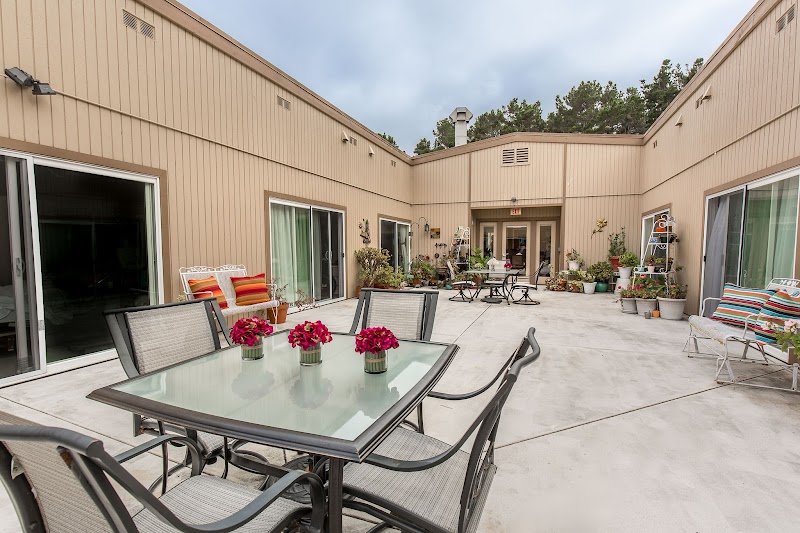
How is Windsor Monterey Staffed?

CMS rates WINDSOR MONTEREY CARE CENTER's staffing level at 2 out of 5 stars, which is below average compared to other nursing homes. Staff turnover is 57%, which is 11 percentage points above the California average of 46%. High turnover can affect care consistency as new staff learn residents' individual needs.

What Have Inspectors Found at Windsor Monterey?

State health inspectors documented 59 deficiencies at WINDSOR MONTEREY CARE CENTER during 2019 to 2025. These included: 59 with potential for harm. While no single deficiency reached the most serious levels, the total volume warrants attention from prospective families.
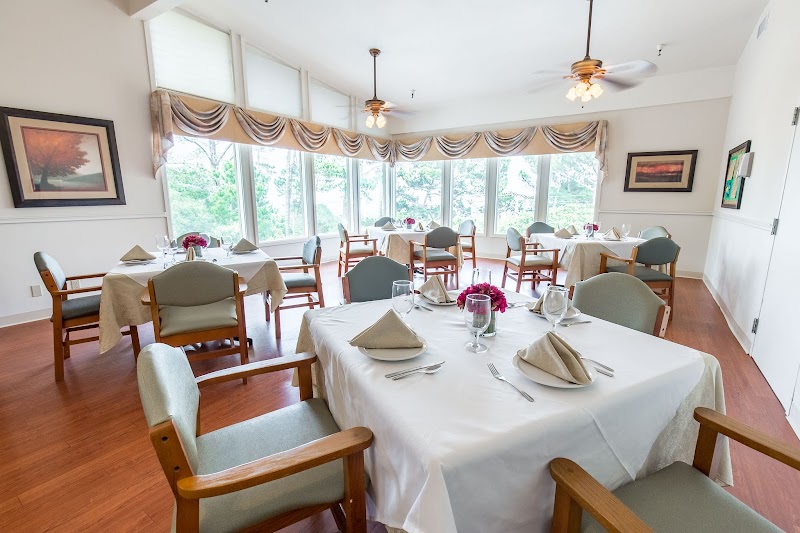
Who Owns and Operates Windsor Monterey?

WINDSOR MONTEREY CARE CENTER is owned by a for-profit company. For-profit facilities operate as businesses with obligations to shareholders or private owners. The facility is operated by WINDSOR, a chain that manages multiple nursing homes. With 78 certified beds and approximately 72 residents (about 92% occupancy), it is a smaller facility located in MONTEREY, California.

How Does Windsor Monterey Compare to Other California Nursing Homes?

Compared to the 100 nursing homes in California, WINDSOR MONTEREY CARE CENTER's overall rating (3 stars) is below the state average of 3.1, staff turnover (57%) is significantly higher than the state average of 46%, and health inspection rating (3 stars) is at the national benchmark.

What Should Families Ask When Visiting Windsor Monterey?

Based on this facility's data, families visiting should ask: "How do you ensure continuity of care given staff turnover, and what is your staff retention strategy?" "Can you walk me through typical staffing levels on day, evening, and night shifts?" "Can I visit during a mealtime to observe dining assistance and food quality?" "How do you handle medical emergencies, and what is your hospital transfer rate?" These questions are particularly relevant given the facility's high staff turnover rate and the below-average staffing rating.

Is Windsor Monterey Safe?

Based on CMS inspection data, WINDSOR MONTEREY CARE CENTER has a clean safety record: no substantiated abuse findings (meaning no confirmed cases of resident harm), no Immediate Jeopardy citations (the most serious violation level indicating risk of serious injury or death), and is not on the Special Focus Facility watch list (a federal program monitoring the lowest-performing 1% of nursing homes). The facility has a 3-star overall rating and ranks #100 of 100 nursing homes in California. While no facility is perfect, families should still ask about staff-to-resident ratios and recent inspection results during their visit.

Do Nurses at Windsor Monterey Stick Around?

Staff turnover at WINDSOR MONTEREY CARE CENTER is high. At 57%, the facility is 11 percentage points above the California average of 46%. High turnover means new staff may not know residents' individual needs, medications, or preferences. It can also be disorienting for residents, especially those with dementia who rely on familiar faces. Families should ask: What is causing the turnover? What retention programs are in place? How do you ensure care continuity during staff transitions?

Was Windsor Monterey Ever Fined?

WINDSOR MONTEREY CARE CENTER has no federal fines on record. CMS issues fines when nursing homes fail to meet care standards or don't correct problems found during inspections. The absence of fines suggests the facility has either maintained compliance or corrected any issues before penalties were assessed. This is a positive indicator, though families should still review recent inspection reports for the full picture.

Is Windsor Monterey on Any Federal Watch List?

WINDSOR MONTEREY CARE CENTER is not on any federal watch list. The most significant is the Special Focus Facility (SFF) program, which identifies the bottom 1% of nursing homes nationally based on persistent, serious quality problems. Not being on this list means the facility has avoided the pattern of deficiencies that triggers enhanced federal oversight. This is a positive indicator, though families should still review the facility's inspection history directly.