ADVANCED HEALTH CARE OF SACRAMENTO
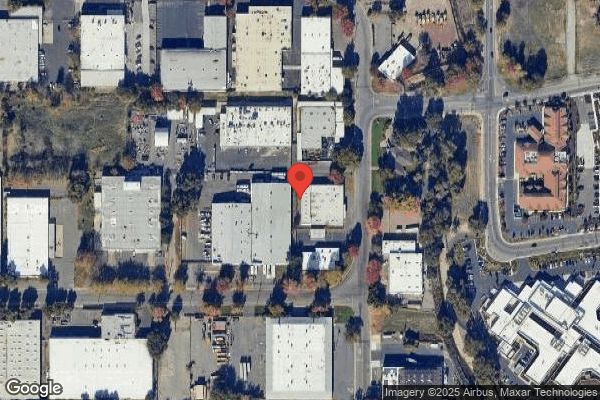

1411 EXPO PARKWAY, NORTH SACRAMENTO, CA 95815 (916) 758-6300
For profit - Limited Liability company 40 Beds ADVANCED HEALTH CARE Data: November 2025
Trust Grade
73/100
#1 of 1155 in CA
Last Inspection: July 2025

Inspected within the last 6 months. Data reflects current conditions.

Overview

Advanced Health Care of Sacramento has received a Trust Grade of B, indicating it is a good choice for care, though not without its flaws. It ranks #1 out of 1,155 facilities in California and #1 out of 37 in Sacramento County, placing it at the very top of local options. The facility is improving, with the number of issues decreasing from 14 in 2024 to 6 in 2025, reflecting a positive trend. Staffing is a strong point, with a 5/5 star rating and RN coverage exceeding 95% of state facilities, although the staff turnover rate is 41%, which is average. However, there are some concerns, such as a serious incident where a resident sustained a hip fracture due to improper transfer assistance and issues with food safety practices in the kitchen, which may risk food-borne illnesses.

Trust Score
B
73/100
In California
#1/1155
Top 1%
Safety Record
Moderate
Needs review
Inspections
Getting Better
14 → 6 violations
Staff Stability
○ Average
41% turnover. Near California's 48% average. Typical for the industry.
Penalties
⚠ Watch
$7,443 in fines. Higher than 99% of California facilities. Major compliance failures.
Skilled Nurses
✓ Good
Each resident gets 100 minutes of Registered Nurse (RN) attention daily — more than 97% of California nursing homes. RNs are the most trained staff who catch health problems before they become serious.
Violations
⚠ Watch
26 deficiencies on record. Higher than average. Multiple issues found across inspections.
★★★★★
5.0
Overall Rating
★★★★★
5.0
Staff Levels
★★★★★
5.0
Care Quality
★★★★☆
4.0
Inspection Score
Stable
2024: 14 issues
2025: 6 issues

The Good

  • 5-Star Staffing Rating · Excellent nurse staffing levels
  • 5-Star Quality Measures · Strong clinical quality outcomes
  • Full Sprinkler Coverage · Fire safety systems throughout facility
  • No fines on record
  • Staff turnover below average (41%)

    7 points below California average of 48%

Facility shows strength in staffing levels, quality measures, fire safety.

The Bad

Staff Turnover: 41%

Near California avg (46%)

Typical for the industry

Federal Fines: $7,443

Below median ($33,413)

Minor penalties assessed

Chain: ADVANCED HEALTH CARE

Part of a multi-facility chain

Ask about local staffing decisions and management

The Ugly 26 deficiencies on record

1 actual harm
Jul 2025 5 deficiencies
CONCERN (D)

Potential for Harm - no one hurt, but risky conditions existed

Quality of Care (Tag F0684)

Could have caused harm · This affected 1 resident

Based on observation, interview, and record review, the facility failed to ensure medication administration were followed in accordance with professional standards of practice for one of 13 sampled re...

Read full inspector narrative →
Based on observation, interview, and record review, the facility failed to ensure medication administration were followed in accordance with professional standards of practice for one of 13 sampled residents (Resident 24), when hold parameters were not added to the lispro insulin (a high-risk medication that affects blood sugar levels) administration order. This failure resulted in the medication not administered several times and had the potential to result in unstable blood sugar levels affecting the resident's highest practicable well-being. During a review of Resident 24's Face Sheet, dated 7/25/25 (print date), the Face Sheet indicated, Resident 24 was admitted to the facility in May of 2025 with diagnoses which included femur (thigh bone) fracture and Diabetes Mellitus (DM-a disorder characterized by difficulty in blood sugar control and poor wound healing). During a review of Resident 24's Medication Administration Record (MAR) for July 2025, the MAR included the following orders:Order dates 5/30/25-7/22/25: insulin lispro solution subcutaneous injection of six units (amount of active medication) to administer with meals; andOrder dates 7/22/25-open ended: insulin lispro solution subcutaneous injection of six units to administer with meals and hold administration if NPO (nothing by mouth, resident is not eating). During a review of Resident 24's nursing progress note (NPN) entered by Licensed Nurse 4 (LN 4) on 7/22/25 at 3:33 p.m., the NPN indicated, Clarified with [physician] regarding patients (sic) Lispro order, per MD [medical doctor], Routine Lispro is given with meals, Hold if NPO. During a review of Resident 24's Medications Regimen Review (MRR, pharmacist's evaluation of provided medications), dated 6/27/25, the MRR indicated, Please consider adding hold parameters to insulin orders. Staff is sometimes holding dose due to low BG [blood glucose] but there is no parameter to follow in actual order. During an observation on 7/22/25 at 6:47 a.m. LN 4 was observed administering medications to Resident 24. LN 4 took a blood glucose (BG) reading, and the glucometer display read 76 mg/dL (milligrams per deciliter, unit of concentration). LN 4 did not administer 6 units of Insulin Lispro per physician's order. During an interview on 7/22/25 at 2:41 p.m. with LN 4, LN 4 confirmed that she did not administer 6 units of insulin lispro to Resident 24 that morning. LN 4 confirmed that the order did not provide specific BG reading or other hold parameters to specify when the administration should be held. LN 4 agreed that the parameters needed to be clarified with the physician. During a review of Resident 24's MAR and food intake record in July of 2025, the following dates and times were verified when meals were documented as consumed by Resident 24 and 6 units of insulin lispro were not administered: 7/1/25 at 5-6 p.m. BG of 103 mg/dl. Dinner consumed 76-100%;7/3/25 at 7-8 a.m. BG of 82 mg/dl. Breakfast consumed 26-50%;7/4/25 at 5-6 p.m. BG of 84 mg/dl. Dinner consumed 26-50%;7/5/25 at 7-8 a.m. BG of 106 mg/dl. Breakfast consumed 51-75%;7/6/25 at 7-8 a.m. BG of 84 mg/dl. Breakfast consumed 76-100%;7/8/25 at 7-8 a.m. BG of 90 mg/dl. Breakfast consumed 26-50%;7/10/25 at 7-8 a.m. BG of 80 mg/dl. Breakfast consumed 51-75%;7/10/25 at 5-6 p.m. BG of 76 mg/dl. Dinner consumed 51-75%;7/13/25 at 7-8 a.m. BG of 77 mg/dl. Breakfast consumed 76-100%.7/15/25 at 7-8 a.m. BG of 80 mg/dl. Breakfast consumed 76-100%;7/17/25 at 11 a.m.-12 p.m. BG of 118 mg/dl. Lunch consumed 25-50%;7/20/25 at 11 a.m.-12 p.m. BG of 81 mg/dl. Lunch consumed 76-100%;7/20/25 at 5-6 p.m. BG of 90 mg/dl. Dinner consumed 76-100%; and7/22/25 at 7-8 a.m. BG of 76 mg/dl. Breakfast consumed 76-100%. During an interview on 7/25/25 at 9:55 a.m. with the Director of Nursing (DON), DON confirmed that lispro insulin should have been given to resident 24 with food per MD order and hold parameters should have been included. The DON recognized that the MRR brought the issue to the attention of the facility before 7/1/25, and the NPO hold parameters were not added until 7/22/25. During a review of the facility's policy and procedure (P&P) titled, Medication Orders, updated 9/28/22, indicated, Medications are administered only upon the clear, complete, and signed order of a person lawfully authorized to prescribe. The prescriber is contacted to verify or clarify an order if the patient has an allergy to the medication, there are contraindications to the medication, or the directions are confusing.During a review of the undated document titled, Nursing Practice Act Rules and Regulations, the document indicated, Article 2. Scope of Regulation 2725 (b). The practice of nursing within the meaning of this chapter means those functions, including basic health care, that help people cope with difficulties in daily living that are associated with their actual or potential health or illness problems or the treatment thereof, and that require substantial amount of specific knowledge of the following: (2) Direct and indirect patient care services, including, but not limited to, the administration of medications and therapeutic agents, necessary to implement treatment, disease prevention, or rehabilitative regiment . ordered by and within the scope of licensure of a physician .as defined by Section 1316.5 of the Health and Safety Code. (Nursing Practice Act Rules and Regulations Issued by Board of Registered Nursing 1997 State of California Department of Consumer Affairs. pp. 5)
CONCERN (D)

Potential for Harm - no one hurt, but risky conditions existed

Deficiency F0757 (Tag F0757)

Could have caused harm · This affected 1 resident

Based on observation, interview, and record review, the facility failed to ensure one of five residents (Resident 31) was free of unnecessary medications when an antidepressant (a medication to improv...

Read full inspector narrative →
Based on observation, interview, and record review, the facility failed to ensure one of five residents (Resident 31) was free of unnecessary medications when an antidepressant (a medication to improve mood) was administered without corresponding medical diagnosis or documented behavioral symptoms to justify its use. This failure had the potential to result in adverse reactions, functional decline, and chemical restraint for Resident 31.Resident 31 was admitted to the facility in the middle of 2025 with diagnoses which included anxiety disorder. During a review of Resident 31's Minimum Data Set (MDS-a federally mandated resident assessment tool), dated 6/11/25, the MDS indicated Resident 31had no diagnosis of depression, and had no symptoms and no behavioral symptoms of depression exhibited. During a review of Resident 31's Medical Doctor's (MD) New Admit Progress Note, dated 6/9/25, the progress note did not include major depression in the problem list, and the Resident 31's assessment/plan indicated, Major depression: Patient apparently was on escitalopram and buspirone, consent was given. The progress note indicated, Depression screening negative.During a review of Resident 31's Physician's Order (PO), dated 6/5/25, the PO indicated, escitalopram oxalate [medication used to treat depression], tablet; 10 mg [milligram, a unit of measurement]; amt [amount]: 30 mg; oral.Special Instructions: DX [Diagnosis]: Depression AEB [as exhibited by] verbalized sadness. During a review of Resident 31's PO, dated, 6/5/25, the PO indicated to monitor for, TARGET BEHAVIOR: (ESCITALOPRAM) & (VERBALIZED SADNESS). Indicate the number of times the behavior(s) occurred each shift.During a review of Resident 31's Treatment Administration History Record (TAHR) for the period of 7/1/2025 to 7/25/2025, the TAHR indicated the targeted behavior for verbalized sadness did not occur.During a review of the Resident 31's Medication Regimen Review (MRR), dated between 6/1/25 and 6/27/25, the MRR indicated, 1) Please review indication/behavior for the escitalopram order. Depression is not listed in [Resident 31's] problem list and in fact in the H&P [history and physical] it states depression screening negative.During a concurrent observation and interview on 7/25/25, at 8:51 a.m. in Resident 31's room, Resident 31 sat in a wheelchair at the bedside table, awake and dressed appropriately. Resident 31 stated he had a diagnosis of anxiety and had been treated for depression in another facility in the past.During an interview on 7/25/25 at 8:34 a.m. with the MDS Coordinator (MDSC), the MDSC indicated Resident 31 did not have a diagnosis of depression. The MDSC stated that Resident 31's MDS Section D indicated Resident 31's Mood Total Severity Score (measures severity of potential symptoms for depression with higher scores indicating greater severity) was zero, and did not exhibit any target behaviors.During an interview on 7/25/25 at 9:21 a.m. with Licensed Nurse 3 (LN 3), LN 3 stated the indication for Escitalopram was for depression. LN 3 indicated the expectation was to monitor for signs of depression through observation and by asking questions. LN 3 further stated if symptoms of depression were observed, they would document this behavior and notify the physician.During an interview on 7/25/2025 at 9:34 a.m. with the Director of Nursing (DON), the DON stated Resident 31 did not have a diagnosis of depression.During a review of an undated the facility's Policy and Procedure (P&P), titled Comprehensive Care Plan, the P&P indicated, .Based on information generated by the.MDS assessment, the interdisciplinary team will develop an individualized care plan with input from the patient and/or representative.A P&P for unnecessary medications was requested from the facility but not provided.
CONCERN (D)

Potential for Harm - no one hurt, but risky conditions existed

Deficiency F0761 (Tag F0761)

Could have caused harm · This affected 1 resident

Based on observation, interview, and record review the facility failed to ensure medications were stored securely for a census of 40, when:1. The refrigerator used for storing controlled substances in...

Read full inspector narrative →
Based on observation, interview, and record review the facility failed to ensure medications were stored securely for a census of 40, when:1. The refrigerator used for storing controlled substances in the medication storage room was found unlocked and unattended; and 2. Medication cart #1 was found unlocked and unattended. These failures had the potential for unauthorized personnel to access medications, biologicals and controlled substances. 1. During a concurrent observation and interview on 7/22/25 at 6:33 a.m. with the Director of Staff Development (DSD), a medication storage room was inspected. The DSD opened the locked door to the storage room and no licensed staff was inside the room. The medication refrigerator was observed not locked and contained lorazepam (a controlled substance sedative medication). The DSD indicated that the refrigerator storing a controlled substance should be locked. During an interview on 7/25/25 at 9:55 a.m. with the Director of Nursing (DON), the DON confirmed that the medication room refrigerator used for storing controlled substances should be locked when not in active use to prevent unauthorized access. 2. During an observation on 7/22/25 at 6:21 a.m., medication cart #1 was observed unlocked and unattended. During a concurrent observation and interview on 7/22/25 at 6:27 a.m. with Licensed Nurse (LN) 1 and LN 2 at medication cart #1, LN 1 and LN 2 verified and confirmed medication cart #1 was unlocked and had been left unattended. LN 1 and LN 2 acknowledged the medication cart should be locked when unattended to ensure the safety and security of the medications. During an interview on 7/25/25 at 9:31 a.m. with the Director of Nursing (DON) the DON confirmed the medication cart should be locked when unattended to maintain medication and narcotic drug safety. During a review of the undated facility’s policy and procedure (P&P) titled, “Medication Storage,” the P&P indicated, “The medication supply is accessible only to licensed nursing personnel, pharmacy personnel, or staff members lawfully authorized to administer medications…Schedule II, III and IV controlled medications are stored separately from other medications under a double lock…Medications and biologicals are stored safely, securely, and properly…All drugs and biologicals are stored under locked compartments…Medication rooms, carts, and medication supplies are locked or attended by persons with authorized access.”
CONCERN (D)

Potential for Harm - no one hurt, but risky conditions existed

Garbage Disposal (Tag F0814)

Could have caused harm · This affected 1 resident

Based on observation and interview, the facility failed ensure sanitary condition of the environment was maintained for a census of 40, when the kitchen waste fat in the indoor and outdoor refuse rece...

Read full inspector narrative →
Based on observation and interview, the facility failed ensure sanitary condition of the environment was maintained for a census of 40, when the kitchen waste fat in the indoor and outdoor refuse receptacles were not properly covered. This failure had the potential risk for the spread and transmission of diseases from pest or rodent activity in the kitchen and nearby outside dumpsters to a vulnerable population. During the initial kitchen tour observation on 7/22/25 at 6:20 a.m., in the Receiving Room, an approximately one-gallon uncovered silver pot, half-filled with a thick yellow liquid, was found on the floor near a garbage can. During the initial kitchen tour observation on 7/22/25 at 7 a.m. of the outside dumpsters, the dumpster doors were opened, and one moderately sized green, rigid plastic receptacle bin was found with lid open. Old, dried, yellow grease/waste fat was noted in large amounts adhered to the grated/grilled opening of receptacle bin and some of the grease food particles were wet in appearance. During the second kitchen tour observation on 7/23/25 at 7:25 a.m. of the outside dumpsters, the one green, rigid plastic receptacle bin was found with lid open, and the silver pot was turned upside down over the grated/grilled opening of the receptacle bin.During a concurrent observation and interview on 7/23/25 at 8:30 a.m. with the Certified Dietary Manager (CDM), the CDM verified the thick yellow liquid found in the silver pot was from the kitchen stove's grease trap drawer receptacle. The CDM stated the cooks emptied the grease drawer into the silver pot, the silver pot was kept in the Receiving Room for easy disposal to the outside grease garbage receptacle. The CDM confirmed in the outside garbage dumpster area the green receptacle bin with lid open, and the silver pot turned upside down over the grated opening. The CDM indicated that after the grease was drained, the silver bucket was brought back into the facility for cleaning & sanitizing through the kitchen's dishwasher. The CDM stated staff in-services had not been done related to grease/garbage disposal, or pest avoidance, and would need to speak with maintenance regarding a garbage/refuse disposal policy. The CDM further stated the expectation was for kitchen waste fat to be properly covered to avoid an infestation of pests and rodents, potentially causing harm to residents. During a review of the facility's Policy and Procedure (P&P) titled, Garbage and Refuse, updated 2021, the P&P indicated, .1. Containers are provided with tight-fitting lids.5. Garbage containers are maintained in a sanitary manner.7. Storage areas are maintained clean and sanitary.
CONCERN (F)

Potential for Harm - no one hurt, but risky conditions existed

Food Safety (Tag F0812)

Could have caused harm · This affected most or all residents

Based on observation, interview, and record review, the facility failed to ensure food preparation in accordance with professional standards for food service safety were provided for a census of 40, w...

Read full inspector narrative →
Based on observation, interview, and record review, the facility failed to ensure food preparation in accordance with professional standards for food service safety were provided for a census of 40, when kitchen staff did not know how to calibrate thermometers to determine food time/temperature control during lunch tray line. This failure had the potential to cause food-borne illnesses in a vulnerable population.During a concurrent observation and interview on 7/24/25 at 12 p.m., in kitchen with Lead [NAME] 1 (LC 1), before the start of lunch tray line service, LC 1 was asked to demonstrate and explain the procedure for thermometer calibration. LC 1 placed a coffee cup, three-fourths full of water with cubed ice, on countertop. LC 1 was not able to verbalize the procedure for thermometer calibration and could not provide a policy for reference. LC 1 consulted Lead [NAME] 2 (LC 2) and Certified Dietary Manager (CDM), who were standing nearby, for assistance. LC 1 returned to the countertop and indicated the digital thermometers were inserted into an iced cup of water for less than 10 seconds for temperature reading. LC 1 and surveyor synchronized insertion of the digital thermometers into the same cubed ice coffee cup of water. LC 1 began counting out loud One alligator, two alligator, three alligator . LC 1 stopped counting at 17 alligator. LC 1's thermometer read 35.6 degrees (*), and the surveyor's thermometer read 32*. LC 1 decided to use another thermometer for a synchronized double check. LC 1 began counting out loud from one alligator, stopping at nine alligator. LC 1's thermometer read 37*, and the surveyor's thermometer read 32*. LC 1 and CDM decided to make a third attempt with another thermometer and synchronized the digital thermometers in the same cubed ice coffee cup of water. LC 1 began counting out loud from one alligator, stopping at six alligator. LC 1 thermometer read 20* and the surveyor's thermometer read 32*. LC 1, LC 2, and CDM acknowledged their inability to properly calibrate a thermometer before tray line.During a concurrent interview and record review, on 7/24/25 at 2 p.m., in the CDM's office with the CDM and the Registered Dietician (RD), the CDM presented a single sheet of paper, titled Emergency Procedure Calibration Thermometer Log, that showed documentation for two dates, 5/3/25 with a temperature reading 33.1, and 5/8/25 with a temperature reading 32.7. The CDM and the RD acknowledged kitchen staff's lack of education and training, that there was no record of in-services done, and no monthly temperature data related to thermometer calibration. The RD and the CDM indicated the expectation were for staff to have knowledge about the ice bath, proper timing and temperature for hot and cold foods to be served at proper temperatures, and the importance of education to prevent food borne illnesses for residents. During a review of the facility's policy and procedure (P&P) titled, Resource: Taking Accurate Temperatures, dated 2021, the P&P indicated, Choosing the Right Thermometer: Start with an accurately calibrated thermometer that is in good working condition.Calibrating the Thermometer.Thermometers should be calibrated at least monthly. Ice Point Method 1. Start with a container large enough to easily accommodate your thermometer. Fill it with ice (crushed is best).2. Put the thermometer probe into the ice water mixture. It is important to wait about 30 seconds.3.until the reading on the face of the dial reads 32 F (0 C).
May 2025 1 deficiency
CONCERN (D) 📢 Someone Reported This

A family member, employee, or ombudsman was alarmed enough to file a formal complaint

Potential for Harm - no one hurt, but risky conditions existed

Accident Prevention (Tag F0689)

Could have caused harm · This affected 1 resident

**NOTE- TERMS IN BRACKETS HAVE BEEN EDITED TO PROTECT CONFIDENTIALITY** Based on interview and record review the facility failed to provide adequate supervision to ensure safety when Resident 1 from e...

Read full inspector narrative →
**NOTE- TERMS IN BRACKETS HAVE BEEN EDITED TO PROTECT CONFIDENTIALITY** Based on interview and record review the facility failed to provide adequate supervision to ensure safety when Resident 1 from eloped from the facility for a census of 37. This failure had the potential to result in serious injury or death for Resident 1. Findings: Resident 1 was admitted to the facility on [DATE] with diagnoses that included toxic encephalopathy (neurological disorder causing brain dysfunction) and congestive heart failure (heart can ' t pump enough blood). Review of Resident 1's admission Nursing Observation, dated 4/28/25 documented Resident as being alert & cooperative and oriented to person and time. Review of Resident 1 ' s Progress Notes dated 4/30/25 at 5 p.m. indicated the nurse was notified by a Certified Nursing Assistant (CNA) that Resident 1 was missing. A thorough search of the room and the building was conducted, but Resident 1 was not found. Resident 1 ' s responsible party and the police were informed. Review of Resident 1 ' s Progress Notes dated 4/30/25 at 5:17 p.m. indicated all the rooms were checked in hall 2 as well as staff rooms that the pt (patient) may have been able to enter. Pt was unable to be located after this and it was confirmed by other staff members that all rooms and locations within the building have been checked satisfactorily. Members of management checked the facility cameras and confirmed that the patient did in-fact leave the building and was heading east. Review of Resident 1 ' s Progress Notes dated 4/30/25 at 6:10 p.m. Resident 1 was brought back in the building by the Administrator in Training (AIT). Review of Resident 1 ' s MD orders indicated Resident 1's diet order, dated 4/28/25, was puree texture and mildly thick liquids. During a review of the facility ' s Investigation Summary- Unusual Incident Report, undated indicated on 04/30/25, at approximately 5 p.m. a CNA informed a nurse Resident 1 was not in their room and was missing from the facility. Code pink (missing person) was announced to all staff, and an instant search began in attempts to locate the patient. The facility surveillance cameras were reviewed to confirm the direction the patient headed in. Around 6 p.m. Resident 1 was located inside of the local Subway approximately a 0.4-mile distance from the facility by the AIT. The subway staff previously called Sacramento FD because the resident seemed to be confused. The resident was assessed and cleared as stable to return to the facility with no need for medical services. The resident was driven back to the facility around 6:12 p.m. where he was medically assessed again. During an interview on 5/12/25 at 9:14 a.m. with the Director of Nursing (DON), she confirmed Resident 1 was not his own responsible party (RP). The DON further stated Resident 1 was on a pureed diet and moderate thicken liquids and was assessed when he returned for aspiration due to having liquids that were not thickened. During a review of the facility ' s policy and procedure titled, Resident Rights, undated indicated, SAFE ENVIRONMENT-The resident has a right to a safe, clean, comfortable and homelike environment, including but not limited to receiving treatment and supports for daily living safely. The facility must provide 1. A safe, clean, comfortable, and homelike environment, allowing the resident to use his or her personal belongings to the extent possible. 1. This includes ensuring that the resident can receive care and services safely and that the physical layout of the facility maximizes resident independence and does not pose a safety risk.
Dec 2024 1 deficiency
CONCERN (E) 📢 Someone Reported This

A family member, employee, or ombudsman was alarmed enough to file a formal complaint

Potential for Harm - no one hurt, but risky conditions existed

Food Safety (Tag F0812)

Could have caused harm · This affected multiple residents

Based on observation, interview, and record review, the facility failed to safely store food for two of five sampled residents (Resident 2 and Resident 5) when food was stored in resident room refrige...

Read full inspector narrative →
Based on observation, interview, and record review, the facility failed to safely store food for two of five sampled residents (Resident 2 and Resident 5) when food was stored in resident room refrigerators labeled coolers and were not monitored for food safe temperatures. This failure had the potential to place residents at risk for food- borne illness. Findings: A review of Resident 2's Resident Face Sheet indicated Resident 2 was admitted to the facility in December 2024 with multiple diagnoses including metabolic encephalopathy (brain dysfunction due to imbalance of chemicals in the blood), surgical aftercare following thrombectomy (surgical procedure that removes a blood clot from an artery or vein) and hemiplegia (paralysis on one side of the body) and hemiparesis (weakness on one side of the body) following cerebral infarction (stroke- disrupted blood flow to the brain causing brain tissue death). A review of Resident 5's Resident Face Sheet indicated Resident 5 was admitted to the facility in December 2024 with multiple diagnoses including orthopedic aftercare following left above knee amputation, surgical aftercare following thrombectomy, heart failure (heart does not pump blood as well as it should) and chronic obstructive pulmonary disease (lung disease that blocks airflow and makes it difficult to breathe). A review of an administration leadership rounding checklist provided by the facility indicated .No food in coolers (other than non-perishable drink) . During an observation and interview on 1/2/25 at 9:40 a.m. with Resident 2, observed small refrigerator with sign posted that indicated Please remember that this is a DRINK COOLER ONLY No storage of food is permitted . Observed inside refrigerator open cup of applesauce with handwritten date of 1/1/25, container of chocolate pudding with printed label with name of resident and dated 12/27/24, and six nutrition drinks. During an interview on 1/2/25 at 9:45 a.m. with Certified Nursing Assistant (CNA) 1, CNA 1 stated every room has a small refrigerator and is not used for outside food unless protein shakes are brought in by family. CNA 1 stated snacks are labeled when delivered and if opened are to be discarded in one day. During an observation and interview on 1/2/25 at 9:56 a.m. with Resident 5, observed small refrigerator with sign posted that indicated Please remember that this is a DRINK COOLER ONLY No storage of food is permitted . Observed inside refrigerator a container of fruit salad with printed label with name of resident and dated 12/30/24. Resident 5 stated he was not aware of the container of fruit salad in the refrigerator. During an interview on 1/2/25 at 9:59 a.m. with Licensed Nurse (LN) 1, LN 1 stated room refrigerators are cleaned out weekly on Fridays. During an interview on 1/2/25 at 10:02 am. with the Housekeeper (HK), the HK stated she cleans the room refrigerators but does not throw anything out unless the resident has been discharged . During an interview on 1/2/25 at 10:03 a.m. with the Director of Nursing (DON), the DON stated the small room refrigerators are labeled as coolers and are to be used only for beverages, like shakes, non- perishables. Reviewed with the DON the food items in Resident 2 and Resident 5's room refrigerators. The DON stated, No food should be in the room refrigerator. If outside food brought in by family, it needs to be put in the gym [therapy room] refrigerator. The temperature in the gym refrigerator is monitored. Room refrigerator temperatures are not monitored, that is why it is called a cooler. The signs on the refrigerators indicate no food. The DON also stated that the applesauce and pudding found in Resident 2 and Resident 5's refrigerators may have been snacks and if not eaten should have been thrown out. The DON further stated, Should never be any snacks in the room refrigerators. If snack wanted later, would get a new snack. During an interview on 1/2/25 at 10:32 a.m. with the Assistant Director of Nursing (ADON), the ADON stated, Food is not supposed to be stored in room refrigerator. That is why it's called a cooler not a refrigerator. The ADON stated food should be discarded from the room refrigerators during administration leadership rounds done two times a week. During an interview on 1/2/25 at 10:48 a.m. with the ADM, the ADM stated that staff know to store food in the therapy refrigerator. During an interview on 1/2/25 at 12:54 with LN 2, LN 2 stated that the room refrigerators are used by resident for food brought in by family. Observed with LN 2 in a resident room the sign on room refrigerator indicating Please remember that this is a DRINK COOLER ONLY No storage of food is permitted . LN 2 confirmed that the sign indicated no food was to be stored in the room refrigerator. The LN 2 then stated that snacks are stored in the room refrigerator and was not aware that gym (therapy room) refrigerator was for resident's food. During an interview on 1/2/25 at 1:11 p.m. with LN 3, LN 3 stated resident room refrigerators are used to store water, nutrition shakes, applesauce, and pudding. During a joint interview on 1/2/25 at 4:16 a.m. with the Administrator (ADM) and the DON, the ADM stated that there is not a policy for food storage or temperature monitoring of the resident room refrigerators since not supposed to have food in the room refrigerators. The ADM stated there is not a temperature log because they are not used to store food so no need to monitor temperature. A review of the facility's Policy and Procedure (P&P) titled Food Storage, not dated, indicated .Food will be stored at appropriate temperatures and by methods designed to prevent contamination or cross contamination .Perishable food such as meat, poultry, fish, dairy products, fruits, vegetables and frozen products must be frozen or stored in the refrigerator or freezer .Refrigerator temperatures should be thermostatically controlled to maintain food temperatures at or below 41 F .Leftover food is used within 7 days or discarded .All foods should be covered, labeled and dated. All opened foods should include a use by date . A review of the facility's P&P titled Food from Outside Sources, not dated, indicated .Food brought to the facility by family members or friends .will be handled according to safe food handling guidelines. Designated staff will monitor foods and beverages brought in from outside sources for storage in facility pantries, refrigeration units, or personal room refrigeration units .Foods and beverages brought in from outside sources that require refrigeration or freezing will be labeled with the patient/resident's name and date and stored in the refrigerator/freezer apart from the facility food .Food that can be stored at room temperature can be kept in a patient/resident's room .Staff will provide information on safe food storage and handling as deemed appropriate .Designated facility staff will be assigned to monitor individual room storage and refrigeration units for food and beverage disposal .
Aug 2024 1 deficiency
CONCERN (D) 📢 Someone Reported This

A family member, employee, or ombudsman was alarmed enough to file a formal complaint

Potential for Harm - no one hurt, but risky conditions existed

Deficiency F0625 (Tag F0625)

Could have caused harm · This affected 1 resident

Based on interview and record review, the facility failed to ensure a written notice of bed-hold at the time of transfer was provided for 1 of 3 sampled residents (Resident 1) or her responsible party...

Read full inspector narrative →
Based on interview and record review, the facility failed to ensure a written notice of bed-hold at the time of transfer was provided for 1 of 3 sampled residents (Resident 1) or her responsible party (RP, a person empowered to make decisions for the resident/ person legally responsible and liable for a decision or an action). This failure resulted in Resident 1 and her responsible party not being fully informed about bed-hold options and rights. A review of a Resident Face sheet indicated Resident 1 was admitted to the facility in early 2024 with admitting diagnoses which included hypertensive heart disease with failure (heart failure) and generalized weakness. Resident 1's facesheet indicated she was not her own RP. Resident 1's Minimum Data Set (MDS, an assessment tool), dated 7/5/24 indicated, moderate cognitive impairment. A review of Resident 1's progress notes, dated 8/23/24, indicated Resident 1 was transferred to the hospital for evaluation due to low oxygen levels. No documented evidence indicated Resident 1's RP was given a written notice of bed- hold upon hospital transfer and during hospital stay. During an interview via telephone on 8/30/24 at 11 a.m., Resident 1's RP stated she did not receive any written notice or information on bed-holds from the facility upon hospital transfer. Resident 1's RP was not fully informed on bed-hold guidelines, requirements, and options for readmission. During a concurrent interview and record review on 8/30/24 at 1:56 p.m., with the Director of Nursing (DON), Resident 1's progress notes were reviewed. The DON confirmed there was no documented evidence indicating the facility staff offered the bed-hold to the RP or Resident 1, either in writing or by telephone on date of admission to the hospital. During an interview on 8/30/24 at 2:19 p.m. with the admission Coordinator (AC), the AC stated she was responsible for contacting the resident or RP for bed-hold notices. The AC confirmed that Resident 1's RP was not called, notified or offered a bed hold. The AC further stated the hospital discharge referral was not reviewed because a bed-hold was not offered to Resident 1 or RP. During a review of the facility's policy and procedure titled, Admission, Transfer, Discharge Rights, indicated, Notice of bedhold policy and readmission. If a patient requires transfer to an acute hospital, the facility will offer the patient the opportunity of electing to have the bed held .bed-hold option .the patient or the patient ' s representative must notify the facility if the bed hold is desired . Transferring to acute care. 1. Call RP .to transfer Residents to acute care and for bedhold. Document notification of RP.
Aug 2024 7 deficiencies
CONCERN (E)

Potential for Harm - no one hurt, but risky conditions existed

Comprehensive Care Plan (Tag F0656)

Could have caused harm · This affected multiple residents

A review of Resident 22's Facesheet indicated Resident 22 was admitted to the facility in July 2024 with diagnoses including sepsis (a life-threatening complication of an infection), stomach cancer an...

Read full inspector narrative →
A review of Resident 22's Facesheet indicated Resident 22 was admitted to the facility in July 2024 with diagnoses including sepsis (a life-threatening complication of an infection), stomach cancer and a urinary tract infection. A review of Resident 22's Physician's Order Report (POR) indicated the following orders with their start dates: 1. 7/31/24: Start PICC (peripherally inserted central catheter, a thin tube that is inserted through a vein in your arm and passed through to the larger veins near your heart) line for blood draw. 2. 8/1/24: Quetiapine (a psychotropic medication used to treat schizophrenia, bipolar disorder and depression) for agitation associated with depression. A review of Resident 22's Care Plan indicated the facility did not include interventions for Resident 22's PICC line or the use of a psychotropic medication. A review of Resident 186's Facesheet indicated Resident 186 was admitted to the facility in August 2024 with diagnoses including ataxia (loss of muscle control) and syncope and collapse (fainting, or a sudden temporary loss of consciousness). During a review of Resident 186's POR there was no indication Resident 22 had been receiving tube feedings or IV fluids while admitted to the facility. During a review of Resident 186's Care Plan, the interventions for nutrition indicated Resident 186 received tube feedings (liquid nutrition through a flexible tube that goes in through your nose or directly into your stomach) and IV (intravenous, a soft, flexible tube placed inside a vein) fluids. A review of Resident 189's Facesheet indicated Resident 189 was admitted to the facility in August 2024 with diagnoses including cerebral infarction (lack of blood flow to the brain) and endocarditis (an infection of the heart's inner lining). During a review of Resident 189's POR there was no indication Resident 189 had been receiving tube feedings or IV fluids while admitted to the facility. Further review of Resident 189's POR did indicate an order for a PICC line. During a review of Resident 189's Care Plan, Resident 189's care plan for nutrition included interventions that indicated Resident 189 received tube feedings and IV. Resident 189's Care Plan did not include interventions for the care and treatment of a PICC line. A review of Resident 191's Facesheet indicated Resident 191 was admitted to the facility in August 2024 with diagnoses which included cutaneous abscess (localized collection of pus in the skin) in the abdomen and schizophrenia (a serious mental health condition that affects how people think, feel and behave). During a review of Resident 191's POR, Resident 191's POR indicated the following orders: 1. Clozapine (a psychotropic medication for treatment-resistant schizophrenia) 2. Haloperidol (a psychotropic medication for the treatment of mental disorders) for Schizophrenia 3. Trazodone (a psychotropic medication for the treatment of depression) 4. Venaflexine (a psychotropic medication for the treatment of depression) During a review of Resident 191's Care Plan, the comprehensive care plan did not indicate the psychotropic medications listed above were included in Resident 191's comprehensive care plan. During a concurrent interview and record review on 8/8/24 at 9:08 a.m. with the DON, the DON reviewed the care plans for Resident's 22, 186, 189 and 191. The DON confirmed the care plans were not person centered or comprehensive. The DON stated care plans need to be person centered and updated or initiated when there are changes to the resident's care or condition. A review of the facility's policy and procedure (P&P) titled, Comprehensive Care Plan, updated on 7/25/23, the P&P indicated, The facility will develop a comprehensive person-centered care plan .the care plan should be updated as needed . Based on interview and record review, the facility failed to ensure a person-centered care plan was developed for 5 sampled Residents (Resident 22, Resident 32, Resident 186, Resident 189, and Resident 191) and was not updated for one resident (Resident 1) for a census of 39. These failures decreased the facility's ability to meet the goals and address the medical, physical, mental and psychosocial needs of the residents. Findings: During a record review of Resident 32's Face Sheet (FS), the FS indicated, Resident 32 had diagnoses which included urinary tract infection (UTI, an infection in any part of the urinary system). During a record review of Resident 32's Physician's Order (PO) dated 8/3/24, the PO indicated, Augmentin (a combination of two antibiotics - amoxicillin and clavulanate) 500-125 mg (milligram, unit of measurement) one tablet, oral, three times a day [medication administration time ranges] from 05:00 a.m. to 07:00 a.m., 12:00 noon to 14:00 [2:00] p.m., and at 20:00 [8:00] p.m. to 22:00 [10:00] p.m. for UTI x 7 days. During a record review of Resident 32's medical record on 8/8/24 at 9:10 a.m., there were no evidence in the records that a person-centered care plan for UTI was developed. During a concurrent interview and record review, on 8/8/24 at 9:17 a.m., with the Minimum Data Set (MDS, an assessment tool) Nurse (MDSN), the Physician's Order (PO) was reviewed. The PO indicated, Augmentin 500-125 mg, one tablet, oral, three times a day for UTI x 7 days.The MDSN validated Resident 32 was started on Augmentin antibiotic for UTI on 8/3/24. The MDSN confirmed there was no person-centered care plan developed for Resident 32's antibiotic use for UTI. The MDSN stated there should be a person-centered care plan developed to monitor the antibiotic effectiveness and any adverse side effects. A review of the facility's policy and procedure (P/P) titled, COMPREHENSIVE CARE PLAN, updated 7/23, the P/P indicated, The care plan should reflect the individual's goals and choices, and identify individual-specific interventions. It should include a time-frame in which goals might be achieved and parameters for monitoring progress. Resident 1 was admitted to the facility with diagnososes of Alzheimer's diseease (Alzheimer's disease is a brain disorder that gets worse over time, it causes the brain to shrink and brain cells to eventually die), and Dementia (Dementia is not a specific disease but rather a general term for the impaired ability to remember, think, or make decisions that interferes with doing everyday activities). On 8/6/23 at 9:30 a.m. during the initial pool tour of the facility Resident 1 was observed in her room. She was interviewable but was confused as to time and place. She answers when her name is called out. The resident stated she feels safe in the facility. Medication review of Resident 1's Physician's orders indicated the resident was prescribed rivastigmine ( medication for the treatment of Alzheimer's disease) patch on 3/22/24. Review of resident's clinical records indicated the Resident had a base care plan completed 6/24/24. Further review of Resident 1's comprehensive care plans did not indicate the medication rivastigmine transdermal patch (a patch that attaches to your skin and contains medication which is absorbed through the skin) was included with the comprehensive care plans. On 8/7/24 at 9:45 a.m. interview with the Director of Nursing (DON) the DON confirmed after reviewing Resident 1's comprehensive care plan confirmed that there were no Alzheimer's medication treatment included in the care plans. The DON stated the comprehensive care plan must reflect the medications prescribed for Resident 1's treatment in use against Alzheimer's disease. The DON confirmed the Alzheimer's medications were not included in Resident 1's comprehensive care plan and was incomplete. Review of facility policy and procedure version A1021 indicated: .3. The care plan should be updated as needed: i.e. as conditions change, goals are met, interventions are determined to be ineffective, or as specific treatable causes of problems are identified .5. A variety of interventions should be used to meet the individual's needs and patient's rights based on many factors.
CONCERN (E)

Potential for Harm - no one hurt, but risky conditions existed

Deficiency F0658 (Tag F0658)

Could have caused harm · This affected multiple residents

**NOTE- TERMS IN BRACKETS HAVE BEEN EDITED TO PROTECT CONFIDENTIALITY** Based on observation, interview, and record review, nursing staff failed to meet professional standards of quality for four of 1...

Read full inspector narrative →
**NOTE- TERMS IN BRACKETS HAVE BEEN EDITED TO PROTECT CONFIDENTIALITY** Based on observation, interview, and record review, nursing staff failed to meet professional standards of quality for four of 17 sampled residents (Residents 22, 26, 392, and 537) when: 1. Nursing staff failed to administer digoxin (a medication to control heart rate) and midodrine (a medication to improve the heart's ability to pump and support low blood pressure) to Resident 26 based on the parameters (a fixed limit) set in the physician's order; 2. Nursing staff failed to follow manufacturer's specifications to rotate injection sites when administering Lovenox (a medication to prevent blood clots) to Resident 392; 3. Nursing staff failed to monitor the intravenous (I.V., catheter in the vein that delivers medication or fluids) site or obtain a physician order to change the dressing for the I.V. site for Resident 22; and 4. Nursing staff failed to obtain a physician order to flush (instill fluid to maintain patency) of an I.V. line for Resident 537. These failures had the potential to result in Resident 26 experiencing low heart rate or low blood pressure which could cause dizziness or falls, in Resident 392 not absorbing the full Lovenox dose resulting in an increased risk for blood clots and experiencing increased soreness at the injection site, in Resident 22's I.V. to become infected or infiltrated (fluid leaking out of the vein into surrounding tissue), and in Resident 537's I.V. site to become infected or occluded. Findings: 1. A review of Resident 26's admission record indicated she was admitted [DATE] after surgery to fix a broken femur (upper leg bone). Her medical history included previous heart problems and low blood pressure. During a medication pass observation on 8/6/24, at 7:59 a.m. with Licensed Nurse (LN) 1, LN 1 was observed preparing 12 medications for Resident 26, including digoxin (a medication used to control heart rate), 125 micrograms (mcg, a unit of measure), one tablet, and Midodrine (a medication used to support low blood pressure), 5 milligrams (mg, a unit of measure), two tablets, without taking Resident 26's heart rate or blood pressure. A review of Resident 26's medical record indicated the following physician's orders: - Digoxin tablet, 125 mcg, oral, once a day, special instructions: hold if apical pulse (heart rate counted over the heart through the chest wall) is less than 60, dated 6/25/24 - Midodrine tablet, 10 mg, oral; twice a day, special instructions: hold for systolic blood pressure (the upper number in a blood pressure reading) greater than 150 millimeters of mercury (a unit of measure), dated 7/18/24 During an interview on 8/6/24 at 8:32 a.m. with LN 1, the LN 1 acknowledged that she did not check Resident 26's heart rate or blood pressure prior to medication administration. During an interview 8/7/24 at 10 a.m. with the Director of Nursing (DON), the DON stated when a medication order had a hold parameter the licensed nurse should check the resident's heart rate and blood pressure prior to administration of the medication. The DON stated a resident could have a change in blood pressure or heart rate at any point in time that would make it unsafe for the resident to receive the medication. During a review of the policy and procedure (P&P) titled, Administration of Medication, undated, the P&P indicated, Ensure that ancillary tasks such as blood pressure, apical pulse, etc., are performed with appropriate medications. 2. A review of Resident 392's admission record indicated she was admitted [DATE] after injury to and repair of an artificial knee joint. Her medical history included Chronic Obstructive Respiratory disease (COPD, a condition caused by damage to the airways or lungs that blocks airflow and makes it hard to breathe), and heart failure (a condition in which the heart muscle is not able to pump as well as it should to meet the body's need for blood and oxygen.) During a medication pass observation on 8/6/24 at 8:59 a.m. with LN 1, the LN 1 was observed administering Resident 392's Lovenox (a medication to prevent blood clots) injection into the left lower quadrant (LLQ) of her abdomen. A review of Resident 392's medical record indicated a physician's order for Lovenox syringe, 40 milligrams/0.4 milliliters (units of measure), subcutaneous (under the skin) injection, once a day, dated 8/4/24. During a concurrent interview and record review with LN 1 on 8/6/24 at 11:18 a.m., Resident 392's Medication Administration Record (MAR) was reviewed. LN 1 stated she had administered Lovenox into Resident 392's LLQ and the MAR indicated the previous dose given on 8/5/24 was also administered in the LLQ of abdomen. LN1 stated she should have administered the dose in a different site, away from where it was previously administered. She stated that it was important to change sites for each injection, so the resident does not develop a bruise or scar tissue. During an interview on 8/7/24 at 10 a.m. with the DON, the DON stated nurses were expected to rotate injection sites and if sites were not rotated, it could cause discoloration and soreness at the injection site. She stated the site could harden which could lead to decreased medication absorption. During a review of the manufacturer's package insert, dated 4/2022, the package insert indicated, alternate injection sites between left and right anterolateral (an anatomical adjective that means in front of and to the side of another part of the body) and left and right posterolateral (an adjective that means located on the side and toward the back of the body) abdominal wall. During a review of Nursing Skills: Administration of Parenteral Medications, dated 2023, the resource indicated that nurses should select sites for administration that allow for rotation of subcutaneous injections. A review of Resident 22's Facesheet indicated Resident 22 was admitted to the facility in July 2024 with diagnoses including sepsis (a life-threatening complication of an infection), stomach cancer and a urinary tract infection. During a concurrent observation and interview on 8/7/24 at 2:25 p.m. in Resident 22's room, Resident 22 was receiving fluids through a PICC (peripherally inserted central catheter, a thin, flexible tube that is inserted into a vein in the upper arm and guided (threaded) into a large vein above the right side of the heart called the superior vena cava) line located on Resident 22's right upper arm. Resident 22 stated the PICC line was inserted at the end of July. A review of Resident 22's Physician's Order Report (POR) indicated an order for the PICC line to be placed on 7/31/24, due to dehydration (dangerous loss of body fluid) and for the PICC line to be flushed with 20 mL (milliliters, a unit of measurement) of normal saline (a mixture of sodium chloride and water) every shift. During a concurrent interview and record review on 8/7/24 at 3:03 p.m. with Licensed Nurse 2 (LN 2), Resident 22's POR was reviewed. LN 2 confirmed there were missing orders regarding the care and treatment of Resident 22's PICC line. LN 2 stated standard professional practice for the care and treatment of a PICC line included monitoring the IV site every shift and changing the dressing weekly or if soiled or dirty. During a concurrent interview and record review on 8/7/24 at 4:08 p.m. with the Director of Nursing (DON) Resident 22's POR was reviewed. The DON confirmed additional orders for the care and treatment of a PICC line included monitoring the IV site for signs and symptoms of infection and changing the dressing weekly, or if needed. The DON confirmed these orders were missing for Resident 22. A review of the facility's policy and procedure (P&P), titled Intravenous Therapy: Extended Peripheral (Mid-Line) Catheter Procedures, undated, the P&P indicated, If the site is covered with a transparent semi permeable membrane (TSM) dressing. Then TSM dressing will be changed at least weekly or immediately if the dressing is compromised in anyway. 4. Resident 537 was admitted to the facility in 2024 with a diagnoses that included an infection of the right lower leg. A review of Resident 537's, Minimum Data Set (MDS, an assessment tool) dated 7/24/24 indicated, Resident 537 was cognitively intact. A review of Resident 537's, Medication Administration Record (MAR) dated 8/1/24 - 8/6/24, indicated an order for a port-a-cath (a device placed under the skin that goes into a large vein used to administer medications) accessed with a Huber needle (a type of needle used to access a port-a-cath). A review of Resident 537's, Care Plan dated 8/4/24, indicated to flush the port-a-cath per protocol. During a concurrent observation and interview with Resident 537 on 8/6/24 at 10:14 a.m., Resident 537 had a port-a-cath accessed with a Huber needle located on the left upper chest wall. Resident 537 stated, The port had not been flushed for 2 weeks. During a concurrent interview and record review with Licensed Nurse 2 (LN2) on 8/8/24 at 10:13 a.m., LN2 verified and stated, Their was no order to flush the port-a-cath. LN2 further verified, no licensed staff had documented the port-a-cath had been flushed since admission. During an interview with the Nurse Consultant (NC) on 8/8/24 at 1:39 p.m., the NC stated, If the port-a-cath has been accessed with a needle it should have been flushed daily per the facility's policy. A review of the facility's policy titled, Implanted Injection Port Procedures undated indicated to, Flush daily with prescribed flush solution . During a concurrent interview and record review with the Director of Nursing (DON) on 8/8/24 at 2:02 p.m., the DON stated, The nurse should have obtained an order to flush the port-a-cath if none had been ordered. A review and verification of the MAR dated 8/1/24-8/6/24 had no order to flush the port-a-cath. The DON further stated, the port-a-cath should have been flushed daily per the facility's policy.
CONCERN (E)

Potential for Harm - no one hurt, but risky conditions existed

Pharmacy Services (Tag F0755)

Could have caused harm · This affected multiple residents

Based on observation, interview, and record review, the facility failed to ensure controlled substance medications (those with high potential for abuse or addiction) were accurately accounted for on t...

Read full inspector narrative →
Based on observation, interview, and record review, the facility failed to ensure controlled substance medications (those with high potential for abuse or addiction) were accurately accounted for on the medication administration records (MARs) and controlled drug record (CDR) for one of six randomly selected residents (Resident 3). This failure resulted in the facility not having accurate accountability of controlled medications, and the potential for abuse or misuse of these medications. Findings: During an interview on 8/7/24 at 10 a.m. with the Director of Nursing (DON), the DON stated the expectation was anytime a nurse needed to administer a controlled medication, they were expected to sign it out of the CDR and document on the resident's MAR. The CDRs for six randomly selected residents receiving as-needed controlled medications were requested for review during the survey. Resident 3 had the following physician orders for hydrocodone/acetaminophen (a medication to treat pain) 5/325 milligrams (mg, a unit of measure) tablets: - Hydrocodone/acetaminophen 5/325 mg: 1 tablet every 4 hours as needed for moderate pain, dated 7/16/24. - Hydrocodone/acetaminophen 5/325 mg: 2 tablets every 4 hours as needed for severe pain, dated 7/16/24. During a concurrent interview and record review on 8/7/24 at 1:16 p.m. with the DON, Resident 3's July 2024 MAR and CDR for hydrocodone/acetaminophen were reviewed. The DON acknowledged the following inaccuracies in the CDR for Resident 3: The CDR indicated on 7/22/24 at 1 a.m., hydrocodone/acetaminophen 5/325 mg one tablet was removed from the secured area of the medication cart. The MAR indicated late documentation by nursing staff at 5:22 a.m. (over four hours later) that the dose was administered at 1 a.m. on 7/22/24. The DON confirmed the lack of accurate documentation by nursing staff. The CDR indicated on 7/22/24 at 7:57 p.m., hydrocodone/acetaminophen 5/325 mg two tablets were removed from the medication cart. The MAR did not indicate the dose was administer at or around that time. The MAR indicated late documentation by nursing staff at 11:33 p.m. (over three hours later) that the dose was administered at 7:57 p.m. on 7/22/24. The DON confirmed the lack of accurate documentation by nursing staff. The CDR indicated on 7/25/24 at 9:45 a.m., hydrocodone/acetaminophen 5/325 mg two tablets were removed from the medication cart. The MAR did not indicate a dose was administered at or around that time. The DON confirmed the lack of documentation on the MAR to account for this removal. The CDR indicated on 7/30/24 at 7:02 p.m., hydrocodone/acetaminophen 5/325 mg two tablets were removed from the medication cart. The MAR did not indicate a dose was administered at or around that time. The MAR indicated late documentation by nursing staff at 2:47 a.m. the following day (approximately 8 hours later) on 7/31/24 that the dose was administered at 7:15 p.m. on 7/30/24. The DON confirmed the lack of accurate documentation on the MAR. During an interview on 8/7/24 at 1:50 p.m. with DON, DON stated the nurses did not follow policy and failure to document at the time of administration could result in harm to the resident if another dose was given based on lack of documentation of the dose previously given. During a review of the facility's undated policy titled, Electronic Medical Record Documentation, the policy indicated, The individual who administers the medication dose records the administration on the resident's MAR directly after the medication is given.
CONCERN (E)

Potential for Harm - no one hurt, but risky conditions existed

Unnecessary Medications (Tag F0759)

Could have caused harm · This affected multiple residents

**NOTE- TERMS IN BRACKETS HAVE BEEN EDITED TO PROTECT CONFIDENTIALITY** Based on observation, interview, and record review, the facility had a 18.18% error rate when six medication errors out of 33 op...

Read full inspector narrative →
**NOTE- TERMS IN BRACKETS HAVE BEEN EDITED TO PROTECT CONFIDENTIALITY** Based on observation, interview, and record review, the facility had a 18.18% error rate when six medication errors out of 33 opportunities were observed during a medication pass for two of three Residents (Residents 26 and 392). These failures resulted in medications not given in accordance with the prescriber's orders and/or manufacturer's specifications, which resulted in residents not receiving the full therapeutic effect of the medications. Findings: 1a. During a medication pass observation on 8/6/24 at 7:59 a.m. with Licensed Nurse (LN) 1, the LN 1 was observed preparing 12 medications, including Macrobid (a medication to treat infection), and potassium chloride extended release (a medication to treat low potassium levels) for Resident 26. A review of Resident 26's medical record indicated the following physician's orders: - Macrobid 100 milligrams (mg, a unit of measure): 1 capsule every 12 hours, dated 8/2/24 - Potassium chloride capsule extended release 10 milliequivalents (mEq, a unit of measure): 1 capsule once a day, dated 7/11/24 During an interview on 8/6/24 at 11:24 a.m. with LN 1, LN 1 confirmed she gave Resident 26 both medications on an empty stomach. LN 1 stated, Breakfast wasn't delivered until 8:30 a.m. LN 1 stated she did not know Macrobid needed to be given with food, but did know that potassium chloride needed to be given with food. She stated if potassium was administered without food, it might upset the resident's stomach. During an interview on 8/7/24 at 10 a.m. with the Director of Nursing (DON), the DON stated nursing staff were to follow the special instructions to give with food or on an empty stomach when administering medication. The DON explained that if nursing staff were unfamiliar with a medication and there were no specifications with the order, the expectation was to check with the pharmacy consultant or refer to a drug reference book. During an interview on 8/7/24 at 4:10 p.m. with the Pharmacy Consultant (PC), the PC stated nurses should follow the provider's instructions and manufacturer's specifications when administering medications. The PC stated that failure to follow specifications could affect the resident's tolerance and absorption of the medication. According to UpToDate [NAME]-Drug, a drug information provider for health care professionals, administration of Macrobid indicated Administer with meals to improve absorption and decrease adverse effects. According to UpToDate [NAME]-Drug, a drug information provider for health care professionals, administration of potassium chloride extended release indicated Take with or right after a meal [and] with a full glass of water. 1b. On the same medication pass observation on 8/6/24 at 8:13 a.m. with LN 1, the LN 1 prepared to place a lidocaine patch ( medication used to relieve pain by applying on the skin) on Resident 26. Another Lidocaine patch, dated 8/5/24, was already on Resident 26's flank. The LN 1 removed this patch and did not apply the new patch. LN 1 stated, The skin needed to be free from the patch for 12 hours before placing a new one. A review of Resident 26's medical record indicated physician's orders, dated 8/1/24, for lidocaine adhesive patch 5%, 1 patch applied to lower back daily, remove at bedtime. During an interview on 8/7/24 at 10 a.m. with the DON, the DON confirmed nurses were expected to administer medications according to the physician's order. She stated the nursing staff were expected to initial and date a medicated patch when it was applied and to document in the resident's record when it was removed. She stated by not removing a lidocaine patch after 12 hours, placed the resident at risk for lidocaine toxicity. During a review of manufacturer's package insert instructions for use, dated 11/18, the package insert indicated Application of patch for 12 hours (recommended maximum daily dose), once per day. 2a. During a medication pass observation on 8/6/24 at 8:59 a.m. with LN 1, the LN 1 was observed preparing 13 medications, including Lovenox (a medication to prevent blood clots) injection for Resident 392. LN 1 injected the medication into the left lower quadrant (LLQ) of Resident 392's abdomen. A review of Resident 392's medical record indicated physician's order, dated 8/4/2024, for Lovenox syringe, 40 milligrams/0.4 milliliters (mg/mL, a unit of measure), subcutaneous (under the skin) injection, once a day, dated 8/4/24. During a concurrent interview and record review on 8/6/24 at 11:18 a.m. with LN 1, Resident 392's Medication Administration Record (MAR) dated August 2024 was reviewed. LN 1 stated she had administered Lovenox into Resident 392's LLQ and the MAR indicated the previous dose given on 8/5/24 was also administered in the LLQ of abdomen. LN1 stated she should have administered the dose in a different site, away from where it was previously administered. She stated it was important to change sites for each injection so the resident would not develop a bruise or scar tissue from repeated injections into the same location. During an interview on 8/7/24 at 10 a.m. with the DON, the DON stated nurses were expected to rotate injection sites and if sites were not rotated, it could cause discoloration and soreness at the injection site. She stated the site could harden which could lead to decreased medication absorption. During a review of the manufacturer's package insert, dated 4/2022, the package insert indicated, Alternate injection sites between left and right anterolateral (in front of and to one side of another part of the body) and left and right posterolateral (on the side and toward the back of the body) abdominal wall. 2b. On the same medication pass observation on 8/6/24 at 9:13 a.m. with the LN 1, the following medications were not observed as given to Resident 392: Trelegy Ellipta, (an inhaled medication used to treat breathing problems), inhaler, 1 puff, and Metamucil (a fiber-based medication to regulate bowel function), 1 packet, mixed with 6 oz. water. A review of Resident 392's medical record indicated the following physician's orders: - Metamucil powder, 1 packet oral, mix with 6 oz. water, once a day, dated 8/4/24 - Trelegy Ellipta blister with device (a mechanism to convert medication to an inhale-able form), 200/62.5/25 mcg, 1 puff, inhalation, once a day, dated 8/4/24 During an interview on 8/6/24 at 11:18 a.m. with LN 1, LN 1 stated Trelegy and Metamucil were not administered to Resident 392 because they were not available in the medication cart. During an interview on 8/7/24 at 10 a.m. with the DON, the DON confirmed nurses were expected to administer medications according to the physician's order. She stated she expected nursing staff to provide care as ordered by the provider. During a review of the policy and procedure (P&P) titled, Medication Orders, undated, the P&P indicated, Medications are administered only upon the clear, complete, and signed order, and an order must include duration (length) of therapy.
CONCERN (E)

Potential for Harm - no one hurt, but risky conditions existed

Deficiency F0760 (Tag F0760)

Could have caused harm · This affected multiple residents

**NOTE- TERMS IN BRACKETS HAVE BEEN EDITED TO PROTECT CONFIDENTIALITY** Based on observation, interview, and record review, the facility failed to ensure one of 17 sampled residents (Resident 15) was ...

Read full inspector narrative →
**NOTE- TERMS IN BRACKETS HAVE BEEN EDITED TO PROTECT CONFIDENTIALITY** Based on observation, interview, and record review, the facility failed to ensure one of 17 sampled residents (Resident 15) was free of a significant medication errors when he received seven doses insulin lispro (a rapid-acting insulin, medication to lower blood sugar level) and four doses insulin glargine (a long-acting insulin) past their expiration dates. This deficient practice had the potential for ineffective use of insulin, resulting in uncontrolled high blood sugar for the resident. Findings: During an inspection of Medication Cart 2 on [DATE] at 1:31 p.m. alongside Licensed Nurse (LN) 2, one vial insulin lispro and one vial insulin glargine for Resident 13 were labeled with open dates of [DATE] were identified. LN 2 confirmed the insulins expired on [DATE]. A review of Resident 15's medical record indicated the following physician's orders: - Insulin lispro 100 units/milliliter (unit/mL, a unit of measurement): inject 5 units subcutaneously (under the skin) before meals, dated [DATE] - Insulin glargine: inject 20 units subcutaneously at bedtime, dated [DATE] During a concurrent interview and record review on [DATE] at 1:54 p.m. with LN 2, Resident 15's Medication Administration Record (MAR), dated [DATE] was reviewed. Resident 15's MAR indicated he was administered seven doses of expired insulin lispro: 3 doses on [DATE], 3 doses on [DATE], and 1 dose on [DATE]. The MAR indicated Resident 15 was also administered four doses expired insulin glargine: on [DATE], [DATE], [DATE], and [DATE]. LN 2 confirmed the findings and stated the expiration date of a medication should always be checked before administering it to a resident. During an interview on [DATE] at 10:18 a.m. with Director of Nursing (DON), DON stated nursing staff were expected to check the expiration date of all medications prior to administration. The DON stated insulin would not be effective in controlling a resident's blood sugar if administered after the expiration date. According to UpToDate [NAME]-Drug, a drug information provider for health care professionals, storage of insulin lispro and insulin glargine both indicated, Store in-use vials under refrigeration . or at room temperature . and use within 28 days. According to an online article from DiabetesStrong.com, the article indicated, The effectiveness of insulin degrades over time and it's impossible to predict how well expired insulin will work- or if it will even work at all! Insulin is a bit unusual in that it had two expiration dates; one is the expiration date if insulin is unopened and stored at the proper temperature. The second expiration date is the date the manufacturer suggests insulin is good for after opening and when kept at room temperature. Be sure to check both dates so you know if your insulin is still safe to use. (https://diabetesstrong.com/does-insulin-expire/; accessed [DATE]) According to Consumermedsafety.org (a nationally recognized medication safety organization), it indicated, Safety Tips for Storing Insulin . Never use insulin if it is expired. The expiration date will be stamped somewhere on the vial, pen, or cartridge. Remember once the insulin is opened, the expiration date printed on the vial, pen, or cartridge does not apply. Opened insulin must be thrown away after 28 days . (https://www.consumermedsafety.org/insulin-safety-center/insulin-basics/storage-of-insulin; accessed [DATE]) During a review of the facility's policy and procedure (P&P) titled, Administration of Medication, undated, the P&P indicated, Procedure . 13. Check the card, bottle, etc. for expiration date of the medication. Discard expired meds immediately and obtain replacement. During a review of the facility's P&P titled, Medication Storage, undated, the P&P indicated, Procedure . 14. Outdated, contaminated, or deteriorated medications and those in containers that are cracked, soiled, or without secure closures are immediately removed from stock, disposed of according to procedures for medication disposal and reordered from the pharmacy, if a current order exists.
CONCERN (E)

Potential for Harm - no one hurt, but risky conditions existed

Deficiency F0761 (Tag F0761)

Could have caused harm · This affected multiple residents

**NOTE- TERMS IN BRACKETS HAVE BEEN EDITED TO PROTECT CONFIDENTIALITY** Based on observation, interview, and record review, the facility failed to ensure: - Medication was stored at temperatures speci...

Read full inspector narrative →
**NOTE- TERMS IN BRACKETS HAVE BEEN EDITED TO PROTECT CONFIDENTIALITY** Based on observation, interview, and record review, the facility failed to ensure: - Medication was stored at temperatures specified by manufacturer; - An inhaler was labeled properly with a pharmacy label to ensure it was used for the right resident; - Five opened biologicals, multi-dose eye medications, and inhalers were dated with an open and discard date, to make sure they were not used beyond the discard date; and - Six expired medications, including insulin vials (a medication used to lower elevated blood sugar levels) were not available for resident use. These deficient practices had a potential for residents to have inaccurate tuberculosis (a contagious disease affecting the lungs) or blood glucose testing results, and to receive medications with unsafe and reduced potency from being used past their discard date. Findings: 1. On 8/6/24 at 1:31 p.m. in the presence of Licensed Nurse (LN) 2, an inspection of Medication Cart 2 identified an opened vial of tubersol (a medication used to diagnosis tuberculosis) with a label stating it should be stored in the refrigerator. A review of the manufacturer's storage instructions for tubersol indicated Store intact bottles under refrigeration at 2°C to 8°C (36°F to 46°F) . Once opened, the container should be discarded after 30 days. LN 2 acknowledged tubersol should be stored in the refrigerator to maintain its effectiveness. During the same inspection of Medication Cart 2 in the presence of LN 2, an Evencare G3 vial of test strips (used to measure blood glucose levels with a drop of blood from the fingertip) was open and missing an opened date. A review of the manufacturer's storage and handling instructions on the outside of the Evencare G3 test strips with LN 2 indicated Use within 6 months after first opening . LN 2 confirmed the vial should have been dated when opened to know when the test strips expired and stated he was not sure they were still effective. During the same inspection of Medication Cart 2 in the presence of LN 2, two vials of insulin (glargine and lispro, medications to lower blood sugar levels) were labeled with an opened date of 7/5/24. A review of the manufacturer's storage and handling instructions for glargine and lispro insulin indicated Can store opened inulin at room temperature between 59°F and 86°F (15°C to 30°C) for up to 28 days after opening. LN 2 confirmed that the insulin vials should have been discarded after 28 days, on 8/2/24. During the same inspection of Medication Cart 2 in the presence of LN 2, a Breo Ellipta 100/25 micrograms (mcg, a unit of measurement) inhaler (a medication used to treat certain lung conditions), was open and unlabeled with opened date. A review of the manufacturer's storage and handling instructions on the packaging indicated to throw away six weeks after you open the tray or when the counter reads '0', whichever comes first. LN 2 acknowledged the inhaler should have been labeled with the date when opened. LN 2 identified and confirmed additional medications on Cart 2: - 1 vial tubersol, expired 8/2/24 - 1 bottle Pepto Bismol (medication to treat upset stomach), expired 6/24 2. On 8/6/24 at 3:27 p.m. in the presence of LN 3, an inspection of Medication Cart 3 identified an Evencare G3 vial of test strips was missing an opened date. LN 3 confirmed she did not know when it was opened. During the same inspection of Medication Cart 3 in the presence of LN 3, a box containing two bottles of EvenCare G3 Control solutions (used to calibrate a medical device that checks blood glucose levels using a drop of blood), was observed opened 12/10/23. A review of the manufacturer's storage and handling instructions for Evencare G3 control solutions indicated Discard any unused control solution 90 days after first opening . LN 3 confirmed the control solutions were expired and should be discarded. During the same inspection of Medication Cart 3 in the presence of LN 3, one Arnuity Ellipta 200 mcg inhaler (a medication used to treat certain lung conditions) was open and unlabeled with opened date. A review of the manufacturer's storage and handling instructions for Arnuity Ellipta indicated to throw away six weeks after you open the tray or when the counter reads '0', whichever comes first. During the same inspection of Medication Cart 3 in the presence of LN 3, one vial Rocklatan (eye drops used to treat high pressures in the eye), was open and unlabeled with opened date. A review of the manufacturer's storage instructions for Rocklatan indicated Once the bottle is opened, the drug can be kept at a temperature of 36°F to 77°F (2°C to 25°C) for up to 6 weeks. During the same inspection of Medication Cart 3 in the presence of LN 3, one albuterol 90 mcg inhaler (medication used to help breathing), unlabeled pharmacy label or with patient name or open date, in a cup with labeled 135. LN 3 confirmed she did not know to which resident this belonged. LN 3 identified and confirmed one bottle acetaminophen 500 milligram tablets, expired 4/24. LN 3 acknowledged these medications should be discarded. During an interview on 8/7/24 at 10 a.m. with the Director of Nursing (DON), the DON stated nursing staff should check expiration dates on medications. She stated nurses know tubersol should be refrigerated but for some reason, it was left on the medication cart. She stated residents would be placed at risk if an expired medication was administered. She confirmed a room number was not an adequate label for a medication; It should have had a name on it. She confirmed staff should write opened dates on [NAME]-dose vials. During an interview on 8/7/24 at 4:10 p.m. with the facility's Pharmacy Consultant, Consultant stated You never want to give medications past their expiration dates. During a review of the facility's policy and procedure (P&P) titled, Injection Safety, undated, the P&P indicated Multi-dose vials are dated by healthcare worker when they are first opened and discarded within 28 days unless the manufacturer specifies a different (shorter or longer) date for that opened vial. Note this is different from the expiration date printed on the vial. During a review of the facility's policy and procedure (P&P) titled Medication Storage, dated 9/28/22, the P&P indicated, All multi-dose bottles must be dated upon opening . Medications requiring 'refrigeration' or temperatures between 2°C (36°F) and 8°C (45°F) are kept in a refrigerator . Outdated, contaminated, or deteriorated medications and those in containers that are cracked, soiled, or without secure closures are immediately removed from stock, disposed of according to procedures . Medication storage conditions are monitored on a monthly basis and corrective actions taken if problems are identified.
CONCERN (E)

Potential for Harm - no one hurt, but risky conditions existed

Infection Control (Tag F0880)

Could have caused harm · This affected multiple residents

Based on observation, interview, and record review, the facility failed to maintain an effective infection prevention and control program designed to provide a safe and sanitary environment to prevent...

Read full inspector narrative →
Based on observation, interview, and record review, the facility failed to maintain an effective infection prevention and control program designed to provide a safe and sanitary environment to prevent the spread of infection when: 1. Licensed Nurse 1 (LN 1) did not perform hand hygiene (cleansing hands with soap and water or hand sanitizer) during medication preparation and administration in accordance with facility policy and procedure. 2. The pill cutter was not sanitized and disinfected after use. These failures placed 39 residents at increased risk of infections and had the potential to spread infection to other residents, visitors, and staff. Findings: 1. During a medication pass observation on 8/6/24, at 7:59 a.m. with LN 1, LN 1 was observed administering medications to Resident 26. After administering the medications, LN 1 donned gloves without performing hand hygiene. During a medication pass observation on 8/6/24 at 8:59 a.m. with LN 1, LN 1 was observed administering medications to Resident 392. After administering the medications to Resident 392, LN 1 donned gloves without performing hand hygiene. During an interview on 8/6/24 at 11:18 a.m. with LN 1, LN 1 stated it was not her practice to perform hand hygiene before or after wearing gloves to provide care to residents. During an interview on 8/7/24 at 9:28 a.m. with the Infection Preventionist (IP), the IP stated staff were expected to perform hand hygiene between residents, before treatment, and before and after glove use. The IP stated hand hygiene was taught on new employee orientation, was reviewed annually during the employee evaluation, and periodically at in-services if an issue was identified. During an interview 8/7/24 at 10:00 a.m. with the Director of Nursing (DON), the DON stated staff were expected to perform hand hygiene before and after resident contact, after contact with body fluids, and before and after gloving. The DON stated, Gloves are not a substitute for hand hygiene. The DON stated failure to perform hand hygiene could result in infections spreading among residents. During a review of the facility policy and procedure (P&P) titled, Hand Hygiene Policy: Handwashing, dated 11/3/23, the P&P indicated, Handwashing will occur at the following times . before applying and removing gloves. 2. During the same medication pass observation for Resident 392, LN 1 was observed wiping white powder from a pill cutter with a gloved hand before use. After using the pill cutter, LN 1 did not clean or disinfect it and placed it back on the medication cart. During an interview on 8/6/24 at 11:18 a.m. with LN 1, LN 1 stated, I should have wiped the pill cutter with disinfecting wipes. During an interview on 8/7/24, at 9:28 a.m. with the IP, the IP stated the pill cutter should have been disinfected after each use by wiping with a disinfecting wipe. She stated if pill cutters were not cleaned after use, medication could be mixed with remnants of the previously cut medication which could cause harm to the resident. During an interview 8/7/24 at 10 a.m. with the DON, the DON stated the pill cutter should have been wiped after every use. The DON stated, The residue could contain a substance that the resident had allergy to. During a review of the P&P titled, Medication Storage, undated, the P&P indicated, Equipment for the administration of medications is thoroughly cleaned and properly stored after each use.
Jul 2024 1 deficiency
CONCERN (D) 📢 Someone Reported This

A family member, employee, or ombudsman was alarmed enough to file a formal complaint

Potential for Harm - no one hurt, but risky conditions existed

Quality of Care (Tag F0684)

Could have caused harm · This affected 1 resident

**NOTE- TERMS IN BRACKETS HAVE BEEN EDITED TO PROTECT CONFIDENTIALITY** Based on interview and record review, the facility failed to ensure care was provided in accordance with professional standards ...

Read full inspector narrative →
**NOTE- TERMS IN BRACKETS HAVE BEEN EDITED TO PROTECT CONFIDENTIALITY** Based on interview and record review, the facility failed to ensure care was provided in accordance with professional standards for one of three sampled residents (Resident 1) when Resident 1 did not receive a medication as prescribed. This failure resulted in Resident 1 having had a burning sensation all over her back, neck, and shoulders and resulted in her shoulders appearing red, irritated, and very sensitive to touch. Findings: During a review of Resident 1's face sheet, the face sheet indicated she was admitted to the facility on [DATE], with diagnoses that included acute posthemorrhagic anemia (a condition when you lose a large amount of blood quickly), spinal stenosis (narrowing of spinal canal that causes pian or numbness in legs), chronic pain syndrome (persistent pain that lasts weeks to years). Review of Resident 1's admission MDS (Minimum data set-an assessment tool), dated 7/25/24 described Resident 1 as able to make herself understood and able to understand others. Resident 1's Brief Interview for Mental Status (BIMS-a screening that aids in detecting cognitive impairment) score was 13 which indicated she was cognitively intact. The MDS described Resident 1 as having no signs or symptoms of delirium or behavioral symptoms. The MDS also described Resident 1 as dependent on staff for toileting, shower/bathing self and lower body dressing, as needing supervision or touching assistance with eating and oral hygiene, and as needing partial/moderate assistance with upper body dressing and personal hygiene. Review of Resident 1's physician orders contained an order, dated 7/16/2024, for Voltaren Arthritis Pain gel 1 % every 6 hours as needed for pain. During a review of Resident 2's Progress Notes (PN), dated 7/21/24 at 11:29 a.m., the PN indicated, At the start of shift, the patient was c/o (complained of) a burning sensation all over her back, neck and shoulders. Upon assessment, her back, neck, and shoulders appeared red and irritated, and very sensitive to touch. The patient explained that when she requested her Voltaren arthritis pain cream, the PM nurse [Licensed Nurse- LN 1] applied Bengay Extra Strength instead. This morning, the patient was offered a shower, but she declined and asked for a sponge bath. Staff provided a sponge bath, focusing on her back, neck and shoulders in an attempt to remove the Bengay as much as possible. Her back was thoroughly dried and Voltaren cream applied, per the patient's request. The patient is resting quietly in her WC [wheelchair] at this time. She appears settled and comfortable, watching TV. Nursing is monitoring for any adverse reactions, and addressing any patient concerns as soon as they arise. Medication error care plan initiated. MD notified with new orders add ice to the affected area PRN pain/burning. During an interview on 7/29/24 at 10:41 a.m. with Resident 1, Resident 1 stated on Saturday evening (7/20/24) a Certified Nursing Assistant was helping her, when LN 1 yelled from the hallway for CNA to ask Resident 1 what mediations Resident 1 needed. Resident 1 stated she wanted her pain cream (Voltaren) and Oxycodone. LN 1 came in and started applying the cream to her neck. Resident 1 stated she knew immediately that it was not her regular medication (Voltaren). Resident 1 stated to the LN that it was burning, burning. Resident 1 asked LN 1 where she got the cream from and LN 1 replied, I grabbed whatever was in the cart. Resident 1 stated she was shocked and stated to LN 1, You're the med nurse you should know what you're doing. LN 1 responded she was busy and was running behind. Resident 1 confirmed she didn't see the cream before LN 1 applied it. Review of a facility document titled Medication Error Report, indicated on 7/20/24 a different ointment administered allegedly Bengay. Outcome to patient: Erythema [redness to the skin]. During a review of facility document titled, Personnel Action, dated 7/22/24 indicated, On 7/20/24 employee (LN 1) failed to follow MD orders as evidenced by 1) Failure to app the right ointment 2. Wound treatment not performed. Employee also falsified documentation when tx (treatment) was not performed. Employee failed to follow her scope of practice. During a concurrent interview and record review, on 7/29/24 at 9:16 a.m., with the Director of Nursing (DON), she stated she was informed of the medication error on 7/21/24. LN 1 applied Bengay instead of Resident 1's prescribed Voltaren cream. Resident 1 had skin irritation and redness on the areas where the Bengay was applied. The DON reviewed Resident 1's medical record and confirmed Resident 1 did not have an MD order for Bengay. The DON confirmed Resident 1 had an order for Voltaren gel and review of Resident 1's eMAR (electronic Medication Administration Record) revealed no documentation that LN 1 applied Bengay or Voltaren gel on 7/20/24. The DON also stated she was unable to identify to which resident in the facility the Bengay belonged. The DON confirmed there was no documentation, by LN 1, in Resident 1's medical record or in facility documents regarding the medication error on 7/20/24. During a review of the facility's policy and procedure (P&P) titled, Administration of Medication undated, indicated, Licensed personnel, in accordance with professional standards of practice, will appropriately administer prescribed medications. Compare the prescription label to order on the eMAR .Verify the 6 Medication Administration Rights: 1. Right Patient 2. Right Drug, 3. Right Dose, 4. Right Dosage Form, 5. Right Route 6. Right Time.
Jun 2024 2 deficiencies
CONCERN (D) 📢 Someone Reported This

A family member, employee, or ombudsman was alarmed enough to file a formal complaint

Potential for Harm - no one hurt, but risky conditions existed

Quality of Care (Tag F0684)

Could have caused harm · This affected 1 resident

**NOTE- TERMS IN BRACKETS HAVE BEEN EDITED TO PROTECT CONFIDENTIALITY** Based on interview and record review, the facility failed to follow physician orders for one of three sampled residents (Residen...

Read full inspector narrative →
**NOTE- TERMS IN BRACKETS HAVE BEEN EDITED TO PROTECT CONFIDENTIALITY** Based on interview and record review, the facility failed to follow physician orders for one of three sampled residents (Resident 1) when wound care was not provided, as ordered. This failure had the potential to result in worsening of Resident 1's wounds. Findings: Review of Resident 1's Resident Face Sheet, indicated he was admitted to the facility on [DATE], with diagnoses that included orthopedic aftercare following surgical amputation s/p (status post) right below knee amputation, and diabetes (disease that results in excess sugar in the blood) with foot ulcer (injury to the skin and underlying tissues), non-pressure chronic ulcer of other part of left foot with unspecified severity. Review of Resident 1's Progress notes written by the PA (Physician Assistant) on 5/15/24 at 2:23 p.m., indicated that the wound on the left foot had worsened and the resident was sent back to the hospital for treatment. Review of Resident 1's physician orders, contained an order, dated 5/17/24, for Deep Tissue Injury to left lateral heel: Cleanse with NS (normal saline) and pat dry. Apply skin protectant barrier wipe and cover with foam dressing. Change daily until resolved. Monitor if worsens and notify MD/NP (Medical Doctor/Nurse Practitioner). Once A Day; 07:00-18:00 (6 p.m.) and an order dated 5/16/24 for Diabetic wound to left 1st toe: Cleanse with NS and pat dry. Paint with betadine daily and open to air until resolved. Monitor for s/s (signs & symptoms) of infection and notify MD/NP. Once A Day; 07:00 - 18:00. During a review of Resident 1's Treatment Administration History, for May 2024, Licensed Nurse (LN) 1 documented (her initials) that she had completed Resident 1's wound treatments for his left lateral heel and his left 1st toe on 5/18/24 and 5/19/24. During a telephone interview on 6/26/24 at 12:03 p.m. with the Director of Nursing (DON), the DON confirmed LN 1 did not complete Resident 1's wound treatments for his left lateral heel and left 1st toe on 5/18/24 and 5/19/24, even though she had documented she had. During a telephone interview on 6/26/24 at 12:14 p.m. with Wound Nurse 1, Wound Nurse 1 stated he did Resident 1's wound care treatments to Resident 1's left lateral heel and his left 1st toe on 5/17/24 (Friday). Wound Nurse 1 stated he puts his initials on the bandages when he completes his wound care treatments. When he came back to work on 5/20/24 (Monday) he saw the bandages, with his initials, were the same ones he had done on Friday. Review of the facility's P&P, titled Patient Care , undated, the P&P indicated 2. Care shall include but is not limited to: .Delivery of .treatments as ordered by the attending physician .3. Nursing staff will document in the patient medical record: .treatments provided .4. Entries into the medical record are made at the time the action occurs and are signed by the person making the entry including the time and date of the occurrence .
CONCERN (D) 📢 Someone Reported This

A family member, employee, or ombudsman was alarmed enough to file a formal complaint

Potential for Harm - no one hurt, but risky conditions existed

Medical Records (Tag F0842)

Could have caused harm · This affected 1 resident

**NOTE- TERMS IN BRACKETS HAVE BEEN EDITED TO PROTECT CONFIDENTIALITY** Based on interview and record review, the facility failed to ensure clinical records were accurate for one of three sampled resi...

Read full inspector narrative →
**NOTE- TERMS IN BRACKETS HAVE BEEN EDITED TO PROTECT CONFIDENTIALITY** Based on interview and record review, the facility failed to ensure clinical records were accurate for one of three sampled residents (Resident 1) when a Licensed Nurse (LN 1) falsely documented that she completed ordered wound care. This failure had the potential to result in worsening of Resident 1's wounds. Findings: This deficiency was written as a result of an announced visit to the facility to investigate an allegation of wound care not being provided as ordered and wound care falsely documented as done. Review of Resident 1's Resident Face Sheet, indicated he was admitted to the facility on [DATE], with diagnoses that included orthopedic aftercare following surgical amputation s/p (status post) right below knee amputation, diabetes (disease that results in excess sugar in the blood) with foot ulcer (injury to the skin and underlying tissues), and non-pressure chronic ulcer of other part of left foot with unspecified severity. Review of Resident 1's Progress notes written by the PA (Physician Assistant) on 5/15/24 at 2:23 p.m., indicated that the wound on the left foot had worsened and the resident was sent back to the hospital for treatment. Review of Resident 1's physician orders, contained an order dated 5/17/24 for Deep Tissue Injury to left lateral heel: Cleanse with NS (normal saline) and pat dry. Apply skin protectant barrier wipe and cover with foam dressing. Change daily until resolved. Monitor if worsen and notify MD/NP (Medical Doctor/Nurse Practitioner). Once A Day; 07:00-18:00 (6 p.m.) and an order dated 5/16/24 for Diabetic wound to left 1st toe: Cleanse with NS and pat dry. Paint with betadine daily and open to air until resolved. Monitor for s/s (signs & symptoms) of infection and notify MD/NP. Once A Day; 07:00 - 18:00. During a review of Resident 1's Treatment Administration History, for May 2024, Licensed Nurse (LN) 1 documented (her initials) that she had completed Resident 1's wound treatments for his left lateral heel and his left 1st toe on 5/18/24 and 5/19/24. During a telephone interview on 6/26/24 at 12:03 p.m. with the Director of Nursing (DON), the DON confirmed LN 1 did not complete Resident 1's wound treatments for Resident 1's left lateral heel and left 1st toe on 5/18/24 and 5/19/24, even though she had documented she had. During a telephone interview on 6/26/24 at 12:14 p.m. with Wound Nurse 1, Wound Nurse 1 stated he did Resident 1's wound care treatments to Resident 1's left lateral heel and his left 1st toe on 5/17/24 (Friday). Wound Nurse 1 stated he puts his initials on the bandages when he completes his wound care treatments. When he came back to work on 5/20/24 (Monday) he saw the bandages, with his initials, were the same ones he had done on Friday. Review of the facility's P&P, titled Patient Care, undated, the P&P indicated 2. Care shall include but is not limited to: .Delivery of .treatments as ordered by the attending physician .3. Nursing staff will document in the patient medical record: .treatments provided .4. Entries into the medical record are made at the time the action occurs and are signed by the person making the entry including the time and date of the occurrence .
Jun 2024 1 deficiency
CONCERN (D) 📢 Someone Reported This

A family member, employee, or ombudsman was alarmed enough to file a formal complaint

Potential for Harm - no one hurt, but risky conditions existed

Deficiency F0761 (Tag F0761)

Could have caused harm · This affected 1 resident

Based on observation and interview, the facility failed to ensure medications were secure for a census of 38, when a medication cart was found unlocked and unattended with multiple people walking by. ...

Read full inspector narrative →
Based on observation and interview, the facility failed to ensure medications were secure for a census of 38, when a medication cart was found unlocked and unattended with multiple people walking by. The facility failed to assure that medications were secure and inaccessible to unauthorized staff and residents. Findings: During an observation on 6/7/24 at 11:05 a.m., in the first hall, the medication cart was up against the wall between two resident rooms unattended and unlocked with multiple people walking by. During a concurrent observation and interview on 6/7/24 at 11:25 a.m., with the Assistant Director of Nursing (ADON), the ADON confirmed the medication cart with prescription medications was unlocked and stated, It needs to be locked. They should have locked the cart before leaving so no one could get into it. During an interview on 6/7/24 at 1:10 p.m., with Director of Nursing (DON), the DON stated, I would expect all medication carts with prescribed medications to be locked when unattended for safety. During a review of the facility policy titled, Medication-Storage dated 9/28/2022, the policy indicated, Medication rooms, carts, and medication supplies are locked or attended by persons with authorized access.
Apr 2024 1 deficiency
CONCERN (D) 📢 Someone Reported This

A family member, employee, or ombudsman was alarmed enough to file a formal complaint

Potential for Harm - no one hurt, but risky conditions existed

Quality of Care (Tag F0684)

Could have caused harm · This affected 1 resident

Based on observation, interview, and record review the facility failed to ensure professional standards of care were met for one of five sampled residents (Resident 1), when the physician's order for ...

Read full inspector narrative →
Based on observation, interview, and record review the facility failed to ensure professional standards of care were met for one of five sampled residents (Resident 1), when the physician's order for fluid restriction was not followed. This failure had the potential to result in Resident 1 not attaining his highest practicable well-being. Findings: A review of Resident 1's admission records indicated that he was admitted to the facility in April of 2024 with multiple diagnoses including surgical aftercare following surgery on the circulatory system - Coronary Artery Bypass Grafting (CABG - a medical procedure to improve blood flow to the heart), hypertensive heart (heart problems that occur because of high blood pressure that is present over a long time), chronic kidney disease (a condition in which the kidneys are damaged and cannot filter blood as well as they should) with heart failure (a condition that develops when your heart doesn't pump enough blood for your body's needs) and unspecified chronic kidney disease (a condition when the kidneys have become damaged over time). A review of Resident 1's History and Physical (H&P), Cardiac Catheterization Final Report, Renal/Fluid Balance, dated 4/3/24, Indicated he was on strict intake and output (I&O - The measurement of the fluids that enter the body and the fluids that leave the body). A review of Resident 1's Discharge Summary, Skilled Nursing Home Physician's Orders, 10. Diet, dated 4/22/24, indicated an order for 1500 ml (milliliter, a measure of volume in the metric system) per day fluid restriction. A review of Physician Order Report, Treatments flow sheet, dated 4/22/24, indicated an order Congestive Heart Failure (CHF): Fluid Restriction: 1500 ml per day. A review of Resident 1's Progress notes, admission Nursing Observation, dated 4/22/24, at 9:06 p.m., indicated a diet order of Thin/Regular (These are the liquids most people drink every day) - 1500 ml Fluid Restriction. A review of Resident 1's Progress Notes, dated 4/23/2024, at 2:12 a.m., indicated unmeasured fluid and snacks at bedside. A review of Vitals Result, Intake: Fluids, indicated that Resident 1's fluid intake on 4/22/24, at 7:42 p.m., was 240 ml, on 4/23/24, at 5:29 a.m. was 50 ml, and on 8:37 a.m. of the same date was 120 ml. During a concurrent observation and interview with Resident 1 on 4/23/24, at 1:55 p.m., Resident 1 was observed sitting in a chair by the bedside, fully awake, watching TV and was able to have a conversation. Resident 1's communication board (displays vital information about patients, including their name, medical condition, allergies, and treatment plan) indicated he was on a 1500 ml fluid restriction. A pitcher and a plastic cup filled with clear liquid was on Resident 1's tray table in front of him. He stated that he has been drinking the water from the pitcher and when asked who provided the water, Resident 1 pointed at the door and stated them [referring to the staff]. During an interview on 4/23/24, at 2:00 p.m., with Registered Nurse (RN) 1, RN 1 stated, The patients are not supposed to have water pitchers in their rooms when on fluid restrictions per the policy and the CNA (Certified Nursing Assistant) documents the water intake in the patient charts in the eMAR (Electronic Medication Administration Record). RN 1 confirmed that Resident 1 was on 1500 ml fluid restriction, that it was written on the communication board, and that a pitcher and a cup with clear liquid was on Resident 1's tray table. RN 1 was not able to verify the amount of clear liquid in the pitcher and the amount of fluid the patient had already consumed. RN 1 later confirmed that fluid restriction documentation won't be accurate for 4/23/24 because of the unmeasured clear liquids given to Resident 1. During an interview on 4/23/24, at 2:06 p.m., with the Certified Nursing Assistant (CNA) 1, when CNA 1 was asked if Resident 1 was on any restrictions, CNA 1 did not state fluid restriction and was unable to answer the amount of the fluid restriction order. CNA 1 stated, I brought in the water pitcher. When asked how much water was in the water pitcher she stated, I put ice in there so for sure it's no more than 750 ml. CNA 1 was asked if she measured the water in the pitcher and she stated, no. CNA 1 later confirmed that she does not know how much water was in the pitcher. During an interview on 4/23/24 at 2:20 p.m., with the Director of Nursing (DON) DON stated, Fluid restriction has to be followed because it is an MD order. The DON added that nurses were in charge of relaying the information to CNAs and patients on fluid restrictions were not supposed to have any water pitchers in their rooms. DON stated, They have this card [referring to card with an image of a pitcher and a no symbol] in their rooms. DON added that water is given during med pass (the process through which medication is administered to patients) and during meals by the dietary [referring to dietary staff] and stated, Nursing and dietary provides and documents water intake. DON provided a table from the policy that indicated fluid measurements that as stated by the DON are, used by the nursing and dietary. DON confirmed that Resident 1 was on 1500 ml per day fluid restriction, the order was written on the patient communication board inside Resident 1's room, and the room did not have the card with a no pitcher image on it. DON confirmed from RN 1 that a water pitcher was placed in Residents 1's room. A review of the facility's undated policy titled Fluid Restrictions and Sample Distribution of Fluid, indicated Fluid restrictions will be followed as per physician's orders . Procedure: 2. The food and nutrition services department and the nursing department will determine how much fluid will be provided at meals and medication passes . 3. No water will be provided at the bedside unless calculated into the daily total fluid restriction.
Jun 2023 1 deficiency 1 Harm
SERIOUS (G) 📢 Someone Reported This

A family member, employee, or ombudsman was alarmed enough to file a formal complaint

Actual Harm - a resident was hurt due to facility failures

Accident Prevention (Tag F0689)

A resident was harmed · This affected 1 resident

**NOTE- TERMS IN BRACKETS HAVE BEEN EDITED TO PROTECT CONFIDENTIALITY** Based on observation, interview and record review, the facility failed to provide an environment free of accident hazards, for o...

Read full inspector narrative →
**NOTE- TERMS IN BRACKETS HAVE BEEN EDITED TO PROTECT CONFIDENTIALITY** Based on observation, interview and record review, the facility failed to provide an environment free of accident hazards, for one resident (Resident 1) of three sampled residents, when Certified Nursing Assistant 1 (CNA 1) transferred Resident 1 to a wheelchair (WC) while still wet from a shower. This failure resulted in Resident 1 sliding out of the wheelchair and sustaining a fracture to the left hip. Findings: A review of Resident 1's Minimum Data Set (MDS-an assessment tool), dated 5/13/23, indicated Resident 1: was an [AGE] year-old male, admitted on [DATE], with diagnoses of Parkinson's disease (a brain disorder that causes shaking, stiffness, and difficulty with balance and coordination) and osteoporosis (a condition in which the bones become fragile), had intact cognitive abilities, used a WC to to move about, and required two-person physical assistance for transfers from surfaces (e.g. moving to/from bed, chair, WC but excludes to/from bath/toilet). A review of a nursing progress note written by Licensed Nurse 1 (LN 1), dated 5/12/23, indicated, Per the CNA the patient transferred from the shower bench to the w/c [wheelchair] with assistance no problem. Once in the w/c the patient wanted to reposition himself better in the chair as he felt himself not fully sitting back in the w/c. As the CNA was instructing him to lock the chair and wait a moment, so the CNA could grab a towel off the bathroom sink to dry off the patient, the patient continued to lock the w/c and reposition without waiting. This is when the patient slide [sic] out the w/c as he was still wet . The document further indicated, [Resident 1] did complain of mild discomfort to the left posterior thigh and hip . A review of a physician progress note, dated 5/15/23, indicated Resident 1 complained of left hip pain which limited participation with physical therapy. A review of a nursing progress note, dated 5/26/23, indicated results from a computerized detailed image showed Resident 1 had a broken bone in the top part of the left hip which was not moved far enough to be out of alignment. During an interview in the Administrator's (ADM) office on 6/9/23, at 10:44 a.m., the ADM stated CNA 1 was present when Resident 1 fell on 5/12/23 and LN 1 responded and assisted after the fall. During an interview in room [ROOM NUMBER] on 6/9/23 at 10:55 a.m., Resident 1 stated his fall occurred when he was moved from the shower bench to the WC after being given a shower but before having been dried off. Resident 1 stated, the WC was wet .and I slid off .I was trying to reposition. Resident 1 added after the fall he had pain in the left hip. During an interview in the private dining room on 6/9/23 at 11:15 a.m., Resident 2 stated he was provided a shower on 6/9/23 on the shower bench and staff assisted with drying him off on the shower bench before moving him to his WC. During an interview in room [ROOM NUMBER] on 6/9/23 at 11:50 a.m., Resident 3 stated she had been at the facility for about 2 months. Resident 3 also stated she usually showered on the shower bench and staff normally dried her on the bench before transferring her to the WC and added, .they all have their own way [of giving showers]. During an observation in room [ROOM NUMBER]'s bathroom on 6/9/23 at 12:05 p.m., the bathroom had tiled floor throughout and a shower with a folding shower bench affixed to the shower wall. When the bench was folded down it had four legs which touched the tiled floor and was sturdy. The bathroom sink and counter were more than six feet away from the shower bench. During a concurrent observation and interview in room [ROOM NUMBER]'s bathroom on 6/9/23 at 12:08 p.m., CNA 2 stated the bathrooms and shower rooms she has showered other patients in had a similar layout/size/amenity to this bathroom and shower room. The CNA 2 stated she would dry the resident while they sat on the shower bench to ensure resident safety. During a concurrent observation and interview on 6/9/23 at 12:19 p.m., CNA 3 stated she dries the resident before transferring the resident to the WC after a shower. CNA 3 also stated she closely watches the resident and ensures he is properly seated on the WC. CNA 3 showed the Department the difference between two shower chairs and stated she would place a towel on the seat to help prevent the resident from sliding off the chair. During an interview on 6/9/23 at 12:45 p.m., LN 2 stated the CNA should dry the patient, lock the chair, and ensure the chair is dry before transferring the resident to ensure resident safety. During an interview on 6/9/23 at 1:15 p.m., the Director of Nursing (DON) stated the CNA should be able to able to transfer the patient safely and get assistance if needed. The DON expected the CNA to ensure surfaces were dry prior to transferring a resident to a WC. It was the CNA's responsibility to ensure the safety of the resident. A review of a fall risk observation and care plan, dated 5/10/23, indicated: Resident 1 had three or more falls in the past three months; Resident 1 had a moderate risk for falls; and had a goal to remain free from serious injury related to falls with appropriate interventions in place.
Dec 2022 5 deficiencies
CONCERN (D)

Potential for Harm - no one hurt, but risky conditions existed

Deficiency F0658 (Tag F0658)

Could have caused harm · This affected 1 resident

**NOTE- TERMS IN BRACKETS HAVE BEEN EDITED TO PROTECT CONFIDENTIALITY** Based on observation, interview, and record review, the facility failed to ensure clinical standards of nursing were practiced f...

Read full inspector narrative →
**NOTE- TERMS IN BRACKETS HAVE BEEN EDITED TO PROTECT CONFIDENTIALITY** Based on observation, interview, and record review, the facility failed to ensure clinical standards of nursing were practiced for four residents (Resident 294, Resident 95, Resident 22, and Resident 295) when: 1) Licensed Nurse 1 (LN 1) and LN 2 did not identify Resident 295 and Resident 22 prior to medication administration; 2) LN 1 did not assess Resident 294 for the presence and level of pain prior to medication administration; 3) LN 1 did not affix a medication direction change sticker on Resident 294's medication bottle when there was a dosage change; and, 4) LN 3 did not follow-up with the physician when Resident 95's blood sugar level was high. These failures increased residents' risk for unsafe medication administration, unmonitored pain, and uncontrolled blood glucose level. Findings: 1. During a medication pass observation on 12/14/22 at 7:54 a.m., the LN 1 entered room [ROOM NUMBER] and administered medication to the resident. The LN 1 did not identify Resident 295 prior to administering the medication. During a medication pass observation on 12/15/22 at 7:33 a.m., the LN 2 entered room [ROOM NUMBER] and administered medication to the resident. The LN 2 did not identify Resident 22 prior to administering the medication. During separate interviews, on 12/14/22 at 7:54 a.m. and on 12/15/22 at 7:33 a.m., the LN 1 and LN 2 validated they should have identified Resident 295 and Resident 22 prior to administering medication but they did not. During an interview on 12/15/22 at 8:32 a.m., the Interim Director of Nursing (IDON) stated she expected the LNs to identify residents prior to administering medication to ensure the medications were given to the correct residents. 2. A review of Resident 294's face sheet indicated she was admitted in December 2022 with diagnoses which included neuralgia (nerve pain usually caused by inflammation, injury, or infection), neuritis (inflammation of one or more nerves), and abdominal pain. A review of Resident 294's physician's order, dated 12/13/22, indicated, [Brand Name] schedule V [prescription medications which often contain small amounts of narcotics] capsule 100 [milligram, a unit of measurement] 1 tab [tablet] for nerve pain every 12 hours. A review of Resident 294's care plan for pain, dated 12/9/22, indicated, .monitor and record any complaints of pain, location, duration, quality, alleviating factors, and aggravating factors. During a medication pass observation on 12/14/22 at 7:54 a.m., the LN 1 did not evaluate Resident 294's pain level prior to medication administration. In an interview on 12/14/22 at 8:04 a.m., the LN 1 validated she should have assessed Resident 294's presence of pain and pain level prior to administering the medication but she did not. 3. During an observation and inspection on 12/14/22 at 9:20 a.m., Resident 294's medication bottle indicated, [Brand Name] .100 mg capsules, take 1 capsule by mouth three times daily for nerve pain. There was no evidence a medication order direction change sticker was affixed to the medication bottle when the order was changed from three times daily to every 12 hours for nerve pain. In a concurrent observation, interview, and record review on 12/14/22 at 9:20 a.m., the LN 1 validated the current medication order indicated administration every 12 hours. The LN 1 stated she should have affixed the medication direction change sticker to Resident 294's medication bottle but she did not. During an interview on 12/15/22 at 8:32 a.m., the IDON stated she expected the LNs to assess pain prior to administering any medication and to affix a direction change sticker on any medication when the frequency of administration was changed. A review the facility's policy and procedure titled Job description and performance standards, undated, indicated, Administer and document direct resident care, medications and treatment per physician's orders and accurately record all care provided. A review of the facility's policy and procedure titled Pain Management, updated September 2022, indicated, All patients will be routinely assessed for pain on a continuing basis throughout his/her stay as part of the general nursing practice to include both formal and informal assessment with ongoing evaluation of response to treatments. A review of the facility's policy and procedure titled Medication labels, dated March 2018, indicated, If the physician's direction for use change or the label is inaccurate, the nurse may place a 'change of order - check chart' label on the container indicating there is a change in direction for use, taking care not to cover important label information. 4. Resident 95 was admitted into the facility with diagnoses of transient global amnesia (a rare medical condition in which a person experiences a sudden episode of memory loss), type 1 diabetes mellitus (diabetes dependent on insulin medications) with ketoacidosis (a serious complication of diabetes that can be life-threatening) without coma. In an interview on 12/13/22 at 10:35 a.m., the LN 3 confirmed Resident 95's blood sugar was over 450. The LN 3 stated Resident 95's sliding scale order indicated the nurse was to notify the physician if the blood sugar level was over 450 mg/dL (milligram per deciliter, a measurement used for blood sugar), which she did at approximately 7:30 a.m. using her personal mobile phone. The LN 3 confirmed she had not yet heard back from the physician at the time (approximately 11 a.m., three and a half hours since the initial call). The LN 3 stated the physician should have called within an hour of the initial call. The LN 3 confirmed she had not attempted to call the physician a second time but should have. The LN 3 confirmed there was a delay in Resident 95 receiving her sliding scale insulin treatment. The LN 3 further stated she should have used the house phone to call the physician. In an interview on 12/13/22 at 10:50 a.m., the IDON stated the LN 3 should have used the house phone to call the physician; the LN 3 should have followed-up with the physician after an hour of not receiving a return call; and the LN 3 should have notified the IDON when the physician had not returned the call to escalate the situation. In an interview on 12/14/22 at 1:07 p.m., the physician stated his preferred method of contact was the facility's phone as it was recognizable to him. The physician stated he also had the senior management's phone numbers in his phone's directory, but does not have the LN's numbers. A review of policy and procedure titled Hypoglycemia [low blood sugar] and Hyperglycemia [high blood sugar] Treatment, updated 2/23/21, indicated, .Hyperglycemia Procedure .If sliding scale has not been ordered, notify the MD if BG [blood sugar] is greater than .180 . A review of a policy and procedure titled Medication Orders, updated September 2022, indicated, .The prescriber is contacted to verify or clarify an order if .there are contraindications to the medication, or the directions are confusing .The prescriber is contacted for direction when delivery of a medication will be delayed .
CONCERN (D)

Potential for Harm - no one hurt, but risky conditions existed

Incontinence Care (Tag F0690)

Could have caused harm · This affected 1 resident

Based on interview and record review, the facility failed to schedule a urologist (a medical doctor specializing in conditions that affect the urinary tract) appointment as ordered for one resident (R...

Read full inspector narrative →
Based on interview and record review, the facility failed to schedule a urologist (a medical doctor specializing in conditions that affect the urinary tract) appointment as ordered for one resident (Resident 143) of 13 sampled residents. This failure increased Resident 143's risk for bladder complications. Findings: A review of a face sheet indicated Resident 143 was admitted in December 2022 with diagnoses including acute cystitis (bladder infection), hematuria (blood in the urine), benign prostatic hyperplasia (BPH, prostate gland enlargement that can cause urination difficulty), retention of urine and urogenital implants. A review of Resident 143's BPH care plan, revised 12/4/22, indicated nursing staff was supposed to obtain a, urology consult as indicated. A review of Resident 143's progress note, dated 12/12/22, indicated, Have [Resident 143] follow-up with urologist for BPH with urine retention. A review of Resident 143's medical chart indicated no documented evidence a follow-up appointment with the urologist was made. In an interview and record review on 12/15/22 at 3:33 p.m., the Interim Director of Nursing (IDON) stated the appointment should have been scheduled or an attempt to schedule the appointment should have been documented, but it was not.
CONCERN (D)

Potential for Harm - no one hurt, but risky conditions existed

Deficiency F0760 (Tag F0760)

Could have caused harm · This affected 1 resident

Based on observation, interview, and record review, the facility failed to ensure a Licensed Nurse (LN) administered pain medication as prescribed for one resident (Resident 294) of 12 sampled residen...

Read full inspector narrative →
Based on observation, interview, and record review, the facility failed to ensure a Licensed Nurse (LN) administered pain medication as prescribed for one resident (Resident 294) of 12 sampled residents. This failure increased Resident 294's risk of discomfort due to pain. Findings: A review of Resident 294's face sheet indicated she was admitted in December 2022 with diagnoses which included neuralgia (nerve pain usually caused by inflammation, injury, or infection), neuritis (inflammation of one or more nerves), and abdominal pain. A review of Resident 294's physician's order, dated 12/13/22, indicated, .Pregabalin [a medication used to treat nerve pain] nerve agent .capsule 100 [milligram, a unit of measurement] 1 tab [tablet] for nerve pain every 12 hours. During a medication pass observation on 12/14/22 at 7:54 a.m., the LN 1 administered the following morning medications to Resident 294: 1. Aspirin 81 mg delayed Release, one tab once in the morning for heart health prophylaxis; 2. Leflunomide 10 mg, one tab orally once a day for rheumatoid arthritis; 3. Olopatadine hydrochloride 0.1%, instill 1 drop to each eye for allergies; 4. Potassium chloride extended release 10 mEq (milli-Equivalent, a unit of measurement) 1 tab for supplement; and, 5. Therapeutic M tablet 9 mg iron 400 mcg (microgram, a unit of measurement) 1 tab once daily. There was no evidence the pregabilin medication was administered. During an interview and record review on 12/14/22 at 9:20 a.m., the LN 1 confirmed the pregabilin was not administered to Resident 294. The LN 1 stated she should have administered the nerve pain medication but she did not. During an interview on 12/15/22 at 8:32 a.m., the Interim Director of Nursing (IDON) stated she expected the LN to administer the pregabilin medication as prescribed. A review of the facility's policy and procedure titled Administration of Medication, updated September 2022, indicated, Licensed personnel, in accordance with professional standards of practice, will appropriately administer prescribed medications. A review of the facility's policy and procedure titled Job Description and Performance Standards, undated, indicated, Administer and document direct resident care, medications and treatment per physician's orders and accurately record all care provided.
CONCERN (D)

Potential for Harm - no one hurt, but risky conditions existed

Infection Control (Tag F0880)

Could have caused harm · This affected 1 resident

**NOTE- TERMS IN BRACKETS HAVE BEEN EDITED TO PROTECT CONFIDENTIALITY** Based on observation, interview, and record review, the facility failed to ensure hand hygiene was observed by Licensed Nurse 2 ...

Read full inspector narrative →
**NOTE- TERMS IN BRACKETS HAVE BEEN EDITED TO PROTECT CONFIDENTIALITY** Based on observation, interview, and record review, the facility failed to ensure hand hygiene was observed by Licensed Nurse 2 (LN 2) during medication pass administration. This failure increased the risk for infection to spread for a facility census of 40. Findings: During a medication pass observation on 12/15/22 at 7:33 a.m., the LN 2 entered room [ROOM NUMBER]. While wearing gloves, the LN 2 grabbed the bed remote control and adjusted Resident 22's head of the bed, assisted Resident 22 to sit at the edge of the bed, and checked Resident 22's wound dressing. The LN 2 then administered a nasal spray medication to Resident 22. The LN was not observed to remove the used gloves and wash her hands prior to administering the nasal spray. In a concurrent interview, the LN 2 validated she did not remove her gloves, did not wash her hands, and did not use a new pair of gloves prior to administering the nasal spray to Resident 22. The LN 2 stated she should have washed hands and changed her gloves but she did not. In an interview on 12/15/22 at 8:32 a.m., the Interim Director of Nursing (IDON) stated she expected the LN to have changed gloves after touching the contaminated environment and to have washed her hands and donned a new pair of gloves before administering the nasal spray to Resident 22. A review of the facility's policy and procedure titled, Handwashing, updated September 2022, indicated, Handwashing will occur at the following times: after contact with any equipment or environmental surface that might have been soiled or contaminated.
CONCERN (E)

Potential for Harm - no one hurt, but risky conditions existed

Food Safety (Tag F0812)

Could have caused harm · This affected multiple residents

Based on observation, interview and record review the facility failed to provide food storage and preparation, as well as maintain equipment and food contact surfaces in accordance with professional s...

Read full inspector narrative →
Based on observation, interview and record review the facility failed to provide food storage and preparation, as well as maintain equipment and food contact surfaces in accordance with professional standards for food safety for a census of 40, when: 1. One large pan was found with a worn-out coating. 2. Three out of three small pans were found dirty with visible food residue/build-up. 3. Two expired food products were stored in the reach-in refrigerator. 4. One expired food product was stored in the baking room. 5. Three expired food products were stored on the spice shelf. These failures increased the potential for food-borne illnesses among the residents. Findings: During a concurrent observation and interview during the initial kitchen tour on 12/13/22 at 8:09 a.m. with the Certified Dietary Manager (CDM), one large frying pan was found with the nonstick coating worn off an approximately 1.5-inch x 4 inches (a unit of measure) section of the pan's cooking surface. Three out of three small pans were also found with visible food residue/build-up on the cooking surface. All the pans were hung in the ready to be used section at the far end of the dish room indicating they were ready to be used. The CDM stated the pans would need to be deep cleaned before using them for cooking, and if they could not be cleaned, they should be discarded. During an interview on 12/14/22, at 1:21 p.m., with the Registered Dietician (RD), she stated that pans with the coating wearing off could lead to choking if pieces of the coating got into the food, as well as cause food contamination. During an interview on 12/15/22 at 11:51 p.m., with the CDM, he stated the pan with the worn coating shouldn't be used because it may cause food contamination. He further stated the pans with food residue were dirty and unsafe to use. A review of the facility's policy and procedure (P&P), titled Cleaning Dishes/Dish Machine, updated 12/8/22, indicated All flatware, serving dishes, and cookware will be cleaned, rinsed, and sanitized after each use .Pots and pans should be .washed and rinsed in the sink .Inspect for cleanliness . A review of the facility's P&P, titled Maintenance of Equipment, dated 9/28/22, indicated Equipment will be inspected for safe condition .prior to use. During a concurrent observation within the initial kitchen tour and interview, on 12/13/22 at 8:09 a.m., with the CDM, two expired bottles of dessert topping sauce (one kiwi lime and one raspberry) were stored in the reach-in refrigerator. The kiwi lime had a use by date of 11/22/22 and the raspberry had a use by date of 12/9/22. The CDM stated both bottles were out of date. During a concurrent observation within the initial kitchen tour and interview, on 12/13/22 at 8:09 a.m., with CDM, a bag of raw shelled pistachio was stored in the baking room with a use by date of 11/21/22. The CDM stated the bag was expired. During a concurrent observation within the initial kitchen tour and interview, on 12/13/22 at 8:09 a.m., with the CDM, three spice bottles (thyme leaves, poppy seed, and ground nutmeg) were found on the spice shelf that were past their use by date. The thyme had a use by date of 12/7/22, the poppy seeds had a use by date of 11/15/22, and the ground nutmeg had a use by date of 12/3/22. The CDM concurred that all three spices were expired. During an interview on 12/14/22, at 1:21 p.m., with the RD, she stated food shouldn't be used after the use by date as it may no longer be safe, which could endanger residents' safety, especially compromised residents. During an interview on 12/15/22 at 11:51 p.m. with the CDM, he stated the use by date helps the facility to ensure that food is safe for use. A review of the facility's P&P, titled Food Storage, dated 3/15/21, indicated All foods should be covered, labeled, and dated. All foods will be checked to assure that foods .will be consumed by their safe use by dates .or discarded.
Understanding Severity Codes (click to expand)
Life-Threatening (Immediate Jeopardy)
J - Isolated K - Pattern L - Widespread
Actual Harm
G - Isolated H - Pattern I - Widespread
Potential for Harm
D - Isolated E - Pattern F - Widespread
No Harm (Minor)
A - Isolated B - Pattern C - Widespread

Questions to Ask on Your Visit

  • "Can I speak with families of current residents?"
  • "What's your RN coverage like on weekends and overnight?"

Our Honest Assessment

Strengths
  • • 41% turnover. Below California's 48% average. Good staff retention means consistent care.
Concerns
  • • 26 deficiencies on record, including 1 serious (caused harm) violation. Ask about corrective actions taken.
Bottom line: Mixed indicators with Trust Score of 73/100. Visit in person and ask pointed questions.

About This Facility

What is Advanced Health Care Of Sacramento's CMS Rating?

CMS assigns ADVANCED HEALTH CARE OF SACRAMENTO an overall rating of 5 out of 5 stars, which is considered much above average nationally. Within California, this rating places the facility higher than 99% of the state's 100 nursing homes. This rating reflects solid performance across the metrics CMS uses to evaluate nursing home quality.

How is Advanced Health Care Of Sacramento Staffed?

CMS rates ADVANCED HEALTH CARE OF SACRAMENTO's staffing level at 5 out of 5 stars, which is much above average compared to other nursing homes. Staff turnover is 41%, compared to the California average of 46%. This relatively stable workforce can support continuity of care. RN turnover specifically is 59%, which is notably high. RNs provide skilled clinical oversight, so turnover in this role can affect medical care quality.

What Have Inspectors Found at Advanced Health Care Of Sacramento?

State health inspectors documented 26 deficiencies at ADVANCED HEALTH CARE OF SACRAMENTO during 2022 to 2025. These included: 1 that caused actual resident harm and 25 with potential for harm. Deficiencies causing actual harm indicate documented cases where residents experienced negative health consequences.

Who Owns and Operates Advanced Health Care Of Sacramento?

ADVANCED HEALTH CARE OF SACRAMENTO is owned by a for-profit company. For-profit facilities operate as businesses with obligations to shareholders or private owners. The facility is operated by ADVANCED HEALTH CARE, a chain that manages multiple nursing homes. With 40 certified beds and approximately 39 residents (about 98% occupancy), it is a smaller facility located in NORTH SACRAMENTO, California.

How Does Advanced Health Care Of Sacramento Compare to Other California Nursing Homes?

Compared to the 100 nursing homes in California, ADVANCED HEALTH CARE OF SACRAMENTO's overall rating (5 stars) is above the state average of 3.2, staff turnover (41%) is near the state average of 46%, and health inspection rating (4 stars) is above the national benchmark.

What Should Families Ask When Visiting Advanced Health Care Of Sacramento?

Based on this facility's data, families visiting should ask: "Can I visit during a mealtime to observe dining assistance and food quality?" "How do you handle medical emergencies, and what is your hospital transfer rate?" "Can I speak with family members of current residents about their experience?"

Is Advanced Health Care Of Sacramento Safe?

Based on CMS inspection data, ADVANCED HEALTH CARE OF SACRAMENTO has a clean safety record: no substantiated abuse findings (meaning no confirmed cases of resident harm), no Immediate Jeopardy citations (the most serious violation level indicating risk of serious injury or death), and is not on the Special Focus Facility watch list (a federal program monitoring the lowest-performing 1% of nursing homes). The facility has a 5-star overall rating and ranks #1 of 100 nursing homes in California. While no facility is perfect, families should still ask about staff-to-resident ratios and recent inspection results during their visit.

Do Nurses at Advanced Health Care Of Sacramento Stick Around?

ADVANCED HEALTH CARE OF SACRAMENTO has a staff turnover rate of 41%, which is about average for California nursing homes (state average: 46%). Moderate turnover is common in nursing homes, but families should still ask about staff tenure and how the facility maintains care continuity when employees leave.

Was Advanced Health Care Of Sacramento Ever Fined?

ADVANCED HEALTH CARE OF SACRAMENTO has been fined $7,443 across 1 penalty action. This is below the California average of $33,153. While any fine indicates a compliance issue, fines under $50,000 are relatively common and typically reflect isolated problems that were subsequently corrected. Families should ask what specific issues led to these fines and confirm they've been resolved.

Is Advanced Health Care Of Sacramento on Any Federal Watch List?

ADVANCED HEALTH CARE OF SACRAMENTO is not on any federal watch list. The most significant is the Special Focus Facility (SFF) program, which identifies the bottom 1% of nursing homes nationally based on persistent, serious quality problems. Not being on this list means the facility has avoided the pattern of deficiencies that triggers enhanced federal oversight. This is a positive indicator, though families should still review the facility's inspection history directly.