FOREST HILL MANOR HEALTH CENTER
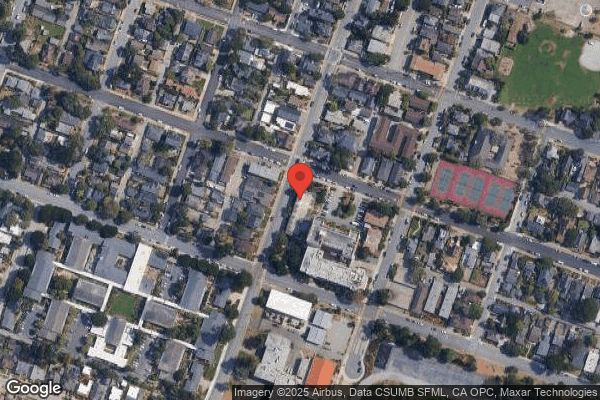
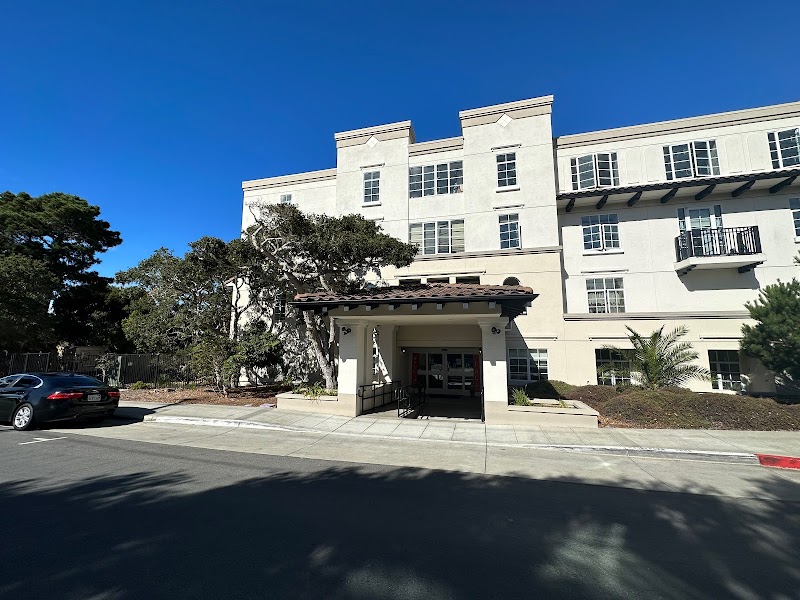
551 GIBSON AVENUE, PACIFIC GROVE, CA 93950 (831) 657-5200
For profit - Limited Liability company 26 Beds BVHC, LLC Data: November 2025
Trust Grade
53/100
#579 of 1155 in CA
Last Inspection: April 2025

Within standard 12-15 month inspection cycle. Federal law requires annual inspections.

Overview

Forest Hill Manor Health Center has a Trust Grade of C, meaning it is average and ranks in the middle of the pack among nursing homes. In California, it is ranked #579 out of 1155 facilities, placing it in the bottom half, while locally in Monterey County, it ranks #9 out of 14, indicating that only a few options are better. The facility is currently improving, with issues decreasing from 12 in 2024 to 7 in 2025. Staffing is a strength, rated at 3 out of 5 stars with a low turnover rate of 0%, which is well below the state average. However, the facility has faced concerning incidents, such as a resident who eloped and suffered injuries due to inadequate monitoring, and issues with food safety practices that could potentially risk residents' health. Although there are some strengths, families should be aware of these weaknesses when considering this facility.

Trust Score
C
53/100
In California
#579/1155
Top 50%
Safety Record
Moderate
Needs review
Inspections
Getting Better
12 → 7 violations
Staff Stability
○ Average
Turnover data not reported for this facility.
Penalties
⚠ Watch
$3,145 in fines. Higher than 95% of California facilities. Major compliance failures.
Skilled Nurses
✓ Good
Each resident gets 52 minutes of Registered Nurse (RN) attention daily — more than average for California. RNs are trained to catch health problems early.
Violations
⚠ Watch
27 deficiencies on record. Higher than average. Multiple issues found across inspections.
★★★☆☆
3.0
Overall Rating
★★★☆☆
3.0
Staff Levels
★★★★☆
4.0
Care Quality
★★★☆☆
3.0
Inspection Score
Stable
2024: 12 issues
2025: 7 issues

The Good

  • 4-Star Quality Measures · Strong clinical quality outcomes
  • Full Sprinkler Coverage · Fire safety systems throughout facility
  • No fines on record

Facility shows strength in quality measures, fire safety.

The Bad

3-Star Overall Rating

Near California average (3.1)

Meets federal standards, typical of most facilities

Federal Fines: $3,145

Below median ($33,413)

Minor penalties assessed

Chain: BVHC, LLC

Part of a multi-facility chain

Ask about local staffing decisions and management

The Ugly 27 deficiencies on record

1 actual harm
Oct 2025 1 deficiency 1 Harm
SERIOUS (G) 📢 Someone Reported This

A family member, employee, or ombudsman was alarmed enough to file a formal complaint

Actual Harm - a resident was hurt due to facility failures

Accident Prevention (Tag F0689)

A resident was harmed · This affected 1 resident

**NOTE- TERMS IN BRACKETS HAVE BEEN EDITED TO PROTECT CONFIDENTIALITY** Based on observation, interview and record review, the facility failed to ensure a resident received adequate monitoring to prev...

Read full inspector narrative →
**NOTE- TERMS IN BRACKETS HAVE BEEN EDITED TO PROTECT CONFIDENTIALITY** Based on observation, interview and record review, the facility failed to ensure a resident received adequate monitoring to prevent an elopement (leaving the facility without authorization) for one of two sampled residents (Resident 1). Resident 1's elopement assessment indicated she was at risk for elopement, and a care plan was not developed upon admission. On 6/27/25, Resident 1 eloped, was found the next day on 6/28/25 in the neighborhood, transferred to a hospital, was noted to have hypothermia (significant and potentially dangerous drop in body temperature with most common cause from exposure to cold weather) and sustained injuries of forehead laceration (cut) requiring suturing.This failure resulted in Resident 1 having multiple bodily scratches/abrasions, hypothermia, altered mental status, rhabdomyolysis (breakdown of muscle tissue that releases a damaging protein into the blood), forehead laceration and urinary tract infection.Findings:Review of Resident 1's Nurse's Note, dated 6/27/25 at 11:23 p.m., indicated around 4 p.m. the resident was walking in the hallway back and forth and went into another resident's room. It indicated about 4:15 p.m., Resident 1 was not in her room, all staff were informed, and a search began, and at 4:39 p.m. the police were notified.Review of Resident 1's Minimum Data Set (MDS, an assessment tool), dated 6/10/25, indicated the resident's Brief Interview for Mental Status (BIMS) score was 3 out of 15, indicating she had memory problems and severe impairment in daily decision-making skills.Review of Resident 1's admission Elopement - Wandering (moving from place to place without a clear goal or direction) assessment dated [DATE], scored seven, indicating the resident was at moderate risk for elopement. Under Recommendations for Safety, it indicated routine rounding, bed to low position, and resident had a sitter (non-medical staff who provides continuous, one-on-one supervision for residents at risk of injury, such as falls) in the evening. There was no documented evidence a care plan was developed addressing Resident 1's risk for elopement.During an interview on 9/3/25 at 1:24 p.m., the director of nurses (DON) stated Resident 1 walked independently without assistive devices (i.e. cane, walker), had a sitter during the beginning of her admission because she was at high risk for fall. The DON stated on the day of elopement on 6/27/25, the family member did not visit, and Resident 1 was seen on the street (Fountain Street) by a visitor near the back exit walking uphill. The DON who reviewed the record stated Resident 1 was assessed at risk for wandering/elopement and a care plan should have been developed.During a tour and interview with RN A on 9/3/25 at 2:38 p.m. It was observed there are three exits including the main entrance leading to public street and one exit to a back pubic street. RN A during the tour of the facility stated none of the exit doors leading to public streets were alarmed.Review of Resident 1's Fall Risk Assessment form, dated 6/6/25, indicated the resident was at high risk for falls. A fall monitoring log to document hourly from midnight to 11 p.m. was initiated on 6/7/25 at midnight f or Resident 1. The monitoring log was not consistently completed; entries were missing on 6/12/25 from midnight to 2 p.m., 6/13/25 from 4 p.m. to 11 p.m.6/17/25 from 8 a.m. to 11 p.m., 6/18/25 from 8 a.m. to 2 p.m.,6/18/25 from 4 p.m. to 11 p.m., 6/19/25 and 6/20/25 from 4 p.m. to 11 p.m., 6/21/25 from 7 a.m. to 11 p.m., 6/23/25 from midnight to 7 a.m., 6/24/25 from 1 p.m. to 11 p.m., 6/25/25 from 4 p.m. to 11 p.m., and 6/26/25 from 4 p.m. to 11 p.m. with no explanation for no documentation. Also, the fall monitoring log dated 6/27/25 during the times Resident 1 was missing from 5 p.m. to 11 p.m., indicated Resident 1 was monitored for falls in the facility.During an interview on 9/3/26 at 2:40 p.m., the DON who reviewed the monitoring log acknowledged the monitoring entries were not complete.During an interview on 9/18/25 at 3:10 p.m., the certified nurse assistant (CNA) confirmed he initialed Resident 1's Monitoring Log on 6/27/25 from 4 p.m. to 11 p.m. The CNA stated Resident 1 was missing and he made a mistake in documentation in the fall monitoring log.During an interview on 9/25/25 at 11:07 a.m. the DON stated the facility did not have a wander guard (system with bracelets and sensors at doorway and a central platform that sends alerts to staff when a person approached a restricted area) and no alarm system.During an interview on 10/1/25 at 3:15 p.m., the social services director (SSD) stated Resident 1 had a sitter paid by the family on 6/6/25 from 7 a.m. to 7 p.m. The sitter service was discontinued on 6/10/25 after she discussed with a family member the resident did not need a sitter.Review of the Pacific Grove Police Department (PGPD) report, dated 6/27/25 at 9:29 p.m., indicated the California Highway Patrol activated a Silver Alert (pubic notification issued by law enforcement for a missing adult who is 65 or older and is considered at risk of harm due to their condition or the circumstance of their disappearance) for Resident 1 within a 3-mile radius of the area, a missing person flyer was posted on the PGPD's social media accounts for citizens to be on the lookout and volunteers were prompted to respond and conduct a systemized search for the resident. It indicated on 6/28/2025, at approximately 3:44 p.m., dispatch advised officers that a citizen reported that they located Resident 1. Resident 1 was not in a clear state of mind, the resident was talking and pointing about a dog but there was no dog in sight and when asked if she slept she stated Yes.Review of Resident 1's acute hospital emergency department (ED) note, dated 6/28/25 at 8:39 p.m., indicated the patient had multiple bodily scratches/abrasions including a gaping scalp wound requiring repair and possible fall and was likely out all night. It indicated a [NAME] (medical device used to raise a person's body temperature) was started given significant hypothermia. The ED Clinical Impressions included altered mental status, hypothermia, rhabdomyolysis (breakdown of muscle tissue that releases a damaging protein into the blood), forehead laceration and urinary tract infection.Review of the Care Planning - Interdisciplinary Team (IDT, members of the health team who meet to discuss and plan residents' care) policy, revised September 2013, indicated the IDT was responsible for the development of an individualized comprehensive care plan for each resident.Review of the Wandering and Elopements policy, revised March 2019, did not address preventative measures to prevent elopement.During an interview on 9/3/25 at 1:51 p.m., the DON who provided the elopement policy stated policy addressed preventative measures.
Apr 2025 6 deficiencies
CONCERN (D)

Potential for Harm - no one hurt, but risky conditions existed

Resident Rights (Tag F0550)

Could have caused harm · This affected 1 resident

Based on observation, interview, and record review, the facility failed to ensure dignity and privacy was upheld for one of two sampled residents (Resident 179) when Resident 179's Foley catheter drai...

Read full inspector narrative →
Based on observation, interview, and record review, the facility failed to ensure dignity and privacy was upheld for one of two sampled residents (Resident 179) when Resident 179's Foley catheter drainage bag, (a device inserted into your bladder [organ that collects urine] to drain urine if you cannot urinate on your own made of a semi-flexible plastic tube, one end inserted into the bladder and the other end attached to a bag that collects urine) drain bag was left uncovered. This failure had the potential for adverse effects on the psychosocial well-being and health of Resident 179. Finding: During an observation on 4/21/25 at 10:46 a.m., in Resident 179's room. Resident 179 was observed lying on her bed. Her Foley catheter drainage bag was on the floor and the bag was left uncovered, yellow colored urine was visible from drainage bag. During a review of Resident 179's clinical record indicated Resident 179 was admitted to the facility with diagnosis including retention of urine (when bladder doesn't empty completely or at all). During a review of Resident 179's physician's order indicated an order for Indwelling Catheter: Foley Catheter size: FR 16 . dated 4/17/25. During an interview on 4/22/25 at 3:03 p.m., with the Director of Nursing (DON), the DON confirmed Resident 179's Foley catheter drainage bag was uncovered. She stated Resident 179's Foley catheter drainage bag should have a privacy bag cover when inside the room or outside. During a review of facility's policy and procedure (P&P) titled, Dignity revised February 2021, the P&P indicated, Residents are treated with dignity and respect at all times.12. Demeaning practices and standards of care that compromise dignity are prohibited. Staff are expected to promote dignity and assist residents; for example: a. helping resident to keep urinary catheter bag covered .
CONCERN (D)

Potential for Harm - no one hurt, but risky conditions existed

Deficiency F0757 (Tag F0757)

Could have caused harm · This affected 1 resident

Based on interview and record review, the facility failed to ensure one of 13 sampled residents (Residents 19) were free from unnecessary medication when Resident 19 received Lasix (used to treat edem...

Read full inspector narrative →
Based on interview and record review, the facility failed to ensure one of 13 sampled residents (Residents 19) were free from unnecessary medication when Resident 19 received Lasix (used to treat edema [fluid retention; excess fluid held in body tissues]) without monitoring. This deficient practice resulted in unmonitored medical condition. Finding: During a review of Resident 19's clinical record indicated Resident 19 was admitted to the facility with diagnosis including Diastolic congestive heart failure (a condition in which the heart muscle can't pump enough blood to meet the body's needs for blood and oxygen). A review of Resident 19's physician's orders indicated an order for Lasix 20 mg, 1 tablet by mouth every 48 hours for swelling on feet, dated 4/12/24. A review of Resident 19's medication administration record (MAR) indicated the nursing staff did not monitor for swelling on the feet. During a concurrent interview and record review on 4/23/25 at 3:12 p.m., with the Director of Nursing (DON), the DON reviewed Resident 19's physician's orders and confirmed there was no monitoring for swelling on the feet. The DON stated Resident 19 should have monitoring for swelling to see the effectiveness of medication. During a review of the facility's policy and procedures titled, Medication Therapy, revised April 2007, indicated, 1. Each resident's medication regimen shall include only those medications necessary to treat existing conditions and address significant risks. 2.Medication use shall be consistent with an individual's condition, prognosis, values, wishes and response to such treatments. 3. All medication orders will be supported by appropriate care and practices . 1. All decisions related to medications shall include appropriate elements of the care process, such as: a. Adequate detailed assessment .
CONCERN (D)

Potential for Harm - no one hurt, but risky conditions existed

Infection Control (Tag F0880)

Could have caused harm · This affected 1 resident

**NOTE- TERMS IN BRACKETS HAVE BEEN EDITED TO PROTECT CONFIDENTIALITY** Based on observation, interview, and record review, the facility failed to ensure infection prevention practices were followed f...

Read full inspector narrative →
**NOTE- TERMS IN BRACKETS HAVE BEEN EDITED TO PROTECT CONFIDENTIALITY** Based on observation, interview, and record review, the facility failed to ensure infection prevention practices were followed for two of seven residents (Resident 83 and 179) when: 1. Resident 83's intravenous (IV, within or into a vein) tubing was undated; 2. A Certified Nursing Assistant not wearing wearing Personal Protective Equipment (PPE, its equipment worn to minimize exposure to hazards in the workplace) during patient care and; 3. Resident 179's Foley catheter drainage bag (a device inserted into your bladder [organ that collects urine] to drain urine if you cannot urinate on your own made of a semi-flexible plastic tube, one end inserted into the bladder and the other end attached to a bag that collects urine) was on the floor and uncovered. These failures had the potential to place the residents at risk for developing an infection and the potential to result in transmission of infection in the facility. Findings: 1. Review of Resident 83's clinical record indicated he was admitted to the facility on [DATE] with diagnoses including sepsis (an illness caused by the body's response to an infection). During an observation on 4/21/24 at 11:33 a.m., Resident 83 had a peripherally inserted central catheter (PICC, a thin, soft, long catheter [tube] that is inserted into a vein in arm, leg or neck and the tip of the catheter is positioned in a large vein that carries blood into the heart) line on his left upper arm. The IV equipment was infusing (administering medication into a vein) medication and the IV tubing was undated. Review of Resident 83's physician orders, dated 4/20/25, indicated an order to give Ceftriaxone Sodium (antibiotic) 2 grams intravenously two times a day for sepsis for 36 days. Another physician order, dated 4/20/25, indicated PICC: Intermittent IV tubing change daily every day and evening shift. During an observation and concurrent interview with the director of nurses (DON) on 4/21/25 at 11:39 a.m., she confirmed Resident 83 was receiving Ceftriaxone Sodium via intravenous administration. The DON confirmed the IV tubing was undated and she stated the IV tubing should be dated. A review of the facility's policy titled Administration Set/Tubing Changes, revised April 2016, indicated The purpose of this procedure is to provide guidelines for aseptic administration set changes in order to prevent infections associated with contaminated IV therapy equipment. The policy further indicated Label new tubing with date, time, and initials. 2. During an observation on 4/21/25 at 10:16 a.m., inside Resident 179's room. CNA B stated she is doing patient care. CNA B walked towards the privacy curtains and closed it, she was observed not wearing PPE. After a few minutes she was observed going to the restroom inside Resident 179's room, she was holding a urinal with urine about ¼ full, she was not wearing PPE. During an interview on 4/21/25 at 10:24 p.m., shortly after the observation outside Resident 179 room. CNA B was asked what patient care she provided to Resident 179. CNA B stated she change Resident 179's brief and empty the Foley catheter bag. CNA B confirmed she did not wear PPE while providing patient care to Resident 179. CNA B reviewed the signage posted outside Resident 179's door, the signage indicated Enhanced Barrier Precautions (EBP, an infection prevention strategy, particularly in nursing homes, that uses PPE to reduce the transmission of multi-drug resistant organisms {MDRO a germ that is resistant to many antibiotics}) .Providers and staff must also: Wear gloves and a gown for the following High-Contact Resident Care Activities . Changing briefs or assisting with the toileting, Device care or use: central line, urinary catheter . CNA B stated she should wear a gown when providing patient care to Resident 179. During a review of Resident 179's physician's order, dated 4/21/24 indicated Enhanced barrier precautions due to (High- contact resident care activities with, increased risk of MDRO acquisition due to presence of indwelling Foley Catheter. During an interview on 4/24/25 at 10:17 a.m., with the Infection Prevention Nurse (IP), the IP stated the CNA should wear PPE when doing direct contact like Foley catheter care and changing briefs. During a review of the facility's policy and procedures titled, Enhanced Barrier Precautions, dated 6/18/24, indicated, . Enhanced Barrier Precautions (EBP) are an infection control intervention designed to reduce transmission of multidrug-resistant organisms (MDROs) in nursing homes. Enhanced Barrier Precautions involve gown and glove use during high-contact resident care activities for residents known to be colonized or infected with a MDRO as well as those at increased risk of MDRO acquisition (e.g., residents with wounds or indwelling medical devices). High-Contact Resident Care Activities include activities such as .Changing briefs or assisting with toileting, Device care or use: central line, urinary catheter, feeding tube, tracheostomy/ventilator . 3. During an observation on 4/21/25 at 10:46 a.m., in Resident 179's room. Resident 179's foley catheter drainage bag was observed on the floor and the drainage bag was left uncovered. During a review of Resident 179's clinical record indicated Resident 179 was admitted to the facility with diagnosis including retention of urine (when bladder doesn't empty completely or at all). During a review of Resident 179's physician's order indicated an order for Indwelling Catheter: Foley Catheter size: FR 16 . dated 4/17/25. During an interview on 4/22/25 at 3:04 p.m., with the Director of Nursing (DON) the DON confirmed that Resident 179's foley catheter bag was on the floor. The DON stated the Foley catheter drainage bag should not be touching the floor for infection control. During a review of the facility's policy and procedures titled, Catheter Care, Urinary, revised date 9/2014, indicated, .Infection Control .b. Be sure the catheter tubing and drainage bag are kept off the floor .
CONCERN (E)

Potential for Harm - no one hurt, but risky conditions existed

Pharmacy Services (Tag F0755)

Could have caused harm · This affected multiple residents

Based on interview and record review, the facility failed to ensure accurate accountability of controlled drugs (medications that can be easily abused and are under strict government control) to docum...

Read full inspector narrative →
Based on interview and record review, the facility failed to ensure accurate accountability of controlled drugs (medications that can be easily abused and are under strict government control) to document medication administration as in accordance with the facility policy and procedures (P&P) and the availability of medication for three out of 13 sampled residents (Resident 10, Resident 9, and Resident 15). These failures had the potential for medication errors and controlled drug abuse or diversion (when healthcare providers obtain or use prescription medicines illegally) and had the potential for untreated or worsening of patient's medical conditions. Findings: 1. A review of Resident 10's clinical record indicated Resident 10 was admitted to the facility with diagnoses including anxiety (Intense, excessive, and persistent worry and fear about everyday situations). A review of Resident 10's physician's order indicated an order, dated 3/27/25, for diazepam (it can treat anxiety)5 mg (milligram, unit of measurement), 1 tablet by mouth every 8 hours as needed for anxiety for 14 days. During a concurrent interview and record review on 4/22/25 at 2:27 p.m., with Director of Nursing (DON), the DON reviewed Resident 10's Controlled Drug Record (CDR) for diazepam 5 mg, the March and April 2025 Medication Administration Records (MARs) indicated, on 3 occasions, the nursing staff signed out one tablet on CDR, but did not document their administration on the MAR, as follows: 3/29/25 at 2100 4/02/25 at 1806 4/15/25 at 1700 The DON confirmed these findings that those dates are not signed for in the MAR. DON stated they [nurses] should sign the MAR and CDR. She further stated it's a proof the medication is given to the resident and notification also to the nurse if the medication is due to be administered. 2. A review of Resident 9's clinical record indicated Resident 9 was admitted to the facility with diagnoses including type 2 Diabetes Mellitus (DM, a condition which affects the way the body processes blood sugar). A review of Resident 9's physician's order indicated an order, dated 4/9/25, for Oxycodone-Acetaminophen (a potent controlled medication for pain )5-325 mg (milligram, unit of measurement), 1 tablet by mouth every 4 hours as needed for moderate to severe pain. During a concurrent interview and record review on 4/22/25 at 2:49 p.m., with Director of Nursing (DON), the DON reviewed Resident 9's Controlled Drug Record (CDR) for Oxycodone-Acetaminophen 5 -325 mg, the April 2025 Medication Administration Records (MAR) indicated, on 4/16/25 at 1912, the nurse signed out one tablet on CDR, but did not document the administration on the MAR. The DON stated the nurse should sign the MAR specially if it's a controlled substance. During a review of facility's P&P titled, Administering Medications Revised date 2019, the P&P indicated, .23. As required or indicated for a medication, the individual administering the medication records in the resident's medical record: a. the date and time the medication was administered; b. the dosage; .e. any complaints or symptoms for which drug administered was administered; f. any result achieved and when those results were observed; and g. the signature and title of the person administering the drug . During a review of facility's P&P titled, Controlled Substances revised April 2019, the P&P indicated, indicated in part, 10. upon administration: a. The nurse administering the medication is responsible for . (3) Time of administration . (6) signature of nurse administering medication . 3. During a medication administration observation on 4/22/25 at 4:26 p.m., Registered Nurse A (RN A), she was observed preparing medication for Resident 15. RN A stated Carbidopa-levodopa (combination medication used to treat Parkinson's disease [a disease that include symptoms of slowness of movements, muscle rigidity, involuntary tremors/shaking and impaired balance, and posture] and related conditions.) for Resident 15 is not available. RNA A stated it was ordered from pharmacy. RN A further stated Resident 15 is not getting her 5:00 p.m. dose. A review of Resident 15's clinical record indicated Resident 15 was admitted to the facility with diagnoses including Parkinson's disease. A review of Resident 15's physician's order indicated an order dated 4/4/25, for Carbidopa-levodopa 25-100 mg (milligram, unit of measurement), 1 tablet by mouth before meals (0630,1130, and 1630). During a review of Resident 15's Medication Administration Record (MAR), the MAR indicated on 4/22/25 at 1630 RN A put chart codes 9=Other/see progress notes. During a review of Resident 15's Progress Notes dated 4/22/25 RN A documented Meds (medication) not on hand call Dr. (Doctor) ok to give when meds arrive. During an interview on 4/23/25 at 3;16 p.m., with the Director of Nursing (DON), the DON stated nurse should order 72 hours before they run out of medication. She further stated the resident should receive the medication on time and should have medications available all the time. During a review of facility's P&P titled, Administering Medications Revised date 2019, the P&P indicated, Medications are administered in a safe and timely manner, and as prescribed .7. Medications are administered within one (1) hour of their prescribed time, unless otherwise specified (for example, before and after meal orders) .
CONCERN (E)

Potential for Harm - no one hurt, but risky conditions existed

Deficiency F0761 (Tag F0761)

Could have caused harm · This affected multiple residents

Based on observation, interview, and record review, the facility failed to ensure proper medication storage when the medication refrigerator temperature is below the acceptable range of 36 Fahrenheit ...

Read full inspector narrative →
Based on observation, interview, and record review, the facility failed to ensure proper medication storage when the medication refrigerator temperature is below the acceptable range of 36 Fahrenheit (F) to 46 (F). These failures had the potential for residents to receive medications with reduced efficacy. Findings: On 4/21/25 at 9:46 a, m., an inspection of the medication refrigerator in Medication Room with the Director of Nursing (DON) observed the built up of thick ice inside the medication refrigerator and the temperature was 32 F. There were medications inside the refrigerator. The DON confirmed these findings, she stated the ice built up inside the medication refrigerator should not be that thick. During a follow inspection of medication refrigerator inside the Medication room on 4/21/25 at 1:57 p.m., with the DON, The DON checked the refrigerator temperature, and she stated the temperature was 28 F, she further stated the acceptable range for medication refrigerator temperature is 36 F to 46 F. She stated she will call the pharmacy. The DON confirmed the Medications inside the refrigerator were as follows. a. Unopened vial of insulin (used to control blood sugar) manufacturer's label indicated store refrigerator at 36 F to 46 F. b. One 60 ML (milliliter, unit of measure) compounded drug (a medication that is prepared by a pharmacist by mixing, combining, or altering ingredients to create a medication tailored to the needs of a specific patient) of Daptomycin (medication used to treat certain blood infections or serious skin infections). c. Two unopened bottle of latanoprost eyedrops (used to treat glaucoma [group of eye diseases that can cause vision loss and blindness]) the pharmacy label indicated to Stored unopened bottle under the refrigeration at 36 F to 46 F. d. Two vials of tuberculin (contains the solution used in a Mantoux test to detect exposure to tuberculosis) with manufacturer's label indicated store (in) refrigerator at (35 F to 46 F) Do not freeze. e. One small box of Emergency kit (E-Kit) inside the box was two vials of insulin and one vial of Lorazepam (medication used to treat anxiety disorders {excessive and persistent worry or fear that can interfere with daily life}). f. Two doses of influenza vaccine (a shot that helps protect against influenza viruses). During a concurrent interview and record review on 4/22/25 at 3:01 p.m., with the DON, the DON reviewed the medication refrigerator log for month of April 2025 which indicated NORMAL TEMPERATURE LOG OF THE REFRIGERATOR IS: 36 TO 46 DEGREE FAHRENHEIT (2-8 Degree Celsius). there were seven occasions that the temperature were below the acceptable range as follows: 4/08/25=34 F 4/12/25=34 F 4/14/25=34 F 4/15/25=34 F 4/16/25=34 F 4/18/25=34 F 4/21/25=34 F The DON stated the 34 F is not acceptable range and the nurse should have reported it. She further stated medication inside the fridge like insulin has temperature recommendations. A review of facility's policy and procedure titled Storage of Medications, revised 11/2020, indicated, The facility stores all drugs and biologicals in a safe, secure, and orderly manner. 1. Drugs and biologicals used in the facility are stored in locked compartments under proper temperature, light and humidity controls. Only persons authorized to prepare and administer medications have access to locked medications .
CONCERN (F)

Potential for Harm - no one hurt, but risky conditions existed

Food Safety (Tag F0812)

Could have caused harm · This affected most or all residents

Based on observation, interview and record review, the facility failed to ensure food was stored, prepared, distributed, and served in accordance with professional standards for food safety when: 1. T...

Read full inspector narrative →
Based on observation, interview and record review, the facility failed to ensure food was stored, prepared, distributed, and served in accordance with professional standards for food safety when: 1. There were opened, undated, and unlabeled food items in the reach-in refrigerator; 2. There were undated and unlabeled food items in the food preparation area; 3. Pans used for food preparation and food service were stacked and stored wet. These failures had the potential to cause food contamination and food-borne illness to 24 of 24 residents who received their food from the kitchen. Findings: 1. During an initial kitchen tour on 4/21/25 at 9:20 a.m., accompanied by the registered dietician (RD), the following observations were made in the reach-in refrigerator: The following items were opened and undated: - 1 gallon of milk - 1 32-ounce carton of liquid eggs - 3 5-pound containers of sour cream - 1 gallon of Italian dressing and 1 gallon of coleslaw dressing - 1 gallon of maple syrup The following items were opened, undated, and unlabeled: - 3 pitchers containing yellow, orange and brown colored liquids - 3 glasses containing yellow liquid - 1 bowl containing a pink substance The RD confirmed the above observations and stated all food items should be dated with an open date and labelled. The RD stated the undated and unlabeled food items need to be discarded. Review of the facility's undated policy titled Guidelines for Storage - Date your products with Use By Dates indicated a list of food items with specific use by dates for refrigerated items. The list included: Milk 8-20 days; Sour Cream 2 weeks; Egg substitute 10 days; and Salad Dressings 3 months. 2. During an initial kitchen tour on 4/21/25 at 9:20 a.m., accompanied by the registered dietician (RD), the following items were observed in plastic containers on a shelf above the food preparation area: rigatoni noodles, lentils, rice, brown sugar, polenta, and panko breadcrumbs. The plastic bins were unlabeled and undated. The RD confirmed the observations and stated the bin's contents should be labeled and dated when they are placed in the containers. Review of the facility's undated policy titled Food Storage indicated Metal or plastic containers with tight fitting covers must be used for storing cereals, cereal products, flour, sugar, dried vegetable, and broken lots of bulk foods. All containers must be legibly and accurately labeled. 3. During an initial kitchen tour on 4/21/25 at 9:20 a.m., accompanied by the registered dietician (RD), there were 13 metal pans of various sizes, observed to be stacked on a metal wire rack. The pans were stacked upside down inside of one another and were wet inside and outside of the pan's surfaces. The RD confirmed the pans were wet and she stated they should have been air dried before being stacked and stored. According to the 2022 Food and Drug Administration (FDA) Food Code, Section 4-901.11 Equipment and Utensils, Air-Drying Required, After cleaning and sanitizing, equipment and utensils: shall be air-dried . According to the FDA Food Code 2017 Annex 4-901.11 items must be allowed to drain and to air-dry before being stacked or stored.
Jan 2024 12 deficiencies
CONCERN (D)

Potential for Harm - no one hurt, but risky conditions existed

Deficiency F0578 (Tag F0578)

Could have caused harm · This affected 1 resident

**NOTE- TERMS IN BRACKETS HAVE BEEN EDITED TO PROTECT CONFIDENTIALITY** Based on interview and record review, the facility failed to follow their policy and procedure (P&P) for an advance directive (A...

Read full inspector narrative →
**NOTE- TERMS IN BRACKETS HAVE BEEN EDITED TO PROTECT CONFIDENTIALITY** Based on interview and record review, the facility failed to follow their policy and procedure (P&P) for an advance directive (AD, a written instruction, such as a living will or durable power of attorney [a document that authorizes to act on behalf of resident] for healthcare when the individual is incapacitated) and completion of physician orders for life-sustaining treatment (POLST, a document that specifies the medical treatments the resident wants to receive during serious illness) form for five of seven sampled residents (Residents 8, 178, 179, 181, and 184). This failure could lead to the delivery of unnecessary or inappropriate medical services against Residents 8, 178, 179, 181, and 184 goals and wishes. Findings: Review of Resident 8's face sheet (a document that gives a resident's information at a quick glance) indicated Resident 8 was admitted to the facility on [DATE]. Review of Resident 8's clinical record indicated, there was no advance directive. Review of social services notes indicated there was no documentation that the facility verified, or offered, or assisted, and or obtained advance directive for Resident 8. Review of Resident 8's POLST form dated 10/30/23 indicated, section D for advance directive all three options, and physician signature were left blank, and not completed. Review of Resident 178's face sheet indicated, Resident 178 was admitted to the facility on [DATE]. Review of Resident 178's clinical record indicated, there was advance directive. Review of social services notes indicated there was no documentation that the facility verified, or offered, or assisted, and or obtained advance directive for Resident 178. Review of Resident 178's POLST form dated 1/12/24 indicated, section D for advance directive all three options were left blank, and not completed. Review of Resident 179's face sheet indicated, Resident 179 was admitted to the facility on [DATE]. Review of Resident 179's clinical record indicated, there was no advance directive. Review of social services notes indicated there was no documentation that the facility verified, or offered, or assisted, and or obtained advance directive for Resident 179. Review of Resident 179's POLST form dated 1/13/24 indicated, section D for advance directive all three options were left blank, and not completed. Review of Resident 181's face sheet indicated, Resident 181 was admitted to the facility on [DATE]. Review of Resident 181's clinical record indicated, there was no advance directive. Review of social services notes indicated there was no documentation that the facility verified, or offered, or assisted, and or obtained advance directive for Resident 181. Review of Resident 181's POLST form dated 12/30/23 indicated, section D for advance directive all three options were left blank, and not completed. Review of Resident 184's face sheet indicated, Resident 184 was admitted to the facility on [DATE]. Review of Resident 184's clinical record indicated, there was no advance directive. Review of social services notes indicated there was no documentation that the facility verified, or offered, or assisted, and or obtained advance directive for Resident 184. Review of Resident 184's undated POLST form indicated, section D for advance directive all three options, and physician's signature were left blank, and not completed. During a concurrent interview and record review of the advance directive for Residents 8, 178, 179, 181, and 184 with the facility's social service director (SSD) on 1/19/24 at 11 a.m., the SSD confirmed there were no documentation of advance directive for the above five residents. The SSD stated she should have verified, offered, assisted, and or obtained advance directive for the residents. During an interview with the director of nursing (DON) on 1/19/24 at 11:30 a.m., the DON stated the SSD should have verified, and assisted residents to obtain advance directive. The DON also stated the SSD should have documented the efforts to obtain advance directive as needed. The DON further stated staff should have completed POLST form for residents without blanks and obtained physician's signature. Review of the facility's P&P titled, Advance Directive, revised December 2016, the P&P indicated, Prior to or upon admission of a resident, the Social Service Director or designee will inquire of the resident, his/her family members and/or his or her legal representative, about the existence of any written advance directives. Information about whether or not the resident has executed an advance directive shall be displayed prominently in the medical record. Review of the facility's P&P titled, Do not Resuscitate Order, revised April 2017, the P&P indicated, A Do Not Resuscitate (DNR) order form must be completed and signed by the Attending Physician and resident (or resident's legal surrogate, as permitted by State Law) and placed in the front of the resident's medical record.
CONCERN (D)

Potential for Harm - no one hurt, but risky conditions existed

Deficiency F0645 (Tag F0645)

Could have caused harm · This affected 1 resident

**NOTE- TERMS IN BRACKETS HAVE BEEN EDITED TO PROTECT CONFIDENTIALITY** Based on interview and record review, the facility failed to ensure pre-admission screening and resident review (PASRR- screenin...

Read full inspector narrative →
**NOTE- TERMS IN BRACKETS HAVE BEEN EDITED TO PROTECT CONFIDENTIALITY** Based on interview and record review, the facility failed to ensure pre-admission screening and resident review (PASRR- screening for residents with a mental disorder [MD, a wide range of conditions that affect mood, thinking, and behavior] and residents with intellectual disability [ID, when there are limits to a resident's ability to learn at an expected level and function in daily life] or related disorders [RD]) screening was completed for one out of two residents. This failure had the potential for Resident 8 not to receive the required care and services. Findings: Review of Resident 8's face sheet (a document that gives a resident's information at a quick glance) indicated Resident 8 was admitted to the facility on [DATE] with diagnoses including post-traumatic stress disorder (PTSD, a psychiatric disorder that may occur in residents who have experienced or witnessed a traumatic event or set of circumstances). Review of Resident 8's history and physical document from acute hospital (where residents receive immediate and short-term treatment for any critical or life-threatening injury, illness, and diseases) dated 10/9/23, indicated Resident 8's diagnosis of PTSD. Review of Resident 8's minimum data set (MDS, resident clinical, and functional assessment tool) assessment dated [DATE] indicated PTSD under psychiatric/mood disorder for resident's primary medical condition. Review of Resident 8's clinical record indicated there was no document for PASRR. During an interview with the director of nursing (DON) on 1/19/24 at 11:51 a.m., the DON acknowledged Resident 8 had diagnosis of PTSD. The DON also acknowledged that Resident 8's PASRR was not done. The DON stated facility should complete PASRR and refer residents as needed. During a review of the facility's policy and procedure (P&P) titled, admission Criteria, revised March 2019, the P&P indicated, All new admissions and readmissions are screed for mental disorders (MD), intellectual disabilities (ID) or related disorders (RD) per the Medicaid (joint federal and state program that provides health coverage to certain group of individuals) Pre-admission Screening and Resident Review (PASARR) process. The facility conducts a Level 1 PASARR screen for all potential admissions, regardless of payor source, to determine if the individual meets the criteria for MD, ID, or RD.
CONCERN (D)

Potential for Harm - no one hurt, but risky conditions existed

Deficiency F0655 (Tag F0655)

Could have caused harm · This affected 1 resident

**NOTE- TERMS IN BRACKETS HAVE BEEN EDITED TO PROTECT CONFIDENTIALITY** Based on interview and record review, the facility failed to develop a baseline care plan for two out of 12 sampled residents (R...

Read full inspector narrative →
**NOTE- TERMS IN BRACKETS HAVE BEEN EDITED TO PROTECT CONFIDENTIALITY** Based on interview and record review, the facility failed to develop a baseline care plan for two out of 12 sampled residents (Residents 4 and 20) within 48 hours of the resident's admission when: 1. For Resident 4, there was no care plan to address oxygen use; 2. For Resident 20, there was no care plan for bowel and bladder incontinence; 3. For Resident 20, there was no care plan to manage blood sugar to prevent hyperglycemia (high blood sugar) and hypoglycemia (low blood sugar). These deficient practices had the potential for delayed administration of necessary care and services. Findings: 1. Review of Resident 4's clinical record indicated Resident 4 was admitted to the facility on [DATE] with diagnoses including acute diastolic heart failure (the left ventricle muscle becomes stiff or thickened and shortness of breath with exertion or when lying down). Review of Resident 4's physician's order summary indicated administer oxygen 2 l/min (l/min, liter per minute) as needed, starting on 12/26/23. During an observation in Resident 4's room on 1/16/24 at 11 a.m., Resident 4 was lying in her bed with oxygen at 2 l/min via nasal cannula (NC, a plastic tubing used to deliver supplemental oxygen). During an observation in Resident 4's room on 1/18/24 at 9:14 a.m., Resident 4 was lying in her bed with oxygen at 2 l/min via NC. During a concurrent interview and record review with the infection preventionist (IP) on 1/23/24 at 9 a.m., the IP reviewed Resident 4's care plan and confirmed that there was no care plan to address the oxygen care. The IP stated the licensed nurses should have completed the baseline care plan to address the oxygen use within 48 hours of the resident's admission. During an interview with the director of nursing (DON) on 1/23/24 at 10 a.m., the DON acknowledged the licensed nurses should have developed the baseline care plans for oxygen use within 48 hours of the resident's admission. 2. During a concurrent interview and record review with the IP on 1/19/24 at 12:11 a.m., the IP reviewed Resident 20's care plan and confirmed that there was no care plan for bowel and bladder incontinence. The IP stated that Resident 20 was mixed for continence and incontinence and sometimes incontinent for both bowel and bladder. The IP stated licensed nurses should have developed the baseline care plan to address the bowel and bladder issue within 48 hours of admission. 3.Review of Resident 20's clinical record indicated Resident 20 was admitted to the facility on [DATE] with diagnoses including type 2 diabetes mellitus (high blood sugar) without complications. During a concurrent interview and record review with the IP on 1/19/24 at 12:13 a.m., the IP reviewed Resident 20's care plan and confirmed that there was no care plan for blood sugar management to monitor hyperglycemia and hypoglycemia. The IP stated that Resident 20 kept receiving insulin to control his blood sugar, and licensed nurses should have developed the baseline care plan to manage his blood sugar level to prevent hyperglycemia and hypoglycemia within 48 hours of admission. During an interview with the DON on 1/23/24 at 10:05 a.m., the DON acknowledged the licensed nurses should have developed the baseline care plans for Resident 20 to address the bowel bladder issue and blood sugar management within 48 hours of the resident's admission. Review of the facility's policy and procedure (P&P) titled Care Plans-Baseline, revised in December 2016, indicated To assure that the resident's immediate care needs and maintained, a baseline care plan will be developed within forty-eight (48) hours of the resident's admission.
CONCERN (D)

Potential for Harm - no one hurt, but risky conditions existed

Respiratory Care (Tag F0695)

Could have caused harm · This affected 1 resident

**NOTE- TERMS IN BRACKETS HAVE BEEN EDITED TO PROTECT CONFIDENTIALITY** Based on observation, interview, and record review, the facility failed to ensure to follow physician's order for oxygen (colorl...

Read full inspector narrative →
**NOTE- TERMS IN BRACKETS HAVE BEEN EDITED TO PROTECT CONFIDENTIALITY** Based on observation, interview, and record review, the facility failed to ensure to follow physician's order for oxygen (colorless, odorless, and tasteless gas supports life) rate administration for one of three sampled residents (Resident 181). This failure had the potential to compromise Resident 181's health, and well-being. Findings: Review of Resident 181's face sheet (a document that gives a resident's information at a quick glance) indicated Resident 181 was admitted to the facility on [DATE] with diagnoses including acute respiratory failure (when lungs are unable to pass enough oxygen to the blood, or when fail to remove carbon dioxide [colorless and odorless gas humans breathed out] from the blood), acute pulmonary edema (fluid build up in the lungs), congestive heart failure (a chronic condition in which the heart does not pump blood as well as it should), and obstructive sleep apnea (intermittent airflow blockage during sleep). Review of Resident 181's physician's order dated 1/7/24 indicated, Oxygen: At 2 Liters/Min (l/min, oxygen measured in liters per minute) via Nasal Cannula (NC, a medical device to provide supplemental oxygen to residents) Every Shift. During an observation on 1/16/24 at 11:53 a.m., noted Resident 181's room air concentrator (RAC, a medical device that take in air from the room and filter out nitrogen to provides higher amounts of oxygen) oxygen rate was set at 4 l/min via NC. During an interview with registered nurse A (RN A) on 11/16/24 at 11:56 a.m., RN A acknowledged Resident 181's RAC was set at 4l/min oxygen via NC. During a second observation on 1/19/24 at 8:32 a.m., noted Resident 181's RAC oxygen rate was set at 4l/min via NC. During a concurrent review of Resident 181's physician's order for oxygen and interview with licensed vocational nurse B (LVN B) on 1/19/24 at 8:35 a.m., LVN B confirmed Resident 181's RAC oxygen rate was set at 4l/min. LVN B also confirmed Resident 181 had an order for oxygen 2l/min. LVN B adjusted Resident 181's RAC oxygen rate to 2l/min and stated staff should have verified and followed Resident 181's physician's order for oxygen use. During an interview with the director of nursing (DON) on 1/19/24 at 11:38 a.m., the DON stated staff should have set Resident 181's RAC at 2l/min. Review of the facility's policy and procedure (P&P) titled, Oxygen Administration, revised July 2010, the P&P indicated, Verify that there is a physician's order for this procedure. Review the physician's orders or facility protocol for oxygen administration.
CONCERN (D)

Potential for Harm - no one hurt, but risky conditions existed

Medication Errors (Tag F0758)

Could have caused harm · This affected 1 resident

**NOTE- TERMS IN BRACKETS HAVE BEEN EDITED TO PROTECT CONFIDENTIALITY** Based on interview and record review, the facility failed to ensure a physician's order for a PRN (as needed) psychotropic medic...

Read full inspector narrative →
**NOTE- TERMS IN BRACKETS HAVE BEEN EDITED TO PROTECT CONFIDENTIALITY** Based on interview and record review, the facility failed to ensure a physician's order for a PRN (as needed) psychotropic medication (medication capable of affecting the mind, emotions, and behavior) was limited to 14 days of use and failed to obtain an informed consent for one of 12 sampled residents (Resident 4). These failures had could lead to the administration of unnecessary medication to the resident. Findings: Review of Resident 4's clinical record indicated she was admitted to the facility on [DATE] with diagnoses including anxiety disorder (intense, excessive, and persistent worry and fear about everyday situations) and unspecified depression. Further review of Resident 4's clinical record indicated a physician's order, dated 12/20/23, for Diazepam 10 milligrams (mg., a unit of measurement) every 8 hours as needed (PRN) for anxiety. The order did not have a stop date. During a concurrent interview and record review with the infection preventionist (IP) on 1/18/24 at 2:35 p.m., the IP reviewed the physician's order and stated that PRN psychotropic medication orders should be limited to 14 days. During a concurrent interview and record review with the IP on 1/23/24 at 9:15 a.m., the IP confirmed that no documentation indicated that Resident 4 signed the informed consent to take Diazepam PRN for anxiety. During an interview with the director of nursing (DON) on 1/23/24 at 10 a.m., the DON stated that there should be a 14-day limit for PRN psychotropic medication and that the facility should have obtained informed consent upon starting the medication to prevent administering unnecessary medication to the resident. Review of the facility's policy and procedure dated 2007 titled, Medication Monitoring, Medication Management, indicated .Residents will not receive PRN doses of psychotropic medications unless that medication is necessary to treat a specific condition that is documented in the clinical record; PRN orders for psychotroic drugs are limited to 14 days .A resident and /or representative has the right to be informed about the resident's condition, treatment options, relative risks, and benefits of treatment .
CONCERN (D)

Potential for Harm - no one hurt, but risky conditions existed

Deficiency F0761 (Tag F0761)

Could have caused harm · This affected 1 resident

**NOTE- TERMS IN BRACKETS HAVE BEEN EDITED TO PROTECT CONFIDENTIALITY** Based on observation, interview, and record review, the facility failed to ensure, discontinued medications were properly discar...

Read full inspector narrative →
**NOTE- TERMS IN BRACKETS HAVE BEEN EDITED TO PROTECT CONFIDENTIALITY** Based on observation, interview, and record review, the facility failed to ensure, discontinued medications were properly discarded and not kept in the medication cart when: 1. For Resident 2, discontinued 30 tablets of montelukast sodium (medication used to prevent breathing difficulties) 10 milligram (mg, unit of measurement), and 53 tablets of hydrocodone-acetaminophen 5-325 (controlled medication for pain) mg, were kept in medication cart 2; and 2. For Resident 78, discontinued 26 tablets of oxycodone hydrochloride (controlled medication for pain) 5 mg, and 23 capsules of pregabalin (controlled medication that can treat nerve and muscle pain), 25 mg, were still in medication cart 2. These failures had the potential for residents to receive discontinued medications and controlled medication diversion. Findings: During an observation and inspection of medication cart 2 with the minimum data set coordinator (MDSC), on 1/17/24, at 2:35 p.m., noted discontinued 30 tablets of montelukast sodium 10 mg, and 53 tablets of hydrocodone-acetaminophen 5-325 mg were kept in the medication cart 2. Review of Resident 2's clinical records indicated, Resident 2 was initially admitted to the facility on [DATE] and was discharged from the facility on 1/10/24. During the continued observation and inspection of medication cart 2 with the MDSC, on 1/17/24 at 2:35 p.m., noted discontinued 26 tablets of oxycodone hydrochloride 5 mg, and 23 capsules of pregabalin 25 mg, were still in the medication cart 2. Review of Resident 78's clinical records indicated, Resident 78 was admitted to the facility on [DATE] and was discharged from the facility on 12/28/23. During an interview with the MDSC, on 1/17/24 at 2:45 p.m., the MDSC verified the above observation and stated the discontinued medications should have been removed in the medication cart. The MDSC further stated the montelukast medication should have been placed in the bin for discontinued medications and the controlled medications should have been placed in the locked cabinet in the director of nursing's (DON) office. During an interview with the DON, on 1/19/24 at 4:45 p.m., the DON verified that the discontinued medications should have been removed in the medication cart. The DON further stated that the controlled medications should have been placed in the locked cabinet in the DON's office. Review of the facility's policy and procedure titled, Discarding and Destroying Medications, revised April 2019, indicated, Medications will be disposed of in accordance with federal, state and local regulations governing management of non-hazardous pharmaceuticals, hazardous waste and controlled substances . Disposal of controlled substances must take place immediately, no longer than three days, after discontinuation of use by the resident. Review of the facility's policy and procedure titled, Discontinued Medications, revised April 2007, indicated, Staff shall destroy discontinued medications or shall return them to the dispensing pharmacy in accordance with facility policy. The nurse receiving the order to discontinue a medication is responsible for notifying the dispensing pharmacy of the discontinuation. Discontinued medications must be destroyed or returned to the issuing pharmacy in accordance with established policies.
CONCERN (D)

Potential for Harm - no one hurt, but risky conditions existed

Deficiency F0801 (Tag F0801)

Could have caused harm · This affected 1 resident

Based on staff interviews and review of facility documents, the facility failed to comply with Federal regulations related to the oversight of food service operations when the facility did not have a ...

Read full inspector narrative →
Based on staff interviews and review of facility documents, the facility failed to comply with Federal regulations related to the oversight of food service operations when the facility did not have a full-time dietitian and the requirements were not met as specified in established standards (California Code, Health and Safety Code - HSC § 1265.4) for food service managers which required, employment of a full-time, qualified dietetic supervisor when the dietitian was not full time. The lack of qualified, full-time personnel to supervise the Food and Nutrition Services Department had the potential to result in unsafe food practices and food-borne illness for 25 residents eating facility-prepared foods. Findings: During an interview with the registered dietitian (RD)on 1/16/24 at 11:56 a.m., the RD stated that he was a part-time employee of the skilled nursing facility (SNF). The RD further stated the kitchen belongs to the Assistant Living(AL), under a different company and all the kitchen staff, including the dietary service director were under the AL. During an interview with the dietary service director (DSD) on 1/17/24 at 11:56 a.m., the DSD stated that he worked as a full-time DSD for the AL since January 2023. The DSD further stated the AL and the SNF belongs to two different companies and he was not a SNF employee. Review of the facility's documents indicated there was no written policy and procedure for kitchen management. During an interview with the administrator (ADM) on 1/22/24 at 12:44 p.m., the ADM confirmed there was no written kitchen management policy and procedure. The ADM stated that the SNF did not have a kitchen to cook and all kitchen staff were AL employees. The ADM further stated that the SNF had a part-time RD and did not have a full-time DSD. Review of the California Code, Health, and Safety Code - HSC § 1265.4 indicated that a licensed health facility shall employ a full-time, part-time, or consulting dietitian. A health facility that employs a registered dietitian less than full time, shall also employ a full-time dietetic services supervisor who meets the requirements of subdivision (b) to supervise dietetic service operations.
CONCERN (D)

Potential for Harm - no one hurt, but risky conditions existed

Deficiency F0806 (Tag F0806)

Could have caused harm · This affected 1 resident

**NOTE- TERMS IN BRACKETS HAVE BEEN EDITED TO PROTECT CONFIDENTIALITY** Based on observation, interview, and record review, the facility failed to accommodate food preferences, and food allergies for ...

Read full inspector narrative →
**NOTE- TERMS IN BRACKETS HAVE BEEN EDITED TO PROTECT CONFIDENTIALITY** Based on observation, interview, and record review, the facility failed to accommodate food preferences, and food allergies for two out of seven sampled residents (Resident 7, and 4), when: 1. For Resident 7, milk was not provided in her lunch tray, and; 2. For Resident 4, she was allergic to egg whites and had eggs in her breakfast tray. This failure had the potential for decreased meal intake, adverse effects from food allergies, and negative effect on health and well-being for sampled residents. Findings: During lunch observation in the facility's dining room on 1/16/24 at 12:18 p.m., noted Resident 7 had only one glass of water with ice next to her lunch plate. During an interview with Resident 7 on 1/16/24 at 12:24 p.m., Resident 7 stated there was no milk served for lunch and prefers milk during lunch every day. During a concurrent interview, and record review of Resident 7's lunch tray card with the activity director/restorative nursing assistant (RNA, interact with residents, provide, maintian physical functioning, and prevent further impairment) (AD/RNA) on 1/16/24 at 12:30 p.m., the AD/RNA acknowledged Resident 7 prefers milk, and there was no milk served. The AD/RNA stated dietary staff should have provided skim milk (milk made when all the milkfat removed from whole milk) to Resident 7 to follow her preference for skim milk during lunch. Review of Resident 7's lunch tray card for 1/16/24 indicated, Standing Orders: 8 fl oz (fl oz-fluid ounce: unit used to measure fluid volume) Beverage, 8 fl oz Milk Skim. Review of Resident 7's minimum data set (MDS, resident clinical and functional assessment tool) dated 10/30/23 indicated Resident 7 had a brief interview for mental status (BIMS) score of 15 (score of 13-15: intact cognition). During a concurrent interview and record review of Resident 7's lunch tray card with the facility's registered dietitian (RD) on 1/17/24 at 2:30 p. m., the RD confirmed Resident 7 prefers skim milk during lunch and confirmed resident's food preferences documented in the lunch tray cards. The RD also stated dietary staff should have served skim milk to Resident 7 during lunch to accommodate her food/liquid preferences. Review of facility's policy and procedure (P&P) titled, Resident Food Preferences, revised July 2017, the P&P indicated, The food service department will offer a variety of foods at each scheduled meal, as well as access to nourishing snacks throughout the day and night. 2. Review of Resident 4's clinical record indicated Resident 4 was admitted to the facility on [DATE] with diagnoses including acute diastolic heart failure (the left ventricle muscle becomes stiff or thickened and shortness of breath with exertion or when lying down). During an interview with Resident 4 on 1/16/24 at 11 a.m., Resident 4 stated that she was allergic to egg whites but had eggs in her breakfast tray on 1/8/24. Resident 4 stated she reported this to her nurse, who took a picture and took the tray away. During an interview with Resident 4 on 1/18/24 at 9:15 a.m., Resident 4 stated that she was allergic to egg whites, but she had scrambled eggs in her breakfast tray on 1/17/24, and certified nursing assistant D (CNA D) removed the scrambled eggs. During an interview with CNA D on 1/18/24 at 9:20 a.m., CNA D stated that Resident 4 had a scrambled eggs in her breakfast tray, and he removed the scrambled eggs before Resident 4 started to eat. During an interview with licensed vocational nurse (LVN) C on 1/19/24 at 9:45 a.m., LVN C stated that Resident 4 was allergic to egg whites, and she checked Resident 4's meal by herself during her shift. She confirmed that Resident 4 had a scrambled eggs in her breakfast tray on 1/8/24, and she took a picture and removed the scrambled eggs before Resident 4 started to eat. During an interview with the registered dietitian (RD) on 1/19/24 at 03:18 p.m., The RD confirmed that Resident 4 was allergic to egg whites and stated that all kinds of food made with eggs should not be on the resident meal plates. During an interview with the director of nursing (DON) on 1/23/24 at 10 a.m., the DON stated that eggs should not be served to Resident 4 because it might cause rashes, hives (a rash with raised red patches), stomach cramps, vomiting and anaphylaxis (a severe allergic reaction that can be life-threatening and requires immediate medical attention). Review of Resident 4's Nutritional Risk Assessment -V 2 dated 12/30/23 indicated that Resident 4 had Food Allergies/Intolerance: egg whites and shrimp (both give swelling/edema. Review of the facility's undated policy and procedure titled, Food Allergies and Intolerances indicated .Food allergies are immune system responses to allergens(foods), [NAME] antibodies to food attach to mast cells in body tissue (e.g., skin, nose, throat, lungs and gastrointestinal tract) and basophils in blood. When allergens are eaten, the [NAME] antibodies attach to mast cells and basophils in certain sites and those cells produce histamine, and inflammatory compound .Residents with food intolerances and allergies are offered appropriate substitutions for foods that they cannot eat .
CONCERN (E)

Potential for Harm - no one hurt, but risky conditions existed

Unnecessary Medications (Tag F0759)

Could have caused harm · This affected multiple residents

**NOTE- TERMS IN BRACKETS HAVE BEEN EDITED TO PROTECT CONFIDENTIALITY** Based on observation, interview, and record review, the facility had a 10.53 percent (%, unit of measurement) medication error r...

Read full inspector narrative →
**NOTE- TERMS IN BRACKETS HAVE BEEN EDITED TO PROTECT CONFIDENTIALITY** Based on observation, interview, and record review, the facility had a 10.53 percent (%, unit of measurement) medication error rate, when 4 medication errors occurred out of 38 opportunities during the medication administration, for three out of nine residents (Residents 12, 4 and 185). These failures resulted in the medications, not given in accordance with the prescriber's orders, manufacturer's specifications and medication administration's instructions, which resulted in residents, not receiving the full therapeutic effect of the medications or the proper administration of the medication and may cause preventable side effects for the residents. Findings: 1. During the medication pass observation of Resident 12 with licensed vocational nurse C (LVN C), on 1/16/24 at 12:30 p.m., there was no available hydralazine hydrochloride (used to treat or control high blood pressure) tablet and LVN C was not able to administer the hydralazine hydrochloride oral tablet medication to Resident 12 because it was not available. Review of Resident 12's clinical records indicated, Resident 12 was admitted to the facility on [DATE], with diagnoses including acute (rapid onset) on chronic (condition that gradually worsens over time) combined systolic (the heart muscle is weak and the ventricle can't contract normally) and diastolic (the heart muscle is stiff and the left ventricle can't relax normally) congestive heart failure (CHF, long-term condition affecting the left ventricle in which the heart can't pump blood well enough to meet the body's demands), type 2 diabetes mellitus (adult onset, high levels of sugar in the blood) and unspecified pulmonary hypertension (high blood pressure affecting the arteries in the lungs and in the heart). Review of Resident 12's physician's order indicated, Resident 12 had an order of hydralazine hydrochloride, 10 milligram (mg, a unit of measurement of mass) tablet by mouth, three times a day for hypertension (high blood pressure). During an interview with LVN C on 1/16/24 at 12:38 p.m., LVN C verified that the hydralazine hydrochloride tablet of Resident 12 was not available, that was the reason she missed giving the medication to Resident 12. LVN C further verified that the medication should have been available for the medication pass administration and should not be missed. LVN C then reordered to the pharmacy, the hydralazine hydrochloride medication of Resident 12. During an interview with the director of nursing (DON) on 1/17/24 at 10 a.m., the DON verified that residents' medications should be administered one hour before or one hour after the scheduled administration. The DON further verified that licensed nurses were responsible for the availability of the medication of the residents. The DON then stated that Resident 12 should not have missed her hydralazine hydrochloride. Residents should have at least 3-7 days' supply of their medications and nurses should refill their residents' medications immediately, if they noticed that the resident had less than 3-7 days' supply of the medication. 2. During the concurrent medication pass observation of Resident 4 and interview with licensed vocational nurse B (LVN B), on 1/18/24 at 8:15 a.m., LVN B administered 10 total tablets of medications to Resident 4. LVN B verified that there were only ten tablets of medications administered to Resident 4. Review of Resident 4's clinical records indicated, Resident 4 was admitted to the facility on [DATE], with diagnoses including unspecified peripheral vascular disease (a circulatory condition in which narrowed blood vessels reduce blood flow to the limbs), essential primary hypertension (occurs, when having an abnormally high blood pressure, that's not the result of a medical condition) and unspecified hyperlipidemia (high levels of fat particles in the blood). Review of Resident 4's physician's order indicated, the following medications were scheduled to be administered to Resident 4 during the medication pass administration on 1/18/24 at 8:15 a.m.: a. carvedilol 12.5 mg tablet, 1 tablet by mouth, twice per day for coronary artery disease (CAD, is a narrowing or blockage of the coronary arteries), b. duloxetine hydrochloride 30 mg tablet, 1 tablet by mouth, twice per day for depression (persistent feeling of sadness or loss of interest), c. chewable aspirin, 81 mg tablet, 1 tablet by mouth, twice per day for prevention of stroke (brain attack), d. atorvastatin 20 mg tablet, 1 tablet by mouth, daily for hyperlipidemia (high cholesterol), e. folic acid, 1 mg tablet, 1 tablet by mouth, daily for supplement, f. furosemide 40 mg tablet, 1 tablet by mouth, daily for CHF, g. hydroxyzine 25 mg tablet, 1 tablet by mouth, three times per day for anxiety (feeling of fear), h. lisinopril 2.5 mg tablet, 1 tablet by mouth, daily for essential primary hypertension, i. multivitamins with minerals, 1 tablet by mouth, daily for supplement, j. potassium chloride, 1 tablet by mouth, daily for CHF and k. vitamin C 250 mg tablet, 1 tablet by mouth, daily for supplement. A total of 11 tablets of medications, scheduled to be administered during the medication pass administration on 1/18/24 at 8:15 a.m During an interview with LVN B on 1/18/24 at 2:05 p.m., LVN B verified that the atorvastatin tablet of Resident 4 was not available, that was the reason she missed giving the medication to Resident 4 and that's the reason, only 10 tablets, instead of 11 tablets were given, during the medication pass administration this morning. LVN B further verified that the medication should have been available for the medication pass administration and should not be missed. LVN B also stated that the medication should have been refilled already by the nurses. During an interview with the DON on 1/19/24 at 4:45 p.m., the DON verified that Resident 4 should not miss her atorvastatin tablet. The DON further verified that residents should have at least 3-7 days' supply of their medications and nurses should refill the medications right away if they don't have 3-7 days' supply of their medications. 3. During the medication pass observation of Resident 185 with LVN B, on 1/18/24 at 8:39 a.m., there was no available biotin (one of the B complex vitamins that supports the skin, hair and eye health) supplement tablet and LVN B was not able to administer the biotin supplement oral tablet medication to Resident 185 because it was not available. Review of Resident 185's clinical records indicated, Resident 185 was admitted to the facility on [DATE], with diagnoses including hemiplegia (paralysis of one side of the body) and hemiparesis (muscle weakness or partial paralysis on one side of the body) following cerebral infarction (stroke, refers to damage to tissues in the brain due to a loss of oxygen to the area) affecting right dominant side, type 2 diabetes mellitus (adult onset, high levels of sugar in the blood) and hypokalemia (low levels of potassium in the blood). Review of Resident 185's physician's order indicated, Resident 185 had an order of biotin extra strength oral disintegrating (breaking into small particles) tablet, 5000 microgram (mcg, unit of mass) tablet, give 1 tablet by mouth, one time a day for supplement. During an interview with LVN B on 1/18/24 at 8:50 a.m., LVN B verified that the biotin supplement tablet of Resident 185 was not available, that was the reason she missed giving the medication to Resident 185 during the medication pass administration. LVN B further verified that the medication should have been available for the medication pass administration and should not be missed. During an interview with the DON on 1/19/24 at 4:45 p.m., the DON verified that Resident 185 should not miss her biotin supplement. The DON further verified that residents should have at least 3-7 days supply of their medications and nurses should refill the medications right away if they don't have 3-7 days' supply of their medications. Review of the facility's policy and procedure titled, Administering Medications, revised April 2019, indicated, Medications are administered in a safe and timely manner, and as prescribed. Medications are administered in accordance with prescriber orders, including required time frame. Medications are administered within one (1) hour of their prescribed time, unless otherwise specified (for example, before and after meal orders). 4. During the medication administration observation of Resident 185 with LVN B on 1/18/24 at 8:45 a.m., LVN B was observed administering restasis eye drops (used for long-lasting dry eyes) to Resident 185. LVN B administered the eye drop in Resident 185's left eye first, while her head was tilted back, then administered another drop to Resident 185's right eye without instructing Resident 185 to close eyes after each drop, then applying gentle pressure in the inner corner of the eyes. Review of Resident 185's physician orders indicated, Resident 185 had an order of restasis ophthalmic (pertaining to the eye) emulsion (a mixture of two or more liquids that are normally unmixable) 0.05 percent (%), instill 1 drop in both eyes, two times a day for dry eyes. During an interview with LVN B on 1/18/24 at 2:00 p.m., LVN B verified that the restasis eye drops were not properly administered to Resident 185. LVN B further verified that she did not give instruction to Resident 185 after administering restasis eye drops, for Resident 185, to close her eyes after each drop, then applying gentle pressure in the inner corner of the eyes, which she should have done. During an interview with the DON on 1/19/24 at 4:45 p.m., the DON verified LVN should have administered the restasis eye drops to Resident 185 properly. The DON further verified that the LVN should have instructed Resident 185, after the first drop in the left eye while Resident 185's head was tilted back, to close the eyes, apply gentle pressure in the inner corner of the eye, before administering the second drop in the right eye. Review of the facility's policy and procedure titled, Installation of Eye Drops: Steps in the Procedure, revised January 2014, indicated, . If the resident is sitting up, tilt his/her head backward slightly . Drop the medication into the mid lower eyelid . Instruct the resident to slowly close his/her eyelid to allow for even distribution of the drops. Instruct the resident not to blink or squeeze the eyelids shut, which forces the medicine out of the eye . Gently dry the eyelid with cotton ball if dripping occurs .
CONCERN (E)

Potential for Harm - no one hurt, but risky conditions existed

Infection Control (Tag F0880)

Could have caused harm · This affected multiple residents

**NOTE- TERMS IN BRACKETS HAVE BEEN EDITED TO PROTECT CONFIDENTIALITY** Review of Resident 4's clinical record indicated Resident 4 was admitted to the facility on [DATE] with diagnoses including acut...

Read full inspector narrative →
**NOTE- TERMS IN BRACKETS HAVE BEEN EDITED TO PROTECT CONFIDENTIALITY** Review of Resident 4's clinical record indicated Resident 4 was admitted to the facility on [DATE] with diagnoses including acute diastolic heart failure (the left ventricle muscle becomes stiff or thickened and shortness of breath with exertion or when lying down). Review of Resident 4's minimum data set (MDS, an assessment tool) dated 12/21/23 indicated her brief interview for mental status (BIMS, cognition level) score was 15(13 to 15 points suggests that cognition is intact). Review of Resident 4's physician's order summary indicated to administer oxygen 2L/min (l/min, liter per minute) as needed, starting on 12/26/23. During a concurrent observation and interview with certified nursing assistant (CNA) E in Resident 4's room on 1/16/24 at 11 a.m., Resident 4 was lying in her bed with a nasal cannula (NC, a plastic tubing that delivers supplemental oxygen) tubing, and part of the oxygen tubing was on the floor. The NC did not have a label indicating when it was first used or when it need to be changed. CNA E confirmed the above observation and stated the oxygen tubing should not be on the floor. During a concurrent observation and interview in Resident 4's room on 1/18/24 at 9:14 a.m., Resident 4 was lying in her bed with a nasal cannula oxygen tubing, and part of the oxygen tubing was on the floor. Resident 4 stated the oxygen tubing had mucus (a sticky slippery substance) and was moist. During a concurrent observation and interview with the minimum data set coordinator (MDSC) in Resident 4's room on 1/18/24 at 9:14 a.m., Resident 4 was lying in her bed with a nasal cannula oxygen tubing, and part of the oxygen tubing was on the floor. Resident 4 stated the oxygen tubing had mucus and was moist. The MDSC stated that the oxygen tubing should not be on the floor and needed to be changed to a new one because the oxygen tubing was moist with mucus inside. During an interview with the infection preventionist (IP) on 1/23/24 at 9 a.m., the IP stated the oxygen tubing should not be on the floor, which might cause infection, and the oxygen tubing required to be labeled with an open date and changed every seven days and as needed. Review of the facility's undated policy and procedure titled Departmental (Respiratory Therapy)- prevention of infection indicated .change the oxygen cannulae and tubing every(7) days, or as needed . Based on observation, interview, and record review, the facility failed to ensure, infection control practices were implemented when: 1. Licensed vocational nurse C (LVN C) did not sanitize the blood pressure cuff and pulse oximeter, before she used them on Resident 12; 2. There was a personal food, placed on top of the medication cart 2; and 3. Resident 4's oxygen tubing had no label and was found on the floor. These failures could result in the spread of infection and cross-contamination that could affect the 25 residents residing in the facility. Findings: 1. During the medication pass observation with licensed vocational nurse C (LVN C) on 1/16/24 at 12:25 p.m., LVN C took Resident 12's blood pressure (measure of how forcefully, the blood goes through the arteries) and heart rate (frequency of heartbeat) prior to the administration of hydralazine hydrochloride (used to treat or control high blood pressure) and isosorbide dinitrate (used to treat heart failure) oral medications. LVN C did not sanitize (disinfect) the blood pressure cuff (device used to measure blood pressure) and the pulse oximeter (device used to monitor the amount of oxygen carried in the body) before using them on Resident 12. During an interview with LVN C on 1/16/24 at 12:35 p.m., LVN C verified that she did not sanitize the blood pressure cuff and pulse oximeter, and should have sanitized the equipments before using them on Resident 12. LVN C further verified that she would make sure to sanitize the blood pressure cuff and the pulse oximeter, before and after using them on residents, next time. During an interview with the director of nursing (DON) on 1/17/24 at 10:15 a.m., the DON verified that the blood pressure cuff and pulse oximeter should be sanitized before and after use with residents. The DON further verified that LVN C should have sanitized the blood pressure cuff and pulse oximeter before she used them on Resident 12. During an interview with the infection preventionist (IP), on 1/23/24 at 9:20 a.m., the IP verified that the blood pressure cuff and pulse oximeter should be sanitized, before and after use. Review of the facility's policy and procedure titled, Cleaning and Disinfection of Resident-Care Items and Equipment, revised September 2022, indicated, Resident-care equipment, including reusable items . will be cleaned and disinfected according to current Centers for Disease Control (CDC, national public health federal agency, for the protection of public health and safety through the control and prevention of disease, injury and disability) recommendations for disinfection . Reusable items are cleaned and disinfected or sterilized between residents . Reusable resident care equipment is decontaminated and/or sterilized between residents according to manufacturers' instructions. 2. During the medication pass observation with LVN B on 1/18/24 at 8:15 a.m., noted that there was a food placed on top of the medication cart 2. During an interview with LVN B on 1/18/24 at 8:20 a.m., LVN B verified that it was her personal food, on top of medication cart 2. LVN B further verified that personal food should not be in the medication cart for infection control practices. During an interview with the DON on 1/19/24 at 4:45 p.m., the DON verified that nurses should not put their personal food in the medication cart for infection control.
CONCERN (F)

Potential for Harm - no one hurt, but risky conditions existed

Deficiency F0700 (Tag F0700)

Could have caused harm · This affected most or all residents

**NOTE- TERMS IN BRACKETS HAVE BEEN EDITED TO PROTECT CONFIDENTIALITY** Based on observation, interview, and record review, the facility failed to follow their bed rails (bed rails, safety rails, side...

Read full inspector narrative →
**NOTE- TERMS IN BRACKETS HAVE BEEN EDITED TO PROTECT CONFIDENTIALITY** Based on observation, interview, and record review, the facility failed to follow their bed rails (bed rails, safety rails, side rails, grab/assist bars: adjustable metal or rigid plastic bars that attached to the bed) policy for 12 of 12 sampled residents (Residents 8,178, 179, 184, 181, 12, 132, 4, 20, 7, 13, and 6). The survey team expanded the sample and identified that a total of 25 resident had the bed rails. The facility failed to follow their bed rails policy when: 1.There was no documentation that alternatives for bed rails were attempted prior to installing bed rails for 25 of 25 residents; 2.There was no informed consent (the process of communication between health care provider and resident that often leads to agreement or permission for care, treatment or services or interventions) from residents or responsible parties (RP, individuals designated to make decisions on behalf of the residents) prior to installing bed rails for 16 of 25 residents (Residents 183, 181, 8, 187, 186, 182, 180, 3, 132, 128, 129, 24, 20, 7, 131, and 6). These failures resulted in the residents and resident's RPs not being fully informed on the risks of the use of bed rails and had the potential to place the residents at risk of serious injury. Findings: During an observation on 1/16/24 at 10:55 a.m., Resident 8's bed had partial bed rails up on both sides. Review of Resident 8's face sheet (a document that gives resident's information at a quick glance) indicated Resident 8 was readmitted to the facility on [DATE]. The face sheet also indicated Resident 8 was self-responsible. Review of Resident 8's minimum data set (MDS, resident's clinical and functional assessment tool) assessment, dated 11/29/23, indicated Resident 8's had a brief interview for mental status (BIMS, an assessment used in nursing homes to monitor cognition) score of 14 (score of 13-15 indicates an intact cognition). Review of Resident 8's physician's order, dated 11/23/23, indicated Resident 8 had an order for bilateral (both sides) upper grab rails for bed mobility/positioning and/or transfer. Review of Resident 8's bed rail observation/assessment, dated 10/30/23, indicated there was no documentation that the facility attempted alternatives, and obtained informed consent prior to installing bed rails. During an interview with Resident 8 on 1/18/24 at 1:30 p.m., Resident 8 confirmed the facility did not provide alternatives for bed rails. During an observation on 1/16/24 at 11:05 a.m., Resident 178's bed had bilateral, partial bed rails up. Review of Resident 178's face sheet indicated Resident 178 was admitted to facility on 1/12/24. The face sheet also indicated Resident 178 had an assigned RP. Review of Resident 178's MDS assessment, dated 01/18/24, indicated Resident 178 had a BIMS score of 12, (score of 8-12 indicates moderately impaired cognition). Review of Resident's 178's physician's order, dated 1/12/24, indicated Resident 178 had an order for bilateral upper grab rails for bed mobility/positioning and /or transfer. Resident 178 also had an order, dated 1/12/24, indicated Resident 178 was capable of understanding rights, responsibilities, and informed consent. Review of Resident 178's bed rail observation/assessment, dated 1/12/24, indicated there was no documentation that the facility attempted alternatives prior to installing bed rails. During an interview with Resident 178 on 1/16/24 at 11:22 a.m., Resident 178 confirmed the facility did not use alternatives prior to use of bed rails. During an observation on 1/16/24 at 11:22 a.m., Resident 179's bed had partial bed rails up on both sides. Review of Resident 179's face sheet indicated Resident 179 was admitted to the facility on [DATE]. The face sheet also indicated Resident 179 was self-responsible. Review of Resident 179's MDS assessment, dated 12/29/23, indicated Resident 179 had a BIMS score of 9. Review of Resident179's physician's order, dated 1/7/24, indicated Resident 179 had an order for bilateral upper grab rails for bed mobility/positioning and /or transfer. Review of Resident 179's bed rail observation/assessment, dated 12/16/23, indicated there was no documentation that the facility attempted alternatives prior to installing bed rails. During an interview with Resident 179 on 1/16/24 at 11:22 a.m., Resident 179 confirmed the facility did not use alternatives prior to the use of bed rails. During an observation on 1/16/24 at 11:45 a.m., Resident 184's bed had partial bed rails up on both sides. Review of Resident 184's face sheet indicated Resident 184 was admitted to the facility on [DATE]. The face sheet also indicated Resident 184 was self-responsible. Review of Resident 184's MDS assessment, dated 1/20/24, indicated Resident 184 had a BIMS score of 13. Review of Resident184's physician's order, dated 1/14/24, indicated Resident 184 had an order for bilateral upper grab rails for bed mobility/positioning and /or transfer. Review of Resident 184's bed rail observation/assessment, dated 1/14/24, indicated there was no documentation that the facility attempted alternatives prior to installing bed rails. During an interview with Resident 184 on 1/16/24 at 11:45 a.m., Resident 184 confirmed the facility did not use alternatives prior to the use of bed rails. During an observation on 1/16/24 at 11:53 a.m., Resident 181's bed had partial bed rails up on both sides. Review of Resident 181's face sheet indicated Resident 181 was admitted to the facility on [DATE]. The face sheet also indicated Resident 181 was self-responsible. Review of Resident 181's MDS assessment, dated 01/13/24, indicated Resident 181 had a BIMS score of 14. Review of Resident 181's physician's order, dated 1/7/24, indicated there was no order for bed rails. Review of Resident 181's bed rail observation/assessment, dated 01/07/24, indicated there was no documentation that the facility attempted alternatives, and obtained informed consent prior to the installation of bed rails. During an interview with Resident 181 on 1/16/24 at 11:53 a.m., Resident 181 confirmed the facility did not provide alternatives for bed rails. During an observation on 1/16/24 at 12:15 p.m., Resident 12's bed had bilateral partial bed rails up. Review of Resident 12's face sheet indicated Resident 12 was admitted to the facility on [DATE]. The face sheet also indicated Resident 12 had assigned RP. Review of Resident 12's MDS assessment, dated 12/17/23, indicated Resident 12 had a BIMS score of 9. Review of Resident 12's physician's order, dated 12/11/23, indicated Resident 12 had an order for bilateral upper grab rails for bed mobility/positioning and /or transfer. Resident 12 also had an order, dated 12/11/23 indicated Resident 12 was capable of understanding rights, responsibilities, and informed consent. Review of Resident 12's bed rail observation/assessment, dated 12/11/23, indicated there was no documentation that the facility attempted alternatives prior to the use of bed rails. During an interview with Resident 12 on 1/16/24 at 12:15 p.m., Resident 12 confirmed the facility did not use alternatives prior to the use of bed rails. During an observation on 1/16/24 at 11:48 a.m., Resident 182's bed had bilateral partial bed rails up. Review of Resident 182's face sheet indicated Resident 182 was admitted to the facility on [DATE]. The face sheet also indicated Resident 182 had an assigned RP. Review of Resident 182's MDS assessment, dated 1/16/24, indicated Resident 182 had a BIMS score of 14. Review of Resident 182's physician's order, dated 1/10/24, indicated Resident 182 had an order for bilateral upper grab rails for bed mobility/positioning and /or transfer. Review of Resident 182's bed rail observation/assessment, dated 1/10/24, indicated there was no documentation that the facility attempted alternatives prior to installing bed rails. During an interview with Resident 182 on 1/16/24 at 11:48 a.m., Resident 182 confirmed the facility did not use alternatives prior to the use of bed rails. During an observation on 1/16/24 at 12:10 p.m., Resident 187's bed had bilateral partial bed rails up. Review of Resident 187's face sheet indicated Resident 187 was admitted to the facility on [DATE]. The face sheet also indicated Resident 187 had an assigned RP. Review of Resident 187's MDS assessment, dated 11/30/23, indicated Resident 187 had a BIMS score of 4 (score of 0-7 indicates severe cognitive impairment). Review of Resident 187's physician's order, dated 11/24/23, indicated Resident 187 had an order for bilateral upper grab rails for bed mobility/positioning and /or transfer. Review of Resident 187's bed rail observation/assessment, dated 11/24/23, indicated there was no documentation that the facility attempted alternatives prior to installing bed rails. During a telephone interview on 1/18/24 at 3:30 p.m., with Resident 187's RP, the RP stated Resident 187 had bed rails since the resident was admitted to the facility. During an observation on 1/16/24 at 11:59 a.m., Resident 3's bed had bilateral partial bed rails up. Review of Resident 3's face sheet indicated Resident 3 was admitted to the facility on [DATE]. The face sheet also indicated Resident 3 was self-responsible. Review of Resident 3's MDS assessment dated [DATE], indicated Resident 3 had a BIMS score of 12. Review of Resident's 3's physician's order, dated 12/5/23, indicated Resident 3 had an order for bilateral upper grab rails for bed mobility/positioning and /or transfer. Review of Resident 3's bed rail observation/assessment, dated 12/5/23, indicated there was no documentation that the facility attempted alternatives prior to installing bed rails and there was no informed consent. During an interview with Resident 3 on 1/16/24 at 11:59 a.m., Resident 3 acknowledged that the facility did not provide alternatives prior to the use of bed rails. During an observation on 1/16/24 at 11:38 a.m., Resident 186's bed had bilateral partial bed rails up. Review of Resident 186's face sheet indicated Resident 186 was admitted to the facility on [DATE]. The face sheet also indicated Resident 186 had an assigned RP. Review of Resident 186's MDS assessment, dated 1/12/24 indicated Resident186 had a BIMS score of 15. Review of Resident 186's physician's order, dated 1/9/2024, indicated there was no order for the use of bed rails. Review of Resident 186's bed rail observation/assessment, dated 1/9/24, indicated there was no documentation that the facility attempted alternatives prior to installing bed rails. During an interview with Resident 186 on 1/1/6/24 at 11:38 a.m., Resident 186 acknowledged there were no alternatives tried prior to the use of bed rails. During an observation on 1/16/24 at 11:42 a.m., Resident 180's bed had bilateral partial bed rails up. Review of Resident 180's face sheet indicated Resident 180 was admitted to the facility on [DATE]. The face sheet also indicated Resident 180 had an assigned RP. Review of Resident 180's MDS assessment, dated 1/7/24 indicated Resident 180 had a BIMS score of 0 (score of 0 indicates severely impaired cognition). Review of Resident 180's physician's order, dated 1/4/24, indicated there was no order for the use of bed rails. Review of Resident 180's bed rail observation/assessment, dated 1/4/24, indicated there was no documentation that the facility attempted alternatives prior to installing bed rails and there was no informed consent. During an interview with Resident 180's RP on 1/16/24 at 11:42 a.m., Resident 180's RP confirmed there were no alternatives provided prior to the use of bed rails. During an observation on 1/16/24 at 11:30 a.m., Resident 183's bed had bilateral partial bed rails up. Review of Resident 183's face sheet indicated Resident 183 was admitted to the facility on [DATE]. The face sheet also indicated Resident 183 had an assigned RP. Review of Resident 183's MDS assessment, dated 1/17/24, indicated Resident 183 had a BIMS score of 13. Review of Resident 183's physician's order, dated 1/11/24, indicated Resident 183 had an order for bilateral upper grab rails for bed mobility/positioning and /or transfer. Review of Resident 183's bed rail observation/assessment, dated 1/11/24, indicated there was no documentation that the facility attempted alternatives prior to installing bed rails. During a telephone interview with Resident 183's RP on 1/18/24 at 2:10 p.m., Resident 183's RP stated Resident 183's bed had side rails since the resident was admitted to the facility. During an observation on 1/16/24 at 12:40 p.m., Resident 185's bed had bilateral partial bed rails up. Review of Resident 185's face sheet indicated Resident 185 was admitted to the facility on [DATE]. The face sheet also indicated Resident 185 was self- responsible. Review of Resident 185's MDS assessment, dated 1/7/24 indicated, Resident 185 had a BIMS score of 12. Review of Resident 185's physician's order, dated 1/1/24, indicated there was no order for the use of bed rails. Review of Resident 185's bed rail observation/assessment, dated 1/1/24, indicated there was no documentation that the facility attempted alternatives prior to installing bed rails. During an interview with Resident 185 on 1/16/24 at 12:40 p.m., Resident 185 stated there were no alternatives provided by the facility prior to the use of bed rails. During an observation on 1/16/24 at 11:15 a.m., Resident 14's bed had bilateral partial bed rails up. Review of Resident 14's face sheet indicated Resident 14 was admitted to the facility on [DATE]. The face sheet also indicated Resident 14 had an assigned RP. Review of Resident 14's MDS assessment, dated 11/15/23, indicated Resident 14 had a BIMS score of 5. Review of Resident 14's physician's order, dated 11/17/23, indicated Resident 14 had an order for bilateral upper grab rails for bed mobility/positioning and /or transfer. Review of Resident 14's bed rail observation/assessment, dated 9/17/22, indicated there was no documentation that the facility attempted alternatives prior to installing bed rails. Review of Resident 182's bed rail observation/assessment, dated 1/10/24 indicated there was no informed consent for the use of side rails. Review of Resident 183's bed rail observation/assessment, dated 1/11/24, indicated there was no informed consent for the use of side rails. Review of Resident 186's bed rail observation/assessment, dated 1/9/24, indicated there was no informed consent for the use of side rails. Review of Resident 187's bed rail observation/assessment, dated 11/24/23, indicated there was no informed consent for the use of side rails. During a concurrent interview and record review with the director of nursing (DON) on 1/18/24 5:47 p.m., the DON reviewed the bed rails assessments of the 25 residents and confirmed the facility did not have alternatives and there was no documentation for unsuccessful attempts to use alternatives prior to the use of bed rails. The DON further stated the facility should have tried alternatives and staff should have followed the facility's policy to document unsuccessful attempts of alternatives prior to use of bed rails. During an interview with the DON on 1/19/24 at 12:15 p.m., the DON confirmed informed consent was not obtained prior to the use of bed rails for Residents 8, 181, 183, 187, 186, 182, 180, and 3. The DON also confirmed there was no physician's order for the use of bed rails for Residents 180, 181, 185, and 186. The DON stated the staff should obtain a physician's order then obtain informed consent from the resident/RP prior to the use of bed rails. During an observation on 1/16/24 at 10 a.m., the beds of Residents 132,4,128,129,24,20, 130,7,13,131 and 6 were inspected. All 11 beds had partial bed rails bilaterally. Review of Resident 132's physician's order, dated 1/6/24, indicated to put bilateral upper grab rails for bed mobility, positioning and transfer. Review of Resident 132's bed rails observation/assessment, dated 1/6/24, indicated there was no documentation that the facility attempted alternatives, and obtained informed consent prior to the use of bed rails. Review of Resident 132's MDS assessment, dated 1/8/24, indicated Resident 132 had a BIMS score of 12. During an interview with Resident 132 on 1/16/24 at 10 a.m., Resident 132 stated the side rails were already in placed since her admission to the facility. Review of Resident 4's physician's order, dated 12/20/23, indicated to put bilateral upper grab rails for bed mobility, positioning and transfer. Review of Resident 4's bed rails observation/assessment, dated 12/20/23, indicated there was no documentation that the facility attempted alternatives prior to installing bed rails. Review of Resident 128's physician's order, dated 1/8/24, indicated to put bilateral upper grab rails for bed mobility, positioning and transfer. Review of Resident 128's bed rails observation/assessment, dated 1/8/24, indicated there was no documentation that the facility attempted alternatives, and obtained informed consent prior to installing bed rails. Review of Resident 129's physician's order, dated 1/10/24, indicated to put bilateral upper grab rails for bed mobility, positioning and transfer. Review of Resident 129's bed rails observation/assessment, dated 1/10/24, indicated there was no documentation that the facility attempted alternatives, and obtained informed consent prior to installing bed rails. Review of Resident 24's physician's order, dated 12/19/23, indicated to put bilateral upper grab rails for bed mobility, positioning and transfer. Review of Resident 24's bed rails observation/assessment, dated 12/19/23, indicated there was no documentation that the facility attempted alternatives, and obtained informed consent prior to installing bed rails. Review of Resident 20's physician's order, dated 12/23/23, indicated to put bilateral upper grab rails for bed mobility, positioning and transfer. Review of Resident 20's bed rails observation/assessment, dated 12/23/23, indicated there was no documentation that the facility attempted alternatives, and obtained informed consent prior to installing bed rails. Review of Resident 130's physician's order, dated 1/15/24, indicated to put bilateral upper grab rails for bed mobility, positioning and transfer. Review of Resident 130's bed rails observation/assessment, dated 1/15/24, indicated there was no documentation that the facility attempted alternatives prior to installing bed rails. Review of Resident 7's physician's order, dated 10/24/23, indicated to put bilateral upper grab rails for bed mobility, positioning and transfer. Review of Resident 7's bed rails observation/assessment, dated 10/24/23, indicated there was no documentation that the facility attempted alternatives, and obtained informed consent prior to installing bed rails. Review of Resident 13's physician's order, dated 12/15/23, indicated to put bilateral upper grab rails for bed mobility, positioning and transfer. Review of Resident 13's bed rails observation/assessment, dated 12/15/23, indicated there was no documentation that the facility attempted alternatives prior to installing bed rails. Review of Resident 131's physician's order, dated 1/12/24, indicated to put bilateral upper grab rails for bed mobility, positioning and transfer. Review of Resident 131's bed rails observation/assessment, dated 1/12/24, indicated there was no documentation that the facility attempted alternatives, and obtained informed consent prior to installing bed rails. Review of Resident 6's physician's order, dated 12/24/23, indicated to put bilateral upper grab rails for bed mobility, positioning and transfer. Review of Resident 6's bed rails observation/assessment, dated 12/24/23, indicated there was no documentation that the facility attempted alternatives, and obtained informed consent prior to installing bed rails. During an interview with the DON on 1/18/24 5:47 p.m., the DON confirmed the facility did not provide alternatives to the 25 residents prior to the use of bed rails. During an interview with licensed vocational nurse B (LVN B) on 1/23/24 at 8:47 a.m., LVN B confirmed that all the beds rails were installed before residents were admitted to the facility and the facility did not attempt alternatives prior to the use of bed rails. During a concurrent interview and record review with the infection preventionist (IP) on 1/23/23 at 9:06 a.m., the IP reviewed the bed rails observation and assessment of Residents 132,128,129,24,20,7,131, 6 and confirmed that the eight residents did not have an informed consent prior to the use of bed rails. During a review of the facility's policy and procedure (P&P) titled, Proper Use of Side Rails, revised December 2016, the P&P indicated, Documentation will indicate if less restrictive approaches are not successful, prior to considering the use of side rails. Consent for side rails use will be obtained from the resident or legal representative, after presenting potential benefits and risks.
CONCERN (F)

Potential for Harm - no one hurt, but risky conditions existed

Food Safety (Tag F0812)

Could have caused harm · This affected most or all residents

Based on observation, interview, and record review, the facility failed to ensure food was stored, prepared, distributed, and served in accordance with professional standards for food safety when: 1. ...

Read full inspector narrative →
Based on observation, interview, and record review, the facility failed to ensure food was stored, prepared, distributed, and served in accordance with professional standards for food safety when: 1. The convection oven (a cooking device that heats food) located in the skilled nursing facility (SNF) pantry area was not kept in a sanitary condition; 2. No thermometer inside the freezer designated for the SNF residents; 3. The freezer temperature log was not completed, and multiple times, the temperature was 1-2 degrees above 0 Fahrenheit (F, a scale of temperature) degree; 4. The freezer designated for the SNF residents had multiple items unlabeled; 5. An opened bag of pasta was not labeled in the dry storage area; 6. The ice machine was not kept in a sanitary condition; 7. One faucet of the main kitchen was not well maintained; These failures had the potential to cause cross-contamination of food (cross-contamination occurs when unclean surfaces or utensils spread germs to food and can potentially cause foodborne illness), the growth of microorganisms, and foodborne illness for the 25 residents who receives food from the facility. Findings: 1. During an initial kitchen tour observation and concurrent interview with the facility's registered dietitian (RD) on 1/17/24 at 10 a.m., the convection oven located in the skilled nursing facility (SNF) pantry area had dried brownish particles on the inside top part of the oven and the inner side of the oven door. The RD stated that the kitchen staff should keep it clean. 2. During an initial kitchen tour observation and concurrent interview with the RD and dietary service director (DSD) on 1/17/24 at 11 a.m., there was no thermometer inside the freezer designated to SNF residents, the DSD confirmed the observation. The RD stated that there should be a thermometer inside the freezer. 3. During an initial kitchen tour observation and concurrent interview with the RD and the DSD on 1/17/24 at 11:08 a.m., the temperature log of the freezer designated for SNF residents was not completed, and multiple times, the temperature was 1-2 degrees above 0 Fahrenheit degree in the log. During a concurrent interview and record review with the RD on 1/23/24 at 9:10 a.m., the RD reviewed the freezer temperature log and confirmed that it was not completed. The RD stated that two staff did not initial the temperature log, and the kitchen staff should have kept the freezer temperature below 0 Fahrenheit degree. 4. During an initial kitchen tour observation and concurrent interview with the RD and the DSD on 1/17/24 at 11:10 a.m., the DSD inspected the freezer designated for SNF food storage and identified the following: a) One bag of shredded cheese with no expiration date. b) One bag of fried potato strips with no expiration date. c) One box of 24 packages of puree breakfast with no open and expiration date. d) 14 packages of puree-linked shaped cooked sausages expired on 10/24/23 e) A bag of vegetable burger patty with no expiration date The RD stated all the food items in the freezer should have been dated and labeled. 5. During an initial kitchen tour observation and concurrent interview with the RD and the DSD on 1/17/24 at 11:30 a.m., the DSD inspected the dry storage room in the main kitchen's basement and identified an opened bag of pasta without a label indicating the open and expiration dates. The RD stated that it should be labeled with open and expiration dates. 6. During an initial kitchen observation and concurrent interview with the RD and the DSD on 1/17/24 at 4 p.m., the ice machine lid had dark brownish particles. The RD stated that the kitchen staff should have kept it clean. 7. During an initial kitchen tour observation and concurrent interview with with the RD on 1/17/24 at 4:30 p.m., the faucer in the main kitchen had a leak (dripping with water). The RD confirmed the observation and stated the kitchen staff needed a new faucet. During a review of the facility's policy and procedure (P&P) titled Food Receiving and Storage, revised October 2017, the P&P indicated, Dry foods that are stored .labeled and dated (use by date) all foods stored in the refrigerator or freezer will be covered, labeled and dated (use by date) .Functioning of the refrigeration and food temperatures will be monitored at designated intervals throughout the day by the food and nutrition services manager or designee and documented according to state-specific requirements . Refrigerators must have a working thermometer and be monitored for temperature according to state-specific guidelines . During a review of the facility's policy and procedure (P&P) titled Sanitization, revised October 2008, the P&P indicated, All utensils, counters, shelves, and equipment shall be kept clean, maintained in good repair and shall be free from breaks, corrosions, open seams, cracks .Ice machine and ice storage container will be drained, cleaned, and sanitized per manufacturer's instruction and facility policy . During a review of the facility's policy and procedure (P&P) titled Sanitization, revised October 2008, the P&P indicated, All utensils, counters, shelves, and equipment shall be kept clean, maintained in good repair and shall be free from breaks, corrosions, open seams, cracks . During a review of the facility's Freezer Temperature Logv(FTL) of 2023, the FTL indicated, temperature must be recorded at least twice during 24 hours period . must be 0 Fahrenheit degree (-18 celsius degrees) .
Aug 2022 8 deficiencies
CONCERN (D)

Potential for Harm - no one hurt, but risky conditions existed

Deficiency F0552 (Tag F0552)

Could have caused harm · This affected 1 resident

Based on interview and record review, the facility failed to ensure Depakote (drugs that affect brain activities associated with mental processes and behaviors, example is antipsychotics) was administ...

Read full inspector narrative →
Based on interview and record review, the facility failed to ensure Depakote (drugs that affect brain activities associated with mental processes and behaviors, example is antipsychotics) was administered with informed consent (form indicating who and when the risks and benefits of a medication were explained to the resident or the family member) for one of the five residents (Resident 167). This failure had the potential of not honoring resident's rights to be informed about her treatment. Findings: A review of Resident 167's clinical record indicated, Resident 167 was admitted to facility with diagnoses including generalized anxiety (a type of mental health condition), right femur fracture with nailing (broken right thigh bone with surgical repair), and dementia with behavior disturbance (decline in mental capacity affecting daily function). A review of Resident 167's physician order, indicated, Depakote (commonly use psychotherapeutic medication to treat dementia with behavior disturbance) 125 milligrams (mg, a metric unit of mass) one tablet, delayed release by mouth three times daily for dementia with behavior disturbance. A review of Resident 167's medication administration record (MAR-a record of medications administered to residents) indicated, Resident 167 received Depakote 125 mg delayed release one tablet on 8/1/22 at 8 p.m., on 8/2/22 at 8 a.m., and at 8 p.m., on 8/3/22 at 8 a.m., with a total 4 doses of medication without an informed consent. During an interview with the license vocational nurse A (LVN A) on 8/3/22 at 3:05 p.m., the LVN A stated, I gave Depakote125 milligrams to resident yesterday and today at 8 a.m and Resident 167 needs informed consent before I give this medication to resident. LVN A confirmed, There is no informed consent in resident's chart. During an interview with the medical record director (MRD) on 8/3/22 at 3:10 p.m., the MRD stated, There was no informed consent in resident's medical record, nursing faxed to medical doctor (MD) for signature, and waiting for the fax back from MD. During an interview with the director of nursing (DON) on 8/3/22 at 3:15 p.m., the DON stated, Informed consent was not in resident's medical record, faxed to DR F to sign. Nursing did not receive fax back yet. The DON further stated, Depakote needs informed consent before giving the medication to resident when treating for dementia with behavior disturbance. During an interview with the facility's pharmacy consultant (PC) on 8/5/22 at 9:03 a.m., the PC stated, There should be informed consent for Depakote when treating for behavior. During a review of the facility's undated policy and procedure titled, Antipsychotic and Other Psychotherapeutic Medication Usage: Verification of Informed Consent, indicated, verification of informed consent should have been completed before treatment was initiated with physician restraint, psychotherapeutic drugs, or the prolonged use of a device that may lead to the inability of a resident to regain use of normal bodily functions.
CONCERN (D)

Potential for Harm - no one hurt, but risky conditions existed

Quality of Care (Tag F0684)

Could have caused harm · This affected 1 resident

2) A review of Resident 67's clinical record she was admitted to the facility with diagnoses including malignant neoplasm (cancer) of right female breast, type 2 diabetes mellitus (a condition which a...

Read full inspector narrative →
2) A review of Resident 67's clinical record she was admitted to the facility with diagnoses including malignant neoplasm (cancer) of right female breast, type 2 diabetes mellitus (a condition which affects the way the body processes blood sugar) and low back pain, unspecified. A review of Resident 67's physician order sheet, dated August 2022, indicated, lidocaine 5 percent topical patch (a medicated patch for pain relief) (1 patch) ADHESIVE PATCH, MEDICATED Topical, Day-ON/ SITE, with order date 7/23/2022, and lidocaine 5% topical patch (1 patch) ADHESIVE PATCH, MEDICATED Topical, EVE-OFF, with order date 7/23/2022. During a concurrent observation and interview on 8/2/2022 at 8:44 a.m., the Licensed Vocational Nurse A (LVN A) held the application of a new medicated patch to Resident 67's lower back. The LVN A stated the old patch was still on Resident 67's lower back. The LVN A removed the old patch from Resident 67's back and showed to this surveyor, dated with a permanent marker 8/1/22. The LVN A stated the patch should have been removed on 8/1/2022 at 9:00 p.m. During a concurrent interview and record review on 8/4/2022 at 9:36 a.m. with the Director of Nursing (DON), the DON reviewed Resident 67's medication administration record (MAR, a record of medications given). The DON stated the patch should have been removed on 8/1/2022 at 9:00 p.m. as ordered by the physician. During a review of the facility's policy and procedure titled, Medication Administration: General Guidelines, dated 09/2018, indicated, Medications are administered as prescribed in accordance with manufacturers' specifications, good nursing principles and practices and only by persons legally authorized to do so. Based on observation, interview, and record review, the facility failed to ensure two of eight sampled residents (Residents 9 and 67) received the appropriate care and services when: 1. For Resident 9, facility staff did not perform resident's HgbA1c test (hemoglobin (protein in red blood cells that carries oxygen) A1C test, a simple blood test that measures your average blood sugar levels over the past 3 months) as ordered; and 2. For Resident 67, nursing staff did not remove resident's lidocaine patch (used to help relieve pain) as ordered. These failures had the potential to affect the health and well-being of the residents in the facility. Findings: 1. Review of Resident 9's clinical record indicated, resident had diagnoses including Type 2 diabetes mellitus (high blood sugar (glucose) with diabetic polyneuropathy (a type of nerve damage that can occur if you have diabetes). Review of Nutrition Reccomendation, dated 7/7/2022, indicated, Reccomendation: Suggest order HgbA1c. Reason: Would like to see if HgbA1c has normalized due to weight loss. Physician's response: Approved Signature was marked and signed by the physician. Also indicated, 4/4/22: 159.2 lbs. (pounds, measure of weight) -27 lbs. x three months, signifciant weight loss; 6/2/22: 142 lbs., -9.8 lbs x one month, significant weight loss.; 6/27/22: 134 lbs., -1.8 lbs. x one week ; 7/4/22: 132.2 lbs. During a concurrent interview and record review with Registered Nurse E (RN E) on 8/3/2022 at 9:30 a.m., RN E reviewed Resident 9's chart and confirmed there was no record HgbA1c was completed. During an interview with the Registered Dietitian (RD) on 8/3/2022 at 2:18 p.m., RD stated HgbA1c was not completed as previously ordered. RD further stated it was not in the chart. RD also stated she suggested HgbA1c for Resident 9 to see if it has normalized, then she can request to discontinue Metformin (drug used to treat diabetes mellitus), because Metformin can cause weight loss.
CONCERN (D)

Potential for Harm - no one hurt, but risky conditions existed

Pharmacy Services (Tag F0755)

Could have caused harm · This affected 1 resident

Based on observation, interview and record review, the facility failed to provide pharmaceutical services to meet resident's needs when: 1) License vocational nurse A (LVN A) provided an expired prote...

Read full inspector narrative →
Based on observation, interview and record review, the facility failed to provide pharmaceutical services to meet resident's needs when: 1) License vocational nurse A (LVN A) provided an expired protein supplement to Resident 67; 2) Medications were not given to Resident 15 and Resident 9 due to unavailability; 3) The emergency kit (e-kit, a box containing the emergency supplies and medications needed to provide treatment) were not replaced in a timely manner. These failures had the potential to result in not being able to meet resident's needs especially in times of emergency. Findings: 1. A review of Resident 67's clinical record titled, August 2022 Physician Order Sheet, indicated, Pro-Stat AWC (Protein supplement for wound care) 17 gm (gram - unit of measurement)-100kcal (kilocalories - unit of energy)/30ml (milliliters - unit of volume) oral liquid (30 ml) LIQUID (ML) Oral (by mouth), and two times daily for fourteen days starting 07/27/2022. During a concurrent observation and medication label review on 8/2/2022 at 8:35 a.m., the licensed vocational nurse prepared and provided 30 ml of Pro-Stat AWC to Resident 67. The Pro-Stat AWC's label indicated, expired on 7/15/2022. During an interview with LVN A on 8/2/2022 at 9:35 a.m., the LVN A confirmed the Pro-Stat AWC given to Resident 67 was expired. During an interview with the director of nursing (DON) on 8/4/2022 at 9:28 a.m., the DON stated staff should have a scheduled weekly check of the cart to monitor the medication for any expiration date. During a review of the facility's policy and procedure titled, Medication Administration: General Guidelines, dated 09/2018, indicated, Medication Administration: 8. Check expiration date on package/container. No expired medication will be administered to a resident. 2a. A review of Resident 15's clinical record titled, August 2022 Physician Order Sheet, indicated, CranRx with Vit C-Mannose 250 mg-30 mg- (Cranberry supplement) 1 TABLET, CHEWABLE Oral for URINARY TRACT INFECTION, SITE NOT SPECIFIED (UTI - infection involving the bladder) One time Daily Starting 07/08/2022. Further record review, indicated, Nexium 40 mg (milligram-unit of measurement) capsule, delayed release (1) CAPSULE, DELAYED RELEASE (ENTERIC COATED) [a coating applied to medication to prevent the drug from stomach's acid or to protect the patient from the direct effect of the drug] for GASTRO-ESOPHAGEAL REFLUX DISEASE WITHOUT ESOPHAGITIS (GERD - happens when the stomach contents come back up into the esophagus) once daily starting 07/08/2022. During a concurrent observation and interview on 8/2/2022 at 8:15 a.m., the LVN A did not administer both CranRx and Nexium to Resident 15. The LVN A stated both CranRx and Nexium were not available. A review of Resident 15's medication administration record (MAR, a record of medications given) for the month of July and August 2022, indicated the CranRx were not available and not administered to Resident 15 on the following dates: 7/9, 7/10, 7/11, 7/12, 7/13, 7/14, 7/15, 7/16, 7/17, 7/19, 7/21, 7/22, 7/23, 7/24, 7/25, 7/26, 7/28, 7/29, 7/30, 7/31, 8/1, 8/2/2022. Further record review indicated, Nexium were not available and not administered to Resident 15 on the following dates: 7/9, 7/10, 7/13, 7/14, 8/1, 8/2/2022. During a concurrent interview and record review with the director of staff development (DSD) on 8/3/2022 at 9:28 a.m., the DSD confirmed both CranRx and Nexium were not administered to Resident 15 as written above. The DSD further stated they (nurses) should follow up with the pharmacy. 2b. A review of Resident 9's clinical record titled, August 2022 Physician Order Sheet, indicated, Vitamin D3 10 mcg [microgram-unit of measurement] (400 unit) tablet (2 tablet) TABLET Oral for IRON DEFICIENCY ANEMIA, UNSPECIFIED (lack of iron caused by blood loss, poor dietary intake, or poor absorption of iron from food) Every Morning Starting 07/08/2022. During a concurrent observation and interview on 8/2/2022 at 8:25 a.m., the LVN A did not administer the Vitamin D3 to Resident 9. The LVN A stated the Vitamin D3 tablets were not available. A review of Resident 9's MAR for the month of July and August 2022 indicated, the Vitamin D3 tablets were not available and not administered to Resident 9 on the following dates: 7/9, 7/10, 7/14, 7/21, 7/23, 7/26, 8/1, 8/2/2022. During an interview with LVN A on 8/2/2022 at 9:03 a.m., the LVN A stated nurses should have notified the pharmacy to order medications five days before they ran out. The LVN A further stated over the counter medications (medications available without prescription) were provided by the facility's pharmacy. During an interview with the DON on 8/4/2022 at 9:15 a.m., the DON confirmed nurses should have followed up missing medications with the pharmacy. During a review of the facility's policy and procedure titled, Medication Orders, Non-Controlled Medication Orders (California Specific), dated 12/2012, indicated, 4. The prescriber should have contacted by nursing for direction when delivery of a medication will be delayed or the medication was not available. 3. During a concurrent observation and interview with licensed vocational nurse B (LVN B) on 8/1/2022 at 1:03 p.m., both e-kit containing oral antibiotics (medications used to fight bacteria) and the other e-kit containing controlled substances (drugs or other substances that may be abused or cause addiction) were locked using red zip ties. The LVN B stated they used red zip ties when medications were taken out from the e-kit. A review of the Emergency Drug Kit Usage Report dated 7/28, four capsules of Keflex (antibiotic)were taken out at 5:20 p.m. and one capsule of Azithromycin 250 mg were taken out at 9:09 a.m from the e-kit. Further record review of the controlled substance e-kit's Emergency Drug Kit Usage Report dated 7/29/2022, indicated one tablet of Lorazepam (a sedative used to treat anxiety and sleeping problems related to anxiety) 0.5 mg and two tablets of Norco (a narcotic use to relieve pain) 5/325 mg were taken out from the e-kit. During an interview with the DON on 8/4/2022 at 9:18 a.m., the DON confirmed the controlled substance e-kit was replaced on 8/2/2022 and the antibiotic e-kit was replaced on 8/3/2022. The DON stated the opened e-kit should have been replaced the following delivery day of medications. During a review of the facility's policy and procedure titled, Emergency Pharmacy Service and Emergency Kits (E-Kits), dated 01/2020, indicated, Emergency medications and supplies are provided by the pharmacy in compliance with applicable state and federal regulations .11. Before reporting off duty, the charge nurse indicates the opened or sealed status of the emergency kit at the shift change report, and transfers the new medication orders to oncoming staff. 12. When the replacement kit arrives, the receiving nurse gives the used kit to the pharmacy personnel for return to the pharmacy. In states that allow replacing used doses of medication, the nurse replaces the medication in the appropriate area of the kit within 24 hours of opening or next scheduled delivery, or as required by state regulation.
CONCERN (D)

Potential for Harm - no one hurt, but risky conditions existed

Unnecessary Medications (Tag F0759)

Could have caused harm · This affected 1 resident

Based on observation, interview, and record review, the facility had a 5.41 percent (%, unit of measurement) medication error rate when two medication errors out of 37 opportunities were identified du...

Read full inspector narrative →
Based on observation, interview, and record review, the facility had a 5.41 percent (%, unit of measurement) medication error rate when two medication errors out of 37 opportunities were identified during medication pass for two of six residents (Resident 15 and 9). These failures had the potential to result in an ineffective drug therapy. Findings: 1. A review of Resident 15's clinical record titled, August 2022 Physician Order Sheet, indicated, indicated, Nexium 40 mg (milligram-unit of measurement) capsule, delayed release (1) CAPSULE, DELAYED RELEASE (ENTERIC COATED) [a coating applied to medication to prevent the drug from stomach's acid or to protect the patient from the direct effect of the drug] for GASTRO-ESOPHAGEAL REFLUX DISEASE WITHOUT ESOPHAGITIS (GERD - happens when the stomach contents come back up into the esophagus) once daily starting on 07/08/2022. During a medication administration observation and interview on 8/2/2022 at 8:15 a.m., the licensed vocational nurse A (LVN A) prepared a total of nine tablets for Resident 15. The LVN A stated, the scheduled Nexium was not available for administration to Resident 15. 2. A review of Resident 9's clinical record titled, August 2022 Physician Order Sheet, indicated, Vitamin D3 10 mcg [microgram-unit of measurement] (400 unit) tablet (2 tablet) TABLET Oral for IRON DEFICIENCY ANEMIA, UNSPECIFIED (lack of iron caused by blood loss, poor dietary intake, or poor absorption of iron from food) Every Morning Starting 07/08/2022. During a concurrent observation and interview on 8/2/2022 at 8:25 a.m., the LVN A prepared a total of three tablets for Resident 9. Vitamin D3 was not administered to Resident 9. The LVN A stated the Vitamin D3 tablets were not available. During an interview with LVN A on 8/2/2022 at 9:03 a.m., the LVN A stated nurses should have notified the pharmacy to order medications five days before they ran out. The LVN A further stated over the counter medications (medications available without prescription) were provided by the facility's pharmacy. During an interview with the DON on 8/4/2022 at 9:15 a.m., the DON confirmed nurses should have followed up missing medications with the pharmacy. During a review of the facility's policy and procedure titled, Medication Orders, Non-Controlled Medication Orders (California Specific), dated 12/2012, indicated, 4. The prescriber should have been contacted by nursing for direction when delivery of a medication would be delayed or the medication was not available.
CONCERN (D)

Potential for Harm - no one hurt, but risky conditions existed

Deficiency F0761 (Tag F0761)

Could have caused harm · This affected 1 resident

Based on observation, interview, and record review, the facility failed to ensure medications and biologicals were stored and labeled appropriately when: 1. Improper storage of an emergency kit (e-kit...

Read full inspector narrative →
Based on observation, interview, and record review, the facility failed to ensure medications and biologicals were stored and labeled appropriately when: 1. Improper storage of an emergency kit (e-kit, a box containing medication needed for immediate administration) containing C-II medications (Classification by the Drug Enforcement Agency: C-II or Schedule II substance is considered to have a high potential for abuse); 2. Controlled medication for one discharge resident was found inside the medication refrigerator. These failures had the potential for drug diversion. Findings: 1. During an observation inside the facility's medication room on 8/1/2022 at 12:59 p.m. with licensed vocational nurse B (LVN B), there were three e-kits found in a locked cabinet. The e-kit containing C-II medications was located on top of the locked cabinet. Inside the cabinet were other house supply medications like vitamins, supplements, and pain relievers. During the medication room observation and interview with the medical staffing coordinator (MSC) on 8/1/2022 at 1:19 p.m., the MSC's office was located behind the medication room. The only way to get into the MSC's office was going through the medication room. The MSC stated she had a key to unlock the medication room. The MSC further stated she also shared her office with another non-licensed staff during lunch break. During an interview with the director of nursing (DON) on 8/4/2022 at 12:39 p.m., the DON confirmed the e-kit containing the C-II medications was not stored in a double lock area especially the MSC could access the medication room. During an interview with the pharmacy consultant (PC) on 8/4/2022 at 2:48 p.m., the PC confirmed the e-kit with C-II medications should have been stored in a double lock area. During a review of the facility's policy and procedure titled, Emergency Pharmacy Service and Emergency Kits (E-Kits), dated 01/2020, indicated, a. Schedule II medications that are part of the emergency medication supply must be double locked and should have been stored in a locked cabinet or locked drawer separate from non-controlled medications. 2. During a concurrent observation of the medication refrigerator and interview with LVN B on 8/1/2022 at 1:11 p.m. inside the facility's medication room, a bubble pack of Dronabinol (a man-made form of marijuana used to treat loss of appetite) 10 mg (unit of measurement), 13 capsules total was on the top shelf inside the refrigerator. LVN B stated nurses should have handed off the discharged resident's-controlled medication to the DON. During an interview with the DON on 8/4/2022 at 9:19 a.m., the DON stated the discontinued or discharged resident's-controlled medications should have been given to her and would have been stored inside the DON's locked drawer. The DON further stated the controlled medications would be destroyed with the PC. During a review of the facility's policy and procedure titled, Controlled Medication Storage, dated 11/2017, indicated, Controlled medications remaining in the nursing care center after the order has been discontinued are retained in the nursing care center in a securely double locked area with restricted access until destroyed as outlined by state regulation.
CONCERN (E)

Potential for Harm - no one hurt, but risky conditions existed

Deficiency F0800 (Tag F0800)

Could have caused harm · This affected multiple residents

4. A review of Resident 2's clinical record indicated, Resident 2 was admitted to the facility with diagnoses including Parkinson's disease (a neurologic disease that significantly affects mobility), ...

Read full inspector narrative →
4. A review of Resident 2's clinical record indicated, Resident 2 was admitted to the facility with diagnoses including Parkinson's disease (a neurologic disease that significantly affects mobility), paroxysmal atrial fibrillation (abnormal heart rhythm), and unspecified dementia (a condition characterized by memory loss), unspecified severity. A review of Resident 2's August 2022 Physician Order Sheet, indicated, Dysphagia (difficulty in swallowing), Puree, Regular, Thicken Liquids. Notes: Pureed diet, Thicken liquids pudding Consistency. During a concurrent observation and interview on 8/3/2022 at 11:00 a.m., waitstaff C (WS C) was preparing pureed food for Resident 2 and was being supervised by the dietary supervisor (DS). The food prepared for lunch was an eggplant parmesan sandwich. The WS C placed a whole eggplant parmesan sandwich onto the food processor and turned it on. The WS C poured at least six scoops of hot water onto the food processor to puree the eggplant parmesan sandwich. The WS C stated he used hot water to pureed food and there was no measurement followed. The WS C further stated if he saw the consistency of the food was already pureed, he would stop the food processor. During an interview with the food and beverage manager (FBM) on 8/4/2022 at 1:41 p.m., the FBM stated they did not have a specific recipe of how to thicken liquids or how to puree food. The FBM confirmed the WS C should have used a broth to puree the eggplant parmesan sandwich. The FBM further stated the hot water used to pureed food could have lessened the nutritive value of the food. During a review of the facility's policy and procedure titled, Section 7: Meal Service: Texture Modified Diets-Pureed, dated, 1/2016, indicated, Pureed Diets will be modified to meet the nutritional and chewing/swallowing status of the resident .2. Puree the item in a food processor and if needed, add liquids from the original recipe to soften the food (i.e. [Latin id est 'that is'] meat with gravy, pizza with extra sauce, etc.). 3. Milk, broth, juice, or supplements may be used when there are no liquids. Based on observation, interview, and record review, the facility failed to provide the chosen foods indicated on resident's lunch meal ticket for three of 8 residents (Residents 3, 216, and 217) and the facility staff did not puree (very smooth, crushed or blended food) foods with fluids which provided flavor and/or nutritional value for one of 8 residents (Resident 2). These failures had the potential to affect the physical health and well-being of residents in the facility. Findings: 1. Review of Resident 3's clinical record indicated, resident had diagnoses including Parkinson's Disease (brain disorder that causes unintended or uncontrollable movements, such as shaking, stiffness, and difficulty with balance and coordination), pressure ulcer (an injury to the skin caused by prolonged and constant pressure) of sacral region (located below the lumbar spine and above the tailbone), cellulitis (common bacterial infection) of buttock. During a meal observation and interview on 08/1/2022, at 12:43 PM, while at resident's room. Resident was slowly eating the penne sausage casserole. Surveyor noticed on Resident 3's lunch meal ticket indicated, Dessert: chocolate peanut butter brownies. There were no chocolate peanut butter brownies on Resident 3's meal tray. Resident 3 stated chocolate peanut butter brownies sounded good and would want some for dessert. During an interview with certified nursing assistant G (CNA G) on 8/1/2022 at 12:53 p.m., while in the hallway, surveyor informed CNA G of the above observation. CNA G stated Resident 3 should have received the chocolate peanut butter brownies. 2. Review of Resident 216's clinical record indicated, resident had diagnoses including Parkinson's Disease, Chronic Kidney Disease (also called chronic kidney failure, involves a gradual loss of kidney function). During a concurrent meal observation and interview on 8/1/2022 at 12:35 p.m., while at resident's room. Resident 216 was eating a turkey sandwich. Surveyor noticed on Resident 216's lunch ticket, cranberry juice was circled. There was apple juice on her tray, but no cranberry juice. Resident 216 was made aware of surveyor's observation, and stated she likes cranberry juice, but apple juice is okay for now. 3. Review of Resident 217's clinical record indicated, resident had diagnoses including unspecified macular degeneration (an eye disease that can blur your central vision), blindness right and left eye, tinnitus (ringing in the ears). During an observation and interview with Resident 217 on 8/1/2022, at 11:21 a.m., while at resident's room. Resident 217 stated her right eye was blind and left eye was not good. Resident 217 also stated she's hard of hearing. During a meal observation and interview on 8/1/2022 at 12:32 p.m., while in resident's room. Resident 217 was sitting in the wheelchair, CNA G placed the meal tray on the overbed table in front of Resident 217. Resident 217 started eating the chicken noodle soup, then CNA G stepped out of the room. Surveyor asked permission to checked Resident 217's lunch meal ticket and noticed for dessert the chocolate peanut butter brownies were circled. Surveyor observed there were no peanut butter brownies on resident's meal tray. Surveyor informed Resident 217's food choices on the meal ticket and the chocolate peanut butter brownies were not included in her meal tray. Resident 217 stated, I don't know what food I have on my tray, but I would want some chocolate brownies. During an interview with CNA G on 8/1/2022, at 1:05 p.m., while in the hallway, surveyor informed CNA G of the above observation. CNA G stated Resident 217 should have been informed of what food she had on her tray, and should have been served the chocolate peanut butter brownies. During an interview with the Dietary Supervisor (DS) on 8/4/2022, at 10:33 a.m., DS stated meal tickets were given at the beginning of the week and filled out by residents. She further stated she expects the resident's food choices on the meal ticket to be followed and included in their meal tray. Review of the facility's policy, Diets and Menus: Food Preferences, dated 10/1/2017, indicated, Resident food and beverage preferences will be obtained upon admission and periodically as needed to assist the Food and nutrition Services department in providing preferred foods to enhance/maintain quality of life and nutritional status.
CONCERN (E)

Potential for Harm - no one hurt, but risky conditions existed

Food Safety (Tag F0812)

Could have caused harm · This affected multiple residents

Based on observation, interview and record review, the facility failed to ensure food was stored, prepared, distributed, and served in accordance with professional standards for food safety when: 1. S...

Read full inspector narrative →
Based on observation, interview and record review, the facility failed to ensure food was stored, prepared, distributed, and served in accordance with professional standards for food safety when: 1. Store bought salad dressings, pickle relish and yogurt were opened and not labeled; 2. Refrigerator in the skilled nursing facilities (SNF) prep kitchen had drinks unlabeled. 3. An ice machine was not kept in a sanitary condition. 4. Frying station had some black, brown, and white sticky build up on its sides and kitchen flooring was not well maintained; 5. The microwave oven located in the skilled nursing facility (SNF) prep kitchen was not kept in a sanitary condition; 6. SNF waitstaff did not practice proper hand hygiene; 7. Canned food and oatmeal containers were dented and stored in a ready to use storage; 8. Food containers were stacked up wet; 9. Carton of milk from resident's refrigerator not labeled. These failures had the potential to cause cross contamination of food (cross contamination occurs when unclean surfaces or utensils spread germs to food and can potentially cause foodborne illness), the growth of microorganisms, and foodborne illness for the 18 residents eating at the facility. Findings: 1. During an initial tour at the facility's main kitchen and interview with the food and beverage manager (FBM) on 8/1/2022 at 9:40 a.m., the FBM showed the refrigerator designated for SNF food storage. The SNF refrigerator had some store bought food that were opened and not labeled, located at the bottom rack: One gallon of buttermilk ranch dressing, almost empty, with date received on 7/1/22; one gallon of fat free Italian dressing, with date received on 6/15/22; one gallon of Tuscan Caesar dressing, with date received on 4/29/22; one gallon of premium sweet pickle relish, no date received; sesame ginger dressing, with date received on 2/4/22; maraschino cherries with stem, with date received on 6/7/22; plain yogurt, with date received on 6/15/22; jellied cranberry sauce, with date received on 11/5/2021; and mint jelly, with date received on 6/23/22. There was also one gallon of thousand island dressing, with permanent marker writing at the lid indicated, 5/10/22, 5/16/22, and one gallon of creamy French dressing, with permanent writing on the lid indicated, 5/9/22, 5/14/22. The FBM stated staff should have labeled each gallon of dressings and food on the date they were opened. The FBM was not able to answer the question of when to discard them once opened. 2. During an initial tour at the SNF prep kitchen and interview with the waitstaff D (WS D) on 8/1/22 at 10:56 a.m., the refrigerator holding refreshments for the residents had a facility made milkshake unlabeled, and store-bought thickened orange juice, thickened lemon water and cranberry cocktail from concentrate had no opened date label. The WS D confirmed anything stored and opened inside the SNF refrigerator should be labeled and dated. During an interview with the dietary supervisor (DS) on 8/1/2022 at 11:28 a.m., the DS stated any food or drinks inside the refrigerator should have been labeled and dated. During a review of the facility's policy and procedure titled, Section 11: Sanitation & Infection Control Labeling & Dating, dated 1/2016, indicated, All foods are labeled, dated, and securely covered and use-by dates are monitored and followed. 3. During a concurrent observation and interview with the FBM on 8/1/2022 at 10:05 a.m., the facility's ice machine was located at the left side entrance of the main kitchen. The metal screen at the back part and the right-side vent of the ice machine had some grayish substance build-up. The FBM stated the cleaning and sanitation of the ice machine was assigned to their dishwasher every month. The FBM further stated the last time the ice machine was cleaned and sanitized was on 7/27/2022. During a follow up interview with the FBM on 8/3/2022 at 9:03 a.m., the FBM confirmed the grayish substance build-up in the external part of the ice machine. The FBM further stated the external part of the ice machine should have been cleaned at least once a week. During a review of the facility's policy and procedure titled, Section 11: Sanitation & Infection Control Cleaning Schedules, dated 1/2016, indicated, The daily cleaning schedule delineates how often equipment must be cleaned and whose responsibility it is to clean each specific piece of equipment or area. ITEM/AREA Ice Machine, external, WHEN Daily, PERSON/POSITION Dishwashers. 4. During the main kitchen observation on 8/1/2022 at 10:04 a.m., the frying station especially the left side had some black, brown, white, and sticky build up. Additional observation was some black and sticky area on the kitchen floor where the oven, frying station and prep station were located. During an interview with the FBM on 8/1/2022 at 11:26 a.m., the FBM stated they did not have any deep cleaning schedule at the kitchen. The FBM further stated they have a daily schedule for kitchen cleaning by their dishwashers. During a review of the facility's policy and procedure titled, Section 11: Sanitation & Infection Control Cleaning Schedules, dated 1/2016, indicated, Heavy cleaning such as under equipment, walls and floors and major equipment can be planned on a weekly basis. 5. During an observation in the SNF prep kitchen on 8/1/2022 at 10:10 a.m., the microwave was observed to have some food crumbs, black build up at the base, brown colored build-up at the top area and some brown, black build-up at the metal mesh of the microwave door. During an interview with the WS D on 8/1/2022 at 10:56 a.m., the WS D stated all food servers should have clean the microwave. The WS D further stated they did not have a cleaning log for the microwave oven. During an interview with the DS on 8/1/2022 at 11:28 a.m., the DS stated they did not have a cleaning schedule for the microwave. The DS stated the plan was to clean the microwave twice a week. During a review of the facility's policy and procedure titled, Section 11: Sanitation & Infection Control Cleaning Schedules, dated 1/2016, indicated, Cleaning schedules are used to maintain high levels of sanitation in the Food & Nutrition Services department and serve to assign cleaning tasks to various kitchen staff members. 6. During an observation on 8/1/2022 at 11:35 a.m., the WS D entered the SNF prep kitchen with some boxes of lunch for staff and went out to the SNF to deliver the boxes of lunch to the staff. The WS D came back to the SNF prep kitchen and started preparing resident's trays for lunch by placing some condiments. The WS D did not wash hands upon entry to the SNF prep kitchen and prior to preparation of resident's lunch trays. During another observation on 8/1/2022 at 11:43 a.m., both WS C and WS D entered back to the SNF prep kitchen to deliver resident's food. The WS C started to remove the lunch trays from the food warmer and placed them to the steam table while WS D started placing some desserts to resident's lunch trays. Both waitstaff did not wash hands upon entry to the SNF prep kitchen or prior to handling resident's food. During an interview with the WS C on 8/1/2022 at 12:25 p.m., the WS C confirmed hand washing was not performed upon entry to the SNF prep kitchen. The WS C stated he should have washed hands when he entered the SNF prep kitchen or prior to taking the food out of the food warmer. During an interview with the WS D on 8/1/2022 at 12:31 p.m., the WS D confirmed hand washing was not performed on both times she entered back to the SNF prep kitchen. The WS D stated she should have washed hands every time she entered the SNF prep kitchen or prior to preparation of resident's trays. During a review of the facility's policy and procedure, titled, Food Safety Management System - B-4 Handwashing Policy .Hands must be washed frequently and correctly .During food preparation, as often as necessary to remove soil and contamination when changing tasks .After engaging in other activities that contaminate the hands. 7. During a concurrent observation and interview with FBM on 8/2/2022 at 1:05 p.m. inside the facility's dry storage room located at the basement of the main kitchen, there was a dented can of slice ripe olives and three 42 ounces of quaker oats dented on each side of the cardboard containers. The upper part of the other quaker oats was also dented and when inspected, the inner seal was already broken. The FBM stated, we placed all dented cans for return outside the storage room. During an interview with the DS on 8/2/2022 at 1:20 p.m., the DS stated dented cans should not be used and should not be stored where the ready to use storage area. The DS further stated there was a designated area for the dented cans for staff to avoid using them. A review of the Food and Drug Administration (FDA) Food Code 2017, 3-101.11, it indicated, The regulatory community, industry, and consumers should exercise vigilance in controlling the conditions to which foods are subjected and be alert to signs of abuse. FDA considers food in hermetically sealed containers that are swelled or leaking to be adulterated and actionable under the Federal Food, Drug, and Cosmetic Act. Depending on the circumstances, rusted and pitted or dented cans may also present a serious potential hazard. 8. During a concurrent observation and interview on 8/2/2022 at 1:12 p.m. with the FBM, inside the main kitchen, food containers were found stacked upside down still wet in the storage area: two of 2 liters and two of the large ones. The FBM stated the food containers should be air dried prior to storage. During a review of the facility's undated policy and procedure titled, Dishwashing Policy & Procedure, indicated, Dishes will always be AIR DRIED! 9. During a concurrent inspection and interview with the infection preventionist (IP) on 8/2/2022 at 3:40 p.m., an opened carton of resident's milk was found inside the designated refrigerator for SNF residents. The opened carton of milk did not have a label indicating resident's name, room number and date opened. The IP stated the dietary staff were responsible for checking the resident's refrigerator. During an interview with the DS on 8/4/2022 at 1:45 p.m., the DS stated the refrigerator for the resident's food from home or any opened food or drinks could stay inside the refrigerator for 72 hours. The DS further stated the opened milk should have been dated and the name of the resident should have been written on it. During a review of the facility's policy and procedure, titled, Section 7: Meal Service Food from Outside Sources, dated 08/2021, indicated, 6 .Food must be labeled with resident name, date it was brought to the facility and be stored in SNF resident refrigerator. It must be stored separate or distinguishable from facility food .8. Unconsumed food will be disposed of consistent with manufacturer guidelines, food labels or upon evidence of spoilage. Disposal shall be consistent with center policies related to food safety. Leftover/opened food shall be discarded within 3 days.
CONCERN (E)

Potential for Harm - no one hurt, but risky conditions existed

Infection Control (Tag F0880)

Could have caused harm · This affected multiple residents

2. During an observation on 8/3/22 at 4:54 p.m., after removal of the dressing at SPC site, the LVN B doffed (removed) gloves, donned (put on) new gloves without hand hygiene. The LVN B cleaned the SP...

Read full inspector narrative →
2. During an observation on 8/3/22 at 4:54 p.m., after removal of the dressing at SPC site, the LVN B doffed (removed) gloves, donned (put on) new gloves without hand hygiene. The LVN B cleaned the SPC site with soap and water, applied new dressing, went to the bathroom, discarded soiled soap and water in sink, doffed gloves, and came out of the bathroom without performing hand hygiene.The LVN B was also observed using the bed remote control to adjust Resident 15's bed height, and pillows, donned new gloves without hand hygiene after touching surfaces. The LVN B sprayed Puracyn (wound and skin cleanser) to sacrum (between lower back and tailbone area), and left Ischium (lower back side of the hip bone area) wound areas, then doffed gloves and donned a new gloves without hand hygiene. The LVN wiped sacrum wound with gauze sponge (thin medical fabric uses in wound care), applied new silicone foam dressing (absorbent wound dressing), doffed gloves and donned a new gloves without hand hygiene. After wiping left ischium wound with gauze sponge, the LVN B packed the area with Nu-Gauze (Cotton packing strips are intended to absorb excess drainage from wounds), covered with silicone foam dressing, doffed gloves and donned new gloves without hand hygiene. The LVN B changed Resident 15's position, and fixed pillows for resident's comfort level, doffed gloves, and did not perform hand hygiene. During an interview with Infection Preventionist (IP) on 8/4/22 at 9:30 a.m., the IP stated, Licensed staff been trained on hand hygiene. They should perform hand hygiene after doffing gloves, touching surfaces, and resident. During an interview with LVN B on 8/4/22 at 11:40 a.m., the LVN B stated, I missed washing hands several times during the treatments yesterday. I should have washed my hands each time after I removed gloves and touched surfaces. During a review of the facility's policy and procedure titled, Handwashing/Hand Hygiene, revised date August 2019, it indicated, 7. Use an alcohol-base hand rub containing at least 62% alcohol; or, alternatively, soap (anti-microbial or non-antimicrobial) and water for the following situations: . e. Before and after handling an invasive device (e.g. [stands for exempli gratia in Latin, which means for example.] urinary catheters, IV [intravenous - thru veins] access sites}; .g. Before handling clean or soiled dressings, gauze pads, etc. [Et Cetera - used at the end of a sentence when listing example]; .k. After handling used dressings, contaminated equipment, etc.; l. After contact with objects (e.g., medical equipment) in the immediate vicinity of the resident; . 9. The use of gloves does not replace hand washing/hand hygiene. Integration of glove use along with routine hand hygiene is recognized as the best practice for preventing healthcare-associated infections. Based on observation, interview and record review, the facility failed to implement infection control practices when: 1. The licensed vocational nurse A (LVN A) did not perform hand hygiene before preparation of medications and before donning (putting on) and after removal of gloves during medication administration for residents 167, 67, and 217. 2. The licensed vocational nurse B (LVN B) did not perform hand hygiene during wound and supra pubic catheter (SPC- a device that is inserted into bladder to drain urine) care for Resident 15. These failures had the potential for residents, staff, and visitors at risk of possible spread of infection. Findings: 1a. During a medication administration observation on 8/2/2022 at 8:06 a.m., the LVN A did not perform hand hygiene prior to Resident 167's medication preparation. The LVN A went inside Resident 167, donned a pair of gloves, repositioned Resident 167, administered her medication and removed the used gloves. The LVN A was not observed performing hand hygiene before donning a new pair of gloves and after removal of used gloves. 1b. During a medication administration observation on 8/2/2022 at 8:44 a.m., the LVN A donned a new pair of gloves to apply Lidocaine patch (a patch used to relieve pain) to Resident 67's lower back. The LVN A removed the old patch from Resident 67's lower back, held the application of a new Lidocaine patch and removed the used gloves. The LVN A did not perform hand hygiene prior to donning a new pair of gloves and after removal of the used gloves. 1c. During another medication administration observation on 8/2/2022 at 8:52 a.m., the LVN A donned a new pair of gloves, administered the Timolol Maleate (medicated eyedrops used to treat high pressure inside the eye due to eye diseases) eyedrops to Resident 217's eyes, and removed the used gloves. The LVN A did not perform hand hygiene prior to donning a new pair of gloves and after removal of the used gloves. During an interview with LVN A on 8/2/2022 at 9:35 a.m., the LVN A confirmed observations above. The LVN A stated she should have performed hand hygiene before medication preparation, prior to donning a new pair of gloves and after removal of the used gloves. During an interview with the infection preventionist (IP) on 8/4/2022 at 9:42 a.m., the IP stated nurses should have perform hand hygiene prior to popping out medications from the package, prior to entrance of each resident's rooms, and after coming out of resident's rooms. The IP further stated nurses should have also perform hand hygiene before wearing a new pair of gloves and after removal of used gloves. During a review of the facility's policy and procedure titled, Handwashing/Hand Hygiene, revised date August 2019, it indicated, This facility considers hand hygiene the primary means to prevent the spread of infections .7. Use an alcohol-based hand rub containing at least 62% alcohol; or, alternatively, soap (antimicrobial or non-antimicrobial) and water for the following situations: .c. Before preparing or handling medications; .f. Before donning sterile gloves; .m. After removing gloves;
Understanding Severity Codes (click to expand)
Life-Threatening (Immediate Jeopardy)
J - Isolated K - Pattern L - Widespread
Actual Harm
G - Isolated H - Pattern I - Widespread
Potential for Harm
D - Isolated E - Pattern F - Widespread
No Harm (Minor)
A - Isolated B - Pattern C - Widespread

Questions to Ask on Your Visit

  • "Can I speak with families of current residents?"
  • "What's your RN coverage like on weekends and overnight?"

Our Honest Assessment

Strengths
  • • $3,145 in fines. Lower than most California facilities. Relatively clean record.
Concerns
  • • 27 deficiencies on record, including 1 serious (caused harm) violation. Ask about corrective actions taken.
  • • Grade C (53/100). Below average facility with significant concerns.
Bottom line: Mixed indicators with Trust Score of 53/100. Visit in person and ask pointed questions.

About This Facility

What is Forest Hill Manor's CMS Rating?

CMS assigns FOREST HILL MANOR HEALTH CENTER an overall rating of 3 out of 5 stars, which is considered average nationally. Within California, this rating places the facility higher than 0% of the state's 100 nursing homes. This mid-range rating indicates the facility meets federal standards but may have areas for improvement.
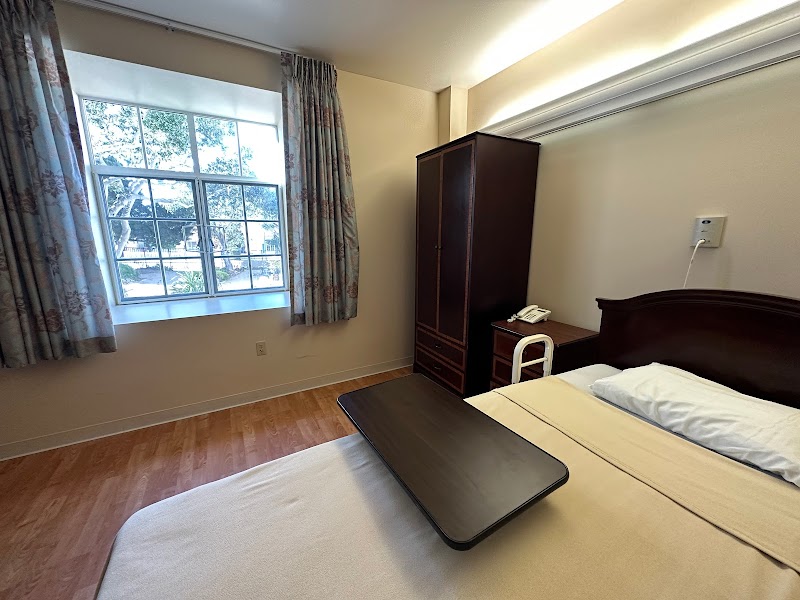
How is Forest Hill Manor Staffed?

CMS rates FOREST HILL MANOR HEALTH CENTER's staffing level at 3 out of 5 stars, which is average compared to other nursing homes.

What Have Inspectors Found at Forest Hill Manor?

State health inspectors documented 27 deficiencies at FOREST HILL MANOR HEALTH CENTER during 2022 to 2025. These included: 1 that caused actual resident harm and 26 with potential for harm. Deficiencies causing actual harm indicate documented cases where residents experienced negative health consequences.
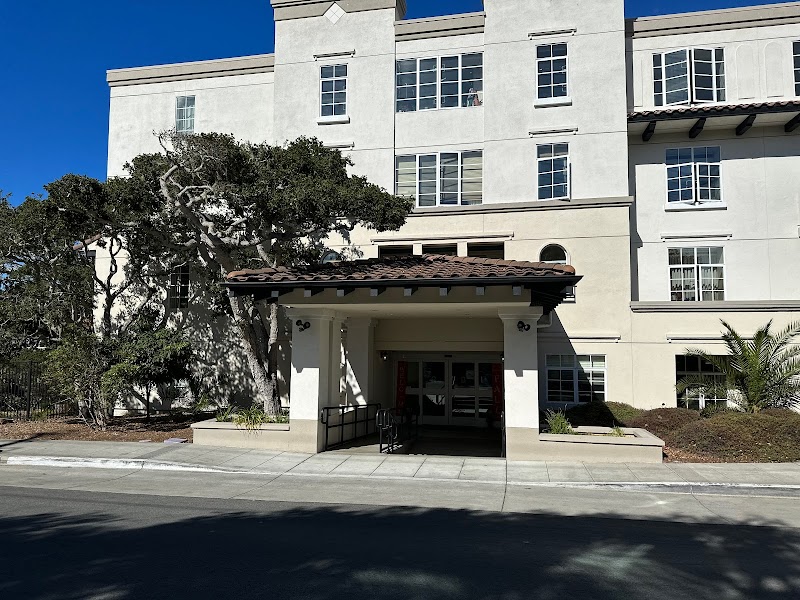
Who Owns and Operates Forest Hill Manor?

FOREST HILL MANOR HEALTH CENTER is owned by a for-profit company. For-profit facilities operate as businesses with obligations to shareholders or private owners. The facility is operated by BVHC, LLC, a chain that manages multiple nursing homes. With 26 certified beds and approximately 24 residents (about 92% occupancy), it is a smaller facility located in PACIFIC GROVE, California.
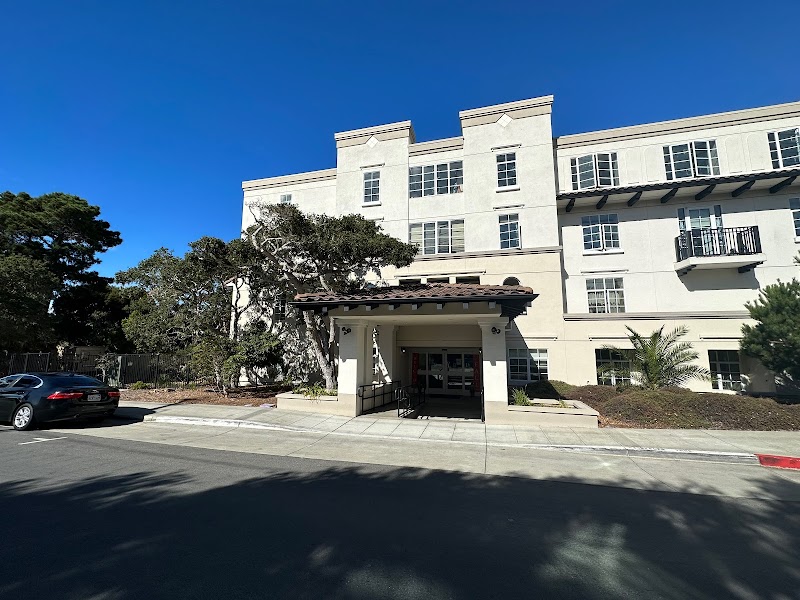
How Does Forest Hill Manor Compare to Other California Nursing Homes?

Compared to the 100 nursing homes in California, FOREST HILL MANOR HEALTH CENTER's overall rating (3 stars) is below the state average of 3.1 and health inspection rating (3 stars) is at the national benchmark.

What Should Families Ask When Visiting Forest Hill Manor?

Based on this facility's data, families visiting should ask: "Can I visit during a mealtime to observe dining assistance and food quality?" "How do you handle medical emergencies, and what is your hospital transfer rate?" "Can I speak with family members of current residents about their experience?"

Is Forest Hill Manor Safe?

Based on CMS inspection data, FOREST HILL MANOR HEALTH CENTER has a clean safety record: no substantiated abuse findings (meaning no confirmed cases of resident harm), no Immediate Jeopardy citations (the most serious violation level indicating risk of serious injury or death), and is not on the Special Focus Facility watch list (a federal program monitoring the lowest-performing 1% of nursing homes). The facility has a 3-star overall rating and ranks #100 of 100 nursing homes in California. While no facility is perfect, families should still ask about staff-to-resident ratios and recent inspection results during their visit.

Do Nurses at Forest Hill Manor Stick Around?

FOREST HILL MANOR HEALTH CENTER has not reported staff turnover data to CMS. Staff turnover matters because consistent caregivers learn residents' individual needs, medications, and preferences. When staff frequently change, this institutional knowledge is lost. Families should ask the facility directly about their staff retention rates and average employee tenure.

Was Forest Hill Manor Ever Fined?

FOREST HILL MANOR HEALTH CENTER has been fined $3,145 across 1 penalty action. This is below the California average of $33,110. While any fine indicates a compliance issue, fines under $50,000 are relatively common and typically reflect isolated problems that were subsequently corrected. Families should ask what specific issues led to these fines and confirm they've been resolved.

Is Forest Hill Manor on Any Federal Watch List?

FOREST HILL MANOR HEALTH CENTER is not on any federal watch list. The most significant is the Special Focus Facility (SFF) program, which identifies the bottom 1% of nursing homes nationally based on persistent, serious quality problems. Not being on this list means the facility has avoided the pattern of deficiencies that triggers enhanced federal oversight. This is a positive indicator, though families should still review the facility's inspection history directly.