THE PINES AT PLACERVILLE HEALTHCARE CENTER
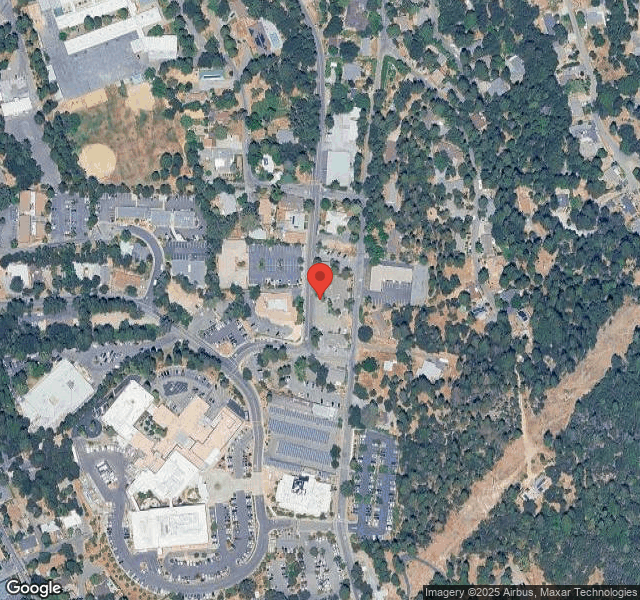
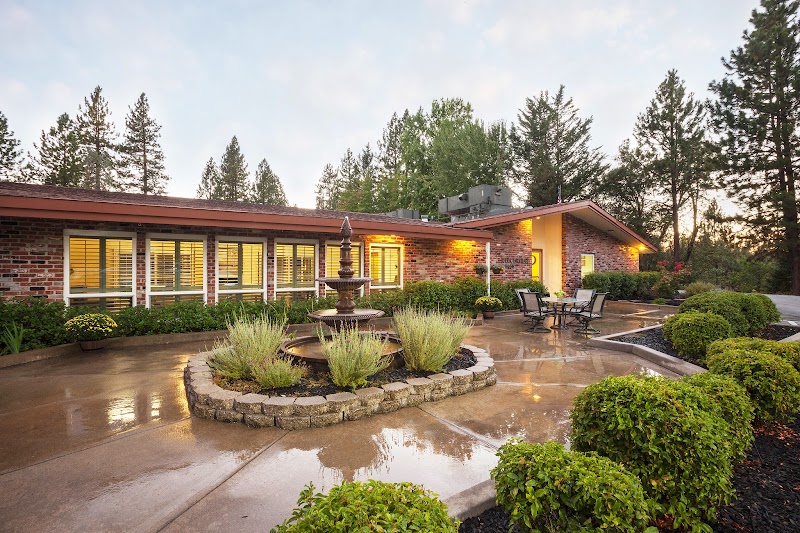
1040 MARSHALL WAY, PLACERVILLE, CA 95667 (530) 622-3400
For profit - Limited Liability company 99 Beds PACS GROUP Data: November 2025
Trust Grade
50/100
#925 of 1155 in CA
Last Inspection: October 2024

Within standard 12-15 month inspection cycle. Federal law requires annual inspections.

Overview

The Pines at Placerville Healthcare Center has a Trust Grade of C, which means it ranks as average, placing it in the middle of the pack among nursing homes. It is currently ranked #925 out of 1155 facilities in California, indicating it is in the bottom half, and #4 out of 4 in El Dorado County, suggesting there are no better local options. The facility is improving, with issues decreasing from 20 in 2024 to just 2 in 2025, which is a positive sign. Staffing has a rating of 3 out of 5 stars, but the turnover rate of 51% is concerning as it is higher than the state average of 38%. There are no fines on record, which is a good sign, but the RN coverage is only average, meaning residents may not receive as much oversight as in other facilities. However, there are notable weaknesses. Recently, inspectors found that food safety standards were not followed, including staff not covering facial hair and improper food storage practices, which could risk foodborne illness for residents. Additionally, there were issues with medication management, including inaccuracies in accounting for controlled substances and a medication error rate of nearly 18%, well above the acceptable threshold. Families should weigh these strengths and weaknesses carefully when considering this facility for their loved ones.

Trust Score
C
50/100
In California
#925/1155
Bottom 20%
Safety Record
Low Risk
No red flags
Inspections
Getting Better
20 → 2 violations
Staff Stability
⚠ Watch
51% turnover. Above average. Higher turnover means staff may not know residents' routines.
Penalties
✓ Good
No fines on record. Clean compliance history, better than most California facilities.
Skilled Nurses
○ Average
Each resident gets 31 minutes of Registered Nurse (RN) attention daily — about average for California. RNs are the most trained staff who monitor for health changes.
Violations
⚠ Watch
55 deficiencies on record. Higher than average. Multiple issues found across inspections.
★★☆☆☆
2.0
Overall Rating
★★★☆☆
3.0
Staff Levels
★★★★☆
4.0
Care Quality
★★☆☆☆
2.0
Inspection Score
Stable
2024: 20 issues
2025: 2 issues

The Good

  • 4-Star Quality Measures · Strong clinical quality outcomes
  • Full Sprinkler Coverage · Fire safety systems throughout facility
  • No fines on record

Facility shows strength in quality measures, fire safety.

The Bad

2-Star Overall Rating

Below California average (3.1)

Below average - review inspection findings carefully

Staff Turnover: 51%

Near California avg (46%)

Higher turnover may affect care consistency

Chain: PACS GROUP

Part of a multi-facility chain

Ask about local staffing decisions and management

The Ugly 55 deficiencies on record

Aug 2025 2 deficiencies
CONCERN (D) 📢 Someone Reported This

A family member, employee, or ombudsman was alarmed enough to file a formal complaint

Potential for Harm - no one hurt, but risky conditions existed

Assessment Accuracy (Tag F0641)

Could have caused harm · This affected 1 resident

Based on observation, interview and record review, the facility failed to ensure the medical record for one of four sampled residents (Resident 1's) was accurate, consistent and timely when the clinic...

Read full inspector narrative →
Based on observation, interview and record review, the facility failed to ensure the medical record for one of four sampled residents (Resident 1's) was accurate, consistent and timely when the clinical assessments were contradictory and inconsistent among healthcare professionals.This failure had the potential to lead to incorrect clinical decisions, delays in care and an increased risk of misdiagnosis and inappropriate treatment for Resident 1. Findings: Resident 1 was admitted to the facility in March of 2025 with diagnoses which included heart failure and heart disease from plaque (fat, cholesterol, calcium and other substance inside the walls of the arteries that could cause a blood clot or limit blood flow) buildup. A review of Resident 1's Order Summary Report (ORS), 4/1/25, indicated, Resident has capacity to make his decisions related to. A review of Resident 1's Progress Notes (PN), dated 6/10/25, indicated, Type: IDT [Interdisciplinary Team] NOTE. He [Resident 1] has been observed independently walking throughout facility and is not a risk for contractures; appropriate for D/C [discharge] form [from] RNA [Restorative Nursing Assistant] program at this time. A review of Resident 1's PN dated, dated 6/20/25, The PN indicated, Type: IDT NOTE. OT [Occupational Therapy] conducted AE [Adverse Event] audit; met with resident to assure that they were able to independently and efficiently feed themselves with/without AE. [Resident 1's name] is independent with feeding with/without AE.A review of Resident 1's Nursing - Weekly Summary (NWS), dated 6/29/25, indicated Resident 1 was independent with ADL's (Activities of Daily Living) which included: Bed Mobility, Transfer and Dressing. The NWS also indicated that Resident 1's Oral Intake scored an average of 100%, which means that Resident 1 was consuming all the food and fluids offered to him. A review of Resident 1's NWS, dated 7/27/25, indicated that Resident 1 was independent with ADL's which included Bed Mobility, Transfer and Dressing. The NWS also indicated that Resident 1's Oral Intake scored an average of 100%. The NWS also indicated Resident 1 was alert and oriented to person, place, time and situation indicating full cognitive awareness. A review of Resident 1's NWS, dated 8/3/25, indicated that Resident 1 remains independent with ADL's which included Bed Mobility, Transfer and Dressing. The NWS also indicated that Resident 1's Oral Intake scored an average of 100%, which means that Resident 1 was consuming all the food and fluids offered to him. The NWS also indicated Resident 1 was alert and oriented to person, place, time and situation indicating full cognitive awareness. A review of Resident 1's Care Plan (CP), dated 8/1/24, indicated, Expresses/indicates a preference to: Return home with part time caregiver.Projected stay is expected to be of short durationA review of Resident 1's Minimum Data Set (MDS, a standardized assessment tool used in nursing homes), dated 8/2/25, indicated Resident 1 had a Brief Interview for Mental Status (BIMS) score of 14 out of 15, indicating a normal cognitive function and indicated Resident 1 was independent in all Functional Abilities which included eating, toileting, showering, transferring and walking. A review of Resident 1's PN, dated 8/13/25, indicated, Type: Social Service Note.It is noted that this res [Resident 1] does not need or require SNF [Skilled Nursing Facility] level of care, it has been determined he no longer meets the Medicare or Medicaid guidelines for continued nursing home care.During an interview on 8/20/25 at 12:20 p.m., with the License Nurse (LN) 1, LN 1 stated that Resident 1 was independent in performing all ADLs and required assistance only with medication administration. LN 1 further stated that the resident was consistently compliant with his medications.During an interview on 8/20/25 at 12:30 p.m., with the License Nurse Supervisor (LNS), LNS stated that Resident 1 was, Extremely independent and he has his own primary care doctor. During an interview on 8/20/25 at 12:43 p.m. with the Social Services Director (SSD), the SSD stated that Resident 1 was fully independent and did not require SNF level of care. The SSD also stated, He does everything on his own. I explained to them that he does not need this level of care and there are other options that fit his needs. The SSD further described Resident 1 as high functioning. During an interview on 8/20/25 at 1:35 p.m., with Director of Nursing (DON), the DON stated, [Complainant] came to me a couple of months ago and began questioning why the patient does not have physician assessments in his chart. I explained to her that he has a doctor outside of the facility and that he is in total care of [Resident 1's name]. The DON stated, He [Resident 1's primary care physician (PCP)] would call me after hours and explain to me that he will get information to me the next business day, that did not happen. The DON further stated that [Complainant] requested justification for the patient's need for SNF level care. During a telephone interview on 8/21/25 at 2:40 p.m. with the DON, the DON confirmed that Resident 1 was stable and independent, and based on facility documentation and assessments, the resident did not require a SNF level of care. The DON further stated, The facility was also investigating this incident involving his stay since last May without any clinical justifications.A review of the facility document from the Medical Director (MD), dated 8/22/25, the document indicated, I have been asked to review this patient's medical history and functional status in order to assist with the determination of the patient's medical necessity to be in skilled nursing setting. There has not been any documented functional decline observed by staff here at the nursing facility. It has been recommended that he transition to a lower level of care as he is too high functioning for the nursing home setting. In contrast to the facility's assessments and staff interviews of Resident 1, Resident 1's PCP's email to the DON on 8/21/25 indicated, Patient is forgetful and poses a safety risk with regards to medication management and IADLs [sic]. will need constant supervision. This letter is being written for the purpose of recommendations for the continued SNF stay for the patient. During a follow-up phone interview on 8/21/25 at 4:50 p.m. with the DON, The DON stated that after receiving an email from Resident 1's PCP containing justification for the resident's continued need for SNF level of care, the facility reviewed the information and did not agree with the PCP's justification. The DON also confirmed that there were communication issues between the facility and Residents 1's PCP and inconsistencies regarding Resident 1's assessments for SNF level of care.During a phone interview on 8/26/25 at 3:08 p.m. with the MD, the MD acknowledged that there was communication and documentation issues between Resident 1's PCP and the facility. The MD confirmed that Resident 1 did not require skilled nursing SNF level of care.During a telephone interview on 8/28/25 at 3:12 p.m., the DON stated that she had obtained documents from Resident 1's PCP for the resident's past assessments. The DON confirmed that those documents had not been entered into the resident's medical record prior to their receipt. On 8/28/25, the DON provided via secured email the PCP's past assessments, TYPE: Physician Progress Notes (Narrative) for Resident 1 which she obtained that day, included those dates 08/14/25, 07/18/25, 06/20/25, 05/02/25, 04/18/25, 03/5/25, 02/07/25, 01/08/25, 12/20/24, and 11/20/24.Review of the facility's policies and procedures (P&P) titled, Charting and Documentation, dated 7/17, the P&P indicated, All services provided to the resident. shall be documented in the resident's medical record. Documentation in the medical record will be. complete, and accurate.A Review of the facility P&P titled, Charting Errors and/or Omissions, dated, 12/06, the P&P indicated, Accurate medical records shall be maintained by this facility.
CONCERN (D) 📢 Someone Reported This

A family member, employee, or ombudsman was alarmed enough to file a formal complaint

Potential for Harm - no one hurt, but risky conditions existed

Deficiency F0841 (Tag F0841)

Could have caused harm · This affected 1 resident

Based on observations, interviews, and record review, the facility failed to ensure Medical Director provided oversight and coordination of care for one of four sampled residents (Resident 1) when the...

Read full inspector narrative →
Based on observations, interviews, and record review, the facility failed to ensure Medical Director provided oversight and coordination of care for one of four sampled residents (Resident 1) when the MD did not step in and resolve differing clinical opinions about whether Resident 1 was ready for discharge.This failure placed the resident at risk for being discharged prematurely or kept unnecessarily in Skilled Nursing level of care and raised concerns for care coordination, accountability and patient safety. Findings: Resident 1 was admitted to the facility in March of 2025 with diagnoses which included heart failure and heart disease from plaque (fat, cholesterol, calcium and other substance inside the walls of the arteries that could cause a blood clot or limit blood flow) buildup. A review of Resident 1's Order Summary Report (ORS), 4/1/25, indicated, Resident has capacity to make his decisions related to. A review of Resident 1's Progress Notes (PN), dated 6/10/25, indicated, Type: IDT [Interdisciplinary Team] NOTE. He [Resident 1] has been observed independently walking throughout facility and is not a risk for contractures; appropriate for D/C [discharge] form [from] RNA [Restorative Nursing Assistant] program at this time. A review of Resident 1's PN dated, dated 6/20/25, The PN indicated, Type: IDT NOTE. OT [Occupational Therapy] conducted AE [Adverse Event] audit; met with resident to assure that they were able to independently and efficiently feed themselves with/without AE. [Resident 1's name] is independent with feeding with/without AE. A review of Resident 1's Nursing - Weekly Summary (NWS), dated 6/29/25, indicated Resident 1 was independent with ADL's (Activities of Daily Living) which included: Bed Mobility, Transfer and Dressing. The NWS also indicated that Resident 1's Oral Intake scored an average of 100%, which means that Resident 1 was consuming all the food and fluids offered to him. A review of Resident 1's NWS, dated 7/27/25, indicated that Resident 1 was independent with ADL's which included Bed Mobility, Transfer and Dressing. The NWS also indicated that Resident 1's Oral Intake scored an average of 100%. The NWS also indicated Resident 1 was alert and oriented to person, place, time and situation indicating full cognitive awareness. A review of Resident 1's NWS, dated 8/3/25, indicated that Resident 1 remained independent with ADL's which included Bed Mobility, Transfer and Dressing. The NWS also indicated that Resident 1's Oral Intake scored an average of 100%, which means that Resident 1 was consuming all the food and fluids offered to him. The NWS also indicated Resident 1 was alert and oriented to person, place, time and situation indicating full cognitive awareness. A review of Resident 1's Care Plan (CP), dated 8/1/24, indicated, Expresses/indicates a preference to: Return home with part time caregiver.Projected stay is expected to be of short duration A review of Resident 1's Minimum Data Set (MDS, a standardized assessment tool used in nursing homes), dated 8/2/25, indicated Resident 1 had a Brief Interview for Mental Status (BIMS) score of 14 out of 15, indicating a normal cognitive function and indicated Resident 1 was independent in all Functional Abilities which included eating, toileting, showering, transferring and walking. A review of Resident 1's PN, dated 8/13/25, indicated, Type: Social Service Note.It is noted that this res [Resident 1] does not need or require SNF [Skilled Nursing Facility] level of care, it has been determined he no longer meets the Medicare or Medicaid guidelines for continued nursing home care. During an interview on 8/20/25 at 12:20 p.m., with the License Nurse (LN) 1, LN 1 stated that Resident 1 was independent in performing all ADLs and required assistance only with medication administration. LN 1 further stated that the resident was consistently compliant with his medications. During an interview on 8/20/25 at 12:30 p.m., with the License Nurse Supervisor (LNS), LNS stated that Resident 1 was, Extremely independent and he has his own primary care doctor. During an interview on 8/20/25 at 12:43 p.m. with the Social Services Director (SSD), the SSD stated that Resident 1 was fully independent and did not require SNF level of care. The SSD also stated, He does everything on his own. I explained to them that he does not need this level of care and there are other options that fit his needs. The SSD further described Resident 1 as high functioning. During an interview on 8/20/25 at 1:35 p.m., with Director of Nursing (DON), the DON stated, [Complainant] came to me a couple of months ago and began questioning why the patient does not have physician assessments in his chart. I explained to her that he has a doctor outside of the facility and that he is in total care of [Resident 1's name]. The DON stated, He [Resident 1's primary care physician (PCP)] would call me after hours and explain to me that he will get information to me the next business day, that did not happen. The DON further stated that [Complainant] requested justification for the patient's need for SNF level care. During a telephone interview on 8/21/25 at 2:40 p.m. with the DON, the DON confirmed that Resident 1 was stable and independent, and based on facility documentation and assessments, the resident did not require a SNF level of care. The DON further stated, The facility was also investigating this incident involving his stay since last May without any clinical justifications. A review of the facility document from the Medical Director (MD), dated 8/22/25, the document indicated, I have been asked to review this patient's medical history and functional status in order to assist with the determination of the patient's medical necessity to be in skilled nursing setting. There has not been any documented functional decline observed by staff here at the nursing facility. It has been recommended that he transition to a lower level of care as he is too high functioning for the nursing home setting. In contrast to the facility's assessments and staff interviews of Resident 1, Resident 1's PCP's email to the DON on 8/21/25 indicated, Patient is forgetful and poses a safety risk with regards to medication management and IADLs [sic]. will need constant supervision. This letter is being written for the purpose of recommendations for the continued SNF stay for the patient. During a follow-up phone interview on 8/21/25 at 4:50 p.m. with the DON, The DON stated that after receiving an email from Resident 1's PCP containing justification for the resident's continued need for SNF level of care, the facility reviewed the information and did not agree with the PCP's justification. The DON also confirmed that there were communication issues between the facility and Residents 1's PCP and inconsistencies regarding Resident 1's assessments for SNF level of care. During a phone interview on 8/26/25 at 3:08 p.m. with the MD, the MD stated, I have not worked with Resident 1's PCP, and I do not have a professional relationship with him. I cannot discharge a patient that is not mine. She further stated, I am not his PCP; I am just the Medical Director for the whole building. The MD also acknowledged that there were communication and documentation issues between Resident 1's PCP and the facility. Additionally, the MD confirmed that Resident 1 does not require skilled nursing facility (SNF) level of care and stated, everyone in the facility believes he is ready but [PCP name]. During a phone interview on 9/2/25, at 3:21 p.m. with the DON, when asked about the Medical Director's role in relation to discrepancy with assessments, the DON stated that considering the MD had already provided her opinion on the matter, The DON cannot force Resident 1 to be followed by the MD. The DON further stated that based on observations and the information available to the MD, The MD has expressed her professional judgment. The DON further stated that the situation ultimately falls within the ethical boundaries and discretion of the physicians involved. A review of the facility Policy and Procedures (P&P) titled, Medical Director, dated 4/25, the P&P indicated, The medical director is responsible for implementation of resident care policies and coordination of medical care in the facility. Coordination of medical care in the facility includes: actively participating in the facility assessments. implementing and supervising resident care policies and practices . intervening with a health care practitioner regarding medical care. A review of the facility document titled, MEDICAL DIRECTORSHIP AGREEMENT, the agreement indicated, Medical Director Roles.The medical director is involved in all levels of individualized patient care and supervision, and for all persons served by the facility. Role 1 - Physician Leadership. The medical director helps serve as the physician responsible for overall care and clinical practices carried out at the facility. Other Expectations. Developing a liaison with attending staff physicians to ensure that the patients in the Facility receive effective and prompt medical care.
Dec 2024 1 deficiency
CONCERN (D) 📢 Someone Reported This

A family member, employee, or ombudsman was alarmed enough to file a formal complaint

Potential for Harm - no one hurt, but risky conditions existed

Safe Environment (Tag F0584)

Could have caused harm · This affected 1 resident

**NOTE- TERMS IN BRACKETS HAVE BEEN EDITED TO PROTECT CONFIDENTIALITY** Based on observation, interview, and record review, the facility failed to maintain room temperature at a comfortable and safe l...

Read full inspector narrative →
**NOTE- TERMS IN BRACKETS HAVE BEEN EDITED TO PROTECT CONFIDENTIALITY** Based on observation, interview, and record review, the facility failed to maintain room temperature at a comfortable and safe level for four sampled residents (Resident 1, Resident 2, Resident 3, and Resident 4) out of a census of 88, when: 1. Resident 1 ' s, Resident 2 ' s, Resident 3 ' s, and Resident 4 ' s room temperatures were below 71 degrees Fahrenheit (°F; a unit of measure); and 2. The maintenance department did not provide alternative heat sources after the heating, ventilation, and air conditioning (HVAC) system broke. These failures increased the residents ' potential for discomfort and loss of body heat. Findings: 1. During an observation on 12/10/24 at 9:59 a.m., rooms [ROOM NUMBER] were located in the facility ' s back hallway. The rooms and hallway were cold. During a concurrent observation and interview on 12/10/24 at 11:30 a.m. with the Maintenance Director (MD), room temperatures were checked in rooms 33-35. MD stated the room temperatures were too low for the residents ' comfort and confirmed the following: -room [ROOM NUMBER] ' s temperature was 70.2 °F; -room [ROOM NUMBER] ' s temperature was 68.1 °F; -room [ROOM NUMBER] ' s temperature was 67.1 °F; and -The hall thermostat outside room [ROOM NUMBER] indicated a 67 °F. A review of Resident 1's admission Record, indicated he was readmitted to the facility on [DATE] with multiple diagnoses including heart failure and cerebral infarction (stroke; loss of blood flow to a part of the brain). A review of Resident 1 ' s Minimum Data Set (MDS – a federally mandated resident assessment tool), indicated on 11/22/24 his brief interview for mental status (BIMS) score was 15 out of 15 with intact memory. During a concurrent observation and interview on 12/10/24 at 11:05 a.m. with Resident 1, in room [ROOM NUMBER], Resident 1 was wearing a hospital robe and covered with a sheet, coverlet, and velour blanket. Resident 1 stated the extra blankets were offered by staff and did not help. Resident 1 also stated he felt cold most of the time since Thanksgiving weekend and his daily requests for a floor heater had gone unanswered. A Review of Resident 2s admission Record, indicated he was readmitted to the facility on [DATE] with a diagnosis of heart failure. A review of Resident 2 ' s MDS, indicated on 11/26/24 his BIMS score was 15 out of 15 with intact memory. During an interview on 12/10/24 at 11:11 a.m. with Resident 2, Resident 2 stated I have been begging them for a floor heater every day since the (main) heater quit working. They only bring me more blankets. Resident 2 also stated he constantly had a cold nose and ears and that was uncomfortable for him. A review of Resident 3's admission Record, indicated she was admitted to the facility on [DATE] with a diagnosis of heart failure. A review of Resident 3 ' s MDS, indicated on 11/22/24 her BIMS score was 15 out of 15 with intact memory. During a concurrent observation and interview on 12/10/24 at 11:17 a.m. with Resident 3, in room [ROOM NUMBER], Resident 3 was wearing a winter robe and sitting in her wheelchair by her bed. Resident 3 stated she had been freezing nonstop since the heater broke, and she was very upset about the issue. Staff offered her extra blankets for her bed - she already had three blankets and got two more from the Certified Nursing Assistants (CNAs). Resident 3 also stated, At nighttime, I get really cold. It ' s terrible. They tell us every day it ' s (heater) being fixed, but it never changes. A review of Resident 4 ' s admission Record, indicated he was initially admitted to the facility on [DATE] and readmitted on [DATE] with multiple diagnoses including heart failure and cirrhosis of the liver (a condition where the liver is permanently scarred and replaced with regenerative nodules and scar tissue). A review of Resident 4 ' s MDS, indicated on 11/4/24 his BIMS score was 14 out of 15 with intact memory. During a concurrent observation and interview on 12/10/24 at 12:14 p.m. with Resident 4, in room [ROOM NUMBER], Resident 4 was sitting in his wheelchair, wearing a jacket, and had a heavy plaid blanket on his bed. Resident 4 stated the heat had been out since he returned to the facility, staff had been offering him more blankets, and since readmission the nightly cold temperatures kept him awake for long hours almost every night. Resident 4 also stated the bathroom window was left slightly open for days and cold air was getting in, so he closed it. He also tried to warm himself at nighttime by placing his legs in front of his bedside oxygen compressor (was on oxygen therapy 20 hours per day), as it gave off heat while operating. During an interview on 12/10/24 at 12:22 p.m. with CNA 1, CNA 1 stated several residents from rooms 33-38 expressed their discomfort due to cold and she offered them extra blankets; however she was unable to find heavy blankets, and the only blankets she could find were small, flimsy, and looked more like sofa throws. CNA 1 further stated the blankets did not provide residents extra warmth and residents told her they were still feeling cold. During an interview on 12/10/24 at 12:37 p.m. with Licensed Nurse (LN), LN stated residents complained about the cold in the back hallway and had extra blankets wrapped around them when they were sitting in their wheelchairs. 2. During an interview on 12/10/24 at 10:39 a.m. with the MD, MD stated he was notified on 12/2/24 by a CNA that the heat had quit working during the Thanksgiving holiday weekend in the south west corner of the building. MD also stated the HVAC heating element for rooms 33-38 was broken and he ordered floor heaters on 12/2/24. During an interview on 12/10/24 at 1:50 p.m. with the MD, MD stated he could not find a purchase order indicating the floor heaters were ordered on 12/2/24. During an observation on 12/10/24 at 1:43 p.m. beside the maintenance office, the MD ' s assistant was taking 18 floor heaters out of boxes and setting them on a cart. A review of a receipt, dated 12/10/24 at 10:18 a.m., indicated the floor heaters were ordered on 12/10/24 and purchased at the self-checkout lane. During an interview on 12/10/24 at 1 p.m. with the Director of Nursing (DON), DON stated she was made aware around 12/2/24 about the broken HVAC in the back hallway and noticed drastic differences in temperatures in areas of the building. DON confirmed she offered residents extra blankets and discussed ordering floor heaters with supervisory staff. During an interview on 12/10/24 at 2:05 p.m. with the Administrator (ADM) and DON, both ADM and DON stated the residents ' room temperatures should have been between 71 °F to 81 °F. DON also stated continuous cold interior temperatures could cause residents ' arthritis (joint inflammation) to flare up and they might also have hypothermia (when body temperature drops below 95°F). A review of the facility ' s undated policy titled, Physical Environment and Accommodations Policy, indicated, . A comfortable temperature for residents shall be maintained at all times .The facility shall heat rooms that residents occupy to a minimum of 68-degrees F .The facility shall cool rooms to a comfortable range, between 71 degrees F and 81degrees F . Temperatures in resident rooms are checked monthly or as needed and are logged in the maintenance binder at the facility. A review of the facility ' s undated policy titled, Physical Environment and Accommodations Policy, indicated, The facility shall be . in good repair at all times . The policy further indicated, Maintenance shall include provision of maintenance services . for the safety and well-being of residents .
Oct 2024 14 deficiencies
CONCERN (D)

Potential for Harm - no one hurt, but risky conditions existed

Assessment Accuracy (Tag F0641)

Could have caused harm · This affected 1 resident

Based on interview and record review, the facility failed to ensure an accurate Minimum Data Set (MDS- a federally mandated resident assessment tool) for two of 25 sampled residents (Resident 18 and R...

Read full inspector narrative →
Based on interview and record review, the facility failed to ensure an accurate Minimum Data Set (MDS- a federally mandated resident assessment tool) for two of 25 sampled residents (Resident 18 and Resident 48), when: 1. Resident 18's use of narcotic pain medication was not coded in the MDS admission assessment; and 2. Resident 48's pressure ulcers (PUs; localized, pressure-related damage to the skin and/or underlying tissue usually over a bony prominence) were not accurately coded in her admission assessment. This failure decreased the facility's potential to provide residents with appropriate care and interventions. Findings: 1. A review of Resident 18's admission Record, indicated she was admitted to the facility in September 2024 with diagnoses including compression fracture of the vertebra (a break in the bone at the bottom of the spine). A review of Resident 18's Order Summary Report, dated 9/30/24, indicated an order for tramadol hydrochloride (pain killer) 25 milligrams (mg; a unit of measurement) every eight hours as needed for pain. A review of Resident 18's MDS admission assessment, dated 10/3/24, indicated Resident 18 had no order for an opioid (narcotic pain killer) medication. During a concurrent interview and record review on 10/24/24 at 11:10 a.m. with the Director of Nursing (DON), Resident 18's Order Summary Report and MDS admission assessment were reviewed. DON confirmed Resident 18 had an order for an opioid pain medication but was not coded in her MDS admission assessment. 2. A review of Resident 48's admission Record, indicated she was admitted to the facility in September 2024 with diagnoses including intertrochanteric left femur fracture (fracture of the left upper part of the thigh bone). A review of Resident 48's Baseline Care Plan, dated 9/16/24, indicated Resident 48 had pressure ulcers to the left heel and coccyx (tail bone) upon admission. A review of Resident 48's Wound Physician Consultation Note, dated 9/17/24, indicated Resident 48 had stage three PU (Full-thickness loss of skin. Dead and black tissue may be visible) to the coccyx and an unstageable wound to the left heel. During a concurrent interview and record review on 10/23/24 at 10:30 a.m. with the MDS coordinator (MDSC), Resident 48's MDS admission assessment, dated 9/21/24, wound consultation notes and baseline care plan were reviewed. MDSC stated she was not aware Resident 48 had PUs and confirmed she missed coding the PUs in Resident 48's MDS admission assessment. During an interview on 10/24/24 at 11:10 a.m. with the DON, DON stated her expectation was the nurse assigned to do the residents' assessments should have completed the task accurately so that appropriate care and interventions would have been provided to the residents. A review of the facility's policy and procedure, titled Resident Assessments, revised 2023, stipulated, The resident assessment coordinator is responsible for ensuring that the . team conducts timely and appropriate resident assessments.
CONCERN (D)

Potential for Harm - no one hurt, but risky conditions existed

Deficiency F0657 (Tag F0657)

Could have caused harm · This affected 1 resident

Based on observation, interview, and record review, the facility failed to revise in a timely manner the care plans for one of 25 sampled residents (Resident 30), when: 1. Resident 30's anticoagulant ...

Read full inspector narrative →
Based on observation, interview, and record review, the facility failed to revise in a timely manner the care plans for one of 25 sampled residents (Resident 30), when: 1. Resident 30's anticoagulant care plan was not revised and updated since 3/23/24; and These failures decreased the facility's potential to provide resident-centered care plans and evaluate its effectiveness. Findings 1. A review of an admission record indicated, Resident 30 was admitted to the facility in November 2022 with a diagnosis of hemiplegia (total paralysis of the arm, leg, and trunk on the same side of the body). A review of Resident 30's clinical record included the following documents: An anticoagulant (medication that prevent or reduce blood clotting) care plan, dated 3/23/24, indicated Resident 30 was receiving rivaroxaban (blood thinner that treats or prevents blood clots). A physician's order listing report indicated rivaroxaban 20 milligrams (mg; a unit of measurement) was discontinued on 9/9/24 and apixaban (blood thinner that treats or prevents blood clots) 10 mg was started on 9/9/24. During an interview and record review on 10/23/24 at 9:45 a.m. with the Assistant Director of Nursing (ADON), Resident 30's anticoagulant care plan was reviewed. ADON confirmed rivaroxaban was discontinued on 9/9/24 and stated the care plan was not updated to apixaban. ADON further stated her expectation was care plans should have been reviewed and revised every 90 days or as soon as a new order was received; otherwise, not having up to date care plans could affect Resident 30's care. A review of the facility's policy and procedure (P&P) titled, Care Plan Revision, revised 8/2024, indicated, Care plans shall be reviewed/revised to incorporate goals and objectives to meet resident's individual needs. P&P further indicated, Goals and objectives are reviewed and/or revised . at least quarterly.
CONCERN (D)

Potential for Harm - no one hurt, but risky conditions existed

Respiratory Care (Tag F0695)

Could have caused harm · This affected 1 resident

Based on observation, interview, and record review, the facility failed to provide respiratory care services according to professional standards of quality for two of 25 sampled residents (Resident 19...

Read full inspector narrative →
Based on observation, interview, and record review, the facility failed to provide respiratory care services according to professional standards of quality for two of 25 sampled residents (Resident 19 and Resident 40), when: 1. Resident 19's administered oxygen was not consistent with the physician's order; and 2. Resident 40 missed nebulizer (a liquid medication turned into a mist by a machine and inhaled through a mask used to treat lung diseases) treatments on 10/4/24 and 10/15/24. These failures decreased the facility's potential to safely follow the physician's order when providing respiratory services. Findings: 1. A review of Resident 19's admission Order, indicated she was admitted to the facility in February 2024 with a diagnosis of chronic obstructive pulmonary disease (COPD - a chronic lung disease causing difficulty in breathing). During a concurrent observation and interview on 10/21/24 at 8:45 a.m. with Resident 19, Resident 19 was observed in bed holding her oxygen tubing and not using it. Resident 19 stated she only used oxygen at night when sleeping with her continuous positive airway pressure machine (CPAP-a breathing machine designed to increase air pressure, keeping the airway open when the person breathes in). A review of Resident 19's Order Summary Report (OSR), dated 4/16/24, indicated an order for a continuous use of oxygen via nasal cannula at two liters per minute. During an observation on 10/21/24 at 11 a.m., Resident 19 was observed by the hallway propelling herself in the wheelchair and going towards the rehabilitation gym without using her oxygen. During a concurrent interview and record review on 10/22/24 at 1:04 p.m. with Licensed Nurse 2 (LN 2), Resident 19's OSR was reviewed. LN 2 confirmed the order for Resident 19's oxygen use was written as continuous and not as needed. During a concurrent observation and interview on 10/22/24 at 1:06 p.m. with the Infection Preventionist (IP), Resident 19 was observed inside her room with no oxygen in use. The IP verified Resident 19 was not on oxygen and stated Resident 19 only used oxygen as needed at night with the CPAP machine. During an interview on 10/24/24 at 11:10 a.m. with the Director of Nursing (DON), DON stated she expected her nursing staff to follow physician orders accordingly. DON further stated if the order needed revision, then it should have been revised immediately to help minimize errors in the delivery of care. A review of the facility's policy and procedure (P&P) titled, Physician Orders, revised 2024, stipulated, The licensed staff shall carry out physician/nurse practitioner's orders as prescribed. 2. A review of an admission record indicated, Resident 40 was admitted to the facility in 2019 with a diagnosis of COPD. A review of Resident 40's Minimum Data Set (MDS, a federally mandated resident assessment tool), dated 9/11/2024, indicated Resident 40 had no cognitive impairment. During an interview on 10/21/24 at 10:05 a.m. with Resident 40, Resident 40 stated she did not always get her scheduled nebulizer treatments which caused her to be short of breath. During an interview on 10/22/24 at 2:59 p.m. with Resident 40, Resident 40 stated, I did not get nebulizer treatments multiple times this month. Resident 40 further stated, when nebulizer was not given, I can't breathe, there's phlegm in my throat, and the air can't get through. I feel angry and stressed out because I know if I would get my treatment, I wouldn't have so much trouble, so I get mad. I get scared because I can't breathe. A review of Resident 40's medication administration record (MAR, a document used to record when medications or doctor's orders are administered to residents), indicated there was no documentation for the 5:00 p.m. doses of ipratropium bromide inhalation (medication used to treat lung conditions) on 10/4/24 and 10/15/24. During a concurrent interview and record review on 10/22/24 at 10:06 a.m. with LN 6, Resident 40's MAR for October 2024 was reviewed. LN 6 acknowledged the MAR for ipratropium bromide inhalation was incomplete and stated Resident 40 might have not got the medication because there was no charting. During an interview on 10/22/24 at 2:49 p.m. with LN 7, LN 7 stated the expectation regarding medication administration documentation was nurses should have documented that Resident 40 took medication as soon as they came out of room. During an interview on 10/22/24 at 4:16 p.m. with the DON, DON stated if a resident missed a nebulizer treatment, then the patient could have increased shortness of breath or . COPD exacerbation . increased anxiety. DON further stated nurses are expected to sign out nebulizer treatment when given . Documentation is best practice . if blank hole, they forgot to sign out or it was not given. During an interview on 10/22/24 at 4:30 p.m. with the Director of Saff Development (DSD), DSD stated, If you don't document it, it didn't happen . Accurate and timely documentation is part of ethics training. A review of the facility's P&P titled, Conformity with Laws and Professional Standards of Care, dated 8/2024, indicated, Our facility operates and provides services in compliance with current federal, state, and local laws, regulations, codes and professional standards of practice that apply to our facility and types of services provided.
CONCERN (D)

Potential for Harm - no one hurt, but risky conditions existed

Deficiency F0698 (Tag F0698)

Could have caused harm · This affected 1 resident

Based on observation, interview, and record review, the facility failed to ensure one of 25 sampled residents (Resident 11) received dialysis (a treatment to cleanse the blood of wastes and extra flui...

Read full inspector narrative →
Based on observation, interview, and record review, the facility failed to ensure one of 25 sampled residents (Resident 11) received dialysis (a treatment to cleanse the blood of wastes and extra fluids artificially through a machine when the kidney(s) have failed) care and services consistent with professional standards of practice, when Resident 11's order for fluid restriction was not followed as per physician's order. This failure increased Resident 11's risk to develop fluid overload. Findings: A review of Resident 11's admission Record, indicated he was admitted in January 2017 with a diagnosis of stage four chronic kidney disease. During an observation on 10/21/24 at 9:40 a.m. inside Resident 11's room, three water pitchers were placed on Resident 11's bedside table. A review of Resident 11's Order Summary Report (OSR), dated 5/31/24, indicated an order for fluid restriction of 1000 milliliters per day (ml/day; a unit of measurement), 700 ml/day for dietary and 300 ml/day for nursing. A review of Resident 11's OSR, dated 8/16/24, indicated Resident 11 had an order for dialysis three times a week on Mondays, Wednesdays, and Fridays, in the morning at 9 a.m. A review of Resident 11's care plan, dated 10/15/24, indicated an intervention to educate Resident 11 and or representative the importance of following dietary and fluid restriction orders. During a concurrent observation and interview on 10/23/24 at 9:40 a.m. with Licensed Nurse 2 (LN 2) inside Resident 11's room, LN 2 confirmed there were three water pitchers placed on Resident 11's bedside table. LN 2 stated Resident 11 should not have water pitchers in his room because he had an order for fluid restriction and was on dialysis. During a concurrent interview and record review on 10/23/24 at 10 a.m. with the Assistant Director of Nursing (ADON), Resident 11's OSR and input/output records were reviewed. ADON confirmed Resident 11 had an order for fluid restriction because of his dependence on dialysis. ADON stated it was her expectation for nurses to follow the physician's order regarding fluid restrictions. ADON further stated nurses must be able to explain and implement order for residents to prevent fluid overload and other complications that might lead to hospitalization. A review of the facility's policy titled, Encouraging and Restricting Fluids, reviewed 2024, indicated, Residents with fluid restriction will be informed that water pitcher will not be placed to allow for fluid to be restricted per MD [Medical Doctor] order.
CONCERN (D)

Potential for Harm - no one hurt, but risky conditions existed

Medication Errors (Tag F0758)

Could have caused harm · This affected 1 resident

**NOTE- TERMS IN BRACKETS HAVE BEEN EDITED TO PROTECT CONFIDENTIALITY** Based on interview and record review, the facility failed to adequately monitor behaviors for quetiapine (a drug that treats men...

Read full inspector narrative →
**NOTE- TERMS IN BRACKETS HAVE BEEN EDITED TO PROTECT CONFIDENTIALITY** Based on interview and record review, the facility failed to adequately monitor behaviors for quetiapine (a drug that treats mental health disorders) administration to one resident (Resident 35) of a census of 91. This failure had the risk for residents' ineffective medication management and inadequate decision-making for medications' gradual dose reduction (GDR). Findings: A review of an admission record indicated, Resident 35 was admitted to the facility on [DATE] with a diagnosis of dementia (a progressive state of decline in mental abilities) with behavioral disturbance. A review of Resident 35's hospitalization record titled, History and Physical: Orders, dated 9/11/24, indicated Resident 35 was admitted on [DATE] for dementia with agitation and combativeness and was prescribed quetiapine 25 milligrams (mg-a unit of measurement) at bedtime. A review of Resident 35's Order Summary Report, dated 10/22/24, indicated nursing staff were to monitor Resident 35's behaviors of agitation and combativeness every shift. A review of Resident 35's Medication Administration Record (MAR-a daily documentation record used by a licensed nurse to document medications and treatments given to a resident), dated 9/1/24 - 10/22/24, indicated Resident 35 started quetiapine 25 mg at nighttime on 9/15/24. The MAR assigned behavior monitoring to include agitation and combativeness during every shift (day, evening, and night), indicated a yes or no options for whether behaviors occurred or not, but did not have a section for the night shift to count behaviors. During an interview at 10/22/24 at 1:45 p.m. with Licensed Nurse (LN) 4, LN 4 stated the expectations were Resident 35's behaviors should have been counted to make sure the medication was effective. LN 4 confirmed the day and evening shift had boxes for the nurses to indicate the number of behaviors exhibited during the shift, but the night shift only had yes or no options to indicate whether behaviors occurred during that shift. LN 4 further stated the yes or no options were not effective, because these descriptors could not be quantified. During an interview on 10/22/24 at 2:01 p.m. with the Director of Nursing (DON), DON stated to keep track of Resident 35's behaviors while taking quetiapine, the doctor needed the number of behaviors quantified on the MAR every shift to ascertain the effectiveness of the medication, determine if dosage adjustments need to be made, and to plan for GDR. DON also stated there should have been a section to quantify the resident's behaviors during the night shift. A review of the facility's policy titled, Antipsychotic Medication Use, revised 8/24, indicated, The staff will observe, document, and report to the Attending Physician pertinent information regarding effectiveness of any interventions, including antipsychotic medications [drugs used to treat mental disorders characterized by a disconnection from reality].
CONCERN (D)

Potential for Harm - no one hurt, but risky conditions existed

Deficiency F0761 (Tag F0761)

Could have caused harm · This affected 1 resident

Based on observation, interview, and record review, the facility failed to ensure two medications in a medication cart were properly labeled with open dates (dates residents start using a product) for...

Read full inspector narrative →
Based on observation, interview, and record review, the facility failed to ensure two medications in a medication cart were properly labeled with open dates (dates residents start using a product) for a census of 91. This failure increased the facility's potential to administer expired medications to residents. Findings: During a concurrent observation and interview on 10/21/24 at 12:15 p.m. with Licensed Nurse 3 (LN 3), LN 3 confirmed two respiratory treatment medications were found unsealed without open dates in medication cart three: 1. An opened and undated foil pouch of budesonide (a medicine for asthma, a long-term lung disease) nebulization (a method of delivering medication into the lungs by turning liquid medicine into a mist that is inhaled through a mouthpiece or mask) suspension. LN 3 stated nursing staff were expected to write open dates on pouches containing respiratory medications. LN 3 also stated when she first opened a drug foil packet, she would write the date on the packet, and 2. A box, dated 9/17/24, with Advair Diskus (a medication used to prevent asthma attacks) inhaler (a handheld device that delivers medicine directly to the lungs in the form of a spray, mist, or powder that is inhaled through the mouth or nose) dispenser, dated 10/10/24. LN 3 stated the dates for the medication and box were confusing. During an interview on 10/22/24 at 9:46 a.m. with the Director of Nursing (DON), DON stated her expectation of nursing staff was to label medications with open dates. DON added nurses should have written the open date on the budesonide pouch so they would know when to discard the remaining vials two weeks following the opening date. DON also stated the open date for inhalers was written on the dispensers and if the dispenser was not labeled then no one would know the expiration date. A review of the facility's policy titled, Medication Labeling, revised 8/24, indicated, The facility labels medications appropriately . Follow the manufacturer's expiration date for inhalers.
CONCERN (D)

Potential for Harm - no one hurt, but risky conditions existed

Deficiency F0811 (Tag F0811)

Could have caused harm · This affected 1 resident

Based on observation, interview, and record review, the facility failed to ensure assistance was provided to one of 25 sampled residents (Resident 48), when Resident 48 who had impaired vision was not...

Read full inspector narrative →
Based on observation, interview, and record review, the facility failed to ensure assistance was provided to one of 25 sampled residents (Resident 48), when Resident 48 who had impaired vision was not assisted with eating as ordered. This failure decreased the facility's potential to meet Resident 48's nutritional needs. Findings: A review of Resident 48's admission Record, indicated she was admitted to the facility in September 2024 with a diagnosis of dysphagia (difficulty swallowing) with no memory problem. During a concurrent observation and interview on 10/21/24 at 12:56 p.m. with Resident 48 during lunch in the dining room, Resident 48 was observed not eating after the tray was served to her. Resident 48 stated she needed help because she could not see what was on her tray. During an interview on 10/22/24 at 8:32 a.m. with Resident 48, Resident 48 stated breakfast was already done but she was not able to eat properly. Resident 48 added staff did not assist her whenever she ate, but she was told by one of the therapists that she should always be assisted when eating because she was blind. A review of Resident 48's Baseline Care Plan, dated 9/16/24, indicated Resident 48 had impaired vision, was blind to the left eye, partially blind with her right eye and assistance should be provided when eating. A review of Resident 48's Order Summary Report, dated 9/18/24, indicated Resident 48 had an order for feeding assistance. A review of Resident 48's Minimum Data Set (MDS - a federally mandated resident assessment tool), dated 9/21/24, indicated Resident 48's vision was highly impaired. During a concurrent interview and record review on 10/24/24 at 10:10 a.m. with the Director of Rehabilitation (DOR), Resident 48's occupational therapy admission evaluation and recent therapy notes were reviewed. DOR confirmed Resident 48 required assistance when eating mainly due to her visual deficits. During a concurrent interview and record review on 10/24/24 at 11:10 a.m. with the Director of Nursing (DON), Resident 48's clinical record was reviewed. DON acknowledged that feeding assistance should be provided to Resident 48 due to her vision impairment. DON stated Resident 48 should always be assisted when eating so that she will be able to eat well and receive proper nutrition needed to actively participate with care. A review of the facility's policy and procedure, titled, Assistance with Meals, revised 2024, indicated residents who require assistance and residents who cannot feed themselves will be assisted.
CONCERN (E)

Potential for Harm - no one hurt, but risky conditions existed

Pharmacy Services (Tag F0755)

Could have caused harm · This affected multiple residents

**NOTE- TERMS IN BRACKETS HAVE BEEN EDITED TO PROTECT CONFIDENTIALITY** Based on interview and record review, the facility failed to ensure controlled substance medications (medications that the use a...

Read full inspector narrative →
**NOTE- TERMS IN BRACKETS HAVE BEEN EDITED TO PROTECT CONFIDENTIALITY** Based on interview and record review, the facility failed to ensure controlled substance medications (medications that the use and possession of are controlled by the federal government) for four residents (Resident 33, Resident 37, Resident 51, and Resident 73) of a census of 91 were accurately accounted on the Medication Administration Record (MAR) and Controlled Drug Record (CDR). This failure decreased the facility's potential to ensure accurate accountability for residents' controlled medications and prevent its misuse. Findings: A review of an admission record indicated, Resident 33 was admitted to the facility on [DATE] with a diagnosis of chronic pain syndrome. A review of Resident 33's Order Summary Report, dated 10/22/24, indicated an order for hydrocodone-acetaminophen (an opioid medication used to treat pain) 5/325 milligrams (mg; a unit of measurement), two tablets every four hours as needed for severe pain and one tablet every four hours as needed for moderate pain. A review of Resident 33's CDR and MAR, dated 10/24, indicated hydrocodone-acetaminophen was given on 10/19/24 at 3:34 p.m. and 6:34 p.m. in the CDR and not noted as given in the MAR. The MAR also indicated the drug was given on 10/19/24 at 8 p.m., but it was not listed as administered in the CDR. A review of an admission record indicated, Resident 51 was admitted to the facility on [DATE] with diagnoses including primary osteoarthritis (a chronic disease that breaks down cartilage and tissues in joints, causing pain and stiffness) and chronic pain. A review of Resident 51's Order Summary Report, dated 10/22/24, indicated there was an order for hydrocodone-acetaminophen 5/325 mg, one tablet every 24 hours as needed for moderate to severe pain and one tablet three times a day for pain. A review of Resident 51's CDR and MAR, dated 10/24, indicated hydrocodone-acetaminophen was given on 10/19/24 at 12 a.m. in the MAR, but not listed as administered in the CDR. The CDR also indicated the medication was given on 10/16/24 at 4 a.m. and 10/17/24 at 4 a.m. and was not listed as given in the MAR. A review of an admission record indicated, Resident 37 was admitted to the facility on [DATE] with diagnoses including peripheral vascular disease (PVD-a slow and progressive disorder of the blood vessels causing pain) and abnormal posture. A review of Resident 37's Order Summary Report, dated 10/22/24, indicated there was an order for hydrocodone-acetaminophen 5/325 mg, one tablet every six hours as needed for moderate to severe pain. A review of Resident 37's CDR and MAR, dated July-October 2024, indicated hydrocodone-acetaminophen doses were documented in the CDR and not in the MAR on the following dates: 7/17/24 at 8 p.m., 9/13/24 at 3:02 p.m. and 9:02 p.m., and 9/20/24 at 3 p.m. A review of an admission record indicated, Resident 73 was admitted to the facility on [DATE] with diagnoses including primary osteoarthritis of hip and malignant neoplasm (cancerous tumor) of bladder. A review of Resident 73's Order Summary Report, dated 10/22/24, indicated there was an order for lorazepam (a medication to treat anxiety) one mg tablet every eight hours as needed for anxiety and agitation, two mg tablet three times a day for behavior, and two mg tablet at bedtime for anxiety, hallucinations, and restlessness. The report also indicated lorazepam one mg, two tablets by mouth every four hours as needed for moderate to severe anxiety and agitation and one tablet every four hours as needed for mild anxiety and agitation. A review of Resident 73's CDR and MAR, dated August-September-October 2024, indicated lorazepam doses were documented in the CDR, but not in the MAR on 8/17/24 at 12:30 a.m., 8/23/24 at 8 a.m., 8/29/24 at 1:20 p.m., 8/30/24 at 4 p.m., 9/11/24 at 1 p.m. and 9 p.m. Lorazepam doses were also documented in the MAR, but not in the CDR on 8/31/24 at 6 a.m. and 2 p.m., 9/8/24 at 6 a.m., 9/9/24 at 2 p.m., 9/25/24 at 2 p.m., 10/1/24 at 2 p.m., and 10/2/24 at 2 p.m. During a concurrent interview and record review on 10/22/24 at 10:05 a.m. with the Director of Nursing (DON), Resident 33's, 37's, 51's, and 73's CDRs and MARs were reviewed. DON stated the times the medications were given must be within the same timeframe for both the CDR and the MAR and nurses should have documented administration times in the CDR and MAR at the same time after they obtained the controlled drug from the bubble pack (a form of medication packaging where individually sealed pills are pushed through foil). DON also stated correct documentation was important for accountability and for nurses to know when to give the next dose. A review of the facility's policy and procedure titled, Controlled Medications, revised 8/24, indicated, When a controlled medication is administered, the licensed nurse administering the medication enters the following information on the accountability record and the medication administration record . Date and time of administration . Amount administered . Signature of the nurse administering the dose, completed after the medication is actually administered.
CONCERN (E)

Potential for Harm - no one hurt, but risky conditions existed

Unnecessary Medications (Tag F0759)

Could have caused harm · This affected multiple residents

**NOTE- TERMS IN BRACKETS HAVE BEEN EDITED TO PROTECT CONFIDENTIALITY** Based on observation, interview, and record review, the facility failed to ensure the medication error rate was less than five p...

Read full inspector narrative →
**NOTE- TERMS IN BRACKETS HAVE BEEN EDITED TO PROTECT CONFIDENTIALITY** Based on observation, interview, and record review, the facility failed to ensure the medication error rate was less than five percent (%) for four residents (Resident 3, Resident 38, Resident 55, and Resident 67) of a census of 91, when seven medication errors out of 39 opportunities were observed during medication pass. This failure resulted in medication error rate of 17.95% for the facility. Findings: A review of an admission record indicated, Resident 3 was admitted to the facility on [DATE] with diagnoses including gastro-esophageal reflux disease (GERD-a condition in which stomach acid flows back into the tube connecting the mouth and stomach) and glaucoma (increased eye pressure that can cause blindness). During a medication pass observation on 10/21/24 at 8:24 a.m., Licensed Nurse 1 (LN 1) was observed administering the following medications to Resident 3: 1. One capsule of delayed release omeprazole (a medication used to treat conditions with too much acid in the stomach) 20 milligrams (mg-unit of measurement); 2. One tablet of vitamin D3, 25 micrograms (mcg-unit of measurement); and 3. Dorzolamide/timolol (eye drops used to treat increased eye pressure) 22.3/6.8 mg/ml (milligram-a unit of weight; milliliter-a unit of volume) eye drops. LN 1 asked Resident 3 to look up toward the ceiling and then administered one drop right below each eyeball. No medication contacted the eyes. A review of Resident 3's Order Summary Report, dated 10/22/24, indicated the physician orders were omeprazole delayed release 20 mg, one capsule by mouth two times a day for reduced stomach acid, vitamin D3 50 mcg, one tablet by mouth one time a day, and dorzolamide hydrochloride-timolol maleate 2-0.5 %, to instill one drop in each eye two times a day. A review of Resident 3's Medication Administration Record (MAR), dated 10/22/24, indicated omeprazole was given on 10/21/24 at 8:27 a.m. During an interview on 10/21/24 at 11:38 a.m. with LN 1, LN 1 stated she was supposed to administer omeprazole to Resident 3 between 6 a.m. and 7 a.m. LN 1 further stated, I was late on that one. During an interview and record review on 10/21/24 at 11:44 a.m. with LN 1, Resident 3's MAR was reviewed. LN 1 stated she might have administered 25 mcg of vitamin D3 to Resident 3. During an interview on 10/21/24 at 11:45 a.m. with LN 1, LN 1 stated Resident 3 sometimes pulled down his lower eyelid to make administering the eye drops easier and she thought she got the eye drops into Resident 3's eyes. During an interview on 10/22/24 at 9:46 a.m. with the Director of Nursing (DON), DON stated nurses should have given medications like omeprazole 30 minutes before eating or two hours after a meal. DON also stated omeprazole was usually given at 6 a.m. or 7 a.m. before the breakfast meal. A review of the facility's procedure titled, Administering Ophthalmic Medications, revised 8/24, indicated, Pull the lower eyelid down and away from the eyeball to form a pocket . Hold the dropper tip directly over the eye . A review of an admission record indicated, Resident 38 was admitted to the facility on [DATE] with diagnoses including atherosclerosis (the build-up of fats on the artery walls) of arteries on the left leg and peripheral vascular disease (a circulatory condition in which narrowed blood vessels reduce blood flow to the limbs). During a medication pass observation on 10/21/24 at 9:11 a.m., LN 1 was observed administering one tablet of cilostazol (a medication that improves blood flow through the blood vessels) 100 mg to Resident 38. A review of Resident 38's Order Summary Report, dated 10/22/24, indicated, cilostazol 100 mg, one tablet 30 minutes before or two hours after a meal. During an interview on 10/21/24 at 11:49 a.m. with LN 1, LN 1 confirmed cilostazol was given within a meal timeframe. During an interview on 10/22/24 at 9:48 a.m. with the DON, DON stated nurses should have administered medications like cilostazol either 30 minutes before eating or two hours after eating. DON also stated residents were usually given these medications before meals between 6 a.m. and 7 a.m. A review of an admission record indicated, Resident 55 was admitted to the facility on [DATE] with diagnoses including cerebral infarction (a condition in which blood flow to the brain is blocked, causing brain tissue to die). During a medication pass observation on 10/21/24 at 9:23 a.m. with LN 2, LN 2 was observed administering one tablet of enteric coated acetylsalicylic acid-aspirin (ASA, a drug that reduces pain, fever, inflammation, and blood clotting) 81 mg to Resident 55. LN 2 crushed the medication along with other medications, poured them into a medication cup, and mixed them with a table spoonful of chocolate pudding. A review of Resident 55's Order Summary Report, dated 10/22/24, indicated to give 81 mg of chewable aspirin tablet by mouth in the morning for stroke prevention. During an interview on 10/21/24 at 11:57 a.m. with LN 2, LN 2 confirmed as per order, aspirin was chewable and stated the enteric coated aspirin was not crushable. A review of an admission record indicated, Resident 67 was admitted to the facility on [DATE] with diagnoses including atrophy (wasting away of an organ) of the kidney and hydronephrosis (a condition where kidneys swell due to buildup of urine). During a medication pass observation and interview on 10/21/24 at 9:23 a.m. with LN 2, LN 2 administered one capsule of omeprazole 20 mg to Resident 67 at 9:41 a.m. LN 2 stated Resident 67 was to receive phenazopyridine (an analgesic pain reliever used to treat increased urination, and increased urge to urinate) 100 mg as ordered, but it was not given because it was not available in the medication cart. A review of Resident 67's Order Summary Report, dated 10/22/24, indicated, omeprazole delayed release 20 mg: Give 1 capsule by mouth one time a day for GERD. Take on an empty stomach . The report further indicated one tablet of phenazopyridine 100 mg to be given by mouth two times a day for dysuria (painful urination) for three days. A review of Resident 67's MAR, dated 10/24, indicated omeprazole to be given daily at 7:30 a.m. During an interview and record review on 10/21/24 at 12 p.m. with LN 2, Resident 67's MAR was reviewed. LN 2 confirmed Resident 67 did not receive omeprazole before her meal and stated Resident 67 usually got this medication around 8 a.m. LN 2 confirmed giving Resident 67 phenazopyridine at 11:13 a.m. on 10/21/24 and stated, I think she's supposed to not take it with meals. During an interview on 10/22/24 at 9:46 a.m. with the DON, DON stated omeprazole should have been given at 7:30 a.m. before breakfast and confirmed it was given late. During an interview on 10/22/24 at 9:57 a.m. with the DON, DON stated Resident 67 should have eaten food while taking phenazopyridine and if she just ate, then she could take phenazopyridine, or she could take it with a snack. DON also stated medication administration directions should be on the MAR and if an unfamiliar drug was ordered for a resident, then nurses needed to check the administration directions in a drug manual or ask another nurse. A review of an undated drug manufacturer prescription titled, Pyridium-phenazopyridine tablet, film coated/Amneal Pharmaceuticals LLC, indicated, Dosage and Administration: 100 mg Tablets: Average adult dosage is two tablets 3 times a day after meals. A review of the facility's policy titled, Administering Medications, revised 8/24, indicated, Medications are administered in a safe and timely manner, and as prescribed . Medications are administered in accordance with prescriber orders, including any required time frame.
CONCERN (E)

Potential for Harm - no one hurt, but risky conditions existed

Menu Adequacy (Tag F0803)

Could have caused harm · This affected multiple residents

**NOTE- TERMS IN BRACKETS HAVE BEEN EDITED TO PROTECT CONFIDENTIALITY** Based on observation, interview, and record review, the facility failed to ensure the menu was followed for the therapeutic diet...

Read full inspector narrative →
**NOTE- TERMS IN BRACKETS HAVE BEEN EDITED TO PROTECT CONFIDENTIALITY** Based on observation, interview, and record review, the facility failed to ensure the menu was followed for the therapeutic diet during the lunch meals on 10/21/23 and 10/22/23 when: A. Dining observation on 10/21/24: 1. Two residents (Resident 18 and 58) with consistent or controlled carbohydrate (CCHO) diet (diet for people need to control their blood sugar or to manage diabetes) received one slice of garlic bread instead of half (1/2) slice; 2. Resident 35 with dysphagia mechanical (DM) texture diet (diet for people with trouble chewing, swallowing, or fully breaking down food and usually ground, pressed, or strained to pudding like consistency) with thin liquids (regular liquid consistency) received pudding instead of ice-cream as dessert, and 3. Resident 54 with finger food (FF) diet (diet that provides food in appropriate size and shape to be eaten without utensils but rather with fingers, it allows residents to maintain independence, dignity, and quality of life) received spaghetti instead of bowtie or twister pasta and did not receive dessert. B. Meal service distribution on 10/22/24: 1. Three residents (Resident 8, 35, and 62) with DM texture diet received regular rice and bean instead of puree rice and bean, and puree apple bread pudding instead of soaked chopped bread pudding; 2. Two residents (Resident 6 and 72) with renal diet (diet is for people to manage chronic kidney disease) and CCHO diet received white rice and regular dessert instead of brown rice and diet dessert, and 3. Two residents (Resident 16 and 54) with FF diet received pork cut in slices, penne pasta and diced pear dessert, instead of port cut in bite size, diced potato with margarine and apple bread pudding cut in four pieces. These failures had the potential to result in compromising the medical and nutritional status of nine out of 88 residents who received meals from the facility kitchen. Findings: A. During a dining observation for lunch meal on 10/21/24, beginning at 12:54 p.m., it was noted as followed: 1. Resident 18 and 58 with CCHO diet received one slice of garlic bread. A concurrent review of facility spreadsheet (a menu excel sheet that indicated what items and portions to be served for each prescribed diet) titled, Fall Menus, Week 4 Monday, indicated CCHO diet should have received 1/2 slice of garlic bread. 2. Resident 35 with DM texture diet with thin liquid received pudding as dessert. A concurrent review of facility spreadsheet titled, Fall Menus, Week 4 Monday, indicated DM texture diet with thin liquid should have received ice-cream as dessert. 3. Resident 54 with FF diet received spaghetti and no dessert. A concurrent review of facility spreadsheet titled, Fall Menus, Week 4 Monday, indicated FF diet should have received bowtie, [NAME], or twisties pasta with the entrée and popsicle or ice-cream bar as dessert. B. During the lunch meal distribution on 10/22/24, beginning at 12:21 p.m., it was noted as followed: 1. Resident 8, 35 and 62 with DM texture diet received regular texture rice and bean with entrée dish and puree apple bread pudding as dessert. A concurrent review of facility spreadsheet titled, Fall Menus, Week 4 Tuesday, indicated DM texture diet should have received puree rice and bean and soaked chopped bread pudding. 2. Resident 6 and 72 with Renal and CCHO diet received white rice and regular apple bread pudding. A concurrent review of facility spreadsheet titled, Fall Menus, Week 4 Tuesday, indicated Renal and CCHO diet should have received brown rice and diet sliced apples with cinnamon. 3. Resident 16 and 54 with FF diet received pork roast in slices, penne pasta, and diced pear dessert. A concurrent review of facility spreadsheet titled, Fall Menus, Week 4 Tuesday, indicated FF diet should have received pork roast cut in bite (cube) size, diced potato with margarine and apple bread pudding cut in four pieces. During an interview on 10/22/24 at 2:09 p.m. with Dietary Supervisor (DS), DS acknowledged and confirmed the observation findings for lunch meals on 10/21/24 and 10/22/24. He stated his expectation for the kitchen staff should provide accurate food items on the meal distribution and follow the menu or spreadsheet. He added the staff needed to pay more attention to put together the meal before delivery. During an interview on 10/23/24 at 11:52 a.m. with Registered Dietitian (RD), RD stated the kitchen staff needed to follow the menu or spreadsheet during the meal distribution. She added the kitchen staff needed to make the meal right to match the therapeutic diets with their nutrition analysis. RD further stated if staff gave more starch to resident with CCHO diet then that might lead to increased blood sugar level. RD added if staff gave incorrect food texture then that might put the residents at risk for choking or aspiration. A review of the facility's policy and procedure titled, Menu Planning, dated 2023, indicated, . menus are planned to meet nutritional needs of residents in accordance with established national guidelines . the facility's diet manual and diets are ordered by the physician should mirror the nutritional care provided by the facility . menus are written for regular and therapeutic diets in compliance with the diet manual . A review of the facility's document titled, Job Description: Cook, dated 2/2024, indicated, . essential duties . to follow prepared menus . to prepare special diets accurately . A review of the facility's document titled, Job Description: Dietary Supervisor, dated 2/2024, indicated, . essential duties . check trays for accuracy before they are delivered .
CONCERN (E)

Potential for Harm - no one hurt, but risky conditions existed

Deficiency F0806 (Tag F0806)

Could have caused harm · This affected multiple residents

Based on observation, interview, and record review, the facility failed to accommodate the food preferences (food items under the standing order) on the meal tickets (tickets including resident's diet...

Read full inspector narrative →
Based on observation, interview, and record review, the facility failed to accommodate the food preferences (food items under the standing order) on the meal tickets (tickets including resident's diet, date, allergies, specific food and beverage items, dislikes, likes) for five residents (Resident 1, 2, 4, 8, and 81) out of 88 residents who received meals from the facility's kitchen. These deficient practices had the potential to result in meal dissatisfaction and decreasing meal intake that may lead to further compromising medical and nutrition status and/or weight loss of the residents. Findings: During an observation of lunch meal service distribution with concurrent review of residents' meal tickets on 10/22/24, beginning at 12:21 p.m., it was noted as followed: 1. Resident 1 with Regular diet did not receive cottage cheese when the meal ticket indicated Resident 1 should have received cottage cheese as standing order; 2. Resident 2 with Regular, two grams (g; a unit of measurement) Na (sodium) diet (diet with consumption of limited amount of sodium to 2,000 milligrams (mg; a unit of measurement) per day, usually to manage variety of health condition, such as heart disease or kidney disease) did not receive side salad with blue cheese dressing when the meal ticket indicated Resident 2 should have received side salad with blue cheese dressing as standing order; 3. Resident 4 with Regular mechanical soft texture diet (diet with modified texture by chopping or grinding to be soft that allows people who experience chewing or swallowing limitations) did not receive cottage cheese, half (1/2) of tuna salad sandwich, and chicken noodle soup when the meal ticket indicated Resident 4 should have received those food items as standing order; 4. Resident 8 with Regular dysphagia mechanical texture diet (diet is for people with trouble chewing, swallowing, or fully breaking down food and usually ground, pressed, or strained to pudding like consistency) did not receive ice-cream when the meal ticket indicated Resident 2 should have received ice-cream as standing order, and 5. Resident 81 with regular no added salt (NAS) fortified (added calories and/or protein) diet did not receive cottage cheese when the meal ticket indicated Resident 81 should have received cottage cheese as standing order. During an interview on 10/22/24 at 2:09 p.m. and 10/23/24 at 8:28 a.m. with Dietary Supervisor (DS), DS acknowledged and confirmed the findings above. DS stated the food items under the standing order on the meal tickets meant the kitchen needed to provide those food items to the residents. He stated he expected for the kitchen staff to follow and provide the food preferences (standing orders on the meal tickets) for the residents. During an interview on 10/23/24 at 11:52 a.m. with Registered Dietitian (RD), RD stated and verified standing orders on the meal tickets meant food preferences for the residents. RD further stated the kitchen staff needed to provide those food items and honored residents' food preferences. A review of the facility's policy and procedure titled, Food Preferences, dated 2023, indicated, . Resident's food preferences will be adhered . A review of the facility's document titled, Job Description: Dietary Supervisor, dated 2/2024, indicated, . essential duties . assess resident food preferences . check trays for accuracy before they are delivered .
CONCERN (E)

Potential for Harm - no one hurt, but risky conditions existed

Infection Control (Tag F0880)

Could have caused harm · This affected multiple residents

Based on observation, interview, and record review, the facility failed to ensure infection control practices were implemented for a census of 91 when: 1. Nursing staff did not sanitize and disinfect ...

Read full inspector narrative →
Based on observation, interview, and record review, the facility failed to ensure infection control practices were implemented for a census of 91 when: 1. Nursing staff did not sanitize and disinfect medical equipment between resident use and did not change gloves after resident care and when cleaning equipment; 2. Nail care was not provided for Resident 8, Resident 14, Resident 38, Resident 39, and Resident 73; and 3. Certified Nurse Assistant 5 (CNA 5) did not wear the required personal protective equipment (PPE- clothing and equipment that is worn or used to provide protection against hazardous substances and/or environments) upon entering Resident 27's room who was on neutropenic precautions (a set of action to take to prevent infection if there's a low count of white blood cell in the blood that helps fight infection). These practices decreased the facility's potential to prevent the spread of infection among residents. Findings: 1. During a medication pass observation on 10/21/24 at 8:40 a.m., Licensed Nurse 1 (LN 1) used a blood pressure (BP) cuff and stethoscope to measure a resident's BP in a room with Enhanced Barrier Precautions (EBP - infection control interventions designed to reduce transmission of resistant organisms using gowns and gloves during high contact resident care). After the resident's BP was taken, LN 1 removed the BP cuff and stethoscope and placed them on top of the medication cart without sanitizing and disinfecting them. At 9:02 a.m., LN 1 was then observed taking the BP of the resident's roommate with the same equipment. During an interview on 10/21/24 at 11:14 a.m. with LN 1, LN 1 confirmed she did not sanitize and disinfect the BP cuff and stethoscope and stated it should have been sanitized and disinfected between resident use. During a medication pass observation on 10/21/24 at 9:23 a.m., LN 2 used a BP cuff and stethoscope to measure a resident's BP. A pulse oximeter (a medical instrument used to measure oxygen saturation level - a measurement of how much oxygen the blood is carrying) was also placed on the resident's finger. After the resident's BP was taken, LN 2 removed the BP cuff and oximeter and placed them on top of the medication cart. She sanitized and disinfected the equipment without changing her gloves. During an interview on 10/21/24 at 11:40 a.m. with LN 2., LN 2 stated she should have removed her gloves after resident care and donned new gloves before cleansing the medical equipment. During an interview on 10/22/24 at 9:46 a.m. with Director of Nursing (DON), DON stated the expectation of nursing staff was to sanitize and disinfect equipment between each use if used for multiple residents. DON added nursing staff needed to use hospital-quality bleach wipes and wait for time recommended by the wipes' manufacturer before using on the next resident. DON also stated nursing staff were expected to remove used gloves and replace them with new gloves before cleansing equipment used to take vital signs for multiple residents. A review of the facility's policy titled, Cleaning and Disinfection of Environmental Surfaces, revised 8/2024, indicated, Reusable items, including environmental surfaces, and Durable Medical Equipment (DME) will be cleaned and/or disinfected between residents according to manufacturer's instructions. A review of the facility's policy and procedure (P&P) titled, Handwashing/Hand Hygiene, revised 8/24, indicated, Hand hygiene is indicated . after touching a resident . after touching the resident's environment . immediately after glove removal. 3. A review of Resident 27's admission Record, indicated he was admitted to the facility in September 2024 with a diagnosis of multiple myeloma (a cancer that forms in the plasma cell a type of white blood cell). During an observation on 10/21/24 at 9:05 a.m. Resident 27's room was observed to be closed and had a sign that indicated neutropenic precautions, wear gown and mask, with PPEs neatly stacked on a rack by the door. A review of Resident 27's Order Summary Report, dated 9/21/24, indicated an order for neutropenic precautions due to critically low count of white blood cell and neutrophils (another type of white blood cell that helps fight infection) and staff should wear a gown and a mask before entering the room. During a concurrent observation and interview on 10/21/24 at 10 a.m. with CNA 5, CNA 5 was observed inside Resident 27's room talking with the resident. CNA 5 was not wearing a gown or a mask. CNA 5 confirmed she was not wearing any PPE inside the room and stated she will only wear the PPE when providing care. During an observation on 10/21/24 at 11:20 a.m., a visitor was observed inside Resident 27's room not wearing a gown. During an interview on 10/24/24 at 9:38 a.m. with the Infection Preventionist (IP), IP verified that Resident 27 was on neutropenic precautions due to his cancer diagnosis which made him immune compromised. IP stated all staff and visitors are required to wear a gown and mask every time they enter the room and not only when providing care. IP also stated this practice should be followed by all staff to help protect Resident 27 from infection and minimize his risk of getting ill. During an interview on 10/24/24 at 9:55 a.m. with the IP, IP stated the facility did not have their own specific policy for neutropenic precautions. IP also stated the facility only followed the general guidelines for isolation precautions for the prevention of transmission of infection updated on 7/2019. 2. A review of Resident 8's admission Record (AR), indicated Resident 8 had diagnoses which included dementia (a progressive state of decline in mental abilities) and generalized muscle weakness. During an observation on 10/21/24 at 9:04 a.m. and 10/22/24 at 1:44 p.m., Resident 8's fingernails were long, with jagged edges and black substance underneath the nailbeds. A review of Resident 14's AR indicated Resident 14 had diagnoses which included muscle weakness and left hemiplegia (total paralysis of the arm, leg, and trunk on the same side of the body). During an observation on 10/21/24 at 9:07 a.m. and 10/23/24 at 9:51 a.m., Resident 14's fingernails were long, with jagged edges and black substance underneath the nailbeds. During an interview on 10/23/24 at 9:51 a.m. with Resident 14, Resident 14 stated he wanted his fingernails trimmed. A review of Resident 38's AR indicated Resident 38 had diagnoses which included hemiplegia and aphasia (a disorder that makes it difficult to speak). During an observation on 10/21/24 at 11:27 a.m. and 10/22/24 at 11:28 a.m., Resident 38's fingernails were long, with jagged edges and had black substance underneath the nailbeds. A review of Resident 39's AR indicated Resident 39 had diagnoses which included muscle weakness and cognitive communication deficit. During an observation on 10/23/24 at 11:10 a.m., Resident 39 had long fingernails, with jagged edges and black substance underneath the nailbeds. A review of Resident 73's AR indicated Resident 73 had diagnoses which included bilateral osteoarthritis (a progressive disorder of the joints, caused by a gradual loss of cartilage) of the hip and muscle weakness. During an observation on 10/22/24 at 3 p.m., Resident 73 had long fingernails, with jagged edges and black substance underneath the nailbeds. During an interview on 10/22/24 at 3 p.m. with Resident 73, Resident 73 stated he wanted his fingernails to be trimmed. During a concurrent observation and interview on 9/23/24 at 8:37 a.m. with LN 7, LN 7 confirmed Resident 8's, Resident 14's, Resident 38's, Resident 39's, and Resident 73's fingernails were long, with jagged edges and had black substances underneath the nailbeds. LN 7 stated residents' fingernails had to be cut and trimmed as scheduled to ensure residents would not scratch their skins and not get infected. LN 7 also stated long nails could harbor germs and when residents scratched, it could cut their sensitive skin and germs could go into the skin. During an interview on 10/23/24 at 10:24 a.m. with the DON, DON stated her expectations were residents' fingernails should be cut every Sunday by assigned staff. DON stated CNAs should provide nail care and nail trimming unless residents had diabetes mellitus (DM-a disorder characterized by difficulty in blood sugar control and poor wound healing), then nail trimming should be done by the podiatrist. DON also stated dirty and untrimmed fingernails could be an infection control issue and fingernails with jagged edges could also get stuck or caught on things and residents could scratch themselves. A review of the facility's document titled, Shower Schedule, updated 9/24, indicated, . Sunday: All Rooms: Nail Care . A review of the facility's P&P titled, Activities of daily living, Supporting, revised 5/24, indicated, Residents who are unable to carry out activities of daily living independently will receive the services necessary to maintain good nutrition, grooming and personal and oral hygiene.
CONCERN (E)

Potential for Harm - no one hurt, but risky conditions existed

Deficiency F0912 (Tag F0912)

Could have caused harm · This affected multiple residents

**NOTE- TERMS IN BRACKETS HAVE BEEN EDITED TO PROTECT CONFIDENTIALITY** Based on observation, interview, and record review, the facility failed to ensure 10 resident rooms (Rooms 3, 4, 5, 6, 7, 8, 9, ...

Read full inspector narrative →
**NOTE- TERMS IN BRACKETS HAVE BEEN EDITED TO PROTECT CONFIDENTIALITY** Based on observation, interview, and record review, the facility failed to ensure 10 resident rooms (Rooms 3, 4, 5, 6, 7, 8, 9, 14, 15, and 16) met the required 80 square feet (sq. ft.) per resident when rooms 3, 4, 5, 6, 7, 8, 9, 15, and 16 were measured as 228.55 sq. ft. for a three residents occupancy or 76.2 sq. ft. per resident; and room [ROOM NUMBER] was measured as 159.38 sq. ft. for a two residents occupancy or 79.7 sq. ft. per resident. This failure had the potential to result in inadequate space for the provision of health care and services for 29 residents residing in these rooms for a census of 91 residents. Findings: The observations were made throughout the survey in rooms 3, 4, 5, 6, 7, 8, 9, 14, 15 and 16. The space was adequate to store assistive devices in the rooms (such as wheelchair and/or walker) and to facilitate provision of care and needs. During a concurrent interview and record review on 10/23/24 at 12:15 p.m. with the Administrator (ADM), the rooms' dimension were reviewed. ADM confirmed rooms 3, 4, 5, 6, 7, 8, 9, 15, and 16 were measured as 228.55 sq. ft. for a three residents' occupancy or 76.2 sq. ft. per resident; and room [ROOM NUMBER] was measured as 159.38 sq. ft. for a two residents' occupancy or 79.7 sq. ft. per resident. ADM confirmed each room should get 80 sq. ft. per resident. Interviews were conducted with available residents currently residing in the affected rooms. The residents verbalized the space was adequate for the provision of care. The Department recommends continuation of the waiver for the above-mentioned rooms.
CONCERN (F)

Potential for Harm - no one hurt, but risky conditions existed

Food Safety (Tag F0812)

Could have caused harm · This affected most or all residents

Based on observation, interview, and record review, the facility failed to store, prepare, and distribute food in accordance with professional standards for food service safety, when: 1. Two dietary s...

Read full inspector narrative →
Based on observation, interview, and record review, the facility failed to store, prepare, and distribute food in accordance with professional standards for food service safety, when: 1. Two dietary staff had facial hair were not covered; 2. Juice machine was not clean; 3. Several various sizes of kitchen utensils were stacked wet stored at the clean and ready-to-use storage areas; 4. The raw shelled eggs were not pasteurized in the walk-in refrigerator; and 5. One dietary aide was not able to demonstrate and verbalize the correct process of manual dishwashing by using three-compartment sink. These failures had the potential to cause food borne illness in a medically vulnerable 88 out of 91 residents who consumed food in the facility. Findings: 1. During the initial tour in the kitchen on 10/21/24 at 8:42 p.m., observed Dietary Aide (DA) with beard but was not covered with any restraint. A follow up observation was conducted at 10:04 a.m., observed Dietary Supervisor (DS) with beard and side burn hair without any restraint. During a concurrent interview with DS, he confirmed DA and himself did not have restraint to cover the facial hair. DS stated they should have the beard guard on to cover the facial hair. During an interview on 10/23/24 at 11:52 p.m. with Registered Dietitian (RD), RD stated the kitchen staff had facial hair and should have covered them with restraint or beard guard. A review of the facility's policy and procedure (P&P) titled, Dress Code, dated 2023, indicated, . Proper Dress . beards and mustaches (any facial hair) must wear beard restraint . According to Food and Drug Administration (FDA) Food Code 2022, Section 2-402.11 Hair Restraint, . (B) The food employees shall wear hair restraints such as . beard restraints . that are designed and worn to effectively keep their hair from contacting exposed food; clean equipment, utensils . 2. During a concurrent initial kitchen tour observation and interview on 10/21/24 at 8:52 a.m. with DS, the juice dispense machine was not clean with dry and sticky juice spilled at the interior upon opening the door panel where the juice concentrate bottles could be replaced and the removable juice dispenser nozzles. During further observation of the exterior of the machine, the vent on the side of the machine had significant amount of dust. DS confirmed and stated it was not clean and the vent was dusty. DS also stated the juice machine should usually be cleaned and sanitized daily. He further stated the kitchen staff needed to pay attention when they clean and sanitize the machine and as well as the vent. A review of the written instructions on the side panel of the juice dispenser machine indicated the machine should be cleaned daily and the interior and exterior should be wiped down daily. A review of the facility's P&P titled, Dispenser Beverage Machine Cleaning, dated 2023, indicated the maintenance and cleaning procedure of the juice machine was to follow the manufacturer's guidelines. A review of the facility's P&P titled, Sanitation, dated 2023, indicated, . All . equipment shall be kept clean, maintained in good repair . 3. During a concurrent initial kitchen tour observation and interview on 10/21/24 at 8:56 a.m. with DS, there were following food serving items/utensils found stacked wet and stored away at the clean and ready-to-use storage areas: -Seven of half sheet metal pans; -21 of full sheet metal pans; -Six of one-third (1/3) sheet metal pans; -Nine of one-sixth (1/6) sheet metal pans; -Two of eight quart (qt. - a measurement of fluid volume) of plastic containers; -Two of four qt. of plastic containers; -Five of two qt. of plastic containers; and -Two of plastic container lids. DS confirmed and stated all the dishes, pans and pots should be air-dried completely before stored away. During an interview on 10/23/24 at 11:52 a.m. with RD, RD stated her expectation for the dishes, pans, and pots should be fully dried before stored away. A review of the facility's P&P titled, Dishwashing, dated 2023, indicated, . Dishes are to be air dried in racks before stacking and storing . According to 2022 FDA Food Code, under section 4-901.11 Equipment and Utensils, Air-Drying Required, it stated, . Items must be allowed to drain and to air-dry before being stacked or stored. Stacking wet items such as pans prevents them from drying and may allow an environment where microorganisms can begin to grow . 4. During an observation of the walk-in refrigerator on 10/21/24 at 9:27 a.m., there was a box of raw shelled eggs found and noted the eggs were not pasteurized stored on the rack. A concurrent interview with DS, he confirmed the eggs were unpasteurized. DS checked the invoice of the eggs and was delivered on 10/18/24. DS stated he always order pasteurized eggs but not aware the vendor send them unpasteurized eggs for the order. He stated the staff who was responsible for receiving the eggs should pay more attention and checked. DS further stated the raw shelled eggs usually serve for breakfast and the eggs usually were fully cooked without running yolk even using the pasteurized eggs. During an observation of the breakfast for Resident 39 on 10/23/24 at 8:37 a.m., observed Resident 39 received over-easy egg with running yolk. During a follow up interview with Resident 39 at 10:30 a.m., Resident 39 stated he ate over-easy eggs with running yolks for breakfast usually every day. During an interview on 10/23/24 at 10:19 a.m. with Certified Nurse Assistant 1 (CNA 1), CNA 1 stated she usually worked at morning shift and served breakfast to the residents. She stated she observed some residents got over-easy eggs for breakfast with running yolks sometimes. During an interview on 10/23/24 at 10:23 a.m. with Resident 38, Resident 38 stated he usually got over-easy eggs for breakfast with running yolk. During an interview on 10/23/24 at 10:31 a.m. with CNA 2, CNA 2 stated she usually worked at morning shift and served breakfast to the residents. She stated she sometimes saw residents getting over-easy eggs with running yolks. During an interview on 10/23/24 at 10:33 a.m. with Resident 53, Resident 53 stated he had over-easy eggs with running yolk with breakfast every day. During an interview on 10/23/24 at 10:40 a.m. with [NAME] (CK), CK acknowledged the photo of Resident 39's breakfast on 10/23/24 and confirmed Resident 39 received the over-easy eggs with running yolk. CK further stated he cooked the over-easy eggs on 10/23/24, 10/22/24 and 10/21/24. During an interview on 10/23/24 at 10:45 a.m. with DS, DS stated he got the pasteurized eggs on 10/22/24 and started using them after they were delivered. He stated CK usually cooked the eggs fully cook and no running yolk even though for pasteurized eggs. Then he changed his answer to the pasteurized eggs could be cooked with running yolk. During an interview on 10/23/24 at 11:52 a.m. with RD, RD stated the kitchen needed to use pasteurized eggs and the eggs should be fully cooked, and the internal temperature of the eggs should be at least 165 degrees Fahrenheit (F; a unit of measure) without running yolk even though for pasteurized eggs. She further stated it was because the kitchen served the older population who were more susceptible for food borne illness. A review of the facility's P&P titled, Procedure for Refrigerated Storage, dated 2023, indicated raw eggs must be pasteurized. According to FDA Food Code 2022, Section 3-302.13 Pasteurized Eggs, showed, . pasteurized eggs or egg products must be substituted for raw eggs in the preparation of food . 5. During a concurrent observation for the manual dishwashing with three-compartment sink and interview on 10/21/24 at 9:35 a.m. with DA and DS, DA explained the process and stated the sequence of the steps started with washing, sanitizing, rinsing and air-dried. He stated he did not know the wash and rinse water temperatures and as well as the sanitizer solution temperature. DS confirmed and stated DA's answer was not correct. DS stated the correct sequence should be wash, rinse, sanitize, and air-dried. He further stated the wash and rinse water temperature should be 120 degrees F and the sanitizer solution temperature should be around 75 degrees F. During a concurrent observation of the three-compartment sink and interview on 10/21/24 at 10:09 a.m. with DS, it was noted three sinks were filled above the fill lines indicated on the sinks, and the wash water (with detergent), rinse water and sanitizer solution were overflowed, and all fused together. DS stated DA filled up the three-compartment sink and confirmed the water and solutions of the three compartments should not fill above the fill line as indicated and should not be overflowed. During an interview on 10/23/24 at 11:52 p.m. with RD, RD stated the dishwasher and dietary aides should have good knowledge for the manual dishwashing in case the dishwashing machine was not in working condition like on Monday (10/21/24) when the water heater was not working. A review of the facility's document titled, Dietary In-Service, Topic: 3-Compartment Sink, completed on 6/19/24, given by DS and RD, included the process of manual dishwashing with using of three-compartment sink and the policy and procedure, and the attendance for the in-service. During a concurrent interview with DS, DS stated the attendance showed DA did not attend the in-service for the three-compartment sink. A review of the facility's document titled, Job Description: Dietary Aide, dated 2/2024, indicated the dietary aide should know the process of dishwashing and participate in on-going in-services. It also stated the job required to obtain and maintain the food handler's certificate. During a concurrent interview on 10/23/24 at 3:15 p.m. with DS, DS stated DA had a food handler's certificate but was expired. DS stated the employee file of DA did not have the copy of the certificate and DA could not provide the certificate for review. A review of the facility's P&P titled, 3-Compartment Procedure for Manual Dishwashing, dated 2023, indicated the washing water temperature should be at 110-120 degrees F, the rinse water temperature should be at 110-120 degrees F. The sanitizer should be tested with test strip with concentration of 150-400 parts per million (ppm; a unit of measure) and the dishes would immerse in the sanitizer solution for 60 seconds. The last step was to let the dishes air-dried. A review of the facility's P&P titled, Sanitation, dated 2023, indicated the DS is responsible for instructing the kitchen staff in the use of equipment, and each kitchen staff must know how to operate and clean all equipment in their specific work area.
Jun 2024 1 deficiency
CONCERN (D) 📢 Someone Reported This

A family member, employee, or ombudsman was alarmed enough to file a formal complaint

Potential for Harm - no one hurt, but risky conditions existed

Free from Abuse/Neglect (Tag F0600)

Could have caused harm · This affected 1 resident

**NOTE- TERMS IN BRACKETS HAVE BEEN EDITED TO PROTECT CONFIDENTIALITY** Based on observation, interview and records review, the facility failed to ensure one Resident's (of four sampled residents) rig...

Read full inspector narrative →
**NOTE- TERMS IN BRACKETS HAVE BEEN EDITED TO PROTECT CONFIDENTIALITY** Based on observation, interview and records review, the facility failed to ensure one Resident's (of four sampled residents) right to be free from abuse when staff witnessed Resident 1 punch Resident 2. This failure resulted in Resident 1 having experienced physical abuse by Resident 2. Findings: A review of an admission record indicated Resident 1 was admitted to the facility in early 2024 with multiple diagnoses which included paranoid schizophrenia (feeling afraid and unable to trust others), bipolar disorder (intense mood, energy, and activity changes), and psychological and behavioral factors with disorders. Resident 1's Minimum Data Set (MDS, a comprehensive assessment tool), dated 3/29/24, indicated he had a very severe cognitive (the mental process of obtaining knowledge and understanding through thought, experience, and the senses) decline. A review of Resident 1's Order Summary Report, dated 5/4/24 indicated, risperiDONE [antipsychotic] ORAL Tablet 1MG (milligram, dose) .for PARANOID SCHIZOPHRENIA AEB Aggressive behavior. A review of Resident 1's Care Plan (CP) dated 6/6/24 indicated, .AGGRESSIVE COMBATIVE BEHAVIOR . [Resident 1] Noted With Aggressive-Combative Behavior AEB [as evidenced by]: Punching . Verbal Foul Language Outburst .BEHAVIOR CARE PLAN . has altered behavior with potential to disrupt resident and/others R/T [related to]: Dx[diagnoses] of bipolar and schizophrenia . The CP indicated the following interventions, Anticipate needs on resident .Provide distraction: music, activity, TV, walks/pushing in wheelchair outdoors to calm . A review of Resident 1's IDT (InterDisciplinary Team) Note, dated 6/14/24 indicated, .Resident [1] does have a hx [history] of agitation and verbal aggression .become[s] more agitated when the resident is spoken to in a harsh tone. The tone of the other resident [2] may have caused the resident [1] to react . A review of an admission record indicated Resident 2 was admitted to the facility on early 2022 with multiple diagnoses which included abnormal gait and mobility, right leg pain, difficulty swallowing following stroke, anxiety, and mood disorder. Resident 2's MDS dated [DATE] indicated mild cognitive decline. A review of Resident 2's IDT Note dated 6/14/24 indicated, .HX OF VERBAL AGGRESSION .Resident [2] can be forceful with words .and can be loud and this can be a trigger for others . During a concurrent observation and interview on 6/28/24 at 12:12 p.m., in Resident 2's room, Resident 2 was in bed watching television. When asked regarding the incident with Resident 1, Resident 2 stated, Yes I know him, but I don't want to talk about him and to you . Resident 2 became quiet, his face displayed sadness and he did not want to talk anymore. During a concurrent observation and interview on 6/28/24 at 12:12 p.m., in Resident 1's room, Resident 1 was sitting in wheelchair, staring at the wall doing nothing. Resident 1 stated, .Yes, I know [Resident 2] .What about him? [verbalizing in an angry tone] . When asked regarding the incident between him and Resident 2, Resident 1 became verbally abusive, angrier, verbalizing derogatory words. Resident 1 became aggressive towards this surveyor, tried to physically charge at this surveyor with his wheelchair, and yelled, Get out, call the cops if you want! During an interview on 6/28/24 at 12:38 p.m., the Certified Nurse Assistant 1 (CNA 1) stated, .[Resident 1 was] assigned to me .I was working in this hallway when I heard the argument, the yelling, something was going on in room [CNA 2's name] was there . During an interview on 6/28/24 at 1:22 p.m., the Director of Nursing (DON) confirmed and stated, .It happened during the day shift .I participated in the first part of the investigation. Talk to [CNA 2] because she saw it . During an interview on 6/28/24 at 1:47 p.m., the Administrator (ADM) confirmed and stated, .Yes it happened . During an interview on 6/28/24 at 2 p.m., the DON stated, .Yes, the residents have the right to be free from any abuse from anyone . During an interview on 6/28/24 at 2:05 p.m., the CNA 2 confirmed the physical altercation between Resident 1 and Resident 2. The CNA 2 stated, .Yes, the incident between Resident 1 and Resident 2 happened on 6/13/24 .I was passing by [the room] with the lift machine when I saw Resident 1 punching Resident 2 in the stomach. I was like, 'Oh my god!' I witnessed it! I asked [Resident 1] why you do that and he just yelled at me .I confirmed everything I wrote in the [initial report] . A review of the facility's policy and procedures titled, Abuse Prevention Program, revised August 2011, indicated, Our resident have the right to be free from abuse .Our facility is committed to protecting our residents from abuse by anyone including .other residents .
May 2024 1 deficiency
CONCERN (D) 📢 Someone Reported This

A family member, employee, or ombudsman was alarmed enough to file a formal complaint

Potential for Harm - no one hurt, but risky conditions existed

Resident Rights (Tag F0550)

Could have caused harm · This affected 1 resident

**NOTE- TERMS IN BRACKETS HAVE BEEN EDITED TO PROTECT CONFIDENTIALITY** Based on observation, interview, and record review, the facility failed to ensure two of three sampled residents (Resident 1 and...

Read full inspector narrative →
**NOTE- TERMS IN BRACKETS HAVE BEEN EDITED TO PROTECT CONFIDENTIALITY** Based on observation, interview, and record review, the facility failed to ensure two of three sampled residents (Resident 1 and Resident 2) were treated with dignity and respect when: 1. Resident 1 had to wait three hours on a bedpan for assistance; and, 2. Resident 2's call light was not accessible when she was up in her wheelchair. These failures decreased the facility's potential to ensure residents received the care they needed and were treated with dignity and respect. Findings: 1. A review of an admission record indicated Resident 1 was admitted to the facility in April 2019 with diagnoses including difficulty walking, contracture (occurs when a muscle, joint or other tissues tighten or shorten causing a deformity) of right and left wrist, morbid obesity (chronic complex disease defined by excessive fat deposits that can impair health) and osteoarthritis (a degenerative joint disease causing joint stiffness, pain, and swollen joints) of right and left shoulder. A review of Resident 1's Minimum Data Set (MDS, an assessment tool), dated 3/8/24, indicated Resident 1 did not have a memory problem, had impairment on both upper and lower extremities, and she was able to control her bladder and bowel. A review of Resident 1's Activities of Daily Living (ADL, activities related to personal care which includes toileting) care plan dated 3/8/24, indicated Resident 1 required assistance in personal hygiene due to weakness. The goals of the care plan included, Resident will be clean and dry . A concurrent observation and interview were conducted on 5/31/24 starting at 10:47 a.m., Resident 1 stated over the weekend, she was assisted on a bedpan at 9 a.m. and she was still on the bedpan until 12 p.m. Resident 1 further stated she had to call her daughter at 12 p.m. because staff had not responded to her call light and she was still on the bedpan. Resident 1 added, she pressed the call light half an hour after a bowel movement, and the Certified Nursing Assistant 2 (CNA 2) answered her call light. When Resident 1 informed CNA 2 she needed to be off the bedpan, CNA 2 told Resident 1 she will get another person to help Resident 1 since CNA 2 had work restrictions. Resident 1 stated she turned her call light on a third time when her assigned CNA did not come to assist her. Resident 1 further stated, I cried. I was extremely upset. Somebody should have noticed my call light. Resident 1 stated she felt, much less important .[and] .neglected just laying here. In an interview on 5/31/24 at 2:17 p.m., the CNA 1 stated all CNAs are responsible in answering the call lights. In an interview on 5/31/24 at 2:30 p.m., the CNA 2 confirmed she answered Resident 1's call light on 5/18/24. CNA 2 stated she told Resident 1's assigned CNA Resident 1 was almost ready to get off the bedpan. CNA 2 further stated she answered Resident 1's call light again, few hours later when lunch trays were getting picked up and Resident 1 was still on her bedpan. CNA 2 stated it was absolutely unacceptable for the light not being unanswered and Resident 1 was very upset and angry at the time. In an interview on 5/31/24 at 2:37 p.m., the Director of Nursing (DON) stated she was made aware of the incident of Resident 1's prolonged time on a bedpan. The DON's expectation was for staff to answer the call lights within 5 minutes. The DON further stated, If a call light goes on, I expect the CNA to answer the lights and to help the resident if they are not in a room helping another resident. 2. A review of an admission record indicated Resident 2 was admitted to the facility in November 2022 with diagnoses including secondary parkinsonism (symptoms include tremors and muscle movement), muscle weakness, and other abnormalities of gait and mobility. A review of Resident 2's MDS, dated [DATE], indicated Resident 2 had moderate memory problems impairment and was frequently incontinent of urine and stool. A review of Resident 2's ADL revised care plan, dated 5/16/24, indicated Resident 2 was at risk for altered ADLs (such as toileting) and required extensive assist. The care plan further indicated staff will ensure Resident 2's needs were met. A review of an admission record indicated Resident 3 was admitted on [DATE] with diagnosis including cerebral aneurysm (abnormal swelling or bulge in the wall of a blood vessel in the brain). Resident 3's MDS, dated [DATE], indicated she did not have a memory problem. During an observation on 5/31/24 starting at 9:28 a.m., the call light in Resident 2 and Resident 3's room was on to indicate assistance was needed. During an observation on 5/31/24 at 9:34 a.m., Resident 2 and Resident 3's call light was still on and multiple staff members were observed walking past the call light. In a follow up observation on 5/31/24 at 9:36 a.m., Resident 2 and Resident 3's call light was turned off by a staff member. During an observation on 5/31/24 at 9:41 a.m., a male staff member entered Resident 2 and Resident 3's room. Resident 3 informed him staff she pressed the call light for Resident 2. In an interview on 5/31/24 at 9:52 a.m., Resident 3 stated she had to turn on the call light for Resident 2 since staff were not answering her call light. During a concurrent observation and interview on 5/31/24 at 2:10 p.m. inside Resident 2's room, Resident 2 was self-propelling her wheelchair toward her bed and was unable to reach her call light. There was a transfer pole on the left side of Resident 2's bed and the call light cord was wrapped around the left side rail of the bed. Resident 2 stated, 'I can't find my call light. When Resident 2 was asked why she used the call light, she responded in an upset tone, To get help to go to the bathroom and staff do not answer. A review of the facility's policy titled, Answering the Call light , revised December 2023, indicated, .Answer the call light as soon as possible .If you are uncertain as to whether or not you can fulfill the residents request, ask the charge nurse for assistance .If you have promised the resident you will return with .information .do so promptly. A review of the facility's policy titled, Activities of Daily Living , revised October 2023, indicated, Residents will be provided with care .services to ensure that their daily living (ADLs) are completed. A review of the facility's policy titled, Dignity , revised October 2022, indicated, .Staff shall promote dignity and assist residents as needed.
May 2024 1 deficiency
CONCERN (E) 📢 Someone Reported This

A family member, employee, or ombudsman was alarmed enough to file a formal complaint

Potential for Harm - no one hurt, but risky conditions existed

Accident Prevention (Tag F0689)

Could have caused harm · This affected multiple residents

**NOTE- TERMS IN BRACKETS HAVE BEEN EDITED TO PROTECT CONFIDENTIALITY** Based on observation, interview, and record review, the facility failed to prevent an avoidable accident for one of 90 residents...

Read full inspector narrative →
**NOTE- TERMS IN BRACKETS HAVE BEEN EDITED TO PROTECT CONFIDENTIALITY** Based on observation, interview, and record review, the facility failed to prevent an avoidable accident for one of 90 residents (Resident 1), when: 1. Resident 1 eloped from the facility, fell, sustained injuries, was found by police and transferred to a hospital, 2. Three out of four main entrance/exit doors had a non-functional or semi-functional wanderer monitoring system; and 3. Resident 1's wander guard physician order and elopement care plan were not followed. These failures decreased the facility's potential to maintain residents' safety. Findings: A review of an admission record indicated Resident 1 was admitted to the facility on [DATE], with diagnoses including traumatic subdural hemorrhage (bleeding between brain and skull) with loss of consciousness, cerebral infarction (disrupted blood flow to the brain), cognitive communication deficit, surgery on the nervous system, major depressive disorder, delirium (an altered state of consciousness characterized by episodes of confusion), alcohol dependence, muscle weakness, and abnormalities of gait and mobility. admission record further indicated Resident 1's wife was the Responsible Party (RP). A review of Resident 1's Brief Interview for Mental Status (BIMS), dated 5/23/24, indicated BIMS score was six out of 15 indicating severe impairment in cognition and memory. A review of Resident 1's Elopement Risk Observation/Assessment, dated 5/20/24, indicated Resident 1's elopement risk score was 12 indicating he was at risk for elopement. A review of Resident 1's Fall Care Plan, dated 5/21/24, indicated Resident 1 was at risk for falls related to altered mental status, visual and hearing impairment, unsteady gait, altered balance while standing and/or walking, decreased muscle coordination, antidepressants, history of orthostatic blood pressure (a sudden drop in blood pressure when standing up from sitting or lying down), history of falls, seizure (neurological disorder), Parkinson's disease (brain disorder that causes uncontrollable movements) and dehydration. A review of Resident 1's Order Summary Report, dated 5/29/24, indicated Resident 1 received 30 milligrams (mg; a unit of measure) of Duloxetine (antidepressant), 150 mg of lithium carbonate (mood stabilizer), 0.5 mg of lorazepam (treats anxiety and sleep problems), 15 mg of mirtazapine (antidepressant) and 100 mg of trazodone (antidepressant). 1. A review of Resident 1's 72-Hour Charting, dated 5/22/24 at 10:54 a.m., indicated Resident 1 had gross confusion and was wandering around trying to find his mom. The note further indicated Resident 1 was placed in activities to be monitored for elopement and safety. A review of Resident 1's 72-Hour Charting, dated 5/22/24 at 4:01 p.m., indicated Resident 1 was re-directed several times due to wandering into other residents' rooms and attempted elopement to go see his mom. A review of Resident 1's Social Service Note, dated 5/23/24, indicated Resident 1 was attempting to exit the back door of the building, noted to wander into other residents' rooms looking for unrealistic items or people, and attempted to elope from the building a couple times as well. The note further indicated Resident 1's BIMS score was six and was noted to be confused and forgetful. A review of Resident 1's Medication Administration Note, dated 5/26/24, indicated Resident 1 was confused at the end of night shift and refused to take his medication. A review of Resident 1's Nurse's Note, dated 5/26/24 at 3:41 p.m., indicated Resident 1 had increased confusion and was asking when his wife will come and when his car will be fixed. A review of Resident 1's Nurse's Note, dated 5/26/24 at 4:43 p.m., indicated Resident 1 was on alert charting for increased confusion and monitoring his location. The note further indicated Resident 1 walked the halls every now and then. A review of Resident 1's Nurse's Note, dated 5/26/24 at 6:40 p.m., indicated at approximately 6:45 p.m. Resident 1's wife was looking for her husband and he was not in his room. Staff searched for Resident 1 and did not find him. The note further indicated staff called the police when Resident 1's wife was made aware by another resident that her husband took a ride. A review of Resident 1's Nurse's Note, dated 5/26/24 at 8:29 p.m., indicated at approximately 8:15 p.m. the police officer returned to the facility and informed staff that Resident 1 was found, had a fall, and was transported to the emergency room. A review of a document titled, On-Line Health Facility Complaint, dated 5/27/24, indicated Resident 1 recently had a head surgery, was taken away from the facility without staff knowledge and then disappeared. Facility staff was unable to locate Resident 1 for nearly two hours. After an hour searching, police located Resident 1 at the bottom of a ravine with extensive injuries. The document further indicated the date and time of event was on 5/26/24 at 6:59 p.m. A review of Resident 1's Emergency Department (ED) Provider Note, dated 5/26/24, indicated Resident 1 presented to the ED with falls after being found down maybe about a mile from his potential care facility. Resident 1 was a missing person from his skilled nursing facility. Physical exam indicated Resident 1 had minor abrasion and contusion (bruise) to his right frontal area of head and multiple small skin tear lacerations (deep cuts) on bilateral forearms. ED note further indicated Resident 1 was a little bit confused and did not remember how he got out the facility and why he got into the place where he was found by the police. A review of Resident 1's Nurse's Note, dated 5/26/24 at 11:45 p.m., indicated Resident 1 returned from hospital around 11:45 p.m. via ambulance with several skin tears on his left forearm, right arm, and top of head. During an interview on 5/29/24 at 10:40 a.m. with Certified Nursing Assistant 1 (CNA 1), CNA 1 stated Resident 1 was confused and always wandered around looking for his wife. During an interview on 5/29/24 at 10:47 a.m. with Licensed Nurse 1 (LN 1), LN 1 stated Resident 1 was confused, wandered a lot looking for his mom, wanted to go to the East Bay, and wandered into other residents' rooms and the facility's back exit door in hall 2 because he could not find his room. During an interview on 5/29/24 at 11:37 a.m. with CNA 2, CNA 2 stated Resident 1 was super confused and wandered a lot into other residents' rooms. During a concurrent observation and interview on 5/29/24 at 10:26 a.m. in Resident 1's room, Resident 1 had two wander guards on bilateral ankles and skin tears on bilateral wrists, left forearm, and above right elbow. Resident 1 stated he left the facility walking through the facility's main entrance door, took a car ride with a man, and went to town. Resident 1 added the man dropped him off on the road and the road was brushy so he slipped, fell, and hurt his arms. Resident 1 further stated the fire department helped him and took him to the hospital, took care of his wounds, and returned him back to the facility. During an interview on 5/29/24 at 12:07 p.m. with Resident 1's wife, the wife stated she arrived to the facility on 5/26/24 around 6:15 p.m. and did not find her husband. Wife added staff had no idea where her husband went and were unable to see through the facility's cameras what time he left, how he left, and with whom. The wife added the police found her husband down a hill where he fell on a bike trail and took him to hospital because he hurt his head and arms. The wife further stated her husband was confused, unable to make clear decisions, unaware of the risks and benefits of leaving the facility, and confirmed she was the RP. A review of Resident 1's Interdisciplinary IDT Note, dated 5/28/24, indicated Resident 1 left the facility against medical advice (AMA) by taking a ride from roommate's friend, was not discharged immediately, and 911 was called. Resident 1 was found and sent to ED after falling while out of facility. Resident 1 was examined by speech therapist using The St. Louis University Mental Status (SLUMS) exam and scored nine out of 30 (indicating cognitive impairment). IDT note further indicated Resident 1's wife was the RP. During an interview on 5/29/24 at 3:30 p.m. with the Director of Nursing (DON), DON stated Resident 1's wife notified the nurses her husband was missing, nurses called the police, and the police found him with sustained fall and injuries. DON added a friend of Resident 1's roommate took him outside the facility and dropped him in the neighborhood. DON further stated Resident 1 was not discharged AMA from the facility because the police found him, and even though he was confused, at risk for elopement, did not sign the AMA form, and staff did not call him or explain to him the AMA leave's risks and benefits, she would still consider it as an AMA leave and not elopement because he was deemed capable of making decisions as per physician order upon admission. During an interview on 5/29/24 at 3:55 p.m. with the Administrator (ADM), ADM stated Resident 1's elopement, fall, and sustained injuries were not an unusual occurrence. ADM further stated Resident 1's leave was AMA and not an elopement because he was deemed capable of making decisions as per physician order upon admission, even though he was confused, at risk for elopement, staff did not know what time he left the facility, and the facility's cameras did not catch through which door he left through and with whom. 2. During an observation on 5/29/24 at 10:26 a.m., Resident 1's room was located close to the facility's back exit door in hall 2. During a concurrent observation and interview on 5/29/24 at 11 a.m. with LN 1, Resident 1 walked through the facility's back exit and main entrance doors in hall 1. Both door alarms were activated with low sound when Resident 1 walked through. LN 1 confirmed the back exit door alarm's sound was low and the main entrance door alarm's sound was very low. LN 1 stated the door alarm sounds were barely heard and low, staff might not hear it, and Resident 1 might go outside the facility without being noticed especially during day where it could be very busy and crowded. During a concurrent observation and interview on 5/29/24 at 11:15 a.m. with Restorative Nurse Assistant 1 (RNA 1), Resident 1 walked through the facility's back exit and main entrance doors in hall 1. Both door alarms were activated with low sound when Resident 1 walked through. RNA 1 confirmed the back exit door alarm's sound was low and the main entrance door alarm's sound was very low. RNA 1 stated it was hard to hear the sounds of door alarms and Resident 1 could have walked outside the facility without being noticed by staff. During a concurrent observation and interview on 5/29/24 at 11:25 a.m. with the Maintenance Director (MD), MD tested the facility's door alarms using a testing wander guard: - The facility's back exit door alarm in hall 1 was activated with low sound. MD confirmed the door alarm was low and stated it was hard to hear it. - The facility's main entrance door alarm in hall 1 was activated with very low sound. MD confirmed the door alarm was very low and stated he could barely hear the sound while standing at the door. MD further stated anybody could have walked outside the facility without being noticed because the sound of the alarm was very low. - The facility's back exit door alarm in hall 2 was not activated. MD stated the door alarm was not functional, was aware of that, and he applied a temporary back-up system to alert staff when a resident walks through the door. MD opened the door, and the back-up system was not activated. MD confirmed both the door alarm and back-up system were not activated and functional and stated, someone forgot to turn on the back-up system. - MD stated RNAs were supposed to check the functionality of the residents' wander guards and facility's door alarms and to notify MD about the low sound of alarms. MD further stated the low sound of door alarms in hall 1 and the non-functional and deactivated back exit door alarm systems in hall 2 were both a non-acceptable practice. During an interview on 5/29/24 at 3:30 p.m. with the DON, DON confirmed both door alarms in hall 1 had low sounds and the back exit door alarm in hall 2 was not working. DON stated the door alarms' sound was barely heard and residents who wander could have walked outside the facility without staff's notice. DON added Resident 1 had an injury after he left the facility and fell, and nurses were not aware of what happened to him. DON further stated staff should have checked the wander guards and doors and notified the MD if they were not working or could barely hear its sound. A review of the facility's policy and procedure (P&P) suggestions from Code Alert titled, Wanderer Monitoring System, dated 1999, indicated The Code Alert System should be checked at a minimum on a weekly basis for proper operation .Transmitter should be brought to the area .Attempt to open door. The alarm should sound .A documented log book should be kept of these testings. P&P further indicated .an in-house staff member .will be responsible for the routine weekly testing of each door system and will be responsible for communicating any changes with the system with other staff members .Each admission is to have a wandering assessment .If admission is found to be at risk, they are to be outfitted with a transmitter. 3. A review of Resident 1's Elopement Care Plan, dated 5/23/24, indicated Resident 1 was at risk for elopement/exiting seeking due to altered cognitive status, forgetfulness, episodes of delusions (a belief that is clearly false that indicates an abnormality in the affected person's content of thought), and diagnosis of subdural hemorrhage. Care plan further indicated staff will monitor Resident 1's whereabouts frequently, equip him with a device that alarms when he wanders, and check for proper functioning of device and alarms every shift. A review of Resident 1's Elopement Care Plan, dated 5/28/24, indicated staff will check door alarms promptly to ensure safety. A review of Resident 1's Order Summary Report, dated 5/29/24, indicated a wander guard was to be placed for Resident 1's safety since 5/21/24. The report further indicated on 5/28/24, staff started to check the battery function and placement of Resident 1's wander guard on his left ankle. A review of Resident 1's IDT Note, dated 5/28/24, indicated new orders for placing wander guard on Resident 1's left leg. A review of an untitled log, dated 5/24, indicated staff started to check Resident 1's wander guard on 5/28/24. During an interview on 5/29/24 at 10:40 a.m. with CNA 1, CNA 1 stated she worked with Resident 1 before he eloped from the facility and was unaware if he had a wander guard on his legs because she did not check them. During a concurrent observation and interview on 5/29/24 at 10:51 a.m. with LN 1, LN 1 confirmed Resident 1 had two wander guards on his bilateral ankles and stated she was not sure why he had two wander guards. LN 1 further stated she signed Resident 1's wander guard order without checking it, had no option but to sign the order, and she relied on the RNA to check the wander guard's functionality and battery status because it was not her responsibility. During a concurrent observation and interview on 5/29/24 at 11:11 a.m. with RNA 1, RNA 1 confirmed Resident 1 had two wander guards and stated she was not aware he had two wander guards on his ankles. RNA 1 further stated RNAs started checking Resident 1's wander guard on 5/28/24 and were not checking it before that date. During an interview on 5/29/24 at 3:30 p.m. with the DON, DON confirmed Resident 1 had an order for wander guard since 5/21/24, was at risk for elopement, and his elopement care plan indicated staff should have applied a wander guard and checked it for proper functioning every shift. DON stated she did not know if Resident 1 had a wander guard on the day he eloped and was unsure why he currently had two wander guards on his ankles. DON further stated the nurses should have discontinued Resident 1's order and care plan if he refused or had no wander guard; otherwise, the order and care plan should have been followed. A review of the facility's policy titled, Wandering and Elopements, dated 10/23, indicated The facility will identify residents who are at risk of unsafe wandering and provide interventions to decrease the risk and keep resident safe. If identified as at risk for wandering, elopement, will be provided to maintain the resident's safety .If a resident is missing, initiate the elopement/missing resident emergency procedure: Determine if the resident is out on an authorized leave or pass .When the resident returns to the facility, the Director of Nursing Services or Charge Nurse shall .report findings and conditions of the resident .
Mar 2024 1 deficiency
CONCERN (E) 📢 Someone Reported This

A family member, employee, or ombudsman was alarmed enough to file a formal complaint

Potential for Harm - no one hurt, but risky conditions existed

Pharmacy Services (Tag F0755)

Could have caused harm · This affected multiple residents

Based on observation, interview, and record review, the facility failed to provide routine medications for one of three sampled residents (Resident 1) when the resident's prescription medications were...

Read full inspector narrative →
Based on observation, interview, and record review, the facility failed to provide routine medications for one of three sampled residents (Resident 1) when the resident's prescription medications were not refilled in a timely manner. This failure resulted in Resident 1 having withdrawal symptoms including unbearable pain, anxiety, and insomnia. Findings: Review of Resident 1's admission Record indicated the resident was a long-term resident in the facility with multiple diagnoses that included rheumatoid arthritis (RA, a chronic autoimmune disease that causes inflammation in the joints), low back pain and sideways curvature of the spine. In a concurrent observation and interview on 3/25/24 at 10:26 a.m., Resident 1 was sitting upright in her bed and stated she had RA. The resident's wrists were observed to be deformed and have healed surgical incisions over both wrists. Resident 1 voiced she did not receive her routine medications because somebody forgot to fill in her prescriptions and it caused her having gone through withdrawal for four days. The resident reported that she had pain that was horrible and unbearable and complained she was anxious, aching, aching during the time. Resident 1 stated she could hardly move, eat or sleep and indicated all her energy was gone during the withdrawal phase. Review of Resident 1's medical record, Medication Administration Record (MAR) for February and March 2024 indicated the resident had physician orders with the order dates as follows: 1. 11/16/22: Morphine Sulfate ER (Extended Release) 15 mg (milligram, a measurement) by mouth four times a day for chronic pain. 2. 10/8/23: Baclofen 5 mg by mouth twice a day for back spasm. 3. 4/9/23: Methotrexate Sodium 10 mg by mouth one time every Friday for RA In a concurrent interview and review of Resident 1's medical records, MARs and Nurses Notes, on 3/25/24 starting at 11:17 a.m. at the nursing station, Licensed Nurse (LN 1) verified Resident 1 did not receive the following medications due to the medications not being available for administration: 1. Morphine Sulfate ER 15 mg from 3/16/24 through 3/19/24, for a total of 11 times. 2. Baclofen 5 mg on 3/15/25 (twice), 3/17/24 (twice), and 3/25/25 (once) for five times 3. Methotrexate Sodium 10 mg on Friday, 2/23/24. In a concurrent interview on 3/25/24 starting at 11:17 a.m. at the nursing station, LN 1 stated it was the facility policy for LNs to contact the pharmacy to reorder a week prior to the residents' medications running out. LN 1 acknowledged LNs had 28 opportunities (4/day x 7 days) to fill Resident 1's morphine sulfate and 14 opportunities (2/day x 7 days) for Baclofen. LN 1 stated LNs should have contacted the pharmacy to refill the medications. Review of the facility's policy and procedure, Medication Ordering and Receiving From Pharmacy, effective March 2018, stipulated, Medications .are received from the dispensing pharmacy on a timely basis .Reorder medication three to four days in advance of need to assure an adequate supply is on hand .Department of Veterans Affairs prescriptions, order at least seven days in advance of need. In a concurrent interview and record review on 3/25/24 at 12:33 p.m., the Director of Nursing (DON) verified the medication orders for Resident 1 and the missed doses and the dates. The DON stated Resident 1 did not receive her routine medications because the medications were not available for administration. The DON stated it was her expectations for LNs to start to refill either when they reached to a blue spot on each medication blister pack or at least three to four days before the medications ran out. The DON stated LNs should have reordered Resident 1's medications in a timely manner.
Jan 2024 1 deficiency
CONCERN (D) 📢 Someone Reported This

A family member, employee, or ombudsman was alarmed enough to file a formal complaint

Potential for Harm - no one hurt, but risky conditions existed

Comprehensive Care Plan (Tag F0656)

Could have caused harm · This affected 1 resident

Based on interview and record review, the facility failed to ensure a comprehensive resident centered care plan was developed for one of three sampled residents (Resident 1), when Resident 1's at risk...

Read full inspector narrative →
Based on interview and record review, the facility failed to ensure a comprehensive resident centered care plan was developed for one of three sampled residents (Resident 1), when Resident 1's at risk for falls care plan did not list safety measures for the resident's gait and balance problem. In addition, Resident 1's risk for altered ADLs (activities for daily living) care plan did not have the resident's specific interventions addressing the needs for assistance with ambulation. This failure had the potential to have contributed to Resident 1's recent fall and placed her at risk for more falls. Findings: A review of the admission record for Resident 1 indicated she was admitted to the facility in 2023 with diagnoses which included muscle weakness, difficulty in walking, and dementia (a chronic disorder characterized by memory loss and impaired reasoning). A review of Resident 1's 'Fall care plan,' dated 1/15/23, indicated the resident was at risk for falls related to altered mental status, visual impairment, unsteady gait, altered balance while standing and/or walking, and decreased muscle coordination. The care plan interventions included keeping the bed in lowest position, orient to new environment and keeping the call light and personal item within reach. The care plan did not contain individualized, resident centered safety measures to prevent falls. A review of Resident 1's at Risk for altered ADLs care plan revised 10/30/23, indicated the resident had a decline in functional mobility, including turning, repositioning, getting in or out of bed, walking and locomotion. The care plan had the following list of possible levels of assistance the resident might have required, including supervision, limited, extensive and maximum assistance or total dependence. However, none of these levels were selected to indicate which specific level of assistance Resident 1 required. The care plan interventions instructed staff to provide assistance with ADLs, however it did not contain interventions that were specific and consistent with Resident 1's assessment and functional level. A review of the quarterly fall risk assessment, dated 11/27/23, indicated Resident 1 was at moderate risk for falls. A review of Resident 1's MDS (Minimum Data Set, an assessment tool) dated 11/28/23, indicated she had a severe cognitive impairment. The functional abilities on the MDS indicated that Resident 1 required supervision or touching assistance when staff provided verbal cues and/or touching/steadying and/or contact guard assistance for resident to ambulate. During an interview on 12/27/23, at 10:50 a.m., Physical Therapist 1 (PT 1) stated the resident required supervision when ambulating in the hall. PT 1 stated Resident 1 had severe cognitive impairment and was not able to retain knowledge on how to use a walker or wheelchair. During an interview on 12/27/23, at 12 p.m., Licensed Nurse 1 (LN 1) stated Resident 1's gait was unsteady and shuffling (walking by dragging feet or without lifting the feet fully from the ground). LN 1 added, When we see her walking in the hall, we hold her arm to help her walk. During a phone interview and records review on 1/3/24, at 4:10 p.m., the Director of Nursing (DON) stated Resident 1's ADLs care plan was not customized to the resident's assessment. The DON confirmed that Resident 1's risk for falls care plan interventions to prevent falls were not resident-centered and not individualized. The DON stated that Resident 1's fall risk care plan focused on environmental measures, but lacked interventions that were specific and consistent with the resident's assessment and functional level. A review of the facility's ' Care Plans, Person-Centered ' policy with last revision date of 3/2022, indicated that the comprehensive, person-centered care plan will be initiated and implemented based on the assessed needs of the resident. The policy further directed that the care plan, should include measurable objectives and timetables to meet the resident's physical .and functional needs .describe the services that are to be furnished .to assist the resident to attain or maintain that level of physical .that is possible.
Dec 2023 1 deficiency
CONCERN (D) 📢 Someone Reported This

A family member, employee, or ombudsman was alarmed enough to file a formal complaint

Potential for Harm - no one hurt, but risky conditions existed

Comprehensive Care Plan (Tag F0656)

Could have caused harm · This affected 1 resident

**NOTE- TERMS IN BRACKETS HAVE BEEN EDITED TO PROTECT CONFIDENTIALITY** Based on observation, interview and record review, the facility failed to develop and implement a comprehensive person-centered ...

Read full inspector narrative →
**NOTE- TERMS IN BRACKETS HAVE BEEN EDITED TO PROTECT CONFIDENTIALITY** Based on observation, interview and record review, the facility failed to develop and implement a comprehensive person-centered care plan for one of four sampled residents (Resident 4) when: 1. Resident 4's care plan intervention to prevent Resident 4 from entering other residents ' room was not properly implemented; and, 2. Resident 4's care plan for an allegation of hitting another resident on the private area on 11/27/23 was not developed. These failures placed Resident 4 and other residents in the facility at increased risk for physical and/or psychosocial harm. Findings: 1. A review of Resident 4's clinical record indicated Resident 4 was originally admitted December of 2021 and had diagnoses that included mood disorder due to known physiological condition with depressive features, recurrent moderate major depressive disorder (persistently depressed mood or loss of interest in activities, causing significant impairment in daily life), and nontraumatic intracerebral hemorrhage (a condition where a pool of blood is formed within the brain causing structural, biochemical or electrical abnormalities in the brain, spinal cord, or other nerves). A review of Resident 4's Minimum Data Set (MDS- an assessment tool used to guide care) Cognitive Patterns, dated 11/24/23, indicated, Resident 4 had a Brief Interview for Mental Status (a tool to assess cognition) score of 2 out of 15 which indicated Resident 4 had severely impaired cognition. A review of Resident 4's MDS Functional Abilities and Goals, dated 11/24/23, indicated Resident 4 normally used a manual wheelchair for mobility and was able to wheel himself at least 150 feet in a corridor or similar space independently. During an observation on 12/7/23 at 12:38 p.m., Resident 4 was observed propelling his wheelchair with his feet and entered his room. The wheelchair was observed to have a black inverted U-shaped bar attached at its back part and attached to the right side of the bar was a silver pole which was not extended upward. During an interview on 12/7/23 at 1:16 p.m. with Licensed Nurse (LN) 1, LN 1 stated the inverted U-shaped bar attached to Resident 4's wheelchair with an extension pole that needed to be extended upward was used to prevent Resident 4 from going inside other residents' room. During an interview on 12/7/23 at 1:54 p.m. with Certified Nurse Assistant (CNA) 2, CNA 2 stated she was assigned to Resident 4 today on her shift. CNA 2 was asked about the purpose of the inverted U-shaped bar attached to Resident 4 ' s wheelchair and how it was used. CNA 2 stated, Honestly, I ' m not sure. During an interview on 12/7/23 at 2:12 p.m. with the Social Services Director (SSD), the SSD stated Resident 4 had other allegations of altercations with other residents and one of the facility's interventions was to have a bar attached at the back of Resident 4's wheelchair to prevent Resident 4 from entering other residents' room which could cause altercations. During an interview on 12/7/23 at 2:14 p.m. with the Director of Rehabilitation (DOR), the DOR stated, .The bar is placed to prevent him from entering other rooms .That ' s the part where we lack on at, the [extension] pole has not been extended consistently .I have seen it [extended] at times, but currently, it is not always [extended] there. The DOR further stated, .the risk [if the extension pole was not consistently extended] is he can go inside others' room and [there would be a] risk for altercation. During a concurrent observation and interview on 12/7/23 at 2:23 p.m. with Activities Assistant (AA) 2 in the day room, Resident 4 was observed sitting on his wheelchair with the black inverted U-shaped bar attached at its back part. The silver extension pole, approximately 30 inches in length, attached to the right side of the bar was not extended upward. AA 2 confirmed the observation. AA 2 stated, .The bar is for him [Resident 4] not to enter other [resident] rooms .Right now, it [extension pole] is not pulled up so he can still enter other rooms . Resident 4's wheelchair with the inverted U-shaped bar attached at its back part was measured and the length from the ground was 75 inches. AA 2 confirmed the measurement. During a concurrent observation and interview on 12/7/23 at 2:27 p.m. with AA 2 in room [ROOM NUMBER], the door at room [ROOM NUMBER] was measured and the length from the ground was 80 inches. AA 2 confirmed the measurement. AA 2 stated 80 inches was the standard room door size in the facility so Resident 4 could enter any room in the facility if the pole extension was not extended up. During a concurrent interview and record review on 12/7/23 at 3:51 p.m. with the Nursing Supervisor (NS), Resident 4's clinical records were reviewed. The NS confirmed and stated, .there was no order for the bar, there is no specific care plan for it [inverted U-shaped bar attached at back part of Resident 4's wheelchair with an extension pole], and there is no risk and benefits assessment done . The NS further stated, .the risk [if there was no care plan and assessment done for the inverted U-shaped bar and extension pole] is the patient's rights are violated, there ' s potential for injury .There is no clear communication and documentation on what the bar is for and how it is supposed to be used . A review of Resident 4's care plan, revised 11/19/23, indicated, . [name of Resident 4] requires Anti-Depressant medication for: .Aggressive behaviors A review of Resident 4's care plan intervention, initiated 7/24/23, indicated, Bar attached to w/c [wheelchair] to prevent going into other resident's rooms. A review of the facility's policy and procedure (P&P) titled, Care Plans, Comprehensive Person-Centered, revised 03/2022, indicated, A comprehensive, person-centered care plan should .meet the resident's physical, psychosocial and functional needs . 6. The comprehensive, person-centered care plan should: .b. Describe the services that are to be furnished in an attempt to assist the resident attain or maintain that level of physical, mental, and psychosocial wellbeing . 2. A review of Resident 4's Nurse's progress notes, dated 11/27/23, indicated, Staff witnessed [name of Resident 4] in his wheelchair backing out of another residents room. It was then reported that [name of Resident4] allegedly hit another resident in the genitals in the room that he was exiting . During an interview on 12/7/23 at 1:16 p.m. with LN 1, LN 1 stated she expected that there should be care plan for Resident 4's allegation of hitting another resident on the private area on 11/27/23. LN 1 further stated, . [The 11/27/23 allegation for Resident 4 should be care planned] So we can all be aware; we don ' t always work on the same area .so we know what to do and what interventions are placed for the resident. During an interview on 12/7/23 at 1:34 p.m. with the NS, the NS stated all resident allegations should always be care planned. The NS further stated, .the risk [if allegations are not care planned] is we [staff] won ' t be able have and follow interventions, it [care plan] keeps the staff accountable to the residents. During a concurrent interview and record review on 12/7/23 at 3:51 p.m. with the NS, Resident 4's clinical records were reviewed. The NS confirmed that there was no care plan for Resident 4's allegation of hitting another resident on the private area on 11/27/23. The NS stated, I don ' t see one .There should be one specific [care plan] for the 11/27/23 allegation .the risk [of not having a care plan for the allegation] is poor continuity of care. Staff won ' t know what interventions are in place to prevent the incident to happen again. All incidents of allegations should be care planned . The NS further stated they have a checklist on what should be done for allegations of altercation, and it should always be followed. A review of a facility document titled, SUSPECTED ABUSE CHECKLIST, undated, indicated, .Please check off and complete the following within 2 hours: .7. Licensed Nurse to: .Accelerate the Care Plan . A review of the facility's P&P titled, Care Plans, Comprehensive Person-Centered, revised 03/2022, indicated, A comprehensive, person-centered care plan should .meet the resident's physical, psychosocial and functional needs . 8. The interdisciplinary team should review and updates the care plan: a. When there has been a significant change in the resident's condition .
Oct 2023 1 deficiency
CONCERN (E) 📢 Someone Reported This

A family member, employee, or ombudsman was alarmed enough to file a formal complaint

Potential for Harm - no one hurt, but risky conditions existed

Medical Records (Tag F0842)

Could have caused harm · This affected multiple residents

Based on interview and record review, the facility failed to maintain complete and accurately documented medical records for five residents (Resident 5, Resident 6, Resident 7, Resident 8, and Residen...

Read full inspector narrative →
Based on interview and record review, the facility failed to maintain complete and accurately documented medical records for five residents (Resident 5, Resident 6, Resident 7, Resident 8, and Resident 9) of a census of 85, when the residents' bowel and bladder (B&B) continence data was not documented. This failure decreased the facility's potential to assess and monitor the residents' B&B status. Findings: During an interview on 10/5/23 at 12:06 p.m. with Certified Nursing Assistant 1 (CNA 1), CNA 1 stated during morning rounds in September he witnessed Resident 5, Resident 6, and Resident 8 were left in soiled and wet briefs by registry CNAs who worked the night shifts. During an interview on 10/5/23 at 12:53 p.m. with CNA 4, CNA 4 stated during morning rounds in September and on a daily basis she witnessed Resident 5, Resident 6, Resident 7, and Resident 9 were left for long periods of time in soiled and wet briefs by registry CNAs who worked the previous night shifts. During an interview on 10/5/23 at 1:10 p.m. with Licensed Nurse 1 (LN 1), LN 1 stated during morning rounds she often witnessed residents left in soiled and wet briefs. A review of an admission record indicated Resident 5 was admitted to the facility in July 2018. A review of Resident 5's Care Plan, dated 12/1/22, indicated staff were to provide care for incontinence . A review of an admission record indicated Resident 6 was admitted to the facility in October 2020. A review of Resident 6's Care Plan, dated 6/28/23, indicated Resident 6 had an alteration in elimination patterns manifested by total B&B incontinence and for staff to check for incontinent episodes at least every two hours. A review of an admission record indicated Resident 7 was admitted to the facility in November 2021. A review of Resident 7's Care Plan, dated 3/17/23, indicated staff were to monitor for incontinence and provide pericare every shift and after each incontinence episode. A review of an admission record indicated Resident 8 was admitted to the facility in September 2021. A review of Resident 8's Care Plan, dated 5/11/23, indicated staff were to document urinary output and record the amount, type, color, and odor. A review of an admission record indicated Resident 9 was admitted to the facility in December 2022. A review of Resident 9's Care Plan, dated 1/7/23, indicated staff were to monitor and document intake and output as per facility policy. A review of Resident 5's, Resident 6's, Resident 7's, Resident 8's, and Resident 9's Point of Care Audit Report, dated 10/6/23, indicated no documentation for Resident 5's, Resident 6's, Resident 7's, Resident 8's, and Resident 9's B&B continence on the night shifts of 9/1/23, 9/2/23, 9/3/23, 9/5/23, 9/8/23, 9/9/23, 9/11/23, 9/14/23, 9/16/23, 9/17/23, 9/18/23, 9/19/23, 9/21/23, 9/25/23, 9/26/23, 9/28/23, 9/29/23, 9/30/23, 10/2/23, and 10/3/23. During an interview on 10/5/23 at 3:23 p.m., with Director of Nursing (DON), DON stated there was a trend of no documentation for the B&B continence for Resident 5, Resident 6, Resident 7, Resident 8, and Resident 9 who reside in the same hall and were receiving care by the same CNAs. DON expected CNAs to document for each resident whether they had a B&B incontinence episode or not. DON further stated, if CNAs did not document the residents' B&B continence, then this meant they did not check it which could have increased the potential for residents' skin breakdown and impacted the nursing assessment of the residents' functionality. A review of the facility's policy titled, Behavioral Programs and Toileting Plans for Urinary Incontinence, dated 10/10, indicated, .Monitor, record and evaluate information about the resident's bladder habits, and continence or incontinence . A 'check and change' strategy .goals are to maintain dignity and comfort and to protect the skin. A review of the facility's policy titled, Charting and Documentation, dated 12/22, indicated, .Documentation of procedures and treatments should include care-specific details, including items such as: The date and time the procedure/treatment was provided .
Sept 2023 1 deficiency
CONCERN (D) 📢 Someone Reported This

A family member, employee, or ombudsman was alarmed enough to file a formal complaint

Potential for Harm - no one hurt, but risky conditions existed

Resident Rights (Tag F0550)

Could have caused harm · This affected 1 resident

Based on observation, interview, and record review, the facility failed to ensure residents dignity was promoted for one of two sampled residents (Resident 1) when Resident 1 was left for 2 and a half...

Read full inspector narrative →
Based on observation, interview, and record review, the facility failed to ensure residents dignity was promoted for one of two sampled residents (Resident 1) when Resident 1 was left for 2 and a half hours in the hospital lobby and then in a locked van at the hospital parking lot unattended. This failure resulted in Resident 1 feeling of being treated like a dirt, not respected and getting sick and nauseated. Findings: Resident 1 was admitted to the facility with diagnoses that included fluid accumulation within the abdomen and pelvis area due to liver disease. In an interview on 9/1/23 at 10:50 a.m., the Administrator stated the facility received a phone call from the hospital on 9/1/23 at around 4:30 p.m. that a resident was in the van without a driver. In a concurrent observation and interview on 9/6/23 at 11:30 a.m., Resident 1 was in bed in his room. Resident 1 stated he had a hospital appointment for a procedure to drain out his abdominal fluid a few days ago. Resident 1 stated he had to wait for the facility van driver to pick him up in the hospital for more than two hours and a half after the procedure was completed. Resident 1 stated he did not have lunch that day for the appointment and was very hungry. The resident complained when he was picked up, the driver took him to another building across the street instead of taking him back to the facility. Resident 1 stated the driver parked the van in the parking lot and told the resident that he needed to pick up another resident. The resident stated, before the driver left the van, he locked the van without any windows open or telling the resident how long it would take for the pick up and left the van with the resident alone inside. Resident 1 stated he was hungry and got sick and nauseated in the van and felt mad because of the way he was treated. The resident stated he felt he was disrespected and treated like dirt in the van while waiting for the driver to come back and voiced he would not treat a dog like that. In an interview on 9/6/23 at 11:53 a.m., the Social Service Director (SSD) concurred Resident 1 was left unattended in the van at the hospital parking lot on 9/1/23. The SSD stated upon interviewing the resident regarding the incident, Resident 1 stated he was disgusted but did not go into detail what it meant. The SSD stated, He [Resident 1] was distressed from it. Review of the facility's Job Description Transportation Specialist (Driver) Department: Administration, revised February 2022, indicated, The Transportation Specialist is responsible to transfer resident safely to and from designated destination in accordance with policies and procedures .Demonstrate knowledge of, and respect for, the rights, dignity and individuality of each resident in all interactions . In an interview on 9/6/23 at noon, the Director of Nursing (DON) stated, I definitely see why he [Resident 1] felt that way and acknowledged the resident's feeling of being disrespected waiting for the driver in the van on 9/1/23. The DON stated, That was an unfortunate incident. In a telephone interview on 9/21/23 at 3:08 p.m., the Van Driver (VD) indicated he did not inform Resident 1 exactly how long it would take him to pick up another resident when he left the van leaving Resident 1 inside. The VD acknowledged Resident 1 could have felt disrespected when he left him in the van on 9/1/23. Based on observation, interview, and record review, the facility failed to ensure residents dignity was promoted for one of two sampled residents (Resident 1) when Resident 1 was left for 2 and a half hours in the hospital lobby and then in a locked van at the hospital parking lot unattended. This failure resulted in Resident 1 feeling of being treated like a dirt, not respected and getting sick and nauseated. Findings: Resident 1 was admitted to the facility with diagnoses that included fluid accumulation within the abdomen and pelvis area due to liver disease. In an interview on 9/1/23 at 10:50 a.m., the Administrator stated the facility received a phone call from the hospital on 9/1/23 at around 4:30 p.m. that a resident was in the van without a driver. In a concurrent observation and interview on 9/6/23 at 11:30 a.m., Resident 1 was in bed in his room. Resident 1 stated he had a hospital appointment for a procedure to drain out his abdominal fluid a few days ago. Resident 1 stated he had to wait for the facility van driver to pick him up in the hospital for more than two hours and a half after the procedure was completed. Resident 1 stated he did not have lunch that day for the appointment and was very hungry. The resident complained when he was picked up, the driver took him to another building across the street instead of taking him back to the facility. Resident 1 stated the driver parked the van in the parking lot and told the resident that he needed to pick up another resident. The resident stated, before the driver left the van, he locked the van without any windows open or telling the resident how long it would take for the pick up and left the van with the resident alone inside. Resident 1 stated he was hungry and got sick and nauseated in the van and felt mad because of the way he was treated. The resident stated he felt he was disrespected and treated like a dirt in the van while waiting for the driver to come back and voiced he would not treat a dog like that. In an interview on 9/6/23 at 11:53 a.m., the Social Service Director (SSD) concurred Resident 1 being left unattended in the van at the hospital parking lot on 9/1/23. The SSD stated upon interviewing the resident regarding the incident, Resident 1 stated he was disgusted but did not go into detail what it meant. The SSD stated, He [Resident 1] was distressed from it. Review of the facility's Job Description Transportation Specialist (Driver) Department: Administration, revised February 2022, indicated, The Transportation Specialist is responsible to transfer resident safely to and from designated destination in accordance with policies and procedures .Demonstrate knowledge of, and respect for, the rights, dignity and individuality of each resident in all interactions . In an interview on 9/6/23 at noon, the Director of Nursing (DON) stated, I definitely see why he [Resident 1] felt that way and acknowledged the resident's feeling of being disrespected waiting for the driver in the van on 9/1/23. The DON stated, That was an unfortunate incident. In a telephone interview on 9/21/23 at 3:08 p.m., the Van Driver (VD) indicated he did not inform Resident 1 exactly how long it would take him to pick up another resident when he left the van leaving Resident 1 inside. The VD acknowledged Resident 1 could have felt disrespected when he left him in the van on 9/1/23.
Jul 2023 2 deficiencies
CONCERN (D) 📢 Someone Reported This

A family member, employee, or ombudsman was alarmed enough to file a formal complaint

Potential for Harm - no one hurt, but risky conditions existed

Safe Environment (Tag F0921)

Could have caused harm · This affected 1 resident

Based on observation, interview, and record review the facility failed to provide a safe, comfortable environment for one of three sampled residents (Resident 1) when Resident 1's room ceiling was in ...

Read full inspector narrative →
Based on observation, interview, and record review the facility failed to provide a safe, comfortable environment for one of three sampled residents (Resident 1) when Resident 1's room ceiling was in disrepair and there was a hole surrounding an outlet. This failure had the potential for Resident 1 to experience dissatisfaction with her living arrangement. Findings: A review of Resident 1's admission Record indicated Resident 1 was admitted to the facility in March of 2020 with multiple diagnoses including respiratory failure (difficulty breathing), muscle weakness, and anxiety disorder (excessive worry that interferes with daily activities). A review of Resident 1's Minimum Data Set (MDS- an assessment tool) Cognitive Patterns, dated 3/24/23, indicated that Resident 1 had a Brief Interview for Mental Status (BIMS- tool to assess cognition) score of 15 out of 15 that indicated she was cognitively intact. A review of Resident 1's MDS Mood, dated 3/24/23, indicated Resident 1 reported feeling down, depressed, or hopeless nearly every day. A review of the facility's maintenance log indicated on 1/11/23 Resident 1's room had leak over TV. During an observation on 6/22/23 at 1:12 p.m. of Resident 1's room, observed an area approximately one foot by two feet on the ceiling above TV that was crumbling and peeling, observed another area approximately two feet by three feet on the ceiling next to this one that appeared to have been repaired but not repainted. During a concurrent observation and interview on 6/22/23 at 2:02 p.m. with Certified Nursing Assistant (CNA) 1, CNA 1 confirmed that the ceiling in Resident 1's room was crumbling and unpainted. CNA 1 stated that maintenance had been trying to fix the ceiling for two months. Observed and confirmed with CNA 1 a hole surrounding a cable outlet above Resident 1's drawers. During an interview on 6/22/23 at 2:25 p.m. with the Maintenance Director (MD), the MD stated the ceiling in Resident 1's room was crumbling from water damage due to roof leaking. The MD started the ceiling had been crumbling since March 2023. The ceiling was unable to be repaired until the roof was repaired. The MD stated he was not aware of the hole surrounding the cable outlet in Resident 1's room. The MD stated that CNAs are supposed to put in the maintenance log, but the hole surrounding the cable outlet was not in the maintenance logbook. The MD stated he checks the logbook every morning. During an interview on 6/22/23 at 2:33 p.m. with the Assistant Director of Nursing (ADON), the ADON acknowledged that the crumbling ceiling and hole surrounding the cable outlet in Resident1's room was unsightly and did not provide a home like setting. During an interview on 6/22/23 at 3:37 p.m. with Resident 1, Resident 1 stated the look of crumbling ceiling bothered her. During an interview on 6/22/23 at 3:40 p.m. with Licensed Nurse (LN) 4, LN 4 reviewed maintenance log at nursing station and LN 4 acknowledged that there was not an entry for the hole surrounding the cable outlet in Resident 1's room. LN 4 acknowledged the entry on 1/11/23 for leak over TV was in the maintenance log. LN 4 stated that anyone who identifies a repair needed should put it in the maintenance log. During a subsequent interview on 6/22/23 at 4:15 p.m. with the MD, the MD stated, when asked for maintenance policy, that there was not a maintenance policy for repairs. The MD stated the staff are instructed on how to report concerns through in-services. A review of facility's Policy and Procedure (P&P), titled Resident Rights, dated 12/16, indicated .Federal and state laws guarantee certain basic rights to all residents of this facility. These rights include the resident's right to: .a dignified existence .
CONCERN (E) 📢 Someone Reported This

A family member, employee, or ombudsman was alarmed enough to file a formal complaint

Potential for Harm - no one hurt, but risky conditions existed

Deficiency F0559 (Tag F0559)

Could have caused harm · This affected multiple residents

Based on observation, interview, and record review, the facility failed to protect the rights of one of three sampled residents (Resident 1) when Resident 1 did not receive a written notice of a propo...

Read full inspector narrative →
Based on observation, interview, and record review, the facility failed to protect the rights of one of three sampled residents (Resident 1) when Resident 1 did not receive a written notice of a proposed room change. This failure resulted in Resident 1 experiencing distress, frustration, and dissatisfaction with her living environment. Findings: A review of Resident 1's admission Record indicated Resident 1 was admitted to the facility in March of 2020 with multiple diagnoses including respiratory failure (difficulty breathing), muscle weakness, and anxiety disorder (excessive worry that interferes with daily activities). A review of Resident 1's Minimum Data Set (MDS- an assessment tool) Cognitive Patterns, dated 3/24/23, indicated that Resident 1 had a Brief Interview for Mental Status (BIMS- tool to assess cognition) score of 15 out of 15 that indicated she was cognitively intact. A review of Resident 1's MDS Mood, dated 3/24/23, indicated Resident 1 reported feeling down, depressed, or hopeless nearly every day. A review of Resident 1's Progress Note, dated 5/3/23 at 12:13 p.m., indicated .Pt [patient] was moved to [Resident 1's new room] for safety concerns, patient requested her TV be brought in and she agreed to the room change . A review of Resident 1's Progress Note, dated 5/3/23 at 4:05 p.m., indicated .Resident had a room change on this date. Per activities who assisted in room change resident was happy and agreed to change rooms. SS [Social Services] was not present during room change. SS will f/u [follow up] with resident . A review of Resident 1's Progress Note, dated 5/4/23 at 8:55 a.m., indicated .Met with resident on 5/3/2023 to talk about a room change due to safety concerns. Resident stated she would think about it. Came back later in the afternoon and talked about the room change and she asked if she could get her smart TV installed that day. I went to maintenance and asked him if that could be done, and they said yes. Went back to resident and told it would get swamped [sic] out and she agreed to the room change. This writer assisted with room change resident seemed to be happy with new room . A review of Resident 1's Progress Note, dated 5/5/23 at 4:07 p.m., indicated .SS met with resident regarding room change. Resident states she is not very happy with room and is still adjusting, resident is requesting old room at this time. SS addressed with appropriate staff . During a telephone interview on 6/22/23 at 8:49 a.m. with Resident 1, Resident 1 stated she was moved out of her room because another resident needed to be in her room which was close to the nurse's station. Resident 1 stated she was hounded for 3 or 4 hours to agree to the room change, was moved against her will and was not provided written notice of the room change. During an interview on 6/22/23 at 12:15 p.m. with the Assistant Director of Nursing (ADON), the ADON stated that Resident 1 was moved to a new room because Resident 1's room was needed for another resident who was a fall risk and needed a room close to the nurse's station. The ADON stated Resident 1 was asked to change rooms, was shown the new room, and agreed to the room change. The ADON stated that Resident 1 initially liked the new room but two days later said she did not like it. The ADON stated that no written notice was provided to Resident 1, there was only a verbal agreement for room change with Resident 1. During an interview on 6/22/23 at 12:29 p.m. with Activities Director (AD), the AD stated he was asked by the Director of Nursing (DON) to go to Resident 1's room and see if he could get her to move to another room. The AD stated he went to Resident 1's room at 10:30 a.m. and again at 1:00 p.m. and both times Resident 1 told him she would think about it. The AD stated around 3:30 p.m. he went back to Resident 1's room and Resident 1 agreed to the room change. The AD stated he moved Resident 1's belongings to the new room. The AD stated the next day Resident 1 was upset about the room change. The AD stated, I was just following orders from the DON and now the relationship with the resident is not good. During an interview on 6/22/23 at 12:44 p.m. with the Social Services Assistant (SSA), the SSA stated that Social Services is usually not involved in room changes. The SSA stated that after the room change was completed, Resident 1 was upset and did not want to be in that room. The SSA stated that verbal consent was obtained for room changes and written notice was not provided. During an interview on 6/22/23 at 1:12 p.m. with Resident 1, Resident 1 stated she never agreed to the room change. Resident 1 stated she was promised she could return to her previous room. During an interview on 6/22/23 at 2:10 p.m. with Nursing Supervisor (NS) 1, NS 1 stated that Resident 1 reported to her she did not want to change rooms, but was approached by staff multiple times, felt coerced, and did not feel like she had any choice. NS 1 stated she tried to intervene with other departments but was told Resident 1 had already changed rooms and Resident 1 had agreed to the room change. NS 1 stated Resident 1 was moved to accommodate a fall risk resident to be closer to the nurse's station. During a telephone interview on 6/23/23 at 5:04 p.m. with NS 2, NS 2 stated Resident 1 was moved because she was in a fall risk room close to the nurse's station and it was needed for a fall risk resident. NS 2 stated that Resident 1 had agreed to the room change. NS 2 stated that typically a written notice is not given, and she has never given a written notice for room change. NS 2 stated that there was no documentation in the chart of written notice provided to Resident 1. During a concurrent telephone interview on 7/7/23 at 3:39 p.m. with the Director of Nursing (DON) and ADON, the DON stated that Resident 1 agreed to the room change after seeing the room and thinking it over. The DON stated that Resident 1's room change would also help the facility because her previous room was a fall risk room and was needed for a fall risk resident. The DON stated Resident 1 was only given a verbal notice of the room change and was not provided a written notice as that was not the facility's process. The DON stated she was not aware of the regulation that a resident has the right to written notice prior to a room change. A review of the facility policy and procedure (P&P), Room Change / Roommate Assignment, revised 5/17, indicated .Prior to changing a room or roommate assignment all parties involved in the change/ assignment .will be given a _____ hour/day advance notice of such change .Residents have the right to refuse a room change in the facility if the purpose of the move is: .Solely for the convenience of the staff A review of the facility P&P titled Resident Rights, revised 12/16, indicated .Federal and state laws guarantee certain basic rights to all residents of the facility .
May 2023 3 deficiencies
CONCERN (D) 📢 Someone Reported This

A family member, employee, or ombudsman was alarmed enough to file a formal complaint

Potential for Harm - no one hurt, but risky conditions existed

Report Alleged Abuse (Tag F0609)

Could have caused harm · This affected 1 resident

**NOTE- TERMS IN BRACKETS HAVE BEEN EDITED TO PROTECT CONFIDENTIALITY** Based on interview and record review, the facility failed to report allegations of abuse to the Department timely for two reside...

Read full inspector narrative →
**NOTE- TERMS IN BRACKETS HAVE BEEN EDITED TO PROTECT CONFIDENTIALITY** Based on interview and record review, the facility failed to report allegations of abuse to the Department timely for two residents (Resident 3 and Resident 4) of four sampled residents, when allegations of sexual abuse were not reported. This failure decreased the facility's potential to protect vulnerable residents and provide a safe environment. Findings: A review of Resident 3's admission Record, indicated Resident 3 was admitted [DATE], with diagnoses including hypertension (high blood pressure), and idiopathic aseptic necrosis (loss of blood flow to bone tissue causing the bone to die) of left femur (thigh bone). A review of Resident 3's Minimum Data Set (MDS, an assessment tool), dated 4/5/23, indicated Resident 3 had intact cognition. Resident 3 had no behaviors. During an interview on 5/31/23 at 1:19 p.m., Resident 3 stated another resident slipped his hands in her shorts around Christmas time. Resident 3 further stated that her doctor noticed she was upset, and she reported the incident to him. Resident 3 stated the alleged aggressor was moved away from her room. Resident 3 further stated she was not interviewed by the police, ombudsman, or the Department. During an interview on 5/31/23 at 1:54 p.m., Licensed Nurse (LN 1) stated Resident 3 reported she was touched by Resident 1. LN 1 stated the allegation was not reported to the Department due to Resident 3 later stating she was not touched on the breast, but on the shoulder. A review of Resident 3's care plan and progress notes from November 1, 2022 to May 31, 2023, did not indicate allegations of sexual abuse. A review of Resident 4's admission Record, indicated, Resident 4 was admitted [DATE], with diagnosis including cellulitis (bacterial skin infection) of right lower limb and aphasia (loss of ability to understand or express speech). A review of Resident 4's MDS, dated [DATE], indicated, Resident 4 had intact cognition. Resident 4 had no behaviors. During an interview on 5/31/23 at 12:58 p.m., Resident 4 stated she was molested by [Resident 1]. Resident 4 stated Resident 1 put his hands up her leg to her groin area. Resident 4 stated she reported this allegation about 3 months ago to nursing staff. Resident 4 further stated she was not interviewed by the police, ombudsman, or the Department. During an interview on 5/31/23 at 2:12 p.m., LN 2 stated Resident 4 will want to report alleged sexual abuse to nursing staff but has been seen talking and hugging Resident 1. LN 2 further stated Resident 4 cannot want to report alleged abuse and engage with Resident 1. LN 2 further stated the first allegation of abuse was around Thanksgiving and it should have been reported to the Department. A review of Resident 4's care plan and progress notes from January 1, 2023 to May 31, 2023, did not indicate allegations of sexual abuse at the facility. During an interview on 5/31/23 at 3:57 p.m., Assistant Director of Nursing (ADON) stated she was not aware of any allegations of sexual abuse in the last year in the facility. ADON stated all allegations of abuse are to be reported to the Department within two hours. A review of the facility's policy and procedure titled, Abuse, Neglect, Exploitation or misappropriation - Reporting and Investigating, revised 9/22, indicated, If resident abuse . is suspected, the suspicion must be reported immediately to the administrator and to other official s according to state law . Immediately is defined as: a. within two hours of an allegation involving abuse .
CONCERN (D) 📢 Someone Reported This

A family member, employee, or ombudsman was alarmed enough to file a formal complaint

Potential for Harm - no one hurt, but risky conditions existed

Investigate Abuse (Tag F0610)

Could have caused harm · This affected 1 resident

**NOTE- TERMS IN BRACKETS HAVE BEEN EDITED TO PROTECT CONFIDENTIALITY** Based on interview and record review, the facility failed to follow their policy and procedure on investigating allegations of a...

Read full inspector narrative →
**NOTE- TERMS IN BRACKETS HAVE BEEN EDITED TO PROTECT CONFIDENTIALITY** Based on interview and record review, the facility failed to follow their policy and procedure on investigating allegations of abuse for two residents (Resident 3 and Resident 4), when allegations of sexual abuse were not investigated. This failure decreased the facility's potential to protect vulnerable residents and provide a safe environment. Findings: A review of Resident 3's admission Record, indicated, Resident 3 was admitted [DATE], with diagnosis including essential hypertension (high blood pressure), idiopathic aseptic necrosis (loss of blood flow to bone tissue causing the bone to die) of left femur (thigh bone). A review of Resident 3's Minimum Data Set (MDS, an assessment tool), dated 4/5/23, indicated Resident 3 had intact cognition. Resident 3 had no behaviors. During an interview on 5/31/23 at 1:19 p.m., Resident 3 stated a resident slipped his hands in her shorts around Christmas time. Resident 3 further stated that her doctor noticed she was upset, and she reported the alleged assualt to him. Resident 3 stated the alleged aggressor was moved away from her room. Resident 3 further stated she was not interviewed by the ombudsman or the Department. During an interview on 5/31/23 at 1:54 p.m., Licensed Nurse (LN 1) stated Resident 3 reported she was touched by Resident 1 on the breast. LN 1 stated it was not reported to the Department due to Resident 3 later stating she was not touch on the breast, but the shoulder. A review of Resident 3's care plans and progress notes from November 1, 2022 to May 31, 2023, did not indicate Resident 3's report of being touched by Resident 1. A review of Resident 4's admission Record, indicated, Resident 4 was admitted [DATE] with diagnosis including cellulitis (bacterial skin infection) of right lower limb and aphasia (loss of ability to understand or express speech). A review of Resident 4's MDS, dated [DATE], indicated, Resident 4 had intact cognition. Resident 4 had no behaviors. During an interview on 5/31/23 at 12:58 p.m., Resident 4 stated she was molested by [Resident 1]. Resident 4 stated Resident 1 put his hands up her leg to her groin area. Resident 4 stated she reported this allegation about 3 months ago to nursing staff. Resident 4 further stated she was not interviewed by the police, ombudsman, or the Department. During an interview on 5/31/23 at 2:12 p.m., LN 2 stated Resident 4 will want to report alleged sexual abuse to nursing staff but will be seen talking and hugging Resident 1. LN 2 further stated Resident 4 cannot want to report alleged abuse and engage with Resident 1. A review of Resident 4's care plan and progress notes from January 1, 2023 to May 31, 2023, did not indicate allegations of sexual abuse at the facility. During an interview on 5/31/23 at 3:57 p.m., Assistant Director of Nursing (ADON) stated she was not aware of the allegations of sexually abuse in the last year. A review of the facility's policy and procedure titled, Abuse, Neglect, Exploitation or misappropriation - Reporting and Investigating, revised 9/22, indicated, All allegations are thoroughly investigated. The administrator is responsible for keeping the resident . informed of the progress of the investigation. The investigator notified the ombusman that an abuse investigation is being conducted.
CONCERN (E) 📢 Someone Reported This

A family member, employee, or ombudsman was alarmed enough to file a formal complaint

Potential for Harm - no one hurt, but risky conditions existed

Comprehensive Care Plan (Tag F0656)

Could have caused harm · This affected multiple residents

**NOTE- TERMS IN BRACKETS HAVE BEEN EDITED TO PROTECT CONFIDENTIALITY** Based on interview, and record review the facility failed to develop and complete a comprehensive person-centered care plan for ...

Read full inspector narrative →
**NOTE- TERMS IN BRACKETS HAVE BEEN EDITED TO PROTECT CONFIDENTIALITY** Based on interview, and record review the facility failed to develop and complete a comprehensive person-centered care plan for four out of four sampled residents (Resident 1, Resident 2, Resident 3, and Resident 4). These failures had the potential for Resident 1, Resident 2, Resident 3, and Resident 4 to not receive appropriate care, services, and treatment. Findings: A review of Resident 1's admission Record indicated Resident 1 was admitted [DATE], with diagnoses including hemiplegia (a severe or complete loss of strength) and hemiparesis (mild loss of strength) following cerebrovascular disease (a group of conditions that affect blood flow and vessels in the brain) affecting the right dominant side. A review of Resident 1's Minimum Data Set (MDS, an assessment tool), dated 5/27/23, indicated Resident 1 had severe cognitive impairment. Resident 1 had no behaviors. A review of Resident 1's Nursing Note, dated 5/26/23, indicated, Appox [sic] 0710am [7:10 a.m.], yelling noted bed coming down from hallway, all staff assisted and assess quickly, upon entering . [Resident 1] striking [Resident 2]. A review of Resident 1's care plan, dated 2/9/23, indicated, Aggressive combative behaviors . verbal aggression, physical invasiveness, increasing agitation. A review of Resident 2's admission Record indicated Resident 2 was admitted [DATE], with diagnosis including encephalopathy (disease of the brain that alters brain function or structure) and difficulty walking. A review of Resident 2's MDS, dated [DATE], indicated Resident 2 had severe cognitive impairment. Resident 2 had no behaviors. A review of Resident 3's admission Record indicated Resident 3 was admitted [DATE], with diagnoses including hypertension (high blood pressure), and idiopathic aseptic necrosis (loss of blood flow to bone tissue causing the bone to die) of left femur (thigh bone). A review of Resident 3's MDS, dated [DATE], indicated Resident 3 had intact cognition. Resident 3 had no behaviors. A review of Resident 3's care plan and progress notes from November 1, 2022 to May 31, 2023, did not indicate allegations of sexual abuse at the facility. A review of Resident 4's admission Record indicated Resident 4 was admitted [DATE], with diagnoses including cellulitis (bacterial skin infection) of right lower limb and aphasia (loss of ability to understand or express speech). A review of Resident 4's MDS, dated [DATE], indicated, Resident 4 had intact cognition. Resident 4 had no behaviors. A review of Resident 4's care plan and progress notes from January 1, 2023 to May 31, 2023, did not indicate allegations of sexual abuse at the facility. In a concurrent interview and record review, on 5/31/23 at 3:57 p.m., Associate Director of Nursing (ADON) confirmed Resident 1's care plan was updated on 5/31/23. ADON further stated the expectation is to update Resident 1's care plan with new interventions the day of the alleged assault. ADON confirmed Resident 2's care plan was initiated on 5/31/23 not 5/26/23. ADON further stated a care plan should have been initiated for Resident 3 in December 2022 after the allegation of abuse. ADON stated a care plan should have been initated for Resident 4 in Feburary 2023 after the allegation of abuse. A review of the facility's policy and procedure (P&P) titled, Care Plans, Comprehensive Person-Centered, revised 3/22, indicated, The comprehensive, person-centered care plan should: . b. Describe the services that are to be furnished in an attempt to assist the resident attain or maintain that level of physical, mental, and psychosocial wellbeing that the resident desires . The interdisciplinary team should review and update the care plan . a. When there has been a significant change in the resident's condition .
Apr 2023 1 deficiency
CONCERN (D) 📢 Someone Reported This

A family member, employee, or ombudsman was alarmed enough to file a formal complaint

Potential for Harm - no one hurt, but risky conditions existed

Report Alleged Abuse (Tag F0609)

Could have caused harm · This affected 1 resident

**NOTE- TERMS IN BRACKETS HAVE BEEN EDITED TO PROTECT CONFIDENTIALITY** Based on interview and review of facility records, the facility failed to ensure an allegation of abuse was reported to the Ombu...

Read full inspector narrative →
**NOTE- TERMS IN BRACKETS HAVE BEEN EDITED TO PROTECT CONFIDENTIALITY** Based on interview and review of facility records, the facility failed to ensure an allegation of abuse was reported to the Ombudsman or Law Enforcement in accordance with State law. This failure increased the risk the allegation would not be thoroughly investigated which left other residents at risk of abuse. Findings: Resident 1 was re-admitted to the facility in the winter of 2023 with diagnoses which included metabolic encephalopathy (a problem in the brain caused by a chemical imbalance in the blood), depression and anxiety. During a review of Resident 1's Minimum Data Set (MDS, an assessment tool), dated 3/14/23, the MDS indicated Resident 1 was alert and oriented, able to make his needs known. Resident 2 was admitted to the facility in the fall of 2022 with diagnoses which included alcohol and stimulant abuse. During a review of Resident 2's MDS, dated [DATE], the MDS indicated Resident 2 was alert and oriented, able to make his needs known. During an interview with Resident 2 on 4/10/23, at 8:10 a.m., Resident 2 verified an altercation had occurred with Resident 1 and said, [Resident 1] hit me with a grabber stick . During an interview with Resident 1 on 4/10/23, at 8:25 a.m., Resident 1 verified an altercation had occurred with Resident 2 and said, [Resident 2] came around my curtain into my space and put his hands up like a boxer so I hit him to protect myself . During a review of the facility report (FR), dated at 4/4/23, the FR did not indicate which agencies or individuals were notified. During a review of Resident 1's document titled, Risk Management, dated 4/4/23, there was no documented evidence the Ombudsman or Law Enforcement was notified of the altercation. During a review of Resident 2's document titled, Risk Management, dated 4/4/23, there was no documented evidence the Ombudsman or Law Enforcement was notified of the altercation. During an interview on 4/13/23, at 10:48 a.m., with Licensed Nurse (LN) 3, LN 3 said, I did not call the Ombudsman or Law Enforcement. I didn't know I was supposed to. During an interview on 4/13/23, at 10:54 a.m., with the Assistant Administrator (AADM), the AADM said, I did not notify the Ombudsman or Law Enforcement. I was unaware the Ombudsman and Law Enforcement were to be notified. Staff should follow the Abuse Manual . During a review of the facility Abuse Manual (AM), dated 12/31/15, the AM indicated, SNF [skilled nursing facility] Abuse Reporting Responsibilities .REQUIRED INDIVIDUAL MANDATED REPORTING .To whom: Ombudsman .and Local Law Enforcement .Authority: [state] W & I [Welfare and Institutions] Code .15630 . During a review of the [state] Welfare and Institutions Code (W&IC) section 15630, undated, the W&IC indicated, (b) (1) Any mandated reporter who, in his or her professional capacity, or within the scope of his or her employment, has observed or has knowledge of an incident that reasonably appears to be physical abuse .(A) .the report shall be made to the local ombudsman or the local law enforcement agency.
Jan 2023 1 deficiency
CONCERN (D) 📢 Someone Reported This

A family member, employee, or ombudsman was alarmed enough to file a formal complaint

Potential for Harm - no one hurt, but risky conditions existed

Report Alleged Abuse (Tag F0609)

Could have caused harm · This affected 1 resident

Based on interview and record review, the facility failed to report an allegation of abuse within the required timeframe when a resident (Resident 1) accused the facility of mistreatment. This failur...

Read full inspector narrative →
Based on interview and record review, the facility failed to report an allegation of abuse within the required timeframe when a resident (Resident 1) accused the facility of mistreatment. This failure decreased the facility's potential to protect Resident 1 from physical and psychosocial harm. Findings: Resident 1 was admitted to facility in late-2022, with diagnoses which included major depressive disorder (A mental health disorder characterized by persistently depressed mood or loss of interest in activities) and a history of falls. A review of Resident's 1 clinical record included the following documents. A MDS (Minimum Data Set, an assessment tool), dated 11/22/22, indicated Resident 1 had severe memory impairment and required extensive assistance for toilet use. During a review of Resident 1's, progress notes, dated 12/28/22 at 3:23 a.m., Licensed Nurse (LN) 1 indicated, SOC (Report of Suspected Dependent Adult/ Elder Abuse) filed . Resident to be monitored for increased pain in right wrist. During a review of Resident 1's, care plan, dated 12/28/22, indicated, Alleged/Suspected Abuse Victim [Resident 1] experienced alleged suspected abuse . at risk for emotional disturbance and or trauma . During a concurrent interview and review of a facility's document titled, facsimile's transmission [fax], on 1/3/23 at 1:30 p.m., the Assistant Director of Nursing acknowledged and confirmed the Department was notified of the incident of alleged abuse in more than 9 hours. She also stated the Department must be notified within 2 hours. A review of the facility's policy titled, Abuse, Neglect, Exploitation or Misappropriation- Reporting and investigating, revised September 2022, indicated, The Administrator or the individual making the allegation immediately reports his or her suspicion to the following persons or agencies . immediately is defined as : within two hours of an allegation involving abuse or result in serious bodily injury.
Nov 2022 1 deficiency
CONCERN (D) 📢 Someone Reported This

A family member, employee, or ombudsman was alarmed enough to file a formal complaint

Potential for Harm - no one hurt, but risky conditions existed

Report Alleged Abuse (Tag F0609)

Could have caused harm · This affected 1 resident

**NOTE- TERMS IN BRACKETS HAVE BEEN EDITED TO PROTECT CONFIDENTIALITY** Based on interview and record review, the facility failed to report immediately to officials an alleged violation involving phys...

Read full inspector narrative →
**NOTE- TERMS IN BRACKETS HAVE BEEN EDITED TO PROTECT CONFIDENTIALITY** Based on interview and record review, the facility failed to report immediately to officials an alleged violation involving physical abuse between two residents (Resident 1 and Resident 2) of three sampled residents, when the Department received the report of alleged violation greater than two hours after the incident's occurrence. This failure decreased the facility's potential to protect vulnerable residents and provide a safe environment. A review of an admission record indicated Resident 1 was admitted to the facility on [DATE] with diagnoses including left femur (thighbone) fracture and discharged from the facility on 11/11/22. Resident 1 is their own responsible party. A review of Resident 1's Minimum Data Set (MDS; an assessment tool), dated 11/11/22, indicated BIMS (Brief Interview of Mental Status) score was 15 with good memory. A review of an admission record indicated Resident 2 was re-admitted to the facility on [DATE] with diagnoses including nontraumatic intracerebral hemorrhage (bleeding into the brain tissue), mood disorder, and major depressive disorder. Resident 2's daughter is the responsible party. A review of Resident 2's MDS, dated [DATE], indicated BIMS score was 8 with memory problems and verbal behavioral symptoms directed toward others. A review of Resident 1's care plan, revised on 10/26/22, indicated Resident 1 .experienced alleged/suspected abuse, (verbal/physical) . A review of Resident 2's care plan, revised on 10/26/22, indicated Resident 2 was .noted with aggressive-combative behavior AEB [as evidenced by]: verbal aggression, physical invasiveness, increasing agitation. A review of a record, titled Five Day Summary, Self-Report, Event Date October 26, 2022, dated 11/1/22, indicated Resident [2] .was reported to have made physical contact (struck) [Resident 1] .while sitting in wheelchair, outside in front patio of facility. Event was witnessed by victim's family member and reported to facility staff (Therapy [Department]). During a concurrent interview and record review of the Report of Suspected Dependent Adult/Elder Abuse, on 11/17/2022 at 11:31 a.m., with the Administrator (ADM), the ADM stated [The date and time of the alleged abuse incident was] October 26th, 2022, at 12:00 p.m. exactly. The record indicated the reporting party was the Licensed Nurse (LN 1), and other person believed to have knowledge of abuse was the Director of Rehabilitation (DOR). During an interview with the DOR on 11/17/2022 at 9:51 a.m., the DOR stated [The alleged abuse incident] happened like mid-day .like two weeks ago .[Resident 1's son] just said that there was an altercation between the two of them [Resident 1 and Resident 2] .I reported [the alleged abuse incident] the next day like in the morning, because I kind of thought . [LN 1] .had been reported to her. I thought [LN 1] knew about it. [LN 1] was out there before I was there and so she kind of took it and so I was like ok . During an interview with LN 1 on 11/17/2022 at 10:24 a.m., LN 1 stated the event between Resident 1 and Resident 2 occurred around lunchtime. Resident 1 was visiting his son, who stated Resident 2 either kicked or ran into Resident 1 with his wheelchair. Resident 1's son reported the event to the DOR who was at the scene shortly after the incident. LN 1 stated they were not aware of the incident until the DOR mentioned it later that day after shift report around 2:30 p.m. LN 1 further stated they did not report the incident because they were no longer working and had to tend to their family. LN 1 stated the ADM was already aware of the alleged abuse before the nurses were notified, and the ADM reports it to the state and police. LN 1 Acknowledged the reporting timeframe is two hours. During an interview with the ADM on 11/17/2022 at 11:31 a.m., the ADM stated he was told Resident 2 hit Resident 1 and was swinging his fists at him. ADM stated because there was no injury, it wasn't required to be reported within the two-hour timeframe. ADM further stated he believed an attempt to report the allegation of abuse was made that afternoon or evening but could not find confirming documentation that it was completed. ADM confirmed the soonest documentation that the event was reported to the Department was on 11/4/22. ADM acknowledged, [The timeframe to report is] within two hours and we report to local police and state. Everyone is a mandated reporter. All staff are aware [of the reporting process] as part of the orientation and ongoing in-services. A review of the facility's Policy and Procedure, titled Abuse, Neglect, Exploitation or Misappropriation - Reporting and Investigating, revised 9/22, indicated All reports of resident abuse .are reported to local, state, and federal agencies .If resident abuse .is suspected, the suspicion must be reported immediately to the administrator and to other officials according to state law .Immediately is defined as: within two hours of an allegation involving abuse .
Nov 2022 19 deficiencies
CONCERN (D)

Potential for Harm - no one hurt, but risky conditions existed

Resident Rights (Tag F0550)

Could have caused harm · This affected 1 resident

**NOTE- TERMS IN BRACKETS HAVE BEEN EDITED TO PROTECT CONFIDENTIALITY** Based on observation, interview, and record review, the facility failed to ensure two of 24 sampled residents (Resident 30 and 6...

Read full inspector narrative →
**NOTE- TERMS IN BRACKETS HAVE BEEN EDITED TO PROTECT CONFIDENTIALITY** Based on observation, interview, and record review, the facility failed to ensure two of 24 sampled residents (Resident 30 and 67) were able to maintain dignity when: 1. Resident 30's urinary catheter (a tube that collects urine from the bladder and leads to a drainage bag) was not covered with a privacy bag; and 2. Resident 67 urinated himself while waiting for the call light for 1 hour. These failures increased the potential to negatively impact the residents' self-esteem and self-worth. Findings: 1. According to Resident 30's Face Sheet, Resident 1 was admitted to the facility in mid-2021 with diagnoses including acute cystitis (inflammation of the urinary bladder), kidney failure and benign prostatic hyperplasia (prostate gland enlargement that can cause urination difficulty). A review of Resident 30's clinical record included the following documents: A Minimum Data Set (MDS, an assessment tool), dated 10/20/22, indicated Resident 1 had severe memory impairment. In a concurrent observation and interview with Licensed Nurse (LN) 9 on 11/8/22 at 9:18 a.m., Resident 30 was lying in bed. A urinary catheter tubing with a drainage bag attached to it was observed on the floor without a privacy bag. LN 9 acknowledged Resident 30's urinary catheter bag should have been covered with a privacy bag for resident's dignity and privacy. In a concurrent observation and interview on 11/8/22 at 12 p.m., the Assistant Director of Nursing (ADON) acknowledged Resident 30's urinary catheter bag should have been covered with a privacy bag for the resident's dignity and privacy. She also stated this failure could have been embarrassing for the resident. 2. During a concurrent observation and interview on 11/7/22 at 2:12 p.m., Resident 67 stated, I feel degraded [when] I wet the bed. A review of Resident 67's MDS, dated [DATE], indicated the resident had no memory impairment. The MDS also indicated Resident 67 needed limited assistance and 1 person assistance for toilet use and personal hygiene. During an interview on 11/10/22 at 10:06 a.m., Certified Nursing Assistant (CNA) 4 stated there were several residents that complained of waiting up to an hour during breakfast time or mealtime. CNA 4 confirmed 3 residents had urinated before she was able to take them to the bathroom. CNA 4 stated, [The residents] could feel embarrassed or down, when they urinated themselves. During an interview on 11/10/22 at 2:50 p.m., the ADON confirmed the resident would feel embarrassed or feeling down when the resident voided before reaching the bathroom. In a review of the facility's policy titled, Dignity, revised 2/21 indicated, .Each resident should be cared for in a manner that promotes and enhances his or her sense of well being, level of satisfaction with life, and feeling of well worth and self- esteem .Residents are treated with dignity and respect at all times .Helping the resident to keep urinary catheter bags covered.
CONCERN (D)

Potential for Harm - no one hurt, but risky conditions existed

Deficiency F0552 (Tag F0552)

Could have caused harm · This affected 1 resident

Based on interview and record review, the facility failed to notify one of 24 sampled residents' (Resident 58) emergency contacts when there was a dosage increase in their psychotropic medication (med...

Read full inspector narrative →
Based on interview and record review, the facility failed to notify one of 24 sampled residents' (Resident 58) emergency contacts when there was a dosage increase in their psychotropic medication (medications that affect a person's mental state). This failure deprived the resident of his emergency contact's involvement in his care. Findings: According to Resident face sheet, Resident 58 was admitted in the middle 2022, with diagnoses including alcohol induced persisting dementia (a group of thinking and social symptoms that interferes with daily functioning) and psychotic disorder with hallucinations due to a known physiological condition. A review of Resident 58's clinical record included the following documents: An MDS (Minimum Data set, an assessment tool), dated 9/19/22, indicated Resident 58 had severe memory impairment. A physician's order, dated 9/26/22 to 10/26/22, indicated to administer Risperdal® (a medicine used to treat mental /mood disorders) tablet 0.25 mg (milligrams, a unit of measurement) at bedtime only for Psychosis (a mental disorder characterized by a disconnection from the reality) m/b (manifested by) hallucinations. A physician order dated 10/26/22 indicated to increase Risperdal® 0.25 mg in AM (morning) and 0.5 mg at bedtime. In an interview and record review on 11/9/22 at 9:20 a.m., the Assistant Director of Nursing (ADON) confirmed that Resident 58 lacked capacity to make decisions, family was not notified, and a consent was not obtained for the increase of Risperdal®. She further stated anytime a psychotropic medication was increased a new consent should be obtained. The ADON stated [the facility] did not honor the resident's rights. A review of the facility's policy titled, Psychotropic Medication Use, revised March 2018, stipulated, Psychotropic drugs may be used if the medication is necessary to treat a specific condition, diagnosed and documented in the medical record .A new informed consent will be obtained for dosage increases of antipsychotic medication.
CONCERN (D)

Potential for Harm - no one hurt, but risky conditions existed

Deficiency F0557 (Tag F0557)

Could have caused harm · This affected 1 resident

Based on observation, interview and record review, the facility failed to ensure one of 24 sampled residents (Resident 17) was able to maintain privacy during ADLs (Activities of Daily Living, fundame...

Read full inspector narrative →
Based on observation, interview and record review, the facility failed to ensure one of 24 sampled residents (Resident 17) was able to maintain privacy during ADLs (Activities of Daily Living, fundamental skills required to care for oneself) when, there were three missing horizontal window blinds. This failure decreased Resident 17's feeling of self-worth and self-esteem. Findings: During a concurrent observation and interview on 11/7/22 at 11:06 a.m., there were three missing window blinds by Resident 17's bed. Resident 17 stated, I don't like getting dressed while others can see me .I still have to get dressed. During an interview on 11/10/22 at 2:50 p.m., the Assistant Director of Nursing (ADON) confirmed when residents have to get dressed with missing window blinds, they could feel embarrassed and exposed. The ADON stated the blinds should have been replaced by maintenance. A review of the facility's policy titled, Dignity, dated 2/21, stipulated, Resident's private space and property are respected at all times .Staff promote, maintain and protect resident privacy, including bodily privacy during assistance with personal care and during treatment procedures.
CONCERN (D)

Potential for Harm - no one hurt, but risky conditions existed

Safe Environment (Tag F0584)

Could have caused harm · This affected 1 resident

**NOTE- TERMS IN BRACKETS HAVE BEEN EDITED TO PROTECT CONFIDENTIALITY** 3. During a concurrent observation and interview on 11/7/22 at 1:28 p.m., there were 2 flies present on Resident 9's arm while h...

Read full inspector narrative →
**NOTE- TERMS IN BRACKETS HAVE BEEN EDITED TO PROTECT CONFIDENTIALITY** 3. During a concurrent observation and interview on 11/7/22 at 1:28 p.m., there were 2 flies present on Resident 9's arm while he was eating. Resident 9 stated, I am bothered by it .nothing I can do . [I am] not comfortable. During an interview on 11/10/22 at 11:03 a.m., the ADON confirmed the issue of flies present in the building. A review of the facility's policy titled, Homelike Environment, dated 2/21, stipulated, Resident are provided with a safe, clean, comfortable and homelike environment . Based on observation, interview and record review, the facility failed to ensure three of 24 sampled residents (Resident 12, Resident 79 and Resident 9) were provided a comfortable and homelike environment when; 1. Resident 12 had numerous flies on her bed linens, her tray table was dirty, and the drywall of the exterior room was damaged; 2. Resident 79's bathroom had water leaking from bathroom sink and a puddle of water was on the floor and; 3. Resident 9 had 2 flies on his arm while eating lunch. These failures had the potential to negatively impact the residents' comfort and create an environment that was not homelike. Findings: 1. In an observation, on 11/7/22 at 10:04 a.m., Resident 12 was lying in her bed completely covered by her bed linens with some of the linens lying on the floor. 10- 12 flies were observed on her comforter and flying around the area. The tray table was sticky and had crumbs all over it. The exterior wall had an area approximately 4 ft. (feet, a unit of measurement) in length with several spots of damaged drywall with paint missing. In an interview, on 11/9/22 at 10:07 a.m., Licensed Nurse 3 (LN 3) confirmed she saw more than 10 flies on the resident's bedding, her tray table was dirty and in need of cleaning, the wall was damaged and much of her linen was on the floor. LN 3 agreed the resident's space was not a homelike environment. In an interview, on 11/7/22 at 10:28 a.m., the Assistant Director of Nursing (ADON) stated it was her expectation the resident's bedding was not on the floor. The ADON confirmed she saw several flies on the resident's bedding, her tray table was dirty, and the drywall was damaged and in need of repair. The ADON stated it was not a homelike environment and she would not want to live in it. 2. In a concurrent observation and interview on 11/7/22 at 11:33 a.m., room [ROOM NUMBER]'s bathroom noted with puddle of water on the floor and leaking water underneath the bathroom sink. Resident 79 stated leaking had been there for many days and he reported it several times and was not fixed. He also stated this has made him uncomfortable for his safety and caused his socks to get wet every time he used bathroom. He also stated he stayed in wet socks. In a review of the facility's maintenance logs, a request was made to fix sink leak in Resident's 79's bathroom on 10/17/22. In an interview on 11/7/22 at 11:50 a.m., the Maintenance Assistant (MA) stated any entries made in maintenance log should be completed. He also stated he had not been able to complete this request. In an interview on 11/7/22 at 12:09 p.m., the ADON confirmed there was water on the bathroom floor this could cause resident to slip and fall.
CONCERN (D)

Potential for Harm - no one hurt, but risky conditions existed

Comprehensive Care Plan (Tag F0656)

Could have caused harm · This affected 1 resident

**NOTE- TERMS IN BRACKETS HAVE BEEN EDITED TO PROTECT CONFIDENTIALITY** Based on interview and record review, the facility failed to ensure two of 24 sampled residents' (Resident 54 and Resident 30) c...

Read full inspector narrative →
**NOTE- TERMS IN BRACKETS HAVE BEEN EDITED TO PROTECT CONFIDENTIALITY** Based on interview and record review, the facility failed to ensure two of 24 sampled residents' (Resident 54 and Resident 30) care plans were developed and implemented when, 1. Resident 54 was not turned and repositioned every 2 hours and; 2. A care plan was not developed for Resident 30. These failures placed the residents at risk for skin deterioration and developing urinary tract infections (UTI). 1. According to the Resident Face Sheet, Resident 54 was admitted in the summer of 2021 with diagnoses including rheumatoid arthritis (a chronic inflammatory disorder affecting many joints) and unspecified dementia (a group of thinking and social symptoms that interferes with daily functioning). A review of Resident 54's clinical record included the following documents: A MDS (Minimum Data Set, an assessment tool), dated 9/30/22, indicated the resident had severe memory impairment. The MDS also indicated the resident was at risk for the development of pressure ulcers (injury to skin and underlying tissue resulting from prolonged pressure on the skin) and was on a turning/repositioning program. A General Order, started 7/18/22, indicated Resident 54 was to be turned and repositioned every 2 hours; 12 a.m., 2 a.m., 4 a.m., 6 a.m., 8 a.m., 10 a.m., 12 p.m., 2 p.m., 4 p.m., 6 p.m., 8 p.m. and 10 p.m. A Skin Care Plan, last revised 8/23/22, indicated the resident was at risk for skin breakdown and pressure injuries. The goal was to reduce the risk for impaired skin integrity and an intervention listed was to turn and reposition the resident frequently. A Point of Care History for turning and repositioning, dated 11/7- 11/10/22, indicated the resident had been turned and repositioned the following dates and times: 11/7/22- 5:55 a.m., 9:29 a.m., 12:17 p.m., 1:52 p.m., 5:25 p.m., 8:23 p.m. and 10:42 p.m. 11/8/22- 1:31 a.m., 6 a.m., 9:49 a.m., 11:57 a.m., 5:09 p.m. and 8:07 p.m. 11/9/22- 12:58 a.m., 1:00 a.m., 10:21 a.m., 2:35 p.m., 4:22 p.m. and 6:05 p.m. 11/10/22- 12:25 a.m., 1:07 a.m. and 6:18 a.m. In observations on 11/7/22, Resident 54 was seen lying on her back and leaning to her right side at 9:39 a.m., 10:22 a.m. and 11:03 a.m., In observations on 11/8/22, Resident 54 was seen lying on her back and leaning to her right side at 12:10 p.m., 2:26 p.m., 3:34 p.m. and 4:27 p.m., In observations on 11/9/22, Resident 54 was seen lying on her back and leaning to her right side at 7:19 a.m., 10:32 a.m., 12:14 p.m. and 1:18 p.m. In an interview, on 11/9/22 at 1:25 p.m., Certified Nursing Assistant 1 (CNA 1) stated Resident 54 was to be turned and repositioned every 2 hours. CNA 1 stated she had started her shift at 6:30 a.m. that day and repositioned Resident 54 at 9:30 a.m. but had not gotten back to her since because she had been busy. In an interview and concurrent record review, on 11/10/22 at 1:17 p.m., the Assistant Director of Nursing (ADON) stated she expected residents on a turning and repositioning program to be turned and repositioned frequently, at least every 2 hours and as needed. The ADON stated turning and repositioning was documented in the resident's record. The ADON reviewed the documentation for 11/7/22 through the present and confirmed it did not indicate the resident had been turned and repositioned every 2 hours. The ADON agreed if it was not done every 2 hours the resident was at risk for developing pressure ulcers. She acknowledged Resident 54's care plan had not been implemented appropriately. 2. According to the Resident Face Sheet, Resident 30 was admitted in late 2021 with diagnoses including encephalopathy (brain disease that alters brain function) and acute cystitis (inflammation of the urinary bladder) with hematuria (blood in urine) A review of Resident 30's clinical record included the following documents: A MDS, dated [DATE], indicated the resident had severe memory impairment. A physician's order dated 9/18/22 indicated indwelling urinary catheter: cleanse site with warm soap & (and) water & rinse then pat dry. In an interview and concurrent medical record review on 11/10/22 at 2:45 p.m., LN 11 was unable to locate a care plan for the foley catheter. In an interview and concurrent medical record review on 11/10/22 at 2:50 p.m., LN 12 was unable to locate a care plan for the foley catheter. In an interview and record review on 11/10/22 at 3 p.m., facility's IP (Infection Preventionist) confirmed there was no care plan initiated for foley catheter. She stated Resident 30's foley catheter could have gone unnoticed or mismanaged which could potentially have resulted in a urinary tract infection. A review of the facility's policy titled, Prevention of Pressure Injuries, last revised 4/20, stipulated, Reposition all residents with or at risk of pressure injuries on an individualized schedule as determined by the interdisciplinary team. A review of the facility's policy titled, Care Planning- Interdisciplinary Team, revised 3/22, stipulated, Comprehensive, person-centered care plans are based on resident assessments and developed by an interdisciplinary team (IDT).
CONCERN (D)

Potential for Harm - no one hurt, but risky conditions existed

Deficiency F0660 (Tag F0660)

Could have caused harm · This affected 1 resident

Based on interview and record review, the facility failed to ensure a safe discharge for one of 24 sampled residents (Resident 84) when, the resident left AMA (Against Medical Advice) and was not prov...

Read full inspector narrative →
Based on interview and record review, the facility failed to ensure a safe discharge for one of 24 sampled residents (Resident 84) when, the resident left AMA (Against Medical Advice) and was not provided with medications, durable medical equipment (DME) and follow up services. This failure had the potential to result in a preventable readmission. Findings: According to the Resident Face Sheet, Resident 84 was admitted in the summer of 2022 with diagnoses including fractures of the left tibia (shin bone) and right foot. A review of Resident 84's clinical record included the following documents: A MDS (Minimum Data Set, an assessment tool), dated 8/16/22, indicated the resident had no memory impairment. A SNF (Skilled Nursing Facility) ST (Short-term) Care Plan, initiated 8/16/22, indicated the resident preferred to return home alone. Interventions included arranging for necessary home modifications as indicated and coordinating DME, pharmacy/medications and in-home support services. A progress note, dated 8/16/22 and written by Licensed Nurse 8 (LN 8) at 4:23 p.m., indicated Resident 84 had left the facility AMA that afternoon. In an interview, on 11/9/22 at 11:29 a.m., the Social Services Director (SSD) stated she had completed an initial assessment of the resident on 8/16/22 and he later left the facility that same day. The SSD stated she did not recall what services or supplies the resident was given but if she had been involved, she would have given him home health and DME resources. In an interview with the Assistant Director of Nursing (ADON) and the Regional Clinical Director (RCD), on 11/9/22 at 12:46 p.m., the ADON stated she expected Social Services to follow up with residents when they went AMA and see what their needs were outside of the facility for it to be a safe discharge. The RCD stated her expectations exceeded what was written in the facility policy and that, Best practice, was Social Services followed up with the resident and contacted home health services to maintain continuity of care. The RCD stated she also expected Social Services to phone APS (Adult Protective Services) the next day to do a wellness check on the resident. The RCD further stated she expected nursing to document what was done for the resident upon discharge including what medications and equipment he was given and what education he was provided. In an interview, on 11/9/22 at 1:05 p.m., the ADON acknowledged she was unable to provide any documented evidence of Social Services follow-up with the resident. The ADON stated she expected staff to follow up on the resident and if this was not done the resident could go without needed medications and services. A review of the facility's policy titled, Discharging a Resident without a Physician's Approval, last revised 10/12, indicated the policy did not specify the steps necessary for a safe AMA discharge.
CONCERN (D)

Potential for Harm - no one hurt, but risky conditions existed

ADL Care (Tag F0677)

Could have caused harm · This affected 1 resident

**NOTE- TERMS IN BRACKETS HAVE BEEN EDITED TO PROTECT CONFIDENTIALITY** Based on interview and record review, the facility failed to ensure two of 24 sampled residents (Resident 47 and Resident 54) re...

Read full inspector narrative →
**NOTE- TERMS IN BRACKETS HAVE BEEN EDITED TO PROTECT CONFIDENTIALITY** Based on interview and record review, the facility failed to ensure two of 24 sampled residents (Resident 47 and Resident 54) received adequate assistance with ADLs (Activities of Daily Living, self-care activities) when, showers were not given as scheduled. This failure placed the residents at risk for uncleanliness, body odor and discomfort. Findings: According to the Resident Face Sheet, Resident 47 was admitted in the fall of 2022 with diagnoses including fracture of the left femur (thigh bone) and unspecified osteoarthritis (occurs when the flexible tissue at the ends of bones wears down causing joint pain). A review of Resident 47's clinical record included the following documents: A MDS (Minimum Data Set, an assessment tool), dated 8/23/22, indicated the resident had no memory impairment and was totally dependent on care for bathing. An ADL care plan, initiated 9/7/22, indicated Resident 47 had a problem with ADLs and the goal was to have her ADL needs met. An approach listed was to shower/bathe the resident at least 2 times per week as scheduled. A Shower Sheet, dated 10/21/22, indicated Resident 47 had received a shower that day. In an interview, on 11/8/22 at 9:07 a.m., Resident 47 stated she was supposed to get a shower twice a week but only got one once every 2 weeks. She stated she had to follow-up with staff to receive her shower. According to the Resident Face Sheet, Resident 54 was admitted in the summer of 2021 with diagnoses including rheumatoid arthritis (a chronic inflammatory disorder affecting many joints) and unspecified dementia (a group of thinking and social symptoms that interferes with daily functioning). A review of Resident 54's clinical record included the following documents: A MDS, dated [DATE], indicated the resident had severe memory impairment and required the physical assistance of one person for bathing. An ADL care plan, last revised 8/23/22, indicated the resident had a problem with ADLs and the goal was to have her ADL needs met. An approach listed was to shower/bathe the resident at least 2 times per week as scheduled. Shower sheets, dated 10/13, 10/22, 11/2 and 11/5/22, indicated Resident 54 had received showers on those days. In an interview, on 11/8/22 at 12:10 p.m., Resident 54's responsible party (RP) stated she believed her mother had not been showered often enough. In a concurrent interview and document review, on 11/8/22 at 2:16 p.m., the Director of Staff Development (DSD) stated residents were scheduled for showers twice a week and CNAs (Certified Nursing Assistants) were to fill out a shower sheet and give to the nurse when a resident's shower was completed. After reviewing shower sheets dated 10/1/22 to the present, the DSD stated she could only provide documented evidence Resident 47 had been showered on 10/21/22. The DSD reviewed shower sheets for Resident 54 for the same time period and confirmed the resident was given only 3 showers during this time. The DSD confirmed the residents had not received twice weekly showers. In an interview, on 11/10/22 at 1:22 p.m., the Assistant Director of Nursing (ADON) stated it was her expectation residents were offered showers twice a week. The ADON stated without documentation of showers or refusals of showers on the shower sheets, she had to assume they were not given. The ADON stated this did not meet her expectations and put the residents at risk for rash, body odor and overall decline in their skin condition. A review of the facility's policy titled, Bath, Shower/Tub, last revised 2/18, indicated the purpose of showering or bathing was to promote cleanliness and provide comfort to the resident and documentation of the shower or bath was to include the date and time the care was provided or the resident's refusal.
CONCERN (D)

Potential for Harm - no one hurt, but risky conditions existed

Deficiency F0726 (Tag F0726)

Could have caused harm · This affected 1 resident

Based on observation, interview, and record review, the facility failed to ensure a licensed nurse had appropriate skills and competencies to provide care for residents based on their identified needs...

Read full inspector narrative →
Based on observation, interview, and record review, the facility failed to ensure a licensed nurse had appropriate skills and competencies to provide care for residents based on their identified needs for a census of 82. This failure had the potential to place residents at risk for insufficient care when Licensed Nurse (LN) skills were not demonstrated. Findings: During a medication pass observation on 11/7/22, at 9:57 a.m., LN 6 stated she was a registry nurse (a licensed nurse employed by an agency to work on an as-needed basis). During an interview on 11/7/22, at 10:03 a.m., with LN 6, LN 6 stated she did not receive any training from the facility prior to working and was not aware of any of the facility's policy and procedure in preparing and administering medications. LN 6 stated, Some places [facilities] do provide training, a mandatory 8-hours, but not here. On 11/7/22, at 10:17 a.m., LN 6 was observed preparing to administer medications to Resident 17. LN 6 stated, [Resident's assumed name], and administered the medications to Resident 17, who was not wearing an identification wristband. When questioned how she verified the identity of the resident prior to administering the medication, LN 6 stated she asked a Certified Nursing Assistant (CNA) the day prior. During an interview on 11/8/22, at 3:07 p.m., with Director of Nursing (DON), DON stated the facility provided an 8-hour training to registry staff prior to working but could not guarantee it was always completed. During an interview on 11/8/22, at 3:08 p.m. with DON, DON stated it was not appropriate for nursing staff to not verify the identity of a resident prior to administering their medications. DON stated, Nursing staff should be checking the resident's name, date of birth and the picture of the resident which is in the eMAR [electronic medication administration record] before medication administration. During a review of the facility's policy and procedure titled, Administration of Medication, undated, indicated, Identify the resident by reading his or her wristband; identify via picture or getting an appropriate response to identification from a mentally alert resident.
CONCERN (D)

Potential for Harm - no one hurt, but risky conditions existed

Medication Errors (Tag F0758)

Could have caused harm · This affected 1 resident

Based on observation, interview, and record review, the facility failed to ensure one of 24 sampled residents (Resident 76) was free from unnecessary psychotropic medications (drugs that affect brain ...

Read full inspector narrative →
Based on observation, interview, and record review, the facility failed to ensure one of 24 sampled residents (Resident 76) was free from unnecessary psychotropic medications (drugs that affect brain activities associated with mental processes and behaviors) when: Resident 76 received as-needed (PRN) Ativan® (an anti-anxiety medication) without an adequate indication for use and clinical justification for its continued use beyond 14 days. The failure had the potential for unnecessary medication for the resident, and exposure to unwanted side effects associated with psychotropic medication use that include, but are not limited to: sedation, respiratory depression, falls, constipation, anxiety, agitation, abnormal involuntary movements, and memory loss. A review of an admission record indicated Resident 76 was admitted in July 2022 with diagnosis including left femur fracture, generalized anxiety disorder and cognitive communication deficit. A review of Resident 76's medication record indicated a physician's order, dated 10/18/22, for Ativan® 0.5 milligram (mg, unit of measure) one tablet every 12 hours as needed, discontinue medication when wound to foot has resolved. A review of Resident 76's electronic medication administration record (eMAR), dated 10/18/22 to 11/10/22, indicated nursing staff administered as-needed Ativan® without clinical indication for its use or justification for its use beyond 14 days, and without a stop date. A review of Resident 76's consultant pharmacist (CP) Medication Regimen Review (MRR) recommendations, dated 10/2022, indicated, Resident has an order for Ativan 0.5 mg Q12H PRN [every 12 hours as needed]. During a concurrent interview and record review on 11/9/22, at 4:07 p.m., with the Assistant Director of Nursing (ADON), Resident 76's physician's orders were reviewed. ADON confirmed Resident 76 was prescribed Ativan® without an indication for its use. ADON stated, I see they [the physician] did not put the diagnosis here, and pointed to the order in the eMAR. ADON agreed the order was open-ended and did not have a stop date. During a review of the facility's policy and procedure titled, Psychotropic Medication Use, dated March 2018, indicated, Residents will only receive Psychotropic medications when necessary to treat a specific condition, diagnosed and documented in the medical record . PRN psychotropic drug orders (other than antipsychotics) are limited to 14 days. If it is appropriate to extend the order beyond 14 days, the Attending Physician or prescribing practitioner shall document the rationale in the medical record and indicate a duration for the PRN order.
CONCERN (D)

Potential for Harm - no one hurt, but risky conditions existed

Deficiency F0912 (Tag F0912)

Could have caused harm · This affected 1 resident

**NOTE- TERMS IN BRACKETS HAVE BEEN EDITED TO PROTECT CONFIDENTIALITY** Based on observations and interviews, the facility failed to ensure 10 resident rooms (Rooms 3, 4, 5, 6, 7, 8, 9, 14, 15, and 16...

Read full inspector narrative →
**NOTE- TERMS IN BRACKETS HAVE BEEN EDITED TO PROTECT CONFIDENTIALITY** Based on observations and interviews, the facility failed to ensure 10 resident rooms (Rooms 3, 4, 5, 6, 7, 8, 9, 14, 15, and 16) met the required 80 square feet (sq. ft.) per resident when rooms 3, 4, 5, 6, 7, 8, 9, 15, and 16 were measured as 228.55 sq. ft. for a three resident occupancy or 76.2 sq. ft. per resident; and room [ROOM NUMBER] was measured as 159.38 sq. ft. for a two resident occupancy or 79.7 sq. ft. per resident. This failure had the potential to result in inadequate space for the provision of health care and services for 25 residents residing in these rooms for a census of 82 residents. Findings: Observations were made throughout the survey in rooms 3, 4, 5, 6, 7, 8, 9, 14, 15 and 16. The space was adequate to store assistive devices in the room (such as wheelchair and/or walker) and to facilitate provision of care and needs. Interviews were conducted with available residents currently residing in the affected rooms. The residents verbalized the space was adequate for the provision of care. The Department recommends continuation of the waiver for the above mentioned rooms.
CONCERN (E)

Potential for Harm - no one hurt, but risky conditions existed

Deficiency F0730 (Tag F0730)

Could have caused harm · This affected multiple residents

Based on interview and record review, the facility failed to ensure staff was competent for a census of 82 when, 15 of 24 Certified Nursing Assistants (CNA's) had not received annual competency evalua...

Read full inspector narrative →
Based on interview and record review, the facility failed to ensure staff was competent for a census of 82 when, 15 of 24 Certified Nursing Assistants (CNA's) had not received annual competency evaluations. This failure had the potential for residents to receive unsafe care. Findings: In a concurrent record review and interview on 11/10/22 at 10:10 a.m., with the Director of Staff Development (DSD) and the HRM (Human Resources Manager), employee files for 25 CNA's were reviewed. DSD and HRM confirmed only 9 Certified Nursing Assistants had received annual competencies and 14 had not. In an interview on 11/10/22 at 10:10 a.m., DSD confirmed she was aware CNA annual competencies had not been completed. She further stated this failure could affect resident care negatively if staff were lacking the skills to care for the residents. A review of facility's policy titled, In-Service Training, Nurse Aide, last revised 8/22, indicated, The facility completes a performance review of nurse aides at least every 12 months.
CONCERN (E)

Potential for Harm - no one hurt, but risky conditions existed

Pharmacy Services (Tag F0755)

Could have caused harm · This affected multiple residents

Based on observation, interview, and record review, the facility failed to provide pharmaceutical services to meet resident needs when: 1. Medication was not re-ordered on time to ensure availability ...

Read full inspector narrative →
Based on observation, interview, and record review, the facility failed to provide pharmaceutical services to meet resident needs when: 1. Medication was not re-ordered on time to ensure availability for Resident 335. 2. Resident 17 was not appropriately identified before medication administration; 3. An E-Kit (an emergency supply of medication) was accessed without completing required documentation; and 4. Three of four randomly selected controlled drug (medications with a high potential for abuse, misuse and diversion) records did not reconcile with the Medication Administration Record (MAR) for Residents 13, 26, and 54. These failures increased the potential for medication errors. Findings: 1. A review of Resident 335's admission record indicated the resident was admitted to the facility in October 2022 with diagnoses including pneumonia (lung inflammation caused by infection), acute respiratory failure with hypoxia (not enough oxygen in the body) and sepsis (a potentially life-threatening infection in the blood). During a medication pass observation on 11/7/22, at 8:55 a.m., with Licensed Nurse 5 (LN 5), LN 5 was observed preparing medication for Resident 335 and verified allopurinol (medication used to treat gout, a form of arthritis) 300 milligrams (mg, unit of measurement) was unavailable to administer. LN 5 notified the physician and stated she would follow up with the pharmacy for delivery. LN 5 stated Resident 335's allopurinol had not been available since 11/6/22. During a concurrent observation and interview on 11/8/22, at 10:16 a.m., with LN 2, LN 2 was observed checking medications for Resident 335, including allopurinol 300 mg. LN 2 verified allopurinol was still not available in the medication cart for the morning medication pass. A review of Resident 335's physician's orders, 10/22/22, indicated allopurinol 300 mg once daily for gout. A review of Resident 335's MAR on 11/9/22, indicated allopurinol 300 mg was not administered to Resident 335 on 11/6/22, 11/7/22, and 11/8/22. During an interview on 11/8/22, at 10:31 a.m. with LN 8, LN 8 stated nursing staff were to re-order medications from the pharmacy approximately one week before running out to ensure availability for the resident. During a review of the facility's Policy and Procedure (P&P) dated April 2007, the P&P indicated, Medications should be ordered in advance, based on the dispensing pharmacy's required lead time. 2. On 11/7/22, at 10:17 a.m., LN 6 was observed preparing medications to administer to Resident 17. LN 6 stated, [Resident's assumed name], and administered the medications to Resident 17, who was not wearing an identification wristband. When questioned how she verified the identity of the resident prior to administering the medication, LN 6 stated she asked a Certified Nursing Assistant (CNA) the day prior. During an interview on 11/8/22, at 3:08 p.m. with Director of Nursing (DON), DON stated it was not appropriate for nursing staff to not verify the identity of a resident prior to administering their medications. DON stated, Nursing staff should be checking the resident's name, date of birth and the picture of the resident which is in the eMAR [electronic medication administration record] before medication administration. During a review of the facility's P&P titled, Administration of Medication, undated, indicated, Identify the resident by reading his or her wristband; identify via picture or getting an appropriate response to identification from a mentally alert resident. 3. On 11/7/22, at 11:01 a.m., an inspection of the Medication Storage Room at nursing station 2, alongside ADON, identified an opened IV (intravenous) supplies E-kit. ADON confirmed and agreed the IV E-kit had been opened and 2 sodium chloride flushes were removed without documentation. ADON verified a form should have been filled out when the E-kit was opened. ADON stated once opened, E-kits were to be replaced within 24 hours. During an interview on 11/8/22, at 3:20 p.m., with DON, DON verified nurses were to fill out a slip (a medication administration log) and leave it inside the E-kit after removing an item. She stated nursing staff should then re-order the E-kit. During an interview on 11/9/22, at 1:35 p.m., with Consultant Pharmacist (CP), CP agreed and confirmed nursing should document when E-kits were accessed. He stated when an E-kit was used, a log was to be completed, and pharmacy should be notified. During a review of the facility's P&P titled, Emergency Medications, dated April 2021, indicated, Any medication that is removed from the emergency kit must be documented on the emergency medication administration log. 4. The Controlled Drug Record (recordkeeping/tracking of controlled medication in storage, dispensing or administering as well as returns and destruction) for four random residents receiving controlled medications were requested for review during the survey. Resident 13 had a physician's order for pregabalin (medication to treat pain) 150 mg 1 tablet two times a day for pain, to be given at 8 a.m. and 8 p.m., dated 7/25/22. A review of the CDR and MAR for Resident 13's pregabalin order indicated there was a discrepancy on 10/31/22. Pregabalin was documented signed and given by nursing staff on the MAR on 10/31/22 at 8 a.m. but CDR was not signed. Resident 26 had a physician's order for hydromorphone (a medication used to treat pain) 2 mg 1 tablet three times a day as needed for severe pain, dated 10/19/22. A review of the CDR and MAR for Resident 26's hydromorphone order indicated on 11/3/22 at 9 a.m., 1 tablet was signed out in the CDR but was not signed given in the MAR. On 11/6/22 at 3:10 a.m. 1 tablet was signed out in the CDR but not signed given in the MAR. Resident 54 had a physician's order for tramadol (medication used to treat pain) 50 mg, give ½ tablet (25 mg) every 6 hours as needed for moderate pain, dated 8/1/22. A review of the CDR and MAR for Resident 54's tramadol order indicated 1 tablet was signed out in the CDR 8/19/22 at 9 p.m., but was not signed given in the MAR. During an interview on 11/8/22, at 3:27 p.m., with DON, DON stated nurses were expected to document both in the eMAR and CDR when administering controlled medications. She stated, It is important to document in both places to prevent medication errors. A review of the facility's P&P titled, Controlled Medications, dated March 2018, indicated, When a controlled medication is administered, the licensed nurse administering the medication immediately enters the following information on the accountability record and the medication administration record (MAR): 1. Date and time of administration; 2. Amount administered; 3. Signature of the nurse administering the dose, completed after the medication is actually administered.
CONCERN (E)

Potential for Harm - no one hurt, but risky conditions existed

Unnecessary Medications (Tag F0759)

Could have caused harm · This affected multiple residents

Based on observation, interview, and record review, the facility had a 6.45% error rate when 2 medication errors out of 31 opportunities were observed during a medication pass for 2 out of 6 residents...

Read full inspector narrative →
Based on observation, interview, and record review, the facility had a 6.45% error rate when 2 medication errors out of 31 opportunities were observed during a medication pass for 2 out of 6 residents (Resident 5 and Resident 335). These failures had the potential for the residents to not receive the full therapeutic effect of their medications when not given in accordance with the prescriber's order and manufacturer's specifications. Findings: A review of Resident 335's admission record indicated the resident was admitted to the facility in October 2022 with diagnoses including pneumonia (lung inflammation caused by infection), acute respiratory failure with hypoxia (not enough oxygen in the body) and sepsis (a potentially life-threatening infection in the blood). During a medication pass observation on 11/7/22, at 8:55 a.m., with Licensed Nurse 5 (LN 5), LN 5 was observed preparing 11 medications including an Alvesco® inhaler (a steroid medication used to treat asthma). During the same medication pass observation on 11/7/22, at 8:55 a.m., with LN 5, LN 5 handed the Alvesco® inhaler to Resident 335. Resident 335 self-administered 2 puffs. LN 5 did not prompt or direct Resident 335 to rinse and spit afterwards. A review of Lexi-comp, a nationally recognized drug information resource, indicated, Rinse mouth with water (and spit out) after use to reduce incidence of oral candidiasis [also known as thrush, a yeast infection in the mouth] (www.lexicomp.com; accessed 11/10/22). During an interview on 11/8/22, at 10:13 a.m., with LN 5, LN 5 confirmed Resident 335 did not rinse and spit after using the Alvesco® inhaler and agreed that he should have. LN 5 stated, He [Resident 335] ate and drank afterwards but did not rinse and spit. During an interview on 11/9/22, at 12:39 p.m., with the Assistant Director of Nursing (ADON), ADON confirmed LN 5 should have encouraged the resident to rinse and spit after using the inhaler. She stated nursing staff were to direct residents to rinse and spit after steroid inhaler use to prevent them from developing oral thrush. During a review of the facility's policy and procedure (P&P) titled, Administration of Medication, undated, indicated, Responsibility of the nursing professional is to be aware of the classification, action, correct dosage and side effects of a medication before administration .Explain the procedure to the resident. A review of Resident 5's admission record indicated the resident was admitted to the facility in October 2022 with diagnoses including, hypokalemia (deficiency of potassium in the blood) and muscle wasting. During a medication pass observation on 11/7/22, at 1:59 p.m., with LN 7, LN 7 was observed preparing 5 medications including a potassium chloride extended release (ER) 20 milliequivalent (mEq, unit of measurement) tablet. During an interview on 11/7/22, at 2:07 p.m., with LN 7, LN 7 confirmed she did not verify if Resident 5 had eaten before administering the potassium chloride and stated, I usually do not ask because she [Resident 5] typically eats well or uses food delivery. When asked to verify if the physician's order indicated if the potassium chloride was to be given with a meal, LN 7 stated, Yes, it should be administered with food. During a concurrent interview and record review, on 11/7/22, at 2:08 p.m., LN 7 verified Resident 5 had not eaten lunch. LN 7 then asked Resident 5 if she had eaten and Resident 5 stated, I did not eat lunch in the last hour. During an interview on 11/9/22, at 11:40 p.m., ADON stated if a physician's order indicated to administer with food, nursing staff were to either ask the resident or check the medical record to verify if the resident had eaten or not prior to administering the medication. During a review of the facility's policy titled, Administration of Medication, undated, indicated, A physician and/or nurse practitioner order that includes dosage, route, frequency, duration and other required considerations is required for administration of medication .Read and follow any special instructions written on labels.
CONCERN (E)

Potential for Harm - no one hurt, but risky conditions existed

Deficiency F0761 (Tag F0761)

Could have caused harm · This affected multiple residents

Based on observation, interview, and record review, the facility failed to implement their medication storage policies and procedures when: 1. Expired medications were found inside Medication Cart 3, ...

Read full inspector narrative →
Based on observation, interview, and record review, the facility failed to implement their medication storage policies and procedures when: 1. Expired medications were found inside Medication Cart 3, and Station 2 Medication Storage Room refrigerator; 2. Inspection of a medication storage room and two medication carts displayed pharmaceutical products that were not properly labeled with open dates, and 19 loose pills; 3. Medication Carts 1 and 4 were left unlocked and unattended and; 4. Medication was not appropriately labeled to alert staff of a dosage change. The deficient practices had the potential for residents to receive discontinued and expired medications with unsafe and reduced potency from being used past their discard date. Findings: 1. During an inspection on 11/7/22, at 10:50 a.m., of the Station 2 Medication Storage Room with the Assistant Director of Nursing (ADON), ADON confirmed a Glucagon solution kit (emergency medication to treat low blood sugar in patients with diabetes), expired on 10/17/22, was available for use inside the medication refrigerator. ADON stated, This is expired and should have been removed. On 11/7/22, at 11:47 a.m., a concurrent interview and observation of Medication Cart 3 with ADON identified and confirmed the following: - Expired medication: -1 Wixela® 500/50 microgram/microgram (mcg, unit of measurement) inhaler, expired 10/18/22. 2. Open and unlabeled with open date: -2 Anoro Ellipta 62.5-25 microgram (mcg, unit of measurement) inhalers (medication used to treat breathing issues); - 1 Trelegy Ellipta 100 mcg/62.5 mcg/25 mcg inhaler (medication used to treat breathing issues); - 1 Arnuity Ellipta 100 mcg inhaler (medication used to treat breathing issues); - 1 Symbicort® 80-4.5 mcg inhaler (medication used to help with breathing issues); - 2 bottles EvenCare® G3 control solution (a solution used to calibrate a blood glucose monitor); - 1 bottle EvenCare® blood glucose test strip and; - 1 bottle dorzolamide (a medication used to treat high pressure in the eye) 1% eye drop (torn and illegible pharmacy label) - Six various tablets found loose in drawers On 11/7/22, at 1:02 p.m., a concurrent observation and interview of Medication Cart 1 with LN 6 identified and confirmed the following: -Open and unlabeled with open date: - 1 bottle EvenCare® blood glucose test strip -1 Spiriva Respimat 2.5 mcg inhaler (medication used to help with breathing issues) - 2 Symbicort® 80-4.5 mcg inhalers (medication used to help with breathing issues) - 2 Combivent Respimat 20-100 mcg inhalers (medication used to help with breathing issues) - 2 Incruse Ellipta 62.5 mcg inhalers (medication used to help with breathing issues) - Thirteen various tablets found loose in drawers A review of the manufacturer's specifications for Trelegy Ellipta, Anoro Ellipta and Arnuity Ellipta inhalers indicated Discard 6 weeks after removal from the foil tray . A review of the manufacturer's labeling for Symbicort® Inhaler indicated, Discard 3 months after removal from foil pouch. During a review of the product package and manufacturer's specifications for Evencare® blood glucose test strip and EvenCare® G3 control solution indicated, Expires 3 months after opening or until the expiration date if sealed and unopened. During an interview on 11/8/22, at 3:15 p.m., with DON, DON stated all nursing staff were to check their medication carts daily for expiration dates and discard any loose pills found in the drawers at the end of every shift. She stated supervisors were to check every two weeks and expired medications should be disposed of immediately. DON also confirmed nursing staff were to label medications with a shorter expiration date after first use with an open date. During a record review on the facility's policy and procedure (P&P) titled, Medication Storage in the Facility, dated March 2018, indicated, Outdated, contaminated, or deteriorated medications and those in containers that are cracked, soiled, or without secure closures are immediately removed from stock, disposed of according to procedure for medication disposal, and reordered from the pharmacy, if a current order exists .Inhalers dispensed by [supplier pharmacy] will either have a 'date opened' sticker place on the inhaler container or a shortened expiration date placed on the prescription label if once in use there is a shortened expiration date .Glucose meter test strips need to be dated when opened and discarded after the specified number of days per manufacturer directions. 3. During a medication pass observation on 11/7/22, at 8:55 a.m., with Licensed Nurse (LN) 5, LN 5 was observed administering medications to one resident while Medication Cart 1 was left unlocked and unattended. LN 5 confirmed the cart was left unlocked and agreed it should have been locked. During a medication pass observation on 11/9/22, at 9:40 a.m., with LN 6, LN 6 went inside a resident's room to administer medications and left Medication Cart 4 unlocked and unattended. LN 6 acknowledged and agreed medication carts should be locked anytime left unattended. During an interview on 11/8/22, on 4:21 p.m., with Director of Nursing (DON), DON confirmed it was not acceptable to leave a medication cart unlocked when unattended and stated nursing staff knew to lock them if they stepped away. A review on the facility's P&P titled, Storage of Medications, dated April 2019, indicated, Unlocked medication carts are not left unattended. 4. During a medication pass observation on 11/7/22, at 9:03 a.m. with LN 5, LN 5 was observed preparing 11 medications for Resident 335 including prednisone 10 milligram (mg, unit of measurement) tablet. LN 5 explained she was going to cut the prednisone 10 mg tablet in half because the order had been changed to 5 mg. The pharmacy label on the medication packaging did not have any modifications made to it to alert staff of the dosage change. A Review of Resident 335's medical record indicated a physician's order, dated 10/22/22, for prednisone 10 mg once daily start date: 10/23/22 end date: 11/5/22; and prednisone 5 mg once daily start date: 11/6/22 end date: 11/19/22. During an interview on 11/8/22, at 11:11 a.m., with ADON, ADON stated when an order of this kind had been changed, nursing staff were expected to place a sticker on the medication label that stated, change in order. ADON stated, It's best practice to place the sticker on there to alert other nurses. A review of the facility's P&P titled, Administration of Medication, undated, indicated, If there is any discrepancy between the MAR [medication administration record] and the label, check the Physician's orders before administering medication .If the label is wrong, put a change of label sticker on the bubble pack.
CONCERN (E)

Potential for Harm - no one hurt, but risky conditions existed

Deficiency F0800 (Tag F0800)

Could have caused harm · This affected multiple residents

Based on observation, interview, and record review, the facility failed to ensure one of 24 sampled residents (Resident 59) was able to receive a flavorful and nutritious meal when recipes were not fo...

Read full inspector narrative →
Based on observation, interview, and record review, the facility failed to ensure one of 24 sampled residents (Resident 59) was able to receive a flavorful and nutritious meal when recipes were not followed. This failure has the potential to decrease Resident 59's appetite and could lead to weight loss. Findings: During a concurrent observation and interview on 11/7/22 at 11:05 a.m., Resident 59 stated the food was bland. A review of Resident 59's MDS (Minimum Data Set, an assessment tool), dated 10/18/22, indicated the resident had no memory impairment. The MDS also indicated Resident 59 needed supervision and 1 person assist with eating. A review of an undated facility's document titled, Recipe: Apple Glazed Meatballs, stipulated for staff to, Toss meatballs with sauce to cover. Top with green onions at service. A review of an undated facility's document titled, Recipe: Baked Fish, stipulated, Place fish on greased sheet pan. Mix margarine, salt, pepper, and lemon juice together and spread on top of fish .Garnish with paprika and parsley. During an observation on 11/9/22 at 11:51 a.m., the [NAME] 1 sprayed oil on the pan and put 14 frozen fish filets on the pan. The [NAME] 1 put the fish filets into the steamer. There was no salt or herb added to the fish. The [NAME] 1 baked the fish for 22 minutes. During an observation of the tray line on 11/9/22 from 12:30 p.m. to 1:20 p.m., the [NAME] 1 did not toss meatballs with sauce to cover and top with green onion when serving the meatballs. During an interview on 11/10/22 at 1:34 p.m., the Registered Dietician (RD) stated she expected staff to follow the recipe when cooking fish and meatballs. RD confirmed [NAME] 1 did not add green onion or toss the meatballs in the sauce when cooking and serving them. The facility was unable to provide a policy on following recipes upon request.
CONCERN (E)

Potential for Harm - no one hurt, but risky conditions existed

Deficiency F0804 (Tag F0804)

Could have caused harm · This affected multiple residents

Based on observation, interview, and record review, the facility failed to provide nutritious vegetables for a census of 82 when dietary staff did not follow the recipe when cooking carrots and peas. ...

Read full inspector narrative →
Based on observation, interview, and record review, the facility failed to provide nutritious vegetables for a census of 82 when dietary staff did not follow the recipe when cooking carrots and peas. This failure decreased the potential for residents to receive nutrient-based food values and increased their potential for weight loss. Findings: During a concurrent observation and interview on 11/9/22 at 9:35 a.m., a pot of peas was cooking on the stove with medium heat. [NAME] 1 confirmed he did not know how long to cook the peas; but would do a taste test to see if they were cooked. During an observation on 11/9/22 at 9:49 a.m., two trays of carrots were placed in the steamer to cook. The 2 trays of carrots were taken out of the steamer on 11/9/22 at 11:39 a.m. The carrots were cooked for 1 hour and 50 minutes. During an observation on 11/9/22 at 12 p.m., the pot of peas was still cooking on the stove and was then turned to high heat. During an observation on 11/9/22 at 12:20 p.m., the pot of peas was taken off from the stove and directly placed to the tray line's warmer. There was no taste test and no temperature check. The pot of peas was cooked for 2 hours and 45 minutes. During an interview on 11/9/22 at 2:33 p.m., the Registered Dietician (RD) stated, It was not normal to cook the peas for 3 hours. The pea [would] be overcooked. [The vegetables would] loose its nutrient content. RD confirmed staff should have followed the recipe to cook peas and carrots. A review of an undated facility's policy titled, Recipe: Parslied Carrots, indicated, the cooking time for carrots was 10-20 minutes. A review of an undated facility's policy titled, Recipe: Seasoned Peas, indicated, the cooking time for peas was 10-15 minutes.
CONCERN (E)

Potential for Harm - no one hurt, but risky conditions existed

Food Safety (Tag F0812)

Could have caused harm · This affected multiple residents

Based on observation, interview and record review, the facility failed to ensure food was safely stored and prepared when: 1. Opened and unlabeled food was stored in the refrigerator; 2. Dietary staf...

Read full inspector narrative →
Based on observation, interview and record review, the facility failed to ensure food was safely stored and prepared when: 1. Opened and unlabeled food was stored in the refrigerator; 2. Dietary staff did not wear hair nets and beard guard while in the kitchen; and 3. The Dietary Service Supervisor (DSS) did not wash hands prior to entering the kitchen. These failures decreased the facility's potential to prepare, store, and provide food under sanitary conditions for a census of 82. Findings: 1. During a concurrent observation and interview of the initial kitchen tour on 11/7/22 at 8:54 a.m., the DSS confirmed the following items were opened with expiration date: 1/2 bucket container of vinaigrette with expiration date 11/5/22; approximately 1 quart (qt, a unit of measurement) cut pineapple with expiration date 11/6/22; about 1 qt pudding dessert with expiration date 11/6/22; Less than 1/2 liter (L, a unit of measurement) of tartar Sauce with expiration date 11/4/22; 1 gallon (g, a unit of measurement) of buttermilk ranch dressing with expiration date 8/25/22; 1 g [NAME] Caesar dressing with expiration date 7/28/22; 1 g Mayo with used by date (UB) 1/2/22; 1 g California Golden Italian dressing with expiration date 8/3/22; 1 g Thousand Island dressing with expiration date 8/12/22; 1 g Thousand Island Dressing with expiration date 7/29/22; 1 g buttermilk ranch with expiration date 8/25/22; 10.1 fluid ounces (fl. oz., a unit of measurement) of cabernet vinegar with expiration 9/29/22; 24 fl. oz. caramel sauce with expiration date 2/28/22; 1 peanut butter and jelly sandwich with used by date 11/6/22; 1.422 L of cranberry cocktail with used by date 8/4/22; 1.422 L of cranberry cocktail with used by date 7/12/22; and 1/2 container of 3.78 L of honey mustard salad dressing with expiration date 7/11/22. DSS confirmed the following items were opened without an open date labeled: 16 oz. (ounce, a unit of measurement) clam base; 5.5 oz. of dried dill weed; 18 oz. of whole sesame seeds; 2 oz. of pumpkin pie spice; 8 fluid oz. of toasted sesame oil; 20 oz. whole poppy seeds; 1/2 of 1 g of Worcestershire sauce; and 1/3 of 5 g Monterey [NAME] cheese. During an interview on 11/7/22 at 9:53 a.m., the DSS confirmed the facility should have discarded food past the expiration and best by date. During an interview on 11/10/22 at 1:25 p.m., the Registered Dietician (RD) confirmed food items were expected to be labeled with received date and opened date, and food past its expiration date and use by date was discarded. A review of the facility's policy titled, Labeling and Dating of Foods, dated 2020, stipulated, All food items in the storeroom, refrigerator, and freezer need to be labeled and dated. 2. During an initial kitchen observation on 11/7/22 at 8:48 a.m., there were two dietary staff in the kitchen without a hair net. The Assistant Manager (AM) and [NAME] 1 (CK 1) was not wearing a hair net and had only a hat on their heads. CK 1 had a long beard and had no beard guard on. During an observation on 11/9/22 at 8:40 a.m., CK 1 was in the kitchen cleaning and did not have a beard guard on. CK 2 was in the kitchen without a hairnet. During an interview on 11/10/22 at 1:23 p.m., the RD expected dietary staff to wear a hair net and beard guard while in the kitchen. A review of the facility's policy titled, Preventing Foodborne illness - Employee Hygiene and Sanitary Practices, dated 10/17, stipulated, Hair nets .and/or beard restraints must be worn to keep hair from contacting exposed food, clean equipment, utensils and linens. 3. During a concurrent observation and interview on 11/9/22 at 8:50 a.m., the DSS came to the kitchen through the dirty door of the kitchen and did not wash her hands. The DSS confirmed she did not wash her hands and went to the sink to wash her hands. A review of the facility's policy titled, Handwashing/hand Hygiene, dated 8/19, stipulated, All personnel shall follow the handwashing/hand hygiene procedures to help prevent the spread of infections to other personnel, residents, and visitors.
CONCERN (E)

Potential for Harm - no one hurt, but risky conditions existed

Infection Control (Tag F0880)

Could have caused harm · This affected multiple residents

**NOTE- TERMS IN BRACKETS HAVE BEEN EDITED TO PROTECT CONFIDENTIALITY** 10. During an observation on 11/8/22 at 11:37 a.m., LN 4 was giving medications for 3 different residents in room [ROOM NUMBER]....

Read full inspector narrative →
**NOTE- TERMS IN BRACKETS HAVE BEEN EDITED TO PROTECT CONFIDENTIALITY** 10. During an observation on 11/8/22 at 11:37 a.m., LN 4 was giving medications for 3 different residents in room [ROOM NUMBER]. There was no hand hygiene observed when administering medications between 3 residents. LN 4 did not perform hand hygiene upon exiting room [ROOM NUMBER]. During an observation on 11/8/22 at 11:46 a.m., LN 4 was pouring medications for a resident in room [ROOM NUMBER]. There was no hand hygiene prior to pouring the medications and entering room [ROOM NUMBER]. During an interview on 11/8/22 at 12:07 p.m., LN 4 confirmed she should have washed her hands in between patients' care. During an interview on 11/10/22 at 11:18 a.m., the ADON confirmed staffs should do hand hygiene before entering and after providing care, exiting rooms and between residents. A review of the facility's policy titled, Handwashing/hand Hygiene, dated 8/19, stipulated, All personnel shall follow the handwashing/hand hygiene procedures to help prevent the spread of infections to other personnel, residents, and visitors .Use an alcohol-based hand rub containing at least 62% alcohol; or, alternatively, soap .and water for the following situation: Before and after direct contact with residents; Before preparing or handling medications .Based on observation, interview and record review, the facility failed to ensure infection prevention measures were implemented for a census of 82 when: 1. Resident 12's bedding was on the floor and numerous flies were on the resident; 2. Two sharps containers were above the fill line; 3. Hand hygiene was not performed prior to entering and exiting resident rooms; 4. Reusable resident equipment was not disinfected between residents; 5. PPE (Personal Protective Equipment, protective clothing donned to protect the wearer from injury or infection) was not changed prior to entering and exiting resident rooms; 6. Clean linen was transported through the soiled linen area; 7. Resident 48's nebulizer tubing and mask were unlabeled; 8. Resident 185's IV (intravenous therapy, tubing that administers medications directly into the vein) dressing was unlabeled; 9. Resident 48's oscillating fan was dirty and covered in dust; and 10. Hand hygiene was not performed prior to pouring medications, entering and exiting residents' rooms, and in between resident care. These failures had the potential to result in the transmission of infection to residents. 1. In an observation, on 11/7/22 at 10:04 a.m., Resident 12 was lying in her bed completely covered by her bed linens with some of the linens lying on the floor. 10- 12 flies were observed on her comforter and flying around the area. The tray table was sticky and had crumbs all over it. In an interview, on 11/7/22 at 10:07 a.m., Licensed Nurse 3 (LN 3) confirmed she saw more than 10 flies on the resident's bedding, her tray table was dirty, and much of her linen was on the floor. LN 3 stated Resident 12 often urinated on the floor and in her trash can. In an interview, on 11/7/22 at 10:28 a.m., the Assistant Director of Nursing (ADON) stated it was her expectation the resident's bedding was not on the floor. The ADON confirmed she saw several flies on the resident's bedding and her tray table was dirty. The ADON stated these were infection control issues and the flies could spread infection. A review of the facility's policy titled, Standard Precautions, last revised 9/22, stipulated, Linen soiled with .body fluids, secretions, excretions are handled and processed in a manner that .avoids transfer of microorganisms to other residents and environments .Environmental surfaces .and other frequently touched surfaces are appropriately cleaned. 2. In a concurrent observation and interview, on 11/8/22 at 12:15 p.m., the sharps containers on medication cart 1 and the treatment cart were filled above the designated fill line. LN 2 confirmed the containers were overfilled and should have been emptied. LN 2 stated overfilling the containers could be a safety issue and result in needlestick injuries. In an interview, on 11/10/22 at 1:08 p.m., the ADON stated it was her expectation sharps containers were removed and replaced when they reached the fill line. The ADON stated if this was not done, it could lead to needlestick injuries. A policy on the disposal of sharps containers was requested and not provided. 3. In an observation, on 11/8/22 at 8:03 a.m., Certified Nursing Assistant 2 (CNA 2) removed a tray from the tray cart and entered Resident 54's room without sanitizing her hands. CNA 2 opened the tray and set up the meal for her. CNA 2 then exited the room without sanitizing her hands and went to the tray cart and removed another tray. CNA 2 proceeded to remove trays and deliver them to residents in rooms 4, 3 and 20 without sanitizing her hands. In an interview, on 11/8/22 at 8:17 a.m., CNA 2 stated she was supposed to sanitize her hands prior to entering and after exiting resident rooms and confirmed she had not done so. In an interview, on 11/10/22 at 1:08 p.m., the ADON stated it was her expectation staff performed hand hygiene prior to and after exiting a resident's room. A review of the facility's policy titled, Standard Precautions, last revised 9/22, indicated hand hygiene is performed, Before and after contact with the resident .After contact with items in the resident's room . 4. In a concurrent observation and interview, on 11/8/22 at 12:34 p.m., the Nurse Practitioner (NP) placed his stethoscope on the chest of a resident in room [ROOM NUMBER]. The NP then exited the room and entered room [ROOM NUMBER] and placed the stethoscope on the chest of another resident without sanitizing it. Upon leaving the room, the NP confirmed he had not sanitized his stethoscope between residents. The NP confirmed he should have and not doing so could spread germs between the residents. In an interview, on 11/10/22 at 1:08 p.m., the ADON stated it was her expectation the NP disinfected his stethoscope between residents. A review of the facility's policy titled, Cleaning and Disinfection of Resident-Care Items and Equipment, last revised 10/18, stipulated, Reusable items are cleaned and disinfected or sterilized between residents . 5. In an observation, on 11/7/22 at 2:53 p.m., LN 1 entered resident room [ROOM NUMBER] wearing a gown, face mask and gloves. LN 1 exited the room with a swab and placed it in a tube at the medication cart. LN 1 then changed her gloves, without performing hand hygiene, and entered room [ROOM NUMBER] wearing the same gown. In an interview, on 11/9/22 at 9:30 a.m., the ADON confirmed LN 1 had been performing COVID-19 (a highly transmissible respiratory virus) testing on residents, had not changed her gown between residents, and had not performed hand hygiene when changing her gloves. The ADON stated it was her expectation this was done to prevent the spread of disease. A review of the facility's policy titled, Standard Precautions, last revised 9/22, indicated hand hygiene is performed after removing gloves and, .gowns are not reused. 6. In an observation, on 11/9/22 at 11:27 a.m., Laundry Aide 1 (LA 1) began to push a cart of linen from the clean side of the laundry room through the soiled side. The Housekeeping Manager (HM) waved her hand at LA 1 to go back to the other side of the room with the cart. In an interview, on 11/9/22 at 11:32 a.m., LA 1 stated the cart contained clean linens and she was taking it out of the laundry area to fill the facility's linen closets. LA 1 stated there was only one exit to the laundry room at the time. In an interview, on 11/9/22 at 11:54 a.m., the Director of Plant Operations (DPO) stated clean linen should have been transported out the clean area's door to prevent possible contamination. A review of the facility's policy titled, Environmental Services- Laundry and Linen, last revised 1/14, stipulated, Keep soiled and clean linen, and their respective hampers and carts, separate at all times. 7. In an observation on 11/7/22 at 10:45 a.m., observed a nebulizer mask connected with tubing was lying on Resident 48's bedside table open to air. There was no date, time and initial written on the mask or tubing. In an observation on 11/8/22 at 11:10 a.m., observed a nebulizer mask connected with tubing was lying on Resident 48's bedside table open to air. There was no date, time and initial written on the mask. In an interview on 11/8/22 at 11:50 a.m., the ADON confirmed the findings and stated mask is being used to administer breathing treatment to the resident and she could not validate when mask was changed. She also stated mask should be dated with time and initial. She further stated the mask should be kept in plastic bag after each use and changed once a week to prevent cross contamination which could result in viral and bacterial infection to the resident. A facility's policy titled, Department (Respiratory Therapy)- Prevention of Infection, indicated, The purpose of this procedure is to guide prevention of infection associated with respiratory therapy tasks and equipment, including ventilators, among resident and staff .after completion of therapy .remove the nebulizer container .store the circuit in plastic bag, marked with date and resident's name, between uses .Discard the administration 'set- up' every seven (7) days. 8. In an observation, on 11/10/22 at 9:28 a.m., Resident 185 had an IV placed in her right anterior forearm covered with an unlabeled clear dressing. In an interview, on 11/10/22 at 9:33 a.m., the Director of Staff Development (DSD) stated the IV dressing should have been dated and signed by the nurse when it was applied and confirmed it was unlabeled. In an interview, on 11/10/22 at 1:08 p.m., the ADON stated it was her expectation IV dressings were initialed and dated when applied. A review of the facility's policy titled, Peripheral and Midline IV Dressing Changes, last revised 3/22, stipulated, Label dressing with the date and time of dressing change, and initials. 9. In an observation on 11/7/22 at 10:45 a.m., observed an oscillating fan blowing air on the Resident 48. Oscillating fan was covered with thick layer of dust. In an observation and concurrent interview on 11/8/22 at 11:50 a.m., the ADON confirmed the findings and stated there could be mites on the dirty fan. She also stated mites could carry microbes and bacteria which could be inhaled by resident via blowing air from the fan and could resulted in respiratory infections such as pneumonia and aggravated allergy symptoms for the resident. She further stated Maintenance department was expected to keep fans clean at all the times. A facility's policy titled, Maintenance Policies & Procedures, indicated, this center shall properly maintain the building, its fixtures, systems, and equipment in order to ensure that the entire center is clean and free of environment pollutants.
CONCERN (E)

Potential for Harm - no one hurt, but risky conditions existed

Deficiency F0925 (Tag F0925)

Could have caused harm · This affected multiple residents

**NOTE- TERMS IN BRACKETS HAVE BEEN EDITED TO PROTECT CONFIDENTIALITY** Based on observation, interview, and record review, the facility failed to maintain an effective pest free environment for a cen...

Read full inspector narrative →
**NOTE- TERMS IN BRACKETS HAVE BEEN EDITED TO PROTECT CONFIDENTIALITY** Based on observation, interview, and record review, the facility failed to maintain an effective pest free environment for a census of 82 when flies were presented throughout the facility. This failure decreased the facility to maintain a sanitary, safe, and infectious free environment for the residents. Findings: During a concurrent observation and interview on 11/7/22 at 10:28 a.m., the Assistant Director of Nursing (ADON) confirmed more than 10-12 flies in resident room [ROOM NUMBER]. During a concurrent observation and interview on 11/7/22 at 1:28 p.m., there were 2 flies present on Resident 9's arm while his was eating lunch. Resident 9 stated, I am bothered by it .nothing I can do . [I am] not comfortable. During a concurrent observation and interview on 11/8/22 at 10:02 a.m., there was 1 fly observed in the kitchen while the staff were cleaning and washing the dishes. The Dietary Services Supervisor (DSS) confirmed there was a fly issue in the kitchen. During an interview on 11/9/22 at 2:33 p.m., the Registered Dietician (RD) confirmed there was a fly issue in the kitchen and stated there should not be any flies in the kitchen. During a concurrent observation and interview on 11/10/22 at 9:56 a.m., Licensed Nurse 9 (LN 9) confirmed there was a fly on the computer monitor. A review of a facility email titled, Pest Control Center, dated 8/22/22, displayed the communication between the Director of Plant Operations (DPO) and the Pest Control Center personnel. The email stipulated the technician to come to the facility on 8/25/22 and to discuss a bi-weekly program until problems of rodents and insects (flies) subside. A review of the facility's document titled, Pest Control Center Invoice, dated from 11/26/21 to 10/31/22, stipulated the invoice amount charged monthly, each month when the technician came to the facility. However, there was no bi-weekly program visit to the facility as indicated in the email on 8/22/22. During an interview on 11/10/22 at 3:33 p.m., the DPO confirmed there had been a fly issue since August 2022. The DPO did not know the negative outcome of having flies in the building. During an interview on 11/10/22 at 3:45 p.m., the Administrator (ADM) confirmed having a pest control issue and stated having flies in the building would be a nuisance to the residents' well-being and could lead to infection control issues for residents with wounds or a catheter. A review of the facility's policy titled, Pest Control, dated 5/08, stipulated, Our facility shall maintain an effective pest control program .This facility maintains an on-going pest control program to ensure that the building is kept free of insects and rodents.
May 2019 3 deficiencies
CONCERN (E)

Potential for Harm - no one hurt, but risky conditions existed

Unnecessary Medications (Tag F0759)

Could have caused harm · This affected multiple residents

Based on observation, interview and record review, the facility failed to ensure the medication error rate did not exceed 5%, for a census of 83 residents when: 1. Resident 137 received 2 medications ...

Read full inspector narrative →
Based on observation, interview and record review, the facility failed to ensure the medication error rate did not exceed 5%, for a census of 83 residents when: 1. Resident 137 received 2 medications not in accordance with the Physician's Orders; 2. Resident 84 received 3 medications 50 minutes late from the scheduled time. These failures resulted in an error rate of 16.67% and had the potential to result in adverse medication consequences for residents. Findings: 1. Resident 137 was admitted to the facility in 2019 with diagnoses including anemia (a condition in which the body does not produce enough healthy red blood cells) and essential hypertension (high blood pressure). Review of Resident 137's Physician's Orders dated 5/1/19, indicated: -an order for ferrous gluconate .(an iron supplement) tablet 324 mg [milligrams, a unit of measurement] .give with meals .08:00 [8:00 a.m.], 12:30 [12:30 p.m.], 17:30 [5:30 p.m.]. -an order for midodrine (a medication used to manage blood pressure) 10 mg .for management of blood pressure .With meals; 08:00, 12:00, 17:30. Review of Resident 137's Medication Administration Record (MAR) for May 2019 indicated: -Ferrous Gluconate 324 mg was scheduled to be given with meals at 8:00 a.m., 12:30 p.m., and 5:30 p.m. -Midodrine 10 mg was scheduled to be given with meals at 8:00 a.m. 12:00 p.m., and 5:30 p.m. During a Medication Pass Observation on 5/8/19 at 9:13 a.m., the Licensed Nurse (LN) prepared and administered Ferrous Gluconate and Midodrine; both of the medications were given with water. In an interview with the LN on 5/8/19 at 9:43 a.m., the LN stated medications are given as ordered. A review of a facility document titled Meal Times indicated, breakfast is served at 7:25 a.m. to 8:15 a.m The Ferrous Gluconate and Midodrine were both given 1 hour after the scheduled meal time. In an interview with the Director of Nursing (DON) on 5/9/19 at 3:57 p.m., the DON stated the expectation for nurses giving medications is to follow the Physician's Order as written. Review of a facility policy titled Administering Medications revised December 2012, indicated Medications must be administered in accordance with the orders, including any required time frame. 2. Resident 84 was admitted to the facility in 2019 with diagnoses including traumatic subdural hemorrhage (a type of bleeding around the brain) and encephalopathy (a condition that impairs the brain). Review of Resident 84's Physician's Orders dated 4/16/19, indicated: -an order for amantadine [Hydochloric Acid] [a medication used to treat certain brain disorders] solution 20 ml (milliliter, a unit of measurement) .for encephalopathy .Every 12 hours; 08:00, 20:00 [8 p.m.]. -an order for docusate sodium .[a stool softener] capsule 100 mg .for bowel regularity .Every 12 hours; 08:00, 20:00. -an order for fludrocortisone [a medication to treat adrenal gland insufficiency] tablet 0.1 mg .for inflammation secondary to dx [diagnosis] of Subdural Hematoma [bleeding in the brain] Every 12 hours; 08:00, 20:00. Review of Resident 84's MAR for May 2019 indicated: -Amantadine 20 ml was scheduled to be given every 12 hours at 8:00 a.m. and 8:00 p.m. -Docusate Sodium 100 mg was scheduled to be given every 12 hours at 8:00 a.m. and 8:00 p.m. -Fludrocortisone 0.1 mg was scheduled to be given every 12 hours at 8:00 a.m. and 8:00 p.m. In an interview with the LN on 5/8/19 at 9:43 a.m., the LN stated there is an hour window to give medications. The LN confirmed these medications were being administered late. During a Medication Pass Observation on 5/8/19 at 9:50 a.m., the LN prepared and administered Amantadine, Docusate Sodium and Fludrocortisone. In an interview with the DON on 5/9/19 at 3:57 pm., the DON stated for late medications, we have an hour before and after to give medications. The DON further stated the expectation for nurses giving medications is to follow the Physician's Order as written. Review of a facility policy titled Administering Medications revised December 2012, indicated Medications must be administered within one (1) hour of their prescribed time .
CONCERN (E)

Potential for Harm - no one hurt, but risky conditions existed

Deficiency F0868 (Tag F0868)

Could have caused harm · This affected multiple residents

Based on interview and record review, the facility failed to ensure the Quality Assessment and Assurance (QAA) Committee: 1. Met at least quarterly; and 2. Contained all required members. These failu...

Read full inspector narrative →
Based on interview and record review, the facility failed to ensure the Quality Assessment and Assurance (QAA) Committee: 1. Met at least quarterly; and 2. Contained all required members. These failures had the potential to result in inadequate quality assurance of residents' health care and services, for a census of 83 residents. Findings: 1. A review of the facility's QAA meeting attendance records indicated there was no evidence of a QAA meeting conducted between 7/27/18 and 1/25/19. During a concurrent interview with the Administrator (ADM) on 5/10/19 at 11:21 a.m., the ADM confirmed there was no QAA sign-in sheet listing a meeting date between 7/27/18 and 1/25/19. Review of a facility policy titled, Quality Assessment and Assurance Committee, dated January 2011, indicated, The committee will meet quarterly .The committee shall maintain minutes of all regular and special meetings that include at least the following information .The date and time the committee met .the names of committee members present . 2. A review of two QAA meeting attendance records dated 1/25/19 and 4/26/19, indicated there was no evidence the Medical Director or his/her designee was in attendance. During a concurrent interview with the ADM on 5/10/19 at 11:21 a.m., the ADM confirmed neither the Medical Director nor his/her designee were listed on the attendance sheets for the 1/25/19 and 4/26/19 QAA meetings. Review of a facility policy titled, Quality Assessment and Assurance Committee, dated January 2011, indicated, The following individuals will serve on the committee .Medical Director .
MINOR (B)

Minor Issue - procedural, no safety impact

Deficiency F0912 (Tag F0912)

Minor procedural issue · This affected multiple residents

**NOTE- TERMS IN BRACKETS HAVE BEEN EDITED TO PROTECT CONFIDENTIALITY** Based on observations and interviews, the facility failed to ensure 10 resident rooms (Rooms 3, 4, 5, 6, 7, 8, 9, 14, 15, and 16...

Read full inspector narrative →
**NOTE- TERMS IN BRACKETS HAVE BEEN EDITED TO PROTECT CONFIDENTIALITY** Based on observations and interviews, the facility failed to ensure 10 resident rooms (Rooms 3, 4, 5, 6, 7, 8, 9, 14, 15, and 16) met the required 80 square feet (sq. ft.) per resident when rooms 3, 4, 5, 6, 7, 8, 9, 15, and 16 were measured as 228.55 sq. ft. for a three resident occupancy or 76.2 sq. ft. per resident; and room [ROOM NUMBER] was measured as 159.38 sq. ft. for a two resident occupancy or 79.7 sq. ft. per resident. This failure had the potential to result in inadequate space for the provision of health care and services for 25 residents residing in these rooms for a census of 83 residents. Findings: Observations were made throughout the survey in rooms 3, 4, 5, 6, 7, 8, 9, 14, 15 and 16. The space was adequate to store assistive devices in the room (such as wheelchair and/or walker) and to facilitate provision of care and needs. Interviews were conducted with available residents currently residing in the affected rooms. The residents verbalized the space was adequate for the provision of care. The Department recommends continuation of the waiver for the above mentioned rooms.
Understanding Severity Codes (click to expand)
Life-Threatening (Immediate Jeopardy)
J - Isolated K - Pattern L - Widespread
Actual Harm
G - Isolated H - Pattern I - Widespread
Potential for Harm
D - Isolated E - Pattern F - Widespread
No Harm (Minor)
A - Isolated B - Pattern C - Widespread

Questions to Ask on Your Visit

  • "Can I speak with families of current residents?"
  • "What's your RN coverage like on weekends and overnight?"

Our Honest Assessment

Strengths
  • • No major safety red flags. No abuse findings, life-threatening violations, or SFF status.
  • • No fines on record. Clean compliance history, better than most California facilities.
Concerns
  • • 55 deficiencies on record. Higher than average. Multiple issues found across inspections.
  • • Grade C (50/100). Below average facility with significant concerns.
Bottom line: Mixed indicators with Trust Score of 50/100. Visit in person and ask pointed questions.

About This Facility

What is The Pines At Placerville Healthcare Center's CMS Rating?

CMS assigns THE PINES AT PLACERVILLE HEALTHCARE CENTER an overall rating of 2 out of 5 stars, which is considered below average nationally. Within California, this rating places the facility higher than 0% of the state's 100 nursing homes. A rating at this level reflects concerns identified through health inspections, staffing assessments, or quality measures that families should carefully consider.
How is The Pines At Placerville Healthcare Center Staffed?

CMS rates THE PINES AT PLACERVILLE HEALTHCARE CENTER's staffing level at 3 out of 5 stars, which is average compared to other nursing homes. Staff turnover is 51%, compared to the California average of 46%.

What Have Inspectors Found at The Pines At Placerville Healthcare Center?

State health inspectors documented 55 deficiencies at THE PINES AT PLACERVILLE HEALTHCARE CENTER during 2019 to 2025. These included: 54 with potential for harm and 1 minor or isolated issues. While no single deficiency reached the most serious levels, the total volume warrants attention from prospective families.
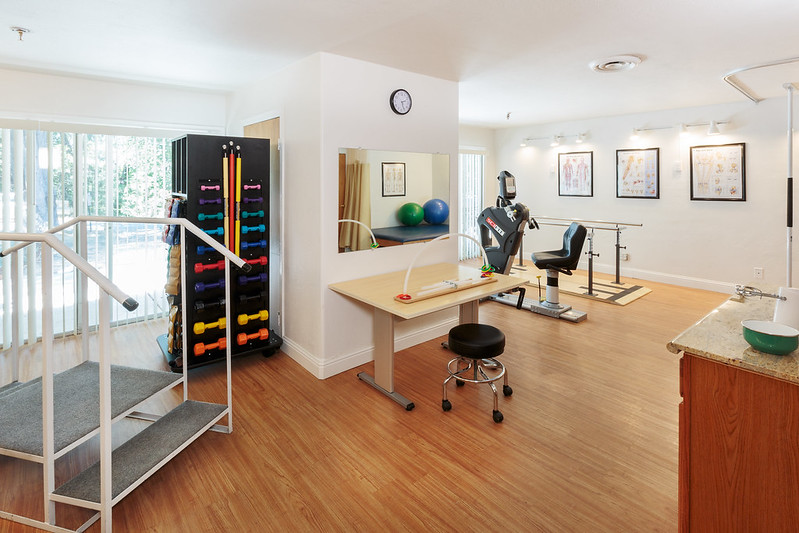
Who Owns and Operates The Pines At Placerville Healthcare Center?

THE PINES AT PLACERVILLE HEALTHCARE CENTER is owned by a for-profit company. For-profit facilities operate as businesses with obligations to shareholders or private owners. The facility is operated by PACS GROUP, a chain that manages multiple nursing homes. With 99 certified beds and approximately 88 residents (about 89% occupancy), it is a smaller facility located in PLACERVILLE, California.
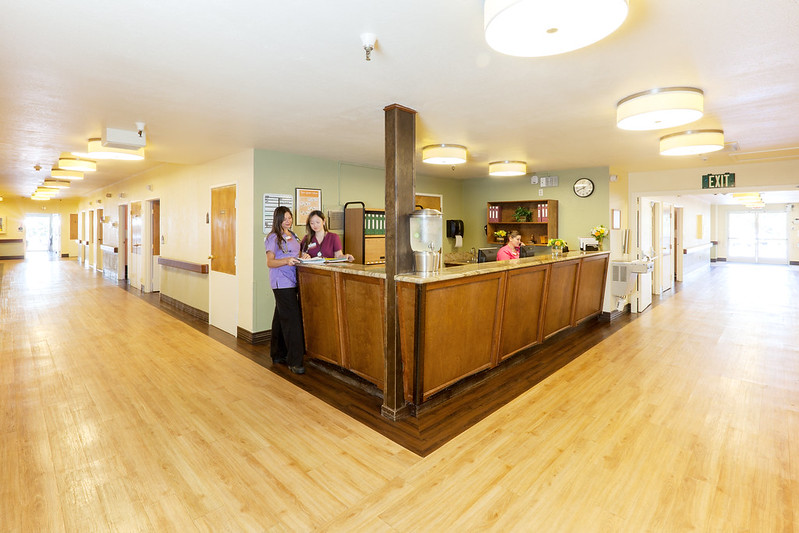
How Does The Pines At Placerville Healthcare Center Compare to Other California Nursing Homes?

Compared to the 100 nursing homes in California, THE PINES AT PLACERVILLE HEALTHCARE CENTER's overall rating (2 stars) is below the state average of 3.1, staff turnover (51%) is near the state average of 46%, and health inspection rating (2 stars) is below the national benchmark.

What Should Families Ask When Visiting The Pines At Placerville Healthcare Center?

Based on this facility's data, families visiting should ask: "Can I visit during a mealtime to observe dining assistance and food quality?" "How do you handle medical emergencies, and what is your hospital transfer rate?" "Can I speak with family members of current residents about their experience?"

Is The Pines At Placerville Healthcare Center Safe?

Based on CMS inspection data, THE PINES AT PLACERVILLE HEALTHCARE CENTER has a clean safety record: no substantiated abuse findings (meaning no confirmed cases of resident harm), no Immediate Jeopardy citations (the most serious violation level indicating risk of serious injury or death), and is not on the Special Focus Facility watch list (a federal program monitoring the lowest-performing 1% of nursing homes). The facility has a 2-star overall rating and ranks #100 of 100 nursing homes in California. While no facility is perfect, families should still ask about staff-to-resident ratios and recent inspection results during their visit.

Do Nurses at The Pines At Placerville Healthcare Center Stick Around?

THE PINES AT PLACERVILLE HEALTHCARE CENTER has a staff turnover rate of 51%, which is 5 percentage points above the California average of 46%. Moderate turnover is common in nursing homes, but families should still ask about staff tenure and how the facility maintains care continuity when employees leave.

Was The Pines At Placerville Healthcare Center Ever Fined?

THE PINES AT PLACERVILLE HEALTHCARE CENTER has no federal fines on record. CMS issues fines when nursing homes fail to meet care standards or don't correct problems found during inspections. The absence of fines suggests the facility has either maintained compliance or corrected any issues before penalties were assessed. This is a positive indicator, though families should still review recent inspection reports for the full picture.

Is The Pines At Placerville Healthcare Center on Any Federal Watch List?

THE PINES AT PLACERVILLE HEALTHCARE CENTER is not on any federal watch list. The most significant is the Special Focus Facility (SFF) program, which identifies the bottom 1% of nursing homes nationally based on persistent, serious quality problems. Not being on this list means the facility has avoided the pattern of deficiencies that triggers enhanced federal oversight. This is a positive indicator, though families should still review the facility's inspection history directly.