CASA COLOMA HEALTH CARE CENTER
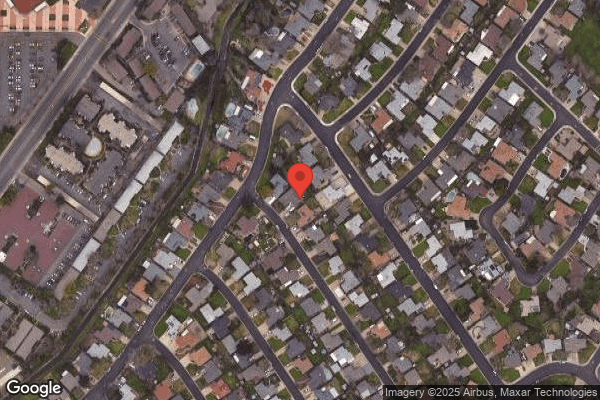
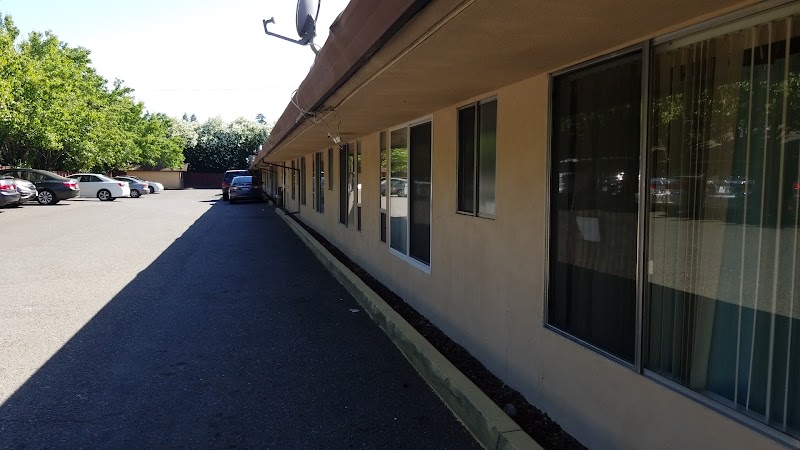
10410 COLOMA RD, RANCHO CORDOVA, CA 95670 (916) 363-4843
For profit - Limited Liability company 138 Beds BVHC, LLC Data: November 2025
Trust Grade
45/100
#544 of 1155 in CA
Last Inspection: January 2025

Within standard 12-15 month inspection cycle. Federal law requires annual inspections.

Overview

Casa Coloma Health Care Center has a Trust Grade of D, indicating below-average performance with some concerns about care quality. They rank #544 out of 1,155 facilities in California, which places them in the top half, and #20 out of 37 in Sacramento County, suggesting that only a few local options are better. Unfortunately, the facility's trend is worsening, with issues increasing from 10 in 2024 to 15 in 2025. Staffing is a relative strength, rated 4 out of 5, with a turnover rate of 36%, which is below the state average, indicating that many staff members stay long-term. However, there have been serious incidents, such as a resident suffering unnecessary pain and bleeding due to improper urinary catheter insertion, and another resident sustaining a serious injury from a fracture without proper monitoring. While the lack of fines is a positive aspect, the facility must address these serious care issues to improve overall quality.

Trust Score
D
45/100
In California
#544/1155
Top 47%
Safety Record
High Risk
Review needed
Inspections
Getting Worse
10 → 15 violations
Staff Stability
○ Average
36% turnover. Near California's 48% average. Typical for the industry.
Penalties
✓ Good
No fines on record. Clean compliance history, better than most California facilities.
Skilled Nurses
⚠ Watch
Each resident gets only 29 minutes of Registered Nurse (RN) attention daily — below average for California. Fewer RN minutes means fewer trained eyes watching for problems.
Violations
⚠ Watch
44 deficiencies on record. Higher than average. Multiple issues found across inspections.
★★★☆☆
3.0
Overall Rating
★★★★☆
4.0
Staff Levels
★★★★☆
4.0
Care Quality
★★★☆☆
3.0
Inspection Score
Stable
2024: 10 issues
2025: 15 issues

The Good

  • 4-Star Staffing Rating · Above-average nurse staffing levels
  • 4-Star Quality Measures · Strong clinical quality outcomes
  • Full Sprinkler Coverage · Fire safety systems throughout facility
  • No fines on record
  • Staff turnover below average (36%)

    12 points below California average of 48%

Facility shows strength in staffing levels, quality measures, fire safety.

The Bad

3-Star Overall Rating

Near California average (3.1)

Meets federal standards, typical of most facilities

Staff Turnover: 36%

10pts below California avg (46%)

Typical for the industry

Chain: BVHC, LLC

Part of a multi-facility chain

Ask about local staffing decisions and management

The Ugly 44 deficiencies on record

3 actual harm
Jan 2025 15 deficiencies
CONCERN (D)

Potential for Harm - no one hurt, but risky conditions existed

Deficiency F0558 (Tag F0558)

Could have caused harm · This affected 1 resident

**NOTE- TERMS IN BRACKETS HAVE BEEN EDITED TO PROTECT CONFIDENTIALITY** Based on observation, interview, and records review, the facility failed to ensure staff answered call lights (devices used by r...

Read full inspector narrative →
**NOTE- TERMS IN BRACKETS HAVE BEEN EDITED TO PROTECT CONFIDENTIALITY** Based on observation, interview, and records review, the facility failed to ensure staff answered call lights (devices used by residents to signal his or her need for assistance from staff) in a timely manner for two of 33 sampled residents (Resident 108 and Resident 3). In addition, the dedicated call system at nursing station 1, which was designed to facilitate communication between residents and staff, was muted. These failures had the potential to result in the resident's requests and care needs not being met jeopardizing the health and safety of residents. Findings: A review of the facility's 'Answering the Call Light' policy and procedure revised 9/2022, indicated, The purpose of this procedure is to ensure timely response to the residents' requests and needs. A review of the admission record indicated the facility admitted Resident 108 in 2023 with multiple diagnoses which included heart and kidney disease. A review of Resident 108's Minimum Data Set (MDS - a federally mandated resident assessment tool), dated 11/25/24 indicated Resident 108 was cognitively intact. A review of Resident 108's fall risk assessment dated [DATE] indicated that the resident had limited vision, was non-ambulatory, and dependent on staff for assistance. Resident 108 fall risk assessment indicated the resident scored 20 out of 42 and was at high risk for falls and injuries. A review of 'At risk for falls/injury' care plan dated 6/23/24 indicated the following interventions, Address identified risk factors from the fall risk assessment .Encourage/remind resident to ask for help if needed .keep environment free of hazards .keep personal items within reach .call light within reach .monitor for discomfort and pain .Provide assistance as identified in transfer and mobility. A review of 'Self care deficit' care plan dated 6/23/24 indicated Resident 108 had physical limitations and required extensive to total assist for transfers, bed mobility, toileting and other ADL's (activities of daily living, routine tasks/activities such as bathing and dressing a person performs daily to care for themselves). One of the nursing interventions indicated to provide assistance if needed. A review of the admission record indicated the facility admitted Resident 3 in 2024 with multiple diagnoses which included irritable bowel syndrome (a condition that affects stomach and intestines causing pain, gas, diarrhea or constipation), bladder infection, and muscle weakness. A review of Resident 3's MDS dated [DATE], indicated Resident 3 was cognitively intact. A review of Resident 3's bowel and bladder assessment dated [DATE] indicated the resident always .voids appropriately without incontinence .never incontinent of stool .always aware of need to toilet and required the assistance of one staff to be able to transfer to toilet or bedside commode. A review of Resident 3's fall risk care evaluation dated 11/12/24 indicated that the resident was assessed at high risk for falls and injuries. A review of 'At risk for falls/injury' care plan dated 11/12/24 indicated the following interventions, Address identified risk factors from the fall risk assessment .Encourage/remind resident to ask for help if needed .keep environment free of hazards .call light within reach. During an observation and interview on 1/28/25, at 8:15 a.m., Resident 108 was observed lying in her bed. Resident 108 stated that call light response was really bad, especially at night. Resident 108 stated, Takes forever .Nobody checks on us if we need help at night and its impossible to get help from 2 to 5 a.m.They keep telling me to call for assistance, but what do you do if you call and they don't come .[I] call if I am in pain or need help to use the bathroom. I need lots of help with transferring from bed and back to bed. When Resident 108 was asked what she did when nobody answered her call light, the resident stated, [I] have to wait, no other choice. During an observation and interview on 1/29/25, at 8:55 a.m., Resident 3 was observed awake and sitting in bed. Resident 3 stated, Call light response is bad. Resident 3 explained that it took morning and afternoon shift staff anywhere from 30 minutes to one hour to answer her call light. Resident 3 stated her room was at the end of the hall and nobody could hear her when she would shout for help. Resident 3 continued, They bring the food, leave and disappear .They never offer to wash my face and hands before meals . unless I specifically request it, and it might take a while until they come and bring me washcloth to refresh my hands before eating .You push the call button to ask for wipes or washcloth, wait and wait and eat without washing hands because by the time they come, the food is cold. Resident 3 stated about a month ago she fell and added, Could not get help in time; was on commode [portable equipment placed at bedside as a toilet ] and kept pushing the call button and nobody came. It was painful to sit for so long and I have pain all over me all the time, so I attempted to get to bed by myself, stood up and fell. Resident 3 stated she was lucky she did not break any bones but her buttocks were sore for a while. During an observation on 1/30/25, at 7:40 a.m., the Department observed lights above rooms [ROOM NUMBERS] were on and continued on for another 10 minutes while CNAs were passing breakfast trays in the first part of the hall. The display on a phone at the nursing station Hall 1 had yellow lights showing the call lights have originated in room [ROOM NUMBER]-B, 27-C, and 29-A, but there were no audible sounds coming from the phone. During the observation, two staff were sitting at the nursing station by the computer, but were unaware of the lights on the phone display and continued documentation. During an observation and interview on 1/30/25, at 7:48 a.m., the Administrator (ADM) confirmed that the lights above room [ROOM NUMBER] and 29 were on. The ADM stated that the the new call system transferred all call lights to a dedicated phone at the nursing station. The ADM checked the phone display and explained that the lights on the phone originated in room [ROOM NUMBER]-B, 27-C, and 29-A when the residents pushed their call buttons. The ADM acknowledged there were no audible sounds coming from the phone indicating three call lights were on. The ADM attempted to increase volume on the phone and acknowledged that he was not sure why there was no audible sound coming to alert staff of residents calls. During an interview with Certified Nursing Assistant (CNA 4) in the presence of ADM on 1/30/25, at 8 a.m., CNA 4 stated the call lights have to be answered as soon as staff noticed them on. CNA 4 explained when the resident pushes his or her call button, the light on the phone at the nursing station eliminates and should be making audible sounds. CNA 4 turned a 'Tone Mute' button on a right side of the phone and the phone started making audible sounds. The ADM acknowledged that audible sounds on the phone help staff to identify that the resident was calling for help and if the mute button was on, the staff that are not at the desk might not be able to hear the resident calling for assistance. The ADM stated the staff has to answer call lights in a timely manner, as soon as possible and agreed that if no audible sounds come from the phone, the call lights response might be delayed. A review of the facility's policy titled, Call System, Resident, dated 9/2022, indicated, Each resident is provided with a means to call staff directly for assistance from his/her bed, from toileting .Call system communication may be audible or visual .The resident call system remains functional at all times. If audible communication is used, the volume is maintained at an audible level that can be easily heard .Calls for assistance are answered as soon as possible, but not later than 5 minutes.
CONCERN (D)

Potential for Harm - no one hurt, but risky conditions existed

Deficiency F0658 (Tag F0658)

Could have caused harm · This affected 1 resident

**NOTE- TERMS IN BRACKETS HAVE BEEN EDITED TO PROTECT CONFIDENTIALITY** Based on observation, interview, and record review, the facility failed to ensure physician orders were appropriate and followed...

Read full inspector narrative →
**NOTE- TERMS IN BRACKETS HAVE BEEN EDITED TO PROTECT CONFIDENTIALITY** Based on observation, interview, and record review, the facility failed to ensure physician orders were appropriate and followed as ordered for two of 33 sampled residents (Resident 94 and Resident 37) and failed to ensure Resident 109 took all the medications, when: 1. Resident 94 had conflicting orders for a knee brace, and 2. Resident 94 had order for oxygen that was not followed, and 3. Resident 37 had orders for monitoring for a medication that was no longer ordered. 4. Loose pills in a medication cup were observed at the bedside of Resident 109. These failures had the potential for Resident 94, Resident 37 and Resident 109 to receive care and treatment that was contradictory to the physician's orders leading to adverse outcomes. Findings: A review of Resident 94's admission Record indicated Resident 94 was admitted to the facility in October 2022 with multiple diagnoses including asthma (condition in which airways become narrow making it difficult to breathe), morbid obesity (severe obesity), and difficulty walking. A review of Resident 94's Minimum Data Set (MDS- a federally mandated assessment tool), Cognitive Patterns, dated 1/3/25, indicated Resident 94 had a Brief Interview for Mental Status (BIMS- an assessment tool) score of 15 out of 15, that indicated Resident 94 was cognitively intact. A review of Resident 94's MDS, Functional Abilities, dated 1/3/25, indicated Resident 94 required mostly supervision or set up assistance for eating, hygiene, bathing, dressing, bed mobility, transfers and was able to walk ten feet with supervision. A review of Resident 94's MDS, Special Treatments, Procedures, and Programs, dated 1/3/25, indicated Resident 94 required oxygen therapy. 1. A review of document Details for Order . indicated an order placed 1/3/25 for knee brace support, knee compression sleeve, for delivery to the facility. A review of Resident 94's Order Summary Report indicated order dated 12/20/24, Knee Brace Left Knee when OOB [out of bed] every shift for OA [osteoarthritis- arthritis due to cartilage wearing down at the end of the bones] of Right knee . A review of Resident 94's Order Summary Report indicated order dated 1/18/25, Right knee brace three times a day for OA of the knee . A review of Resident 94's Care Plan, initiated 5/1/24, indicated At risk for falls/injury due to: .Balance problem .Interventions/Tasks .Identify type of assistance resident needs .Provide assistance as identified in transfer and mobility . During an interview on 1/28/25 at 8:49 a.m. with Resident 94, Resident 94 stated she requested for a knee brace for right knee a month ago. Resident 94 stated she is waiting for surgery on her right knee but in the meantime needed a brace for support. During an interview on 1/29/25 at 9:16 a.m. with the Director of Rehabilitation (DOR), the DOR stated a brace was ordered for Resident 94's left knee and was waiting for delivery. The DOR stated the brace was ordered for the left knee to help with instability. During an interview on 1/30/25 at 10:35 a.m. with Resident 94, Resident 94 stated the knee brace was for the right knee, not the left knee. During an interview on 1/30/25 at 10:39 a.m. with Licensed Nurse (LN) 1, LN 1 acknowledged that Resident 94 had two conflicting orders for a knee brace. LN 1 stated the order for the right knee brace was the correct order. LN 1 stated the front desk puts in the orders and should clarify the orders. LN 1 stated, If orders incorrect does not fix the problem. During a concurrent interview and record review on 1/30/25 at 2:39 p.m. with the Director of Nursing (DON), the DON acknowledged the conflicting orders for left knee brace and right knee brace for Resident 94. The DON stated the order for the right knee brace on 1/18/25 was the correct order and the order for the left knee brace should have been discontinued. The DON stated, The orders are confusing to nursing. The DON stated it is the nurse's responsibility to determine if an order is correct and to double check the orders. 2. A review of Resident 94's Order Summary Report indicated an order dated 4/30/24, Oxygen: At 2 Liters/Min [rate of oxygen flow per minute] via Nasal Cannula [a flexible tube that delivers the oxygen through the nose] every shift . A review of Resident 94's Care Plan, initiated 5/1/24, indicated Alteration in Respiratory Status .Interventions/Tasks .Administer oxygen as ordered . During a concurrent observation and interview on 1/28/24 at 8:49 a.m. with Resident 94, observed oxygen concentrator (a machine that uses air to make oxygen) at bedside set to 4 liters/minute being administered via nasal cannula. Resident 94 stated the liter flow should be 2 1/2 liters/minute. During a concurrent observation and interview on 1/30/25 at 10:35 a.m. with Resident 94, observed oxygen concentrator on other side of the curtain set to 3 liters/minute. Resident 94 stated it was set to 2 liters/ minute, but she needed more so it was turned up to 3 liters/minute. Resident 94 stated she wanted to wean it down to 2 liters/minute. During a concurrent observation and interview on 1/30/25 at 10:39 a.m. with LN 1, LN 1 confirmed Resident 94's oxygen concentrator was set to 3 liters/ minute and the order was for 2 liters/ minute. LN 1 stated the oxygen concentrator should be set to 2 liters/minute. LN 1 stated should have an order indicating oxygen concentrator to be set between 2 and 3 liters/ minute. LN 1 stated the desk nurse puts the orders in. LN 1 further stated, What she [Resident 94] had was not the order. During a concurrent interview and record review on 1/30/25 at 2:39 p.m. with the DON, the DON acknowledged Resident 94's oxygen order was for 2 liters/minute and the oxygen concentrator should be set at 2 liters/ minute all the time. The DON stated the order for oxygen for 2 liters/ minute is incorrect and Resident 94 should have an order for range of liter flow with parameters to titrate (adjust according to need). 3. A review of Resident 37's admission Record indicated Resident 37 was admitted to the facility in September 2017 with multiple diagnoses including diabetes (too much sugar in the blood), asthma, depressive disorder, single episode (mental health disorder characterized by low mood and loss of interest that interferes with daily functioning), bipolar disorder (mental health disorder with mood swings), and chronic kidney disease (kidneys do not filter the blood as well as they should). A review of Resident 37's MDS, Cognitive Patterns, dated 11/5/24, indicated Resident 37 had a BIMS score of 8 out of 15 that indicated Resident 37 was moderately cognitively impaired. A review of Resident 37's Order Audit Report, indicated order initiated 3/29/23 and discontinued 10/3/23, Mirtazapine [medication used to treat depression] 7.5 mg [milligrams] Give 1 tablet by mouth at bedtime for depression manifested by poor meal intake . A review of Resident 37's Order Summary Report indicated current orders including: [Behavior] Mirtazapine-monitor poor meal intake .due to depression, with meals start date 5/8/23. [Side Effects] Mirtazapine- monitor for A) drowsiness B) appetite stimulation C) dry mouth D) constipation E) weight gain F) dizziness every shift . start date 3/29/23 A review of Resident 37's Medication Administration Record (MAR), 1/1/25 to 1/31/25, indicated staff continued to enter information in the MAR for monitoring of the Mirtazapine's behavior and side effects as ordered. The medication was no longer being given. A review of Resident 37's Care Plan, initiated 3/29/23, indicated The resident uses antidepressant medication MIRTAZAPINE r/t [related to] poor meal intake .Interventions/Tasks .Administer ANTIDEPRESSANT medications as ordered by physician. Monitor/ document side effects and effectiveness Q [every]-SHIFT . During a concurrent interview and record review on 1/31/25 at 1:29 p.m. with the DON, the DON acknowledged that Resident 37 was not receiving Mirtazapine currently. The DON acknowledged that the medication monitoring should have been discontinued when the medication was discontinued. The DON stated when a medication is discontinued all the batch orders, including behavior and side effect monitoring, related to the medication should be discontinued as well. The DON stated it was the nurse's responsibility to discontinue the monitoring at the time the medication was discontinued. The DON stated the nurse did not check and did not update the orders. A review of the facility's Policy and Procedure (P&P) titled Assistive Devices and Equipment, revised 1/20, indicated, . Our facility maintains and supervises the use of assistive devices and equipment for residents .Recommendations for the use of devices and equipment are based on the comprehensive assessment and documented in the resident care plan . A review of the facility's P&P titled Medication and Treatment Orders, revised 7/16, indicated .Orders for medications and treatments will be consistent with principles of safe and effective order writing . A review of the Job Description Charge Nurse/Nurse Supervisor, revised 10/20, indicated . Audit nursing documentation in the clinical record for appropriate and relevant entries .Perform routine charting duties as required and in accordance with established charting and documentation policies and procedures .Monitor medications administration process and provide appropriate feedback or changes to prevent medication errors .Administer medications in accordance with physician orders, regulations and facility policies .Order prescribed medications, supplies and equipment as necessary in accordance with established facility policies .Assess residents for conditions which may be aided by assistive or adaptive devices . 4. A review of Resident 109's admission record, indicated resident 109 was admitted on [DATE] with multiple diagnoses including prostate [male gland] cancer and respiratory failure with Hypoxia [low oxygen in the body tissues]. A review of Resident 109's Minimum Data Set (MDS- a federally mandated assessment tool), Cognitive Patterns, dated 1/22/25, indicated Resident 109 had a Brief Interview for Mental Status (BIMS- tool to assess cognition) score of 13 out of 15 which indicated resident was cognitively intact. During a concurrent interview and record review on 1/30/25 at 12:05 p.m. with Licensed Nurse 4 (LN 4), LN 4 stated for Resident 109, . we get medication ready whatever the dosage according to doctor's orders, [Resident 109] requires extra assistance, I make sure I set up the bed for him. He doesn't have enough coordination to pour medications himself so personally when administering medication to [Resident 109] , I will administer to him to make sure the medication is tolerated because he may drop the medications . LN 4 further confirmed medication cup left at bedside via photo and stated the medication should have been given to [Resident 109] and best practice was to stay and watch the resident swallow the medications. During a concurrent review and interview on 1/30/25 at 4:05 p.m. with Director of Nursing (DON), the DON confirmed pictures of medications left at the bedside of Resident 109. The DON Stated, this is not supposed to happen, this should not be left at bedside. That patient is noncompliant . needs additional staff sometimes to take his medications . During a review of the facility's policy and procedure, titled Documentation of Medication Administration, dated April 2007, the Policy indicated, . 2. Administration of medication must be documented immediately after (never before) it is given . During a review of the facility's policy and procedure, titled Administering Medications dated April 2019, the Policy indicated, .10. The individual administering the medication checks the label to verify the right resident, right medication, right dosage, right time and right method (route) of administration before giving the medication .21. The individual administering the medication initials the resident's MAR on the appropriate line after giving each medication and before administering the next ones .
CONCERN (D)

Potential for Harm - no one hurt, but risky conditions existed

Deficiency F0685 (Tag F0685)

Could have caused harm · This affected 1 resident

Based on observation, interview, and record review the facility failed to ensure services were provided to one of 33 sampled residents (Resident 87) when Resident 87 was not assisted in the repair or ...

Read full inspector narrative →
Based on observation, interview, and record review the facility failed to ensure services were provided to one of 33 sampled residents (Resident 87) when Resident 87 was not assisted in the repair or daily use of their hearing aids. This failure had the potential to cause Resident 87 psychosocial harm by making him frustrated and angry due to his inability to hear clearly and communicate properly with staff, other residents, and visitors. Findings: A review of Resident 87's facesheet indicated Resident 87 was admitted to the facility in February of 2024 with a diagnoses including presence of left artificial shoulder joint with severe weakness, sensorineural hearing loss ( a type of hearing loss that occurs when there is damage to the inner ear (cochlea) or the auditory nerve that carries sound signals to the brain), and need for assistance with personal care. A review of Resident 87's Order Summary Report dated 2/5/24 indicated Resident 87 is capable of understanding rights, responsibilities, and Informed Consent. A concurrent observation and interview on 1/29/25 at 08:58 a.m. with Resident 87 inside his room. Resident 87 stated he would like his hearing aids in during the day so he can communicate with staff and other residents and that he has asked his nurse and Social Services several times to assist him in getting an appointment because he thinks they aren't working properly. Resident 87 stated nobody had offered to put in his hearing aids this morning and that it made him frustrated and angry when he couldn't hear and communicate. Observed hearing aids on night stand, in the case, fully charged. An interview on 1/30/25 at 11:43 a.m. with Resident 87 in his room. Resident 87 stated nobody had offered to help him with his hearing aids. Observed hearing aids were not on the nightstand and not in residents' room or placed in resident's ears. A review of Resident 87's Order Summary Report dated 6/17/24 indicated to put the hearing aids in by 7:30 a.m. to 8:00 a.m. daily and to make sure they are charged and functioning. An interview conducted on 1/30/25 at 12:05 p.m. with Certified Nursing Assistant 6 (CNA 6), CNA 6 stated the expectation is to put Resident 87's hearing aids in every morning per orders. CNA 6 confirmed that the hearing aids were no longer in the room and not in Resident 87's ears. CNA 6 stated that Resident 87 had complained about the hearing aids not working several days in a row. CNA 6 further stated it was very important for Resident 87 to be able to hear properly in case he needed help and to communicate with staff and others, and that it's not good mentally for the resident to feel left out of the conversation and feel isolated. An interview conducted on 1/30/25 at 12:15 p.m. with the Social Services Assistant (SSA), the SSA stated that the expectation is that staff will inform her that hearing aides are not working as soon as possible. The SSA stated Resident 87 gets angry because he gets frustrated when he can't hear and communicate with staff or others. The SSA stated that she was informed for the first time of Resident 87's hearing aids not working on 1/29/25. An observation on 1/31/25 at 09:29 a.m. Resident 87 was not wearing hearing aids, and they were not found in his room. A concurrent interview and record review on 1/31/25 at 10:13 a.m. with Licensed Nurse 7 (LN 7), LN 7 confirmed Resident 87 did not have hearing aids in. LN 7 confirmed Resident 87's Medical Administration Record (MAR - a daily documentation record used by licensed nurses to document medications and treatments given to a resident) initialed by LN 7 was incorrect for 1/28/25, 1/30/25, and 1/31/25 indicating hearing aids were working and placed in Resident 87's ears. LN 7 stated Resident 87 had been complaining about his hearing aids not working for over a week and she had not contacted anyone regarding the broken hearing aids. LN 7 stated that the expectation was to tell Social Services as soon as possible if an item is not working. LN 7 could not answer as to why she did not tell anyone when the issue was first identified or why she charted that the hearing aids were working and placed in Resident 87's ears when they were not for three days. LN 7 stated it wasn't easy for Resident 87 to communicate without his hearing aids, it affected him socially in a negative way, and it made him angry and frustrated when he couldn't hear. An interview was conducted on 1/31/25 at 12:47 p.m. with the Director of Nursing (DON). The DON stated the expectation is for staff to follow physician orders regarding assistive devices and if they are not working properly to immediately notify Social Services to arrange for appointments or repair. The DON stated if this was not reported and taken care of quickly it could cause undue stress to Resident 87 and affect him psychosocially. The DON further stated that communication between staff and patients is very important to give residents the best care possible. A review of the facility's policy titled Assistive Devices and Equipment revised January 2020, the policy indicated Our facility maintains and supervises the use of assistive devices .for residents .assistive devices include hearing aids .Staff are trained and demonstrate competency on the use of devices .prior to assisting or supervising residents .Devices .are maintained on schedule .Defective devices are .repaired .Staff are required to demonstrate competency on the use of devices and are available to assist and supervise residents as needed.
CONCERN (D)

Potential for Harm - no one hurt, but risky conditions existed

Tube Feeding (Tag F0693)

Could have caused harm · This affected 1 resident

**NOTE- TERMS IN BRACKETS HAVE BEEN EDITED TO PROTECT CONFIDENTIALITY** Based on observation, interview, and record review, the facility failed to ensure the safety of one of 33 sampled residents (Res...

Read full inspector narrative →
**NOTE- TERMS IN BRACKETS HAVE BEEN EDITED TO PROTECT CONFIDENTIALITY** Based on observation, interview, and record review, the facility failed to ensure the safety of one of 33 sampled residents (Resident 78), who had tube feeding (TF, a medical device surgically implanted into the stomach, so the person who can not eat normally due to swallowing problems can receive liquid nutrition), when the facility did not follow the physician's order to keep Resident 78's head of bed (HOB) elevated at 30 degrees during administration of nutrition through the TF on multiple occasions. This failure had the potential for Resident 78 to experience aspiration (inhalation of TF formula) and develop aspiration pneumonia (a lung infection that develops after the person inhales food or liquids into their lungs where the bacteria will grow and cause an infection) which could lead to death. Findings: A review of the admission record indicated the facility admitted Resident 78 in the fall of 2024 with multiple diagnoses which included pneumonitis (lung infection that causes inflammation and swelling of the air sacs in the lungs) due to inhalation of food, lung disease, and dysphagia (difficulty swallowing solids and liquids). Resident 78's clinical records indicated she was admitted after she had a tube feeding placed in the hospital. A review of physician 'Progress Notes' dated 12/24/24 indicated, Patient does not have capacity she is mostly bedbound due to her advanced dementia [loss of cognitive functioning]. The physician documented that Resident 78's legs were contracted (permanent tightening of muscles and ligaments making them shortened and that the resident had an increased tone [of] all 4 extremities [the muscles in the arms and legs had abnormally high tension, making them stiff and hard to move. A review of the physician order dated 11/28/24 directed nursing staff to elevate Resident 78's head of bed (HOB) 30-45 degrees at all times during feedings and 1 hour post-administration of medications. A review of the care plan titled, Resident [is] on tube feeding dated 12/2/24 indicated Resident 78 was at risk for aspiration, abdominal discomfort, nausea and vomiting and one of the nursing interventions to prevent these conditions was to elevate resident's head of the bed at all times during the feeding. A review of Resident 78's clinical records contained a document titled, SBAR (situation, background, assessment, recommendation-a communication tool used by healthcare workers when there is a change of condition among the residents) dated 12/15/24 and timed at 3 a.m., which indicated that the resident had a change in condition. The nurse documented, Patient showing signs of restlessness. Started 12/14 NOC [night shift] .Patient [is] unable to sleep .Crackles [abnormal breath sounds that sound like bubbling/rattling, usually caused by excess fluid in the airways]. Gurgling breath sounds. Oxygen desat [desaturated, decreased] to 88% [normal oxygen level is 97-100%] on RA [room air] when flat. Resident 78's records indicated that the resident continued having excessive secretions from her lungs, had an X-Ray of the chest done, and the physician prescribed treatment for pneumonia (lung infection). A review of physician 'Progress Notes' dated 12/17/24 indicated that Resident 78 experienced episode of .excessive secretions [cough producing large amount of bodily secretions, which could be saliva, mucus or food], had low oxygen level and was prescribed antibiotic. A review of Resident 78's clinical records contained a speech therapy (ST, a medical professional trained to evaluate and treat people who experience difficulties with swallowing) note dated 1/24/25. The note indicated, Pt [patient] in bed .asleep and when HOB elevated by ST to further rouse pt, pt with emesis [vomit] noted; appeared to be TF contents. The ST documented, Notified nursing and also educated nurse in importance of HOB being elevated to at least 30 degrees at all times and pt should not be laid flat at any time. The ST documented that the sign was placed at HOB for adherence to 30-45 degrees positioning requirements for safety. A review of Resident 78's medication administration records (MARs) from 1/1 through 1/29/25 indicated the resident's nurses documented (initialed) every shift that the resident's HOB was elevated at 30-45 degrees during the feedings contrary to the observations made on 1/28/25 at 7:35 a.m., 1/28/25 at 8:50 a.m. ; 2:41 p.m., 1/29/25 at 9:30 a.m. During an observation on 1/28/25, at 7:35 a.m. in Resident 78's room, Resident 78 was observed and was receiving a tube feeding at 70 milliliters per hour (ml/h, a unit of measurement) while laying on her back. The resident's HOB was elevated approximately 15 degrees and looked almost flat. A sign printed with large letters on the wall above the resident's bed indicated Keep Head of Bed Elevated to 30 [degrees] at All Times. During a follow up observation and a concurrent interview with Licensed Nurse (LN 1) on 1/28/25, at 8:50 a.m., Resident 78 was in the same position laying on her back with TF running at 70 ml/h and the resident's HOB was not elevated as ordered by the physician. LN 1 validated that the resident's HOB was low and not at 30-45 degrees as ordered by the physician and the posted sign. LN 1 stated Resident 78 was at risk for aspiration and should have her HOB elevated at least 30 degrees while the feeding was on. During a concurrent observation and interview on 1/28/25, at 2:41 p.m., with LN 2 in Resident 78's room, Resident 78 was observed in bed, almost flat while the tube feeding was running at 70 ml/h. LN 2 stated, Head of bed elevated about 15 degrees. Not good .[Resident] is at risk for aspiration .[HOB] should be at least 30-45 degrees. During a concurrent observation and interview with Certified Nursing Assistant (CNA 2) on 1/29/25 at 9:30 a.m., Resident 78 was observed laying in bed on her back with HOB slightly elevated while receiving tube feeding at 70 ml/h. CNA 2 confirmed that Resident 78's HOB was low and added, Yes, almost flat. She should have it elevated to 30-45 degrees because the feeding can go into her lungs. LN 1 entered Resident 78's room and validated that the resident's HOB was not elevated as it was required. During a concurrent observation and interview with CNA 3 on 1/31/25, at 8:05 a.m., Resident 78 was observed laying completely flat in the bed with the tube feeding running at 70 ml/h. Resident 78 had small amount of tube feeding formula on her lips. The CNA 3 validated that the resident was laying flat in her bed. During a follow up observation and interview with LN 3 on 1/31/25, at 8:10 a.m., LN 3 confirmed that the resident was flat while receiving tube feeding and added, She can't lay flat .her HOB has to be elevated to 30-45 degrees .I don't know what happened and why the HOB is flat. During a concurrent interview and record review on 1/30/25, at 11:20 a.m., with the the ST, the ST stated on a few occasions when she conducted a swallow therapy with Resident 78, she noticed that the resident's HOB was not at 30 degrees. The ST stated when she saw Resident 78 on 1/24/25, the resident wasn't [laying] flat, but [was not] at 30 degrees and she had a copious amount of tube feeding [formula] secretions in her mouth. The ST added, I had to suction her and instructed caregivers about proper positioning and high risk for aspiration. I posted a sign on the wall about 30 degrees at all times. A review of the facility's most current policy titled, Enteral Feedings - Safety Precautions, revised 11/2018, indicated the purpose of the policy was to ensure the safe administration of enteral (tube feeding) nutrition. The policy indicated, All personnel responsible for .administering enteral nutrition formulas will be trained, qualified and competent in his or her responsibilities .Preventing aspiration .Elevate the head of bed (HOB) at least 30 [degrees] during tube feeding and at least 1 hour after feeding. During an interview with the facility's Director of Nursing (DON) on 1/30/25, at 1:50 p.m., the DON stated that residents receiving tube feeding were at high risk for aspiration and they should be positioned properly while receiving tube feedings to prevent complications, including aspiration of the formula. During the interview, Resident 78's improper HOB positioning on multiple observations was discussed. The DON stated her expectation was that the staff follow the physician's order and ST instructions to keep her [Resident 78's] HOB elevated at least 30 degrees, ideal 45 degrees .I always remind them to check on HOB before leaving the room.
CONCERN (D)

Potential for Harm - no one hurt, but risky conditions existed

Respiratory Care (Tag F0695)

Could have caused harm · This affected 1 resident

Based on observation, interview, and record review, the facility failed to ensure two of 33 sampled residents (Resident 78 and Resident 93) received oxygen therapy as prescribed by the residents' phys...

Read full inspector narrative →
Based on observation, interview, and record review, the facility failed to ensure two of 33 sampled residents (Resident 78 and Resident 93) received oxygen therapy as prescribed by the residents' physicians, when Resident 78 and Resident 93 received oxygen at a higher rate than ordered. These failures had the potential to contribute to residents' discomfort and decreased ability to breathe. Findings: A review of the admission record indicated the facility admitted Resident 78 in the fall of 2024 with multiple diagnoses which included chronic obstructive pulmonary disease (COPD, a chronic lung condition causing restricted airflow and breathing problems) and pneumonitis (lung infection that causes inflammation and swelling of the air sacs in the lungs) due to inhalation of food. A review of Resident 78's physician order dated 12/23/24 indicated, Oxygen inhalation at 2 liters [L, unit of measurement] per minute via NC [nasal cannula, a tubing used to deliver supplemental oxygen] continuously every shift. A review of the care plan titled, A risk for ineffective breathing pattern, dated 12/2/24 directed nursing to administer oxygen as ordered by the physician. A review of Resident 78's medication administration records (MAR) from 1/1/25 through 1/27/25 indicated that licensed nurses had initialed every shift that Resident 78 received oxygen at 2 Liters via NC. During an observation on 1/28/25 at 7:33 a.m., Resident 78 was lying in her bed with the oxygen tubing on and the tubing was connected to oxygen concentrator (electrical device that extracted oxygen from surrounding and filtered it for the patient to breathe). Resident 78's oxygen concentrator's gauge was set to deliver 3.5 liters of oxygen per minute. During a concurrent observation and interview in Resident 78's room on 1/28/25 at 8:50 a.m., Licensed Nurse (LN 1) stated, Looks like [Resident 78 is] getting 3.5 liters of oxygen. Upon checking the physician's order for Resident 78, LN 1 stated the physician order indicated to administer 2 liters of oxygen. LN 1 acknowledged that the resident received the oxygen at a higher rate than prescribed by the physician. A review of the admission record indicated the facility admitted Resident 93 in 2022 with multiple diagnoses which included COPD and heart failure. A review of Resident 93's physician order dated 8/16/24 indicated to administer oxygen at 2 liters per minute via NC continuously every shift. A review of Resident 93's care plan titled, Alteration in respiratory status due to .chronic respiratory failure, dated 9/7/22 directed nursing to Administer oxygen as ordered. Oxygen 2 LPM [liters per minute] every shift. A review of Resident 93's medication administration records (MAR) from 1/1/25 through 1/27/25 indicated that licensed nurses had initialed every shift that Resident 93 received oxygen at 2 liters via NC. During an observation on 1/28/25, at 7:53 a.m., Resident 93 was observed sitting in bed with the oxygen tubing on and the tubing was connected to oxygen concentrator. Resident 93's oxygen concentrator's gauge was set to deliver 3 liters of oxygen per minute. During a concurrent observation and interview in Resident 93's room on 1/28/25, at 8:53 a.m., LN 1 acknowledged that the resident was receiving 3 liters of oxygen per minute. Upon reviewing the physician's order, LN 1 stated that per physician's order, Resident 93 should have her oxygen delivered at 2 liters per minute. LN 1 acknowledged that the rate of oxygen delivered to Resident 93 was higher than ordered by the physician. During an interview with the Director of Nursing (DON) on 1/30/25, at 1:50 p.m., the DON stated that she was made aware by LN 1 that Resident 78 and Resident 93 were receiving the oxygen therapy at the wrong rates which were higher than prescribed by the resident's physician. The DON stated the expectation was that nurses always followed the physician orders. A review of the facility's policy titled Oxygen Administration, revised 10/2010 indicated that the purpose of the policy was to provide guidelines for safe oxygen administration. The policy indicated, Verify that there is a physician's order . Review the physician's orders or facility protocol for oxygen administration .Review the resident's care plan. A review of an article published in the National Library of Medicine, dated 2014, titled ABC of Chronic Obstructive Pulmonary Disease: Oxygen and inhalers, indicated Administering oxygen for chronic obstructive pulmonary disease (COPD) is not without risk and it should be properly prescribed in terms of flow rate and mode of delivery like any other drug. Giving high concentrations of oxygen to hypoxemic (low oxygen in the blood) patients .can result in individuals losing their .drive to breathe.
CONCERN (D)

Potential for Harm - no one hurt, but risky conditions existed

Medication Errors (Tag F0758)

Could have caused harm · This affected 1 resident

**NOTE- TERMS IN BRACKETS HAVE BEEN EDITED TO PROTECT CONFIDENTIALITY** Based on observation, interview, and record review, the facility failed to ensure Resident 47 was free from unnecessary psychotr...

Read full inspector narrative →
**NOTE- TERMS IN BRACKETS HAVE BEEN EDITED TO PROTECT CONFIDENTIALITY** Based on observation, interview, and record review, the facility failed to ensure Resident 47 was free from unnecessary psychotropic medications (drugs that affect brain activities associated with mental processes and behaviors) when Resident 47 received psychotropic medication without implementation of non-pharmacological (non-drug) interventions and inadequate indication for use. This failure resulted in unnecessary medication for the resident, which had the potential for exposure to unwanted side effects associated with psychotropic medications such as sedation, falls, abnormal involuntary movements, and memory loss and increased risk of death. Findings: A review of Resident 47's medical record (MR) indicated Resident 47 was admitted to the facility on [DATE] with diagnosis including dementia (a brain disorder that leads to decline in memory) with unspecified psychosis not due to a substance or known physiological condition ( a collection of symptoms that affect the mind, where there has been some loss of contact with reality), and recurrent urinary tract infections (UTI). A review of Resident 47's medical record indicated the following physician's orders: 1. Quetiapine (an antipsychotic used to treat serious mental health conditions that affect how people think, feel and behave) 25 milligrams (mg, a unit of measurement): 25 mg twice daily and 50 mg at bedtime, ordered 7/8/24 to 9/23/24; 2. Quetiapine 25 mg: Give 1 tablet by mouth one time a day for Psychosis, manifested by (m/b) combative and swinging or grabbing and twisting staff's arms when redirected and give 2 tablets by mouth at bedtime for psychosis, m/b combative and swinging or grabbing and twisting staff's arms when redirected ordered 9/23/24 to 1/21/25; 3. Quetiapine 25 mg: Give 1 tablet by mouth one time a day for unspecified psychosis m/b paranoia with disorganized thoughts and behavior and give 2 tablet by mouth at bedtime for unspecified psychosis m/b paranoia with disorganized thoughts and behavior, ordered 1/21/25. During a concurrent observation and interview on 1/30/25 at 11:02 a.m. with Resident 47, Resident 47 was seated in a wheelchair self-propelling in the hallway towards his room. Resident 47 stated he had just left activities room and had watched the news. Resident 47 discussed current events, and was alert, oriented pleasant, well-groomed and spoke with clear speech. Resident 47 denied feeling depressed and stated he got along well with staff. During a concurrent interview and record review on 1/30/25 at 11:08. a.m. with Licensed Nurse 7 (LN 7), LN 7 stated Resident 47 used to be angry upon admission and did not like his roommate. LN 7 stated Resident 47 had a room change and described him as alert, able to do self-care, liked to be in his room, and enjoyed coffee in the morning, LN 7 stated Resident 47 was pleasant, always smiled, and said that he was fine. During a concurrent interview and record review on 1/30/25 at 11:58 a.m. with Director of Nursing (DON), Resident 47's MR and progress notes and hospital discharge date d 5/21/24 were reviewed. DON stated when Resident 47 was admitted to the facility he was difficult to manage because he was wandering, was agitated and wanted to leave. DON stated Resident 47 received quetiapine while in the hospital for treatment of recurrent UTI but did not have an order to continue the medication upon his discharge to the facility. She stated Resident 47 was put back on quetiapine after admission to the facility because it was effective in controlling his behavior when he was in the hospital. DON stated she was aware that agitation was not an adequate indication for the use of quetiapine so Resident 47's order was updated to read, Psychosis m/b paranoia with disorganized thoughts and behavior. During a concurrent interview and record review on 1/30/25 at 3:18 p.m. with DON, the manufacturer's labeling for Seroquel (brand name for quetiapine) was reviewed. The labeling for quetiapine contains a Black Box Warning (BBW) (the highest safety-related warnings that medications can have assigned by the Food and Drug Administration) that indicates, Increased Mortality (risk of death) in Elderly Patients with Dementia. The labeling further indicated, Seroquel is not indicated in elderly patients with dementia . Seroquel not indicated for the treatment of elderly patients with dementia-related psychosis. DON confirmed the BBW and that it was not approved to be used in elderly patients with dementia-related psychosis. During the same interview and record review on 1/30/25 with DON, Resident 47's medical record was reviewed. DON stated it was expected to have documentation in the resident's record to support the use of an antipsychotic. She confirmed Resident 47's record did not contain documentation to indicate that the resident's behavior was persistent and not due to any underlying conditions were ruled out before initiating quetiapine. DON stated nursing staff were expected to implement non-pharmacological interventions anytime a resident was on an antipsychotic. She reviewed the record but was unable to provide documentation to support such interventions were implemented either prior to initiating quetiapine or along with the medication in order to use the lowest effective dose for the shortest period of time. During a review of the facility's policy and procedure (P&P) titled, Antipsychotic Medication Use, revised 12/2016, the P&P indicated, Antipsychotic medications may be considered for residents with dementia but only after medical, physical, functional, psychological, emotional psychiatric, social and environmental causes of behavioral symptoms have been identified and addressed . 1. Residents will only receive antipsychotic medications when necessary to treat specific conditions for which they are indicated and effective. 2. The Attending Physician and other staff will gather and document information to clarify a resident's behavior, mood, function, medical condition, specific symptoms, and risks to the resident and others. 3. The Attending Physician will identify, evaluate and document, with input from other disciplines and consultants as needed, symptoms that may warrant the use of antipsychotic medications. 4. The Attending Physician and facility staff will identify acute psychiatric episodes, and will differentiate them from enduring psychiatric conditions. 5. Residents who are admitted from the community or transferred from a hospital and who are already receiving antipsychotic medications will be evaluated for the appropriateness and indications for use .7. Antipsychotic medications shall generally be used only for the following conditions/diagnoses as documented in the record, consistent with the definition(s) in the Diagnostic and Statistical Manual of Mental Disorders (current or subsequent editions): 1. Schizophrenia; .8. Diagnoses alone do not warrant the use of antipsychotic medication. 11. Antipsychotic medications will not be used if the only symptoms are one or more of the following: Wandering; .16. The staff will observe, document, and report to the Attending Physician information regarding the effectiveness of any interventions, including antipsychotic medications .
CONCERN (D)

Potential for Harm - no one hurt, but risky conditions existed

Deficiency F0825 (Tag F0825)

Could have caused harm · This affected 1 resident

Based on observation, interview, and record review, the facility failed to ensure restorative services were provided for one of 33 sampled residents (Resident 15) when Restorative Nursing Services (RN...

Read full inspector narrative →
Based on observation, interview, and record review, the facility failed to ensure restorative services were provided for one of 33 sampled residents (Resident 15) when Restorative Nursing Services (RNS - nursing interventions that help people maintain or improve a resident's physical, mental, and emotional well-being.) were not initiated. This failure resulted in Resident 15 failing to maintain the highest practicable level of physical, functional, and emotional well-being. Findings: A review of Resident 15's facesheet indicated she was admitted to the facility in September of 2024 with diagnoses' which included Primary Osteoarthritis (a progressive disorder of the joints, caused by a gradual loss of cartilage) of both knees, Heart Failure, Chronic Obstructive Pulmonary Disease(COPD-a chronic lung disease causing difficulty in breathing), Type 2 Diabetes (DM-a disorder characterized by difficulty in blood sugar control and poor wound healing), and unspecified difficulty in walking. A review of Resident 15's BIMS (Brief Interview for Mental Status-an assessment tool used by facilities to screen and identify memory, orientation, and judgement status of the resident) dated December 2024 indicated she was cognitively intact. An observation and interview on 01/28/25 at 08:26 a.m. with Resident 15 in her room., Resident 15 stated she had not received Physical Therapy (PT -treatment that helps you improve how your body performs physical movement) or Occupational Therapy (OT- uses everyday life activities to promote health, well-being, and ability to participate in important activities of life) in a very long time and she would like to. Resident 15 stated she had some PT/OT when she was first admitted but hasn't had any type of therapy in months. Resident 15 stated she feels like she is losing her ability to sit up, sit on the edge of the bed for meals, and sit in a wheelchair and would like to get back some of her independence and be able to do simple things on her own. Resident 15 further stated she has asked several of the staff about this and nothing ever happened. A concurrent interview and record review on 1/30/25 at 11:00 a.m. with Director of Rehabilitation (DOR), the DOR stated he remembered Resident 15 and talked to her regarding PT/OT. The DOR stated he went to see Resident 15 and he believed she refused treatment. The DOR stated that once a resident refuses treatment or are no longer authorized by insurance for PT/OT they are referred to the RNS program. The DOR further stated that Resident 15 probably refused RNS too. The DOR could not show proof in Resident 15's clinical record of refusals for PT/OT or RNS services. An interview on 1/30/25 at 11:29 a.m. with Resident 15, Resident 15 stated she did not know what RNS was and had not been offered services or been seen by a Restorative Nursing Assistant (RNA - Certified Nursing Assistant that carries out restorative nursing services). A record review of a form titled Restorative Program Referral Form for Resident 15 dated 9/30/24 indicated Resident 15 was discharged from PT/OT and referred to the RNS program due to PT/OT not being authorized by Resident 15's insurance any longer. An interview on 1/31/25 at 09:36 a.m. with RNA 2, RNA 2 confirmed a referral for Resident 15 was found in the RNA referral binder. RNA 2 stated it is then the Director of Staff Development (DSD)'s responsibility was to put this information into the RNA tasks section of the EHR (electronic health record), the RNAs then complete the evaluation and services are performed. RNA 2 confirmed there were no orders entered in the task entry section of the EHR regarding an RNA referral or request for services for Resident 15. An interview on 1/31/25 at 09:46 a.m. with the DSD, the DSD stated anytime the RNA program is adding new orders a hard copy is provided to the DSD and the RNA program from the DOR. DSD stated she never received a restorative program referral form for Resident 15. The DSD stated the expectation is for the RNA referral form to be filled out by the DOR and given to the DSD who then adds a new order to the EHR and creates an RNA task. The DSD stated that clearly the process was not followed by staff for Resident 15 and she fell through the cracks. The DSD further stated all staff should be following the process and the system should be utilized to prevent this from happening so the residents don't suffer, and treatment is not delayed which could have greatly affected Resident 15's day to day life. The DSD stated the goal is to keep the residents at the highest level of functioning possible for as long as possible. A record review of Resident 15's OT Discharge Summary dated 9/30/24 indicated that Resident 15 was referred to the RNS program with the goal to maintain her current level of functioning, with a predicted outcome of good with consistent staff follow through. A record review of Resident 15's PT Discharge Summary dated 9/30/24 indicated that Resident 15 was recommended discharge to the RNP (restorative nursing program) with a goal to maintain current level of functioning with a predicted outcome of Excellent with consistent staff support. Excellent with participation in RNP. An interview on 1/31/25 at 12:55 p.m. with the Director of Nursing (DON), the DON stated that the expectation was to put in orders timely so there is no delay in treatment to the resident. The DON stated that if there is no order showing in the tasks for the RNA's it cannot be carried out. DON stated this process should have been completed so Resident 15 could get the care she needed to prevent a decline in Activities of Daily Living (ADLs- activities such as bathing, dressing and toileting a person performs daily), muscle strength, independence, and could cause depression. A review of the facility's policy titled Restorative Nursing Services revised July 2017, indicated Residents will receive restorative nursing care as needed to help promote optimal safety and independence .Residents may be started on a restorative nursing program .when discharged from rehabilitative care .Restorative goals may include .maintaining his/her dignity, independence, and self-esteem.
CONCERN (D)

Potential for Harm - no one hurt, but risky conditions existed

Deficiency F0919 (Tag F0919)

Could have caused harm · This affected 1 resident

Based on observation, interview, and record review, the facility failed to provide one of 33 sampled residents (Resident 117) with an accessible call light, when Resident 117's call light was bundled ...

Read full inspector narrative →
Based on observation, interview, and record review, the facility failed to provide one of 33 sampled residents (Resident 117) with an accessible call light, when Resident 117's call light was bundled up and attached to the call light plate out of Resident 117's reach. This failure resulted in Resident 117 not able to call for assistance for care needs causing an increased risk for falls. Findings: A review of Resident 117's admission Record indicated Resident 117 was admitted to the facility in April 2024 with multiple diagnoses including protein calorie malnutrition (inadequate intake of protein and calories causing adverse effects on the body), weakness, and abnormality with gait and mobility. A review of Resident 117's Minimum Data Set (MDS- a federally mandated assessment tool), Cognitive Patterns, dated 12/27/24, indicated Resident 117 had a Brief Interview for Mental Status (BIMS- tool to assess cognition) score of 11 out of 15 that indicated Resident 117 was moderately cognitively impaired. A review of Resident 117's MDS, Functional Abilities, dated 12/27/25, indicated Resident 117 required moderate assistance or supervision for toileting, bathing, dressing, and hygiene and supervision for bed mobility and transfers. A review of Resident 117's Care Plan, initiated 4/28/24, . At risk for falls/injury due to ADM DX [admission Diagnosis]: OTHER ABNORMALITIES OF GAIT AND MOBILITY .interventions/Tasks .Encourage/Remind resident to ask for help when needed if able .Keep environment free of hazards, clutter free, call light within reach . A review of Resident 117's Care Plan, initiated 4/28/24, .Resident requires assistance from staff for bed mobility related to weakness and decreased strength. Unable to turn and reposition self in bed without physical assistance from staff .Interventions/Tasks .Educate resident to call for assistance using call light in case to get up or reposition . During an observation on 1/28/25 at 6:01 a.m. of Resident 117, observed Resident 117 in bed and call light not in reach. Observed to the right of Resident 117's bed on the wall, a call light plate with a call light cord coiled and bundled up with plastic tie and a call light cord cut off with no call light attached. During a joint observation and interview on 1/28/25 at 6:54 a.m. with Licensed Nurse (LN) 1 and LN 9, LN 1 confirmed that Resident 117 did not have an accessible call light. LN 1 stated the call light with the cord cut was working yesterday but broke. LN 9 stated the broken call light should have been put in the maintenance log, but had not been done yet and will do it this morning. LN 1 provided coiled up call light to Resident 117. When asked what is the potential harm to the resident if does not have accessible call light, LN 1 stated the resident could fall. LN 1 stated, The expectation is that they will have a call light within reach. During an interview on 1/28/25 at 7:10 a.m. with Certified Nursing Assistant (CNA) 7, CNA 7 stated the expectation is that residents will have a call light within reach so they can call for assistance. A review of the facility's policy and procedure (P&P) titled Call Systems, Resident, dated 9/22, indicated .Residents are provided with a means to call staff for assistance through a communication system that directly calls a staff member or a centralized work station .Each resident is provided with a means to call staff directly for assistance from his/her bed, from toileting/ bathing facilities and from the floor .The resident call system remains functional at all times .The resident call system is routinely maintained and tested by the maintenance department .
CONCERN (E)

Potential for Harm - no one hurt, but risky conditions existed

Pharmacy Services (Tag F0755)

Could have caused harm · This affected multiple residents

Based on observation, interview, and record review, the facility failed to ensure accurate accountability of controlled medications (those with high potential for abuse or addiction) when: 1. Licensed...

Read full inspector narrative →
Based on observation, interview, and record review, the facility failed to ensure accurate accountability of controlled medications (those with high potential for abuse or addiction) when: 1. Licensed Nurse 7 (LN 7) disposed tramadol (a controlled substance medication to treat pain without another LN to cosign the destruction; 2. Two out of five medication cart-controlled drug sign-in/sign-out sheets (sheets used to reconcile inventory of controlled medications in the medication cart by the outgoing and the incoming LN during a shift change) did not have signatures of the outgoing and the incoming nursing shift; and 3. The DON and pharmacist did not document destruction of controlled medications in accordance with facility policy and procedure (P&P). These failures resulted in the facility not having accurate accountability of controlled medications with the potential for abuse or misuse of these medications. Findings: 1. During a medication pass observation on 1/28/25 at 9:36 a.m. with LN 7, LN 7 was observed administering medications to Resident 138, including tramadol 50 milligrams (mg, a unit of measurement). Resident 138 refused the tramadol so LN 7 returned to the medication cart and disposed of it in a drug buster (a bottle containing a substance that deactivates and destroys medication) container without having another LN to witness the destruction. LN 7 signed the narcotic sheet indicating the resident refused the dose and that she had disposed of it. During a concurrent observation and interview on 1/28/25 at 10:10 a.m. with LN 7, LN 7 stated that she forgot to get another LN to witness the destruction of tramadol. LN 7 requested the assistance of LN 2 to cosign the destruction of the tramadol on the narcotic count sheet without having witnessed it. During an interview on 1/28/25 at 10:13 a.m. with both LN 7 and LN 2, LN 2 stated nursing staff were expected to observe the destruction of narcotics before cosigning. LN 7 confirmed she should have gotten another LN to observe the destruction. LN 7 and LN 2 confirmed that their narcotic destruction process was not properly done, and stated that it was important to follow the facility's policy to potentially avoid misuse of narcotic medications. During an interview on 1/29/25 at 1:30 p.m. with Director of Nursing (DON), DON stated that two nurses must sign and observe the destruction. DON stated the reason the staff did not follow the facility's P&P was because they had worked together for many years and trusted one another in order to cosign without witnessing narcotic destruction. During a review of the facility's P&P titled, Controlled Substances, revised 4/2019, the P&P indicated, 11. Upon Disposition . b. Medications that are opened and subsequently not given . are destroyed. Waste and/or disposal of controlled medication are done in the presence of the nurse and a witness who also signs the disposition sheet. 2. During a concurrent interview and record review on 1/28/25 at 12:33 p.m., the controlled drug sign-in/sign-out sheets for Medication Cart (Med Cart) Station 3 (60's) and Med Cart Station 3 (70's), dated 1/1/25 to 1/28/25, were reviewed. The sign-in/sign-out sheets indicated seven missing LN signatures for Med Cart Station 3 (60's) and 18 missing LN signatures for Med Cart Station 3 (70's). LN 5 confirmed the finding and stated nursing staff were expected to count narcotics in the Med Carts between shift changes then sign the sign-in/sign-out sheet to reconcile the count. LN 5 stated, signing meant that all narcotics were counted and correct. During an interview on 1/29/25 at 2:01 p.m. with DON, DON stated that it was policy and part of nursing staff routine to count narcotics between shift change and to sign right away to endorse the count. During a review of the facility's P&P titled, Controlled Substances, revised 4/2019, the P&P indicated 12. At the End of Each Shift: a. Controlled medications are counted at the end of each shift. The nurse coming on duty and the nurse going off duty determine the count together 3. During a concurrent interview and record review on 1/29/25 at 1:30 p.m. with DON, the narcotic destruction process performed by the Consultant Pharmacist (CP) and DON was reviewed. The DON stated the narcotics were destroyed by her and the CP. She stated a log was kept documenting each medication that was destroyed along with signatures of the witnesses. A review of the narcotic destruction logs dated January 2025 were reviewed with the DON. A review of the January 2025 narcotic destruction log indicated only the CP's signature as witness of the destruction. DON confirmed the finding and stated she had planned to sign but got busy. DON acknowledged that she should have signed simultaneously with the pharmacist at the time of narcotic destruction. During a review of the facility's P&P titled, Discarding and Destroying Medications, revised 4/2019, the P&P indicated, 7. For unused, non-hazardous controlled substances that are not disposed of by an authorized collector . c. Dispose .in the presence of two witnesses. d. Document the disposal on the medication disposition record. e. Include the signature(s) of at least two witnesses . 11. The medication disposition record will contain the following information . h. Signature of witnesses.
CONCERN (E)

Potential for Harm - no one hurt, but risky conditions existed

Unnecessary Medications (Tag F0759)

Could have caused harm · This affected multiple residents

Based on observation, interview, and record review, the facility had an 8.82% error rate when three medication errors out of 34 opportunities were observed during a medication pass for two of four Res...

Read full inspector narrative →
Based on observation, interview, and record review, the facility had an 8.82% error rate when three medication errors out of 34 opportunities were observed during a medication pass for two of four Residents (Residents 101 and 138). This failure resulted in medications not given in accordance with the prescriber's orders and potential to affect the residents' clinical conditions. Findings: During a medication pass observation on 1/28/25 at 9:30 a.m. with Licensed Nurse 6 (LN 6), LN 6 was observed preparing ten medications, including acarbose (a medication to lower blood sugar) 50 milligrams (mg, a unit of measurement) and ferrous sulfate (a medication to prevent low blood cells in the body) 325 mg for Resident 138. LN 6 administered the medications. A review of Resident 138's medical record indicated the following physician's orders: - Acarbose 50 mg: Give one tab by mouth three times a day, take with first bite of meal, ordered 12/28/24; - Ferrous gluconate 324 (37.5 Fe) mg: Give one tablet by mouth two times a day for supplement, ordered 12/28/24. During a concurrent interview and record review on 1/28/25 at 12:10 p.m. with LN 6, LN 6 confirmed the acarbose order stated to give with first bite of the meal and that Resident 138 had already eaten breakfast by 9:30 a.m., when the medication was administered. LN 6 stated he thought the medication could be administered after breakfast. LN 6 confirmed ferrous sulfate was administered instead of ferrous gluconate and stated, I made a mistake. A review of the manufacturer's labeling for Precose (brand name for acarbose), dated 3/2011 indicated, Dosage and Administration . Precose should be taken three times daily at the start (with the first bite) of each main meal. During a medication pass observation on 1/28/25 at 9:30 a.m. with LN 1, LN 1 was observed preparing five medications, including Humalog KwikPen (a medication to decrease blood sugar) 20 units for Resident 101. LN 1 dialed the pen to 20 units and did not prime (a process to remove air bubbles from the needle and ensure the pen is working properly). LN 1 injected the Humalog into Resident 101's back right upper arm. LN 1 depressed the button on the KwikPen to inject the medication for approximately 2 seconds. During an interview on 1/28/25 at 1:05 p.m. with LN 1, LN 1 stated not being aware of any special handling or preparations related to the Humalog KwikPen. LN 1 stated she pressed the KwikPen button for approximately 1-2 seconds. A review of the manufacturer's labeling for Humalog KwikPen, revised 3/2013, indicated, Prime before each injection. Priming ensures the Pen is ready to dose and removes air that may collect in the cartridge during normal use. If you do not prime before each injection, you may get too much or too little insulin . Giving your Humalog injection . Step 11: Put your thumb on the Dose Knob and push the Dose Knob in until it stops. Hold the Dose Knob in and slowly count to 5. Step 12: Pull the needle out of your skin. You should see '0' in the Dose Window. If you do not see '0' in the Dose Window, you did not receive your full dose. During an interview on 1/29/25 at 1:30 p.m. with Director of Nursing (DON), DON stated nursing staff were expected to review the medication administration record and the physician's orders to ensure medications were administered correctly. DON stated diabetic medications were to be administered with meals, including acarbose. She stated she expected nursing staff to follow the timing of medications as specified by the doctor. The DON stated nursing staff did not receive training specific to priming and administration of medications in delivery devices like the Humalog KwikPen. During a review of the facility's policy and procedure (P&P) titled, Administering Medications, revised 4/2019, the P&P indicated, Medications are administered in a safe and timely manner, and as prescribed . 4. Medications are administered in accordance with prescriber orders, including any required time frame. During a review of the facility's P&P titled, Insulin Administration, revised 9/2014, the P&P indicated, 5. The nursing staff will have access to specific instructions (from the manufacturer if appropriate) on all forms of insulin delivery system(s) prior to their use.
CONCERN (E)

Potential for Harm - no one hurt, but risky conditions existed

Deficiency F0761 (Tag F0761)

Could have caused harm · This affected multiple residents

**NOTE- TERMS IN BRACKETS HAVE BEEN EDITED TO PROTECT CONFIDENTIALITY** Based on observation, interview, and record review, the facility failed to ensure multi-dose medications were dated with an open...

Read full inspector narrative →
**NOTE- TERMS IN BRACKETS HAVE BEEN EDITED TO PROTECT CONFIDENTIALITY** Based on observation, interview, and record review, the facility failed to ensure multi-dose medications were dated with an open and discard date to ensure they were not used beyond the discard date. The deficient practices had the potential for residents to receive medications with unsafe and reduced potency from being used past their discard date. Findings: During a concurrent observation and interview on [DATE] at 12:30 p.m. with Licensed Nurse 6 (LN 6), an inspection of Medication Cart 5 (Med Cart 5) identified one Stiolto Respimat (a medication used to treat chronic obstructive pulmonary disease (a lung disease that makes it hard to breathe) 2.5 microgram/2.5 microgram (mcg, a unit of measurement) inhaler and one fluticasone/salmeterol (a medication to treat asthma (a lung disease that makes it hard to breathe) 500 mcg/50 mcg inhalers, both opened and unlabeled with open dates. LN 6 confirmed the manufacturer's labeling on Stiolto indicated, Discard 3 months after insertion of cartridge into inhaler. LN 6 confirmed the manufacturer's labeling on the fluticasone/salmeterol inhaler indicated, Discard the inhaler 1 month after removal from the overwrap. LN 6 confirmed both inhalers should have been labeled with an open date because the manufacturer's indicated a shorter expiration date after they were first used. During a concurrent observation and interview on [DATE] at 2:42 p.m. with LN 1, an inspection of Med Cart 1 identified three budesonide (a medication to treat asthma) 0.5 milligrams/0.2 milliliters (mg/ml, a unit of measurement) ampules not in a foil pouch. LN 1 confirmed the manufacturer's labeling on the exterior box indicated, Once the foil envelope is opened, use the ampules within 2 weeks. DO NOT DISCARD THE FOIL ENVELOPE UNTIL THE LAST AMPUULE IS USED. LN 1 confirmed nursing staff should have written an opened date on the package and stored the ampules in it in order to know when they expired. During an interview on [DATE] at 1:45 p.m. with Director of Nursing (DON), DON stated she was told to just keep the box that an inhaler came with and to follow the expiration date on the pharmacy label. During a review of the facility's P&P titled, Administering Medications, revised 4/2019, the P&P indicated, 12. The expiration/beyond use date on the medication label is checked prior to administering. When opening a multi-dose container, the date opened is recorded on the container. During a review of the facility's P&P titled, Storage of Medications, revised 11/2020, the P&P indicated, The facility stores all drugs and biologicals in a safe, secure, and orderly manner 3. The nursing staff is responsible for maintaining medication storage and preparation areas in a clean, safe, and sanitary manner.
CONCERN (E)

Potential for Harm - no one hurt, but risky conditions existed

Food Safety (Tag F0812)

Could have caused harm · This affected multiple residents

Based on observation, interview, and record review, the facility failed to ensure food safety when: 1. One container of prepared apple juice and one container of iced tea concentrate were found expire...

Read full inspector narrative →
Based on observation, interview, and record review, the facility failed to ensure food safety when: 1. One container of prepared apple juice and one container of iced tea concentrate were found expired in the walk-in refrigerator. 2. A box soaked with cooking oil was found in the dry food storage area of the kitchen. 3. Cracked light cover found overhead in between the steam table and food prep area. Missing light covers found in the dry storage area. 4. No air gaps were found on the food production sink, the three compartment sink, and the large sink next to the dishwasher. These failures had the potential to result in food contamination which could cause illness in medically vulnerable residents who received and consumed food from the facility kitchen for a census 130. Findings: 1. A concurrent observation and interview on 1/28/25 at 11:25 a.m. with Dietary Aide 3 (DA 3) in the walk-in refrigerator., DA 3 confirmed that the container of prepared apple juice and the container of iced tea concentrate were expired and should have been thrown out yesterday on 1/27/25. An interview on 1/29/25 at 10:41 a.m. with the Assistant Manager of Dietary Services (AMDS) stated the expectation is for staff to label all food items correctly and discard them on time. The result could be residents getting sick from expired food or beverages. A review of the facility's policy titled Food Receiving and Storage revised October 2017 indicated Foods shall be received and stored in a manner that complies with safe food handling practices .all foods stored in the refrigerator will be labeled and dated .beverages must be dated when opened and discarded after 72 hours. 2. A concurrent observation and interview on 1/29/25 at 10:41 a.m. with the AMDS., confirmed there were three overhead lights in the dry storage area with no covers and the large overhead light cover between the steam table and the food prep table was cracked and broken. The AMDS stated these items should be replaced and that is a safety issue of physical debris and dangerous particles going into food served to the residents. A review of the facility's policy titled Food Receiving and Storage revised October 2017 indicated Foods shall be received and stored in a manner that complies with safe food handling practices. A review of the facility's policy titled Maintenance Service revised December of 2009 indicated Maintenance service shall be provided to all areas of the building .responsible for maintaining the buildings .in a safe manner at all times. 3. A concurrent observation and interview with the Director of Dietary Services (DDS) on 1/28/25 at 11:36 a.m. in the dry food storage area., the DDS confirmed there was an undated container of oil sitting in a large box dated 1/12/25 that was soaked through with oil on all sides. The DDS stated the expectation was for staff to take the plastic container out of the box, label and date it, pour oil from the container, and then wipe clean to maintain a sanitary environment. A review of the facility's policy titled Food Receiving and Storage revised October 2017 indicated Foods shall be received and stored in a manner that complies with safe food handling practices .staff will maintain clean food storage at all times. 4. A concurrent observation and interview with the DDS on 1/29/25 at 10:50 a.m. in kitchen., the DDS confirmed there were no air gaps found under the food production sink, the three compartment sink, and the large sink next to the dishwasher. The DDS stated the danger of not having air gaps is the risk of backflow of contaminated water into the clean water system and that this could cause sickness to the residents. The faciltiy could not produce any policy, procedure, or guideline regarding air gaps in the kitchen. A review of the 2022 Federal FDA Food Code, Section 5-202.13 indicated, .an air gap between water supply inlet and the flood level rim of the plumbing fixture .shall be at least twice the diameter of the water supply inlet and may not be less than 25 millimeters (1 inch).
CONCERN (E)

Potential for Harm - no one hurt, but risky conditions existed

Infection Control (Tag F0880)

Could have caused harm · This affected multiple residents

**NOTE- TERMS IN BRACKETS HAVE BEEN EDITED TO PROTECT CONFIDENTIALITY** 3. A review of the clinical record indicated Resident 36 was admitted [DATE] with diagnoses including encounter for attention to...

Read full inspector narrative →
**NOTE- TERMS IN BRACKETS HAVE BEEN EDITED TO PROTECT CONFIDENTIALITY** 3. A review of the clinical record indicated Resident 36 was admitted [DATE] with diagnoses including encounter for attention to gastrostomy (surgically inserted stomach tube for feeding) and dysphagia (difficulty swallowing). A review of Resident 36's Order Summary Report indicated the following: - a physician order dated 1/22/25 indicated, .TUBE FEEDING: .Provide ISOSOURCE 1.5 @45 ML/HR [hour] VIA PUMP X 8 HRS - to provide 360 ml .Off @ 0300am and On @ 1900 or until dose met .; and, -a physician order dated 2/14/24 indicated, .every 4 hours Free WATER FLUSHES at 100 ml via G-tube. During an observation on 1/28/25 at 8:48 a.m., inside Resident 36's room, the G-tube feeding was off. Resident 36's feeding bag was labeled with the name, date & time started 1/26 @ 0200. There was no label and cover on the feeding tube. In a concurrent observation and interview on 1/28/25 at 2:16 p.m. with Licensed Nurse 7 (LN 7), inside Resident 36's room. The LN 7 confirmed there was no date and cover on the feeding tube. The LN 7 stated the feeding bag should have been discarded within 24 hours. The LN 7 further confirmed there was no date on the 60 milliliter (ml, unit of volume) syringe at Resident 36's bedside. The LN 7 further stated the syringe should have been dated. A concurrent interview and record review was conducted on 1/31/25 at 7:37 a.m. with the Director of Nursing (DON), the DON stated her expectation was for the feeding bag, feeding tube, and syringe to be dated. The DON stated the feeding, bag, the tubing and the syringe should be changed daily. The DON further stated the nurses were trained to have the cover on the tip of the tubing and to label the syringe with a permanent pen once used. The DON added this was an infection control issue. In a follow-up interview on 1/31/25 at 10:34 a.m., the DON stated Resident 36's feeding was good for 48 hours. A review of the facility's policy and procedure (P & P) revised November 2018 and titled, Enteral Feedings - Safety Precautions indicated, To ensure the safe administration of enteral nutrition .The facility will remain current in and follow accepted best practices in enteral nutrition .Maintain strict adherence to maximum hang times .Sterile formula in a closed system has a maximum hang time of 48 hours. The facility was unable to provide P & P for Labeling/Dating of feeding bag, tubing and syringe used for water flush upon request. 2. During an observation and interview on 1/28/25, at 8:15 a.m., Resident 108 was observed sitting in bed. Resident 108 stated that there was a big issue with handwashing. Resident 108 added, Lots of us use our hands to push our wheelchairs around and the floors are not always clean. Our hands are dirty and we are never offered to wash our hands or to sanitize with wipes before breakfast, lunch, and dinner. I literally have to beg for one to clean my hands. During an observation and interview on 1/29/25, at 8:55 a.m., Resident 3 was observed awake and sitting in bed. Resident 3 stated the staff were too busy, They bring the food, leave and disappear .They never offer to wash my face and hands before meals . unless I specifically request it, and it might take a while until they come and bring me washcloth to refresh my hands before eating .You push the call button to ask for wipes or washcloth, wait and wait and eat without washing hands because by the time they come, the food is cold. I literally have to beg my CNA [Certified Nursing Assistant] to wash my face and hands. During an observation on 1/29/25, at 12:20 p.m., the Department observed staff starting to pass lunch trays in 20's hall. A plastic caddy with two containers of hand sanitizer wipes and two bottles of alcohol sanitizer was observed on top of the food cart. The staff were observed sanitizing their hands before taking the tray to residents and after serving food. CNA 2 sanitized her hands before placing lunch in front of resident sitting in wheelchair next to room [ROOM NUMBER]. CNA 2 removed plate cover, opened milk but did not offer to sanitize residents hands. CNA 2 sanitized her hands and placed lunch tray for a resident sitting in the hall between room [ROOM NUMBER] and 26. CNA 2 did not offer to sanitize residents hands. During an observation and interview on 1/29/25, at 12:20 p.m., Resident 48 was observed in bed with clean cloth napkin worn around her neck. Resident 48 stated, They brought a bib but did not offer handwashing. They never do. Nobody offers handwashing to clean my hands. No wipes. Never. A few minutes letter CNA 2 brought Resident 48's lunch and placed on the table in front of the resident. CNA 2 did not offer Resident 48 sanitizing wipes or alcohol hand sanitizer to refresh her hands. On 1/29/25, at 12:36 p.m., staff started passing lunch trays in 30's hall. A plastic caddy with two containers of hand sanitizer wipes and two bottles of alcohol sanitizer was placed on top of the food cart. Several staff started passing trays and sanitized hands before and after serving a tray, but did not offer to sanitize hands when serving lunch to three residents in room [ROOM NUMBER]. On 1/29/25, at 12:39 p.m., observed staff delivering lunch tray to Resident 16. Resident 16 was sitting on the edge of bed with her tray in front of her. Resident 16 was observed wiping her hands with sanitizing wipes. Resident 16 stated, Today was the first time ever they offered wipes to clean my hands. Feels so good and refreshing to have clean hands before touching my food. On 1/29/25, at 12:42 p.m., observed Resident 35 sitting in bed wiping her hands with sanitizing wipes. Resident 35 stated, It's something new. Today was the first time in many months I had wipes. They never do. During an interview, Resident 35 stated it felt so good to have her hands sanitized before a meal. Resident 35 stated the staff were great but there was an issue with handwashing. Resident 35 stated that nobody offered washcloth or wipes before meals and added, Sometimes I ask to wash my hands, sometimes eat without washing. During an interview on 1/29/25, at 12:56 p.m., Resident 110 stated, They never offer me to wash my hands before meals. I would love to have my face washed and hands washed before I eat breakfast but its not happening here. A review of the facility's policy titled, Handwashing/Hand Hygiene, revised 8/2019, indicated, The facility considers hand hygiene the primary means to prevent the spread of infections .Residents .will be encouraged to practice hand hygiene. A review of the 'Preparing the Resident for a Meal' policy dated 9/2010, directed staff to provide warm water .soap .wash cloth .towel .Fill the basin with warm water and take it to the resident's bedside .Encourage the resident to wash his or her face and hands. Assist as needed. Dry the face and hands with a towel. During an interview with Infection Preventionist nurse (IP) on 1/31/25, at 11:45 a.m., the IP verified staff should ensure hand hygiene was done for the residents before and after meals. IP stated hand hygiene was very important step to prevent infections. Based on observation, interview, and record review, the facility failed to maintain an effective infection control program when: 1. The facility did not implement proper infection control for two of 33 sampled residents (Resident 85 and Resident 301) when staff entered rooms of residents on droplet precautions without donning proper PPE (personal protective equipment- equipment worn to minimize exposure to infection); 2. The facility did not offer six out of 33 sampled residents (Resident 108, Resident 35, Resident 3, Resident 48, Resident 16, and Resident 110) to wash or sanitize their hands before meals; 3. Enteral feeding (providing nutrition) through a gastrostomy (G-tube, a surgical opening fitted with a device to allow feedings to be administered directly to the stomach common for people with swallowing problems) equipments were not labeled and changed as scheduled. 4. A glucometer (a medical device used to test blood sugar levels) was not cleaned and disinfected by a wipe that was approved to be safe and effective by the manufacturer. These failures increased the risk of spreading infections and or transmission of diseases to the 130 vulnerable residents residing in the facility. Findings: 1. A review of Resident 85's admission Record indicated Resident 85 was admitted to the facility in August 2023 with multiple diagnoses including Alzheimer's disease (a disease that destroys memory and other important mental functions), epilepsy (seizure disorder), and severe protein calorie malnutrition (the body is severely deficient in protein and calories). A review of Resident 85's Minimum Data Set (MD'S- a federally mandated assessment tool), Cognitive Patterns, dated 12/23/24, indicated Resident 85 had a Brief Interview for Mental Status (BIMS- tool to assess cognition) score of 3 out of 15 that indicated Resident 85 was severely cognitively impaired. A review of Resident 85's roommate's clinical record indicated roommate was positive for Influenza A on 1/23/25. A review of Resident 301's admission Record indicated Resident 301 was admitted to the facility in January 2025 with multiple diagnoses including bilateral osteoarthritis of the hip (degenerative joint disease affecting both joints that occurs when cartilage cushioning the hip joints breaks down), malignant neoplasm of the prostate (cancer of the prostate), and malignant neoplasm of the bone (cancer of the bone). A review of Resident 301's MDS, Cognitive Patterns, dated 1/14/25, indicated Resident 301 had BIMS score of 13 out of 15 that indicated Resident 301 was cognitively intact. A review of Resident 301's SBAR [Situation, Background, Assessment, Recommendation] Communication Form, dated 1/25/25, indicated .Positive for influenza .Resident's .test results came back positive for influenza .Droplet precautions [a set of infection control measures used to prevent the spread of respiratory infections, these precautions include wearing mask, using PPE including gown, gloves and faceshields] initiated . A review of Resident 301's Order Summary Report indicated order dated 1/28/25, Droplet isolation: Influenza A every shift for influenza A for 10 days . During the initial tour of the facility conducted on 1/28/25 beginning at 6:01 a.m., observed signs posted at door of rooms of Resident 85 and Resident 301. The signs indicated Droplet and Contact Precautions, Staff Required to Wear Gown & Gloves. Observed PPE cart outside of rooms. During a concurrent observation and interview on 1/28/25 at 7:28 a.m. observed Certified Nursing Assistant (CNA) 8 enter Resident 301's room wearing mask, carrying coffee cup. CNA 8 did not put on gown or gloves before entering room. Observed CNA 8 put on gloves inside room. When CNA 8 exited room, CNA 8 acknowledged the droplet precautions sign at door. CNA 8 stated Resident 301 was on precautions for influenza, but had just started her shift and had not received report on isolation. CNA 8 stated, Should have worn gown and gloves. During an observation on 1/ 28/25 at 8:49 a.m., observed CNA 2 enter Resident 85's room. CNA 2 was wearing a mask, but did not put on gown or gloves before entering room. During an interview on 1/28/25 at 9:17 a.m. with CNA 2, when asked why she did not wear gown or gloves when entering Resident 85's room, CNA 2 stated she was providing care to Resident 85 and the the droplet precautions only apply to Resident 85's roommate who is positive for Influenza A and not to Resident 85. During an interview on 1/28/25 at 9:20 a.m. with Licensed Nurse (LN) 1, reviewed observation of CNA 2 who entered Resident 85's room without putting on gown or gloves. LN 1 stated staff need to wear gown and gloves when entering rooms with droplet precautions and it does not matter which resident is being seen. During an observation on 1/28/25 at 2:39 p.m. observed CNA 2 again enter Resident 85's room without putting on gown or gloves. During an interview on 1/29/25 at 8:47 a.m. with LN 10, LN 10 stated staff need to wear gown, gloves, and mask when caring for either patient in room with positive influenza and droplet precautions. During an interview on 1/29/25 at 9:29 a.m. with the Infection Preventionist (IP), the IP stated all staff are to wear full PPE with all residents in transmission based precaution (infection control precautions used in addition to standard precautions) rooms. The IP stated, Should know by now to wear full PPE. Have had several inservices. The IP stated staff must switch PPE between residents in same room and should wear N-95 masks (mask worn to protect against airborne particles) due to airborne and droplet precautions. The IP confirmed an Influenza outbreak in the facility. A review of the facility's Policy and Procedure (P&P) titled Infection Prevention and Control Program, revised 10/18, indicated . An infection prevention and control program (IPCP) is established and maintained to provide a safe, sanitary and comfortable environment and to help prevent the development and transmission of communicable diseases and infections .Prevention of Infection .instituting measures to avoid complications or dissemination .educating staff and ensuring that they adhere to proper techniques and procedures .implementing appropriate isolation precautions when necessary . A review of the facility's P&P titled Influenza Outbreak, revised 10/19, indicated .Contact and droplet precautions are implemented during care of residents with suspected or confirmed cases of influenza, in addition to standard precautions used with all residents regardless of symptoms . A review of the facility's P&P titled Personal Protective Equipment, revised 10/18, indicated .PPE required for transmission-based precautions is maintained outside and inside resident's room, as needed .Employees who fail to use personal protective equipment when indicated may be disciplined in accordance with personnel policies . 4. During a concurrent observation and interview on 1/28/25 at 12:51 p.m. with Licensed Nurse 1 (LN1), LN 1 wiped an EvenCare G3 glucometer after testing a resident's blood sugar with a Micro Kill One wipe. LN 1 wiped the glucometer then placed the glucometer on top of the medication cart. LN 1 stated she was told by the Director of Nursing (DON) to use Micro Kill One wipes to clean the glucometers. During an interview on 1/29/25 at 10:46 a.m. with Infection Preventionist (IP), IP stated any equipment used during resident care was to be disinfected after each use. She stated nursing staff were provided training to use the Micro Kill with Bleach wipes to sanitize and disinfect glucometers. During an interview on 1/29/25 at 11:03 a.m. with LN 8, LN 8 stated it was safe and effective to use either a Micro Kill One or a Micro Kill with Bleach wipe to clean glucometers after resident use. During an interview on 1/29/25 at 11:05 a.m. with LN 1, LN 1 stated Micro Kill One wipes were the ones she used to sanitize and disinfect glucometers. During an interview on 1/29/25 at 2:04 p.m. with DON, DON stated the guideline for cleaning and disinfecting the glucometer after use was to use a Micro Kill with bleach wipe for one minute, then dry before use on the next resident. DON stated there were monthly in-services regarding the use and cleaning of glucometers. A review of the Evencare G3 glucometer manufacturer's cleaning and disinfecting instructions indicated, The following products have been approved for cleaning and disinfecting the Evencare G3 Meter: Dispatch Hospital Cleaner Disinfectant towels with bleach, Medline Micro-Kill+ Disinfecting, Deodorizing, Cleaning Wipes with Alcohol, Clorox Healthcare Bleach Germicidal and Disinfectant Wipes, Medline Micro-Kill Bleach Germicidal Bleach Wipes. According to the Centers for Disease Control and Prevention (CDC, a nationally recognized leader in science-based, data driven, service organization that protects the public's health) in an article titled, Considerations for Blood Glucose Monitoring and Insulin Administration, undated, the article indicated, Recommend practices in healthcare settings . Blood glucose meters . If blood glucose meters must be shared, the device should be cleaned and disinfected after every use, per the manufacturer's instructions, to prevent the spread of blood and infectious agents . During a review of the facility's P&P titled, Obtaining a Fingerstick Glucose Level, revised 10/2011, the P&P indicated, 18. Clean and disinfect reusable equipment between uses according to the manufacturer's instructions and current infection control standards of practice .
CONCERN (E)

Potential for Harm - no one hurt, but risky conditions existed

Safe Environment (Tag F0921)

Could have caused harm · This affected multiple residents

**NOTE- TERMS IN BRACKETS HAVE BEEN EDITED TO PROTECT CONFIDENTIALITY** Based on observation, interview, and record review, the facility failed to ensure 5 out of 33 sampled residents (Resident 3, Res...

Read full inspector narrative →
**NOTE- TERMS IN BRACKETS HAVE BEEN EDITED TO PROTECT CONFIDENTIALITY** Based on observation, interview, and record review, the facility failed to ensure 5 out of 33 sampled residents (Resident 3, Resident 108, Resident 137, Resident 20, and Resident 110) were provided with hot water in the bathroom sinks. In addition, the entire Hall 30's which housed 24 residents had no hot water in bathroom sinks when the heater pump was turned off for over 20 days period. This failure resulted in multiple residents not having comfortable water to wash their hands and faces and negatively impacted their physical wellbeing, and had the potential to result in delayed provision of care. Findings: During an observation and interview on 1/29/25, at 8:55 a.m., Resident 3 was observed awake and sitting in bed. Resident 3 stated it took 15 - 20 minutes to get luke warm water from the bathroom sink. Resident 3 added, I can never wash my face and hands there. I have rheumatoid arthritis [RA, an autoimmune disease that affects joints, causing pain and stiffness] and ice cold water in the sink is very uncomfortable on my hands . I can't stand that long waiting for water to get warm, I am not that strong. Resident 3 stated that she had observed Certified Nursing Assistants [CNAs] turning water on and let it run for long time while going around and doing other things and added, Some of the CNAs told me that it's an issue with the entire hall. Resident 3 continued, I have talked to maintenance and was told that something wrong with the plumbing and it will take long time to fix the issue .Nobody offers us washcloth or wipes unless I specifically request it and it might take a while until they come and bring me washcloth to refresh my hands before eating. Resident 3 added that she even wrote a letter regarding issues with cold water and asked one of the CNAs to give it to the administrator. On 1/29/25, at 8:59 a.m., the Department turned water on in the shared bathroom sink between room [ROOM NUMBER] and 38. The cold water was running for 14 minutes until it became lukewarm. The Department let the water run for another 10 minutes, but it never warmed up to be warm and comfortable. A review of the admission record indicated the facility admitted Resident 3 in 2024. Resident 3's medical history indicated that the resident had multiple diagnoses which included rheumatoid arthritis versus lupus (autoimmune disorder with symptoms similar to RA). Resident 3's Minimum Data Set (MDS-a federally mandated resident assessment tool), dated 11/18/24, indicated Resident 3 was cognitively intact and had no delusions or hallucinations. During an observation on 1/29/25, at 9:07 a.m., the faucet in the bathroom sink between room [ROOM NUMBER] and 34 was observed on for unknown period of time running cold water while the CNA assisted resident in room [ROOM NUMBER]. The water run cold for another 8 minutes and then started getting lukewarm. During an interview with Resident 108 on 1/29/25, at 9:15 a.m., Resident 108 stated the she liked to have her face and hands washed before eating breakfast, but it took at least 20-30 minutes to get the water lukewarm. Resident 108 stated it had been a few weeks that this hall had issues with cold water and added that the staff were aware about it. A review of the admission record indicated the facility admitted Resident 108 in 2023 with multiple diagnoses which included heart and kidney diseases. Resident 108's MDS dated [DATE] indicated Resident 108 was cognitively intact and had no delusions or hallucinations. During an interview on 1/29/25, at 9:14 a.m., CNA 1 stated it took longer to get the water to warm up in bathroom sinks in this hall. CNA 1 stated, 7-10 minutes, some rooms longer . Turn water on, get supplies, and do other things and let the water run .Reported to maintenance and administrator. Was told they are working on it. CNA 1 stated residents in this hall complained of cold water and that they could not wash their faces and hands. During an interview on 1/29/25, at 9:42 a.m., Resident 137 was observed in wheelchair in the hall next to her room. Resident 137 stated, The water is always so cold. I have rheumatoid arthritis and can't even wash my hands after using the bathroom. Resident 137 added, I use wipes, washing my hands in warm water is a luxury here. A review of the admission record indicated the facility admitted Resident 137 in 2024 with multiple diagnoses which included rheumatoid arthritis and heart disease. Resident 137's MDS dated [DATE] indicated Resident 137 was cognitively intact. During an interview, observation and record review on 1/30/25, commencing at 7:50 a.m., the Director of Maintenance (DM) confirmed that the facility had issues with hot water in 30's hall and added, Water heater pump is leaking, we need to replace it. The DM stated the water heater leak in affected area was identified 20 days ago and the pump that warms water was turned off. The DM stated the facility's water temperatures were checked at least once a month and provided the water temperature log for January 2025. According to the log dated 1/24/25, the water temperatures were not checked in bathroom sinks between room [ROOM NUMBER] and 33, 32 and 34, 35 and 37, 36 and 38 due to water heater doesn't work, need to replace. On 1/30/25, at 7:58 a.m., accompanied by DM and Administrator (ADM) the water temperature testing was conducted in the shared bathroom sink between room [ROOM NUMBER] and 34. At 8 a.m., water was chilly cold and the temperature indicated 61 degree F (Fahrenheit). At 8:04 a.m., the water temperature indicated 57 degree F, and at 8:08 a.m., the water temperature was 55 degree F. The DM stated there was no reason to test the water longer because water won't get warm. The ADM acknowledged that 55 to 61 degrees F indicated the water was freezing cold and not at unacceptable range. The ADM was asked how the facility responded to the issue with cold water and what alternatives were used to ensure the water was comfortable for residents. The ADM stated that the facility staff was in-serviced recently on what to do if no hot water available and were instructed to get the hot water from utility room and provide for each resident to wash face and hands before breakfast. On 1/30/25, at 8:03 a.m., Resident 20 was interviewed in presence of DM and ADM. Resident 20 was sitting in bed and had her breakfast tray in front of her. Resident 20 stated, Nobody offered me water or washcloth to wash my face and hands this morning. Resident 20 declined to explain if the staff offered her warm water to refresh face and wash hands in the past. On 1/30/25, at 8:05 a.m., Resident 137 pulled up in her wheelchair to the entrance of her room and stated, It takes 20 minutes to get water lukewarm. I am unable to wash my face and hands due to freezing cold water. Nobody ever offers us warm water to wash our faces and hands. On 1/30/25, at 8:10 a.m., Resident 110 was observed sitting in bed and eating breakfast. Resident 110 stated, I was not offered warm water to wash my face and hands. They never do, except yesterday at lunch, they gave me wipes to sanitize my hands. During a continued interview on 1/30/25, commencing at 7:58 a.m., ADM acknowledged that Resident 20, Resident 137, and Resident 110 responses regarding the CNAs offering them warm water in the morning to wash faces and hands. The ADM did not provide answer when asked if the staff followed the instructions and provided each resident with warm water before breakfast to wash their faces and hands. During an interview on 1/30/25, at 8:35 a.m., CNA 5 stated there was an issue with cold water in bathroom sinks in Hall 1 and the administration was aware about it. CNA 5 stated she offered warm water to refresh residents' faces and hands before serving breakfast in some of her rooms earlier today. During a continued interview, CNA 5 changed her story and stated, I gave them breakfast and then will provide basins with warm water to wash faces and hands. During a follow up interview on 1/30/25, at 9:25 a.m., the ADM stated the facility was working to have the water heater pump replaced and provided two quotas obtained on 1/15/25 and 1/26/25. A review of the facility's 'Water Supply' policy dated 12/2009, indicated, Water temperatures are monitored by the Director of Maintenance or Director of Environmental Services. Temperatures should be monitored at least monthly and logged by the facility .Hot water distribution systems serving resident care area will be continuously recirculated .Should there be no access to hot water due to an emergency or broken equipment, facility shall work with local vendors to repair or replace broken equipment.
MINOR (B)

Minor Issue - procedural, no safety impact

Deficiency F0912 (Tag F0912)

Minor procedural issue · This affected multiple residents

**NOTE- TERMS IN BRACKETS HAVE BEEN EDITED TO PROTECT CONFIDENTIALITY** Based on observation and interview, the facility failed to ensure 32 resident rooms (rooms 21-29, 31-38, 40, 42-49, 53, 55-59) m...

Read full inspector narrative →
**NOTE- TERMS IN BRACKETS HAVE BEEN EDITED TO PROTECT CONFIDENTIALITY** Based on observation and interview, the facility failed to ensure 32 resident rooms (rooms 21-29, 31-38, 40, 42-49, 53, 55-59) met the required 80 square feet (sq. ft.) per resident. This failure had the potential to result in inadequate space for the provision of care and decreased quality of life for residents residing in these rooms. Findings: Multiple observations were conducted throughout the facility of resident care in rooms with less than 80 sq ft during the survey. During an interview on 1/28/25 at 8:50 a.m. with the Administrator (ADM), the ADM stated there are no rooms with a current room waiver. During an interview on 1/29/25 at 8:26 a.m. with the ADM, the ADM stated the facility does not have any current room waivers. Requested room measurements for rooms with three residents. The ADM provided room measurements, all rooms with three residents: room [ROOM NUMBER] at 218.4 with 72.8 sq. ft. per resident room [ROOM NUMBER] at 218.4 with 72.8 sq. ft. per resident room [ROOM NUMBER] at 218.4 with 72.8 sq. ft. per resident room [ROOM NUMBER] at 218.4 with 72.8 sq. ft. per resident room [ROOM NUMBER] at 218.4 with 72.8 sq. ft. per resident room [ROOM NUMBER] at 218.4 with 72.8 sq. ft. per resident room [ROOM NUMBER] at 218.4 with 72.8 sq. ft. per resident room [ROOM NUMBER] at 223.9 with 74.6 sq. ft. per resident room [ROOM NUMBER] at 218.4 with 72.8 sq. ft. per resident room [ROOM NUMBER] at 219.6 with 73.2 sq. ft. per resident room [ROOM NUMBER] at 220.8 with 73.6 sq. ft. per resident room [ROOM NUMBER] at 219.8 with 73.2 sq. ft. per resident room [ROOM NUMBER] at 220.8 with 73.6 sq. ft. per resident room [ROOM NUMBER] at 219.8 with 73.2 sq. ft. per resident room [ROOM NUMBER] at 220.8 with 73.6 sq. ft. per resident room [ROOM NUMBER] at 226.9 with 75.6 sq. ft. per resident room [ROOM NUMBER] at 226.3 with 75.4 sq. ft. per resident room [ROOM NUMBER] at 230.2 with 76.7 sq. ft. per resident room [ROOM NUMBER] at 217.2 with 72.4 sq. ft. per resident room [ROOM NUMBER] at 220.8 with 73.6 sq. ft. per resident room [ROOM NUMBER] at 217.2 with 72.4 sq. ft. per resident room [ROOM NUMBER] at 220.8 with 73.6 sq. ft. per resident room [ROOM NUMBER] at 217.2 with 72.4 sq. ft. per resident room [ROOM NUMBER] at 220.8 with 73.6 sq. ft. per resident room [ROOM NUMBER] at 217.2 with 72.4 sq. ft. per resident room [ROOM NUMBER] at 220.8 with 73.6 sq. ft. per resident room [ROOM NUMBER] at 218.4 with 72.8 sq. ft. per resident room [ROOM NUMBER] at 218.4 with 72.8 sq. ft. per resident room [ROOM NUMBER] at 218.4 with 72.8 sq. ft. per resident room [ROOM NUMBER] at 218.4 with 72.8 sq. ft. per resident room [ROOM NUMBER] at 225.7 with 75,2 sq. ft. per resident room [ROOM NUMBER] at 225,7 with 75.2 sq. ft. per resident During an interview on 1/29/25 at 9:58 a.m. with Resident 15, Resident 15 stated with three people to a room, your care needs affect the other two people because the room is so small. Resident 15 stated she sometimes knocks over other resident's bedside table, garbage can, and personal belongings. Resident 15 stated she is fine with the room, but feels bad for the other two residents. During an interview on 1/29/25 at 10:00 a.m. with Resident 104, Resident 104 stated that she feels her privacy is compromised with three people to a room. Resident 104 stated there is no privacy for personal conversations and some subjects are embarrassing so does not want everyone to hear about it. Resident 104 stated it bothers her a lot, but there's nothing she can do about it. During an interview on 1/29/25 at 10:02 a.m. with Resident 83, Resident 83 stated it is very crowded with three residents to a room because everyone has a wheelchair. Resident 83 stated that it is hard when staff bring food in and difficult because there is only one television so they have to agree on what to watch. Resident 83 stated privacy during conversations is terrible, because everyone in the room can hear what you are saying. Resident 83 further stated having visitors is difficult because there is no privacy. During an interview on 1/29/25 at 2:03 p.m. with Resident 87, Resident 87 was sitting at bedside in wheelchair with transfer pole at bedside. When Resident 87 was asked about the size of the room, Resident 87 stated, Could have more room, but don't move around much in the room. During an interview on 1/29/25 at 2:04 p.m. with Resident 115, Resident 115, when asked about the size of the room, stated it was pretty small with not a lot of room to get in and out of bed. During an interview on 1/29/25 at 2:05 p.m. with Resident 41, Resident 41, when asked about the size of the room, stated there was not enough room. Resident 41 stated, Too crowded in here. During an interview on 1/29/25 at 2:08 p.m. with Licensed Nurse (LN) 1, LN 1 stated they have to position the beds to have enough room to get residents in and out of bed. LN 1 stated she has not heard any complaints from residents about the size of the rooms. During an interview on 1/29/25 at 2:09 p.m. with Restorative Nursing Assistant (RNA) 1, RNA 1 stated she makes sure there is enough room to get residents in and out of bed. During an interview on 1/29/25 at 2:11 p.m. with Resident 101, Resident 101, when asked about the size of the room, stated there is a lot of people in this room. Resident 101 stated the cubicles are a drawback. During an interview on 1/29/25 at 2:14 p.m. with Certified Nursing Assistant (CNA) 3, CNA 3 stated the room size is a little bit of an issue with moving beds to make room for transfers. CNA 3 stated she has not heard any complaints from residents about the size of the rooms. During an interview on 1/29/25 at 2:20 p.m. with CNA 1, CNA 1 stated, on individual occasions the room size can slow work down because you have to stop and move equipment. CNA 1 stated some of the things to be moved are residents' personal items and it makes her nervous to move them. CNA 1 further stated that overall the rooms are not bad to work in. During an interview on 1/29/25 at 2:25 p.m. with Resident 137, Resident 137 stated she moves in her wheelchair by pedaling and the main part of the room has equipment and other things in the way. Resident 137 stated it is sometimes hard to move in the wheelchair and she has to ask for help to move in and out. During an interview on 1/29/25 at 2:30 p.m. with Resident 32, Resident 32 stated she goes to physical therapy and relies on staff for Activities of Daily Living (ADSL). Resident 32 stated the room size is fine and does not feel tight to her. Resident 32 stated staff have not had a problem helping her. Room observations and interviews with available staff, and residents currently residing in the rooms containing less than 80 square feet per resident, reflected adequate space for the provision of care. A review of the facility's past recertification surveys indicated the facility had a Change of ownership (CHOW) after 2019's recertification survey when the waiver continuation was recommended. On 2/12/25, the Administrator in an email reported he was requesting a continuation of room waiver for all the rooms listed. The Department recommends continuation of the waiver for the above mentioned rooms
Oct 2024 2 deficiencies
CONCERN (D) 📢 Someone Reported This

A family member, employee, or ombudsman was alarmed enough to file a formal complaint

Potential for Harm - no one hurt, but risky conditions existed

Deficiency F0658 (Tag F0658)

Could have caused harm · This affected 1 resident

Based on observations and interviews, the facility failed to ensure services for one of four sampled residents (Resident 1) when medication was administered by a Certified Nursing Assistant (CNA 1) to...

Read full inspector narrative →
Based on observations and interviews, the facility failed to ensure services for one of four sampled residents (Resident 1) when medication was administered by a Certified Nursing Assistant (CNA 1) to Resident 1 (RES 1). This failure had the potential for harm when staff who are not trained to administer medications, administered medication outside of their scope of practice and job duties, which could cause medication errors. Findings: RES 1 was admitted to the facility in 2021 with diagnoses that included chronic pain (pain that lasts longer than 3 months) and morbid obesity (severe excess weight). Resident 1's Minimum Data Set (MDS, an assessment tool), dated 8/12/24 indicated the Brief Interview for Mental Status (BIMS) scored 13, meaning Resident 1 was cognitively intact. During a review of RES 1's Order Summary Report dated 9/23/24, the orders indicated lidocaine patch for the treatment of pain 4% (%, a percentage of medication) apply to both knees, shoulders, and back for 12 hours on and 12 hours off. During a concurrent observation and interview on 10/30/24 at 10:12 a.m., a lidocaine patch was observed on the resident's bedside table with Certified Nurse Assistant 1 (CNA 1) in the room. RES 1 stated, CNAs place my [lidocaine] patches on . During an interview on 10/30/24 at 10:20 a.m., CNA 1 stated, .I sometimes put her lidocaine patches on for her. During an interview on 10/30/24 at 10:51 a.m., Licensed Nurse (LN 1) stated CNAs are not allowed to apply lidocaine patches. Only topical creams . During an interview on 10/30/24 at 11:31 a.m. with LN 2, LN 2 stated, The CNA does put patches on sometimes. They are not really supposed to. I leave it with the CNA because she is not ready and they are cleaning her up. Then he applies it after. During an interview on 10/30/24 at 12:14 p.m. with CNA 4, CNA 4 stated, CNAs do not place lidocaine patches on patients, Nurses do that. During an interview on 10/30/24 at 12:14 p.m. with the DON, the DON stated that nurses are supposed to administer lidocaine patches, not the CNAs. The facility's policy titled, Medication Administration dated 4/2019 indicated that, Only persons licensed or permitted by this state to prepare, administer and document the administration of medications may do so. The facility's CNA job description titled, Certified Nursing Assistant Competency Assessment dated 10/2020, indicated that CNAs are to provide non-pharmacological interventions for pain in accordance with the plan of care.
CONCERN (D) 📢 Someone Reported This

A family member, employee, or ombudsman was alarmed enough to file a formal complaint

Potential for Harm - no one hurt, but risky conditions existed

Safe Environment (Tag F0921)

Could have caused harm · This affected 1 resident

Based on observation and interview, the facility failed to ensure a safe and functional living environment for when two of four sampled residents (Resident 1 & Resident 3) had sliding glass doors in t...

Read full inspector narrative →
Based on observation and interview, the facility failed to ensure a safe and functional living environment for when two of four sampled residents (Resident 1 & Resident 3) had sliding glass doors in their rooms that were not able to be locked. This failure had the potential for people to enter the room from outside of the building and resulted in Resident 1 feeling unsafe. Findings: Resident 1 (RES 1) was admitted to the facility in 2021 with diagnoses that included depression. Resident 1's Minimum Data Set (MDS, an assessment tool), dated 8/12/24 indicated the Brief Interview for Mental Status (BIMS, a test of cognition) scored 13, meaning Resident 1 was cognitively intact. During an interview on 10/30/24 at 10:26 a.m., RES 1 stated that her sliding glass door does not lock and she has been asking for it to be fixed. During an observation on 10/30/24 at 10: 27 a.m., the Department was unable to lock the sliding glass door in RES 1's room. During a concurrent observation and interview on 10/30/24 at 10:35 a.m. with Certified Nursing Assistant (CNA) 1, CNA 1 was observed attempting to lock the sliding glass door in RES 1's room and was unable to lock it. He stated, It is supposed to lock. We will let maintenance know. Residents have access to outside, so someone could possibly walk in here. During an interview on 10/30/24 at 10:48 a.m., RES 1 stated, It makes me feel unsafe. The lock hasn't worked for three years. I keep asking and it never gets fixed. I hear people talking out there sometimes and it scares me. During an observation on 10/30/24 at 11:45 a.m., the sliding glass door did not lock in RES 3's room. During an observation and interview on 10/30/24 at 11:46 a.m., CNA 3 was observed attempting to lock sliding glass door in RES 3's room and was unable to lock it. CNA 3 stated, It's broke. Can't lock it. It is a safety issue. Someone can walk in. During an interview on 10/30/24 at 12:14 p.m. with the Director of Nursing (DON), the DON stated that she was unaware of doors not locking in the facility and will let maintenance know. She also confirmed that doors not locking is a safety concerns because people can enter the room from outside and other residents can access the rooms. The facility's policy titled, Maintenance Service, dated 12/2009, states, The Maintenance Department is responsible for maintaining the buildings, grounds, and equipment in a safe and operable manner at all times.
Jun 2024 1 deficiency
CONCERN (D) 📢 Someone Reported This

A family member, employee, or ombudsman was alarmed enough to file a formal complaint

Potential for Harm - no one hurt, but risky conditions existed

Infection Control (Tag F0880)

Could have caused harm · This affected 1 resident

**NOTE- TERMS IN BRACKETS HAVE BEEN EDITED TO PROTECT CONFIDENTIALITY** Based on observation, interview, and record review, the facility failed to follow infection control practices for one out of a c...

Read full inspector narrative →
**NOTE- TERMS IN BRACKETS HAVE BEEN EDITED TO PROTECT CONFIDENTIALITY** Based on observation, interview, and record review, the facility failed to follow infection control practices for one out of a census of 112 when the Certified Nursing Assistant 1 (CNA 1) did not use gloves when handling soiled linen, and did not use proper hand hygiene practices when handling clean linen after touching soiled linen. These failures had the potential to spread infection in the facility. Findings: During a concurrent observation on 6/18/24 at 10:39 a.m. in the hallway by rooms [ROOM NUMBERS], CNA 1 was holding a soiled gown and linens with his bared hands, walked from room [ROOM NUMBER] to the hallway and placed it into the soiled linen bin near room [ROOM NUMBER]. Immediately afterward, CNA 1 walked to the clean linen closet, grabbed two clean gowns, and walked to room [ROOM NUMBER] to put on the resident in room [ROOM NUMBER]B. There was no hand hygiene observed when handling clean linen after touching soiled linen with ungloved hands. CNA 1 agreed he should have used a bag when transporting soiled linens, worn gloves when touching soiled linens, and performed hand hygiene after handling soiled linens. During an interview on 6/18/24 at 11:20 a.m. with the Director of Nursing (DON), the DON agreed that for infection control purposes, staff members should have placed the soiled linen bin in front of the resident ' s room or use a bag to transport soiled linen, used gloved hands when handling soiled linen, and performed hand hygiene after touching soiled linen. Review of the facility ' s policy titled, Departmental (Environmental Services) – Laundry and Linen, dated 1/2014, indicated, Washing hands after handling soiled linen and before handling clean linen. The policy further stipulated, Handle soiled linen as little as possible to prevent agitation. Review of the facility ' s policy titled, Handwashing/Hand Hygiene, dated 8/2019, stipulated, All personnel shall follow the handwashing/hand hygiene procedures to help prevent the spread of infections to other personnel, resident, and visitors.
Mar 2024 2 deficiencies
CONCERN (D) 📢 Someone Reported This

A family member, employee, or ombudsman was alarmed enough to file a formal complaint

Potential for Harm - no one hurt, but risky conditions existed

Quality of Care (Tag F0684)

Could have caused harm · This affected 1 resident

**NOTE- TERMS IN BRACKETS HAVE BEEN EDITED TO PROTECT CONFIDENTIALITY** Based on observation, interview, and record review, the facility failed to provide treatments according to physician orders for ...

Read full inspector narrative →
**NOTE- TERMS IN BRACKETS HAVE BEEN EDITED TO PROTECT CONFIDENTIALITY** Based on observation, interview, and record review, the facility failed to provide treatments according to physician orders for one of three sampled residents (Resident 1) when Resident 1 was not given multiple treatment medications as ordered by the physician in November 2023, December 2023, and January 2024. This failure increased the resident's potential to have unmet health needs. Findings: Review of an admission Record, indicated Resident 1 was admitted to the facility in 2022 with diagnoses including kidney disease and diabetes. Review of Resident 1's Minimum Data Set [MDS, an assessment tool], dated 1/14/24, indicated Resident 1 had no memory issues or behaviors. A review of Resident 1's clinical record included the following documents: --A Treatment Administration Record (TAR), dated 11/23, indicated clobetasol propionate cream (a dermatitis medication) was not administered on the evening shift on 11/16/23. --The treatment to apply house barrier cream (a medication to prevent skin break down) to buttocks, coccyx, sacrum, groin, and peri area was not administered on the evening shift on 11/14/24. --Also, the order of miconazole powder (an antifungal medication) was not administered on the night shift on 11/17/24 and evening shift on 11/14/24. --A TAR, dated 12/23, indicated the clobetasol propionate cream was left blank and not administered on the evening shift on 12/1/23 through 12/3/23 and on the day shift on 12/6/23. --Also, the house barrier cream to buttocks, coccyx, sacrum, groin, and peri area was not administered on the evening shift on 12/22/23. --Furthermore, the order of miconazole powder was not administered on the evening shift on 12/22/23. A TAR, dated 1/24, indicated the clobetasol propionate cream was left blank and not administered on the day shift on 1/5/24. A Census List, dated 3/6/24, indicated Resident 1 was in the hospital from [DATE] to 2/2/24. During an onsite observation on 2/20/24 at 11:45 a.m., Resident 1 was not in the facility. During a concurrent interview and record review on 2/20/24 at 1:53 p.m., the Director of Nursing (DON) confirmed the blank spot in the TAR indicated the order was not completed and was not done according to physicians orders. A review of the facility's policy titled, Administering Medications, revised 4/19, stipulated, Medications are administered in a safe and timely manner, and as prescribed. A review of the facility's policy titled, Charting Errors and/or Omissions, revised 12/2006, stipulated, Accurate medical records shall be maintained by this facility.
CONCERN (D) 📢 Someone Reported This

A family member, employee, or ombudsman was alarmed enough to file a formal complaint

Potential for Harm - no one hurt, but risky conditions existed

Deficiency F0761 (Tag F0761)

Could have caused harm · This affected 1 resident

Based on observation, interview, and record review, the facility failed to ensure medications were stored locked for a census of 118 when the medication cart and treatment cart were left unlocked and ...

Read full inspector narrative →
Based on observation, interview, and record review, the facility failed to ensure medications were stored locked for a census of 118 when the medication cart and treatment cart were left unlocked and unattended. These failures had the potential for medication misuse and drug diversion. Findings: During a concurrent observation and interview on 2/20/24 at 11:45 a.m. with Licensed Nurse 1 (LN 1), medication cart 1 in a hallway was unlocked and left unattended. The nurse was not in the hallway. There were residents and other staff in the hallway. LN 1 confirmed the medication cart was not locked and should have been locked. During a concurrent observation and interview on 2/20/24 at 1:50 p.m., the treatment cart was unlocked and unattended in the hallway. There were other staff walking in the hallway. The nurse was inside a resident room performing a dressing change. LN 2 confirmed the treatment cart was unlocked and unattended and should have been locked. During an interview on 2/20/24 at 1:53 p.m., the Director of Nursing (DON) confirmed the medication cart and treatment cart should have been locked. Review of the facility's policy titled, Storage of Medications, dated 2001, indicated, The facility stores all drugs and biologicals in a safe, secure, and orderly manner. Review of the facility's policy titled, Security of Medication Cart, 4/2007, indicated, The medication cart shall be secured during medication passes.
Feb 2024 3 deficiencies
CONCERN (D)

Potential for Harm - no one hurt, but risky conditions existed

Deficiency F0645 (Tag F0645)

Could have caused harm · This affected 1 resident

Based on interviews, record review, and facility policy review, the facility failed to ensure the accuracy of the preadmission screening and resident review (PASARR) Level 1 screening for 1 (Resident ...

Read full inspector narrative →
Based on interviews, record review, and facility policy review, the facility failed to ensure the accuracy of the preadmission screening and resident review (PASARR) Level 1 screening for 1 (Resident #56) of 4 sampled residents reviewed for PASARR. Findings included: Review of the facility policy titled, admission Criteria revised in March of 2019, revealed, 9. All new admissions and readmission are screened for mental disorders (MD), intellectual disabilities (ID), or related disorders (RD) per the Medicaid Pre-admission Screening and Resident Review (PASARR) process. a. The facility conducts a Level 1 PASARR screen for all potential admissions, regardless of payer source, to determine if the individual may meet criteria for a MD, ID, or RD. A review of Resident #56's admission Record revealed the facility admitted the resident on 10/31/2023 with a diagnosis to include post-traumatic stress disorder (PTSD). A review of Resident #56's Preadmission Screening and Resident Review Level I Screening dated 10/31/2023, revealed the resident did not have a serious diagnosed mental disorder/illness. A review of Resident #56's admission Minimum Data Set (MDS), with an Assessment Reference Date (ARD) of 11/06/2023, revealed the resident had a Brief Interview for Mental Status (BIMS) score of 15, which indicated the resident was cognitively intact. The MDS revealed the resident had an active diagnosis to include PTSD. During an interview on 02/06/2024 at 1:29 PM, the Medical Director stated PTSD was a major mental illness. During an interview on 02/06/2024 at 1:48 PM, Resident #56 stated they felt the facility was not doing anything to address their diagnosis of PTSD. Resident #56 stated they thought they would benefit from services focused on their diagnosis of PTSD. During an interview on 02/06/2024 at 1:51 PM, the Director of Nursing (DON) stated Resident #56 was the only resident at the facility with PTSD and stated she would consider PTSD a mental illness. The DON stated the PASARR Level I Screening was completed by an outside hospital and the facility relied on what the hospital indicated on the form. According to the DON the PASARR Level I Screening was checked for accuracy by the Director of MDS. During an interview on 02/06/2024 at 1:59 PM, the Director of MDS stated she would review the PASARR Leve I Screening for accuracy if they were completed by an outside facility. The Director of MDS stated PTSD was a mental illness. Per the Director of MDS, if the diagnosis affected the resident's activities of daily living, then the PASARR Level I Screening should be marked as a 'yes' for mental illness. During an interview on 02/07/2024 at 12:51 PM, the Administrator stated Resident #56's PASARR Level I Screening was completed at an outside hospital prior to the resident being admitted to the facility. Per the Administrator, the Director of MDS was responsible for reviewing the PASARR Level I Screening for accuracy.
CONCERN (D)

Potential for Harm - no one hurt, but risky conditions existed

Deficiency F0657 (Tag F0657)

Could have caused harm · This affected 1 resident

Based on observation, interviews, record review, and review of a facility policy, the facility failed to ensure a resident's care plan was revised to include contact precautions for clostridium diffic...

Read full inspector narrative →
Based on observation, interviews, record review, and review of a facility policy, the facility failed to ensure a resident's care plan was revised to include contact precautions for clostridium difficile (C-diff) for 1 (Resident #78) of 8 sampled residents reviewed for infection control. Findings included: Review of a facility policy titled Care Plans, Comprehensive Person Centered, revised in December 2016, revealed 8. The comprehensive, person-centered care plan will: a. Include measurable objectives and timeframes; b. Describe the services that are to be furnished to attain or maintain the resident's highest practicable physical, mental, and psychosocial well-being; and o. Reflect currently recognized standards or practice for problem areas and conditions. A review of Resident #78's admission Record revealed the facility admitted the resident on 10/18/2023. Per the admission Record, Resident #78 received a diagnosis of C-diff on 12/12/2023. Review of Resident #78's Order Summary Report, with active orders as of 02/07/2024, revealed an order dated 12/12/2023, for isolation precautions related to C-diff. Review of Resident #78's comprehensive care plan, with an admission date of 10/18/2023, revealed no evidence of a care plan related to the resident's diagnosis of C-diff. During an observation on 02/05/2024 at 9:03 AM, Resident #78 was noted on contact precautions for C-diff. In an interview on 02/07/2024 at 12:25 PM, the Director of Nursing stated the care plan should reflect the resident currently being on contact isolation. In an interview on 02/08/2024 at 12:56 PM, the Administrator stated a resident's care plan should be updated to include the resident's current level of care. The Administrator stated he would expect a resident's care plan to address if a resident was on isolation precautions.
CONCERN (D)

Potential for Harm - no one hurt, but risky conditions existed

Infection Control (Tag F0880)

Could have caused harm · This affected 1 resident

2. Review of a facility policy titled, Clostridium difficile [C. difficile], revised in October 2018, revealed, Measures are taken to prevent the occurrence of Clostridium difficile infections among r...

Read full inspector narrative →
2. Review of a facility policy titled, Clostridium difficile [C. difficile], revised in October 2018, revealed, Measures are taken to prevent the occurrence of Clostridium difficile infections among residents. Precautions are taken while caring for residents with C. difficile to prevent transmission to other residents. The policy specified, 4. C. difficile is transmitted via the fecal-oral route. Therefore, any resident-care activity that involves contact with the resident's mouth when hands or instruments are contaminated may provide an opportunity for transmission. The policy indicated, 14. When caring for residents with CDI [clostridium difficile infection], staff is to maintain vigilant hand hygiene. Hand washing with soap and water is superior to ABHR [alcohol-based hand rub] for the mechanical removal of C. difficile spores from hands. A review of Resident #78's admission Record revealed the facility admitted the resident on 10/18/2023. Per the admission Record, Resident #78 received a diagnosis of C. difficile on 12/12/2023. Review of Resident #78's Order Summary Report, with active orders as of 02/07/2024, revealed an order dated 12/12/2023, for isolation precautions related to C. difficile. During an observation on 02/05/2024 at 9:03 AM, Resident #78 was noted on contact precautions for C. difficile. During an observation on 02/06/2024 at 1:22 PM, an aide entered Resident #78's room, without PPE, and handed the resident a water pitcher. During an observation on 02/06/2024 at 2:22 PM, an aide wheeled Resident #78 into the shower room, while only wearing a mask. After use of the shower chair, the aide placed the shower chair back into the shower room, without cleaning and/or disinfecting the shower chair. In an interview on 02/06/2024 at 2:58 PM, Certified Nursing Assistant (CNA) #7 acknowledged she did not have on any PPE when she entered Resident #78's room to hand the resident their water pitcher. CNA #7 also acknowledged she only had a mask on when she wheeled Resident #78 into the shower room. In an interview on 02/06/2024 at 3:35 PM, the Infection Preventionist (IP) stated Resident #78 continued to show symptoms of C. difficile. The IP stated staff should wear PPE when they transported Resident #78 to the shower room. The IP acknowledged staff should have on PPE when they enter the resident's room. In an interview on 02/08/2024 at 11:00 AM, the Director of Nursing stated the staff are required to wear PPE when they have direct contact with a resident who is on contact isolation. In an interview on 02/08/2024 at 11:40 AM, the Administrator stated the staff must wash their hands and wear PPE when they work with residents who have C. difficile. The Administrator stated the staff must be extra vigilant to ensure the spread of C. difficile did not occur. 3. Review of an undated facility policy titled, Fit Testing Procedures-General Requirements, revealed, Policy Statement: The facility shall conduct fit testing per Occupational Safety and Health Administration Requirement. Procedures: 1. The facility will perform fit test on newly hired employee and annually thereafter and as needed for new supplies. In an interview on 02/08/2024 at 3:40 PM, Licensed Vocational Nurse #3 stated she has worked in the facility since 2021. LVN #3 stated she was last fit tested for a mask in 2020. In an interview on 02/08/2024 at 3:43 PM, Certified Nursing Assistant (CNA) #5 stated she has worked in the facility for seven months. CNA #5 stated she has never been fit tested for an N95 mask. In an interview on 02/08/2024 at 3:48 PM, Registered Nurse (RN) #4 stated she has worked at the facility for one year and had not been fit tested for a N95 mask. During an interview on 02/08/2024 at 3:52 PM, the Infection Preventionist (IP) stated the facility only had evidence of fit test being performed in 2020. The IP stated because the fit testing had not been updated, there was no guarantee the masks the facility had in stock would fit the staff members who worked with the COVID-19 positive residents. The IP stated the fit tests should be completed once a year. During an interview on 02/08/2024 at 4:08 PM, the Administrator stated the facility had not completed fit tests for staff as directed in their policy. During an interview on 02/08/2024 at 4:15 PM, the Director of Nursing (DON) stated fit testing for the staff was last completed in 2021. Per the DON, fit testing had not been completed for 2023. The DON stated fit tests should have been completed annually because it could affect the health condition of the staff. Based on observations, interviews, record reviews, facility policy reviews, and document review, the facility failed to ensure staff wore personal protective equipment (PPE) when they provided care for 2 (Resident #40 and Resident #78) of 8 sampled residents reviewed for infection control. The facility also failed to ensure fit testing for 3 (Licensed Vocational Nuse #3, Registered Nurse #4, and Certified Nursing Assistant #5) of 4 staff reviewed for fit testing. Findings included: Review of a facility policy tilted Handwashing/Hand Hygiene revised in August 2019, revealed, 6. Wash hands with soap (antimicrobial or non-antimicrobial) and water for the following situations: a. When hands are visibly soiled; and b. After contact with a resident with infectious diarrhea including, but not limited to infections caused norovirus, salmonella, shigella and C. difficile. 1. A review of Resident #40's admission Record revealed the facility admitted the resident on 05/24/2019. The admission Record revealed the resident received a diagnosis of resistance to multiple antimicrobial drugs on 01/20/2022. A review of Resident #40's quarterly Minimum Data Set (MDS), with an Assessment Reference Date (ARD) of 12/25/2023, revealed Resident #40 had a Brief Interview for Mental Status (BIMS) score of 11, indicating the resident had moderate cognitive impairment. Per the MDS, the resident required setup or clean-up assistance for eating. A review of Resident #40's care plan initiated on 01/02/2024, revealed the resident had a history of carbapenem-resistant acinetobacter baumannii infection and was on indefinite isolation. Interventions directed the staff to follow isolation precautions. According to the Morbidity and Mortality Weekly Report, dated 12/04/2020 and published by the Centers for Disease Control and Prevention, Carbapenem-resistant Acinetobacter baumannii (CRAB), an opportunistic pathogen primarily associated with hospital-acquired infections, is an urgent public health threat. In health care facilities, CRAB readily contaminates the patient care environment and health care providers' hands, survives for extended periods on dry surfaces, and can be spread by asymptomatically colonized persons; these factors make CRAB outbreaks in acute care hospitals difficult to control. On 02/06/2024 at 11:46 AM, Resident #40 was observed lying in bed. A contact precautions sign was observed on the resident's door. The Contact Precautions sign revealed staff should clean hands before entering and when leaving room and that a gown and gloves were required. The sign specified, if there was a risk of splash or spray, to wear face and eye protection. During an interview on 02/06/2024 at 12:05 PM, Licensed Vocational Nurse #2 stated Resident #40 was on contact isolation precautions indefinitely for a CRAB infection. On 02/08/2024 at 8:02 AM, Certified Nursing Assistant (CNA) #1 entered Resident #40's room without personal protective equipment (PPE) and removed Resident #40's breakfast tray. During an interview on 02/08/2024 at 8:07 AM, CNA #1 stated she should have put on PPE before she entered Resident #40's room. Per CNA #1, she forgot. During an interview on 02/08/2024 at 9:24 AM, the Infection Preventionist stated staff were trained to put on PPE for residents on contact isolation precautions before they entered the resident's room to provide care or pick up a resident's meal tray. During an interview on 02/08/2024 at 12:21 PM, the Director of Nursing stated it was her expectation that staff wear the required PPE before they entered a resident's room that was on contact isolation precautions. During an interview on 02/08/2024 at 1:29 PM, the Administrator revealed that it was his expectation that staff follow the guidelines for contact isolation precautions. The Administrator further indicated that staff should have on the proper mask, gown, and gloves.
Feb 2024 1 deficiency
CONCERN (D) 📢 Someone Reported This

A family member, employee, or ombudsman was alarmed enough to file a formal complaint

Potential for Harm - no one hurt, but risky conditions existed

Abuse Prevention Policies (Tag F0607)

Could have caused harm · This affected 1 resident

Based on interview and record review, the facility failed to follow their abuse policy and procedure when abuse, dementia and resident's rights trainings including reference checks were not completed ...

Read full inspector narrative →
Based on interview and record review, the facility failed to follow their abuse policy and procedure when abuse, dementia and resident's rights trainings including reference checks were not completed for one of 6 employees (Certified Nursing Assistant, CNA 1) prior to being assigned to provide care to residents. This failure placed the residents at risk for abuse, neglect and mistreatment. Additionally, the failure to provide CNA 1 with abuse prevention and reporting training denied her the ability to recognize incidents of abuse and the process for reporting such incidences. Findings: A review of the facility's policy titled, Background Screening Investigations, dated 3/2019 indicated, Our facility may conduct employment background screening checks, reference checks .on all applicants for positions with direct access to residents. An interview related to the facility reported incident for allegation of staff to resident abuse was conducted with the facility's Administrator (ADM) on 2/1/24 at 10:35 a.m. The ADM stated Resident 2 reported that her roommate (Resident 1) was verbally and physically abused the previous evening by CNA 1 during transfer from wheelchair to her bed. The ADM stated the facility immediately suspended CNA 1 and the abuse investigation was started. The ADM stated the facility interviewed other staff and residents and was not able to substantiate the abuse allegation. During an interview on 2/1/24 at 11 a.m., CNA 1 stated she was assigned to provide care to Resident 1 on 1/28/24 and 1/29/24. CNA 1 denied the allegation that she verbally and physically abused Resident 1. CNA 1 stated another staff (CNA 6) who was assisting her with transferring Resident 1 to bed would corroborate that no abuse occurred. CNA 1 stated as part of her training, she shadowed other CNAs for 3 days before she started providing resident care on her own. CNA 1 stated she was not offered and did not receive any training related to abuse, dementia, and resident's rights. During a concurrent interview and review of CNA 1's personnel file on 2/1/24 at 11:25 a.m., the Director of Staff Development (DSD) stated CNA 1 was hired on 1/22/24 while the DSD was on leave. CNA 1's personnel file did not contain previous employment and reference checks and the DSD verified they were missing. A further review of CNA 1's personnel file in the presence of the DSD, indicated there was no evidence CNA 1 had completed the mandated abuse prevention and dementia training provided by the facility before being assigned to provide care to residents. The DSD confirmed CNA 1's personnel file contained forms related to Reporting Elder and Dependent Adult Abuse, Sexual Harassment, Dementia Training Acknowledgement, and Statement of Acknowledgement of Resident's Rights forms that were not acknowledged or signed by CNA 1. Upon further review, a blank document titled ABUSE TRAINING was located in CNA 1's personnel file. The document indicated, I (blank) have viewed the abuse video and abuse inservice training. The signature and date sections were blank (not signed or dated). RESIDENT RIGHTS TRAINING. I (blank) have viewed the resident rights video and training. The signature and date sections were blank. The DSD stated CNA 1 should have received the above trainings prior to being assigned to provide care to residents. During an interview and record review on 2/1/24 at 11:45 a.m., the ADM stated CNA 1's reference checks were not done because it is not a requirement. The ADM acknowledged that CNA 1 was not offered mandated abuse and dementia trainings. The ADM stated the DSD was out and, in her absence, he would have expected the Director of Nursing (DON) or the Assistant DON to conduct the mandated trainings for CNA 1. The ADM added, Should be done prior to employment .I trust my team, but apparently it was not done. A review of the facility's 'Resident Rights Guidelines for All Nursing Procedures,' policy dated 10/2010, indicated, Prior to having direct care responsibilities for residents, staff must have appropriate .training on resident's rights, including: preventing, recognizing and reporting resident abuse. A review of the facility's policy titled, Abuse Prevention Program, dated 12/2016 indicated, Our residents have the right to be free from abuse, neglect .exploitation .As part of the resident abuse prevention, the administration will .protect our residents from abuse .Require staff training,/orientation programs that include such topics .abuse prevention, identification and reporting abuse, stress management, and handling verbally and physically aggressive resident behavior.
Feb 2024 1 deficiency
CONCERN (D) 📢 Someone Reported This

A family member, employee, or ombudsman was alarmed enough to file a formal complaint

Potential for Harm - no one hurt, but risky conditions existed

Accident Prevention (Tag F0689)

Could have caused harm · This affected 1 resident

**NOTE- TERMS IN BRACKETS HAVE BEEN EDITED TO PROTECT CONFIDENTIALITY** Based on interview and record review, the facility failed to provide adequate supervision to ensure safety for one of three samp...

Read full inspector narrative →
**NOTE- TERMS IN BRACKETS HAVE BEEN EDITED TO PROTECT CONFIDENTIALITY** Based on interview and record review, the facility failed to provide adequate supervision to ensure safety for one of three sampled residents (Resident 1), when he left the facility unaccompanied and without staff knowledge and wandered 3 buildings away from the facility that is located next to a busy cross street. This failure placed Resident 1 at high risk for being hit by a moving vehicle, falls, and potentially endangered his life. Findings: A review of the admission Record indicated the facility admitted Resident 1 recently with multiple diagnoses which included dementia (a decline in memory or other thinking and reasoning skills), depression (a mood disorder that causes a persistent feeling of sadness and loss of interest), and muscle weakness. A review of the physician orders dated 1/14/24 indicated, Resident [1] is NOT Capable of Understanding Rights, Responsibilities, And Informed Consent. A review of the admission assessment dated [DATE] at 4:23 p.m., indicated Resident 1 was oriented to person and had trouble falling asleep. The admitting nurse documented that the resident had poor trunk control and history of falls. A review of Resident 1's 'Fall Risk Assessment,' dated 1/14/24, indicated he was at high risk for falls. A review of LN 1's progress notes dated 1/14/24 at 10:26 p.m., indicated, .Resident [1] was found down the street about 3 apt.[apartment] buildings away accompanied by Fire Dept [Department] paramedics .Resident was knocking on someone's apt door and they called 911. A review of Resident 1's ' Elopement -Wandering Risk,' dated 1/15/24, indicated he scored 7 out of 18 which indicated he was at moderate risk of elopement. A review of nursing progress notes dated 1/18/24 at 1:42 a.m., indicated, Resident [1] is unable to sit still and wanders around the nursing station and hallway .resident .needs multiple redirection. A review of Residents 1's 'Change in Condition' note, dated 1/19/24 at 2:43 p.m., indicated, Resident tried to leave the facility 3 [three] times this morning. Was able to stop him at the door and bring him back to his room. A review of Residents 1's 'Change in Condition' note, dated 1/24/24 at 10:10 p.m., indicated, Resident was last seen by this LN [Licensed Nurse] in the activity room around 22:00 [10 pm] .CNA [Certified Nursing Assistant] .reported witnessing the pt. [patient] walking out the building through the front door .however, resident was not wearing a name band so CNA was hesitant to stop the resident. CNA came to supervisor and informed that resident eloped .Resident was brought back safe. A review of Resident 1's, 'At risk for elopement and wandering out of facility' care plan, dated 1/30/24, listed the following elopement precautions: Check resident's whereabouts every hour .Establish daily routine for the resident .Redirect resident back to supervised areas .Provide activities that will divert resident's attention from wandering. During an interview on 2/1/24 at 3:25 p.m., the Unit Manager (UM) stated Resident 1 was very confused, ambulatory, walked around the facility all the time, and was at risk for elopement. The UM stated that to ensure resident's safety and prevent elopement, staff were to supervise him constantly and monitor resident's whereabouts every 30 mins to one hour. During an interview on 2/1/24 at 3:42 p.m., LN 1 stated Resident 1 was very confused .walked everywhere .We'd occupy him in activity room for a few minutes and then he would say 'I ' m ready to go home' and would walk out of the room and start wandering. LN 1 stated that Resident 1 did not have a wrist band with his name on him when he was found by paramedics and was brought back to facility. During an interview on 2/1/24 at 3:55 p.m., CNA 1 stated that on the evening of 1/24/24, while she was in the back hall of Station 1, she noticed an older male walking through the side door leading to the laundry. CNA 1 stated, He [Resident 1] was not familiar to me .I thought he was someone from the street. I asked him, Are you here to see someone? CNA 1 stated [Resident 1] looked lost and confused and did not respond to her question. CNA 1 stated Resident 1 sat on a couch for a few minutes and then walked outside through the front door. CNA 1 added, I did not stop him because I did not know he was our resident here .I checked for his name band, and he did not have any. CNA 1 acknowledged that Resident 1 could have gotten hurt if he tried to cross the street. A review of the facility's policy and procedure titled, Wandering and Elopements, dated 3/2018, indicated the facility will provide a safe environment for all residents. The policy indicated, The facility will identify residents who are at risk of unsafe wandering and strive to prevent harm while maintaining the least restrictive environment for residents .If an employee observes resident leaving the premises, he/she should: Attempt to prevent a resident from leaving .Get help from other staff members in the immediate vicinity .Instruct another staff member . that a resident is attempting to leave. During an interview on 2/1/24 at 1:45 p.m., the Director of Nursing (DON) acknowledged Resident 1 eloped on 1/24/24, and was brought back to the facility safe. The DON stated Resident 1 was a wanderer and required constant supervision. When the DON was asked what safety measures the facility had put in place to prevent elopement, she stated the resident was placed on monitoring for his whereabouts every hour. The DON stated Resident 1 was not placed on one-on-one staff supervision. A review of the facility's 'Safety and Supervision of Residents' policy dated 7/2017 indicated, Our facility strives to make the environment as free from accident hazards as possible. Resident safety and supervision and assistance are facility-wide priorities.
Nov 2023 1 deficiency
CONCERN (D) 📢 Someone Reported This

A family member, employee, or ombudsman was alarmed enough to file a formal complaint

Potential for Harm - no one hurt, but risky conditions existed

Deficiency F0692 (Tag F0692)

Could have caused harm · This affected 1 resident

**NOTE- TERMS IN BRACKETS HAVE BEEN EDITED TO PROTECT CONFIDENTIALITY** Based on observation, interview, and record review, the facility failed to ensure that the nutritional status was maintained and...

Read full inspector narrative →
**NOTE- TERMS IN BRACKETS HAVE BEEN EDITED TO PROTECT CONFIDENTIALITY** Based on observation, interview, and record review, the facility failed to ensure that the nutritional status was maintained and monitored accurately for one of three sampled residents (Resident 1) when: Restorative Nursing Assistants (RNA) weighed Resident 1 with NPWT (negative pressure wound therapy, also known as a wound vac, a device to aid in wound healing) device connected to Resident 1, and Certified Nursing Assistants (CNAs) did not document Resident 1's meal intakes 3 times daily in a consistent manner, and Resident 1's preference to have a pureed diet (diet that consists of soft smooth foods) was not honored in a consistent manner. These failures resulted in incorrect weights and inaccurate intake information, which had the potential to generate dietary interventions for Resident 1 based on inaccurate and incomplete information and cause resident dissatisfaction with meals with potential for weight loss. Findings: A review of Resident 1's admission Record indicated Resident 1 was admitted to the facility in October 2023 with multiple diagnoses including pressure ulcers (injury to the skin and underlying tissue due to prolonged pressure on the skin) and adult failure to thrive (syndrome of loss of appetite, weight loss, and decreased activity). A review of Resident 1's Minimum Data Set (MDS- an assessment tool), Cognitive Patterns, dated 11/1/23, indicated Resident 1 had Brief Interview for Mental Status (BIMS- tool to assess cognition) score of 6 out of 15 that reflected Resident 1 was severely cognitively impaired. A review of Resident 1's Weight Summary, indicated: 10/16/23- 164.0 pounds 10/17/23- 164.0 pounds 10/19/23- 164.0 pounds 10/27/23- 175.0 pounds- noted on 11/10/23 to be incorrect entry, corrected weight 170.0 pounds 10/28/23- 175.0 pounds- noted on 11/10/23 to be incorrect entry 10/31/23- 171.0 pounds- noted on 11/10/23 to be incorrect entry, corrected weight 166.0 pounds 11/1/23- 171.0 pounds - noted on 11/10/23 to be incorrect entry 11/7/23- 160.0 pounds 11/10/21- 159.0 pounds A review of Resident 1's Nutritional Risk Assessment, dated 10/16/23, indicated .Weight: 164 Meal % consumption: 25-75%, AVG [Average] 50% x 12 meals (refusal x 1) .Est. [estimated] Calorie Needs: Based on CBW [Current Body Weight] 74.5 kg [kilogram] 2235- 2600kcal [kilocalories-calories]/day .Nutritional Intervention .Regular diet Regular texture .Resident noted with limited/poor dentition reported difficulty chewing and agrees to . diet downgrade options discussed .Recommend: 1) Downgrade diet Mech [mechanical] Soft texture [chopped or ground foods] .2) Health Shake TID [three times a day] at meals .Arginaid [supplement to aid in wound healing] (1 packet) 2xday x 30 days . A review of Resident1's Nutritional Risk Assessment, dated 11/1/23, indicated .Weight: 171.0 .Meal % consumption: 25-100%, AVG 72% on reentry x 14 meals .Est. Calorie Needs: Based on CBW 77.7kg: 2300-2720kcal/day .Nutritional Intervention .Current diet .pureed texture .improved intake noted 89% x 3 days .Current weight 171 lbs [pounds] .Prior admit 10/16/23 164lbs with wt [weight] trends up +7ibs/4.3% .Rec 1)Health Shake TID at meals 2) Arginaid (1 packet) 2xday x 30 days 3) SF Pro-stat [liquid protein supplement] BID [two times a day] x 30 days . A review of Resident 1's Progress Notes, dated 10/27/23, indicated .family is requesting to change the diet, b/c [because] resident doesn't have teeth. Asked [name of MD-medical doctor] if it's OK to change to mechanical soft until evaluated by Dietitian on Monday and MD said OK . A review of Resident 1's Speech Therapy Treatment Encounter Note, dated 10/31/23, indicated .pt [patient] essentially edentulous [lacking teeth] with lower frontal 4 teeth only (poor condition), 1 upper L molar and 1 upper L frontal broken tooth. Pt reported increased difficulty with chewing and managing solid textures d/t [due to] decreased ability to effectively chew d/t poor dentition [arrangement of teeth in the mouth] .pt noting he does not want solid textures and prefers puree as it is easier to manage .Recommend puree diet with thin liquids . A review of Resident 1's (IDT) Interdisciplinary Progress Note, dated 11/9/23, indicated .WEIGHT WARNING .Current weight: 11/7/23 160lbs, indicating weight loss down -11lbs x 1 week .Reentry 10/27/23 175lbs .Prior admit 10/16/23 164lbs .Contributing factors: recurrent hospitalizations s/p [status post] IV [intravenous] ATB [antibiotic] therapy .hx [history] wt gains on return ? weight on return possible taken with wound vac .PO [oral] intake 75-100% most meals documented .Recommend: 1) Ensure (or equivalent) [nutritional supplement] 1carton/8oz [ounces]. 2xday, document % taken 2) Snacks TID between meals . A review of Resident 1's Care Plan, initiated 11/1/23, revised 11/7/23 .Risk for dental discomfort due to: Difficulty with chewing .Goal .Maintain adequate nutritional intake .Interventions/Tasks .Diet as ordered and tolerated .Monitor meal consumption .Monitor weight .Refer to RD [Registered Dietitian] in needed . A review of Resident 1's Care Plan, initiated 10/27/23, Indicated .Resident is at [sic] for malnutrition, dehydration, and/or weight change secondary to: Current dx [diagnosis] of Pressure ulcer sacral [lower spine] region stg [stage] 4 [full thickness skin loss that may extend to muscle, tendons, and bone], Pressure ulcer of right hip and right lower leg, Adult Failure to thrive .Goal .The resident will have an average PO intake of ~75% or more .The resident will have stable weight trends .Interventions/Tasks .Notify MD of significant weight changes PRN [as needed] .Regular diet, pureed texture, thin liquids consistency as ordered .Weight monitoring, evaluation, and reporting of significant changes to MD and RP [Responsible Party] per facility policy/procedures or per MD orders . A review of Resident 1's Document Survey Report, for October 2023, indicated intake was recorded only two times a day on 10/16/23. A review of Resident 1's Task: Nutrition-Amount Eaten, for 10/26/23 to 11/10/23, indicated intake was recorded only two times a day on 11/3/23 and 11/4/23. During a telephone interview on 11/7/23 at 4:17 p.m. with Resident 1's Family Member (FM), the FM stated Resident 1 was admitted to the facility after a hospital stay and was placed on a regular diet. The FM stated that Resident 1 only has four teeth and needed a pureed diet. The FM stated, He wasn't able to eat, needed a pureed diet. The FM stated when she saw him two weeks ago at the facility, He couldn't chew the food, needed pureed food. Wasn't able to eat. Was on a regular diet. The FM also stated Resident 1 was put on a mechanical soft diet but still had a hard time. The FM stated Resident 1 was eating more since starting a pureed diet. During an interview on 11/9/23 at 10:38 a.m. with the Director of Nursing (DON) the DON stated Resident 1's admission weight was 164 pounds, weight on 11/1/23 was 171 pounds, and weight on 11/8/23 was 160 pounds. The DON stated the weight loss from 11/1/23 to 11/8/23 may have been due to wound drainage from wound vac on stage 4 pressure ulcer. During an interview on 11/9/23 at 11:25 a.m. with the MD, reviewed Resident 1's weight loss from 11/1/23 to 11/8/23 of 11 pounds. The MD stated Resident 1 may have been weighed incorrectly or the wrong scale was used. The MD stated the Registered Dietitian (RD) is working with Resident 1. During an interview on 11/9/23 at 1:35 p.m. with the RD, reviewed Resident 1's weights including admission weight of 164 pounds, weight on 11/1/23 of 171 pounds, and weight on 11/8/23 of 160 pounds. The RD stated that Resident 1 needed to be reweighed to check the accuracy of the weight. The RD stated she added supplements to Resident 1's diet including Arginaid, Health Shakes with meals, and Pro-Stat. The RD stated on 11/1/23 it was recommended to nursing to restart supplements after return from hospital on [DATE]. The RD stated the supplements were not reordered until 11/7/23. The RD stated the initial Nutritional Risk Assessment, completed on 10/16/23, recommended Resident 1's diet be changed from regular texture to mechanical soft. The RD stated on 10/18/23 the diet was changed to mechanical soft diet. The RD stated Resident 1's diet was regular texture from 10/13/23 to 10/18/23, changed to mechanical soft on10/18/23, on regular diet 10/26/23 to 10/27, and changed to pureed diet 10/28/23. Resident 1 was not able to easily eat a regular or mechanical soft diet. The RD stated she monitors resident's intake based on the CNA's documentation of intake and by talking with the resident. The RD stated that RNAs weighed the residents. During a concurrent interview and record review on 11/9/23 at 2:05 p.m. with the DON, the DON acknowledged that CNAs did not document intake for every meal for Resident 1 from 10/13/23 to 11/9/23. The DON acknowledged that if Resident 1 refused a meal it was not documented. During a concurrent observation and interview on 11/9/23 at 2:45 p.m. with Resident 1, Resident 1 was being fed mashed potatoes and gravy by a friend at bedside. Resident 1 stated he is eating okay. Friend stated Resident 1 eats well when she brings food to him. During an interview on 11/9/23 at 3:20 p.m. with CNA 1, CNA 1 stated Resident 1 is fed every meal and is dependent for feeding. CNA 1 stated she documented in the chart how much Resident 1 ate each meal. During an interview on 11/9/23 at 3:35 p.m. with CNA 2, CNA 2 stated Resident 1 was not eating very much when he was on a mechanical soft diet but is eating well on a pureed diet. CNA 2 stated she documented how much Resident 1 ate at each meal in the chart. During an interview on 11/9/23 at 3:40 p.m. with Licensed Nurse (LN) 1, she stated Resident 1 Usually eats 100 %, only pureed diet, can't eat other food. LN 1 stated that how much Resident 1 has eaten is documented in the Task section of the chart. LN 1 stated she was not aware of any weight loss for Resident 1. LN 1 stated if weight loss is identified a Change in Condition is initiated and the MD and RD are notified. During a concurrent interview and record review on 11/9/23 at 4:00 p.m. with CNA 3, CNA 3 acknowledged that he did not chart Resident 1's dinner intake on 11/8/23. CNA 3 stated he usually charts at the end of his shift but was not able to chart yesterday. CNA 3 acknowledged that charting intake is not done consistently. During an interview on 11/9/23 at 4:05 p.m. with the DON, the DON stated that some of Resident 1's weights were incorrect because the RNA weighed Resident 1 with a wound vac attached to the resident. DON stated that the weight of the wound vac varied based on the amount of drainage in cannister. The DON stated that Resident 1 was weighed correctly on 11/7/23 when the wound treatment nurse noticed that Resident 1 was being weighed with wound vac attached and then detached it. The DON stated the RNAs weighed Resident 1 with a Hoyer lift [mechanical device to assist with lifting residents] and wound vac hanging on the Hoyer lift or placed on the bed when weighing. The DON stated the wound vac should have been detached from Resident 1 when being weighed because if placed on the bed, it still affected the weight. The DON stated Resident 1 was reweighed with wound vac detached on 11/9/23 with DON present and weighed 160 pounds. The DON stated Resident 1 was admitted from the hospital with orders for regular diet texture on 10/13/23 and the diet was changed to mechanical soft on 10/18/23. Resident 1 was at the hospital 10/20/23 to 10/26/23. The DON stated when Resident 1 returned from hospital on [DATE], he was placed on a regular diet per the hospital discharge orders. Resident 1's diet was not changed to pureed until 10/28/23. The DON stated that orders prior to readmission on [DATE] did not carry over and there is not a process to review prior orders. During a telephone interview on 11/10/23 at 10:17 a.m. with RNA 1, RNA 1 stated Resident 1 was weighed in Hoyer lift. RNA 1 stated Resident 1 was weighed on 11/9/23 without the wound vac attached and the weight was a lot different. RNA 1 stated, Had been weighing Resident 1 in Hoyer lift with wound vac attached but put on the bed. Don't know why it is different. During a telephone interview on 11/10/23 at 10:25 a.m. and a subsequent interview on 11/10/23 at 2:25 p.m. with the DON, the DON stated the RNAs were putting the wound vac on the bed, but it was still attached to the resident. The tubing and drainage had weight that affected the weight of the resident. The DON stated Resident 1 was reweighed on 11/10/23 and weighed 159 pounds, a 5 pound weight loss in one month. The DON stated that the weighing policy is about recording weights but does not have the methods of weighing. The DON stated that everything that is connected to a resident should be disconnected from the resident prior to weighing or weights will be inaccurate. The DON stated the RNAs thought that if it was in the bed, they did not need to deduct the weight of the wound vac. The DON acknowledged the RD and MD may have based interventions on weights that were incorrect. A review of the facility's policy and procedure (P&P) titled Food and Nutrition Services, revised 10/17, indicated .Each resident is provided with a nourishing, palatable, well-balanced diet that meets his or her daily nutritional and special dietary needs, taking into consideration the preference of each resident .The multidisciplinary staff, including nursing staff, the attending physician and the dietitian will assess each resident's nutritional needs, food likes, dislikes and eating habits, as well as physical, functional, and psychosocial factors that affect eating and nutritional intake and utilization .A resident-centered diet and nutrition plan will be based this assessment .Nursing personnel, with the assistance of food and nutrition services staff, will evaluate (and document as indicated) food and fluid intake of residents with, or at risk for, significant nutritional problems .Variations from usual eating or intake patterns will be recorded in the resident's medical record and brought to the attention of the nurse .A nurse will evaluate the significance of such information and report it, as indicated, to the attending physician and dietitian .A facility Dietitian will help assess the nutritional needs and risks of all residents and patients in the facility, and help the facility assure that it provides appropriate meals and other nutritional interventions . A review of the facility's P&P titled Weight Assessment and Intervention, revised 9/2008, Indicated .The multidisciplinary team will strive to prevent, monitor, and intervene for undesirable weight loss for our residents .Weights will be recorded in each unit's Weight Record chart or notebook and in the individual's medical record .Any weight change of 5% or more since the last weight assessment will be retaken the next day for confirmation. If the Weight is verified, nursing will immediately notify the Dietitian in writing .The Dietitian will respond within 24 hours of receipt of written notification .Interventions for undesirable weight loss shall be based on careful consideration of the following . Nutrition and hydration needs of the resident .Chewing and swallowing abnormalities and the need for diet modifications . A review of the facility's P&P titled Therapeutic Diets, revised 11/15, indicated .Mechanically altered diets .will be considered therapeutic diets.Diet will be determined in accordance with the resident's informed choices, preferences, treatment goals and wishes .A therapeutic diet must be prescribed by the resident's Attending Physician .The Clinical Dietitian and nursing staff will document significant information relating to the resident's response to his/her therapeutic diet in the resident's medical record .
Sept 2023 1 deficiency
CONCERN (D) 📢 Someone Reported This

A family member, employee, or ombudsman was alarmed enough to file a formal complaint

Potential for Harm - no one hurt, but risky conditions existed

Quality of Care (Tag F0684)

Could have caused harm · This affected 1 resident

**NOTE- TERMS IN BRACKETS HAVE BEEN EDITED TO PROTECT CONFIDENTIALITY** Based on interview and record review the facility failed to provide treatment and care in accordance with professional standards...

Read full inspector narrative →
**NOTE- TERMS IN BRACKETS HAVE BEEN EDITED TO PROTECT CONFIDENTIALITY** Based on interview and record review the facility failed to provide treatment and care in accordance with professional standards of practice for one of 6 sampled residents (Resident 1) when: 1. Resident 1 did not receive a TSLO brace (thoracolumbosacralorthosis - a brace for the mid to lower back used to provide support after back injury) as ordered by the physician on admission, and 2. Results for Resident 1's CBC (complete blood count, measures white and red blood cells and platelet count) lab ordered stat (needs to be performed immediately) were not obtained and reported timely. These failures had the potential to negatively affect the health, safety, and medical condition of Resident 1. Findings: 1. A review of the admission record indicated that Resident 1 was admitted to the facility in the summer of 2023 with diagnoses including fracture (a complete or partial break in a bone) of thoracic and lumbar vertebrae (middle and lower backbones), fracture of the right humerus (bone of the upper arm), fracture of the right ulna (one of the bones of the forearm), and person injured in an unspecified motor vehicle accident. During a telephone interview on 9/21/23 at 9:30 a.m. with complainant (COM), COM stated, [Resident 1] never received the back brace that was ordered when he was sent from the hospital. During a review of Resident 1's Order Summary Report (OSR), dated 8/11/23, the OSR indicated, TSLO brace when upright greater than 30 degrees and when out of bed every shift until healed. The OSR indicated, admit: Resident is (Not Capable of Understanding Rights, Responsibilities, And Informed Consent) as per SNF facility transfer orders. During a review of Resident 1's Occupational Therapy Treatment Encounter Notes ([NAME]), dated 8/16/23, [NAME] notes indicated, Precautions: TLSO when OOB (out of bed). During an interview on 9/25/23 at 11:45 a.m. with Occupational Therapist (OT), OT stated that the resident refused the TSLO brace and did not wear it while sitting at the bedside. OT stated he did not document the refusal and did not notify the physician of Resident 1's refusal to wear the brace. During an interview on 9/25/23 at 1:30 p.m. with Rehab Director (RD), RD stated the physician's orders should be followed. RD stated if a resident refuses something such as a brace, the therapist should talk with the nurse and the physician, it should be documented. A policy for following physician's orders was requested but not received. 2. During a review of Resident 1's Progress Notes (PN), dated 9/4/23, 11:30 a.m., PN indicated, Nursing observations .CNA alerted this writer noted swelling on right elbow. Upon assessment noted swelling on right elbow, no redness, no warmth at this time. C/O [complained of] pain in right elbow. PCP (primary care provider) responded with the following feedback: 1. Right elbow X-RAY STAT, 2. STAT CBC. During a review of Resident 1's Nurse's Notes (NN), dated 9/4/23, 2:40 p.m., NN indicated, Lab came for STAT CBC unable to draw, will come back later again. During a review of Resident 1's medical record (MR), MR indicated, [Name of Laboratory] Laboratory Report (LR), LR indicated, collection date 9/5/23, collection time 5:40 a.m. and date reported 9/6/23 4:20 p.m. During an interview on 9/25/23 at 1:45 p.m. with Treatment Nurse (TN), TN stated a stat order should be completed that day and the results should be available on that day. During a concurrent interview and record review on 9/25/23 at 2:00 p.m., with the Director of Nursing (DON), DON stated stat turnaround times should be 4-6 hours. The DON continued by indicating it was not acceptable to get the labs drawn the following day if the order was stat. It was not acceptable to get lab results back 2 days after the order. During a review of Clinical Laboratory and Radiology Services Agreement (SA), dated 9/1/23, the SN indicated, For all STATS .will prioritize and expedite services and return results to the facility as promptly as possible. A policy addressing stat orders was requested by not received.
Sept 2023 1 deficiency
CONCERN (D) 📢 Someone Reported This

A family member, employee, or ombudsman was alarmed enough to file a formal complaint

Potential for Harm - no one hurt, but risky conditions existed

Safe Environment (Tag F0584)

Could have caused harm · This affected 1 resident

**NOTE- TERMS IN BRACKETS HAVE BEEN EDITED TO PROTECT CONFIDENTIALITY** Based on observation, interview, and record review, the facility failed to protect one of three sampled residents (Resident 1) f...

Read full inspector narrative →
**NOTE- TERMS IN BRACKETS HAVE BEEN EDITED TO PROTECT CONFIDENTIALITY** Based on observation, interview, and record review, the facility failed to protect one of three sampled residents (Resident 1) from loss of personal property when facility policies were not in place to protect personal property from loss. This failure resulted in Resident 1's dentures, glasses, and hearing aids to be missing which had the potential for Resident 1 to have decreased communication and functioning. Findings: A review of Resident 1's admission Record indicated Resident 1 was admitted to the facility in February 2021 with multiple diagnoses including Alzheimers disease (disease that causes memory loss and confusion), chronic pain, and cervical disc degeneration (wear and tear on the intervertebral discs, neck bones, causing neck pain). A review of Resident 2's admission Record indicated Resident 2 was admitted to the facility in July 2021 with multiple diagnoses including gastrostomy (opening into the stomach), dysphagia (difficulty swallowing), and myocardial infarction (heart attack-blockage of blood flow to the heart). A review of Resident 1's Minimum Data Set (MDS-an assessment tool), Cognitive Patterns, dated 7/12/23, indicated Resident 1 had a Brief Interview for Mental Status (BIMS- tool to assess cognition) score of 6 out of 15 that indicated Resident 1 was severely cognitively impaired. A review of Resident 1's MDS, Hearing, Speech and Vision, dated 7/12/23, indicated Resident 1 had hearing aids and glasses. A review of Resident 1's Inventory Sheet indicated Resident 1 had glasses upon admission to the facility. A review of Resident 1's Order Summary indicated an order with start date 3/5/21, Remove upper partial denture at bedtime clean denture with soft soap and warm water and then store in water denture case provided . A review of Resident 1's Order Summary indicated an order with start date 8/26/23, Hearing Aids: [both] in the evening for Collect Hearing Aid and Store in Narcotic Box AM shift to check placement and function; PM shift to collect for safe keeping. Document Y on the resident; C collected from resident; S stored in med [medication] cart. A review of Resident 1's Progress Note, dated 8/29/22, indicated .res [resident] received her rt [right] and left hearing aids with the in-house audiologist . A review of Resident 1's Progress Note, dated 4/26/23, indicated .SSA [Social Services Assistant] spoke to resident family in regards to the lost hearing aids. SSA contacted [name of audiologist-hearing specialist] the audiologist to confirm that the res has warranty for loss that expires on 10/24, will wait to hear back from her. Family was made aware . A review of Resident 1's Progress Note, dated 8/24/23, indicated .SSA received res hearing aids L [left] and Rt will change it in office and place them on res friday morning 08/25/23. All parties made aware. LVM [left voice mail] with dtr [daughter] . A review of Resident 1's Progress Note, dated 8/25/23, indicated .SSA spoke to [name of dental company staff] from [dental company] and res is on the list for .[DATE] to be seen and eval [evaluated] for lost upper dentures . During a telephone interview on 8/24/23 at 5:08 p.m. and subsequent telephone interview on 8/31/23 at 1:52 p.m. with Resident 1's Family Member (FM), the FM stated she was told that Resident 1 received hearing aids on 8/29/22. The FM stated she did not see Resident 1 wearing hearing aids and would ask the staff where they were. The FM stated that multiple staff were unable to find the hearing aids. During a care conference in May 2023, the FM notified the facility that the hearing aids were missing. The facility just recently received the new hearing aids. The FM stated that Resident 1 was admitted to the facility with an upper denture and the FM noticed it was missing 2 to 3 months ago. The FM stated Resident 1 was admitted to the facility with the top denture, but does not recall filling out inventory form or being asked about dentures. The FM stated Resident 1 had two pairs of prescription glasses with brown frames upon admission to the facility. The FM stated those glasses were missing and the glasses at her bedside were not her glasses. The FM stated, Hearing aids are important. It's hard enough for her to understand with dementia, even more difficult to communicate, makes it more difficult for her. During an interview on 8/25/23 at 11:09 a.m. with the Social Services Assistant (SSA), the SSA stated Resident 1's FM notified her of lost hearing aids in April 2023, of lost dentures and glasses on 8/4/23. The SSA stated that the Certified Nursing Assistants (CNA) to notify the SSA if items are missing. The SSA stated the CNAs remove hearing aids at night and put in a case to charge overnight. The SSA stated that Resident 1's hearing aids were reported missing by the FM, not by the CNA. The SSA stated that CNAs remove dentures and place in blue cup at bedside. The SSA stated Resident 1's denture was reported to her missing on 8/4/23 by the FM, not by the CNA. The SSA stated that the FM also notified her on 8/4/23 of Resident 1's missing glasses. The SSA stated the glass case should have been labeled and glasses labeled on side of glasses. The SSA stated during orientation and inservices, CNAs are told of steps to take for missing property. During an interview on 8/25/23 at 12:34 p.m. with CNA 1, CNA 1 stated if items are lost she notifies the SSA. CNA 1 stated items should be labeled. CNA 1 stated Resident 1 has pair of reading glasses, has not had upper denture and does not have hearing aids. CNA 1 stated hearing aids are kept in the medication cart. During a concurrent observation and interview on 8/25/23 at 12:40 p.m. with Resident 1, observed Resident 1 sitting up in bed eating lunch. Observed Resident did not have upper denture in place or hearing aids. Observed three pairs of glasses on nightstand, one red, one green, and one black. Resident 1 stated she has dentures and those are her glasses. During an interview on 8/25/23 at 12:45 p.m. with Licensed Nurse (LN) 1, LN 1 stated hearing aids are kept in the narcotics drawer in the medication cart. The CNAs take out at night and are put in the medication cart. LN 1 stated that prescription glasses are to be labeled on the side and kept at bedside and dentures are placed in labeled cup on the night table. LN 1 stated the CNAs complete the inventory sheet upon admission. LN 1 stated if an item is missing, it is placed in the communication section of the electronic record. During a concurrent observation and interview on 8/25/23 at 12:58 p.m. with Resident 2, observed hearing aid in left ear. Resident 2 stated his hearing aid is taken out at night, locked up, and he receives it in the morning. During an interview on 8/25/23 at 1:10 p.m. with CNA 2, CNA 2 stated hearing aids are kept at bedside in the case but does not recall if the cases are labeled. CNA 2 stated dentures are kept in cup at bedside with resident's name on cup and glasses are kept at bedside. CNA 2 stated if items are missing, she will go to Social Services and ask them about it. CNA 2 stated that the CNAs complete the inventory sheet upon admission. During an interview on 8/25/23 at 1:25 p.m. with LN 2, LN 2 stated hearing aids are kept locked in the medication cart at night and put on in the morning. LN 2 stated dentures are kept in a cup labeled with resident's name at bedside. LN 2 stated some glasses are labeled, most are not and the case is supposed to be labeled. LN 2 stated that she would expect a physician's order to store hearing aids overnight. Reviewed Resident 2's orders with LN 2 who acknowledged that Resident 2 did not have an order to store hearing aids. During an interview on 8/25/23 at 1:36 p.m. with Restorative Nursing Assistant (RNA) 1, RNA 1 stated if items are lost, she notifies the nurse. During an interview on 8/25/23 at 1:41 p.m. with LN 3, LN 3 stated she did not remember how long ago Resident 1 had her hearing aids and was not sure if she had dentures. LN 3 stated that hearing aids are labeled with resident's name and stored in the medication cart. LN 3 stated dentures are stored in a cup labeled with resident's name and glasses are labeled also. LN 3 stated if items are missing she lets social services know. During an interview on 8/25/23 at 1:51 p.m. with CNA 3, CNA 3 stated hearing aids are stored in a denture cup, labeled with resident's name, in the room or the medication cart. CNA 3 stated dentures are stored in denture cup and glasses in the case and both labeled with resident's name. CNA 3 stated if any items missing she lets the charge nurse know. During a joint interview on 8/25/23 at 2:19 p.m. with the SSA and the Administrator (ADM), the SSA stated that when a resident's item is missing or lost, the staff should complete the Theft and Loss Report Form and place in the Social Services Binder at each nursing station or put a note in her box on her office door. The SSA acknowledged that there was not a Theft and Loss Report Form completed for Resident 1's missing hearing aids, glasses, or dentures or any other notification to SSA until Resident 1's FM notified her. The ADM acknowledged that the facility's policy and procedure (P&P) titled Hearing Aid, Care of, revised 2/18, does not address storage of hearing aids in the medication cart. When policies for personal property labeling and storage, theft and loss procedure, and admission inventory were requested, the ADM stated he was not aware of any specific policies. During an interview on 8/25/23 at 2:31 p.m. with the Assistant Director of Nursing (ADON), the ADON stated CNAs report missing items to the nurse who reports to social services. The staff fill out the Theft and Loss Report Form and place it in the Social Services Binder at the nursing station. The ADON stated that hearing aids are collected by the CNAs at night and given to the nurse who puts it in the medication cart. The ADON stated if Resident 1's hearing aids were missing, the Theft and Loss Report Form should have been filled out and placed in binder so the SSA could have picked it up in the morning. The ADON stated the effect of not having hearing aids may cause decreased communication or falls. The ADON stated dentures are kept in a labeled cup at bedside and glasses are kept at bedside. The ADON stated there is no monitoring log to keep track of glasses and dentures. The ADON stated that the expectation if there is a theft or loss, do a room search, fill out the paper form and place in the binder. A review of the facility's P&P titled Personal Property, revised 9/12, indicated .The resident's personal belongings and clothing shall be inventoried and documented upon admission and as such items are replenished .The facility will promptly investigate any complaints of misappropriation or mistreatment of resident property . A review of the facility's P&P titled Hearing Aid, Care of, revised 2/18, indicated .The purpose of this procedure is to maintain the resident's heating at the highest attainable level .Storage of the Hearing Aid .Be sure that the hearing container is clearly labeled with the resident's name and room number .
Aug 2023 1 deficiency
CONCERN (D) 📢 Someone Reported This

A family member, employee, or ombudsman was alarmed enough to file a formal complaint

Potential for Harm - no one hurt, but risky conditions existed

Pressure Ulcer Prevention (Tag F0686)

Could have caused harm · This affected 1 resident

Based on interview and record review, the facility failed to provide preventative care, consistent with their own policies and procedures; Support Surface Guidelines, Prevention of Pressure Injuries, ...

Read full inspector narrative →
Based on interview and record review, the facility failed to provide preventative care, consistent with their own policies and procedures; Support Surface Guidelines, Prevention of Pressure Injuries, Repositioning, and Pressure Injury Risk Assessment, for one (Resident 1) of the three sample residents when Resident 1 developed an unstageable (when the stage is not clear) pressure ulcer (injury that breaks down the skin and underlying tissue) on his sacrum (area of the lower back and tail bone) which was identified on admission to the Acute Care Hospital (ACH). This failure had the potential to have caused Resident 1 to develop an unstageable pressure ulcer. Findings: Review of ACH clinical record for Resident 1, indicated that, Resident 1 arrived at the hospital from the facility on 4/8/23 at 6:56 p.m. Review of ACH ' s clinical record showed a picture of a sacral wound, scanned on 4/9/23 at 2:21 a.m. Release of Information Department (RID) at ACH validated that the picture was uploaded shortly after it was taken. A review of ACH ' s clinical record, titled, Flow sheet, indicated, the first skin assessment done by a nurse at 3:24 a.m. on 4/9/23, Resident 1 had a sacral wound. Another clinical record dated 4/9/23 at 4:53 a.m., Care Plan, referenced to the picture uploaded at 2:21 a.m., on 4/9/23. Review of Resident 1 ' s facility clinical record, titled, Face sheet(a record of admission), indicated Resident 1 was admitted in March, 2023 with diagnosis that included Hemiplegia and Hemiparesis (weakness or inability to move on one side of the body, making it hard to perform every-day activities) following cerebral infarction (stroke that occurs as a result of disrupted blood flow to the brain due to the blood vessels that supply it) affecting left non-dominant side, Acute Kidney Failure (condition in which kidneys can ' t filter waste from the blood), Chronic Kidney disease, Stage 4 (a medical condition in which the kidneys no longer function, and waste builds up in the body), Hyperosmolality and Hypernatremia (a condition in which the blood has a high concentration of salt (sodium), glucose, and other substances). Review of Resident 1 ' s facility clinical record, titled, Minimum Data Sheet (MDS - an assessment tool to help measure health status of patients in nursing homes), dated 4/1/23, indicated, Resident 1 needed extensive assistance for all activities of daily living such as dressing, eating, hydration(drinking water), oral hygiene, toilet hygiene, shower/bathe self, upper body dressing, lower body dressing, putting on/taking off footwear/ use, rolling left to right in bed, sit to laying, lying to sitting on side of the bed, sit to stand, chair to bed and bed to chair transfer. Review of Resident 1 ' s facility clinical record, titled, Progress Notes, dated 3/26/23, indicated, Skin condition on admission right outer heel with non-blanchable deep tissue injury and left heel non blanchable deep tissue injury (persistent non-blanchable deep red, purple or maroon areas of intact skin, non-intact skin or blood-filled blisters caused by damage to the underlying soft tissues). Review of Resident 1 ' s facility clinical record, titled, Braden Scale for Predicting Pressure Sore Risk [ is a risk identifying assessment tool for skin to help healthcare professionals, assess a patient ' s risk of developing a pressure ulcer and then modify interventions to preventing worsening or forming of pressure ulcer], dated 3/26/23, indicated Resident 1 with was at moderate risk of developing a pressure ulcer with a score of 14 (score of 13-14 is moderate risk). Review of Resident 1 ' s Care Plan for presences of pressure ulcer: DTI [deep tendon injury]- left heel, DTI- right outer heel, dated 3/27/23, indicated, for interventions, as re-position resident as indicated and use of a low air loss (LAL) mattress (are designed to distribute the patient's body weight over a broad surface area and helps prevent skin breakdown). Review of Resident 1 ' s clinical record, titled, Braden Scale for Predicting Pressure Sore Risk, dated 4/2/23, indicated Resident 1 with high risk of developing pressure ulcer with score of 11 (score of 10-12 is high risk). Review of Resident 1 ' s clinical record, titled, Weekly Wound Evaluation -V4, dated 4/2/23, indicated, Skin right heel and left heel suspected deep tissue injury. There was no documented evidence of a sacral wound. Review of Resident 1 ' s clinical record, titled, Weekly Wound Evaluation -V4, dated 4/7/23, indicated, right heel and left heel suspected deep tissue injury. There was no documented evidence of a sacral wound. Review of all facility documents for Resident 1, indicate, facility failed to implement interventions to prevent the development of pressure ulcer as facility did not intervene when Resident 1 ' s Braden scale score went from 14 to 11. There is no evidence available in Resident 1 ' s chart that would indicate an Interdisciplinary team (IDT) meeting to discuss a change in Care Plan, no documentation of a follow up with the Medical Director and family and subsequent change in interventions after it was identified that Resident 1 was at a higher risk to developing pressure ulcer. In an interview with ADON (Assistant Director of Nursing) on 8/17/23 at 12:15 p.m., validated that Braden scale score for Resident 1 was 14 on 3/26/23 and then fell to 11 on 4/2/23. ADON looked at Resident 1 ' s chart and validated that there is no evidence of a follow up from the nurse who did the Braden scale the second time to the supervisor or MD. There is no documentation of an IDT meeting, care plan is not revised, no new interventions were in place. ADON stated, .the nurse should have notified the doctor, supervisor, so that interventions could be put in place after it was identified that the patient was a high risk to developing pressure ulcer. In an interview with Director of Nursing (DON) on 8/17/23 at 2:00 p.m., when asked about Resident 1 ' s Braden ' s scale score change from moderate risk to high risk in a matter of week and that there was no documentation of a report to the attending doctor and family, no IDT meeting, no change in care plan and change in intervention, were documented in the resident ' s chart. The DON stated that, .ideally there should be a change in Care Plan, but a Care Plan was already there, it was already addressed, the Braden scale just fell 3 points, it went from moderate to high risk . The DON further stated that, Residents who are already on a LAL mattress, are not required to be on a turn and position program because it defeats the purpose of having the LAL mattress. Resident 1 was on a LAL mattress, there was no need to turn or re-position them. A review of facility ' s policy and procedure, titled, Support Surface Guidelines, revised 2013, indicated, .Support surfaces alone are not effective in preventing pressure ulcers, but studies indicate that the use of appropriate support surfaces with interventions such as turning, repositioning and moisture management can assist in reducing pressure ulcer development . A review of facility policy, titled, Repositioning, revised 2020, indicated, Review the resident ' s care plan to evaluate for any special needs of the resident .Repositioning is a common, effective intervention for preventing skin breakdown, promoting circulation, and providing pressure relief. Evaluation of a resident ' s skin integrity after pressure has been reduced or redistributed should guide the development and implementation of repositioning plans. Repositioning is critical for a resident who is immobile or dependent upon staff for repositioning .Residents who are in bed should be on every two hour repositioning schedule . A review of facility policy titled, Pressure Injury Risk Assessment, revised 2020, indicated, The purpose of a pressure injury risk assessment is to identify all risk factors and then to determine which can be modified .risk factors that increase a resident ' s susceptibility to develop or to not heal pressure injuries include .under nutrition, malnutrition, and hydration deficits; impaired/decreased mobility and decreased functional ability; conditions such as end stage renal disease .once the assessment is conducted and risk factors are identified and characterized, a resident-centered care plan can be created to address the modifiable risks for pressure injuries. Repeat the risk assessment weekly for first four weeks, if there is any significant change in condition, repeat as often as needed. Develop the resident-centered care plan and interventions based on the risk factors identified in the assessments, the condition of the skin . the effects of the interventions must be evaluated. The care plan must be modified as the resident ' s condition changes, or if current interventions are deemed inadequate .Documentation in medical record addressing MD notification if new skin alteration noted with change of plan of care .documentation in medical record addressing family notification if new skin alteration noted .Notify attending MD if new skin alteration noted. Notify family .if new skin alteration noted . A review of facility policy, titled, Prevention of Pressure Injuries, revised 2020, .Review the resident ' s care plan and identify the risk factors as well as the interventions designed to reduce or eliminate those considered modifiable. Assess the resident on admission (within eight hours) for existing pressure injury risk factors. Repeat the risk assessment weekly and upon any changes in condition. Use a standardized pressure injury screening tool to determine and document risk factors .Reposition all residents with or at risk of pressure injuries on an individualized schedule .select appropriate support surfaces and pressure redistribution surfaces based on resident ' s risk factors .Evaluate, report and document potential changes in the skin. Review the interventions and strategies for effectiveness on an ongoing basis.
Jul 2023 1 deficiency
CONCERN (F) 📢 Someone Reported This

A family member, employee, or ombudsman was alarmed enough to file a formal complaint

Potential for Harm - no one hurt, but risky conditions existed

Food Safety (Tag F0812)

Could have caused harm · This affected most or all residents

Based on observation, interview, and record review, the facility failed to maintain the kitchen in sanitary condition for a census of 118 when the preparation (prep) area sink was leaking underneath t...

Read full inspector narrative →
Based on observation, interview, and record review, the facility failed to maintain the kitchen in sanitary condition for a census of 118 when the preparation (prep) area sink was leaking underneath the drain and the leak was seeping through the wall of the food storage room, and there were dirty broken floor tiles in the food storage room. These failures increased the potential to result in food contamination and foodborne illness to vulnerable residents receiving food from the facility kitchen. Findings: During a kitchen tour on 7/7/23 at 10:05 a.m., accompanied by the Dietary Manager (DM), 2 metal pans were observed underneath the prep area sink. One metal pan underneath the prep area sink drainpipe was observed to be halfway full of yellowish liquid. The DM stated, the sink is leaking, the water in the metal pan is coming from the drain of the sink. She stated, it drips more when they use the garbage disposal. She further stated, according to the maintenance department, the leak is from a broken pipe through the wall, and it leaks through the wall inside the food storage room. The leak under the sink has been going on for 6 months, while the leaking on the wall started a couple of weeks ago. During a further observation and interview on 7/7/23 at 10:10 a.m., with the DM, inside the food storage room, the floor on the side of the wall (back side of the wall of the prep area sink), was observed with white towels. The DM stated they placed the towels on the floor because the leak from the sink on the other side has been seeping through the wall in the food storage room. The DM stated, We've been complaining about it for a while now .it smells .smells really bad . Pieces of dirty broken floor tiles were also observed sitting on top of each other on the opposite side of the floor inside the food storage room. The DM stated there is a different leak in that area. It leaks when it rains. She further stated, they have already informed the maintenance department about it several times. During an Interview on 7/7/23 at 10:28 a.m., with the Director of Environmental Services (DES), the DES confirmed there was leak in the prep area sink. He stated the plumber who came yesterday probably did not put it back together properly that is why it started to leak again. The DES further stated, he checked the leak coming from the wall several times and it seemed to have stopped, it only leaked again when they were trying to pressurize the pipes. He stated, the leaks have been on going and there were different leaks every time. He confirmed the leaking in the dry storage room probably started 6 months ago. During a follow up interview on 7/7/23 at 10:50 a.m., the DM stated, the leak is a health hazard and an issue with sanitation. She further stated that having buckets underneath the sink is nasty and it could contaminate the food. During an interview on 7/7/23 at 11:45 a.m., with the Administrator (Adm), the Adm stated, he was aware of the leaking in the kitchen prep sink. He stated that the leak comes and goes, and the facility addressed it several times. He stated that he expects for the leak to be fixed and it should not keep on happening. A review of the Facility's Equipment Maintenance policy, revised, 1/1/18 indicated, .2. The maintenance department routinely monitors all equipment for proper functioning and safety and performs routine preventative maintenance as per community (facility) procedures . A review of the 2022 US FDA [United States Food and Drug Administration] Food Code Section 3-305.11, titled, Food Storage indicated, .FOOD shall be protected from contamination by storing the FOOD: (1) In a clean, dry location . A review of the 2022 US FDA Food Code, Section 5-205.15, titled, System Maintained in Good Repair, indicated, A plumbing system shall be: (A) Repaired according to LAW; P[sic] and (B) Maintained in good repair . A review of the 2022 US FDA Food Code, Annex 3. Public Health Reasons/Administrative Guidelines, Section 5-205.15, titled, System Maintained in Good Repair indicated, .Improper repair or maintenance of any portion of the plumbing system may result in potential health hazards such as cross connections, backflow, or leakage. These conditions may result in the contamination of food, equipment, utensils .Improper repair or maintenance may result in the creation of obnoxious odors or nuisances .
Apr 2023 1 deficiency
CONCERN (D) 📢 Someone Reported This

A family member, employee, or ombudsman was alarmed enough to file a formal complaint

Potential for Harm - no one hurt, but risky conditions existed

Deficiency F0552 (Tag F0552)

Could have caused harm · This affected 1 resident

Based on interview and record review, the facility failed to obtain consent for medication from the appointed health care agent for one of five (Resident 1) sampled residents when the facility failed ...

Read full inspector narrative →
Based on interview and record review, the facility failed to obtain consent for medication from the appointed health care agent for one of five (Resident 1) sampled residents when the facility failed to identify Patient 1's Family Member (FM) as the appointed health care agent. This failure caused Patient 1's FM to be unaware of a medication being administered with potential adverse effects. Findings: A review of Resident 1's admission Record indicated Resident 1 was admitted to the facility in March 2022 with multiple diagnoses including quadriplegia (paralysis that affects all four limbs), neuromuscular dysfunction of the bladder (lack of bladder control due to brain, spinal cord or nerve problem) and dysphagia (difficulty swallowing). A review of Resident 1's Minimum Data Set (MDS- an assessment tool), dated 12/22/22, indicated that Resident 1 had a Brief Interview for Mental Status (BIMS- tool to assess cognition) score of 11 out of 15 that indicated Resident 1 had moderate cognitive impairment. A review of Resident 1's Social Service Review (Quarterly/ Annual), effective date 12/29/22, indicated .res [resident] has mental capacity .Financial/ Legal . Responsible /legal guardian .Family member responsible . A review of Resident 1's Physician's Order, dated 2/4/23, indicated Start ropinirole 0.25 mg [milligrams, a unit of measure] PO [by mouth] Q [every] HS [at bedtime] for restless leg syndrome [irresistible urge to move the legs] A review of Resident 1's Progress Note, dated 2/4/23, indicated .NP was in the building this morning doing rounds, received new order: Start ropinirole 0.25 mg PO QHS for restless leg syndrome. Noted and carried out . A review of Resident 1's Physician/NP/PA Progress Note, dated 2/6/23, indicated .Able to Make Decisions: Yes . A review of Resident 1's Progress Note, dated 2/27/23, indicated .Resident's RP/[FM] noticed while she was visiting [Patient 1] that his cognition was off baseline, loopy. She is concerned if it's a side effect from new meds [medications] (the only one recently started is Ropinirole 2/4/23). Per [FM], any changes in meds needs to be discussed with her A review of Resident 1's Advance Health Care Directive-Including Power of Attorney for Health Care Decisions, signed 12/9/2017, indicated: .I hereby appoint as my agent to make health care decisions for me . [Resident 1's Family Member] .Authority of Agent . I understand that I can specify when my agent's authority to make health care decisions for me begins, either: (1) only when I become unable to make health care decisions for myself, or (2) immediately, even though I am still able to make health care decisions for myself . I understand that my agent's authority to make health care decisions for me will begin only when I become unable to make for myself, unless I choose to make my agent's authority effective immediately, as indicated by my signature below: Optional: I choose to make my agent's authority effective immediately. [Patient 1's signature dated 12/9/2017] (Signature ONLY if you want agent's authority to be effective immediately.) . During a telephone interview on 3/24/23 at 8:25 a.m. with Resident 1's Family Member (FM), the FM stated the facility did not communicate with her as health care agent (RP) for Resident 1. Resident 1's FM stated that Resident 1's Advance Health Care Directive made her the health care agent and was not dependent on Resident 1 being declared incompetent. The FM stated the facility had a copy of Resident 1's Advance Health Care Directive. Resident 1's FM stated a new Nurse Practitioner (NP) started Resident 1 on a new medication, ropinirole, for restless leg syndrome, that may have caused confusion, without her knowledge or consent. During an interview on 3/24/23 at 11:50 a.m. with the Social Services Assistant (SSA), the SSA stated Resident 1 had mental capacity to make health care decisions and was his own RP. The SSA stated the policy for decision making is to go with the RP. Reviewed with the SSA that Resident 1's Advance Health Care Directive indicated the FM was granted authority of health care agent upon signing of the document. The SSA acknowledged that is what the document indicated. During an interview on 3/29/23 at 12:05 p.m. with the Director of Nursing (DON), the DON stated that Resident 1 was started on ropinirole on 2/4/23, for restless leg syndrome. Resident 1 had been on Baclofen, but still had complaints of restless leg syndrome so was started on ropinirole. The DON stated Resident 1's FM would not have been notified of new medication as Resident 1 had capacity to make medical decisions. During a telephone interview on 3/24/23 at 1:00 p.m. with the Nurse Practitioner (NP), the NP stated that medications were discussed with Resident 1. The NP stated Resident 1, Was pretty oriented, can tell you what is going on. The NP stated if residents are able to speak for themselves, usually do not talk to the family. The NP stated that Resident 1 was started on ropinirole on 2/4/23 for restless leg syndrome which was worse at night. The NP stated she did not notify Resident 1's FM of the new medication. The NP started she was not aware the FM wanted to be notified of medication changes. The NP stated, Sorry the [FM] wasn't happy, thought we had good communication with him. During an interview on 3/24/23 at 3:40 p.m. with Licensed Nurse (LN) 1, LN 1 stated that she looks under the Profile tab in the electronic record to determine who to contact for the RP. If the Profile says self, the RP is not contacted. LN 1 stated she spoke with Resident 1's FM on 2/27/23, at the beginning of the PM shift and Resident 1's FM verbalized Resident 1 seemed off and asked if he had any new medications. LN 1 notified Resident 1's FM that the medication ropinirole had been started about three weeks earlier. During an interview on 3/24/23 at 4:05 p.m. with LN 3, LN 3 stated she looks at the resident's Profile in the electronic record to determine who is the RP for the resident. If a resident has any new medications the RP will be notified. During an interview on 3/24/23 at 4:15 p.m. with LN 4, LN 4 stated she looks at the resident's Profile to determine who is the resident's RP. During an interview on 3/24/23 at 4:30 p.m. with the DON, the DON stated the Medical Records Director puts the resident information in the Profile. Observed the Profile for Resident 1 and that it indicated FM as First RP and Resident 1 as Second RP. The Profile also indicated, Please call [FM] for any changes in condition or new medication updates. The DON stated that Resident 1 was his own RP. During a telephone interview on 4/19/23 at 12:34 p.m. with the DON, the DON stated that the physician determined Resident 1 had capacity to make his own decisions. Reviewed with the DON, Resident 1's Advance Health Care Directive-Including Power of Attorney for Health Care Decisions and the Optional box checked with Patient 1's signature indicating Resident 1's FM was his health care agent and had authority upon signing of the document on 12/9/2017. The DON acknowledged that Resident 1's [FM] was the health care decision maker according to the Advance Health Care Directive and that Patient 1's FM should have been notified of medication changes and provided consent. A review of the facility policy titled Advance Directives, revised 12/16, indicated Advance directives will be respected in accordance with state law and facility policy .Information about whether or not the resident has executed and advance directive shall be displayed prominently in the medical record .The plan of care for each resident will be consistent with his or her documented treatment preferences and/or advance directive .Depending on State requirements, the legal representative may also have the right to refuse or forego treatment . A review of the facility policy titled Change in a Resident's Condition or Status, revised 5/17, Indicated .Our facility shall promptly notify the resident, his or her Attending Physician, and the representative (sponsor) of changes in the resident's medical/mental condition and/or status .Regardless of the resident's current mental or physical condition, a nurse or healthcare provider will inform the resident of any changes in his/her medical care or nursing treatments .
Dec 2022 2 deficiencies 2 Harm
SERIOUS (G) 📢 Someone Reported This

A family member, employee, or ombudsman was alarmed enough to file a formal complaint

Actual Harm - a resident was hurt due to facility failures

Quality of Care (Tag F0684)

A resident was harmed · This affected 1 resident

**NOTE- TERMS IN BRACKETS HAVE BEEN EDITED TO PROTECT CONFIDENTIALITY** Based on observation, interview and record review, the facility failed to ensure that one of three sampled residents (Resident 1...

Read full inspector narrative →
**NOTE- TERMS IN BRACKETS HAVE BEEN EDITED TO PROTECT CONFIDENTIALITY** Based on observation, interview and record review, the facility failed to ensure that one of three sampled residents (Resident 1), who was admitted to the facility with an indwelling urinary catheter (a flexible tube inserted into the bladder to drain urine; it is held in the bladder by a water-filled balloon, which prevents it from falling out) received assessment and interventions to treat the resident's inability to excrete urine according to the facility's policy regarding urinary catheter care and as indicated in Resident 1's physician order, dated 4/23/22. This failure caused injury to Resident 1's urethra (a tube through which urine leaves the body) and resulted in Resident 1's experiencing unnecessary pain, heavy bleeding, and transfer to the hospital. Cross reference to F726. Findings: According to the admission record, Resident 1 was admitted to the facility earlier this year with multiple diagnoses which included incomplete quadriplegia (partial damage to the spinal cord resulting in paralysis of all four limbs; however, the resident had retained some physical sensation). Due to neuromuscular dysfunction of the bladder (lack of bladder control) caused by spinal cord injury, Resident 1 required a catheter to allow continuous drainage of urine into a drainage bag . A review of Resident 1's Minimum Data Set (MDS, an assessment and care screening tool), dated 3/31/22, indicated the resident was cognitively intact and required extensive staff assistance with all activities of daily living (dressing, eating toileting, etc.). A review of Resident 1's physician order, dated 3/25/22, directed licensed nurses to change the indwelling catheter as needed if the catheter was leaking or plugged. A review of Resident 1's nursing progress note, completed by Licensed Nurse 1 (LN 1) and dated 6/18/22, at 00:11 a.m., revealed the following: Around 1900 [7 p.m. on 6/17/22] I, (nurse) was called into resident 's room, and he complained that despite drinking water for hours, he didn ' t have any output .and was leaking urine .all over his bed. Residents' catheter was then changed by a facility nurse and me. After the catheter was placed the resident began to bleed .A while later the resident complained of pain and said his catheter tubing was out of place .When the catheter [balloon] was deflated, it was pushed out by a flood of blood and blood clots, at that time it began to [NAME] and squirt out blood non-stop .MD [Medical Doctor] was notified .the resident 's bleeding continued, and the resident 's blood pressure increased . LN 1 documented that Resident 1's blood pressure (BP) reading was extremely high at 183/118 mmHG (normal BP is 120/80 mmHG a unit of measure) and he was transferred to the hospital at 8:15 p.m. on 6/17/22. A review of Resident 1's care plan, dated 6/17/22, indicated he had Gross hematuria [bleeding] around catheter s/p [status post] catheter re-insertion. The interventions included monitoring bleeding and transfer to the emergency department [ED] for uncontrolled bleeding. A review of the emergency department physician's progress notes, dated 6/18/22 at 9:32 p.m., indicated that Resident 1 was brought to the ED after his indwelling catheter was changed. The physician documented that Resident 1 was concerned that the catheter was inflated and not in the correct place .he felt pain and the foley drained bloody thick urine into his catheter bag. A review of the ED nursing progress notes, dated 6/17/22, indicated Resident 1 arrived at the ED with bleeding and a distended bladder. The nurse documented that after the new catheter was inserted, it drained 1450 milliliters (ml, unit of measurement) of urine. A review of the ED discharge summary indicated Resident 1 was treated for urethral injury and required to have an insertion of a special urinary catheter. In an observation in Resident 1's room on 7/8/22 commencing at 10:05 a.m., Resident 1 looked pale as he was lying in bed. Resident 1 was alert, oriented, and answered all questions appropriately. His urinary drainage bag had a small amount of yellow urine and was attached to the bed frame. During an interview on 7/8/22, commencing at 10:05 a.m., Resident 1 stated he had urinary catheter for a long time and lately he had been having frequent bladder infections. Resident 1 stated on 6/17/22, he woke up after the afternoon nap feeling pressure in his lower abdomen. The resident explained that he is quadriplegic but can still feel pain and pressure. Resident 1 stated he called his nurse, LN 1, and reported that he had abdominal pressure and no urine for the entire day. The resident stated he noted that LN 1 was not comfortable and was not sure what to do. Resident 1 continued, She [LN 1] started pulling on stat lock [a stabilization device to prevent pulling the catheter out] and suddenly pulled it off with some of my skin. The resident pointed to red scar tissue area on his right inner thigh where the stat lock used to be. Resident 1 stated he then walked the nurse step by step and explained how to disconnect the catheter tubing from the stat lock and deflate the water - filled balloon. Resident 1 stated he was not able to excrete any urine and felt pressure in his lower abdomen after LN 1 pulled the catheter out. Resident 1 added, apparently, she didn't know how to insert [catheter] and called another nurse and they put the new catheter in. I'm not new and I know it shouldn't hurt when they replace the catheter, but it hurt so bad and I kept telling them it was painful when they started inflating the balloon . and [I] kept saying the catheter was not in the right place, told .the balloon [was] in my urethra. I begged them to deflate the balloon and put the catheter deeper, but they didn't listen to me. The resident stated when he saw a loop of tubing at least 4 inches long before it entered the body, he knew right away the balloon was inflated in his urethra instead of the bladder. Resident 1 stated the pain was bad and then he saw blood in the catheter tubing. The resident explained he called his nurse again to come check on his catheter. Resident 1 stated when LN 1 saw that he had blood in his bag, she immediately pulled the catheter out and huge blood clots and blood was gushing, lots of blood. Flooded my bed .I was scared I would bleed to death . [it was] Friday evening and no doctors . Resident 1 stated that after he was transferred to ED, the doctor told him he had lost at least 2 pints of blood. He added, My blood pressure was low and is still low. Doctor told me because I lost lots of blood, I'm lucky to be alive. Feel that nurse didn't know what she was doing, and she ruptured my urethra. A review of the facility ' s policy titled, Urinary Tract Infections (Catheter-Associated), Guidelines for Preventing, revised 9/17, indicated, Insert catheters .as ordered .Conduct ongoing assessment and monitoring of residents with indwelling catheters .Do not insert or maintain a urinary catheter unless you have been properly trained and demonstrated competency in this area .If the resident indicates that his or her bladder is full or that he or she needs to void (urinate), notify the physician or supervisor .Observe .for signs and symptoms of urinary .retention (the inability to urinate). Report findings to the physician or supervisor immediately.
SERIOUS (G) 📢 Someone Reported This

A family member, employee, or ombudsman was alarmed enough to file a formal complaint

Actual Harm - a resident was hurt due to facility failures

Deficiency F0726 (Tag F0726)

A resident was harmed · This affected 1 resident

**NOTE- TERMS IN BRACKETS HAVE BEEN EDITED TO PROTECT CONFIDENTIALITY** Based on observation, interview and record review, the facility failed to ensure that nursing staff possessed the competencies a...

Read full inspector narrative →
**NOTE- TERMS IN BRACKETS HAVE BEEN EDITED TO PROTECT CONFIDENTIALITY** Based on observation, interview and record review, the facility failed to ensure that nursing staff possessed the competencies and skills necessary to meet residents' needs safely and in a manner which enhanced health, safety, and psychological well-being for one of three sampled residents (Resident 1) when, nursing staff improperly inserted a urinary catheter (a flexible tube inserted into the bladder to drain urine; it is held in the bladder by a water-filled balloon, which prevents it falling out). This failure caused injury to Resident 1's urethra (a tube through which urine leaves the body) and resulted in Resident 1's experiencing unnecessary pain and heavy bleeding, and transfer to the Emergency Drpartment (ED). Findings: According to the admission record, Resident 1 was admitted to the facility earlier this year with multiple diagnoses which included incomplete quadriplegia (partial damage to the spinal cord resulting in paralysis of all four limbs; however, the resident had retained some physical sensation). Due to neuromuscular dysfunction of the bladder (lack of bladder control) caused by a spinal cord injury, Resident 1 required a catheter to allow continuous drainage of urine into collection bag. A review of Resident 1's Minimum Data Set (MDS, an assessment and care screening tool), dated 3/31/22, indicated the resident was cognitively intact and required extensive staff assistance with all activities of daily living (dressing, eating, toileting, etc.). A review of Resident 1's nursing progress note, completed by Licensed Nurse 1 (LN 1) and dated 6/18/22, at 00:11 a.m., revealed the following: Around 1900 [7 p.m. on 6/17/22] I (nurse) was called into resident's room, and he complained that despite drinking water for hours, he didn't have any output .and was leaking urine .all over his bed. Residents' catheter was then changed by a facility nurse and me. After the catheter was placed the resident began to bleed .A while later the resident complained of pain and said his catheter tubing was out of place .When the catheter was deflated it was pushed out by a flood of blood and blood clots, at that time it began to [NAME] and squirt out blood non-stop .MD [Medical Doctor] was notified .the resident's bleeding continued, and the resident's blood pressure increased . The nurse documented that Resident 1's blood pressure (BP) reading was extremely high 183/118 mmHG (normal BP is 120/80 mmHG, a unit of measure) and he was transferred to the hospital at 8:15 p.m on 6/17/22. A review of Resident 1's care plan, dated 6/17/22, indicated he had Gross hematuria [bleeding] around catheter s/p [status post] catheter re-insertion. The interventions included monitoring bleeding and transfer to emergency department [ED] for uncontrolled bleeding. A review of the emergency department physician's progress notes, dated 6/17/22, at 9:32 p.m., indicated that Resident 1 was brought to the ED after his indwelling catheter was exchanged. The physician documented that Resident 1 was concerned that the foley [name of the catheter] was not inflated in the correct place .he felt pain and the foley drained bloody thick urine into his catheter bag. A review of the ED nursing progress notes, dated 6/17/22, indicated Resident 1 arrived at the ED with bleeding and a distended bladder. The nurse documented that after the new urinary catheter was inserted, it drained 1450 milliliters (ml, unit of measurement) of urine. A review of the ED discharge summary indicated Resident 1 was treated for urethral injury and required to have an insertion of a special urinary catheter. In an observation in Resident 1's room on 7/8/22, commencing at 10:05 a.m., Resident 1 was alert, oriented, and answered all questions appropriately. Resident 1 was lying in his bed. His urinary catheter bag was attached to the bed frame. During an interview on 7/8/22, commencing at 10:05 a.m., Resident 1 stated he had urinary catheter for a long time and lately he had been having frequent bladder infections. Resident 1 stated on 6/17/22 he woke up after the afternoon nap feeling pressure in his lower abdomen. The resident explained that he is quadriplegic but can still feel pain and pressure. Resident 1 stated he called his nurse, LN 1, and reported that he had abdominal pressure and no urine for the entire day. The resident stated he noted that LN 1 was not comfortable and was not sure what to do. Resident 1 continued, She [LN 1] started pulling on stat lock [a stabilization device to prevent pulling the catheter out] and suddenly pulled it off with some of my skin. The resident pointed to red scar tissue area on his right inner thigh where the stat lock used to be. Resident 1 stated he then walked the nurse step by step and explained how to disconnect the catheter tubing from the stat lock and deflate the water - filled balloon. Resident 1 stated he was not able to excrete any urine and felt pressure in his lower abdomen after LN 1 pulled the catheter out. Resident 1 added, apparently she didn't know how to insert [catheter] and called another nurse and they put the new catheter in. I'm not new and I know it shouldn't hurt when they replace the catheter, but it hurt so bad and I kept telling them it was painful when they started inflating the balloon . and [I] kept saying the catheter was not in the right place, told .the balloon [was] in my urethra. I begged them to deflate the balloon and put the catheter deeper, but they didn't listen to me. The resident stated when he saw a loop of tubing at least 4 inches long before it entered the body, he knew right away the balloon was inflated in his urethra instead of the bladder. Resident 1 stated the pain was bad and then he saw blood in the catheter tubing. The resident explained he called his nurse again to come check on his catheter. Resident 1 stated when LN 1 saw that he had blood in his bag, she immediately pulled the catheter out and huge blood clots and blood was gushing, lots of blood. Flooded my bed .I was scared I will bleed to death .[it was] Friday evening and no doctors . Resident 1 stated that after he was transferred to ED, the doctor told him he had lost at least 2 pints of blood. He added, My blood pressure was low and still low. Doctor told me because I lost lots of blood, I'm lucky to be alive. Feel that nurse didn't know what she was doing, and she ruptured my urethra. During a telephone interview on 7/8/22, at 11:35 a.m., LN 1 stated on 6/17/22, she assumed the care of the resident at 2:30 p.m. LN 1 stated at the time this incident happened, she used to work for staffing registry, but had been hired by the facility since then. LN 1 stated she was not aware that Resident 1's catheter did not drain any urine and that the bag was empty because she did not assess his catheter at the beginning of the shift. LN 1 stated about 5 hours after she assumed care of Resident 1, around 7 p.m., the resident called her and reported that he had no urine in his bag. LN 1 stated she did not remember if the resident complained of low abdomen pressure or pain. LN 1 acknowledged that the catheter tube might be clogged and stated she did not attempt to irrigate the catheter as indicated in the physician's order before she discontinued the catheter. LN 1 continued, I was not comfortable to insert a new catheter .The other nurse inserted the new catheter, it went in .There was a small amount of blood in the bag after the insertion, but it cleared out .Resident called again in about 30 minutes, complained of pain and bleeding .There was blood in the tubing, a lot, a lot of blood everywhere .Once the catheter was removed, blood just gushed from his penis. Lots of blood and lots of blood clots .He said it hurt bad . LN 1 stated she recognized it was an emergency and there was no RN [Registered Nurse] on duty to assess and help with the catheter and she called other nurses to help. LN 1 stated she called the physician to report Resident 1's bleeding and was directed to send the resident to emergency department. During an interview on 7/8/22, at 12 p.m., LN 2 stated LN 1 who was the assigned nurse for Resident 1, relayed to her that she was not comfortable with inserting the catheter and asked LN 2 to insert Resident 1 ' s catheter. LN 2 stated, It [catheter] went in .initially was clear urine in the tube, then darker, brown started coming. When LN 2 was asked if dark urine indicated the catheter balloon was inflated in the urethra instead of the bladder and the resident was bleeding, LN 2 did not provide any answer. LN 2 stated she could not recall if the resident complained of pain or discomfort at that time. LN 2 stated after she inserted the catheter, she had told LN 1 to keep an eye on Resident 1's new catheter. LN 2 stated she was hired by the facility as a new graduate about 7 months ago. LN 2 stated she did not remember if the facility checked her competency and demonstration of skills, including urinary catheter insertion upon hire or anytime later. A review of the facility's policy titled, Urinary Tract Infections (Catheter-Associated), Guidelines for Preventing, revised 9/17, indicated, Insert catheters .as ordered .Conduct ongoing assessment and monitoring of residents with indwelling catheters .Do not insert or maintain a urinary catheter unless you have been properly trained and demonstrated competency in this area .If the resident indicates that his or her bladder is full or that he or she needs to void (urinate), notify the physician or supervisor .Observe .for signs and symptoms of urinary .retention [ the inability to urinate or absence of urine in a urinary catheter drainage bag]. Report findings to the physician or supervisor immediately. During a concurrent interview and record review commencing on 7/8/22, at 1:55 p.m., the Director of Staffing Development (DSD) stated LN 1 used to work for staffing agency but had been hired by the facility since. The DSD acknowledged that the facility did not request copies of competencies and/or skills checks for nurses from registry. When we call them and ask for staff, they tell us that everything is on file. The DSD was asked how the facility assured the staff from registry were competent and had skills to take care of resident ' s needs. The DSD explained, I personally follow a nurse the first day she/he is on the floor to make sure they are competent and have knowledge of nursing process. I followed [LN 1] and worked on med cart with her when she started coming here. The DSD stated she did not observe LN 1 inserting a urinary catheter. The DSD was not able to provide LN 1's competency and skills evaluation since she was hired by the facility in June 2022 and stated it was not done. The DSD stated the facility had not done this year's annual nursing skills competencies evaluation yet. The DSD stated it was important to perform skills evaluation competencies upon hire and annual skills evaluations and validation to ensure nurses provide safe care and fulfill the needs of their residents. A review of the facility's policy titled, Competency of Nursing Staff, revised 9/19, indicated, Licensed nurses .employed (or contracted) by the facility will: participate in a facility-specific competency-based staff development and training program; and demonstrate specific competencies and skill sets deemed necessary to care for the needs of the residents .Competency in skills and techniques necessary to care for residents' needs includes but is not limited to competencies in areas such as .person centered care .basic nursing skills .Facility and resident-specific competency evaluations will be conducted upon hire, annually and as deemed necessary .competency evaluations will include: Lecture with return demonstration .Demonstrated ability to use tools, devices, or equipment used to care for residents. During a continued interview and personnel file review on 7/8/22, at 1:55 p.m., the DSD stated LN 2 was hired at the end of 2021 as a new graduate. There was no documented evidence the facility performed LN 2's skills evaluation and competencies since she was hired. The DSD stated she could not remember if she observed LN 2 inserting urinary catheter. The DSD stated, I don't know why it was not done. Usually, the skills evaluation is done on the 3rd day after the hire. The DSD acknowledged that not performing skills evaluation competencies upon the hire and annual skills evaluations placed facility's residents at risk for injury related to improper care techniques.
Nov 2022 1 deficiency
CONCERN (D) 📢 Someone Reported This

A family member, employee, or ombudsman was alarmed enough to file a formal complaint

Potential for Harm - no one hurt, but risky conditions existed

Accident Prevention (Tag F0689)

Could have caused harm · This affected 1 resident

Based on observation, interview, and record review the facility failed to provide a safe and accident-free environment for one of three sampled residents (Resident 1), when a Certified Nursing Assista...

Read full inspector narrative →
Based on observation, interview, and record review the facility failed to provide a safe and accident-free environment for one of three sampled residents (Resident 1), when a Certified Nursing Assistant (CNA) served Resident 1 hot coffee. In addition, the kitchen staff failed to measure and record coffee's temperature before serving it to the residents. This failure resulted in Resident 1 spilling hot coffee and sustaining a large second-degree burn injury (involves the first two layers of skin and appears as deep, reddening, and blistering of the skin) on her right upper thigh and experienced pain. In addition, it had the potential to cause more burn injuries to other vulnerable residents residing in the facility and receiving food and drinks from the kitchen. Findings: According to the admission Record, the facility admitted Resident 1 in early 2022 with multiple diagnoses which included osteoarthritis (a degenerative joint disease, most common in older people, characterized by joint pain and stiffness), muscle weakness, and muscle atrophy (a shrinking and loss of muscle, which decreases strength and ability to move). A review of the Minimum Data Set (MDS, a resident assessment tool which guides care), dated 8/24/22, indicated that Resident 1's cognition was intact (the brain processed information in a normal way). A review of the document titled, Resident-Data-Collection, (information gathered by nurses about the resident before using that data to prepare a care plan and ensure the resident's needs are met), dated 8/18/22, indicated Resident 1 preferred milk and juice and disliked coffee. A review of the care plan, dated 8/31/22, indicated Resident 1 was at risk for pain and immobility due to osteoarthritis. The care plan directed facility's staff to provide assistance with activities of daily living (activities done every day such as eating, dressing, and personal hygiene) and to provide a hazard free environment. A review of the nursing progress notes, written by Licensed Nurse 1 (LN 1) and titled, Skin/Wound Note, dated 9/2/22, at 11:52 a.m., indicated that Resident 1 sustained a blister to her right thigh. LN 1 documented that skin assessment showed a trauma intact clear fluid filled blister (second degree burn) from a hot liquid. The LN 1 documented the burn area size was 6.6 centimeters, [cm, unit of measurement] by 7.5 cm and indicated Resident 1 experienced pain when the burn injury was touched. A review of the Interdisciplinary progress notes (IDT, a group of healthcare disciplines who discuss resident care needs), dated 9/2/22, at 12:58 p.m., documented as a late entry, indicated, [Resident 1] - hot coffee spilled on the right anterior thigh caused a trauma blister. The IDT notes indicated that on 9/1/22, around noon time Resident 1 informed her nurse about hot coffee spilled towards her chest. The IDT note indicated the nurse noted spilled coffee on bib [a piece of cloth placed on resident to keep clothes clean while eating] .Examined resident by taking off bib (which had coffee stains .no redness noted .Later in the evening of 09/01/2022, around 10 PM, LN [Licensed Nurse] observed fluid -blister to right anterior thigh. During an interview on 9/15/22, at 12:50 p.m., LN 1 stated he performed treatment for Resident 1's burn injury twice a day and the resident was complaining of pain when the wound was touched. During an interview on 9/15/22, at 1:15 p.m., LN 2 stated Resident 1 was weak and had shaky hands when eating. LN 2 stated that some days Resident 1 required assistance with eating and drinking. LN 2 stated Resident 1 had a large blister due to spilling hot coffee. LN 2 added, Coffee had to be very hot to leave such a large blister. During an interview on 9/15/22, at 1:30 p.m., a Certified Nursing Assistant 1 (CNA 1) stated sometimes kitchen served hot coffee to the residents. CNA 1 explained that today one of her residents had coffee on her tray that felt hot, and she had warned the resident to be careful when drinking that coffee. When asked what the process was when residents received hot coffee, CNA 1 stated the coffee had to be put away until it cooled off and was safe to drink, especially when the resident was weak and might spill it. During a telephone interview on 9/23/22, at 2:05 p.m., CNA 2 stated Resident 1 was very drowsy the morning of 9/1/22 when she brought the resident's breakfast tray and placed on the bedside table. CNA 2 stated the coffee was in a plastic mug covered with lid and she did not know if the coffee was too hot because she did not touch the cup. During an observation and interview on 9/15/22, at 1:40 p.m., Resident 2 was observed sitting in her bed. Resident 2 was holding a white Styrofoam cup and sipping coffee. Resident 2 stated she had already eaten her lunch, but the coffee was too hot . and had to wait until it cools off. Resident 2 stated the facility served warm food, but sometimes coffee was too hot. During an interview on 9/15/22, at 2:15 p.m., the Dietary Aide 1 (DA 1) stated it was dietary aide's responsibility to check and record temperatures of hot beverages such as coffee. The DA 1 stated it was done three times a day before each meal and before it left the kitchen to be served for residents. The DA 1 stated the temperatures were to be recorded in a special log. During a continued interview on 9/15/22, at 2:15 p.m., the facility's document titled, FOOD TEMPERATURE/SANITATION RECORD, (a temperature recording log) was reviewed with DA 1. DA 1 stated the desired temperature for coffee and hot water supposed to be 140 - 155° F (Fahrenheit). A review of the temperature log dated 9/1/22 indicated the area for the temperature of coffee and hot water was left blank. DA 1 confirmed that the temperature of coffee served for breakfast on 9/1/22 was not checked and not recorded. DA 1 stated, Our coffee machine is set up to higher setting of temperatures and by the time it gets to the floor, it cools off. DA 1 stated she was not aware if any of the residents had burns caused by hot beverages served by the kitchen and 5 minutes ago learned that Resident 1 had a burn injury on 9/1/22 when she spilled a hot coffee on herself. During a telephone interview and record review on 9/15/22, at 2:35 p.m., a Dietary Manager (DM) stated the facility kept the temperature log for food and beverages served which helped to ensure proper steps were followed for food safety. The DM stated that temperatures of hot beverages had to be checked 3 times a day and documented on the temperature log immediately after measuring. The DM stated she was aware of the incident on September 1, 2022, when Resident 1 spilled her coffee and received second degree burn injury on her upper thigh and was aware that the temperature of the coffee was not checked and not recorded when food trays left the kitchen on that day. The DM stated she was not sure what happened in the morning of 9/1/22 and the temperatures were not checked and why the Resident 1 was served hot coffee. The DM added, that the resident was not supposed to get coffee because her tray card [a form that included diet order, resident's likes and dislikes, and food preferences] indicated that she didn't like coffee. Upon further review of the temperature logs from 9/1/22 until 9/15/22, the DM acknowledged that there were multiple days and times when the temperatures of hot beverages were not recorded before they left the kitchen and multiple days where the temperatures were above the desired 140 - 155° F. The DM stated her expectation was that the staff are not supposed to serve hot drinks above the desired temperatures because of risks for burn injuries. A review of the facility's policy and procedure titled, Serving Hot Beverages and Soups to Residents, with a revision date of 1/1/18, indicated the purpose of the policy was to use caution prior to serving hot beverages to residents. The policy indicated that the skin on arms and legs was sensitive, and the resident could suffer a burn before the danger was realized. The policy indicated, Because of this susceptibility, follow the following safety precautions: Serve the hot beverages between 140 and 155 degrees F. Food & Nutrition Services should record hot beverage temperatures for every meal .Residents should be supervised while drinking hot beverages .If the staff finds the cup too hot to handle, then the coffee .is too hot to give to the resident .Determine if the hands of the resident are steady and not prone to shakiness .Allow hot liquids to cool before serving. A telephone interview regarding Resident 1's incident with hot coffee was conducted on 9/23/22, at 4:15 p.m., with the Administrator in Training (ADMT), Director of Nursing (DON), and Director of Staff Development (DSD). The DON stated Resident 1 spilled hot coffee and had a large 6.6 cm by 7.5 cm fluid filled blister classified as stage two burn and acknowledged that the coffee could have been very, very hot to give such a large injury. The DON stated she was aware that the day of burn injury on 9/1/22 kitchen staff did not record if they checked the temperature of coffee before it was served to Resident 1 which possibly jeopardized the resident's safety. The DON stated her expectations for CNA was to assist resident, especially when resident seems weak or little shaky .do not assume that resident can drink by herself, especially hot coffee . make sure it is safe for resident to drink. The DON stated CNA 2 did not check if the coffee was safe to drink. A review of the facility's policy titled, Safety and Supervision of Residents, revised 7/17, indicated, Our facility strives to make the environment as free from accident hazards as possible. Resident safety and supervision and assistance to prevent accidents are facility-wide priorities .The care team shall target interventions to reduce individual risks related to hazards .including adequate supervision .Resident supervision is a core component of the systems approach to safety.
Nov 2022 1 deficiency 1 Harm
SERIOUS (G) 📢 Someone Reported This

A family member, employee, or ombudsman was alarmed enough to file a formal complaint

Actual Harm - a resident was hurt due to facility failures

Free from Abuse/Neglect (Tag F0600)

A resident was harmed · This affected 1 resident

Based on interview and record review, the facility neglected to provide supervision and monitoring to assure 1 of five sampled residents (Resident 1) was free from injury when Resident 1 suffered an o...

Read full inspector narrative →
Based on interview and record review, the facility neglected to provide supervision and monitoring to assure 1 of five sampled residents (Resident 1) was free from injury when Resident 1 suffered an open fracture of the femur (when broken thigh bone protruded through the skin at her left knee), and the facility was unable to determine the cause of injury. This failure resulted in Resident 1's admission to the acute care hospital and surgical repair of the broken thigh bone. Findings: A review of Resident 1's Face Sheet indicated she was readmitted to the facility in April 2022 with diagnoses including unspecified dementia (a mental disorder in which a person loses the ability to think, remember, learn, make decisions, and solve problems) and muscle weakness. A review of Resident 1's Minimum Data Set (MDS- an assessment tool) Cognitive Patterns, dated 7/21/22, indicated she was moderately impaired for daily decision making. Her MDS also described Resident 1 as bedbound requiring extensive assistance of two or more persons for bed mobility like turning and repositioning. A review of Resident 1's Order Summary dated 6/26/22 indicated, Resident 1 does not have the mental capacity to understand the nature and consequences of the diagnosis, prognosis, and treatment options. A review of Resident 1's comprehensive care plan initiated on 6/26/22, indicated, Resident 1 was at high risk for falls with interventions including, .Identify type of assistance resident needs .Keep environment free of hazards .call light within reach . A review of Resident 1's Progress Notes, dated 9/12/22, indicated at 9:19 a.m. the Nurse Practitioner (NP) Was notified by nursing staff .they had to send patient out to ED [emergency department] for further evaluation .nursing staff unsure of day/time in which the pt. [patient] fell .large skin tear noted to right forearm as well as possible open left leg fracture with swelling and diffuse bruising .night nurse stating it looks like there was a bone sticking out .Roommate reports patient fell .roommate is confused at times but does report with some accuracy .unsure of when the patient might have an unwitnessed fall. The NP notes also included Plan .Fall with significant injury. Nursing staff report patient fell sometime over the past 2-3 days; staff was unaware. Night nurse reports left lower extremity swelling/bruising and deformity. Nursing staff report 'it looks like bone sticking out' .Discussed fall investigation with DON. A review of Resident 1's Progress Notes dated 9/12/22 at 11:24 a.m., indicated, NOC [night] charge Nurse and NOC CNA [Certified Nursing Assistant] informed writer [treatment nurse] about pt. [patient] bleeding left knee. Skin assessment shows a skin tear to left knee with light to moderate sanguineous exudate (leakage of fresh blood produced by an open wound). Redness and inflammation noted with swelling of left lateral thigh . A review of Resident 1's Interdisciplinary Progress Notes (IDT) dated 9/13/22 at 10:33 a.m., indicated, CNA reported minimal bleeding on the left knee noted during last rounds/peri-care at 6:30 this morning .LN (Licensed Nurse) immediately .check/ assess .and noted minimal bleeding coming from a skin tear on left knee, observing a white colored open wound surface .Left knee is red and swollen and warm to touch, the medial [inner] aspect has bluish discoloration. Left posterior thigh has bluish discoloration .LLE [Left lower extremity] is swollen .The resident verbalized pain/discomfort, with a pain scale of 5/10 [moderately strong pain] and unable to report what happened to her LLE. Investigated unknown occurrence of skin tear by interviewing CNAs and Nurses who worked from 9/9/2022, 9/10/2022, 9/11/2022 for all the three shifts (AM, PM, NOCS). After thorough Investigation, unsubstantiated the possible occurrence of fall . The note by the DON indicated the Administrator, AIT, DSS (Director of Social Services) and the Treatment Nurse were in attendance. A review of Resident 1's History and Physical from the acute hospital admission dated 9/12/22 indicated, Mechanism of Injury: Ground Level fall, found down for 2 days. Injuries/ Problems, severely displaced open Left distal femoral fracture. A review of Resident 1's Physician note from the acute hospital admission dated 9/12/22 indicated, Assessment/ Plan: Patient has high risk for infection and pain issues given severity of fracture, if surgery is not done . A review of Resident 1's Operative Report from the acute hospital admission dated 9/13/22 indicated, SURGICAL PROCEDURE: 1. Debridement and irrigation of open fracture .Open treatment with retrograde intramedullary nail fixation (surgery to repair a broken bone and keep it stable) .Findings: a 4cm traumatic wound over the anterior (front) aspect of the knee where the bone had penetrated in the lateral edge of the quadriceps (muscle that covers the side of the thigh) extending to the retinaculum (tendon of the knee). A review of Resident 1's Physician note for acute hospital admission dated 9/14/22, indicated, .had a long discussion with pt.[patient] and daughter .plan is to move into a more palliative approach .not imminently dying .has been declining substantially .daughter agreed .SNF placement, but not at the SNF she was residing in previously. During an interview on 9/13/22 at 1:49 p.m. with the Treatment Nurse (TN), The TN stated, on 9/12/22 at 6:45 a.m. he was called to look at a skin tear on Resident 1's left knee. The TN stated, there was fresh blood and there was deformity and swelling on the same leg. The lateral buttocks were bruised. TN thinks it was due to a blunt trauma. TN stated, Resident 1's roommate stated Resident 1 had a fall 3 days ago. During a telephone interview on 9/28/22 at 1:20 p.m., with Certified Nursing Assistant (CNA) 1, CNA 1 stated she took care of Resident 1 on 9/9/22, 9/10/22 and 9/11/22 afternoon shift. CNA 1 stated, Resident 1 was bedbound and does not attempt to stand up. CNA 1 also stated Resident 1 did not have any new scratch or bruise during that time and Resident 1 did not have a fall during her shift. During a telephone interview on 9/28/22 at 1:40 p.m., with Licensed Nurse (LN) 1, LN 1 confirmed she was working on 9/9/22 and 9/10/22 evening shift. She stated there was no reported fall or any issues regarding Resident 1 during her shift. During a telephone interview on 9/28/22 at 2:11 p.m. with CNA 2, CNA 2 stated, was not sure what date it was but it was a Saturday, around September 9 or 10, during her afternoon shift, she was helping another CNA to turn Resident 1 when she saw there was a big bruise on Resident 1's left thigh. CNA 1 further stated the bruise was bigger than the palm of her hand. CNA 2 stated that according to the other CNA, Resident 1's bruise was already reported to the Charge Nurse. CNA 2 could not remember who the other CNA was. During a telephone interview on 9/28/22 at 2:35 p.m. with CNA 3, the CNA 3 stated Resident 1 was dependent on others for care and could not stand up. Resident 1 did not usually move or try to turn on her own. CNA 3 stated, she was working morning shift on 9/9/22 and 9/10/22 morning shift on a Friday or a Saturday when she saw that Resident 1 had a bruise on her thigh. CNA 3 was unsure if it was the left thigh or the right thigh but stated the bruise was as big as the palm of her hand. The resident did not have a wound on the knee and did not complain of pain. CNA 3 further stated, she informed the Charge Nurse regarding the bruise and according to the charge nurse they will monitor Resident 1's leg. CNA 3 could not remember who the charge nurse was. During a telephone interview on 9/30/22 at 2:22 p.m. with LN 2, the LN 2 stated Resident 1 was dependent to care and was bedbound. She stated, there were no reported issues regarding Resident 1 when she was working in the afternoon shift of 9/9/22. There was no reported incident of Resident 1 falling on her shift. During a telephone interview on 9/30/22 at 2:30 p.m., with LN 3, the LN 3 stated she could not remember anybody reporting that Resident 1 had a bruise on her left thigh. LN 3 confirmed she was working in the morning shift of 9/10/22 and 9/11/22. There was also no reported incident of Resident 1 falling on her shift. During a telephone interview on 10/5/22 at 1:52 p.m. with Nurse Practitioner (NP), the NP stated, on 9/12/22 at around 7:00 a.m. when she came to the facility, the night nurse informed her that Resident 1 had a fall over the weekend. The NP stated, Resident 1's left leg had obvious deformity, was bruised, and swollen but she was not able to do a full assessment because the resident was already being wheeled out when she came. The NP then spoke to Resident 1's roommate who repeatedly stated that Resident 1 had a fall. The NP believed Resident 1 had a fall because of her history of dementia and trying to get out of bed and her history of fall. Furthermore, the NP stated, with what I saw that kind of deformity would come from a fall not from hitting her [Resident 1] leg on something like a siderail. During a telephone interview on 10/5/22 at 5:37 p.m. with LN 4, the LN 4 stated, on 9/12/22 at around 6:30 a.m., the CNA called her to go to Resident 1's room because Resident 1's knee was bleeding. When she came to check on Resident 1, her knee appeared to be broken with a white thing coming out. LN 4 stated, Resident 1 was responsive, she was not in pain, and she did not know if she had a fall. LN 4 further stated, Resident 1's roommate stated that Resident 1 had a fall 2-3 days ago, but LN 4 did not receive any endorsement (a report given by off going staff to on-going staff) from the afternoon shift that Resident 1 had a fall. During a telephone interview and record review on 10/7/22 at 3:43 p.m. with General Acute Care Radiologist (a medical doctor that specialize in diagnosing and treating injuries and diseases using medical imaging procedures) (MR), the MR stated, .this is a significant fracture. The MR further stated, the resident could not have sustained this kind of injury from just a bump in the bed. The fracture is very big, and he thinks this kind of injury is from the resident's falling and tripping. The MR stated, this is a severe trauma, it will need excessive pressure to be placed on her lower leg or lower thigh to potentially cause this kind injury, but thinks a fall most likely happened. During an Interview on 10/26/22 at 10:40 a.m. with Resident 2, when asked if she could remember her roommate having a fall, she stated she did not see her fall, but she heard a thump on the floor, a CNA may have helped her but could not clearly remember what happened next. Resident 2 further stated, when she heard Resident 1 fall, they called for help but could not remember what happened next. During a telephone interview on 11/17/22 at 5:14 a.m., with CNA 4, the CNA 4 stated, on 9/12/22 at around 6:00 a.m. when she came to Resident 1's room she found blood on Resident 1's blanket. She asked the help of another CNA because she thought the blood came from her diaper. When they removed the blanket, they found a skin tear that had a white thing poking out of Resident 1's knee. CNA 4 stated she tried to straighten Resident 1's leg and the white thing came back in, she thought it was a bone sticking out, so she called the nurse immediately. CNA 4 stated, she checked on Resident 1 at 3:30 a.m. there was nothing and Resident 1 did not have any complaints. CNA 4 further stated Resident 1 did not have a fall that night, she was on the bed the whole night. During a telephone interview on 11/17/22 at 10:25 a.m., with the Director of Nursing (DON), when asked about what caused Resident 1's injury, she stated, she does not know and can't really answer what the cause of the injury was, but the facility ruled out the resident having a fall since she's dependent on moving from side to side and she [Resident] doesn't attempt to get out of the bed. During an interview with the Administrator on 12/8/22 at 12:32 p.m., he was adamant the resident did not fall, however he could not identify when or how she sustained an injury of this severity. A review of the NIH National Library of Medicine website document, titled, Femoral Shaft Fractures updated 2/4/22 indicated, .Femoral shaft fractures can result from high (injury falling from height higher than standing height or from motor vehicle accidents) or low energy mechanisms (injury from falling from standing height or less) .often associated with other serious injuries .most common causes include .falls from heights, ground-level falls in individuals with osteoporosis . (https://www.ncbi.nlm.nih.gov/books/NBK556057/) A review of the facility's policy titled Safety and Supervision of Residents, Revised July 2017, indicated, Resident safety and supervision and assistance to prevent accidents are facility- wide priorities .The care shall target interventions to reduce individual risks .including adequate supervision . A review of the facility's policy titled Resident's Rights, Revised December 2016, indicated, .1. Federal and state laws guarantee certain basic rights to all residents of this facility. These rights include the resident's right to .be free from abuse, neglect, misappropriation of property, and exploitation .
Jun 2021 9 deficiencies
CONCERN (D)

Potential for Harm - no one hurt, but risky conditions existed

Resident Rights (Tag F0550)

Could have caused harm · This affected 1 resident

**NOTE- TERMS IN BRACKETS HAVE BEEN EDITED TO PROTECT CONFIDENTIALITY** Based on observation, interview and record review, the facility failed to promote, maintain and treat residents with dignity and...

Read full inspector narrative →
**NOTE- TERMS IN BRACKETS HAVE BEEN EDITED TO PROTECT CONFIDENTIALITY** Based on observation, interview and record review, the facility failed to promote, maintain and treat residents with dignity and respect when staff entered the room without knocking at the door for one (Resident 87) of 24 sampled residents and three random residents. This failure violated the resident's rights for privacy. Findings: Resident 87 was admitted to the facility on [DATE] with diagnoses that included aphasia (loss of ability to understand caused by brain damage) following cerebral infarction (Stroke) and other abnormalities of mobility. During an observation on 6/7/21 at 11:05 a.m., Certified Nursing Assistant (CNA 3), entered Resident 87's room without knocking on the door. During an interview on 6/7/21 at 11:10 a.m., CNA 3 confirmed, I did not knock on the door. She further stated, Yes, I'm supposed to knock before entering Resident 87's room. During an observation on 6/7/21 at 11:40 a.m., Licensed Nurse (LN 12), entered Resident 87's room without knocking on the door. During an interview on 6/7/21 at 11:50 a.m., LN 12 confirmed, Yes, I did not knock before entering 87's room. She further stated, yes, I should knock so the resident is aware that I'm coming inside her room. During an interview on 6/8/21 at 1:10 p.m., with the Director of Nursing (DON), the DON stated, The staff should knock and identify themselves before entering residents' rooms. During an observation of the Resident Council Meeting on 6/8/21 at 2:31 p.m., three of six verbal residents stated that there are staff members who don't knock or identify themselves before entering resident rooms. During a review of the facility's policy and procedure titled, Quality of Life - Dignity, revised February 2020, indicated, .4. Residents' private space and property are respected at all times. 5. Staff are expected to knock and request permission before entering residents' rooms.
CONCERN (D)

Potential for Harm - no one hurt, but risky conditions existed

Deficiency F0558 (Tag F0558)

Could have caused harm · This affected 1 resident

Based on observation, interview, and record review, the facility failed to accommodate resident needs for one of 24 sampled residents (Resident 83), when her eyeglasses were not available for resident...

Read full inspector narrative →
Based on observation, interview, and record review, the facility failed to accommodate resident needs for one of 24 sampled residents (Resident 83), when her eyeglasses were not available for resident's use. This failure resulted in Resident 83 not having access to her glasses which caused her to strain her eyes and had the potential to limit the resident's ability to maintain independence. Findings: According to the admission Record, Resident 83 was admitted to the facility last year with multiple diagnoses which included anxiety disorder. The most recent Minimum Data Set (an assessment tool) dated 5/5/21, indicated Resident 83's Brief Interview of Mental Status (BIMS, an assessment of cognitive function) was 12 out of 15, which indicated she had a slight cognitive impairment. According to the MDS assessment, Resident 83 had clear speech and did not exhibit delusions or disorganized thinking. A review of Resident 83's MDS indicated she had impaired vision and was using eyeglasses. During a concurrent observation and interview on 6/7/21 at 9:55 a.m., Resident 83 was seen lying in bed. Resident 83 stated her vision was bad and, because she could not see well, she had to strain her eyes a lot which caused her to have a headache. No eyeglasses were observed on or near the resident. Resident 83 stated she brought her eyeglasses to the facility with her, but they had been lost for a while. Resident 83 asked the surveyor to help her find her eyeglasses and stated, I need my glasses, lost them when they were moving me around the place. Resident 83 explained that since her admission she was moved several times from one room to another and when the facility moved her, they did not bring her few belongings with her. Resident 83 stated she asked staff to help her find her eyeglasses, but was told they could not find them. On 6/9/21 at 7:45 a.m., an observation of the medication storage room on Station 1 was conducted accompanied by the Director of Nursing (DON) and the Licensed Nurse 11(LN 11). The right side of the room had wooden shelves with multiple slots. Resident 83's eyeglasses were observed inside one of the slots labeled with resident's room number. The DON stated resident belongings were locked in the medication room so they would not get lost. The DON acknowledged glasses were very important for the resident with impaired vision to help resident to maintain her well-being and independence. The DON was not able to explain why the resident's glasses were kept in the medication room, unavailable for her use and not at the resident's bedside. During an interview with LN 11 on 6/9/21 at 7:50 a.m., the LN 11 stated she asked Resident 83 about her eyeglasses and the resident told her she did not know where her eyeglasses were and what happened to them. According to LN 11, Resident 83 stated her glasses were gone for a while. LN 11 stated Resident 83's eyeglasses should be kept at the resident's bedside available for her to use at all times. A review of the facility's policy titled, Accommodation of Needs, dated 1/20, indicated, Our facility's environment and staff behaviors are directed toward assisting the resident in maintaining and/or achieving safe independent functioning, dignity and well-being .Staff will arrange .personal items so that they are in easy reach of the resident.
CONCERN (D)

Potential for Harm - no one hurt, but risky conditions existed

Deficiency F0583 (Tag F0583)

Could have caused harm · This affected 1 resident

**NOTE- TERMS IN BRACKETS HAVE BEEN EDITED TO PROTECT CONFIDENTIALITY** 2. A review of the admission Record for Resident 318 indicated he was admitted to the facility in May 2021 with multiple diagnos...

Read full inspector narrative →
**NOTE- TERMS IN BRACKETS HAVE BEEN EDITED TO PROTECT CONFIDENTIALITY** 2. A review of the admission Record for Resident 318 indicated he was admitted to the facility in May 2021 with multiple diagnoses including morbid obesity (a severe level of obesity- excessive body fat) and muscle weakness. A review of Resident 318's Care Plan, dated 5/22/21, indicated SELF CARE DEFICIT due to: Need assistance in ADL (Activities of Daily Living) .Intervention/Tasks .Provide privacy . A review of the Minimum Data Set (MDS- an assessment tool) Section C- Cognitive Patterns, dated 5/25/21, indicated Resident 318 had a Brief Interview for Mental Status (BIMS- a tool to assess cognition) score of 15 out of 15 that indicated he was cognitively intact. A review of the MDS Section G- Functional Status, dated 5/25/21, indicated Resident 318 required extensive assistance with two person physical assist for bed mobility, transfers, and personal care. He was totally dependent and required two person physical assist for bathing. During a concurrent observation and interview on 6/7/21 at 10:07 a.m., with Resident 318, observed Resident 318 in an extra wide bed. The privacy curtain was observed pulled forward on both sides of bed. The bed was located approximately one foot from a window that looked out over the facility parking lot. Observed vertical blinds in the window. Resident 318 stated that at times he was exposed to the outside parking lot while being bathed because the window blinds were broken. He stated the privacy curtain on the window side of the bed was not always fully closed during bathing because the Certified Nursing Assistants (CNAs) move the curtain open as they work due to the narrow space between the bed and the curtain. During observations on 6/8/21 at 9:49 - 9:52 a.m., of rooms [ROOM NUMBER], there were 4 vertical louvers missing from the window blinds in room [ROOM NUMBER] and room [ROOM NUMBER] and 3 vertical louvers missing from the window blinds in room [ROOM NUMBER]. During a concurrent observation and interview on 6/8/21 at 1:31 p.m. with the Maintenance Staff (MS), observed the window blinds in rooms [ROOM NUMBER]. He acknowledged several of the vertical louvers were missing from the window blinds in those rooms. He stated the Administrator (ADM) is in charge of ordering new blinds for the whole facility. MS stated he does not know when this will happen. During an interview on 6/8/21 at 1:40 p.m. with Licensed Nurse (LN) 3, she acknowledged that the window blinds in room [ROOM NUMBER] do not work and that Resident 318 may be exposed to the outside parking lot during personal care. She stated the privacy curtains should be pulled on both sides of the bed when receiving care, but, not everyone pays attention.[when providing personal care to resident]. During an interview on 6/9/21 with the ADM, reviewed that a resident felt exposed during personal care because the window blinds in his room that borders the parking lot, were broken, missing vertical louvers, and did not open or close. He stated he is aware that the window blinds in the facility are old and need to be replaced. During a concurrent observation and interview on 6/10/21 at 9:45 a.m. with the Director of Nursing (DON), observed the blinds in room [ROOM NUMBER]. It was observed, with the DON, that the blinds did not fully close and did not fully cover the window due to missing louvers. Resident 318 stated he felt exposed when staff pulled the curtain open while doing care due to the extra wide bed and the small area for staff to move around between the window and bed. During an interview on 6/10/21 at 11:30 a.m. with LN 6, she stated the window blinds should be closed when resident care is done. She stated she has observed that the window blinds in the rooms are missing vertical louvers or do not close. A review of the facility policy, titled Quality of Life - Dignity, revised 2/2020, indicated .Staff promote, maintain and protect resident privacy, including bodily privacy during assistance with personal care and during treatment procedures . Based on observation, interview and record review, the facility failed to protect the residents rights to personal privacy and confidentiality for a census of 103 residents when, 1. the Electronic Medical Record (EMR) was left unsecured for a census of 103; and, 2. the facility failed to provide privacy during personal care for one (Resident 318) of 24 sampled residents when window blinds were observed missing vertical louvers and did not close properly in three resident rooms. These failures had the potential for resident rights to personal privacy, and the confidentiality of his or her personal and medical records to be violated. Findings: 1. During an observation on 6/7/21 at 10:15 a.m., Licensed Nurse (LN 13), did not secure the EMR attached on a medication cart by the hallway of Station 3. Residents and staff were seen walking in the hallway of Station 3 and could easily have read the unsecured EMR. During an interview on 6/7/21 at 10:15 a.m., LN 13, stated, Yes, I left it turned on. I went to the nurses' station to check on something. She further stated, I'm not supposed to leave the EMR turned on when I'm not using it. During an interview on 6/8/21 at 12:45 p.m., the Director of Nursing (DON) stated, the staff should log off and should not leave the EMR turned on when not using it. She further stated, It compromised the residents' personal health information. During a review of the facility's policy and procedure titled, Confidentiality of Information and Personal Privacy, revised October 2017, indicated, .1. The facility will safeguard the personal privacy and confidentiality of all resident personal and medical records.
CONCERN (D)

Potential for Harm - no one hurt, but risky conditions existed

Deficiency F0688 (Tag F0688)

Could have caused harm · This affected 1 resident

Based on observation, interview and record review, the facility failed to ensure that a resident received treatment and services to maintain or improve mobility for one of 24 sampled residents (Reside...

Read full inspector narrative →
Based on observation, interview and record review, the facility failed to ensure that a resident received treatment and services to maintain or improve mobility for one of 24 sampled residents (Resident 22), when restorative nursing assistant services (RNA, to assist resident in performing rehabilitative exercises) were not provided in a consistent manner as ordered by the resident's physician. This failure had the potential to have contributed to Resident 22's loss of mobility. Findings: According to the admission Record, Resident 22 was admitted last year with multiple diagnoses which included hemiplegia and hemiparesis (paralysis on one side of the body) after a stroke, muscle weakness and unsteadiness on his feet. The most recent Minimum Data Set (an assessment tool), dated 3/22/21, indicated Resident 22's Brief Interview of Mental Status (BIMS, an assessment of cognitive function) was 15 out of 15, which indicated resident was cognitively intact. According to the MDS assessment, Resident 22 did not exhibit delusions or disorganized thinking and did not have any behaviors of rejection of care that was necessary to achieve the resident's goals for health and well-being. A review of the order summary report for Resident 22 indicated the following physician order dated 3/26/21, RNA [restorative nursing assistant] program to maintain BLE [bilateral lower extremities] strength and sitting balance . The order directed the RNA to assist Resident 22 with specific range of motion (ROM) exercises for different types of muscles in her lower extremities and to help resident with sitting balance. The order indicated Resident 22 was to receive the RNA services three times a week. A review of the physical therapy plan of care indicated Resident 22 presented with a decline in functional mobility over the past few months due to being on isolation and bedbound .Reports she is unable to do anything and does not get up OOB [out of bed]. Due to being in isolation and decreased in strength and balance, pt [patient] is required to regain highest level of independence w/ [with] bed mob [mobility], transfers and gait. According to the plan of care Resident 22 received physical therapy services from 3/16 to 3/26/21 and was discharged to RNA program on 3/26/21. A review of Resident 22's clinical records indicated a document titled, Functional Maintenance Program, dated 3/26/21 and was signed by the physical therapist. The document indicated the reason for RNA referral was to maintain bilateral lower extremities strengths and sitting balance and listed the activities to be performed by RNA. A review of Resident 22's plan of care titled, Resident is at risk for decline in ROM [range of motion] and/or functional mobility dated 4/7/21 indicated the following resident's goals: Resident will tolerate ROM exercises, maintain and/or improve functional mobility, and decrease risk for further decline in ROM. During an observation on 6/7/21, at 10:45 a.m., Resident 22 was observed lying in bed. Resident 22 stated, They won't give me exercises .I want to walk again .When I asked about exercises, they said you don't need them. During an observation on 6/8/21, at 9 a.m., Resident 22 was observed lying in bed. Resident 22 stated she did not get exercises and her legs were stiff. Resident 22 stated, I want to stretch my legs, I am so tired to be in bed. A review of the RNA Program Schedule (RNAs documentation of the exercises offered to the resident), indicated Resident 22 was offered RNA services 7 times in the month of April and 3 times in the month of May. No RNA services were offered from 6/1 to 6/9/21. A review of Resident 22's clinical records indicated RNA's documentation that from 3/26/21 to 6/9/21 resident declined RNA exercises three times. There was no additional documentation of the reason of resident's declination and if the exercises were offered at a different date and time. In an interview with the Director of Nursing (DON) on 6/8/21, at 3:10 p.m., the DON stated the facility employed two RNAs at present and both were working morning shifts. The DON stated some days both RNAs were working on the floors as certified nursing assistants (CNAs). The DON did not provide any explanation if facility residents receive their ROM exercises as ordered. During a concurrent interview and record review with RNA 1 on 6/9/21, at 1:15 p.m., the RNA 1 stated she was familiar with Resident 22's care. RNA 1 stated Resident 22 was supposed to receive RNA exercises three times a week. RNA 1 stated that most of the time the facility utilized both RNAs to work as CNAs on the floor due to shortage of the nursing aides. RNA 1 stated when both RNAs were working as nursing aides, residents did not receive their exercises. When reviewing Resident 22's clinical records, RNA 1 confirmed that from 3/26 to 6/9/21 resident was offered ROM exercises only 10 times, instead of three times a week. In a concurrent interview and record review on 6/9/21, at 1:50 p.m., the Director of Staff Development (DSD) stated the facility had two RNAs at present and were looking to hire more RNA staff. The DSD stated, We plan for our RNAs to work with residents, but when we are short of CNAs, we pull them to work on the floor. The DSD stated the facility had to prioritize and provide residents care versus range of motion and exercises. The DSD confirmed Resident 22 had not been given RNA exercises as ordered by her physician. A review of the facility's policy titled, Restorative Nursing Services, dated 7/17, indicated, Residents will receive restorative nursing care as needed to promote optimal safety and independence .Restorative goals and objectives are individualized and resident-centered, and our outlined in the resident plan of care .Restorative goals may include, but are not limited in determining and assisting residents in .developing, maintaining or strengthening his/her physiological resources, maintaining his/her dignity, independence .participating in the development and implementation of his/her plan of care.
CONCERN (D)

Potential for Harm - no one hurt, but risky conditions existed

Respiratory Care (Tag F0695)

Could have caused harm · This affected 1 resident

Based on observation, interview, and record review, the facility failed to provide necessary respiratory care services for one (Resident 318) of 24 sampled residents. This failure had the potential t...

Read full inspector narrative →
Based on observation, interview, and record review, the facility failed to provide necessary respiratory care services for one (Resident 318) of 24 sampled residents. This failure had the potential to cause harm due to unsafe respiratory practices. Findings: A review of the admission Record for Resident 318 indicated he was admitted to the facility in May 2021 with multiple diagnoses including respiratory failure (a condition when the lungs do not provide enough oxygen to the blood) and morbid obesity (a severe level of obesity- excessive body fat). A review of Resident 318's Order Summary Report, indicated: Order date 5/19/21- OXYGEN inhalation at 4 liters per minute via nasal cannula continuously every shift to maintain 02 (oxygen) saturation (level) at 90% ( amount of oxygen in the blood). A review of Resident 318's Care Plan, dated 5/20/21, indicated Alteration in Respiratory Status .Interventions-Administer oxygen as ordered . A review of the Minimum Data Set (MDS- an assessment tool) Section C- Cognitive Patterns, dated 5/25/21, indicated Resident 318 had a Brief Interview for Mental Status (BIMS- a tool to assess cognition) score of 15 out of 15 that indicated he was cognitively intact. A review of the MDS Section O- Special Treatments, Procedures, and Programs, dated 5/25/21, indicated Resident 318 was using oxygen prior to admission to the facility. A review of Resident 318's Order Summary Report, indicated: Order date 6/7/21- Oxygen &/or Nebulizer (machine to turn liquid medicine into a mist) tube: Change tube weekly (q Friday-every Friday)) & PRN (as needed) (label date on tube when changed) as needed if tube gets dirty. Document if tubing set replaced. During a concurrent observation and interview on 6/7/21 at 10:07 a.m., with Resident 318, observed an oxygen concentrator (machine to provide oxygen at higher concentrations than room air) set at 4 liters per minute (amount of oxygen coming from the machine) with a humidifier bottle, dated 6/7/21. Observed Resident 318 using oxygen with a nasal cannula (a tube to deliver oxygen through the nose). Oxygen tubing was not dated. Resident 318 stated he had been using oxygen since admission to facility. During a concurrent observation and interview on 6/8/21 at 1:40 p.m., with Licensed Nurse (LN) 3, observed Resident 318's oxygen concentrator at bedside. When asked how often the humidifier bottle should be changed, LN 3 stated it is to be changed weekly or when empty. She stated oxygen tubing should be changed weekly and it should be dated. LN 3 confirmed that Resident 318's oxygen tubing was not dated. During a concurrent interview and record review on 6/8/21 at 4:52 p.m., with the Director of Nursing (DON), she stated that oxygen tubing and humidifier bottles are changed every Friday. Reviewed with the DON the order for Resident 318, dated 6/7/21, for Oxygen &/or Nebulizer tube: Change tube weekly (q Friday) & PRN (label date on tube when changed) as needed if tube gets dirty. Document if tubing gets replaced. When asked if there was an order for oxygen tubing changes written prior to 6/7/21 for Resident 318, the DON stated she would look for a prior order and also stated there was not a policy regarding the frequency of oxygen tubing changes. During a concurrent observation and interview on 6/9/21 at 8:46 a.m., with LN 5, he stated the humidifier bottle is changed when empty and the oxygen tubing is changed when the humidifier bottle is changed. He stated there is not a set schedule. Confirmed with LN 5 that Resident 318 did not have an Oxygen in Use sign over the bed. During an interview on 6/9/21 at 9 a.m., with the DON, she confirmed that there was not an order prior to 6/7/21 for oxygen tubing change for Resident 318. When asked why Resident 318 did not have an Oxygen in Use sign over his bed, according to the facility policy, Oxygen Administration, revised 10/2010, she stated she was not aware it was in the policy to have a sign over the bed. During an interview on 6/10/21 at 2:32 p.m., with the DON, reviewed oxygen tubing guidelines on packaging and on manufacturer's website. There was not tubing change recommendations on the packaging or website. The DON stated that the standard of practice for oxygen tubing changes is weekly. When asked about the frequency of changing the humidifier bottles, the DON stated that is not in the facility policy, Oxygen Administration, either. She stated that changing the humidifier bottle needs to be an order currently and that the policy needs to be updated. She confirmed that Resident 318 does not have a current order for humidifier bottle changes. A review of the facility policy Oxygen Administration, revised 10/2010, indicated .Place an Oxygen in Use sign in a designated place on or over the resident's bed.
CONCERN (D)

Potential for Harm - no one hurt, but risky conditions existed

Unnecessary Medications (Tag F0759)

Could have caused harm · This affected 1 resident

Based on observation, interview and record review, the facility failed to ensure its medication error rates was less then five (5) percent for a census of 103, when: 1. The wrong dose of levothyroxine...

Read full inspector narrative →
Based on observation, interview and record review, the facility failed to ensure its medication error rates was less then five (5) percent for a census of 103, when: 1. The wrong dose of levothyroxine (medication used to treat an underactive thyroid gland; the thyroid gland makes thyroid hormone which controls energy level) was administered to Resident 72, and 2. Lisinopril (a medication to lower blood pressure) was not administered as scheduled for Resident 107. These failures had the potential for compromising the health and safety of Resident 72 and Resident 107 while in the care of the facility. Findings: During the observation of licensed nurses (LN) administering medications to 7 residents, two (2) errors of 39 opportunities were observed, constituting a medication error rate of 5.13 percent. 1. During the observation of the medication administration with LN 8 on 6/9/21 at 6:50 a.m., LN 8 was observed preparing Resident 72's morning medications at Station 1 medication cart 1. LN 8 popped out one tablet of levothyroxine from a blister pack containing sealed medications into a small cup and administered to Resident 72. Upon returning to the medication cart, LN 8 electronically signed the medication administration and proceeded to administer medications to another resident. A review of Resident 72's active physician's order and the instructions on the blister pack indicated, Levothyroxine Sodium Tablet 75 mcg [micrograms, unit of measurement] Give 3 tablets by mouth one time a day. In a follow up interview with LN 8 on 6/9/21, at 6:55 a.m., the LN 8 acknowledged she administered the wrong dose of medication when she gave one tablet of Levothyroxine instead of 3 as ordered by the physician. LN 8 stated she did not follow the pharmacy instructions on the blister pack to administer 3 tablets. 2. During a continued medication observation with LN 6 on 6/9/21 at approximately 8:20 a.m., LN 6 was observed preparing the following medications for Resident 107: Amlodipine 10 mg (milligrams, unit of measurement, to treat high blood pressure and heart disease) 1 tablet; Docusate Sodium 250 mg (stool softener) 1 capsule; Furosemide 20 mg (for heart disease) 1 tablet; Multiple Vitamins with Minerals 1 tablet; Carvedilol 3.125 mg (for heart disease) 2 tablets; and Gabapentin 100 mg (for chronic pain) 3 capsules. Before going to resident's room, LN 6 confirmed there were nine (9) tablets in the medication cup to be administered to Resident 107. After the medication administration, LN 6 was observed electronically signing the administered medications. LN 6 confirmed all of Resident 107's morning medications had been administered. A review of Resident 107's active physician orders included the order for Lisinopril 5 mg (to treat high blood pressure) 1 tablet to administer in the morning. The electronic medication administration record (eMAR) indicated the Lisinopril 5 mg was scheduled to be administered at 8 a.m. In a follow up interview on 6/9/21, at 8:45 a.m., LN 6 was asked regarding all medications administered to Resident 107. LN 6 verified all 9 medications given to Resident 107 and stated the administered medications excluded the Lisinopril. A review of Resident 107's nursing progress notes, dated 6/9/21, at 9:03 a.m., indicated, Pt [patient did not receive Lisinopril 5 mg on AM, but did take all other Bp (sic)] blood pressure medications. A review of the facility's policy titled, Administering Oral Medications, dated 10/10, indicated, Purpose: The purpose of this procedure is to provide guidelines for the safe administration of oral medications .Select the drug from the unit dose drawer or stock supply. Check the label on the medication and confirm the medication name and dose with the MAR. Check the expiration date on the medication . Check the medication dose. Re-check to confirm the proper dose. prepare the correct dose of medication .
CONCERN (E)

Potential for Harm - no one hurt, but risky conditions existed

Deficiency F0761 (Tag F0761)

Could have caused harm · This affected multiple residents

Based on observation, interview and record review, the facility failed to ensure that medications and medical supplies were labeled, stored, and disposed of consistently with standards of practice for...

Read full inspector narrative →
Based on observation, interview and record review, the facility failed to ensure that medications and medical supplies were labeled, stored, and disposed of consistently with standards of practice for a census of 103, when: 1. The door to the medication storage room on Station 3 was kept unlocked; 2a. Personal items were stored in the medication storage room; 2b. Resident's food was kept unlabeled and undated inside of the refrigerator designated for medication storage; 2c. A multi-dose vial of Tuberculin Purified Protein Derivative (PPD, a medication used to detect tuberculosis (lung disease) was not labeled with an opened date; 2d. Emergency Kit (E-kit, limited amount of medications for use in an emergency) was not replaced within 72 hours; 3a. Expired control solutions used to validate if the glucometer was functioning properly and validate the results were accurate, were not removed from use for 27 days after the expiration date (glucometer is a device to check blood glucose (sugar) level); 3b. Opened vials of control solutions were undated when they were opened; 3c. A vial with blood glucose strips was undated. These failures had the potential to result in unauthorized staff access to drugs and biologicals, including possible diversion of controlled substances (narcotics), contribute to the spread of infection among vulnerable residents, result in the lack of effectiveness of the medication and a lack of accurate results, not have the needed medications available during emergencies, and jeopardize residents health and safety. Findings: 1. During an observation on 6/9/21, at 6:35 a.m., the door to medication storage room on Station 3 was observed to be unlocked. The sign posted on the door indicated, Keep room locked at all times. No nursing staff were present at the nursing station to monitor who entered the medication room. In a concurrent observation and interview on 6/9/21, at 6:40 a.m., Licensed Nurse 10 (LN 10) stated that inside the room there were multiple medications, including controlled substances (narcotics). The LN 10 verified the door to the medication room was unlocked. The LN 10 pointed to the sign on the door and confirmed the medication storage room should be kept locked. A review of the facility's policy titled, Storage of Medication, dated 11/20, indicated, The facility stores all drugs and biologicals in a safe, secure, and orderly manner .Drugs and biologicals used in the facility are stored in locked compartments .Only person authorized to prepare and administer medications have access to locked medications. In an interview with Director of Nursing (DON) on 6/9/21, at 7:15 a.m., the DON stated she was aware that the lock sometimes did not work and would not lock the room. The DON confirmed there were multiple medications including controlled substances in the medication storage room and if there were no staff present, an unauthorized person could enter the room. The DON stated she expected nursing staff to make sure the medication room was locked and secured when leaving the room. 2. During an observation of the medication storage room on Station 3 on 6/9/21, beginning at 7:15 a.m., accompanied by the DON and LN 11 the following items were observed: A brown backpack and black sweater were observed on the rolling cart and a lunch box was observed inside of one of the cabinets designated for medication and medical supplies storage. The DON stated that no personal items should be stored in the medication room and she expected the staff not to leave their personal items there. A review of the facility's policy titled, Storage of Medication, dated 11/20, indicated, The nursing staff is responsible for maintaining medication storage and preparation areas in a clean, safe, and sanitary manner. 2a. A plastic bag containing a half-opened styrofoam container with perishable food was observed inside of the refrigerator designated for medication storage. The container with the food was not dated and was not labeled with a resident's name. The DON validated the food was not labeled and dated properly and stated the food should be discarded. The DON stated the facility did not have a refrigerator designated for resident's food brought for home and explained, We usually keep resident's food here, but it has to be labeled and dated. The DON stated the food should be stored in the refrigerator for 72 hours and if not eaten, should be discarded. A review of the facility's policy titled, Storage of Medication, dated 11/20, indicated, Medications are stored separately from food. A review of the policy titled, Foods Brought by Family/Visitors, dated 6/17, indicated, Perishable foods must be stored in re-sealable containers with tightly fitting lids .Containers will be labeled with the resident's name, the item and the use by date. The nursing staff will discard perishable foods before on or before the use by date usually no more than 3 days from the date brought into facility. 2b. An opened multi-dose vial of PPD was found inside of the refrigerator. The vial did not have the date when it was opened. The manufacturer's label on the vial indicated, When entered, vial should be discarded after 30 days. A document titled 'Vaccine Expiration Monitoring Log' for June 2021 was observed posted on the refrigerator. The log indicated the night shift was responsible for monitoring expiration dates daily and reorder supply as needed. The log instructed the nurse to Put the check mark if date was ok and another column contained the nurse's initials. The log had a checkmark that the PPD vaccine expiration date was last checked on 6/9/21 and the nurse initialed it was ok. The DON stated she was unable to accurately determine when the vial was initially opened and confirmed the medication was unusable. The DON stated the medication should be discarded and a new vial reordered. The DON stated the nurse should have dated the vial when it was used for the first time. The DON acknowledged that the monitoring log was not completed accurately. 2d. An E-kit with injectable medications (medications to be administered intravenously or intramuscularly) was observed with a red plastic seal. The DON explained the red seal indicated the E-kit was previously opened and that medicine was removed. Upon reviewing 'Non-Controlled Substance E-kit Withdrawal Form,' it indicated one syringe of Enoxaparin solution (medications to prevent blood clot formation) was removed from the E-kit on 5/26/21 at 9:15 p.m., and two vials of Heparin Sodium (medications to prevent blood clot) were removed from the E-kit on 5/26/21 at 11:20 a.m., and at 8:15 p.m. The form contained the following instruction, Please complete and fax Form to [name of the pharmacy] immediately upon removal of an item from the Emergency Kit. There was no documented evidence the three forms were faxed to the pharmacy and the emergency medications were replaced. The DON validated the observation and stated the E-kit should have been replaced within 72 hours after the medication removal. A review of the California Long-Term Care Facility's Pharmacy Services and Procedures Manual revised 5/15/20, indicated, Medications removed from the emergency supply should be replenished within 72 hours .The Facility should notify the Pharmacy as to when a medication is used by completing and returning the Interim/Stat/Emergency Box withdrawal form to the Pharmacy. In an interview with the Consultant Pharmacist (CP) on 6/10/21, at 2:10 p.m., the CP stated the E-kits must be replaced within 72 hours after opening. 3. During the observation of the Medication Cart 2 on Station 2 on 6/10/21, at 10:40 a.m., accompanied by the DON the following were observed: Two vials of control solutions were in a box with the date 2/12/21 written on the box with a marker. The DON explained the date 2/12/21 was the date the solutions were first opened. Review of the (name of the glucometer) Quality Control Log indicated the nursing staff continued to use the control solutions to check the glucometer and 6/9/21, at 2 a.m., was the last time it was used, which was 27 days after the expiration date. The DON acknowledged expired testing agents could result in inaccurate readings of residents' blood sugar and were not safe for use after the expiration date. 3a. Two undated vials of control solutions were found inside of a medication cart. Both vials had been opened and used by the nursing staff. Review of the (name of the glucometer) Quality Control Log indicated the last time nursing staff used the control solution to check the glucometer was 6/10/21, at 2 a.m. The DON stated she was not able to identify when the solutions were opened and stated they were not safe for residents' use. The manufacturer instructions indicated: Newly opened bottles of control solutions must be marked with the date opened .Check the expiration date of the control solutions to make sure they are not expired. Discard any unused control solutions 90 days after opening or after expiration. 3b. An opened vial containing blood glucose strips was undated. Review of the (name of the glucometer) Quality Control Log indicated the last time nursing staff used the test strips was 6/10/21 at 2 a.m. The DON validated the finding and stated she was not able to identify how long the vial was opened and if the glucose strips were expired. The manufacturer instructions for blood glucose test strips indicated: Use within 6 months of first opening .DO NOT use the test strips after their expiration date. A review of the facility's policy titled, Obtaining a Fingerstick Glucose Level, dated 10/11, instructed the staff to use test strips before their expiration date. In an interview with the Consultant Pharmacist (CP) on 6/10/21, at 2:10 p.m., the CP stated one of her responsibilities was to inspect the medication carts. According to the CP, the last time she performed the medication carts inspection was in May 2021. The CP stated she did not notice any concerns with control solutions and test strips labeling and dating. The CP stated the vials with control solutions and blood glucose test strips must be dated when opened.
CONCERN (E)

Potential for Harm - no one hurt, but risky conditions existed

Infection Control (Tag F0880)

Could have caused harm · This affected multiple residents

2. During an observation on 6/8/21 at 8:55 a.m., the OTA stepped out of an isolation room wearing contaminated PPE. She walked towards the clean linen cart parked by the Station 3 hallway, took off he...

Read full inspector narrative →
2. During an observation on 6/8/21 at 8:55 a.m., the OTA stepped out of an isolation room wearing contaminated PPE. She walked towards the clean linen cart parked by the Station 3 hallway, took off her contaminated PPE and handed it over to Certified Nurse Assistant (CNA 4). Without sanitizing her hands, the OTA grabbed a resident's incontinent brief from the clean linen cart and handed the brief over to CNA 4. During an interview on 6/8/21 at 12:20 p.m., the OTA stated, Yes, I stepped out of isolation room wearing contaminated PPE. She further stated, I'm supposed to remove my personal protective gown before stepping out of an isolation room. During an interview on 6/8/21 at 1:30 p.m., the DON stated, the staff should remove their gloves and gown and then discard them in the trash bin inside the room before leaving the isolation room. She further stated, they should not step out of an isolation room while still wearing contaminated PPE. During a review of the facility's policy and procedure titled, Personal Protective Equipment, revised October 2018, indicated, . 5. Training on the proper donning, use and disposal of PPE is provided upon orientation and at regular intervals. During a review of the facility's policy and procedure titled, Policies and Practices - Infection Control, revised October 2018, indicated, . c. Establish guidelines for implementing Isolation Precautions, including Standard and Transmission-Based Precautions . 3. During a concurrent observation and interview on 6/9/21 at 11:35 a.m., with the Housekeeping Supervisor (HS), in the laundry room, the Housekeeping/Laundry Staff (HLS) was observed folding clean linen. The HLS allowed the clean linen to touch the front of her uniform. HS confirmed, Yes, the clean items touched HLS's uniform. 4. During a concurrent observation and interview on 6/9/21 at 3:45 p.m., with the IP 2, in Station 3 hallway, a clean linen cart was observed uncovered. IP 2 confirmed, Yes, this clean linen cart is left uncovered, it should be covered for Infection Control purposes. During a review of the facility's policy and procedure titled, Departmental (Environmental Services) - Laundry and Linen, revised January 2014, indicated, . 7. Clean linen will remain hygienically clean (free of pathogens in sufficient numbers to cause human illness) through measures designed to protect it from environmental contamination, such as covering clean linen carts. Based on observation, interview and record review, the facility failed to maintain a safe and sanitary environment and follow their infection control guidelines for a census of 103, when: 1. LN 1, LN 2, and LN 8 failed to maintain the proper infection control practices during morning blood sugar checks. 2. Occupational Therapy Assistant (OTA) stepped out of an isolation room wearing contaminated PPE(Personal Protective Equipment); 3. Housekeeping/Laundry Staff (HLS) contaminated clean linen by holding it against her uniform; and, 4. A clean linen cart was left uncovered in Station 3 hallway. Findings: 1. On 6/9/21 at 5:55 a.m., a Licensed Nurse 1 (LN 1) was observed to perform a blood sugar check for Resident 71. LN 1 placed a glucometer (device used to check the blood sugar), lancet (device to prick the skin), and a vial containing multiple testing strips on a small tray, brought the tray to the room and placed it on the resident's bedside table. After completing a blood sugar check, LN 1 brought the vial with testing strips with the gloved hand she was just using to prick resident's skin and collect blood, and placed the vial on the medication cart. LN 1 then placed the vial with test strips inside of the top drawer without sanitizing it. In a follow up interview on 6/9/21, at 6 a.m., LN 1 acknowledged that the vial with testing strips was considered contaminated (exposed to possible bacteria or infection) after it was placed on the resident's table and then brought back and placed on the medication cart. The LN 1 stated the vial with testing strips should have been sanitized before placed on the medication cart and before placing in the clean drawer. In a continued observation on 6/9/21, at 6:15 a.m., LN 2 was observed checking a blood sugar for Resident 319. Resident 319 was on droplet and contact precautions. LN 2 put on gloves and an isolation gown, brought supplies on the small tray and placed the tray on resident's bedside table. LN 2 held the glucometer with her gloved hand and after checking blood sugar, she placed it back on the tray. LN 2 then brought the tray with glucometer and placed it on the medication cart. LN 2 did not sanitize the tray which was left on the resident's table and did not sanitize the medication cart. In a follow up interview on 6/9/21, at 6:20 a.m., LN 2 stated she should have sanitized the tray after it was left on resident's bedside table and before it was placed on the clean medication cart. The LN 2 added further she should have sanitized the cart. During and observation on 6/9/21, at 7 a.m., LN 8 was observed performing a blood sugar check for Resident 42. LN 8 placed a tray with supplies on the resident's bedside table, checked blood sugar holding the glucometer with her gloved hand, and placed the glucometer back on the tray. LN 8 then brought the tray back, placed it on medication cart, sanitized the glucometer and placed it again on the same tray without sanitizing the tray. In a follow up interview on 6/9/21, at 7:05 a.m., LN 8 stated she should have sanitized inside and outside of the tray before she placed the clean glucometer on the tray. In an interview with the Director of Nursing (DON) on 6/9/21, at 9:10 a.m., the DON stated the vial with test strips that was placed on resident's bedside table should be sanitized before being placed on the clean medication cart. In an interview with the facility's Infection Preventionist 1 (IP 1) on 6/9/21, 3:30 p.m., the IP stated, Any surface that touches resident's bedside table need to be sanitized before being placed on the medication cart. Placing glucometers or other non-disposable supplies on the bedside table is considered contaminated and must be sanitized with sani wipes. A review of the facility's policy titled, Obtaining a Fingerstick Glucose Level, dated 10/11, instructed staff to clean and disinfect reusable equipment between uses according to the manufacturer's instructions and current infection control standards of practice. A review of the facility's policy titled, Infection Control, dated 10/18 indicated, The facility's infection control policies and practices are intended to facilitate maintaining a safe, sanitary and comfortable environment and to help prevent and manage transmission of diseases and infections. The policy listed the following objectives to the facility's infection control practices: Prevent .control infections in the facility; Maintain a safe, sanitary, and comfortable environment for personnel, residents, visitors, and the general public; Provide guidelines for the safe cleaning and reprocessing of reusable resident-care equipment .Facility personnel will be trained on our infection control policies and practices.
CONCERN (E)

Potential for Harm - no one hurt, but risky conditions existed

Safe Environment (Tag F0921)

Could have caused harm · This affected multiple residents

Based on observation, interview, and record review, the facility failed to ensure a safe and comfortable water temperature for the 38 residents who used the shower rooms on stations 1 and 2, when wate...

Read full inspector narrative →
Based on observation, interview, and record review, the facility failed to ensure a safe and comfortable water temperature for the 38 residents who used the shower rooms on stations 1 and 2, when water temperatures were not monitored. This failure had the potential for residents to have endured a cold shower or the potential to be burned from water temperatures that were too hot. Findings; Resident 54 was admitted to the facility in 2017 with diagnoses that included Dementia (a disease resulting in memory loss). Resident 54's Minimum Data Set (MDS, an assessment tool), dated 4/22/21 indicated the Brief Interview for Mental Status (BIMS) scored 15, meaning Resident 54 was cognitively intact. In an interview with Resident 54 on 6/7/21 at 9 a.m., Resident 54 stated she uses the shower on station 3 because the shower on station 2 (Resident 54's hall) does not get hot enough. Resident 54 also stated, I wish the shower on my hall was warmer, I would like to use that one. In a concurrent observation and interview with the Maintenance Supervisor (MS) on 6/7/21 at 2 p.m., the shower temperature measured by the MS on station 2 registered 83 degrees and the shower temperature on station 1 measured 99 degrees. The MS stated he does not check or monitor the shower temperatures. The MS then stated he did not know the shower temperatures needed to be checked on a regular basis. The MS further indicated he did not know how hot or cold the shower temperatures should be. In an interview with the Administrator (ADM) on 6/8/21 at 3 p.m., the ADM stated, Water temperatures should be checked every week by the MS and should be between 105 degrees and 120 degrees. The ADM then said, Based on the last water temperature test, it was last done 3 months ago. Lastly, the ADM stated it was his expectation for, The water temperature to be checked every week and be documented. In an interview with Licensed Nurse 4 (LN 4) on 6/10/21 at 1 p.m., LN 4 verified and stated, 8 residents on station 2 use the shower. In an interview with Licensed Nurse 7 (LN 7) on 6/10/21 at 1:15 p.m., verified and stated, 30 residents use the shower on station 1. A review of the facility's policy titled, Water Temperatures Safety Of revised December 2009 indicated, Maintenance staff shall conduct periodic tap water checks and record the water temperatures in a safety log.
Understanding Severity Codes (click to expand)
Life-Threatening (Immediate Jeopardy)
J - Isolated K - Pattern L - Widespread
Actual Harm
G - Isolated H - Pattern I - Widespread
Potential for Harm
D - Isolated E - Pattern F - Widespread
No Harm (Minor)
A - Isolated B - Pattern C - Widespread

Questions to Ask on Your Visit

  • "Can I speak with families of current residents?"
  • "What's your RN coverage like on weekends and overnight?"

Our Honest Assessment

Strengths
  • • No fines on record. Clean compliance history, better than most California facilities.
  • • 36% turnover. Below California's 48% average. Good staff retention means consistent care.
Concerns
  • • Multiple safety concerns identified: 3 harm violation(s). Review inspection reports carefully.
  • • 44 deficiencies on record, including 3 serious (caused harm) violations. Ask about corrective actions taken.
  • • Grade D (45/100). Below average facility with significant concerns.
Bottom line: Trust Score of 45/100 indicates significant concerns. Thoroughly evaluate alternatives.

About This Facility

What is Casa Coloma Health's CMS Rating?

CMS assigns CASA COLOMA HEALTH CARE CENTER an overall rating of 3 out of 5 stars, which is considered average nationally. Within California, this rating places the facility higher than 0% of the state's 100 nursing homes. This mid-range rating indicates the facility meets federal standards but may have areas for improvement.
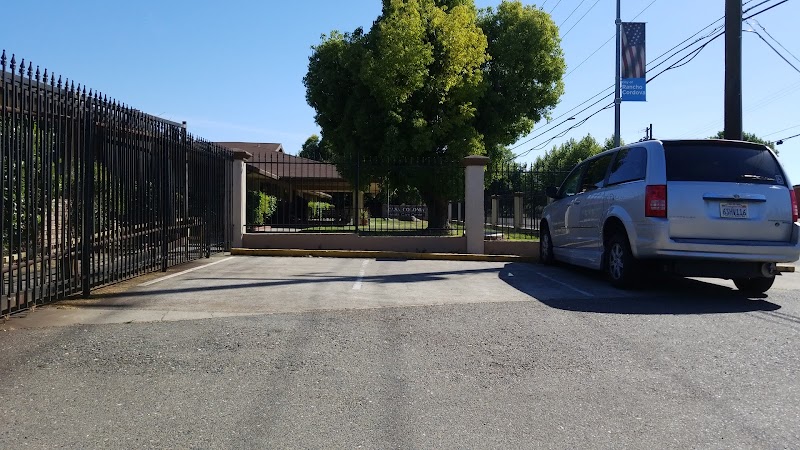
How is Casa Coloma Health Staffed?

CMS rates CASA COLOMA HEALTH CARE CENTER's staffing level at 4 out of 5 stars, which is above average compared to other nursing homes. Staff turnover is 36%, compared to the California average of 46%. This relatively stable workforce can support continuity of care.

What Have Inspectors Found at Casa Coloma Health?

State health inspectors documented 44 deficiencies at CASA COLOMA HEALTH CARE CENTER during 2021 to 2025. These included: 3 that caused actual resident harm, 40 with potential for harm, and 1 minor or isolated issues. Deficiencies causing actual harm indicate documented cases where residents experienced negative health consequences.
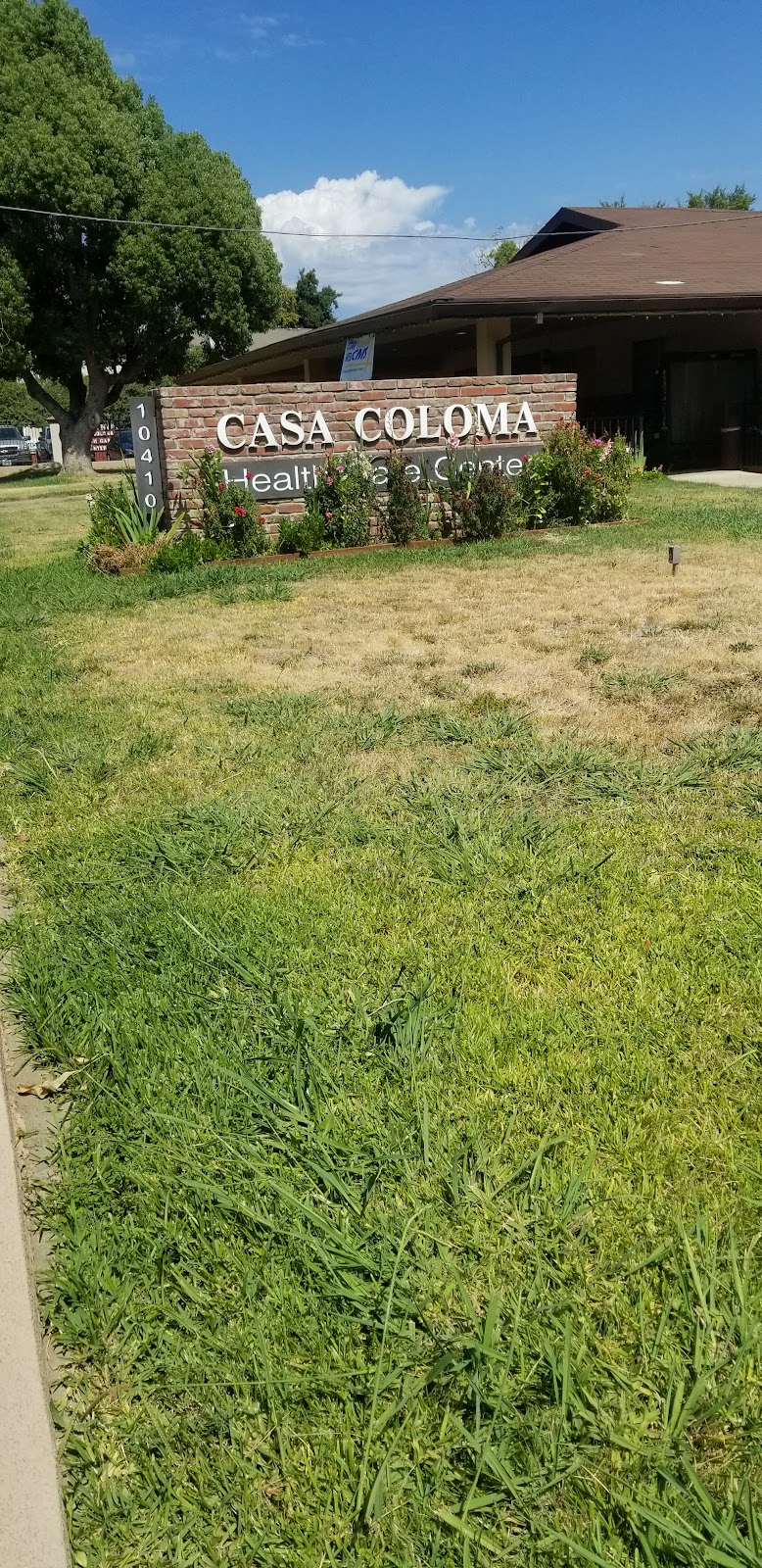
Who Owns and Operates Casa Coloma Health?

CASA COLOMA HEALTH CARE CENTER is owned by a for-profit company. For-profit facilities operate as businesses with obligations to shareholders or private owners. The facility is operated by BVHC, LLC, a chain that manages multiple nursing homes. With 138 certified beds and approximately 131 residents (about 95% occupancy), it is a mid-sized facility located in RANCHO CORDOVA, California.
How Does Casa Coloma Health Compare to Other California Nursing Homes?

Compared to the 100 nursing homes in California, CASA COLOMA HEALTH CARE CENTER's overall rating (3 stars) is below the state average of 3.1, staff turnover (36%) is significantly lower than the state average of 46%, and health inspection rating (3 stars) is at the national benchmark.

What Should Families Ask When Visiting Casa Coloma Health?

Based on this facility's data, families visiting should ask: "Can I visit during a mealtime to observe dining assistance and food quality?" "How do you handle medical emergencies, and what is your hospital transfer rate?" "Can I speak with family members of current residents about their experience?"

Is Casa Coloma Health Safe?

Based on CMS inspection data, CASA COLOMA HEALTH CARE CENTER has a clean safety record: no substantiated abuse findings (meaning no confirmed cases of resident harm), no Immediate Jeopardy citations (the most serious violation level indicating risk of serious injury or death), and is not on the Special Focus Facility watch list (a federal program monitoring the lowest-performing 1% of nursing homes). The facility has a 3-star overall rating and ranks #100 of 100 nursing homes in California. While no facility is perfect, families should still ask about staff-to-resident ratios and recent inspection results during their visit.

Do Nurses at Casa Coloma Health Stick Around?

CASA COLOMA HEALTH CARE CENTER has a staff turnover rate of 36%, which is about average for California nursing homes (state average: 46%). Moderate turnover is common in nursing homes, but families should still ask about staff tenure and how the facility maintains care continuity when employees leave.

Was Casa Coloma Health Ever Fined?

CASA COLOMA HEALTH CARE CENTER has no federal fines on record. CMS issues fines when nursing homes fail to meet care standards or don't correct problems found during inspections. The absence of fines suggests the facility has either maintained compliance or corrected any issues before penalties were assessed. This is a positive indicator, though families should still review recent inspection reports for the full picture.

Is Casa Coloma Health on Any Federal Watch List?

CASA COLOMA HEALTH CARE CENTER is not on any federal watch list. The most significant is the Special Focus Facility (SFF) program, which identifies the bottom 1% of nursing homes nationally based on persistent, serious quality problems. Not being on this list means the facility has avoided the pattern of deficiencies that triggers enhanced federal oversight. This is a positive indicator, though families should still review the facility's inspection history directly.