SHASTA VIEW CARE CENTER
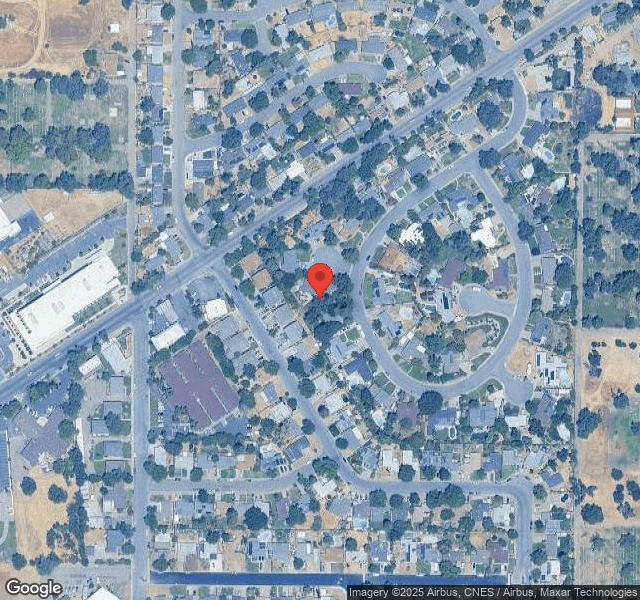
1795 WALNUT STREET, RED BLUFF, CA 96080 (530) 527-2046
For profit - Limited Liability company 55 Beds AJC HEALTHCARE Data: November 2025 3 Immediate Jeopardy citations
Trust Grade
0/100
#1111 of 1155 in CA
Last Inspection: June 2025

Inspected within the last 6 months. Data reflects current conditions.

Overview

Shasta View Care Center in Red Bluff, California, has a Trust Grade of F, indicating significant concerns and poor performance. They rank #1111 out of 1155 facilities statewide, placing them in the bottom half, and #2 out of 2 in Tehama County, meaning there is only one local option that is better. Although the facility is improving, with issues decreasing from 74 in 2024 to 15 in 2025, they still face serious challenges, including a high staffing turnover rate of 75%, significantly above the state average, which can disrupt continuity of care. Additionally, they have incurred $194,667 in fines, which is concerning and suggests ongoing compliance problems. On the positive side, Shasta View has some average quality measures, but weaknesses are evident in care practices. For example, there were critical failures in ensuring the safety of residents, such as leaving multiple entrance doors unlocked at night and disarming a wanderguard alarm system designed to prevent wandering. Furthermore, there were significant issues with medication administration, with several residents missing critical doses of their prescribed medications. Families should weigh these strengths and weaknesses carefully when considering this facility for their loved ones.

Trust Score
F
0/100
In California
#1111/1155
Bottom 4%
Safety Record
High Risk
Review needed
Inspections
Getting Better
74 → 15 violations
Staff Stability
⚠ Watch
75% turnover. Very high, 27 points above average. Constant new faces learning your loved one's needs.
Penalties
✓ Good
$194,667 in fines. Lower than most California facilities. Relatively clean record.
Skilled Nurses
⚠ Watch
Each resident gets only 16 minutes of Registered Nurse (RN) attention daily — below average for California. Fewer RN minutes means fewer trained eyes watching for problems.
Violations
⚠ Watch
100 deficiencies on record. Higher than average. Multiple issues found across inspections.
★☆☆☆☆
1.0
Overall Rating
★☆☆☆☆
1.0
Staff Levels
★★★☆☆
3.0
Care Quality
★☆☆☆☆
1.0
Inspection Score
Stable
2024: 74 issues
2025: 15 issues

The Good

  • Full Sprinkler Coverage · Fire safety systems throughout facility
  • No fines on record

Facility shows strength in fire safety.

The Bad

1-Star Overall Rating

Below California average (3.1)

Significant quality concerns identified by CMS

Staff Turnover: 75%

29pts above California avg (46%)

Frequent staff changes - ask about care continuity

Federal Fines: $194,667

Well above median ($33,413)

Significant penalties indicating serious issues

Chain: AJC HEALTHCARE

Part of a multi-facility chain

Ask about local staffing decisions and management

Staff turnover is very high (75%)

27 points above California average of 48%

The Ugly 100 deficiencies on record

3 life-threatening 2 actual harm
Aug 2025 1 deficiency
CONCERN (E) 📢 Someone Reported This

A family member, employee, or ombudsman was alarmed enough to file a formal complaint

Potential for Harm - no one hurt, but risky conditions existed

Infection Control (Tag F0880)

Could have caused harm · This affected multiple residents

**NOTE- TERMS IN BRACKETS HAVE BEEN EDITED TO PROTECT CONFIDENTIALITY** Based on observation, interviews, and record reviews, the facility failed to appropriately implement their infection control pro...

Read full inspector narrative →
**NOTE- TERMS IN BRACKETS HAVE BEEN EDITED TO PROTECT CONFIDENTIALITY** Based on observation, interviews, and record reviews, the facility failed to appropriately implement their infection control program to mitigate the spread of COVID-19 (symptoms include fever, fatigue, cough, breathing difficulties, loss of smell, and taste). Both Certified Nursing Assistant (CNA) A and Activity Assistant (AA) did not adhere to the necessary precautions for isolation rooms when they did not follow the proper procedures for putting on or taking off Personal Protective Equipment (PPE, masks, gowns, gloves and eye protection) as per the facility policy.These lapses in following standard protocols posed a significant risk by potentially facilitating the development and transmission of COVID-19 within the facility. This could lead to severe adverse consequences for residents, staff, and visitors. During a record review of facility policy titled COVID-19 Prevention, Response and Reporting dated 2024, indicated Healthcare Personnel who enter the room of a resident with suspected or confirmed SARS-CoV-2 infection should adhere to standard precautions and use a National Institute for Occupational Safety and Health (NIOSH) approved particulate respirator with N95 (have the ability to filter particulates, while surgical masks do not) filters or higher, gown, gloves and eye protection.During an observation of signage posted outside of room four on 8/27/25 at 10:02 am, indicated Contact Precautions and Droplet Precautions included everyone must clean their hands, including before entering and when leaving the room; put on gloves before room entry, discard gloves before room exit; put on gown before room entry, discard gown before room exit, do not wear the same gown and gloves for the care of more than one person; make sure their eyes, nose and mouth are fully covered before room entry, remove face protection before room exit; use dedicated or disposable equipment.During a concurrent observation and interview on 8/27/25 at 10:12 am, with AA, AA entered room [ROOM NUMBER] with a snack cart and handed snacks to the three residents inside the room. Room four had signage on the outside of the door that indicated, Contact Precautions and Droplet Precautions (a resident inside the room was positive with COVID-19). AA entered the room with no gown or gloves. AA did not perform hand hygiene when he exited the room. AA did not wear eye protection while in the room. AA did not remove his N95 mask when he left the room. AA stated he forgot there was a resident in room four that had COVID-19. AA confirmed the signage on the outside of the room indicated staff needed to complete hand hygiene when they exited the room, wear eye protection while inside the room, wear gloves while inside the room, and remove N95 mask when he exited the room. AA confirmed he did not adhere to any of those instructions and should have. AA also stated he probably shouldn't have taken the snack cart into the room and created a risk of spreading COVID-19 to other residents and staff by doing so.During a concurrent observation and interview on 8/27/25 at 10:40 am, with CNA A, room [ROOM NUMBER] had signage on the outside of the door that indicated Contact Precautions and Droplet Precautions (a resident inside the room was positive with COVID-19). CNA A put on a gown and gloves inside of room [ROOM NUMBER]. CNA A did not tie her gown at the neck or waist. CNA A did not throw her N95 mask away when she exited the room. CNA A did not perform hand hygiene. CNA A performed care to more than one resident in the room and did not change her gown or gloves in between resident care. CNA A stated she did not know she was supposed to put on gown, gloves, eye protection and mask prior to entering the room. CNA A confirmed she did not perform hand hygiene. CNA A confirmed she did not change her gown or gloves in between residents because I didn't know I needed to. CNA A confirmed she attended the PPE, N95 masking and hand hygiene in service on 8/21/25 with Infection Preventionist (IP).During an interview with IP on 8/27/25 at 11:00 am, IP stated she held a staff in service on 8/21/25 and 8/25/25 for N95 masking etiquette, hand hygiene, and PPE requirements with all staff members. IP stated staff are required to put on a gown, mask, eye protection, and gloves prior to entering the resident's room from the PPE supply drawers outside of the room. IP stated when staff exited the resident's room, staff were required to take gloves, eye protection, gown and mask off, dispose of them, exit the residents room, and perform hand hygiene. IP stated staff must use a new N95 mask every time they exited a room. IP confirmed AA and CNA A did not follow facility policy for putting on and taking off PPE for contact and droplet precautions and should have.During an interview with Administrator (Admin) on 8/27/25 at 11:45 am, Admin stated she was not happy with the staff that did not follow facility policy because IP had recent in-services with staff regarding PPE, N95 masks, and hand hygiene. Admin confirmed staff did not adhere to facility policy and should have.
Aug 2025 2 deficiencies
CONCERN (D) 📢 Someone Reported This

A family member, employee, or ombudsman was alarmed enough to file a formal complaint

Potential for Harm - no one hurt, but risky conditions existed

Deficiency F0552 (Tag F0552)

Could have caused harm · This affected 1 resident

**NOTE- TERMS IN BRACKETS HAVE BEEN EDITED TO PROTECT CONFIDENTIALITY** Based on interview and record review the facility failed to ensure one out of three sampled residents (Resident 1) was fully inf...

Read full inspector narrative →
**NOTE- TERMS IN BRACKETS HAVE BEEN EDITED TO PROTECT CONFIDENTIALITY** Based on interview and record review the facility failed to ensure one out of three sampled residents (Resident 1) was fully informed of treatment that was provided when the consent form for a psychotropic medication (a medication that alters mood and behavior), was missing important information and not complete. This violated Resident 1's rights to be fully informed of treatment and could negatively affect psychosocial well-being.Findings: A review of the facility's undated policy and procedure (P&P) titled, Use of Psychotropic [medication that affected how the brain worked] Medications, indicated, the resident would be fully informed prior to initiating or increasing a psychotropic medication. A review of the admission Record, dated 8/23/24, indicated, Resident 1 was admitted to the facility on [DATE] with the diagnoses bipolar disorder (extreme shifts in mood, energy, thinking, and behavior) and borderline personality disorder (long term pattern of emotional instability and impulsive behaviors). Resident 1 was her own responsible party (made own decisions). A review of the Physician's order, dated 8/23/24, indicated that the Physician ordered Aripiprazole (also called Abilify, an atypical antipsychotic medication that was used to treat bipolar disorder and affected how the brain worked) 10 milligrams, give three tablets by mouth one time a day for bipolar. The Physician's order indicated, a verified informed consent had been obtained. During a concurrent interview and record review on 8/20/25 at 2:51 pm, with Licensed Nurse (LN), Resident 1's Consent and Disclosure of Risks and Benefits Regarding The Use of Anti-Psychotic Drugs, dated 8/24/25, indicated, an informed consent for the use of Abilify had been obtained. LN stated, the consent was not correct. The consent doesn't have the dose [amount of medication] or why the medication was ordered [the diagnosis]. During an interview on 8/22/25 at 10:45 am, the Administrator acknowledged the Abilify consent was incomplete and missing required information.
CONCERN (D) 📢 Someone Reported This

A family member, employee, or ombudsman was alarmed enough to file a formal complaint

Potential for Harm - no one hurt, but risky conditions existed

Deficiency F0645 (Tag F0645)

Could have caused harm · This affected 1 resident

**NOTE- TERMS IN BRACKETS HAVE BEEN EDITED TO PROTECT CONFIDENTIALITY** Based on interview and record review the facility failed to ensure one out of three sampled residents (Resident 1) was provided ...

Read full inspector narrative →
**NOTE- TERMS IN BRACKETS HAVE BEEN EDITED TO PROTECT CONFIDENTIALITY** Based on interview and record review the facility failed to ensure one out of three sampled residents (Resident 1) was provided with appropriate Preadmission Screening and Resident Review (PASARR, a screening, that was done prior to admission to the facility or as needed, and screened residents for possible serious mental health illness) when: The PASARR completed prior to facility admission did not accurately reflect Resident 1's serious mental health illnesses (SMHI); and The facility did not follow up on a subsequent PASSAR that indicated a Level 2 screening (a State agency performed a comprehensive evaluation and made recommendations for care and services) was required. These failures had the potential to cause a decline in psychosocial well-being or cause a delay in required mental health services. Findings: 1. A review of the facility's undated policy and procedure (P&P) titled, Resident Assessment-Coordination with PASARR Program, indicated, the facility would coordinate assessments prior to admission to ensure residents with mental disorders received the necessary care and services. The P&P indicated, The facility will only admit individuals with a mental disorder or intellectual disability who the State mental health or intellectual disability authority has determined as appropriate for admission. The P&P indicated, The Social Services Director shall be responsible for keeping track of each resident's PASARR screening status, and referring to the appropriate authority. A review of the admission Record, dated 8/23/24, indicated, Resident 1 was admitted to the facility on [DATE] with the diagnoses of post-traumatic stress disorder (PTSD, a SMHI that developed after experiencing or witnessing a terrifying event), nightmare disorder (a SMHI, repeated, frightening dreams that cause distress), bipolar disorder (a SMHI, extreme shifts in mood, energy, thinking, and behavior), prolonged grief disorder (a SMHI, missing a loved one who passed away so much it interfered with day-to-day activity), unspecified mood [affective] disorder (a SMHI, severe and prolonged shifts in mood), anxiety (a SMHI, feelings of dread, fear, or unease), borderline personality disorder (a SMHI, long term pattern of emotional instability and impulsive behaviors), and suicidal ideations (when a person had thoughts of ending their own life). Resident 1 was her own responsible party (made own decisions). A review of the hospitals History and Physical, dated 7/21/24, indicated, Resident 1 had the diagnoses of bipolar disorder, depression with suicidal ideation, nightmares, and PTSD. A review of the admission Note, dated 8/23/24, indicated Resident 1 had bipolar episodes with catatonia (a state of being awake but appearing to be frozen and unresponsive, or uncontrolled purposeless movements which was caused by mental health conditions) and severe anxiety. During a concurrent interview and record review on 8/20/25 at 1:40 pm, with Business Office Manager/Social Services (BOM/SS), Resident 1's PASARR Level 1 Screening (the initial screening that determined if a Level 2 Screening was required), dated 7/19/24 was reviewed. BOM/SS confirmed, the PASARR indicated, Resident 1 did not have any serious mental health diagnoses. BOM/SS stated, the PASARR was wrong, we do not do the initial PASARR, and it was done by the hospital. BOM/SS was not able to identify who was responsible for ensuring the initial PASARR screening was completed accurately prior to admission to the facility and stated, I am just filling in and assisting with social services until the newly hired social services starts. During a concurrent interview and record review on 8/20/25 at 2:33 pm, with the Infection Preventionist (IP), Resident 1's PASARR Level 1 Screening, dated 7/19/24 was reviewed. IP confirmed, the PASARR indicated, Resident 1 did not have any serious mental health diagnoses and was inaccurate. IP stated, at the time of her [Resident 1] admission, the Director of Nursing was responsible for reviewing the PASARR for accuracy and should have fixed it. A review of the Level 2 Mental Health Evaluation letter, dated 7/19/24, indicated that Resident 1 did not have a serious mental health illness and a level 2 screening was not required. 2. A review of the facility's undated P&P titled, Resident Assessment-Coordination with PASARR Program, indicated, The P&P indicated, The Level II resident review must be completed within 40 calendar days of admission. During a concurrent interview and record review on 8/20/25 at 1:40 pm, with BOM/SS, Resident 1's PASARR Level 1 Screening, dated 6/23/25 was reviewed. BOM/SS stated, the PASARR was not redone until 6/23/25 and confirmed, the PASARR indicated, Resident 1 was positive for serious mental health illness and a Level 2 Screening was required. BOM/SS reviewed Notice of PASARR Level 1 Screening Results (a letter from the State's PASARR agency) and confirmed, the letter indicated, Resident 1 had a serious mental illness and required a Level 2 Screening. BOM/SS reviewed, Notice of Attempted Evaluation, dated 6/26/25, and confirmed, the notice indicated, Facility staff were unresponsive to two or more separate attempts of communication within 48 hours of the Level 1 Screening. The notice indicated that the case was closed. During a concurrent interview and record review on 8/20/25 at 2:33 pm, with IP, Resident 1's PASARR dated 6/23/25 and Notice of Attempted Evaluation, dated 6/26/25 was reviewed. IP stated, someone should have reached out to social services to get the Level 2 Screening completed.
Aug 2025 1 deficiency
CONCERN (D) 📢 Someone Reported This

A family member, employee, or ombudsman was alarmed enough to file a formal complaint

Potential for Harm - no one hurt, but risky conditions existed

Resident Rights (Tag F0550)

Could have caused harm · This affected 1 resident

**NOTE- TERMS IN BRACKETS HAVE BEEN EDITED TO PROTECT CONFIDENTIALITY** Based on observation, interview, and record review, the facility failed to ensure one of three sampled residents (Resident 1) ri...

Read full inspector narrative →
**NOTE- TERMS IN BRACKETS HAVE BEEN EDITED TO PROTECT CONFIDENTIALITY** Based on observation, interview, and record review, the facility failed to ensure one of three sampled residents (Resident 1) rights were protected when the facility attempted to transfer Resident 1 to another facility out of the area without his permission, or the permission of his Responsible Party (RP). This failure caused Resident 1 to feel anxious and had the potential to result in emotional stress, embarrassment, feelings of neglect, and the potential for negative clinical outcomes. Findings: During a review of the facility's policy revised 2025, titled, Resident Rights, indicated the resident has the right to a dignified existence, self-determination, and communication with and access to persons and services inside and outside the facility. This facility's policy also indicated self-determination: The resident has the right to, and the facility must promote and facilitate resident self-determination through support of resident choice, including but not limited to: The resident has a right to choose activities, schedules (including sleeping and waking times), health care and providers of health care services consistent with his or her interests, assessments, and plan of care and other applicable provisions of this part. The resident has the right to make choices about aspects of his or her life in the facility that are significant to the resident. During a review of Resident 1's medical record, the admission Record, indicated Resident 1 was admitted to the facility on [DATE] with diagnoses that included fracture of the right femur (upper thigh bone, sometimes referred to as hip fracture), metabolic encephalopathy (problem in the brain caused by a physical illness, or by organs not functioning properly), dysphagia (difficulty swallowing), cardiomegaly (enlarged heart), pleural effusion (fluid buildup between the lungs and chest cavity), hypotension (low blood pressure), anxiety (feeling of worry, nervousness, or unease), urinary tract infections (UTI, infection of any part of the urinary system, usually the bladder), and [NAME]-Barre Syndrome (a rare neurological disorder that causes the body's immune system to attack nerves outside the brain and spinal column causing inflammation, weakness and pain), and a history of of falling. A review of the most recent Minimum Data Set, (MDS, a resident assessment tool) dated 7/15/25, indicated that Resident 1 had a Brief Interview for Mental Status, (BIMS) score of 6 out of 15 and had a severe cognitive (able to think and reason) deficit. During an interview on 8/1/25 at 11:15 am, the admission Coordinator stated, I did not know we had to give every resident a 30-day notice to discharge residents. During an interview on 8/1/25 at 11:45 am, the Social Worker (SW) stated, The Family Member (FM) is the RP for [Resident 1] and she agreed to the transfer at a meeting on 7/30/35 with the business office manager present. [Resident 1] also agreed to the transfer. He barely got out of the parking lot, and I called the driver to turn around, he only went a few blocks down the road. The FM called and stopped it. During a concurrent observation and interview on 8/1/25 at 12:45 pm, Resident 1 was sitting in his wheelchair beside the bed, well groomed. Resident stated, I am glad you are here; I was so upset yesterday. I did not know where they were taking me. I never agreed to moving out. My [FM] stopped it, thank you for checking in on me, I feel better now. During a review of Resident 1's medical record there is no documentation of an Interdisciplinary Team (IDT, gathering of healthcare professionals from various disciplines who collaborate to provide comprehensive care to a resident to ensure patient centered care) meeting that discussed a transfer or discharge, and no progress note entered on 7/30/25 for a planned and safe discharge. During a review of Resident 1's medical record, a document dated 7/31/25 pm, titled, Social Services Progress Note, indicated the following, Called Resident 1's [FM] to provide information related to a lateral transfer. [FM] became verbally aggressive, stating she called administration this morning and stopped the discharge. [FM] states she no longer wants [Resident 1] moved to another facility, and stated, he will stay there until I say so. SW explained that resident and FM previously agreed to this as a way to get resident into a assisted living waiver program so he can transition to memory care. FM states, Do not send him to any other facility or else. Resident returned to the facility. During a phone interview on 8/8/25 at 9:41 am, FM confirmed she had never approved the transfer to another facility. FM stated, I told the facility staff I would consider looking into finding another facility when we had a meeting, but I never agreed to a transfer on 7/30/25. I would never agree to a facility so far away, I would want to visit, and [Resident 1] does not have dementia, he has never been diagnosed with it, so I don't understand why they thought he needed memory care. I called and demanded that they bring [Resident 1] back to the facility because I had not approved this transfer so far away. During a interview on 8/8/25 at 11:15 am, the facility Administrator confirmed the transfer to another facility that started on 7/31/25 for Resident 1 was a violation of his rights.
Jul 2025 1 deficiency
CONCERN (E) 📢 Someone Reported This

A family member, employee, or ombudsman was alarmed enough to file a formal complaint

Potential for Harm - no one hurt, but risky conditions existed

Safe Environment (Tag F0584)

Could have caused harm · This affected multiple residents

**NOTE- TERMS IN BRACKETS HAVE BEEN EDITED TO PROTECT CONFIDENTIALITY** Based on observation, interview, and record review, the facility failed to ensure five of 15 sampled residents (Resident 1, 2, 4...

Read full inspector narrative →
**NOTE- TERMS IN BRACKETS HAVE BEEN EDITED TO PROTECT CONFIDENTIALITY** Based on observation, interview, and record review, the facility failed to ensure five of 15 sampled residents (Resident 1, 2, 4, 7, and Resident 15) had a safe, comfortable and home like environment when the facility air conditioning was not working adequately.This failure caused restlessness, irritability, increased anxiety (a feeling of fear, dread, and uneasiness), insomnia (loss of sleep) and the potential for negative clinical outcomes.Based on observation, interview, and record review, the facility failed to ensure five of 15 sampled residents (Resident 1, 2, 4, 7, and Resident 15) had a safe, cool, and home-like environment when the facility's air conditioning was not working effectively. This failure caused restlessness, irritability, increased anxiety (a feeling of fear, dread, and uneasiness), insomnia (loss of sleep) and the potential for negative clinical outcomes.Findings: A review of the facility's policy revised 8/2024, titled, Loss of Heating or Cooling, indicated it is the policy of this facility to take immediate actions when the facility's heating or cooling systems are inoperable in order to maintain temperatures within the facility at 71-81 degrees Fahrenheit ( F). The administrator is responsible for maintaining service contracts for routine and emergency maintenance of these systems. A review of the facility's policy revised 4/2025, titled, Safe and Homelike Environment, indicated In accordance with residents' rights, the facility will provide a safe, clean, comfortable and homelike environment, allowing the resident to use his or her personal belongings to the extent possible. This includes ensuring that the resident can receive care and services safely. Comfortable and safe temperature levels means that the ambient temperature should be in a relatively narrow range that minimizes residents' susceptibility to loss of body heat and risk of hypothermia/ hyperthermia and is comfortable for the residents.A review of Resident 1's clinical record indicated Resident 1 was admitted to the facility on [DATE] with diagnoses that included diabetes (too much sugar in the blood), Bi-Polar disorder (a mental condition causing extreme shifts in mood, energy, and activities impacting daily life), anxiety, major depressive disorder (clinical depression with constant feeling of sadness and loss of interest), urinary incontinence with urinary device (supra-pubic catheter, a surgical insertion of a tube directly into the bladder that drains urine), fibromyalgia (a long term condition that causes widespread pain and fatigue), epilepsy (seizure disorder, abnormal brain activity), dysphagia (difficulty swallowing), and insomnia. During an interview on 7/11/25 at 3:45 pm, Resident 1 stated, I am miserable even with this fan, I am hot. I keep complaining and no one listens. It is hard to sleep when it is this hot. During an observation at 7/11/25 at 3:47 pm, with the Director of Maintenance (DM) the temperatures in Resident 1's room area were 80.4 F, 79.7 F, and 82.7 F.A review of Resident 2's clinical record indicated Resident 1 was admitted to the facility on [DATE] with diagnoses that included myocardial infarction (commonly known as heart attack), pulmonary embolism (PE, a blood clot or blockage in the lung artery), atrial fibrillation (fast and irregular heart beat), congestive heart failure (CHF, long term condition when the heart struggles to circulate blood effectively), Takotsubo Syndrome (broken heart syndrome, when the heart muscle becomes suddenly weakened following severe emotional or physical stress), hypothyroidism (underactive thyroid), adjustment disorder with anxiety and depressed mood (mental health condition that develops in response to a stressful life event or change with a group of symptoms including anxiety and sadness), and history of falling. During a concurrent observation and interview on 7/11/25 at 3:50 pm, Resident 2 was lying in bed, wearing a t-shirt, no pants, only a brief with no covers. Resident 2 stated, I am sorry to not be completely dressed, it is too hot to wear clothes. I am hot.During an observation at 7/11/25 at 3:51 pm, with DM the temperatures in Resident's 2's room area were 81.1 F and 79.7 F.A review of Resident 4's clinical record indicated Resident 4 was admitted to the facility on [DATE] with diagnoses that included diabetes, atrial fibrillation, CHF, cardiac pacemaker (a small electrical device surgically placed into the chest, used to control or increase the heart rate), Alzheimer's disease (most common cause of dementia, that slowly destroys memory and thinking skills, and eventually the ability to complete simple tasks), major depressive disorder and insomnia. During an interview on 7/11/25 at 3:52 pm, Resident 4 stated, We are all hot, it is hard to sleep, and my blood sugars have been running higher. I think it is the heat, because I am stressed about this. I have a fan beside me, but it is still too hot. During an observation at 7/11/25 at 3:53 pm, with DM the temperatures in Resident 4's room area were 81.5 F and 78.4 F.A review of Resident 7's clinical record indicated Resident 7 was admitted to the facility on [DATE] with diagnoses that included diabetes, CHF, cirrhosis of the liver (scarring of the liver which limits the function of the liver to filter toxins), dysphagia, ascites (fluid buildup in the abdomen), hyponatremia (low sodium levels in the blood), major depressive disorder, schizoaffective disorder (a mood disorder with a mixture of hallucinations or delusions and mood changes), insomnia, chronic kidney disease (long term condition when the kidneys are not filtering blood as needed), and glaucoma (pressure in the eyes that cause damage to the optic nerve and can lead to vision loss and blindness). During a current observation and interview on 7/11/25 at 4:05 pm, Resident 7 was lying in bed with no shirt, and no clothes on. Resident 7 stated, It is too hot to wear clothes, I would rather be anywhere but here. During an observation at 7/11/25 at 4:06 pm, with DM the temperatures in Resident 7's room area were 79.8 F and 80.4 F.A review of Resident 15's clinical record indicated Resident 15 was admitted to the facility on [DATE] with diagnoses that included chronic obstructive pulmonary disease (COPD, a progressive lung disease), morbid obesity (severe and dangerous level of being overweight), post-traumatic stress disorder (condition that can develop after experiencing or witnessing a deeply distressing and terrifying event), Bi-Polar disorder, nightmare disorder (frequent and recurring frightening dreams), prolonged grief disorder (persistent state of grief after losing someone close), hypothyroidism, anxiety, major depressive disorder, borderline personality disorder (intense emotions, impulsive behaviors, and rapid mood swings). During an interview on 7/11/25 at 5:02 pm, Resident 15 stated, Yes, I am hot. It is hard to sleep when it is this hot. I am burning up. During an observation at 7/11/25 at 5:06 pm, with DM the temperatures in Resident 15's room area were 77.0 F and 75.7 F.During an interview on 7/1125 at 5:15 pm, the DM confirmed the temperatures taken in all of the Residents rooms were accurate and he used 2 separate thermometers. DM confirmed that an air conditioning company would be on site in the facility first thing in the morning of 7/12/25 for repairs needed. During an interview on 7/11/25 at 5:20 pm, the Administrator (Admin) confirmed the company would be on site 7/12/25 and she knew the air conditioning was not cooling adequately. Admin stated, I have the repairs scheduled, tomorrow is as fast as they can come out, but they will be here both Saturday and Sunday and as long as it takes to complete the repairs needed. I will make sure we send you all temperature logs per your request. I bought more fans and air conditioners to get us through the weekend. During an interview on 7/13/25 at 1:40 pm, the Maintenance Technician (MT) confirmed all the residents' rooms had been checked, all repairs made including new motors, new switches, and he had one motor left to install to finish the repairs that were needed. MT stated, I will be done by end of day, and I ordered a tool the DM will need to check the switches periodically. I will give you a copy of the map I used for your records.
Jun 2025 9 deficiencies
CONCERN (D) 📢 Someone Reported This

A family member, employee, or ombudsman was alarmed enough to file a formal complaint

Potential for Harm - no one hurt, but risky conditions existed

Resident Rights (Tag F0550)

Could have caused harm · This affected 1 resident

Based on observation, interview, and record review, the facility failed to provide Physical Therapy (PT) in a timely manner to meet the needs of one of 19 sampled residents (Resident 31) when needed t...

Read full inspector narrative →
Based on observation, interview, and record review, the facility failed to provide Physical Therapy (PT) in a timely manner to meet the needs of one of 19 sampled residents (Resident 31) when needed therapy services were delayed due to an insurance transfer from another facility. This failure caused Resident 31 to feel angry, sad, and had the potential for a functional decline. Findings: The facility's policy revised 2025, titled, Resident Rights, indicated all residents will be treated equally regardless of age, sex, ethnicity, religion, culture, language, physical or mental disability, socioeconomic status, sexual orientation, or gender identity or expression. The facility will ensure that all direct care staff and individual staff members, including contractors and volunteers, are educated on the rights of the residents and responsibility of the facility to properly care for its residents. The facility's policy revised 2024, titled, Therapy Evaluation, indicated the licensed therapist will perform an initial resident evaluation upon physician referral and any re-evaluation where indicated. During a review of Resident 31's record titled, admission Record, indicated Resident 31 was admitted the facility on 12/1/23 with diagnoses that included hemiplegia and hemiparesis following a Cerebral Vascular Accident, (CVA or commonly called stroke with weakness and inability to move one side of the body), Covid 19 (a serious respiratory infection), diabetes (too much sugar in the blood), high blood pressure, Major Depressive Disorder (persistent feelings of sadness and loss of interest in activities), Anxiety (feelings of worry, nervousness, and unease), muscle weakness (lack of strength in the muscles making it harder to move and do normal activities), and chronic pain (long lasting period of pain for more than three months). A review of the most recent Minimum Data Set, (MDS, a resident assessment tool) dated 3/8/25, indicated that Resident 31 had a Brief Interview for Mental Status, (BIMS) score of 15 out of 15 and was cognitively intact (able to think and reason). This MDS also indicated Resident 31 required substantial/maximum assistance with all transfers out of bed, showers and dressing. During a review of a document dated 1/11/24, titled, PT evaluation and plan of Treatment, indicated Resident 31 requires skilled PT services to assess functional abilities, enhance rehab potential, evaluate the need for assistive device [such as a walker or wheelchair] facilitate independence with all functional mobility, improve dynamic balance, increase functional activity tolerance, increase LE (lower extremities) range of motion and strength, minimize falls, and safety awareness. During an interview on 6/16/25 at 3:30 pm, Resident 31 stated, I am so upset about PT, I have only been down to the PT room one time since I was admitted . They tell me I don't have insurance, and no one will help me get it straightened out since I was transferred over 18 months ago from another facility. During an interview on 6/17/25 at 8:30 am, the Business Office Manager (BOM) confirmed Resident 31 needed to go to the social security administration and another office to transfer her insurance to this county, and it was true she was not receiving therapy because of the insurance problems. During a follow up interview on 6/17/25 at 1:30 pm, the BOM stated, I am going to meet [Resident 31] for two appointments next week, one on Wednesday and one on Thursday. We will just wait in line, and we don't need an appointment, but I will stay with her and get all of this insurance straightened out. I don't usually work in this facility, I work in a sister facility, but they approved me to help to get this resolved as soon as possible. It has been over 18 months since she was admitted . During an interview on 6/17/25 at 2:40 pm, the Director of Nursing (DON) and the administrator (Admin) confirmed Resident 31 should have already had her insurance changed to this local county many months ago, but it will be resolved next week. During a follow up interview on 6/18/25 at 10:30 am, the DON and Admin confirmed not helping Resident 31 with needed PT services is a violation of residents' rights.
CONCERN (D) 📢 Someone Reported This

A family member, employee, or ombudsman was alarmed enough to file a formal complaint

Potential for Harm - no one hurt, but risky conditions existed

Deficiency F0557 (Tag F0557)

Could have caused harm · This affected 1 resident

Based on interview, and record review, the facility failed to ensure one of 19 sampled residents (Resident 21) was treated with dignity and respect when Registered Nurse (RN) G was rude during direct ...

Read full inspector narrative →
Based on interview, and record review, the facility failed to ensure one of 19 sampled residents (Resident 21) was treated with dignity and respect when Registered Nurse (RN) G was rude during direct resident care. This failure had the potential to result in emotional stress, embarrassment, feelings of neglect, increased anxiety, and the potential for negative clinical outcomes. Findings: The facility's policy revised 8/2024, titled, Promoting/Maintaining Resident Dignity, indicated it is the practice of this facility to protect and promote resident rights and treat each resident with respect and dignity as well as care for each resident in a manner and in an environment, that maintains or enhances resident's quality of life by recognizing each resident's individuality. All staff members are involved in providing care to residents to promote and maintain resident dignity and respect resident rights. The facility's policy revised 2025, titled, Resident Rights, indicated all residents will be treated equally regardless of age, sex, ethnicity, religion, culture, language, physical or mental disability, socioeconomic status, sexual orientation, or gender identity or expression. The facility will ensure that all direct care staff and individual staff members, including contractors and volunteers, are educated on the rights of the residents and responsibility of the facility to properly care for its residents. During a review of Resident 21's record titled, admission Record, indicated Resident 21 was admitted the facility on 8/23/24 with diagnoses that included high blood pressure, Chronic Obstructive Pulmonary Disease (COPD, a progressive lung disease), local infection of the skin (when bacteria gets into a small limited spot, causing inflammation and infection), (Bi-polar Disorder (a mental health condition that causes extreme mood swings), Anxiety (feelings of worry, nervousness, and unease), Borderline Personality Disorder (BPD, mental health condition that cause intense emotions, unstable relationships, and difficulty managing their feelings), Major Depressive Disorder (persistent feelings of sadness and loss of interest in activities), and Post Traumatic Stress Disorder (a general term used to describe a disorder that develops who have experienced a shocking, scary, or traumatic event). A review of the most recent Minimum Data Set, (MDS, a resident assessment tool) dated 3/1/25, indicated that Resident 21 had a Brief Interview for Mental Status, (BIMS) score of 15 out of 15 and was cognitively intact (able to think and reason), and could verbalize needs. This MDS also indicated Resident 21 required substantial/maximum assistance with all transfers out of bed, bathing and dressing. A review of a care plan dated 9/12/24 indicated Resident 21 was dependent on staff for activities for daily living (ADLs-bathing, dressing, transfers, toileting and hygiene) related to resident 21 has had a decline in self-care and functional mobility. During an interview on 6/16/25 at 11:40 am, Licensed Nurse (LN) A stated, [Resident 21] told me [RN G] was rude to her and she had reported it to the Director of Nursing [DON], they had a meeting in her room about several issues including [RN G]. During an interview on 6/16/25 at 1:13 pm, DON confirmed she had a meeting to go over many concerns with Resident 21 and the Ombudsman was present. DON stated, I do confirm this incident of [RN G] being rude would be considered a violation of Resident 21's resident rights and dignity. During an interview on 6/17/25 at 9:40 am, Resident 21 stated, [RN G] was rude to me, and we both argued about the time to do my treatment to my left toe. I argued back. She came back in my room that evening and it seemed to be an apology. She was too nice, but I still never want to see her in my room again, I told the other staff I was going to report [RN G] for being rude. During an interview on 6/18/25 at 8:45 am, the Administrator confirmed RN G would not be back to the facility and agreed Resident 21's dignity and resident rights were violated when RN G was rude during direct resident care.
CONCERN (D) 📢 Someone Reported This

A family member, employee, or ombudsman was alarmed enough to file a formal complaint

Potential for Harm - no one hurt, but risky conditions existed

Free from Abuse/Neglect (Tag F0600)

Could have caused harm · This affected 1 resident

**NOTE- TERMS IN BRACKETS HAVE BEEN EDITED TO PROTECT CONFIDENTIALITY** Based on observation, interview, and record review, the facility failed to ensure one of two residents sampled for Abuse (Reside...

Read full inspector narrative →
**NOTE- TERMS IN BRACKETS HAVE BEEN EDITED TO PROTECT CONFIDENTIALITY** Based on observation, interview, and record review, the facility failed to ensure one of two residents sampled for Abuse (Resident 7), was free from verbal abuse when Certified Nurse Assistant (CNA) I verbally abused Resident 7. This failure had the potential to negatively impact Resident 7's sense of security, emotional, and psychological well-being. Findings: During a review of the facility's policy and procedure (P&P) titled, Abuse, Neglect, and Exploitation, no date, the P&P indicated, Abuse is defined as, the willful infliction of injury, unreasonable confinement, intimidation, or punishment with resulting physical harm, pain or mental anguish, which can include staff to resident abuse, Abuse also includes the deprivation by an individual, including a caretaker, of goods or services that are necessary to attain or maintain physical, mental, and psychosocial well-being. Instances of abuse of all residents, irrespective of any mental or physical condition, cause physical harm, pain, or mental anguish. It includes verbal abuse, sexual abuse, physical abuse, and mental abuse including abuse facilitated or enabled through the use of technology. A review of Resident 7's clinical record indicated she was admitted to the facility on [DATE] with diagnoses that included Paralytic syndrome (inability to move or fell parts of the body), Quadriplegia (loss of function in all arms and legs), difficulty swallowing, irregular heart rate, and contracture both arms and legs. A review of Resident 7's most recent Minimum Data Set (MDS, a standardized resident assessment) dated 2/1/25, indicated, Resident 7's was cognitively intact (able to reason and think). During an interview on 6/16/25 at 11:30 pm, with Resident 7, Resident 7 stated, a CNA yelled at me when they were transferring me to bed. Whenever I get transferred to my bed or chair, they use a Hoyer lift (a mechanical device that lifts individuals with limited mobility from one place to another) I get scared and when that girl stopped me in mid-air and started yelling at me, I was very scared. During an interview on 6/16/25 at 3:14 pm, with CNA D, CNA D indicated that she and CNA I were in Resident 7's room getting her back to bed. When Resident 7 was being transferred she was a little afraid and upset. CNA I stopped her mid transfer in the air and started yelling at her. CNA D confirmed that CNA I told Resident 7, This is why no one likes to work with you, and no one likes to give you care. CNA D indicated that she told CNA I to leave Resident 7's room. During an interview on 6/16/25 at 4:00 pm, with CNA C, CNA C indicated he heard yelling from Resident 7's room down the hall. CNA C stated, I couldn't hear what was being said but there was definitely yelling. I knocked on the door and asked if they needed help. CNA C confirmed that CNA D had told CNA I to get out of Resident 7's room. CNA D then asked CNA C to stay and help. During a review of the facility's, Report of Suspected Dependent Adult/Elder Abuse (SOC 341), dated 3/24/25, the SOC 341 indicated CNA I stated, I know I was out of line and shouldn't have gotten so upset with Resident 7. I did raise my voice, and I know it, Resident 7 just got me really upset. Resident 7 stated, [CNA I] did raise her voice and made her feel like she was not wanted here. During a review of CNA 1's employee file dated 3/27/25, indicated that CNA I showed misconduct, poor performance and failed to maintain acceptable standards of respect for residents, visitors, and employees. During a review of Resident 7's Progress Note type, Alert Note, dated 3/24/25 at 4:45 pm, the Alert Note indicated, Resident 7, reports feeling hurt about the experience and the things that were said.
CONCERN (D)

Potential for Harm - no one hurt, but risky conditions existed

Comprehensive Care Plan (Tag F0656)

Could have caused harm · This affected 1 resident

Based on observation, interview, and record review, the facility failed to ensure that the Interdisciplinary Team (IDT, the facility managers who meet to discuss the care needs of the residents) devel...

Read full inspector narrative →
Based on observation, interview, and record review, the facility failed to ensure that the Interdisciplinary Team (IDT, the facility managers who meet to discuss the care needs of the residents) developed care plans for one of nineteen sampled residents (Resident 23), when there was no care plan developed for pain management or oxygen use for Resident 23. This failure had the potential for staff to not be fully informed on Resident 23's needs regarding pain control and respiratory care. Findings: During a review of the facility policy titled, Comprehensive Care Plans, undated, indicated, that the facility will develop and implement a comprehensive person-centered care plan for each resident. The care plan will be revised by the interdisciplinary team after each comprehensive and quarterly Minimum Data Set (MDS, an assessment tool) assessment. During a review of record titled, admission Record, with an admission date of 5/29/25, indicated that Resident 23 was admitted with diagnoses that included chronic pain and syncope (fainting spells). During a review of Resident 23's Mimimum Data Set (MDS, an assessment tool) dated 6/3/25, Section C - Cognitive Patterns, indicated Resident 23 had a Brief Interview for Mental Status (BIMS, an assessment of memory and decision making skills) score of 8 out of 15, which indicated some memory and decision making problems. During a concurrent observation and interview on 6/16/25 at 4 pm, with Licensed Nurse (LN) A at Resident 23's bedside, Resident 23 indicated she had chronic pain and was using oxygen. LN A confirmed that Resident 23 used pain medication regularly and oxygen. A review of Resident 23's, Clinical Physician Orders, dated May and June 2025, indicated that Resident 23 had physician ordered Oxygen at 2 liters per minute (LPM) by way of nasal canula (a tube in the nose) every shift that began on 6/04/25, and Hydrocodone-Acetaminophen (a narcotic pain medication) 10-325 milligrams (mg, a unit of measure) tablet four times a day for pain that began on 5/29/25. A review of Resident 23's Care Plans reflected that no care plans had been developed which addressed her oxygen use or pain management. During a concurrent record review and interview on 6/18/25 at 2:24 pm, with the Director of Nursing (DON), the DON confirmed that there had been no care plans developed for Resident 23's oxygen use or pain management, and those care plans should have been developed.
CONCERN (E) 📢 Someone Reported This

A family member, employee, or ombudsman was alarmed enough to file a formal complaint

Potential for Harm - no one hurt, but risky conditions existed

Quality of Care (Tag F0684)

Could have caused harm · This affected multiple residents

**NOTE- TERMS IN BRACKETS HAVE BEEN EDITED TO PROTECT CONFIDENTIALITY** Based on observation, interview, and record review, the facility failed to provide treatment and care to residents in accordance...

Read full inspector narrative →
**NOTE- TERMS IN BRACKETS HAVE BEEN EDITED TO PROTECT CONFIDENTIALITY** Based on observation, interview, and record review, the facility failed to provide treatment and care to residents in accordance with professional standards of practice for four of 19 sampled residents (Resident 17, 50, 21, and 23) when: 1. Resident 17 had continuous oxygen (02) administered with no Medical Doctor (MD) order. 2. Resident 50 did not have medication administered as directed by MD order. 3. Resident 50 did not have 02 tubing changed weekly and labeled per resident centered care plan, nor professional standard of practice. 4. Resident 21's treatment was not completed as directed by MD order. 5. Resident 23 did not have 02 tubing labeled and dated per resident centered care plan, nor professional standard of practice. These failures of not following or obtaining MD orders, nor adhering to medical professional standards of practice had the potential to result in profound physical health complications, increased mental health problems, and general decline. Findings: During a review of the facility's policy and procedure (P&P) titled, Medication Orders, dated 2025 Revision, the medication orders policy indicated, Medications should be administered only upon the signed order of a person lawfully authorized to prescribe. During a review of the facility's P&P titled, Oxygen Administration, dated 2025, the oxygen administration P&P indicated, Oxygen is administered to residents who need it, consistent with professional standards of practice, (and) the comprehensive person-centered care plans .Oxygen is administered under orders of a physician .Staff shall perform .infection control measures include(ing): Change oxygen tubing .weekly and as needed . 1. A review of Resident 17's medical record indicated that Resident 17 was admitted on [DATE] with diagnoses that included, Chronic Obstructive Pulmonary Disease (COPD, inflammatory lung diseases that block airflow and make it difficult to breathe), Chronic Diastolic Congestive Heart Failure (CHF, a condition where the heart muscle, specifically the left ventricle, becomes stiff and doesn't fill properly during the relax phase of the heartbeat leading to inadequate filling of blood between heartbeats, and inadequate perfusion of tissue), and Chronic Kidney Disease (CKD, Loss of kidney function leading to a dangerous buildup of fluid, electrolytes, and waste). Resident 17 is deemed cognitively competent, acted as their own representative (RP) and made their own medical decisions. During an observation on 6/16/25 at 1:00 pm, Resident 17 was in their room laying on the bed with an elevated head of the bed (HOB) wearing 02. The 02 was being administered via oxygen concentrator (medical device that separates nitrogen from the air around to provide oxygen for breathing) connected to long thin, vinyl tubing nasal canula (nc, oxygen delivery method inserted into the nose). The 02 was being administered at 4 liters Per Minute (LPM, measurement for administration of 02). During an interview on 6/17/25 at 11:00 am, with Registered Nurse (RN) B in the hall outside of Resident 17's room, RN B indicated Resident 17 should always wear 02, and is always very short of breath (SOB). RN B stated. It's been this way since I have been here. We try to ensure the 02 stays on because the resident really needs it. During a concurrent interview and record review on 6/17/25 at 3:00 pm, with Director of Nursing (DON) in the DON's office Resident 17's, Order Summary Report, Medication Administration Report (MAR), and Care Plan Report, all dated June 2025, were reviewed. The Order Summary Report did not indicate that an MD order was written for Resident 17 to have oxygen. Resident 17's MAR did not indicate that 02 was being administered and was not documented. The Care Plan Report did indicate that Resident 17 had 02 therapy ordered at 4 L continuous flow with interventions including directives to follow MD orders. The DON confirmed Resident 17 is currently using 02 without an order to do so by the MD. The DON confirmed per facility policy, professional standards of practice, and expectations, that all medications, including 02, required an MD order. 2. A review of Resident 50's medical record indicated that Resident 50 was admitted on [DATE] with diagnoses that included, Osteomyelitis (inflammation of bone caused by infection), Pressure Ulcer of Sacral Region (low back), Stage 4 (a severe, full thickness skin and tissue loss that extends down to the bone, muscle, or tendon), Polyneuropathy (peripheral nerve damage), and Bipolar Disorder (Mental health condition causing extreme mood swings from depression to mania, affecting activity, judgement, thinking, and behavior). Resident 50 was deemed cognitively competent, acted as their own RP and made their own medical decisions. During an interview on 6/16/25 at 12:30 pm, with Resident 50 in the smoking area, Resident 50 stated, I did not receive my Lyrica [a controlled substance for nerve pain] for 5 consecutive days in May. I have been informed that Lyrica is not a medication you should abruptly stop taking. I felt weird after I wasn't given my medication. I notified the staff immediately, but still did not get it for 5 days. I do get it now. During a concurrent interview and record review on 6/18/25 at 3:30 pm, with DON and RN B in the DON's office, the MAR, Order Summary Report, and Care Plan Report, dated May and June 2025, for Resident 50 were reviewed. The MAR indicated that on 5/23/25 Lyrica was held for both doses, 5/24/25 Lyrica was held for both doses, 5/25/25 Lyrica was held for both doses, 5/26/25 Lyrica was held for both doses, and on 5/27/25 Lyrica was held for the morning dose. In the MAR indicated that the Lyrica was not given due to the pharmacy not delivering and on hold by the doctor. The Order Summary Report indicated that there was an order for Lyrica 150 milligrams (mg, measurement for dosage) to be administered twice daily (am and pm). There was no MD order to hold the Lyrica at any time. The person-centered care plan indicated Resident 50 took Lyrica for polyneuropathy and the medication is to be administered per MD orders. RN B confirmed that the pharmacy had not delivered Resident 17's Lyrica when it was ordered. RN B confirmed that the Pharmacy was notified that Resident 17's Lyrica was not delivered, but no one had followed up and the Lyrica was obtained late on 5/27/25. RN B confirmed that Resident 17's doctor did not put the Lyrica on hold at any time. DON confirmed, per policy, professional standards of practice, and expectations, all medications require an MD order. DON indicated that if a medication was not delivered by the Pharmacy, even after the reminder fax, nursing must follow-up to ensure the medication is obtained. 3. A review of Resident 17's medical record indicated that Resident 17 was admitted on [DATE] with diagnoses that included, COPD,CHF, and CKD. Resident 17 was deemed cognitively competent, acted as their own RP and made their own medical decisions. During an observation on 6/16/25 at 1:00 pm, Resident 17 was in his room in bed wearing 02. The 02 was being administered via oxygen concentrator and nasal cannula. The 02 tubing had a label indicating it was changed on 6/4/25 at 01:12 am, twelve days ago. During a concurrent interview and record review on 6/17/25 at 3:00 pm, with DON in the DON office, the facility's P&P titled, Oxygen Administration, dated 2025, and Care Plan Records, dated June 2025, were reviewed. The person-centered care plan indicated under interventions, Change disposable oxygen tubing .weekly. DON confirmed tubing must be labeled with the date, time, and nurse's name each time the O2 tubing was changed and that was expected to be done weekly. DON confirmed that Resident 17's O2 tubing had not been changed for 12 days. 4. A review of the facility's policy revised 2024, titled, Wound Treatment Management, indicated it is the facility's policy to provide evidence-based treatments in accordance with current standards of practice and physician orders. Wound treatments will be provided in accordance with the physician orders, including the cleaning method, type of dressing, and frequency of dressing changes. The facility will follow specific physician orders for providing wound care. During a review of Resident 21's record titled, admission Record, indicated Resident 21 was admitted the facility on 8/23/24 with diagnoses that included high blood pressure, Chronic Obstructive Pulmonary Disease (COPD, a progressive lung disease), local infection of the skin (when bacteria gets into a small limited spot, causing inflammation and infection), Bi-polar Disorder (a mental health condition that causes extreme mood swings), Anxiety (feelings of worry, nervousness, and unease), Borderline Personality Disorder (BPD, mental health condition that causes intense emotions, unstable relationships, and difficulty managing feelings), Major Depressive Disorder (persistent feelings of sadness and loss of interest in activities), Post Traumatic Stress Disorder (a general term used to describe a disorder that develops who have experienced a shocking, scary, or traumatic event). A review of the most recent Minimum Data Set, (MDS, a resident assessment tool) dated 3/1/25, indicated that Resident 21 had a Brief Interview for Mental Status, (BIMS) score of 15 out of 15 and was cognitively intact (able to think and reason), and could verbalize needs. This MDS also indicated Resident 21 required substantial/maximum assistance with all transfers out of bed, bathing and dressing. A review of a document dated 6/3/25, titled, Active Orders, indicated to soak Resident 21's left big toe with Epsom salt (a mixture of magnesium sulfate to help with inflammation and pain), for 15-20 minutes, pat dry, apply TAO (triple antibiotic ointment), gauze and coband (a stretchy type of tape to secure) every day shift for wound care. During an interview on 6/16/25 at 11:06 am, Social Services confirmed Resident 21 reported to her that RN G used table salt instead of Epsom's salt to soak her toe in and she reported this to the DON. During an interview on 6/16/25 at 1:13 pm, the DON confirmed the physician orders were not followed for Resident 21's treatment for the left great toe. DON stated, [RN G] was taken off the schedule for not following professional standards of care, and she will not be back. [RN G] did use regular table salt instead of Epsom salt for the treatment ordered for [Resident 21]. 5. During a review of Resident 23's admission Record indicated that Resident 23 was admitted on [DATE] with diagnoses that included chronic pain and syncope (temporary loss of consciousness). A review of Resident 23's MDS dated [DATE], indicated a BIMS score of 8, which indicated a moderate problem with memory and decision making. During an observation on 6/16/25 at 11:00 am, in Resident 23's room, undated oxygen tubing was observed lying on Resident 23's bed, attached to the oxygen concentrator which was running. Resident 23 was observed sitting in a wheelchair in the facility lobby using oxygen from a portable tank with tubing that was also undated. During a concurrent observation and interview on 6/16/25 at 4:00 pm, with LN A at Resident 23's bedside, Resident 23 was witnessed using oxygen tubing that was not labeled or dated. LN A confirmed the oxygen tubing was not dated. LN A stated that oxygen tubing is not always labeled, that it is changed every Sunday regardless of whether or not it had been labeled and dated. During a review of Resident 23's, Clinical Physician Orders indicated a physcian's order for Oxygen at 2 LPM by nasal canula every shift beginning on 6/04/25. During an interview with LN E on 6/18/25 at 11:29 am, LN E indicated that oxygen tubing was changed by the night shift every Tuesday. During an interview with DON on 6/18/25 2:24 pm, DON confirmed that all oxygen tubing should be labeled with the date, changed weekly, and be included in residents care plan.
CONCERN (E)

Potential for Harm - no one hurt, but risky conditions existed

Deficiency F0912 (Tag F0912)

Could have caused harm · This affected multiple residents

Based on observation, interview, and document review, the facility failed to provide 80 square feet per resident per room in 12 of 22 resident rooms, as required by regulation (Rooms 1, 2, 3, 4, 5, 17...

Read full inspector narrative →
Based on observation, interview, and document review, the facility failed to provide 80 square feet per resident per room in 12 of 22 resident rooms, as required by regulation (Rooms 1, 2, 3, 4, 5, 17, 18, 19, 20, 21, 22, and 23). This failure had the potential to result in inadequate space for care and services provided as well as potential to negatively affect resident physical and emotional comfort and feelings of overall well-being. Findings: During the entrance conference on 6/16/25 at 10:00 am, a previous copy of the waiver for reduced bedroom sizes granted to the facility by the Centers for Medicare & Medicaid services (CMS) was discussed and reviewed with the Administrator (Admin). There has been no physical expansion for rooms since the last survey. During a review of resident census information provided 6/16/25, titled, Resident List Report, and a bed roster list, indicated rooms 1, 2, 3, 4, 5, 17, 18, 19, 20, 21 and 23 had determined capacity with beds present to hold three residents per room. During concurrent observation and interview throughout the survey, it was observed that residents in rooms 1, 2, 3, 4, 5, 17, 18, 19, 20, 21 and 23 had a reasonable amount of privacy with sufficient room to provide nursing care and services. The residents had adequate space for their personal affects, and limited furniture without overcrowding. There were no complaints regarding room size from the residents in these rooms. The State Agency recommends continuance of the room size waiver.
CONCERN (F)

Potential for Harm - no one hurt, but risky conditions existed

Deficiency F0727 (Tag F0727)

Could have caused harm · This affected most or all residents

Based on interview and nursing schedule review, the facility failed to ensure that there was a Registered Nurse (RN) on duty 8 hours per day, 7 days a week. This failure had the potential to adversely...

Read full inspector narrative →
Based on interview and nursing schedule review, the facility failed to ensure that there was a Registered Nurse (RN) on duty 8 hours per day, 7 days a week. This failure had the potential to adversely affect oversight and direction regarding resident's quality of care and quality of life directly impacting overall health and well-being of the residents. Findings: A review of the Payroll Based Journal (PBJ, an electronic system for facilities to submit staffing information), for Fiscal Year Quarter 2 / 2024: (January 1-March 31), indicated the facility had no registered nurse (RN) on duty for: 1/13/24 Saturday (Sa), 1/27/24 (Sa), 1/28/24 Sunday (Su), 2/3/24 (Sa), 2/4/24 (Su), and 3/17/24 (Su). During an interview on 6/24/25 at 10:11 am, the Interim Director of Nursing (IDON) confirmed, the facility did not have a RN for the above stated time periods.
CONCERN (F)

Potential for Harm - no one hurt, but risky conditions existed

Food Safety (Tag F0812)

Could have caused harm · This affected most or all residents

Based on observation, interview, and record review, the facility failed to ensure safe and sanitary conditions were met in the kitchen when: the blender was not air dried, two of four non-stick coated...

Read full inspector narrative →
Based on observation, interview, and record review, the facility failed to ensure safe and sanitary conditions were met in the kitchen when: the blender was not air dried, two of four non-stick coated frying pans did not have a cleanable surface, and the hood over the stove had greasy, black debris on it and was not clean. These failures had the potential to place the 52 residents who received food prepared in the facility kitchen at risk for foodborne illness. Findings: A review of the facility's policy titled, Kitchen Hood Inspection and Cleaning, undated with a copyright of 2025, indicated, the kitchen hood exhaust system will be properly cleaned and maintained in order to support the kitchen hood fire suppression system to foster a safe and healthful environment . A record review of the, Diet Order Tally Report on 6/17/25, indicated there were 15 residents with mechanically soft diets (chopped food), four with puree diets (ground or liquid texture), and 33 residents on regular diets, for a total of 52 residents that the kitchen prepared food for. During an observation in the facility kitchen on 6/16/25 at 12:50 pm, a blender was stored wet with the lid on the blender. During an interview with the Certified Dietary Manager (CDM) on 6/16/25 at 12:55 pm, the CDM confirmed the blender had not been air dried. According to USDA Food Code 2022, Section 4-901.11, (A) After cleaning and sanitizing, equipment and utensils must be air-dried or used after adequate draining. During an observation in the facility kitchen 6/16/25 at 12:51 pm, two nonstick pans were observed with excessively worn cooking surfaces. During an interview with CDM on 6/16/25 at 12:57 pm, the CDM confirmed the two nonstick pans were excessively worn and would be discarded. According to USDA Food Code 2022, Section 4-202.11, multiuse food-contact surfaces shall be (1) smooth and (2) free of breaks, open seams, cracks, chips, inclusions, pits, and similar imperfections. During an observation in the facility kitchen 6/16/25 at 12:53 pm, the inside of the exhaust hood over the stove was wiped with a white paper towel underneath it. The inside of the exhaust hood was not clean with a greasy, black debris. According to the, Dietary Department Cleaning Schedule and Check List, with a beginning date of 6/9/25 and ending date of 6/15/25, the section on Hoods had a signature in the Sunday box, indicating the hood was cleaned on Sunday, 6/15/25. It indicated the pm cook is in charge of cleaning the hood and signing the log. During an interview with the CDM on 6/16/25 at 12:58 pm, the CDM confirmed the hood over the stove was not clean.
CONCERN (F)

Potential for Harm - no one hurt, but risky conditions existed

Room Equipment (Tag F0908)

Could have caused harm · This affected most or all residents

Based on observation, interview, and facility document review, the facility failed to ensure essential equipment was maintained in safe operating condition when the walk-in freezer had not kept frozen...

Read full inspector narrative →
Based on observation, interview, and facility document review, the facility failed to ensure essential equipment was maintained in safe operating condition when the walk-in freezer had not kept frozen food frozen and there was excessive ice build-up on the freezer floor. These failures had the potential for the freezer to not function in the way it was intended which could lead to contamination of food, and in turn food-borne illnesses for the 52 residents who received food prepared by the kitchen. Excessive ice build up could pose a safety hazard and accidents for vendors and employees who enter the walk-in freezer. Findings: According to the USDA Food Code 2022 Section 4-501.11, Equipment shall be maintained in good repair and proper adjustment. On 6/16/25 at 10:25 am, an observation of the walk-in freezer and concurrent interview was conducted with the Certified Dietary Manager (CDM). According to the internal thermometer located in the walk-in freezer, the internal temperature of the freezer was 20 degrees Fahrenheit (F). A five-gallon container of strawberry ice cream stored on the freezer shelf was completely melted. The CDM confirmed the finding and stated the ice cream would be discarded. The floor of the freezer had a black floor mat that was covered in ice and frozen ice approximately six by six inches in the shape of a ball was on the freezer floor next to the floor mat. The CDM indicated the freezer temperature problem had been repaired last year and there was a plan to repair the freezer again. On 6/16/25 at 12:55 pm, an observation of the walk-in freezer was conducted. According to the internal thermometer located in the walk-in freezer, the temperature was 34 degrees F. Using the surveyor thermometer, the internal temperature of the walk -in freezer was 34.3 degrees F. One box of cinnamon bread dough and one box of individual raspberry sorbet were thawed and not frozen solid. On 6/16/25 at 3:35 pm, an observation of the walk-in freezer and concurrent interview was conducted with the Director of Maintenance (DM). According to the internal thermometer located in the walk-in freezer, the internal temperature of the walk-in freezer was 40 degrees F. The DM indicated the freezer had a defrost cycle four times a day for 15 minutes each cycle. The DM stated when the freezer was in the defrost cycle, water dripped on the floor, froze, and created large amounts of ice. The DM further stated the wall and roof of the freezer had dry rot (rotted wood), and there was a project plan to replace the roof and add insulation. The DM indicated he would contact an outside company to come inspect the freezer. During a concurrent interview and observation with the CDM on 6/17/25 at 11:05 am, the outside walls of the walk-in freezer showed exposed insulation, wood framing, and the outside wall was missing on one side. All freezer hardware was exposed to the outside of facility. The CDM confirmed these findings. On 6/17/25 at 3:25 pm, an interview was conducted with the Director of Nursing (DON). The DON confirmed the walk-in freezer should be in working order with temperatures at or below 0 (zero) degrees Fahrenheit and all foods should be frozen solid.
Jun 2025 1 deficiency
CONCERN (D) 📢 Someone Reported This

A family member, employee, or ombudsman was alarmed enough to file a formal complaint

Potential for Harm - no one hurt, but risky conditions existed

Comprehensive Care Plan (Tag F0656)

Could have caused harm · This affected 1 resident

**NOTE- TERMS IN BRACKETS HAVE BEEN EDITED TO PROTECT CONFIDENTIALITY** Based on observation, interview, and record review, the facility failed to develop and implement an individualized patient -cent...

Read full inspector narrative →
**NOTE- TERMS IN BRACKETS HAVE BEEN EDITED TO PROTECT CONFIDENTIALITY** Based on observation, interview, and record review, the facility failed to develop and implement an individualized patient -center care plan for one of two sampled residents (Resident 1) with dementia (loss of memory, language, and problem-solving) when: 1. Resident 1 became physically aggressive when given a shower and Certified Nursing Assistant (CNA) A did not follow interventions to leave and return 5-10 minutes later and try again. 2. Interventions were not developed to address Resident 1's preference of taking showers in the afternoon. These failure contributed to Resident 1 becoming combative, and CNA A grabbing onto Resident 1's wrist which became red, swollen and tender. Findings: A review of the facility's policy titled Comprehensive Care Plans (undated) indicated that it was the policy of the facility to develop and implement a comprehensive person-centered care plan for each resident 3. The comprehensive care plan will describe, at a minimum, the following f. Resident specific interventions that reflect the resident's needs and preferences A review of the facility's policy titled Promoting/Maintaining Resident Self-Determination (undated) indicated The care plan will reflect resident choices A review of Resident 1's admission record indicated she was admitted on [DATE] with diagnoses that included dementia and Alzheimer's. A review of Resident 1's Quarterly Minimum Data Set (MDS, a data driven clinical assessment) dated 2/21/25, section C indicated Resident 1's ability to remember, think clearly, perceive what was happening to and around her, and problem-solve was severely impaired. Section GG indicated that Resident 1 required moderate assistance from staff with bathing and dressing. 1. During an observation and interview on 5/27/25 at 1:02 pm, Resident 1 was observed lying in bed. Her right wrist was red and slightly swollen. Resident 1 indicated that her wrist was sore, and she guarded (protected it) it with her other hand when she was asked about it. During a concurrent observation and interview with CNA C on 5/27/25 at 1:05 pm, Resident 1's wrist was observed. CNA C confirmed that Resident 1's right wrist was red, swollen and she had complained of it hurting. CNA C indicated that over the weekend Resident 1 got combative when staff gave her a shower during the morning. A review of Resident 1 ' s Alert Note dated 5/25/25 at 2:21 pm, the note indicated At approximately 10:00 am it was reported that CNA [CNA A] had assisted pt [patient] for a shower. During transfer of patient into a shower chair, it is reported that pt has become combative and the CNA had grasped or otherwise applied pressure to pt's hands/wrists. Pt was then showered at which time the CNA has noticed swelling and pain to Pt's right wrist. A review of Resident 1's Emergency Department (ED) documentation dated 5/25/25, ED physician noted [Facility Name] staff reported to EMS [Emergency Medical Service] that while in the shower this morning, pt became violent with staff and while attempting to restrain her, her wrist incurred an injury. Presents with swelling and tenderness to L wrist. X-ray of the right wrist with no evidence of acute fracture. Patient however does have some swelling as well has mild erythema [redness], difficult to distinguish whether this is from trauma verses early cellulitis (a skin infection). Will prescribe prophylactic (a course of action to prevent disease) antibiotics (medication used to treat a skin infection). A review of Resident 1's care plans reflecte a care plan titled Resident 1 is resistive to care, refuses to be changed, refuses showers/bathing revised 5/23/24. Interventions included If resident resists with ADL's (activities of daily living, including showering), reassure resident, leave and return 5-10 minutes later and try again. During a phone interview on 5/27/25 at 1:51 pm, CNA A indicated that on 5/25/25 between 9:30 am and 10:00 am, she proceeded to get Resident 1 ready to take a shower. CNA A stated She [Resident 1] started to hit me, and I grabbed both her hands. CNA A indicated that she continued to put Resident 1 into a shower chair and give her a shower. CNA A stated We are supposed to walk away when they (residents) refuse or fight back. I did not try and walk away because I needed help from my hall partner (CNA B) and she wanted to do the shower right then because she had other work to do. We should have walked away and come back later. During a concurrent interview with the Director of Nursing (DON) and record review on 6/6/25 at 12:47 pm, Resident 1's care plans were reviewed. The DON confirmed that Resident 1 had an intervention that if she resists showering the staff were to reassure resident, leave and return 5-10 minutes later and try again. The DON confirmed that CNA A did not do this, and she should have. 2. During a concurrent observation and interview with CNA C on 5/27/25 at 1:05 pm, CNA C indicated that she usually cared for Resident 1, and normally, Resident 1 liked to get up and around at 2:00 pm and that was when Resident 1 was more likely to take a shower. CNA C indicated that Resident 1's family had indicated that Resident 1 was not a morning person and that she liked to get up later in the day. CNA C indicated that she was unaware if there was an intervention in Resident 1's care plan concerning this preference. CNA C indicated that she knew this about Resident 1 because she always took care of her. During an interview on 5/27/25 at 1:24 pm, Registered Nurse (RN) indicated that two days ago Resident 1 was being cared for by CNA A. RN indicated that CNA A gave Resident 1 a shower in the morning and Resident 1 got combative and tried to scratch CNA A. RN stated, She (CNA A) was from registry (a traveling CNA that was contracted to work at different facilities) and she was not aware that [Resident 1's name] prefers to be left alone in the morning. RN indicated that this information should have been in Resident 1's care plan. During a concurrent interview with the DON and record review on 6/6/25 at 12:47 pm, Resident 1's care plans were reviewed. DON confirmed that nowhere in Resident 1's care plans had it indicated that Resident 1 was not a morning person and to shower her in the afternoons. DON indicated that this should be in Resident 1's care plan to minimize Resident 1's combative behavior and to prevent the potential for injury with showering.
Dec 2024 2 deficiencies
CONCERN (D) 📢 Someone Reported This

A family member, employee, or ombudsman was alarmed enough to file a formal complaint

Potential for Harm - no one hurt, but risky conditions existed

Deficiency F0657 (Tag F0657)

Could have caused harm · This affected 1 resident

**NOTE- TERMS IN BRACKETS HAVE BEEN EDITED TO PROTECT CONFIDENTIALITY** Based on interview, and record review, the facility failed to ensure a care plan for one of three sampled residents (Resident 2)...

Read full inspector narrative →
**NOTE- TERMS IN BRACKETS HAVE BEEN EDITED TO PROTECT CONFIDENTIALITY** Based on interview, and record review, the facility failed to ensure a care plan for one of three sampled residents (Resident 2) was revised and updated to reflect current individual needs for a change in condition after a hospitalization to include comfort care (end of life care wishes) with new pain medications. This failure resulted in Resident 2's individualized care needs to go unrecognized, and the potential for a further decline in Resident 2's physical, mental, and psychological status. Findings: During a review of a policy revised 8/2024, titled, Care Plan Revisions Upon Status Change, indicated the purpose of this procedure is to provide a consistent process for reviewing and revising the care plan for those residents experiencing a status change. The comprehensive care plan will be reviewed, and revised as necessary, when a resident experiences a status change. The care plan will be updated with the new or modified interventions. Staff involved in the care of the resident will report resident response to new or modified interventions. During a review of Resident 2's medical record, the admission Record , indicated Resident 2 was admitted to the facility on [DATE] for diagnosis that included heart failure, chronic obstructive pulmonary disease (COPD, a progressive lung disease), pressure ulcer of sacral region (areas of damage to the skin and the tissue beneath, sometimes called bed sores), tobacco use, acquired absence of both right and left leg below the knee, and unspecified protein-calorie malnutrition (poor nutrition). During a review of Resident 2's medial record, a record dated 4/29/24, titled, admission Record, indicated Resident 2 was his own responsible party, and able to make decisions for himself. During a review of Resident 2's medical record, a record dated 12/15/24, titled, Inter/Facility Transfer Report, indicated Resident 2 was admitted to a local hospital on [DATE], and Resident 2 was re-admitted to the facility on [DATE] with new orders including comfort care with new medications. During a concurrent interview and record review on 12/18/24 at 4:05 pm, the administrator (Admin) and Director of Nursing (DON) confirmed there were no revisions or updates to Resident 2's care plan after re-admission to the facility on [DATE]. Admin stated, The last update to the care plan for [Resident 2] was on 12/10/24, no comfort medications or new problems are listed. During an interview on 12/18/24 at 4:50 pm, the DON confirmed the care plan for Resident 2 had not been revised or updated after a significant change, and Resident 2 had new needs that were not listed. DON stated, I do understand how this affects [Resident 2's] care, these processes should have been done. During an interview on 12/18/24 at 4:58 pm, the Admin confirmed the care plan for Resident 2 had not been revised or updated to meet the current needs identified for Resident 2.
CONCERN (D) 📢 Someone Reported This

A family member, employee, or ombudsman was alarmed enough to file a formal complaint

Potential for Harm - no one hurt, but risky conditions existed

Quality of Care (Tag F0684)

Could have caused harm · This affected 1 resident

**NOTE- TERMS IN BRACKETS HAVE BEEN EDITED TO PROTECT CONFIDENTIALITY** Based on interview, and record review, the facility failed to ensure a skin assessment was completed upon re-admission to the fa...

Read full inspector narrative →
**NOTE- TERMS IN BRACKETS HAVE BEEN EDITED TO PROTECT CONFIDENTIALITY** Based on interview, and record review, the facility failed to ensure a skin assessment was completed upon re-admission to the facility for one of two sampled residents, (Resident 2). This failure had the potential for a negative clinical outcome, re-hospitalization, and Resident 2 had specific skin treatment needs that were not identified in a timely manner. Findings: The facility's policy dated 2/2023, titled, admission Orders, indicated the orders should allow facility staff to provide essential care to the resident consistent with the resident's mental and physical status on admission. This facility's policy also indicated the admission orders should provide information to maintain or improve the resident's functional abilities until staff can conduct a comprehensive assessment and develop an interdisciplinary care plan. The facility's policy not dated titled, Charting Guidelines, indicated new admissions requirement in Point Click Care (PCC) included functional abilities and goals completed every shift for three days. Under progress notes in PCC alert charting every shift for three days to include any new falls, any change of condition, new medications, Re-admit, new skin issue/wound, room change or incident. During a review of Resident 2's medical record, the admission Record, indicated Resident 2 was admitted to the facility on [DATE] for diagnosis that included heart failure, chronic obstructive pulmonary disease (COPD, a progressive lung disease), pressure ulcer of sacral region (areas of damage to the skin and the tissue beneath, sometimes called bed sores), tobacco use, acquired absence of both right and left leg below the knee, and unspecified protein-calorie malnutrition (poor nutrition). During a review of Resident 2's medial record, a record dated 4/29/24, titled, admission Record, indicated Resident 2 was his own responsible party, and able to make decisions for himself. During a review of Resident 2's medical record, a record dated 12/15/24, titled, Inter/Facility Transfer Report, indicated Resident 2 was admitted to a local hospital on [DATE], and Resident 2 was re-admitted to the facility on [DATE] with new orders including comfort care (end of life care wishes). During a concurrent interview and record review on 12/18/24 at 2:30 pm, the administrator (Admin) and Licensed Nurse (LN) 1 confirmed there was no re-admission skin assessment for Resident 2 in the medical record, and this was an incomplete re-admission. During an interview on 12/18/24 at 4:02 pm, Registered Nurse (RN) 2 confirmed she did not complete a skin assessment on Resident 2 on 12/15/24 when he returned to the facility, and she did not review any records for Resident 2 to make sure the admission had been completed per the facility's policy. RN 2 stated, I thought [LN 4] completed the re-admission for [Resident 2], and I did not ask or follow up to make sure the admission assessments were completed for [Resident 2]. During an interview on 12/18/24 at 4:50 pm, the Director of Nursing (DON) confirmed there was no re-admission skin assessment completed for Resident 2 upon return to the facility. DON stated, I told the nurses on 12/15/24 to treat this re-admission like an admission, I do not know why this was missed. During an interview on 12/18/24 at 4:58 pm, the Admin confirmed the skin assessment had not been completed for Resident 2 on 12/15/23, per their policy and procedure.
Nov 2024 1 deficiency
CONCERN (D) 📢 Someone Reported This

A family member, employee, or ombudsman was alarmed enough to file a formal complaint

Potential for Harm - no one hurt, but risky conditions existed

Investigate Abuse (Tag F0610)

Could have caused harm · This affected 1 resident

**NOTE- TERMS IN BRACKETS HAVE BEEN EDITED TO PROTECT CONFIDENTIALITY** Based on interview and record review the facility failed to thoroughly investigate an allegation of abuse involving two resident...

Read full inspector narrative →
**NOTE- TERMS IN BRACKETS HAVE BEEN EDITED TO PROTECT CONFIDENTIALITY** Based on interview and record review the facility failed to thoroughly investigate an allegation of abuse involving two residents (Residents 1 and 2) and provide the California Department of Public Health (CDPH) with the 5-day investigation results. This failure had the potential for abuse allegations to go uninvestigated and placed residents living at the facility at risk for harm. Findings: A review of the facility ' s undated policy and procedure (P&P) titled, Abuse, Neglect, and Exploitation, indicated, the facility would identify and interview all people that were involved in allegations of abuse to include: alleged victims, alleged perpetrators, witnesses, and any one with information regarding the allegations. The P&P indicated, The Administrator will follow up with government agencies, during business hours, to confirm the initial report was received, and to report the results of the investigation when final within 5 working days of the incident, as required by state agencies. A review of the Report of Suspected Dependent Adult/Elder Abuse (abuse report), that was provided to CDPH, dated 10/10/24, indicated, facility staff witnessed suspected resident-to-resident abuse, that involved Resident 1 and Resident 2. The abuse report indicated facility staff reported Resident 1 .aggressively squeezing . Resident 2 ' s .wrists and hands and aggressively shouting he was going to f*** him up. There was no 5-day investigative report included with the intake packet. A review of the facility ' s undated Admissions Record, indicated, Resident 1 was admitted to the facility on [DATE] with the diagnoses of depression and chronic pain syndrome. Resident 1 was his own responsible party (RP, made own decisions). A review of the facility ' s undated Admissions Record, indicated, Resident 2 was admitted to the facility on [DATE] with the diagnoses of age-related cognitive decline (slowness in thinking and difficulty with remembering) and chronic pain syndrome. Resident 1 was not his own RP. During a concurrent interview and record review on 11/15/24 at 11:50 am, with the facility ' s Administrator (ADMIN), the undated 5-Day Follow Up, was reviewed. ADMIN stated, the 5-Day Follow Up indicated, the facility ' s previous social worker had obtained statements from Resident 1 and Resident 2 during the facility ' s investigation regarding the allegations of abuse. ADMIN confirmed, the 5-Day Follow Up did not identify or include statements from facility staff that witnessed the alleged abuse and should have. ADMIN confirmed, the facility did not provide CDPH with the 5-day investigation results and should have.
Sept 2024 1 deficiency
CONCERN (F) 📢 Someone Reported This

A family member, employee, or ombudsman was alarmed enough to file a formal complaint

Potential for Harm - no one hurt, but risky conditions existed

Deficiency F0839 (Tag F0839)

Could have caused harm · This affected most or all residents

**NOTE- TERMS IN BRACKETS HAVE BEEN EDITED TO PROTECT CONFIDENTIALITY** Based on interview and record review, the facility failed to ensure that only staff with a verified license were assigned to car...

Read full inspector narrative →
**NOTE- TERMS IN BRACKETS HAVE BEEN EDITED TO PROTECT CONFIDENTIALITY** Based on interview and record review, the facility failed to ensure that only staff with a verified license were assigned to care for patients when one staff member was assigned nursing duties before the facility verified she had obtained a nursing license. This had the potential to effect the safety and quality of care for all residents of the facility. Findings: During an interview on [DATE] at 10:15 am, with the Director of Nurses (DON) she stated that Staff A (SA) had been a Certified Nurse Assistant (CNA) for 8 years at the facility. SA had furthered her education, graduating from school to become a Licensed Vocational Nurse in 12/2023. On [DATE] SA reported to the facility that she passed her licensing exam to become a Licensed Vocational Nurse. During a recent review it was noted SA ' s employee file did not include online verification of SA ' s nursing license. DON spoke to SA, who stated she had passed her test and submitted the documentation to the Director of Staff Development (DSD). When DON followed up with the DSD on [DATE], the DSD confirmed the online verification of SA ' s license was not in her employee file. DSD further clarified that SA reported there was a spelling error in her name that would take some time to update online, which is why her license was not posted. DON stated that scanned documents and photos of SA's successful passing of the LVN exam, taken by SA, were sent by cell phone to the DON and DSD and the photos were in SA ' s employee file. The DON and DSD found no license for SA when they verified her license on the Board of Vocational Nursing's website. DON stated the facility let SA know this must be resolved or she could not continue to work as a nurse. During an interview on [DATE] at 10:23 am, with the DSD and the DON, DSD confirmed that SA informed her of passing her licensing exam and had completed orientation on [DATE]. DSD clarified that SA had sent her a document by email, that appeared to be from the licensing board confirming the LVN license. DSD confirmed that SA self-reported passing her licensing exam and provided documentation that appeared to be genuine. DSD clarified that she received these documents by text and email, that SA mostly took pictures of the documents at home rather than presenting the original documents. DSD stated she would print the text or emailed document and place that printed copy in SA ' s employee file. DSD confirmed that the online license verification is the facility expectation for verifying a nursing license, not employee provided documents. DSD further confirmed that the online verification never indicated SA had an LVN nurse license. DSD was asked to describe the process for obtaining license verification for employees. DSD stated that because SA was already employed by the facility as a CNA, the process of verification differed. A new employee would have their license verified through the online process during their interview. At that time the license and other certifications, such as CPR are documented. Any concerns or discrepancies are addressed directly with the applicant immediately. DSD confirmed this process had not been followed for SA. DSD stated this was a long-term employee who presented documents that appeared genuine. SA told her the online posting was delayed due to a spelling error, and presented additional documents indicating she had passed her test and obtained her license. DSD believed the staff member and felt the delay in the online licensing was not unusual. DSD confirmed she did not contact the licensing agency directly for clarification or confirmation until the recent internal review. It was at this time that the LVN Board informed the DSD that SA had not passed her exam and did not have an LVN license. Both DSD and DON confirmed that SA worked as a nurse on the night shift (10 pm to 6:30 am) and was at times responsible for the nursing care of every resident in the facility, with no other nurses in the facility. Both DSD and DON confirmed the facility had not ensured SA had a nursing license before allowing her to provide unsupervised care. The Facility policy titled, License Verification, dated 10/2022, indicated, The Human Resources Director . is responsible for maintaining and ensuring the validity and current status of individual certification licensing . Any licensed/certified employee is responsible for submitting verification of licensure . to human resources.
Aug 2024 23 deficiencies 1 IJ (1 facility-wide)
CRITICAL (L)

Immediate Jeopardy (IJ) - the most serious Medicare violation

Deficiency F0801 (Tag F0801)

Someone could have died · This affected most or all residents

⚠️ Facility-wide issue

**NOTE- TERMS IN BRACKETS HAVE BEEN EDITED TO PROTECT CONFIDENTIALITY** Based on observation, interview, and record review the facility failed to ensure a full time Registered Dietician (RD) or a clin...

Read full inspector narrative →
**NOTE- TERMS IN BRACKETS HAVE BEEN EDITED TO PROTECT CONFIDENTIALITY** Based on observation, interview, and record review the facility failed to ensure a full time Registered Dietician (RD) or a clinically qualified nutritional professional (CDM) to provide direct oversight of dietary staff to deliver safe and sanitary food service for 49 of 49 residents when: 1. Dietary staff did not follow safe and sanitary food service practices. Refer to F 802 and F 812. 2. RD, Unqualified Dietary Manager (UDM), and CDM did not ensure all dietary staff had required state and federal competencies to work in the kitchen upon hire. Refer to F 802 3. RD did not ensure all identified issues in the kitchen/sanitation audits were acted upon and resolved. Refer to F 812 4. RD, UDM, and CDM members of the facility weight committee, did not ensure one of two residents (Resident 22) reviewed for weight loss, received interventions to prevent severe weight loss. Refer to F 692. These failures resulted from lack of qualified oversight to do daily kitchen inspections, provide feedback to staff, ensure staff is doing their job which had the potential to cause foodborne illness to 49 of 49 residents who were medically compromised. An Immediate Jeopardy situation (IJ, a situation in which facility noncompliance has placed the health and safety of a resident at risk for serious harm, injury, serious impairment or death) was declared on 8/6/2024 at 12:40 pm in the presence of Administrator 1 (ADMIN), Director of Nursing (DON), Certified Dietary Manager (CDM), Clinical Resources Nurse Consultant (CRNC) and Governing Body (GB) for not having full-time, competent oversight in the Food and Nutrition department which left staff, who were not competent or with the skill sets to carry out to the necessary tasks within the department safely. An acceptable plan of removal was provided by the ADMIN on 8/9/2024 at 5:30 pm which included hiring a full time qualified CDM to provide supervision to Food and Nutrition services staff starting in the afternoon on 8/7/24, plans to repair the freezer/dishwasher, remove all food that had potential to cause food borne illness, buy 2 freezers and train all dietary staff in dietary policies and procedures. During an onsite verification on 8/8-8/9/24, the IJ was removed on 8/9/2024 at 6 pm. Findings: During a review of the Food and Drug Administration (FDA) Federal Food Code 2022, indicates Except as specified in (B) of this section, the permit holder (entity that: (1) Is legally responsible for the operation of the food establishment such as the owner, the owner's agent, or other person; and (2) Possesses a valid permit to operate a food establishment) shall be the person in charge or shall designate a person in charge and shall ensure that a person in charge is present at the food establishment during all hours of operation. Designation of a person in charge during all hours of operations ensures the continuous presence of someone who is responsible for monitoring and managing all food establishment operations and who is authorized to take actions to ensure that the Code's objectives are fulfilled. During the day-to-day operation of a food establishment, a person who is immediately available and knowledgeable in both operational and Code requirements is needed to respond to questions and concerns and to resolve problems. In addition, The designated person in charge who is knowledgeable about foodborne disease prevention, Hazard Analysis and Critical Control Point (HACCP) principles, and Code requirements is prepared to recognize conditions that may contribute to foodborne illness or that otherwise fail to comply with Code requirements, and to take appropriate preventive and corrective actions. During a review of the FDA Food Safety.gov, last reviewed July 2020, the document indicated, Good food safety practices are vital in long term care facilities, as seniors are at an increased risk for hospitalization and death from foodborne illnesses. Seniors living in nursing homes face 10 times the risk of dying from bacterial gastroenteritis (an infection or inflammation in the stomach and intestine) than people in the community. The gastrointestinal tract (mouth, esophagus, stomach, and intestines) holds onto food for a longer period of time, allowing bacteria to grow. The liver and kidneys may not properly rid the body of foreign bacteria and toxins. The stomach may not produce enough acid. The acidity helps to reduce the number of bacteria in our intestinal tract. Underlying chronic conditions, such as diabetes and cancer, may also increase a person's risk of foodborne illness. 1. During a concurrent observation and interview on 8/6/24 at 9 am, during an initial tour of the kitchen, there were only two employees present, [NAME] (CK I) and Dietary Aide (DA H). There was no Certified Dietary Manager (CDM) present. CK I confirmed the garbage can top had dirt and it was not hands free. She confirmed you had to touch the top of the can to open and dispose of paper towels after washing hands at sink. -at 9:10 am observed dishwasher area had many dirty dishes with no active dishwashing happening. The dry storage area had multiple items without received dates or use by dates, for quick creamy wheat, sugar free individual sized grape jelly, dry breakfast cereals and ranch salad dressing. There was a dirty mixing bowl amongst the food in dry storage. -at 9:25 am CK I confirmed flies in the kitchen. A review of instructions titled Steps for 3-Compartment Washing dated 2023, posted to the far left of the sink area of the kitchen indicated there should be 3 sinks, one for washing, one for rinsing, and one for sanitizing. Sink Bay 1 for washing should have detergent (no amount listed) and hot water at a temperature of at least 110 degrees Fahrenheit (°F). Sink Bay 2 clean and clear water with a temperature of at least 110 °F. Sink Bay 3 add two ounces of sanitizer per 8 ounces of water, check with test strip sanitizer solution for 60 seconds must read 200-400 PPM. Immerse all wash items for one minute. The 3-compartment sink had colored lines where the water should be filled to. - at 9:15 am, DA H was observed washing dishes in a 3-compartment sink. DA H removed food from dirty plates, then started putting plates in first compartment filled with water, then moved the dishes to the middle sink (no water) and used the overhead hand faucet to rinse quickly then dip in sanitizer, then immediately put into drying rack. DA H was unable to verbalize the key steps to the 3-compartment sink. DA H did not know where to look to verify the correct sink set up. The instructions were to the left of the sink on a poster board, not in clear sight. DA H redemonstrated the procedure. Observed the middle Sink Bay 2 had no water up to the required line and DA H did not ensure the dishes were placed in the sanitizer sink for a full minute. DA H stated she had been doing this a few days since the dishwasher was not working. DA H was asked if she tested the water temperature of the water used in the sink or the sanitizer levels. DA H stated, I never do that. DA H had not tested the water temperature or sanitizer level, and there was no 3-compartment sink washing log to document the results. CK I was unable to verbalize the steps of the 3-compartment sink. CK I stated she had been off for the past three days. CK I and DA H both thought the dishwasher had been out about a week. DA H continued to clean the dirty dishes and took multiple food plate covers stacked together to the 3-compartment sink. DA H did not wash them one at a time. DA H confirmed the liquids could not touch all the surface areas doing it this way. - at 9:30 am, multiple delivery boxes in the refrigerator were not unpacked. Multiple undated items observed throughout the area, shredded white cheese, sour cream, and jelly. A 24-pound pork loin roast was completely soft to touch on lower rack defrosting dated 8/5/24 for meal 8/8/24. CK I warned the surveyors of fall risk due to liquids on the refrigerator and freezer floor. CK I did not know when this started or what the cause of the liquids on the floor meant. CK I confirmed the freezer temperature was 35 °F, not at required temperature of 0 °F or below. Freezer had items that were not hard to touch, ice cream, cheese, deli meat, and two 10 pound rolls of hamburger soft to touch. Melted liquids throughout the freezer floor. At 9:35 am, CK I had logged 0 °F for the freezer. Asked how long freezer was out of range, she was unaware and had not contacted anyone about the issue, due to being unaware of the issue. -at 9:40 am, went to ADMIN and requested to speak with CDM. ADMIN stated he requested her to come to facility. ADMIN stated CDM works at another long-term facility 45 minutes away. -at 9:50 am, went back into the kitchen to have DA H test the level of sanitizer in the bucket. Returned to the kitchen with ADMIN and Plant Operation Supervisor (POS). Requested DA H to test the level of sanitizer in the bucket they use for sanitizing kitchen surfaces. DA H could not find the test strips or the instructions for the correct level of sanitizer parts per million (PPM). DA H was unable to verbalize or reference instructions on how long test strip needed to be submerged into the sanitizer. DA H put the test strip into the sanitizer, which indicated a bluish-purple which according to the instructions indicated more than 400 ppm (over the allowed limit). ADMIN and POS were both unaware that the walk-in freezer was not at the required temperatures. A review of refrigeration service company invoices dated 8/2/24, indicated the service call was that the walk-in freezer was too warm. Service to correct the issue with the defrost (free the freezer of accumulated ice) timer due to an evaporator (heat exchanger where the refrigerant circulating inside the refrigeration circuit absorbs the thermal energy from the environment, which is then cooled) coil having ice buildup. A review of of refrigeration service company invoices dated 8/3/24, indicated the service call was that the walk-in freezer temperature was 30 degrees F upon arrival and the freezer temperature when they left was 40 degrees F. The service call identified the defrost clock not energizing, evaporator needs to be replaced. Need to order new timer. During a concurrent observation and interview on 8/6/24 at 10:41 am, CDM was interviewed about all the findings in the kitchen. CDM confirmed she works part time at the facility in the dietary department on the weekends mainly. CDM stated she worked at another facility during the week, and it was very difficult with the long drive back and forth. CDM confirmed the previous UDM was not qualified, had been working there since January 2024. CDM stated she was hired part time in April 2024 due to the RD coming one to two days a week as needed. CDM confirmed they staff the kitchen traditionally one dietary aid and one cook. When inquired if that was enough with having no dishwasher, since the 3-compartments are a lot of work? CDM stated UDM was in dietary manager school, and she did not finish, and had been in the laundry department. CDM stated the problem with the walk-in freezer started on 8/2/24 and the issue was the defrost cycle and timer. CDM was here on the weekend 8/3-8/4/24. CDM confirmed the dishwasher thermostat (measures water temperature) was not working for about a week and a half and a new electrical breaker was needed to fix it. CDM confirmed no one notified her this morning the freezer was not to at the required temperatures. CDM confirmed the multiple items in the dry storage and refrigerator were not dated as per policy. CDM confirmed the walk-in freezer was not at required temperature, the ice cream, deli meat, two 10-pound hamburger package rolls were soft to touch and not frozen. CDM stated she cannot confirm the pork roast was frozen (hard upon touch) when put in refrigerator for defrosting. CDM stated she was not sure how often RD was onsite at the facility, and she has not seen him. CDM explained the RD comes as needed and should perform monthly kitchen/sanitation audits and mock survey to get ready for the recertification survey. CDM did not state what actions would be taken to resolve these issues. CDM stated she would talk to ADMIN about getting two freezers. During an interview on 8/8/24 at 12:30 pm, CDM was unable to find all the kitchen logs for monitoring temperatures for the refrigerator, walk-in freezer, dishwasher temperatures, and sanitizer testing for the months of January, February, and March of 2024. CDM confirmed the bluish-purple color of the test strip of the sanitizer bucket on 8/6/24, indicated the level was above the recommended 400 PPM testing strip. CDM stated this meant too much sanitizer and would want dietary staff to inform someone of this finding. CDM stated not having the freezer maintain temperatures put all residents at risk for food borne illness. CDM stated she has no clinical corporate dietary consultant available; they are to access the clinical nursing consultant. Tray line observation on 8/9/24: - at 10:25 am, CDM confirmed multiple flies in the kitchen. CDM stated the back screen door where there were gaps on the top and bottom of the door was just fixed. CDM stated these gaps allowed flies to enter the kitchen. - at 12:30 pm, observed CK F preparing peanut butter and jelly using #40 scoop. The scoop was not clean, it had a dried substance in the scoop. CK F confirmed it was dirty and removed the scoop from the area. -at 12:40 pm, CK J was plating food during tray-line, one of the lids had a black bug crawling on the inside, she removed lid. Flies were observed landing on resident food trays. -12:45 pm, DA G came in to get coffee for a resident and did not wash hands upon entering or leaving kitchen preparation area. A freezer repairman with hair/beard came in through the kitchen while CK J was preparing food, he did not have his hair or beard covered with a hairnet when he came in and out of the kitchen multiple times. 2. A review of a Dietary Manager job description dated 2022, indicated the minimum requirements include one of the following certifications as a dietary manager, food service manager national certification for food service management from national certifying body, associate degree or higher in food service management and has two or more years in the position of director of food and nutrition services in a nursing facility. Must also meet the State requirements for food service managers. Major duties include maintains clean and sanitary environment, oversees safe timely meal preparation and food storage. Trains and coach's employees that work in the dietary department. Ensures adequate staff. Supports Registered Dietician duties as needed. A review of dietary staff employee files indicated: -CDM 1 had a Date of Hire (DOH) of 9/26/23, terminated on 12/22/23. -UDM, was hired at the facility on 3/1/22, as the Director of Environmental Services. On 2/1/24, started as Dietary Supervisor in the kitchen. UDM had no required Food Handler certificate training. UDM had no verification of job competency verbal and or demonstration for the kitchen duties and equipment in the dietary department. UDM did not complete her required Dietary Manager training and was terminated 6/3/24. -CDM Date of Hire (DOH) 4/9/24, part time, then full time 8/7/24. CDM did not have required Title 22 (California State Regulations) six-hour CDM training until 8/3/24, four months after hire. A review of a Dietary Aide job description dated 2023, indicated the DA works with the facility's RD and CDM as necessary. DA provided assistance in all food functions as directed/instructed in accordance with established food policies and procedures. DA assisted in daily cleaning duties, washes and cleans utensils, dishes, and cooking items following policy and procedures. A review of a facility policy titled Demonstrating Food Safety and Job Competency for Food and Nutrition Services Employees Dated 2023, indicated each Food and Nutrition employee must be able to demonstrate competency in the food and safety principles and job skills the facility requires. Verification of demonstrated job and equipment competencies. The Director of Food and Nutrition Services or Registered Dietician will sign off each skill after demonstrated properly on the competency forms. -DA G had a DOH of 10/31/23, as an Environmental Services Laundry worker. DA G had the California Food Handlers Certification dated 8/29/22. DA G did not have any verification of job competency verbal or demonstration for the kitchen duties and equipment for the dietary department. -DA C had a DOH of 6/19/24. DA C had Food Handlers Certificate dated 8/8/24, two months after hire. DA C had Dietary Aide Competency Demonstration and kitchen equipment on 8/6/24, two months after hire. -DA H had a DOH of 4/15/24, had no Food Handlers Certificate in her file. DA H did not have any verification of job competency verbal and or demonstration for the kitchen duties and equipment for the dietary department until 8/6/24. -DA E had a DOH of 11/21/23, had no Food Handlers Certificate in her file. DA E did not have any verification of job competency verbal and or demonstration for the kitchen duties and equipment for the dietary department until 8/6/24. -DA D had a DOH of 10/20/23, had a Food Handlers Certificate dated 1/10/24, three months after hire. DA D did not have any verification of job competency verbal and or demonstration for the kitchen duties and equipment in the dietary department until 8/6/24. A review of a Dietary [NAME] job description dated 2023, indicated ensures prepares food in accordance with applicable federal, state, and local standards guidelines, regulations, and policies/procedures. Works with RD, CDM as necessary and implements changes as required. -CK F had a DOH of 7/24/24, had Food Handlers Certificate dated 7/26/24. CK F did not have any verification of job competency verbal and or demonstration for the kitchen duties and equipment for the dietary department until 8/6/24. -CK I had a DOH of 1/26/24, had Food handlers Certificate on 7/26/22, six months after hire. CK I did not have any verification of job competency verbal and or demonstration for the kitchen duties and equipment for the dietary department until 8/6/24, six months after hire. During a concurrent interview and record review on 8/13/24 at 12 pm, CDM confirmed the dietary personnel files did not have the required trainings and competencies. CDM confirmed she did not have the required 6-hour Title 22 CDM training until 8/3/24 of this year. 3. A review of a job description for Dietician dated 2023, indicated the RD was responsible for planning, organizing, developing, and directing the nutritional care of the resident in accordance with current federal, state, and local standards, guidelines, and regulations. Performs regular inspections of food service areas for sanitation, order, safety, and proper performance of assigned duties. Monitors residents for weight changes, nutrition support, and makes recommendations as needed. Participates in inspections surveys, ensuring compliance with nutritional and dietary policies. A review of a sanitation audit dated 2/14/24 at 10:44 am, and emailed to ADMIN and GB, the RD identified issues in the kitchen: -debris in kitchen drawers -mold found in ice machine -crumbs found in toaster -garbage dumpster open upon arrival -ice buildup on sprinkler pipe in walk in fridge -no received date on turkey in walk in freezer A review of an RD inspection of the kitchen on 5/1/24 at 8:29 pm, emailed to ADMIN and GB, indicated findings for the audit: -.gap under screen door in kitchen, this door will be an issue with flies as weather heats up. -oven is not working to heat foods up -steam table not working to keep food hot -old debris found in toaster -food left in microwave -garbage dumpsters were overfilled -logs not being used for sanitation buckets or for dishwasher -dishwasher not reaching temperature for rinse -supplies not being stored correctly in dry storage -gasket to fridge is not adhered to door -freezer has buildup of frost and ice -recipe for thickening liquids not followed -boxes stored on top shelves in dry storage no under 18 inches from ceiling A review of a follow up email dated 5/1/24 at 8:43 pm, written by RD and sent to ADMIN and GB indicated: -RD observed non-dietary staff seem to be coming into the kitchen walk around, grab items. Please ensure staff they must not cross the red line in the kitchen. -During my visits, Unqualified Dietary Manager (UDM) was found out on the floor, in her office, and not involved in the kitchen. UDM informed RD that she is still helping with housekeeping. UDM was the Director of Environmental Services prior to starting in kitchen 2/1/24. -RD wrote I am glad a CDM is coming in on the weekends to help with the kitchen. A review of sanitation findings on 5/30/24 at 8:41 am, emailed to ADMIN and GB, RD indicated: -no current CDM full time in kitchen -spider webs and fly in kitchen -gaps on bottom of door by manager's office -oven was dirty -debris on shelf above stove and toaster -steam table not working -kitchen drawers with utensils had debris -vents on air conditioner dirty -gaps in logs for sanitation bucket -no thermometer in dry storage area to monitor room temperatures -temperature in kitchen/storage area not being regulated -boxes stored on top shelves in dry storage no under 18 inches from ceiling -gaps in freezer log -ice buildup in freezer -staff not wearing facial hair net -staff not using gloves when getting ice throughout the facility -gaps in log with resident refrigerator and above 40 degrees Fahrenheit During a concurrent interview and record review on 8/9/24 at 3:09 pm, RD stated he had been at the facility since it opened in October 2023. RD explained he comes to the facility in person based on needs of the kitchen and residents. RD stated he has a long drive and works for another facility as well. RD stated he comes to the facility usually one to two days a week, but it does vary based on the needs. RD stated the kitchen staff were struggling. RD stated he spent most of his time training new staff and correcting identified issues in the kitchen. RD stated it was always a challenge in the kitchen with UDM who was unqualified and in school. RD explained the facility did not have a consistent CDM and were struggling to find a qualified CDM. RD confirmed he suggested to the ADMIN about adding more staff for the kitchen since they could not keep up with the required tasks. RD stated the freezer and dishwasher had been an ongoing issue. RD stated he noticed a few months ago the freezer was staying at or below the required temperature and he had concerns then about food borne illness. RD stated he had concerns about sanitary and safe conditions in the kitchen due to dishwasher, freezer, multiple new staff and inconsistent CDM oversight. Reviewed RD's sanitation audits and he confirmed he only had three, for 2/14/24, 5/1/24 and 5/30/24. RD stated he could not provide any other kitchen audits due to mainly giving verbal reports not written. RD stated UDM was not in the kitchen in April 2024, no record of logging the required levels of sanitizer for the buckets (used to sanitize surfaces in kitchen), no logs for required temperature for dishwasher, supplies not being dated and stored correctly, gap in the back kitchen door which allows pests to enter kitchen, gaps in documenting freezer temperature on logs, and no qualified full time CDM to oversee the kitchen staff. RD was asked if any of these issues were being tracked and who was responsible for ensuring these were acted upon. RD stated the ADMIN was made aware. RD stated he struggled to keep the kitchen working. 4. Record review of facility policy Weight Monitoring 2023 indicated: -A weight monitoring schedule will be developed upon admission for all residents. Residents with weight loss - monitor weight weekly. A significant change in weight is defined as 5% change in weight in 1 month (30 days). -The physician should be informed of a significant change in weight and may order nutritional interventions .if the interdisciplinary care team desires to explore specific meal consumption information for a resident, the Registered Dietician, Dietary Manager, or the nursing department may initiate this process .the registered Dietician or Dietary Manager should be consulted to assist with interventions; actions are recorded in the nutrition progress note. Record review of document Weight Summary indicated Resident 22 weighed 153.4 pounds upon admission on [DATE]. Record review of document Weight Summary indicated on1/4/2024, Resident 22 weighed 141.0 pounds, which is a -6.62 % loss, a severe loss. Record review of document Weight Summary indicated Resident 22 weighed 140.0 pounds on 2/9/2024, down one pound. On 3/5/2024, Resident 22 weighed 139.0 pounds, down one pound. Record review of Physician readmission Diet Orders 3/28/2024 indicated small portions, pureed texture, nectar-thick liquids, discontinued 4/19/2024. Record review of document Progress Note 4/11/2024 13:53 RD indicated Resident 22 had a gradual weight loss since October 2023. RD documented Resident 22's intake was 75% of meals with small portions. RD recommended discontinuing small portions to promote weight stabilization and ordered weekly weights for 4 weeks to monitor weight. Record review of document IDT - Care Conference Summary 5/2/2024 indicated Resident 22's weight was 132.0 pounds. A weight loss of 10% over 180 days was identified. Resident 22 was eating 76-100% of her meals. Resident was working on trials to upgrade diet with additional assistance. Diet orders were listed as regular, puree, honey-thick liquids, no fortified meals, or health shakes. Present at care conference were Resident 22, Responsible Party (residents decision maker), Social Services Director, and UDM. No change in dietary orders. This was the last documented IDT Care Conference. Record review of document Weight Summary indicated Resident 22 weighed 135.0 pounds on 4/2/2024, 134.7 pounds on 4/8/2024, 129.0 pounds on 4/22/2024, and 132.0 pounds on 5/1/2024. Record review of document Weight Summary indicated on 8/9/2024, Resident 22 weighed 119.0 pounds, which is a -8.46 % loss from 7/2/2024 to 8/9/2024, severe weight loss. During a concurrent interview with RD on 8/9/2024 at 3:40 pm, RD stated Resident 22 was on altered textures, thickened liquids, and small portions were discontinued. RD stated Resident 22 stabilized around April 2024, but had a history of going in and out of the hospital. RD stated he could not get to the weight committee meetings on time during time frame when Resident 22 was losing weight. RD stated weight meetings restarted when current Director of Nursing (DON) was hired at facility in April 2024. RD stated issue is when someone goes in and out of hospital, orders don't get restarted. RD stated he would not restart orders because I don't like to restart what they're currently on. I like to have a blank slate. RD stated accuracy of Activities of Daily Living (ADL) charting was hit or miss. RD stated Resident 22 was eating 75% or more. RD stated his process was to look at intakes in chart, and follow-up with staff to determine if residents were eating well. RD stated if resident was stable then he assumes they're eating. RD stated he was not a proponent of nutritional shakes. RD stated facility used nutritional supplements. RD stated if he wanted to, he could make recommendation for nutritional supplements. RD stated even if a resident was on comfort care, they are weighed weekly. RD stated he would expect a monthly weight for Resident 22. RD stated expectation was for staff to document if any resident refused weight checks. RD stated at beginning of 2024 year, We had a DON that didn't want to be involved in my work so a lot of it were my own findings. RD discussed his role in the weight committee. RD confirmed that not having a consistent IDT and DON made it a challenge along with having to spend so much time in the kitchen when he was onsite at the facility correcting issues.
SERIOUS (G)

Actual Harm - a resident was hurt due to facility failures

Deficiency F0692 (Tag F0692)

A resident was harmed · This affected 1 resident

**NOTE- TERMS IN BRACKETS HAVE BEEN EDITED TO PROTECT CONFIDENTIALITY** Based on observation, interview and record review, the facility failed to maintain acceptable parameters of nutritional status w...

Read full inspector narrative →
**NOTE- TERMS IN BRACKETS HAVE BEEN EDITED TO PROTECT CONFIDENTIALITY** Based on observation, interview and record review, the facility failed to maintain acceptable parameters of nutritional status when staff did not identify insidious weight loss (gradual, unintended, progressive weight loss over time), implement, or modify a plan of care that was individualized and consistent with the resident's needs or preferences for one of two sampled residents (Resident 22). These failures resulted in severe weight loss and put Resident 22 at risk for further health decline. Refer to F 801. Findings: Record review of facility policy Weight Monitoring 2023 indicated: -Based on the resident's comprehensive assessment, the facility will ensure that all residents maintain acceptable parameters of nutritional status, such as usual body weight or desirable body weight range and electrolyte balance, unless the resident's clinical condition demonstrates that this is not possible or resident preferences indicate otherwise. -Interventions will be identified, implemented, monitored and modified, consistent with the resident's assessed needs, choices, preferences, goals and current professional standards to maintain acceptable parameters of nutritional status. -Information gathered from the nutritional assessment and current dietary standards of practice are used to develop an individualized care plan to address the resident's specific nutritional concerns and preferences. The care plan should address the following . o Identified causes of impaired nutritional status. o Reflect the resident's personal goals and preferences. o Identify resident-specific interventions. o Timeframe and parameters for monitoring. o Updated as needed such as when the resident's condition changes, goals are met, interventions are determined to be ineffective or new causes of nutrition-related problems are identified. o If nutritional goals are not achieved, care planned interventions will be reevaluated for effectiveness and modified as appropriate. o The resident and/or resident representative will be involved in the development of the care plan to ensure it is individualized and meets personal goals and preferences. - A weight monitoring schedule will be developed upon admission for all residents. Residents with weight loss - monitor weight weekly. A significant change in weight is defined as 5% change in weight in 1 month (30 days). - The physician should be informed of a significant change in weight and may order nutritional interventions .if the interdisciplinary care team (IDT, a group of healthcare professionals who work together to treat a patient's condition or diagnosis) desires to explore specific meal consumption information for a resident, the Registered Dietician, Dietary Manager, or the nursing department may initiate this process .the registered Dietician or Dietary Manager should be consulted to assist with interventions; actions are recorded in the nutrition progress note. Record review of document admission Record indicated that Resident 22 was initially admitted on [DATE] from a local assisted-living facility (a housing and care facility for people who need some assistance with daily activities but don't require nursing home care). Resident 22 had medical diagnoses that included: Cerebral infarction (stroke) affecting right dominant side with resulting weakness on one side of her body, mild cognitive (mental) impairment of uncertain or unknown etiology (origin), other seizures, anxiety disorder, encephalopathy unspecified (term used to widely define brain illness), and difficulty swallowing. Record review of document Nursing - Clinical admission Evaluation 10/19/2023 indicated Resident 22 was cognitively intact (able to make needs known, able to follow simple commands, able to understand others) and had a good oral intake. Resident 22 was able to self-report her pain level. Resident 22 stated that she occasionally has pain in her right arm at level 3 (a pain rating scale from 0 to 10, where 0 is no pain, and 10 is the worst pain) and tingling at times. Resident 22 was able to feed herself, and her weight status listed as stable during past 3 months. Resident 22 ate 50-75% of most meals, with a fluid intake of 1000-2000 mL (milliliters, a unit of measure) daily, and consumed all snacks/supplements offered. Record review of Physician Diet Orders 10/19/2023 Resident 22 was on a regular texture, regular diet with no added salt, discontinued on 3/19/2024. Record review of document Weight Summary indicated Resident 22 weighed 153.4 pounds upon admission on [DATE]. Record review of document Care Plan 10/20/2023 indicated weekly weights until stable, then weigh monthly. Weight management team would follow Resident 22 as needed. One documented IDT Weight meeting occurred on 8/12/2024. Record review of document Minimum Data Set (MDS, resident assessment) MDS - Section C 10/31/2023 indicated that Resident 22's brief interview for mental status (BIMS) score was 6 (severely cognitively impaired) on a scale of 0 to 15, where 0 is completely impaired and 15 is unimpaired. MDS - Section B 10/31/2023 indicated that Resident 22 had clear speech and was able to communicate her needs to others. Review of document Weight Summary indicated Resident 22 weighed 152.0 pounds on 10/23/2023 and 152.8 pounds on 10/30/2023. Record review of document Food Nutrition Services Evaluation - 10/27/2023 3:17 pm indicated that Resident 22's intake upon admission was near high end of 0-25% and low end of 26-50% ranges for meals with less than adequate intake. Registered Dietician (RD 1) recommended dietary manager visit Resident 22 to obtain her preferences and add 4 ounces of nutritional shake to add calories to Resident 22's intake twice daily. A review of Resident 12's physician orders and care plans indicated no orders placed to add 4 ounces of house supplement (nutritional shake that adds calories to person's intake) from 10/19/2023 to 8/9/2024. Record review of document IDT - Care Conference Summary 10/27/2023 indicated Resident 22's weight was 152.0 pounds, fair oral intake, weight stable. Resident 22 was not on special assistance with dining. Resident 22 was happy to be at facility and had no further concerns. Record review of document Progress Note 11/2/2023 11:30 am Entered by licensed nurse on 8/16/2024 at 3:02 pm, indicated a new order for 4 ounces of house supplement order twice a day was received. Record review of orders showed no order for house supplement shakes entered. RP (responsible party) was made aware. Record review of document Weights Summary indicated on 11/6/2023, Resident 22 weighed 151.0 pounds, a loss of 1 pound from 10/23/2023. Record review of document Weight Summary indicated Resident 22 was not weighed in December 2023. Record review of document Weight Summary indicated on 1/4/2024, Resident 22 weighed 141.0 pounds, which is a -6.62 % loss, a 10-pound loss (significant weight loss). Record review of document Weight Summary indicated Resident 22 weighed 140.0 pounds on 2/9/2024, down one pound. On 3/5/2024, Resident 22 weighed 139.0 pounds, down one pound. Record review of Food and Nutritional Services 2/23/2024 indicated by Unqualified Dietary Manager (UDM) a 7.5% weight loss, no physician notification, and no new interventions. Record review of document Progress Notes and type Social Service Evaluation 3/27/2024 indicated Resident's ability to communicate is impaired. Communication: Verbal, picture book. Resident is unable to communicate needs. Resident is not on hospice services (care for the terminally ill). Record review of Physician readmission Diet Orders 3/28/2024 indicated small portions, pureed texture, nectar-thick liquids (fluids thickened to a nectar consistency), discontinued 4/19/2024. Record review of document Care Plan 3/28/2024 indicated Resident 22 had a communication problem related to dentition problems (missing or broken teeth) and neurological (cognitive) symptoms. Resident 22 would be able to make basic needs known by answering yes or no questions and using picture communication on a daily basis. Record review of document Progress Note 4/11/2024 13:53 RD indicated Resident 22 had a gradual weight loss since October 2023. RD documented Resident 22's intake was 75% of meals with small portions. RD recommended discontinuing small portions to promote weight stabilization and ordered weekly weights for 4 weeks to monitor weight. Record review of document Weight Summary indicated Resident 22 weighed 135.0 pounds on 4/2/2024, 134.7 pounds on 4/8/2024, 129.0 pounds on 4/22/2024, and 132.0 pounds on 5/1/2024. Review of document Physician Diet Orders 4/19/2024 indicated Resident 22's current diet order was a regular diet, puree texture, honey-thick (fluids thickened to a honey consistency) liquids consistency, and fortified (additional calories added) for trouble swallowing. No further physician diet orders found past this date. Record review of document Progress Note - Dietary Note 4/30/2024 by Assistant Director of Nursing (ADON) indicated RD was consulted and a new order for fortified meals due to poor oral intake. Record review of document Documentation Survey - Amount Eaten April 2024 indicated 18 meals out of 90 meals were not documented. A review of a policy titled Change in a Resident's Condition or Status, revised February 2021, indicated the nurse will notify the resident's attending physician if a significant change in the resident's physical/emotional/mental condition; a significant change of condition is a major decline that will not normally resolve itself without intervention and requires interdisciplinary review and/or revision of care plan. Record review of document IDT - Care Conference Summary 5/2/2024 indicated Resident 22's weight was 132.0 pounds. A weight loss of 10% over 180 days was identified. Resident 22 was eating 76-100% of her meals. Resident was working on trials to upgrade diet with additional assistance. Diet orders were listed as regular, puree, honey-thick liquids, no fortified meals, or health shakes. Present at care conference were Resident 22, the responsible party, Social Services Director, and UDM. No change in dietary orders. This was the last documented IDT Care Conference. There was no indication physician was notified, plan of care remained the same. Record review of document Speech Therapy Evaluation and Plan of Treatment 5/2/2024-6/26/2024 indicated that Resident 22 rarely could express ideas and wants. No interventions or treatments were indicated. Record review of document Weight Summary indicated Resident 22 weighed 133.0 pounds on 6/3/2024 and 6/12/2024. Record review of document Weight Summary indicated on 7/2/2024, Resident 22 weighed 130.0 lbs, a 3-pound loss. Record review of document Progress Notes and type Social Service Evaluation 7/9/2024 indicated Resident 22 was nonverbal and required a picture book to communicate. Resident 22 was unable to communicate her needs. Resident 22 was not on hospice services. Record review of document Progress Note 7/27/2024 11:33 pm indicated Resident is on comfort measures (medical treatments that allow a dying person to naturally pass away while still being as comfortable as possible) and is not eating and not drinking much fluids, resident was agitated this evening shift and was medicated per MD order with good results noted. Record review of document Progress Note 7/28/2024 1:17 am indicated Resident 22 recently returned from the hospital. Record stated Resident 22 on comfort care and is declining. Resident is taking some fluids but not eating any food. Record review of document Progress Notes and type Social Service Evaluation 8/1/2024 indicated Resident's ability to communicate is impaired. Communication: Verbal, picture book. Resident is unable to communicate needs. Resident is not on hospice services. Record review of document Weight Summary indicated on 8/9/2024, Resident 22 weighed 119.0 pounds, which is a -8.46 % loss from 7/2/2024 to 8/9/2024. During an interview with Durable Power of Attorney (DPOA - care only) on 8/7/2024 at 12:35 pm, she stated she was not sure how aware resident was of her preferences. DPOA stated Resident 22 does not eat too much, and has lots of UTIs, which cause seizures, which leads to her eating less. DPOA stated she thought Resident 22 received more liquid type food when she ate. DPOA stated Resident 22 preferred nutritional shakes, but she is unsure if Resident 22 could communicate when she wanted one. DPOA stated Resident 22 needed a picture board to point to pictures to adequately communicate what she wanted. DPOA stated she was concerned with Resident 22's current weight status. DPOA stated she rarely spoke with facility or received updates. During an observation on 8/7/2024 at 3:00pm, unable to locate communication picture book in Resident 22's side table, on top of side table, or in room. No fall mat observed. Observed resident rubbing her head with left hand, mouth gaping. Resident 22 made eye contact when requested. Resident 22 was unable to communicate yes or no verbally or physically when asked to raise hand for yes keep hand down for no. During an interview with DPOA on 8/7/2024 at 3:39 pm, DPOA stated she did not speak to facility regarding transitioning to comfort-focused treatment. DPOA stated she could not define what comfort-focused treatment meant. DPOA stated I just want what's best for her, but I think she'd prefer to be alive . DPOA stated I know she has these seizures when she has a UTI, but then she gets antibiotics and gets better, and I know that's what she would want. A review of a job description for Dietician dated 2023, indicated the RD was responsible for planning, organizing, developing, and directing the nutritional care of the resident in accordance with current federal, state, and local standards, guidelines and regulations. Performs regular inspections of food service areas for sanitation, order, safety, and proper performance of assigned duties. Monitors residents for weight changes, nutrition support, and makes recommendations as needed. Participates in inspections surveys, ensuring compliance with nutritional and dietary policies. During a concurrent interview and record review with Registered Dietician (RD) on 8/9/2024 at 3:40 pm, RD stated Resident 22 was on altered textures. Thickened liquids, and small portions were discontinued. RD stated she stabilized around April 2024, but had a history of going in and out of the hospital. RD stated he could not get weight committee meetings on time during time frame when Resident 22 was losing weight. RD stated weight meetings restarted when current Director of Nursing (DON) was hired at facility in April 2024. RD stated issue is when someone goes in and out of hospital, orders don't get restarted. RD stated he would not restart orders because I don't like to restart what they're currently on. I like to have a blank slate. RD stated accuracy of Activities of Daily Living (ADL) charting was hit or miss. RD stated Resident 22 was eating 75% or more. RD stated his process was to look at intakes in chart, and follow-up with staff to determine if residents were eating well. RD stated if resident was stable then he assumes they're eating. RD stated he was not a proponent of nutritional supplements. RD stated if he wanted to, he could make recommendation for nutritional supplements. RD stated even if a resident was on comfort care, they are not weighed weekly. RD stated he would expect a monthly weight for Resident 22. RD stated the expectation was for staff to document if any resident refused weight checks. RD stated at beginning of 2024 year, we had a DON that didn't want to be involved in my work so a lot of it were my own findings. During an observation on 8/8/2024 at 12:30 pm, observed Resident 22 in dining room being fed by CNA A. Observed Resident 22 fidgeting with her hair with left hand, and brushing top of her head. CNA A stated Resident 22 was not eating like normal. CNA A stated Resident 22 usually grabbed the CNA's hand with spoon in it and guided the spoon to her own mouth. CNA A stated Resident 22 appeared extra fidgety. Observed Resident 22 unable to verbally communicate needs. Review of document IDT - Weight Meeting 8/12/2024 indicated Resident 22's weighed 119.0 pounds, 14 pounds in 2 months, 10.5% weight loss, supplement/nourishment house shake (nutritional supplement) TID (three times a day), and interventions house shakes, weekly weights. This was the only documented IDT Weight Meeting. During an interview with DON on 8/13/2024 at 9:25 am, DON stated she met with IDT weight committee every Thursday. DON stated she met with CNA B to identify who was at risk for weight loss when DON started employment at facility in April 2024. DON stated an IDT weight meeting was held on 8/12/2024 for Resident 22. DON stated that on comfort care, a resident is expected to lose weight and decline. DON stated she could not define facility standard for comfort care. DON stated she needed to read the facility comfort care policy before she could explain what it meant. DON stated Resident 22 was uncomfortable when she was fidgety. DON stated this was exhibited by Resident 22 pulling at her blanket and messing with her hair. DON stated the last care conference with DPOA was May 2024. DON stated care team would have another care conference with DPOA due to recently identified weight loss on 8/9/2024. DON stated Resident 22 on weekly weights for the next 4 weeks. DON stated meal intake slips were put in her box to ensure that the meal percentages were accurate in the documentation. DON stated Director of Staff Development (DSD) completed education with CNA new hires to make sure they are accurately charting meal percentages. During an interview on 8/13/2024 at 10:00 am, Social Services Director (SSD) stated Resident 22 does not communicate, is nonverbal and has been nonverbal since SSD began employment at facility in April 2024. SSD stated at last care conference on May 2, 2024, weight loss was identified. SSD stated there was a 10% weight change in 150 days with a plan to continue to monitor and no urology note. No new interventions or treatments documented. During a record request from facility on 8/14/2024 at 5:10 pm for Comfort Care policy, facility replied with Use hospice policy. Hospice Foundation of America (HFA) defined hospice as: Medical care for people with an anticipated life expectancy of 6 months or less, when cure isn't an option, and the focus shifts to symptom management and quality of life. An interdisciplinary team of professionals trained to address physical, psychosocial, and spiritual needs of the person; the team also supports family members and other intimate unpaid caregivers. HFA further stated that hospice is not A replacement for nursing home care or other residential care. https://hospicefoundation.org/Hospice-Care/Hospice-Services) National Cancer Institute defined comfort care as: The goal of comfort care is to control pain and other symptoms so the patient can be as comfortable as possible. (https://www.cancer.gov/search/results?swKeyword=comfort+care).
CONCERN (D)

Potential for Harm - no one hurt, but risky conditions existed

Assessment Accuracy (Tag F0641)

Could have caused harm · This affected 1 resident

**NOTE- TERMS IN BRACKETS HAVE BEEN EDITED TO PROTECT CONFIDENTIALITY** Based on interview and record review, the facility failed to ensure two Quarterly Minimum Data Set Set (MDS, a standardized asse...

Read full inspector narrative →
**NOTE- TERMS IN BRACKETS HAVE BEEN EDITED TO PROTECT CONFIDENTIALITY** Based on interview and record review, the facility failed to ensure two Quarterly Minimum Data Set Set (MDS, a standardized assessment of an adult's functional, medical, psychosocial, and cognitive status) assessments were accurate for one of seven (Resident 15) residents sampled for falls, when the fall section of the MDS did not identify Resident 15's two falls. This failure resulted in Resident 15 having multiple falls due to having an inaccurate reflection of what care was needed to prevent falls. Findings: A review of the facility's policy titled, MDS 3.0 Completion (undated), indicated Residents are assessed, using a comprehensive assessment process, in order to identify care needs and to develop an interdisciplinary care plan. According to federal regulations the facility conducts initially and periodically a comprehensive, accurate and standardized assessment of each resident's functional capacity, using the RAI (Resident Assessment Instrument) specified by the State. A record review of Resident 15's admission Record dated 11/10/23, indicated Resident 15 was admitted on [DATE] with the diagnoses that included Alzheimer's disease (a disease of the brain that destroys memory and other important mental functions), diabetes (high sugar in the blood), heart disease, and cancer. A review of Resident 15's Nursing Progress notes dated 1/1/24 at 11:12 am, Director of Staff Development (DSD) documented Patient has witnessed fall. was [Was] sitting in walker in main lobby, started scooting forward and his bottom slid out of the walker, and he slid onto the floor, stated his butt hurts. A review of Resident 15's Quarterly MDS (an assessment that reviewed resident activity over the last three months), section J- Health Conditions dated 2/16/24, indicated Resident 15 had not had a fall in the past three months. A review of Resident 15's Fall Interdisciplinary Team (IDT, a group of healthcare professional from different disciplines who work together to treat a patient's condition or diagnoses) Post Event Note, dated 4/1/24 at 8:45 am, by Infection Preventionist (IP), indicated that at 4:20 am, on 4/1/24 Resident 15 had an unwitnessed fall. The IP documented Resident observed by CNA (Certified Nursing Assistant) sitting on buttocks at foot of bed. Resident assisted off floor with two persons assist. A review of Resident 15's Quarterly MDS section J- Health Conditions dated 5/16/24, indicated Resident 15 had not had a fall in the past three months. During an interview and record review, on 8/9/24 at 10:19 am, with the Minimum Data Set Licensed Vocational Nurse (MDSLVN), Resident 15's MDS was reviewed. The MDSLVN confirmed that the falls on 1/1/24 and 4/1/24 had not been identified on the 2/16/24 and the 5/16/24's Quarterly MDS assessments and they should have been.
CONCERN (D)

Potential for Harm - no one hurt, but risky conditions existed

Deficiency F0655 (Tag F0655)

Could have caused harm · This affected 1 resident

**NOTE- TERMS IN BRACKETS HAVE BEEN EDITED TO PROTECT CONFIDENTIALITY** Based on interview and record review, the facility failed to complete baseline care plans (initial goals with interventions base...

Read full inspector narrative →
**NOTE- TERMS IN BRACKETS HAVE BEEN EDITED TO PROTECT CONFIDENTIALITY** Based on interview and record review, the facility failed to complete baseline care plans (initial goals with interventions based on admission orders and assessments, which provide instructions for immediate care of the resident) for two of seven residents (Resident 15 and 303) when Resident 15 and Resident 303 did not have a baseline care plan developed for being at risk for falls in the first 48 hours of admission to the facility. This failure resulted in Resident 15 and Resident 303 not having appropriate care needed to prevent falls. Findings: A review of the facility's policy titled, Baseline Care Plan (undated), the policy indicated The facility will develop and implement a baseline care plan for each resident that includes the instructions needed to provide effective and person-centered care of the resident that meet professional standards of quality care. 1. The baseline care plan will: a. Be developed within 48 hours of a resident's admission. 2. The admitting nurse, or supervision nurse on duty, shall gather information from the admission physical assessment, hospital transfer information, physician orders, and discussion with the resident and resident representative if applicable. a. Once gathered, initial goals shall be established that reflect the resident's stated goals and objectives. b. Interventions shall be initiated that address the resident's current needs including: i. Any health and safety concerns to prevent decline or injury, such as elopement, fall or pressure injury risk. ii. Any identified needs for supervision, behavioral interventions, and assistance with activities of daily living. 1. A review of Resident 15's admission Record dated 11/10/23, indicated Resident 15 was admitted on [DATE] with the diagnoses that included Alzheimer's disease (a disease of the brain that destroys memory and other important mental functions), diabetes (high sugar in the blood), heart disease, and cancer. A review of Resident 15's admission Minimum Data Set (MDS a standardized assessment of an adult's functional, medical, psychosocial, and cognitive status), dated 11/16/23, indicated Resident 15 required supervision or touching assistance with standing, transfers, and walking. Resident 15's Brief Interview for Mental Status (BIMS, evaluates a person's cognition, [ability to think, learn, remember, use judgement, and make decisions] with scores from 00 to15) score was 00, indicating Resident 15's cognition was severely impaired. A review of Resident 15's Fall Risk Evaluation of the admission physcial assment dated 11/11/23, indicated Resident scored a 7 (indicating he was at moderate risk for falls). A review of Resident 15's baseline care plan revealed there was no Fall Care Plan developed and no interventions initiated for his identified at moderate risk for falls. During an interview and record review on 8/9/24 at 10:19 am, with the Minimum Data Set Licensed Vocational Nurse (MDSLVN), Resident 15's care plans were reviewed. The MDSLVN confirmed that Resident 15 did not have a baseline care plan for falls on admission and he should have had. 2. A record review of Resident 303's admission Record (undated), indicated Resident 303 was originally admitted on [DATE] and then readmitted on [DATE] after a brief hospital stay. Resident 303's diagnoses included fracture (broken bone) of right leg, lung disease, muscle weakness, anxiety disorder, dependence on oxygen, and depression. A review of Resident 303's's admission MDS dated [DATE], indicated Resident 303 required partial or moderate assistance with going from a sitting position to a lying position and supervision or touching assistance with standing and transfers. Resident 303 used a wheelchair and was identified on the MDS as not walking on admission. Resident 303's BIMS score was 15, indicating Resident 15's cognition was intact. A review of Resident 303's Physician Orders dated 6/22/24, indicated she was taking Lasix (a diuretic that excretes the water from the body through urine and can cause low blood pressure which will increase the risk for falls) 20 mg (milligram, a form of measurment) tablet take once daily, Metoprolol (an antihypertensive medication that lowers the blood pressure which will increase the risk for falls) 50 mg tablet take twice daily, and Prazosin (also an antihypertensive medication that lowers the blood pressure which will increase the risk for falls) 2 mg tablet take 2 tablets daily. A review of Resident 303's baseline care plan revealed there was no Fall Care Plan developed. During an interview with the Director of Nursing (DON) and record review on 8/13/24 at 11:02 am, Resident 303's admitting diagnoses, Physician Orders and care plans were reviewed. DON confirmed that Resident 303 was at risk for falls on admission and should have had a baseline care plan with interventions to prevent falls and there was not one.
CONCERN (D)

Potential for Harm - no one hurt, but risky conditions existed

Comprehensive Care Plan (Tag F0656)

Could have caused harm · This affected 1 resident

**NOTE- TERMS IN BRACKETS HAVE BEEN EDITED TO PROTECT CONFIDENTIALITY** Based on interview and record review, the facility failed to develop comprehensive care plans for two of seven sampled Residents...

Read full inspector narrative →
**NOTE- TERMS IN BRACKETS HAVE BEEN EDITED TO PROTECT CONFIDENTIALITY** Based on interview and record review, the facility failed to develop comprehensive care plans for two of seven sampled Residents when: 1. Resident 15 was at risk for falls and there was no comprehensive Fall Care Plan developed with interventions to prevent Resident 15 from falls. This failure resulted in three falls for Resident 15. 2.a. Resident 303 was at risk for falls and there was no comprehensive Fall Care Plan developed to prevent 303 from falls. b. Resident 303 was planning on going home but there was no Discharge Care Plan developed. These failures put Resident 303 at risk for falls and the feeling of being uniformed of her discharge plans. Refer to F689 Findings: A review of the facility's policy titled, Comprehensive Care Plans revised date of October 2022, indicated It is the policy of this facility to develop and implement a comprehensive person-centered care plan for each resident, consistent with resident rights, that includes measurable objectives and timeframes to meet a resident's medical, nursing and mental and psychosocial needs that are identified in the resident's comprehensive assessment. 3. The comprehensive care plan will describe, at a minimum, the following . a. The services that are to be furnished to attain or maintain the resident's highest practicable physical, mental, and psychosocial well-being. d. The resident's goals for admission, desired outcomes, and preferences for future discharge. e. Discharge plans, as appropriate. 1. A review of Resident 15's admission Record dated 11/10/23, indicated Resident 15 was admitted on [DATE] with the diagnoses that included Alzheimer's disease (a disease of the brain that destroys memory and other important mental functions), diabetes (high sugar in the blood), heart disease, and cancer. A review of Resident 15's admission Minimum Data Set (MDS, a clinical assessment), dated 11/16/23, indicated Resident 15 required supervision or touching assistance with standing, transfers, and walking. Resident 15's Brief Interview for Mental Status (BIMS, evaluates a person's cognition, [ability to think, learn, remember, use judgement, and make decisions] with scores from 00 to15) score was 00, indicating Resident 15's cognition was severely impaired. A review of Resident 15's admission Fall Risk Evaluation dated 11/11/23, indicated Resident scored a 7 (indicating he was at moderate risk for falls). A review of Resident 15's comprehensive care plan revealed there was a Fall Care Plan developed on 7/2/2024 (8 months after admission). There was no Fall Care Plan developed and no interventions initiated for his identified at moderate risk for falls in November 2023. A review of Resident 15's Nursing Notes indicated that Resident 15 had a fall on 1/1/24, 4/1/24 and 7/2/24. During an interview and record review on 8/9/24 at 10:19 am, with the Minimum Data Set Licensed Vocational Nurse (MDSLVN), Resident 15's care plans and falls were reviewed. The MDSLVN confirmed that Resident 15 did not have a comprehensive care plan to prevent falls on admission and he should have had. The MDSLVN confirmed that Resident 15 had had three falls since admission and one of the falls Resident 15 had incurred injuries. 2. a. A record review of Resident 303's admission Record (undated), indicated Resident 303 was originally admitted on [DATE] and then readmitted on [DATE] after a brief hospital stay. Resident 303's diagnoses included fracture (broken bone) of right leg, lung disease, muscle weakness, anxiety disorder, dependence on oxygen, and depression. A review of Resident 303's's admission MDS dated [DATE], indicated Resident 303 required partial or moderate assistance with going from a sitting position to a lying position and supervision or touching assistance with standing and transfers. Resident 303 used a wheelchair and was identified on the MDS as not walking on admission. Resident 303's BIMS score was 15, indicating Resident 15's cognition was intact. A review of Resident 303's Physician Orders dated 8/9/24, indicated Resident 303 could understand rights, responsibilities, and informed consent. A review of Resident 303's Physician Orders dated 6/22/24 indicated she was taking Lasix (a diuretic that excretes the water from the body through urine and can cause low blood pressure which will increase the risk for falls) 20 mg tablet take once daily, Metoprolol (an antihypertensive medication that lowers the blood pressure which will increase the risk for falls) 50 mg tablet take twice daily, and Prazosin (also an antihypertensive medication that lowers the blood pressure which will increase the risk for falls) 2 mg tablet take 2 tablets daily. A review of Resident 303's comprehensive care plan revealed there was no Fall Care Plan developed. During an interview with the Director of Nursing (DON) and record review on 8/13/24 at 11:02 am, Resident 303's admitting diagnoses, physician orders and care plans were reviewed. DON confirmed that Resident 303 was at risk for falls on admission and should have had a comprehensive care plan with interventions to prevent falls and there was not one. b. During an interview on 8/6/24 at 3:42 am, Resident 303 indicated she had not talked with anyone about a care plan or what her discharge plans were, and she wanted to. During an interview and record review, on 8/9/24 at 3:40 pm, with the Social Services Coordinator (SSC), Resident 303's care plan was reviewed. SSC indicated there was no Discharge Care Plan developed for resident 303 and there should have been. The SSC stated I would expect to have this done within the first 72 hours of admission and discussed with her (Resident 303). It (Discharge Care Plan) should have absolutely been in (developed) and it was not. I could be more organized. The SSC indicated the Discharge Care Plan informed everyone what the discharge plan was for Resident 303 to help her achieve her goal.
CONCERN (D)

Potential for Harm - no one hurt, but risky conditions existed

Accident Prevention (Tag F0689)

Could have caused harm · This affected 1 resident

**NOTE- TERMS IN BRACKETS HAVE BEEN EDITED TO PROTECT CONFIDENTIALITY** Based on observation, interview and record review, the facility failed to ensure that two of seven sampled residents (Resident 1...

Read full inspector narrative →
**NOTE- TERMS IN BRACKETS HAVE BEEN EDITED TO PROTECT CONFIDENTIALITY** Based on observation, interview and record review, the facility failed to ensure that two of seven sampled residents (Resident 15 and 303) who were evaluated for their risk for falls, reevaluated after falls, or had care planned interventions to prevent falls and/or further falls when: 1. Resident 15 had inaccurate and absent Fall Risk Evaluations, (an assessment that checks a resident's risk of falling by assessing clinical conditions including mental status, history of falls, vision, walking and balance, blood pressure, and medications that would increase a risk of falling.) and did not have Fall Care Plans developed with interventions to prevent falls. 2. Resident 303 had an inaccurate Fall Risk Evaluation and did not have a Fall Care Plan developed with interventions. These failures resulted in continued falls for Resident 15 and put Resident 303 and all residents, who were at risk for falls, to be at risk for further falls and injuries. Findings: A review of the facility's policy titled, Fall Prevention Program (undated), indicated each resident will be assessed for fall risk and will receive care and services in accordance with their individualized level of risk to minimize the likelihood of falls. The nurse will indicate on the (specify location) [care plan] the resident's fall risk and initiate interventions on the resident's baseline care plan, in accordance with the resident's level of risk. The facility utilizes a standardized risk assessment (Fall Risk Evaluation) for determining a resident's fall risk. The risk assessment categorizes residents according to low/moderate, or high risk. The nurse will refer to the facility's High Risk or Low/Moderate Risk protocols when determining primary interventions. A review of the facility's policy titled, Falls and Fall Risk, Managing revised March 2018, indicated, If falling recurs despite initial interventions, staff will implement additional or different intervention, or indicate why the current approach remains relevant. The staff will monitor and document each resident response to interventions intended to reduce falling or the risks of falling. 1. A record review of Resident 15's admission Record dated 11/10/23, indicated Resident 15 was admitted on [DATE] with the diagnoses that included Alzheimer's disease (a disease of the brain that destroys memory and other important mental functions), diabetes (high sugar in the blood), heart disease, and cancer. A review of Resident 15's admission Minimum Data Set (MDS, an assessment and care screening tool) dated 11/16/23, indicated Resident 15 required supervision or touching assistance with standing, transfers, and walking. Resident 15's Brief Interview for Mental Status (BIMS, evaluates a person's cognition, [ability to think, learn, remember, use judgement, and make decisions] with scores from 00 to 15) score was 00, indicating Resident 15's cognition was severely impaired. During an observation on 8/06/24 at 12:14 pm, in Resident 15's room with Resident 15's daughter. Resident 15 was sitting up had his feet hanging over the side of the bed. Resident 15's daughter came in the room and assisted Resident 15 back to bed. The daughter indicated that Resident 15 had a fall in the last month and had to go to the emergency room because he got a cut above his eye. A review of Resident 15's medical record reflected three falls for Resident 15 since admission: *On 1/1/24 at 11:12 am, Director of Staff Development (DSD) documented in the Nursing Progress notes, Patient has witnessed fall. was [Was] sitting in walker in main lobby, started scooting forward and his bottom slid out of the walker, and he slid onto the floor, stated his butt hurts. There was no Interdisciplinary Team (IDT, a group of health care disciplines that determine root cause for falls and develops new fall interventions) meeting for this fall. *On 4/1/24 at 8:45 am, an IDT Event Note indicated Resident observed by CNA (Certified Nursing Assistant) sitting on buttocks at foot of bed. Resident assisted off floor with two persons assist. Medical factors relating to the fall were identified as incontinence (lack of control of urine), unstable gait (the way one walks), weakness, poor lighting, walker, confused, forgetful, short term memory problem, non-compliant, poor safety awareness, improper use, or failure to use assistive device. Interventions recommended were Medication Review, Rehab Referral and Care Plan Revision. *On 7/2/24 at 8:50 am, The Director of Nursing (DON) documented LN (Licensed Nurse) went to residents' room and found resident sitting on his bottom. Resident face, hands, floor, and clothing saturated in blood. Resident repeating ow to staff. Resident seemed to have been attempting self-transfer. Resident has laceration (cut) to R (right) eyebrow, nose swollen, and discolored, bottom lip bitten. Recommendations were to send to acute for possible head injury and possible stitches to right eyebrow laceration. Resident 15's Fall Risk Evaluations were reviewed: *On admission, dated 11/11/23, the Fall Risk Evaluation indicated Resident scored a 7 (indicating he was at moderate risk for falls). *In January 2024 after the 1/1/24 fall there was no Fall Risk Evaluation done. *On 4/1/24 at 4:28 am, Resident 15's Fall Risk Evaluation incorrectly identified Resident 15 as having no falls in the past 3 months when this was his second fall recorded in his medical record in the past 3 months. Resident 15 scored a 6 (indicating he was at moderate risk for falls) *On 7/1/24 at 9:51 am, Resident 15's Fall Risk Evaluation indicated Resident scored a 15 (indicating he was at high risk for falls) A review of Resident 15's Care Plans reflected no Fall Care Plan was developed and no interventions initiated on admission or after the falls on 1/1/24 and 4/1/24. A Fall Care Plan was developed on 7/2/24 which indicated [Resident 15] is at risk for falls r/t [related to] Confusion, Gait/balance problems, unaware of safety needs. Interventions included: anticipate and meet the resident's needs, be sure the resident's call light is within reach and encourage the resident to use it for assistance as needed, the resident needs prompt response to all request for assistance. A short-term Fall Care Plan was developed on 7/2/24 with interventions including fall mat to left side of bed, assist to bathroom after meals, Physical Therapy to evaluate and treat, and pharmacy to review medications. During an interview and record review on 8/9/24 at 10:19 am, with the Minimum Data Set Licensed Vocational Nurse (MDSLVN), Resident 15's MDSs and care plans were reviewed. The MDSLVN confirmed that Resident 15 had a fall on 1/1/24, 4/1/24 and 7/2/24 and that there were no Fall Care Plans with interventions developed on admission and for his falls on 1/1/24 and 4/1/24. She indicated that everyone should have a Fall Care Plan on admission, and it should be reviewed with each new fall. The MDSLVN confirmed that the falls on 1/1/24 and 4/1/24 had not been identified on the 2/16/24 and the 5/16/24's Quarterly MDS assessments and they should have been. MDSLVN indicated she did not know why they were missed. During an interview with the Infection Preventionist (IP) on 8/9/24 at 11:56 am, the IP indicated during these falls the facility did not have a Director of Nursing (DON) to follow up on falls, so she filled in for the DON. The IP indicated there should have been Fall Care Plans developed for Resident 15. The IP stated, at that time . I was doing all the follow-ups and because I was doing a lot of things it got missed. During an interview and review of Resident 15's medical records on 8/13/24 at 11:08 am, the DON confirmed Resident 15 had a fall on 1/1/24 and there was no IDT meeting, no Fall Risk Evaluation or Care Plan done and there should have been. The DON confirmed Resident 15 had a fall on 4/1/24 and an IDT meeting was done but no Fall Care Plan with interventions was developed, and the Fall Risk Evaluation was incorrect when it reflected that Resident 15 had no falls in the past three months. The DON indicated Care Plans should be done so everyone (facility staff) would understand the resident's needs and be able to initiate interventions to prevent falls and injuries. During an interview and record review on 8/13/24 at 11:58 am, Resident 15's therapy notes were reviewed. The Director of Therapy (DOR) indicated Resident 15 had orders for Physical and Occupational Therapy on admission [DATE]) but was not evaluated by the therapists until 7/5/24 (8 months after admission). The DOR indicated she started at the end of April and did not know why Resident 15 was not evaluated earlier. The DOR confirmed that the IDT note for the 4/1/24 fall recommended Resident 15 to have a physical therapy evaluation, but she was not sure if that happened. During an interview and record review on 8/13/24 at 1:36 pm, Resident 15's therapy notes were reviewed. The Physical Therapist (PT) indicated he was working during the time Resident 15 was admitted and when Resident 15 fell on 1/1/24 and 4/1/24. He confirmed there were no therapy evaluations done with Resident 15 until 7/5/24. PT indicated he did not know why it was not done but that it was a missed opportunity, and it should have been done. 2. A record review of Resident 303's admission Record (undated), indicated Resident 303 was originally admitted on [DATE] and then readmitted on [DATE] after a brief hospital stay. Resident 303's diagnoses included fracture (broken bone) of right leg, lung disease, muscle weakness, anxiety disorder, dependence on oxygen, and depression. A review of Resident 303's admission MDS dated [DATE], indicated Resident 303 required partial or moderate assistance with going from a sitting position to a lying position and supervision or touching assistance with standing and transfers. Resident 303 used a wheelchair and was identified on the MDS as not walking on admission. Resident 303's BIMS score was 15, indicating Resident 15's cognition was intact. A review of Resident 303's Physician Orders dated 6/22/24 indicated she was taking Lasix (a diuretic that excretes the water from the body through urine and can cause low blood pressure which will increase the risk for falls) 20 milligrams (mg, a unit of measure) tablet take once daily, Metoprolol (an antihypertensive medication that lowers the blood pressure which will increase the risk for falls) 50 mg tablet take twice daily, and Prazosin (also an antihypertensive medication that lowers the blood pressure which will increase the risk for falls) 2 mg tablet take 2 tablets daily. A review of Resident 303's admission Fall Risk Evaluation dated 6/22/24, incorrectly indicated that Resident 303 had no predisposing diseases such as a fracture and was not taking medications that increased her risk for falls such as diuretics and antihypertensives. Resident 303 scored a 4 on her Fall Risk Assessment (indicating she was at low risk for falls). A review of Resident 303's Baseline Care Plan and admission Comprehensive Care Plan revealed there was no Fall Care Plan developed. During an interview with the DON and record review on 8/13/24 at 11:02 am, Resident 303's Fall Risk Evaluation, Admitting Diagnoses, Physician Orders and Care Plans were reviewed. The DON confirmed that Resident 303 had a fracture and was on a diuretic and antihypertensive medications and they were not included on her Fall Risk Evaluation assessment. The DON confirmed that Resident 303's score of 4 (low risk for falls) would have been higher if the Fall Risk Evaluation had been completed correctly. DON confirmed that Resident 303 should have had a Care Plan developed upon admission that included interventions to prevent falls and there was not one.
CONCERN (D)

Potential for Harm - no one hurt, but risky conditions existed

Pharmacy Services (Tag F0755)

Could have caused harm · This affected 1 resident

**NOTE- TERMS IN BRACKETS HAVE BEEN EDITED TO PROTECT CONFIDENTIALITY** Based on observation, interview, and record review, the facility failed to ensure pain medication was administered as per physic...

Read full inspector narrative →
**NOTE- TERMS IN BRACKETS HAVE BEEN EDITED TO PROTECT CONFIDENTIALITY** Based on observation, interview, and record review, the facility failed to ensure pain medication was administered as per physician order for one of nine residents (Resident 303), sampled for medication administration, when gabapentin (a pain medication) was not administered as prescribed by the physician. This failure placed Resident 303 at risk for poor pain control and a decrease in health and well-being. Findings: A review of the facility's policy titled, Medication Administration (undated), indicated Medications are administered by licensed nurses . as ordered by the physician and in accordance with professional standards of practice A record review of Resident 303's admission Record (undated), indicated Resident 303 was originally admitted on [DATE] and then readmitted on [DATE] after a brief hospital stay. Resident 303's diagnoses included fracture (broken bone) of right leg, lung disease, muscle weakness, anxiety disorder, dependence on oxygen, and depression. During a concurrent observation and interview, on 8/8/24 at 8:18 am, Licensed Vocational Nurse (LVN) B was observed dispensing medications to Resident 303. LVN B obtained a medication blister card (A ridged card that has a see-through plastic film over the front, forming a bubble-shaped space for holding a drug) that had Resident 303's gabapentin's pills in it. The pharmacy label instructions on the blister card indicated to give gabapentin capsule 100 mg (milligrams, a form of measurements) by mouth every 8 hours. The Medication Administration Record (MAR, an electronic version of the report that serves as a record of drugs administered to a patient.) indicated to give gabapentin capsule 100 mg by mouth every 4 hours. LVN B confirmed that the pharmacy label and the MAR instructions were not the same and they should be. LVN B indicated the gabapentin order should be clarified by the physician due to the discrepancy. A review of Resident 303's Interfacility Transfer Report (admitting Physician Orders received from the hospital) dated 7/3/24, reflected a Physician Order for gabapentin 100 mg capsule by mouth every 8 hours. A review of Resident 303's transcribed (to transfer data from admitting orders to the facility computer system) Physician Order dated 7/3/24, reflected an order for gabapentin oral capsule 100 mg, give 1 capsule three times a day for neuropathy (weakness, numbness, and pain, usually in the hands and feet). Gabapentin was scheduled to be given at 8:00 am, 12:00 pm, (4 hours apart) and 8:00 pm.
CONCERN (E)

Potential for Harm - no one hurt, but risky conditions existed

Deficiency F0558 (Tag F0558)

Could have caused harm · This affected multiple residents

**NOTE- TERMS IN BRACKETS HAVE BEEN EDITED TO PROTECT CONFIDENTIALITY** Based on observation, interview, and record review the facility failed to ensure a reasonable accommodation(s) of resident needs...

Read full inspector narrative →
**NOTE- TERMS IN BRACKETS HAVE BEEN EDITED TO PROTECT CONFIDENTIALITY** Based on observation, interview, and record review the facility failed to ensure a reasonable accommodation(s) of resident needs and preferences for three of 33 residents (Resident 45, 38 and 35) in room [ROOM NUMBER] with less than 80 square feet per resident. This resulted in Resident 35 not being able to achieve independent functioning, dignity, and put all residents in room [ROOM NUMBER] at risk for accidents and hazards. Refer to F 912. Findings: A review of a facility policy titled Accommodation of Needs revised March 2021, indicated our facility's environment and staff behaviors are directed toward assisting the resident in maintaining and/or achieving safe independent functioning, dignity, and well-being. Moving furniture or large items in rooms and common areas that may obstruct the path of a resident using a walker, arranging furniture as the resident requests, providing the arrangement is safe, his or her roommate agrees, and space allows. In order to accommodate individual needs and preferences, staff attitudes and behaviors are directed towards assisting the residents in maintaining independence, dignity and well-being to the extent possible and in accordance with the residents' wishes. Arranging toiletries and personal items so that they are in easy reach of the resident. During a concurrent observation and interview on 8/07/24 at 3:35 pm, Resident 35 stated he does not have enough room to get to his stuff. room [ROOM NUMBER] has three beds and three residents. Resident 35 stated the fan in front of the bathroom near his bed (middle Bed 2) blows on him and does not like it. The fan was plugged into the bathroom outlet and the cord was not secured. Resident 35 was observed trying to get his personal belongings out of his bedside cabinet and there were incontinent pads on the floor blocking the drawer. Resident 35 almost fell out of his wheelchair trying to get to his bedside table. Resident 35 stated he cannot use the bathroom to clean and put in his dentures due to his wheelchair not fitting in the bathroom. Resident 35 stated he cannot move around his room and use his bedside table when cleaning his dentures (not enough space between the beds). room [ROOM NUMBER] had a portable air conditioner on the floor in the far corner of Bed 3 near the window and the exhaust tubing was vented out the window. There was another fan in the far corner by Bed 1. Resident 45 who was in Bed 1 had a wheelchair. A review of Resident 35 admission record indicated he was admitted to facility on 4/29/24, with diagnoses which included heart failure, right and left below knee amputation, and weakness. Resident 35 was able to make his own health care decisions. A review of Resident 35's Minimum Data Set (MDS, resident assessment) dated 5/5/24, indicated he had a wheelchair and had impairment on both sides of his lower extremities. Resident 35 required partial moderate assistance with oral hygiene. A review of Resident 45 admission record indicated he was admitted to facility on 4/30/24, with diagnoses which included weakness and difficulty in walking. Resident 45 was able to make health care decisions for himself. A review of Resident 45's MDS dated [DATE], indicated he had a wheelchair and walker mobility devices. Resident 45 required set up assistance for toileting, resident completes activity with help before and after. Resident 45 able to walk with assistance 10-150 feet. A review of Resident 38 admission record indicated he was admitted to facility on 12/13/23 with diagnoses which included dependence on wheelchair, muscle weakness and history of falling. A review of Resident 38's MDS dated [DATE], indicated he had a wheelchair for mobility. Resident 38 required set up assistance for toileting, resident completes activity with help before and after. During a concurrent observation and interview on 8/08/24 at 8:58 am, Licensed Vocational Nurse (LVN C) stated that the room was even more crowded before when Bed C resident also had a wheelchair, then, you could not get around at all. During a concurrent observation and interview on 8/8/24 at 9:15 am, Certified Nursing Assistant (CNA K) confirmed that fan was in the way and Resident 45 does use the restroom. CNA K stated the fan was blocking the isle right outside the bathroom and the cord was not secured anywhere. CNA K stated there were multiple trip hazards for all three residents in the room. CNA K stated both Resident 38 and 45 can use the bathroom. During a concurrent observation and interview on 8/13/24 at 1:30 PM, Director of Nursing (DON) confirmed two fans one in front of bathroom and one in far corner near Bed 1. DON stated the residents in this room are capable of moving their items around and getting to the bathroom, with cords unsecured, two guitars on Bed 2, three bedside tables, three night cabinets, and a portable air conditioner on the floor with a long tube exiting the window. DON stated room [ROOM NUMBER] cannot have an air condition in the window, due to electric needs in the building. DON stated they offered to remove the fans, but the residents refused and did not offer any other solutions to ensure the safety of residents.
CONCERN (E)

Potential for Harm - no one hurt, but risky conditions existed

Deficiency F0657 (Tag F0657)

Could have caused harm · This affected multiple residents

**NOTE- TERMS IN BRACKETS HAVE BEEN EDITED TO PROTECT CONFIDENTIALITY** Based on interview and record review, the facility failed to ensure that the Interdisciplinary Team (IDT, the facility managers ...

Read full inspector narrative →
**NOTE- TERMS IN BRACKETS HAVE BEEN EDITED TO PROTECT CONFIDENTIALITY** Based on interview and record review, the facility failed to ensure that the Interdisciplinary Team (IDT, the facility managers who meet to discuss the care needs of the residents) reviewed and revised the care plan for three of seven (Resident 8, 15, and 52)) sampled residents when: 1. Resident 15 had two falls without injury and the care plan was not revised or reviewed which resulted in Resident 15 having another fall with injury. Refer to F689. 2. Resident 8 had two Hoyer lift (a mechanical device use to lift an individual from a bed or wheelchair) incidents and the care plan was not revised or reviewed timely. 3. Resident 52 who had multiple fall history, the care plan was not revised or reviewed timely. These failures had the potential for staff to not be fully informed of the residents' health status to determine the need for further assessment and intervention. Findings: A review of the facility's policy titled, Care Plans, Comprehensive Person-Centered dated March 2022, indicated 11. Assessments of resident are ongoing and care plans are revised as information about the residents and the residents' condition change. 12. The interdisciplinary team reviews and updates the care plan: when there has been a significant change in the resident's condition. A review of the facility's policy titled, Fall Prevention Program (undated), indicated 9. When any resident experiences a fall the facility will: .e. Review the resident's care plan and update as indicated. 1. Resident 15 A record review of Resident 15's admission Record, dated 11/10/23, indicated Resident 15 was admitted on [DATE] with the diagnoses that included Alzheimer's disease (a disease of the brain that destroys memory and other important mental functions), diabetes (high sugar in the blood), heart disease, and cancer. A review of Resident 15's nursing progress notes, dated 1/1/24 at 11:12 am, Director of Staff Development (DSD) documented Patient has witnessed fall. was [Was] sitting in walker in main lobby, started scooting forward and his bottom slid out of the walker, and he slid onto the floor, stated his butt hurts. will continue to monitor. A review of Resident 15's care plans showed no care plan for being at risk for falls had been developed or reviewed after the 1/1/24 fall. A review of Resident 15's Fall Interdisciplinary Team (IDT, the facility managers who meet to discuss the care needs of the residents) Post Event Note, dated 4/1/24 at 8:45 am, by Infection Preventionist (IP), indicated that on 4/1/24 at 4:20 am, Resident 15 had an unwitnessed fall. The IP documented Resident observed by CNA (Certified Nursing Assistant) sitting on buttocks at foot of bed. Resident assisted off floor with two persons assist. Medical factors relating to the fall were identified as incontinence (lack of control of urine), unstable gait (the way one walks), weakness, poor lighting, walker, confused, forgetful, short term memory problem, non-compliant, poor safety awareness, improper use, or failure to use assistive device. Interventions recommended were Medication Review, Rehab Referral and Care Plan Revision. A review of Resident15's care plans showed no care plan for being at risk for falls or actual falls had been developed or reviewed after the 4/1/24 fall. A review of Resident 15's IDT notes dated 7/2/24, indicated Resident 15 had a fall on 7/1/24 at 8:50 am. The Director of Nursing (DON) documented LN (Licensed Nurse) went to residents' room and found resident sitting on his bottom. Resident face, hands, floor, and clothing saturated in blood. Resident repeating ow to staff. Resident seemed to have been attempting self-transfer. Resident has laceration (cut) to R (right) eyebrow, nose swollen, and discolored, bottom lip bitten. Recommendations were to send to acute for possible head injury and possible stitches to right eyebrow laceration. During an interview and record review on 8/9/24 at 10:19 am, with the Minimum Data Set Licensed Vocational Nurse (MDSLVN), Resident 15's care plans were reviewed. The MDSLVN confirmed that Resident 15 had a fall on 1/1/24, 4/1/24 and 7/2/24 and that there were no Fall Care Plans with interventions developed or revised for his falls on 1/1/24 and 4/1/24. MDSLVN indicated that everyone should have a Fall Care Plan on admission, and it should be reviewed with each new fall. 2. Resident 8 During a review of Resident 8's clinical record, indicated that Resident 8 was admitted to the facility on [DATE] with diagnoses which included quadriplegia (a symptom of paralysis that affects all a person's limbs and body from the neck down), diabetes (high blood sugar), and chronic obstructive pulmonary disease (a common, progressive lung disease that damages the airways or other parts of the lungs, making it difficult to breathe). Resident 8 was her own health care decision maker. During a review of Resident 8's Minimum Data Set (MDS - an assessment and care screening tool) at section C - Cognitive Pattern, dated 5/13/2024, Resident 8 had a brief interview for mental status (BIMS) score of 14, indicated that Resident 8 was cognitively intact. During a review of Resident 8's MDS at section GG - Functional Abilities and Goals, dated, 11/2/2023, indicated that Resident 8's both upper and lower extremities were impaired, and was completed dependent on self-care and mobility. During a review of Resident 8's progress note, dated 11/11/2023, at 7:15 pm, indicated that Resident 8 was transferred from Hoyer lift to the wheelchair, a Certified Nursing Assistant (CNA) pulled Resident 8 up by pulling the sling, causing the Hoyer lift to come forward and over Resident 8's body. During a review of Resident 8's progress note, dated 6/5/2024, at 9:30 am, indicated that Resident 8 was injured and had redness under her left eye due to a CNA incorrectly operated the Hoyer lift. During a concurrent interview and record review on 8/13/2024, at 11:22 am, with the DON, Resident 8's progress notes and care plan were reviewed. The DON confirmed that Resident 8 did have these two Hoyer lift incidents and she could not locate the revised care plan for these incidents. The DON stated, the shift nurse should have initiated the short-term Hoyer lift care plan right after the incidents had happened. 3. Resident 52 During a review of Resident 52's clinical record, indicated that Resident 52 was admitted to the facility on [DATE] with diagnoses which included dementia, unspecified severity, without behavioral disturbance, psychotic disturbance, mood disturbance, and anxiety (Dementia is a mental disorder that can cause people to lose their ability to think, learn, remember, make decisions, and solve problems. Dementia without behavioral disturbance is a dementia diagnosis that doesn't include behavioral symptoms), adult failure to thrive, and depression. Resident 52 was not her healthcare decision maker. During a review of Resident 52's MDS at section C - Cognitive Pattern, dated 4/8/2024, Resident 52 had a BIMS score of 4, indicated that Resident 52's cognition was severely impaired. During a review of Resident 52's Fall Risk Evaluation, dated 4/27/2024, Resident 52 scored 12, indicated that she was at high fall risk. During a review of Resident 52's progress note, dated 4/27/2024 at 9:44 pm, indicated that Resident 52 had an unwitnessed fall at around 9:40 pm. Resident 52 sustained a large hematoma on the left side of her forehead above the left eye. There's no revised care plan to be found related to this incident. During a review of Resident 52's progress note, dated 5/15/2024 at 11:40 pm, indicated that Resident 52 had a witnessed fall and was sent to the acute hospital. Resident 52 was later diagnosed with mechanical fall with right hip fracture. There's no revised care plan to be found related to this incident. During a concurrent interview and record review on 8/13/2024, at 11:19 am, with the DON, Resident 52's care plan and progress note were reviewed. The DON confirmed that there's no care plan created for these two incidents. The DON stated that the shift nurse should have initiated the short-term fall care plan for these incidents on the date that Resident 52 had the fall.
CONCERN (E)

Potential for Harm - no one hurt, but risky conditions existed

Incontinence Care (Tag F0690)

Could have caused harm · This affected multiple residents

**NOTE- TERMS IN BRACKETS HAVE BEEN EDITED TO PROTECT CONFIDENTIALITY** Based on interview and record review, the facility's nursing staff failed to assess and reevaluate the continued need for a supr...

Read full inspector narrative →
**NOTE- TERMS IN BRACKETS HAVE BEEN EDITED TO PROTECT CONFIDENTIALITY** Based on interview and record review, the facility's nursing staff failed to assess and reevaluate the continued need for a suprapubic urinary catheter (a hollow flexible tube inserted through a cut in the abdomen that is used to drain urine from the bladder into a bag) for one of four sampled residents (Resident 12). The delay in identifying a change in condition resulted in emergent hospitalization, pain, and urinary tract infection (UTI - bacterial infection in urinary system). Findings: A review of a policy titled Change in a Resident's Condition or Status, revised February 2021, the nurse will notify the resident's attending physician if a significant change in the resident's physical/emotional/mental condition; a significant change of condition is a major decline that will not normally resolve itself without intervention and requires interdisciplinary review and/or revision of care plan. Review of document Pain - Clinical Protocol 2001 MED-PASS, Inc. indicated The nursing staff will assess each individual for pain .whenever there is a significant change in condition, and when there is onset of new pain or worsening of existing pain. The staff and physician will identify the characteristics of pain such as location, intensity, frequency, pattern, and severity. The staff and physician will evaluate how pain is affecting .quality of life. The physician will perform, or order appropriate tests as needed to help clarify sources of pain. Review of admission record indicated Resident 12 was admitted on [DATE] with diagnoses that included type 2 diabetes, epilepsy (seizures), neuromuscular dysfunction of bladder (nerves and muscles of urinary systems do not work together due to damage to the nervous system), and suprapubic catheter. Review of document Orders 12/14/2023 indicated an active order for Resident 12 to receive a urology evaluation and treatment with follow up as indicated for history of suprapubic catheter. No further documentation noted to show a consult occurred. Review of document Care Plan 1/1/2024 for Resident 12 indicated urology eval and treatment with follow up appointments as indicated. There was no indication of a urology referral or consult for Resident 12. Record review of Progress Notes 7/14/2024 indicated Resident 12 was treated for a urinary tract infection (UTI - bacteria in urinary tract). MD prescribed Resident 12 Doxycycline Hyclate Oral Tablet 100 MG (antibiotic), 1 tablet by mouth two times a day for 7 days. During a concurrent interview on 8/6/2024 at 9:45 am, Resident 12 stated she had right kidney pain, and that she had notified staff. During a concurrent observation, white sediment was floating in the catheter tubing, and urine was cloudy. Record review of MAR July 2024 indicated Resident 12 was administered Hydrocodone-Acetaminophen 10-325 mg by mouth as needed for moderate pain 4-6 22 times. Resident 12 complained of documented head and generalized pain during this month. Record review of MAR August 2024 indicated Resident 12 was administered Hydrocodone-Acetaminophen 10-325 mg by mouth as needed for moderate pain 4-6/10 for documented back pain from 8/4/2024-8/7/2024. During a concurrent interview with Director of Nursing (DON) on 8/6/2024 at 10:01 am, DON stated she would follow-up with Resident 12. Review of document Change in Condition 8/6/2024 10:15 am indicated that a urine assessment was not clinically applicable to the change in condition being reported. The document indicated Resident 12 was having 6/10 pain (moderate pain) in her urethra (duct in body where urine exits body), physician recommendation to monitor due to pain in her urethra, cloudy urine. No body temperature was obtained. Review of document Change in Condition 8/7/2024 9:57 am indicated that a urine assessment was relevant to the change being reported due to light bleeding coming from vagina with bright red spot on her brief about the size of a dime, physician recommendation to monitor for changes. During a concurrent interview with DON on 8/7/2024 at 2:30 pm, she stated that Resident 12's catheter looked better than it has in a while, but we got a UA on her yesterday. Record review of laboratory results Urinalysis (UA) Results 8/6/2024 collected on 8/6/2024, reported on 8/8/2024 showed bacteria and blood in urine indicating an infection. Lab results were not signed by MD. Record review of physician notes did not show any physician review of UA results. Review of document Change in Condition 8/8/2024 10:33 am indicated Resident 12 had increased back pain and vaginal bleeding. Author of Change in Condition report was Director of Nursing (DON) who reported UA was neg for UTI, and there was no blood in urine. MD gave order to send to acute for evaluation and treatment if Resident 12 wanted to go. Resident 12 requested to be transported to hospital. Record review of Progress Notes 8/8/24 11:13 indicated Resident 12 transported to hospital. Record review of Emergency Documentation - MD 8/8/2024 15:09 indicated Resident 12 complained of bilateral flank (kidney) pain radiating to her pubic (vaginal) area with accompanying nausea for one week. Hospital UA confirmed presence of bacteria and blood in urine. Resident 12 was prescribed dose of Rocephin (antibiotic) with an outpatient prescription of Cefdinir (antibiotic) to be administered at facility upon discharge. Record review of Progress Notes 8/8/24 3:45 pm indicated Resident 12 returned from acute hospital. Provider at acute hospital prescribed antibiotics to treat UTI. MD was notified. Suprapubic catheter was changed while at acute hospital. During a concurrent interview on 8/8/2024 at 8:53 am, Certified Nurse Aide (CNA A) stated Resident 12 told her she was not feeling well this morning and she informed her licensed nurse. Observed Resident 12 sleeping in bed, lights out, curtains drawn around bed. CNA A stated Resident 12 will let staff know when she thinks she has a UTI. CNA A stated Resident 12 typically requested pain medication for headaches. CNA A stated Resident 12 could communicate needs and preferences adequately. During a concurrent interview and record review with DON on 8/9/2024 at 10:09 am, DON stated UA results not signed by MD. During a concurrent interview and record review with MD on 8/9/2024 at 11:25 am, MD stated it was the first time he saw Resident 12's UA results from 8/6/2024. MD confirmed UA results showed an infection. MD stated he would not treat the UTI infection with antibiotics solely based on the UA results unless there were accompanying symptoms and pain. MD stated he was not told by facility staff that Resident 12 had accompanying symptoms and pain. MD stated he did not know why DON would tell you guys the UA was negative. MD confirmed the results were not signed by him. MD stated he told facility to send Resident 12 to hospital for evaluation and treatment of possible UTI. During a concurrent interview and record review on 8/13/2024 at 8:41 am with DON, she stated facility received UA results on 8/7/2024 and faxed to MD. DON stated facility process for lab results are uploaded to the resident's chart when signed by MD. DON stated MD saw UA results and told her it was negative. DON stated she read Resident 12's UA results to MD and faxed results to him. DON stated she was surprised MD denied seeing results. DON stated she did not know that results were not signed by MD. During a concurrent interview with Social Services Director (SSD) on 8/13/2024 at 10:00 am, SSD stated she was unaware Resident 12 had a referral to urology upon admission. SSD stated care conferences are held quarterly and as needed. SSD stated residents have told her care conferences were inconsistent prior to her arrival.
CONCERN (E)

Potential for Harm - no one hurt, but risky conditions existed

Deficiency F0745 (Tag F0745)

Could have caused harm · This affected multiple residents

**NOTE- TERMS IN BRACKETS HAVE BEEN EDITED TO PROTECT CONFIDENTIALITY** 4. During a review of Resident 12's admission record, indicated Resident 12 was admitted on [DATE] with diagnoses that included ...

Read full inspector narrative →
**NOTE- TERMS IN BRACKETS HAVE BEEN EDITED TO PROTECT CONFIDENTIALITY** 4. During a review of Resident 12's admission record, indicated Resident 12 was admitted on [DATE] with diagnoses that included type 2 diabetes (high blood sugar), epilepsy (seizures), neuromuscular dysfunction of bladder (nerves and muscles of urinary systems do not work together due to damage to the nervous system), and suprapubic catheter. Review of document Orders 12/14/2023 indicated an active order for Resident 12 to receive a urology consult evaluation and treatment with follow up as indicated. No further documentation noted to show a consult occurred. Review of document Care Plan 1/1/2024 indicated Resident 12 had an indwelling suprapubic catheter due to neuromuscular dysfunction of her bladder. Resident 12's care plan indicated urology eval and treatment with follow up appointments as indicated. There was no indication of a urology referral or consult for Resident 12. Review of document IDT - Interdisciplinary Post Event Note 7/29/2024 indicated medications were reviewed, no urology consult discussed. Review of document IDT - Interdisciplinary Post Event Note 8/7/2024 indicated redness to abdominal fold, no urology consult discussed. During a concurrent interview and record review with SSD on 8/13/2024 at 10:00 am, SSD stated she was unaware Resident 12 had a referral to urology upon admission. SSD confirmed there was no documentation found in the record that Resident 12 had a urology consult. 3. A record review of Resident 303's admission Record (undated), indicated Resident 303 was originally admitted on [DATE] and then readmitted on [DATE] after a brief hospital stay. Resident 303's diagnoses included fracture (broken bone) of right leg, lung disease, muscle weakness, anxiety disorder, dependence on oxygen, and depression. A review of Resident 303's Physician Orders dated 8/9/24, indicated Resident 303 could understand rights, responsibilities, and informed consent. During an interview on 8/6/24 at 3:42 am, Resident 303 indicated she had not talked with anyone about a care plan or what her discharge plans were, and she wanted to. During a concurrent interview and record review on 8/9/24 at 3:40 pm, with the SSD, Resident 303's care plan was reviewed. SSD indicated there was no Discharge Care Plan developed for Resident 303 and there should have been. The SSD stated, I would expect to have this done within the first 72 hours of admission and discussed with her (Resident 303). It (Discharge Care Plan) should have absolutely been in (developed) and it was not. I could be more organized. The SSD indicated the Discharge Care Plan informed everyone what the discharge plan was for Resident 303 to help her achieve her goal. Based on observation, interview, and record review the facility failed to ensure social services met the needs for four of 12 sample residents (Resident 6, 8, 12, and 303) when: 1. Weekly telehealth psychic assessment and evaluation was ordered for Resident 6. This had the potential that mental health resources were overused and wasted, and unnecessary medical treatment was provided to Resident 6 who did not exhibit any behavior issue. 2. Quarterly care conference was not arranged for Residents 8. This failure resulted in Residents 8 missing the opportunities to discuss and express the concerns related to the care Resident 8 had received. 3. Discharge Care Planning was not developed for Resident 303. This had the potential for Resident 303 to not be emotionally prepared for discharge. 4. Urology consult was not arranged for Resident 12. This had potential for further infections and complications related suprapubic catheter (a hollow flexible tube that is used to drain urine from the bladder through a cut in the abdomen). Findings: During a review of the facility job description titled, Social Services Director (SSD), no revised date provided, indicated: - The SSD is responsible for overseeing the development, implementation, supervision, and ongoing evaluation of the Social Services Department designed to meet and assist residents in attaining or maintaining their highest practicable well-being. This includes identifying the need for medically related social services and ensuring that these services are provided in accordance with State and Federal regulations. - The SSD will contribute to and/or direct/delegate contribution of social services goals and approaches to the comprehensive care plan. These goals and interventions will be individualized to match the skills, abilities, and interests/preferences of each resident in compliance with Federal and State regulations, to include identifying and promoting individualized, non-pharmacological approaches to care that meet the mental and psychosocial needs of each resident. -The SSD will facilitate residents' safe transition back into the community through interdisciplinary discharge planning arrangement of community-based services and follow-up care. -The SSD participates in Resident and/or Family Council and needed or requested. 1. During a review of Resident 6's clinical record, indicated that Resident 6 was admitted to the facility on [DATE] with diagnoses which included dementia, unspecified severity, without behavioral disturbance, psychotic disturbance, mood disturbance, and anxiety (Dementia is a mental disorder that can cause people to lose their ability to think, learn, remember, make decisions, and solve problems. Dementia without behavioral disturbance is a dementia diagnosis that doesn't include behavioral symptoms), hypothyroidism (a condition where the thyroid doesn't create and release enough thyroid hormone into the bloodstream, makes the metabolism slow down), and shortness of breath. There were no diagnoses with behavioral issues noted. Resident 6 was not her own health care decision maker. During a review of Resident 6's Minimum Data Set (MDS - an assessment and care screening tool) at section C - Cognitive Pattern, and section E - Behavior, indicated: - On 12/3/2023, Resident 6 had a Brief Interview for Mental Status (BIMS) score of 2, suggesting that Resident 6's cognition was severe impaired. - On 5/8/2024, Resident 6 had a BIMS score coded as 99, indicated that Resident 6 was unable to complete the interview. - On 12/3/2023, Resident 6 had behavior assessment done, and indicated that Resident 6 did not exhibit any behavior symptoms. - On 5/13/2024, Resident 6 had behavior assessment done, and indicated that Resident 6 did not exhibit any behavior symptoms. During an interview on 8/8/2024 at 11:16 am with the Family 1, the Family 1 stated that Resident 6 had been in the facility since 11/2023, and the resident had advance dementia, the Family 1 said, They ordered psychiatric exam for her, she is [AGE] years old! I just wanted her to have peace and quiet day before she dies. I questioned it, but they still ordered it. I had never gotten an answer back. The only answer I got, was well, we do that for everybody there ., for no reason whatsoever. I got to talk to the psychologist, she told me, We interviewed her every week . I don't know how she could get her to talk, when I went to see her, most of the time, she just laid/or sat there, and did not say a word . During a concurrent interview and record review on 8/8/2024 at 1:10 pm with Licensed Vocational Nurse (LVN) B, Resident 6's physician order was reviewed. LVN B stated that she took care of Resident 6 very often, 5 days/a week, and she had not noticed that Resident 6 had any behavioral issues. LVN B confirmed that Resident 6 was not taking any psychotropic medication, and LN B was not aware that Resident 6 had been seen by a psychologist weekly. LVN B stated, I don't know why she would have the psychological interview. During a concurrent interview and record review on 8/9/2024 at 11: 07 am with the Medical Director (MD), Resident 6's medical diagnoses and physician order were reviewed. the MD stated that Resident 6 had diagnoses with dementia, but, no behavioral issue, and was not taking any medication related to behavioral issue, Resident 6 did not need psychological evaluation. During a concurrent interview and record review on 8/9/2024 at 12:43 pm with the SSD, Resident 6's medical diagnoses, social services progress notes and psychological evaluation notes were reviewed. When asked the reason that psychological evaluation was arranged for Resident 6, the SSD stated, I thought Resident 6 had anxiety. After reviewing Resident 6's medical diagnoses, the SSD stated, I was mistakenly thinking that Resident 6 had anxiety. The SSD confirmed that Resident 6 did not have anxiety, and Resident 6 started had started seeing the psychologist weekly since 5/2024. The SSD was unable to identify the indication of Resident 6 periodically seeing a psychologist. 2. During a review of Resident 8's clinical record, indicated that Resident 8 was admitted to the facility on [DATE] with diagnoses which included quadriplegia (a symptom of paralysis that affects all a person's limbs and body from the neck down), diabetes (high blood sugar), and chronic obstructive pulmonary disease (a common, progressive lung disease that damages the airways or other parts of the lungs, making it difficult to breathe). Resident 8 was her own health care decision maker. During a review of Resident 8's MDS at section C - Cognitive Pattern, dated 5/13/2024, Resident 8 had a BIMS score of 14, indicated that Resident 8 was cognitively intact. During an interview on 8/13/2024 at 12:10 pm, with Resident 8, Resident 8 stated she did not recall ever had care conference. During a concurrent interview and record review on 8/13/2024 at 12:37 pm with the SSD, - The SSD stated that a care conference would be held for each resident during the admission, and quarterly. - Resident 8's social service progress note, dated 5/17/2024 at 1:37 pm, was reviewed. The note indicated that Resident 8 refused to attend the care conference, and the SSD's note indicated that she will attempt to schedule another care conference at a later date. However, the SSD was not able to confirm that for a period of three months, a care conference had ever been scheduled for Resident 8 since 5/17/2024. - The SSD stated that she was not sure whether she should reschedule it or just schedule the next quarter care conference for Resident 8. - The SSD also stated that if a resident refused to attempt the care conference, they just canceled the care conference, because the resident had the right to refuse, and the team won't continue with the care conference. While asked how the disciplinary team communicate with each other to ensure that the resident had the care they need if the care conference was canceled. The SSD answered, that is a good question.
CONCERN (E)

Potential for Harm - no one hurt, but risky conditions existed

Deficiency F0761 (Tag F0761)

Could have caused harm · This affected multiple residents

**NOTE- TERMS IN BRACKETS HAVE BEEN EDITED TO PROTECT CONFIDENTIALITY** Based on observation, interview, and record review, the facility failed to store drugs under proper temperature controls and fai...

Read full inspector narrative →
**NOTE- TERMS IN BRACKETS HAVE BEEN EDITED TO PROTECT CONFIDENTIALITY** Based on observation, interview, and record review, the facility failed to store drugs under proper temperature controls and failed to label drugs in accordance with professional standards when: 1. The medication room (where medications were stored) had temperatures that exceeded manufacturer's recommendations. This failure had the potential to compromise the medications stored in the medication room. 2. One of nine resident's (Resident 302), sampled for medication administration, had physician's instructions on the Medication Administration Record (MAR) for potassium chloride to be given with a full glass of water and the pharmacy label instructions for administration of the medication to be given with food. This failure had the potential for Resident 302 to experience abdominal discomfort if potassium chloride was not given as indicated by the manufacture instructions. Findings: 1. A review of the facility's policy titled, Medication Storage (undated), indicated It is the policy of this facility to ensure all medication housed on our premises will be stored in the pharmacy and or medication rooms according to manufacturer's recommendations and sufficient to ensure proper sanitation, temperature, light, ventilation, moisture control, segregation and security. During an observation on 8/8/24 at 9:43 am, with the Clinical Resources Nurse Consultant (CRNC), the medication storage room was inspected. There was a portable air conditioner in the room blowing cold air and a vent on the ceiling was blocked with a cover. The room temperature was 70 degrees Fahrenheit (°F). Medication instructions were inspected for four Naloxone HCL (emergency treatment of opioid overdose) nasal Sprays 4 mg (milligrams a measurements), 20 Nicotine (medication to treat nicotine addiction) 14 mg patches, four Athletes Foot Cream (Terbinafine Hydrochloride Cream 1 %) and four Hemorrhoidal (to treat swollen, painful areas of the rectum) ointment. The instructions indicated to store at temperatures between 68 °F. to 77 °F. During an interview and record review on 8/8/24 at 10:01 am, the facility's document titled Medication Room Temperature Log for August, was reviewed with the CRNC. The August temperature log indicated that the temperatures in the storage room should be maintained from 68-77 °F. The CRNC confirmed that the temperature log identified that the medication storage room temperature from 8/1/24 through 8/7/24 ranged from 78 - 82 °F. for all 7 days. The CRNC confirmed that these temperatures were above the required temperature for the medication room. During an interview on 8/8/24 at 10:17 am, the Pharmacist (Pharm) indicated that the above-mentioned medications were stored at temperatures that were out of compliance and should be disposed of. The Pharm indicated the efficacy (effectiveness) of the medication could not be guaranteed because they were not stored at the required temperature. During an interview on 8/8/24 at 11:37 am, Licensed Vocational Nurse (LVN) B indicated it had gotten warm in the medication storage room during the middle of the day. During an interview on 8/8/24 at 11:55 am, the Maintenance Supervisor (MS) indicated he had not checked the temperatures in the medication storage room, but he thought the nurses did. The MS indicated he had done some work on the heating and air conditioner system in there recently. During an interview on 8/8/24 at 11:58 am, the Director of Nursing (DON) indicated that two to three weeks ago it was identified that the medication storage room was too hot, so she asked the MS to do some work in there and cover the vent that was blowing out warm air into the medication storage room. During an interview on 8/8/24 at 12:00 pm, the CRNC indicated the air conditioner was put in the medication room sometime that week. She was unsure of the day. During a review of the facility's documents titled, Medication Room Temperature Log for June 2024 and July 2024, the logs identified that there were temperatures ranging from 78 - 88 °F, recorded every day, from 6/21/24 to 7/31/24, a total of 41 out of 41 days. 34 of those days it was 80 °F and over. 2. During a review of the facility's policy titled, Labeling of Medications and Biological's (undated), the policy indicated All medications and biologicals used in the facility will be labeled in accordance with current state and federal regulations to facilitate consideration of precautions and safe administration of medications. During a review of the Internet site Drugs.com, review date 2/26/23, the manufacture instructions for potassium chloride (a medication to treat low potassium in the blood) was reviewed. The instructions indicated Take with meals and with a glass of water or other liquid. This product should not be taken on an empty stomach because of its potential for gastric (stomach) irritation. A review of Resident 302's admission Record, undated, indicated Resident 302 was admitted on [DATE] with diagnoses including Gastro-Esophageal Reflux Disease (stomach acid flows back up into the esophagus [the tube that carries food from mouth to stomach] causing irritation and damage), depression and heart disease. A review of Resident 302's Physician Orders dated 8/7/24, indicated an order for Potassium Chloride Give 1 tablet by mouth one time a day for supplement. Administer with a full cup of water. During an observation and interview on 8/8/24 at 7:53 am, LVN B was observed dispensing potassium chloride for Resident 302. The MAR's (Medication Administration Record) instructions (the MAR instructions come directly from the Physician orders) indicated to give potassium chloride with a full glass of water. The pharmacy label on the medication packaging indicated to give potassium chloride with food and no mention of water. LVN B indicated she was unaware that this medication had to be given with food because she had not noticed the label instructions. LVN B indicated this was a discrepancy with instructions between the Physician Order and the Label on the medication packaging from the pharmacy and the instructions should have been the same. An interview with the DON on 8/9/24 at 4:30 pm, the DON indicated their system for imputing orders will automatically populate for potassium to be given with a full glass of water, but it did not automatically populate the instructions to give with food. The DON confirmed that the pharmacy recommends potassium chloride to be given with food and does not say anything about water.
CONCERN (E)

Potential for Harm - no one hurt, but risky conditions existed

Deficiency F0912 (Tag F0912)

Could have caused harm · This affected multiple residents

**NOTE- TERMS IN BRACKETS HAVE BEEN EDITED TO PROTECT CONFIDENTIALITY** Based on observation, interview, and document review, the facility did not provide 80 square feet per resident, as required by r...

Read full inspector narrative →
**NOTE- TERMS IN BRACKETS HAVE BEEN EDITED TO PROTECT CONFIDENTIALITY** Based on observation, interview, and document review, the facility did not provide 80 square feet per resident, as required by regulation, in 12 resident rooms (Rooms 1, 2, 3, 4, 5, 17, 18, 19, 20, 21, 22, and 23). This had the potential to result in inadequate space for care or services and impact a residents' right to an environment that meets the unique needs and preferences and prevents them from achieving independent functioning, dignity, and well-being. Refer to F558. Findings: During a review of a former recertifcation survey, a room waiver for the reduced bedroom sizes less than 80 sqaure feet was requested by the facility and granted by the Centers for Medicare & Medicaid services. There was no expansion since the last survey. A copy of the resident roster dated 8/6/24, indicated rooms 1, 2, 4, 5, 17, 18, 19, 20, 21, 22, and 23 had three residents per room. room [ROOM NUMBER] had no residents. During a concurrent observation and interview on 8/07/24 at 3:35 pm in room [ROOM NUMBER], Resident 35 stated he does not have enough room to get to his stuff. room [ROOM NUMBER] has three beds and three residents. Resident 35 stated the fan in front of the bathroom near his bed (Bed 2 in the middle) blows on him and does not like it. The fan was plugged into the bathroom outlet and the cord was not secured. Resident 35 was observed trying to get his personal belongings out of his bedside cabinet and there were incontinent pads on the floor blocking the drawer. Resident 35 almost fell out of his wheelchair trying to get to his bedside table. Resident 35 stated he cannot use the bathroom to clean and put in his dentures due to his wheelchair not fitting in the bathroom. Resident 35 stated he cannot move around his room and use his bedside table when cleaning his dentures (not enough space between the beds). room [ROOM NUMBER] had a portable air conditioner on the floor in the far corner of Bed 3 near the window and the exhaust tubing was vented out the window. There was another fan in the far corner by Bed 1 as well. Resident 45 who was in Bed 1 had a wheelchair.
CONCERN (F)

Potential for Harm - no one hurt, but risky conditions existed

Deficiency F0725 (Tag F0725)

Could have caused harm · This affected most or all residents

Based on interview and record review, the facility failed to provide sufficient nursing staff for the first and second quarters of the year of 2024. This failure had the potential to result in the fac...

Read full inspector narrative →
Based on interview and record review, the facility failed to provide sufficient nursing staff for the first and second quarters of the year of 2024. This failure had the potential to result in the facility to not provide necessary care and services to meet the need of the resident, and maintain the highest practicable physical, mental, and psychosocial well-being of each resident. Findings: During a review of the facility mandatory submission of staffing information based on payroll data - the Payroll-Based Journal (PBJ- was created by The Centers for Medicare & Medicaid Services (CMS) as a method to collect auditable and verifiable staffing data from nursing facilities. PBJ reporting is a requirement of all long-term care facilities to promote accountability and consistency), indicated: 1. In the first quarter of 2024, dated 10/1/23 to 12/31/23, the facility failed to have Licensed Nursing Coverage 24 hours/Day on 10/28/23, 11/4/23, 11/5/23, 11/11/23, 11/16/23, 11/23/23, 11/25/23, 11/26/23, 12/9/23, and 12/25/23. 2. In the second quarter of 2024, dated 1/1/24 to 3/31/24, the facility failed to have Licensed Nursing Coverage 24 hours/Day on 1/6/24, 1/7/24, 1/13/24 and 3/9/24. During a concurrent interview and record review with the administrator (ADMIN) on 8/6/2024 at 10:30 am, PBJ report for the first and second quarters of the year of 2024 was reviewed, the ADMIN stated, We reported it to CMS, I submitted the nursing staff data to them, I am not going to argue about it.
CONCERN (F)

Potential for Harm - no one hurt, but risky conditions existed

Deficiency F0727 (Tag F0727)

Could have caused harm · This affected most or all residents

Based on interview and record review, the facility failed to ensure an Registered Nurse (RN) was on duty at least eight consecutive hours a day, seven days a week for the first and second quarters of ...

Read full inspector narrative →
Based on interview and record review, the facility failed to ensure an Registered Nurse (RN) was on duty at least eight consecutive hours a day, seven days a week for the first and second quarters of the year of 2024. This failure had the potential to result in the facility to not provide care and services to meet the residents' needs for nursing care in a manner and in an environment which promoted each resident's physical, mental, and psychosocial well-being, thus enhancing their quality of life. Findings: During a review of the facility mandatory submission of staffing information based on payroll data - the Payroll-Based Journal (PBJ- was created by The Centers for Medicare & Medicaid Services (CMS) as a method to collect auditable and verifiable staffing data from nursing facilities. PBJ reporting is a requirement of all long-term care facilities to promote accountability and consistency), indicated: 1. In the first quarter of 2024, dated 10/1/23 to 12/31/23, the facility failed to have RN hours on 10/21, 10/22, 10/28, 10/29; 11/04, 11/5, 11/11, 11/12, 11/15, 11/16, 11/17, 11/18, 11/19, 11/20, 11/21, 11/22, 11/23, 11/25, 11/26; 12/01, 12/02, 12/03, 12/04, 12/05, 12/08, 12/09, 12/10, 12/11, 12/13, 12/14, 12/15, 12/16, 12/17, 12/18, 12/19, 12/23, 12/24, 12/25. 2. In the second quarter of 2024, dated 1/1/24 to 3/31/24, the facility failed to have RN hours on 1/13, 1/27, 1/28, 2/03, 2/04, 3/17. During a concurrent interview and record review with the administrator (ADMIN) on 8/6/24 at 10:30 am, PBJ report for the first and second quarters of the year of 2024 was reviewed, the ADMIN stated, we reported it to CMS, I submitted the nursing staff data to them, I am not going to argue about it.
CONCERN (F)

Potential for Harm - no one hurt, but risky conditions existed

Deficiency F0802 (Tag F0802)

Could have caused harm · This affected most or all residents

Based on observation, interview, record review, the facility failed to ensure the kitchen had sufficient and competent dietary staff in the position to perform their related duties when: 1. Eight out...

Read full inspector narrative →
Based on observation, interview, record review, the facility failed to ensure the kitchen had sufficient and competent dietary staff in the position to perform their related duties when: 1. Eight out of 10 kitchen staff did not have the required competencies and training to peform their job duty requirements. 2. Two of 10 kitchen staff were unable to verbalize and demonstrate how to test the sanitizing solution and how to set up an emergency 3-compartment sink (wash by hand) according to the manufacturer guidelines. 3. One of 10 kitchen staff did not know the correct temperature of walk-in freezer and did not report the issues to adminstrative staff. These failures had the potential to result in foodborne illnesses from cross contamination or the growth of microorganisms for the 49 residents eating food prepared in the facility. Findings: 1. A review of a Dietary Manager job description dated 2022, indicated the minimum requirements include one of the following certifications as a dietary manager, food service manager national certification for food service management from national certifying body, associate degree or higher in food service management and has two or more years in the position of director of food and nutrition services in a nursing facility. Must also meet the State requirements for food service managers. Major duties include maintains clean and sanitary environment, oversees safe timely meal preparation and food storage. Trains and coach's employees that work in the dietary department. Ensures adequate staff. Supports Registered Dietician duties as needed. A review of dietary staff employee files indicated: -Certified Dietary Manager (CDM 1) had a Date of Hire (DOH) of 9/26/23, terminated on 12/22/23. -An Unqualified Dietary Manager (UDM) was hired at the facility on 3/1/22, as the Director of Environmental Services. On 2/1/24, started as Dietary Supervisor in the kitchen. UDM had no required Food Handler certificate training. UDM had no verification of job competency verbal and or demonstration for the kitchen duties and equipment in the dietary department. UDM did not complete her required Dietary Manager training and was terminated 6/3/24. -CDM Date of Hire (DOH) 4/9/24, part time, then full time 8/7/24. CDM did not have required Title 22 (California State Regulations) six-hour CDM training until 8/3/24, four months after hire. A review of a Dietary Aide job description dated 2023, indicated the DA works with the facility's RD and CDM as necessary. DA provided assistance in all food functions as directed/instructed in accordance with established food policies and procedures. DA assists in daily cleaning duties, washes and cleans utensils, dishes, and cooking items following policy and procedures. A review of a facility policy titled Demonstrating Food Safety and Job Competency for Food and Nutrition Services Employees Dated 2023, indicated each Food and Nutrition employee must be able to demonstrate competency in the food and safety principles and job skills the facility requires. Verification of demonstrated job and equipment competencies. The Director of Food and Nutrition Services or Registered Dietician will sign off each skill after demonstrated properly on the competency forms. -Dietary Aide (DA G) had a DOH of 10/31/23, as an Environmental Services Laundry worker. DA G had the California Food Handlers Certification dated 8/29/22. DA G did not have any verification of job competency verbal or demonstration for the kitchen duties and equipment for the dietary department. -DA C had a DOH of 6/19/24. DA C had Food Handlers Certificate dated 8/8/24, two months after hire. DA C had Dietary Aide Competency Demonstration and kitchen equipment on 8/6/24, two months after hire. -DA H had a DOH of 4/15/24, had no Food Handlers Certificate in her file. DA H did not have any verification of job competency verbal and or demonstration for the kitchen duties and equipment for the dietary department until 8/6/24. -DA E had a DOH of 11/21/23, had no Food Handlers Certificate in her file. DA E did not have any verification of job competency verbal and or demonstration for the kitchen duties and equipment for the dietary department until 8/6/24. -DA D had a DOH of 10/20/23, had a Food Handlers Certificate dated 1/10/24, three months after hire. DA D did not have any verification of job competency verbal and or demonstration for the kitchen duties and equipment in the dietary department until 8/6/24. A review of a Dietary [NAME] job description dated 2023, indicated ensures prepares food in accordance with applicable federal, state, and local standards guidelines, regulations, and policies/procedures. Works with RD, CDM as necessary and implements changes as required. -Cook (CK F) had a DOH of 7/24/24, had Food Handlers Certificate dated 7/26/24. CK F did not have any verification of job competency verbal and or demonstration for the kitchen duties and equipment for the dietary department until 8/6/24. -CK I had a DOH of 1/26/24, had Food handlers Certificate on 7/26/22, six months after hire. CK I did not have any verification of job competency verbal and or demonstration for the kitchen duties and equipment for the dietary department until 8/6/24, six months after hire. During a concurrent interview and record review on 8/13/24 at 12 pm, CDM confirmed the dietary personnel files did not have the required trainings and competencies. CDM confirmed she did not have the required 6-hour Title 22 CDM training until 8/3/24 of this year. 2. During a concurrent observation and interview on 8/6/24 at 9 am, during an initial tour of the kitchen, there were only two employees present CK I and DA H. There was no CDM present in the kitchen. A review of instructions titled Steps for 3-Compartment Washing dated 2023, posted to the far left of the sink area of the kitchen indicated there should be 3 sinks, one for washing, one for rinsing, and one for sanitizing. Sink Bay 1 for washing should have detergent (no amount listed) and hot water at a temperature of at least 110 F. Sink Bay 2 clean and clear water with a temperature of at least 110 F. Sink Bay 3 add two ounces of sanitizer per 8 ounces of water, check with test strip sanitizer solution for 60 seconds must read 200-400 PPM. Immerse all wash items for one minute. The 3-compartment sink had colored lines where the water should be filled to. - On 8/6/24 at 9:15 am, DA H was observed washing dishes in a 3-compartment sink. DA H removed food from dirty plates, then started putting them in first compartment filled with water, then moved dishes to middle sink (no water) and used the overhead hand faucet to rinse quickly then dip in sanitizer, then quickly put into drying rack. DA H was unable to verbalize the key steps to the 3-compartment sink. DA H did not know where to look to verify the correct sink set up. The instructions were to the left of the sink on a poster board, not in clear sight. DA H redemonstrated the procedure. Observed the middle Sink Bay 2 had no water up to the required line and DA H did not ensure the dishes were placed in the sanitizer sink for a full minute. DA H stated she had been doing this a few days since the dishwasher was not working. DA H was asked if she tested the water temperature of the water used in the sink or the sanitizer levels. DA H stated, I never do that. DA H had not tested the water temperature or sanitizer level, and there was no emergency 3-compartment sink washing log to document the results. CK I was unable to verbalize the steps of the 3-compartment sink. CK I stated she had been off for the past three days. CK I and DA H both thought the dishwasher had been out about a week. DA H continued to clean the dirty dishes and took multiple food plate covers stacked together to do the 3-compartment sink. DA H did not wash them one at a time. DA H confirmed the liquids could not touch all the surface areas doing it this way. During an interview on 8/6/24 at 9:40 am, went to Administrator (ADMIN) and requested to speak with CDM. ADMIN stated he requested her to come to facility. ADMIN stated CDM works at another long-term facility 45 minutes away. During a concurrent observation and interview on 8/6/24 at 9:50 am, went back into the kitchen to have DA H test the level of sanitizer in the bucket. Returned to the kitchen with ADMIN and Plant Operation Supervisor (POS). Requested DA H to test the level of sanitizer in the bucket they use for sanitizing kitchen surfaces. DA H could not find the test strips or the instructions for the correct level of sanitizer parts per million (PPM). DA H was unable to verbalize or reference instructions on how long test strip needed to be place into the sanitizer. DA H put the test strip indicated a bluish- purple which according to the instructions indicated more than 400 ppm (over the allowed limit). Unable to answer. ADMIN and POS were both unaware that the walk-in freezer was not at the required temperatures. 3. During a concurrent observation and interview on 8/6/24 at 9:30 am, a 24-pound pork loin roast was completely soft to touch on lower rack defrosting dated 8/5/24 for meal 8/8/24. CK I warned the surveyors of fall risk due to liquids on the refrigerator and freezer floor. CK I did not know when this started or what the cause of the liquids on the floor meant. CK I confirmed the freezer temperature was 35 degrees F, not at required temperature of 0 or below F. Freezer had items that were not hard to touch, ice cream, cheese, deli meat, and two 10 pound rolls of hamburger soft to touch. Melted liquids throughout the freezer floor. At 9:35 am, CK I had logged 0 for the freezer. Asked how long freezer was out of range, CK I stated she was unaware and not contacted anyone about the issue. During a concurrent observation and interview on 8/6/24 at 10:41 am, CDM was interviewed about all the findings in the kitchen. CDM confirmed she works part time at the facility in the dietary department on the weekends mainly. CDM stated she worked at another facility during the week, and it was very difficult with the long drive back and forth. CDM confirmed the previous UDM was not qualified, had been working there since January 2024. CDM stated she was hired part time in April 2024 due to the RD coming one to two days a week as needed. CDM confirmed they staff the kitchen traditionally one DA and one CK. and 1 cook, inquired if that was enough with having no dishwasher? 3-compartments since a lot of work. CDM stated UDM was in dietary manager school, and she did not finish, and had been in the laundry department. CDM stated the problem with the walk-in freezer started on 8/2/24 and the issue was the defrost cycle and timer. CDM was here on the weekend 8/3-8/4/24. CDM confirmed the dishwasher thermostat (measures water temperature) was not working for about a week and a half and a new electrical breaker was needed to fix it. CDM confirmed no one notified her this morning the freezer was not to at the required temperatures. CDM confirmed the multiple items in the dry storage and refrigerator not dated as per policy. CDM confirmed the walk-in freezer was not at required temperature, the ice cream, deli meat, two 10-pound hamburger package rolls were soft to touch and not frozen. CDM stated she cannot confirm the pork roast was frozen (hard upon touch) when put in refrigerator for defrosting. CDM stated was not sure how often RD was onsite at the facility, and she has not seen him. CDM explained the RD comes as needed and should perform monthly kitchen/sanitation audits and mock survey to get ready for the recertification survey. CDM did not state what actions would be taken to resolve these issues. CDM stated she would talk to ADMIN about getting two freezers. A review of a follow up email dated 5/1/24 at 8:43 pm, written by RD and sent to ADMIN and GB indicated: -RD observed non-dietary staff seem to be coming into the kitchen walk around, grab items. Please ensure staff they must not cross the red line in the kitchen. -During my visits, Unqualified Dietary Manager (UDM) was found out on the floor, in her office, and not involved in the kitchen. UDM informed RD that she is still helping with housekeeping. UDM was the Director of Environmental Services prior to starting in kitchen 2/1/24. -RD wrote I am glad a CDM is coming in on the weekends to help with the kitchen. During a concurrent interview and record review on 8/9/24 at 3:09 pm, Registered Dietician (RD) stated he had been at the facility since it opened in October 2023. RD explained he comes to the facility in person based on needs of the kitchen and residents. RD stated he has a long drive and works for another facility as well. RD stated he comes to the facility usually one to two days a week, but it does vary based on the needs. RD stated the kitchen staff were struggling. RD stated he spent most of his time training new staff and correcting identified issues in the kitchen. RD stated it was always a challenge in the kitchen with UDM who was unqualified and in school. RD explained the facility did not have a consistent CDM and were struggling to find a qualified CDM. RD confirmed he suggested to the ADMIN about adding more staff for the kitchen since they could not keep up with the required tasks. RD stated the freezer and dishwasher had been an ongoing issue. RD stated he noticed a few months ago the freezer was staying at or below the required temperature and he concerns then about food borne illness. RD stated he had concerns about sanitary and safe conditions in the kitchen due to dishwasher, freezer, multiple new staff and inconsistent CDM oversight. and safety in the kitchen due to dishwasher, freezer, inconsistent CDM coverage, new staff etc. Reviewed RD's sanitation audits and he confirmed he only had three, for 2/14/24, 5/1/24 and 5/30/24. RD stated he could not provide any other kitchen audits due to mainly giving verbal reports not written. RD stated UDM was not in the kitchen in April 2024, no record of logging the required levels of sanitizer for the buckets (used to sanitize surfaces in kitchen), no logs for required temperature for dishwasher, supplies not being dated and stored correctly, gap in the back kitchen door which allows pests to enter kitchen, gaps in documenting freezer temperature on logs, and no qualified full time CDM to oversee the kitchen staff. RD was asked if any of these issues were being tracked and who was responsible for ensuring these were acted upon. RD stated the ADMIN was made aware. RD stated he struggled to keep the kitchen working.
CONCERN (F)

Potential for Harm - no one hurt, but risky conditions existed

Food Safety (Tag F0812)

Could have caused harm · This affected most or all residents

Based on observation, interview and record review, the facility failed to store, prepare, distribute, and serve food in a sanitary manner in accordance with professional standards for food service saf...

Read full inspector narrative →
Based on observation, interview and record review, the facility failed to store, prepare, distribute, and serve food in a sanitary manner in accordance with professional standards for food service safety when: 1. Freezer temperatures were not maintained within range. 2. Food was improperly dated in refrigerator and dry storage. 3. Two of 10 kitchen staff were unable to verbalize and demonstrate how to test the sanitizing solution and how to set up an emergency 3-compartment sink (wash by hand) according to the manufacturer guidelines. 4. Flies and other pests throughout the kitchen during cooking and plating food (tray-line). 5. Dirty scoop, mixing bowl and garbage can lid. 6. Dietary staff did not wash hands before handling food in kitchen. 7. Non dietary staff service vendor entered tray-line cooking area multiple times during meal preparation without hair and face net. These failures had the potential to result in foodborne illnesses from cross contamination or the growth of microorganisms for the 49 residents eating food prepared in the facility. Findings: 1. A review of a facility policy titled Cold Storage Temperature Monitoring and Record Keeping dated 2023, indicated freezer temperatures standards are 0 degrees Fahrenheit (F) or below. If not within standards notify the food nutrition services director, maintenance and administrator. Food Nutrition services staff will check inside temperatures of freezers. During a concurrent observation and interview on 8/6/24 at 9 am, during an initial tour of the kitchen, there were only two employees present [NAME] (CK I) and Dietary Aide (DA H). There was no Certified Dietary Manager (CDM) present. At 9:15 am the refrigerator and walk-in freezer was observed. A 24-pound pork loin roast was completely soft to touch on lower rack defrosting dated 8/5/24 for meal 8/8/24. CK I warned the surveyors of fall risk due to liquids on the refrigerator and freezer floor. CK I did not know when this started or what the cause of the liquids on the floor meant. CK I confirmed the freezer temperature was 35 degrees F, not at required temperature of 0 or below F. Freezer had items that were not hard to touch, ice cream, cheese, deli meat, and two 10 pound rolls of hamburger soft to touch. Melted liquids throughout the freezer floor. At 9:35 am, CK I had logged 0 for the freezer. Asked how long freezer was out of range? She was unaware and not contacted anyone about the issue. 2. A review of a facility policy titled Labeling and Dating of Foods dated 2023, indicated food delivered to the facility needs to be marked with a received date. Newly opened food items will need to be labeled with an open date and used by date. During an observation on 8/6/24 at 9:10 am, the dry storage area had multiple items without received dates or use by dates, for quick creamy wheat, sugar free individual sized grape jelly, dry breakfast cereals and ranch salad dressing. At 9:30 am, multiple delivery boxes in the refrigerator not unpacked. Multiple undated items throughout the area shredded white cheese, sour cream, and jelly. 3. A review of a facility policy titled Sanitation dated 2023, indicated the food nutrition service director is responsible for instructing employees in the fundamentals of sanitation (process of keeping places clean and free of disease) in food service and to use appropriate techniques. During a concurrent observation and interview on 8/6/24 at 9:15 am, DA H was observed washing dishes in a 3-compartment sink. DA H removed food from dirty plates, then started putting them in first compartment filled with water, then moved dishes to middle sink (no water) and used the overhead hand faucet to rinse quickly then dip in sanitizer, then quickly put into drying rack. DA H was unable to verbalize the key steps to the 3-compartment sink. DA H did not know where to look to verify the correct sink set up. The instructions were to the left of the sink on a poster board, not in clear sight. DA H redemonstrated the procedure. Observed the middle Sink Bay 2 had no water up to the required line and DA H did not ensure the dishes were placed in the sanitizer sink for a full minute. DA H stated she had been doing this a few days since the dishwasher was not working. DA H was asked if she tested the water temperature of the water used in the sink or the sanitizer levels. DA H stated, I never do that. DA H had not tested the water temperature or sanitizer level, and there was no emergency 3-compartment sink washing log to document the results. CK I was unable to verbalize the steps of the 3-compartment sink. CK I stated she had been off for the past three days. CK I and DA H both thought the dishwasher had been out about a week. DA H continued to clean the dirty dishes and took multiple food plate covers stacked together to do the 3-compartment sink. DA H did not wash them one at a time. DA H confirmed the liquids could not touch all the surface areas doing it this way. During a concurrent observation and interview on 8/6/24 at 9:50 am, went back into the kitchen to have DA H test the level of sanitizer in the bucket. Returned to the kitchen with ADMIN and Plant Operation Supervisor (POS). Requested DA H to test the level of sanitizer in the bucket they use for sanitizing kitchen surfaces. DA H could not find the test strips or the instructions for the correct level of sanitizer parts per million (PPM). DA H was unable to verbalize or reference instructions on how long test strip needed to be place into the sanitizer. DA H put the test strip indicated a bluish- purple which according to the instructions indicated more than 400 PPM (over the allowed limit). Unable to answer. ADMIN and POS were both unaware that the walk-in freezer was not at the required temperatures. 4. During a concurrent observation and interview on 8/6/24 at 9:25 am, CK I confirmed flies in the kitchen. During a concurrent observation and interview at 10:25 am, CDM confirmed multiple flies in the kitchen. CDM stated the back screen door where there were gaps on the top and bottom of the door was just fixed. CDM stated these gaps allowed flies to enter the kitchen. During a concurrent observation and interview at 12:30 pm, observed CK F preparing peanut butter and jelly using #40 scoop. The scoop was not clean, it had a dried substance in the scoop. CK F confirmed it was dirty and removed the scoop from the area. During a concurrent observation and interview on 8/9/24 at 12:40 pm, CK J was plating food during tray-line, one of the lids had a black bug crawling on the inside, she removed lid. Flies were observed landing on resident food trays. 5. During a concurrent observation and interview on 8/6/24 at 9 am, CK I confirmed the garbage can top had dirt and it was not hands free. She confirmed you had to touch the top of the can to open and dispose of paper towels after washing hands at sink. During an observation on 8/6/24 at 9:10 am, there was a dirty mixing bowl amongst the food in dry storage. 6. During an observation on 8/6/24 at 12:45 pm, DA G came in to get coffee for a resident and did not wash hands upon entering or leaving kitchen preparation area. 7. During an observation at 1:15 pm, a freezer repairman with hair/beard came in through the kitchen while CK J was preparing food, he did not have his hair or beard covered with a hairnet when he came in and out of the kitchen multiple times. During a concurrent observation and interview on 8/6/24 at 10:41 am, CDM was interviewed about all the findings in the kitchen. CDM confirmed she works part time at the facility in the dietary department on the weekends mainly. CDM stated she worked at another facility during the week, and it was very difficult with the long drive back and forth. CDM confirmed the previous UDM was not qualified, had been working there since January 2024. CDM stated she was hired part time in April 2024 due to the RD coming one to two days a week as needed. CDM confirmed they staff the kitchen traditionally one DA and one CK. and 1 cook, inquired if that was enough with having no dishwasher? 3-compartments since a lot of work. CDM stated UDM was in dietary manager school, and she did not finish, and had been in the laundry department. CDM stated the problem with the walk-in freezer started on 8/2/24 and the issue was the defrost cycle and timer. CDM was here on the weekend 8/3-8/4/24. CDM confirmed the dishwasher thermostat (measures water temperature) was not working for about a week and a half and a new electrical breaker was needed to fix it. CDM confirmed no one notified her this morning the freezer was not to at the required temperatures. CDM confirmed the multiple items in the dry storage and refrigerator not dated as per policy. CDM confirmed the walk-in freezer was not at required temperature, the ice cream, deli meat, two 10-pound hamburger package rolls were soft to touch and not frozen. CDM stated she cannot confirm the pork roast was frozen (hard upon touch) when put in refrigerator for defrosting. CDM stated was not sure how often RD was onsite at the facility, and she has not seen him. CDM explained the RD comes as needed and should perform monthly kitchen/sanitation audits and mock survey to get ready for the recertification survey. CDM did not state what actions would be taken to resolve these issues. CDM stated she would talk to ADMIN about getting two freezers. During an interview on 8/8/24 at 12:30 pm, CDM was unable to find all the kitchen logs for monitoring temperatures for the refrigerator, walk-in freezer, dishwasher temperatures, and sanitizer testing for the months of January, February, and March of 2024. CDM confirmed the bluish-purple color of the test strip of the sanitizer bucket on 8/6/24, indicated the level was above the recommended 400 PPM testing strip. CDM stated this meant too much sanitizer and would want dietary staff to inform someone of this finding. CDM stated not having the freezer maintain temperatures put all residents at risk for food borne illness. CDM stated she has no clinical corporate dietary consultant available; they are to access the clinical nursing consultant. A review of a sanitation audit dated 2/14/24 at 10:44 am and emailed to ADMIN and GB, the RD identified issues in the kitchen: -debris in kitchen drawers -mold found in ice machine -crumbs found in toaster -garbage dumpster open upon arrival -ice buildup on sprinkler pipe in walk in fridge -no received date on turkey in walk in freezer A review of an RD inspection of the kitchen on 5/1/24 at 8:29 pm, emailed to ADMIN and GB, indicated findings for the audit: -.gap under screen door in kitchen, this door will be an issue with flies as weather heats up. -oven is not working to heat foods up -steam table not working to keep food hot -old debris found in toaster -food left in microwave -garbage dumpsters were overfilled -logs not being used for sanitation buckets or for dishwasher -dishwasher not reaching temperature for rinse -supplies not being stored correctly in dry storage -gasket to fridge is not adhered to door -freezer has buildup of frost and ice -recipe for thickening liquids not followed -boxes stored on top shelves in dry storage no under 18 inches from ceiling A review of sanitation findings on 5/30/24 at 8:41 am, emailed to ADMIN and GB, RD indicated: -no current CDM full time in kitchen -spider webs and fly in kitchen -gaps on bottom of door by manager's office -oven was dirty -debris on shelf above stove and toaster -steam table not working -kitchen drawers with utensils had debris -vents on air conditioner dirty -gaps in logs for sanitation bucket -no thermometer in dry storage area to monitor room temperatures -temperature in kitchen/storage area not being regulated -boxes stored on top shelves in dry storage no under 18 inches from ceiling -gaps in freezer log -ice buildup in freezer -staff not wearing facial hair net -staff not using gloves when getting ice throughout the facility -gaps in log with resident refrigerator and above 40 degrees Fahrenheit During a concurrent interview and record review on 8/9/24 at 3:09 pm, RD stated he had been at the facility since it opened in October 2023. RD explained he comes to the facility in person based on needs of the kitchen and residents. RD stated he has a long drive and works for another facility as well. RD stated he comes to the facility usually one to two days a week, but it does vary based on the needs. RD stated the kitchen staff were struggling. RD stated he spent most of his time training new staff and correcting identified issues in the kitchen. RD stated it was always a challenge in the kitchen with UDM who was unqualified and in school. RD explained the facility did not have a consistent CDM and were struggling to find a qualified CDM. RD confirmed he suggested to the ADMIN about adding more staff for the kitchen since they could not keep up with the required tasks. RD stated the freezer and dishwasher had been an ongoing issue. RD stated he noticed a few months ago the freezer was staying at or below the required temperature and he concerns then about food borne illness. RD stated he had concerns about sanitary and safe conditions in the kitchen due to dishwasher, freezer, multiple new staff and inconsistent CDM oversight. and safety in the kitchen due to dishwasher, freezer, inconsistent CDM coverage, new staff etc. Reviewed RD's sanitation audits and he confirmed he only had three, for 2/14/24, 5/1/24 and 5/30/24. RD stated he could not provide any other kitchen audits due to mainly giving verbal reports not written. RD stated UDM was not in the kitchen in April 2024, no record of logging the required levels of sanitizer for the buckets (used to sanitize surfaces in kitchen), no logs for required temperature for dishwasher, supplies not being dated and stored correctly, gap in the back kitchen door which allows pests to enter kitchen, gaps in documenting freezer temperature on logs, and no qualified full time CDM to oversee the kitchen staff. RD was asked if any of these issues were being tracked and who was responsible for ensuring these were acted upon. RD stated the ADMIN was made aware. RD stated he struggled to keep the kitchen working.
CONCERN (F)

Potential for Harm - no one hurt, but risky conditions existed

Administration (Tag F0835)

Could have caused harm · This affected most or all residents

**NOTE- TERMS IN BRACKETS HAVE BEEN EDITED TO PROTECT CONFIDENTIALITY** Based on interview, and record review, the facility's Administrator (ADMIN) failed to ensure effective oversight and necessary r...

Read full inspector narrative →
**NOTE- TERMS IN BRACKETS HAVE BEEN EDITED TO PROTECT CONFIDENTIALITY** Based on interview, and record review, the facility's Administrator (ADMIN) failed to ensure effective oversight and necessary resources to ensure resident care services were met to attain or maintain the highest practicable physical, mental, and psychosocial well-being of each resident when: 1. The ADMIN failed to ensure a full time Registered Dietician (RD) or a Certified Dietary Manager (CDM) to provide direct oversight of dietary staff to deliver safe and sanitary food service for 49 of 49 residents. a. Dietary staff did not follow safe and sanitary food service practices. Refer to F 802 and F 812. b. RD, Unqualified Dietary Manager (UDM), and CDM did not ensure all dietary staff had required state and federal competencies to work in the kitchen upon hire. Refer to F 802 c. RD did not ensure all identified issues in the kitchen/sanitation audits were acted upon and resolved. Refer to F 812 This resulted in an Immediate Jeopardy (IJ - a situation where a provider's noncompliance with requirements has, or could, result in serious harm, injury, impairment, or death to a resident) for failure to provide qualified oversight to perform daily kitchen inspections, provide feedback to staff, ensure kitchen staff is competent in performing their job duties effectively. Refer to F 801. 2. Dietary services did not follow national standards and guidelines for kitchen cleanliness, and the safety of the food storage. Refer to F 812. These failures had the potential for the spread of infection, and foodborne illness to occur in residents. Refer to F812. 3. The ADMIN failed to ensure the staff identify insidious weight loss (gradual, unintended, progressive weight loss over time), and maintain acceptable parameters of nutritional status for Resident 22. These failures resulted in severe weight loss and put Resident 22 at risk for further health decline. Refer to F 692, F 801. 4. The ADMIN failed to ensure Social Services provide the care that meet the needs for Resident 6,8,12, and 303. These failures resulted in a. Resident 6 received unnecessary medical treatment. b. Residents 8 did not receive quarterly care conferences. c. Resident 303 did not receive Discharge Care Plan. d. Resident 12 did not receive Urology consult and had potential for further infections and complications related to suprapubic catheter (a hollow flexible tube that is used to drain urine from the bladder through a cut in the abdomen). Refer to F 745. 5. The ADMIN failed to ensure Fall care plans were initiated for Resident 15, Resident 330, and revised timely for Resident 15 and 52. These failures had the potential for staff to not be fully informed of the residents' health status to determine the need for further assessment and intervention. Refer to F 655, and F 657. Findings: During a review of the facility undated job description titled, Administrator, indicated: The purpose of the position is to lead, guide, and direct the operations of the healthcare facility in accordance with local, state, and federal regulations, standards and established facility policies and procedures to provide appropriate care and services to residents. The major duties and responsibilities: - Plans, develops, organizes, implements, evaluates, and directs the overall operation of the facility as well as its programs and activities, in accordance with current state and federal laws and regulations. - Plans, develops, organizes, implements, evaluates, and directs the facility's programs and activities in accordance with guidelines issued by the governing body. - Identifies, in conjunction with the Director of Nursing and selected department heads, the facility's key performance indicators. Establishes an ongoing system to monitor these key indicators such as the Quality Assurance and Performance Improvement process throughout the facility. - Evaluates key performance indicator outcomes with department heads to determine the need for action from leadership and/or management such as re-education or revisions related to the facility's outcomes, regulatory compliance and/or customer satisfaction. - Leads and coordinates daily, weekly, bi-monthly, or monthly management team meetings to discuss priorities and develop solutions with facility leaders such as census, collections, clinical health, survey readiness, customer service satisfaction, activity participation, etc. - Evaluates work performance of department heads and maintains accountability across all departments in concert with Human Resources for expected performance outcomes in each respective department. - Knows and understands general nursing practices and procedures, OBRA regulations (The Omnibus Budget Reconciliation Act (OBRA) of 1987 established federal nursing home safety regulations that nursing homes must comply with if they accept Medicare or Medicaid funding), Code of Federal Regulations, Appendix PP state Operations Manual, reimbursement processes, Life Safety Code regulations, applicable labor relations laws, and all other regulatory entities that may apply. - Ensures delivery of compassionate quality care and services across an interdisciplinary team approach as evidenced by adequate, and competent facility staff, employee turnover, general cleanliness, physical plant conditions, and optimal resident functioning-physically and psychosocially. - Identifies and collaborates with members of the interdisciplinary team, physicians, consultants, and community agencies to identify opportunities for enhanced services to the residents and/or resolves issues. 1. During a review of a sanitation audit, dated 2/14/24 at 10:44 am, and emailed to the ADMIN and Governing Body (GB, legally responsible for establishing and implementing facility policies), indicated that the RD identified issues in the kitchen: -debris in kitchen drawers -mold found in ice machine -crumbs found in toaster -garbage dumpster open upon arrival -ice buildup on sprinkler pipe in walk in fridge -no received date on turkey in walk in freezer During a review of an RD inspection of the kitchen on 5/1/24 at 8:29 pm, emailed to the ADMIN and GB, indicated findings for the audit: - gap under screen door in kitchen, this door will be an issue with flies as weather heats up. -oven is not working to heat foods up -steam table not working to keep food hot -old debris found in toaster -food left in microwave -garbage dumpsters were overfilled -logs not being used for sanitation buckets or for dishwasher -dishwasher not reaching temperature for rinse -supplies not being stored correctly in dry storage -gasket to fridge is not adhered to door -freezer has buildup of frost and ice -recipe for thickening liquids not followed -boxes stored on top shelves in dry storage no under 18 inches from ceiling During a review of a follow up email, dated 5/1/24 at 8:43 pm, written by RD and sent to the ADMIN and GB, indicated: -RD observed non-dietary staff seem to be coming into the kitchen walk around, grab items. Please ensure staff they must not cross the red line in the kitchen. -During my visits, Unqualified Dietary Manager (UDM) was found out on the floor, in her office, and not involved in the kitchen. UDM informed RD that she is still helping with housekeeping. UDM was the Director of Environmental Services prior to starting in kitchen 2/1/24. -RD wrote I am glad a CDM is coming in on the weekends to help with the kitchen. During a review of sanitation findings on 5/30/24 at 8:41 am, emailed to the ADMIN and GB, the RD indicated: -no current CDM full time in kitchen -spider webs and fly in kitchen -gaps on bottom of door by manager's office -oven was dirty -debris on shelf above stove and toaster -steam table not working -kitchen drawers with utensils had debris -vents on air conditioner dirty -gaps in logs for sanitation bucket -no thermometer in dry storage area to monitor room temperatures -temperature in kitchen/storage area not being regulated -boxes stored on top shelves in dry storage no under 18 inches from ceiling -gaps in freezer log -ice buildup in freezer -staff not wearing facial hair net -staff not using gloves when getting ice throughout the facility -gaps in log with resident refrigerator and above 40 degrees Fahrenheit During a concurrent interview and record review on 8/9/24 at 3:09 pm, a. RD stated the kitchen staff were struggling. RD stated he spent most of his time training new staff and correcting identified issues in the kitchen. b. RD stated it was always a challenge in the kitchen with UDM who was unqualified and in school. RD explained the facility did not have a consistent CDM and were struggling to find a qualified CDM. c. RD confirmed he suggested to the ADMIN about adding more staff for the kitchen since they could not keep up with the required tasks. d. RD stated the freezer and dishwasher had been an ongoing issue. RD stated he noticed a few months ago the freezer was staying at or below the required temperature and he concerns then about food borne illness. RD stated he had concerns about sanitary and safe conditions in the kitchen due to dishwasher, freezer, multiple new staff and inconsistent CDM oversight. and safety in the kitchen due to dishwasher, freezer, inconsistent CDM coverage, new staff etc. e. Reviewed RD's sanitation audits and he confirmed he only had three, for 2/14/24, 5/1/24 and 5/30/24. RD stated he could not provide any other kitchen audits due to mainly giving verbal reports not written. f. RD stated UDM was not in the kitchen in April 2024, no record of logging the required levels of sanitizer for the buckets (used to sanitize surfaces in kitchen), no logs for required temperature for dishwasher, supplies not being dated and stored correctly, gap in the back kitchen door which allows pests to enter kitchen, gaps in documenting freezer temperature on logs, and no qualified full time CDM to oversee the kitchen staff. g. RD was asked if any of these issues were being tracked and who was responsible for ensuring these were acted upon. RD stated the ADMIN was made aware. h. RD stated he struggled to keep the kitchen working. 2. During a concurrent observation and interview on 8/6/24 at 9 am, during an initial tour of the kitchen, there were only two employees present [NAME] (CK I) and Dietary Aide (DA H). There was no Certified Dietary Manager (CDM) present. CK I confirmed the garbage can top had dirt and it was not hands free. She confirmed you had to touch the top of the can to open and dispose of paper towels after washing hands at sink. -at 9:10 am observed dishwasher area had many dirty dishes with no active dishwashing happening. The dry storage area had multiple items without received dates or use by dates, for quick creamy wheat, sugar free individual sized grape jelly, dry breakfast cereals and ranch salad dressing. There was a dirty mixing bowl amongst the food in dry storage. -at 9:25 am CK I confirmed flies in the kitchen. - at 9:15 am, DA H was observed washing dishes in a 3-compartment sink. DA H did not know where to look to verify the correct sink set up. The instructions were to the left of the sink on a poster board, not in clear sight. DA H redemonstrated the procedure. Observed the middle Sink Bay 2 had no water up to the required line and DA H did not ensure the dishes were placed in the sanitizer sink for a full minute. DA H was asked if she tested the water temperature of the water used in the sink or the sanitizer levels. DA H stated, I never do that. DA H had not tested the water temperature or sanitizer level, and there was no emergency 3-compartment sink washing log to document the results. CK I was unable to verbalize the steps of the 3-compartment sink. - at 9:30 am, Multiple undated items throughout the area shredded white cheese, sour cream, and jelly. A 24-pound pork loin roast was completely soft to touch on lower rack defrosting dated 8/5/24 for meal 8/8/24. CK I warned the surveyors of fall risk due to liquids on the refrigerator and freezer floor. CK I confirmed the freezer temperature was 35 degrees F, not at required temperature of 0 or below F. Freezer had items that were not hard to touch, ice cream, cheese, deli meat, and two 10 pound rolls of hamburger soft to touch. Melted liquids throughout the freezer floor. At 9:35 am, CK I had logged 0 for the freezer. Asked how long freezer was out of range, she was unaware and not contacted anyone about the issue, due to being unaware of the issue. -at 9:40 am, went to ADMIN and requested to speak with CDM. ADMIN stated he requested her to come to facility. ADMIN stated CDM works at another long-term facility 45 minutes away. During an interview on 8/8/24 at 12:30 pm, CDM was unable to find all the kitchen logs for monitoring temperatures for the refrigerator, walk-in freezer, dishwasher temperatures, and sanitizer testing for the months of January, February, and March of 2024. CDM confirmed the bluish-purple color of the test strip of the sanitizer bucket on 8/6/24, indicated the level was above the recommended 400 PPM testing strip. CDM stated this meant too much sanitizer and would want dietary staff to inform someone of this finding. CDM stated not having the freezer maintain temperatures put all residents at risk for food borne illness. CDM stated she has no clinical corporate dietary consultant available; they are to access the clinical nursing consultant. 3. During a review of Resident 22's clinical record, indicated that Resident 22 was admitted to the facility on [DATE] with diagnoses which included Cerebral infarction (stroke) affecting right dominant side with resulting weakness on one side of her body, mild cognitive (mental) impairment of uncertain or unknown etiology (origin), anxiety disorder, and difficulty swallowing. During a review of Resident 22's weight record, indicated that Resident 22: - Weighed 152 pounds on 10/27/2023. - Weighed 141 pounds on 1/4/2024, which is a 6.62% (10 pounds) of weight loss. - Weighed 135 pounds on 4/2/2024. - Weighed 132 pounds on 5/2/2024, which is a 10 % (20 pounds) of weight loss over 180 days. - Weighed 130 pounds on 7/2/2024. - Weighed 119 pounds on 8/9/2024. Resident 22 had lost a total of 33 pounds in about 10 months since she was admitted to the facility. During a review of Resident 22's record: - The progress note, dated 11/2/2023 at 11:30 am, indicated that a 4 ounces of house supplement order twice a day order was received. - The Physician Order from 10/19/2023 to 8/9/2024, there's order for the 4 ounces of house supplement order twice a day could be located. During a concurrent interview and record review with Registered Dietician (RD) on 8/9/2024 at 3:40 pm, - RD stated that he could not get weight committee meetings on time before the Director of Nursing (DON) was hired in 4/2024. - RD stated, the issue is when someone goes in and out of hospital, orders don't get restarted. RD stated even if a resident was on comfort care, they are weighed weekly. RD stated he would expect a monthly weight for Resident 22. RD stated expectation was for staff to document if any resident refused weight checks. - RD stated at beginning of 2024 year, we had a DON that didn't want to be involved in my work so a lot of it were my own findings. During an interview on 8/13/2024 at 9:25 am, with the Director of Nursing (DON), the DON stated that on comfort care, a resident is expected to lose weight and decline. The DON stated that she could not define facility standard for comfort care. 4. a. Resident 6 During a review of Resident 6's clinical records, indicated that Resident 6 did not exhibit any behavior symptoms. During a concurrent interview and record review on 8/8/2024 at 1:10 pm with Licensed Vocational Nurse (LVN) B, Resident 6's physician order was reviewed. LVN B stated that she took care of Resident 6 very often, 5 days/a week, and she had not noticed that Resident 6 had any behavioral issues. LVN B confirmed that Resident 6 was not taking any psychotropic medication, and LN B was not aware that Resident 6 had been seen by a psychologist weekly. LVN B stated, I don't know why she would have the psychological interview. During a concurrent interview and record review on 8/9/2024 at 11: 07 am with the Medical Director (MD), Resident 6's medical diagnoses and physician order were reviewed. the MD stated that Resident 6 had diagnoses with dementia, but, no behavioral issue, and was not taking any medication related to behavioral issue, Resident 6 did not need psychological evaluation. During a concurrent interview and record review on 8/9/2024 at 12:43 pm with the SSD, Resident 6's medical diagnoses, social services progress notes and psychological evaluation notes were reviewed. When asked the reason that psychological evaluation was arranged for Resident 6, the SSD stated, I thought Resident 6 had anxiety. After reviewing Resident 6's medical diagnoses, the SSD stated, I was mistakenly thinking that Resident 6 had anxiety. The SSD confirmed that Resident 6 did not have anxiety, and Resident 6 started had started seeing the psychologist weekly since 5/2024. The SSD was unable to identify the indication of Resident 6 periodically seeing a psychologist. b. Resident 8 During an interview on 8/13/2024 at 12:10 pm with Resident 8, Resident 8 stated she did not recall ever had care conference. During a concurrent interview and record review on 8/13/2024 at 12:37 pm with the SSD, - The SSD stated that a care conference would be held for each resident during the admission, and quarterly. - Resident 8's social service progress note, dated 5/17/2024 at 1:37 pm, was reviewed. The note indicated that Resident 8 refused to attend the care conference, and the SSD's note indicated that she will attempt to schedule another care conference at a later date. However, the SSD was not able to confirm that for a period of three months, a care conference had ever been scheduled for Resident 8 since 5/17/2024. - The SSD stated that she was not sure whether she should reschedule it or just schedule the next quarter care conference for Resident 8. - The SSD also stated that if a resident refused to attempt the care conference, they just canceled the care conference, because the resident had the right to refuse, and the team won't continue with the care conference. While asked how the disciplinary team communicate with each other to ensure that the resident had the care they need if the care conference was canceled. The SSD answered, that is a good question. c. Resident 303 During an interview on 8/6/24 at 3:42 am, Resident 303 indicated she had not talked with anyone about a care plan or what her discharge plans were, and she wanted to. During a concurrent interview and record review on 8/9/24 at 3:40 pm, with the SSD, Resident 303's care plan was reviewed. SSD indicated there was no Discharge Care Plan developed for Resident 303 and there should have been. The SSD stated, I would expect to have this done within the first 72 hours of admission and discussed with her (Resident 303). It (Discharge Care Plan) should have absolutely been in (developed) and it was not. I could be more organized. The SSD indicated the Discharge Care Plan informed everyone what the discharge plan was for Resident 303 to help her achieve her goal. d. Resident 12 During a review of Resident 12'srecord, indicated Resident 12 had suprapubic catheter. During a review of Resident 12's physician order, dated 12/14/2023, indicated an active order for Resident 12 to receive a urology consult evaluation and treatment with follow up as indicated. No further documentation noted to show a consult occurred. During a review of Resident 12's Care Plan, dated 1/1/2024, indicated, urology eval and treatment with follow up appointments as indicated. There was no indication of a urology referral or consult for Resident 12. During a concurrent interview and record review with SSD on 8/13/2024 at 10:00 am, the SSD stated that she was unaware of Resident 12 having a referral to urology upon admission. SSD confirmed there was no documentation found in the record that Resident 12 had a urology consult. 5.a. Resident 15 During a review of Resident 15's records, Resident 15 was at moderate risk for falls, the resident had have fall on 1/1/2024, 4/1/2024, and 7/1/2024, there were no revised/or updated fall care plan could be foud. During an interview and record review on 8/9/24 at 10:19 am, with the Minimum Data Set Licensed Vocational Nurse (MDSLVN), Resident 15's care plans were reviewed. The MDSLVN confirmed that Resident 15 had a fall on 1/1/24, 4/1/24 and 7/2/24 and that there were no Fall Care Plans with interventions developed or revised for his falls on 1/1/24 and 4/1/24. MDSLVN indicated that everyone should have a Fall Care Plan on admission, and it should be reviewed with each new fall. b. Resident 52 During a review of Resident 52's record, Resident 52 had fall on 4/27/2024, 5/15/2024. There's no revised care plan to be found related to these incidents. During a concurrent interview and record review on 8/13/2024, at 11:19 am, with the DON, Resident 52's care plan and progress note were reviewed. The DON confirmed that there's no care plan created for these two incidents. The DON stated that the shift nurse should have initiated the short-term fall care plan for these incidents on the date that Resident 52 had the fall. c. Resident 303 During a review of Resident 303's physical orders, dated 6/22/2024, indicated the resident at the risk of fall, a review of Resident 303's baseline care plan revealed there was no Fall Care Plan developed. During an interview with the Director of Nursing (DON) and record review on 8/13/24 at 11:02 am, Resident 303's admitting diagnoses, Physician Orders and care plans were reviewed. DON confirmed that Resident 303 was at risk for falls on admission and should have had a baseline care plan with interventions to prevent falls and there was not one. During a concurrent interview and record review on 8/13/2024 at 1:43 with the ADMIN, the Quality Assurance and Performance Improvement (QAPI) meeting minutes were reviewed, a. The ADMIN admitted that he was made aware of the issues with the dietary department by the RD. b. The ADMIN stated the RD was in the July QAPI meeting but was unable to provide RD's signature and RD's meeting minute note. and c. The ADMIN stated the CDM only came to the QAPI meeting on 6/17/2024. However, the ADMIN couldn't provide any QAPI meeting minutes record for 6/17/2024. d. The ADMIN admitted that there's no support and/or support for CDM, the ADMIN said the Clinical Resources Nurse Consultant does nursing, but no dietary support for her. e. The ADMIN acknowledged that he was aware of the condition in the kitchen, and RD did not make the ice buildup clearly in the report. The ADMIN also acknowledged that he was aware of the flies in the facility, ADMIN said people were going out of the sliding door, there were gaps in the door in the residents' room . f. While asked to review the plan of action - Performance Improvement Plan (PIP), the ADMIN admitted that the facility hasn't started any PIP yet, the ADMIN said, We do have a form that we filled out as far as serving and stuff like that, but it's not specific to it, it's just going over any issues
CONCERN (F)

Potential for Harm - no one hurt, but risky conditions existed

Deficiency F0837 (Tag F0837)

Could have caused harm · This affected most or all residents

Based on interview and record review, the facility's Governing Body (GB, legally responsible for establishing and implementing facility policies) failed to effectively manage the facility when: 1. The...

Read full inspector narrative →
Based on interview and record review, the facility's Governing Body (GB, legally responsible for establishing and implementing facility policies) failed to effectively manage the facility when: 1. The GB did not ensure adequate oversight and monitoring of the dietary department. Refer to F 801, F812. 2. The GB failed to ensure and effective Quality Assessment and Assurance Program to identify, implement corrective actions and evaluate their effectiveness. This resulted in an Immediate Jeopardy (IJ - a situation where a provider's noncompliance with requirements has, or could, result in serious harm, injury, impairment, or death to a resident) for failure to provide qualified oversight to perform daily kitchen inspections, provide feedback to staff, ensure kitchen staff is competent in performing their job duties effectively. Refer to F 801. Findings: During a review of the facility's undated policy titled, Governing Body, indicated: - The facility will have a governing body, or designated persons functioning as a governing body, that is legally responsible for establishing and implementing policies regarding the management and operation of the facility. - The governing body is responsible and accountable for the Quality Assurance and Performance Improvement (QAPI) program. - The governing body will have a process in place by which the administrator (ADMIN): a. Reports to the governing body. b. Method of communication between administrator and governing body. c. How the governing body responds back to the administrator. d. What specific types of problems and information (i.e., survey results, allegations of abuse or neglect, complaints, etc.) are reported or not reported. e. How the administrator is held accountable and reports information about the facility's management and operation (i.e., audits, budgets, staffing supplies, etc.) f. How the administrator and the governing body are involved with the facility wide assessment. During a review of a sanitation audit, dated 2/14/24 at 10:44 am, and emailed to the ADMIN and GB, indicated that the Registered Dietician (RD) identified issues in the kitchen: -debris in kitchen drawers -mold found in ice machine -crumbs found in toaster -garbage dumpster open upon arrival -ice buildup on sprinkler pipe in walk in fridge -no received date on turkey in walk in freezer During a review of an RD inspection of the kitchen on 5/1/24 at 8:29 pm, emailed to the ADMIN and GB, indicated findings for the audit: - gap under screen door in kitchen, this door will be an issue with flies as weather heats up. -oven is not working to heat foods up -steam table not working to keep food hot -old debris found in toaster -food left in microwave -garbage dumpsters were overfilled -logs not being used for sanitation buckets or for dishwasher -dishwasher not reaching temperature for rinse -supplies not being stored correctly in dry storage -gasket to fridge is not adhered to door -freezer has buildup of frost and ice -recipe for thickening liquids not followed -boxes stored on top shelves in dry storage no under 18 inches from ceiling During a review of a follow up email, dated 5/1/24 at 8:43 pm, written by RD and sent to the ADMIN and GB, indicated: -RD observed non-dietary staff seem to be coming into the kitchen walk around, grab items. Please ensure staff they must not cross the red line in the kitchen. -During my visits, Unqualified Dietary Manager (UDM) was found out on the floor, in her office, and not involved in the kitchen. UDM informed RD that she is still helping with housekeeping. UDM was the Director of Environmental Services prior to starting in kitchen 2/1/24. -RD wrote I am glad a Certified Dietary Manager (CDM) is coming in on the weekends to help with the kitchen. During a review of sanitation findings on 5/30/24 at 8:41 am, emailed to the ADMIN and GB, the RD indicated: -no current CDM full time in kitchen -spider webs and fly in kitchen -gaps on bottom of door by manager's office -oven was dirty -debris on shelf above stove and toaster -steam table not working -kitchen drawers with utensils had debris -vents on air conditioner dirty -gaps in logs for sanitation bucket -no thermometer in dry storage area to monitor room temperatures -temperature in kitchen/storage area not being regulated -boxes stored on top shelves in dry storage no under 18 inches from ceiling -gaps in freezer log -ice buildup in freezer -staff not wearing facial hair net -staff not using gloves when getting ice throughout the facility -gaps in log with resident refrigerator and above 40 degrees Fahrenheit During a concurrent interview and record review on 8/9/24 at 3:09 pm, 1. RD confirmed he suggested to the ADMIN about adding more staff for the kitchen since they could not keep up with the required tasks. 2. RD was asked if any of these issues were being tracked and who was responsible for ensuring these were acted upon. RD stated the ADMIN was made aware. During a concurrent interview and record review on 8/13/2024 at 1:43 with the ADMIN, the Quality Assurance and Performance Improvement (QAPI) meeting minutes were reviewed, 1. The ADMIN admitted that he was made aware of the issues with the dietary department by the RD. 2. The ADMIN stated the RD attended the July QAPI meeting but was unable to provide RD's signature and RD's meeting minute note. 3. The ADMIN stated the CDM only came to the QAPI meeting on 6/17/2024. However, the ADMIN couldn't provide any QAPI meeting minutes record for 6/17/2024. 4. The ADMIN admitted that there's no support and/or support for CDM, the ADMIN said, the Clinical Resources Nurse Consultant does nursing, but no dietary support for her. 5. The ADMIN acknowledged that he was aware of the condition in the kitchen, and RD did not make the ice buildup clearly in the report. The ADMIN also acknowledged that he was aware of the flies in the facility, the ADMIN said, people were going out of the sliding door, there were gaps in the door in the residents' room . 6. While asked to review the plan of action - Performance Improvement Plan (PIP), the ADMIN admitted that the facility hasn't started any PIP yet, the ADMIN said, We do have a form that we filled out as far as serving and stuff like that, but it's not specific to it, it's just going over any issues During an interview on 8/15/2024 at 10 am, with the Regional Director of Operations (RDO), 1. The RDO stated, there's been issues that have created deficiencies. We had to do some repairs as far as facility repairs. 2. The RDO acknowledged that she was aware the issues with the kitchen, the RDO stated, I know that right before you guys came in for survey, we had just discussed it and so we brought our vendor out there, to see how we can get it back up and functioning. 3. The RDO stated that RD, CDM and the administrator need to work diligently to be able to get the competencies in place.
CONCERN (F)

Potential for Harm - no one hurt, but risky conditions existed

Deficiency F0865 (Tag F0865)

Could have caused harm · This affected most or all residents

Based on interview and record review, the facility failed to have an effective Quality Assurance Performance Improvement (QAPI) committee when they did not identify nor correct facility issues to ensu...

Read full inspector narrative →
Based on interview and record review, the facility failed to have an effective Quality Assurance Performance Improvement (QAPI) committee when they did not identify nor correct facility issues to ensure care and services met resident needs when: 1. There was no full time Registered Dietician (RD) or a Certified Dietary Manager (CDM) to provide direct oversight of dietary staff to deliver safe and sanitary food service for 49 of 49 residents. This resulted in an Immediate Jeopardy (IJ - a situation where a provider's noncompliance with requirements has, or could, result in serious harm, injury, impairment, or death to a resident) for failure to provide qualified oversight to perform daily kitchen inspections, provide feedback to staff, ensure kitchen staff is competent in performing their job duties effectively. Refer to F 801. 2. Dietary services did not follow national standards and guidelines for kitchen cleanliness, and the safety of the food storage. Refer to F 812. 3. The staff did not identify insidious weight loss (gradual, unintended, progressive weight loss over time), and maintain acceptable parameters of nutritional status for Resident 22. Refer to F 692, F 801. 4. The Social Services Department did not provide the care that meet the needs for Resident 6,8,12, and 303. Refer to F 745. 5. Fall care plans were not initiated for Resident 15, Resident 330, and revised timely for Resident 15 and 52. Refer to F 655, and F 657. Findings: During a review of the facility's policy titled, Quality Assurance and Performance Improvement (QAPI) Program, revised 2/2020, indicated: • The facility shall develop, implement, and maintain an ongoing, facility-wide, data-driven QAPI program that is focused on indicators of the outcomes of care and quality of life for the residents. • The objectives of the QAPI Program are to: - Provide a means to measure current and potential indicators for outcomes of care and quality of life. - Provide a means to establish and implement performance improvement projects to correct identified negative or problematic indicators. - Reinforce and build upon effective systems and processes related to the delivery of quality care and services. - Establish systems through which to monitor and evaluate corrective actions. • Authority The owner and/or governing board (body) of the facility is ultimately responsible for the QAPI programs. The governing board/owner evaluates the effectiveness of its QAPI program at least annually and presents findings to the QAPI. The administrator (ADMIN) is responsible for assuring that this facility's QAPI program complies with federal, state, and local regulatory agency requirements. The QAPI committee reports directly to the administrator. • Implementation - The QAPI committee oversees implementation of the QAPI plan, which is the written component describing the specifics of the QAPI program, how the facility will conduct its QAPI functions, and the activities of the QAPI committee. -The QAPI plan describes the process for identifying and correcting quality deficiencies. Key components of the process include: a. Tracking and measuring performance. b. Establishing goals and thresholds for performance c. Identifying and prioritizing quality deficiencies. d. Systematically analyzing underlying causes of systemic quality deficiencies. e. Developing and implementing corrective action or performance improvement activities. f. Monitoring or evaluating the effectiveness of corrective action/performance improvement activities and revising as needed. -The committee meets monthly to review reports, evaluate data, and monitor QAPI-related activities and make adjustments to the plan. During a concurrent interview and record review on 8/9/24 at 3:09 pm, 1. RD confirmed he suggested to the administrator (ADMIN) about adding more staff for the kitchen since they could not keep up with the required tasks. 2. RD was asked if any of these issues were being tracked and who was responsible for ensuring these were acted upon. RD stated the ADMIN was made aware. During a concurrent interview and record review on 8/13/2024 at 1:43 with the ADMIN, the Quality Assurance and Performance Improvement (QAPI) meeting minutes were reviewed, 1. The ADMIN admitted that he was made aware of the issues with the dietary department by the RD. 2. The ADMIN stated the RD was in the July QAPI meeting but was unable to provide RD's signature and RD's meeting minute note. 3. The ADMIN stated the CDM only came to the QAPI meeting on 6/17/2024. However, the ADMIN couldn't provide any QAPI meeting minutes record for 6/17/2024. 4. The ADMIN admitted that there's no support and/or support for CDM, the ADMIN said the Clinical Resources Nurse Consultant does nursing, but no dietary support for her. 5. The ADMIN acknowledged that he was aware of the condition in the kitchen, and RD did not make the ice buildup clearly in the report. The ADMIN also acknowledged that he was aware of the flies in the facility, ADMIN said people were going out of the sliding door, there were gaps in the door in the residents' room . 6. While asked to review the plan of action - Performance Improvement Plan (PIP), the ADMIN admitted that the facility hasn't started any PIP yet, the ADMIN said, We do have a form that we filled out as far as serving and stuff like that, but it's not specific to it, it's just going over any issues During an interview on 8/15/2024 at 10 am, with the Regional Director of Operations (RDO), 1. The RDO stated, there's been issues that have created deficiencies. We had to do some repairs as far as facility repairs. 2. The RDO acknowledged that she was aware the issues with the kitchen, the RDO stated, I know that right before you guys came in for survey, we had just discussed it and so we brought our vendor out there, to see how we can get it back up and functioning. 3. The RDO stated that RD, CDM and the administrator need to work diligently to be able to get the competencies in place.
CONCERN (F)

Potential for Harm - no one hurt, but risky conditions existed

QAPI Program (Tag F0867)

Could have caused harm · This affected most or all residents

Based on interview, and record review, the facility failed to have an effective Quality Assessment and Assurance (QAA) program, when the QAA committee did not adequately identify, address, implement o...

Read full inspector narrative →
Based on interview, and record review, the facility failed to have an effective Quality Assessment and Assurance (QAA) program, when the QAA committee did not adequately identify, address, implement or monitor the effectiveness of implemented plans of action to correct deficiencies when: 1. There was no full time Registered Dietician (RD) or a Certified Dietary Manager (CDM) to provide direct oversight of dietary staff to deliver safe and sanitary food service for 49 of 49 residents. This resulted in an Immediate Jeopardy (IJ - a situation where a provider's noncompliance with requirements has, or could, result in serious harm, injury, impairment, or death to a resident) for failure to provide qualified oversight to perform daily kitchen inspections, provide feedback to staff, ensure kitchen staff is competent in performing their job duties effectively. Refer to F 801. 2. Dietary services did not follow national standards and guidelines for kitchen cleanliness, and the safety of the food storage. Refer to F 812. 3. The staff did not identify insidious weight loss (gradual, unintended, progressive weight loss over time), and maintain acceptable parameters of nutritional status for Resident 22. Refer to F 692, F 801. 4. The Social Services Department did not provide the care that meet the needs for Resident 6,8,12, and 303. Refer to F 745. 5. Fall care plans were not initiated for Resident 15, Resident 330, and revised timely for Resident 15 and 52. Refer to F 655, and F 657 Findings: During a concurrent interview and record review on 8/13/2024 at 1:43 with the ADMIN, the Quality Assurance and Performance Improvement (QAPI) meeting minutes were reviewed. While asked to review the Performance Improvement Plan (PIP), the ADMIN presented with a blank document titled. Performance Improvement Plan and stated that the facility hasn't started any PIP yet, the ADMIN said, We do have a form that we filled out as far as serving and stuff like that, but it's not specific to it, it's just going over any issues
CONCERN (F)

Potential for Harm - no one hurt, but risky conditions existed

Room Equipment (Tag F0908)

Could have caused harm · This affected most or all residents

Based on observation, interview, and record review, the facility failed to ensure the essential facility equipment was maintained when: 1. Communication call light system was working for two rooms. T...

Read full inspector narrative →
Based on observation, interview, and record review, the facility failed to ensure the essential facility equipment was maintained when: 1. Communication call light system was working for two rooms. This failure had the potential for residents with non-working call light systems to be at risk for accidents and their care needs not being met. 2. Walk-in freezer was not keeping food at the required 0 or below degrees Fahrenheit (F). 3. Dishwasher in the kitchen was not working. The dietary department equipment not in working order which had the potential for all residents to be at risk for food borne illness. Findings: A review of the facility's policy titled Call Lights: Accessibility and Timely Response (undated), indicated The purpose of this policy is to assure the facility is adequately equipped with a call light at each residents' bedside, toilet, and bathing facility to allow resident to call for assistance. During a facility tour on 8/7/24 from 2:50 pm to 3:50 pm, with the Plant Operations Supervisor (POS), the call light system was observed. Residents in rooms 19 A and 11 B complained that their call light was not working and sometimes they had to wait a while for help. POS tested the systems and discovered that the lights would intermittently go on and off while the handheld push-button was pushed on. The POS indicated the lights should stay on when the button was pushed on. Both call systems were observed to have cord cables that had pulled away from the push-button base of the call light system and the black, blue, white, and red wires were visible. POS indicated the wires that connected the push-button base to the call cords had been pulled way and become disconnected, causing a break in the connection. Resident 154 indicated the wires to her push-button call light had been showing since she was admitted 6 weeks ago. POS confirmed that these call lights were not working correctly and needed fixing. 2. A review of refrigeration service company invoices dated 8/2/24, indicated the service call was that the walk-in freezer was too warm. Service to correct the issue with the defrost (free the freezer of accumulated ice) timer due to an evaporator (heat exchanger where the refrigerant circulating inside the refrigeration circuit absorbs the thermal energy from the environment, which is then cooled) coil having ice buildup. A review of of refrigeration service company invoices dated 8/3/24, indicated the service call was that the walk-in freezer temperature was 30 degrees F upon arrival and the freezer temperature when they left was 40 degrees F. The service call identified the defrost clock not energizing, evaporator needs to be replaced. Need to order new timer. During a concurrent observation and interview on 8/6/24 at 9:30 am, CK I warned the surveyors of fall risk due to liquids on the refrigerator and freezer floor. CK I did not know when this started or what the cause of the liquids on the floor meant. CK I confirmed the freezer temperature was 35 degrees F, not at required temperature of 0 or below F. Freezer had items that were not hard to touch, ice cream, cheese, deli meat, and two 10 pound rolls of hamburger soft to touch. Melted liquids throughout the freezer floor. CK I was unable to answer how long the walk-in freezer was out of temperature range and had not contacted anyone about the issue. During an interview on 8/6/24 at 9:40 am, Administrator and Plant Operation Supervisor were both unaware that the walk-in freezer was not at the required temperatures. 3. A review of an electrical service company invoice dated 7/31/24, indicated a service call was performed on the dishwasher. The invoice indicated an electrical breaker needed replacement and recommendation was to upgrade it due to age and safety. An electrical breaker was ordered, and delivery was expected in five days. A review of a dishwasher temperature log dated for August 2024, indicated the last entry was on 8/1/24. During a concurrent observation and interview on 8/6/24 at 10:41 am, Certified Dietary Manager (CDM) stated the problem with the walk-in freezer started on 8/2/24, and the issue was the defrost cycle and timer. CDM was here on the weekend 8/3-8/4/24. CDM confirmed the dishwasher thermostat was not working for about a week and a half and a new electrical breaker was needed to fix it. During an interview 8/9/24 at 3:09 pm, the Registered Dietician D stated he had concerns about sanitary and safe conditions in the kitchen due to issues with the dishwasher and freezer temperatures.
CONCERN (F)

Potential for Harm - no one hurt, but risky conditions existed

Deficiency F0925 (Tag F0925)

Could have caused harm · This affected most or all residents

**NOTE- TERMS IN BRACKETS HAVE BEEN EDITED TO PROTECT CONFIDENTIALITY** Based on observation, interview, and record review the facility failed to ensure they maintained an effective pest control progr...

Read full inspector narrative →
**NOTE- TERMS IN BRACKETS HAVE BEEN EDITED TO PROTECT CONFIDENTIALITY** Based on observation, interview, and record review the facility failed to ensure they maintained an effective pest control program when flies and other pests were observed throughout the building. This resulted in residents to experience flies landing on them during meals and did not honor their right to have a home environment free from pests. Findings: A review of a facility policy titled Pest Control Program dated 2024, indicated an effective pest control program was defined as measures to remove and contain any common household pests (e.g. flies, ants, and roaches). Facility will utilize a variety of methods in controlling the pests. These will involve indoor and outdoor methods. A review of a Registered Dietician (RD) inspection of the kitchen on 5/1/24 at 8:29 pm, emailed to Administrator (ADMIN) and Governing Body (GB), indicated findings for the audit: -.gap under screen door in kitchen, this door will be an issue with flies as weather heats up. A review of sanitation findings on 5/30/24 at 8:41 am, emailed to ADMIN and GB, RD indicated spider webs and fly in kitchen. During a concurrent observation and interview on 8/6/24 at 9:25 am, [NAME] I confirmed flies in the kitchen. During, resident confidential interviews on 8/7/24 at 10 am, 11 out of 14 residents felt there are flies everywhere and one resident stated, There is always flies on my food. During a concurrent observation and interview on 8/9/24:10:25 am, Certified Dietary Manager (CDM) confirmed multiple flies in the kitchen. CDM stated the back screen door where there were gaps on the top and bottom of the door was just fixed. CDM stated these gaps allowed flies to enter the kitchen. During a concurrent observation and interview on 8/9/24 at 12:40 pm, CK J was plating food during tray-line, and one of the plate lids had a black bug crawling on the inside, she removed the lid. Flies were observed landing on resident food trays. During an interview on 8/06/24 at 3:29 at pm, Resident 41 stated she had multiple flies all over her food at dinner. During an observation on 8/07/24 at 10:50 am, room [ROOM NUMBER] had flies in the room. During an observation on 8/7/23 at 3:19 pm, Resident 21 had flies all around him while lying in bed. During an interview on 8/08/24 at 8:47 am, Resident 36 was observed with a fly swatting device. Resident 36 stated he has a telescoping fly swatter that his daughter bought him three days ago and he has swatted 31 flies with it. During a concurrent observation an interview on 8/7/24 at 11:05 am, Plant Operations Supervisor (POS) stated he installed three flytraps, one in the entrance lobby on Monday, 08/05/2024, one in the main dining hall one week ago, and one in the kitchen about 1 month ago. POS stated he recently put some weather stripping around the top and bottom of the door to seal it.
Jul 2024 1 deficiency
CONCERN (E) 📢 Someone Reported This

A family member, employee, or ombudsman was alarmed enough to file a formal complaint

Potential for Harm - no one hurt, but risky conditions existed

Safe Environment (Tag F0584)

Could have caused harm · This affected multiple residents

**NOTE- TERMS IN BRACKETS HAVE BEEN EDITED TO PROTECT CONFIDENTIALITY** Based on observation, interview, and record review, the facility failed to ensure the residents had a safe, comfortable, and hom...

Read full inspector narrative →
**NOTE- TERMS IN BRACKETS HAVE BEEN EDITED TO PROTECT CONFIDENTIALITY** Based on observation, interview, and record review, the facility failed to ensure the residents had a safe, comfortable, and homelike environment and implement their policy titled, Loss or Heating or Cooling (undated) when: 1. Six of 16 residents (Resident 1, 2, 3, 4, 5, and 6) complained of their room and the dining room being too hot for them. 2. The facility did not take immediate actions to fix the air-conditioner (AC) as per their policy, when one of two ACs was not working on June 3, 2024. 3. The facility did not report the interruption of the essential services (air conditioning) to the California Department of Health (CDPH) as per their policy titled, Unusual Occurrence Reporting (undated). These failures had the potential for residents to be susceptible to dehydration (lack of total body water), risk of hyperthermia (overheating) and the actual feelings of being hot, have difficulty breathing, eating, sleeping and feeling uncomfortable. Findings: A review of the facility's policy titled, Resident Rights (undated), revealed, The resident has a right to a safe, clean, comfortable and homelike environment, including but not limited to receiving treatment and supports for daily living safely. A review of the facility's policy titled, Loss or Heating or Cooling (undated) revealed, It is the policy of this facility to take immediate actions when the facility's heating or cooling systems are inoperable in order to maintain temperatures within the facility at 71-81 degrees F. (Fahrenheit). A review of the facility's policy titled, Unusual Occurrence Reporting revised December 2007 indicated, As required by federal or state regulation, our facility reports unusual occurrences or other reportable events which affect the health, safety, or welfare of our residents, employees or visitor. I. Our facility will report the following events to appropriate agencies: e interruption of essential services (e.g. [for example], heating, air-conditioning, food, water, linens, sewage or needed medical supplies) provided by the facility. 1. A review of Resident 1's admission Record (undated), indicated Resident 1 was admitted on [DATE] with diagnoses including Lung disease, Heart disease, Kidney disease, dementia (a decline in thinking and decision making), and diabetes (high blood sugar). During an observation and interview with Resident 1 on 7/9/24 at 1:14 pm, Resident 1's room was observed. There was a window air-conditioner (AC) in the window that was blowing cool air next to bed C. Resident 1 (in bed B, the middle of the room) indicated it was hot in the room and he wished it was cooler. This surveyor's thermometer read 85.8 degrees F. and was going up. The admission Coordinator entered the room and verified the thermometer then read 86.2 degrees F. and that it was warm in this room. During an interview on 7/9/24 at 2:07 pm, Certified Nursing Assistant (CNA) A indicated the AC was not working and some rooms did not have a portable AC unit. She said it had been hot over the weekend and she had reported to the Maintenance Supervisor (MS) which rooms did not have a portable AC unit. MS told her they were working on it. A review of Resident 2's admission Record (undated), indicated Resident 2 was admitted on [DATE] with diagnoses including dementia, diabetes, depression and asthma (airflow obstruction in the lungs). A review of Resident 3's admission Record (undated), indicated Resident 3 was admitted on [DATE] with diagnoses including pain in right leg, weakness, pressure injury (a wound), and heart disease. During an observation and interview on 7/9/24 at 2:18 pm, roommates, Resident 2's and Resident 3's room was observed. Both residents were in their beds with a wet rag around their neck. Resident 2 and Resident 3 indicated they had a cool rag around their neck to help keep cool. Resident 3 indicated there was no AC in their room and they were uncomfortable when the temperature outside got high. Resident 3 indicated she wore light clothing and was keeping low (lying around) to keep cool. Resident 2 and Resident 3 indicated they would like to have AC and they were unsure why they did not have one. The Surveyor's thermometer read 86.5 degrees. There was no air coming from the vent that was in the room. A review of Resident 4's admission Record (undated), indicated Resident 4 was admitted on [DATE] with diagnoses including left sided paralysis (a loss of the ability to move), depression, migraines (severe headaches), and pain. During an observation and interview with Resident 4 on 7/9/24 at 2:24 pm, Resident 4's room was observed. Resident 4 was sitting on the bed and stated, It is hot in here! There was a portable AC unit that was vented out the window and placed by the bed near the window. Resident 4's bed was by the door, which was 2 beds away from the AC unit. There was no air flowing from the wall vent that was in the room. A review of Resident 5's admission Record (undated), indicated Resident 5 was admitted on [DATE] with diagnoses including, respiratory failure, brain dysfunction, right sided paralysis, and seizure disorder (uncontrolled muscle spasms). During an interview on 7/10/24 at 1:14 pm, Resident 5 indicated she had not had AC over the weekend. Resident 5 indicated she was very hot and could not take deep breaths. She indicated she had been here over 2 weeks and had been uncomfortable. Resident 5 continued to say her family (son and grandson), visited over the weekend and noticed it was hot in her room and that she had not looked good, so they complained to the facility and then she got a portable AC unit. A review of an online weather resource on www.accuweather.com, indicated that on Saturday July 6, 2024, the outside high recorded temperature was 118 degrees F. and on Sunday July 7, 2024, the outside high recorded temperature was 113 degrees F. This resource predicted the outside high temperature for 7/10/24 was to be 111 degrees F. During an interview with the Administrator (Admin) and MS on 7/10/24 at 1:39 pm, the MS indicated that rooms 17, 18, 20 and 23 were 260 square feet and they had a portable AC unit with 5000 British Thermal Unit (BTU's, the unit that measures heat energy, it references the size room that can be cooled. A 5000 BTU cooled up to a 150 square foot room). The MS indicated these units were not big enough to cool the rooms they were in, and he would fix this. A review of Resident 6's admission Record (undated), indicated Resident 6 was admitted on [DATE] with diagnoses including, dementia, lung disease, diabetes, seizures, depression and stroke (poor blood flow to the brain causes cell death in the brain). During an observation and interview on 7/10/24 at 1:42 pm, the dining room was observed. There were three 2 to 3 foot stand-up fans blowing in the room. Resident 6 was sitting in the dining room, and she stated, I do not like this heat, it is hot, and it just feels uncomfortable. She indicated she ate her meals in the dining room, and it was terrible, the AC was not working, and it should be. There was no portable AC unit observed in this room. During an observation and interview with MS on 7/10/24 from 2:23 pm to 2:57 pm, resident rooms and the dining room were observed for temperature readings with the MS's laser thermometer (a thermometer that measured the temperature of an object from a certain distance). Three resident room temperatures were recorded to have been: room [ROOM NUMBER] was 82.2 degrees F, room [ROOM NUMBER] was 81.9 degrees F, and room [ROOM NUMBER] was 81.3 degrees F. and the dining room temperature was 84 degrees F. MS indicated that these rooms did not have a portable AC or any other form of AC and that these temps were out of range because they were over 81 degrees. MS indicated he was working on getting AC for these rooms. MS indicated there was a total of six resident rooms without a portable AC at this time. MS indicated that these temperatures were out of the 71-to-81-degree F. range, and they should not be. MS indicated that he should have been taking the temperatures more than once a week to accurately monitor the temperatures. During an interview on 7/10/24 at 4:30 pm, the Admin indicated there were two AC units on the roof. One of those units was called a Chiller System (a type of air conditioner), and it was not working at this time, but indicated that it would be fixed soon. The chiller system was to cool all the resident rooms except for rooms [ROOM NUMBERS], which were on the other AC unit. The Admin indicated they could not put a portable AC in all the residents' rooms because that might possibly overload the electric circuits. 2. During an interview on 7/9/24 at 4:00 pm, the Admin indicated that on June 3, 2024, they started to work on the Chiller System to figure out why it had not worked. The Admin indicated they had tried to fix it themselves but were unable to. The Heating Ventilation and Air-Condition company (HVAC) was scheduled to come out on July 16, 2024, to work on the system. During an interview and review of facility temperature logs on 7/9/24 at 4:14 pm, MS indicated he placed portable AC units in 16 of the resident rooms and he felt that would keep the facility temperatures within range. MS indicated he was taking temperatures in resident rooms daily, 4 times a day until June 12th, then he just did it on a weekly basis and the temperatures had been between 71-degrees F. to 81-degrees F. MS confirmed that he had not recorded the time he took the weeky temperature readings and whether it was in the morning when the weather outside was cooler or during the hottest part of the day. He indicated he had never checked the dining room temperatures. MS indicated that he took the surface temperature of the floor of each room by pointing the thermometer gun at the floor which was the coldest part of the room. He confirmed that there were no wall thermometers anywhere in the building to monitor room temperatures. During an interview on 7/10/24 at 2:08 pm, MS indicated he had not known when the last time the Chiller System had ever worked. He indicated it was outdated and stated he forgot to have it serviced (a regular service to see if units were in working order), by the HVAC company on May 28, 2024, with the rest of the units. MS indicated his plan, to have kept the facility cool, was to put in portable AC units as needed. MS indicated he was supposed to be getting portable AC units for resident rooms 1, 7, 10, 12, 19, and 21 and the dining room, but he had not yet. MS confirmed that he had not acted immediately on fixing the Chiller System because he felt the portable ACs would be enough. 3. During an interview with the Admin on 7/9/24 at 4:14 pm, the Admin indicated he did not notify CDPH on June 3, 2024, as their Unusual Occurrence reporting policy directed concerning the non-functioning Chiller System, because he had not thought it was an unusual occurrence. Admin indicated he felt the problem of cooling the facility was fixed because they had put large portable ACs (rented units) and Ductless Mini-Split Air conditioners (a type of wall air-conditioner that was not ducted into different rooms), in each of the three hallway's and put portable AC units in 16 of the 22 resident rooms. During an interview on 7/10/24 at 4:30 pm, the Admin indicated the facility temperatures should be between 71-81 degrees and confirmed that some rooms were not within this range.
Jun 2024 1 deficiency
CONCERN (D) 📢 Someone Reported This

A family member, employee, or ombudsman was alarmed enough to file a formal complaint

Potential for Harm - no one hurt, but risky conditions existed

Room Equipment (Tag F0908)

Could have caused harm · This affected 1 resident

Based on observation, interview, and record review, the facility failed to ensure resident care equipment was maintained in a safe operating condition when a large metal meal tray cart (tray cart, lar...

Read full inspector narrative →
Based on observation, interview, and record review, the facility failed to ensure resident care equipment was maintained in a safe operating condition when a large metal meal tray cart (tray cart, large metal cart on wheels that was used to transport resident meal trays) fell over when the housekeeper (HK) moved the tray cart out of her way. This failure had the potential to cause physical and psychosocial injury to residents. Findings: A review of the facility's undated policy and procedure (P&P) titled, Physical Environment: Space and Equipment, indicated, Inspection of resident care equipment will be completed routinely and as needed to maintain and ensure safe operating conditions according to manufacturer's recommendations. During an observation on 6/21/24 at 8:44 am, residents were observed sitting in the lobby and near the nurse's station upon entry to the facility. A tray cart was observed falling over and landing approximately 7 feet away from a resident who jumped and yelled, Oh my God that scared me, that scare me. During a concurrent observation and interview on 6/21/24 at 8:52 am, with dietary aide (DA), DA stated the wheel on the tray cart had been broken for awhile. DA stated, being a DA for one and a half months, and the wheel to the tray cart was broken when DA started working in the kitchen. An orange Post-it-Note was observed taped to the side of the tray cart. In black writing, the note indicated, Fix wheels. On the upper right corner of the tray cart was a caution sticker that someone wrote on with black ink: Broken. DA did know who placed the note there and was not sure how long the Post-it-Note had been on the tray cart. During a concurrent interview and record review on 6/21/24 at 8:58 am, with Maintenance Supervisor (MS), the TELS system (a computerized system that tracked and logged all work orders, repairs, and maintenance performed) was reviewed. MS confirmed having knowledge of the wheel on the tray cart being broken, was not able to state how long the wheel to the tray cart had been damaged, and stated MS had ordered replacement wheels. MS was not able to provide documentation from the TELS system to support the damaged wheel to the tray cart had been logged as needing repair and was not able to provide documentation indicating replacement wheels had been ordered. MS stated the replacement wheels had arrived and was not able to verbalize when the replacement wheels arrived. During an interview on 6/21/24 at 9:03 am, security stated, the wheel on the meal cart was damaged and stated it was supposed to fixed and it was not. During an interview on 6/21/24 at 10:41 am, housekeeper (HKR) stated, I pushed the tray cart to move it and it just fell over. During an interview on 6/21/24 at 12:07 pm, MS stated it was MS's responsibility to inspect the meal carts. MS stated, MS had not inspected the meal carts for operational safety in the past. MS acknowledged the shipping label located on the box of replacement wheels was dated 4/23/24 and stated, when the damaged wheel was brought to MS's attention, MS inspected the damaged wheel in April and determined there was no safety concern. MS confirmed, not performing any additional inspections during the last 2 months to ensure the damaged wheel and tray cart were safe to use while waiting for the repair to be made. MS confirmed, the tray cart had an orange Post-it-Note that indicated, the wheels needed to be fixed and stated, MS placed the note on the tray cart. MS stated, MS should have opened a work order in the TELS system that indicated the tray cart needed to be repaired. MS stated, MS should have removed the tray cart from use and confirmed MS didn't. During an interview on 6/21/24 at 12:24 pm, the facility's Administrator (Admin) confirmed the tray cart had fallen over. Admin stated the expectancy was, when the damaged wheel to the tray cart was brought to MS's attention, it should have been fixed that day.
May 2024 1 deficiency
CONCERN (D) 📢 Someone Reported This

A family member, employee, or ombudsman was alarmed enough to file a formal complaint

Potential for Harm - no one hurt, but risky conditions existed

Resident Rights (Tag F0550)

Could have caused harm · This affected 1 resident

**NOTE- TERMS IN BRACKETS HAVE BEEN EDITED TO PROTECT CONFIDENTIALITY** Based on observation, interview, and record review the facility failed to ensure that dignity and privacy were maintained for tw...

Read full inspector narrative →
**NOTE- TERMS IN BRACKETS HAVE BEEN EDITED TO PROTECT CONFIDENTIALITY** Based on observation, interview, and record review the facility failed to ensure that dignity and privacy were maintained for two residents (Resident 1 and Resident 3) when a psychiatric tele health (appointment with a health care provider conducted remotely on a video screen), visits were conducted in a public location. This had the potential for other residents, staff, and visitors to overhear protected and private information. Findings: Resident 3 was readmitted to the facility on [DATE] with diagnoses that included aphasia (difficulty communicating) and hemiplegia (one sided inability to control body movements) both related to a stroke. During an observation on [DATE] at 10:18 am, Resident 3 was observed to be seated in his wheelchair in the central hallway. This location is across from the nurse ' s station, facing the lobby. Two individuals wearing black scrubs approached Resident 3 while pushing a bedside tray with a laptop (computer) on it. They positioned the laptop screen to face Resident 3 then initiated a tele health visit. The individual on the screen then engaged in conversation with Resident 3 for several minutes. No efforts were made to give visual or auditory privacy to Resident 3. Resident 1 was admitted to the facility on [DATE] with diagnoses that included dementia and shizoaffective disorder (a mental illness with symptoms of mood disorder and hallucinations). During an observation on [DATE] begun at 10:18 am, Resident 1 was seated beside Resident 3 and another male resident in the central hallway. After Resident 3 ' s tele health visit, the table and laptop were directed to face Resident 1. She remained seated directly between two other residents and no attempts to provide auditory or visual privacy were made. During the tele health visit, the provider could be heard asking Resident 1 about any symptoms of sadness or depression. Resident 1 became tearful and recounted feeling sad about a deceased friend. At 10:23 am, a visitor, who declined to give her name, approached this surveyor and asked, Should they be doing that out here in front of everyone? I ' m waiting to use the bathroom but that just seems wrong. Both staff abruptly moved the table, laptop, and Resident 1 to the resident ' s room and closed the door. During an interview on [DATE] at 10:30 am, Certified Nurse Assistant (CNA) B acknowledged that he was one of the staff members facilitating telehealth visits for the residents. CNA B confirmed that both Resident 1 and Resident 3 had psychiatric tele health visits conducted in a public area. CNA B stated that he was assisting a new staff member and does not normally perform this task. When asked if tele health visits are normally conducted in public areas, CNA B stated that tele health visits are usually conducted in resident rooms. When asked to clarify why this did not occur, CNA B stated, It ' s not something we normally do. I had a lot on my mind. During an interview with Administrator (Admin) on [DATE] at 10:45 am, he stated that the facility expectation is for all tele health visits to occur in private. This is usually in the resident ' s room, but there is a private area available in social services as well. Admin initially stated both individuals were not facility employees, but rather contracted staff. However, after clarification, Admin confirmed CNA B was a facility employee. Admin confirmed awareness of the tele health visits for Resident 1 and Resident 3 in a public area and acknowledged that privacy and dignity were not maintained. The facility policy titled, Promoting/Maintaining Resident Dignity, dated 2023, indicated; All staff members are involved in providing care to residents to promote and maintain resident dignity and respect resident rights . avoid discussions about residents that may be overheard . Maintain resident privacy.
May 2024 2 deficiencies
CONCERN (E) 📢 Someone Reported This

A family member, employee, or ombudsman was alarmed enough to file a formal complaint

Potential for Harm - no one hurt, but risky conditions existed

Safe Environment (Tag F0584)

Could have caused harm · This affected multiple residents

**NOTE- TERMS IN BRACKETS HAVE BEEN EDITED TO PROTECT CONFIDENTIALITY** Based on observation, interview, and record review, the facility failed to maintain a clean, safe and homelike environment for t...

Read full inspector narrative →
**NOTE- TERMS IN BRACKETS HAVE BEEN EDITED TO PROTECT CONFIDENTIALITY** Based on observation, interview, and record review, the facility failed to maintain a clean, safe and homelike environment for two of four non-smoking residents (Resident 4 and 5), sampled for the effects of smoking in the facility when; 1. Resident 4 had to keep her curtains and window closed in her room because the dedicated smoking section was right outside her window and residents would peer into her room while smoking. 2. Resident 5 had to keep her window closed in her room because the dedicated smoking section was right outside her window and when smoke came in her room, she would experience breathing issues. This failure had the potential to negatively affect the quality of life for Resident 4 and 5. Findings: A review of the facility ' s undated policy titled, Resident Rights indicated, The resident has a right to a safe, clean, comfortable and homelike environment, including but not limited to receiving treatment and supports for daily living safely. During an observation and interview with the Activity Director (AD) on 5/17/24 from 10:14 am to 10:49 am, the dedicated smoking section was observed. On the back patio outside the dining room doors there was a sign indicating that this area was a designated smoking area. Four residents were observed smoking in this area. The area was located along the wall of the facility directly outside resident room windows. The area was also available for all residents, smoking and non-smoking, to engage in outdoor activities provided by the facility. The AD indicated that independent smokers (residents evaluated to smoke without supervision), can smoke as they please any time they want. 1. A review of Resident 4 ' s updated admission Record indicated Resident 4 was admitted on [DATE] with diagnoses including heart disease, depressive disorder, and Alzheimer ' s disease. A review of Resident 4 ' s admission Minimum Data Set (MDS, a clinical evaluation) dated 3/11/24, indicated her Brief Interview for Mental Status (BIMS, an evaluation of cognition, attention, level of orientation and ability to recall information), with scores from 0-15, 15 indicating intact cognition, was 12, indicating her cognition was mildly impaired. During an observation and interview on 5/17/24 at 11:02 am, Resident 4 was interviewed in her room. Resident 4 was sitting on her bed which was under the window, the room was dark, and the drapes were closed. Resident 4 indicated, she used to have her drapes open when she first came to the facility, but residents would look into her window while they were smoking. Resident 4 said she would rather have her drapes open because she liked the sunshine not the dark. Resident 4 indicated that residents and staff took their cigarette breaks outside her window. Resident 4 continued to say, she could not open her windows because residents smoke all hours of the day and night, and the smoke would come in if it was opened. She stated, There is supposed to be a cut off for smoking, but they go out all hours of the night. 2. A review of Resident 5 ' s undated admission Record indicated Resident 5 was admitted on [DATE] with diagnoses including major depressive disorder, anxiety disorder, insomnia (difficulty sleeping), and chronic pain. A review of Resident 5 ' s Quarterly MDS dated [DATE], indicated her BIMS was 15, indicating her cognition was intact. During an observation and interview on 5/17/24 at 11:13 am, Resident 5 was interviewed in her room. Resident 5 was laying in her bed. Her bed was near the door of the room and her roommate was near the window. Resident 5 indicated her room window opened to the designated smoking section. She stated that residents go out and smoke at 3:00 am in the morning and sometimes her window was open, and the smoke came in and bothered her breathing. Resident 5 indicated she has had to use her inhaler (a breathing medication), three or four times because of this. Resident 5 said she had asked facility staff about this and received the answer that, we are trying to find an appropriate place for them to smoke. Resident 5 stated that this independent smoking started about 3 weeks ago. A review of Resident 3 ' s undated admission Record indicated Resident 3 was re-admitted to this facility on 2/22/24 with diagnoses of lung disease, anxiety disorder, chronic pain, unspecified convulsions (uncontrolled shaking as in a seizure disorder), psychoactive substance dependence (dependent on drugs) in remission (a state of wellness from this dependence), and nicotine dependence. A review of Resident 3 ' s Smoking Safety Evaluation dated 4/11/24, indicated Resident 3 was evaluated to smoke independently. A review of Resident 6 ' s undated admission Record indicated Resident 6 was admitted to this facility on 4/29/24 with diagnoses of heart disease, lung disease, tobacco use, and depression. A review of Resident 6 ' s Smoking Safety Evaluation dated 5/6/24, indicated Resident 6 was an independent smoker. During an observation and interview on 5/17/24 at 11:52 am, Resident 3 and Resident 6 were observed smoking outside on the back porch under resident room windows. Resident 6 indicated that he could come out here (to the back porch) whenever he wanted to smoke. Resident 3 stated I get up at 4 am to smoke.
CONCERN (E) 📢 Someone Reported This

A family member, employee, or ombudsman was alarmed enough to file a formal complaint

Potential for Harm - no one hurt, but risky conditions existed

Accident Prevention (Tag F0689)

Could have caused harm · This affected multiple residents

**NOTE- TERMS IN BRACKETS HAVE BEEN EDITED TO PROTECT CONFIDENTIALITY** Based on observation, interview, and record review, the facility failed to ensure the safety for three of nine residents (Reside...

Read full inspector narrative →
**NOTE- TERMS IN BRACKETS HAVE BEEN EDITED TO PROTECT CONFIDENTIALITY** Based on observation, interview, and record review, the facility failed to ensure the safety for three of nine residents (Resident 1, 2, and 3), sampled for safe smoking, when: 1. Resident 1's Safety Smoking Evaluation identified Resident 1 to have unsafe smoking behaviors but determined him to be an independent smoker (safe to smoke unsupervised) and was observed to have unsafe smoking behaviors. Residents 1 was observed smoking without using a smoking apron (a covering to protect the resident from dropping hot ashes on their clothes), an ashtray, and was smoking outside in an undesignated smoking section (a designated smoking area was where smokers are instructed to smoke and was equipped with a fire extinguisher, smoking blanket, and an ash tray), which did not have a fire extinguisher, smoking blanket, or an ash tray. 2. Resident 2's Safety Smoking Evaluation determined him to be an independent smoker but was observed to have unsafe smoking behaviors. Residents 2 was observed smoking without using a smoking apron, an ashtray, and smoking outside in an undesignated smoking section. 3. Resident 3's Safety Smoking Evaluation determined Resident 3 to be an independent smoker but was observed to have unsafe smoking behaviors. Resident 3 was observed smoking without using a smoking apron appropriately, not using an ash tray, and smoking outside the designated smoking area. This failure put Residents 1, 2 and 3 at risk for burns, fires, and a delay in response from the facility staff should a fire start or if a resident got burned. Findings: The facility's undated policy titled, Resident Smoking indicated, It is the policy of this facility to provide a safe and healthy environment for residents, visitors, and employees, including safety as related to smoking. Safety protections apply to smoking and non-smoking residents. 1. Smoking is prohibited in all areas except the designated smoking area. 2. Safety measures for the designated smoking area will include, but not limited to: a. Protection from weather conditions (i.e. cover). b. Provision of ashtrays made of noncombustible material and safe design. c. Accessible fire extinguisher. 7. Any resident who is deemed safe to smoke, with or without supervision, will be allowed to smoke in designated smoking areas. 1. A review of Resident 1's undated admission Record indicated he was admitted to the facility on [DATE] with diagnoses including weakness, depression, and paraplegia (paralyzed from waist down). A review of Resident 1's Quarterly Minimum Data Set (MDS, a clinical assessment), dated 5/3/24, indicated Resident 1 ' s Brief Interview for Mental Status (BIMS, an evaluation of cognition; a resident ' s attention, level of orientation and ability to recall information with scores from 0-15, 15 indicating intact cognition), was 15, which indicated Resident 1 ' s cognition was intact. A review of Resident 1's admission Smoking Safety Evaluation created on 1/26/24 was reviewed, the evaluation indicated Resident 1 needed supervision, an apron, and an ashtray when smoking. A review of Resident 1's second Smoking Safety Evaluation created on 5/17/24 by Assistant Director of Nursing (ADON), indicated Resident 1 had the following safety concerns: unable to hold a cigarette safely, unable to light a cigarette safely, unable to extinguish a cigarette safely and unable to use an ashtray to extinguish a cigarette. Resident 1 was identified to require a smoking apron and ash tray for safety equipment. Resident 1 was determined to be an independent smoker and had non-compliant smoking behaviors. A review of Resident 1's Smoking Care Plan, created on 5/17/24 indicated, The resident requires a smoking apron while smoking. Notify charge nurse immediately if it is suspected resident has violated facility smoking policy. Observe clothing and skin for signs of cigarette burns. During an interview on 5/17/24 at 9:55 am, Resident 1 indicated he smoked every now and then when his buddy would bring him a cigarette and lighter. Resident 1 said he smoked in the parking lot. He indicated that he put the cigarette out by rolling it between his fingers and then putting it in his pocket and throwing the butt away into the garbage can. During an observation on 5/17/24 at 10:50 am, the northeast area of the front parking lot was observed. Resident 1 was smoking a cigarette without a smoking apron. No ash tray, fire extinguisher or fire blanket were observed. No signage indicated that this was a designated smoking area. Resident 1 was sitting in his wheelchairs (w/c) next to parked vehicles which blocked him from being able to be seen from the facility entrance. No facility staff were observed to be in the area. During an interview on 5/17/24 at 12:53 pm, in Resident 1 ' s room, Resident 1 confirmed that he was smoking in the parking lot earlier and that he was not wearing a smoking apron. He indicated that he never wore a smoking apron when he smoked. Resident 1 indicated he thought the designated smoking area was in the back of the facility, but he smoked all over. Resident 1's sweatpants were observed to have small round holes (resembling cigarette burns). Resident 1 stated they (the holes) could be from the cigarettes. During an observation and interview on 5/17/24 at 1:55 pm, with the Director of Staff Development (DSD) the front parking lot was observed. DSD confirmed that Resident 1 was smoking in the parking lot without a smoking apron on. DSD confirmed there was no one supervising Resident 1 and no ashtray was nearby. During an interview and record review on 5/17/24 at 1:56 pm, Resident 1's Smoking Evaluation was reviewed with the DSD. The DSD presented an evaluation created on 1/26/24. The evaluation indicated Resident 1 needed supervision, an apron, and an ashtray when smoking. The DSD confirmed there was no supervision or ashtray out front where resident was smoking, and that Resident 1 did not have an apron on. When DSD was asked why this resident was not being supervised, the DSD said she needed to talk with the Director of Nursing (DON) and then left the room. During a concurrent observation and interview with the Director of Nursing (DON) on 5/17/24 at 2:02 pm, the front parking lot was observed. The DON confirmed that Resident 1 was smoking in the front parking lot. The DON stated, Residents 1 was non-compliant with smoking. 2. A review of Resident 2's undated admission Record, indicated Resident 2 was re-admitted on [DATE] with the diagnoses including lung disease, anxiety, chronic pain, alcohol use and nicotine dependence. A review of Resident 2's Quarterly MDS dated [DATE], indicated Resident 2 had a BIMS of 13 (13=intact cognition). A review of Resident 2's Smoking Safety Evaluation dated 4/10/24, indicated Resident 2 was an independent smoker but required an ash tray. A review of Resident 2's Smoking Care Plan dated 5/17/24 indicated, The resident requires a smoking apron while smoking. During an observation on 5/17/24 at 10:50 am, the northeast area of the front parking lot was observed. Resident 2 was smoking a cigarette without a smoking apron. No ash tray, fire extinguisher or fire blanket were observed. No signage indicated that this was a designated smoking area. Resident 2 was sitting in his wheelchair (w/c) next to parked vehicles which blocked him from being seen from the facility entrance. No facility staff were observed to be in the area. During an observation and interview on 5/17/24 at 1:55 pm, with the DSD, the front parking lot was observed. DSD confirmed that Resident 2 was smoking in the parking lot without a smoking apron on. DSD confirmed there was no ashtray nearby. During a concurrent observation and interview with the DON on 5/17/24 at 2:02 pm, the front parking lot was observed. The DON confirmed that Resident 2 was smoking in the front parking lot. The DON stated, [Resident 2] was non-compliant with smoking. 3. A review of Resident 3's undated admission Record indicated Resident 3 was re-admitted to this facility on 2/22/24 with diagnoses of lung disease, anxiety disorder, chronic pain, unspecified convulsions (uncontrolled shaking as in a seizure disorder), psychoactive substance dependence (dependent on drugs) in remission (a state of wellness from this dependence), nicotine dependence. A review of Resident 3's Quarterly MDS dated [DATE], indicated Resident 3 ' s BIMS was 15, indicating intact cognition. A review of Resident 3's Smoking Safety Evaluation dated 4/11/24, indicated Resident 3 was evaluated to smoke independently and needed an ash tray. Non-compliant behaviors were not identified. A review of Resident 3's Smoking Care Plan revised 3/12/24, indicated Resident 3 will smoke safely with supervision AEB (As Exhibited By) no injuries, such as burns. Resident 3 will smoke safely with the appropriate gear such as a smoking vest and/or a smoking apron, and smoking blanket. On 5/17/24 at 11:33 am, the outside back patio was observed. Three residents were sitting at a table doing arts and crafts. There were large coffee filters, a box of markers, a blanket and other craft items on the table. Resident 3 was sitting at the table coloring a coffee filter. There were no facility staff observing this activity at that moment. Resident 3 took out a cigarette, a lighter, lit her cigarette and smoked her cigarette at the table. No ash tray was observed at the table. The two other residents doing crafts at this table did not smoke. On 5/17/24 at 11:39 am, the outside back patio was observed. The Activity Director (AD) came outside to the back patio and confirmed that Resident 3 was sitting at the craft table and smoking a cigarette. The AD confirmed that this was unsafe, and she should not be smoking there. The AD asked Resident 3 to move to the designated smoking area. Resident 3 moved to a chair next to the wall of the facility, under resident room windows, and next to a barbeque grill that held a propane tank. Resident 3 was about 10 feet from the ashtray receptacle. The AD indicated that the designated smoking section was supposed to be closer to the ash tray. The designated smoking sign was along the wall of the facility, next to resident room windows and closer to where Resident 3 was sitting and not close to the ash tray receptacle. This area was on the back patio right outside the dining room doors, where activities were conducted for residents. On 5/17/24 at 11:42 am, the designated smoking section was observed. Resident 3 was sitting next to the grill. On the cement ground, next to Resident 3, was a cigarette butt that was still smoking. On 5/17/24 from 11:46 am to 11:52 am, the designated smoking section was observed. Resident 3 got up from her chair and walked, with her walker, to the trash can, threw her cigarette butt into a garbage can, took off her smoking apron and went into the dining room. At 11:52 am, Resident 3 came back outside and sat down in the smoking section. She lit her cigarette and did not have her smoking apron on. While smoking her cigarette she put her smoking apron on, and ashes were noted to fall off her cigarette onto her walker and surrounding area. There was no staff outside at this time. On 5/17/24 at 12:02 pm, an observation of the designated smoking section was conducted. Resident 3 was observed to step on her lit cigarette with her slipper and then put her cigarette butt onto her walker. The ash tray was approximately 10 feet from where Resident 3 was sitting. The AD confirmed that Resident 3 had her cigarette butt on her walker and ashes on the ground and they should be in the ash tray receptacle. The AD confirmed that residents are supposed to be smoking closer to the ashtray receptacle, but they don ' t. The AD indicated that Resident 3 had unsafe smoking practices and should be reevaluated for safety. She indicated that she tried to reeducate the smokers but, any rule is not going to work with with them. They are non-compliant. On 5/17/24 at 12:07 pm, the ash tray receptacle was observed to have rust and holes around the bottom of the container. AD confirmed the ash tray was in poor condition. On 5/17/24 at 1:00 pm, Resident 3 was observed sitting on her walker, by herself in front of the facility to the northeast corner of the facility parking lot. She was next to the facility wall and out of sight of the front and back entrances and facility staff. She had a smoking apron on over the right half of her clothes, but the other half was not covered. Resident 3 was smoking a cigarette. No smoking blanket, fire extinguisher or ash tray was observed in this area. There were about 10 cigarette butts (some with ash still on them) on the ground in the planter nearby that contained rocks, mulch, and dried leaves. On 5/17/24 at 1:09 pm, an interview with Certified Nursing Assistant (CNA) A and an observation of the front of the facility at the northeast corner, where Resident 3 was sitting, was conducted. CNA A confirmed that Resident 3 was smoking outside the dedicated smoking section and that there was no fire blanket, fire extinguisher or ash tray nearby. CNA A confirmed that Resident 3 ' s smoking apron was not completely covering her clothing. CNA A indicated that Resident 3 was non-compliant with the smoking rules. On 5/17/24 at 3:28 pm, an interview with Resident Sitter (RS, a staff member that monitors residents but is not a CNA) B, and an observation of the back porch was conducted. Resident 3 was sitting by the garbage can near the dining room doors. RS B confirmed that Resident 3 was putting her ashes on the ground, stepped on her cigarette with her slipper and flicked something into the garbage can. RS B indicated the cigarettes were to go into the ash tray not a garbage can. During an observation and interview with the Maintenance Director (MD) on 5/17/24 at 3:52 pm, the front lobby and front parking lot of the facility were observed. MD confirmed that residents take themselves out front to smoke and that was not a dedicated smoking section. He indicated that there was a designated smoking section in the back of the facility with a fire extinguisher, fire blanket and ash tray. MD indicated there was no ash tray, fire extinguisher, or fire blanket near the front parking lot. The MD stated, They should put their cigarette butts in an ash tray not a garbage can because it could start a fire. The MD confirmed there were about 10 cigarette butts (some with left over ashes on the end of them) in an area of rock, mulch, and dried leaves. During an interview on 5/17/24 at 5:07 pm, the Administrator (Admin) confirmed the BBQ was used for a staff BBQ during Nursing Week and they forgot to put it away. The Admin indicated they were trying to educate the residents who smoked, but that they were non-compliant with smoking rules.
May 2024 1 deficiency
CONCERN (D) 📢 Someone Reported This

A family member, employee, or ombudsman was alarmed enough to file a formal complaint

Potential for Harm - no one hurt, but risky conditions existed

Deficiency F0742 (Tag F0742)

Could have caused harm · This affected 1 resident

Based on interview and record review the facility failed ensure one of two sampled residents (Resident 1), reviewed for physician orders for a Psychologist (a person who treats mental, emotional and b...

Read full inspector narrative →
Based on interview and record review the facility failed ensure one of two sampled residents (Resident 1), reviewed for physician orders for a Psychologist (a person who treats mental, emotional and behavioral disorders) evaluation, received appropriate treatment and services. This failure had the potential to cause a deterioration of Resident 1's mental and psychosocial well-being. Findings. A review of the facility's policy titled Provision of Physician Ordered Services dated February 2023, indicated Qualified nursing personnel will submit timely requests for physician ordered services (laboratory, radiology, consultations), to the appropriate entity. A review of the facility's policy titled Social Services dated February 2023, indicated The facility, regardless of size, will provide medically-related social services to each resident to attain or maintain the resident's highest practicable physical, mental, and psychosocial well-being. The social worker, or social service designee, will pursue the provision of any identified need or medically-related social services of the resident. Attempts to meet the needs of the resident will be handled by the appropriate discipline. Services to meet the resident's needs may include. J. Providing or arranging for needed mental and psychosocial counseling services. A review of Resident 1's admission Record dated 11/13/23, indicated Resident 1 was admitted to this facility on 11/13/23, with diagnoses including depression, weakness, chronic pain syndrome, anxiety disorder, bed confinement and personal history of nicotine (smoking) dependence. A review of Resident 1's Quarterly Minimum Data Set (MDS, a complete clinical assessment), dated 2/16/24, indicated Resident 1's Brief Interview for Mental Status's (BIMS, an interview to determine the resident's attention, orientation, and ability to register and recall new information [cognition], a score of 15 indicated intact cognition.) score was 15 indicating his cognition was intact. Resident 1's Trauma Informed Care Evaluation (an evaluation determining if a resident was experiencing trauma [a deeply distressing or disturbing experience], a positive score is equal to or greater than 14.) score was 22 indicating Resident 1 was positive for experiencing trauma. A review of Resident 1's Physician Orders revealed an order for Psychologist Eval and Treatment with follow-up as indicated dated 11/13/23. This order was written 6 months ago. A second order was written the very next month on 12/29/23 for a Psych [short for psychologist] eval. During an observation and interview with Resident 1 on 5/10/24 at 2:06 pm, in his room, Resident 1 was observed lying in bed with many articles around him. Resident 1 indicated he felt like the black sheep of the family because he spoke up for himself. Resident 1 described his past job as a police officer and how he had to shoot people and how that haunted him. Resident 1 also indicated his x-wife had a heart attack and that bothered him. During a concurrent interview and record review with the Social Service Director (SSD) on 5/10/24 at 2:40 pm, Resident 1's Physician Orders were reviewed. The SSD confirmed that Resident 1 had an order for a Psychologist Eval And Treatment With Follow-up As Indicated dated 11/13/23 and a second order for a Psych eval dated 12/29/24. SSD confirmed that the Psych evaluations had not been done for Resident 1 and it should have been. SSD confirmed that Resident 1 would benefit from this service. SSD indicated they had a contract with a Psych company, but the company indicated they needed to hire more people before they could come back to the facility. During an interview on 5/10/24 at 4:00 pm, the Administrator (Admin) indicated he was unaware a resident with an order for a Psychologists Evaluation had not received this evaluation and he would follow up on this.
May 2024 1 deficiency
CONCERN (E) 📢 Someone Reported This

A family member, employee, or ombudsman was alarmed enough to file a formal complaint

Potential for Harm - no one hurt, but risky conditions existed

Pharmacy Services (Tag F0755)

Could have caused harm · This affected multiple residents

**NOTE- TERMS IN BRACKETS HAVE BEEN EDITED TO PROTECT CONFIDENTIALITY** Based on observation, interview, and record review the facility failed to timely administer routine medications to meet the need...

Read full inspector narrative →
**NOTE- TERMS IN BRACKETS HAVE BEEN EDITED TO PROTECT CONFIDENTIALITY** Based on observation, interview, and record review the facility failed to timely administer routine medications to meet the needs of the residents, when one of three residents sampled for timely medication administration (Resident 1) had multiple incidents of routine pain medications being administered from two to six hours late, after the time the medications were ordered to be administered. This failure had the potential to cause Resident 1 to experience increased incidents of general uncontrolled pain issues and negatively impact their physical and emotional health and well-being. Findings: During a review of the facility's policy and procedure titled, Medication Administration , revised February 2023, indicated, Medications are administered by licensed nurses .as ordered by the physician and in accordance with professional standards of practice .Administer within 60 minutes prior to or after scheduled time. During an interview on 3/28/24 at 11:45 am, with Resident 1, who stated, on 3/19/24 he had to wait for six (6) hours after his routine pain medications were due to receive the medications. A review of Resident 1's admission Record indicated that Resident 1 was admitted on [DATE] with diagnoses that included, Multiple Sclerosis (Disease of the brain and spinal cord where the immune system attacks the protective covering that encircles nerve fibers and causes communication problems between the brain and the rest of the body), Epilepsy (Brain condition that causes recurring seizures), and Chronic Pain Syndrome (Symptoms of continual pain beyond pain alone, such as depression and anxiety, which interferes with daily life). During a review of records titled, Medication Administration Audit Report , dated 3/15/2024 – 3/25/2024, the Medication Administration Audit Report indicated, Resident 1 was ordered Norco (pain medication with Hydrocodone and Acetaminophen) 10/325 milligrams (mg, unit of measure), Give 1 tablet by mouth every 4 hours for chronic pain related to MS. The Norco was scheduled to be administered daily to Resident 1 at 00:00 am (military time representing midnight) and 04:00 am. On 3/15/24 Resident 1 was scheduled to receive Norco at 00:00 am, Resident 1 received Norco at 02:32 am, two and a half hours late, on 3/16/24 Resident 1 was scheduled to receive Norco at 00:00 am, Resident 1 received Norco at 5:54 am, almost six hours late, on 3/17/24 Resident 1 was scheduled to receive Norco at 00:00 am, Resident 1 received Norco at 4:22 am, over four hours late, on 3/18/24 Resident 1 was scheduled to receive Norco at 04:00 am, Resident 1 received Norco at 06:27 am, two and a half hours late, on 3/19/24 Resident 1 was scheduled to receive Norco at 00:00 am, Resident 1 received Norco at 6:41 am, almost seven hours late, on 3/20/24 Resident 1 was scheduled to receive Norco at 04:00 am, Resident 1 received Norco at 6:38 am, two and a half hours late, and on 3/21/24 Resident 1 was scheduled to receive Norco at 00:00 am, Resident 1 received Norco at 02:56 am, almost 3 hours late. During a review of records titled, Medication Administration Audit Report , dated 3/15/2024 – 3/25/2024, the Medication Administration Audit Report indicated, Resident 1 was ordered Gabapentin (treats seizures and nerve type pain) Capsule 300 mg. Give 3 capsules by mouth three times each day for pain. The Gabapentin was scheduled to be administered daily to Resident 1 at times including 2300 pm (military time for 11:00 pm). On 3/15/24 Gabapentin was not received by Resident 1 until 3/16/24 05:54 am, almost six hours late, on 3/16/24 Gabapentin was not received by Resident 1 until 3/17/24 04:22 am, over four hours late, 3/18/24 Gabapentin was not received by Resident 1 until 3/19/24 06:41 am, over six and a half hours late, and 3/20/24 Gabapentin was not received by Resident 1 until 3/21/24 02:56 am, almost three hours late. During an interview on 3/28/24 at 4:00 pm, with Licensed Nurse (LN) C, who stated, I have been late on administering medications when I am on the medication cart. During a concurrent interview and record review on 4/9/24 at 4:15 pm, with Infection Preventionist (IP), the Medication Audit Record Review , dated 3/15/24 – 3/25/24 for Resident 1 was reviewed. IP stated, these medications appear to have been given at the times recorded and there is no documented reason that the medications should have been administered late. During a concurrent interview and record review on 4/9/24 at 5:00 pm, with the Administrator (Admin), the Medication Audit Record Review , dated 3/15/24 – 3/25/24 for Resident 1 was reviewed. Admin confirmed some of the medication administration recorded times are really late. There is no documentation to absolve the nurses of administering the medications so late. It is the expectation that nursing follow the P&P for medication administration.
Apr 2024 2 deficiencies 1 IJ (1 facility-wide)
CRITICAL (L) 📢 Someone Reported This

A family member, employee, or ombudsman was alarmed enough to file a formal complaint

Immediate Jeopardy (IJ) - the most serious Medicare violation

Accident Prevention (Tag F0689)

Someone could have died · This affected most or all residents

⚠️ Facility-wide issue

**NOTE- TERMS IN BRACKETS HAVE BEEN EDITED TO PROTECT CONFIDENTIALITY** Based on observation, interview, and record review, the facility failed to ensure the safety and security for: 1. All residents ...

Read full inspector narrative →
**NOTE- TERMS IN BRACKETS HAVE BEEN EDITED TO PROTECT CONFIDENTIALITY** Based on observation, interview, and record review, the facility failed to ensure the safety and security for: 1. All residents that resided in the facility when five of eight facility entrance doors (Door 1 front door, Door 2 side door, Door 3 laundry hall door, Door 4 back door, Door 5 dining room door) were found to be unlocked during the night and staff were unaware how to lock them. 2. One of one sampled resident (Resident 1) when staff had disarmed, by unplugging, a wanderguard alarm system (a system that alarms and alerts staff when a resident, who was assessed to wander, (attempts to leave the building without staff knowledge or supervision), because the alarm was bothersome to the staff. This disregard for resident safety subjected residents to an unsafe environment which could have had a serious negative impact on their health, safety, and welfare. Leaving the facility unlocked at night and purposely disarming the wanderguard system had the likelihood to cause the residents who resided in the facility serious injury, harm, or death and an Immediate Jeopardy (IJ) situation was identified which required immediate action to be taken by the facility. On 4/12/24 at 7:40 am, in the presence of the Wound Nurse (WN) at the facility, and by phone to the Administrator (Admin), the facility was notified of the IJ situation concerning the doors being unlocked, and an immediate corrective action plan was requested. ON 4/12/24 at 3:39 pm, in the presence of the Admin, the IJ situation was amended to identify the disarming of the wanderguard system. On 4/12/24 at 5:06 pm, the surveyor was on site and the Admin presented an immediate corrective action plan which ensured the safety of all residents. Between the times of 7:40 am and 3:39 pm, the surveyor verified that the Admin had started implementing a plan of correction by educating staff on locking facility entrance doors. Education included all facility doors would be locked from 8:00 pm to 6:00 am. At 3:39 pm the Admin implemented securing the wandergaurd system and educating staff concerning unplugging or disarming the wanderguard system. On 4/12/24 from 5:07 pm to 5:15 pm, with the Maintenance Supervisor (MS), the surveyor was on site and the five facility entrance doors were observed. Doors 2 through 4 were locked and were unable to be opened from the outside. Door 1 was open as this was the main entrance to the facility and per their plan of correction. A screwdriver (which would lock Door 1 at 8:00 pm), was in the front lobby desk drawer and in each medication cart. The wanderguard strip at Door 5 was plugged in and connection to electrical source was secured. Training for day and evening staff, that were on site, had been trained on the locking procedures and the wanderguard system. Plan in place to educate all staff. Signatures were observed. On 4/12/24 at 5:16 pm, while the surveyor was on site and verified that the immediate plan of correction was implemented and no remaining non-compliance existed, the immediate corrective action plan was accepted from the Admin and the IJ was removed. Findings: A review of the facility policy titled, Accidents and Supervision revised February 2023, indicated the resident environment will remain as free of accident hazards as is possible. Each resident will receive adequate supervision and assistive devices to prevent accidents. A review of the facility's census (official count of population), dated 4/12/24, indicated there were 49 residents in the building. 1.During observations conducted on 4/12/24 from 4:21 am to 4:29 am, eight facility entrance doors were inspected. Five of the eight doors were not locked as follows; On 4/12/24 at 4:21 am, the Front door (Door 1), was closed but unlocked. The door led into the lobby area and when opened had no alarm. The surveyor entered the facility through Door 1 without being noticed. One unidentified resident was observed sleeping on a couch and another unidentified resident was sitting in a wheelchair in this lobby area. On 4/12/24 at 4:23 am, the Side door (Door 2), was closed but unlocked. The door alarmed when opened but then within seconds, stopped alarming. Door 2 led directly to a hallway where resident rooms 1 through 9 were located. On 4/12/24 at 4:25 am, the Laundry hall door (Door 3) was closed but unlocked and opened easily. Door 3 led into a hallway by the laundry room and the surveyor entered the facility unnoticed and there was no alarm. Door 3 led to a hallway where resident rooms were located. On 4/12/24 at 4:27 am, the Back door (Door 4), was closed but unlocked. The surveyor entered the facility through Door 4, unnoticed and there was no alarm. Door 4 led to the Director of Staff Development (DSD) office and a Conference room which then opened into a hallway where resident rooms were located. On 4/12/24 at 4:29 am, the Dining Room door (Door 5), was closed but unlocked. The surveyor entered the facility through Door 5, unnoticed and there was no alarm. Door 5 led to the resident dining room and then opened into a hallway that led to resident rooms 10 through 23. On 4/12/24 at 4:31 am, the Surveyor re-entered Door 2 and walked past rooms 1 through 9 and was standing at the nurse's station and was not confronted by staff. During observations and interview on 4/12/24 from 4:35 am to 4:55 am, with Licensed Nurse (LN) A, the same eight facility entrance doors as above, were inspected. LN A confirmed five doors were unlocked and anyone off the street could walk in at any time. LN A stated, This is a bad neighborhood and there are homeless, transients, and a lot of drugs. They used to lock it [the doors], I do not know why it is not locked. LN A continued, Dear Lord, this is scary. LN A confirmed that she turned off the door alarm at the desk when she heard it go off earlier, at the time the surveyor had entered through Door 2, without checking to see if anyone had entered the facility. During an interview on 4/12/24 at 5:15 am, Certified Nursing Assistant (CNA) F indicated he started working at the facility about month ago. CNA F indicated during this month, he had to chase a person out of the parking lot at night because they were looking into cars with a flashlight. He stated, I do not know whose job it is to lock the doors. I assumed they were locked. During an interview on 4/12/24 at 5:25 am, LN A indicated she was not sure who was responsible to lock the doors at night and she did not know how to lock them. During an interview on 4/12/24 at 5:50 am, CNA G indicated the Front door had to be locked with a screwdriver but sometimes it was missing. CNA G indicated she did not know how to lock the other doors and that Door 3 had been unlocked for a long time. She stated, I just want to be safe but because other doors do not lock it is pointless [to lock the Front door]. I have concerns for my safety and the residents ' safety. Anyone can walk in. CNA G indicated she had informed the MS about the missing screwdriver. During an interview with Resident 2 in her room on 4/12/24 at 7:00 am, Resident 2 stated, I don't believe the Back door is locked. I believe anyone could get in. I know the other night someone came in and I heard them say, who let her in?, and she said the door was unlocked. During an observation and interview with the MS on 4/12/24 from 7:50 am to 8:00 am, the same eight facility entrance doors as above, were inspected. MS indicated that the screwdriver to lock Door 1 was kept in the receptionist's desk but upon looking, confirmed that it was not there. MS did not know where it went or how long it had been missing. MS confirmed that with the facility doors left unlocked at night, and no alarms on the doors, anyone could come in off the streets and no one would know they were in the facility. During an interview on 4/12/24 at 3:29 pm, the Admin indicated he was unaware that the facility doors were left unlocked at night. Admin stated Door 1 should be locked by the charge nurse at 8:00 pm and unlocked at 6:00 am, and that all other doors should always be locked. 2. A review of the facility's policy titled, Elopements [when a resident leaves the premises or a safe area without authorization and/or any necessary supervision to do so] and Wandering [the person appears to be searching for something such as an exit] Residents dated 4/16/21, indicated, This facility ensures that residents who exhibit wandering behavior and/or are at risk for elopement receive adequate supervision to prevent accidents .The facility is equipped with door locks/alarms to help avoid elopements. A review of the facility ' s Order Listing Report dated 4/16/24, indicated that Resident 1 was the only resident who currently wandered. An order for Resident 1 indicated, Apply wanderguard to resident for safety. A review of Resident 1's undated admission Record indicated Resident 1 was admitted to the facility on [DATE] with diagnoses of dementia, depression, and anxiety. A review of Resident 1's Quarterly Minimum Data Set (MDS, a clinical assessment), dated 4/4/24, indicated she was severely cognitively impaired and exhibited wandering behavior one to three days during a seven-day assessment period (3/29/24 through 4/4/29). A review of Resident 1's Care Plan, revised 2/6/24, indicated a care plan focus area; The resident is an elopement risk/wanderer r/t [related to] disorientation to place and poor safety awareness. Interventions included wander alarm to her w/c (wheelchair). During observations and interview on 4/12/24 from 5:22 am to 5:29 am, with LN A, the wanderguard system was observed. Each exit door/area was equipped with a wanderguard strip that should alarm when a resident wearing a wanderguard device, either on their person or attached to their wheelchair, came near it. LN A indicated that a red blinking light should be on to indicate the alarm was working. Door 5 had a wanderguard alarm strip, but the light was not on. LN A confirmed there was no blinking red light on the wanderguard strip to indicate that it was functioning. There was an electrical cord attached to the strip that was hanging next to the electrical source but not plugged in. LN A confirmed that the strip was unplugged and would not alarm if a resident with a wanderguard device attempted to elope or leave the facility unannounced. LN A said it was, unplugged because the only resident wearing a wanderguard device [Resident 1] kept coming back here on purpose to set off the alarm and it was driving us crazy. During an observation and interview with the MS on 4/12/24 at 7:50 am, the wanderguard system was observed. MS confirmed the wanderguard strip in the dining room on Door 5, was disconnected from the power and would not alarm. He indicated the alarm was, driving the staff nuts. During an interview on 4/12/24 at 3:29 pm, the Admin indicated he was unaware that the wanderguard strip in the dining room was unplugged and it should not have been.
CONCERN (D) 📢 Someone Reported This

A family member, employee, or ombudsman was alarmed enough to file a formal complaint

Potential for Harm - no one hurt, but risky conditions existed

Deficiency F0558 (Tag F0558)

Could have caused harm · This affected 1 resident

**NOTE- TERMS IN BRACKETS HAVE BEEN EDITED TO PROTECT CONFIDENTIALITY** Based on observation, interview, and record review the facility failed to accommodate for one of four sampled residents (Residen...

Read full inspector narrative →
**NOTE- TERMS IN BRACKETS HAVE BEEN EDITED TO PROTECT CONFIDENTIALITY** Based on observation, interview, and record review the facility failed to accommodate for one of four sampled residents (Resident 2), who were reviewed for their ability to use the call system (The system that allows residents to notify the staff if they need or want something.), when Resident 2 was paralyzed from the neck down and had a call light that required the use of her hands to operate it. This failure caused Resident 2 to have to yell for help while in her room and made her feel like she was a prisoner. Findings: A review of the facility ' s undated policy titled, Resident Rights indicated 4. The resident has a right to be treated with respect and dignity, including: c. The right to reside and receive services in the facility with reasonable accommodation of resident needs and preferences A review of the facility ' s policy titled, Call Lights: Accessibility and Timely Response dated February 2023, indicated, Each resident will be evaluated for unique needs and preferences to determine any special accommodations that may be needed in order for the resident to utilize the call system. Resident 2 ' s medical record was reviewed. Resident 2 was admitted to the facility on [DATE] with diagnoses of contracture (a stiffing or tightening of muscles) of left and right wrist, chronic pain, insomnia (in ability to sleep), lung disease, and quadriplegia (a spinal cord injury paralyzing Resident from the neck down). Resident 2 ' s Quarterly Minimum Data Set (MDS, a complete clinical assessment), dated 2/2/24, was reviewed. Resident 2 ' s Brief Interview for Mental Status (BIMS, an evaluation of memory and understanding) score was 14 (range 1-15, with 14 indicating intact cognition). Section GG of the MDS indicated Resident 2 was totally dependent on staff for all her self-care and mobility needs. Resident 2's care plan was reviewed. A care plan focus dated 11/6/23 indicated, The resident has an ADL [activity of daily living] self-care performance deficit r/t [related to] Activity Intolerance. Interventions included Encourage the resident to use bell to call for assistance. A care plan focus dated 12/28/23, indicated The resident is High, risk for falls r/t Gait/balance problems. Interventions included Be sure the resident ' s call light is within reach and encourage the resident to use it for assistance as needed. The resident needs prompt response to all requests for assistance. During an observation and interview on 4/12/24 at 7:00 am, Resident 2 was observed sitting by the front door in a reclining wheelchair with blanket over her. Resident 2 stated she was paralyzed from the neck down and when she was in her room, she had to yell to get the staffs attention whenever she needed something. She stated she did not like to yell because she did not want to disturb the other residents. So, she just lays in bed and waits for someone to come in. Resident indicated that she was unable to use her call light because she was paralyzed. Resident 2 stated, I feel like a prisoner. Resident 2 started to cry. During an observation on 4/16/24 at 10:55 am, Resident 2 ' s room was observed. Resident 2 was not in her room. Her call bell system consisted of a cord attached to the wall at one end and the other end had a button that was to be pushed in by the resident. During an observation and interview on 4/16/24 at 11:30 am, Resident 2 ' s call bell was observed. Certified Nursing Assistant (CNA) E confirmed that Resident 2 was unable to use her call bell because she was paralyzed, and her call bell required the use of her hands to push the button. CNA E confirmed that if Resident 2 wanted something she would yell for help. During an interview and record review on 4/16/24 at 11:32 am, of Resident 2 ' s care plan titled, The Resident has an ADL (Activity of Daily Living) self-care performance deficit r/t (related to) activity intolerance dated 11/6/23, CNA E confirmed Resident 2 ' s intervention included encouraging resident to use call light for assistance. CNA E confirmed that Resident was unable to use her call light. During an interview on 4/16/24 at 3:20 pm, the Administrator stated that call lights were important, and the Director of Nursing stated that Resident 2 was unable to use her call bell for assistance and there were other types of call systems that Resident 2 could use, and they would look into it.
Apr 2024 1 deficiency
CONCERN (D) 📢 Someone Reported This

A family member, employee, or ombudsman was alarmed enough to file a formal complaint

Potential for Harm - no one hurt, but risky conditions existed

Deficiency F0727 (Tag F0727)

Could have caused harm · This affected 1 resident

Based on interview and record review, the facility failed to use the services of a registered nurse (RN) for at least 8 consecutive hours a day, 7 days a week. This failed action had the potential for...

Read full inspector narrative →
Based on interview and record review, the facility failed to use the services of a registered nurse (RN) for at least 8 consecutive hours a day, 7 days a week. This failed action had the potential for residents not to be assessed and provided RN services when required. Findings: On 4/16/24 the California Department of Public Heath (CDPH) received notification that the facility failed to have the required RN hours since 4/1/24. On 4/19/23 at 12:25 pm, RN hours per timecards were requested from the facility Administrator (Admin) to from 4/1 to 4/19/24. A review of the RN hours provided on 4/19/23 indicated: On 4/1/24, RN A worked 2.58 hours. On 4/2/24, RN A worked 2.10 hours. On 4/3/24, RN A worked 0.70 hours. On 4/9/24, RN A worked 0.57 hours. There were no hours documented for 4/10, 4/11, 4/15, 4/16, 4/17, 4/18, and 4/19/24 as requested (Total of eleven days). On 4/23/24 at 11:30 am the RN Director of Nurses (RN/DON) was interviewed while reviewing the provided hours above. RN/DON stated she started working at the facility on 4/4/24 but her hours are not recorded as she is paid a straight salary. She stated herself and RN A are the only Registered Nurses working at the facility and RN A was off 4/10 and 4/11/24. The RN/DON stated she has no proof when she worked as she does not have a timecard and staffing does not keep tract of her hours.
Apr 2024 1 deficiency 1 Harm
SERIOUS (G) 📢 Someone Reported This

A family member, employee, or ombudsman was alarmed enough to file a formal complaint

Actual Harm - a resident was hurt due to facility failures

Deficiency F0760 (Tag F0760)

A resident was harmed · This affected 1 resident

**NOTE- TERMS IN BRACKETS HAVE BEEN EDITED TO PROTECT CONFIDENTIALITY** Based on interview, record review and policy review, the facility failed to ensure that registry Licensed Vocational Nurse (LVN)...

Read full inspector narrative →
**NOTE- TERMS IN BRACKETS HAVE BEEN EDITED TO PROTECT CONFIDENTIALITY** Based on interview, record review and policy review, the facility failed to ensure that registry Licensed Vocational Nurse (LVN) 1 (a nurse from a registry staffing agency is not a permanent employee of the facility), was oriented to the facility's medication administration system, was accompanied by a Charge Nurse for at least three days to ensure that the facility's established medication administration procedures had been learned, and that LVN 1 followed the five rights of identifying a resident before administering medication (right resident, right medication, right dose, right time and right route (as in by mouth, injection or intravenously), for one of two residents (Resident 1) sampled for medication errors. LNV 1 gave Resident 1 cardiac (heart medications) and blood pressure medications that were prescribed for Resident 2. This medication error had a significant negative impact on Resident 1's physical condition and resulted in a drop Resident 1's blood pressure to 94/56 (normal range is considered 120/80), and heart rate to 40 (normal range is considered 80), which required an emergency transfer to the acute care hospital and subsequent admission to the hospital's Intensive Care Unit (ICU, for critically ill patients), where he required treatment for two days to get his blood pressure stabilized. Findings: The facility's policy titled, Administering Medications revised April 2019, was provided by the Director of Nursing (DON) and reviewed. The policy indicated; 9. Individual administering medication verifies resident identification before giving the resident his/her medications. Methods of identifying the resident include: a. Checking identification band, b. Check photograph attached to the medical record, c. Verify with another personnel. 10. The individual administering medications checks the label THREE (3) times to verify the right resident, right medication, right dose, right time and right method (route) of administration before giving the medication. 29. New personnel authorized to administer medication are not permitted to prepare or administer medication until they have been oriented to the medication administration system used by the facility. The facility's policy titled, Adverse Consequences and Medication Errors revised February 2023, was provided by the DON and reviewed. The policy indicated; Adverse Consequence refers to unwanted, uncomfortable or dangerous effect that a drug may have, such as a decline in mental or physical condition, or functional or psychosocial status. Medication Error is defined as the preparation or administration of drugs or biological which is not in accordance with physician's orders, manufacturer's specifications, or accepted professional standards and principles of the professional(s) providing services. A significant medication related error is defined as, b. Requiring hospitalization or extending a hospitalization. d. Requiring treatment with a prescription medication. f. Life threatening. Resident 1's admission Record was reviewed and indicated that Resident 1 was admitted to the facility on [DATE] with a diagnoses that included heart disease (damaged heart vessels), high blood pressure, atrial fibrillation (an irregular heart beat), diabetes (high blood sugar), benign prostatic hypertrophy (BPH- an enlarged prostate gland), obesity, chronic obstructive pulmonary disease (COPD-lung damage that makes breathing difficult), weakness, and dependent on oxygen use (air delivered through a tube in the nose). A review of Resident 1's admission Minimum Data Set (MDS, a standardized assessment tool), dated 12/12/23, reflected that Resident 1 had a Brief Interview for Mental Status (BIMS) score of 15 out of 15, which indicated that he had no cognitive (memory and understanding) problems. A review of a document titled, Facility Reported Incident dated 3/14/24 at 8 am, reflected that the facility's Administrator (Admin) reported by email to the California Department of Public Health (CDPH), that Resident 1 was mistakenly given his roommate's medication on the morning of 3/13/24. Resident 1 had an adverse reaction to those medications and was currently admitted into the ICU at the local acute care hospital. On 3/14/24 at 10 am, an interview and concurrent record review of Resident 1 and Resident 2's Medication Administration Records (MARs) for the month of March 2024 and Physician's Orders for March 2024, was conducted with the DON. The DON confirmed that Resident 1 was currently in the ICU at the local acute care hospital (H)1. The DON indicated that on 3/13/24 at around 9 am, LVN 1 had given Resident 1 Resident 2's medications and LVN 1 reported this to the DON. DON indicated that LVN 1 had not followed the facility's policy on identifying Resident 1 when LVN 1 asked Resident 1 if his name was [Resident 2's name]. At that time, Resident 1 indicated that was his name. DON indicated that LVN 1 had not used the facility's method for identifying a resident prior to giving medications and should have at a minimum, checked Resident 1's armband, or asked another nurse for help in verifying who Resident 1 was. The DON indicated that the MAR showed Resident 1 as being in the B bed and Resident 2 in the A bed, which was incorrect, and that Resident 1 was in the A bed and Resident 2 was in the B bed. DON indicated this was a data entry error on the facility's part. DON added that instead of administering medications according to the bed a resident was in- LVN 1 should have further verified who the resident was to ensure she was administering medications to the right resident. The DON indicated that LVN 1 gave Resident 1 the following 7 heart and blood pressure medications that were prescribed for Resident 2; Diltiazem (a medication to lower blood pressure in a drug class called Calcium Channel blockers, which block the movement of calcium and is more effective with large vessel stiffness), 360 milligrams (mg is a unit of measuring weight of medication), XR (Extented release, medication continues to be released slowly into the system for 12-24 hours), Eliquis (a blood thinner to prevent blood clots) 5 mg, Coreg (a medication to lower blood pressure and heart rate in a drug class called Beta blockers, which block adrenaline so the heart beats slower) 25 mg, Isosorbide Mononitrate (used to prevent chest pain) 30 mg, Lisinopril (a medication to lower blood pressure) 40 mg, Clonidine (a sedative and blood pressure lowering medication) 0.1 mg, and Lasix (a water pill that lowers blood pressure) 40 mg. Resident 1's MAR indicated that he currently had 2 heart and blood pressure medications prescribed; Metoprolol ER 25 mg (an extended release Beta blocker), and Losartan 50 mg (a blood pressure lowering medication). The DON indicated that around 10:20 am, Resident 1 was lethargic (sluggish) and that he had stated, I'm tired and want to lay down. At that point the facility called 911 and Resident 1 left shortly thereafter by ambulance. The DON confirmed that according to the facility's Adverse Consequences and Medication Errors policy, LVN 1 made a significant medication error. On 3/14/24 at 4:16 pm, an interview was conducted with LVN 1. LVN 1 confirmed that during the morning medication pass on 3/13/24, she had given Resident 1 the above medications which were prescribed for Resident 2. LVN 1 stated, I went in and asked A bed if his name was [Resident 2's name], he said yes and took the medication. He was so with it, I thought he knew his name. LVN 1 indicated that when she went on to give bed B (Resident 2) his medication she asked if his name was (Resident 1's name) and he said, No, that's the other guy. LVN 1 confirmed that she had not checked armbands or asked another nurse who was familiar with the residents to help her verify who Resident 1 and 2 were. LVN 1 stated, I just felt like oh my God, I just gave the wrong meds [to Resident 1], I told both residents and the DON and called the family of [Resident 1] and the doctor. LVN 1 stated, I could not see the pictures on the MAR because they are too small and poor quality and the residents were in the wrong beds. I am new here. I should have asked someone else to help me verify. LVN 1 indicated that within one hour Resident 1's blood pressure had dropped to 95/26 and his heart rate was 40, so we called 911. LVN 1 stated that her training by the facility consisted of, We get a packet of things. They give it to us and we review it. That's all. The Medication Administration policies are in the packet, but I did not have time to review them. All I got was oriented to the unit. The rest was in the packet. They gave it to me on the first day I was there and I started working immediately, with no training. On 3/26/24, Resident 1's medical records were obtained from a Registered Nurse at H1 and reviewed. The ED [Emergency Department] Physicians Notes dated 3/13/23 at 1:29 pm, dictated by the ED physician (MD) 1, indicated that Resident 1 had been brought into H1 by ambulance from the facility after having a dangerously low blood pressure and heart rate after taking his roommates heart and blood pressure medications. Blood pressure in the ED was 94/52 and Resident 1's heart rate was 47. Resident 1 was given intravenvenous (IV, directly given to the blood stream by way of a small plastic tube in the vein); Atropine (to increase heart rate), Glucagon (for low blood sugar), Calcium Gluconate (to block calcium and prevent a heart attack), and Levophed (used to treat life-threatening low blood pressure and requires constant monitoring and titration (adjustments)). MD 1 documented, Failure to initiate these interventions could result in multi-organ failure, serious morbidity (medical problems), and death, requiring my highest level of preparedness to intervene emergently. MD 1 requested Resident 1 be evaluated by a Critical Care physician (CCP) 2, (a doctor who generally works in the ICU and takes care of critically ill patients). The H1 admission History and Physical [H&P] dated 3/13/24 at 1:54 pm, dictated by the CCP 2 was reviewed. The final report indicated that Resident 1's diagnoses were Shock (a life-threatening condition due to lack of blood flow and low blood pressure), Bradycardia (low heart rate), and Calcium Channel Blocker overdose (profound lack of blood flow to vital organs). CCP 2 admitted Resident 1 to the ICU for close monitoring by critical care nurses for the administration of IV Levophed and IV Dopamine (treats symptoms of shock by improving blood flow). The H1 Discharge Summary dated 3/15/24 at 9:11 am, dictated by CCP 2 was reviewed. The Hospital Course indicated that Poison Control had been contacted regarding Resident 1's Calcium Channel Blocker toxicity and overdose. CCP 2 indicated that the continuous IV Levophed was discontinued after 24 hours on 3/14/24, and Resident 1's blood pressure and heart rate began to stabilize. CCP 2 documented that his expectation was that the continuous IV Dopamine could also be titrated (lowered), the anticipation was that the dose medication [wrong medication that Resident 1 was given at the facility], would be cleared from his system in 24 hours. Once the continuous IV Dopamine dose was lowered, Resident 1's blood pressure once again dropped dangerously low and the continuous IV Dopamine medication had to be extended for another day. On 3/15/24, Resident 1 was discharged back to the facility with a normal blood pressure and heart rate. On 4/3/24 at 10 am, an interview was conducted with Resident 1 in his room. Resident 1 stated, Yes. She [LVN 1], gave me the wrong medicine. It was the medications for my roommate. It happened and she said she made a mistake. After that my blood pressure went down and I was not feeling well at all. So because of that they took me to the hospital and I had to spend a few days in the Intensive Care. Resident 1 stated, Usually, I would look at my pills and ask them if I thought something wasn't right. But this time I took her word for it and didn't even think of it. It was too late by the time we figured it out. She was new and didn't know me. I guess I didn't know her either.
Mar 2024 3 deficiencies
CONCERN (D) 📢 Someone Reported This

A family member, employee, or ombudsman was alarmed enough to file a formal complaint

Potential for Harm - no one hurt, but risky conditions existed

Deficiency F0676 (Tag F0676)

Could have caused harm · This affected 1 resident

**NOTE- TERMS IN BRACKETS HAVE BEEN EDITED TO PROTECT CONFIDENTIALITY** Based on observation, interview, and record review, the facility failed to ensure two out of three sampled residents (Residents ...

Read full inspector narrative →
**NOTE- TERMS IN BRACKETS HAVE BEEN EDITED TO PROTECT CONFIDENTIALITY** Based on observation, interview, and record review, the facility failed to ensure two out of three sampled residents (Residents 1 and 2) were provided with help to set up their supplies to brush their own teeth when: 1. Resident 1's toothpaste and toothbrush was on her nightstand and she could not reach them. 2. Resident 2's mouthwash and a cup to rinse her mouth were not set up for her to independently use, when she was paralyzed (not able to move), on her right side. This had the potential for Residents 1 and 2 to develop cavities, mouth pain and gum disease and could cause a decline in their ability to perform oral hygiene with minimal staff assistance, and had the potential for all residents who needed help with oral care to have a decline in their oral health status. Findings: 1. A review of the facility ' s undated policy and procedure (P&P) titled, Activities of Daily Living (ADLs), indicated A resident who is unable to carry out activities of daily living will receive the necessary services to maintain good nutrition, grooming . and .oral hygiene Resident 1 was admitted to the facility on [DATE] with the diagnoses of rheumatoid arthritis (a disease that caused swelling and pain in the joints), weakness, and lower back pain. Resident 1 was her own responsible party (RP, made own decisions). A review of Resident 1 ' s admission Minimum Data Set (MDS, an assessment tool), dated 2/1/24, indicated Resident 1 scored 15 out of 15 possible points during a cognition (ability to reason, think, and remember) assessment and had good cognition. The MDS indicated Resident 1 required staff to supervise or to physically assist with oral hygiene. A review of Resident 1 ' s Care Plan, dated 2/3/24, indicated, Resident 1 had difficulty performing ADL self-care due to diagnosis of rheumatoid arthritis and that staff would encourage resident to participate in ADL self-care to the resident ' s fullest ability. During a concurrent observation and interview on 2/15/24 at 2:11 pm, located in Resident 1 ' s room, Resident 1 stated, she liked to brush her teeth every day and had not brushed her teeth for a couple of days. Resident 1 stated, if she wanted to brush her teeth, she had to ask the staff to bring the toothbrush and toothpaste. Resident 1 stated, sometimes they do and sometimes they don ' t. Resident 1 stated, she could brush her teeth on her own when staff brought Resident 1 a toothbrush, toothpaste, and set her up. Resident 1 stated the toothbrush and toothpaste were located on top of her nightstand, located in the corner of her room. The nightstand was observed to have a pink container that had a toothbrush and toothpaste inside of it. Resident 1 stated an inability to sit up in bed and safely reach over to get the toothbrush and toothpaste on her own. Resident was observed rolling in the bed and reaching her left arm out. The toothbrush and toothpaste were approximately two feet away from Resident 1 ' s outstretched arm. During a concurrent observation and interview, located in Resident 1 ' s room, on 2/15/24 at 2:25 pm, Certified Nurse Assistant (CNA) A observed Resident 1 roll in bed and attempt to reach the toothbrush and toothpaste. CNA A confirmed, Resident 1 could not reach the toothpaste and toothbrush and stated, if Resident 1 wanted to perform oral hygiene, Resident 1 had to ask CNA A for assistance. CNA A stated, CNA A only offered residents assistance with oral care when the resident was cognitively impaired (had understanding or memory problems), and if a resident was not cognitively impaired, CNA A would only assist with oral care, if the resident asked. During a concurrent interview and record review on 2/15/24 at 2:42 pm, with the Director of Rehab (DOR), Resident 1 ' s Physical Therapy Treatment Encounter Note (s) (PT note), dated 1/24/24 through 2/14/24 was reviewed. DOR stated the PT Note, dated, 2/12/24, indicated Resident 1 required staff supervision or touch assistance to move from a lying to a sitting up in bed position. DOR stated, with staff supervision, Resident 1 could sit up in bed, but if Resident 1 ' s toothpaste and toothbrush were out of reach, Resident 1 would require staff assistance for safety. 2. A review of Resident 2 ' s undated admission Record, indicated, Resident 2 was admitted to the facility on [DATE] with the diagnoses of a stroke that caused weakness and inability to fully utilize the right side of the body, cervicalgia (a condition that can cause the neck muscles to tighten and cause the head to tilt or turn to the side), and chronic pain. Resident 2 was her own RP. A review of Resident 2 ' s admission MDS, dated 2/19/24, indicated, Resident 2 scored 15 out of 15 possible points during a cognition assessment and had good cognition. The MDS indicated, Resident 2 did not have full use of one of her arms or hands. The MDS indicated, Resident 2 required staff to supervise or to physically assist with oral hygiene. A review of Resident 2 ' s Care Plan, dated 1/23/24, indicated Resident 2 had difficulty performing ADL self-care due to diagnosis of a stroke that caused weakness and inability to fully utilize the right side of the body. The Care Plan indicated, the goal for Resident 2 was to prevent a decline in ADL (dressing, grooming, bathing, toileting and hygiene needs), performance and staff would monitor Resident 2, every shift for any changes in Resident 2 ' s ability to perform self-care. During an interview on 2/15/24 at 3:14 pm, Assistant Director of Nursing (ADON) confirmed Resident 2 could perform oral hygiene independently when staff set Resident 2 up with the needed supplies. ADON stated, residents do not have to ask for oral hygiene because oral hygiene was considered routine care. During an interview on 2/15/24 at 3: 24 pm, Director of Staff Development (DSD, CNA supervisor) stated oral hygiene was routine care that was provided to all residents every morning and every evening. DSD stated, CNAs providing oral hygiene was an expectancy and residents did not have to ask for it. During an interview on 2/15/24 at 4:31 pm, with Resident 2 in her bedroom, Resident 2 indicated that she would be able to rinse her own mouth with mouthwash if staff would keep the mouthwash on her bed table and give her a cup to rinse out her mouth, but indicated that staff do not give her a cup. During an interview on 3/21/24 at 3:44 pm, CNA B confirmed, Resident 2 required set up assistance with oral hygiene and this was not always offered to Resident 2 for oral hygiene and should have been.
CONCERN (D) 📢 Someone Reported This

A family member, employee, or ombudsman was alarmed enough to file a formal complaint

Potential for Harm - no one hurt, but risky conditions existed

Deficiency F0726 (Tag F0726)

Could have caused harm · This affected 1 resident

Based on interview and record review, the facility failed to ensure two out of three sampled Certified Nurse Assistants (CNAs) demonstrated competencies (Centers for Medicare and Medicaid defined comp...

Read full inspector narrative →
Based on interview and record review, the facility failed to ensure two out of three sampled Certified Nurse Assistants (CNAs) demonstrated competencies (Centers for Medicare and Medicaid defined competency as a measurable pattern of knowledge, skills, abilities, behaviors, and other characteristics that an individual needs to perform work roles or occupational functions successfully), when the Director of Staff Development (DSD) did not evaluate CNA A and CNA B's competencies and skill sets prior to working with residents who lived at the facility. This had the potential to negatively impact resident's physical, mental, and psychosocial well-being. Findings: A review of the facility's undated policy and procedure (P&P) titled, Competency Evaluation, indicated, It is the policy of this facility to evaluate each employee to assure appropriate competencies and skills for performing his or her job and to meet the needs of the facility residents. The P&P indicated the facility evaluated staff's competency during training and orientation (providing a new employee information about the company and learning the role one was hired for) and remained in orientation until all competencies are verified. The P&P indicated Checklists are used to document training and competency evaluations and the DSD was responsible for verifying competencies. CNA A's employee file was reviewed. The employee file contained a document titled, Certified Nursing Assistant job description, dated 1/12/24, indicated the DSD did not verify CNA A's competencies prior to allowing CNA A to perform resident care. The competency evaluation was blank and there was no signature present. There were no other forms located in CNA A's employee file that indicated CNA A's competencies had been verified. During a concurrent interview and record review on 3/21/24 at 11:43 am, with DSD, CNA A's Certified Nursing Assistant job description, dated 1/12/24, was reviewed. DSD confirmed the job description included a competencies check list, the job description was blank, and there were no other forms that indicated the previous DSD had verified CNA A's competencies prior to allowing CNA A to care for residents. DSD stated, CNA A was hired prior to DSD taking over the DSD role and DSD had not completed a review of all CNA employee files to assure CNA competencies had been verified. DSD stated, newly hired CNAs received two days of on the floor training and then, DSD verified CNA competencies and signed the competency forms prior to CNAs working with residents on their own. During a concurrent interview and record review on 3/21/24 at 3:05 pm, DSD reviewed CNA B's employee file. DSD stated CNA B was not facility staff and worked at the facility through registry (employed by a third-party company and was not a permanent employee of the facility). DSD confirmed there was no competency check list on file for CNA B. The DSD requested competency skills checks from CNA B's agency, as well as for all of the CNAs that the facility used from the agency, and this information was not provided. During a concurrent interview and record review on 3/21/24 at 3:38 pm, with the facility's Administrator (ADMIN), CNA A and CNA B's employee files were reviewed. ADMIN confirmed competencies and skills checks were not present in the employee files and stated they should be.
CONCERN (D) 📢 Someone Reported This

A family member, employee, or ombudsman was alarmed enough to file a formal complaint

Potential for Harm - no one hurt, but risky conditions existed

Medical Records (Tag F0842)

Could have caused harm · This affected 1 resident

**NOTE- TERMS IN BRACKETS HAVE BEEN EDITED TO PROTECT CONFIDENTIALITY** Based on observation, interview, and record review, the facility failed to that two of three sampled residents (Resident 1 and R...

Read full inspector narrative →
**NOTE- TERMS IN BRACKETS HAVE BEEN EDITED TO PROTECT CONFIDENTIALITY** Based on observation, interview, and record review, the facility failed to that two of three sampled residents (Resident 1 and Resident 2), had accurate and/or complete Activities of Daily Living (ADLs- dressing, grooming, bathing, toileting and hygiene), documentation in their medical record when, both resident's ADL records contained incomplete documentation as to whether or not the residents had received oral care and incontinent (no control over bowel and bladder), care. This failure had the potential for an inaccurate representation of Resident 1 and 2's current status and for changes to go unrecognized, which could negatively impact their continuity of care and health status. Findings: A review of the facility ' s policy and procedure (P&P) titled, Charting and Documentation, revised 7/1/17, indicated, treatment and services provided to the resident would be documented. The P&P indicated, documentation would include the date and time the procedure/treatment was provided. A review of Resident 1 ' s undated admission Record, indicated, Resident 1 was admitted to the facility on [DATE] with the diagnoses of rheumatoid arthritis (a disease that caused swelling and pain in the joints), weakness, and lower back pain. Resident 1 was her own responsible party (RP, made own decisions). A review of Resident 1 ' s admission Minimum Data Set (MDS, an assessment tool), dated 2/1/24, indicated, Resident 1 required supervision or touching assistance (the helper provided verbal instruction or physical assistance. Helper provided stability or assistance throughout the task), during oral care. The MDS, indicated, Resident 1 required substantial (a lot) or maximum assistance with toileting hygiene (wiping, adjusting clothes). A review of Resident 1 ' s ADL charting titled, Oral Care, dated 2/27/24 through 3/26/24 reflected missing documentation on 2/28, 2/29, 3/1, 3/2, 3/5, 3/9, 3/10, and 3/16/24. A review of Resident 1 ' s ADL charting, titled, Bladder Continence, dated 2/26/24 through 3/26/24, which indicated whether or not Resident 1 received incontinent care, was missing documentation on 2/26, 2/29, 3/2, and 3/8/24. A review of Resident 2 ' s undated admission Record, indicated, Resident 2 was admitted to the facility on [DATE] with the diagnoses of a stroke that caused weakness and inability to fully utilize the right side of the body, cervicalgia (a condition that can cause the neck muscles to tighten and cause the head to tilt or turn to the side), and chronic pain. Resident 2 was her own RP. A review of Resident 2 ' s admission MDS, dated [DATE], indicated, Resident 2 did not have full use of one of her arms including the hand. The MDS indicated, Resident 2 required supervision or touching assistance during oral care. The MDS, indicated, Resident 1 was dependent upon Certified Nursing Assistants (CNAs) and Licensed Nurses for toileting hygiene. A review of Resident 2 ' s ADL records titled, Oral Care, dated 3/3/24 through 3/25/24 reflected missing documentation indicated, oral care was not provided and missing documentation on 3/4, 3/6, 3/7, 3/9, 3/12, 3/16, 3/17, 3/18, 3/21, 3/22, and 3/23/24. A review of Resident 2 ' s ADL records titled, Bladder Continence, dated 2/26/24 through 3/26/24, had missing documentation about whether or not she had been provided with incontinent care on 2/26, 3/4, 3/14, and 3/21/24. During an interview on 3/21/24 at 2:55 pm, CNA C confirmed, CNA C did not always document what care was provided to residents. CNA C stated, when documenting, CNA C would document at the end of the shift and confirmed documentation should reflect time the a resident was incontinent. CNA C confirmed, the lack of CNA documentation could cause a change in resident condition to go unnoticed. During a concurrent interview and record review on 3/21/24 at 3:05 pm, with CNA B, Resident 1 ' s ADL charting titled, Oral Care, dated 2/2/24 through 3/21/24 was reviewed. CNA B confirmed, the ADL charting was missing documentation. CNA B reviewed Resident 1 ' s Bladder Continence, documentation, dated 2/2/24 through 3/21/24 and confirmed there were missing entries. During a concurrent interview and record review on 3/21/24 at 3:05 pm, with Director of Staff Development (DSD, CNA supervisor), Resident 1 and Resident 2 ' s oral and incontinent care ADL documentation from 2/2/24 to 3/21/24, was reviewed. DSD confirmed the ADL documentation for Resident's 1 and 2 was missing documentation and that the ADL documentation should have been completed at the end of each shift.
Mar 2024 2 deficiencies
CONCERN (D) 📢 Someone Reported This

A family member, employee, or ombudsman was alarmed enough to file a formal complaint

Potential for Harm - no one hurt, but risky conditions existed

Pharmacy Services (Tag F0755)

Could have caused harm · This affected 1 resident

Based on observation, interview and record review, the facility failed to obtain medication for one of two sampled residents (Resident 2) when medication prescribed by physician was not available for ...

Read full inspector narrative →
Based on observation, interview and record review, the facility failed to obtain medication for one of two sampled residents (Resident 2) when medication prescribed by physician was not available for administration. This failure had the potential to negatively affect Resident 2 ' s health due to multiple sclerosis (MS-a disease of the brain and spinal cord causing weakness, numbness, partial or complete loss of vision, fatigue, memory, mood and cognitive problems). Findings: During a review of hospital document titled, History and Physical dated 12/30/2024 at 7:03 pm, by Medical Director (MD) 1 indicated Resident 2 was admitted with a diagnosis of MS, pneumonia (an infection of the lungs), asthma (a disease of the lungs causing wheezing, shortness of breath, coughing and chest tightness), and depression (a serious mental health disorder causing decreased interest in pleasurable activities, low or depressed mood, feelings of guilt or worthlessness and problems eating, sleeping, concentrating and working). Resident 2's home medications included dimethyl fumarate (Tecfidera (brand name) a medication used to treat multiple sclerosis) 240 milligrams (mg, a unit of measurement) twice daily. During a review of hospital discharge document titled, Medication Discharge Report dated 12/30/2023, by MD 1 indicated Resident 2 should continue to take Tecfidera with no changes. During a review of hospital document titled, Inquiry/Pre-Admissions Form dated 1/10/2024 at 2:30 pm, indicated Resident 2 was transferred to facility under care of MD 1. During a review of facility document titled, Admission record dated 1/10/2024, indicated Resident was admitted with diagnoses of multiple sclerosis, acute respiratory failure (a serious condition where you don ' t have enough oxygen in your body), pneumonia and major depressive disorder. During a review of facility document titled, Progress Notes dated 1/10/2024, Licensed Vocational Nurse (LVN) 1 documented on Resident 2's electronic medication administration record (E-MAR), Awaiting pharmacy delivery of Tecfidera. During a review of facility document titled, Progress Notes dated 1/11/2024 at 2:49 pm, LVN 2 documented she was unable to give Resident 2 her morning medications since they had not been received from pharmacy. During a review of facility document titled Progress Notes dated 1/12/2024at 2:47 am, LVN 7 documented, Med not available pharmacy/MD notified. During a review of facility document titled Progress Notes dated 1/12/2024 at 8:14 am, LVN 4 documented that the pharmacy had sent notification that Resident 2's medication was not in stock, and indicated, Call out for clarification from MD 1. During a review of facility document titled Progress Notes dated 1/13/2023 at 7:20 pm, LVN 2 documented Tecfidera unavailable. During a review of facility document titled Progress Notes dated 1/14/2024 at 3:58 pm, LVN 1 documented Tecfidera unavailable. During a review of facility document titled Progress Notes dated 1/16/2024 at 7:00 pm, LVN 8 documented Tecfidera was not available to give, special medication, not available from pharmacy. During a review of facility document titled Progress Notes dated 1/18/2024 at 7:53 am, LVN 2 documented Tecfidera unavailable. During a review of facility document titled Progress Notes dated 1/18/2024 at 3:28 am, LVN 3 documented Tecfidera not available. During a review of facility document titled Progress Notes dated 1/19/2024 at 5:21 pm, LVN 5 documented Tecfidera pending pharmacy. During a review of facility document titled Progress Notes dated 1/20 2024 at 8:52 am, LVN 6 documented Tecfidera waiting on delivery. During a review of facility document titled Progress Notes dated 1/22/2024 at 8:31 am, LVN 6 documented Tecfidera not available. During a concurrent interview and record review on 1/31/2024 at 1:44 pm, the Director of Staff Development (DSD) stated that during the admission process the nurse sends medication orders to the attending physician and to the pharmacy after a resident is admitted . Pharmacy then notifies facility if medication is not available and there is no way for the nurse to know ahead of time if medication is not available. DSD was unable to find documentation that MD 1 or MD 2 was notified that Tecfidera was not available. DSD was not able to find documentation that any nurse followed up with the pharmacy. During a review of Resident 2's EMAR, the DSD confirmed that from 1/10/2024 through 1/22/2024, Resident 2's EMAR reflected that she had been given Tecfidera 7 times and the medication was not in the facility. DSD stated they must have just checked the box. On 1/31/2024 at 1:44 pm, an interview and record review of Resident 2's EMAR was conducted with the Nurse Consultant (RN-CC). RN-CC confirmed that on 1/22/2024 at 1:13 pm, Tecfidera was discontinued by MD 2. RN-CC confirmed no replacement medication was ordered to replace the unavailable Tecfidera. RN-CC confirmed no documentation was found indicating MD 1 or MD 2 had been informed of the unavailability of Tecfidera. During a review of facility document titled Progress Notes dated 1/31/2024 at 12:43 pm, Registered Nurse (RN) 1 documented that Resident 2 stated, I feel crappy, tired and weak. RN 1 informed Resident 2 that Tecfidera was unavailable from pharmacy. Resident 2 stated she would like to take any MS medication with hopes of feeling less tired and weak. RN 1 placed a call to pharmacy and was told Tecfidera comes from specialty pharmacy but that they would check their inventory and call back with list of comparable medications for physician to review.
CONCERN (D) 📢 Someone Reported This

A family member, employee, or ombudsman was alarmed enough to file a formal complaint

Potential for Harm - no one hurt, but risky conditions existed

Deficiency F0772 (Tag F0772)

Could have caused harm · This affected 1 resident

Based on observation, interview, and record review, the facility failed to ensure that one of two sampled residents (Resident 1), received treatment and care in accordance with professional standards ...

Read full inspector narrative →
Based on observation, interview, and record review, the facility failed to ensure that one of two sampled residents (Resident 1), received treatment and care in accordance with professional standards of practice when Resident 1 experienced symptoms of a urinary tract infection (UTI-an infection of the bladder) and no laboratory test were ordered for eight days. This deficient practice had the potential for Resident 1 to go without laboratory monitoring to detect signs of infection and not to receive appropriate care and treatment. Findings: During a review of facility document titled, admission Record dated 1/1/2024, Resident 1 was admitted with diagnoses of surgical aftercare following surgery of the nervous system (needing care after surgery), diabetes, weakness and urinary tract infection. During a review of facility document titled, Progress Notes dated 1/12/2024 at 12:14 pm, Licensed Vocational Nurse (LVN) 4 documented that Resident 1 reported to her that she was experiencing pain and burning during urination, increased frequency of urination and urgency. LVN 4 documented that Resident 1 ' s family reported they noticed an increase in confusion and Resident 1 recently had a UTI. LVN 4 documented that she sent a fax to Medical Director (MDir) 1 to get an order for a urinalysis (UA-a urine laboratory test). During a review of facility policy titled Change in Resident ' s Condition or Status dated February 2021, indicted the nurse will promptly notify the resident ' s physician when there has been a significant change in the resident ' s condition. During a review of facility document titled, Progress Notes dated 1/19/2024 at 1:51 pm, Registered Nurse (RN) 2 documented that an order was receoved by MDir 2 for urinalysis and complete blood count (a laboratory blood test measuring the number of red and white blood cells and platelets in the blood), 8 days after symptoms of UTI was reported. During a concurrent interview and record review with Registered Nurse Clinical Consultant (RN-CC) on 1/31/2024 at 1:30 pm, she confirmed that no urinalysis was ordered for Resident 1 until 1/19/2024 at 1:51 pm, 8 days after Resident 1 complained of symptoms of UTI and the day Resident 1 was transferred to the local Emergency Department for seizures. RN-CC stated that on 1/12/2024 MDir 1 quit and MDir 2 assumed the Medical Director position. RN-CC stated she thought the request for urinalysis fell through the cracks due to the changeover in medical directors. RN-CC confirmed that there was no documentation that Resident 1's urinary status had been assessed or reassessed, from 1/12/2024 through 1/20/2024. During a concurrent interview and record review on 1/31/24 at 1:44 pm, the Director of Staff Development (DSD), confirmed she could not find any documentation or fax sent to MDir 1 or MDir 2, which notified them that Resident 2 was experiencing symptoms of a UTI. During a review of facility document titled Progress Notes dated 1/20/2024 at 2:45 pm, indicated Resident 1 was observed to have several seizures (uncontrollable shaking or tremors). Resident 1 ' s family member and MDir 2 were notified and agreed to send Resident 1 to the acute care hospital. During a review of hospital documents titled, Emergency Department Physician Notes dated 1/20/2024 at 4:44 pm, indicated Resident 1 was diagnosed with expressive aphasia (inability to speak) and a urinary tract infection.
Mar 2024 10 deficiencies
CONCERN (D) 📢 Someone Reported This

A family member, employee, or ombudsman was alarmed enough to file a formal complaint

Potential for Harm - no one hurt, but risky conditions existed

Deficiency F0552 (Tag F0552)

Could have caused harm · This affected 1 resident

Based on observation, interview, and record review, Licensed Nurse (LN) B failed to explain what nursing services were being provided to one out of two sampled residents (Resident 2) when LN B handed ...

Read full inspector narrative →
Based on observation, interview, and record review, Licensed Nurse (LN) B failed to explain what nursing services were being provided to one out of two sampled residents (Resident 2) when LN B handed Resident 2 a cup full of medication without explaining what medication was being provided. This failure had the potential to not allow Resident 2 the right to be informed or make an informed decision regarding care and services received by the facility. Findings: A review of the facility's policy and procedure (P&P) titled Resident Rights Guidelines for All Nursing Procedures, revised 10/1/10, indicated, facility staff would Explain the procedure to the resident. During a concurrent observation and medication label review on 3/6/24 at 8:08 am, on Wing 1, Resident 2 was sitting in a wheelchair next to LN B's medication cart (cart on wheels that contained resident medication). LN B was observed preparing Resident 2's medication as followes: Metformin (medication that treated diabetes) 500 milligrams (mg, unit of measure) tab take one tablet by mouth twice daily, adult low dose chewable aspirin (medication that thinned blood) 81 mg one tablet, magnesium oxide (a supplement, vitamin) 400 mg one tablet, Metoprolol tartrate (a medication that treated high blood pressure) 25 mg one tablet every 12 hours, Senna Plus (a medication that treated constipation) two tablets, sertraline (a medication that treated depression, a sad mood) 25 mg take half a tablet every day, Milk of Magnesia (a medication that treated constipation) 30 milliliters (ml, a unit of measure). LN B placed all of Resident 2's medication into a pill cup and poured the Milk of Magnesia into a separate cup. LN B was observed handing the medication to Resident 2 and referred to Resident 2's medication as a second breakfast without explaining what medication was being provided. During an interview on 3/6/24 at 11:21 am, LN B confirmed not explaining to Resident 2 what medications were being provided and should have. During an interview on 3/6/24 at 3:51 pm, the Director of Nurses stated, LNs were expected to explain what medications were being provided to residents.
CONCERN (D) 📢 Someone Reported This

A family member, employee, or ombudsman was alarmed enough to file a formal complaint

Potential for Harm - no one hurt, but risky conditions existed

Deficiency F0558 (Tag F0558)

Could have caused harm · This affected 1 resident

**NOTE- TERMS IN BRACKETS HAVE BEEN EDITED TO PROTECT CONFIDENTIALITY** Based on observation, interview, and record review, the facility failed to accommodate the needs of one out of three sampled res...

Read full inspector narrative →
**NOTE- TERMS IN BRACKETS HAVE BEEN EDITED TO PROTECT CONFIDENTIALITY** Based on observation, interview, and record review, the facility failed to accommodate the needs of one out of three sampled residents (Resident 1) in a timely manner when Resident 1 requested the use of bedrails (metal or plastic bars attached to side of bed) to promote mobility and independence (the ability to turn, reposition, or sit up without the assistance of staff). This failure had the potential for an inability to maintain independence or achieve independent functioning and effect resident well-being. Findings: During a review of the facility ' s policy and procedure (P&P) titled, Activities of Daily Living, revised 3/1/18, indicated Residents will be provided with care, treatment and services as appropriate to maintain or improve their ability to carry out activities of daily living (ADLs). The P&P indicated, Interventions to improve or minimize a resident ' s functional abilities will be in accordance with the residents assessed needs, preferences, stated goals, and recognized standards of practice. During a review of the facility ' s P&P titled, Homelike Environment, revised 2/1/21, indicated Staff provides person-centered care that emphasizes the residents ' comfort, independence, and person needs and preferences. A review of the undated Admissions Record, indicated Resident 1 was admitted to the facility on [DATE] with the diagnoses of cellulitis of left lower limb (red, swollen, painful area to the lower leg), sepsis (a life-threatening complication from an infection), and weakness. Resident 1 was his own responsible party (made own decisions). A review of Resident 1's admission Minimum Data Set (MDS, a comprehensive assessment tool), Section C, dated 2/21/24, indicated, Resident 1 had good cognition (ability to think, remember, and make decisions). During an interview on 3/1/24 at 12:40 pm, family member (FM) stated while visiting Resident 1 in the facility, FM stated there were no bed rails on Resident 1's bed, preventing Resident 1 from turning himself in bed. FM stated Resident 1 spoke to the Maintenance Director (MD) on 2/17/24, and requested bed rails for Resident 1's bed. FM stated, MD tried to install bed rails onto Resident 1's bed frame; however, the bedrails did not fit and could not be used. FM stated, MD would need to order the appropriate bedrails. During a concurrent interview and record review on 3/5/24 at 11:35, with MD, Work Order #76, dated 2/17/24, was reviewed. MD stated the Work Order #76, indicated on 2/16/24, a work order was created due to Resident 1 requesting bedrails. MD stated, the facility had bedrails located in the facility ' s storage and MD attempted to attach bedrails to Resident 1's bedframe; however, none of the bed rails fit the bed frame. MD stated on 2/20/24, MD submitted an order for the correct bed rails and on 2/21/24, the order had been approved. MD stated Resident 1 was provided a different bed with bed rails on an unknown date and stated, Work Order #76 indicated, the work had been completed on 2/22/24 (six days after Resident 1 had requested bed rails). During a concurrent observation, located in Resident 1's room, and interview on 3/5/24 at 2:04 pm, Resident 1 stated, after being admitted to the facility, the bed did not have bedrails. Resident 1 stated, that Resident 1 spoke to MD and requested bedrails. Resident 1 stated without bedrails, Resident 1 was not able to turn or roll independently in bed. Resident 1 stated when facility staff would reposition and turn Resident 1, there was no bedrail to grab onto and it would cause Resident 1 pain. Resident 1 stated, Resident 1 could independently roll, turn, reposition, and pull self-up in bed now that he had bedrails. Resident 1 was observed utilizing the bed rail to roll self over and reposition self in bed.
CONCERN (D) 📢 Someone Reported This

A family member, employee, or ombudsman was alarmed enough to file a formal complaint

Potential for Harm - no one hurt, but risky conditions existed

Safe Environment (Tag F0584)

Could have caused harm · This affected 1 resident

Based on observation, interview, and record review, the facility failed to ensure the privacy curtain track (a metal rail attached to the ceiling that held a moveable curtain that provided residents w...

Read full inspector narrative →
Based on observation, interview, and record review, the facility failed to ensure the privacy curtain track (a metal rail attached to the ceiling that held a moveable curtain that provided residents with privacy) in one out of three observed resident rooms (Resident 1), was in good repair when an approximated two-foot-long section was detached from the ceiling. This had the potential for the privacy curtain to not work properly or to detach further from the ceiling and fall onto Resident 1's bed. Findings: During a review of the facility's policy and procedure (P&P) titled, Homelike Environment, revised 2/1/21, indicated, Residents are provided with a safe, clean, comfortable and homelike environment During a concurrent observation and interview on 3/5/24 at 2:38 pm, located in Resident 1's room, with Maintenance Director (MD) and Resident 1, the privacy curtain, located nearest to the door of the room was observed. MD stated, approximately two feet of privacy curtain track was detached from the ceiling, and at the center of the approximated two-foot section, the track made a V like shape with a depth of approximately three inches. MD stated having knowledge the privacy curtain track was detached from the ceiling a week ago. MD stated, MD had not opened a work order (a document that described what work needed to be completed and included dates and times of work progress and completion), had looked into ordering new parts, and confirmed the new parts for the privacy curtain track had not been ordered. Resident 1 stated the privacy curtain track was bent in the middle and getting worse due to staff pulling on the privacy curtain all the time.
CONCERN (D) 📢 Someone Reported This

A family member, employee, or ombudsman was alarmed enough to file a formal complaint

Potential for Harm - no one hurt, but risky conditions existed

Assessment Accuracy (Tag F0641)

Could have caused harm · This affected 1 resident

**NOTE- TERMS IN BRACKETS HAVE BEEN EDITED TO PROTECT CONFIDENTIALITY** Based on observation, interview, and record review, Licensed Nurse (LN) A (an MDS nurse) inaccuratley coded the Minimum Data Set...

Read full inspector narrative →
**NOTE- TERMS IN BRACKETS HAVE BEEN EDITED TO PROTECT CONFIDENTIALITY** Based on observation, interview, and record review, Licensed Nurse (LN) A (an MDS nurse) inaccuratley coded the Minimum Data Set (MDS, a comprehensive assessment tool that helped identify resident care problems) for one out of three sampled residents (Resident 1) when: 1. LN A inaccurately coded the MDS for Section H- Bowel and Bladder for Resident 1, indicating that Resident 1 was incontenent (not having control over bowel and bladder) when Resident 1 was continent (having control over bowel and bladder). 2. LN A inaccurately coded the MDS for Section M- Skin Conditions For Resident 1, indicating that Resident 1 did not have wounds when Resident 1 was admitted with two wounds. This failure had the potential for a decline in Resident 1's wound and bowel and bladder status. Findings: 1. During a review of the Long-Term Care Facility Resident Assessment Instrument 3.0 User ' s Manual, Version 1.17.1 (RAI, a document that provided clear guidance about how to use the RAI correctly and effectively to provide appropriate care to residents), Dated 10/1/19, indicated one component of the RAI was the MDS. The RAI indicated, . an accurate assessment requires collecting information from multiple sources, some of which are mandated by regulations. Those sources must include the resident and direct care staff on all shifts, and should also include the resident ' s medical record, physician, and family, guardian, or significant other as appropriate or acceptable. A review of Resident 1 ' s undated admission Record, indicated Resident 1 was admitted to the facility on [DATE] with the diagnoses of cellulitis of left lower limb (red, swollen, painful area to the lower leg). Resident 1 was his own responsible party (made own decisions). A review of Resident 1 ' s admission MDS, Section C- Cognitive Patterns, dated 2/21/24, indicated, Resident 1 had good cognition (ability to think, remember, and make decisions). During a concurrent observation and interview on 3/5/24 at 2:04 pm, Resident 1 stated, Resident 1 was continent of bowel and bladder (feces and urine) and needed staff assistance to be able to use the urinal (plastic bottle a person urinated into, when that person can not get out of bed to use a commode or toilet). Resident 1 stated an inability to get out of bed to use the bathroom due to the pain experienced from a left leg wound. Resident 1 was observed wearing a white incontinent brief (an adult like diaper used to contain urine or feces for residents who did not know when they had to use the bathroom) and stated, staff provided the incontinent brief to Resident 1 to wear and that Resident 1 had utilized the incontinent brief to relieve self of bowel and bladder when staff did not respond to requests for assistance with toileting in a timely manner. During a concurrent interview and record review on 3/6/24 at 3:51 pm, with Director of Nursing (DON), Resident 1 ' s MDS Section H- Bowel and Bladder, dated 2/22/24, was reviewed. DON confirmed that Resident 1 was continent of bowel and bladder upon admission to the facility and confirmed the MDS Section H- Bowel and Bladder, indicated, Resident 1 was incontinent of bowel and bladder. DON reviewed Resident 1 ' s Nursing-Clinical admission Evaluation, dated 2/15/24, and confirmed, the Nursing-Clinical admission Evaluation indicated Resident 1 was continent of bowel and bladder. DON confirmed, the inconsistencies in the documentation caused confusion as to whether Resident 1 was continent or incontinent of bowel and bladder. During a concurrent interview and record review on 3/6/24 at 5:15 pm, with LN A, Resident 1 ' s MDS Section H-Bowel and Bladder, dated 2/22/24, was reviewed. LN A stated, LN A worked remotely (physically in a different location), and when LN A collected data (assessment information) to complete the MDS, LN A would review the documentation that was present in the resident ' s medical record to complete the MDS. LN A confirmed, Resident 1 ' s MDS Section H -Bowel and Bladder, indicated, that Resident 1 was incontinent of bowel and bladder. LN A stated, the review of medical records included: LN clinical assessments and progress notes, a review of the history and physical, and Certified Nurse Assistant charting. LN A stated, LN A also called the facility and spoke to the DON, the social worker, and would speak to someone from the medical records department to gather assessment data for MDS accuracy. LN A confirmed performing Resident 1 ' s MDS Section H-Bowel and Bladder, dated 2/22/24, and stated, LN A did not call to speak with facility staff, did not have direct observations of Resident 1, and did not speak to the resident prior to entering Resident 1 ' s assessment data into the MDS. LN A reviewed Resident 1 ' s Nursing-Clinical admission Evaluation, dated 2/15/24, and confirmed the Nursing-Clinical admission Evaluation, indicated, Resident 1 was continent of bowel and bladder. 2. A review of Resident 1 ' s hospital record titled, General Wound Note, dated 2/14/24, indicated Resident 1 had cellulitic blisters now deroofed and with partial and full thickness wounds (the skin had cellulitis and blisters, the skin of the blister had been removed, leaving wounds that involved and penetrated the skin). The hospital General Wound Note, indicated Resident 1 had a sheering injury (broken skin caused by friction) to the buttocks. A review of Resident 1 ' s Nursing-Clinical admission Evaluation, dated 2/15/24, performed by the admitting LN, indicated, Resident 1 had a wound to the left lower leg that required wound care treatment. A review of the physician order, dated 2/18/24, indicated Resident 1 had wound care orders of: Cleanse left leg with normal saline, dry, apply abdominal pad, wrap with kerlix, in the morning for cellulitis. A review of the physician order, dated 2/18/24, indicated, Resident 1 had wound care orders of: R L center coccyx wound, cleanse with normal saline, apply zinc, Optifoam, every 24 hours as needed for change for soilage. A review of the MDS Section M-Skin Conditions, dated 2/21/24, indicated, Resident 1 did not have any wounds. During a concurrent interview and record review on 3/6/24 at 3:51 pm, DON confirmed, Resident 1 was admitted with cellulitis of the left lower leg that required dressing changes and stated that Resident 1 had moisture associated skin damage (MASD) to the coccyx area (the tail bone area). During a concurrent interview and record review on 3/6/24 at 5:15 pm, with LN A, Resident 1 ' s MDS Section M- Skin Conditions, dated 2/21/24, was reviewed. LN A confirmed, the MDS Section M- Skin Conditions, dated 2/21/24, indicated, Resident 1 had no wounds. LN A stated, that LN A utilized the physician orders to determine if Resident 1 had wounds and stated, if there were no wound care orders, there was no wound. LN A stated, when entering data into the MDS to determine a resident's risk for developing pressure ulcers, LN A utilized the Braden scale that was documented in Resident 1 ' s Nursing-Clinical admission Evaluation, dated 2/15/24. LN A reviewed Resident 1 ' s Nursing-Clinical admission Evaluation, dated 2/15/24, and confirmed there was no Braden Assessment located in the admission skin assessment and was not able to provide evidence to support where the data for completing Braden scale section of the MDS came from. LN A confirmed not being present in the facility to assess Resident 1's skin.
CONCERN (D) 📢 Someone Reported This

A family member, employee, or ombudsman was alarmed enough to file a formal complaint

Potential for Harm - no one hurt, but risky conditions existed

Pressure Ulcer Prevention (Tag F0686)

Could have caused harm · This affected 1 resident

**NOTE- TERMS IN BRACKETS HAVE BEEN EDITED TO PROTECT CONFIDENTIALITY** Based on observation, interview, and record review, the facility failed to ensure one out of three sampled residents (Resident 1...

Read full inspector narrative →
**NOTE- TERMS IN BRACKETS HAVE BEEN EDITED TO PROTECT CONFIDENTIALITY** Based on observation, interview, and record review, the facility failed to ensure one out of three sampled residents (Resident 1) received wound care treatment and services necessary to avoid a facility aquired pressure ulcer that was not present upon admission. This failure contributed to the development of a Stage 2 pressure injury (CMS defined a Stage 2 Pressure injury as: partial thickness loss of skin presenting as a shallow ulcer with red or pink wound bed, without slough or bruising) to the coccyx (tail bone area). Findings: A review of the facility's undated policy and procedure (P&P) titled, Pressure Injury Prevention Guidelines, indicated Individualized interventions will address specific factors identified in the resident's risk assessment, skin assessment, and any pressure injury assessment (e.g. moisture management, impaired mobility, nutritional deficit, staging, wound characteristics). The P&P indicated Interventions will be documented in the care plan and communicated to all relevant staff. During a review of the Long-Term Care Facility Resident Assessment Instrument 3.0 User's Manual, Version 1.17.1 (RAI, a document that provided clear guidance about how to use the RAI correctly and effectively to provide appropriate care to residents), Dated 10/1/19, indicated one component of the RAI was the MDS. The RAI indicated, . an accurate assessment requires collecting information from multiple sources, some of which are mandated by regulations. Those sources must include the resident and direct care staff on all shifts, and should also include the resident's medical record, physician, and family, guardian, or significant other as appropriate or acceptable. A review of the facility's undated P&P, titled Wound Treatment Management, indicated, wound care would be provided per physician orders. A review of the facility's P&P titled Charting and Documentation, dated 7/1/17, indicated resident medical records included Licensed Nurse (LN) documentation regaring wound treatments and assessments. A review of Resident 1's undated admission Record, indicated, Resident 1 was admitted to the facility on [DATE] with the diagnoses of cellulitis of left lower limb (red, swollen, painful area to the lower leg), diabetes, and weakness. Resident 1 was his own responsible party (made own decisions). A review of Resident 1's hospital record titled, General Wound Note, dated 2/14/24 indicated Resident 1 had a wound shear injury (a tear in the skin caused by friction) located on Resident 1's coccyx. A review of Resident 1's Nursing-Clinical admission Evaluation, dated 2/15/24, did not indicate Resident 1 had a pressure injury wound to the coccyx. A review of Resident 1's MDS Section M-Skin Conditions, dated 2/21/24, indicated, Resident 1 did not have a pressure injury wound to the coccyx. A review of Resident 1's Physician Orders, dated 2/18/24, indicated, three days after Resident 1's admission to the facility, the facility physican ordered wound care treatment to be provided to Resident 1's, coccyx wound (pressure injury) and requested a faxed referral be sent to the facility's wound doctor (WD) to perform a wound evaluation. A review of Resident 1's Care Plans (a plan that outlined what care a resident recieved), dated 2/15/24 through 3/5/24, indicated, there was no Care Plan developed regarding a pressure injury to Resident 1's coccyx. A review of the Treatment Administration Record, (TAR) dated 2/18/24 through 3/6/24, indicated, no wound care treatment had been performed on Resident 1's pressure injury to the coccyx. A review of the MDS Section M-Skin Conditions, dated 2/21/24, indicated, Resident 1's Pressure Ulcer/Injury Risk had been formally assessed utilizing the Braden scale. (Braden scale was a standardized, evidence-based assessment tool that assisted with the resident's risk for developing pressure injuries (wounds). The MDS indicated, Resident 1 was at risk for developing pressure injuries and did not have any wounds or pressure injuries. During a concurrent interview and record review on 3/5/24 at 11:21 am, with Licensed Nurse (LN) C, Resident 1's Care Plan, with multiple dates, was reviewed. LN C confirmed, there was no Care Plan developed for the care and treatment of Resident 1's pressure injury to the coccyx. LN C stated, LN C did not know how to develop or update care plans. LN C stated, LN C had been providing wound care to Resident 1 for a couple of weeks and did not know Resident 1 had a pressure injury to the coccyx. During an observation on 3/5/24 at 9:46 am, WD was observed performing the orderd wound evaluation, 17 days after the evaluation was ordered. WD stated to LN C, that Resident 1 had a Stage 2 pressure injury wound to the coccyx that measured two centimeters (cm, unit of measure) in length by five centimeters in width. A review of Resident 1's wound care Progress Note, dated 3/5/24, indicated Resident 1 was diagnosed with a pressure injury of coccygeal region, stage 2. During an interview on 3/6/24, at 11:56 pm, Director of Staff Development (DSD) stated Resident 1 refused showers and had recieved a bed bath on 2/19/24 and showers on 2/22/24 and 3/4/24. A request was made for shower sheets with CNA skin checks (CNA looked at skin and alerted the LN if there were any new or worsening wounds). DSD was not able to provide the requested documents. During a concurrent interview and record review on 3/6/24 at 3:51 pm, with Director of Nursing (DON), Resident 1's Nursing-Clinical admission Evaluation, dated 2/15/24, was reviewed. DON confirmed the Nursing-Clinical admission Evaluation did not include assessment information regarding a pressure injury wound to Resident 1's coccyx. DON stated, LN performed weekly wound assessments that described the wounds measurement and appearance. DON confirmed, LN had not performed any weekly wound assessments for Resident 1's coccyx. DON reviewed Resident 1's Care Plan, dated 2/15/24 thought 3/6/24 with multiple dates. DON confirmed there was not a Care Plan in place that addressed the wound to Resident 1's coccyx region and stated there should have been. DON stated LN should have developed an individualized a plan of care upon Resident 1's admission to the facility and then updated Resident 1's Care Plan with new interventions after Resident 1 saw the WD on 3/5/24. DON stated it was all LN ' s responsibility to update resident care plans. DON reviewed Resident's 1 TAR, dated 2/18/24 through 3/6/24 and confirmed LN had not documented wound care treatments. DON reviewed Physician Order, dated 2/18/24 and confirmed, the WD did not evaluate Resident 1's until 3/5/24, 17 days later. DON confirmed there were no Progress Note's in Resident 1's records that described Resident 1's pressure injury to the coccyx. DON confirmed, these cumulative failures contributed to Resident 1 developing a Stage 2 pressure injury. During a concurrent interview and record review on 3/6/24 at 5:15 pm, with LN A, Resident 1's MDS Section M- Skin Conditions, dated 2/21/24, was reviewed. LN A stated, the MDS indicated, Resident 1 did not have any wounds and determined Resident 1's risk for developing pressure injuried had been formally assessed. LN A stated, the Braden Assessment data had been obtained from Resident 1's Nursing-Clinical admission Evaluation, dated 2/15/24. LN A reviewed Resident 1's Nursing-Clinical admission Evaluation, dated 2/15/24, and confirmed there was no Braden Assessment located in the admission skin assessment. LN A was not able to provide evidence to support a Braden scale assessment had been performed on Resident 1. LN A confirmed, LN A performed MDS data colection for the facility remotely (in a different place) and was not physically present in the facility. LN A confirmed, LN A did not visually observe Resident 1 and did not speak to facillity staff for infomration regarding Resident 1's wound status, and stated, if there are no wound orders, there is no wound.
CONCERN (D) 📢 Someone Reported This

A family member, employee, or ombudsman was alarmed enough to file a formal complaint

Potential for Harm - no one hurt, but risky conditions existed

Incontinence Care (Tag F0690)

Could have caused harm · This affected 1 resident

**NOTE- TERMS IN BRACKETS HAVE BEEN EDITED TO PROTECT CONFIDENTIALITY** Based on observation, interview, and record review, the facility failed to ensure that one of three sampled residents (Resident ...

Read full inspector narrative →
**NOTE- TERMS IN BRACKETS HAVE BEEN EDITED TO PROTECT CONFIDENTIALITY** Based on observation, interview, and record review, the facility failed to ensure that one of three sampled residents (Resident 1) remained continent of his bowel and bladder when they did not develop an individualized toileting program, gave Resident 1 incontinent briefs (adult diapers) instead of offering toileting, and staff did not provided required assistance for toileting. This resulted in Resident 1 becoming incontinent of his bowel and bladder and put Resident 1 at risk for infections, skin breakdown and a loss of dignity. Findings: A review of the facility's policy and procedures (P&P) titled, Urinary Incontinence-Clinical Protocol, revised 4/1/18, indicated, .the nurse shall assess and document/report the following .Whether this is a change in customary pattern since last physician visit. The P&P indicated, .nursing staff will identify, and document circumstances related to the incontinence The P&P indicated, The staff and physician will identify individuals who are continent but have risk factors for becoming incontinent; for example, because of immobility The P&P indicated, the physician will categorize incontinence as urge, stress, overflow, or functional. The P&P indicated, Staff will identify environmental interventions an assistive device .that facility toileting. The P&P indicated, facility staff and the physician would monitor attempted intervention and document the resident response to interventions. Centers for Medicare and Medicaid services (CMS) defined functional incontinence as loss of urine that occurs in a resident whose urinary tract function is sufficiently intact that he/she should be able to maintain continence, but who cannot remain continent because of external factors other than inherently abnormal urinary tract function. Examples may include the failure of staff to respond to a request for assistance to the toilet, or the inability to utilize the toilet facilities in time. A review of the facility's P&P titled, Care Plans- Baseline, revised 3/1/22, indicated, care plans were person-centered and Assessments of residents are ongoing and care plans are revised as information about the residents and the resident's condition change. A review of Resident 1's undated admission Record, indicated, Resident 1 was admitted to the facility on [DATE] with the diagnoses of cellulitis of left lower limb (red, swollen, painful area to the lower leg), weakness, and history of urinary tract infection (UTI, infection in the urinary tract that caused symptoms of pain and frequent urination). During an interview on 3/1/24 at 12:40 pm, Resident 1's family member (FM) stated, Resident 1 was aware of bathroom needs (aware of when one needed to use the bathroom). FM stated, being present in Resident 1's room, Resident 1 pressed the callight for bathroom assistance, and watched Resident 1's call light ring for 30 minutes prior to staff answering the call light. FM stated, Resident 1 was not able to wait for staff assistance and releived himself of bowel and bladder in the bed. FM stated, Resident 1 was left in a soiled (dirty) bed for three hours before facility staff changed the bed linen and cleaned up Resident 1. During a concurrent observation and interview on 3/5/24 at 2:04 pm, located in Resident 1's room, Resident 1 stated, I know when I need to go to the bathroom, and due the length of time it took staff to respond to the call light, Resident 1 would end up voiding or having a bowl movement in Resident 1's bed or the incontinent brief that staff provided to Resident 1. Resident 1 stated, facility staff had left Resident 1 in urine and feces for approximately 30 minutes prior to cleaning Resident 1 up. Resident 1 stated, on another occasion, Resident 1 was left in urine and stool for three hours, before facility staff responded to a request to be cleaned up (remaining in a soiled incontinent brief for long periods of time placed Resident 1 at risk for UTIs). Resident 1 stated upon admission, Resident 1 was provided with a urinal (a plastic bottle that an immobile person who could not get out of bed used to urinate in), but was not able to utilize the urinal on his own because Resident 1 could not reach that far down and stated staff would not assist Resident 1 with use of the urinal. Resident 1 was observed lying in bed wearing an incontinent brief and attempted to place the urinal near his private area. Resident 1 was not able to reach his private area with the urinal, could not remove the incontinent brief Resident 1 was wearing, and required staff assistance to effectively use the urinal. Resident 1 did not have a bed pan (a portable container, used for immobile residents who needed to have a bowel movement) available for use. Resident 1 stated, nurse appeared to be upset with Resident 1, because Resident 1 was wearing an incontinent brief. Resident 1 stated the nurse asked Resident 1 why he did not just get up and go to the bathroom. Resident 1 stated an inability to walk due to a left lower leg wound, required the use of a Hoyer lift (a patient lift that was used to transfer residents), and verbalized feelings of helplessness and frustration. Resident 1 stated, I need help, there is nothing I can do about this and I know they won't answer so I just urinate on myself. During a review of the admission Minimum Data Set (MDS, an assessment tool), Section GG- Functional Abilities and Goals, dated 2/21/24, indicated, Resident 1 was dependent (helper does all or most of work or required the assistance of two persons to complete the task) upon staff for toilet transfers and was dependent upon staff for toileting hygiene (wiping and adjusting clothes). The MDS Section GG- Functional Abilities and Goals, indicated, Resident 1 was dependent upon staff to sit up at the edge of the bed, to transfer out of bed and required the use of a wheelchair. Section H -Bowel and Bladder, indicated Resident 1 was always incontinent of bowel and bladder. During an interview on 3/5/24 at 3:17 pm, Certified Nurse Assistant (CNA) D confirmed Resident 1 was not able to get out of bed and required the use of a Hoyer lift. CNA D stated, CNA D had provided Resident 1 with incontinence (involuntary leakage of bowel or bladder) care and that Resident 1 would call staff when Resident 1 needed the incontinent brief changed. During an interview on 3/6/24 at 8:24 am, CNA E stated, Resident 1 required assistance with ADLs (activities of daily living, for example getting dressed, showering, toileting). CNA E stated, Resident 1 was incontinent of urine, knew when Resident 1 went to the bathroom, and called staff to assist with cleaning up after voiding or having a bowel movement. CNA E was asked if CNA E had ever assisted Resident 1 with using the urinal and was aware that Resident 1 could not use the urinal, due to not being able to reach his peri area and stated unawareness if CNAs were allowed to assist residents with urinal use. During a concurrent interview and record review on 3/6/24 at 11:56, with Director of Development (DSD), an undated, blank, competency form, titled Urinal was reviewed. DSD stated, the Urinal competency form indicated, CNAs assisted residents with use of urinals, including positioning the urinal if needed and when competent in the skill, the competency form would be signed off. DSD stated when the facility was short staffed, DSD would work on the floor with residents, Resident 1 always used incontinent briefs, and did not know Resident 1 was continent of bowel and bladder. DSD stated part of DSD job duties was monitoring call light wait times. DSD confirmed observing a call light go unanswered for approximately 45 minutes. DSD was not able to provide evidence of call light monitoring and stated DSD did not document her observations. DSD was not able to produce documents that supported CNAs were competent with use of urinals or bedpans. During a concurrent interview and record review, on 3/6/24 at 3:51 pm, with Director of Nurses (DON), Resident 1's Nursing- Clinical admission Evaluation, dated 2/15/24, was reviewed. DON stated, Resident 1 was continent of bowel and bladder. DON stated the Nursing- Clinical admission Evaluation indicated Resident 1 was continent of bowel and bladder. DON reviewed MDS Section H- Bowel and Bladder, dated 2/22/24, and stated the MDS indicated Resident 1 was incontinent of bowel and bladder and a trial toileting program (scheduled toileting, prompted voiding, or bladder training) had not been attempted. DON stated the toileting program for incontinent residents, who could not walk, consisted of offering a bed pan or urinal every two hours. DON reviewed Resident 1's Care Plan, with an initiation date and revision date of 2/28/24. DON stated, the Care Plan indicated Resident 1 was incontinent of bowel and bladder and confirmed there was not an intervention that included Resident 1 was on a toileting program. DON stated the inconsistencies in documentation caused confusion as to whether Resident 1 was continent or not. DON was not able to produce evidence that Resident 1's weekly nursing assessments, that included bowel and bladder, had been completed by LN. During a concurrent interview and record review on 3/6/24 at 5:15 pm, LN A confirmed, she coded Resident 1's MDS, worked remotely (somewhere else), was not physically in the facility and utilized medical records and interviewed staff to obtain needed information to accuratley code the MDS. LN A reviewed Resident 1's MDS Section H- Bowel and Bladder, dated 2/21/24. LN A stated, the MDS indicated, Resident 1's was incontinent of bladder. LN A confirmed, she did not call the facility and talk with staff regarding Resident 1's bowel and bladder, did not perform direct observation of the resident prior to coding the MDS, and did not interview the resident. LN A stated, she obtained MDS coding information from Resident 1 medical records only. LN A reviewed Resident 1's Nursing- Clinical admission Evaluation, dated 2/15/24, and confirmed, the nursing addmission assessment, indicated Resident 1 was continent of bowel and bladder.
CONCERN (D) 📢 Someone Reported This

A family member, employee, or ombudsman was alarmed enough to file a formal complaint

Potential for Harm - no one hurt, but risky conditions existed

Deficiency F0697 (Tag F0697)

Could have caused harm · This affected 1 resident

**NOTE- TERMS IN BRACKETS HAVE BEEN EDITED TO PROTECT CONFIDENTIALITY** Based on interview and record review the facility failed to provided one out of three sampled residents (Resident 1) with adequa...

Read full inspector narrative →
**NOTE- TERMS IN BRACKETS HAVE BEEN EDITED TO PROTECT CONFIDENTIALITY** Based on interview and record review the facility failed to provided one out of three sampled residents (Resident 1) with adequate pain control when: 1. Licensed Nurses (LN) did not recognize that Resident 1's repeated use of PRN (as needed) pain medication indicated the need to assess the current pain medication regimen and consult with the physician regarding scheduled pain medication. 2. Resident 1's pain was not adequately assessed upon admission to the facility when Licensed Nurse(LN) A documented that Resident 1 did not require a pain assessment interview. This failure had the potential for pain to go unrecognized and to cause a decline in physical, mental, psychosocial health, and well-being. Findings: 1. A review if the facility's policy and procedure (P&P) titled, Pain Assessment and Management, revised 10/1/22, indicated, staff would Assess the resident at admission and during ongoing assessments to help identify the resident who is experiencing pain or for whom pain may be anticipated during specific procedures, care, or treatment. The P&P indicated pain management strategies would include Administering medication around the clock rather than PRN and Combining long-acting medication with PRNs for breakthrough pain. A review of Resident 1's undated admission Record, indicated Resident 1 was admitted to the facility on [DATE] with the diagnoses of cellulitis of left lower limb (red, swollen, painful area to the lower leg) and sepsis (a life-threatening complication from an infection that could cause pain). Resident 1 was his own responsible party (made own decisions). A review of Resident 1's admission Minimum Data Set (MDS, a comprehensive assessment tool), Section C, dated 2/21/24, indicated, Resident 1 had good cognition (ability to think, remember, and make decisions). A review of the IDT-Care Conference Summary, dated 2/29/24, indicated, Resident 1 and family member (FM) attended the IDT Conference. The section titled, Nursing Summary (Problems/Needs/Concerns), did not indicate pain management concerns were reviewed. The section titled Medications Review, did not indicate, Resident 1 or FM had concerns regarding uncontrolled pain. The section titled, Summary of Care Conference, indicated, Resident 1 was provided a medication list and the medication list was reviewed verbally. There was no indication that FM or Resident 1's pain management concerns had been discussed. During an interview on 3/1/24 at 12:40 pm, FM stated, the facility did not provide Resident 1 with adequate pain management. FM stated, during a family meeting, on 2/29/24, FM voiced concerns regarding lack of pain management for Resident 1. FM stated facility staff was not providing pain medication to Resident 1 in a timely manner and Resident 1 was often in pain. FM stated, FM was told, during the family meeting Resident 1 could receive pain medication every 4 hours if needed. During an interview on 3/5/24 at 2:04 pm, Resident 1 confirmed, FM and Resident 1, vocalized concerns regarding Patient 1's pain management during a meeting. Resident 1 stated not being provided with pain medication every four hours, even when Resident 1 asked for pain medication. A review of Resident 1's Order Details, dated 2/15/24, indicated the physician ordered HYDROcodone-Acetaminophen (Norco, pain reliever that contained a combination of opioid and Tylenol, and was used to treat pain) 5-325 milligrams (unit of measure, mg), give one tablet by mouth every four hours, as needed for moderate pain 4-6/severe pain 7-10. During a concurrent interview and record review on 3/6/23, at 11:21 am, with LN B, Resident 1's Medication Administration Record (MAR), dated 3/1/24 through 3/6/24 was reviewed. LN B confirmed, the MAR indicated, Resident 1 received PRN [as needed] Norco 15 times over a six-day period. LN B stated, when reviewing a resident ' s MAR, LN B would look at the past two to three days and assess resident use of PRN (as needed and the resident has to ask for it), pain medication. LN B stated, when PRN pain medications were being utilized often, LN B would call the physician to discuss placing the resident on scheduled pain medication (given routinely and the resident does not have to ask for it). LN B confirmed Resident 1 did not have a scheduled pain medication, and stated frequent requests for PRN pain medication could indicate inadequate (not good enough) pain control. During a concurrent interview and record review on 3/6/24 at 3:51 pm, with Director of Nursing (DON), Resident 1's MAR, dated 2/16/24 through 3/6/24, was reviewed. DON confirmed that Resident 1's MAR indicated Resident 1 received PRN Norco 52 times over a 20-day period. DON stated, LNs had not yet been trained to assess residents regarding frequent use of PRN pain medication. DON stated, at this time, it was the responsibility of the DON to call the physician and obtain an order for a routine pain medication when residents had consistently utilized PRN pain medications. 2. A review of the Long-Term Care Facility Resident Assessment Instrument 3.0 User's Manual (RAI, published by Centers for Medicare and Medicaid (CMS), the manual provided guidance and instruction for completing the MDS and how data for the MDS would be obtained), dated 10/1/19, indicated, The RAI process has multiple regulatory requirements. The RAI indicated, . (1) the assessment accurately reflects the resident ' s status (2) a registered nurse conducts or coordinates each assessment with the appropriate participation of health professionals (3) the assessment process includes direct observation, as well as communication with the resident and direct care staff on all shifts. A review of Resident 1's admission MDS, Section J, dated 2/21/24, included instructions that included: the assessing LN would Attempt to conduct interview with all residents. LN A selected No (resident is rarely/never understood) and did not conduct a pain assessment interview with Resident 1. During an interview on 3/6/24 at 5:15 pm, LN A stated LN A performed MDS assessments for the facility remotely (worked at a different location and was not physically in the facility). LN A described the process for MDS data collection remotely, was to call the facility and speak with the medical records department, the DON, and the Social Worker. LN A stated, LN A also gathered information from the resident ' s medical record. LN A confirmed performing Patient 1's admission MDS, dated [DATE]. LN A confirmed, LN A did not call the facility to gather data that included observations of Resident 1 that were made by facility staff. LN A confirmed, LN A did not interview Resident 1 when completing Resident 1's admission MDS. LN A confirmed, Resident 1's admission MDS assessment data information was obtained from Patient 1's medical records only.
CONCERN (E) 📢 Someone Reported This

A family member, employee, or ombudsman was alarmed enough to file a formal complaint

Potential for Harm - no one hurt, but risky conditions existed

Free from Abuse/Neglect (Tag F0600)

Could have caused harm · This affected multiple residents

**NOTE- TERMS IN BRACKETS HAVE BEEN EDITED TO PROTECT CONFIDENTIALITY** Based on observation, interview, and record review, the facility failed to protect the residnts' right to be free from deprevati...

Read full inspector narrative →
**NOTE- TERMS IN BRACKETS HAVE BEEN EDITED TO PROTECT CONFIDENTIALITY** Based on observation, interview, and record review, the facility failed to protect the residnts' right to be free from deprevation of goods and services for three out of three sampled residents (Resident 1, 3, and 4) when: 1a. The facility had no documented evidence for providing wound care as ordered by the physician for Resident 1. (Refer to F684) 1b. The facility had no documented evidence for providing wound care as ordered by the physician for Resident 3. (Refer to F684) 1c. The facility had no documented evidence for providing wound care as ordered by the physician for Resident 4. (Refer to F684) 2a. The facility ran out of wound care supplies for Resident 1, that were necessary to provide care and physician ordered wound care. (Refer to F684) 2b. The facility ran out of wound care supplies for Resident 3, that were necessary to provide care and physician ordered wound care. (Refer to F684) 3a. Resident 1 had a 17-day delay in ordered wound care physician services. (Refer to F684) 3b. Resident 3 had a 77-day delay in ordered wound care physician services. (Refer to F684) 4. The facility failed to identify, assess, develop a plan of care, and assist Resident 1 who was continent of bladder and bowel upon admission to the facility. (Refer to F690) 5. The facility did not develop a pain management plan to ensure Resident 1's pain was controlled when Resident 1 requested pain medication every four hours for days and did not have a routine pain medication ordered to better control and manage pain. (Refer to F697) 6. The facility failed to assess Resident 1's skin at admission to identify, develop and implement a plan of care to address gluteal cleft (tail bone area) pressure injury. (Refer to F686) The cumulative effects of these failures in providing care and services contributed to an environment of neglect to Residents 1, 2, and 3, and had the potential to negatively impact their ability to attain or maintain their highest practicable level of physical and emotional well-being. Findings: According to the Centers for Medicare & Medicaid Services (CMS), §483.5, Neglect, means the failure of the facility, its employees or service providers to provide goods and services to a resident that are necessary to avoid physical harm, pain, mental anguish, or emotional distress. 1a. A review of Resident 1's undated admission Record, indicated, Resident 1 was admitted to the facility on [DATE] with the diagnoses of cellulitis of left lower limb (red, swollen, painful area to the lower leg) and weakness. Resident 1 was his own responsible party (RP, made own decisions). A review of Resident 1's Physician Orders, dated 2/18/24 (three days after admission to the facility), ordered by the facility ' s physician (FP), indicated, LN would cleanse Resident 1's left lower leg with normal saline (salty water), dry, apply abdominal pad (a thick dressing used for wounds with moderate to heavy drainge), and wrap with Kerlix (a gauze bandage). The order indicated wound care would be provided to Resident 1 every day. A review of Resident 1's Physician Orders, dated 2/23/24, indicated, a change in wound care orders. The wound care order included the addition of calcium alginate (a highly absorbent dressing that was used for wounds that produced heavy drainage). During a concurrent interview and record review, on 3/5/24 at 1:42 pm, with LN C, Resident 1's Treatment Administration Record (TAR, an area of the medical record that indicated LN provided residents with physician ordered wound care treatments), dated 2/15/24 through 3/5/24, were reviewed. The TAR indicated, 16 out of 18, physician ordered wound care treatments were not done. LN C confirmed the TARs were missing multiple entries, which indicated wound care had not been provided to Resident 1 per physician orders. 1b. A review of Resident 3's undated admission Record, indicated, Resident 3 was admitted to the facility on [DATE] with the diagnoses of non-pressure chronic ulcer of other part of right lower leg (a wound to the right lower leg that was not caused by pressure) and peripheral vascular disease (reduced blood flow to a body part other than the brain due to a narrowed or blocked blood vessel). Resident 3 was Resident 3's own RP. A review of Resident 3's Physician Orders, dated 2/8/23, (Resident 3's most current wound care order) indicated LNs would cleanse Resident 3's right lower leg with normal saline, pat dry, apply silver alginate ointment (a medication to treat infected wounds) to the wound bed, apply collagen powder (a medication that promoted wound healing) to the wound bed, cover with a non-adherent pad (dressing that did not stick to the wound) and wrap with Kerlix. Resident 1's wound care was to be provided daily. A review of Resident 3's TAR, dated 2/1/24 through 3/6/24, indicated 21 out of 35 physician ordered wound care treatments were not done. 1c. A review of Resident 4's undated admission Record, indicated, Resident 4 was admitted to the facility on [DATE] with the diagnoses of hypertension (high blood pressure). The admission Record indicated, on 1/1/24, Resident 4 was diagnosed with a pressure-induced deep tissue damage of the right heel. Resident 4 was Resident 4's own RP. A review of Resident 4's TAR, dated 2/1/24 through 3/6/24, indicated, LNs would cleanse Resident 4's right heel with normal saline and apply betadine (a liquid that stopped the growth of bacteria and dried out the skin) twice a day. The TAR indicated, 35 out of 69 physician ordered wound care treatments were not done. During a concurrent interview and record review on 3/6/24 at 3:51 pm, with Director of Nursing (DON), Residents 1, 3, and 4's TAR, dated 2/1/24 through 3/6/24, were reviewed. DON confirmed, the TARs for all three residents were not complete, had many missing entries, and stated LNs had not provided all of the wound care treatments to Resident 1, 3, and 4 per physician orders and should have. 2a. During an observation on 3/5/24 at 9:46 am, located in Resident 1's room, LN C was observed assisting the facility's wound doctor (WD) evaluate (look at, measure, assess) and treat Resident 1's left lower leg wounds. Resident 1's left lower leg was wrapped in an ace wrap (an elastic bandage used to apply pressure). During a concurrent observation and interview on 3/6/24 at 10:58 am, located in Resident 1's room, LN C was observed assessing Resident 1's left lower leg wound dressing. Resident 1's left leg was wrapped in an ace wrap. LN C stated, the reason LN C used the ace wrap on Resident 1's left lower leg on the morning of 3/5/24, was because the facility was out of Kerlix. 2b. During a concurrent interview and observation on 3/6/24 at 9:05 am, Resident 3 stated, sometimes the facility ran out of wound care dressings supplies, Resident 3 stated, over time, Resident 3 had collected wound care dressing supplies to keep in Resident 3's room. Resident 3 was observed opening a plastic bag that contained wound care supplies, including a few partially used packages of Kerlix. Resident 3 stated, when the facility did not have wound care dressing supplies, LNs would use the wound care dressing supplies that Resident 3 had stored in the plastic bag. During an interview on 3/6/24 at 3:51 pm, DON confirmed the facility had been out of wound are supplies and stated, the facility's previous Administrator (ADMIN) 2, kept changing who the central supply person (person responsible to ordering, maintaining, and stocking supplies) was. DON stated, due to changes made by ADMIN 2, there was no oversight of supply par levels (quantity of supplies) and the facility ran out of wound care supplies. 3a. A review of Resident 1's Physician Orders, ordered by the FP, dated 2/18/24, indicated Resident 1 was to receive a wound care evaluation (wound examination that included instruction and orders the facility would follow) by the facility's WD. During an interview on 3/5/24 at 8:19 am, WD stated the facility had not faxed WD a referral to evaluate Resident 1's wound. WD stated, the protocol was for the resident's physician to order a wound consult and fax the WD the resident's medical records. WD stated, prior to today, WD had never received a wound referral and was not aware Resident 1 required a wound consult. During an observation on 3/5/24 at 9:46 am, located in Resident 1's room, LN C was observed assisting WD evaluate (look at, measure, assess) and treat Resident 1's left lower leg wounds, which was 17 days after the wound consult was ordered. 3b. A review of Resident 3's Physician Orders, dated 12/20/23, indicated, the FP ordered a wound evaluation to be done by the WD. During a concurrent interview and record review on 3/6/24 at 3:51 pm, with DON, Resident 1's Physician Orders, dated 2/18/24 and Resident 3's Physician Orders, dated 12/20/23, were reviewed. DON stated, the Physician Orders indicated, the FP ordered a wound consult to be done by the WD, for Resident's 1 and 3. DON confirmed, the WD saw Resident 1 on 3/5/24, 17 days after the wound consult evaluation had been ordered. DON confirmed, Resident 3's wound evaluation had been ordered 77 days ago, and stated, the WD had still not evaluated Resident 3's right lower leg wound. DON stated it was DON's responsibility to follow up on wound consults to ensure residents were seen by the WD and DON had not done that. 4. During a concurrent interview and record review on 3/5/24 at 2:04 pm, located in Resident 1's room, Resident 1 stated, I know when I need to go to the bathroom, and due the length of time it took staff to respond to the call light, Resident 1 would end up voiding or having a bowel movement in the incontinent brief (adult diaper that contained urine and feces) that staff provided to Resident 1. Resident 1 stated facility staff had left Resident 1 in urine and feces for approximately 30 minutes prior to cleaning Resident 1 up. Resident 1 stated on another occasion, Resident 1 was left in urine and feces (a different word for a bowel movement) for three hours, before facility staff responded to a request for assistance to use the bathroom. Resident 1 stated, upon admission, Resident 1 was provided with a urinal (a plastic bottle that an immobile person who could not get out of bed used to urinate in), but was not able to utilize the urinal on his own because Resident 1 could not reach that far down and stated staff would not assist with use of the urinal. Resident 1 was observed lying in bed wearing a white incontinent brief and attempted to place the urinal near his private area. Resident 1 was not able to reach his private area with the urinal, could not remove the incontinent brief Resident 1 was wearing, and needed staff to help with using the urinal. Resident 1 stated an inability to walk due to a left lower leg wound, required the use of a Hoyer lift (a patient lift that was used to transfer residents), and verbalized feelings of helplessness and frustration. Resident 1 stated, I need help, there is nothing I can do about this and I know they won ' t answer so I just urinate on myself. During a review of the admission Minimum Data Set (MDS, an assessment tool), Section GG- Functional Abilities and Goals, dated 2/21/24, indicated, Resident 1 was dependent (helper does all or most of work or required the assistance of two persons to complete the task) upon staff for toilet transfers and was dependent upon staff for toileting hygiene (wiping and adjusting clothes). The MDS Section GG- Functional Abilities and Goals, indicated, Resident 1 was dependent upon staff to sit up at the edge of the bed, to transfer out of bed into a chair, and required the use of a wheelchair. During an interview on 3/6/24 at 8:24 am, Certified Nursing Assistant (CNA) E stated, Resident 1 required assistance with ADLs (activities of daily living, for example getting dressed, showering, toileting). CNA E stated, when Resident 1 was incontinent, he knew it and would call staff to assist with cleaning up after urinating or having a bowel movement. CNA E was asked if CNA E had ever assisted Resident 1 with using the urinal and CNA E stated, Resident 1 can ' t use the urinal due to not being able to reach his private area and stated she did not know if CNAs were allowed to assist residents with using a urinal. During a concurrent interview and record review on 3/6/24 at 11:56, with Director of Development (DSD), an undated, blank, competency form, titled Urinal was reviewed. DSD stated, the Urinal competency form indicated that CNAs assisted residents with use of urinals, including positioning the urinal if needed, and when competent in the skill the competency form would be signed off. DSD stated when the facility was short staffed, DSD would work on the floor with residents and that Resident 1 always used incontinent briefs, and did not know Resident 1 was actually continent of bowel and bladder. During a concurrent interview and record review on 3/6/24 at 3:51 pm, with DON, Resident 1's Nursing- Clinical admission Evaluation, dated 2/15/24, was reviewed. DON stated the Nursing- Clinical admission Evaluation indicated Resident 1 was continent of bowel and bladder. DON stated, LNs performed weekly bowel and bladder assessments. DON was not able to provide evidence of weekly bowel and bladder assessments. DON reviewed MDS Section H- Bowel and Bladder, dated 2/22/24 and stated the MDS indicated Resident 1 was incontinent of bowel and bladder and a trial toileting program (scheduled toileting, prompted voiding, or bladder training) had not been attempted. DON confirmed the MDS was incorrect and stated, Resident 1 was continent of bowel and bladder. DON stated the toileting program for incontinent residents, who could not walk, consisted of offering a bed pan or urinal every two hours. DON reviewed Resident 1's Care Plan, with an initiation date and revision date of 2/28/24. DON stated, the Care Plan indicated Resident 1 was incontinent of bowel and bladder and confirmed there was not an intervention that included Resident 1 was on a toileting program or required assistance. DON stated the inconsistencies in documentation caused confusion as to whether Resident 1 was continent or not. DON was not able to provide evidence that LNs documented any Progress Notes, that indicated a change from Resident 1 being continent of bowel and bladder, to becoming incontinent. 5. During an interview on 3/1/24 at 12:40 pm, FM stated, the facility did not provide Resident 1 with adequate pain management. FM stated, during a family meeting, on 2/29/24, FM voiced concerns regarding lack of pain management for Resident 1. FM stated, facility staff was not providing pain medication to Resident 1 in a timely manner and Resident 1 was often in pain. FM stated, FM was told, during the family meeting, Resident 1 could receive pain medication every 4 hours if needed. During an interview on 3/5/24 at 2:04 pm, Resident 1 stated having pain in the left lower leg due to a wound and stated, it was painful to reposition self in bed. Resident 1 stated, when LN performed wound care it was painful. Resident 1 stated not being provided with pain medication every four hours, even when Resident 1 asked for pain medication. During a concurrent interview and record review on 3/6/24 at 3:51 pm, with DON, Resident 1's Medication Reconciliation Record (MAR), dated 2/16/24 through 2/29/24, was reviewed. DON stated the MAR indicated, during that 14-day period, Resident 1 was provided with PRN (as needed and the resident has to ask for it), Norco 37 times. Resident 1's MAR, dated 3/1/24 through 3/6/24, was reviewed. DON stated the MAR indicated, during that 6 day period, Resident 1 asked for PRN Norco 15 times. In total, Resident 1 received PRN Norco 52 times over a 20 day period. DON stated, LNs had not yet been trained to assess residents regarding frequent use of PRN pain medication. DON stated, at this time, it was the responsibility of the DON to call the physician and obtain an order for a routine pain (is given without the resident having to ask for it), medication when residents had consistently asked for PRN pain medications. 6. A review of Resident 1's hospital record titled, General Wound Note, dated 2/14/24 (one day prior to admission to the facility), indicated Resident 1 had a shear injury (an opening in the skin due to the skin rubbing against a surface, for example bed sheets) located on Resident 1's natal cleft (coccyx - the tail bone area), bilateral (both) buttocks. The hospital General Wound Note, indicated, the hospital was treating the shear injury with a medication, that had the brand name of MEDIHONEY (a medical grade honey that was used to treat wounds), covered with a foam dressing (a dressing that contained padding), and changed every other day. A review of Resident 1's Nursing-Clinical admission Evaluation, dated 2/15/24, did not include the shear wound to Resident 1's coccyx and bilateral buttocks. During an observation on 3/5/24 at 9:46 am, the WD was observed assessing and treating a wound that was located on Resident 1's coccyx. WD stated to LN C, that Resident 1 had a stage 2 (a shallow open area) wound to the coccyx that measured two centimeters (cm, unit of measure. 2.5cm equals about 1 inch), in length by five centimeters in width. During a concurrent interview and record review on 3/6/24 at 3:51, with DON, Resident 1's Nursing-Clinical admission Evaluation, dated 2/15/24, was reviewed. DON confirmed the Nursing-Clinical admission Evaluation did not include assessment information regarding a wound to Resident 1's coccyx and buttock area. DON reviewed Resident 1's Care Plan, dated 2/15/24 thought 3/6/24. DON confirmed there was not a Care Plan in place that addressed the wounds to Resident 1's coccyx and buttocks, and stated there should have been. DON stated, LNs should have developed an individualized plan of care upon Resident 1's admission to the facility and then updated Resident 1's care plan with new interventions after Resident 1 saw the WD on 3/5/24. DON stated it was all LNs responsibility to update resident care plans.
CONCERN (E) 📢 Someone Reported This

A family member, employee, or ombudsman was alarmed enough to file a formal complaint

Potential for Harm - no one hurt, but risky conditions existed

Quality of Care (Tag F0684)

Could have caused harm · This affected multiple residents

**NOTE- TERMS IN BRACKETS HAVE BEEN EDITED TO PROTECT CONFIDENTIALITY** Based on observation, interview, and record review, the facility failed to identify or provide needed wound care and services to...

Read full inspector narrative →
**NOTE- TERMS IN BRACKETS HAVE BEEN EDITED TO PROTECT CONFIDENTIALITY** Based on observation, interview, and record review, the facility failed to identify or provide needed wound care and services to three out of three sampled residents (Residents 1, 3, and 4) when: 1. The facility failed to ensure Licensed Nurses (LN) provided Resident 1 with wound assessments (an exam that described the condition of a wound and measurements) that accurately reflected Resident 1's wound condition upon admission to the facility, did not provide Resident 1 with physician ordered wound consult (a doctor that specialized in wound care to exam the wound), did not document physician ordered wound care treatment (care that was ordered to treat the wound), and did not have required wound care supplies. 2. The facility failed to ensure Resident 3 was provided with physician ordered wound consult, LN's did not document physician ordered wound care treatment, and did not have required wound care supplies. 3. The facility failed to ensure LN's document physician ordered wound care treatment for Resident 4. These cumulative failures had the potential for Residents 1, 3 and 4 and all other residents with wounds to have delayed wound healing, possible deteriorate, and or develop infections. Findings: 1. A review of the facility's undated policy and procedure (P&P) titled, Wound Treatment Management, indicated, The facility will follow specific Physician orders for providing wound care. The P&P indicated; The effectiveness of treatments will be monitored through ongoing assessment of the wound. Considerations include . lack of progression towards healing . and Changes in the characteristics of the wound. The P&P indicated, Treatments will be documented on the Treatment Administration Record. The P&P indicated, Wound treatments will be provided in accordance with physician orders, including cleansing method, type of dressing, and frequency of dressing change. A review of the facility's P&P titled, Physician Services, revised 2/1/21, indicated, The medical care of each resident is supervised by a licensed physician. The P&P indicated, Supervising the medical care of residents includes (but not limited to) .providing consultation or treatment when called by the facility A review of Resident 1's undated admission Record, indicated, Resident 1 was admitted to the facility on [DATE] with the diagnoses of cellulitis of left lower limb (red, swollen, painful area to the lower leg), diabetes, and weakness. Resident 1 was his own responsible party (RP, made own decisions). A review of Resident 1's acute care hospital records titled, General Wound Note, dated 2/14/24, indicated, Resident 1 was admitted to the acute care hospital on 1/23/24 and discharged to the skilled nursing facility on 2/15/24. The acute care hospital General Wound Note, indicated, one day prior to admission to the facility, Resident 1's left lower leg wound bed (the open part of the wound) was 70 percent (%) red and pink with a mixture of healing and not healing tissue and 30% yellow/brown soft necrotic (dying) tissue. The General Wound Note, indicated, there was no undermining (tissue loss beneath the surface of intact skin) or tunneling (a passageway under the skin). The General Wound Note indicated, hospital staff had provided wound care to Resident 1's left lower leg as: cleanse with normal saline . (salt water) .apply barrier cream (a skin protectant) to intact skin . apply silver alginate . (a medication to treat infected wounds) .with aqua cel . (used for wounds that had moderate to heavy drainage) .over open draining areas only. Cover with abdominal pad . (thick dressing used to contain drainage) .change daily to every other day depending on drainage. (25% [percent] strike through drainage.) (If 25 percent of the bandage was wet from drainage, staff would perform a dressing change). A review of Resident 1's Nursing- Clinical admission Evaluation (LN exam that was performed upon admission to the facility), dated 2/15/24, indicated, Resident 1 had left lower leg cellulitis and a treatment (wound care) was in place. There was no wound measurement, no wound description, and no wound care orders present. A review of Resident 1's Progress Note, dated 2/15/24, indicated, Resident 1, was admitted to the facility with a left lower leg wound. The Progress Note, indicated, a wound care treatment was in place for resident 1. The Progress Note indicated, physician ordered wound care treatment as followed: LN would clean the left lower leg with normal saline, apply calcium alginate, cover with abdominal pad, and wrap left leg with kerlix. Upon Review of Resident 1's Physician Orders, dated 2/15/24 through 2/17/24, there was no physician wound care treatment order present. A review of Resident 1's Physician Orders, dated 2/18/24, ordered by the facility's physician (FP), indicated, LN would cleanse Resident 1's left leg with normal saline, apply abdominal pad, and wrap with Kerlix. The order indicated, wound care would be provided to Resident 1, every day. Resident 1 was to receive a wound care evaluation (wound examination that included instruction and orders the facility would follow) by the facility's wound doctor (WD). A review of Resident 1's Physician Orders, dated 2/23/24, indicated, a change in wound care orders. The wound care order included an addition of calcium alginate. A review of Resident 1's emergency room record, titled, Emergency Documentation, dated 2/28/24, indicated, Resident 1 was transferred from the facility to the emergency room for evaluation of left lower leg wound. The Emergency Documentation, indicated Resident 1 had large areas of eschar (black, dead tissue) located below the knee of the left lower leg. The Emergency Documentation, indicated the emergency room physician reviewed photographs that were taken just prior to facility admission and medical records from Resident 1's hospital admission [DATE] through 2/15/24). The Emergency Documentation, indicated, Resident 1 had open wounds to the left lower leg and did not have black eschar prior to being admitted to the facility. During an interview on 3/5/24 at 8:19 am, WD (Wound Doctor) was preparing to evaluate Resident 1's left lower leg wounds (17 days after the wound consult was ordered). WD stated, the facility had not faxed WD a referral (request) to evaluate Resident 1's wound. WD stated, prior to today, WD had never received a wound referral and was not aware Resident 1 required a wound consult. During an observation on 3/5/24 at 9:46 am, located in Resident 1's room, LN C was observed assisting WD evaluate (look at, measure, assess) and treat Resident 1's left lower leg wounds. Resident 1's left lower leg was wrapped in an ace wrap (an elastic bandage used to apply pressure) and was saturated (full of moisture, thoroughly wet) with liquid that was red in color. The gauze, located directly underneath the ace wrap was saturated with liquid that was red and yellowish green in color. Two large wounds were covered in black eschar, and two small wounds located to the outside of the upper calf were open and oozing a thick, yellow liquid. The WD debrided (cut away dead tissue) one of the large wounds that was covered in black eschar, exposing Resident 1's muscle. WD measured all four wounds, for a combined total measurement of 27 centimeters (cm, unit of measure, 10.63 inches) in length, by 35 cm (13.78 inches) in width, by 2.5 cm (0.9 inches, which is almost 1 inch) in depth. WD was observed probing one of the wounds with a sterile Q-tip on a stick, and discovered 9 cm (3.54 inches) of undermining that was not present upon admission. When LN C redressed Resident 1's wounds, LN C wrapped the left lower leg with an ace [NAME] and not Kerlix per WD verbal request. A review of Resident 1's Wound Progress Note, dated 3/5/24, indicated the WD ordered new wound care for Resident 1. The Wound Progress Note indicated, LN would soak Resident 1's wounds for five minutes with Dakin's solution (a mixture of water, baking soda, and bleach to kill bacteria), rinse with normal saline, apply MEDIHONEY (a medical grade honey that supported wound debridement and healing), calcium alginate, wrap in Kerlix, and change dressing two times a day. Resident 1's Wound Progress Note indicated, Resident 1's diagnosis of left lower leg cellulitis had changed to Non-pressure chronic ulcer of left lower leg with necrosis of muscle (a wound with dying tissue that went down to the muscle and was not caused by pressure). During a concurrent interview and record review on 3/5/24 at 1:42 pm, with LN C, Resident 1's Treatment Administration Record (TAR, where the LN documented wound care treatments had been provided), dated 2/15/24 through 2/29/24 was reviewed. The TAR indicated, 10 out of 12, physician ordered wound care treatments had not been done. The TAR, dated, 3/1/24 through 3/5/24, indicated, 6 of 6, physician ordered wound care treatments had not been done. LN C confirmed the TARs were missing multiple entries which indicated wound care had not been provided to Resident 1. During a concurrent observation and interview on 3/6/24 at 10:58 am, located in Resident 1's room, LN C was observed assessing Resident 1's left lower leg wound dressing. Resident 1's left leg was wrapped in an ace wrap and appeared to be saturated in multiple locations. The chux (barrier that protected the bed sheets from becoming solid) placed under Resident 1's left leg was saturated in multiple locations with red, green, and yellow colored liquid. Resident 1 stated, Resident 1's left lower leg dressing had not been changed since the morning of 3/5/24, when LN C and the WD changed the dressing. LN C stated the reason LN C used the ace wrap on Resident 1's left lower leg on the morning of 3/5/24, was because the facility was out of Kerlix. LN C stated the Kerlix arrived at the facility in the afternoon of 3/5/24, and would have been available for the evening dressing change. During a concurrent interview and record review on 3/6/24 at 3:51 pm, with Director of Nursing (DON), Resident 1's Nursing- Clinical admission Evaluation, dated 2/15/24, was reviewed. DON confirmed the LN did not describe or measure Resident 1's left lower leg wound during the admission assessment and should have. DON reviewed Physician Orders, dated 2/18/24, DON stated the Physician Orders indicated, the FP ordered a wound consult. DON confirmed, the WD saw Resident 1 on 3/5/24, 17 days after the wound consult evaluation had been ordered. DON stated it was DON ' s responsibility to follow up on wound consults to assure residents were seen by the WD and did not. DON was not able to provide evidence that the wound consult referral had been faxed to the WD. DON reviewed Resident 1's Progress Notes, and confirmed, there was no documentation that indicated the facility's physician was notified when Resident 1's wound deteriorated or when Resident 1 had to be transferred to the emergency room for wound deterioration. DON confirmed there were no Progress Notes that described Resident 1's wound condition, and there were no weekly wound nursing assessments performed by the LN. DON confirmed, Resident 1's Care Plan, dated 2/15/24 was not individualized and did not accurately reflect Resident 1's wound, the wound treatment, deterioration of the wound, and did not include WD treatment or recommendations. DON confirmed Resident 1's TAR, dated 2/15/24 through 3/6/24, indicated, LN had not been performing physician ordered wound care and had not followed physician orders. 2. A review of Resident 3's undated admission Record, indicated, Resident 3 was admitted to the facility on [DATE] with the diagnoses of non-pressure chronic ulcer of other part of right lower leg (a wound to the right lower leg that was not caused by pressure) and peripheral vascular disease (reduced blood flow to a body part other than the brain due to a narrowed or blocked blood vessel). Resident 3 was Resident 3's own RP. A review of Resident 3's Physician Orders, dated 12/20/23, indicated, the FP ordered a wound evaluation by the WD. A review of Resident 3's Physician Orders, dated 2/8/23, (Resident 3's most current wound care order) indicated, LN would cleanse Resident 3's right lower leg with normal saline, pat dry, apply silver alginate ointment (a medication to treat infected wounds) to the wound bed, apply collagen powder (a medication that promoted wound healing) to the wound bed, cover with a non-adherent pad (dressing that did not stick to the wound) and wrap with Kerlix. Resident 3's wound care was to be provided daily. A review of Resident 3's TAR, dated 2/1/24 through 3/6/24, indicated, 21 out of 35 physician ordered wound care treatments were not documented. During an interview and concurrent observation on 3/6/24 at 9:05 am, Resident 3 stated, Resident 3 had not been seen by the facility ' s WD. Resident 3 stated, Resident 3 should be provided with wound care treatments to the right lower leg, every day. Resident 3 stated, sometimes, three days would pass without LNs performing wound care to Resident 3's right lower leg. Resident 3 stated, once Resident 3 started to speak up for herself, about LNs not performing daily dressing changes, the LNs started changing her dressings daily. Resident 3 stated over time, she had collected wound care dressings that were left over from being in the hospital or left over from wound care provided in the facility, because Resident 3 did not want the wound care supplies to be thrown away. Resident 3 was observed opening a plastic bag that contained wound care supplies, including a few partially used packages of Kerlix. Resident 3 stated when the facility did not have needed wound care dressing supplies, LN used the wound care supplies that Resident 3 had stored in the plastic bag. Resident 3 stated, her right lower leg wound appeared to be getting bigger and that a nurse agreed. Resident 3 stated, she and the nurse developed a new wound care treatment and decided to incorporate the use of MEDIHONEY (medical grade honey used to promote wound healing) in the daily wound care treatment. During a concurrent interview and record review, on 3/6/24 at 3:51 pm, with DON, Resident 3's Physician Orders, dated 12/20/23 was reviewed. DON confirmed, the FP ordered a wound evaluation for Resident 3's right lower leg wound 77 days ago, and the WD had not been in to see Resident 3. DON reviewed Physician Orders, dated 12/20/23 through 2/8/24 and stated, no wound care orders included the use of MEDIHONEY. DON reviewed Resident 3's TAR, dated 2/1/24 through 3/6/24 and confirmed 21 out of 35 physician ordered wound care treatments were not done. DON confirmed the facility had been out of wound are supplies and stated, the facility ' s previous administrator (ADMIN) 2, kept changing who the central supply person (person responsible to ordering and stocking supplies) was. DON stated, due to changes made by ADMIN 2, there was no oversight of supply par levels (quantity of supplies) and the facility ran out of wound care supplies. 3. A review of Resident 4's undated admission Record, indicated, Resident 4 was admitted to the facility on [DATE] with the diagnoses of hypertension (high blood pressure). The admission Record indicated, on 1/1/24, Resident 4 was diagnosed with a pressure-induced deep tissue damage of the right heel. Resident 4 was Resident 4's own RP. A review of Resident 4's TAR, dated 2/1/24 through 3/6/24, indicated, LN would cleanse Resident 4's right heel with normal saline and apply betadine (a liquid that stopped the growth of bacteria and dried out the skin) twice a day. The TAR indicated, 35 out of 69 physician ordered wound care treatments were not documented. During a concurrent interview and record review on 3/6/24 at 3:51 pm, with DON, Resident 4's TAR, dated 2/1/24 through 3/6/24 was reviewed. DON confirmed, Resident 3 had not been provided with physician ordered wound care treatments and should have.
CONCERN (E) 📢 Someone Reported This

A family member, employee, or ombudsman was alarmed enough to file a formal complaint

Potential for Harm - no one hurt, but risky conditions existed

Infection Control (Tag F0880)

Could have caused harm · This affected multiple residents

Based on interview and record review the facility failed to report an outbreak of COVID-19 to the California Department of Public Health (CDPH, works to protect the public's health) when six residents...

Read full inspector narrative →
Based on interview and record review the facility failed to report an outbreak of COVID-19 to the California Department of Public Health (CDPH, works to protect the public's health) when six residents and four staff members tested positive for COVID-19. This failure had the potential for the further spread of COVID-19 to other residents. Findings: A review of the All Facilities Letter (AFL, a letter that contained information regarding changes in requirements to healthcare), dated 1/18/23, indicated This AFL reminds licensed health facilities of requirements to report outbreaks and unusual infectious disease occurrences to their local health department (LHD) and Licensing and Certification District Office . The AFL indicated COVID-19 outbreaks were reportable to CDPH. A review of the facility's policy and procedures (P&P) titled, Outbreak of Communicable Diseases, revised 9/1/22, indicated, The administrator is responsible for .communicating data about reportable diseases to the public health department. During a review of the line listing (a list of all residents and staff, that included the date a person became infected with COVID-19) indicated, five staff members tested positive for COVID-19 and the first positive case that involved staff, occurred on 2/6/24. The line listing indicated six residents tested positive for COVID-19 and the first positive case that involved the residents occurred on 2/16/24. During an interview on 3/5/24 at 3:57 pm, the facility's Infection Preventionist (IP, a medical professional who was responsible for assuring healthcare workers and health facilities did all the things they should to prevent infections from spreading) stated, the facility experienced a COVID-19 outbreak that started on 2/16/24. IP stated, the outbreak included a total of six residents and three facility staff members. IP stated, in the past, IP would report COVID-19 outbreaks to CDPH and stated the previous administrator (ADMIN 2) had instructed IP not to report the COVID-19 outbreak to CDPH. IP stated, ADMIN 2 had instructed IP, that ADMIN 2 would report the 2/16/24 COVID-19 outbreak to CDPH. During a concurrent interview and record review on 3/6/24 at 5:15 pm, with ADMIN 1, emails between ADMIN 2 and CDPH were reviewed. ADMIN 1 stated on 2/26/24, ADMIN 1 became the facility's administrator. ADMIN 1 reviewed the emails from ADMIN 2 and stated the emails indicated, ADMIN 2 did not report the 2/16/24 COVID-19 outbreak to CDPH and should have.
Mar 2024 1 deficiency
CONCERN (E) 📢 Someone Reported This

A family member, employee, or ombudsman was alarmed enough to file a formal complaint

Potential for Harm - no one hurt, but risky conditions existed

Pharmacy Services (Tag F0755)

Could have caused harm · This affected multiple residents

**NOTE- TERMS IN BRACKETS HAVE BEEN EDITED TO PROTECT CONFIDENTIALITY** Based on observation, interview, and record review, the facility failed to ensure that 3 of 4 sampled residents who were reviewe...

Read full inspector narrative →
**NOTE- TERMS IN BRACKETS HAVE BEEN EDITED TO PROTECT CONFIDENTIALITY** Based on observation, interview, and record review, the facility failed to ensure that 3 of 4 sampled residents who were reviewed for timely medication administrations, were given their medications in accordance with the facility's Administering Medication policy when medications were not given within 1 hour before, or within 1 hour after, the time their physician prescribed the medication to be given. (Resident 1, 3, and 4). This caused Residents 1, 3, and 4 unnecessary pain, anxiety, and interrupted their sleep and gave them feelings of being ignored and lowered their self-worth, which negatively impacted their quality of life. Findings: During a review of facility policy titled, Administering Medications, dated 4/2019, indicated Medications are administered within one ( 1) hour of their prescribed time, unless otherwise specified (for example, before and after meal orders). Medications are administered in accordance with prescriber orders, including any required time frame. During an interview with Resident 1 on 3/4/24 at 10:16 am, Resident 1 stated they waited for more than 2 hours for pain medication after calling for some. This resident also stated they can wait for staff for over an hour at times, and that the month of February has been especially bad for low staffing. This resident stated they wait for a long time while in pain, and that makes them feel ignored and miserable. A review of the admission Record Face sheet, shows Resident 1 was admitted on [DATE] with diagnoses including Fibromyalgia (a long-term condition that causes pain in nerves, muscles, and other parts of the body), Type II Diabetes (a condition where the pancreas does not work properly, and can cause high blood sugar), and Malignant Neoplasm of Left Kidney (cancer inside the kidney). A review of the Minimum Data Set (MDS, an assessment tool) dated 3/4/24, indicated Resident 1 was cognitively intact with a BIMS (Brief Interview for Mental Status to assess for understanding and memory), score of 14 out of 15. A review of Resident 1's record titled Medication Admin Audit Report for the month of February 2024 was conducted. On 2/14/24, Resident 1 ' s medication Morphine Sulfate ER (an extended release powerful narcotic) 30 milligrams (mg, a unit of measure) was ordered to be given at 8:00 pm, and was not given until 11:13 pm, over 3 hours late. On 2/2/24, Tylenol Extra Strength (mild pain reliever) 500 mg was ordered to be given at 4 pm and was not given until 9:06 pm, 5 hours late. On 2/3/24, Lidocaine Patch (a numbing pain patch) 5% (percent), was ordered to be given at 9:00 am, and was not given until 11:42 am, over 2 and a half hours late. During an interview with Resident 3 on 3/4/24 at 10:30 am, Resident 3 stated that one Registry (a contracted staff that is not a permanent employee), refused to give my medications, and that Resident 3 told the Director of Nursing (DON), who took care of it. Resident 3 also stated medications can be several hours late at times, which they do not like or appreciate. A review of the admission Record Face sheet, indicated that Resident 3 was admitted on [DATE], with diagnoses that included; Multiple Sclerosis (a disease that attacks nerves throughout the body, resulting in weakness, difficulty walking, pain, mental impairment, and bowel and bladder problems), Depression, Chronic Pain Syndrome, and Bed confinement status (unable to walk). A review of Resident 3's MDS on 3/4/24, reflected that Resident 3 had a BIMS score of 11, and was moderately cognitively intact. A review of Resident 3 ' s Medication Admin Audit Report for the month of February 2024 was conducted. On 2/3/24, the medication Methadone HCL (a strong pain medication) 40 mg was to be given at 8:00 am, and was not given until 2:37 pm, 6 and a half hours later. On 2/3/24, the medication Paroxetine HCL (an antidepressant) 10 mg, was ordered to be given at 8:00 am, and was not given until 12:45 pm, over 4 and a half hours later. On 2/10/24, the medication Methadone HCL 40 mg was ordered to be given at 8:00 pm, and was not given until 4:38 am on 2/11/24, 8 and a half hours later. On 2/10/24, the medication Ativan (an antianxiety medication), 1 mg was ordered to be given at 9:00 pm, and was not given until 4:38 am on 2/11/24, 7 and a half hours later. During an interview with Resident 4 on 3/4/24 at 10:51 am, Resident 4 stated that they often get their medications half a day late, which is not their personal preference. Resident 4 stated they get concerned that they ' re not getting important medications on time, and don ' t want to get sicker. Resident 4 stated that medications can be over 2 to 4 hours late sometimes. Resident 4 stated that on one occasion when medications were very late it made them feel anxious and annoyed. A review of the admission Record Face sheet, reflected that Resident 4 was admitted on [DATE], with diagnoses including Type II Diabetes Mellitus with Diabetic Neuropathy (a condition where the pancreas does not work properly, and can cause high blood sugar, with nerve damage that causes numbness, tingling, or weakness), Bipolar Disorder, Anxiety Disorder, and Neuromuscular Dysfunction of Bladder (when the bladder does not work properly). A review of Resident 4's MDS on 3/4/24, indicated that Resident 4 is cognitively intact with a BIMS score of 15. A review of Resident 4 ' s Medication Admin Audit Report for the month of February 2024 was conducted. On 2/3/24, the medication Ability (an antipsychotic medication) 5 mg was ordered to be given at 08:00 am, and was not given until 11:28 am , 3 and a half hours later. On 2/10/24, the medication Lamotrigine (to treat bi polar depression), 150 mg was ordered to be given at 8:00 pm, and was was not given until 1:22 am on 2/11/24, over 6 hours later. On 2/16/24, the medication Lyrica (for nerve pain), 300 mg was ordered to be given at 4:00 pm, and was not given until 9:47 pm, over 5 and a half hours later. On 2/17/24, the medication Remeron (an antidepressant), 15 mg was ordered to be given at 9:00 pm, and was not given until 12:27 am on 2/18/24, 3 and a half hours later. During an interview and concurrent Medication Admin Audit Report review for Residents 1, 3 and 4 on 3/12/24 at 12:35 pm, the DON confirmed that the facility had licensed nurse staffing troubles for several weeks. The DON stated the facility had a lot of staff turnover, and staff shortages that were filled with Registry nurses. The DON stated that there were some shifts where only one nurse showed up for work, at least 3 times since December 2023. The DON confirmed that Resident 1, 3 and 4 had received medications quite late and not within the time frames as specified in their Administering Medications policy.
Mar 2024 3 deficiencies
CONCERN (D) 📢 Someone Reported This

A family member, employee, or ombudsman was alarmed enough to file a formal complaint

Potential for Harm - no one hurt, but risky conditions existed

Resident Rights (Tag F0550)

Could have caused harm · This affected 1 resident

**NOTE- TERMS IN BRACKETS HAVE BEEN EDITED TO PROTECT CONFIDENTIALITY** Based on interview, and record review, the facility failed to ensure three out of 10 sampled residents, (Resident 1, Resident 5,...

Read full inspector narrative →
**NOTE- TERMS IN BRACKETS HAVE BEEN EDITED TO PROTECT CONFIDENTIALITY** Based on interview, and record review, the facility failed to ensure three out of 10 sampled residents, (Resident 1, Resident 5, and Resident 7) resident rights were protected and were treated with respect and dignity when: 1. Licensed Nurse (LN) B was argumentative with Resident 1 while administering medications. 2. Certified Nursing Assistant (CNA) D was rough while providing incontinent care to Resident 5. 3. CNA D was rude and disrespectful when Resident 7 asked for a cup of coffee. This failure had the potential to cause embarrassment as well as depression and did cause a loss of respect and dignity as well as anger. Findings: 1. A review of the facility ' s policy titled Promoting/Maintaining Resident Dignity, revised 2/2023, indicated it is the practice of this facility to protect and promote resident rights and treat each resident with respect and dignity as well as care for each resident in a manner and in an environment, that maintains or enhances resident ' s quality of life by recognizing each resident ' s individuality. A review of Resident 1's record indicated he had been admitted to the facility on [DATE] with diagnoses that included Multiple Sclerosis (MS, a progressive debilitating disease that affects communication from the brain to other parts of the body), high blood pressure, and chronic pain (persistent pain lasting more than 3 months). The physician noted in the admission orders, Resident 1 was capable of making his healthcare decisions. During an interview on 12/20/23 at 5:18 pm, LN B confirmed there was on argument with Resident 1 on 12/19/23 related to medications. LN B stated, Yes, I did get into an argument with Resident 1, but I did not want him to overdose. I went back down to his room to talk to him again, but he was not interested. During an interview on 12/29/23 at 12:45 pm, Resident 1 stated, I argued with LN B about my medications, but I think we can work it out. If people push me, I verbally push back. During an interview on 2/15/24 at 10:50 am, the Director of Nursing (DON) confirmed LN B ' s behavior was inappropriate and LN B should not have argued with Resident 1. 2. A review of Resident 5's record indicated he had been admitted on [DATE] with diagnoses that included osteomyelitis of the vertebrae (infection of the bones in the back or spinal column), Rhabdomyolysis, (a condition causing muscles to break down) and unstageable pressure ulcer of the sacral region, (a disruption or open area of the skin or wound from pressure that has full thickness tissue loss, covered by necrotic or black dying tissue). The physician noted in the admission orders, Resident 5 was capable of making healthcare decisions. During an interview on 2/15/24 at 11:45 am, Resident 5 stated, CNA D was rough, I could tell she does not like her job. CNA D was rude and did not want to help me. 3. A review of Resident 7's record indicated he had been admitted on [DATE] with diagnoses that included Peripheral Vascular Disease, (PVD, poor circulation), below the knee right leg amputation, and high blood pressure. The physician noted in the admission orders, Resident 7 was capable of making healthcare decisions. During an interview on 2/15/24 at 11:58 am, Resident 7 stated, CNA D was rude to me and told me to do it. I told her I was not able to go get my coffee by myself. You could tell she did not want to be here to help us. During an interview on 2/15/24 at 12:50 pm, with the Administrator, confirmed Resident 5 and Resident 7 are alert and oriented and stated, I do think CNA D was rude and had an attitude, and I made sure CNA D will not be back to this facility and reported her behavior to the registry. During an interview on 2/15/24 at 1:12 pm, the DON confirmed there was an issue of dignity with CNA D towards Resident 5 and Resident 7. DON stated, CNA D will never be back in this facility.
CONCERN (D) 📢 Someone Reported This

A family member, employee, or ombudsman was alarmed enough to file a formal complaint

Potential for Harm - no one hurt, but risky conditions existed

Report Alleged Abuse (Tag F0609)

Could have caused harm · This affected 1 resident

**NOTE- TERMS IN BRACKETS HAVE BEEN EDITED TO PROTECT CONFIDENTIALITY** Based on interview, and record review, the facility failed to report three allegations of abuse, to three residents (Resident 1,...

Read full inspector narrative →
**NOTE- TERMS IN BRACKETS HAVE BEEN EDITED TO PROTECT CONFIDENTIALITY** Based on interview, and record review, the facility failed to report three allegations of abuse, to three residents (Resident 1, Resident 5, and Resident 7) out of 10 sampled residents and failed to conduct a thorough investigation and report it within five days, to the California Department of Public Health (CDPH) when: 1. Licensed Nurse (LN) B was argumentative with Resident 1 while administering medications. 2. Certified Nursing Assistant (CNA) D was rough while providing incontinent care to Resident 5. 3. CNA D was rude and disrespectful when Resident 7 asked for a cup of coffee. This failure had the potential to result in abuse to other residents in the facility. Findings: A review of a facility ' s policy revised April 2021, titled Abuse, Neglect, Exploitation, and Misappropriation Prevention Program, indicated residents have the right to be free from abuse, neglect, misappropriation of resident property and exploitation. This facility ' s policy included but is not limited to freedom from corporal punishment, involuntary seclusion, verbal, mental, sexual, or physical abuse. This facility ' s policy also indicated, The administrator or designee will notify Law Enforcement, LTC (long term care) Ombudsman, and CDPH Licensing and Certification by telephone immediately or as soon as practicable, and in writing within 24 hours, including weekends, of all allegations of abuse. The Administrator (Admin) will inform the resident and his/her representative of the results of the investigation and corrective action within five working days of the reported incident. The administrator will provide a written report of the results of all abuse investigations and appropriate actions taken to CDPH Licensing & Certification and others that may be required by state or local laws within five working days of the reported allegations. 1. A review of Resident 1's record indicated he had been admitted to the facility on [DATE] with diagnoses that included Multiple Sclerosis (MS, a progressive debilitating disease that affects communication from the brain to other parts of the body), high blood pressure, and chronic pain (persistent pain lasting more than 3 months). The physician noted in the admission orders, Resident 1 was capable of making his healthcare decisions. CDPH received a report of an allegation of abuse on 1/18/24 at 7:23 am, for alleged abuse to Resident 1 by LN B on 12/19/23. The facility should report any alleged abuse immediately and submit in writing within 24 hours. This allegation of abuse to Resident 1 was not reported to CDPH until 30 days after the alleged incident. During an interview on 12/20/23 at 5:18 pm, LN B confirmed there was on argument with Resident 1 on 12/19/23 related to medications. LN B stated, Yes, I did get into an argument with Resident 1, but I did not want him to overdose. I went back down to his room to talk to him again, but he was not interested. During an interview on 12/29/23 at 12:45 pm, Resident 1 stated, I argued with LN B about my medications, but I think we can work it out. If people push me, I verbally push back. During an interview on 1/17/24 at 12:50 pm, the Director of Nursing (DON) confirmed the allegation of abuse to Resident 1 by LN B was not faxed immediately on 12/19/23, when the allegation occurred per abuse policy and mandated time frame and would be reported late to CDPH. DON stated, We did an investigation on 12/31/23, but did not fax the report. During an interview on 2/15/24 at 12:30 with the Administrator (Admin), the Admin confirmed the investigation and reporting of Resident 1 was late and should have been reported immediately. Admin stated, The new DON had just got here, and we were late reporting. 2. A review of Resident 5's record indicated he had been admitted on [DATE] with diagnoses that included osteomyelitis of the vertebrae (infection of the bones in the back or spinal column), Rhabdomyolysis, (a condition causing muscles to break down) and unstageable pressure ulcer of the sacral region, (a disruption or open area of the skin or wound from pressure that has full thickness tissue loss, covered by necrotic or black dying tissue). The physician noted in the admission orders, Resident 5 was capable of making healthcare decisions. CDPH received a report of an allegation of abuse on 1/18/24 at 9:17 am, for alleged abuse to Resident 5 by CNA D, that occurred on 1/16/24, 2 days after the alleged incident documented occurred. The allegation of abuse should have been reported immediately to CDPH. During an interview on 2/15/24 at 11:45 am, Resident 5 stated, CNA D was rough, I could tell she does not like her job. CNA D was rude and did not want to help me. 3. A review of Resident 7's record indicated he had been admitted on [DATE] with diagnoses that included Peripheral Vascular Disease, (PVD, poor circulation), below the knee right leg amputation, and high blood pressure. The physician noted in the admission orders, Resident 7 was capable of making healthcare decisions. CDPH received a report of an allegation of abuse on 1/18/24 at 9:17 am, for alleged abuse to Resident 7 by CNA D that occurred on 1/16/24, 2 days after the alleged incident documented occurred. The allegation of abuse should have been reported immediately to CDPH. During an interview on 2/15/24 at 11:58 am, Resident 7 stated, CNA D was rude to me and told me to do it. I told her I was not able to go get my coffee by myself. You could tell she did not want to be here to help us. During an interview on 2/15/24 at 12:50 pm, the Admin confirmed the investigation and reporting of alleged abuse to Resident 5 and Resident 7 by CNA D was not reported immediately as their abuse policy directed. Admin stated, The investigation and reporting were late related to LN C waited a couple of days before talking to both residents and faxing to CDPH. Admin stated, I did call the registry on 1/17/23 as soon as I heard about it and updated the registry. CNA D is no longer able to work in this facility. During an interview on 2/15/24 at 1:12 pm, the DON confirmed the alleged abuse to Resident 5 and Resident 7 by CNA D was reported late per their abuse policy and mandated time frame. DON stated, LN C waited two days before completing the investigation and faxing the report.
CONCERN (D) 📢 Someone Reported This

A family member, employee, or ombudsman was alarmed enough to file a formal complaint

Potential for Harm - no one hurt, but risky conditions existed

Investigate Abuse (Tag F0610)

Could have caused harm · This affected 1 resident

**NOTE- TERMS IN BRACKETS HAVE BEEN EDITED TO PROTECT CONFIDENTIALITY** Based on interview, and record review, the facility failed to conduct a thorough and immediate investigation of alleged abuse, p...

Read full inspector narrative →
**NOTE- TERMS IN BRACKETS HAVE BEEN EDITED TO PROTECT CONFIDENTIALITY** Based on interview, and record review, the facility failed to conduct a thorough and immediate investigation of alleged abuse, prevent further potential abuse or mistreatment while the investigation was in progress, and provide complete and thorough documentation for three residents (Resident 1, Resident 5, and Resident 7) out of 10 sampled residents when: 1. Licensed Nurse (LN) B was argumentative with Resident 1 while administering medications. 2. Certified Nursing Assistant (CNA) D was rough while providing incontinent care to Resident 5. 3. CNA D was rude and disrespectful when Resident 7 asked for a cup of coffee. This failure had the potential to result in abuse to other residents in the facility. Findings: 1. A review of a facility ' s policy revised April 2021, titled Abuse, Neglect, Exploitation, and Misappropriation Prevention Program, indicated residents have the right to be free from abuse, neglect, misappropriation of resident property and exploitation. This facility ' s policy included but is not limited to freedom from corporal punishment, involuntary seclusion, verbal, mental, sexual, or physical abuse. A review of this facility ' s policy also indicated an immediate investigation is warranted when suspicion of abuse, neglect, or exploitation, or reports of abuse, neglect or exploitation occur. Written procedures for investigations include identifying staff responsible for the investigation; Exercising caution in handling evidence that could be used in a criminal investigation; Investigating different types of alleged violations; Identifying and interviewing all involved persons, including the alleged victim, alleged perpetrator, witnesses, and others who might have knowledge of the allegations; Focusing the investigation on determination of abuse, neglect, exploitation, and/or mistreatment has occurred, the extent, and cause, and providing complete and thorough documentation of the investigation. A review of Resident 1's record indicated he had been admitted to the facility on [DATE] with diagnoses that included Multiple Sclerosis (MS, a progressive debilitating disease that affects communication from the brain to other parts of the body), high blood pressure, and chronic pain (persistent pain lasting more than 3 months). The physician noted in the admission orders, Resident 1 was capable of making his healthcare decisions. During an interview on 12/20/23 at 5:18 pm, LN B confirmed there was on argument with Resident 1 on 12/19/23 related to medications. LN B stated, Yes, I did get into an argument with Resident 1, but I did not want him to overdose. I went back down to his room to talk to him again, but he was not interested. During an interview on 12/29/23 at 12:45 pm, Resident 1 stated, I argued with LN B about my medications, but I think we can work it out. If people push me, I verbally push back. During an interview on 1/17/24 at 12:50 pm, the Director of Nursing (DON) confirmed the allegation of abuse to Resident 1 by LN B was not faxed immediately on 12/19/23, when the allegation occurred per abuse policy and mandated time frame and would be reported late to CDPH. DON stated, We did an investigation on 12/31/23, but did not fax the report. CDPH received a report of an allegation of abuse on 1/18/24 at 7:23 am, for alleged abuse to Resident 1 by LN B on 12/19/23. This allegation of abuse to Resident 1 was not investigated until 12/31/23, when the investigation should have been started immediately and a five day follow up submitted to CDPH. During a review of the five day follow up investigation of LN B arguing with Resident 1 on 12/19/23, this five day follow up was completed on 1/18/24 by the Admin. This investigation was short and not thorough to include details needed for an abuse allegation per their facility abuse policy. During an interview on 2/15/24 at 12:30 with the Administrator (Admin), the Admin confirmed the investigation and reporting of Resident 1 was late and should have been reported immediately. Admin stated, The new DON had just got here on 12/20/23, and we were late investigating and reporting. 2. A review of Resident 5's record indicated he had been admitted on [DATE] with diagnoses that included osteomyelitis of the vertebrae (infection of the bones in the back or spinal column), Rhabdomyolysis, (a condition causing muscles to break down) and unstageable pressure ulcer of the sacral region, (a disruption or open area of the skin or wound from pressure that has full thickness tissue loss, covered by necrotic or black dying tissue). The physician noted in the admission orders, Resident 5 was capable of making healthcare decisions. CDPH received a report of an allegation of abuse on 1/18/24 at 9:17 am, for alleged abuse to Resident 5 by CNA D, that occurred on 1/16/24, 2 days after the alleged incident documented occurred. The allegation of abuse investigation should have started immediately and a thorough and accurate five day follow up submitted to CDPH. During a review of the five day follow up investigation completed on 1/20/24 of CNA D being rough with Resident 5 on 1/16/24, was completed by the Admin. This investigation was short and not thorough to include details needed for an abuse allegation per their facility abuse policy. The last shift worked by CNA D was also incorrect as this report stated 1/14/24, and the alleged abuse occurred on 1/16/24. During an interview on 2/15/24 at 11:45 am, Resident 5 stated, CNA D was rough, I could tell she does not like her job. CNA D was rude and did not want to help me. 3. A review of Resident 7's record indicated he had been admitted on [DATE] with diagnoses that included Peripheral Vascular Disease, (PVD, poor circulation), below the knee right leg amputation, and high blood pressure. The physician noted in the admission orders, Resident 7 was capable of making healthcare decisions. CDPH received a report of an allegation of abuse on 1/18/24 at 9:17 am, for alleged abuse to Resident 7 by CNA D that occurred on 1/16/24, 2 days after the alleged incident documented occurred. The allegation of abuse investigation should have started immediately and a thorough and accurate five day follow up submitted to CDPH. During a review of the five day follow up investigation completed on 1/20/24 of CNA D being rude with Resident 7 on 1/16/24, was completed by the Admin. This investigation was short and not thorough to include details needed for an abuse allegation per their facility abuse policy. The last shift worked by CNA D was also incorrect as this five day follow up investigation stated 1/14/24, and the alleged abuse occurred on 1/16/24. During an interview on 2/15/24 at 11:58 am, Resident 7 stated, CNA D was rude to me and told me to do it. I told her I was not able to go get my coffee by myself. You could tell she did not want to be here to help us. During an interview on 2/15/24 at 12:50 pm, the Admin confirmed the investigation and reporting of alleged abuse to Resident 5 and Resident 7 by CNA D was not reported immediately as their abuse policy directed. Admin stated, The investigation and reporting were late related to LN C waited a couple of days before talking to both residents and faxing to CDPH. Admin stated, I did call the registry on 1/17/23 as soon as I heard about it and updated the registry. CNA D is no longer able to work in this facility. During an interview on 2/15/24 at 1:12 pm, the DON confirmed the alleged abuse to Resident 5 and Resident 7 by CNA D was investigated late and reported late per their abuse policy and mandated time frame. DON stated, LN C waited two days before starting and completing the investigation and faxing the report.
Feb 2024 1 deficiency
CONCERN (E) 📢 Someone Reported This

A family member, employee, or ombudsman was alarmed enough to file a formal complaint

Potential for Harm - no one hurt, but risky conditions existed

Pressure Ulcer Prevention (Tag F0686)

Could have caused harm · This affected multiple residents

**NOTE- TERMS IN BRACKETS HAVE BEEN EDITED TO PROTECT CONFIDENTIALITY** Based on observation, interview, and record review, the facility failed to evaluate, assess, and provide wound care treatments f...

Read full inspector narrative →
**NOTE- TERMS IN BRACKETS HAVE BEEN EDITED TO PROTECT CONFIDENTIALITY** Based on observation, interview, and record review, the facility failed to evaluate, assess, and provide wound care treatments for pressure ulcers (refers to localized damage to the skin and/or underlying soft tissue usually over a bony prominence or related to a medical or other device. A pressure ulcer will present as an open ulcer, the appearance of which will vary depending on the stage and may be painful. The injury occurs as a result of intense and/or prolonged pressure or pressure in combination with shear) for three of three sampled residents (Residents 1, 2, and 3). 1. Resident 1's treatments were not done as ordered by his physician. 2. Resident 2's treatments were not done as ordered by her physician and wound assessments were not done in accordance with facility policy and practice. 3. Resident 3's treatments were not done as ordered by his physician and wound assessments were not done in accordance with facility policy and practice. These failed practices had the potential to result in the worsening of existing pressure ulcers and other wounds, as well as a failure to recognize the worsening wounds, which could lead to negative clinical outcomes. Findings: 1. During an interview on 2/7/24 at 9:30 am, Resident 1 said he had wounds on his feet and backside. He said the wound doctor (MD 1) had seen him yesterday and saw him about every other week or so. He said his dressings get changed about one to two times per day unless they need it more often. He said they were changed yesterday. A review of Resident 1's record indicated he had been readmitted on [DATE] with Stage 4 sacral pressure ulcer (full-thickness skin and tissue loss with exposed or directly palpable fascia, muscle, tendon, ligament, cartilage or bone in the ulcer. Slough and/or eschar may be visible on some parts of the wound bed. Epibole (rolled edges), undermining and/or tunneling often occur) and a wound on his right ankle and foot. The wound physician had initially seen Resident 1 on 1/9/24 and had last seen him on 2/6/24. His notes on 2/6/24, indicated the sacral pressure ulcer was healing and had decreased in size, the right heel wound was closed, and the right ankle wound had improved and measured 0.1 centimeters (cm) by .2 cm. The treatment record for 2/1/2024 through 2/6/24 included a physician's order dated 1/24/24, for wound treatment and dressing changes to the sacral wound twice per day. A review of the treatment record indicated the treatment was not documented as done, on day shift on 2/2/24, evening shift on 2/4/24 and 2/5/24, indicating Resident 1 did not receive treatments, as ordered, for three out of 12 times. During a concurrent interview and record review on 2/7/24 at 12:35 pm, the Director of Nurses (DON) confirmed Resident 1 did not receive wound treatment on day shift on 2/2/24 and on evening shift on 2/4/24 and 2/5/24. 2. During a concurrent observation and interview on 2/7/24 at 12 pm, Resident 2's right heel was observed. The area was black and approximately 3 cm by 3 cm. Resident 2 said MD 1 had seen her and said something was supposed to be put on her heel twice per day but that was not being done. She said maybe it was being done once per day. A review of Resident 2's record indicated she was admitted on [DATE] and had been seen by MD 1 for an unstageable pressure injury (full-thickness skin and tissue loss in which the extent of tissue damage within the ulcer cannot be confirmed because the wound bed is obscured by slough or eschar. If the slough or eschar was removed, a Stage 3 or Stage 4 pressure ulcer will be revealed), on 1/23/24 and 1/30/24. In both notes MD 1 indicated the treatment was betadine twice daily. The treatment record for 2/1/2024 through 2/6/24 included a physician's order, dated 1/31/24, for wound treatment and betadine to the right heel twice per day. The treatment was not documented as done on day shift on 2/3/24, or on either day shift or evening shift from 2/4/24 through 2/6/24, indicating Resident 2 did not receive treatments, as ordered, for seven out of 12 times. During a concurrent interview and record review on 2/7/24 at 12:30 pm, the DON confirmed the treatments were not done on day shift on 2/3/24, and not done from 2/4/24 through 2/6/24. On 2/7/24 at 12:10 pm, the Medical Records Manager (MRM) provided one wound assessment for Resident 2 since 1/1/24. It was dated 1/31/24 and included the heel wound but had no description or measurements. During a concurrent interview and record review on 2/7/24 at 12:30 pm, the DON confirmed there was no description or measurement of Resident 2's wound. She confirmed there should be weekly assessments with wound descriptions and sizes. A review of the facility Wound Care policy, revised 2010, indicated assessment data including the wound bed color, size and drainage should be documented after wound care was given to a resident. A facility document provided by the Registered Nurse Consultant (RNC) and titled Skin/Wound Pathway and Process indicated the facility should assign one nurse who would conduct weekly skin/wound rounds and measurements. 3. During a concurrent interview and observation on 2/7/24 at 11:10 am, Resident 3's dressing on the right side of his mid back, was removed by the DON. It had dried drainage on it and looked old. The wound was a small shallow open ulcer (approximately two cm by two cm) with a small amount of drainage. Resident 3 said he did not know how often the nurses changed the dressing. The treatment record for 2/1/2024 through 2/6/24 included a physician's order, dated 12/13/23, for wound treatment to the back daily. The treatment was not documented as done, from 2/1/24 through 2/6/24, indicating Resident 2 did not receive treatments, as ordered, for 12 out of 12 times. During a concurrent interview and record review on 2/7/24 at 11:20 am, the DON confirmed no treatments had been documented from 2/1/24 through 2/6/24 and said the nurses were not doing the treatments. On 2/7/24 at 12:10 pm, the MRM provided one assessment for Resident 3 since 1/1/24. It was dated 1/12/24 and indicated there was an open area to the back but did not include a wound description, measurements, or if drainage was present. During a concurrent interview and record review on 2/7/24 at 12:20 pm, the DON confirmed there was no description or measurement of Resident 3's wound. She confirmed there should be weekly assessments with wound descriptions and sizes.
Jan 2024 6 deficiencies
CONCERN (D) 📢 Someone Reported This

A family member, employee, or ombudsman was alarmed enough to file a formal complaint

Potential for Harm - no one hurt, but risky conditions existed

Deficiency F0552 (Tag F0552)

Could have caused harm · This affected 1 resident

**NOTE- TERMS IN BRACKETS HAVE BEEN EDITED TO PROTECT CONFIDENTIALITY** Based on interview and record review, the facility failed to provide one out of three sampled residents (Resident 3) with the ri...

Read full inspector narrative →
**NOTE- TERMS IN BRACKETS HAVE BEEN EDITED TO PROTECT CONFIDENTIALITY** Based on interview and record review, the facility failed to provide one out of three sampled residents (Resident 3) with the right to be fully informed (having knowledge) of care to be provided and resident rights when the facility did not obtain a Consent to Treatment (a document that was reviewed during the admissions process, that outlined resident rights and described care the resident would receive from the facility). This failure caused Resident 3 and Family Member (FM) 1) to not have knowledge of basic resident rights or care that would be provided. Findings: A review of Resident 3 ' s undated admission Record, indicated Resident 3 was admitted to the facility on [DATE] with the diagnosis of Dementia (a disease that caused memory loss over time). During an interview on 1/24/24 at 4:24 pm, FM 1 stated, when Resident 3 was being admitted to the facility, the admissions nurse asked FM 1, if FM 1 was signing the admission documents. FM 1 stated, FM 1 would sign the admission documents and asked the admissions nurse if FM 1 could read the documents prior to signing. FM 1 stated not being provided time to read the admission documents and did not have the knowledge or understanding of what the admission document meant. During a concurrent interview and record review on 1/30/24 at 2:30 pm, with the facility ' s Administrator (ADMIN) and Nurse Consultant (NC), ADMIN stated the desk nurse (nurse who performed desk duties and assisted nurses when needed), was responsible to review and obtain admission paperwork for newly admitted residents. NC reviewed Resident 3 ' s undated and untitled admission documents and stated the admission documents had not be completed or signed by Resident 3 or FM 1. NC confirmed there was no signature under the section titled Consent to Treat, there was no signature under the section titled, Your Rights as a Resident and NC stated all the admission documents were blank. NC reviewed Resident 3 ' s Clinical Nursing Evaluation, dated 1/19/24, and stated the Clinical Nursing Evaluation included an admission Note that was entered by the admitting nurse. NC stated, the admission Note indicated Resident 3 ' s Daughter states that the PTs (patient) son will be in to complete the documents. NC confirmed Resident 3 ' s admission documents were not completed and should have been. A request was made for the facility ' s admissions policy and procedures. The policy and procedure was not provided.
CONCERN (D) 📢 Someone Reported This

A family member, employee, or ombudsman was alarmed enough to file a formal complaint

Potential for Harm - no one hurt, but risky conditions existed

Deficiency F0565 (Tag F0565)

Could have caused harm · This affected 1 resident

Based on interview and record review, the facility did not follow their Resident Council Meetings (A group of residents who meet monthly to discuss concerns about living in the facility), policy and p...

Read full inspector narrative →
Based on interview and record review, the facility did not follow their Resident Council Meetings (A group of residents who meet monthly to discuss concerns about living in the facility), policy and procedure when, Resident Council Minutes forms were not utilized and there was no documentation that indicated the facility followed up on resident concerns or recommendations. This failure had the potential to negatively impact resident rights and not accurately capture identified resident concerns or recommendations. Findings: During a review of the facility ' s undated policy and procedure (P&P) titled, Resident Council Meetings, the P&P indicated, This policy provides guidance to promoting structure, order, and productivity in these group meetings. The P&P indicated, the Activities Director (AD) could be elected to take and maintain Resident Council meeting notes. The P&P indicated Meeting minutes may include, but are not limited to: . Follow up from previous meetings, . Issues discussed, .and Recommendations from the group to facility staff. The P&P indicated the facility shall act upon concerns and recommendations of the Council, make attempts to accommodate recommendations to the extent practicable, and communicate its decisions to the council. During a concurrent interview and record review on 1/30/24 at 11:31 am, with AD, Resident Council meeting minutes were reviewed. The Resident Council also provided residents with education that included: resident rights, wellness information, how to access medical records, and assist in planning activities and menu preferences. Meeting notes, dated 12/28/23, 11/20/23, and 1/1/24 were reviewed. AD stated, it was AD ' s responsibility to take notes during Resident Council meetings and alert the Managers of each department of any concerns the residents might have. AD reviewed Resident Council Report, dated 11/30/23, and confirmed the Resident Council Report was not filled out completely and was missing information. The section titled, Staff or Community Invited by Residents, Resident Council Chairperson/President, Attendance, and Absentee Participants were blank. The second page consisted of handwritten notes that indicated how residents felt about the activities. The third page discussed New Business and indicated residents had concerns regarding, 2 nurses at night being late changes order, nighttime meds don ' t have. An untitled document dated 12/28/23 was reviewed. AD confirmed, the untitled document was the meeting notes from the Resident Council Meeting on 12/28/23. The undated document indicated eight residents stated the nighttime staff were loud and the call lights were not answered in a timely manner. The second page of the untitled document indicated residents wanted an additional cigarette break and the staff go out and vape (battery powered device that simulated smoking). AD reviewed an untitled, handwritten note, dated JAN. AD confirmed the handwritten, untitled note was January ' s Resident Council Meeting Notes and written by AD. AD confirmed the residents had made statements regarding concerns of ongoing call light wait times. AD stated the process for Resident Council Meetings was for AD to utilize the Resident Council Minutes form and confirmed AD had not done that. AD confirmed there was no documentation to support the department heads had been notified of resident concerns. AD confirmed there was no structure and the process for Resident Council was not being followed. AD provided a blank copy of the Resident Council Minutes form and stated AD should utilize this form. During an interview on 1/30/24 at 5:30 pm, the facility ' s Administrator (ADMIN) stated, ADMIN was the AD ' s direct supervisor. ADMIN stated the AD was expected to utilize the Resident Council Form and confirmed there was no structure or process for Resident Council Meetings. Attached to the Resident Council P&P, provided by the facility, a blank copy of the Resident Council Minutes was provided. Upon review, the blank Resident Council Minutes form was not the same Resident Council Minutes form provided to the AD for use.
CONCERN (D) 📢 Someone Reported This

A family member, employee, or ombudsman was alarmed enough to file a formal complaint

Potential for Harm - no one hurt, but risky conditions existed

Free from Abuse/Neglect (Tag F0600)

Could have caused harm · This affected 1 resident

**NOTE- TERMS IN BRACKETS HAVE BEEN EDITED TO PROTECT CONFIDENTIALITY** Based on observation, interview, and record review, the facility failed to protect two out of four sampled residents (Resident 1...

Read full inspector narrative →
**NOTE- TERMS IN BRACKETS HAVE BEEN EDITED TO PROTECT CONFIDENTIALITY** Based on observation, interview, and record review, the facility failed to protect two out of four sampled residents (Resident 1 and 2) from abuse when; Certified Nurse Assistant (CNA) B provided care that was rough and painful. This failure had the potential to cause harm and caused Resident 2 to have short term feelings of fear, anger, and helplessness. Findings: During a review of the facility ' s undated policy and procedure (P&P) titled, Abuse, Neglect and Exploitation, the P&P indicated, It is the policy of this facility to provide protections for the health, welfare and rights of each resident by developing and implementing written policies and procedures that prohibit and prevent abuse During a review of the facility's Follow up on Abuse report, for Resident 1, dated 1/22/24, the Follow up on Abuse report indicated, Resident 1 alleged that CNA B was rough when CNA B put Resident 1 onto the commode (a portable toilet). During a review of Resident 1 ' s undated admission Record, the admission Record indicated, Resident 1 was admitted to the facility on [DATE] with the diagnoses of weakness, chronic pain, and required care following a surgical procedure to the nervous system (a complex network of nerves that sent messages from the brain to the body). During a review of Resident 1 ' s Nursing-Clinical admission Evaluation (admission Evaluation), dated 1/1/24, the admission Evaluation indicated, Resident 1 was alert, oriented, was able to make needs known, had three surgical incisions (a cut made through the skin during surgery) to the scalp (area of the head that was covered with hair), and one surgical incision behind the right ear. The admission Evaluation indicated, Resident 1 had chronic (ongoing) back pain that impacted Resident 1 ' s quality of life, and general movement caused Resident 1 pain. During a review of Resident 2 ' s undated admission Record, the admission Record indicated, Resident 2 was admitted to the facility on [DATE] with the diagnoses of needing assistance with personal care, and multiple sclerosis (MS, a disabling disease that could cause a person to no longer walk or have use of their arms, requiring total dependance from another person to care for them). Resident 2 was Resident 2 ' s own responsible party (made own decisions about care). During a concurrent observation and interview on 1/30/24 at 10:26 am, Resident 2 stated, Resident 1 and Resident 2 had been roommates and Resident 2 heard Resident 1 being hurt by CNA B. Resident 2 stated CNA B came into their room to assist Resident 1. Resident 2 stated, Resident 2 heard Resident 1 yelling for CNA B to let go multiple times. Resident 2 stated, Resident 1 was yelling ow (an expression used to express sudden pain), Please stop it, and that hurts multiple times. Resident 2 stated, CNA B did not stop per Resident 1 ' s request. Resident 2 stated, when CNA B provided peri care (cleaning private parts after having a bowel movement or urinating), to Resident 2 this caused Resident 2, to feel mild pain and stated it was an uncomfortable feeling. Resident 2 stated when CNA B changed Resident 2 ' s incontinent brief (a product, like a diaper), CNA B would, turn me over so hard and fast I had to grab the rail. Resident 2 stated, I almost fell out of bed and I was scared I was going to fall out of bed and get hurt. Resident 2 stated feeling helpless and angry over the way CNA B treated both Resident 1 and Resident 2. While Resident 2 described being turned over (rolling from one side of the body to the other) roughly by CNA B, Resident 2 was observed trying to act out being turned. Resident 2 was not able to move the lower portion of Resident 2 ' s body and Resident 2 ' s arms were not able to reach out to grab the bedrail to assist in being turned. Resident 2 stated inability to perform any self-care, move arms, or legs due to having MS. Resident 2 stated being totally dependent on the staff for all care needs. During a review of Resident 1 and Resident 2 ' s medical records, there were no records present that described in detail how much assistance Resident 1 or Resident 2 required from facility staff. During an interview on 1/30/24 at 1:06 pm, Licensed Nurse (LN) A stated, Resident 2 was alert, oriented (when a person knew who they were, what was going on, and could state the date and time), and was able to answer questions correctly. LN A confirmed Resident 1 was dependent upon staff for all care needs. During an interview on 1/30/24 at 11:15 am, the facility ' s Administrator (ADMIN) confirmed Resident 1 ' s allegation of abuse. ADMIN stated inability to substantiate the allegation due to not being able to interview Resident 1, who had went to the hospital. ADMIN stated other residents made allegations that CNA B was rude and disrespectful and that CNA B ' s contract with the facility had been terminated. During an interview on 1/31/24 at 3:34 pm, Resident 1 stated I have a broken back. Resident 1 stated, when CNA B placed Resident 1 onto the commode, CNA B jerked me on there and squeezed my arm so tight. Resident 1 stated, CNA B would not let go or stop hurting Resident 1 even when Resident 1 asked CNA B to stop. Resident 1 stated, CNA B ' s rough treatment made Resident 1 feel terrible and expressed feelings of loneliness. Resident 1 stated, she had feelings of fear when CNA B provided care and had short term feelings of concern, asking What will she do next?
CONCERN (D) 📢 Someone Reported This

A family member, employee, or ombudsman was alarmed enough to file a formal complaint

Potential for Harm - no one hurt, but risky conditions existed

Report Alleged Abuse (Tag F0609)

Could have caused harm · This affected 1 resident

Based on interview and record review, the facility failed to report an allegation of alleged staff to resident abuse to the California Department of Public Health (CDPH) within two hours for one out o...

Read full inspector narrative →
Based on interview and record review, the facility failed to report an allegation of alleged staff to resident abuse to the California Department of Public Health (CDPH) within two hours for one out of three sampled residents (Resident 1) when Resident 1 reported Certified Nurse Assistant (CNA) B was rough during care and caused Resident 1 pain on 1/18/24 and the facility did not report to CDPH until 1/19/24. This failure caused a delay in the investigation process and placed resident's at risk for potential abuse. Findings: During a review of the facility ' s undated policy and procedure (P&P) titled, Abuse, Neglect and Exploitation, the P&P indicated, Reporting of alleged violations to the Administrator, state agency, adult protective services and to all other required agencies (e.g., law enforcement when applicable) within specified time frames .immediately, but not later than 2 hours after the allegation is made, if the events that cause the allegation involve abuse or result in serious bodily injury During an interview on 1/30/24 at 11:05 am, Director of Rehab (DOR) stated during a care conference (a meeting where resident care was discussed between the facility staff, the resident, and a resident family member), Resident 1 alleged that CNA B provided care that was rough in nature. DOR stated, after Resident 1 ' s care conference, DOR filled out the required documents and reported the alleged abuse to the state agency. During a review of Resident 1 ' s IDT-Care Conference Summary, dated 1/18/24, the IDT-Care Conference Summary indicated, Resident 1 ' s family member (FM) 2, DOR, Director of Nursing, Dietary Manager, and Social Worker Director (SWD) were in attendance during the care conference. The IDT-Care Conference Summary indicated, When asked if there were any care concerns about staff . Resident 1 .mentioned that a few weeks ago . CNA B .was a little rough transferring her. The IDT-Care Conference Summary indicated, the SWD asked more questions and if . Resident 1 .felt the CNA was being abusive. The IDT-Care Conference Summary indicated, Resident 1 and FM 2 did not consider the roughness of care provided by CNA B to be abusive. During a review of the Follow up on Abuse report (also called a 5-day investigation conclusion report, performed by the facility ' s Administrator), dated 1/22/24, the document indicated, on behalf of Resident 1, the facility reported an allegation of abuse to the California Department of Public Health on 1/19/24. During an interview on 1/30/24 at 11:15 am, the Administrator (ADMIN) stated, ADMIN was the Abuse Coordinator for the facility, facility staff did not notify ADMIN regarding allegations of abuse made by Resident 1 against CNA B, and the DOR reported the allegation to CDPH, before informing the ADMIN.
CONCERN (D) 📢 Someone Reported This

A family member, employee, or ombudsman was alarmed enough to file a formal complaint

Potential for Harm - no one hurt, but risky conditions existed

Investigate Abuse (Tag F0610)

Could have caused harm · This affected 1 resident

Based in interview and record review, the facility failed to follow their Abuse policy and procedure (P&P), when an allegation of staff to resident abuse was not thoroughly investigated for one out of...

Read full inspector narrative →
Based in interview and record review, the facility failed to follow their Abuse policy and procedure (P&P), when an allegation of staff to resident abuse was not thoroughly investigated for one out of three sampled residents (Resident 1). This failure placed residents that lived in the facility at risk for further potential abuse. Findings: During a review of the facility ' s undated P&P titled, Abuse, Neglect and Exploitation, the P&P indicated, Identifying and interviewing all involved persons, including the alleged victim, alleged perpetrator, witnesses, and others who might have knowledge of the allegations would be included in the investigation of alleged abuse. The P&P indicated the facility would provide .complete and thorough documentation of the investigation. During a review of Resident 1 ' s IDT-Care Conference Summary, dated 1/18/24, the IDT-Care Conference Summary indicated, Resident 1 made an allegation of staff to resident abuse. The IDT-Care Conference Summary indicated Certified Nurse Assistant (CNA) B was rough with Resident 1 while providing care. During a review of the Follow up on Abuse report (also called a 5-day investigation conclusion, performed by the facility ' s Administrator), dated 1/22/24, the Follow up on Abuse report indicated, on 1/19/24, Resident 1 alleged that Certified Nurse Assistant (CNA) B was rough when CNA B put Resident 1 onto the commode (a portable toilet). The Follow up on Abuse report, indicated Resident 1 was in the hospital and was not able to be interviewed, but Resident 1 was still in the facility for 2 days after the allegation before going to the hospital. The Follow up on Abuse report did not identify Resident 1 ' s roommate as a potential witness to the alleged abuse and there was no documentation to support the potential witness was interviewed. The Follow up on Abuse report did not include staff interviews that that might have had information regarding the alleged abuse. During a review of Resident 1 ' s Progress Note, (PN) dated 1/20/24, the PN indicated, Resident 1 was taken to the hospital after having a seizure (uncontrolled shaking of the body). During an interview on 1/30/24 at 11:15 am, with the facility ' s Administrator (ADMIN), the ADMIN stated not having the opportunity to interview the alleged victim of abuse (Resident 1), due to Resident 1 currently being in the hospital and facility staff did not report alleged abuse to ADMIN in a timely manner. ADMIN confirmed Resident 1 ' s roommate, (who was a potential witness to Resident 1 ' s allegation of abuse), was not interviewed because Resident 1 was in the hospital.
CONCERN (E) 📢 Someone Reported This

A family member, employee, or ombudsman was alarmed enough to file a formal complaint

Potential for Harm - no one hurt, but risky conditions existed

Pharmacy Services (Tag F0755)

Could have caused harm · This affected multiple residents

**NOTE- TERMS IN BRACKETS HAVE BEEN EDITED TO PROTECT CONFIDENTIALITY** Based on interview and record review, the facility failed to provide three out of four sampled residents (Residents 4, 5, and 6)...

Read full inspector narrative →
**NOTE- TERMS IN BRACKETS HAVE BEEN EDITED TO PROTECT CONFIDENTIALITY** Based on interview and record review, the facility failed to provide three out of four sampled residents (Residents 4, 5, and 6), medications in accordance with their Medication Administration policy when: 1. Residents 4, 5 and 6 were not given their medications within the time frames allowed, therefore, received them later than they should have. 2. Licensed Nurses (LN) C and LN D had not documented when they administered Resident 6's medications until the end of their shifts, instead of when they were actually given. 3. The facility did not have a backup system in place for LNs to be able to administer medication in a timely manner when there was an internet failure on 1/20/24, and LNs were not able to access the Medication Administration Record (MAR, document that described what medications were to be provided to each resident and at what time), and Resident 5 received medications five hours and 35 minutes late. These failures had the potential to cause harm and negatively impact resident ' s physical, mental, psychosocial well-being. Findings: 1. During a review of the facility ' s policy and procedure (P&P) titled, Administering Medications, revised 4/1/19, indicated, Medications are administered in a safe and timely manner, and as prescribed. The P&P indicated, Medications are administered withing one (1) hour of their prescribed time, unless otherwise specified (for example, before and after meal orders). A review of Resident 4 ' s undated admission Records indicated, Resident 4 was admitted to the facility on [DATE] with the diagnoses of epilepsy (seizures) and chronic pain syndrome. Resident 4 was his own responsible party (RP, able to make decisions for self and care). During an interview on 1/30/24 at 1:52 pm, Resident 4 stated LNs at the facility had been administering Resident 4 ' s pain medication late and expressed feelings of frustration and an increase in pain when the pain medication was not provided in a timely manner. During a concurrent record review and interview on 1/30/24 at 2:30 pm, with the facility ' s Nurse Consultant (NC), Resident 4 ' s Medication Admin Audit Report, with multiple dates from 1/1/24 through 1/25/24 was reviewed. NC stated when a medication was ordered to be given at a specific time, the medication was considered late when it was provided to the resident one hour after the time the medication was scheduled for. (For example, if the medication was due at 8:00 am, the medication was considered late if it was administered after 9:00 am). NC confirmed the Medication Admin Audit Report, dated 1/16/24, indicated Resident 4 was to receive the following medications at 10:00 pm: Norco (an opioid pain medication) 5/325 milligram (mg, unit of measure), two tablets every four hours, atorvastatin calcium (medication that treated high cholesterol) 20 mg, one tablet at bedtime, trazodone HCL (a medication that treated depression) 100 mg, one tablet at bedtime, Ativan (a medication that treated anxiety) 1 mg, one tablet every 12 hours, morphine sulfate (a controlled substance used to treat chronic pain) extended release 40 mg, one time a day, and gabapentin (a medication used to treat nerve pain) 300 mg, three capsules to be given three times a day. NC confirmed the Medication Admin Audit Report indicated Resident 4 ' s medication was due to be administered at 10:00 pm, but was not administered until 12:11 am, one hour and 11 minutes late. A review of Resident 5 ' s undated admission Record indicated Resident 5 was admitted to the facility on [DATE] with the diagnosis of hypertension (high blood pressure) and constipation (a problem with passing stool). During a concurrent record review and interview on 1/30/24 at 2:30 pm, with the facility ' s NC, Resident 5 ' s Medication Admin Audit Report, with multiple dates from 1/1/24 through 1/25/24 was reviewed. NC confirmed the Medication Admin Audit Report, dated 1/19/24, indicated, Resident 5 was to receive the following medications at 8:00 am; chlorthalldone (a medication that treated high blood pressure) 25 mg, one tablet one time a day, lisinopril (a medication that treated high blood pressure) 5 mg, two tablets once a day, Carvedilol (a medication that treated high blood pressure) 12.5 mg, two tablets twice a day, terazosin HCL (a medication that treated high blood pressure) 5 mg, one capsule every morning, and aspirin (a medication that was used to prevent blood clots) 81 mg, one tablet every day. NC confirmed the Medication Admin Audit Report indicated Resident 5 ' s medication was due to be administered at 8:00 am, and was time stamped (automatic time entry based on when the LN signed out the medication) as administered at 10:14 am, one hour and 14 minutes late. A review of Resident 6 ' s undated admission Record, indicated, Resident 6 was admitted to the facility on [DATE] with the diagnoses of type 2 diabetes and hypertension. During a concurrent record review and interview on 1/30/24 at 2:30 pm, with the facility ' s NC, Resident 6 ' s Medication Admin Audit Report, with multiple dates from 1/1/24 through 1/25/24 was reviewed. NC confirmed the Medication Admin Audit Report, dated 1/22/24, indicated, Resident 6 was to receive the following medication at 2:00 pm; gabapentin (a medication used to treat nerve pain) 900 mg, every eight hours. NC confirmed the Medication Admin Audit Report indicated Resident 6 ' s medications were due to be administered at 2:00 pm, and was time stamped as being administered at 5:09 pm, two hours and nine minutes late. 2. During a review of the facility ' s P&P titled, Administering Medications, revised 4/1/19, indicated, The individual administering the medication initials the resident ' s MAR on the appropriate line after giving each medication and before administering the next ones. The P&P indicated, Medications are administered in a safe and timely manner, and as prescribed. During a concurrent interview and record review on 1/30/24 at 4:09 pm, with LN C, Resident 6 ' s Medication Admin Audit Report, with multiple dates from 1/1/24 through 1/25/24, was reviewed. LN C reviewed the Medication Admin Audit Report, dated 1/20/24, and confirmed the Medication Admin Audit Report indicated Resident 6 was scheduled to receive the following medications at 9:00 pm; melatonin (a supplement that was used to help with sleep) 3 mg, one tablet at bed time, trazodone HCL (a medication that was used for depression; a sad mood), and ropinirole HCL (a medication that was used to treat Parkinson ' s Disease; uncontrollable shaking) 1 mg, at bedtime. LN C confirmed the Medication Admin Audit Report indicated the medications were time stamped as being provided to Resident 6 at 11:26 pm, one hour and 26 minutes late. LN C stated Resident 6 ' s medications were provided timely and were not late. LN C stated LN C ' s last medication pass (a time set aside to administer medications to all residents that were scheduled to receive medication) was at 9:00 pm, and LN C would administer all the medications to the residents without signing them off as being administered. LN C stated when LN C was done passing out all the medications to the residents, LN C would then document for each resident that LN C provided medication to. LN C stated, LN C should document at the time the medication was provided and not at the end of LN C ' s shift. LN C confirmed, when the LN administered a resident medication and waited until the end of LN C ' s shift, there was a potential for a resident to receive their medication twice. LN C acknowledged that this practice could cause negative clinical outcomes to the residents. During a concurrent interview and record review on 1/30/24 at 4:18 pm, with LN D, Resident 6 ' s Medication Admin Audit Report multiple dates from 1/1/24 through 1/25/24 was reviewed. LN D reviewed the Medication Admin Audit Report, dated 1/23/24, and confirmed the Medication Admin Audit Report indicated, Resident 6 was scheduled to receive the following medications at 9:00 pm: melatonin 3 mg, one tablet at bedtime, trazodone HCL, and ropinirole HCL 1 mg, at bedtime. LN D confirmed the Medication Admin Audit Report indicated the medications were time stamped as being provided to Resident 6 at 10:29 pm, 29 minutes late. LN D stated Resident 6 ' s medications were provided timely and were not late. LN D stated, Sometimes if I am behind, what I do is pass my meds, then I sit down and chart them. LN D stated, LN D should document at the time the medication was provided and not at the end of LN D ' s shift. LN D confirmed, when the LN administered a resident medication and waited until the end of LN D ' s shift, there was a potential for a resident to receive their medication twice. LN D acknowledged that this practice could cause negative clinical outcomes to the residents. During an interview on 5:02 pm, NC indicated that LNs should not wait until the end of their shift to document when residents received their medication. NC indicated that LNs were expected to document medication that was provided to the residents after medication was administered and before administering medications to the next resident. 3. During a review of the facility ' s P&P titled Administering Medication, revised 4/1/19, the P&P indicated, Medications are administered in accordance with prescriber orders, including any required time frames. The P&P indicated, Medications are administered in a safe and timely manner, and as prescribed. During a concurrent interview and record review on 1/30/24 at 2:30 pm, Resident 5 ' s Medication Admin Audit Report, dated 1/20/24 was reviewed. NC indicated that on 1/20/24, the facility experienced an internet outage that caused an inability for LNs to access the residents' Medication Administration Records. NC confirmed the internet outage caused many of the residents to be administered their medications late. NC reviewed Resident 5 ' s, Medication Admin Audit Report, dated 1/20/24 and stated, the Medication Admin Audit Report, indicated, Resident 5 was to receive the following medications at 8:00 am; docusate sodium (a laxative that was used to treat constipation) 250 mg, one capsule three times a day, MiraLax powder a laxative that was used to treat constipation) 17 grams (grams, unit of measure) one time a day, and senna (a laxative that was used to treat constipation) 8.6 mg, five tablets one time a day. NC confirmed the Medication Admin Audit Report indicated Resident 5 ' s medications were time stamped as being administered to Resident 5 at 1:35 pm, five hours and 35 minutes late. NC confirmed the facility did not have a process in place to prevent late medication administration due to internet outages and should have.
Jan 2024 1 deficiency
CONCERN (D) 📢 Someone Reported This

A family member, employee, or ombudsman was alarmed enough to file a formal complaint

Potential for Harm - no one hurt, but risky conditions existed

Report Alleged Abuse (Tag F0609)

Could have caused harm · This affected 1 resident

**NOTE- TERMS IN BRACKETS HAVE BEEN EDITED TO PROTECT CONFIDENTIALITY** Based on interview, and record review, the facility failed to report an allegation of abuse, to one resident (Resident 7) out of...

Read full inspector narrative →
**NOTE- TERMS IN BRACKETS HAVE BEEN EDITED TO PROTECT CONFIDENTIALITY** Based on interview, and record review, the facility failed to report an allegation of abuse, to one resident (Resident 7) out of 12 sampled residents and failed to report the abuse within 2 hours, to the California Department of Public Health (CDPH). This failure had the potential to result in abuse to other residents in the facility. Findings: A review of a facility ' s policy revised April 2021, titled Abuse, Neglect, Exploitation, and Misappropriation Prevention Program, indicated residents have the right to be free from abuse, neglect, misappropriation of resident property and exploitation. This facility ' s policy included but is not limited to freedom from corporal punishment, involuntary seclusion, verbal, mental, sexual, or physical abuse. This facility ' s policy also indicated, The administrator or designee will notify Law Enforcement, LTC (long term care) Ombudsman, and CDPH Licensing and Certification by telephone immediately or as soon as practicable, and in writing within 24 hours, including weekends, of all allegations of abuse. The Administrator (Admin) will inform the resident and his/her representative of the results of the investigation and corrective action within five working days of the reported incident. The administrator will provide a written report of the results of all abuse investigations and appropriate actions taken to CDPH Licensing & Certification and others that may be required by state or local laws within five working days of the reported allegations. CDPH received a report of an allegation of abuse on 12/26/23 at 07:03 am to Resident 7 by another resident, (Resident 8), five days after the alleged incident documented occurred. The report included a witness of the alleged abuse on 12/21/23 at 10:00 am by a laundry assistant (LA). During a review of a statement written by the (LA) dated 12/21/23 at 10:00 am, not titled, indicated, I was standing in eyesight of residents' room , when I noticed [Resident 8] putting her hands on [Resident 7] ' s leg and shoving her into the bedside table several times. When asked to stop, [Resident 8] continued doing it more and harder until a container of water spilled. [Resident 7] was yelling ouch, ouch, ouch. A review of Resident 7's record indicated she had been admitted on [DATE] with diagnoses that included dementia, (impaired ability to remember, think, or make decisions that interferes with activities of daily living), legal blindness, diabetes, and muscle weakness. The physician noted in his admission orders that she was incapable of making healthcare decisions and her son was listed as her RP. A review of Resident 8's record indicated she had been admitted on [DATE] with diagnoses that included dementia, Chronic Obstructive Pulmonary Disease, (COPD, a progressive lung disease), hyperlipidemia, (or high cholesterol, too many fats in your blood), and weakness. The physician noted in his admission orders that she was capable of making healthcare decisions. During an interview on 12/22/23 at 7:45 am, LN I stated, [Resident 7] and [Resident 8] are on alert charting for a resident to resident altercation. This is why [Resident 8] was sleeping on the couch in the front lobby this morning. [Resident 8] does not want to go back to her room. A review of Resident 8's medical record indicated Resident 8 was discharged home, and had left Against Medical Advice (AMA) on 12/22/23 at approximately 2:45 pm. During an interview on 12/22/23 at 10:30 am, the Admin agreed this should have been reported per their abuse policy within 2 hours, and stated, The social worker (SW) is new, she is still learning, I thought she faxed it to CDPH. I have the report right here; pointing to the corner of her desk. During an interview on 12/29/23 at 4:20 pm, the Director of Nursing confirmed the abuse allegation should have been faxed by the Admin as soon as she knew the SW did not fax it to CDPH, and stated, I confirm the alleged abuse of Resident 7 was late reporting to CDPH.
Jan 2024 8 deficiencies 1 IJ (1 affecting multiple)
CRITICAL (K) 📢 Someone Reported This

A family member, employee, or ombudsman was alarmed enough to file a formal complaint

Immediate Jeopardy (IJ) - the most serious Medicare violation

Pharmacy Services (Tag F0755)

Someone could have died · This affected multiple residents

**NOTE- TERMS IN BRACKETS HAVE BEEN EDITED TO PROTECT CONFIDENTIALITY** Based on observation, interview, and record review, the facility failed to ensure that medications were ordered, reordered, avai...

Read full inspector narrative →
**NOTE- TERMS IN BRACKETS HAVE BEEN EDITED TO PROTECT CONFIDENTIALITY** Based on observation, interview, and record review, the facility failed to ensure that medications were ordered, reordered, available, and administered in accordance with their physician ' s orders for 13 out of 31 sampled residents (Resident 2, 4, 10, 12, 13, 19, 22, 24, 25, 28, 31, 37 and Resident 38) when: 1. Resident 2 was not given two doses of Lovenox (a blood thinner) on 12/21/23 and 12/22/23. 2. Resident 4 was not given Lasix (a diuretic medication) and Coreg (a heart medication) on 12/21/23 at 8:00 pm. Resident 4 was not given the following morning medications on 12/22/23 at 08:00 am: Digoxin (a heart medication), Coreg, Lasix, Potassium Bicarbonate (a supplement for high blood pressure), Jardiance (a diabetic medication), Nicotine patch (a tobacco cessation product), Spironolactone (a diuretic medication), and Lisinopril (a medication to treat high blood pressure). 3. Resident 10 was not given two doses of Hydrochlorothiazide (a diuretic medication) on 12/20/23 and 12/22/23. 4. Resident 12 was not given five doses of Amantadine Hydrochloride (a medication for shaking) on 12/20/23, 12/21/23, and 12/22/23. 5. Resident 13 was not given three doses of Potassium Chloride (a supplement) on 12/20/23, 12/21/23, and 12/22/23. 6. Resident 19 was not given one dose of Levemir (an insulin medication)on 12/22/23. 7. Resident 22 was not given one dose of Keppra (a medication for seizures), one dose of Xarelto (a blood thinner), and one dose of Lisinopril (medication for high blood pressure) on 12/22/23. 8. Resident 28 was not given one dose of Protonix (a medication for ulcer prevention) on 12/22/23. 9. Resident 31 was not given one dose of Thiamine HCL (a supplement), and one Nicotine patch (a smoking cessation product) on 12/22/23. 10. Resident 37 was not given one dose of Paxlovid (a medication to treat Covid) on 12/22/23. 11. Resident 38 was not given one dose of Soliqua (an insulin medication) on 12/22/23. 12. Resident 24 was not given two doses of Pyridium (a medication for urinary discomfort) on 12/21/23 and 12/22/23. Resident 24 was not given three doses of Sotalol (a heart medication) on 12/20/23, 12/21/23, and 12/22/23. 13. Resident 25 was not given one dose of Tresiba (an insulin medication) on 12/25/23. These failures resulted in an Immediate Jeopardy (IJ, situation is when the facility needs to immediately correct the problem to avoid serious injury, harm, impairment, or death to a resident), and had the potential for serious adverse clinical outcomes such as irregular heart rates, blood clots, high blood sugars, infections, seizures, stomach problems, hospitalizations, and death. An IJ was declared on 12/22/23 at 12:20 pm, in the presence of the facility ' s Administrator (Admin) and Director of Nursing (DON). The facility DON provided an acceptable immediate corrective action plan on 12/22/23 at 2:30 pm, and the IJ was removed on 12/26/23 at 4:00 pm. Findings: During a review of the facility ' s policy and procedure titled, Medication Ordering And Receiving From Pharmacy, Section IC3, revised 1/1/23, indicated, Medications and related products are received from local pharmacy on a timely basis. The facility maintains accurate records of medication order and receipt. This facility ' s policy indicated new orders can be written and called, faxed, or received electronically by the provider, (doctor or nurse practitioner) and include date ordered, resident name and date of birth , other identifying information, medication name and strength, dose and dosage form, time or frequency of administration, diagnosis and indications, directions for use, and indicate send or do not send. Refill of medication can be requested from pharmacy by faxing written requests on medication order form, or adhering reorder sticker from on hand medication label to refill reorder request form and faxing to the pharmacy, or by electronic request by the Electronic Medication Administration Record, (EMAR, Quick Mar system), or Point Click Care. During a review of the facility ' s policy and procedure titled, Medication Ordering and Receiving From Pharmacy, Section IC6, revised 1/1/23, indicated, The facility will notify the pharmacy if medication is needed immediately or within a limited time frame prior to the next scheduled delivery. If an immediate dose of medication is needed to prevent a medical emergency the item may be ordered using the stat or satellite process. Pharmacy will strive to deliver medications within 4 hours unless state regulations specify otherwise, of receiving the order. 1. During a review of Resident 2 ' s admission Record, indicated Resident 2 was admitted to the facility on [DATE] with diagnoses that included PVD (poor circulation), high blood pressure, and muscle weakness. During a review of Resident 2 ' s Active Orders 12/2023, dated 12/21/23, indicated Resident 2 was ordered Enoxaparin Sodium (Lovenox, a blood thinner), 30 milligrams (mg, a unit of measure)/0.3 milliliters (ml, a unit of measure) inject 30 units subcutaneous (SQ, fatty layer just under the skin), one time a day for Deep Vein Thrombosis (DVT, formation of one or more blood clots in large veins), prophylaxis, rotate with every administration, use until ambulatory. During a review of Resident 2 ' s Electronic Medication Administration Record, (EMAR) dated 12/21/23 through 12/22/23, indicated Resident 2 was not given Lovenox as ordered on 12/21/23 and 12/22/23 at 08:00 am, and the documentation on the EMAR indicated not available on 12/21/23 and on 12/22/23. During a concurrent observation and interview on 12/22/23, at 7:20 am, with Licensed Nurse (LN) I, at the medication (med) cart for hall two, LN I confirmed Resident 2 ' s Lovenox 30 mg was not in the med cart and stated, [Resident 2 ' s] Lovenox 30 mg is not in the med cart or in the refrigerator in the med room, and I think she refuses it now. During an interview on 12/22/23, at 11:06 am, the Director of Nursing (DON) confirmed that Resident 2 was at risks for blood clots, harm, complications, or sudden death by not getting her Lovenox. The DON confirmed she had not been informed that [Resident 2] had refused Lovenox. During an interview on 12/26/23, at 11:55 am, with the DON, the DON stated, I clarified the order for [Resident 2] and the Lovenox 30 mg is ordered daily, and she is not refusing the medication. This medication is now available, and [Resident 2] is receiving Lovenox every morning as ordered. 2. During a review of Resident 4 ' s medical record, the admission Record, indicated Resident 4 was admitted to the facility on [DATE] with diagnoses that included end stage heart failure, diabetes (a disease that occurs when your blood sugar is too high), and pulmonary hypertension, (high blood pressure in the heart-to-lung system). During a review of Resident 4 ' s Active Orders 12/2023, dated 12/21/23, indicated Resident 4 was ordered Digoxin (a medication that improves the strength of the heart) 125 micrograms, (mcgs, a unit of measure), 1 tablet daily for heart failure, Coreg (a heart medication that lowers the blood pressure by slowing the heart rate down), 3.125 mg 1 tablet two times a day (BID) for high blood pressure, Lasix, (a diuretic medication, or commonly called a fluid pill), to treat (edema, excessive fluid accumulation or swelling), 80 mg one tablet BID for edema, Potassium Bicarbonate (a supplement used to regulate high blood pressure, reduce the risk of stroke), 1 capsule daily for supplement, Jardiance (a diabetic medication used to lower the blood sugar), 10 mg one tablet daily for diabetes, Nicotine (a tobacco product), patch 21 mg daily topical (apply directly to the top layer of skin), for history of personal nicotine dependence, Spironolactone (a diuretic medication used to treat edema, heart failure, and high blood pressure), 25 mg 1 tablet daily for high blood pressure, and Lisinopril (a medication used to treat high blood pressure, and heart failure), 5 mg give 1/2 tablet daily for high blood pressure. During a review of Resident 4 ' s EMAR dated 12/21/23 through 12/22/23, indicated Resident 4 was not given Lasix and Coreg on 12/21/23 at 8:00 pm, as ordered, and Resident 4 was not given Digoxin, Lasix, Coreg, Potassium Bicarbonate, Jardiance, Lisinopril, Spironolactone, and the nicotine patch as ordered at 08:00 am on 12/22/23. The documentation on the EMAR indicated New admit, waiting on pharmacy delivery for 12/21/23, and 12/22/23. During a concurrent observation and interview on 12/22/23, at 7:31 am, with Licensed Nurse (LN) I, at the med cart for hall two, LN I stated, There are no medications available except for the pain meds, I am doing the best I can. LN I confirmed all of the morning medications ordered for 08:00 am were not available in the med cart, and she did not order these medications, or call the MD, or pharmacy for Resident 4. During an interview on 12/22/23, at 7:40 am, with Resident 4 at the doorway of her room, stated to LN I, Honey, can you help me get my heart meds? I really need them. 3. During a review of Resident 10 ' s medical record, the admission Record, indicated Resident 10 was admitted to the facility on [DATE] with diagnoses that included MS (disabling, uncurable, long-lasting disease of the brain and spinal cord that causes communication problems between the brain and the rest of your body), high blood pressure, and history of Covid (respiratory infection). During a review of Resident 10 ' s Active Orders 12/2023, indicated on 11/12/23, Resident 10 was ordered Hydrochlorothiazide (a medication that reduces edema, and lowers the blood pressure), 25 mg 1 tablet daily for high blood pressure. During a review of Resident 10 ' s EMAR dated 12/20/23 through 12/22/23, the EMAR indicated Resident 12 was not given Hydrochlorothiazide as ordered at 08:00 am on 12/20/23 and 12/22/23. The documentation on the EMAR indicated on 12/20/23, Unable to administer, outside of parameters, and the documentation on the EMAR on 12/22/23 indicated, not on cart, will fax pharmacy to refill. During a concurrent observation and interview on 12/22/23, at 7:50 am, with Licensed Nurse (LN) I, at the med cart for hall two, the LN I stated, There is no Hydrochlorothiazide on this cart. I cannot find it, another med error. LN I confirmed the medication was not available and she did not re-order this medication, or call the MD, or pharmacy for Resident 10. 4. During a review of Resident 12 ' s medical record, the admission Record, indicated Resident 12 was admitted to the facility on [DATE] with diagnoses that included MS, chronic pain, and reduced mobility (difficulty or unsteadiness while walking). During a review of Resident 12 ' s Active Orders 12/2023, indicated on 10/26/23, Resident 12 was ordered Amantadine Hydrochloride (a medication to reduce fatigue with the disease MS) 100 mg BID for MS. During a review of Resident 12 ' s EMAR dated 12/20/23 through 12/22/23, indicated Resident 12 was not given Amantadine Hydrochloride BID ordered at 08:00 am and 5:00 pm on 12/20/23, 12/21/23, and 12/22/23. The documentation on the EMAR dated 12/20/23 indicated awaiting pharmacy, and the documentation on 12/21/23 indicated med not available, and on 12/22/23 the documentation on the EMAR indicated, Not in cart, will fax pharmacy. During a concurrent observation and interview on 12/22/23, at 8:10 am, with Licensed Nurse (LN) I, at the med cart for hall two, the LN I stated, I cannot find the Amantadine 100 mg. Like I told you, no one orders the medicine. I am so irritated. LN I confirmed the medication was not available and she did not re-order this medication, or call the MD, or pharmacy for Resident 12. 5. During a review of Resident 13 ' s medical record, the admission Record, indicated Resident 13 was admitted to the facility on [DATE] with diagnoses that included heart failure, kidney disease, and liver disease. During a review of Resident 13 ' s Active Orders 12/2023, indicated on 11/15/23, Resident 13 was ordered Potassium Chloride (a medication containing potassium, a mineral present in most human cells), Extended Release (ER, medicine released slowly over time), 20 milliequivalents (meq, a number of grams unit of measurement), 1 capsule once daily for hypokalemia (low potassium). During a review of Resident 13 ' s EMAR dated 12/20/23 through 12/22/23, indicated Resident 13 was not given Potassium Chloride ER as ordered at 08:00 am on 12/20/23, 12/21/23, and 12/22/23. The documentation on the EMAR indicated on 12/20/23, Unable to administer, outside parameters, documentation on the E[DATE]/21/23 indicated, Not available, and documentation on EMAR for 12/22/23, indicated, Med not on cart, will fax pharmacy. During a concurrent observation and interview on 12/22/23, at 8:40 am, with Licensed Nurse (LN) I, at the med cart for hall two, the LN I stated, I cannot find the potassium for [Resident 13], it is not in the cart; it is ordered once a day. LN I confirmed the medication was not available and she did not re-order this medication, or call the MD, or pharmacy for Resident 13. LN I confirmed the dose of medication was missed for 12/22/23. 6. During a review of Resident 19 ' s medical record, the admission Record, indicated Resident 19 was admitted to the facility on [DATE] with diagnoses that included diabetes, high blood pressure, and dementia, (a term for impaired ability to remember, think, reason, or make decisions that interfere with daily life.) During a review of Resident 19 ' s, Active Orders 12/2023, indicated on 12/22/23, Resident 19 was ordered Levemir Insulin Flex pen (a type of long-acting insulin prepared in a pen vial), inject 35 units SQ daily for diabetes. During a review of Resident 19 ' s EMAR dated 12/22/23, indicated Resident 19 was not given Levemir insulin as ordered on 12/22/23 at 08:00 am. The documentation on the EMAR indicated, To be ordered. During a concurrent observation and interview on 12/22/23, at 9:50 am, with Licensed Nurse (LN) I, at the medication (med) cart for hall two, the LN I stated, [Resident 19 ' s] insulin is not here, I am not surprised. His blood sugar is 505, as of now. LN I confirmed the medication was not available and she did not re-order this medication, or call the MD, or pharmacy for Resident 19. 7. During a review of Resident 22 ' s medical record, the admission Record, indicated, Resident 22 was admitted to the facility on [DATE] with diagnoses that included Epilepsy, (a condition that affects the brain and causes seizures), Afib (a heart condition, with an irregular heartbeat, if untreated can cause stroke, heart attack, or sudden death), and high blood pressure. During a review of Resident 22 ' s Active Orders 12/2023, indicated on 10/18/23, Resident 22 was ordered Keppra (a seizure medication), 750 mg BID for seizure disorder, Xarelto (a blood thinner that treats or prevents blood clots), 20 mg daily for Afib, and Lisinopril 40 mg 1 tablet daily for high blood pressure. During a review of Resident 22 ' s EMAR dated 12/22/23 indicated Resident 22 was not given Keppra, Xarelto, and Lisinopril as ordered at 08:00 am. The documentation on the EMAR indicated on 12/22/23, Not in cart, will fax pharmacy. During a concurrent observation and interview on 12/22/23, at 10:20 am, with Licensed Nurse (LN) I, at the med cart for hall two, the LN I stated, I am missing three different meds for her, they did not order [Resident 22] ' s medicine. I hope something will change; this is not right. LN I confirmed the medications were not available and she did not re-order this medication, or call the MD, or pharmacy for Resident 22. 8. During a review of Resident 28 ' s medical record, the admission Record, indicated Resident 28 was admitted to the facility on [DATE] with diagnoses that included acute gastritis with bleeding (inflammation and bleeding of the stomach), and Gastro Esophageal Reflux Disease, (GERD, commonly called heartburn), and diabetes. During a review of Resident 28 ' s Active Orders 12/2023, indicated on 12/14/23, Resident 28 was ordered Protonix (a medication for ulcer prevention), 40 mg to be taken daily for ulcer protection. During a review of Resident 28 ' s EMAR dated 12/22/23, indicated Resident 28 was not given Protonix as ordered on 12/22/23 at 08:00 am. The documentation on the EMAR indicated on 12/22/23, Not in stock, waiting on delivery. During a concurrent observation and interview on 12/22/23, at 7:40 am, with Licensed Nurse (LN) A, at the med cart for hall one, there was no Protonix 40 mg tablet available to be taken daily available for Resident 28. LN A confirmed the medication was not available and she did not re-order this medication, or call the MD, or pharmacy for Resident 28. 9. During a review of Resident 31 ' s medical record, the admission Record indicated, Resident 31 was admitted to the facility on [DATE] with diagnoses that included personal history of nicotine use, pancreatitis, (serious condition when the pancreas becomes inflamed), and diabetes. During a review of Resident 31 Active Orders 12/2023, indicated on 12/13/23, Resident 31 was ordered Thiamine (a supplement of B1), 500 mg taken daily for supplement and Nicotine Patch 21 mg for personal history of nicotine dependence. During a review of Resident 31 ' s EMAR dated 12/22/23, indicated Resident 31 was not given Thiamine on 12/22/23 as ordered at 8:00 am. The documentation of the EMAR indicated on 12/22/23, Out of stock. Resident 31 was not given a nicotine patch as ordered on 12/22/23 at 08:00 am. The documentation of the EMAR indicated on 12/22/23, Out of stock. During a concurrent observation and interview on 12/22/23, at 7:50 am, with Licensed Nurse LN A, at the med cart for hall one, there was no Thiamine 500 mg tablet or Nicotine Patch 21 mg available for Resident 31. LN A confirmed the medications were not available and she did not re-order this medication, or call the MD, or pharmacy for Resident 31. 10. During a review of Resident 37 ' s medical record, the admission Record, indicated Resident 37 was admitted to the facility on [DATE] with diagnoses that included active Covid (respiratory infection), heart disease, and high blood pressure. During a review of Resident 37 ' s Active Orders 12/2023,, indicated on 12/21/23, Resident 37 was ordered Paxlovid (a medication to treat Covid), 300/100 mg 2 tablets taken BID for Covid infection. During a review of Resident 37 ' s EMAR dated 12/22/23, indicated Resident 37 was not given Paxlovid as ordered 12/22/23 at 08:00 am. The documentation of the EMAR indicated, Out of stock, waiting on order. During a concurrent observation and interview on 12/22/23, at 8:15 am, with Licensed Nurse LN A, at the med cart for hall one, there was no Paxlovid medication available for Resident 37. LN A confirmed the medication was not available and she did not order this medication, or call the MD, or pharmacy for Resident 37. 11. During a review of Resident 38 ' s medical record, the admission Record, indicated Resident 38 was re-admitted to the facility on [DATE] with diagnoses that included diabetes, cardiac disease, and history of Covid respiratory infection. During a review of Resident 38 ' s Active Orders 12/2023, indicated on 12/6/23, Resident 38 was ordered Soliqua insulin pen 25 units subcut once daily take with food. During a review of Resident 38 ' s EMAR dated 12/22/23 indicated Resident 38 was not given Soliqua insulin on 12/22/23 at 08:00 am. The documentation of the EMAR indicated, Waiting on delivery. During a concurrent observation and interview on 12/22/23, at 8:20 am, with Licensed Nurse LN A, at the med cart for hall one, there was no Soliqua insulin pen for Resident 38 available. LN A confirmed the medication was not available and she did not re-order this medication, or call the MD, or pharmacy for Resident 38. 12. During a review of Resident 24 ' s medical record, the admission Record, indicated Resident 24 was admitted to the facility on [DATE] with diagnoses that included neoplasm of left kidney (a cancerous growth or tumor on the kidney), high blood pressure, and diabetes. During a review of Resident 24 Active Orders 12/2023, indicated on 11/29/23, Resident 24 was ordered Pyridium 100 mg taken twice a day for malignant neoplasm of left kidney, and on 10/30/23, Resident 24 was ordered Sotalol 80 mg 1 tablet taken every 12 hours for high blood pressure and Afib. During a review of Resident 24 ' s EMAR dated 12/21/23 and 12/22/23 indicated Resident 24 was not given Pyridium as ordered on 12/21/23 and 12/22/23 at 08:00 am. The documentation of the EMAR indicated on 12/21/23 and 12/22/23, Medication not Available. This record also indicated Resident 24 was not given Sotalol as ordered on 12/20/23, 12/21/23, and 12/22/23. The documentation of the EMAR indicated on 12/20/23, Medication unavailable. The documentation of the EMAR indicated on 12/21/23, Medication not available. The documentation of the EMAR indicated on 12/22/23 indicated, Has not arrived from pharmacy, will call. During a concurrent observation and interview on 12/22/23, at 8:45 am, with Licensed Nurse (LN) A, at the med cart for hall one, there was no Pyridium 100 mg tablet or Sotalol 80 mg tablet for Resident 24. LN A confirmed the medication was not available and she did not order this medication, or call the MD, or pharmacy for Resident 24. During a phone interview on 12/22/2023, at 10:25 am, with Pharmacist (Pharm), Pharm stated Resident 4 ' s admission medication orders were received by the pharmacy via fax on 12/21/2023 at 10:40 am. Pharm stated the pharmacy prepared the medications, delivered the medications and facility staff LN C signed and accepted the medications on 12/22/2023 at 00:29 am. Pharm also confirmed the pharmacy had not been updated with any medications not available in the facility, and the facility did not follow their policy and procedure to obtain stat (an urgent need that cannot wait), medications needed for all residents who were out of medications. 13. During a review of Resident 25 ' s medical record, the admission Record, indicated Resident 25 was admitted to the facility on [DATE] with diagnosis that included diabetes, high blood pressure, and muscle weakness. During a review of Resident 25 ' s Active Orders 12/2023, indicated on 12/14/23, Resident 25 was ordered was ordered Tresiba FlexTouch Insulin Pen, inject 30 units subcutaneously at bedtime for diabetes. Hold if blood sugar is less than 70 and notify the medical doctor. During a review of Resident 25 ' s EMAR dated 12/14/23, indicated Resident 25 was not given Tresiba insulin as ordered on 12/25/23 at bedtime. The documentation of the EMAR indicated on 12/25/23, This medication was not available and the pen available was empty, there was no pen available in the e-kit, therefore, the medication could not be given. During a concurrent record review and interview on 12/26/23 at 3:10 pm, with LN J, confirmed the insulin was not available in the med cart for hall one, and the bedtime dose was not administered on 12/25/23 as ordered. The fasting blood sugar was documented as a 0 at 2:53 am. During this concurrent record review and interview, LN J also confirmed there was a progress note that indicated the insulin was not administered as ordered on 12/25/23, stated unavailable, but the MD was not updated until 12/26/23 at 11:48 am from a different nurse, LN F. During a concurrent record review and interview on 12/26/23, at 3:18 pm, LN B confirmed Resident 25 did not receive any insulin as ordered on 12/25/23 at bedtime, and there were no updates to the DON, or MD and the blood sugar was not obtained as ordered. During an interview on 12/29/23 with the Medical Director (MD) at 12:10 pm, MD stated, It is my expectation for all medications that are missed for each resident is to call me immediately to try to get the medications or give a new order. This was unsafe for the residents, moving forward they need to call me, and I can assist with medications if needed. This is not professional standards, and I cannot tell you why this happened, but I am upset and concerned about the residents. MD confirmed he had not been updated on any medications unavailable in the facility through 12/22/23 until the DON called his office. MD stated he had many samples of different types of insulin and other medications in his office if he had been notified and would have brought medication in if needed. During an interview on 12/26/23, at 3:30 pm, the DON confirmed Resident 25 did not receive any bedtime insulin ordered, no blood sugar was obtained or documented, and LN P did not update the DON, or the MD per policy and procedures for missing medications. The DON also confirmed this was unsafe for Resident 25, and the blood sugar should have been obtained as ordered by the MD.
CONCERN (D) 📢 Someone Reported This

A family member, employee, or ombudsman was alarmed enough to file a formal complaint

Potential for Harm - no one hurt, but risky conditions existed

Respiratory Care (Tag F0695)

Could have caused harm · This affected 1 resident

**NOTE- TERMS IN BRACKETS HAVE BEEN EDITED TO PROTECT CONFIDENTIALITY** Based on interview and record review, the facility failed to ensure that one of two sampled residents (Resident 1), was seen and...

Read full inspector narrative →
**NOTE- TERMS IN BRACKETS HAVE BEEN EDITED TO PROTECT CONFIDENTIALITY** Based on interview and record review, the facility failed to ensure that one of two sampled residents (Resident 1), was seen and evaluated by a Licensed Nurse (LN), upon admission, to ensure that he was being given oxygen in accordance with his physician's orders. This failure had the potential for a negative clinical outcome. Findings: During a review of the facility ' s policy revised 10/2010, tilted, Oxygen Administration, indicated the purpose of this policy is to provide guidelines for safe oxygen administration. This facility ' s policy also indicated to verify physician ' s order for this procedure. Review the resident ' s care plan to assess for any special needs of the resident, and assemble the equipment and supplies needed. During a review of the facility ' s policy revised 10/2010, tilted, Oxygen Administration, indicated the purpose of this policy is to provide guidelines for safe oxygen listing separate steps for oxygen administration procedure: Place an Oxygen in Use sign on the outside of the room entrance door, shut the door. Place an Oxygen in Use sign in a designated place over the resident ' s bed. Remove all flammable items, unplug all electrical devices in the immediate area of oxygen, remove any [NAME] blankets from the immediate area .Check the oxygen tubing connected to the oxygen cylinder to be sure it is free of kinks, turn on the oxygen, start the flow per order, place appropriate device on the resident, adjust the device for comfort, securely anchor the tubing to the resident, check the mask, tank to be sure they are in good working order, observe the resident upon set up, and periodically there after to be sure oxygen is being tolerated, , instruct the resident ' s, his/her family, visitors, roommates, of the oxygen safety precautions. Provide the resident with a written copy of the Oxygen Safety handout. Document the date and time that the procedure was performed, the name and title of the individual who performed the procedure, the rate of oxygen flow, route, rationale. Resident 1 was admitted to the facility on [DATE] for diagnoses that included myocardial infarction (heart attack), acute respiratory failure with hypoxia (this happens when you do not have enough oxygen in your blood), high blood pressure, and aspiration pneumonia (an infection of the lungs when food or liquid is breathed in the lungs instead of being swallowed in the stomach). During a review of Resident 1 ' s Active Orders 12/2023, dated 12/5/23, indicated Resident 1 was ordered oxygen at 3 liters (liters, a unit of measure) via mask (a route of oxygen covering the nose and mouth), continuously every shift for shortness of breath (SOB). During a review of Resident 1 ' s Electronic Medical Record (EMAR), dated 12/5/23, indicated LN F had not initialed that she had confirmed Resident 1 was in fact getting oxygen at 3 liters per mask. During a review of Resident 1 ' s Weights and Vital Sign Summary, dated 12/5/23 at 3:08 pm, indicated Resident 1 ' s oxygen saturation (a measure of how much oxygen is in the blood) was at 93 percent (%), less than the normal range for adults, (normal range of oxygen saturation is 95% to 100%), and was being given by a nasal cannula (a tube that goes in the nose) and not by a mask. During an interview on 12/20/23 at 5:01 pm, LN H stated she did not know that Resident 1's physician had ordered oxygen to be given by a mask or that Resident 1 was supposed to have 3 liters. LN H indicated when she came on shift on 12/5/23 10 pm, that she did not round with LN F, who was going off duty, and she did not see Resident 1 to verify whether or not he was getting oxygen at 3 liters, by mask, as his physician ordered when he was admitted around 3 pm, that afternoon. During an interview on 12/26/23 at 1:47 pm, LN F stated, I don ' t remember [Resident 1] being on 3 liters of oxygen, I did not check his admission orders. I did not see a mask. I thought [CNA R], was taking care of his oxygen. I did not know that a CNA cannot administer oxygen. I was never a CNA. I understand as a nurse it is my responsibility, he was my patient. LN F confirmed she did not do rounds at shift change with LN H on 12/5/23 at 10:00 pm. LN F confirmed she did not assess Resident 1 or confirm that he was receiving oxygen at 3 liters by mask. During a phone interview on 1/3/24 at 5:10 pm, CNA R stated, Resident 1 was wearing a nasal cannula for his oxygen when he walked to the bathroom, and when I weighed him. I did not see a mask on [Resident 1]. During an interview on 1/2/24 at 10:10 am, the Director of Nursing (DON), she stated, Even though I was not here, I do confirm after reviewing the documentation, the policy for oxygen was not followed for [Resident 1]. I will definitely provide education on oxygen administration, orders, and assessments. I thought all nurses knew CNAs cannot apply oxygen.
CONCERN (E) 📢 Someone Reported This

A family member, employee, or ombudsman was alarmed enough to file a formal complaint

Potential for Harm - no one hurt, but risky conditions existed

Deficiency F0655 (Tag F0655)

Could have caused harm · This affected multiple residents

**NOTE- TERMS IN BRACKETS HAVE BEEN EDITED TO PROTECT CONFIDENTIALITY** Based on interview, and record review, the facility failed to develop a base line care plan within 48 hours for five of five sam...

Read full inspector narrative →
**NOTE- TERMS IN BRACKETS HAVE BEEN EDITED TO PROTECT CONFIDENTIALITY** Based on interview, and record review, the facility failed to develop a base line care plan within 48 hours for five of five sampled residents (Resident 2, 25, 28, 29, and Resident 30). This failure had the risk to not meet the individual needs of the residents and cause a negative clinical outcome. Findings: The facility ' s policy revised March 2022, titled, Care Plans-Baseline, indicated a baseline plan of care to meet the resident ' s immediate health and safety needs is developed for each resident within 48 hours of admission. This facility ' s policy also indicated the base line care plan included instructions needed to provide effective, person-centered care of the resident that meet professional standards of quality care and must include the minimum healthcare information necessary to properly care for the resident. During a review of Resident 2 ' s medical record, the admission Record, indicated Resident 2 was admitted to the facility on [DATE] with diagnoses that included Peripheral Vascular Disease (PVD, a problem with circulation of the legs), high blood pressure, and muscle weakness. During a review of Resident 2's medical record on 12/26/23, there was no base line care plan developed. During a review of Resident 25 ' s medical record, the admission Record, indicated Resident 25 was admitted to the facility on [DATE] with diagnosis that included diabetes, high blood pressure, and muscle weakness. During a review of Resident 25's medical record on 12/26/23, there was no base line care plan developed. During a review of Resident 28 ' s medical record, the admission Record, indicated Resident 28 was admitted to the facility on [DATE] with diagnoses that included acute gastritis with bleeding (inflammation and bleeding of the stomach), and Gastro Esophageal Reflux Disease, (GERD, commonly called heartburn), and diabetes. During a review of Resident 28's medical record on 12/26/23, there was no base line care plan developed. During a review of Resident 29 ' s medical record, the admission Record, indicated Resident 29 was admitted to the facility on [DATE] for a Cerebral Vascular Accident (commonly called a stroke), high blood pressure, and muscle weakness. During a review of Resident 29's medical record on 12/26/23, there was no base line care plan developed. During a review of Resident 30 ' s medical record, the admission Record, indicated Resident 30 was admitted to the facility on [DATE] with diagnoses that included fracture of left femur (broken bone of upper leg), diabetes, and difficulty walking. During a review of Resident 30's medical record on 12/26/23, there was no base line care plan developed. During an interview on 12/21/23 at 7:13 pm, Licensed Nurse G stated, There are no care plans, so we don ' t even know how to take care of the residents. During an interview on 12/26/23 at 11:40 am, the Director of Nursing (DON) confirmed the base line care plans were not completed within 48 hours for multiple residents. DON stated, I have been working on the residents admitted in December since I had to work over the holiday anyway; I am trying to get them all caught up. During a follow up interview on 12/29/23 at 4:35 pm, the DON confirmed the base line care plans were not completed within forty-eight hours for Resident 2, 25, 28, 29 and Resident 30 as of 12/26/23.
CONCERN (E) 📢 Someone Reported This

A family member, employee, or ombudsman was alarmed enough to file a formal complaint

Potential for Harm - no one hurt, but risky conditions existed

ADL Care (Tag F0677)

Could have caused harm · This affected multiple residents

**NOTE- TERMS IN BRACKETS HAVE BEEN EDITED TO PROTECT CONFIDENTIALITY** Based on observation, interview, and record review, the facility failed to ensure that 6 of 6 sampled residents (Residents 2, 5,...

Read full inspector narrative →
**NOTE- TERMS IN BRACKETS HAVE BEEN EDITED TO PROTECT CONFIDENTIALITY** Based on observation, interview, and record review, the facility failed to ensure that 6 of 6 sampled residents (Residents 2, 5, 6, 7, 11 and Resident 39), received assistance with activities of daily living (ADLs, activities related to personal care including bathing/showering, dressing, hygiene, and grooming), to attain or maintain their independence when routine and scheduled showers and nail care were not completed for residents. These failures had the potential to result in residents feeling depressed with poor self-esteem, and had the potential to contribute to skin breakdown, infection, and negatively impact their ability to attain or maintain their highest practicable level of well-being. Findings: A review of the facility ' s policy titled, Bath, Shower/Tub, revised on 2/2018 indicated the purposes of this procedure are to promote cleanliness, provide a comfort to the resident, and to observe the condition of the resident ' s skin. This facility ' s policy also indicated to Notify the supervisor if the resident refuses the shower/tub bath. During a review of Resident 2 ' s medical record, the admission Record, indicated Resident 2 was admitted to the facility on [DATE] with diagnoses that included PVD (poor circulation), high blood pressure, and muscle weakness. During a review of Resident 2 ' s care plan, a focus dated 12/27/23 indicated Resident 2 had a potential/actual impairment to skin integrity, and this care plan indicated an intervention for staff to Keep skin clean and dry, to maintain or develop clean and intact skin by 1/17/24. This care plan dated 12/27/23 also indicated, Resident 2 has an ADL (activities of daily living are hygiene, toileting, grooming, bathing, and eating) self-care performance deficit related to decreased mobility, and a high risk for injury related to anti-coagulant (blood thinner) therapy and needs assistance. During a review of Resident 2 ' s medical record, a document titled, ADL shower/bath indicated Resident 2 had zero baths or showers , since she was admitted on [DATE] through 12/31/23, out of four scheduled showers, and no resident refusals were documented. During a review of Resident 5 ' s medical record, the admission Record, indicated Resident 5 was admitted to the facility on [DATE] with diagnoses that included metabolic encephalopathy, (a brain injury that can cause confusion, and affect many different organs), kidney disease, and dysphagia, (difficulty swallowing). During a review of Resident 5 ' s medical record, the most recent Minimum Data Set, (MDS, a resident assessment tool) dated 12/3/23 indicated that Resident 6 had a Brief Interview Mental Status, (BIMS) score of 13, which indicated Resident 5 is cognitively intact. This MDS also indicated Resident 5 has a functional impairment on both upper extremities and needed substantial/maximal assistance with bathing. During a review of Resident 5 ' s medical record, a document titled, ADL, shower/bath indicated Resident 5 had three baths or showers from 12/01/23 through 12/31/23, out of nine scheduled showers, and no resident refusals were documented. During a review of Resident 6 ' s medical record, the admission Record, indicated Resident 6 was admitted to the facility on [DATE] with diagnoses that included dementia, (a term for for impaired ability to remember, think, reason, or make decisions that interfere with daily life), high blood pressure, and weakness. A review of the most recent MDS dated [DATE], indicated that Resident 6 had a BIMS score of 2 which indicated a severe cognitive impairment. This MDS also indicated Resident 6 needed extensive assistance with transfers, toileting, and bathing. During a review of Resident 6 ' s medical record, a document titled, ADL, shower/bath indicated Resident 6 had zero baths or showers since from 12/01/23 through 12/31/23, out of nine scheduled showers.There was one resident refusal documented on 12/6/23, with no follow up or reporting to a supervisor per policy. During a review of Resident 7 ' s medical record, the admission Record, indicated Resident 7 was admitted to the facility on [DATE] with diagnoses that included dementia, high blood pressure, diabetes, (a disease that occurs when your blood sugar is too high) and weakness. A review of the most recent MDS dated [DATE], indicated that Resident 7 had a BIMS score of 1 which indicated she was had a severe cognitive deficit. This MDS also indicated Resident 7 needed substantial/maximal assistance with transfers, toileting, and bathing. During a review of Resident 7 ' s medical record, a document titled, ADL, shower/bath indicated Resident 7 had two baths or showers from 12/01/23 through 12/31/23, out of nine scheduled showers, and there were no resident refusals documented. During a review of Resident 11 ' s medical record, the admission Record, indicated Resident 11 was admitted to the facility on [DATE] with diagnoses that included metabolic encephalopathy (a chemial imbalance that affects the brain), diabetes, and pneumonia, (an infection in the lungs). A review of the most recent MDS dated [DATE], indicated that Resident 11 had a BIMS score of 15 which indicated she was cognitively intact. This MDS also indicated Resident 11 needed substantial/maximal assistance with transfers, toileting, and bathing. During a review of Resident 11 ' s medical record, a document titled, ADL, shower/bath indicated Resident 11 had two baths or showers from 12/01/23 through 12/31/23, out of nine scheduled showers, and there were no resident refusals documented. Resident 39 was admitted to the facility on [DATE] with diagnoses that included MS (disabling, uncurable, long-lasting disease of the brain and spinal cord that affects communication to the rest of the body), bed confinement, high blood pressure, and chronic pain. Resident 39 is his own responsible party and can make his own decisions. During a concurrent observation and interview on 12/29/23 at 1:45 pm, Resident 39 ' s fingernails were long, untrimmed, and not even. Resident 39 stated, Yes, they are so short staffed here. I cannot remember the last time someone trimmed my fingernails or toenails, and I am not a diabetic. During an interview on 12/29/23 at 4:52 pm, with the Director of Nursing confirmed the residents ' showers and nails are not getting done due to short staffing and registry. DON stated, I know the showers and nails are not getting done; but we will turn it around.
CONCERN (E) 📢 Someone Reported This

A family member, employee, or ombudsman was alarmed enough to file a formal complaint

Potential for Harm - no one hurt, but risky conditions existed

Deficiency F0725 (Tag F0725)

Could have caused harm · This affected multiple residents

**NOTE- TERMS IN BRACKETS HAVE BEEN EDITED TO PROTECT CONFIDENTIALITY** Based on observation, interview, and record review, the facility failed to ensure there was sufficient staff to meet the needs o...

Read full inspector narrative →
**NOTE- TERMS IN BRACKETS HAVE BEEN EDITED TO PROTECT CONFIDENTIALITY** Based on observation, interview, and record review, the facility failed to ensure there was sufficient staff to meet the needs of the residents when: 1. Showers/Bathing and nail care were not completed as scheduled for December 2023. (Refer to F677) 2. Resident 39 had not received finger nail cleaning and trimming. 3. Certified Nursing Assistants (CNAs) were unable to attend to a resident's (Resident 7) request to go back to bed, because there were not enough CNAs to pass meals trays and help feed residents. These failures had the potential to result in residents feeling ignored and neglected and could negatively impact their ability to attain or maintain their highest practicable level of physical, mental, and psycho-social well-being. Findings: During a review of the Payroll Based Journal (PBJ, a government mandated electronic submission of staffing), Fiscal Year Quarter 1: (October 1 through December 31, 2023) indicated, Weekend staffing data is excessively low for the facility. 1. During a record review a record titled, Activities of daily living, shower/bath indicated five residents did not receive their scheduled showers/baths from 12/1/2023 through 12/31/2023, Residents 2, 5, 6, 7 and 11. During an interview on 12/22/23 at 6:35 am, Certified Nursing Assistant (CNA) U stated, Staffing is just ok, we do what we can. Staffing varies from day to day. No, I don ' t tell the nurses if the showers are not done, they know if we don ' t have time to do them. During an interview on 12/22/23 at 8:20 am, Registered Nurse (RN) S stated, There is not a list for responsibilities, the registry nurses do not know our processes. During an interview on 12/26/23 at 11:40 am, the Director of Nursing (DON) stated, Yes, we are still short staffed. 2. Resident 39 was admitted to the facility on [DATE] with diagnoses that included MS (disabling, uncurable, long-lasting disease of the brain and spinal cord that affects communication to the rest of the body), bed confinement, high blood pressure, and chronic pain. Resident 39 is his own responsible party and can make his own decisions. During a concurrent observation and interview on 12/29/23 at 1:45 pm, Resident 39 ' s fingernails were long, untrimmed, and not even. Resident 39 stated, Yes, they are so short staffed here. I cannot remember the last time someone trimmed my fingernails or toenails. During an interview on 12/29/23 at 4:52 pm, the DON confirmed the residents ' baths and nails are not getting done due to short staffing. During an interview on 12/26/23 at 1:09 pm, the Administrator (Admin) confirmed the facility had been short staffed and stated, I confirm we are short staffed for CNAs and LNs for the last four to five weeks and I am trying to hire permanent staff for the facility. 3. During a review of Resident 7 ' s medical record, the admission Record, indicated Resident 7 was admitted to the facility on [DATE] with diagnoses that included dementia (a term for for impaired ability to remember, think, reason, or make decisions that interfere with daily life), high blood pressure, diabetes, (a disease that occurs when your blood sugar is too high) and weakness. A review of the most recent Minimum Data Set, (MDS, a resident assessment) dated 12/7/23, indicated that Resident 7 had a Brief Interview for Mental Status, (BIMS) score of 1 which indicated she was had a severe cognitive deficit. This MDS also indicated Resident 7 needed substantial/maximal assistance with transfers, toileting, and bathing. During an observation and interview on 12/29/23 at 12:25 pm, the Activity Assistant (AA) answered Resident 7's call light. Lunch trays were being passed out and CNA staff were assisting residents with eating. AA stated, Staffing is bad. I cannot help [Resident 7] but I will go get a CNA because she wants to get into bed. During an observation on 12/29/23 at 12:30 pm, AA stated to Resident 7, I am so sorry, you will have to wait to go back to bed. The staff are feeding other residents, they will get here as soon as they can. During an observation on 12/29/23 at 12:44 pm, Resident 7 was still sitting in the hallway and not in bed, as she had requested at 12:25 pm. Resident 7 had her head down and stated, I'm tired.
CONCERN (E) 📢 Someone Reported This

A family member, employee, or ombudsman was alarmed enough to file a formal complaint

Potential for Harm - no one hurt, but risky conditions existed

Deficiency F0726 (Tag F0726)

Could have caused harm · This affected multiple residents

During observation, interview and record review, the facility failed to ensure that the Licensed Nurses (LNs) were competent and had the skills and knowledge base to provide quality care to the reside...

Read full inspector narrative →
During observation, interview and record review, the facility failed to ensure that the Licensed Nurses (LNs) were competent and had the skills and knowledge base to provide quality care to the residents and that these competencies and skills were evaluated when: 1. The LNs were not aware of the facility's policies and procedures on how to order and re-order medications and the residents went without medications. Refer to F755 2. The LNs were not aware that Certified Nursing Assistants (CNAs) cannot apply oxygen to residents. Refer to F695 3. LNs did not have their competencies and skills evaluated to determine their knowledge base. These failures had the potential to result in residents receiving substandard quality of care and their needs unmet and result in their inablility to attain or maintain their highest practicable level of physical, mental, and psychosocial well-being. Findings: 1. During a review of the facility ' s policy and procedure titled, Medication Ordering And Receiving From Pharmacy, Section IC3, revised 1/1/23, indicated, Medications and related products are received from local pharmacy on a timely basis. The facility maintains accurate records of medication order and receipt. This facility ' s policy indicated new orders can be written and called, faxed, or received electronically by the provider, (doctor or nurse practitioner) and include date ordered, resident name and date of birth , other identifying information, medication name and strength, dose and dosage form, time or frequency of administration, diagnosis and indications, directions for use, and indicate send or do not send. Refill of medication can be requested from pharmacy by faxing written requests on medication order form, or adhering reorder sticker from on hand medication label to refill reorder request form and faxing to the pharmacy, or by electronic request by the Electronic Medication Administration Record, (EMAR, Quick Mar system), or Point Click Care. During an observation on 12/22/23 from 7:20 am to 10:25 am, 12 residents (Residents 2, 4, 10, 12, 13, 19, 22, 24, 28, 31, 37 and Resident 38) were not given medications as ordered. The facility nurses had not ordered, re-ordered or updated the pharmacy to obtain medications needed. 2. During a review of the facility ' s policy revised 10/2010, tilted, Oxygen Administration, indicated the purpose of this policy is to provide guidelines for safe oxygen administration. This facility ' s policy also indicated to verify physician ' s order for this procedure. Review the resident ' s care plan to assess for any special needs of the resident, and assemble the equipment and supplies needed. During an interview on 12/20/23 at 5:01 pm, LN H stated she did not know that Resident 1's physician had ordered oxygen to be given by a mask or that Resident 1 was supposed to have 3 liters. LN H indicated when she came on shift on 12/5/23 10 pm, that she did not round with LN F, who was going off duty, and she did not see Resident 1 to verify whether or not he was getting oxygen at 3 liters, by mask, as his physician ordered when he was admitted around 3 pm, that afternoon. During an interview on 12/26/23 at 1:47 pm, LN F stated, I don ' t remember [Resident 1] being on 3 liters of oxygen, I did not check his admission orders. I did not see a mask. I thought [CNA R], was taking care of his oxygen. I did not know that a CNA cannot administer oxygen. I was never a CNA. I understand as a nurse it is my responsibility, he was my patient. LN F confirmed she did not do rounds at shift change with LN H on 12/5/23 at 10:00 pm. LN F confirmed she did not assess Resident 1 or confirm that he was receiving oxygen at 3 liters by mask. During an interview on 1/2/24 at 10:10 am, the Director of Nursing (DON), she stated, Even though I was not here, I do confirm after reviewing the documentation, the policy for oxygen was not followed for [Resident 1]. I will definitely provide education on oxygen administration, orders, and assessments. I thought all nurses knew CNAs cannot apply oxygen. 3. During an interview on 12/29/23 at 3:40 pm, the DON confirmed that none of the LNs' have had their competencies and skills evaluated, nursing competency is a problem, and more training will be provided.
CONCERN (E) 📢 Someone Reported This

A family member, employee, or ombudsman was alarmed enough to file a formal complaint

Potential for Harm - no one hurt, but risky conditions existed

Deficiency F0727 (Tag F0727)

Could have caused harm · This affected multiple residents

Based on interview and nursing schedule review, the facility failed to ensure that there was a Registered Nurse (RN) on duty 8 hours per day, 7 days a week. This failure had the potential to adversely...

Read full inspector narrative →
Based on interview and nursing schedule review, the facility failed to ensure that there was a Registered Nurse (RN) on duty 8 hours per day, 7 days a week. This failure had the potential to adversely affect oversight and direction regarding residents ' quality of care and quality of life directly impacting overall health and well-being. Findings: A review of the Payroll Based Journal (PBJ, an electronic system for facilities to submit staffing information), for Fiscal Year Quarter 1: (October 1 through December 31, 2023), indicated four or more days within the quarter with no RN hours. During a review of the RN monthly schedule, dated October, November, and December 2023, indicated there was no RN coverage for Saturdays or Sundays during the months of October, November, and December 2023. The monthly schedules also indicated there was no RN coverage from 12/18/23 through 12/20/23. During an interview on 12/20/23 at 9:24 am, the Administrator confirmed there were no RN hours on every weekend for Saturday and Sunday October 2023, (since re-opened October 16, 2023), through December 2023. During an interview on 12/29/23 at 3:15 pm, Director of Nursing (DON) confirmed there was no RN coverage on every weekend from the time the facility opened in October 2023 through December 20, 2023, and there was no RN coverage on the dates of 12/18/23 and 12/19/23, until she accepted the new position as DON, effective 12/20/23.
CONCERN (E) 📢 Someone Reported This

A family member, employee, or ombudsman was alarmed enough to file a formal complaint

Potential for Harm - no one hurt, but risky conditions existed

Infection Control (Tag F0880)

Could have caused harm · This affected multiple residents

**NOTE- TERMS IN BRACKETS HAVE BEEN EDITED TO PROTECT CONFIDENTIALITY** Based on observation, interview, and record review, the facility failed to implement their Infection Control Program policies an...

Read full inspector narrative →
**NOTE- TERMS IN BRACKETS HAVE BEEN EDITED TO PROTECT CONFIDENTIALITY** Based on observation, interview, and record review, the facility failed to implement their Infection Control Program policies and procedures for controlling and reporting communicable diseases and infections when; 1. Resident 21 was positive for Covid (a serious respiratory infection), and allowed to wander about the facility without a mask. 2. Licensed Nurse (LN) M was positive for Covid before her shift began on 12/16/23, and had symptoms, and worked taking care of residents, and then worked again on 12/19/23. These failures put the residents, staff and families at risk for contracting Covid infections and had the potential to result in serious negative clinical outcomes for this vulnerable population. Findings: 1. During a review of Resident 21 ' s medical record, the admission Record, indicated Resident 21 was admitted to the facility on [DATE] with diagnoses that included dementia (a term for for impaired ability to remember, think, reason, or make decisions that interfere with daily life), high blood pressure, and comfort care. During an observation on 12/20/23 at 1:20 pm, Resident 21 was walking in the hall with a surgical mask hanging from her ear and not on her face. Resident 21 talked with both nurses at the nurses ' station and continued to walk down the hall from station one stopping to talk to other residents and staff. None of the staff made any attempts to assist Resident 21 with putting her mask back on. During a record review of Resident 21 ' s medical record, a care plan with a focus date of 12/21/23 indicated Resident 21 did wander and needed frequent supervision for recent Covid diagnosis. Care plan interventions for Resident 21 included for staff to sit with resident, provide activities, attempt to re-direct from inappropriate areas due to Covid, and evaluate the need for additional supervision and diversion. During an interview on 12/20/23 at 1:30 pm, the Director of Nursing (DON) confirmed Resident 21 had tested positive for Covid, was not wearing the surgical mask appropriately, and that staff offered no assistance in helping Resident 21 wear her mask. The DON added, I will get a one-on-one sitter as soon as possible, she wanders and will need supervision to re-direct. During an interview on 12/20/23 at 4:50 pm, DON confirmed the nursing staff needed education and training for Infection Control to prevent further transmission of Covid in the facility and Resident 21 was not given assistance needed to help re-direct her back to her room for isolation. 2. During a review of the facility ' s policy revised 9/2023, titled, Coronavirus Disease (Covid 19)-Work Restrictions and Return to Work Criteria for Staff, indicated, Staff who have symptoms of Covid 19 or who have tested positive for SARS-CoV-2 infection follow Centers of Disease Control (CDC) guidelines and facility policy for work restrictions and return to work criteria. This facility ' s policy indicated staff with mild to moderate illness may return back to work when the following criteria has been met: a. At least seven days have passed since symptoms first appeared if a viral negative test is obtained within 48 hours prior to returning to work, (or 10 days if if testing is not performed, or a positive test at day five and day seven, and: b-at least 24 hours since the last fever without use of fever-reducing medications, and c. symptoms (cough, etc) have improved. During an interview on 12/26/23 at 1:27 pm, LN B stated, Yes, I confirm LN M worked when she knew she tested positive for Covid. LN M tested positive on 12/16/23, per my spreadsheet. During a follow up interview on 12/29/23 at 6:10 pm, LN G stated, They made a nurse work when she had Covid, they did not have a nurse to relieve her. LN M was wearing a mask, but she kept coughing and it was not all the way on, she couldn ' t help it. During an interview on 12/29/23 at 3:50 pm, the DON stated, We know of at least one person who worked sick. During an interview on 1/5/24 at 4:20 pm, the DON confirmed that LN M worked taking care of residents on 12/16/23 a full shift and worked again on 12/19/23, about half of her shift. The DON confirmed that according to the facility's Infection Prevention Policy regarding Covid; LN M should have been taken off work immediately on 1/26/23, and not allowed to return for a minimum of 7 days and/or up to 10 days, if she had a negative Covid test and no symptoms.
Jan 2024 1 deficiency
CONCERN (E) 📢 Someone Reported This

A family member, employee, or ombudsman was alarmed enough to file a formal complaint

Potential for Harm - no one hurt, but risky conditions existed

Abuse Prevention Policies (Tag F0607)

Could have caused harm · This affected multiple residents

Based on interview and record review, the facility failed to implement its abuse policy related to training and screening of newly hired staff. 1. The criminal background search was not done for one o...

Read full inspector narrative →
Based on interview and record review, the facility failed to implement its abuse policy related to training and screening of newly hired staff. 1. The criminal background search was not done for one of eight newly hired employees. This had the potential that the facility may have hired an employee who had been found guilty of abuse and expose all residents to abuse. 2. The abuse training was not done for four of eight newly hired employees. This had the potential to cause employees not to recognize or report resident abuse. Findings: A review of the facility's Abuse Prevention Program policy, dated 12/2016, indicated: As part of the resident abuse prevention, the administration will: 2. Conduct employee background checks and will not knowingly employ or otherwise engage any individual who has: a. Have been found guilty of abuse, neglect, exploitation, misappropriation of property, or mistreatment by a court of law. 4. Require staff training/orientation programs that include such topics as abuse prevention, identification and reporting of abuse, stress management, and handling verbally or physically aggressive resident behavior. A review of the facility's undated Abuse Prevention and Prohibition Program policy indicated: The facility does not knowingly employ anyone who has had disciplinary action against his/her professional license, or a finding entered into the state nurse aid registry related to abuse, neglect, mistreatment or misappropriation or has been convicted of abusing, neglecting, or mistreating other people. All employees, contractors, and volunteers will be trained through orientation and on-going training sessions, no less that annually on the following topics: i. Who is a covered individual responsible for reporting. ii. Abuse prevention. iii. Identification and recognition of signs and symptoms of abuse/neglect. iv. Protection of a resident during an abuse investigation. v. Investigation. vi. Reporting and documenting of staff related allegations of abuse/neglect without fear of reprisal. During an interview on 1/16/24 at 2 pm, the Director of Nurses (DON) said the Director of Staff Development (DSD) has an audit tool for checking new employees including the background check and abuse training. During a concurrent interview and employee file review starting at 3 pm on 1/16/24, eight employee files were reviewed with the DSD. 1. The file for Licensed Vocational Nurse (LVN) 1 was reviewed. DSD confirmed there was no background search in the file. LVN 1's date of hire was 10/13/23. During an interview on 1/16/24 at 3:45 pm, the DON confirmed they were supposed to do a background search according to facility policy. On 1/22/24, an email from the Administrator included the background search for LVN 1. This background search was ordered on 1/18/24, more than 3 months after her date of hire. 2. a. The file for LVN 1 was reviewed. DSD confirmed there was no evidence of abuse training in the file. LVN 1's date of hire was 10/13/23. b. The file for LVN 2 was reviewed. DSD confirmed there was no evidence of abuse training in the file. LVN 2's date of hire was 11/2/23. c. The file for the Social Worker (SW) was reviewed. DSD confirmed there was no evidence of abuse training in the file. SW's date of hire was 11/9/23. d. The file for Certified Nursing Assistant (CNA) 1 was reviewed. DSD confirmed there was no evidence of abuse training in the file. CNA 1's date of hire was 10/20/23. During an interview on 1/16/24 at 3:45 pm, the DON confirmed they were supposed to give abuse training during orientation then annually thereafter, according to facility policy.
Nov 2019 11 deficiencies
CONCERN (D)

Potential for Harm - no one hurt, but risky conditions existed

Deficiency F0679 (Tag F0679)

Could have caused harm · This affected 1 resident

**NOTE- TERMS IN BRACKETS HAVE BEEN EDITED TO PROTECT CONFIDENTIALITY** Based on observation, interview, and record review, the facility failed to complete an activities assessment and personalized ac...

Read full inspector narrative →
**NOTE- TERMS IN BRACKETS HAVE BEEN EDITED TO PROTECT CONFIDENTIALITY** Based on observation, interview, and record review, the facility failed to complete an activities assessment and personalized activities care plan for one of 12 residents (Resident 31). This resulted in a delay in recognizing the activity preferences and interests for Resident 31 and had the potential to result in boredom and a psychosocial decline. Findings: A review of Resident 31's record indicated she had been admitted on [DATE] with diagnoses that included dementia, high blood pressure, and muscle weakness. The physician noted in his admission orders that she was incapable of making healthcare decisions and her daughter was listed as her Responsible Party (RP). No activities assessment or activities care plan could be found in the record. During an interview on 11/12/19 at 3:48 pm, Resident 31's RP said her mother likes music and likes to visit with other residents but does not like TV, games, or crafts. RP said she had not seen her mother participate in many activities since her admission. RP confirmed she had participated in the care conference for her mother about a week earlier. During the afternoon of 11/12/19, Resident 12 was not observed participating in any activities, and was in her room with the TV on. During a concurrent record review and interview on 11/13/19 at 4:21 pm, the Activities Director (AD) confirmed she had not done an activities assessment or activities care plan yet for Resident 31. She said she did not attend the initial resident care conference on 11/5/19 because she was out ill that day. A review of the facility's Activity Programs policy, revised 8/2006, indicated, Activity programs designed to meet the needs of each resident are available on a daily basis. Our activity programs are designed to encourage maximum individual participation and are geared to the individual resident's needs.
CONCERN (D)

Potential for Harm - no one hurt, but risky conditions existed

Pharmacy Services (Tag F0755)

Could have caused harm · This affected 1 resident

Based on observation, interview and record review, the facility failed to ensure proper storage of medications when the E-kit (emergency kit that contain frequently used medications that needed to be ...

Read full inspector narrative →
Based on observation, interview and record review, the facility failed to ensure proper storage of medications when the E-kit (emergency kit that contain frequently used medications that needed to be given right away) was opened with 3 medications removed without notification of the pharmacy for replacement of the drugs. This failure had the potential of drugs not being available for administration to residents during an emergency. Findings: During an observation of the medication storage room on 11/13/19 at 11:00 am with LVN B, the E-kit located in the medication room refrigerator had a yellow tag, denoting that it had been opened. Upon inspection of the opened E-kit with LVN B, 3 white copies of the E-kit sign-out record indicated Nitroglycerine (medication used to prevent chest pain) 0.4 milligrams (mg) had been removed on 11/5/19, Sodium Polystyrene (medication used to treat high blood potassium) 15grams per 60 milliliters had been removed on 11/7/19 and Micro-K (Potassium Chloride, a medication used to treat and prevent low blood potassium) 10 mg had been removed on 11/12/19. During an interview on 11/13/19 at 1100 am, LVN B verified the three drugs had not been replaced in the E-Kit and should have been replaced with a newly sealed kit within 72 hours of use, by the pharmacy. LVN B stated she would call the pharmacy immediately to have the emergency medications replaced. On 11/13/19, a review of the facility's policy and procedure entitled Medication Ordering and Receiving from Pharmacy, Revised 3/4/2014, indicated the nurse records the medication use on the E-kit Sign-Out Record and faxes the sticker to reorder the medication, to the pharmacy, as soon as possible after the medication has been administered. If an E-kit is exchanged, the open kit is replaced with a newly sealed kit from the pharmacy within 72 hours of opening.
CONCERN (D)

Potential for Harm - no one hurt, but risky conditions existed

Drug Regimen Review (Tag F0756)

Could have caused harm · This affected 1 resident

**NOTE- TERMS IN BRACKETS HAVE BEEN EDITED TO PROTECT CONFIDENTIALITY** Based on observation, interview, and record review, the facility failed to follow up on a pharmacy drug regimen review (DRR) rec...

Read full inspector narrative →
**NOTE- TERMS IN BRACKETS HAVE BEEN EDITED TO PROTECT CONFIDENTIALITY** Based on observation, interview, and record review, the facility failed to follow up on a pharmacy drug regimen review (DRR) recommendation for one of six sampled residents reviewed for unnecessary medication (Resident 11). This failure had the potential that pharmacy recommendations for Gradual Dose Reductions (GDR) were not acted upon and that medications may not be at the lowest dose necessary. Findings: A facility pharmacy policy titled Consultant Pharmacist Reports, dated 3/4/14, read Recommendations are acted upon and documented by the facility staff and/or the prescriber. 1. Physician accepts and acts upon suggestions or rejects and provides an explanation for disagreeing . Resident 11's record was reviewed. Resident 11 was admitted to the facility on [DATE] with diagnosis that included dementia with behavioral disturbance (including self-injurious behavior and injurious behaviors directed toward others), unspecified psychosis (a severe mental disorder in which thought and emotions are so impaired that contact is lost with external reality), pain and anxiety. Resident 11 was observed multiple times during the survey from 11/12/19 at 11 am, to 11/14/19 at 2 pm, sitting in her wheelchair and frequently reclining with her legs out stretched. She had a staff sitter assigned to her for supervision due to a history of falls and other behaviors. Resident 11's sitter was interviewed stated that she preferred to be pushed about the facility in her chair rather than to stay in activities. Resident 11 had a Velcro lap belt around her waist that she was able to remove. Resident 11 was observed needing frequent redirection into different areas of the facility and had little patience for activities offered or meals. Resident 11 did seem to enjoy sitting with the staff in the front lobby area but would take frequent naps in the day. She was calm when approached by the surveyor. Resident 11 offered no complaints of her care, but was hard to understand at times and/or would not respond at other times though would give eye contact. During an interview and concurrent record review of Resident 11's DRR reports, on 11/13/19 at 4:19 pm, the Director of Nursing (DON) stated that she was pleased that the facility had been able to discontinued the use of many of the Resident's antipsychotic medications (often used for psychosis or mood stability and related behaviors) including Resident 11's antipsychotic Seroquel. A DRR report, dated 8/8/19 identified that Resident (11) had been taking Trazadone 100 milligrams (mg) every night (an antidepressant, with sedative side effects that can treat insomnia) for depression since 7/18/19. The report suggested that a GDR (gradual dose reduction) should be considered as Resident 11 recently had an increase in her Seroquel from 50 mg to 75 mg and had a fall last month in July. The GDR recommendation was to decrease Trazadone to 25 mg every night or 50 mg every other day before bedtime if clinically feasible. Resident 11's primary physician's signed response, dated 8/16/19, read Resident is seen by psych. The primary physician for Resident 11 did not mark agree or disagree with the pharmacy recommendation, but an arrow from the check box for other was drawn to the statement that resident is seen by psych. During an interview and concurrent record review, on 11/13/19 at 4:19 pm, DON acknowledged that the primary prescriber was responsible for making the final decisions on medications and cannot solely defer to a psychiatric consultation in response to a DRR for a psychiatric medication. DON also acknowledged that the prescribing physician may not have known that Resident 11 had been dropped from the facility tele-psychiatric consultation services (a service where an offsite psychiatrist does a video consultation with the resident and staff) as the record indicated that the last psychiatric evaluation was 7/24/19 when the Seroquel was increased to 75 mg and read a two week follow up was needed and that no further evaluation was found. DON stated that she needed to check with the Director of Social Services (DSS) to confirm there were no missing records. DON stated that the indication for the Trazadone usage was Resident 11's insomnia and that her sleep hours currently ranged from three to seven hours a night. DON stated in review of Resident 11's record that Seroquel was discontinued on 9/19/19 after a successful taper down of the medication from 75 mg down to 50 mg, then to 25 mg in July 2019 before being discontinued in September. She stated that the Trazadone dosage had not been reduced. During an interview, on 11/13/19 at 4:42 pm, Social Service Director (SSD), who started her position in July 2019, SSD stated she was unable to find any primary physician discussion (clinical justification) in the record related to not decreasing the Trazadone dosage. During an interview and record review on 11/14/19 at 9:37 am, SSD confirmed Resident 11's last psychiatric consultation evaluation was done on 7/24/19 and included a two week follow up that was not done and recommended increase in Seroquel to 75 mg, that was done. SSD stated that Resident 11 had no further tele-psychiatry consult since and no psych evaluation of gradual dose reduction of Trazadone or Seroquel. SSD stated that Resident 11 was inadvertently dropped from the tele-psychiatry appointment follow up lists.
CONCERN (D)

Potential for Harm - no one hurt, but risky conditions existed

Antibiotic Stewardship (Tag F0881)

Could have caused harm · This affected 1 resident

**NOTE- TERMS IN BRACKETS HAVE BEEN EDITED TO PROTECT CONFIDENTIALITY** Based on interview and record review, the facility failed to comply with its antibiotic stewardship program, when one of two res...

Read full inspector narrative →
**NOTE- TERMS IN BRACKETS HAVE BEEN EDITED TO PROTECT CONFIDENTIALITY** Based on interview and record review, the facility failed to comply with its antibiotic stewardship program, when one of two residents (Resident 21) with urinary tract infections (UTIs), during the months of 9/2019 and 10/2019, were treated without associated signs and symptoms. This had the potential to result in unnecessary antibiotic usage and adverse side effects. Findings: A review of Resident 21's record indicated she was admitted on [DATE] with diagnoses that included lung disease and dementia. She had received Rocephin (antibiotic) to treat a UTI during 10/2019. During a concurrent interview and record review on 11/13/19 at 2:32 pm, the Infection Control Nurse (ICN) confirmed a nurse's note, dated 10/19/19 at 6:30 pm, indicated Resident 21 had not voided that shift. The physician was notified and ordered a urine culture and sensitivity (C&S) and Rocephin. ICN confirmed the C&S collected on 10/19/19, showed bacteria that could be treated by the antibiotic given to Resident 21. A copy of the C&S was provided and noted asymptomatic (without symptoms) bacteriuria (bacteria in the urine) is not an indication for antimicrobial treatment. ICN said the facility used the revised McGeers criteria or Loebs criteria as part of their antibiotic surveillance program. A copy provided listed signs and symptoms the residents must show in addition to microbiology criteria. ICN confirmed there were no signs and symptoms of a UTI documented in the nurse's notes and there should have been in accordance with their protocol.
CONCERN (E)

Potential for Harm - no one hurt, but risky conditions existed

Pressure Ulcer Prevention (Tag F0686)

Could have caused harm · This affected multiple residents

**NOTE- TERMS IN BRACKETS HAVE BEEN EDITED TO PROTECT CONFIDENTIALITY** Based on observation, interview and record review, the facility failed to: 1. Follow physician's orders for wound care for two o...

Read full inspector narrative →
**NOTE- TERMS IN BRACKETS HAVE BEEN EDITED TO PROTECT CONFIDENTIALITY** Based on observation, interview and record review, the facility failed to: 1. Follow physician's orders for wound care for two of four sampled residents (Residents 5 and 14). with wounds resulting from pressure and/or shear (a strain in the skin structure produced by pressure, when its layers are laterally shifted in relation to each other); 2. Identify a buttocks shear wound as a pressure related injury, resulting in completing a non-pressure ulcer skin condition record, and omitting documenting of the wound as a stageable pressure injury, (Resident 5) and 3. Complete weekly comparable pressure wound assessments when pressure wound documentation was omitted completely and/ or different staff measured wounds in an inconsistent manner (Resident 5). These failures had the potential that pressure and shear related injuries could worsen when appropriate and consistent care was not provided (Refer to F725). Findings: The facility procedure titled Wound Care, dated 1/2002, read that the nurse is to verify that a physician's order is in place for the procedure and to document All assessment data (i.e. wound bed color, size, drainage, etc.) obtained when inspecting the wound bed This procedure also read Pressure Ulcers would be documented on the pressure ulcer report which includes stage of the ulcer. All other skin problems will be included on a non-pressure ulcer skin report. A facility provided document titled Procedure for Wound Assessment and Documentation, dated 7/26/05, read All pressure areas will be assessed and descriptive documentation completed weekly and whenever there is a change in the appearance of the wound. An assessment of the effectiveness of the current plan of care will be completed at least weekly. If progress toward healing is not evident, the physician will be informed of lack of progress and the treatment plan reviewed with him for any additional recommendations . This document identified specific steps in the way a wound is measured and documented. It read at the bottom of the procedure * to accurately document progress or lack of progress, standardization of procedure when assessing wound is important. A facility provided policy titled Prevention of Pressure Ulcers, dated 8/2013, read that shear was considered an identified risk factor for a pressure wound. The National Pressure Ulcer Advisory Panel Internet site included a Position Paper on Staging Pressure Ulcers, dated 1/2012 and read Pressure ulcers have been defined by the National Pressure Ulcer Advisory Panel(NPUAP) in conjunction with the European Pressure Ulcer Advisory Panel (EPUAP) as a localized injury to the skin and/or underlying tissue usually over a bony prominence, as a result of pressure, or pressure in combination with shear . Differentiating pressure ulcers from other wound etiologies is within the domain of registered nurses (RNs) . RNs are expected to assess the patient's skin, stage the wound and implement an individualized plan of care based on the patient needs. Due to licensed practical / vocational nurse state practice act restrictions, wounds that have the appearance of a pressure ulcer should be inspected and described by these nurses (RNs) . Another document on the NPUAP Internet site titled NPUAP Position Statement on Staging 2017 Clarifications read that pressure ulcer would be better described as pressure injury and When classifying injuries caused by pressure and/or shear, the clinician has the following options: 1) If the type of tissue in the wound base can be evaluated, numerically classify as Stage 1 or 2 or 3 or 4, based on the deepest tissue type exposed. 2) If the wound base cannot be evaluated, classify as: a) Deep Tissue Pressure Injury (DTPI) when the skin is intact with deep red, purple or maroon discoloration or blood blister(s). b) Unstageable when the base is obscured by slough or eschar (dead tissue). 3) If on a mucosal membrane, document, but do not stage . The MDS 3.0 RAI (Resident Assessment Instrument) Manual, dated 10/2019, instructs that for Section M: Skin Conditions It is acceptable to code pressure-related skin conditions in Section M if different terminology is recorded in the clinical record, as long as the primary cause of the skin alteration is related to pressure . Pressure ulcers/injuries occur when tissue is compressed between a bony prominence and an external surface. In addition to pressure, shear force, and friction are important contributors to pressure ulcer/injury development. Resident 5's record was reviewed. Resident 5 was admitted to the facility on [DATE], and readmitted on [DATE], after being sent to acute care for advanced treatment when her buttock wounds became infected. Resident 5's re-admission diagnoses included a non-pressure chronic ulcer of buttocks, muscle weakness, obesity and diabetes. During an interview and observation on 11/12/19 at 10:28 am, Resident 5 was in her bed alert, oriented, pleasant and agreed to an interview. Resident 5 stated that she has had pressure wounds on her buttocks for over a year. She had two wounds on her left buttock area and she was admitted with pressure wounds. Resident 1 stated that the wounds have improved with treatment at the facility. Resident 5 was observed on an air loss mattress (a special air mattress that alternates air flow pressures) and she had a urinary catheter (tube from her bladder) running to a bag secured below her bladder to the bed. Resident 5's admission Minimum Data Set (MDS), a resident assessment tool, dated 2/15/18, identified that Resident 5 was at risk for a pressure injury, but did not have a pressure ulcer. A risk for pressure ulcer care plan was initiated at the time. Resident 5 was referred to wound care specialty services for her wounds. A Wound Care Specialist Evaluation, dated 2/14/18, read that Resident 5 was seen for evaluation of a wound on her buttocks. The report read She presents with a shear wound of the left buttocks of at least 113 days duration A shear wound of her left buttocks was measured at 7.5 cm (centimeters) length by 3.5 cm width by 0.2 cm depth. The wound progress toward healing was assessed as deteriorated Wound care to Resident 5's lower left buttock wound was documented every other week by the facility contracted wound care physician. On 10/09/19 the shear wound measured 9.0 cm width by 4.0 cm length by 0.1 cm depth and on 10/23/19 as 6.0 cm width by 4.0 cm length by 0.1 cm depth. Treatment orders on Resident 5's, 11/2019 Treatment Administration Record (TAR) included, orders started on 6/3/19, that read Resident 5 was to continue use of her indwelling urinary catheter (a tube through her urinary opening to her bladder) due to infected decub (decubitus ulcer, is another name for a pressure sore/ulcer/injury) and use of an air loss mattress for pressure relief. A Skin Condition Record (SCR), for Non-Pressure Ulcer Skin Condition was implemented upon Resident 5's return to the facility on 6/3/19, by the routine treatment nurse working at the facility, Licensed Vocational Treatment Nurse (LTN), contained weekly entries by the LTN only. The form had written in Shear as the condition cause of the lower left buttock wound. An entry, dated 8/9/19, on the SCR, read that Resident 5 had a single open wound on her left lower buttock that measured 4.0 cm (centimeters) length by 4.0 cm width by 0.1 cm depth. No change in condition was identified and no new treatment was ordered. No other wounds on Resident 5's lower left buttock were documented at this time. The next weekly SCR entry, dated 8/16/19, identified Resident 5's left lower buttock wound healing progress had deteriorated and her lower buttock wound was getting larger and deeper when measured at 4.5 cm length by 4.5 cm width by 1.0 cm depth. A treatment change was obtained by LTN with use of Hydrofera Blue (an antibacterial foam dressing) directly over the wound. Resident 5's wound appeared to improved and decrease in size as reflected in weekly entries by LTN to 0.5 cm length by 0.9 cm width to 0.1 cm depth documented on the SCR on 10/4/19. No further SCR entries were documented by LTN. Resident 5's last documentation on the TAR of the lower left buttock wound care completed by LTN was on 10/4/19. The wound treatments then began to be done by various other nurses assigned to care for Resident 5 and contained gaps in documenting the every other day change of dressing. No identification of this lower left buttock wound as a pressure wound was ever made, and no RNs documented assessment of the wound or resolution of the wound. A treatment note, on the back of Resident 5's 10/2019 TAR, dated 10/17/19 (about two weeks later) at 10:45 am, was written by LN A, a licensed vocational nurse. The treatment note read that Resident 5 had a wound change to her left lower buttocks wound and identified a change in the wound with three scattered buttock wounds. Wound #1 was largest in size, open with drainage, and measured 3 cm in length by 1.4 cm in width (no depth or stage was noted). Wound #2 was surrounded with eschar and necrotic (dead) tissue and measured 2.5 cm in length by 1.5 cm width (no depth or stage was noted). Wound #3 was smallest in size with scant (very little) drainage and measured 0.8 cm in length by 0.4 cm in width (no depth or stage was noted). No identification of this wound as a pressure wound was made and no RNs documented assessment of the wound. The next SCR (for non-pressure ulcer conditions) document, was started by LN A on 10/23/19 (almost three weeks from 10/4/19), and identified only one shearing wound to left buttocks at 6.0 cm length by 4.0 cm width by 0.1 cm in depth. The report did not identify the progress of the wound condition (no check box marked for improved, not changed, deteriorated, or healed) since previous documented weekly assessment on 10/4/19. The SCR read that nursing will document every other week on the SCR instead of weekly. No identification of this wound as a pressure wound was made and no RNs documented assessment of the wound. A new physician's treatment order, started on 10/24/19, identified that Resident 5's outside dressing applied after wound treatment, would be a special super absorbent silicone dressing rather than a dry dressing. The silicone dressings are soft wound covers that are especially beneficial to individuals with fragile and sensitive skin. A Specialty Physician Wound Evaluation & Management Summary, dated 11/6/19, read Site 5 shear wound of lower buttocks of at least 93 days duration that measured 7.5 cm in length by 2.5 cm in width by 0.1 cm in depth. The wound was not identified as a pressure wound by the physician and each wound on the lower left buttocks was not individually identified, sized and staged. During a wound care observation, and staff interview, of Resident 5's left buttock wound treatment completed by LN A on 11/14/19 from 7:30 to 8:18 am, the following was identified: a. There was one large dry dressing approximately six inches in length by six inches in width covering the outside of Resident 5's wound dressing. The covering had contained some bloody drainage from the largest wound. The dry bandage covering was dated and initialed by another LN (LN C) on 11/12, and was a regular dry dressing. LN A stated that the facility had run out of the ordered silicone dressing and that LN C, who had applied the dry bandage on 11/12/19, had not notified the doctor for an alternate treatment order. LN A stated that he obtained a change order back to a dry dressing on the evening of 11/13/19 but had not yet documented the order. b. Beneath the dry dressing was an anti-microbial dressing called Hydrofera Blue and was noted to be cut to shape over two wounds. This dressing was a wet dressing applied directly to each wound bed after cleansing the wound. c. LN A measured the two remaining open wounds, the largest toward the middle of the lower left buttocks was 2.5 cm length by 1.4 cm width by 0.1 cm depth. The second open area measured 2.0 cm length by 1.0 cm width and depth of wound was less than 0.1 cm. LN A stated that he was not sure how his measurements would compare with the physician who has been measuring and treating the wound every other week. LN A stated that he thought that the treating wound physician may have measured the entire wounded area instead of each individual wound, so LN A measured the total length of the skin breakdown at 7.4 cm in length by 5.0 cm in width by 0.1 cm depth. The two wounds were each surrounded with intact skin. The two wounds would be identified as two Stage 2 pressure injury wounds if the staging was performed as indicated in the Resident Assessment Instrument (RAI). A Stage 2 Pressure Injury was identified as a partial-thickness skin loss with exposed dermis presenting as a shallow open ulcer. The wound bed is viable, pink or red, moist, and may also present as an intact or open/ruptured blister. Adipose (fat) is not visible and deeper tissues are not visible. Granulation tissue, slough and eschar are not present. The last measurement documented in Resident 5's record was on 11/6/19. The measurement for the left lower buttocks wound measured 7.5 cm length by 2.5 cm width by 0.1 cm depth. LN A acknowledged that he was not sure he measured the wound the same way the wound care physician had or other treating nurses. LN A acknowledged that the record did not reflect consistency of measurements among staff providing wound care to Resident 5's lower buttocks. During an interview and record review on 11/13/19 at 2:30 pm, the Director of Nursing Services (DON) stated that Resident 5 had two stage two pressure wounds that had resolved in the past year and that the current wounds were not considered pressure wounds because the wound physician called them shear wounds instead of pressure wounds. During an interview and record review on 11/13/19, at 2:43 pm, the facility MDS Registered Nurse (MDS RN) stated that she did not identify Resident 5's wound on the comprehensive assessment as a pressure wound because the wound care doctor identified it as a shear wound. MDS RN stated that the wound was called a shear wound ever since Resident 5's admit and thus was not considered a pressure wound. During an interview on 11/14/19 at 11:12 am, the Director of Staff Development (DSD), a Licensed Vocational Nurse, stated that the facility had lost a dedicated treatment nurse (LTN) this past survey year and that each nurse now completes the ordered wound care for their assigned residents. DSD stated that none of the current licensed vocational nurses have had recent in-service training on wound measurement. During a concurrent phone call, with DSD present, LN C acknowledge that she had run out of the specialty dressing for Resident 5's wound covering on 10/12/19 and used a dry dressing that was available instead and had not discussed alternatives with the physician. DSD stated that when specialty supplies (such as Resident 5's silicone dressing) are needed for wound care they are specific for individual residents and that any additional as needed dressing changes are not provided by the supplier and can result in the facility running out of the specialty supply. DSD stated that she expected that the nurses would notify the physician if ordered supplies were not available. DSD acknowledged that the nurses had missed documentation of Resident 5's weekly wound measurements when LN A had scheduled the wound care every other week with the wound care specialist instead of weekly, and that the treatments for the wound care were not consistently documented on the TAR. DSD was unable to answer why Resident 5's wound was not considered a pressure wound and staged as such. DSD stated she will ask the wound care physician to provide all nurses education as to a consistent way to document pressure and shear wounds. A review of Resident 14's record indicated she was admitted on [DATE] with diagnoses that included paraplegia (paralysis of legs and lower body), sacral (tailbone) Stage IV pressure ulcer (bedsore, full thickness skin loss with exposed bone, tendon, or muscle). A review of physician's orders included treatment changes for the pressure ulcer to be done two times per day. During an interview on 11/12/19 at 11:37 am, Resident 14 said she had a spinal cord injury and had pressure ulcers. She said a care physician was treating her wounds. During an interview on 11/13/19 at 4:37 pm, LN A said the sacral dressing change, due to be changed twice per day, was not done and should have been done. He said the skin area around the pressure ulcer was macerated due to incontinence (inability to control bladder). He also said Resident 14 was noncompliant with turning at times. LN A said he knew the dressing had not been changed on the prior night shift because he had changed the dressing yesterday and the same dressing was still in place. A review of the facility's Pressure Injury Management policy, revised 3/27/17, indicated, per attending physician order, the nursing staff will initiate treatment and utilized interventions for pressure redistribution or relief.
CONCERN (E)

Potential for Harm - no one hurt, but risky conditions existed

Deficiency F0725 (Tag F0725)

Could have caused harm · This affected multiple residents

**NOTE- TERMS IN BRACKETS HAVE BEEN EDITED TO PROTECT CONFIDENTIALITY** Based on interview and record review, the facility failed to provide sufficient and competent staff when: 1. Five of six confide...

Read full inspector narrative →
**NOTE- TERMS IN BRACKETS HAVE BEEN EDITED TO PROTECT CONFIDENTIALITY** Based on interview and record review, the facility failed to provide sufficient and competent staff when: 1. Five of six confidentially interviewed residents, and Resident 4, reported short staffing causing call light response delays and delays in care when staff were busy, and 2. Current licensed nursing staff (Licensed Vocational Nurses) were not sufficiently trained to consistently identify, document, and measure wounds (refer to F686). These failures had the potential that resident care was delayed or not met, and that wound evaluations were not comparable. Findings: 1. During a record review of Resident Counsel minutes (the record of a group of facility residents who meet monthly to help identify issues that the facility could work to resolve) on 11/12/19, staffing concerns were identified on 6/24/19 when it read that not all staff listen and help and on 7/25/19 when call lights were having problems being answered timely. Resident 4's record was reviewed. Resident 4 was admitted on [DATE] with diagnoses that resulted in her having need for assistance in transferring and limited range of motion. Resident 4 was her own responsible party and had no identified memory problems. On 11/13/19 at 8:00 am, Resident 4 stated that sometimes there are too many things for staff to do, or they are just short of staff. Resident 4 stated, I just pee in my brief (instead of waiting for staff) when that occurs. During a confidential group interview on 11/12/19 at 4 pm, five of six residents reported frequent delays in call light response often related to meal times that cause delays in receiving pain medications and other care requested. 2. During an interview on 11/14/19 at 11:12 am, the Director of Staff Development (DSD), a Licensed Vocational Nurse, stated that the facility had lost a dedicated treatment nurse (LTN) this past survey year and that each individual nurse now completes the ordered wound care for their assigned residents. DSD stated that none of the current licensed vocational nurses have had recent in-service training on wound care and measurement of wounds. DSD identified that wound care measurements have been inconsistent since the change of staff assignment and suggested a plan to have the wound care physician provide training to all licensed staff. She identified that the last staff training with the wound care physician was 11/28/18 and that the current licensed vocational nurses working had been hired after that training.
CONCERN (E)

Potential for Harm - no one hurt, but risky conditions existed

Deficiency F0840 (Tag F0840)

Could have caused harm · This affected multiple residents

**NOTE- TERMS IN BRACKETS HAVE BEEN EDITED TO PROTECT CONFIDENTIALITY** Based on observation, interview and record review, the facility failed to provide physician ordered tele-psychiatry consultation...

Read full inspector narrative →
**NOTE- TERMS IN BRACKETS HAVE BEEN EDITED TO PROTECT CONFIDENTIALITY** Based on observation, interview and record review, the facility failed to provide physician ordered tele-psychiatry consultation services when follow up appointments were not scheduled for one of two sampled residents receiving the services (Resident 11). This failure had the possibility that the expertise of the consulting psychiatrist would not be available for the prescribing physician to consider when prescribing and renewing psychiatric medications. Findings: Resident 11's record was reviewed. Resident 11 was admitted to the facility on [DATE] with diagnosis that included dementia with behavioral disturbance (including self-injurious behavior and injurious behaviors directed toward others), unspecified psychosis (a severe mental disorder in which thought and emotions are so impaired that contact is lost with external reality), pain and anxiety. Resident 11's current physician's orders, dated 5/31/18, and renewed monthly through 10/29/19, identified that she was to receive Psychiatric Consult and care as needed. Resident 11 was observed multiple times during the survey from 11/12/19 at 11 am, to 11/14/19 at 2 pm, sitting in her wheelchair and frequently reclining with her legs out stretched. She had a staff sitter assigned to her for supervision due to a history of falls and other behaviors. Resident 11's sitter stated that she preferred to be pushed about the facility in her chair rather than to stay in activities. Resident 11 had a Velcro lap belt around her waist that she was able to remove. Resident 11 was observed needing frequent redirection into different areas of the facility and had little patience for activities offered or meals and would become restless. Resident 11 did seem to enjoy sitting with the staff in the front lobby area but would take frequent naps in the day. She was calm when approached by the surveyor. Resident 11 offered no complaints of her care, but was hard to understand at times and/or would not respond at other times though would give eye contact. During an interview and concurrent record review of Resident 11's record, on 11/13/19 at 4:19 pm, the Director of Nursing (DON) stated that she was pleased that the facility had been able to discontinued the use of many of the facility resident's antipsychotic medications (often used for psychosis or mood stability and related behaviors) including Resident 11's antipsychotic Seroquel. DON acknowledged that the primary prescriber was responsible for making the final decisions on psychiatric medications but that he had been using a tele-psychiatry service (a service where an offsite psychiatrist does a video consultation with the resident and staff) for Resident 11. A pharmacy drug regimen review, dated 8/8/19 identified that Resident 11 had been taking Trazadone 100 milligrams (mg) every night (an antidepressant, with sedative side effects that can treat insomnia) for depression since 7/18/19. The report suggested that a GDR (gradual dose reduction) should be considered as Resident 11 recently had an increase in her Seroquel from 50 mg to 75 mg and had a fall last month in July. The GDR recommendation was to decrease Trazadone to 25 mg every night or 50 mg every other day before bedtime if clinically feasible. Resident 11's primary physician's signed response, dated 8/16/19, read Resident is seen by psych. DON acknowledged that the prescribing physician may not have known that Resident 11 had been dropped from the facility tele-psychiatric consultation services as the record indicated that the last psychiatric evaluation was 7/24/19 when the Seroquel was increased to 75 mg and read a two week follow up was needed and that no further evaluation was found. DON stated that she needed to check with the Social Service Director (SSD) to confirm no missing records. During an interview and record review on 11/14/19 at 9:37 am, SSD confirmed Resident 11's last psychiatric consultation evaluation was done on 7/24/19 and included a two week follow up recommendation that was not done, and a recommended increase in Seroquel to 75 mg, that was done. SSD stated that Resident 11 had no further tele-psychiatry consult since and no psychiatric evaluation of her gradual dose reduction of Seroquel as the last recommendation from tele-psychiatry was an increase in dosage of Seroquel. SSD stated that Resident 11 was inadvertently dropped from the tele-psychiatry appointment follow up lists.
CONCERN (E)

Potential for Harm - no one hurt, but risky conditions existed

Deficiency F0912 (Tag F0912)

Could have caused harm · This affected multiple residents

Based on observation, interview, and document review, the facility did not provide 80 square feet per resident, as required by regulation, in 12 resident rooms (Rooms 1, 2, 3, 4, 5, 17, 18, 19, 20, 21...

Read full inspector narrative →
Based on observation, interview, and document review, the facility did not provide 80 square feet per resident, as required by regulation, in 12 resident rooms (Rooms 1, 2, 3, 4, 5, 17, 18, 19, 20, 21, 22, and 23). This had the potential to result in inadequate space for care or services to be provided to residents residing in these rooms. Findings: During the entrance conference on 11/12/19 at 10:05 am, a copy of the waiver for the reduced bedroom sizes, granted to the facility, by the Centers for Medicare & Medicaid services was discussed and reviewed with the Administrator. There was no expansion since the last survey. A copy of the resident roster indicated rooms 2, 18, 19, 20, and 21 had three residents per room. (Rooms 1, 3, 4, 5, 17, 22, and 23 had two residents per room.) Throughout the survey it was observed that residents in rooms 2, 18, 19, 20, and 21 had a reasonable amount of privacy and there was sufficient room to provide nursing care and services. The residents had adequate space for their belongings and furniture without overcrowding of over-bed tables. There were no complaints regarding room size from the residents in these rooms.
CONCERN (F)

Potential for Harm - no one hurt, but risky conditions existed

Menu Adequacy (Tag F0803)

Could have caused harm · This affected most or all residents

Based on observation, interview, and record review, the facility failed to follow their established menu and associated recipe, during a breakfast observation on 11/14/19. This failure had the potent...

Read full inspector narrative →
Based on observation, interview, and record review, the facility failed to follow their established menu and associated recipe, during a breakfast observation on 11/14/19. This failure had the potential to lead to unintentional weight loss, or residents experiencing a decreased level of satisfaction in terms of their expectations for the food being served. Findings: During a tray line (the process of the resident's food being plated) observation on 11/14/19, starting at 7:30 am, the following items were observed being served; biscuit and gravy, fruit salad, hot oatmeal, and blended juice. The fruit salad consisted of; mandarin orange slices, peaches, pears, and sliced strawberries. The facility's posted menu titled, Good for Your Health Menus, indicated that a 'creamy tropical fruit,' would be served at breakfast on 11/14/19. The facility's recipe titled, Creamy Tropical Fruit, indicated that this fruit salad would include flavored or vanilla yogurt, and a flaked coconut garnish. During a concurrent interview and observation, following the conclusion of tray line, on 11/14/19 at 8:16 am, [NAME] 1 acknowledged that the recipe for this fruit salad was not followed. [NAME] 1 stated, that she had to make due, as the facility did not receive the flavored yogurt in their food delivery on 11/12/19. [NAME] 1 acknowledged that the resident's had not been informed of this change in their menu, and was unsure of any process in place to notify the resident's when a change is made to the menu. During interviews, on 11/14/19 at 10 am, two of three sampled residents (Residents 17 and Resident 133), stated that they were unaware of the change in the breakfast menu, and would like to know in advance if there are changes made. The facility's policy titled, Meal Service, dated 2018, was reviewed and indicated that all meals will meet the nutritional needs of the residents, and will be served in an accurate and efficient manner.
CONCERN (F)

Potential for Harm - no one hurt, but risky conditions existed

Food Safety (Tag F0812)

Could have caused harm · This affected most or all residents

Based on observation, interview, and document review, the facility failed to maintain a clean and orderly environment in the dietary department; when there were multiple areas of peeling paint, and a ...

Read full inspector narrative →
Based on observation, interview, and document review, the facility failed to maintain a clean and orderly environment in the dietary department; when there were multiple areas of peeling paint, and a rusted ceiling vent, above where the clean dishes were stored in the dishwashing area. These failures could lead to the spread of infections, communicable diseases, and food borne illness to all residents who are served out of this kitchen. Findings: During observations in the dietary department from 11/12/19 through 11/14/19, the following was observed: * The ceiling vent located directly above the dishwasher had a visible build-up of rust colored material. * Three areas of the ceiling located directly above where the clean dishes are stored to dry, after they are finished being washed, had visible paint bubbling and peeling off. The above findings were verified during a concurrent interview and observation, with Dietary Staff (DS) 1 on 11/14/19 at 8:25 am. DS 1 acknowledged the items needed to be cleaned, and repainted in order to prevent the accidental contamination of the clean dishes from falling paint chips or rust particles. The Administrator (Admin) entered the kitchen at 11/14/19 at 8:30 am, and acknowledged the above findings during a concurrent interview and observation. The Admin stated that maintenance would be notified, as they were responsible for cleaning this area of the kitchen. According to the 2017 Food Code recommendations published by the United States Public Health Services, Food and Drug Administration, stored plates and eating utensils should be protected from all potential contaminations. All ceiling surfaces shall be durable, easily cleanable, and in good repair.
MINOR (B)

Minor Issue - procedural, no safety impact

Staffing Information (Tag F0732)

Minor procedural issue · This affected multiple residents

Based on observation, interview and record review, the facility failed to post daily nursing staffing data and retain posted staffing data for 18 months. This failure resulted in staffing data not bei...

Read full inspector narrative →
Based on observation, interview and record review, the facility failed to post daily nursing staffing data and retain posted staffing data for 18 months. This failure resulted in staffing data not being available to the facility residents and visitors Findings: On 11/13/19 during facility entrance at 10:10 am, no posted staffing data was observed. During an interview on 11/14/19 at 11:10 am, with Director of Staff Development (DSD), she was asked where the facility posts it's daily nursing staffing data. She reported that the facility practice was to post staffing on the nursing station wall next to the nursing desk so that visitors and staff would be able to view. Upon inspection of this area, just after the interview, DSD acknowledged that no posting was on the nursing desk wall or any other wall that visitors or residents could view. During an interview on 11/14/19 at 12:10 pm with the Administrator (Admin), she stated staffing should have been posted in the public postings box in the front lobby and was not. During an interview on 11/14/19 at 12:13 pm, the front desk reception staff (DRS-also a Certified Nursing Assistant) stated that it was her job to post staffing and that she had not been posting or retaining any of the required postings. She stated that she tracks daily staffing but has been behind by months since she started the position in June this year. DRS stated that she had just completed the form for posting staffing information that was not posted on 11/13/19 and was working on posting staffing for 11/14/19. On 11/14/19 at 1 pm, DSD confirmed that she was unable to provide evidence that posting of staff have been retained as required for 18 months.
Understanding Severity Codes (click to expand)
Life-Threatening (Immediate Jeopardy)
J - Isolated K - Pattern L - Widespread
Actual Harm
G - Isolated H - Pattern I - Widespread
Potential for Harm
D - Isolated E - Pattern F - Widespread
No Harm (Minor)
A - Isolated B - Pattern C - Widespread

Questions to Ask on Your Visit

  • "What changes have you made since the serious inspection findings?"
  • "What safeguards are in place to prevent abuse and neglect?"
  • "Why is there high staff turnover? How do you retain staff?"
  • "Can I speak with families of current residents?"
  • "What's your RN coverage like on weekends and overnight?"

Our Honest Assessment

Strengths
  • • Licensed and certified facility. Meets minimum state requirements.
Concerns
  • • Multiple safety concerns identified: Federal abuse finding, 3 life-threatening violation(s), 2 harm violation(s), $194,667 in fines. Review inspection reports carefully.
  • • 100 deficiencies on record, including 3 critical (life-threatening) violations. These warrant careful review before choosing this facility.
  • • $194,667 in fines. Extremely high, among the most fined facilities in California. Major compliance failures.
  • • Grade F (0/100). Below average facility with significant concerns.
Bottom line: This facility has a substantiated abuse finding. Extreme caution advised. Explore alternatives.

About This Facility

What is Shasta View's CMS Rating?

CMS assigns SHASTA VIEW CARE CENTER an overall rating of 1 out of 5 stars, which is considered much below average nationally. Within California, this rating places the facility higher than 0% of the state's 100 nursing homes. A rating at this level reflects concerns identified through health inspections, staffing assessments, or quality measures that families should carefully consider.

How is Shasta View Staffed?

CMS rates SHASTA VIEW CARE CENTER's staffing level at 1 out of 5 stars, which is much below average compared to other nursing homes. Staff turnover is 75%, which is 29 percentage points above the California average of 46%. High turnover can affect care consistency as new staff learn residents' individual needs. RN turnover specifically is 83%, which is notably high. RNs provide skilled clinical oversight, so turnover in this role can affect medical care quality.

What Have Inspectors Found at Shasta View?

State health inspectors documented 100 deficiencies at SHASTA VIEW CARE CENTER during 2019 to 2025. These included: 3 Immediate Jeopardy (the most serious level, indicating potential for serious harm or death), 2 that caused actual resident harm, 94 with potential for harm, and 1 minor or isolated issues. Immediate Jeopardy findings are rare and represent the most serious regulatory concerns. They require immediate corrective action.

Who Owns and Operates Shasta View?

SHASTA VIEW CARE CENTER is owned by a for-profit company. For-profit facilities operate as businesses with obligations to shareholders or private owners. The facility is operated by AJC HEALTHCARE, a chain that manages multiple nursing homes. With 55 certified beds and approximately 51 residents (about 93% occupancy), it is a smaller facility located in RED BLUFF, California.

How Does Shasta View Compare to Other California Nursing Homes?

Compared to the 100 nursing homes in California, SHASTA VIEW CARE CENTER's overall rating (1 stars) is below the state average of 3.1, staff turnover (75%) is significantly higher than the state average of 46%, and health inspection rating (1 stars) is much below the national benchmark.

What Should Families Ask When Visiting Shasta View?

Based on this facility's data, families visiting should ask: "What changes have been made since the serious inspection findings, and how are you preventing similar issues?" "What safeguards and monitoring systems are in place to protect residents from abuse or neglect?" "How do you ensure continuity of care given staff turnover, and what is your staff retention strategy?" "Can you walk me through typical staffing levels on day, evening, and night shifts?" These questions are particularly relevant given the facility's Immediate Jeopardy citations, the substantiated abuse finding on record, the facility's high staff turnover rate, and the below-average staffing rating.

Is Shasta View Safe?

Based on CMS inspection data, SHASTA VIEW CARE CENTER has documented safety concerns. The facility has 1 substantiated abuse finding (meaning confirmed case of resident harm by staff or other residents). Inspectors have issued 3 Immediate Jeopardy citations (the most serious violation level indicating risk of serious injury or death). The facility has a 1-star overall rating and ranks #100 of 100 nursing homes in California. Families considering this facility should ask detailed questions about what corrective actions have been taken since these incidents.

Do Nurses at Shasta View Stick Around?

Staff turnover at SHASTA VIEW CARE CENTER is high. At 75%, the facility is 29 percentage points above the California average of 46%. Registered Nurse turnover is particularly concerning at 83%. RNs handle complex medical decisions and coordinate care — frequent RN changes can directly impact care quality. High turnover means new staff may not know residents' individual needs, medications, or preferences. It can also be disorienting for residents, especially those with dementia who rely on familiar faces. Families should ask: What is causing the turnover? What retention programs are in place? How do you ensure care continuity during staff transitions?

Was Shasta View Ever Fined?

SHASTA VIEW CARE CENTER has been fined $194,667 across 4 penalty actions. This is 5.6x the California average of $35,026. Fines at this level are uncommon and typically indicate a pattern of serious deficiencies, repeated violations, or failure to correct problems promptly. CMS reserves penalties of this magnitude for facilities that pose significant, documented risk to resident health or safety. Families should request specific documentation of what issues led to these fines and what systemic changes have been implemented.

Is Shasta View on Any Federal Watch List?

SHASTA VIEW CARE CENTER is not on any federal watch list. The most significant is the Special Focus Facility (SFF) program, which identifies the bottom 1% of nursing homes nationally based on persistent, serious quality problems. Not being on this list means the facility has avoided the pattern of deficiencies that triggers enhanced federal oversight. This is a positive indicator, though families should still review the facility's inspection history directly.