ARDEN PARK POST ACUTE
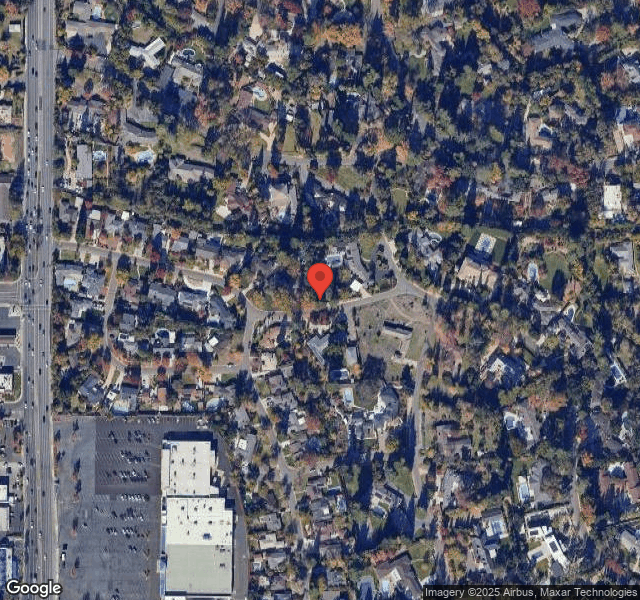

3400 ALTA ARDEN EXPRESSWAY, SACRAMENTO, CA 95825 (916) 481-5500
For profit - Limited Liability company 177 Beds PACS GROUP Data: November 2025
Trust Grade
15/100
#740 of 1155 in CA
Last Inspection: December 2024

Within standard 12-15 month inspection cycle. Federal law requires annual inspections.

Overview

Arden Park Post Acute has received a Trust Grade of F, indicating significant concerns about the quality of care provided. Ranking #740 out of 1155 facilities in California places it in the bottom half, and #28 out of 37 in Sacramento County means there are only a few local options that are better. While the facility is showing improvement, reducing issues from 43 in 2024 to 4 in 2025, there are still serious concerns, including three incidents where residents were harmed due to inadequate supervision. Staffing is average with a 45% turnover rate, and the facility has $33,586 in fines, suggesting compliance issues. However, the facility does provide excellent quality measures with a 5/5 rating, and it has average RN coverage, which can help catch potential problems.

Trust Score
F
15/100
In California
#740/1155
Bottom 36%
Safety Record
High Risk
Review needed
Inspections
Getting Better
43 → 4 violations
Staff Stability
⚠ Watch
45% turnover. Above average. Higher turnover means staff may not know residents' routines.
Penalties
✓ Good
$33,586 in fines. Lower than most California facilities. Relatively clean record.
Skilled Nurses
⚠ Watch
Each resident gets only 27 minutes of Registered Nurse (RN) attention daily — below average for California. Fewer RN minutes means fewer trained eyes watching for problems.
Violations
⚠ Watch
84 deficiencies on record. Higher than average. Multiple issues found across inspections.
★★☆☆☆
2.0
Overall Rating
★★☆☆☆
2.0
Staff Levels
★★★★★
5.0
Care Quality
★☆☆☆☆
1.0
Inspection Score
Stable
2024: 43 issues
2025: 4 issues

The Good

  • 5-Star Quality Measures · Strong clinical quality outcomes
  • Full Sprinkler Coverage · Fire safety systems throughout facility
  • No fines on record

Facility shows strength in quality measures, fire safety.

The Bad

2-Star Overall Rating

Below California average (3.1)

Below average - review inspection findings carefully

Staff Turnover: 45%

Near California avg (46%)

Higher turnover may affect care consistency

Federal Fines: $33,586

Above median ($33,413)

Moderate penalties - review what triggered them

Chain: PACS GROUP

Part of a multi-facility chain

Ask about local staffing decisions and management

The Ugly 84 deficiencies on record

3 actual harm
Mar 2025 1 deficiency
CONCERN (D) 📢 Someone Reported This

A family member, employee, or ombudsman was alarmed enough to file a formal complaint

Potential for Harm - no one hurt, but risky conditions existed

Deficiency F0658 (Tag F0658)

Could have caused harm · This affected 1 resident

**NOTE- TERMS IN BRACKETS HAVE BEEN EDITED TO PROTECT CONFIDENTIALITY** Based on observation, interview, and record review, the facility failed to ensure services were provided to meet professional st...

Read full inspector narrative →
**NOTE- TERMS IN BRACKETS HAVE BEEN EDITED TO PROTECT CONFIDENTIALITY** Based on observation, interview, and record review, the facility failed to ensure services were provided to meet professional standards of quality for one of three sampled residents (Resident 3) when Resident 3 had ongoing oxygen therapy without a physician's order. This failure had the potential to put Resident 1's health and safety at risk. Findings: A review of the admission Record indicated Resident 3 was admitted [DATE] with diagnoses including chronic obstructive pulmonary disease (COPD, a chronic lung disease causing difficulty in breathing). A review of Resident 3's Brief Interview for Mental Status (BIMS, an assessment tool used by facilities to screen and identify memory, orientation, and judgement status of the resident) dated 1/16/25 indicated Resident 3 was cognitively intact with a score of 13 out of 15. A concurrent observation and interview was conducted on 3/28/25 at 10:40 a.m. inside Resident 3's room. Resident 3 was lying in bed with ongoing oxygen via nasal cannula (a small plastic tube, which fits into the person's nostrils for providing supplemental oxygen) attached to a concentrator (a device that takes air from the surroundings, filters it and provides extra oxygen) at 2 liters per minute. Resident 3 was able to state her full name and spell out her last name. Resident stated she has the oxygen all the time. Further review of Resident 3's clinical records indicated the following: -there was no physician order for the oxygen use; -the Weekly Summary Notes dated 3/11/25 indicated Resident 3's oxygen use was PRN or as needed; and, -the Weekly Summary Notes dated 3/21/25 indicated Resident 3 was on continuous oxygen. A concurrent observation and interview was conducted on 3/28/25 at 12:10 p.m. inside Resident 3's room with Licensed Nurse 1 (LN 1). The LN 1 stated LN 2 was responsible for Resident 3's care today. The LN 1 confirmed Resident 3 had ongoing oxygen via nasal cannula at 2 liters per minute. Resident 3 was asked how long she had the oxygen and Resident 3 stated she had the oxygen for weeks. A subsequent interview and record review was conducted on 3/28/25 at 12:12 p.m. with the LN 1 in the nurses' station. The LN 1 checked Resident 3's physician orders and LN 1 confirmed Resident 3 had no physician order for oxygen use. The LN 1 stated Resident 3 should have an order for oxygen. A concurrent interview and record review was conducted on 3/28/25 at 12:35 p.m. with the LN 2 in front of the nurses' station. The LN 2 stated Resident 3 was moved in the 500 hall 2 weeks ago. The LN 2 further stated when she came in this morning, Resident 3 had oxygen on and it was reported to her Resident 3 was stable. The LN 2 was unable to state who initiated the oxygen for Resident 3. The LN 2 explained the process of initiating oxygen and LN 2 stated there should be an order for oxygen. The LN 2 further explained if there was a change in condition, administration of oxygen can be a nursing measure and for them to notify the physician about the change. The LN 2 confirmed Resident 3's weekly summary dated 3/21/25 indicated Resident 3 was on continuous oxygen. A review of the facility's policy and procedure revised October 2010 and titled, Oxygen Administration indicated, The purpose of this procedure is to provide guidelines for safe oxygen administration .Verify that there is a physician's order for this procedure .After completing the oxygen setup .the following information should be recorded in the resident's medical record .The date and time that the procedure was performed .the name and title of the individual who performed the procedure .the rate of oxygen flow, route, and rationale .the reason for p.r.n. [as needed] administration.
Mar 2025 1 deficiency 1 Harm
SERIOUS (G) 📢 Someone Reported This

A family member, employee, or ombudsman was alarmed enough to file a formal complaint

Actual Harm - a resident was hurt due to facility failures

Free from Abuse/Neglect (Tag F0600)

A resident was harmed · This affected 1 resident

**NOTE- TERMS IN BRACKETS HAVE BEEN EDITED TO PROTECT CONFIDENTIALITY** Based on observation, interview, and record review, the facility failed to ensure one of four sampled residents (Resident 1) was...

Read full inspector narrative →
**NOTE- TERMS IN BRACKETS HAVE BEEN EDITED TO PROTECT CONFIDENTIALITY** Based on observation, interview, and record review, the facility failed to ensure one of four sampled residents (Resident 1) was free from abuse, when Certified Nursing Assistant 1 (CNA 1) hit Resident 1 in the face. This failure resulted in Resident 1 sustaining a cut on his nose bridge about half an inch in length, a bruise under his left eye, and expressing feeling like a piece of crap. Findings: A review of Resident 1's admission record indicated Resident 1 was admitted to the facility on [DATE] with diagnoses including hemiplegia (total paralysis of the arm, leg, and trunk on the same side of the body) affecting left non-dominant side and generalized muscle weakness. A review of Resident 1's Minimum Data Set (MDS- a federally mandated assessment tool), dated 2/5/25, indicated Resident 1's Brief Interview for Mental Status (BIMS, an assessment tool used by facilities to screen and identify memory, orientation, and judgement status of the resident) score was 12 out of 15 with mild memory impairment. During an observation on 3/4/25 at 10:37 a.m. Resident 1 had a cut on his nose bridge, about half an inch in length, and a bruise under his left eye, green and purple in color. During an interview on 3/4/25 at 10:37 a.m. with Resident 1, Resident 1 stated on 3/3/25 between 1 a.m. to 3 a.m., he pressed the call light button because he needed to be changed. Resident 1 did not want help from CNA 1 because CNA 1 was rough. CNA 1 was mad and angry and yanked the call button out of Resident 1's hand. Resident 1 added CNA 1 hit himself with the call button and blamed Resident 1, then punched Resident 1 in the face and it wasn't a light hit . Resident 1 further stated CNA 1 then mocked him, told him you're a big baby. Resident 1 felt like a piece of crap and stated CNA 1 probably did not care at all. A review of Resident 2's admission record indicated Resident 2 was admitted to the facility in November 2024. A review of Resident 2's MDS, dated [DATE], indicated Resident 2 had a BIMS score of 15 out of 15 with good memory. During an interview on 3/4/25 at 11:28 a.m. with Resident 2 (Resident 1's roommate), Resident 2 confirmed he was awake when CNA 1 was arguing with Resident 1 and stated Resident 1 yelled and asked CNA 1 why he hit him. Resident 2 further stated CNA 1 told Resident 1 you're just a baby, you can't do anything for yourself. A review of Resident 1's progress note, dated 3/3/25 at 8:38 a.m., indicated Resident 1 was noted with left lower eye swelling and discoloration and an abrasion to the bridge of nose. The note further indicated Resident 1 stated he had an argument and physical contact with staff that resulted in the discoloration and abrasion to his nose. A review of Resident 1's progress note, dated 3/3/25 at 10:37 a.m., indicated Resident 1 reported a bruise that was not there and stated overnight staff hit him with his hand. During an interview on 3/4/25 at 11:48 a.m. with CNA 2, CNA 2 stated Resident 1 told him he did not like CNA 1 because he was rough. During an interview on 3/4/25 at 12 p.m. with Licensed Nurse 1 (LN 1), LN 1 stated Resident 1 usually advocated for himself, but today he was acting more timid. A review of Resident 1's Nursing- Weekly Summary, dated 3/2/25, indicated Resident 1's skin was intact with no issues. During an interview on 3/4/25 at 2:10 p.m. with CNA 3, CNA 3 stated she assisted Resident 1 during her morning shift on 3/2/25 and Resident 1 did not have any bruises or cuts on his face. CNA 3 further stated on 3/3/25 at around 7:05 a.m. she was surprised when she saw Resident 1's face with a cut on the nose bridge and a bruise on his left eye. During an interview on 3/4/25 at 3:08 p.m. with LN 2, LN 2 confirmed she did not see a cut on Resident 1's nose bridge or a bruise on his left eye on 3/2/25 during the p.m. shift. During an interview on 3/4/25 at 3:06 p.m. with the Administrator (ADM), ADM stated he interviewed nursing staff and confirmed that Resident 1 did not have a cut on his nose bridge and a bruise under his left eye on 3/2/25. A review of the facility's policy titled, Abuse, Neglect, Exploitation and Misappropriation Prevention Program, revised in April 2021, indicated, Residents have the right to be free from abuse . This includes but not limited to freedom from .verbal, mental . or physical abuse .
Mar 2025 1 deficiency
CONCERN (D) 📢 Someone Reported This

A family member, employee, or ombudsman was alarmed enough to file a formal complaint

Potential for Harm - no one hurt, but risky conditions existed

Infection Control (Tag F0880)

Could have caused harm · This affected 1 resident

Based on observation, interview, and record review, the facility failed to ensure proper infection control practice for two of seven sampled residents (Resident 1 and Resident 2), when Licensed Nurse ...

Read full inspector narrative →
Based on observation, interview, and record review, the facility failed to ensure proper infection control practice for two of seven sampled residents (Resident 1 and Resident 2), when Licensed Nurse 1 (LN 1) did not sanitize (to clean or disinfect) a shared glucometer (device used to measure blood sugar levels using a test strip and drop of blood) in between use. This failure had the potential to spread infection among residents. Findings: A review of an admission record indicated Resident 1 was admitted to the facility in February 2025 with a diagnosis of diabetes mellitus (DM-a disorder characterized by difficulty in blood sugar control and poor wound healing). A review of Resident 1 ' s Order Summary Report, dated 3/3/25, indicated to check Resident 1 ' s blood sugar (BS) as needed for DM management. A review of an admission record indicated Resident 2 was admitted to the facility in January 2024 with a diagnosis of DM. A review of Resident 2 ' s Order Summary Report, dated 3/3/25, indicated to check Resident 2 ' s BS as needed for DM management. During an observation on 3/3/25 at 1:43 p.m. in Resident 1 ' s room, LN 1 was carrying a small tray containing lancets (a sharp piercing device), alcohol wipes, test strips, and a shared glucometer, to check Resident 1 ' s BS. After LN 1 checked Resident 1 ' s BS, LN 1 exited Resident 1 ' s room, discarded the used lancet and test strip, wrote the BS ' s result on a piece of paper, and then entered Resident 2 ' s room carrying the same glucometer, small tray, and supplies. During an observation on 3/3/25 at 1:45 p.m. in Resident 2 ' s room, LN 1 used the same glucometer to check Resident 2 ' s BS. LN 1 exited Resident 2 ' s room, discarded the used lancet and test strip, and wrote the BS ' s result on a piece of paper. During an interview on 3/3/25 at 1:48 p.m. with LN 1, LN 1 confirmed she did not disinfect the glucometer in between use and was unaware that it should have been disinfected. During an interview on 3/3/25 at 2:15 p.m. with the Director of Nursing (DON), DON stated she expected nurses to disinfect the glucometer with bleach in between use. DON further stated failing to disinfect the glucometer in between use had the potential for cross contamination (transfer of harmful bacteria from one person, object, or place to another). A review of the facility ' s policy and procedure, titled, Obtaining a Fingerstick Glucose Level, dated 2001, indicated, . Always ensure that blood glucose meters intended for reuse are cleaned and disinfected between resident uses .
Feb 2025 1 deficiency
CONCERN (D) 📢 Someone Reported This

A family member, employee, or ombudsman was alarmed enough to file a formal complaint

Potential for Harm - no one hurt, but risky conditions existed

Quality of Care (Tag F0684)

Could have caused harm · This affected 1 resident

**NOTE- TERMS IN BRACKETS HAVE BEEN EDITED TO PROTECT CONFIDENTIALITY** Based on interview and record review, the facility failed to ensure one of four sampled residents (Resident 1), received treatme...

Read full inspector narrative →
**NOTE- TERMS IN BRACKETS HAVE BEEN EDITED TO PROTECT CONFIDENTIALITY** Based on interview and record review, the facility failed to ensure one of four sampled residents (Resident 1), received treatment and care in accordance with professional standards of practice when the comprehensive centered care plan was not followed. This failure had the potential to result in Resident 1 ' s gastrostomy (a surgical opening fitted with a device to allow feedings to be administered directly to the stomach common for people with swallowing problems) tube (G-tube) to be displaced during Activities of Daily Living ( (ADLs- routine tasks/activities such as bathing, dressing and toileting a person performs daily to care for themselves). Findings: During a review of Resident 1's face sheet (a document containing patient information), the face sheet indicated, Resident 1 was admitted to the facility July 2023 with multiple diagnoses which included dementia (a progressive state of decline in mental abilities). During a review of Resident 1 ' s Minimum Data Set (MDS- an assessment tool), dated 1/8/25, the MDS indicated, Resident 1 was dependent with ADLs. During a review of Resident 1 ' s active orders in the Orders Summary Report, dated 7/6/23, the Orders Summary Report indicated, Resident 1 had a G-tube. During a review of Resident 1 ' s Change in Condition Evaluation, dated 1/27/25, the Change in Condition Evaluation indicated, .GT dislodged during ADL care . During a review of Resident 1 ' s Nurse ' s Note, dated 1/27/25, the Nurse ' s Noted indicated, .RP [Responsible Party] verbalized concern regarding resident ' s g-tub getting dislodged .explained to RP that licensed nurses will be instructed to be present at bedside during resident ADL care to monitor resident ' s g-tube and assist in preventing it from getting dislodged . During a review of Resident 1 ' s care plan, initiated 1/27/25, the care plan indicated, .[Resident 1] has a GT and is at risk for .complications .potential tubing displacement .interventions .Licensed Nurse to be present at bedside during reposition/ADL care . During a review of Resident 1 ' s Nurse ' s Note, dated 2/16/25, the Nurse ' s Note indicated, .At 1225, CNA [Certified Nursing Assistant] informed this writer that g tube was accidentally pulled out. They were changing diapers at that time . During a review of Resident 1 ' s Change in Condition Evaluation, dated 2/16/25, the Change in Condition Evaluation indicated, .G tube accidentally dislodged .found .by CNA while changing diaper .transfer resident to hosp [hospital] . During an interview on 2/21/25 at 3:20 p.m. with Licensed Nurse 1 (LN 1) stated she was the nurse on duty when Resident 1 ' s G-tube was displaced on 2/16/25. LN 1 further stated she was on lunch break when the CNA notified her that Resident 1 ' s G-tube was found dislodged during ADL care. During a follow up interview on 2/21/25 at 4:42 p.m. with LN 1, LN 1 confirmed a licensed nurse was not supervising CNA ' s, providing ADL care, when G-tube was found dislodged on 2/16/25. During a review of the facility ' s policy and procedure (P&P) titled, Care Plans, Comprehensive Person-Centered, revised December 2016, the P&P indicated, .comprehensive, person-centered care plan that includes measurable objectives .to [NAME] the resident ' s physical, psychosocial, and functional needs is developed and implemented for each resident .the Interdisciplinary Team (IDT) .implements a comprehensive, person-centered care plan . Based on interview and record review, the facility failed to ensure one of four sampled residents (Resident 1), received treatment and care in accordance with professional standards of practice when the comprehensive centered care plan was not followed. This failure had the potential to result in Resident 1's gastrostomy (a surgical opening fitted with a device to allow feedings to be administered directly to the stomach common for people with swallowing problems) tube (G-tube) to be displaced during Activities of Daily Living ( (ADLs- routine tasks/activities such as bathing, dressing and toileting a person performs daily to care for themselves). Findings: During a review of Resident 1's face sheet (a document containing patient information), the face sheet indicated, Resident 1 was admitted to the facility July 2023 with multiple diagnoses which included dementia (a progressive state of decline in mental abilities). During a review of Resident 1's Minimum Data Set (MDS- an assessment tool), dated 1/8/25, the MDS indicated, Resident 1 was dependent with ADLs. During a review of Resident 1's active orders in the Orders Summary Report, dated 7/6/23, the Orders Summary Report indicated, Resident 1 had a G-tube. During a review of Resident 1's Change in Condition Evaluation, dated 1/27/25, the Change in Condition Evaluation indicated, .GT dislodged during ADL care . During a review of Resident 1's Nurse's Note, dated 1/27/25, the Nurse's Noted indicated, . RP [Responsible Party] verbalized concern regarding resident's g-tub getting dislodged .explained to RP that licensed nurses will be instructed to be present at bedside during resident ADL care to monitor resident's g-tube and assist in preventing it from getting dislodged . During a review of Resident 1's care plan, initiated 1/27/25, the care plan indicated, .[Resident 1] has a GT and is at risk for .complications .potential tubing displacement .interventions .Licensed Nurse to be present at bedside during reposition/ADL care . During a review of Resident 1's Nurse's Note, dated 2/16/25, the Nurse's Note indicated, .At 1225, CNA [Certified Nursing Assistant] informed this writer that g tube was accidentally pulled out. They were changing diapers at that time . During a review of Resident 1's Change in Condition Evaluation , dated 2/16/25, the Change in Condition Evaluation indicated, . G tube accidentally dislodged .found .by CNA while changing diaper .transfer resident to hosp [hospital] . During an interview on 2/21/25 at 3:20 p.m. with Licensed Nurse 1 (LN 1) stated she was the nurse on duty when Resident 1's G-tube was displaced on 2/16/25. LN 1 further stated she was on lunch break when the CNA notified her that Resident 1's G-tube was found dislodged during ADL care. During a follow up interview on 2/21/25 at 4:42 p.m. with LN 1, LN 1 confirmed a licensed nurse was not supervising CNA's, providing ADL care, when G-tube was found dislodged on 2/16/25. During a review of the facility's policy and procedure (P&P) titled, Care Plans, Comprehensive Person-Centered , revised December 2016, the P&P indicated, .comprehensive, person-centered care plan that includes measurable objectives .to [NAME] the resident's physical, psychosocial, and functional needs is developed and implemented for each resident .the Interdisciplinary Team (IDT) .implements a comprehensive, person-centered care plan .
Dec 2024 19 deficiencies 1 Harm
SERIOUS (G)

Actual Harm - a resident was hurt due to facility failures

Accident Prevention (Tag F0689)

A resident was harmed · This affected 1 resident

**NOTE- TERMS IN BRACKETS HAVE BEEN EDITED TO PROTECT CONFIDENTIALITY** Based on observation, interview, and record review, the facility failed to ensure one resident(Resident 8) was provided with ade...

Read full inspector narrative →
**NOTE- TERMS IN BRACKETS HAVE BEEN EDITED TO PROTECT CONFIDENTIALITY** Based on observation, interview, and record review, the facility failed to ensure one resident(Resident 8) was provided with adequate supervision and safe environment, for a census of 154. This failure resulted in Resident 8's fall and transfer to the acute care hospital due to a bump and cut to the right forehead. Findings: A review of the clinical record indicated Resident 8 was admitted [DATE] with diagnoses including chronic obstructive pulmonary disease (COPD - a chronic lung disease causing difficulty in breathing) and epileptic seizures (sudden, temporary disruption in brain activity that causes involuntary movements, sensations, or changes in awareness). The Minimum Data Set (MDS - a federally mandated resident assessment tool) dated 9/4/24 indicated Resident 8 was cognitively intact, required setup to wheel 50 feet with two turns and required setup to wheel 150 feet in a corridor or similar space with the use of a motorized scooter. Further review of Resident 8's clinical records indicated the following: - Fall Risk assessment dated [DATE], indicated Resident 8 was high risk for falls with a score of 18; - Care Plan, dated 2/9/24, indicated Resident 8 was at risk for falls related to decreased muscular coordination, history of falls, visual impairment, uses scooter as primary mode of locomotion and poor safety awareness. The interventions included to keep within supervised view as much as possible and on 4/19/24, resident was assessed for powerchair use for safety and provided with regular wheelchair at this time; and, - Nurse's Note dated 4/19/24 at 15:34 (3:34 p.m.) indicated, Placed call and spoke to resident's RP [Responsible Party] regarding resident's unwitnessed fall on 4/18/24 from his power chair and report of resident leaving the facility to go out for a smoke in an undesignated area to smoke. Care conference held on 4/16/24 with RPvia [sic] phone with recommendation to remove resident's power chair as part of resident's safety intervention after resident's unwitnessed fall outside the parking lot .Explained to RP that resident will be providedwith [sic] regular wheelchair for mobility and will reassess resident for the use of power chair .RP agreed .Resident aware that he will be provided with regularwheelchair [sic] at this time for safety and agreed. This note was written by the Director of Nursing (DON). A review of Resident 8's 'Nurse's Note' dated 12/4/24 at 14:03 [2:03 p.m.] indicated, Writer returned from lunch and is notified by MDS coordinator that [Resident 8] fell @ 1205. Writer went to assess resident. Resident found on front entrance of building accompanied by DON and ADON [Assistant Director of Nursing]. Writer assessed resident and noted a bump to R [right] lateral forehead with [sic] appears to be laceration in mid section. Resident is alert, but with baseline confusion. Resident c/o [complained of] hitting his head .Notified [name] NP [Nurse Practitioner] .received from NP to send resident to ER [emergency room] for eval [evaluation] and tx [treatment]. MDS coordinator called 911 [phone number to contact emergency services] @ 1210 and 911 arrived @ 1216 . A review of Resident 8's 'Nurse's Note' dated 12/4/24 at 15:18 [3:18 p.m.] indicated, This writer heard a loud noise like something had fallen outside the building. This writer looked outside the window and saw resident lying on his right side on the ground next to his powerchair which is standing upright. Resident assessed with no c/o pain and assisted back to his powerchair. Resident noted with bump and cut to his RT [right] forehead with bleeding. Resident alert, oriented and verbally responsive. Resident stated that he was returning to the facility and noted with a plastic bag on his powerchair .911 was called and arrived to pick up resident . This note was written by the DON. A review of Resident 8's 'Nurse's Note' dated 12/5/24 at 02:52 indicated, Received resident back from the ER [sic]. Received report from ER nurse .labs and ct scan [computed tomography, a medical imaging procedure showing detailed images of a body part] negative for injuries.Upon arrivel [sic] resident had dry blood from right side of the forehead . A review of Resident 8's 'REHAB - STATUS POST-FALL SCREEN' dated 12/5/24 indicated, .Comments .transferred to acute, power scooter removed and resident issued manual wheelchair . An observation of Resident 8 was conducted on 12/6/24 at 12:55 p.m. Resident 8 was up in his wheelchair, sleeping, in front of the smoking patio door. The surveyor alerted staff of resident sleeping upright in his wheelchair. The staff confirmed resident was sitting in the doorway and staff did not approach resident. In an interview on 12/6/24 at 12:57 p.m., Licensed Nurse 1 (LN 1) stated they were monitoring Resident 8 for his laceration from the fall. The LN further stated the hospital had no new orders post discharge. A concurrent observation and interview was conducted on 12/6/24 at 12:58 p.m. with the DON in the facility's driveway where Resident 8 had a fall on 12/4/24. There was a sewer cap in the driveway which was lower than the surrounding concrete surface. The DON stated she heard a bang like something fell, she and the MDS Coordinator looked at the window and when they went outside Resident 8 was lying on his right side. The DON further stated Resident 8 had bleeding on his right forehead and resident was facing towards the building. The DON stated she was able to talk to resident and resident told DON he was coming back from the convenience store. The DON further stated Resident 8 goes outside the building without supervision and resident should be signing himself out everytime he goes out since he's alert and oriented. A concurrent observation and interview was conducted on 12/6/24 at 2:31 p.m. with the Maintenance Supervisor (MS) infront of the facility's driveway. The MS stated the clean up sewer cover was part of the city. The MS further stated they [residents] are not allowed to go outside, if they go out it's dangerous. We should probably call them [city] to fix it. The MS confirmed the area was unsafe for everybody and the MS was aware of the fall that happened. The MS stated, We have to fix this, it cant be like this. It has to be done to fix the uneven area. A review of the facility's policy revised July 2017, and titled, Safety and Supervision of Residents indicated, Our facility strives to make the environment as free from accident hazards as possible. Resident safety and supervision and assistance to prevent accidents are facility-wide priorities . Resident supervision is a core component of the systems approach to safety. The type and frequency of resident supervision is determined by the individual resident's assessed needs and identified hazards in the environment. The type and frequency of resident supervision may vary among residents and over time for the same resident .
CONCERN (D)

Potential for Harm - no one hurt, but risky conditions existed

Deficiency F0552 (Tag F0552)

Could have caused harm · This affected 1 resident

Based on interview and record review, the facility failed to ensure residents were fully informed of the risks and benefits of medications for two of 33 sampled residents (Resident 147 and Resident 14...

Read full inspector narrative →
Based on interview and record review, the facility failed to ensure residents were fully informed of the risks and benefits of medications for two of 33 sampled residents (Resident 147 and Resident 142) when: 1. The informed consent (voluntary agreement to accept treatment and/or procedures after receiving education regarding the risks, benefits, and alternatives offered) for Clozapine (medication used to treat Schizophrenia - a mental illness that is characterized by disturbances in thought) did not indicate the correct indication and target behavior for Resident 147; and, 2. There was no informed consent for the increase in the dose of Buspirone (medication used to treat anxiety) for Resident 142. These failures increased the potential for Resident 147 and Resident 142 to not be informed of the medications' risks and benefits and alternative options. Findings: 1. During a review of Resident 147's admission records, the records indicated Resident 147 was admitted in October 2024 with diagnoses that included Schizophrenia. Resident 147's Minimum Data Set (MDS, a federally mandated resident assessment tool) indicated Resident 147 had moderate cognitive impairment. During a review of Resident 147's physician order, dated 10/7/24, indicated cloZAPine Oral Tablet 25 MG [milligrams, a unit of measurement] .Give 2 tablet by mouth at bedtime for Schizophrenia m/b [manifested by] auditory [hearing] hallucinations [the experience of hearing, seeing, or smelling things that are not there] . During a review of Resident 147's document titled INFORMED CONSENT - Psychoactive Medication [substances that affect the brain], dated 10/7/24, the document indicated, 1. Consent Type: 1. Initial Consent .A. Psychoactive Medication .1. Anti-anxiety .2. Name of the Anti-anxiety medication(s): Clozapine .2d. Indication(s) for Use: Anxiety .2e. Anti-anxiety target behavior of the medication(s): m/b restlessness. During a telephone interview on 12/5/24 at 5:08 p.m. with the Pharmacy Consultant (PC), the PC stated, Clozapine is not given for anxiety, it is given for schizophrenia . When asked regarding the indication and target behavior indicated on the informed consent, the PC stated, That shouldn't be right .That's definitely not for Clozapine .I think they made a mistake on that one .It looked like a possible mismatch, confusion with clozapine and clonazepam [medication used for anxiety]. During a concurrent interview and record review on 12/6/24 at 10:26 a.m. with the Director of Nursing (DON), the DON confirmed Resident 147 was receiving Clozapine for schizophrenia m/b auditory hallucinations. The DON verified the indication for Clozapine in the consent indicated anxiety manifested by restlessness. The DON stated, It didn't match. We have the consent for a different category of the medication instead of antipsychotic .We are giving the [resident and] family the wrong information on the medication when we secured the consent. 2. A review of the clinical record indicated Resident 142's was admitted with diagnoses including anxiety disorder (a condition that causes excessive worry and fear that interferes with daily life). Further review of Resident 142's clinical records indicated the following: - A physician's order dated 5/3/24 indicated, Resident has capacity to make her decisions .; - An informed consent dated 5/3/24 indicated, Buspirone (Buspar, used to treat anxiety disorder) 10 mg twice a day for anxiety. The document was signed by the resident; and, - A physician's order dated 7/23/24 indicated, Buspirone 10 mg 1 tablet three times a day for anxiety m/b (manifested by) verbalized nervousness. A review of Resident 142's 'Nurse's Note' dated 7/19/24 indicated, resident alert and oriented x3[sic] .Observed resident has constant episodes of inability to relax despite of BusPIRon [sic]10mg administered as order taken i [sic] tab po twice a day .observed kept throwing her belongings to the ground & verbalizing with foul words. Calmed resident down but, the behaviors keep increasing each day. MD [Medical Doctor] please advise and evaluate psychotropic medication . A review of Resident 142's 'Nurse's Note' dated 7/23/24 indicated, Received new order to discontinue Buspar 10mg BID [twice a day] and changes [sic] to Buspar TID [three times a day] for Anxiety order carried out and noted. There was no documented evidence an informed consent from the physician was obtained for a dose increase in Buspirone on 7/23/24. In a concurrent interview and record review on 12/6/24 at 12:30 p.m., the DON confirmed the physician changed Resident 142's Buspirone order from 10 mg twice a day to three times a day on 7/23/24. The DON stated she cannot find an informed consent for the increase in the dose. The DON stated her expectation was for licensed staff to verify if the physician obtained an informed consent for the increase in the dose of Buspirone. During a review of the facility's policy and procedure (P&P) titled Psychotropic Medication Use, dated 3/2018, the P&P indicated, Psychotropic drugs may be used if the medication is necessary to treat a specific condition, diagnosed and documented in the medical record .7. Prior to administration of a Psychotropic medication, the prescribing clinician will obtain informed consent from the resident (or as appropriate, the resident representative), and document the consent in the medical record .a. The informed consent obtained by the prescribing clinician is verified by the facility, with verification documented in the medical record.
CONCERN (D)

Potential for Harm - no one hurt, but risky conditions existed

Safe Environment (Tag F0584)

Could have caused harm · This affected 1 resident

Based on observation, interview, and record review, the facility failed to provide a homelike environment for two of 33 sampled residents (Resident 142 and Resident 109) when: 1. Resident 142's bathro...

Read full inspector narrative →
Based on observation, interview, and record review, the facility failed to provide a homelike environment for two of 33 sampled residents (Resident 142 and Resident 109) when: 1. Resident 142's bathroom was in disrepair; and 2. Resident 109's bedside table was chipped and peeled on the sides. These failures increased the potential to negatively impact Resident 142 and Resident 109's psychosocial well-being. Findings: 1. A review of the clinical record indicated Resident 142 was admitted with diagnoses including depression (condition that causes constant feeling of sadness and loss of interest) and anxiety disorder (a condition that causes excessive worry and fear that interferes with daily life). A concurrent observation and interview was conducted on 12/3/24 at 12:50 p.m. inside Resident 142's room. Resident 142 stated there was mold in the bathroom and the bathroom had been like that since she had been there. Inside the bathroom, the baseboard was coming off/torn (near the toilet bowl) with blackish discoloration on the bottom of the baseboard. There was brownish to blackish discoloration on the bathroom wall below the toilet bowl and a brownish discoloration on the bathroom floor. In a concurrent observation and interview on 12/3/24 at 4:56 p.m., the Maintenance Supervisor (MS) confirmed the findings. The MS further confirmed the baseboard inside the bathroom below the toilet bowl was coming off. The MS denied mold in the bathroom. The MS stated the baseboard was torn and needed to be replaced. A concurrent interview and record review was conducted with the MS on 12/3/24 at 5 p.m. The MS reviewed the Maintenance log and there was no report received regarding the issue with Resident 142's bathroom. 2. A review of the clinical record indicated Resident 109 was admitted with diagnoses including hemiplegia (paralysis on one side of the body) and hemiparesis (weakness on one side of the body) following cerebral infarction (stroke- disrupted blood flow to the brain causing brain tissue death) affecting right dominant side. In a concurrent observation and interview on 12/3/24 at 9:26 a.m., inside Resident 109's room, one side of the bedside table was chipped and the border on all four sides were peeled off. Resident 109 stated he had been in the facility for 2 months and he had the bedside table since. A concurrent observation and interview on 12/4/24 at 9:59 a.m. inside Resident 109's room, with Certified Nursing Assistant 1 (CNA 1). The CNA 1 stated Resident 109's bedside table had missing border on four sides and one side was cracked. The CNA 1 further stated the bedside table was used to set up tray for meals and drinks. The CNA 1 added the bedside table needed to be checked and reported to maintenance. In a follow up interview on 12/4/24 at 10:05 a.m., the CNA 1 stated she checked the maintenance log and there was no reported issue regarding the bedside table for Resident 109. The CNA 1 further stated any issues such as the bedside table should be written in the maintenance log. In an interview on 12/5/24 at 10:48 a.m., the MS stated he checks the maintenance log every morning and his expectation was for staff to report any maintenance issue to him or to be written in the maintenance log. On 12/6/24 starting at 11:55 a.m., with the Director of Nursing (DON), the pictures taken in Resident 142's bathroom and Resident 109's bedside table were shown to the DON. The DON confirmed the findings and stated this was not acceptable. The DON further stated her expectation was for staff to report anything broken and anything in disrepair to the MS. The DON agreed it was not a homelike environment. A review of the facility's policy revised February 2021 and titled, Homelike Environment indicated, Residents are provided with a safe, clean, comfortable and homelike environment .The facility staff and management maximizes, to the extent possible, the characteristics of the facility that reflect .homelike setting. These characteristics include .clean, sanitary and orderly environment .
CONCERN (D) 📢 Someone Reported This

A family member, employee, or ombudsman was alarmed enough to file a formal complaint

Potential for Harm - no one hurt, but risky conditions existed

Free from Abuse/Neglect (Tag F0600)

Could have caused harm · This affected 1 resident

Based on observation, interview, and record review, the facility failed to protect one of 33 sampled residents (Resident 311) from verbal abuse when Resident 312 expressed racial slurs to Resident 311...

Read full inspector narrative →
Based on observation, interview, and record review, the facility failed to protect one of 33 sampled residents (Resident 311) from verbal abuse when Resident 312 expressed racial slurs to Resident 311. This failure resulted in Resident 311 feeling unsafe in his room and experiencing emotional distress. Findings: A review of Resident 311's admission Record indicated Resident 311 was admitted to the facility in November 2024 with multiple diagnoses including malignant neoplasm of prostate (prostate cancer), seizures, anxiety disorder (mental health disorder characterized by worry that interferes with daily life), and depression (mood disorder causing sadness and loss of interest in daily life). A review of Resident 311's Minimum Data Set (MDS- a federally mandated assessment tool), Cognitive Patterns, dated 12/2/24, indicated Resident 311 had a Brief Interview for Mental Status (BIMS- tool to assess cognition) score of 13 out of 15 that indicated Resident 311 was cognitively intact. A review of Resident 311's Progress Note, dated 12/3/24 at 6:42 a.m., indicated .Resident is requesting to move to a different room cause his roommate [Resident 312] calls him the [racial slur], he verbalized that he cant [sic] tolerate things like this. Endorsed to next shift . A review of Resident 311's Notice of Room Change, dated 12/3/24, indicated .Reason for room change: incompatibility . A review of Resident 311's SBAR [Situation, Background, Assessment, Recommendation] Communication Form, dated 12/4/24, indicated .Visited resident this morning 0900 [9:00 a.m.] . Resident stated the reason for his request for room change yesterday [12/3/24] was due to his room mate [Resident 312] calling him a racial slur . A review of Resident 311's Care Plan Room Change: [Resident 311] has potential for impaired adjustment related to Room change, dated 12/3/24, indicated .Interventions/Tasks .Allow expressions of fear and/or concerns .Assist in resolving areas of concern with resident and roommate . A review of Resident 311's Care Plan Psychosocial-Well-being: Resident is at risk for psychosocial well-being concerns related to Other alleged emotional/verbal abuse on 12/3/24, dated 12/4/24, indicated . Interventions/Tasks .Allow to voice feelings and frustrations as indicated .Observe for emotional distress, tearfulness, increased agitation, and decreased participation in care . A review of Resident 312's admission Record indicated Resident 312 was admitted to the facility in November 2024 with multiple diagnoses including hemiplegia (paralysis on one side of the body) and hemiparesis (weakness on one side of the body) following cerebral infarction (stroke- disrupted blood flow to the brain causing brain tissue death), seizures, and history of traumatic brain injury (brain injury caused by outside force). A review of Resident 312's MDS, Cognitive Patterns, dated 12/3/24, indicated Resident 312 had a BIMS score of 11 out of 15 that indicated Resident 312 was moderately cognitively impaired. A review of Resident 312's Progress Note, dated 12/4/24 at 9:11 a.m., indicated .Per Resident's last roommate [Resident 311] this resident allegedly called victim a racial slur because victim wanted the TV off at night. Residents were separated and victim moved to another room .Explained risks vs [versus] benefits of verbal aggression and resident verbalized understanding and states I don't know. I'm going home soon. A review of Resident 312's Progress Note, dated 12/4/24 at 2:36 p.m., indicated .Continue to monitor for bad behavior, verbally abuse his roommate on 12/3/24 NOC [night] shift . A review of Resident 312's SBAR Communication Form, dated 12/4/24, indicated .allegations of verbal/emotional abuse against roommate [Resident 311] states resident was calling him racial slurs .Verbal aggression .per resident [Resident 311] he allegedly called him a racial slur while he was his room mate because victim request, he turn off the TV at night . During an interview on 12/3/24 at 9:04 a.m. with Resident 311, Resident 311 stated he had a verbal run in with his roommate last night. Resident 311 stated he was called a racial slur by his roommate. During an interview on 12/4/24 at 8:25 a.m. with the Administrator (ADM), the ADM stated Resident 311 was moved to another room per family request. The ADM stated Residents 311 and 312 were not a good match. During an interview on 12/4/24 at 8:29 a.m. with Licensed Nurse (LN) 1, LN 1 stated the incident occurred on the night shift on 12/3/24. LN 1 stated Resident 312 was screaming because he could not sleep. Resident 311 told him to be quiet and Resident 312 called Resident 311 a racial slur. LN 1 stated the incident was reported to Social Services on 12/3/24 and Resident 311 was moved to a different room in the afternoon on 12/3/24. During an interview on 12/5/24 at 10:52 a.m. with Resident 312, Resident 312 stated he recalled prior roommate but stated he did not have any problems with him. Resident 312 stated he did not recall any verbal altercation with Resident 311. During an interview on 12/5/24 at 10:55 a.m. with Resident 311, Resident 311 stated incident with former roommate occurred Monday night (12/2/24) about 11:30 p.m. Resident 311 stated that the TV was on and the roommate asked him to turn it off. Resident 311 stated he wanted the TV was on because it helps his claustrophobia (fear of confined spaces). Resident 311 stated they had a verbal interaction, back and forth, then Resident 312 called him multiple racial slurs. Resident 311 stated, I don't have to put up with it. Resident 311 stated he notified the night nurse who told him to report it to the day shift. Resident 311 stated he felt unsafe being left in the room with his roommate because he cannot walk and wanted to be moved to another room that night. Resident 311 stated he reported the incident to the day shift and notified his daughter. Resident 311 stated his room was changed in the afternoon on 12/3/24. During an interview on 12/5/24 at 2:15 p.m. with the ADM, the ADM stated the incident was reported in the morning on 12/3/24 when Resident 311's family requested for the resident to be moved. The ADM stated the night nurse should have reported it at the time and should have evaluated if immediate room change was needed. During a telephone interview on 12/5/24 at 2:50 p.m. with LN 5, LN 5 stated Resident 311 notified her of incident on 12/3/24 after midnight when doing her rounds. LN 5 stated Resident 311 requested to be transferred to another room. LN 5 stated Resident 311 reported that Resident 312 had called him a racial slur. LN 5 stated that Resident 311 said to her, I cannot tolerate things like this. When asked if she considered this abuse, LN 5 stated, Could be. LN 5 stated she was concerned and did not want anything to happen but further stated, There was no room to move to. All I can do is tell Social Services. A review of the facility's Policy and Procedure (P&P) titled Abuse, Neglect, Exploitation and Misappropriation Prevention Program, revised 4/21, indicated .Residents have the right to be free from abuse .This includes .verbal abuse . Protect residents from abuse .by anyone including .other residents .Identify and investigate all possible incidents of abuse .Investigate and report any allegations within timeframes required by federal requirements .Protect residents from any further harm during investigations . A review of the facility's P&P titled Resident-to-Resident Altercations, revised 9/22, indicated .All altercations, including those that may represent resident-to-resident abuse, are investigated and reported to the nursing supervisor, the director of nursing services and to the administrator .Facility staff monitor residents for aggressive/inappropriate behaviors towards other residents .Behaviors that may provoke a reaction by residents .include: .verbally aggressive behavior .insulting to race or ethnic group, intimidating .if two residents are involved in an altercation, staff .separate the residents .
CONCERN (D)

Potential for Harm - no one hurt, but risky conditions existed

Comprehensive Care Plan (Tag F0656)

Could have caused harm · This affected 1 resident

Based on interview and record review, the facility failed to develop person-centered care plans timely, specific to medical, nursing, physical, mental, and psychosocial needs for two of 33 sampled res...

Read full inspector narrative →
Based on interview and record review, the facility failed to develop person-centered care plans timely, specific to medical, nursing, physical, mental, and psychosocial needs for two of 33 sampled residents (Resident 147 and Resident 361) when: 1. Care plan for Resident 147's use of antipsychotic (medication used to treat psychosis - a severe mental condition in which thought, and emotions are so affected that contact is lost with reality) was not developed timely upon starting Clozapine (medication used to treat Schizophrenia - a mental illness that is characterized by disturbances in thought); and, 2. There was no care plan developed for Resident 361's hard of hearing and use of hearing aid (a device worn in or behind ear designed to amplify sound for individuals who have difficulty hearing). These failures had the potential to result in Resident 147 and Resident 361 not maintaining the highest practicable well-being and preventing avoidable decline. Findings: 1. During a review of Resident 147's admission records, the records indicated Resident 147 was admitted in October 2024 with diagnoses that included Schizophrenia. Resident 147's Minimum Data Set (MDS, an assessment tool) indicated Resident 147 had moderate cognitive impairment. During a review of Resident 147's physician order, dated 10/7/24, the order indicated cloZAPine Oral Tablet 25 MG [milligrams, a unit of measurement] .Give 2 tablet by mouth at bedtime for Schizophrenia m/b [manifested by] auditory hallucinations (the experience of hearing things that are not there) . During a review of Resident 147's care plan, initiated 12/3/24, the care plan indicated, Medication- Antipsychotic: [Resident 147] requires antipsychotic medication related to Schizophrenia as evidenced by Auditory hallucinations. Resident on Clozapine. During an interview on 12/6/24 at 10:26 a.m. with the Director of Nursing (DON), the DON stated, If the resident is receiving antipsychotics, it needs to be care planned as soon as we have the consent and the order. The DON verified the care plan for the use of Clozapine was developed on 12/3/24 and stated, We didn't have the care plan as soon as we started the medication .[It is important because] We need to make sure that we are monitoring everything, and all the interventions needed are being met. 2. During a review of Resident 361's admission records, the records indicated Resident 361 was admitted in November 2024 with diagnoses that included depression and muscle weakness. Resident 361's MDS indicated Resident 361 had moderate cognitive impairment. During a review of Resident 361's Admission/readmission Summary Note, dated 11/9/24, the note indicated, [Resident 361] awake alert and oriented x2 [knows who and where but not what time it is or what is happening] w/ [with] hard of hearing with hearing aid. During an observation on 12/03/24 at 11:15 a.m. in Resident 361's room, Resident 361 was observed alert, hard of hearing, and hearing aid not in use. Signage on the wall was observed and indicated to place hearing aid in the morning. During a concurrent observation and interview on 12/5/24 at 8:57 a.m. with Resident 361 in his room, Resident 361 was observed alert and not wearing the hearing aid. Voice volume was increased and questions were repeated twice during the interview and Resident 361 stated, I can hear clearly with hearing aid. Resident touched his left ear and searched for hearing aid. During a concurrent interview and record review on 12/4/24 at 10:17 a.m. with Licensed Nurse 1 (LN 1), LN 1 stated, [Resident 361] is hard of hearing, he has a hearing aid .I have to increase my volume and get face to face, he doesn't talk much, we have to explain what we are doing. LN 1 verified Resident 361 had no care plan developed for hearing and the use of hearing aid. During a review of Resident 361's care plan, initiated on 12/4/24, the care plan indicated, Hearing: [Resident 361] has a hearing impairment as evidenced by decreased hearing acuity both ears. The care plan did not indicate Resident 361's use of hearing aid. During an interview on 12/6/24 at 10:26 a.m. with the DON, the DON stated, Hearing aids need to be care planned as well .Expectation is a care plan was developed upon admission if the resident came with it .the use of hearing aid should be included in the care plan so we will know that he has impaired hearing. The DON verified the care plan for hearing loss was developed in 12/4/24, 16 days after resident was admitted in 11/9/24 and stated, It should be developed upon admission, there's one, but not when he was admitted , so the nurses will be aware that he needs the hearing aid, so we can monitor the interventions. During a review of the facility's policy and procedure (P&P), revised 12/2016, the P&P indicated, A comprehensive, person-centered care plan that includes measurable objectives and timetables to meet the resident's physical, psychosocial and functional needs is developed and implemented for each resident .8. The comprehensive, person-centered care plan will: .g. incorporate identified problem areas .m. Aid in preventing or reducing decline in the resident's functional status and/or functional levels .12. The comprehensive, person-centered care plan is developed within seven (7) days of the completion of the required comprehensive assessment (MDS).
CONCERN (D)

Potential for Harm - no one hurt, but risky conditions existed

Deficiency F0658 (Tag F0658)

Could have caused harm · This affected 1 resident

Based on observation, interview, and record review, the facility failed to ensure services were provided to meet professional standards of quality for two residents (Resident 28 and Resident 116), for...

Read full inspector narrative →
Based on observation, interview, and record review, the facility failed to ensure services were provided to meet professional standards of quality for two residents (Resident 28 and Resident 116), for a census of 154, when: 1. Resident 28's insulin (a hormone that removes excess sugar from the blood, can be produced by the body or given artificially via medication) order was marked as given prior to administration; 2. The licensed staff did not dispose used lancets (small sharp objects used to take blood samples for blood sugar) in biohazard sharps containers; and 3. Resident 116's medication was left at bedside. These failures had the potential to put residents' health and safety at risk. Findings: 1. During observation on 12/4/24 at 6:48 a.m., Licensed Nurse 14 (LN 14) was observed taking a blood glucose level for Resident 28. The blood sugar level was observed at 221. During a medication administration observation on 12/4/24 starting at 7:15 a.m. with LN 14. LN 14 was observed administering 2 units of insulin to (Resident 28). During a subsequent medication observation on 12/4/24 at 7:27 a.m., LN 14 was observed signing a standing order of Humalog [short-acting Insulin] 2 units as given for Resident 28. During an interview on 12/4/24 at 7:36 a.m., LN 14 stated, he administered the 2 units of Humalog sliding scale for Resident 28. LN 14 further stated he gave all the morning medications due at 8:00 a.m. for Resident 28. During a review of Resident 28's Physician Orders, Resident 28's current physician orders, indicated, Humalog injection solution 100 u/ml [insulin lispro] [units/milliliter, unit of measure] Inject 2 units for DM subcutaneously [under the skin] 3 times a day for Diabetic Mellitus Management [Diabetes Mellitus, a condition where the body does not metabolize sugar] in addition to sliding scale. During a review of Resident 28's Physician Order, Resident 28's current physician orders indicated, Humalog injection solution 100 u/ml [insulin lispro] Inject per sliding scale: if 70-140= 0 Fingerstick BG,70 call MD. 141-180= 1 unit, 181-240= 2 units In a follow-up interview and record review on 12/4/24 at 8:02 a.m., LN 14 confirmed he administered 2 units of Humalog insulin per sliding scale instead of the 4 units as ordered to Resident 28. The LN 14 further confirmed he signed for both insulin orders and only gave 2 units. The LN 14 stated the best practice for administering Insulin is to check the order, prepare the insulin, then sign the medication record after administration. During interview on 12/5/24 at 5:41 p.m. with Director of Nursing (DON), DON stated Licensed staff should be checking medication orders and insulin orders prior to administration and sign the medication administration record after administration of medication. During review of P&P titled Insulin Administration, dated September 2014, the P&P indicated, .13. Insert the syringe into the vial and pull back on the plunger until the ordered amount of insulin is in the syringe .15. Re-check that the amount of insulin drawn into the syringe matches the amount of insulin ordered. 2. During an observation on 12/4/24 at 6:48 a.m. in Resident 28's room, LN 14 was observed rolling 2 used glucose strips and 2 used lancets into used gloves and then discarded into a regular bin. During an interview on 12/4/24 at 2:12 p.m. with LN 14, the LN 14 confirmed he put the used glucose strips and used lancets inside his gloves and into the trash bin. The LN 14 stated the best practice was to put the used glucose strips and used lancets in a sharps container. During an interview on 12/05/24 at 5:41 p.m. with DON, DON stated Licensed staff should be disposing of used lancets and glucometer strips in the sharp containers. A review of P&P titled Sharps Disposal, dated 2001, indicated 1. Whoever uses contaminated sharps will discard them immediately or as soon as feasible into designated containers. 3. A review of the clinical record indicated Resident 116 was admitted with diagnoses including protein-calorie malnutrition (occurs when the body does not get enough protein and/or energy) and generalized muscle weakness. A Brief Interview for Mental Status (BIMS- an assessment tool used by facilities to screen and identify memory, orientation, and judgement status of the resident) dated 9/19/24 indicated Resident 116 had moderate cognitive impairment. A review of Resident 116's physician order dated 1/16/23 indicated, Ferrous sulfate (iron) 325 milligram (mg, unit of measurement) 1 tablet by mouth in the morning for anemia (a condition where the body does not have enough healthy red blood cells). A concurrent observation and interview was conducted on 12/4/24 at 9:24 a.m., inside Resident 116's room. There was a white round pill on the upper left side of her bed. Resident 116 stated she did not recognize the pill. Resident 116 further stated she dropped her iron pill early this morning and it's somewhere. In a concurrent observation and interview on 12/4/24 at 9:29 a.m., Licensed Nurse 14 (LN 14) confirmed there was a loose white pill at Resident 116's bedside. Resident 116 informed LN 14 she dropped the red pill. Resident 116 could not recall if LN 14 was inside her room when she dropped the pill. In a follow-up interview on 12/4/24 at 9:31 a.m., LN 14 stated the white pill was acetaminophen (pain medication) and he did not give said pill this morning. The LN 14 further stated he left the iron pill or red pill at Resident 116's bedside. The LN 14 added, they are not allowed to leave medications at bedside. A review of P&P titled Administering Medication, dated 2001, indicated .22. The individual administering the medication initials the resident's MAR on the appropriate line after giving each medication and before administering the next ones .23. As required or indicated for a medication, the individual administering the medication records in the resident's medical record: a. the date and time the medication was administered; b. the dosage; c. the route of administration; d. the injection site (if applicable); e. any complaints or symptoms for which the drug was administered; f. any results achieved and when those results were observed; and g. the signature and title of the person administering the drug .25. Staff follows established facility infection control procedures (e.g. handwashing, antiseptic technique, gloves, isolation precautions, etc.) for the administration of medication .
CONCERN (D)

Potential for Harm - no one hurt, but risky conditions existed

Deficiency F0685 (Tag F0685)

Could have caused harm · This affected 1 resident

Based on interview and record review, the facility failed to ensure one of 33 sampled residents (Resident 107) received vision services as ordered in a timely manner. This failure increased the potent...

Read full inspector narrative →
Based on interview and record review, the facility failed to ensure one of 33 sampled residents (Resident 107) received vision services as ordered in a timely manner. This failure increased the potential for Resident 107 to experience further loss of vision. Findings: A review of the clinical record indicated Resident 107 was admitted with diagnoses including type 2 diabetes mellitus (DM- a disorder characterized by difficulty in blood sugar control and poor wound healing). A Minimum Data Set (MDS- a federally mandated resident assessment tool) dated 11/10/24 indicated Resident 107 had vision impairment and he was cognitively intact. Further review of Resident 107's clinical records indicated the following physician orders: - an order dated 3/12/24 for Latanoprost ophthalmic solution 0.005% to instill 1 drop to left eye once a day for glaucoma (a condition where fluid builds up inside the eye causing increased pressure); - an order dated 5/20/24 for Brimonidine tartrate ophthalmic solution 0.2% to instill 1 drop to left eye three times a day for glaucoma; - an order dated 6/3/24 for Pilocarpine HCl ophthalmic solution 1% to instill 1 drop to left eye two times a day for glaucoma; and, - an order dated 5/21/24 for Refer to Optometry [examination of the eye for defects or referring for treatment] Consult. A review of Resident 107's care plan dated 8/13/24 indicated, Resident 107 had impaired visual function related to glaucoma. The interventions included, Arrange consultation with eye care practitioner as required .Monitor/document/report to MD [Medical Doctor] the following .blurred or hazy vision. A review of Resident 107's 'Nurse Practitioner Note' dated 11/27/24 indicated, .Vision loss: optometry evaluation pending .continue Pilocarpine, latanoprost .brimonidine .for glaucoma . A review of Resident 107's 'Social Service Note' dated 4/30/24 indicated, .Eye Care Visit: 4/26/24 .Resident seen by Optometrist for eye health consult .Referral to Ophthalmology [deals with the structure, functions, and diseases of the eye]. In an interview on 12/3/24 at 10:36 a.m., Resident 107 stated he had been blind on his left eye and his right eye was starting to get bad, blurry. Resident 107 further stated he was diabetic and he informed the staff a couple of days ago regarding his right eye. In a concurrent interview and record review on 12/5/24 at 9:53 a.m., the Licensed Nurse 6 (LN 6) stated Resident 107 had an ophthalmology order for May and eye drops to the left eye for glaucoma. In a concurrent interview and record review on 12/6/24 starting at 9:58 a.m., the Social Services Assistant (SSA) stated Resident 107 was cognitively intact and had impaired vision. The SSA confirmed Resident 107 was seen by Optometrist on 4/26/24 and the recommendation was referral to Ophthalmology. The SSA stated there was no follow up made since the referral was sent. The SSA further stated she was not informed by nursing staff regarding Resident 107's change with his vision. In a concurrent interview and record review on 12/6/24 at 12:42 p.m., the Director of Nursing (DON) stated Resident 107 was alert and oriented. The DON further stated her expectation was for staff to notify the physician if resident had any changes or complaints, and need to address the problem. The DON added whatever the physician has ordered we have to follow it and, If there's a referral like this, make sure they have to do everything for the resident to be seen. In an interview on 12/6/24 at 2:26 p.m., the Medical Records Director (MRD) stated she could not find a nursing progress notes regarding Resident 107's vision from October to November. A review of an undated facility's policy titled, Hearing and Vision Services indicated, It is the policy of this facility to ensure that all residents have access to .vision services .Employees should refer any identified need for .vision services .to the social worker/social service designee .The social worker/social service designee is responsible for assisting residents .in locating and utilizing any available resources .for the provision of the vision .services the resident needs.
CONCERN (D)

Potential for Harm - no one hurt, but risky conditions existed

Pressure Ulcer Prevention (Tag F0686)

Could have caused harm · This affected 1 resident

**NOTE- TERMS IN BRACKETS HAVE BEEN EDITED TO PROTECT CONFIDENTIALITY** Based on observation, interview, and record review, the facility failed to provide care for pressure injuries (injury to skin an...

Read full inspector narrative →
**NOTE- TERMS IN BRACKETS HAVE BEEN EDITED TO PROTECT CONFIDENTIALITY** Based on observation, interview, and record review, the facility failed to provide care for pressure injuries (injury to skin and underlying tissue resulting from prolonged pressure on the skin) consistent with facility policy and professional standards for two of thirty-three sampled residents (Resident 311 and Resident 318), when: 1. Resident 311 developed pressure injury to sacrum (base of the spine) after admission to the facility; and 2. Resident 318 did not have an accurate skin assessment upon admission to the facility. These failures placed Resident 311 and 318 at increased risk for infection and health status decline. Findings: 1. A review of Resident 311's admission Record indicated Resident 311 was admitted to the facility in November 2024 with multiple diagnoses including malignant neoplasm of prostate (prostate cancer), malignant neoplasm of the bone (cancer in the bone), seizures, diabetes (too much sugar in the blood), and cord compression (compression of the spinal cord causing neurological symptoms). A review of Resident 311's Minimum Data Set (MDS- a federally mandated assessment tool), Cognitive Patterns, dated 12/2/24, indicated Resident 311 had a Brief Interview for Mental Status (BIMS- tool to assess cognition) score of 13 out of 15 that indicated Resident 311 was cognitively intact. A review of Resident 311's MDS, Skin Conditions, dated 12/2/24, indicated Resident 311 was at risk of developing pressure injuries but did not have any pressure injuries. A review of Resident 311's Admission/readmission Evaluation/Assessment, signed 11/26/24 for admission on [DATE], indicated .Skin Evaluation .General Appearance .Intact .Comments scrape to R [right] upper chest .dark scar to L [left] lower leg .Resident has wounds or skin integrity concerns present on admission .No . A review of Resident 311's Braden Scale [a tool that scores level of risk for developing pressure ulcers] for Predicting Pressure Sore Risk, dated 11/25/24, indicated Resident 311 was at risk for developing pressure injuries. A review of Resident 311's Care Plan, dated 11/26/24, Skin: Resident has impaired skin integrity present on admission as evidenced by scrape to R upper chest .Interventions/Tasks .Check skin daily during daily care provisions . A review of Resident 311's Progress Note, dated 11/28/24, indicated .Resident has 4 small ½ dime-size open areas to coccyx area. Stage 2 [pressure injury with partial thickness skin loss, appearing as open shallow sores] . A review of Resident 311's Order Summary indicated order dated, 11/29/24, encourage reposition every two hours per family request . A review of Resident 311's Order Summary indicated order dated, 11/29/24, .LAL [low air loss- pressure relief mattress] in place and set according to patient weight, every shift . A review of Resident 311's Progress Note, dated 11/29/24, indicated . Found MASD [moisture-associated skin damage] to Sacrococcygeal [the base of the spine and the tailbone] that measures 10.0 cm [centimeters] x 12.0 cm x 0, wound bed was 90% necrotic epithelial [dead skin cells] and 10% granulation [new tissue that forms during wound healing], no drainage from site, no s/s [signs/symptoms] of infection. Received new order . A review of Resident 311's Care Plan, dated 12/3/24, Skin: Resident has denuded/moist/moisture associated skin damage MASD to Bilateral buttocks . indicated .Goal .Will resolve without complications .Interventions/Tasks .Administer treatment as ordered . A review of Resident 311's Order Summary indicated order dated 12/4/24, DTI [Deep Tissue Injury-pressure injury that develops when soft tissue below skin is damaged by pressure] to Sacrum: Cleanse with NS [Normal Saline], pat dry, apply Triad [wound dressing paste] to open area, apply Betadine [antiseptic containing iodine] to DTI area, cover with foam dressing, every day shift . A review of Resident 311's Skin & Wound Evaluation, signed 12/5/24, indicated Type . Pressure . Stage . Deep Tissue Injury Persistent non-blanchable deep red, maroon or purple discoloration .Location .Sacrococcygeal . In-House Acquired . Notes . [Wound Physician] was in to assess patient's wound on 12/4/24. Noted DTI to Sacrum that measures 10.0 cm x 12.0 cm x UTD [unable to determine depth], wound bed was 10% necrotic and 90% dermis [middle layer of skin] . Wound debridement performed . A review of Resident 311's Care Plan, dated 11/26/24, Skin: Resident has impaired skin integrity present on admission as evidenced by scrape to R upper chest .Interventions/Tasks .Check skin daily during daily care provisions . During an interview on 12/4/25 at 8:54 a.m. with Resident 311, Resident 311 stated he had new wound on lower back and pictures were taken four or five days ago. Resident 311 stated he did not have this wound when he was admitted to the facility. Resident 311 stated he was supposed to be turned every two hours, but sometimes was only turned every six hours. Observed Resident 311 on LAL mattress. During a concurrent interview and record review on 12/5/24 at 11:21 a.m. with Treatment Nurse (TN), the TN confirmed that Resident 311's admission documentation indicated that his skin was intact upon admission and he was admitted without any pressure injuries. The TN stated that she was not aware of sacrum wound until 11/29/24, picture was taken, and she documented it as MASD. The TN stated Resident 311's wound was acquired while in the facility. The TN stated the wound physician saw Resident 311's wound on 12/4/24 and classified it as DTI. When asked how she knows when to see residents for new wounds, the TN stated that she tries to check new admissions every morning. During a concurrent interview and record review with the Director of Nursing (DON), the DON acknowledged that it was not documented that Resident 311 had any pressure injury upon admission, 11/25/24. The DON acknowledged that Resident 311's sacrum pressure injury was first documented on 12/2/24. The DON confirmed that Resident 311's pressure injury was facility-acquired. Reviewed with the DON that Resident 311's Braden Scale score on 11/25/24 indicated he was at risk for pressure injuries but did not have order for LAL mattress until 11/29/24. When asked if the delay in the order for the LAL mattress from 11/25/24 to 11/29/24 may have contributed to Resident 311 developing pressure injury, the DON acknowledged that the LAL mattress not ordered upon admission may have contributed to development of pressure injury. 2. A review of Resident 318's admission Record indicated Resident 318 was admitted to the facility in November 2024 with multiple diagnoses including paraphimosis (a condition of the foreskin where it becomes trapped in a retracted position), supraventricular tachycardia (fast or erratic heartbeat), and gastroenteritis and colitis (inflammation of stomach and colon). A review of Resident 318's MDS, Cognitive Patterns, dated 11/21/24, indicated Resident 318 had a BIMS score of 12 that indicated Resident 318 was moderately cognitively impaired. A review of Resident 318's MDS, Skin Conditions, dated 11/21/24, indicated Resident 318 had two DTI present on admission to the facility. A review of Resident 318's Order Summary indicated order dated 11/15/24, Monitor B [bilateral] heels pressure injury for any changes .every shift . A review of Resident 318's Skin Observation diagram, dated 11/14/24, indicated swollen penis, pressure sore to coccyx area, and bilateral heels pressure skin intact, scar/excoriation to left lower leg and scars to right mid back. The form did not indicate any measurements of the areas identified. A review of Resident 318's Nursing-Comprehensive Skin Evaluation/Assessment, signed 11/15/24, indicated .open wound to coccyx, pressure to B heels, swollen penis, scar/excoriation to L [left] lower leg . No measurements were documented. A review of Resident 318's Skin & Wound Evaluation, dated 12/4/24, indicated .Type .Pressure .Stage .Deep Tissue Injury: Persistent non-blanchable deep red, maroon or purple discoloration .Present on admission . No measurements were documented. A review of Resident 318's Progress Note, Type: Admission/re-admission Summary Note, dated 11/14/24, indicated .patient admitted .arrived at 1732 [5:32 p.m.] with primary DX [diagnosis] of wound infection .with chronic foley . No skin assessment documented. A review of Resident 318's Progress Note, Type: Skin/Wound Note, dated 11/22/24, indicated . [Wound physician] was in to assess patient's wound on 11/20/24. Noted: DTI to R heel that measures 3.5 cm x 7.0 cm x UTD . A review of Resident 318's Progress Note, Type: Skin/Wound Note, dated 11/28/24. Indicated . [Wound physician] was in to see patient's wound on 11/27/24. Noted: DTI to R heel that measures 5.2 cm x 7.2 cm x UTD . DTI to Sacrococcyx that measures 7.5 cm x 5.3 cm x 0.2 cm . A review of Resident 318's Progress Note, Type: Skin/Wound Note, dated 12/4/24, indicated . [Wound physician] was in to see patient's wound on 12/4/24. Noted: ST2 [stage 2 -partial thickness skin loss] (previous DTI) to R Heel that measures 4.2 cm X 7.7 cm x UTD .ST2 (previous DTI) to Sacrococcyx that measures 8.0 cm x 5.0 cm x 0.1 cm . A review of Resident 318's Care Plan, dated 11/15/24, Skin: Resident has impaired skin integrity present on admission as evidenced by wound at Coccyx, pressure to right heel and scar to left lower leg .Goal .Will prevent or delay deterioration to skin integrity to the extent possible .Interventions/Tasks .Check skin daily during daily care provisions . During an interview on 12/3/24 at 2:15 p.m. with Resident 318, Resident 318 stated he had a sore on his penis and heel. During a concurrent interview and record review on 12/5/24 at 10:17 a.m. with LN 7, LN 7 acknowledged that Resident 318's admission skin assessment does not indicate any wound measurements taken. LN 7 stated skin assessment should be done on the day of admission and wound measurements should be taken upon admission. LN 7 stated the wound treatment nurse then follows up the next day. During an interview on 12/5/24 at 10:29 a.m. with LN 8, LN 8 stated the Assistant Director of Nursing (ADON) completes the admission assessment for residents admitted during day shift and the nursing supervisors complete admission assessments on the PM (evening shift). LN 8 stated that skin assessments should be done at time of admission. During a concurrent interview and record review on 12/5/24 at 11:09 a.m. with the TN, the TN acknowledged that Resident 318's skin assessment was done but wound measurements were not taken. The TN stated, Skin measurements should be taken upon admission. Should do measurements. During a concurrent interview and record review with the DON, the DON acknowledged that no wound measurements were taken on day of admission, 11/14/24, for Resident 318. The DON acknowledged Resident 318's clinical record did not indicate any wound measurements until 11/22/24. The DON stated that skin assessment including wound measurements should be done on day of admission. The DON stated the TN should see new admissions the next day as a second look and is expected to check wound measurements. The DON stated Resident 318 should have been seen the next day after admission by the TN. The DON stated, Not sure what happened. When asked what the harm to the resident if wound missed or wound measurements not done, the DON stated, Don't know if it got bigger. Not able to catch it. The DON confirmed the facility admission policy indicates skin assessment to be done upon admission which includes taking wound measurements. A review of the facility's Policy and Procedure (P&P) titled Pressure Ulcers/Skin Breakdown- Clinical Protocol, revised 3/14, indicated .The nursing staff and Attending Physician will assess and document an individual's significant risk factors for developing pressure sores .the nurse shall describe and document/report the following .Full assessment of pressure sore including location, stage, length, width and depth .Current treatments, including support surfaces .The staff will examine the skin of a new admission for ulcerations or alterations to the skin .The physician will help identify medical interventions related to wound management . A review of the facility's P&P titled admission Assessment and Follow Up: Role of the Nurse, revised 9/12, indicated .The purpose of this procedure is to gather information about the resident's physical condition .for the purposes of managing the resident, initiating the care plan, and completing required assessment instructions .Conduct an admission assessment .Conduct a physical assessment, including the following systems .Skin .Conduct supplemental assessments .including .Skin assessment .The following information should be recorded in the resident's medical record .All relevant assessment data obtained during the procedure .Report other information in accordance with facility policy and professional standards of practice .
CONCERN (D)

Potential for Harm - no one hurt, but risky conditions existed

Deficiency F0688 (Tag F0688)

Could have caused harm · This affected 1 resident

Based on observation, interview, and record review, the facility failed to ensure one of 33 sampled residents (Resident 27) received services to maintain mobility of fingers and prevent further contra...

Read full inspector narrative →
Based on observation, interview, and record review, the facility failed to ensure one of 33 sampled residents (Resident 27) received services to maintain mobility of fingers and prevent further contracture (a stiffening/shortening at any joint, that reduces the joint's range of motion). This failure increased the potential for Resident 27 to experience total loss of mobility on fingers and to negatively impact psychosocial well-being. Findings: A review of the clinical record indicated Resident 27 was admitted with diagnoses including unspecified osteoarthritis (a progressive disorder of the joints, caused by a gradual loss of cartilage). A Minimum Data Set (MDS- a federally mandated resident assessment tool) dated 10/29/24 indicated Resident 27 had moderate cognitive impairment and had functional limitation in range of motion (ROM) on her upper extremity. A review of Resident 27's care plan revised 8/5/24 indicated, Resident 27 had self-care performance deficit related to left side weakness, cognitive and physical function deficits, contractures to right hand, need extensive to total assistance in self-care. The goal was for Resident 27 to maintain current level of function. The intervention included to encourage resident to participate to the fullest extent possible with each interaction. In a concurrent observation and interview on 12/3/24 at 11:18 a.m., Resident 27 was lying in bed. Resident stated she had been in the facility for many years. Resident was unable to open her hands and her fingers were contracted. In a concurrent interview and record review on 12/5/24 at 11:55 a.m., the Occupational Therapist (OT) stated Resident 27 had OT evaluation on 3/3/23. A review of Resident 27's OT evaluation notes dated 3/3/23 indicated, Resident 27 had bilateral upper extremity (BUE) contractures. The OT 'Assessment Summary' indicated, .[Resident 27] warrants further OT services but currently does not have authorization as per insurance. In a concurrent observation and interview on 12/5/24 at 2:39 p.m., Resident 27 was lying in bed. Resident 27 stated she really wants to have therapy and her fingers are getting worse. Resident 27 was able to move her right thumb and right pointer finger. Resident 27 was not able to move her fingers on the left. In a concurrent interview and record review on 12/6/24 at 12:40 p.m., the Director of Nursing (DON) stated Resident 27 had contractures and resident should have at least an RNA (Restorative Nurse Aide - a certified nursing assistant with specialized training in rehabilitation skills) order. The DON was unable to locate an order for RNA. A review of the facility's policy revised July 2017 and titled, Resident Mobility and Range of Motion indicated, .Residents with limited range of motion will receive treatments and services to increase and/or prevent a further decrease in ROM [range of motion].
CONCERN (D)

Potential for Harm - no one hurt, but risky conditions existed

Medication Errors (Tag F0758)

Could have caused harm · This affected 1 resident

**NOTE- TERMS IN BRACKETS HAVE BEEN EDITED TO PROTECT CONFIDENTIALITY** Based on interview, and record review, the facility failed to ensure two of 33 sampled residents (Resident 147 and Resident 30) ...

Read full inspector narrative →
**NOTE- TERMS IN BRACKETS HAVE BEEN EDITED TO PROTECT CONFIDENTIALITY** Based on interview, and record review, the facility failed to ensure two of 33 sampled residents (Resident 147 and Resident 30) was free from unnecessary psychotropic medications (drugs that affect brain activities associated with mental processes and behaviors) when: 1. Resident 147's Clozapine (medication used to treat Schizophrenia - a mental illness that is characterized by disturbances in thought) was given without appropriate target behavior and side effects monitoring; and, 2. Resident 30 did not have adequate indication for the use of antipsychotic medication. These failures decreased the facility's potential to monitor Resident 147 for appropriate target behaviors and had the potential to result in increased risk and exposure to side effects associated with psychotropic medications for Resident 147 and Resident 30. Findings: 1. During a review of Resident 147's admission records, the records indicated Resident 147 was admitted in October 2024 with diagnosis that included Schizophrenia. Resident 147's Minimum Data Set (MDS, a federally mandated resident assessment tool) indicated Resident 147 had moderate cognitive impairment and did not exhibit hallucinations (the experience of hearing, seeing, or smelling things that are not there), and did not exhibit physical or verbal behaviors towards self or others. During a review of Resident 147's physician order, dated 10/7/24, the order indicated cloZAPine Oral Tablet 25 MG [milligrams, a unit of measurement] .Give 2 tablet by mouth at bedtime for Schizophrenia m/b [manifested by] auditory [hearing] hallucinations . During a review of Resident 147's physician order, dated 10/8/24, the order indicated, Monitor S/E [side effects] Anti-Anxiety Drug: CLOZAPINE .every shift for ANXIETY - CLOZAPINE M/B Restlessness. During a review of Resident 147's physician order, dated 10/25/24, the order indicated, Monitor episodes auditory hallucinations AEB [as exhibited by] CLOZAPINE, every shift for ANXIETY - CLOZAPINE. During a concurrent telephone interview and record review on 12/5/24 at 5:08 p.m. with the Pharmacy Consultant (PC), the PC confirmed the orders for target behavior and side effects monitoring were for antianxiety and stated, I think the target behavior should be for schizophrenia manifested by auditory hallucinations .I think they need to be monitoring for the antipsychotic side effect and not for antianxiety .we need to correct it .If it went too long, he could have it longer than he really needs it .It looked like a possible mismatch, confusion with clozapine and clonazepam [medication used to treat anxiety]. During a concurrent interview and record review on 12/6/24 at 10:26 a.m. with the Director of Nursing (DON), the DON confirmed Resident 147 was receiving clozapine for schizophrenia m/b auditory hallucinations. The DON verified the target behavior monitoring was done every shift for anxiety and stated, It is not accurate .We are not monitoring the right behavior for the medication. The DON further confirmed there were no monitoring of behaviors when the medication was started on 10/7/24 since the monitoring was started on 10/25/24. The DON verified the side effect monitoring for clozapine was for antianxiety and stated, They are not monitoring the correct side effect because it's for antianxiety. We are not looking on the correct side effect of the medication. During a review of the facility's policy and procedure (P&P) titled Psychotropic Medication Use, dated 3/2018, the P&P indicated, Psychotropic drugs may be used if the medication is necessary to treat a specific condition, diagnosed and documented in the medical record .8. Psychotropic medication management for the resident will involve the facility interdisciplinary team consideration of the following: indication and clinical need for medication, dose, duration, and adequate monitoring for efficacy and adverse consequences. Management will also include preventing (where possible), identifying, and responding to adverse consequences .to meet the individual needs of the resident, and minimize or discontinue the use of Psychotropic medication .12. Monitoring of a resident receiving Psychotropic medication will include evaluation of the effectiveness of the medication, as well as an assessment for possible adverse consequences. Behavioral symptoms are reevaluated periodically to determine the potential for reducing or discontinuing the drug based on therapeutic goals, and any adverse effects or possible functional impairment. 2. A review of the admission Record indicated Resident 30 was admitted with diagnoses including dementia (a progressive state of decline in mental abilities) with other behavioral disturbance. A review of Resident 30's MDS assessments dated 5/7/24, 7/9/24, and 10/7/24 indicated, Resident 30 had severe cognitive impairment, had no verbal or physical behaviors directed toward others, and had no behaviors of rejection of care. A review of Resident 30's physician orders indicated the following: - on 7/7/24, a physician order indicated, Quetiapine (Seroquel, antipsychotic) 25 mg (milligram, unit of measurement) 2 tablets (50 mg) by mouth two times a day for BPSD (Behavioral and psychological symptoms of dementia) m/b (manifested by) physical aggression; and, - on 11/11/24, a physician order indicated, Refer for Psychiatry evaluation and treatment. A review of Resident 30's care plan initiated 7/8/24 indicated, Resident 30 uses psychotropic medication Seroquel r/t (related to) behavior management for diagnosis of BPSD m/b extreme terrifying dreams. The interventions included, IDT to review medication use per facility protocol, attempt for GDR (gradual dose reduction) as indicated/condition improves, or as ordered .Discuss with MD [Medical Doctor], family re [sic] ongoing need for use of medication. Review behaviors/interventions and alternate therapies attempted and their effectiveness as per facility policy. A review of Resident 30's Medication Administration Record (MAR) for May 2024 indicated 12 episodes of aggression and refusal of care from 5/1 to 5/10. The behavior monitoring for the use of Seroquel was changed to verbalization of having extremely terrifying dreams on 5/10 and there were 2 behaviors noted from 5/10 to 5/31/24. Resident 30's physician order for Seroquel was not clarified to reflect the change in the behavior being monitored from physical aggression to verbalization of having extremely terrifying dreams on 5/10/24. A review of Resident 30's MAR for June 2024 indicated 4 episodes of verbalization of having extremely terrifying dreams. A review of the Initial psychiatric visit dated 8/6/24 indicated, .MEDICAL DECISION-MAKING .To re-evaluate Seroquel which she has been taking for a long time for possible GDR to DC [discontinue]. Plan of treatment to GDR Seroquel to DC in compliance with CMS requirements for use of antipsychotics in the elderly .as it is not approved for dementia related psychosis due to increase in mortality risk in the elderly . A review of Resident 30's MAR for July, August, September, October, November, and December 2024 indicated no episodes of verbalization of having extremely terrifying dreams. A review of Resident 30's Psychotropic IDT meeting dated 10/8/24 indicated, IDT recommend GDR of Quetiapine 25 mg BID (twice a day). There was no documented evidence in Resident 30's clinical record a GDR for Seroquel was implemented. A review of Resident 30's Psychotropic IDT meeting dated 11/5/24 indicated, IDT recommend Need psych referral/visit. There was no documented evidence in the clinical records of a psychiatric evaluation conducted for Resident 30 after 11/5/24. In an observation on 12/3/24 at 9:59 a.m., Resident 30 was lying in bed, eyes were closed. In an observation on 12/3/24 at 10:05 a.m., Resident 30 was lying in bed, eyes were closed. In a concurrent interview and record review on 12/5/24 at 10:10 a.m., Licensed Nurse 6 (LN 6) stated she had Resident 30 for a few months. The LN 6 further stated Resident 30 was initially admitted end of April 2024 and she was readmitted [DATE]. The LN 6 described Resident 30 as alert, oriented x 1 and confused. The LN 6 stated Resident 30 had episodes of yelling not screaming and she had no episodes of physical aggression. The LN 6 further stated Resident 30 was on Quetiapine for BPSD and not bipolar disorder (sometimes called manic-depressive disorder, mood swings that range from the lows of depression to elevated periods of emotional highs). In an interview on 12/5/24 at 10:18 a.m., Certified Nursing Assistant 2 (CNA 2) stated Resident 30 was nice, quiet, and sweet woman. The CNA 2 further stated Resident 30 would try to be independent and she would try to stand up by herself and CNA 2 would provide assistance to Resident 30. In an observation on 12/5/24 at 10:35 a.m., Resident 30 was lying in bed, eyes were closed and her mouth was open. In a concurrent observation and interview on 12/5/24 at 2:32 p.m., Resident 30 was awake, sitting in the middle of her bed. Resident 30 stated better when she was asked how she was. In a concurrent telephone interview and record review on 12/5/24 at 4:43 p.m., the Pharmacy Consultant (PC) confirmed Resident 30 was on Quetiapine 25 mg 2 tablets (50 mg) twice a day for BPSD. The PC stated Resident 30's Quetiapine was ordered in the hospital and she was admitted with the medication. The PC further stated Resident 30 was monitored for terrifying dreams and this causes physical aggression. The PC added Resident 30 had no behaviors in September, October, and November. The PC stated he made a recommendation on 11/11/24 to clarify the behaviors being monitored to combine the 2 behaviors for terrifying dreams and physical aggression. The PC further stated if resident was physically dangerous to self and others then an antipsychotic medication for a resident with dementia was at least acceptable at the moment and targeted for a GDR. The PC confirmed there was no dose reduction of Quetiapine for Resident 30 since admission. The PC stated based on his academic reference and his experience, residents with dementia can use antipsychotic medication. In a concurrent interview and record review on 12/6/24 starting at 12:03 p.m., the Director of Nursing (DON) stated an antipsychotic medication can be used for a resident with dementia if there was a proper diagnosis and if they continue to monitor. The DON further stated Resident 30's behavior monitoring was changed from physical aggression to extreme terrifying dreams. The DON verified the behavior monitoring for Resident 30 from May to November 2024. The DON confirmed the IDT (Interdisciplinary team) meeting for Resident 30 on 10/8/24 indicated IDT recommended GDR to Quetiapine 25 mg BID. The DON further confirmed there was no GDR for said medication. The DON stated she gave the Psychotropic IDT review task to the Assistant Director of Nursing. The DON further stated they rely on psych recommendation and the DON did not see the psych note for August 2024. A review of the facility's policy revised August 2022 and titled, Antipsychotic Medication Use indicated, Residents will not receive medications that are not clinically indicated to treat a specific condition. Antipsychotic medications will be prescribed at the lowest possible dose for the shortest period of time and are subject to gradual dose reduction .Residents who are admitted .or transferred from the hospital who are already receiving antipsychotic medications will be evaluated for the appropriateness and indications for use. The interdisciplinary team will .re-evaluate .at the time of admission and/or within two weeks .to consider whether or not the medication can be reduced, tapered, or discontinued. A review of DailyMed (a nationally recognized drug reference), indicated Seroquel is used for the treatment of Schizophrenia, Bipolar disorder. The boxed warning (signifies the drug carries a significant risk of serious or even life-threatening adverse effects) indicated, Seroquel is not approved for the treatment of patients with dementia-related psychosis.
CONCERN (D)

Potential for Harm - no one hurt, but risky conditions existed

Deficiency F0840 (Tag F0840)

Could have caused harm · This affected 1 resident

Based on observation, interview and record review, the facility failed to ensure services furnished by outside resources had written agreements when two out of 33 sampled residents' (Resident 41 and R...

Read full inspector narrative →
Based on observation, interview and record review, the facility failed to ensure services furnished by outside resources had written agreements when two out of 33 sampled residents' (Resident 41 and Resident 50) dialysis (a treatment to cleanse the blood of wastes and extra fluids artificially through a machine when the kidneys have failed) services were provided without existing agreements with dialysis clinics. This failure had the potential to result in the lack of responsibility and accountability in the dialysis services received by Resident 41 and 50. Findings: 1a. During a review of Resident 41's admission records, the records indicated Resident 41 was admitted in May 2024 and readmitted in October 2024 with diagnoses that included chronic kidney disease and dependence on dialysis. Resident 41's Minimum Data Set (MDS, a federally mandated resident assessment tool) indicated Resident 41 had intact cognition. During a review of Resident 41's MDS Section O, dated 11/17/24, the MDS indicated Resident 41 was receiving dialysis while a resident in the facility. During a review of Resident 41's physician order, dated 10/24/24, the order indicated, DIALYSIS [Name of dialysis clinic] SEAT DAYS: T/TH/SAT [Tuesday, Thursday, Saturday] SEAT TIME: 9:00AM - 1230PM .one time a day every Tue, Thu, Sat until 1/24/25 . 1b. A review of the clinical record indicated Resident 50 was admitted with diagnoses including end stage renal disease (irreversible kidney failure) and dependence on renal dialysis. A review of Resident 50's physician order dated 7/25/24 indicated, DIALYSIS: [name of dialysis center and location] .one time a day every Mon, Wed, and Fri . The facility was unable to provide an agreement specific to the dialysis location where Resident 50 received dialysis treatment. During an interview on 12/3/24 at 9:05 a.m. during the entrance conference with the Administrator (ADM), documents were requested including agreements with dialysis clinics. During an interview on 12/5/24 at 11:23 p.m. with the ADM, the ADM stated each dialysis clinic should have a separate contract. During an interview on 12/5/24 at 2:43 p.m. with the ADM, when copies of dialysis contracts for Resident 41's and Resident 50's dialysis clinics were requested, the ADM stated, I will be honest with you, I don't have it here. I called the two clinics and asked for the contracts, but their administrators were not there. But I don't have it here. During an interview on 12/6/24 at 9:02 a.m. with the ADM, the ADM stated he still do not have the contracts for the two dialysis clinics. The ADM stated he contacted both clinics, but their administrators were not around and the people he spoke with did not know where to find it. The ADM stated he will personally drive to the two dialysis locations and request for a copy of the agreements. During an interview on 12/6/24 at 1:44 p.m. with the ADM, the ADM stated, I've been emailing the contacts for the clinics, I've been forwarded to the agreements department. I still don't have it. It's important to have the agreements to make sure that if there are any emergencies, we make sure that they receive the dialysis per the agreement. During an interview on 12/6/24 at 4:04 p.m. with the ADM, the ADM stated People are unsuccessful on giving me that [contracts]. [Dialysis company] sent me a contract that has no signature for me to sign for both [dialysis clinics]. They've been extremely unhelpful on getting the contract. I should have a copy of the agreement. During a review of the facility's policy and procedure (P&P) titled Referral Agreements, revised 10/2008, the P&P indicated, The facility shall maintain written agreements with agencies providing services to our residents .1. To facilitate referrals, the facility has entered into referral agreements with agencies that will provide services to residents. The scope of agencies and the agreements are consistent with the needs of the facility's resident population. When appropriate, the agreements will be reviewed and approved by other disciplines (e.g. the medical director should review agreements to provide medical, dental, podiatry, or other consultations, as well as specialized services such as dialysis or psychiatric services).
CONCERN (E)

Potential for Harm - no one hurt, but risky conditions existed

Pharmacy Services (Tag F0755)

Could have caused harm · This affected multiple residents

Based on observation, interview, and record review the facility did not maintain pharmacy services for a census of 154 when: 1. Expired glucagon [define] Emergency Medication [define] found in emerge...

Read full inspector narrative →
Based on observation, interview, and record review the facility did not maintain pharmacy services for a census of 154 when: 1. Expired glucagon [define] Emergency Medication [define] found in emergency supply kit (e-kit); 2. Twelve boxes of expired ear wax drops and 28 boxes of expired covid [define] test kits; 3. The medications for Random Resident (RR) was not discarded after discharge from the facility; and, 4. Narcotic medication [define] reconciliation did not match the electronic Medication Administration Record (eMAR) for Resident 81. This failure had the potential to cause inaccurate accountability of controlled medications and the potential to result in diversion of the residents' medication. 1. During medication storage observation and interview on 12/4/24 at 3:18 p.m. with Licensed Nurse 9 (LN 9) in Central Station Medication room, the LN 9 confirmed 1 Glucagon emergency kit with an expiration date of 4/30/2024. When LN 9 opened the e-kit, there were 3 glucagon 1 mg (milligrams, a unit of measurement) emergency medications with expired dates of 6/2024, 9/2024, and 11/2024. The LN 9 stated, the best practice was for all nurses to check the expiration dates on the emergency medication kits before administering medications and to order a new one immediately once the e-kit was opened. During an Interview on 12/6/24 at 8:15 a.m. the Director of Nursing (DON), stated both the Assistant Director of Nursing (ADON) and the Director of Staff Development (DSD) should be checking and monitoring the medication rooms for expired medications. The ADON should be performing daily checks. The DON confirmed that one expired Glucagon e-kit was found in the medication room. The DON confirmed expectation is for all nurses to check medications before giving medications. The DON stated, staff administering medications are to check expiration dates before giving the medication. The DON stated, if expired glucagon was administered, it could be harmful to residents. During an interview on 12/6/24 at 08:27 a.m., with the DSD, stated the DSD does not check the medication storage rooms, the DON and ADON monitor the medication rooms. During an Interview on 12/6/24 at 8:45 a.m., the ADON confirmed her responsibility was to check all the medication rooms, and further stated the medication storage rooms were supposed to be checked by the DON and all the nursing staff. ADON confirmed ADON and night shift nurses do the weekly monitoring in medication storage rooms for emergency medication kits and expired medications. ADON confirmed removal of the expired glucagon emergency kit from the medication room. During review of P&P, titled Emergency Pharmacy Service and Emergency Kits, dated 3/2018, the P&P indicated, .The kits are inventoried for completeness and expiration dating of the contents by the provider pharmacy when re-stocked. The date of the earliest expiring medication in the kit is noted on the outside of the kit .Facility should have system in place to maintain accountability for the contents of the emergency supply. 2. During medication storage observation on 12/4/24 at 3:42 p.m., LN 9 confirmed 12 boxes of expired ear wax drops with expiration dates of 04/2024 were found in central station medication room. LN 9 further confirmed there were 28 expired covid test kits found in Central station medication room with expiration dates of 11/30/2024. During an interview on 12/6/24 at 8:45 a.m., the ADON confirmed there were expired ear wax drop boxes and covid kits found in the central station medication room. During review of P&P titled Medication Labeling and Storage, dated 3/2018 indicated .2. The nursing staff is responsible for maintaining storage and preparation areas .3. If the facility has discontinued, outdated or deteriorated medications or biologicals, the dispensing pharmacy is contacted for instructions regarding returning or destroying these items. 3. During subsequent observation and review of medication storage on 12/4/24 at 3:52 p.m., diclofenac sodium (used to relieve joint pain) 1% gel for RR was found inside the central station medication room. LN 9 stated RR was discharged over a month ago. LN 9 further stated, if a resident was discharged or medication had been discontinued, staff were to put the discontinued medication in the medication room for the supervisor to destroy during medication room checks. A review of the clinical record indicated RR was admitted October of 2023 with diagnoses including acquired absence of right leg above knee (a surgical removal of the portion of the leg above the knee joint) and discharged first week of September 2024. During an interview on 12/5/2024 at 5:04 p.m., with the DON, the DON confirmed RR's medications were found in medication room. The DON stated her expectation was for licensed nurses to put RR's discharge medications in the destruction bin inside the medication room. The DON stated the DON and the ADON were to monitor the cabinets and everything in the medication room. During an interview on 12/6/24 at 8:45 a.m., the ADON stated, discontinued medication or discharge resident medications are to be put in the red destruction bin and are picked up monthly or as needed. During a review of the P&P titled Medication Labeling and Storage, dated 3/2018, the P&P indicated .2. The nursing staff is responsible. For maintaining storage and preparation areas .3. If the facility has discontinued, outdated or deteriorated medications or biologicals, the dispensing pharmacy is contacted for instructions regarding returning or destroying these items. 4. During a review of the narcotic administration record logs for three random residents, 1 tablet of oxycodone-acetaminophen (controlled pain medication) for Resident 81 was not documented as administered in the eMAR. During a concurrent interview and record review on 12/5/24 at 5:04 p.m. with the DON, the DON confirmed there was a discrepancy in Resident 81's narcotic administration record. The DON stated her expectation was for licensed nurses to document on both the narcotic log and the eMAR when narcotics were administered. During a review of P&P titled Section II: Medication Administration dated 3/2018, the P&P indicated, .D. When a controlled medication is administered, the licensed nurse administering the medication immediately enters the following information on the accountability record and the medication administration record (MAR) .
CONCERN (E)

Potential for Harm - no one hurt, but risky conditions existed

Unnecessary Medications (Tag F0759)

Could have caused harm · This affected multiple residents

Based on observation, interview, and record review, the facility failed to ensure the medication administration error rate was less than five percent (%) when five medication errors occurred out of 31...

Read full inspector narrative →
Based on observation, interview, and record review, the facility failed to ensure the medication administration error rate was less than five percent (%) when five medication errors occurred out of 31 opportunities during medication administration for two residents (Resident 3 and Resident 28) of six selected residents during medication pass, when: 1. Resident 28 did not receive insulin (a hormone that removes excess sugar from the blood, can be produced by the body or given artificially via medication) per physician orders; 2. Resident 28 did not receive the correct bowel care medication and dose per physician's order; 3. Resident 28 did not receive respiratory medication per physician order; and, 4. Resident 3 did not receive Vitamin D supplement as ordered. These failures resulted in medications not being given in accordance with the physician's orders and had the potential to affect the residents' clinical conditions. Findings: 1. During an observation on 12/4/24 at 6:48 a.m., Licensed Nurse 14 (LN 14) was observed taking a blood glucose level for Resident 28. The blood sugar level was observed at 221. During a medication administration observation on 12/4/24 starting at 7:15 a.m. with LN 14, the LN 14 was observed administering 2 units of Humalog insulin (short-acting insulin). During a subsequent medication observation on 12/4/24 at 7:27 a.m., the LN 14 was observed signing a standing order of Humalog 2 units as given for Resident 28. During an interview on 12/4/24 at 7:36 a.m., the LN 14 stated he administered the 2 units of Humalog insulin per sliding scale Humalog order for Resident 28. The LN 14 further stated he gave all the morning medications due at 8:00 a.m. for Resident 28. During a review of Resident 28's Physician Orders, Resident 28's current physician orders, indicated, Humalog injection solution 100 u/ml [insulin lispro] [units/milliliter, unit of measure] Inject 2 units for DM subcutaneously [under the skin] 3 times a day for Diabetic Mellitus Management [Diabetes Mellitus, a condition where the body does not metabolize sugar] in addition to sliding scale. During a review of Resident 28's Physician Order, Resident 28's current physician orders indicated, Humalog injection solution 100 u/ml [insulin lispro] Inject per sliding scale: if 70-140= 0 Fingerstick BG,70 call MD. 141-180= 1 unit, 181-240= 2 units In a follow up interview and record review on 12/4/24 at 8:02 a.m., the LN 14 confirmed he administered 2 units of Humalog insulin instead of the 4 units as ordered to Resident 28. The LN 14 further confirmed he signed for both insulin orders and only gave 2 units. The LN 14 stated the best practice for administering Insulin is to check the order, prepare the insulin, then sign the medication record after administration. During review of policy and procedure (P&P) titled insulin administration dated September 2014, the P&P indicated .13. Insert the syringe into the vial and pull back on the plunger until the ordered amount of insulin is in the syringe .15. Re-check that the amount of insulin drawn into the syringe matches the amount of insulin ordered. 2. During a medication administration observation on 12/4/24 starting at 7:15 a.m. with LN 14, the LN 14 was observed administering and one Senna plus tablet to Resident 28. During a review of Resident 28's physician's order, the current physician orders indicated, Senna 8.6 mg 2 tablets by mouth two times a day for bowel regularity. During a concurrent interview and record review on 12/4/24 at 7:33 a.m., the LN 14 confirmed administered one Senna plus tablet instead of 2 Senna tablets. The LN 14 confirmed Senna Plus has Senna 8.6mg with 50 mg of docusate sodium. 3. During a medication administration observation on 12/4/24 starting at 7:15 a.m. with LN 14, the LN 14 was observed administering medications for Resident 28. The LN 14 stated Advair [define] was not available for administration. During a review of Resident 28's Physician Orders, Resident 28's current physician orders, indicated, Advair Diskus Aerosol Powder Breath Activated 250/50 MCG/DOSE (Fluticasone-Salmeterol)[a medication to help with breathing] 1 inhalation inhale orally two times a day for COPD Rinse mouth w/ water after used. 4. During a medication observation on 12/5/24 8:43 a.m. at Central cart, with LN 3, LN administered Vitamin D 25mcg 1000IU (International units, a unit of measurement) 1 tablet to Resident 3. During an interview and record review on 12/5/24 at 1:23 p.m., the LN 3 confirmed one 1 tablet of Vitamin D was given to Resident 3 instead of 2 tablets as ordered. During an interview on 12/5/24 at 5:41 p.m., the Director of Nursing (DON), stated the expectation is for licensed nurses to check medication orders and insulin orders prior to administration, and sign the medication administration record after administration of medication. During a subsequent interview on 12/6/24 at 8:15 a.m., the DON confirmed expectation for licensed nurses was to document medication in the electronic medication administration record after medication administration. The DON further stated, giving medication outside provider orders can be harmful to residents. During review of P&P titled Administering Medications, dated 2001, the P&P indicated, .10. The individual administering the medication checks the label THREE (3) times to verify the right resident, right medication, right dosage, right time and method (route) of administration before giving the medication.
CONCERN (E)

Potential for Harm - no one hurt, but risky conditions existed

Deficiency F0760 (Tag F0760)

Could have caused harm · This affected multiple residents

Based on observation, interview, and record review, the facility failed to ensure two residents (Resident 28 and Resident 56) were free of significant medication errors for a census of 154, when: 1. ...

Read full inspector narrative →
Based on observation, interview, and record review, the facility failed to ensure two residents (Resident 28 and Resident 56) were free of significant medication errors for a census of 154, when: 1. Insulin (a hormone that removes excess sugar from the blood, can be produced by the body or given artificially via medication) was not administered as ordered for Resident 28; and, 2. Resident 56 received five duplicate doses of Baclofen (a medication used to treat muscles spasms, cramping, and tightness in people with spinal cord injuries). These failures had the potential to compromise the health and safety of Resident 28 and Resident 56. Findings: 1. During an observation on 12/4/24 at 6:48 a.m., Licensed Nurse 14 (LN 14) was observed taking a blood glucose level for Resident 28. The blood sugar level was observed at 221. During a medication administration observation on 12/4/24 starting at 7:15 a.m. with LN 14, the LN 14 was observed administering 2 units of Humalog insulin (short-acting insulin). During a subsequent medication observation on 12/4/24 at 7:27 a.m., the LN 14 was observed signing a standing order of Humalog 2 units as given for Resident 28. During an interview on 12/4/24 at 7:36 a.m., the LN 14 stated he administered the 2 units of Humalog insulin per sliding scale Humalog order for Resident 28. The LN 14 further stated he gave all the morning medications due at 8:00 a.m. for Resident 28. During a review of Resident 28's Physician Orders, Resident 28's current physician orders, indicated, Humalog injection solution 100 u/ml [insulin lispro] [units/milliliter, unit of measure] Inject 2 units for DM subcutaneously [under the skin] 3 times a day for Diabetic Mellitus Management [Diabetes Mellitus, a condition where the body does not metabolize sugar] in addition to sliding scale. During a review of Resident 28's Physician Order, Resident 28's current physician orders indicated, Humalog injection solution 100 u/ml [insulin lispro] Inject per sliding scale: if 70-140= 0 Fingerstick BG,70 call MD. 141-180= 1 unit, 181-240= 2 units In a follow-up interview and record review on 12/4/24 at 8:02 a.m., the LN 14 confirmed he administered 2 units of Humalog insulin instead of the 4 units as ordered to Resident 28. The LN 14 further confirmed he signed for both insulin orders and only gave 2 units. The LN 14 stated the best practice for administering Insulin is to check the order, prepare the insulin, then sign the medication record after administration. During an interview on 12/5/24 at 5:41 p.m., the Director of Nursing (DON), stated the expectation is for licensed nurses to check medication orders and insulin orders prior to administration, and sign the medication administration record after administration of medication. During a subsequent interview on 12/6/24 at 8:15 a.m., the DON confirmed expectation for licensed nurses was to document medication in the electronic medication administration record after medication administration. The DON further stated, giving medication outside provider orders can be harmful to residents. During review of policy and procedure (P&P) titled Administering Medication dated 2001, the P&P indicated, .10. The individual administering the medication checks the label THREE (3) times to verify the right resident, right medication, right dosage, right time and method (route) of administration before giving the medication .22. The individual administering the medication initials the resident's MAR on the appropriate line after giving each medication and before administering the next ones . During review of P&P titled Insulin Administration, dated September 2014, the P&P indicated .13. Insert the syringe into the vial and pull back on the plunger until the ordered amount of insulin is in the syringe .15. Re-check that the amount of insulin drawn into the syringe matches the amount of insulin ordered. 2. Review of the admission record indicated the facility admitted Resident 56 in 2023 with multiple diagnoses, which included quadriplegia (paralysis of arms and legs caused by spinal cord injury). A review of Resident 56's clinical record contained a physician order dated 11/10/23 which indicated to administer Baclofen 10 milligram (mg, unit of measurement) by mouth two times a day for muscle spasm. Resident 56's clinical record contained another order dated 11/16/24 to administer Baclofen 10 mg two times a day for muscle spasm. A review of the Medication Administration Record (MAR) for November 2024 indicated Resident 56 received Baclofen 20 mg instead of the physician's ordered dose of 10 mg on 11/16/24 at 5 p.m., 11/17/24 at 8 a.m., 11/19/24 at 8 a.m., and 11/20/24, at 5 p.m. Resident 56's MAR indicated that on 11/18/24 the resident received Baclofen 20 mg at 8 a.m., and 20 mg at 5 p.m., a total dose of 40 mg instead of physician's ordered 20 mg. A review of the nursing progress notes dated 11/17/24, at 4:02 p.m., indicated, Baclofen Oral Tablet 10 mg .duplicate order, need clarification. A review of the nursing progress notes dated 11/19/24, at 4:38 p.m., indicated, Baclofen Oral Tablet 10 mg . duplicate order, holding .until clarified. A review of the nursing progress notes dated 11/20/24, at 9:18 a.m., indicated, Baclofen Oral Tablet 10 mg .Double order. A review of the nursing progress notes dated 11/21/24, at 8:12 a.m., indicated, Baclofen Oral Tablet 10 mg .duplicate order. A review of Resident 56's clinical records contained no documented evidence that the facility reported to the physician that the resident had a duplicate order for Baclofen. There was no documented evidence that the order for Baclofen was clarified for 5 days, from 11/17/24 when the nurse noticed duplicate order until 11/21/24, 8:11 a.m., when the duplicate order for Baclofen 10 mg was discontinued. Resident 56's clinical records did not contain any documented evidence that the facility informed the resident's physician about medication error that Resident 56 received five extra doses of Baclofen. During an interview with LN 7 on 12/5/24, at 8:45 a.m., LN 7 stated if the resident had a duplicate order for the same medication, the physician needed to be contacted and the order clarified as soon as possible. LN 7 added that she would hold the dose until the order was clarified. During an interview and a concurrent record review on 12/5/24, at 2:40 p.m., the DON stated that the check marks and initials on the MAR indicated the dose was administered and validated that Resident 56 received five extra doses of Baclofen. The DON stated the nursing staff were expected to hold the medication and contact physician immediately to clarify the dose of Baclofen. A review of the facility's policy titled Administering Medications, dated 2001, indicated, Medications are administered in a safe .manner .If a dosage is believed to be inappropriate or excessive for a resident .the person preparing or administering the medication will contact the prescriber, the resident's attending physician or the facility's medical director to discuss the concerns .Medications errors are documented, reported .
CONCERN (E)

Potential for Harm - no one hurt, but risky conditions existed

Deficiency F0802 (Tag F0802)

Could have caused harm · This affected multiple residents

Based on observation, interview, and record review, the facility failed to ensure food service personnel had skill sets to safely and effectively carry out the functions of the food and nutrition serv...

Read full inspector narrative →
Based on observation, interview, and record review, the facility failed to ensure food service personnel had skill sets to safely and effectively carry out the functions of the food and nutrition services when Dietary Aide (DA) 2 was unable to verbalize or demonstrate the procedure for cleaning and sanitizing food contact surfaces and was unable to verify the sanitizer concentration to ensure effective sanitation (cross refer to F812, #9). These failures had the potential to result in ineffective sanitation with potential to cause food borne illness in a high-risk population of 153 residents who consumed food from the facility kitchen. The census was 154. Findings: During an initial kitchen tour observation and concurrent interview on 12/3/24, at 9:23 a.m., DA 2 was observed using a rag from a red bucket (used as a standard of practice to contain sanitizer solution) to wipe a heavily soiled countertop with liquid and food particles on it. DA 2 verbalized the procedure for cleaning and sanitizing food contact surfaces, and DA 2 pointed to the red bucket and stated he used the rag from the red bucket to clean the surfaces. DA 2 was unable to verbalize the correct concentration of the sanitizer solution when asked to demonstrate checking the concentration of the sanitizer in the red bucket. DA 2 also stated the sanitizer solution in the red buckets should be changed three times during an eight-hour shift. During an interview on 12/3/24 at 9:28 a.m., Dietary Manager (DM) verified and stated DA 2 should use the soapy water in the green bucket, then would use the sanitizer solution in the red bucket to sanitize the countertop. DM also stated the sanitizer solution buckets should be changed every 2 hours, or once the sanitizer becomes cloudy. During an interview on 12/4/24, at 3:56 p.m., with DM, DM stated she did not have an in-service for the staff regarding the procedure of cleaning and sanitizing the food contact surface areas yet. She agreed DA 2 did not clean and sanitize correctly. During an interview on 12/5/24 at 8:55 a.m. with RD, RD stated, To clean a dirty food contact surface, need [to clean with] a clean washcloth. Spray chemical that is food grade. Last step, [use] sanitizing red bucket .[We] Need to improve our way of educating .It's our responsibility .to train [DA 2] better. RD also stated, the sanitizing red bucket .needs to be 200 [ppm] (part per million, a measure unit for chemical concentration), at least .[and to] change as needed. During a review of employee files of DA 2 on 12/5/24, at 11:47 a.m., it indicated DA 2 was hired on 12/12/23 and state food handler certificate with expiration of date of 6/13/27. A concurrent interview and review of DA 2's competency on 12/5/24 at 12:07 p.m., with DM was conducted. A review of DA 2's job competency was completed on 12/12/23 by Dietary Supervisor Assistant (DSA), it indicated DA 2 was competent on How to clean and sanitize equipment, counter tops and Sanitizing solution; preparation, test concentration and record result; when to replace solution. A review of DA's employee orientation checklist was completed on 12/12/23 by DSA, it indicated DA 2 completed the training of Use of equipment and cleaning-sanitizing equipment. DM stated the job competency for DA 2 was to check DA 2's knowledge as new hire and stated DA 2 was competent on how to clean and sanitize equipment and counter tops, and the concentration of sanitizer solution. DM also stated the orientation checklist showed DA 2 had been orientated and trained on the topic of use of equipment and cleaning-sanitizing equipment upon new hired. A review of a departmental document titled, Shelves, Counters, and other Surfaces Including Sinks (Handwashing, Food Preparation, etc.), dated 2023, showed, .Remove large debris and wash surface with warm detergent solution .2. Rinse with clear water using a clean sponge or cloth. Wipe dry with a clean cloth. 3. Spray with sanitizer . A review of a departmental document titled, Quaternary Ammonium Log Policy, dated 2023, showed, .the [sanitizer] solution will be tested at least every shift or when the solution is cloudy. The solution will be replaced when below 200 ppm . A review of a departmental document titled, Sanitation, dated 2023, showed, .The Food and Nutrition Services (FNS) Director is responsible for instructing employees in the fundamentals of sanitation in food service and for training employees to use appropriate techniques . and .Each employee shall know how to .clean all equipment in his specific work area . A review of facility document titled, Job Description: Dietary Aide, dated 2/2024, indicated dietary aide had essential duties of Clean work surfaces and participate on-going training. A review of facility document titled, Job Description: Dietary Manager, dated 2/2024, showed, Essential Duties .trains .dietary employees .ensure equipment and work areas are clean, safe .ensure infection control .sanitation practices and procedures are followed .
CONCERN (E)

Potential for Harm - no one hurt, but risky conditions existed

Menu Adequacy (Tag F0803)

Could have caused harm · This affected multiple residents

Based on observation, interview and record review, the facility failed to ensure the menu was followed for the therapeutic diet during lunch on 12/3/24 and 12/4/24 when: A. During a dining observation...

Read full inspector narrative →
Based on observation, interview and record review, the facility failed to ensure the menu was followed for the therapeutic diet during lunch on 12/3/24 and 12/4/24 when: A. During a dining observation on 12/3/24: 1. Five residents (Resident 3, 13, 42, 114, and 126) with CCHO (consistent or controlled carbohydrate) diets (a diet for people who need to control their blood sugar or to manage diabetes) received one slice of bread instead of a 1/2 slice of bread. 2. Resident (RES) 42 with CCHO and Renal diet (diet to manage chronic kidney disease) received white rice instead of brown rice. B. During a meal service distribution on 12/4/24: 1. Four residents (Resident 82, 105, 129, and 142) with fortified diets (added calories and/or protein) did not get the fortified foods with their meals. 2. 21 residents (Resident 3, 13, 28, 29, 39, 49, 58, 67, 70, 87, 96, 103, 114, 115, 125, 126, 136, 150, 155, 311, and 360) with CCHO diets received one serving of dessert instead of a 1/2 serving of dessert. 3. Six residents (Resident 6, 37, 61, 67, 156, and 317) with mechanical soft texture diets (a diet that consists of soft, moist foods for people who have chewing and/or swallowing difficulties) received regular texture dessert instead of mechanical soft texture dessert. 4. 19 residents (Resident 7, 11, 19, 27, 35, 38, 50, 52, 55, 56, 60, 62, 76, 104, 107, 110, 112, 116, and 145) with Regular diet received mechanical soft dessert instead of regular texture dessert. These failures had the potential to result in compromising the medical and nutritional status of 50 out of 153 residents who received meals from the facility kitchen. Findings: A. During a dining observation for lunch meal on 12/3/24, beginning at 12:17 p.m., it was noted as follows: 1. Five residents (Resident 3, 13, 42, 114, and 126) with CCHO diets received one slice of bread instead of a half slice of bread. A concurrent review of the facility spreadsheet (a menu excel sheet that indicated what items and portions to be served for each prescribed diet) titled, Winter menus, week 1 Tuesday, indicated that CCHO diet should receive a half slice of garlic bread. During a concurrent interview and spreadsheet review on 12/3/24 at 12:24 p.m. with RD, RD stated CCHO diets should receive 1/2 slice of bread. 2. Resident 42 with CCHO and Renal diet received white rice instead of brown rice. A concurrent review of facility spreadsheet titled, Winter Menus, Week 1 Tuesday, indicated CCHO and Renal diets should receive brown rice. During a concurrent observation and interview on 12/3/24 at 12:32 p.m., Resident 42 was observed eating in the room with her meal plate having a scoop of white rice on it. Resident 42 stated that if the kitchen had given her brown rice instead, she would have eaten the brown rice. B. During the lunch meal distribution on 12/4/24 beginning at 11:45 a.m., it was noted as follows: 1. Four residents (Resident 82, 105, 129, and 142) with fortified diets did not get extra butter added to the creamy risotto style rice or cheese added to the Broccoli. During a concurrent review of facility document titled, Fortified Diet, the document indicated to include extra margarine to rice and add cheese to vegetables. 2. Twenty one residents (Resident 3, 13, 28, 29, 39, 49, 58, 67, 70, 87, 96, 103, 114, 115, 125, 126, 136, 150, 155, 311, and 360) with CCHO diets received a whole serving of cherry n cream square (measurement: 2x2 1/2) dessert instead of half serving of dessert. A concurrent review of the facility spreadsheet titled, Winter Menus Week 1 Wednesday, indicated that CCHO diets should receive a half serving of dessert. A confirmation interview with Dietary Aide (DA) 2 during meal distribution at 12:20 p.m., DA 2 stated he was the one to prepare the dessert and he only prepared regular (whole serving) dessert for regular, CCHO, and renal diets. 3. Six residents (Resident 6, 37, 61, 67, 156, and 317) with mechanical soft texture diets received regular texture dessert cherry n cream square (had cherry pieces on top) instead of mechanical soft texture (puree filling without cherry pieces on top) dessert. 4. Nineteen residents (Resident 7, 11, 19, 27, 35, 38, 50, 52, 55, 56, 60, 62, 76, 104, 107, 110, 112, 116, and 145) with regular diet received mechanical soft texture (puree filling without cherry pieces on top) dessert instead of regular texture cherry n cream square (had cherry pieces on top) dessert. During an interview on 12/3/24 at 2:10 p.m. with DM, DM acknowledged that regular diet residents received mechanical soft (puree filling without cherry pieces on top) desserts and they should receive regular dessert (had cherry pieces on top) as indicated on the spreadsheet. DM further stated residents with mechanical soft diets received regular (had cherry pieces on top) dessert should have had received mechanical soft (puree filling without cherry pieces on top) dessert as indicated on the spreadsheet. DM also confirmed that residents with CCHO diets should receive 1/2 serving of dessert instead of a whole serving and that some residents with fortified diets did not receive cheese added on broccoli and margarine added on rice. During an interview on 12/5/24 at 2:30 p.m. with RD, RD stated the staff needed to follow the recipe and menu/spreadsheet and they would need in-services regarding following the recipe and menu/spreadsheet. A review of the facility document titled, Job Description: Dietary Manager, dated 2/2024, indicated, .essential duties .direct and participate in food preparation and service of food .to meet each resident's needs in accordance with the physician's orders . A review of the facility document titled, Job Description: Registered Dietician, dated 9/2017, indicated, .essential duties .monitor food services operations to ensure conformance to nutritional .quality standards .inspect diet trays for conformance to physician's diet orders prior to delivery . A review of the facility document titled, Menu Planning, dated 2023, indicated .The facility's diet manual and the diets ordered by the physician should mirror the nutritional care provided by the facility .
CONCERN (E)

Potential for Harm - no one hurt, but risky conditions existed

Infection Control (Tag F0880)

Could have caused harm · This affected multiple residents

**NOTE- TERMS IN BRACKETS HAVE BEEN EDITED TO PROTECT CONFIDENTIALITY** 7. During observation on [DATE] at 6:42 a.m., the LN 14 placed a glucometer that was not sanitized, Glucose strip container, and...

Read full inspector narrative →
**NOTE- TERMS IN BRACKETS HAVE BEEN EDITED TO PROTECT CONFIDENTIALITY** 7. During observation on [DATE] at 6:42 a.m., the LN 14 placed a glucometer that was not sanitized, Glucose strip container, and 4 lancets on a pink medication tray. The LN 14 entered room of (Resident 28). Neutropenic precautions signage posted outside the room. The LN 14 did not perform hand hygiene on entrance and exit of resident room after PPE was used. LN 4 was observed bringing back the glucometer, 2 unused lancets, and a glucometer strips container and a pink medication tray to the medication cart. The glucometer was not sanitized prior to placing it in the medication cart. The unused lancets and the glucometer strip from Resident 28's room were placed back into the cart. The LN 14 did not perform hand hygiene after returning the items to the medications cart. During an observation on [DATE] at 6:52 a.m., the LN 14 gathered equipment (a temperature scanner, blood pressure cuff, and a brown clipboard). The LN 14 did not sanitize equipment before and after use in Resident 28's room. LN 14 was observed entering and exiting Resident 28's room without performing hand hygiene. During an observation on [DATE] at 7:05 a.m., the LN 14 did not perform hand hygiene before administering medication to Resident 28. LN 14 did not sanitize the pink medication tray before and after entering Resident 28's room. During an interview on [DATE] at 7:27 a.m., the LN 14 stated, he forgot to sanitize the blood pressure cuff, the pink medication tray, and the glucometer. The LN 14 stated the best practice is for the clipboard, glucometer, blood pressure cuff, pink medication tray, and all materials to be sanitized before and after taking to resident rooms. The LN 14 confirmed he did not perform hand hygiene consistently throughout the medication pass. The LN 14 stated the best practice was performing hand hygiene before and after PPE use, and before entering and after exiting resident rooms. During an interview on [DATE] at 5:41 p.m., the DON stated the expectations were for all staff to perform hand hygiene before and after going in resident rooms and in between patient care. The DON further stated, the expectations were for hand hygiene to performed when removing PPE, all staff are to sanitize equipment and disinfect equipment between residents. During a review of P&P titled, Cleaning and Disinfection of Resident-Care Items and Equipment. dated [DATE], the P&P indicated .5. Reusable items are cleaned and disinfected or sterilized between residents. 8. During an observation on [DATE] at 6:48 a.m., the LN 14 was observed rolling two used glucose strips and two used lancets into used gloves and then discarded into a regular bin. During an interview on [DATE] at 2:12 p.m., the LN 14 confirmed he put the used glucose strips and used lancets inside his gloves and into the trash bin. The LN 14 further stated the best practice was to put the used needles and used lancets in a sharps container. During an interview on [DATE] at 5:41 p.m., the DON stated, the expectation is licensed staff should dispose of used lancets and glucometer strips in the sharp containers. During review of P&P titled Sharps Disposal, dated 2001, the P&P indicated, 1. Whoever uses contaminated sharps will discard them immediately or as soon as feasible into designated containers. 9. During a review of Resident 16's admission records, the records indicated Resident 16 was admitted in [DATE] with diagnoses that included Moderate protein calorie malnutrition, Chronic pain syndrome, and Essential primary hypertension . Resident 16's MDS indicated Resident 14 had a BIMS score of 15 . During an observation on [DATE] starting at 11:46 a.m., a red stop sign was observed outside of Resident 16's room door. PPE was observed outside of Resident 16's room. A visitor was observed entering and exiting Resident 16's room without a personal protective gown and with a yellow mask below his nose. The visitor was observed touching Resident 16's wheelchair with gloves on and no gown and placed a grey rectangular battery on a wheelchair outside resident 16's room. The visitor entered and exited the room four times and did not perform hand hygiene. During an interview on [DATE] at 4:25 p.m. with Resident 16, Resident 16 stated the visitor that came today, came to fix his electric wheelchair battery, confirmed that the visitor wore gloves no gown. During an interview on [DATE] 12:53 a.m. with LN 13, LN 13 stated the individual that visited (Resident 16) was a visitor that came to fix resident 16's electric wheelchair. LN 13 confirmed the visitor did not use full PPE. During an interview on [DATE] at 08:15 a.m., the DON stated, the expectation for visitors were that they are aware of the infection the resident has and they are using appropriate PPE and performing hand hygiene. The DON further stated, inappropriate use of PPE can lead to an outcome of infections spreading through the facility to different residents. The expectation is that licensed nurses provide education by telling visitors to wear appropriate PPE. The DON further stated the expectations for certified nursing assistants [CNAs] is to report to the nurse when visitors are not using appropriate PPE. During an interview on [DATE] at 8:27 a.m. with the Director of Staff Development (DSD), the DSD stated, .Does education for PPE in the welcome packet. Visitors are only notified by the nurses of any PPE necessary . During an interview on [DATE] at 8:45 a.m., the ADON stated, the expectation is for the nurse to educate visitors and keep reminding them to use PPE. ADON further stated, the expectation for the CNAs or any staff is to stop any visitor from entering the resident rooms without using PPE, and to notify the assigned nurse. The ADON further stated, the potential harm with misuse of PPE is transferring infections throughout the facility. The expectation is for everyone to use PPE properly and following appropriate hand hygiene measures. During a review of the facility's P&P titled Handwashing/Hand Hygiene, dated 2001, the P&P indicated, 1. All personnel are trained and regularly in-serviced on the importance of hand hygiene in preventing the transmission of healthcare-associated infections . During a review of the facility's P&P titled, Personal Protective Equipment, dated 2001, indicated, .q. Personnel who perform tasks that may involve exposure to blood/bloody fluids are provided appropriate personal protect equipment (PPE) .2. Personal protective equipment provided to our personnel includes but is not necessarily limited to: a. gowns/aprons/labcoats (disposable, cloth, and/or Plastic); b. gloves (sterile, heavy-duty and/or puncture resistant); c. Masks; and d. eye wear (goggles and/or face shields) .PPE required for Transmission-based precautions is maintained outside and inside the resident's room .7. Visitors and residents who are asked to comply with transmission-based precautions are educated on the proper use of PPE . A review of the facility's P&P titled Infection Prevention and Control Program, dated 12/23, indicated .An infection prevention and control program (IPCP) is established and maintained to provide a safe, sanitary and comfortable environment and to help prevent the development and transmission of communicable diseases and infections .Prevention of infection .Important facets of infection prevention include .instituting measures to avoid complications or dissemination .educating staff and ensuring that they adhere to proper techniques and procedures . 2. During a review of Resident 13's admission record, the record indicated Resident 13 was admitted in [DATE] with diagnoses that included COPD and asthma (a lung disease that makes it harder to move air in and out of the lungs). Resident 13's MDS, the MDS indicated Resident 13 had intact cognition and used oxygen while in the facility. During a review of Resident 13's care plan, initiated on [DATE] and revised on [DATE], the care plan indicated, [Resident 13] has potential risk of respiratory issues such as SOB [shortness of breath], respiratory distress r/t [related to] DX [diagnosis]: COPD, Asthma .Administer O2 [oxygen] @ [at] 4L/min [liters per minute, a unit of measurement] via NC [nasal cannula] .Change NC Qnight [every night] on Sunday and PRN [as needed] . During a review of Resident 13's physician order, dated [DATE], the order indicated, Oxygen - @ 4 Liters/min Via Nasal Cannula Continuous .every shift. During an observation on [DATE] at 9:41 a.m. in Resident 13's room, an undated nasal cannula was observed connected to an oxygen tank and hanging on an electric wheelchair while not in use. During an observation on [DATE] at 9:19 a.m. in Resident 13's room, an undated nasal cannula was still observed connected to an oxygen tank and hanging on an electric wheelchair while not in use. During an observation on [DATE] at 3:27 p.m. outside Resident 13's room, Resident 13 was observed on an electric wheelchair, with oxygen via the undated nasal cannula. 3. During a review of Resident 361's admission records, the records indicated Resident 361 was admitted in [DATE] with diagnoses that included heart failure and anemia (a condition where the body does not have enough healthy red blood cells). Resident 361's MDS indicated Resident 361 had moderate cognitive impairment. During a review of Resident 361's physician order, dated [DATE], the order indicated, BIPAP Order: BIPAP Settings: SAME Setting FROM HOME via Face mask .On: NOC [evening] Off: AM [morning] .every day shift for BIPAP. During a review of Resident 361's physician order, dated [DATE], the order indicated, BIPAP/CPAP [continuous positive airway pressure-a breathing machine designed to increase air pressure, keeping the airway open when the person breathes in] Order: Wash Tubing & Headgear in Warm Soapy Water, Rinse & Air Dry . During an observation on [DATE] at 11:15 a.m. in Resident 361's room, BIPAP machine was observed on the floor and BIPAP mask was observed hanging and held by nightstand drawer. During an observation on [DATE] at 9:30 a.m. in Resident 361's room, BIPAP machine was still observed on the floor and BIPAP mask was still observed hanging on the drawer. During a concurrent observation and interview on [DATE] at 9:39 a.m. with LN 2, LN 2 stated, BIPAP/CPAP mask are stored in a black bag dated to make sure that they remain clear and doesn't become very germy. LN 2 confirmed the observation and stated, His mask is in the drawer, it should be in the black bag. During an interview on [DATE] at 10:17 a.m. with LN 1, LN 1 stated, [Resident 361] uses BIPAP during night shift, sometimes he is restless and takes it off and we find it in the floor .We put it [mask] in a bag when not in use .I just went in the room, I found the mask in the drawer and the BIPAP on the floor, the bag is inside the drawer, one of the nurses told me and I cleaned it and put it in a bag .It's important to keep it clean, it should be inside the bag. During an interview on [DATE] at 4:01 p.m. with the ADON, the ADON stated, Infection control, it's going to their nose, we don't want it collecting dirt .BIPAP/CPAP mask should have a bag for the same reason .Machine should be on the bedside table, not on the floor, germs, and infection control .Mask is not supposed to be hanging on the drawer. During an interview on [DATE] at 10:26 a.m. with the DON, the DON stated, For tubing, masks, BIPAP/CPAP, we have the infection control bags .They need to put it in there when not in use to prevent infection and contamination. It should not be on the floor, I don't know why they didn't put it on the nightstand, mask should be bagged. 4. During a review of Resident 14's admission records, the records indicated Resident 14 was admitted in [DATE] with diagnoses that included COPD. Resident 14's MDS indicated Resident 14 had moderate cognitive impairment. During a review of Resident 14's physician order, dated [DATE], the order indicated, Oxygen-@2-4L Liters/Min Via Nasal Cannula PRN . During a review of Resident 14's care plan, initiated [DATE] and revised on [DATE], the care plan indicated, Oxygen: [Resident 14] requires the use of oxygen intermittent related to Chronic Obstructive Pulmonary Disease (COPD) .Administer oxygen at 2L via NC .Change humidification and O2 tubing as indicated . During a concurrent observation and interview on [DATE] at 10:21 a.m. with Resident 14 in her room, oxygen mask was observed undated, disconnected, and hanging on the oxygen concentrator, and the humidifier connected to the oxygen concentrator was observed dated [DATE]. Resident 14 stated, I don't use oxygen, I haven't use oxygen for a long time. During an observation on [DATE] at 3:30 p.m. in Resident 14's room, the undated oxygen mask was observed connected to humidifier and humidifier was still dated [DATE]. During an observation on [DATE] at 9:11 a.m. in Resident 14's room, the oxygen mask was observed stored in a black bag dated [DATE], and humidifier was connected to oxygen concentrator and dated [DATE]. During a concurrent observation on [DATE] at 9:20 a.m. with LN 3, LN 3 stated, [Resident 14] doesn't use oxygen, some of the things she was ordered for that she didn't want to use .We change the humidifier when its finished .And the cannula we change every week. LN 3 confirmed the humidifier was dated [DATE] and stated, Even though she doesn't use it, but we need to change it .Infection control issue, it can be expired .If we have an emergency, anyone will just connect it to the expired humidifier .somebody might just connect it when she needs it. During an interview on [DATE] at 4:01 p.m. with the ADON, the ADON stated, Humidifiers, they run out too fast, but I don't remember them having an expiration date, should be dated when opened .If resident is not using it, staff are not supposed to keep it. During an interview on [DATE] at 10:26 a.m. with the DON, the DON stated, Humidifier is good for 7 days, it's the same time as the tubing. Humidifier should be removed from the room if the resident is not using it. 5. During a review of Resident 41's admission records, the records indicated Resident 41 was admitted in [DATE] and readmitted in [DATE] with diagnoses that included COPD. Resident 41's MDS indicated Resident 41 had intact cognition. During a review of Resident 41's care plan, initiated on [DATE], the care plan indicated, [Resident 41] has potential for respiratory issues such as SOB, respiratory distress .Administer .Nebulization Solution .inhale orally via nebulizer two times a day for COPD .Give aerosol or bronchodilators [medications that open up the airways in the lungs] as ordered . During a review of Resident 41's physician order, dated [DATE], the order indicated, Arformoterol Tartrate [bronchodilator] Inhalation Nebulization Solution 15 mcg [micrograms, a unit of measurement]/2 ml [milliliters, a unit of measurement] .2 ml inhale orally via nebulizer two times a day for COPD. During an observation on [DATE] at 10:36 a.m. in Resident 41's room, Resident was not in bed, roommate stated he went to dialysis. Nebulizer kit was observed on the floor, undated, and connected to nebulizer. During a concurrent observation and interview on [DATE] at 4:30 p.m. with Resident 14 in his room, the nebulization kit still observed on the floor and Resident 14 stated, I do nebulizer once a day. During a review of the facility's P&P titled Administering Medications through a Small Volume (Handheld) Nebulizer, revised 10/2010, the P&P indicated, The purpose of this procedure is to safely and aseptically administer aerosolized particles of medication into the resident's airway .29. When equipment is completely dry, store in a plastic bag with the resident's name and the date on it. 6. During a review of Resident 96's admission records, the records indicated Resident 96 was admitted in [DATE] with diagnoses that included COPD. Resident 96's MDS indicated Resident 96 had moderate cognitive impairment. During a concurrent observation and interview on [DATE] at 12:42 p.m. with Resident 96 in his room, oxygen concentrator was observed turned on and nasal cannula was observed on the floor. Resident 96 stated, I just use it at night to sleep. During an observation on [DATE] at 9:25 a.m. in Resident 96's room, the oxygen concentrator was still turned on and the nasal cannula was still observed on the floor. During a concurrent observation and interview on [DATE] at 9:35 a.m. with LN 4, LN 4 stated, [Resident 96] not usually uses oxygen .I don't know why it's on. LN 4 saw the nasal cannula and stated, It's on the floor, I'll change it .Infection control, it could cause infection to the resident. During an interview on [DATE] at 9:32 a.m. with LN 3, LN 3 stated, For nasal cannula and oxygen tubing, we have bags to put them in there, because of infection control. During an interview on [DATE] at 4:01 p.m. with the ADON, the ADON stated, [For] Nasal cannula, expectation is [should be] in the bags labeled, changed weekly for tubing, storage in the bag when not in use .Infection control, it's going to their nose, we don't want it collecting dirt .We label the tubing with pink tag, we put the date it was changed, it should be weekly .If there's no tag, just get a new one because you don't know how long it's been there. During an interview on [DATE] at 10:26 a.m. with the DON, the DON stated, For tubing, masks, BIPAP/CPAP, we have the infection control bags. They need to put it in there when not in use to prevent infection and contamination. Based on observation, interview, and record review, the facility failed to ensure proper infection control was provided for eight residents (Resident 129, Resident 13, Resident 361, Resident 14, Resident 41, Resident 96, Resident 28, and Resident 16) for a census of 154 when: 1. Resident 129's nebulizer (a machine that delivers droplet medication into the lungs) mask and tubing were on the floor and the tubing was not labeled or dated; 2. Resident 13's nasal cannula (a medical device with two prongs that is connected to an oxygen source used to deliver supplemental oxygen directly into the nostrils) was undated and not properly stored when not in use; 3. Resident 361's BIPAP (bilevel positive airway pressure, a type of device that helps with breathing) machine was observed on the floor and BIPAP mask was not properly stored when not in use; 4. Resident 14's oxygen mask was undated and hanging on oxygen concentrator, and oxygen humidifier (a device that adds moisture to oxygen) was dated 6 months ago; 5. Resident 41's nebulizer mask and tubing was observed undated and was observed on the floor when not in use; 6. Resident 96's nasal cannula was found on the floor and not properly stored when not in use; 7. Licensed staff did not sanitize equipment and perform hand hygiene when entering and exiting Resident 28's room; 8. The licensed staff did not dispose used lancets (small sharp objects used to take blood samples for blood sugar) and blood glucose strips (strips used in checking blood sugar) in biohazard (a biological substance that is dangerous to people or the environment) sharps containers; and, 9. A visitor did not wear proper personal protective equipment (PPE, clothing and equipment that is worn or used to provide protection against hazardous substances and/or environments) when entering and exiting Resident 16's room with isolation precaution. These failures had the potential to result in infections in vulnerable residents. Findings: 1. A review of Resident 129's admission Record indicated Resident 129 was admitted to the facility in [DATE] with multiple diagnoses including encephalopathy (a disturbance of brain function), chronic obstructive pulmonary disease (COPD, lung disease that blocks airflow and makes it difficult to breathe), and dementia (a condition that causes loss of memory and thinking abilities). A review of Resident 129's Minimum Data Set (MDS - a federally mandated assessment tool), Cognitive Patterns, dated [DATE], indicated Resident 129 had a Brief Interview for Mental Status (BIMS- tool to assess cognition) score of 11 out of 15 that indicated Resident 129 had moderate cognitive impairment. A review of Resident 129's Order Summary Report, indicated an order with start date [DATE], Albuterol Sulfate HFA Inhalation Aerosol Solution [a medication that treats breathing difficulties caused by lung diseases] .2 puff inhale orally every 4 hours as needed for sob [shortness of breath]/wheezing . During an observation on [DATE] at 8:54 a.m., observed Resident 129's nebulizer machine on night stand next to bed. Observed nebulizer mask and tubing on floor and tubing was not labeled with date changed. During a concurrent observation and interview on [DATE] at 10 a.m. with Licensed Nurse (LN) 12, LN 12 confirmed Resident 129's nebulizer mask and tubing were on the floor and the tubing was not labeled with date changed. LN 12 stated the nebulizer mask and tubing should not be on the floor and should be stored in black mesh bag labeled with date. LN 12 stated the nebulizer tubing is changed once a week. During an interview on [DATE] at 8:32 a.m. with the Assistant Director of Nursing (ADON), the ADON stated the expectation is that the nebulizer tubing should be changed once a week and labeled with the date changed. The ADON stated, The mask shouldn't be on the floor. Should be stored in protective bag. During an interview on [DATE] at 10:19 a.m. with LN 7, LN 7 stated if nebulizer mask is found on the floor, may cause infection to the resident. During an interview on [DATE] at 1:44 p.m. with the Director of Nursing (DON), the DON stated the nebulizer mask and tubing should be stored in a labeled bag when not in use and the tubing should be dated when last changed. When asked what harm to resident if nebulizer mask is on the floor and the tubing is not dated or labeled, the DON stated, It is contaminated. Risk of infection. A review of the facility's P&P titled Cleaning and Disinfecting Non-Critical Resident-Care Items, dated 6/11, indicated .Semi-critical items consist of items that may come in contact with mucous membranes or non-intact skin (eg., respiratory therapy equipment). Such devices should be free from all microorganisms .
CONCERN (E)

Potential for Harm - no one hurt, but risky conditions existed

Deficiency F0912 (Tag F0912)

Could have caused harm · This affected multiple residents

**NOTE- TERMS IN BRACKETS HAVE BEEN EDITED TO PROTECT CONFIDENTIALITY** Based on observation, interview, and record review, the facility failed to ensure that 45 resident rooms (104 to 109, 111, 203 t...

Read full inspector narrative →
**NOTE- TERMS IN BRACKETS HAVE BEEN EDITED TO PROTECT CONFIDENTIALITY** Based on observation, interview, and record review, the facility failed to ensure that 45 resident rooms (104 to 109, 111, 203 to 210, 212, 214, 300 to 309, 400 to 409, 500, 503, 505, 507, 509, 511, 515, 517) met the required 80 square feet (sq ft) per resident. This failure had the potential to result in inadequate space for provision of care and a decrease in the quality of life for residents residing in these rooms. Findings: A review of the facility's Client Accommodation Analysis, dated 12/6/24 indicated: room [ROOM NUMBER] at 74.3 sq ft per resident room [ROOM NUMBER] at 74.3 sq ft per resident room [ROOM NUMBER] at 74.3 sq ft per resident room [ROOM NUMBER] at 74.3 sq ft per resident room [ROOM NUMBER] at 74.3 sq ft per resident room [ROOM NUMBER] at 74.3 sq ft per resident room [ROOM NUMBER] at 74.3 sq ft per resident room [ROOM NUMBER] at 74.3 sq ft per resident room [ROOM NUMBER] at 74.3 sq ft per resident room [ROOM NUMBER] at 74.3 sq ft per resident room [ROOM NUMBER] at 74.3 sq ft per resident room [ROOM NUMBER] at 74.3 sq ft per resident room [ROOM NUMBER] at 74.3 sq ft per resident room [ROOM NUMBER] at 74.3 sq ft per resident room [ROOM NUMBER] at 74.3 sq ft per resident room [ROOM NUMBER] at 74.3 sq ft per resident room [ROOM NUMBER] at 74.3 sq ft per resident room [ROOM NUMBER] at 74.3 sq ft per resident room [ROOM NUMBER] at 74.3 sq ft per resident room [ROOM NUMBER] at 74.3 sq ft per resident room [ROOM NUMBER] at 74.3 sq ft per resident room [ROOM NUMBER] at 74.3 sq ft per resident room [ROOM NUMBER] at 74.3 sq ft per resident room [ROOM NUMBER] at 74.3 sq ft per resident room [ROOM NUMBER] at 74.3 sq ft per resident room [ROOM NUMBER] at 77.0 sq ft per resident room [ROOM NUMBER] at 77.0 sq ft per resident room [ROOM NUMBER] at 74.3 sq ft per resident room [ROOM NUMBER] at 74.3 sq ft per resident room [ROOM NUMBER] at 74.3 sq ft per resident room [ROOM NUMBER] at 74.3 sq ft per resident room [ROOM NUMBER] at 74.3 sq ft per resident room [ROOM NUMBER] at 74.3 sq ft per resident room [ROOM NUMBER] at 74.3 sq ft per resident room [ROOM NUMBER] at 74.3 sq ft per resident room [ROOM NUMBER] at 77.0 sq ft per resident room [ROOM NUMBER] at 77.0 sq ft per resident room [ROOM NUMBER] at 74.3 sq ft per resident room [ROOM NUMBER] at 74.3 sq ft per resident room [ROOM NUMBER] at 74.3 sq ft per resident room [ROOM NUMBER] at 74.3 sq ft per resident room [ROOM NUMBER] at 74.3 sq ft per resident room [ROOM NUMBER] at 74.3 sq ft per resident room [ROOM NUMBER] at 74.3 sq ft per resident room [ROOM NUMBER] at 74.3 sq ft per resident Multiple observations were conducted throughout the facility of resident care in rooms with less than 80 sq ft during the survey. During the initial tour on 12/3/24, residents in rooms 210, 212, 214, and 300 to 309 did not complain about not having enough space in their rooms. During the initial tour on 12/3/24, residents in rooms 104, 106, 108, 203 to 209, and 211 did not complain about not having enough space in their rooms. During an interview on 12/5/24 at 8:47 a.m. with Resident 6, Resident 6 stated she had no issues with the space. During an interview on 12/5/24 at 8:49 a.m. with Resident 360, Resident 360 stated, I have space to move around and for my things. During an interview on 12/5/24 at 9:08 a.m. with Certified Nursing Assistant 6 (CNA 6), CNA 6 stated has not received any complaints from residents about space and wheelchairs can fit in the rooms. During an interview on 12/5/24 at 9:12 a.m. with Resident 14, Resident 14 stated she had no issues with the space in her room. During an interview on 12/5/24 at 9:13 a.m. with Resident 47, Resident 47 stated the space is okay and had no concerns. During an interview on 12/6/24 at 8:20 a.m. with the Administrator (ADM), reviewed the Client Accommodation Analysis. form. The ADM added rooms 100, 101, 102, and 103 and indicated there are 3 beds in rooms [ROOM NUMBER]. The form indicated these rooms measured 209 sq ft each. The ADM acknowledged these rooms were not included in the approved waiver. The ADM stated it has been like that since he came in but was not added to the waiver. During an interview on 12/6/25 at 10:22 a.m. with Licensed Nurse (LN) 3, LN 3 stated CNAs may struggle in room [ROOM NUMBER] with residents who need a mechanical lift to transfer. LN 3 stated she sometimes had to squeeze in when administering breathing treatments. During an interview on 12/6/24 at 12:05 p.m. with Resident 143, Resident 143 stated he had no problems with the room. Resident 143 stated he did not have problem getting into his wheelchair or moving around in his room. During an interview on 12/6/24 at 12:10 p.m. with Resident 78, Resident 78 stated staff move her bed when assisting her into the wheelchair. Resident 78 stated she would like to be moved to another bed next to the door in order to see out of the room. During an interview on 12/6/24 at 12:13 p.m. with LN 1, LN 1 stated she did not have any issues with room sizes. During an interview on 12/6/24 at 12:18 p.m. with CNA 4, CNA 4 stated there is a reasonable amount of room on each side of the beds to provide care. The Department recommends continuation of the waiver for the 45 resident rooms (104 to 109, 111, 203 to 210, 212, 214, 300 to 309, 400 to 409, 500, 503, 505, 507, 509, 511, 515, 517) that did not meet the required 80 square feet (sq ft) per resident.
CONCERN (F)

Potential for Harm - no one hurt, but risky conditions existed

Food Safety (Tag F0812)

Could have caused harm · This affected most or all residents

Based on observation, interview, and record review, the facility failed to prepare, store, serve, and distribute food in accordance with professional standards of food service safety when: 1. The ice ...

Read full inspector narrative →
Based on observation, interview, and record review, the facility failed to prepare, store, serve, and distribute food in accordance with professional standards of food service safety when: 1. The ice machine was not clean; 2. Several various kitchenware in the clean and ready-to-use storage areas: a. Were stacked and stored wet b. Had food debris; 3. Various size of cooking pans, readily available for use, had dry and heavy black substance buildup and deep scratches on the cooking surfaces; 4. Improper dating for the opened packages of food items in dry storage, walk-in refrigerator, and walk-in freezer; 5. Improper storage and handling for the opened package food items in the walk-in refrigerator and walk-in freezer; 6. Produce that were not fresh and not discarded found in walk-in refrigerator; 7. Issues found in resident's food refrigeration unit located in east station: 1. Improper and inconsistent labeling and dating of food items 2. Partially eaten food items stored in the refrigerator 3. Food items were expired and not discarded 4. Frozen foods stored in refrigerator 5. The interior of the refrigerator was not clean with foul odor; 8. One dietary aide was unable to verbalize the correct process of manual dishwashing with a 2-compartment sink; and 9. One dietary aide improperly cleaned and sanitized the food contact work area and was unable to verbalize the correct concentration of sanitizer solution for the red bucket (used as a standard of practice to contain sanitizer solution for the dietary staff to perform sanitize procedure). These failures had the potential to cause food contamination which could cause illness in the 153 out of 153 medically vulnerable residents who consumed food from the kitchen and resident refrigerator in the facility. Findings: 1. During an interview with Dietary Manager (DM) on 12/3/24 at 10:15 a.m., DM stated Maintenance Supervisor (MS) cleans the ice machine monthly, and the outside vendor was responsible to do the deep clean (clean and sanitize the top machinery part and the ice storage bin and run the cleaning and sanitizing cycles with cleaner and sanitizer respectively) it every three months. DM further stated the last vendor service was on 9/23/24. During a concurrent observation and interview on 12/3/24 at 10:16 a.m. with MS and DM, MS stated he was responsible for cleaning and sanitizing the outside of the ice machine and ice storage bin every month and the water filter changed every three months. MS further stated the facility had an outside vendor for deep cleaning the ice machine every three months. MS opened the top (machinery) part of the ice machine panel. Upon the water curtain (a plastic cover rests on the ice making panel to redirect the ice to the ice storage bin during ice making) dissembled, inside on the water curtain observed with white and slimy substance and was rough and grainy to touch when wiped with paper towel. The top rim of the ice making panel (a metal panel where the ice making on the evaporator unit) had a white and brown substance that was grainy and slimy when wiped with a paper towel. Pink and white buildup was found inside the water trough (a plastic tray under the evaporator unit) and was rough to touch and hard to remove with paper towel. A significant black and brown substance was observed at the bottom of the evaporator unit and was rough to touch. MS and DM confirmed the findings. MS stated they would call the vendor to come for cleaning and stop using ice from ice machine. DM stated they would get the ice from outside facility until ice machine was clean. During a phone interview on 12/4/24 at 2:40 p.m. with outside vendor technician (OVT), OVT stated he arrived at the facility late in the afternoon on 12/3/24 to perform the cleaning and sanitizing service for the ice machine. OVT confirmed the ice machine was dirty. He stated upon disassembling the top machinery of the ice machine, he confirmed and agreed the bottom of evaporator unit was dirty with black, yellow and slimy substances. He stated he used the cleaner to run the cleaning cycle and then he took the component apart to clean and using the water pressure to wash the areas and scrubbed the dirty and heavily stuck-on deposit areas. Then he sanitized the parts, air dried, then put the parts together. Then he used the sanitizer to run the sanitizing cycle. He then ran the water cycles to rinse off the sanitizer and discarded a few batches of ice. Then ice machine was ready to use. During an interview on 12/5/24 at 2:30 p.m. with Registered Dietitian (RD), RD stated the ice machine should be clean with no calcium buildup, that buildup would affect the production of ice, and the calcium deposit could get into the ice. She stated that they may need to increase the frequency of cleaning of the ice machine, and she would talk to administrator about increasing the cleaning frequency. A review of facility document titled, [Vendor company name], Service Order #5857, serviced completed on 12/3/24, the invoice indicated that preventative maintenance, cleaning, and sanitation was done. An additional note on the invoice stated that, due to hard city water, some mineral buildups are still on the machine which is not coming off. A review of the kitchen ice machine manual titled, [Ice machine manufacturer] Ice Machines Service Manual, dated 5/2005, the manual indicated, .Clean and sanitize ice machine every six months .if the ice machine requires more frequent cleaning and sanitizing, consult a qualified service company .an extremely dirty ice machine must be taken apart for cleaning and sanitizing .ice machine cleaner is used to remove lime scale or other mineral deposits .use sanitizer to remove algae or slime . A review of the facility policy and procedure (P&P) titled, Ice Machine Cleaning Procedures, dated 2023, indicated, .The ice machine needs to be cleaned and sanitized monthly. The internal components [of the ice machine] cleaned monthly or per manufacturer's recommendations . A review of a facility P&P titled, Sanitation, dated 2023, indicated, .Ice which is used in connection with food or drink shall be from a sanitary source and shall be handled and dispensed in a sanitary manner . According to 2022 FDA (Food and Drug Administration) Food Code, on section 4-602.11 Equipment Food-Contact Surface and Utensils, it stated equipment like ice makers and ice bins must be cleaned on a routine basis to prevent the development of slime, mold, or soil residues that may contribute to an accumulation of microorganisms (a living thing that is so small it must be viewed with a microscope, such as bacteria or algae). In addition, on Section 4-202.11 Food-Contact Surfaces, it stated, .The purpose of the requirements for multiuse food-contact surfaces is to ensure that such surfaces are capable of being easily cleaned and accessible for cleaning. Food-contact surfaces that do not meet these requirements provide a potential harbor for foodborne pathogenic organisms. Surfaces which have imperfections such as cracks, chips, or pits allow microorganisms to attach and form biofilms. Once established, these biofilms can release pathogens to food. Biofilms are highly resistant to cleaning and sanitizing efforts . and .Multiuse Food-Contact Surfaces shall be: 1. Smooth; 2. Free of breaks, open seams, cracks, chips, inclusions, pits . 2. During a concurrent observation and interview on 12/3/24 at 9:06 AM with DM, DM confirmed several and various types of kitchenware were stored away at the clean and ready-to-use storage areas wet and with food debris as follows: a. 7 metal mixing bowls (wet) b. one drawer for the storage of clean and ready-to-use kitchenware (wet) c. 7 full sheet metal pans (wet) d. 15 plastic pitchers (wet) e. 10 (9 ounces (oz.)) plastic serving bowls (with food debris) f. 59 (9 oz.) plastic serving bowls (wet) g. 15 meal insulated covers (wet) h. 28 meal insulated bases (wet) i. 20 (4 oz.) plastic serving bowls (wet) During a follow up interview on 12/3/24 at 9:06 a.m. with DM, DM stated the dishes, pots and pans should be completely air-dried before being stored away and the staff who put away the dishes was responsible to check them before storing them in the ready-to-use area. During an interview on 12/5/24 at 2:30 p.m. with RD, RD stated the dishes, pans, and kitchenware should be completely air-dried, and the dishes should be clean before stored away. RD also stated the dishwasher, or the dietary aide (DA) should check the dishes before storing the dishes in the ready-to-use areas. A review of a facility P&P titled, Sanitation, dated 2023, indicated, .All utensils, counters, shelves, and equipment shall be kept clean and in good repair . A review of a facility P&P titled, Storage of Food and Supplies, indicated, .All food and food containers are to be stored .on clean surfaces in a manner that protects it from contamination . A review of an undated P&P titled, Dishwashing, stated, .Gross food particles shall be removed by careful scraping and pre-rinsing in running water .Dishes are to be air dried in racks before stacking and storing . According to 2022 FDA (Food and Drug Administration) Food Code, on section 4-601.11 Equipment, Food-Contact Surfaces, Nonfood-Contact Surfaces, and Utensils, the document indicated, (A) Equipment food-contact surfaces and utensils shall be clean to sight and touch .(C) Non-food-contact surfaces of equipment shall be kept free of an accumulation of dust, dirt, food residue, and other debris . 3. A concurrent observation and interview on 12/3/24 at 9:03 a.m. with DM were conducted. There were three cooking pans with black and dry buildups on the cooking surfaces and one Teflon cooking pan had deep scratches on the cooking surface found. DM confirmed the issues found and stated the pans should not be in use and needed to be replaced with the new ones. During an interview with RD on 12/5/24 at 2:47 p.m., RD stated, Cooking pans should not be black or have buildup or scratches. A review of a facility P&P titled, Sanitation, dated 2023, indicated, .All utensils, counters, shelves, and equipment shall be kept clean, maintained, and in good repair . According to 2022 FDA (Food and Drug Administration) Food Code, on section 4-601.11 Equipment, Food-Contact Surfaces, Nonfood-Contact Surfaces, and Utensils, the document indicated (B) The food-contact surfaces of cooking equipment and pans shall be kept free of encrusted grease deposits and other soil accumulations. 4. During a concurrent observation and interview on 12/3/24 at 9:38 a.m. with DM, noted there was a half-full bag of dry cereal with no open or use by date found in the dry storage. DM confirmed and stated that it should have an open and used by date on it. During a concurrent observation and interview on 12/3/24 at 9:50 a.m. with DM, noted there was an opened bag of pepperoni in the walk-in freezer with no opened or used by dates. DM confirmed and stated it should have opened and used by dates, and she further stated she would discard it. During a concurrent observation and interview on 12/3/24 at 9:53 a.m. with DM, noted there were an opened bag of shredded cabbage, one opened bag of salad mix with no opened and used by dates, and one opened bag of heads of lettuce with no opened and used by dates found in the walk-in refrigerator. DM confirmed the findings and stated the opened packages of food items should have open and used-by dates. During an interview on 12/5/24 at 8:55 a.m. with RD, RD stated, the opened package of food items should be .labeled with the open date . A review of the facility P&P titled, Storage of Food and Supplies, dated 2023, stated, .Food .will be stored properly and in a safe manner .All foods will be dated - month, day, year .Dry food items which have been opened, such as .dry cereal ., will be tightly closed, labeled, and dated . A review of the facility P&P titled, Labeling and Dating of Foods, dated 2023, indicated, .All food items in the storeroom, refrigerator, and freezer need to be labeled and dated .Newly opened food items will need to be closed and labeled with an open date and used by date . A review of the facility P&P titled, Procedure for Refrigerated Storage, dated 2023, indicated, .Individual packages of refrigerated or frozen food taken from the original packing box need to be labeled and dated . A review of the facility P&P titled, Food Receiving and Storage, dated 2001, indicated, .All foods stored in the refrigerator or freezer are .labeled and dated (use by date) .Refrigerated foods are labeled, dated and monitored so that they are used by their use-by date, frozen, or discarded . A review of the facility P&P titled, Refrigerators and Freezers, dated 2001, indicated, .All food is appropriately dated .and use-by dates are indicated once food is opened . 5. During a concurrent observation and interview on 12/3/24 at 9:50 a.m. with DM, noted there was a bag of hot dog buns with rip across top of the bag with a clear frost buildup on the buns. DM confirmed and stated the buns had freezer burn and she threw away the open package of buns. During a concurrent observation and interview on 12/3/24 at 9:53 a.m. with the DM, noted there was an opened bag of heads of lettuces that was widely opened stored in the walk-in refrigerator. DM confirmed and stated the opened package of food should be resealed tightly to prevent contamination. During an interview on 12/5/24 at 8:55 a.m. with RD, RD stated, the opened package of food items should be . resealed tightly. A review of the facility P&P titled, Food Receiving and Storage, dated 2001, indicated, .All foods stored in the refrigerator or freezer are covered . A review of the facility P&P titled, Procedure for Refrigerated Storage, dated 2023, indicated, .Food should be covered . A review of the facility P&P titled, Procedure for Refrigerated Storage, dated 2023, indicated, .Food that has been freezer burned must be discarded. A review of the facility P&P titled, Labeling and Dating of Foods, dated 2023, indicated, .Newly opened food items will need to be closed . 6. During an observation of the walk-in refrigerator and concurrent interview with DM on 12/3/24 at 9:53 a.m., noted there were five out of 42 tomatoes in a box had black and mushy spots and within two of the five mushy tomatoes leaking juice. There were two out 20 red bell peppers in a container also noted having black and white and fuzzy spots stored on the shelves. DM confirmed and stated the tomatoes were not fresh and needed to be discarded and the red bell pepper were spoiled and needed to be discarded. A review of a facility P&P titled, Storing Produce, dated 2023, indicated, .Check boxes of fruit and vegetables for rotten, spoiled items. One rotten tomato .in a box can cause the rest of the produce to spoil faster. Throw away all spoiled items . A review of the facility P&P titled, Procedure for Refrigerated Storage, dated 2023, indicated, .Produce will be delivered frequently and rotated in the order it is delivered to assure that a fresh product is used, free of any wilting or spoilage . 7. An observation of resident's food refrigeration unit (freezer on top and refrigerator at the bottom) located at the east nurse's station and a concurrent interview on 12/3/24 at 10:37 a.m. with DM was conducted. There was a post noted posted on the refrigerator door stated, Food Storage for Patient Use Only: Please label food with patient name and date (Discard after 72 hours/3 days). There were following findings noted: A. Resident's Food Freezer: a. One opened package of sausages with resident's room number but no open date, not resealed, and with expiration date of 10/25/24. A concurrent interview with DM and she stated the package should be dated, closed tightly, and thrown out due to being expired. b. A plastic cup of milkshake with opened straw in it and with no name, room number and date. A concurrent interview with DM and she stated the milkshake without any date and needed to be thrown away. B. Resident's Food Refrigerator: a. A bag of apples that were soft to touch with wrinkled skins, and one apple with white fuzzy spots. A concurrent interview with DM, and she stated, The apples were bad and needed to be discarded. b. A half-eaten apple pie with resident's room number but no date or resident's name. A concurrent interview with DM, and she stated that the apple pie was not labeled correctly and no date, and it needed to be thrown away. c. A bag of seven individually wrapped steak and cheddar burritos were soft to touch. The packages stated, need to keep frozen with resident's room number. A concurrent interview with DM, and she stated frozen foods should not be kept in the refrigerator and could cause food-borne illness if not stored properly. d. A bag with resident's name and room number that included: i. A burrito with packaging stating keep frozen. ii. An opened frozen meal covered with foil (no original box, no date). A concurrent interview with DM, and she stated that the meal looked like frozen meal not served by the kitchen and should be discarded. iii. A bowl of coleslaw with the cabbage that was brown and wilted with black dots on the top. A concurrent interview with DM, and she stated the coleslaw was old and it was from the kitchen. iv. Four cartons of health shake with no thaw or discard date. The carton stated the healthshake (a nutritional supplement drink and they usually delivered in frozen state, and they need to thaw before use) can be kept in the refrigerator for 14 days after it is thawed. A concurrent interview with DM, and she stated she was not sure how long the healthshakes were kept in the refrigerator after thawed and that they needed to be discarded. v. Five dishes of desserts from the kitchen (3 apple pies, 1 pudding, 1 coffee cake). A concurrent interview with DM, and she stated the desserts were from kitchen. e. Five packages of frozen meals with resident's room number stored in the refrigerator. One out of five packages defrosted and observed water and sauce dripping from package leaked out onto the refrigerator shelf. A concurrent interview with DM, and she stated, Frozen foods should be kept in freezer and if [kept] in the refrigerator, may put the residents at risk for food borne illness. f. A bag with resident's room number contained two noodle bowls (room temperature storage) and frozen meal. g. An unopened bag of potato chips with expiration date of 9/23/24. A concurrent interview with DM, and she stated the chips were expired and needed to be discarded. h. An opened container of cheese dip with expiration date of 11/20/24. A concurrent interview with DM, and she stated that the cheese dip was expired and needed to be discarded. i. An opened box of butter with expiration date of 5/30/24. A concurrent interview with DM, and she stated the butter was expired and needed to be discarded. j. The refrigerator observed with food debris, liquid spills, and foul odor when the door opened. During a follow up interview with DM, DM stated the Dietary Supervisor Assistant (DSA) was assigned to check the resident refrigerator food daily and would discard the food after three days. She further stated the frozen foods found in the refrigerator which they had no control because the nurses received the food, and they should be aware. She stated housekeeping department was responsible for cleaning resident's food refrigerator but not sure how often. During an interview on 12/3/24 at 4:14 p.m. with Housekeeping Supervisor (HS), HS stated housekeeping was responsible for cleaning and sanitizing the refrigeration unit for the resident's food from outside at least twice per week (usually AM shift), and the housekeeping staff usually checked if any food that was expired or spoiled, and they would discard them during cleaning. During an interview on 12/3/24 at 4:18 p.m. with Certified Nurse Assistant (CNA) 1, CNA 1 stated she would put the resident's name, room number, date, time, and put the food in the refrigerator. CNA 1 further stated the food can be kept in refrigerator for 24-48 hours and the nurses were responsible to check the food. During an interview on 12/3/24 at 4:20 p.m. with LN 1, LN 1 stated the food could be kept in the resident refrigerator for one day and then be discarded. He stated nurses were responsible to check the food when it arrived, and put resident's name, room number, and date received for the food brought in. LN 1 stated the nurses were responsible to oversee the CNAs if they were the one who put the food in the refrigerator. He stated the frozen food should not be stored in the refrigerator and should be stored in the freezer. During an interview on 12/3/24 at 4:36 p.m. with LN 2, LN 2 stated she would let the family know to bring enough for the resident for one setting. She stated the food should be labeled and dated with time, and food could stay in the refrigerator for 24 hours. She stated she did not have any training or in-services regarding safe food handling or P&P for the resident's food from outside. She stated the frozen meals should not be kept in the refrigerator and should be stored in the freezer. During an interview on 12/3/24 at 4:55 p.m. with CNA 2, CNA 2 stated, When family brings from home, put name, time, date, and put in freezer .It is not ok to put freezer food in fridge. Can stay 24-48 hours in fridge and then expires . During an interview on 12/5/24 at 2:30 p.m. with RD, RD stated she usually did not check the resident's food refrigerator but might check once a while. She stated the DSA was assigned to monitor the temperature and checked the food from the resident's food refrigerator. DM further stated, The food should be checked and discarded if expired. A review of a facility P&P titled, Foods Brought by Family/Visitors, dated 2001, stated, .Perishable foods, labeled with date, resident's name, and room number may be refrigerated for up to 3 days, then will be discarded by staff after . A review of a facility P&P titled, Storing produce, indicated, .Check .fruit and vegetables for rotten, spoiled items. One rotten .apple .can cause the rest of the produce to spoil faster. Throw away all soiled items .Remove all wilted or spoiled portions of lettuce, celery, and other fresh vegetables in the refrigerator often so they don't cause the rest of the vegetables to spoil . A review of the facility P&P titled, Food Receiving and Storage, dated 2001, indicated, .Refrigerated foods are labeled, dated, and monitored so they are used by their use-by date .or discarded .Frozen foods are maintained at a temperature to keep the food frozen solid .All food items to be kept at or below 41 degrees F (Fahrenheit) are placed in the refrigerator located at the nurse's station and labeled with a use by date .All foods belonging to residents are labeled with the resident's name, the item, and the use by date .Beverages are dated when opened and discarded after twenty-four hours .Other open containers are dated and sealed or covered during storage .Partially eaten food is not kept in the refrigerator . A review of the facility P&P titled, Procedure for Refrigerated Storage, dated 2023, indicated, .Refrigeration equipment should be routinely cleaned .Food should be covered .Leftovers should be covered, labeled, and dated .Individual packages of refrigerated or frozen food taken from the original packing box need to be labeled and dated. Freezer burn may occur before that and reduce the maximum shelf life. Food that has been freezer burned must be discarded .Supplemental shakes which are taken from a frozen state and thawed in the refrigerator must be dated as soon as they are placed in the refrigerator .produce will be .free of wilting or spoilage . A review of the facility document titled, Refrigerator and Freezer, dated 2023, the document indicated, 1. Refrigerator and freezer should be on a weekly cleaning schedule. 2. Wipe up spills immediately. 3. Check all foods at least weekly, being mindful of expiration and use by dates .6. Remove all items and clean shelves. Wipe with sanitizer . 8. During an initial kitchen tour, an interview with DA 1 regarding manual dishwashing process on 12/3/24 at 8:55 a.m., DA 1 verbalized the process of wash and rinse procedure. When it came to the sanitizing procedure, he stated the dishes would immerse into the sanitizer solution for 20 seconds, and then air-dried. During an interview and procedure review on 12/3/24 at 8:55 a.m., with DM, DM stated that the sanitizer immersion time should be one minute, not 20 seconds. She pointed to and reviewed the compartment sink procedures poster which stated, Immerse in sanitizing rise for at least one minute . During an interview on 12/5/24 at 2:14 p.m., with RD, RD stated that the Sanitation [training is done] upon hire [and staff] should already have knowledge and training .[The] dietary aides and dishwashers should know [the] process of manual sink [dishwashing] in case washer [machine] goes down or [there is] a disaster. A review of a departmental P&P titled, 3-Compartment Procedure for Manual Dishwashing, dated 2023, showed to immerse all washed items for one minute in the sanitizer compartment sink. 9. During an initial kitchen tour observation and concurrent interview on 12/ 3/24, at 9:23 a.m., DA 2 was observed using a rag from a red bucket to wipe a heavily soiled countertop with liquid and food particles on it. DA 2 verbalized the procedure for cleaning and sanitizing food contact surfaces, and DA 2 pointed to the red bucket and stated he used the rag from the red bucket to clean the surfaces. DA 2 was unable to verbalize the correct concentration of the sanitizer solution when asked to demonstrate to check the concentration of the sanitizer in the red bucket. DA 2 also stated the sanitizer solution in the red buckets should be changed three times during an eight-hour shift. During an interview on 12/3/24 at 9:28 a.m., with DM, DM verified and stated DA 2 should use the soapy water in the green bucket, then would use the sanitizer solution in the red bucket to sanitize the countertop. DM also stated the sanitizer solution buckets should be changed every 2 hours, or once the sanitizer becomes cloudy. During a follow up interview on 12/4/24, at 3:56 p.m., with DM, DM agreed DA 2 did not clean and sanitize correctly. During an interview on 12/5/24 at 8:55 a.m. with RD, RD stated, To clean a dirty food contact surface, need [to clean with] a clean washcloth. Spray chemical that is food grade. Last step, [use] sanitizing red bucket .[We] Need to improve our way of educating .It's our responsibility .to train [DA 2] better. RD also stated, the sanitizing red bucket .needs to be 200 [ppm] (part per million, a measure unit for chemical concentration), at least .[and to] change as needed. A review of a facility P&P titled, Shelves, Counters, and other Surfaces Including Sinks (Handwashing, Food Preparation, etc.), dated 2023, showed .Remove large debris and wash surface with warm detergent solution .2. Rinse with clear water using a clean sponge or cloth. Wipe dry with a clean cloth. 3. Spray with sanitizer . A review of a facility P&P titled, Quaternary Ammonium Log Policy, dated 2023, showed, .the [sanitizer] solution will be tested at least every shift or when the solution is cloudy. The solution will be replaced when below 200 ppm . A review of a facility P&P titled, Sanitation, dated 2023, showed, .The Food and Nutrition Services (FNS) Director [DM] is responsible for instructing employees in the fundamentals of sanitation in food service and for training employees to use appropriate techniques . and .Each employee shall know how to .clean all equipment in his specific work area .
Dec 2024 1 deficiency
CONCERN (E) 📢 Someone Reported This

A family member, employee, or ombudsman was alarmed enough to file a formal complaint

Potential for Harm - no one hurt, but risky conditions existed

Deficiency F0660 (Tag F0660)

Could have caused harm · This affected multiple residents

**NOTE- TERMS IN BRACKETS HAVE BEEN EDITED TO PROTECT CONFIDENTIALITY** Based on interview and record review, the facility failed to develop and implement an effective discharge planning process when ...

Read full inspector narrative →
**NOTE- TERMS IN BRACKETS HAVE BEEN EDITED TO PROTECT CONFIDENTIALITY** Based on interview and record review, the facility failed to develop and implement an effective discharge planning process when Resident 1 was discharged home without proper arrangements for home health services to manage the wound and therapy services. This failure resulted in Resident 1 ' s not having wound care for over 8 days which had the risk potential for the wound to get infected and deteriorate in functional status due to therapy services not provided. Findings: A review of the admission record indicated the facility admitted Resident 1 in the fall of 2024 with multiple diagnoses which included aftercare for surgical wound that got separated and caused a life-threatening infection due to ruptured appendix (lower end of intestine). Resident 1 ' s medical history indicated that the resident had a recent colostomy (a surgical opening in which a piece of colon was removed and a new opening was created and a small pouch was attached to collect and remove waste material). A review of Resident 1 ' s clinical records contained a document titled, Notice Of Proposed Transfer/Discharge, dated [DATE] which indicated the resident was to be discharged home on [DATE]. The document indicated, Per Resident Insurance his health has improved sufficiently that the resident no longer requires skilled nursing that facility is providing. May safely DC [discharge home] to lower level of care. A review of a physician order dated [DATE], at 2: 15 p.m., indicated, May discharge home .PT [physical therapy]/OT [occupational therapy] for strengthening. RN [registered nurse] for wound care. A review of Resident 1 ' s clinical records contained a progress note dated [DATE], at 6:39 p.m., indicating the resident was to be discharged to his sister ' s home and be followed by home health agency (HHA) for wound care, medication management, and therapy for strengthening. The note indicated, Spoke to sister she is aware and agreed plan of discharge [DATE]. A review of Resident 1 ' s clinical records did not contain physician order or other documentation indicating the date the resident was to start HHA services. A review of ' POST-DISCHARGE PLAN OF CARE (POC), ' DATED [DATE] contained Resident 1 ' s wound care instructions, listed some of his medications, and listed contact information of his physician and pharmacy. The POC indicated, Please, contact us if you have further questions. The POC did not contain any information indicating the arrangements had been made with home health agency and did not specify what home health services were ordered to achieve resident ' s discharge needs and goals and, when the services were to begin. In a telephone interview on [DATE], at 8:10 a.m., Resident 1 stated that before his discharge on [DATE], he was told by a case manager (CM) that the home health services had been arranged and home health nurses will do wound dressings the same way he had his wound care done every day at the facility. Resident 1 stated he was assured the HHA will be seeing him within 24 to 48 hours after his discharge from the facility, but he had not been contacted by HHA for over a week. Resident 1 stated that he had called the HHA a few times and every time they told him that they had not received his documents. Resident 1 stated he made multiple attempts to contact the facility and to talk to CM, but every time he called, his calls were transferred to voice message box that was full and he was not able to leave a message for CM. Resident 1 stated he was attempting to change his wound dressings by himself, but it was uncomfortable, and he had run out of wound supplies. Resident 1 stated, I ' m scared that my wound will get infected again because the dressing is all soggy and soiled. I almost died in September when my incision got infected and opened up. Resident 1 added he did not know what to do in this situation and might need to go the emergency room to have his wound taken care of. During an interview and a concurrent record review on [DATE], at 8:50 am., the Case Manager Nurse (CMN) stated her responsibility in the process of a resident discharge was to ensure a safe discharge to home or another place. The CMN stated she verbally discussed Resident 1 ' s needs for wound care and therapy with home health agency ' s staff and the agency accepted the resident. The CMN stated she faxed Resident 1 ' s referral documents which included order for HH services on [DATE], the day before the resident was discharged from the facility. The CM stated she did not follow up with the HHA to assure that they received Resident 1 ' s referral documents and was not aware that the resident had not been seen by HHA for 8 days after his discharge. The CMN acknowledged that the resident ' s clinical records did not contain documented evidence when the resident ' s referral was faxed to the agency. The CM stated she did not have a fax confirmation with the date and the time the referral was faxed to the agency, but stated she would look for it. During a telephone call to HHA on [DATE], at 9:35 a.m., the agency ' s staff (AS) stated the agency had not received Resident 1 ' s referral documents until [DATE], 6 days after the resident was discharged from the facility. The AS stated the agency still had not scheduled to see Resident 1 because they were waiting for insurance authorization. During an interview on [DATE], at 9:40 a.m., the facility ' s nurse practitioner (NP) stated that Resident 1 was discharged from the facility on [DATE] with home health services. The NP validated that Resident 1 ' s discharge order did not specify the date the resident was required to start HH services, and added, The expectation is that the patient will be seen within 48 hours after discharge. The NP stated Resident 1 ' s discharge summary was not done because the facility did not inform NP that the resident had left the facility. The NP added that nobody had informed her Resident 1 had not received services from HHA . During an interview and a concurrent record review on [DATE], at 10:52 a.m., the Assistant of Director of Nursing (DON) stated Resident 1 had a relatively new colostomy and large surgical wound that had not healed yet. The ADON reviewed Resident 1 ' s nursing progress notes and stated that upon discharge, the resident was given wound care supplies for 4 days with the expectation that home health nurse will follow up within 48 hours and will perform wound care and colostomy care with their supplies. The ADON stated she was not aware the resident had not been seen by home health nurses for 8 days since he left the facility and acknowledged that the resident probably run out of wound supplies provided upon discharge. During an interview with the Director of Nursing (DON) in the presence of Nurse Consultant (NC) on [DATE], at 3 p.m., the DON did not provide the answer when asked if Resident 1 ' s discharge planning was effective and if the discharge was safe. A review of the facility ' s ' Discharge Summary and Plan, ' policy, dated 2001, indicated that when a resident ' s discharge was anticipated, a discharge summary and post-discharge plan will be developed to assist the resident with discharge. The policy indicated, Every resident is evaluated for his or her discharge needs and has an individualized post-discharge plan. The post-discharge plan is developed .with the assistance of the resident and his or her family and includes .arrangements that have been made for follow up care and services ,a description of the resident ' s stated discharge goals .the degree of caregiver/support person availability, capacity and capability to perform required care .what factors may make the resident vulnerable to preventable readmission .how those factors will be addressed .Residents .discharged to a home health agency .are assisted in selecting .a care provider that is relevant and applicable to the resident ' s goals of care and treatment preferences. During a joint interview with Administrator (ADM) and CMN on [DATE], at 3:15 p.m., the ADM stated, .Big miscommunication .They [HHA] did not reach out and we assumed .there were no questions and the resident receiving their services. The ADM stated the facility were unable to locate fax confirmation that the referral was sent on [DATE]. The ADM verified fax machine activity log for [DATE] and [DATE] and was unable to locate the recipient ' s (HHA) fax number and the transmission report, confirming the date and the time of transmission of Resident 1 ' s referral to home health agency.
Nov 2024 1 deficiency
CONCERN (D) 📢 Someone Reported This

A family member, employee, or ombudsman was alarmed enough to file a formal complaint

Potential for Harm - no one hurt, but risky conditions existed

Deficiency F0698 (Tag F0698)

Could have caused harm · This affected 1 resident

**NOTE- TERMS IN BRACKETS HAVE BEEN EDITED TO PROTECT CONFIDENTIALITY** Based on interview and record review, the facility failed to provide dialysis (a treatment to cleanse the blood of wastes and ex...

Read full inspector narrative →
**NOTE- TERMS IN BRACKETS HAVE BEEN EDITED TO PROTECT CONFIDENTIALITY** Based on interview and record review, the facility failed to provide dialysis (a treatment to cleanse the blood of wastes and extra fluids artificially through a machine when the kidney(s) have failed) services, consistent with professional standards of practice, to meet the needs of one of three sampled residents (Resident 1), when: 1. Resident 1 missed scheduled dialysis appointments due to transportation issues, and 2. Resident 1's responsible party (RP) and physician were not informed about missed dialysis appointments. These failures increased Resident 1's risk of developing medical complications, including hospitalization and death. Findings: A review of an admission record indicated Resident 1 was admitted to the facility on [DATE] with diagnoses including end stage renal disease (ESRD-irreversible kidney failure) and dependence on renal dialysis. Resident 1 was discharged on 7/6/24 due to death. A review of Resident 1's Minimum Data Set (MDS; an assessment tool), dated 6/30/24, indicated Brief Interview of Mental Status (BIMS) score was four of 15 with severe memory loss. A review of Resident 1's physician orders, dated 6/25/24, indicated Resident 1's dialysis was scheduled every Tuesday, Thursday, and Saturday with transportation. A review of Resident 1's lab result, dated 6/26/24, indicated Resident 1's estimated glomerular filtration rate (eGFR - a blood test that measures how well your kidneys are filtering waste and toxins from your blood) measured six (less than 15 indicates kidney failure). A review of Resident 1's care plan, initiated on 6/26/24, indicated Resident 1 required dialysis and was at risk for bleeding at access site, chest pain, deficient/excess fluid volume, edema (swelling caused by too much fluid trapped in the body's tissues.), hypertension (high blood pressure), hypotension (low blood pressure), infection, nausea/vomiting, shortness of breath, weakness, and weight fluctuations. A review of Resident 1's progress notes indicated: 1. Saturday 6/29/24, transportation did not arrive to transport to dialysis, 2. Tuesday 7/2/24, transportation did not arrive to transport to dialysis, 3. Thursday 7/4/24, driver did not take Resident 1 because he was in a wheelchair, not a gurney, and 4. Friday 7/5/24, driver refused to take Resident 1 because he was in a wheelchair, not a gurney. A further review of the progress notes did not indicate that the physician or RP were notified of these missed appointments. During a concurrent interview and record review on 11/13/24 at 12:44 p.m., with the unit clerk (UC), Resident 1's transportation request forms for 7/24 were reviewed. UC stated she was responsible for scheduling transportation and if she was not informed that a resident needed an alternate form of transportation, then it would not be scheduled. UC could not find any record or request for gurney transportation for Resident 1 and stated her expectation was that the nursing staff should have communicated to her or to social services if Resident 1 needed changes to the mode of transportation. During a concurrent interview and record review on 11/13/24 at 1:13p.m., with Licensed Nurse 1 (LN 1), Resident 1's progress notes were reviewed. LN 1 confirmed that she did not see any physician or RP notification of missed dialysis appointments and stated the physician and the RP needed to be notified of missed appointments. LN 1 further stated if the resident missed multiple dialysis treatments, then they needed to be sent to the emergency room (ER) for treatment because they can become really ill or even die if dialysis treatments were not received. During a concurrent interview and record review on 11/13/24 at 1:49 p.m., with the Nurse Practitioner (NP), Resident 1's progress notes were reviewed including NP's note, dated 7/5/24. NP stated she was not made aware that Resident 1 missed multiple dialysis appointments and had a report of altered mental status. NP added she was only made aware of the missed appointment on 7/5/24 and her expectation was for the nursing staff to inform her or the physician when the resident missed multiple treatments, because the resident would have been sent to the ER immediately for care. NP further stated . renal failure residents are at higher risk for cardiac arrest due to their medical condition. During a concurrent interview and record review on 11/13/24 at 3:15 p.m. with the Director of Nursing (DON), DON confirmed that she did not see a physician or RP notification about the missed dialysis appointments and stated her expectations were that the nursing staff should have notified the physician, NP, and the RP about any missed dialysis appointments. DON further stated . in this case the resident would have been sent to the ER for treatment. A review of the facility's policy titled, Change in a Resident's Condition or Status, dated February 2021, indicated, Our facility promptly notifies the resident, his or her attending physician, and the resident representative of and changes in the resident's medical/mental condition and/or status. The policy further indicated, a nurse will notify the resident's representative when there is a significant change in the resident's physical, mental, or psychosocial status. A review of the facility's policy titled, Care of a Resident with End-Stage Renal Disease, revised September 2010, indicated, Residents with end-stage renal disease (ESRD) will be cared for according to currently recognized standards of care. The policy further indicated, The resident's comprehensive care plan will reflect the resident's needs related to ESRD/dialysis care.
Jul 2024 1 deficiency
CONCERN (D) 📢 Someone Reported This

A family member, employee, or ombudsman was alarmed enough to file a formal complaint

Potential for Harm - no one hurt, but risky conditions existed

Deficiency F0658 (Tag F0658)

Could have caused harm · This affected 1 resident

Based on interviews and record review, the facility failed to ensure professional standards of quality were followed for one of three sampled residents (Resident 1), when the fluid restriction physici...

Read full inspector narrative →
Based on interviews and record review, the facility failed to ensure professional standards of quality were followed for one of three sampled residents (Resident 1), when the fluid restriction physician order was not followed. This failure had the potential to increase Resident 1's difficulties in breathing resulting in hospitalization. Findings: A review of the admission record indicated the facility admitted Resident 1 in 2022 with multiple diagnoses including chronic lung disorders. A review of Resident 1's clinical records contained a chest x-ray result dated 6/27/24 which indicated that the resident had pulmonary edema (a condition caused by too much fluid in the lungs making it difficult to breathe). A review of Resident 1's Order Summary Report, dated 6/28/24, indicated a physician order for fluid restriction of 1500 milliliters (ml, unit of measurement) a day. The physician directed nurses to total all fluids that the resident received every shift and added, Should not exceed 1500 total 24 hr [hour] fluid restriction. A review of the physician's progress notes, dated 7/2/24, indicated that Resident 1 was prescribed a diuretic medication that helps to reduce the amount of excess fluid from the lungs by increasing the amount of urine produced and was placed on strict fluid restriction. A review of Resident 1's fluid intake flow sheet from 6/28/24 to 7/6/24, indicated that the amount of fluid given daily to the resident exceeded the amount ordered by the physician. Resident 1's eMAR (electronic medication administration record) for July 2024, indicated that in addition to fluid documented in the fluid intake flowsheet, the nurses administered additional fluids when administering medications to the resident. Per fluid intake flowsheet, Resident 1 received extra fluids on the following dates: On 6/28/24 - 1800 ml, (300 ml more than ordered by physician); 6/30/24 - 1680 ml, (180 ml more than ordered); 7/1/24 - 1920 ml, plus 300 ml with medications (720 ml more than ordered); 7/2/24 - 1920 ml, plus 260 ml with medications (680 ml more than ordered); 7/4/24 - 2240 ml, plus 280 ml with medications (1020 ml more than ordered by the physician). A review of Resident 1's annual Nutritional Risk Assessment, dated 7/1/24 at 2:11 p.m., did not contain information that the resident was on fluid restriction. A review of Resident 1's clinical records contained nursing progress note, dated 7/6/24 at 11:03 p.m., which indicated Resident 1's blood pressure (BP) reading was low at 101/59 (normal BP is 120/80), resident's oxygen saturation was 93% on 2 liters of supplemental oxygen (normal is 99-100% at room air), respiratory rate was 22 (elevated; normal is 14 -16), and the resident was lethargic. Resident 1's clinical records indicated the resident had a change in condition and was transferred to the hospital. In a concurrent interview and record review on 7/18/24 at 4:40 p.m., with a Registered Dietician (RD), the RD stated she was familiar with Resident 1 and did her annual nutritional assessment recently. The RD reviewed the fluid restriction order and stated the kitchen staff was not aware of Resident 1's order for fluid restriction. The RD reviewed Resident 1's meal card and confirmed that the fluid restriction of 1500 ml/day was not on the meal card and acknowledged that the resident was receiving unrestricted amount of fluids. The RD stated there was no care plan initiated to reflect resident's need for fluid restriction. In a concurrent interview and record review on 7/18/24 at 3:35 p.m., with the Corporative Consultant (CC), who was covering for the Director of Nursing, Resident 1's fluid intake flow sheet and eMAR were reviewed. The CC confirmed the amount of fluid offered and given to Resident 1 on multiple days exceeded the amount of fluid restriction ordered by the physician. The CC confirmed that the physician's order was not followed and the resident who already had fluid overload, continued receiving more fluids than her doctor prescribed. The CC stated the nursing staff should have monitored Resident 1's fluid intake and documented it accurately to help improve her fluid overload condition, but it was not done. The CC further added that a care plan for fluid restriction should have been developed but there was none. A review of the facility's policy and procedure titled, Encouraging and Restricting Fluids, dated 2001, indicated that the purpose of the policy was to provide the resident with the amount of fluids necessary to maintain optimum health . This may include restricting fluids. The policy indicated, Verify that there is a physician ' s order .Review the resident ' s care plan .Follow specific instructions concerning fluid intake or restriction .Be accurate when recording fluid intake .Encourage the resident to follow specific instructions .encourage to stay within the limits of his or her intake. The policy directed nursing staff to document the amount of fluids consumed by the resident and report other information in accordance with facility policy and professional standards of practice.
Jul 2024 3 deficiencies
CONCERN (D) 📢 Someone Reported This

A family member, employee, or ombudsman was alarmed enough to file a formal complaint

Potential for Harm - no one hurt, but risky conditions existed

Investigate Abuse (Tag F0610)

Could have caused harm · This affected 1 resident

**NOTE- TERMS IN BRACKETS HAVE BEEN EDITED TO PROTECT CONFIDENTIALITY** Based on interview and record review, the facility failed to implement its Abuse, Neglect, Exploitation or Misappropriation - Re...

Read full inspector narrative →
**NOTE- TERMS IN BRACKETS HAVE BEEN EDITED TO PROTECT CONFIDENTIALITY** Based on interview and record review, the facility failed to implement its Abuse, Neglect, Exploitation or Misappropriation - Reporting and Investigating policy for four of seven sampled residents (Resident 1, Resident 3, Resident 5, and Resident 7) when the facility failed to ensure one of Resident 1's allegation of abuse and mistreatment was timely and thoroughly investigated. This failure to protect, investigate, and provide a safe environment caused Resident 1, Resident 3, Resident 5 and Resident 7 to feel emotionally unsafe, violated, and helpless. Not investigating and interviewing these other residents allowed the perpetrator (Resident 2) to have access to Resident 1, Resident 3, Resident 5 and Resident 7 and other vulnerable residents and allowed further abuse. Findings: A review of Resident 1's clinical record indicated Resident 1 was admitted November of 2018 and had diagnoses that included bipolar disorder (a mental illness that causes unusual shifts in a person's mood, energy, activity levels, and concentration), major depressive disorder (persistently depressed mood or loss of interest in activities, causing significant impairment in daily life), chronic pain, absence of left upper limb below elbow, and absence of right leg above knee. A review of Resident 1's Minimum Data Set (MDS- an assessment tool used to guide care) Cognitive Patterns, dated 4/19/24, indicated Resident 1 had a Brief Interview for Mental Status (BIMS- a tool to assess cognition) score of 15 out of 15 which indicated Resident 1 had an intact cognition. A review of Resident 1's MDS Mood status, dated 4/19/24, indicated Resident 1 had experienced feeling down, depressed, or hopeless nearly every day. A review of Resident 2's clinical record indicated Resident 2 was admitted October of 2023 and had diagnoses that included dementia (memory loss that interferes with daily functions) and brief psychotic disorder (a temporary loss of connection with reality, often caused by a significantly stressful circumstance or event). A review of Resident 2's MDS Cognitive Patterns, dated 5/2/24, indicated Resident 2 had short term and long-term memory problem and had severely impaired cognitive skills for daily decision making. A review of Resident 3's clinical record indicated Resident 3 was admitted to the facility December 2022 with multiple diagnoses which included legal blindless and muscle weakness. During a review of Resident 3's face sheet (a document containing patient information), the face sheet indicated Resident 3 was his own responsible party. A review of Resident 3's clinical record indicated Resident 3 was admitted to the facility December 2022 with multiple diagnoses which included legal blindless and muscle weakness. During a review of Resident 3's face sheet (a document containing patient information), the face sheet indicated Resident 3 was his own responsible party. A review of Resident 5's clinical record indicated Resident 5 was admitted to the facility May 2023 with multiple diagnoses which included hemiplegia (paralysis on one side of the body) and hemiparesis (weakness on one side of the body). A review of Resident 5 ' s MDS dated [DATE], indicated, Resident 5 had no memory problems. Resident 7 was admitted to the facility December 2022 with multiple diagnoses which included generalized anxiety and muscle weakness. A review of Resident 7 ' s MDS dated [DATE], indicated, Resident 7 had moderate cognition impairment. During an interview on 6/26/24, at 1:34 p.m., with Resident 1, Resident 1 stated that on 4/9/2024 she was slapped on her arm by Resident 2 while walking in the hallway near the Nurse ' s Station. Resident 1 confirmed staff were present and aware of the incident. Resident 1 further stated nothing was done by facility staff and she was fearful of Resident 2 and what he may do. During an interview on 6/26/24, at 2:05 p.m., with Resident 3, Resident 3 stated Resident 2 had thrown a pillow at him and grabbed his leg. Resident 3 stated he was afraid of Resident 2, did not sleep well because of his fear and did not feel safe in his room. Resident 3 confirmed that he had not spoken to staff about his fear or about the prior incident. During an interview on 6/26/24, at 2:15 p.m., with Certified Nursing Assistant (CNA) 2, CNA 2 stated he was aware that Resident 1 was scared of Resident 2 and did not know why she was afraid. During a further interview on 6/26/24 at 3:12 p.m., with Resident 1, Resident 1 stated that she had told a night nurse a few nights ago that Resident 2 came into her room. She said she told the nurse that she felt unsafe and felt nothing was being done to protect her. Resident 1 further stated she told the Social Services Director yesterday 6/25/24 that she felt unsafe. Resident 1 stated that she feels, Scared, unprotected, anything can happen to me. During an interview on 6/26/24, at 3:25 p.m., with Resident 5, Resident 5 stated Resident 2 had walked into her room several times and had tried to touch her. Resident 5 stated, He [Resident 2] scares me .horrible feeling to fight someone off every day .makes me nervous .feels violated. Resident 5 stated she had not spoken to staff about her concerns because she didn ' t think anything would have been done. During an interview on 6/26/24, at 4:35 p.m., with the Admin, the Admin stated he was not aware of any allegations of Resident 1 being slapped in April 2024 and had not investigated or reported the incident to state agencies. During a review of Resident 1 ' s care plan initiated on 4/9/24, indicated, Claiming slapped her Left Arm by other res. [resident] unwitnessed & skin assessed . During a review of Resident 1 ' s Progress Note (PN), dated 4/9/24, the PN indicated, .claiming that [Resident 2] slappedher [sic] arm & its unwitnessed incident, resident separated. During a review of Resident 1 ' s SBAR Communication Form (SBAR), dated 4/9/24, the SBAR indicated, Resident alert and oriented .Resident claiming that [Resident 2] slapped her Left arm & its unwitnessed incident, resident separated. During a review of the facility's policy and procedure (P&P) titled, Abuse, Neglect, Exploitation or Misappropriation - Reporting and Investigating, revised 9/22, the P&P indicated, All reports of resident abuse .are reported to local, state and federal agencies .All allegations are thoroughly investigated.
CONCERN (E) 📢 Someone Reported This

A family member, employee, or ombudsman was alarmed enough to file a formal complaint

Potential for Harm - no one hurt, but risky conditions existed

Free from Abuse/Neglect (Tag F0600)

Could have caused harm · This affected multiple residents

**NOTE- TERMS IN BRACKETS HAVE BEEN EDITED TO PROTECT CONFIDENTIALITY** Based on interview and record review, the facility failed to protect the five out of eight sampled residents' (Resident 1, Resid...

Read full inspector narrative →
**NOTE- TERMS IN BRACKETS HAVE BEEN EDITED TO PROTECT CONFIDENTIALITY** Based on interview and record review, the facility failed to protect the five out of eight sampled residents' (Resident 1, Resident 3, Resident 4, Resident 5, and Resident 7) right to be free from mental and physical abuse by a resident (Resident 2) when: 1. The facility failed to reasonably investigate residents' complaints regarding Resident 2 to ensure their well-being and safety; and, 2. Resident 2 (with known history of wandering) went inside Resident 1 and Resident 4's room on 7/2/24, unsupervised, masturbated, and pooped on the floor. These failures resulted in Resident 1, Resident 3, Resident 5, and Resident 7 being scared, feeling unsafe, fearful, and experiencing emotional distress, and had the potential for Resident 1, Resident 3, Resident 4, Resident 5, and Resident 7 and all residents in the facility to experience physical and/or psychosocial harm. Findings: 1. A review of Resident 1's clinical record indicated Resident 1 was admitted November of 2018 and had diagnoses that included bipolar disorder (a mental illness that causes unusual shifts in a person's mood, energy, activity levels, and concentration), major depressive disorder (persistently depressed mood or loss of interest in activities, causing significant impairment in daily life), chronic pain, absence of left upper limb below elbow, and absence of right leg above knee. A review of Resident 1's Minimum Data Set (MDS- an assessment tool used to guide care) Cognitive Patterns, dated 4/19/24, indicated Resident 1 had a Brief Interview for Mental Status (BIMS- a tool to assess cognition) score of 15 out of 15 which indicated Resident 1 had intact cognition. A review of Resident 1's MDS Mood status, dated 4/19/24, indicated Resident 1 had experienced feeling down, depressed, or hopeless nearly every day. A review of Resident 2's clinical record indicated Resident 2 was admitted October of 2023 and had diagnoses that included dementia (memory loss that interferes with daily functions) and brief psychotic disorder (a temporary loss of connection with reality, often caused by a significantly stressful circumstance or event). A review of Resident 2's MDS Cognitive Patterns, dated 5/2/24, indicated Resident 2 had short term and long-term memory problems and had severely impaired cognitive skills for daily decision making. A review of Resident 3's clinical record indicated Resident 3 was admitted to the facility December 2022 with multiple diagnoses which included legal blindless and muscle weakness. During a review of Resident 3's face sheet (a document containing patient information), the face sheet indicated Resident 3 was his own responsible party. A review of Resident 5's clinical record indicated Resident 5 was admitted to the facility May 2023 with multiple diagnoses which included hemiplegia (paralysis on one side of the body) and hemiparesis (weakness on one side of the body). A review of Resident 5's MDS, dated [DATE], indicated, Resident 5 had no memory problems. Resident 7 was admitted to the facility December 2022 with multiple diagnoses which included generalized anxiety and muscle weakness. A review of Resident 7's MDS, dated [DATE], indicated, Resident 7 had moderate cognition impairment. During an interview on 6/26/24, at 1:34 p.m., with Resident 1, Resident 1 stated that on 4/9/24, she was slapped on her arm by Resident 2 while walking in the hallway near the Nurse's Station. Resident 1 confirmed staff were present and aware of the incident. Resident 1 further stated nothing was done by facility staff and she was fearful of Resident 2 and what he may do. During an interview on 6/26/24, at 2:05 p.m., with Resident 3, Resident 3 stated Resident 2 had thrown a pillow at him and grabbed his leg. Resident 3 stated he was afraid of Resident 2, did not sleep well because of his fear and did not feel safe in his room. Resident 3 states he is blind but knows it was [sic] Resident 2 who grabbed his leg and threw the pillow because he recognized his voice, animal sounds. Resident 3 stated he thought he had told a CNA (Certified Nursing Assistant). During an interview on 6/26/24, at 2:15 p.m., with CNA 2, CNA 2 stated he was aware that Resident 1 was scared of Resident 2 and did not know why she was afraid. During a further interview on 6/26/24 at 3:12 p.m., with Resident 1, Resident 1 stated that she had told a night nurse a few nights ago that Resident 2 came into her room. She said she told the nurse that she felt unsafe and felt nothing was being done to protect her. Resident 1 further stated she told the Social Services Director yesterday 6/25/24 that she felt unsafe. Resident 1 stated that she feels, Scared, unprotected, anything can happen to me. During an interview on 6/26/24, at 3:25 p.m., with Resident 5, Resident 5 stated Resident 2 had walked into her room several times and had tried to touch her. Resident 5 stated, He [Resident 2] scares me .horrible feeling to fight someone off every day .makes me nervous .feels violated. Resident 5 stated she had not spoken to staff about her concerns because she didn't think anything would have been done. During an interview on 6/26/24, at 3:33 p.m., with Resident 7, Resident 7 stated Resident 2 had walked into her room and sat on her bed. Resident 7 stated she felt threatened by Resident 2 and felt scared and helpless. Resident 7 confirmed she had not spoken to staff about her fears or the past incident because she did not know how to report. During an interview on 6/26/24, at 4:35 p.m., with the Administrator (Admin), the Admin stated he was not aware of any allegations of Resident 1 being slapped in April 2024 and had not investigated or reported the incident to state agencies. During a review of Resident 1's care plan initiated on 6/26/24, indicated, Alleged emotional abuse: at risk for emotional distress after stating she had concerns with another resident going in her room . During an interview on 7/3/24, at 1:53 p.m., with the Assistant Director of Nursing (ADON), the ADON confirmed residents had the right to live at the facility without being in fear. A review of the facility's policy and procedure (P&P) titled, Abuse, Neglect, Exploitation or Misappropriation - Reporting and Investigating, revised 09/2022, indicated, All reports of resident abuse .are thoroughly investigated by facility management. Findings of all investigations are documented and reported. 2. A review of Resident 2's progress notes, dated 7/2/24, indicated, .allegation of psychological abuse on resident [room number for Resident 1]. Resident states he masturbated and went to the bathroom on my floor . During an interview on 7/3/24 at 11:14 a.m. with the ADON, the ADON stated Resident 1 notified her on 7/2/24 that Resident 2 went inside her room unsupervised, masturbated, and pooped on the floor. The ADON further stated, He [Resident 2] was not on one-on-one supervision and frequent checks that time [prior to the incident on 7/2/24] .The staff just needs to watch him [Resident 2] and document if he goes in someone' s room .Nobody saw him [Resident 2] go to her [Resident 1] room. During an interview and video observation on 7/3/24 at 11:45 a.m. with Resident 1, in Resident 1's room, Resident 1 stated, .I saw him [Resident 2] come inside the room and stood next to the curtain, I yelled at him to get out .he [Resident 2] started masturbating first and then he pooped on the floor. Resident 1 showed a video of Resident 2 standing inside her room next to a clump of brownish material, beside the door area, with Resident 2's pants down and was touching his own genital area. The video recording had a date and time stamp of 7/2/24 at 2:47 p.m. Resident 1 further stated, I was so scared that time .I was shaking, and I got dizzy this morning, I got so stressed . During a concurrent interview and record review on 7/3/24 at 12:14 p.m. with the Director of Staff Development (DSD), the staffing schedule of the week was reviewed. The DSD stated Resident 2 was placed on one-on-one supervision after the incident on 7/2/24. The DSD further stated they had scheduled one-on-one supervision of Resident 2 on morning shifts and afternoon shifts but not on night shifts because Resident 2 does not wander in the halls at night and Resident 2 is usually asleep. During an interview on 7/3/24 at 12:25 p.m. with Licensed Nurse [LN] 2, LN 2 stated, .He's [Resident 2] a wanderer. We [staff] would orient him [Resident 2] back to his room .He's [Resident 2] confused .He [Resident 2] would sometimes go inside someone's room. LN 2 further stated, Before that [incident on 7/2/24], he [Resident 2] was not on one-on-one [supervision]. A review of Resident 4's clinical record indicated Resident 4 was admitted May of 2024 and was in the same room as Resident 1. Resident 4 had diagnoses that included multiple fractures (a break in the continuity of a bone) and anxiety disorder (a mental health disorder characterized by feelings of worry, anxiety, or fear that are strong enough to interfere with one's daily activities). A review of Resident 4's MDS Cognitive Patterns, dated 5/20/24, indicated Resident 4 had a BIMS score of 7 out of 15 which indicated Resident 4 had severely impaired cognition. During an interview on 7/3/24 at 12:30 p.m. with Resident 4, Resident 4 stated she saw Resident 2 go inside their room on 7/2/24 and stood in front of her bed. Resident 4 further stated, I saw him [Resident 2] come in . He [Resident 2] left his poop, I could smell it .I just pushed my [call light] button when he [Resident 2] came . During an interview on 7/3/24 at 12:35 p.m. with LN 3, LN 3 stated, I see him [Resident 2] wandering in the halls .We [staff] were keeping an eye on him [Resident 2] yesterday [7/2/24] . LN 3 further stated, No, it [monitoring] was not enough .He [Resident 2] needed a one-on-one supervision .When you're not looking after him [Resident 2], that's the time when incidents happen .He wanders .If he [Resident 2] was on one-on-one [supervision] before yesterday [incident], it [incident] could have been prevented since it's not the first time it happened .Everyone is aware of his [Resident 2] behavior. A review of Resident 2's care plan, dated 6/26/24, indicated, Resident [Resident 2] allegedly wandered into another resident's room on 6/24/24 . A review of Resident 2's care plan goal, initiated 6/26/24, indicated, Resident [Resident 2] will not wander into other resident ' s rooms. A review of Resident 2's care plan intervention, initiated 6/26/24, indicated, Monitor resident and redirect if episode occurs. A review of Resident 2's care plan intervention, dated 7/2/24, indicated, Frequent visual checks: Q [every] 15 min [minutes] x 8 hours; Q 30 minutes X 8 hours; Q 1 hour until 30 days completed. During an interview on 7/3/24 at 1:53 p.m. with the ADON, the ADON stated, there have been multiple occasions when Resident 2 has wandered into other resident's rooms. Resident 2 should have had more supervision to prevent the last incident (7/2/24) from happening. A review of the facility's P&P titled, Safety and Supervision of Residents, revised 07/2017, indicated, .2. Resident supervision is a core component of the systems approach to safety. The type and frequency of resident supervision is determined by the individual resident ' s assessed needs . A review of the facility's P&P titled, Resident Rights, revised 12/2016, indicated, Federal and state laws guarantee certain basic rights to all residents of this facility. These rights include the resident's right to: .c. be free from abuse .
CONCERN (E) 📢 Someone Reported This

A family member, employee, or ombudsman was alarmed enough to file a formal complaint

Potential for Harm - no one hurt, but risky conditions existed

Report Alleged Abuse (Tag F0609)

Could have caused harm · This affected multiple residents

Based on interview and record review, the facility failed to implement policies and procedures for ensuring the reporting of a reasonable suspicion of abuse in accordance with section 1150B of the Act...

Read full inspector narrative →
Based on interview and record review, the facility failed to implement policies and procedures for ensuring the reporting of a reasonable suspicion of abuse in accordance with section 1150B of the Act for one of eight sampled residents (Resident 1) when: 1. Resident 1 reported to nursing staff that she was slapped by Resident 2 on 4/9/24; and, 2. Resident 1 reported to the Assistant Director of Nursing (ADON) that Resident 2 (with known history of wandering) went inside Resident 1's room on 7/2/24, unsupervised, masturbated, and pooped on the floor. This failure had placed Resident 1 and other residents in the facility at risk for further abuse, and possible serious physical and/or psychosocial harm. Findings: 1. A review of Resident 1's clinical record indicated Resident 1 was admitted November of 2018 and had diagnoses that included bipolar disorder (a mental illness that causes unusual shifts in a person's mood, energy, activity levels, and concentration), major depressive disorder (persistently depressed mood or loss of interest in activities, causing significant impairment in daily life), chronic pain, absence of left upper limb below elbow, and absence of right leg above knee. A review of Resident 1's Minimum Data Set (MDS- an assessment tool used to guide care) Cognitive Patterns, dated 4/19/24, indicated Resident 1 had a Brief Interview for Mental Status (BIMS- a tool to assess cognition) score of 15 out of 15 which indicated Resident 1 had an intact cognition. A review of Resident 1's MDS Mood status, dated 4/19/24, indicated Resident 1 had experienced feeling down, depressed, or hopeless nearly every day. A review of Resident 2's clinical record indicated Resident 2 was admitted October of 2023 and had diagnoses that included dementia (memory loss that interferes with daily functions) and brief psychotic disorder (a temporary loss of connection with reality, often caused by a significantly stressful circumstance or event). A review of Resident 2's MDS Cognitive Patterns, dated 5/2/24, indicated Resident 2 had short term and long-term memory problem and had severely impaired cognitive skills for daily decision making. During an interview on 6/26/24, at 1:34 p.m., with Resident 1, Resident 1 stated that on 4/9/2024 she was slapped on her arm by Resident 2 while walking in the hallway near the Nurse ' s Station. Resident 1 confirmed staff were present and aware of the incident. Resident 1 further stated nothing was done by facility staff and she was fearful of Resident 2 and what he may do. During an interview on 6/26/24, at 4:35 p.m., with the Administrator (Admin), the Admin stated he was not aware of any allegations of Resident 1 being slapped in April 2024 and had not investigated or reported the incident to state agencies. During a review of Resident 1 ' s care plan initiated on 4/9/24, indicated, Claiming slapped her Left Arm by other res. [resident] unwitnessed & skin assessed . During a review of Resident 1 ' s Progress Note, dated 4/9/24, the PN indicated, .claiming that [Resident 2] slappedher [sic] arm & its unwitnessed incident, resident separated. During a review of Resident 1 ' s SBAR Communication Form (SBAR), dated 4/9/24, the SBAR indicated, Resident alert and oriented .Resident claiming that [Resident 2] slapped her Left arm & its unwitnessed incident, resident separated. 2. A review of Resident 2's progress notes, dated 7/2/24, indicated, .allegation of psychological abuse on resident 203B [Resident 1]. Resident states he masturbated and went to the bathroom on my floor . During an interview on 7/3/24 at 11:14 a.m. with the ADON, the ADON stated Resident 1 notified her on 7/2/24 at 3:30 p.m. that Resident 2 went inside her room unsupervised, masturbated, and pooped of the floor. The ADON also stated Resident 1 showed her the videos she took when Resident 2 went inside her room. The ADON further stated she reported the alleged incident to the state agency on 7/2/24 at around 4:30 p.m. The fax receipt of the sent report was requested, the ADON then explained that the fax receipt was in the Administrator's office, and she will provide it once her administrator is back on Monday the following week. During an interview on 7/3/24 at 11:45 a.m. with Resident 1, in Resident 1's room, Resident 1 stated, .I saw him [resident 2] come inside the room and stood next to the curtain, I yelled at him to get out .he [Resident 2] started masturbating first and then he pooped on the floor. Resident 1 showed a video of Resident 2 standing inside her room next to a clump of brownish material, beside the door area, with Resident 2's pants down and was touching his own genitals. The video recording had a date and time stamp of 7/2/24 at 2:47 p.m. Resident 1 further stated, I was so scared that time .I was shaking, and I got dizzy this morning, I got so stressed . The fax receipt of the abuse allegation report sent to the state agency on 7/2/24 was again requested on 7/8/24 at 10:20 a.m. via e-mail to the Medical Record Assistant (MRA). No fax receipt was provided. The fax receipt of the abuse allegation report sent to the state agency on 7/2/24 was requested for the third time on 7/15/24 at 3:25 p.m. via e-mail to the MRA. No fax receipt was provided. A review of the facility's policy and procedure (P&P) titled, Abuse, Neglect, Exploitation or Misappropriation - Reporting and Investigating, revised 09/2022, indicated, All reports of resident abuse .are reported to local, state and federal agencies (as required by current regulations) .The administrator or the individual making the allegation immediately reports his or her suspicion to the following persons or agencies: a. The state licensing/certification agency responsible for surveying/licensing the facility; b. The local/state ombudsman; .e. Law enforcement officials; .within two hours of an allegation involving abuse or result in serious bodily injury; or b. within 24 hours of an allegation that does not involve abuse or result in serious bodily injury.
Jun 2024 1 deficiency
CONCERN (D) 📢 Someone Reported This

A family member, employee, or ombudsman was alarmed enough to file a formal complaint

Potential for Harm - no one hurt, but risky conditions existed

Deficiency F0576 (Tag F0576)

Could have caused harm · This affected 1 resident

Based on observation, interview and record review, the facility failed to ensure reasonable access to a telephone for one resident (Resident 1). This failure prevented Resident 1 from calling her sign...

Read full inspector narrative →
Based on observation, interview and record review, the facility failed to ensure reasonable access to a telephone for one resident (Resident 1). This failure prevented Resident 1 from calling her significant other and from being contacted by the State Agency. Findings: A review of Resident 1's admission record indicated, Resident 1 was admitted in the summer of 2023 with diagnoses that included multiple sclerosis (a degenerative disease affecting the nervous system), paraplegia (inability to move the lower part of the body), and major depressive disorder (a mood disorder that causes a persistent feeling of sadness). During a concurrent observation and interview on 6/11/24 at 12:43 p.m. with Resident 1 in the resident's room, Resident 1 was observed without the facility's phone in the room and without a personal phone. Resident 1 confirmed not having a phone, and she expressed desire to call her significant other. Resident 1 agreed for the surveyor to place a test call to the facility and use the facility's cordless phone for her personal needs after it will be brought to her by staff. During an observation on 6/11/24 at 12:48 p.m. in the hallway near Resident 1's room, initial test call was placed by surveyor to the facility and receptionist answered the call and placed it on hold. An overhead announcement informing floor staff about a call hold for Resident 1's room was made a few times. Three staff members were observed working in the hallway near Resident 1's room, and nobody walked to the nurse's station to pick up the phone. The call was dropped by the facility at 12:50 p.m. In an interview on 6/11/24 at 12:52 p.m. with Resident 1 in her room, Resident 1 confirmed the facility phone was not brought to her. During an observation on 6/11/24 at 12:53 p.m. near the facility's lobby, the surveyor called the facility's main line and asked to be connected to Resident 1. The receptionist placed the call on hold and an overhead announcement was made about a call holding for Resident 1's room. Shortly, the receptionist removed the call hold and stated staff were busy asked for the caller's [Surveyor's] number and name. The receptionist stated the call would be returned in about an hour when staff availability improved. The surveyor did not receive a return call from the facility on 6/11/24. The surveyor made the following additional attempts to reach Resident 1 by placing calls to the facility: 1. On 6/11/24 at 3:50 p.m. after a brief hold, the receptionist stated they could not reach the nurses and suggested to call back later. 2. On 6/11/24 at 5:19 p.m. the phone was picked up after three attempts. The staff stated they could not locate the cordless phone for the resident to use. The staff informed the surveyor they would pass the caller information to the resident and keep looking for the cordless phone. 3. On 6/12/24 at 7:50 a.m. three attempts were made to call the facility and the call was not answered at all. 4. On 6/12/24 at 8:26 a.m., the receptionist answered the surveyor's call and stated the call would be routed to the nursing station and placed the call on hold. The surveyor dropped the call after 35 minutes of waiting on hold. In a phone interview on 6/12/24 at 2:22 p.m. Receptionist 1 stated the facility had four total cordless phones: one phone at the reception desk and three phones at the nurses stations (one phone per station for three stations). He confirmed there was no shortage of phones and most incoming caller complaints stemmed from the fact nurses did not pick up the phones at the stations. The surveyor informed Receptionist 1 they represented a State Agency and previously made several unsuccessful attempts to contact Resident 1. The surveyor asked to be connected with Resident 1. The Receptionist 1 requested for the surveyor's name and call back number and stated the information would be routed to the nurse's station. The Receptionist 1 placed the call on hold/transfer; the facility dropped the call at 2:45 p.m. In a phone interview on 6/12/24 at 4:20 p.m. Administrator (Admin) confirmed he expected outside callers to be connected to the residents if not right away, then within an hour of the initial call. In a phone interview on 6/12/24 commencing at 4:54 p.m. with Resident 1 (the call was placed by the Admin, had poor call quality, and static), Resident 1 stated when she requested the facility phone, she either would not get it, or she would have to wait for it for 30 minutes for the phone to be brought to her. Resident 1 added the inability to access the phone made her feel, bad. A review of the facility's Policy and Procedure (P&P) titled Telephones, Resident Use of, revised October 2023, indicated, Residents are provided with access to telephones .Residents who need and/or request help in getting to or using telephones are provided with assistance
May 2024 1 deficiency
CONCERN (D) 📢 Someone Reported This

A family member, employee, or ombudsman was alarmed enough to file a formal complaint

Potential for Harm - no one hurt, but risky conditions existed

Medical Records (Tag F0842)

Could have caused harm · This affected 1 resident

Based on observation, interview, and record review, the facility failed to provide accurate documentation of Activities of Daily Living (ADL) services provided for one of three sampled residents (Resi...

Read full inspector narrative →
Based on observation, interview, and record review, the facility failed to provide accurate documentation of Activities of Daily Living (ADL) services provided for one of three sampled residents (Resident 1), when Resident 1's clinical record did not reflect Resident 1 was offered bathing services according to facility's protocol. This failure had the potential for Resident 1 to not receive bathing services per facility protocol resulting in missed skin change evaluations and loss of dignity. Findings: A review of Resident 1's admission Record indicated she was admitted to the facility in January 2022 with multiple diagnoses including diabetes (too much sugar in the blood), post traumatic stress disorder (mental health condition triggered by a traumatic event), and schizoaffective disorder, bipolar type (mental health condition combining symptoms of schizophrenia and mood disorder). A review of Resident 1's Minimum Data Set (MDS- an assessment tool), Section C, dated 3/29/24, indicated Resident 1 had a Brief Interview for Mental Status (BIMS- tool to assess cognition) score of 12 out of 15 that indicated Resident 1 was moderately cognitively impaired. Further review of Resident 1's MDS, Section GG, dated 3/29/24, indicated Resident 1 was dependent for showering or bathing. A review of Resident 1's Shower/Skin Assessments (shower sheet), provided from 3/5/24 to 4/13/24, indicated Shower/Skin Assessments were missing from 3/16/24 to 3/26/24, from 3/31/24 to 4/5/24, and from 4/7/24 to 4/12/24 reflecting that Resident 1 was not offered bathing services twice a week during those time periods. A review of Resident 1's Shower Task Reports, for months 3/24 and 4/24, did not correlate with the Shower/Skin Assessments provided for 3/5/24 to 4/13 /24. A review of Resident 1's Shower Task Report, for 5/1/24 to 5/8/24, indicated bed bath given on 5/1/24 and response of Not Applicable for 5/2/24 to 5/8/24, indicating bathing services had not been done or offered during that time period. A review of Resident 1's Care Plan, revised on 4/9/24 .[Resident 1] is at risk for skin breakdown and possible development of pressure ulcers and other skin issues as a result from refusing ADL care .Goal .Resident will allow staff to provide and render care daily to minimize skin issues .Interventions . Explain risk of developing skin breakdown and other skin issues from refusing care . During a concurrent observation and interview on 5/8/24 at 12:01 p.m. with Resident 1, observed Resident 1's hair appeared oily and was uncombed. Observed many long hairs from Resident 1's chin and the lower part of her face. Resident 1 stated she had not had a shower in eight weeks. Resident 1 stated her head felt itchy. Resident stated she did not know what days her shower days were and further stated, Don't offer bed baths. No one will do it. During an interview on 5/8/24 at 12:36 p.m. with Certified Nursing Assistant (CNA) 1, CNA 1 stated Resident 1 frequently refused showers. CNA 1 stated she documents refusals on the shower sheet. During a concurrent interview and record review on 5/8/24 at 12:44 p.m. with Licensed Nurse (LN) 1, reviewed Resident 1's bathing documentation in task section. LN 1 acknowledged Resident 1 refused shower on 4/28/24 and 4/30/24 and had partial bed bath on 5/1/24, but after 5/1/24, documentation did not indicate Resident 1 received bathing services or refused. LN 1 stated CNAs document on the shower sheets. During an interview on 5/8/24 at 12:52 p.m. with LN 2, LN 2 stated showers are given two times a week and documented on the shower sheets by the CNA. The nurse signs it and it goes to the Director of Staff Development (DSD)'s office. LN 2 stated if a resident refuses a shower it is documented on the shower sheet. During a concurrent interview and record review on 5/8/24 at 1:43 p.m. with the DSD, reviewed Resident 1's shower sheets provided for 3/5/24 to 4/13/24 and Resident 1's bathing task documentation in the electronic record. The DSD stated shower sheets are done by the CNA and skin changes are noted on the shower sheet. The treatment nurse is notified of any skin changes. If a resident refuses bathing, the CNA notifies the charge nurse and the nurse offers a shower to the resident three times. If the resident continues to refuse, the shower sheet is marked as refused and signed by the nurse. The DSD stated the expectation is that CNAs submit shower sheets daily. The CNAs are to mark off daily in the residents' bathing task in the clinical record. The DSD stated she was unable to locate Resident 1's shower sheets after 4/13/24. The DSD stated, Inconsistent shower sheets. Not everyone is doing it correctly. Now I have to be on it. During a joint interview with the Nurse Consultant (NC) and the Administrator (ADM), reviewed Resident 1's bathing task for 5/1/24 to 5/8/24. The record indicated that from 5/2/24 to 5/8/24 the bathing task was marked Not Applicable. The NC acknowledged no shower was given, and it did not indicate if Resident 1 refused. The NC stated it was not clear what Not Applicable indicated. The NC stated Resident 1's shower sheets are not available after 4/13/24. The NC acknowledged that CNAs are inconsistent when charting in the task section of the clinical record and no shower sheets were available to indicate if showers were given or refused. A review of the facility's Policy and Procedure (P&P) titled Activities of Daily Living (ADL), Supporting, dated 2001, indicated Residents will be provided with care, treatment and services as appropriate to maintain or improve their ability to carry out activities of daily living (ADLs). Residents who are unable to carry out activities of daily living independently will receive the services necessary to maintain good nutrition, grooming and personal and oral hygiene .Appropriate care and services will be provided for residents who are unable to carry out ADLs independently, with consent of the resident .including appropriate support and assistance with .hygiene (bathing .) .The resident's response to interventions will be monitored, evaluated and revised as appropriate .
Apr 2024 2 deficiencies 1 Harm
SERIOUS (G) 📢 Someone Reported This

A family member, employee, or ombudsman was alarmed enough to file a formal complaint

Actual Harm - a resident was hurt due to facility failures

Accident Prevention (Tag F0689)

A resident was harmed · This affected 1 resident

**NOTE- TERMS IN BRACKETS HAVE BEEN EDITED TO PROTECT CONFIDENTIALITY** Based on observation, interview, and record review, the facility failed to ensure one resident (Resident 2) was provided with ad...

Read full inspector narrative →
**NOTE- TERMS IN BRACKETS HAVE BEEN EDITED TO PROTECT CONFIDENTIALITY** Based on observation, interview, and record review, the facility failed to ensure one resident (Resident 2) was provided with adequate supervision and safe environment, for a census of 145. This failure resulted in Resident 2's fall and transfer to the acute care hospital for further evaluation. Resident 2 sustained multiple fractures (break) of the bones of the neck requiring surgical intervention. Findings: A review of the clinical record indicated Resident 2 was admitted with diagnoses including hemiplegia and hemiparesis (muscle weakness on one side of the body) following cerebral infarction (disruption of blood flow to the brain) affecting right dominant side, schizoaffective disorder, bipolar type (episode of mood swings ranging from depression [loss of interest in activities] to mania [extreme changes in mood or emotions]). The Minimum Data Set (MDS, an assessment tool) indicated Resident 2 was cognitively impaired and required moderate assistance once in a wheelchair to wheel at least 50 feet and make 2 turns. Further review of Resident 2's clinical records indicated the following: - Fall Risk Assessment, dated 2/27/24,, indicated Resident 2 was a high risk for falls with a score of 26; -Care plan, dated 5/6/23, indicated Resident 2 was at risk for alteration in Activities of Daily Living related to hemiplegia, history of CVA (stroke) and cognitive impairment. The interventions included staff supervision with mobility, self propels in wheelchair; -Care plan, dated 5/6/23, indicated Resident 2 was at risk for repeat falls related to history of falls, hemiplegia and cognitive impairment. The intervention included to provide resident with safe environment such as even floors; and -Care plan, dated 4/13/23, indicated Resident 2 was at risk for fall or injury due to poor fall safety awareness. The interventions included during activities keep close observation to minimize potential for falls and to keep environment free of hazards. A review of Resident 2's 'Nurse's Note,' dated 4/20/2024 at 14:30 [2:30 p.m.] indicated, I was told the [Resident 2] fell outside on the smoking area at 1345 p.m., she was in her wheelchair heading to the smoking area and she fell because the wheelchair was pulled to the edge of the slightly uneven surface. we [sic] assisted her back to the wheelchair. on [sic] assessment I noticed the bruise and minimal bleeding on her right side of the head. i [sic] asked her if she hit her head and she said yes. she [sic] said it hurts my head and my back .paramedics .picked her [up] . and left the facility . A review of Resident 2's physician note from the Emergency Department (ED) on 4/20/24 indicated, [brought in by ambulance] to the ED [status post] witnessed mechanical GLF [ground level fall] today at SNF [Skilled Nursing Facility]. A review of Resident 2's 'TRAUMA admission HISTORY AND PHYSICAL NOTE,' dated 4/20/24, indicated Resident 2 was admitted to Surgical ICU (Intensive Care Unit, provides critical care and life support for the acutely ill or injured). The assessment and plan included, NSG consulted due to multiple cervical fractures (break in the bones of the neck) including C6 (controls the muscles of the wrist and the large muscle on the front of the upper arm between the shoulder and elbow) left floating lateral (side) mass fracture and C5 to C7 (C5- controls the large muscles of the shoulders and front of the upper arm, C7- controls the large muscle on the back part of the upper arm and wrist muscles) left lateral mass fractures. A review of Resident 2's 'DEPARTMENT OF NEUROLOGICAL SURGERY SPINE CONSULTATION,' dated 4/20/24, indicated, .fell at SNF and was found to have multiple cervical injuries .consider trauma consultation for full trauma workup given significance of cervical injuries. A review of Resident 2' s 'INPATIENT OPERATION RECORD' indicated an operation date of 4/22/24. Resident 2 had pre and post operative diagnosis of closed fracture of cervical vertebra, unspecified cervical vertebral level (there are 7 bones of the neck, from C1 to C7). The procedure performed included: Anterior interbody fusion (a major surgery performed through the abdominal cavity to fuse 2 or more bones to restore stability), with discectomy (surgical removal of abnormal disc material that presses on a nerve root) and decompression (helps return bulging discs to their correct locations), of the C5 to C7. During an observation conducted on 4/24/24 at 8:05 a.m., there was an uneven curved pavement on the right side of the building leading to the smoking area. The dirt area had a yellow plastic caution sign around it supported by 5 sticks and 4 cones along the side. An interview was conducted on 4/24/24 at 8:09 a.m. with Resident 6 in the smoking area. Resident 6 stated he knew Resident 2 and she was in the hospital. Resident 6 stated, 5 to 6 days ago at the scheduled smoke break at 1:30 p.m., Resident 2 was impatient and she went out without assistance. Resident 2 pushed herself out and started rolling. Resident 2's wheelchair tipped sideways and she hit her head on the wall. The CNA told Resident 2 to stay there [inside], she let herself out and she fell. Resident 6 stated the caution sign was there at the time of fall and the cones were put up 2 days after Resident 2 fell. In a concurrent observation and interview on 4/24/24 at 8:23 a.m., Resident 6 pointed to the area where Resident 2 fell. Resident 6 stated Resident 2 fell in the middle of the dirt area. Upon further inspection of the location of the fall, the unpaved area on the side of the building had approximately 4-5 inches of elevation from the ground to the cemented area. A review of the clinical records indicated Resident 6 was admitted with diagnoses including acute and chronic respiratory failure (lungs have a hard time loading the blood with oxygen). Resident 6's MDS, dated [DATE], indicated he was cognitively intact. In an interview on 4/24/24 at 8:24 a.m., the Activities Director (AD) stated there was a big palm tree that was removed on the side of the building. The AD further stated she heard about Resident 2's fall. In an interview on 4/24/24 at 8:30 a.m., the Director of Nursing (DON) stated she received a text message from the Social Services Director (SSD) on 4/20/24 regarding Resident 2. The DON further stated Resident 2 had a fall, one wheel got caught on the uneven pavement. In an interview on 4/24/24 starting at 11:07 a.m., the SSD stated she was the Manager of the Day on 4/20/24, when Resident 2 fell. The SSD was in the hallway, CNA 2 was outside by the patio door, Resident 2 was going slowly, she used her hand to propel her wheelchair, the wheelchair got close to the cement and the front wheel on the right tipped over, The SSD saw Resident 2 lying on her side and her head was against the wall. The SSD stated the area was curved and Resident 2 went straight. The SSD further stated before the CNA 2 could turn around, Resident 2's wheelchair tipped off the ledge. The yellow tape was there with the sticks, no cones. Resident 2 was picked by nurses from the ground back to her wheelchair. The SSD stated the fall could have been prevented if CNA 2 pushed the residents in their wheelchairs one at a time. The SSD described there was approximately 5 inches difference from the cemented area to the ground. The SSD stated a tree was taken out and the elevation from the cemented area to the ground was something new. In a follow-up interview on 4/24/24 starting at 12:01 p.m., the DON stated she could not tell if Resident 2's fall was preventable or not. In an interview on 4/24/24 at 1:17 p.m., the Administrator (ADM) stated a huge palm tree was taken out since the roots were going underneath the foundation of the building. The ADM added the facility put the caution sign when the tree was taken out. The ADM was unable to state if Resident 2's fall was preventable or not. A telephone interview was conducted with the Licensed Nurse 2 (LN 2) on 4/24/24 starting at 2:51 p.m. The LN 2 stated the SSD was the one who informed him of Resident 2's fall. When LN 2 went to check on Resident 2, she was in the soil area, lying on her right side and her wheelchair was tipped. The LN 2 saw a little bruise on the right side of her head. The LN 2 stated they did a manual transfer because resident was in the soil and there was an uneven surface between the cement and the soil. The LN 2 stated the safest way should be to leave Resident 2 on the ground. The RN further stated Resident 2 was transferred manually with 3 people (including LN 2) from the ground back to her wheelchair because resident was screaming and she insisted on getting up. The LN 2 stated Resident 2 complained of pain on her head and on her back after she was transferred. LN 2 further stated, the fall was preventable, and the surface should be even. In a telephone interview on 4/25/24 at 12:15 p.m., the AD stated the safest way to assist Resident 2 while going outside to the the patio was for another staff to push her wheelchair when she was not agitated. If Resident 2 was agitated she will immediately notify the nurse or certified nursing assistant to assist her and make them aware on her behavior. The AD described there was a huge palm tree with the roots that had lifted up. The AD added there was no way a wheelchair would flip due to the area being pretty high. In a telephone interview on 4/25/24 at 12:38 p.m., the Maintenance Supervisor (MS) stated there was 4 inches of elevation between the concrete and the dirt. In a telephone interview on 4/25/24 starting at 3:12 p.m., CNA 2 stated she was assigned to supervise the residents for the smoking break on 4/20/24. The CNA 2 further stated Resident 2 was in the wheelchair and she was going out with other residents to the smoking area. CNA 2 was in the middle of helping a male resident when Resident 2 had a fall. CNA 2 further stated her back was facing Resident 2 and she was not able to see how she fell. CNA 2 saw Resident 2 on the ground lying on her right side in the wheelchair and her head was touching the wall. CNA 2 stated she could have prevented the fall if she had the chance but it was too late. CNA 2 further stated Resident 2 fell on the dirt and she could not have fallen if the area was all cemented. CNA 2 stated the yellow sign did not prevent Resident 2's wheelchair from tipping over the side. In a follow-up telephone interview on 4/26/24 at 10:06 a.m., the MS stated the 30 foot palm tree was taken out on 4/16/24. The MS further stated the contractor worked on the site for 2 days, they removed 150 foot of gravel and it was 4 inches deep. The MS agreed the area was unpaved when the tree and the stump was removed. A review of the facility's policy revised July 2017 and titled, Safety and Supervision of Residents indicated, Our facility strives to make the environment as free from accident hazards as possible. Resident safety and supervision and assistance to prevent accidents are facility-wide priorities . Resident supervision is a core component of the systems approach to safety. The type and frequency of resident supervision is determined by the individual resident's assessed needs and identified hazards in the environment . The type and frequency of resident supervision may vary among residents and over time for the same resident. For example, resident supervision may need to be increased when there are temporary hazards in the environment (such as construction) .
CONCERN (D) 📢 Someone Reported This

A family member, employee, or ombudsman was alarmed enough to file a formal complaint

Potential for Harm - no one hurt, but risky conditions existed

Resident Rights (Tag F0550)

Could have caused harm · This affected 1 resident

**NOTE- TERMS IN BRACKETS HAVE BEEN EDITED TO PROTECT CONFIDENTIALITY** Based on interview and record review, the facility failed to ensure one resident (Resident 1) was treated with respect and digni...

Read full inspector narrative →
**NOTE- TERMS IN BRACKETS HAVE BEEN EDITED TO PROTECT CONFIDENTIALITY** Based on interview and record review, the facility failed to ensure one resident (Resident 1) was treated with respect and dignity when facility staff was on the phone while providing care, for a census of 145. This failure had the potential for Resident 1 not to receive care based on her needs and preferences. Findings: A review of the clinical record indicated Resident 1 was admitted end of March 2024 with diagnoses including aftercare following joint replacement surgery. The Minimum Data Set (MDS, an assessment tool), dated 4/3/24, indicated Resident 1 was cognitively intact, required partial or moderate assistance with toileting hygiene and frequently incontinent of urine and stool. Further review of Resident 1's care plan dated 3/28/24 indicated, .[Resident 1] has actual for ADL[activities of daily living, tasks related to personal care and includes toilet use]/mobility decline and requires assistance related to recent hospitalization, recent surgery . The inteventions included, Encourage to use call light for assistance. A telephone interview was conducted on 4/23/24 at 5:25 p.m. with Resident 1's Care Coordinator (CC) from [name of the agency]. The CC stated Resident 1 informed her the Certified Nursing Assistant 1 (CNA 1) rolled his eyes and walked out without saying anything when Resident 1 tried to explain her concerns, and CNA 1 was on the phone most of the time when he was giving care. During an interview conducted on 4/24/24 starting at 6:13 a.m., Resident 3 stated there were 4 guys who use their phones a lot of times around mid shift and evening shift. Resident 3 further stated they [staff] dock in the rooms to make phone calls. A review of the clinical record indicated Resident 3 was admitted with diagnoses including osteomyelitis of vertebra, lumbar region (inflammation or swelling of bone tissue in the lower back as a result of infection). Resident 3's MDS, dated [DATE], indicated he was cognitively intact. In an interview on 4/24/24 at 7:41 a.m., Licensed Nurse 1 (LN 1) stated she heard CNA 1 was always disappearing on the PM [afternoon] shift. In a concurrent interview and record review on 4/24/24 at 10:43 a.m., the Human Resources Manager (HRM) stated CNA 1 had 2 Employee Counseling Forms on his file dated 3/13/24 and 4/12/24. The counseling form dated 4/12/24 indicated, .This follow-up write-up is a continuation of the previous disciplinary action taken on March 13, 2024 . The following concerns have been identified since the last write-up .Poor customer service .Use of personal cell phone while on the floor, which detracts from your responsibilities and professionalism . Leaving the floor for extended periods of time, resulting in inadequate coverage and potential safety concerns. The HRM explained the poor customer service included staff demeanor (the way a person acts, speaks, expresses themselves). The HRM stated CNA 1 acknowledged the facility's cell phone policy on 11/7/23. The policy indicated, It is the policy of this facility that cell phones will not be used while working, when on the floor or in the resident care area. In an interview on 4/24/24 at 12:01 p.m., the Director of Nursing (DON) stated she received a call from Resident 1's CC when she was out sick. The CC told DON Resident 1 had some concerns with a certified nursing assistant. The DON further stated she called Resident 1 on her cellphone and Resident 1 did not want to discuss her concerns over the phone. The DON called the Administrator (ADM) to talk about Resident 1 regarding her concerns in the facility. In an interview on 4/24/24 at 1:01 p.m., the Administrator (ADM) stated he spoke with Resident 1 and her main concern was her roommate. Resident 1 told the ADM regarding how CNA 1 talked and it was not in the best manners. Resident 1 also made a comment that CNA 1 had a phone call and he stepped out of the room. The ADM further stated Resident 1 was concerned about the way CNA 1 communicated with her. In a telephone interview on 4/26/24 at 4:20 p.m., the DON stated her expectation was for the CNAs to only use their cellphones when there is a family emergency and good customer service included providing explanation to residents during care. A review of the facility's policy revised February 2021 and titled, Dignity indicated, Each resident shall be cared for in a manner that promotes and enhances his or her sense of well-being, level of satisfaction with life, and feelings of self-worth and self-esteem .Staff speak respectfully to residents at all times .Demeaning practices and standards of care that compromises dignity are prohibited. Staff are expected to . promptly responding to a resident's request for toileting assistance
Mar 2024 2 deficiencies
CONCERN (D) 📢 Someone Reported This

A family member, employee, or ombudsman was alarmed enough to file a formal complaint

Potential for Harm - no one hurt, but risky conditions existed

Assessment Accuracy (Tag F0641)

Could have caused harm · This affected 1 resident

**NOTE- TERMS IN BRACKETS HAVE BEEN EDITED TO PROTECT CONFIDENTIALITY** Based on interview and record review, the facility failed to ensure the Minimum Data Set (MDS, an assessment tool used to guide ...

Read full inspector narrative →
**NOTE- TERMS IN BRACKETS HAVE BEEN EDITED TO PROTECT CONFIDENTIALITY** Based on interview and record review, the facility failed to ensure the Minimum Data Set (MDS, an assessment tool used to guide care) for one of three sampled residents (Resident 1) accurately reflected Resident 1's Physician's Order for Life Sustaining Treatment (POLST) when her MDS Section S RESIDENT ASSESSMENT AND CARE SCREENING was not accurately documented. This failure had the potential to result in Resident 1 receiving interventions that were contrary to her own choices. Findings: A review of Resident 1's clinical record indicated, she was readmitted to the facility late 2023 with multiple diagnoses that included cerebral infarction due to unspecified occlusion or stenosis of unspecified cerebral artery (blood vessel in the brain is blocked or narrowed, causing lack of blood flow to a part of the brain). A review of Resident 1's POLST dated, [DATE] indicated the following: Section A Cardiopulmonary Resuscitation Section (CPR, emergency procedure that combines chest compressions and artificial ventilation) was marked as Do Not Attempt Resuscitation (DNR) Section B Medical Interventions was marked as Comfort- focused Treatment- primary goal of maximizing comfort. Section C. Artificially administered Nutrition Section was marked as No artificial means of Nutrition including feeding tubes. A review of Resident 1's RESIDENT ASSESSMENT AND CARE SCREENING MDS Section S dated [DATE] and [DATE] indicated the following: Item selected in [name of State] POLST Section A: was marked as 1. Attempt resuscitation / CPR. Item selected in [name of State] POLST Section B (revised): was marked as 1. Full Treatment box was checked. Item selected in [name of State] POLST Section C (revised): was marked as 1. Long-term artificial nutrition, including feeding tubes. During a concurrent interview and record review on [DATE] at 2:35 p.m., the Minimum Data Set Coordinator (MDSC) verified Resident 1's MDS Section S, dated [DATE] and [DATE], were inaccurate. She stated Resident 1's Section S indicated to attempt CPR, but her POLST, signed on [DATE], indicated she had chosen DNR, comfort measures only and no tube feeding. She further stated, MDS assessments were supposed to reflect the accurate information.
CONCERN (E) 📢 Someone Reported This

A family member, employee, or ombudsman was alarmed enough to file a formal complaint

Potential for Harm - no one hurt, but risky conditions existed

Deficiency F0697 (Tag F0697)

Could have caused harm · This affected multiple residents

Based on interview and record review, the facility failed to ensure effective pain management was provided for one of three sampled residents (Resident 1) who was admitted to Hospice (specialized care...

Read full inspector narrative →
Based on interview and record review, the facility failed to ensure effective pain management was provided for one of three sampled residents (Resident 1) who was admitted to Hospice (specialized care that provides physical comfort, and quality of life for patients with a terminal illness and approaching the end of life) when the facility's licensed staff did not administer the right dose of pain medication as ordered by the physician. This failure had the potential for Resident 1 to endure pain and suffering as a result of poor pain management. Findings: A review of Resident 1's clinical record indicated, she was readmitted to the facility late 2023 with multiple diagnoses that included cerebral infarction due to unspecified occlusion or stenosis of unspecified cerebral artery (blood vessel in the brain is blocked or narrowed, causing lack of blood flow to a part of the brain). A review of Resident 1's care plan initiated 11/15/23, indicated, admitted to Hospice under [Name of hospice] Hospice with DX[Diagnosis] CVA [Cerebral Vascular Accident] .Interventions .Monitor for c/o [complaint of] pain or discomfort. Implement interventions, as ordered. Report to MD [Medical Doctor] if any ineffective[sic] . A review of Resident 1's Order Summary Report , indicated the following: ADMIT TO [name of hospice] HOSPICE CARE . Morphine Sulfate [medication used to treat moderate to severe pain] (Concentrate) Oral Solution 20 MG/ML [MG/ML, unit of measurement] (Morphine Sulfate) Give 0.3 ml by mouth every 2 hours as needed for .moderate pain 4-6 pain scale [a way to rate or measure pain] 0.3 ML= 6 MG . Morphine Sulfate (Concentrate) Oral Solution 20 MG/ML (Morphine Sulfate) Give 0.5 ml by mouth every 2 hours as needed for severe pain (7-8) 0.5ml = 10 mg . Morphine Sulfate (Concentrate) Oral Solution 20 MG/ML (Morphine Sulfate) Give 1 ml by mouth every 2 hours as needed for extreme pain (9-10) 1 ml = 20 mg . A review of resident 1's Electronic Medication Administration Record (eMAR) indicated the following: Morphine Sulfate (Concentrate) Oral Solution 20 MG/ML (Morphine Sulfate) Give 0.3 ml by mouth every 2 hours as needed for moderate pain 4-6 pain scale . 12/20/23 - Resident 1's pain level=0, Morphine 0.3 ml signed as given at 0530 Morphine Sulfate (Concentrate) Oral Solution 20 MG/ML (Morphine Sulfate) Give 0.5 ml by mouth every 2 hours as needed for severe pain (7-8) . 11/21/23 - Resident 1's pain level= 6, Morphine 0.5 ml signed as given at 1253 11/22/23 - Resident 1's pain level= 6, Morphine 0.5 ml signed as given at 0149 12/5/23 - Resident 1's pain level= 2, Morphine 0.5 ml signed as given at 2201 12/14/23 - Resident 1's pain level= 5, Morphine 0.5 ml signed as given at 0300 1/19/24 - Resident 1's pain level= 5, Morphine 0.5 ml signed as given at 0211 Morphine Sulfate (Concentrate) Oral Solution 20 MG/ML (Morphine Sulfate) Give 1 ml by mouth every 2 hours as needed for extreme pain (9-10) . 11/24/23 - Resident 1's pain level= 6, Morphine 1 ml signed as given at 2343 11/27/23 - Resident 1's pain level= 2, Morphine 1 ml signed as given at 1341 12/1/23 - Resident 1's pain level= 5, Morphine 1 ml signed as given at 0134 12/19/23 - Resident 1's pain level= 0, Morphine 1 ml signed as given at 0600 During a concurrent interview and record review on 3/22/24 at 2:37 p.m., the Assistant Director of Nursing (ADON), verified Resident 1's as needed morphine administered on 11/21/23, 11/22/23, 11/24/23, 11/27/23, 12/1/23, 12/5/23, 12/14/23, 12/19/23, 12/20/23, and 1/19/24 was not given according to physician's orders. She stated, the morphine dose should depend on the resident's pain level. She stated she expected the staff to follow the physician's orders. A review of facility policy titled, Pain Assessment and Management , revised October 2022, indicated, 1. The pain management program is based on a facility-wide commitment to appropriate assessment and treatment of pain, based on professional standards of practice, the comprehensive care plan and the resident's choices related to pain management .6. The medication regimen is implemented as ordered . A review of the Nursing Practice Act Rules and Regulations issued by the Board of Registered Nursing, indicated, Article 2. Scope of Regulations 2725(b). The practice of nursing within the meaning of this chapter means .(2) Direct and indirect patient care services, including but not limited to, the administration of medications and therapeutic agents, necessary to implement a treatment, disease prevention, or rehabilitative regimen ordered by and within the scope of licensure of a physician .as defined by Section 1316.5 of the Health and Safety Code. (State of California Department of Consumer Affairs).
Feb 2024 1 deficiency
CONCERN (D) 📢 Someone Reported This

A family member, employee, or ombudsman was alarmed enough to file a formal complaint

Potential for Harm - no one hurt, but risky conditions existed

Comprehensive Care Plan (Tag F0656)

Could have caused harm · This affected 1 resident

Based on interview and record review, the facility failed to develop and implement a comprehensive, person-centered care plan (a detailed approach outlining resident's concerns and needs) for one of t...

Read full inspector narrative →
Based on interview and record review, the facility failed to develop and implement a comprehensive, person-centered care plan (a detailed approach outlining resident's concerns and needs) for one of three sampled residents (Resident 1), when she fell, and no actual fall care plan was developed or prior care plans revised to include new interventions to prevent further falls. This failure increased the risks for Resident 1 to have recurrent falls and injuries when preventative interventions were not revised. Findings: A review of the 'admission Record ' indicated Resident 1 was admitted to the facility in 2023 with multiple diagnoses which included generalized muscle weakness, unsteadiness on feet, and lack of coordination. A review of Resident 1's 'Fall Risk Assessment,' dated 1/18/23, listed resident's risk factors and indicated that the resident was at high risk for falls. A review of Resident 1's clinical records indicated the resident had an 'At risk for falls' or injury care plan initiated on 4/13/23. The care plan interventions were not revised or updated since 4/13/23. A further review Resident 1's clinical records indicated another 'At risk for falls' care plan initiated on 6/30/23. The care plan measures to prevent falls were not revised or updated since 6/30/23. A review of Resident 1's physician progress notes, dated 1/17/24 indicated the resident had a history of repeated falls. The physician documented, Follow facility fall prevention measures .Maintain fall risk precautions . A review of the Interdisciplinary Team Note (IDT, a team of professionals) dated 1/19/24, at 1:14 p.m., indicated, Unwitnessed Fall 1/18/24 .Resident [1] noted with a bruise to her eye, resident self-reports that when she was in bed last night, she was feeling dizzy and fell out of bed. During an interview on 1/26/24, at 11:20 a.m., Licensed Nurse (LN 1) stated Resident 1 was a 'high fall risk' due to her impaired balance and mobility. LN 1 stated Resident 1 had an unwitnessed fall last week during the night shift. LN 1 stated she could not recall if an actual fall care plan was developed following the fall. During a concurrent interview and record review on 1/26/24, at 11:55 a.m., the Director of Nursing (DON) stated 'At risk for falls' care plans were revised and new safety measures added if the resident experienced a fall. The DON stated a care plan should have been initiated for the actual fall on 1/18/24, but she was not familiar with the facility's electronic charting and was not able to locate the care plan. During a telephone interview and record review on 1/3/24 at 11 a.m., the Assistant of Director of Nursing (ADON) stated there was no care plan completed for Resident 1's fall on 1/18/24. The ADON stated the nurse who was responsible for Resident 1 should have initiated the actual fall care plan. Upon reviewing 'At risk for falls' care plan, dated 4/13/23 and 6/30/23, the ADON confirmed the care plans were not revised and not updated with new safety measures after Resident 1's recent fall. The ADON stated the purpose of a care plan was to direct the residents' care according to their needs and not having a fall care plan increased Resident 1's risk for recurrent falls. A review of the facility's policy titled, Care Plans, Comprehensive Person-Centered, dated 3/2022, indicated the care plans were individualized according to resident's comprehensive assessments and based on information obtained from residents or their family. The policy indicated that the care plan interventions should address the underlying .problem . should include measurable objectives and time frames .describe the services .to be furnished .to assist the resident .maintain .physical wellbeing. A review of the facility's policy titled, Falls and Fall Risk Managing, dated 3/2018, indicated, Based on .evaluations and current data, staff may identify interventions related to the resident ' s specific risks and causes .to reduce falls and minimize complications from falling .If interventions have been successful in preventing falls, such interventions should be continued .If the resident continues to fall, the situation should be reevaluated to determine whether it would be appropriate to .change current interventions .Resident centered fall prevention plans should be reviewed and revised as appropriate.
Jan 2024 11 deficiencies
CONCERN (D)

Potential for Harm - no one hurt, but risky conditions existed

Resident Rights (Tag F0550)

Could have caused harm · This affected 1 resident

Based on observation, interview and record review, the facility failed to protect one of 33 sampled residents (Resident 121's) dignity when the resident's urinary catheter drainage bag with an indwell...

Read full inspector narrative →
Based on observation, interview and record review, the facility failed to protect one of 33 sampled residents (Resident 121's) dignity when the resident's urinary catheter drainage bag with an indwelling urinary catheter was not covered with a privacy bag. This failure resulted in Resident 121's urinary bag to be exposed and visible from the hallway and placed the resident at risk for feeling an involuntary loss of his dignity. Findings: Resident 121 was admitted to the facility in the Summer of 2023 with diagnoses that included prostate cancer and history of urinary tract infection. During the Initial Tour on 1/22/24 starting at 9:12 a.m., Resident 121 was lying in bed in a shared bedroom. The door to the room was wide open from the hallway and Resident 121 was noted to have the urinary catheter drainage bag attached to the right side of his bed facing towards the hall. The urinary drainage bag did not have a privacy cover and was visible from the hallway. Upon a closer observation, there was about 200 ml of bright red bloody urine collected in the drainage bag. Review of Resident 121's care plan, dated 9/2/23, for Indwelling Foley Catheter, included an intervention to Ensure privacy cover is placed on foley [Foley] bag. In a concurrent observation and interview on 1/22/24 at 9:18 a.m., Licensed Nurse 1 (LN 1) acknowledged Resident 121's urinary drainage bag was uncovered and verified the color and the amount of the urine collected in the bag. LN 1 stated it was the facility practice to provide a privacy bag to cover the urinary drainage bag to protect the resident's dignity. LN 1 stated Resident 121's urinary drainage bag should have been covered.
CONCERN (D)

Potential for Harm - no one hurt, but risky conditions existed

Deficiency F0558 (Tag F0558)

Could have caused harm · This affected 1 resident

**NOTE- TERMS IN BRACKETS HAVE BEEN EDITED TO PROTECT CONFIDENTIALITY** Based on observation, interview, and record review, the facility failed to provide reasonable accommodation of resident needs an...

Read full inspector narrative →
**NOTE- TERMS IN BRACKETS HAVE BEEN EDITED TO PROTECT CONFIDENTIALITY** Based on observation, interview, and record review, the facility failed to provide reasonable accommodation of resident needs and preferences for one of 33 sampled residents (Resident 30) when Resident 30's bed and bedside drawer was re-arranged without Resident 30's permission. This failure resulted in Resident 30 experiencing emotional distress, irritation, and hindered Resident 30's ability to transfer from his wheelchair to his bed. Findings: A review of Resident 30's clinical record indicated Resident 30 was originally admitted September of 2021 and had diagnoses that included hemiplegia (complete loss of the ability to move one side of the body) and hemiparesis (partial weakness of one side of the body) following cerebral infarction (damage to a part in the brain due to a disrupted blood flow) affecting left non-dominant side, muscle weakness, and major depressive disorder (persistently depressed mood or loss of interest in activities, causing significant impairment in daily life). A review of Resident 30's Minimum Data Set (MDS- an assessment tool used to guide care) Cognitive Patterns, dated 12/23/23, indicated Resident 30 had a Brief Interview for Mental Status (a tool to assess cognition) score of 15 out of 15 which indicated Resident 30 had an intact cognition. A review of Resident 30's MDS Mood Status, dated 12/23/23, indicated Resident 30 sometimes had feeling of loneliness or isolation from those around him. A review of Resident 30's MDS Functional Abilities and Goals, dated 12/23/23, indicated Resident 30 normally uses wheelchair and was able to transfer to and from a bed to a wheelchair with partial/moderate assistance. During a concurrent observation and interview on 1/22/24 at 11:58 a.m. with Resident 30, in Resident 30's room, Resident 30's bed was observed to be next to his roommate's bedside drawer and his bedside drawer was at the right side of his bed, next to the wall. Resident 30 was noticed to be upset while sitting on his wheelchair. Resident 30 stated he wanted the right side of his bed to be next to the wall and his bedside drawer to be on the left side of his bed, next to his roommate's bedside drawer, so he would have enough space to go to the left side of his bed while on his wheelchair and transfer himself to the bed using his right hand. Resident 30 further stated, It wasn't like this [room arrangement] this morning, I don't know who did this .[name of roommate] stuff and table is too close to me .They need to change it back to how it should be [previous bed and bedside drawer arrangement] .I'm right handed, not left handed .This is very irritating because I want to get in the bed and now, I can't. During a concurrent observation and interview on 1/22/24 at 12:19 p.m. with Licensed Nurse (LN) 6, in Resident 30's room, LN 6 confirmed that Resident 30's bed and bedside drawer was re-arranged without Resident 30's permission. LN 6 stated, I don't know who moved that bed .nobody asked me this morning .He [Resident 30] doesn't want his bed to be put on the left side .he [Resident 30] wants it on the right side, next to the wall, so he [Resident 30] can use his right hand to go to bed. LN 6 further stated, .He's [Resident 30] not happy, it's not good .We [staff] have to ask them [residents] what they want. It's their [residents] right, their room, their house .They [residents] can put it the way they want it [room arrangement] .If that's the way he [Resident 30] want it, it should be it [room arrangement] .we [staff] should ask and notify the resident if we [staff] are changing how the room is. During an interview on 1/25/24 at 11:08 a.m. with the Director of Nursing (DON), the DON stated, .we [staff] need to have the resident's permission [when re-arranging resident's bed and bedside drawer] .It's respecting their [residents] right and dignity, that's [bed and bedside drawer] their [residents] personal belongings. A review of Resident 30's care plan intervention, initiated 9/25/23, indicated, Assist resident .in furnishing of room to enhance home-like environment. A review of the facility's policy and procedure (P&P) titled, Dignity, revised 02/2021, indicated, Each resident shall be cared for in a manner that promotes and enhances his or her sense of well-being, level of satisfaction with life, and feelings of self-worth and self-esteem .6. Resident's private space and property are respected at all times. Staff do not handle or move a resident's personal belongings without the resident's permission.
CONCERN (D)

Potential for Harm - no one hurt, but risky conditions existed

ADL Care (Tag F0677)

Could have caused harm · This affected 1 resident

Based on observation, interview, and record review, the facility failed to ensure two out of 33 sampled residents (Resident 96 and Resident 52) were assisted with nail care as part of their Activities...

Read full inspector narrative →
Based on observation, interview, and record review, the facility failed to ensure two out of 33 sampled residents (Resident 96 and Resident 52) were assisted with nail care as part of their Activities of Daily Living (ADLs- normal daily functions required to meet basic needs) when Resident 96 and Resident 52 had fingernails that were long and with blackish substance underneath the fingernails. These failures had the potential for Resident 96 and Resident 52 to sustain injury and/or for the residents to acquire an infection. Findings: 1a. A review of Resident 96's clinical record indicated Resident 96 was originally admitted August of 2023 and had diagnoses that included the need for assistance with personal care, and hemiplegia (complete loss of the ability to move one side of the body) and hemiparesis (partial weakness of one side of the body) following nontraumatic intracerebral hemorrhage (a condition where a pool of blood is formed within the brain causing structural, biochemical or electrical abnormalities in the brain, spinal cord, or other nerves) affecting right dominant side. A review of Resident 96's Minimum Data Set (MDS- an assessment tool used to guide care) Cognitive Patterns, dated 11/14/23, indicated Resident 96 had a Brief Interview for Mental Status (BIMS- a tool to assess cognition) score of 8 out of 15 which indicated Resident 96 had moderately impaired cognition. A review of Resident 96's MDS Mood Status, dated 11/14/23, indicated Resident 96 had little interest or pleasure in doing things and had feeling of being down, depressed, or hopeless for several days. A review of Resident 96's MDS Functional Abilities and Goals, dated 11/14/23, indicated Resident 96 required setup or clean-up assistance with eating and partial/moderate assistance with personal hygiene. During a concurrent observation and interview on 1/22/24 at 11:30 a.m. with Resident 96, in Resident 96's room, Resident 96 had fingernails that were long and with blackish substance underneath the fingernails. Resident 96 stated, Yes, when asked if he wanted his fingernails to be trimmed and cleaned. During a concurrent observation and interview on 1/22/24 at 11:35 a.m. with Certified Nurse Assistant (CNA) 2, in Resident 96's room, CNA 2 confirmed that Resident 96 had fingernails that were long and with blackish substance underneath the fingernails. CNA 2 stated Resident 96 might get skin injury because of his long fingernails, and he might also get an infection because of the blackish substance underneath the fingernails especially when Resident 96 would eat using his hands. CNA 2 further stated he would expect Resident 96's fingernails to be trimmed and cleaned because staff had a schedule of every Sunday trimming and cleaning of resident's fingernails. During a concurrent interview and record review on 1/24/24 at 9:43 a.m. with the Assistant Director of Nursing (ADON) 2, Resident 96's clinical records were reviewed. The ADON 2 confirmed that there was no ADL care plan in place for Resident 96. The ADON 2 stated that without an ADL care plan for Resident 96, staff would not know what ADL assistance and care the resident needs. A review of Resident 96's SHOWER/SKIN ASSESSMENT sheet, dated 1/12/24, indicated, Resident 96 needed fingernails clipping. Both CNA and Licensed Nurse on duty signed the sheet on 1/12/24. 1b. A review of Resident 52's clinical record indicated Resident 52 was admitted August of 2023 and had diagnoses that included diabetes mellitus (a chronic condition causing too much sugar in the blood which inhibits the body's natural wound-healing capabilities), hemiplegia and hemiparesis following cerebral infarction (damage to a part in the brain due to a disrupted blood flow) affecting left non-dominant side, and major depressive disorder (persistently depressed mood or loss of interest in activities, causing significant impairment in daily life). A review of Resident 52's MDS Cognitive Patterns, dated 12/7/23, indicated Resident 52 had a BIMS score of 12 out of 15 which indicated Resident 52 had a moderately impaired cognition. A review of Resident 52's MDS Functional Abilities and Goals, dated 11/14/23, indicated Resident 52 required setup or clean-up assistance with eating, and substantial/maximal assistance with personal hygiene. During a concurrent observation and interview on 1/22/24 at 11:50 a.m. with Resident 52, in Resident 52's room, Resident 52 had fingernails that were long and with blackish substance underneath the fingernails. Resident 52 stated, I did not know they [fingernails] were dirty. Resident 52 further stated he wanted his fingernails to be trimmed and the underneath of his fingernails be cleaned. During a concurrent observation and interview on 1/22/24 at 11:52 a.m. with CNA 2, in Resident 52's room, CNA 2 confirmed that Resident 52 had fingernails that were long and with blackish substance underneath the fingernails. CNA 2 stated Resident 52 might get cut because of his long fingernails, and his food might get contaminated when he eats because of the blackish substance underneath the fingernails. CNA 2 further stated he would expect Resident 52's fingernails to be trimmed and cleaned. A review of Resident 52's care plan, initiated 1/2/23, indicated, [Resident 52] has potential/actual impairment to skin integrity r/t [related to] fragile skin due to advanced age, needs assistance in ADL .abrasion/scabs and redness to L [left] shin . A review of Resident 52's care plan intervention, initiated 1/2/23, indicated, Avoid scratching and keep hands and body parts from excessive moisture. Keep fingernails short. During an interview on 1/24/24 at 1:35 p.m. with the Director of Staff Development (DSD), the DSD stated, CNAs does it [fingernail trimming] if the resident is not diabetic. If the resident is diabetic, the CNA or nurse will refer the resident to social services so the resident can be referred to a podiatrist (a medical professional devoted to the treatment of disorders of the foot, ankle, and related structures including nails) . The DSD further stated she would expect that all residents' fingernails are cleaned every after shower and would not have any blackish substance underneath the fingernails because it would be a risk of food contamination. During an interview on 1/25/24 at 10:07 a.m. with the Infection Preventionist (IP), the IP stated, I expect the fingernails of the residents to be cleaned. Nails are the one thing that can contaminate the food. We [staff] have to cut them [residents' fingernails] and file them. For diabetic residents, the nails still need to be cleaned .The risk [of having long fingernails and having blackish substance underneath it] is contamination of food and they [residents] might get infection because of that .It doesn't matter if they're [residents] eating by themselves or someone is helping them, it [fingernails] needs to be clean. During an interview on 1/25/24 at 11:08 a.m. with the Director of Nursing (DON), the DON stated, Staff are supposed to clean it [resident's fingernails] and trim it .For diabetic residents, we [staff] refer them to social services for podiatric appointment .My expectation is it [resident's fingernails] should be trimmed and cleaned. A review of a facility document titled, SHOWER SCHEDULE- EAST HALLWAY, undated, indicated, SUNDAY DUTIES .6. DO NAIL CARE .CLEANING OF NAILS IS TO BE DONE BY BOTH AM [morning] AND PM [afternoon] CARE STAFF . A review of the facility's policy and procedure titled, Activities of Daily Living (ADLs), Supporting, revised 03/2018, indicated, Residents who are unable to carry out activities of daily living independently will receive the services necessary to maintain good .grooming and personal .hygiene .2. Appropriate care and services will be provided for residents who are unable to carry out ADLs independently, with the consent of the resident and in accordance with the plan of care, including appropriate support and assistance with: a. Hygiene ( .grooming .) .
CONCERN (D)

Potential for Harm - no one hurt, but risky conditions existed

Tube Feeding (Tag F0693)

Could have caused harm · This affected 1 resident

Based on observation, interview and record review, the facility failed to ensure two of 33 sampled residents (Resident 80 and Resident 103) received enteral feeding (tube feeding) consistent with the ...

Read full inspector narrative →
Based on observation, interview and record review, the facility failed to ensure two of 33 sampled residents (Resident 80 and Resident 103) received enteral feeding (tube feeding) consistent with the facility's policy and procedure and the resident's care plan when: 1. Resident 80's medical record had no documented evidence for enteral tube feeding assessments prior to nutrition formula and/or medication administration, and 2. Resident 103 had no I&O (Intake & Output) summary and evaluation in the medical records. These failures placed Resident 80 at risk for complications related to tube feeding such as aspiration pneumonia and increased the potential for Resident 103's fluid imbalance to go unnoted. 1. Resident 80 was admitted to the facility in the Summer of 2023 with diagnoses that included cognitive impairment and had PEG tube (percutaneous endoscopic gastronomy tube; G-tube, surgically inserted feeding tube through the abdominal wall into the stomach) for administration of food, fluids, and medication. Review of Resident 80's MDS (Minimum Data Set, an assessment tool) in January 2024 indicated the resident mental status, .rarely/never understood and the resident was severely impaired in making decisions regarding tasks of daily life. In an observation on 1/23/24 at 10:22 a.m., Resident 80 was lying in bed with her eyes closed and the resident's enteral tubing was disconnected from the feeding pump. Review of the facility's revised November 2018 policy and procedure, Enteral Feeding-Safety Precaution, indicated the facility followed accepted best practices in enteral nutrition to ensure the safe administration of enteral nutrition and to prevent aspiration. The policy stipulated, Check enteral tube placement every 4 hours and prior to feeding or administration of medication. Check gastric residual volume [the volume of fluid remaining in the stomach to assess the rate of gastric emptying and/or aspiration risk] as ordered . Document all assessments, findings and interventions in the medical record. Review of Resident 80's medical record, there was no documented evidence License Nurses (LN) assessed the resident's tube placement, residuals and/or checked the lung sounds to prevent potential complications related to tube feeding prior to administration of enteral nutrition formula or medications. In a concurrent interview and record review on 1/24/24 at 9:35 a.m., the Director of Nursing (DON) stated it was the facility practice for LNs to check the gastric residuals for potential aspiration pneumonia, tube placement as well as G-tube site assessment for any signs or symptoms of infection prior to enteral feeding. The DON stated then LNs were expected to document their assessments in the resident's medical record. The DON verified there was no documented evidence in Resident 80's medical records that LNs conducted the assessment prior to enteral feeding for Resident 80. The DON stated, [LNs] should have documented in the MAR [Medication Administration Record]. 2. Resident 103 was a long-term resident in the facility with diagnoses included stroke, high blood pressure, lung problems and received G-tube feeding. In a concurrent observation and interview on 1/24/24 at 9:18 a.m., Resident 103 was in her bed and enteral feeding was not administered at that time. The resident was able to make eye contact nodding her head to the questions but did not make any verbal replies. Review of Resident 103's care plan, dated 10/20/23, for enteral nutrition included an implementation to Monitor intake and output per protocol. In a concurrent interview and record review on 1/24/24 at 9:20 a.m., LN 3 stated, LNs documented how much fluid and formula was administered during their shift in the resident's MAR for intake and Certified Nurse Assistants (CNA) took care of the resident's brief, for output. However, LN 3 was not able to locate Resident 103's daily or weekly I&O summary or I&O evaluation in the resident's medical record and stated, I am not sure who evaluates total I&Os. In a concurrent interview and record review on 1/24/24 at 9:36 a.m., the DON, in the presence of Assistant Director of Nursing (ADON) 1 and ADON 2, stated weekly I&O summary for the tube feeding residents was important to monitor the residents' fluid status for dehydration or fluid overload. The DON verified there was no I&O summary in the medical record for Resident 103 and indicated the weekly I&O summary should have been assigned to LNs. The DON stated, It should have been documented.
CONCERN (D)

Potential for Harm - no one hurt, but risky conditions existed

Medical Records (Tag F0842)

Could have caused harm · This affected 1 resident

**NOTE- TERMS IN BRACKETS HAVE BEEN EDITED TO PROTECT CONFIDENTIALITY** Based on interview and record review, the facility failed to maintain accurately documented clinical records for one out of 33 s...

Read full inspector narrative →
**NOTE- TERMS IN BRACKETS HAVE BEEN EDITED TO PROTECT CONFIDENTIALITY** Based on interview and record review, the facility failed to maintain accurately documented clinical records for one out of 33 sampled residents (Resident 96) when Resident 96's clinical record did not accurately reflect Resident 96's advance directive (legal documents that provide instructions for medical care, recognized under State law, relating to the provision of health care when the individual is incapacitated or in the event of a medical emergency). This failure placed Resident 96's advance medical related wishes and directives at risk to not be followed in an emergency. Findings: A review of Resident 96's clinical record indicated Resident 96 was originally admitted August of 2023 and had diagnoses that included need for assistance with personal care, and hemiplegia (complete loss of the ability to move one side of the body) and hemiparesis (partial weakness of one side of the body) following nontraumatic intracerebral hemorrhage (a condition where a pool of blood is formed within the brain causing structural, biochemical or electrical abnormalities in the brain, spinal cord, or other nerves) affecting right dominant side. A review of Resident 96's Minimum Data Set (MDS- an assessment tool used to guide care) Cognitive Patterns, dated [DATE], indicated Resident 96 had a Brief Interview for Mental Status (BIMS- a tool to assess cognition) score of 8 out of 15 which indicated Resident 96 had a moderately impaired cognition. A review of Resident 96's MDS Mood Status, dated [DATE], indicated Resident 96 had little interest or pleasure in doing things and had feeling of being down, depressed, or hopeless for several days. A review of Resident 96's Physician Orders for Life-Sustaining Treatment (POLST- a portable medical order form that records patients' treatment wishes in the event of a medical emergency), dated [DATE], indicated Resident 96 chose Attempt Resuscitation/CPR (cardiopulmonary resuscitation- a medical procedure involving repeated compression of a person's chest, performed in an attempt to restore the blood circulation and breathing of a person when a person's breathing stops or the person's heart stops beating). A review of Resident 96's clinical records indicated Resident 96's code status was DNR (Do Not Resuscitate- a medical order that instructs health care providers not to do CPR if a patient's breathing stops or if the patient's heart stops beating). During a concurrent interview and record review on [DATE] at 3:40 p.m. with the Assistant Director of Nursing (ADON) 1, Resident 96's clinical records were reviewed. The ADON 1 confirmed that Resident 96's clinical record did not accurately reflect Resident 96's choice of attempting CPR when his breathing stops and his heart stops beating. The ADON 1 stated, Yes, it's [clinical record] not accurate .we made a mistake .We will need to correct that. The ADON 1 agreed that in an emergency situation, staff might follow the code status on the clinical record which would lead to resident safety issues. During an interview on [DATE] at 11:08 a.m. with the Director of Nursing (DON), the DON stated they use the POLST as a complement to the advance directive of the resident. The DON also stated, We [staff] follow whatever the resident and family's wish .It [advance directive] should be reflected properly in the clinical record. The DON further stated, We [staff] can make a mistake in delivering their [resident's] care in case of an emergency if it's [advance directive] not accurately reflected in the clinical record .It's a resident safety issue. A review of the facility's policy and procedure titled, Advance Directives, revised 9/2022, indicated, If the Resident Has an Advance Directive: 1. If the resident or the resident's representative has executed one or more advance directive(s), or executes one upon admission, copies of the documents are obtained and maintained in the same section of the residents medical record [clinical record] and are readily retrievable by any facility staff .
CONCERN (E)

Potential for Harm - no one hurt, but risky conditions existed

Deficiency F0583 (Tag F0583)

Could have caused harm · This affected multiple residents

The facility failed to ensure the resident's right to personal privacy and confidentiality of his or her personal medical information when meal tray tickets were thrown into the general trash and dump...

Read full inspector narrative →
The facility failed to ensure the resident's right to personal privacy and confidentiality of his or her personal medical information when meal tray tickets were thrown into the general trash and dumpsters. This had the potential of compromising resident privacy for the 150 residents eating facility prepared meals. Findings: During the initial kitchen tour on 1/22/24 at 10:22 a.m., a Dietary Aide (DA) demonstrated dish washing. As he removed the used trays from the meal carts, he threw the tray tickets into the garbage can. The Dietary Manager (DM) confirmed the tray tickets in the trash can. During a concurrent review of the tray tickets, they were observed to contain information such as the resident's name, date, room number, diet order (which may correlate to medical diagnosis), special orders such as adaptive equipment, food likes/dislikes, and food allergies. Review of facility provided policy titled Confidentiality of Information and Personal Privacy (Med-Pass Inc., 2001) indicated that Our facility will protect and safeguard resident confidentiality and personal privacy. Bullet 4 indicated Access to resident personal . records will be limited to authorized staff .
CONCERN (E)

Potential for Harm - no one hurt, but risky conditions existed

Comprehensive Care Plan (Tag F0656)

Could have caused harm · This affected multiple residents

Based on observation, interview and record review, the facility failed to develop and implement a comprehensive person-centered care plan for two out of 33 sampled residents (Resident 96 and Resident ...

Read full inspector narrative →
Based on observation, interview and record review, the facility failed to develop and implement a comprehensive person-centered care plan for two out of 33 sampled residents (Resident 96 and Resident 52) when: 1. Resident 96's Activities of Daily Living (ADLs- normal daily functions required to meet basic needs) care plan was not developed; and, 2. Resident 52's care plan intervention did not accurately reflect Resident 52's physician's order for oxygen therapy. These failures placed Resident 96 and Resident 52 at risk to not meet their medical, physical, and psychosocial needs. Findings: 1. A review of Resident 96's clinical record indicated Resident 96 was originally admitted August of 2023 and had diagnoses that included need for assistance with personal care, and hemiplegia (complete loss of the ability to move one side of the body) and hemiparesis (partial weakness of one side of the body) following nontraumatic intracerebral hemorrhage (a condition where a pool of blood is formed within the brain causing structural, biochemical or electrical abnormalities in the brain, spinal cord, or other nerves) affecting right dominant side. A review of Resident 96's Minimum Data Set (MDS- an assessment tool used to guide care) Cognitive Patterns, dated 11/14/23, indicated Resident 96 had a Brief Interview for Mental Status (BIMS- a tool to assess cognition) score of 8 out of 15 which indicated Resident 96 had moderately impaired cognition. A review of Resident 96's MDS Mood Status, dated 11/14/23, indicated Resident 96 had little interest or pleasure in doing things and had feeling of being down, depressed, or hopeless for several days. A review of Resident 96's MDS Functional Abilities and Goals, dated 11/14/23, indicated Resident 96 required setup or clean-up assistance with eating and partial/moderate assistance with personal hygiene. During a concurrent interview and record review on 1/24/24 at 9:43 a.m. with the Assistant Director of Nursing (ADON) 2, Resident 96's clinical records were reviewed. The ADON 2 confirmed that there was no ADL care plan developed for Resident 96. The ADON 2 stated that without an ADL care plan for Resident 96, staff would not know what ADL assistance and care the resident needs. During an interview on 1/25/24 at 11:08 a.m. with the Director of Nursing (DON), the DON stated she would expect the ADL care plan of the resident to be developed. The DON further stated, .It [ADL care plan] should pe in place so we [staff] can provide the care they [residents] need. It's [ADL care plan] a way to communicate the needs of the residents to staff . A review of the facility's policy and procedures (P&P) titled, Care Planning- Interdisciplinary Team, revised 03/2022, indicated, 2. Comprehensive, person-centered care plans are based on resident assessments . 2. A review of Resident 52's clinical record indicated Resident 52 was admitted August of 2023 and had diagnoses that included respiratory failure (is a serious condition that develops when the lungs cannot get enough oxygen into the blood and makes it difficult for a person to breathe on his own), chronic obstructive pulmonary disease (COPD- a group of diseases that causes airflow blockage and breathing-related problems), and major depressive disorder (persistently depressed mood or loss of interest in activities, causing significant impairment in daily life). A review of Resident 52's MDS Cognitive Patterns, dated 12/7/23, indicated, Resident 52 had a BIMS score of 12 out of 15 which indicated Resident 52 had a moderately impaired cognition. A review of Resident 52's MDS Health Conditions, dated 12/7/23, indicated Resident 52 had shortness of breath or trouble breathing when lying flat. A review of Resident 52's MDS Special Treatments, Procedures, and Programs, dated 12/7/23, indicated Resident 52 had oxygen therapy while he is a resident in the facility. A review of Resident 52's active physician's order, dated 3/24/23, indicated, Oxygen - @ [at] 3 Liters/Min [LPM- unit of measurement for oxygen administration flow rate] Via Nasal Cannula (a medical device with two prongs connected to an oxygen source used to deliver supplemental oxygen directly into the nostrils); Continuous (Medical DX [diagnosis]: COPD /SOB [shortness of breath]) every shift. During a concurrent interview and record review on 1/24/24 at 9:43 a.m. with the ADON 2, Resident 52's care plans were reviewed. The ADON 2 confirmed that Resident 52's care plan interventions indicated 3 LPM and 4 LPM as oxygen administration flow rate for Resident 52 which did not accurately reflect Resident 52's physician's order for oxygen therapy. The ADON 2 stated that having two different oxygen administration flow rates would be confusing for staff and it has the potential for errors in administering oxygen to the resident. During an interview on 1/25/24 at 11:08 a.m. with the DON, the DON stated she would expect that the oxygen administration flow rate in the care plan of the resident to be accurate so that staff would know what to follow when caring for the residents. A review of the facility's P&P titled, Oxygen Administration, revised 10/2009, indicated, 1. Verify that there is a physician's order for this procedure. Review the physician's order .for oxygen administration. 2. Review the resident's care plan to assess for any special needs of the resident .
CONCERN (E)

Potential for Harm - no one hurt, but risky conditions existed

Respiratory Care (Tag F0695)

Could have caused harm · This affected multiple residents

Based on observation, interview and record review, the facility failed to provide respiratory care consistent with the facility policy and procedure for three of 33 sampled residents when: 1. Resident...

Read full inspector narrative →
Based on observation, interview and record review, the facility failed to provide respiratory care consistent with the facility policy and procedure for three of 33 sampled residents when: 1. Resident 14 received oxygen therapy without humidifier and the resident's BiPAP (a device supplies pressurized air into the lungs through a mask or nasal plugs) was placed on the bedside table unbagged and undated, and 2. Resident 52 and Resident 107's physician's orders for oxygen therapy were not followed. These failures placed Resident 14 at risk for respiratory infection and increased potential for ineffective respiratory therapy for Resident 52 and Resident 107. Findings: 1. Resident 14 was a long-term resident at the facility with diagnoses that included lung disease and sleep disorder. During the Initial Tour on 1/22/24 starting at 9:30 a.m., Resident 14 was sitting on her bed receiving supplemental oxygen via nasal cannula (a plastic tubing that delivers the oxygen from the concentrator to the nostrils). The oxygen concentrator was in operation with the oxygen flow rate set at 4 liters per minute. There was a mist (or filter) bottle dated 1/14/24, attached to the oxygen concentrator and it was empty. A BiPAP device was placed on the bedside table unbagged and undated. In a concurrent observation and interview on 1/22/24 starting at 9:30 a.m., Licensed Nurse 2 (LN 2) verified the empty mist bottle and the date on it. LN 2 stated the mist bottle was supposed to be filled for moisturizing the resident's nostrils, trachea and lungs to prevent dryness. LN 2 stated the BiPAP device should have been bagged and dated for infection control. Review of Resident 14's clinical record included a physician order, dated 11/11/23, for Oxygen-Change O2 [Oxygen] Filters on Concentrator. every night shift every Sun [Sunday] AND as needed. Review of Resident 14's clinical record included a physician order, dated 11/11/23, for BiPAP SETTING 12/5 2L . every evening and night shift for (sic) FOR SLEEP. In an interview on 1/24/24 at 10:27 a.m., the Director of Nursing (DON) stated when the resident received oxygen therapy, the tubing and humidifiers were to be changed weekly and as needed. The DON stated night shift staff should have changed the mist bottle. The DON indicated the BiPAP device should have been bagged and dated, stating, It's an infection control issue. 2a. A review of Resident 52's clinical record indicated Resident 52 was admitted August of 2023 and had diagnoses that included respiratory failure (is a serious condition that develops when the lungs cannot get enough oxygen into the blood and makes it difficult for a person to breathe on his own), chronic obstructive pulmonary disease (COPD- a group of diseases that causes airflow blockage and breathing-related problems) with acute exacerbation (increase in the severity), and major depressive disorder (persistently depressed mood or loss of interest in activities, causing significant impairment in daily life). A review of Resident 52's Minimum Data Set (MDS- an assessment tool used to guide care) Cognitive Patterns, dated 12/7/23, indicated Resident 52 had a Brief Interview for Mental Status (BIMS- a tool to assess cognition) score of 12 out of 15 which indicated Resident 52 had a moderately impaired cognition. A review of Resident 52's MDS Health Conditions, dated 12/7/23, indicated Resident 52 had shortness of breath or trouble breathing when lying flat. A review of Resident 52's MDS Special Treatments, Procedures, and Programs, dated 12/7/23, indicated Resident 52 had oxygen therapy while he is a resident in the facility. During an observation on 1/22/24 at 10:15 a.m. in Resident 52's room, Resident 52 was observed lying on bed and was using oxygen delivered using a nasal cannula (a medical device with two prongs that is connected to an oxygen source used to deliver supplemental oxygen directly into the nostrils) with oxygen concentrator set at 3.5 liters per minute (LPM- unit of measurement for oxygen administration flow rate). A review of Resident 52's active physician's order, dated 3/24/23, indicated, Oxygen - @ [at] 3 Liters/Min Via Nasal Cannula; Continuous (Medical DX [diagnosis]: COPD /SOB [shortness of breath]) every shift. During a concurrent observation and interview on 1/22/24 at 2:05 p.m. with Licensed Nurse (LN) 7, in Resident 52's room, LN 7 confirmed that Resident 52's oxygen concentrator was set at 3.5 LPM. LN 7 stated she would expect that all oxygen administration should follow the physician's order. During a concurrent observation and interview on 1/23/24 at 9:26 a.m. with LN 8, in Resident 52's room, LN 8 confirmed that Resident 52's oxygen concentrator was set at 3.5 LPM. LN 8 stated, .his [Resident 52] order is at 3 LPM only . It's not good .he has COPD. It might cause hyperoxygenation (a condition in which the body is exposed to an unusual amount of oxygen causing respiratory and/or neurological problems). LN 8 further stated staff should always follow the physician's order when administering oxygen to a resident. During a concurrent interview and record review on 1/24/24 at 9:43 a.m. with the Assistant Director of Nursing (ADON) 2, Resident 52's care plans were reviewed. The ADON 2 confirmed that Resident 52's care plan interventions indicated 3 LPM and 4 LPM as oxygen administration flow rate for Resident 52 which did not accurately reflect Resident 52's physician's order for oxygen therapy. The ADON 2 stated that having two different oxygen administration flow rates would be confusing for staff and it has the potential for errors in administering oxygen to the resident. A review of Resident 52's care plan, initiated 12/5/23, indicated, Resident is dx [diagnosed] with ARF [acute respiratory failure], COPD. A review of Resident 52's care plan intervention, initiated 12/5/23, indicated, Administer breathing treatment as ordered . 2b. A review of Resident 107's clinical record indicated Resident 107 was admitted July of 2023 and had diagnoses that included COPD, respiratory failure, dependence on supplemental oxygen, and major depressive disorder. A review of Resident 107's MDS Cognitive Patterns, dated 1/16/24, indicated Resident 107 had a BIMS score of 9 out of 15 which indicated Resident 107 had moderately impaired cognition. A review of Resident 107's MDS Health Conditions, dated 1/16/24, indicated Resident 107 had shortness of breath or trouble breathing when lying flat. A review of Resident 107's MDS Special Treatments, Procedures, and Programs, dated 1/16/24, indicated Resident 107 had oxygen therapy while she is a resident in the facility. During an observation on 1/22/24 at 10:58 a.m. in Resident 107's room, Resident 107 was observed lying on bed and was using oxygen delivered using a nasal cannula with oxygen concentrator set at 5 LPM. A review of Resident 107's active physician's order, dated 7/11/23, indicated, Oxygen - @ 4 Liters/Min Via Nasal Cannula (Continuous) (Medical DX: COPD/SOB) .every shift. During a concurrent observation and interview on 1/22/24 at 2:03 p.m. with LN 7, in Resident 107's room, LN 7 confirmed that Resident 107's oxygen concentrator was set at 5 LPM. LN 7 stated she would expect that oxygen administration should follow what the doctor has ordered. LN 7 further stated, It [not following physician's order for oxygen delivery] could cause respiratory problem .they [residents] might get too much or too little oxygen. A review of Resident 107's care plan, initiated 3/18/23, indicated, Dx End Stage of COPD, COPD Exacerbation [increase in the severity]. A review of Resident 107's care plan intervention, initiated 3/18/23, indicated, Breathing Treatment as order . A review of Resident 107's care plan intervention, initiated 10/24/23, indicated, Oxygen as ordered . During an interview on 1/25/24 at 11:08 a.m. with the DON, the DON stated, The oxygen delivery should be per doctors order .Certain diagnoses would require specific delivery of oxygen and the resident's health status might be compromised if the physician's order is not followed . A review of the facility's P&P titled, Oxygen Administration, revised 10/2009, indicated, 1. Verify that there is a physician's order for this procedure. Review the physician's order .for oxygen administration .Steps in the procedure .7. Adjust the oxygen delivery device so that .the proper flow of oxygen is being administered .
CONCERN (E)

Potential for Harm - no one hurt, but risky conditions existed

Food Safety (Tag F0812)

Could have caused harm · This affected multiple residents

Based on observation, interview, and record review, the facility failed to meet food storage and service practices that meet professional standards for food service safety when: 1) Kitchen staff did ...

Read full inspector narrative →
Based on observation, interview, and record review, the facility failed to meet food storage and service practices that meet professional standards for food service safety when: 1) Kitchen staff did not consistently use hair and beard guards while in the kitchen, 2) Dry storage did not have a thermometer and temperature monitoring system, 3) Dry storage floors found with black markings, rust stains and holes in the linoleum, 4) Food not consistently closed and covered after opening, 5) Ice build-up found on freezer ceiling and floor as well as thick condensation making visibility poor, 6) Wet pans and bowls in ready to use area, 7) Equipment not replaced when no longer meeting safe standards, 8) Food particles and debris found on kitchen equipment, 9) Dumpsters found with lids left open, overflowing, and trash around base, 10) Resident refrigerator without freezer log system for monitoring temperature and food safety. These issues had the potential of leading to food borne illness for the 149 out of 150 residents eating facility prepared foods. Findings: 1) During the initial kitchen tour on 1/22/24 at 8:24 a.m., [NAME] 1 (Ck 1) was observed without a head covering while working in the stove area. Ck 1 was noted to leave the area and return at 8:31 a.m. wearing a baseball cap. During an initial tour, at 9:12 a.m. the Dietary manager (DM) was observed with 3 inches of her hair hanging out of her hairnet and resting on her shoulders. DM confirmed that her hair was not restrained and could potentially contact food/appliances. During a return visit to the kitchen on 1/23/24 at 11:38 a.m. Dietary aide and [NAME] 2 were noted with facial hair that was not restrained by a beard guard or face mask. Review of facility provided policy titled Dress Code (Healthcare Menus Direct. LLC. 2023) indicated in the following procedures: 6. Hat for hair, if hair is short, which completely covers the hair. 7. Hair net for hair, if hair is long (over the ears or longer). 8. If applicable, beards and mustaches (any facial hair) must wear beard restraint. Review of the 2022 Federal Food and Drug Administration (FDA) Food Code section 2-402.11 indicated Food employees shall wear hair restraints such as hats, hair coverings or nets, beard restraints, and clothing that covers body hair, that are designed and worn to effectively keep their hair from contacting exposed food; clean equipment, utensils, . 2) During the initial kitchen tour on 1/22/24 at 8:36 a.m., the dry food storage area did not have a thermometer or temperature log for the area. The DM confirmed that there was no thermometer in the dry storage. Review of facility provided policy titled Storage of Food and Supplies (Healthcare Menus Direct, LLC. 2023) indicated that Food and supplies will be stored properly and in a safe manner. Bullet 1 indicated that . Thermometers should be placed in all storage areas and checked frequently. Recommend temperature is 50-85 (degrees) F (Fahrenheit, a unit of measurement)-if dry storage goes over 85 degrees F take corrective action. Review of facility provided policy titled Sanitation (Healthcare Menus Direct, LLC. 2023) in bullet 21 indicated that Correct temperatures for the storage and handling of foods are used. Thermometers will be used to check temperatures of . food storeroom. 3) During the initial kitchen tour on 1/22/24 at 8:39 a.m., in the dry storage area, the floor under emergency foods was observed covered with dark markings of up to 6 (inches) deep, as well as dark markings going up on the floorboards. Under 3 plastic containers (for salt, lentils, etc.) the floor had a rusted, rectangular pattern of approximately a foot in length. The linoleum by the storeroom entrance was observed worn down in several areas of up to 1 x 3 section. The DM confirmed the dirt, rust, and holes in the flooring. During a return visit to the kitchen on 1/23/24 at 8:54 a.m., with the Maintenance Supervisor (MS), he confirmed the worn floor, with areas of grime and rust. The MS stated they will try to patch or replace. Review of the Food and Drug Administration (FDA) 2022 Food Code, Section 6-201.11 indicated that . floors, . shall be designed, constructed, and installed so they are smooth and easily cleanable. Review of the Food and Drug Administration (FDA) 2022 Food Code, Section 6-501.11 indicated that Physical facilities shall be maintained in good repair. Section 6-501.12 further indicated that Physical facilities shall be cleaned as often as necessary to keep them clean. 4) During the initial kitchen tour on 1/22/24 at 8:49 a.m., in the dry storage area, a bag of opened crackers was observed in a plastic bag that was not closed and open to the environment. Review of facility provided policy titled Storage of Food and Supplies (Healthcare Menus Direct, LLC. 2023) indicated in bullet 9, that Dry food items which have been open . will be tightly closed, labeled and dated. During the initial kitchen tour on 1/22/24 at 9:07 a.m., in the freezer, multiple food items were left open to the environment including a bag of dinner rolls, a bag of zucchini, a bag of triangle shaped potato snacks, a bag of burger patties, and a bag of vegetarian chicken. The DM confirmed that these items were not protected and threw out the uncovered food items. Review of the Food and Drug Administration (FDA) 2022 Food Code, Section 3-305.11 Food Storage. Food shall be protected from contamination by storing the food: (1) In a clean, dry location; (2) Where it is not exposed to splash, dust, or other contamination; . It goes on to explain that Pathogens can contaminate and/or grow in food that is not stored properly. Drips of condensate and drafts of unfiltered air can be sources of microbial contamination for stored food. 5) During the initial kitchen tour on 1/22/24 at 9:05 a.m., in the freezer, upon entrance the survey team were enclosed in a white cloud of condensation, obscuring visibility of the freezer contents. The DM confirmed the poor visibility and stated she did not know what caused it. During a return visit to the kitchen on 1/23/24 at 9:07 a.m., the MS confirmed the freezer condensation. During this visit, ice build-up was felt on the freezer floor and seen on the freezer ceiling. The DM and MS confirmed the ice and stated that it would be cleaned up. Review of facility provided policy titled Refrigerators and Freezers (Med-Pass, Inc. 2001, Revised November 2022) indicated the following: 1 . freezers are maintained in good working condition. 8. Supervisors inspect refrigerators and freezers monthly for . excess condensation . Necessary repairs are initiated immediately. Review of facility provided policy titled Sanitation (Healthcare Menus Direct, LLC. 2023) indicated that All equipment shall be maintained as necessary and kept in working order. The procedures included the following: 6. Employees are to alert the FNS (Food and Nutrition Services) Director immediately to any equipment needing repair. 7. The FNS Director (and/or cook in their absence) will report any equipment needing repair to the maintenance man. 8. The Maintenance Department will assist Food & Nutrition Services as needed in maintaining equipment . 6) During the initial kitchen tour on 1/22/24 at 9:16 a.m., four large steam table pans, 2 large, perforated steam table pans, and 2 saucepans were found stacked wet in the ready to use area. The DM confirm the wetness on the interior surfaces and stated that this could lead to food contamination. During the initial kitchen tour on 1/22/24 at 9:22 a.m. in the cook's preparation area, 2 large bowls were sitting on the counter with approximately 1-2 tablespoons of a clear liquid inside. The DM stated they had not been used yet and was unsure as to why they were wet inside and sent them to be rewashed. Review of facility provided policy titled Dishwashing (Healthcare Menus Direct, LLC. 20123 (sic)) indicated in bullet 5 that Dishes are to be air dried in racks before stacking and storing. Review of the FDA Food Code section 4-901.11 indicated After cleaning and sanitizing, equipment and utensils: (A) Shall be air-dried . It further indicated that Items must be allowed to drain and to air-dry before being stacked or stored. Stacking wet items such as pans prevents them from drying and may allow an environment where microorganisms can begin to grow. Cloth drying of equipment and utensils is prohibited to prevent the possible transfer of microorganisms to equipment or utensils. 7) During the initial kitchen tour on 1/22/24 at 9:33 a.m., in the cook's preparation area, a red (meat) and a green (vegetable) cutting board were observed with deep gouges. The DM confirmed the deep cuts and stated that these cutting boards need to be replaced to keep food safe from cross contamination. Review of facility provided policy titled Sanitation (Healthcare Menus Direct, LLC. 2023) indicated that All equipment shall be maintained as necessary and kept in working order. It further indicated the following procedures: 6. Employees are to alert the FNS (Food and Nutrition Services) Director immediately to any equipment needing repair. 20. Separate chopping boards are to be used for preparing meats and vegetables. After each use, chopping boards shall be thoroughly cleaned and sanitized. Review of 2022 Food Code indicated in section 4-501.12 that Surfaces such as cutting blocks and boards that are subject to scratching and scoring shall be resurfaced if they can no longer be effectively cleaned and sanitized, or discarded if they are not capable of being resurfaced. It further indicated that Cutting surfaces . that become scratched and scored may be difficult to clean and sanitize. As a result, pathogenic microorganisms transmissible through food may build up or accumulate. These microorganisms may be transferred to foods that are prepared on such surfaces. During the initial kitchen tour on 1/22/24 at 9:36 a.m., in the cook's preparation area, the can opener was observed to have a chipped tip and dried on food residue. The DM confirmed this and stated this was a problem as chips of metal may get into the food. Review of facility provided policy titled Can Opener and Base (Healthcare Menus Direct, LLC. 2023) indicated that Proper sanitation and maintenance of the can opener and base is important to sanitary food preparation. Metal shavings and shredding can result from a dull cutting blade or worn-out cogwheel. Procedures included the following: 1. The can opener must be thoroughly cleaned each work shift and, when necessary, more frequently. 6. Replace blade on can opener, as needed. 8) During the initial kitchen tour on 1/22/24 at 9:48 a.m., in the cook's food preparation area, a small standing mixer was observed with dried food particles on the mixer stand and bowl. The food processor (next to the mixer) was also observed with food buildup on its base. The DM confirmed the food residue. Review of facility provided policy titled Sanitation (Healthcare Menus Direct, LLC. 2023) indicated that in bullet 4 that . Each employee shall know how to operate and clean all equipment in his specific work area. 9) During the initial kitchen tour on 1/22/24 at 10:11 a.m., the outside dumpsters were observed with half of the lids (3 out of 6 lids) opened and not covering the trash. One bin was observed with trash overflowing the container. The ground surrounding the dumpsters were littered with plastic bags, plastic gloves, and an article of clothing. Review of facility provided policy titled Miscellaneous Areas (Healthcare Menus Direct, LLC. 2023) indicated that under the trash procedures in bullet 2, Garbage and trashcans must be inspected daily that no debris is on the ground or surrounding area, and that the lids are closed. The policy further indicated under the Trash Collection Area that The trash collection area is a potential feeding ground for vermin and rodents and must be kept clean. 10) During an observation on 1/23/24 at 9:03 a.m. of the resident refrigerator/freezer, the Director of Nursing (DON) showed the log that was used to monitor the daily refrigerator temperature. The log was noted to contain entries for the refrigerator readings but had a black line through the freezer entry boxes, which contained no entries. When asked about how the freezer was monitored, the DON was unsure, and was unclear as to why there was no log for the freezer. Review of facility provided policy titled Refrigerators and Freezers (Med-Pass, Inc. 2001, Revised November 2022) indicated the following: 1. freezers are maintained in good working condition.4. Food service supervisors or designated employees check and record refrigerator and freezer temperatures daily .
CONCERN (E)

Potential for Harm - no one hurt, but risky conditions existed

Infection Control (Tag F0880)

Could have caused harm · This affected multiple residents

**NOTE- TERMS IN BRACKETS HAVE BEEN EDITED TO PROTECT CONFIDENTIALITY** Based on observation, interview, and record review, the facility failed to follow and maintain an effective infection prevention...

Read full inspector narrative →
**NOTE- TERMS IN BRACKETS HAVE BEEN EDITED TO PROTECT CONFIDENTIALITY** Based on observation, interview, and record review, the facility failed to follow and maintain an effective infection prevention and control program for a census of 151 residents when: 1. Two facility staff entered a droplet isolation precaution room (an isolation precaution implemented when a patient infected with a pathogen which is transmittable through air droplets by coughing, sneezing, talking, and close contact with an infected patient's breathing) without using all the required personal protective equipment (PPE); 2. Resident 3's incentive spirometer (a hand-held exercise equipment for the lungs that helps people to take slow, deep breath) was left on top of Resident 3's bedside drawer with no cover, and was not labeled with a resident identifier and the date it was initially used; 3. Resident 52's incentive spirometer was not stored properly; 4. Resident 17's urinal (a hand-held bottle for urination) was not labeled with a resident identifier and the date it was initially used; and, 5. Resident 107's urinary bag was laid on the floor touching the fall mat. These failures resulted in an increased risk for cross-contamination (movement or transfer of harmful bacteria from one person, object, or place to another), potential exposure of Resident 3, Resident 52, resident 17, and Resident 107 to germs, and may cause infection among residents, staff, and visitors. Findings: 1. During an interview on 1/23/24 at 9:14 a.m. with Licensed Nurse (LN) 5, LN 5 stated the resident in room [ROOM NUMBER] was on droplet isolation precaution because the resident had pneumonia (an infection that inflames the air sacs in one or both lungs) and the sputum culture (a test that checks for bacteria or another type of organism that may be causing an infection in the lungs) tested positive for MRSA/ESBL (Methicillin-resistant Staphylococcus aureus/Extended Spectrum Beta-Lactamase- infections that are difficult to treat because of resistance to some strong antibiotics.) During an observation on 1/23/24 at 10:32 a.m., room [ROOM NUMBER] had a red STOP sign posted on the left side of the door which indicated, DROPLET PRECAUTIONS. EVERYONE MUST: Clean their hands, including before entering and when leaving the room. Make sure their eyes, nose and mouth are fully covered before room entry. Remove face protection before room exit. Below the STOP sign was also a signage which indicated, SEQUENCE FOR PUTTING ON PERSONAL PROTECTIVE EQUIPMENT (PPE) . 1. GOWN . 2. MASK OR RESPIRATOR . 3. GOGGLES OR FACE SHIELD . 4. GLOVES . Certified Nurse Assistant (CNA) 1 was observed entering room [ROOM NUMBER] wearing a gown, mask, and gloves followed by Registered Nurse Supervisor (RNS) wearing a mask and gloves. During a concurrent observation and interview on 1/23/24 at 10:42 a.m. with CNA 1, in front of room [ROOM NUMBER], CNA 1 confirmed that she entered room [ROOM NUMBER] and attended to the resident's need while only wearing a gown, mask, and gloves. CNA 1 stated she was aware that the resident in room [ROOM NUMBER] was on droplet isolation precaution and she knows about the sign posted by the door that everyone needs to wear face shield before entering. CNA 1 further stated, It's [wearing required PPE] for my safety, just in case the person coughs .The risk [of not wearing a face shield] is I might get MRSA and I might spread it to others here [in the facility] and my family . During a concurrent observation and interview on 1/23/24 at 10:47 a.m. with RNS, in front of room [ROOM NUMBER], RNS confirmed that he entered room [ROOM NUMBER] and attended to the resident's need while only wearing a mask and gloves. RNS stated he knows that the resident in room [ROOM NUMBER] was on droplet isolation precaution for MRSA and that anyone who enters the room should wear the required PPE as indicated on the signages. RNS further stated, .She's [resident in room [ROOM NUMBER]] on droplet precaution, we should wear face shield. If she coughs or something, you want to protect your eyes and upper part of the face .The risk [of not wearing the required PPE] is I might get infected with MRSA and might spread it to other staff and residents . During an interview on 1/25/24 at 10:07 a.m. with the Infection Preventionist (IP), the IP stated the resident in room [ROOM NUMBER] is under droplet precaution because the bacteria is in her lungs and her sputum is infected. The IP also stated she would expect everyone entering the room to follow the signage posted and to wear all the required PPE before entering the room. The IP further stated, Yes, they should wear the complete PPE, it doesn't matter what you are going in for .they have to go near her and turn off the call light too .resident can be unpredictable sometimes .so for them to be safe, they should wear everything .face shield is good since it covers the whole face. During an interview on 1/25/24 at 11:08 a.m. with the Director of Nursing (DON), the DON stated she expected the staff to be aware of the PPE to wear and to know what to do before entering an isolation room. The DON also stated the Resident in room [ROOM NUMBER] had pneumonia and was positive for MRSA/ESBL that's why they had the room on droplet precaution because of the risk of spraying secretions. The DON further stated, Anyone entering the room should wear mask, gown, gloves, and face shield. They [staff] should be aware that face shield is part of the PPE .It [face shield] protects the eyes and face .The risk [of not wearing required PPE] is they [staff] can get infected and they can pass it to other residents or other staff . A review of the facility's policy and procedure (P&P) titled, Isolation- Categories of Transmission-Based Precaution, revised 09/2022, indicated, Droplet Precautions .3. Masks are worn when entering the room. 4. Gloves, gown, and goggles [face shield] are worn if there is risk of spraying respiratory secretions . 2. A review of Resident 3's clinical record indicated Resident 3 was admitted December of 2023 and had diagnoses that included respiratory failure (is a serious condition that develops when the lungs can't get enough oxygen into the blood and makes it difficult for a person to breathe on his own), and schizophrenia (a serious mental illness that affects how a person thinks, feels, and behaves). A review of Resident 3's Minimum Data Set (MDS- an assessment tool used to guide care) Cognitive Patterns, dated 12/23/23, indicated Resident 3 had short term and long-term memory problem, and had severely impaired ability in making decisions regarding tasks of daily life. During a concurrent observation and interview on 1/22/24 at 9:46 a.m. with LN 9, in Resident 3's room, LN 9 confirmed that Resident 3's incentive spirometer was left on top of Resident 3's bedside drawer with no cover and with the mouthpiece exposed and was in contact with the drawer's top surface. LN 9 also confirmed that Resident 3's incentive spirometer was not labeled with a resident identifier and the date it was initially used. LN 9 stated Resident 3 had a lung issue that would be why he had an incentive spirometer. LN 9 further stated, I don't think it's [not storing the incentive spirometer properly] okay .It [incentive spirometer] has to be labelled with the resident's name and date .It's [not labelling and properly storing incentive spirometer] a contamination issue .infection issue. During a concurrent observation and interview on 1/22/24 at 9:59 a.m. with the Respiratory Nurse (RESPN), in Resident 3's room, the RESPN confirmed that Resident 3's incentive spirometer was not labelled and stored properly. The RESPN stated, We have a list of residents which are on our respiratory program .he's [Resident 3] not part of our respiratory program, so I'm not sure why he has that (incentive spirometer). The RESPN further stated, Our practice [for incentive spirometers] is we put the name of the resident, date .and we should put it [incentive spirometer] in an infection control bag when it's not being used .it should not be like that [placed on top of the bedside drawer with no cover] .it's just collecting dust. During a concurrent interview and record review on 1/24/24 at 9:43 a.m. with the Assistant Director of Nursing (ADON) 2, the respiratory program list was reviewed. The ADON 2 confirmed that Resident 3 was not part of their respiratory program. The ADON 2 explained that in their respiratory program, they would encourage residents with incentive spirometer to use them, do chest manipulation, and assess the resident's lung capacity. The ADON 2 agreed that even if Resident 3 is not part of their respiratory program, it was still possible for Resident 3 to use the incentive spirometer because it was placed on his bedside drawer. The ADON 2 also agreed that the incentive spirometer should have been labelled with the resident's name to know who it was for. During a concurrent interview and record review on 1/24/24 at 2:53 p.m. with the ADON 2, ADON 2 stated, Originally he was not part of the respiratory program we had, so I'm not sure why he has a spirometer next to him, I'm not sure if it's for other resident or it was a one-time thing before. 3. A review of Resident 52's clinical record indicated Resident 52 was admitted August of 2023 and had diagnoses that included respiratory failure, chronic obstructive pulmonary disease (a group of diseases that causes airflow blockage and breathing-related problems) with acute exacerbation (increase in the severity), and major depressive disorder (persistently depressed mood or loss of interest in activities, causing significant impairment in daily life). A review of Resident 52's MDS Cognitive Patterns, dated 12/7/23, indicated, Resident 52 had a BIMS score of 12 out of 15 which indicated Resident 52 had moderately impaired cognition. A review of Resident 52's MDS Health Conditions, dated 12/7/23, indicated Resident 52 had shortness of breath or trouble breathing when lying flat. During a concurrent observation and interview on 1/22/24 at 11:52 a.m. with CNA 2, in Resident 52's room, CNA 2 confirmed that Resident 52's incentive spirometer was placed in a white paper bag together with Resident 52's personal belongings, uncovered, with the mouthpiece exposed and in contact with Resident 52's personal belongings. CNA 2 stated, .It [incentive spirometer] can get contaminated .It [incentive spirometer] should be in a bag [infection control bag] .bacteria can get into it . A review of Resident 52's active physician's order, dated 12/1/23, indicated, Incentive Spirometer Dx [diagnosis]: .RESPIRATORY FAILURE .CHRONIC OBSTRUCTIVE PULMONARY DISEASE WITH (ACUTE) EXACERBATION three times a day. During an interview on 1/25/24 at 10:07 a.m. with the IP, the IP stated, It [incentive spirometer] has to be in an antimicrobial bag whenever it's not being in used .It [incentive spirometer] should have the name of the resident and the date it was first used to make sure it's not old or it's not for another resident .and they're [residents] breathing on it [incentive spirometer], and spitting on it, and its dirty .If another resident will use it [incentive spirometer], that's infection control issue. The IP further stated, If it's [incentive spirometer] not labelled properly, other residents might use it .cross-contamination issue. During an interview on 1/25/24 at 11:08 a.m. with the DON, the DON stated, We need to make sure that it's [incentive spirometer] clean after the resident uses it .after cleaning, put it [incentive spirometer] in an antimicrobial bag after use .It [incentive spirometer] should be labelled so we would know that it belongs to the resident .The risk [of not labelling and properly storing incentive spirometer] is it can be a source of cross-contamination, and other residents might use it [incentive spirometer]. A review of the facility's P&P titled, Cleaning and Disinfecting Non-Critical Resident-Care Items, revised 06/2011, indicated, b. Semi-critical items consist of items that may come in contact with mucous membranes or non-intact skin (e.g., respiratory therapy equipment). Such devices should be free from all microorganisms . 4. A review of Resident 17's clinical record indicated Resident 17 was admitted April of 2023 and had diagnoses that included malignant neoplasm of rectum (a disease in which malignant/cancer cells form in the tissues at the end of the large intestine), absence of left and right leg above knees, and anxiety disorder (a mental health disorder characterized by feelings of worry, anxiety, or fear that are strong enough to interfere with one's daily activities). A review of Resident 17's MDS Cognitive Patterns, dated 1/14/24, indicated Resident 17 had a BIMS score of 15 out of 15 which indicated Resident 17 had an intact cognition. A review of Resident 17's MDS Functional Abilities and Goals, dated 1/14/24, indicated Resident 17 required partial/moderate assistance with toileting hygiene. During a concurrent observation and interview on 1/22/24 at 10:06 a.m. with LN 9, in Resident 17's room, Resident 17 had a urinal containing dark yellow liquid, hung on Resident 17's bedside drawer, with no label. LN 9 confirmed the observation. LN 9 stated, It [urinal] should be labelled with date and name of the resident .It's [urinal] probably an old one, I don't know why they [staff] did not remove the old one .Without the label, other resident might use it [urinal] and they won't know when to change it [urinal] .Urinals should be changed every seven days . During an interview on 1/24/24 at 1:35 a.m. with the Director of Staff Development (DSD), the DSD stated, We [facility] have policy to change it [urinal] and label it every Sunday .We [staff] put the resident's room and bed because we don't want it [urinal] to get mixed with other residents the date also, so we can monitor if it's [urinal] being changed every Sunday. The DSD further stated, .It's [unlabeled urinals] infection control issue. We [staff] want them [urinals] to be clean and not smelly .we don't want those . During an interview on 1/25/24 at 10:07 a.m. with the IP, the IP stated if a urinal was not labeled with a resident identifier and the date it was initially used, there would be a risk for residents to use each other's urinal, and the CNAs would not know who the urinal is for and when to change it. The IP further stated the risk of having an unlabeled urinal are cross-contamination and possible infection. During an interview on 1/25/24 at 11:08 a.m. with the DON, the DON stated, It [urinals] should belong to just one resident .We [staff] put the [resident's] name or room number and date it [urinal], so we know when to change it .It's [unlabeled urinal] a risk for cross-contamination. A review of Resident 17's active care plans, initiated 5/15/23, indicated, [name of Resident 17] needs assistance limited/extensive assist with most ADLs [Activities of Daily Living- normal daily functions required to meet basic needs] .use of .urinal . A review of a facility document titled, SHOWER SCHEDULE- EAST HALLWAY, undated, indicated, SUNDAY DUTIES .2. CHANGE AND LABEL URINALS . A review of the facility's P&P titled, Cleaning and Disinfecting Non-Critical Resident-Care Items, revised 06/2011, indicated, e. Single resident-use items are cleaned/disinfected between uses by a single resident and disposed of afterwards (e.g., .urinals). 5. Resident 121 was admitted to the facility in the Summer of 2023 with diagnoses that included prostate cancer and history of urinary tract infection. During the Initial Tour started on 1/22/24 starting at 9:12 a.m., Resident 121 was lying in bed in a shared bedroom and observed to have the urinary catheter drainage bag attached to the right side of his bed. The urinary drainage bag was placed on the floor touching the fall mat and the floor. The urinary drainage bag contained about 200 ml (milliliter) of bright red urine. Review of the facility's policy and procedure, revised December 2007, Catheter Care, Urinary, stipulated, The purpose of this procedure is to prevent infection of the resident's urinary tract .Be sure the catheter tubing and drainage bag are kept off the floor. In a concurrent observation and interview on 1/22/24 starting at 9:12 a.m., the DON stated the resident's urinary drainage bag, shouldn't be touching the floor for infection control.
CONCERN (E)

Potential for Harm - no one hurt, but risky conditions existed

Deficiency F0912 (Tag F0912)

Could have caused harm · This affected multiple residents

**NOTE- TERMS IN BRACKETS HAVE BEEN EDITED TO PROTECT CONFIDENTIALITY** Based on observation and interview, the facility failed to ensure that 44 resident rooms (104-109, 111, 203-210, 212, 214, 300-3...

Read full inspector narrative →
**NOTE- TERMS IN BRACKETS HAVE BEEN EDITED TO PROTECT CONFIDENTIALITY** Based on observation and interview, the facility failed to ensure that 44 resident rooms (104-109, 111, 203-210, 212, 214, 300-309, 400-409, 500, 503, 505, 507, 509, 511, 515, and 517) met the required 80 square feet (sq ft) per resident when the following rooms were measured as: room [ROOM NUMBER] at 70.5 sq ft per resident room [ROOM NUMBER] at 73 sq ft per resident room [ROOM NUMBER] at 71.9 sq ft per resident room [ROOM NUMBER] at 73.5 sq ft per resident room [ROOM NUMBER] at 74.1 sq ft per resident room [ROOM NUMBER] at 73.5 sq ft per resident room [ROOM NUMBER] at 73.5 sq ft per resident room [ROOM NUMBER] at 73.4 sq ft per resident room [ROOM NUMBER] at 73.2 sq ft per resident room [ROOM NUMBER] at 73.2 sq ft per resident room [ROOM NUMBER] at 73.2 sq ft per resident room [ROOM NUMBER] at 72.8 sq ft per resident room [ROOM NUMBER] at 70 sq ft per resident room [ROOM NUMBER] at 73.2 sq ft per resident room [ROOM NUMBER] at 70.2 sq ft per resident room [ROOM NUMBER] at 69.4 sq ft per resident room [ROOM NUMBER] at 71.3 sq ft per resident room [ROOM NUMBER] at 74.9 sq ft per resident room [ROOM NUMBER] at 74.9 sq ft per resident room [ROOM NUMBER] at 74.2 sq ft per resident room [ROOM NUMBER] at 73.7 sq ft per resident room [ROOM NUMBER] at 69.6 sq ft per resident room [ROOM NUMBER] at 70.3 sq ft per resident room [ROOM NUMBER] at 70.3 sq ft per resident room [ROOM NUMBER] at 70.2 sq ft per resident room [ROOM NUMBER] at 76.6 sq ft per resident room [ROOM NUMBER] at 76.8 sq ft per resident room [ROOM NUMBER] at 75 9 sq ft per resident room [ROOM NUMBER] at 73.8 sq ft per resident room [ROOM NUMBER] at 73.8 sq ft per resident room [ROOM NUMBER] at 70.5 sq ft per resident room [ROOM NUMBER] at 70.6 sq ft per resident room [ROOM NUMBER] at 70.5 sq ft per resident room [ROOM NUMBER] at 70.5 sq ft per resident room [ROOM NUMBER] at 77 sq ft per resident room [ROOM NUMBER] at 77 sq ft per resident room [ROOM NUMBER] at 72.8 sq ft per resident room [ROOM NUMBER] at 74.4 sq ft per resident room [ROOM NUMBER] at 73.3 sq ft per resident room [ROOM NUMBER] at 73.8 sq ft per resident room [ROOM NUMBER] at 73.8 sq ft per resident room [ROOM NUMBER] at 70.5 sq ft per resident room [ROOM NUMBER] at 70.6 sq ft per resident room [ROOM NUMBER] at 77 sq ft per resident This failure had the potential to result in inadequate space for provision of care and a decrease in the quality of life for residents residing in these rooms. Findings: Observations of the residents' rooms were conducted during the survey throughout the facility. rooms [ROOM NUMBER] were 4 bed rooms. Rooms 104, 107, 108, 203, 204, 210, 304, 308, and 309 were occupied by three residents. All other rooms were occupied by one or two residents. During an interview with Resident 7 on 1/24/24 at 11:30 a.m., Resident 7 stated they were happy with their room size and had adequate room to do what they needed to do. During an interview with Resident 30 on 1/24/24 at 11:40 a.m., Resident 30 stated they were okay with the room size, and they had enough room to maneuver in the room if needed. During an interview with Resident 98 on 1/24/24 at 11:50 a.m., Resident 98 stated they were Good with the size of the room and had adequate space to use their wheelchair. During an interview with Licensed Nurse 3 (LN3) on 1/24/24 at 12:15 p.m., LN3 stated they have enough space in resident rooms to provide care. During an interview with Certified Nursing Assistant 4 (CNA 4) on 1/24/24 at 12:19 p.m., CNA 4 stated they had adequate room to work with residents. The California Department of Public Health recommends continuation of the waiver for the 44 resident rooms (104-109, 111, 203-210, 212, 214, 300-309, 400-409, 500, 503, 505, 507, 509, 511, 515, and 517) that did not meet the required 80 sq ft per resident.
Dec 2023 1 deficiency
CONCERN (D) 📢 Someone Reported This

A family member, employee, or ombudsman was alarmed enough to file a formal complaint

Potential for Harm - no one hurt, but risky conditions existed

Quality of Care (Tag F0684)

Could have caused harm · This affected 1 resident

**NOTE- TERMS IN BRACKETS HAVE BEEN EDITED TO PROTECT CONFIDENTIALITY** Based on interviews and record reviews, the facility failed to ensure one of three sampled residents (Resident 1) received treat...

Read full inspector narrative →
**NOTE- TERMS IN BRACKETS HAVE BEEN EDITED TO PROTECT CONFIDENTIALITY** Based on interviews and record reviews, the facility failed to ensure one of three sampled residents (Resident 1) received treatment and care in accordance with professional standards of practice when Resident 1's temperature and blood glucose level were not assessed upon Resident 1's change in condition. This failure had the potential to delay interventions for Resident 1's life-threatening symptoms when the Resident was hypoglycemic (low blood glucose) and hypothermic (low temperature) upon arrival to the Emergency Department (ED). Findings: Resident 1 was admitted to the facility on [DATE], with diagnoses that included sepsis (life threatening complication of an infection as it moves throughout the body), diabetes mellitus (high blood sugar) and chronic obstructive pulmonary disease (COPD-lung disease that block airflow and make difficulty to breathe). A review of Resident 1's Minimum Data Set (MDS-an assessment tool) dated 11/20/23, described Resident 1 as having clear speech, able to make herself understood and as able to understand others. Resident 1's BIMS (a brief screening that aids in detecting cognitive impairment) score was 11 which indicated she was moderately impaired. The MDS described Resident 1 as having no signs or symptoms of delirium or behavioral symptoms. A review of Resident 1's eINTERACT Change in Condition Evaluation, dated 11/7/23 at 3:50 p.m., indicated, the change in condition, symptoms or signs I am calling about is/are: Unresponsiveness. The evaluation indicated, Are these the most recent vital signs taken after the change in condition occurred? The Licensed Nurse (LN) marked Yes. Most recent blood pressure [BP] was documented as 101/60, dated 11/7/23 at 10:12 a.m., most recent pulse was documented as 66 dated 11/7/23 at 10:12 a.m., most recent respiration rate [RR] was documented as 18, dated 11/6/23 at 8:05 a.m., most recent temperature [Temp] was documented as 97.6, dated 11/6/23 at 8:05 a.m., most recent [oxygen saturation-(O2)] O2 sats documented as 96%, dated 10/23/23 at 12:39 p.m., and the most recent blood glucose documented as 113, dated 11/7/23 1:03 p.m. A review of Resident 1's SBAR Communication Form, dated 11/7/23 at 3:15 p.m., indicated Resident/patient is on: Hypoglycemic [low blood sugar] medication(s)/insulin. Vital Signs BP: 101/60, Pulse 66, RR: 18, Temp: 97.6, Pulse oximetry: 96% and Blood Sugar (Diabetics): 113.0. These vital signs were the same as documented on Resident 1's eINTERACT Change in Condition Evaluation, dated 11/7/23. A review of Resident 1's SBAR Communication Form and eINTERACT Change in Condition Evaluation, both dated 11/7/23, indicated the vital signs documented were not Resident 1's current vital signs at the time of her change in condition or her transfer to the ER. Review of Resident 1's Progress Notes, dated 11/7/23 at 3:40 p.m., indicated, At approximately 1515 [3:15 p.m.] hours, the resident was noted by [Licensed Nurse] to be difficult to arouse. Vitals were BP: 82/48 mmhg [millimeters of mercury, a unit of measurement], 59 bpm [beats per minute], 93% spo2 [oxygen saturation], 22 cpm (sic-respiration per minute). Np [Nurse Practitioner], family contacted, advised to send resident to ER. Review of Resident 1 s medical record revealed no documentation of Resident 1's current temperature or her blood glucose level at the time Resident was found to be unresponsive. During a review of Resident 1's Hospitalist H&P (history & physical), dated 11/7/23, indicated .presenting with LOC [loss of consciousness] onset 20 min prior arrival. She was found unconscious by staff at facility. She was hypoglycemic [low blood glucose] and hypotensive [low blood pressure]. She was also hypoxic [low level of oxygen] and hypothermic [low temperature] .hypotensive sbp [systolic blood pressure] to 80s. Hypothermic to 93.2 and 95.5. During an interview, on 11/17/23 at 10:49 a.m., with the Director of Nursing (DON), the DON confirmed the vital signs documented on Resident 1's SBAR Communication Form and eINTERACT Change in Condition Evaluation were not Resident 1's current vitals at the time of her change in condition and transfer to the ER. The DON also confirmed no documentation in Resident 1's medical record of Resident 1's temperature or blood glucose level at her change in condition and transfer to the ER. During a review of the facility's policy and procedure titled, Change in a Resident's Condition or Status. Revised February 2021, indicated, Prior to notifying the physician or healthcare provider, the nurse will make detailed observations and gather relevant and pertinent information for the provider, including (for example) information prompted by the Interact SBAR Communication Form. The nurse will record in the resident's medical record information relative to changes in the resident's medical/mental condition or status.
Aug 2023 1 deficiency
CONCERN (D) 📢 Someone Reported This

A family member, employee, or ombudsman was alarmed enough to file a formal complaint

Potential for Harm - no one hurt, but risky conditions existed

Report Alleged Abuse (Tag F0609)

Could have caused harm · This affected 1 resident

**NOTE- TERMS IN BRACKETS HAVE BEEN EDITED TO PROTECT CONFIDENTIALITY** Based on interview and record review, the facility failed to implement policies and procedures for ensuring the reporting of an ...

Read full inspector narrative →
**NOTE- TERMS IN BRACKETS HAVE BEEN EDITED TO PROTECT CONFIDENTIALITY** Based on interview and record review, the facility failed to implement policies and procedures for ensuring the reporting of an allegation of abuse for one of four sampled residents (Resident 1) when Resident 1's allegation of mishandled bowel care by Licensed Nurse (LN) 4 was not reported to the State Survey Agency/California Department of Public Health (CDPH), to the State Ombudsman, and to the law enforcement officials within two hours. This failure placed Resident 1 and other residents in the facility at risk for further mishandled bowel care, and possible serious physical and/or psychosocial harm. Findings: A review of Resident 1's clinical record indicated Resident 1 was admitted on [DATE], and had diagnoses that included encounter for other orthopedic aftercare (a care provided after a surgery that involves bones, muscles, and joints) and depression (a mood disorder that causes a persistent feeling of sadness and loss of interest that can interfere with daily life). A review of Resident 1's progress notes, dated 8/16/23, indicated, Resident [Resident 1] is .able to make needs known to staff members . A review of Resident 1's Minimum Data Set (an assessment tool used to guide care) Functional Status, dated 8/17/23, indicated Resident 1 needed extensive assistance on both toilet use and personal hygiene. A review of a facility document titled, Resident Grievance/Complaint Form, dated 8/17/23, indicated, .Resident [Resident 1] is saying [a] male nurse insert[ed] the suppository [a dosage form used to deliver medications by insertion into a body opening such as the anus] [and] sticking/inserting his finger too .Resident said stop [but] the nurse continue[d] inserting the suppository (nurse did not listen to resident) . A review of Resident 1's physician's orders indicated, Dulcolax Suppository [a medication used to help empty the bowel] 10 mg [milligrams, a unit of measurement] .insert 1 suppository rectally [in the rectum; the last section of the bowel next to the anus] every 24 hours as needed for constipation [a condition of not regularly or difficulty passing stool] once a day . A review of Resident 1's Medication Administration Record (a legal document used to record medications given to the residents) indicated LN 4 administered a Dulcolax suppository to Resident 1 on 8/16/23, at 4 a.m. During an interview on 8/22/23 at 12:42 p.m. with the Facility Ombudsman (FO), the FO stated he received a report from Resident 1 about an allegation of abuse when she was given her suppository. During an interview on 8/22/23 at 1:49 p.m. with the Social Services Assistant (SSA), the SSA stated, She [Resident 1] came here on 8/17 .said she wants to go home .She said a nurse puts a suppository in her behind and inserted his finger too, and she doesn't like it and it hurts .that's the reason why she wants to go home . The SSA also stated the Director of Nursing (DON), and the Administrator were made aware about the incident, and she gave the grievance report she filled out to the administrator. The SSA further stated if allegations of abuse were not reported, it could be repeated and the person who did it would not be held responsible. During an interview on 8/22/23 at 2:03 p.m. with the DON, the DON stated she was aware of the incident that Resident 1 did not like the way LN 4 inserted the suppository into her because it was uncomfortable and painful. The DON also stated that LN 4 did a digital rectal exam (an exam performed by inserting a lubricated, gloved finger into the rectum to check for presence of stool) to Resident 1 prior to inserting the suppository. The DON further stated, It's a suppository, of course it's going to be painful, that's why it didn't give us the red flag to report it. During an interview on 8/22/23 at 3:01 p.m. with the DON, the DON stated, This type of allegation is common; the nurse is male, and the resident is female, but she did not say, I felt abuse, that's why we did not feel like it was abuse. The DON further stated that if allegations of abuse are not reported properly, there would be no investigation about the incident and there would be a chance that the incident would happen again to the resident or to other residents in the facility. During a telephone interview on 8/23/23 at 10:01 a.m. with LN 4, LN 4 stated he administered a rectal suppository to Resident 1 on the morning of 8/16/23 and did a digital rectal exam prior to inserting the suppository. LN 4 said he explained the procedure to Resident 1, and Resident 1 never said anything during the procedure. During a telephone interview on 8/30/23 at 4:45 p.m. with Resident 1, Resident 1 stated, He [LN 4] came in the room, woke me up at 4 in the morning, he said, 'I'm supposed to give you a suppository.' He said, 'this is how we do it.' He just told me to turn over and he stuck his finger in my behind and it hurts .He did not say anything about what he's going to do .I screamed and said, stop! just leave my room .Then he just stuck the suppository in my behind and left the room. Resident 1 also stated she talked to the Director of the facility and told him she was assaulted by one of his staff, but she was told the procedure was their protocol. Resident 1 further stated, For the first couple of days, I could not sleep when I came home. My behind hurts .I felt sexually abused, he had no reason to stick his finger in my behind. A review of the facility's policy and procedure (P&P) titled, Abuse, Neglect, Exploitation or Misappropriation- Reporting and Investigating, revised 9/2022, indicated, 1. If resident abuse .is suspected, the suspicion must be reported immediately to .other officials according to state law. 2. The administrator or the individual making the allegation immediately reports his or her suspicion to the following persons or agencies: a. The state licensing/certification agency responsible for surveying/licensing the facility; b. The local/state ombudsman; . d. Adult protective services (where state law provides jurisdiction in long-term care); e. Law enforcement officials . 3. Immediately is defined as: a. within two hours of an allegation involving abuse or result in serious bodily injury; or b. within 24 hours of an allegation that does not involve abuse or result in serious bodily injury .
Jul 2023 1 deficiency
CONCERN (D) 📢 Someone Reported This

A family member, employee, or ombudsman was alarmed enough to file a formal complaint

Potential for Harm - no one hurt, but risky conditions existed

Free from Abuse/Neglect (Tag F0600)

Could have caused harm · This affected 1 resident

**NOTE- TERMS IN BRACKETS HAVE BEEN EDITED TO PROTECT CONFIDENTIALITY** Based on observation, interview, and record review, the facility failed to ensure 2 of 3 residents (Resident 1 and Resident 2) w...

Read full inspector narrative →
**NOTE- TERMS IN BRACKETS HAVE BEEN EDITED TO PROTECT CONFIDENTIALITY** Based on observation, interview, and record review, the facility failed to ensure 2 of 3 residents (Resident 1 and Resident 2) were free from verbal abuse, when the Certified Nursing Assistant 1 (CNA 1) was verbally yelling and scolding Resident 1 for not understanding why the CNA 1 was unable to answer the call light to the bathroom. The verbal abuse was occurring during CNA 1 assisting Resident 2 with a lunchtime feeding. These failures had the potential to cause psychosocial harm to 2 of 3 residents (Resident 1 and Resident 2), and/or physical harm to Resident 2 who was nonverbal and had difficulty swallowing while being assisted with a lunchtime feeding by CNA 1 Findings: A review of Resident 1's clinical record indicated an admission to the facility in April 2023 with diagnoses including, major depression, heart failure, high cholesterol, glaucoma in both eyes, mood affective disorder, high blood pressure, kidney disease, cognitive communication deficit, history of traumatic brain injury, stroke affecting the left side, abnormal gait/mobility, lack of coordination, and gastric reflux. A review of the Minimum Data Set (MDS-assessment tool) dated 4/8/23 for Resident 1 indicated, Resident 1 required assistance with toileting, and activities of daily living including bathing, dressing, and grooming, and toileting. Resident 1 was able to use the wheelchair for mobility. Resident 1 was their own responsible party for decision making and family were also involved. A review of Resident 2's clinical record indicated an admission to the facility in April 2018 with diagnoses including, malnutrition, chronic pain disorder, other developmental disorders of scholastic skills, difficulty swallowing, muscle weakness, lack of coordination, unstageable pressure ulcer to the left heel, non-pressure ulcer to the left mid foot and left heel, osteoarthritis, knee pain, speech disturbance, lack of expected normal physiological development in childhood. A review of Resident 2's MDS dated [DATE] indicated, Resident 2 required total dependence on assistance for care, wheelchair dependent, required extensive assistance for toileting, extensive assistance for transferring from bed to wheelchair, extensive assistance with activities of daily living (grooming, bathing, and dressing), non-ambulatory, difficulty speaking (developmental disabilities), able to say yes and no, mechanical soft diet with assistance in hydration and feeding. Resident 2 was not their own responsible party for decision-making. On 5/3/23 at 12:50 p.m. an observation was made of CNA 1 in the room with Resident 1 and Resident 2. The CNA 1 was yelling at Resident 1 and pointing his finger at Resident 1. Resident 1 had asked CNA 1 why he had not answered Resident 1's call light in the bathroom. The CNA 1 continued yelling and pointing his finger at Resident 1. The CNA 1 told Resident 1 he could not do everything. The CNA 1 stated he had too many things to do today. As CNA 1's voice became louder, CNA 2 entered the room to try to calm CNA 1 down. The CNA 1 pulled away from the CNA 2 and told him to leave him alone. The CNA 1 continued to verbally yell at Resident 1 about all of the responsibilities he had for the day. The Resident 1 was observed sitting on his bed and was quiet with no response to CNA 1. Resident 2 was observed staring at CNA 1 and eyes were wide open. Resident 2 was nonverbal and he could not respond to the incident. An observation was made on 5/3/23 at 1p.m. of the CNA 2 telling the CNA 1 to leave the room. The CNA 1 was told to leave the floor and go to the Director of Nursing (DON) office. The CNA 1 began yelling and pointing his finger at the DON and refused to calm down or sit down. The CNA 1 was escorted out of the facility. An interview was conducted with Resident 1 on 5/3/23 at 1:15 p.m. Resident 1 stated he was surprised at the behavior of the CNA 1. Resident 1 stated he had not witnessed such an outburst. Resident 1 denied having any fear or anxiety, but stated he was sad to see the CNA 1 so upset. An interview was attempted with Resident 2 on 5/3/23 at 1:28 p.m. Resident 2 was unable to verbally communicate. A review of a facility policy titled, Abuse Prevention Program, revised December 2016, indicated, Our residents have the right to be free from abuse, neglect, misappropriation of resident property, and exploitation. This includes but is not limited to freedom from corporal punishment, involuntary seclusion, verbal, mental, sexual, or physical abuse .Protect our residents from abuse by anyone including, but not necessarily limited to: Facility staff .
Jul 2023 2 deficiencies
CONCERN (D) 📢 Someone Reported This

A family member, employee, or ombudsman was alarmed enough to file a formal complaint

Potential for Harm - no one hurt, but risky conditions existed

Accident Prevention (Tag F0689)

Could have caused harm · This affected 1 resident

**NOTE- TERMS IN BRACKETS HAVE BEEN EDITED TO PROTECT CONFIDENTIALITY** Based on interview, and record review, the facility failed to ensure one of three sampled residents (Resident 1) was free from v...

Read full inspector narrative →
**NOTE- TERMS IN BRACKETS HAVE BEEN EDITED TO PROTECT CONFIDENTIALITY** Based on interview, and record review, the facility failed to ensure one of three sampled residents (Resident 1) was free from verbal and psychological abuse, when the facility did not protect Resident 1 from being verbally insulted by Resident 2 who had increasing aggression. This failure exposed Resident 1 to unsafe conditions, resulted in the mental anguish, and fear of being physically attacked by Resident 2. Findings: According to the admission Record, the facility admitted Resident 1 in 2018 with multiple diagnoses including diabetes and muscle weakness. Resident 1 scored 15 out of 15 in a brief Interview for Mental Status (BIMS) dated 1/25/23, which indicated she was cognitively intact. A review of Resident 2's admission Record indicated she was admitted to the facility in 2018 with multiple diagnoses which included schizoaffective bipolar disorder (a severe and chronic mental health disease manifested by hallucinations, delusions, mania, and depression). Resident 2 scored 6 out of 15 in a BIMS assessment dated [DATE], which indicated she had severely impaired cognition. A review of Resident 2's psychiatrist's progress noted dated 5/4/23 indicated the resident was irritable, had verbal aggression, and mood swings. The psychiatrist documented that staff would continue monitoring Resident 2 for increased anxiety, hallucinations, and behaviors. A review of the psychiatrist progress noted dated 6/26/23 indicated Resident 2 continued having mood swings, irritability, cursing her roommate, was noted with increased agitation, and was difficult to redirect at times. A review of Resident 2's social services (SS) progress note dated 6/26/23, at 5:15 pm., indicated, Resident is cursing [Resident 1] with no reason, saying [expletives] x4 times. Nurse and SS tried to calm her down, but she keeps cursing . [Resident 1] is upset .hearing her say words that are not appropriate. Resident [2] also curse SS and the nurse . A review of the nursing progress notes dated 6/26/23, at 10 p.m., indicated, Resident [1] no longer upset and no more crying. During an interview on 6/29/23, at 5:20 p.m., Resident 1 stated that the situation she was living at present was really bad. Resident 1 stated, She [Resident 2] gets into my business all the time. I can't make any calls because of her .I ask her to leave me alone at least for a few minutes so I can call my .family .she starts calling me [expletives] and starts cursing .Curses and bad mouthing me for no reason . won't stop .I'm tired of this, can't put up with her .Last night she was making threats to my family and myself. I'm really scared to be in such situation, they don't protect me. During an interview on 6/29/23, at 5 p.m., Licensed Nurse (LN 1) stated she was familiar with Resident 1 and Resident 2. LN 1 stated Resident 2 had yelling behaviors daily, with cursing and calling Resident 1 bad words. LN 1 stated Resident 2 got upset easily and had hit other residents in the past. LN 1 stated she had seen Resident 1 upset and crying when she complained about Resident 2's behaviors. LN 1 stated staff attempted to distract Resident 2 and re-direct to something else, but it was not easy. During an interview on 6/29/23, at 5:10 p.m., Certified Nursing Assistant (CNA 1) stated that Resident 2 was verbally abusive to residents and staff. CNA 1 stated that a few days ago she heard Resident 2's yelling and when walked into the room, she saw Resident 1 crying. During an interview on 6/29/23, at 5:15 p.m., Resident 2 was observed propelling her wheelchair in the hall. Resident 2 stopped when her name was called and smiled. Resident 2 denied having arguments with Resident 1 and added that she never yelled at Resident 1. During an interview on 6/29/23, at 4:35 p.m., Social Services Assistant (SSA) stated acknowledged that she had witnessed when Resident 2 was verbally abusive to Resident 1 and other residents. SSA stated that Resident 1 complained that Resident 2 wakes her up early in the morning and starts cursing and calling with hurtful words. When the SSA was asked how the facility protected Resident 1 and other residents from Resident 2's verbal abuse, she stated the facility did what they could. A review of the facility's policy titled, Safety and Supervision of Residents, dated 7/17, indicated, Resident safety and supervision are . facility-wide priorities .Resident supervision is a core component of the system's approach to safety. The type and frequency of resident supervision is determined by the individual resident's assessed needs .or if there is a change in resident's condition. During a concurrent interview on 6/29/23, at 5:30 p.m., the Director of Nursing (DON) and the Assistant of Director of Nursing (ADON) acknowledged that recently Resident 2 had been having lots of behavioral issues and increase in aggressive behaviors. The DON stated she was aware of Resident 1's complaints regarding Resident 2's verbal insults and that Resident 1 verbalized that she was not safe around Resident 2. The DON stated Resident 2 was visually supervised by staff every 15 minutes to ensure Resident 1's and other residents' safety. The DON acknowledged that distractions were not always effective and periodic 15 minutes observations were not enough to stop Resident 2 from verbal aggression. The DON stated the facility had not considered to place Resident 2 on increased one-on-one supervision.
CONCERN (D) 📢 Someone Reported This

A family member, employee, or ombudsman was alarmed enough to file a formal complaint

Potential for Harm - no one hurt, but risky conditions existed

Deficiency F0745 (Tag F0745)

Could have caused harm · This affected 1 resident

Based on observation, interview, and records review, the facility failed to meet the needs of one of three sampled residents (Resident 3) when the facility failed to follow up regarding Resident 3's s...

Read full inspector narrative →
Based on observation, interview, and records review, the facility failed to meet the needs of one of three sampled residents (Resident 3) when the facility failed to follow up regarding Resident 3's sleep study (a test used to diagnose sleep disorders). This failure resulted in Resident 3's inability to have restful sleep for months and chronic lack of sleep had the potential to affect the psychosocial well-being of the resident. Findings: According to the admission Records, the facility admitted Resident 3 last summer with multiple lung diseases including diagnosis of chronic respiratory failure (a condition when the lungs cannot get enough oxygen into the blood and eliminate carbon dioxide from the body.) A review of Resident 3's Minimum Data Set (MDS, an assessment and care planning tool) dated 5/11/23 indicated the resident scored 12 out of 15 on a Brief Interview for Mental Status, which indicated he had mild cognitive impairment. During a concurrent observation and interview on 6/29/23, at 3 p.m., Resident 3 was in his room. Resident 3 had an oxygen tubing in his nostrils and had mild shortness of breath when he was talking. Resident 3 stated he was unable to sleep for many months. Resident 3 stated, Wake up every hour at night .Can't recall when the last time I had a nice restful night and slept for several hours. It's so scary when you suddenly wake up because your breathing stopped. [I am] so tired of being awake for so many hours. Beyond exhausted. Resident 3 continued, I need C-Pap machine [a machine that uses mild air pressure to keep breathing airways open while you sleep] badly. Doctor thinks I have a sleep apnea [a disorder in which breathing repeatedly stops]. But to diagnose me and have C-Pap machine ordered, I need to see lung specialist and sleep study to be done. Resident 3 stated he was told last year in November that he needed the insurance approval for the test and had been waiting since then. Resident 3 stated he had asked multiple staff, including his doctor, social services director, and nurses regarding the referral and everyone kept saying that the approval did not come yet. Resident 3 added, Everyone is telling me they can't get okay from insurance. I have a feeling that nobody follows up on that .Been more than 6 months and I'm still waiting .I don't think anyone here cares . A review of the clinical record for Resident 3 included a progress note by Social Services Assistant (SSA) dated 12/6/22 which indicated that SSA received a physician order for Resident 3 to be referred to specialists, including pulmonology (lung doctor) for sleep study. The SSA documented, Referral for sleep study was sent on 11/7/22 to the neurology dept [department] at [name of the hospital]. SSA contacted the dept and spoke with [name of the staff at the hospital] who states that the dept is 4-5 weeks out for referral review and recommended for SSA to f/u [follow up] in 2 weeks' time. The SSA documented that Resident 3 will be updated and all appropriate staff will be notified. Further review of Resident 3's clinical records indicated there was no documented evidence the facility and/or social services followed up on the resident's referral for lung specialist and sleep study since 12/6/22. A review of Resident 3's physician progress note dated 6/5/23 indicated, Patient was seen for monthly evaluation .He tells me he missed his pulmonary appt [appointment] .he has been missing a lot of his appts [appointments] .Patient is mad he is not getting .pulmonary/sleep study appt done. During a concurrent interview and record review on 6/29/23, at 4:20 p.m., a Social Services Director (SSD) stated he was aware that Resident 3 was waiting for sleep study to get the C-Pap machine and added that the facility was waiting for the referral. Upon reviewing Resident 3's records, the SSD stated that the initial referral was sent on 11/7/22 and the last follow up on that referral was done on 12/6/22. The SSD stated that during 12/6/22 call that he was instructed to check with the hospital regarding the referral in two weeks, but nobody followed up. The SSD acknowledged there was no follow up on Resident 3's sleep study referral since last year. The SSD stated it was the social services responsibility to arrange appointments with specialists and arrange the transportation and could not explain why Resident 3 had to wait for over 6 months to get his sleep study done and obtain C-pap machine to help with his sleep. During a follow up interview on 6/29/23, at 4:45 p.m., the SSD stated that this afternoon he followed up and checked with the hospital where he had sent an original referral and was told the referral was closed. The SSD explained that Resident 3 needed to have a new physician order and another referral needed to be sent for sleep study and acknowledged the wait might take a few more months. The SSD was asked if the referral from 11/7/22 was closed because there was no follow up, he did not provide any answer. A review of the facility's policy titled, Referrals, Social Services, with the last revision date of 12/08, indicated, Social services shall coordinate most resident referrals with outside agencies. Referrals must be based .on physician evaluation of resident need .Social services will arrange .for services that have been ordered by the physician .Social services will help arrange the transportation to outside agencies, clinic appointments, etc., as appropriate. During an interview and record review on 6/29/23, at 5:30 p.m., the Director of Nursing (DON) stated that it was not acceptable practice to have Resident 3 wait for sleep study and C-Pap machine for so long. The DON acknowledged that if the resident had issues with sleep apnea, sleeping without C-Pap machine could endanger his life. The DON stated she expected the social services to follow up on the referral and the resident should have had the C-Pap machine long time ago.
Jul 2023 1 deficiency
CONCERN (E) 📢 Someone Reported This

A family member, employee, or ombudsman was alarmed enough to file a formal complaint

Potential for Harm - no one hurt, but risky conditions existed

Smoking Policies (Tag F0926)

Could have caused harm · This affected multiple residents

Based on observation, interview and record review, the facility failed to ensure their smoking policy was implemented in a safe manner and was operationalized as per the set regulations regarding smok...

Read full inspector narrative →
Based on observation, interview and record review, the facility failed to ensure their smoking policy was implemented in a safe manner and was operationalized as per the set regulations regarding smoking, smoking areas, and protection of nonsmoking residents when: 1.The designated smoking area did not meet the health and safety requirements. 2. The scheduled smoking times were too restrictive for the 5 residents who were dependent on staff assistance in smoking for a census of 132. This failure had the potential to cause fires and endanger the health and safety of residents, staff, and visitors. Findings: 1. During an onsite inspection of the facility's designated smoking area on 7/7/23, starting from 2:37 p.m., residents were observed as they entered and exited the smoking area. The smoking area entry glass door was left open during this time exposing non-smoking residents, staff, and visitors to smoke. The smoking area was not marked, and some residents were smoking next to the back of resident's rooms on one side and nonresident rooms on the other side. Bushy plants were noted to the right and to the left of the smoking patio and a long polythene material was placed on the ground against the wall to the right. Two residents were observed smoking near the bushy plant and the polythene material and proximal to the entrance door that was open. Two open containers were observed with cigarettes butts, foam/plastic cups, empty cigarette boxes and other trash. Residents were observed using the containers to dispose of cigarette ashes. One of the containers was half full. During a concurrent tour of the smoking area and nonresident rooms and interview with the Administrator on 7/7/23, starting from 3:25 p.m., he validated the observation and stated the smoking area was not the ideal place for safe smoking. The administrator stated the ash containers should not be open and should be emptied on a regular basis. The polythene material was put there to protect the wall from rainwater and should not be on the ground. The residents should be smoking inside the covered area and the entrance sliding door should be shut. The Administrator validated that the covered area was too close to the resident's rooms and the nonresident rooms (laundry, staff breakroom, central supply, broken equipment rooms) and posed a risk to the health and safety of residents, staff, and visitors. 2. During an interview and concurrent review of the facility's smoking schedule with the Director of Nursing (DON) on 7/7/23, shortly after 2 p.m., the DON stated there were 3 fifteen minute smoking breaks (10 a.m., 1:30 p.m. and 7 p.m.) for the residents who required supervision during smoking, indicating the breaks were too few and should be evaluated. The DON stated a resident-to-resident altercation that happened on 6/23/23 at the smoking area was between a resident who smoked independently (Resident 1), and the other resident (Resident 2) needed assistance with smoking. The DON stated the resident who required assistance with smoking was at the smoking area and was trying to get the other resident to share his cigarette and was seen on camera trying to grab it from his mouth. The DON stated the intervention to prevent further recurrence of resident-to-resident altercation was to have department staff supervise residents at the smoking area between 8 a.m. and 8 p.m. During an observation of the smoking area on 7/7/23, starting at 2:37 p.m., a staff member (Staff 1) was observed sitting on a chair in the hallway next to the Director of Staffing Development (DSD's) office. The staff was assigned to supervise residents at the smoking area to prevent altercation. The staff was obscured from visualizing the entire smoking area by bushy plants to the left of the patio and the distance from the smoking area to where she sat was too far to supervise residents. An interview conducted with Staff 1 on 7/7/23, shortly after 2:37 p.m., she stated she was assigned to the smoking area for an hour to ensure the residents were not fighting. Staff 1 was asked how she was able to monitor the residents to the left of the thick plants and she stood up and walked to the smoking area (sliding door was open) and stated, 'I can see.' A Licensed Nurse (LN 1) sat on the same chair staff 1 was sitting on and stated she could not see the residents on the left side corner as the thick plant was obscuring the area. Staff I stated she sat far from the sliding door because she did not like the cigarette smoke. Staff 1 was not sure if the sliding door should be shut or left open. On 7/7/23, at 2:43 p.m., a resident (Resident 2) was observed entering the smoking area in his wheelchair (door is still open) and headed to the left corner. The resident was noted with a cigarette placed over the right ear and was observed looking over the open ash/butts container (like a flowerpot) and left the area shortly. Resident 2 required assistance from staff in smoking and had an altercation on 6/23/23 when he tried to grab Resident 1's cigarette from his mouth. An interview conducted with the DON on 7/7/23, at 2:48 p.m., in the smoking area, the DON stated the sliding door leading to the smoking area should remain shut due to cigarette smoke and the staff assigned to supervise the residents should stay closer to prevent altercations. An interview conducted on 7/7/23, at 3:05 p.m., with Staff 2, she stated she had taken over from Staff 1 and would be supervising the smoking area for an hour. Staff 2 stated the reason the staff assigned sat on the chair next to the DSD's office was because of the cigarette smoke and it was too hot outside. Staff 3 was interviewed on 7/7/23, at 3:10 p.m., while at the smoking area and stated the residents can smoke from any spot they chose at this extensive patio. During an observation and interview with Resident 2 on 7/7/23, at 3:44 p.m., he was resting in bed fully awake and was able to carry out a meaningful conversation. Resident 2 stated he kept his own cigarettes, and the staff kept his lighter. Resident 2 further stated the altercation between him, and Resident 1 happened when he asked him to light his cigarette using the cigarette that he was smoking. Resident 2 stated he would like to smoke many times a day, but he had no lighter and pointed to a packet of cigarettes on his table. Resident 2 stated he went to the smoking area multiple times a day and watched as other residents were smoking. An interview conducted on 7/7/23, at 3:38 p.m., with LN 2, she stated Resident 1 and Resident 2 liked to smoke frequently. LN 2 stated Resident 1 was independent in smoking, and he could smoke any time he wanted. LN 2 further stated Resident 2 required supervision while smoking and was scheduled to smoke 3 times per day. LN 2 stated the two residents had a fight over a cigarette at the smoking patio recently. During an interview with DON on 7/7/23, at 4:20 p.m., when she was asked how the facility ensured residents were safe during smoking, she stated the facility is currently looking for another safer place for smoking. A review of the facility's 'Smoking' policy and procedure dated 8/2022 indicated, This facility has established and maintains safe resident and smoking practices. Smoking is only permitted in designated resident smoking areas . Metal containers, with self-closing cover devices, are available in smoking areas . Ashtrays are emptied only into designated receptacles . Residents without independent smoking privileges may not have to keep any smoking items, including cigarettes, tobacco . except under direct supervision.
Jun 2023 2 deficiencies
CONCERN (D) 📢 Someone Reported This

A family member, employee, or ombudsman was alarmed enough to file a formal complaint

Potential for Harm - no one hurt, but risky conditions existed

Notification of Changes (Tag F0580)

Could have caused harm · This affected 1 resident

Based on interview and record review, the facility failed to ensure the family of 1 of 3 sampled residents (Resident 1) was notified of changes in condition when the resident developed a bedsore. This...

Read full inspector narrative →
Based on interview and record review, the facility failed to ensure the family of 1 of 3 sampled residents (Resident 1) was notified of changes in condition when the resident developed a bedsore. This failure had the potential risk for the family not to be prepared to provide wound care upon discharge home. Findings: According to Resident 1's 'admission Record,' the facility admitted her in 2023 with multiple diagnoses which included unspecified encephalopathy (brain disorder) and feeding via a stomach tube. The admission record listed 3 family members (2 sons and a daughter) and their telephone numbers. A review of 'Intake Information' received by the Department on 6/2/23 indicated in part, Resident 1 was discharged home from the facility and, . had a wound on her back . and the facility did not inform the family. Review of Resident 1's 'Nurse's Note,' dated 5/13/23, indicated a nursing assistant had notified a Licensed Nurse (LN) that the resident needed a 'dressing change on her bottom.' The nurse had observed a bedsore measuring 2.5 cm [cm, centimeter-unit of measurement] by 2 cm on her buttocks area. The nurse documented the resident's responsible party would be notified in the morning and a call was made, was not answered, voice mail was full and no further calls to reach the family were documented. A review of Resident 1's 'Skin & Wound Evaluation,' dated 5/17/23, indicated another LN 2 had evaluated the wound, Assessed the patient's wound. Noted MASD [moisture associated skin damage] to L [left] buttock that measures 1.0 cm x 0.5 cm x 0. Received new order and carried out. Under notifications, the resident's responsible party was not notified. During an interview and concurrent record review with LN 2 on 6/9/23, at 12:48 p.m., LN 2 stated she did not call Resident 1's family when she evaluated the buttocks wound and after receiving new wound care orders on 5/17/23. LN 2 further stated there were no further documented calls to the family after 5/13/23 to notify them. An interview and concurrent record review conducted with the Director of Nursing (DON) on 6/9/23, at 3:29 p.m., she stated she expected the nurses who identified Resident 1's new skin changes to notify her responsible party or her other family members and document it in her clinical record. A review of the facility's policy and procedure titled Change in a Resident's Condition or Status, dated 2/2021 indicated, Our facility promptly notifies the resident . and the resident representative of changes in the resident ' s medical/mental condition and/or status .
CONCERN (D) 📢 Someone Reported This

A family member, employee, or ombudsman was alarmed enough to file a formal complaint

Potential for Harm - no one hurt, but risky conditions existed

Deficiency F0624 (Tag F0624)

Could have caused harm · This affected 1 resident

Based on interview and record review, the facility failed to ensure the discharge process was safe and orderly when one of 3 sampled resident's (Resident 1) discharge medications and supplies were not...

Read full inspector narrative →
Based on interview and record review, the facility failed to ensure the discharge process was safe and orderly when one of 3 sampled resident's (Resident 1) discharge medications and supplies were not faxed to her pharmacy of choice upon discharge and her discharge teaching was not documented properly. This failure had the potential risk to result in an unsafe discharge without medications and supplies. Findings: A review of 'Intake Information' received by the Department on 6/2/23 indicated in part, Resident 1 was discharged home from the facility and, . was supposed to obtain a prescription, for medications, tube feeding formula and supplies which was not sent to the pharmacy. According to Resident 1's 'admission Record,' the facility admitted her in 2023 with multiple diagnoses which included unspecified encephalopathy (brain disorder) and feeding via a stomach tube. Resident 1's discharge physician orders review, dated 5/23/23, included atorvastatin (for cholesterol), hydrocodone (controlled drug used for pain), lispro insulin (injectable medication for diabetes), liquid megace (for stimulating appetite), Pepcid (for acid reflux) and multiple over-the-counter medications. The list did not contain jevity (tube feeding formula) that was contained in the resident's physician's order summary. Atorvastatin and Pepcid number of tablets given on discharge were documented on the list. Under hydrocodone, insulin and megace, no amount was documented. All OTC meds were documented as zero given on discharge. During an interview and concurrent record review with Licensed Nurse (LN 1) on 6/9/23, at 12:22 p.m., LN 1 stated Resident 1's electronic records did not have a fax confirmation page that indicated the medications and supplies were faxed and received by the residents' pharmacy on discharge. LN 1 stated the medical record staff may have kept the discharge paperwork including a pharmacy fax confirmation page in Resident 1's closed records in paper form. A review of Resident 1's 'Case Management ' note, dated 5/5/23, indicated her family had requested training prior to discharge and had planned to be available on 5/9/23, 5/16/23 and 5/18/23. There was no documented evidence that the family received the discharge training as planned. In an interview conducted with the Director of Nursing (DON) on 6/9/23, at 3:29 p.m., she stated the pharmacy did not receive Resident 1's discharge orders. The DON stated she would have expected the nurse who discharged the resident to fax the orders to the resident's pharmacy of choice on the date of discharge. The DON validated Resident 1 had medications, tube feeding and wound care supplies that needed to be faxed to the pharmacy for refill. The DON on reviewing Resident 1's records stated the discharge preparation training was not documented and should have been documented by the nurses. A review of the facility's policy and procedure titled, Discharging the Resident, dated 12/2016 indicated, The purpose of the procedure is to provide guidelines for the discharge process . If the resident is being discharged home, ensure the resident and/or responsible party receive teaching . The policy further indicated the resident would be sent home with her remaining prescribed medications except for controlled drugs (e.g., hydrocodone). The policy did not direct that the prescribed medications be faxed to the resident's pharmacy of choice and was not clear how the discharge teaching preparations and upon discharge should be documented.
May 2023 1 deficiency
CONCERN (E) 📢 Someone Reported This

A family member, employee, or ombudsman was alarmed enough to file a formal complaint

Potential for Harm - no one hurt, but risky conditions existed

Deficiency F0839 (Tag F0839)

Could have caused harm · This affected multiple residents

**NOTE- TERMS IN BRACKETS HAVE BEEN EDITED TO PROTECT CONFIDENTIALITY** Based on interview and record review, the facility failed to abide by State law when 1 Certified Nursing Assistant (CNA) of 70 C...

Read full inspector narrative →
**NOTE- TERMS IN BRACKETS HAVE BEEN EDITED TO PROTECT CONFIDENTIALITY** Based on interview and record review, the facility failed to abide by State law when 1 Certified Nursing Assistant (CNA) of 70 CNAs, CNA 3, continued to work in the facility with an expired certification. This failure had the potential to negatively impact the care of the facility's residents. Findings: A review of a CNA Employee List indicated CNA 3 had a Licensed Expires date of [DATE]. A review of the California Department of Public Health L & C [licensing and certification] Verification List Page on [DATE] did not indicate CNA 3 had an active CNA license/certification. A review of a receipt provided by the facility for renewal of CNA 3's certification was dated [DATE]. A review of a second receipt provided by the facility for the renewal of CNA 3's certification was also dated [DATE]. A review of the facility's NOC [night] ASSIGNMENT SHEET, dated [DATE], [DATE], [DATE], [DATE], [DATE], [DATE], and [DATE], indicated CNA 3 worked those days. During an interview on [DATE] at 12:00 p.m. with the Director of Nursing (DON), the DON stated that the facility CNAs should have completed a CNA training school and be licensed. During an interview on [DATE] at 4:40 p.m. with the Director of Staff Development (DSD), the DSD acknowledged that the CNA Employee List indicated that CNA 3's certification expired on [DATE]. The DSD stated that CNA 3 last worked in the facility on [DATE] and was scheduled to work NOC shift today ([DATE]). The DSD states that CNA 3 reported she had renewed her CNA certification, but it was not reflected in the State CNA website yet. The DSD stated that CNA 3 was to bring in proof of renewal prior to her shift tonight ([DATE]). During a telephone interview on [DATE] at 11:29 a.m. with the DSD, the DSD stated CNA 3 had sent her a receipt that she had paid for recertification. The DSD acknowledged that CNA 3 was late with the recertification payment. The DSD stated she took CNA 3 off the schedule last night ([DATE]), but CNA 3 had worked multiple days from [DATE] to [DATE]. During a subsequent telephone interview on [DATE] at 2:14 p.m. with the DSD, reviewed the receipts provided by CNA 3 that indicated payment on [DATE]. The DSD stated that CNA 3 stated she sent renewal on [DATE] as well but does not have any proof. The DSD stated she had given CNA 3 two weeks notice prior to [DATE] expiration date. The DSD acknowledged that CNA 3's certification expired on [DATE] but continued to work in the facility until removed from the schedule on [DATE]. A review of the facility's Job Description: Certified Nursing Assistant, dated 2/19, indicated .Must be a licensed Certified Nursing Assistant in accordance with the laws of the state . A review of the 2021 California Health and Safety Code, Division 2-Licensing Provisions, Chapter 2- Health Facilities, Article 9- Training Programs in Skilled Nursing and Intermediate Care Facilities, Section 1337.6 (a) indicated .Certificates issued under this article shall be renewed every two years . Failure to make a timely renewal shall result in expiration of the certificate .
May 2023 1 deficiency
CONCERN (D) 📢 Someone Reported This

A family member, employee, or ombudsman was alarmed enough to file a formal complaint

Potential for Harm - no one hurt, but risky conditions existed

Accident Prevention (Tag F0689)

Could have caused harm · This affected 1 resident

Based on observation, interview and record review, the facility failed to provide adequate supervision to ensure safety for 2 of 3 sampled residents (Resident 1 and Resident 2) when they had a physica...

Read full inspector narrative →
Based on observation, interview and record review, the facility failed to provide adequate supervision to ensure safety for 2 of 3 sampled residents (Resident 1 and Resident 2) when they had a physical altercation in the bathroom. This failure resulted in Resident 1 sustaining a wound on his left eyebrow and a bruised left eye. Findings: A review of the clinical record indicated Resident 1 was readmitted to the facility early 2020 with diagnoses including high blood sugar and generalized muscle weakness. A review of Resident 1's Minimum Data Set (MDS- an assessment tool) Cognitive Patterns, dated 2/8/23, indicated he was cognitively intact for daily decision making. His functional status indicated he used a walker. A review of Resident 1's Alleged Abuse Notes, dated 4/12/23 at 6:44 p.m., indicated, [Resident 1] had an altercation with another resident in the joined bathroom while he was sitting on the toilet, [Resident 2] walked in to [Resident 1] and he scratched the right side of [Resident 2's] face. In return [Resident 2] hit [Resident 1] on the left forehead and [Resident 1] sustained superficial laceration on the left eyebrow and scratched on left chest. A review of Resident 1's Social Service Notes dated 4/12/23 indicated, SSA [Social Service Assistant] was notified by DON [Director of Nursing] that resident was involved in a physical altercation with the resident across from him .resident was laying down in bed and noticed some swelling to the L [left] eye which had already been treated by LN [Licensed Nurse]. Cantonese speaking staff member .assisted with interpreting .Per resident, he was sitting down on the toilet when the other resident opened the door and began hitting him .he said, No I was using the bathroom and he opened the door, and he started hitting me .Resident stated that he hit him back to protect himself .He asked for the interview to be over as his L eye was hurting and wanted to rest . A review of the clinical record indicated Resident 2 was readmitted to the facility late 2022 with diagnoses including high blood sugar and generalized muscle weakness. Resident 2 was recently discharged from the facility. A review of Resident 2's Minimum Data Set (MDS- an assessment tool) Cognitive Patterns, dated 2/9/23, indicated he was cognitively intact for daily decision making. His functional status indicated he used a wheelchair. A review of Resident 2's Alleged Abuse Notes, dated 4/12/23 at 3:59 p.m., indicated, [Resident 2] had an altercation with another resident in the bathroom, and [Resident 2] stated that the other resident hit him first and so he returned a punch hitting him on the forehead and sustained a superficial laceration on the left eyebrow . A review of Resident 2's Progress Notes dated 4/13/23 at 7:34 a.m., indicated, Resident is on monitoring for s/p [status post] peer to peer altercation, resident was very aggressive to charge nurse because he was requesting for his [name of medicine] before the time for next dose was due .Resident started screaming and shouting at writer saying .Get away from me, you are not a nurse! I will beat you up the same way I did to the Chinese guy in Central station. Go ask them what I did to him. I will do exactly that to you . A review of Resident 2's Social Service Notes dated 4/12/23, indicated, SSA notified that resident was involved a physical altercation with a resident that is across the way from him. SSA notices a scratch on resident's face. According to the resident, he was trying to close the bathroom door when the other resident began hitting him .Resident was asked, were you going in to use the bathroom at the some [sic] time as the other resident? He replied no, I mean was closing the door and then he started hitting me. Resident was not clear on his motives for closing/opening the door . During a concurrent observation and interview on 4/21/23 at 10:30 a.m., with Resident 1, accompanied by Treatment Nurse (TN) 1 as interpreter, Resident 1 was inside his room, lying on bed. Resident 1's left eye was covered with bruise and his left eyebrow had a wound noted with Steri-strip on (butterfly band-aids, are sticky paper bands placed across a wound to help hold the skin edges together). According to TN 1, Resident 1 stated he was sitting in the toilet and the other resident punched his left eye. It was bleeding and he had bruised eye. Resident 1 then stated he did not want to talk anymore because his eye still hurt, and he is not feeling well. During a telephone interview on 4/25/23 at 2:05 p.m. with the Licensed Nurse (LN) 1, the LN 1 stated, at around 3:57 p.m., he was at the end of the hall when he heard a sound like somebody fell. Then he heard residents saying that 2 people were fighting on the bathroom floor. When he reached the resident's bathroom, he found both residents on the bathroom floor. He stated, Resident 2 was on top of Resident 1, and they had to pull them apart. Resident 1 was bleeding on his left eye. According to LN 1, Resident 2 stated that Resident 1 scratched him on the face first and he in turn punched Resident 1, Resident 2 stated that the reason he was out of his chair was because Resident 1 scratched him in the face, so he forgot that he didn't have legs and he got up the wheelchair and that's how he fell out of his chair. During an interview on 4/21/23 at 12:30 p.m. with the Director of Nursing (DON), the DON stated, Resident 1 scratched Resident 2 when Resident 2 wanted to enter the shared bathroom. Resident 2 in turn punched Resident 1 and said he just protected himself. It was not clear why Resident 2 wanted to enter the bathroom while Resident 1 was still inside. The DON further stated, she expects all residents to feel safe in the facility and altercations should be prevented from happening. A review of the facility's policy titled Safety and Supervision of Residents, Revised December 2016, indicated, .Resident safety and supervision .to prevent accidents are facility-wide priorities .The care team shall target interventions to reduce individual risks .including adequate supervision .
Apr 2023 1 deficiency
CONCERN (E) 📢 Someone Reported This

A family member, employee, or ombudsman was alarmed enough to file a formal complaint

Potential for Harm - no one hurt, but risky conditions existed

Deficiency F0688 (Tag F0688)

Could have caused harm · This affected multiple residents

**NOTE- TERMS IN BRACKETS HAVE BEEN EDITED TO PROTECT CONFIDENTIALITY** Based on observation, interview, and record review, the facility failed to provide restorative nursing services to prevent reduc...

Read full inspector narrative →
**NOTE- TERMS IN BRACKETS HAVE BEEN EDITED TO PROTECT CONFIDENTIALITY** Based on observation, interview, and record review, the facility failed to provide restorative nursing services to prevent reduction in mobility for 5 of 7 sampled residents (Resident 1, Resident 4, Resident 5, Resident 6, and Resident 7) when the residents did not receive consistent Restorative Nursing Assistance (RNA) care as ordered by the physician. This failure placed residents at risk for further decline in their functional status and mobility. Findings: A review of Resident 1's admission Record indicated the facility admitted the resident in the fall of 2022 with multiple diagnoses which included muscle weakness, unsteadiness on feet, and lack of coordination. A review of the resident's Minimum Data Set (MDS, an assessment tool), dated 1/4/23, indicated Resident 1's cognition was intact. Per MDS assessment, Resident 1 had no behaviors of rejecting the care and required extensive assistance for daily tasks. The MDS indicated that Resident 1 had functional limitations in range of motion (ROM) on both lower extremities. A review of the Physical Therapy Discharge summary, dated [DATE], indicated that Resident 1 was referred to Restorative Nursing Assistance (RNA, a nursing assistant who was trained and had skills and knowledge in therapeutic or rehabilitative exercises and worked under a supervision of physical therapist) program to prevent decline and increase the resident's functional mobility skills. A review of Resident 1's Restorative Nursing Program Referral, dated 2/27/23, provided the name of the equipment to be used and special exercise instructions for bilateral upper and lower extremities resistive exercise program (a form of exercises intended to increase muscles strength and reduce the difficulties with performing daily tasks). The document indicated the program was reviewed with the RNA on 2/27/23. A review of Resident 1's physician's order, dated 2/27/23, indicated that the resident was referred to the RNA program three times a week per resident's tolerance. A review of Resident 1's care plan dated 2/27/23, indicated, Risk for decreased muscle strength and . decreased functional use of extremity .Goal .Maintain/increase muscle strength .Maintain/improve functional use of extremity Prevent/reduce risk of deformity and/or contracture [tightening of the muscles and joints becoming very stiff] .Interventions RNA for Resistive Exercise Program to BUE [bilateral upper extremities] and BLE [bilateral lower extremities] 3 x [times] a week as tolerated. A review of Resident 1's RNA flow record indicated the resident was not offered the RNA exercises until 3/8/23, eight days after the order was written. Further review of the records indicated that the week of March 6, 23, Resident 1 received RNA exercises once instead of the scheduled three sessions. During an interview on 3/14/23, at 11:50 a.m., Resident 1 was lying in bed. Resident 1 stated she was not able to stand up and walk due to the weakness of her legs. Resident 1 stated after she had physical therapy, the therapist referred her to RNA services. Resident 1 added that the RNA did not always come in to help with exercises to both of her lower extremities as her physician prescribed it. Resident 1 stated, They referred me to RNA services, so I can strengthen my leg muscles. Told me it will be 3 times a week .my RNA, comes here occasionally and gets me to work on the exercise bike. She doesn't come like they've told me. She was supposed to come yesterday and get me but didn't come. Was told I am on a list for today, but no one came .They are short-handed frequently. Resident 1 added, I'm worried that not exercising I will lose whatever muscle strengths I gained when I worked with therapy. Resident 1 stated she discussed her concerns of not getting RNA services consistently to the therapy manager and her nurses and aides, but did not receive a clear explanation. A review of Resident 4's admission Record indicated the facility admitted the resident in the fall of 2020 with multiple diagnoses which included multiple sclerosis (a progressive disorder marked by weakness, numbness, and a loss of muscle coordination). A review of the physician order, dated 5/6/22, indicated Resident 4 was referred to the RNA program for active ROM for bilateral lower extremities 3 times a week, on Tuesday, Thursday, and Saturday. A review of Resident 4's care plan titled, Risk for decline in range of motion and risk of decreased muscle strength .and decreased functional use of extremity, dated 2/22/23, indicated that the resident will be offered the RNA program to bilateral upper and lower extremities 3 times a week. A review of the resident's MDS, dated [DATE], indicated Resident 4's cognition was intact, and he had no behaviors of rejection of care. The MDS indicated Resident 4 had not received the Restorative Nursing Programs in the last 7 days. A review of Resident 4's RNA flow record on 3/14/23 indicated the resident received RNA services four (4) times in the last 30 days, instead of the ordered 3 times a week. There were no progress notes or any other documentation indicating that the resident refused to exercise. During an observation and interview on 3/29/23, at 4 p.m., Resident 4 was in bed, dressed in a hospital gown. Resident 4 stated he was not receiving physical therapy but worked with RNAs if they come. Resident 4 stated he did not know if he had any schedule for RNA exercises. Resident 4 added, There is no schedule for anything, not sure if they are short-handed .[RNA's name] comes here and there, always in rush .stays here 10 mins and then gone. Resident 4 stated that the last time RNA exercised his legs, she had told him that his right leg was stiffer than it used to be before. Resident 4 added, I can't really do much by myself, and if they are not here regularly, it explains why my leg is stiffer. A review of Resident 5's admission Record indicated the facility admitted the resident in early 2023 with multiple diagnoses which included fracture of his back, muscle weakness, and difficulty walking. A review of the resident's MDS, dated [DATE], indicated Resident 5's cognition was intact. A review of the physician order, dated 2/27/23, indicated Resident 5 was referred to RNA for the transfer program from bed to wheelchair and back 3 times a week as tolerated. A review of Resident 5's Restorative Nursing Program Referral, dated 2/27/23, instructed the RNA regarding the transfer program instructions and resident's limitations. The referral document indicated the program was reviewed with RNA on 2/27/23. A review of Resident 5's RNA flow record indicated that the RNA services were offered to the resident three (3) times since the resident was referred. Per the RNA flow record, staff documented that on 2/28/23 and 3/3/23, Resident 5 refused to participate. There was no documented evidence that Resident 5 was offered RNA exercises the week of 3/6/23 and 3/13/23. During an interview on 3/29/23, at 3:47 p.m., Resident 5 stated that the RNA came a few times to help him with transferring to wheelchair. Resident 5 explained that he was in too much pain on two occasions when the RNA came to transfer him from bed to the wheelchair and that he declined due to bad pain. Resident 5 stated that RNA stopped coming to work with him afterwards. Resident 5 stated he asked staff why RNAs were not coming to work with him, but nobody explained to him. A review of the admission Record indicated that facility re-admitted Resident 6 earlier this year with multiple diagnoses which included muscle weakness, lack of coordination, and difficulty walking. A review of the physician order, dated 12/13/22, indicated Resident 6 was referred to the RNA program to ambulate with a front wheel walker for 150-200 feet 3 times a week or as the resident tolerated. A review of Resident 6's care plan titled, Resident at risk for decline in ambulation; resident at risk for falls, dated 2/22/23, indicated that the resident will maintain his ambulation status and will be ambulated with a walker and stand by assist for 150-200 feet 3 times a week. A review of Resident 6's RNA flow record on 3/14/23, indicated the resident was ambulated six (6) times in the last 30 days, instead of the ordered 12 times. The flow sheet documentation indicated that Resident 6 was cooperative and engaged in the activity and no refusals to ambulate were recorded. There was no documented evidence that the resident was not able to tolerate ambulation. A review of Resident 7's admission Record indicated the facility admitted the resident in 2022 with multiple diagnoses which included Parkinson's disease (a progressive, incurable disease of the nervous system characterized by shaking, stiffness, and difficulty with mobility.) A review of the physician order, dated 12/5/22, indicated Resident 7 was referred to the RNA program for Passive Range of Motion (PROM, usually performed when the resident was unable to move a body part and staff assisted movement of the joint). The physician directed RNA to do PROM to Resident 7's bilateral upper and lower extremities 3 times a week or as tolerated. A review of Resident 7's care plan titled, Risk for decline in range of motion .and decreased functional use of extremity, dated 12/5/22, indicated the RNA will assist the resident with PROM to upper and lower extremities three times a week or as tolerated. A review of Resident 7's RNA flow record on 3/14/23 indicated that in the last 30 days the resident received RNA services four (4) times, instead of the ordered 12 times. Resident 7's clinical record did not contain any progress notes or other documentation indicating that the resident refused RNA services or was not able to tolerate the exercises. During an observation of the facility's dining room on 3/14/23, at 12:50 p.m., there were 13 residents eating lunch. RNA 1 and RNA 2 were observed passing lunch trays, assisting residents with opening containers and cutting their food, collecting trays, and documenting the percentage of food intake. There were no other staff present in the dining room to assist residents with meals. During an interview on 3/14/23, at 1 p.m. RNA 1 stated there were about 18 to 20 residents on a daily RNA schedule which were divided among RNA 1 and RNA 2. RNA 1 stated some residents required a longer time to get them out of bed and exercise or to bring to the exercise room. RNA 1 stated that on top of their RNA responsibilities, both of RNAs were assigned to assist 12-13 residents with their breakfast and lunch meals and they were required to do daily, weekly, and monthly weights which took a lot of time. RNA 1 added that it was the RNA's responsibility to assist with new admissions and checking residents' height and weight during admission. RNA 1 stated that for some residents that were unable to stand or sit in the wheelchair, they had to use a Hoyer lift (a mechanical lift with an attached sling that the resident sits in which suspends the resident in the air) and that activity required a longer time. When RNA 1 was asked if RNA 1 and RNA 2 were able to complete all their RNA program tasks and other tasks they were assigned daily, the RNA 1 stated, We try to do all RNA treatments, but some days not possible. Today we haven't done any RNA treatments because we were doing weights until lunch. During a continued interview on 3/14/23, at 1 p.m., RNA 1 stated that Resident 1 was on the RNA schedule and was supposed to get her exercises 3 times a week. RNA 1 stated Resident 1 was always happy to exercise on the bicycle and never refused RNA services. RNA 1 stated that since starting RNA services, Resident 1 had only 2 RNA visits because we were not able to complete more. Upon reviewing the RNA Schedule for the week of March 13, 2023, RNA 1 stated Resident 1 missed her exercises yesterday [3/13/23] .was on a list to be seen today, but not seen her yet. Didn't get any chance to make up for yesterday. RNA 1 stated that last week she got Resident 1 to exercise one time instead of ordered three times. During an interview on 3/14/23, at 1:15 p.m., RNA 2 stated that besides providing exercises and range of motion to the residents, RNAs had other responsibilities. RNA 2 stated that RNAs were instructed that taking weights was priority # 1. RNA 2 added, Today [we] haven't seen any residents due to having to do monthly weights. RNA 2 stated that for each resident that received RNA services, the RNA documented daily and explained, if resident is refusing, we document the refusals and report to nurses .If there is no documentation of refusal, it means we were not able to offer the exercises. RNA 2 stated the facility administration was aware that some days the RNAs were not able to see all residents that were scheduled to be seen. During an interview with the Administrator (ADM) on 3/14/23, at 1:30 p.m., the ADM stated the facility had two full time RNAs who worked 5 days a week. The ADM stated that two RNA staff were adequate to meet the needs of their residents requiring RNA services and was not sure why some residents, including Resident 1 did not receive RNA services consistently as ordered by their physician. The ADM confirmed that beside providing RNA services, RNA 1's and RNA 2's other responsibilities included daily, weekly, and monthly weights, helping with admissions, and assisting residents with meals. During a concurrent interview and record review on 3/14/23, at 1:40 p.m., the Director of Nursing (DON) stated that after the completion of physical and/or occupational therapy, most residents were ordered the RNA services. The DON explained that the goals of RNA services were to strengthen the muscles, maintain resident's functional status, and prevent contractures and decline in their mobility. The DON stated that the RNAs were assigned other tasks in addition to their main RNA responsibilities. RNA Schedule for the week of 3/13/23 - 3/17/23 was reviewed with the DON. The DON stated there were 17 -18 residents scheduled for RNA services daily and acknowledged that if both RNAs were assisting residents two times a day with meals, assisted with admissions, did all the weights, there was not much time left for RNA tasks. The DON stated she was aware that from 18 residents on today's RNA schedule, not even one resident received RNA services yet. The DON added that providing RNA services to the residents supposed to be prioritized among other tasks and residents should have received their exercises as ordered by physician and outlined in their care plan. During a continued interview and record review on 3/14/23, at 1:40 p.m., the DON acknowledged that Resident 1, Resident 4, Resident 5, Resident 6, and Resident 7 did not receive therapeutic exercises to maintain their muscle strength and prevent decline in their mobility consistently. The DON confirmed she could not find any refusals documented and no notes or other documentation that the residents were not able to tolerate the RNA activities. The DON stated, I can't explain why they didn't get RNA services .Refusals should be documented, and RNA schedule should be followed. A review of the facility's policy titled, Restorative Nursing Services, with the revision date of 7/17, indicated that residents will receive restorative nursing care to help promote optional safety and independence. The policy explained that restorative nursing care consisted of nursing interventions. According to the policy, restorative nursing care supported and assisted residents in, adjusting or adapting to changing abilities .developing, maintaining or strengthening his/her physiological and psychological resources .maintaining his/her dignity, independence and self-esteem .
Mar 2023 1 deficiency
CONCERN (D) 📢 Someone Reported This

A family member, employee, or ombudsman was alarmed enough to file a formal complaint

Potential for Harm - no one hurt, but risky conditions existed

Deficiency F0583 (Tag F0583)

Could have caused harm · This affected 1 resident

Based on observation, interview, and record review, the facility failed to ensure the personal privacy was protected for one resident out of a census of 147, when the resident's confidential health da...

Read full inspector narrative →
Based on observation, interview, and record review, the facility failed to ensure the personal privacy was protected for one resident out of a census of 147, when the resident's confidential health data and medical records were not secured. This failure had the potential for resident's health information to be viewed by unauthorized individuals. Findings: During an observation on 3/15/23, at 10:13 a.m., the computer screen on a medication cart, located between Hall 300 and Hall 200, had a picture of a resident, resident's name, and a list of the resident's medications displayed. The medication cart was left unattended with the computer screen facing towards the hall. During a concurrent observation and interview on 3/15/23, at 10:15 a.m., with the Staffing Coordinator (SC), SC confirmed the computer screen displayed personal resident information and was accessible [to anyone walking down the hall]. SC indicated that having the computer screen left on and unattended was not acceptable and the expectation was for staff to close the computer screen when not in use. During an interview on 3/15/23, at 10:20 a.m., with Licensed Nurse 1 (LN 1), LN 1 confirmed she was assigned to the unattended medication cart and the computer screen displayed confidential resident information. LN 1 indicated she should have turned off the computer screen when she walked away, and the expectation was for her to turn it off when not in use. During an interview on 3/15/23, at 10:55 a.m., with the Director of Nursing (DON), the DON indicated it was not acceptable to leave the medication cart unattended with personal resident information displayed .the expectation was for staff to turn off the computer screen when they walked away from the cart .computer screens should face the wall to prevent unauthorized viewing. During a review of the facility's policy and procedure (P&P) titled, Confidentiality of Information and Personal Privacy, revised 10/17, the P&P indicated, The facility will safeguard the personal privacy and confidentiality of all resident personal and medical records. During a review of the facility's undated document titled, Navigating the eMAR Quick Reference Guide, the document indicated, Click to temporarily hide an active session to prevent other users from viewing the screen.
Mar 2023 1 deficiency
CONCERN (E) 📢 Someone Reported This

A family member, employee, or ombudsman was alarmed enough to file a formal complaint

Potential for Harm - no one hurt, but risky conditions existed

Pressure Ulcer Prevention (Tag F0686)

Could have caused harm · This affected multiple residents

Based on interview, and record review, the facility failed to ensure the ordered wound care treatments were provided daily for three of three sampled residents (Resident 1, Resident 2, and Resident 3)...

Read full inspector narrative →
Based on interview, and record review, the facility failed to ensure the ordered wound care treatments were provided daily for three of three sampled residents (Resident 1, Resident 2, and Resident 3) when they did not receive their treatments as indicated in the Physician's Order and Comprehensive Care Plan. This failure had the potential to worsen the Residents' wounds. Findings: A review of the clinical record indicated Resident 1 was readmitted to the facility in early 2023 with multiple diagnoses that included High Blood Sugar and End Stage Kidney Disease. A review of Resident 1's Minimum Data Set (MDS- an assessment tool) Cognitive Patterns, dated 2/7/23, indicated he was cognitively intact. Functional status indicated Resident 1 needed extensive assistance for personal hygiene and toilet use. A review of Resident 1's comprehensive care plan (a document describing agreed goals of care for medical, nursing, and allied health activities), dated 12/18/22, indicated, Diabetic Ulcer to Left Heel r/t( related to) Diabetes, Lack of sensation to affected area .Ensure appropriate protective devices are applied . Treat wound as per facility protocol .Diabetic Ulcer to right heel r/t Diabetes, Lack of sensation to affected area .Ensure appropriate protective devices are applied .Treat wound as per facility protocol . A review of Physician's order indicated the following: Heel protector boots to bilateral feet at all times every shift for pressure redistribution and Wound Management .order date 1/18/23 . Left plantar diabetic ulcer. Cleanse area with wound cleanser and apply Bactroban and triad cream to peri wound and betadine to the wound area then cover with Dry Dressing every day shift .order date 2/24/23 . Right posterior heel diabetic ulcer. Clean with NS (Normal Saline, an irrigating solution used to clean the wound) or wound cleanser, dry, apply honey, calcium alginate, and cover with dry dressing every day shift .order date 2/23/23 . A review of the Treatment Administration Report (TAR), dated 1/1/23 to 3/15/23 indicated, Resident 1 did not receive the treatment for his left heel and right heel diabetic ulcer for a total of 15 days from 1/1/23 to 3/15/23. Resident 1 was also supposed to receive his heel protector boots every shift (morning, afternoon, and evening shift), but did not for a total of 52 shifts from 1/1/23 to 3/15/23. There was no documented evidence in Resident 1's clinical records of the reasons why the treatments were not done on those days. A review of the clinical record indicated Resident 2 was admitted to the facility in late 2022 with multiple diagnoses that included heart failure (when the heart cannot pump blood well enough to sustain circulation) and pressure ulcer (wounds that occur when the skin and tissue are damaged by prolonged pressure) of the left buttocks. A review of Resident 2's MDS, Cognitive Patterns, dated 10/11/22, indicated she was cognitively intact. A review of Resident 2's comprehensive care plan dated 3/16/23, indicated, Patient was admitted with actual skin issue to left buttock with Dx (diagnosis) of Unspecified pressure ulcer to left buttock, Muscle weakness .Treatment as ordered . A review of Physician's order indicated the following: HEEL PROTECTOR BOOTS TO BILATERAL FEET AT ALL TIMES WHILE IN BED every shift .order date 12/2/22 . LEFT BUTTOCK PRESSURE ULCER: CLEANSE WITH Hibiclens, Rinse with NS, PAT DRY, APPLY SKIN PREP TO PERI WOUND, APPLY Triad and Triamcinolone, THEN COVER WITH FOAM DRESSING every 8 hours as needed .order date 2/9/23 . LEFT GREAT TOE: APPLY SKIN PREP every day shift .order date 2/2/23 . A review of the TAR 1/1/23 to 3/15/23 indicated, Resident 2 did not receive the treatment for her left buttock pressure ulcer for a total of 8 days from 1/1/23 to 3/15/23. Resident 2 did not receive her treatment for her Great toe for a total of 9 days from 1/1/23-3/15/23. She also did not receive treatment for her left sacrum wound for a total of 7 days from 2/2/23 to 3/15/23. Resident 2 was also supposed to receive her Heel protector boots every shift (morning, afternoon, and evening shift) but did not for a total of 68 shifts from 1/1/23 to 3/15/23. There was no documented evidence in Resident 2's clinical records of the reasons why the treatments were not done on those days. A review of the clinical record indicated Resident 3 was readmitted to the facility in early 2023 with multiple diagnoses that included heart failure and high blood pressure. A review of Resident 3's MDS, Cognitive Patterns, dated 2/3/23, indicated he had moderate cognitive impairment. A review of Resident 3's comprehensive care plan dated 12/21/22, indicated, Impaired skin integrity related to moisture related redness to groin/buttock . Treatment per MD (Medical Doctor) Orders . A review of Physician's order indicated the following: FLOAT HEELS USING POSITIONING PILLOWS WHILE IN BED every shift .order date 12/2/22 . FOOT CRADLE IN PLACE WHILE IN BED TO OFFLOAD LINEN FOR SKIN INTEGRITY every shift .order date .12/2/22 . GROIN/BUTTOCKS: CLEANSE WITH SOAP AND WATER, PAT DRY, APPLY BARRIER CREAM EVERY SHIFT FOR PREVENTATIVE MEASURES every shift .order date 12/21/22 . A review of the TAR dated 1/1/23 to 3/15/23 indicated, Resident 3 did not receive the treatment for her left buttock pressure ulcer for a total of 66 shifts from 1/1/23 to 3/15/23. Resident 3 was also supposed to receive his heel protector boots every shift (morning, afternoon, and evening shift) but did not for a total of 65 shifts and missed application of foot cradle for total of 66 shifts from 1/1/23 to 3/15/23. There was no documented evidence in Resident 3's clinical records of the reasons why the treatments were not done on those days. During an interview on 3/16/23 at 12:32 p.m. with the Wound Care Nurse (WCN), the WCN stated, if the TAR is not signed, it means it is not done. The WCN further stated, the floor nurse should have done it [wound treatment] when the treatment nurse is not around. During an interview on 3/16/23 at 12:50 p.m. with the Director of Nursing (DON), the DON verified the wound care and float heels treatment had missing signatures from 1/1/23 to 3/15/23. She stated, if the TAR was not signed, then the treatments were not done. She further stated, she expects that the treatment orders should be done by everyone in every shift. Assigned staff in each shift need to check if ordered treatments were done or not. The boots and air mattress need to be checked as well. The DON stated, They [staff] need to check and sign the treatment if they gave it or not, they are accountable for it. A review of the facility's policy titled, Care Plans, Comprehensive Person Centered, revised 12/16, indicated, .4. Each resident's comprehensive person- centered care plan will be consistent with the resident's rights .including the right to .g. Receive the services included in the plan of care . A review of the facility's policy titled, Care Plans, Comprehensive Person Centered, revised 12/16, indicated, .4. Each resident's comprehensive person- centered care plan will be consistent with the resident's rights .including the right to .g. Receive the services included in the plan of care .
Mar 2023 1 deficiency
CONCERN (E) 📢 Someone Reported This

A family member, employee, or ombudsman was alarmed enough to file a formal complaint

Potential for Harm - no one hurt, but risky conditions existed

Comprehensive Care Plan (Tag F0656)

Could have caused harm · This affected multiple residents

**NOTE- TERMS IN BRACKETS HAVE BEEN EDITED TO PROTECT CONFIDENTIALITY** Based on observation, interview, and record review, the facility failed to ensure a person-centered care plan was developed to i...

Read full inspector narrative →
**NOTE- TERMS IN BRACKETS HAVE BEEN EDITED TO PROTECT CONFIDENTIALITY** Based on observation, interview, and record review, the facility failed to ensure a person-centered care plan was developed to include specific goals and interventions derived from residents' clinical conditions and risk factors for 2 of 3 sampled residents (Resident 1 and Resident 2) when: 1a. Resident 1 did not have a care plan addressing his pressure ulcer (PU, injury to the skin and underlying tissue loss), treatment options, and resident's care related to his PU injury; 1b. Resident 1's risk for fall care plan lacked interventions that were specific and consistent with the resident's assessment and functional levels and no actual fall care plan developed after the fall occurred, and 2. Resident 2, who had a hearing deficit, did not have a care plan developed to address the resident's hearing deficit and communication. These failures had the potential for Resident 1 to experience unmet care needs, and for Resident 1 to have additional falls. Findings: 1. According to the admission Record, the facility re-admitted Resident 1 in the fall of 2022 with multiple diagnoses which included amputations of both lower extremities, right-sided paralysis of the body due to the stroke, and diabetes. A review of Resident 1's Minimum Data Set (MDS, evaluation of a resident's cognitive and functional status and care plan tool) dated 10/28/22, indicated the resident was cognitively intact. The MDS assessment of the skin condition indicated Resident 1 had a Stage IV pressure ulcer (PU) with exposed bone, tendon, and muscle. The MDS indicated that to enhance resident comfort and help with management of PU, and the facility used a low air-loss mattress (LAL, a pressure-reducing device). The Care Area Assessment (CAA) Summary (the section of the MDS that guided the facility as to which care plans were to be developed for each resident's individual need), indicated that pressure ulcer care area was triggered as one of the care needs. According to CAA summary, the facility's response to the Resident 1's care need was to develop an individualized care plan addressing pressure ulcer with specific goals and interventions. A review of Resident 1's clinical records on 3/3/23 indicated there was no documented evidence an individualized, person-centered care plan that addressed his pressure ulcer and interventions to promote the healing process of the PU was developed from the time he was re-admitted to the facility in the fall of 2022. A review of the quarterly Fall Risk assessment dated [DATE] indicated that Resident 1 scored 16 out of 42 and was considered to have high risk for falls and injuries. A review of Safety/Fall Risk care plan initiated on 3/31/22 and 'last reviewed/revised' on 7/3/22, indicated that Resident 1 was using half-length rail on his bed to reduce the risk for falls. The interventions listed on the care plan indicated to keep the call light within reach and to encourage the resident to ask for assistance. There were no individualized resident specific approaches listed in the care plan, including resident's risk of sliding from the slippery air mattress due to his lower extremities' amputations. The care plan did not contain other interventions including keeping personal items within easy reach, checking on resident frequently, responding to call lights timely, assisting with positioning, and other safety measures to reduce the resident's risk for falls. The 'Safety/Fall risk' care plan was not revised, and no new interventions added after Resident 1 had an actual fall on 2/27/23. A review of Resident 1's clinical records indicated on 2/27/23 the resident had an unwitnessed fall. The post-fall IDT (Interdisciplinary team, a care team consisting of different disciplines discussing resident's care needs and/or concerns) note indicated the team discussed the root causes of resident's fall on 2/27/23, at 10:11 a.m. The IDT note indicated, Preventative measures prior to event (From Care Plan): Floor mat, transfer pole, encourage use of call light, provide cueing and supervision as needed. The IDT note indicated the following new interventions were recommended for falls prevention included, rehab post fall assessment, monitor resident during sleeping hours to ensure resident stays more centered in bed. A review of Resident 1's clinical records indicated there was no documented evidence that the care plan addressing the resident's fall which should have reflected the IDT recommendations was developed and implemented. During an observation on 3/3/23, at 10:10 a.m., Resident 1's room was observed. There was no floor mat and no transfer pole by Resident 1's bed observed. During an interview on 3/3/23, at 10:40 a.m., Licensed Nurse (LN 1) stated that Resident 1 was on her assignment frequently. LN 1 stated Resident 1 had high risk for falls due to his medical conditions. LN 1 stated she was not aware if the resident had any falls recently. During a concurrent interview and record review on 3/3/23, at 12:30 p.m., the Director of Nursing (DON) stated she could not locate a care plan addressing Resident 1's pressure ulcer. The DON was unable to locate Resident 1's care plan addressing the resident's high risk for falls. The DON stated that the facility's electronic charting had been changed to the new system recently and she was unable to review the records from the previous system. The DON stated pressure ulcer and fall risk care plans should have been completed after the MDS care area was triggered. The DON acknowledged that Resident 1 had a recent fall from his bed and added that the resident fall risk factors were discussed during the IDT on 2/27/23. The DON stated the IDT recommendations should have been incorporated in the actual fall care plan. The DON confirmed there was no care plan addressing Resident 1's recent fall. 2. According to the admission Record, the facility admitted Resident 2 in the summer of 2022 with multiple diagnoses which included bilateral hearing loss caused by damage or disease in the inner ear. A review of Resident 2's Minimum Data Set, dated [DATE] indicated the resident scored 13 out of 15 on a Brief Interview for Mental Status, which indicated her cognition was intact. A review of Resident 2's document titled Clinical Health Status dated 6/26/22, indicated the resident had highly impaired hearing and did not use hearing aids or any other hearing devices. A review of Resident 2's admission Care Area Assessment (CAA) Summary dated 7/6/22, indicated that communication was triggered as one of the resident's care needs. According to CAA summary, the facility was required to develop an individualized care plan related to communication problem which would include resident's goal to make her basic needs and wants known to the staff and facility's interventions. During an observation on 3/3/23, at 10 a.m., resident was walking in the hall using a front wheel walker. The Department attempted to talk to the resident. Resident 2 stopped, listened for a few seconds, then cupped her left ear with her hand, then did the same with the right ear for a few seconds and continued walking. Resident 2 stated, I can't hear you, I don't know what you are talking about. Resident 2 continued walking toward her room and in a loud voice added, My life would be better if I could hear what you people are talking about. During an interview on 3/3/23, at 10:25 a.m., CNA 2 confirmed that it was difficult to communicate with Resident 2 due to the hearing issue. CNA 2 described Resident 2 as anxious all the time .[with] history of yelling and angry outbursts. When CNA 2 was asked if the resident's constant anxiety and angry outbursts were related to her inability to communicate, the CNA replied she did not know. CNA 2 stated that Resident 2 could not hear but was able to tell her needs. The CNA 2 was asked what interventions the staff used when they communicated with Resident 2. CNA 2 added, She can read lips when we talk, sometimes we write on the paper, and she can read. During an interview on 3/3/23, at 10:30 a.m., LN 2 confirmed that Resident 2's hearing deficit created a problem when staff communicated with the resident. LN 2 stated that Resident 2 should have a care plan addressing resident's hearing and communication. During a concurrent interview and record review on 3/3/23, at 12:30 p.m., the DON stated she was unable to locate a care plan addressing Resident 2's hearing deficit and communication. The DON explained that nursing should have developed an individualized care plan which included Resident 2's communication problem, resident's goals, and measurable interventions helping to achieve that goal. During the discussion of the purpose of the individualized, person-centered care plan, the DON stated the purpose of the care plan was to provide the direction on the type of nursing care the resident needed and to guide the resident's care. A review of the facility's policy titled, Care Plans, Comprehensive, Person-Centered, with the revision date of 3/22, indicated that a person-centered care plan that included measurable objectives to meet the resident's .needs was to be developed and implemented for each resident. The policy indicated, The comprehensive person-centered care plan .will .describe the services that are to be furnished to attain or maintain the resident's highest practicable, physical, mental and psychosocial well-being .The care plan interventions are derived from a thorough analysis of the information gathered as part of the comprehensive assessment .Care plan interventions are chosen .after data gathering, proper sequencing of events, careful consideration .between the resident's problem areas and their causes .
Mar 2023 1 deficiency
CONCERN (D) 📢 Someone Reported This

A family member, employee, or ombudsman was alarmed enough to file a formal complaint

Potential for Harm - no one hurt, but risky conditions existed

Medical Records (Tag F0842)

Could have caused harm · This affected 1 resident

Based on interview and record review, the facility failed to ensure accurate clinical records were maintained for one of two sampled residents (Resident 1). This failure resulted in inconsistent care ...

Read full inspector narrative →
Based on interview and record review, the facility failed to ensure accurate clinical records were maintained for one of two sampled residents (Resident 1). This failure resulted in inconsistent care and services for Resident 1 thus affecting his continuity of care. Findings: During a review of Resident 1's admission Record, the review indicated Resident 1 was admitted to the facility in early of 2020 with multiple diagnoses that included Vascular Dementia. A review of Resident1's Minimum Data Set (MDS, a standardized comprehensive assessment tool), dated 1/10/23, indicated Resident 1's cognition was mildly impaired. During an interview on 1/26/23 at 10:40 a.m., with the Infection Preventionist (IP), IP stated that Resident 1's roommate Resident 2 tested positive with covid (respiratory infection) on 1/21/23 and she informed Resident 2's ex-wife of Resident 2 being positive, however, she did not inform Resident 1's family as Resident 1's clinical records indicated that he is his own responsible party. During an interview on 1/27/23 at 10:56 a.m., with the Social Service Assistant (SSA), the SSA stated that, .Resident 1's clinical record is confusing as the face sheet says that Resident is his own responsible party while the clinical cognitive test done by the Speech therapist in October indicated that Resident 1 did not have capacity, the information did not get updated in the resident's chart . A review of Resident 1's clinical record, titled, Speech Therapy- Treatment Encounter Note(s), dated 10/11/22, indicated, Resident 1 scored 14/30 which indicated he had moderate cognitive impairment. A review of Resident 1's clinical record, titled, Order Summary Report- Active orders as of 2/2/23, indicated, .Resident does not have capacity to make his/her decisions related to specify diagnosis, dated 12/02/22. Another order dated 10/29/22, indicated, Resident has the capacity to understand choices and make decisions. During an interview on 2/22/23 at 4:05 p.m., with the Director of Nursing (DON), the DON stated that, her expectation is that once a speech therapist makes her recommendation after doing the evaluation, the speech therapist should inform nursing. Nursing needed to call the doctor about the recommendation and then two doctors need to testify about the lack of capacity, then the nurse needs to put that in the resident's EMR [electronic medical record] as a verbal order. The doctor will make their notes and the nurse puts in the order so that everyone can see it and change it on the face sheet. In the case of Resident 1, that did not happen. That is why when his roommate tested positive, Resident 1's wife was not informed as the face sheet said that he is the responsible party. Due to inaccurate records, the family was not informed. In a concurrent interview and record review with the DON on 2/23/23 at 1:11 p.m., the DON stated that, . there was no documentation or note from the doctor about Resident 1's clinical cognitive test. [It] looks like it was not communicated to the doctor. The active orders for the resident dated 12/2/22 and 10/29/22 were confusing and it should be clarified, and one of the orders needs to be canceled. There should be just one order . In an interview with the DON on 3/7/23 at 1:53 p.m., the DON stated that, they did not have a policy on maintaining accurate records, however, they do have protocols and audit tools to maintain accuracy of medical records. A review of the facility's untitled document, dated December 2020, indicated that, .Purpose to have complete and accurate clinical records which improve the quality of care and ensure the facility is compliant with regulations and facility policy and procedures. Reason for auditing Medical Records . supports all teams by providing continuity of care to patients by identifying insufficient, incomplete, or missing documentation .
Dec 2022 1 deficiency
CONCERN (D) 📢 Someone Reported This

A family member, employee, or ombudsman was alarmed enough to file a formal complaint

Potential for Harm - no one hurt, but risky conditions existed

Free from Abuse/Neglect (Tag F0600)

Could have caused harm · This affected 1 resident

**NOTE- TERMS IN BRACKETS HAVE BEEN EDITED TO PROTECT CONFIDENTIALITY** Based on observation, interview and record review, the facility failed to provide an environment free from verbal and physical a...

Read full inspector narrative →
**NOTE- TERMS IN BRACKETS HAVE BEEN EDITED TO PROTECT CONFIDENTIALITY** Based on observation, interview and record review, the facility failed to provide an environment free from verbal and physical abuse for one of three sampled residents (Resident 2) when Resident 1, who required monitoring for physical aggression and was observed to have escalating behaviors, yelled at Resident 2, and hit her with his motorized wheelchair. This failure resulted in Resident 2 experiencing pain and feeling of being unsafe and had the potential to contribute to an unsafe environment for all residents residing in the facility. Findings: According to Resident 1's Face Sheet, he was admitted to the facility in 2016 with multiple diagnoses that included vascular dementia (a disorder that causes changes to memory, thinking, and behavior caused by impaired blood supply to the brain), muscle weakness, and below knee amputation of both lower extremities. A review of Resident 1's Minimum Data Set (MDS, an assessment tool used to guide resident's care), dated 11/9/22, indicated Resident 1 scored 11 out of 15 on a Brief Interview for Mental Status (BIMS, a tool to assess cognition), which indicated mild cognitive impairment. The MDS indicated Resident 1 frequently had verbal behavioral symptoms, including screaming, cursing, and threatening others. The MDS indicated Resident 1 used electric wheelchair for mobility. A review of Resident 1's physician's order, dated 5/16/22, directed the staff to monitor the resident for physical aggression every shift (three times a day). A review of Resident 1's psychiatrist progress notes dated 6/9/22, indicated the resident was, On 1:1 monitoring due to recent resident to resident altercation with another resident .Noted with mood swings and verbal aggression. A review of Resident 1's psychiatry follow-up notes dated 9/8/22, indicated staff had reported Resident 1's increasing aggressive behavior. A review of the clinical record indicated Resident 1 had been involved in eleven verbal and/or physical altercations from January 2022 to November 2022. A review of Resident 1's 'Mood State' care plan initiated on May 16, 2022, indicated Resident 1 had alteration in mood behaviors and psycho-social well being related to altered mental status and cognitive communication deficit manifested by verbal aggression. The care plan goal indicated Resident 1 will have reduced episodes of verbal aggression towards others. The interventions were to approach resident in a calm and friendly manner, listen attentively, encourage verbalization of feelings, and assess for possible triggers for behavior. There was no evaluation of the care plan's interventions to address the resident's behaviors since his psychiatrist documented an increase in aggressive behaviors on 6/9/22. A review of the Behavioral Symptoms care plan initiated 11/27/22 indicated the Resident 1 had a resident-to-resident altercation. The care plan interventions indicated to monitor resident's behavior for signs and symptoms of aggression and continue encouraging resident to be more patience (sic), and not to use his motorized chair to harm other resident. A review of Resident 1's 'Psychosocial Well-Being' care plan dated 11/29/22 indicated the resident was placed on one-to-one monitoring (sitter) due to his physical aggression toward Resident 2. A review of Resident 2's face sheet indicated she was admitted to the facility in early 2016 with multiple diagnoses which included unspecified dementia, cognitive communication deficit, and muscle weakness. The most recent quarterly MDS dated [DATE] indicated Resident 2's BIMS was 12, which indicated she had mild cognitive impairment. The MDS assessment indicated Resident 2 had unsteady gait and ambulated with a walker. A review of Resident 2's change of condition nursing notes dated 11/26/22, at 4:30 pm, indicated Resident 1, attempted to run her [Resident 2] over with motorized chair after refusing to move away so her neighbor can pass. Per witnessed [sic] right arm of motorized chair touched the resident [Resident 2's] hip. The nurse documented that Resident 2 complained of pain on left side of the abdomen where she was hit with a motorized wheelchair by Resident 1. The progress note indicated that Resident 2 was assessed after the incident and had complained of severe pain 7 - 8 out of 10 on a scale of 1-10 pain level (a pain level of 6-9 meant severe pain). A review of the nursing progress notes dated 11/26/22, at 10:55 p.m., indicated that earlier in the day, Resident 2 was complaining that, she does not feel safe having the other resident here in the building. The nurse documented, Encouraged resident [2] to stay away to the other resident and to report to the staff if the other resident tries to attempt to hurt her again. During an observation and interview with Resident 1 on 12/1/22, at 3:30 p.m., he was observed sitting up in his motorized wheelchair. A sitter (a staff for one-to-one monitoring) was present in the room as well. Resident 1 became visibly upset as he recalled Resident 2 by name and stated he did not agree with what that lady said. Resident 1 denied hitting Resident 2 and explained that he was trying to go around Resident 1 and other staff. During an observation and interview on 12/1/22, at 4:10 p.m., Resident 2 was observed walking slowly toward her room. Resident 2 stated this was the second time Resident 1 attacked her recently. Resident 2 explained that she stood by the nursing station leaning on her walker and talking to nurses when Resident 1 pulled over and requested her to move over. Resident 2 stated when she did not move, Resident 1 backed up .fast .run into my left side. Hit me hard here [resident pointed to her left hip], it hurt bad, and I screamed, and he screamed and started calling me bad names. Resident 2 started crying and continued, All kind of bad names, terrible names. Some of the names I don't even know what that means. Resident 2 stated she tried hard to avoid him because she did not feel safe when he was around. During an interview on 12/1/22, at 3:45 p.m., Licensed Nurse 1 (LN 1) stated Resident 1 had frequent verbal outbursts and occasionally got physical. LN 1 stated the interventions to manage Resident 1's aggressive behaviors included redirecting him and make sure no other residents came near him. According to LN 1, Resident 1 did not display aggressive behaviors and there was no altercation since he had been placed on on-to-one monitoring. During an interview on 12/1/22, at 3:55 p.m., Certified Nursing Assistant 1 (CNA 1) stated Resident 1 was in bad mood very frequently, had behaviors of using curse words directed at other residents and staff, and was difficult to redirect. CNA 1 added, [Resident 1] hates other residents and yells at them for no reason. If someone talks back to him, he can get aggressive. CNA 1 stated staff were to keep an eye on him when he was out of his room, but it was difficult because he was moving everywhere in his electric wheelchair. During an interview on 12/1/22, at 4 p.m., CNA 2 stated Resident 1 had aggressive behaviors and at times was dangerous to other residents. CNA 2 stated Resident 1 had no incidents of aggressive behaviors when he had a sitter (one-to-one monitoring). During a concurrent interview and record review on 12/1/22, at 4:30 p.m., the facility's Director of Nursing (DON) the incident was witnessed by nursing students and the staff immediately separated both residents. The DON acknowledged that Resident 1 had multiple verbal and physical altercations and lately his behaviors escalated. During a telephone interview on 12/21/22, at 11:50 a.m., the Administrator (ADM) confirmed that Resident 1 had lots of aggressive behaviors and from January to November 2022, he was involved in 11 resident to resident altercations. The ADM acknowledged that facility was responsible for Resident 1's behaviors and other residents were not safe when Resident 1 had moments of aggressive behaviors. The ADM stated the facility was doing everything they could to manage resident's behaviors and had been keeping Resident 1 on one-to-one monitoring since the last incident on 11/26/22. The ADM stated when Resident was on one-to-one monitoring, his behavior was better and there were no more incidents of aggression toward other residents. A review of the facility's 'Abuse Prevention Program' policy, dated 12/2016, indicated, Our residents have the right to be free from abuse . This includes . verbal, mental or . physical abuse . As part of the resident abuse prevention, the administration will: . Protect our residents from abuse by anyone including, . other residents . Establish and implement a QAPI review and analysis of abuse incidents; and implement changes to prevent future occurrences of abuse.
Dec 2022 1 deficiency
CONCERN (E) 📢 Someone Reported This

A family member, employee, or ombudsman was alarmed enough to file a formal complaint

Potential for Harm - no one hurt, but risky conditions existed

Free from Abuse/Neglect (Tag F0600)

Could have caused harm · This affected multiple residents

Based on interview and record review, the facility repeatedly failed to ensure that Resident 1 received safe transportation to receive medical services such as dialysis (a life-support treatment that ...

Read full inspector narrative →
Based on interview and record review, the facility repeatedly failed to ensure that Resident 1 received safe transportation to receive medical services such as dialysis (a life-support treatment that uses a special machine to filter harmful wastes, salt, and excess fluid from your blood) services and weekly transport to the Cardiac Clinic to assess a sternal incision (sternum is a bone that's located in the middle of your chest) and have the surgical dressing changed. These failures caused Resident 1 to continue to have falls in the transport vehicle and receive bodily injury and emotional distress. This contributed to Resident 1's refusal to go for her appointments, subsequently causing her health to decline and required transfer to the Acute Care Hospital (ACH). Findings: A review of Resident 1's clinical record, indicated that Resident 1 was admitted to the facility at the beginning of May 2022 from the ACH. Resident 1 had diagnoses including ESRD (End stage renal disease), and acute on chronic systolic (congestive) heart failure; Resident 1's Minimum Data Set (MDS - an assessment tool) dated 8/03/22, indicated Resident 1 had a BIMS of 12 of 15 (score 8-12 means moderately impaired). A review of Resident 1's clinical record from ACH facility, titled, Skilled Nursing facility Admit Orders indicated an order for dialysis on Tuesday, Thursday and Saturday. Cardiac Surgery will continue to change the wound VAC (a negative pressure treatment to aid in wound healing) dressing weekly on Wednesdays in Surgery Clinic. In an interview with the Social Worker at ACH on 10/6/22 at 8:08 a.m., the Social worker stated that she made initial complaint based on concerns voiced by multiple departments at ACH due to missing appointments. A review of Resident 1's facility clinical record titled, progress notes, indicated the following: 5/19/22 .Resident 1 had fall in the transportation going to dialysis and Resident 1 refused dialysis . 5/20/22 .Resident 1 slid in transport on her way to dialysis 6/8/22 .Resident 1 slid on the floor in transport vehicle . 6/18/22 .Resident 1 missed dialysis because she had a fall enroute to dialysis clinic . 7/8/22 Documentation from Nurse 1, requesting for gurney transport due to repeated falls. Last fall on 7/7/22 . 8/13/22 .Resident 1 missed dialysis due to transportation issue. No transportation shows up to transport Resident 1 . 8/24/22 .Resident 1 hit face on pole, has pain and swelling on face .in the transport van . 8/30/22 .Resident 1 refused to go for dialysis due to disliking her driver . 9/7/22 .Resident 1 refused dialysis . 9/17/22 .Resident 1 refused dialysis . 9/19/22 .Resident transferred to ACH . A review of Resident 1's clinical record titled, Event Report, indicated that resident had falls during transport on 5/19/22, 5/20/22, 5/23/22, 6/8/22, 6/9/22, 7/7/22. A review of the clinical record for Resident 1, titled, Physician's orders, dated 8/10/22, indicated an order for, Gurney transport to dialysis special instructions: For safety due to repeated falls in wheelchair. A review of the clinical record for Resident 1 from Cardiac Clinic, dated 9/16/22, indicated, Patient has missed her last 3 appointments . A review of the clinical record for Resident 1 from the Emergency Department ACH, dated 9/19/22, indicated, Patient . complaints of nausea, dizziness, SOB, and weakness x4-5 days. Patient missed two scheduled dialysis appointments last week . A review of the clinical record for Resident 1 from Cardiac Surgery consultation at ACH, dated, 9/19/2022, by the Medical Provider, indicated, .She was last seen on 8/24/22. She reported doing well overall but is frustrated with how long she has to stay at SNF. She did report getting injured in the wheelchair van on the way to the HD [hemodialysis] the day before .She has missed her follow up appointments since 8/24/22 despite multiple reminder phone calls to SNF . Strongly agree with finding alternative SNF. We recently filed a complaint against her prior SNF for routinely not taking her to her appointments with us despite repeated phone calls, re-scheduling and reminders, as well as not taking her to her dialysis appointments. In an interview with DON (Director of Nursing), dated 10/6/22, 12:15 p.m., she stated that, Nurses should ensure that Resident is ready for their transportation. Nurses should inform the Doctor's office or clinic if there are any changes. If Resident is refusing to go, the nurses need to call the clinic and let them know and they should notify the social services so that they can reschedule the appointment. Patient safety is the most important. The facility is responsible when Resident is in care of the transport vendor. Resident falling in the van is unacceptable. In a concurrent interview and record review on 10/6/22 at 1:15 p.m., Assistant Director of Nursing (ADON) confirmed that there was no documentation in Resident 1's medical chart that on 5/27/22, 6/22/22, 6/30/22, 7/27/22, 8/4/22, that Resident 1 refused to go for cardiac appointments, there was no documentation that cardiac clinic was informed that Resident 1 was refusing to go for the appointments and no documentation of appointments being rescheduled. There was no patient teaching from nursing staff about risk or consequences of missing the cardiac appointments. ADON stated that, I was aware of these falls that was happening in the van, and Resident's refusal to go in the van for her appointments, her dialysis and sometimes cardiac appointments. When we investigated the falls and asked the Resident about her refusal to go for her appointments, Resident stated that she refused to go for her appointments because the driver breaks abruptly, and she falls. I spoke to Social Worker about it, and we have been looking for a transport company that would do gurney transport as we received an order from the doctor about it, currently there is no transport company to do gurney transport. There has been failure in communication within all the departments about this situation. Resident kept on having falls in the van, she refused to go for her appointments and did not receive services from her dialysis and cardiology appointments. A review of the facility's policy titled, Abuse and Neglect- Clinical Protocol, revised March 2018, defined neglect, As the failure of the facility, its employees or service providers to provide goods and services that are necessary to avoid physical harm, pain, mental anguish. or emotional distress.
Nov 2022 1 deficiency
CONCERN (D) 📢 Someone Reported This

A family member, employee, or ombudsman was alarmed enough to file a formal complaint

Potential for Harm - no one hurt, but risky conditions existed

Free from Abuse/Neglect (Tag F0600)

Could have caused harm · This affected 1 resident

Based on observation, interview, and record review, the facility failed to protect three (Resident 1, Resident 2, Resident 3) residents from abuse when: Resident 1 and Resident 3 had a physical alterc...

Read full inspector narrative →
Based on observation, interview, and record review, the facility failed to protect three (Resident 1, Resident 2, Resident 3) residents from abuse when: Resident 1 and Resident 3 had a physical altercation; and Resident 1 threatened Resident 2 with a knife. This failure caused Resident 1 and Resident 3 to sustain scratches and Resident 2 to experience fear and feel unsafe in the facility. Findings: A review of Resident 1's Face Sheet indicated Resident 1 was admitted to the facility in March 2016 with multiple diagnoses including end stage renal disease (kidney failure), vascular dementia (problems with thought processes caused by brain damage from impaired blood flow to the brain), left and right below the knee amputation, and diabetes (too much sugar in the blood). A review of Resident 1's Minimum Data Set (MDS- an assessment tool), dated 10/2/22, indicated Resident 1 had a Brief Interview for Mental Status (BIMS- tool to assess cognition) score of 11 out of 15 which indicated he had moderate cognitive impairment. A review of Resident 1's MDS Behavior, dated 10/2/22, indicated Resident 1 exhibited verbal behavioral symptoms toward others including threatening, screaming, and cursing. A review of Resident 1's Care Plan for resident to resident altercation with Resident 3, dated 10/1/22, indicated .Approach .Monitor resident whereabouts .Monitor x 72 hrs [hours] .Treatment to skin tears as ordered . A review of Resident 1's Care Plan for resident to resident altercation- verbal threat and pulled knife to Resident 2, dated 10/2/22, indicated .Approach .Resident on 1:1 AM/PM [supervised directly by staff] . A review of Resident 1's Event Report, dated 10/1/22, indicated .Resident to resident altercation with injury .This writer called to the patio between 500 and 100 Halls to attend to resident who was reported bleddding [sic] from the left arm. Resident found trying to get back into the building from outside. Noted skin tears on left outer arm. Resident states he was just seating [sic] in his chair when the other resident backed into his wheelchair and suddenly grabbed his arm causing skin tears. Two other residents witnessed the incident. Witnesses said when [Resident 3] backed into [Resident 1] wheelchair, [Resident 1] reacted by roughly touching [Resident 3] on the face causing skin tears. In turn, [Resident 3] grabbed [Resident 1] by the arm resulting in skin tears . A review of Resident 1's Progress Note, dated 10/2/22 at 10:43 a.m., indicated .Spoke with resident regarding yesterday's incident. Resident stated, That guy [Resident 3] threw a cigarett [sic] on me the previous day and so I was looking for an opportunity to get back to him. A review of Resident 1's Progress Note, dated 10/2/22 at 11:06 a.m., indicated CNA [Certified Nursing Assistant] reported to the writer that [Resident 2] said [Resident 1] pulled a knife on him yesterday. Spoke with both residents separately. [Resident 2] confirmed that a knife was pulled on him yesterday morning at the patio .[Resident 1] denied having a knife but admitted talking ugly to [Resident 2] without giving details. Staff was immediately assigned one on one to [Resident 1] .This writer and CNA searched resident wheelchair pocket and found a small buck knife which was taken away . A review of Resident 1's Progress Note, dated 10/3/22, indicated IDT [Interdisciplinary Team]: Resident to resident altercation occurred on 10/1/22 and reported by [Resident 2} on 10/2/22 .On 10/2/22 [Resident 2] reported to charge nurse that [Resident 1] allegedly pulled a knife at him on 10/1/22. [Resident 1] denied having a knife and talking ugly with [Resident 2] without giving details. [Resident 1's family member] was notified and agreed to search for knife. Staff found small buck knife from wheelchair pocket .[Family member] aware of the knife .and found steak knife and handed it to charge nurse . A review of Resident 2's Face Sheet indicated Resident 2 was admitted to the facility in September 2021 with multiple diagnoses including heart failure (heart does not pump blood as well as it should), respiratory failure, epilepsy (seizure disorder), hemiplegia (paralysis on one side of the body) and hemiparesis (muscle weakness on one side of the body) due to cerebral infarction (stroke- disrupted blood flow to the brain), and traumatic brain injury (brain dysfunction caused by a blow to the head). A review of Resident 2's MDS Cognitive Patterns, dated 9/26/22, indicated Resident 2 had a BIMS score of 15 out of 15 that indicated he was cognitively intact. A review of Resident 2's MDS Behavior, dated 9/26/22, indicated Resident 2 did not exhibit any physical or verbal behavioral symptoms towards others, including hitting, pushing, scratching, threatening, screaming, or cursing. A review of Resident 2's Progress Note, dated 10/2/22, indicated Writer was notified by NHA [Nursing Home Administrator] and charge nurse .that [Resident 2] stated [Resident 1] that on 10/1/2022 outside the patio [sic]. [Resident 2] stated someone tapped on his helmet and when he turned around, he saw it was [Resident 1]. [Resident 2] stated they were joking around and calling each other bald head, when [Resident 1] got serious, exchanged words and stated i'll cut your head off pulled knife and showed the blade. [Resident 2] then told [Resident 1] that having a knife is not allowed in the facility .Today [Resident 2] saw [Resident 1] in the hallway and reminded him about having a knife is not allowed in the facility and he will report him. [Resident 2] stated [Resident 1] responded, I don't care. A review of Resident 2's Progress Note, dated 10/3/22, indicated [Resident 1] and [Resident 2] were kidding around according to [Resident 2]. [Resident 2] said 'you look like a monkey in zoo' to which [Resident 1] got upset and pulled out a small buck knife at the resident and stated 'I will cut your head off'. Resident reported the incident a day after to his nurse, stating 'I wanted to give him a chance because we were friends' . A review of Resident 2's Progress Note, dated 10/3/22, indicated IDT: Resident to resident altercation with [Resident 1] .New interventions implemented: .Monitor Psycho-social well-being x 72 hrs [hours] . A review of Resident 3's Face Sheet indicated Resident 3 was admitted to the facility in August 2022 with multiple diagnoses including hemiplegia and hemiparesis following a cerebral infarction, chronic kidney disease, and major depressive disorder (mental health disorder characterized by persistently depressed mood). A review of Resident 3's MDS Cognitive Function, dated 8/11/22, indicated Resident 3 had a BIMs score of 14 out of 15 that indicated he was cognitively intact. A review of Resident 3's MDS Behavior, dated 8/11/22, indicated Resident 3 did not exhibit any physical or verbal behavioral symptoms towards others, including hitting, pushing, scratching, threatening, screaming, or cursing. A review of Resident 3's Care Plan for Resident to Resident Altercation, dated 10/1/22, indicated Approach .Monitor resident whereabout .Monitor for any fearful behavior toward other resident .treatment to facial scratches as ordered . A review of Resident 3's Event Report, dated 10/1/22, indicated .Resident was in the patio outside of his room when he back [sic] up on another resident electric w/c [wheelchair] and this resident hit him first on the LT [left] side of his face causing scratches. Resident did retaliate hitting the other resident on his LT arm . A review of Resident 3's Progress Note, dated 10/1/22, indicated Resident was sitting in his w/c in the patio outside his room, when he back up on another resident electric w/c. Resident with HX [history] of CVA .difficulty expressing himself but did indicate resident in the electric w/c hit him first. Resident with scratches to the LT side of his face . During an interview on 10/12/22 at 10:42 a.m. with the Administrator (ADM), reviewed two incidents involving Resident 1 and other residents. Both incidents occurred on 10/1/22. The first incident occurred when Resident 3 accidentally backed into Resident 1 with his wheelchair. Resident 1 yelled and hit Resident 3 and Resident 3 hit back. They were separated by staff. Resident 1 stated that Resident 3 had thrown a cigarette at him the previous day and he was trying to get back at him. Both residents had scratches. The second incident occurred between Resident 1 and Resident 2. Resident 1 and Resident 2 were joking around and Resident 1 pulled out a swiss army knife and said I'll cut your head off. Resident 2 reported it to the nurse the next day because he said, I was waiting for an apology. Another knife was found in Resident 1's room. Resident 1 has one to one CNA monitoring for aggressive behavior. The ADM stated Resident 1 is not appropriate for this level of care, but needs to determine capacity first before discharge. During an interview on 10/12/22 at 11:15 a.m. with the Social Services Director (SSD), the SSD stated that Resident 1 was involved in two incidents with other residents. The SSD stated the facility protocol is to separate the residents, revise the care plan, and do 72 hour follow up with daily social service notes. During an interview on 10/12/22 at 11:22 a.m. with the Social Services Assistant (SSA), the SSA stated that Resident 1 pulled out a pocket knife to Resident 2. The SSA stated he was not aware of a separate incident between Resident 1 and Resident 3. The SSA thought Resident 1, Resident 2, and Resident 3 were all together when the knife was pulled. The SSA stated the residents were followed up for psychosocial well being for 72 hours according to the facility protocol. He stated Resident 1 may have got the knife outside of the facility. He stated the residents were coming and going as they pleased with the prior administration. He stated Resident 1 now has a one to one CNA monitoring his behavior. During an interview on 10/12/22 at 1:24 p.m. with Resident 1, Resident 1 stated, [Resident 3] scratched me. When asked if he scratched Resident 3 he stated, Not to my knowledge. Resident 1 denied ever having any knives and denies any argument or altercation with Resident 2. Resident 1 would not allow observation of any scratches on his arms. During an interview on 10/12/22 at 1:33 p.m. with Resident 2, Resident 2 stated he was friends with Resident 1. They usually teased each other, but it turned serious and Resident 1 showed him a boy scout pocket knife. Resident 1 said to Resident 2 You're acting like a baby gorilla in a jumpsuit. Resident 2 said to Resident 1, Not supposed to have knife on the premises, you can get kicked out. Resident 1 responded, I don't care. Resident 2 stated, I felt threatened that's why I turned him in. He was serious and I had never felt threatened before. Resident 2 stated he stays away from Resident 1 and will leave the courtyard if Resident 1 is there. During an interview on 10/12/22 at 2:04 p.m. with the ADM, the ADM stated knives are not allowed in the building and he does not know how Resident 1 obtained the knives. Resident 1's knives were confiscated. During an interview on 10/12/22 at 2:43 p.m. with the SSA, reviewed missing social services follow up notes for Resident 2 and Resident 3 for 72 hour follow up for psychosocial well-being. The SSA confirmed that there were no social services notes for 10/5/22 for Resident 2 and Resident 3. The SSA stated he saw these residents on 10/5/22 but did not chart it. During an observation and interview on 10/12/22 at 2:57 p.m. with Resident 3, observed a small superficial scratch, 1/2 to 1 inch long, on Resident 3's left cheek. Resident 3 stated he backed into Resident 1 with his wheelchair. Resident 1 said expletive remarks to him and tried to pull him put of his chair. Resident 3 stated he did not hit Resident 1 or scratch him. When asked if he threw a cigarette at Resident 1, Resident 3 stated, Maybe I threw a cigarette at him. During a telephone interview on 10/13/22 at 11:14 a.m. with Licensed Nurse (LN) 3, LN 3 stated she observed Resident 1 coming into the building and he was bleeding from 2-3 small scratches on his arm. Resident 1 stated that Resident 3 scratched him. LN 3 observed Resident 3 had some bleeding from behind his ear. Resident 3 stated that Resident 1 had started it. Resident 1 stated that Resident 3 bumped into him with his wheelchair. The next day, on 10/2/22, Resident 1 stated to LN 3, That guy threw a cigarette back on me. Looking for a way to get back at him. I punched him in the face. On 10/2/22, the CNA notified LN 3 that Resident 2 reported Resident 1 pulled a knife on him on 10/1/22. LN 3 spoke with Resident 1 who denied he had a knife. LN 3 spoke with Resident 2 who reported Resident 1 pulled a knife on him the previous day. Resident 3 stated he asked Resident 1, What did you mean pulling a knife on me? Resident 1 responded, I meant what I said. Resident 2 became concerned and decided to report it. LN 3 found a pocket knife in Resident 1's wheelchair pocket and another kitchen knife was found in his room. LN 3 stated Resident 1 would not answer how he got the knives. LN 3 stated that weapons of any kind are not allowed in the facility. A review of the facility policy Resident -to- Resident Altercation, revised 12/16, indicated .Facility staff will monitor residents for aggressive / inappropriate behavior towards other residents, family members, visitors, or to the staff .If two residents are involved in an altercation, staff will .identify what happened, including what might have led to aggressive conduct on the part of one or more of the individuals involved in the altercation .review the events .and possible measures to try to prevent additional incidents .make any necessary changes in the care plan approaches to any or all of the involved individuals . A review of the facility's policy Abuse Prevention Program, revised 8/2006, indicated Our residents have the right to be free from abuse .Our facility is committed to protecting our residents from abuse by anyone including, but not necessarily limited to: facility staff, other residents .Comprehensive policies and procedures have been developed to aid our facility in preventing abuse .Our abuse prevention program provides policies and procedures that govern: .Identification of occurences and patterns of potential mistreatment/abuse .The implementation of changes to prevent future occurrences of abuse .
Jan 2022 19 deficiencies
CONCERN (D)

Potential for Harm - no one hurt, but risky conditions existed

Deficiency F0552 (Tag F0552)

Could have caused harm · This affected 1 resident

Based on interview and record review, the facility failed to ensure an informed consent was obtained prior to use of Depakote (valproate, a mood stabilizing medication) for 1 resident (Resident 50), f...

Read full inspector narrative →
Based on interview and record review, the facility failed to ensure an informed consent was obtained prior to use of Depakote (valproate, a mood stabilizing medication) for 1 resident (Resident 50), for a census of 102. This failure increased the potential for Resident 50's Responsible Party (RP) not be informed of the risks and benefits of the medication. Findings: A review of the clinical record indicated Resident 50 was admitted to the facility with diagnoses including moderate intellectual disabilities and major depressive disorder. A Brief Interview for Mental Status (BIMS, test of cognition) dated 10/21/21 indicated, Resident 50 had severe impairment. A review of Resident 50's physician's order, dated 5/16/18, indicated Resident 50 did not have the capacity to understand choices and make medical decisions due to developmental delay. Further review of the physician's order, dated 9/23/21, indicated an order for Depakote 25 mg (milligram, unit of measure) three times a day for mood swings. A concurrent interview and record review was conducted with the Licensed Nurse 1 (LN 1) on 01/13/22 at 3:49 p.m. The Medication Administration History and nursing progress note for Resident 50 were reviewed with LN 1. The LN 1 confirmed the Depakote order was received on 9/23/21, and the medication was started the same day. The LN 1 further confirmed the Depakote was started without an informed consent from Resident 50's RP. A telephone interview with Resident 50's RP was conducted on 01/13/22 at 9:26 a.m. The RP confirmed Resident 50 was started on Depakote prior to obtaining an informed consent. In a telephone interview on 1/14/22 at 1:29 p.m., the Pharmacy Consultant (PC) stated the facility was not supposed to start the Depakote without an informed consent. A review of the facility's policy and procedure titled. Behavioral Assessment, Intervention and Monitoring revised December 2016 indicated, .The facility will comply with regulatory requirements related to the use of medications to manage behavioral changes .Appropriate assessment and treatment of behavioral symptoms requires differentiating between behavioral symptoms that can be managed by treating underlying factors, and those that cannot .The resident and family/representatives will be informed of the resident's condition as well as the potential risks and benefits or proposed interventions.
CONCERN (D)

Potential for Harm - no one hurt, but risky conditions existed

Deficiency F0558 (Tag F0558)

Could have caused harm · This affected 1 resident

Based on observation, interview, and record review, the facility failed to accommodate the needs and preferences of three of 23 sampled residents (Resident 37, Resident 43, and Resident 67) when: 1. C...

Read full inspector narrative →
Based on observation, interview, and record review, the facility failed to accommodate the needs and preferences of three of 23 sampled residents (Resident 37, Resident 43, and Resident 67) when: 1. Call lights were not accessible to Resident 37 and Resident 67; and 2. Resident 43 was disturbed by the smell of marijuana. These failures had the potential for residents' needs to not be met and to cause emotional distress. Findings: 1. A review of Resident 37's Face Sheet indicated she was admitted in November 2014 with multiple diagnoses including systemic lupus erythematous (SLE- a disorder where the immune system attacks its own tissues), fibromyalgia (a disease that causes muscle pain and fatigue), abnormal posture, muscle weakness, and dementia (a condition that causes loss of memory and judgement). A review of Resident 37's Minimum Data Set (MDS- an assessment tool) Cognitive Patterns, dated 8/17/21, indicated she had a Brief Interview for Mental Status (BIMS-tool to assess cognition) score of 14 out of 15 that indicated she was cognitively intact. A review of the MDS Functional Patterns, dated 8/17/21, indicated she required extensive assistance for bed mobility. A review of Resident 67's Face Sheet indicated he was admitted in March 2011, with multiple diagnoses including SLE, dementia, abnormal posture, and muscle weakness. A review of Resident 67's MDS Cognitive Patterns, dated 10/7/21, indicated he had a BIMS score of 9 out of 15 that indicated he had moderate cognitive impairment. A review of the MDS, dated 10/ 7/21, indicated he required extensive assistance for bed mobility. A review of Resident 37's Care Plan for NON-COMPLIANCE WITH BRIEF CHANGE, edited 10/8/21, indicated .MAINTAIN CALL LIGHT WITHIN REACH . A review of Resident 67's Care Plan for At risk for Fall or Injury, edited 1/7/22, indicated .Encourage use of Call Lights A review of Resident 67's Care Plan for Resident uses half bed rails for bed mobility, edited 1/7/22, indicated .Keep call bell within reach of resident . During a concurrent observation and interview with Resident 37 on 1/11/22 at 2:12 p.m., she was sitting up in bed at approximately 90 degrees. The call light cord was wrapped around the left bed rail. The call light device was hanging six inches below the the left bed rail. Resident 37 stated she was able to use the call light if she could reach it. She stated she was not able to reach it where it was. She stated she frequently had to tell the staff to put the call light where she could reach it. During a concurrent observation and interview with Resident 67 on 01/13/22 9:30 a.m., he was sitting up in bed at approximately 60 degrees in a low bed with the call light cord wrapped around the right bed rail. The call light device was hanging six inches below the bed rail. Resident 67 attempted to pick up the call light but was unable to reach it. Resident 67 stated he is able to use the call light if he can reach it. During a concurrent observation and interview with Certified Nursing Assistant (CNA) 1 on 1/13/22 at 9:35 a.m., noted Resident 67's call light cord was wrapped around the bed rail. CNA 1 confimed Resident 67 was unable to reach his call light device. She stated that Resident 67 uses the call light occasionally. She stated that the staff should check to see if residents are able to reach their call light. A review of the facility policy Answering the Call Light, revised 10/10, indicated .When the resident is in bed or confined to a chair be sure the call light is within easy reach of the resident . 2. A review of Resident 43's Face Sheet indicated she had been admitted in July 2012, with multiple diagnoses including chronic kidney disease, difficulty in walking, morbid obesity (excessive body fat), chronic obstructive pulmonary disease (lung disease), and diabetes (too much sugar in the blood). A review of Resident 41's Face Sheet indicated he had been admitted to the facility in March 2016, with multiple diagnoses including bilateral (both legs) below the knee amputations, end stage renal disease (kidney failure), and vascular dementia (brain damage caused by strokes). A review of Resident 43's MDS Cognitive Patterns, dated 8/25/21, indicated Resident 43 had a BIMS score of 15 out of 15 that indicated she was cognitively intact. A review of Resident 41's MDS Cognitive Patterns, dated 9/29/21, indicated Resident 41 had a BIMs score of 10 out of 15 that indicated he had moderate cognitive impairment. A review of Resident 41's Care Plan, edited 10/20/21, for Behavioral Symptoms .Resident is non compliant with smoking policy and often smokes marijuana in the facility . Assess whether the behavior endangers the resident and/or others. Intervene if necessary . A review of the facility document titled Smoking Policy Compliance Agreement, signed 5/12/21, indicated Resident 41 agreed to follow the facility's smoking policy and procedure. During an interview on 1/12/22 at 9:14 a.m. with Resident 43, she stated Resident 41 smokes marijuana in his room a couple of times a week. Resident 41's room is directly across from Resident 43's room. Resident 43 stated she was able to smell it. She does not like the smell of marijuana. Resident 43 stated the staff was aware that Resident 41 smokes marijuana and that the smell bothered her. During an interview on 1/13/22 at 9:17 a.m. with the Social Services Assistant (SSA), she stated she was not aware of any complaints about Resident 41 smoking marijuana. She was not aware of any complaints of marijuana use in the facility. During an interview on 1/13/22 at 4:43 p.m. with Licensed Nurse (LN) 5, she stated she had heard a complaint from Resident 43 that she had smelled marijuana in the facility. LN 5 stated that she had not observed anyone smoking marijuana nor has smelled marijuana in the facility. During an interview on 1/14/22 at 8:30 a.m. with LN 3, he stated that Resident 43 and 41 don't like each other. He stated that Resident 43 had complained to Social Services about the marijuana smell from Resident 41. He stated he thought he had smelled marijuana in the past also. During an interview on 1/14/22 at 8:35 a.m. with Resident 41, he stated he does smoke marijuana but stated he smokes it outside of the facility, not on the premises. He stated he smokes it once a week. He denied smoking marijuana in the smoking patio or in the bathroom. He stated that the staff are apparently aware that he smokes marijuana. During an interview on 1/14/22 at 8:42 a.m. with Resident 43, she stated, about 1 week ago, when Resident 41 came out of his bathroom she smelled marijuana. She stated she did not see him smoking. She reported it to the Interim Administrator (ADM I). Resident 43 stated the she does not like the smell of marijuana and it gives her a headache. During an interview on 01/14/22 at 8:52 a.m. with the ADM I and the [NAME] President of Operations (VPO), reviewed complaint by Resident 43 of marijuana use by Resident 41. They stated drugs are prohibited in the facility. The ADM I stated she was aware of the complaint and had brought it up with Resident 41. Resident 41 stated he does what he has to do, but not in the facility. During an interview on 1/14/22 at 9:24 a.m. with CNA 2, when asked if Resident 41 smoked, she stated she has smelled smoke on him. She did not see him smoking and did not know if it was cigarette or marijuana smoke. The last time was about a week ago. During an interview and record review with the Quality Assurance Nurse Consultant (QANC) on 1/14/22 at 04:31 p.m., reviewed the Resident Sign Out Log at the front desk. Resident 41 had been signed out in November 2021 and December 2021 for appointments and outings. The QANC indicated that Resident 41 had opportunities to smoke marijuana outside of the facility. Resident 41 goes out to dialysis (procedure to filter the blood) three times a week and also has medical appointments. The QANC states Resident 41's wife picks up the resident for outings. There was not documentation that Resident 41 had been signed out by staff in January 2022. The QANC confirmed that residents should be signed out for appointments and outings or whenever they leave the facility. A review of the facility policy titled Quality of Life-Accommodation of Needs, revised 8/09, .The resident's individual needs and preferences shall be accommodated to the extent possible, except when the health and safety of the individual or other residents would be endangered . A review of the facility policy titled Signing Residents Out, revised 8/06, indicated All residents leaving the premises must be signed out .
CONCERN (D)

Potential for Harm - no one hurt, but risky conditions existed

Deficiency F0637 (Tag F0637)

Could have caused harm · This affected 1 resident

Based on interview and record review, the facility failed to ensure a Significant Change in Status Assessment (SCSA, conducted when there has been a significant change in the resident's condition) was...

Read full inspector narrative →
Based on interview and record review, the facility failed to ensure a Significant Change in Status Assessment (SCSA, conducted when there has been a significant change in the resident's condition) was initiated for one resident (Resident 103), for a census of 102. This failure had the potential for the plan of care not to be updated to meet the current needs of the resident. Findings: A review of the clinical record indicated Resident 103 was admitted early January of 2018, with diagnoses including congestive heart failure (heart is unable to pump enough blood to meet the body's needs). A review of the progress note, dated 9/30/21, indicated a special care conference was held with Resident 103's daughter via phone to discuss [Resident 103]'s decline and recommendations for hospice. Further review of the clinical record indicated Resident 103 was admitted to hospice per physician's order, dated 10/2/21, with diagnosis of unspecified protein calorie malnutrition (a decrease of calories that results in muscle and bone loss and can lead to death). A concurrent interview and record review was conducted with the Case Manager (CM) on 1/14/22 at 4:41 p.m. The CM confirmed a SCSA should have been initiated for Resident 103. A review of the facility's policy and procedure titled, Resident Assessments, revised November 2019 indicated, .A SCSA is required when a resident .enrolls in a hospice program .
CONCERN (D)

Potential for Harm - no one hurt, but risky conditions existed

Comprehensive Care Plan (Tag F0656)

Could have caused harm · This affected 1 resident

Based on observation, interview and record review, the facility failed to ensure a comprehensive care plan was developed for one resident (Resident 46), for a census of 102. This failure increased the...

Read full inspector narrative →
Based on observation, interview and record review, the facility failed to ensure a comprehensive care plan was developed for one resident (Resident 46), for a census of 102. This failure increased the potential not to meet the current needs of Resident 46. Findings: A review of the clinical record indicated Resident 46 was admitted with diagnoses including paralysis and weakness of the left side due to stroke. A Minimum Data Set (MDS, an assessment tool), dated 9/27/21, indicated Resident 1 was cognitively intact, required extensive assistance for his Activities of Daily Living (ADL, includes bed mobility, transfer, dressing, toilet use and personal hygiene), and dependent on staff for bathing. In a concurrent observation and interview on 1/11/22 at 12:16 p.m., Resident 46 was observed with long and chipped fingernails. Resident 46 stated his fingernails were trimmed last month. Resident 46 further stated he was supposed to receive showers twice a week and he did not receive his shower since Thursday last week. Two showers were not provided. A concurrent interview and record review was conducted on 1/14/22 at 10:49 a.m. The Case Manager (CM) confirmed Resident 46 had no care plan developed for ADL assistance particularly with personal hygiene and bathing. The CM reviewed the MDS assessment, dated 9/27/21, and the Care Area Assessment (CAA, key issues identified during the assessment process) for ADL was triggered. The CM further stated once this CAA was triggered, it should have been care planned. A review of the facility's policy and procedure titled, Care Plans, Comprehensive Person-Centered, revised December 2016, indicated, A comprehensive, person-centered care plan that includes measurable objectives and timetables to meet the resident's physical, psychosocial and functional needs is developed and implemented for each resident .The comprehensive, person-centered care plan is developed within seven (7) days of the completion of the required comprehensive assessment (MDS).
CONCERN (D)

Potential for Harm - no one hurt, but risky conditions existed

Medication Errors (Tag F0758)

Could have caused harm · This affected 1 resident

Based on interview and record review, the facility failed to ensure an antipsychotic (a class of psychotropic medication primarily used to manage psychosis or loss of contact with reality) was used wi...

Read full inspector narrative →
Based on interview and record review, the facility failed to ensure an antipsychotic (a class of psychotropic medication primarily used to manage psychosis or loss of contact with reality) was used with adequate indication for one resident (Resident 46), for a census of 102. This failure increased the risk for Resident 46 to experience unwanted adverse effects with the use of medication. Findings: A review of the clinical record indicated Resident 46 was admitted with diagnoses including unspecified mood disorder (a disorder in which a person experiences long periods of extreme happiness, extreme sadness, or both). A Minimum Data Set (MDS, assessment tool), dated 9/27/21 indicated, Resident 46 was cognitively intact. A review of Resident 46's care plan, dated 9/22/21 indicated, [Resident 46] is at risk for alteration in mood behaviors and psycho-social well being R/T [related to] Depression and Anxiety r/t health concerns. The intervention included, atypical antipsychotic medication. A review of Resident 46's progress note, dated 9/22/21 at 11:16 a.m. indicated, Initial Care Plan Conference was held with [Resident 46] and IDT [Interdisciplinary Team] .[Resident 46] is currently on Seroquel [an antipsychotic drug] and Lexapro [a drug to treat depression] .for Depression and Anxiety r/t health concerns. [Resident 46] shares that he has been taking them since 2008 and they have been effective . A concurrent interview and record review was conducted on 1/13/22 starting at 3:19 p.m. with the Licensed Nurse 1 (LN 1). The following information were obtained based on the Medication Administration review from 9/1/2021 to 1/13/2022 for Resident 46: - Resident 46 was started on Seroquel 25 mg (milligram, a unit of measurement) three times a day for anxiety M/B (manifested by) unfamiliar surroundings on 9/20/21 until 10/21/21. - On 10/22/21, the Seroquel order was changed to 25 mg twice a day for anxiety M/B unfamiliar surrounding until 1/8/22. - On 1/8/22, the Seroquel order was changed to 25 mg daily (given at 8 a.m.) for anxiety M/B unfamiliar surrounding and Seroquel 25 mg, 2 tabs (50 mg, given at 5 p.m.) for anxiety, for a total of 75 mg daily. - On 1/10/22, the special instruction on the Seroquel 25 mg given at 8 a.m. daily was changed to, FOR ANXIETY M/B decrease in physical function secondary to stroke. The LN 1 confirmed there was no adequate indication for the use of Seroquel for Resident 46. A review of the recommendation from the Pharmacy Consultant (PC) created between 12/7/2021 to 1/7/2022 indicated, [Resident 46] has order for Seroquel .Please add 'Excessive' to the anxiety and also consider why Seroquel. Is he a harm to himself or others? A telephone interview was conducted with the PC on 1/14/22 at 1:07 p.m. The PC stated the reason why he made the above recommendation was for the facility to delineate between the use of antipsychotic versus the use of anxiolytics (drug used to reduce anxiety). The PC further stated he wants the facility to justify the use of antipsychotic medication for Resident 46. A review of the facility's policy and procedure titled, Antipsychotic Medication Use, revised December 2016, indicated, .Residents will only receive antipsychotic medications when necessary to treat specific conditions for which they are indicated and effective .Residents who are admitted .and who are already receiving antipsychotic medications will be evaluated for the appropriateness and indications for use .Diagnosis alone do not warrant the use of antipsychotic medication .antipsychotic medications will generally only be considered if the following conditions are also met: .The behavioral symptoms present a danger to the resident or others; AND: .the symptoms are identified as being due to mania or psychosis (such as auditory, visual, or other hallucinations [perception of a nonexistent object or event] .
CONCERN (D)

Potential for Harm - no one hurt, but risky conditions existed

Deficiency F0810 (Tag F0810)

Could have caused harm · This affected 1 resident

Based on observation, interview, and record review, the facility failed to ensure adaptive eating utensils were provided for one resident (Resident 52), for a census of 102. This failure had the poten...

Read full inspector narrative →
Based on observation, interview, and record review, the facility failed to ensure adaptive eating utensils were provided for one resident (Resident 52), for a census of 102. This failure had the potential for Resident 52 to be a danger to herself and others. Findings: A review of the clinical record indicated Resident 52 was admitted with diagnoses including Schizoaffective disorder, bipolar type (chronic mental health condition that involves episodes of sudden energy levels or depressive mood). A review of Resident 52's care plan, dated 6/25/19 indicated, At risk for altered nutrition d/t (due to) diagnosis of .bipolar, depression .potential to use eating utensils to harm self per SSD (Social Services Director). Interventions included, Plastic utensils at meals with a start date of 2/9/21. A review of Resident 52's IDT (Interdisciplinary Team) progress note dated 2/12/21 indicated, Resident 52 with suicidal ideation (thoughts or ideas to harm oneself), stating she want to harm herself because she missed her daughter .utensil changed to plastic for resident safety .Resident daughter was informed of resident statement and told Social Services that she made this suicidal threat before. During a meal observation on 1/11/22 at 1:05 p.m., Resident 52's meal ticket indicated, PLASTIC UTENSILS ALL MEALS. In an interview on 1/11/22 at 1:09 p.m., the Certified Nursing Assistant 8 (CNA 8) stated Resident 52's meal tray came from the kitchen. The CNA 8 confirmed the meal ticket indicated plastic utensils. The CNA 8 was unable to state why Resident 52 had to use plastic utensils. There was no attempt made by CNA 8 to ask the charge nurse why resident needed the plastic utensils or go to the kitchen to replace the utensils as indicated in the meal ticket. In a follow-up interview on 1/11/22 at 1:54 p.m., the CNA 8 confirmed Resident 52 was provided with regular utensils (spoon, fork, and knife). An interview was conducted on 1/11/22 at 2:20 p.m. with the Dietary Supervisor (DS). The DS stated he did not know why there was a note in Resident 52's meal tray regarding the plastic utensils for all meals. The DS further stated they had enough supply of plastic utensils in the kitchen. In an interview on 1/13/22 at 12:44 p.m., the Interim Social Worker (SW) stated the use of plastic utensils was still appropriate for Resident 52 based on the behaviors she was exhibiting. In an interview on 1/13/22 at 1:36 p.m., the Registered Dietitian (RD) stated the staff who prepared Resident 52's meal tray should have followed what was written on the meal ticket for plastic utensils for all meals. An interview was conducted on 1/14/22 at 2:53 p.m. with the Licensed Nurse 7 (LN 7). The LN 7 stated she was aware of Resident 52's use of plastic utensils due to her behavior of throwing things on the floor and for safety issue. The LN 7 further stated, the staff needs to make sure Resident 52 receives plastic utensils for all meals and communicate to the kitchen if plastic utensils were not provided and replaced as needed. A review of the facility's policy and procedure titled, Assistance with Meals, revised July 2017, indicated, .Adaptive devices (special eating equipment and utensils) will be provided for residents who need .them .Assistance will be provided to ensure .residents can use and benefit from special eating equipment and utensils.
CONCERN (E)

Potential for Harm - no one hurt, but risky conditions existed

Deficiency F0583 (Tag F0583)

Could have caused harm · This affected multiple residents

**NOTE- TERMS IN BRACKETS HAVE BEEN EDITED TO PROTECT CONFIDENTIALITY** Based on observation, interview and record review, the facility failed to ensure the privacy of residents' medical information w...

Read full inspector narrative →
**NOTE- TERMS IN BRACKETS HAVE BEEN EDITED TO PROTECT CONFIDENTIALITY** Based on observation, interview and record review, the facility failed to ensure the privacy of residents' medical information was maintained when computer screens and documents containing resident's information were left exposed and unattended during medication administration for a census of 102. This failure had the risk for resident's private information to be accessed by unauthorized users. Findings: 1. During a Medication Administration Observation on 1/12/22, starting at 8:55 a.m., Licensed Nurse (LN 3) was observed as he prepared and administered medications to residents in the central hall. LN 3 was observed as he left the medication cart in the hallway near room [ROOM NUMBER] and went to the nursing station. LN 3 left the computer screen open and a list of medication orders with residents' information on top of the medication cart exposed and unattended. A concurrent interview conducted on 1/12/22, shortly after 8:55 a.m., LN 3 stated he should have used the computer walk away option before leaving the computer and covered the medication order list to ensure information privacy. 2. During a Medication Administration Observation on 1/12/22, starting at 9:30 a.m., LN 1 was observed as she prepared and administered medications to residents in the 500 hall. LN 1 was observed as she walked into resident rooms and left the computer screen open exposing resident's information. LN 1 also left a list of 5 resident names with identifiable medical record numbers on top of the medication cart exposed and unattended. In a concurrent interview conducted on 1/12/22, shortly after 9:30 a.m. with LN 1, she stated she should have covered the resident's list and locked the computer screen before walking away. 3. On 1/12/22, at 12:35 p.m., the Department observed the computer screen on top of the central hall's medication cart with multiple resident's information including their photos, exposed and unattended. There were no staff in the nurse's station close by. Two care-givers who walked by the hallway stated LN 3 was in a room which was noted with the door shut further away from the nursing station. During a concurrent observation and interview on 1/12/22, shortly after 12:35 p.m., with the Infection Preventionist nurse (IP) and a Quality Assurance Nurse Consultant (QANC), the IP stated the nurse should have used the walk away option which closes the computer screen to protect resident's information from unauthorized use. A review of the facility's 'Resident Rights' policy dated 12/2016 indicated, Employees shall treat all residents with . respect, and dignity. The unauthorized . access . of resident information is prohibited. All . access . of resident information must be in accordance with current laws governing privacy of information issues. During a group interview with the Quality Assurance Nurse Consultant (QANC), the MDS Coordinator (MDS) and the MDS Assistant/Case Manager (CM) on 1/14/22, at 10:26 a.m., the MDS nurse stated the residents' private information should not be left exposed and unattended.
CONCERN (E)

Potential for Harm - no one hurt, but risky conditions existed

Comprehensive Assessments (Tag F0636)

Could have caused harm · This affected multiple residents

Based on interview, and record review, the facility failed to complete the annual comprehensive assessment within the required timeframe which is 14 days from the ARD (Assessment Reference Date, a dat...

Read full inspector narrative →
Based on interview, and record review, the facility failed to complete the annual comprehensive assessment within the required timeframe which is 14 days from the ARD (Assessment Reference Date, a date that signifies the end of the look back period), for 3 residents (Resident 6, Resident 60, and Resident 452) of 23 sampled residents This failure had the potential to prevent other members of the healthcare team from having access to accurate, complete, and vital resident information, potentially affecting and ensuring safe, effective care. Findings: A review of Resident 6's annual MDS (Minimum Data assessment, an assessment tool to determine level of care) indicated that the ARD was on 10/26/21 and showed the status in process. A review of Resident 60's annual MDS assessment indicated that the ARD was on 12/07/21 and showed the status in process. A review of Resident 452's annual MDS assessment indicated that the ARD was on 12/08/21 and showed the status in process. During a concurrent interview and record review, on 1/14/22, at 1:50 p.m., the MDS Coordinator confirmed that the annual MDS assessments for Residents (6, 60, and 452) were not completed within the required timeframe of 14 days from the assessment reference date. A review of the facility's policy and procedure titled, MDS Completion and Submission Timeframes, revised July 2017, indicated, .Timeframes for completion and submission of assessments is based on the current requirements published in the Resident Assessment Instrument Manual.
CONCERN (E)

Potential for Harm - no one hurt, but risky conditions existed

Deficiency F0638 (Tag F0638)

Could have caused harm · This affected multiple residents

A review of Resident 8's quarterly MDS assessment (Minimum Data assessment, an assessment tool to determine level of care), indicated that the ARD (ARD, a date that signifies the end of the look back ...

Read full inspector narrative →
A review of Resident 8's quarterly MDS assessment (Minimum Data assessment, an assessment tool to determine level of care), indicated that the ARD (ARD, a date that signifies the end of the look back period) was on 11/15/21 and showed the status in process. A review of Resident 9's quarterly MDS assessment, indicated that the ARD was on 11/9/21 and showed the status in process. A review of Resident 61's quarterly MDS assessment, indicated that the ARD was on 12/9/21 and showed the status in process. During a concurrent interview and record review on 1/14/22, at 1:50 p.m. with the MDS Coordinator, she confirmed the quarterly MDS assessments for Residents (8, 9 and 61) were not completed within the required timeframe of 14 days from the assessment reference date. Based on interview and record review, the facility failed to ensure the Quarterly Minimum Data Set (MDS, an assessment tool) was completed within the required timeframe for four residents (Resident 50, Resident 8, Resident 9, and Resident 61), for a census of 102. These failures had the potential for the plan of care to not be updated to meet the current needs of the residents. Findings: A review of the clinical record indicated Resident 50 was admitted with diagnoses including moderate intellectual disabilities. A review of Resident 50's Quarterly MDS Assessment with an Assessment Reference Date (ARD, a date that signifies the end of the look back period) of 10/21/21 indicated, In process. In an interview conducted on 1/12/22 at 12:10 p.m., the Case Manager (CM) confirmed the quarterly assessment was in process, and the assessment should have been completed within 14 days from the ARD. The facility provided a document of Resident 50's Assessment schedule. The document indicated Resident 50's Quarterly assessment completion due date was 11/4/21. A review of the facility's policy and procedure titled, MDS Completion and Submission Timeframes, revised July 2017, indicated, .Timeframes for completion and submission of assessments is based on the current requirements published in the Resident Assessment Instrument Manual.
CONCERN (E)

Potential for Harm - no one hurt, but risky conditions existed

Assessment Accuracy (Tag F0641)

Could have caused harm · This affected multiple residents

Based on interview and record review, the facility failed to ensure an accurate Minimum Data Set (MDS, an assessment tool) was conducted for one resident (Resident 93), for a census of 102. This failu...

Read full inspector narrative →
Based on interview and record review, the facility failed to ensure an accurate Minimum Data Set (MDS, an assessment tool) was conducted for one resident (Resident 93), for a census of 102. This failure caused Resident 93 to have an inaccurate record and the assessment was not a true reflection of Resident 93's current condition. Findings: A review of the clinical record indicated Resident 93 was admitted August of 2021, with diagnoses including a stage III pressure ulcer of the sacral region (a full thickness tissue loss) and unstageable pressure ulcer (a full thickness tissue loss, with dead tissue completely covering the wound bed) of another site. A review of the progress note, dated 8/20/21 indicated, .Resident with stage 2 [partial thickness loss of skin with red or pink wound bed][on her left] hip, stage III coccyx [tail bone], unstageable ulcer to [left] shin . In an interview on 1/11/22 at 5:25 p.m., the Treatment Nurse (TN) stated Resident 93's pressure ulcers were present on admission. A concurrent interview and record review was conducted with the Case Manager (CM) on 1/13/22 at 11:17 a.m. The CM confirmed Resident 93's pressure ulcers were not included under the Skin Conditions or Section M of the admission MDS. A review of the facility's policy and procedure titled, Resident Assessments, revised November 2019, indicated, .All persons who have completed any portion of the MDS resident assessment form must sign the document attesting to the accuracy of such information.
CONCERN (E)

Potential for Harm - no one hurt, but risky conditions existed

Deficiency F0658 (Tag F0658)

Could have caused harm · This affected multiple residents

**NOTE- TERMS IN BRACKETS HAVE BEEN EDITED TO PROTECT CONFIDENTIALITY** Based on observation, interview and record review, the facility failed to ensure medication administration and pain management p...

Read full inspector narrative →
**NOTE- TERMS IN BRACKETS HAVE BEEN EDITED TO PROTECT CONFIDENTIALITY** Based on observation, interview and record review, the facility failed to ensure medication administration and pain management policies were followed during medication administration for a census of 102 when: 1. Resident 6 was given medication with inadequate water contrary to the prescriber's order; 2. Resident 21 was given medication without food contrary to the prescriber's order; 3. Resident 157 was given medications with inadequate water as per the pharmacist's instructions; and, 4. Resident 160's pain was not assessed before and after pain medication was administered. This failure increased the potential for the medications to cause unwanted side effects or not to be absorbed to produce the desired therapeutic effect. Findings: 1. During a Medication Administration Observation on 1/12/22, starting at 8:30 am., Licensed Nurse (LN) 2 was observed as she prepared and administered medications to Resident 6. LN 2 administered potassium chloride (a medication given to supplement low levels of potassium, necessary for the cells, kidneys, heart, muscles and nerves to work properly) 10 mEq (milliequivalent, a unit of measurement), one tablet together with other medications with less than 120 mls (milliliter, a unit of measurement) of water. A review of Resident 6's physician order, dated 1/5/22, directed to give potassium chloride 10 mEq with at least 6-8 oz (equivalent to 180-240 mls) of water. In a concurrent interview on 1/12/22, shortly after 8:30 a.m., with LN 2, she stated Resident 6 had water at his bedside table. LN 2 did not tell Resident 6 that he needed to drink at least 6 to 8 ounces of water with the potassium chloride as directed by the physician's order. 2. During a Medication Administration Observation on 1/12/22, starting at 9:11 a.m., LN 3 was observed as he prepared and administered medications to Resident 21. LN 3 administered renvela (a medication given to patients with kidney failure) 800 mg (milligram, a unit of measurement) at 9:20 a.m. together with other medications. A review of Resident 21's physician order for renvela, dated 3/9/21, directed to give it with meals. During a concurrent interview with LN 3 on 1/12/22, shortly after 9:20 a.m., he stated he should have given Resident 21's renvela at 8 a.m. with breakfast as directed. 3. During a Medication Administration Observation on 1/12/22, starting at 9:30 a.m., LN 1 was observed as she prepared and administered medications to Resident 157. LN 1 administered potassium chloride 10 mEq one tablet. LN 1 gave the medication with half a cup of water and stated it was in the amount of 60 milliliters. A concurrent review of Resident 157's potassium chloride tablets in a bubble pack with LN 1 on 1/12/22, shortly after 9:30 a.m., the label directed the medication be taken with plenty of water. LN 1 stated she should have encouraged Resident 157 to drink more water with the medication. 4. During a Medication Administration Observation on 1/12/22, starting at 9:30 a.m., Resident 160 told Licensed Nurse 1 that she was in pain. LN 1 walked to the medication cart and prepared one tablet of norco (a narcotic medication used for pain control) and administered it to Resident 160 at 9:54 a.m. LN 1 did not assess the resident's origin of pain or it's severity to determine the appropriate intervention. A review of Resident 160's as needed medication administration record showed physician orders, dated 12/31/21, with two orders for norco 5/325 mg to be given 1 tablet every 6 hours as needed for moderate pain (4-6 on a scale of zero to 10, ten being the worst pain possible) and 2 tablets to be given for severe pain (7-10 on the pain scale). The order directed that the medication be held if respirations were less than 12 breaths per minute. During an interview with LN 1 on 1/12/22, at 12:27 p.m., she stated Resident 160 requested a pain pill which she gave. When LN 1 was asked what Resident 160's level of pain was, she stated the resident was not able to rate her pain. LN 1 stated she should have assessed Resident 160's pain an hour later following administration of the pain medication. LN 1 stated she had not gotten a chance to re-assess the effectiveness of the pain medication she had administered to Resident 160. During a group interview with the Quality Assurance Nurse Consultant (QANC), the MDS Coordinator (MDS) and the MDS Assistant/Case Manager (CM) on 1/14/22, at 10:26 a.m., the QANC stated the licensed nurses should have administered the medications as ordered by the physician and as per the pharmacist's directions. A review of the facility's 'Administering Medications' policy, dated 4/2019 indicated, Medications are administered in a safe and timely manner, and as prescribed . Medications are administered in accordance with prescriber's orders, including any required time frame . Review of the facility's 'Pain .' policy dated 3/2018 indicated in part, The nursing staff will assess each individual for pain . identify the characteristics of pain such as location, intensity, frequency, pattern and severity. According to Lexicom (a drug resource website), the oral dosage of potassium chloride should be taken with meals and a full glass of water or other liquids to minimize the risk of gastro-intestinal (GI, the digestive system/tract or passageway) irritation. Retrieved on 1/20/22 from: https://online.[NAME].com According to Lexicom, the oral dose of renvela should be administered with meals to minimize side effects such us stomach pain and upset stomach. Retrieved on 1/20/22 from: https://online.[NAME].com
CONCERN (E)

Potential for Harm - no one hurt, but risky conditions existed

ADL Care (Tag F0677)

Could have caused harm · This affected multiple residents

**NOTE- TERMS IN BRACKETS HAVE BEEN EDITED TO PROTECT CONFIDENTIALITY** According to the admission Record, Resident 461 was admitted to the facility around the end of 2017 with multiple diagnoses whic...

Read full inspector narrative →
**NOTE- TERMS IN BRACKETS HAVE BEEN EDITED TO PROTECT CONFIDENTIALITY** According to the admission Record, Resident 461 was admitted to the facility around the end of 2017 with multiple diagnoses which included Alzheimer's disease. The most recent Minimum Data Set (an assessment tool) dated 01/13/22, indicated Resident 461 had severe cognitive impairment and required one person assistance with eating. In an observation on 01/13/21, at 8:55 a.m., 9:31 a.m., 9:46 a.m., and 10:15 a.m. Resident 461, was in bed in a gown with her eyes closed. The Resident was lying flat in bed and there was an untouched food tray on the bedside table against the wall. In an observation on 01/13/22, at 10:15 a.m., Certified Nursing Assistant 10 (CNA 10) came to the room, looked at Resident 461 and asked her if she would like to eat her breakfast and Resident 461 replied yes. CNA 10 pulled the bedside table from against the wall to in front of Resident 461. CNA 10 told the Resident that he will be back. In an observation on 01/13/22, at 10:24 a.m., CNA 10 and CNA 12 came to the room, both the CNA's wore gloves, they both positioned Resident 461 up in bed, removed the gloves and discarded in the trash. CNA 10 and CNA 12 donned new gloves and opened the containers in Residents 461's tray, setup the tray for Resident 461 to eat. In an interview with CNA 12, on 1/13/22, at 10:52 a.m., CNA 12 stated that when she went to assist CNA 10 to position and setup the food tray for Resident 461, the food tray was untouched on the bedside table, and the table was against the wall. CNA 12 confirmed that Resident 461 needed assistance with setup of the tray. In an interview with CNA 10, on 1/13/22, at 10:55 a.m., CNA 10 stated that since he came to his shift, he had observed Resident 461's lying in bed with the head down and her eyes closed. The food tray was untouched on the bedside table against the wall. CNA 10 confirmed that Resident 461 needed assistance with set up of the tray. In an interview with Licensed Nurse (LN 1) on 1/13/22 at 11:11 a.m., LN 1 stated when the food cart is first delivered to the floor, all the alert residents get their trays first, then the residents who need assistance for setup and feeding should get the required help right away. A review of the facility policy, Activities of Daily Living (ADL), Supporting, revised 3/18, indicated .Appropriate care and services will be provided for residents who are unable to carry out ADLs independently, with the consent of the resident and in accordance with the plan of care, including support and assistance with: .dining (meals and snacks) 2. A review of Resident 37's Face Sheet indicated she was admitted in November 2014 with multiple diagnoses including systemic lupus erythematous (SLE- a disorder where the immune system attacks its own tissues), fibromyalgia (a disease that causes muscle pain and fatigue), abnormal posture, muscle weakness, and dementia (a condition that causes loss of memory and judgement). A review of Resident 37's Minimum Data Set (MDS- an assessment tool) Cognitive Patterns, dated 8/17/21, indicated she had a Brief Interview for Mental Status (BIMS-tool to assess cognition) score of 14 out of 15 that indicated she was cognitively intact. A review of the MDS Functional Status, dated 8/17/21, indicated she was totally dependent for bathing. A review of Resident 37's Point of Care ADL Report, for 12/5/21 through 1/13/21, indicated she had a: partial bath on 12/5/21 and 12/10/21; and bed bath on 12/6/21, 12/9/21, 12/13/21, 12/20/21, 12/27/21, 12/30/21, 1/10/22, 1/13/22. The documentation reflected that she was not bathed two times a week from 12/20/21 through 1/10/22. The documentation reflected she did not receive a shower from 12/5/21 through 1/13/22. During an observation and interview on 1/11/22 at 2:18 p.m. with Resident 37, observed resident in bed, hair was combed but did not appear clean. She stated she was supposed to have showers two times a week, but it doesn't always happen. A review of Resident 43's Face Sheet indicated she had been admitted in July 2012, with multiple diagnoses including chronic kidney disease, difficulty in walking, morbid obesity (excessive body fat), chronic obstructive pulmonary disease (lung disease), and diabetes (too much sugar in the blood). A review of Resident 43's MDS Cognitive Patterns, dated 8/25/21, indicated Resident 43 had a BIMS score of 15 out of 15 that indicated she was cognitively intact. A review of Resident 43's MDS Functional Status, dated 8/25/21, indicated she was totally dependent for bathing. A review of Resident 43's Point of Care ADL Report, for 12/5/21 through 1/13/21 indicated she had a: partial bath on 12/5/21, 12/9/21, 12/10/21, 1/12/22, 1/13/22; and bed bath on 12/28/21, 1/14/22. The documentation reflected that Resident 43 was not bathed two times a week from 12/10/21 through 1/12/22. The documentation reflected that Resident 43 did not receive a shower 12/5/21 through 1/13/22. During an interview on 1/12/22 at 8:27 a.m. with Resident 43, she stated she had a shower yesterday, that was the first one in three months. She stated, They seem to forget my shower. A review of Resident 56's Face Sheet indicated she was admitted to the facility in February 2016 with multiple diagnoses including dementia (loss of memory and judgement), muscle weakness. and history of falling. A review of Resident 56's MDS Cognitive Patterns, dated 10/11/21, indicated she had a BIMS score of 15 out of 15 that indicated she was cognitively intact. A review of Resident 43's MDS Functional Status, dated 10/11/21, indicated she required supervision for bathing. A review of Resident 56's Point of Care ADL Report, for 12/5/21 through 1/13/21, indicated she had a: partial bath on 12/4/21, 12/10/21; and shower on 12/27/21, 12/30/21, 1/6/22, and 1/13/22. The documentation reflected that she was not bathed two times a week from 12/10/21 through 1/13/22. During an interview on 1/11/22 at 2:52 p.m. with Resident 56, she stated she was supposed to have a shower Mondays and Thursdays. She stated she didn't receive a shower this week on Monday. She stated her shower is missed all the time. She can do her own bed baths. During an interview on 1/13/22 at 4:43 p.m. with Licensed Nurse (LN) 5, she stated the expectation is that showers are provided two times a week per the resident's schedule by the CNAs (Certified Nursing Assistant). She was not aware of any residents that had missed showers. During an interview on 1/14/22 at 9:23 a.m. and a subsequent interview at 12:05 p.m. with CNA 2, she stated showering is done two times a week. If a resident refuses a shower they are offered a bed bath. The bed bath, shower or refusal are documented in the chart. CNA 2 stated Resident 43 [NAME] a shower one or two times a week. She stated Resident 43 had a bed bath daily. She stated that Resident 43 refused showers at times. ADL care plans were requested for Resident 37, Resident 43, and Resident 56. The Case Manager (CM) stated that ADL care plans do not reflect showering or bathing schedule. A review of the facility policy, Activities of Daily Living (ADL), Supporting, revised 3/18, indicated .Appropriate care and services will be provided for residents who are unable to carry out ADLs independently, with the consent of the resident and in accordance with the plan of care, including support and assistance with: .hygiene (bathing, dressing, grooming, and oral care) . Based on observation, interview, and record review, the facility failed to ensure five residents (Resident 46, Resident 37, Resident 43, Resident 56, and Resident 461) were assisted with Activities of Daily Living (ADL) when: 1. Resident 46's fingernails were long and chipped and shower was not provided as scheduled; 2. Resident 37, Resident 43, and Resident 56 were not showered twice a week per facility protocol; and 3. Resident 461 was not assisted with her meal tray set up in a timely manner. These failures increased the potential to decrease the residents' quality of life Findings: 1. A review of the clinical record indicated Resident 46 was admitted with diagnoses including paralysis and weakness of the left side due to stroke. A Minimum Data Set (MDS, an assessment tool) dated 9/27/21, indicated, Resident 1 was cognitively intact, required extensive assistance for his Activities of Daily Living (ADL, includes bed mobility, transfer, dressing, toilet use and personal hygiene), and dependent on staff for bathing. In a concurrent observation and interview on 1/11/22 at 12:16 p.m., Resident 46 was observed with long and chipped fingernails. Resident 46 stated his fingernails were trimmed last month. Resident 46 further stated he was supposed to receive showers twice a week and he did not receive his shower since Thursday last week. In a concurrent observation and interview on 1/11/22 at 2:45 p.m. with Resident 46 and Certified Nursing Assistant 9 (CNA 9). The CNA 9 stated Resident 46's fingernails needed to be trimmed. The CNA 9 further stated, if a resident was diabetic, nurses were responsible for trimming the fingernails. Resident 46 confirmed he was not diabetic to CNA 9. A follow- up observation and interview was conducted on 1/12/22 at 10:11 a.m. Resident 46's fingernails were still long and chipped. Resident 46 stated his fingernails were not trimmed and he did not receive a shower. An interview was conducted on 1/14/22 at 2:53 p.m. The Licensed Nurse 7 (LN 7) stated showers were scheduled twice a week. If a resident requested for a shower on his non-shower days, the staff will provide a shower if there was enough staff. The LN 7 further stated trimming a resident's fingernails was everyone's responsibility. This could be done by the licensed staff for diabetic residents and by the CNAs or activity staff for non-diabetic residents. A review of Resident 46's ADL Category Report from 1/2/22 to 1/11/22 for bathing indicated the activity did not occur.
CONCERN (E)

Potential for Harm - no one hurt, but risky conditions existed

Deficiency F0697 (Tag F0697)

Could have caused harm · This affected multiple residents

Based on observation, interview and record review, the facility failed to ensure effective pain management was provided for one of 23 sampled residents (Resident 253), when the resident's ongoing pain...

Read full inspector narrative →
Based on observation, interview and record review, the facility failed to ensure effective pain management was provided for one of 23 sampled residents (Resident 253), when the resident's ongoing pain was not managed effectively . This failure resulted in Resident 253 experiencing unnecessary pain. Findings: According to the Face Sheet, Resident 253 was admitted to the facility on hospice care (a compassionate care at the end of person's life that focuses on the quality of life and helps managing resident's pain and other symptoms) at the end of December 2021, with multiple diagnoses which included heart failure and anxiety disorder. A review of the admission record titled, Clinical Health Status, dated 12/30/21, indicated Resident 253 was alert and oriented to person, place, and time, was aware of her surroundings, and able to call for assistance. A review of the physician's orders for Resident 253, dated 12/30/21, directed nursing to assess resident for presence of pain on a scale from 0 to 10 and record numerically where 0= no pain and 10=worst pain resident had ever experienced. A review of the physician's orders for Resident 253, dated 12/30/21, instructed nurses to administer Morphine solution (a narcotic pain medication) 10 milligram (mg) orally every hour and as needed for pain. A review of Resident 253's care plan titled, Health Status,'' initiated on 12/30/21, indicated resident had potential for alteration in comfort, pain, and anxiety related to terminal illness. The care plan goal indicated resident will be comfortable. The interventions included monitoring for non-verbal signs and symptoms of distress, administering pain medications to control pain per resident's goal, and monitoring for effectiveness of medications. A review of Resident 253's pain care plan initiated on 12/30/21, indicated resident will have decreased pain within one hour of interventions. The interventions included, Administer pain medications as ordered/needed, monitor and assess for pain daily, and notify MD [medical doctor] if medication is ineffective. During the Initial Tour observation on 1/11/22, at 11 a.m., Resident 253 was observed sitting on her bed, holding onto her right upper arm and shoulder. Resident 253 stated, I am in pain, my shoulder (pointed to right shoulder), it's very bad, I need my Morphine. During an observation on 1/12/22, at 9:10 a.m., Resident 253 was observed sitting on her bed. Resident was observed grimacing and moaning. Resident 253 stated, My pain is bad, about 8 now . Had my pain medication earlier this morning, like around 6 in the morning. During an interview on 1/12/22, at 9:13 a.m., Licensed Nurse 6 (LN 6) stated she administered pain medication to Resident 253 earlier this morning. When LN 6 was asked if she reassessed the resident's pain after administering pain medication at 7 a.m., and if it was effective, LN 6 stated, No I haven't. I will go administer her regular medications and will reassess [resident's pain]. LN 6 then entered resident's room and informed the resident that she administered resident's pain medication at 7 a.m. LN 6 left residents' room without asking Resident 253 if she was in pain, where was the pain, and if resident needed more pain medication. Resident 253 continued, I'm still hurting, [medicine] didn't help much. A review of Resident 253's electronic Medications Administration Record (eMAR) indicated on 1/12/22 at 7:53 a.m., LN 6 administered Morphine 10 mg for pain. The LN 6 documented in the section of pain assessment on the eMAR that resident's pain control was somewhat effective after the reassessment. According to the eMAR, LN 6 administered the next dose of Morphine 10 mg to Resident 253 at 9:47 a.m., 37 minutes after the resident complained of pain 8 out of 10. The reassessment performed by LN 6 indicated that resident's pain control was somewhat effective. There was no documented evidence if LN 6 implemented any other interventions to keep Resident 253 comfortable and if the physician was notified that the resident's pain control was somewhat effective. During an observation and interview on 1/13/22, at 9:15 a.m., Resident 253 was in her bed, grimacing, holding onto her right shoulder. Resident's breakfast tray was on her bedside table and the food was untouched. Resident 253 stated, Not feeling good, my shoulder pain is bad, about 7. Couldn't eat my breakfast - was hurting too bad. Resident 253 stated she had Morphine earlier this morning and it didn't help much. During the interview on 1/13/21, at 9:20 a.m., LN 6 stated, I usually reassess [effectiveness of pain medication] in an hour. If not effective, I'll call hospice agency and ask for additional pain medication. I offered her [Resident 253] Tylenol yesterday after I documented it was somewhat effective and resident was still complaining of pain, but she refused. I did not notify hospice yesterday. LN 6 stated that according to the physician's order, Resident 253 could have Morphine every hour. LN 6 did not provide any answer when asked why resident's pain was not controlled and the resident did not receive her pain medication every hour. During a concurrent interview and record review on 1/13/22, at 9:25 a.m., LN 1, who was a nursing supervisor stated that pain reassessment should be done every 30 minutes up to one hour and if pain control was not effective, nurses were to call hospice and ask for additional pain medications. The LN 1 added that Resident 253 could receive Morphine every hour. During a review of Resident 253's eMAR, LN 1 acknowledged that resident's pain management was not adequate on some days. LN 1 stated, [morphine] not administered every hour, looks like it was given about every 3 hours. LN 1 stated Resident 253's pain medication should be administered more often in order to keep resident comfortable and pain free. LN 1 reviewed resident's pain care plan and stated resident's care plan was not followed. During an observation on 1/14/22, at 11:19 a.m., Resident 253 was sitting on the edge of the bed, holding/supporting her right arm and shoulder. Resident 253 stated, Pain is 15. Have been in pain since early morning. Had Morphine at night and then was in pain for hours. Told my aide early this morning that I was in bad pain and he said he will tell my nurse. Did not see [my nurse] for another hour or so. Resident stated she was still hurting after she received her pain medication earlier. A review of Resident 253's electronic Medications Administration Record (eMAR) on 1/14/22, at 11:20 a.m., indicated LN 2 administered Morphine 10 mg at 8:53 a.m. The reassessment section on the eMAR indicated resident's pain was not reassessed if it was effective for 2.5 hours after the administration of Morphine. During an interview on 1/14/22, at 11:25 a.m., LN 2 acknowledged she did not reassess resident's pain level after administered pain medication at 8:53 am. LN 2 stated, I did not have chance to reassess her yet. Reassessment should be done 1 one hour post- administration. If ineffective, she can have another dose. During an interview on 1/14/22, at 11:35 a.m., a Certified Nursing Assistant 13 (CNA 13) stated Resident 253 was in pain frequently. CNA 13 added, She [Resident 253] told me first thing, about 7:30 a.m., that she was in bad pain .I told her nurse [LN 2] right away. [LN 2] told me she will give her pain medications. A review of Resident 253's electronic Medications Administration Record (eMAR) indicated on 1/14/22 at 3 a.m., Resident 253 received Morphine 10 mg and had no pain medication for over 5 hours until LN 2 administered Morphine 10 mg at 8:53 a.m. A review of the facility's policy titled, Pain Assessment and Management, revised 3/20, indicated that the purpose of the policy was to help the staff identify pain in the resident and to develop interventions that were consistent with the resident's goals and needs. The policy indicated, The pain management program is based on appropriate assessment and treatment of pain .on professional standards of practice, the comprehensive care plan, and the resident's choices related to pain management .Pain management is a multidisciplinary care process that includes the following: Assessing the potential for pain .Addressing the underlying causes of the pain .Developing and implementing approaches to pain management .Monitoring for the effectiveness of interventions .Modifying approaches as necessary. The policy instructed nurses to assess pain using a consistent approach and to discuss with the resident her goals for pain management and satisfaction with the current level of pain control. The policy indicated, The pain management interventions shall be consistent .Pain management interventions shall reflect the sources, type and severity of pain .If pain has not been adequately controlled, the multidisciplinary team .shall reconsider approaches.
CONCERN (E)

Potential for Harm - no one hurt, but risky conditions existed

Pharmacy Services (Tag F0755)

Could have caused harm · This affected multiple residents

Based on observation, interview and record review, the facility failed to ensure medications were ordered and available for residents in a timely manner for a census of 102 when: 1. An emergency kit (...

Read full inspector narrative →
Based on observation, interview and record review, the facility failed to ensure medications were ordered and available for residents in a timely manner for a census of 102 when: 1. An emergency kit ( E-kit, contained mostly narcotics to be used when ordered and prior to pharmacy delivery ) was not replaced in a timely manner; 2. Resident 152's blood pressure medication was not available; and 3. Resident 160's lidocaine pain patch was not available. This failure had the potential for resident's medical conditions not to be managed properly and in a timely manner. Findings: 1. During a Medication Storage and Labeling observation on 1/13/22, at 11:30 a.m., the Central hall medication cart was observed in the presence of Licensed Nurse (LN 4). A 'First Dose Narcotic Emergency Box' was noted to have been opened on 12/1/21 by a nurse who had removed a narcotic medication for a resident. In a concurrent interview on 1/13/22, at 11:30 a.m., with LN 4, she stated the contracted pharmacy may have delivered the E-kit to the wrong medication cart. LN 4 further stated the E-kit should have been replaced in a timely manner. 2. On 1/11/22, at 5:01 p.m., Resident 152 approached the Department and reported he had not received hydrochlorothiazide, one of his blood pressure medications that was scheduled for administration at 4 p.m. During an interview with LN 9 (assigned to Resident 152 ) on 1/11/22, shortly after 5:01 p.m., she stated Resident 152's hydrochlorothiazide had run out and the outgoing day shift nurse had ordered it from the pharmacy earlier. At 5:08 p.m., LN 10 was overheard telling LN 9 she had given Resident 152 the hydrochlorothiazide. LN 10 stated she had borrowed the medication from another resident's medications. A review of Resident 152's 'Physician Order,' dated 12/31/21, indicated he was to receive hydrochlorothiazide 25 mg (milligram, unit of measurement) twice per day at 4 a.m. and at 4 p.m. for hypertension. 3. During a Medication Administration Observation on 1/12/22, starting at 9:30 a.m., LN 1 was observed as she prepared and administered medications to Resident 160. LN 1 stated the resident's supply of lidocaine pain patch had ran out. LN 1 further stated the pharmacy had not delivered the patches. LN 1 did not notify Resident 160 that the pain patch was unavailable. A review of Resident 160's 'Medication Administration .' record indicated that the lidocaine patch was scheduled to be administered at 8 a.m., and another licensed nurse had documented on 1/12/22 at 11:36 a.m. that the medication was not administered as it was not available. A review of the facility's 'Medication Ordering and Receiving from Pharmacy' policy, dated 3/2018 indicated, Medications and related products are received from the dispensing pharmacy on a timely basis . If not automatically refilled by the pharmacy, repeat medications (refills) are written on a medication order form . Reorder medications three to four days in advance of need to assure an adequate supply is on hand . emergency medications are ordered . the initial dose is obtained from the emergency kit, when necessary. During a group interview on 1/14/22, at 10:26 a.m., with the Quality Assurance Nurse Consultant (QANC), the MDS Coordinator (MDS) and the MDS Assistant/Case Manager (CM), the MDS stated the facility contracted pharmacy did not refill medications automatically and the LNs should have reordered the medications in a timely manner. The MDS stated LNs should not borrow medications from other resident's supply. The QANC stated the pharmacy should have replaced the opened emergency kit in the Central medication cart within 48 to 72 hours.
CONCERN (E)

Potential for Harm - no one hurt, but risky conditions existed

Deficiency F0761 (Tag F0761)

Could have caused harm · This affected multiple residents

Based on observation, interview and policy review, the facility failed to ensure medications were stored safely, securely and properly as per their policy for a census of 102 when: 1. The Central hall...

Read full inspector narrative →
Based on observation, interview and policy review, the facility failed to ensure medications were stored safely, securely and properly as per their policy for a census of 102 when: 1. The Central hall medication cart was left open and unattended, 2. Insulin pens were commingled in a medication cart for the 300 hall, Additionally, externally used topical creams were commingled with oral medications in the same medication cart and, 3. Personal items were stored in the East medication storage room. These failures had the potential to contaminate residents' oral medications. The unlocked, unattended medication cart placed resident's medications at risk for unauthorized use. Findings: 1. During a Medication Administration Observation on 1/12/22, starting at 8:55 a.m., Licensed Nurse (LN 3) was observed as he prepared and administered medications to residents in Central hall. LN 3 was observed as he left the medication cart unlocked and unattended in the hallway and went to the nursing station. The medication cart was not visible to LN 3. A concurrent interview conducted on 1/12/22, shortly after 8:55 a.m., LN 3 stated he should have locked the medication cart before walking away and leaving the cart unattended. 2. During a 'Medication Storage .' observation on 1/13/22 at 11:45 a.m., accompanied by LN 2, the medication cart for the 300 hall was noted with five insulin pens (medication for elevated blood sugar), for different residents commingled in the top portion of the medication cart. Additionally, five tubes of topical creams were observed placed together with oral medications. During a concurrent interview with LN 2 on 1/13/22, at 11:45 a.m., she stated the insulin pens were for different residents. LN 2 stated she was not aware if the facility had a process of storing the insulin pens separately. LN 2 stated the topical creams were kept in the medication cart by nurses so that they were easily available for use. LN 2 stated the facility had treatment carts to store such creams. 3. During a 'Medication Storage .' observation on 1/13/22, at 5:01 p.m., accompanied by LN 1, a bag that contained personal items (masks, gloves, face shields ) was observed placed on a shelf in the East medication storage room. LN 1 stated the bag belonged to a nurse who worked at the facility and should not have been stored in the medication room. A review of the facility's 'Medication Storage in the Facility' policy, dated 3/2018 indicated, Medications and biologicals are stored safely, securely and properly . Medication rooms, carts, . are locked or attended by persons with authorized access . Orally administered medications are kept separate from externally used medications . External use drugs in liquid, tablet, capsule or powder form shall be stored separately from drugs for internal use . Drugs shall be stored in an orderly manner in cabinets, drawers or carts of sufficient size to prevent crowding. During a group interview with the Quality Assurance Nurse Consultant (QANC), the MDS Coordinator (MDS) and the MDS Assistant/Case Manager (CM) on 1/14/22, at 10:26 a.m., the MDS stated she was not sure how the insulin pens should be stored. The MDS further stated the topical creams should be stored in the treatment cart.
CONCERN (E)

Potential for Harm - no one hurt, but risky conditions existed

Deficiency F0804 (Tag F0804)

Could have caused harm · This affected multiple residents

Findings: During the Initial Pool on 1/11/22, at 9:56 a.m., Resident 152 stated the food served by the facility was cold and had no taste. Resident 152 stated he bought his own food and used the micro...

Read full inspector narrative →
Findings: During the Initial Pool on 1/11/22, at 9:56 a.m., Resident 152 stated the food served by the facility was cold and had no taste. Resident 152 stated he bought his own food and used the microwave in the dining room to warm the food and he had asked the facility if he could bring his own microwave. During the Initial Pool on 1/11/22 at 10:38 a.m., Resident 97 stated the food was dry and the taste was off. During the Initial Pool on 1/11/22, at 11:46 a.m., Resident 88 stated the food served by the facility was bland and had no taste. In an observation and concurrent interview on 01/13/22 at 08:42 a.m., Resident 9 was seated in his bed with the head of bed up. The bedside table was across the resident with the CNA seated on a stool chair by Resident 9, feeding him. Resident 9 stated that the food was bland. In a follow-up observation and concurrent interview on 1/14/22, at 2:03 p.m., Resident 9 was seated in his bed with head of bed up, the bedside table was across resident with the CNA seated on a stool chair by Resident 9 feeding him. Resident 9 stated that the food was bland, food does not taste like anything. Today the breakfast was okay but usually the lunch and dinner are a problem. During a concurrent interview and observation of pureed diet preparation (pudding like consistency food for residents with chewing and swallowing difficulties to make them smooth and easy to swallow), on 1/12/22, starting at 10 a.m., a container with cooked chicken and another container with broccoli and cauliflower florets were observed ready to be blended. The chicken and vegetables were covered with water more than an inch above both foods. [NAME] 1 poured the chicken in a blender with all the water it was cooked in, blended it, and added some thickener (a dry powdery substance to make food thicker and firmer) into the mixture. After washing the blender, [NAME] 1 put florets of broccoli and cauliflower in a blender, poured all the the water the vegetables were in, blended, and added a thickener. [NAME] 1 explained that those were frozen veggies which he defrosted by keeping it in hot water. The prepared pureed foods were not sampled by the cook, but were offered to the Department to sample. The Department sampled the food and questioned cook if he was going to add anything else to the food as it was bland and had no flavor. The cook added a small amount of dry dill to pureed veggies and put both prepared food in the oven to keep warm. [NAME] 1 stated, The recipe doesn't ask for anything else. A review of the undated facility recipe titled, Recipe: Chicken Cacciatore, indicated the chicken was to be coated in flour, placed in sheet pans with melted margarine and baked in an oven until browned on both sides and then pureed. The recipe included the sauce prepared with tomatoes, garlic, oregano, basil, and bay leaves which had to be simmered in margarine and then pureed. The recipe did not indicate that the chicken was to be cooked in water and blended with large amount of water. A review of the facility recipe titled, Recipe: Pureed Meats, dated 4/17, indicated, Complete regular recipe .Puree on low speed to a paste consistency before adding any liquid. Gradually add warm liquid (low sodium broth or gravy) .starting with the smaller amount and adding in more as needed to achieve the desired consistency .Add stabilizer [food thickener] .if needed. A review of the undated recipe titled, Recipe: Pureed Vegetables, indicated, Complete regular recipe .Puree .before adding any liquid .Gradually add warm liquid (low sodium broth or milk) if needed .starting with the smaller amount and adding in more as needed .adding stabilizer where needed. During an observation of a tray line (meal service preparation) on 1/13/22, starting at 12 p.m., several hamburger patties were observed boiling in a pot covered by more than an inch of water. [NAME] 1 explained that the patties were initially baked in the oven and were placed in the water to keep them hot. The cook added, Keep them for about 10 minutes in water. Some residents request cheeseburgers for substitutes. At 12:30 p.m., the Dietary Aide (DA 1) turned the boiling patties on low and let it simmer in the hot water for another 15 minutes. At 12:45 p.m., the DA 1 removed one patty from the water, placed it on a bun with a piece of cheese, and placed on a plate to be delivered to the resident. The [NAME] 1 was questioned regarding the taste of the patty that had been boiled for 30 minutes and then was left in the hot water for another 15 minutes . [NAME] 1 stated, Should not be boiling for that long, 10 min is the maximum. [NAME] 1 put the cheeseburger aside and stated he will prepare another patty for the resident who requested the cheeseburger. During an observation and interview on 1/13/22, at 12:47 p.m., the Registered Dietician (RD), confirmed that patties were cooked in too much water. The RD stated that hamburger patties should not be boiled in water at all. The RD added, 30 min is unacceptable. Should be fried or baked and then add a little bit of beef broth to keep it moist or simmer on a stove with little bit of beef broth. Should not be cooked in that much water. The RD stated that boiling the patties in the water would not affect their nutritional values, but might affect the taste. On 1/13/22, at 1:35 p.m., test trays were ordered from the kitchen to validate residents complaints. The menu tested included a regular, and pureed diet of pork chops, rice, and green beans and a cheeseburger with the patty boiled in the water for 30 minutes. Testers included three surveyors and and the RD. The testers all agreed that the pureed beans tasted plain and did not have enough flavor. The testers all agreed that the beef patty was dry and tasteless, not tasting like meat. During the interview and record review on 1/13/22, at 2:55 p.m., the pureed food preparation process and and the recipes for chicken cacciatore and pureed broccoli and cauliflower were discussed with the RD. The RD stated that chicken for cacciatore should be prepared by the same recipe as for regular diet, pureed and then the pureed sauce should be added. The RD stated the chicken should not be cooked in the water and should not be blended with that much water. The RD stated, Recipes must be followed. Prepared food should be sampled before food is served - that is my expectation. We want food to taste good. A review of the facility policy titled, Food Preparation, dated 2018, indicated, Food shall be prepared by methods that conserve nutritional value, flavor and appearance. Recipes are specific as to .method of preparation, amount of ingredients .Prepared food will be sampled .Poorly prepared food will not be served .Cook vegetables in small amount of water for a short amount of time .Add a variety of seasonings to vegetables to vary their taste and appeal. The policy indicated that the staff, who prepared the food will sample it to be sure the food has a satisfactory flavor. Based on observation, interview and the facility's food services policy and procedure, the facility failed to ensure the food served was appealing and palatable for residents who complained the food was cold and had no taste when the cook failed to follow the recipes for a census of 101 residents who received food from the kitchen. This failure resulted in diminished pleasure of the dining experience potentially exposing the residents to psychosocial distress and weight loss.
CONCERN (E)

Potential for Harm - no one hurt, but risky conditions existed

Food Safety (Tag F0812)

Could have caused harm · This affected multiple residents

Based on observation, interview, and record review, the facility failed to ensure that food was stored, prepared, and served under sanitary conditions, when: 1. The slats of vent covers above the food...

Read full inspector narrative →
Based on observation, interview, and record review, the facility failed to ensure that food was stored, prepared, and served under sanitary conditions, when: 1. The slats of vent covers above the food preparation and in dishwashing areas, and a cover of a large ceiling air cooler in the middle of kitchen were observed covered with rust colored residue and an accumulated gray, puffy substance; 2. Staff's face shield and old receipts were stored in the same drawer holding three boxes of thermometer wipes, a knife sharpener, and a pack of cupcake molds; 3. A black plastic knife block holding 10 large knives was observed covered with sticky substance and accumulated dust; 4. Three large drawers holding clean kitchen utensils contained pieces of dry food and other debris; and These failures had the potential to put 101 vulnerable residents receiving food from the kitchen, at risk for foodborne illnesses. Findings: During the initial tour of the kitchen on 1/11/22, starting at 8:55 a.m., accompanied by a Dietary Supervisor (DS) the following observations were made: 1. The slats of the ceiling air vent cover above the food preparation area, the air vent cover in a dishwashing room, and a cover of a large ceiling air cooler in the middle of the kitchen were covered with rust colored residue and an accumulated gray, puffy substance. The DS acknowledged that the ceiling vent covers were dirty and needed to be cleaned. The DS was unable to explain the sanitation schedule or how often the ceiling vents were cleaned. The DS stated the maintenance staff was responsible for cleaning the ceiling vents and he could not remember when was the last time he saw the maintenance staff cleaning the ceiling vents. During a concurrent interview and record review on 1/13/22, at 4:30 p.m., the Maintenance Supervisor (MS) stated, We clean the kitchen, including ceiling vents every week. The MS provided a document titled, Weekly Checklist, and pointed to the section #16, which directed maintenance staff to Check/clean exhaust & inlet vents in kitchen. The document had a check mark placed for January 4, 2022. The MS was not able to provide an answer if January 4th the vents were cleaned or checked. During an interview on 1/14/22, at 2:25 p.m., the [NAME] President of Operations (VPO) stated, I saw the vents, they were very dusty and needed cleaning . It looks much better after [MS] cleaned it. A review of the 2017 FDA Food Code, Section 6-501.12, titled, Premises, Structures, Attachments, and Fixtures . subsection, Cleaning, Frequency and Restrictions, indicated, Cleaning of the physical facilities is an important measure in ensuring the protection and sanitary preparation of food. A regular cleaning schedule should be established and followed to maintain the facility in a clean and sanitary manner. 2. A drawer containing three boxes of the wipes used to clean thermometers utilized during measuring temperatures of the cooked food, a knife sharpener, and an open pack of cupcake molds without wrappers were stored together with a used face shield and old receipts. The face shield had a staff's name written on it. The DS stated the face shield should not be stored in that drawer and immediately discarded the face shield. 3. A black plastic knife block holding 10 large knives was covered with a sticky substance and accumulated dust. The DS stated that the knives were clean and ready for chopping the food. The DS added, The block needs to be cleaned. 4. Three large drawers holding clean kitchen utensils contained pieces of dry food and other debris. The DS confirmed the findings and stated the drawers needed to be cleaned. A review of the 2017 FDA Food Code, Section, Section 4-601.11, titled, Equipment, Food-Contact Surfaces, Nonfood-Contact Surfaces, and Utensils, indicated, (A) Equipment food-contact surfaces and utensils shall be clean to sight and touch. (B) The food-contact surfaces of cooking equipment and pans shall be kept free of encrusted grease deposits and other soil accumulations. (C) Nonfood-contact surfaces of equipment shall be kept free of an accumulation of dust, dirt, food residue, and other debris.
CONCERN (E)

Potential for Harm - no one hurt, but risky conditions existed

Infection Control (Tag F0880)

Could have caused harm · This affected multiple residents

**NOTE- TERMS IN BRACKETS HAVE BEEN EDITED TO PROTECT CONFIDENTIALITY** 4. During an observation conducted on 1/11/22 starting at 10 a.m., the Treatment Nurse (TN) entered Resident 30's room to do the...

Read full inspector narrative →
**NOTE- TERMS IN BRACKETS HAVE BEEN EDITED TO PROTECT CONFIDENTIALITY** 4. During an observation conducted on 1/11/22 starting at 10 a.m., the Treatment Nurse (TN) entered Resident 30's room to do the wound care. The TN placed the individually packed dressings on top of Resident 30's blanket. The TN put on clean gloves and started to clean the wound on the sacral area. After cleaning the wound, the TN removed her gloves and used another pair of clean gloves to apply a topical ointment. The TN removed her gloves in between removing the dressing, cleaning the wound, and application of ointment without performing hand hygiene in between glove use and removal. The TN took out a bandage scissor from her pocket to cut the dressing. The TN finished the dressing change at 10:06 a.m., the TN opened the door with gloves on. The TN removed her gloves outside the room and she did not perform hand hygiene after the treatment. In an interview on 1/11/22 starting at 10:06 a.m., the TN confirmed she did not perform hand hygiene in between glove use and removal. The TN further confirmed she opened the door with a used glove after the treatment. An interview was conducted with the Infection Preventionist (IP) on 1/12/22 at 10:49 a.m. The IP stated licensed staff were expected to perform handwashing before and after wound care and to perform hand hygiene before glove use and removal. The IP further stated the licensed staff should clean the surface with disinfecting bleach before putting dressings on the surface. A review of the facility's policy and procedure titled, Dressings, Dry/Clean, revised September 2013, indicated, .Clean bedside stand. Establish a clean field . Place the clean equipment on the clean field .Wash and dry your hands thoroughly .Put on clean gloves .remove soiled dressing .pull glove over dressing and discard .Wash and dry hands thoroughly .Open dry, clean dressing(s) .Using clean technique, open other products .Wash and dry hands thoroughly .Put on clean gloves .Cleanse the wound .Apply the ordered dressing .Remove disposable gloves .wash and dry your hands thoroughly. A review of the facility's policy and procedure titled, Handwashing/Hand Hygiene, revised August 2019, indicated, This facility considers hand hygiene the primary means to prevent the spread of infections .Use an alcohol-based hand rub containing at least 62% alcohol; or, alternately, soap .and water for the following situations: .Before and after direct contact with residents .Before preparing or handling medications .Before handling clean or soiled dressings .After removing gloves .Before and after assisting a resident with meals .The use of gloves does not replace hand washing/hand hygiene. Integration of glove use along with routine hand hygiene is recognized as the best practice for preventing healthcare-associated infections .Perform hand hygiene before applying non-sterile gloves. 5. During an observation and interview conducted on 1/14/22 starting at 8:24 a.m., the Certified Nursing Assistant 14 (CNA 14) was holding her cell phone on her left hand while feeding Resident 25. CNA 14 stood up when she heard Resident 20 asking for coffee. CNA 14 left the room, poured coffee from the carafe located on top of the meal cart in the hallway. CNA 14 placed the cup of coffee in Resident 20's meal tray and went back to continue feeding Resident 25. CNA 14 stated she was not supposed to use her cell phone while feeding Resident 25. CNA 14 confirmed she did not perform hand hygiene in between setting the coffee for Resident 20 and feeding Resident 25. A review of the facility's policy and procedure titled, Assistance with Meals, revised July 2017 indicated, .All employees who provide resident assistance with meals .shall demonstrate competency in the prevention of foodborne illness, including personal hygiene practices and safe food handling. In an observation on 1/13/22, at 10:24 a.m., CNA 10 and CNA 12 came to Resident 461's room. Both the CNA's wore gloves. The CNA's repositioned Resident 461 up in bed, removed the gloves they were wearing and discarded in the trash can. CNA 10 and CNA 12 donned new gloves and opened the containers in Residents 461's tray, setup the tray for Resident 461 to eat. They failed to perform hand hygiene in between glove changes. In an interview with CNA 12, on 1/13/22, at 10:52 a.m., CNA 12 confirmed that she assisted CNA 10 to reposition Resident 461. She wore gloves to reposition Resident 461, she discarded the gloves and wore new gloves, she did not perform hand hygiene between the task. CNA 12 stated she should have performed hand hygiene before put on a new pair of gloves. In an interview with CNA 10 on 1/13/22, at 10:55 a.m., CNA 10 confirmed that he repositioned Resident 461 wearing gloves, then he discarded the gloves and wore new gloves, he did not perform hand hygiene between the changing gloves. He stated that he should have performed hand hygiene before wearing new pair of gloves. In an interview with LN2, on 1/13/22 at 11:11 a.m., LN2 stated that the healthcare staff who provided patient care should do hand hygiene between performing patient care tasks. 6. During an observation on 1/11/22 at 11:30 am, observed room [ROOM NUMBER]. This room was identified as being in the yellow zone due to a resident exposure to COVID-19. The Department donned (put on) appropriate PPE to enter the room. When exiting the room, the Department observed the trash can was not near the door. The only trash can was in the bathroom. Observed the room with Licensed Nurse (LN) 1. She confirmed that there was not a trash can near the door to dispose of PPE upon exiting. She stated, There should be a trash can at the doorway. During an interview on 1/13/22 at 10:24 a.m. with the Infection Preventionist (IP), reviewed that there was not a trash can by the door in room [ROOM NUMBER], a room in the yellow zone. She stated that, Trash cans are supposed to be by the door. During an observation on 1/13/22 at 11:23 a.m., observed room [ROOM NUMBER], a room in the yellow zone. The trash can was located in the middle of the room. During an observation and interview on 1/13/22 at 4:43 p.m. with LN 5, observed the trash cans in rooms [ROOM NUMBERS] in the yellow zone. The trash cans were in the middle of the rooms. When LN 5 was asked where the trash cans should be, she stated the best location is in the middle of the room to change PPE between residents. During an interview on 1/14/22 at 8:45 a.m. with LN 3, he stated he takes off the PPE in the room in the yellow zone and discards it before he exits the room. He stated, The trash can should be by the door. During an interview on 1/14/22 at 9:23 a.m. with Certified Nursing Assistant (CNA) 2, she stated she removes PPE before leaving the room and the trash can should be by the door. Based on observation, interview and record review the facility failed to ensure proper infection control practices were followed for a census of 102 when: 1. Hand hygiene was not performed during medication administration, 2. A re-usable blood pressure device was cleaned with hand sanitizer wipes and, 3. Insulin pens were commingled in the 300 hall medication cart. 4. Hand hygiene was not performed in between glove use and removal during wound care; and 5. Hand hygiene was not performed before and after assisting residents with meals and in between tasks. 6. The trash cans in residents' rooms in the yellow zone (rooms for residents who have been exposed to COVID-19) were not at the door to discard Personal Protective Equipment (PPE) upon exiting the room. These failures had the potential to contaminate the medications and spread infectious diseases to residents. Findings: 1. During a Medication Administration Observation on 1/12/22, starting at 9:30 a.m., Licensed Nurse (LN) 1 was observed as she prepared and administered medications to residents in the 500 hall. LN 1 was observed as she administered medications to Resident 157 in his room. LN 1 did not perform hand hygiene after exiting Resident 157's room. LN 1 then proceeded to prepare and administer medications for Resident 160 and she did not perform hand hygiene prior to preparing her medications. LN 1 was observed as she and another staff member assisted to reposition Resident 160 so she could swallow her medications easily. LN 1 did not perform hand hygiene after repositioning the resident and exiting her room. While in the same hallway, LN 1 was observed as she answered a phone call (hallway phone near room [ROOM NUMBER]) and did not perform hand hygiene. LN 1 then proceeded to prepare pain medication for Resident 160, administered it and failed to perform hand hygiene after exiting the resident's room. In a concurrent interview with LN 1 on 1/12/22, shortly after 9:30 a.m., she acknowledged she did not perform hand hygiene between multiple tasks and when in contact with a resident. LN 1 stated she should have sanitized her hands. 2. During a Medication Administration Observation on 1/12/22, starting at 8:30 am., LN 2 was observed as she prepared and administered medications for Resident 6 which included his blood pressure medications. LN 2 was observed as she took the resident's blood pressure after which she cleaned the equipment with hand sanitizer wipes and placed it on the medication cart near the medication preparation area. In a concurrent interview with LN 2, on 1/12/22, shortly after 8:30 a.m., LN 2 stated she should have used the sanitizer wipes for cleaning devices and not the hand sanitizer wipes. 3. During a 'Medication Storage .' observation on 1/13/22, at 11:45 a.m., accompanied by LN 2, the medication cart for the 300 hall was noted with five insulin pens for different residents commingled in the top portion of the medication cart. During a concurrent interview with LN 2, on 1/13/22, at 11:45 a.m., she stated the insulin pens were for different residents and each insulin pen was individually hand carried to the specific resident room during insulin administration and brought back and placed in the cart together with the others. LN 2 stated she was not aware if the facility had a process for cleaning an insulin pen after use and prior to commingling it with others. A review of the facility's 'Cleaning and Disinfection of Resident-Care Items and Equipment' dated 10/2018 indicated, Resident-care equipment, including re-usable items . will be cleaned and disinfected according to CDC recommendations . Non-critical items are those that come in contact with intact skin . include . blood pressure cuffs . Reusable items are cleaned and disinfected or sterilized between residents (e.g. stethoscope, durable medical equipment) . Reusable resident care equipment will be decontaminated and/or sterilized between residents. Review of the facility's 'Administering Medications' policy dated 4/2019 directed, Staff follows established facility infection control procedures (e.g., handwashing, . gloves . etc ) for the administration of medications . During a group interview with the Quality Assurance Nurse Consultant (QANC), the MDS Coordinator (MDS) and the MDS Assistant/Case Manager (CM) on 1/14/22, at 10:26 a.m., the MDS stated staff should perform hand hygiene between tasks and disinfect reusable devices properly during medication administration. The MDS stated she was not sure how the insulin pens should be stored to minimize close contamination.
CONCERN (E)

Potential for Harm - no one hurt, but risky conditions existed

Deficiency F0912 (Tag F0912)

Could have caused harm · This affected multiple residents

**NOTE- TERMS IN BRACKETS HAVE BEEN EDITED TO PROTECT CONFIDENTIALITY** Based on observation, interview, and record review, the facility failed to ensure that 47 resident rooms (104-107, 109, 111, 203...

Read full inspector narrative →
**NOTE- TERMS IN BRACKETS HAVE BEEN EDITED TO PROTECT CONFIDENTIALITY** Based on observation, interview, and record review, the facility failed to ensure that 47 resident rooms (104-107, 109, 111, 203-210, 212, 300-311, 400, 402-411, 500, 503, 505, 507, 509, 511, 515, 517) met the required 80 square feet (sq ft) per resident when the following rooms were measured as: room [ROOM NUMBER] at 70.5 sq ft per resident room [ROOM NUMBER] at 73 sq ft per resident room [ROOM NUMBER] at 71.9 sq ft per resident room [ROOM NUMBER] at 73.5 sq ft per resident room [ROOM NUMBER] at 73.5 sq ft per resident room [ROOM NUMBER] at 73.5 sq ft per resident room [ROOM NUMBER] at 73.4 sq ft per resident room [ROOM NUMBER] at 73.2 sq ft per resident room [ROOM NUMBER] at 73.2 sq ft per resident room [ROOM NUMBER] at 73.2 sq ft per resident room [ROOM NUMBER] at 72.8 sq ft per resident room [ROOM NUMBER] at 70 sq ft per resident room [ROOM NUMBER] at 73.2 sq ft per resident room [ROOM NUMBER] at 70.2 sq ft per resident room [ROOM NUMBER] at 69.4 sq ft per resident room [ROOM NUMBER] at 74.9 sq ft per resident room [ROOM NUMBER] at 74.9 sq ft per resident room [ROOM NUMBER] at 74.2 sq ft per resident room [ROOM NUMBER] at 73.7 sq ft per resident room [ROOM NUMBER] at 69.6 sq ft per resident room [ROOM NUMBER] at 70.3 sq ft per resident room [ROOM NUMBER] at 70.3 sq ft per resident room [ROOM NUMBER] at 70.2 sq ft per resident room [ROOM NUMBER] at 76.6 sq ft per resident room [ROOM NUMBER] at 76.8 sq ft per resident room [ROOM NUMBER] at 76.9 sq ft per resident room [ROOM NUMBER] at 76.9 sq ft per resident room [ROOM NUMBER] at 75.9 sq ft per resident room [ROOM NUMBER] at 73.8 sq ft per resident room [ROOM NUMBER] at 73.8 sq ft per resident room [ROOM NUMBER] at 70.5 sq ft per resident room [ROOM NUMBER] at 70.6 sq ft per resident room [ROOM NUMBER] at 70.5 sq ft per resident room [ROOM NUMBER] at 70.5 sq ft per resident room [ROOM NUMBER] at 77 sq ft per resident room [ROOM NUMBER] at 77 sq ft per resident room [ROOM NUMBER] at 77 sq ft per resident room [ROOM NUMBER] at 77 sq ft per resident room [ROOM NUMBER] at 72.8 sq ft per resident room [ROOM NUMBER] at 73.8 sq ft per resident room [ROOM NUMBER] at 74.4 sq ft per resident room [ROOM NUMBER] at 73.3 sq ft per resident room [ROOM NUMBER] at 73.8 sq ft per resident room [ROOM NUMBER] at 73.8 sq ft per resident room [ROOM NUMBER] at 70.5 sq ft per resident room [ROOM NUMBER] at 70.6 sq ft per resident room [ROOM NUMBER] at 77 sq ft per resident This failure had the potential to result in inadequate space for provision of care and a decrease in the quality of life for residents residing in these rooms. Findings: Observations of the residents' rooms were conducted during the survey throughout the facility. Rooms 307, 308, 309, 310, and 311 were four bed rooms. Rooms 104, 107, 203, 204, 210, 304, 308, and 309 were occupied by three residents. All other rooms were occupied by one or two residents. room [ROOM NUMBER] was not available for residents. During an interview on 1/14/22 at 1:11 p.m. with Certified Nursing Assistant (CNA) 15, she stated that space is not an issue in the 100s Hall. CNA 15 stated that room [ROOM NUMBER] A has a big chair and resident uses a Hoyer lift (a mechanical lift), but they just move things around to get it done. During an interview on 1/14/22 1:13 p.m. with Resident 43 in room [ROOM NUMBER] A, she stated she likes the way the room is organized. She stated it is little crowded when help is needed to get out of bed to her motorized chair. The staff move the chair near the bathroom door to make room for transfer. Resident 43's room is noted to contain many personal items, but the staff is able to navigate and provide care. During an interview on 1/14/22 at 1:14 p.m. with Resident 47 in room [ROOM NUMBER] C, she stated the room is big enough. She had a transfer pole in her room. During an interview on 1/14/22 at 1:15 p.m. with CNA 4 and CNA 5, they stated that space is not a problem in residents' rooms. During an interview on 1/14/22 at 1:16 p.m. with Licensed Nurse (LN) 2, she stated space is not an issue, even though some rooms with three residents can be a challenge to navigate if they have multiple pieces of equipment such as wheelchairs and walkers or many personal items. During an interview on 1/14/22 at 1:18 p.m. with Resident 88 in room [ROOM NUMBER] A, she stated that there was no issue with space in the rooms. During an interview on 1/14/21 at 2:41 p.m. with LN 8, she stated the rooms are a decent size. She has not heard any complaints from staff or residents about the size of the rooms. During an interview on 1/14/22 at 2:43 p.m. with Resident 83 in room [ROOM NUMBER] D, he stated he has enough space in his room. He was in a four bed room with three residents. During an interview on 1/14/22 at 2:44 p.m. with Resident 46 in room [ROOM NUMBER] C, he stated he currently is in a room with two other residents and there is not enough space because he uses a motorized wheelchair. During an interview on 1/14/22 at 2:46 p.m. with Resident 6 in room [ROOM NUMBER] A, he stated the space in his room is okay now with only two people in the room. During an interview on 1/14/22 at 2:48 p.m. with Resident 64 in room [ROOM NUMBER] C, she stated her room, Could be a little bigger. During an interview on 1/14/22 at 2:49 p.m. with Resident 97 in room [ROOM NUMBER] C, he stated he does not have a problem with the space in the room. The staff is able to use the mechanical lift when they transfer him to a chair. During an interview on 1/14/22 at 2:52 p.m. with CNA 6, he stated the rooms have enough space for the residents. During an interview on 1/14/22 at 2:54 p.m. with Resident 57 in room [ROOM NUMBER] B, she stated the room is big enough for her. During an interview on 1/14/22 at 3:29 p.m. with CNA 7, she stated that there is not enough room in some of the rooms to provide adequate care. She was not able to state any specific concerns or identify any specific rooms. The Department recommends continuation of the waiver for the 47 resident rooms (104-107, 109, 111, 203-210, 212, 300-311, 400, 402-411, 500, 503, 505, 507, 509, 511, 515, 517) that did not meet the required 80 square feet (sq ft) per resident.
Understanding Severity Codes (click to expand)
Life-Threatening (Immediate Jeopardy)
J - Isolated K - Pattern L - Widespread
Actual Harm
G - Isolated H - Pattern I - Widespread
Potential for Harm
D - Isolated E - Pattern F - Widespread
No Harm (Minor)
A - Isolated B - Pattern C - Widespread

Questions to Ask on Your Visit

  • "What safeguards are in place to prevent abuse and neglect?"
  • "Can I speak with families of current residents?"
  • "What's your RN coverage like on weekends and overnight?"

Our Honest Assessment

Strengths
  • • Licensed and certified facility. Meets minimum state requirements.
Concerns
  • • Multiple safety concerns identified: Federal abuse finding, 3 harm violation(s), $33,586 in fines. Review inspection reports carefully.
  • • 84 deficiencies on record, including 3 serious (caused harm) violations. Ask about corrective actions taken.
  • • $33,586 in fines. Higher than 94% of California facilities, suggesting repeated compliance issues.
  • • Grade F (15/100). Below average facility with significant concerns.
Bottom line: This facility has a substantiated abuse finding. Extreme caution advised. Explore alternatives.

About This Facility

What is Arden Park Post Acute's CMS Rating?

CMS assigns ARDEN PARK POST ACUTE an overall rating of 2 out of 5 stars, which is considered below average nationally. Within California, this rating places the facility higher than 0% of the state's 100 nursing homes. A rating at this level reflects concerns identified through health inspections, staffing assessments, or quality measures that families should carefully consider.
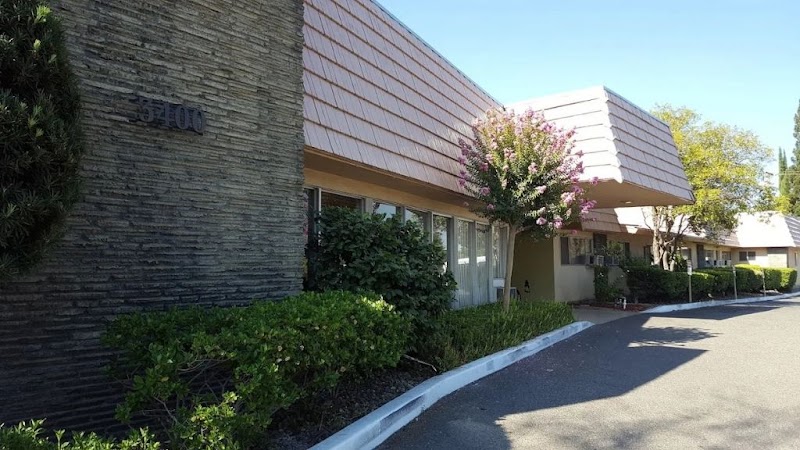
How is Arden Park Post Acute Staffed?

CMS rates ARDEN PARK POST ACUTE's staffing level at 2 out of 5 stars, which is below average compared to other nursing homes. Staff turnover is 45%, compared to the California average of 46%. This relatively stable workforce can support continuity of care.

What Have Inspectors Found at Arden Park Post Acute?

State health inspectors documented 84 deficiencies at ARDEN PARK POST ACUTE during 2022 to 2025. These included: 3 that caused actual resident harm and 81 with potential for harm. Deficiencies causing actual harm indicate documented cases where residents experienced negative health consequences.

Who Owns and Operates Arden Park Post Acute?

ARDEN PARK POST ACUTE is owned by a for-profit company. For-profit facilities operate as businesses with obligations to shareholders or private owners. The facility is operated by PACS GROUP, a chain that manages multiple nursing homes. With 177 certified beds and approximately 152 residents (about 86% occupancy), it is a mid-sized facility located in SACRAMENTO, California.
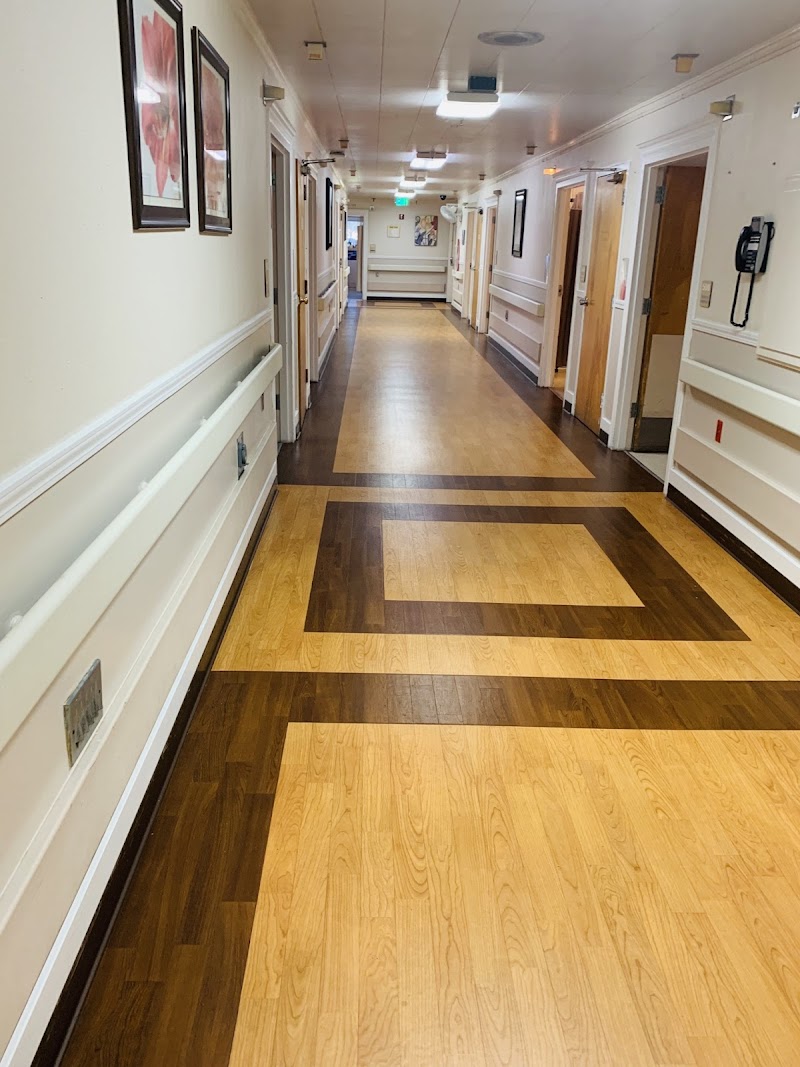
How Does Arden Park Post Acute Compare to Other California Nursing Homes?

Compared to the 100 nursing homes in California, ARDEN PARK POST ACUTE's overall rating (2 stars) is below the state average of 3.1, staff turnover (45%) is near the state average of 46%, and health inspection rating (1 stars) is much below the national benchmark.

What Should Families Ask When Visiting Arden Park Post Acute?

Based on this facility's data, families visiting should ask: "What safeguards and monitoring systems are in place to protect residents from abuse or neglect?" "Can you walk me through typical staffing levels on day, evening, and night shifts?" "Can I visit during a mealtime to observe dining assistance and food quality?" "How do you handle medical emergencies, and what is your hospital transfer rate?" These questions are particularly relevant given the substantiated abuse finding on record and the below-average staffing rating.

Is Arden Park Post Acute Safe?

Based on CMS inspection data, ARDEN PARK POST ACUTE has documented safety concerns. The facility has 1 substantiated abuse finding (meaning confirmed case of resident harm by staff or other residents). The facility has a 2-star overall rating and ranks #100 of 100 nursing homes in California. Families considering this facility should ask detailed questions about what corrective actions have been taken since these incidents.

Do Nurses at Arden Park Post Acute Stick Around?

ARDEN PARK POST ACUTE has a staff turnover rate of 45%, which is about average for California nursing homes (state average: 46%). Moderate turnover is common in nursing homes, but families should still ask about staff tenure and how the facility maintains care continuity when employees leave.

Was Arden Park Post Acute Ever Fined?

ARDEN PARK POST ACUTE has been fined $33,586 across 2 penalty actions. The California average is $33,415. While any fine indicates a compliance issue, fines under $50,000 are relatively common and typically reflect isolated problems that were subsequently corrected. Families should ask what specific issues led to these fines and confirm they've been resolved.

Is Arden Park Post Acute on Any Federal Watch List?

ARDEN PARK POST ACUTE is not on any federal watch list. The most significant is the Special Focus Facility (SFF) program, which identifies the bottom 1% of nursing homes nationally based on persistent, serious quality problems. Not being on this list means the facility has avoided the pattern of deficiencies that triggers enhanced federal oversight. This is a positive indicator, though families should still review the facility's inspection history directly.