BRIDGEWOOD POST ACUTE
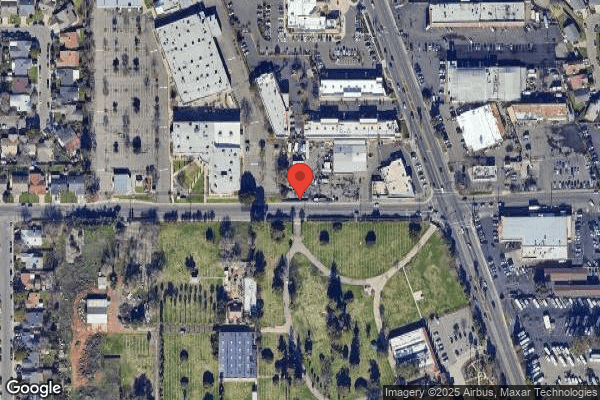
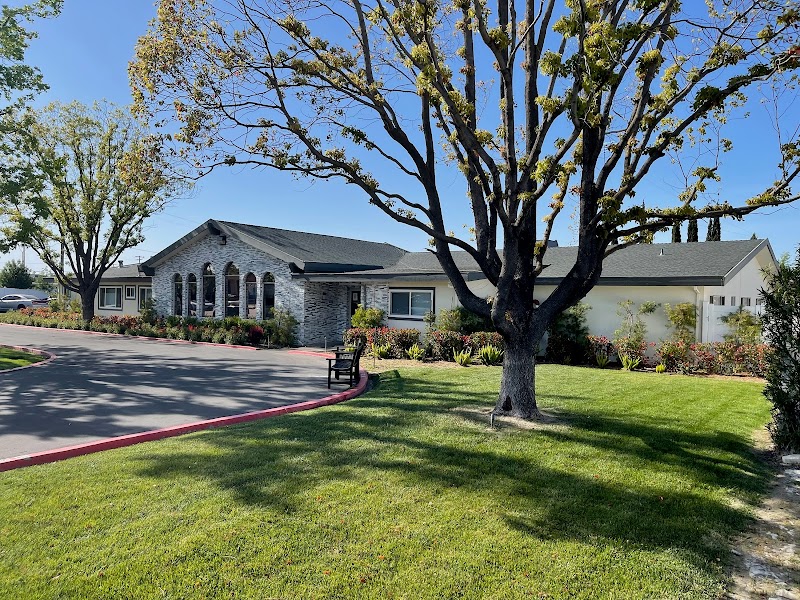
5901 LEMON HILL AVE, SACRAMENTO, CA 95824 (916) 383-2741
For profit - Individual 49 Beds SPYGLASS HEALTHCARE Data: November 2025
Trust Grade
35/100
#537 of 1155 in CA
Last Inspection: June 2025

Inspected within the last 6 months. Data reflects current conditions.

Overview

Bridgewood Post Acute has received a Trust Grade of F, indicating significant concerns about the quality of care provided. With a state rank of #537 out of 1155, they are in the top half of California facilities, and rank #19 out of 37 in Sacramento County, suggesting limited local competition. The facility is showing improvement, with issues decreasing from 19 in 2024 to 13 in 2025. Staffing is a relative strength, earning 4 out of 5 stars, and a turnover rate of 37% is below the state average, indicating that many staff members remain long-term. However, there are serious concerns, including incidents of physical abuse between residents, and a failure to ensure safe discharge protocols, which led to a resident being dropped off at a shelter during extreme heat without secure housing. While there are no fines on record, the health inspection rating of 2 out of 5 is below average, raising further red flags.

Trust Score
F
35/100
In California
#537/1155
Top 46%
Safety Record
High Risk
Review needed
Inspections
Getting Better
19 → 13 violations
Staff Stability
○ Average
37% turnover. Near California's 48% average. Typical for the industry.
Penalties
✓ Good
No fines on record. Clean compliance history, better than most California facilities.
Skilled Nurses
○ Average
Each resident gets 31 minutes of Registered Nurse (RN) attention daily — about average for California. RNs are the most trained staff who monitor for health changes.
Violations
⚠ Watch
54 deficiencies on record. Higher than average. Multiple issues found across inspections.
★★★☆☆
3.0
Overall Rating
★★★★☆
4.0
Staff Levels
★★★★★
5.0
Care Quality
★★☆☆☆
2.0
Inspection Score
Stable
2024: 19 issues
2025: 13 issues

The Good

  • 4-Star Staffing Rating · Above-average nurse staffing levels
  • 5-Star Quality Measures · Strong clinical quality outcomes
  • Full Sprinkler Coverage · Fire safety systems throughout facility
  • No fines on record
  • Staff turnover below average (37%)

    11 points below California average of 48%

Facility shows strength in staffing levels, quality measures, fire safety.

The Bad

3-Star Overall Rating

Near California average (3.1)

Meets federal standards, typical of most facilities

Staff Turnover: 37%

Near California avg (46%)

Typical for the industry

Chain: SPYGLASS HEALTHCARE

Part of a multi-facility chain

Ask about local staffing decisions and management

The Ugly 54 deficiencies on record

2 actual harm
Jul 2025 1 deficiency
CONCERN (D) 📢 Someone Reported This

A family member, employee, or ombudsman was alarmed enough to file a formal complaint

Potential for Harm - no one hurt, but risky conditions existed

Free from Abuse/Neglect (Tag F0600)

Could have caused harm · This affected 1 resident

Based on observation, interview, and record review, the facility failed to provide supervision to prevent two of three sampled residents (Resident 1 and Resident 2) from having a physical altercation ...

Read full inspector narrative →
Based on observation, interview, and record review, the facility failed to provide supervision to prevent two of three sampled residents (Resident 1 and Resident 2) from having a physical altercation when Resident 2 bumped Resident 1 with his wheelchair and Resident 1 struck Resident 2. This failure resulted in Resident 1 experiencing frustration and Resident 2 experiencing physical injury to his face. A review of Resident 1's admission Record indicated Resident 1 was admitted to the facility in June 2025 with multiple diagnoses including malignant neoplasm of the tonsil (tonsil cancer), dysphagia (difficulty swallowing foods or liquids), and severe protein calorie malnutrition (inadequate intake of calories and protein to maintain nutritional status).A review of Resident 1's Minimum Data Set (MDS- a federally mandated assessment tool), Cognitive Patterns, dated 6/16/25, indicated Resident 1 had a Brief Interview for Mental Status (BIMS- tool to assess cognition) score of 12 out of 15 that indicated Resident 1 had moderate cognitive impairment. A review of Resident 1's Change in Condition Evaluation, dated 7/21/25, indicated . while speaking to staff about discharge, resident stated that over the weekend, male peer repeatedly bumped into him with his wheelchair on purpose and that he responded by striking male peer .A review of Resident 2's admission Record indicated Resident 2 was admitted to the facility in December 2024 with multiple diagnoses including right femur (thighbone) fracture, diabetes (too much glucose in the blood), and vascular dementia (decline in thinking skills caused by decreased or blocked blood flow to the brain). A review of Resident 2's MDS, Cognitive Patterns, dated 4/24/25, indicated Resident 2 had a BIMS score of 6 out of 15 that indicated Resident 2 had severe cognitive impairment. A review of Resident 2's MDS, Functional Abilities, dated 4/24/25 indicated Resident 2 used a motorized wheelchair and was able to wheel himself 150 feet with supervision. A review of Resident 2's Change in Condition Evaluation, dated 7/21/25, indicated .On 7/21/25 at around 10:10 am, during male peers discharge he reported that over the weekend resident was repeatedly bumped into him w/ his wheelchair on purpose and that he responded by striking resident . Resident assessed with superficial abrasion 0.4 cm [centimeters] L [long] x 0.2 cm W [wide] and mild discoloration of his left eye previously identified as an unwitnessed fall . A review of Resident 3's clinical record indicated Resident 3 was admitted to the facility in July 2025 for multiple diagnoses including anemia (blood does not have enough red blood cells and hemoglobin to carry oxygen throughout the body), gastrointestinal hemorrhage (bleeding in the digestive tract), and alcoholic cirrhosis of liver (scarring and damage to the liver from chronic alcohol abuse). Further review of the clinical record indicated that Resident 3 was alert and oriented. A review of the facility's Resident Abuse Investigation Report Form, dated 7/24/25, indicated .On 7/21/25 at approximately 10:10 AM, while speaking with staff regarding his upcoming discharge, [Resident 1] reported that over the weekend, [Resident 2] repeatedly bumped into him with his wheelchair in what her [sic] perceived to be an intentional manner, despite being asked to stop. In response, [Resident 1] stated he struck [Resident 2] . During an interview on 7/24/25 at 10:20 a.m. with the Administrator (ADM), the ADM stated when Resident 1 was being discharged on 7/21/25 he reported to the Social Services Director (SSD) that on 7/19/25 he was bothered by Resident 2 who had been bumping into him with his wheelchair. The ADM stated Resident 1 reported he was annoyed with Resident 2, so he hit him. The ADM reported Resident 1 stated, He was pestering me the other day, so I hit him. The ADM stated once incident was identified as abuse on 7/21/25, it was reported to the ombudsman, The Department, and law enforcement. The ADM stated Resident 2 had dark bruising around eyes and bleeding from nose. The ADM acknowledged that Resident 1 was annoyed with Resident 1, so he deliberately hit Resident 2.During an interview on 7/24/25 at 11:09 a.m. with the SSD, the SSD stated she met with Resident 1 on 7/21/25 to review discharge plan. SSD stated Resident 1 reported Resident 2 kept running into him intentionally with his wheelchair and Resident 1 reported that on 7/19/25 he struck Resident 2. The SSD stated Resident 1 did not have any injuries, but Resident 2 had bruising across the bridge of his nose. During a concurrent observation and interview on 7/24/25 at 11:30 a.m. with Resident 2, observed dark blue discoloration under left eye extending to cheek, yellow discoloration to left side of eye, and red scabbed abrasion across the bridge of the nose. When asked what happened to his eye and nose, Resident 2 stated he did not know. When asked if anyone had hit him, Resident 2 stated Maybe tried to hit him, then he tried to hit me. During an interview on 7/24/25 at 11:54 a.m. with Resident 3, Resident 3 stated Resident 2 causes problems because he goes into different rooms in his wheelchair. Resident 3 stated he has heard Resident 2 bumps into things and is trying to hurt others.During an interview on 7/24/25 at 11:57 a.m. with Licensed Nurse (LN) 1, LN 1 stated Resident 2 reported to staff that he had an altercation with another resident. LN 1 stated Resident 2 stated that someone hit him, that man, and he hit someone back. LN 1 stated Resident 2 did not indicate any person specifically. LN 1 stated Resident 2 had an abrasion to his left eye. LN 1 stated Resident 2 bumps into people and things with his wheelchair and is not aware of his surroundings. During an interview on 7/24/25 at 12:04 p.m. with Certified Nursing Assistant (CNA) 1, CNA 1 stated she had seen Resident 2 bump into people or things with his wheelchair, but not on purpose. A telephone call was placed to Resident 1 on 7/24/25 at 4:45 p.m. Surveyor did not receive return call.A review of the facility's Policy and Procedure (P&P0 titled Resident-to-Resident Altercations, revised 9/22, indicated .All altercations, including those that may represent resident-to-resident abuse, are investigated . Facility staff monitor residents for aggressive/inappropriate behaviors towards other residents .Behaviors that may provoke a reaction by residents or others include .physically aggressive behavior .wandering into others' rooms/space .If two residents are involved in an altercation, staff .identify what happened, including what might have led to aggressive conduct on the part of one or more of the individuals involved in the altercation .A review of the facility's P&P titled Abuse Prevention Policy, dated 3/17/25, indicated .Residents have the right to be free from all forms of abuse. This includes .Freedom from physical abuse .Certification of Abuse .Occurrences, patterns, and trends will be assessed by administrative staff, licensed staff, and the interdisciplinary team (IDT) to determine the corrective action based on the results of the investigation . The facility will ensure that all residents are protected from physical and psychosocial harm during and after investigation .Increase supervision of the alleged victim and other residents as necessary .
Jun 2025 9 deficiencies
CONCERN (D)

Potential for Harm - no one hurt, but risky conditions existed

Deficiency F0605 (Tag F0605)

Could have caused harm · This affected 1 resident

**NOTE- TERMS IN BRACKETS HAVE BEEN EDITED TO PROTECT CONFIDENTIALITY** Based on observation, interview and record review, the facility failed to ensure one of 19 sampled residents (Resident 30) was f...

Read full inspector narrative →
**NOTE- TERMS IN BRACKETS HAVE BEEN EDITED TO PROTECT CONFIDENTIALITY** Based on observation, interview and record review, the facility failed to ensure one of 19 sampled residents (Resident 30) was free of unnecessary psychotropic medications (drug prescribed to affect the mind, emotions or behavior) when he was prescribed an antianxiety medication without adequate indication. This failure placed the resident at risk for unnecessary psychotropic medication use and excessive sedation. Findings: A review of Resident 30's admission record indicated he was admitted on [DATE] with the diagnoses of hemiplegia and hemiparesis (weakness and paralysis) following cerebral infarction (stroke) and dementia (a progressive state of decline in mental abilities). A review of Resident 30's Order Summary Report, dated 6/3/25, included active orders for lorazepam 1 mg, 1 tablet, twice a day for dementia with behaviors as manifested by yelling and removing clothes and to monitor Resident 30 closely for signs of significant side effects such as sedation drowsiness or confusion and to give special attention if administered with other sedatives or hypnotics. A review of Resident 30's Medication Administration Record (MAR), dated 5/25, indicated that the resident medications that were ordered included, Seroquel XR oral extended release 50 mg at bedtime for extreme physical aggression and striking out at staff, melatonin 3 mg, 2 tablets at bedtime to regulate circadian rhythm, gabapentin 600 mg 1 tablet twice a day for neuropathy pain (hold for sedation or drowsiness), lorazepam 0.5 mg, twice a day for dementia with behaviors manifested by yelling and removing clothes, fluoxetine 20 mg, 2 tablets once a day for depression. A review of Resident 30's Medication Regimen Review (MRR) completed by the Consultant Pharmacist (CP) to the Attending Physician/Prescriber, dated 4/10/25, indicated Resident 30 had been prescribed lorazepam, 0.5 mg tablet, 1 tablet, twice a day for dementia with behaviors manifested by yelling and removing clothes. The CP indicated lorazepam was being prescribed for an unapproved diagnosis of dementia and a re-evaluation of the order or rationale to support the diagnosis was needed. The MRR indicated a Physician/provider response of, Resident reviewed, and consultation behavior notes reviewed. No rationale to support the continued order was indicated on the MRR. During an interview on 6/5/25 at 1.30 p.m. with the Consultant Pharmacist (CO), the CP stated dementia was not an appropriate diagnosis for lorazepam and she had made a recommendation to the physician to re-evaluate the medication order. During a review of the facility's policy titled, Psychotropic Medication Use, undated, the policy stipulated psychotropic medications were to be used only, With a documented clinical indication for use with accepted clinical standards of practice.
CONCERN (D)

Potential for Harm - no one hurt, but risky conditions existed

Deficiency F0658 (Tag F0658)

Could have caused harm · This affected 1 resident

**NOTE- TERMS IN BRACKETS HAVE BEEN EDITED TO PROTECT CONFIDENTIALITY** Based on observation, interview, and record review, the facility failed to provide services according to professional standards ...

Read full inspector narrative →
**NOTE- TERMS IN BRACKETS HAVE BEEN EDITED TO PROTECT CONFIDENTIALITY** Based on observation, interview, and record review, the facility failed to provide services according to professional standards of quality for one of 16 sampled residents, Resident 33, when the Director of Nursing (DON) removed, and did not measure the length of Resident 33's Peripherally Inserted Central Catheter (PICC, thin, and long plastic tube that goes into a vein in your arm and ends in a large vein close to your heart) before throwing it in the trash can. This deficient practice had the potential risk of not removing the full length of the catheter and causing infection. Findings: A review of Resident 33's Clinical Record indicated Resident 33 was admitted to the facility in April 2025 with diagnoses that included infection and inflammatory reaction due to internal left knee prosthesis (artificial implants) and Methicillin Resistant Staphylococcus Aerus (MRSA, a serious, potentially fatal, bacterial infection [diseases that can affect your skin, lungs, brain, blood and other parts of your body]). A review of Resident 33's Minimum Data Set (MDS; an assessment tool), dated 4/28/25, Cognitive Patterns Section C, indicated a score of fifteen, meaning cognitively intact. A review of Resident 33's PICC INSERTION dated 4/24/25, indicated, . Initial internal catheter length: 42 cm . [length of thin plastic tube/catheter placed inside Resident 33's body]. A review of Resident 33's Order Summary Report, dated 6/2/25, indicated, Remove PICC line as per MD orders . During an observation inside Resident 33's room with the DON, on 6/2/25 at 11 a.m., As Resident 33 was lying on his bed, the DON pulled out the PICC line catheter from Resident 33's right upper arm and threw the catheter in the trash can beside Resident 33's bed. The DON did not measure the length of the PICC line catheter before throwing it in the trash can. During an interview with the DON on 6/5/25 at 12:35 p.m., the DON acknowledged he did not measure the length of the PICC line catheter before throwing it in the trash. The DON stated that he should have measured the length of the PICC line catheter to ensure the length of the catheter matches the pre-insertion length for residents' safety. The DON further stated the facility utilized [NAME] the PICC for PICC line insertion. A review of [NAME] the PICC's guidelines titled PICC Care & Maintenance Class, undated, indicated, . Objective Four ·PICC Line Removal and PICC Dressing Change Procedures . Procedure for PICC Line Removal: .8. Measure device to make sure entire catheter has been removed; check against documentation made upon device insertion. According to an article written in Medbridge (a comprehensive healthcare platform that offers both educational resources for healthcare professionals), titled PICC Line Removal: Techniques, Tips, and Troubleshooting, dated 11/5/2024, indicated, . While the removal process may seem routine, it carries risks if performed improperly . 1 These risks emphasize the importance of having the proper technique and knowledge to ensure patient safety . 4. Dressing the exit site and post-removal care . o Inspect the catheter. Always check the catheter tip to ensure it's intact and consistent with the original documented length . References 1. Medbridge PICC Line Removal: Techniques, Tips, and Troubleshooting. (November 5, 2024). https://www.medbridge.com/blog/picc-line-removal-techniques-tips-and-troubleshooting
CONCERN (D)

Potential for Harm - no one hurt, but risky conditions existed

Pharmacy Services (Tag F0755)

Could have caused harm · This affected 1 resident

Based on observation, interview, and record review, the facility failed to ensure pharmacy services were maintained for one of 46 residents (Resident 25) when: Resident 25's haloperidol (medication us...

Read full inspector narrative →
Based on observation, interview, and record review, the facility failed to ensure pharmacy services were maintained for one of 46 residents (Resident 25) when: Resident 25's haloperidol (medication used to treat nervous, emotional, and mental conditions) was not available to administer in the dose prescribed by the doctor. This failure had the potential for medication error and disruption of the resident's treatment plan. Findings: During an observation of medication administration on 6/3/25 at 7:41 a.m., Licensed Nurse 4 (LN 4) was observed to prepare Resident 25's morning medications which included haloperidol 5 mg (milligram, unit of measure). Reconciliation of the observed medication administration for Resident 25's current Physician Orders, dated 6/2/25, indicated, haloperidol oral tablet 5 mg. Give 0.5 tablet by mouth one time a day for schizophrenia (a chronic mental and brain disorder) . (0.5 tab =2.5 mg). During an interview on 6/3/25 at 7:41 a.m., with LN 4, LN 4 stated, I cannot administer resident's medication without clarifying it. There is a discrepancy with the ordered dose and the available dose in the medication blister pack. LN 4 further stated that the haloperidol order was changed, but the new dosage was not delivered to the facility from the pharmacy. During a review of Resident 25's Medication Administration Record (MAR), dated 6/3/25, the MAR indicated haloperidol 5 mg, give 0.5 tablet. During an interview on 6/3/25 at 8:01 a.m. with the Director of Nursing (DON), the DON stated a new verbal order for haloperidol was documented by a licensed nurse at 8:44 a.m., a day before, on 6/2/25 and was signed by the doctor on 6/3/25 at 1:11 a.m. The DON stated, the expectation was for the doctor to sign the order as soon as possible for the pharmacy to fill the prescription. Furthermore, the DON stated, since the current available dose of medication is not the same as the doctor's order, we will call the pharmacy to ask how we can use the current available medication until the new medication dose arrives. The DON confirmed the medication dose should have been available for the morning medication administration. During a follow up interview on 6/3/25 at 8:12 a.m. with the DON, the DON stated, the pharmacy said the pills are scored and can be cut in half until the new blister pack arrives at 11 p.m. tonight. During an interview on 6/3/25 at 11:47 a.m. with the DON regarding administering or dispensing a verbally ordered medication before the order is signed by a doctor, the DON stated, I am not sure if a medication can be dispensed by the pharmacy or administered by nurses after a verbal order is received and before the MD signs the order. The DON stated, he would find a policy, but policy was not provided. During a review of the facility policy and procedure (P&P), titled, Administering Medications, revised April 2019, the P&P indicated, Ensure that the six rights of medication administration are followed . Right dose .Compare medication source (bubble pack .) with MAR to verify . dose . administer medication as ordered . During a review of the facility P&P, titled, Pharmacy Services Overview, revised April 2019, the P&P indicated, .Pharmacy services are available to residents 24 hours a day, seven days a week .Residents have sufficient supply of their prescribed medications and receive medications (routine, emergency or as needed) in a timely manner .
CONCERN (E)

Potential for Harm - no one hurt, but risky conditions existed

Unnecessary Medications (Tag F0759)

Could have caused harm · This affected multiple residents

Based on observation, interview, and record review, the facility failed to ensure the medication error rate did not exceed 5% for three of six sampled residents from Medication Administration (Residen...

Read full inspector narrative →
Based on observation, interview, and record review, the facility failed to ensure the medication error rate did not exceed 5% for three of six sampled residents from Medication Administration (Resident 25, 37, and 447), when; 1. For Resident 25, a licensed nurse did not administer resident's prescribed haloperidol (medication used to treat nervous, emotional, and mental conditions) as it was prescribed by the doctor. 2. For Resident 37, a licensed nurse did not follow the instructions on the medication label for resident's divalproex sodium (medication used to treat certain types of seizures). 3(a). For Resident 447, a licensed nurse did not follow the instructions on the medication label for resident's mycophenolate (medication used to prevent organ transplant rejection), and (b). For Resident 447, a licensed nurse did not administer resident's prescribed Aspirin (medication used for pain or inflammation) as it was prescribed by the doctor. As a result, 4 errors were identified out of 27 opportunities for error during the observation of medication administration; the facility medication error rate was 14.81%. Findings: 1. During an observation of medication administration on 6/3/25 at 7:41 a.m., Licensed Nurse 4 (LN 4) was observed to prepare Resident 25's morning medications which included a full haloperidol 5 mg (milligram, unit of measure) tablet instead of 2.5 mg (1/2 tablet). During an interview on 6/3/25 at 7:41 a.m., with LN 4, LN 4 stated, I cannot administer resident's medication without clarifying it. there is a discrepancy with the ordered dose and the available dose in the medication blister pack. LN 4 further stated that the haloperidol order was changed, but the new dosage was not delivered to the facility from the pharmacy. Reconciliation of the observed medication administration for Resident 25's current Physician Orders, dated 6/2/25, indicated, haloperidol oral tablet, 5 mg, give 0.5 tablet by mouth one time a day for schizophrenia (a type of chronic mental disorder) 0.5 tab =2.5mg). During an interview on 6/3/25 at 8:01 with the Director of Nursing (DON), the DON stated a new verbal order for haloperidol was documented by a licensed nurse at 8:44 a.m., a day before, on 6/2/25 and was signed by the doctor on 6/3/25 at 1:11 a.m. The DON stated, the expectation was for the doctor to sign the order as soon as possible for the pharmacy to fill the prescription. Furthermore, the DON stated, since the current available dose of medication is not the same as the doctor's order, we will call the pharmacy to ask how we can use the current available medication until the new medication dose arrives. The DON confirmed the medication dose should have been available for the morning medication administration. During a review of the facility policy and procedure (P&P), titled, Administering Medications, revised April 2019, the P&P indicated, Ensure that the six rights of medication administration are followed . Right dose .Compare medication source (bubble pack .) with MAR to verify . dose . administer medication as ordered in accordance with manufacturer specifications . 2. During an observation of medication administration on 6/4/25 at 7:05 a.m., LN 5 was observed to prepare and administer Resident 37's morning medications which included divalproex sodium, without wearing gloves. During an interview on 6/4/25 at 07:13 a.m. with LN 5, LN 5 confirmed the medication label for divalproex sodium indicated to use gloves to handle. LN 5 stated the purpose of using gloves was due to the medication being a hazardous (the state or condition of being dangerous or involving risk) medication. LN 5 acknowledged gloves should have been worn. Reconciliation of the observation of medication administration with Resident 37's current Physician Orders for divalproex sodium dated 4/23/25, indicated, divalproex sodium 250 mg. Give 3 tablet by mouth two times a day for Epilepsy (a neurological disorder characterized by recurrent seizures, which are abnormal electrical activity in the brain). Use gloves to handle. During a review of Resident 37's Medication Administration Record (MAR), dated 4/23/25, the MAR indicated to use gloves to handle divalproex sodium. During a review of the facility policy and procedure (P&P), titled, Administering Medications, revised April 2019, the P&P indicated, Compare medication source (bubble pack .) with MAR . administer medication as ordered in accordance with manufacturer specifications . 3 (a). During an observation of medication administration on 6/4/25 at 7:44 a.m., LN 1 was observed to prepare and administer Resident 447's morning medications which included two mycophenolate tablets without wearing gloves. During an interview on 6/4/25 at 7:28 a.m. with LN 1, LN 1 confirmed the medication label for mycophenolate indicated to use gloves when handling. LN 1 acknowledged the reason was due to the resident being a transplant recipient. LN 1 acknowledged gloves should have been worn. Reconciliation of the observation of medication administration with Resident 447's current Physician Orders dated 3/26/25, indicated, mycophenolate mofetil 500 mg. Give 2 tablets by mouth two times a day to prevent and treat rejection after transplant. Use gloves to handle. During a review of Resident 447's Medication Administration Record (MAR), dated 5/19/25, the MAR indicated to use gloves to handle mycophenolate. During an interview on 6/4/25 at 7:48 a.m. with the DON, the DON acknowledged the nurse should have worn gloves when she administered mycophenolate and divalproex. He further stated, in addition to the pharmacy label on the blister packs, even the physician order indicates to wear gloves. 3 (b). During an observation on 6/4/25 at 7:14 a.m. of medication administration, LN 1, was observed preparing and administering Resident 447's morning medications which included only 2 tablets of mycophenolate. LN 1 confirmed 2 pills were being administered prior to administration. Reconciliation of the observation of medication administration with Resident 447's current Physician Orders dated 3/27/25, indicated, aspirin oral 81 mg by mouth one time a day for PPX DVT (deep vein thrombosis prophylaxis), which was not administered during the morning medication pass observation. During an interview and concurrent record review on 6/4/25 at 10:14 a.m. with LN 1, LN stated Resident 447's aspirin was given later that day during the second medication pass observation at 8:07a.m.; however, after reviewing the Electronic Medication Administration Record (e-MAR), LN 1 acknowledged being confused about the aspirin administration and believed it was given early in the morning at 7:24 a.m. during the first morning medication pass. LN 1 was unable to explain why only two mycophenolate tablets were dispensed during the first morning medication pass observation as the number of pills were confirmed by her prior to the administration of Resident 447's morning medications. During an interview on 6/4/25 at 11:02 a.m. with the DON, the DON stated, it is expected the nurses follow the e-MAR and doctors' orders and aspirin should have been administered as ordered by the doctor. During a review of the facility policy and procedure (P&P), titled, Administering Medications, revised April 2019, the P&P indicated, Ensure that the six rights of medication administration are followed: a. Right resident, b. Right drug, c. Right dosage, d. Right route. e. Right time, f. Right documentation .Review MAR to identify medication to be administered .Administer medication as ordered .
CONCERN (E)

Potential for Harm - no one hurt, but risky conditions existed

Deficiency F0761 (Tag F0761)

Could have caused harm · This affected multiple residents

Based on observation, interview, and record review, the facility failed to ensure medications were stored properly, when unlabeled loose pills and labeled pharmaceutical products were found behind the...

Read full inspector narrative →
Based on observation, interview, and record review, the facility failed to ensure medications were stored properly, when unlabeled loose pills and labeled pharmaceutical products were found behind the drawers and in the back of medication cart A. These failures had the potential for medication error, misuse and drug diversion. Findings: During an inspection of the Medication Cart A on 6/2/25 at 9:31 a.m., four unlabeled loose pills and four labeled pharmaceutical products were found behind the drawers and in the back of medication cart A. During an interview on 6/2/24 at 9:48 a.m. with Licensed Nurse 1 (LN 1), LN 1 removed the pills found on the bottom of the drawer and confirmed there were 4 loose pills. LN 1 also confirmed there were 4 labeled medications found at the back of the cart behind the drawers. LN 1 stated the loose pills or the misplaced medication blister packs in the back can lead to a mediation error. LN 1 stated, the cart should have been checked every day to make sure medications did not fall in the back. During an interview on 6/2/25 at 11:41 a.m. with the Director of Nursing (DON), the DON confirmed medications should not be loose in the drawers and labeled medication should not be at the back of the cart behind the drawers. The DON stated, the medication carts should be checked thoroughly, cleaned and sanitized daily. During a review of the facility Policy and Procedure (P&P), titled, Medication Labeling and Storage, revised February 2023, the P&P indicated, Medications and biologicals are stored in the packaging, containers .which they are received .The nursing staff is responsible for maintaining medication storage and preparation areas in a clean, safe, and sanitary manner .Medications are stored in an orderly manner in cabinets, drawers, carts .Each resident's medications are assigned to an individual cubicle, drawer, .to prevent the possibility of mixing medications of several residents.
CONCERN (E)

Potential for Harm - no one hurt, but risky conditions existed

Deficiency F0802 (Tag F0802)

Could have caused harm · This affected multiple residents

Based on observation, interview and record review, the facility failed to ensure four dietary staff had the appropriate skill set to safely perform the daily operations of the food and nutrition servi...

Read full inspector narrative →
Based on observation, interview and record review, the facility failed to ensure four dietary staff had the appropriate skill set to safely perform the daily operations of the food and nutrition services department when: 1. Two Dietary Aides were not able to verbalize the process of manual dishwashing with 3-compartment sink (cross refer to F812, #8), and 2. Two Cooks did not perform handwashing before touching the clean dishes at the clean side of the dishwashing machine (cross refer to F812, #9) These failures had the potential to place 45 out of 47 highly susceptible residents who consumed food from the facility kitchen at risk for food borne illness. Findings: 1. During an interview on 6/2/25 at 10:06 a.m. with Dietary Aide (DA) 1, DA 1 verbalized the manual dishwashing procedure by using the 3-compartment sink. He stated he would switch to manual dishwashing when the dishwashing machine was not working. He explained the kitchen had a 2-compartment sink for wash and rinse, and used an extra tub for the sanitize step as a third compartment. DA 1 was unable to answer the immersion time for dishes and pans into the sanitizer. A concurrent confirmation with Dietary Supervisor (DS), DS stated the immersion time should be 20-60 seconds. During an interview on 6/3/25 with DA 3, DA 3 verbalized the process of the manual dishwashing with the 3-compartment sink. DA 3 stated the steps involved wash, rinse, sanitize and air dried. She stated the wash and rinse water temperature should be 130 degrees Fahrenheit (F), and the immersion time for the dishes in the sanitizer should be one minute and the concentration of the sanitizer (quaternary ammonium) should be 100 ppm (parts per million, a measurement unit for concentration of solution). During an interview on 6/4/25 at 12:41 p.m. with Registered Dietitian (RD), RD stated, she expects staff to know about the procedure in case of an emergency. RD stated if sanitation was not performed properly, it may cause cross-contamination. A review of the facility P&P titled, 3-Compartment Procedure for Manual Dishwashing, dated 2023, indicated, .washing .fill the first compartment with detergent .and hot water (110-120 degrees F) .rinsing .fill the second compartment with .hot water, (110-120 degrees F) .sanitizer solution must read 200 ppm .immerse all washed items for 60 seconds. A review of DA 1's employee file, it indicated their date of hire was on Spring 2023 for dietary aide position. DA 1 had an updated food handler certificate with issue date of 6/4/25. A review of DA 3's employee file, it indicated their date of hire was Winter 2010 for dietary aide position. DA 3's had a food handler certificate with expiration date of 6/3/2028. A review of facility documents titled, Verification of Job Competency Demonstration- Dietary Aids, for DA 1 and DA 3, both completed for the year 2024 by DS, it indicated that DA 1 and DA 3 were competent on Emergency dish washing procedure and when to use it. A review of departmental documents titled, Food & Nutrition Services In-Service, Topic: Low Temp Dish Machine and 3-Compartment Sinks,, completed on 4/20/24 and given by DS and indicated DA 1 and DA 3 attended in-services. The In-services explained about the proper steps, temperature requirements, sanitizer used and testing and the policies and procedures for three-compartment sink methods. 2. During an observation of the handwashing practice on 6/3/25 at 8:59 a.m., [NAME] (CK) 1 used the same gloved hands to touch the handle of refrigerator, clothing pocket, and then used the same gloved hands to touch and put away the clean dishes at the clean side of the dishwashing machine. During an observation of the handwashing practice on 6/3/25 at 11:20 a.m., CK 2 placed her bare hands on the whipped cream package then on the soiled plates. CK 2 used the same bare hands to pull up the handle of dishwasher panel (the dishwashing machine completed the dishwashing cycles) and pulled out the clean dish rack and then touched and rearranged the clean dishes and utensils. During an interview with DS on 6/3/25 at 12:42 p.m., DS acknowledged the handwashing issue above and she stated CK 1 and CK 2 should perform handwashing before touching the clean dishes. DS further stated the staff should wash their hands and don gloves between tasks. During an interview on 6/4/25 at 12:41 p.m. with RD, RD stated the dietary staff should perform hand hygiene every time in the kitchen before touching food, food contact surfaces and between tasks. RD further stated handwashing before touching the clean dishes should be done to prevent cross-contamination. A review of facility P&P titled, Dishwashing Machine Use, dated 2010, indicated, The following guidelines will be followed when dishwashing .a. Wash hands .frequently during the process . A review of the undated facility P&P titled, Dietary Employee Personal Hygiene, indicated, .Hands and fingernails .must always be washed .before putting on gloves, after removing gloves, and after engaging in other activities that contaminated the hands .Employees should never use bare hands contact any foods .or otherwise .Gloves are to be worn and changes appropriately to reduce the spread of infection . A review of CK 1's employee file, it indicated their date of hire was on Spring 2023 for [NAME] position. CK 1's had a food handler certificate with expiration date of 7/27/2026. A review of CK 2's employee file, it indicated their date of hire was on Fall 2023 for [NAME] position. CK 2's had a food handler certificate with expiration date of 9/24/2026. A review of facility documents titled, Verification of Job Competency Demonstration - Cooks, for CK 1 and CK 2, both were completed for the year of 2024 by DS. Both documents indicated CK 1 and CK 2 were competent on Hand washing procedure and Glove use in food preparation and service A review of facility document titled, Dietary In-Service, Topic: Proper Glove Use and Hand Washing, completed on 11/30/24 and given by DS, indicated CK 1 and CK 2 attended. The in-service explained about importance of hand washing, FDA food code, techniques, P&P of glove use and hand washing. A review of undated facility job description (JD) titled, Dietary Aide, it stated, .Essential Job Functions .ensure all dietary procedures are followed in accordance with established policies .attend trainings, in-services, and meetings .prepare, serve, and store food, etc., in accordance with sanitary regulations and established policies and procedures . A review of undated facility JD titled, Cook/Kitchen Staff, it stated, .Safey and Sanitation Functions .Follow established infection prevention and control policies and procedures when performing daily task .Prepare food in accordance with sanitary regulations as well as established facility policies and procedures. A review of facility JD titled, Certified Dietary Manager, revised 10/2020, it stated, .administrative functions .assume .responsibility and accountability of supervising the food and nutrition services department .Duties and Responsibilities .standardizing the methods in which tasks will be performed .assist staff in the development and use of departmental procedures governing activities .ensure staff is aware of and follows established facility policies .make daily rounds to assure that personnel are performing required duties and to assure that appropriate procedures are being rendered to meet the needs of the facility .ensure that food and nutrition services personnel follow established infection prevention and control procedures . It showed the DS should have an effective in-service and monitoring programs for the dietary staff to understand the established policies and procedures to be competent to perform their job duties and functions described.
CONCERN (E)

Potential for Harm - no one hurt, but risky conditions existed

Menu Adequacy (Tag F0803)

Could have caused harm · This affected multiple residents

Based on observation, interview and record review, the facility failed to ensure the menu was followed for the therapeutic diet during lunch meal on 6/3/25 when: 1. One resident (Resident 26) with a d...

Read full inspector narrative →
Based on observation, interview and record review, the facility failed to ensure the menu was followed for the therapeutic diet during lunch meal on 6/3/25 when: 1. One resident (Resident 26) with a diet of mechanical soft (MS) texture diets (a diet consisting of soft, moist foods for people who have chewing and/or swallowing difficulties) and small portions received the wrong portion for the meat. 2. One resident (Resident 13) with diet of MS, CCHO (diet where number of sugars and starches are controlled), and Renal (special diet to avoid foods that can be harmful to kidneys) received brown rice instead of wheat pasta. 3. One resident (Resident 22) with MS diet received parsley sprig for garnish instead of parsley flakes 4. Six residents (Resident 12, 34, 35, 37, 38, and 43) did not receive parsley sprig garnishes with their lunch meals. These failures had the potential to result in compromising the medical and nutrition status of nine out 45 residents who received food from the facility kitchen. The census was 47. Findings: During the lunch meal distribution on 6/3/25 beginning at 11:46 a.m., it was noted as follows: 1. Resident 26 with a diet of mechanical soft and small portions received 1/3 cup (#12 scoop) instead of 3/8 cup (#10 scoop) of meatball. A concurrent review of facility spreadsheet (a menu excel sheet that indicates what items and portions to be served for each prescribed diet) titled, Summer Menus, Week 1 Tuesday, indicated that MS texture and small portion diet should receive 3/8 cup (#10 scoop). 2. Resident 13 with a diet of MS, CCHO, and Renal received brown rice instead of wheat pasta for starch. A concurrent review of facility spreadsheet titled, Summer Menus, Week 1 Tuesday, indicated that MS, CCHO, and Renal diet should receive 1/2 cup of wheat pasta with margarine. 3. Resident 22 with mechanical soft diet received parsley sprig for garnish instead of parsley sprig flakes. A concurrent review of facility spreadsheet titled, Summer Menus, Week 1 Tuesday, indicated that MS diet should receive parsley sprig flakes. 4. Residents 12, 34, 35, 37, 38, and 43 did not receive parsley garnish with their lunch meal. A concurrent review of the facility spreadsheet titled, Summer Menus, Week 1 Tuesday, indicated that all diets on the spreadsheet should have received garnish. During an interview with Dietary Supervisor (DS) on 6/3/25 at 12:40 p.m., DS confirmed CK 1 used the incorrect scoop size to serve the MS soft small portion. DS stated Renal CCHO diet should get wheat pasta instead of brown rice. DS confirmed wheat pasta was in stock. DS stated she expected the dietary staff to follow the spreadsheet during meal distribution. During an interview with Registered Dietitian (RD) on 6/4/25 at 12:41 p.m., RD stated she expected the dietary staff to follow the spreadsheet and scoop size. RD confirmed renal/CCHO diet should not be replaced without notifying her to evaluate the replacement. RD further explained the garnishes were provided for appealing presentation. She stated if giving a whole garnish to MS diet instead of flakes may cause choking. A review of the job description (JD) titled, Certified Dietary Manager, dated October 2020, indicated, .Duties and Responsibilities .assure that personnel are performing required duties and to assure that appropriate procedures are being rendered . A review of the JD titled, Cook/Kitchen Staff, dated October 2020, indicated, .Food Service Functions .Prepare food in accordance with standardized recipe, planned menus, and special diet orders .serve meals that are appetizing in appearance .serve food in accordance with established portion control procedures . A review of the JD titled, Dietary Aide, undated, indicated, .Dietary Service .Assist in preparing food for therapeutic and texture modified diets in accordance with planned menus with established portion control procedures . Assist in preparing an .appetizing meal in accordance with planned menus . A review of the JD titled Registered Dietitian, dated October 2020, indicated, .Assist in planning regular and special diet menus as prescribed by the attending physician .evaluate .therapeutic diets.
CONCERN (E)

Potential for Harm - no one hurt, but risky conditions existed

Food Safety (Tag F0812)

Could have caused harm · This affected multiple residents

Based on observation, interview and record review, the facility failed to ensure food was prepared, stored, served, or distributed in accordance with professional standards of food service in a safe m...

Read full inspector narrative →
Based on observation, interview and record review, the facility failed to ensure food was prepared, stored, served, or distributed in accordance with professional standards of food service in a safe manner when: 1. The ice machine was not clean. 2. Found pans stacked wet and had food debris stored at the clean and ready-to-use storage area. 3. Found opened packaged food products with improper labeling and dating procedure in the reach-in refrigerator and reach-in freezer. 4. Found food products that stated, keep frozen, stored in the dry storage area. 5. Found produces were not fresh stored in dry storge area. 6. Found personal belonging stored in dry storage area. 7. One Dietary Aide used a mask to replace the beard net and not covered the facial hair completely. 8. Two Dietary Aides were not able to verbalize the process of manual dishwashing with 3-compartment sink correctly. 9. Two Cooks did not perform handwashing before touching the clean dishes at the clean side of the dishwashing machine. 10. There were issues found in the resident's food refrigerator at the ice room: a. One food item was expired and was not discarded b. Few food items did not have labels with residents' names and date they were received. These failures had the potential to cause food-borne illness which could cause illness in 45 out of 45 medically vulnerable residents who consumed food from the facility kitchen and food from outside. The census was 47. Findings: 1. During a concurrent observation and interview on 6/2/25 at 10:48 a.m. with Maintenance Supervisor (MS) in the ice machine room. MS stated the maintenance department was responsible for the deep cleaning (cleaning and sanitizing the machinery parts on the top section of the ice machine and ice storage bin on the bottom section of the machine with chemical solutions designed to remove lime scale and mineral deposits and to remove algae and slime, then sanitize with chemical agent) of the ice machine monthly. A concurrent review of the undated facility's document titled, Ice Machine Cleaning Log, indicated the last deep cleaning was completed on 5/28/25. A white chalky substance was observed on the motor unit (unit that plumbs water to the evaporator unit) upon the mechanical (top) part of the ice machine dissembled. MS confirmed it was calcium deposit (white mineral buildup), and he needed to clean it with water and a brush. There were significant black gelatinous substances found on the bottom evaporator unit (a part where the condensation occurs to make ice). The black substances were sticky and rough to touch, and hard to remove with a paper towel. MS confirmed the findings and agreed the ice machine was not clean. MS explained the process of deep cleaning the ice machine, he stated he would dissemble the parts that could be removed which included the hose, water curtain, water trough) and put in the dishwashing machine for cleaning and sanitizing. Then he would use the descaler to clean and use the sanitizer to sanitize the areas inside the machine and the ice storage bin. The removed parts done with cleaning and sanitizing, he would assemble the parts back and turned on the water mode to drain and started to make ice, the first batch of ice would be discarded, and the second batch could be used. During an interview on 6/4/25 at 12:41 p.m. with Registered Dietitian (RD), RD stated, facility ice machine expected to be clean and should be clean monthly. A review of the undated facility's ice machine user manual titled, [Ice machine Brand] Instruction Manual, undated indicated, .Installation .unit must be cleaned once every other week with citric acid to remove mineral build up .Sanitizing solution- .ratio of water to vinegar or lemon juice; or .household bleach to .hot water .wipe the interior, including evaporator rods, with the solution .run the ice maker, discard the first two batches (ice) . A review of the facility's policy and procedure (P&P) titled, Sanitation, dated November 2022, the P&P indicated, ice machines and ice storage containers are drained, cleaned and sanitized per manufacturer's instructions. According to 2022 FDA (Food and Drug Administration) Food Code, on section 4-602.11 Equipment Food-Contact Surface and Utensils, it stated equipment like ice makers and ice bins must be cleaned on a routine basis to prevent the development of slime, mold, or soil residues that may contribute to an accumulation of microorganisms (a living thing that is so small it must be viewed with a microscope, such as bacteria or algae). 2. During an observation on 6/2/25 at 8:48 a.m. and 9:10 a.m. there were issues found in the clean and ready-to-use storage area as follows: - one full sheet metal pan (stacked wet on top of another pan) - one metal muffin pan (with brown grainy substances) During an interview on 6/2/25 at 9:15 a.m. with the Dietary Supervisor (DS), the DS confirmed the metal pan was wet and the muffin pan had brown grainy substance and stated it was food particles. DS stated she expected the pans and dishes to be dried and clean before being stored away. During an interview on 6/4/25 at 12:41 p.m. with the RD, the RD stated the pans should be completely dried to prevent bacteria growth and contamination. RD further stated the pans should be clean before being stored away. A review of a facility P&P titled, Dishwashing Machine Use revised 2010, indicated, .After running items (dishes/utensils) through entire cycle, allowed to air-dry . According to 2022 FDA Food Code, on section 4-601.11 Equipment, Food-Contact Surfaces, Nonfood-Contact Surfaces, and Utensils, the document indicated, (A) Equipment food-contact surfaces and utensils shall be clean to sight and touch (C) Non-food-contact surfaces of equipment shall be kept free of an accumulation of dust, dirt, food residue, and other debris . 3. A concurrent observation in the reach-in refrigerator and interview with the DS on 6/2/25 at 9.25 a.m. was conducted. There were issues found as followed: -one opened jar of mayonnaise (no opened and used by dates) -one opened jar of Italian dressing (no opened and used by dates) -one opened pack of parmesan cheese (no opened or used by dates) -one opened jar of Cesar salad dressing (no used by date) -one opened pack of shredded cheese (no used by date) -one opened pack of white shredded cheese (no used by date) DS confirmed some of food items above did not have opened and used by dates and some of them did not have used by dates. A concurrent observation in the reach-in freezer and interview with DS on 6/2/25 at 9:38 a.m. was conducted. There were issues found as followed: -two opened bags of frozen blueberries (no used by date) -one opened bag of frozen cream puffs (no used by date) DS confirmed the food items above without used by dates. A concurrent observation in the reach-in freezer and interview with the DS on 6/2/25 at 9:48 a.m. was conducted. There was one opened pack of pork sausage (no opened and used by dates). DS stated the opened pack of sausage should have an open and use by date. During an interview on 6/4/25 at 12:41 p.m. with the RD, the RD stated, she expected opened food in the refrigerator and freezer should be labeled with opened and use by dates. A review of the facility P&P titled, Food Receiving and Storage, date 2022 indicated, .All foods stored in the refrigerator or freezer are .labeled and dated (use by date). 4. A concurrent observation in the dry storage and interview with the DS on 6/2/25 at 9:38 a.m. was conducted. There were four boxes of bread items that had information on them that indicated to keep frozen (two boxes with receive date of 5/27/25 (Texas toast & Buns/Rolls), and two boxes with receive date of 5/29/25 (wheat toast & croissants). DS confirmed the boxes of bread items mentioned above were defrosting in the dry storage. During an interview on 6/4/25 at 12:41 p.m. with the RD, the RD stated when a package or box stated keep frozen when received from a delivery, should be kept in the freezer. She further stated the frozen food should thaw or defrost in the refrigerator not in dry storage. A review of the facility P&P titled, Food Receiving and Storage, date 2022 indicated, Frozen foods are maintained at a temperature to keep the food frozen solid. According to 2022 FDA Food Code, section 3-501.11 Frozen Food, indicated frozen foods should be maintained at a temperature that keeps the food frozen solid. 5. During a concurrent observation and interview on 6/2/25 at 10:23 a.m. with the DS, there were 12 out of 38 white onions found with black fuzzy substances and soggy spots. The DS confirmed the onions were not fresh. During an interview on 6/4/25 at 12:41 p.m. with the RD, the RD stated the dietary staff should check the produce when received and daily rounding should be done to check for freshness. A review of the facility P&P titled, Storing Produce, indicated, .check boxes of fruit and vegetables for rotten, spoiled items .Throw away all spoiled items .Remove obvious soil and debris when produce is delivered . 6. A concurrent observation in the dry storage and interview with the DS on 6/2/25 at 10:25 a.m. was conducted. There was a black backpack observed hanging on the rack where stored food was in the dry storage area. DS confirmed the personal belongings should not be stored in the dry storage area and expected the staff to store their items in the designated area. During an interview on 6/4/25 at 12:41 p.m. with the RD, the RD stated the dietary staff should store their personal belongings in designated area but not in food storing and preparation areas. RD further stated personal items stored in the food storing areas would put residents at risk for sickness. A review of the undated facility P&P titled, Dietary Employee Personal Items, indicated, .personal items from outside will not be kept in the kitchen or food storage areas. These items will be kept in the employee break room or other designated area . According to the 2022 FDA Food Code, section 6-501.110 Using Dressing Rooms and Lockers, it indicated personal items should be stored in a designated area away from food, equipment, linens, and single-service and single-use articles to prevent contamination. 7. During a kitchen inspection tour on 6/2/25 at 11:08 a.m., it was observed that the Dietary Aide (DA) 2 had a facemask on (without any beard net) that did not completely cover all his facial hair (mustache, beard and sideburns). Observed sides burns on left and right side of face extending outside of mask. A concurrent conformation with the DS and she agreed DA 2 was expected to wear a beard net to completely cover his facial hair and a mask was not a replacement. During an interview on 6/4/25 at 12:41 p.m. with the RD, the RD stated the mask cannot replace the beard net and the restraint should completely cover the facial hair. A review of the undated facility P&P titled, Dietary Employee Personal Hygiene, indicated, .all dietary staff must wear hair restraints ( .beard restraints) .to prevent hair from contacting food . According to the 2022 FDA Food Code, section 2-402.11 Hair Restraints - Effectiveness, it indicated food employees are required to wear hair restraints such as hair nets, beard nets, and other effective hair coverings to prevent hair from contacting exposed food, clean equipment, utensils, linens, and unwrapped single-service and single-use articles. 8. During an interview on 6/2/25 at 10:06 a.m. with DA 1, DA 1 stated if the dishwashing machine was not functioning, he would switch to manual dishwashing with 2-compartment sink with an extra tub for the sanitize step as a third compartment. DA 1 was unable to answer the immersion time for dishes and pans into the sanitizer. A concurrent confirmation with the DS, the DS stated the immersion time should be 20-60 seconds. During an interview on 6/3/25 with DA 3, DA 3 verbalized the process of the manual dishwashing with the 2-compartment sink. DA 3 stated the steps involved wash, rinse, sanitize and air dried. She stated the wash and rinse water temperature should be 130 degrees Fahrenheit (F), and the immersion time for the dishes in the sanitizer should be one minute and the concentration of the sanitizer (quaternary ammonium) should be 100 ppm (parts per million, a measurement unit for concentration of solution). During an interview on 6/4/25 at 12:41 p.m. with the RD, the RD stated the dietary staff should know about the procedure in case of an emergency. The RD stated if sanitation was not performed properly, it may cause cross-contamination. A review of the facility P&P titled, 3-Compartment Procedure for Manual Dishwashing, dated 2023, indicated, .washing .fill the first compartment with detergent .and hot water (110-120 degrees F) .rinsing .fill the second compartment with .hot water, (110-120 degrees F) .sanitizer solution must read 200 ppm .immerse all washed items for 60 seconds. 9. During an observation of the handwashing practice on 6/3/25 at 8:59 a.m., [NAME] (CK) 1 used the same gloved hands to touch the handle of refrigerator, clothing pocket, and then used the same gloved hands to touch and put away the clean dishes at the clean side of the dishwashing machine. During an observation of the handwashing practice on 6/3/25 at 11:20 a.m., CK 2 placed her bare hands on the whipped cream package then on the soiled plates. CK 2 used the same bare hands to pull up the handle of dishwasher panel (the dishwashing machine completed the dishwashing cycles) and pulled out the clean dish rack and then touched and rearranged the clean dishes and utensils. During an interview with the DS on 6/3/25 at 12:42 p.m., the DS acknowledged the handwashing issue above and she stated CK 1 and CK 2 should perform handwashing before touching the clean dishes. The DS further stated the staff should wash their hands and don gloves between tasks. During an interview on 6/4/25 at 12:41 p.m. with the RD, the RD stated the dietary staff should perform hand hygiene every time in the kitchen before touching food, food contact surfaces and between tasks. RD further stated handwashing before touching the clean dishes should be done to prevent cross-contamination. A review of the undated facility P&P titled, Dietary Employee Personal Hygiene, indicated, .Hands and fingernails .must always be washed .before putting on gloves, after removing gloves, and after engaging in other activities that contaminated the hands .Employees should never use bare hands contact any foods .or otherwise .Gloves are to be worn and changes appropriately to reduce the spread of infection . According to the 2022 FDA Food Code, section 2-301.14 When to Wash, it indicated, .food employees must wash their hands and exposed portions of their arms at specific times to prevent contamination. This includes: . Before working with food or clean equipment. After handling soiled equipment or utensils .After touching bare human body parts other than clean hands and arms .After engaging in other activities that contaminate the hands . 10. During an observation in the resident's food refrigerator located in the ice room on 6/2/25 at 8:53 a.m., there were issues found as followed: -one pack of expired tortillas (expiration date of 5/30/25 and no resident's name) was not discarded -two packages of tortillas (without a resident's name and received date) -one popsicle in the freezer compartment (without a resident's name and received date) During an interview on 6/2/25 at 3:53 p.m. and 4:07 p.m. with the Infection Preventionist/Director of Staff Development (IP/DSD), he confirmed the tortillas with expiration date of 5/30/25 was expired and should be discarded and confirmed other food items mentioned above did not have a resident's name and received date. The IP/DSD stated the food needed to be labeled with a resident's name and received date. The IP/DSD further stated there was a designated person to check and discard the outdated food, and stated the food could only be kept in the resident's food refrigerator for three days. A review of the facility P&P titled, Food Brought by family/Visitors, dated 2017, indicated, .Perishable foods must be stored and labeled with the resident's name, the item and the data. The nursing staff will discard perishable foods on or before the use by date . A review of the facility P&P titled, Refrigerators and Freezers, revised 12/2014, indicated, .all food shall be appropriately dated to ensure proper rotation by expiration dates. Received dates .will be marked on cases .Supervisors will be responsible for ensuring food items in pantry, refrigerators and freezers are not expired or past perish date .
CONCERN (E)

Potential for Harm - no one hurt, but risky conditions existed

Safe Environment (Tag F0921)

Could have caused harm · This affected multiple residents

**NOTE- TERMS IN BRACKETS HAVE BEEN EDITED TO PROTECT CONFIDENTIALITY** Based on observation, interview, and record review, the facility failed to ensure a safe, functional, and comfortable environmen...

Read full inspector narrative →
**NOTE- TERMS IN BRACKETS HAVE BEEN EDITED TO PROTECT CONFIDENTIALITY** Based on observation, interview, and record review, the facility failed to ensure a safe, functional, and comfortable environment for a census of 47 when: 1. rooms [ROOM NUMBER] had broken/missing wardrobe drawers. 2. room [ROOM NUMBER] had a cracked toilet seat and a broken call light in the bathroom. 3. room [ROOM NUMBER] and 115 had missing call lights in the bathrooms. 4. room [ROOM NUMBER] had a broken windowsill lying on the floor with nails sticking up. These failures resulted in non-functional rooms and an unsafe environment. Findings: 1. During a concurrent observation and interview with the Contractor on 6/4/25 at 11:32 a.m., the Contractor verified and confirmed room [ROOM NUMBER] had a broken wardrobe drawer (2nd bottom drawer from the left) and room [ROOM NUMBER] had a broken, misaligned, and unable to open wardrobe drawer (2nd middle drawer from the top and bottom right drawer). room [ROOM NUMBER] had the 2nd drawer from the top missing from the wardrobe. During an interview with the Contractor on 6/4/25 at 11:56 a.m., the Contractor stated, The missing drawer in room [ROOM NUMBER] still needs to be made and the other drawers should have been working. A review of Resident 20's, admission Record indicated Resident 20 was admitted to the facility in 2024 with a diagnoses that included, cirrhosis of the liver (a chronic liver disease where healthy liver tissue is replaced by scar tissue, hindering the liver's ability to function properly). A review of Resident 20's Minimum Data Set (MDS - an assessment tool used to guide care) Cognitive Patterns, dated 3/12/25, indicated Resident 20 had a Brief Interview for Mental Status (BIMS - a tool to assess cognition) score of 15 out of 15 which indicated Resident 20 had full understanding. During an interview with Resident 20 on 6/5/25 at 9:33 a.m., Resident 20 was asked about the broken wardrobe drawer and stated, The drawer has been like that for a while. Resident 20 further stated, I would like it fixed so that I can use it. A review of Resident 10's, admission Record indicated Resident 10 was admitted to the facility in 2024 with a diagnoses that included a stroke (a condition that occurs when blood flow to part of the brain is disrupted). A review of Resident 10's MDS, Cognitive Patterns, dated 5/17/25, indicated Resident 10 had a BIMS score of 15 out of 15 which indicated Resident 10 had full understanding. During an interview with Resident 10 on 6/5/25 at 9:47 a.m., Resident 10 was asked about the missing drawer and stated, That drawer has been missing for 7 years. Resident 10 further stated, I would like it replaced. During an interview with Administrator 2 (ADM2) on 6/5/25 at 11:33 a.m., ADM2 stated, All wardrobe drawers should be functioning and easy to open and close. A review of the facility's policy dated 12/2009 indicated, The maintenance Director is responsible for developing and maintaining a schedule of maintenance service to assure that the buildings, grounds, and equipment are maintained in a safe and operable manner. 3. A review of Resident 33's Clinical Record indicated Resident 33 was admitted to the facility in April 2025 with diagnoses that included Infection and inflammatory reaction due to internal left knee prosthesis (artificial implants) and Methicillin Resistant Staphylococcus Aerus (MRSA, a serious, potentially fatal, bacterial infection [diseases that can affect your skin, lungs, brain, blood and other parts of your body]). A review of Resident 33's MDS, dated [DATE], Cognitive Patterns Section C, indicated a score of 15, meaning cognitively intact. During a concurrent observation and interview with the DON, inside the bathroom of room [ROOM NUMBER] and room [ROOM NUMBER] on 6/2/25 at 10:55 a.m., the DON confirmed there was no call light inside the bathroom of room [ROOM NUMBER] and room [ROOM NUMBER]. The DON acknowledged there should be a call light inside the bathroom. During a concurrent observation and interview with the Maintenance Supervisor (MS) inside the bathroom of room [ROOM NUMBER] and room [ROOM NUMBER] on 6/2/25 at 11:16 a.m., the MS confirmed the call light in the bathroom for room [ROOM NUMBER] and 115 was missing. The MS stated the call light had been missing for couple days ago, and he was not aware that it was missing. The MS further stated, he ordered the parts to fix the call light on 5/27/25 and was scheduled to be delivered on June 3rd or 6th. TheMS agreed that as of 6/2/25, there was no call light inside the bathroom of room [ROOM NUMBER] and room [ROOM NUMBER] for six to seven days. MS continued, it is important to have a working call light in the bathroom so the residents can call for help as needed. During a concurrent observation and interview with Resident 33, inside his bathroom, on 6/3/25 at 9:35 a.m., Resident 33 confirmed there was no call light in their bathroom. Resident 33 stated, they should have a call light inside the bathroom as it allows quick and easy to request assistance from the staff and gives us a sense of security. Resident 33 further stated residents in room [ROOM NUMBER] and room [ROOM NUMBER] shared the same bathroom with no call light. During an interview with the Certified Nursing Assistant (CNA 5) on 6/5/25 at 11 a.m., CNA 5 stated, it's important to have a call light in the bathroom to alert the staff if the residents need help and allows the staff to respond safely and quickly. 2. During an observation at 9:51 a.m., in room [ROOM NUMBER]'s bathroom the toilet seat appeared cracked, and the call light was not attached to the wall. During an observation and concurrent interview on 6/3/25 at 11:00 a.m., with the Director of Nursing (DON), the cracked toilet seat was acknowledged by the DON. The DON also stated that the call light had been repaired on 6/2/25 after the Department's initial observation of the restroom in room [ROOM NUMBER]. A review of the facility policy and procedure title Routine Bathroom Cleaning and Maintenance, dated 2/2023 indicated Employees are to report areas of mold, cracked, leaking or damaged items in need of repair. 4. During an observation on 6/2/25 at 9:50 a.m., of Resident 30 in his room, Resident 30 was sleeping in bed laying on his right side wearing a gown. A piece of wood from the windowsill was seen on the floor next to his bed with nails sticking up from the piece of wood. During a concurrent observation and interview on 6/2/25 at 10:24 a.m. with CNA 3, CNA 3 went in Resident 30's room to feed him. CNA 3 moved Resident 30's bed away from the wall and was standing on his right side next to the window. CNA 3 confirmed the windowsill had been broken and there was a piece of wood on the floor next to the Resident 30's bed with nails sticking up and agreed that it was a was a safety risk if the resident fell out of bed or if someone stepped on the nails. During a concurrent interview and record review on 6/3/25 at 08:54 a.m. with the MS, the MS reviewed the photographs of Resident 30's room. The MS confirmed there was a piece of wood on the floor next to Resident 30's bed and stated that this was a safety risk for staff and the resident if they stepped on the nails or if the resident fell out of the bed. Resident 30s progress notes dated 4/26/25 indicated that Resident 30 had an unwitnessed fall from bed on 4/26/25 at 7:30 p.m. During a review of the facility's policy titled. Maintenance Service, revised 2009, the policy stipulated, The Maintenance Department is responsible for maintaining the buildings, grounds and equipment in a safe and operable manner,, and functions of the personnel include, Maintaining the building in good repair and free from hazards,. In a review of the facility's policy and procedure, titled, Call Lights, Answering . Procedure/Guidelines, dated, 3/17/25, indicated, . c. Staff will ensure that the call light system is plugged in, functioning and accessible to the resident. d. Any call light found to be defective will be reported to the supervisor, management, and/or the maintenance department . III. Documentation a. Facility management will periodically test call light functionality .
Apr 2025 2 deficiencies
CONCERN (D) 📢 Someone Reported This

A family member, employee, or ombudsman was alarmed enough to file a formal complaint

Potential for Harm - no one hurt, but risky conditions existed

Comprehensive Care Plan (Tag F0656)

Could have caused harm · This affected 1 resident

**NOTE- TERMS IN BRACKETS HAVE BEEN EDITED TO PROTECT CONFIDENTIALITY** Based on observation, interview, and record review, the facility failed to ensure the care plan to prevent falls was implemented...

Read full inspector narrative →
**NOTE- TERMS IN BRACKETS HAVE BEEN EDITED TO PROTECT CONFIDENTIALITY** Based on observation, interview, and record review, the facility failed to ensure the care plan to prevent falls was implemented for one resident (Resident 1) for a census of 47. This failure increased Resident 1's risk of falling, which could result in injury. Findings: A review of the clinical record indicated Resident 1 was admitted [DATE] with diagnoses including conversion disorder (a mental health condition where psychological stress is expressed as physical symptoms) with decreased coordination or balance and episodes of involuntary muscle contractions and spasms. A review of Resident 1's Minimum Data Set (MDS- a federally mandated resident assessment tool), dated 3/13/25, indicated Resident 1 had moderate cognitive impairment with BIMS (Brief Interview for Mental Status- an assessment used to screen and identify memory, orientation, and status of the resident) score of 10 out of 15. Resident 1's functional abilities indicated she had impairment on both lower extremities and used a wheelchair for mobility device. Further review of Resident 1's clinical records indicated the following: 1. An SBAR (Situation, Background, Appearance, Review) Communication Form indicated Resident 1 had a fall on 3/16/25; 2. A care plan, dated 3/16/25, indicated Resident 1 had an unwitnessed fall and the interventions included, Maintain on low bed and fall mat on the floor. 3. An IDT (Interdisciplinary Team) note dated 3/17/25 indicated Resident 1 was found lying on floor mat (cushioned pad to help minimize injury following a fall), the bed on lowest position and there was no injury. The new interventions implemented indicated, maintained bed on lowest position, continue floor mat on floor. In an observation conducted on 4/29/25 at 10:03 a.m., Resident 1 was lying in bed with right arm covering her eyes. Resident 1's bed was not in a low position and there was no fall mat in place. A concurrent observation and interview was conducted on 4/30/25 at 10:08 a.m. in Resident 1's room. Resident 1 was lying in bed with a hooded sweatshirt. The bed was not in a low position and there was no floor mat. Resident 1 stated the staff helped her get in and out of bed. Resident 1 further stated she wanted the height of her bed in this [regular] position. In a concurrent observation and interview on 4/30/25 at 10:12 a.m., Certified Nurse Assistant 1 (CNA 1) confirmed Resident 1's height of bed was not in the lowest position and there was no fall mat. CNA 1 stated resident required a hoyer lift (a mechanical device) for transfers and was totally dependent on staff for her care. CNA 1 further stated she positioned the bed in the lowest position earlier today and resident adjusted the height of the bed. CNA 1 added Resident 1 indicated she did not like her bed to be in low position. In an observation and interview on 4/30/25 at 1:23 p.m., Licensed Nurse 1 (LN 1) and CNA 1 were unable to find Resident 1's floor mat inside her room. LN 1 stated there was no fall mat and CNA 1 stated she did not see a fall mat when she came in this morning. LN 1 further stated she thought Resident 1 had a fall before and the height of her bed was lowered because [Resident 1] was high risk for falls. A concurrent interview and record review was conducted with the Director of Nursing (DON) on 4/30/25 at 3:23 p.m. Resident 1's clinical record including SBAR, IDT note and care plan was reviewed with the DON. The DON stated his expectation was for staff to fulfill the interventions to keep the bed at the lowest position and to have a fall mat in place. The DON further stated whenever resident was in bed, the bed should be in the lowest position and if resident preferred the height of the bed in a regular position, it should be documented. A review of the facility's policy revised March 2018 and titled, Falls and Fall Risk, Managing indicated, Based on previous evaluations and current data, the staff will identify interventions related to the resident's specific risks and causes to try to prevent the resident from falling and to try to minimize complications from falling .Environmental factors that contribute to the risk of falls include: .Incorrect bed height .Resident conditions that may contribute to the risk of falls include: .other cognitive impairment .functional impairments .The staff will monitor and document each resident's response to interventions intended to reduce falling or the risks of falling.
CONCERN (E) 📢 Someone Reported This

A family member, employee, or ombudsman was alarmed enough to file a formal complaint

Potential for Harm - no one hurt, but risky conditions existed

Pharmacy Services (Tag F0755)

Could have caused harm · This affected multiple residents

Based on interview and record review, the facility failed to ensure the availability and timely administration of medications for four of 15 sampled residents (Residents 2, 3, 7, and 9) when: 1. Resid...

Read full inspector narrative →
Based on interview and record review, the facility failed to ensure the availability and timely administration of medications for four of 15 sampled residents (Residents 2, 3, 7, and 9) when: 1. Resident 2 did not receive a dose of Venlafaxine (A drug used to treat depression and certain anxiety disorders) and two doses of Clonazepam (a medication used to treat anxiety), 2. Resident 3 did not receive four doses of Clozapine (a medication that treats mental health conditions like schizophrenia - a mental illness that is characterized by disturbances in thought), 3. Resident 7 did not receive four doses of Haloperidol Decanoate injection (Haldol, medication used to treat schizophrenia), and 4. Resident 9 did not receive nine doses of Clozapine and three doses of Austedo (a medication used to treat movement disorders). These failures had the potential to negatively affect the residents' mental health and stability. Findings: 1. Resident 2 was admitted to the facility in October of 2024 with diagnoses that included paranoid schizophrenia, bipolar disorder, major depressive disorder. A review of Resident 2's Physician Order for Venlafaxine, dated 10/4/24, indicated, Venlafaxine HCl ER [extended release] Oral Tablet Extended Release 24 Hour 150MG [milligrams, a unit of measurement] (Venlafaxine HCl) Give 1 tablet by mouth one time a day for depression MB [manifested by] verbalization of depression ICO by MD from RP. Do not crush or chew. A review of Resident 2's Physician Order for Clonazepam, dated 2/11/25, indicated, Give 1 tablet by mouth at bedtime for Anxiety m/b inability to nocturnal restlessness. A review of Resident 2's Nurse Progress Note (NPN), dated 2/11/25, indicated Clonazepam was on order. A different NPN, dated 3/24/25, indicated Venlafaxine was not available and was await (sic) supply. During an interview on 4/29/25 at 1:48 p.m. with Licensed Nurse 2 (LN 2), LN 2 confirmed Clonazepam was not available to give for Resident 2 in February. LN 2 indicated the facility sometimes had problems ensuring medications were available for residents. LN 2 also indicated the dispensing pharmacy required blood work prior to dispensing medication for Resident 2. During a concurrent interview and record review on 4/30/25 at 1:18 p.m. with the Director of Nursing (DON), Resident 2's Medication Administration Record (MAR) for February and March were reviewed. The DON confirmed Resident 2 did not receive a dose of Venlafaxine on 3/24/25 and did not receive two doses of Clonazepam on 2/11/25 and 2/12/25. The DON also confirmed the NPNs that indicated these medications were not available to administer. 2. Resident 3 was admitted to the facility in December of 2024 with diagnoses that included suicidal ideations, schizoaffective disorder, bipolar disorder, and major depressive disorder. A review of Resident 3's Physician Order for Clozapine, dated 12/21/24, indicated, Give 1 tablet by mouth one time a day for schizophrenia MB [manifested by] visual and auditory hallucinations Take 1 tablet (200 mg total) by mouth in the morning AND 2 tablets (400 mg total) at bedtime. +50mg by mouth at bedtime = 450mg total at bedtime. A review of Resident 3's NPN, dated 1/8/25 to 1/10/25, indicated Clozapine was not available due to being on order or waiting for pharmacy. A review of Resident 3's NPN, dated 1/10/25, indicated, call pharmacy, talk to [staff] regarding clozapine, ask for CBC (a lab test usually required for the dispensing of Clozapine) LAB result, fax to her. Await supply. During a concurrent interview and record review on 4/30/25 at 1:18 p.m. with the DON, Resident 3's MAR for January was reviewed. The DON confirmed that the resident's MAR indicated that he did not receive his morning dose of Clozapine from 1/8/25 to 1/10/25 and on 1/19/25. The DON indicated that nursing staff were responsible for ensuring pharmacy had all the necessary lab results for dispensing Clozapine. The DON also indicated that he expected nursing staff to notify him regarding pharmacy not delivering medications and to notify the provider regarding missed medication doses. During an interview on 4/30/25 at 4:54 p.m. with the Pharmacist Consultant (PC), the PC indicated the pharmacy required lab results prior to dispensing Clozapine, and it was the responsibility of the facility to do so to ensure timely dispensing of the medication. 3. During a review of Resident 7's admission records, the records indicated Resident 7 was admitted in July 2024 with diagnoses that included Schizophrenia. During a review of Resident 7's physician's order, dated 7/29/24, the order indicated, Haloperidol Decanoate Intramuscular [into the muscles] Solution 100mg/mL [milligrams/milliliter, a unit of measurement] .Inject 2.5 ml intramuscularly one time a day every 28 day(s) for Schizophrenia M/B visual hallucination [seeing images that are not actually present] . During a review of Resident 7's care plan, undated, the care plan indicated, Black box warning for use of Haldol (Haloperidol) .The resident will be/remain free of drug related complications, including movement disorder .or cognitive/behavioral impairment .Administer medications as ordered . During a review of Resident 7's MAR for the month of September 2024, the MAR indicated Resident 7's Haldol was scheduled to be given on 9/23/24. The MAR indicated the dose was not administered and was coded with the number 9 which indicated to refer to progress notes. During a review of Resident 7's progress notes, dated 9/23/2024, the notes indicated .spoke with [name of staff] from pharmacy. Haloperidol dec [sic] 100 mg/ml vial not available in ekit [emergency kit]. Order refilled. Should be delivered by tonight. To be admin as soon as med arrives. There was no documented evidence that Resident 7's Haldol was delivered or administered. During a review of Resident 7's MAR for the month of December 2024, the MAR indicated Resident 7's Haldol was scheduled to be given on 12/16/24. The MAR indicated the dose was not administered and was coded with the number 9 which indicated to refer to progress notes. During a review of Resident 7's progress notes, there was no documented evidence that Resident 7's Haldol dose was administered on 12/16/25. During a review of Resident 7's MAR for the month of March 2025, the MAR indicated Resident 7's Haldol was scheduled to be given on 3/11/25. The MAR indicated the dose was not administered and was coded with the number 9 which indicated to refer to progress notes. During a review of Resident 7's progress notes, dated 3/11/2025, the notes indicated Spoke to pharmacist, faxed med order over to pharmacy, pharmacy states to deliver on next schedule drop-off. There was no documented evidence that Resident 7's Haldol was delivered or administered. During a review of Resident 7's MAR for the month of April 2024, the MAR indicated Resident 7's Haldol was scheduled to be given on 4/8/25. The MAR indicated the dose was not administered and was coded with the number 9 which indicated to refer to progress notes. During a review of Resident 7's progress notes, dated 4/8/2025, the notes indicated Await supply. Talk to [name of staff] in the pharmacy, promise to send medication later today. DON notified. During a concurrent interview and record review on 4/30/25 at 9:36 a.m. with LN 2, LN 2 confirmed Resident 7 had orders for Haloperidol Decanoate injections every 28 days since admission in July 2024. LN 2 verified there was no documented evidence that Resident 7's Haloperidol injections were given on September 2024, December 2024, March 2025, and April 2025 as ordered. LN 2 stated, Sometimes the pharmacy don't send the medication as they say they will and that nurses were supposed to refill the medication and order it as soon as they used the vial. The LN 2 added Resident 7 could lash out and behavioral symptoms could regress if Resident 7 missed haloperidol doses and stated, It is unacceptable. During a concurrent interview and record review on 4/30/25 at 1:47 p.m. with the DON, the DON verified Resident 7's Haloperidol Decanoate was not delivered by the pharmacy in September 2024, December 2024, March 2025, and April 2025, and that there was no documented evidence that Resident 7 received the injections in those months. The DON added that for April 2025, the medication was not available on the scheduled administration date, was delivered the following day, and stored in the refrigerator but still was not given because it was not delivered on time and already passed due. The DON stated, I wasn't aware, none of the nurses notified me and his expectation was that nurses should notify him and the physician about the missed doses. The DON further stated that if Haloperidol doses were missed, Resident 7's behaviors could occur. During an interview on 4/30/25 at 4:56 p.m. with the PC, the PC stated, We always tell the facility to request 3-5 days before the scheduled dose and before they run out. The PC added that if a resident missed Haldol doses, the resident could go into withdrawal and could be potentially life threatening. 4. Resident 9 was admitted to the facility in January of 2025 with diagnoses that included paranoid personality disorder, schizoaffective disorder, and auditory hallucinations. A review of Resident 9's Physician Order for Clozapine, dated 1/31/25, indicated, cloZAPine Oral Tablet 200 MG (Clozapine) Give 1 tablet by mouth at bedtime for Schizoprenia m/b delusion ICO by MD/RP. A review of Resident 9's Physician Order for Austedo, dated 1/31/25, indicated, Austedo XR Oral Tablet Extended Release 24 Hour 42 MG (Deutetrabenazine) Give 1 tablet by mouth in the morning for tardive dyskinesia [movement disorder brought on by the use of antipsychotic medications] 2/2 long term psychiatric medication use. During a concurrent interview and record review on 5/6/25 at 10:32 a.m. with the DON, Resident 9's MARs for February, March, and April were reviewed. The DON confirmed that Resident 9 missed nine consecutive doses of Clozapine starting on 2/5/25 and ending on 2/13/25, and missed three doses of Austedo on 3/9/25, 3/10/25, and 4/1/25. The DON indicated that Resident 9 was hospitalized in February due to the missed doses of Clozapine. The DON further indicated the pharmacy did not dispense these medications due to nursing staff not relaying lab results to the pharmacy in a timely manner, which nursing staff were responsible for. During a review of the facility's policy and procedure (P&P) titled Medication and Treatment Orders, revised 7/2016, the P&P indicated, .11. Drugs and biologicals that are required to be refilled must be reordered from the issuing pharmacy not less than three (3) days prior to the last dosage being administered to ensure that refills are readily available . During a review of the facility's P&P titled Pharmacy Services Overview, revised 4/2019, the P&P indicated, .Nursing staff communicate prescriber orders to the pharmacy and are responsible for contacting the pharmacy if a resident's medication is not available for administration .7. Medications are received, labeled, stored, administered and disposed of according to all applicable state and federal laws and consistent with standards of practice .
Jan 2025 1 deficiency 1 Harm
SERIOUS (G) 📢 Someone Reported This

A family member, employee, or ombudsman was alarmed enough to file a formal complaint

Actual Harm - a resident was hurt due to facility failures

Free from Abuse/Neglect (Tag F0600)

A resident was harmed · This affected 1 resident

Based on observation, interview, and record review, the facility failed to protect the resident's right to be free from physical abuse by a resident for one of four sampled residents (Resident 2) when...

Read full inspector narrative →
Based on observation, interview, and record review, the facility failed to protect the resident's right to be free from physical abuse by a resident for one of four sampled residents (Resident 2) when Resident 1 threw a plate on Resident 2's face. This failure resulted in Resident 2 sustaining a laceration on the right eyebrow. Findings: During a review of Resident 1's admission record, the record indicated Resident 1 was admitted in October 2024 with diagnoses that included schizophrenia (a mental illness that is characterized by disturbances in thought), bipolar disorder (sometimes called manic-depressive disorder; mood swings that range from the lows of depression to elevated periods of emotional highs), anxiety disorder (significant and uncontrollable feelings of anxiety and fear), major depressive disorder (a mood disorder that causes a persistent feeling of sadness and loss of interest), dementia (a progressive state of decline in mental abilities), and psychosis (a severe mental condition in which thought, and emotions are so affected that contact is lost with reality). Resident 1's Minimum Data Set (MDS, a federally mandated resident assessment tool) indicated Resident 1 had moderate cognitive impairment and did not exhibit physical or verbal behaviors toward self or others. During a review of Resident 1's Change in Condition notes, dated 1/19/25 at 6:37 a.m., the notes indicated, [Resident 1] elicits an altered mental status. [Resident 1] exhibits physical and verbal aggression towards staff. Knocking over items on purpose. [Resident 1] has not slept in a single minute all night long. [Resident 1] has been naked the entire time. Urinating and bowel movements in the hallway. Not able to follow commands .Recommendations: Send out for further evaluation and treatment . During a review of Resident 1's Change in Condition notes, dated 1/19/25 at 12:27 p.m., the notes indicated, .observed [Resident 1] standing over another resident [Resident 2] and throwing items at him [Resident 2]. [Resident 1] also threw items at staff members, spit on staff, and uncontrolled aggressive behavior .Recommendations: Sent to ER [Emergency Room]. During a review of Resident 1's Nurses Progress Notes, dated 1/19/25, the notes indicated, .observed [Resident 1] standing over another resident [Resident 2] and throwing items at him [Resident 2]. [Resident 1] also threw items at staff members, spit on staff, and uncontrolled aggressive behavior. Attempted to redirect [Resident 1] by multiple staff members. Other residents advised to go in their rooms, doors closed . During a review of Resident 1's Social Services Progress Notes, dated 1/22/25, the notes indicated, .[Resident 1] had witnessed altercation [with Resident 2] .Per order, [Resident 1] has capacity to make own decisions . During a review of Resident 2's admission record, the record indicated Resident 2 was admitted in October 2024 with diagnoses that included low vision on right eye, blindness on left eye, muscle weakness, and dementia. Resident 2's MDS indicated Resident 2 had intact cognition and did not exhibit physical or verbal behaviors toward self or others. During a review of Resident 2's Change in Condition notes, dated 1/19/25 at 12:26 p.m., the notes indicated, .heard [Resident 2] crying and screaming from room, observed another [Resident 1] standing over [Resident 2] and throwing items at him. [Resident 2] bleeding from cheek .nurse did skin assessment, noted right Eyebrow Skin tear . During a review of Resident 2's Skin/Wound Note, dated 1/19/25, the note indicated, Noted laceration to top right forehead measuring approximated 2x2cm [centimeters, a unit of measurement] with no skin flap . During an interview on 1/23/25 at 10:19 a.m. with Licensed Nurse 1 (LN 1), LN 1 stated that on 1/19/25, staff saw Resident 1 throwing stuff and were telling him to calm down. LN 1 stated staff were outside and they heard a lot of cry from Resident 2's room. LN 1 further stated Resident 1 was seen standing in front of Resident 2 who was bleeding. LN 1 stated, [Resident 1] used to be very calm .he started getting more agitated .[Resident 1] Started to become agitated not too long ago, staff tried redirecting him .At that time, we couldn't get close to him .anybody who tried, he will try to hit During an interview on 1/23/25 at 11:04 a.m. with Certified Nursing Assistant 1 (CNA 1), CNA 1 stated, [Resident 1] was wandering a lot that day [1/19/25], throwing things, not listening or cooperating with us, just disrupted .He was throwing stuff in the hallway from the nurses cart, throwing pillows, anything he can see . CNA 1 stated Resident 1 went back to his room and the staff heard crying from the room. CNA 1 stated, [Resident 1] was by [Resident 2's] side of the bed .all the food was all over [Resident 2], there was a lot of blood . During an interview on 1/23/25 at 11:16 a.m. with LN 2, LN 2 stated Resident 1 was sent out on 1/19/25 (at 6:30 a.m.) to the hospital during the night shift for his behavior and altered level of consciousness and stated, [Resident 1] was acting a little different the day before [1/18/25] .it was very difficult to redirect him . LN 2 stated Resident 1 came back from the hospital on the same day, 1/19/25 (at 10:20 a.m.), and still had the same behavior. LN 2 stated, .I don't know what happened but he got very very angry and uncontrollable .he was breaking plates and trying to hurt us . LN 2 stated Resident 1 took himself to his bed and LN 2 stated, Then we heard wailing from the room, it was [Resident 2], [Resident 1] was throwing things to him from his food tray .we saw [Resident 1] threw [Resident 2's] plate into his face .I was very scared, [Resident 1] broke [Resident 2's] face open LN 2 further stated, We saw [Resident 1] throwing items on [Resident 2's] face .[Resident 2] was bleeding .had a cut on his eyebrow .I saw [Resident 1] standing over [Resident 2] and throwing items .it was really traumatizing . LN 2 further stated Resident 2 was in shock and was crying at that moment and was able to express anger after he was moved on the other end of the facility. LN 2 added that on the following day (1/20/25) after the incident, Resident 2 was still upset and told the CNA, He [Resident 1] is not coming back, right? LN 2 stated, I would say that's a sign of fear. During an interview on 1/23/25 at 11:55 a.m. with the Director of Nursing (DON), the DON stated, On 1/19/25, staff on the floor witnessed [Resident 1] was throwing items. When they went in the room, they saw [Resident 1] standing by [Resident 2's] bed .[Resident 2] was bleeding from right upper eyebrow . The DON stated Resident 1 was sent out (to the hospital on 1/19/25 at 6:30 a.m.) for altered mental status and came back from the hospital on the same day (1/19/25 at 10:20 a.m.) without new orders. The DON further stated, He was disoriented and started throwing things .It happened very quickly, he was stabilized in his bed and suddenly he got up .He woke up and he was agitated .it was witnessed that [Resident 1] was throwing stuff on [Resident 2]. During an interview on 1/23/25 at 12:53 p.m. with the Administrator (ADM), the ADM stated, .[Resident 2] had a little skin tear above his eye .The ADM stated he spoke with LN 2 about what happened, and LN 2 told him that LN 2 saw Resident 1 holding the plate on 1/19/25. The ADM stated, This was the first time, [Resident 1] had been confused before, and we redirect him .We had increased supervision making sure staff was with him [Resident 1] and it was in between the checks when it happened. The ADM further stated, When [Resident 1] came back [from the hospital on 1/19/25 at 10:20 a.m.], he settled down, laying down on bed, it was sudden agitation. For precaution, they [staff] closed the doors for other residents. During a concurrent observation and interview on 1/23/25 at 2:16 p.m. with Resident 2 in his room, translated by Housekeeping Staff (HS), Resident 2 was observed alert and calm, sitting on a wheelchair on the side of his bed, bandage was observed on his right eyebrow. When asked about what caused the wound on his right eyebrow, Resident 2 stated that somebody threw a plate with food and hit him with the plate. Resident 2 stated he was not able to remember who it was because he was blind and that he felt very bad. Resident 2 further stated that at that time, he felt too much pain on his head and that he can still feel the pain. Resident 2 added that he was hoping Resident 1 does not come back. During a review of the facility's policy and procedure (P&P) titled Resident-to-Resident Altercations Policy, dated 10/2023, the P&P indicated, 1. Facility staff monitor residents for aggressive/inappropriate behaviors towards other residents, family members, visitors, or to the staff .2. Behaviors that may provoke a reaction by residents or others include: b. physically aggressive behavior, such as hitting, kicking, grabbing .threatening gestures, throwing objects . During a review of the facility's P&P titled Abuse, Neglect and Exploitation Prevention, dated 6/2023, the P&P indicated, It is the policy of the facility to provide protections for the health, welfare and rights of each resident by developing and implementing written policies and procedures that prohibit and prevent abuse, neglect, exploitation and misappropriation of resident property .8. Prevention of Abuse, Neglect and Exploitation .B. Identifying, correcting and intervening in situations in which abuse, neglect, exploitation, and/or misappropriation of resident property is more likely to occur .D. The identification, ongoing assessment, care planning for appropriate interventions, and monitoring of residents with needs and behaviors which might lead to conflict or neglect .
Oct 2024 1 deficiency
CONCERN (D) 📢 Someone Reported This

A family member, employee, or ombudsman was alarmed enough to file a formal complaint

Potential for Harm - no one hurt, but risky conditions existed

Comprehensive Care Plan (Tag F0656)

Could have caused harm · This affected 1 resident

Based on interview and record review, the facility failed to develop a specific care plan for weight loss and pressure ulcer/injury (localized, pressure-related damage to the skin and/or underlying ti...

Read full inspector narrative →
Based on interview and record review, the facility failed to develop a specific care plan for weight loss and pressure ulcer/injury (localized, pressure-related damage to the skin and/or underlying tissue usually over a bony prominence) for one resident (Resident 1) out three sampled residents, that included measurable objectives and timeframes. This failure had the potential to compromise the nutritional and health status for Resident 1. Findings: Resident 1 was admitted to the facility in early 2024 with diagnoses which included sepsis (a life-threatening blood infection), hemiplegia (total paralysis of the arm, leg, and trunk on the same side of the body), hypertensive heart (high blood pressure) and chronic kidney disease. A review of Resident 1's Interdisciplinary team (IDT) note dated 9/23/24, indicated there was a weight change of 5.7%. A review of Resident 1's Order Summary Report (OSR), dated 9/12/24, indicated, Sacrococcyx, stage 4 PU (pressure ulcer)-cleanse with NS/Vashe (normal saline moistened gauze), pat dry. Apply scant medihoney and cal alginate, lightly pack with 4x4 gauze; cover with foam dressing . During a concurrent observation and interview on 10/8/24 at 10:08 a.m. with the License Nurse (LN), the LN confirmed there were no care plans for Resident 1's weight loss or pressure ulcer/injury and stated, The nurses and the interdisciplinary team do the care plans. During an interview on 10/8/24 at 1:50 p.m. with the Director of Nursing (DON), the DON stated, My expectation are that care plans are implemented right away when orders are written. Upon Request, the facility was not able to provide the facility's policy and procedure (P&P) for care plans.
Sept 2024 1 deficiency
CONCERN (D) 📢 Someone Reported This

A family member, employee, or ombudsman was alarmed enough to file a formal complaint

Potential for Harm - no one hurt, but risky conditions existed

Abuse Prevention Policies (Tag F0607)

Could have caused harm · This affected 1 resident

Based on interview and record review, the facility failed to implement policies and procedures (P&P) for the prohibition and prevention of abuse for a census of 48 residents when two out of five sampl...

Read full inspector narrative →
Based on interview and record review, the facility failed to implement policies and procedures (P&P) for the prohibition and prevention of abuse for a census of 48 residents when two out of five sampled facility staff (Certified Nurse Assistant [CNA] 1 and CNA 2) were actively working in the facility without an initial background check (a formal process that verifies an upcoming employee's personal and professional information such as identity, work history, criminal record, and any other relevant information) done. This failure placed all the residents in the facility at risk for possible serious physical and/or psychosocial harm and decreased the facility' ability to protect residents from exposure to an employee with a criminal history of abuse, neglect, and/or exploitation. Findings: During an interview on 9/3/24 at 1:12 p.m. with CNA 1, CNA 1 stated she has been working as a CNA (provides vital support to both residents and nurses which includes assisting, transporting, bathing, and feeding patients, stocking medical supplies, and logging patient information) in the facility for more than 1 year now. During an interview on 9/3/24 at 1:15 p.m. with the Director of Nursing (DON), the DON stated they would conduct an employee background check during the hiring process and then every 2 years. During an interview on 9/3/24 at 1:18 p.m. with CNA 2, CNA 2 stated she started working as a CNA in the facility last December of 2023. During a phone interview on 9/16/24 at 11:15 a.m. with the DON, the DON confirmed that they could not find the initial background checks for CNA 1 and CNA 2. During a concurrent phone interview and employee record review on 9/16/24 at 11:38 a.m. with Human Resources (HR), CNA 1 and CNA 2's employee files were reviewed. The HR confirmed that CNA 1 was hired as a part time (an employee who is scheduled to work and who does work a schedule of anything under 32 hours per week) CNA on 8/9/23. The HR also confirmed that CNA 2 was hired as a full time (an employee who is scheduled to work and who does work a schedule of anything above 32 hours per week) CNA on 12/17/23. The HR further confirmed that there were no initial background checks done for CNA 1 and CNA 2 and stated, .They [facility] never did them [CNA 1 and CNA 2's initial background checks] . The HR further stated that the facility's policy is to conduct initial background checks for all employees being hired so she would expect that the background checks for CNA 1 and CNA 2 should have been done. A review of the facility's P&P titled, Abuse, Neglect and Exploitation Prevention, dated 6/1/23, indicated, 4. Potential employees will be screened for a history of abuse, neglect, exploitation, or misappropriation of resident property. 1. Background .checks shall be conducted on potential employees, contracted temporary staff, students affiliated with academic institutions, volunteers, and consultants . 3. The facility will maintain documentation of proof that the screening occurred. A review of the facility's P&P titled, Background Investigation Policy, dated 3/1/24, indicated, .criminal conviction record checks are conducted on all employees . 1. The Human Resource department will conduct all applicable background investigation(s) on each individual candidate for employment as appropriate for the position in which the individual has applied.
Jul 2024 15 deficiencies
CONCERN (D)

Potential for Harm - no one hurt, but risky conditions existed

Deficiency F0657 (Tag F0657)

Could have caused harm · This affected 1 resident

Based on observation, interview, and record review, the facility failed to review and revise the comprehensive care plan for one of 18 sampled residents (Resident 153), when the fall risk care plan wa...

Read full inspector narrative →
Based on observation, interview, and record review, the facility failed to review and revise the comprehensive care plan for one of 18 sampled residents (Resident 153), when the fall risk care plan was not updated after a fall incident. This failure had the potential to result in further falls and injuries. Findings: Resident 153 was admitted to the facility in late 2023 with diagnoses which included stroke, difficulty walking, muscle weakness, and expressive language disorder. During a review of Resident 153's Nursing Care Plan (NCP) dated 2/2/24, the NCP indicated, [Resident 153] is at risk for falls and/or injuries related to falls .poor safety awareness . During a review of Resident 153's Minimum Data Set (MDS, an assessment tool) dated 5/6/24, the MDS indicated Resident 153 had moderate memory impairment, had a history of falls, non-English speaker, and needed extensive assistance with activities of daily living (ADLs). During a review of Resident 153's Nursing Progress Notes (NPN), dated 7/6/24, the NPN indicated, Fall Risk .Disoriented x3 at all times .1-2 falls in past 3 months. During a review of Resident 153's document titled, Change in Condition Evaluation [CICE], dated 7/6/24, the CICE indicated Resident 153 had a fall incident. During an observation on 7/8/24 at 9:41 a.m., Resident 153 was found asleep in bed with the fall mat pushed away from the side of the bed close to the wall. During a concurrent observation and interview on 7/8/24 at 9:49 a.m. with Certified Nursing Assistant 5 (CNA 5), CNA 5 verified the fall mat was away from the bed, and stated, [Resident 153] is a fall risk. I don't know why the fall mat is pushed away from the bed. It should be closer to the bed to serve its purpose to prevent injuries. During a concurrent observation and interview on 7/8/24 at 9:54 a.m. with the Director of Nursing (DON), the DON verified the fall mat was far from the bed, and stated, If [Resident 153] is a fall risk resident, the fall mat is too far away from the bed and would defeat its purpose. During an interview on 7/10/24 at 10:15 a.m. with Licensed Nurse 7 (LN 7), LN 7 stated, [Resident 153] is alert and does not speak English .His ambulation is not stable. He likes to transfer himself to his chair .He had multiple falls He's a fall risk. During an interview on 7/10/24 at 10:18 a.m. with LN 7, LN 7 indicated the care plan needed to be revised and updated when new interventions were added. LN 7 verified the fall mat was not added as an intervention, and stated, [Resident 153] has frequent falls. He just had a fall recently. The fall mat was not added in the interventions. During an interview on 7/11/24 at 8:40 a.m. with the Infection Preventionist/Director of Staff Development (IP/DSD), the IP/DSD stated, Every problem and concern that the resident has needs to be care planned .the care plan has to be updated and revised and intervention has to be put in there for them to know what to do. During an interview on 7/11/24 at 8:55 a.m. with the Director of Nursing (DON), the DON stated, The nurses need to develop and implement a care plan for any problem the residents have, and the care plan needs to be revised and updated and documented. During a review of the facility's policy and procedure (P&P) titled, Fall Management Policy, dated 9/23, the P&P indicated, Each resident will be assessed for fall risk and will receive care and services in accordance with their individualized level of risk to minimize the likelihood of falls .The nurse will indicate on the update the resident's fall risk care plan and initiate interventions in accordance with the resident's level of risk. During a review of the facility's P&P titled, Comprehensive Care Plans, dated 3/23, the P&P indicated, It is the policy of this facility to develop and implement a comprehensive person-centered care plan for each resident, consistent with resident rights, that includes measurable objectives and timeframes to meet a resident's medical, nursing, and mental and psychosocial needs that are identified in the resident's comprehensive assessment .The comprehensive care plan will be reviewed and revised by the interdisciplinary team.
CONCERN (D)

Potential for Harm - no one hurt, but risky conditions existed

Deficiency F0658 (Tag F0658)

Could have caused harm · This affected 1 resident

Based on observation, interview, and record review, the facility failed to provide care and services in accordance with acceptable professional standards of quality for one of eight sampled residents ...

Read full inspector narrative →
Based on observation, interview, and record review, the facility failed to provide care and services in accordance with acceptable professional standards of quality for one of eight sampled residents (Resident 45) when nursing staff failed to verify the contents of a probiotic (a supplement to support and promote gut health) administered to Resident 45. This failure resulted in Resident 45 receiving the incorrect probiotic and the potential for worsening of their clinical condition or complications related to gut health such as diarrhea, nausea and vomiting. Findings: During a medication pass observation on 7/8/24 at 12:15 a.m. with Licensed Nurse 3 (LN 3), LN 3 was observed preparing ten medications for Resident 45, including lactobacillus with pectin (a probiotic used to maintain or promote gut health) 200 million cells per capsule, 2 capsules. A review of Resident 45's medical record indicated a physician's order, dated 5/23/24, for saccharomyces boulardii (a probiotic), 1 capsule three times a day for supplement. During a concurrent interview and record review on 7/8/24 at 1:45 p.m. with LN 3, Resident 45's probiotic order was reviewed. LN 3 was unaware the lactobacillus that was administered to Resident 45 did not match the physician's order. She acknowledged the error and stated nurses were expected to verify the name of the medication with the physician's order to ensure they matched prior to administration. During an interview on 7/9/24 9:56 a.m. with Director of Nursing (DON), DON stated nursing staff were expected to review the medication administration record (MAR) and the physician's orders to ensure they administered medications accurately. He stated nursing staff were expected to obtain the correct probiotic if what was available in the medication cart did not match the order, or to contact the physician to update the order. During a review of the facility's policy and procedure (P&P) titled, Medication Administration, dated 3/1/23, the P&P indicated, Policy: Medications are administered by licensed nurses .as ordered by the physician and in accordance with professional standards of practice .Policy Explanation and Compliance Guidelines .10. Review MAR to identify medication to be administered. 11. Compare medication source . with MAR to verify resident name, medication name, form, dose route, and time. a. Refer to drug reference material if unfamiliar with the medication .
CONCERN (D)

Potential for Harm - no one hurt, but risky conditions existed

Pressure Ulcer Prevention (Tag F0686)

Could have caused harm · This affected 1 resident

Based on interview and record review, the facility failed to ensure that the facility provided care and services consistent with professional standards for one of 18 sampled residents (Resident 15) wh...

Read full inspector narrative →
Based on interview and record review, the facility failed to ensure that the facility provided care and services consistent with professional standards for one of 18 sampled residents (Resident 15) when a pressure ulcer/injury (PU/PI, localized damage to the skin and/or underlying tissue from prolonged pressure on the skin) was found on his right heel. This failure resulted in Resident 15 developing an unstageable pressure ulcer (full thickness skin and tissue loss) to his right heel. Findings: Resident 15 was admitted to the facility in mid-2023 with diagnoses which included diabetes (uncontrolled blood sugar), chronic obstructive pulmonary disease (lung disease causing restricted airflow and breathing problems), dependence on renal dialysis, acute kidney failure (a disorder of the kidneys when they cannot filter waste products from the blood). A review of Resident 15's clinical record did not include the following documents: a care plan with interventions for a skin assessment, repositioning, monitoring, offloading, heel protectors and/or hygiene/shower. During a concurrent observation and interview on 7/9/24 at 12:10 p.m. with Administrative Assistant/Clerk (AA/C), the AA/C helped to observe Resident 15's right heel which had a slight odor and an open wound the size of a half dollar. The wound bed had a dark black hard crust in the center, with flakes of dry skin surrounding the outside. The AA/C stated, This is not right, I'll have to check to see what going on, it should at least be offloaded. During a concurrent interview and record review on 7/9/24 at 12:20 p.m. with the Licensed Nurse (LN) 5, the LN 5 stated, I just saw that wound and received orders for treatment, every day I check the left foot but not the right. LN 5 confirmed that there was no care plan with interventions for his heels, I don't have one [care plan] for skin protection. During an interview on 7/10/24 at 9:16 a.m. the Director of Nursing (DON), the DON stated, There should be an available care plan for the risk of the development of PU/PI [pressure ulcer/pressure injury] .There should always be care plans in place to assist the staff in the care of resident. During a review of the facility's policy and procedure (P&P) titled, Pressure Injury Prevention and Management, revised 3/23, the P&P indicated, This facility is committed to the prevention of avoidable pressure injuries, unless clinically unavoidable and to provide treatment and services to heal the pressure ulcer/injury, prevent infection and the development of additional pressure ulcers/injuries. The facility shall establish and utilize a systematic approach for pressure injury prevention and management, including prompt assessments and treatment .
CONCERN (D)

Potential for Harm - no one hurt, but risky conditions existed

Deficiency F0692 (Tag F0692)

Could have caused harm · This affected 1 resident

Based on observation, interview, and record review, the facility failed to ensure residents maintained acceptable parameters of nutritional status when two of 5 sampled residents (Residents 16 and Res...

Read full inspector narrative →
Based on observation, interview, and record review, the facility failed to ensure residents maintained acceptable parameters of nutritional status when two of 5 sampled residents (Residents 16 and Resident 33) lost 20 pounds or more over 6 months, without an identified cause and food preferences were not obtained. These failures had the potential to negatively affect Resident 16's and Resident 33's overall health by leading to malnutrition and muscle wasting. Findings: Resident 33 was admitted to the facility in early 2023 with diagnoses of mild cognitive impairment, anemia (low levels of healthy red blood cells to carry oxygen throughout your body), essential hypertension (high blood pressure), type 2 diabetes mellitus without complications (disease that affects the body's ability to regulate blood sugar levels), and muscle weakness. A review of Resident 33's Face Sheet (FS), dated 7/10/24, indicated Resident 33's primary language was Spanish. Review of Resident 33's weight history includes the following: 1/1/24=111 pounds 4/1/24=99 pounds 7/2/24=87 pounds Resident 33 was noted to have lost 12 pounds over 3 months (between 1/2/24 and 4/1/24) which was a loss of 12% of body weight which is a severe weight loss. Between 1/1/24 and 7/2/24, Resident 33 lost 24 pounds or 21.6% of the body weight which was a severe weight loss. During a review of Resident 33's baseline care plan (BCP), dated 3/3/23, the BCP indicated, Resident 33's dietary preferences as n/a [not available] with no information if food preferences were discussed on admission or during the period of weight loss. During a review of Resident 33's Registered Dietitian (RD) progress note, dated 4/24/24, the RD note indicated, Diet orders .Supplement health shake BID [twice a day] snacks TID [three times a day]. There were no indications that these interventions were discussed with the resident or representative, nor information as to whether these interventions were assessed for effectiveness. During a review of Resident 33's Interdisciplinary Care Team Note (IDT), dated 6/13/2024, the IDT indicated the following was reviewed: low oral intake and significant weight loss. The note contained no information regarding new interventions, changes to the current plan of care, or discussion with the resident or family regarding these topics. During a review of Resident 33's RD progress note, dated 6/24/24, the note indicated Resident 33 had poor oral intake (43% over six days) and the RD recommended supplemental nutrition drinks and an appetite stimulant. During an interview on 7/10/24 at 11:18 a.m. with the RD regarding dealing with weight loss, the RD stated she would speak to social services regarding possible resident issues. She would then meet separately with the Director of Nursing (DON) and the Wound Care Nurse to discuss possible causes and solutions for weight loss and develop future plans. The RD further explained that her approach to dealing with weight loss included visits with residents to update food preferences, fortifying the diet by giving more calories and protein, adding nutritional supplements, and suggesting appetite stimulants. Resident 16 was admitted to the facility in mid-2021 with diagnoses of dementia, generalized anxiety disorder, osteoporosis (bone loss), essential hypertension, chronic hepatitis (inflammation of the liver), and dependence on a wheelchair. A review of Resident 16's FS, dated 7/10/24, indicated Resident 16's primary language was Spanish. During an observation on 7/8/24 at 12:06 p.m. in the dining room, Resident 16 was seated with three bowls of food in front of her but was not feeding herself. A Certified Nursing Assistant (CNA) sat down with the resident for about 30 minutes, allowed the resident to direct her to which foods she was interested in and communicated with the resident in Spanish. The meal consisted of a fortified, no added salt (NAS), mechanical soft diet. The resident shook her head when she was done, having eaten about 25% of the meat and potatoes, but none of the vegetables. During a review of Resident 16's weight records included the following: 1/1/24=160 pounds 4/1/24=143 pounds 7/2/24=134 pounds Resident 16 experienced a loss of 9 pounds which was a loss of 6.3% of her body weight over 3 months (1/1/24 to 4/1/24) which was a significant loss. Resident 16 lost 26 pounds which was 16.3% of her body weight over 6 months (from 1/1/24 to 7/2/24) which was a severe weight loss. During a review of Resident 16's progress notes from 2024, the Alert Notes dated: 5/7, 5/11, 5/12, 5/15, 5/28, 5/29, 6/11, 6/16, 6/21, 6/26, 6/28, and 7/6 all indicated, The resident ate less than 50% of her meals for the last three meals. The notes did not mention any steps the facility took to assess the cause of her reduced meal intake or assess the current nutritional interventions for effectiveness. During a review of Resident 16's IDT Note, dated 5/29/24, the IDT note indicated Resident 16, Had weight loss . receives snacks twice daily .is medically stable with no new conditions impacting the treatment plan. The note did not discuss assessing the current nutritional interventions for effectiveness and did not mention attempts to discuss food preferences with the resident's family/representative. During a review of Resident 16's RD progress note, dated 7/3/24, the RD note recommended an appetite stimulant and maintaining the current weight appropriate for the resident. The RD progress note had no indications as to what actions were taken to obtain resident food preferences or to address the cause of her poor food intake. There were no RD progress notes found for May or June of 2024. During an interview on 7/10/24 at 1:10 p.m. with the Dietary Supervisor (DS 1), the DS 1 stated, I use staff members to help communicate in Spanish with residents like [Resident 16]. I wasn't working when [Resident 16] and [Resident 33] were admitted . The DS 1 indicated she was unable to locate a nutrition screen for either resident. During an interview on 7/11/24 at 10:02 a.m. a call was made to Resident 16's family member, who stated, The facility never consulted me regarding food preferences for my mother. During a review of the Nutrition Care Manual, section titled, Unintended Weight Loss, dated 2024, the Care Manual indicated, If an older adult is in the end stages of a terminal disease, including dementia, the more invasive and advanced interventions may not be appropriate .In these cases, the interventions may only include providing favorite or comfort foods and allowing the patient to enjoy whatever foods he or she likes .Nutrition Interventions: Involve the patient/client and caregiver/family .Liberalize diet.
CONCERN (D)

Potential for Harm - no one hurt, but risky conditions existed

Deficiency F0760 (Tag F0760)

Could have caused harm · This affected 1 resident

**NOTE- TERMS IN BRACKETS HAVE BEEN EDITED TO PROTECT CONFIDENTIALITY** Based on observation, interview, and record review, the facility failed to ensure one of 18 sampled residents (Resident 10) was ...

Read full inspector narrative →
**NOTE- TERMS IN BRACKETS HAVE BEEN EDITED TO PROTECT CONFIDENTIALITY** Based on observation, interview, and record review, the facility failed to ensure one of 18 sampled residents (Resident 10) was free of a significant medication error when he received Advair Diskus (generic name fluticasone/salmeterol, a medication to treat asthma) 42 times (doses) past the expiration date. This deficient practice had the potential for ineffective use of the Advair Diskus, resulting in breathing complications and worsening of Resident 10's clinical condition. Findings: Resident 10 was admitted to the facility in [DATE] with diagnoses which included asthma. A review of Resident 10's medical record indicated a physician's order for fluticasone/salmeterol 250/50 micrograms (mcg, a unit of measurement)/puff, 1 inhalation orally every 12 hours related to unspecified asthma, dated [DATE]. During a concurrent record review and inspection of Medication Cart B on [DATE] at 10:03 a.m. alongside Licensed Nurse 3 LN 3, a Advair Diskus inhaler labeled opened on [DATE] was identified. The manufacturer's labeling on the inhaler indicated, Device should be discarded 1 month after removal from foil pouch, or when dosing indicator reads '0' (whichever comes first). LN 3 confirmed the inhaler expired on [DATE] and stated Resident 10 received doses of medication from the inhaler after it had expired. A review of Resident 10's [DATE] Medication Administration Record (MAR) indicated Advair Diskus was administered to Resident 10 forty-two times past the expiration date. During an interview on [DATE] at 10:01 a.m. with Director of Nursing (DON), DON stated nursing staff were expected to check the expiration date of a medication prior to administration. He stated if an expired medication was given to a resident, the physician was to be notified. A review of the manufacturer's specifications for Advair Diskus dated [DATE] indicated, Safely throw away Advair Diskus in the trash 1 month after you open the foil pouch or when the counter reads 0, whichever comes first. During a review of the facility's policy and procedure (P&P) titled, Medication Administration, dated [DATE], the P&P indicated, Policy: Medications are administered by licensed nurses .in accordance with professional standards of practice .Policy Explanation and Compliance Guidelines .12. Identify the expiration date. If expired, notify nurse manager. During a review of the facility's P&P titled, Medication Storage, dated [DATE], the P&P indicated, Policy Explanation and Compliance Guidelines .8 .The pharmacy and all medication rooms are routinely inspected by the consultant pharmacist for discontinued, outdated, defective, or deteriorated medications .These medications are destroyed .
CONCERN (D)

Potential for Harm - no one hurt, but risky conditions existed

Deficiency F0804 (Tag F0804)

Could have caused harm · This affected 1 resident

Based on observation and record review, the facility failed to puree zucchini by methods that conserved nutritive value and flavor. This had the potential of leading to poor intake and malnutrition f...

Read full inspector narrative →
Based on observation and record review, the facility failed to puree zucchini by methods that conserved nutritive value and flavor. This had the potential of leading to poor intake and malnutrition for the four residents (Resident 5, Resident 33, Resident 49, and Resident 153) eating pureed meals. Findings: During an observation on 7/9/24 at 11:03 a.m., [NAME] 1 (Ck 1) pureed the hot foods for the lunch meal service. CK 1 removed 10 quarter pieces of zucchini from the oven and placed the zucchini into the processor bowl. She next added an unmeasured amount of melted butter to the bowl and proceeded to blend the mixture. When processing stopped, the mixture was found to be too thin and runny. Ck 1 proceeded to add an unmeasured (approximately ¼ cup) amount of thickener to the bowl and turned the food processor back on to blend. When Ck1 stopped the processor, she was happy with the consistency and placed the zucchini into a steam table pan and put it into the oven. Review of facility provided Pureed Vegetables Recipe (Healthcare Menus Direct, LLC.) indicated the following ingredients and steps: Recipe for 6 servings: 6 servings of vegetables, 2 Tbsp (tablespoon) to 1/3 cup Warm fluid such as milk, or low sodium broth. These are suggested amounts and may vary .Some vegetables may not require any liquid at all. If needed: 0-6 Tbsp Stabilizer (instant potatoes or commercial instant food thickener). Directions: 1. Complete regular recipe. Measure out the total number of portions . 2. Puree on low speed to a paste consistency before adding any liquid. 3. Gradually add warm liquid (low sodium broth or milk) if needed .starting with the smaller amount and adding in more as needed to achieve the desired consistency. 4. Puree on low speed, adding stabilizer where needed . 5. Puree should reach the consistency of applesauce .
CONCERN (D)

Potential for Harm - no one hurt, but risky conditions existed

Room Equipment (Tag F0908)

Could have caused harm · This affected 1 resident

Based on observation and interview the facility failed to maintain one of the reach-in freezers. This had the potential of leading to food-borne illness for the 44 residents eating facility prepared m...

Read full inspector narrative →
Based on observation and interview the facility failed to maintain one of the reach-in freezers. This had the potential of leading to food-borne illness for the 44 residents eating facility prepared meals. Findings: During the initial kitchen tour on 7/8/24 at 9:10 a.m. with Dietary Supervisor 1 (DS 1) two reach-in freezers were observed on the wall leading the outside door. The freezer closet to the outside door was stuffed with roughly 75% meat products and 25% frozen desserts. During a concurrent interview with DS 1, she stated that the freezer usually contained meat products but that one of the freezers was not working and they had to move those items into this freezer. During this same observation on 7/8/24 at 9:16 a.m., the freezer next to it had a temperature of 38 degrees Fahrenheit (F). This freezer contained 3 frozen apple pies, a frozen peach pie, and a box of donuts. During a concurrent interview with the DS 1, she stated that this was the freezer that was not working and would be fixed today or tomorrow. During a visit to the kitchen on 7/9/24 at 10:56 a.m., the DS was putting away frozen foods from the food delivery earlier that morning. DS 1 was noted to have difficulty finding space in freezer to store new food product. During an interview on 7/9/24 at 3:45 p.m. with the DS 1, she stated, the freezer was not fixed yet and she would need to check with the administrator as to when the repair company would be at the facility. During an interview on 7/10/24 at 3:19 p.m., the Corporate Chief Nursing Officer (CNO) stated that cooling companies were busy this time of year, and did not know when someone would be able to look at the freezer. During an interview on 7/11/24 at 8:44 a.m., DS 1 stated a repair company will be out to look at the freezer between 10 and 12 that morning. At 11:23 a.m., DS 1 reported that a fan in the freezer was out and it would take a few more days before it would be repaired. Review of website www.energy.gov on Refrigerator Freezer Use and Temperature Tips section indicated that Don't put too much food in the freezer. Chilled air must be able to move evenly around the food to keep it frozen. Review of website www.allareaappliance on Why You Should Never Overload Your Refrigerator or Freezer indicated the following: - When you pack your freezer or refrigerator with too many foods . it leads to deterioration of the food products. Too many containers and packets inside block air circulation in the interior spaces. This can catalyze bacterial growth in them, causing you stomach problems when you consume them. Review of US Food and Drug Administration's 2022 Food Code section 4-501.11 on Good Repair and Proper Adjustment indicated that (A) EQUIPMENT shall be maintained in a state of repair and condition that meets the requirements specified under Parts 4-1 and 4-2. Proper maintenance of equipment to manufacturer specifications helps ensure that it will continue to operate as designed.
CONCERN (E)

Potential for Harm - no one hurt, but risky conditions existed

Safe Environment (Tag F0584)

Could have caused harm · This affected multiple residents

**NOTE- TERMS IN BRACKETS HAVE BEEN EDITED TO PROTECT CONFIDENTIALITY** Resident 253 was admitted to the facility in mid-2024 with diagnoses which included need for assistance with personal care. Dur...

Read full inspector narrative →
**NOTE- TERMS IN BRACKETS HAVE BEEN EDITED TO PROTECT CONFIDENTIALITY** Resident 253 was admitted to the facility in mid-2024 with diagnoses which included need for assistance with personal care. During an observation on 7/8/24 at 8:30 a.m., Resident 253 was lying in bed with an empty bedside table and nightstand, and the walls around the bed were bare. There were no personal belongings in Resident 253's immediate environment. During a review of Resident 253's MDS, dated [DATE], the MDS indicated Resident 253 had moderate memory impairment and required extensive assistance with ADLs. Resident 254 was admitted to the facility in mid-2024 with diagnoses that included dementia (a group of symptoms affecting memory, thinking, and social abilities), and need for assistance with personal care. During a review of Resident 254's MDS, dated [DATE], the MDS indicated Resident 254 had severe memory impairment and required extensive assistance with ADLs. During an observation on 7/8/24 at 8:45 a.m., Resident 254 was lying in bed, the bedside table and nightstand were empty, and the walls around the bed were bare. There were no personal belongings in the immediate environment. Resident 255 was admitted to the facility in mid-2024 with diagnoses that included encephalopathy (damage or disease that affects the brain), and need for assistance with personal care. During a review of Resident 255's MDS dated [DATE], the MDS indicated Resident 255 had severe memory impairment and required extensive assistance with ADLs. During an observation on 7/8/24 at 8:45 a.m. Resident 255 was lying in bed, the bedside table and nightstand were empty, and the walls around the bed were bare. There were no personal belongings in the immediate environment. Resident 256 was admitted to the facility in mid-2024 with diagnoses that included major depressive disorder and need for assistance with personal care. During a review of Resident 256's MDS, dated [DATE], the MDS indicated Resident 256 required extensive assistance with ADLs. During a concurrent observation and interview on 7/8/24 at 8:45 a.m., Resident 256 was lying in bed, awake, alert, and verbally responsive. Resident 256's bedside table and nightstand were empty, and the walls around the bed were bare. There were no personal belongings in the immediate environment. Resident 256 stated, It would be nice to have some images on the wall. During an interview on 7/8/24 at 11:50 a.m. with CNA 1, CNA 1 confirmed Residents 253, 254, 255, and 256's rooms had bare walls without any personal belongings. CNA 1 stated, I have been here since December [2023], and I have not seen any personal items belonging to the residents. I mentioned the bare walls to the activity department and asked if any pictures could be placed on the walls or something to brighten the rooms. So far, nothing has been done. During a concurrent observation and interview on 7/8/24 at 11:55 a.m. with Licensed Nurse 4 (LN 4), LN 4 confirmed Residents 253, 254, 255, and 256's rooms had bare walls and contained no personal belongings. During an interview on 7/9/24 at 7:54 a.m. with Resident 253 regarding having some personal items in the surrounding environment, Resident 253 stated, I would like pictures of my family. I have two daughters and three granddaughters. During an interview on 7/9/24 at 9:30 a.m. with the Activity Director (AD), the AD confirmed Residents 253, 254, 255, and 256's walls were bare. During a review of the facility's policy and procedure (P&P) titled, Safe and Homelike Environment, dated 3/23, the P&P indicated, The facility will create and maintain, to the extent possible, a homelike environment that de-emphasizes the institutional character of the setting. a. The facility will allow residents to use their personal belongings, including furnishings and clothing (as space permits) to assist in creating and maintaining a homelike environment .the social service designee, or another designated staff member, will encourage residents and their families to bring in personal belongings (within space constraints) to personalize residents' rooms .the facility will honor and document a resident's choice not to personalize his/her room . During a review of the facility's P&P titled, Resident Rights, dated 3/23, the P&P indicated, The resident has a right to a safe, clean, comfortable and homelike environment . Based on observation, interview, and record review, the facility failed to ensure that a safe, clean, comfortable and homelike environment was provided for seven of 18 sampled residents (Resident 9, Resident 18, Resident 153, Resident 253, Resident 254, Resident 255, and Resident 256), when a cabinet and closet drawers were in disrepair, with chipped paint, and the walls were empty and bare inside the residents' rooms. This failure had the potential to result in the residents not attaining their highest practicable level of well-being. Findings: Resident 9 was admitted in late 2011 and readmitted in early 2022 with diagnoses which included stroke and weakness. During a review of Resident 9's Minimum Data Set (MDS, an assessment tool), dated 6/19/24, the MDS indicated Resident 9 had mild memory impairment and required extensive assistance with activities of daily living (ADLs). During a concurrent observation and interview on 7/9/24 at 8:35 a.m. in Resident 9's room, the cabinet drawers and closet doors were noted to be in disrepair, and the walls with chipped and had stained paint. Resident 9 was up in the wheelchair, awake and alert and verbally responsive and stated, Those cabinet drawers and doors don't close properly and they have been like that for a long time. The paint is wearing off. I don't know why they are not fixing them. It is very annoying. Resident 18 was admitted to the facility in early 2024 with diagnoses which included chronic lung disease and pneumonia (lung infection). During a concurrent observation and interview on 7/8/24 at 9:24 a.m. in Resident 18's room, the cabinet drawers were noted to be in disrepair and there was chipped and stained paint on the walls. The Administrative Assistant/Clerk (AA/C) verified the finding and stated, It is not homelike. It is not good for the residents. Resident 153 was admitted to the facility in late 2023 with diagnoses which included stroke, difficulty walking, muscle weakness, difficulty swallowing, and expressive language disorder. During an observation on 7/8/24 at 9:41 a.m. in Resident 153's room, Resident 153 was found asleep. The immediate environment and the walls were bare and no belongings were found in the bedside area except a urinal on top of the nightstand. During a concurrent observation and interview on 7/8/24 at 9:49 a.m. with Certified Nursing Assistant 5 (CNA 5) in Resident 153's room, CNA 5 verified the walls were empty and bare and stated, The room is not homelike. There are no pictures, like something from home, to provide dignity. During a concurrent observation and interview on 7/8/24 at 9:51 a.m. with CNA 6 in Resident 153's room, Resident 153's closet drawers did not close properly, with parts of the drawers unevenly protruding outward. Additionally the paint was noted to be chipped and stained. CNA 6 verified the findings and stated, The drawers are not safe. The residents in this room are ambulatory (out of bed and mobile) and may trip and can cause accidents and injuries to the residents. During a concurrent observation and interview on 7/8/24 at 9:54 a.m. with the Director of Nursing (DON) in Resident 153's room, the DON verified the cabinet drawers were in disrepair and the walls were bare and stated, The drawers here are not closing properly and somebody can trip and can cause some accident .Whenever we have an admission, we try to ask them, like what kind of preferences do they have, and if they don't have anything, we are going to, like pay for something (sic) to put something in the room. During a concurrent observation and interview on 7/8/24 at 10:07 a.m. with CNA 7, when asked about the cabinet drawers in Resident 153's room, CNA 7 stated, The drawers are not closing too well. It has been like that for a while. CNA 7 tried to close the drawers and stated, No. It's like sinking and not closing properly. I just don't like it if somebody can trip and fall. The residents here are walking and that's little unsafe for me. We don't want anybody to get hurt. During an interview on 7/8/24 at 10:09 a.m. with the Maintenance Supervisor (MS), when asked about the cabinet drawers and the chipped paint on the wall, the MS stated, So many of that (sic) because it's like a lot of things needs to be fixed .I think the broken drawers are not safe for the ambulatory residents .I mean, when you trip on those you can fall.
CONCERN (E)

Potential for Harm - no one hurt, but risky conditions existed

Comprehensive Care Plan (Tag F0656)

Could have caused harm · This affected multiple residents

4. Resident 19 was admitted to the facility in late 2022 with diagnoses which included heart failure, diabetes mellitus (condition in which the body has trouble controlling blood sugar), chronic kidne...

Read full inspector narrative →
4. Resident 19 was admitted to the facility in late 2022 with diagnoses which included heart failure, diabetes mellitus (condition in which the body has trouble controlling blood sugar), chronic kidney disease (impaired kidney function), pain in leg, neuralgia (severe, sharp, and often shock-like nerve pain) and neuritis (nerve inflammation). During a review of Resident 19's Medication Review Report (MRR), the MRR indicated, .Norco Tablet 5-325 MG (milligrams, a unit of measurement) (Hydrocodone-Acetaminophen, narcotic pain reliever) Give 1 tablet by mouth every 6 hours as needed for mod [moderate] to severe pain ., Amitriptyline HCL Tablet 25 MG Give 1 tablet by mouth at bedtime for neuropathy (weakness, numbness, and pain from nerve damage, usually in the hands and feet) .and Gabapentin Oral Capsule 100 MG (Gabapentin, for nerve pain) Give 1 capsule by mouth two times a day for neuropathic pain. During a review of the Resident 19's Care Plan History there were no care plans indicated for gabapentin administration and monitoring. During a review of Residents 19's Physician's Progress Notes/Psychological Evaluation, dated 5/30/24, the progress notes indicated, .No specific psychiatric diagnoses. Continue Amitriptyline for Neuropathy. During a review of Residents 19's Medical Doctor Notes [MDN] dated 6/24/24, the MDN indicated, .Physician's Response: 1. Continue Amitriptyline as written, 2. Add Gabapentin 100 MG 1 tablet BID [Twice a day]. During a review of Resident 19's Medication Administration Review (MAR) for June to July 2024, the MAR indicated Resident 19 received Gabapentin 100 MG in the morning and evening since 6/27/24 and Amitriptyline HCL 25 MG during bedtime since 6/1/24. During a concurrent interview and record review on 7/10/24 at 11:50 a.m. with LN 2, LN 2 stated, Gabapentin can cause drowsiness, sleepiness, tiredness, and sedation and these effects are worsened if the patient was taking other medications that has the same effects. LN 2 confirmed Resident 19 did not have gabapentin monitoring on MAR and a care plan. LN 2 added that care plan was important to have for gabapentin, and stated, So nurses know what to do and what to monitor before giving the medication because of the patient's other medication like amitriptyline. During a concurrent interview and record review on 7/10/24 at 1:51 p.m. with the MDS Coordinator (MDSC), the MDSC indicated that nurses needed to have monitoring before administering a medication that could cause drowsiness and sedation especially for multiple medications that had the same effects. The MDSC confirmed that there was no care plan for gabapentin administration for Resident 19. During a concurrent interview and record review on 7/10/24 at 1:15 p.m. with the DON, the DON stated that, Gabapentin should have a care plan and monitoring before administration of the medication. The DON confirmed that there was no care plan for gabapentin monitoring for Resident 19. The DON confirmed that gabapentin could cause sedation and drowsiness and if given with amitriptyline, could exacerbate the effects. During a review of the facility's policy and procedure (P&P) titled, Comprehensive Care Plans, dated 3/23, the P&P indicated, It is the policy of this facility to develop and implement a comprehensive person-centered care plan for each resident, consistent with resident rights, that includes measurable objectives and timeframes to meet a resident's medical, nursing, and mental and psychosocial needs that are identified in the resident's comprehensive assessment .The facility's rationale for deciding whether to proceed with care planning will be evidenced in the clinical record .The comprehensive care plan will describe, at a minimum, the following: The services that are to be furnished to attain or maintain the resident's highest practicable physical, mental, and psychosocial well-being. 3. Resident 204 was admitted to the facility in mid-2024 with diagnoses which included adult failure-to-thrive (weight loss, decreased appetite, and physical inactivity), need for assistance with personal care, and Alzheimer's disease (progressive memory loss). During a review of Resident 204's NCP, the medical record indicated there was no documented evidence a care plan was developed and implemented for Resident 204's use of dentures. During an observation on 7/9/24 at 12:33 p.m. of Resident 204's lunch tray, Resident 204 was served a whole piece of chicken and zucchini. He was not wearing any dentures. During an interview on 7/9/24 at 12:47 p.m. with CNA 7, CNA 7 was asked why Resident 204 was not wearing dentures. CNA 7 stated, I did not know he had dentures, I should have checked before his meal. During a concurrent observation and interview on 7/10/24 at 9:53 a.m. with CNA 8 of Resident 204, CNA 8 agreed that Resident 204 was lying in bed without dentures. CNA 8 was asked if Resident 204 wore dentures while eating, and stated, I don't know. I did not know he had dentures . During an interview on 7/10/24 at 9:59 a.m. with the DON, the DON was asked how a CNA would know if a resident needed dentures. The DON stated he would expect CNAs to look at [medical record] before providing care. During an interview on 7/10/24 at 12:49 p.m. with the Infection Preventionist/Director of Staff Development (IP/DSD), the IP/DSD was asked if the use of dentures were to be care planned. The IP/DSD stated, Yes. The IP/DSD confirmed there were no care plan in place for Resident 204's dentures. When asked why the care plans were important, the DSD stated, It is important so staff can give care. 2. Resident 15 was admitted in mid-2023 with diagnoses which included diabetes (uncontrolled blood sugar), chronic obstructive pulmonary disease (lung disease causing restricted airflow and breathing problems), dependence on renal dialysis, acute kidney failure (a disorder of the urinary tract that occurs when urine cannot filter the waste from the blood). A review of Resident 15's clinical record did not include the following documents: a care plan with interventions for a skin assessment, repositioning, monitoring, offloading, heel protectors and/or hygiene/shower. During a concurrent observation and interview on 7/9/24 at 12:10 p.m., with Administrative Assistant/Clerk (AA/C), the AA/C agreed with the observation that Resident 15's right heel which had a slight odor and an open wound the size of a half dollar. Additionally, the wound bed had a dark black hard crust in the center, with flakes of dry skin surrounding the outside. The AA/C stated, This is not right, I'll have to check to see what going on, it should at least be offloaded. During a concurrent interview and record review on 7/9/24 at 12:20 p.m. with LN 5, LN 5 stated, I just saw that wound and received orders for treatment. Every day I check the left foot but not the right. LN 5 confirmed that there was no care plan with interventions for Resident 15's right heel, and stated, I don't have one [care plan] for skin protection . During an interview on 7/10/24 at 9:16 a.m. with the DON, the DON stated, There should be an available care plan for the risk of the development of PU/PI [pressure ulcer/pressure injury] . There should always be care plans in place to assist the staff in the care of resident. Based on interview and record review, the facility failed to develop and implement comprehensive, documented care plans for four of 18 sampled residents (Resident 18, Resident 15, Resident 204, and Resident 19), when: 1. Resident 18 had no documented care plan for the isolation precautions; 2. Resident 15 had no documented care plan for skin integrity; 3. Resident 204 had no documented care plan for the use of dentures; and 4. Resident 19 had no documented care plan for medication combined with other medications. These failures had the potential to put the residents at risk for unmet needs and as well as the potential to negatively impact their highest practicable level of well-being. Findings: 1. Resident 18 was admitted to the facility in early 2024 with diagnoses which included chronic lung disease and pneumonia (lung infection). During a review of Resident 18's Minimum Data Set (MDS, an assessment tool), dated 4/21/24, the MDS indicated Resident 18 had no memory impairment and required extensive assistance with activities of daily living (bathing, dressing, toileting). During a review of Resident 18's Nursing Care Plans (NCP), the medical record indicated there was no documented evidence a care plan was developed and implemented for contact/droplet isolation precautions. During a review of Resident 18's Baseline Care Plan (BCP), dated 4/16/24, the BCP indicated, Special Treatment: Contact/droplet isolation. During a review of Resident 18's Physician's Orders (PO), dated 4/17/24, the PO indicated, Contact/Droplet Precautions d/t [due to] MRSA [methicillin resistant staphylococcus aureus, an infectious bacteria]/nares [nostrils] & ESBL [extended spectrum beta-lactamase, enzyme produce by infectious bacteria causing resistance to antibiotics]/urine - (staff to wear gown and gloves when providing care to resident). During an observation on 7/8/24 at 9:11 a.m. outside Resident 18's room, the room door was closed with signs posted which indicated, Contact Precautions, and other guidelines to follow before entering room. There was no sign posted for Droplet Precautions. During a concurrent observation and interview on 7/8/24 at 9:12 a.m. in Resident 18's room, Certified Nursing Assistant 6 (CNA 6) opened the room door while not wearing a face mask, indicated the room was on isolation precautions, and stated, [Resident 18] has ESBL in urine and MRSA in nostrils .Not all of them in this room are on isolation. The one on isolation is just [Resident 18]. During a concurrent observation and interview on 7/8/24 at 9:18 a.m. in Resident 18's room, Resident 18 was in bed, awake, alert and verbally responsive. Resident 18 had an oxygen (O2) tubing connected to an O2 concentrator, and stated, It's not good here .They have not done a chest x-ray I requested. I have been having difficulty breathing. During a concurrent observation and interview on 7/9/24 at 8:45 a.m. with Licensed Nurse 2 (LN 2), LN 2 stated, [Resident 18] is on droplet precautions. The LN verified there was no sign for droplet precautions, and stated, [Resident 18] has MRSA nares and ESBL urine. So, when I go in there, I usually wear face masks because of the droplet . During an interview on 7/9/24 at 11:38 a.m. with LN 4, LN 4 stated, [Resident 18] has ESBL in urine and MRSA in the nostrils. LN 4 verified the listed diagnoses did not indicate ESBL and MRSA but the physician's order indicated what type of isolation precautions, and stated, There should be diagnosis. The order indicates contact and droplet precautions. During an interview on 7/9/24 at 11:40 a.m. with LN 4, LN 4 verified the physician's order for contact/droplet precautions was dated 4/17/34, and stated, It has been three months. There should have been a diagnosis. There should have been a posted sign about the droplet precautions .I'm not sure if [staff] know about the droplet precautions. The LN confirmed there was no posted sign for droplet precautions on the Resident 18's door, and stated, I am not sure if [staff] know about the droplet precautions. The roommates are not on isolation .I think it's not safe for the other residents. During an interview on 7/9/24 at 11:41 a.m. with LN 4, when asked if the isolation precautions were in the nursing care plan, LN 4 verified there was no care plan created in the Resident 18's electronic medical record, and stated, The isolation precautions should be documented in the care plan. I don't find any care plan for the isolation [precautions]. I tried to find it but I can't find [the isolation care plan]. During an interview on 7/9/24 at 11:42 a.m. with the Director of Nursing (DON) at the nurse's station, the DON verified and confirmed there was no posted sign for droplet precautions in Resident 18's room door, and stated, When the [Resident 18] came from the hospital, she was admitted with the droplet infection. During an interview on 7/11/24 at 11:40 a.m. with the Director of Nursing (DON), the DON stated, The nurses need to develop and implement a care plan for any problem the residents have and the care plan needs to be revised and updated and documented.
CONCERN (E)

Potential for Harm - no one hurt, but risky conditions existed

Pharmacy Services (Tag F0755)

Could have caused harm · This affected multiple residents

Based on observation, interview and record review, the facility failed to implement their policy and procedure (P&P) for the accurate accountability of controlled medications (medications with a high ...

Read full inspector narrative →
Based on observation, interview and record review, the facility failed to implement their policy and procedure (P&P) for the accurate accountability of controlled medications (medications with a high potential for abuse and addiction) when controlled drug count records (a record used to reconcile inventory of controlled medications in the medication cart by the outgoing and incoming nurse during a shift change) were not routinely signed by the outgoing and incoming nursing shifts, and ensure controlled substance medications were accurately accounted for on the medication administration record (MAR) and Controlled Drug Record (CDR) for two of three randomly selected residents (Residents 6 and 45). These failures resulted in the facility not having accurate accountability of controlled medications, and the potential for abuse or misuse of these medications. Findings: During a concurrent interview and record review on 7/8/24 at 1:54 p.m. with Licensed Nurse 3 (LN 3), the controlled drug sign-in/sign-out sheets, dated April 2024 to July 2024, for Medication Cart B were reviewed. The controlled drug sign-in/sign-out sheets indicated missing signatures by the outgoing and incoming nurse for each shift (7 a.m., 3 p.m., and 11 p.m.). LN 3 acknowledged and confirmed the records were missing signatures between nursing shift changes. A review of both controlled drug sign-in/sign-out sheets, dated 4/1/24 to 7/8/24, indicated a total of 82 missing signatures (for the dates indicated) between nursing shift changes. LN 3 stated it was important to document in both the MAR and CDR to be able to have accountability of controlled drugs and to know when to follow up with the resident to assess if a dose was effective in providing pain relief. During an interview on 7/9/24 at 10:05 a.m. with Director of Nursing (DON), DON stated nursing staff were expected to count the controlled drugs between shift changes. He stated the oncoming and outgoing nurse were both were expected to sign the Controlled Drug Count Record once the count was reconciled. During a review of the facility's P&P titled, Controlled Substance Administer & Accountability, dated 5/1/23, the P&P indicated, Policy Explanation and Compliance Guidelines .9. Inventory Verification .b. For areas without automated dispensing systems, two licensed nurses account for all controlled substances and access keys at the end of each shift. The controlled medication CDR for three random residents receiving as-needed controlled medications were requested for review during the survey. Resident 6 had a physician's order, dated 7/3/24, for hydrocodone/APAP (a narcotic medication to treat pain) 5/325 milligrams (mg, a unit of measurement), one tablet every 8 hours as needed for moderate to severe pain. The CDR indicated hydrocodone/APAP was removed from the medication cart on the following dates and times, but their respective administrations were not documented on the MAR: 1 tablet on 6/28/24 at 12:45 p.m., 1 tablet on 7/5/24 at 12:40 p.m., 1 tablet on 7/5/24 at 4:45 p.m., 1 tablet on 7/6/24 at 6:40 p.m., and 1 tablet on 7/7/24 at 6:30 p.m. Review of the MAR dated July 2024 indicated 1 tablet was administered to Resident 6 on 7/5/24 at 3:37 p.m. but was not documented as removed from the medication cart on the CDR. Resident 45 had a physician's order, dated 6/1/24, for oxycodone (a narcotic medication to treat pain) 5 mg, one tablet every 4 hours as needed for moderate pain or take 2 tablets every 4 hours as needed for severe pain. The CDR was requested on 7/8/24 at approximately 9:45 a.m. Review of the CDR indicated oxycodone was removed from the medication cart on the following dates and times, but their respective administrations were not documented on the MAR when the CDR was requested: 2 tablets on 7/4/24 at 7:50 a.m., 2 tablets on 7/7/25 no time documented, 2 tablets on 7/8/24 at 8:50 a.m. Review of the MAR dated July 2024 indicated 1 tablet was administered to Resident 45 on 7/5/24 at 7 a.m. but was documented as removed from the medication cart on the CDR. During a concurrent interview and record review on 7/8/24 at 1:48 p.m. with LN 3, Resident 6's physician's order for Resident 45's MAR dated July 2025 and CDR for oxycodone were reviewed. She confirmed she had forgotten to document in the MAR the oxycodone that she administered to Resident 45 on 7/7/24 and 7/8/24. She stated it important to document in the MAR and CDR whenever a controlled pain medication was administered to a resident to have accurate accountability of narcotics and to also know when to follow up with the resident to determine if the dose was effective or not. During an interview on 7/9/24 at 10:07 a.m. with DON, DON stated nursing staff were expected to document administered doses of controlled medications in both the MAR and CDR. He stated it was important to document in both records for accountability and ensuring a resident was not overdosed. During a review of the facility's P&P titled, Medication Administration, dated 3/1/23, the P&P indicated, Policy Explanation and Compliance Guidelines .17. Sign MAR after administered .18. If medication is a controlled substance, sign narcotic book. During a review of the facility's P&P titled, Controlled Substance Administration & Accountability, dated 5/1/23, the P&P indicated, 1. General Protocols .f. All controlled substances (Schedule II,III, IV, V) are accounted for in one of the following ways .ii. All controlled substances obtained from a non-automated medication cart or cabinet are recorded on the designated usage form. Written documentation must be clearly legible with all applicable information provided .h. The Controlled Drug Record (or other specified form) serves the dual purpose of recording both narcotic disposition and patient administration. i. The Controlled Drug Record is a permanent medical record document and in conjunction with the MAR is the source for documenting any patient-specific narcotic disposed from the pharmacy.
CONCERN (E)

Potential for Harm - no one hurt, but risky conditions existed

Deficiency F0761 (Tag F0761)

Could have caused harm · This affected multiple residents

**NOTE- TERMS IN BRACKETS HAVE BEEN EDITED TO PROTECT CONFIDENTIALITY** Based on observation, interview, and record review, the facility failed to ensure multi-dose medications were dated with an open...

Read full inspector narrative →
**NOTE- TERMS IN BRACKETS HAVE BEEN EDITED TO PROTECT CONFIDENTIALITY** Based on observation, interview, and record review, the facility failed to ensure multi-dose medications were dated with an open and discard date to ensure they were not used beyond the discard date, prescription medications were appropriately labeled with a pharmacy label or name to correctly identify which resident they were for, medications with different routes of administration were stored in accordance with facility policy and procedures (P&P), and expired medications were not available for resident use. The deficient practices had the potential for residents to receive medications with unsafe and reduced potency from being used past their discard date, incorrect medications from inadequate labeling, medications given incorrectly through the wrong route of administration. Findings: During a concurrent observation and interview on 7/8/24 at 8:27 a.m. with Licensed Nurse 2 (LN 2) in Medication Storage room [ROOM NUMBER], the following was identified: 1 box hemorrhoidal (medication to treat swollen and inflamed veins around the anus) suppositories expired 5/2024, 1 box bisacodyl (a medication to treat constipation) expired 6/2024, and 1 bottle dry mouth moisturizing spray expired 4/2024. LN 2 confirmed the finding and stated expired medications were to be pulled from facility stock and given to the Director of Nursing (DON) or Assistant Director of Nursing (ADON) for destruction. During a concurrent inspection and interview on 7/8/24 at 8:47 with LN 2, the following were identified in Medication Cart A: two Lantus Solostar (long-acting insulin to treat diabetes) pens without open dates, two vials ipratropium/albuterol (a medication to treat asthma) 0.5 milligrams/3 milligrams (mg/mg, a unit of measurement) per 3 milliliter (ml, a unit of measurement) loose in the drawer without a pharmacy label, one vial One-Care Pro test strips (used to test blood sugar levels) without an open date, and one box haloperidol (a medication to treat behavioral disorders) 5 mg/ml injectable stuffed between bubble packs containing oral medications. LN 2 confirmed the findings and stated insulin had a shorter shelf life once removed from the refrigerator. LN 2 reviewed the manufacturer's labeling on the One-Care Pro test strips and stated they expired 90 days after opened. He stated the injectable medication was stored with the oral medications because the drawer dedicated to injectable medications was too full. According to UpToDate [NAME]-Drug, a drug information provider for health care professionals, storage of Lantus Solostar indicated, Store unopened vials and prefilled pens under refrigeration .until expiration date, or at room temperature .for 28 days .Store in-use prefilled pens at room temperature .and use within 28 days; do not freeze or refrigerate. During a concurrent inspection and interview on 7/8/24 at 9:45 a.m. with LN 2, the follow inhalers used to treat asthma were identified in Medication Cart B without open dates or resident specific labeling: one Incruse Ellipta, one Combivent Respimat 20 microgram/100 microgram (mcg/mcg, a unit of measurement), one Symbicort 160 mcg/4.5 mcg, and one Airsupra 90 mcg/80 mcg inhaler. A Symbicort 160/4.5 mcg/mcg inhaler, one Spiriva Respimat 2.5 mcg/puff inhaler, and one Dulera 100/5 mcg/mcg inhaler were also identified without patient labels. One Advair Diskus (an inhaler to treat asthma) 250/50 mcg/mcg inhaler expired 5/11/24 was identified. LN 2 confirmed the inhalers should have had resident specific labeling with open dates to know when they expire. She confirmed expired medications should have been removed from the medication cart. According to UpToDate [NAME]-Drug, storage of Incruse Ellipta indicated, Discard inhaler 6 weeks after opening the foil tray or after the labeled number of inhalations have reached zero, whichever comes first. Storage of Combivent Respimat indicated, Discard 3 months after first actuation or after labeled number of actuations has been reached and locking mechanism is engaged, whichever comes first. Storage of Symbicort indicated, Discard inhaler after the labeled number of inhalations have been used (the dose counter will read '0') or within 3 months after removal from foil pouch; and storage of Airsupra indicated, Discard inhaler after the labeled number of inhalations have been used, when the dose indicator pointer reaches zero, or 12 months after removal of the foil pouch (whichever comes first). During an interview on 7/9/24 at 10:01 a.m. with DON, DON stated nursing staff were expected to check the expiration of a medication prior to administration to a resident. DON stated inhalers should have had a pharmacy label on the exterior box as well as the inhaler to ensure they were used for the correct resident. DON stated medications administered through different routes should have been stored separately in the medication cart. During a review of the facility's policy and procedure (P&P) titled, Medication Storage, dated 3/1/23, the P&P indicated, Policy: It is the policy of this facility to ensure all medications housed on our premises will be stored in the pharmacy and/or medication rooms according to the manufacturer's recommendations and sufficient to ensure proper sanitation, temperature, light, ventilation, moisture control, segregation, and security .Policy Explanation and Compliance Guidelines .4. Internal Products: Medications to be administered by mouth are stored separately from other formulations (i.e., eye drops, ear drops, injectables) .8. Unused Medications: The pharmacy and all mediation rooms are routinely inspected by the consultant pharmacist for discontinued, outdated, defective, or deteriorated medications with worn, illegible, or missing labels. These medications are destroyed . During a review of the facility's P&P titled, Labeling of Medications and Biologicals, dated 2/1/24, the P&P indicated, Policy Explanation and Compliance Guidelines .4. Labels for individual drug containers must include: a. The resident's name; b. The prescribing physician's name; c. The medication name .d. The prescribed dose .e. The prescription number (if applicable); f. The date the drug was dispensed; g. Appropriate instructions and precautions .h. The expiration date when applicable; i. The route of administration .8. Labels for multi-use vials must include: a. The date the vial was initially opened or accessed .b. All opened or accessed vials should be discarded within 28 days unless the manufacturer specifies a different (shorter or longer) date for that opened vial. c. Unopened or accessed (needle-punctured) vials should be discarded according to the manufacturer's expiration date. 9. Labels for medications designed for multiple administrations (such as inhalers, eye drops), the label will identify the specific resident for whom it was prescribed.
CONCERN (E)

Potential for Harm - no one hurt, but risky conditions existed

Deficiency F0806 (Tag F0806)

Could have caused harm · This affected multiple residents

Based on observation, interview and record review, the facility failed to provide alternatives to the meal entree that were of similar nutritive value. This had the potential of leading to protein/ca...

Read full inspector narrative →
Based on observation, interview and record review, the facility failed to provide alternatives to the meal entree that were of similar nutritive value. This had the potential of leading to protein/calorie malnutrition for the 44 residents eating facility prepared meals. Findings: During a concurrent observation and interview on 7/8/24 at 10:34 a.m., in the hallway outside the kitchen, Dietary Supervisor 1 (DS 1) showed the alternatives that residents can choose if they did not desire the menu meal. Included on the list was a grilled cheese sandwich. DS 1 explained that when ordered 2.5 hours prior to the meal, she would cross off the entrée and write in the desired item onto the meal ticket. During an observation of the lunch meal plating on 7/9/24 at 12:21 p.m., DS 1 stated that the dialysis lunch bags contained shelf stable items such as fruit cups, but when the nurse came to collect the bag for the resident, staff would add a sandwich such as peanut butter and jelly. During an interview on 7/10/24 at 11:18 a.m. with the Registered Dietitian (RD), the RD explained that she had worked for the facility two days a week for the past year. In regards to the alternatives, she stated that she was concerned about the calories the that alternatives provided, and well as the visual appeal, as she wanted to make sure that the meal was colorful. When asked did the facility monitor the protein content of the alternatives, she responded she was unsure. Review of facility provided Nutritional Breakdown (Healthcare Menus Direct, LLC) for the current meal cycle indicated that the average amount of calories proved per day were 2,197 which would be approximately 732 calories per meal. The average amount of protein was 97 grams per day, or approximately 32 grams per meal. Review of the US Department of Agriculture website, indicated a typical peanut butter and jelly sandwich provided 363 calories and 11.5 grams of protein (approximately 36% of the typical meal). Review of the US Department of Agriculture website, indicated a typical grilled cheese sandwich provided 336 calories and 11 grams of protein (approximately 34% of the typical meal).
CONCERN (E)

Potential for Harm - no one hurt, but risky conditions existed

Deficiency F0808 (Tag F0808)

Could have caused harm · This affected multiple residents

Based on observation, interview and record review, the facility failed to ensure that dietary staff provided the correct portions when plating the consistent carbohydrate diet. This had the potential...

Read full inspector narrative →
Based on observation, interview and record review, the facility failed to ensure that dietary staff provided the correct portions when plating the consistent carbohydrate diet. This had the potential of leading to poor blood sugar control for the 11 residents (Residents 9, 13, 18, 28, 30, 33, 41, 153, 253, 255, and 453) eating the controlled carbohydrate diet (CCHO). Findings: During an observation of the lunch meal plating on 7/9/24 at 11:50 a.m., [NAME] 1 (Ck 1) was setting up the steamtable for the meal service. The meal included polenta which was noted to have two scoops, one with a grey handle (1/2 cup) and one with a green handle (1/3 cup). During an observation of the meal plating on 7/9/24 starting at 12:00 p.m., the residents receiving a CCHO diet were given polenta using the green handle scoop. Review of the facility provided Cook's spreadsheet for the Summer Menus, Week 2 Tuesday indicated that the CCHO diet was to receive a #16 scoop which was equal to ¼ of a cup. During this same meal plating, those on the CCHO diet were observed to receive a half portion of chocolate cake (approximately 1x1 ¼ inches) without frosting. Review of the Cook's spreadsheet indicated the cake serving was a 2x2 ½ inch piece of cake without frosting. During an interview of the Registered Dietitian (RD) on 7/10/24 at 11:18 a.m., the RD stated that dietary staff should follow the cook's spreadsheet for the portion sizes to ensure the correct calories and nutrients (such as carbohydrate) were provided. Providing smaller portions could lead to weight loss while inconsistent amounts of carbohydrate could be a problem for residents receiving insulin, leading to poor blood sugar control. Review of the facility provided Diet Manual section on Controlled Carbohydrate Diet (Healthcare Menus Direct, LLC, 2023) indicated that A controlled carbohydrate diet, (CCHO), is a meal plan .typically used for diabetic residents and those with other metabolic concerns. Instead of counting calories, the carbohydrates are evenly, systematically, and consistently distributed through three meals and H.S. (bedtime) snack in an effort to maintain a stable blood sugar levels throughout the day .The carbohydrates are controlled through portion control and avoiding some concentrated sweets .Residents will see a regular dessert approximately 3 times per week .depending on their total carbohydrate count for the day.
CONCERN (E)

Potential for Harm - no one hurt, but risky conditions existed

Food Safety (Tag F0812)

Could have caused harm · This affected multiple residents

Based on observation, interview, and record review, the facility failed to store, prepare, and serve food in accordance with professional standards of food safety in order to prevent the outbreak of f...

Read full inspector narrative →
Based on observation, interview, and record review, the facility failed to store, prepare, and serve food in accordance with professional standards of food safety in order to prevent the outbreak of foodborne illness when: 1) Opened food items were not protected and sealed after opening; 2) Food labeling process was not followed when drinks on a tray in the refrigerator were not labeled and dated, and almond extract did not have a readable use-by date; 3) Unclean food service items, including a food processor bowl, were found with brown build-up, along with a cutting board which was noted to have food residue on the cutting surface; 4) Paint on the kitchen walls, sink backsplash, and ceilings were found to be chipped, stained, and covered with glue-like build-up; 5) Two packages of lunch meat were not thawed per standards when they were observed in a steam table container filled with static (non-running) water in the cook's sink; 6) Two alcohol sanitizer containers were accessible by dietary staff in the kitchen; 7) Dishwashing was not done according to standards when two steam table pans were found put away wet, and the air-drying area was not protected from handwash sink splash; 8) Air gaps were not found on the ice machine or fruit and vegetable wash sink; 9) Air temperature in the dry storage in the kitchen was 82 degrees Fahrenheit (F, a measurement of temperature); 10) Resident refrigerator found with temperatures ranging between 30-59 F; and 11) Kitchen can opener metal blade was found to be chipped. These failures presented a potential risk of foodborne illnesses for the 44 residents eating facility prepared meals. Findings: 1. During the initial kitchen tour on 7/8/24 beginning at 9:10 a.m. the following items were observed stored in an exposed manner: In one of the reach-in kitchen freezers, a box of hamburger patties and a box of turkey patties were in bags that had not been tightly sealed and were exposed to the freezer environment; In the dry storage: a container of baking soda and a container of sugar were not closed or sealed and were exposed to the kitchen environment. During an interview on 7/8/24 at 9:10 a.m. with the Dietary Supervisor 1 (DS 1), DS1 confirmed the observed items were not stored and sealed correctly. During a review of the US (United States) FDA 2022 Food Code (FDA FC), section 3-202.15, titled, Package Integrity, dated 1/18/23, the Food Code indicated, FOOD packages shall be in good condition and protect the integrity of the contents so that the FOOD is not exposed to ADULTERATION [degrading] or potential contaminants .Damaged or incorrectly applied packaging may allow the entry of bacteria or other contaminants into the contained food. 2. During the initial kitchen tour on 7/8/24 beginning at 9:10 a.m. the following items were observed to be un-labeled or undated: A tray of prepared drinks in the reach-in refrigerator was not labeled or dated. A bottle of Almond extract did not have a readable use-by date. During an interview on 7/8/24 at 9:26 a.m. with the DS 1, during the initial kitchen tour, DS 1confirmed the tray of drinks in the refrigerator were unlabeled and undated. During the same kitchen tour, at 9:47 a.m. the DS 1 confirmed the bottle of Almond extract did not have a readable use-by date. During an interview on 7/10/24 at 3:16 p.m. with DS 1 and DS 2, DS 1 stated, If prepared drinks are not labeled by kitchen staff, they wouldn't know if the drinks would be good. Both confirmed that prepared drinks and food items should be labeled and dated. During a review of the facility's policy and procedure (P&P) titled, Date Marking for Food Safety, dated 3/23, the P&P indicated the following procedures, .2. The food shall be clearly marked to indicate the date or day by which the food shall be consumed or discarded. 3. The individual opening or preparing a food shall be responsible for date marking the food at the time the food is opened or prepared. 4. The marking system shall consist of a color-coded label, the day/date of opening, and the day/date the item must be consumed or discarded. 3. During the initial kitchen tour on 7/8/24 beginning at 9:10 a.m. the following food service items were observed to be unclean: A food processor bowl had a latch with significant brown colored build up. A cutting board used for meat was found with a dark brown food residue measuring approximately 1 inch by 2 inches on the cutting surface. During an interview on 7/8/24 at 9:51 a.m. with DS 1, during the initial kitchen tour, DS 1 confirmed the food processor bowl had significant brown colored build up on its latch. DS 1 also confirmed that a cutting board stored under a cooking table (which indicated it was ready for use) had a dark brown food residue on one edge and stated, It's dirty. It should be washed. The brown material is cooked meat. During an interview on 7/10/24 at 3:16 p.m. with DS 1 and DS 2, DS 1 indicated that if a kitchen staff member were to pick up a dirty kitchen equipment, it could contaminate their hands. During a review of the facility P&P titled, Food Safety Requirements, dated 9/23, the P&P indicated, .6. All equipment used in the handling of food shall be cleaned and sanitized, and handled in a manner to prevent contamination. 4. During the initial kitchen tour on 7/8/24 beginning at 9:10 a.m. the following was observed in disrepair (old, broken, or needing repairs): Paint on the kitchen walls, sink backsplash, and ceilings were found chipped, stained, and covered in glue build-up. During an interview on 7/9/24 at 9:20 a.m. with the Maintenance Supervisor (MS), during the initial kitchen tour, the MS stated, The ceiling is like that because new light fixtures were put in and is in the process of repair .The paint chipping above the sink is a back splash that was painted over and is now chipping away .the dried glue above the sink back splash should be removed and was from previous signs that were put up. During a review of the US FDA FC, section 4-202.16, titled, Nonfood-Contact Surfaces, dated 1/23, the food code indicated, Hard-to-clean areas could result in the attraction and harborage of insects and rodents and allow the growth of foodborne pathogenic microorganisms. Well-designed equipment enhances the ability to keep nonfood-contact surfaces clean . NonFOOD-CONTACT SURFACES shall be free of unnecessary ledges, projections, and crevices, and designed and constructed to allow easy cleaning and to facilitate maintenance. 5. During the initial kitchen tour on 7/8/24 beginning at 9:10 a.m. two packages of lunch meat were observed thawing inside a steam table container filled with static water in the cook's sink. During an interview on 7/10/24 at 3:16 p.m. with DS 1 and DS 2, DS 1 stated, We should use cool running water for thawing deli meats. The temperature can increase and lead to potential foodborne illnesses. During a review of the US FDA FC, section 3-501.13, titled, Thawing, dated 1/23, the food code indicated, Except as specified in (D) of this section, TIME/TEMPERATURE CONTROL FOR SAFETY FOOD shall be thawed .(B) Completely submerged under running water: (1) At a water temperature of 21C [Celsius, a measurement of temperature] (70F) or below, (2) With sufficient water velocity to agitate and float off loose particles in an overflow, and (3) For a period of time that does not allow thawed portions of READY-TO-EAT FOOD to rise above 5C (41F) . 6. During the initial kitchen tour on 7/8/24 beginning at 9:10 a.m. two alcohol sanitizer containers were observed to be accessible by dietary staff in the kitchen: one above the hand-washing sink in the kitchen and the other on the wall of the kitchen entrance. During an interview on 7/10/24 at 11:15 a.m. with the Registered Dietitian (RD), the RD stated, The hand sanitizer is not adequate for kitchen and should not be above the sink. During a review of the US FDA FC, section 2-301.12, titled, Cleaning Procedure, dated 1/23, the food code indicated, (A) Except as specified in (D) of this section, FOOD EMPLOYEES shall clean their hands and exposed portions of their arms, including surrogate prosthetic devices for hands or arms for at least 20 seconds, using a cleaning compound .(B) FOOD EMPLOYEES shall use the following cleaning procedure .(1) Rinse under clean, running warm water; (2) Apply an amount of cleaning compound recommended by the cleaning compound manufacturer. 7. During the initial kitchen tour on 7/8/24 beginning at 9:10 a.m. dishwashing was not done according to FDA FC standards when two steam table pans were found put away wet and the air-drying area was not protected from hand wash sink splash. During an interview on 7/8/24 at 9:51 a.m. with DS 1, during the initial kitchen tour, DS 1 was shown the two steam table pans stored under a food preparation table and stated, Yes, they are wet, and took them to the dishwashing area. During an interview on 7/10/24 at 3:16 p.m. with DS 1 and DS 2, DS 1 stated, Wet pans should be air dried first before putting away. She also indicated not doing so has the potential for bacterial growth. During a review of the US FDA FC, section 4-901.11, titled, Equipment and Utensils, Air-Drying Required, dated 1/23, the food code indicated, After cleaning and SANITIZING, EQUIPMENT and UTENSILS: (A) Shall be air-dried or used after adequate draining . 8. During the initial kitchen tour on 7/8/24 beginning at 9:10 a.m., air gaps were observed to be missing on the facility ice machine and the fruit and vegetable wash sink. During a concurrent observation and interview on 7/8/24 at 3:45 p.m. with the MS, the MS stated, The ice machine has no air gap because everything gets sucked into a drain. The drain line from the ice machine was observed to be connected to the drainpipe of an adjacent hand washing sink without an air gap and the facility was unable to provide evidence that an air gap on the ice machine was installed. During an interview with the MS on 7/9/24 at 9:20 a.m. in front of the fruit and vegetable wash sink, the MS stated, The sink has no air gap. During a review of the US FDA FC, section 5-202.13 titled Backflow Prevention, Air Gap, the FC indicated, During periods of extraordinary demand, drinking water systems may develop negative pressure in portions of the system. If a connection exists between the system and a source of contaminated water during times of negative pressure, contaminated water may be drawn into and foul the entire system. During a review of the US FDA FC, section 5-203.14, titled, Backflow Prevention Device, When Required, dated 1/23, the FC indicated, A PLUMBING SYSTEM shall be installed to preclude backflow of a solid, liquid, or gas contaminant into the water supply system at each point of use at the FOOD ESTABLISHMENT . 9. During the initial kitchen tour on 7/8/24 beginning at 9:10 a.m. the temperature in the dry storage area of the kitchen was observed to be 82 F. DS 1 stated, The temperature is 82 degrees. During an interview on 7/10/24 at 11:15 a.m. with RD, RD stated, For dry storage temps, the range is 70 to 75 F. It's good to have those temps because it can affect food quality and affect degradation of foods. During an interview on 7/10/24 at 3:16 p.m. with DS 1 and DS 2, DS 1 stated, Some foods can have their integrity affected by the heat. Dry storage temperatures should be no higher than 75-80 F. 10. During a concurrent interview and observation on 7/8/24 at 10:21 a.m. the facility refrigerator used to store resident food brought in from outside the facility was observed to be 52 F. A temperature taken using a food temperature probe read 59.7 F. The Director of Nursing (DON) confirmed the temperature reading of 59.7 F. A temperature reading of the resident refrigerator taken on 7/9/24 at 10:38 a.m. read 34 F. A review of the resident refrigerator logs for June and July of 2024, indicated that the resident refrigerator temperatures ranged between 32 and 40 F. During an interview on 7/10/24 at 11:15 a.m. with RD, RD stated, The resident refrigerator should stay within the guidelines for food safety. A temperature reading of the resident refrigerator taken on 7/10/24 at 12:45 p.m. read 28 F. During an interview on 7/10/24 at 3:16 p.m. with DS 1 and DS 2, DS 1 stated, The resident fridge should be in the temperature range of refrigeration. The safe zone temperature is below 40 F and above the freezing range. A temperature reading of the resident refrigerator taken on 7/11/24 at 8:30 a.m. read 28 F. During an interview on 7/11/2024 at 8:35 a.m. with the Infection Preventionist/Director of Staff Development (IP/DSD), the IP/DSD stated, 28 F is a freezing temperature and not appropriate for the resident fridge. During a review of the US FDA FC, section 3-501.16, titled, Time/Temperature Control for Safety Food, Hot and Cold Holding, dated 1/23, the food code indicated, Holding .TIME/TEMPERATURE CONTROL FOR SAFETY FOOD shall be maintained .(2) At 5°C (41°F) or less. 11. During an observation on 7/9/24 at 9:01 a.m. in the kitchen, the metal on the can opener blade was chipped. During an interview on 7/10/24 at 3:16 p.m. with DS 1 and DS 2, DS 2 confirmed that a chipping metal on the can opener blade had the potential to make its way to residents' meals during food preparation. During a review of the US FDA FC, section 4-501.11, titled, Good Repair and Proper Adjustment, dated 1/23, the FC indicated, The cutting or piercing parts of can openers may accumulate metal fragments that could lead to food containing foreign objects and, possibly, result in consumer injury.
CONCERN (E)

Potential for Harm - no one hurt, but risky conditions existed

Infection Control (Tag F0880)

Could have caused harm · This affected multiple residents

2. Resident 13 was admitted to the facility mid-2024 with diagnoses which included necrotizing fasciitis (a serious bacterial infection that destroys tissue under the skin) abscess of vulva (external ...

Read full inspector narrative →
2. Resident 13 was admitted to the facility mid-2024 with diagnoses which included necrotizing fasciitis (a serious bacterial infection that destroys tissue under the skin) abscess of vulva (external female genitalia), and sepsis (life threatening complication of an infection). During a review of Resident 13's Physicians Orders (PO) dated 6/24/24, the PO indicated, WOUND .NPWT [negative pressure wound therapy, wound treatment that uses a vacuum system to assist in wound closure] . During an observation on 7/8/24 at 10:32 a.m. of Resident 13's NPWT dressing change, Licensed Nurse (LN 5) prepared the bandage outside of Resident 13's room. LN 5 placed a pair of bandage scissors on top of the medication cart, picked up the scissors and used them to cut open a package of foam bandage, used the scissors to cut the foam, placed the scissors inside a clean plastic trash bag filled with wound care supplies and entered Resident 13's room. LN 5 took the scissors from the plastic bag and placed them directly onto the bedsheets of Resident 13's bed. Without cleaning the scissors, LN 5 used the scissors to cut foam dressing, then placed the foam dressing directly into Resident 13's wound. LN 5 placed the uncleaned scissors onto Resident 13's uncovered bedside table. LN 5 picked up the scissors, used them to cut the clear bandage that covered the wound, then placed the uncleaned scissors into her pants pocket. During an interview on 7/8/24 at 10:59 a.m. with LN 5, LN 5 confirmed she did not clean her scissors during the bandage change. LN 5 stated, I usually have two pairs of scissors, today I do not. I should have disinfected them or placed them in a dirty bag. When asked why clean scissors were important, LN 5 stated, .the risk of infection. During a review of the facility's policy and procedure (P&P) titled, Wound Treatment Management, dated 11/23, the P&P indicated, To promote wound healing of various types of wounds, it is the policy of this facility to provide evidence-based treatments in accordance with current standards of practice . 3. Resident 2 was admitted to the facility in early 2024 with diagnoses which included retention of urine, Stage 4 pressure injury (full thickness skin loss with exposed bone, tendon or muscle caused by pressure), and carrier or suspected carrier of methicillin resistant staphylococcus aureus (MRSA, bacteria that has become resistant to many antibiotics). During a review of Resident 2's PO dated 2/18/24, the PO indicated, SACRUM- STAGE 4 NPWT dressing . There were no orders for EBP prior to 7/9/24. During an observation on 7/8/24 at 9:14 a.m. of Resident 2's NPWT dressing change, LN 5 did not wear a disposable gown over her clothes. Her uniform shirt touched Resident 2's bed linens during the dressing change. There were not any signs outside Resident 2's door that indicated EBP. During an interview on 7/8/24 at 9:42 a.m. with LN 5, LN 5 confirmed there was not an EBP sign outside the door of Resident 2's room and she did not wear a gown during NPWT dressing change. LN 5 stated, We don't have to wear a gown when we do a wound vac [NPWT] change . During an interview on 7/8/24 at 3:15 p.m. with the Infection Preventionist/Director of Staff Development (IP/DSD) the IP/DSD was asked if the facility followed EBP and stated, Yes we do. When asked how the staff would know if a resident had EBP, the IP/DSD stated, We use signs on the doors. We in-service nurses and CNA's. The IP/DSD was asked what type of residents would be on EBP and stated, Residents at risk for MDRO and catheters. When asked is staff was expected to wear a gown with a NPWT dressing change the IP stated, Most definitely. When asked why it was important to wear a gown the IP/DSD stated, Because she is more acceptable (sic) to MDRO's. I would expect her to gown up and I would expect signs outside the door . The IP/DSD confirmed there was not any type of signage outside Resident 2's room to indicate she was on EBP. 4. Resident 19 was admitted to the facility late 2022 with diagnoses which included renal dialysis (process of removing excess water from the blood in people whose kidneys no longer work). During a review of Resident 19's PO dated 3/31/24, the PO indicated, Hemodialysis Access Site Monitoring (Central Catheter [long thin tube in a vein that exits near the heart]) .dressing changes at dialysis center and as needed. There were no orders for EBP prior to 7/10/24. During an observation on 7/10/24 at 12:20 p.m. of Resident 19's room, there were no EBP signs or gowns outside his room. During an interview on 7/10/24 at 12:24 p.m. with LN 6, LN 6 was asked if staff came in contact with Resident 19's dialysis catheter and stated, Not me specifically, but the treatment nurse typically cares for the port [catheter]. So yes, the staff does come in contact with the port. LN 6 confirmed there was not any type of EBP signage or gowns outside the door. When asked what type of resident would require EBP, LN 6 stated, Residents that are at high risk . When asked if Resident 19 would be considered high risk and require EBP LN 6 stated, I would think yes because he has an opening [indicated to her chest where the catheter was located]. During an interview on 7/10/24 at 12:39 p.m. with the IP/DSD, the IP/DSD confirmed Resident 19 did not have signs for EBP. The IP/DSD stated there should be EBP because of the dialysis catheter. During a review of the facility's policy and procedure (P&P) titled, Enhanced Barrier Precautions, dated 5/24, the P&P indicated, It is the policy of the facility to implement enhanced barrier precautions for the prevention of transmission of multi-drug resistant organisms .An order for enhanced barrier precautions will be obtained for residents with any of the following .Wounds .indwelling medical devices [e.g., central lines, urinary catheters .hemodialysis catheters .] .Implementation of Enhanced Barrier Precaution .make gowns and gloves available immediately near or outside of the residents' room . 5. Resident 453 was admitted to facility in mid-2024 with diagnoses which included escherichia coli (E-Coil, bacteria that is commonly found in the lower bowels), urinary tract infection (infection in any part of the urinary system) and bacteremia (the presence of bacteria in the blood). During a concurrent observation and interview on 7/9/24 at 9:44 a.m. with the IP/DSD, the IP/DSD confirmed the trash can was not covered and stated, It [trash can] should be covered. During an interview on 7/10/24 at 8:17 a.m. with the DON, the DON stated, Yes, they should have trash cans with lids for the isolation residents. 6. During an observation on 7/8/24 at 8:10 a.m. a toothbrush, balled up paper towels were found on the floor, and a commode with white spots over the seat were found in adjoining resident bathrooms. During a concurrent observation and interview on 7/8/24 at 8:16 a.m. with Certified Nursing Assistant (CNA 1), CNA 1 confirmed the items on the floor and stated, Oh that stuff, I guess the housekeeper hasn't been able to come through because breakfast was out, the toothbrush should definitely not be there and the toilet seat I'm not sure what it is. During an interview on 7/10/24 at 8:17 a.m. with the DON, the DON stated, The bathroom should be clean and not have the toothbrush on the floor or trash. I would expect the staff to follow up on it. Based on observation, interview, and record review, the facility failed to maintain infection control guidelines and practices for a census of 44 when: 1. Transmission based precautions were not followed for contact/droplet infection for Resident 18; 2. Bandage scissors were not cleaned during wound care treatment for Resident 13; 3. There were no Enhanced Barrier Precautions (EBP, involves use of gown and gloves during high contact resident care designed to reduce transmission of Multi Drug Resistant Organisms [MDRO, bacteria resistant to antibiotics]) in place for Resident 2's wound care and indwelling catheter; 4. There was no EBP in place for Resident 19; 5. Resident 453's isolation trashcan was not covered; and 6. A toothbrush, balled up paper towels were found on the floor, and a commode with white spots over the seat were found in an adjoining resident bathroom. These failures increased the risk for transmission of infections. Findings: 1. Resident 18 was admitted to the facility in early 2024 with diagnoses which included chronic lung disease and pneumonia (lung infection). During a review of Resident 18's Baseline Care Plan (BCP), dated 4/16/24, the BCP indicated, Special Treatment: Contact/droplet isolation. During a review of Resident 18's Physician's Orders (PO), dated 4/17/24, the PO indicated, Contact/Droplet Precautions d/t [due to] MRSA [methicillin resistant staphylococcus aureus, an infectious bacteria]/nares [nostrils] & ESBL [extended spectrum beta-lactamase, enzyme produce by infectious bacteria causing resistance to antibiotics]/urine - (staff to wear gown and gloves when providing care to resident). During an observation on 7/8/24 at 9:11 a.m. outside Resident 18's room, the room door was closed with signs posted which indicated, Contact Precautions, and other guidelines to follow before entering the room. There was no sign posted for Droplet Precautions. During a concurrent observation and interview on 7/8/24 at 9:12 a.m. in Resident 18's room, Certified Nursing Assistant (CNA) 6 opened the door not wearing a face mask, and indicated the room was on isolation precautions, and stated, [Resident 18] has ESBL in urine and MRSA in nostrils .Not all of [the residents] in this room are on isolation. The one on isolation is just [Resident 18]. During a concurrent observation and interview on 7/9/24 at 8:45 a.m. with Licensed Nurse 2 (LN 2), LN 2 stated, [Resident 18] is on droplet precautions. LN 2 verified there was no sign for droplet precautions, and stated, [Resident 18] has MRSA nares and ESBL urine. So, when I go in there, I usually wear masks because of the droplet . During an interview on 7/9/24 at 11:38 a.m. with LN 4, LN 4 stated, [Resident 18] has ESBL in urine and MRSA in the nares. LN 4 verified the listed diagnoses did not indicate ESBL and MRSA but the orders indicated what type of isolations, and stated, There should be diagnosis. The order indicates contact and droplet precautions. During an interview on 7/9/24 at 11:40 a.m. with LN 4, LN 4 verified the physician's order for contact/droplet precautions was dated 4/17/24, and stated, It has been three months .There should have been a posted sign about the droplet precautions .I'm not sure if [staff] know about the droplet precautions. LN 4 confirmed there was no posted sign for droplet precautions on the resident's door, and stated, The roommates are not on isolation .I think it's not safe for the other residents. During an interview on 7/9/24 at 11:42 a.m. with the DON at the nurse's station, the DON confirmed there was no posted sign for droplet precautions on Resident 18's room door, and stated, When the [Resident 18] came from the hospital, she was admitted with the droplet infection. During an interview on 7/11/24 at 8:55 a.m. with the IP/DSD, the IP/DSD stated, On infection control .because of the patients that we're getting from the hospital with certain infections like ESBL and MRSA .staff should follow infection control and prevention policies and procedures so they know how to be careful to not cross contaminate other residents. During an interview on 7/11/24 at 8:55 a.m. with the DON, the DON stated, Staff need to follow infection control procedures and guidelines to prevent the transmission of infection. During a review of the facility's policy and procedure (P&P) titled, Transmission-Based (Isolation) Precautions, dated 5/24, the P&P indicated, It is our policy to take appropriate precautions to prevent transmission of pathogens, based on the pathogens' modes of transmission Droplet Precautions - Intended to prevent transmission of pathogens spread through close respiratory or mucous membrane contact with respiratory secretions (i.e. respiratory droplets that are generated by a resident who is coughing, sneezing, or talking) .A private room is preferential, but if not available, the resident can be cohorted with a resident with the same infectious agent .If a resident who requires droplet precautions has to share a room with a resident who does not have the same infection, the facility will make a decision regarding resident placement on a case-by-case basis after considering infection risks to other residents in the room and available alternatives .Draw curtain between beds in multi-bed rooms when one resident is infected with a pathogen that is transmitted by the droplet route . Healthcare personnel will wear a facemask for close contact with an infectious resident.
Jun 2024 1 deficiency
CONCERN (D) 📢 Someone Reported This

A family member, employee, or ombudsman was alarmed enough to file a formal complaint

Potential for Harm - no one hurt, but risky conditions existed

Infection Control (Tag F0880)

Could have caused harm · This affected 1 resident

**NOTE- TERMS IN BRACKETS HAVE BEEN EDITED TO PROTECT CONFIDENTIALITY** Based on observation, interview, and record review, the facility failed to follow proper infection prevention and control practi...

Read full inspector narrative →
**NOTE- TERMS IN BRACKETS HAVE BEEN EDITED TO PROTECT CONFIDENTIALITY** Based on observation, interview, and record review, the facility failed to follow proper infection prevention and control practices for two of three sampled residents (Resident 1, and Resident 2) when: 1. Oxygen tubing was not labeled, 2. Urinal ½ full of a yellow amber colored fluid was found sitting on top of the bedside table. 3. The floor has multiple white shiny pieces of food laying on the floor next to the bed. 4. Urinal was mislabeled. During an initial tour on 6/12/24 at 12:35 p.m., an observation of room [ROOM NUMBER] with three residents, Resident 2's bedside table had a urinal with yellow amber colored fluid in it, multiple white shiny pieces of food on the floor next to the bed. Resident 1 has a mislabeled urinal on his bedside table and his oxygen tubing was not labeled. During a concurrent observation and interview on 6/12/24 at 12:40 p.m., with Certified Nursing Assistant (CNA) 1, CNA 1 stated, That trash on the floor we don't even know what that is. I think it's an eggshell . CNA also confirmed the urinal for bed C is labeled for bed B. And stated, I know the urinal is his [bed C]. He moved and we just know that's his urinal. During a concurrent observation and interview on 6/12/24 at 1:05 p.m., with the Licensed Vocational Nurse (LVN), the LVN stated, Typically the night shift on Sundays is supposed to change the urinals and they're supposed to date it. There should never be urinals on the tables. They go inside the black bag. I would expect that are dated with the right room and right resident. Infection control is so important for the resident's safety. The LVN confirmed the urinal is mislabeled and the oxygen tubing is not dated. During an interview on 6/12/24 at 2:20 p.m., with the Director of Nursing (DON), the DON stated, The staff should follow the policy for tubing and the urinals. They [urinals] really should not be on the table. During a review of the facility policy titled, Disinfection of bedpan and urinals dated 5/1/2023 indicated, Bedpans and urinals are handled in a manner to prevent the spread of infection through personal equipment .Bedpan and urinals are for single use only. [NAME] with the resident's name and discard upon discharge .Store bedpans and urinals in resident's bedside cabinet or drawer after placing in a plastic bag or as per facility policy. During a review of the facility policy titled, Oxygen Administration Infection Prevention, dated 5/1/2023 indicated, The purpose of this procedure is to guide the prevention of infection associated with respiratory therapy tasks and equipment, including ventilators, among residents and staff . Change the oxygen cannula and tubing every seven (7) days, or as needed.
Apr 2024 1 deficiency
CONCERN (D) 📢 Someone Reported This

A family member, employee, or ombudsman was alarmed enough to file a formal complaint

Potential for Harm - no one hurt, but risky conditions existed

Free from Abuse/Neglect (Tag F0600)

Could have caused harm · This affected 1 resident

**NOTE- TERMS IN BRACKETS HAVE BEEN EDITED TO PROTECT CONFIDENTIALITY** Based on interview and record review, the facility failed to ensure one of five sampled residents (Resident 1) was free from abu...

Read full inspector narrative →
**NOTE- TERMS IN BRACKETS HAVE BEEN EDITED TO PROTECT CONFIDENTIALITY** Based on interview and record review, the facility failed to ensure one of five sampled residents (Resident 1) was free from abuse when Resident 2 struck him in the face and head. This failure had the potential to result in serious physical injury for Resident 1. Findings: A review of Resident 1's admission record indicated he was admitted in 5/23 with diagnoses including hemiplegia and hemiparesis (paralysis and weakness) following a cerebral infarction (stroke) affecting the left non-dominant side. A Minimum Data Set (MDS, an assessment tool), dated 2/16/24, indicated Resident 1 had moderate cognitive impairment. A review of Resident 1's clinical record included the following documents: A nursing progress note, dated 4/5/24 and written by the Director of Nursing (DON), indicated a certified nursing assistant (CNA) had heard scuffling coming from Resident 1 and Resident 2's room around 6 a.m. that morning and upon entering the room saw Resident 2 hitting Resident 1 in the face and head. The note indicated Resident 1 was assessed by a licensed nurse (LN) and found to have no injuries but was transferred to a General Acute Care Hospital (GACH) for evaluation as a precaution per a physician's order. A review of Resident 2's admission record indicated he was admitted in 3/24 with diagnoses including unspecified dementia (a group of thinking and social symptoms that interferes with daily functioning). A MDS, dated [DATE], indicated Resident 2 had severe cognitive impairment. A review of Resident 2's clinical record included the following documents: A nursing progress note, dated 4/5/24 and written by the DON, indicated a CNA had heard scuffling coming from Resident 1 and Resident 2's room around 6 a.m. that morning and upon entering the room saw Resident 2 hitting Resident 1 in the face and head. The note indicated Resident 2 was assessed by a LN and found to have no injuries but was transferred to a GACH for evaluation as a precaution per a physician's order. In an interview, on 4/10/24 at 12:52 p.m., Resident 1 stated that he had been asleep in his bed when he awoke and saw Resident 2 standing over him. Resident 1 stated Resident 2 had then punched him several times in the face and head. Resident 1 stated he hollered for help and was frightened by Resident 2. In an interview, on 4/10/24 at 1:08 p.m., the DON confirmed on 4/5/24 Resident 2 had been witnessed hitting Resident 1 in his face and head and Resident 2 was a safety issue. The DON stated both residents returned from the GACH without any findings. In an interview, on 4/10/24 at 1:34 p.m., the Social Services Director (SSD) stated she considered resident to resident abuse to include any unwelcome contact such as punches and slaps. The SSD agreed it was the facility's responsibility to ensure residents were free of abuse and Resident 1 had been physically abused by Resident 2. In an interview, on 4/10/24 at 1:54 p.m., the Administrator (ADM) agreed it was the facility's responsibility to protect residents from abuse and that if Resident 1 had woken up to being struck in the face and head by Resident 2 and was frightened he had been abused. A review of the facility's policy titled, Reporting Allegations of Abuse/Neglect, dated 1/1/24, stipulated that abuse was, The willful infliction of injury, unreasonable confinement, intimidation, or punishment with resulting physical harm, pain or mental anguish, which can include staff to resident abuse and certain resident to resident altercations. The policy also indicated physical abuse included hitting and slapping.
Jun 2023 20 deficiencies
CONCERN (D)

Potential for Harm - no one hurt, but risky conditions existed

Deficiency F0658 (Tag F0658)

Could have caused harm · This affected 1 resident

Based on observation, interview, and record review, the facility failed to ensure professional standards were followed for one of 22 sampled residents (Resident 29), when a lidocaine (an anesthetic us...

Read full inspector narrative →
Based on observation, interview, and record review, the facility failed to ensure professional standards were followed for one of 22 sampled residents (Resident 29), when a lidocaine (an anesthetic used to treat pain) 5% (percent, a unit of measurement) patch was applied to Resident 29's shoulder blade without ensuring all edges of the patch were adhered and the date, time and initials of the nurse applying it were not documented. This failure had the potential for Resident 29 to not achieve adequate pain relief or be exposed to unwanted side effects of the medication due to incorrect timing of administration. Findings: A review of Resident 29's medical record, dated 5/12/23, indicated a physician's order for lidocaine (an anesthetic used to treat pain) 5% (percent, a unit of measurement) patch, apply to upper back topically in the morning for back pain. During a medication pass observation on 6/26/23, at 10:38 a.m., with Licensed Nurse 1 (LN 1), LN 1 applied a lidocaine patch to Resident 29's upper left shoulder. LN 1 smoothed the patch onto the resident's shoulder, but an approximate one-inch section of the patch was lifted and not adhered. LN 1 did not make any notations on the patch. During an interview on 6/26/23, at 1:04 p.m., with LN 4, LN 4 stated whenever a lidocaine patch was applied to a resident's body, it was to be marked with the date, time and initials of the nurse applying it. She stated it was important to do so to ensure proper timing of the medication and to also inform the next nurse of when the patch was applied. During an interview on 6/26/23, at 1:59 p.m., with LN 1, LN 1 stated the process for applying a patch to a resident was to, Apply it, sign, date it, and mark the site on the MAR [medication administration record]. When it was brought to her attention that she did not sign and date the patch for Resident 29, she stated, Yeah I realize that now. LN 1 indicated it was important to document on the patch for proper timing of the medication. During an interview on 6/27/23, at 10:30 a.m., with Director of Nursing 2 (DON 2), DON 2 indicated nursing staff were expected to write the date and time on the back of the patch after it was applied, and the nurse should apply it smoothly to ensure there were no wrinkles. During a review of the facility's policy and procedure (P&P) titled, Administration of Transdermal Medication Patch, dated 5/1/23, the P&P indicated, 6. Administration . c. Write the date, time, and initials on the patch. According to SafeMedication.com (safemedication.com/how-to-use-medication/transdermal-patches; accessed 7/5/23), the P&P indicated, How to Use Transdermal Patches . Step 6: Press down on the patch firmly with the palm of your hand. Step 7: Go around the edges with your fingers to press them onto the skin. Make sure that the patch is flat against the skin (there should be no bumps or folds in the patch).
CONCERN (D)

Potential for Harm - no one hurt, but risky conditions existed

Deficiency F0692 (Tag F0692)

Could have caused harm · This affected 1 resident

Based on interview and record review, the facility failed to identify one of 22 sampled residents (Resident 33) was at nutritional risk when the Dietary Supervisor (DS) and Registered Dietitian (RD) w...

Read full inspector narrative →
Based on interview and record review, the facility failed to identify one of 22 sampled residents (Resident 33) was at nutritional risk when the Dietary Supervisor (DS) and Registered Dietitian (RD) were not notified of Resident 33's meal refusals for five days. This failure had the potential to result in Resident 33 experiencing weight loss and nutritional deficiencies. Findings: Resident 33 was admitted to the facility in early 2023 with diagnoses which included stroke and muscle weakness. During a review of Resident 33's Minimum Data Set (MDS, an assessment tool), dated 4/16/23, the MDS indicated Resident 33 had moderate cognitive impairment, and required supervision for eating. During a review of Resident 33's Registered Dietitian's Nutritional Assessment, dated 4/13/23, the assessment indicated, Resident doesn't state any food likes and dislikes. Per resident he does not eat dinner meals. Will monitor food preferences, meal intake trends and diet tolerance .will also encourage PO [by mouth] and Fluid intake .Current PO intake 50-60% of needs (inadequate). Resident stated he is eating to satiation [satisfaction]. Explained importance of adequate PO intake to heal .Goal is to meet nutritional needs .Monitor weights, intake, labs and skin. During a review of Resident 33's task report: What percentage of the meal was eaten? for 6/25/23 to 6/29/23, indicated Resident 33; on 6/25/23, refused lunch and dinner, on 6/26/23, refused breakfast, lunch, and dinner, on 6/27/23, refused breakfast, lunch, and dinner, on 6/28/23, refused breakfast, lunch, and dinner, and on 6/29/23, refused breakfast and lunch. During a review of Resident 33's Nursing Care Plan (NCP), revised 4/13/23, the NCP indicated, The resident has nutritional problem or potential nutritional problem r/t [related to] current dx [diagnosis] and escaping dinner meals. Interventions: Monitor food preferences, meal intake trends and diet tolerance .Provide, serve diet as ordered. Monitor intake and record q [each] meal .RD to evaluate and make diet change recommendations PRN [as needed]. During a review of Resident 33's NCP, revised 5/6/23, the NCP indicated, The resident refuses to eat/resists feeding r/t wanting to die. Interventions: Monitor/document circumstances surrounding meal times/refusals to eat. Attempt to determine pattern or cause for behavior. During a review of Resident 33's Progress Note, dated 6/29/23, the progress notes indicated, Charge Nurse notified me that resident refused his meals again. During an interview on 6/27/23, at 10:33 a.m., with Resident 33, Resident 33 indicated he had not eaten in a week, because he had asked for a chicken quesadilla and hamburger and it was not provided. During an interview on 6/29/23, at 11:35 a.m., with the DS, the DS indicated no one had notified her Resident 33 had refused meals for three days. The DS indicated the CNA should have notified her of meal refusals, and if she was not told by the staff, then she did not know resident refused and cannot intervene. The DS indicated that it was not documented Resident 33 was offered an alternative or had taken snacks. The DS acknowledged that if she was not aware of Resident 33's refusals, a referral to the RD would not be done. During a telephone interview on 6/29/23, at 11:39 a.m., with the RD, the RD indicated she worked 8 to 12 hours a week for this facility. The RD indicated she received referrals from the DS and nursing because she was not able to review every chart. The RD stated she was not notified of Resident 33's meal refusals for three days. The RD indicated Resident 33 had an initial nutritional assessment on 4/13/23, but had not been notified of any other issues. If Resident 33 had weight loss it would have been a trigger for a RD consult, but weight loss had not been documented. The RD indicated if she was not notified of any issues including meal refusals, she would not see the resident. During an interview on 6/29/23, at 11:59 a.m., with Licensed Nurse 5 (LN 5), LN 5 verified Resident 33 had refusal of meals since 6/25/23. LN 5 stated, This is an ongoing issue .If [Resident 33] refuses a meal, I notify the kitchen or ask the CNA to report it. During an interview on 6/29/23, at 1:27 p.m., with the Director of Nursing 2 (DON 2), DON 2 verified Resident 33's task documentation for 6/25/23 to 6/29/23. The DON acknowledged Resident 33 had refused meals from 6/25/23 to 6/29/23. The DON indicated the CNA should notify the charge nurse of resident's meal refusal and the charge nurse should notify the DS and physician. The DON acknowledged that there was no documentation that the DS was notified of Resident 33's meal refusals prior to DS progress note on 6/29/23. The DON acknowledged that there was not a process in place to ensure notification to the DS and the RD of meal refusals. During an interview on 6/29/23, at 1:38 p.m., with CNA 5, CNA 5 indicated Resident 33 had refused meals for three days. CNA 5 indicated she had reported to the charge nurse each time Resident 33 refused. CNA 5 indicated she did not go to dietary services to notify them of meal refusals. She did not document notification to charge nurse of meal refusals. During a review of the facility's policy and procedure (P&P) titled, Nutritional Management, dated 3/23, the P&P indicated, The facility provides care and services to each resident to ensure that the resident maintains acceptable parameters of nutritional status in the context of his or her overall condition .Acceptable parameters of nutritional status refers to factors that reflect an individual's nutritional status is adequate .such as weight, food/fluid intake .A systematic approach is used to optimize each resident's nutritional status .Identifying and assessing each resident's nutritional status and risk factors .Developing and consistently implementing pertinent approaches .Monitoring the effectiveness of interventions and revising them as necessary.
CONCERN (D)

Potential for Harm - no one hurt, but risky conditions existed

Medication Errors (Tag F0758)

Could have caused harm · This affected 1 resident

Based on observation, interview and record review, the facility failed to ensure one of 22 sampled residents (Resident 31) was free from unnecessary psychotropic medications (drugs that affects brain ...

Read full inspector narrative →
Based on observation, interview and record review, the facility failed to ensure one of 22 sampled residents (Resident 31) was free from unnecessary psychotropic medications (drugs that affects brain activities associated with mental processes and behaviors) when Resident 31 received psychotropic medication without adequate indication for use and was not being appropriately monitored. This failure resulted in unnecessary medication for the resident, which had the potential for increased risks and exposure of side effects associated with psychotropic medications such as sedation, memory loss, falls and abnormal involuntary movements. Findings: Resident 31 was admitted to the facility in the Spring of 2023 with multiple diagnoses which included unspecified mood disorder, anxiety disorder, vascular dementia (memory and thought impairment) and heart disease. During a record review of Resident 31's Minimum Data Set (MDS, assessment tool) dated 5/3/23, the MDS indicated Resident 31 had moderately impaired cognition (ability to think and understand), no hallucinations, no delusions (altered reality), no physical, verbal, or behavioral symptoms towards others and no indications of feeling down, depressed or hopeless. During a review of Resident 31's medical record (MR), the MR indicated the following physician order for olanzapine (an antipsychotic medication that reduces or improves the symptoms of certain psychiatric disorders): Ordered 4/24/23: olanzapine 2.5 milligram (mg, a unit of measure). Give 1 tablet by mouth at bedtime for mood disorder manifested by angry outburst, hold for sedation or altered mentation During an observation on 6/27/23, at 11:12 a.m., Resident 31 was in bed, awoke to name, very drowsy, able to answer questions. During an observation on 6/28/23, at 10:29 a.m., in the dining room, Resident 31 was sitting in a wheelchair, drinking a cup of coffee, and watching television among other residents. During an interview on 6/28/23, at 11:14 a.m., with Director of Nursing 2 (DON 2), DON 2 indicated there was no interdisciplinary team note regarding Resident 31's antipsychotic medication. The medication was not reviewed for appropriateness and only the doctor's orders were reviewed. During a telephone interview on 6/28/23, at 1:35 p.m., with Pharmacy Director (PD), PD stated angry outburst was not an indication for ordering olanzapine, and it was a behavior not a diagnosis. During a review of the facility's policy and procedure (P&P) titled, Use of Psychotropic Medication, dated 5/23, the P&P indicated, Residents are not given psychotropic drugs unless the medication is necessary to treat a specific condition, as diagnosed and documented in the clinical record.
CONCERN (D)

Potential for Harm - no one hurt, but risky conditions existed

Safe Environment (Tag F0921)

Could have caused harm · This affected 1 resident

Based on observation, interview, and record review, the facility failed to provide a functional and comfortable environment when one of 22 sampled residents (Resident 33) did not have a functioning ov...

Read full inspector narrative →
Based on observation, interview, and record review, the facility failed to provide a functional and comfortable environment when one of 22 sampled residents (Resident 33) did not have a functioning over-the-bed light. This failure had the potential to cause Resident 33 to not have proper lighting to support his needs. Findings: Resident 33 was admitted to the facility in early 2023 with multiple diagnoses which included stroke and muscle weakness. During a review of Resident 33's Minimum Data Set (MDS, an assessment tool), dated 4/16/23, the MDS indicated Resident 33 had moderate cognitive impairment. During a concurrent observation and interview on 6/27/2,3 at 10:31 a.m., with Resident 33, observed the over the bed light did not turn on when the chain was pulled. Observed the light did turn on when the wall switch by the door was used. Resident 33 indicated he was unable to walk to the switch by the door to turn on the light. Resident stated he wants the light on when he prays. Resident 33's roommate stated the light had not worked for about two weeks. During a concurrent observation and interview on 6/27/23, at 10:47 a.m., with Certified Nursing Assistant 6 (CNA 6) and CNA 5, both CNAs confirmed Resident 33's over the bed light did not turn on when the chain was pulled and only turned on when the wall switch by the door was used. The CNAs acknowledged the light did not work properly and Resident 33 was unable to turn on the light from the bed. The CNAs stated the process for requesting repairs needed was to put it in the maintenance log at the nursing station. Observed the maintenance log at the nursing station. The CNAs confirmed that the the request for repair for Resident 33's light was not in the log. During a review of entry in the maintenance log, dated 6/27/23, at 11:15 a.m., the maintenance log indicated, Location: [Resident 33's room] .Problem: Light not working . During a concurrent observation and interview on 6/28/23, at 10:13 a.m., with the Maintenance Supervisor (MS), the MS confirmed Resident 33's over the bed light did not turn on when the chain was pulled and only turned on from the wall switch. The MS acknowledged that the over the bed light was not working properly. The MS stated that if the request was not in the maintenance log, he did not know there was a problem. The maintenance log was reviewed with the MS the maintenance at the nursing station. The MS acknowledged a new request for Resident 33's over the bed light repair was placed 6/27/23, at 11:15 a.m., after identified by the Department. During a review of the undated facility's policy and procedure (P&P) titled, Resident Rights, the P&P indicated, The resident has the right to a dignified existence, self-determination, and communication with and access to persons and services inside and outside the facility .The resident has a right to a safe, clean, comfortable and homelike environment, including but not limited to receiving treatment and supports for daily living safely. During a review of the facility's P&P titled, Maintenance Request Log, implemented 3/1/23, the P&P indicated, Maintenance requests shall be completed in order to establish a priority for maintenance service .In order to establish a priority of maintenance service, work orders must be filled out in the maintenance log and directed to the Maintenance Director.
CONCERN (E)

Potential for Harm - no one hurt, but risky conditions existed

Resident Rights (Tag F0550)

Could have caused harm · This affected multiple residents

Based on observation, interview and record review, the facility failed to provide a comfortable and dignified atmosphere for dining for a facility census of 44 residents, when residents waited for the...

Read full inspector narrative →
Based on observation, interview and record review, the facility failed to provide a comfortable and dignified atmosphere for dining for a facility census of 44 residents, when residents waited for their meals while the other residents were eating. This failure resulted in the residents' frustration and anger when residents were not all served meals at the same time. Findings: During a dining observation on 6/26/23, beginning at 12:33 p.m. in the residents' dining room, 10 residents were present, some with meals and others without meals. There were five tables with two residents sitting together at each table in the dining room. Three of the tables with two residents had their meals served. During an interview on 6/26/23, at 12:40 p.m., with Resident 152, Resident 152 stated she had been waiting ten minutes for lunch that usually comes at 12:00 p.m. Resident 152 stated she was frustrated and did not want to wait. During a concurrent observation and interview on 6/26/23, at 12:49 p.m., with Restorative Nursing Aide 1 (RNA 1), it was observed two tables with four residents still had not been served lunch. Resident 152 became frustrated and went back to her room because she could not wait for her tray. When asked what the usual lunch time was, RNA 1 stated, I mean, the usual time for the residents to eat here, the carts comes like 12, sometimes 12:15 p.m., and they finish eating around 1. The residents sometimes come and eat here and sometimes they eat in their rooms. That depends. They may be here today, and tomorrow they are in their rooms. When asked what happened to Resident 152, RNA 1 stated, Sometimes she didn't want to sit down for a long time. What happened was, she was sitting here and they put the tray at her bed and they were not aware that she was here. When a resident is here they're supposed to bring the meal tray here because everything changes. Sometimes, the dining room is full. [Resident 152] was brought here from therapy. Sometimes she eats here and sometimes in her room. The staff should have brought her meal tray here. Resident 152's meal was in her room and got cold. When asked why Resident 19 still had not received a meal, RNA 1 stated, The second cart comes out late. During a concurrent observation and interview on 6/26/23, at 12:53 p.m., with Resident 14 in the dining room, Resident 14 consumed 95 % (percent) of his meal. Resident 14's trayline ticket indicated resident Eats in Room. During a dining room observation on 6/27/23, beginning at 11:54 a.m., the dining room was observed to have 10 residents. During an observation on 6/27/23, at 12:17 p.m., the first meal cart arrived and CNAs served six residents, while the rest waited for their meal trays. During an observation on 6/27/23, at 12:23 p.m., Resident 30 grabbed another resident's meal tray and began eating the dessert. During an interview on 6/27/23, at 12:30 p.m., with CNA 1, CNA 1 stated, When I am here, I walk around make sure everybody has food and help them out a little bit. When asked how meal trays were served, CNA 1 stated, If you look in here, when other residents are eating and somebody is not eating, I think everybody should be eating at the same time .They do not have permanent seating arrangement. If I were the resident, and somebody's eating that would be humiliating. When asked what she would feel if another resident ate her food, CNA 1 stated, I would feel bad about it. I think that's not right. I don't know how it works out from the kitchen, who's there and who eats in the dining room with them. All the residents' names should be in the kitchen when they are preparing the meal trays so they will come in at the same time, but I don't know who does that. That's the part I don't know. During an interview on 6/27/23, at 12:35 p.m., with the Social Services Director (SSD), the SSD stated, The arrangement for feeding where the patient sits right now is not right. Some people are eating here and some eat in their rooms. I don't know who does the set-up in this dining room .I would feel so bad if somebody was eating and I don't have anything to eat. I mean, the residents should be eating all at the same time .I don't know how they are going to fix this but I feel I'm so undignified when I'm looking at somebody's eating in front of me and I do not have something to eat. During a concurrent observation and interview on 6/27/23, at 12:37 p.m., observed Resident 30 was moved to a different table and was still waiting for his meal. Resident 30 stated, I'm hungry. I'll be okay. I'm just disappointed. Resident 30 left the dining room without eating. At 12:50 p.m., Resident 30 was brought back to the dining room and was served his meal at 12:53 p.m. During an observation on 6/27/23, at 12:45 p.m., Resident 28 was still waiting for meal. Resident 8 was eating and sitting next to Resident 28. At 12:49 p.m., Resident 28 received her meal after 32 minutes of waiting. During an interview on 6/28/23, at 12:41 p.m., with [NAME] 1 (CK 1), CK 1 stated, Meals are served to residents based on the preference information on the tray ticket. If it is different, they would need to let the kitchen know. The Dietary Supervisor (DS) has the list of who eats in the dining room based on the initial assessment by the DS. The dining room list is not updated daily. During an interview on 6/28/23, at 1:01 p.m., with the DS, the DS stated, The trayline tickets indicate resident's dining preference which was based on the initial interview completed by the DS upon admission. Residents may change their dining preference because they will remain in the dining room after activities or decide to dine in their room. The kitchen staff does not know if a resident has changed their dining preference from the trayline ticket unless notified. If not notified of dining change, the CNA is left to find out where the resident is at to serve the meal. The DS stated, I do not like to see residents eating while others are not eating. The residents don't like others watching them eat. The DS stated, [We] Need process for communication to kitchen staff on where residents are dining on a daily basis. During a review of the facility's policy and procedure (P&P) titled, Dining and Resident Activity Rooms, dated 3/23, the P&P indicated, The facility will provide one or more rooms designated for resident dining and activities that is safe, functional, sanitary, and comfortable. During a review of the undated facility's P&P titled Resident Rights, the P&P indicated, The resident has the right to a dignified existence, self-determination .The resident has the right to make choices about aspects of his or her life in the facility that are significant to the resident .The resident has the right to a safe, clean, comfortable and homelike environment.
CONCERN (E)

Potential for Harm - no one hurt, but risky conditions existed

Deficiency F0558 (Tag F0558)

Could have caused harm · This affected multiple residents

**NOTE- TERMS IN BRACKETS HAVE BEEN EDITED TO PROTECT CONFIDENTIALITY** Based on observation, interview and record review, the facility failed to ensure the residents' needs were accommodated for four...

Read full inspector narrative →
**NOTE- TERMS IN BRACKETS HAVE BEEN EDITED TO PROTECT CONFIDENTIALITY** Based on observation, interview and record review, the facility failed to ensure the residents' needs were accommodated for four of 22 sampled residents (Resident 27, Resident 32, and Resident 154), when: 1. Call light was broken and no call bell was provided to Resident 27, Resident 32 and Resident 154. These failures had the potential to result in the residents not attaining their highest practicable physical and psychosocial well-being. Findings: During an observation on 6/26/23, at 9:15 a.m., the call light outside Resident 27, Resident 32 and Resident 154's rooms flashed continuously. During a review of the facility binder labeled, Maintenance Log, on 6/26/23, the maintenance log did not indicate any entry reporting a problem with the call light system 1.a. Resident 27 was admitted in early 2023 with diagnoses which included left ankle fracture, left ankle and foot pain, muscle weakness, and depression. During a review of Resident 27's Minimum Data Set (MDS, an assessment tool), dated 4/22/23, the MDS indicated Resident 27 had mild memory impairment and required supervision with activities of daily living (ADLs). During an interview on 6/27/23, at 8:08 a.m., with Resident 27, Resident 27 stated, The call light is not working. The wiring system is not working .It has been broken for months. It creates a problem when you try to call somebody and nobody comes .I don't have any issues except the broken call light. 1.b. Resident 32 was admitted in late 2022 with diagnoses which included stroke and depression. During a review of Resident 32's MDS, dated [DATE], the MDS indicated Resident 32 had severe memory impairment and required limited to extensive assistance with ADLs. During a concurrent observation and interview on 6/27/23, at 8:05 a.m., Resident 32 was lying in bed, awake and verbally responsive, and stated, The call light does not work. 1.c. Resident 154 was admitted in the middle of 2023 with diagnoses which included left foot and ankle infection, muscle weakness, reduced mobility, and depression. During a review of Resident 154's MDS, dated [DATE], the MDS indicated Resident 154 had no memory impairment and required supervision to limited assistance with ADLs. During a concurrent observation and interview on 6/26/23, at 9:51 a.m., Resident 154 was found in bed, awake, alert and verbally responsive, and stated, I pressed the call light on but I guess it is not working. There was no call bell at the bedside. During a concurrent observation and interview on 6/26/23, at 9:15 a.m., with Certified Nursing Assistant 3 (CNA 3), CNA 3 verified the call light was turned on, and stated, The call light is broken .It should have been logged-in for maintenance to check. There were no call bells found in the residents' rooms. During a concurrent observation and interview on 6/26/23, at 10:29 a.m., with Licensed Nurse 3 (LN 3), LN 3 verified the call light was still flashing, and stated, The call light is broken when the light outside the door flashes and there is no sound in the panel at the nurses station, and there is no display in the panel. During a concurrent observation and interview on 6/27/23, at 7:50 a.m., the call light on Resident 27, Resident 32 and Resident 154's room continued flashing. The Social Services Director (SSD) verified the call light flashed continuously, and stated, [Staff] said it's broken .That's why we have to give the residents the call bells for them to use in the meantime. During an interview on 6/27/23, at 8:12 a.m., with the Facility Services Manager (FSM), the FSM stated, I'm aware that the call light is broken .If [the residents] don't have means of calling people and they need help, if the residents turn on the call light and it's broken and staff are not responding the residents would be unsafe and the resident could fall .If it's something really, like emergency, the nurses will have to provide the residents call bells. During a review of the facility's policy and procedure (P&P) titled, Call Lights: Accessibility Policy, dated 3/23, the P&P indicated, The purpose of this policy is to assure the facility is adequately equipped with a call light at each resident's bedside, toilet, and bathing facility to allow residents to call for assistance.
CONCERN (E)

Potential for Harm - no one hurt, but risky conditions existed

Safe Environment (Tag F0584)

Could have caused harm · This affected multiple residents

Based on observation, interview and record review, the facility failed to ensure a safe, clean, comfortable and a homelike environment was provided for three of 22 sampled residents (Resident 22 and R...

Read full inspector narrative →
Based on observation, interview and record review, the facility failed to ensure a safe, clean, comfortable and a homelike environment was provided for three of 22 sampled residents (Resident 22 and Resident 153), when: 1. The immediate environment was empty and walls were bare in Resident 22's room; and 2. A dirty commode was found at Resident 153's bedside; These failures had the potential to result in the residents not attaining their highest practicable well-being. Findings: 1. Resident 22 was admitted in early 2020 and readmitted in late 2022 with diagnoses which included inability to communicate following a stroke, difficulty swallowing, reduced mobility, anxiety, and depression. During a review of Resident 22's Minimum Data Set (MDS, an assessment tool), dated 5/28/23, the MDS indicated Resident 22 had severe memory impairment and required extensive assistance with activities of daily living (ADLs). During an observation on 6/27/23, at 9:41 a.m., Resident 22 was found lying in bed, awake, alert and verbally non-responsive. Resident 22's bedside table and night stand were empty, and the wall around the bed was bare. There were no personal belongings in Resident 22's immediate environment. During an interview on 6/26/23, at 9:48 a.m., with Certified Nursing Assistant 3 (CNA 3), CNA 3 verified Resident 22's room was empty and walls were bare, and stated, I have been here for three months and I have not seen anything on the walls to make them at least dignified. During an interview on 6/26/23, at 10:19 a.m., with Licensed Nurse 3 (LN 3), LN 3 stated, There should be some paintings on the wall at least to have a better quality of life for the residents. 2. Resident 153 was admitted in the middle of 2023 with diagnoses which included chronic obstructive lung disease, morbid obesity, incontinence, anxiety and depression. During a concurrent observation and interview on 6/26/23, at 9:23 a.m., Resident 153 was awake, alert and verbally responsive, lying in bed sideways facing the left side of the bed where a dirty commode with urine and stained toilet paper was situated. During an interview on 6/26/23, at 9:26 a.m., Resident 153 stated, I don't know my CNA. I have not seen her since this morning. I only saw my CNA last night, and the commode has not been cleaned since last night, and it is dirty. I don't know if they came in the room yet. During a concurrent observation and interview on 6/26/23, at 9:28 a.m., with LN 3, LN 3 verified the dirty commode at the bedside, and stated, Are you serious? Resident 153 stated, It has been like that since last night. LN 3 stated, We came in this morning at 6 o'clock and it has not been cleaned? I mean, [Resident 153] is facing the commode and she's smelling it. During a concurrent observation and interview on 6/26/23, at 9:35 a.m., with CNA 3, CNA 3 verified the dirty commode at the bedside, and stated, The commode is dirty. It should have been changed. I have not come in here since this morning. Maybe, the night shift forgot to clean it. I was on the other side because it has been busy since this morning.
CONCERN (E)

Potential for Harm - no one hurt, but risky conditions existed

Deficiency F0655 (Tag F0655)

Could have caused harm · This affected multiple residents

**NOTE- TERMS IN BRACKETS HAVE BEEN EDITED TO PROTECT CONFIDENTIALITY** Based on observation, interview, and record review, the facility failed to ensure the instructions needed for effective person-c...

Read full inspector narrative →
**NOTE- TERMS IN BRACKETS HAVE BEEN EDITED TO PROTECT CONFIDENTIALITY** Based on observation, interview, and record review, the facility failed to ensure the instructions needed for effective person-centered care were provided for four of 22 sampled residents (Resident 151, Resident 152, Resident 153 and Resident 155), when the Baseline Care Plan (BCP) was not completed and no copy given to the resident nor the responsible party (RP). This failure had the potential to result in the lack of communication among staff, inadequate care for the resident, and leaving the resident and the RP with no information summarizing the goals, medications, treatments, diet, and discharge plans. Findings: 1. Resident 151 was admitted in the middle of 2023 with diagnoses which included right leg fracture, right hip pain, and heart failure. During a review of Resident 151's BCP, dated 6/21/23, the BCP indicated Resident 151's primary language was Russian, communicated easily with staff, understood the staff, and did not need interpreter to communicate with a doctor or health care worker. There were no signatures of the interdisciplinary team (IDT) on the BCP, and no hard copy was provided to the resident or the RP. During a concurrent observation and interview on 6/26/23, at 9:11 a.m., Resident 151 was in bed, alert and awake, verbal and responsive but unable to understand and speak in English and was not able to express herself. When asked how she was doing, Resident 151 stated, No English. During a concurrent observation and interview on 6/26/23, at 9:14 a.m., with License Nurse 3 (LN 3), LN 3 verified there was no communication board at the bedside, and stated, I don't know how they talk to [Resident 151] .I don't see any communication binder in the room. There's no communication board at the bedside. I don't know what the CNAs [Certified Nursing Assistants] use. During an interview on 6/26/23, at 9:16 a.m., with Restorative Nursing Aide 1 (RNA 1), RNA 1 indicated Resident 151 spoke Russian, and stated, I don't use any communication board when I talk to her .I have not seen anyone using a communication board. During an interview on 6/26/23, at 9:37 a.m., with CNA 3, CNA 3 stated, I would have changed her this morning but [Resident 151] doesn't understand me. She speaks another language .I don't think we are using anything to communicate with her. I think she came in just a week. I am unable to communicate with her. I'm not able to understand her .I think that a communication binder would help. I don't see any communication board at the bedside. I think that would be great. 2. Resident 152 was admitted in the middle of 2023, with diagnoses which included morbid obesity, weakness, urinary tract infection, and depression. During a review of Resident 152's BCP, dated 6/22/23, the BCP indicated Resident 152's discharge goal was to return to the community. There were no signatures of the IDT on the BCP, and no hard copy was provided to the resident or the RP. During a concurrent observation and interview on 6/26/23, at 9:18 a.m., Resident 152 was in bed, awake, alert and verbally responsive, and stated, I have been here for a week and I'm here for physical therapy .I have seen the doctor once. I only had one therapy for the whole week. I believe I came in last Wednesday .Nobody explained to me the plan of care .Nobody explained to me my medications or my discharge plan. 3. Resident 153 was admitted in the middle of 2023 with diagnoses which included chronic obstructive lung disease, morbid obesity, incontinence, anxiety and depression. During a review of Resident 153's BCP, dated 6/22/23, the BCP indicated Resident 153's goal was physical therapy and discharge goal was to return to the community. The BCP indicated no oxygen (O2) therapy on assessment. There were no signatures of the IDT on the BCP, and no hard copy was provided to the resident or the RP. During a concurrent observation and interview on 6/26/23, at 9:23 a.m., Resident 153 was lying in bed, awake, alert and verbally responsive. The resident was connected to an O2 concentrator with a humidifier attached. Resident 153 stated, I have been here for a week. I have sleep apnea [disruption of breathing during sleep], that's why I am using oxygen. I'm not sure when they changed the humidifier .I am here for therapy. I got to learn how to walk. I only got up twice since I came here. During an interview on 6/26/23, at 9:26 a.m., Resident 153 stated, I don't know my CNA. I have not seen her since this morning .Nobody explained to me my medications and why I am here. I have not received any paperwork regarding my plan of care. 4. Resident 155 was admitted in the middle of 2023 with diagnoses which included chronic (long-lasting) obstructive (blocked passage) lung disease, shortness of breath, and depression. During a review of Resident 155's MDS, dated [DATE], the MDS indicated Resident had no memory impairment and required supervision with ADLs. During a review of Resident 155's BCP, dated 6/22/23, the BCP indicated Resident 155's goal was physical therapy and discharge goal was to return to the community. The BCP indicated O2 therapy on assessment. There were no signatures of the IDT on the BCP, and no hard copy was provided to the resident or the RP. During a concurrent observation and interview on 6/26/23, at 9:44 a.m., Resident 155 sat on the edge of his bed awake, alert and verbally responsive. An O2 tubing was noted on top of the bed attached to an O2 concentrator not connected to the resident. Resident 155 stated, I use oxygen when I am short of breath, I don't know how long ago the tubing was changed .I'm planning to go home. I don't know when. Nobody had explained to me when or what they are doing. During a concurrent observation and interview on 6/26/23, at 9:48 a.m., with CNA 3, CNA 3 verified the date on the humidifier, and stated, I don't know how often they change them. I see a labeled date of 6/17/23 and it is more than a week now. During an interview on 6/28/23, at 12:11 p.m., with the Assistant Director of Nursing (ADON), the ADON stated, The BCP involves other disciplines which includes dietary, therapy, social services, nursing, discharge planning. Basically, all of them are involved in finishing or completing the BCP .we always have it done within 48 hours .we print out a report and we hand it to the patient or the RP as soon as it's ready .there are like four sections where we put our signatures and leave it open until everybody signs. A hard copy of the BCPs for Resident 151, Resident 152, Resident 153 and Resident 155 were requested. During an interview on 6/29/23, at 8:15 a.m., with the Social Services Director (SSD), the SSD stated, I do my assessment on the BCP .I have not done any of them. I have done some assessments but I have not put my signature .If there is no signature, it is not completed. During an interview on 6/29/23, at 8:24 a.m., with the Director of Staff Development (DSD), the DSD stated, All the department heads including dietary, social services and rehab have to do their assessment. A copy of the summary of the BCP has to be provided to the resident and the family when completed. During an interview on 6/29/23, at 8:28 a.m., with the ADON, the ADON stated, Unfortunately, we don't have a copy with the physical signatures of the resident or the responsible party .that means the BCP was not completed. Anything that is not signed and the names of the interdisciplinary team who contributed and they don't have a name in the document then it is not complete. During a review of the facility's policy and procedure (P&P) titled, Baseline Care Plan, dated 5/23, the P&P indicated, The facility will develop and implement a baseline care plan for each resident that includes the instructions needed to provide effective and person-centered care of the resident that meet professional standards of quality care .Be developed within 48 hours of a resident's admission .A written summary of the baseline care plan shall be provided to the resident and representative in a language that the resident/representative can understand .The person providing the written summary of the baseline care plan shall obtain a signature from the resident/representative to verify that the summary was provided .make a copy of the summary for the medical record.
CONCERN (E)

Potential for Harm - no one hurt, but risky conditions existed

Deficiency F0676 (Tag F0676)

Could have caused harm · This affected multiple residents

**NOTE- TERMS IN BRACKETS HAVE BEEN EDITED TO PROTECT CONFIDENTIALITY** 2. Resident 37 was admitted in early 2023 with diagnoses which included inability to communicate, memory impairment, difficulty ...

Read full inspector narrative →
**NOTE- TERMS IN BRACKETS HAVE BEEN EDITED TO PROTECT CONFIDENTIALITY** 2. Resident 37 was admitted in early 2023 with diagnoses which included inability to communicate, memory impairment, difficulty walking, anxiety, and depression. During a review of Resident 37's MDS, dated [DATE], the MDS indicated Resident 37 had no memory impairment, spoke Spanish language and needed interpreter to communicate, and required extensive assistance with activities of daily living. During a review of Resident 37's Nursing Care Plan (NCP), revised 6/10/23, the NCP indicated, The resident has a communication problem r/t [related to] Language barrier, Spanish Speaking .Goal: The resident will maintain current level of communication function by (using communication board, writing messages) .Interventions: use alternative communication tools as needed. During an observation on 6/26/23, at 10:04 a.m., CNA 2 entered Resident 37's room and asked what the resident needed. Resident 37 spoke in Spanish and CNA 2 did not understand what the resident was saying. The resident appeared frustrated and continued speaking in Spanish. CNA 2 appeared frustrated not understanding what the resident was saying. During an interview on 6/26/23, at 10:06 a.m. with CNA 2, CNA 2 stated, I try to hear what [Resident 37] is saying. I try to understand what she is pointing at, her signs, her gestures and all that. Right now, I don't understand what she's talking about. During an interview on 6/26/23, at 10:07 a.m., with CNA 2, CNA 2 stated, [Resident 37] does not have any communication board or communication binder at the bedside. During an interview on 6/28/23, at 10:19 a.m., with LN 2, LN 2 indicated Resident 37 spoke Spanish mostly, and she used the call light often. During a concurrent observation and interview on 6/28/23, at 10:21 a.m., LN 2 verified there was no communication board at Resident 37's bedside and confirmed that [the communication board] should be beside [the resident's] bed. During an interview on 6/29/23, at 7:34 a.m., with the ADON, the ADON indicated staff were expected to use communication tools with pictures for residents who speak other language aside from English, and stated, We have put [communication tool] at the bedside .and use phone number for interpreters if needed. During a review of facility's policy and procedure (P&P) titled, Culturally Competent Care, dated 3/23, the P&P indicated, It is the policy of this facility to provide culturally competent care in accordance with professional standards of practice .If the resident is non-English speaking, the facility will identify how communication will occur with the resident. If indicated, language assistance services will be arranged for the resident. The care plan will identify the language spoken and tools used to communicate. During a review of facility's P&P titled, Resident Rights, dated 3/23, the P&P indicated, If a resident's knowledge of English or the predominant language of the facility is inadequate for comprehension, a means to communicate the information concerning rights and responsibilities in a language familiar to the resident will be made available and implemented. Based on observation, interview and record review, the facility failed to ensure the communication needs were met for two of 22 sampled residents (Resident 151 and Resident 37), when there was no communication board or device accessible to the staff to communicate with the residents. This failure had the potential to result in not meeting the residents' highest practicable well-being. Findings: 1. Resident 151 was admitted in the middle of 2023 with diagnoses which included right leg fracture, right hip pain, and heart failure. During a concurrent observation and interview on 6/26/23, at 9:11 a.m., Resident 151 was in bed, alert and awake, verbal and responsive speaking her native language. When asked how she was doing, Resident 151 stated, No English. During a concurrent observation and interview on 6/26/23, at 9:14 a.m., with License Nurse 3 (LN 3), LN 3 verified there was no communication board at the bedside, and stated, I don't know how they talk to [Resident 151] .I don't see any communication binder in the room. There's no communication board at the bedside. I don't know what the CNAs [Certified Nursing Assistants] use. During an interview on 6/26/23, at 9:16 a.m., with Restorative Nursing Aide 1 (RNA 1), RNA 1 indicated Resident 151 spoke Russian, and stated, I don't use any communication board when I talk to her .I have not seen anyone using a communication board. During an interview on 6/26/23, at 9:37 a.m., with CNA 3, CNA 3 stated, I would have changed her this morning but [Resident 151] doesn't understand me. She speaks another language .I don't think we are using anything to communicate with her. I think she came in just a week ago. I am unable to communicate with her. I'm not able to understand her .I think that a communication binder would help. I don't see any communication board at the bedside. I think that would be great. During an interview on 6/28/23 at 12:11 p.m. with the Assistant Director of Nursing (ADON), the ADON stated, [Resident 151] speaks Russian .Right now she has difficulty understanding and she needs interpreter .She doesn't easily understand and staff has difficulty in understanding her, and she does need an interpreter for other things.
CONCERN (E)

Potential for Harm - no one hurt, but risky conditions existed

Accident Prevention (Tag F0689)

Could have caused harm · This affected multiple residents

**NOTE- TERMS IN BRACKETS HAVE BEEN EDITED TO PROTECT CONFIDENTIALITY** Based on observation, interview and record review, the facility failed to provide an environment free from potential accident ha...

Read full inspector narrative →
**NOTE- TERMS IN BRACKETS HAVE BEEN EDITED TO PROTECT CONFIDENTIALITY** Based on observation, interview and record review, the facility failed to provide an environment free from potential accident hazard for two of 22 sampled residents (Resident 11 and Resident 34), when water coming out from the bathroom sink faucets was too hot to touch. This failure had the potential to result in accidents and burns for Resident 11 and Resident 34. Findings: 1. Resident 11 was admitted in early 2019 and re-admitted in early 2023 with diagnoses which included memory impairment, muscle weakness and infection. During a review of Resident 11's Minimum Data Set (MDS, an assessment tool), the MDS indicated Resident 11 had moderate memory impairment. During a review of Resident 11's Nursing Care Plan (NCP), dated 1/13/23, the NCP indicated the resident had a skin integrity problem. During an observation on 6/26/23, at 9:10 a.m., Resident 11 walked into the bathroom and stated, The water here gets hot sometimes .the water could get really hot. I go to the bathroom and wash my hands and I feel the water gets too hot .I could hurt myself with that. During an observation on 6/26/23, at 10:45 a.m., with the Housekeeping Supervisor (HKS), the HKS checked and verified the water temperature in Resident 11's bathroom, which read at 129.7 Fahrenheit (F). 2. Resident 34 was admitted in late 2022 and readmitted in the middle of 2023 with diagnoses which included memory impairment, abnormal blood sugar levels, and mental disorder. During a review of Resident 34's MDS, dated [DATE], the MDS indicated Resident 34 had memory impairment. During a concurrent observation and interview on 6/26/23, at 10:50 a.m., Resident 34 walked into her room, very alert and verbally responsive, and stated, I use the bathroom. Let me tell you. The water can get so hot when I wash my hands. I use the sink barely because it's so hot. It becomes real hot when you first turn it on. During a concurrent observation and interview on 6/26/23, at 10:51 a.m., the water temperature was check in Resident 34's bathroom sink and the thermometer read at 133 F (fahreneit, a unit of measure). Resident 34 stated, I know that it's hot. Don't touch it. During a concurrent observation and interview on 6/26/23, at 10:52 a.m., with the Unit Clerk (UC), the UC indicated Resident 34's bathroom was shared between two rooms. The water temperature was checked again and the UC verified the thermometer reading at 135.5 F. During a concurrent observation and interview on 6/26/23, at 10:54 a.m., with the HKS, the HKS verified and confirmed the water temperature readings on Resident 11 and Resident 34's bathrooms, and stated, The Maintenance Supervisor (MS) was notified and he is going to lower it down. During a review of the facility's Policy and Procedure (P&P) titled Accidents and Supervision Policy, dated 3/23, the P&P indicated, The resident environment will remain as free of accident hazards as is possible .to prevent accidents. This includes: Identifying hazard(s) and risk(s) the process through which the facility becomes aware of potential hazards in the resident environment and the risk of a resident having an avoidable accident.
CONCERN (E)

Potential for Harm - no one hurt, but risky conditions existed

Pharmacy Services (Tag F0755)

Could have caused harm · This affected multiple residents

Based on observation, interview, and record review, the facility failed to ensure pharmacy services were provided to meet the needs of each resident in a census of 44, when: 1. There was an absence of...

Read full inspector narrative →
Based on observation, interview, and record review, the facility failed to ensure pharmacy services were provided to meet the needs of each resident in a census of 44, when: 1. There was an absence of accurate accountability and effective storage of controlled medications (those with high potential for abuse or addiction), when random controlled medication audits for three out of three residents (Resident 17, 30 and 37) did not reconcile; and 2. An efficient system was not in place to accurately document and secure emergency medications (e-Kit). These failures had the potential to allow for abuse or misuse of these medications and the potential for emergency medications to be unavailable when needed. Findings: During a review of Resident 17, Resident 30, and Resident 37's MARs (Medication Administration Record)s, medications that were signed out of the Controlled Drug Record (CDR, an inventory sheet that keeps record of the usage of controlled medications) but were not documented accurately on the (MAR) to indicate they were given to the residents. 1. Resident 17 had a physician's order for lorazepam (a medication to treat anxiety) 1 mg. (milligram, a unit of measure), every four hours as needed for anxiety. The CDR indicated, lorazepam 1 mg. was signed out on 6/21/23 at 12 p.m., 0.5 mg. was signed out on 6/22/23 at 9:25 p.m., and 1 mg. was signed out on 6/23/23 at 5 p.m. The MAR did not indicate lorazepam was administered to Resident 17 on these dates or times. Resident 30 had a physician's order for tramadol (a medication to treat moderate to severe pain) 50 mg., two times a day. The CDR indicated, on 6/22/23 25 mg. was signed out at 8 a.m. and 7 p.m., and on 6/23/23 25 mg. was signed out at 8:45 a.m. The MAR indicated Resident 30 received tramadol 50 mg. on these dates and times. Resident 37 had a physician's order for hydrocodone/APAP 5-325 (a medication to treat moderate to severe pain) 1 or 2 tablets every 6 hours as needed for moderate to severe pain. The CDR indicated, on 5/6/23 1 tablet was signed out. The MAR did not indicate hydrocodone/APAP 5-325 was administered to Resident 37 on 5/6/23. During a concurrent interview and record review, on 6/27/23, at 9:53 a.m., with Director of Nursing 2 (DON 2), DON 2 confirmed that the CDR and MAR documents for Resident 17, Resident 30 and Resident 37 were not accurate. DON 2 stated it was the expectation for documentation on the MAR and CDR to be accurate and completed as the medications were administered to the resident. During a review of the facility's policy and procedure (P&P) titled, Controlled Substance Administration & Accountability, dated 5/2023, the P & P indicated, The Controlled Drug Record is a permanent medical record document and in conjunction with the MAR is the source for documenting any patient-specific narcotic dispensed from the pharmacy .in all cases the dose noted on the usage from must match the dose recorded on the MAR and the CDR. 2. During an observation of the Medication Storage Room on 6/26/23, at 9:19 a.m., with the Infection Preventionist (IP), the e-Kit containing intravenous (into the vein) supplies and medications was observed with a yellow tag (indicating that the e-Kit had been opened by the facility). The e-Kit log which is attached to the kit did not have any documentation to indicate it had been opened. During an inspection of the e-Kit with IP present, two dextrose 50% (a medication used to restore normal blood sugars) syringes were missing from the e-Kit inventory. IP confirmed the two dextrose 50% syringes were not in the e-Kit. During an interview on 6/26/23, at 9:23 a.m., IP stated once the E-Kit is opened, the medication should be signed out and a refill should be requested from the pharmacy. IP confirmed there was no documentation of the e-Kit being opened, any medication being used and the pharmacy had not been notified. During an interview on 6/27/23, at 10:55 a.m., with DON2, DON2 stated when an e-Kit is opened there should be documentation of what was used and a replacement request should be sent to the pharmacy. DON 2 confirmed the e-Kit was missing two dextrose 50% syringes and these should have been replaced. There was no documentation the pharmacy had been notified. During a review of the facility's P&P titled, Emergency Medications Policy, dated 5/23, the P&P indicated, Any medication that is removed from the emergency kit must be documented on the emergency medication administration log, medications and supplies used from the emergency medication kit must be replaced upon the next routine drug order.
CONCERN (E)

Potential for Harm - no one hurt, but risky conditions existed

Drug Regimen Review (Tag F0756)

Could have caused harm · This affected multiple residents

Based on observation, interview and record review, the facility's consultant pharmacist (CP) failed to identify drug-related issues on one of 22 sampled residents (Resident 31), and act upon the CP's ...

Read full inspector narrative →
Based on observation, interview and record review, the facility's consultant pharmacist (CP) failed to identify drug-related issues on one of 22 sampled residents (Resident 31), and act upon the CP's monthly medication regimen reviews (MRR) for all residents from January 2023 to June 2023. These failures had the potential for unsafe medication use for all residents in the facility. Findings: A review of Resident 31's admission record indicated he was admitted to the facility on in early 2023 with diagnoses which included unspecified mood disorder, unspecified anxiety disorder and vascular dementia. A review of Resident 31's medical record indicated a physician's order dated 4/24/23 for olanzapine (an antipsychotic) 2.5 milligram (mg, a unit of measurement) 1 tablet at bedtime for mood disorder manifested by angry outburst. During an interview on 6/28/23, at 11:20 a.m., with Licensed Nurse 2 (LN 2), when asked if the indication for Resident 31's olanzapine was appropriate, LN 2 stated, I don't like the diagnosis for this . I think that is just the behavior that is to be monitored. During an interview on 6/28/23, at 1:43 p.m., with the Pharmacy Director (PD), PD stated Resident 31's olanzapine indicated to be used for angry outbursts was not an appropriate indication for use and that it is a behavior. PD stated the expectation of the CP was to identify the irregularity for the order and to send a recommendation to the physician for clarification of the indication for use. During a concurrent interview and record review on 6/28/23, at 2:40 p.m., with LN 2, the CP's MRRs for the previous six months were requested. The Director of Nursing 2 stated she could not locate the MRR for all of 2023. During an interview on 6/29/23, at 12:41 p.m., with the Medical Director (MD), MD stated he had not seen any MRR sheets for review in the last six months. The MD indicated he had requested them from the previous administrator but there was no follow up. The MD stated there had not been a Director of Nursing at the facility for a few months and that was whom he would normally work with to complete the MRR process. During a review of the facility's policy and procedure (P&P) titled, Medication Regimen Review, dated 3/1/23, the P&P indicated, 1. The MRR includes a. Review of the medical record in order to prevent, identify, report and resolve medication related problems, medication errors, or other irregularities .3. To facilitate the completion of the MRR, the facility shall provide the licensed pharmacist access to the following .g. Answers to the previous month's pharmacy recommendations .4. The pharmacist shall document, either manually or electronically, that each medication regiment review has been completed. A. The pharmacist shall document either that no irregularity was identified or the nature of any identified irregularities .Facility staff shall act upon all recommendations .
CONCERN (E)

Potential for Harm - no one hurt, but risky conditions existed

Deficiency F0761 (Tag F0761)

Could have caused harm · This affected multiple residents

Based on observation, interview and record review, the facility failed to ensure labeling and storage of drugs and medications were followed for a census of 44, when: 1. Discontinued and expired medic...

Read full inspector narrative →
Based on observation, interview and record review, the facility failed to ensure labeling and storage of drugs and medications were followed for a census of 44, when: 1. Discontinued and expired medications were not removed from stock; 2. Medications were not labeled properly to ensure it was used for the correct resident and medications were not dated with an open date and discard date to ensure that they were not used beyond the discard date; and 3. The medication storage room and the medication refrigerator temperatures were not monitored appropriately. These failures had the potential to result in medications being administered not in accordance with physician's order and residents receiving medications with unsafe or reduced potency (measure of strength). Findings: 1. During an inspection of the Medication Storage Room and Refrigerator on 6/26/23, at 8:32 a.m., with Licensed Nurse 1 (LN 1), LN 1 confirmed there was a bottle of diphenhydramine (a medication used to relieve symptoms of allergy) 25 mg. (milligrams, a unit of measure) in stock that expired 4/23. LN 1 stated that it should have been removed from stock. LN 1 confirmed there was an open and undated vial of Tubersol (aids in the diagnosis of tuberculosis infection) in the medication refrigerator. LN 1 stated that this vial should be dated with an open date and end date, and stated, I do not see an expiration date. During a review of the facility's policy and procedure (P&P) titled, Destruction of Unused Drugs, dated 5/23, the P&P indicated, All unused, contaminated or expired prescription drugs shall be disposed of . 2. During an inspection of Medication Cart A on 6/26/23, at 1:10 p.m., with the Infection Preventionist (IP), patient labels were missing on: three inhalers (devices used to deliver medication into the lungs), two vials of eye drops and an insulin pen (a device preloaded with insulin). Three insulin pens had no open date or expiration date. One bottle of (brand name, a cough medication) had no expiration date. During an observation and interview on 6/26/23, at 1:33 p.m., at Medication Cart A with LN 3, LN 3 confirmed the three inhalers, two vials of eye drops and the insulin pen did not have patient labels and should have been labeled. LN 3 stated, When medications are opened, there should be an open date and an expiration date. LN 3 indicated the (brand name) should have been removed from the cart since there was no expiration date on the bottle. During an interview on 6/27/23 at 9:47 a.m., with Director of Nursing 2 (DON2), DON 2 was asked about resident's medications being labeled, opened and not dated. DON 2 stated, Any medication that has a shelf life that was shortened when opened needs to have an open date. That is important because it had a limited shelf life. I expect that there is an open date. Medications should be labeled for the resident. During a review of the facility's P&P titled, Labeling of Medications and Biologicals, dated 5/23, the P&P indicated, Labels for individual drug containers must include: The resident's name .expiration date when applicable .labels for stock medications must include .the expiration date when applicable. 3. During a review of the facility's medication refrigerator and room temperature log sheet on 6/26/23, for the month of June 2023, it was noted that the medication refrigerator temperature was documented for 6/12 AM, 6/13 AM, 6/22 PM and 6/23 PM and the medication room temperature was documented for 6/10 PM, 6/11 PM, 6/22 PM and 6/23 PM. The log sheet indicated, Medication Refrigerator Temp.[temperature] and Medication Room Temp. Monitor BID [twice a day]. No log was available for May. The April log was missing several entries. During a concurrent interview and record review on 6/26/23, at 11:07 a.m., with the IP, the IP stated, Usually the desk nurse is assigned to monitor the AM and PM temperatures for the medication refrigerator and medication room. Upon review of the log for June 2023, the IP stated it was incomplete. The IP confirmed that no log was available for May and the April log was also incomplete. During an interview on 6/27/23, at 9:47 a.m., DON 2 indicated the refrigerator should be checked daily and the medication temperature should be monitored daily. During a review of the facility's P&P titled, Monitoring of Cooler/Freezer Temperature, dated 3/23, the P&P indicated, Temperatures will be checked and logged at least twice per day.
CONCERN (E)

Potential for Harm - no one hurt, but risky conditions existed

Food Safety (Tag F0812)

Could have caused harm · This affected multiple residents

Based on observation, interview and record review, the facility failed to provide food storage and preparation, and maintain kitchen equipment and food contact surfaces in accordance with professional...

Read full inspector narrative →
Based on observation, interview and record review, the facility failed to provide food storage and preparation, and maintain kitchen equipment and food contact surfaces in accordance with professional standards for food safety for the 44 residents who ate facility prepared meals when: 1. The garbage can located next to the hand washing sink was soiled and the foot pedal to lift lid was broken; 2. One of two refrigerators and two of three freezers did not have thermometers inside the cold storage areas; 3. New margarine cube in refrigerator was partially unwrapped and exposed to the air; 4. Dented can of yams was in the dry storage area; 5. Fifty pound bag of oatmeal in the dry storage area was open; 6. Six loaves of bread had a delivery date of 6/15/23; 7. Bag of frozen turkey cubes had label that had worn off and was unreadable; 8. Tray of juices, milk, and water in refrigerator were not labeled or dated; 9. Two five pound containers of cottage cheese in refrigerator were opened but not labeled with date opened; 10. Kitchen prep sink did not have an air gap; 11. Logs for dishwasher rinse concentration and manual sanitizer bucket solution concentration testing were not titled correctly; 12. Refrigerator for resident food had a fruit cup that was uncovered, not labeled or dated, the freezer was not clean, and there was not a log to monitor cleaning; 13. Quart carton of milk in refrigerator was opened and not resealed or covered; and 14. [NAME] on tray line failed to perform hand hygiene and change gloves between touching refrigerator handle, microwave handle, and returning to serve food from the steam table. These failures had the potential to cause food borne illness. Findings: 1. During the initial kitchen tour on 6/26/23, beginning at 8:13 a.m., with [NAME] (CK) 1, observed garbage can next to the hand washing sink was soiled and the foot pedal to raise the lid was broken. The garbage can lid had to be lifted to throw away paper towels after hand washing. During an interview on 6/26/23, at 8:20 a.m., with CK 1, CK 1 confirmed the garbage can was soiled and the foot pedal did not work. CK 1 acknowledged it was unsanitary to lift the lid after washing and the garbage can needed to be replaced. During a review of the facility's policy and procedure (P&P) titled Food Safety Requirements, dated 3/23, the P&P indicated, Staff shall adhere to safe hygienic practices to prevent contamination of foods from hands or physical objects .Staff shall wash hands according to facility procedures . During a review of the facility's P&P titled, Sanitization, revised 11/22, the P&P indicated, Garbage and refuse containers are in good condition . 2. During the initial kitchen tour on 6/26/23, beginning at 8:13 a.m., with CK 1, observed one of two refrigerators and two of three freezers did not have thermometers inside the cold storage areas. During a concurrent observation and interview on 6/26/23, at 8:25 a.m., with CK 1, CK 1 confirmed: Refrigerator 1- outside digital temperature indicated 35 degrees F (Fahrenheit- unit of meaure for temperature), no inside thermometer; Freezer 1- outside digital temperature indicated - 6 degrees F, no inside thermometer; Freezer 2- ouside digital temprature indicated -3 degrees F, inside thermometer indicated - 12 degrees F; Refrigerator 2- outside digital temperature indicated 37 degrees F, inside thermometer indicated 29 degrees F; and Freezer 3- outside digital temperature indicated - 7 degrees F, no inside thermometer. CK 1 acknowledged that staff had been relying on accuracy of outside digital temperatures without verifying the accuracy with an inside thermometer to ensure the correct temperatures for food storage. During a review of the facility's P&P titled, Food Safety Requirements, dated 3/23, the P&P indicated, Refrigerated storage- foods that require refrigeration shall be refrigerated immediately upon receipt or placed in the freezer .Practices to maintain safe refrigerated storage include: Monitoring food temperatures and functioning of the refrigeration equipment daily and at routine intervals during all hours of operation . 3. During the initial kitchen tour on 6/26/23, beginning at 8:13 a.m., with CK 1, observed the wrapper on a one pound margarine cube was torn and the margarine cube was open to air. During an interview on 6/26/23, at 8:20 a.m., with CK 1, CK 1 stated the margarine had not been used, but the wrapper must have torn when delivered. CK 1 stated it should have been discarded. During a review of the facility's P&P titled, Food Safety Requirements, dated 3/23, the P&P indicated, Food will also be stored, prepared, distributed and served in accordance with professional standards .Food safety practices shall be followed throughout the facility's entire food handling process .Storage of food in a manner that helps prevent deterioration or contamination of the food, including from growth of microorganisms .Keeping foods covered or in tight containers . During a review of the US FDA 2022 Food Code, section 3-302.11, version 1/18/23, titled Packaged and Unpackaged Food -Separation, Packaging, and Segregation indicated, (A) FOOD shall be protected from cross contamination by .storing the food in packages, covered containers, or wrappings . During a review of US FDA 2022 Food Code, section 3-202.15, version 1/18/23, titled Package Integrity indicated FOOD packages shall be in good condition and protect the integrity of the contents so that the FOOD is not exposed to ADULTERATION or potential contaminants. 4. During the initial kitchen tour on 6/26/23, beginning at 8:13 a.m., with CK 1, observed dented can of yams in the dry storage area. During an interview on 6/26/23, at 8:23 a.m,. with CK 1, CK 1 confirmed the can was dented, should not be used and should have been thrown away. During a review of the facility's P&P titled, Food Safety Requirements, dated 3/23, the P&P indicated, Food will also be stored, prepared, distributed and served in accordance with professional standards .Food safety practices shall be followed throughout the facility's entire food handling process .Storage of food in a manner that helps prevent deterioration or contamination of the food, including from growth of microorganisms .Follow contract/vendor procedures when food arrives damaged or concerns are noted. Remove these foods from use . 5. During the initial kitchen tour on 6/26/23 beginning at 8:13 a.m. with CK 1, observed open fifty pound bag of oatmeal in the dry storage area. Observed plastic covered bin in dry storage area labeled oatmeal. During an interview on 6/26/23, at 8:25 a.m., with CK 1, CK 1 stated the oatmeal should have been placed in the plastic covered bin when it was delivered to protect it from contamination. During a review of a facility P&P titled, Food Safety Requirements, dated 3/23, the P&P indicated, Food will also be stored, prepared, distributed and served in accordance with professional standards .Food safety practices shall be followed throughout the facility's entire food handling process .Storage of food in a manner that helps prevent deterioration or contamination of the food, including from growth of microorganisms .Dry food storage- keep foods/beverages in a clean dry area off the floor . During a review of the US FDA 2022 Food Code, section 3-305.11, version 1/18/23, titled Food Storage indicated, FOOD shall be protected from contamination by storing FOOD: .(2) Where it is not exposed to splash, dust, or other contamination. 6. During the initial kitchen tour on 6/26/23 beginning at 8:13 a.m. with CK 1, observed six loaves of bread with a delivery date of 6/15/23 in the dry storage area. During an interview on 6/26/23 at 8:27 a.m. with CK 1, CK 1 stated the bread should have been discarded within seven days after delivery date which would have been by 6/22/23. During a review of the facility P&P titled Date Marking for Food Safety, dated 3/23, indicated, The food shall be clearly marked to indicate the date or day by which the food shall be consumed or discarded. During a review of an article at the USDA website, ask.usda.gov, dated 3/6/23, titled, How long can I store bread? The article indicated, Commercially baked breads and rolls can be stored at room temperature for 2 to 4 days. 7. During the initial kitchen tour on 6/26/23, beginning at 8:13 a.m., with CK 1, observed a bag of frozen turkey cubes in the freezer with a label that was worn off and unreadable. During an interview on 6/26/23, at 8:30 a.m., with CK 1, CK 1 stated the label was worn off and unable to read expiration date. CK 1 stated the frozen turkey cubes should be discarded. During a review of the facility's P&P titled Date Marking for Food Safety, dated 3/23, the P&P indicated. The facility adheres to a date marking system to ensure the safety of ready-to-eat, time/temperature control for food safety .The food shall be clearly marked to indicate the date or day by which the food shall be consumed or discarded. During a review of the US FDA 2022 Food Code, section 3-501.18, version 1/18/23, titled Ready-to-Eat, Time/ Temperature Control for Safety Food Disposition, the Food Code indicated, A FOOD .shall be discarded if it: .(2) Is in a container or PACKAGE that does not bear a date or day. 8. During the initial kitchen tour on 6/26/23, beginning at 8:13 a.m., with CK 1, observed tray of juices, milk, and water were in refrigerator, not labeled or dated. During an interview on 6/26/23, at 8:32 a.m., with CK 1, CK 1 acknowledged the drinks were not dated and these may have been left over from yesterday but should have been discarded. During a concurrent observation and interview on 6/27/23, at 9:37 a.m., with the Dietary Supervisor (DS), observed a tray of of juices, milk, and water in the refrigerator that were not labeled or dated. The DS stated these had been prepared for lunch but should have been dated. During a review of the facility's P&P titled Food Safety Requirements, dated 3/23, the P&P indicated, Food will also be stored, prepared, distributed and served in accordance with professional standards .Food safety practices shall be followed throughout the facility's entire food handling process .Refrigerated storage .Practices to maintain safe refrigerated storage include .Labeling, dating, and monitoring refrigerated food. During a review of the facility's P&P titled Date Marking for Food Safety, dated 3/23, the P&P indicated, The facility adheres to a date marking system to ensure the safety of ready-to-eat, time/ temperature control for food safety .The food shall be clearly marked to indicate the date or day by which the food shall be consumed or discarded. 9. During the initial kitchen tour on 6/26/23, beginning at 8:13 a.m., with CK 1, observed two five pound containers of cottage cheese, delivered 6/15/23, opened but not labeled with date opened. During an interview on 6/26/23, at 8:35 a.m., with CK 1, CK 1 stated the cottage cheese containers should have been labeled with the date opened. During a concurrent observation and interview on 6/27/23 at 9:37 a.m., with the DS, observed two five pound containers of cottage cheese, delivered 6/15/23, opened, but not labeled with date opened. The DS stated that the cottage cheese containers should be labeled with the date opened. During a review of the facility's P&P titled Food Safety Requirements, dated 3/23, the P&P indicated, Food will also be stored, prepared, distributed and served in accordance with professional standards .Food safety practices shall be followed throughout the facility's entire food handling process .Refrigerated storage .Practices to maintain safe refrigerated storage include .Labeling, dating, and monitoring refrigerated food. During a review of the facility's P&P titled Date Marking for Food Safety, dated 3/23, the P&P indicated, The facility adheres to a date marking system to ensure the safety of ready-to-eat, time/ temperature control for food safety .The food shall be clearly marked to indicate the date or day by which the food shall be consumed or discarded .The individual opening or preparing a food shall be responsible for date marking the food at the time the food is opened or prepared. 10. During the initial kitchen tour on 6/26/23, beginning at 8:13 a.m., with CK 1, observed that the kitchen sink did not have air gap. During an interview on 6/26/23, at 8:40 a.m. with CK, CK 1 confirmed that the kitchen sink did not have an air gap. During an interview on 6/27/23, at 8:38 a.m., with the Administrator/Owner (AO), the AO stated that the kitchen sink may not have air gap as the building is old and may not have been updated. During a review of US FDA 2022 Food Code, section 5-202.13, version 1/18/23, titled Backflow Prevention, Air Gap, the Food Code indicated, An air gap between the water supply inlet and the flood level rim of the PLUMBING FIXTURE, EQUIPMENT, or nonFOOD EQUIPMENT shall be at least twice the diameter of the water supply inlet and may not be less than 25 mm [millimeters] (1 inch). 11. During a review of a record titled Sanitizer Bucket Log, for June 2023, located hanging on the refrigerator near the manual dishwashing sink, reflected manual sanitizer rinse bucket concentration entries and was labeled Quat: 200-400 PPM [parts per million-Quaternary Ammonium concentration]. During a review of a record titled Sanitizer Bucket Log, for June 2023, located at the dishwasher area, had entries that reflected the dishwasher rinse concentration, but was also labeled Quat: 200-400 PPM. During the initial kitchen tour on 6/26/23, beginning at 8:13 a.m., with CK 1, observed CK 1 verify the concentration of the low temperature dishwasher sanitizer rinse chlorine solution concentration to be 50 to 100 ppm using the correct test strip. CK 1 stated the dishwasher rinse concentration is tested three times a day. During an observation 6/27/23, at 8:10 a.m., with the DS, observed the DS verify the sanitizer bucket rinse concentration of the Quaternary Ammonium solution to be 200 ppm with correct test strip. During an interview on 6/27/23, at 8:29 a.m., and subsequent interview at 8:38 a.m., with Facility Services Manager (FSM), the FSM stated the sanitizer bucket solution concentration was checked every two hours. Reviewed Sanitizer Bucket Log, for June 2023 located at dishwasher area with entries reflecting 100 ppm. The FSM acknowledged that the entries were incorrect for the sanitizer bucket solution for quaternary ammonium and should be 200 ppm. The FSM stated the staff may be using the wrong test strips. During an interview on 6/27/23, at 8:40 a.m., with CK 2, CK 2 stated the record Sanitizer Bucket Log, for June 2023 for the manual sanitizing bucket was located on the refrigerator near the sink. CK 2 stated the cook tests the manual sanitizer rinse bucket solution concentration and the dietary aide tests the dishwasher rinse concentration. CK 2 acknowledged that both logs are labeled the same and this may cause confusion as to the accuracy of the entries. During an interview on 6/27/23, at 9:37 a.m., with the DS, the DS acknowledged the log records for the dishwasher rinse concentration and the manual sanitizer solution concentration were both titled Sanitizer Bucket Log and Quat: 200-400 PPM. The DS acknowledged this may cause staff to document incorrectly which could cause incorrect sanitization. During a review of the facility's P&P titled Dishwasher Policy, dated 3/23, the P&P indicated, Chemical solutions shall be maintained at the correct concentration, based on periodic testing, at least once per shift .Results of the concentration checks shall be recorded. During a review of the facility's P&P titled Sanitization, revised 11/22, the P&P indicated, The food service area is maintained in a clean and sanitary manner .Dishwashing machines are operated according to manufacturers instructions .Low-Temperature Dishwasher (Chemical Sanitization) .The chemical solution is maintained at the correct concentration, based on periodic testing, at least once per shift. 12. During a concurrent observation and interview on 6/27/23, at 8:54 a.m., with the Housekeeping Supervisor (HKS), observed the refrigerator for resident food in the ice machine room. Observed a cup of fruit uncovered, not labeled or dated in the refrigerator. The HKS stated that the fruit cup should not be in the refrigerator uncovered, unlabeled, and undated. The HKS removed the fruit cup. Observed the freezer section had a black clump of unknown substance, ice build up, and paper adhered to the bottom of the freezer. The HKS acknowledged the freezer needed to be cleaned. The HKS stated that she cleans the refrigerator once a week, but does not have a log to monitor and record cleaning. The HKS acknowledged the need for a cleaning log. During a review of the facility P&P titled Resident Refrigerators, dated 3/23, the P&P indicated Housekeeping staff shall clean the refrigerator weekly and discard any foods that are out of compliance .Leftovers shall be dated upon receipt and discarded within 3 days .Food shall be in covered containers or securely wrapped. During a review of the facility P&P titled Date Marking for Food Safety, dated 3/23, the P&P indicated Refrigerated, ready-to-eat, time/temperature control for safety food (i.e. perishable food ) shall be held at a temperature of 41 degrees F or less for a maximum of 7 days .The food shall be clearly marked to indicate the date or day by which the food shall be consumed or discarded .The marking system shall consist of a color-coded label, the day/date of opening, and the day/date the item must be consumed. During a review of the US FDA 2022 Food Code, section 3-302.11, titled Packaged and Unpackaged Food -Separation, Packaging, and Segregation, 1/18/23 version, the Food Code indicated, (A) FOOD shall be protected from cross contamination by .storing the food in packages, covered containers, or wrappings. 13. During a concurrent observation and interview on 6/27/23, at 9:19 a.m., with the Facility Services Manager (FSM), observed open quart of milk in refrigerator. The FSM confirmed the open milk carton should have been sealed or covered. During a review of the facility's P&P titled Food Safety Requirements, dated 3/23, the P&P indicated Food will also be stored, prepared, distributed and served in accordance with professional standards .Food safety practices shall be followed throughout the facility's entire food handling process .Refrigerated storage .Practices to maintain safe refrigerated storage include .Keeping foods covered or in tight containers . During a review of the US FDA 2022 Food Code, section 3-302.11, titled Packaged and Unpackaged Food-Separation, Packaging, and Segregation, 1/18/23 version, the Food Code indicated, (A) FOOD shall be protected from cross contamination by .storing the food in packages, covered containers, or wrappings. 14. During an observation on 6/27/23, at 12:20 p.m., observed CK 2 wearing gloves while working at the steam table serving food. CK 2 then went to refrigerator to obtain salad and then returned to the steam table. CK 2 changed gloves but did not perform hand hygiene between glove changes. Subsequently observed CK 2 put bowl with broccoli into the microwave and then returned to the steam table and resumed serving food without hand hygiene or changing gloves. During an interview on 6/27/23, at 12:25 p.m., with CK 2, CK 2 stated she should have washed her hands and changed gloves after touching the refrigerator and the microwave before returning to the steam table. During an interview on 6/27/23, at 12:30 p.m., with the DS, the DS stated that CK 2 should have washed hands and replaced gloves between refrigerator, microwave, and steam table. During a review of the facility's P&P titled Food Safety Requirements, dated 3/23, the P&P indicated Food will also be stored, prepared, distributed and served in accordance with professional standards .Food safety practices shall be followed throughout the facility's entire food handling process .Staff shall adhere to safe hygienic practices to prevent contamination of foods from hands or physical objects .Staff shall wash hands according to facility procedures. During a review of the US FDA 2022 Food Code, section 3-304.15, version 1/18/23, titled Gloves, Use Limitation, the Food Code indicated (A) If used, single-use gloves shall be used for only one task such as working with ready-to-eat food .used for no other purpose, and discarded when damaged or soiled, or when interruptions occur in the operation.
CONCERN (E)

Potential for Harm - no one hurt, but risky conditions existed

Antibiotic Stewardship (Tag F0881)

Could have caused harm · This affected multiple residents

Based on interview, and record review the facility failed to ensure resident safety for a census of 44, when the facility did not develop an Antibiotic Stewardship Program that included antibiotic use...

Read full inspector narrative →
Based on interview, and record review the facility failed to ensure resident safety for a census of 44, when the facility did not develop an Antibiotic Stewardship Program that included antibiotic use protocols and a system to monitor antibiotic use. This failure had the potential to increase resident mortality, increase adverse drug events and drug interactions, and resident infection with antibiotic-resistant organisms. Findings: During an interview with the Infection Preventionist nurse (IP) on 6/28/23 at 2:30 p.m., the IP indicated she was not able to access facility documents related to Antibiotic Stewardship, nor had she received facility training related to Antibiotic Stewardship. The IP presented a binder with multiple documents that had residents' names and the name of the antibiotic the residents were taking or had taken. The rest of each page was blank with no reason or follow up regarding the resident and antibiotics usage. The IP indicated she did not know why the resident may have been taking the antibiotic, the dose, or if the antibiotics had been discontinued. The IP indicated there was a file cabinet that was locked, and she did not have access but believed there might be further information regarding Antibiotic Stewardship. The IP further indicated she had not had a chance to develop or implement an Antibiotic Stewardship program for the facility. The IP further indicated she had not had an opportunity to discuss antibiotic use in the facility with Administration (ADM) or the Medical Director (MD). During a review of an undated facility document presented by the Administrator/Owner (ADM/O) titled, Infection Preventionist, the document indicated, Required Qualifications, a professionally trained-nurse that has earned a certificate/diploma or degree in nursing .Education or certification in infection control and prevention. Completion of specialized training in infection prevention and control through accredited continuing education .Implement the written policies and ongoing infection prevention and control program to prevent, recognize and control the onset and spread of infections in order to provide a safe, sanitary, and comfortable environment. Maintains facility-wide systems for the prevention, identification, reporting, investigation, and control of infections and communicable diseases of residents, staff and visitors. Implement written policies and procedures in accordance with current standards of practice and recognized guidelines for infection prevention and control. Oversees the facility's antibiotic stewardship program .Leads the facility's Infection and Prevention Control Committee .Reviews and/or revises the facilities infection prevention and control program .Maintains documentation of infection prevention and control program activities.
CONCERN (E)

Potential for Harm - no one hurt, but risky conditions existed

Deficiency F0887 (Tag F0887)

Could have caused harm · This affected multiple residents

Based on interview and record review, the facility failed to monitor residents or staff who had or had not received a Covid-19 vaccine series for a census of 44, when vaccination records were requeste...

Read full inspector narrative →
Based on interview and record review, the facility failed to monitor residents or staff who had or had not received a Covid-19 vaccine series for a census of 44, when vaccination records were requested but not provided. This failure had the potential to endanger the health and well-being of residents in the facility. Findings: During an interview on 6/26/23, at 2:30 p.m., with the Infection Preventionist (IP) the IP indicated she was not aware of either staff or residents that had received a Covid-19 vaccine, nor was she aware of a process to monitor who had received a Covid-19 vaccine. The IP further indicated she had not seen the policy for monitoring or administering Covid-19 vaccines. The IP further indicated she had not seen the policy for a Covid-19 outbreak. During a review of a facility policy and procedure (P&P) titled, Infection Prevention and Control Program, dated 5/15/23, the P&P indicated, Residents and staff will be offered the COVID-19 vaccine when vaccine supplies are available .residents and staff will be screened .to determine candidacy for the vaccination .education about the vaccine, risks, benefits, and .side effects, will be given to residents or resident representatives and staff prior to offering the vaccine .documentation will reflect the education provided and details regarding whether or not the resident or staff received the vaccine.
CONCERN (E)

Potential for Harm - no one hurt, but risky conditions existed

Deficiency F0895 (Tag F0895)

Could have caused harm · This affected multiple residents

Based on observation, interview and record review, the facility failed to implement compliance and ethics policy for a census of 44, when a medication temperature monitoring log was falsified. This fa...

Read full inspector narrative →
Based on observation, interview and record review, the facility failed to implement compliance and ethics policy for a census of 44, when a medication temperature monitoring log was falsified. This failure had the potential to negatively impact the quality of pharmaceutical products being stored in a the facility. Findings: During a review of the facility's medication refrigerator and room temperature log sheet on 6/26/23, for the month of June 2023, the log sheet indicated the medication refrigerator temperature was documented, 6/12 AM, 6/13 AM, 6/22 PM, and 6/23 PM, and the medication room temperature was documented, 6/10 PM, 6/11 PM, 6/22 PM, and 6/23 PM. The log sheet indicated, Medication Refrigerator Temp. [temperature] and Medication Room Temp. Monitor BID [twice a day]. During a concurrent interview and record review on 6/26/23, at 11:07 a.m., with the Infection Preventionist (IP), the IP stated, Usually, the desk nurse is assigned to monitor the AM and PM temperatures for the medication refrigerator and medication room. Upon review of the log for June 2023, the IP stated, It is incomplete. During a concurrent interview and record review on 6/27/23, at 11:04 a.m., with Director of Nursing 1 (DON 1), DON 1 verified the provided copy of the temperature log was filled out completely and did not match with the surveyor's documented records from 6/26/23. When questioned about the log discrepancy, DON 1 acknowledged that the log was backdated after the staff had an in-service. During an interview on 6/27/23, at 11:18 a.m., with the Administrator/Owner (ADM/O), the ADM/O acknowledged that the temperature log for the medication refrigerator and medication room was retroactively filled out and the numbers were made up. During a review of the facility's policy and procedure (P&P) titled, Compliance and Ethics Program, dated 5/23, the P&P indicated, Components of the facility's compliance and ethics program include .compliance achievement activities, such as monitoring, auditing, and reporting systems, and data integrity processes. During a review of the facility's P&P titled, Medication Storage, dated 3/23, the P&P indicated, It is the policy of this facility to ensure all medications housed on our premises will be stored .to ensure proper sanitation, temperature, light, ventilation.
CONCERN (E)

Potential for Harm - no one hurt, but risky conditions existed

Deficiency F0919 (Tag F0919)

Could have caused harm · This affected multiple residents

**NOTE- TERMS IN BRACKETS HAVE BEEN EDITED TO PROTECT CONFIDENTIALITY** Based on observation, interview, and record review, the facility failed to ensure an adequate call light system was provided for...

Read full inspector narrative →
**NOTE- TERMS IN BRACKETS HAVE BEEN EDITED TO PROTECT CONFIDENTIALITY** Based on observation, interview, and record review, the facility failed to ensure an adequate call light system was provided for three out of 22 sampled residents (Resident 27, Resident 32 and Resident 154), when the call light was not working. This failure had the potential to negatively affect residents' safety by preventing the residents from communicating a request for assistance when needed. Findings: Resident 27 was admitted in early 2023 with diagnoses which included left ankle fracture, left ankle and foot pain, muscle weakness, and depression. During a review of Resident 27's Minimum Data Set (MDS, an assessment tool), dated 4/22/23, the MDS indicated Resident 27 had mild memory impairment and required supervision assistance with activities of daily living. Resident 32 was admitted in late 2022 with diagnoses which included stroke and depression. During a review of Resident 32's MDS, dated [DATE], the MDS indicated Resident 32 had severe memory impairment and required limited to extensive assistance with activities of daily living. Resident 154 was admitted in the middle of 2023 with diagnoses which included left foot and ankle infection, muscle weakness, reduced mobility, and depression. During a review of Resident 154's MDS, dated [DATE], the MDS indicated Resident 154 had no memory impairment and required supervision to limited assistance with activities of daily living. During a concurrent observation and interview on 6/26/23 at 9:15 a.m., the call light outside Resident 27, Resident 32 and Resident 154's room flashed continuously. Certified Nursing Assistant 3 (CNA 3) verified the call light was turned on, and stated, The call light is broken .It should have been logged-in for maintenance to check. During a review of the facility binder labeled, Maintenance Log, on 6/26/23, the maintenance log did not indicate any entry reporting a problem with the call light system. During a concurrent observation and interview on 6/26/23, at 9:51 a.m., Resident 154 was found in bed, awake, alert and verbally responsive .I pressed the call light on but I guess it is not working. During a concurrent observation and interview on 6/26/23, at 10:29 a.m., with Licensed Nurse 3, LN 3 verified the call light was still flashing, and stated, The call light is broken when the light outside the door flashes and there is no sound in the panel at the nurses station, and there is no display in the panel. During a concurrent observation and interview on 6/27/23, at 7:50 a.m., the call light on Resident 27, Resident 32 and Resident 154's room continued flashing. The Social Services Director (SSD) verified the call light flashed continuously, and stated, [Staff] said it's broken and they said it was put in the maintenance log. Rechecked the maintenance log and there was no entry about the call light not working. During a concurrent observation and interview on 6/27/23 at 8:05 a.m., Resident 32 lying in bed, awake and verbally responsive, and stated, The call light does not work. During an interview on 6/27/23, at 8:08 a.m., with Resident 27, Resident 27 stated, The call light is not working. The wiring system is not working .It has been broken for months. It creates a problem when you try to call somebody and nobody comes. During an interview on 6/27/23, at 8:12 a.m., with the Facility Services Manager (FSM), the FSM stated, I'm aware that the call light is broken .If [the residents] don't have means of calling people and they need help, if the residents turn on the call light and it's broken and staff are not responding the residents would be unsafe and the resident could fall. During a concurrent interview and review of the facility binder labeled, Maintenance Log, on 6/27/23, at 8:15 a.m., with the FSM, the FSM verified there was no entry reporting a problem with the call light system, and stated, I can see that. The problem should have been entered and looked at. During a review of the facility's policy and procedure (P&P) titled, Call Lights: Accessibility Policy, dated 3/23, the P&P indicated, The purpose of this policy is to assure the facility is adequately equipped with a call light at each resident's bedside, toilet, and bathing facility to allow residents to call for assistance.
CONCERN (F)

Potential for Harm - no one hurt, but risky conditions existed

Infection Control (Tag F0880)

Could have caused harm · This affected most or all residents

6. During an interview with the IP on 6/28/23 at 2:30 p.m., the IP indicated she was placed in the role of IP around May 1, 2023, as well as remaining in the role of case manager. The IP indicated she...

Read full inspector narrative →
6. During an interview with the IP on 6/28/23 at 2:30 p.m., the IP indicated she was placed in the role of IP around May 1, 2023, as well as remaining in the role of case manager. The IP indicated she was not aware of the policies and procedures to prevent and control infections in the facility as she had not yet been trained in her role as the IP. The IP indicated she had completed and passed a course in infection prevention and control on May 1, 2023. IP further indicated she had not received access to facility policies and procedures, regarding infection prevention nor had she received a job description from the facility regarding her role as the IP. Upon further discussion, the IP indicated part of her job was that of case manager for the facility and that she spent half of her work hours meeting the obligations of the case manager role, the other hours are dedicated to infection control. Upon further discussion IP indicted she had done a short in-service regarding hand hygiene but had not done random hand hygiene audits. IP indicated she was aware of the facility's policy for cleaning and decontaminating the glucometer nor had she observed staff cleaning or decontaminating the glucometer. The IP indicated she was familiar with the term Transmission-Based Precautions but was not aware of the facility policy or how she would ensure that the precautions were the least restrictive to the resident and used for the least amount of time. The IP indicated she was not aware of the responsibility of staff when a resident was placed in Transmission Based Precautions nor had she been provided a policy or training regarding the use of signage, the availability of PPE or how to clean and disinfect a room. Upon further discussion regarding room cleaning, the IP stated, Housekeeping wipes everything down. IP was not aware of what process or solution housekeeping would use to wipe everything down. When ask about the process for cleaning the washer and dryer, the IP stated, I have never been in there. The IP was not aware of a process for cleaning or disinfecting the washer and dryer. The IP indicated she was not aware of a process for sorting laundry nor the manufactures instructions for the process of cleaning and decontaminating the washer and dryer. In a discussion regarding Legionnaire's disease (a water-borne bacteria causing pneumonia), as well as other water borne pathogens. The IP indicated she was aware she was required to screen for Legionnaires disease as well as other water borne pathogens, but indicated she was not aware of the process or the policy to follow to screen for Legionnaire's disease or other water borne pathogens. The IP again indicated she did not have access to the facilities policies and procedures. During an interview on 6/28/23 at 8:30 a.m., with the Housekeeping Supervisor (HKS) she indicated she was not aware of a process for cleaning and sanitizing the washer and dryer nor where the manufactures instructions for cleaning and sanitizing the washer and dryer were located. HKS, indicated I have them some place, I will see if I can find them. HKS indicated she nor her staff were following a routine or regular cleaning and sanitizing process for the washer and dryer. During an interview with the Administrator/Owner (ADM/O), on 6/26/23 at 4:05 p.m., the ADM/O indicated the IP was new to her role and that training had not started. The ADM/O further indicated the IP had been working in both roles, IP and Case Manager. The ADM/O indicated that he was paying the IP a little extra to do both IP and case management. When ask about the IP having access to the policies and procedures as well as a job description, the ADM/O indicated the IP did not have access to the policies and procedures related to infection control because she had been in the case management role. The ADM/O indicated he was aware the IP did not have a job description presented to her. The ADM/O further indicated he was aware the IP was not trained and the IP was not aware of her role and responsibilities as the IP professional for the facility. During a review of an undated document presented by the ADM/O titled, Infection Preventionist, the document indicated, Required Qualifications, a professionally trained- nurse that has earned a certificate/diploma or degree in nursing .Education or certification in infection control and prevention . Completion of specialized training in infection prevention and control through accredited continuing education .Implement the written policies and ongoing infection prevention and control program to prevent, recognize and control the onset and spread of infections in order to provide a safe, sanitary, and comfortable environment. Maintains facility-wide systems for the prevention, identification, reporting, investigation, and control of infections and communicable diseases of residents, staff and visitors. Implement written policies and procedures in accordance with current standards of practice and recognized guidelines for infection prevention and control. Oversees the facility's antibiotic stewardship program .Leads the facility's Infection and Prevention Control Committee .Reviews and/or revises the facilities infection prevention and control program .Maintains documentation of infection prevention and control program activities. During a review of a second document presented by the ADM/O titled, Infection Preventionist, dated 3/1/23, the document indicated, The facility will employ one or more qualified individuals with responsibility for implementing the facility's infection prevention and control program. The facility will designate qualified individual as Infection Preventionist (IP) whose primary role is to coordinate and be actively accountable for the facilities infection prevention and control program to include the antibiotic stewardship program. 5. During an observation on 6/26/23 at 11:47 a.m., LN 5 was observed putting on a disposable gown and gloves to enter a resident's room with contact precautions (precautions intended to prevent transmission of infection, which are spread by direct or indirect contact with the resident or the resident's environment). Once dressed, LN 5 went into the resident's room to perform a blood glucose check. LN 5 checked the resident's blood glucose and exited the resident's room, still dressed in the gown, removed her gloves, and put on a new pair, without performing hand hygiene (cleaning hands by handwashing with soap and water or the use of an antiseptic hand rub). LN 5 then cleaned the glucometer (a device used to check blood glucose levels) with a sanitizing and disinfectant wipe, removed her gloves and again did not perform hand hygiene. During an interview on 6/26/23, at approximately 11:50 a.m., with LN 5, LN 5 stated nursing staff were expected to perform hand hygiene after removing disposable gloves. She confirmed disposable gowns were to be removed before leaving the resident's room, but she left without removing her gown to check the order in the computer. During an interview on 6/26/23, at 1:03 p.m., with the IP, IP stated the expectation of nursing staff preparing to perform care for residents with contact precautions was to put on the appropriate Personal Protective Equipment (PPE, clothing worn to protect the wearer from infection and to help limit its spread) before going in and to remove it right before leaving the resident's room. She stated staff were expected to perform hand hygiene each time gloves were taken off. During an interview on 6/27/23 at 10:31 a.m. with DON 2, DON 2 stated nursing staff were expected to apply appropriate PPE prior to entering a resident's room with contact precautions. She confirmed the gown was to be removed prior to exiting and hand hygiene was to be performed after glove changes or removal. She agreed it was not appropriate to leave the resident's room with the gown on. During a review of the facility's P&P titled, Contact Precautions, dated 5/23, the P&P indicated, 3. Contact Precautions . c. Healthcare personnel caring for residents on Contact Precautions wear a gown and gloves for all interactions that may involve contact with the resident or potentially contaminated areas in resident's environment. d. Donning personal protective equipment [PPE] upon room entry and discarding before exiting the room is done to contain pathogens . During a review of the facility's P&P titled, Hand Hygiene, dated 5/23, the P&P indicated, 6. Additional considerations . a. The use of gloves does not replace hand hygiene. If your task requires gloves, perform hand hygiene prior to donning gloves, and immediately after removing gloves. Based on observation, interview and record review, the facility failed to ensure infection prevention and control program guidelines and practices were maintained for a census of 44, when: 1. Licensed Nurse 6 (LN 6) did not sanitize hands and changed gloves during wound dressing change for Resident 3; 2. Unlabeled and undated opened humidifiers found at the bedside of Resident 153; 3. Outdated humidifier was used for Resident 155; 4. Used coffee mugs and office equipment were found on top of a folding table in the dining room; 5. Nursing staff did not perform hand hygiene during direct resident care in an isolation room; and 6. Infection Preventionist (IP) verbalized no knowledge of infection control and prevention. These failures had the potential to result in transmission and spread of infection for a vulnerable population. Findings: 1. Resident 3 was admitted in early 2022 with diagnoses which included leg paralysis, pressure ulcer of the sacral region, and depression. During a review of Resident 3's Minimum Data Set (MDS, an assessment tool), dated 5/10/23, the MDS indicated Resident 3 had no memory impairment, presence of pressure ulcer in the sacral region, and required extensive assistance with activities of daily living. During a concurrent observation and interview on 6/26/23, at 9:40 a.m., Resident 3 was placed on isolation precautions. Certified Nursing Assistant 3 (CNA 3) stated, I guess you have to wear all PPEs [personal protective equipment] and wash hands before entering the room. During a concurrent observation and interview on 6/27/23, at 8:30 a.m., Resident 3 was in bed, awake, alert and verbally responsive, and stated, With my wound, they're doing treatment every day .I have an active infection and I don't want to give it to anybody, and they put me on isolation. During an observation on 6/29/23, at 6:52 a.m., Licensed Nurse 6 (LN 6) prepared wound care supplies needed for the wound dressing change and put the materials with her bare hands in a plastic bag without washing or sanitizing hands. During an observation on 6/29/23, at 6:56 a.m., after putting all the wound dressing supplies and materials in the plastic bag, LN 6 put on gloves without sanitizing hands. During an observation on 6/29/23, at 6:58 a.m., LN 6 entered the room, put the materials down on top of the bed, wiped the bedside table with her gloves on, then discarded the wipe to the trash can. LN 6 did not sanitize hands and did not changed her gloves. LN 6 then touched the dressing supplies in the plastic bag, put a drape on the table and started opening the supplies and materials and put them on the table. During an interview on 6/29/23, at 7:15 a.m., when asked how the dressing change and wound vac placement process was, LN 6 confirmed she did not sanitize her hands before preparing the materials, cleaned the bedside table with her gloves on, threw away the sanitizing wipe in the trash can with her gloved hands, did not change her gloves, and removed the supplies and material from the plastic bag with the same gloved hand. LN 6 stated, I do remember that. I did not sanitize my hands and I did not change gloves. 2. Resident 153 was admitted in the middle of 2023 with diagnoses which included chronic (long-lasting) obstructive (blocked, as in airway) lung disease, morbid (exceptional) obesity, incontinence (inability to control urine, stool or both), anxiety and depression. During a concurrent observation and interview on 6/26/23, at 9:23 a.m., Resident 153 was awake, alert and verbally responsive and connected to an oxygen (O2) concentrator with a humidifier attached via an O2 tubing. On top of the night stand were two humidifiers, one opened with no date and label when it was opened, and one unopened covered with plastic wrap. Resident 153 stated, I have been here for a week. I have sleep apnea [abnormal breathing while asleep] that's why I am using oxygen. I'm not sure when they changed the humidifier. During a concurrent observation and interview on 6/26/23, at 9:28 a.m., with LN 3, LN 3 verified the two humidifiers on top of the night stand, and stated, The humidifiers should not be left in here, especially if they are open. Even the unopened one, it should not be left here .They should have just thrown the open one right away. The new one should not be here. During an interview on 6/26/23, at 9:39 a.m., with CNA 3, CNA 3 stated, [Resident 153] is alert and orientated .she's able to make her needs known. 3. Resident 155 was admitted in the middle of 2023 with diagnoses which included chronic obstructive lung disease, shortness of breath, and depression. During a concurrent observation and interview on 6/26/23, at 9:44 a.m., Resident 155 sat on the edge of his bed awake, alert and verbally responsive. On top of the bed was an O2 tubing connected to an O2 concentrator. Resident 155 stated, I am planning to go home. I use oxygen when I am short of breath, I don't know how long ago the tubing was changed. During a concurrent observation and interview on 6/26/23, at 9:48 a.m., with CNA 3, CNA 3 verified the date on the humidifier, and stated, I don't know how often they change them [humidifiers]. I see a labeled date of 6/17/23, and it is more than a week now. During an interview on 6/28/23, at 2:05 p.m., with LN 2, LN 2 stated, Nasal tubings should be changed once a week and should be dated with initials. Tubings are changed once a week .If not dated, change the tubing right away, bacteria might grow on it. If not changed, it tends to get water in the lines and can cause infection and possible aspiration. During an interview on 6/28/23, at 2:20 p.m., with the Infection Preventionist (IP), the IP stated, Nasal tubings, humidifiers and nebulizer equipment are changed every Sunday on night shift. Residents can get pneumonia or other respiratory infections when [tubings, humidifiers and nebulizers] are not changed. During an interview on 6/29/23, at 8:24 a.m., with the Director of Staff Development (DSD), the DSD stated, Respiratory care [equipment] like humidifiers and all that, they have to be changed every Sunday and it's to be dated with the room number .they should be in a plastic when it's not in use for infection control. Make sure that it's in the bag so it doesn't harbor bacteria. 4. During a concurrent observation and interview on 6/26/23, at 12:46 p.m., with Director of Staff Development (DSD), observed with the DSD a folding table at the dining room entrance with four used coffee cups, two pencil sharpeners, and a telephone on it. The DSD indicated the residents put their used coffee cups on the table after breakfast or activities and the pencil sharpeners belonged to the activities staff. During an interview on 6/26/23, at 12:47 p.m., with the DSD, the DSD acknowledged the table did not look good. The DSD stated, I think it is an infection control issue. In the morning, they have like coffee and probably they were just putting the dirty cups there. So, I just have to do like an education and in-service to like double check here and there and clean the area all the time.
CONCERN (F)

Potential for Harm - no one hurt, but risky conditions existed

Deficiency F0883 (Tag F0883)

Could have caused harm · This affected most or all residents

Deficiency Text Not Available

Read full inspector narrative →
Deficiency Text Not Available
Dec 2022 1 deficiency 1 Harm
SERIOUS (G) 📢 Someone Reported This

A family member, employee, or ombudsman was alarmed enough to file a formal complaint

Actual Harm - a resident was hurt due to facility failures

Deficiency F0660 (Tag F0660)

A resident was harmed · This affected 1 resident

**NOTE- TERMS IN BRACKETS HAVE BEEN EDITED TO PROTECT CONFIDENTIALITY** Based on record review and interview, the facility failed to ensure a smooth and safe discharge back to the community when Resid...

Read full inspector narrative →
**NOTE- TERMS IN BRACKETS HAVE BEEN EDITED TO PROTECT CONFIDENTIALITY** Based on record review and interview, the facility failed to ensure a smooth and safe discharge back to the community when Resident 1 was dropped off at a shelter during a period of extreme heat without secured lodging after being exposed to COVID-19 by facility staff. This failure resulted in Resident 1 being readmitted to the hospital. Findings: A review of an admission record indicated Resident 1 was admitted to the facility on [DATE], with diagnoses which included shortness of breath, abnormalities of gait and mobility, and urinary retention. A review of a Minimum Data Set (MDS, an assessment tool) dated 8/8/22, indicated Resident 1 had no memory problems, inattention, nor disorganized thinking. A review of a care plan, created on 8/15/22, indicated, The [Resident 1] wishes to discharge to the Community when goals have been met .Interventions .Make arrangements with required community resources to support independence post-discharge . A review of a progress note, dated 9/1/22 at 3:42 p.m. indicated, COVID 19 [a virus which causes mild to severe respiratory infections] Possible Exposure .spoke with resident today regarding his possible exposure to the virus, as a staff member tested positive this morning .informed resident that he is now in a yellow zone, and he should not attend group activities. Resident acknowledged and had no questions. A review of Resident 1's Medication Review Report indicated there was a physician's order for staff to monitor for signs and symptoms of COVID-19 every shift for 10 days starting on 9/1/22. A review of a notice of proposed discharge, dated 9/2/22, indicated Resident 1 was notified on 9/2/22 of his discharge to a community shelter on 9/7/22 because his health had improved sufficiently so he no longer required services provided by the facility. The document also indicated Resident 1 refused to sign the document. A review of Resident 1's nurses progress note, dated 9/7/22 at 1:21 a.m. indicated, .continue on isolation precaution for covid exposure . A review of Resident 1's nurses progress notes, dated 9/7/22 at 1:56 p.m. indicated, Discharge instructions given to resident verbalized/ expressed understanding. discharged to home with current medications. Picked up at [1:50 p.m.] via white cab. A review of Resident 1's social services progress note, dated 9/7/22 at 4:14 p.m. indicated, [Resident 1] has completed goals and is safe to discharge. [Resident 1] requested to Discharge to Homeless Shelter. SSD arranged transport to the Homeless Shelter that Resident requested to DC [discharge] to. A review of Resident 1's progress notes, created between 8/7/22 and 9/7/22, indicated one social service note in which discharge planning had been discussed. A review of a social services progress note, created on 9/15/22 at 2:51 p.m., with an effective date of 9/2/22 at 2:47 p.m. indicated, SSD [Social Service Director] and Assistant Administrator met with [Resident 1] and discussed Discharge Plan. Resident has completed goals and is safe to DC to the Community on 9/7/22. Resident states he prefers to go to a Homeless Shelter .Resident is scheduled to DC 9/7/22. In an interview on 12/19/22 at 1:14 p.m., the SSD stated her responsibility in the process of a resident discharge was to ensure a smooth and safe discharge to home or another facility. The SSD stated she called the community shelter and was told beds were available, but they were on a first-come, first-served basis. The SSD also stated she did not document what date she called the community shelter nor whom she spoke with. In an interview on 12/19/22 at 1:35 p.m., the Assistant Administrator (AA) stated he expected staff to document when, who, and what was discussed when staff contacted other facilities during the discharge process. The AA also stated he expected facility staff to ensure Resident 1 got a bed at the shelter. In an interview on 12/19/22 at 1:50 p.m., Resident 1 stated the facility staff told him he had been exposed to COVID-19 by a staff member, but the next day was told he had to leave. Resident 1 stated when he arrived at the shelter, the shelter staff told him they had no idea who he was and denied they spoke to anyone to secure him a bed because, that was not how it was done. Resident 1 confirmed he refused to sign the discharge paperwork and was not provided a copy of the paperwork until the day he was discharged . Resident 1 stated he wanted to appeal but was given the instructions on how to appeal an hour before transportation came to pick him up. Resident 1 stated the SSD told him she would make arrangements for him to secure a bed at the shelter. Resident 1 also stated because he did not have a bed at the shelter, he ended up living on the streets for three weeks during a heat wave before he passed out and was sent back to the hospital. In an interview with a representative at 2-1-1 Sacramento (a free confidential information and referral service provided to the public within the Sacramento area) on 12/19/22 at 3:25 p.m., the Referral Specialist 1 (RS 1) stated a shelter survey must be completed when a person plans to discharge from a skilled nursing facility to a shelter. The RS 1 stated the shelter survey assesses the needs and accommodations required for a placement to the appropriate shelter. Once the survey is completed, the person is placed in a queue for placement. The typical timeframe for the shelter survey and placement into a shelter is three months. The RS 1 also stated, There is a zero percent chance a person from a nursing facility can call a shelter directly and get a guaranteed bed on the spot. The shelter survey is required and can only be accessed via the Homeless Management Information System database. There are only three shelters in Sacramento which allow for overnight-stays. These shelters are on a first-come, first-served basis. Two of the shelters open at 7 p.m. and the other opens at 8 p.m. The RS 1 stated, In order to get a good chance at securing a bed, most people must get in line at least one hour before doors open. In event of extreme weather, Sacramento also has day-shelter locations, but these are only open during the day and are offered temporarily during times of extreme weather. In an interview on 12/19/22 at 4:17 p.m., the Transportation Service Representative (TSR) confirmed the SSD called the transportation company to schedule a ride for Resident 1 at approximately 3 p.m. The TSR stated Resident 1 was picked up at 4:10 p.m. and was dropped off to a predetermined location at approximately 4:30 p.m. A review of the National Weather Service's climatological data for the Sacramento area indicated: -On 9/6/22, Sacramento had a maximum temperature of 114 degrees Fahrenheit (F, a measure of temperature) and a minimum temperature of 73 F; -On 9/7/22, a maximum temperature of 107 F and a minimum temperature of 73 F; and, -On 9/8/22, a maximum temperature of 112 F and a minimum temperature of 68 F. A review of the facility's policy and procedure titled Discharging the Resident, revised December 2016, indicated, .Preparation .The resident should be consulted about the discharge .Discharges can be frightening to the resident. Approach the discharge in a positive manner .Assess and document resident's condition at discharge .if medical condition allows .The following information should be recorded in the resident's medical record .If the resident refused the discharge, the reason(s) why and the intervention taken . A review of the facility's document titled Notice of Proposed Transfer/ Discharge dated 9/2/22 indicated, .If you believe that the proposed transfer/ discharge is inappropriate in your case, and is involuntary, you have the right to appeal .If you intend to file an appeal .it is suggested that you do so within (10) ten calendar days of being notified. The decision regarding an appeal will normally by made within thirty (30) working days from the date you were formally notified .You should be aware that the decision to transfer/ discharge may be upheld; if this is the case, you should be prepared to transfer/ discharge at the end of the (30) days from the date you were formally notified.
Nov 2022 1 deficiency
CONCERN (D) 📢 Someone Reported This

A family member, employee, or ombudsman was alarmed enough to file a formal complaint

Potential for Harm - no one hurt, but risky conditions existed

Comprehensive Care Plan (Tag F0656)

Could have caused harm · This affected 1 resident

Based on observation, interview and record review, the facility failed to develop and implement a plan of care for one of three sampled residents (Resident 1), when the resident had no care plan for s...

Read full inspector narrative →
Based on observation, interview and record review, the facility failed to develop and implement a plan of care for one of three sampled residents (Resident 1), when the resident had no care plan for skin care. This failure had the potential to result in the resident not attaining the highest practicable physical and psychosocial well-being. Findings: Resident 1 was admitted in the middle of 2022 with diagnoses which included obesity, diabetes (abnormality of blood sugar levels), pressure ulcer on sacrum (bone above tailbone), end stage renal (kidney) disease, and dependence on dialysis (machine to eliminate toxins from blood when kidneys aren't working). During a review of Resident 1's Nurses Progress Notes (NPN), dated 8/10/22, the NPN indicated, [Resident 1] has an open would (sic) to sacral area d/t [due to] lying on back without repositioning .Skin warm to touch with wound noted at the sacral area covered with foam dressing. During a review of Resident 1's Baseline Care Plan (BCP), dated 8/12/22, the BCP indicated Resident 1 had no current skin integrity issues. During a review of Resident 1's Medication Review Report (MRR), dated 8/15/22, the MRR indicated, MASD [Moisture-Associated Skin Damage] to coccyx [tail bone], cleanse with soap and water, pat dry, apply house barrier cream to coccyx, for maintenance. [E]veryday shift Monitor and notify MD for worsening. During a review of Resident 1's Minimum Data Set (MDS, an assessment tool), dated 8/20/22, the MDS indicated Resident 1 needed extensive assistance with bed mobility, and had been discharged . During an interview on 9/14/22, at 10:52 a.m., with the Administrator (ADM), the ADM stated, Resident has turning schedule and immobile residents are turned every two hours. Interventions like the use of low air loss mattress are used with the evaluation and recommendation of the wound nurse and wound doctor. During an interview on 9/14/22, at 11:00 a.m., with the Treatment Nurse (TM), when asked what the process of skin care was, the TM stated, I develop and implement a care plan and notify the physician for changes and obtain orders. During an interview on 9/14/22, at 11:22 a.m., with Certified Nursing Assistant 1 (CNA 1), We would help to turn and reposition the residents with a pillow .When the skin gets worse, we tell the nurse. During an interview on 9/14/22, at 11:38 a.m., with Licensed Nurse 1 (LN 1), LN 1 stated, [Resident 1 was a dialysis patient. She was alert and oriented x 4 (name, date, time and place]. She had a pressure ulcer on the sacrum and had wound dressing. LN 2 confirmed and verified there was no care plan for skin care, and stated, There should be a care plan for skin care. During a concurrent observation and interview on 9/14/22, at 11:58 a.m., with the AADM, the AADM verified Resident 1 had no care plan for skin care found on the PCC (point click care, facility computer program), and stated, There should be a care plan for any problem of the resident. During an interview on 9/14/22, at 12:05 p.m., with the Director of Staff Development (DSD), the DSD stated, The wound prevention and interventions and care should be in a care plan .[Resident 1] was admitted here for a wound care and dialysis. During an interview on 9/29/22 2:40 p.m., with LN 2, LN 2 stated, When a resident is admitted , we look at the issues and problems why the resident came to the facility. Any problem that the resident has .wound care, everything should have a plan of care developed. That includes the goals and the interventions and approaches to address the issues and concerns. During a review of facility's policy and procedures (P&P) titled, Care Plans, Comprehensive Person-Centered, revised 12/16, the P&P indicated, A comprehensive, person-centered care plan that includes measurable objectives and timetables to meet the resident's physical, psychosocial and functional needs is developed and implemented for each resident .The comprehensive, person-centered care plan will describe the services that are to be furnished to attain or maintain the resident's highest practicable, physical, mental, and psychosocial well-being.
Understanding Severity Codes (click to expand)
Life-Threatening (Immediate Jeopardy)
J - Isolated K - Pattern L - Widespread
Actual Harm
G - Isolated H - Pattern I - Widespread
Potential for Harm
D - Isolated E - Pattern F - Widespread
No Harm (Minor)
A - Isolated B - Pattern C - Widespread

Questions to Ask on Your Visit

  • "What safeguards are in place to prevent abuse and neglect?"
  • "Can I speak with families of current residents?"
  • "What's your RN coverage like on weekends and overnight?"

Our Honest Assessment

Strengths
  • • No fines on record. Clean compliance history, better than most California facilities.
  • • 37% turnover. Below California's 48% average. Good staff retention means consistent care.
Concerns
  • • Multiple safety concerns identified: Federal abuse finding, 2 harm violation(s). Review inspection reports carefully.
  • • 54 deficiencies on record, including 2 serious (caused harm) violations. Ask about corrective actions taken.
  • • Grade F (35/100). Below average facility with significant concerns.
Bottom line: This facility has a substantiated abuse finding. Extreme caution advised. Explore alternatives.

About This Facility

What is Bridgewood Post Acute's CMS Rating?

CMS assigns BRIDGEWOOD POST ACUTE an overall rating of 3 out of 5 stars, which is considered average nationally. Within California, this rating places the facility higher than 0% of the state's 100 nursing homes. This mid-range rating indicates the facility meets federal standards but may have areas for improvement.
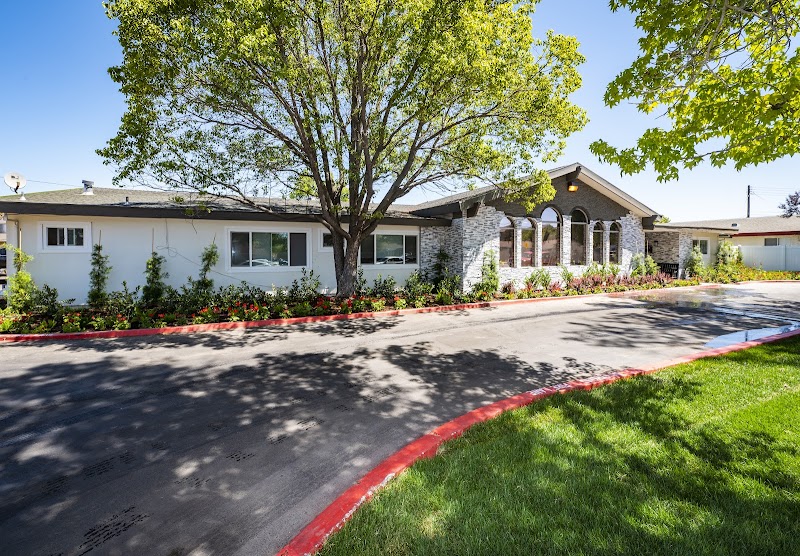
How is Bridgewood Post Acute Staffed?

CMS rates BRIDGEWOOD POST ACUTE's staffing level at 4 out of 5 stars, which is above average compared to other nursing homes. Staff turnover is 37%, compared to the California average of 46%. This relatively stable workforce can support continuity of care.

What Have Inspectors Found at Bridgewood Post Acute?

State health inspectors documented 54 deficiencies at BRIDGEWOOD POST ACUTE during 2022 to 2025. These included: 2 that caused actual resident harm and 52 with potential for harm. Deficiencies causing actual harm indicate documented cases where residents experienced negative health consequences.
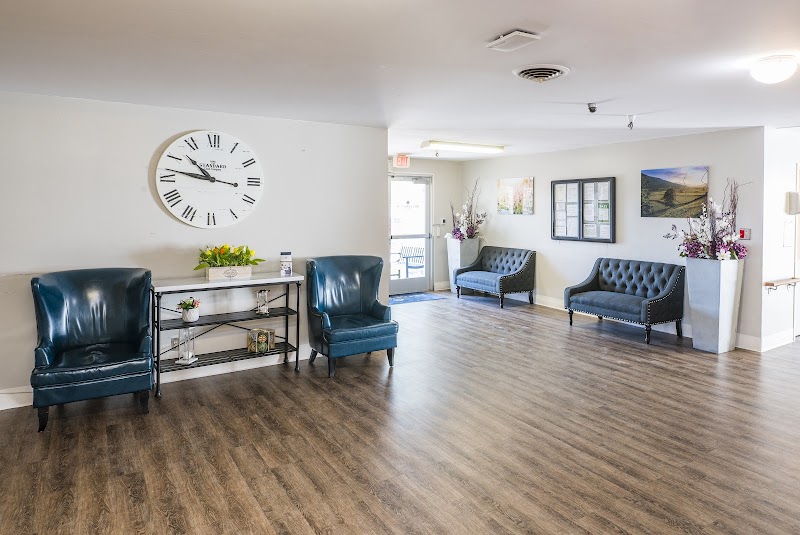
Who Owns and Operates Bridgewood Post Acute?

BRIDGEWOOD POST ACUTE is owned by a for-profit company. For-profit facilities operate as businesses with obligations to shareholders or private owners. The facility is operated by SPYGLASS HEALTHCARE, a chain that manages multiple nursing homes. With 49 certified beds and approximately 47 residents (about 96% occupancy), it is a smaller facility located in SACRAMENTO, California.
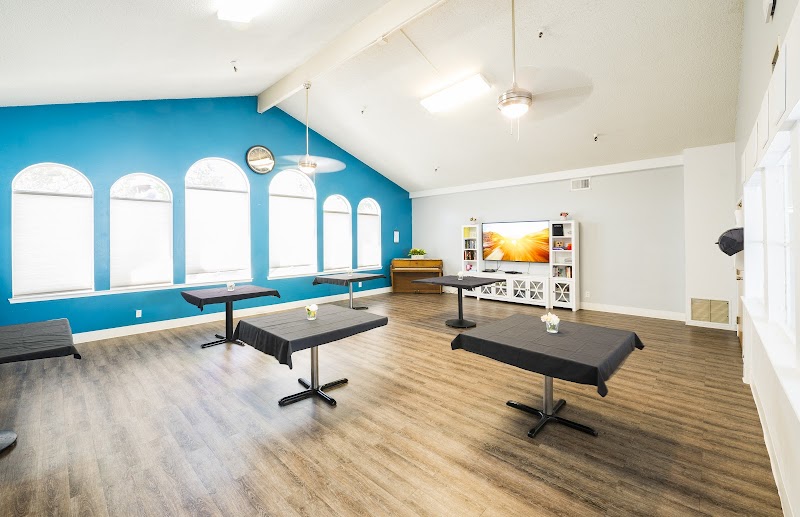
How Does Bridgewood Post Acute Compare to Other California Nursing Homes?

Compared to the 100 nursing homes in California, BRIDGEWOOD POST ACUTE's overall rating (3 stars) is below the state average of 3.1, staff turnover (37%) is near the state average of 46%, and health inspection rating (2 stars) is below the national benchmark.

What Should Families Ask When Visiting Bridgewood Post Acute?

Based on this facility's data, families visiting should ask: "What safeguards and monitoring systems are in place to protect residents from abuse or neglect?" "Can I visit during a mealtime to observe dining assistance and food quality?" "How do you handle medical emergencies, and what is your hospital transfer rate?" "Can I speak with family members of current residents about their experience?" These questions are particularly relevant given the substantiated abuse finding on record.

Is Bridgewood Post Acute Safe?

Based on CMS inspection data, BRIDGEWOOD POST ACUTE has documented safety concerns. The facility has 1 substantiated abuse finding (meaning confirmed case of resident harm by staff or other residents). The facility has a 3-star overall rating and ranks #100 of 100 nursing homes in California. Families considering this facility should ask detailed questions about what corrective actions have been taken since these incidents.

Do Nurses at Bridgewood Post Acute Stick Around?

BRIDGEWOOD POST ACUTE has a staff turnover rate of 37%, which is about average for California nursing homes (state average: 46%). Moderate turnover is common in nursing homes, but families should still ask about staff tenure and how the facility maintains care continuity when employees leave.

Was Bridgewood Post Acute Ever Fined?

BRIDGEWOOD POST ACUTE has no federal fines on record. CMS issues fines when nursing homes fail to meet care standards or don't correct problems found during inspections. The absence of fines suggests the facility has either maintained compliance or corrected any issues before penalties were assessed. This is a positive indicator, though families should still review recent inspection reports for the full picture.

Is Bridgewood Post Acute on Any Federal Watch List?

BRIDGEWOOD POST ACUTE is not on any federal watch list. The most significant is the Special Focus Facility (SFF) program, which identifies the bottom 1% of nursing homes nationally based on persistent, serious quality problems. Not being on this list means the facility has avoided the pattern of deficiencies that triggers enhanced federal oversight. This is a positive indicator, though families should still review the facility's inspection history directly.