BRUCEVILLE TERRACE - D/P SNF OF METHODIST HOSPITAL
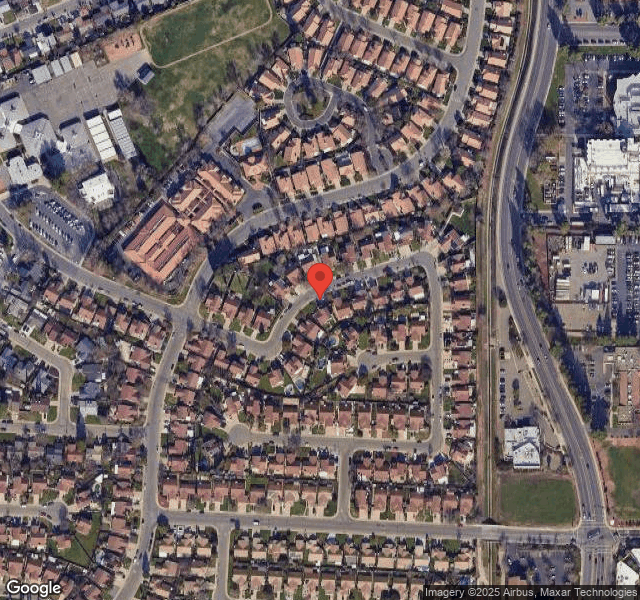
8151 BRUCEVILLE ROAD, SACRAMENTO, CA 95823 (916) 423-6000
Non profit - Corporation 171 Beds COMMONSPIRIT HEALTH Data: November 2025
Trust Grade
75/100
#304 of 1155 in CA
Last Inspection: February 2025

Within standard 12-15 month inspection cycle. Federal law requires annual inspections.

Overview

Bruceville Terrace, located in Sacramento, California, has received a Trust Grade of B, indicating it is a good choice for families considering nursing home options. It ranks #304 out of 1,155 facilities in California, placing it in the top half, and #8 out of 37 in Sacramento County, meaning there are only a few local facilities that perform better. The facility is showing an improving trend, with the number of issues decreasing from 13 in 2024 to 11 in 2025, and it has strong staffing ratings with a turnover rate of just 22%, significantly lower than the state average. Notably, there have been no fines reported, which is a positive sign. However, families should be aware of some concerns, including a failure to adequately post nurse staffing information, a breach of privacy regarding residents' medical information, and potential issues with the preparation of pureed diets that could affect residents' nutrition. Overall, while there are strengths in staffing and improvements in issues, there are areas that need attention to ensure resident care is optimal.

Trust Score
B
75/100
In California
#304/1155
Top 26%
Safety Record
Low Risk
No red flags
Inspections
Getting Better
13 → 11 violations
Staff Stability
✓ Good
22% annual turnover. Excellent stability, 26 points below California's 48% average. Staff who stay learn residents' needs.
Penalties
✓ Good
No fines on record. Clean compliance history, better than most California facilities.
Skilled Nurses
✓ Good
Each resident gets 113 minutes of Registered Nurse (RN) attention daily — more than 97% of California nursing homes. RNs are the most trained staff who catch health problems before they become serious.
Violations
⚠ Watch
47 deficiencies on record. Higher than average. Multiple issues found across inspections.
★★★★☆
4.0
Overall Rating
★★★★★
5.0
Staff Levels
★★★★☆
4.0
Care Quality
★★★☆☆
3.0
Inspection Score
Stable
2024: 13 issues
2025: 11 issues

The Good

  • 5-Star Staffing Rating · Excellent nurse staffing levels
  • 4-Star Quality Measures · Strong clinical quality outcomes
  • Low Staff Turnover (22%) · Staff stability means consistent care
  • Full Sprinkler Coverage · Fire safety systems throughout facility
  • No fines on record
  • Staff turnover is low (22%)

    26 points below California average of 48%

Facility shows strength in staffing levels, quality measures, staff retention, fire safety.

The Bad

Chain: COMMONSPIRIT HEALTH

Part of a multi-facility chain

Ask about local staffing decisions and management

The Ugly 47 deficiencies on record

Jul 2025 1 deficiency
CONCERN (D) 📢 Someone Reported This

A family member, employee, or ombudsman was alarmed enough to file a formal complaint

Potential for Harm - no one hurt, but risky conditions existed

Deficiency F0559 (Tag F0559)

Could have caused harm · This affected 1 resident

**NOTE- TERMS IN BRACKETS HAVE BEEN EDITED TO PROTECT CONFIDENTIALITY** Based on observation, interview, and record review, the facility failed for one of four sampled residents (Resident 1) to be not...

Read full inspector narrative →
**NOTE- TERMS IN BRACKETS HAVE BEEN EDITED TO PROTECT CONFIDENTIALITY** Based on observation, interview, and record review, the facility failed for one of four sampled residents (Resident 1) to be notified of room change, when the facility did not provide written notice for room change including reasons for the room change for Resident 1.This failure resulted in Resident 1 not receiving a written explanation of why the move was required, resulting in Resident 1 expressing sadness and frustration.Findings:Resident 1 was admitted to the facility on [DATE] with a diagnoses of End Stage Renal Disease (condition in which the kidneys no longer function normally), septic shock (life-threatening condition that occurs when sepsis, a body's extreme response to an infection, leads to dangerously low blood pressure and organ damage), and bilateral lower extremity (both legs) cellulitis (serious deep infection of the skin). Resident 1's Minimum Data Sheet (MDS - federally mandated resident assessment tool) dated 7/12/25, indicated moderate cognitive impairment.During a concurrent observation and interview on 7/30/25 at 11:11 a.m., in Resident 1's room, with Resident 1, Resident 1 stated, They put me in C (another station/unit of the facility) in a private room and then from C came here to D to this room.when I refused, they said ‘you have to do this'.They told me they don't have to give me a reason. They did not give me anything in writing.The way they did it [the room change], it's sad. It made me sad.This has taken a toll on me. The room change. Resident 1 was then observed to be sad and frustrated.During an interview on 7/30/25, at 12:07 p.m., with Registered Nurse (RN) 1, RN 1 stated, .Nothing [explanation] given in writing to the resident.During an interview on 7/30/25, at 12:27 p.m., with Social Worker (SW), SW stated, Yes, residents change rooms here.If you are speaking about [Resident 1], yes, he did refuse to move and yes that did happen to him on 7/23/25. When they have to move they do not give the resident anything in writing with the reasons they have to move.During a concurrent interview and record review on 7/30/25, at 1:31 p.m., with Systems Information IT (Information Technology) staff member (IT) 1, IT 1 reviewed Resident 1's chart in the EHR, stated no entries for 7/23/25 regarding provision of written notice of room change.During an interview on 7/30/25, on 2:27 p.m., with Director of Nursing (DON), stated, .Residents are not provided written explanation of why the move was required.During an interview on 7/30/25, at 2:45 p.m., with Admissions Officer (AO), AO stated the facility does not provide anything in writing on why they need to move residents to a new room.During a review of facility policy, titled, Bruceville Terrace: Room/Station Changes within Bruceville Terrace, dated 6/27/24, indicated, The facility will attempt to give reasonable written notice whenever a transfer within the facility is necessary.
Jul 2025 3 deficiencies
CONCERN (D) 📢 Someone Reported This

A family member, employee, or ombudsman was alarmed enough to file a formal complaint

Potential for Harm - no one hurt, but risky conditions existed

Resident Rights (Tag F0550)

Could have caused harm · This affected 1 resident

During observation, interview, and record review, the facility failed to ensure one of four sampled residents (Resident 1) was treated with respect and dignity when Resident 1's request to have family...

Read full inspector narrative →
During observation, interview, and record review, the facility failed to ensure one of four sampled residents (Resident 1) was treated with respect and dignity when Resident 1's request to have family present during direct care was not acknowledged by Certified Nurse Assistant 1 (CNA 1). This failure had the potential for Resident 1 to not to receive care based on her needs and preferences. A review of Resident 1's clinical record indicated Resident 1 was admitted in Middle 2025 with diagnosis of Type 2 Diabetes Mellitus (a condition where your body either doesn't make enough insulin or can't properly use the insulin it produces, leading to high blood sugar levels). During a review of Resident 1's Minimum Data Set (MDS, an assessment tool) dated 7/22/25 indicated Resident 1 had a Brief Interview for Mental Status (BIMS, tests cognition) score of 13 out of 15 indicating Resident 1 was cognitively intact. A review of Resident 1's care plan, titled .Alteration in Communication r/t [sic, related to] language barrier. dated 7/16/25, indicated, . Language(s) spoken: Spanish . The box next to .Resident will be able to communicate his/her basic needs utilizing the communication devices provided. was not checked. During a concurrent observation and interview on 7/22/25 at 1:47 p.m. in Resident 1's room with family representative present, Resident 1 was observed receiving care when surveyor and family representative were in room with Certified Nurse Assistant 1 (CNA 1). CNA 1 was asked to allow family representative and surveyor to observe care due to language barrier, CNA 1 did not respond. CNA 1 was asked again at 1:48 p.m. and 1:49 p.m. to allow surveyor and family representative to observe care, CNA 1 stated she was providing patient care and did not allow surveyor and family to enter. CNA 1 then opened the curtain and was asked how CNA 1 communicated with Resident 1 and CNA 1 pointed to a communication board. CNA 1 left the room and did not respond to surveyor questions further. Family representative and surveyor observed and interviewed Resident 1. Resident 1 was noted shaking with arms crossed, grimacing and stated she was scared of CNA 1 and wanted an interpreter to explain each step during provision of care. Family representative stated Resident 1 was now scared to receive wound care by staff due to fear of staff not explaining procedures and being too rough with her. Resident 1 stated she wanted an interpreter or family representative present during care. During a concurrent observation and interview on 7/22/25 at 1:50 p.m. with Treatment Nurse 2 (TN 2), the TN 2 acknowledged Resident rights to have family participate in care. TN 2 stated family members were allowed to participate in patient care with permission from Resident 1. TN 2 further stated the facility honors resident preferences and family members are able to help with translation for non-English speaking residents to help them feel more comfortable. During an interview on 7/22/25 at 2:00 p.m. with CNA 1, CNA 1 acknowledged she did not allow Resident 1's family representative and surveyor in the room during Resident 1's care. CNA 1 further stated she could communicate with Resident 1 using gestures and using the communication board. She further acknowledged she did not ask the resident if the family representative could come in during direct care. CNA 1 further stated she would not allow family in the room despite Resident 1's language barrier due to privacy concerns. During an interview on 7/22/25 at 4:33 p.m. with Director of Nursing (DON), the DON stated that the facility can ask family members to leave while providing care if it will interfere with Resident care. When asked about family member being present to help interpret in situation where there was communication barrier during care, the DON did not answer surveyor's questions surrounding Resident 1's preferences and stated the facility used communication boards and interpreter lines. A review of facility policy and procedure (P&P), titled .Bruceville Terrace: Resident Right., dated 5/22/25, the P&P indicated, .The resident has the right to exercise his/her rights as a resident of this facility.Exercising rights means that residents have autonomy and choice, to the maximum extent possible, about how they wish to live their everyday lives and receive care.
CONCERN (D) 📢 Someone Reported This

A family member, employee, or ombudsman was alarmed enough to file a formal complaint

Potential for Harm - no one hurt, but risky conditions existed

Pressure Ulcer Prevention (Tag F0686)

Could have caused harm · This affected 1 resident

**NOTE- TERMS IN BRACKETS HAVE BEEN EDITED TO PROTECT CONFIDENTIALITY** Based on observation, interview, and record review, the facility failed to accurately assess one of four sampled residents (Resi...

Read full inspector narrative →
**NOTE- TERMS IN BRACKETS HAVE BEEN EDITED TO PROTECT CONFIDENTIALITY** Based on observation, interview, and record review, the facility failed to accurately assess one of four sampled residents (Resident 1's) skin for stageable pressure injuries (damage to the skin and underlying tissues caused by prolonged pressure on the body). This failure had the potential to result in worsening of Resident 1's skin breakdown.A review of Resident 1's clinical record indicated Resident 1 was admitted in Middle 2025 with diagnoses which included Type 2 Diabetes Mellitus (a condition where your body either doesn't make enough insulin or can't properly use the insulin it produces, leading to high blood sugar levels). During a review of Resident 1's Minimum Data Set (MDS, an assessment tool) dated 7/22/25, indicated Resident 1 had a Brief Interview for Mental Status (BIMS, tests cognition) score of 13 out of 15 indicating Resident 1 was cognitively intact. During a review of Resident 1's initial skin assessment dated [DATE], the skin assessment indicated excoriation (skin damage) on sacral coccyx (bones at the base of spine) area. An image was included. During a Review of Resident 1's clinical record, the physician order dated 7/17/25 indicated, .Peri-rectal (surrounding the rectal area) area skin excoriation; Cleanse with warm water, pat dry, apply zinc oxide paste [a skin barrier paste], cover with foam dressing daily.During a concurrent observation and interview on 7/22/25 at 1:47 p.m. in Resident 1's room with Treatment Nurse 2 (TN 2), observed wound care being performed on Resident 1's coccyx (tailbone) and gluteal (buttocks) fold area. During the observation of the wounds, Resident 1 was noted to have a dark red line running up the coccyx area, gluteal folds redness, skin breakdown and peeling. The wound appeared to have partial thickness skin loss of the top layer of the skin. Upon observation, interviewed TN 2 who stated Resident 1 did not have skin break down, only redness and she did not acknowledge Resident 1's skin breakdown and potential pressure injury. TN 2 further stated only when a wound had drainage was it classified as skin breakdown and pressure injury. During a concurrent interview and record review on 7/22/25 at 2:30 p.m. with Treatment Nurse 1 (TN 1), Resident 1's admission wound photograph dated 7/17/25 was reviewed. TN 1 reviewed the photo and stated Resident 1's wound looked like a stage 2 upon admission. During an interview on 7/22/25 at 4:33 p.m. with Director of Nursing (DON), the DON refused to answer specific questions regarding wound care staging. DON stated all wound nurses are wound care certified (specialized training in wound care and certification). During a review of facility policy and procedure (P&P) titled, Bruceville Terrace: Pressure Injury Prevention and Treatment., dated 5/1995, the P&P indicated, .The facility will.accurately stage pressure injuries according to standardized guidelines.A pressure injury is localized damage to the skin and underlying soft tissue.The injury can present as intact skin.Stage 1: Non-blanch erythema (redness) of intact skin. Stage 2: Partial thickness skin loss involving epidermis (top layer of skin) , and/or dermis (base layer of the skin). The injury is superficial and presents clinically as an abrasion.
CONCERN (D) 📢 Someone Reported This

A family member, employee, or ombudsman was alarmed enough to file a formal complaint

Potential for Harm - no one hurt, but risky conditions existed

Infection Control (Tag F0880)

Could have caused harm · This affected 1 resident

Based on observation, interview, and record review, the facility failed to ensure infection control practices were maintained during wound care for one of four sampled residents (Resident 2) when lice...

Read full inspector narrative →
Based on observation, interview, and record review, the facility failed to ensure infection control practices were maintained during wound care for one of four sampled residents (Resident 2) when licensed staff did not perform hand hygiene between changing gloves when performing wound care. This failure had the potential to result in cross contamination of the wound and spread of infection for Resident 2. A review of Resident 2's clinical record indicated resident 2 was admitted in July 2025 with diagnoses which included pressure injury (pressure sore, ulcer, or bedsore) of sacral (a triangular bone at the base of the spine) region. During a review of Resident 2's Minimum Data Set (MDS, an assessment tool) dated 5/27/25 indicated Resident 2 had a Brief Interview for Mental Status (BIMS, tests cognition) score of 0 out of 15 indicating Resident 2 had severely impaired cognition. During a review of Resident 2's clinical record, the physician treatment order dated 7/11/25 indicated, . Pressure injury Stage 4 [severe, deep wound that extends through the skin, fat, and muscle, potentially reaching the bone] . Cleanse with wound cleanser, pat dry pack with calcium alginate with silver [wound care product] and apply foam dressing.During a concurrent wound care observation and interview on 7/22/25 at 2:09 p.m. with Treatment Nurse 3 (TN 3), TN 3 stated during wound observation, Resident 2 is on enhanced barrier precautions and stated the surveyor didn't need to wear a gown. TN 3 was observed removing the old dressing from the pressure wound and did not perform hand hygiene. TN 3 cleansed the wound and changed gloves but did not perform hand hygiene in between changing the gloves. TN 3 packed wound and placed scissors used for dressings on white chuck (waterproof barrier pad) on Resident 2's bed. TN 3 changed gloves but did not perform hand hygiene. TN 3 applied additional foam dressing to wound. TN 3 placed scissors back on table, changed gloves but hand hygiene was not performed. TN 3 re-positioned resident 2, grabbed gloves and threw trash bag away with discarded dressings, and did not perform hand hygiene afterwards. TN 3 then changed gloves, put off loading boots back on resident 2. TN 3 acknowledged that scissors should have been cleaned prior to placing it together with residents' clean materials. TN 3 acknowledged not performing hand hygiene between glove changes.During an interview on 7/22/25 at 4:33 p.m. with Director of Nursing (DON), the DON acknowledged the expectation was for staff to perform hand hygiene between change of gloves. During a review of facility policy and procedure (P&P) titled, .Hand Hygiene. dated, 3/2024, the P&P indicated, .hand hygiene is a critical component in preventing transmission of microorganisms (tiny living things that are too small to be seen without special lens) between personnel and patients.Health care workers shall decontaminate hands using alcohol-based hand rub.Before and after patient contact.before donning. gloves.Before moving from a contaminated body site to a clean body site on the same patient.after removing gloves.
Jul 2025 1 deficiency
CONCERN (D) 📢 Someone Reported This

A family member, employee, or ombudsman was alarmed enough to file a formal complaint

Potential for Harm - no one hurt, but risky conditions existed

Free from Abuse/Neglect (Tag F0600)

Could have caused harm · This affected 1 resident

**NOTE- TERMS IN BRACKETS HAVE BEEN EDITED TO PROTECT CONFIDENTIALITY** Based on interview and record review, the facility failed to ensure one of three sampled residents (Resident 1) was free from ab...

Read full inspector narrative →
**NOTE- TERMS IN BRACKETS HAVE BEEN EDITED TO PROTECT CONFIDENTIALITY** Based on interview and record review, the facility failed to ensure one of three sampled residents (Resident 1) was free from abuse when he was pushed by Resident 2. This failure resulted in Resident 1 falling backward and striking the back of his head and right elbow on the floor. Findings: During a review of Resident 2's admission Minimum Data Set (MDS- a federally mandated resident assessment tool), dated 5/1/25, indicated Resident 2's Brief Interview for Mental Status (BIMS- a brief screening that aids in detecting cognitive impairment) score was 14 which indicated he was cognitively intact and as having no delirium or behavioral symptoms. Review of the facility's investigation report indicated Resident 2 was interviewed by the facility's Medical Social Worker (MSW) on 7/3/25. The investigation report indicated, According to the patient (Resident 2), an argument began because he believed his roommate had taken his grabber, which the roommate denies. The patient (Resident 2) acknowledged that, while his roommate was walking to the restroom, he called him a liar and a thief. The patient further reported that his roommate then bumped into him with his walker, which his roommate (Resident 1) also denies, prompting him (Resident 2) to respond by pushing the roommate (Resident 1). The patient (Resident 2) stated, I'll admit it-I shoved him. I know I shouldn't have, but I did. Then I called for help. During an interview with the Director of Nursing (DON) on 7/8/25 at 9:18 a.m., the DON confirmed Resident 2 pushed Resident 1 causing Resident 1 to fall and hit his elbow and head. During an interview on 7/8/25 at 9:49 a.m. with Resident 2 he stated he had a grabber (used to grab objects that are out of arm's length or difficulty to reach) and one day it disappeared. The other day he saw the grabber on his roommate's (Resident 1) side table and went over and took it. Resident 1 was coming out of the bathroom, and they had a verbal altercation. He called Resident 1 a liar about taking his grabber. Resident 1 tried to get by Resident 2 with his walker and bumped him with his walker. Resident 2 stated, I reacted and pushed him a little bit and he fell. During a review of Resident 1's Significant Change in Status MDS dated [DATE], indicated Resident 1's BIMS score was 15 which indicated he was cognitively intact and as having no delirium or behavioral symptoms. Review of the facility's investigation report indicated Resident 1 was interviewed by the facility's MSW on 7/3/25. The investigation report indicated, According to the patient, he was en (sic) route to the restroom when his roommate began yelling at him and accusing him of stealing his grabber. The patient (Resident 1) reported that the roommate then called him a liar'' and a thief' before physically pushing him, resulting in the patient (Resident 1) falling backward and striking the back of his head and right elbow on the floor. During an interview on 7/8/25 at 10:03 a.m. with Resident 1, he stated the other resident (Resident 2) pushed him a little bit. Resident 1 confirmed he fell and hit his right elbow and head. During a review of the facility's policy and procedure (P&P) tilted, Abuse, Resident Mistreatment and Misappropriation of Resident Property, approved 4/25/25 indicated, Abuse: The willful infliction of injury .with resulting physical harm or pain, mental anguish .It is the policy of this facility that mistreatment, neglect and abuse of residents .are prohibited.
Feb 2025 6 deficiencies
CONCERN (D)

Potential for Harm - no one hurt, but risky conditions existed

Deficiency F0697 (Tag F0697)

Could have caused harm · This affected 1 resident

Based on observation, interview, and record review, the facility failed to ensure one of three sampled residents (Resident 32) was administered pain medication before providing wound care. This failu...

Read full inspector narrative →
Based on observation, interview, and record review, the facility failed to ensure one of three sampled residents (Resident 32) was administered pain medication before providing wound care. This failure resulted in Resident 32 having unnecessary pain during wound care. Findings: Resident 32 was admitted to the facility in mid-2024 with diagnoses which included stroke, hypertension (uncontrolled blood pressure), dementia (memory loss) and a stage IV pressure ulcer (full thickness skin and tissue loss with exposed muscle, tendon, ligament, cartilage, or bone). A review of Resident 32's most recent Minimum Data Set (MDS - a federally mandated resident assessment tool) dated 12/29/24, indicated Resident 32's memory was severely impaired. During an observation on 2/27/25 at 8:41 a.m., in Resident 32's room, Resident 32 wound dressing change was being provided by the Wound Care Registered Nurse (WCRN). Resident 32 stated, this is painful. During an interview on 2/27/25 at 8:42 a.m., with Resident 32, Resident 32 stated, She [WCRN] never asked about pain. Yes, I have pain, this does not feel good. During an interview on 2/27/25 at 8:50 a.m., with the WCRN, the WCRN stated, I'm not sure if [Resident 32's] pain medication was given. She (Resident 32) will be ok. During a concurrent interview and record review on 2/27/25 at 8:52 a.m., with LN 2, LN 2 reviewed, the Medication Administration Record (MAR) for Resident 32 's last pain medication administered. The MAR indicated Resident 32 received tramadol (used to relieve moderate to moderately severe pain),Oral Tablet 25 MG on 2/26/25 at 7:33 a.m. LN 2 stated, She (WCRN) should have checked with [Resident 32], 30 minutes before her wound care to assess the need for pain medication. During an interview on 2/27/25 at 12:48 p.m., with the Director of Nursing (DON), the DON stated, My expectation is that the staff should assess the residents prior to any care for their comfort. The facility's policy and procedure (P&P) for Pain Management was requested, the policy was not provided.
CONCERN (D)

Potential for Harm - no one hurt, but risky conditions existed

Infection Control (Tag F0880)

Could have caused harm · This affected 1 resident

Based on observation, interview, and record review the facility failed to ensure infection control practices were maintained for one (Resident 32) of 48 sampled Residents when: 1. Resident 32's room, ...

Read full inspector narrative →
Based on observation, interview, and record review the facility failed to ensure infection control practices were maintained for one (Resident 32) of 48 sampled Residents when: 1. Resident 32's room, with Enhanced Barrier Precautions (wearing gowns and gloves during close-contact care activities with residents with open wounds or medical devices to stop the spread of tough-to-treat infections), trash bin did not have a lid and was overflowing with used Personal Protective Equipment (PPE - items, such as gowns and gloves, worn to minimize exposure that can cause serious illnesses and healthcare workers wear to prevent contact with infectious agents or body fluids), and 2. Wound Care RN (WCRN) did not perform hand hygiene during Resident 32's wound care. These failures had the potential to spread harmful germs to patients, leading to increased risk of infections, including those resistant to antibiotics (medicines to treat bacterial infections), and potentially causing serious illness to Resident 32. Findings: 1. During a concurrent observation and interview on 2/27/25 at 10:55 a.m., with Licensed Nurse/ Infection Preventionist (LN/IP), the LN/IP confirmed the PPE trash bin was overflowing and without a lid. The LN/IP stated, They should not be that way. I don't know why the lid is missing. I will look into it .the lids prevent infection from spreading. During an interview on 2/27/25 at 12:48 p.m., with the Director of Nursing (DON). The DON stated, all rooms should have trash cans with lids. Not sure how the lid is missing. I would never expect the trash to be overflowing with PPE and the trash cans need the lids to control the spread of infection. During a review of the CDC's website, https://www.cdc.gov/infectioncontrol/guidelines/isolation/precautions.html, resulted on 3/3/25 at 2:33 p.m., the CDC guidance indicated, Facilities should remember to have an appropriate disposal container available in the resident room to allow for removal of PPE inside the room. 2. Resident 32 was admitted to the facility in mid-2024 with diagnoses which included stroke, hypertension (uncontrolled blood pressure), dementia (memory loss) and a stage IV pressure ulcer (full thickness skin and tissue loss with exposed muscle, tendon, ligament, cartilage, or bone). A review of Resident 32's most recent Minimum Data Set (MDS - a federally mandated resident assessment tool) dated 12/29/24, indicated Resident 32's memory was severely impaired. During a concurrent observation and interview on 2/27/25 at 8:41 a.m., at Resident 32's bedside the WCRN was observed using the same gloves after adjusting the bedrail, positioning the resident and taking off the old wound dressing. The WCRN then used the same gloves and picked up the clean wound dressing supplies. The WCRN confirmed that she should not have used the same pair of gloves and stated, We are supposed to hand sanitize and change our gloves. During an interview on 2/27/25 at 12:48 p.m., with the DON, the DON stated, Would expect the staff to follow hand hygiene for wound care at all times. During review of a facility policy and procedure (P&P) titled, Hand Hygiene, dated 1/2023, the P&P indicated, Health care workers shall decontaminate hands using alcohol-based hand rub or washing with soap .and water under the following circumstances. After contact with patient's intact or non-intact skin, mucous membranes, wound dressings or other objects likely to be contaminated.
CONCERN (D)

Potential for Harm - no one hurt, but risky conditions existed

Deficiency F0919 (Tag F0919)

Could have caused harm · This affected 1 resident

3/1Based on observation, interview, and record review, the facility failed to ensure the call light was within reach for 1 of 48 sampled residents (Resident 143) for 2 consecutive days, This failure ...

Read full inspector narrative →
3/1Based on observation, interview, and record review, the facility failed to ensure the call light was within reach for 1 of 48 sampled residents (Resident 143) for 2 consecutive days, This failure decreased the potential for the residents to get assistance from staff in a timely manner when needed and increased potential safety risk. Findings: Resident 143 was admitted to facility in 2025 with a diagnosis of congestive heart failure (a heart disorder which causes the heart to not pump the blood efficiently) and Myocardial Infarction (a heart attack -heart muscle begins to die due to lack of sufficient blood supply and oxygen). The admission Minimum Data Set (MDS-a standardized evaluation tool used to assess health and functional status of a resident) indicated Resident 143 was dependent with bathing, toileting, dressing, bed mobility and transfers. The MDS indicated Resident 143 was incontinent with bowel and bladder functions and had a stage 3 pressure ulcer (full-thickness loss of skin wound). The MDS assessment triggered care plan risk areas for care providers to monitor including nutrition, dehydration, impaired physical mobility, pain management, self-care deficit. During observation on 2/25/25 at 11:44 am, Resident 143's room was located down the hall from the nurse's station and around the corner at the end of the hall, in the last room on the right side. During a concurrent observation and interview, on 2/25/25 at 11:45 a.m., Resident 143 was awake lying in bed. Resident 143's call light was observed on the floor. When Resident 143 was asked if he required assistance from staff on a daily basis, Resident 143 stated he needs help with toileting and bathing and that he is incontinent. He stated that he needs assistance to sit up and when going from his bed to wheelchair. The call light remained on floor and the Surveyor activated the call light. Certified Nursing Assistant (CNA) 5 arrived in less than 5 minutes and stated the call light should be within resident's reach and not on the floor. During concurrent observation and interview the following day on 2/26/25, at 11:45 a.m., with Resident 143, Resident 143 was lying in bed and call light was observed hanging off the side of bed not within reach. Resident 143 requested to sit up. Surveyor activated Resident 143's call light for care provider assistance. In a concurrent observation and interview with CNA 2 on 2/26/25, at 11:55 a.m., in Resident 143's room, CNA 2 stated her expectation regarding patient call lights is that it should be within patient's reach to ask for assistance when needed. During an interview on 2/26/25, 12:00 p.m. with Licensed Nurse (LN) 1, who was caring for Resident 143, LN 1 stated her expectation for location and availability of the call light for residents was to be within reach to call for help when needed. LN 1 stated Resident 143 was dependent on assistance for all care.
CONCERN (E)

Potential for Harm - no one hurt, but risky conditions existed

Deficiency F0583 (Tag F0583)

Could have caused harm · This affected multiple residents

Based on observation, interview, and record review, the facility failed to protect the privacy and confidentiality for 3 of 48 sampled residents (Resident 133, Resident 141, and Resident 314) when the...

Read full inspector narrative →
Based on observation, interview, and record review, the facility failed to protect the privacy and confidentiality for 3 of 48 sampled residents (Resident 133, Resident 141, and Resident 314) when the Licensed Nurse (LN) left worksheets containing residents' identifiable health care information exposed to view during medication administration. This failure had the potential to result in Resident 133, Resident 141, and Resident 314's confidential information to be viewed by unauthorized staff, residents, and visitors. Findings: A review of Resident 133's Facesheet indicated Resident 133 was admitted to the facility in June 2024 with diagnoses including atrial fibrillation (irregular and very rapid heart rhythm) and cellulitis (skin infection). A review of Resident 141's Facesheet indicated Resident 141 was admitted to the facility in October 2024 with a diagnosis of alcohol induced neuropathy (chronic alcohol abuse damages the nerves leading to sensory and motor dysfunction). A review of Resident 314's Facesheet indicated Resident 314 was admitted to the facility in February 2025 with diagnosis of lower extremity (leg) cellulitis. During an observation on 2/25/25 at 7:57 a.m., observed LN 2 prepare Resident 133's medications on the medication cart in the hallway. Observed LN 2 cover computer screen, but did not cover or turn over worksheet when she left the medication cart to enter Resident 133's room to administer medications. During an observation on 2/25/25 at 8:16 a.m., observed LN 2 prepare Resident 141's medications on the medication cart in the hallway. Observed LN 2 cover computer screen, but did not cover or turn over worksheet when she left the medication cart to enter Resident 141's room to administer medications. During an observation on 2/25/25 at 8:26 a.m., observed LN 2 prepare Resident 314's medications on the medication cart in the hallway. Observed LN 2 cover computer screen, but did not cover or turn over worksheet when she left the medication cart to enter Resident 314's room to administer medications. During an interview on 2/25/25 at 8:47 a.m. with LN 2, LN 2 acknowledged she did not cover her worksheet left on the medication cart when she entered the rooms of Resident 133, Resident 141, and Resident 314, to administer medications. LN 2 stated, It was a HIPAA [Health Insurance Portability and Accountability Act- federal law that protects medical records and other personal health information] violation. Information needs to be protected. Should have turned it over. During an interview on 2/25/25 at 4:29 p.m. with the Nurse Manager (NM), the NM stated when nurses leave the medication cart to give the medications, they should cover the computer screen and should take the worksheet into the room with them. The NM then stated if left on the medication cart, the worksheet should be covered or turned over. The NM stated, If left open can be seen, HIPAA violation. During an interview on 2/27/25 at 11:01 a.m. with the Director of Nursing (DON), the DON stated that during medication administration the computer should be closed, and the worksheet should not be in view. The DON stated if the worksheet or computer screen can be viewed that is a privacy violation. A review of the facility's Policy and Procedure (P&P) titled Patient's Rights and Responsibilities, dated 12/3/18, indicated, .You have the right to: .Confidential treatment of all communications and records pertaining to your care and stay in the hospital . A review of the facility's P&P titled Privacy Program, dated 10/1/20, indicated, .It is the policy of [Name of corporation] to comply with the Health Insurance Portability and Accountability Act of 1996 (HIPAA) and other applicable international, federal and state laws and regulations . [Name of corporation] is committed to carrying out its healthcare ministry in a manner . including adherence to established uniform organizational policies, standards, and processes that ensure privacy, information security, and confidentiality of Protected Health Information (PHI) . A review of the facility's P&P titled Disclosure of Protected Health Information to Family and Friends, dated 4/15/21, indicated, . [Name of corporation]'s policy and standard is to comply with the federal laws and regulations associated with the Health Insurance Portability and Accountability Act of 1996 .
CONCERN (E)

Potential for Harm - no one hurt, but risky conditions existed

Deficiency F0804 (Tag F0804)

Could have caused harm · This affected multiple residents

Based on observation, interview, and record review the facility failed to ensure food was prepared in a manner to conserve nutritive value and palatability for residents receiving a pureed diet when t...

Read full inspector narrative →
Based on observation, interview, and record review the facility failed to ensure food was prepared in a manner to conserve nutritive value and palatability for residents receiving a pureed diet when the pureed carrots were prepared without using a recipe. This failure had the potential of leading to poor intake and malnutrition for the residents receiving pureed meals. Findings: During a concurrent observation, interview, and recipe review on 2/25/25 at 9:45 a.m., in the food preparation area, with the Nutrition Service Worker 1-Cook (NSW 1-C), Lead [NAME] for the day, and Nutrition Service Worker 2- Trainee [NAME] (NSW 2-TC) 2), NSW 1-C was showing the puree recipes and discussed the options used for adjusting the texture of pureed dishes. NSW 1-C had stated using water is seldom used as well as thickener ingredients. NSW 2-TC was observed liberally pouring an unmeasured amount of hot water into both the carrot puree and sweet potato puree. Observed NSW 1-C attempting to remedy the very watery and runny textured purees by adding an unmeasured volume of puree thickening ingredient. During a concurrent observation and interview on 2/25/24 at 12:15 p.m., Nutrition Service Manager (NSM) brought two lunch test trays that contained one regular consistency meal and one pureed consistency meal to the conference room. The pureed meal was sampled, and while the puree carrots had a sweet flavor, the consistency was very thick and gummy indicating too much thickener was used during preparation. When asked about the carrot puree consistency, the NSM stated, The amount of thickening added [to pureed foods] should follow a recipe .consistency is too thick and gummy. During an interview on 2/27/24 at 9:30 a.m. with the Nutrition Service Director (NSD), the NSD Stated, Cooks should follow recipes and measure out ingredients. Not following the pureed recipe could alter the nutrition that residents receive .
CONCERN (E)

Potential for Harm - no one hurt, but risky conditions existed

Food Safety (Tag F0812)

Could have caused harm · This affected multiple residents

**NOTE- TERMS IN BRACKETS HAVE BEEN EDITED TO PROTECT CONFIDENTIALITY** Based on observation, interview, and record review the facility failed to provide food storage and preparation in accordance wit...

Read full inspector narrative →
**NOTE- TERMS IN BRACKETS HAVE BEEN EDITED TO PROTECT CONFIDENTIALITY** Based on observation, interview, and record review the facility failed to provide food storage and preparation in accordance with professional standards for food service safety when: 1. Food items in refrigerator, freezer, and dry food storage had food items that were not securely closed, did not have expiration date labels, or no label with opened date and use by date labels; 2. Clean stainless steel table pans were found stacked and stored wet on storage shelves; and 3. Two red cutting boards for meat and 1 green cutting board for vegetables had deep grooves. Theses failures had the potential of leading to food borne illness for 159 residents who are eating facility prepared foods. Findings: 1. During the initial kitchen tour on 2/24/2025, at 9 a.m., with the Nutrition Service Manager (NSM), the following was observed: The South walk-in Veg Box #2 refrigerator contained an open bag of spinach that had cellophane loosely wrapped around the spinach bag. An opened bag of shredded cheddar cheese with cellophane loosely wrapped around it. An open plastic container with pre-sliced Monterey [NAME] Cheese which was not securely sealed. An open bag of remaining pureed carrots had cellophane loosely wrapped around it. None of these opened food items had labels with Opened Date and/ or Use by Date recorded on it. During the initial kitchen tour on 2/24/2025, at 9 a.m., the walk-in freezer #4 was observed containing an open box of frozen cheese enchiladas that was stacked in the box without any plastic bag or cellophane wrap, and not securely sealed. During the initial kitchen tour on 2/24/2025, at 9 a.m., the walk-in storage room [ROOM NUMBER] containing dry foods, canned foods, some emergency response food supplies and paper kitchen supplies (i.e., paper cups, paper plates) the following was observed: Three 102 oz cans of diced red sweet peppers without any expiration date label, Two boxes of Nutri Grain breakfast bars had an expiration date of [DATE], stamped on them, Two unopened, loosely stored bags of Low Sodium Country Gravy Mix stored on the shelf without use by dates labeled on them, Three unopened, loosely stored bags of Classic Corn Bread stuffing mix packets on shelf without use by date label/stamp, An open bag of Dry Classic Corn Bread stuffing was loosely sealed with saran wrap stored on the shelf without a use by date label on it, One loose bag of Whisk and Serve cream soup & sauce package was on the shelf without a use by date and expiration date label on it. During concurrent interview on 2/24/25 at 9 am with the NSM, the NSM stated stored open food items should be tightly sealed with a label affixed to open food item with open and use by dates written on label. NSM stated when food items are not tightly stored, there is a risk for bacterial growth as well as risk for freezer burn to froze food items. For dry stored foods, NSM stated food items stored on shelf should have expiration date labeled on the item and/or use by date label. During an interview on 2/27/25, 9:30 a.m., with the Nutrition Service Director (NSD), who oversees all Kitchen and Nutrition operations, the NSD stated that all stored foods should be tightly sealed and have labels with open dates, and use by dates written on labels, as applicable and expiration dates should also be clearly visible for all food items. During a review of the facility's policy and procedure (P&P) titled, Food and Nutrition Services (FNS): Food Handling Standard Operating Procedure, effective 8/1/24indicated, General food storage guidelines are followed for all stored foods including refrigerated, frozen and dry storage foods. Items stored neat and orderly, with labels facing out and expiration dates visible. Food stored .Follow Hazard Analysis Critical Control Point (HACCP) procedures for refrigerated food storage. Regarding labels, the P&P indicated, Most products contain an expiration date. The word sell-by or use-by precede the date. The use-by date is the last date that a food can be consumed. 2. During the initial kitchen tour on 2/24/25, 9:43 a.m., two rectangular stainless-steel table pans, and 1 square stainless-steel serving container had water droplets on them and were stored on the storage shelf with other clean, dry stainless-steel serving trays and containers. During initial tour and concurrent interview on 2/24/2025, 9:43 a.m., with NSM, NSM stated, The kitchen equipment should be clean and dry before storing as wet containers can breed bacterial growth and make residents sick. During an interview on 2/27/2025, 9:30 a.m., with the Nutrition Service Director (NSD) who oversees all Kitchen and Nutrition operations, NSD stated she expects NSWs to ensure clean kitchen supplies are completely dry before storing as it can be a source for bacterial growth. A review of the US Food and Drug Administration's (FDA) 2022 Food Code, section 4-901.11, titled, Equipment, Utensils, Air-Drying Required, indicated, After cleaning and SANITIZING, EQUIPMENT and UTENSILS: (A) Shall be air-dried or used after adequate draining . and (B) May not be cloth dried except that UTENSILS that have been air-dried may be polished with cloths that are maintained clean and dry. 3. During concurrent initial kitchen tour and interview on 2/24/2025 at 10 a.m., two red cutting boards used for cutting meat and 1 green cutting board used for cutting fresh produce, were observed with multiple deep cut marks on both sides of the cutting boards. NSM stated the cutting boards should be replaced as the deep grooves in the cutting board were a concern for bacterial growth. A review of the US FDA 2022 Food Code, section 4-501.12 titled, Cutting Surfaces, indicated, Surfaces such as cutting blocks and boards that are subject to scratching and scoring shall be resurfaced if they can no longer be effectively cleaned and SANITIZED or discarded if they are not capable of being resurfaced.
Oct 2024 1 deficiency
CONCERN (D) 📢 Someone Reported This

A family member, employee, or ombudsman was alarmed enough to file a formal complaint

Potential for Harm - no one hurt, but risky conditions existed

Infection Control (Tag F0880)

Could have caused harm · This affected 1 resident

**NOTE- TERMS IN BRACKETS HAVE BEEN EDITED TO PROTECT CONFIDENTIALITY** Based on observation, interview, and record review, the facility failed to follow proper infection control practices for one (Re...

Read full inspector narrative →
**NOTE- TERMS IN BRACKETS HAVE BEEN EDITED TO PROTECT CONFIDENTIALITY** Based on observation, interview, and record review, the facility failed to follow proper infection control practices for one (Resident 1) of four sampled residents when staff did not perform hand hygiene (the process of washing or sanitizing one's hands to prevent the spread of disease) during wound care for Resident 1. This failure had the potential to impede the wound healing process for Resident 1. Findings: Resident 1 was admitted to the facility in May of 2024 with diagnoses that included enterococcus (a type of bacteria) infection. During a review of Resident 1's Ordering Information ([NAME]), with the start date of 7/3/24, the [NAME] indicated, Special Instructions: Coccyx pressure injury [damage to the skin and the underlying tissue caused by constant pressure or friction]-cleanse with wound cleanser. apply (sic) foam dressing daily. During a concurrent observation and interview on 10/10/24 at 10:40 a.m., with Licensed Nurse 1 (LN 1), LN 1 performed wound care for Resident 1. LN 1 removed Resident 1's old dressing, cleaned the wound, and placed a new dressing on the wound without having performed any hand hygiene between these steps. LN 1 confirmed she did not perform hand hygiene during Resident 1's wound care and stated hand hygiene was important to prevent the spread of infection. During an interview on 10/10/24 at 12:30 p.m. with the Infection Preventionist (IP), the IP stated that during wound care, if a nurse removed a dressing, then they must change their gloves and perform hand hygiene and put on another set of gloves. This was to prevent cross contamination and to promote wound healing. During an interview on 10/10/24 at 12:39 p.m. with the Director of Nursing (DON), the DON confirmed LN 1 should have changed her gloves and performed hand hygiene during wound care for Resident 1. During a review of the Centers for Disease Control and Prevention (CDC) document titled, Guideline for Hand Hygiene in Health-Care Settings, dated 10/2002, the document indicated, Health-care-Associated pathogens can be recovered not only from infected or draining wounds, but also from frequently colonized areas of normal, intact patient skin .Decontaminate hands after contact with body fluids or excretions, mucous membranes, nonintact skin, and wound dressings if hands are not visibly soiled.
Sept 2024 1 deficiency
CONCERN (D) 📢 Someone Reported This

A family member, employee, or ombudsman was alarmed enough to file a formal complaint

Potential for Harm - no one hurt, but risky conditions existed

Pressure Ulcer Prevention (Tag F0686)

Could have caused harm · This affected 1 resident

**NOTE- TERMS IN BRACKETS HAVE BEEN EDITED TO PROTECT CONFIDENTIALITY** Based on observation, interview and record review, the facility failed to ensure pressure injury prevention and treatment consis...

Read full inspector narrative →
**NOTE- TERMS IN BRACKETS HAVE BEEN EDITED TO PROTECT CONFIDENTIALITY** Based on observation, interview and record review, the facility failed to ensure pressure injury prevention and treatment consistent with the professional standards of practice were promoted for two of three sampled residents (Resident 1 and Resident 2) when: 1. Resident 1's care plan for turning and repositioning every two hours was not implemented; and 2. Resident 2's low air loss (LAL) mattress (specialty bed designed to distribute the patient's body weight over a surface to prevent skin breakdown) bed pump was turned off. These failures had the potential risk to result in delayed healing and deterioration of the pressure ulcers (PUs). Findings: 1. Resident 1 was admitted to the facility in the middle of 2024 with diagnoses which included encephalopathy (a brain condition that causes a rapid decline in brain function), and cerebral palsy (group of disorders that affect a person's ability to move and maintain balance and posture). During a review of Resident 1's Minimum Data Set (MDS, an assessment tool), dated 9/3/24, the MDS indicated the Resident 1 had no memory impairment, needed assistance with rolling left and right, had unhealed unstageable PUs, and used pressure reducing device in bed. During a review of Resident 1's Wound Care Note (WCN), dated 8/28/24, the WCN indicated, .location: Rt [right] buttock, Wound Type: stage: UTD [unstageable] pressure injury, POA [present on admission] . During a review of Resident 1's Skin Risk Care Plan (CP), dated 8/28/24, the CP indicated, Potential for skin breakdown .Plan .Turn & reposition patient Q 2 hours . During a review of Resident 1's WCN, dated 8/28/24 and 8/29/24, the WCN indicated, .Pressure injury treatment and prevention measures .Turn the patient Q2hours [every 2 hours], and avoid positioning on the injury areas . During a review of Resident 1's document titled, Pressure Sore (PS), dated 9/4/24, the PS indicated, .Interventions .Reposition Q2 hours . During a review of Resident 1's Physician's Orders (PO), dated 9/16/24, the PO indicated, .Nursing turn Q 2 hours and document R [right] to left side and left to right side. During an interview on 9/18/24 at 11:22 a.m. with Certified Nurse Assistant (CNA) 1, when asked about pressure injury prevention, CNA 1 stated .turn (the resident) every 2 hours . When asked where [the CNAs] documented the turning and repositioning, CNA 1 stated, .you document in the computer the turning . During a concurrent observation and interview on 9/18/24 at 11:47 a.m. in Resident 1's room, Resident 1 sat in a chair, awake, alert and verbally responsive, and stated, I'm still here because of my bed sore. When asked if the bed sore happened in the facility, Resident 1 stated .may have started right before I came in here and deteriorated once I got here . Resident 1 indicated she was not aware of turning and repositioning Q2 hours, and stated, They have never turned me at all .they don't turn me ever. I don't even know if they know what they were supposed to do .I am not able to turn myself. During an interview on 9/18/24 at 11:54 a.m. with Licensed nurse (LN) 1, when asked about pressure injury prevention, LN 1 stated, Check for skin issues .turn and reposition [the resident] every two hours . When asked about Resident 1's ability to turn and reposition, LN 1 stated, .not sure if [Resident 1] is able to turn and reposition .when lying in bed .I haven't seen [Resident 1] on the bed turning and repositioning . During an interview on 9/18/24 at 12:09 p.m. with Treatment nurse (TN) 1, when asked what was her expectation from the LNs and CNAs on wound prevention and decline, TN 1 stated There are precautions that need to be performed .turn and reposition every two hours .monitor the wound daily .do health teaching for prevention .turning and repositioning and make sure that they are done and documented . During a concurrent interview and record review on 9/18/24 at 1:48 p.m. with the Informatics Nurse (IN), Resident 1's Skin/Wound Interventions dated 8/28/24 to 9/18/24 were reviewed. The IN verified and confirmed there were gaps on the documentation on the turning and repositioning and did not indicate which side Resident 1 was lying. During an interview on 9/18/24 at 2:02 p.m. with the Director of Staff Development (DSD), the DSD stated, I did educate [the CNAs] with the importance of turning and repositioning .my expectation is they should be documenting them on the patient's chart . During an interview on 9/18/24 at 2:23 p.m. with the Director Of Nursing (DON), the DON stated, It has not been a practice to document or a requirement to document the Q2 hours turning and positioning .It is not a regulation to document turning and repositioning .I have not seen it documented anywhere in the chart . During a review of the facility's policy and procedure (P&P) titled, [Name of Facility] Turning and Repositioning, dated 8/2023, the P&P indicated, .The frequency of turning and repositioning will be documented in the resident's plan of care . 2. Resident 2 was admitted to the facility in the middle of 2024 with diagnoses which included hip fracture, hyponatremia (low sodium level), and depression. During a review of Resident 2's MDS, dated [DATE], the MDS indicated the Resident 2 had no memory impairment, needed maximal assistance with rolling left and right, had unhealed unstageable pressure ulcers, and used pressure reducing device in bed. During a review of Resident 2's WCN, dated 8/24/24 at 2:36 p.m., the WCN indicated Resident 2 had multiple [pressure] wound locations. During a review of Resident 2's Skin Risk CP, dated 8/31/24, the CP indicated, Potential for Skin Breakdown .Positioning .Specialty mattress (LAL) . During an observation on 9/18/24 at 11 a.m. in Resident 2's room, Resident 2 was seen lying in bed, awake and alert and verbally responsive, with the LAL bed pump turned off. During a concurrent observation and interview on 9/18/24 at 11:10 a.m. with LN 2, LN 2 verified the LAL bed pump was turned off, and stated, .I don't know why it is turned off .it should always be turned on when the patient is on the bed . LN 2 verified the LAL order in the electronic medical record and stated, .I know, it should always be turned on. During an interview on 9/18/24 at 11:43 a.m. with CNA 2, CNA 2 stated, .specialty bed [LAL] is already on and always on . During an interview on 9/18/24 at 12:27 p.m. with TN 2, TN 2 stated, [Resident 2's] bed should always be turned on . During an interview on 9/18/24 at 2:23 p.m. with the DON, when asked about Resident 2's bed pumped being turned off, the DON stated, .glitch in the system . The P&P for LAL was requested but not provided. During a review of the undated document titled, Nursing Practice Act Rules and Regulations, the document indicated, Article 2. Scope of Regulation 2725 (b). The practice of nursing within the meaning of this chapter means those functions, including basic health care, that help people cope with difficulties in daily living that are associated with their actual or potential health or illness problems or the treatment thereof, and that require substantial amount of specific knowledge of the following: .Direct and indirect patient care services, including, but not limited to, the administration of medications and therapeutic agents, necessary to implement treatment, disease prevention, or rehabilitative regiment .ordered by and within the scope of licensure of a physician .as defined by Section 1316.5 of the Health and Safety Code. (Nursing Practice Act Rules and Regulations Issued by Board of Registered Nursing 1997 State of California Department of Consumer Affairs. pp. 5)
Jul 2024 1 deficiency
CONCERN (D) 📢 Someone Reported This

A family member, employee, or ombudsman was alarmed enough to file a formal complaint

Potential for Harm - no one hurt, but risky conditions existed

Pressure Ulcer Prevention (Tag F0686)

Could have caused harm · This affected 1 resident

**NOTE- TERMS IN BRACKETS HAVE BEEN EDITED TO PROTECT CONFIDENTIALITY** Based on interview, record and policy review, the facility failed to follow their policy and procedure to conduct an initial ski...

Read full inspector narrative →
**NOTE- TERMS IN BRACKETS HAVE BEEN EDITED TO PROTECT CONFIDENTIALITY** Based on interview, record and policy review, the facility failed to follow their policy and procedure to conduct an initial skin assessment upon admission for one of four sampled residents (Resident 1) when Resident 1's admission skin assessment was not completed until the day after admission. This failure had the potential for a DTPI (Deep Tissue Pressure Injury- an injury that occurs when pressure damages the soft tissue beneath the skin surface, but there is no open wound) on the sacrum (base of the spine) to not be identified upon admission causing a delay in intervention and treatment. Findings: A review of Resident 1's admission History LTC [Long Term Care], dated 4/2/24, indicated Resident 1 was admitted to the facility on [DATE] at 6:30 p.m. for right femur fracture [broken thigh bone] with surgical repair and had other multiple diagnoses including protein calorie malnutrition (deficiency of protein and other nutrients), diabetes (too much sugar in the blood), and chronic kidney disease (loss of kidney function, kidneys unable to filter blood the way they should). A review of Resident 1's skin assessment in the acute care hospital from [DATE] to 4/2/24, indicated a blanchable redness on the buttock. Another skin assessment dated [DATE] at 4:00 p.m., indicated, Resident 1's blanchable redness on buttock was unchanged. A review of Resident 1's Initial Assessment, dated 4/2/24 at 6:40 p.m., then signed on 4/3/24, indicated .Sacrum DTPI w/ [with] purplish discoloration . A review of Resident 1's Nursing Progress Note, dated 4/2/24 at 7:54 p.m., indicated .scattered bruising noted on R [right] leg, L [left] and R arm, pelvic area. Surgical site on R hip dressing dry and intact . Note did not indicate identification of DTPI to sacral area. A review of Resident 1's Progress Note Wounds, dated 4/3/24 at 9:00 a.m., indicated; .Wound Category: Pressure Injury Present on Admission-Wound: Yes Wound Stage: Deep Tissue Pressure Injury Wound Photo Date: 4/3/2024 . A review of Resident 1's Wound Care Note, dated 4/3/24 at 2:11 p.m., indicated .admitted .on 4/2/24 .DTPI on sacrum, POA [present on admission], intact skin with localized area of persistent non blanchable deep red, maroon, purple discoloration . A review of Resident 1's physician order dated 4/3/24 indicated, Low Air Loss [designed to distribute the body's weight over a surface and help prevent skin breakdown], [Resident 1] has DTPI on sacrum upon admission . A review of Resident 1's Resident Care Team Meeting, dated 4/22/24, indicated .Patient admitted with pressure ulcer-deep tissue . During a concurrent interview and record review on 7/11/24 at 9:09 a.m. with the Director of Nursing (DON), the DON stated that Resident 1 was admitted to the facility on [DATE] with the sacral wound. Reviewed picture of sacral wound taken on 4/3/24. The DON stated that Resident 1 had a purple area on sacrum and the first time the wound was seen was 4/3/24. The DON stated the skin assessment was done the next morning on 4/3/24 by the wound nurse after admission on [DATE]. The DON stated, We have 24 hours after admission to complete the skin assessment. The DON checked Resident 1's Discharge Summary from the acute care hospital on 4/2/24 and there was no documentation of Resident 1's DTPI on the sacrum. The DON stated a low air loss mattress was ordered on 4/3/24, staff were using a waffle cushion in wheelchair, and it was the expectation that Resident 1 was turned and repositioned every two hours, but it was not documented. During an interview on 7/11/24 at 12:25 p.m. with the Wound Nurse (WN), the WN stated Resident 1 had DTPI on the sacrum upon admission. WN stated that she did the wound treatments daily for Resident 1 and family was aware of wound progression as they were at bedside daily. A review of the facility's Policy and Procedure (P&P), titled [Name of facility] Pressure Injury Prevention and Treatment, dated 5/1995, indicated .Definition of Pressure Injuries .Deep Tissue Pressure Injury: Intact or non-intact skin with localized area of persistent non-blanchable deep red, maroon, purple discoloration or epidermal separation revealing a dark wound bed or blood filled blister .Protocol for Skin and Wound Assessment .Assessment Schedule .Initial assessment of skin and wound condition is performed by the assigned LVN [Licensed Vocational Nurse]/ RN [Registered Nurse] at time of admission, and documented on the admission Assessment form located in the patient ' s paper chart and in the Electronic Medical Record (EMR) .
Feb 2024 10 deficiencies
CONCERN (D)

Potential for Harm - no one hurt, but risky conditions existed

Deficiency F0558 (Tag F0558)

Could have caused harm · This affected 1 resident

Based on observation, interview and record review, the facility failed to ensure resident needs were accommodated when one of 38 sampled resident's (Resident 41) low air loss mattress (LAL, designed t...

Read full inspector narrative →
Based on observation, interview and record review, the facility failed to ensure resident needs were accommodated when one of 38 sampled resident's (Resident 41) low air loss mattress (LAL, designed to distribute the patient's body weight over a broad surface area and help prevent skin breakdown) was off and the resident had a Stage 4 (full thickness tissue loss with exposed bone, tendon, or muscle) pressure ulcer. This failure had the potential for the pressure ulcer to worsen and for the resident not to reach her highest practicable well-being. Findings: Resident 41 was admitted to the facility in the winter of 2019 with diagnoses which included multiple sclerosis (a nervous system disease that affects the brain and spinal cord). During a review of Resident 41's Physician Order (PO), dated 5/3/17, the PO indicated, Specialty Bed Type: Low Air Loss .Special Instructions: For wound healing. During a review of Resident 41's History and Physical (H&P), dated 8/28/23, the H&P indicated, .bed bound .pressure ulcer of sacral region, stage 4 . During a review of Resident 41's Minimum Data Set (MDS, an assessment tool), dated 1/11/24, the MDS indicated Resident 41 was alert and oriented, able to make her needs known and dependent on others for most activities of daily living (ADLs). During a review of Resident 41's care plan (CP) titled, Existing or potential for skin breakdown, dated 1/17/24, the CP indicated, Patient will be placed on specialty bed .LAL mattress for wound healing . During a review of Resident 41's CP titled, Pressure Sore, dated 1/17/24, the CP indicated,Pressure sore .Location sacral .Stage 4 .Treatment as ordered . During an observation on 2/5/24 at 2:32 p.m., Resident 41's LAL mattress was not on. The LAL mattress cord was observed plugged in but the indicator lights on the monitoring panel were off. During a concurrent observation and interview on 2/5/24 at 2:34 p.m. with Certified Nursing Assistant (CNA) 2, CNA 2 verified the indicator lights of Resident 41's LAL mattress panel were not on and stated, The lights went out last night [power outage during a storm] .I think it normally has a light [on the panel, indicating it is] on . During a concurrent observation and interview on 2/5/24 at 2:37 p.m. with Licensed Nurse (LN) 1, LN 1 checked the bed and verified the lights on the monitoring panel were off, even though the bed was plugged in and stated, The bed is from a rental company . During an interview on 2/5/24 at 2:44 p.m. with the Director of Nursing (DON), the DON was asked her expectations for LAL mattresses and stated, I texted the supervisor [when the power went out] and told her all beds and oxygen concentrators should be on the red outlet using extension cords. The LAL mattresses are speciality beds. They should be checked every shift that they are on and functioning properly or, if the power goes out, more often. During an interview on 2/5/24 at 2:59 p.m. with the Case Manager (CM), the CM was asked about Resident 41's LAL mattress that was not on and stated, The CNA and licensed nurse should have noticed [the light was not on]. During an interview on 2/5/24 at 3:41 p.m. with Plant Maintenance (PM) 1, PM 1 stated, There was power to the outlet .Once plugged in, the power button needs to be held for 3 seconds. It was off when I got here at 3:45 p.m. During an interview on 2/7/24 at 1:05 p.m. with the Nurse Educator (NE), the NE was asked about the LAL mattresses and stated, If there is a power outage .LAL mattresses are not critical but important. They [lights out on the panel] might not get recognized. The licensed nurse should check all .LAL mattresses .anything critical for patient stability necessary to maintain their baseline and not decompensate .We .have rental beds, all operate differently, work a bit differently. When they are brought in, staff there at the time will have a short orientation on that bed. The licensed nurse should monitor all equipment. During a subsequent interview on 2/7/24 at 1:39 p.m. with the DON, the DON stated, The quick reference guide for the low air loss mattress was not behind the head of the bed for reference. It indicates the button should be pressed for 2 seconds. Our maintenance said it should be held for 3 seconds. During a review of the facility policy and procedure (P&P) titled, Pressure Injury Prevention and Treatment, dated 5/95, the P&P indicated, The facility will .Institute interventions to .promote optimum healing of pressure injuries using contemporary principles of wound management and standardized treatments . During a review of the facility P&P titled, Skin Management and Wound Prevention, undated, the P&P indicated, .the nurse will implement any and all appropriate preventative measures .Any patient with a pressure injury .and require the use of a specialty bed .[staff should be educated on] .use of pressure redistribution/positioning equipment . During a review of the LAL mattress manufacturer's instructions titled, [name of equipment] Patient Care System (PCS), dated 1/20, the PCS indicated, Bed Motion Control Panel .Power On Indicator - Bed connected to outlet when green .Power on/off - Hold two seconds.
CONCERN (D)

Potential for Harm - no one hurt, but risky conditions existed

Deficiency F0676 (Tag F0676)

Could have caused harm · This affected 1 resident

Based on observation, interview, and record review, the facility failed to ensure the communication needs were met for one of 38 sampled residents (Resident 151) when there was no communication sheet ...

Read full inspector narrative →
Based on observation, interview, and record review, the facility failed to ensure the communication needs were met for one of 38 sampled residents (Resident 151) when there was no communication sheet or device accessible for the staff to communicate with the resident. This failure had the potential for Resident 151 to have unmet care needs. Findings: Resident 151 was admitted early 2024 with diagnoses which included end stage renal disease and dialysis (ESRD, kidney failure that required procedure to removes excess waste producs from the blood). During a review of Resident 151's Minimum Data Set (MDS, an assessment tool), dated 1/17/24, the MDS indicated moderate memory loss. During a review of Resident 151's care plan (CP) titled, Communication, dated 1/17/23, the CP indicated, Alteration in communication r/t [related to] language barrier .Language(s) spoken: Telugu .Resident will: Be able to communicate his/her basic needs utilizing the communication devices provided .Communication Board Provided . During a concurrent observation and interview on 2/12/24 at 9:20 a.m. with Resident 151, in her bedroom, conversation was attempted. Resident 151 stated, Telugu, Telugu. No speak English. Resident 151 pointed to a board on the wall which indicated, Language- Telugu. During an interview on 2/12/24 at 9:23 a.m. with Licensed Nurse (LN 3) 3, LN 3 was asked how staff communicated with Resident 151. LN 3 stated, [Resident 151] understands a little bit of English with us but if she needs any help with like, translation we usually use like, an interpreter, but sometimes a lot of like, technically we have difficulties. We are supposed to communicate with her in her language . When asked if there were any communication devices in Resident 151's room, LN 3 stated, No, we do not .we are supposed to have a communication binder in the room .they are supposed to be at the bedside .I don't know .how she makes sure that I understand what she's saying . During a review of the facility's policy and procedure (P&P) titled, Limited English Proficiency [LEP]: Language Access for Patients and Companions, dated 4/23, the P&P indicated, .Communication Aids .For limited communication about basic activities of daily living [ADL], .it is recommended that tools such as picture communication boards be available to allow patients to express their needs .
CONCERN (D)

Potential for Harm - no one hurt, but risky conditions existed

Accident Prevention (Tag F0689)

Could have caused harm · This affected 1 resident

Based on observation, interview, and record review, the facility failed to ensure a safe and a secure environment were provided to four of 38 sampled residents (Resident 10, Resident 44, Resident 87 a...

Read full inspector narrative →
Based on observation, interview, and record review, the facility failed to ensure a safe and a secure environment were provided to four of 38 sampled residents (Resident 10, Resident 44, Resident 87 and Resident 133) when the floor was found to be in disrepair. This failure had the potential to result in accidents and injuries. Findings: Resident 10 was admitted to the facility in mid-2023 with diagnoses which included glaucoma (eye condition that causes blindness), hypertension (blood pressure that is higher than normal) and asthma (difficult to breathe with inflamed airways). During a review of Resident 10's restorative nursing care plan, dated 3/24, the care plan indicated, .walks with a front wheel walker short distance. Resident 44 was admitted to the facility in late 2013 with diagnoses which included transient ischemic attack (TIA, brief stroke causing weakness), hemiplegia or hemiparesis (weakness on one side of the body), and osteoporosis (bone loss). During a review of Resident 44's restorative nursing care plan, dated 1/24, the nursing care plan indicated, .ambulation (walking) with RNA (restorative[regain prior mobility] nursing aide). Resident 87 was admitted to the facility in late 2020 with diagnoses which included dementia (memory loss), depression (mood disorder) and epilepsy (disturbed brain activity). During a review of Resident 87's restorative nursing care plan, dated 3/24, the nursing care plan indicated, .ambulation with front wheel walker, two person assist. Resident 133 was admitted to the facility in the summer of 2023 with diagnoses which included stroke, dementia (memory loss), and diabetes mellitus (high blood sugar). During a review of Resident 133's restorative nursing care plan, dated 2/24, the nursing care plan indicated, .sit, and stand via [standing device]. During a concurrent observation and interview on 2/7/24 at 12:41 p.m. with the Plant Maintenance/Chief Engineer (PM 2), the PM2 confirmed the rooms of Resident 10, Resident 44, Resident 87, and Resident 133 had missing tile squares on the floor and/or raised tile corners. PM 2 stated, Most definitely these should be repaired; these raised edges could cause a resident to fall. During an interview on 2/8/24 at 11:53 a.m. with the Director of Nursing (DON), the DON stated, My expectation is to identify and report to maintenance and a work order is initiated. Requested a copy of the Policy and Procedure (P&P) for environment maintenance from the facility but policy was not provided.
CONCERN (D)

Potential for Harm - no one hurt, but risky conditions existed

Pharmacy Services (Tag F0755)

Could have caused harm · This affected 1 resident

Based on observation, interview, and record review, the facility failed to ensure pharmacy services were maintained for one of 38 sampled residents when Resident 125 was not able to receive pain medic...

Read full inspector narrative →
Based on observation, interview, and record review, the facility failed to ensure pharmacy services were maintained for one of 38 sampled residents when Resident 125 was not able to receive pain medication patch according to the Physician's Order. This failure had the potential for Resident 125 to have unwanted adverse effects or inadequate pain relief from the medication patch. Findings: During an observation on 2/5/24 at 8:40 a.m. in Resident 125's room, Licensed Nurse (LN) 5 was observed to provide a lidocaine transdermal patch (a medication patch to relief localized pain) to Resident 125. Resident refused to get the patch since an older patch was still in place on the right lower leg (RLL) which was applied previously with no documentation. During an interview on 2/5/24 at 8:45 a.m. with LN 5, LN 5 stated, Resident 125 showers during the evening shift after 3 p.m. and the old patch will be removed along with ACE wrap (a bandage) prior to shower. During an interview on 2/5/24 at 2:22 p.m. with LN 5, LN 5 stated that lidocaine patch had been rescheduled for 3 p.m. to be removed and replaced by a new patch in the evening shift after resident 125's shower. During an interview on 2/5/24 at 2:27 p.m. with Resident 125, Resident 125 stated, I still have patch on right lower leg underneath bandage that was applied by a nurse in the last evening on 2/4/24 approximately at 9 p.m. During a concurrent interview and record review on 2/6/24 at 8:10 a.m. with a Clinical Informatics Specialist (CIS), CIS reviewed the Electronic Health Records (EHR) and verified: • During a review of Resident 125's Medication Administration Record (MAR), dated on 2/1/24, the MAR indicated the original order of the lidocaine patch was started on 11/5/23. The MAR indicated, one lidocaine patch 4% (four percent) topical (on the skin), daily, for pain, and remove after 12 hours. • During a a further review of Resident 125's MAR, the MAR indicated on 2/4/24 Resident 125 refused the Lidocaine patch at 9:11 a.m., and no documentation was found for the patch being applied later during the evening shift. • During a review of Resident 125's MAR on 2/5/24, the MAR indicated the lidocaine patch was applied at 5:58 p.m. • CIS also confirmed that documentation was missing for administering the lidocaine patch on the evening of 2/4/24. During an interview on 2/7/24 at 9:10 a.m. with facility Pharmacist (PHARM), the PHARM stated, Removal indication for lidocaine patch was missing in the medication administration records. During an interview on 2/6/24 at 2:04 p.m. with the Director of Nursing (DON), the DON acknowledged, Physician's orders were not followed administering the lidocaine patch. During a review of the facility's policy and procedure (P&P) titled, Medication Management: Administration, dated on 10/2017, under the subpart: Administer Medication, the P&P indicated, Use all the components of the 8 (Eight) Rights for every medication administered. Right Patient, Right Medication, Right Dose, Right Route, Right time, Right Documentation .
CONCERN (D)

Potential for Harm - no one hurt, but risky conditions existed

Medication Errors (Tag F0758)

Could have caused harm · This affected 1 resident

**NOTE- TERMS IN BRACKETS HAVE BEEN EDITED TO PROTECT CONFIDENTIALITY** Based on observation, interview, and record review, facility failed to ensure that one of 38 sampled residents (Resident 49) was...

Read full inspector narrative →
**NOTE- TERMS IN BRACKETS HAVE BEEN EDITED TO PROTECT CONFIDENTIALITY** Based on observation, interview, and record review, facility failed to ensure that one of 38 sampled residents (Resident 49) was free of an unnecessary psychotropic medications (drug prescribed to affect the mind, emotions, or behavior) when Resident 49 was receiving quetiapine, an antipsychotic medication, indicated for bipolar disorder (a mental illness causes shift in mood, energy, activity levels, and concentration) for an inadequate indication and dosage while Resident 49 was not a physical threat to self or others. This failure resulted in Resident 49 being extremely sleepy, tired, and weak during morning hours and declining to participate in the morning care, treatment, and activities. Findings: During a concurrent interview and record review on 2/7/24 at 8:34 a.m. with the facility's Pharmacist (PHARM), the PHARM stated, Resident 49 was admitted to the facility from the acute care hospital in April of 2022, with diagnoses including bipolar disorder, hypertension [a condition when pressure of blood is too high], and type 2 diabetes mellites [a condition whereby the body ineffectively utilizes sugar]. The PHARM also stated that in acute care hospital resident had a psychiatric evaluation on 4/16/22 and was started on quetiapine 100 mg (milligram, a unit of measure) QHS (every bedtime). Furthermore, the PHARM stated that quetiapine dosage was increased from 100 mg to 150 mg QHS in January of 2023 and then the dosage was decreased from 150 mg to 50 mg QHS in May of 2023. The PHARM confirmed, No further plan to decrease the dosage. During an interview on 2/7/24 at 9:40 a.m. with PHARM, the PHARM stated, Quetiapine 50 mg QHS is not the sufficient dose to treat bipolar. It is basically given for sleep. During a concurrent observation and interview on 2/7/24 at 10:01 a.m. with Resident 49, Resident 49 was in bed, awake and alert, watching TV. Resident 49 stated, I take [Brand name of Quetiapine] for sleep. I also take melatonin for sleep. Resident further stated, Some days, I refuse insulin in the morning because I do not like to be poked with needles when sleeping, but I took insulin today. Resident also stated, I hate being out of it all the time. I do not like to be drowsy during daytime. Resident 49 expressed, I want to take a better medication. I need a clear mind during the day. A concurrent interview and record review on 2/7/24 at 11:53 a.m. with Minimal Data Set Registered Nurse (MDS RN), MDS RN stated, Last MDS [a federally mandated process of health evaluation] was completed on 10/26/23. During a review of the MDS with MDS RN, the MDS indicated, Brief Interview for Mental Status [BIMS, a brief screening for brain functions] was 15 [a score for perfect mental functioning]. A behavior assessment in the MDS dated [DATE] indicated, No hallucination (an experience of seeing things those are not real), no delusions (a false belief about self or a situation), no physical harm to self, no physical harm to others, and no disruption to care or living environment. During a review of Resident 49's Psychiatry Consult, dated 7/16/23, the Psychiatric Consult indicated, .Resident [Resident 49] denies suicidal ideation .Does not want to harm or kill self .Denies homicidal ideation .Denies auditory hallucinations (hearing voices or noises those are not real) or visual hallucinations (seeing things those are not real) .reports sleepy . During an interview on 2/7/24 at 1:35 p.m. with Certified Nursing Assistant (CNA) 4, CNA 4 stated, The Resident [Resident 49] does not want to participate in care during the morning when she is sleepy and does not want to be bothered. CNA 4 also stated, No physical danger, no hitting, or throwing objects was noted .and I feel safe when providing care to Resident. During an interview on 2/7/24 at 1:45 p.m. with RN 1, RN 1 stated, I took care of Resident 49 in the past. Sometimes, [Name of Resident 49] used to get short-tempered, and verbally abusive, but no physical threat noted. RN 1 also stated, [Name of Resident 49] did not want to be bothered for blood sugar checks and insulin injections in the morning times. During an interview on 2/7/24 at 1:50 p.m. with the Director of Nursing (DON), the DON stated, I am aware of [Name of Resident 49]'s behavior of refusing care and treatment. During an interview on 2/8/24 at 11:25 a.m. with the Activities Coordinator (AC), the AC stated, [Name of Resident 49] was mostly sleepy in her bed, offered activities three times in a week. The AC also mentioned that the resident agreed to participate. But when it was time for activity, resident refused to participate, because of feeling tired, sleepy, or not feeling well, and never participated in activities. The AC stated, Today, on 2/8/24 at 9:40 a.m., I visited Resident, was sound asleep in bed, knocked at the door, and verbalized 'Knock-Knock.' Resident was not able to respond . During an interview on 2/8/24 at 12:20 p.m. with the Rehabilitation Supervisor (RS), the RS stated, Physical Therapy [PT]/Occupational Therapy [OT] Evaluations were completed on 4/22/22 and Resident [Name of Resident 49] was completely bed bound, nonfunctional and lift-transfer. The RS also stated, Resident could not stand up, PT treatment was not started, and Resident was referred to Restorative Nursing Aide program to increase the independence. During an interview on 2/8/24 at 12:38 p.m. with RN 9, RN 9 stated, In the beginning of today's shift at 7:30 a.m., Resident was sleepy in bed, did not want to wake up. I encouraged resident to check blood sugar (BS) and give morning insulin. Resident agreed to do it but refused the 8 a.m. medications. During the review of care plan titled, Insomnia (Insomnia, a sleep disorder when it is hard to fall sleep or stay asleep) dated 1/24/24, The care plan indicated, .excessive napping during day .goal is remaining awake during day . According to the manufacturer's guidelines approved by the FDA (Food and Drug Administration), the recommended indications and dosage of the quetiapine for treating bipolar disorder was higher than Resident 49's dose and the medication is not approved for sleep. In addition, most common side effects of the quetiapine listed by the manufacturer and approved by FDA are drowsiness, sluggishness, weakness upon standing, lightheadedness, fainting, and dizziness. During a review of Resident 49's Monthly Psychotropic Drug Evaluation (MPDE), dated August 2023, September 2023, October 2023, November 2023, and December 2023 (the record of five months), the MPDE indicated, that the Resident's behavior presented no danger to self or to others. Requested the evidence for the effectiveness of the quetiapine therapy. The provided documentation of Antipsychotic Behavior Monitoring Record and Antipsychotic Side Effect Monitoring was inadequate for the interpretation purposes. During a review of facility's Policy and Procedure (P&P) titled, Psychotherapeutic Drug Monitoring Records, dated 8/1998, the P&P indicated, Information relative to use of psychoactive drugs shall be documented on a routine basis .Observation data shall be used to assess the effectiveness of the drug therapy During a review of facility's P&P titled, Psychotherapeutic Drug Program dated 8/1998, the P&P indicated, Psychotherapeutic drugs shall not be administered for purposes of discipline or convenience, but only when required for treatment of a medical condition to ensure the physical safety of the resident or others .Psychotherapeutic drugs shall be administered only on written orders of a Physician, as part of a plan designated to eliminate or modify symptoms or behavior(s) for which it is prescribed .Antipsychotic Drugs should only be used if resident has one or more of the following medical conditions: schizophrenia, delusional disorder, psychosis, psychotic mood disorders including mania and depression with psychosis .specific behaviors as quantitively [number of episodes] and objectively [i.e. biting, kicking, and scratching] documented by the facility which cause the resident to: present a danger to themselves, present a danger to others .
CONCERN (D)

Potential for Harm - no one hurt, but risky conditions existed

Deficiency F0760 (Tag F0760)

Could have caused harm · This affected 1 resident

Based on observation, interview, and record review, the facility failed to ensure one of 38 sampled residents (Resident 68), was free from significant medication errors when Resident 68's insulin lisp...

Read full inspector narrative →
Based on observation, interview, and record review, the facility failed to ensure one of 38 sampled residents (Resident 68), was free from significant medication errors when Resident 68's insulin lispro (medication used to lower blood sugar level) was administered after breakfast and not in accordance with the Physician's Order. This failure resulted in Resident 68 experiencing lightheadedness and having abnormally low blood sugar levels that needed immediate medical interventions. Findings: During an observation of medication administration on 2/5/24 at 8:22 a.m., Licensed Nurse (LN) 4 was observed to administer Resident 68's medications which included 11 units of insulin lispro. During an interview on 2/5/24 at 8:30 a.m. with LN 4, LN 4 stated, Breakfast was served between 7 to 7:30 a.m. and Resident 68's breakfast tray was already removed from the room. Reconciliation of the observation of medication administration with Resident 68's current Physician Orders indicated, Insulin lispro [Brand name of insulin] 100 u/ml [units/milliliter, unit of measure] give 8 [eight] units, subcutaneous injection [under the skin], for DM2 [Diabetes Mellitus 2-a condition whereby the body ineffectively metabolizes sugar] before meals when meal present, with Bkfst [breakfast], and insulin lispro [Brand name of insulin correctional] 100 u/ml with meal coverage give 3-16 units with SS [Sliding Scale] for DM2 subcutaneous insulin before meals when FSBG [fasting blood glucose] 71-150=0, 151-200=3U, 201-250=6U, 251-300=9U, 301-350=12U, 351-400=14U, greater than 400=16U . During a concurrent Interview and record review on 2/5/24 at 2:51 p.m. with LN 4, Electronic Health Record (EHR) indicated that: 1. Resident's Blood Sugar (BS) was checked at 6:24 a.m. on 2/5/24 and BS=171 milligrams per deciliter (mg/dl - a measurement used for blood sugar). 2. LN 4 also confirmed that 11 units of insulin lispro was administered to Resident 68 at 8:22 a.m. after the breakfast. 3. The physician's order verified with LN 4 indicated, Insulin lispro to be given before meal - when meal to be present. 4. The EHR also indicated that on 2/5/24 at 12:09 p.m. before lunch time, BS=67 mg/dl, and rechecked to confirm at 12:21 p.m., BS=65mg/dl. LN 4 agreed that BS levels were abnormally low (hypoglycemia) which needed to be treated immediately. 5. LN 4 stated that no insulin was given at this time and administered 15 grams of liquid glucose (sugar) orally to Resident 68 according to the hypoglycemia management orders. For follow-up monitoring, LN 4 checked BS at 1:03 p.m. and BS=133mg/dl. Further review of medication administration record indicted that on 2/1/24, insulin was also given 8:51 a.m. after the breakfast. During an interview on 2/6/24 at 1:48 p.m. with Resident 68, Resident 68 stated, She felt sleepy, low in energy and generalized weakness before lunch on 2/5/24. Resident also stated that a nurse checked blood sugar before lunch as per routine and gave a sugary liquid to drink that looked like orange juice. Furthermore, Resident 68 stated, It happened two to three times a week and sometimes twice a day. During an interview on 2/6/24 at 2:04 p.m. with the Director of Nursing (DON), the DON stated, Insulin lispro should not be given after the breakfast, and Physician's Order should have been followed .It was a wrong practice. During a review of the facility's policy and procedure (P&P) titled, Medication Management: Administration, dated on 10/2017, the P&P indicated, Use all the components of the 8 (Eight) Rights for every medication administered. Right Patient, Right Medication, Right Dose, Right Route, Right time .and for medications administered in the association with meals, administer the medication in conjunction with the actual availability of the meal .
CONCERN (E)

Potential for Harm - no one hurt, but risky conditions existed

Unnecessary Medications (Tag F0759)

Could have caused harm · This affected multiple residents

Based on observation, interview, and record review the facility failed to ensure the medication error rate did not exceed 5% (five percent) for one of 38 sampled residents (Resident 68). When a Licens...

Read full inspector narrative →
Based on observation, interview, and record review the facility failed to ensure the medication error rate did not exceed 5% (five percent) for one of 38 sampled residents (Resident 68). When a Licensed Nurse (LN) administered Resident 68's medications which included: 1. Insulin lispro (medication used to lower blood sugar level) not in accordance with Physician Orders. 2. Polyethylene glycol 3350 (medication used for constipation) not in accordance with Physician Orders. As a result, two errors were identified out of 30 opportunities for error during the observation of medication administration resulted in facility's medication error rate being 6.67%. Findings: 1. During an observation of medication administration on 2/5/24 at 8:08 a.m., LN 4 was observed to prepare Resident 68's medications including 11 units of insulin lispro. On 2/5/24 at 8:22 a.m., LN 4 administered 11 units of insulin lispro and there was no breakfast tray for Resident 68. During an interview on 2/5/24 at 8:30 a.m. with LN 4, LN 4 stated, Breakfast was served between 7 to 7:30 a.m. and Resident 68's breakfast tray was already removed from the room. Reconciliation of the observation of medication administration with Resident 68's current Physician Orders indicated, Insulin lispro [Brand name of insulin] 100 u/ml [units/milliliter, unit of measure] give 8 [eight] units, subcutaneous injection [under the skin], for DM2 [Diabetes Mellitus 2-a condition whereby the body ineffectively metabolizes sugar] before meals when meal present, with Bkfst [breakfast], and insulin lispro [Brand name of insulin correctional] 100 u/ml with meal coverage give 3-16 units with SS [Sliding Scale] for DM2 subcutaneous insulin before meals when FSBG [fasting blood glucose] 71-150=0, 151-200=3U, 201-250=6U, 251-300=9U, 301-350=12U, 351-400=14U, greater than 400=16U . During a concurrent Interview and record review on 2/5/24 at 2:51 p.m. with LN 4, LN 4 reviewed Electronic Health Records (EHR) and confirmed, 11 unit of insulin lispro was administered after the breakfast and it was not in accordance with the Physician's Order. During an interview on 2/6/24 at 2:04 p.m. with the Director of Nursing (DON), the DON stated, The Physician's Order for insulin lispro before breakfast was not followed. During a review of the facility's policy and procedure (P&P) titled, Medication Management: Administration, dated 10/2017, the P&P indicated, Administer medication based on an appropriate order from a provider .All of the following are required for a complete medication order: name of medication, dose, route, frequency, time .Use all the components of the 8 (Eight) Rights for every medication administered: Right Patient, Right Medication, Right Route, Right time .For medications administered in the association with meals, administer the medication in conjunction with the actual availability of the meal . 2. During an observation of medication administration on 2/5/24 at 8:08 a.m., LN 4 was observed to prepare Resident 68's medication polyethylene glycol 3350 17 g (g-grams, unit of measure) with less than ½ cup of water. During an interview on 2/5/24 at 8:30 a.m. with LN 4, LN 4 stated, I used about ½ cup of water to dissolve PEG 3350 17 gm [polyethylene glycol 3350] which is about 8 oz (ounce, unit of measure). Reconciliation of the observation of medication administration with Resident 68's current Physician Orders indicated, polyethylene glycol 3350 17gm Pwd [powder], PO [orally], for constipation [a condition in which stool becomes hard, dry, and cause difficult bowel movements], dissolve in 8 [eight] oz of water, juice, soda, coffee, or tea before administering . During a concurrent Interview and record review on 2/5/24 at 2:51 p.m. with LN 4, LN 4 reviewed Electronic Health Records (EHR) and confirmed, Half cup of water was not 8 [eight] oz and it was not in accordance with the Physician's Order. During an interview on 2/6/24 at 2:04 p.m. with the Director of Nursing (DON), the DON stated, The Physician's Order for polyethylene glycol 3350 17gm was not followed. During a review of the facility's policy and procedure (P&P) titled, Medication Management: Administration, dated 10/2017, the P&P indicated, Administer medication based on an appropriate order from a provider .All of the following are required for a complete medication order: name of medication, dose, route, frequency, time .Use all the components of the 8 (Eight) Rights for every medication administered: Right Patient, Right Medication, Right Route, Right time .
CONCERN (E)

Potential for Harm - no one hurt, but risky conditions existed

Deficiency F0761 (Tag F0761)

Could have caused harm · This affected multiple residents

**NOTE- TERMS IN BRACKETS HAVE BEEN EDITED TO PROTECT CONFIDENTIALITY** Based on observation, interview, and record review, the facility failed to ensure medications were stored and secured correctly,...

Read full inspector narrative →
**NOTE- TERMS IN BRACKETS HAVE BEEN EDITED TO PROTECT CONFIDENTIALITY** Based on observation, interview, and record review, the facility failed to ensure medications were stored and secured correctly, when: 1. An expired menthol tube (a medication used for wound treatment) was found in the medication room B. 2. Eleven expired acetaminophen suppositories (medication to be inserted in rectum for fever and pain) were found in medication room C inside the medication refrigerator. 3. An incineration/sharps bin (a box with one way locking mechanism for discarding used needles) was not secured/locked to the medication cart 1 at station A. It contained pharmaceutical products being accessible to residents or unauthorized individuals. These failures had the potential for medication ineffectiveness, medication diversion, and medication misuse. Findings: 1. During a concurrent inspection and interview on [DATE] at 8:52 a.m. with Registered Nurse (RN) 3 in the medication rooms B, a tube of menthol 1% (one percent - a medication for wound treatment use) was found in a tray with expiration date of 11/23 on it. RN 3 verified the expiration date. 2. During a concurrent inspection and interview on [DATE] at 9:08 a.m. with RN 4 in medication room C, 11 acetaminophen suppositories were found in the medication refrigerator with expiration date of 3/23. RN 4 verified the expiration date. 3. During a concurrent inspection and interview on [DATE] at 10:48 a.m. with Licensed Nurse (LN) 2 at Station A on medication cart 1, an incineration/sharps bin attached to the side of medication cart 1 was found unlocked/unsecured. It contained multiple loose pills. LN 2 stated, I was not aware of unlocked sharps bin. LN 2 verified, I did not have a key to lock it. During an interview on [DATE] at 12 p.m. with facility's Pharmacist (PHARM), PHARM stated, The sharps bin on the medication cart should be secured/locked all the time. During an interview with the Director of Nursing (DON) on [DATE] at 1:20 p.m., the DON stated, The sharps bins should be locked and secured all the time. During the review of facility's policy and procedure (P&P) titled, Medication Control & Storage, dated 5/1998, the P&P indicated, All medications will be stored in secured areas .Outdated floor stock medications .to be returned to pharmacy .All medications, syringes, and needles must be secured and inaccessible to the public and unauthorized personnel .
CONCERN (E)

Potential for Harm - no one hurt, but risky conditions existed

Food Safety (Tag F0812)

Could have caused harm · This affected multiple residents

Based on observation, interview and record record, the facility failed to store food in accordance with professional standards for food service safety when canned food was found in the dry storage are...

Read full inspector narrative →
Based on observation, interview and record record, the facility failed to store food in accordance with professional standards for food service safety when canned food was found in the dry storage area without a received date or use-by date. This failure had the potential to result in food borne illness. Findings: During a concurrent observation of the dry storage area and interview on 2/7/24 at 9:05 a.m. with the Nutrition Services Manager (NSM), the NSM verified six 6 lb (lb: pound, a unit of measurement) 9 oz (oz: ounce, a unit of measurement) cans of beets, six 6 lb 15 oz cans of chickpeas, six 6 lb 8 oz cans of mixed vegetables, and six 6 lb 10 oz cans of pineapple chunks had only a manufacturer's date, and no received or use by date. NSM was asked his expectations for the labeling of canned foods and stated, It should have a received date and a use by date. During an interview on 2/7/24 at 10:52 a.m. in the kitchen office with Registered Dietician (RD), RD was asked her expectations for the labeling of canned goods and stated, We follow standard operating procedures with food labeling and dating. During a review of the facility policy and procedure (P&P) titled Dry Storage, dated 2019, the P&P indicated, Dry storage must meet the manufacturer expiration date .All products must not be kept past manufacturer's expiration date in order to ensure food safety and quality .
CONCERN (E)

Potential for Harm - no one hurt, but risky conditions existed

Infection Control (Tag F0880)

Could have caused harm · This affected multiple residents

**NOTE- TERMS IN BRACKETS HAVE BEEN EDITED TO PROTECT CONFIDENTIALITY** Based on observation, interview, and record review, the facility failed to follow infection control guidelines to provide a safe...

Read full inspector narrative →
**NOTE- TERMS IN BRACKETS HAVE BEEN EDITED TO PROTECT CONFIDENTIALITY** Based on observation, interview, and record review, the facility failed to follow infection control guidelines to provide a safe, sanitary, and comfortable environment for census of 164 residents when: 1. Restorative Nurses Assistant 1 (RNA) touched Resident 5's roll/bread with bare hands, 2. RNA 2 did not sanitize hands before touching Resident 46's eating utensils, 3. Uncovered and partially covered green linen carts contained clean linens, 4. Laundry worker's uniform (LW) touched the clean white linen while transporting it. 5. Peripherally inserted central catheter (PICC, long thin flexible tube inserted through a vein) dressing was not changed for Resident 458 and Resident 469, 6. Resident 465's isolation trash can was overflowing and without a cover, 7. Urinals were unlabeled for Resident, Resident 114, Resident 52, and Resident 103, 8. Resident 50 and Resident 93's respiratory equipment were unlabeled, 9. Resident 29's wheelchair and Resident 14's geri chair (a lounge chair) arm rest pads were in disrepair and unable to be sanitized, 10. discharged Resident 207's used intravenous (IV, medication that goes into veins) bag was found in Resident 704's room. Findings: 1. During a review of Resident 5's face sheet (document with resident information), Resident 5 was admitted to the facility early 2024 with chief complaint of acute encephalopathy (damage or disease that affects the brain), and with accommodation of Long Term Non-Skilled care (patients that require hands on care and supervision 24 hours a day). Resident 5 needed assistance from the staff during mealtime to set up his meal tray and prompt him to eat his meal. During a concurrent dining observation and interview on 2/5/24 at 11:50 a.m., RNA 1 delivered Resident 5's meal tray to his table and placed his plates, utensils, and drinks in-front of him. RNA 1 opened Resident 5's roll/bread that was wrapped with plastic bag and took out the roll/bread from the plastic bag using her bare hands. RNA 1 placed the roll on his plate and told him to eat his meal. When asked, RNA 1 confirmed that she touched the roll/bread with her bare hands and stated, I'm not supposed to touch the roll with my bare hands I should have practice infection control measures. 2. During a review of Resident 46's face sheets, Resident 46 was admitted to the facility early 2024 with chief complaint of left hip Fracture, and accommodation of Long Term Non-Skilled care. Resident 46 needed assistance from the staff during mealtime to set up his meal tray and prompt him to eat his meal. During a concurrent dining observation and interview on 2/5/24 at 12:05 p.m., RNA 2 spilled the cold drink of Resident 46 on his table. She then went to a nearby dark brown drawer dresser parked against the wall in the dining room and took out a white straw. RNA 2 then proceeded to a nearby four wheeled tan colored cart and grabbed a clean clothing protector and used it to wipe down Resident 46's table. Without sanitizing her hands, RNA 2 touched Resident 46's spoon, filled it with brown puree food and fed him. When asked, RNA 2 confirmed that she did not sanitize her hands after she touched the drawer dresser and cart and before touching Resident 46's spoon. RNA 2 stated, I should have sanitized my hands before touching his spoon, to prevent cross contamination. During an interview on 2/6/24 at 8:20 a.m., with the Director of Nursing (DON), the DON stated, The staff should not touch the roll with their bare hands, that is very unsanitary. She could have opened the bag and drop the roll on the resident's plate without touching it .staff should wash their hands before touching the residents' utensils or they can use the hand sanitizer to sanitize their hands before touching the resident's spoon. The staff should know better, we always educate them about infection control. 3. During an observation on 2/6/24 at 8:55 a.m., in the laundry department, there were five linen carts parked by the hallway filled with clean linens. One big green linen cart filled with clean white linens was not covered and another big green linen cart filled with clean blue linens was partially covered. At the end of the hallway, there was a door leading to the outside of the building accessed by the staff. People were coming into the building through the door and walked pass the uncovered and partially covered linen carts. During an interview on 2/6/24 at 9:05 a.m., with the laundry worker (LW), the LW confirmed and stated the big green linen cart was not covered, and the other big linen cart was partially covered, they should be covered. LW stated, they don't wash linens onsite, and those clean linens were delivered today by [name of company] between 4 to 4:30 in the morning. 4. During an observation on 2/6/24 at 9:15 a.m., in the laundry department, LW's uniform touched the clean white linen while transporting it back to the linen room. During an interview on 2/6/24 at 9:20 a.m., with the Laundry Supervisor 1 (LS) and Laundry Facility Manager 2 (LS) , LS 1 stated, the green linen carts should be fully covered to prevent cross contamination. LS 1 acknowledged people were coming into the building through the door and walked past the uncovered and partially covered linen carts contained clean linens. LS 1 further acknowledged LW's uniform touched the clean white linens while transporting it back to the linen room. LS 2 stated, Those green carts should be fully covered. During an interview on 2/6/24 at 2 p.m., with the Infection Preventionist (IP), the IP stated, Those linen carts contained clean linens should be covered all the time, for infection control purposes. The IP confirmed that security and engineering staff, linen company, kitchen, and environmental services staff used the Deck door #19 located at the end of the hallway by the laundry department to come into the building. She further stated, LW's uniform should not touch the clean linens to avoid cross contamination. During a review of the facility's policy and procedure (P&P) titled, Hand Hygiene, dated 4/23, the P&P indicated, .Hand hygiene is performed to remove dirt, organic material, and transient microorganisms from the hands of health care workers. Appropriate hand hygiene is a critical component in preventing the transmission of microorganisms between personnel and patients in health care settings. During a review of the facility's P&P titled, EVS: Linen Management, dated 2/12, the P&P indicated, .Clean linen is stored, handled and transported in a way that prevents cross-contamination .The cover on the clean linen cart is to remain down at all times . 5. Resident 458 was admitted to the facility in early 2024 with diagnoses which included bacterial UTI (Urinary tract infection), abscess of prostate (pocket of infection), and diabetes mellitus (elevated blood sugar). Resident 469 was admitted to the facility in early 2024 with diagnoses which included clostridium difficile (bowel infection), diabetes mellitus, and atrial fibrillation (irregular heartbeat). During an observation and interview on 2/5/24 at 9:01a.m., with Resident 458, during the initial tour Resident 458's PICC dressing on his right upper arm was found with dark dry blood, visible through the clear dressing. Resident 458 stated, 'It's been that way for a while. Sure, does look gross. During an observation on 2/5/24 at 10 a.m., Resident 469 right upper arm PICC dressing was found with a circle of dark brown blood visible through the clear dressing. During a concurrent observation and interview on 2/5/24 at 11:41 a.m., with Registered Nurse (RN) 10, RN 10 stated, We change the PICC line dressings every 7 days and as needed if soiled. RN 10 confirmed that Resident 458 and 469, PICC dressing needed to be changed to prevent infection. During an interview on 2/8/24 at 11:53 a.m., with the DON, the DON stated, My expectation would be per policy for changing a PICC line dressing. If there is a pool of blood, I would change it. The DON confirmed picture and stated, Yes, that should have been changed per best practice. During a review of the facility P&P titled, Infusion therapy dated 2/22, the P&P indicated, IV sites are checked every four [4] hours or as per facility protocol and PRN [as needed] for signs and symptoms of infection or inflammation. 6. Resident 465 was admitted to the facility in early 2024 with diagnoses which included congestive heart failure (heart does not pump blood adequately) and methicillin resistant staphylococcus (MRSA, antibiotic resistant bacteria). During an observation on 2/6/24 at 11:53 a.m., when entering Resident 465's room, the signage on door indicated isolation precautions. Inside the room a trash can was found with multiple used isolations gowns overflowing and hanging over the sides of the trash can. During a concurrent observation and interview on 2/6/24 at 11:55 a.m., with Registered Nurse (RN) 5, RN 5 stated, [Resident 465] is on contact precaution. Yes, the trash can is overflowing and should have a cover on it. Someone could rub up against it and spread the infection. During an interview on 2/8/24 at 11:55 a.m., with the DON, the DON stated, I would expect the staff to empty the can when they are full. During a review of the facility P&P titled, Environmental Cleaning, dated 9/20, the P&P indicated, Place soiled linen in designated container .Trash/linen should not be overflowing, bags should close easily. 7. Resident 94 was admitted to the facility in the fall of 2022 with diagnoses which included BPH (a condition that blocks the flow of urine). During a review of Resident 94's Minimum Data Set (MDS, an assessment tool), dated 12/22/23, the MDS indicated Resident 94 was alert and oriented, able to make his needs known, was independent with toileting hygiene and occasionally incontinent. During a review of Resident 94's care plan (CP), titled Alteration in Elimination, dated 12/26/23, the CP indicated Continent with In-continent episodes .impaired mobility .Assist and recommend pt. [patient] to go to toilet on planned routine schedule established . During a review of Resident 94's Weekly Summary (WS), dated 2/1/24, the WS indicated, Bladder Control .Continent . During an initial tour observation in Resident 94's room on 2/05/24 at 9:44 a.m., there were two urinals on Resident 94's left side rail, unlabeled, in a 2-person room. During a concurrent observation and interview on 2/05/24 at 9:45 a.m. with Registered Nurse (RN) 3, RN 3 verified there were two urinals on the left side rail unlabeled and stated, There should be a room number on the urinals. I'm not sure about the policy. Resident 114 was admitted to the facility in the fall of 2022 with diagnoses which included CKD (chronic kidney disease) and dementia (memory loss). During a review of Resident 114's MDS, dated [DATE], the MDS indicated Resident 114 had severe memory impairment, required partial assistance with toileting hygiene, and was occasionally incontinent. During a review of Resident 114's CP, titled Alteration in Elimination, updated 11/21/23, indicated, Incontinent .pattern .Utilize incontinent pads/disposable briefs .PRN. During a review of Resident 114's WS, dated 2/4/24, the WS indicated, Bladder Control .Incontinent, occasional . During an initial tour observation on 2/05/24 at 10:46 a.m. in Resident 114's room, Resident 114's urinal was found, unlabeled, in a two-person room. During a concurrent observation and interview on 2/05/24 at 10:47 a.m. with RN 3, RN 3 verified Resident 114's urinal was unlabeled and stated, I have to check to see if urinals have to be labeled. During an interview on 2/08/24 at 12:03 p.m. with the IP, the IP was asked the expectations for labeling urinals and stated, Urinals should be labeled with the name [of the resident] because sometimes the resident moves rooms. Resident 52 admitted to the facility early 2024 with diagnoses which included melanoma metastatic brain disease (a form of cancer that began in the skin and traveled to the brain). During a review of Resident 52's CP titled, Self-Care Deficit, dated 1/24/24, the CP indicated, Self-Care Deficit R/T [related to] .Incontinent @ [at] times bowel/bladder .Mobility/Transfers . During a concurrent observation and interview on 2/5/24, at 2:29 p.m. with Resident 52 in his room, one urinal was on the bedside table and a second urinal was hung on the side of the bed. The urinals were not labeled. When asked about the urinals Resident 52 stated, .they just give me one or two .There are no labels on them . Resident 103 was admitted to the facility early 2024 with diagnoses which included small bowel obstruction (blockage in the small intestine). During a review of Resident 103's CP titled, Self-Care Deficit, revised 1/29/24, the CP indicated, Self-Care Deficit R/T .Mobility/Transfers . During a concurrent observation and interview on 2/5/24 at 2:33 p.m. with Resident 103 in his room, two urinals sat on the nightstand. One urinal had a black discoloration on the rim. The urinals were not labeled. When asked about the urinals Resident 103 stated, They just hand it to me. After I use it, they rinse it and put it back. I see that there are no labels. I don't think they label them .I don't know how often they change it [urinal] . During a concurrent observation and interview on 2/5/24 at 2:38 p.m., with Certified Nursing Assistant (CNA) 4, CNA 4 confirmed there were no labels on any of the urinals and stated, The urinal should be labeled .the urinals are not labeled for both of them, and that's not normal. The facility P&P for the labeling of urinals was requested but not provided. 8. Resident 50 was admitted to the facility in the summer of 2023 with diagnoses which included COPD (Chronic Obstructive Pulmonary Disease, a lung disease causing shortness of breath). During a review of Resident 50's CP titled, Ineffective Breathing Patterns related to .COPD .As evidenced by .Shortness of breath/wheezing . the CP indicated, Administer medications, respiratory treatments, and oxygen as ordered . During a review of Resident 50's physician note (PN), dated 1/7/24, the PN indicated, Acute on chronic respiratory failure with hypoxia [low oxygen levels] .Continue duo-neb [product is used to treat and prevent symptoms of wheezing and shortness of breath] inhalation treatments PRN . During a review of Resident 50's MDS, dated [DATE], the MDS indicated Resident 50 had severe memory impairment, was dependent on assistance for oral hygiene. During an observation on 2/5/24 at 1:58 p.m. Resident 50's respiratory equipment was uncovered and unlabeled laying in a nebulizer box with the lid open (A nebulizer changes liquid medicine into fine droplets that are inhaled through a mouthpiece or mask). During a concurrent observation and interview on 2/5/24 at 1:59 p.m. with LN 6, LN 6 verified the observation and stated, The oxygen mask should be put in a plastic bag. It's not covered or labeled. It's been days since she used it. It's a nebulizer for a breathing treatment for wheezing or shortness of breath. It should have a date [on it] I don't think we date it. We change it as needed. The licensed nurse should check it. Resident 93 was admitted to the facility in the fall of 2020 with diagnoses which included CVA (Cerebrovascular Accident, a stroke). During a review of Resident 93's MDS, dated [DATE], the MDS indicated Resident 50 had severe memory impairment and was dependent on staff for oral hygiene. During a review of Resident 93's physician orders (PO), dated 10/4/23, the PO indicated, HHN, q4hr, PRN [ handheld nebulizer, every 4 hours, as needed] .for Shortness of Breath or wheezing . During a review of Resident 93's CP titled, Ineffective Breathing patterns related to .On .O2 [oxygen] via nasal cannula [tube leading from oxygen source to resident nose to administer oxygen] ., dated 12/24/23, the CP indicated, Administer medications, respiratory treatments, and oxygen as ordered . During a review of Resident 93's PN, dated 1/31/24, the PN indicated, Patient resting comfortably in bed receiving breathing treatment .Oxygen Method .nasal cannula . During a review of Resident 93's WS, dated 1/31/24, the WS indicated, Patient with O2 at 2L/min [2 liters, a unit of volume, per minute] via nasal cannula. On routine breathing treatment . During an initial tour observation on 2/5/24 at 9:30 a.m. of Resident 93's room, Resident 93's humidifier bottle, tubing and oxygen mask were unlabeled. During a concurrent observation and interview on 2/05/24 at 9:32 a.m. with LN 5, LN 5 was asked about the unlabeled humidifier bottle, oxygen tubing, and oxygen mask and stated, Noc [night] shift changes the tubing but I'm not sure what day of the week. I'm not sure if the suction tubing should be labeled. The oxygen mask should be in a bag [currently in a nebulizer box with the lid open]. LN 5 verified the unlabeled equipment and stated, The humidifier bottle should be labeled. I usually label with the date and time . During an interview on 2/08/24 at 12:03 p.m. with the IP, the IP was asked the expectations for covering and labeling respiratory equipment and urinals and stated, Nebulizers and oxygen equipment should be in a bag and labeled . During a review of the facility policy and procedure (P&P) titled, Oxygen Administration, undated, the P&P indicated, Change humidifier bottle when empty, every 72 hours .change nebulizer tubing and delivery devices every 72 hours .Keep delivery devices covered in plastic bag when not in use .Nasal Cannula .Aerosol Generating device [nebulizer] .Staff shall monitor for complications associated with the use of oxygen and take precautions to prevent them . 9. Resident 14 was admitted to the facility in the winter of 2020 with diagnoses which included dementia, impaired gait, physical deconditioning, polyarthralgia (pain in several joints) and recurrent falls. During a review of Resident 14's Physical Therapy Daily Progress Note (PTN), dated 12/28/21, the PTN indicated, Currently dependent with all mobility levels, non-ambulatory, and geri chair bound . During a review of Resident 14's MDS, dated [DATE], the MDS indicated Resident 14 was alert and oriented, able to make her needs known. During a review of Resident 14's CP titled, History of fall .potential for fall .osteoarthritis .Altered safety awareness . updated 3/7/23, the CP indicated, OOB to geri chair . During a review of Resident 14's CP titled, Self-Care Deficit .Mobility/transfers ., updated 3/7/23, the CP indicated, OOB [out of bed] to geri chair, unable to tolerate WC [wheelchair] . During a review of Resident 14's PN, dated 1/21/24, the PN indicated Dementia .Continue [dementia medication] and supportive care . During an observation in Resident 14's room on 2/5/24 at 9:56 a.m. Resident 14's geri chair upholstery had stuffing coming out of the back of both arm rests. During a concurrent observation and interview on 2/05/24 at 9:57 a.m. with CNA 3, CNA 3 verified the observation and stated, They washed it [geri chair] last week. I'm not pay attention to the chair. The big chair [geri chair] is for [Resident 14]. CNA 3 was asked what the process was to ensure the equipment was repaired when needed and stated, You have to report it to the supervisor. We create a fix-it ticket. It should have been taken out if it needs repair. Resident 29 was admitted to the facility in the spring of 2023 with diagnoses which included arthropathy (a joint disease like arthritis) of right sacroiliac joint, bilateral (both sides) hip pain, chronic low back and left foot pain, and lumbar radiculopathy (a pain syndrome caused by compression or irritation of nerve roots in the lower back). During a review of Resident 29's MDS, dated [DATE], the MDS indicated she was alert and oriented, able to make her needs known, and used a manual wheelchair for mobility. During review of Resident 29's History and Physical (H&P), dated 3/17/23, the H&P indicated, Assessments and Plan .Wheelchair. During a review of Resident 29's PTN, dated 4/6/23, the PTN indicated, Fall risk due to poor balance .muscle weakness .Recommended Equipment .wheelchair . During a review of Resident 29's CP titled Self-Care Deficit R/T [related to] .Mobility/transfers ., reviewed 6/16/23, the CP indicated, Encourage resident to get OOB on a daily basis . During a review of Resident 29's WS, dated 2/3/24, the WS indicated, left lower leg chronic pain .OOb to w.c [wheelchair] 3-4x a week . During a concurrent observation and interview in the dining room on 2/05/24 at 11:40 a.m. with Resident 29, the upholstery of Resident 29's right arm rest was cracked and missing upholstery. Resident 29 was asked about the condition of the right arm rest of her wheelchair and stated, I requested it [be repaired] seven months ago! During a concurrent observation and interview on 2/05/24 at 11:42 a.m. with CNA 1, CNA 1 verified the observation and stated, I don't know how long it has been like that. We have a log to report it in. I haven't reported it. It's supposed to be reported in the computer. During an interview on 2/5/24 at 2:44 p.m. with the DON, the DON was asked her expectations for maintaining geri chair and wheelchair armrests in good condition and said, They should be in good repair. Stuffing coming out of is not in good repair. During an interview on 2/07/24 at 11:46 a.m. with Plant Maintenance (PM) 2, PM 2 was asked what the process was for repairs needed on wheelchair and geri chairs. PM 2 stated, Nursing and activity staff will inform us by a phone call or a work order online. It comes up on the computer right away .I don't personally recognize those names [Resident 14 and Resident 29]. PM 2 was unable to find a request for the repair of Resident 14 and Resident 29's wheelchair and geri chair armrests. The facility P&P for the maintenance of equipment was requested but not provided. 10. Resident 207 was admitted to the facility 1/26/24 with diagnoses which included sepsis (life threatening complication of an infection). During a review of Resident 207's document titled, Orders, dated 1/31/24, the Orders indicated, Pt [patient] have (sic) midline [long thin flexible tube that is inserted into a large vein to administer medication] on rt [right] upper arm . During a review of Resident 207's CP titled, U.T.I. [Urinary Tract Infection], dated 1/27/24, the CP indicated, .Administer medications per MD .- IV [mediation name given to treat infection]. During a review of Resident 207's face sheet, the face sheet indicated, D/C [discharge] Date & Time: 1/31/2024 . Resident 704 was admitted to the facility 2/1/24 with diagnoses which included, Medobalic (sic) Encephalopathy (metabolic encephalopathy, brain disfunction). During a review of Resident 704's documents titled, Orders, there were no orders for IV medications to be given. During a concurrent observation and interview on 2/5/24 at 2:53 p.m. with Resident 704 in his bedroom, an IV pole with an empty IV medication bag labeled, [Resident 207's name] .[brand name of medication] . Resident 704 stated he was not receiving any IV medications. During a concurrent observation and interview on 2/5/23 at 3:05 p.m. with Licensed Nurse (LN) 8, in Resident 704's room, LN 8 confirmed the IV medication bag was not for Resident 704 and stated, I think that patient had moved out or had been discharged .That [IV medication] is supposed to be taken out .and the room was supposed to be cleaned .It's for infection control. The patients should not be exposed to any potential type of infection.
Jul 2023 1 deficiency
CONCERN (D) 📢 Someone Reported This

A family member, employee, or ombudsman was alarmed enough to file a formal complaint

Potential for Harm - no one hurt, but risky conditions existed

Deficiency F0744 (Tag F0744)

Could have caused harm · This affected 1 resident

Based on interview and record review, the facility failed to provide dementia related services to one of 7 sampled residents when Resident 7, who had significant dementia (progressive loss of intellec...

Read full inspector narrative →
Based on interview and record review, the facility failed to provide dementia related services to one of 7 sampled residents when Resident 7, who had significant dementia (progressive loss of intellectual functioning, abstract thinking and memory), was transported to an appointment with Medical Doctor (MD) 1 without a staff escort. This failure had the potential outcomes of anxiety for Resident 7 caused by waiting alone or injury caused by attempting to stand on her own. Findings: Resident 7 was admitted to the facility in September 2022 with diagnoses including Alzheimer's disease (dementia). A history and physical, dated 9/3/22, from the hospital that discharged Resident 7 to the facility indicated Resident 7 was confused with disordered thought processes, had normal movement of her extremities with generalized weakness. During a telephone interview with Resident 7's family member (FM 1), she stated normally she or another family member would assist Resident 1 to all her doctor's visits but they were unable to on 9/6/22. FM 1 stated stated she called the facility prior to the 9/6/22 appointment to ensure Resident 7 was accompanied to her appointment. FM 1 stated she was told someone from the facility would go with Resident 7 to her appointment with MD 1. During an interview on 10/5/22, FM 1 stated she was concerned that the facility left Resident 7 alone at MD 1's office [for an appointment]. In an email sent to the Department by FM 1 on 4/13/23, she indicated she was told by the facility that Resident 7 would be accompanied by facility staff on her September 6, 2022 appointment with MD 1. FM 1 was concerned for Resident 7's safety because she was left unattended at the doctor's office. FM 1 indicated Resident 7 was unable to communicate effectively. During an interview on 10/13/22 at 1:20 p.m., Licensed Nurse (LN) 1 stated if a resident needed a Certified Nursing Assistant (CNA) to accompany them to an appointment they would let the scheduler know. During an interview with LN 2, LN 2 stated a CNA was not scheduled to accompany Resident 7 to MD 1's office because Resident 7 did not have behaviors and did not wander. LN 2 stated she did not know FM 1 spoke to another nurse over the weekend [prior to the appointment]. During an interview with MD 1 on 7/5/23 at 1:15 p.m., he confirmed he saw Resident 7 in his office on 9/6/22, and Resident 7 was unaccompanied by facility staff. MD 1 stated Resident 1 had advanced dementia and was unstable on her feet and could easily fall [from the wheelchair]. MD 1 stated Resident 1 was not able to answer questions about her health or healthcare. MD 1 stated Resident 7 was left alone in the exam room for 10-15 minutes. He stated there are office staff around, but they were not able to keep a constant eye on the patient. Review of a Nursing Progress Note, dated 9/6/22 indicated, .verbally responsive with baseline confusion. On Avasys [an electronic monitoring system for patient safety] for safety monitoring .Left to [MD 1's office] appointment [at] 0905 [9:05 a.m.] via w/c [wheelchair] .and came back [at] 1131 [11:31 a.m.] in no acute distress. Review of a facility policy titled Outside Medical Appointments, indicated .C. Upon confirming the resident's medical appointment, the Nursing Staff will contact the resident's responsible party of family member to arrange for transportation and/or companionship to the medical appointment .D. If the resident does not have a responsible party of family member to provide transportation, the Nursing Staff will determine if a companion is necessary and will the [sic] coordinate transportation.
May 2023 1 deficiency
CONCERN (D) 📢 Someone Reported This

A family member, employee, or ombudsman was alarmed enough to file a formal complaint

Potential for Harm - no one hurt, but risky conditions existed

Deficiency F0761 (Tag F0761)

Could have caused harm · This affected 1 resident

Based on observation, interview, and record review, the facility failed to ensure that medications were secure and inaccessible to unauthorized staff and residents for a census of 93. This failure res...

Read full inspector narrative →
Based on observation, interview, and record review, the facility failed to ensure that medications were secure and inaccessible to unauthorized staff and residents for a census of 93. This failure resulted in a medication cart not being locked, left unattended with 2 open drawers, making medications visible and accessible to unauthorized personnel, visitors, and residents. Findings: During an observation on 5/2/23, at 10 a.m., the medication cart was noted to have two open drawers as well as medications sitting on top of the cart. During an interview on 5/2/23, at 11:24 a.m., with Licensed Nurse (LN 1), LN 1 stated, Yes, the cart should not be left open. It should be locked. It is not standard practice in the hallway. During an interview on 5/2/23, at 2 p.m., with the Director of Nursing (DON), DON stated, My expectations for all med [medication] carts: they should maintain resident privacy and we should not leave the carts unlocked for safety. During a review of the facility's Policy and Procedure (P&P) titled, Medication Control & Storage Inspection, dated 5/1998, the P&P indicated, All medications, syringes, and needles must be secured and inaccessible to the public or unauthorized personnel.
Mar 2023 1 deficiency
CONCERN (D) 📢 Someone Reported This

A family member, employee, or ombudsman was alarmed enough to file a formal complaint

Potential for Harm - no one hurt, but risky conditions existed

Free from Abuse/Neglect (Tag F0600)

Could have caused harm · This affected 1 resident

**NOTE- TERMS IN BRACKETS HAVE BEEN EDITED TO PROTECT CONFIDENTIALITY** Based on interview and record review the facility failed to protect one resident (Resident 2) of three sampled residents from ab...

Read full inspector narrative →
**NOTE- TERMS IN BRACKETS HAVE BEEN EDITED TO PROTECT CONFIDENTIALITY** Based on interview and record review the facility failed to protect one resident (Resident 2) of three sampled residents from abuse when Resident 1 was found on top of Resident 2 by staff. This failure decreased the facility's potential to prevent physical and psychosocial harm for Resident 2. Findings: A review of a face sheet indicated Resident 1 was initially admitted to the facility on [DATE] with a primary diagnosis of dementia (an impaired ability to remember, think, or make decisions that interferes with doing everyday activities). A review of a Minimum Data Set (MDS, an assessment tool), dated 2/7/23, indicated Resident 1 had a severely impaired cognition. A review of a history and physical (H&P) dated 2/7/23 indicated Resident 1 had a history of cognitive decline and was awaiting conservatorship (when a judge appoints another person to act or make decisions for the person who is unable to independently). A review of Resident 1's physician's orders, dated 2/2/23 indicated, Elopement Precautions . ok to apply [monitoring device]. A review of a face sheet indicated Resident 2 was initially admitted to the facility on [DATE] with a primary diagnosis of traumatic brain injury (TBI). The face sheet also indicated Resident 2 was under conservatorship. A review of a MDS, dated [DATE], indicated Resident 2 had impaired cognitive abilities. A review of a H&P dated 2/27/23 indicated Resident 2 was, .unable to answer yes or no questions correctly . A review of Resident 2's progress note, dated 2/28/23 indicated, .[Licensed Nurse 1 (LN 1)] heard patient screaming. [LN 1] went to patient's room, seen . [Resident 1] unclothed from the waist down, straddling on top of the [Resident 2]. [LN 1] seen [Resident 2] with her legs wide open, punching, and hitting .[Resident 1] to get him off of her .CNAs [Certified Nurse Assistants] got [Resident 1] dressed and out of the room .[Resident 2] didn't have her brief or pants on .[Resident 2] was sent out to [the hospital] per sexual assault protocol. In an interview on 3/1/23 at 4:57 p.m., the CNA 1 stated LN 1 had called for help. When CNA 1 arrived at Resident 2's room, she saw Resident 2 in the bed undressed below the waist with legs wide open like in stirrups during pelvic exam. The CNA 1 stated she saw Resident 1 sitting at the bottom of the bed, undressed from the waist down, and had an erection. The CNA 1 stated the look on Resident 2's face was of, sheer terror. The CNA 1 then got Resident 1 dressed, pulled him out of the room to a different area where he was monitored by the security guard until he was taken by the police. The CNA 1 also stated both residents were non-verbal and Resident 1 wandered around facility all the time, while Resident 2 was bed bound and required extensive assistance. In an interview on 3/1/23 at 5:18 p.m., the Director of Nursing (DON) confirmed Resident 1 was on top of Resident 2. The DON stated her expectation was for facility residents to be free from sexual or physical abuse. A review of the facility's policy titled, .Alleged/Suspected Abuse, Resident Mistreatment and Misappropriation of Resident Property, dated May 1999, indicated, .Facility shall .Provide safe environment for resident(s) .
Feb 2023 16 deficiencies
CONCERN (D)

Potential for Harm - no one hurt, but risky conditions existed

Safe Environment (Tag F0584)

Could have caused harm · This affected 1 resident

Based on observation, interview and record review, the facility failed to ensure one resident (Resident 465) of 33 sampled residents was provided a comfortable and homelike environment when Resident 4...

Read full inspector narrative →
Based on observation, interview and record review, the facility failed to ensure one resident (Resident 465) of 33 sampled residents was provided a comfortable and homelike environment when Resident 465's room had visible paint peeling from the ceiling and her bedside floor had a thick, black stain covered in debris. These failures had the potential to negatively impact Resident 465 both psychologically and physically by creating an environment that was not comfortable or homelike. Findings: In an observation, on 2/6/23 at 9 a.m., Resident 465's room had multiple areas on the ceiling with peeled paint. There was also a big black stain covered with debris next to Resident 465's bed. In an interview on 2/6/23 at 9:10 a.m., Resident 465 stated her floor was dirty and she did not like it. In a concurrent observation and interview on 2/7/23 at 11:45 a.m., the facility's Infection Preventionist stated the black stain on the floor was deposits of dirt and grime. She also stated the ceiling paint was coming off. She stated it looks dirty and bacteria could grow there. In an interview on 2/8/23 at 9:51 a.m., the Engineer (ENG) stated the peeling paint from the ceiling was the result of tape removed from a containment barrier previously affixed. The Engineer also stated the black stain on the floor was from being a worn out, nonskid floor. In an interview on 2/9/23 at 2:50 p.m., the Director of Nursing (DON) stated resident's environment should be clean and well maintained. A review of a facility policy and procedure titled, Safe and Homelike Environment, dated June 08, 2022, indicated, . the facility with provide a safe, clean, comfortable and homelike environment .housekeeping and maintenance services will be provided as necessary to maintain a sanitary, orderly and comfortable environment.
CONCERN (D)

Potential for Harm - no one hurt, but risky conditions existed

Deficiency F0604 (Tag F0604)

Could have caused harm · This affected 1 resident

**NOTE- TERMS IN BRACKETS HAVE BEEN EDITED TO PROTECT CONFIDENTIALITY** According to the Resident Face Sheet, Resident 465 was admitted in early 2023. A MDS dated [DATE], indicated Resident 465 was di...

Read full inspector narrative →
**NOTE- TERMS IN BRACKETS HAVE BEEN EDITED TO PROTECT CONFIDENTIALITY** According to the Resident Face Sheet, Resident 465 was admitted in early 2023. A MDS dated [DATE], indicated Resident 465 was diagnosed with osteoporosis (a condition in which bones become weak and brittle). In a concurrent observation and interview, on 2/7/23 at 12:29 p.m., Resident 465 was observed in bed with all four side rails up. Unit Manager 2 (UM 2) confirmed all four side rails were up. UM 2 also stated it was a restraint and she did not have any orders for a restraint. UM 2 further stated she did not have any documented evidence that a side rail assessment was performed. In an interview on 2/7/23 at 12:35 p.m., CNA 2 stated he applied all four side rails out of his habit. CNA 2 also stated all four side rails were up to keep the resident in bed. A review of a facility document titled, Physical Restraint Philosophy and Reduction Program, undated, stipulated, A physical restraint is .Any device or measure that prevents a resident from doing something they would otherwise be able to do, or prevent them from moving freely on their own, and is difficult for the resident to remove themselves. A review of the facility's policy titled, Restraint Management, dated 3/26/09, stipulated, The use of restraint must be in accordance with the order of a physician . Based on observation, interview and record review, the facility failed to ensure two of 33 sampled residents (Resident 54 and Resident 465) were free from restraints when all four bed rails were observed in use while the residents were in bed. These failures had the potential to result in injury and psychosocial harm to the residents. Findings: According to the Resident Face Sheet, Resident 54 was last readmitted in early 2023. A MDS (Minimum Data Set, an assessment tool), dated 1/26/23, indicated Resident 54 was diagnosed with anxiety disorder (a mental health disorder characterized by feelings of worry, anxiety or fear that are strong enough to interfere with one's daily activities). In a concurrent observation and interview, on 2/6/23 at 1:12 p.m., Resident 54 was observed lying in a bed in low position with fall mats on each side and all four bed rails up and engaged. Resident 54's legs were hanging from the bed's left side between the upper and lower rails. Licensed Nurse 1 (LN 1) confirmed Resident 54's legs were off the bed between the rails and all 4 bed rails were engaged. In an interview, on 2/6/23 at 1:14 p.m., Certified Nursing Assistant 1 (CNA 1) stated Resident 54 sometimes tried to get out of bed and could put himself on the mats. In an interview, on 2/8/23 at 7:37 a.m., LN 2 stated having all 4 bed rails engaged was a restraint and a physician's order was needed for a restraint. LN 2 confirmed there was no Medical Director (MD) order for the bed rails to be raised. In an interview, on 2/9/23 at 3:22 p.m., the Director of Nursing (DON) stated the facility did not use bed rails as restraints. The DON confirmed Resident 54 could not have released his side bed rails and using four bed rails was a restraint for him.
CONCERN (D)

Potential for Harm - no one hurt, but risky conditions existed

Transfer Notice (Tag F0623)

Could have caused harm · This affected 1 resident

**NOTE- TERMS IN BRACKETS HAVE BEEN EDITED TO PROTECT CONFIDENTIALITY** Based on interview and record review, the facility failed to ensure written notice before transfer was provided for one resident...

Read full inspector narrative →
**NOTE- TERMS IN BRACKETS HAVE BEEN EDITED TO PROTECT CONFIDENTIALITY** Based on interview and record review, the facility failed to ensure written notice before transfer was provided for one resident (Resident 158) of 33 sampled residents. This failure had the potential for Resident 158 to not be fully informed of his transfer/discharge options, and to not have access to the Ombudsman as an advocate of their options/rights in relation to a transfer and discharge. Findings: A review of an admission record indicated, Resident 158 was admitted to the facility on [DATE] with diagnoses including CHF (congestive heart failure: a chronic condition in which the heart doesn't pump blood as well as it should) and surgically repaired right femoral neck fracture (a type of hip fracture). A review of Resident 158's progress notes, dated 1/6/23, indicated Resident 158 was sent out to hospital due to an unwitnessed fall and throbbing pain to the head. There was no documented evidence that the written notice of transfer was provided to Resident 158, their family, or the Ombudsman. A review of a progress note by the discharge coordinator, dated 1/10/23, indicated Resident 158 was discharged from the hospital to another facility (did not return to his original skilled nursing facility). During an interview on 2/9/23 at 11:38 a.m., the Care Coordinator (CC) stated the facility did not provide notice of transfer or discharge in emergency transfer situations (transfer to a hospital). During an interview on 2/9/23 at 2:43 p.m., the Director of Nursing (DON) stated, .to my knowledge facility does not need to provide notice of transfer or discharge to residents sent out to the emergency department. DON acknowledged that in an emergency transfer situation (transfer to a hospital) Ombudsman will not be notified of the transfer and resident may not be notified of their rights. The facility was unable to provide a policy or procedure upon request for the notice of transfer or discharge and related notification of the Ombudsman.
CONCERN (D)

Potential for Harm - no one hurt, but risky conditions existed

Deficiency F0655 (Tag F0655)

Could have caused harm · This affected 1 resident

**NOTE- TERMS IN BRACKETS HAVE BEEN EDITED TO PROTECT CONFIDENTIALITY** Based on interview and record review, the facility failed to develop and implement a person-centered baseline care plan for one ...

Read full inspector narrative →
**NOTE- TERMS IN BRACKETS HAVE BEEN EDITED TO PROTECT CONFIDENTIALITY** Based on interview and record review, the facility failed to develop and implement a person-centered baseline care plan for one resident (Resident 361) of 33 sampled residents, when Resident 361's baseline care plan did not include physician orders for dialysis (a procedure to remove waste products and excess fluid from the blood when the kidneys stop working properly). This failure decreased the facility's potential to address resident-specific health and safety concerns needed to provide immediate interventions and services. Findings: A review of an admission record indicated Resident 361 was admitted to the facility on [DATE] with diagnoses including congestive heart failure (heart muscle doesn't pump blood well) and end stage renal disease (kidney failure which requires a regular course of long-term dialysis to maintain life). A review of Resident 361's Minimum Data Set (MDS; an assessment tool), dated 1/23/23, indicated Resident 361 is actively diagnosed with heart failure, kidney failure and needs dialysis treatment. A review of Resident 361's Transition Planning Progress Note, dated 2/2/23, indicated Resident 361 was to be admitted to the facility and transported to dialysis every Tuesday, Thursday, and Saturday. During an interview on 2/6/23, at 9:46 a.m., with Resident 361, Resident 361 stated she is scheduled for dialysis every Tuesday, Thursday, and Saturday. During a concurrent interview and record review, on 2/9/23, at 10:40 a.m., with MDS Assessment Coordinator (ASC 1), Resident 361's Baseline Care Plan was reviewed. ASC 1 acknowledged there was no dialysis care plan or dialysis orders in place and stated it was supposed to be done by the nurses on the floor upon Resident 361's admission. During a concurrent interview and record review, on 2/9/23, at 3:36 p.m., with Director of Nursing (DON), Resident 361's Baseline Care Plan was reviewed. DON acknowledged the baseline care plan was missing dialysis orders. A review of the facility's policy and procedure titled, Interdisciplinary Care Plan, dated 2/28/19, indicated, The initial resident care plans shall be initiated on the day of admission .will identify specific resident problems and specific interventions as ordered by the physician and .will remain in effect up to the 14th day of admission .The interdisciplinary team obtains information from many different sources for the initial and ongoing identification of problems. The sources include .resident .admitting and ongoing diagnosis, transfer forms .
CONCERN (D)

Potential for Harm - no one hurt, but risky conditions existed

Comprehensive Care Plan (Tag F0656)

Could have caused harm · This affected 1 resident

**NOTE- TERMS IN BRACKETS HAVE BEEN EDITED TO PROTECT CONFIDENTIALITY** Based on interview and record review, the facility failed to develop person-centered care plans for two residents (Resident 38 a...

Read full inspector narrative →
**NOTE- TERMS IN BRACKETS HAVE BEEN EDITED TO PROTECT CONFIDENTIALITY** Based on interview and record review, the facility failed to develop person-centered care plans for two residents (Resident 38 and Resident 126) for a census of 169. These failures reduced the facility's potential to address and meet the Residents' individual and specific needs. Findings: A review of Resident 38's facesheet indicated Resident 38 was re-admitted to the facility in early 2023, with multiple diagnoses which included paraplegia (loss of muscle function in the lower half of the body, including both legs). A review of Resident 38's Minimum Data Set (MDS, an assessment tool) dated 11/23/22, indicated Resident 38 was totally dependent on staff for transfer, had functional limitations on one side of upper body and both sides of lower body. Resident 38's MDS indicated, Restorative Nursing Program .Range of motion .passive . A review of Resident 126's facesheet indicated Resident 126 was re-admitted to the facility in early 2023, with multiple diagnoses including stroke (a medical emergency where blood supply to the brain is limited or reduced). A review of Resident 126's MDS, dated [DATE], indicated Resident 126 was diagnosed with hemiplegia and hemiparesis (muscle weakness or partial paralysis on one side of the body that can affect the arms or legs), and had functional limitations on one side of upper and lower body. Resident 126's MDS indicated, Restorative Nursing Program .Range of motion .passive . A review of Resident 38 and Resident 126 Interdisciplinary Team (IDT) Resident Referral, dated 2/18/22 and 8/14/22, respectively, indicated referrals to RNA from Rehab. During a concurrent interview and record review on 2/8/22, at 2:02 p.m., and on 2/9/23, at 9:53 a.m., MDS Assessment Coordinator 1 (ASC 1) confirmed Resident 38 and Resident 126 had no care plans developed for a Restorative Nursing Assistant (RNA, assists residents with activities of daily living and help them perform rehabilitative exercises) services. ASC 1 acknowledged RNA care plans should have been developed after IDT referrals were made from Rehab (rehabilitation) to RNA for Resident 38 and Resident 126. During an interview on 2/9/23, at 10:24 a.m., the Manager of Staff Development (MSD) stated, .Expected to have an RNA plan of care. It's an issue. We need a care plan . During an interview on 2/9/23, at 1:44 p.m., the Director of Nursing (DON) stated, .They're [staff] supposed to do care plans [RNA] . A review of the facility's policy titled, Interdisciplinary Care Plan, approved 2/28/19, indicated, A written plan of care shall be part of each resident's health record .as identified by the comprehensive assessment process .The .interdisciplinary team then .identifies the individual specific .needs of resident and documents on the Resident Care Plan .
CONCERN (D)

Potential for Harm - no one hurt, but risky conditions existed

Deficiency F0657 (Tag F0657)

Could have caused harm · This affected 1 resident

**NOTE- TERMS IN BRACKETS HAVE BEEN EDITED TO PROTECT CONFIDENTIALITY** Based on interview and record review, the facility failed to ensure two of 33 sampled residents (Resident 79 and Resident 103) a...

Read full inspector narrative →
**NOTE- TERMS IN BRACKETS HAVE BEEN EDITED TO PROTECT CONFIDENTIALITY** Based on interview and record review, the facility failed to ensure two of 33 sampled residents (Resident 79 and Resident 103) activities care plans were reviewed and revised in a timely manner when their care plans had not been revised at least quarterly. This failure had the potential to result in unmet activities needs for both residents. Findings: According to the Resident Face Sheet, Resident 79 was last readmitted in the summer of 2022. A MDS (Minimum Data Set, an assessment tool), dated 1/27/23, indicated Resident 79 was diagnosed with depression. A review of Resident 79's Activities Care Plan, dated 7/25/22, indicated it was to be re-evaluated in 90 days. According to the Resident Face Sheet, Resident 103 was last admitted in early 2023. A MDS, dated [DATE], indicated Resident 103 was diagnosed with Alzheimer's disease (a progressive disease that destroys memory and other important mental functions). A review of Resident 103's Activities Care Plan, dated 2/12/22, indicated it was to be re-evaluated in 90 days or as needed. In an interview on 2/8/23 at 11:19 a.m., the Activities Coordinator 1 (AC 1) confirmed Resident 103's care plan had been reviewed and revised since 2/12/22. In an interview, on 2/8/23 at 11:24 a.m., AC 1 confirmed Resident 79's care plan had been reviewed and revised since 7/25/22. In an interview, on 2/9/22 at 2:43 p.m., the Director of Nursing (DON) stated it was her expectation care plans were reviewed and updated at least quarterly and it was unacceptable Resident 79 and 103's care plans had not been updated in so long. A review of the facility's policy titled, Interdisciplinary Care Plan, last approved 2/28/19, indicated resident care plans were reviewed on a quarterly basis.
CONCERN (D) 📢 Someone Reported This

A family member, employee, or ombudsman was alarmed enough to file a formal complaint

Potential for Harm - no one hurt, but risky conditions existed

Deficiency F0698 (Tag F0698)

Could have caused harm · This affected 1 resident

**NOTE- TERMS IN BRACKETS HAVE BEEN EDITED TO PROTECT CONFIDENTIALITY** Based on interview and record review, the facility failed to provide dialysis services, consistent with professional standards o...

Read full inspector narrative →
**NOTE- TERMS IN BRACKETS HAVE BEEN EDITED TO PROTECT CONFIDENTIALITY** Based on interview and record review, the facility failed to provide dialysis services, consistent with professional standards of practice, to meet the needs of one resident (Resident 361) of 33 sampled residents, when: 1. Resident 361's records did not include a physician order for dialysis; and 2. Resident 361 missed scheduled dialysis appointments due to transportation issues. These failures increased Resident 361's risk of developing medical complications. Findings: A review of an admission record indicated Resident 361 was admitted to the facility on [DATE] with diagnoses including congestive heart failure (heart muscle doesn't pump blood well) and end stage renal disease (kidney failure which requires a regular course of long-term dialysis to maintain life). A review of Resident 361's Minimum Data Set (MDS; an assessment tool), dated 1/23/23, indicated, Resident 361 is actively diagnosed with heart failure and kidney failure and requires dialysis treatment. 1. During an interview on 2/6/23, at 9:46 a.m., with Resident 361, Resident 361 stated she is scheduled for dialysis every Tuesday, Thursday, and Saturday. During a concurrent interview and record review, on 2/9/23, at 2:04 p.m., with Admissions Coordinator (ADC), Resident 361's Transition Planning Progress Note, dated 2/2/23, was reviewed. The Transition Planning Progress Note indicated, Resident 361 to be admitted to the facility and transported to dialysis every Tuesday, Thursday, and Saturday. ADC stated the transition planning progress note is not a physician order. During a concurrent interview and record review, on 2/9/23, at 12:32 p.m., with Unit Manager 1 (UM 1) and Licensed Nurse 7 (LN 7), Resident 361's physician's orders and dialysis binder were reviewed. UM 1 and LN 7 both acknowledged that there was no dialysis order in either of the reviewed documents. During an interview, on 2/9/23, at 3:48 p.m., with Medical Doctor (MD), MD stated that there should be an order for dialysis and the nurses should have called him if there was no physician order for dialysis. During a concurrent interview and record review, on 2/9/23, at 3:36 p.m., with Director of Nursing (DON), Resident 361's Transition Planning Progress Note, dated 2/2/23, was reviewed. DON stated that there should be a physician order for dialysis and the transition planning progress note is not a physician order. DON further stated it is the responsibility of the nurse to communicate to the doctor and put the order in the system. A review of the facility's policy and procedure (P&P) titled, Orders Management, dated 2009, indicated, Orders will be entered directly into the electronic health system .The electronic medical record must be considered the source of truth for all orders . 2. A review of Resident 361's Nursing Progress Note, dated 2/4/23 at 3:00 p.m., indicated, Resident 361's dialysis transportation did not show up and another make-up dialysis session was scheduled on 2/6/23. A review of Resident 361's Nursing Progress Note, dated 2/4/23 at 3:23 p.m., indicated, Resident 361's sister was upset and stated that Resident 361 was sent to hospital because she had missed her dialysis before at the facility. The nursing progress note also indicated Resident 361's transportation was requested with an ambulatory status while Resident 361 was non-ambulatory and required wheelchair services. During an interview on 2/6/23, at 9:46 a.m., with Resident 361, Resident 361 stated she missed her dialysis on Saturday 2/4/23 because transportation did not show up at the facility. Resident 361 also stated that there have been previous incidents where she missed her dialysis appointments and now she has lung congestion. A review of Resident 361's Nursing Progress Note, dated 2/6/23, indicated, no driver arrived to pick up Resident 361 to her dialysis appointment. The Nurse Practitioner was notified around 2:45 p.m. and updated about Resident 361 not being dialyzed due to transport arrangement. Resident 361 was transferred to Emergency Department (ED) for dialysis and further management. A review of Resident 361's ED Physician Notes, dated 2/6/23, indicated, Resident 361 was admitted to the ED on 2/6/23 at 3:42 p.m. and the chief complaint was missed dialysis. Laboratory results indicated Resident 361's Potassium (an essential mineral that is needed by all tissues in the body) was 6. Resident 361's final diagnosis was hyperkalemia (elevated potassium levels in blood) and she was admitted to hospital. During an interview on 2/9/23, at 10:54 a.m., with LN 8, LN 8 stated the nurses on the floor have a dialysis binder that contained all the information regarding transportation arrangements. LN 8 also stated in the event transportation did not show up, then nurses should have referred to the resources on the desk and call for another transportation. LN 8 acknowledged that the facility failed to transport Resident 361 to her dialysis on 2/4/23 and 2/6/23. During an interview, on 2/9/23, at 12:32 p.m., with UM 1 and LN 7, both UM 1 and LN 7 acknowledged that Resident 361 missed her dialysis on 2/4/23. LN 7 stated it was the nurse's responsibility to arrange for transportation. During an interview, on 2/9/23, at 3:36 p.m., with DON, DON acknowledged that Resident 361 missed her dialysis on 2/4/23 and stated, .any patient who misses dialysis can have electrolyte imbalances. During an interview, on 2/9/23, at 3:48 p.m., with MD, MD stated there were issues with transportation and Resident 361 couldn't miss any more dialysis. MD also stated that there is a high probability that Resident 361's potassium blood level was high because she missed her dialysis. A review of the facility's P&P titled, Resident Protocol for Outside Treatments at Dialysis Appointments During COVID-19 [Coronavirus Disease 2019] Pandemic, dated 8/27/20, indicated, It is the policy at . [the facility] to work collaboratively with outside agencies who provide necessary services [dialysis] to residents that cannot be provided on site .[and] to ensure that the health and safety of residents .is of the highest priority.
CONCERN (D)

Potential for Harm - no one hurt, but risky conditions existed

Deficiency F0761 (Tag F0761)

Could have caused harm · This affected 1 resident

Based on observation, interview, and record review, the facility failed to ensure medications were stored correctly, when: 1. Expired medication and supplies from medication administration were found ...

Read full inspector narrative →
Based on observation, interview, and record review, the facility failed to ensure medications were stored correctly, when: 1. Expired medication and supplies from medication administration were found in a treatment cart and medication supply room; and, 2. A medication cart was not completely locked and left unattended in the hallway. These failures had the potential for medication misuse, drug diversion and medication ineffectiveness. Findings: 1. During a medication storage and labeling observation with Licensed Nurse 4 (LN 4) on 2/7/2023 at 10:46 a.m., LN 4 confirmed there was a Skin Integrity Hydrogel 11.3 gm, (gram, unit of measurement), indication for use on pressure injuries, partial and full thickness wounds, leg ulcers, surgical wounds, first- and second-degree burns, lacerations, abrasions, and skin tears, with expiration date of 7/21 in treatment cart #3 by nurses Station C. During a medication storage inspection with Distribution Technician (DT) on 2/7/23 at 10:19 a.m., in the storage room at Station A, 5 units of BD [brand name] Secondary Set [Intravenous tubing, a soft, flexible tube placed inside a vein] dated 2021-11-07 were found. 2. During an observation on 2/9/23 at 1:30 p.m., at Station C hallway, in Cart 1, one cassette was left unlocked. Three 100 gm tubes of diclofenac sodium ointment (medication for pain) were found in the cassette. Consultant Pharmacists (CP) passing by in the hallway acknowledged that the cassette was open. Licensed Nurse (LN) 5 admitted that she had left the cart. In an in interview with the Director of Nursing (DON) on 2/9/23 at 2 p.m., the DON stated that all expired medications and medical supplies should be discarded, and that medication carts need to be kept locked at all times when left unattended. Review of the facility policy titled, Medication Control and Storage Inspection, dated 05/1998, indicated, .All medications will be stored in secured areas. Responsibility for the security of the floor stock rests with the supervising licensed practitioner or nurse .Outdated floor stock medications and IV's [intravenous, medications administered in the vein] are to be returned to pharmacy .Medication drawers/cassettes must be labeled with patient's name and secured at all times .
CONCERN (D)

Potential for Harm - no one hurt, but risky conditions existed

Deficiency F0883 (Tag F0883)

Could have caused harm · This affected 1 resident

**NOTE- TERMS IN BRACKETS HAVE BEEN EDITED TO PROTECT CONFIDENTIALITY** Based on interview and record review, the facility failed to offer and administer pneumococcal vaccines (immunization against pn...

Read full inspector narrative →
**NOTE- TERMS IN BRACKETS HAVE BEEN EDITED TO PROTECT CONFIDENTIALITY** Based on interview and record review, the facility failed to offer and administer pneumococcal vaccines (immunization against pneumonia [inflammatory condition of the lung] to two of 33 sampled residents (Resident 126 and Resident 129). This failure placed Resident 126 and Resident 129 at an increased risk for illness that the vaccine could have prevented or decreased the severity of symptoms. Findings: 1. A review of Resident 126's Face Sheet indicated Resident 126 was readmitted to the facility in early 2023. A MDS (Minimum Data Set, an assessment tool), dated 11/10/22, indicated Resident 126 has cancer (a disease in which abnormal cells divide uncontrollably and destroy body tissues). In a concurrent interview and record review on 2/8/23 at 10:20 a.m., the facility Infection Preventionist (IP) confirmed Resident 126 was not offered a pneumonia vaccine. 2. A review of Resident 129's Face Sheet indicated Resident 129 was readmitted to the facility in early 2023. A MDS dated [DATE], indicated Resident 129 had history of a CVA (Cerebral Vascular Accident; stroke). In a concurrent interview and record review on 2/8/23 at 10:20 a.m., the IP confirmed Resident 129 was due for the Pneumonia vaccine (PCV 20) but was never offered it to be administered. In an interview on 2/9/23 at 11:39 a.m., the IP stated Resident 126 was immunocompromised (have a weakened immune system) and should have received vaccination. The IP also stated Resident 129 was at high risk for infections and should have received vaccination. The IP further stated it was a fallout by the facility. A review of the facility's policy titled, Vaccinations, dated 8/27/20, stipulated, .Pneumococcal Vaccine will be offered to all patients upon admission.
CONCERN (D)

Potential for Harm - no one hurt, but risky conditions existed

Deficiency F0887 (Tag F0887)

Could have caused harm · This affected 1 resident

Based on interview and record review, the facility failed to offer and administer a COVID-19 (contagious respiratory virus) vaccine when one of 33 sampled residents did not receive a Covid-19 vaccine ...

Read full inspector narrative →
Based on interview and record review, the facility failed to offer and administer a COVID-19 (contagious respiratory virus) vaccine when one of 33 sampled residents did not receive a Covid-19 vaccine booster. This failure put Resident 123 at risk for developing COVID-19, which had the potential to diminish the quality of life for the resident. Findings: According to the Resident 123's Face Sheet, Resident 123 was readmitted in early 2023 with diagnoses including sepsis (a life-threatening complication of an infection). In a concurrent interview and record review of Resident 123's immunization record on 2/8/23, at 10:30 a.m., with the facility Infection Preventionist (IP), IP confirmed Resident 123 was not offered or provided the COVID- 19 vaccine bivalent. The IP further stated Resident 123 was at high risk for infection and should had been offered the COVID-19 booster vaccine bivalent. A review of the facility's policy titled, COVID-19 Vaccination, dated 11/7/22, stipulated, It is the policy of this facility to minimize the risk of acquiring, transmitting, or experiencing complications from COVID-19 by educating and offering our residents and staff the COVID- 19 vaccine .for primary series vaccination, three COVID -19 monovalent vaccines are recommended . for booster vaccination, bivalent Mrna vaccines are recommended . COVID-19 vaccinations will be offered to residents.
CONCERN (E)

Potential for Harm - no one hurt, but risky conditions existed

Drug Regimen Review (Tag F0756)

Could have caused harm · This affected multiple residents

Based on interview and record review, the facility's consulting pharmacist failed to thoroughly conduct monthly medication review and report medication irregularities for 3 sampled residents (Resident...

Read full inspector narrative →
Based on interview and record review, the facility's consulting pharmacist failed to thoroughly conduct monthly medication review and report medication irregularities for 3 sampled residents (Resident 38, Resident 103 and Resident 36) for a census of 169. These failures had the potential for undetected medication irregularities or residents to receive unnecessary medications. As a result, the facility could not ensure medications were safely used. Findings: During a review of Resident 38's admission Record, the review indicated Resident 38 was admitted to the facility in November of 2020 with multiple diagnoses including Depression. During a review of Resident 38's medical record, titled, Medication List- All Active Medications, indicated, [Valporic Acid] 250 mg, milligram, unit of measurement, po [by mouth], tab[tablet], two times a day for mood stabilization/anxiety /M/B [manifested by] verbal aggression ICO [Informed Consent Obtained] start date 3/25/22. Second order in Resident 38's chart indicated, Valporic Acid 250 mg, po, tab, qhs [every night before bed routine], start for mood stabilization/anxiety /M/B verbal aggression ICO start date 3/26/22. During an interview on 2/9/23 at 10:56 a.m., with Consultant Pharmacists (CP), the CP was unable to provide any documentation on gradual dose reduction for Valporic Acid. CP was unable to provide any documentation on pharmacist's monthly medication regimen review regarding a dose reduction or monitoring the safety and effectiveness of the medication. During a review of Resident 103's admission Record, the review indicated Resident 103 was admitted to the facility in November of 2021 with multiple diagnosis including Alzheimer's disease (a progressive disease that destroys memory and other important mental function) and dementia with behavioral disturbance. During a review of Resident 103's medical record, titled, Medication List indicated the following active orders: [Lorazepam] 0.25 mg po daily, routine, prn [as needed] Anxiety/Agitation. [Lorazepam] 0.25 mg po, q [every] Monday Thursday, routine, prn Anxiety. [Quetiapine] 100 mg po tab, q am, routine, dementia w/behavioral disturbances m/b [manifested by] striking out. [Quetiapine]50 mg, po qhs, routine, dementia w/behavioral disturbances m/b [manifested by] striking out. During an interview and record review on 2/9/23 at 10:56 a.m., with the CP, CP stated that there was an order for [Quetiapine] 100 mg, at bedtime, behavioral disturbance m/b agitation. The order was changed on 3/18/22 to [Quetiapine] 50 mg at bedtime, behavior disturbance m/b striking out. CP was unable to provide supporting documentation for use of [Quetiapine] for dose increase, for the use of antipsychotic and documentation for rationale for dose increase. CP unbale to provide documentation on gradual dose reduction for the medication. CP unable to provide documentation on pharmacist's monthly medication regimen covering the resident's psychotropic medications. During a review of Resident 36's admission Record, the review indicated Resident 36 was admitted to the facility in January 2023 with multiple diagnoses including Major depression (a mental condition characterized by persistently depressed and long term loss of pleasure or interest in life), Post Traumatic Stress Disorder (PTSD, a disorder in which a person has difficulty recovering after experiencing or witnessing a terrifying event), and Attention Deficient Hyperactivity Disorder(ADHD, a chronic condition including attention difficulty, hyperactivity, and impulsiveness). During a review of Resident 36's medical record, titled Medication List, indicated the following active medications including: Alprazolam 1mg po, 5 times qd [daily] routine prn Anxiety start date:1/3/23 Sertraline 100 mg po, qd , routine, indication: Depression, mb sadness start 1/4/23 Zolpidem 5mg po, prn [as needed], sleep indication Insomnia start date:1/4/23 During a concurrent interview and record review on 2/9/23 at 10:56 a.m., for Zolipedem 5 mg by mouth for sleep, CP acknowledged that the as needed medication was being used for more than 14 days and stated that during the monthly medication review for Resident 36 in January, CP did not question the excessive duration of therapy. The CP stated that, the policy is that the prn medication is to be reviewed at 14 days, we try our best not to do prns. The medical provider needs to review at 14 days. The CP acknowledged that Resident 36's monthly medication review for the prn medication was not done. During an interview on 2/9/23 at 2 p.m., Director of Nursing (DON), stated, that they were supposed to do a monthly medication review. A review of facility's undated policy, titled, Medication regimen Review, indicated, .the drug regimen of each resident is reviewed at least once a month by a licensed pharmacist and includes a review of the resident's medical chart. Medication Regimen Review is a thorough evaluation of the medication regimen of a resident, with the goal of promoting positive outcomes and minimizing adverse consequences and potential risks associated with medication .The pharmacist shall document, either manually or electronically that each medication regimen has been completed .The pharmacist shall communicate any irregularities to the facility in verbal and written communication to the attending physician, the facility's Medical Director, and the Director of Nursing. Written communication from the pharmacist shall become a permanent part of the resident's medical record .
CONCERN (E)

Potential for Harm - no one hurt, but risky conditions existed

Medication Errors (Tag F0758)

Could have caused harm · This affected multiple residents

**NOTE- TERMS IN BRACKETS HAVE BEEN EDITED TO PROTECT CONFIDENTIALITY** 3. During a review of Resident 38's admission Record, the review indicated Resident 38 was admitted to the facility in November ...

Read full inspector narrative →
**NOTE- TERMS IN BRACKETS HAVE BEEN EDITED TO PROTECT CONFIDENTIALITY** 3. During a review of Resident 38's admission Record, the review indicated Resident 38 was admitted to the facility in November 2020 with multiple diagnoses including Depression and Anxiety Disorder. A review of Resident 38's MDS dated [DATE], indicated Resident 38 was cognitively intact and did not have any behavior or mood issues. During a review of Resident 38's medical record, titled Physician Note- Monthly Visit, dated 9/21/22 and written by Medical Provider, indicated under Psychiatric exam, mental status: no anxiety or depression and active and alert. Thought process ordered. Oriented to time, place, person, and situation. During a review of Resident 38's medical record, titled, Medication List- All Active Medications, with the printed date of 2/8/23, indicated, [Valproic acid] 250 mg [milligrams, a unit of measure], po [by mouth], tab [tablet], two times a day for mood stabilization/anxiety /M/B [manifested by] verbal aggression ICO [Informed Consent Obtained] start date 3/25/22. A review of another order in Resident 38's medical record indicated, Valproic Acid 250 mg, po, tab, qhs [every night], routine, start for mood stabilization/anxiety /M/B verbal aggression ICO start date 3/26/22. During a further review of Resident 38's medical record, a document titled, Lab test, dated 3/30/2022, indicated, Valproic Acid level is 30 mcg/ml, (microgram per milliliter, unit of measurement). During a review of Resident 38's medical record titled, Mood stabilizers- Behavior monitoring record dated February 2023, for medication Valporic Acid, indicated, no behaviors for verbal aggression noted. During a review of Resident 38's medical record titled, Anti-depressant- Behavior monitoring record dated February 2023, for Depression, indicated, no behaviors for verbal aggression and tearfulness noted. During a concurrent interview and record review on 2/8/23 at 8:40 a.m., with Licensed Nurse 6 (LN 6), LN6 confirmed that there was no dose reduction documentation for Valproic Acid in Resident 38's chart. Only one lab in Resident 38's chart to check the level for Valproic Acid dated 3/30/22. During an interview on 2/9/23 at 10:20 a.m. with Consultant Pharmacists (CP), when asked the CP to provide a copy of the policy or guidelines to check the Valproic Acid levels, the CP stated that she was not aware of a policy to check Valproic Acid levels. During another interview on 2/9/23 at 1:45 p.m., with the CP, CP stated that, When Patient [sic] comes into the facility, we try to get level for Valproic Acid within 5 to 10 days of admission, they will not do another one unless there is behavior, if stable they will do the levels yearly. When asked the CP to provide a copy of policy for guidelines for the use to manage Valproic Acid, CP was unable to provide facility policy or clinical guidelines to manage Valproic Acid levels. During an interview on 2/9/23 at 2 p.m., the DON stated from her previous experience, the Valproic Acid level should be checked every 3 to 6 months. The DON further stated, There is a problem to not have levels checked for that long. On 2/13/22, received communication from the facility that they do not have policy on checking drug/lab values. The standard of practice for toxic level is greater than 100 mcg/ml. According to Valproic Acid's prescribing information, November 2022, .[Valproic Acid] is a valproate and is indicated for the treatment of the manic episodes associated with bipolar disorder .the safety and effectiveness of [Valproic Acid]l for long-term use in mania, i.e., more than 3 weeks, has not been demonstrated in controlled clinical trials. Therefore, healthcare providers who elect to use [Valproic Acid] for extended periods should continually reevaluate the long-term usefulness of the drug for the individual patient . 4. During a review of Resident 103's admission Record, the review indicated Resident 103 was admitted to the facility in November of 2021 with multiple diagnosis including Alzheimer's disease (a progressive disease that destroys memory and other important mental functions) and Dementia with behavioral disturbance. A review of Resident 103's MDS, dated [DATE], indicated that Resident 103 was non-interviewable. During a review of Resident 's medical record, titled, Medication List, indicated the following active orders: [Lorazepam] 0.25 mg po, qd, routine, prn Anxiety/Agitation. [Lorazepam] 0.25 mg po, q Monday Thursday, routine, prn Anxiety. [Quetiapine] 100 mg, po, q am, routine, dementia w/behavioral disturbances m/b striking out. [Quetiapine] 50 mg, po, q hs, routine, dementia w/behavioral disturbances m/b striking out. During a review of Resident 103's medical record titled, Antipsychotic Side effect monitor for Diagnosis of Dementia w/behavioral disturbance, dated February 2023 for medication [Quetiapine], indicated no behaviors for verbal aggression noted. During a review of Resident 103's medical record titled, Anti-depressant- Behavior monitoring record dated February 2023, for Depression, indicated, no behaviors for verbal aggression and tearfulness noted. During an interview and record review on 2/9/23 at 10:56 a.m., CP stated that there is an order for [Quetiapine] 100 mg, before bedtime, behavioral disturbance m/b agitation. The order was changed on 3/18/22 to [Quetiapine] 50 mg before bedtime, behavior disturbance m/b striking out. CP unable to provide supporting documentation for use of [Quetiapine] for dose increase, for the use of antipsychotic and documentation for rationale for dose increase. CP failed to provide documentation showing consent given by patient or responsible party for dose increase or there is change in indication for a medication. CP failed to provide documentation by the medical provider about discussion with Patient or Responsible party on dosage change and rationale for dosage change. During an interview on 2/9/23 at 2:00 p.m., Director of Nursing (DON), stated, that this practice was unacceptable and that there has to be consent or documentation in patient's chart for the use of the medication, there has to be a documented rationale if there is change in indication for the medication, documentation that the consent given by the patient or the responsible party when there is increase in the dose of an antipsychotic medication 5. During a review of Resident 36's admission Record, the review indicated Resident 36 was admitted to the facility in January 2023 with multiple diagnoses including Major Depression (a mental condition characterized by persistently depressed and long term loss of pleasure or interest in life), Post Traumatic Stress Disorder (PTSD, a disorder in which a person has difficulty recovering after experiencing or witnessing a terrifying event), and Attention Deficient Hyperactivity Disorder(ADHD, a chronic condition including attention difficulty, hyperactivity, and impulsiveness. A review of Resident 36's MDS, dated [DATE], indicated that Resident 36 was cognitively intact. During a review of Resident 36's medical record, titled Medication List, indicated the following active medications including others: alprazolam 1mg by mouth, 5 times a day routine as needed Anxiety start date:1/3/23 sertraline 100 mg, by mouth, every day, routine, indication: Depression, mb sadness start 1/4/23 zolpidem 5mg by mouth, as need, sleep indication Insomnia start date:1/4/23 During a review of Resident 36's medical record titled, Anti-depressant- Behavior monitoring record dated February 2023 for diagnosis Depression, for medication sertraline, indicated no episode's verbalization of sadness noted. During a review of Resident 36's medical record titled, Antidepressant Side effect monitoring for Diagnosis of Depression, dated February 2023 for medication sertraline, indicated Resident 103 did not experience any side effects. During a review of Resident 36's medication administration record for the duration of 1/2/2023 to 2/9/2023 indicated that Resident 36 was receiving Alprazolam 1 mg by mouth ranging from 1 to 4 times a day. On 2/7/2023, Resident received medication 4 times in one day. During an interview on 2/9/23 at 10:20 a.m., (CP), stated that for the order for alprazolam 1 mg by mouth 5 times a day as needed for Anxiety, it could go down to lower dose. For zolpidem 5 mg by mouth for sleep, CP acknowledged that as needed medication was being used for more than 14 days and stated that, I did not question that order. The CP stated the policy is that the prn medication is to be reviewed at 14 days, we try our best not to do prns, The medical provider needs to review at 14 days and admitted that was not done. During an interview on 2/9/23 at 2 p.m., Director of Nursing (DON), stated, that this practice was unacceptable to her. A review of the facility's policy, titled, Psychotherapeutic Drug Program, dated 8/1998, indicated .Psychotherapeutic drugs shall not be administered for purposes of discipline or convenience. But only when required for treatment of a medical condition to ensure the physical safety of the residents or others.Psychotherapeutic drugs shall be administered with an Informed Consent from the resident, agent or surrogate decision maker .the night shift licensed nurse is responsible for completing the Monthly Psychotherapeutic Drug Monitoring Record. At least quarterly, the Inter Disciplinary Team will review the Psychotherapeutic Drug Program and provide recommendations. The Licensed Nurse will be responsible for ensuring an Informed Consent is obtained by the Physician when a psychotherapeutic drug is ordered. Verification of an informed Consent is noted in the medical record .Antipsychotic drugs should not be used if one or more of the following is/are the only indication: Anxiety, Depression, Insomnia, unspecified agitation . A review of the facility's policy, titled, Psychotherapeutic Drug Program, dated 8/1998, indicated, PRN antipsychotic drug orders are limited to the following situations: .the prn dose is used to manage unexpected harmful behaviors that cannot be managed without antipsychotic drugs. Under this circumstance, the prn may not be used more than two (2) times in any seven day period without an assessment of the cause for the resident's behavioral symptoms . Information relative to the daily use of the psychoactive drugs shall be documented on the medical sheet, care plan and nurse's notes. This information shall be made available in the health record every month for the evaluation by the physician . Based on observation, interview and record review, the facility failed to ensure five of 33 sampled residents (Resident 103, Resident 38, Resident 36, Resident 467 and Resident 100) were free from unnecessary psychotropic medications (drug taken to exert an effect on the chemical makeup of the brain and the nervous system), and failed to monitor and track behavior for effectiveness and adverse consequences, when: 1. Resident 467 did not have a behavior listed or monitored for psychotropic medication use; 2. Resident 100 did not have a behavior listed or monitored for psychotropic medication use; 3. Resident 38's psychotropic had inadequate indication and monitoring; 4. Resident 103's psychotropic medications had inadequate and unclear change of indication; and, 5. Resident 36, excessive dose of psychotropic and unnecessary hypnotic (sleeping pills) psychotropic medication beyond the 14 days of as needed medication. These failures had the potential for residents to experience increase risk of side effects from psychotropic medications such as frequent falls, sedation, and abnormal involuntary movements. Findings: 1. According to Resident Face Sheet, Resident 467 was admitted in early 2023. A MDS (Minimum Data Set, an assessment tool), dated 2/1/23, indicated Resident 467 has no psychiatric (mental disorder)/ mood disorder. A review of Resident 467's clinical record included the following documents: A Medication Administration Record (MAR), dated 1/26/23, indicated, Lorazepam . (Ativan; medication to reduce anxiety) oral (by mouth) 0.5 milligrams (mg; a unit of measurement), Feed Tube (tube in the stomach to administer food), tab (tablet), q [every] .four hr [hours] priority: routine PRN [as needed] Anxiety, indication: see PRN Reason It also indicated medication was administered as follows: -1/30/23 at 7:03 p.m. -1/31/23 at 1:59 a.m. -1/31/23 at 12:57 p.m. -1/31/23 at 5:48 p.m. -2/01/23 at 11:54 p.m. -2/03/23 at 10:10 a.m. -2/4/23 at 1:45 a.m. -2/04/23 at 10:13 a.m. -2/4/23 at 10:30 p.m. -2/5/23 at 3:14 a.m. -2/5/23 at 9:43 a.m. -2/5/23 at 4:54 p.m. -2/5/23 at 10 p.m. -2/7/23 at 7:39 a.m. -2/7/23 at 6:01 p.m. During a concurrent interview and record review on 2/8/23 at 4:45 p.m., the Unit Manager 2 (UM 2) confirmed and stated order must include specific behavior. UM 2 also stated behavior was never monitored and recorded. UM 2 further stated anytime a psychotropic medication was ordered, behavior must be recorded to identify the need, and effectiveness of the medication. 2. According to the Resident Face Sheet, Resident 100 was admitted in early 2023. A MDS, dated [DATE], indicated Resident 100 had schizophrenia (a mental disorder characterized by continuous psychiatric/mood disorder). A review of Resident 100's clinical record included the following documents: A Medication Administration Record (MAR), dated 1/31/23, indicated, Lorazepam .0.5 mg PO [by mouth], tab, BID [two times a day] priority: Routine PRN anxiety/agitation: see PRN reason for 14 days, start 1/31/23 .stop 2/24/23. It also indicated medication was administered as follows: -2/3/23 at 5:56 p.m. -2/4/23 at 4:10 a.m. -2/5/23 at 2:13 p.m. -2/5/23 at 7:57 p.m. -2/6/24 at 0.24 a.m. -2/6/23 at 8:54 a.m. -2/6/22 at 10 p.m. During a concurrent interview and record review on 2/8/23 at 5:09 p.m., the UM 2 confirmed and stated order must include specific behavior. UM 2 stated a behavior was never monitored or recorded. UM 2 also stated anytime a psychotropic medication was ordered, behavior must be recorded to identify the need, and effectiveness of the medication. During a phone interview with facility's Medical Director (MD) on 2/9/23 at 12:47 p.m., the MD stated he expected significant behavior associated with psychotropic behavior to be monitored and documented to identify if medication was needed and/or effective. In an interview on 2/9/23 at 2:45 p.m., the Director of Nursing (DON) stated, Psychotropic medications must be monitored for side effects and behavior.
CONCERN (E)

Potential for Harm - no one hurt, but risky conditions existed

Unnecessary Medications (Tag F0759)

Could have caused harm · This affected multiple residents

Based on observation, interview, and record review, the facility failed to ensure the medication error rate did not exceed 5% for 2 of 33 sampled residents (Resident 75 and Resident 58) when: 1. Resid...

Read full inspector narrative →
Based on observation, interview, and record review, the facility failed to ensure the medication error rate did not exceed 5% for 2 of 33 sampled residents (Resident 75 and Resident 58) when: 1. Resident 75 was administered an inaccurate dose of diclofenac sodium 1 gm (gram, unit of measurement); 2. A. Resident 58 was administered a 25 mg (milligram, unit of measurement) dose of metoprolol instead of receiving the physician's prescribed dose of 12.5 mg; and, B. Resident 58 was administered medication via a feeding tube (a tube inserted through the belly that brings nutrition directly to the stomach) without properly flushing the tube prior and after administering Resident 58's medications. These failures resulted in 3 medication errors being identified out of 31 opportunities during an observation of medication administration which then resulted in the facility having a medication error rate of 9.68%. Findings: 1. During a review of Resident 75's Clinical Record, the review indicated Resident 75 was readmitted to the facility in February of 2023 with multiple diagnoses including pain in left knee and shoulder. During a medication pass observation on 2/6/23 at 8:11 a.m., with Licensed Nurse 3 (LN 3), LN 3 took diclofenac sodium gel on her index finger without using measuring scale and applied medication gel to Resident 75's left knee. During an interview with LN 3 on 2/6/23 at 2:40 p.m., LN 3 admitted and stated that, . the order is for 1 gm, I did not take the ointment on the scale, I put the medication on my index finger instead of using the medication scale as indicated in Dr.'s orders to administer the dose of 1 gm medication. Yes, I gave inaccurate dose of medication, it will not be helpful to the patient. I should have taken the scale . 2. During a review of Resident 58's Clinical Record, the review indicated Resident 58 was admitted to the facility in December of 2021 with multiple diagnoses including Dysphagia following Cerebral infarction (difficult swallowing disorder caused by stroke); Essential Hypertension (high blood pressure); and Hypokalemia (low potassium in blood, potassium is important for proper functioning of nerve and muscle cell in the body). A. During a medication pass observation on 2/6/23 at 9 a.m., with LN 1, in addition to two other morning medications, LN 1 took 1 whole pill of metoprolol (medication to treat high blood pressure) 25 mg, crushed it, and put it in 5 ml of water, (milliliters, unit of measure), then administered it via a feeding tube to Resident 58. During an interview with LN 1 on 2/06/23 at 2:30 p.m., when asked the nurse about the dose of metoprolol given with the morning medication pass, LN 1 stated 1 tablet of metoprolol was given. During a concurrent interview LN 1 with 2/6/23 at 2:30 p.m., when LN 1 was asked to review the physician order for a dose of 12.5 mg, LN 1 then stated that she gave half the tablet. During an interview with Director of Nursing (DON), on 2/9/23 at 2 p.m., DON stated medications should be given as directed by the physician. During a review of the facility's policy titled, Main Points of a Med Pass, dated 5/1996, indicated, .Nursing staff must check a medication's name, strength, route, and direction on the label with the most current order, at least three (3) times before administration. The '7 Rights of Medication Administration' are to be utilized at all times when administering medications . B. During a medication pass observation on 2/6/23 at 9 a.m., with LN 1, LN 1 flushed Resident 58's feeding tube with 10 ml water and then administered 3 medications while flushing the feeding tube with 5 ml of water in between. After administering the last medication, LN 1 flushed the line with 5 ml of water and then flushed again with 10 ml of water totaling 15 ml of water. During an interview with LN 1 on 2/6/23 at 9:15 p.m., LN 1 stated that she first gave 10 ml flush before starting of the medication and then flushed with 5 ml between the medications and then flushed 5 ml water after the last medication and then gave, 10 extra ml for all medications. During an interview with DON on 2/9/23 at 2 p.m., DON acknowledged that the LN 1 did not flush the lines with adequate amount of water, 30 ml, before and after administrating of all the medications.
CONCERN (E)

Potential for Harm - no one hurt, but risky conditions existed

Food Safety (Tag F0812)

Could have caused harm · This affected multiple residents

Based on observation, interview, and record review the facility failed to label and store food according to professional standards, and maintain sanitary equipment when: 1. Salad dressings not labele...

Read full inspector narrative →
Based on observation, interview, and record review the facility failed to label and store food according to professional standards, and maintain sanitary equipment when: 1. Salad dressings not labeled/dated; 2. Expired food not discarded (salad dressing, Jevity 1.5 CAL, and Parmesan cheese); 3. Cook's sink disposal found dripping a thick, soft, wet residue into a bowl on floor; and, 4. The lower side of the double oven found rusted, compromising its ability to be cleaned and sanitized. This had the potential of leading to food borne illness for the 160 residents eating facility prepared food. Findings: 1. During the initial tour of the hospital kitchen on 2/6/23 at approximately 8:30 a.m. with the Nutrition Services Manager (NSM), in the dry storeroom were four one-gallon bottles of Italian dressing without a use-by label or date. The NSM acknowledged that staff would not know if these were safe for consumption without a use-by label. As indicated in the 2022 Food and Drug Administration (FDA) Food Code (Annex 3 - 127) the manufacturer's use-by date is its recommendation for using the product while its quality is at its best. could be based on food safety reasons. 2. Three bottles of the Buttermilk Ranch dressing had a use-by date of July 17, 2022. The NSM put these salad dressings on a cart to be thrown out stating I don't want take my chances with these. In the back of storeroom were 13 cases (24 cartons of 8 fluid ounces) of Jevity 1.5 (used for bolus tube feedings) with a use-by date of 2/1/23. On the right side of storeroom were 2 bottles (1 liter each) of Vital HP with use-by date of 2/1/23. The NSM acknowledged the expired products and added these items to a cart to be thrown away. A facility provided policy titled: PC018: Dry Storage (Dignity Health, 2021) indicated the following: 1. Dry storage must meet manufacturer expiration date. All products must not be kept past its manufacturer's expiration date in order to ensure food safety and quality. In the walk-in refrigerator was a previously opened plastic bag containing approximately 1.5 pounds of grated parmesan cheese that had a use-by date of 2/2/23. The NSM acknowledged that it was past the use-by date and took the cheese out of the refrigerator, stating that expired food may affect food quality and safety. A facility provided policy titled: PC019: Storage Expiration Dates (Dignity Health, 2021) indicated: . 6. Commercially prepared .cheese . use within 7 days. Labels should be audited daily to ensure compliance. A facility provided policy titled: PC040: Unused Food Usage (Dignity Health, 2021) indicated the following: . 3. Store (unused food) in clean covered container, labeled with name, date of prep, and expired date. Make sure that staff understand and follows proper labeling procedures. Leadership must monitor daily. 3. During the initial tour of the kitchen on 2/6/23 at approximately 9:00 a.m. with the NSM, the cooks sink was found with a pipe below the disposal which had 1-2 sections covered with a tan colored residue. Under the pipe was a large metal bowl that had collected approximately 1 gallon of a tan colored, oatmeal like residue. The NSM confirmed that there was a leak and stated it had been going on for about 2 weeks and that they were waiting on a part. Review of the maintenance log indicated that this had been initially reported about 3 months ago and that no problem had been found. A new request had been submitted 2 weeks ago (January 2023) and that they needed to follow up on it. Facility provided policy titled: EC145: Equipment Inspection, Maintenance, Repairs and Documentation (Dignity Health, 2021) indicated: 4. After implementing preventative maintenance plan; reassess to make sure that it meets the maintenance standards. After the plan has been put into effect make sure that all equipment needs are covered in a timely manner. 4. During the initial kitchen tour on 2/6/23 at approximately 9:20 a.m., the lower side of the double oven (sitting next to the kettle) was found rusted in spots of up to 6 in length, on the left side of the unit. The NSM acknowledged that it had been rusted for a while. According to the Food and Drug Administration (FDA) Food Code (2022) 4-202.16: Nonfood-Contact Surfaces shall be free of . crevices, and designed and constructed to allow easy cleaning .
CONCERN (E)

Potential for Harm - no one hurt, but risky conditions existed

Room Equipment (Tag F0908)

Could have caused harm · This affected multiple residents

Based on observation, interview, and record review the facility failed to maintain the walk-in freezer at when ice build-up was found on the ceiling (near the fans) and the door gasket had been modifi...

Read full inspector narrative →
Based on observation, interview, and record review the facility failed to maintain the walk-in freezer at when ice build-up was found on the ceiling (near the fans) and the door gasket had been modified and did not provide a complete seal. This had the potential of altering food quality for the 160 residents eating facility prepared meals. Findings: During a visit to the facility kitchen on 2/6/23 at 11:04 a.m., the walk-in freezer door gasket appeared worn with tape covering the gasket on the top corner (door handle side) of approximately 8 (across) by 10 (vertically). At the back of the freezer was an approximately 1-foot pattern of ice on the ceiling near each of the two fans. During a return visit to the facility kitchen on 2/8/23 at 1:01 p.m., Dietary Driver 1 (DD1) confirmed the black rubber strips added to the top corner of the door gasket as well as the ice build-up on the freezer ceiling near fans. He stated that these issues are reported to the dietary supervisors for follow-up by the maintenance department. He was unsure if any orders had been placed for this freezer. On 2/8/23 at 1:28 p.m., saw the Nutrition Services Manager (NSM) outside the hospital, near the maintenance department. The NSM showed a new order for the repair of the facility freezer gasket. Facility provided policy and procedure titled: EC145: Equipment Inspection, Maintenance, Repairs and Documentation (Dignity Health, 2021) indicated: 4. After implementing preventative maintenance plan; reassess to make sure that it meets the maintenance standards. After the plan has been put into effect make sure that all equipment needs are covered in a timely manner. 5. FNS leadership is responsible for . reporting equipment that is not functioning properly. As indicated in the Food and Drug Administration (FDA) Food Code 2022, 4-501.11 Good Repair and Proper Adjustment: (A) EQUIPMENT shall be maintained in a state of repair and condition that meets the requirements specified under Parts 4-1 and 4-2. (B) EQUIPMENT components such as doors, seals, hinges, fasteners, and kick plates shall be kept intact, tight, and adjusted in accordance with manufacturer's specifications.
CONCERN (F)

Potential for Harm - no one hurt, but risky conditions existed

Staffing Information (Tag F0732)

Could have caused harm · This affected most or all residents

Based on interview and record review, the facility failed to ensure nurse staffing information was adequately posted for a census of 169 when postings did not include the total number of hours schedul...

Read full inspector narrative →
Based on interview and record review, the facility failed to ensure nurse staffing information was adequately posted for a census of 169 when postings did not include the total number of hours scheduled and actually worked by licensed and unlicensed nursing staff. This failure had the potential to deny residents and visitors readily available access to nurse staffing information. Findings: A review of nurse staffing postings for Stations A, B, C and D, dated 2/6- 2/9/23, indicated there were no total hours scheduled and total hours actually worked by licensed and unlicensed nursing staff on the postings. In an interview, on 2/9/23 at 10:37 a.m., the Director of Nursing (DON) confirmed the nurse staffing postings had not included total and actual hours worked by each category of staff. The DON stated she could not provide a facility policy related to nurse staffing postings.
Nov 2022 1 deficiency
CONCERN (E) 📢 Someone Reported This

A family member, employee, or ombudsman was alarmed enough to file a formal complaint

Potential for Harm - no one hurt, but risky conditions existed

Free from Abuse/Neglect (Tag F0600)

Could have caused harm · This affected multiple residents

**NOTE- TERMS IN BRACKETS HAVE BEEN EDITED TO PROTECT CONFIDENTIALITY** Based on observation, interview and record review, the facility failed to ensure five of 5 sampled residents (Resident 1, Reside...

Read full inspector narrative →
**NOTE- TERMS IN BRACKETS HAVE BEEN EDITED TO PROTECT CONFIDENTIALITY** Based on observation, interview and record review, the facility failed to ensure five of 5 sampled residents (Resident 1, Resident 2, Resident 3, Resident 4, and Resident 5) were free from abuse when two Certified Nursing Assistants (CNA1 and CNA2) shaved their genital areas without consent or medical authorization. This failure had the potential to result in residents experiencing an increased risk for infection and a loss of dignity. Findings: 1. Resident 1 was readmitted to the facility in winter of 2018 with multiple diagnoses which included cerebral infarction (stroke) and hemiplegia (paralysis). During a record review of Resident 1's Minimum Data Set (MDS, an assessment tool), dated 9/9/22, the MDS indicated Resident 1 had moderate cognitive (understanding, thinking) impairment and needed staff assistance with personal hygiene. During a review of Resident 1's Physician Orders (PO), dated 12/19/18, the PO indicated, Patient is not able to make their own healthcare decisions. During a review of a facility document, titled Report of Suspected Dependent Adult/Elder Abuse (SOC 341), dated 9/15/22, the SOC 341 indicated, Victim: [Resident 1's name] .Patient and family report that staff shaved pt. [patient] private area and she did not want it done. Pt. reports some pain and has a minor cut on private area. During a concurrent observation and interview on 9/27/22, at 1:13 p.m., Resident 1 was lying in bed. Resident 1 was asked about hygiene and shaving while at the facility and stated, No one touches my private [areas]. During an interview on 9/27/22, at 1:42 p.m., with Certified Nursing Assistant 1 (CNA 4), CNA 4 was asked about resident shaving and stated, They [responsible party] have to consent first to shaving, you don't want to try to do something on your own. During an interview on 9/27/22, at 1:50 p.m., with Licensed Nurse 2 (LN) 2, LN 2 was asked about expectations for shaving residents and stated, Shaving for the face, it's ok, but for other things [parts of the body], we need consent. We get permission from the family because that's private .They [CNAs] are supposed to tell us what they are going to do. Like if the patient wanted it [shaving of genital areas] done but doesn't have capacity, we need to call the responsible party. During an interview on 9/27/22, at 3:36 p.m., with the Director of Nursing (DON), the DON stated, Both employees [CNA1 and CNA2] freely admitted they did it [shaved residents' genital regions] .I don't know how I could have prevented it. Some abuse can be prevented and some cannot. During an interview on 9/30/22, at 3:18 p.m., with CNA1, CNA 1 confirmed she had been assigned on 9/15/22 to provide care to Resident 1. CNA1 stated, When I started, they never told me it was not in the policy to shave the perinatal [genital] area .The resident requested I did [shave] only 1 resident [Resident 1's name] . 2. Resident 2 was readmitted to the facility in [NAME] of 2022 with multiple diagnoses which included failure to thrive and a urinary tract infection. During a review of Resident 2's MDS, dated [DATE], the MDS indicated Resident 2 was cognitively intact and needed staff assistance with personal hygiene. During a review of Resident 2's NCP, titled Self-Care Deficit, dated 7/19/22, the NCP indicated Needs will be met daily. During a review of Resident 2's Progress Notes (PN), titled Final Report, dated 9/16/22, the PN indicated, Follow up visited provided with res. today re: shaving of her private area. During a concurrent observation and interview on 9/27/22, at 11:37 a.m., Resident 2 was lying in bed. When asked about hygiene and shaving while at the facility, Resident 2 pointed at her genital region and stated, Down here they did once. Resident 2 was not able to recall the name of the person who had shaved her genital area. 3. Resident 3 was admitted to the facility in [NAME] of 2017 with multiple diagnoses which included cerebral infarction, high blood pressure, and hemiplegia. During a review of a facility document, titled Report of Suspected Dependent Adult/Elder Abuse (SOC 341), dated 9/15/22, the SOC 341 indicated, Victim: [Resident 3's name] .Patient private area shaved/groomed with out consent. Patient does not have capacity. Patient has no noted injuries. During a review of Resident 3's Progress Notes (PN), dated 9/15/22, the PN indicated, Resident noted w/shaved private area upon assessment . During an observation on 9/27/22, at 11:47 a.m., Resident 3 was sleeping in a recliner chair and was not interviewable. 4. Resident 4 was admitted to the facility in fall of 2020 with multiple diagnoses which included traumatic brain injury. During a review of Resident 4's Facesheet, undated, the Facesheet indicated Resident 4 was conserved. During a review of Resident 4's MDS, dated [DATE], the MDS indicated Resident 4 was severely cognitively impaired and needed staff assistance with personal hygiene. During a concurrent observation and interview on 9/27/22, at 12:54 p.m., Resident 4 was in bed with frequent arm and leg movements. Resident 4 was not interviewable regarding alleged incident. During an interview on 10/5/22, at 2:58 p.m., with CNA 2, CNA 2 stated, I would consider it a mistake, but it was never brought up to our attention or told we couldn't shave patients. What happened, I had this patient, I shaved her. I am admitting that. [Resident 4's name] had dried poop, and I shaved her [genital area] . 5. Resident 5 was admitted to the facility in fall of 2022 with multiple diagnoses which included high blood pressure, diabetes (abnormal blood sugar) and dementia. During a record review of Resident 5's MDS, dated [DATE], the MDS indicated Resident 5 was severely cognitively impaired and needed staff assistance with personal hygiene. During a record review of Resident 5's NCP, titled Self-Care Deficit, dated 9/23/22, the NCP indicated Needs will be met daily. During a record review of a facility document, titled Report of Suspected Dependent Adult/Elder Abuse (SOC 341), dated 9/15/22, the SOC 341 indicated, Victim: [Resident 5's name] .Patient private area shaved/groomed without consent. Patient does not have capacity. Dx [diagnosis] of dementia. Pt. has no injuries noted. During a concurrent observation and interview on 9/27/22, at 11:52 a.m., Resident 5 was lying in bed and was asked about hygiene and shaving while at the facility. Resident 5 widened her eyes and stated, .I can do my own grooming. I don't need to shave, plus I would turn them down. During an interview on 9/27/22, at 12:32 p.m., with the Director of Staff Development (DSD), the DSD was asked about staff training on resident grooming stated, I teach them [CNAs] how to clean the patients appropriately, and anything questionable on their part, they need to ask the charge nurse. The DSD was asked about the facility's policy on shaving and stated, I don't think we have a policy, but they are not allowed to be shaving anywhere . It never came up because the expectation is you are not supposed to be touching that area [resident's genital region] without a medical need. During a record review of the facility's policy and procedure (P&P), titled [Facility Name]: Alleged/Suspected Abuse, Resident Mistreatment and Misappropriation of Resident Property, dated 5/99, the P&P indicated, It is the policy of this facility that mistreatment, neglect and abuse of residents, and misappropriation of resident property are prohibited. During a review of the facility's P&P, titled [Facility Name]: Resident Rights Regulation, dated 5/96, the P&P indicated, It is the policy of this facility to protect and promote the rights of each resident, in particular the rights to a dignified existence . A policy on shaving was requested but not provided.
Nov 2022 3 deficiencies
CONCERN (D) 📢 Someone Reported This

A family member, employee, or ombudsman was alarmed enough to file a formal complaint

Potential for Harm - no one hurt, but risky conditions existed

Resident Rights (Tag F0550)

Could have caused harm · This affected 1 resident

Based on observation, interview and record review, the facility failed to ensure dignity was provided for one of 3 sampled residents (Resident 1) when a shower was not given as scheduled. This failure...

Read full inspector narrative →
Based on observation, interview and record review, the facility failed to ensure dignity was provided for one of 3 sampled residents (Resident 1) when a shower was not given as scheduled. This failure resulted in Resident 1 experiencing feelings of degradation and dehumanization. Findings: Resident 1 was admitted to the facility in winter of 2020 with multiple diagnoses which included chest pain and paraplegia (paralysis). During a record review of Resident 1's Minimum Data Set (MDS, an assessment tool), dated 8/24/22, the MDS indicated Resident 1 was cognitively intact. During a record review of Resident 1's nursing care plan (NCP), titled Self-Care Deficit, dated 5/26/22, the NCP indicated, Shower as scheduled. During a record review of Resident 1's nursing care plan (NCP), titled Behavior, dated 8/22, the NCP indicated, Offer guidance and reassurance that needs will be met .Monitor for unmet personal needs. During a record review of Resident 1's skin care notes, titled Wounds, dated 10/1/22, the skin care notes indicated, Buttocks/coccyx, wound dressing assessment: not intact; thigh right posterior, wound dressing assessment: not intact. During a review of a facility document titled, [Facility Name] DAILY STAFFING SHEET, NOC [night] SHIFT, dated 10/2/22, the facility document indicated two Certified Nursing Assistants (CNAs) were assigned for a census of 42 residents, and Resident 1 was scheduled for a shower that night. During a concurrent observation and interview on 10/3/22, at 12:11 p.m., Resident 1 was sitting in a wheelchair in his room. Resident 1 stated, I missed a shower today or last night because they are short [staffed] .The wound nurse gets mad because my wound is stinking. I feel degraded and like I'm not respected as a human being. I told them I'm a quadriplegic. I didn't sign up for this, but some of them [staff] say they don't have time. During an interview on 10/3/22, at 12:25 p.m., with Certified Nursing Assistant (CNA) 2, CNA 2 stated, We were short [staffed] this weekend .No one got a shower . During an interview on 10/3/22, at 12:43 p.m., with Licensed Nurse (LN) 1, LN 1 was asked about facility staffing and stated, Weekend's really bad. They had only 3 CNAs . LN 1 was then asked about expectations about residents' dignity and stated, Treat everyone with respect. During an interview on 10/3/22, at 1:08 p.m., with Treatment Nurse (TN) 1, TN 1 stated, I was here this weekend. There are issues with CNAs as far as staffing. It impacts everything .[Resident 1] was supposed to have one [shower] today, and he didn't . During a review of the facility's policy and procedure (P&P), titled [Facility Name]: Resident Rights Regulation, dated 5/96, the P&P indicated, It is the policy of this facility to protect and promote the rights of each resident, in particular the rights to a dignified existence .
CONCERN (D) 📢 Someone Reported This

A family member, employee, or ombudsman was alarmed enough to file a formal complaint

Potential for Harm - no one hurt, but risky conditions existed

ADL Care (Tag F0677)

Could have caused harm · This affected 1 resident

**NOTE- TERMS IN BRACKETS HAVE BEEN EDITED TO PROTECT CONFIDENTIALITY** Based on observation, interview, and record review, the facility failed to ensure showers were provided as scheduled for 2 of th...

Read full inspector narrative →
**NOTE- TERMS IN BRACKETS HAVE BEEN EDITED TO PROTECT CONFIDENTIALITY** Based on observation, interview, and record review, the facility failed to ensure showers were provided as scheduled for 2 of three sampled residents (Resident 1 and Resident 2). This failure had the potential to result in poor hygiene, infection, and psychosocial decline. Findings: 1. Resident 1 was admitted to the facility in winter of 2020 with multiple diagnoses which included chest pain and paraplegia (paralysis). During a record review of Resident 1's Minimum Data Set (MDS, an assessment tool), dated 8/24/22, the MDS indicated Resident 1 was cognitively intact. During a record review of Resident 1's nursing care plan (NCP), titled Self-Care Deficit, dated 5/26/22, the NCP indicated, Shower as scheduled. During a record review of Resident 1's skin care notes, titled Wounds, dated 10/1/22, the skin care notes indicated, Buttocks/coccyx, wound dressing assessment: not intact; thigh right posterior, wound dressing assessment: not intact. During a review of a facility document titled, [Facility Name] DAILY STAFFING SHEET, NOC [night] SHIFT, dated 10/2/22, the facility document indicated two Certified Nursing Assistants (CNAs) were assigned for a census of 42 residents, and Resident 1 was scheduled for a shower that night. During a concurrent observation and interview on 10/3/22, at 12:11 p.m., Resident 1 was sitting in a wheelchair in his room. Resident 1 stated, I missed a shower today or last night because they are short [staffed] .The wound nurse gets mad because my wound is stinking. I feel degraded and like I'm not respected as a human being. I told them I'm a quadriplegic [paralyzed]. I didn't sign up for this, but some of them say they don't have time. During an interview on 10/3/22, at 12:25 p.m., with CNA 2, CNA 2 stated, We were short [staffed] this weekend .No one got a shower . During an interview on 10/3/22, at 1:08 p.m., with Treatment Nurse (TN) 1, TN 1 stated, I was here this weekend. There are issues with CNAs as far as staffing. It impacts everything .[Resident 1] was supposed to have one [shower] today, and he didn't . During an interview on 10/3/22, at 2:01 p.m., with the Infection Preventionist (IP), the IP was asked about the importance of regular showers and stated, It's important because residents [can have] pathogens on their skin. Maybe shower more than once a week? Don't want to get infections . 2. Resident 2 was admitted to the facility in summer of 2022 with multiple diagnoses which included falls, hip pain, and headaches. During a record review of Resident 2's MDS, dated [DATE], the MDS indicated Resident 2 was cognitively intact and dependent on staff to provide showers. During a record review of Resident 2's NCP, titled Self-Care Deficit, dated 7/29/22, the NCP indicated, Shower as scheduled. During a review of a facility document titled, [Facility Name] DAILY STAFFING SHEET, AM SHIFT, dated 10/1/22, the facility document indicated three CNAs were assigned to care for 42 residents, and Resident 2 was scheduled for a shower that day. During a concurrent observation and interview on 10/3/22, at 12:39 p.m., Resident 2 was eating lunch in bed and stated she did not receive a shower over the weekend. During an interview on 10/3/22, 12:41 p.m., with CNA 1, CNA 1 confirmed that Resident 2 did not get a shower on 10/1/22 as scheduled. Facility documentation of showers provided to Resident 1 and Resident 2 on 10/1/22 and 10/2/22 was requested but not provided. A facility policy on showers was requested but not provided.
CONCERN (E) 📢 Someone Reported This

A family member, employee, or ombudsman was alarmed enough to file a formal complaint

Potential for Harm - no one hurt, but risky conditions existed

Deficiency F0725 (Tag F0725)

Could have caused harm · This affected multiple residents

**NOTE- TERMS IN BRACKETS HAVE BEEN EDITED TO PROTECT CONFIDENTIALITY** Based on observation, interview, and record review, the facility failed to ensure sufficient staffing was maintained for two of ...

Read full inspector narrative →
**NOTE- TERMS IN BRACKETS HAVE BEEN EDITED TO PROTECT CONFIDENTIALITY** Based on observation, interview, and record review, the facility failed to ensure sufficient staffing was maintained for two of 3 sampled residents (Resident 1 and Resident 2) when scheduled showers were not provided by staff. This failure resulted in residents not receiving necessary nursing services to maintain and promote health and well-being. Findings: 1. Resident 1 was admitted to the facility in winter of 2020 with multiple diagnoses which included chest pain and paraplegia (paralysis). During a record review of Resident 1's Minimum Data Set (MDS, an assessment tool), dated 8/24/22, the MDS indicated Resident 1 was cognitively intact and dependent on staff to provide showers. During a record review of Resident 1's nursing care plan (NCP), titled Self-Care Deficit, dated 5/26/22, the NCP indicated, Shower as scheduled. During a record review of Resident 1's skin care notes, titled Wounds, dated 10/1/22, the skin care notes indicated, Buttocks/coccyx, wound dressing assessment: not intact; thigh right posterior, wound dressing assessment: not intact. During a review of a facility document titled, [Facility Name] DAILY STAFFING SHEET, NOC [night] SHIFT, dated 10/2/22, the facility document indicated two Certified Nursing Assistants (CNAs) were assigned for a census of 42 residents, and Resident 1 was scheduled for a shower that night. During a concurrent observation and interview on 10/3/22, at 12:11 p.m., Resident 1 was sitting in a wheelchair in his room. Resident 1 stated, I missed a shower today or last night because they are short [staffed] .The wound nurse gets mad because my wound is stinking. I feel degraded and like I'm not respected as a human being. I told them I'm a quadriplegic [paralyzed]. I didn't sign up for this, but some of them say they don't have time. During an interview on 10/3/22, at 12:25 p.m., with CNA 2, CNA 2 stated, We were short [staffed] this weekend. We had 14 residents on day shift. No one got a shower . During an interview on 10/3/22, at 1:08 p.m., with Treatment Nurse (TN) 1, TN 1 stated, I was here this weekend. There are issues with CNAs as far as staffing. It impacts everything .[Resident 1] was supposed to have one [shower] today, and he didn't because he's a NOC shift shower, but there was only two not three [CNAs]. 2. Resident 2 was admitted to the facility in summer of 2022 with multiple diagnoses which included falls, hip pain, and headaches. During a record review of Resident 2's MDS, dated [DATE], the MDS indicated Resident 2 was cognitively intact and dependent on staff to provide showers. During a record review of Resident 2's NCP, titled Self-Care Deficit, dated 7/29/22, the NCP indicated, Shower as scheduled. During a review of a facility document titled, [Facility Name] DAILY STAFFING SHEET, AM SHIFT, dated 10/1/22, the facility document indicated three CNAs were assigned to care for 42 residents, and Resident 2 was scheduled for a shower that day. During a concurrent observation and interview on 10/3/22, at 12:39 p.m., Resident 2 was eating lunch in bed and stated she did not receive a shower over the weekend. During an interview on 10/3/22, 12:41 p.m., with CNA 1, CNA 1 confirmed that Resident 2 did not get a shower on 10/1/22 as scheduled. During an interview on 10/3/22, at 12:43 p.m., with Licensed Nurse (LN) 1, LN 1 was asked about facility staffing and stated, Weekend's really bad. They had only 3 CNAs . During a concurrent interview and record review on 10/3/22, at 12:58 p.m., with the Nurse Manager (NM), a facility document titled, [Facility Name] DAILY STAFFING SHEET, AM SHIFT, dated 10/1/22, was reviewed. The NM stated, They were short [staffed] because there was only three CNAs. During a concurrent interview and record review on 10/3/22, at 1:36 p.m., with the Scheduling Coordinator (SC), the SC was asked about staffing of CNA assignments and stated, On day shift, 6-8 residents per CNA, and PM shift 8-10 [residents], and NOC shift 9-14 [residents]. Assignments are set The SC was unable to provide daily nursing assignment forms for 10/1/22 and 10/2/22, as requested for review during the interview. During an interview on 10/3/22, at 2:48 p.m., with TN 2, TN 2 was asked about facility staffing and stated, The problem with this facility is we are short staffed. How can 1 CNA take care of 15 residents? They are constantly short of CNAs and licensed nurses. Facility documentation of showers provided to Resident 1 and Resident 2 on 10/1/22 and 10/2/22 was requested but not provided. During a review of the facility's policy and procedure (P&P), titled [Facility Name]: Staff Replacement for Unscheduled Absences, dated 5/96, the P&P indicated Policy: To assure adequate nursing staff coverage for unscheduled absences during non-business hours.
Understanding Severity Codes (click to expand)
Life-Threatening (Immediate Jeopardy)
J - Isolated K - Pattern L - Widespread
Actual Harm
G - Isolated H - Pattern I - Widespread
Potential for Harm
D - Isolated E - Pattern F - Widespread
No Harm (Minor)
A - Isolated B - Pattern C - Widespread

Questions to Ask on Your Visit

  • "Can I speak with families of current residents?"
  • "What's your RN coverage like on weekends and overnight?"

Our Honest Assessment

Strengths
  • • No major safety red flags. No abuse findings, life-threatening violations, or SFF status.
  • • No fines on record. Clean compliance history, better than most California facilities.
  • • 22% annual turnover. Excellent stability, 26 points below California's 48% average. Staff who stay learn residents' needs.
Concerns
  • • 47 deficiencies on record. Higher than average. Multiple issues found across inspections.
Bottom line: Generally positive indicators. Standard due diligence and a personal visit recommended.

About This Facility

What is Bruceville Terrace - D/P Snf Of Methodist Hospital's CMS Rating?

CMS assigns BRUCEVILLE TERRACE - D/P SNF OF METHODIST HOSPITAL an overall rating of 4 out of 5 stars, which is considered above average nationally. Within California, this rating places the facility higher than 99% of the state's 100 nursing homes. This rating reflects solid performance across the metrics CMS uses to evaluate nursing home quality.
How is Bruceville Terrace - D/P Snf Of Methodist Hospital Staffed?

CMS rates BRUCEVILLE TERRACE - D/P SNF OF METHODIST HOSPITAL's staffing level at 5 out of 5 stars, which is much above average compared to other nursing homes. Staff turnover is 22%, compared to the California average of 46%. This relatively stable workforce can support continuity of care.

What Have Inspectors Found at Bruceville Terrace - D/P Snf Of Methodist Hospital?

State health inspectors documented 47 deficiencies at BRUCEVILLE TERRACE - D/P SNF OF METHODIST HOSPITAL during 2022 to 2025. These included: 47 with potential for harm.
Who Owns and Operates Bruceville Terrace - D/P Snf Of Methodist Hospital?

BRUCEVILLE TERRACE - D/P SNF OF METHODIST HOSPITAL is owned by a non-profit organization. Non-profit facilities reinvest revenue into operations rather than distributing to shareholders. The facility is operated by COMMONSPIRIT HEALTH, a chain that manages multiple nursing homes. With 171 certified beds and approximately 162 residents (about 95% occupancy), it is a mid-sized facility located in SACRAMENTO, California.
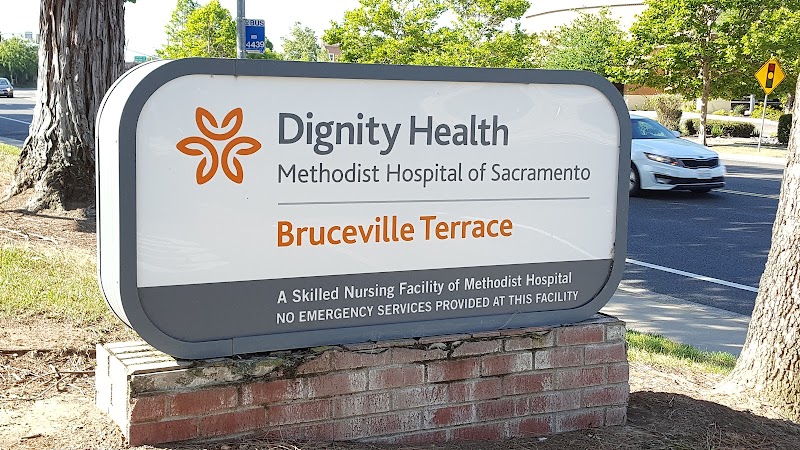
How Does Bruceville Terrace - D/P Snf Of Methodist Hospital Compare to Other California Nursing Homes?

Compared to the 100 nursing homes in California, BRUCEVILLE TERRACE - D/P SNF OF METHODIST HOSPITAL's overall rating (4 stars) is above the state average of 3.2, staff turnover (22%) is significantly lower than the state average of 46%, and health inspection rating (3 stars) is at the national benchmark.

What Should Families Ask When Visiting Bruceville Terrace - D/P Snf Of Methodist Hospital?

Based on this facility's data, families visiting should ask: "Can I visit during a mealtime to observe dining assistance and food quality?" "How do you handle medical emergencies, and what is your hospital transfer rate?" "Can I speak with family members of current residents about their experience?"

Is Bruceville Terrace - D/P Snf Of Methodist Hospital Safe?

Based on CMS inspection data, BRUCEVILLE TERRACE - D/P SNF OF METHODIST HOSPITAL has a clean safety record: no substantiated abuse findings (meaning no confirmed cases of resident harm), no Immediate Jeopardy citations (the most serious violation level indicating risk of serious injury or death), and is not on the Special Focus Facility watch list (a federal program monitoring the lowest-performing 1% of nursing homes). The facility has a 4-star overall rating and ranks #1 of 100 nursing homes in California. While no facility is perfect, families should still ask about staff-to-resident ratios and recent inspection results during their visit.

Do Nurses at Bruceville Terrace - D/P Snf Of Methodist Hospital Stick Around?

Staff at BRUCEVILLE TERRACE - D/P SNF OF METHODIST HOSPITAL tend to stick around. With a turnover rate of 22%, the facility is 24 percentage points below the California average of 46%. Low turnover is a positive sign. It means caregivers have time to learn each resident's needs, medications, and personal preferences. Consistent staff also notice subtle changes in a resident's condition more quickly. Registered Nurse turnover is also low at 25%, meaning experienced RNs are available to handle complex medical needs.

Was Bruceville Terrace - D/P Snf Of Methodist Hospital Ever Fined?

BRUCEVILLE TERRACE - D/P SNF OF METHODIST HOSPITAL has no federal fines on record. CMS issues fines when nursing homes fail to meet care standards or don't correct problems found during inspections. The absence of fines suggests the facility has either maintained compliance or corrected any issues before penalties were assessed. This is a positive indicator, though families should still review recent inspection reports for the full picture.

Is Bruceville Terrace - D/P Snf Of Methodist Hospital on Any Federal Watch List?

BRUCEVILLE TERRACE - D/P SNF OF METHODIST HOSPITAL is not on any federal watch list. The most significant is the Special Focus Facility (SFF) program, which identifies the bottom 1% of nursing homes nationally based on persistent, serious quality problems. Not being on this list means the facility has avoided the pattern of deficiencies that triggers enhanced federal oversight. This is a positive indicator, though families should still review the facility's inspection history directly.