CEDARWOOD POST ACUTE
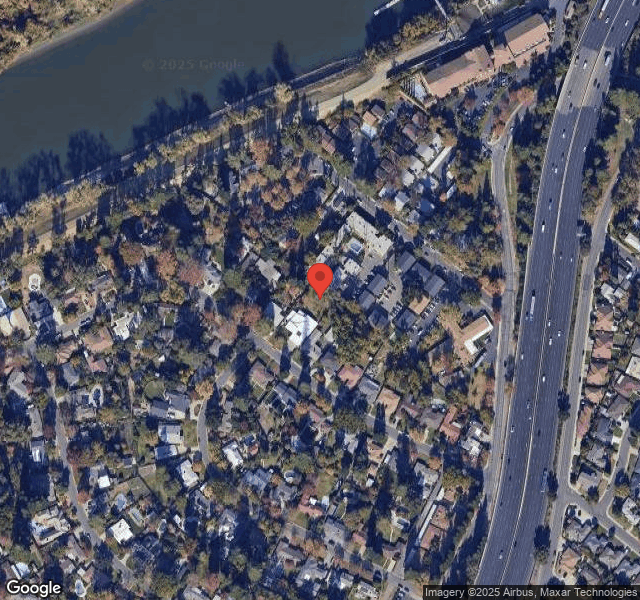
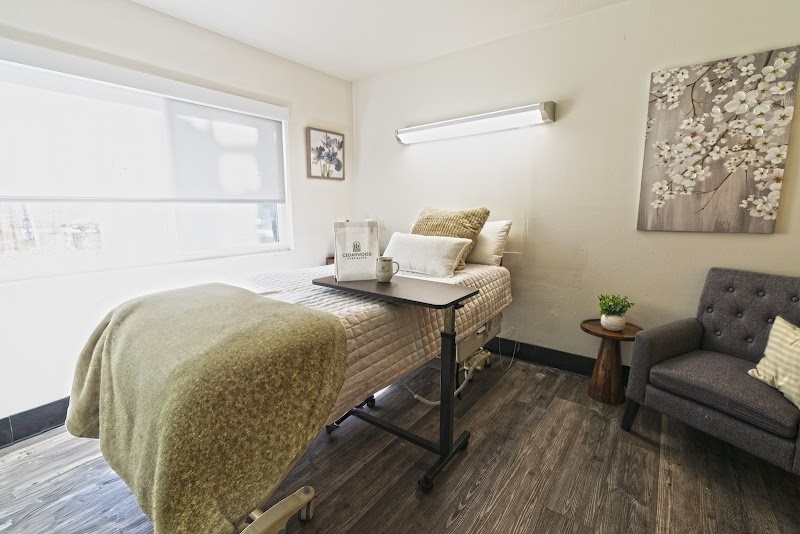
1090 RIO LANE, SACRAMENTO, CA 95822 (916) 446-2506
For profit - Corporation 51 Beds SPYGLASS HEALTHCARE Data: November 2025
Trust Grade
55/100
#548 of 1155 in CA
Last Inspection: June 2025

Inspected within the last 6 months. Data reflects current conditions.

Overview

Cedarwood Post Acute has a Trust Grade of C, which means it is average and falls in the middle of the pack among nursing homes. It ranks #548 out of 1,155 facilities in California, placing it in the top half, but it is #21 out of 37 in Sacramento County, indicating there are better local options available. The facility is improving, as the number of reported issues decreased from 27 in 2024 to 8 in 2025. Staffing is a concern with a 56% turnover rate, significantly higher than the California average of 38%, suggesting staff may not stay long enough to build relationships with residents. While Cedarwood has no fines on record, which is a positive sign, there were several concerning findings, such as improper food storage practices that could increase the risk of foodborne illnesses, indicating that attention to safety and hygiene needs improvement.

Trust Score
C
55/100
In California
#548/1155
Top 47%
Safety Record
Low Risk
No red flags
Inspections
Getting Better
27 → 8 violations
Staff Stability
⚠ Watch
56% turnover. Above average. Higher turnover means staff may not know residents' routines.
Penalties
✓ Good
No fines on record. Clean compliance history, better than most California facilities.
Skilled Nurses
○ Average
Each resident gets 34 minutes of Registered Nurse (RN) attention daily — about average for California. RNs are the most trained staff who monitor for health changes.
Violations
⚠ Watch
57 deficiencies on record. Higher than average. Multiple issues found across inspections.
★★★☆☆
3.0
Overall Rating
★★★☆☆
3.0
Staff Levels
★★★★★
5.0
Care Quality
★★☆☆☆
2.0
Inspection Score
Stable
2024: 27 issues
2025: 8 issues

The Good

  • 5-Star Quality Measures · Strong clinical quality outcomes
  • Full Sprinkler Coverage · Fire safety systems throughout facility
  • No fines on record

Facility shows strength in quality measures, fire safety.

The Bad

3-Star Overall Rating

Near California average (3.1)

Meets federal standards, typical of most facilities

Staff Turnover: 56%

Near California avg (46%)

Frequent staff changes - ask about care continuity

Chain: SPYGLASS HEALTHCARE

Part of a multi-facility chain

Ask about local staffing decisions and management

Staff turnover is elevated (56%)

8 points above California average of 48%

The Ugly 57 deficiencies on record

Jun 2025 8 deficiencies
CONCERN (D)

Potential for Harm - no one hurt, but risky conditions existed

Resident Rights (Tag F0550)

Could have caused harm · This affected 1 resident

**NOTE- TERMS IN BRACKETS HAVE BEEN EDITED TO PROTECT CONFIDENTIALITY** Based on observation, interview and record review, the facility failed to ensure five residents out of a census of 49 (Resident ...

Read full inspector narrative →
**NOTE- TERMS IN BRACKETS HAVE BEEN EDITED TO PROTECT CONFIDENTIALITY** Based on observation, interview and record review, the facility failed to ensure five residents out of a census of 49 (Resident 201, Resident 29, Resident 31, Resident 12, and Resident 44) were treated with dignity and respect when: 1) Resident 201's urinary catheter bag was not covered by a dignity bag; and, 2) RNA 1 and RNA 2 were standing up when assisting to feed Resident 29 and Resident 31; and, 3) Resident 12 and Resident 44 were not asked if they had a preference on using clothing protectors during their meals. These failures placed Resident 201, Resident 29, Resident 31, Resident 12 and Resident 44 at potential risk of diminished self-esteem and feelings of self-worth. Findings: 1.During a review of Resident 201's admission Record, indicated Resident 201 was admitted [DATE] with a diagnosis of metabolic encephalopathy (a condition characterized by altered brain function) and bacteremia (bloodstream infection). During a review of Resident 201's Minimum Data Set (MDS - a federally mandated resident assessment tool), dated 5/27/25, the MDS indicated Resident 201 was rarely/never understood. The MDS further indicated Resident 201 had a foley catheter (a hollow tube inserted into the bladder to drain or collect urine). During a concurrent observation and interview on 6/10/25 at 10:36 a.m., in Resident 201's doorway, Resident 201 was in bed and a urinary catheter bag half-filled with urine, hung beside the bed without a dignity bag cover. A blue dignity bag was hanging on Resident 201's wheelchair. Registered Nurse (RN) 1 came into the room and confirmed that the catheter bag was not covered. RN 1 stated, Resident 201's catheter bag should have been covered with the dignity bag. The RN 1 acknowledged that it was a dignity issue. During an interview on 6/13/25 at 10 a.m., the Director of Nursing (DON) stated, licensed nurses and certified nursing assistants were responsible for checking that urinary catheter bags were covered with dignity bags. The DON acknowledged that Resident 201's catheter bag should have been covered because it was a dignity issue. During a review of the facility's policy and procedure (P&P), titled, Quality of life-Dignity, revised February 2020, indicated, Staff are expected to promote dignity and assist residents. For example: Helping the resident to keep urinary catheter bags covered . 2. During a review of Resident 31's admission Record, indicated Resident 31 was admitted to the facility in April 2025 with multiple diagnoses which included cerebral infarction (loss of blood flow to a part of the brain), and hemiplegia (total paralysis of the arm, leg, and trunk on the same side of the body). During a review of Resident 31's MDS, dated [DATE], indicated Resident 31 was rarely/never understood. The MDS further indicated Resident 31 was independent in eating. During a review of Resident 29's admission Record, indicated Resident 29 was admitted to the facility in August 2024 with multiple diagnoses which included cerebral infarction and hemiplegia. During a review of Resident 29's MDS, dated [DATE], the MDS indicated Resident 29 had intact cognition. The MDS further indicated Resident 29 needed set up or clean up assistance for eating. During a concurrent observation and interview on 6/10/25, at 11:59 a.m., Resident 29 and Resident 31 were sitting in their respective wheelchairs in the dining room with other residents. Restorative Nurse Assistant (RNA) 1 and RNA 2 stood over Resident 29 while she was eating. RNA 2 standing went behind Resident 31's wheelchair and reached over to take a cup from his tray to prompt him to drink. RNA 2 still standing went to Resident 29 and took her spoon and assisted Resident 29 while reaching around from behind the wheelchair. RNA 1 and RNA 2 acknowledged that they remained standing during lunch. RNA 1 and RNA 2 could not explain why it was important sitting down while assisting residents with feeding. During a review of facility's In service attendance record-Nutrition & Hydration/Feeding, the training indicated that RNA 1 and RNA 2 received training on dignity and feeding on Monday 6/9/25. During an interview on 6/13/25, at 10:10 a.m., the DON stated it was expected for RNAs to be seated at eye level and not standing over the residents when assisting to feed. The DON acknowledged it was a dignity issue. During a review of the facility's policy and procedure (P&P) titled, Quality of Life-Dignity, revised November 2020, indicated, .Each resident shall be cared for in a manner that promotes and enhances his or her sense of well being, level of satisfaction with life, feeling of self worth and self esteem . 3. During a review of Resident 12's admission Record, indicated Resident 12 was admitted to the facility in March 2025 with a diagnosis of compression fracture of .vertebra (broken bone in the spine). Resident 12's MDS indicated that he had intact cognition. During a review of Resident 44's admission Record, indicated Resident 44 was admitted to the facility in March 2025 with a diagnosis of cerebral infarction. Resident 44's MDS indicated that he had intact cognition. During an observation on 6/10/25, at 11:59 a.m. in the dining room, six of the eight residents had clothes protectors on. Resident 12 and Resident 44 were observed with clothes protectors on and fastened to their neck. During an observation on 6/11/25 at 11:54 a.m., in the dining room, Resident 12 and Resident 44 were observed with clothes protector on and fastened to their neck. Staff did not ask residents if they prefer to wear clothes protectors during their lunch. During an interview on 6/11/25 at 3 p.m. with Resident 12, Resident 12 stated, The staff do not ask me if I want to wear a bib . During an interview on 6/12/25 at 11 a.m. with Resident 44, Resident 44 stated, he is depressed, and he does not like using the clothes protector. Resident 44 further stated .It makes me feel like a baby . Resident 44 confirmed that he was not asked at mealtime. During a review of Resident 12's and Resident 44's care plans, no documented evidence that Resident 12 and Resident 44 had a choice or preference to wear the clothes protector during mealtimes. During a review of the facility's P&P, titled Quality of Life-Dignity, revised November 2020, indicated, The facility culture is one that supports and encourages humanization and individuation of residents, and honors resident choices, preferences .
CONCERN (D)

Potential for Harm - no one hurt, but risky conditions existed

Deficiency F0657 (Tag F0657)

Could have caused harm · This affected 1 resident

**NOTE- TERMS IN BRACKETS HAVE BEEN EDITED TO PROTECT CONFIDENTIALITY** Based on observation, interview, and record review, the facility failed to review and revise the comprehensive care plan for two...

Read full inspector narrative →
**NOTE- TERMS IN BRACKETS HAVE BEEN EDITED TO PROTECT CONFIDENTIALITY** Based on observation, interview, and record review, the facility failed to review and revise the comprehensive care plan for two of 49 sampled residents (Resident 255 and Resident 10) reflecting the residents' current health status and needs when: 1. Resident 255 's care plan was not updated for self-administration of medications; and, 2. Resident 10's care plan was not updated for wound dressings on his hands. These failures had the potential to result in Resident 255 and Resident 10 receiving outdated and not person-centered care placing the residents at risk for not meeting their highest practicable well-being. Findings: 1.During a review of Resident 255's admission Record indicated, Resident 255 was admitted to the facility May 2025 with multiple diagnoses which included Sjögren's syndrome (a chronic autoimmune disease where the body's immune system mistakenly attacks moisture-producing glands, particularly those in the eyes and mouth). During a review of Resident 255's Minimum Data Set (MDS - a federally mandated resident assessment tool), dated 5/20/25, the MDS indicated Resident 255 needed supervision with Activities of Daily Living (ADLs- routine tasks/activities such as bathing, dressing and toileting a person performs daily to care for themselves) including self-care. During a concurrent observation and interview on 6/10/25 at 9:25 a.m. in Resident 255's room, Resident 255 had Carboxymethylcellulose Sodium Ophthalmic Solution (medication used to treat dry eyes and associated symptoms like burning, irritation, and discomfort) eyedrops on her bedside table. Resident 255 stated she used the eye drops for dry eyes. Resident 255 further stated she self-administered the eye drops daily since her admission to the facility. During a review of Resident 255's active orders dated 5/23/25, the orders indicated .Carboxymethylcellulose Sodium Ophthalmic Solution .Instill 1drop in both eyes every 1 hours as needed for dry eyes . The order indicated no documented evidence that Resident 255 will self-administer the eye drops. During a review of Resident 255's care plan, the care plan indicated no documented evidence with goals or interventions indicating Resident 255 was assessed for self-administration of medications or could self-administer medications. During an interview on 6/13/25 at 9:05 a.m. with Director of Nursing (DON), DON confirmed Resident 255 had Carboxymethylcellulose Sodium Ophthalmic Solution at bedside. DON stated the expectation was Resident 255 should be assessed for self-administration of medications and care planned before the resident could safely self-administer medications. DON confirmed Resident 255 did not have an assessment, physician orders, or care plan that indicated Resident 255 could self-administer medication. DON further stated there was a risk for medications being administered incorrectly when self-administration of medication did not care planned. During a review of the facility's policy and procedure (P&P) titled, Self-Administration of Medications, revised February 2021, the P&P indicated, .Residents have the right to self-administer medications if the interdisciplinary team has determined that it is clinically appropriate and safe for the resident to do so .If it is deemed safe and appropriate for a resident to self-administer medications, this is documented in the medical record and care plan . 2.During a review of Resident 10's admission Record, indicated, Resident 10 was admitted to the facility July 2021 with multiple diagnoses which included Sequelae of Cerebral Infarction (stroke, loss of blood flow to a part of the brain). During a review of Resident 10's MDS, dated [DATE], the MDS indicated Resident 255 needed supervision with ADLs including self-care. During an observation on 6/11/25 at 12 p.m. in Resident 10's room, Resident 10 was lying down in bed, his hands were completely wrapped with a self-adhering elastic bandage. During a concurrent interview and record review on 6/11/25 at 12:05 p.m. with Treatment Nurse (TN), TN stated Resident 10's hands were wrapped with self-adhering bandages because Resident 10 wanted to cover his hand amputations. TN confirmed Resident 10 did not have a care plan with goals or interventions addressing the bandages. During a concurrent observation and interview on 6/11/25 at 12:13 p.m. in Resident 10's room, with Certified Nursing Assistant (CNA) 1, CNA 1 stated Resident 10 needed assistance with care due to the bandages including eating his meals. During an interview on 6/13/25 at 9:05 a.m. with DON, DON acknowledged that Resident 10's care plan should have been updated to reflect use of the self-adhering bandages on Resident 10's hands. DON stated there was risk for appropriate care not being provided including an issue with accessibility, decrease of circulation to extremities, and feeding of meals when care plan was not updated for Resident 10. During a review of the facility's P&P titled Care Plans, Comprehensive Person-Centered, revised March 2022, the P&P indicated, .A comprehensive, person-centered care plan that includes .the resident's physical .functional needs .is developed and implemented .assessment of residents are ongoing and care plans are revised as information about the residents .conditions change
CONCERN (E)

Potential for Harm - no one hurt, but risky conditions existed

Deficiency F0558 (Tag F0558)

Could have caused harm · This affected multiple residents

**NOTE- TERMS IN BRACKETS HAVE BEEN EDITED TO PROTECT CONFIDENTIALITY** Based on observation, interview and record review the facility failed to ensure resident needs were accommodated for seven out o...

Read full inspector narrative →
**NOTE- TERMS IN BRACKETS HAVE BEEN EDITED TO PROTECT CONFIDENTIALITY** Based on observation, interview and record review the facility failed to ensure resident needs were accommodated for seven out of 19 sampled Residents (Resident 13, Resident 47, Resident 152, Resident 19, Resident 4, Resident 5, and Resident 10), when 1. The call light was not within reach for Resident 13, Resident 47, Resident 152 and Resident 19; 2. Resident 4 and Resident 5 did not have interventions regarding inability to use call lights in their care plans; and, 3. Resident 10 did not have a call light that accommodated his special needs These failures had the potential to result in the residents not attaining their highest practicable physical, psychosocial and emotional well-being. Findings: 1. Review of Resident 13's admission Record indicated Resident 13 was admitted [DATE] with diagnoses including rhabdomyolysis (a condition which damaged skeletal muscle breaks down rapidly), muscle weakness, other abnormalities of gait (a person's manner of walking) and mobility, and need for assistance with personal care. Review of Resident 13's Minimum Data Set (MDS, a federally mandated resident assessment tool) dated 4/17/25, indicated Resident 13 had moderately impaired cognition. The MDS also indicated that Resident 13 was dependent to required partial/moderate assistance (helper does less than half of the effort) for activities of daily living (ADL's-routine tasks such as bathing, dressing and toileting a person performs daily to care for themselves). During a concurrent observation and interview on 6/10/25 at 9:38 a.m. in Resident 13's room, Resident 13 was lying in bed and stated he could not reach his call light. Certified Nurse's Assistant (CNA) 2 confirmed the call light was out of reach of Resident 13 and stated the call light should be within reach. Review of Resident 13's Care plan dated 4/12/25, indicated Resident 13 was at risk for skin breakdown related to Actual skin breakdown .related to Rhabdomyolysis .interventions . keep the call light within reach and encourage resident to call for assistance. Review of Resident 47's admission Record indicated Resident 47 was admitted [DATE] with diagnoses including muscle weakness, difficulty in walking, and need for assistance with personal care. Review of Resident's 47's MDS dated [DATE], indicated Resident 47 had intact cognition. The MDS also indicated Resident 47 was dependent to needed setup or clean up assistance for ADL's. During a concurrent observation and interview on 6/10/25 at 9:18 a.m., in Resident 47's room, Resident 47 was lying in bed, and the call light was hanging against the wall out of reach of Resident 47. Resident 47 stated he did not know where his call light was. CNA 3 confirmed Resident 47's call light was out of reach and stated the call light should be within reach. Review of Resident 47's care plan dated 5/15/25, indicated Resident 47 was at risk for skin breakdown related to impaired mobility .interventions . Keep call light within reach and encourage resident to call for assistance. Review of Resident 152's admission Record, indicated Resident 152 was admitted [DATE] with diagnoses including Parkinson's disease (a progressive disease of the nervous system marked by muscle rigidity, tremors and slow imprecise movements), multiple fractures of ribs unspecified side, dementia (a progressive state of decline in mental abilities), other reduced mobility, and need for assistance with personal care. Review of Resident 152's MDS dated [DATE], indicated Resident 152 had severely impaired cognition. The MDS also indicated that Resident 152 was dependent to required partial/moderate assistance for ADLs. During a concurrent observation and interview on 6/10/25 at 8:49 a.m., Resident 152 was sitting in her wheelchair in the middle of her room and her call light was hanging from the wall out of reach of Resident 152. Licensed Nurse (LN) 1 confirmed the call light was out of reach of Resident 152 and stated the call light should be attached to where it is within reach. During a review of Resident 152's Care plan dated 5/28/25, indicated Resident 152 was .at risk for skin breakdown related to Parkinson's disease . intervention . keep call light within reach and encourage resident to call for assistance . During an interview on 6/12/25 at 1:05 p.m. with the Director of Nursing (DON), the DON stated it was unacceptable to have the call light out of a resident's reach. The DON further stated it could be a problem meeting a resident's needs, they could not call for help and the staff would not be able to help the resident. Review of the facility's Policy and Procedures (P&P) titled, Call Lights: Accessibility and Timely Response, undated, indicated, .staff will ensure the call light is in reach of resident and secured as needed . During a review of Resident 19's admission Record, indicated, Resident 19 was admitted on [DATE] with diagnoses that included hemiplegia (total paralysis of the arm, leg, and trunk on the same side of the body) and hemiparesis (weakness on one side of the body) affecting left non-dominant side, contracture (a stiffening/shortening at any joint, that reduces the joint's range of motion) left hand and need for assistance with personal care. During a review of Resident 19's MDS, dated [DATE], the MDS indicated, Resident 19 had severe memory problems. During a concurrent observation and interview on 6/10/25 at 10:37 a.m. in Resident 19's room, Resident 19's call light was clipped to the gown at the top backside of the left shoulder. Resident 19's left arm was contracted. When asked to activate the call light, Resident 19 used the right hand to reach over to the left side. Upon pulling the call light the call light was not activated. Resident 19 attempted to pull the string again, his arms were shaking, and Resident 19 was unable to pull the call light. Resident 19 stated, .It's hard for me to pull this (call light string); I use my right hand, and it is placed on my left side . During a concurrent observation and interview on 6/10/25 at 10:42 a.m. with LN 5 in Resident 19's room, Resident 19's call light string was observed still clipped on the gown on the left side. LN 5 stated call lights should be accessible, and operable by the resident. LN 5 further stated that Resident 19's call light should have been positioned on his right side and that he should have been using a touchpad call light. During an interview on 6/12/25 at 9:19 a.m. with DON, the DON stated, the call light served as a form of communication for residents when they needed assistance. The DON stated that a resident's ability to use the call light was an essential component of the call system. During a review of the facility's policy and procedure (P&P) titled Call Lights: Accessibility and Timely Response, undated, the P&P indicated, .special accommodations will be identified and provided accordingly .examples include touch pads .staff will ensure the call light was within reach of resident . 2. During a review of Resident 4's admission Record, dated 12/23, indicated Resident 4 was admitted to the facility with diagnoses including schizophrenia (a long-term mental health condition that causes a range of psychological symptoms) and epilepsy (a disorder causing seizures). During a review of Resident 4's MDS, dated [DATE], indicated Resident 4 had severe memory problems. During concurrent observation and interview on 6/10/25 at 9:10 a.m. in Resident 4's room, Resident 4 was sitting in bed and was unable to retrieve food on the back corner of her meal tray with her utensil. Resident 4 stated that she could not locate where her call light was. During an interview on 6/11/25 at 12:14 p.m. with LN 1, stated Resident 4's inability to use call lights can result in resident being in constant pain and neglect of care. During a review of Resident 5's admission Record, dated 7/22, indicated Resident 5 was admitted to the facility with diagnoses of Type II Diabetes Mellitus (a condition that impairs the body's ability to use sugar for energy) and schizophrenia. During a review of Resident 5's MDS, dated [DATE], indicated Resident 5 had severe memory problems. During a concurrent observation and interview on 6/11/25 at 11:46 a.m. in Resident 5's room, Resident 5 was in bed calling out for assistance with pain. Resident 5 stated she did not know where her call light was or how to call the nurse. During a concurrent interview and record review on 6/12/25 at 11:35 a.m. with DON, Resident 4's and Resident 5's Care Plans, undated, were reviewed. The Care Plan for Resident 4 indicated, .keep the call light within reach and encourage resident to use it for assistance, as needed .Provide use of call light . The Care Plan for Resident 5 indicated, .place call light within reach and encourage to use it .Resident needs prompt response to all requests for assistance There was no documented evidence of Resident 4's and Resident 5's care plans were updated to address both residents' inability to use the call light. The DON acknowledged interventions should be specific to the resident and should include an intervention stating staff to perform frequent checks on the safety and needs of Resident 4 and Resident 5. During a review of the facility's P&P titled, Care Plans, Comprehensive Person-Centered, dated 3/22, indicated, .care plans are revised as information about the resident and resident's conditions change . 3. During a review of Resident 10's admission Record, the face sheet indicated, Resident 10 was admitted to the facility July 2021 with multiple diagnoses which included Sequelae of Cerebral Infarction (stroke, loss of blood flow to a part of the brain). During a review of Resident 10's MDS, dated [DATE], the MDS indicated Resident 255 needed supervision with ADLs including self-care. During an observation on 6/11/25 at 12:00 p.m. in Resident 10's room, Resident 10 was lying down comfortably. Resident 10's hands were completely wrapped with a self-adhering elastic bandage. During a concurrent observation and interview on 6/11/25 at 12:13 p.m. in Resident 10's room, with CAN 1 confirmed Resident 10's hands were wrapped with a self-adhering elastic bandage. Resident 10 attempted to activate the call light. Resident 10 had difficulty pulling on the call light string. Resident 10 wrapped the string around his arm several times before the call light could be activated. CAN 1 acknowledged the delay in Resident 10 activating the call light due to Resident 10 having difficulty in pulling the call light string. During an interview on 6/13/25 at 9:05 a.m. with DON, DON acknowledged not providing Resident 10 with a call light that accommodated Resident 10's needs could cause a delay in care and injury. During a review of the facility's P&P titled Call Lights: Accessibility and Timely Response, undated, the P&P indicated, .Each resident will be evaluated for unique needs and preferences to determine any special accommodations that may be needed in order for the resident to utilize the call system .Special accommodations will be identified and provided accordingly. (Examples include touch pads, larger buttons .) .
CONCERN (E)

Potential for Harm - no one hurt, but risky conditions existed

Unnecessary Medications (Tag F0759)

Could have caused harm · This affected multiple residents

Based on observation, interview, and record review, the facility failed to ensure medication error rate was below 5% or greater when the error rate was 25.81% based on eight medication errors out of 3...

Read full inspector narrative →
Based on observation, interview, and record review, the facility failed to ensure medication error rate was below 5% or greater when the error rate was 25.81% based on eight medication errors out of 31 opportunities observed during a medication administration observation for four out of six residents (Resident 20, Resident 36, Resident 101, and Resident 25). This failure resulted in medications not given in accordance with the prescriber's orders or manufacturer's specifications and had the potential to affect the residents' clinical conditions. Findings: 1.During a medication administration observation on 6/11/25 at 7:55 a.m. with Licensed Nurse (LN) 1, outside of Resident 20's room, LN 1 was observed preparing 6 medications for Resident 20, including chewable aspirin (ASA-medication for pain that can be used as prevention for heart disease) and omeprazole delayed-release tablet (medication used to treat excess stomach acid and help control heartburn). At 8:01 a.m., LN 1 went inside the room with a 5 oz (ounces-unit of measurement) cup of water to give the medications to Resident 20. No food or other drinks were observed on the bedside table. When LN 1 told Resident 20 ASA was one of the medications he was administering, Resident 20 stated, Oh, I need to chew it. LN 1 responded, You can swallow it. No further instructions were provided. Resident 20 swallowed the ASA, and the other medications LN 1 brought with the 5 oz cup of water. During an observation on 6/11/25 at 8:08 a.m., outside Resident 20's room, observed label on bottle for Resident 20's chewable aspirin, bottle indicated, Adult Low Dose Chewable Aspirin. During an interview on 6/11/25 at 8:26 a.m. with Resident 20, Resident 20 stated she had breakfast a little after 7 a.m. that morning. During a review of Resident 20's Order Summary Report (OSR), dated 6/11/25, the OSR indicated Resident 20 had an order for ASA 81mg (milligram-unit of measurement) oral tablet (tab) chewable to be given, indicated, 1 tablet by mouth one time a day for blood clot prophylaxis (action taken to prevent disease) Chew and swallow the tablet. Give with food or a full glass (240ml [8oz]) of water or milk to minimize gastric irritation. During a review of omeprazole delayed-release manufacturer's packaging, the directions indicated, swallow 1 tablet with a glass of water before eating in the morning. During a telephone interview on 6/12/25 at 11:04 a.m. with Facility Pharmacy Consultant (PC), stated, A full glass of water is 8 oz . It's good to have that amount of water to coat the stomach. PC further stated it was important to take aspirin with food or full glass of water to prevent gastrointestinal (related to the stomach and intestines) discomfort and chew aspirin first before swallowing for better absorption. During a telephone interview on 6/13/25 at 9:48 a.m. with PC, stated, Omeprazole should be taken 3 minutes to an hour before breakfast because it is important for better absorption .more readily absorbed on empty stomach. 2.During a medication administration observation on 6/11/25 at 8:07 a.m., LN 1 was observed preparing 10 medications for Resident 36, including chewable aspirin, metoprolol (medication affecting the heart used to treat chest pain and high blood pressure), and potassium chloride (medication used to prevent or treat low blood levels of potassium-mineral needed for body functions). During a concurrent observation and interview on 6/11/25 at 8:17 a.m., LN 1 entered Resident 36's room with the prepared medications and a 5 oz cup of water. LN 1 informed Resident 36 of the medications he was administering. No food or other drinks were observed on the bedside table. No further instructions were given to resident. Resident 36 drank twice from the 5 oz cup of water when taking the pills. Observed 1/3 of the water remained in the 5 oz cup. LN 1 stated Resident 36 ate breakfast at 7am. LN 1 was observed throwing the cup with the remaining water into the trash. LN 1 confirmed he threw the 5 oz cup with water remaining into the trash. During a review of Resident 36's OSR, dated 6/11/25, the OSR indicated, Aspirin Tablet Chewable 81 MG. Give 1 tablet by mouth one time a day for CVA (Cerebrovascular accident-stroke, loss of blood flow to a part of the brain) Give with food or a full glass (240ml[8 oz]) of water or milk to minimize gastric (of or relating to the stomach) irritation .Metoprolol Tartrate Tablet 25 MG Give 1 tablet by mouth two times a day for hypertension (high blood pressure) .Administer with food .Potassium Chloride ER Oral Tablet Extended Release 8 MEQ (milliequivalent-unit of measurement) .Give with full glass of water [8 oz] and food. During a telephone interview on 6/12/25 at 11:04 am with PC, PC stated it was important to take metoprolol with a snack or a meal because metoprolol is better absorbed with food, and it was important to take potassium chloride tablet with a full glass of water and food to prevent irritation of the stomach. PC further stated a full glass of water is 8 oz. 3.During an observation on 6/11/25 at 8:35 a.m. with LN 2 in Resident 101's room, LN 2 asked Resident 101 his pain level and Resident 101 responded his pain level was 9 out of 10 (severe pain). During a medication administration observation on 6/11/25 at 8:36 a.m., in the hallway outside of Resident 101's room, LN 2 was observed preparing tramadol hcl (hydrochloride; medication used to treat pain) 50mg for Resident 101. At 8:39 a.m., LN 2 administered the tramadol to Resident 101. During a concurrent medication observation and interview on 6/11/25 at 8:52 a.m. with LN 2, LN 2 was observed preparing 5 medications, including carvedilol 3.125mg (medication used to treat heart failure and high blood pressure). During an observation on 6/11/25 at 8:53 a.m. outside of Resident 101's room, the pharmacy label on the bubble pack (packaging oral medication is dispensed from) for Resident 101's carvedilol medication indicated, carvedilol 3.125 MG TAB Take 1 tablet by mouth 2 times a day with breakfast and dinner. During a concurrent medication administration observation and interview on 6/11/25 at 8:59 a.m., LN 2 entered the room and administered Resident 101's medications without food. Resident 101 stated he had breakfast at 7:15 a.m. During a review of Resident 101's OSR, dated 6/11/25, the OSR indicated, TraMADol HCl Oral Tablet 50 MG (Tramadol HCl) Give 1 tablet by mouth every 6 hours as needed for Moderate back pain (4-7). During a telephone interview on 6/11/25 at 11:04 a.m. with PC, PC stated if tramadol is ordered just for moderate, it is not appropriate to be administered for severe pain. If a medication is indicated for moderate pain, it should only be given for moderate pain. PC further stated if there was no pain scale indicated in the medication order to cover severe pain, a doctor's order was needed to administer the medication for severe pain. PC stated carvedilol should be given with breakfast or dinner for better absorption. PC further stated the meal is needed to reduce the rate of absorption of the medication and carvedilol gets absorbed too rapidly when the stomach is empty. During a review of the facility's document titled, Integrated Patient Education-Medication Leaflets (IPE-MedLeaf) for carvedilol printed from the facility's electronic health record (EHR) by Treatment Nurse (TN) on 6/12/25 at 8:54 a.m., the IPE-MedLeaf indicated, Take this drug with food. During a review of the carvedilol manufacturer's label from the FDA (package insert that includes approved uses and dosage administration information: Food and Drug Administration), indicated, under Dosage and Administration, [brand name for the medication carvedilol] should be taken with food to slow the rate of absorption and reduce the incidence of orthostatic (low blood pressure when standing up) effects. 4.During a medication administration observation on 6/11/25 at 9:19 a.m. in the hallway outside of Resident 25's room, LN 2 was observed preparing five medications for Resident 25, including allopurinol 100mg (medication used to treat gout, a type of arthritis). During a concurrent observation and interview on 6/11/25 at 9:25 a.m., LN 2 was observed administering Resident 25's medications. No food or snacks were observed on Resident 25's bedside table or given. Resident 25 stated he ate breakfast at 7 a.m. During a review of Resident 25's OSR, dated 6/11/25, OSR indicated, Allopurinol Oral Tablet 100 MG (Allopurinol) Give 1 tablet by mouth two times a day for gout. Administer with food and water. During a telephone interview on 6/11/25 at 11:04 a.m. with PC, PC stated it is important to take allopurinol with food and water because the medication can be associated with gastrointestinal (related to the stomach and intestines) issues and can cause dehydration (condition caused by the loss of too much fluid from the body). PC further stated allopurinol should be taken with 8 oz of water. During an interview on 6/12/25 at 9:31 a.m. with Director of Nursing (DON), DON stated, There is an expectation that nurses follow doctor's orders when administering medications. During a concurrent observation and interview on 6/12/25 at 9:38 a.m., DON took a cup from a medication cart and confirmed cups were 5 oz when filled to the rim. During a review of the facility's Policy and Procedure (P&P) titled, Administering Medications, revised April 2019, indicated, Medications are administered in a safe and timely manner, and as prescribed .Administer medication as ordered in accordance with manufacturer's specifications. Provide appropriate amount of food and fluid.
CONCERN (E)

Potential for Harm - no one hurt, but risky conditions existed

Infection Control (Tag F0880)

Could have caused harm · This affected multiple residents

Based on observation, interview and record review, the facility failed to implement and maintain an effective infection prevention and control program for a census of 49 residents when a shared blood ...

Read full inspector narrative →
Based on observation, interview and record review, the facility failed to implement and maintain an effective infection prevention and control program for a census of 49 residents when a shared blood pressure (BP) cuff was not cleaned and sanitized properly in between resident use. This failure resulted in increased risk for cross-contamination (transfer of bacteria from one person, object, or place to another) and may cause infections among residents. Findings: During an observation on 6/11/25 at 7:48 a.m., Licensed Nurse (LN) 1 took the blood pressure (BP) of Resident 20 using a BP cuff from the medication cart without sanitizing it. LN 1 placed the BP cuff on Resident 20's right arm. After completing the task, LN 1 exited the room and placed the BP cuff in the medication cart without sanitizing it. At 8:04 a.m., LN 1 used the same BP cuff on Resident 36 without sanitizing it prior to use. LN 1 did not sanitize the BP cuff in between resident use before placing it back into the medication cart. During an observation on 6/11/25 at 8:51 a.m., LN 2 was observed taking the blood pressure of Resident 101 using a BP cuff from the medication cart. LN 2 placed the BP cuff on Resident 101's right arm. After exiting the room, LN 2 cleaned the BP cuff using a single alcohol prep wipe (tiny size) and then placed it back into the medication cart. During an interview on 6/11/25 at 9:37 a.m. with LN 1, LN 1 confirmed that he did not clean the BP cuff between residents and stated that he was not aware if the facility had a policy for cleaning BP cuffs between resident uses. During an interview on 6/12/25 at 8:08 a.m. with Infection Preventionist (IP), IP stated the expectation was to disinfect BP cuffs between resident use with disinfectant wipes from the canister with a purple top [brand name; germicidal disposable wipe) to prevent cross-contamination. The IP stated, This tiny little thing (alcohol prep pad)-how can it clean the whole blood pressure cuff? The IP further stated that it was not acceptable and not effective to use an alcohol prep wipe to clean a bp cuff. During a review of the facility policy and procedure (P&P) titled, Cleaning and Disinfection of Resident-Care Items and Equipment, revised 9/22, the P&P indicated, .reusable items are cleaned and disinfected or sterilized between residents .
CONCERN (F)

Potential for Harm - no one hurt, but risky conditions existed

Food Safety (Tag F0812)

Could have caused harm · This affected most or all residents

Based on observation, interview and record review, the facility failed to store, prepare, distribute and serve food properly in accordance with professional standards for food service safety for a cen...

Read full inspector narrative →
Based on observation, interview and record review, the facility failed to store, prepare, distribute and serve food properly in accordance with professional standards for food service safety for a census of 49 when: 1) Two metal bowls and 9 plate cover lids stored wet and stacked, 2) Two plastic cups had white film build up inside the cups, 3) Two thermometers missing inside freezers, 4) Open food items were not labeled with use by date, and, 5) Food items were not covered during resident food distribution of meal trays These failures increased the potential for food borne illness. Findings: 1.During a concurrent initial tour observation and interview on 6/10/25 at 8:20 a.m. with the Dietary Manager (DM), nine plate cover lids and two small bowls were stored upright with water collected at the bottom of the bowl. The DM stated that the plate cover lids and bowls should be on a drying rack to air dry completely before storing. During an interview on 6/12/25 at 1:10 p.m. with the Registered Dietician (RD), RD stated lids and bowls should always be air dried and confirmed that if not dried it could grow bacteria. During a review of the Food and Drug Administration (FDA) Food Code 2022, Section 4-901.11 Equipment and Utensils, Air Drying Required, After cleaning and sanitizing, equipment and utensils; shall be air dried . During a review of the Food and Drug Administration (FDA) Food Code 2022, Section 4-903 Storing, indicated Clean EQUIPMENT and UTENSILS shall be stored .In a self-draining position . 2. During a concurrent initial tour observation and interview in the kitchen tour on 6/10/25 at 8:32 a.m. with the DM, there were two plastic cups observed stored on the shelf that had white film build up inside the cups. DM confirmed that the cups had residual inside the cups. During an interview on 6/12/25 at 1:15 p.m. with the RD, the RD confirmed that the cups did not look clean, and the resident's perceptions is that the kitchen has served dirty cups. During a review of the Food and Drug Administration (FDA) Food Code 2022, Section 4-601.11 Cleaning of Equipment and Utensils, indicated EQUIPMENT FOOD-CONTACT SURFACES and UTENSILS shall be clean to sight and touch. 3. During a concurrent observation and interview on 6/10/25 at 8:40 a.m. in the kitchen, DM verified there were no thermometers inside both freezers. Food items were observed in both freezers. DM stated there should be a thermometer in every fridge and freezer and confirmed that kitchen staff would not know what the appropriate safe temperature for food to be stored. During a review of the facility's policy and procedure (P&P) titled, Food Receiving and Storage revised November 2022, the P&P indicated .must have working thermometers and are monitored for temperature according to state guidelines. 4. During a concurrent observation and interview on 6/10/25 at 8:58 a.m.in the kitchen, DM verified there were frozen opened waffle, opened corn, opened spices, a box of cream of wheat that had no used by dates. During an interview on 6/12/25 at 1:20 p.m. with the RD, the RD confirmed that no use by dates had a risk of kitchen staff not knowing if food items were sitting and stored for a long period of time. During a review of the facility P&P titled Food Receiving and Storage revised November 2022, indicated, All foods stored in the refrigerator or freezer are covered, labeled and dated (use by date). 5. During an observation on 6/10/25 at 12:04 p.m. in Wing C, the meal trays with dessert were not covered while being transported from the kitchen to residents' rooms. The delivery cart had plastic bags covering only three sides of the cart, but the staff rolled the plastic coverings up to the top exposing the desserts that were not covered. During an interview on 6/12/25 at 1:25 p.m. with the RD, the RD was shown a picture of the uncovered dessert and confirmed that they should be covered. The RD confirmed and agreed that items should be covered to prevent contamination and maintain cleanliness and sanitation and prevent foodborne illness. During a review of the FDA Food Code 2022, Section 8-203.10 Preoperational Inspections, indicated Food is managed so that the safety and integrity of the food from the time of delivery to the establishment throughout its storage, preparation, and transportation.
CONCERN (F)

Potential for Harm - no one hurt, but risky conditions existed

Garbage Disposal (Tag F0814)

Could have caused harm · This affected most or all residents

Deficiency Text Not Available

Read full inspector narrative →
Deficiency Text Not Available
CONCERN (F) 📢 Someone Reported This

A family member, employee, or ombudsman was alarmed enough to file a formal complaint

Potential for Harm - no one hurt, but risky conditions existed

Safe Environment (Tag F0921)

Could have caused harm · This affected most or all residents

Deficiency Text Not Available

Read full inspector narrative →
Deficiency Text Not Available
Nov 2024 1 deficiency
CONCERN (D) 📢 Someone Reported This

A family member, employee, or ombudsman was alarmed enough to file a formal complaint

Potential for Harm - no one hurt, but risky conditions existed

Comprehensive Care Plan (Tag F0656)

Could have caused harm · This affected 1 resident

Based on observation, interview, and record review, the facility failed to develop a comprehensive care plan on wound care interventions for 2 of 6 sample residents (Resident 2 and Resident 4). This f...

Read full inspector narrative →
Based on observation, interview, and record review, the facility failed to develop a comprehensive care plan on wound care interventions for 2 of 6 sample residents (Resident 2 and Resident 4). This failure to develop and implement a comprehensive person centered care plan on specific wound care needs had the potential for Resident 2 and Resident 4 to receive inaccurate and inadequate care. Findings: During record review of Minimum Data Set (MDS, an assessment tool) for Resident 2 dated 10/1/2024, indicated, Resident 2 had diabetic foot ulcer under (MDS) section M. During interview with Resident 2 on 11/20/2022 at 3:25 p.m., stated, had . wound to right foot, wound dressings changed every other day . A record review of Resident 2's clinical record indicated treatment order dated 11/19/2024 for Right Plantar Foot, Diabetic . During record review of Resident 2's electronic health record, there was no care plan for Resident 2 ' s diabetic foot ulcer and wound order treatment. During record review of Resident 4's clinical record, indicated a primary diagnosis of Infection following a Procedure, organ, and space surgical site. Resident 4's MDS section M, indicated resident had a surgical wound. During record review of Resident 4's order dated 9/17/24, indicated NPWT (Negative Pressure Wound Therapy, a type of wound care therapy) dressing change three times a week and as needed. Cleanse wound bed with Normal Saline, pat dry, apply skin sealant to surrounding tissue (skin prep) . Cut sponge to wound size and place in wound. Cover with Transparent Dressing . During record review of the electronic health record, there was no care plan for Resident 4's NPWT placement for wound care management. During an interview on 11/21/2024 at 9 a.m., with Licensed Nurse (LN 3) , upon review of Resident 2's clinical record, LN 3 confirmed there was wound care plan. Upon review of Resident 4's clinical record, LN 3 stated no wound therapy care plan was present in resident ' s record. During interview with Director of Nursing (DON) on 11/21/24 at 9:07 a.m., the DON reviewed Resident 2's care plan and confirmed there was no specific interventions or care plan present for the diabetic wound. The DON reviewed Resident 4's care plans and stated there were no wound care plans in place. The DON further stated residents (Resident 2 and Resident 4) must have a care plan related to wound treatment and nurses should have initiated the care plans. Review of facility document Comprehensive care plans dated 3/1/23 indicated: .It is the policy of this facility to develop and implement a comprehensive person-centered care plan for each resident, consistent with resident's rights that include measurable objectives and time frames to meet a resident's medical, nursing, and mental and psychosocial needs that are identified in the resident's comprehensive assessment .3. The comprehensive care plan will describe at a minimum, the following: a. The services that are to be furnished to attain or maintain the resident's highest practicable physical, mental, and psychosocial well-being. A review of facility document titled ' Pressure Injury Prevention and Management ' dated 3/3/2023 indicated, 4. Interventions for Prevention and to promote Healing .a. After completing a thorough assessment/evaluation, the interdisciplinary team shall develop a relevant care plan that includes measurable goals for prevention and management of pressure injuries with appropriate interventions . f. Interventions will be documented in the care plan and communicated to all relevant staff . b. Interventions on a resident ' s plan of care will be modified as needed.
Nov 2024 1 deficiency
CONCERN (E) 📢 Someone Reported This

A family member, employee, or ombudsman was alarmed enough to file a formal complaint

Potential for Harm - no one hurt, but risky conditions existed

Deficiency F0698 (Tag F0698)

Could have caused harm · This affected multiple residents

Based on observation, interview, and record review, the facility failed to ensure hemodialysis (HD- treatment that filters waste from the blood when kidneys are not working) services were provided per...

Read full inspector narrative →
Based on observation, interview, and record review, the facility failed to ensure hemodialysis (HD- treatment that filters waste from the blood when kidneys are not working) services were provided per facility policy for one of three sampled residents (Resident 1), when Resident 1 missed four outpatient hemodialysis appointments due to lack of transportation services and the physician was not notified of missed HD appointments. This failure resulted in Resident 1 going to the hospital for potential fluid retention increasing the risk for respiratory decline. Findings: A review of Resident 1's admission Record indicated Resident 1 was initially admitted to the facility in September 2024 with multiple dagnoses including cerebral infarction (stroke- disrupted blood flow to the brain causing brain tissue death), chronic obstructive pulmnary disease (lung disease that blocks airflow causing breathing difficulties), and end stage renal disease (kidneys stop functioning and no longer filter waste from the blood). A review of Resident 1's Minimum Data Set (MDS-a federally mandated assessment tool), Cognitive Patterns, dated 10/29/24, indicated Resident 1 had a Brief Interview for Mental Status (BIMS-tool to assess cognition) score of 14 out of 15 that indicated Resident 1 was cognitively intact. A review of Resident 1's MDS, Functional Abilities, dated10/29/24, indicated Resident 1 was dependent for transfers. A review of Resident 1's MDS, Special Treatments, Procedures, and Programs, dated 10/29/24, indicated Resident 1 was receiving hemodialysis on admission to the facility and as a resident. A review of Resident 1's Order Summary Report indicated Document the dialysis days: T [Tuesday], TH [Thursday], S [Saturday] .Transportation: .Pick up Time: 1:45pm-5:15pm Chair Time: 2:30 pm-5:00 pm, . A review of Resident 1's Change in Condition Evaluation, dated 10/30/24, indicated .Signs and Symptoms Identified .fluid retention .patient has missed dialysis multiple times this week d/t [due to] issues with transport. This nurse was unable to get in contact with transport services to get more information. Patient was requesting to be sent to [acute hospital] to get dialysis. This nurse called MD [Medical Doctor] .and he stated to send patient out. This nurse contacted [ambulance company] to get transport to [acute hospital] at around 0700 [7:00 a.m.] .patient was transported via gurney . A review of Resident 1's Progress Notes, dated 10/26/24 at 4:59 a.m., indicated .called transportation confirmed dialysis pickup at 1:40 pm . A review of Resident 1's Progress Notes. dated 10/26/24 at 6:27 p.m., Indicated .called [HD clinic] to reschedule HD . RN [Registered Nurse] rescheduled pt [patient] dialysis Monday 10/28/24 chair time 5:15am and be there at 5:00am . This LN [licensed Nurse] called [transport hub] to arrange transportation. pick up time will be between 4:15am -4:45am . A review of Resident 1's Progress Notes, dated 10/28/24 at 2:40 p.m., indicated .SS [Social Services] called [transport hub] to confirm standing order for resident . A review of Resident 1's Progress Notes dated 10/29/24 at 2:00 p.m., indicated .Patient missed dialysis. MD notified and NNO [no new orders] received . A review of Resident 1's Progress Notes, dated 10/29/24 at 2:19 p.m., indicated .The driver waited for resident for 20 minutes. Res [resident] did not show up and left. Could not find another driver .Res needs to be in dialysis today. The driver needs to come into the facility to get the resident because resident is not mobile . A review of Resident 1's Progress Notes, dated 10/29/24 at 3:02 p.m., indicated . Spoke w/ [with] [transport hub] . SSD [Social Services Director] received an ETA [estimated time of arrival] that stated 2:45 PM picked. She replied that there is no ETA. Res did not show up with the driver arrived . Informed .that resident could not wheel himself to the door. The driver needed to come inside the facility to let staff aware of the arrival Spoke with .supervisor .He placed SSD [Social Services Director] on hold to call the dialysis .The latest is at 3:30 PM today. It is now 3:19 PM . resident will not make .: A review of Resident 1's Progress Notes, dated 10/30/24 at 5:44 a.m., indicated .call to [transport hub] .no transport available for now . A review of Resident 1's Progress Notes, dated 10/30/24 at 8:12 a.m., indicated .Received a message .Res has not been picked up for dialysis .SSD made a conference call to [transport hub] and [HD clinic] .Driver needs to come into the facility to let the staff arrive .Pick up time: 1:55 PM . Return time: 5:45 PM . A review of Resident 1's Progress Notes, dated 10/30/24 at 10:52 a.m., indicated .patient has missed dialysis multiple time this week d/t issues with transport. This nurse was unable to get in contact with transport services to get more information. Patient was requesting to be sent to [acute hospital] to get dialysis .Sent patient to ED [Emergency Department] for further eval [evaluation] . A review of Resident 1's Progress Notes, dated 10/30/24 at 6:09 p.m., indicated Writer received call .stating resident finished dialysis and will need transportation. Writer call [transport hub] and spoke with customer service .stated resident will be picked up at [HD clinic] by 1900 [7:00 p.m.] . A review of Resident 1's Progress Notes, dated 10/30/24 at 8:35 p.m., indicated .Writer received call from [HD clinic] around 1915 [ 7:15 p.m.], nurse .stated Transport arrived but left d/t gurney bound .Writer called [transport hub] for via gurney pick up and was able to set up transportation. Customer service .stated will take about 3-4 hours d/t late scheduling .Writer called [ambulance company] to pick up resident from [HD clinic] . A review of Resident 1's Progress Notes, dated 10/30/24 at 10:40 p.m., indicated . Resident came back from Dialysis via gurney transport from [ambulance company] around 2215 [10:15 p.m.] . A review of Resident 1's RD [Registered Dietitian] Progress Note, dated 11/1/24, indicated .res is HD dependent wt [weight] fluctuation fluid shifts anticipated. Res has recent hx [history] of multiple hospitalization and missed HD appointments. Leading to excessive fluid shifts /wt gain followed by excessive fluid shifts /wt loss. Res is anticipated to have wt gain as 2 HD visits were missed . During a telephone interview on 11/14/24 at 4:14 p.m. with Social Worker (SW) at HD clinic, SW stated Resident 1 missed HD appointments on 10/26/24, 10/28/24, 10/29/24 and 10/30/24 due to transportation issues. The SW stated Resident 1 was sent to the emergency department on 10/30/24 after several missed visits. The emergency department determined Resident 1 needed to be dialyzed and was sent to the HD clinic for dialysis. The SW stated Resident 1 was not picked up from the HD clinic until 10:00 p.m. When asked what the consequences of missed HD appointments are, the SW stated, It is a lifesaving procedure. If missed can experience shortness of breath. Worst case fluid overload and death. During an interview on 11/15/24 at 10:49 a.m. with the Director of Nursing (DON), the DON stated Resident 1 missed several HD appointments due to many issues with transportation. The facility attempted to reschedule HD appointments after transport did not show up at the scheduled times. The DON stated, on 10/30/24, Resident 1 was sent to emergency department, per Resident 1's FM concern, after Resident 1 had missed a few days of HD. The DON stated Resident 1 was picked up late from the HD clinic on 10/30/24 due to difficulty finding gurney van transport late in the day. The DON stated he finally arranged for an ambulance transport on 10/30/24. The DON stated the physician was notified of Resident 1's missed HD appointments by phone call or in person. During an interview on 11/15/24 at 11:08 a.m. with the SSD, the SSD stated Resident 1 had missed HD appointments on 10/26/24, 10/28/24, 10/29/24, and 10/30/24 due to transport company not picking up even after HD appointments had been rescheduled. On 10/30/24 Resident 1's family member requested Resident 1 go to the emergency department after several missed HD appointments. The SSD stated if transport did not arrive, the nurse was to call the transport company and notify the MD. During an interview on 11/15/24 at 11:43 a.m. with Resident 1, Resident 1 stated his HD days are Tuesday, Thursday, and Saturday. Resident 1 stated on 10/30/24 he was feeling short of breath and his wife wanted him to go to the emergency room. Resident 1 stated he waited a long time at the HD clinic after treatment to be picked up. During an interview on 11/15/24 at 11:50 a.m. with LN 1, LN 1 stated Resident 1 usually is picked at 1:00 p.m. to 1:30 p.m. on Tuesday, Thursday, Saturday for HD appointment. LN 1 stated if Resident 1 missed HD, MD should be notified and should chart that the MD was notified. LN 1 stated if HD is missed labs should be done. During an interview on 11/15/24 at 11:59 a.m. with LN 2, LN 2 stated Resident 1 missed a few days of HD due to miscommunication with the transport company. LN 2 stated if Resident 1 missed HD, LNs should notify MD and have labs done. During a subsequent interview on 11/15/24 at 12:04 p.m. with the SSD, the SSD stated Resident 1's HD transport was ordered for door to door and the driver was supposed to come into the facility to pick up resident. The SSD stated on 10/26/24 and 10/29/24 the driver did not come into the facility and left without transporting the resident. The SSD stated on 10/28/24 and 10/30/24 the transport company did not have a driver. During an interview on 11/15/24 at 2:16 p.m. with the DON, reviewed Resident 1's progress notes for 10/26/24 and 10/28/24. The DON acknowledged that there was no documentation that the MD had been notified of missed HD appointments on 10/26/24 and 10/28/24. The DON stated LNs, Should chart that MD was notified. If [LNs] let MD know [MD] would have asked for labs. During an interview on 11/15/24 at 2:38 p.m. with LN 3, LN 3 stated Resident 1 was sent to the emergency department on 10/30/24 after missed HD appointments on 10/26/24, 10/28/24, 10/29/24, and 10/30/24. SS had scheduled the transports. LN 3 stated if resident missed HD appointment MD is notified and orders are received including possible labs. When asked what were the consequences of a missed HD appointment, LN 3 stated, Fluid retention, shortness of breath. Critical if you miss dialysis. A review of the facility's Policy and Procedure (P&P) titled Hemodialysis Policy, dated 7/1/23, indicated .The facility will provide the necessary care and treatment, consistent with professional standards of practice, physician orders . The facility will assure that each resident receives care and services for the provision of hemodialysis consistent with professional standards of practice .The facility will ensure that arrangements are made for safe transportation to and from the dialysis facility .The facility will communicate with the attending physician, dialysis facility, .of any canceled or postponed dialysis treatments and document any responses to the changes in treatment in the medical record. The facility will coordinate with the dialysis facility for rescheduling of the resident's dialysis treatment if indicated . A review of the facility's P&P titled Notification of Changes, dated 3/1/23, indicated .The purpose of the policy is to ensure the facility promptly informs the resident, consults the resident's physician .The facility must inform the resident, consult with the resident's physician .when there is a change requiring such notification .Circumstances requiring notification include .Circumstances that require a need to alter treatment .
Oct 2024 1 deficiency
CONCERN (D) 📢 Someone Reported This

A family member, employee, or ombudsman was alarmed enough to file a formal complaint

Potential for Harm - no one hurt, but risky conditions existed

Incontinence Care (Tag F0690)

Could have caused harm · This affected 1 resident

**NOTE- TERMS IN BRACKETS HAVE BEEN EDITED TO PROTECT CONFIDENTIALITY** Based on interview and record review, the facility failed to provide appropriate indwelling catheter (a tube placed in the body ...

Read full inspector narrative →
**NOTE- TERMS IN BRACKETS HAVE BEEN EDITED TO PROTECT CONFIDENTIALITY** Based on interview and record review, the facility failed to provide appropriate indwelling catheter (a tube placed in the body to drain and collect urine from the bladder) care and services for one of 4 sampled residents (Resident 1) when Resident 1 did not have physician order for indwelling catheter care nor a catheter change for several months after admission to the facility. This failure had the potential to contribute to Resident 1's development of a urinary tract infection (UTI, a clinically detectable condition associated with invasion by disease causing microorganisms of some part of the urinary tract). Findings: During a review of Resident 1's facesheet (a document that gives a resident's information at a quick glance) dated 10/2/24, the facesheet indicated Resident 1 was admitted to the facility on [DATE], with diagnoses including benign prostatic hyperplasia (BPH, age-associated prostate gland enlargement that can cause urination difficulty) without lower urinary tract symptoms, stage 4 sacral pressure ulcer (deep wound that may impact muscle, tendons, ligaments, and bone), and a need for assistance with personal care. During a review of Resident 1's minimum data set (MDS, a clinical assessment tool) dated 3/13/24, indicated Resident 1 had an indwelling catheter and was dependent (helper does ALL of the effort. Resident does none of the effort to complete the activity) on staff for toileting hygiene. During a review of Resident 1's Lab Results Report CULTURE, URINE, dated 4/26/24, indicated Providencia stuartii [a bacteria which can cause UTI] > 100,000 cfu/ml [colony-forming unit per milliliter, a measurement of bacteria], which indicated Resident 1 had a UTI. During a review of Resident 1's physician order dated 4/27/24, indicated Resident 1 was on Cefepime HCL [an antibiotic to treat UTI] . intravenously [administered into a vein] every morning and at bedtime for UTI for 5 days. During a review of Resident 1's Lab Results Report CULTURE, URINE dated 6/21/24, the report indicated Proteus mirabilis [a bacteria can cause UTI] > 100,000 cfu/ml, which indicated Resident 1 had a UTI. During a review of Resident 1's physician order dated 6/22/24, indicated Resident 1 was on Gentamicin Sulfate Solution [an antibiotic to treat UTI] . intravenously every 8 hours for Proteus mirabilis UTI for 3 days. During a review of Resident 1's TREATMENT ADMINISTRATION RECORD (TAR) dated 6/2024, indicated, [Indwelling] Catheter Care QD [everyday] every shift start date 6/27/24. During a review of Resident 1's physician orders, dated 7/12/24, indicated, [Indwelling] catheter fr 16 [French size, size of the catheter]/30 cc [cubic centimeter, balloon capacity inside of the bladder to secure the catheter] attached to bedside drainage bag due to neuromuscular dysfunction of bladder [lack of bladder control caused by nervous system condition]. During a concurrent interview and record review on 10/2/24 at 1:50 p.m. with Licensed Nurse (LN) 1, LN 1 stated, [Indwelling] catheter should be changed monthly, [urine collection] bag should be changed weekly and as needed. There should be orders in TAR. Every resident who has an [indwelling catheter] should have a set of orders. If [an indwelling catheter] left in too long, there is a risk for UTI. The LN 1 reviewed Resident 1's MAR (medication administration record) and TAR and confirmed there was no documented evidence Resident 1 received any indwelling catheter care between 3/7/24 and 6/26/24, and first documented indwelling catheter change since admission was on 7/8/24. During an interview on 10/2/24 at 2:04 p.m. with Treatment Nurse (TN) 2, TN 2 stated the TN was responsible to change all indwelling catheter bags and catheters, the catheter should be changed every month. The catheter care should include the use of soap and water to clean around the catheter insertion site. The TN 2 further stated if the resident was admitted with an indwelling catheter, there should be a set of indwelling catheter care orders upon admission. During an interview on 10/2/24 at 2:24 p.m. with the Director of Nursing (DON), the DON stated the set of indwelling catheter care orders includes the size of the catheter, cleaning, monitoring, and changing schedule, so nurses know when to change the catheter. The DON also stated the admission nurse was responsible to put in the orders, the IDT (interdisciplinary team, a group of people who have a role in the resident's care) should review the orders to make sure the admission orders were complete, but for Resident 1, those orders were missed. The DON further stated without the orders, there was no prompt for the nurses to check on the indwelling catheter which increased the risk for the development of a UTI without appropriate care. During an interview on 10/2/24 at 3:23 p.m. with the Infection Preventionist (IP), the IP stated nurses relied on physician orders to perform care. The IP also stated if there was no order, the care could get missed. The indwelling catheter should be changed once a month and as needed. The IP verified there was an increased risk for UTI if the catheter was not changed regularly, the resident could even end up with sepsis (a serious condition in which the body responds improperly to an infection). During a review of the facility's policy and procedure (P&P) titled Catheter Care, dated 3/1/23, the P&P indicated, 1. Catheter care will be performed every shift and as needed by nursing personnel.
Aug 2024 16 deficiencies
CONCERN (D)

Potential for Harm - no one hurt, but risky conditions existed

Deficiency F0552 (Tag F0552)

Could have caused harm · This affected 1 resident

Based on interview and record review, the facility failed to ensure an informed consent was obtained (the process in which a health care provider educates a patient about the risks, benefits, and alte...

Read full inspector narrative →
Based on interview and record review, the facility failed to ensure an informed consent was obtained (the process in which a health care provider educates a patient about the risks, benefits, and alternatives of a given procedure or intervention) on the use of psychotropic medication (drugs that affect a person's mental state) for one of 14 sampled residents (Resident 447). This failure decreased the facility's potential to ensure Resident 447 and responsible party (RP) were aware of the risks, benefits, and alternatives of treatment offered to them. Findings: A review of Resident 447's admission records indicated admission to the facility on 8/12/24, with diagnoses which included dementia (the impaired ability to remember, think, or make decisions), bipolar disorder (mental illness that causes unusual shifts in a person's mood, energy, activity levels, and concentration), and schizophrenia (a serious mental health condition that affects how people think, feel, and behave). Resident 447's admission records also indicated a relative was the RP. A review of Resident 447's medical record indicated the following physician's orders: -Risperidone (medication use to treat mental health conditions) 0.5 milligram (mg, a unit of measurement): give 1 tablet via PEG-tube (tube inserted through the wall of the abdomen directly into the stomach) two time a day for bipolar disorder m/b (manifested by) aggression leading towards distress ICO (informed consent obtained), ordered 8/16/24. -Trazodone (medication use to treat depression) 50 mg: give 0.5 tablet via PEG-tube as needed for depression m/b inability to sleep, ordered 8/12/24. A review of Residents 447's Medication Administration Record (MAR) indicated trazodone 0.5 tablet was administered on the following dates: 7/29/24, 7/30/24, and 7/31/24. While risperidone 0.5 mg was administered on 8/16/24, twice on 8/17/24, twice on 8/18/24, twice on 8/19/24, twice on 8/20/24, and on 8/21/24. A review of Residents 447's medical records titled, Informed Consent for Psychoactive Medications for risperidone and trazodone, dated 8/12/24: --During an interview on 8/21/24 at 3:39 p.m. with LN 3, LN 3 stated staff should ensure that patient has informed consent on file that has been signed by both medical doctor (MD) and representative. LN 3 added that, A nurse can sign a verbal consent from representative as long as the MD will sign it. --During a concurrent interview and record review on 8/21/24 at 1:06 p.m. with DON, Resident 447's informed consents for trazodone and risperidone were reviewed. The records indicated the physician did not provide informed consent to Resident 447. DON confirmed the finding and stated the physician was responsible for obtaining informed consent to a resident prior to initiating a psychotropic medication. During a review of an All Facilities Letter (AFL) 24-07 effective 2/28/24 indicated, .Before prescribing a psychotherapeutic drug, the prescriber must personally examine the resident and obtain informed written consent signed by the resident or the resident's representative along with, the signature of the health care professional declaring the required material information has been provided. If the resident or resident's representative cannot sign the form, a licensed nurse can sign the form, a licensed nurse can sign the form and document the name of the person who gave consent and the date .The signed written consent must be recorded in the resident's medical record. Before initiating treatment with psychotherapeutic drugs, facility staff must verify that the resident's health record contains written informed consent with the required signatures . During a review of the facility's policy and procedure (P&P) titled, Use of Psychotropic Medications, dated 5/1/23, the P&P indicated, Policy Explanation and Compliance Guidelines: .5. Resident and/or representatives shall be educated on the risks and benefits of psychotropic drug use, as well as alternative treatments/non-pharmacological interventions.
CONCERN (D)

Potential for Harm - no one hurt, but risky conditions existed

Assessment Accuracy (Tag F0641)

Could have caused harm · This affected 1 resident

Based on observations, interviews and record reviews the facility failed to ensure resident assessments were accurate for one resident (Resident 15) out of nineteen sampled residents. This failure ha...

Read full inspector narrative →
Based on observations, interviews and record reviews the facility failed to ensure resident assessments were accurate for one resident (Resident 15) out of nineteen sampled residents. This failure had the potential to establish incorrect baseline data and treatment for Resident 15. Findings: A review Resident 15's admission Record indicated Resident 15 was admitted to the facility in April 2024 with diagnoses which included metabolic encephalopathy (when problems with metabolism cause brain dysfunction) and generalized weakness. During a concurrent observation and interview on 8/20/24 at 9:10 a.m. in Resident 15's room, Resident 15 was lying in bed. There was no urinary catheter tube (a flexible tube used to empty the bladder) or catheter bag (a bag that collects urine) observed. Resident 15 stated, I can get out of bed myself, I don't use a [urinary] catheter. During a concurrent interview and record review on 8/22/24 at 3:52 p.m., with the Director of Nursing (DON) Resident 15's Order Summary Report (OSR, physician orders), Minimum Data Set (MDS, an assessment tool) dated 5/3/24 and 8/3/24 were reviewed. The DON confirmed Resident 15 did not have a urinary catheter ordered or in use and confirmed the MDS reports were inaccurate. A review of the facility's Policy and Procedure (P&P) titled, Conducting an Accurate Resident Assessment, dated 6/1/23, the P&P stated, The purpose of this policy is to assure that all residents receive and accurate assessment, reflective of the resident's status at the time of the assessment, by qualified staff to assess relevant care areas .Information provided by the initial comprehensive assessment establishes baseline data for the ongoing assessment of resident progress .
CONCERN (D)

Potential for Harm - no one hurt, but risky conditions existed

Comprehensive Care Plan (Tag F0656)

Could have caused harm · This affected 1 resident

Based on observation, interview, and record review, the facility failed to develop a comprehensive care plan on the use of a BiPAP ( a noninvasive ventilator that helps people breathe by delivering pr...

Read full inspector narrative →
Based on observation, interview, and record review, the facility failed to develop a comprehensive care plan on the use of a BiPAP ( a noninvasive ventilator that helps people breathe by delivering pressurized air into their airways through a face mask) machine for 1 of 19 sampled residents (Resident 10). This failure to develop a care plan on the use of a BiPAP machine had the potential for Resident 10 to received inaccurate and inadequate care. Findings: During a record review of Resident 10's facesheet, the clinical record indicated Resident 10 was admitted with diagnoses of Type 2 Diabetes (a condition of too much sugar in the blood), and Neurocognitive Disorder (a category of mental health disorders that primarily affect cognitive abilities including learning, memory, perception, and problem-solving) with Lewy Bodies (clumps of abnormal protein particles that accumulate in the brain and caused a form of dementia). During the initial pool tour on 8/20/24 at 11 a.m., Resident 10 was observed lying in bed. Resident 10 was was interviewable but confused as to time and place. Resident 10 appeared comfortable. Upon further observation of Resident 10's room, a facemask and tubing connected to a BiPAP machine was found on top of a bedside cabinet. During a record review of Resident 10's physician's order, dated 8/6/24, indicated BiPAP was to be on at bed time and off upon waking. Review of Resident 10's Electronic Health Record (EHR) care plans indicated there were no care plans specific for use of a BiPAP machine. During an interview with the Clinical Reimbursement Director Nurse Consultant (CRD/NC) on 8/21/24 at 9:18 a.m., the CRD/NC was asked to review Resident 10's physician's orders. After reviewing Resident 10's physician's orders she confirmed Resident 10 had orders for BiPAP during bedtime and off when awake. Upon further interview with the CRD/NC, she reviewed Resident 10's care plans using a BiPAP and stated there were no BiPAP care plans in place. She further stated Resident 10 must have a care plan on the use of the BiPAP machine. Review of facility document Comprehensive care plans dated 3/1/23 indicated: .It is the policy of this facility to develop and implement a comprehensive person-centered care plan for each resident, consistent with resident's rights that include measurable objectives and time frames to meet a resident's medical, nursing, and mental and psychosocial needs that are identified in the resident's comprehensive assessment .3. The comprehensive care plan will describe at a minimum, the following: a. The services that are to be furnished to attain or maintain the resident's highest practicable physical, mental, and psychosocial well-being.
CONCERN (D)

Potential for Harm - no one hurt, but risky conditions existed

Deficiency F0761 (Tag F0761)

Could have caused harm · This affected 1 resident

Based on observation, interview, and record review, the facility failed to ensure medications were stored correctly for a census of 51 residents, when a medication cart (a lockable cabinet on wheels t...

Read full inspector narrative →
Based on observation, interview, and record review, the facility failed to ensure medications were stored correctly for a census of 51 residents, when a medication cart (a lockable cabinet on wheels that stores drugs and supplies) and a treatment cart (a lockable cabinet on wheels that stores drugs and supplies) were unlocked and unattended. These failures had the potential for drug diversion and drug misuse. Findings: During a concurrent observation and interview on 8/20/24 at 8:22 a.m. with the Activities Director (AD) in the walkway in front of the nursing station, the AD confirmed a treatment cart was observed to be unlocked with keys hanging from the lock cylinder while no staff were present at the cart. The AD confirmed the cart stored drugs and should have been locked. During a concurrent observation and interview on 8/20/24 at 8:27 a.m. with Licensed Nurse 1 (LN 1), in the walkway in front of the nursing station, medication cart A was observed to be unlocked while no staff was present at the cart. The LN 1 confirmed the cart was unlocked while he was at the nursing station, the cart stored drugs, and should have been locked to prevent an unauthorized persons to access and possibly ingest the drugs. An interview on 8/23/24 at 9:33 a.m., LN 4 stated medication and treatment carts should be locked when staff are not attending the carts to prevent unauthorized persons from accessing and taking drugs that could cause a bad reaction. LN 4 added, the treatment cart also stores sharp objects that could be dangerous for unauthorized persons to obtain. An interview on 8/23/24 at 10:51 a.m., the Clinical Reimbursement Director/ Nurse consultant (CRD/NC) stated it was important to ensure treatment and medication carts are locked when staff are not right in front of the carts. The CRD/NC clarified, she expected staff to lock the medication cart to prevent unauthorized access even when a nurse is behind the nursing station and the medication cart is in front of the nursing station. The CRD/NC added, the carts needed to be locked for safety and to prevent someone taking medications they should not take. An interview on 8/23/24 at 10:26 a.m., the Director of Nursing (DON) stated he expected the treatment and medication carts to be locked when the nurse steps away from them. The DON clarified, he expected the medication cart to be locked even if the nurse was just a steps away at the nursing station and the medication cart was left in front of the nursing station. A review of facility policy and procedure (P&P) titled, Medication Storage, dated 3/1/23, indicated, . it is the policy of this facility to ensure all medications house on our premises will be stored . to ensure proper .security . all drugs and biologicals will be stored in locked compartments . only authorized personnel will have access to the keys to locked compartments .
CONCERN (D)

Potential for Harm - no one hurt, but risky conditions existed

Deficiency F0808 (Tag F0808)

Could have caused harm · This affected 1 resident

Based on observation, interview and record review the facility failed to provide a resident (296) the appropriate nutritive profile matching the physician prescribed renal diet when potatoes were serv...

Read full inspector narrative →
Based on observation, interview and record review the facility failed to provide a resident (296) the appropriate nutritive profile matching the physician prescribed renal diet when potatoes were served. This failure had to potential to lead to confusion regarding diet restrictions for the resident, as well as lead to heart issues due to the high potassium content from the meal provided. Findings: During an observation of the lunch meal on 8/20/24 at 12:50 p.m., Resident 296 was in his bed eating his lunch. The meal plate contained turkey, 2 scoops of mashed potatoes, and broccoli. Resident 296 points to the potatoes and stated that those aren't allowed on the renal diet. Resident 296's tray ticket showed that a renal diet had been ordered, and potatoes were listed as a dislike. During an interview on 8/20/24 at 3:45 p.m. with the Certified Dietary Manager (CDM), the CDM confirmed that renal diet restrictions were listed in the dislike column of the meal tray tickets to provide another cue to food servers of what they should not serve. In reviewing resident 296's tray ticket, the CDM noted that he was on a renal diet and that potatoes were included on the dislike list. The CDM confirmed that Resident 296 should not have received mashed potatoes. During an interview on 8/22/24 at 11:25 a.m. with the Registered Dietitian (RD), the RD stated that the renal diet limits the amount of phosphorus and potassium provided daily. She further stated that she expected the kitchen to follow the menu which would not have included potatoes, beans, tomatoes or other potassium rich foods. She went on to state that The problem with potassium for those with renal disease is that it can lead to heart arrhythmias and heart palpitations. Review of the facility provided Nutrition Manual (Healthcare Menus Direct, LLC. 2023) indicated that the renal diet is used for the resident with renal insufficiency or for residents with renal failure not on dialysis. This diet regulates the dietary intake of sodium, potassium, and protein to lighten the work of the diseased kidney.
CONCERN (D)

Potential for Harm - no one hurt, but risky conditions existed

Infection Control (Tag F0880)

Could have caused harm · This affected 1 resident

**NOTE- TERMS IN BRACKETS HAVE BEEN EDITED TO PROTECT CONFIDENTIALITY** Based on observation, interview and record review, the facility failed to ensure the infection prevention and control program gu...

Read full inspector narrative →
**NOTE- TERMS IN BRACKETS HAVE BEEN EDITED TO PROTECT CONFIDENTIALITY** Based on observation, interview and record review, the facility failed to ensure the infection prevention and control program guidelines and practices were maintained for a census of 51, when Certified Nursing Assistant 5 (CNA 5) was observed taking trash from one resident room to another and allowed trash bags to rest against her clothing. This failure had the potential to result in transmission and spread of infection for a vulnerable population. Findings: During a concurrent observation and interview on 8/22/24 at 8:15 a.m. with CNA 5 in the hallway outside of room [ROOM NUMBER], CNA 5 was observed removing and carrying two bags from room [ROOM NUMBER] and then entered room [ROOM NUMBER] with the two bags, and then CNA 5 exited room [ROOM NUMBER] with the two bags. CNA 5 stopped to speak with the Department and was observed resting the two bags against her leg, making direct contact with her pants. CNA 5 stated the two bags contained trash from room [ROOM NUMBER] and she had taken the two bags of trash towards room [ROOM NUMBER] but denied entering room [ROOM NUMBER] despite being observed entering room [ROOM NUMBER]. CNA 5 confirmed the bags of trash were resting against her and touching her pants. CNA 5 acknowledged, to prevent spread of germs and infections, staff should not take trash from one resident room to another or allow bags of trash to touch their body or uniform. An interview on 8/22/24 at 3:18 p.m., the Infection Preventionist (IP: a healthcare worker with specialty training and oversight in preventing infections among residents and staff) stated it was forbidden to take trash from one resident room into another resident's room. The IP added, staff were expected to hold trash away from their body and clothing to prevent the spread of germs that could cause infections in the facility. An interview on 8/23/24 at 9:33 a.m., Licensed Nurse 4 (LN 4) stated infection control is important to follow and added, when staff are handling trash, she expected them hold bags away from their body and clothing. LN 4 stated she would be concerned about the potential for the spread of germs if trash was taken from one resident room into another resident's room. An interview on 8/23/24 at 9:45 a.m., CNA 4 stated to prevent the spread of germs while handling trash, staff are expected to ensure the trash is carried away from their body and clothing. CNA 4 confirmed staff are not allowed to take trash from one resident room into another resident room. An interview on 8/23/24 at 10:26 a.m., the Director of Nursing (DON) stated when staff handle trash, he expected staff to follow infection prevention practices by taking trash directly to the trash disposal area and staff should hold the trash bags away from their body and uniforms. An interview on 8/23/24 at 12:48 p.m., The Clinical Reimbursement Director/ Nurse consultant (CRD/NC) stated the facility was unable to provide a trash handling policy and procedure (P&P) that had been requested. A review of the facility's P&P titled, infection prevention and control program, dated 7/1/23, indicated, .infection prevention and control program designed to provide a safe, sanitary, and comfortable environment to help prevent the development and transmission of communicable disease and infections .all staff are responsible for following all policies and procedures related to the program .all staff shall demonstrate competence in relevant infection control practices . During a record review of Resident 10's facesheet, Resident 10 was admitted with diagnoses of Type 2 Diabetes ( a condition of too much sugar in the blood). Neurocognitive Disorder (a category of mental health disorders that primarily affect cognitive abilities including learning, memory, perception, and problem-solving) with Lewy Bodies (clumps of abnormal protein particles that, accumulate in the brain, these deposits cause a form of dementia). During the initial pool tour on 8/20/24 at 11 a.m. Resident 10 was observed lying in bed. Resident 10 was was interviewable but confused as to time and place. Resident 10 appeared comfortable. Further observation of Resident 10's room, on top of the cabinet was observed a facemask and tubing connected to a BiPAP machine (a noninvasive ventilator that helps people breathe by delivering pressurized air into their airways through a face mask). The face mask and tubing were observed and found not stored away in a bag to protect from possible dust contamination and possible source of infection. Review of Physician's order dated 8/6/24 indicated Resident 10 was to be on BiPAP at bed time and off upon waking. On 8/20/24 at 11:30 a.m. accompanied by the Director of Nursing (DON), the DON confirmed Resident 10 was on BiPAP at bedtime. The DON confirmed the BiPAP mask and tubing were stored exposed and unprotected from dust and contamination. The DON stated the facemask and tubing must be stored in a clean bag. The DON stated he will provide a clean bag to store Resident 10's BiPAP equipment. Review of facility policy and procedure CPAP (Continuous Positive Airway Pressure) / BiPAP cleaning dated 6/1/2023 indicated: .2. Respiratory equipment can become colonized with infectious organisms and serve as a source of respiratory infections .6. Clean mask frame daily after use with CPAP cleaning wipe or soap and water. Dry Well. Cover with plastic bag or completely enclosed in a machine storage bag when not in use.
CONCERN (D)

Potential for Harm - no one hurt, but risky conditions existed

Deficiency F0883 (Tag F0883)

Could have caused harm · This affected 1 resident

Based on interview and record review, the facility failed to administer a pneumococcal vaccine (immunization [process of becoming protected against a disease through vaccination] against pneumonia [an...

Read full inspector narrative →
Based on interview and record review, the facility failed to administer a pneumococcal vaccine (immunization [process of becoming protected against a disease through vaccination] against pneumonia [an inflammatory condition of the lung]) for one of 19 sampled residents (Resident 15). This failure placed Resident 15 at an increased risk for illness that the vaccine could have prevented or decreased the severity of symptoms. Findings: A review of Resident 15's admission record, indicated Resident 15 was admitted to the facility in April of 2024 with diagnoses that included a history of having a tumor in the lungs and respiratory failure (not enough oxygen passes from the lungs to the blood). A review of Resident 15's Pneumococcal Vaccine Informed Consent, dated 4/27/24, indicated Resident 15 marked the option I hereby GIVE the facility permission to administer a pneumococcal vaccination . to the best of my knowledge, I have not received a pneumococcal vaccination in the past five years . A review of Resident 15's Minimum Data Set (MDS: an assessment tool), dated 8/3/24, indicated Resident 15 was offered and declined a pneumococcal vaccine. An interview on 8/22/24 at 1:23 p.m., the Infection Preventionist (IP: a healthcare worker with specialty training and oversight in preventing infections among residents and staff) confirmed Resident 15 did consent to receive the pneumococcal vaccine, Resident 15's health record was accidentally updated to indicate she had declined the pneumococcal vaccine, and Resident 15 had not received the pneumococcal vaccine. The IP added that she also confirmed through the California Immunization Registry (CAIR2: a data base with immunization history and recommendations) that Resident 15 did not have a history of being vaccinated with any pneumococcal vaccine previously, was eligible to receive the pneumococcal vaccine, and facility should have given the vaccine. A review of Resident 15's IP progress notes, dated 8/22/24, indicated, [Resident 15] consented for [type of pneumococcal vaccine] upon admission. Order placed and awaiting pharmacy arrival, MD aware A review of facility policy and procedure (P&P) titled, pneumococcal Vaccine (series), dated 2023, indicated, .it is our policy to offer residents . immunization against pneumococcal disease .each resident will be assessed for pneumococcal immunization .each resident will be offered a pneumococcal immunization unless it is medically contraindicated [harmful] or the resident has already been immunized .
CONCERN (D)

Potential for Harm - no one hurt, but risky conditions existed

Room Equipment (Tag F0908)

Could have caused harm · This affected 1 resident

Based on observation, interview and record review, the facility failed to maintain the reach-in freezer in a safe operating condition when ice build-up was found on the freezer ceiling. This had the p...

Read full inspector narrative →
Based on observation, interview and record review, the facility failed to maintain the reach-in freezer in a safe operating condition when ice build-up was found on the freezer ceiling. This had the potential of leading to food borne illness for the 49 residents receiving facility prepared meals. Findings: During the initial kitchen observation on 8/20/24 at 9:04 a.m., the reach-in freezer was opened to reveal circles of ice crystals (approximately ½ inch in diameter) on the freezer ceiling. The freezer door gasket appeared misshapen in the upper, outer corners. During a concurrent interview with the Certified Dietary Manager (CDM), the CDM confirmed the ice build-up on the freezer ceiling. During a return visit to the kitchen on 8/22/24 at 9:20 a.m., the reach-in freezer was shown to the Maintenance Supervisor (MS). The MS noted the buildup of ice on the freezer ceiling and stated that it may be the result of the freezer door not being closed tightly. During an interview on 8/22/24 at 4:24 p.m. with the CDM, the CDM stated that the problem with ice build-up in the freezer was that it could lead to freezer burn which affects the quality of food, as well it can affect the safety since bacteria can grow when the air is warmed. Review of the Troubleshooting section of the Artic Air commercial freezer manual indicated that It is important to defrost and clean the freezer when ¼ to ½ inch of frost has accumulated. Frost may tend to accumulate faster on upper part of the freezer due to warm, moist air entering the freezer when . opened. Review of the Food and Drug Administration (FDA) 2022 Food Code section 4-501.11 on Good Repair and Proper Adjustment indicated Proper maintenance of equipment to manufacturer specifications helps ensure that it will continue to operate as designed. Failure to properly maintain equipment could .place the health of the consumer at risk.
CONCERN (D)

Potential for Harm - no one hurt, but risky conditions existed

Deficiency F0919 (Tag F0919)

Could have caused harm · This affected 1 resident

Based on observation, interview, and record review, the facility failed to ensure a call light (a device used by a resident to signal the need for help) was accessible for one of 19 sampled residents ...

Read full inspector narrative →
Based on observation, interview, and record review, the facility failed to ensure a call light (a device used by a resident to signal the need for help) was accessible for one of 19 sampled residents (Resident 297), when Resident 297 was not physically able to use the type of call light provided. This failure had the potential to result in unmet resident needs and delayed staff response. Findings: A review of Resident 297's admission record indicated, Resident 297 was admitted in early August of 2024 with diagnoses that included dementia (a loss of memory and problem-solving abilities which interfere with daily life) and anxiety (a feeling of fear, dread, and uneasiness). A review of Resident 297's Minimum Data Set (MDS: an assessment tool), dated 8/12/24, indicated Resident 297 was always incontinent (lacks control) with bowel movements and urination and was dependent on staff to provide toileting hygiene. A review of Resident 297's care plan, dated 8/6/24, indicated, .Resident is at risk for falls and/or injuries .interventions .Keep the call light within reach and encourage resident to use it for assistance, as needed . During a concurrent observation and interview on 8/20/24 at 9:59 a.m., Resident 297 stated he wanted coffee. When asked if he was able to use his call light to ask for the coffee, Resident 297 was able to grab the red string for the call light but was unable to pull the string enough to make the call light turn on. An interview on 8/20/24 at 10:10 a.m., Certified Nursing Assistant 3 (CNA 3) confirmed Resident 297 could not use the call light provided to get staff attention and denied knowing if the resident had been offered a different type of call light that he could use. An interview on 8/20/24 at 4:05 p.m., CNA 3 stated since Resident 297 was unable to use the pull string call light, the facility provided Resident 297 with a push button call light that he could use. During a concurrent observation and interview on 8/20/24 at 4:11 p.m. in Resident 297's room, Resident 297 was sitting up in his bed with a call light clipped to his bed. When asked if he received a new call light, Resident 297 picked up his new call light device and pushed the button on the call light and stated he will push the button when he needs help. An interview on 8/23/24 at 9:33 a.m., LN 4 Stated it is unsafe if a resident has a call light they cannot use because the resident would not be able to get the attention of staff when needed. An interview on 8/23/24 at 10:10 a.m., CNA 4 stated if a resident had a call light they could not use, staff would provide a different type of call light device the resident could use and gave examples of a call light that alerts with a soft touch or a bell the resident could ring for assistance. An interview on 8/23/24 at 10:51 a.m., The Clinical Reimbursement Director/ Nurse consultant (CRD/NC) stated if a resident cannot use a type of call light, she expected there to be in a progress note to make staff aware the resident required an alternative call light device. The CRD/NC added, if the resident is not able to use any type of call light, she expected it should be reflected on the resident's care plan. An interview on 8/23/24 at 10:26 a.m., the Director of Nursing (DON) stated if a resident cannot use a call light provided, he expected staff to look for an alternative call light, such as a soft touch or a bell. The DON added, if a resident cannot use a call light at all, it should be documented in the care plan. A review of the facility's policy and procedure titled, call lights: accessibility, dated 3/1/23, indicated, . The purpose of this policy is to assure the facility is adequately equipped with a call light at each residents' bedside . to allow residents to call for assistance . All residents will be educated on how to call for help by using the resident call system . Special accommodations will be identified on the resident's person-centered plan of care, and provided accordingly. (Examples include touch pads, larger buttons, bright colors, etc.) . A review of Resident 297's progress notes and care plans did not produce any documentation indicating Resident 297 was not able to use a call light or needed any special accommodation for a call light.
CONCERN (E)

Potential for Harm - no one hurt, but risky conditions existed

Pharmacy Services (Tag F0755)

Could have caused harm · This affected multiple residents

Based on observation, interview, and record review, the facility failed to: 1. Ensure accurate accountability and effective storage of controlled medications (those with high potential for abuse or ad...

Read full inspector narrative →
Based on observation, interview, and record review, the facility failed to: 1. Ensure accurate accountability and effective storage of controlled medications (those with high potential for abuse or addiction) when random controlled medication audits of the Medication Administration Record (MAR) and Controlled Drug Record (CDR) for three residents (Residents 9, Resident 28, and Resident 296) did not reconcile to indicate they were given to the residents. 2. Implement a system to accurately document and secure emergency medications (E-Kit). These failures resulted in the facility not having accurate accountability of controlled medications and potential for abuse or misuse of these medications, the potential for emergency medications to be unavailable when needed, and the potential for not meeting the residents' therapeutic needs or worsening of their medical conditions. Finding: 1. Resident 9 had a physician's order of oxycodone (a medication to treat moderate to severe pain) 5 milligrams (mg, a unit of measurement) , one tablet by mouth every six hours if needed, ordered 8/16/24. The CDR indicated one tablet was signed out on 7/11/24 at 4:39 p.m. and on 7/15/24 at 1:19 p.m. The MAR did not indicate oxycodone was administered to Resident 9 on these dates and times. Resident 28 had a physician's order of hydrocodone/APAP 10-325 mg , one tablet by mouth every four hours as needed for pain, ordered 4/23/24. The CDR indicated one tablet was signed out on 8/4/24 at 9:20 p.m. The MAR did not indicate hydrocodone/APAP was administered to Resident 28 on this date and time. Resident 296 had a physician's order of oxycodone 5 mg, one tablet by mouth every eight hours as needed for moderate to severe pain. The CDR indicated one tablet was signed out on following dates: 7/27/24 at 8:30 p.m., 7/31/24 at 11:36 p.m., 8/1/24 at 12:21 p.m., 8/3/24 at 8 p.m., and 8/9/24 at 3 a.m. The MAR did not indicate Oxycodone was administered to Resident 296 on those dates and times. During an interview on 8/20/24 at 4:03 p.m. with Licensed Nurse 3 (LN 3), LN 3 stated whenever a controlled medication was administered to a resident, it was to be documented on the resident's MAR, progress notes, and CDR. LN 3 stated, It is important to document on both [the CDR and MAR], so that the time can be accurate, and it tells me the last dose of when it was given. During an interview on 8/21/24 at 10:16 a.m. with the Director of Nursing (DON), DON stated staff are expected to sign out the controlled drugs on the CDR and MAR. DON stated it was important for documentation to be complete in the MAR and CDR for controlled drug accountability. During a review of facility's policy and procedure (P&P) titled, Controlled Substance Administration & Accountability, dated 5/1/23, the P&P indicated, Policy Explanation and Compliance Guidelines . f. All controlled substances (Schedule II, III, IV, V) are accounted for in one of the following ways . ii. All controlled substances obtained from a non - automated medication card or cabinet are recorded on the designated usage form. Written documentation must be clearly legible with all applicable information provided . g. In all cases, the doses noted on the usage form or entered in the automated dispensing system must match the dose recorded on the Medication Administration Record (MAR), Controlled Drug Record, or other facility specified form and placed in patients' medical record. 2. During a concurrent inspection and interview of the Medication Storage Room on 8/20/24 at 10:05 a.m. with the DON, one of the two E-kits containing controlled medications was inside an unlocked drawer. It was also identified that an opened and used oral E-kit and an opened and unused Intramuscular (IM) E-kit were stored under the countertop. The DON confirmed that there were two oral E-kits and stated E-kits should be exchanged with pharmacy during pick up. The DON stated controlled E-kits should be securely stored behind locked drawer or locked refrigerator. The DON's expectation for staff was to secure the E-kits with zip ties (type of fastener for holding items together), and that E-kits should be reordered once it was opened regardless if medications were used or not. A review of the facility's Policy and Procedures (P&P) titled, Emergency Medication Policy, dated 5/1/23, the P&P indicated, Policy Interpretation and Implementation . 9. Medications and supplies used from emergency medications kit must be replaced upon the next routine drug order. During a review of facility's P&P titled, Medication Storage, dated 3/1/23 the P&P indicated, Policy Explanation and Compliance Guidelines . 2. Narcotics and Controlled Substances . a. Schedule II drugs and back up stock of Schedule III, IV, and V medications are stored under double-lock key. b. Schedule II controlled medications are to be stored within a separately locked permanently affixed compartment when other medications are stored in the same are, such as in refrigerator.
CONCERN (E)

Potential for Harm - no one hurt, but risky conditions existed

Unnecessary Medications (Tag F0759)

Could have caused harm · This affected multiple residents

**NOTE- TERMS IN BRACKETS HAVE BEEN EDITED TO PROTECT CONFIDENTIALITY** Based on observation, interview, and record review, the facility had a 12.82% error rate when five medication errors out of 39 o...

Read full inspector narrative →
**NOTE- TERMS IN BRACKETS HAVE BEEN EDITED TO PROTECT CONFIDENTIALITY** Based on observation, interview, and record review, the facility had a 12.82% error rate when five medication errors out of 39 opportunities were observed during a medication pass for three of six sampled Residents (Residents 9, 21, and 30). This failure resulted in medications not given in accordance with the prescriber's orders and potential to affect the residents' clinical conditions. Findings: 1.During a medication observation on 8/20/24 at 8:30 a.m., with Licensed Nurse 2 (LN 2), LN 2 was observed preparing 11 medications including losartan (a medication to treat high blood pressure) and B Complex with vitamin C for Resident 9. A review of Resident 9's medical record indicated the following physician's orders: - Losartan 25 milligrams (mg, a unit of measurement): Give 1 tablet by mouth one time a day for hypertension with a meal/ food. Hold for SBP (systolic blood pressure, the maximum pressure in the heart when it pushes blood out to the body) is less than 110 or pulse is less than 60; 1 tablet by mouth every evening with meal, ordered 8/17/24. -Nephplex Rx (use to treat or prevent vitamin B deficiency) Oral Tablet (B-Complex with Vitamin C - Zinc and Folic Acid): 1 tablet by mouth one time a day for supplement, ordered 8/17/24. During a concurrent interview and record review on 8/20/24 at 1:53 p.m. with LN 2, Resident's 9 discharge orders were reviewed. The discharge orders indicated, Losartan (COZAAR, brand for losartan) 25 mg Tablet: Take 1 tablet by mouth every evening with a meal. LN 2 confirmed Losartan should have been administered in the evening. LN 2 reviewed the order for Nephplex Rx Oral Tablet and confirmed the order did not match what she had administered. During an interview on 8/21/24 at 10:08 a.m. with the Director of Nursing (DON), the DON stated, Staff need to follow orders from the hospital. 2. During a medication pass observation on 8/20/24 at 9:10 a.m. with LN 2, LN 2 was observed preparing 12 medications for Resident 30. LN 2 looked in the medication cart and could not locate Resident 30's Brovana (a medication used to treat breathing issues) and stated she would not be able to administer it as scheduled for that morning. A review of Resident 30's medical record indicated the following physician's order: - Brovana Inhalation Nebulization Solution 15 micrograms /2 milliliters (mcg/ml, a unit of measurement) : Inhale one vial orally via nebulizer (a device used to administer medication into the lungs) two times a day for CHF (congestive heart failure, a serious condition that occurs when the heart cannot pump enough blood to meet the body's needs), ordered 7/17/24. During a concurrent interview and inspection of medication refrigerator on 8/21/24 on 9:30 a.m. with the DON, DON confirmed Resident 30's Brovana was inside the medication storage room refrigerator and nursing staff had failed to look there. During an interview on 8/21/24 on 10:08 a.m. with the DON, DON stated missed administration of Resident 30's Brovana could have lead to worsening of his clinical condition. 3. During a medication pass observation on 8/20/24 at 11:56 a.m. with LN 1, LN 1 prepared Resident 21's three medications which included, insulin aspart (medication use to treat diabetes) prefilled pen, ondansetron (a medication to treat nausea and vomiting) ODT (orally disintegrating tablet, a dosage form that dissolves on the tongue) 8 mg, and Thermotabs (a mineral supplement). LN 1 dialed the insulin aspart prefilled pen to 3 units and administered it into Resident 21's left lower quadrant and removed it after approximately two seconds. Resident 21 then took the ondansetron and Thermotab together and swallowed them with sips of water. A review of Resident 21's medical record indicated the following physician's order: - Insulin Aspart 100 units/mL: inject 3 units subcutaneously (under the skin) in the morning for diabetes before breakfast and inject 3 unit subcutaneously one time a day for diabetes before lunch and inject 5 unit subcutaneously one time a day for diabetes before dinner, ordered 8/18/24 - Ondansetron Oral Tablet Disintegrating 8 mg: Give 1 tablet by mouth three times a day for nausea, ordered 8/17/24 During an interview on 8/20/24 at 1:43 p.m. with LN 1, LN 1 confirmed he did not prime (a process to remove air bubbles from the needle and ensure the pen is working properly) the prefilled pen injectors. He stated prefilled pen injectors should be held under the skin for about 10 to 15 seconds and stated the full dose may not be administered if the insulin pen was not primed or held under skin long enough. LN 1 stated ODT tablets were to be administered under the tongue, not swallowed, separately from other medications. During an interview on 8/21/24 on 10:08 a.m. with the DON, DON agreed that residents would not receive the correct dose of insulin if prefilled injector pens were not primed and held long enough under the skin. The DON added that he expected the staff to administer ondansetron ODT separately from other medications. According to UpToDate [NAME]-Drugs, the labeling for administration indicated, For prefilled pen injectors, prime the needle before each injection with 2 units of insulin. Once injected, hold the needle in the skin for at least 6 seconds after the dose dial has returned to 0 units before the needle is removed to ensure the full dose has been administered. During a review of UpToDate [NAME]-Drugs, administration of ondasetron ODT indicated, Using dry hands, place tablet on tongue and allow to dissolve. Swallow with saliva (no need to administer with liquids). During a review of facility's P&P [NAME], Medication Administration dated March 1, 2023, the P&P indicated, Medication Administration, dated 3/1/23, the P&P indicated, Medications are administered by licensed nurses, or other staff who are legally authorized to do so in this state, as ordered by the physician and in accordance with professional standards of practice . Administer medication as ordered in accordance with manufacturer specifications.
CONCERN (E)

Potential for Harm - no one hurt, but risky conditions existed

Deficiency F0760 (Tag F0760)

Could have caused harm · This affected multiple residents

Based on observation, interview, and record review, the facility failed to ensure one of 14 sampled residents (Resident 30) was free of a significant medication error when Resident 30 missed 25 doses ...

Read full inspector narrative →
Based on observation, interview, and record review, the facility failed to ensure one of 14 sampled residents (Resident 30) was free of a significant medication error when Resident 30 missed 25 doses of Brovana (generic name aformoterol tartrate, a medication to treat breathing problems) when nursing staff did not know to check for it in the medication storage room refrigerator. This deficient practice had the potential to result in breathing complications and worsening of Resident 30's clinical condition. Findings: During a medication pass observation on 8/20/24 at 9:10 a.m. with Licensed Nurse (LN) 2, LN 2 was observed preparing 12 medications for Resident 30. LN 2 looked in the medication cart and could not locate Resident 30's Brovana (a medication used to treat breathing issues) and stated she would not be able to administer it as scheduled for that morning. A review of Resident 30's medical record indicated that the following physician's order: - Brovana Inhalation Nebulization Solution 15 micrograms /2 milliliters (mcg/ml, a unit of measurement): Inhale one vial orally via nebulizer (a device used to administer medication into the lungs) two times a day for CHF (congestive heart failure, a serious condition that occurs when the heart cannot pump enough blood to meet the body's needs), ordered 7/17/24. A review of Residents 30's medication administration record (MAR), dated July 2024, indicated Resident 30 was not administered Brovana as ordered : on the following days (for a total of 8 doses): 7/17/24, 7/18/24, 7/21/24, 7/22/24, 7/23/24, and 7/24/24. A review of Resident 30's MAR, dated August 2024, indicated Resident 30 was not administered Brovana as ordered on the following days (for a total of 17 doses): 8/5/24,8/6/24, 8/7/24, 8/8/24, 8/9/24, 8/12/24, 8/13/24, 8/14/24, 8/15/24, 8/17/24, 8/18/24, and 8/20/24. During an interview on 8/20/24 at 4:24 p.m. with Resident 30, Resident 30 stated that he had notified nursing staff he needed his Brovana breathing treatments. He stated he felt short of breath since not receiving his medication routinely as ordered by the physician. During a concurrent interview and inspection of the medication storage room refrigerator on 8/21/24 at 9:30 a.m. with the Director of Nursing (DON), multiple orders of Resident 30's Brovana (dated 7/13/24, 7/17/24, and 8/20) were identified inside. DON confirmed the finding. During a concurrent interview and inspection of medication refrigerator on 8/21/24 on 9:30 a.m. with the DON, DON confirmed Resident 30's Brovana was inside the medication storage room refrigerator and nursing failed to look there. He stated he expected the MAR to indicate, Keep med in fridge, in order for nursing staff to know to look there. During a review of facility's policy and procedure (P&P) titled, Medication Administration, dated 3/1/23, the P&P indicated, Medications are administered by licensed nurses, or other staff who are legally authorized to do so in this state, as ordered by the physician and in accordance with professional standards of practice . and 20. Correct any discrepancies and report to nurse manager, MD, and /or DON.
CONCERN (E)

Potential for Harm - no one hurt, but risky conditions existed

Deficiency F0802 (Tag F0802)

Could have caused harm · This affected multiple residents

Based on observation, interview and record review, kitchen staff failed to demonstrate appropriate competencies to carry out kitchen sanitation when: 1. Staff were unable to show the correct procedure...

Read full inspector narrative →
Based on observation, interview and record review, kitchen staff failed to demonstrate appropriate competencies to carry out kitchen sanitation when: 1. Staff were unable to show the correct procedure for testing of sanitation solution buckets, and 2. Staff did not test dishwashing sanitation at the plate level, which was necessary to ensure adequate sanitation had occurred. These failures had the potential of leading to food borne illness for the 49 residents eating facility prepared food. Findings: 1. During the initial kitchen tour on 8/20/24 at 9:24 a.m., dietary aide 1 (DA1) was asked to show how the red sanitation buckets were tested to ensure the proper concentration of sanitizer. DA1 threw out the solution in the bucket and refilled from the dispenser on the wall. Another red bucket was in the sink, DA1 was asked to test the existing bucket. DA 1 took a test strip and held in in the solution for 10 seconds (directions on bottle stated to hold in solution for 5 seconds). Upon taking the strip out of the solution, he compared that the test strip to the color coding on the strip bottle and stated that it was in the correct range. DA1 was asked to test the bucket a second time, again leaving the strip in the bucket for 10 seconds. Upon taking out the strip, he compared that the test strip to the color coding on the test strip bottle and stated that it was in the correct range. During a return visit to the kitchen on 8/20/24 at 4:04 p.m., DA 2 was preparing peanut butter and jelly sandwiches. When asked to demonstrate the red bucket sanitizer procedure, DA2 responded that I'm new here, I wasn't trained. When ask how long he had worked at the facility, DA2 stated 2 months. Subsequently, [NAME] 1 was working on the dinner meal and stated, They check the [red] buckets with strips. When asked to show us he stated, I don't do that and pointed to the dietary aide. During a review of the facility provided policy titled Routine Cleaning and Disinfection (Dated 6/1/24) it indicated It is the policy of this facility to ensure the provision of routine cleaning and disinfection in order to provide a safe, sanitary environment and to prevent the development and transmission of infection to the extent possible . 'Disinfection' refers to . chemical destruction of pathogenic and other types of microorganisms. Under the procedures it listed the following: 1. Routine cleaning and disinfection of frequently touched or visibly soiled surfaces will be performed . 9. Disinfectant solution will be prepared fresh daily and changed frequently in order to ensure effectiveness. a. Follow manufacturer recommendations for dilution and frequency of changing of disinfectant solution. b. Follow manufacturer recommendations regarding appropriate contact time to ensure adequate disinfection. 2. During a kitchen observation on 8/21/24 at 1:17 p.m., dishwashing of the lunch meal was taking place. DA1 was sending the dirty dishes through the dish washer while DA2 was removing the clean dishes from the dish washer for drying and putting away. After a few racks of dishes had been run through the dish washer, DA2 was asked to demonstrate how the sanitizing solution was checked to ensure it was at an effective concentration level. DA2 took a test strip and started to place it into the liquid collected at the bottom of the machine. DA2 was asked to retest at the plate level of the dish racks since this was the area that sanitation was needed. DA2 performed test strips on 3 separate wash loads without the concentration meeting the desired level. The Certified Dietary Manager (CDM) then changed out the bottle of sanitizing solution. The CDM had more dishes washed and tested again, but the concentration did not meet the desired concentration level. The test strip bottle was reviewed and showed the test strips had not expired, but a new bottle of test strips was trialed and again did not meet the concentration level. During a kitchen observation on 8/21/24 at 2:30 p.m., the sanitation supply company checked out the dishwasher. The company found that the facility had been using the wrong strips for their product even though the company had been under contract since February 2024. During an interview on 8/22/24 at 4:24 p.m. with the CDM, the CDM stated that the problem with sanitation not being done correctly could leave bacteria on dishes and lead to cross contamination. During a review of facility provide policy titled Dishwasher Policy (undated), it indicated that It is the policy of this facility to ensure dishes and utensils are cleaned under sanitary conditions . Bullet 5. further indicated that Chemical solutions shall be maintained at the correct concentration, based on periodic testing, at least once per shift . During a review of the Food and Drug (FDA) 2022 Food Code section 4-501.116 on Warewashing (dishwashing) Equipment, Determining Chemical Sanitizer Concentration it indicated that the effectiveness of chemical sanitizers is determined primarily by the concentration and pH of the sanitizer solution. Therefore, a test kit is necessary to accurately determine the concentration of the chemical sanitizer solution. The FDA Food Code further explained in section 4-703.11 on Hot Water and Chemical Sanitation that Efficacious sanitization depends on warewashing being conducted within certain parameters. Time is a parameter applicable to both chemical and hot water sanitization. The time hot water or chemicals contact utensils or food-contact surfaces must be sufficient to destroy pathogens that may remain on surfaces after cleaning. Other parameters, such as rinse pressure, temperature, and chemical concentration are used in combination with time to achieve sanitization.
CONCERN (E)

Potential for Harm - no one hurt, but risky conditions existed

Food Safety (Tag F0812)

Could have caused harm · This affected multiple residents

Based on observation, interview, and record review, the facility failed to ensure food storage, preparation and cleaning areas were in accordance with professional standards for food service safety wh...

Read full inspector narrative →
Based on observation, interview, and record review, the facility failed to ensure food storage, preparation and cleaning areas were in accordance with professional standards for food service safety when: 1) Foods that had been opened previously were not tightly closed, 2) A dirty fan was turned on and blowing onto clean plate guards, 3) Dishwash sanitizer solution test strips were not correct for solution type (to ensure sanitation occurred), 4) Resident refrigerator/freezer containing food for residents had food products marked with a room number but missing resident name. This failure had the potential to cause food borne illness in 49 of the 51 facility residents that received facility prepared foods. Findings: 1. During a concurrent observation and interview during the initial kitchen tour on 8/20/24 at 8:40 a.m., with Certified Dietary Manager (CDM), a bag of previously opened shredded cheddar cheese was found unsealed. The CDM verified that the bag of previously opened shredded cheese was not properly sealed. The CDM stated he would want to make sure that this gets sealed so that nothing could get inside the bag. During a follow-up interview on 8/22/24 at 4:24 p.m., the CDM stated an unsealed bag of food is an issue because things could get into the bag of food, causing bacteria to grow. A review of the facility's policy and procedure (P&P) titled; Food Safety Requirements dated 3/01/23 indicated, . Food will also be stored, prepared, distributed and served in accordance with professional standards for food service safety. Food safety practices shall be followed throughout the facility's entire food handling process. This process begins when food is received from the vendor and ends with delivery of the food to the resident. Elements of the process include the following: .Storage of food in a manner that helps prevent deterioration or contamination of the food, including from growth of microorganisms. A review of the United States (US) Food and Drug Administration (FDA) 2022 Food Code, section 3-3-202.15, titled Package Integrity 1/18/23 version, indicated FOOD packages shall be in good condition and protect the integrity of the contents so that the FOOD is not exposed to ADULTERATION or potential contaminants. 2. During the initial kitchen tour on 8/20/24 at 9:04 a.m., with the CDM, a dirty fan was observed, turned on and blowing onto clean plate guards. During a concurrent observation and interview on 8/22/24 at 4:37 p.m., on a follow-up visit to the kitchen, the CDM confirmed the build-up of dirt on a fan facing clean plate covers. The CDM confirmed that this was an issue because the dirt could get on the clean plate covers. A review of the facility's P&P titled; Routine Cleaning and Disinfection, dated 6/01/24 indicated, It is the policy of this facility to ensure the provision of routine cleaning and disinfection in order to provide a safe, sanitary environment and to prevent the development and transmission of infections to the extent possible. A review of the United States (US) Food and Drug Administration (FDA) 2022 Food Code, section 4-601.11, titled Cleaning of Equipment and Utensils 1/18/23 version, indicated NonFOOD-CONTACT SURFACES of EQUIPMENT shall be kept free of an accumulation of dust, dirt, FOOD residue, and other debris. 3. During a follow-up kitchen observation on 8/21/24 at 1:28 p.m., the Dietary Aide 1 (DA1) and DA2 were washing dishes from the lunch meal service. DA2 was asked to demonstrate how to check for effective sanitation concentration level, using test strips for the dishwasher. After 3 attempts, the test strips showed that the sanitation concentration was not meeting the requirement, as evidence by comparing the test strip to the color coding on the test strip bottle. The CDM changed out the sanitizer solution. The dishwasher was restarted with the new solution; however, testing did not show the correct level of effective concentration. A review of the test strip bottle showed the test strips had not expired. The CDM acquired a new bottle of test strips. The new test strips also did not show that it met the effective concentration level. The sanitation company was contacted to come to the facility. The sanitation supply company came to the facility on 8/21/24 at 2:30 p.m. to assess the dishwasher. The sanitation company found that the facility had been using the wrong test strips for their product, even though the company had been under contract for 6 months. The correct test strips were provided by the company at this time. During a follow-up interview on 8/22/24 at 4:24 p.m., with the CDM, the CDM acknowledged the incorrect dishwasher sanitation test strips were switched out and the correct test strips were provided by the sanitation company. The CDM acknowledge the staff were using the wrong test strips. The CDM stated it was necessary to ensure the correct test strips were utilized to make sure everything is sanitized. The CDM acknowledged this can cause a problem with confirming sanitation of dishes and could cause cross-contamination. A review of the facility's P&P titled; Routine Cleaning and Disinfection, dated 6/01/24 indicated, It is the policy of this facility to ensure the provision of routine cleaning and disinfection in order to provide a safe, sanitary environment and to prevent the development and transmission of infections to the extent possible. 4. During an observation of the Resident refrigerator in the break room on 8/22/24 at 9:18 a.m., the freezer stored an ice cream container with a label containing only the room number. The ice cream container was not labeled with a resident name or the date that it was brought in. During an interview with the Director of Nursing (DON), the DON acknowledged that the facility has a policy that outside food can be brought into the facility, but must be labeled with room number, date, and name of resident. The DON stated that missing information on resident food could pose a problem as the wrong resident could get the wrong food and this could cause a possible allergic reaction, and/or the texture could be a choking hazard. A review of the facility's P&P titled; Use and Storage of Food Brought in by Family or Visitors, dated 7/01/23 indicated, It is the right of the residents of this facility to have food brought in by family or visitors, however, the food must be handled in a way to ensure the safety of the resident.
CONCERN (F)

Potential for Harm - no one hurt, but risky conditions existed

Deficiency F0658 (Tag F0658)

Could have caused harm · This affected most or all residents

Based on observations, interviews and record reviews, the facility failed to assure professional standards of care were followed when: 1. Resident 15, 19, and 29's oxygen tubing (a device that deliver...

Read full inspector narrative →
Based on observations, interviews and record reviews, the facility failed to assure professional standards of care were followed when: 1. Resident 15, 19, and 29's oxygen tubing (a device that delivers extra oxygen through a tube into your nose) and humidifiers (devices used to humidify supplemental oxygen) were not labeled, dated and changed. 2. Resident 11's physician order for 1:1 (one on one) feeding assistance with meals was not carried out as ordered. 3. Resident 28's physician order for a plate guard (an adaptive device that prevents food from accidentally being pushed off the plate while eating) with all meals was not carried out as ordered. 4. Resident 30's admission medications order for Budesonide inhaler medication to treat a respiratory condition of Chronic Obstructive Pulmonary Disease (COPD) was not entered in the facility's Medication Administration Record and medication was not offered or administered to Resident 30 per physician's order. 5. Licensed Nurse 1 (LN 1) did not observe Resident 27 ingest his afternoon medication. 6. Resident 27's Medication Administration Record (MAR) indicated six doses of intravenous (IV: method of medication administration into a vein) antibiotics (medication to treat bacterial infections) were not documented. 7. Resident 10's BiPAP ( a device that helps you breathe) facemask and tubing were not stored in a bag when not in use. These failures resulted in the increased potential for not meeting the resident's therapeutic needs or worsening of their medical conditions. Findings: 1. Review of Resident 15's admission Record indicated Resident 15 was admitted to the facility in April 2024 with diagnoses which included metabolic encephalopathy (when problems with metabolism cause brain dysfunction) and respiratory failure (not enough oxygen in the tissues in your body). During a concurrent observation and interview on 8/20/24 at 12:53 p.m. with LN 1 in Resident 15's room, Resident 15's oxygen tubing and humidifier were observed labeled with a date of 8/12/24. LN 1 confirmed the date on the humidifier and tubing and stated it should have been changed. LN 1 stated the facility policy is to change the tubing and humidifier weekly and it should have been changed on 8/18/24. A review of Resident 15's Order Summary Report (OSR, physician orders) the OSR indicated Resident 15 had an order for oxygen via nasal canula at 2 liters (a unit of measurement) per minute as needed, dated 7/12/24, and an order to change the oxygen tubing (with date labeled on tubing) and humidifier, dated 4/28/24. A review of Resident 19's admission Record indicated Resident 19 was admitted to the facility in July 2024 with diagnoses including traumatic brain injury (brain dysfunction caused by an outside force) and tachypnea (rapid, shallow breathing). During a concurrent observation and interview of 8/20/24 at 1:10 p.m. in Resident 19's room, with Respiratory Therapist (RT), Resident 19's oxygen tubing and humidifier were observed labeled with a date of 8/12/24. RT confirmed the date on the humidifier and tubing and stated it should be changed every 7 days. During an interview on 08/22/24 at 8:50 a.m. with the Director of Nursing (DON), the DON stated oxygen humidifiers and tubing are to be changed weekly on Sundays and labeled with the date changed. The DON stated changing the humidifiers and tubing regularly decreases the risk for infection. A review of the facility's policy and procedure (P&P) titled, Oxygen Administration, dated 5/1/23, the P&P indicated, Change oxygen tubing and mask/cannula weekly and as needed if it becomes soiled or contaminated. 2. Review of Resident 11's admission Record indicated Resident 11 was admitted to the facility in June 2024 with diagnoses including dysphagia (difficulty swallowing) and cerebrovascular disease (a group of conditions that affect blood flow and the blood vessels in the brain). During an observation on 8/21/24 at 12:28 p.m. in Resident 11's room, Resident 11 was observed sitting up in bed, slouched to the right side, with a lunch tray in front of him. Resident 11 was attempting to feed himself with his right hand. During an interview on 8/21/24 at 12:44 p.m. with Certified Nursing Assistant (CNA) 5, CNA 5 had picked up Resident 11's lunch tray and stated Resident 11 ate a small percentage of lunch and she was unaware that Resident 11 needed 1:1 assistance with meals. A review of Resident 11's OSR indicated Resident 11 had an order for 1:1 feeding assistance with meals, with a start date of 6/9/24. During a concurrent interview and record review on 8/22/24 at 8:50 a.m. with the DON, Resident 11's OSR was reviewed. The DON acknowledged Resident 11's order for 1:1 feeding assistance with meals and confirmed the order had not been implemented. The DON stated he expected the nursing staff to carry out physician orders when received and to relay this information to the appropriate staff members who were involved in Resident 11's care. 3. Review of Resident 28's admission Record indicated Resident 28 was admitted to the facility in March 2024 with diagnoses including chronic obstructive pulmonary disease (COPD, chronic inflammatory lung disease) and muscle weakness. A review of Resident 28's OSR indicated Resident 28 had an order for a plate guard with all meals, with a start date of 7/26/24. During a concurrent observation and interview on 8/21/24 at 12:22 p.m. with CNA 1, in Resident 28's room, CNA 1 delivered Resident 28's meal tray. CNA 1 confirmed Resident 28 did not have a plate guard on his lunch tray. During an interview on 8/21/24 at 2:19 p.m. with the Certified Dietary Manager (CDM), the CDM stated he was unaware of Resident 28's order for a plate guard. The CDM stated the resident's meal tickets will identify the use of assistive devices, such as a plate guard. During an interview on 8/22/24 at 8:50 a.m. with the DON, the DON indicated he expected the nursing staff to carry out physician orders when received. The DON stated the licensed nurse who received the order is expected to inform kitchen staff, verbally and through written communication, when a new order was received. The DON confirmed the physician order had not been carried out. A review of the facility's P&P titled, Physician Orders, dated 6/15/23, indicated, Enter the order into the medical record manually or electronically as given by the Physician .Follow through with orders by making appropriate contact or notification. 5. A review of Resident 27's admission record indicated Resident 27 was admitted to the facility in June of 2024 with diagnoses that included chronic pain (pain that persists beyond the usual recovery period). During a concurrent observation and interview on 8/20/24 at 12:23 p.m., Resident 27 was in his room sitting up in bed with a small plastic cup that contained a yellow pill in his hands. Resident 27 stated a nurse had given him the pill in the cup and left the room without asking Resident 27 to take the pill. During a concurrent observation and interview on 8/20/24 at 12:25 p.m., in Resident 27's room, LN 1 confirmed Resident 27 had a gabapentin pill in a small plastic cup and alleged Resident 27 had put the medication in his mouth while LN 1 was in the room and spit the pill out and into the cup when LN 1 had left the room. Resident 27 said no but LN 1 repeated that Resident 27 had removed the pill from his mouth and put it back in the cup. An interview on 8/20/24 at 12:27 p.m., Resident 27 denied LN 1 had asked him to take the medication and denied that the pill had been in his mouth. An interview on 8/21/24 at 12:33 p.m., LN 3 Stated it is the nurse's responsibility to ensure residents get their medications as ordered. An interview on 8/23/24 at 9:51 a.m., the Clinical Reimbursement Director/ Nurse consultant (CRD/NC) stated when administering medication, she expected the nurse to stay with the resident and make sure the resident took the medication given. An interview on 8/23/24 at 10:26 a.m., the DON stated no residents in the facility were approved to administer medication by themselves and the DON expected nurses stay to ensure the resident took the medication given. A review of Resident 27's OSR, dated 8/22/24, indicated an active order for gabapentin 300 milligram (mg: a unit of measure) to be given by mouth three times a day for pain. A review of the facility's P&P titled, medication administration, dated 3/1/23, indicated, .medications are administered by licensed nurses .as ordered by the physician and in accordance with professional standards of practice .observe resident consumption of medication . 6. A review of Resident 27's admission record indicated Resident 27 was admitted to the facility in June of 2024 with diagnoses that included extradural and subdural abscess (pocket of pus that forms between the brain and the tissues that cover the brain) and methicillin resistant staphylococcus aureus infection (MRSA: a type of bacterial infection that does not get better with the type of antibiotics that usually cure staphylococcus infections). An interview on 8/21/24 at 12:33 p.m., LN 3 stated only registered nurses are allowed to administer IV medications and when an IV medication is scheduled, she will inform the DON to ensure the DON or another registered nurse is available to give the medication. LN 3 explained, anytime a medication is administered it is expected to be documented as administered in the resident's MAR and if a medication is not documented as administered on the MAR, it means it was not given. LN 3 added, if the scheduled medication was not given nurses are expected to write a progress note indicating why the medication was not given and the resident's doctor (MD) was notified. During a concurrent interview and record review on 8/21/24 at 12:42 p.m. with the DON, Resident 27's August 2024 MAR and August 2024 progress notes were reviewed. The DON stated when medications are administered, he expected the MAR to reflect the medication was given. The DON added, if a medication is not administered as ordered, he expected the MAR would indicate the medication was not given and he expected a progress note, documenting why the medication was not given and the resident's MD was notified. The DON confirmed Resident 27's MAR indicated Resident 27 was ordered Vancomycin (an antibiotic medication) 1 gram (g: a unit of measure) to be administered via IV twice a day from 7/31/24 through 8/15/24 and the MAR indicated no administrations documentation for the 11:50 a.m. scheduled doses on 8/2/24, 8/6/24, 8/7/24, 8/13/24, 8/14/24, and 8/15/24. The DON also confirmed there was no presence of progress notes on those dates indicating the Vancomycin had not been given. The DON stated he had been working those dates, he had given the IV Vancomycin as ordered, and had not documented the administrations on the MAR. An interview on 8/23/24 at 9:33 a.m., LN 4 stated nurses are expected to document all medications given on the resident's MAR and added if an administration was not documented it could lead staff to believe the medication had not been given. An interview on 8/23/24 at 9:51 a.m., the CRD/NC stated it is the expectation that when a medication is administered it is documented in the resident's MAR. The CRD/NC added if the MAR did not indicate a medication was given, a nurse who didn't know the medication was given could possibly give more medication with the potential of a resident receiving too much medication. A review of the facility's P&P titled, medication administration, dated 3/1/23, indicated, .medications are administered by licensed nurses .as ordered by the physician and in accordance with professional standards of practice .Sign MAR after administered .+ During a Record Review of Resident 10's facesheet, Resident 10 was admitted with diagnoses of Type 2 Diabetes ( a condition of too much sugar in the blood). Neurocognitive Disorder (a category of mental health disorders that primarily affect cognitive abilities including learning, memory, perception, and problem-solving) with Lewy Bodies (clumps of abnormal protein particles that accumulate in the brain. These deposits cause a form of dementia). During the initial pool tour on 8/20/24 at 11 a.m. Resident 10 was observed lying in bed. Resident 10 was was interviewable but confused as to time and place. Resident 10 appeared comfortable. Further observation of Resident 10's room, on top of the cabinet was observed a facemask and tubing connected to a BiPAP machine (a noninvasive ventilator that helps people breathe by delivering pressurized air into their airways through a face mask). The face mask and tubing were not stored away in a bag to protect from dust, contamination, and a possible source of infection. Review of Physician's order dated 8/6/24 indicated BiPAP was to be on at bed time and off upon waking. On 8/20/24 at 11:30 a.m. accompanied by the Director of Nursing (DON), the DON confirmed Resident 10 received BiPAP treatment at bedtime. The DON confirmed the BiPAP facemask and tubing were left exposed and unprotected from dust and contamination. The mask and tubing must be kept in a clean bag. The DON stated he will provide a clean bag to store the BiPAP equipment. Review of facility policy and procedure CPAP (Continuous Positive Airway Pressure) / BiPAP cleaning dated 6/1/2023 indicated: .2. Respiratory equipment can become colonized with infectious organisms and serve as a source of respiratory infections .6. Clean mask frame daily after use with CPAP cleaning wipe or soap and water. Dry Well. Cover with plastic bag or completely enclosed in a machine storage bag when not in use. During a record review of Resident 29's facesheet indicated she was admitted into the facility with diagnoses of Chronic Kidney Disease Stage 4 (severe), Acute Respiratory Failure with Hypoxia (low level of oxygen in the blood). On 8/20/24 11:24 a.m. Resident 29 was observed in his room during the initial pool tour of the facility. Resident 29 was receiving Oxygen at two (2) Liters Per Minute (LPM, the amount of oxygen delivered per minute) via nasal cannula (a device that delivers extra oxygen through a tube and into your nostril). Further observation of the nasal cannula indicated a date was written on the cannula which indicated a date of 7/15/24. During a record review of Resident 29's Physician's Order Summary Report (POSR) indicated the physician ordered on 6/15/24: .Administer O2 (oxygen) at 2 l/min (Liters per minute) via NC (nasal cannula) at HS (Hour of sleep) and naps. On 8/20/24 11:35 a.m. accompanied by the DON, the DON confirmed the observation of the date on Resident 29's oxygen cannula was 7/15/24. The DON stated the date represented the last time the oxygen cannula was changed. The DON stated the nasal cannula must be changed once a week or more frequently if dirty or soiled. The DON stated Resident 29 nasal cannula will be replaced. Review of a facility policy dated 5/1/23 Oxygen Administration indicated: .5. b. Change oxygen tubing and mask/cannula weekly and as needed if it becomes soiled or contaminated. 4. The following documents were reviewed in Resident 30's medical records: a. A document titled admission Record, dated 8/23/24, indicated, Resident 30 was admitted to the facility in July of 2024 with diagnoses which included COPD and Congestive Heart Failure (CHF, a heart condition). b. A hospital discharge document titled Active Medication Interfacility Transfer Report/Physician Orders, dated 7/17/24, indicated the following order budesonide 0.5 mg/2ml [milligrams per 2 milliliter, unit of measurement] . BID NEB -Inhalation Soln [twice a day nebulizer inhalation solution] . c. Medication Administration Record (MAR, a summary document of medications ordered and administered) for July and August of 2024 were reviewed and as of August 23, 2024, did not contain orders for Budesonide inhaler medication and showed no administration record for the medication. d. A Minimum Data Set (MDS, an assessment tool), dated 7/23/24, indicated, Resident 30 was cognitively intact and had a diagnosis of COPD. e. A care plan document indicated care plan titled The resident has COPD, date initiated 7/17/24, included the following interventions, Give aerosol or bronchodilators as ordered. Monitor/document any side effects and effectiveness. f. A document titled Consultant Pharmacist's Medication Regimen Review (MRR, a document detailing pharmacist recommendations), dated 7/26/24, contained no recommendations addressing Budesonide inhaler medication order for Resident 30. In an interview on 8/20/24 at 10:57 a.m. Resident 30 stated that he has COPD and his breathing was getting worse. He also added that he used to get an inhaler that he doesn't get anymore. During a concurrent interview and record review on 8/22/24 at 11:11 a.m. with a Licensed Nurse (LN 5), Resident 30's medications orders were reviewed and LN 5 confirmed that budesonide inhaler medication order was indicated on hospital discharge orders, but she was not able to find the corresponding order in the facility's MAR for Resident 30. In an interview on 8/23/24 at 7:57 a.m. with the Director of Nursing (DON), DON confirmed that hospital discharge order for Budesonide inhaler for Resident 30 did not get transferred to the facility's MAR, and as consequence, medication was not offered or administered to the Resident. DON confirmed that the order was not cancelled on admission to the facility, and medication should have been provided as ordered. A review of facility's policy and procedure (P&P) titled Physician Orders, dated 6/15/23, indicated, .Each medication order should be entered into the electronic medical record .Transcribe newly prescribed medications on the MAR or treatment record or ensure the order is in the electronic MAR . Written Transfer Orders (sent with a resident by a hospital or other health care facility) - Implement a transfer order without further validation, if it is signed and dated by the resident's current attending physician .
CONCERN (F)

Potential for Harm - no one hurt, but risky conditions existed

Medical Records (Tag F0842)

Could have caused harm · This affected most or all residents

Based on observation, interview and record review, the facility failed to store and kept confidential multiple residents medical records. This failure had the potential to exposed multiple residents ...

Read full inspector narrative →
Based on observation, interview and record review, the facility failed to store and kept confidential multiple residents medical records. This failure had the potential to exposed multiple residents health information by persons not involved in the residents care, for a facility census of 51. Findings: On 8/20/24 at 1:54 p.m. a large open cardboard box was found underneath one of the desk in the Physical Therapy Department (PTD). The open box was observed to contain multiple residents confidential health information records of residents receiving Physical Therapy and Occupational Therapy (OT). The open and unsecured cardboard box was located near the doorway where other residents and visitors come and go outside to access the patio area. There was a potential for unauthorized access into the cardboard box and unauthorized persons not involved with patient care. During an additional observation of the Physical Therapy Department (PTD) there were no confidential records bins located in the PTD. The nearest accessible confidential records bin were 2 large bins observed located outside the main entrance door of the PTD about 10 to 12 feet away were the cardboard box was found. During an interview with the Physical Therapist (PT) on 8/20/24 at 2 p.m., the PT was shown the open cardboard box stored underneath the desk. She confirmed that the box contained the residents' treatment records and reports. The treatment records and reports, after the therapist had documented and reported in the resident's Electronic Health Records, were stored in the box. The PT stated there is a PT technician who collects the contents of the box at the end of the day and disposed of the contents of the box daily into the confidential records bin for destruction. A random sampling of the contents of the cardboard box were reviewed and indicated there were multiple resident health records of seven (7) discharged residents who were discharged on 7/17, 7/20, 7/22, 7/26, 7/31, 8/5. and 8/19/24 were available for review. These seven (7) discharged residents records indicated they received Physical Therapy and Occupational Therapies. These seven (7) residents records were not disposed of daily by disposing the residents confidential records into the confidential records bin for destruction. A random sampling of the contents of the cardboard box were reviewed and indicated there were 16 residents currently in house that received Occupational Therapy (OT) services on 6/12, 6/15, 7/11, and 7/14/24. These 16 resident records were not disposed of daily by tossing the residents confidential records into the confidential records bin for destruction. A random sampling of the contents of the cardboard box were reviewed and found to contain 22 multiple residents health records who were provided Physical Therapy services on the following dates 7/11, 7/12, 7/15, 7/18, 7/22, 8/14, and 8/15/24. These 22 multiple resident records were not disposed of daily by tossing the residents confidential records into the confidential records bin for destruction During an interview with Administrator 1 (ADM 1) on 8/20/24 at 3:16 p.m., the ADM 1 was shown the contents of an opened box stored underneath the desk in the Physical Therapy Department. The ADM 1 confirmed that the box contained confidential residents records. The confidential papers should have been thrown into the confidential paper boxes for shredding. It should not have been stored in an unsecured open cardboard box. The ADM 1 after reviewing the random records picked up for review, stated the documents found in the box were from the months of June, July, and August. This indicated the box was not emptied at the end of the daily workday. The ADM 1 further stated the expectation, once the staff were done working with the records and assignment sheets, was disposal into the confidential records bin for shredding. The presence of multiple resident records kept in the box indicated the residents' confidential records were not disposed of daily into the confidential records bin. Further interview with the ADM 1 he confirmed the daily assignments documents printed by the PT and the OT therapists had at the bottom of the page which indicated . This document contains Protected Health Information (PHI) and therefore must be disposed of properly . CONFIDENTIAL. The paper documents should have been disposed of in the confidential records bin for destruction. Review of facility policy Confidentiality of Personal And Medical Records dated 7/1/2023 indicated: .Paper notes or reminders with resident's personal or medical information shall not be left unattended or viewable by unauthorized persons. These paper notes and reminders will be disposed of in a way that will not compromise resident's personal or medical information .8. Paper notes or reminders with resident's personal or medical information shall not be left unattended or viewable by unauthorized persons. These paper notes and reminders will be disposed of in a way that will not compromise resident's personal or medical information . 9. Documents including resident's protected health information needing to be discarded will be placed in a secure location until destroyed.
Aug 2024 1 deficiency
CONCERN (D) 📢 Someone Reported This

A family member, employee, or ombudsman was alarmed enough to file a formal complaint

Potential for Harm - no one hurt, but risky conditions existed

Infection Control (Tag F0880)

Could have caused harm · This affected 1 resident

**NOTE- TERMS IN BRACKETS HAVE BEEN EDITED TO PROTECT CONFIDENTIALITY** Based on observation, interview, and record review the facility failed to follow guidelines for infection control practices for ...

Read full inspector narrative →
**NOTE- TERMS IN BRACKETS HAVE BEEN EDITED TO PROTECT CONFIDENTIALITY** Based on observation, interview, and record review the facility failed to follow guidelines for infection control practices for two of five sampled residents, Resident 4 and Resident 5 when: 1. Social Services Assistant (SSA) did not wear the required Personal Protective Equipment (PPE) before entering Resident 4's room; and 2. Certified Nursing Assistant 1 (CNA 1) did not wear the full required PPE before entering Resident 5's room. This deficient practice had the potential to spread infections among residents, staff and visitors. Findings: 1. During a review of the admission Record for Resident 4, the admission Record indicated, Resident 4 was admitted to the facility on [DATE], with diagnoses that included sepsis (serious infection condition), and Methicillin Resistant Staphylococcus Aureus infection (MRSA, contagious bacterial infection, superbug). During a review of Resident 4's Order Summary, dated 7/31/24, the Order Summary indicated, [Name of Antibiotic], use 1 gram intravenously two times a day for MRSA Osteomyelitis until 8/16/24 During a review of Resident 4's Progress Notes, dated 7/11/24, the Progress Notes indicated, .On contact precaution for MRSA . During a review of Resident 4's Progress Notes, dated 7/29/24, the Progress Notes indicated, . Continuous on [name of antibiotic] two times a day for MRSA OSTEOMYLITIS [infection in the bone such as spine or long bones of upper and lower extremities] . During a review of Resident 4's Care Plan, indicated, Requires ESP r/t [Enhanced Standard Precaution, related to] MRSA in spine. During a concurrent observation and interview with SSA 1 on 8/7/24 at 12:55 p.m., Resident 4's room had an Enhanced Barrier Precaution (EBP, an infection control intervention to reduce transmission of multi-drug resistant organisms) signage (guidance on what and how to properly wear the PPE) posted by the door and a white bin which contained PPE supplies. SSA 1 (Social Services Asst.) entered Resident 4's room and did not wear the proper PPE. When asked, she confirmed the EBP signage was posted outside resident's room, and she should have worn the required PPE before entering the room to prevent the spread of infection. 2.During a review of the admission Record for Resident 5, the admission Record indicated, Resident 5 was admitted in the facility on 5/25/24, with diagnoses that included sepsis, gangrene (serious bacterial infection) and Infection following a procedure. During a review of Resident 5's Order Summary, dated 7/29/24, indicated, Droplet Precautions d/t [due to] (COVID) - (staff must wear N95 mask [face mask], face shield/goggles, gown, gloves when entering room and providing direct care to resident). During a review of Resident 5's Progress Notes, dated 6/23/24, the Progress Notes indicated, . On antibiotic [name and dosage of medication] for bacterial infection r/t s/p [status post] surgical Rt BKA [right, below knee amputation] prophylaxis and [name of antibiotic] for sepsis r/t s/p surgical Rt BKA. During a review of Resident 5's Progress Notes, dated 8/5/24, Progress Notes indicated, . Patient on contact isolation and monitoring for COVID-19 . During a review of Resident 5's Care Plan, the Care Plan indicated, . Resident is At-Risk for Respiratory Complication related to Viral Infection of COVID-19 As evidence by symptoms of coughing, congestion, loss of sense of smell, taste, sore throat, chest pain, altered oxygen saturation [amount of oxygen circulating in the blood] . During a concurrent observation and interview with Certified Nursing Assistant 1 (CNA 1) on 8/7/24 at 1:08 p.m., Resident 5's room had Droplet Precaution signage posted by the door and a black bin contained PPE supplies. CNA 1 did not wear the proper PPE and entered Resident 5's room while pushing the wheelchair. When asked, she confirmed the isolation signage was posted outside resident's room, and she should have worn gloves, face shields or goggles, and gown before entering the room to promote infection prevention. She further acknowledged, Resident 5 was confirmed Covid (+) and on isolation precautions. During an interview with Infection Preventionist (IP) on 8/7/24 at 1:20 p.m., the IP stated, SSA 1 and CNA 1 should have worn the required PPE before entering the isolation rooms to prevent the spread of infection. The IP confirmed Resident 4 and Resident 5 rooms have isolation signage and bins of PPE to remind the staff of what and how to properly wear and discard the PPE. The IP further stated, SSA 1 should have worn gown, and gloves when she entered the room because the resident might ask for help, and CNA 1 should have worn the required PPE with a face shield because Resident 5 is on droplet precaution, all staff should promote infection control. During a review of the facility's policy and procedure titled, Enhanced Barrier Precaution, dated 5/1/24, indicated, .All staff receive training on enhanced barrier precautions upon hire and at least annually and are expected to comply with all designated precautions . During a review of the facility's policy and procedure titled, Transmission-Based (Isolation) Precautions, dated 5/1/24, indicated, .Droplet Precautions- a. intended to prevent transmission of pathogens spread through close respiratory or mucous membrane contact with respiratory secretions (i.e. respiratory droplets that are generated by a resident who is coughing, sneezing, or talking) .
Jun 2024 2 deficiencies
CONCERN (D) 📢 Someone Reported This

A family member, employee, or ombudsman was alarmed enough to file a formal complaint

Potential for Harm - no one hurt, but risky conditions existed

Deficiency F0559 (Tag F0559)

Could have caused harm · This affected 1 resident

Deficiency Text Not Available

Read full inspector narrative →
Deficiency Text Not Available
CONCERN (D) 📢 Someone Reported This

A family member, employee, or ombudsman was alarmed enough to file a formal complaint

Potential for Harm - no one hurt, but risky conditions existed

PASARR Coordination (Tag F0644)

Could have caused harm · This affected 1 resident

Based on interview and record review, the facility failed to coordinate with the PASRR (Preadmission Screening And Resident Review, for residents with a mental disorder) evaluation program for one of ...

Read full inspector narrative →
Based on interview and record review, the facility failed to coordinate with the PASRR (Preadmission Screening And Resident Review, for residents with a mental disorder) evaluation program for one of three sampled residents (Resident 1) when Resident 1 had positive results on Level I screening which required Level II screening to identify the specialized services required by the resident. This failure placed Resident 1 at risk for not receiving rehabilitative services that the resident needed. Findings: Review of Resident 1's clinical record, admission Record indicated the resident had diagnoses that included mental illness, mood disorder, unspecified dementia with behavioral disturbance, noncompliance with treatment and regimen, and history of frequent hospitalizations. Review of the Resident 1's clinical record, Nurses Progress Note, dated 6/6/24, indicated the resident sustained a 3 x 2 cm (centimeter) bump, a 0.5 cm laceration on left forehead and a 2 x 2 cm bump on the right cheek after a resident-to-resident altercation that occurred on 6/6/24. However, the resident refused to be assessed by nurses, staff assistant, or speak to staff. The resident was sent to the hospital for further evaluation. In an interview on 6/13/24 at 10:55 a.m., the Activity Director (AD), who witnessed the altercation on 6/6/24, stated Resident 1 started a conversation with another resident (Resident 2) who was on a smoke break in the patio and Resident 1 abruptly hit Resident 2 in the mouth with the back of his hand resulting in Resident 2's bleeding. Both residents lost balance while getting up from the chairs and Resident 1 hit his head against the iron fence and fell on his knees and hands on the ground. Review of Resident 1's clinical record, Census indicated the resident had multiple hospital transfers and the subsequent hospitalizations in 2024 as follows: 2/1/24 Transfer out to the Hospital 2/3/24 Back to facility (2 days hospitalization) 2/18/24 Transfer out to the hospital 3/25/24 Back to facility (37 days hospitalization) 5/23/24 Transfer out to the hospital 5/23/24 Back to facility (same day return) 6/6/24 Transfer out to the hospital 6/13/24 Resident was not back to facility from the hospital Review of Resident 1's clinical records included the 3/26/24 Level I PASRR evaluation report. The report indicated that Resident 1 had a, Positive Level I Screening indicated a Level II Mental Health Evaluation is Required. The letter wrote, Level II Mental Health Evaluation Referral: Required. Review of the facility's 9/1/23 revised policy and procedure, Resident Assessment-Coordination with PASRR Program stipulated, This facility coordinates assessments with the preadmission screening and resident review (PASRR) program .to ensure that individuals with a mental disorder .receives care and services in the most integrated setting appropriate to their needs. The policy specified Level II evaluation as, a comprehensive evaluation by the appropriate state-designated authority (cannot be completed by the facility) . Review of Resident 1's clinical record indicated there was no documented evidence that the facility was contacted by or referred to the appropriate state-authority for Level II PASRR evaluation for the resident as required; therefore, there was no determination made by the designated state-authority whether the facility was indeed the appropriate setting for the resident care or received any recommendations of specialized care and services and/or rehabilitative services the resident might have needed related to his mental illness while in the facility. In an interview on 6/13/24 at 12:10 p.m., the Director of Nursing (DON) verified the Level I screening results, dated on 3/26/24, and acknowledged Resident 2 had not been evaluated for Level II screening as required. The DON agreed that Resident 1's physical altercation on 6/6/24, his noncompliance with treatment and medications, and his frequent hospitalizations could have been caused by the unidentified needs and services related to his mental illness. The DON stated Resident 1's Level II PASRR process should have been completed to provide person-centered care.
May 2024 1 deficiency
CONCERN (D) 📢 Someone Reported This

A family member, employee, or ombudsman was alarmed enough to file a formal complaint

Potential for Harm - no one hurt, but risky conditions existed

Report Alleged Abuse (Tag F0609)

Could have caused harm · This affected 1 resident

**NOTE- TERMS IN BRACKETS HAVE BEEN EDITED TO PROTECT CONFIDENTIALITY** Based on interview and record review, the facility failed to notify the Department, Long-Term Care Ombudsman Program (LTCOP), an...

Read full inspector narrative →
**NOTE- TERMS IN BRACKETS HAVE BEEN EDITED TO PROTECT CONFIDENTIALITY** Based on interview and record review, the facility failed to notify the Department, Long-Term Care Ombudsman Program (LTCOP), and Local Law Enforcement Agency, within 2 hours from the time of an alleged abuse incident involving Resident 1 and Resident 2. This failure resulted in a delay in investigation process and decreased the facility's potential to protect patients from physical and psychosocial harm. During review of Resident 1's Face Sheet (a document containing resident information), the Face Sheet indicated Resident 1 was his own responsible party and he was admitted to the facility in April of 2024 with multiple diagnoses including Chronic Lymphocytic Leukemia of B-Cell Type (a type of blood cancer) and Vesicointestinal Fistula (a form of tube between the bladder and the bowel). A review of Resident 1's Progress notes, Nurses Progress Note, dated 5/6/24, at 2:01 a.m., indicated, At 1:45 a.m. CNA (Certified Nursing Assistant) heard commotion in room [ROOM NUMBER] . Resident walked over to tell roommate to stop talking loudly and roommate grabbed resident's hand (roommate laying in bed at this time), and rt [resident] pulled own hand away accidentally touching roommate in the face. During review of Resident 2's Face Sheet (a document with information), the Face Sheet indicated Resident 2 was his own responsible party and he was admitted to the facility in January of 2024 with multiple diagnoses including Prepatellar Bursitis, Right Knee (condition that causes the front of the knee to swell) and Cellulitis of Left Lower Limb (a skin infection caused by bacteria). A review of Residents 2's Progress notes, Nurses Progress Note, dated 5/6/24 at 2:00 a.m., LATE ENTRY, Indicated, At 1:45 a.m. CNA heard commotion in room [ROOM NUMBER]. CNA and LN [Licensed Nurse] entered the room and saw resident standing over resident . Upon interview with resident, he stated he doesn't know what happened . Head to toe assessment faint discoloration noted to left eye 5x7 cm (centimeter, a unit of measure), along with below left eye laceration [Name of ambulance company] picked up resident at approx [approximately] 3 a.m. Vital signs remained stable. Cont [continue] to deny pain at this time. During an interview on 5/9/24, at 11:18 a.m., with Director of Nursing (DON), DON stated he was made aware of the incident by text message. He added that the Ombudsman, CDPH, and Police were notified. When asked what time the agencies were notified, DON said he needs to check with [Administrator's Name]. During an interview on 5/9/24, at 12:03 p.m., with Licensed Nurse (LN)1, LN 1 stated she received abuse training and that it needed to be reported to the abuse coordinator within two hours. She added, Verbal, physical, psychological, and financial abuse needs to be reported to the state right away. During an interview on 5/9/24, at 12:08 p.m., with Social Services Director (SSD), SSD stated she received training for abuse and reporting and added that allegations of abuse must be reported within two hours. During an interview on 5/9/24, at 12:19 p.m., with Director of Staff Development (DSD), DSD stated, I expect staff to follow the policy and procedure, to notify the abuse coordinator immediately when they suspect or witnessed any type of abuse, and to follow the procedures to report abuse at the right time. She added that the incident between Resident 1 and Resident 2 should have been reported to the Department within two hours. During an interview on 5/9/24, at 12:42 p.m., with the Administrator (ADM), ADM stated that the DON notified him of the incident at 7:30 a.m. and confirmed that the SSA was not notified within 2 hours of the alleged abuse incident. A review of the facility's Abuse Investigation Report, [Resident 1's name vs. Resident 2's name], dated 5/6/24, indicated, On May 6, 2024 at approximately 1:50 a.m. at Cedarwood Post-Acute, [staff name] (CNA) made the nurse supervisor [staff name] aware of a res-res abuse after she heard elevated voices and entered room [ROOM NUMBER] .DON called [Administrator ' s name] (NFA) to report occurrence when DON was made aware of the situation .Nurse written up for not calling and waking up DON/NHA (ADM) to report abuse .CDPH was called at 9:16 about this and they informed me to fax it over. A review of the document Fax Transmission Result dated 5/6/24 at 8:23 p.m. PDT (Pacific Daylight Time), indicated the 24-hour SOC 341 (Report of Suspected Dependent Adult/Elder Abuse) [Resident 1's name].pdf (short for portable document format files) was successfully sent to the following phone numbers; (phone number) Monday, May 06, 2024 at 11:21 PM, (phone number) Monday, May 06, 2024 at 11:22 PM, and (phone number), May 06, 2024 at 11:23 p.m. A review of the document, Resident Abuse Investigation Report Form, indicated Date Incident Occurred: 4/6/24 Time: 1:45 a.m .Date Incident Reported: 4/6/24 informed at 7:30 a.m., contacted CDPH at 9:16 a.m. A review of the facility ' s policy titled, Reporting Allegations of Abuse/Neglect/Exploitation, dated 1/1/2024, indicated, 5. Alleged violation: A situation or occurrence that is observed or reported by staff, resident, relative, visitor or others . 8. Reporting/Response: The facility will report all alleged violations and all substantiated incidents to the state agency and to all other agencies as required . Procedure for Response and Reporting Allegations of Abuse/Neglect/Exploitation: . 1. The Facility will: . h. Notify the appropriate agencies immediately: as soon as practically possible, no later than two hours after observing, obtaining knowledge of, or suspecting the alleged abuse or neglect. A review of E-mail communication (messages distributed by electronic means) with the DON dated 5/14/24 at 3:18 p.m., the E-mail indicated, [staff] sent me a text when it occurred around 1:52 a.m . I was home when [staff] informed me, I contacted [Administrator ' s name] when I saw the text at 0730 a.m.
Jan 2024 4 deficiencies
CONCERN (D) 📢 Someone Reported This

A family member, employee, or ombudsman was alarmed enough to file a formal complaint

Potential for Harm - no one hurt, but risky conditions existed

Deficiency F0558 (Tag F0558)

Could have caused harm · This affected 1 resident

Based on interview and record review, the facility failed to maintain reasonable accommodation of resident needs and preferences for one resident (Resident 1) in a facility census of 48 when Resident ...

Read full inspector narrative →
Based on interview and record review, the facility failed to maintain reasonable accommodation of resident needs and preferences for one resident (Resident 1) in a facility census of 48 when Resident 1's personal items were moved beyond her reach and complaints about her roommate were not addressed timely to ensure her dignity and well-being. This failure resulted in Resident 1 feeling distressed and upset. Findings: Resident 1 was admitted to the facility October 2021 with multiple diagnoses which included pressure ulcer (injury to skin and underlying tissue resulting from prolonged pressure on the skin) of sacral region (near base of the spine) and type 2 diabetes mellitus (a disease where blood sugar is too high). During a review of Resident 1's face sheet (a document containing patient information), the face sheet indicated Resident 1 was her own responsible party. During an interview and concurrent document review on 1/9/24, at 12:35 p.m., with the Social Services Director (SSD), the SSD confirmed she received an email on 1/5/24 at 4:41 p.m. with a complaint that Resident 1's roommate had eaten Resident 1's snacks while she slept. The email indicated Resident 1 is, .frightened by this invasion of her personal space and the theft of her belongings .continues to feel unsafe. The SSD acknowledged she had not spoken to Resident 1 regarding the incident. The SSD stated, Have not had a chance to follow up. During an interview on 1/9/24, at 12:50 p.m., with Resident 1, Resident 1 stated a few days ago, while she slept, her roommate had eaten her cookies and chips. Resident 1 stated she had texted her friend immediately that night and told her what had happened. Resident 1 stated, Have not been able to sleep .feel emotionally unsafe .no one in management has came in. Resident 1 stated she does not feel comfortable and wants a new roommate. Resident 1 confirmed she had informed facility staff about the incident and facility staff had moved her snacks to the closet on the upper shelf. Resident 1 confirmed she is bedbound, not able to access the snacks, and needs to call for assistance. During an interview on 1/9/24, at 1:25 p.m., with Certified Nursing Assistant (CNA) 1, CNA 1 confirmed Resident 1 had told her that her roommate had eaten her snacks during the night. CNA 1 stated she moved Resident 1's snacks to the closet on the upper shelf to prevent further theft. During an interview on 1/10/24, at 10 a.m., with Resident 1, Resident 1 confirmed she had not spoken to the Administrator or Director of Nursing (DON). Resident 1 stated, Was hoping they would .starting to give up hope that anything would be done. During a review of Resident 1's care plan initiated on 10/4/22, indicated, Patient prefers to keep perishable and non-perishable food items .on the bedside table. During a review of the facility's policy and procedure (P&P) titled, Resident Personal Belongings, dated 3/1/23, the P&P indicated, The facility will support the resident ' s right to retain and use personal possessions to promote a homelike environment and maintain their independence. During a review of the facility's policy and procedure (P&P) titled, Resident Rights, revised 8/24/23, the P&P indicated, The resident has a right to a safe .comfortable and homelike environment .
CONCERN (D) 📢 Someone Reported This

A family member, employee, or ombudsman was alarmed enough to file a formal complaint

Potential for Harm - no one hurt, but risky conditions existed

Free from Abuse/Neglect (Tag F0600)

Could have caused harm · This affected 1 resident

Based on interview and record review, the facility failed to follow their policy to protect one of three sampled residents (Resident 1's) right to be free from abuse when a fellow resident took her pe...

Read full inspector narrative →
Based on interview and record review, the facility failed to follow their policy to protect one of three sampled residents (Resident 1's) right to be free from abuse when a fellow resident took her personal belongings. This caused Resident 1 to be feel distressed, emotionally unsafe, and unable to sleep. Findings: Resident 1 was admitted to the facility October 2021 with multiple diagnoses which included a pressure ulcer (injury to skin and underlying tissue resulting from prolonged pressure on the skin) of the sacral region (near base of the spine) and type 2 diabetes mellitus (a disease where blood sugar is too high). During a review of Resident 1's face sheet (a document containing patient information), the face sheet indicated Resident 1 was her own responsible party. During an interview and concurrent document review on 1/9/24, at 12:35 p.m., with the Social Services Director (SSD), the SSD confirmed she received an email on 1/5/24 at 4:41 p.m. with a complaint that Resident 1's roommate had eaten Resident 1's snacks while she slept. The email indicated Resident 1 is, .frightened by this invasion of her personal space and the theft of her belongings .continues to feel unsafe. The SSD acknowledged she had not spoken to Resident 1 regarding the incident. The SSD stated, Have not had a chance to follow up. During an interview on 1/9/24, at 12:50 p.m., with Resident 1, Resident 1 stated a few days ago, while she slept, her roommate had eaten her cookies and chips. Resident 1 stated she had texted her friend immediately that night and told her what had happened. Resident 1 stated, Have not been able to sleep .feel emotionally unsafe .no one in management has came (sic) in. Resident 1 stated she does not feel comfortable and wants a new roommate. Resident 1 confirmed she had informed facility staff about the incident and facility staff had moved her snacks to the closet on the upper shelf. Resident 1 confirmed she is bedbound, and now she is not able to access the snacks. During an interview on 1/9/24, at 1:25 p.m., with Certified Nursing Assistant (CNA) 1, CNA 1 confirmed Resident 1 had told her that Resident 1's roommate had eaten her snacks during the night. CNA 1 stated she moved Resident 1's snacks to the closet on the upper shelf to prevent further theft. CNA 1 further stated she had reported the incident to an unknown Licensed Nurse. During a follow up interview on 1/10/24, at 10 a.m., with Resident 1, Resident 1 confirmed that neither the Administrator nor the Director of Nursing (DON) had come to her to discuss her worries regarding her fears of her roommate. Resident 1 stated, Was hoping they would .starting to give up hope that anything would be done. Resident 1 confirmed the SSD came and talked to her yesterday on 1/9/24, for the first time, but she had not spoken with the DON or Administrator. During a review of Resident 1's care plan initiated on 10/4/22, indicated, Patient prefers to keep perishable and non-perishable food items .on the bedside table. During a review of the facility's policy and procedure (P&P) titled, Resident Rights, revised 8/24/23, the P&P indicated, The resident has a right to a safe .comfortable and homelike environment . During a review of the facility's policy and procedure P&P titled, Abuse, Neglect, Exploitation or Misappropriation - Reporting and Investigating [undated], the P&P indicated, All reports of resident abuse .or theft/misappropriation of resident property are reported to local, state and federal agencies .and thoroughly investigated by facility management. A review of a facility P&P titled Abuse-Prevention Program, revised February 2020, indicated, Policy . This facility does not condone any form of resident abuse .Prevention .The facility will prohibit all types of abuse .by identification .monitoring of residents with needs and behaviors which might lead to conflict .physically aggressive behavior .
CONCERN (D) 📢 Someone Reported This

A family member, employee, or ombudsman was alarmed enough to file a formal complaint

Potential for Harm - no one hurt, but risky conditions existed

Report Alleged Abuse (Tag F0609)

Could have caused harm · This affected 1 resident

Based on interview and record review the facility failed to report an allegation of abuse and theft/misappropriation of property to local, state, and federal agencies within 24 hours for one resident ...

Read full inspector narrative →
Based on interview and record review the facility failed to report an allegation of abuse and theft/misappropriation of property to local, state, and federal agencies within 24 hours for one resident (Resident 1) in a facility census of 48, when a friend of Resident 1 reported to the Social Services Director (SSD) an allegation of Resident 1 feeling frightened and unsafe. This failure resulted in Resident 1 to remain fearful when the facility delayed reporting and investigating. Findings: Resident 1 was admitted to the facility October 2021 with multiple diagnoses which included pressure ulcer (injury to skin and underlying tissue resulting from prolonged pressure on the skin) of sacral region (near base of the spine) and type 2 diabetes mellitus (a disease where blood sugar is too high). During a review of Resident 1's face sheet (a document containing patient information), the face sheet indicated Resident 1 was her own responsible party. During an interview and concurrent document review on 1/9/24, at 12:35 p.m., with the SSD, the SSD confirmed she received an email on 1/5/24 at 4:41 p.m. with a complaint that Resident 1 ' s roommate had eaten Resident's snacks while she slept. The email indicated Resident 1 is, .frightened by this invasion .continues to feel unsafe. The SSD acknowledged she did not report the allegation to state agencies or had spoken to Resident 1 regarding the incident. The SSD stated, Have not had a chance to follow up. During an interview on 1/9/24, at 12:50 p.m., with Resident 1, Resident 1 stated a few days ago, while she slept, her roommate had eaten her cookies and chips. Resident 1 stated she had texted her friend immediately that night and told her what had happened. Resident 1 stated, Have not been able to sleep .feels emotionally unsafe .no one in management has came (sic) in. Resident 1 confirmed that no one in management had spoken to her about the incident since it had been reported. During an interview on 1/10/24, at 10 a.m., with Resident 1, Resident 1 confirmed she had not spoken to the Administrator or Director of Nursing (DON). Resident 1 stated, Was hoping they would .starting to give up hope that anything would be done. During an interview on 1/10/24, at 11:30 a.m., with the DON, the DON confirmed he had received an email on 1/5/24 with a complaint that Resident 1 had her snacks eaten by her roommate and that the email stated Resident 1 had felt unsafe. The DON confirmed he had not submitted an SOC 341 (a document used to report alleged abuse) to California Department of Public Health (CDPH). During a review of the facility's policy and procedure (P&P) titled, Abuse, Neglect, Exploitation or Misappropriation - Reporting and Investigating [undated], the P&P indicated, All reports of resident abuse .or theft/misappropriation of resident property are reported to local, state and federal agencies .within 24 hours of an allegation that does not involve abuse or result in serious bodily injury. A review of a facility P&P titled Abuse-Prevention Program, revised February 2020, indicated, Policy . This facility does not condone any form of resident abuse .Prevention .The facility will prohibit all types of abuse .by identification .monitoring of residents with needs and behaviors which might lead to conflict .physically aggressive behavior .
CONCERN (D) 📢 Someone Reported This

A family member, employee, or ombudsman was alarmed enough to file a formal complaint

Potential for Harm - no one hurt, but risky conditions existed

Investigate Abuse (Tag F0610)

Could have caused harm · This affected 1 resident

Based on interview and record review, the facility failed to implement its Abuse, Neglect, Exploitation or Misappropriation - Reporting and Investigating Policy for one resident (Resident 1) in a faci...

Read full inspector narrative →
Based on interview and record review, the facility failed to implement its Abuse, Neglect, Exploitation or Misappropriation - Reporting and Investigating Policy for one resident (Resident 1) in a facility census of 48 when the facility failed to ensure Resident 1's allegation of abuse and mistreatment was timely and thoroughly investigated. This failure to protect one of their vulnerable residents and provide a safe environment caused Resident 1 to feel emotionally unsafe and fearful. Findings: Resident 1 was admitted to the facility October 2021 with multiple diagnoses which included pressure ulcer (injury to skin and underlying tissue resulting from prolonged pressure on the skin) of sacral region (near base of the spine) and type 2 diabetes mellitus (a disease where blood sugar is too high). During a review of Resident 1's face sheet (a document containing patient information), the face sheet indicated Resident 1 was her own responsible party. During an interview and concurrent document review on 1/9/24, at 12:35 p.m., with the Social Services Director (SSD), the SSD confirmed she received an email on 1/5/24 at 4:41 p.m. with a complaint that Resident 1's roommate had eaten Resident 1's snacks while she slept. The email indicated Resident 1 is, .frightened by this invasion of her personal space and the theft of her belongings .continues to feel unsafe. The SSD acknowledged she had not spoken to Resident 1 regarding the incident. The SSD stated, Have not had a chance to follow up. During an interview on 1/9/24, at 12:50 p.m., with Resident 1, Resident 1 stated a few days ago, while she slept, her roommate had eaten her cookies and chips. Resident 1 stated she had texted her friend immediately that night and told her what had happened. Resident 1 stated, Have not been able to sleep .feel emotionally unsafe .no one in management has came (sic) in. Resident 1 stated she does not feel comfortable and wants a new roommate. Resident 1 confirmed she had informed facility staff about the incident and facility staff had moved her snacks to the closet on the upper shelf. During a follow up interview on 1/10/24, at 10 a.m., with Resident 1, Resident 1 confirmed that neither the Administrator nor the Director of Nursing (DON) had come to her to discuss her worries regarding her fears of her roommate. Resident 1 stated, Was hoping they would .starting to give up hope that anything would be done. Resident 1 confirmed the SSD came and talked to her yesterday on 1/9/24, for the first time, but she had not spoken with the DON or Administrator. During an interview on 1/10/24, at 11:30 a.m., with the DON, the DON confirmed he had received an email on 1/5/24 with a complaint that Resident 1 had her snacks eaten by her roommate and that the email stated Resident 1 had felt unsafe. The DON confirmed he had not submitted an SOC 341 (a document used to report alleged abuse) to California Department of Public Health (CDPH). During a review of the facility's policy and procedure (P&P) titled, Abuse, Neglect, Exploitation or Misappropriation - Reporting and Investigating [undated], the P&P indicated, All reports of resident abuse .or theft/misappropriation of resident property are reported to local, state and federal agencies .and thoroughly investigated by facility management.
Nov 2023 1 deficiency
CONCERN (D) 📢 Someone Reported This

A family member, employee, or ombudsman was alarmed enough to file a formal complaint

Potential for Harm - no one hurt, but risky conditions existed

Resident Rights (Tag F0550)

Could have caused harm · This affected 1 resident

Based on observation, interview and record review, the facility failed to ensure one of three residents (Resident 2 ' s) right to privacy was protected when the privacy curtain did not fully surround ...

Read full inspector narrative →
Based on observation, interview and record review, the facility failed to ensure one of three residents (Resident 2 ' s) right to privacy was protected when the privacy curtain did not fully surround the resident's bed and provide her with full privacy. This failure resulted in Resident 2 to have felt exposed and subjected to bright lights that blinded her from the bathroom. Findings: Resident 2 was admitted to the facility in September 2023 with diagnoses that included paralysis of the legs and lower body. Review of Resident 2's MDS (Minimum Data Sheet, an assessment tool), dated 9/19/23, indicated she was cognitively intact with a score of 15/15 in the Brief Interview for Mental Status assessment. In a concurrent observation and interview on 11/20/23 at 11:45 a.m., Resident 2 was lying in her bed in a shared two-bed room. Resident 2 complained that she did not have full privacy in her room because the privacy curtain did not wrap around her bed fully and stated, I don't have no privacy. Resident 2 pointed to the privacy curtain between her and her roommate and stated it did not cover her bed fully. The curtain was covered from the head of the bed and down to the edge of the bed when tightly stretched. The rest of her space was exposed. Resident 2's bed was faced to the bathroom door that was shared with the adjoined bedroom to hers. Resident 2 stated she was admitted to the facility about 11 weeks ago and there used to be a shorter privacy curtain that barely divided between the two beds. The resident stated the facility hung a new privacy curtain the previous Friday, yet it still did not provide her full privacy. The resident reported, due to the short privacy curtain, she was exposed directly to the bright lights from the bathroom in the middle of the night when her confused neighbor opened the resident's bathroom door instead of the other door to her room. Resident 2 stated the bathroom lights blinded her, woke her up and made hard for her to go back to sleep. During the interview with Resident 2, her roommate, Resident 3, intervened to report that their neighbor would abruptly open the bathroom door to come into their room during the night. In a concurrent observation and interview on 11/20/23 at 12: 10 p.m., Certified Nurse Assistant (CNA) 1 verified Resident 2's privacy curtain was short and covered half of the resident area. CNA 1 stated, She does not have full privacy .should have another curtain for privacy. Review of the facility's policy and procedure, implemented date 3/1/22, Promoting/Maintaining Resident Dignity stipulated, It is the practice of this facility to protect and promote resident rights and . respect and dignity, including privacy . In a concurrent observation and interview on 11/20/23 at 2:31 p.m., the Director of Nursing (DON) verified Resident 2's privacy curtain did not provide privacy for the resident. The DON stated each resident should have a privacy curtain that would wrap around the whole curtain rail to ensure individual privacy.
Aug 2023 1 deficiency
CONCERN (D) 📢 Someone Reported This

A family member, employee, or ombudsman was alarmed enough to file a formal complaint

Potential for Harm - no one hurt, but risky conditions existed

Medical Records (Tag F0842)

Could have caused harm · This affected 1 resident

**NOTE- TERMS IN BRACKETS HAVE BEEN EDITED TO PROTECT CONFIDENTIALITY** Based on interview, record review and facility policy review, the facility failed to maintain medical records in accordance with...

Read full inspector narrative →
**NOTE- TERMS IN BRACKETS HAVE BEEN EDITED TO PROTECT CONFIDENTIALITY** Based on interview, record review and facility policy review, the facility failed to maintain medical records in accordance with professional standards for 1 of 3 sampled residents (Resident 1). The facility must maintain medical records on each resident that are complete and accurately documented. This failure failed to provide sufficient information for staff to respond to the changing status, needs and after care of the resident. Findings: Review of Resident 1's medical record indicated he was admitted to the facility on [DATE], with diagnoses that include congestive heart failure (heart cannot pump blood efficiently), diabetes, and end stage renal disease (kidneys no longer function). Resident 1's Annual MDS (Minimum Data Set-an assessment tool), dated 7/9/23, described Resident 1 as able to make himself understood and able to understand others. Resident 1's BIMS (a brief screening that aids in detecting cognitive impairment) score was 11 which indicated he was moderately impaired. The MDS described Resident 1 as needing limited assistance with bed mobility, transfers, dressing, toilet use and as needing extensive assistance with locomotion on and off the unit and personal hygiene. Review of Resident 1's physician's order indicated Resident 1 had dialysis (treatment to remove extra fluid and waste from the blood when the kidneys are not able to) on Tuesdays, Thursdays, and Saturdays and chair time (treatment time) was from 8:45 a.m. to around 12:45 p.m. Review of Resident 1's Progress Note, dated 7/22/23 (Saturday) at 10:48 a.m., Resident 1 refused his blood sugar check, insulin, and all other medications, prior to going to dialysis. During a review of Resident 1's Progress Note, dated 7/22/23 at 6:13 p.m., the facility received a call from the dialysis that Resident 1 was still waiting to be picked up. Review of Resident 1's Progress Note, dated 7/22/3 at 11:19 p.m., indicated Resident 1 returned to the facility at 8:30p.m. from dialysis, with no new orders. During a concurrent interview and record review, on 8/3/23 at 10:10 a.m., with the Director of Nursing (DON), Resident 1's Physician Orders and Medication Administrator Record (MAR) for July 2023 were reviewed and revealed Resident 1 was to receive the following medications on 7/22/23: -Atorvastatin (high cholesterol) 20 mg (milligrams, a unti of measure) by mouth at bedtime (9 p.m.) -Hydralazine (high blood pressure) 100 mg by mouth at 5 p.m. -Olanzapine (psychosis) 5 mg by mouth at 5 p.m. -Levetiracetam (anti-seizure) 500 mg by mouth at 5 p.m. -Metoprolol (high blood pressure) 50 mg by mouth at 5 p.m. -Lasix 80 mg by mouth at 5 p.m. -Nephro-Vite (B Complex-C-Folic acid) 1 mg by mouth QD at 4 p.m. -Claritin D 1 tablet by mouth at bedtime (9 p.m.) -Isosorbide (high blood pressure) 120 mg 1 tablet by mouth at 4 p.m. -Sevelamar (kidney failure) 800 mg by mouth with meals (5 p.m.) -Insulin Lispro Solution (diabetes) 100units/ml 5 units at 4:30 p.m. The DON confirmed the LN documented a 2 on the MAR that according to the Chart Codes/Follow Up Codes indicated Drug Refused. The DON confirmed the LN should have not charted that the resident refused the medication, due to Resident 1 was not in the facility during the time the medications were to be administered. During a review of the facility's policy and procedure (P&P) titled, Documentation in Medical Record, dated 3/1/23, the P & P indicated, Each resident's medical record shall contain an accurate representation of the actual experiences of the resident and include enough information to provide a picture of the resident's progress through complete, accurate, and timely documentation .Licensed staff and interdisciplinary team members shall document all assessments, observations, and services provided in the resident's medical record in accordance with state law and facility policy .Documentation shall be accurate, relevant, and complete, containing sufficient details about the resident's care and/or responses to care.
Jun 2023 12 deficiencies
CONCERN (D)

Potential for Harm - no one hurt, but risky conditions existed

Safe Environment (Tag F0584)

Could have caused harm · This affected 1 resident

Based on observation, interview, and record review, the facility failed to maintain a homelike environment for two residents (Resident 39 and Resident 19) of 14 sampled residents when: 1. Resident 39'...

Read full inspector narrative →
Based on observation, interview, and record review, the facility failed to maintain a homelike environment for two residents (Resident 39 and Resident 19) of 14 sampled residents when: 1. Resident 39's headboard was not attached to the bedframe and the headboard was broken and chipped with exposed particle board; and, 2. Resident 19's room was missing a portion of the baseboard and the bedroom wall was not intact above and behind baseboard. These failures created an unsafe environment that was not homelike. Findings: 1. Resident 39 was admitted mid 2022 with diagnoses which included hemiplegia and hemiparesis (loss of strength) following a cerebral infarct (disrupted blood flow to the brain) affecting the right side, abnormalities of gait and mobility (difficulty with walking), and schizophrenia (a disorder that affects a person's ability to think and feel). During an observation on 6/26/23, at 8:02 a.m., in Resident 39's room, the headboard of the bed was broken. The headboard was missing a portion of veneer (the outer layer of material), exposing an area of particle board with rough edges. There were exposed screws sticking out from the bed frame. The headboard was not securely attached to the bedframe. During an interview on 6/26/23, at 8:53 a.m. the Maintenance Supervisor (MS) confirmed the headboard was not attached to the bedframe for Resident 39. The MS stated, It's [headboard] supposed to be attached to the bed. The MS confirmed the headboard was broken with exposed particle board. 2. Resident 19 was admitted late 2022 with diagnoses which included Parkinson's disease (progressive disease of the nervous system) and resistance to multiple antibiotics. During an observation on 6/27/23, at 8:38 a.m., in Resident 19's room, a portion of the baseboard was missing, exposing peeled and unpainted sheetrock. There was a hole in the wall above the baseboard near the door with an area of missing wall behind the baseboard. During a concurrent observation and interview on 6/27/23, at 2:23 p.m., in Resident 19's room, the MS confirmed there was a hole in the wall above and behind the baseboard. When asked if this was considered a homelike environment the MS stated, No, I would not consider this homelike. During an interview on 6/28/23, at 11:28 p.m., with the Director of Nursing (DON) in Resident 19's room, the DON confirmed the missing baseboard. The DON stated, I would not consider this a homelike environment. During a review of the facility's policy and procedure titled, Safe and Homelike Environment, dated 3/3/23, indicated, .the facility will provide a safe, clean, comfortable and homelike environment .maintenance services will be provided as necessary to maintain a sanitary, orderly and comfortable environment .report any furniture disrepair to the Maintenance promptly .
CONCERN (D)

Potential for Harm - no one hurt, but risky conditions existed

Deficiency F0660 (Tag F0660)

Could have caused harm · This affected 1 resident

Based on interview and record review, the facility failed to ensure a safe discharge for one resident (Resident 51) of 14 sampled residents, when the facility did not inform the physician when Residen...

Read full inspector narrative →
Based on interview and record review, the facility failed to ensure a safe discharge for one resident (Resident 51) of 14 sampled residents, when the facility did not inform the physician when Resident 51 left the facility Against Medical Advice (AMA). This failure decreased the facility's potential to provide a safe discharge for Resident 51. Findings: A review of an admission record indicated Resident 51 was admitted to the facility in March 2023 with diagnoses which included acute respiratory failure (shortness of breath with difficulty breathing) and difficulty walking. A review of a nurse progress note dated 5/1/23 indicated, [Resident 51] left walking with little stability, DON [Director of Nursing] was alerted. In an interview on 6/29/23 at 9:57 a.m., Licensed Nurse 3 (LN 3) confirmed there was no documented evidence the physician had been notified when Resident 51 left the facility AMA. In an interview on 6/29/23 at 11:18 a.m., the DON stated, I don't see that he did it [notified the physician]. The DON further stated the licensed nurses were to notify the physician when a resident leaves AMA and if the resident was not their own Responsible Party, then family should be notified. A review of the facility's policy and procedure titled Transfer and Discharge dated 3/1/23 indicated, .The physician should be notified of the intended AMA discharge .Documentation of this notification should be entered in the nurses' notes by the nursing department.
CONCERN (D)

Potential for Harm - no one hurt, but risky conditions existed

ADL Care (Tag F0677)

Could have caused harm · This affected 1 resident

**NOTE- TERMS IN BRACKETS HAVE BEEN EDITED TO PROTECT CONFIDENTIALITY** Based on observation, interview, and record review, the facility failed to provide personal grooming for two residents (Resident...

Read full inspector narrative →
**NOTE- TERMS IN BRACKETS HAVE BEEN EDITED TO PROTECT CONFIDENTIALITY** Based on observation, interview, and record review, the facility failed to provide personal grooming for two residents (Resident 20 and Resident 39) of 14 sampled residents when routine nailcare was not performed. This failure increased the potential for Resident 20 and Resident 39 for the spread of infection. Findings: Resident 39 was admitted mid 2022 with diagnoses which included hemiplegia and hemiparesis (loss of strength) following cerebral infarct (disrupted blood flow to the brain) affecting the right side, abnormalities of gait and mobility (difficulty with walking), and schizophrenia (a disorder that affects a person's ability to think and feel; withdrawal from reality). Resident 39's Minimum Data Set (MDS, an assessment tool) dated 6/10/23 indicated severe cognitive impairment and extensive assistance by two or more staff was needed to complete personal hygiene. During an observation on 6/26/23 at 10:37 a.m., Resident 39's fingernails had blue nail polish with thick, dried, dark matter underneath them. There was a black fiber embedded in the material under the nail on her pinky finger. During an interview on 6/26/23 at 10:39 a.m., Certified Nurse Assistant 3 (CNA 3) confirmed Resident 39's nails were not cleaned. During an observation and interview on 6/26/23 at 10:45 a.m. in Resident 39's room, the Director of Staff Development (DSD) observed and confirmed there was thick dry matter under Resident 39's fingernails. The DSD stated, .nails should be cleaned. During an interview on 6/26/23 at 1:05 p.m. with Resident 39, Resident 39 stated she is unable to wash her own hands and cannot do her own nail care. During an interview on 6/28/23 at 11:27 a.m., the Director of Nursing (DON) reviewed pictures of Resident 39's fingernails. The DON was asked if he considered the nails clean and sanitary. The DON stated, No, I would not consider them clean and sanitary. A review of Resident 39's care plan, initiated on 8/25/22, indicated, At risk for Altered ADLs [Activities of Daily Living] related to Decline in functional ADL activity such as .Personal Hygiene .Will provide assistance with ADLs as indicated . Resident 20 was admitted late 2018 with diagnoses which included hemiplegia and hemiparesis following cerebral infarct affecting left side, diabetes mellitus (a condition that affects the how the body processes blood sugar), muscle weakness, and the need for assistance with personal care. Resident 20's MDS, dated [DATE], indicated no cognitive impairment and extensive assistance was needed to complete personal hygiene. A review of Resident 20's care plan, revised on 6/16/23, indicated, At risk for Altered ADLs related to Decline in functional ADL activity such as .Personal Hygiene .Will provide assistance with ADLs as indicated . During an observation on 6/26/23 at 8:15 a.m., Resident 20's fingernails were long with red nail polish. There was dark brown and orange dry matter underneath her nails. There were white fibers embedded in the matter under her thumbnail. The nail of her ring finger was thick and curved to the side. During an interview on 6/26/23 at 9:30 a.m., Resident 20 was asked if it bothered her that her nails were long and dirty in which she stated, Yes, it does. During a concurrent observation and interview on 6/26/23 at 9:54 a.m. in Resident 20's room, the Infection Preventionist Nurse (IP) looked at Resident 20's fingernails, confirmed there was dark dry matter under the nails, and stated, It's not acceptable. The IP stated nail care should be done with every shower and as needed. During an interview on 6/28/23 at 11:24 a.m., the DON reviewed pictures of Resident 20's fingernails. When the DON was asked if he considered them clean and sanitary the DON stated, No. When asked his expectation of nail care, the DON stated he would expect nail care to be done when needed. A review of the facility's policy and procedure (P&P) titled Nail Care dated 3/1/23, indicated, .Routine cleaning and inspection of nails will be provided during ADL care on an ongoing basis .Routine nail care, to include trimming and filing . A review of the facility's P&P titled, Activities of Daily Living dated 3/1/23, the P&P indicated, .A resident who is unable to carry out activities of daily living will receive the necessary services to maintain good nutrition, grooming and personal .hygiene .
CONCERN (D)

Potential for Harm - no one hurt, but risky conditions existed

Deficiency F0687 (Tag F0687)

Could have caused harm · This affected 1 resident

**NOTE- TERMS IN BRACKETS HAVE BEEN EDITED TO PROTECT CONFIDENTIALITY** Resident 39 was admitted mid 2022 with diagnoses which included hemiplegia and hemiparesis (loss of strength) following cerebral...

Read full inspector narrative →
**NOTE- TERMS IN BRACKETS HAVE BEEN EDITED TO PROTECT CONFIDENTIALITY** Resident 39 was admitted mid 2022 with diagnoses which included hemiplegia and hemiparesis (loss of strength) following cerebral infarct (disrupted blood flow to the brain) affecting the right side, abnormalities of gait and mobility (difficulty with walking), and schizophrenia (a disorder that affects a person's ability to think and feel; withdrawal from reality). Resident 39's MDS dated [DATE] indicated severe cognitive impairment and required extensive assistance for personal hygiene. During a concurrent observation and interview on 6/26/23 at 10:37 a.m. with the Certified Nurse Assistant 3 (CNA 3), Resident 39's right foot toenails were observed to be thick, long and several were beginning to curl over the top of her toe. The CNA 3 stated she did not know why the toenails were long. During an interview on 6/26/23 at 10:45 a.m., the Director of Staff Development (DSD) confirmed Resident 39's long toenails. The DSD stated social services scheduled the podiatry appointments. During an interview on 6/28/23 at 9:38 a.m., the Social Services Director (SSD) stated based on the pictures of Resident 39 toenails, the resident should have been seen by the podiatrist. Resident 39 had orders which indicated, May see Podiatrist, the SSD stated she would have expected that order to be carried out. The SSD stated Resident 39 has not been seen by a podiatrist since her admission. During an interview on 6/28/23 at 11:19 a.m., the Director of Nurses (DON) stated the expectation was for staff to notify him when podiatry care was needed. When the DON looked at the pictures of Resident 39's toenails, the DON stated he expected the toenails to be assessed and treated. When asked if he considered the toenails long, the DON stated, Yes. A review of the facility's policy and procedure (P&P) titled, Activities of Daily Living [ADLs] dated 3/1/23 indicated, .Care and services will be provided for .and .resident .will receive the necessary services to maintain good .grooming, and personal .hygiene . A review of the facility's P&P titled, Nail Care, dated 3/1/23, the P&P indicated, .The purpose of this procedure is to provide guidelines for providing care to a resident's nails for good grooming and health . Routine cleaning and inspection of nails will be provided . on an ongoing basis .Routine nail care, to include trimming and filing . Based on observation, interview, and record review, the facility failed to provide proper foot care for two residents (Resident 44 and Resident 39) of 14 sampled residents when residents' toenails were long, uncleaned, and untrimmed. These failures reduced the facility's potential to provide proper foot care for Resident 44 and Resident 39 to maintain good grooming and foot health. Findings: A review of an admission record indicated Resident 44 was re-admitted to the facility on [DATE] with multiple diagnoses, which included type 2 diabetes mellitus (high blood sugar) and peripheral vascular disease (poor blood circulation in the leg/s). Resident 44's Minimum Data Set (MDS, an assessment tool) dated 6/11/23, indicated mild memory problems. During a concurrent initial tour observation and interview on 6/26/23 at 9:44 a.m., Resident 44 was in bed, alert and had boot covers (to prevent foot drop) on both feet. The toenails for both feet were very long, uncleaned, and untrimmed. Resident 44 stated, Do not like it [toenails] .wish they cut them . During an interview on 6/26/23, at 9:52 a.m., the Licensed Nurse 2 (LN 2) stated, .He's [Resident 44] diabetic .that [toenails] needs to be trimmed .
CONCERN (D)

Potential for Harm - no one hurt, but risky conditions existed

Medication Errors (Tag F0758)

Could have caused harm · This affected 1 resident

Based on interview and record review, the facility failed to ensure one resident (Resident 39) of 14 sampled residents was free from unnecessary psychotropic medications (drug prescribed to affect the...

Read full inspector narrative →
Based on interview and record review, the facility failed to ensure one resident (Resident 39) of 14 sampled residents was free from unnecessary psychotropic medications (drug prescribed to affect the mind, emotions, or behavior) when no gradual dose reduction (GDR, tapering of medication) was attempted. This failure had the potential for Resident 39 to receive a higher than needed dose of medication. Findings: Resident 39 was admitted mid 2022 with diagnoses which included schizophrenia (a disorder that affects a person's ability to think and feel; withdrawal from reality) and major depressive disorder. A review Resident 39's document titled Medication Details, the document indicated, Paliperidone 234 mg [milligram, unit of measurement] .inject .234 mg into the muscle every 4 weeks .Order Date: 5/10/22 .Start Date: 5/10/22 . A review of Resident 39's care plan, initiated 11/22/22, indicated, The resident uses medications .r/t [related to] SCHIZOPHRENIA .Consult with pharmacy, MD [medical doctor] to consider dosage reduction when clinically appropriate at least quarterly . A review of Resident 39's Medication Administration Record (MAR) dated November 2022 through June 2023, the MAR indicated Resident 39 received the same dose of (brand name of medication used to treat schizophrenia) every month without any decrease in strength. During an interview on 6/27/23, at 3:16 p.m., the Director of Nursing (DON) was asked how often a GDR was attempted, the DON stated, Once a quarter times two, then yearly. Unless there is documentation that it is contraindicated. The Department requested copy of Resident 39's GDR for paliperidone (used to treat schizophrenia) which was ordered when Resident 39 was admitted in 2022. During a concurrent interview and record review on 6/27/23, at 4:39 p.m., the DON provided a facility document titled, Note to Attending Physician/Prescriber dated 6/15/23 which indicated, .GDR or risk benefit documentation request for paliperidone .Per Federal CMS guidelines .reductions should be attempted in two separate quarters within the first year . The DON was unable to provide any prior GDR request and stated, This was all I could locate. The DON confirmed there was no documented GDR attempts from 6/1/22 until 6/15/23. The DON confirmed there was no documentation a GDR was contraindicated. The DON was unable to provide Resident 39's original admission orders. A review of Resident 39's order summary report dated 6/28/23 indicated, Paliperidone .Inject 234 mg .every 30 days . During an interview on 6/28/23 at 12:21 p.m., the Pharmacist (PharmD) stated Resident 39 was followed by psychiatrist outside of the facility. The PharmD confirmed there had not been any GDR attempted in the last year. When asked if a GDR should have been attempted, the PharmD stated, Yes, we should have done one . A review of facility's policy and procedure (P&P), titled, Gradual Dose Reduction of Psychotropic Drugs, dated 3/1/23, the P&P indicated, .Within the first year in which a resident is admitted on a psychotropic medication .the facility will attempt a GDR in two separate quarters .unless clinically contraindicated . A review of facility's P&P titled, Use of Psychotropic Medications, dated 5/1/23, the P&P indicated, .Resident who use psychotropic drugs shall receive gradual dose reductions, unless clinically contraindicated, in an effort to discontinue these drugs .
CONCERN (D)

Potential for Harm - no one hurt, but risky conditions existed

Deficiency F0810 (Tag F0810)

Could have caused harm · This affected 1 resident

Based on observation, interview, and record review, the facility failed to ensure one resident (Resident 10) of 14 sampled residents was provided necessary adaptive eating utensils. This failure decre...

Read full inspector narrative →
Based on observation, interview, and record review, the facility failed to ensure one resident (Resident 10) of 14 sampled residents was provided necessary adaptive eating utensils. This failure decreased the facility's potential to ensure a resident's ability to feed their self independently. Findings: A review of an admission record indicated Resident 10 was admitted to the facility in spring of 2020 with multiple diagnoses including arthritis (a condition with inflammation of one or more joints, causing pain and stiffness). A review of a Minimum Data Set (MDS, an assessment tool), dated 6/13/23, indicated Resident 10 had moderate cognitive impairment and resident required only set up assistance with meals. Resident 10's lunch meal ticket for 6/26/23 indicated the need for a foam insert utensils as adaptive equipment. During a concurrent observation and interview on 6/26/23 at 12:43 p.m., Resident 10 was observed consuming her meal using weighted utensils. Resident 10 stated the foam inserts were easier for her to grab and hold onto since her hands were affected by arthritis. During a concurrent observation and interview on 6/26/23 at 12:53 p.m., the Dietary Manager (DM) walked to Resident 10's room and apologized for the wrong utensils. The DM acknowledged the weighted utensils were meant for helping residents with tremors and Resident 10 required foam insert adapters for being able to hold utensils. In an interview on 6/29/23 at 11:01 a.m., the DON stated appropriate adaptive utensils should be provided as ordered and weighted utensils should not be used as a substitute for utensils with foam inserts. A review of the facility's policy titled Adaptive Feeding Equipment implemented 3/1/23, indicated, Residents requiring assistance in feeding are potential candidates for .adaptive utensil use, as determined by the occupational therapist .the equipment is stored and maintained in the dietary department. Appropriate utensils should be placed on the resident's food tray, at each meal .
CONCERN (E)

Potential for Harm - no one hurt, but risky conditions existed

Resident Rights (Tag F0550)

Could have caused harm · This affected multiple residents

Based on observation, interview and record review, the facility failed to ensure six residents of 14 sampled residents for a census of 47, were treated with dignity when their curtain dividers did not...

Read full inspector narrative →
Based on observation, interview and record review, the facility failed to ensure six residents of 14 sampled residents for a census of 47, were treated with dignity when their curtain dividers did not reach around their beds. This failure decreased the potential for the facility to ensure resident privacy. Findings: During an initial tour observation of the facility on 6/26/23, from 9:25 a.m. to 11:05 a.m., the privacy curtains of six residents did not reach completely around the bed to give full visual privacy during personal care. During a concurrent observation and interview on 6/26/23 at 11:54 a.m. Certified Nurses Assistant 1 (CNA 1) verified the curtains did not reach to give privacy during personal care for two residents (Resident 30 and Resident 32). The CNA 1 stated she was not able to close the curtains completely. During a concurrent observation and interview on 6/26/23, between 11:40 a.m. and 11:44 a.m., the Director of Staff Development (DSD) verified the privacy curtains for six residents (Residents 18, 30, 32, 34, 40 and 48) did not reach around the bed for full visual privacy during personal care. The DSD verified the gaps ranged from about two to three feet short of giving complete privacy. During a concurrent observation and interview on 6/27/23, between 7:20 a.m. and 7:28 a.m., with the Maintenance Supervisor (MS), a tour was made of six resident rooms (Residents 18, 30, 32, 34, 40 and 48). The MS verified the curtains did not give full visual privacy. The curtain dividers ranged from two to three feet short from giving total privacy between residents. During an interview on 6/29/23 at 8:35 a.m. the Director of Nurses (DON) stated, My expectation is for the curtains to be pulled completely during personal care to prevent any embarrassment, if they were exposed. I wasn't aware the curtains didn't reach. During a review of the facility policy and procedure titled, Promoting/Maintaining Resident Dignity, revised October 2022, indicated, Maintain resident privacy by .utilizing privacy curtains as needed .
CONCERN (E)

Potential for Harm - no one hurt, but risky conditions existed

Deficiency F0583 (Tag F0583)

Could have caused harm · This affected multiple residents

2. An observation on 6/26/23 at 8:15 a.m. in the hallway between rooms six and eight, a laptop with 18 white labels sticking to it was on top of an unattended medication cart. The labels had the patie...

Read full inspector narrative →
2. An observation on 6/26/23 at 8:15 a.m. in the hallway between rooms six and eight, a laptop with 18 white labels sticking to it was on top of an unattended medication cart. The labels had the patient's names, names of medication, and prescription numbers on them. A concurrent observation and interview on 6/26/23 at 8:22 a.m. with the Licensed Nurse 5 (LN 5) in hallway between rooms six and eight, the LN 5 approached medication cart and confirmed the presence of the labels. The LN 5 stated the labels are medication refill stickers that have patient's names, prescription numbers, and medication names on them. The LN 5 added the stickers should not be on computer where others could see them. A review of the facility policy and procedure titled, Safeguarding of Resident [Patient] Identifiable Information, dated 3/1/23, indicated, It is the facility's policy to implement reasonable and appropriate measures to protect and maintain the safety and confidentiality of the resident's [patient's] identifiable information and to safeguard against .unauthorized release of information and records .Medical records shall not be left in open areas where unauthorized persons could access identifiable resident [patient] information . Based on observation, interview and record review, the facility failed to ensure private information was protected when: 1. Tray cards were discarded into the regular garbage receptacle; and, 2. Resident's protected health information (PHI) was stuck to a laptop on top of an unattended medication cart in the hallway. These failures decreased the facility's potential to protect residents' private information for a census of 47. Findings: 1. During a concurrent observation, interview and record review on 6/27/23, at 8:51 a.m., the Dietary Aid 1 (DA 1) scraped leftover food into the dirty side of the sink, stacked dishes and scraped all other items from tray into the garbage including tray cards. The DA 1 was asked what she did with the tray cards and said, We throw everything in the regular garbage, including the tray cards. During a concurrent record review and observation on 6/29/23, at 8:53 a.m., Resident 21's tray card indicated Resident 21's name, diet order, resident ID number, dining location, room number, diet texture and fluids to be served. The [NAME] 1 was observed scraping the tray card into the regular trash. During an interview on 6/29/23, at 2:02 p.m., [NAME] 1 was asked to describe the process used to discard tray cards after meals and said, Our process was to discard the tray cards in the regular trash and place in plastic bags which go in the dumpster. They can be accessed very easily. I didn't know we were supposed to shred them. The tray card includes the first and last name, room number, diet order, food restrictions, likes and dislikes . A review of the facility policy and procedure titled, Safeguarding of Resident Identifiable Information, implemented 3/1/23, indicated, It is the facility's policy to implement reasonable and appropriate measures to protect and maintain the safety and confidentiality of the resident's identifiable information and to safeguard against .unauthorized release of information and records .Medical records shall not be left in open areas where unauthorized persons could access identifiable resident information .
CONCERN (E)

Potential for Harm - no one hurt, but risky conditions existed

Deficiency F0658 (Tag F0658)

Could have caused harm · This affected multiple residents

**NOTE- TERMS IN BRACKETS HAVE BEEN EDITED TO PROTECT CONFIDENTIALITY** Based on observation, interview and record review, the facility failed to provide services which met professional standards of n...

Read full inspector narrative →
**NOTE- TERMS IN BRACKETS HAVE BEEN EDITED TO PROTECT CONFIDENTIALITY** Based on observation, interview and record review, the facility failed to provide services which met professional standards of nursing for six residents (Resident 16, 253, 22, 152, 44, and 9) of 14 sampled residents when: 1. Licensed Nurses (LN) did not administer medication within the allotted timeframe as ordered for Resident 16 and Resident 253; 2. LNs did not administer medication with food as ordered by the physician for Resident 253; 3. LNs did not administer medication within the parameter given by the physician for Resident 22, Resident 152, and Resident 44; and, 4. LNs did not monitor urinary output as ordered by the physician for Resident 44 and Resident 9. These failures decreased the facility's potential to conduct safe and effective patient care. Findings: 1. A review of Resident 16's clinical record indicated the following: - An admission record indicated Resident 16 was admitted to the facility on [DATE] with multiple diagnoses including type 2 diabetes (a chronic disease that affects the body's ability to process sugar), schizophrenia (a disorder that affects a person's ability to think, feel, and behave clearly), and bipolar disorder (a disorder associated with episodes of mood swings ranging from depressive lows to manic highs). - A Minimum Data Set (MDS, an assessment tool), dated 5/19/23, indicated Resident 16 had severely impaired cognition. - Several care plans regarding Resident 16's medications and diagnoses indicated licensed staff were to administer medications as ordered. A review of Resident 253's clinical record indicated the following: - An admission record indicated Resident 253 was admitted to the facility on [DATE] with multiple diagnoses including type 2 diabetes and heart failure (when the heart does not pump blood efficiently throughout the body). - A MDS, dated [DATE], indicated Resident 253 had moderately impaired cognition and a diagnosis of depression. A concurrent medication administration observation and Medication Administration Record (MAR) review was conducted on 6/27/23. The Licensed Nurse 1 (LN 1) gave Resident 16 the following medications: -hydralazine (used to decrease blood pressure) given at 3:21 p.m., scheduled at 5 p.m., -olanzapine (used to treat schizophrenia and bipolar disorder) given at 3:21 p.m., scheduled at 5 p.m. -potassium chloride (a supplement) given at 3:21 p.m., scheduled at 5 p.m., -gabapentin (used for nerve pain) given at 3:21 p.m., scheduled at 5 p.m., and -lamotrigine (used to treat bipolar disorder) given at 3:21 p.m., scheduled at 5 pm. A concurrent medication administration observation and Medication Administration Record (MAR) review was conducted on 6/27/23. The LN 1 gave Resident 253 the following medications: -apixaban (used to prevent blood clots) given at 3:26 p.m., scheduled for 5 p.m. -carvedilol (used to decrease blood pressure) given at 3:26 p.m., scheduled for 5 p.m. -venlafaxine (an antidepressant) given at 3:26 p.m., scheduled for 5 p.m., and -magnesium oxide (a supplement) given at 3:26 p.m., scheduled for 6 p.m. In a phone interview on 6/28/23 at 4:02 p.m., the facility's Pharmacist (PharmD) stated medications should not be given earlier than one hour before the scheduled administration time. In an interview on 6/29/23 at 11:01 a.m., Director of Nursing (DON) stated medications should not be given earlier than one hour before the scheduled administration time. A review of the facility's policy titled Medication Administration, implemented 3/1/23, indicated, Administer within 60 minutes prior to or after scheduled time unless otherwise ordered by physician . 2. A review of a MAR dated June 2023, indicated Resident 253 had an order for venlafaxine to be given with food starting on 6/23/23 at 5 p.m. During a medication administration observation on 6/27/23 at 3:26 p.m. LN 1 gave Resident 253 venlafaxine medication without food. In an interview on 6/29/23 at 8:27 a.m., Resident 253 stated he did not have any food around the observed medication administration time on 6/27/23 at 3:26 p.m. In a phone interview on 6/28/23 at 4:02 p.m., the facility' PharmD stated medications should be administered with food if ordered to be given with food. In an interview on 6/29/23 at 11:01 a.m., DON stated medications should be administered with food if ordered to be given with food. A review of the facility's policy titled Medication Administration, implemented 3/1/23, indicated, Medications are administered by licensed nurses .as ordered by the physician and in accordance with professional standards of practice . 3. A review of Resident 22's clinical record indicated the following: - An admission record indicated Resident 22 was admitted on [DATE] with multiple diagnoses including atrial fibrillation (an irregular, rapid heart rhythm). - A MDS dated [DATE] indicated Resident 22 had moderate cognitive impairment. - A MAR dated June 2023 indicated Resident 22 had the order for amiodarone (used to regulate heart rhythm) once a day. The order indicated staff were not to give the medication to Resident 22 if his heart rate (HR) was less than 60 beats per minute (bpm) starting on 3/31/23 at 9 a.m. However, LNs administered the amiodarone when Resident 22 had a recorded HR of: -53 bpm on 6/11/23, -54 bpm on 6/13/23, and -57 bpm on 6/26/23. In an interview on 6/28/23 at 4:40 p.m., LN 4 confirmed administering amiodarone to Resident 22 on the morning of 6/11/23 and acknowledged Resident 22's recorded HR was below the parameters the physician ordered. In an interview on 6/29/23 at 8:39 a.m., LN 5 confirmed administering amiodarone to Resident 22 on the morning of 6/13/23 and 6/26/23. The LN 5 also acknowledged Resident 22's recorded HR was below the parameters ordered by the physician for both administration times. A review of an admission record indicated Resident 152 was admitted on [DATE] with multiple diagnoses which included heart failure and chronic kidney disease (when the kidney is unable to filter toxins and medication efficiently from the body). A review of a MAR dated June 2023 indicated the following: -Furosemide (used to decrease blood pressure) was not to be given if Resident 152's systolic blood pressure (SBP, measured by millimeters of mercury (mmHg)) was less than 110 mmHg or if Resident 152 had a recorded HR less than 60 bpm. The LNs gave Resident 152 the furosemide on: -6/13/23 when SBP was 90 mmHg, -6/16/23 when HR was 56 bpm, -6/19/23 when HR was 51 bpm, -6/20/23 when HR was 51 bpm, and -6/21/23 when HR was 49 bpm. -Hydralazine (used to decrease blood pressure) was not to be given if Resident 152's SBP was less than 110 mmHg or if Resident 152's HR was below 60 bpm. The LNs gave Resident 152 the hydralazine on: -6/13/23 when SBP was 90 mmHg, -6/16/23 when HR was 56 bpm, -6/19/23 when HR was 51 bpm, -6/20/23 when HR was 51 bpm, -6/21/23 when HR was 49 bpm at 9 a.m., and -6/21/23 when HR was 46 bpm at 5 p.m. -Losartan (used to decrease blood pressure) was not to be given if Resident 152's SBP was less than 110 mmHg or if Resident 152's HR was below 60 bpm. The LNs gave Resident 152 the losartan on: -6/13/23 when SBP was 90 mmHg, -6/16/23 when HR was 56 bpm, -6/19/23 when HR was 51 bpm, and -6/20/23 when HR was 51 bpm. -Metoprolol Succinate Extended Release (used to decrease blood pressure) was not to be given if Resident 152's SBP was less than 110 mmHg Hold for SBP below 110 or if Resident 152's HR was below 60 bpm. The LNs gave Resident 152 the metoprolol succinate extended release on: -6/13/23 when SBP was 90 mmHg, -6/16/23 when HR was 56 bpm, -6/19/23 when HR was 51 bpm, and -6/20/23 when HR was 51 bpm. -Spironolactone (used to decrease blood pressure) was not to be given if Resident 152's SBP was less than 110 or if Resident 152's HR was less than 60 bpm. The LNs gave Resident 152 the spironolactone on: -6/13/23 when SBP was 90 mmHg, -6/16/23 when HR was 56 bpm, -6/19/23 when HR was 51 bpm, and -6/20/23 when HR was 51 bpm. In an interview on 6/28/23, at 10:52 a.m., the LN 6 reviewed Resident's 152's MAR dated June 2023 and confirmed orders for furosemide, hydralazine, losartan, metoprolol succinate, and spironolactone indicated each should be held for SBP less than 110 mmHg or HR less than 60 bpm. The LN 6 stated the medications should not have been given on 6/13/23, 6/16/23, 6/19/23, 6/20/23, and 6/21/23 at 9 a.m. and at 5 p.m. A review of an admission record indicated Resident 44 was admitted [DATE] with diagnoses which included atrial fibrillation and peripheral vascular disease (a narrowing of a blood vessel which reduces circulation of blood to a body part). A review of a MAR dated June 2023 indicated LNs were not to give Resident 44 midodrine (medication used to increase blood pressure) if his SBP was greater than 120 mmHg. The LNs gave Resident 44 the midodrine on: -6/9/23 at 5 p.m. when SBP was 135 mmHg, -6/10/23 at 9 a.m. when SBP was 130 mmHg and at 5 p.m. when SBP was 158 mmHg, -6/11/23 9 a.m. and at 5 p.m. when SBP was 140 mmHg, -6/12/23 9 a.m. when SBP was 156 mmHg and at 5 p.m. when SBP was 134 mmHg, -6/13/23 at 5 p.m. when SBP was 121 mmHg, -6/14/23 at 5 p.m. when SBP was 133 mmHg, -6/15/23 at 5 p.m. when SBP was 130 mmHg, -6/17/23 at 9 a.m. when SBP was 149 mmHg, -6/19/23 at 9 a.m. when SBP was 158 mmHg and at 5 p.m. when SBP was 123 mmHg, -6/21/23 at 5 p.m. when SBP was 152 mmHg, -6/22/23 at 9 a.m. when SBP was 143 mmHg, -6/23/23 at 9 a.m. when SBP was 140 mmHg and at 5 p.m. when SBP was 132 mmHg, -6/24/24 at 9 a.m. when SBP was 135 mmHg and at 5 p.m. when SBP was 128 mmHg, -6/25/26 at 9 a.m. when SBP was 122 mmHg, and -6/26/23 at 5 p.m. when SBP was 148 mmHg. In a phone interview on 6/28/23 at 4:02 p.m., the facility's PharmD stated medications should be administered within ordered vital signs parameters and LNs should take residents' vital signs within 30 minutes of administering medication. The PharmD also stated LNs should not rely on vital signs taken by Certified Nurse Assistants (CNAs) for medication administration. In an interview on 6/28/23 at 5:15 p.m., the DON confirmed Resident 44's midodrine order indicated the medication was not to be given if the SBP was greater than 120 mmHg. Upon review of Resident 44's MAR dated June 2023, the DON confirmed the midodrine was given by the LNs when it should not have been. A review of the facility's policy titled Medication Administration, implemented 3/1/23, indicated, .Obtain and record vital signs, when applicable or per physician orders. When applicable, hold medication for those vital signs outside the physician's prescribed parameters . 4. A review of Resident 44's order summary report dated 6/27/23 indicated staff was to record urinary output every shift for 30 days starting on 6/8/23. A review of a MAR dated June 2023 indicated Resident 44's urinary output was not recorded on the following dates and shifts: -evening shift on 6/8/23, -night shift on 6/9/23, -night shift on 6/16/23, -morning shift on 6/20/23, -morning shift on 6/21/23, -evening shift on 6/22/23, -night shift on 6/23/23, and -evening shift on 6/25/23. A review of an admission record indicated Resident 9 was admitted on [DATE] with diagnoses including urine retention (the inability to empty the bladder). A review of Resident 9's order summary report dated 6/27/23 indicated staff was to record urinary output every shift for 30 days starting on 6/2/23. A review of a MAR dated June 2023 indicated Resident 9's urinary output was not recorded on the following dates and shifts: -morning shift on 6/5/23, -evening shift on 6/8/23, -night shift on 6/9/23, -night shift on 6/16/23, -morning shift on 6/20/23, -morning shift on 6/21/23, -evening shift on 6/22/23, -night shift on 6/23/23, and -evening shift on 6/25/23. In an interview on 6/28/23 at 5:05 p.m. the DON confirmed he expected LNs to follow the physician's orders to record urinary output for Resident 44 and Resident 9 as ordered.
CONCERN (E)

Potential for Harm - no one hurt, but risky conditions existed

Infection Control (Tag F0880)

Could have caused harm · This affected multiple residents

**NOTE- TERMS IN BRACKETS HAVE BEEN EDITED TO PROTECT CONFIDENTIALITY** Based on observation, interview, and record review the facility failed to follow proper infection control practices for three re...

Read full inspector narrative →
**NOTE- TERMS IN BRACKETS HAVE BEEN EDITED TO PROTECT CONFIDENTIALITY** Based on observation, interview, and record review the facility failed to follow proper infection control practices for three residents (Resident 19, Resident 16, and Resident 253) of 14 sampled residents when: 1. Staff did not use proper personal protective equipment (PPE, specialized clothing or equipment worn for protection against infectious material) when they entered an isolation room for Resident 19; 2. Licensed Nurse 1 (LN 1) failed to follow Infection Control principles during medication administration when LN 1 failed to perform hand hygiene and contaminated an entire box of glucose test strips, and LN 1 did not sanitize the blood pressure (BP) cuff and stethoscope between use on two different residents. These failures had the potential to increase the spread of infection. Findings: 1. Resident 19 was admitted late 2022 with diagnoses which included Parkinson's disease (progressive disease of the nervous system) and resistance to multiple antibiotics. During a concurrent observation and interview on 6/26/23 at 12:02 p.m., in the hallway during lunch tray pass, Certified Nurse Assistant 2 (CNA 2) entered and exited Resident 19's room without wearing a gown. Resident 19's room had a sign outside, which indicated contact isolation precautions (precautions intended to prevent transmission of infectious disease, requires use of gown and gloves). There was a three-drawer plastic container which had gowns, gloves, and masks outside of the door under the sign. CNA 2 confirmed she did not put on a gown before entering the room to deliver the lunch tray. CNA 2 read the sign outside the door which indicated, STOP .CONTACT PRECAUTIONS EVERYONE MUST .Put on gloves before room entry .Put on gown before room entry . CNA 2 confirmed Resident 19 was on contact isolation precautions. During an interview on 6/26/23 at 12:29 p.m., the Infection Preventionist Nurse (IP) indicated Resident 19 was on contact isolation precautions. The IP stated the expectation was, .hand hygiene and PPE before stepping into the room. That is why the cart is outside. When asked if staff was expected to wear PPE when passing lunch trays the IP stated, Even if they are passing the trays or stepping in the room. During an interview on 6/29/23 at 11:23 a.m., the Director of Nursing (DON) stated staff should be wearing PPE when entering a contact isolation precaution room. When asked what type of PPE, the DON stated, .gloves, gown, mask if they want to . When asked if he would expect the appropriately indicated PPE to be worn when passing trays, the DON stated, Yes. When asked the implications of not wearing proper PPE, the DON stated, Potential spread of infection. A review of Resident 19's order summary report dated 6/28/23 indicated, Requires Contact Isolation Precautions r/t [related to] Carbapenem Resistant Bacteria [bacteria that is resistant to group of antibiotics] MDRO [multidrug-resistant organism, organisms that are resistant to multiple antibiotics] every shift. A review of Resident 19's care plans initiated 8/31/22, indicated, Requires Contact Isolation Precautions r/t carbapenem resistant bacteria [MDRO] .Don and doff [put on and take off] PPE accordingly [gown and gloves] . A review of facility policy and procedure (P&P) titled Contact Precautions dated 5/1/23, indicated, .Healthcare personnel caring for residents on Contact Precautions wear a gown and gloves for all interactions that may involve contact with the resident or potentially contaminated areas in the resident's environment .Donning .PPE .upon room entry and discarding before exiting the room is done to contain pathogens . A review of facility P&P titled Personal Protective Equipment dated 3/1/23, indicated, .All staff who have contact with residents and/or their environment must wear personal protective equipment as appropriate . 2. A review of an admission record indicated Resident 16 was admitted to the facility on [DATE] with multiple diagnoses including type 2 diabetes (a chronic condition that affects the way the body processes blood sugar), schizophrenia (a disorder that affects a person's ability to think, feel, and behave clearly), and a bipolar disorder (a disorder associated with episodes of mood swings ranging from depressive lows to manic highs). A review of an admission record, dated 6/27/23, indicated Resident 253 was admitted to the facility on [DATE] with multiple diagnoses including type 2 diabetes, and heart failure. During medication administration observation on 6/27/23 at 3:10 p.m., LN 1 came to resident 16's room and used a Blood Pressure (BP) cuff and a stethoscope to manually check the resident's BP. LN 1 did not disinfect the BP cuff and stethoscope after use on Resident 16. On 6/27/23 at 3:26 p.m., LN 1 proceeded to another room and used the same BP cuff on Resident 253 without disinfecting it. After taking BP measurements on Resident 253 using gloved hands, the LN 1 proceeded to take the resident's blood glucose without changing gloves and without performing hand hygiene. LN 1 punctured Resident 253's finger and obtained a drop of blood for glucose reading. The glucometer provided an error message. LN 1 used the same gloves and took glucometer test strip for second test attempt out of the multi-use plastic container (used for multiple residents). LN 1 was observed touching inside the container with contaminated gloves. In an interview on 6/27/23 at 3:55 p.m., LN 1 confirmed she had disinfectant wipes in the medication cart, but she did not disinfect the BP cuff or stethoscope after using it on Resident 16 and before use on Resident 253. LN 1 also acknowledged she used contaminated gloves to pull out glucometer test strip for Resident 253's glucose testing. In an interview on 6/29/23 at 11:01 a.m., the DON stated hand hygiene should be performed during medication administration and glucometer use, multi-use containers of glucometer test strips should not be brought to residents' rooms, and equipment such as a BP cuff and stethoscope must be disinfected between use on different residents to avoid the spread of infection. A review of the facility's policy titled Hand Hygiene, implemented 5/1/23, indicated, All staff will perform proper hand hygiene procedures to prevent the spread of infection to other personnel, residents, and visitors . A review of the facility's policy titled Cleaning and Disinfection Non-Critical Resident-Care Items, undated, indicated, .Reusable items are cleaned and disinfected or sterilized between residents (e.g., stethoscopes, durable medical equipment).
CONCERN (E)

Potential for Harm - no one hurt, but risky conditions existed

Room Equipment (Tag F0908)

Could have caused harm · This affected multiple residents

Based on observation, interview and record review, the facility failed to ensure essential equipment was maintained in safe operating condition for a census of 47 when the kitchen Fridge #1 had no han...

Read full inspector narrative →
Based on observation, interview and record review, the facility failed to ensure essential equipment was maintained in safe operating condition for a census of 47 when the kitchen Fridge #1 had no handle, and the gasket was damaged. This failure increased the potential for condensation and bacteria build up with a risk for foodborne illness. Findings: During an initial tour observation of the kitchen on 6/26/23 at 7:58 a.m., [NAME] 1 verified the gasket in Fridge #1 was damaged and the handle was missing. During an interview on 6/27/23 at 8:51 a.m., the Maintenance Supervisor (MS) was asked about the missing handle and damaged gasket on Fridge #1 and said, I need to buy a universal gasket and a generic handle [to replace damaged/missing parts]. I don't know how long it has been like that. [Dietary Manager, DM] told me about it verbally. I'm not sure how long ago. During a concurrent observation and interview on 6/28/23 at 9:28 a.m., the DM verified the presence of condensation and brown, rust-like debris was wiped away from around the rim of the internal fan, the inside back and top of Fridge #1. The DM also verified a pool of faint pink liquid at the bottom of the fridge and said, We need a new fridge . Covered containers of juices and drinks were observed stored on the shelves in Fridge #1. During an interview on 6/29/23 at 9:52 a.m., the Dietary Aid 1 (DA 1) stated the fridge with the damaged gasket [Fridge #1] held juices and drinks for all residents except for one resident. During an interview with 6/29/23 at 10:11 a.m., [NAME] 2 was asked how long the handle was missing and gasket damaged on Fridge #1. [NAME] 2 said, The gasket has been damaged about 3 months. The handle has been missing for about a year. The Maintenance Director was having trouble finding a part. A review of the facility documents titled 'MAINTENANCE REQUEST dated 6/1/23 through 6/30/23 were reviewed. There was no request for repair of the fridge was found until June 30, 2023. A review of the facility policy and procedure (P&P) titled Preventative Maintenance Program, dated 2023 indicated, The Maintenance Director [Maintenance Supervisor, MS] is responsible .to ensure .equipment are [sic] maintained in a safe and operable manner. A review of the facility P&P titled Sanitization dated 11/22 indicated, All .equipment are [sic] kept clean, maintained in good repair and are free from breaks .that may affect their use or proper cleaning. Seals, hinges and fasteners are kept in good repair.
CONCERN (F)

Potential for Harm - no one hurt, but risky conditions existed

Food Safety (Tag F0812)

Could have caused harm · This affected most or all residents

Based on observation, interview and record review, the facility failed to store, prepare, distribute and serve food properly in accordance with professional standards for food service safety for a cen...

Read full inspector narrative →
Based on observation, interview and record review, the facility failed to store, prepare, distribute and serve food properly in accordance with professional standards for food service safety for a census of 47 when: 1. Dishes were stored upright instead of rim down, 2. Food was undated and unlabeled, 3. There was no thermometer in Freezer #2, 4. A radio was sitting on top of a stack of small clean plates, and 5. Particle board at the handwashing sink was warped and unable to be sanitized. These failures increased the potential for food borne illness. Findings: 1. During a concurrent observation and interview on 6/26/23 at 7:58 a.m., [NAME] 1 verified two rows of stacked dessert cups were stored with the rim upright instead of rim down and four lids to pitchers were stored upright on a bottom shelf in the kitchen and said, They should be turned down, so they'll drain. During an interview on 6/26/23 at 8:37 a.m., the Dietary Manager (DM) was asked what her expectation was regarding storage of the dessert dishes and juice container lids and said, The juice container lids should be stored with the open side facing down. A review of the facility Policy & Procedures (P&P) titled Food Safety Requirements, implemented 3/1/23 indicated, Food safety practices shall be followed throughout the facility's entire food handling process .All equipment used in the handling of food shall be .handled in a manner to prevent contamination . 2. During an initial tour observation of the kitchen on 6/26/23 at 7:50 a.m., two large bins of saltine crackers and graham crackers had no received or use-by date on the storage bin. During a concurrent observation and interview on 6/26/23 at 7:58 a.m., [NAME] 1 verified 25 16-oz (ounces, a measurement) cubes of wrapped margarine/butter were on a serving tray in the refrigerator and had no date received or use-by date, approximately 16 oz of lunch meat was in an opened package, with no opened date or use-by date. During an interview on 6/26/23 at 8:37 a.m., the DM was asked what her expectations were regarding the unlabeled saltine and graham crackers and said, They should be labeled on the outside of the [storage] container. It's not. The DM was asked what her expectations were regarding the lunch meat opened without dating and said, The lunch meat should be labeled when opened. During a concurrent observation of the resident fridge in the staff break room and interview on 6/26/23 at 8:47 a.m., the DM verified the following observations and indicated all items should be labeled with open dates, use-by date and name: -Two 8 oz tumblers of milk, unlabeled with name or date -One opened partial 10 oz jar of Maraschino cherries, with no open date -One opened 6.5 oz can of whipping cream, with no open date -Two half peanut butter and jelly sandwiches, unlabeled with no name or date. -One small Styrofoam container of vegetable salad and one small Styrofoam container of potato salad, unlabeled with a name or use-by date. During an interview on 6/27/23 at 9:37 a.m., [NAME] 2 was asked about labeling of the individual food items and said, Milk should be labeled with the date poured. Processed foods should be labeled with the date opened. Sandwiches and containers of food should be labeled with the date made. A review of the facility P&P titled Date Marking for Food Safety, implemented on 3/1/23 indicated, The food shall be clearly marked to indicate the date or day by which the food shall be consumed or discarded .The individual opening or preparing a food shall be responsible for date marking the food at the time the food is opened or prepared . A review of the facility P&P titled, Food Safety Requirements, implemented on 3/1/23, indicated, Food safety practices shall be followed throughout the facility's entire food handling process .Storage of food in a manner that helps prevent deterioration or contamination of the food, including from growth or microorganisms .Practices to maintain safe refrigerated storage include .Labeling, dating, and monitoring refrigerated food, including, but not limited to leftovers, so it is used by its use-by date, or frozen (where applicable)/discarded . 3. During a concurrent observation and interview on 6/26/23 at 7:58 a.m., [NAME] 1 verified there was no thermometer inside Freezer #2 and said he was, too busy to look for it now. During an interview on 6/26/23 at 8:37 a.m., the DM was asked what her expectations were regarding the missing thermometer in freezer and said, There should be a thermometer in every fridge and freezer. During a review of the facility P&P titled Monitoring of Cooler/Freezer Temperature, implemented 2023, indicated, Thermometers shall be placed inside each .freezer . 4. During an observation on 6/28/23 at 9:10 a.m., there was a red colored radio sitting on a stack of small plates. During a concurrent observation and interview on 6/28/23 at 9:12 a.m., [NAME] 2 confirmed the red radio was hers and the radio was on top of the clean dishes. [NAME] 2 indicated the radio should not be on top of the clean dishes. A review of the facility P&P titled Food Safety Requirements implemented 3/1/23, indicated, Food safety practices shall be followed throughout the facility's entire food handling process .that helps prevent .contamination of the food, including from growth or microorganisms .All equipment used in the handling of food shall be cleaned and sanitized, and handled in a manner to prevent contamination . 5. During an observation on 6/28/23 at 9:30 a.m., the left side of the cabinet on the handwashing station in the kitchen appeared to be warped at the seam. During a concurrent observation and interview on 6/28/23 at 9:30 a.m., the DM confirmed the kitchen handwashing station cabinet was warped. During a subsequent observation and interview on 6/29/23 at 7:12 a.m., the DM verified the observation and said, I didn't notice the seam of the sink with the particle board showing . A review of the facility P&P titled Sanitization, dated 11/22, indicated, All .equipment are [sic] kept clean, maintained in good repair and are free from breaks, corrosions, open seams, cracks and chipped areas that may affect their use or proper cleaning. Seals .are kept in good repair.
Jun 2023 1 deficiency
CONCERN (D) 📢 Someone Reported This

A family member, employee, or ombudsman was alarmed enough to file a formal complaint

Potential for Harm - no one hurt, but risky conditions existed

Notification of Changes (Tag F0580)

Could have caused harm · This affected 1 resident

**NOTE- TERMS IN BRACKETS HAVE BEEN EDITED TO PROTECT CONFIDENTIALITY** Based on interview and record review, the facility failed to notify one of three sampled residents' (Resident 1) Medical Doctor ...

Read full inspector narrative →
**NOTE- TERMS IN BRACKETS HAVE BEEN EDITED TO PROTECT CONFIDENTIALITY** Based on interview and record review, the facility failed to notify one of three sampled residents' (Resident 1) Medical Doctor (MD) of a change in condition when the resident vitals were abnormal. This failure had the potential to delay medical care and treatment for Resident 1. Findings: According to the Resident Face Sheet, Resident 1 was admitted to the facility on [DATE] with diagnoses including hypothermia (low body temperature), type 2 diabetes mellitus (a problem in the way the body regulates and uses sugar) and muscle weakness. A review of Resident 1's clinical record included the following documents: A Minimum Data Set (an assessment tool), was not completed. A Weights and Vitals Summary, dated 5/13/23 at 3:10 p.m., indicated Resident 1's heart rate was 32 bpm (beats per minute). The vitals summary further indicated on 5/13/23 at 3:11 p.m., Resident 1's blood pressure was 82/45 mmHg (a unit of measurement for blood pressure). A Situation, Background, Assessment, Recommendation (SBAR) Communication Form, dated 5/14/2023, indicated Resident 1 was sent to the emergency room per the nurse practitioner recommedations. In an interview on 6/14/23 at 5:20 p.m., the Director of Nursing (DON) stated it was his expectation that staff notified Resident 1's MD regarding the low blood pressure and heart rate. The DON confirmed there was no documentation in Resident 1's medical record for notifying the MD of the abnormal vitals on 5/13/23. The DON confirmed Resident 1's heart rate and blood pressure were not checked again on 5/13/23. The DON further states there was no progress note to address Resident 1's vitals. A review of the facility's policy titled, Change in a Resident's Condition or Status, dated 3/3/23, indicated, The nurse will notify the resident's attending physician or physician on call when there has been a (an) . significant change in the resident's physical/emotional/mental condition . A significant change of condition is a major decline or improvement in the resident's status that . ultimately is based on the judgement of the clinical staff .
May 2023 1 deficiency
CONCERN (D) 📢 Someone Reported This

A family member, employee, or ombudsman was alarmed enough to file a formal complaint

Potential for Harm - no one hurt, but risky conditions existed

Accident Prevention (Tag F0689)

Could have caused harm · This affected 1 resident

Based on interview and record review, the facility failed to ensure one resident (Resident 1) of four sampled residents received adequate assistance with transfers when a mechanical lift was used whil...

Read full inspector narrative →
Based on interview and record review, the facility failed to ensure one resident (Resident 1) of four sampled residents received adequate assistance with transfers when a mechanical lift was used while assisted by one Certified Nursing Assistant (CNA). This failure resulted in Resident 1's abrupt impact on the toilet seat and having new back pain. Findings: According to the Resident admission Record, Resident 1 was admitted in the summer of 2022 with diagnoses including hemiplegia and hemiparesis (a muscle weakness or partial paralysis on one side of the body that can affect the arms, legs, and facial muscles), left hand contracture (a condition of shortening and hardening of muscles, tendons, or other tissue, often leading to deformity and rigidity of joints), and need for assistance with personal care. A review of Resident 1's clinical record included the following documents: A Minimum Data Set (MDS, an assessment tool), dated 4/9/23, indicated the resident had no memory impairment, and resident transfers required two-person assist. An Interdisciplinary Team (IDT) progress note, dated 4/17/23, indicated Resident 1 had a witnessed fall on 4/13/23 during a transfer from the toilet in the standing lift assisted by a CNA. After the event, Resident 1 complained of back pain and requested pain medications. A spine X-ray was ordered and results included no acute fracture or misalignment of bones, but a compression fracture of unknown chronicity was noted. Resident 1's pain medication regimen was reviewed by the team. An Electronic Medication Administration Record (EMAR) note, dated 4/13/23, indicated administration of prescribed acetaminophen (a non-narcotic pain medication) to control Resident 1's back pain. An EMAR note, dated 4/15/23, indicated administration of prescribed oxycodone (narcotic pain medication, used for more severe pain) to control Resident 1's lower back pain. In an interview on 4/27/23 at 2:16 p.m. Resident 1 stated during the reported transfer event, one of the straps on the lift disconnected or slipped and she fell on the toilet and started having back pain. Resident 1 stated she had no issues with back pain prior to this event. She also confirmed only one CNA was present in the restroom during transfer with the use of mechanical lift. In a phone interview on 4/28/23 at 4:07 p.m., CNA 1 confirmed she did not have a second staff member in the restroom when she assisted Resident 1 from the toilet. In an interview on 4/27/23 at 4:44 p.m., the Director of Nursing (DON) and Administrator (Admin) confirmed mechanical lift transfers required the assistance of two staff members. A review of the facility's policy titled, Lifting Machine, Using a Mechanical, no date, indicated, At least two (2) nursing assistants are needed to safely move a resident with a mechanical lift.
Mar 2023 1 deficiency
CONCERN (D) 📢 Someone Reported This

A family member, employee, or ombudsman was alarmed enough to file a formal complaint

Potential for Harm - no one hurt, but risky conditions existed

Deficiency F0660 (Tag F0660)

Could have caused harm · This affected 1 resident

Based on interview and record review, the facility failed to ensure a safe discharge for one resident (Resident 1) of six sampled residents when Resident 1 did not receive home health services as orde...

Read full inspector narrative →
Based on interview and record review, the facility failed to ensure a safe discharge for one resident (Resident 1) of six sampled residents when Resident 1 did not receive home health services as ordered after discharge from the facility. This failure decreased the facility's potential to ensure continuity of care for residents after discharge and prevent readmission to the hospital. Findings: A review of an admission record indicated Resident 1 was admitted to the facility at the end of 2022 with diagnoses which included Wernicke's encephalopathy (a degenerative brain disorder caused by the lack of vitamin B1), need for assistance with personal care, and weakness. A review of a Minimum Data Set (MDS, an assessment tool), dated 12/8/22, indicated Resident 1 had no memory problems, inattention, or disorganized thinking. A review of Resident 1's care plan regarding activities of daily living (ADL), dated 12/4/23 indicated, .At risk for Altered ADLs related to .Decline in functional ADL activity such as .Bed Mobility .Transfer .Walking, Locomotion, Dressing, Eating . A review of Resident 1's care plan regarding discharge home, initiated 12/7/23, indicated the Social Service Director (SSD) was supposed to, .Make arrangements with required community resources to support independence post-discharge (specify: home care, PT [physical therapy], OT [occupational therapy], MD . A review of a social services progress note, dated 1/24/23 at 4:12 p.m., indicated, .Resident has completed goals and is safe to DC [discharge] .1/31/23. DME [durable medical equipment] ordered. Resident has been cleared medically and by rehab to DC home with family support. There was no documented evidence of any confirmation from the home health agency indicating services were set-up by the SSD for Resident 1. A review of Resident 1's physician's orders indicated, Pt [patient] to DC on .1/31/2023 .with HH RN [Home Health Registered Nurse], PT, OT . A review of Resident 1's post discharge plan of care and summary, dated 1/30/23 at 1:35 p.m., indicated, .Home PT and OT to continue to address areas of deficit to maximize safety and independence in [Resident 1's] home environment .Discharge Information .Home health agency .[Name of home health agency and phone number were provided] . On 3/24/23 at 10:33 a.m., the Department called the phone number of the home health agency provided on Resident 1's discharge plan of care and summary. In an interview, the Home Health Representative 1 (Rep 1) stated he did not recall receiving any referrals for Resident 1 from the facility. On 3/29/23 at 10:50 a.m., the Department called the phone number of the home health agency found on the internet. In an interview, the Intake Coordinator (IC) stated she searched the company's database from December 2022 to March 2023 and confirmed Resident 1 did not have a referral for home health services. The IC also verified the database included all declined and accepted referrals. In a phone interview on 3/29/23 at 12:33 p.m., the SSD verified it was her responsibility to arrange or set up for home health services upon discharge. The SSD stated Resident 1's home health referral acceptance was confirmed via phone call on 1/31/23. The SSD stated she did not document any of her correspondence with the home health agency in the medical record. The SSD confirmed there was no confirmation page of the fax sent to the home health agency. In a phone interview on 3/29/23 at 2:40 p.m., the facility's Physician stated a resident may be at risk for physical decline and possible hospitalization if the prescribed home health services and therapy after discharge are not received. In a phone interview on 3/29/23 at 3:44 p.m., the Director of Nursing (DON) stated, If something was not documented, it was not done. A review of the facility's policy titled, Discharge Summary and Plan, revised December 2016, indicated, When the facility anticipates a resident's discharge .a post-discharge plan will be developed which will assist the resident to adjust to his or her new living environment .Post-discharge plan will include . Arrangements that have been made for follow-up care and services .
Mar 2023 1 deficiency
CONCERN (D) 📢 Someone Reported This

A family member, employee, or ombudsman was alarmed enough to file a formal complaint

Potential for Harm - no one hurt, but risky conditions existed

Safe Environment (Tag F0584)

Could have caused harm · This affected 1 resident

Based on observation, interview, and record review, the facility failed to maintain a homelike environment for two of six sampled residents (Resident 1 and Resident 2) when: 1. Bathroom sink plumbing ...

Read full inspector narrative →
Based on observation, interview, and record review, the facility failed to maintain a homelike environment for two of six sampled residents (Resident 1 and Resident 2) when: 1. Bathroom sink plumbing was not functioning; 2. Bathroom floor tiles were chipped and loose; 3. Bathroom floor was deteriorated with uneven surfaces. These failures created an unsanitary, unsafe environment that was not home-like. Findings: Resident 1 was admitted late 2022 with diagnoses which included abnormalities of gait and mobility (difficulty with walking) and muscle weakness. Resident 2 was admitted late 2022 with diagnoses which included right tibia fracture (break in the bone of the lower leg) and muscle weakness. During a concurrent observation and interview on 2/28/23, at 10:06 a.m., in Resident 2's room, Resident 2 stated the sink in his bathroom had not been working for two weeks. A handwritten sign attached to the bathroom door indicated, Do Not use The Sink!! Inside the bathroom, the plumbing underneath the sink was missing. Water from the faucet had drained into a black trash can which was placed under the sink. The black trash can contained grey-colored water, a toilet paper tube, and a crumbled toilet paper wrapper. Eight light-gray linoleum floor tiles directly in front of the sink were chipped and loose. The floor beneath the tiles had sunken to a lower level than the rest of the floor. Black crumbled particle board was visible under and around the tiles. The surrounding tan linoleum was chipped with ragged edges. During an interview on 2/28/23, at 10:45 a.m., with the Director of Nursing (DON) in Resident 2's bathroom, the DON stated, I didn't know it was like this. Confirmed with DON the plumbing under the sink was missing, and the floor was uneven with loose tiles. DON stated his expectations were for the bathrooms to have a functioning sink and staff to put repairs in the maintenance log. DON acknowledged the bathroom was not homelike. During a review of the maintenance log on 2/28/23, at 10:50 a.m., with the DON, the DON indicated there was not an entry in the maintenance log for the sink or floor. During an interview on 2/28/23, at 11:18 a.m., with Resident 1, Resident 1 indicated he used the bathroom without any device or assistance. During an interview on 2/28/23, at 11:42 a.m., with the Director of Maintenance (DM), in Resident 2's bathroom, the DM confirmed the plumbing was not attached under the sink and the floor was uneven, with chipped and loose tiles. During an interview on 2/28/23, at 12:11 p.m., with the Assistant Administrator (AADM), in Resident 2's bathroom, the AADM stated, Oh wow. He acknowledged the plumbing was not attached under the sink, and the floor was uneven with loose and chipped tiles. During a review of the facility's policy and procedure (P&P) titled, Safety Precautions, General, revised November 2009, the P&P indicated, Report all unsafe acts or conditions to your supervisor . During a review of the facility's P&P titled, Bathrooms, revised February 2020, the P&P indicated, Residents who can independently use the toilet .are ensured timely access to a safe, clean, and sanitary .facility.
Jan 2023 2 deficiencies
CONCERN (D) 📢 Someone Reported This

A family member, employee, or ombudsman was alarmed enough to file a formal complaint

Potential for Harm - no one hurt, but risky conditions existed

Safe Environment (Tag F0584)

Could have caused harm · This affected 1 resident

**NOTE- TERMS IN BRACKETS HAVE BEEN EDITED TO PROTECT CONFIDENTIALITY** Based on observation and interview the facility failed to maintain a homelike environment for three out of three sampled residen...

Read full inspector narrative →
**NOTE- TERMS IN BRACKETS HAVE BEEN EDITED TO PROTECT CONFIDENTIALITY** Based on observation and interview the facility failed to maintain a homelike environment for three out of three sampled residents (Resident 1, Resident 2 and Resident 3) when: 1) Bathroom floors were found to have cracked floor tiles with missing pieces; 2) Bathroom walls with holes and sections down to the drywall; 3) Soiled curtain hanging in the shower room; and, 4) Shower room wall with chipping, peeling paint. These failures created an unsanitary, uncomfortable, and an environment that was not home-like. Findings: Resident 1 was admitted in winter of 2022 with diagnoses which included thrombosis (blood clot formation) due to implants and grafts, muscle weakness and type 2 diabetes mellitus (a condition that affects the way the body processes blood sugar). Resident 1 signed out of the facility in less that 24 hours. During a telephone interview on 1/4/23 at 11:40 a.m., Resident 1 stated, The facility is very filthy and unclean- I could not stay more than 24 hours due to the poor condition. Resident 1 stated she felt uncomfortable using the bathroom at the facility. Resident 2 was admitted to the facility in the winter of 2022 with diagnoses that included Wernicke's encephalopathy (degenerative brain disorder cause by a lack of vitamin B1), unsteadiness on feet and need for assistance with personal care. A review of Resident 2's Minimum Data Set (MDS, an assessment tool), dated 12/8/22, indicated the resident has no cognitive (thinking, reasoning) issues. During an observation and interview on 1/10/22 at 10:20 a.m. in Resident 2's room, Resident 2 stated there have been a couple of times she has been unable to shower due to the shower being flooded or soiled. Resident 3 was admitted to the facility in the winter of 2022 with diagnoses which included fracture of unspecified parts of the lumbosacral spine (lower back), unsteadiness on feet and need for assistance with personal care. A review of a MDS, dated [DATE], indicated Resident 3 had no cognitive issues. During an observation and interview on 1/10/23 at 11:35, in Resident 3's room, Resident 3 stated there had been times when she cleaned up the bathroom herself after another resident used it because it would have taken too long for staff to clean it. Resident 3 also stated there have been a few times when she was unable to use the shower due to the shower being dirty. During an observation and interview on 1/10/23, at 12:05 p.m., the Maintenance Manager (MM) confirmed the bathroom walls for rooms 5 ,7, 11, 24-26, and 25-27 needed to be repaired; and the bathrooms for room [ROOM NUMBER] and rooms 25-27 had broken and missing floor tiles. During an observation and interview on 1/10/23 at 12:15 p.m., in the shower room, the MM stated the shower curtains were to be changed quarterly and as needed. The MM confirmed the shower curtain currently hanging was soiled and needed to be changed. There was no documented evidence of a cleaning schedule or curtain changes for the shower room. The MM confirmed the wall in the shower room was in need of repair due to peeling and chipping paint. A review of the facility's policy and procedure titled Bathrooms, revised February 2020, indicated, .Residents who can independently use the toilet (including chair-bound residents) are ensured timely access to a safe, clean, sanitary and accessible toileting facility .Bathrooms, including showers, sinks, commodes, etc., are cleaned and disinfected daily in accordance with our established procedures. A review of the facility's policy and procedure titled Care of Facility Property, revised April 2006, indicated, .All personnel must properly use and care for the property, equipment, and supplies that are assigned and/or necessary for use in their work.
CONCERN (D) 📢 Someone Reported This

A family member, employee, or ombudsman was alarmed enough to file a formal complaint

Potential for Harm - no one hurt, but risky conditions existed

Accident Prevention (Tag F0689)

Could have caused harm · This affected 1 resident

Based on observation and interview the facility failed to provide a safe environment for residents when a cable was hanging from the television of an unoccupied resident room into the adjoining shared...

Read full inspector narrative →
Based on observation and interview the facility failed to provide a safe environment for residents when a cable was hanging from the television of an unoccupied resident room into the adjoining shared bathroom, weaved into the ceiling fan of the bathroom, and out to the adjoining occupied resident room. This failure decreased the facility's potential to protect and provide residents with a safe environment free of accident hazards. Findings: During an observation and interview with the Administer in Training (AIT) on 1/10/23 at 11:30 a.m., a cable was found hanging from the television of an unoccupied resident room into the adjoining shared bathroom, weaved into the ceiling fan of the bathroom, and out to the adjoining occupied resident room. The AIT stated it was inappropriate and unsafe. During an observation and interview with the Housekeeping and Maintenance Manager (MM) on 1/10/23 at 12:05 p.m., in the room with the with the hanging wire, the MM stated it had been set up that way for about two weeks. The MM agreed it was unsafe and should not have been set up that way. A review of the facility's policy and procedure titled Safety and Supervision of Residents, revised July 2017, indicated, .Our facility strives to make the environment as free from accident hazards as possible. Resident safety and supervision and assistance to prevent accidents are facility-wide priorities .Safety risks and environmental hazards are identified on an ongoing basis through a combination of employee training, employee monitoring, and reporting processes .Employees shall be trained on potential accident hazards and demonstrate competency on how to identify and report accident hazards, and try to prevent avoidable accidents .
Jan 2023 1 deficiency
CONCERN (D) 📢 Someone Reported This

A family member, employee, or ombudsman was alarmed enough to file a formal complaint

Potential for Harm - no one hurt, but risky conditions existed

Comprehensive Care Plan (Tag F0656)

Could have caused harm · This affected 1 resident

Based on observation, interview, and record review, the facility failed to develop a resident focused care plan for one resident (Resident 1) of three sampled residents with moisture associated skin d...

Read full inspector narrative →
Based on observation, interview, and record review, the facility failed to develop a resident focused care plan for one resident (Resident 1) of three sampled residents with moisture associated skin damage (MASD). This failure resulted in redness and lesions (sores) on Resident 1's buttocks and perineal area (skin around anus and genitalia) as reported during resident hospitalization. Findings: A review of Resident 1's admission record indicated admission to the facility at the end of 12/25/22 with diagnoses which included pubic fracture (bones forming two sides of the pelvis), urinary retention (inability to completely void urine), need for assistance with personal care, and bilateral (both sides) below-the-knee amputations. A review of Resident 1's Minimum Data Set (MDS, an assessment tool), dated 1/1/23, indicated Resident 1 had no memory problems and had MASD. A review of a progress note, dated 12/27/22, indicated Resident 1 had, .skin excoriation to left buttock . During a concurrent interview and record review on 1/24/23 at 3:25 p.m., the facility's Director of Nursing (DON) stated a care plan for Resident 1's MASD could not be located in the resident's medical records and a care plan was expected for this. The DON was able to provide a general skin integrity care plan for Resident 1, but the DON confirmed it had been created after Resident 1 had been discharged to the hospital on 1/8/23. A review of the facility's policy and procedure titled, Care Planning-Interdisciplinary Team, revised September 2013, indicated, Our facility's Care Planning/Interdisciplinary Team is responsible for the development of an individualized comprehensive care plan for each resident .The care plan is based on the resident's comprehensive assessment .
Nov 2022 1 deficiency
CONCERN (D) 📢 Someone Reported This

A family member, employee, or ombudsman was alarmed enough to file a formal complaint

Potential for Harm - no one hurt, but risky conditions existed

Pressure Ulcer Prevention (Tag F0686)

Could have caused harm · This affected 1 resident

**NOTE- TERMS IN BRACKETS HAVE BEEN EDITED TO PROTECT CONFIDENTIALITY** Based on interviews, record review and facility documents review, the facility failed to ensure for 1 of 3 sampled residents (Re...

Read full inspector narrative →
**NOTE- TERMS IN BRACKETS HAVE BEEN EDITED TO PROTECT CONFIDENTIALITY** Based on interviews, record review and facility documents review, the facility failed to ensure for 1 of 3 sampled residents (Resident 1): 1. A physician's order for a Wound Vacuum (Wound Vac-assist in wound healing) was implemented. 2. Wounds were assessed and monitored. These failures had the potential for Resident 1's wounds to worsen. Findings: 1. Review of Resident 1's medical record indicated he was admitted to the facility on [DATE] with diagnoses that included pressure ulcer of sacral region, stage 4 (wound involving the muscles, ligaments, or bones), diabetes (chronic condition that affects the way the body processes blood sugar), and morbid obesity. Resident 1's admission MDS (Minimum Data Set-an assessment tool) dated 11/3/22 described Resident 1 as able to make himself understood and able to understand others. Resident 1's BIMS (a brief screening that aids in detecting cognitive impairment) score was 15 which indicated he was cognitively intact. The MDS described Resident 1 as having no delirium or behavioral symptoms. The MDS also described Resident 1 as needing extensive assistance with bed mobility, transfers, locomotion on and off unit, dressing, toilet use and personal hygiene. Review of Resident 1's hospital records Physician's Order for admission Skilled Nursing Facility, dated 10/13/22 indicated, Wound Vac-planned-please order wet to dry dressing changes until wound vac placed at SNF (Skilled Nursing Facility). Review of Resident 1's Order Summary Report for October 2022 contained the following orders dated 10/14/22: -Lateral aspect of right ischium Stage 4 PI: Cleanse with NS (normal saline), skin prep to peri wound, wet to dry dressing, cover with boarder foam dressing. every day shift -Left scapula Stage 4 PI: Cleanse with wound cleaner, skin prep to peri wound, wet to dry dressing, cover with boarder foam dressing. every day shift -Right sacral area Stage 4 PI: Cleanse with NS, skin prep to peri wound, wet to dry dressing, cover with boarder foam dressing. every day shift -Left scapula Stage 4 PI: Cleanse with NS, skin prep to peri wound, wet to dry dressing, cover with boarder foam dressing. every day shift -Right scapula Stage 4 PI: Cleanse with wound cleaner, skin prep to peri wound, wet to dry dressing, cover with boarder foam dressing. every day shift Review of Resident 1's Order Summary Report for October 2022 also contained an order dated 10/5/22 for Wet to dry dressing change until Wound vac is placed . Review of Resident 1's clinical record revealed no documentation that a wound vac was used on Resident 1's wounds from the time of his re-admission on [DATE] to his transfer back to the ER on [DATE], as ordered. Review of a facility's policy, Medication and Treatment Orders, revised July 2016 indicated, Medications shall be administered only upon the written order of a person duly licensed and authorized to prescribe such medications in this state. During an interview with the Director of Nursing (DON) on 11/10/22 at 10:39 a.m. he confirmed the order for a wound vac for Resident 1's wounds on his scapula and sacral area. The DON stated it was the admission Coordinator's responsibility to order the wound vac machine. The DON provided a copy of an email, dated 10/13/22, indicating the admission Coordinator ordered Resident 1's wound vac but the facility never received it, and no one followed up with it. 2. Review of Physician Progress Note dated 10/14/22 indicated Resident 1 admitted for worsening wound/abscesses and UTI (urinary tract infection). Stage 4 PI (pressure injury): Bilateral Scapula, right sacral area, lateral aspect of right ischium (hip area) with abscess s/p (status post) I&D (incision and drainage) on 9/24/22. Right scapula stage 4 PU (pressure ulcer)-5x9x1.5cm (centimeters). Left scapula PU 7x6.5x2cm . Review of Resident 1's hospital record NPWT Note dated 10/3/22 indicated the wound measurements documented in the above Physician Progress Note dated 10/14/22 were obtained from this NPWT Note. Review of Resident 1's Resident admission Assessment, dated 10/14/22, indicated Resident 1 was re-admitted to the facility on [DATE] and the section under Skin Condition was left blank. Review of Resident 1's Progress Notes revealed no documentation on 10/13/22 regarding Resident 1's re-admission to the facility or documentation regarding Resident 1's wounds. Review of Resident 1's Progress Notes revealed no documentation of weekly wound measurements or descriptions of the status of Resident 1's wounds from the time of his re-admission on [DATE] to his transfer back to the ER on [DATE] due to uncontrolled pain. Review of the facility's policy Wound Care, revised October 2010 indicated The purpose of this procedure is to provide guidelines of the care of wounds to promote healing .The following information should be recorded in the resident's medical record: 1. The type of wound care given. 2. The date and time the wound care was given. 3. The position in which the resident was placed 5. Any changes in the resident's condition. 6. All assessment data (i.e., wound bed color, size, drainage, etc.) obtained when inspecting the wound. 7. How the resident tolerated the procedure. During an interview with the DON on 11/10/22 at 10:39 a.m., he indicated it was the facility's policy that wounds are to be measured weekly. The DON confirmed there was no documentation of the status of Resident 1's wounds or measurements upon re-admission to the facility on [DATE]. The DON also confirmed there were no weekly wound measurements or descriptions of the status of the wounds for the weeks of 10/17/22 and the week of 10/24/22.
Understanding Severity Codes (click to expand)
Life-Threatening (Immediate Jeopardy)
J - Isolated K - Pattern L - Widespread
Actual Harm
G - Isolated H - Pattern I - Widespread
Potential for Harm
D - Isolated E - Pattern F - Widespread
No Harm (Minor)
A - Isolated B - Pattern C - Widespread

Questions to Ask on Your Visit

  • "Why is there high staff turnover? How do you retain staff?"
  • "Can I speak with families of current residents?"
  • "What's your RN coverage like on weekends and overnight?"

Our Honest Assessment

Strengths
  • • No major safety red flags. No abuse findings, life-threatening violations, or SFF status.
  • • No fines on record. Clean compliance history, better than most California facilities.
Concerns
  • • 57 deficiencies on record. Higher than average. Multiple issues found across inspections.
  • • Grade C (55/100). Below average facility with significant concerns.
  • • 56% turnover. Above average. Higher turnover means staff may not know residents' routines.
Bottom line: Mixed indicators with Trust Score of 55/100. Visit in person and ask pointed questions.

About This Facility

What is Cedarwood Post Acute's CMS Rating?

CMS assigns CEDARWOOD POST ACUTE an overall rating of 3 out of 5 stars, which is considered average nationally. Within California, this rating places the facility higher than 0% of the state's 100 nursing homes. This mid-range rating indicates the facility meets federal standards but may have areas for improvement.
How is Cedarwood Post Acute Staffed?

CMS rates CEDARWOOD POST ACUTE's staffing level at 3 out of 5 stars, which is average compared to other nursing homes. Staff turnover is 56%, which is 10 percentage points above the California average of 46%. High turnover can affect care consistency as new staff learn residents' individual needs. RN turnover specifically is 64%, which is notably high. RNs provide skilled clinical oversight, so turnover in this role can affect medical care quality.

What Have Inspectors Found at Cedarwood Post Acute?

State health inspectors documented 57 deficiencies at CEDARWOOD POST ACUTE during 2022 to 2025. These included: 57 with potential for harm. While no single deficiency reached the most serious levels, the total volume warrants attention from prospective families.
Who Owns and Operates Cedarwood Post Acute?

CEDARWOOD POST ACUTE is owned by a for-profit company. For-profit facilities operate as businesses with obligations to shareholders or private owners. The facility is operated by SPYGLASS HEALTHCARE, a chain that manages multiple nursing homes. With 51 certified beds and approximately 47 residents (about 92% occupancy), it is a smaller facility located in SACRAMENTO, California.
How Does Cedarwood Post Acute Compare to Other California Nursing Homes?

Compared to the 100 nursing homes in California, CEDARWOOD POST ACUTE's overall rating (3 stars) is below the state average of 3.1, staff turnover (56%) is near the state average of 46%, and health inspection rating (2 stars) is below the national benchmark.

What Should Families Ask When Visiting Cedarwood Post Acute?

Based on this facility's data, families visiting should ask: "How do you ensure continuity of care given staff turnover, and what is your staff retention strategy?" "Can I visit during a mealtime to observe dining assistance and food quality?" "How do you handle medical emergencies, and what is your hospital transfer rate?" "Can I speak with family members of current residents about their experience?" These questions are particularly relevant given the facility's high staff turnover rate.

Is Cedarwood Post Acute Safe?

Based on CMS inspection data, CEDARWOOD POST ACUTE has a clean safety record: no substantiated abuse findings (meaning no confirmed cases of resident harm), no Immediate Jeopardy citations (the most serious violation level indicating risk of serious injury or death), and is not on the Special Focus Facility watch list (a federal program monitoring the lowest-performing 1% of nursing homes). The facility has a 3-star overall rating and ranks #100 of 100 nursing homes in California. While no facility is perfect, families should still ask about staff-to-resident ratios and recent inspection results during their visit.

Do Nurses at Cedarwood Post Acute Stick Around?

Staff turnover at CEDARWOOD POST ACUTE is high. At 56%, the facility is 10 percentage points above the California average of 46%. Registered Nurse turnover is particularly concerning at 64%. RNs handle complex medical decisions and coordinate care — frequent RN changes can directly impact care quality. High turnover means new staff may not know residents' individual needs, medications, or preferences. It can also be disorienting for residents, especially those with dementia who rely on familiar faces. Families should ask: What is causing the turnover? What retention programs are in place? How do you ensure care continuity during staff transitions?

Was Cedarwood Post Acute Ever Fined?

CEDARWOOD POST ACUTE has no federal fines on record. CMS issues fines when nursing homes fail to meet care standards or don't correct problems found during inspections. The absence of fines suggests the facility has either maintained compliance or corrected any issues before penalties were assessed. This is a positive indicator, though families should still review recent inspection reports for the full picture.

Is Cedarwood Post Acute on Any Federal Watch List?

CEDARWOOD POST ACUTE is not on any federal watch list. The most significant is the Special Focus Facility (SFF) program, which identifies the bottom 1% of nursing homes nationally based on persistent, serious quality problems. Not being on this list means the facility has avoided the pattern of deficiencies that triggers enhanced federal oversight. This is a positive indicator, though families should still review the facility's inspection history directly.