CITY CREEK POST ACUTE
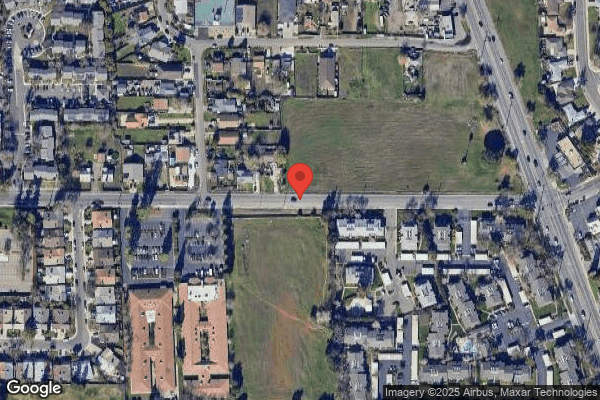

6248 66TH AVENUE, SACRAMENTO, CA 95823 (916) 392-4440
For profit - Limited Liability company 99 Beds KALESTA HEALTHCARE GROUP Data: November 2025
Trust Grade
55/100
#314 of 1155 in CA
Last Inspection: October 2024

Within standard 12-15 month inspection cycle. Federal law requires annual inspections.

Overview

City Creek Post Acute in Sacramento, California, holds a Trust Grade of C, which means it is average and sits in the middle of the pack among nursing homes. With a state ranking of #314 out of 1155, it is in the top half of facilities in California, and it ranks #10 out of 37 in Sacramento County, indicating that only nine local facilities perform better. The facility is on an improving trend, having reduced its issues from 10 in 2024 to just 1 in 2025. While staffing is rated average with a 3 out of 5 stars and a turnover rate of 46%, which is near the state average, it benefits from good RN coverage, exceeding 80% of California facilities, ensuring better oversight of patient care. However, the facility has concerning fines totaling $43,156, which is higher than 79% of nursing homes in California, hinting at ongoing compliance problems. Specific incidents noted by inspectors include a serious failure to manage a resident's pain effectively, leaving them in severe discomfort for over five hours, and another serious incident where a resident was not properly assessed after a fall, resulting in a fractured sternum. Additionally, there were concerns regarding the qualifications of the dietary staff and the potential for unsafe food handling practices. Overall, while City Creek Post Acute has some strengths like good RN coverage and an improving trend, families should be aware of the staffing challenges and serious deficiencies that have been identified.

Trust Score
C
55/100
In California
#314/1155
Top 27%
Safety Record
Moderate
Needs review
Inspections
Getting Better
10 → 1 violations
Staff Stability
⚠ Watch
46% turnover. Above average. Higher turnover means staff may not know residents' routines.
Penalties
○ Average
$43,156 in fines. Higher than 63% of California facilities. Some compliance issues.
Skilled Nurses
✓ Good
Each resident gets 42 minutes of Registered Nurse (RN) attention daily — more than average for California. RNs are trained to catch health problems early.
Violations
⚠ Watch
40 deficiencies on record. Higher than average. Multiple issues found across inspections.
★★★★☆
4.0
Overall Rating
★★★☆☆
3.0
Staff Levels
★★★★☆
4.0
Care Quality
★★★★☆
4.0
Inspection Score
Stable
2024: 10 issues
2025: 1 issues

The Good

  • 4-Star Quality Measures · Strong clinical quality outcomes
  • Full Sprinkler Coverage · Fire safety systems throughout facility
  • No fines on record

Facility shows strength in quality measures, fire safety.

The Bad

Staff Turnover: 46%

Near California avg (46%)

Higher turnover may affect care consistency

Federal Fines: $43,156

Above median ($33,413)

Moderate penalties - review what triggered them

Chain: KALESTA HEALTHCARE GROUP

Part of a multi-facility chain

Ask about local staffing decisions and management

The Ugly 40 deficiencies on record

2 actual harm
May 2025 1 deficiency
CONCERN (D) 📢 Someone Reported This

A family member, employee, or ombudsman was alarmed enough to file a formal complaint

Potential for Harm - no one hurt, but risky conditions existed

Accident Prevention (Tag F0689)

Could have caused harm · This affected 1 resident

Based on observation, interview, and record review, the facility failed to provide adequate supervision and assistive devices for 1 of 3 sampled residents (Resident 1), when Resident 1 returned to his...

Read full inspector narrative →
Based on observation, interview, and record review, the facility failed to provide adequate supervision and assistive devices for 1 of 3 sampled residents (Resident 1), when Resident 1 returned to his room from the nurses ' station unattended and was unable to call for assistance to transfer from his wheelchair to bed when his call light was not within reach. This failure resulted in Resident 1's fall from his wheelchair and experienced bilateral feet pain and sustained an abrasion to the top of his left hand. Findings: During a review of Resident 1 ' s admission Record (front page of the chart that contains a summary of basic information about the resident), the admission Record indicated, Resident 1 was admitted to the facility in November 2024 with multiple diagnoses that included Encephalopathy (brain disorder), Dementia (memory decline), Abnormalities of Gait and Mobility (unusual walking patterns impacting a person's ability to move and perform daily activities), and Cognitive Communication Deficit (difficulties in communicating). During a review of Resident 1 ' s Minimum Data Set (MDS-A federally mandated resident assessment tool), dated 5/1/25, indicated, Substantial/Maximal Assistance - Helper does MORE THAN HALF the effort. Helper lifts of holds trunk or limbs and provides more than half the effort .from sitting in a chair, wheelchair, or on the side of the bed .to transfer to and from a bed to a chair (or wheelchair). During a review of Resident 1 ' s care plan, initiated on 11/08/24, indicated the resident was at risk for falls related to gait and balance problems. Interventions included, Be sure The resident ' s call light is within reach and encourage the resident to use it .CNA for assistance as needed. The resident needs prompt response to all requests for assistance. Follow facility fall protocol. The resident needs a safe environment with .a working and reachable call light. During a review of Resident 1 ' s baseline care plan, dated 11/08/24, indicated, resident needs two persons physical assist for transfers. During a review of Resident 1 ' s Nurse Progress Notes, dated 4/22/25 at 10:19 a.m., indicated, Per RNA [Restorative Nursing Assistant], he [Resident 1] was placed across from the nurses station .It appears that resident wheeled himself back to his room and was attempting to transfer himself to bed when the fall occurred. During a review of Resident ' 1s IDT notes, dated 4/22/25 at 10:57 a.m., indicated, Preventative measures and interventions prior to fall event .call light in reach. During a review of Resident 1 ' s Post Fall Evaluation, dated 4/21/25 at 12:26 p.m., indicated, Date and time of fall 4/21/2025 11:25 [a.m.] .Location of fall .Resident ' s Room .Reason for fall .It appears that he was attempting to transfer himself back to bed .Injury details .An abrasion at top of left hand .Unwitnessed fall with abrasion at top of left hand and [complaint of bilateral] Feet pain .Indicators of Pain. During a concurrent observation and interview on 5/8/25 at 10:03a.m., in Resident 1 ' s room, Resident 1 was out of bed sitting in a wheelchair with a soft boot on his right foot. Resident 1 ' s call light was out of reach and was located on his bed. When asked how he gets help if needed and if he can reach his call light, Resident 1 attempted to reach back with his right arm and was not able to reach the call light. When asked if he was having pain, Resident 1 nodded and pointed to his right foot. During an interview on 5/8/25 at 10:08 a.m., with Certified Nursing Assistant (CNA 1), stated, To prevent falls .always check on them and give them the call light .should put the call light closer .should be with him. [Resident 1] usually stays in bed .he gets up in chair. He needs two person assist .to be safe .We bring him to the nurses ' station to monitor him. During a concurrent observation and interview on 5/8/25 at 10:23 a.m. in Resident 1 ' s room, with Licensed nurse (LN) 1, LN 1 confirmed Resident 1 ' s call light was not in reach and stated, The call light should be somewhere where he can reach it .We usually put him at the nurses ' station for close monitoring. During an interview on 5/8/25 at 10:42 a.m., with Resident 2 up in wheelchair, stated, He fell down once. He tried to get in bed by himself and he fell so I called the nurses. He couldn ' t get his call light. I called when he [Resident 1] fell. During an interview on 5/8/25 at 11:01 a.m., in the hallway on Unit 1, with Resident 1 ' s Restorative Nursing Assistant (RNA 1), stated, [Resident 1] is a fall risk. We take him to the nurses ' station to watch him because he is a fall risk. During an observation on 5/8/25 at 11:09 a.m., Resident 1 sat in a wheelchair in front on the nurses ' station. During an interview on 5/8/25 at 11:14 a.m., with Activities Director (AD), stated, Sometimes the residents are not alert and sometimes they try to stand up. Everyone has to have call bell on their chest or if up in wheelchair still have call light close to them or bring them close to the nurses ' station for monitoring. During an interview on 5/8/25 at 11:25 a.m. with Social Services Director (SSD), stated, He [Resident 1] was observed lying on the floor on left side. Nurse and CNA found him .[for fall risk interventions] [Resident 1] is usually sitting up at the [nurses] station .can ' t transfer by himself, expect call light to be close to him. During an interview on 5/8/25 at 1:15 p.m. with Director of Nursing (DON), stated When resident is a fall risk, we also put them at the nurses station to monitor them closely. During a review of the facility ' s policy and procedure (P&P) titled, Answering the Call Light, revised 3/21, the P&P indicated, When the resident is in bed or confined to a chair be sure the call light is within easy reach of the resident. During a review of the facility ' s policy and procedure titled, Fall and Fall Risk, Managing, Revised March 2018, indicated, .The staff will identify interventions related to the resident ' s specific risks and causes to try to prevent the resident from falling .Fall risk factors .Resident conditions that may contribute to the risk of falls include: other cognitive impairment, pain, lower extremity weakness, functional impairments .Medical factors that may contribute to the risk of falls include: balance and gait disorders.
Oct 2024 1 deficiency
CONCERN (D) 📢 Someone Reported This

A family member, employee, or ombudsman was alarmed enough to file a formal complaint

Potential for Harm - no one hurt, but risky conditions existed

Free from Abuse/Neglect (Tag F0600)

Could have caused harm · This affected 1 resident

Based on observation, interview, and record review, the facility failed to protect one of three sampled resident (Resident 1) to be free from physical abuse by another resident (Resident 2) when Resid...

Read full inspector narrative →
Based on observation, interview, and record review, the facility failed to protect one of three sampled resident (Resident 1) to be free from physical abuse by another resident (Resident 2) when Resident 1 was slapped by Resident 2. This failure increased the potential for Resident 1 to feel emotional distress. Findings: Resident 1 was admitted to the facility in late 2024 with diagnoses which included Diabetes Mellitus (DM-a disorder characterized by difficulty in blood sugar control and poor wound healing). During a review of Resident 1's Minimum Data Set (an assessment tool), dated 10/24, the MDS indicated Resident 1's cognition was intact scoring 13/15 in the BIMS (Brief Interview for Mental Status) assessment. Resident 2 was admitted to the facility in late 2024 with diagnoses which included congestive heart failure (CHF-a heart disorder which causes the heart to not pump the blood efficiently, sometimes resulting in leg swelling), alcohol dependence, and chronic pain syndrome. During a review of Resident 2's MDS dated 9/24, the MDS indicated Resident 2's BIMS score was 15/15 which reflected the resident had intact cognition. During a review of Resident 2's Progress Notes [PN], dated 10/16/24 at 1:04 p.m. the PN indicated, .was notified of an incident involving a resident who allegedly slapped their roommate .the resident [Resident 2] stated that he slapped the roommate [Resident 1] due to the roommate's consistently loud behavior . During a review of Resident 2's PN dated 10/16/24 at 1:23 p.m. the PN indicated, Witness-[name of witness] .states he saw [Resident 2] get up and go over to [Resident 1] side and saw him make contact with his cheek across the face. During a review of Resident 2's care plan (CP) created on 10/17/24, the CP indicated, The resident is/has potential to be physically aggressive r/t [related to] Poor impulse control . During an interview on 10/28/24 at 11:34 a.m. with the Janitor (JAN), the JAN stated, I was in the room across from them. The gentleman .[Resident 2], he reached over and slapped .[Resident 1] with his hand. I saw him slap him on the head. I ran over and intervened and told him he can't do that .[Resident 1] was on his side of the room in his bed .He was sitting on the edge of his bed. [Resident 2] got up from his bed and walked over to [Resident 1] . During an interview on 10/28/24 at 11:42 a.m. with Resident 1, Resident 1 stated, .I was on the bed, he came around the curtain and slapped me .it irritated me .It felt like I got hit with a baseball mitt . During an interview on 10/28/24 at 12 p.m. with Resident 2, Resident 2 stated, .He took swings at me. That's when I did my little [gestured a slapping motion with his hand]. I did it like a reset. I have dealt with people with dementia before . In an interview on 10/28/24 at 12:27 p.m. with the Director of Social Service, the DSS stated, It's not tolerated when asked her expectations for abuse. During a review of the facility's policy and procedure (P&P) titled, Abuse, neglect, Exploitation and Misappropriation Prevention Program, dated 4/21, the P&P indicated, Residents have the right to be free from abuse .Protect resident from abuse .by anyone including .other residents .
Oct 2024 6 deficiencies
CONCERN (D)

Potential for Harm - no one hurt, but risky conditions existed

Accident Prevention (Tag F0689)

Could have caused harm · This affected 1 resident

Based on observation, interview and record review, the facility failed to provide adequate supervision and assistance to one of 30 sampled residents (Resident 40) when staff did not monitor Resident 1...

Read full inspector narrative →
Based on observation, interview and record review, the facility failed to provide adequate supervision and assistance to one of 30 sampled residents (Resident 40) when staff did not monitor Resident 1 during mealtimes. This failure had the potential to cause Resident 40 to choke or aspirate fluids (accidentally inhaling fluids into the airways). Findings: Resident was admitted to the facility on in May of 2022 with diagnoses that included difficulty swallowing. During a review of Resident 40's Orders, dated 8/24, the Orders indicated, Swallow precautions: close supervision w/meals d/t [due to] impulsive/fast PO [oral] intake, sit upright, oral care, small sips/bites, singular/controlled sips of thin, slow intake, ensure oral cavity clearance, if pt [patient] coughs take a 45-60 second break before continuing, medication: whole. During a review of Resident 40's Rehab Therapy Notes, dated 8/24, the notes indicated, SLP [speech language pathologist] evaluated pt's swallow. Pt impulsive w/intake, fast pace, benefitting from max cueing. Pt to be downgraded to mech soft .Swallow precautions in place. During a concurrent observation and interview on 10/15/24 at 8:05 a.m., with Certified Nursing Assistant 8 (CNA 8), Resident 40 was brought his breakfast tray but was left alone in his room with no supervision while he ate. Resident 40 was also not easily visible from the hallway. Resident 40 consumed over 90 percent of his breakfast with no supervision. CNA 8 confirmed Resident 40 was not supervised during his breakfast and stated, [Resident 40] is usually monitored and is supposed to be watched so he doesn't choke. During an interview on 10/15/24 at 8:15 a.m., with Licensed Vocational Nurse 6 (LN 6), LN 6 stated, [Resident 40] needs to be closely monitored for eating but mainly drinking. He needs to be checked in case he starts coughing. Staff should check frequently. [Resident 40] might drink very fast and start coughing and might aspirate. During an interview on 10/15/24 at 8:43 a.m., with the SLP, the SLP stated, [Resident 40] was on regular and thin liquids and wasn't tolerating the current diet. After working with him, he was discharged [from speech therapy] and was assessed to be able to tolerate nectar thick liquids and mechanical soft diet with supervision .If he is eating in his room, staff should be monitoring him and checking in on him. [Resident 40] can be impulsive. It can be a risk for aspiration. During a review of the facility's policy and procedure (P&P) titled, Safety and Supervision of Residents, dated 4/2021, the P&P indicated, .Implementing interventions to reduce accident risks and hazards shall include the following .Ensuring that interventions are implemented .Monitoring the effectiveness of interventions shall include the following .Ensuring that interventions are implemented correctly and consistently.
CONCERN (D) 📢 Someone Reported This

A family member, employee, or ombudsman was alarmed enough to file a formal complaint

Potential for Harm - no one hurt, but risky conditions existed

Deficiency F0806 (Tag F0806)

Could have caused harm · This affected 1 resident

Based on observation, interview, and record review, the facility failed to ensure the food preferences and allergies were accommodated for two of 30 sampled residents (Resident 48 and Resident 80), wh...

Read full inspector narrative →
Based on observation, interview, and record review, the facility failed to ensure the food preferences and allergies were accommodated for two of 30 sampled residents (Resident 48 and Resident 80), when: 1. Resident 48's food preferences were not honored; and 2. Resident 80's food allergies were not managed. These failures increased the potential risk for Resident 48 feeling disrespected and Resident 80 having allergic reactions from the food served. Findings: 1. Resident 48 was admitted to the facility in late 2024 with diagnoses which included diabetes mellitus (DM, a disorder characterized by difficulty in blood sugar control and poor wound healing), right femur (thigh) fracture, and urinary bladder dysfunction. During a review of Resident 48's Progress Notes (PN), dated 9/27/24, the PN indicated, Dietary: LOW SALT, LOW FAT, LOW CHOLESTEROL diet, Regular texture, Thin Liquid consistency. Will continue to provide current diet orders and update preferences prn [as needed]. During a review of Resident 48's Nutrition Screen on admission (NSA), dated 9/24/24, the NSA indicated, Food Likes: French toast, scrambled eggs, oatmeal, corn, meatloaf, beef stew .Food Dislikes: cream of wheat, squash, pork sausage. During a concurrent observation and interview on 10/14/24 at 9:57 a.m. in Resident 48's room, Resident 48 was in bed, awake, alert, oriented and verbally responsive, and stated, I just wanted you to know, I'm not myself personally satisfied with the food .I've lost about 12 lbs. since I've been here .The sausage that they served this morning, it was so hard, I couldn't cut it with the knife they gave me .I don't like sausage and they still give me .and that's a problem. During a concurrent observation and interview on 10/15/24 at 12:36 p.m. in Resident 48's room, Resident 48 stated, The food today not cold initially but I don't like fish too much. Meal ticket was not found on the meal tray to check the resident's likes, dislikes and preferences. The resident stated, I don't see it here. During an interview on 10/16/24 at 8:46 a.m. in Resident 48's room, Resident 48 was in bed, awake, and alert, stated, I told a young lady about my liking for hot oatmeal. I had an oatmeal yesterday but not today. Today, they gave me cream of wheat which I don't like. The dietitian has not been here to talk to me about my food preferences. During a review of Resident 48's breakfast meal ticket, the ticket indicated, Dislikes: [Name Brand]/CREAM OF WHEAT, PORK SAUSGAE (sic), SPINACH .Preferences: .Milk .OJ [orange juice]. Resident food preference [for oatmeal] was not identified in the meal ticket. During an interview on 10/16/24 at 9:06 a.m. with Certified Nursing Assistant (CNA) 10, CNA 10 stated, Before I pass and serve the meal trays, I make sure the nurse checks it then then I take the tray to the resident and do my own check of the tray and check the meal ticket if they have the right food, the right water to drink and also check what they like and don't like .[Resident 48] is alert and oriented. He knows everything. During an interview on 10/17/24 at 8:29 a.m. with the Administrator (ADM), the ADM stated, [The residents] have the right to have a food preference and follow whatever other dietary assessment or nutritional assessment from our dietary managers. 2. Resident 80 was admitted to the facility in late 2024 with diagnoses which included hypoxemia [low blood oxygen level], and post traumatic stress disorder, morbid obesity, and acid reflux disease. During a review of Resident 80's Baseline Care Plan (BCP), dated 9/7/24, the BCP indicated, Allergies: .seafood .Dietary Preferences: Will update as needed. During a review of Resident 80's NCP, dated 9/10/24, the NCP indicated, The resident is at risk for impaired nutritional status as well as increased risk for malnutrition .NOTE: SIGNIFICANT FOOD ALLERGIES, DIETARY AWARE: banana, mustard, nuts, papaya, seafood, squash, tomato, wheat flour, caffeine .Obtain food preferences . During a review of Resident 80's Nutrition Screen on admission (NSA), dated 9/11/24, the NSA indicated, Allergies: papaya, mustard, seafood . During a concurrent observation and interview on 10/14/24 at 10:41 a.m. in Resident 80's room, Resident 80 was in bed, awake, alert, and verbally responsive, and stated, My only problem is when they give me food. They served me the things that I didn't like and allergic to. I already told them that I was allergic to fish, shrimp, lobster, and wheat bread but they still served me . During a review of Resident 80's lunch meal ticket on 10/15/24 at 12:38 p.m., the meal ticket indicated, Allergies: BANANAS/PAPAYA .NUTS, SEAFOOD . During an interview on 10/15/24 at 12:40 p.m. with CNA 3, CNA 3 stated, [Resident 80] had fish in her meal tray and told me she did not like fish in her diet. She was upset .She said this was not the first time that she got what she had asked for her meal. During a concurrent observation and interview on 10/15/24 at 12:50 p.m. with Resident 80 in her room, Resident 80 was in bed finishing her lunch meal, and stated, I don't know why they keep giving me fish. I already told them that I don't want it and they still keep giving me fish. I don't like seafood. I don't know if they know how to read. During an interview on 10/17/24 at 10:33 a.m. with the Dietary Manager (DM), the DM stated, When the meal tray is served during meals, the meal tickets are put in the meal tray to make sure the diet ordered is accurate and included in the meal tickets are the likes, dislikes and allergies because when we look at the meal tickets, it says their dislikes allergies and preferences. The meal tickets are still in there for staff to check. During a review of an undated facility's policy and procedure (P&P) titled, Food Preferences, the P&P indicated, Resident's food preferences will be adhered to within reason. Substitutes for all foods dislike will be given the appropriate food group. Condiments such as salt, pepper, and sugar are available at each meal unless contraindicated by the diet order .Food preferences can be obtained from the resident, family, or staff members. Updating of food preferences will be done as the resident's needs change and/or during the quarterly review.
CONCERN (D)

Potential for Harm - no one hurt, but risky conditions existed

Medical Records (Tag F0842)

Could have caused harm · This affected 1 resident

Based on observation, interview, and record review, the facility failed to ensure medical records were accurate for one of 30 sampled residents (Resident 48) when a urinary catheter was discontinued a...

Read full inspector narrative →
Based on observation, interview, and record review, the facility failed to ensure medical records were accurate for one of 30 sampled residents (Resident 48) when a urinary catheter was discontinued and Licensed Nurses [LNs] continued documentation on monitoring and care. This failure resulted in inaccurate documentation for Resident 48 and had the increased potential for miscommunication among health providers who provided care. Findings: Resident 48 was admitted to the facility in late 2024 with diagnoses which included diabetes mellitus (DM-a disorder characterized by difficulty in blood sugar control and poor wound healing), right femur (thigh) fracture, and urinary bladder dysfunction. During a review of Resident 48's Order Summary Report (OSR), dated 9/22/24, the OSR indicated, [Name Brand of urinary catheter] catheter care QS [every shift]: Cleanse using warm water and soap and then rinse well with warm water every shift. During a review of Resident 48's Minimum Data Set (MDS, a federally mandated resident assessment tool), dated 9/25/24, the MDS indicated Resident 48 had mild memory impairment and had a urinary catheter in place. During a review of Resident 48's Nursing Care Plan (NCP), dated 9/30/24, the NCP indicated, Catheter present as evidenced by: [Urinary Catheter] .DX: .dysfunction of the bladder .Monitor indwelling catheter and change/ irrigate as ordered. During a review of Resident 48's Progress Notes (PN), dated 10/9/24, the PN indicated, .received written order to d/c [discontinue] [urinary catheter] and follow .removal monitoring for urinary retention .resident agrees but requested to have it done early in the morning. Assigned nurse made aware of order. There was no documented evidence in the PN the urinary catheter was removed the next day. During a review of Resident 48's Treatment Administration Record (TAR) for October 2024, the TAR indicated licensed nurses signed doing monitoring and urinary care from 10/10/24 to 10/15/24. During a concurrent observation and interview on 10/15/24 at 8:46 a.m. in Resident 48's room, Resident 48 in bed, awake, alert, oriented and verbally responsive, and stated, The [urinary] catheter has been removed. They took it out about a week ago today. The urologist [kidney doctor] .ordered to take it out .I haven't had the catheter since 10/9/24. During a concurrent interview and record review on 10/16/24 at 1:05 p.m. with LN 4, LN 4 stated, LN 4 verified Resident 48's urinary catheter was still documented in the TAR from 10/10/24 to 10/15/24 as signed and monitored, and stated, The treatment records indicates the nurses are still documenting cleaning and monitoring the urinary catheter. That should have been discontinued. During an interview on 10/16/24 at 1:19 p.m. with the Director of Nursing, the DON verified Resident 48's TAR which indicated the urinary catheter was signed by nursing doing care since the urinary catheter was discontinued, and stated, I will check what happened to that. The order was discontinued and the care plan was discontinued. That is inaccurate chart documentation. During a review of facility's policy and procedure (P&P) titled, Charting and Documentation, dated 7/17, the P&P indicated, All services provided to the resident, progress toward the care plan goals, or any changes in the resident's medical, physical, functional or psychosocial condition, shall be documented in the resident's medical record .Documentation in the medical record will be objective (not opinionated or speculative), complete, and accurate.
CONCERN (D) 📢 Someone Reported This

A family member, employee, or ombudsman was alarmed enough to file a formal complaint

Potential for Harm - no one hurt, but risky conditions existed

Deficiency F0919 (Tag F0919)

Could have caused harm · This affected 1 resident

Based on observation, interview, and record review, the facility failed to ensure one of 30 sampled residents (Resident 62) was able to call for assistance when the call light was not in working order...

Read full inspector narrative →
Based on observation, interview, and record review, the facility failed to ensure one of 30 sampled residents (Resident 62) was able to call for assistance when the call light was not in working order. This failure had the potential to result in unmet care needs for Resident 62 when her call light was not working. Findings: Resident 62 was admitted to the facility in late 2023 with diagnoses which included congestive heart failure (CHF-a heart disorder which causes the heart to not pump the blood efficiently, sometimes resulting in leg swelling), atrial fibrillation (irregular heartbeat) and hypertension (HTN-high blood pressure). During an observation and interview on 10/14/24 at 9 a.m. in Resident 62's room, Resident 62 was observed in her bed, pushing her call light. She pulled back her bed covers to show her wet incontinence brief and stated, They are not coming .look at me. I have soiled pants and they need to be changed. Resident 62 pushed her call light again; the call light did not turn on in the hallway. During a concurrent observation and interview on 10/14/24 at 9:05 a.m. with Certified Nursing Assistant (CNA) 8, in Resident 62 room, CNA 8 confirmed the call light was not working and stated, It should be working she does need assistance . During an interview on 10/17/24 at 12:27 p.m. with the Director of Nursing (DON), the DON stated, I would expect that everyone should have a working call light or given another way to call out for help. During a review of the facility's policy and procedure (P&P) titled, Answering the Call Lights, dated 9/22, the P&P indicated, The purpose of this procedure is to ensure timely responses to the resident's requests and needs .Be sure that the call light is plugged in and functioning at all times .
CONCERN (E)

Potential for Harm - no one hurt, but risky conditions existed

Food Safety (Tag F0812)

Could have caused harm · This affected multiple residents

Based on observation, interview and record review, the facility failed to store, prepare, distribute and serve food in accordance with professional standards for food service safety when: 1. Water pit...

Read full inspector narrative →
Based on observation, interview and record review, the facility failed to store, prepare, distribute and serve food in accordance with professional standards for food service safety when: 1. Water pitchers and accompanying cups were stored upright and uncovered; 2. Foods were not labeled with received, opened and use by dates; and 3. Hair was not completely covered by a hair net while serving food. This failure increased the risk for foodborne illness. Findings: 1. During an initial tour observation of the kitchen and interview on 10/14/24 at 8:18 a.m. with [NAME] 1, there were multiple water pitchers on a four shelf wire rack. Some had lids inverted, others had no lids. None were turned down or covered to avoid contamination. [NAME] 1 verified the observation and said, They are ready to go out later. During a concurrent observation and interview on 10/14/24 at 8:27 a.m. with Dietary Aide (DA) 1, DA 1 verified there were twenty pitchers on top shelf of wire rack without lids, open to dust and splatter and said, The ones [lids that are used as cups] that are upright should be turned down. On shelf two there were 21 pitchers with all cups stored upright and open to the air. On shelf three there were 20 pitchers stored upright with cups upright or no lid at all. On shelf four there were two pitchers with no lids. During a concurrent observation and interview on 10/14/24 at 8:50 a.m. with the Dietary Manager (DM), the DM verified the observation and said, Water pitchers should be stored upright with the lid [drinking cup] facing down. During an interview on 10/16/24 at 9:37 a.m. with the Registered Dietician (RD), the RD was asked her expectations for covering water pitchers and said, Pitchers should be covered or turned down so that nothing can contaminate the inside or the drinking cup . The policy and procedure (P&P) for storing water pitchers was requested but not provided. 2. During an initial tour observation and concurrent interview on 10/14/24 at 8:50 a.m. with [NAME] 1, there was a five pound clear bag of French fries unopened on top of a box in the reach-in fridge with no received or use-by date, a clear plastic bag of meatballs opened and partially used with no received, open or use-by date. [NAME] 1 verified observation and said, They should be labeled when opened. During a concurrent observation of the walk-in fridge and interview with the DM on 10/14/24 at 8:55 a.m., there were three loaves of bread on top of the bread rack with no received date, or use-by date. The DM verified the observation and said, All food should be labeled with the received date, open date and use-by date. During an interview on 10/16/24 at 9:37 a.m. with the RD, the RD was asked her expectations and said, All food that is delivered should be dated with the received date, an open date, and use-by date . During a review of the facility P&P titled, LABELING AND DATING OF FOODS, dated 2023, the P&P indicated, All food items in the storeroom, refrigerator, and freezer need to be labeled and dated .Newly opened food items will need to be .labeled with an open date and used by date . 3. During a lunch meal observation in the kitchen on 10/15/24 at 11:15 a.m., DA 2 was observed cutting up peanut butter cake on a surface at the end of the steam table. On closer observation, it was discovered her hair net was halfway back on her head with the scalp portion of long braids showing through and uncovered. The DM verified the observation, assisted her to put her hair under the net by adding another net. It was observed that DA 2's hair net slipped uncovering her hair two more times during tray line. During an interview on 10/16/24 at 9:37 a.m. with the RD, the RD was asked her expectations for wearing hair nets and said, Any staff who walks in the kitchen door should have a hair net covering all hair. During an interview on 10/16/24 at 10:39 a.m., the DM said, She [DA 2] had 3 hair nets on and just didn't notice it had slipped. During a review of the facility P&P titled, Preventing Foodborne Illness - Employee Hygiene and Sanitary Practices, dated 11/22, the P&P indicated, Hair Nets or caps and/or beard restraints are worn when cooking, preparing or assembling food to keep hair from contacting exposed food, clean equipment, utensils .
CONCERN (E)

Potential for Harm - no one hurt, but risky conditions existed

Infection Control (Tag F0880)

Could have caused harm · This affected multiple residents

**NOTE- TERMS IN BRACKETS HAVE BEEN EDITED TO PROTECT CONFIDENTIALITY** 5. Resident 12 was admitted early in 2024 with diagnoses that included chronic obstructive pulmonary disease (COPD chronic lung ...

Read full inspector narrative →
**NOTE- TERMS IN BRACKETS HAVE BEEN EDITED TO PROTECT CONFIDENTIALITY** 5. Resident 12 was admitted early in 2024 with diagnoses that included chronic obstructive pulmonary disease (COPD chronic lung disease causing difficulty in breathing) and pneumonia (an infection/inflammation in the lungs). During a review of Resident 12's Physician's Orders (PO), dated 10/11/24, the PO indicated, Change and Date Anti-Microbial Bag for Nebulizer and 02 Tubing Storage every nightshift every 1 month(s) starting on the 1st for 1 day(s) (sic). During a concurrent observation and interview on 10/14/24 at 11:26 a.m. in Resident 12's room with LN 7, LN 7 stated, . [Resident 12's] nebulizer should be stored in an anti-microbial bag. During a concurrent observation and interview on 10/15/24 at 9:12 a.m. in Resident 12's room with CNA 8, CNA 8 confirmed that Resident 12's nebulizer was on the floor and should have been stored in an anti-microbial bag to minimize any bacteria since Resident 12 had a lung infection. During a concurrent observation and interview on 10/16/24 at 2:15 p.m. with the DON in Resident 12's room, the DON stated, The expectation is to follow the infection control protocol .which is to ensure that equipment is stored and labeled properly . 6. Resident 296 was admitted in late 2024 with diagnoses that included benign prostatic hyperplasia with lower urinary tract symptoms (a condition where the prostate gland enlarges and causes urinary symptoms) and diabetes mellitus (DM-a disorder characterized by difficulty in blood sugar control and poor wound healing) with diabetic chronic kidney disease. During a review of Resident 296's PO, dated 10/05/24, the PO indicated, [Brand Name, urinary Catheter] Change .Catheter bag q [every] week. During a review of Resident 296's CP, dated 10/7/24, the CP indicated, Use principles of infection control and universal/standard precautions. During a concurrent observation and interview on 10/14/24 at 11:42 a.m. with LN 8 in Resident 296's room, LN 9 confirmed that Resident 296's urinary catheter anti-microbial bag was undated and unlabeled. During an observation and interview on 10/15/24 at 8:08 a.m. with CNA 2 in Resident 296's room, CNA 2 stated, .The [urinary] catheter bag should be dated and labeled . During an observation and interview on 10/16/24 at 2:25 p.m. with the DON in Resident 296's room, the DON stated, .The staff went to get a pen .The expectation is to label and date the anti-microbial bag immediately after it's changed. The Facility was unable to provide a P&P upon request of the Department. 3. Resident 14 was admitted to the facility in the middle of 2024 with diagnoses which included stroke, prostate enlargement, and urinary tract infection. During a review of Resident 14's Order Summary Report (OSR), dated 9/3/24, the OSR indicated, Enhanced Standard Precautions r/t presence of [name brand] catheter. During a review of Resident 14's Nursing Care Plan (NCP), dated 9/3/24, the NCP indicated, Resident requires isolation/precautions .TYPE: Enhanced Standard Precautions .REASON: r/t presence of .[urinary]catheter .Staff will DON the appropriate required PPE [personal protective equipment which includes gloves, gowns, face masks, face shields) when entering room to provide any type of care or address needs .Staff will maintain required type of precautions at all times. During a concurrent observation and interview on 10/14/24 at 10:20 a.m., Licensed Nurse (LN) 1 and LN 2 entered the room and verified Resident 14 holding the urinary catheter bag on top of his abdomen. Resident 14 stated, Tight, tight, dirty and cloudy. LN 1 and LN 2 repositioned and touched Resident 14's body and the urinary catheter. LN 2 left the room while LN 1 stayed in the room and continued to reassure the resident. When asked if the room was on enhanced precautions, LN 2 stated, We should be wearing gowns and gloves. When asked if there was a resident contact when care was provided in the room, LN 2 stated, Yes. We should have worn gowns for infection control. During a review of the facility's P&P titled, Enhanced Barrier Precautions, dated 8/22, the P&P indicated, Enhanced barrier precautions (EBPs) are utilized to prevent the spread of multi-drug resistant organisms to residents .EBPs employ targeted gown and glove use during high contact resident care activities when contact precautions do not otherwise apply .Gloves and gown are applied prior to performing the high contact resident care activity .Examples of high-contact resident care activities requiring the use of gown and gloves for EBPs include .device care or use ( .central line, urinary catheter, feeding tube .etc.). 4. During a concurrent observation and interview on 10/14/24 at 10:25 a.m., Contact Precautions signage was posted on Resident 81's room door which indicated, Everyone must: Clean their hands, including before entering and when leaving the room. PROVIDERS AND STAFF MUST ALSO: Put on gloves .put on gown .before room entry. Discard gloves .discard gown .before room exit. Resident 81 was in bed, awake and alert but hard of hearing. A blood pressure (BP) cuff equipment was found on top of the bedside table together with other personal belongings. During a concurrent observation and interview on 10/14/24 at 10:42 a.m., LN 3 entered Resident 81's isolation precaution room with no PPEs, picked up the blood pressure cuff equipment then came out of the room. When asked what the process was when entering an isolation room, LN 3 stated, I know. I went in there to pick up the blood pressure cuff. I should have put on gown and gloves. It's all about infection control. During an interview on 10/17/24 at 10:23 a.m. with the DON, the DON stated, The expectation in terms of infection control on transmission based isolation precautions for CNAs and staff in terms of entering and providing care, to follow whatever sign is in there, which includes enhanced standard precautions, to use the necessary personal protective equipment, gowns, gloves, face masks, to prevent the spread of infection. During a review of the facility's P&P titled, Isolation - Initiating Transmission-Based Precautions, revised 8/19, the P&P indicated, When Transmission-Based Precautions are implemented, the Infection Preventionist .Determines the appropriate notification on the room entrance door .that personnel and visitors are aware of the need for and type of precautions .Provides and/or oversees the education of the resident, representative and/or visitors regarding the precautions and use of PPE .The signage informs the staff .before entering the room. Based on observation, interview, and record review, the facility failed to maintain infection prevention and control procedures and guidelines for nine of 30 sampled residents (Resident 32, 43, 29, 40, 42, 14, 81, 12, 291, 296), when: 1. Three unlabeled basins were found in the bathrooms of Resident 32 and Resident 43; 2. Three wheelchair armrests were in disrepair and unable to be sanitized for Resident 29, Resident 40, and Resident 42; 3. Two Licensed Nurses (LNs) with no PPEs (personal protective equipment) entered an enhanced standard precautions room and provided care to Resident 14; 4. An LN with no PPEs entered a transmission-based precautions room and picked up equipment used by Resident 81; 5. Resident 12's nebulizer (a small machine that turns liquid medicine into a mist that can be easily inhaled) machine was found on the floor and was bagged; and 6.Resident 296's anti-microbial bag was unlabeled and undated. These failures had the potential to increase the transmission of infections. Findings: 1. Resident 32 was admitted to the facility in the fall of 2016 with diagnoses which a urinary tract infection Resident 43 was re-admitted to the facility in the fall of 2020 with diagnoses which included urinary incontinence. During an initial tour observation on 10/14/24 at 9:58 a.m., two pink basins were on the bathroom floor and one basin was on the back of the toilet unlabeled in the bathroom shared by Resident 32 and Resident 43. During a concurrent observation and interview on 10/14/24 at 10:08 a.m., with Certified Nurses Assistant (CNA) 3, CNA 3 verified the three wash basins in the bathroom of Resident 32 and Resident 43 were not labeled and said, They should be labeled .The full time CNA should know to label them. During an interview with the Director of Nurses (DON) on 10/17/24 at 10:28 a.m., the DON was asked her expectations for the labeling of resident equipment and said, My expectation is that all patient equipment be labeled name, room number or both . The policy and procedure for the labeling of resident equipment was requested but not provided. 2. During a dining room observation on 10/14/24 at 11:48 a.m., the wheelchair armrests of Resident 29, Resident 40 and Resident 42 were in disrepair and unable to be sanitized. Resident 29 was re-admitted to the facility in the winter of 2017 with diagnoses which included arthritis, muscle weakness and dementia (a chronic condition that causes a decline in mental functions, such as thinking, remembering, and reasoning, to the point that it interferes with daily life). During a review of Resident 29's the Minimum Data Set (MDS, a federally mandated resident assessment tool), dated 8/14/24, the MDS indicated Resident 29 had severe memory impairment and used a manual wheelchair. During a review of Resident 29's physician progress note (PPN), dated 8/21/24, the PPN indicated, sitting in a wheelchair . During a review of Resident 29's care plan (CP) titled, Self Care Deficit manifested by .Dementia with behavioral disturbances .bilateral [both sides] knee arthritis ., dated 1/11/19, the CP indicated, Assist/Encourage out of bed to wheelchair daily . During a review of Resident 29's occupational therapy evaluation (OT Eval), dated 7/13/24, the OT Eval indicated, Dependent in (sic) wheelchair ambulation . Resident 40 was re-admitted to the facility in the spring of 2023 with diagnoses which included cerebral infarction (stroke), abnormality of gait and mobility, history of falling, syncope (fainting) and collapse. During a review of Resident 40's MDS, dated [DATE], the MDS indicated Resident 40 had severe memory loss and used a manual wheelchair. During a review of Resident 40's physical therapy evaluation (PT Eval), dated 7/10/24, the PT Eval indicated, To walk in the room or hallways .Unable Totally Dependent . Resident 43 was re-admitted to the facility in the fall of 2024 with diagnoses which included cerebral infarction, Parkinson's Disease (a progressive brain disorder that causes movement problems, including tremors, stiffness, and difficulty with balance and coordination) and dementia. During a review of Resident 43's MDS, dated , 10/4/24, the MDS indicated she was alert and oriented, able to make her needs known, and used a manual wheelchair. During a review of Resident 43's CP titled, High complexity OT evaluation indicating 5 deficit areas of self-care including .functional ADL (Activities of Daily Living) transfers ., dated 10/2/24, the CP indicated, w/c [wheelchair] management . During a review of Resident 43's OT Eval, dated 10/8/24, the OT Eval indicated, Ambulation/Wheelchair .Patient can propel self short distances . During a concurrent observation and interview on 10/14/24 at 11:52 a.m. with the Rehab Director (RD), the RD verified the armrests of Resident 29, Resident 40 and Resident 43's wheelchairs were in disrepair and said, We will have Maintenance replace after lunch. During an interview on 10/14/24 at 11:52 a.m. with the Maintenance Assistant (MA), the MA said, The wheelchairs are cleaned monthly. Housekeeping rounds them up. Janitor power washes them. Rehab and Housekeeping will check them and they'd let me know if they need repairs and I'd repair them. We did see them when we power washed them last month and the water didn't seep through them so we hadn't replaced them yet. During an interview on 10/15/24 at 9:52 a.m. with the Infection Preventionist ( IP), the IP was asked her expectations regarding sanitizing the armrests of wheelchairs in disrepair and said, We probably can't sanitize 100% if the upholstery of the armrests is damaged. During a review of the facility document titled, LOGBOOK DOCUMENTATION (LB), dated 9/17/24, the LB indicated, Steps .Inspect wheelchairs for damaged .components .Armpads, check for cracks .Repair or replace as necessary . During a review of the facility document titled, MAINTENANCE LOG, dated, 2024, Resident 29, Resident 40 and Resident 43's wheelchair arm rest repairs were not found from 8/18/24 through 10/13/24.
Jun 2024 1 deficiency
CONCERN (D) 📢 Someone Reported This

A family member, employee, or ombudsman was alarmed enough to file a formal complaint

Potential for Harm - no one hurt, but risky conditions existed

Deficiency F0688 (Tag F0688)

Could have caused harm · This affected 1 resident

Based on observation, interview, and medical record review, the facility failed to ensure necessary treatment, services, and equipment were provided for one of three sampled residents (Resident 1) to ...

Read full inspector narrative →
Based on observation, interview, and medical record review, the facility failed to ensure necessary treatment, services, and equipment were provided for one of three sampled residents (Resident 1) to improve or maintain mobility, when: 1. Resident 1's concerns about his personal wheelchair were not addressed; and 2. Physician's order to get Resident 1 out of bed daily was not followed. These failures had the potential for Resident 1 to not maintain or improve his mobility and not attain his highest physical, mental, and psychosocial well-being. Findings: Resident 1 was admitted to the facility in the middle of 2020 with diagnoses: epilepsy (seizure disorder), hemiplegia (the loss of the ability to move and/or feel in parts of the body), and major depressive disorder. During a review of Resident 1's Minimum Data Set (MDS, an assessment tool), dated 3/12/24, the MDS indicated Resident 1 had no memory impairment, used a wheelchair and was dependent on staff with transfers and mobility. During a review of Resident 1's Physician's Orders (PO), dated 4/21/24, the PO indicated, [Resident 1] to be up in w/c [wheelchair] daily . During a concurrent observation and interview on 6/12/24 at 9:30 a.m. in Resident 1's room, Resident 1 was lying in bed, awake, alert and verbally responsive. The posted signage on Resident 1's wall indicated, Please get resident up every day @[at]1030 hrs. Resident 1 indicated he had communicated to staff his personal wheelchair did not work and needed to be serviced because the wheelchair straps (a strip of material used to secure an individual) did not fit. Resident 1 indicated he did not want to be in his wheelchair without using the straps because it was not safe. During an interview on 6/12/24 at 9:56 a.m. with Certified Nursing Assistant 1 (CNA 1), CNA 1 indicated Resident 1 had not been up in his wheelchair in the past 12 days. CNA 1 indicated she and other staff, in the past, have not asked Resident 1 to get up to his wheelchair, and stated, I did not see the sign on the wall. This is the first time I have seen the sign. During an interview on 6/12/24 at 10:03 a.m. with Licensed Nurse 1 (LN 1), LN 1 indicated Resident 1 had used his wheelchair in the past, but now, due to the issue with the straps, Resident 1 has not been using his wheelchair. LN 1 indicated the issue was communicated to the maintenance staff, but they were not able to fix the wheelchair. LN 1 indicated that physical therapy was not notified and have not evaluated Resident 1 since he started having an issue with the wheelchair straps. During an interview on 6/12/24, at 10:45 a.m., with the Rehabilitation Director (RD), the RD indicated Resident 1 received physical therapy services in February of 2024 and had used his wheelchair for three hours at a time, and stated, If I was notified about the wheelchair problem, I would have requested a physician's order to evaluate Resident 1's concern and the personal wheelchair to be corrected. During an interview on 6/12/24 at 11:06 a.m. with the Maintenance Assistant (MA), the MA indicated he checked the wheelchair but could not fix the ankle straps, and stated, The CNA and the nurse knew about the wheelchair issue. I did not notify management or physical therapy .I did not log it in the maintenance binder. During an interview on 6/12/24 at 12 noon with the Director of Nursing (DON), the DON stated, I have not heard of the wheelchair not working. If a resident keeps refusing care, the care plan is adjusted as necessary .I expect maintenance issues to be logged and communicated. During an interview on 6/12/24 at 12:13 p.m. with the Administrator (ADM), the ADM indicated when an equipment was broken or not working and the equipment was needed for resident care, he would be, notified and will find a solution to fix the problem. During a review of the facility's policy and procedure (P&P) titled, Activities of Daily Living, dated 3/18, the P&P indicated, Residents will be provided with care, treatment and services to ensure that their activities of daily living (ADLs) do not diminish unless the circumstances of their clinical condition(s) demonstrate that diminishing ADLs are unavoidable. During a review of the facility's P&P titled, Assistive Devices and Equipment, dated 1/20, the P&P indicated, The resident is assessed for lower extremity strength, range of motion, balance and cognitive abilities when determining the safest use of devices and equipment .Devices and equipment are maintained on schedule and according to manufacturer ' s instructions. Defective or worn devices are discarded or repaired.
Feb 2024 1 deficiency
CONCERN (E) 📢 Someone Reported This

A family member, employee, or ombudsman was alarmed enough to file a formal complaint

Potential for Harm - no one hurt, but risky conditions existed

Deficiency F0658 (Tag F0658)

Could have caused harm · This affected multiple residents

**NOTE- TERMS IN BRACKETS HAVE BEEN EDITED TO PROTECT CONFIDENTIALITY** Based on interview and record review, the facility failed to meet professional standards of quality for one of 3 sampled residen...

Read full inspector narrative →
**NOTE- TERMS IN BRACKETS HAVE BEEN EDITED TO PROTECT CONFIDENTIALITY** Based on interview and record review, the facility failed to meet professional standards of quality for one of 3 sampled residents (Resident 1) when nursing staff did not follow the physician's order to manually irrigate (unplug) the foley catheter (a soft rubber tubing inserted into the bladder to drain the urine) every shift. This failure resulted in Resident 1 having persistent hematuria (blood in urine) and had the potential to cause complications. Findings: A review of Resident 1's 'admission Record,' indicated Resident 1 was admitted to the facility from the hospital on [DATE], with multiple diagnoses including enlarged prostate (a walnut shaped male gland that causes urination difficulty when enlarged), urinary tract infection and hematuria. Resident 1's clinical record was reviewed as follows: Hospital documentation titled, 'SNF [ Skilled Nursing Facility] orders,' dated 12/27/23, indicated, Foley/Urinary Care orders .Please manually irrigate Foley every shift (q [every] 8 hours) or as needed . Physician's progress note, dated 12/29/23 and timed at 8:14 a.m., indicated, .Patient was admitted to skilled nursing facility with hematuria .Assessment and Plan: .Patient still has hematuria. I asked SNF to follow all discharge instructions. Physician's progress note, dated 1/4/24 and timed at 2:08 p.m., indicated, .He has ongoing hematuria which explains his anemia (lack of blood). Foley catheter supposed to be irrigated every 8 hours. Order was placed few days ago .I asked nurses to provide all medications and services as ordered . Physician's progress note, dated 1/9/24 and timed at 5:32 p.m., indicated, .last Wednesday [1/3/24] during rounds we figured out that Foley catheter was not flushed every 8 hours with 60 ml [milliliter, a unit used to measure volume] of solution as ordered by the urologist .During last visit on Wednesday patient had hematuria and blood clots. As of today 1/9/24, during my visit patient Foley catheter was clean, no clots, no hematuria, no sedimentation. It means that since we started to flush catheter following urologist order 3 times a day with 60 ml of solution hematuria gets better and no clots .Plan: We need to continue to flush Foley catheter 3 times a day with 60 ml of fluid until urologist change the order .we cannot discharge the patient until we have strong plan regarding Foley catheter management. I feel not comfortable to change order from flushing from 3 times a day to 2 or 1 times a day. This order must come from urologist [a specialist in urinary system conditions]. We need to continue monitor closely for hematuria, clots .Foley Catheter evaluation please see above note and follow urologist instructions. Please do not change above order until urologists makes recommendations . A further review of Resident 1's clinical record reflected a physician's 'SNF discharge summary,' dated 1/16/24 at 10:46 a.m., which indicated Resident 1 was admitted to the facility from acute hospital with an order to irrigate the foley catheter every 8 hours. The physician documented Resident 1's hematuria had resolved when the catheter was irrigated as ordered and as recommended by the urologist. During an interview with the Assistant Director of Nursing (ADON) on 1/16/24 at 5:04 p.m., the ADON confirmed that before 1/1/24, there was one note of irrigation in the nurse's documentation dated 12/28/23 at 5:00 p.m. When the ADON was asked what her understanding was for Resident 1's hospital order to irrigate his catheter every eight hours or as needed, she stated she would get back to the Department. During an interview with the Director of Nursing (DON) on 1/16/24 at 5:27 p.m., when she was asked about Resident 1's hospital order to irrigate the foley catheter, the DON confirmed, These are the orders to irrigate every 8 hours. The DON further indicated a Licensed Nurse (LN 1) had irrigated the resident's foley catheter on 12/28/23 at 5:00 p.m., on admission. The DON agreed Resident 1's hospital discharge orders directed nurses to irrigate the foley catheter every 8 hours. The DON did not confirm why the hospital orders were not followed. A review of the California Business and Professions Code, Division 2, Chapter 6, Article 2, Section 2725(b)(2), indicated the nurses' functions included administration of medications and therapeutic agents necessary to implement a treatment, disease prevention, ordered by and within the scope of the licensure of a physician.
Jan 2024 1 deficiency
CONCERN (D) 📢 Someone Reported This

A family member, employee, or ombudsman was alarmed enough to file a formal complaint

Potential for Harm - no one hurt, but risky conditions existed

Infection Control (Tag F0880)

Could have caused harm · This affected 1 resident

Based on observation, interview and record review, the facility failed to ensure the guidelines and procedures for infection prevention and control were maintained for one of three sampled residents (...

Read full inspector narrative →
Based on observation, interview and record review, the facility failed to ensure the guidelines and procedures for infection prevention and control were maintained for one of three sampled residents (Resident 3), when the oxygen tubing was not dated or labeled. This failure had the potential to result in lung infection. Findings: Resident 3 was admitted to the facility in early 2024 with diagnoses which included COPD (Chronic Obstructive Pulmonary Disease, a lung disease) and lung failure. During a review of Resident 3's Order Summary Report (OSR), dated 1/26/24, the OSR indicated, Oxygen [O2] @ [at] 2 Liters/Min [liters/minute, a measurement of oxygen flow] Via Nasal Cannula [oxygen tubing] . Patient has shortness of breath/breathing discomfort. During a concurrent observation and interview on 1/30/24 at 12:21 p.m. in Resident 3's room, Resident 3 sat in bed, and at the bedside was a O2 concentrator turned on with an O2 nasal cannula connected to Resident 3 with no label or date. Resident 3 was awake and responded in his own language with signs and gestures when spoken to. During a concurrent observation and interview on 1/30/24 at 12:23 p.m. in Resident 3's room with Certified Nursing Assistant 2 (CNA 2), CNA 2 verified there was no label and date on the O2 tubing, and stated, I have no idea when it was replaced. There is no label on the tubing .He even has shortness of breath sometimes. During a concurrent observation and interview on 1/30/24 at 12:25 p.m. with the Director of Nursing (DON), the DON entered Resident 3's room and confirmed the nasal cannula that Resident 3 used was not labeled, and stated, The tubings are changed every seven days and they should be labeled with the date when it was changed .when not labeled, that would be an infection control issue. During a concurrent observation and interview on 1/30/24 at 12:28 a.m. in Resident 3's room with Licensed Nurse 1, LN 1 verified the nasal cannula had no label or date, and stated, We change the nasal cannula .every week. It's usually written on the tube and labeled with the date when it was changed .When there is no date labeled on the tubings, then you don't know when it was changed. If you don't know when it was changed, there is a potential for lung infection. During a review of the facility's policy and procedure (P&P) titled Policies and Practices - Infection Control, dated 10/18, the P&P indicated, This facility's infection control policies and practices are intended to facilitate maintaining a safe, sanitary and comfortable environment and to help prevent and manage transmission of diseases and infections .Provide guidelines for the safe cleaning and reprocessing of reusable resident-care equipment.
Sept 2023 1 deficiency
CONCERN (D) 📢 Someone Reported This

A family member, employee, or ombudsman was alarmed enough to file a formal complaint

Potential for Harm - no one hurt, but risky conditions existed

Investigate Abuse (Tag F0610)

Could have caused harm · This affected 1 resident

Based on interview and record review, the facility failed to suspend two staff members, an Occupational Therapist (OT) and Physical Therapist (PT), after an allegation of sexual abuse was made against...

Read full inspector narrative →
Based on interview and record review, the facility failed to suspend two staff members, an Occupational Therapist (OT) and Physical Therapist (PT), after an allegation of sexual abuse was made against them. This failure decreased the facility's potential to protect residents from potential abuse and mistreatment for a census of 96 residents. Findings: A review of Resident 1's admission record, dated 9/12/23, indicated Resident 1 was initially admitted to the facility in Winter of 2021 with diagnoses which included severe obesity, anxiety disorder, major depressive disorder (a mental health disorder characterized by a persistently depressed mood, or loss of interest in activities impairing daily life), and cognitive communication deficit (difficulty with thinking and how someone uses language). In a phone interview on 9/13/23 at 9:29 a.m. with the Marketing Director (MD), the MD stated she visited Resident 1 at the hospital on 9/7/23, when Resident 1 alleged OT and PT staff members sexually abused her during her previous stay at the facility. The MD stated she notified the facility of the allegation shortly after the visit on the same day. In a phone interview on 9/14/23 at 2:01 p.m. with the facility administrator (ADMIN), the ADMIN stated the facility normally suspends staff involved in allegations of abuse during the investigation, but in this case the alleged victim (Resident 1) was not in the building so there was no need to suspend the alleged staff. In a phone interview on 9/15/23 at 10:18 a.m. with the Rehab Director (RD), the RD confirmed the OT and PT were not suspended during the facility's investigation of sexual abuse allegations. The RD stated they continued to work with other facility residents from 9/7/23 to 9/11/23, and she had supervised the PT and OT during that time by monitoring them in the therapy room and out in the hallways. The RD also confirmed the OT worked at the facility on Sunday, 9/10/23, when the RD was not in the building. A review of the PT treatment encounter notes from 9/7/23 to 9/11/23, indicated the PT worked with 9 residents on 9/7/23 and 9 residents on 9/8/23. A review of the OT treatment encounter notes from 9/7/23 to 9/11/23, indicated the OT worked with 6 residents on 9/7/23, 7 residents on 9/8/23, 5 residents on 9/10/23, and 6 residents on 9/11/23. In a phone interview on 9/15/23 at 2:23 p.m. with the Director of Nursing (DON), the DON stated the investigation was immediately conducted on 9/7/23, without any substantial findings and there were no reasons to suspend the PT and OT. The DON confirmed the DON, ADMIN, RD, and the Assistant DON (ADON) were responsible for conducting the investigation. A review of the facility's policy titled, Identifying Sexual Abuse and Capacity to Consent, dated September 2022, indicated, For any alleged violation or suspicion of sexual abuse, protective measures and an investigation .will begin immediately. These include .immediately implementing safeguards to prevent further potential abuse .
Aug 2023 1 deficiency 1 Harm
SERIOUS (G) 📢 Someone Reported This

A family member, employee, or ombudsman was alarmed enough to file a formal complaint

Actual Harm - a resident was hurt due to facility failures

Deficiency F0697 (Tag F0697)

A resident was harmed · This affected 1 resident

**NOTE- TERMS IN BRACKETS HAVE BEEN EDITED TO PROTECT CONFIDENTIALITY** Based on interview and record review, the facility failed to adequately address the pain of one of three sampled residents (Resi...

Read full inspector narrative →
**NOTE- TERMS IN BRACKETS HAVE BEEN EDITED TO PROTECT CONFIDENTIALITY** Based on interview and record review, the facility failed to adequately address the pain of one of three sampled residents (Resident 1), when Licensed Nurse (LN 1) and LN 2 failed to assess, reassess, evaluate and treat Resident 1's symptoms. This failure resulted in Resident 1 unnecessarily experiencing 10/10 (most pain imaginable) pain for five and one-half hours. Findings: During a review of Resident 1's admission Record, the admission Record indicated Resident 1 was admitted to the facility in the spring of 2023 with diagnoses which included fracture (break in the bone) of the carpal bone in both wrists (small bone in the wrist) head laceration (deep cut or tear in the skin), and pain right wrist. During a review of Resident 1's Order Summary Report (OSR), dated 4/1/23, the OSR indicated Acetaminophen (to treat mild pain) Oral Tablet 500 MG (milligram: a unit of measure). Give 2 tablets by mouth every 8 hours as needed for mild pain 1-3/10 [pain scale used to determine a resident's perceived level of pain, on a scale of 1-10 with 10 being the worst pain imaginable] . Further review of the order summary report indicated, .oxycodone HCl (a narcotic to treat pain) Oral Tablet 5 MG (Oxycodone HCl) Give 0.5 tablet by mouth every 4 hours as needed for moderate to severe pain 4-10/10 .oxycodone HCl Oral Tablet 5 MG (Oxycodone HCl). Give 1 tablet by mouth every 12 hours for moderate to severe pain . During a review of a document titled KHG-admission Care Conference and Baseline Care Plan (KHG), dated 4/1/23 at 15:47 (4:57 p.m.), the KHG indicated, .Monitor pain and medicate as ordered. During a review of Resident 1's Progress Notes (PN), dated 4/2/23, the PN indicated that Licensed Nurse (LN 3) documented that Resident 1 had not received pain medication on 4/1/23 at 8 p.m., as ordered and had left AMA (against medical advice) the following morning 4/2/23 at 11:30 a.m. During a review of an untitled document, dated 4/1/23 and 4/2/23, designated by the Director of Nurses (DON) as the e kit inventory record (EIR), the EIR indicated there were six oxycodone 5 mg tablets available for emergency use. The DON further indicated oxycodone 5 mg had not been removed from the e kit on 4/1/23. During a review of Resident 1's PN, dated 4/1/23 at 2024 (8:24 p.m.), LN 2 documented Resident (sic) pain med oxycodone 5 mg is not available to dispense called pharmacy and spoke with pharmacy technician said medicine will be (sic) arrive at midnight informed to supervisor and patient about oxycodone . and routine tyneol (sic) 500mg (sic) (milligrams a unit of measure) 2 tab (tablets) given to patient . During a review of a document titled Delivery Manifest: City Creek 01, dated 4/2/23, the Delivery Manifest indicated oxycodone 5 mg 25 tablets were delivered for Resident 1 at 1:37 a.m. on 4/2/23. During a review of Resident 1's PN, dated 4/2/23 at 02:59 (2:59 a.m., a late entry), the PN indicated that LN 1 had documented Resident was requesting to leave AMA stating that she was in severe pain since she didn't receive her Oxycodone 5 mg (sic) at 8 pm, (sic) called the on call provider for an order and Alixa to pull it from the ekit, fortunately the supplies arrived, and resident received her Oxycodone 5mg at 0136 [1:36 a.m.]. During a review of the PN, dated 4/2/23 at 1514 (3:14 p.m.) the PN indicated Around 9:15 (sic) writer called by resident (sic) son as resident want (sic) to talk with writer, as writer arrived in room resident siting at (sic) bed, and state (sic) she would like to go home, as resident and family is not satisfied with patient services and care, as not able (sic) to get pain medication till midnight yesterday and situation handle (sic) by staff is not satisfactory for them). Explain (sic) resident and son, if they want to leave the building it will be AMA and risks involved choosing this option and also explain (sic) as resident leaving AMA, facility not able to get any medicine and they have to arrange own transportation and facility will not (sic) responsible for any future inconvenience. During an interview on 8/8/23 at 8:45 a.m. with LN 1, LN 1 indicated when she observed Resident 1 around 10:30 p.m. Resident 1 was complaining of severe pain in both wrists and requesting pain medication for wrist pain described as 10/10 on a scale of 0-10. LN 1 indicated the medication was not given because it was not available. LN 1 further indicated medications from the acute facility were often delayed, in which case the medication could be removed from the e kit (emergency drug kit) if approved by the pharmacy. LN 1 indicated she called the pharmacy around 10:50 p.m. - 11 p.m. to get the okay to remove medication from the e kit at which time she was told by the pharmacy technician the medication would be delivered by the pharmacy transport person at midnight. LN 1 further indicated she was going to remove from the e kit but about that time the doorbell rang, and it was the medication delivery person, who was delivering Resident 1's medications. LN 1 indicated she had documented on the Medication Administration Record (MAR), that she administered the oxycodone 5 mg at 2000 (8:00 p.m.) because that is when it was due. LN 1 stated the documentation in a facility progress note, dated 4/2/23, indicated she had administered oxycodone 5 mg at 01:36 (1:36 a.m.), which was when she actually administered the medication to Resident 1. During an interview on 8/10/2023 at 11:15 a.m. with the DON, the DON indicated oxycodone was in the e kit and could be removed by the LN if needed prior to delivery of the resident's medications. The DON further indicated it would not be a problem to obtain the oxycodone from the e-kit. During an interview on 8/14/23 at 2:45 p.m. with LN 2, LN 2 indicated Resident 1's routine oxycodone 5 mg was not available at 8 p.m. to administer to Resident 1 as it had not yet been delivered by the pharmacy. LN 2 further explained it was a routine medication as it was ordered every 12 hours. LN 2 indicated she explained to Resident 1 that it was not available. During an interview on 8/28/23 at 10:08 a.m. with Resident 1 and Resident 1's family member (FM), Resident 1 requested Department speak with her FM as my English is not good. In this interview the FM indicated Resident 1 had been admitted to the facility on [DATE] at approximately 3 p.m. FM indicated Resident 1 was having severe pain in both arms and was told by LN 2 that her pain medications were not available as they had not been received at the facility. FM indicated that the nurse (LN 2) offered Resident 1 acetaminophen [brand name] which Resident 1 agreed to take due to the severe pain in her arms. In a continuation of the interview with the FM at around 10-10:30 p.m., FM indicated that Resident 1 asked LN 1 for pain medication. The FM indicated that LN 1 informed Resident 1 her medication was not available, and Resident 1 would have to wait for a delivery. FM further indicated that at approximately 1:15 a.m., FM indicated to LN 1 that Resident 1 wanted to leave AMA as her pain was not being managed. FM indicated that at this time he was told by LN1 that Resident 1 could not leave the facility until morning as it was a liability to the facility, if Resident 1 left the facility during the night. FM further indicated to LN 1 that he was going to call the police as he believed Resident 1 was being held against her will as well as report elder abuse for withholding Resident 1's pain medication. FM indicated shortly after his threat to call the police LN1 medicated Resident 1 with oxycodone. FM further indicated prior to leaving the facility the next morning, the day shift nurses told him the medication could be easily obtained by the push of a button as the medication was locked in the facility cabinet. FM indicated that Resident 1 left the facility AMA at approximately 11:35 a.m. on 4/2/23. During a review of the facilities policy and procedure (P&P) dated October 2022, titled Pain Assessment and Management the P&P indicated, The pain management program is based on a facility- wide commitment to appropriate assessment and treatment of pain, based on professional standards of practice, the comprehensive care plan, and the resident ' s choices related to pain management. Pain management is defined as the process of alleviating the residents pain based on his or her clinical condition and established treatment goals. Pain management is a multidisciplinary care process that includes .Assessing the potential for pain .Recognizing the presence of pain .Identifying the characteristics of pain .Addressing the underlying causes of the pain .Developing and implementing approaches to pain management .Identifying and using specific strategies for different levels and sources of pain .Monitoring for the effectiveness of interventions; and Modifying approaches as necessary .Comprehensive pain assessments are conducted upon admission to the facility, at the quarterly review, whenever there is a significant change in condition and when there is onset of new pain or worsening of existing pain. Acute pain should be assessed (or significant worsening of chronic pain) should be assessed every 30-60 minutes after the onset and reassessed as indicated until relief is obtained .Pain management interventions reflect the sources, type, and severity of pain. Pain management interventions shall address the underlying causes of the resident's pain .The medication regimen is implemented as ordered. Results of the interventions are documented and communicated directly to the provider when appropriate .Contact the provider immediately if the resident's pain or medication side effects are not adequately controlled . During a review of the undated document titled, Nursing Practice Act Rules and Regulations, the document indicated, Article 2. Scope of Regulation 2275 (b). The practice of nursing within the scope meaning of this chapter means those functions, including basic health care, that helps people cope with difficulties in daily living that are associated with their actual or potential health or illness problems or the treatment thereof, and that require substantial amount of specific knowledge of the following: (2) Direct and indirect patient care services, including but not limited to, the administration of medications and therapeutic agents, necessary to implement treatment, disease prevention, or rehabilitative regiment .ordered by and within the scope of licensure of a physician .as defined by section 1316.5 of the Health and Safety Code. (Nursing Practice Act Rules and Regulations Issued by Board of Registered Nursing 1997State of California Department of Consumer Affairs. Pp.5).
Jul 2023 12 deficiencies
CONCERN (D)

Potential for Harm - no one hurt, but risky conditions existed

Resident Rights (Tag F0550)

Could have caused harm · This affected 1 resident

Based on observation, interview, and record review, the facility failed to ensure dignity was provided for two of 25 sampled residents (Resident 19 and Resident 73), when: 1. Resident 19's room was ba...

Read full inspector narrative →
Based on observation, interview, and record review, the facility failed to ensure dignity was provided for two of 25 sampled residents (Resident 19 and Resident 73), when: 1. Resident 19's room was bare and empty and personal belongings were removed; and 2. Resident 73's room was bare and empty. These failures had the potential to negatively impact the residents' quality of life and psychosocial well-being. Findings: 1. Resident 19 was admitted to the facility in the middle of 2018 with diagnoses which included depression and communication deficit. During a review of Resident 19's Minimum Data Set (MDS, an assessment tool), dated 5/18/23, the MDS indicated Resident 19 had severe memory impairment and needed extensive assistance with activities of daily living (ADLs). During an observation on 7/10/23 at 10:38 a.m., Resident 19's room had no personal belongings and the walls were bare and empty. During an interview on 7/10/23 at 10:39 a.m. with Certified Nursing Assistant 4 (CNA 4), CNA 4 stated, I see the side of [Resident 19] is totally bare and the other side has the other resident's several personal belongings. [Resident 19] doesn't have any .She had some stuff on here before but they made me clean it out .It was totally cleaned .when I got on shift I've seen it was totally cleaned out. During an interview on 7/10/23 at 10:40 a.m. with CNA 4, when asked what [Resident 19] felt when everything was cleaned out, CNA 4 stated, I mean, it's like taking away their belongings, like their rights and stuff. I do think this is not homelike .I would be jealous with the other side, who has a lot of things. During a concurrent observation and interview on 7/10/23 at 10:48 a.m. with the Director of Staff Development (DSD), the DSD verified Resident 19's room was empty and walls were bare, and stated, The room is not home-like for me. During an interview on 7/11/23 at 7:49 a.m. with the Director of Nursing (DON), when asked about rooms being home-like and empty bare walls, the DON stated, I would like to have my belongings and things in my room. 2. Resident 73 was admitted to the facility in the middle of 2022 with diagnoses which included memory impairment, anxiety, repeated falls, and post-traumatic stress disorder. During a review of Resident 73's Minimum Data Set (MDS, an assessment tool), dated 6/20/23, indicated Resident 73 had moderate memory impairment and needed extensive assistance with ADLs. During a concurrent observation and interview on 7/10/23 at 10:45 a.m., Resident 73 was lying in bed, awake, alert and verbally responsive. The immediate environment was empty and the walls were bare. Resident stated, There is nothing around here. During a concurrent observation and interview on 7/10/23 at 10:46 a.m., with the Director of Staff Development (DSD) in Resident 73's room, the DSD verified the room did not have any personal belongings and the walls were bare, and stated, The room could be better. During an interview on 7/11/23 at 7:49 a.m. with the Director of Nursing (DON), when asked about rooms being homelike and empty bare walls, the DON stated, I would like to have my belongings and things in my room. During an interview on 7/12/23 at 7:55 a.m. with the Minimum Data Set Coordinator (MDSC), the MDSC stated, When the resident's room is bare and there's nothing in there, no belongings and the resident has been there for a while, it doesn't feel like homely and they feel not dignified If there is nothing in the room, the resident would feel lonely and they would feel like there's no quality of life. During a review of the facility's policy and procedure (P&P) titled, Dignity, dated 2/21, indicated Each resident shall be cared for in a manner that promotes and enhances quality of life, dignity, respect and individuality. During a review of the facility's P&P titled, Resident Rights, revised 2/21, indicated, Federal and state laws guarantee certain basic rights to all residents of this facility. These rights include the resident's right to: a dignified existence; be treated with respect, kindness, and dignity.
CONCERN (D)

Potential for Harm - no one hurt, but risky conditions existed

Deficiency F0558 (Tag F0558)

Could have caused harm · This affected 1 resident

Based on observation, interview and record review, the facility failed to ensure the resident needs were accommodated for one of 25 sampled residents (Resident 73), when the call light button and pitc...

Read full inspector narrative →
Based on observation, interview and record review, the facility failed to ensure the resident needs were accommodated for one of 25 sampled residents (Resident 73), when the call light button and pitcher of water was not reachable. These failures had the potential to result in Resident 73 not attaining his highest practicable physical and psychosocial well-being. Findings: Resident 73 was admitted to the facility in the middle of 2022 with diagnoses which included memory impairment, anxiety, repeated falls, and post-traumatic stress disorder. During a review of Resident 73's Minimum Data Set (MDS, an assessment tool), dated 6/20/23, the MDS indicated Resident 73 had moderate memory impairment and needed extensive assistance with activities of daily living. During a concurrent observation and interview on 7/10/23 at 10:45 a.m., Resident 73 was lying in bed, awake, alert and verbally responsive. Resident 73's call light button was unreachable and found on the floor, and the bedside table with a water pitcher was at a distant away from the bed. Resident 73 stated, I don't know how to call for help. I want to drink but I can't. I think it is going to be a bad day. There is nothing around here. During a concurrent observation and interview on 7/10/23 at 10:46 a.m., with the Director of Staff Development (DSD) in Resident 73's room, the DSD verified the call light button was on the floor and the bedside table with the pitcher of water away from the resident's bed. The DSD stated, I think the resident is a fall risk .there is supposed to be a clip-on to let [the call light button] stay .He would not be able to reach that if he wants to drink. The bedside table is a bit too far. During an interview on 7/11/23 at 7:49 a.m. with the Director of Nursing (DON), when asked what happened if the resident cannot reach the call light and the pitcher of water, the DON stated, I would like to know if [staff] have frequent checks on [the resident's] call light and needs. During an interview on 7/12/23 at 7:55 a.m. with the Minimum Data Set Coordinator (MDSC), the MDSC stated, If the residents need help and their call light is not working or they cannot reach the call light, the residents would be at risk of falling and hurting themselves because they might be trying to reach the call light .If the bedside table is too far away and the resident likes to reach for water on the table and can't reach it, they would be frustrated and they would feel neglected and they would feel bad. During a review of the facility's policy and procedure (P&P) titled, Answering the Call Lights, revised 3/21, the P&P indicated, The purpose of this procedure is to ensure timely responses to the resident's requests and needs .Be sure that the call light is plugged in and functioning at all times .When the resident is in bed or confined to a chair be sure the call light is within easy reach of the resident. During a review of the facility's P&P titled, Accommodation of Needs, revised 3/21, the P&P indicated, Our facility's environment and staff behaviors are directed toward assisting the resident in maintaining and/or achieving safe independent functioning, dignity and well-being .The resident's individual needs and preferences shall be accommodated to the extent possible and in accordance to the resident's wishes, for example .arranging toiletries and personal items so that they are in easy reach of the resident; and maintaining .adaptive devices for residents.
CONCERN (D)

Potential for Harm - no one hurt, but risky conditions existed

Safe Environment (Tag F0584)

Could have caused harm · This affected 1 resident

Based on observation, interview, and record review, the facility failed to ensure a safe, clean and comfortable environment was provided for one of 25 sampled residents (Resident 19), when Resident 19...

Read full inspector narrative →
Based on observation, interview, and record review, the facility failed to ensure a safe, clean and comfortable environment was provided for one of 25 sampled residents (Resident 19), when Resident 19's room was found with scattered food on the floor. This failure had the potential to result in Resident 19's not maintaining her highest practicable quality of life and psychosocial well-being. Findings: Resident 19 was admitted to the facility in the middle of 2018 with diagnoses which included depression and communication deficit. During a review of Resident 19's Minimum Data Set (MDS, an assessment tool), dated 5/18/23, the MDS indicated Resident 19 had severe memory impairment and needed extensive assistance with activities of daily living. During an observation on 7/10/23 at 10:38 a.m., Resident 19's room had several scattered food items on the floor below his bed and was not cleaned. During a concurrent observation and interview on 7/10/23 at 10:40 a.m. with CNA 4, CNA 4 verified the scattered food on the floor of Resident 19's room, and stated, I didn't clean this room out at all .The housekeeper cleans the room and it looks dirty. I was waiting for [the housekeeper] to come after breakfast and it's already 11:00 o'clock. This morning, nobody cleaned it. During a concurrent observation and interview on 7/10/23 at 10:48 a.m. with the Director of Staff Development (DSD), the DSD verified Resident 19's room had food items scattered on the floor, and stated, I mean, the floor is dirty. I told the CNA like how long ago, it's like after breakfast. Somebody probably will clean it later, but it looks bad with the food on the floor. So, besides not being a home-like environment, it is also dirty. During an interview on 7/12/23 at 3:39 p.m. with Housekeeper 2 (HSK 2), HSK 2 stated, We clean the rooms twice a day and as needed and we don't mop or sweep. The janitors clean the floors. During a review of the facility's policy and procedure (P&P) titled, Quality of Care - Dignity, dated 1/22, the P&P indicated Each resident shall be cared for in a manner that promotes and enhances his or her sense of well-being, level of satisfaction with life, and feeling of self-worth and self-esteem. During a review of the facility's P&P titled, Resident Rights, revised 2/21, the P&P indicated, Federal and state laws guarantee certain basic rights to all residents of this facility. These rights include the resident's right to: a dignified existence; be treated with respect, kindness, and dignity.
CONCERN (D)

Potential for Harm - no one hurt, but risky conditions existed

Deficiency F0604 (Tag F0604)

Could have caused harm · This affected 1 resident

Based on interview and record review, the facility failed to ensure one of 25 sampled residents (Resident 16) was free from restraints, when several pillows were lined on both sides adjacent to the re...

Read full inspector narrative →
Based on interview and record review, the facility failed to ensure one of 25 sampled residents (Resident 16) was free from restraints, when several pillows were lined on both sides adjacent to the resident's body. This failure had the potential to limit Resident 16's freedom of movement. Findings: Resident 16 was admitted to the facility in early 2022 with diagnoses which included dementia (memory loss), anxiety, and schizophrenia (inability to think, feel and behave clearly). During a review of Resident 16's Minimum Data Set (MDS, assessment tool) dated 4/26/23, the MDS indicated Resident 16 had severe memory impairment. During a review of Resident 16's Order Summary Report (OSR) dated 7/23, the OSR indicated no restraint order. During an observation on 7/10/23 at 1:41 p.m., Resident 16 was observed lying in bed with several pillows stuffed under the sheets on both sides of her bed. During a concurrent observation and interview on 7/10/23 at 2:06 p.m., with Certified Nursing Assistant 4 (CNA 4) in Resident 16's room, CNA 4 confirmed Resident 16 had pillows tucked under the sheets on both sides of her bed. CNA 4 stated, We are in-serviced on keeping the bed in low position, the pillows are so they don't fall out. It has been like this since I was hired. Yes, it would be like a restraint. During a concurrent observation and interview on 7/10/23 at 2:10 p.m., with the Director of Nursing (DON), the DON stated, .she could not get out [of bed] safely at this time. During a review of the facility's Policy and Procedure (P&P) titled, Use of Restraints, dated 4/17, the P&P indicated, Restraints shall only be used to treat the resident's medical symptom (s) and never for discipline or staff convenience, or for the prevention of falls.
CONCERN (D)

Potential for Harm - no one hurt, but risky conditions existed

Pharmacy Services (Tag F0755)

Could have caused harm · This affected 1 resident

Based on observation, staff interview and record review, the facility failed to implement pharmaceutical policies and procedures for one in a census of 89 when Resident 36 received an incorrect probio...

Read full inspector narrative →
Based on observation, staff interview and record review, the facility failed to implement pharmaceutical policies and procedures for one in a census of 89 when Resident 36 received an incorrect probiotic, a medication used for digestive and immune support. This failure had the potential to negatively affect Resident 36's quality of health. Findings: During an observation of medication administration on 7/11/23 at 9:10 a.m., Licensed Nurse 1 (LN 1) was observed preparing and administering Resident 36's morning medications which included a probiotic capsule, saccharomyces, a type of yeast/fungus probiotic. During a reconciliation of the observation of medication administration with Resident 36's current physician orders on 7/11/23, the physician's orders indicated, Lactobacillus [a type of bacterial probiotic] give one capsule by mouth one time a day . During an interview on 7/11/23 at 10:30 a.m., with LN 1, LN 1 stated, The product dispensed, saccharomyces, was not the prescribed product, lactobacillus. The two products were different. During an interview on 7/11/23 at 1:30 a.m., with the Director of Nursing (DON), the DON stated, The staff should have read the PO [Physician Order] and compared it to what they had on hand and what they were giving to the resident. During a review of the facility policy and procedure (P&P) titled, Administering Oral Medications, last revised 10/2010, the P&P indicated, The purpose of this procedure is to provide guidelines for the safe administration of oral medications .Check the label on the medication and confirm the mediation name and dose with the MAR [Medication Administration Record].
CONCERN (D)

Potential for Harm - no one hurt, but risky conditions existed

Infection Control (Tag F0880)

Could have caused harm · This affected 1 resident

Based on observation, interview and record review, the facility failed to ensure the infection prevention and control program guidelines and practices were maintained for one of 25 sampled residents (...

Read full inspector narrative →
Based on observation, interview and record review, the facility failed to ensure the infection prevention and control program guidelines and practices were maintained for one of 25 sampled residents (Resident 61), when unlabeled oxygen (O2) tubing and outdated nebulizer mask were found at the bedside and not placed in a bag. This failure had the potential to result in Resident 61 acquiring a lung infection. Findings: 1. Resident 61 was admitted in the middle 2023 with diagnoses which included morbid obesity and asthma (lung inflammation, narrowing and swelling causing difficulty breathing). During a review of Resident 61's Minimum Data Set (MDS, an assessment tool) dated 6/19/23, the MDS indicated Resident 61 had no memory impairment, needed breathing treatment, and required limited assistance with activities of daily living. During a review of Resident 61's Order Summary Report (OSR) dated 6/15/23, the OSR indicated, Albuterol sulfate [medication for asthma] .Nebulization solution inhale the content of 1 vial by mouth via nebulizer every 6 hours as needed for dyspnea [breathing difficulty]. During a review of Resident 61's Nursing Care Plan (NCP) dated 6/15/23, the NCP indicated, [Resident 61] has altered respiratory status/difficulty breathing r/t [related to] dyspnea and congestion, At risk for pneumonia [lung infection]. During a concurrent observation and interview on 7/10/23 at 10:12 a.m., Resident 61 sat at the edge of the bed, awake, alert and verbally responsive, I have breathing treatment every day. During a concurrent observation and interview on 7/10/23 at 10:13 a.m., a nebulizer mask dated 6/21/23 and an O2 tubing were found hanging out at the top of Resident 61's night stand at the bedside. Resident 61 stated, I don't know when they changed that. I use that every day. It is supposed to be in the bag when not in use. During a concurrent observation and interview on 7/10/23 at 10:14 a.m., Resident 61 turned on the call light, and stated pointing at the nebulizer, They are supposed to put the [nebulizer] mask in the brown bag when they are not using it .I'm not sure if they changed it. During a concurrent observation and interview on 7/10/23 at 10:20 a.m., Licensed Nurse 3 (LN 3) entered the room to answer the call light. LN 3 indicated the nebulizer mask and the O2 tubings were changed once a week, and stated, When we replace them with a new one, we always label them with their name and with the date. LN 3 verified the label date 6/21/23 on the nebulizer mask, and stated, Oh, that has been more than a week and it is totally past due. And, it is supposed to be in the bag when not in use. The O2 tubing has no label and date either. During an interview on 7/10/23 at 10:22 a.m., with LN 3, LN 3 stated, Usually, the nurses put that [nebulizer mask] in the bag .and there is always the date when it was replaced. When asked what happens when the date was past due, LN 3 stated, It is discarded and replaced. If you keep on using it, the resident can get sick. They can get, you know, pneumonia or other respiratory [lung] diseases. During an interview on 7/10/23 at 10:54 a.m. with the Infection Preventionist (IP), the IP stated, When the nurses change the tubings or nebulizers and they replace and they put a new one. What they do is label and date them when changed, and when they're not using it, they are supposed to be putting them on the antimicrobial [agent that kills bacteria] bag. During an interview on 7/11/23 at 7 a.m. with the Director of Nursing (DON), the DON stated, The O2 tubings, nebulizers .are replaced weekly and as needed .The bags and tubings and nebulizers are replaced every week and should be dated, labeled and put in the bag when not in use. During a review of the facility's policy and procedure (P&P) titled Policies and Practices - Infection Control, dated 10/18, the P&P indicated, This facility's infection control policies and practices are intended to facilitate maintaining a safe, sanitary and comfortable environment and to help prevent and manage transmission of diseases and infections .Provide guidelines for the safe cleaning and reprocessing of reusable resident-care equipment.
CONCERN (E)

Potential for Harm - no one hurt, but risky conditions existed

Quality of Care (Tag F0684)

Could have caused harm · This affected multiple residents

Based on interview and record review, the facility failed to ensure comprehensive assessment, treatment and care were provided in accordance with professional standards of practice for one of 25 sampl...

Read full inspector narrative →
Based on interview and record review, the facility failed to ensure comprehensive assessment, treatment and care were provided in accordance with professional standards of practice for one of 25 sampled residents (Resident 593), when the resident's request for side rails to use for mobility was not appropriately evaluated. This failure resulted in the Resident's 593's inability to move around in bed, removing her neck collar frequently due to pain, and had the potential to result in not maintaining her highest practicable well-being. Findings: Resident 593 was admitted in the middle of 2023 with multiple diagnoses which included fracture of the neck and fracture of the right foot. During a review of Resident 539's Order Summary Report (OSR), dated 7/8/23, the OSR indicated, [Neck] collar to be worn at all times every shift. During a review of Resident 593's Nursing Care Plan (NCP), dated 7/8/23, the NCP indicated, [Resident 593] has an ADL [activities of daily living] self-care performance deficit r/t [related to] .Impaired balance, Limited Mobility .C2 [2nd cervical vertebra, neck] bilateral mass fx [fracture] r/t motor vehicular crash; Goal: The resident will maintain current level of function; Interventions: Encourage the resident to participate to the fullest extent possible with each interaction. The interventions did not include assessment or evaluation on the use of side rails per the resident's request. During a review of Resident 539's document titled, PT (Physical Therapy) Evaluation & Plan of Treatment dated 7/10/23, the document indicated, Skilled maintenance therapy to prevent decline of current status .Pt [patient] presents w/ [with] significant deficits in mobility, endurance and activity. During a concurrent observation and interview on 7/10/23 at 10:02 a.m., Resident 593 was found lying in bed awake, alert and verbally responsive with a neck collar in place. When asked how she was doing, Resident 593 stated, I'm wearing a brace in my neck to keep me from moving .I just wish they left the bars on the bed. The bed rails were removed because they said they were restraints. It is more restraining not having the side rails because I need to move myself around and move to this side to that side. I don't have a life like this before. I did request them to put on the rails but they don't want to. During a concurrent observation and interview on 7/12/23 at 10:08 a.m., Resident 593 was lying in bed, awake and alert, with the neck collar on top of the bedside table and the walker close to the bed, and stated, Again, they should have the side rails on. I told you the other day that I cannot move back and forth because there's no side rails to help me move around my bed. I had to remove my neck collar because it hurts when I try to move without the rails to hang on to. I told them that, and they said I have to get used to it. So, I'm using my walker to hold on to when I move. During an interview on 7/12/23 at 10:10 a.m., with Certified Nursing Assistant 2 (CNA 2), CNA 2 stated, [Resident 593] wishes the side rails were there and told me it would be easier for her to maneuver from side to side instead of one person pushing her. I told somebody that she needed the side rails .I've talked to administrator about it and seeing if we could put them back. During a review of Resident 539's document titled, Physical Therapy Treatment Encounter Note(s), dated 7/12/23, the document indicated, [Resident 539] stating she cannot move herself w/o [without] bed rails, lack of bed rails is contributing to pt's [patient's] increased burden of care, decreased mobility, circulation and skin integrity. During an interview on 7/13/23 at 7:43 a.m., with the Director of Rehabilitation (DOR), the DOR stated, On side rails .we do the assessment for each resident to determine if they need them or not, if they need it for mobility, and the therapist will speak up for that .[Resident 593] is alert and oriented .I don't know if the side rail was assessed .and absolutely, she could benefit from it. During an interview on 7/13/23 at 7:55 a.m., with Licensed Nurse 6 (LN 6), LN 6 stated, [Resident 593] is alert and oriented. She does not like the side rails not there because she can't move without them. She told the CNA that she likes it back. During an interview on 7/13/23 at 7:57 a.m., with CNA 3, CNA 3 stated, [Resident 593] does complain about the side rails being not there. She said if there is no side rail that she can hold on to, it is difficult to move around in bed. I had her as my patient two days ago, that's when I told the nurse about it. During a concurrent observation and interview on 7/13/23 at 8 a.m., with Resident 593 was found lying in bed, awake and alert, appeared unhappy, with the neck collar on top of the bedside table and the walker near the bed. Resident 593 stated, It's very hard and I have decided to just removed my collar because every time I move without the rails to hold on to, my neck hurts. [The side rails] would help me turn back and forth. I have a hard time getting up and things like that. I told these nurses and nobody has come and talked to me about it. They need to do things around these places. It is ridiculous. I cannot move around .The side rails would help when I can hold each side. During a review of Resident 539's NCP, dated 7/13/23, the NCP indicated, Ensure resident has been assessed for use of side rails. During a review of the facility's policy and procedure (P&P) titled, Resident Mobility and Range of Motion, revised 7/17, the P&P indicated, Residents with limited range of motion will receive treatment and services to increase and/or prevent a further decrease in ROM [range of motion]. During a review of the facility's P&P titled, Proper Use of Side Rails, revised 12/16, the P&P indicated, Side rails are only permissible if they are used .to assist with mobility and transfer of residents .An assessment will be made to determine .the reason for using side rails. During a review of the facility's P&P titled, Quality of Care - Dignity, dated 1/22, the P&P indicated, Each resident shall be cared for in a manner that promotes and enhances his or her sense of well-being, level of satisfaction with life, and feelings of self-worth and self-esteem .Individual needs and preferences of the resident are identified through the assessment process. During a review of the undated document titled, Nursing Practice Act Rules and Regulations, the document indicated, Article 2. Scope of Regulation 2725 (b). The practice of nursing within the meaning of this chapter means those functions, including basic health care, that help people cope with difficulties in daily living that are associated with their actual or potential health or illness problems or the treatment thereof, and that require substantial amount of specific knowledge of the following: (2) Direct and indirect patient care services, including, but not limited to, the administration of medications and therapeutic agents, necessary to implement treatment, disease prevention, or rehabilitative regiment .ordered by and within the scope of licensure of a physician .as defined by Section 1316.5 of the Health and Safety Code. (Nursing Practice Act Rules and Regulations Issued by Board of Registered Nursing 1997 State of California Department of Consumer Affairs. pp. 5).
CONCERN (E)

Potential for Harm - no one hurt, but risky conditions existed

Deficiency F0761 (Tag F0761)

Could have caused harm · This affected multiple residents

**NOTE- TERMS IN BRACKETS HAVE BEEN EDITED TO PROTECT CONFIDENTIALITY** Based on observation, interview and record review, the facility failed to ensure medications requiring refrigeration were kept i...

Read full inspector narrative →
**NOTE- TERMS IN BRACKETS HAVE BEEN EDITED TO PROTECT CONFIDENTIALITY** Based on observation, interview and record review, the facility failed to ensure medications requiring refrigeration were kept in the refrigerator as specified by the pharmacy for a census of 89. This failure had the potential for residents to be given expired or deteriorated medications, which could be ineffective in treating their medical conditions. Findings: During an inspection of medication cart 1 on [DATE] at 10:35 a.m., one vial of unopened latanoprost eye drop, a medication used to lower the pressure in the eye, 0.005%, unit of measure, one box of unopened regular human insulin, medication to lower blood sugar level, U-100, unit of measure, were found in room temperature stored in the medication cart. During an interview on [DATE] at 10:35 a.m., with Licensed Nurse 1 (LN 1), LN 1 confirmed both the eye drop vial and insulin box were unopened. LN 1 stated, According to the pharmacy labels, refrigerate before opening .they needed to be in the refrigerator since they were not in use .the NOC [Nocturnal, night] shift nurses must have placed these products in the medication cart without my [LN 1's] knowledge. During an inspection of medication cart 4 on [DATE], at 10:50 a.m., another box of unopened regular human insulin was found in room temperature stored in the medication cart. During an interview on [DATE] at 10:51 a.m., with LN 2, LN 2 confirmed the insulin box was unopened. LN 2 stated, The box was taken out of the fridge in the morning and the date was not written on the label. LN 2 acknowledged that the label on the box indicated to keep in the refrigerator before opening. During an interview on [DATE] at 1:40 p.m., with the Director of Nursing (DON), the DON stated, The unopened vial of eye drop and boxes of insulin should have been kept in the refrigerator and only moved to the medication carts prior to medication administration if residents were out of medications .the unopened medications requiring refrigeration must be kept in the refrigerator as instructed by the pharmacy/pharmacy label and mark with an open date when moved to room temperature. During a review of the facility policy and procedure (P&P) titled, Storage of Medications, revised 11/20, the P&P indicated, Drugs and biologicals used in the facility are stored in locked compartments under proper temperature, light, and humidity controls .Medications requiring refrigeration are stored in a refrigerator located in the drug room at the nurses' station or other secured location.
CONCERN (E)

Potential for Harm - no one hurt, but risky conditions existed

Menu Adequacy (Tag F0803)

Could have caused harm · This affected multiple residents

Based on observation, interview and record review, the facility failed to ensure the menu was followed for the therapeutic diet (a modification of a regular diet tailored to fit the nutritional needs ...

Read full inspector narrative →
Based on observation, interview and record review, the facility failed to ensure the menu was followed for the therapeutic diet (a modification of a regular diet tailored to fit the nutritional needs of a resident, and a part of a treatment or medical condition prescribed by a physician) during the lunch meal for 31 residents in a census of 89, when: 1. Fourteen residents (Resident 3, Resident 9, Resident 11, Resident 13, Resident 15, Resident 18, Resident 36, Resident 38, Resident 43, Resident 52, Resident 62, Resident 67, Resident 73, and Resident 76) received green beans as a substitute for baked fresh zucchini; 2. Three residents (Residents 67, Resident 69, and Resident 590) were provided three ounces (#10 scoop) of polenta (yellow cornmeal) instead of two ounces (#16 scoop) of polenta for residents with small portions as part of their ordered diets; 3. Thirteen residents (Resident 5, Resident 16, Resident 19, Resident 29, Resident 30, Resident 32, Resident 33, Resident 34, Resident 35, Resident 37, Resident 40, Resident 56, and Resident 68) were provided the incorrect puree dessert for the regular puree and dysphagia (swallowing difficulty) mechanical soft (a modified diet for easier to chew and swallow which is usually moistened and softened) ordered diets; and 4. Resident 23 received regular spring mix salad (mixed greens which may include spinach, chard and other dark leafy greens) with chickpeas (a type of bean) and Italian dressing, and should have received iceberg lettuce, no beans for the ordered renal diet (a diet to maintain levels of fluids, electrolytes, and minerals for individuals with chronic kidney disease). These failures had the potential to result in compromising the health and nutritional status of the residents. Findings: 1. During an observation of lunch service on 7/11/23, beginning at 12:15 p.m., 14 residents (Resident 3, Resident 9, Resident 11, Resident 13, Resident 15, Resident 18, Resident 36, Resident 38, Resident 43, Resident 52, Resident 62, Resident 67, Resident 73, and Resident 76) received cooked green beans instead of baked fresh zucchini. During a review of the facility document titled, Summer Menus, Week 2, Tuesday, 6/13/23 and 7/11/23, the document indicated, Baked fresh zucchini for all diets. During an interview on 7/11/23 at 12:50 p.m., with the Acting Dietary Supervisor (ADS), the ADS indicated she was not aware the staff used green beans to substitute for zucchini, and stated, The Registered Dietitian [RD] did not know that there was a substitution. The ADS indicated a substitution log was not utilized, and the green bean substitution was not approved. During a review of the facility document titled, Job Description (JD) Position: FNS [Food and Nutrition Service] Director, dated 2018, the JD indicated, [The FNS Director] Make menu adjustments as needed .with final approval of the Dietitian. 2. During a review of the facility documents titled, Summer Menus, Week 2, Tuesday, 6/13/23 and 7/11/23, the documents indicated, Small portion size for polenta #16 (scoop, two ounces). During an observation of lunch service on 7/11/23, beginning at 12:15 p.m., three residents (Resident 67, Resident 69, and Resident 590) were provided three ounces (#10 scoop) of polenta, instead of two ounces (#16 scoop) of polenta for residents with small portions as part of their ordered diets. During a review of the facility document titled, Summer Menus, Week 2, Tuesday, 6/13/23 and 7/11/23, indicated, Small portion size for polenta #16, (scoop, two ounces). During an interview on 7/11/23 at 1:30 p.m., with the ADS, the ADS confirmed the scoop size for a 2-ounce portion should be a #16 scoop. 3. During an observation of lunch service on 7/11/23, beginning at 12:15 p.m., it was noted 13 residents (Resident 5, Resident 16, Resident 19, Resident 29, Resident 30, Resident 32, Resident 33, Resident 34, Resident 35, Resident 37, Resident 40, Resident 56, and Resident 68) were provided the incorrect puree dessert for the regular puree and dysphagia mechanical soft ordered diets. The residents were served puree cake with whipped topping instead of frosting as per the menu. During a review of the facility documents titled, Summer Menus, Week 2, Tuesday, 6/13/23 and 7/11/23, the documents indicated dysphagia mechanical soft and pureed diets should be served frosted puree cake. During a review of the facility document titled, Job Description (JD) Position: FNS Director dated 2018, the JD indicated, [The FNS Director] is responsible for the preparation and service of all food and ensures that approved menus and accompanying recipes are followed. 4. During an observation of lunch service on 7/11/23, beginning at 12:15 p.m., Resident 23 received regular spring mix salad with chickpeas and Italian dressing. During a concurrent review of the facility documents titled, Summer Menus, Week 2, Tuesday, 6/13/23 and 7/11/23, the documents indicated, Renal Diet - Fresh [NAME] Salad-use iceberg lettuce. No bean or tomatoes. During a review of the facility document titled, Job Description (JD) Position: FNS Director dated 2018, the JD indicated, [The FNS Director] Is responsible for the preparation and service of all food and ensures that approved menus and accompanying recipes are followed.
CONCERN (E)

Potential for Harm - no one hurt, but risky conditions existed

Deficiency F0919 (Tag F0919)

Could have caused harm · This affected multiple residents

Based on observation and interview, the facility failed to ensure essential equipment was working for four of 25 sampled residents (Resident 56, Resident 69, Resident 35, and Resident 38), when their ...

Read full inspector narrative →
Based on observation and interview, the facility failed to ensure essential equipment was working for four of 25 sampled residents (Resident 56, Resident 69, Resident 35, and Resident 38), when their call lights did not turn on. This failure had the potential to result in the residents not being able to ask staff for assistance. Findings: Resident 69 was admitted to the facility in early 2022, with diagnoses which included anxiety, lung disease, and depression. Resident 56 was admitted to the facility in late 2021, with diagnoses which included dementia (loss of memory), anxiety, and depression. Resident 35 was admitted to the facility in late 2016, with diagnoses which included hemiplegia and hemiparesis (loss of functional mobility), anxiety, and schizophrenia (inability to think, feel and behave clearly). Resident 38 was admitted to the facility in mid-2022, with diagnoses which included atrial fibrillation (irregular heartbeat), and heart disease. During an observation on 7/10/23 at 8:45 a.m., in Resident 56, Resident 69, Resident 35, and Resident 38's rooms, the calls lights did not turn on when residents were requested to push the call light buttons. During a concurrent observation and interview on 7/10/23 at 8:30 a.m., with Certified Nursing Assistant 1 (CNA 1) in Resident 69, Resident 35, and Resident 38's rooms, CNA 1 confirmed the call lights did not work, and stated, [Resident 69] always calls out for the nurse. During a concurrent observation and interview on 7/10/23 at 9:12 a.m., with Housekeeper 1 (HSK 1), HSK 1 verified Resident 56's room's call light did not work, and stated, It should turn on. Something is wrong. During a record review and interview on 10/10/23, at 11 a.m., with Environmental Safety Officer/Maintenance Director (ESO/MD), the ESO/MD stated, We use the TELSE program [maintenance program to check the call light system]. They [facility] implemented this program last year .I guess, I should have tested all the rooms that month. During a review of the facility's policy and procedure (P&P) titled, Answering the Call Lights, revised 3/21, the P&P indicated, The purpose of this procedure is to ensure timely responses to the resident's requests and needs .Be sure that the call light is plugged in and functioning at all times .When the resident is in bed or confined to a chair be sure the call light is within easy reach of the resident .Report all defective call lights to the nurse supervisor promptly.
CONCERN (F)

Potential for Harm - no one hurt, but risky conditions existed

Deficiency F0801 (Tag F0801)

Could have caused harm · This affected most or all residents

Based on observation, interview and record review, the facility failed to ensure sufficient staff with competent skills to carry out functions of the food and nutrition service for 87 residents, when:...

Read full inspector narrative →
Based on observation, interview and record review, the facility failed to ensure sufficient staff with competent skills to carry out functions of the food and nutrition service for 87 residents, when: 1. The Dietary Manager (DM) did not meet the education qualification requirements as required to carry out the functions of the food and nutrition services; and 2. The facility failed to ensure a full-time Registered Dietitian (RD) provided frequently scheduled consultation to the DM on food safety and sanitation, food preparation, meal service and food storage for residents receiving meals from the kitchen. These failures had the potential to result in lapses in the delivery of food and nutrition services associated with meal distribution accuracy, and unsafe food handling and sanitation for food service operations. Findings: During the kitchen observation from July 10 to July 14, 2023, multiple issues surrounding the delivery of dietetic services were identified which included: 1. The menu/recipe were not followed, and the portion size of food items were not served correctly; 2. The ice machine in kitchen and ice dispenser in dining room were found to be cleaned improperly with lack of monitoring from the dietary department and/or responsible department; 3. Improper labeling and dated for the food items in dry storage, walk-in refrigerator, and reach-in freezers; 4. Lack of thawing process system: a box of thawing bacon and several boxes/bins of thawing nutritional supplement drinks without proper thawing date and use by date; 5. Spoiled produce was found in dry storage and walk-in refrigerator; 6. Improper storage of opened packages of food in dry storage, walk-in refrigerator, and reach-in freezers; and 7. Found expired food items that were not discarded in dry storage and walk-in refrigerator. During an initial kitchen tour and concurrent interview with the Acting Dietary Supervisor (ADS) on 7/10/2023 at 8:16 a.m., the ADS indicated she was a cook who temporarily covered the position of the DM who started on her maternity leave of absence since 5/23. The ADS indicated herself as not qualified as DM or she was not certified as DM, and she was not ServSafe (a program from the National Restaurant Association developed to educate food service workers/handlers about the best practices in food safety to prevent foodborne illnesses, and a certification provided when the course was completed successfully) certified. The ADS stated she was trained by the DM for a month before her leave of absence. During an interview on 7/10/23 at 8:18 a.m. with the ADS, the ADS indicated she was responsible to input the new residents to the computer system, updated diet orders of the residents, doing food inventory and ordering, and managed dietary staff and their schedules. During the interview with the Administrator (ADM) on 7/10/23, at 3:01 p.m., the ADM verified that the RD was full-time (Monday to Friday), and the RD called-in sick. During an observation on 7/11/23, at 9:19 a.m. and 10:50 a.m., the RD was not available in the kitchen. During the lunch meal observation on 7/11/23, beginning at 12:15 p.m. to the last meal cart sent out from the kitchen at 1:05 p.m., the RD was not available in the kitchen. During an interview on 7/11/23 at 2:21 p.m. with the Minimum Data Set Coordinator (MDSC), the MDSC indicated the RD was not available. During the interview with the ADS in the kitchen on 7/12/23 at 10:11 a.m., the ADS indicated the RD would not be available today because she was on her vacation. The ADS indicated she was not sure how long for her vacation and she was not sure if there any RD replacement to cover her vacation. During a concurrent observation and interview on 7/12/23 at 10:13 a.m. with the ADM, the ADM verified the RD would be on vacation for three days. The RD was not available and not in the kitchen from 9:19 a.m. to 1:05 p.m. During an interview with the ADM on 7/12/23 at 10:15 a.m., the ADM indicated he could not contact the RD. The ADM did not provide the RD's phone when requested. The ADM indicated there was no RD coverage for the day-to-day food service operations. During an interview with the [NAME] Aide (Cook 1) on 7/12/23 at 11:20 a.m., [NAME] 1 stated she seldom saw the RD involved in the kitchen and never got any training or in-service from the RD. During an interview with the [NAME] Aide (Cook 2) on 7/12/23 at 11:22 a.m., [NAME] 2 stated she seldom saw the RD in the kitchen and did not get any training or in-service from the RD. During a review of employee file of the DM on 7/12/23, the file indicated the DM had no actual Serv/Safe certification in the DM's file. During a review of the state's qualifying pathways to be a DM as listed in the Health and Safety Code (H & SC) 1265.4, 72035. Dietetic Service Supervisor. Dietetic service supervisor means a person who has completed the training requirements specified in section 1265.4(b) of the Health and Safety Code. During an interview with the ADM on 7/13/23 at 9:54 a.m., when the DM's certification of Culinary Arts was requested, the ADM did not provided the certificate and acknowledged the DM was not qualified and the RD was not sufficient to provide consultation to the DM or ADS related to safety and sanitation of the dietary service department. During a concurrent review and interview on 7/13/23 at 10:10 a.m., with the ADM, when requested, the ADM could not provide any kitchen sanitation inspection completed by the RD for the last three months, and could not provide other in-services done by the RD for the last three months. During a review of the RD's job description (JD), revised 9/1/16, the JD indicated, Registered Dietitian; Position: The Dietitian provides nutritional analysis and guidance to individual residents to treat and prevent disease .work closely with the Dietary Department to maintain good nutritional standards and process improvement. This position is responsible for overseeing regulatory compliance for county and state regulations .Essential Job Functions: Provide nutritional services for the facility's residents .to maximize their nutritional status and improve clinical outcomes .Actively participate in process improvement activities that enhance resident's dietary goal .Provide resident-specific education to resident/family regarding nutritional status .completes nutrition assessment and participates in the interdisciplinary (IDT) comprehensive assessments .Participate with the IDT team in the development of written, individualized comprehensive plan of care .Knows and able to implement local, state, and federal regulations .Ensure resident satisfaction, proper diet maintenance, quality care, regulatory compliance and good public relations .Provides resident with ongoing nutrition assessment .Identifies malnourished residents as well as residents at risk for malnutrition and works collaboratively with the IDT team .Monitors adherence and response to nutrition therapy .works with Case Manager to coordinate plan of care for resident education and identifies candidates to refer to physician for nutritional supplements .Participates in pertinent staff meetings, care plan meetings .Maintains and improves knowledge and skills for competent and innovative practice .Maintains dietetic registration and continuing education hours .Collaborates with IDT team to ensure all work areas are safe and clean .Participates in Quality Assurance Programs .Participate in Infection Control, Quality Assurance, Resident Care and Safety Committee meetings .Participate in annual CDPH [California Department of Public Health] Surveys . During a review of facility policy and procedure (P&P) titled, Dietitian, revised 11/22, the P&P indicated, A qualified dietitian or other clinically qualified nutrition professional will help oversee food and nutrition services provided to the residents .A food and nutrition services manager will oversee the production, storage, and delivery of food. The dietitian will work closely with the food and nutrition services manager .Our facility's dietitian is responsible for, but not necessarily limited to: a. assessing nutrition needs of residents; b. developing and evaluation regular and therapeutic diets; c. developing and implementing person centered education programs involving food and nutrition services for all facility staff; d. oversee the budget and purchasing of food and supplies; e. food preparation, service and storage; and f. participating in quality assurance and performance improvement (QAPI) when food and nutrition services are involved . During a review the DM's JD titled, Dietary Services Manager, revised 9/16, the JD indicated, Position: The Dietary Services Manager (DSM) is to effectively manage the Dietary Department to assure that food service to resident is safe, appetizing and provides for their nutrition needs. The DSM is responsible for managing food and labor budgets effectively. Will have ability to communicate effectively with residents, staff, and family members. Qualification: Completion of state approved program in Dietetic Services Management .ServSafe Certification .Essential Job Functions: Develop policies and procedures for the Dietary Department, in consultation with the Registered Dietitian .Direct the facility's food service operation .Supervise preparation of food and service of residents' meals and nourishments in accordance with recipes and posted menus for both regular, modified and therapeutic diets Oversee and ensure that all food items are correctly stored .Prepare cleaning schedule and oversee that proper levels of cleanliness and sanitation within the department .
CONCERN (F)

Potential for Harm - no one hurt, but risky conditions existed

Food Safety (Tag F0812)

Could have caused harm · This affected most or all residents

Based on observation, interview, and record review the facility failed to store, prepare, and serve food in accordance with professional standards for food service safety for a census of 89 when: 1. A...

Read full inspector narrative →
Based on observation, interview, and record review the facility failed to store, prepare, and serve food in accordance with professional standards for food service safety for a census of 89 when: 1. A facility ice machine located in the kitchen was found soiled with a significant amount of black, brown, green, and yellow slimy substances on the inner surfaces where the ice was produced. The dining room ice dispenser (uses the ice from the facility ice machine) was found with an orange slimy substance at the dispenser opening; 2. Food items were found with incorrect or no labeling for received, opened, and use-by dates in the freezer; 3. Expired food items were available for use in the dry storage area and refrigerator; 4. Food items were opened and not contained properly in the dry storage area; 5. Spoiled produce was found in the dry storage area and the refrigerator; 6. The facility did not have a proper thawing process for the frozen nutritional supplement drinks (drinks that provide additional calories and nutrients); and 7. A box of thawing bacon was found in the refrigerator with no indication of when the bacon was removed from the freezer and no use-by date. These failures had the potential to cause foodborne illnesses (illness acquired from ingesting contaminated food) and waterborne diseases (illnesses caused by germs in contaminated water) in a vulnerable population. Findings: 1. During a concurrent observation and interview regarding the ice machine in the kitchen with the Environmental Safety Officer/Maintenance Director (ESO/MD) on 7/10/23 at 1:45 p.m., when the top part (ice making part) of the ice machine was disassembled, a considerable amount of black and brown slimy residue was found on the bottom of the water trough (a piece located in the evaporator compartment and held the water before it was frozen during the ice-making process), and some yellow slimy residue on the inside of the ice deflector cover (a plastic cover to prevent the ice from shooting in the wrong direction, located in front of ice making panel). Additionally, a black, brown, and green slimy residue was found on the bottom and sides of the evaporator unit. Underneath the ice evaporator unit (where ice was made), there were brown and black gelatinous substances on the surfaces. The ESO/MD confirmed these findings and indicated the cleaning of the inside of the top part of ice machine was performed by an outside vendor every six months, and the kitchen staff cleaned and sanitized the ice bin daily and monthly. The ESO/MD and the Acting Dietary Supervisor (ADS) verified and indicated the kitchen staff did not check the inside of the ice machine after it was serviced by the vendor on 1/30/23. During an inspection of the ice dispenser in the dining room, the dispenser opening where the ice dropped from was found to have an orange slimy substance that was easily rubbed off with a paper towel, and the findings were confirmed by the ESO/MD. During a concurrent observation and interview on 7/10/23 at 1:50 p.m., with the Administrator (ADM), the ADM confirmed the findings on the ice machine and the ice dispenser. During a review of the facility's document titled, [Name of manufacturer's] Installation Operation and Maintenance Manual, revised 2019, the document indicated, Descale [clean out] and sanitize the ice machine every six months .an extremely dirty ice machine must be taken apart for cleaning and sanitizing .cleaning/sanitizing procedure must be performed a minimum of once every six months. During a review of the facility's policy and procedure (P&P) titled, Ice Machines and Ice Storage Chests, dated, 1/12, the P&P indicated, Ice machines and ice storage/distribution containers will be used and maintained to assure a safe and sanitary supply of ice. During a review of the 2022 Food Code U.S. Food and Drug Administration, 4-204.17 Ice Units, the food code indicated, The potential for mold and algal [related to algae] growth in this area is very likely due to the high moisture environment. Molds and algae that form .are difficult to remove and present a risk of contamination to the ice stored in the bin. During a review of the Center for Disease Control (CDC) Guidelines for Environmental Infection Control in Health Care Facilities, Recommendation of CDC and Healthcare Infection Control Practices Advisory committee (HICPAC), revised 7/19, the CDC Guidelines indicated, Microorganisms (an organism seen only by a microscope) may be present in ice, ice-storage chests, and ice-making machines .ice from contaminated ice machines has been associated with blood stream infections, pulmonary (having to do with the lungs), and gastrointestinal (having to do with the stomach and intestinal tract) illnesses .Some waterborne bacteria found in ice could potentially be a risk to immunocompromised (weakened immune system) patients if the consumed ice or drink beverages with ice. 2. During a concurrent observation and interview on 7/10/23 at 9:35 a.m. with the ADS, the ADS verified and found in the kitchen freezer a large ham dated 5/7/23 with no use-by date, a package of deli meat, unable to read writing, marked with a partial open date written as (6/ ) and no other date, a package of sausage with an open date of 5/26 and no use-by date, four pieces of cake wrapped in plastic wrap, unlabeled and undated, and a box of apple pie with an open date of 6/20/23, no use-by date and no manufacturer expiration date. The ADS indicated the items should be labeled and dated. During an interview on 7/10/23, at 9:20 a.m. with [NAME] Aide (Cook 1), [NAME] 1 indicated the following: For opened food items, the staff would cover with plastic bag or wrap and label with the name of the item, opened date, and use-by date, then initial; Staff should put the received date on the package or box when they received the packages; Use-First yellow sticker for opened packages of food and the staff should put the open, use-by date, and write the name of the item on the label. During a review of the facility's P&P titled, Labeling and Dating of Foods, dated 2020, the P&P indicated, All food items in the storeroom, refrigerator, and freezer need to be labeled and dated .Food delivered to the facility needs to be marked with a received date .Opened food items will need to be closed and labeled with an open date and a use-by date. 3. During a concurrent observation and interview on 7/10/23, at 10:35 a.m., in the dry storage area with the ADS, the ADS confirmed the baking powder, with an open date of 5/4/2022, and a use-by date of 8/3/22 was on the shelf, seven jars of unopened mustard with a received date of 2/22/23 and 6/3/23 printed on the jar by the manufacturer. The ADS unable to determine if this was the manufacturer's expiration date. A bag of cocoa powder was found with an open date of 5/4/22, and a container of dried basil with an open date of 5/4/22. The ADS confirmed the above dates, and stated, These items were available for use. During a review of the facility document titled, Dry Food Storage Guidelines, dated 2018, the document indicated, This storage length as follows if opened on shelf .baking powder three months, cocoa mixes six months, and herbs six months. During a concurrent observation and interview on 7/10/23, at 11:17 a.m. at the walk-in refrigerator with the ADS, the ADS confirmed three containers of Greek yogurt, one with an open date of 6/3/23, the other two unopened, all had manufacturer's use-by dates of 7/9/23, two tubs of sliced strawberries with sugar that had been thawed and dated 6/28/23. The ADS was not able to determine if this was the received date or thawed date. Also found were: a container of citrus punch opened and partially empty with no dates, a bag of cheddar cheese opened on 6/8/23 with no use-by date, and an opened package of sliced cheese wrapped in plastic with no open or use-by date. The ADS confirmed the items needed to be dated when opened or removed from the freezer and there should be a use-by date. The ADS also confirmed the expired items should be discarded. During a review of the facility's P&P titled, Procedure for Refrigerated Storage, dated 2018, the P&P indicated, Leftovers will be covered, labeled and dated. During a review of the facility document titled, Refrigerated Storage Guide, dated 2020, the document indicated, Yogurt, follow expiration date or 7 days after opening, whichever comes first. During a review of the facility's P&P titled, Labeling and Dating of Foods, dated 2020, the P&P indicated, All food items in the storeroom, refrigerator, and freezer need to be labeled and dated .Food delivered to the facility needs to be marked with a received date .opened food items will need to be closed and labeled with an open date and a use-by date. 4. During a concurrent observation and interview on 7/10/23, at 10:33 a.m., with the ADS in the dry storeroom, the ADS confirmed an opened bag of dry pasta with no open date with a hole in the bag sitting on the shelf, and an opened bag of raspberry gelatin powder with a piece of tape over the opening in the bag with gelatin powder leaking out of the hole. The ADS confirmed the items were not stored properly and should be in a closed bag or container. During a review of the facility's P&P titled, Storage of Food and Supplies, dated 2020, the P&P indicated, Dry bulk foods should be stored in seamless metal or plastic containers with tight covers, or in bins which are easily sanitized. Bins/containers are to be labeled, covered, and dated. 5. During a concurrent observation and interview on 7/10/23, at 10:35 a.m. in the dry storeroom with the ADS, the ADS confirmed six potatoes in the bin were sprouting growths and one red onion in the bin was soft and mushy to touch. The ADS indicated the growth on the potatoes meant they were not fresh and should be thrown away. The ADS verified the onion was rotten and should be thrown away. During a concurrent observation and interview on 7/10/23, at 11:26 a.m. in the walk-in refrigerator with the ADS, the ADS verified 20 out of 45 zucchinis had mold and were mushy. The ADS indicated she had just received these and didn't know why they got mold so quickly and should not be used. During a review of the facility's P&P titled, Storing Produce, dated 2018, the P&P indicated, Check boxes of fruit and vegetables for rotten spoiled items. Throw away all spoiled items. Remove the wilted or spoiled portions of fresh vegetables in the refrigerator often so they don't cause the rest of the vegetables to spoil. 6. During a concurrent observation and interview on 7/10/23, at 11:17 a.m. in the walk-in refrigerator with the ADS, the ADS confirmed there were two full bins and five boxes of supplemental shakes that had no date as to when these were removed from the freezer. The ADS confirmed that these must be used within 14 days after removal from the freezer per the manufacturer's guidelines. The ADS agreed they did not have a proper thawing system for the supplement drinks. During a review of the facility's P&P titled, Procedure for Refrigerated Storage, dated 2018, the P&P indicated, Supplemental shakes which are taken from the frozen state and thawed in the refrigerator must be dated as soon as they are placed in the refrigerator. Follow the manufacturer's recommendations for shelf life. 7. During a concurrent observation and interview on 7/10/23, at 11:17 a.m. with the ADS in the walk-in refrigerator, the ADS confirmed there was a box of thawing bacon dated 7/8/23 unable to determine if this was the received date or the date removed from the freezer, and there was no use-by date on the box. The ADS confirmed there should be a use-by date on box. During a review of the facility's P&P titled, Labeling and Dating of Foods, dated 2020, the P&P indicated, All food items in the storeroom, refrigerator, and freezer need to be labeled and dated. During a review of the facility's P&P titled, Procedure for Freezer Storage, dated 2018, the P&P indicated, Once thawed, uncooked meats are to be used within two days. Exception is cured meats, to be used within 5 days.
Jan 2023 1 deficiency
CONCERN (D) 📢 Someone Reported This

A family member, employee, or ombudsman was alarmed enough to file a formal complaint

Potential for Harm - no one hurt, but risky conditions existed

ADL Care (Tag F0677)

Could have caused harm · This affected 1 resident

Based on interview and record review, the facility failed to ensure necessary services to maintain grooming and personal hygiene for one of three sampled residents (Resident 1) when bathing and shower...

Read full inspector narrative →
Based on interview and record review, the facility failed to ensure necessary services to maintain grooming and personal hygiene for one of three sampled residents (Resident 1) when bathing and showers were not provided. This failure had the potential to result in Resident 1 not meeting his highest practicable well-being. Findings: Resident 1 was admitted in late 2022 with diagnoses which included chronic obstructive pulmonary disease (COPD, chronic lung disease), shortness of breath, difficulty walking and weakness. During a review of an undated facility document titled, DAILY ASSIGNMENT SHEET (DAS), the DAS indicated Resident 1's room was scheduled for showers on Mondays and Thursdays on the evening shift. During a review of Resident 1's Minimum Data Set (MDS, an assessment tool), dated 12/10/22, the MDS indicated Resident 1 had moderate memory impairment, needed extensive assistance with personal hygiene and other activities of daily living (ADLs). During a review of Resident 1's Nursing Care Plan (NCP), dated 12/4/22, the NCP indicated, [Resident 1] has an ADL self-care performance deficit r/t [related to] .Impaired balance, Limited Mobility .COPD .generalized weakness Monitor/document/report PRN [as needed] any changes. During a review of Resident 1's NCP, dated 12/5/22, the NCP indicated, High complexity OT [occupational therapy] evaluation indicating 5 deficit areas of self-care ADL including toileting, dressing, and bathing. During an interview on 12/28/22, at 1:20 p.m., with the Director of Nursing (DON), the DON stated, The CNAs [Certified Nursing Assistants] follow the shower schedule. All our residents have showers. They are supposed to have showers. All rooms and all beds are scheduled to have showers unless it is contraindicated. The CNAs document when they had showers. During an interview on 12/28/22, at 1:31 p.m., with Licensed Nurse 1 (LN 1), LN 1 stated, The residents have to be given those showers as scheduled .There is a shower binder, so they have a shower sheet. They always ask me at the end of the shift, and they always ask me to sign it. During shower, they check their skin, and make sure the fingernails and toenails are clean . During an interview on 12/28/22, at 1:54 p.m., with CNA 1, CNA 1 stated, I give the residents showers twice a week. Their shower times are on the shower schedule, either in the morning or in the evening .I document all the showers I give. During an interview on 12/28/22, at 1:59 p.m., with CNA 2, CNA 2 stated, We give showers twice a week .I document that they get shower on the shower sheet. During a review of Resident 1's requested documents on 12/28/22, there was no documented evidence of showers provided to Resident 1. During an interview on 1/3/23, at 1:30 p.m., with Medical Records (MR), MR indicated there was no record of Resident 1's shower days, and no documentation of when showers were provided to the resident. During an interview on 1/10/23, at 10:58 a.m. with the Administrator (ADM), the ADM stated, I saw the binder for showers. Staff should be documenting when they provide showers. During a review of the facility's policy and procedure (P&P) titled, Bath, Shower/Tub, dated 2/18, the P&P indicated, The purposes of this procedure are to promote cleanliness, provide comfort to the resident .Documentation: The date and time the shower/tub bath was performed .The name and title of the individual(s) who assisted the resident with the shower/tub bath .All assessment data (e.g. any reddened areas, sores .on the resident's skin) obtained during the shower/tub bath. During a review of the facility's P&P titled, Activities of Daily Living (ADLs), Supporting, 4/18, the P&P indicated, Residents will [be] provided with care, treatment and services as appropriate to maintain or improve their ability to carry out activities of daily living .Appropriate care and services will be provided for residents who are unable to carry out ADLs independently .and in accordance with the plan of care, including appropriate support and assistance with: a. Hygiene (bathing, dressing, grooming, and oral care). During a review of the facility's P&P titled, Dignity, dated 2/21, the P&P indicated, Each resident shall be cared for in a manner that promotes and enhances his or her sense of well being, level of satisfaction with life, and feeling of self-worth and self-esteem .residents are supported in exercising their rights .groomed as they wish to be groomed.
Dec 2022 1 deficiency 1 Harm
SERIOUS (G) 📢 Someone Reported This

A family member, employee, or ombudsman was alarmed enough to file a formal complaint

Actual Harm - a resident was hurt due to facility failures

Quality of Care (Tag F0684)

A resident was harmed · This affected 1 resident

Based on observation, interview, and record review, the facility failed to ensure treatment and care in accordance with professional standards of care when one of three sampled residents (Resident 1) ...

Read full inspector narrative →
Based on observation, interview, and record review, the facility failed to ensure treatment and care in accordance with professional standards of care when one of three sampled residents (Resident 1) was lifted back to bed by Certified Nursing Assistant 3 (CNA 3) after a fall, prior to being assessed by a Licensed Nurse (LN). This failure resulted in Resident 1 needing to be moved to a higher level of care due to a fractured sternum (broken breastbone). Findings: During a record review, it was noted that Resident 1 was admitted to the facility in the summer of 2022, with diagnoses that included unspecified fracture of left femur (thigh bone), generalized muscle weakness, epilepsy (a disorder in the brain causing abnormal nerve and muscle activity), schizoaffective disorder (a combination of symptoms that affects a person's ability to think, feel and behave clearly), anxiety disorder and age related osteoporosis (bones becoming weak and brittle) without pathological (caused by disease) fracture. During a review of Resident 1's Minimum Data Set (MDS, an assessment tool), dated 8/5/22, the MDS indicated that Resident 1 had severe memory impairment. During an observation and interview with Resident 1, in Resident 1's room, on 10/25/22, at 10:35 a.m., Resident 1 stated that she had fallen, but did not get injured when she fell. Resident 1 stated she was injured when CNA 3 was picking her up after the fall. Resident 1 stated that CNA 3 was behind her with his arms under her armpits and when he lifted her up she felt and heard a pop, stating, He crushed my sternum. Resident 1 stated that she felt pain in her chest and was sent to the hospital. During a review of Resident 1's Post Fall Evaluation (PFE), dated 10/11/22, at 11:30 a.m., the PFE indicated in the Fall Details section, reason for fall try [sic] to self transfer and injury details no injury during fall but while transferring back to bed. Orders were received and Resident 1 was transferred to the hospital for further evaluation. During a review of Resident 1's CT (Computerized Tomography, a complex set of x-rays) chest report, dated 10/11/22, the CT chest report indicated, Acute nondisplaced fracture of the manubrium of the sternum (the broad upper part of the breastbone) with small amount of underlying hemorrhage (bleeding). During a review of Resident 1's (Name of Hospital) Admission/Discharge Information report dated 10/15/22, the report indicated that, Per report, patient assisted back up by care personnel and heard a crack upon lifting with associated shortness of breath and chest pain .ED (Emergency Department) workup revealed nondisplaced manubrial fracture .Patient was deemed stable for discharge to SNF (Skilled Nursing Facility) on 10/15/22. During a review of Resident 1's Progress Notes (PN), dated 10/15/22, 9:11 p.m., the PN indicated that Resident 1 was admitted to the facility from the hospital by medic ambulance. Resident 1's admitting diagnosis was sternum fracture. During an interview with CNA 1 on 10/25/22, at 11:08 a.m., in the hallway, CNA 1 stated that if a resident fell she would notify the LN immediately. During an interview with LN1 on 10/25/22, at 11:15 a.m., at the nursing station, LN1 stated if a resident had an unwitnessed fall he would assess the resident before moving, try to determine what happened, notify the physician and the responsible person (RP), communicate with the staff, update the care plan (CP), document the event and complete the change of condition (COC) form. During an interview with CNA 2 on 10/25/22, at 11:41 a.m., at the nursing station, CNA 2 stated that if he witnessed a fall or found a resident on the floor, he would instruct the resident not to move and tell the charge nurse. During a telephone interview on 10/26/22, at 1:30 p.m., with LN 3, LN 3 stated that on 10/11/22, CNA 3 came and reported that he assisted Resident 1 back to bed after finding her on the floor in her room. LN 3 went on to state that CNA 3 told her he heard a pop when assisting Resident 1 back to bed. LN 3 stated when she assessed Resident 1, Resident 1 was complaining of pain in her chest. LN 3 notified the physician and Resident 1 was sent to the hospital for further evaluation. LN 3 stated CNA 3 should have notified the LN immediately before moving the patient. During a review of the facility's policy and procedure (P&P) titled, Assessing Falls and Their Causes, revised March 2108, the P&P indicated, .After a Fall .If a resident has just fallen, or is found on the floor without a witness to the event, evaluate for possible injuries to the head, neck, .If an assessment rules out significant injury, help resident to a comfortable sitting, lying or standing position. During a review of a video included in the facility's orientation titled, Lesson 25, CNA Training-Fall Prevention and Restraint Alternatives, the instructor states, Do not move the resident until the nurse has checked the resident.
May 2021 13 deficiencies
CONCERN (D)

Potential for Harm - no one hurt, but risky conditions existed

Resident Rights (Tag F0550)

Could have caused harm · This affected 1 resident

Based on observation, interview and review of facility documents, the facility failed to ensure one of 24 sampled residents (Resident 42) was treated with dignity when his catheter bag was not covered...

Read full inspector narrative →
Based on observation, interview and review of facility documents, the facility failed to ensure one of 24 sampled residents (Resident 42) was treated with dignity when his catheter bag was not covered. This failure increased the potential risk for humiliation and psychosocial distress. Findings: Resident 42 was admitted to the facility in 2020 with multiple diagnoses which included bladder obstruction, kidney failure, a pressure ulcer and memory impairment. Review of Resident 42's physician orders, dated 6/23/20, indicated [name of] Catheter .Change Q [every] month and PRN [as needed] . Review of Resident 42's most recent Minimum Data Set (MDS, an assessment tool), dated 2/18/21, indicated he was alert and oriented and able to make his needs known. He required limited to extensive assistance with his activities of daily living (ADLs). Review of Resident 42's care plan titled, Presence of indwelling catheter ., revised 7/15/20, did not address the dignity issue or covering the catheter with a privacy bag. Review of Resident 42's, Monitoring Administration Record, dated 5/21, did not address the subject of ensuring the catheter bag was covered for privacy. During an initial tour observation on 5/3/21 at 10:17 a.m., Resident 42 was observed in his wheelchair with a urinary catheter bag hooked to the side of his wheelchair with no privacy bag cover. A large amount of yellow urine in the collection bag was visible. During a concurrent observation and interview with Licensed Nurse 9 (LN 9) on 5/3/21 at 1:10 p.m., LN 9 verified the absence of a privacy bag cover on Resident 42's urinary catheter and said, The urinary catheter bag should be in a blue privacy bag. I think it would bother the average person. Any nurse should ensure it's covered by a privacy bag. During a subsequent observation of Resident 42's catheter bag on 5/4/21 at 7:10 a.m., the catheter bag was uncovered. Review of the facility policy and procedure titled Quality of Life - Dignity, dated 2001, indicated Demeaning practices and standards of care which compromise dignity are prohibited. Staff shall promote dignity and assist residents as needed by .helping the resident by keeping catheter bags covered .
CONCERN (D)

Potential for Harm - no one hurt, but risky conditions existed

Deficiency F0558 (Tag F0558)

Could have caused harm · This affected 1 resident

Based on observation, interview and review of facility documents, the facility failed to ensure essential equipment was working for one of 24 sampled residents (Resident 36) when Resident 36's call li...

Read full inspector narrative →
Based on observation, interview and review of facility documents, the facility failed to ensure essential equipment was working for one of 24 sampled residents (Resident 36) when Resident 36's call light was not consistently available to use, and Resident 36 relied on her roommate to call for help. This failure placed Resident 36 at risk of not being able to ask staff for assistance. Findings: Resident 36 was admitted to the facility in 2020 with multiple diagnoses which included respiratory failure, diabetes (the condition in which the body cannot regulate sugar levels), incontinence (inability to control bladder), difficulty swallowing, and a mental illness. Review of Resident 36's most recent MDS (Minimum Data Set, an assessment tool), dated 2/22/21, indicated she had moderate cognitive (process of gaining knowledge and comprehension) impairment and required limited to extensive assistance with her activities of daily living (ADLs). During an initial tour observation and interview with Resident 36 on 5/3/21 at 10:50 a.m., Resident 36 indicated she had to yell for help from staff because the call light did not work. When the button was pushed, it did not light up outside the resident room. During an interview with Resident 36's roommate, Resident 12, on 5/3/21 at 10:57 a.m., Resident 12 verified, I turn my light on for [Resident 36]. During a concurrent observation and interview with Certified Nurses Assistant 6 (CNA 6) on 5/3/21 at 1:20 p.m., CNA 6 verified the call light was not working. CNA 6 said, I didn't know it wasn't working . Most of the time [Resident 12] calls for [Resident 36]. During a concurrent observation and interview with the Maintenance Supervisor (MS) on 5/4/21 at 10:42 a.m., the MS verified the call light was not working and said, The prongs and receptor loosen after a while. You shouldn't have to fiddle with it [to get it to turn on]. Review of the Maintenance Log dated 4/19/21 to 5/4/21, did not have an entry request for repair of Resident 36's call light. During an interview with the Acting Director of Nursing (ADON) on 5/6/21 at 7:22 a.m., the ADON was asked what her expectations were for functioning call lights and said, The call lights should be checked regularly and fixed if not working and be written in the [maintenance] log book. Review of the facility policy and procedure titled Answering the Call light, dated 2001, indicated Be sure the call light is plugged in and functioning at all times .Report all defective call lights to the nurse supervisor promptly.
CONCERN (D)

Potential for Harm - no one hurt, but risky conditions existed

Comprehensive Care Plan (Tag F0656)

Could have caused harm · This affected 1 resident

Based on observation, interview, and record review, the facility failed to develop an individualized comprehensive care plan for one of 24 sampled residents (Resident 73) when Resident 73's front toot...

Read full inspector narrative →
Based on observation, interview, and record review, the facility failed to develop an individualized comprehensive care plan for one of 24 sampled residents (Resident 73) when Resident 73's front tooth was broken. This failure had the potential to result in Resident 73 not receiving the necessary care and services to meet her highest practicable well-being. Findings: Resident 73 was admitted to the facility in middle 2020 with multiple diagnoses which included epilepsy (seizure) and dysphagia (difficulty swallowing). During a review of Resident 73's most recent quarterly Minimum Data Set (MDS, an assessment tool), dated 4/2/21, the MDS indicated Resident 73's cognition (process of gaining knowledge and comprehension) was moderately impaired. During a concurrent observation and interview on 5/3/21, at 9:24 a.m., Resident 73 was observed to have a broken front tooth. Resident 73 stated, I broke my front tooth when I had a seizure. During a review of Resident 73's Nurse's Progress Notes (PN), dated 4/8/21, at 10:23 a.m., the PN indicated, Resident 73 refused to go to the dental appointment due to Resident 73 not feeling well. During an interview on 5/5/21, at 8:32 a.m., the Social Services Director (SSD) stated Resident 73 has a dental appointment on 5/19/21. During a concurrent interview and record review, on 5/5/21, at 9:50 a.m., with Licensed Nurse (LN) 3 and SSD, Resident 73's Clinical Record (CR), was reviewed. The CR indicated no documented evidence of dental care plan developed. LN 3 and SSD stated, [We] forgot to do care plan for dental. During an interview on 5/5/21, at 9:55 a.m., the Acting Director of Nursing (ADON) stated all LNs and department heads can do care plans. The ADON confirmed no documented evidence of dental care plan was developed for Resident 73. The ADON stated, Care plan should have been done. During a review of the facility's policy and procedure (P&P) titled, Care Plans, Comprehensive Person-Centered, revised December 2016, the P&P indicated, A comprehensive, person-centered care plan .is developed . for each resident. The comprehensive, person-centered care plan will .Describe the services that are to be furnished to attain or maintain the resident's highest practicable .well-being.
CONCERN (D)

Potential for Harm - no one hurt, but risky conditions existed

Quality of Care (Tag F0684)

Could have caused harm · This affected 1 resident

Based on observation, interview and record review, the facility failed to ensure a low air loss (LAL) mattress (mattress used for prevention of skin breakdown) was working for one of 24 sampled reside...

Read full inspector narrative →
Based on observation, interview and record review, the facility failed to ensure a low air loss (LAL) mattress (mattress used for prevention of skin breakdown) was working for one of 24 sampled residents (Resident 2) when the LAL was unplugged. This failure increased the the potential risk for Resident 2 to experience skin breakdown. Findings: Resident 2 was admitted to the facility in 2020 with diagnoses which included low back pain, communication deficit, abnormality of gait (walking) and mobility, muscle weakness, and curvature of the spine. Review of Resident 2's care plan titled, Resident at risk for development of pressure ulcer/skin breakdown ., dated 7/4/20, included the intervention, LAL mattress for skin integrity. Review of Resident 2's Minimum Data Set (MDS, an assessment tool), dated 4/9/21, indicated Resident 2 had severe memory impairment, and required limited to extensive assistance with her activities of daily living (ADLs). Review of the Treatment Administration Record (TAR), dated 5/1/21 through 5/3/21, indicated Resident 2 had no monitoring of the LAL mattress. Review of the nurses notes, dated 5/2/2021 through 5/4/21, revealed no documented evidence of the LAL mattress or if it was functioning properly. Review of Resident 2's physician orders, dated 5/6/21, indicated, LAL mattress for skin integrity. During an observation of Resident 2 on 5/3/21 at 9:25 a.m., the LAL mattress was noted to be off. During a concurrent observation and interview with Certified Nurses Assistant 6 (CNA 6) on 5/3/21 at 9:25 a.m., CNA 6 verified the LAL mattress was off and not plugged into the wall outlet. During an interview with Licensed Nurse 9 (LN 9) on 5/3/21 at 9:30 a.m., LN 9 was asked whose job it was to ensure the LAL mattress was plugged in and functioning. LN 9 said, It's everyone's job. During an interview with the Acting Director of Nurses (ADON) on 5/6/21 at 7:22 a.m., the ADON was asked what her expectations were for ensuring the LAL mattress was functioning at all times, and said, The CNAs and licensed nurses, or any staff that notices it's off, should tell the licensed nurse. The CNAs and licensed nurses should monitor it continuously. Review of the facility policy and procedure titled, Prevention of Pressure Injuries, dated 2001, indicated, Review and select medical devices with consideration to the ability to minimize tissue damage, including size, shape, it's application and ability to secure the device . Review of the facility policy and procedure titled, Support Surface Guidelines, dated 2001, indicated, Any individual at risk for developing pressure ulcers should be placed on a redistribution support surface, such as .alternating air .when lying in bed.
CONCERN (D)

Potential for Harm - no one hurt, but risky conditions existed

Deficiency F0697 (Tag F0697)

Could have caused harm · This affected 1 resident

Based on observation, interview and record review, the facility failed to ensure adequate pain management consistent with professional standards of practice was provided for one of 24 sampled resident...

Read full inspector narrative →
Based on observation, interview and record review, the facility failed to ensure adequate pain management consistent with professional standards of practice was provided for one of 24 sampled residents (Resident 182), when the resident complained of pain and there was no documented evidence of pain medication administered on the electronic medication administration record (eMAR). This failure had the potential to negatively affect the resident's highest practicable physical, mental and psychosocial well-being. Findings: Resident 182 was admitted to the facility in early 2021 with diagnoses which included stroke, difficulty walking, muscle weakness, and depression. A review of Resident 182's physician's order, dated 4/18/21, indicated Acetaminophen [pain reliever] tablet 325 MG [milligram, a unit of measurement] Give 2 tablet by mouth every 8 hours as needed for Generalized Pain . A review of Resident 182's Physician's Order, dated 4/19/21, indicated Tramadol HCL [hydrochloride, a medication for moderate to severe pain] Tablet 50 MG Give 1 tablet by mouth every 8 hours as needed for Pain. A review of Resident 182's care plan, dated 4/19/21, indicated resident was at risk for pain. A review of Resident 182's Minimum Data Set (MDS, an assessment tool), dated 4/24/21 indicated Resident 182 had moderate memory impairment and needed assistance with activities of daily living (ADLs). During a concurrent observation and interview on 5/3/21 at 9:43 a.m., Resident 182 was tearful in bed, and stated, They gave me exercises yesterday. The arthritis is hurting me really bad. They have not given me any pain medication today. A review of Resident 182's eMAR, dated 5/3/21, indicated no pain medication administered on 5/3/21. In an interview on 5/3/21 at 9:48 a.m., Certified Nursing Assistant 1 (CNA 1) stated, [Resident 182] calls when she needs help. Sometimes she complains of pain and discomfort. During a concurrent observation and interview on 5/4/21 at 8:50 a.m., Resident 182 was found curled in the middle of her bed, and stated, I have been calling them but nobody came .I also have pain and they have not given me pain medication .It happens every day. They get mad at you and tell you not to turn the light on. A review of Resident 182's eMAR, dated 5/4/21, indicated the resident had a pain level of 8 out of 10 (indicating severe pain), and no pain medication administered. In an interview on 5/5/21 at 9:26 a.m., the Acting Director of Nursing (ADON) stated, If the resident complains of pain, the nurse should administer the ordered pain medication. In an interview on 5/5/21 at 9:41 a.m., Licensed Nurse 2 (LN 2) verified and indicated there was no documented pain medication administered on the eMAR for 5/3/21 and 5/4/21, and stated, I don't know what happened. I know I gave her the medication. In an interview 5/5/21 at 9:46 a.m., the ADON verified and acknowledged the medication administration was not documented on eMAR for 5/3/21 and 5/4/21, and stated, If it was not documented, then it was not given. I am not sure what happened. A review of the undated facility policy and procedure titled, Pain Management, indicated Medications and non-drug treatment interventions will be administered promptly as needed according to physician's orders and resident's plan of care . A review of the facility's policy and procedure titled, Charting and Documentation, dated 7/20, indicated, All services provided to the resident, progress toward the care plan goals, or any changes in the resident's medical, physical, functional or psychological condition, shall be documented in the resident's medical record. A review of the, Nurse Practice Act Rules and Regulations revealed, Article 2. Scope of Regulations 2725(b). The practice of nursing within the meaning of this chapter means .(2) Direct and indirect patient care services, including but not limited to, the administration of medications and therapeutic agents, necessary to implement a treatment, disease prevention, or rehabilitative regimen ordered by and within the scope of licensure of a physician .as defined by Section 1316.5 of the Health and Safety Code.
CONCERN (E)

Potential for Harm - no one hurt, but risky conditions existed

Deficiency F0583 (Tag F0583)

Could have caused harm · This affected multiple residents

**NOTE- TERMS IN BRACKETS HAVE BEEN EDITED TO PROTECT CONFIDENTIALITY** Based on observation, interview and record review, the facility failed to provide privacy for two of 24 sampled residents (Resid...

Read full inspector narrative →
**NOTE- TERMS IN BRACKETS HAVE BEEN EDITED TO PROTECT CONFIDENTIALITY** Based on observation, interview and record review, the facility failed to provide privacy for two of 24 sampled residents (Resident 2 and Resident 8) when no privacy curtains were installed and available for use during resident care. This failure placed Resident 2 and Resident 8 at risk for humiliation and psychosocial distress. Findings: Resident 2 was admitted to the facility in 2020 with multiple diagnoses which included lack of normal development in childhood and absence of a breast. Review of Resident 2's most recent Minimum Data Set (MDS, an assessment tool), dated 4/9/21, indicated her cognition (referring to the mental processes involved in gaining knowledge and comprehension) was severely impaired. Resident 2 required limited to extensive assistance with her activities of daily living (ADLs). Resident 8 was admitted to the facility in 2016 with multiple diagnoses which included memory impairment. Review of Resident 8's most recent MDS, dated [DATE], indicated her cognition was severely impaired and she required extensive assistance with all ADLs. During an initial tour observation of Resident 2 and Resident 8's room on 5/3/21 at 8:58 a.m., there were no privacy curtains. During a concurrent observation and interview with Certified Nurses Assistant 6 (CNA 6) on 5/3/21 at 9:05 a.m., CNA 6 verified the absence of privacy curtains, and said, [Resident 8] is total care .They just moved them [Resident 2 and Resident 8] here. CNA 6 indicated she provided personal care every two hours. During a subsequent interview with CNA 6 on 5/3/21 at 11:30 a.m., CNA 6 confirmed she changed the residents with no privacy curtains in place. During an interview with the Admissions Coordinator (AC) on 5/3/21 at 11:35 a.m., the AC verified the date of the room transfer and said, [Resident 2 and Resident 8] were transferred into this room Friday, 4/30/21. During an interview with the Housekeeping Supervisor (HS) on 5/3/21 at 11:38 a.m., the HS explained, Friday there were a lot of residents moved around. The janitor was told to put the curtains up .I told him to . During an interview with Resident 2 on 5/4/21 at 7:03 a.m., Resident 2 was asked how it made her feel to be given personal care with no curtains to close for privacy and she said, I didn't like it. During an interview with the Maintenance Supervisor (MS) on 5/4/21 at 10:28 a.m., the MS was asked about the lack of privacy curtains for Resident 2 and Resident 8 and said, No one asked me to install privacy curtains. I tell them to put it in the book [Maintenance Log] because I'm frequently interrupted. Review of the facility room census, dated 4/30/21, indicated Resident 2 and Resident 8 were transferred into their room on Friday, 4/30/21. There were no privacy curtains available for use for three days from 4/30/21 until 5/3/21. During a concurrent record review and interview with the MS on 5/4/21 at 10:33 a.m., the Maintenance Log, dated 4/19/21 to 5/4/21, was reviewed. MS verified there was no request for privacy curtain installation for Resident 2 and Resident 8. During an interview with the Acting Director of Nursing (ADON) on 5/6/21 at 7:22 a.m., the ADON was asked what her expectations were for the provision of privacy curtains for residents, and said, The privacy curtains should be in place before the residents are moved in. Review of the facility policy and procedure titled, Bedrooms, dated 2001, indicated, Each bedroom is designed to provide full visual privacy for each resident (in the form of ceiling-suspended curtains that extend around the bed) and equipped for adequate nursing care. Review of the facility policy and procedure titled Transfer, Room to Room, dated 2001, indicated Preparation .Ensure the new room is ready for receiving the resident .If the resident wishes to be put to bed, close the cubicle curtains .If the resident desires, return the .curtains to an open position .
CONCERN (E)

Potential for Harm - no one hurt, but risky conditions existed

Deficiency F0655 (Tag F0655)

Could have caused harm · This affected multiple residents

**NOTE- TERMS IN BRACKETS HAVE BEEN EDITED TO PROTECT CONFIDENTIALITY** Based on interview and record review, the facility failed to ensure a baseline care plan (BCP) for five of 24 sampled residents ...

Read full inspector narrative →
**NOTE- TERMS IN BRACKETS HAVE BEEN EDITED TO PROTECT CONFIDENTIALITY** Based on interview and record review, the facility failed to ensure a baseline care plan (BCP) for five of 24 sampled residents (Residents 182, 185, 186, 188 and 196) were completed and a copy provided to the resident or the resident's responsible party (RP). This failure had the potential to leave the residents and the responsible parties with no information summarizing the goals, medications, treatments, diet and discharge plans. Findings: 1. Resident 182 was admitted to the facility in early 2021 with diagnoses which included stroke, difficulty walking, anxiety and depression. A review of Resident 182's clinical record revealed no documented evidence of a completed BCP or a copy provided to the resident. A review of Resident 182's Minimum Data Set (MDS, an assessment tool), dated 4/24/21 indicated Resident 182 had moderate memory impairment and needed limited assistance with activities of daily living (ADLs). During a concurrent observation and interview on 5/3/21 at 9:43 a.m., Resident 182 was tearful, lying in bed, and stated, Nobody talked to me. Nobody is paying attention. Nobody told me what I am doing here. During a concurrent observation and interview on 5/4/21 at 8:50 a.m., Resident 182 was found curled in the middle of her bed, and stated, I have been calling them but nobody came. Yesterday they never answered. They don't care. They don't want to be bothered. In an interview on 5/4/21 at 11:29 a.m., the Acting Director of Nursing (ADON) indicated the BCP should be completed within seven days after admission. The ADON stated, I don't know what to do with the baseline care plan. 2. Resident 185 was admitted to the facility in early 2021 with diagnoses which included Alzheimer's disease (severe memory impairment). A review of Resident 185's clinical record revealed no documented evidence of a completed BCP or a copy provided to the resident and/or responsible party (RP). During a concurrent observation and interview on 5/3/21 at 9:54 a.m., Resident 185 paced back and forth near the door of her room, and stated, I don't know why I came here. I have been here about two weeks, I really don't know. In an interview on 5/3/21 at 2:46 p.m., Family Member 1 stated, [Resident 185] came in the facility on [date]. We are trying to transition her to an assisted living facility. She has dementia .I have not received any paperwork detailing her plan of care . In an interview on 5/5/21 at 12:49 p.m., the ADON checked and verified the BCP of Resident 185, and an electronic signature of the ADON was noted on the resident's signature line. The ADON verified the BCP was incomplete, and stated, I'm sorry, I signed it wrong .We do not provide a copy of the baseline care plan to the resident or the family. 3. Resident 186 was admitted to the facility in early 2021 with diagnoses which included lung problems and difficulty swallowing. A review of Resident 186's BCP, dated 4/24/21, revealed an incomplete BCP and no documented evidence of a copy provided to the resident. During a concurrent observation and interview on 5/3/21 at 9:57 a.m., Resident 186 was found seated at the bedside in a wheelchair, and stated, I have been here for two weeks. I am going back to the hospital today. I don't know what's going on. In an interview on 5/3/21 at 10:03 a.m., when asked why she was in the facility, Resident 186 stated, I don't know. I'm just here for my oxygen, I guess. In an interview on 5/3/21 at 10:07 a.m., Licensed Nurse 1 (LN 1) stated, She pulled out her NG tube [nasogastric, tube inserted to the nose through the stomach for artificial nutrition]. In a concurrent interview and record review on 5/6/21 at 9:04 a.m., the Social Services Director (SSD) stated, I don't remember giving [Resident 186] a copy of the baseline care plan .The resident is responsible for herself. The SSD verified the BCP of the resident was incomplete. 4. Resident 188 was admitted to the facility in early 2021 with diagnoses which included a mental disorder, memory impairment and difficulty walking. A review of Resident 188's BCP, dated 4/21/21, revealed an incomplete BCP and no documented evidence of a copy provided to the resident and/or the responsible party (RP). During a concurrent observation and interview on 5/3/21 at 10:04 a.m., Resident 188 was found in bed alert and awake, and stated, I don't know why I'm here. I don't know what I am doing here. In an interview on 5/3/21 at 10:08 a.m., LN 1 stated, I don't know what he's here for. He is confused. In a telephone interview on 5/4/21 at 8:27 a.m., Family Member 2 (FM 2) stated, [Resident 188] has mental illness .He was in a board and care and he did really well there. I knew the move was very hard for him. I went to see him .I didn't know what room he was in. I heard my brother was screaming while I was walking in the hallway. He was flat on his back .They just called me that he was here .He does not know how to use the phone. I feel helpless .They did not ask me to come for the conference. In an interview on 5/4/21 at 10:02 a.m., the SSD stated, The BCP should be completed in 72 hours upon admission. A copy has to be provided to the responsible party or the resident. 5. Resident 196 was admitted to the facility in early 2021 with diagnoses which included wound treatment after surgery, difficulty swallowing and mobility problem. A review of Resident 196's MDS, dated [DATE] indicated the resident had no memory impairment and needed assistance with ADLs. A review of Resident 196's BCP, dated 4/21/21, revealed no documented evidence of a copy provided to the resident. During a concurrent observation and interview on 5/3/21 at 1:36 p.m., Resident 196 was found lying in bed, awake and alert, and indicated she had a lot of issues and concerns. Resident 196 stated, They have not enough nurses. They are not discussing that with us .I don't know what the plan is. In an interview on 5/5/21 at 10:49 a.m., the SSD stated, I don't think I have given her a copy of the baseline care plan. A review of the facility policy and procedure titled, Care Plans - Baseline, dated 12/20, indicated A baseline plan of care to meet resident's immediate needs shall be developed for each resident within forty eight (48) hours of admission .The resident and their representative will be provided a summary of the baseline care plan .
CONCERN (E)

Potential for Harm - no one hurt, but risky conditions existed

Deficiency F0679 (Tag F0679)

Could have caused harm · This affected multiple residents

Based on observation, interview and record review of facility documents, the facility failed to provide resident-centered activities program with a sample of 24 on a census of 89 when five of the newl...

Read full inspector narrative →
Based on observation, interview and record review of facility documents, the facility failed to provide resident-centered activities program with a sample of 24 on a census of 89 when five of the newly admitted residents (Residents 186, 188, 189, 190, and 191) did not have a baseline activities assessment. This failure placed Resident 186, Resident 188, Resident 189, Resident 190, and Resident 191 at risk for a decline in physical, mental, and psychosocial well-being. Findings: A review of Resident 186's clinical record indicated admission to the facility in early 2020 with diagnosis of chronic obstructive pulmonary disease (COPD, a type of lung disease characterized by long-term breathing problems and poor airflow). No activities assessment was available in the record. A review of Resident 188's clinical record indicated admission to the facility in early 2020 with the diagnosis of COPD. No activities assessment was available in the record. A review of Resident 189's clinical record indicated admission to the facility in early 2020 with diagnosis of intracerebral hemorrhage (sudden bleeding into the tissues of the brain). No activities assessment was available in the record. A review of Resident 190's clinical record indicated admission to the facility in early 2020 with diagnoses of dementia (impaired memory, thinking and behavior) and diabetes (a metabolic disorder characterized by high blood sugar). No activities assessment was available in the record. A review of Resident 191's clinical record indicated admission to the facility in early 2020 with diagnosis of congestive heart failure (when the heart is unable to pump sufficiently to maintain blood flow). No activities assessment was available in the record. During the interview with the Activities Assistant (AA) on 5/5/21 at 10:34 a.m., the AA stated, The previous Activities Director left on 4/15/21. I have been doing the job since 4/26/21. I am learning how to do the assessments. The plan is for me to learn and get the certification. I have been the AA since 1/3/21. The AA confirmed that Resident 186, Resident 188, Resident 189, Resident 190 and Resident 191 needed activities assessments to be done. During an interview with the Administrator (ADM) on 5/5/21 at 1:22 p.m., ADM stated, [AA] is doing her job as the Activities Director. [AA] knows that she needs the certification as the Activities Director. [AA] said she can do the certification in 6 weeks. The facility is recruiting and interviewing possible candidates for the Activities Director position. A review of the policy titled, Activity programs revised 6/20 indicated, Activity programs are designed to meet the interests of and support the physical, mental, and psychological well-being of each resident Activities offered are based on the comprehensive resident-centered assessment and preferences of each resident .
CONCERN (E)

Potential for Harm - no one hurt, but risky conditions existed

Deficiency F0680 (Tag F0680)

Could have caused harm · This affected multiple residents

Based on observation, interview and record review of facility documents, the facility failed to provide resident-centered activities program with a sample of 24 on a census of 89 when the activities p...

Read full inspector narrative →
Based on observation, interview and record review of facility documents, the facility failed to provide resident-centered activities program with a sample of 24 on a census of 89 when the activities personnel was not qualified to assess the residents. This failure had the potential risk for a decline in the residents' health status and well-being. Findings: During an interview with the Activities Assistant (AA) on 5/3/21 at 9:48 a.m., AA stated, There is no Activities Director [AD] at the moment. During an interview with the AA on 5/4/21 at 3:33 p.m., AA stated, The AD left a week and a half ago and I have been filling in for the position. I plan to take the certificate for the AD position. There is no licensed AD in the facility. During an interview with the AA on 5/5/21 at 10:34 a.m., the AA stated, The previous AD left on 4/15/21. I have been doing the job since 4/26/21. I am learning how to do the assessments. The plan is for me to learn and get the certification. I have been the AA since 1/3/21. During an interview with the Administrator (ADM) on 5/5/21 at 1:22 p.m., ADM stated, [AA] is doing her job as the [AD]. [AA] knows that she needs the certification as the [AD]. [AA] said she can do the certification in 6 weeks. The facility is recruiting and interviewing possible candidates for the [AD] position. A review of the policy titled, Activity programs revised 6/20 indicated, Activity programs are designed to meet the interests of and support the physical, mental, and psychological well-being of each resident Activities offered are based on the comprehensive resident-centered assessment and preferences of each resident .
CONCERN (E)

Potential for Harm - no one hurt, but risky conditions existed

Unnecessary Medications (Tag F0759)

Could have caused harm · This affected multiple residents

Based on observation, interview, and record review, the facility failed to ensure that it was free of medication error rates of five percent or greater for a census of 89 when, the facility medication...

Read full inspector narrative →
Based on observation, interview, and record review, the facility failed to ensure that it was free of medication error rates of five percent or greater for a census of 89 when, the facility medication error rate was 17.86%. This failure had the potential to result in a negative outcome. Findings: During a medication administration observation on 5/4/21, at 7:36 a.m., Licensed Nurse 3 (LN 3) was preparing medications for Resident 4, including: 1. 2 tablets of Aspirin 81 mg (milligram, a unit of measurement) 2. 1 tablet of Finasteride (medication to treat enlarged prostate) 5 mg 3. 1/2 tab of Metoprolol (medication to treat high blood pressure) 50 mg 4. 1 tab of Renavite (dietary supplement) no dosage on the bottle, order was 0.8 mg. 5. 1 tablet of Norco (pain medication) 10-325 mg. During an observation on 5/4/21, at 8 a.m., LN 3 combined and crushed all medications together in a small plastic pouch. LN 3 administered the medications all at once via g-tube (gastrostomy tube, a surgically placed device used to give direct access to the stomach). When asked about the process, LN 3 stated, [This was] standard since we started. LN 3 administered a total of 28 medications with a total number of 5 medication errors, thus the medication error rate was 17.86%. During an interview on 5/4/21, at 11:30 a.m., the Acting Director of Nursing (ADON) stated, For administering medication via g-tube/tube feeding, crush the medications separately, administer medications separately with flush in between. [The] Licensed Nurse should have crushed and administered medication separately. The ADON confirmed that combining and crushing medications together and administering all at once [via g-tube] is not appropriate. During a review of the facility's policy and procedure (P&P) titled, Administering Medications though an Enteral Tube, revised November 2020, the P&P indicated, .Administer each medication separately.
CONCERN (E)

Potential for Harm - no one hurt, but risky conditions existed

Deficiency F0761 (Tag F0761)

Could have caused harm · This affected multiple residents

Based on observation, interview, and record review, the facility failed to appropriately label and store drugs and biologicals for a census of 89 when, 1. An expired antibiotic medication was stored a...

Read full inspector narrative →
Based on observation, interview, and record review, the facility failed to appropriately label and store drugs and biologicals for a census of 89 when, 1. An expired antibiotic medication was stored and available for use; and, 2. An accessed multi-vial dose vial was not labeled with opened date. These failures had the potential to result in unsafe administration of medication and contamination of biologicals. Findings: 1. During a concurrent observation and interview on 5/4/21, at 9:56 a.m., with the Acting Director of Nursing (ADON), in the medication storage room, an intravenous (IV - administered directly into a vein) medication was observed inside the medication refrigerator on a plastic box. The IV bag was filled with Cefepime (an antibiotic) 2 gm (grams - dose) prescribed for Resident 56. The IV medication had an expiration date of 4/23/21 and was stored together with other un-expired IV antibiotic medications. The ADON confirmed, the medication was expired and discontinued. The ADON acknowledged the expired IV antibiotic medication was stored with other non-expired IV antibiotic medications inside the medication refrigerator. During an interview on 5/4/21, at 10 a.m., Licensed Nurse 7 (LN 7) stated, Expired medications should not be mixed with non-expired medications. LN 7 also stated, expired medications should be disposed right away to prevent from using erroneously. During an interview on 5/4/21, at 12 p.m., the ADON stated, it is expected for staff to store expired medications separately, dispose of them right away, and not mix with un-expired medications. When asked, the ADON acknowledged it can create a potential medication error and an unsafe medication administration. The ADON further stated, It is the responsibility of all licensed nurses to properly store and dispose medications. 2. During a concurrent observation and interview on 5/5/21, at 9:50 a.m., with Registered Nurse Consultant (RNC), in the medication storage room, two vials of Purified Protein Derivative (PPD) Tuberculin (combination of proteins that are used in the diagnosis of tuberculosis - serious infectious bacterial disease that mainly affects the lungs) injection multi-dose vials (MDVs) were observed with no caps. When asked if the vials were used, the RNC confirmed the two PPD Tuberculin MDVs were opened and accessed. The RNC also confirmed the two MDVs were not labeled with opened dates. The RNC stated, The standard is they're [MDVs] supposed to be dated when opened. During an interview on 5/6/21, at 1:25 p.m., the ADON stated it was expected for the LNs to label the MDVs with open date when accessed. During a review of the facility's policy and procedures (P&P) titled, Storage of Medications, revised November 2020, the P&P indicated, .Drugs and biologicals .are labeled accordingly .Discontinued, outdated .drugs or biologicals are .destroyed. During a review of the facility's policy and procedures (P&P) titled, Discontinued and/or Expired Medications, revised April 2021, the P&P indicated, Staff shall remove discontinued and/or expired medications from the medication cart and/or medication room.
CONCERN (E)

Potential for Harm - no one hurt, but risky conditions existed

Medical Records (Tag F0842)

Could have caused harm · This affected multiple residents

Based on interview and review of facility documents, the facility failed to ensure access to the clinical record was readily available for one of 24 sampled residents (Resident 30) when physician prog...

Read full inspector narrative →
Based on interview and review of facility documents, the facility failed to ensure access to the clinical record was readily available for one of 24 sampled residents (Resident 30) when physician progress notes were unavailable for reference in the electronic record for over one year. This failure increased the risk critical information would not be readily available to all departments. Findings: Resident 30 was admitted to the facility in 2016 with multiple diagnoses which included heart and lung disease, anxiety and depression, memory impairment and mental illness. Review of Resident 30's most recent MDS (Minimum Data Set, an assessment tool), dated 2/24/21, indicated her memory was severely impaired and needed limited to extensive assistance with most activities of daily living (ADLs). Review of Resident 30's physician progress notes revealed no physician documentation from 4/3/20 to 5/6/21 in the electronic or paper record. During an interview with the MDS Coordinator (MDSC) on 5/6/21 at 10:15 a.m., the MDSC checked the electronic record for physician progress notes, verified the last entry was uploaded on 4/3/20, and said, [Medical Doctor 1, MD 1] has not uploaded his recommendation for [Resident 30]. During a telephone interview with MD 1 on 5/6/21 at 10:30 a.m., MD 1 said, We write our own EMR [electronic medical record] and then copy and paste to the patient's medical record .It's my mistake. It needs to be done manually. I usually do it before I leave the facility. Sometimes they're [progress notes] delayed a day or two. During an interview with the Registered Nurse Consultant (RNC) on 5/6/21 at 10:35 a.m., the RNC indicated his expectations regarding the availability of physician progress notes, and stated, The physician .needs to evaluate and make sure it's in the facility record within 10 working days of when the visit was due. Review of the facility policy and procedure titled Physician Visits, dated 2001, indicated The attending physician must perform relevant tasks at the time of each visit, including a review of the resident's total program of care and appropriate documentation.
CONCERN (E)

Potential for Harm - no one hurt, but risky conditions existed

Infection Control (Tag F0880)

Could have caused harm · This affected multiple residents

4. During an observation on 5/4/21 at 1:12 p.m., LN 2 answered the call light for a transmission based precaution room (resident room that requires extra precautions to prevent the spread of diseases)...

Read full inspector narrative →
4. During an observation on 5/4/21 at 1:12 p.m., LN 2 answered the call light for a transmission based precaution room (resident room that requires extra precautions to prevent the spread of diseases) wearing a face mask and face shield. LN 2 then donned a gown and entered the isolation room without wearing gloves. The Registered Clinical Dietitian (RCD) came in front of the room to answer the call light, and stated, There are no gloves available inside the room. Let me get you some. LN 2 stated, I know, there should be enough supply when you walk in the room. The isolation cart at the door did not contain gloves. In an interview on 5/6/21 at 7:26 a.m., the Rehab Director (RD) stated, It is important that we have the required personal protective equipment, gowns, gloves, face masks and face shields before entering the room. When asked what was inside the isolation cart for the isolation rooms, she stated, The cart contains isolation gowns and extra black gowns for the staff to use. The gloves are found inside the room. In an interview on 5/6/21 at 8:05 a.m., the Administrator (ADM) stated, The staff should have all the proper personal protective equipment before entering any isolation room, and that includes gowns, gloves, face masks, face shields to prevent the transmission of infections. A review of the policy titled, Infection Control Mitigation Plan revised 2/8/2021 indicated, Necessary Personal Protective Equipment (PPE) is immediately available outside the resident room when there are units with separate cohorted spaces for both positive COVID-19 positive and negative residents . Based on observation, interview and record review of facility documents, the facility failed to implement infection control and prevention practices in a census of 89 when: 1. A glucometer (a device used to measure blood sugar levels) with blood visible on the test strip, and a lancet (a small device used to puncture the skin to obtain a blood sample) were found on the bedside table of Resident 4. 2. Two windows with thick residues were observed in the clean side of the laundry area. 3. An electric fan covered with dust was found in the kitchen. 4. A licensed nurse entered an isolation room with no gloves. These failures increased the potential risk for the transmission of infectious diseases to the residents. Findings: 1. During a concurrent observation and interview with Licensed Nurse 3 (LN 3) on 5/4/21 at 8:20 a.m., a glucometer with blood visible on the test strip, and a lancet were observed on the bedside table of Resident 4. LN 3 indicated the lancet and test strip should have been disposed of and the glucometer should have been sanitized after use. During an interview on 5/4/21 at 8:30 a.m., the Acting Director of Nursing (ADON) stated, Staff should have disposed the lancet and strip after use and sanitized the glucometer. During an interview on 5/4/21 at 12:53 p.m., the Infection Prevenionist (IP) stated, It is expected to dispose the lancet and strip and sanitize the glucometer .It is wrong to leave the glucometer with strip on it especially with blood and lancet by the resident bedside table. The IP confirmed, It was an infection control issue. A review of policy titled, Obtaining a Fingerstick Glucose Level revised 10/20 indicated, .Discard disposable supplies in the designated container .clean and disinfect reusable equipment between uses according to manufacturer's instructions and current infection control standards of practice . 2. During a facility tour with the Housekeeping Supervisor (HS) on 5/4/21 at 9:30 a.m., two windows on the clean side of the laundry area were observed to be full of thick black dry residue. The windows were located near where the clean clothes were hanging. The HS confirmed the windows were dirty and said, The maintenance Staff is aware of the need to renovate the laundry area, and the windows should have been washed. During an interview with the IP on 5/4/21 at 1:10 p.m., the IP stated, Those windows should have been cleaned regularly. During an interview on 5/5/21 at 7:54 a.m., the HS stated, The previous Maintenance Supervisor cleans the windows every Friday but the new Maintenance Supervisor [MS] is trying to catch up with his workload and does not know that the windows had to be cleaned. A policy and procedure for cleaning the windows was requested but not provided. During an interview on 5/6/21 at 1:22 p.m., the ADON stated, The windows should be kept clean especially in the clean area of the laundry room. 3. During an initial tour observation of the kitchen on 5/3/21 at 8:10 a.m., a large fan was sitting on the floor available for use pointed towards the steam table area where uncovered bread rolls were rising. It was covered with a large amount of gray fuzzy debris. During a concurrent observation and interview with [NAME] 1 on 5/3/21 at 8:16 a.m, [NAME] 1 verified the fan was covered with dust like debris and said, The p.m. shift uses it. They're supposed to clean it every week. During an interview with the Dietary Manager (DM) on 5/3/21 at 8:37 a.m., DM was asked what his expectations were regarding the cleaning of kitchen equipment and said, If it's in the kitchen, it should be clean. During an interview with the ADON on 5/6/21 at 7:22 a.m., the ADON was asked what her expectations were regarding the dirty fan and said, Fans should be cleaned regularly throughout the facility. During a concurrent record review and interview with the DM on 5/6/21 at 10:50 a.m., the DM verified a copy of an undated spreadsheet, titled Kitchen Cleaning Schedule did not include the cleaning of fans. The DM said, Fans are not on the cleaning schedule. A policy and procedure for cleaning kitchen equipment was requested but not provided. A review of the Food and Drug Administration (FDA) Food Code 2017 indicated, contaminated equipments . is one of the sources of food borne diseases .that food be prepared in a clean environment .
Understanding Severity Codes (click to expand)
Life-Threatening (Immediate Jeopardy)
J - Isolated K - Pattern L - Widespread
Actual Harm
G - Isolated H - Pattern I - Widespread
Potential for Harm
D - Isolated E - Pattern F - Widespread
No Harm (Minor)
A - Isolated B - Pattern C - Widespread

Questions to Ask on Your Visit

  • "Can I speak with families of current residents?"
  • "What's your RN coverage like on weekends and overnight?"

Our Honest Assessment

Strengths
  • • Licensed and certified facility. Meets minimum state requirements.
Concerns
  • • 40 deficiencies on record, including 2 serious (caused harm) violations. Ask about corrective actions taken.
  • • $43,156 in fines. Higher than 94% of California facilities, suggesting repeated compliance issues.
  • • Grade C (55/100). Below average facility with significant concerns.
Bottom line: Mixed indicators with Trust Score of 55/100. Visit in person and ask pointed questions.

About This Facility

What is City Creek Post Acute's CMS Rating?

CMS assigns CITY CREEK POST ACUTE an overall rating of 4 out of 5 stars, which is considered above average nationally. Within California, this rating places the facility higher than 99% of the state's 100 nursing homes. This rating reflects solid performance across the metrics CMS uses to evaluate nursing home quality.
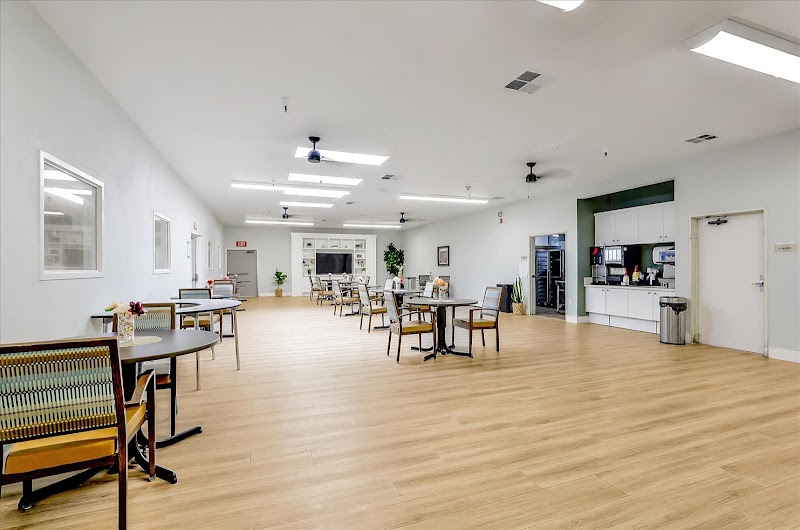
How is City Creek Post Acute Staffed?

CMS rates CITY CREEK POST ACUTE's staffing level at 3 out of 5 stars, which is average compared to other nursing homes. Staff turnover is 46%, compared to the California average of 46%.

What Have Inspectors Found at City Creek Post Acute?

State health inspectors documented 40 deficiencies at CITY CREEK POST ACUTE during 2021 to 2025. These included: 2 that caused actual resident harm and 38 with potential for harm. Deficiencies causing actual harm indicate documented cases where residents experienced negative health consequences.
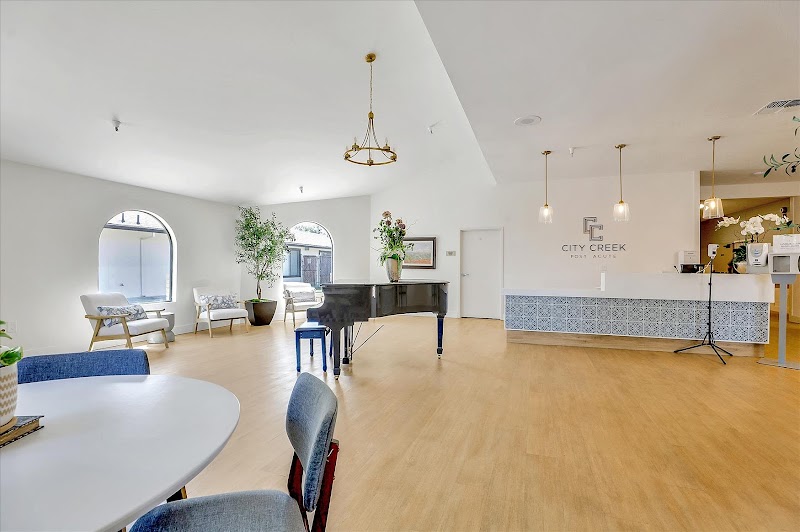
Who Owns and Operates City Creek Post Acute?

CITY CREEK POST ACUTE is owned by a for-profit company. For-profit facilities operate as businesses with obligations to shareholders or private owners. The facility is operated by KALESTA HEALTHCARE GROUP, a chain that manages multiple nursing homes. With 99 certified beds and approximately 92 residents (about 93% occupancy), it is a smaller facility located in SACRAMENTO, California.
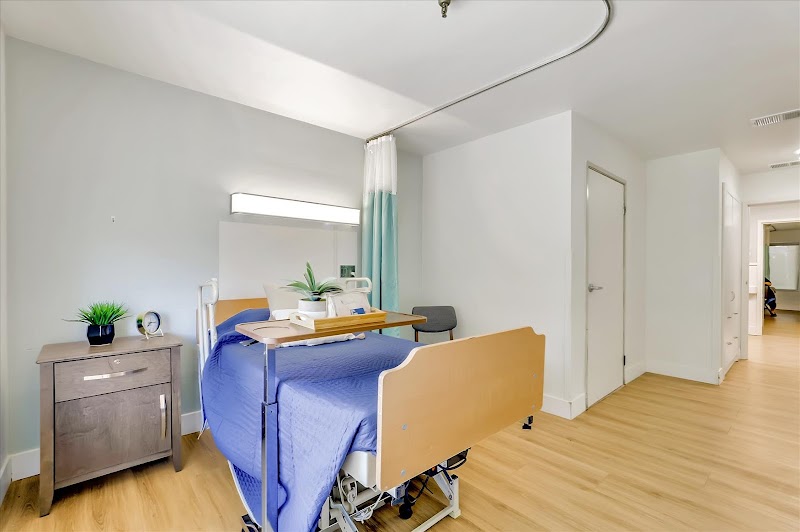
How Does City Creek Post Acute Compare to Other California Nursing Homes?

Compared to the 100 nursing homes in California, CITY CREEK POST ACUTE's overall rating (4 stars) is above the state average of 3.2, staff turnover (46%) is near the state average of 46%, and health inspection rating (4 stars) is above the national benchmark.

What Should Families Ask When Visiting City Creek Post Acute?

Based on this facility's data, families visiting should ask: "Can I visit during a mealtime to observe dining assistance and food quality?" "How do you handle medical emergencies, and what is your hospital transfer rate?" "Can I speak with family members of current residents about their experience?"

Is City Creek Post Acute Safe?

Based on CMS inspection data, CITY CREEK POST ACUTE has a clean safety record: no substantiated abuse findings (meaning no confirmed cases of resident harm), no Immediate Jeopardy citations (the most serious violation level indicating risk of serious injury or death), and is not on the Special Focus Facility watch list (a federal program monitoring the lowest-performing 1% of nursing homes). The facility has a 4-star overall rating and ranks #1 of 100 nursing homes in California. While no facility is perfect, families should still ask about staff-to-resident ratios and recent inspection results during their visit.

Do Nurses at City Creek Post Acute Stick Around?

CITY CREEK POST ACUTE has a staff turnover rate of 46%, which is about average for California nursing homes (state average: 46%). Moderate turnover is common in nursing homes, but families should still ask about staff tenure and how the facility maintains care continuity when employees leave.

Was City Creek Post Acute Ever Fined?

CITY CREEK POST ACUTE has been fined $43,156 across 5 penalty actions. The California average is $33,510. While any fine indicates a compliance issue, fines under $50,000 are relatively common and typically reflect isolated problems that were subsequently corrected. Families should ask what specific issues led to these fines and confirm they've been resolved.

Is City Creek Post Acute on Any Federal Watch List?

CITY CREEK POST ACUTE is not on any federal watch list. The most significant is the Special Focus Facility (SFF) program, which identifies the bottom 1% of nursing homes nationally based on persistent, serious quality problems. Not being on this list means the facility has avoided the pattern of deficiencies that triggers enhanced federal oversight. This is a positive indicator, though families should still review the facility's inspection history directly.