COLLEGE OAK NURSING & REHABILITATION CENTER
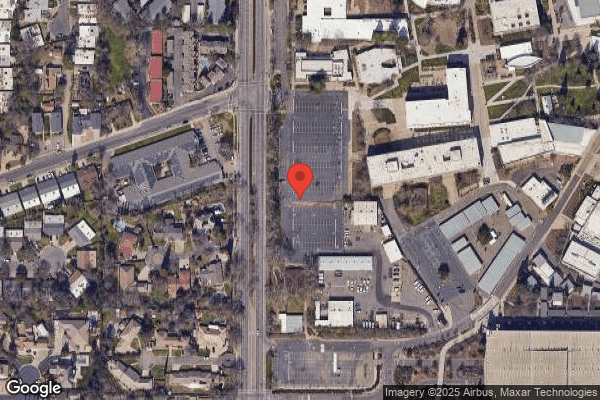
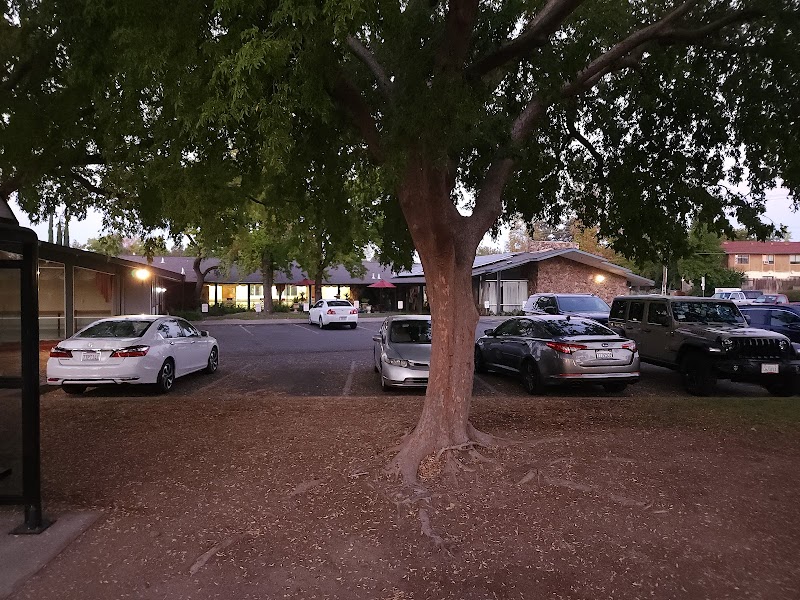
4635 COLLEGE OAK DRIVE, SACRAMENTO, CA 95841 (916) 481-7434
For profit - Limited Liability company 120 Beds CYPRESS HEALTHCARE GROUP Data: November 2025
Trust Grade
65/100
#315 of 1155 in CA
Last Inspection: February 2025

Within standard 12-15 month inspection cycle. Federal law requires annual inspections.

Overview

College Oak Nursing & Rehabilitation Center has a Trust Grade of C+, indicating it is slightly above average but not without its issues. It ranks #315 out of 1,155 facilities in California, placing it in the top half, and #11 out of 37 in Sacramento County, meaning there are only ten local options that perform better. Unfortunately, the trend is worsening, with the number of issues increasing from 6 in 2024 to 10 in 2025. Staffing is rated at 4 out of 5 stars, but the turnover rate is concerning at 51%, which is above the California average, suggesting challenges in retaining staff. On a positive note, the facility has no fines on record and offers average RN coverage, which is essential for catching problems early. However, there have been serious concerns, such as the failure to schedule a needed ophthalmology appointment for a resident, resulting in a decline in their vision. Additionally, there were discrepancies in the accountability of controlled medications, raising potential safety issues. The medication error rate was notably high at 17.86%, indicating that some residents did not receive their medications as prescribed, which could negatively impact their health. Overall, while College Oak has strengths, families should weigh these concerns seriously when considering care options.

Trust Score
C+
65/100
In California
#315/1155
Top 27%
Safety Record
Moderate
Needs review
Inspections
Getting Worse
6 → 10 violations
Staff Stability
⚠ Watch
51% turnover. Above average. Higher turnover means staff may not know residents' routines.
Penalties
✓ Good
No fines on record. Clean compliance history, better than most California facilities.
Skilled Nurses
○ Average
Each resident gets 35 minutes of Registered Nurse (RN) attention daily — about average for California. RNs are the most trained staff who monitor for health changes.
Violations
⚠ Watch
22 deficiencies on record. Higher than average. Multiple issues found across inspections.
★★★★☆
4.0
Overall Rating
★★★★☆
4.0
Staff Levels
★★★★☆
4.0
Care Quality
★★★★☆
4.0
Inspection Score
Stable
2024: 6 issues
2025: 10 issues

The Good

  • 4-Star Staffing Rating · Above-average nurse staffing levels
  • 4-Star Quality Measures · Strong clinical quality outcomes
  • Full Sprinkler Coverage · Fire safety systems throughout facility
  • No fines on record

Facility shows strength in staffing levels, quality measures, fire safety.

The Bad

Staff Turnover: 51%

Near California avg (46%)

Higher turnover may affect care consistency

Chain: CYPRESS HEALTHCARE GROUP

Part of a multi-facility chain

Ask about local staffing decisions and management

The Ugly 22 deficiencies on record

1 actual harm
Feb 2025 10 deficiencies
CONCERN (D)

Potential for Harm - no one hurt, but risky conditions existed

Deficiency F0558 (Tag F0558)

Could have caused harm · This affected 1 resident

**NOTE- TERMS IN BRACKETS HAVE BEEN EDITED TO PROTECT CONFIDENTIALITY** Based on observation, interview and record review the facility failed to ensure resident needs were accommodated for two of 23 s...

Read full inspector narrative →
**NOTE- TERMS IN BRACKETS HAVE BEEN EDITED TO PROTECT CONFIDENTIALITY** Based on observation, interview and record review the facility failed to ensure resident needs were accommodated for two of 23 sampled Residents (Residents 6 and 307), when the call light was not within reach. This failure had the potential to result in the residents not attaining their highest practicable physical, psychosocial and emotional well-being. Findings: Review of an admission Record indicated Resident 6 was admitted in January of 2025 with multiple diagnoses of aftercare following joint replacement surgery, other abnormalities of gait and mobility, and muscle weakness. Review of Minimum Data Set (MDS, a federally mandated resident assessment tool) dated 1/13/24, indicated Resident 6 was cognitively intact. The MDS also indicated Resident 6 was dependent to required partial/moderate assistance (helper does less than half of the effort) for activities of daily living (ADL's-routine tasks such as bathing, dressing and toileting a person performs daily care themselves). During a concurrent observation and interview on 2/4/25 at 9:56 a.m. Resident 6 was in her bed and her call light was on the floor and out of reach. Licensed Nurse 3 (LN3) confirmed the call light was on the floor and is not within reach and stated the call lights should be clipped to the linens or by their side where they can reach it. Review of Resident 6's Care Plan, dated 1/8/25, indicated Residents 6 was at risk for falls related to impaired mobility .interventions .Ensure call light is within reach when in room. During an interview on 2/6/25 at 9:21 a.m., Resident 6 stated she likes the call light where she can reach it. Resident 6 stated, It is difficult to call for help when I can't reach my call light. Review of an admission Record indicated Resident 307 was admitted [DATE] with several diagnoses including acute respiratory failure (a condition that can cause trouble breathing), history of falling, and muscle weakness. A review of MDS dated [DATE] indicated that Resident 307 had severely impaired cognition. The MDS also indicated Resident 307 was dependent to required substantial/maximal assistance (Resident requires significance assistance to complete the task) or ADLs. During a concurrent observation and interview on 2/4/25 at 9:25 a.m., Resident 307 was lying in bed and stated, I need to be changed. Observed call light wrapped under Resident 307's bedrail and out of reach. LN 5 was prompted to assist Resident 307. LN 5 stated that the call light should be within reach of the resident so they can call easily when they need help. During an interview with Resident 307 on 2/6/25 at 9:25 a.m., Resident 307 stated that he waited a long time for help and felt really uncomfortable because I needed to be changed. Review of Resident 307's Care Plan, dated 2/4/2025, indicated that Resident 307 was on .Bladder re-training program .interventions .have call light within reach and answer promptly . During an interview with Director of Nursing 1 (DON 1) on 2/5/25 at 10:47 a.m., the DON 1 stated that the call light should be within reach for each resident. The DON 1 stated a resident could become distressed if they could not reach the call light. A review of the facility's policy and procedure (P&P) titled, Call light System, Resident, dated 9/22, the P&P indicated, .Each resident is provided with a means to call a staff member directly .
CONCERN (D)

Potential for Harm - no one hurt, but risky conditions existed

MDS Data Transmission (Tag F0640)

Could have caused harm · This affected 1 resident

Based on interview and record review, the facility failed to timely submit a Minimum Data Set (MDS- a federally mandated resident an assessment tool) for one of 23 sampled residents (Resident 85) when...

Read full inspector narrative →
Based on interview and record review, the facility failed to timely submit a Minimum Data Set (MDS- a federally mandated resident an assessment tool) for one of 23 sampled residents (Resident 85) when a discharge MDS from 10/24 had not yet been submitted. This failure resulted in inaccurate data being transmitted and resulted in Resident 85's discharged MDS data not received by the Centers for Medicare and Medicaid Services (CMS). Findings: A review of Resident 85's admission record indicated Resident 85 was admitted to the facility in 9/24 and discharged on 10/6/24. During an interview on 2/6/25 at 3:33 p.m., the Minimum Data Set Coordinator (MDS) confirmed Resident 85's discharge MDS had not yet been submitted to CMS and was overdue and further stated that it needed to be turned into CMS with required timeframes for MDS submission. During a review of the facility's policy and procedure (P&P) titled, MDS Completion and Submission Timeframes, revised 7/17, the policy indicated the facility would conduct and submit resident assessments in accordance with current federal and state submission . timeframes for completion and submission is based on current requirements published in the Resident Assessment Instrument (RAI) Manual. During a review of CMS's RAI Manual, dated 10/24, the manual indicated the discharge MDS was to be submitted within seven days of completion.
CONCERN (D)

Potential for Harm - no one hurt, but risky conditions existed

Comprehensive Care Plan (Tag F0656)

Could have caused harm · This affected 1 resident

**NOTE- TERMS IN BRACKETS HAVE BEEN EDITED TO PROTECT CONFIDENTIALITY** Based on observation, interview and record review the facility failed to ensure a comprehensive and person-centered care plan wa...

Read full inspector narrative →
**NOTE- TERMS IN BRACKETS HAVE BEEN EDITED TO PROTECT CONFIDENTIALITY** Based on observation, interview and record review the facility failed to ensure a comprehensive and person-centered care plan was implemented for one of 23 sampled residents (Resident 26). This failure posed the risk of not providing appropriate, consistent and individualized care plan for Resident 26 to attain their highest practicable physical, mental and psychosocial wellbeing. A review of Resident 26's admission record indicated he was admitted 7/22 with diagnoses including dementia (a progressive state of decline in mental abilities.) A review of Resident 26's Minimum Data Set (MDS, a federally mandated resident assessment tool) dated 6/26/24 indicated Resident 26 was totally dependent for all his care, with dependent assistance for bed mobility, dressing, hygiene, activities including for sit to stand. The MDS indicated bed to chair transfer was not attempted by staff. A review of Resident 26's care plan dated, 5/11/24 indicated, Activities: Up in chair daily, be out of the room daily. During an observation on 2/4/25 at 1:00 p.m. in room [ROOM NUMBER] C, the Resident 26 was in bed. No activities observed. During an observation on 2/5/25 at 11 a.m., 11:30 a.m., 1:45 p.m., in room [ROOM NUMBER] C, Resident 26 was in bed and not in a chair and out of the room, no activities observed. During an interview on 2/5/25 at 12:30 p.m., in room [ROOM NUMBER] C, CNA 1 stated, Resident 26 was still not up and out of bed. During an observation on 2/6/25 at 8:50 a.m., 9:25 a.m., and 1:00 p.m. in room [ROOM NUMBER] C, Resident 26 was in bed and not out of the room, no activities observed. During a concurrent observation and interview on 2/7/25 at 9:26 a.m. with Resident 26 in room [ROOM NUMBER] C, Resident 26 was in bed and had not gotten up into chair. Resident 26 stated, I would love to get up, but they don't let me. During a concurrent interview and record review on 2/6/25 at 9:45 a.m. with Activities Director (AD), the AD confirmed that Resident 26 was not up for activities. The AD confirmed that there was no documented evidence of daily log or daily progress notes written for Activities offered for Resident 26, and no documented evidence of Resident 26 refusal to participate with activities. During a review of the facility's policy and procedure titled, Activity Programs dated August 2006, indicated, .Activities are scheduled seven days a week and residents are given opportunity to contribute .Individualized activities are provided and offered at hours convenient to the residents .
CONCERN (D)

Potential for Harm - no one hurt, but risky conditions existed

Deficiency F0658 (Tag F0658)

Could have caused harm · This affected 1 resident

Based on observation, interview and record review the facility failed to meet the professional standards of nursing practice for one of 23 sampled residents (Resident 7), when there was no order for a...

Read full inspector narrative →
Based on observation, interview and record review the facility failed to meet the professional standards of nursing practice for one of 23 sampled residents (Resident 7), when there was no order for a Foley catheter. This failure placed the resident with a Foley catheter at risk for not getting proper nursing care. Findings: Review of an admission Record indicated Resident 7 was admitted December of 2024 with several diagnoses including obstructive and reflux uropathy (a blockage in the urinary tract), infection and inflammatory reaction due to indwelling catheter (a tube inserted outside of the body that helps drain urine from the bladder). Review of a Minimum Data Set (MDS, a federally mandated resident assessment tool), dated 1/24/25 indicated for Urinary Continence (the ability to control urinary function) Resident 7 had a catheter (indwelling-a tube that is left inside the body). Review of a Order Summary Report dated 2/4/25 indicated no active orders for a Foley catheter for Resident 7. Review of Resident 7's Care plan, dated 12/30/24 indicated Resident 7 has an Indwelling Catheter related to Obstructive and Reflexive Uropathy and interventions included, Catheter per MD [Medical Doctor] orders. During a concurrent observation and interview on 2/5/25 at 10:20 a.m. with Licensed Nurse 3 (LN 3), LN 3 reviewed MD orders for Resident 7 and confirmed that Resident 7 did have a Foley catheter but did not have an active order for a Foley catheter. Review of Resident 7's Medication Administration Record (MAR) on 2/7/25 indicated no documented evidence of Foley Catheter Care. During an interview on 2/5/25 at 10:30 a.m. with the Director of Nursing 2 (DON 2), DON 2 stated that a Foley catheter order would include catheter care, changing the catheter as needed, a diagnosis that indicates why the resident has the Foley catheter and further stated her expectation would be that every resident that has a Foley Catheter should have an active order for one. During a review of the facility's policy and procedure (P &P) titled, Indwelling [Foley] Catheter Insertion, Male Resident, dated 8/22, the P&P indicated .Verify there is a physician's order for the procedure .
CONCERN (E)

Potential for Harm - no one hurt, but risky conditions existed

Pharmacy Services (Tag F0755)

Could have caused harm · This affected multiple residents

Based on observation, interview and record review the facility failed to ensure accurate accountability of controlled medication when: 1. There was a discrepancy between the Controlled Drug Record (C...

Read full inspector narrative →
Based on observation, interview and record review the facility failed to ensure accurate accountability of controlled medication when: 1. There was a discrepancy between the Controlled Drug Record (CDR-inventory sheet that keeps record of the usage of controlled medications) and medication blister card (medcard-a type of medication packaging) for Resident 76, Resident 151 and Resident 17. 2. A bottle of morphine sulfate solution (controlled medication [medication with high potential for abuse or addiction] to relieve pain) was not reconciled properly. These failures resulted in the facility not having an accurate accountability of controlled medications, and the potential for abuse or misuse of these medications. Findings: 1. During a medication cart check of the south B medication cart on 2/5/25 starting at 12:20 p.m. with LN 5, controlled medications were reconciled. The following discrepancies were found between the CDR and the medcard: a. Resident 76's CDR for clonazepam (used to treat anxiety-feeling of worry) 0.5 mg (milligram-a unit of measure) indicated there were 28 doses left, however, the medcard contained 27 doses. b. Resident 76's CDR for hydrocodone-apap (a combination of acetaminophen and hydrocodone, used to treat pain) 5-325 mg indicated there were 25 doses left, however the medcard contained 24 doses. c. Resident 151's CDR for methadone hydrochloride (used to treat pain) 5 mg indicated there were 22 doses left, however, the medcard contained 21 doses. d. Resident 17's CDR for lacosamide (used to treat seizures) 200 mg indicated there were 29 doses left, however, the medcard contained 28 doses. During an interview on 2/5/25 at 1:06 p.m. with Licensed Nurse (LN) 5, LN 5 stated that once a controlled medication was taken out of the medcard, it should also be signed out in the CDR. During an interview on 2/5/25 at 1:09 p.m. with Director of Nursing (DON) 2, DON 2 stated that controlled medication should be signed out and reconciled with the CDR before the nurses left the cart to administer medication to resident. During a review of the facility's policy and procedure (P&P) titled, Controlled Medications undated, the P&P indicated, When a controlled medication is administered, the licensed nurse administering the medication immediately enter the following information on the accountability record .date and time of administration, amount administered and signature of the nurse administering the dose . 2. During a concurrent observation and interview on 2/5/25 at 1:06 p.m. with LN 5, Resident 63's bottle of morphine sulfate 20mg/ml solution was checked, and LN 5 stated that the liquid in the bottle was at 24 ml. During a review of Resident 63's CDR for morphine sulfate 20mg/ml solution, the CDR showed that 17 ml remained in the bottle. During a telephone interview on 2/7/25 at 12:07 p.m. with Pharmacist/Pharmacy Manager (PM), PM stated that morphine was provided by the manufacturer in 15 ml or 30 ml containers. Manufacturers do not overfill the containers; at most, there might have been an extra 1 ml of residue left in the medication or plastic container, but overfilling a liquid medication was not standard practice. During a review of the facility's P&P titled, Controlled Medication Storage, undated, the P&P indicated, Any discrepancy in controlled substance medication counts is reported to the director of nursing immediately .separate records of use shall be maintained on all Schedule II drugs, such records shall be maintained accurately .
CONCERN (E)

Potential for Harm - no one hurt, but risky conditions existed

Unnecessary Medications (Tag F0759)

Could have caused harm · This affected multiple residents

Based on observation, interview and record review, the facility failed to ensure medication error rate was not less than 5% when the error rate was 17.86% based on five medication errors out of 28 opp...

Read full inspector narrative →
Based on observation, interview and record review, the facility failed to ensure medication error rate was not less than 5% when the error rate was 17.86% based on five medication errors out of 28 opportunities observed during a medication pass observation for three out of six residents (Resident 7, Resident 204 and Resident 351). This failure resulted in medications not given in accordance with the prescriber's orders or manufacturer's specifications and had the potential to affect the resident's clinical conditions. Findings: 1. During a concurrent medication observation and interview on 2/5/25 at 7:29 a.m. with Licensed Nurse (LN) 3, LN 3 was observed preparing 11 medications for Resident 7, including ArgiMent AT packet (medical food specifically formulated to provide essential nutrients for the dietary management of pressure injuries and wounds). LN 3 emptied the contents of the packet into a Styrofoam cup and mixed it with water without measuring it. At 7:48 a.m., LN 3 went inside the room to give the medication to Resident 7, Styrofoam cup was placed on the overbed table. LN 3 was intervened and was asked to take the cup out to measure the liquid in it. At 7:49 a.m., LN 3 measured the mixture by pouring it into a graduated cup (a cup that has visible markings on its side indicating specific volume measurements), which measured 230 mL (milliliter, a unit of measurement) plus an additional 150 mL, for a total of 380 ml. LN 3 confirmed that this was more than the recommended amount. During a review of the ArgiMent AT packaging, the dosing and administration recommendation for oral intake was to mix one packet with 180-240 mL of water or juice twice a day. During a review of Resident 7's OSR, dated 2/6/25, the OSR indicated, Resident 7 had an order for an ArgiMent oral packet, to be given one packet by mouth twice a day as a supplement. During a review of the facility's policy and procedures (P&P) titled Administering Oral Medications, dated October 2010, the P&P indicated, Prepare the correct dose of medication .for powdered medications, mix with liquids as indicated. 2. During a medication observation on 2/6/25 at 8:03 a.m. with LN 4, LN 4 went inside Resident 204's room and checked the blood pressure but was not observed to have taken the pulse rate at that time. At 8:06 a.m., LN 4 was observed preparing three medications for Resident 204, including Glycolax 3350 (medication to treat occasional constipation) 17 gm (grams-unit of measurement) mixed with 130 mL of water, Irbesartan (medication used to lower blood pressure) 150 mg (milligram-unit of measurement), and Isosorbide Dinitrate 30 mg (medication used to treat chest pain). During an observation on 2/6/25 at 8:09 a.m. LN 4 asked Resident 204 if he still wanted the water with Glycolax mixed in it. Resident 204 did not respond, and LN 4 took the water cup out with about ¼ of the water remaining in it and tossed it in the garbage. During a review of Resident 204's OSR, dated 2/6/25, the OSR indicated that Resident 204 had the following orders: Glycolax powder, 17 gm by mouth once a day, mixed with 4-8 oz (ounces-unit of measurement) of fluids; Irbesartan 150 mg tablet (tab), one tab by mouth once a day for hypertension (HTN- high blood pressure), to be held if SBP (systolic blood pressure- top number in blood pressure reading) less than (<) 110 or pulse <60; and Isosorbide Dinitrate 30 mg tab, 1 tab by mouth once a day for HTN, to be held if SBP was <110 or pulse <60. During an interview on 2/6/25 at 10:08 a.m. with Director of Nursing (DON) 1, DON 1 stated that the pulse rate should have been checked for one whole minute before medication administration. During an interview on 2/7/25 at 10:25 a.m. with DON 2, DON 2 stated that for Glycolax medication administration, the entire mixture should have been consumed by the resident to ensure the proper dose was administered. During a review of the facility's P&P titled Administering Medications, dated April 2019, the P&P indicated, The following information is checked/verified for each resident prior to administering medications .vital signs, if necessary. During a review of the facility's P&P titled Administering Oral Medications, dated October 2010, the P&P indicated, Remain with the resident until all medications have been taken. 3. During a medication administration observation on 2/6/25 at 8:27 a.m. with LN 8, LN 8 was observed preparing 5 medications for Resident 351, including aspirin (medication for pain that can be used as prevention for heart disease) 81 mg chew tablet. During a review of Resident 351's OSR, dated 2/6/25, the OSR indicated, Resident 351 had an order for aspirin EC (enteric coated-a special coating that prevents it from dissolving in the stomach) tablet by mouth once a day for prophylaxis. LN 8 did not administer the right form of aspirin as indicated in the OSR. LN administered the chewable form instead of the EC form. During a review of the facility's P&P titled, Administering Medications, dated April 2019, the P&P indicated, Medications are administered in accordance with prescriber orders .the individual administering the medication checks the label three times to verify the right resident, right medication, right dosage .
CONCERN (E)

Potential for Harm - no one hurt, but risky conditions existed

Deficiency F0761 (Tag F0761)

Could have caused harm · This affected multiple residents

**NOTE- TERMS IN BRACKETS HAVE BEEN EDITED TO PROTECT CONFIDENTIALITY** Based on observation, interview and facility policy and procedure (P&P) review, the facility failed to ensure the residents' med...

Read full inspector narrative →
**NOTE- TERMS IN BRACKETS HAVE BEEN EDITED TO PROTECT CONFIDENTIALITY** Based on observation, interview and facility policy and procedure (P&P) review, the facility failed to ensure the residents' medications were stored and labeled properly when: 1. An insulin pen did not have an open date on it. 2. Methadone (controlled medication to relieve pain) pills were not stored in their original packaging. 3. A bottle of morphine sulfate solution was not in the correct box and did not have the correct administration instruction on the label. These failures had the potential for medication diversion, medication errors and resident exposure to the expired medication. Findings: 1. During a medication cart check of the south B medication cart on [DATE] starting at 12:20 p.m. with Licensed Nurse (LN) 5, an opened (Brand name)(an insulin pen used to lower blood sugar level) 100 u/ml (unit per milliliter, unit of measurement) was found in the cart. LN 5 confirmed that the (Brand name) pen had been opened and used. During an interview on [DATE] at 10:08 a.m. with Director of Nursing (DON) 1, DON 1 stated that it was important to put open dates on insulin pens because they expired within 28 or 30 days after opening and should be replaced by then. During a review of the facility's P&P titled, Proper Storage of Insulin, undated, the P&P indicated, .the pharmacy will send pens maintaining the cold chain and place an 'Opened Date' label on each pen . Facility nursing staff will need to indicate the date opened on that label when removing from the refrigerator and placing on the medication cart. 2. During a medication cart check of the south B medication cart on [DATE] at 12:42 p.m. with LN 5, a Ziploc bag contained a bottle of methadone with four tablets inside it and a pill crusher pouch that had been stapled, which contained ten tablets of unlabeled medication. LN 5 confirmed that the proper storage of the medication should be inside the bottle. During an interview on [DATE] at 10:08 a.m. with DON 1, DON 1 stated that medications should be kept in their original packaging because the information on the label, such as the resident's name and the expiration date, is essential. 3. During a medication cart check of the south B medication cart on [DATE] at 12:50 p.m. with LN 5, a 30 ml bottle of morphine sulfate solution without label was in a box for morphine sulfate that indicated 15 mL on the outside for Resident 63. LN 5 confirmed that the medication bottle did not match the box it was in. During a record review of Resident 63's CDR for morphine sulfate solution, the CDR indicated a different prescription number than the one on the medication box. During a concurrent interview and record review on [DATE] at 12:57 p.m. with DON 1, Resident 63's OSR and CDR for morphine sulfate 20mg/ml solution was reviewed, DON 1 confirmed that the medication administration instruction on the label on the box and the label on the CDR did not match the Medical Doctor's order. The label on the CDR indicated morphine sulfate 20mg/ml soln, take 0.25ml by mouth every 4 hours as needed for pain or SOB [shortness of breath]. Resident 63's OSR indicated the following orders for morphine sulfate: a. Morphine sulfate (concentrate) solution 20mg/ml, give 0.25 ml by mouth every 1 hour as needed for pain or respiration >24-28/min b. Morphine sulfate (concentrate) solution 20mg/ml, give 0.5 ml by mouth every 1 hour as needed for moderate pain or respiration 29-32/min c. Morphine sulfate (concentrate) solution 20mg/ml, give 1 ml by mouth every 8 hours as needed for severe pain or respiration above 32. During a review of the facility's P&P titled, Medication Storage in the Facility, undated, the P&P indicated, The provider pharmacy dispenses medications in containers that meet legal requirements . Medications are kept in these containers . The drugs of each patient shall be kept and stored in their originally received containers. No drug shall be transferred between containers.
CONCERN (E)

Potential for Harm - no one hurt, but risky conditions existed

Food Safety (Tag F0812)

Could have caused harm · This affected multiple residents

Based on observation, interview and record review, the facility failed to prepare, distribute and serve food in accordance with professional standards for food service safety for a census of 103 resid...

Read full inspector narrative →
Based on observation, interview and record review, the facility failed to prepare, distribute and serve food in accordance with professional standards for food service safety for a census of 103 residents out of a census of 104 who ate facility prepared food when: 1. Thick, black, charcoal-like debris was found between all spokes of the two front gas burners of the facility stove, 2. [NAME] 2 handled parsley with her bare hands then placed it directly on the resident plate, and when 3. [NAME] 2 scratched her back and continued plating food without washing her hands. These failures increased the risk for the spread of infection and reduced the facility's potential to prepare residents' food in a sanitary manner. Findings: 1. During a concurrent observation and interview on initial tour of the kitchen with the Dietary Manager (DM) on 2/4/25 at 8:25 a.m., the DM verified there was a heavy accumulation of black, charcoal-like debris between all spokes of the two front gas burners on the industrial stove. 2. During a subsequent lunch tray line observation and interview with the DM on 2/5/25 at 11:17 a.m., [NAME] 2 used her bare fingers to break parsley into small pieces for garnish and placed them on the resident plates. When the DM was asked her expectations, she said, Technically, she should be using tongs for the parsley. 3. During a further observation on 2/5/25 at 11:21 a.m., [NAME] 2 scratched her back and continued to plate food with utensils. The DM verified the observation and said, She should not touch the back of her shirt and continue plating the food. During an interview with the Registered Dietician (RD) on 2/6/25 at 10:32 a.m., the RD was asked her expectations regarding dietary staff using bare hands to break up parsley and scratching their back without re-washing their hands and said, They should be wearing gloves whenever touching ready to eat food. Any time you make contact with clothing, hands should be washed before continuing to serve food. During a review of the facility policy and procedure (P&P) titled SANITATION, dated 2023, the P&P indicated All equipment shall be maintained as necessary .All .equipment shall be kept clean .Hands must not contact the food surface .Separate chopping boards are to be used for .vegetables . During a review of the facility P&P, untitled, dated 2023, the P&P indicated, Pay close attention to prevent cross-contamination of workers going from handling dirty .and then clean, touching .body .etc. Wash hands and change gloves whenever cross-contamination occurs. During a review of the facility P&P titled FOOD HANDLING, dated 2023, the P&P indicated Food and Nutrition Services personnel should never use bare hand contact with any foods, ready to eat or otherwise. This includes .food item preparation .personnel shall use suitable utensils such as deli tissue, spatulas, tongs, or single use gloves.
CONCERN (E)

Potential for Harm - no one hurt, but risky conditions existed

Garbage Disposal (Tag F0814)

Could have caused harm · This affected multiple residents

Based on observation, interview and record review, the facility failed to ensure garbage and refuse was disposed of properly when a large amount of cardboard and miscellaneous items was strewn around ...

Read full inspector narrative →
Based on observation, interview and record review, the facility failed to ensure garbage and refuse was disposed of properly when a large amount of cardboard and miscellaneous items was strewn around and under the garbage dumpsters at the back of the facility. This failure increased the risk of attracting of pests and spread of infection. Findings: During a concurrent observation and interview with Dietary Assistant Supervisor (DAS), on 2/4/25 at 1:30 p.m., two dumpsters were at the back of facility. A large amount of empty cardboard boxes was in front of one dumpster on the left and miscellaneous garbage strewn about the area including milk cartons, straws, sugar packets, plastic gloves, a coffee pot top, soft drink cans, a Christmas tree decoration, Styrofoam pieces, a metal tube about 1/3 wide by 18 inches long was protruding out from under the dumpster, and zip lock bags. The DAS was helping throw cardboard into the empty dumpster and was asked how long the large quantity of cardboard and trash had been there and said, Maybe it's been out here for a day or so, I don't know. Dumpsters are emptied once or twice a week. I think Maintenance is responsible, During an interview with the Maintenance Supervisor (MS) on 2/4/25 at 1:33 p.m., MS was asked about a pest control servicing and garbage pickup and said, Pest control comes to spray one time a month. The dumpsters are emptied by [name of garbage collection company] once a day, cardboard three times a week . maintenance is supposed to keep the area clean around the dumpsters . During an observation on 2/5/25 around 6:30 a.m., cardboard was seen still protruding out from under right dumpster. During an interview with the Maintenance Assistant (MA) on 2/5/25 at 8:37 a.m., the MA said, If nothing else is urgent, I will clean up around the dumpsters around 8:45 a.m. every day .Normally the cardboard pieces should be thrown in the dumpster and the lid closed. They come from the kitchen, central supply, janitorial. It makes no sense to leave the cardboard out if the dumpster is empty .The Maintenance Supervisor, [name of MS] should be checking and cleaning up the area . During a review of the facility document titled, Daily Maintenance Trash Area/Outside Cleaning log 2025, dated 2023, the log indicated To ensure the outside of the building and the trash area is clean and clear of trash and debris to maintain a cleanliness look for the exterior of the facility .I have performed the above maintenance - Initial date was not initialed as done on 12/26/24, 12/17/24,1/20/25, 1/21/25, had a handwritten note with an arrow pointing to 2/4/25 which indicated New Trash cans Delivered - Cleaned Late . During a review of the facility policy and procedure titled, Grounds, revised 5/08, the P&P indicated Maintenance shall be responsible for keeping the grounds free of litter .Areas around the buildings shall be maintained in a safe and orderly manner at all times.
CONCERN (E)

Potential for Harm - no one hurt, but risky conditions existed

Infection Control (Tag F0880)

Could have caused harm · This affected multiple residents

**NOTE- TERMS IN BRACKETS HAVE BEEN EDITED TO PROTECT CONFIDENTIALITY** Based on observation, interview and record review the facility failed to maintain an infection prevention and control program de...

Read full inspector narrative →
**NOTE- TERMS IN BRACKETS HAVE BEEN EDITED TO PROTECT CONFIDENTIALITY** Based on observation, interview and record review the facility failed to maintain an infection prevention and control program designed to provide a safe, sanitary and comfortable environment and to help prevent the development and transmission of communicable diseases and infections for a census of 104 when: 1.TB (tuberculosis, a contagious lung infection) screening and testing was not done for three sampled residents (Resident 3, Resident 8 and Resident 79), 2. No Enhanced Barrier Precautions (EBP, wearing a gown and gloves during high-contact care activities with patients who are at risk of spreading multidrug-resistant organisms (MDROs), like those with open wounds or indwelling medical devices, to prevent the spread of these infections, even when full contact precautions aren't needed) were used for three sampled residents (Resident 9 and Resident 151 ) who had wounds, 3. Resident 201's nebulizer mask (a face mask that fits over the nose and mouth to deliver medication into the lungs), Resident 84's oxygen tubing was on the floor and Resident 202's oxygen tubing was on the floor and nasal cannula (a small plastic tube, which fits into the person's nostrils for providing supplemental oxygen) was not stored properly. 4. Restorative Nursing Assistant (RNA) 2 did not perform hand hygiene when feeding multiple residents during lunch. 5. Certified Nursing Assistant (CNA) 3 provided care without wearing all the required personal protective equipment (PPE) for Resident 351 who was on Droplet Precautions (isolation precautions for an individual that is infected with microorganisms transmitted by droplets) These failures increased the risk for the spread of infection. Findings: 1. Resident 3 was admitted to the facility in September of 2021 with diagnoses which included asthma (a chronic lung condition where the airways in the lungs become inflamed and narrow, making it difficult to breathe, often causing symptoms like wheezing, coughing, chest tightness, and shortness of breath). During a review of Resident 3's physician order (PO), dated 9/10/21, the PO indicated Aplisol Solution .Inject .intradermally [into the skin] one time only for TB . During a review of Resident 3's immunization record (IR), dated 9/10/21, the IR indicated Resident 3 had a two-step TB test (a method for screening for tuberculosis where a person receives the initial TB skin test, and if the result is negative, they get a second identical test a few weeks later to minimize the chance of missing a past infection due to a weak initial reaction) on 9/10/21 and 9/27/21. During a review of Resident 3's Minimum Data Set (MDS, a federally mandated resident assessment tool), dated 12/11/24, the MDS indicated Resident 3 had a mildly impaired memory. During an interview on 2/7/25 around 7:15 a.m., Resident 3 was asked if she had a TB test and said she only remembered having one when she was admitted in 2021. During a concurrent interview and record review on 2/7/25 at 10:18 a.m. with the MDS Coordinator (MDSC), the MDSC verified Resident 3 was not screened and had not received another TB test since the initial test on 9/10/21. MDSC verified there was no documented evidence of other PO for TB testing in 9/22, 9/23, or 9/24. MDSC verified there was no documented evidence on the Medication Administration Record (MAR) for 9/22, 9/23, or 9/24. MDSC also verified there was no documented evidence of nurses note (NN) for a TB test in 9/22, 9/23, or 9/24. Resident 8 was admitted to the facility in September of 2023 with diagnoses which included bronchiectasis (a condition that occurs when the tubes that carry air in and out of your lungs get damaged, causing them to widen and become loose and scarred). During a review of Resident 8's MDS, dated [DATE], indicated Resident 8 had severe memory impairment. During a review of Resident 8's physician order (PO), dated 9/28/23, the PO indicated Aplisol solution .inject .intradermally one time only .[to rule out] TB . During a review of Resident 8's MAR, dated 9/27/23, the MAR did not indicate whether the TB test was given to or refused by Resident 8. During a review of the Progress Notes (PN), dated 9/27/23, the PN had no documented evidence which indicated Resident 8 received or refused the TB test. Resident 8's immunization record was requested multiple times but not provided. During a concurrent record review and interview on 2/7/25 at 7:24 a.m. with the MDSC, the MDSC reviewed the physician orders, progress notes, the nurses notes, and MAR since admission to the facility and said, [Residents] should have a two step TB test the day of admit or the following day .[Staff] should have notified the doctor if the patient refused. There's no note from admit until today regarding doctor notification of her refusal or a chest X-ray order .There [was] no order or X ray done to rule out TB . During an interview on 2/7/25 at 8:24 a.m. with the Infection Preventionist (IP), the IP was asked his expectations for TB screening and testing and said, For all residents the TB test should be done on admission. It should be documented if refused by the resident or RP [responsible party]. The physician should be notified so a chest X-ray can be done to rule out TB. We have to have some result to ensure they are free of TB . Resident 79 was admitted to the facility in March 2023 with diagnoses which included acute respiratory failure. During a review of Resident 79's IR, dated 2/7/23, the IR indicated Resident 79 had a two-step TB test on 3/13/23 and 5/8/23. During a concurrent interview and record review on 2/7/25 at 11:00 a.m.with the IP , the IP verified Resident 79 was not annually screened for TB. The IP confirmed there was no documented evidence that a TB annual assessment was done. During a review of the facility policy and procedure (P&P), titled, Tuberculosis, Screening Residents for, dated 8/19, the P&P indicated The facility will conduct an annual risk assessment to determine risk of exposure . 2. Resident 9 was admitted to the facility in October of 2021 with multiple diagnoses which included diabetes mellitus (DM-a disorder characterized by difficulty in blood sugar control and poor wound healing). During a review of Resident 9's MDS, dated [DATE] the MDS indicated Resident 9 had a severe memory problem and had the treatment of Application of non-surgical dressings .ointments/medications . During a review of the PO, dated 1/10/25, the PO indicated Right Temporal [area to the right of eyebrow] Ca [cancer] lesion: Cleanse with normal saline [salt water], pat dry, apply Calcium alginate [a water-insoluble salt derived from brown seaweed that's used in wound care], cover with clear dressing, change daily until healed . During a review of Resident 9's CP titled .Right temporal face lesion- carcinoma suspected ., dated 11/26/24, the CP indicated Follow facility protocols for treatment . During a wound care observation and interview on 2/5/25 at 9:40 a.m. with Licensed Nurse (LN) 7, LN 7 walked into the room of Resident 9 without wearing a gown. There was no EBP sign posted outside the door to indicate the personal protective equipment (PPE) to wear when in close contact with Resident 9. LN 7 placed barrier between skin and cancerous area, touching the Resident 9. LN 7 soaked gauze with saline, wiped inside to out, opened the dressing, patted the wound and said, .Calcium Alginate helps absorb drainage .We clean it every day. There was no EBP sign observed outside Resident 9's door, LN 7 did not wear a gown during wound care, and LN 7 was observed not washing hands between two residents dressing changes. During a review of Resident 9's skin assessment (SA), dated 2/6/25, the SA indicated, .biopsy results is positive for squamous cell acarcinoma (sic) of the right temporal area . Resident 151 was admitted to the facility in January of 2025 with multiple diagnoses which included carcinoma [cancer] of the right breast. During a review of Resident 151's CP titled Resident has alteration in skin status r/t [related to] .RIGHT BREAST - CANCER ., dated 1/22/25, the CP indicated Monitor scab/abrasions for s/s/ [signs/symptoms] of infection or worsening of condition . During a review of Resident 151's PO, dated 1/23/25, the PO indicated RIGHT BREAST CANCER - CLEANSE WITH NORMAL SALINE, PAT DRY, APPLY XEROFORM [a non-adherent gauze dressing that contains medication used to treat wounds.] DRESSING DAILY TILL HEALED . During a concurrent observation of Resident 151 and interview with LN 7 on 2/5/25 at 9:52 a.m., LN 7 placed a barrier pad on bedside table with supplies, assisted Resident 151 to remove her T-shirt which exposed the Xeroform dressing on the right breast. Plain gauze was resting on top to catch drainage. Resident 151 stated the wound had a little smell. LN 7 patted the wound and stated it drained quite a bit. Drainage was observed on the front of Resident 151's shirt. LN 7 wiped it well and stated It usually has an ABD [abdominal, a medical dressing used to treat wounds that are draining a lot of fluid] pad but it fell off. LN 7 put Xeroform and dry gauze on wound then placed an ABD with large piece of tape to hold it in place. LN 7 stated he changed the dressing every day. There was no EBP sign observed outside Resident 151's door and LN 7 did not wear a gown during wound care. During an interview with LN 7 on 2/5/25 at 10 a.m., LN 7 said, I don't wash my hands with every resident . During a concurrent observation and interview on 2/6/25 at 10 a.m. with the IP, the IP confirmed Resident 9 and Resident 151 did not have EBP precautions signage outside their rooms. The IP stated that all residents with wounds needed to be on EBP precautions. IP also confirmed that Resident 9 and Resident 151 had chronic wounds and should be with Enhanced Barrier Precautions. During a review of the facility P&P titled Enhanced Barrier Precautions, dated 6/24, the P&P indicated Enhanced Barrier Precautions [EBPs] are used as an infection prevention and control intervention .Gloves and gown are applied prior to performing high contact resident care activity .Examples .wound care .any skin opening requiring a dressing that is considered a longer lasting wound . Standard precautions apply to the care of residents regardless of suspected or confirmed infection . 3. During a review of Resident 201's admission Record (AR), the AR indicated, Resident 201 was admitted on [DATE] with diagnoses which included morbid obesity (severe form of having too much body fat) with alveolar hypoventilation (condition where the lungs don't get enough oxygen or remove enough carbon dioxide), obstructive sleep apnea (sleep disorder that occurs when the airway becomes blocked while sleeping), chronic obstructive pulmonary disease (COPD-a chronic lung disease causing difficulty in breathing.) During a review of Resident 201's Order Summary Report (OSR), dated 2/6/25, the OSR indicated Resident 201 had an order for ipratropium-albuterol solution (used to treat air flow blockage and prevent worsening of COPD) 0.5-2.5 (3) milligram/milliliter (mg/ml), 1 vial inhale orally four times a day for COPD. During a review of Resident 84's AR, the AR indicated, Resident 84 was admitted on [DATE] with diagnoses which included COPD with exacerbation, chronic respiratory failure with hypoxia (long-term condition that occurs when the lung can't get enough oxygen into the blood), chronic respiratory failure with hypercapnia (condition that occurs when the lungs can't get rid of enough carbon dioxide from the blood), malignant neoplasm of unspecified part of bronchus or lung (cancerous tumor that develops in the lungs), dependence on supplemental oxygen, shortness of breath. During a review of Resident 84's OSR, dated 2/6/25, the OSR indicated Resident 84 had an order to start oxygen at 2 liters per minute (L/min) for shortness of breath (SOB), chest pain, oxygen saturation less than 90% and to notify the MD. During a review of Resident 202's AR, the AR indicated, Resident 202 was admitted on [DATE] with diagnoses which included influenza due to other identified influenza virus with other respiratory manifestations (viral infection of the nose, throat and lungs), acute respiratory failure with hypoxia (condition where the lungs are unable to get enough oxygen into the blood), COPD, During a review of Resident 202's OSR, dated 2/6/25, the OSR indicated Resident 202 had an order to administer oxygen via nasal cannula at 2L/min as needed for SOB. During a concurrent observation and interview on 2/4/25 at 10:59 a.m. with IP in Resident 84's room, Resident 84's oxygen tubing was touching the floor. IP stated that the tubing was too long but should not be touching the floor. During a concurrent observation and interview on 2/4/25 at 10:46 a.m. with LN 6 in Resident 201's room, Resident 201's nebulizer mask was seen on the floor behind the oxygen concentrator. LN 6 stated that this was not the proper way to store the nebulizer mask and that it could be a source of infection. During an observation on 2/4/25 at 11:34 a.m. in Resident 202's room, Resident 202 had the oxygen concentrator on, but the nasal cannula was on top of the overbed table, and the tubing was touching the floor. During an interview on 2/4/25 at 11:45 a.m. with IP, IP stated that oxygen tubing should not be touching the floor due to infection control concerns, as someone should not be breathing it in since it is dirty. IP stated that when oxygen tubing touched the floor, the Certified Nursing Assistant (CNA) or other staff should inform the nurses so it could be changed right away. During an interview on 2/6/25 at 11:35 a.m. with Director of Nursing (DON) 2, DON 2 stated that oxygen tubing should not be touching the floor as it is part of their infection control practices. If not in use, it should be stored in a bag to prevent infection. During a review of the facility's P&P titled, Departmental (Respiratory Therapy)-Prevention of Infection, dated November 2011, the P&P indicated, Infection Control Considerations Related to Oxygen Administration: Change the oxygen cannula and tubing every seven (7) days, or as needed .keep the oxygen cannula and tubing used PRN (given as needed or requested) in a plastic bag when not in use .Infection Control Considerations Related to Medication Nebulizers: store the circuit in plastic bag, marked with resident's name, between uses . 4. During an observation on 2/4/25 at 11:40 a.m. in RNA dining room, five residents were sitting around the dining table. There were four hand sanitizer bottles that were on the table within reach of staff and residents. At 11:45 a.m., RNA 2 was holding a juice cup next to Resident 8's mouth to help the resident sip from the straw. RNA 2 then went to Resident 36 and picked up the utensils and prompted Resident 36 to hold it. RNA 2 further assisted Resident 36 to hold the chocolate milk carton. RNA 2 then went to the coffee station to get coffee for Resident 56. At 11:48 a.m., RNA 2 assisted and held Resident 24's hands to hold the milk carton up to Resident 24's mouth. At 11:49 a.m., RNA 2 wiped Resident's 24's mouth and nose after resident 24 sneezed. RNA 2 continued to help assist and prompt resident. At 11:51 a.m., RNA 2 touched Resident 60's shirt, tapped resident on the shoulder and returned to Resident 24 to assist with feeding. At 11:56 a.m., RNA 2 returned to Resident 8 and touched Resident 8's utensil and cup. RNA 2 did not perform proper hand hygiene between residents and between the tasks observed. During an interview on 2/4/25 at 12:25 p.m. with RNA 2, RNA 2 confirmed that she did not perform hand hygiene in between residents when assisting them with their lunch. During an interview on 2/6/25 at 9:00 a.m. with the IP, the IP stated that hand hygiene should be performed in between residents due to the risk of spreading infection. During a review of the facility's P&P titled, Hand washing/Hand Hygiene, revised 8/19, the P&P indicated, Use an alcohol-based hand rub containing at least 62% alcohol; or, alternatively, soap and water .Before and after assisting a resident with meals .after contact with resident's intact skin . after contact with objects .before and after .handling food . 5. A review of Resident 351 admission Record indicated Resident 351 was admitted [DATE] with multiple diagnoses that included influenza (flu). During an observation on 2/4/25 at 11:19 a.m. outside of Resident 351's room, a sign was posted above resident name card which indicated, Droplet Precaution. A plastic bin was observed in the hallway outside of resident 351's room. The bin contained disposable masks and face shields available for staff to use. During an observation on 2/5/25 at 9:50 a.m., CNA 3 entered Resident 351's room wearing only a mask. CNA 3 came out and put on a face shield after having gone into the room already to assist Resident 351. During a concurrent observation and interview on 2/5/25 at 10:00 a.m., CNA 3 disposed face shield before leaving Resident 351's room but did not discard disposable mask. CNA 3 confirmed she did not use proper PPE before entering Resident 351's room. CNA 3 further confirmed that she did not dispose of the mask before exiting resident room. During an interview on 2/6/25 at 9:19 a.m. with the IP, the IP confirmed that proper PPE should be worn for residents in droplet precautions. IP confirmed that staff must wear the correct PPE and dispose of PPE due to the risk of spreading infection. During a review of the facility's P&P titled, Isolation-Categories of Transmission-Based Precautions, dated 10/18, the P&P indicated Droplet precautions .gloves, gown and goggles should be worn if there is risk of spraying respiratory secretions. During a review of Centers for Disease Control (CDC) guidelines titled, HOW TO SAFELY REMOVE PERSONAL PROTECTIVE EQUIPMENT (PPE) undated, indicated, 4. MASK OR RESPIRATOR .Front of mask/respirator is contaminated .Discard in a waste container .
Oct 2024 1 deficiency
CONCERN (D) 📢 Someone Reported This

A family member, employee, or ombudsman was alarmed enough to file a formal complaint

Potential for Harm - no one hurt, but risky conditions existed

Deficiency F0806 (Tag F0806)

Could have caused harm · This affected 1 resident

Based on observation, interview and record review, the facility failed to ensure food preferences were honored for one (Resident 1) of 11 sampled residents when Resident 1's dislike food item was serv...

Read full inspector narrative →
Based on observation, interview and record review, the facility failed to ensure food preferences were honored for one (Resident 1) of 11 sampled residents when Resident 1's dislike food item was served. This failure had the potential to negatively impact Resident 1's nutritional status. Findings: Resident 1 was admitted to the facility in the August of 2024 with diagnoses that included: Type 2 Diabetes Mellitus (disease that affects blood sugar control) with unspecified complications, dysphagia, oropharyngeal phase (difficulty swallowing), and long-term use of Insulin (medication used to bring down blood sugar levels). During a review of Resident 9's meal tray ticket for lunch on 10/23/24, the tray ticket indicated, Dislikes: Fish, Chillie Beans, Asparagus. During a concurrent observation and interview on 10/23/24 at 12:25 p.m., with Resident 1, Resident 1's lunch tray was observed to contain a filet of breaded fish. When asked how she felt about being served fish, Resident 1 stated, I really don't like fish. During an interview on 10/23/24 at 12:29 p.m., with the Certified Nursing Assistant (CNA 1), CNA 1 confirmed Resident 1 received fish despite Resident 1 having a dislike for fish. During an interview on 10/23/24 at 12:35 p.m., with the Dietary Supervisor (DS), the DS confirmed Resident 1 received fish for lunch and that fish is documented as one of Resident 1's dislikes. The DS stated, Not respecting food preferences could lead to potential turn off from wanting to eat anything. During an interview on 10/23/24 at 2:12 p.m., with the Director of Nursing (DON), the DON stated the facility, absolutely should honor food preferences and confirmed not honoring food preferences could affect residents' nutrition. During a review of the facility's policy and procedure (P&P) titled, Nutrition (Impaired)/Unplanned Weight Loss - Clinical Protocol, dated 2001, the P&P indicated, The staff and physician will identify pertinent interventions based on identified causes and overall resident condition, prognosis, and wishes. a. Treatment decisions should consider all pertinent evidence and relevant issues (e.g., food intake, resident/patient wishes, overall condition and prognosis, etc.) .
Aug 2024 1 deficiency
CONCERN (D) 📢 Someone Reported This

A family member, employee, or ombudsman was alarmed enough to file a formal complaint

Potential for Harm - no one hurt, but risky conditions existed

Deficiency F0658 (Tag F0658)

Could have caused harm · This affected 1 resident

Based on interview and record review the facility failed to provide services according to professional standards of quality for one of 3 sampled residents (Resident 1) when Resident 1's pain medicatio...

Read full inspector narrative →
Based on interview and record review the facility failed to provide services according to professional standards of quality for one of 3 sampled residents (Resident 1) when Resident 1's pain medication was not administered per physician order. This failure decreased the facility's potential to safely follow the physician's order which led to unmet pain needs. Findings: A review of Resident 1's admission Orders indicated he was admitted to the facility in July 2024 with diagnoses including dislocation of left hip. In an interview on 8/6/24 at 11:35 a.m. with Resident 1, Resident 1 stated he was at the facility for rehabilitation therapy after hip and knee surgery. Resident 1 verbalized that on the night of 8/2/24, he asked for pain medication due to an 8 out of 10 pain (8/10, indicating severe pain). Resident 1 further stated the Licensed Nurse (LN) who was in-charge that night just gave him 1 tablet of oxycodone (narcotic pain medication) 5 milligrams (mg, unit of measurement) only. A review of Resident 1's Order Summary Report, dated 7/25/24 revealed two orders for oxycodone 5 mg tablet, to give 1 tablet for moderate pain and to give 2 tablets for severe pain, given as needed every four hours. A review of Resident 1's Medication Administration Record (MAR) the MAR indicated that on 8/2/24 at 11:54 p.m., an LN gave Resident 1 one tablet of oxycodone 5 mg for an 8/10 pain. A review of Resident 1's care plan interventions, initiated 7/25/24, indicated, Resident is at risk for pain . Administer medication as ordered and observe for side effects and effectiveness of medication. In a concurrent interview and record review on 8/6/24 at 1:13 p.m. with LN 1, Resident 1's MAR was reviewed. LN 1 confirmed that Resident 1 was only given one tablet of oxycodone 5mg for a pain of 8/10. In a concurrent interview and record review on 8/6/24 at 3:12 p.m. with the Director of Nursing (DON) Resident 1's MAR and physician orders were reviewed. the DON confirmed that the night shift LN only gave one tablet of pain medication to Resident 1 for an 8/10 complaint of pain. DON acknowledged the LN should have followed the physician's order and given Resident 1 two tablets instead of one because of severe pain. DON further stated it was her expectation for the nurses to always follow the physician order to properly care for their residents and to prevent them from making mistakes. A review of the facility's Policy and Procedure (P&P) titled Administering Medications revised 4/2019 the P&P stipulated Medications are administered in a safe and timely manner, and as prescribed . Medications are administered in accordance with prescriber orders . Based on interview and record review the facility failed to provide services according to professional standards of quality for one of 3 sampled residents (Resident 1) when Resident 1's pain medication was not administered per physician order. This failure decreased the facility's potential to safely follow the physician's order which can lead to unmet health needs. Findings: A review of Resident 1's admission Orders indicated he was admitted to the facility in July 2024 with diagnoses including dislocation of left hip. In an interview on 8/6/24 at 11:35 a.m. with Resident 1, Resident 1 stated he was at the facility for rehabilitation therapy after hip and knee surgery. Resident 1 verbalized that on the night of 8/2/24, he asked for pain medication due to an 8 out of 10 pain (8/10, indicating severe pain). Resident 1 further stated the Licensed Nurse (LN) who was in-charge that night just gave him 1 tablet of oxycodone (narcotic pain medication) 5 milligrams (mg, unit of measurement) only. A review of Resident 1's Order Summary Report dated 7/25/24 revealed two orders for oxycodone 5 mg tablet, to give 1 tablet for moderate pain and to give 2 tablets for severe pain, given as needed every four hours. A review of Resident 1's Medication Administration Record (MAR) the MAR indicated that on 8/2/24 at 11:54 p.m. an LN gave Resident 1 one tablet of oxycodone 5 mg for an 8/10 pain. A review of Resident 1's care plan interventions, initiated 7/25/24, indicated, Resident is at risk for pain . Administer medication as ordered and observe for side effects and effectiveness of medication. In a concurrent interview and record review on 8/6/24 at 1:13 p.m. with LN 1, Resident 1's MAR was reviewed. LN 1 confirmed that Resident 1 was only given one tablet of oxycodone 5mg for a pain of 8/10. In a concurrent interview and record review on 8/6/24 at 3:12 p.m. with the Director of Nursing (DON) Resident 1's MAR and physician orders were reviewed. the DON confirmed that the night shift LN only gave one tablet of pain medication to Resident 1 for an 8/10 complain of pain. DON acknowledged the LN should have followed the physician's order and gave Resident 1 two tablets instead of one because of severe pain. DON further stated it was her expectation for the nurses to always follow the physician order to properly care for their residents and to prevent them from making mistakes. A review of the facility's Policy and Procedure (P&P) titled Administering Medications revised 4/2019 the P&P stipulated Medications are administered in a safe and timely manner, and as prescribed . Medications are administered in accordance with prescriber orders .
Feb 2024 4 deficiencies 1 Harm
SERIOUS (G)

Actual Harm - a resident was hurt due to facility failures

Deficiency F0685 (Tag F0685)

A resident was harmed · This affected 1 resident

**NOTE- TERMS IN BRACKETS HAVE BEEN EDITED TO PROTECT CONFIDENTIALITY** Based on interviews, record review, facility document review, and facility policy review, the facility failed to ensure 1 (Resid...

Read full inspector narrative →
**NOTE- TERMS IN BRACKETS HAVE BEEN EDITED TO PROTECT CONFIDENTIALITY** Based on interviews, record review, facility document review, and facility policy review, the facility failed to ensure 1 (Resident #72) of 2 residents reviewed for vision services received treatment to maintain vision abilities. Specifically, the facility failed to obtain an ophthalmology appointment for the treatment of cataracts for Resident #72, who requested multiple times to be seen by a specialist for treatment. This failure resulted in Resident #72's vision worsening. Findings included: A review of a facility policy titled Referrals, Social Services, revised in December 2008, revealed, Social services personnel shall coordinate most resident referrals with outside agencies. The policy revealed, 3. Social services will collaborate with the nursing staff or other pertinent disciplines to arrange for services that have been ordered by the physician. A review of Resident #72's admission Record revealed the facility admitted the resident on 04/15/2022 with diagnoses that included major depressive disorder, atrial fibrillation, paraplegia, and essential hypertension. A review of Resident #72's admission Minimum Data Set (MDS), with an Assessment Reference Date (ARD) of 04/20/2022, revealed Resident #72 had a Brief Interview for Mental Status (BIMS) score of 15, which indicated the resident was cognitively intact. Per the MDS, Resident #72 also had impaired vision (sees large print, but not regular print in newspapers/books) and did not wear corrective lenses. A review of Resident #72's care plan revealed a Focus area initiated on 04/22/2022 that indicated the resident had impaired visual function. The facility developed interventions that directed staff to arrange consultation with an eye care practitioner as required, to identify and record factors affecting visual function such as cataracts, and to tell the resident where staff placed their items. A review of Resident #72's Activities - Initial Review assessment dated [DATE] indicated the resident enjoyed painting, jigsaw puzzles, and watching television. A review of Resident #72's Order Summary Report, with active orders as of 02/07/2024, revealed an order dated 04/15/2022 for an eye health and vision consultation with follow-up treatment as indicated. Further review revealed no documented evidence that a consultation was obtained for the resident. A review of Resident #72's Progress Notes dated 04/13/2023 revealed the resident wanted to be seen by the eye doctor for cataracts because they could not see well. The note indicated the nursing staff would follow up. A review of Resident #72's Progress Notes dated 04/14/2023 revealed the resident would like to see a specialist for their cataracts. The note revealed the resident's physician was notified. The note indicated an ophthalmologist referral would be obtained. A review of Resident #72's Order Summary Report, with active orders as of 02/07/2024, revealed an order dated 04/14/2023 for an ophthalmologist referral when available. A review of Resident #72's Referral for Follow-up Ophthalmology Care for HMO [Health Maintenance Organization] Patients, dated 06/23/2023, two months after the most recent physician order for an ophthalmology referral, revealed the resident was referred to an ophthalmology group for non-emergent cataracts; however, the note revealed the group was not on any HMO plans and could not complete Resident #72's eye examination. Further review indicated the facility had to refer the resident to a local ophthalmologist covered by the resident's HMO plan. Further review revealed no documented evidence that another ophthalmology referral was obtained for Resident #72. During an interview on 02/08/2024 at 2:45 PM, the Regional Director of Ophthalmology stated Resident #72 had not been seen by any of their providers because the medical group was not credentialed with HMOs, which was Resident #72's primary insurance coverage. The Regional Director of Ophthalmology further stated Resident #72 had a cataract diagnosis and probably needed surgery, but due to their payor source, the resident needed to go through a provider that was in their HMO network. A review of Resident #72's Progress Notes indicated the following: - 06/24/2023: A physician's visit note indicated the resident wanted to see ophthalmology for cataracts. - 07/01/2023: A psychiatrist's visit note indicated the resident had anxiety related to their cataracts. - 07/20/2023: A case management note revealed the resident had concerns with their cataracts, and social services were to follow up. - 10/09/2023: New orders from the Nurse Practitioner (NP) indicated a referral for ophthalmology was needed. A review of Resident #72's Order Summary Report, with active orders as of 02/07/2024, indicated a referral to ophthalmology was ordered on 10/09/2023. However, there was no documented evidence a referral was obtained; subsequently, there was no documented evidence Resident #72 received an eye examination. Further review of Resident #72's Progress Notes indicated the following: - 10/11/2023: An NP note revealed the resident stated they had a history of cataracts and requested to be seen by ophthalmology. - 10/12/2023: A physician's visit note indicated the resident's chief complaint was related to their cataracts. Resident #72 stated they could barely see and was waiting for an ophthalmology appointment for cataract extraction. The plan for treatment included an ophthalmology referral. There was no documented evidence the facility had acted on the provider's order for a referral on 10/09/2023, and no documented evidence an appointment for an eye examination was obtained for Resident #72. - 10/19/2023: A case management note revealed the resident wanted surgery for cataracts. The note revealed the nurse would notify the NP for an order, even though the NP had already given an order dated 10/09/2023. - 12/21/2023: A physician's visit note indicated the resident's chief complaint was related to their cataracts. Resident #72 stated they could barely see and was waiting for an ophthalmology appointment for cataract extraction. A review of Resident #72's Order Summary Report, with active orders as of 02/07/2024, revealed a referral to ophthalmology for cataract due to decreased vision was ordered on 12/21/2023. Further review revealed there was no documented evidence a referral was obtained; subsequently, there was no documented evidence Resident #72 received an eye examination. A review of Resident #72's Progress Notes revealed a case management note dated 01/23/2024 that indicated during the quarterly care conference that Resident #72 wanted an appointment for cataract surgery. The note indicated that the nursing staff would follow up and get an appointment. A review of Resident #72's Order Summary Report, with active orders as of 02/07/2024, revealed a referral to ophthalmology for cataract due to decreased vision was ordered on 01/25/2024. However, as of 02/06/2024, when the survey began, there was no documented evidence the facility had obtained an eye examination for Resident #72, who had been requesting an eye examination for at least approximately 10 months. A review of Resident #72's quarterly MDS, with an ARD of 01/09/2024, revealed the resident continued to have a BIMS score of 15, which indicated the resident was cognitively intact. Per the MDS, Resident #72's vision had worsened since the resident's admission MDS was completed. The MDS revealed the resident had moderately impaired vision (limited vision, not able to see newspaper headlines but can identify objects). A review of Resident #72's Activities - Quarterly/Annual Participation Review quarterly assessment dated [DATE] indicated the resident enjoyed listening to the news, music, and audiobooks. There were no longer visual activities listed. During an interview on 02/06/2024 at 12:34 PM, Resident #72 stated they needed to see an ophthalmologist for cataracts, but the Social Services Director (SSD) would not make the appointment. Resident #72 further stated they were losing their vision and could now barely see a plate of food. During an interview on 02/08/2024 at 1:15 PM, Resident #72 stated their vision had declined considerably since their initial admission. Per Resident #72, they could see the television about a year ago and the food they were eating. Resident #72 stated that now, they could only see flashes from the television and staff must explain what was on their meal tray. Resident #72 further stated they had requested multiple times to see an ophthalmologist because they were miserable and wanted something done to improve their vision. An interview with Certified Nursing Assistant (CNA) #16 on 02/08/2024 at 9:08 AM revealed Resident #72 reported their vision was blurry and cloudy, and the resident only saw shadows. CNA #16 stated he made sure to explain where things were when he delivered the resident's meal because the resident did not see well. During an interview on 02/08/2024 at 9:31 AM, Licensed Vocational Nurse (LVN) #17 stated Resident #72 was legally blind and was not sure whether the resident was receiving treatment. LVN #17 stated she was not sure what the process was for obtaining referrals but thought social services was involved. During an interview on 02/08/2024 at 3:06 PM, Registered Nurse (RN) #5 stated she was the nurse who addressed Resident #72's ophthalmology referral on 10/09/2023 but did not follow up to ensure the resident was seen. RN #5 further stated she should have followed up. RN #5 stated she was not sure who was responsible for making resident appointments. RN #5 stated that management expected the floor nurses to do it, but referrals became hard when she was overloaded with work on the floor. RN #5 stated she thought she gave a referral packet for Resident #72 to the Assistant Director of Nursing (ADON) but did not follow up to ensure the resident was seen. During an interview on 02/08/2024 at 3:21 PM, the ADON stated that when there was a referral for a resident to see an outside service, the nurses should notify the SSD, who then contacted the outside service to set up the appointment. The ADON further stated Resident #72 had a few referrals to see an ophthalmologist, and the only one she was aware of was a referral she faxed to a provider on 01/25/2024 to set up an appointment. During an interview on 02/08/2024 at 12:25 PM, the SSD stated that when there was an order for an outside referral, she sent an email to the provider that the resident needed to be seen. She stated it usually took 60 to 90 days following the referral for the resident to be seen. The SSD further stated it was not typical for a resident to have as many referrals as Resident #72 had to see an ophthalmologist and for them not to be seen. The SSD confirmed there was no documentation in the medical record that Resident #72 had seen an ophthalmologist. During an interview on 02/08/2024 at 10:57 AM, the NP stated Resident #72 requested to see an ophthalmologist, and she put in an order to be seen in October 2023. While looking through Resident #72's medical record, the NP stated there were multiple referrals for Resident #72 to see an ophthalmologist, so there should at least be a scheduled appointment, but she did not see anything in the record. The NP further stated she did not know who at the facility was responsible for outside referrals. She stated that the staff took no real ownership of who was responsible for carrying out referral orders. During an interview on 02/09/2024 at 10:16 AM, the Director of Nursing (DON) stated that when a resident had a referral to see an outside provider, the SSD was responsible for following up. The DON further stated she expected the SSD to set up appointments and to follow up to ensure a resident was seen as needed. The DON then stated it was important to follow up on referrals because if a resident had a problem with their eyes, they needed to see a provider for treatment. During an interview on 02/09/2024 at 10:58 AM, the Administrator stated if a resident requested to be seen by an ophthalmologist, that referral went through the SSD, who should have worked with the clinical team to set up an appointment. The Administrator further stated that if the SSD reached out to a provider who was not covered by a resident's HMO plan, the SSD needed to follow up to ensure the resident was seen by a practitioner who was covered within their insurance network.
CONCERN (D)

Potential for Harm - no one hurt, but risky conditions existed

Deficiency F0679 (Tag F0679)

Could have caused harm · This affected 1 resident

Based on interviews, record reviews, and facility policy review, the facility failed to ensure that activities were provided to meet the resident's preferences, and the resident was included in group ...

Read full inspector narrative →
Based on interviews, record reviews, and facility policy review, the facility failed to ensure that activities were provided to meet the resident's preferences, and the resident was included in group activities for 1 (Resident #99) of 2 sampled residents reviewed for activities. Findings included: A review of the facility's policy titled Activity Programs, revised in June 2018, revealed, Activity programs are designed to meet the interests of and support the physical, mental and psychosocial well-being of each resident. The policy revealed, 2. Activities offered are based on the comprehensive resident-centered assessment and the preferences of each resident and 4. Activities are considered any endeavor, other than routine ADLs [activities of daily living], in which the resident participates, that is intended to enhance his or her sense of well-being and to promote or enhance physical, cognitive or emotional health. 5. Our activity programs are designed to encourage maximum individual participation and are geared to the individual resident's needs. The policy indicated, 9. All activities are documented in the resident's medical record. A review of Resident #99's admission Record revealed the facility originally admitted the resident on 02/12/2023 and readmitted the resident on 06/15/2023. According to the admission Record, the resident had a medical history that included diagnoses of iron deficiency anemia, acute respiratory failure with hypoxia (a condition of low blood oxygen levels), hemiplegia and hemiparesis (weakness or paralysis on one side of the body), dementia, dysphagia (difficulty swallowing food or liquid), chronic obstructive pulmonary disease, a contracture of the left hand, and contracture of the muscle of the left lower leg. A review of Resident #99's admission Minimum Data Set (MDS), with an Assessment Reference Date (ARD) of 02/15/2023, revealed the resident had a Brief Interview for Mental Status (BIMS) score of 13, which indicated the resident was cognitively intact. The MDS revealed activity preferences that were Very important to the resident and included having books, newspapers, and magazines to read, listening to music they liked, and doing favorite activities. The MDS revealed activity preferences that were Somewhat important to the resident and included to be around animals such as pets, keep up with the news, do things with groups of people, go outside to get fresh air when the weather was good, and participate in religious services or practices. A review of Resident #99's active physician order summary report revealed an order dated 12/02/2023 that the resident may participate in activities of choice as per the plan of care and not in conflict with the treatment plan. A review of Resident #99's care plan for the admission date of 06/15/2023, revealed no documented evidence the facility developed a care plan for the resident for activities. A review of Resident #99's Activities - Initial Review - V- 2 dated 02/16/2023 revealed the resident enjoyed playing cards, bingo, dominos, and reading books. The assessment revealed Resident #99 wanted to participate in activities, including group activities, one-on-one activities with staff, and independent activities. A review of Resident #99's Activities - Quarterly/Annual Participation Review-V2 dated 09/29/2023 revealed the resident preferred in-room and group activities though resident rarely wants to attend group activities when offered. The review revealed the resident enjoyed watching television, listening to music, and spending time with family. The review revealed staff would continue in-room visits and would encourage an activity of passive exercise to music during in-room visits. According to the review, the resident's activity goals were met, and activity-related interventions/approaches were effective in reaching goals. A review of Resident #99's Activities - Quarterly/Annual Participation Review-V2 dated 12/29/2023 revealed the resident preferred in-room and group activities though resident rarely wants to attend group activities when offered. The review revealed staff offered group activities when the resident was up in a chair at the resident's own leisure. The review revealed the resident preferred reading, visits with family and friends, and spiritual visits. According to the review, the resident's activity goals were met, and activity-related interventions/approaches were effective in reaching goals. Even though Resident #99 did not have an activity care plan, the review indicated the facility would continue with the plan of care, and no changes to interventions/approaches were noted. A review of Resident #99's Activity Preferences - Participation documentation for 01/12/2024 through 01/25/2024 revealed Resident #99 actively participated in a movie/TV activity at 1:59 PM on 01/16/2024, 01/23/2024, and 01/25/2024. The resident participated in Social Hour/Coffee and Integrational Activities on 01/17/2023 at 1:59 PM. There was no documentation the resident refused or was not available for activities. An interview with the Activity Director (AD) on 02/08/2024 at 2:08 PM revealed that attendance at group activities was documented in the electronic medical record, and in-room visits should be documented when completed. The AD stated that activity staff could also write progress notes if something did not fit into a checkbox on the assessments. The AD was unable to provide any additional documentation that staff provided activities for Resident #99. An interview with Resident #99 on 02/06/2024 at 11:08 AM revealed the resident wanted to attend bingo twice weekly, but no one ever assisted the resident to the activity. Resident #99 stated they would like to participate in other activities but was unsure what was offered. Resident #99 directed the surveyor to a calendar posted on the wall in the room where the resident could see the calendar. An interview with the Activities Aide (AA) on 02/06/2024 at 1:29 PM revealed that Resident #99 had expressed the desire to attend activities but was never up and ready to attend. The AA stated the resident also requested to attend activities when she hung an activity calendar in the resident's room. The AA stated they had asked that the nursing staff have Resident #99 up and ready to attend events; however, the nursing staff never had the resident up when it was time for an activity. The AA stated they had discussed with nursing staff and requested residents to be up and attend activities; however, no changes had occurred. A follow-up interview with the AD on 02/07/2024 at 7:54 AM revealed that she had spoken to Resident #99, who stated they wanted to attend bingo. According to the AD, Resident #99 previously refused to participate in activities when asked. The AD could not produce any documentation showing Resident #99's refusal to participate nor any documentation of the participation in activities outside of what was documented for the last 30 days. According to the AD, the AA was in charge of all the charting. A follow-up interview with the AA on 02/07/2024 at 8:31 AM revealed she documented a resident's refusal to participate in activities only if she witnessed the refusal. She stated if staff reported a resident refused, the AA checked with the resident again, and if they refused her offer, she documented the refusal. The AA stated that Resident #99 had never refused activities when she asked, and Resident #99 always wanted to get up; however, when she asked the nursing staff to assist the resident, the nursing staff did not assist. During an interview on 02/07/2024 at 1:00 PM, the Director of Nursing (DON) stated her expectation was for activities to be offered to residents and that documentation matched the activities provided. The DON stated she was not aware there was an issue between the nursing and activities staff. During an interview on 02/08/2024 at 3:03 PM, the Administrator stated that all residents were encouraged to participate in activities. The Administrator stated at admission and quarterly, the resident's preferences were discussed, those preferences were honored, and accommodations were made within reason to meet their expectations. The Administrator stated the list activities staff provided to nursing staff only served as a note to the staff to get those residents up for activities. The Administrator stated if refusals became a pattern, then the staff should have figured out the reason. The Administrator stated that the nursing staff and activities staff documentation should have supported their story.
CONCERN (D)

Potential for Harm - no one hurt, but risky conditions existed

Unnecessary Medications (Tag F0759)

Could have caused harm · This affected 1 resident

Based on observations, record reviews, interviews, and facility policy review, the facility failed to ensure a medication error rate of less than 5 percent (%). The facility medication error rate was ...

Read full inspector narrative →
Based on observations, record reviews, interviews, and facility policy review, the facility failed to ensure a medication error rate of less than 5 percent (%). The facility medication error rate was 7.14%, resulting from two medication errors in 28 opportunities. This affected 2 (Resident #15 and Resident #271) of 5 residents observed during the medication pass observation. Findings included: A review of a facility policy titled Administering Medications, revised in April 2019, revealed, Medications are administered in a safe and timely manner, and as prescribed. The policy revealed, Medications are administered in accordance with prescriber orders, including any required time frame. The policy revealed, The individual administering the medication checks the label THREE (3) times to verify the right resident, right medication, right dosage, right time and right method (route) of administration before giving the medication. 1. A review of Resident #15's Order Summary Report for Active Orders As Of: 02/07/2024 revealed the facility admitted Resident #15 on 01/17/2018. The Order Summary Report revealed the resident had a diagnosis that included type 2 diabetes mellitus. The Order Summary Report revealed the resident had an order for multiple vitamins-minerals tablet, one tablet daily for a supplement, with a start date of 11/26/2020. On 02/07/2024 at 7:34 AM, Licensed Vocation Nurse (LVN) #1 was observed as she administered Resident #15 a multiple vitamin without minerals tablet. During an interview on 02/07/2024 at 9:48 AM, LVN #1 stated she did not administer Resident #15 a multiple vitamin with minerals as ordered by the physician. 2. A review of Resident #271's Order Summary Report for Active Orders As Of: 02/07/2024 revealed the facility admitted Resident #271 on 01/23/2024. The Order Summary Report revealed the resident had a diagnosis that included hyperlipidemia. The Order Summary Report revealed the resident had an order dated 01/24/2024 for fenofibrate 160 milligrams (mg) by mouth daily for hyperlipidemia. The record specified the medication was to be administered with food. On 02/07/2024 at 7:43 AM, Registered Nurse (RN) #2 was observed as she administered Resident #271's fenofibrate. The resident had no food in front of them, and RN #2 did not offer any food with the medication. During an interview on 02/07/2024 at 9:38 AM, RN #2 stated she had not administered Resident #271's fenofibrate with food as ordered by the physician. During an interview on 02/07/2024 at 2:18 PM, the Director of Nursing stated she expected nursing staff to read the medication administration record and follow the directions for the administration of medication. During an interview on 02/07/2024 at 2:38 PM, The Administrator stated the minimum expectation was for staff to stay below a 5% medication error rate, although the facility strived for 100% accuracy.
CONCERN (D)

Potential for Harm - no one hurt, but risky conditions existed

Infection Control (Tag F0880)

Could have caused harm · This affected 1 resident

Based on observation, record review, interviews, and facility policy review, the facility failed to ensure a clean barrier on which to set supplies was used during wound care and failed to ensure full...

Read full inspector narrative →
Based on observation, record review, interviews, and facility policy review, the facility failed to ensure a clean barrier on which to set supplies was used during wound care and failed to ensure full glove changes were completed, and hand hygiene was completed between glove changes during the provision of wound care. This affected 1 (Resident #63) of 1 resident observed receiving wound care. Findings included: A review of a facility titled Dressings, Dry/Clean, revised in September 2013, revealed that Steps in the Procedure included 1. Clean bedside stand. Establish a clean field. 2. Place the clean equipment on the clean field. The policy revealed, 4. Position resident and adjust clothing to provide access to affected area. 5. Wash and dry your hands thoroughly. 6. Put on clean gloves. Loosen tape and remove soiled dressing. 7. Pull glove over dressing and discard into plastic or biohazard bad. 8. Wash and dry your hands thoroughly. 9. Open dry, clean dressing(s) by pulling corners of the exterior wrapping outward, touching only the exterior surface. 10. Label tape or dressing with date, time and initials. Place on clean field. 11. Using clean technique, open other products (i.e. [id est, that is], prescribed dressing; dry, clean gauze). 12. Wash and dry your hands thoroughly. 13. Put on clean gloves. 14. Assess the wound and surrounding skin for edema, redness, drainage, tissue healing progress and wound stage. 15. Cleanse the wound with ordered cleanser. Further review revealed, 19. Remove disposable gloves and discard into designated container. Wash and dry your hands thoroughly. 20. Reposition the bed covers. Make the resident comfortable. 21. Place the call light within easy reach of the resident. 22. Clean the bedside stand. 23. Wash and dry your hands thoroughly. A review of Resident #63's quarterly Minimum Data Set (MDS), with an Assessment Reference Date of 01/01/2024, revealed Resident #63 had a Brief Interview for Mental Status score of 0, which indicated the resident had severe cognitive impairment. The MDS indicated the resident was dependent upon staff for all activities of daily living and mobility, had an indwelling catheter, and was always incontinent of bowel. The MDS indicated the resident had one stage 4 pressure ulcer, which was present upon admission. A review of Resident #63's care plan revealed a Focus area, revised on 12/28/2023, that indicated the resident had a recurrence of a pressure injury to the coccyx. The care plan revealed interventions included staff instructions to provide treatments for wound care as ordered by the physician. A review of Resident #63's Order Summary Report for Active Orders As Of: 02/08/2024 revealed the facility admitted Resident #63 on 11/06/2021. The Order Summary Report revealed the resident had diagnoses that included a stage 4 pressure ulcer of the sacral region, severe protein-calorie malnutrition, and an encounter for palliative care. The Order Summary Report revealed an order dated 01/09/2024 for a daily wound treatment to the coccyx until healed. The record revealed the treatment was to cleanse with normal saline, pat dry, apply Collagen powder, calcium alginate with silver, Triad to the margin, bordered foam with skin prep to adhesive exposed skin, change daily until healed. On 02/08/2024 at 8:50 AM, Licensed Practical Nurse (LVN) #3 was observed as she provided wound care for Resident #63. Restorative Nurse Aide #4 assisted LVN #3 by holding the resident in position. Without placing a clean barrier, LVN #3 set the wound care supplies on the foot of the resident's bed. A basket containing most of the supplies and medications for use during the treatment was set down on the package containing the large foam dressing used to complete the treatment. When the package was removed, gloves fell onto the bed. During the wound treatment, LVN #3 changed her right glove multiple times but did not change her left glove until the wound treatment had been completed and she prepared to apply a protectant ointment to the resident's perianal area. LVN #3 did not wash her hands or use hand sanitizer between glove changes at any time during the provision of the wound treatment. During an interview on 02/08/2024 at 9:11 AM, LVN #3 stated the facility's wound treatment policy did not require washing hands or the use of hand sanitizer between glove changes during the provision of the wound treatment. She stated the facility's policy required hand washing or use of hand sanitizer prior to and following the provision of wound care. She stated she could not place hand sanitizer on the bed to use during the wound care. LVN #3 stated she had changed her right glove multiple times but had not changed her left glove because she had not used her left hand for cleaning the wound and/or for providing wound care. She stated she had not used a clean barrier on which to set the wound care supplies and acknowledged the gloves had fallen onto the bed. LVN #3 stated the bed was not a clean barrier on which to set wound care supplies. During an interview on 02/08/2024 at 3:29 PM, the Director of Nursing stated hand hygiene was required between glove changes. She stated a clean barrier on which to set clean supplies was required. During an interview on 02/08/2024 at 3:37 PM, the Administrator stated he expected nursing staff to follow the facility's policy to use a clean barrier on which to set supplies and to complete hand hygiene between glove changes.
Oct 2023 1 deficiency
CONCERN (D) 📢 Someone Reported This

A family member, employee, or ombudsman was alarmed enough to file a formal complaint

Potential for Harm - no one hurt, but risky conditions existed

Quality of Care (Tag F0684)

Could have caused harm · This affected 1 resident

Based on interview and record review the facility failed to provide treatment and care in accordance with professional standards of care for one of four residents (Resident 1) when: 1. The facility fa...

Read full inspector narrative →
Based on interview and record review the facility failed to provide treatment and care in accordance with professional standards of care for one of four residents (Resident 1) when: 1. The facility failed to accurately enter the physician's order for alendronate (a medication to make bones stronger) into Resident 1's medical record; and 2. Resident 1 received an incorrect dose of alendronate. These failures had the potential for Resident 1 to experience adverse side effects and not attain her highest practicable physical, psychosocial, and mental well-being. Findings: Resident 1 was admitted to the facility in the fall of 2023 with diagnoses that included intraspinal abscess (infection in the spine) and disorder of bone density (strength). 1. During a review of Resident 1's (name of hospital) Skilled Nursing Facility Orders (SNFO) , dated 9/21/23, the SNFO indicated, Alendronate 70 mg. (milligram, a unit of measure) tab, take 1 tablet by mouth every week. During a review of Resident 1's Progress Notes (PN), dated 9/21/23, the PN indicated, Alendronate Sodium Oral Tablet 70 mg. Give 1 tablet my mouth in the morning .This dose fails a general dose range check based on drug inputs .Manual screening is required. During an interview on 10/2/23 at 1:20 p.m. with Director of Nursing (DON), DON stated the order for alendronate was put in the electronic medical record incorrectly. The nurse is supposed to double check the order. The nurse should have checked the dosage. During a review of the facility's policy and procedure (P&P) titled, Administering Medications, dated April 2019, the P&P indicated, Medications are administered in accordance with prescriber orders, including any required timeframe. A policy was requested for order transcription (information from the order transferred to the electronic medical record). Per the facility, there is no policy for order transcription. 2. During a review of Resident 1's Medication Administration Record (MAR), dated 9/1/23-9/30/23, the MAR indicated, Alendronate 70 mg .give 1 tablet by mouth in the morning. Resident 1 received alendronate sodium oral tablet 70 mg. on 9/22/23 and 9/23/23. During an interview on 10/2/23 at 12:10 p.m. with Licensed Nurse (LN) 1, LN 1 stated that Alendronate is given one time a week and the person must be upright for 30 minutes. During an interview on 10/2/23 at 12:15 p.m. with LN 2, LN 2 stated, Alendronate is given once a week on an empty stomach. During a review of Resident 1's Pacific [NAME] Pharmacy Label (PWPL), dated 9/21/23, the PWPL indicated, Alendronate 70 mg. tab .take 1 tab weekly. During a review of the facility's policy and procedure (P&P) titled, Administering Medications, dated April 2019, the P&P indicated, Medications are administered in accordance with prescriber orders, including any required timeframe .The individual administering the medication checks the label THREE (3) times to verify the right resident, right medication, right dosage, right time and right method (route) of administration before giving the medication.
May 2021 5 deficiencies
CONCERN (D)

Potential for Harm - no one hurt, but risky conditions existed

Deficiency F0578 (Tag F0578)

Could have caused harm · This affected 1 resident

Based on observation, interviews, and record review, the facility failed to provide accurate resident information for 1 of 22 residents (Resident 57), when Resident 57's Physician Ordered Life-Sustain...

Read full inspector narrative →
Based on observation, interviews, and record review, the facility failed to provide accurate resident information for 1 of 22 residents (Resident 57), when Resident 57's Physician Ordered Life-Sustaining Treatment (POLST- a document signed by a doctor that states the type of treatment for end of life) did not reflect the wishes of Resident 57 or the Repsonsible Party (RP- family member). This failure put Resident 57 at risk for the staff to not honor the Resident's life-sustaining wishes and cause harm, if not death. Findings: A review of Resident 57's clinical record indicated Resident 57 was admitted to the facility in the Fall of 2015 with diagnoses that included stroke and aphasia (unable to speak). A review of the MD orders for Resident 57, dated 7/20/2020. Indicated, Code Status: DNR (Do Not Resuscitate ) See POLST. During a record review on 5/12/2021 at 11:46 a.m., Resident 57's POLST indicated DNR as the code status. However, in Section B, Medical Interventions, both Full Treatment and Selective Treatment where checked off. A note on the POLST indicated Resident 57's RP requested Resident 57's medical interventions be changed to Full Treatment. During an interview on 5/12/2021 at 11:48 a.m., Licensed Nurse 1 (LN 1) stated Resident 57's POLST was not correct, because both Full and Selective Treatment were marked, which was confusing. LN 1 said the nurse should have made a new POLST with only Full or Selective Treatment marked. During an observation on 5/11/2021 at 10:59 a.m., Resident 57 went to the hospital for an appointment and took a copy of her POLST document, which was inaccurate because it indicated both Full and Selective Treatment. During an interview on 5/11/2021 at 2:15 p.m., the Minimum Data Set Coordinator (MDS- assess and monitor patient health and well-being in accordance with federal guidelines) stated Resident 57's POLST should have been changed some time ago. During an interview on 5/13/2021 at 10:20 a.m., The Director of Nursing (DON) confirmed Resident 57's POLST was not filled out correctly and the nurse should have made a new POLST marking only Full or Selective Treatment. The DON also stated the MD and nurses did not follow the facility's policy and procedures when Resident 57's POLST was not updated, which was unsafe for Resident 57. A review of the facility policy and procedure titled, Do Not Resuscitate Order, revised April 2017, indicated, Our facility will not use cardiopulmonary resuscitation and related emergency measures to maintain life functions on a resident when there is a Do Not Resuscitate Order in effect . Do not resuscitate (DNR) orders will remain in effect until the resident (or legal surrogate) provides the facility with a signed and dated request to end the DNR order . The resident's Attending Physician will clarify and present any relevant medical issues and decisions to the resident or legal representative as the resident's condition changes in an effort to clarify and adhere to the resident's wishes.
CONCERN (D)

Potential for Harm - no one hurt, but risky conditions existed

Pharmacy Services (Tag F0755)

Could have caused harm · This affected 1 resident

**NOTE- TERMS IN BRACKETS HAVE BEEN EDITED TO PROTECT CONFIDENTIALITY** Based on observation, interview, and record review, the facility did not ensure proper labeling of medications when opening date...

Read full inspector narrative →
**NOTE- TERMS IN BRACKETS HAVE BEEN EDITED TO PROTECT CONFIDENTIALITY** Based on observation, interview, and record review, the facility did not ensure proper labeling of medications when opening dates were not placed on oral and injectable medications when: 1) 8 vials of Insulin (medication used to control blood sugar) prescribed to different residents were opened but not dated and, 2) One bottle of liquid Famotidine (medication used to relieve heartburn) was opened but not dated. This failure had the potential to result in residents receiving expired medication. Findings: During an observation on [DATE] at 9:54 a.m., on 1 of 4 medication carts, 8 vials of insulin had broken cap seals, indicating the medication had been opened. There was no date of opening on the vials. During an observation on [DATE] at 10:21 a.m., on 1 of 4 medication carts, one bottle of liquid Famotidine had a broken cap seal and was partially empty, indicating the medication had been opened and used. There was no opening date on the bottle. During an interview with Licensed Nurse (LN) 2, on [DATE] at 9:40 a.m., LN2 reported that opening dates are not needed for insulin vials per the facility pharmacy. During an interview with Licensed Nurse (LN) 3, on [DATE] at 10:45 am, LN3 reported that according to the pharmacy, start [opened] dates are not needed for insulin vials; however, LN3 was not certain if other liquid medications such as insulin pens also needed to be dated when first opened by the nurse. During an interview with the Director of Nursing (DON) on [DATE] at 9:48 am, the DON reported the facility had recently changed pharmacies. The new system implemented by the pharmacy has a label on each liquid medication with an expiration date and an orange sticker for nurses to put the opening date. This system is only used for some liquid medications such as insulin pens but not for insulin vials. The DON then stated there should be a date and sticker on the [insulin] vials. During an interview with the Registered Pharmacist (RPH) on [DATE] at 2:40 pm, the RPH reported that the facility's pharmacy policy is to label the insulin vials with a 28-day expiration date, but no opening date is required since the expiration date is on the vial. RPH then stated the nurses are supposed to be checking the expiration dates [on the vials] before they administer the drug. A review of the facility's policy, titled Administering Medications, revised [DATE], indicated, .9. The expiration/beyond use date on the medication label be checked prior to administering. When opening a multi-dose container, the date opened shall be recorded on the container. A review of the facility's policy, titled Medication Administration Injectable Vials and Ampules, dated 2007, indicated, .3. The date opened and the initials of the first person to use the vial are recorded on multi-dose vials (on the vial label or an accessory label affixed for that purpose). A review of the facility's policy, titled Proper Storage of Insulin, undated, indicated under item Labeling Insulins, Vials: Pharmacy will break cold chain and note proper expiration date on the prescription label according to the above table [for insulin]. If requested to be dispensed maintaining a cold chain, Nursing staff shall then be responsible for labeling date opened and the appropriate new expiration date.
CONCERN (D)

Potential for Harm - no one hurt, but risky conditions existed

Medication Errors (Tag F0758)

Could have caused harm · This affected 1 resident

Based on observation, interview and record review, the facility failed to ensure that one of 22 sampled residents (Resident 85) was free from unnecessary psychotropic medications when Resident 85 was ...

Read full inspector narrative →
Based on observation, interview and record review, the facility failed to ensure that one of 22 sampled residents (Resident 85) was free from unnecessary psychotropic medications when Resident 85 was prescribed a psychotropic medication without a valid indication. This failure had the potential for Resident 85 to experience side effects from this medication such as frequent falls, sedation, and abnormal involuntary movements. Findings: During a review of Resident 85's admission Record, the review indicated Resident 85 was admitted to the facility in Spring of 2021 with multiple diagnoses including Parkinson's disease (progressive nervous system disease), major depression (mood disorder), and dementia without behavioral disturbance. A review of Resident 85 Minimum Data Set (MDS, a standardized comprehensive assessment tool), dated 4/18/21, Section C, Cognitive Patterns, indicated a score of 11 on the Brief Interview for Mental Status (BIMS, which helps evaluate the ability to remember and think clearly). This score indicated partially impaired cognition. Section D, Mood, dated 4/18/21, indicated Resident 85 was interviewed by staff and denied any symptoms associated with depression. During a review of Resident 85's medical record, the physician's orders, dated 4/15/21, indicated, Geodon® [Ziprasidone, an antipsychotic medication] Capsule 20mg (milligram, unit of measure), give 1 capsule by mouth two times a day for depression as M/B [manifested by] verbalization of sadness and monitor behavior for use of Geodon ® for depression M/B verbalization of sadness. During a review of Resident 85's medical record, the medication administration record (MAR), dated April 2021, indicated Resident 85 had consistently received Ziprasidone 20mg, 1 capsule by mouth two times a day, for depression M/B verbalization of sadness. During a further review of Resident 85's medical record, the physician's orders, dated 5/10/21, indicated, Geodon® Capsule 20mg, give 1 capsule by mouth two times a day for psychosis as M/B [manifested by] verbalization of sadness. During a review of Resident 85's medical record, the medication administration record (MAR), starting on 5/10/21, 2021, indicated Resident 85 had received Ziprasidone 20mg, 1 capsule by mouth two times a day for psychosis M/B verbalization of sadness. During a review of Resident 85's medical record, there was no documented evidence of a diagnosis of psychosis listed, nor was there documentation of specific resident behaviors that corresponded to the medical indication in the physician's orders for Resident 85. During a concurrent interview and record review of Resident 85's medical record, with the Director of Nursing (DON) on 5/12/21, at 9:57 a.m., the DON stated, it is the policy of the facility to ask why the patient is on an antipsychotic and reevaluate if it needs to be continued. The DON was unable to find any documentation of Resident 85's psychiatric history in the physician's notes. During an interview with the Pharmacist (RPH), on 5/12/21, at 2:30 p.m., the RPH reported there was a limited medical history for Resident 85, which was the reason the RPH had asked for more information which would assist with the evaluation of continuing Ziprasidone. During a concurrent interview and record review of Resident 85's medical record, with the Nurse Practitioner (NP) on 5/12/21, at 4:45 p.m., the NP confirmed Resident 85 had a diagnosis of Parkinson's disease and had been prescribed Ziprasidone prior to admission to the facility. The NP reported Resident 85 had never displayed any agitation or irritation while at the facility. A review of the Ziprasidone order in Resident 85's medical record was done with the NP, who then reported the medical indication was actually for Sundowner behavior (a set of symptoms such as irritability and agitation that worsen in the afternoon or evening) associated with Parkinson's disease. The NP then stated, It was put in for psychosis, but should have been for Sundowners. I know this was an error. He just has a diagnosis of dementia, but it [the medical record] should say the dementia is with behavioral disturbances. It was not put in correctly. During a record review of a document titled, Consultant Pharmacist's Medication Regimen Review, dated 4/29/21, indicated, the Pharmacist (RPH) reviewed Resident 85's current medications due to a recent fall, and, The Geodon indicates it is for depression. While this medication does have an off label indication for depression, it is a fairly potent antipsychotic. Most likely the fall is related to the resident's medical condition and poor safety awareness. However, consideration could be given to discontinuing the Geodon® as it may not necessarily be helping his depression. During a concurrent observation and interview on 5/13/21 at 10:40 a.m., Resident 85 was dressed and groomed, and sitting quietly in a wheelchair in the hallway. He denied any feelings of sadness. During a concurrent interview and record review with Licensed Nurse (LN)4, on 5/13/21 at 10:45 a.m., (LN) 4 reported that Resident 85 had never verbalized feelings of sadness or displayed any symptoms of psychosis. On a review of Resident 85's Medication Administration Record (MAR), nursing documentation for the monitoring of symptoms did not show any evidence of behavioral symptoms since admission. During an interview with the Medical Doctor (MD) on 5/13/21 at 12:08 p.m., MD stated, I saw him the other day, and he has Parkinson's dementia. He is on psych medications and takes Citalopram® (antidepressant medication) for depression. He takes Geodon® and was already on this medication. Maybe for some dementia; a lot of patients develop agitation in the hospital. I didn't start him on these [medications]. For the psych meds, unless the hospital started [a resident on this medication], I don't just start [a resident] on long-term medication. He was not agitated the other day. I tried to find out if he has another psychiatrist to manage him. The plan is for outpatient hospital. The MD was unable to provide information regarding if psychiatric services such as a consultation had been arranged for Resident 85. According to DailyMed, which is a nationally recognized provider of FDA (Food and Drug Administration, a federal regulatory agency), the medication manufacturer's label information for Ziprasidone included a boxed warning (information about potential serious health risks) indicating this medication is not approved to treat patients with dementia-related psychosis. A review of the facility's policy, titled Antipsychotic Medication Use, revised December 2016, 1. Residents will only receive antipsychotic medications when necessary to treat specific conditions for which they are indicated and effective, and .5. Residents who are admitted from the community or transferred from a hospital who are already receiving antipsychotic medications will be evaluated for the appropriateness and indications for use.
CONCERN (D)

Potential for Harm - no one hurt, but risky conditions existed

Unnecessary Medications (Tag F0759)

Could have caused harm · This affected 1 resident

**NOTE- TERMS IN BRACKETS HAVE BEEN EDITED TO PROTECT CONFIDENTIALITY** Based on observation, interview, and record review, the facility failed to ensure the medication error rate did not exceed 5% wh...

Read full inspector narrative →
**NOTE- TERMS IN BRACKETS HAVE BEEN EDITED TO PROTECT CONFIDENTIALITY** Based on observation, interview, and record review, the facility failed to ensure the medication error rate did not exceed 5% when a resident was given two medications prior to lunch instead of with meals as prescribed by the physician. This failure resulted in 2 medication errors being identified out of 26 opportunities during an observation of medication administration, which then resulted in the facility having a medication error rate of 7.69%. . Findings: During a review of Resident 36's admission Record, the review indicated Resident 36 was admitted to the facility in [NAME] of 2020 with multiple diagnoses including Type 2 diabetes (elevated blood sugar levels) and epilepsy (seizure disorder). During a medication pass observation on 5/11/21 at 11:36 a.m. with Licensed Nurse (LN) 3, LN3 administered to Resident 36: Keppra 500 mg (milligram, a unit of measurement), 1 tablet by mouth, and Metformin 250 mg by mouth. Resident 36 had not received a lunch tray yet or eaten a meal since breakfast. During a review of Resident 36's physician orders, dated 11/18/20, it indicated Keppra was to be given two times a day for seizure, and to give with meals. During a review of Resident 36's physician orders, dated 11/18/20, indicated that Metformin was to be given two times a day for DM 2, and to give with meals. During a review of Resident 36's Medication Administration Record (MAR), dated May 2021, indicated both medications were to be given with meals and were scheduled for 0800 and 1200. During an interview with Licensed Nurse (LN) 4 on 5/13/21 at 10:47 am, LN4 stated that medications ordered to be given with meals means the meal tray must be at the resident's bedside. During an interview with the Director of Nursing (DON), on 5/13/21 at 12:25 p.m., the DON reported that medication prescribed with meals means the meal tray must be accessible to the resident. The DON further stated, If the cart is still in the hallway, the resident doesn't have access to meals yet. The nurse has to make sure the resident is eating. The nurse has to be able to see or ask the CNA if the resident ate her dinner. We do in-services on this. I think it has to do with the absorption [of medication], and that it won't give any adverse reaction. During a review of the facility's policy titled Administering Medications, revised December 2012, indicated, Medications shall be administered in a safe and timely manner, and as prescribed, and .3. Medications must be administered in accordance with the orders, including any required time frame.
CONCERN (D)

Potential for Harm - no one hurt, but risky conditions existed

Infection Control (Tag F0880)

Could have caused harm · This affected 1 resident

Based on observation, interview, and record review, the facility failed to ensure infection prevention and control practices were followed when glucometers (device used to measure blood sugar levels) ...

Read full inspector narrative →
Based on observation, interview, and record review, the facility failed to ensure infection prevention and control practices were followed when glucometers (device used to measure blood sugar levels) were not disinfected according to manufacturer's instructions and alcohol wipes [Isopropyl Alcohol, 70%] were used to clean glucometers without a disinfectant being used after cleaning. This failure had the potential to transmit blood-borne pathogens between residents. Findings: During an observation and interview with Licensed Nurse (LN) 3 on 5/11/21 at 10:51 a.m., LN3 demonstrated how to clean the glucometer using an alcohol wipe, but did not use a disinfectant liquid afterwards. LN3 reported that usually glucometers were sanitized with Sani-Cloth [germicidal wipes], but sometimes bleach wipes or alcohol wipes were used instead. During an interview with the Director of Nursing (DON) on 5/12/21 at 9:37 a.m., the DON indicated glucometers were cleaned with a Sani-Cloth wipe, and stated, I don't know how many minutes to dry. In the past it was recommended to use alcohol prep [alcohol wipe]. It was standard before; once Sani-Cloth came in, we use that. During an interview with the Director of Staff Development (DSD) on 5/12/21 at 4:15 p.m., the DSD confirmed she did staff training on glucometer use for new employees. DSD stated, We have the SaniWipes [Sani-Cloth] to use between each patient. If we run out, we can use the alcohol wipes. DSD further stated, Sani-Cloth is the recommended wipe because it kills blood also. If not cleaned properly [glucometer], there's germs and bacteria. If the patient has a disease of the blood, it could move to another person. A review of the manufacturer's instructions for the facility's glucometers, titled, Cleaning and Disinfecting the .Blood Glucose Monitoring System, undated, indicated, The meter should be cleaned and disinfected after use on each patient, and, The cleaning procedure is needed to clean dirt, blood and other bodily fluids off the exterior of the meter before performing the disinfection procedure. The disinfection procedure is needed to prevent the transmission of blood-borne pathogens. A further review of the manufacturer's instructions indicated two options for cleaning the glucometer: option one was to use a commercially available EPA-registered disinfectant detergent of germicide wipe, and option 2 was clean the outside of the blood glucose meter with a lint-free cloth dampened with soapy water or isopropyl alcohol (70-80%). + Disinfect the meter by diluting 1mL or household bleach (5-6% sodium hypochlorite solution) in 9mL water to achieve a 1:10 solution before using a cloth dampened with the solution to thoroughly wipe down the meter. A review of the manufacturer's Reference Manual for the facility's glucometers titled, Quality Assurance/Quality Control (QA/QC Reference Manual, undated, indicated under Section B, Cleaning and Disinfecting FAQ .Cleaning can be accomplished by wiping the meter down with soap and water or isopropyl alcohol, but will not disinfect a meter. A review of the facility's policy, titled, Blood Sampling-Capillary (Finger Sticks), revised September 2014, indicated, The purpose of this procedure is to guide the safe handling of capillary-blood sampling devices [glucometers] to prevent transmission of bloodborne pathogens to residents and employees, and General Guidelines, 1. Always ensure that blood glucose meters intended for reuse are cleaned and disinfected between resident uses, and Steps in the Procedure, 8. Following the manufacturer's instructions, clean and disinfect reusable equipment, parts and/or devices after each use.
Understanding Severity Codes (click to expand)
Life-Threatening (Immediate Jeopardy)
J - Isolated K - Pattern L - Widespread
Actual Harm
G - Isolated H - Pattern I - Widespread
Potential for Harm
D - Isolated E - Pattern F - Widespread
No Harm (Minor)
A - Isolated B - Pattern C - Widespread

Questions to Ask on Your Visit

  • "Can I speak with families of current residents?"
  • "What's your RN coverage like on weekends and overnight?"

Our Honest Assessment

Strengths
  • • No fines on record. Clean compliance history, better than most California facilities.
Concerns
  • • 22 deficiencies on record, including 1 serious (caused harm) violation. Ask about corrective actions taken.
Bottom line: Mixed indicators with Trust Score of 65/100. Visit in person and ask pointed questions.

About This Facility

What is College Oak Nursing & Rehabilitation Center's CMS Rating?

CMS assigns COLLEGE OAK NURSING & REHABILITATION CENTER an overall rating of 4 out of 5 stars, which is considered above average nationally. Within California, this rating places the facility higher than 99% of the state's 100 nursing homes. This rating reflects solid performance across the metrics CMS uses to evaluate nursing home quality.

How is College Oak Nursing & Rehabilitation Center Staffed?

CMS rates COLLEGE OAK NURSING & REHABILITATION CENTER's staffing level at 4 out of 5 stars, which is above average compared to other nursing homes. Staff turnover is 51%, compared to the California average of 46%. RN turnover specifically is 59%, which is notably high. RNs provide skilled clinical oversight, so turnover in this role can affect medical care quality.

What Have Inspectors Found at College Oak Nursing & Rehabilitation Center?

State health inspectors documented 22 deficiencies at COLLEGE OAK NURSING & REHABILITATION CENTER during 2021 to 2025. These included: 1 that caused actual resident harm and 21 with potential for harm. Deficiencies causing actual harm indicate documented cases where residents experienced negative health consequences.
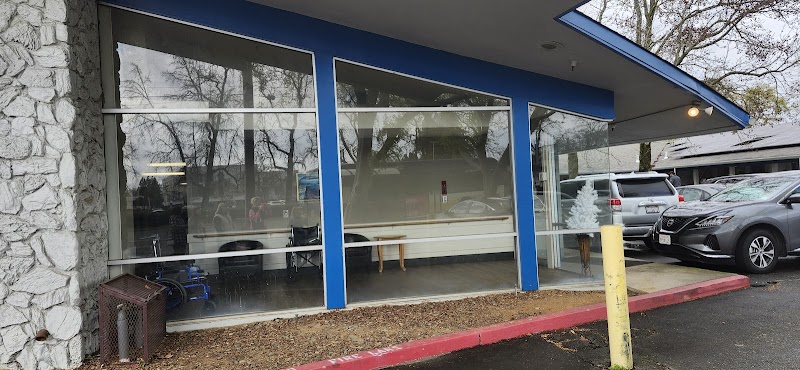
Who Owns and Operates College Oak Nursing & Rehabilitation Center?

COLLEGE OAK NURSING & REHABILITATION CENTER is owned by a for-profit company. For-profit facilities operate as businesses with obligations to shareholders or private owners. The facility is operated by CYPRESS HEALTHCARE GROUP, a chain that manages multiple nursing homes. With 120 certified beds and approximately 110 residents (about 92% occupancy), it is a mid-sized facility located in SACRAMENTO, California.
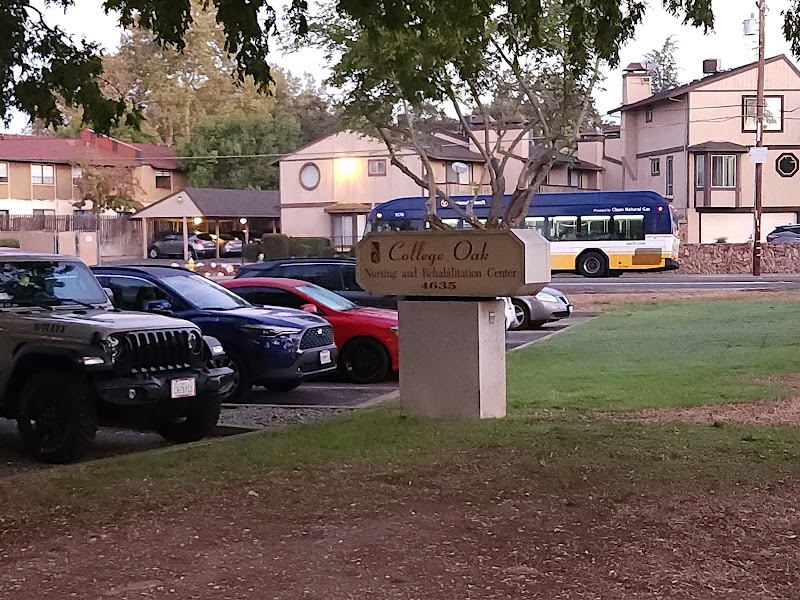
How Does College Oak Nursing & Rehabilitation Center Compare to Other California Nursing Homes?

Compared to the 100 nursing homes in California, COLLEGE OAK NURSING & REHABILITATION CENTER's overall rating (4 stars) is above the state average of 3.2, staff turnover (51%) is near the state average of 46%, and health inspection rating (4 stars) is above the national benchmark.

What Should Families Ask When Visiting College Oak Nursing & Rehabilitation Center?

Based on this facility's data, families visiting should ask: "Can I visit during a mealtime to observe dining assistance and food quality?" "How do you handle medical emergencies, and what is your hospital transfer rate?" "Can I speak with family members of current residents about their experience?"

Is College Oak Nursing & Rehabilitation Center Safe?

Based on CMS inspection data, COLLEGE OAK NURSING & REHABILITATION CENTER has a clean safety record: no substantiated abuse findings (meaning no confirmed cases of resident harm), no Immediate Jeopardy citations (the most serious violation level indicating risk of serious injury or death), and is not on the Special Focus Facility watch list (a federal program monitoring the lowest-performing 1% of nursing homes). The facility has a 4-star overall rating and ranks #1 of 100 nursing homes in California. While no facility is perfect, families should still ask about staff-to-resident ratios and recent inspection results during their visit.

Do Nurses at College Oak Nursing & Rehabilitation Center Stick Around?

COLLEGE OAK NURSING & REHABILITATION CENTER has a staff turnover rate of 51%, which is 5 percentage points above the California average of 46%. Moderate turnover is common in nursing homes, but families should still ask about staff tenure and how the facility maintains care continuity when employees leave.

Was College Oak Nursing & Rehabilitation Center Ever Fined?

COLLEGE OAK NURSING & REHABILITATION CENTER has no federal fines on record. CMS issues fines when nursing homes fail to meet care standards or don't correct problems found during inspections. The absence of fines suggests the facility has either maintained compliance or corrected any issues before penalties were assessed. This is a positive indicator, though families should still review recent inspection reports for the full picture.

Is College Oak Nursing & Rehabilitation Center on Any Federal Watch List?

COLLEGE OAK NURSING & REHABILITATION CENTER is not on any federal watch list. The most significant is the Special Focus Facility (SFF) program, which identifies the bottom 1% of nursing homes nationally based on persistent, serious quality problems. Not being on this list means the facility has avoided the pattern of deficiencies that triggers enhanced federal oversight. This is a positive indicator, though families should still review the facility's inspection history directly.