DOUBLE TREE POST ACUTE CARE CENTER
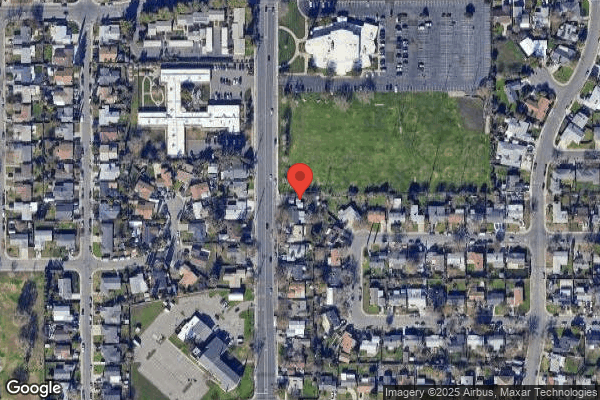
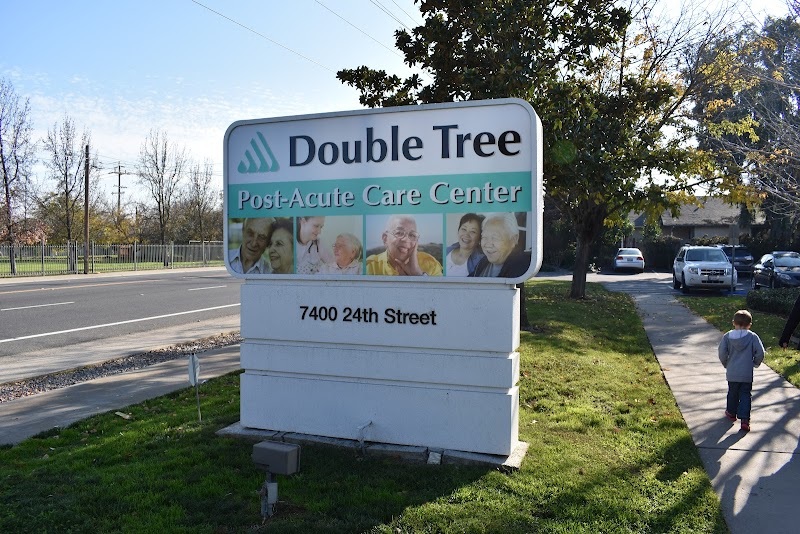
7400 24TH STREET, SACRAMENTO, CA 95822 (916) 422-4825
For profit - Limited Liability company 122 Beds BVHC, LLC Data: November 2025 1 Immediate Jeopardy citation
Trust Grade
21/100
#788 of 1155 in CA
Last Inspection: October 2024

Within standard 12-15 month inspection cycle. Federal law requires annual inspections.

Overview

Double Tree Post Acute Care Center in Sacramento, California, has a Trust Grade of F, indicating significant concerns about care quality and safety. Ranking #788 out of 1155 in the state and #31 out of 37 in the county places it in the bottom half of facilities, suggesting families may want to consider other options. The facility is showing improvement, with incidents decreasing from 9 in 2024 to 2 in 2025, which is a positive sign. Staffing is a relative strength, rated at 3 out of 5 stars with 0% turnover, meaning staff stay long-term, enhancing continuity of care. However, there have been troubling incidents, such as a critical failure to manage a resident's diabetes, leading to dangerously high blood sugar levels, and reports of pest issues, including cockroaches and ants found in resident areas. Overall, while there are some strengths, the facility has serious weaknesses that families should carefully consider.

Trust Score
F
21/100
In California
#788/1155
Bottom 32%
Safety Record
High Risk
Review needed
Inspections
Getting Better
9 → 2 violations
Staff Stability
○ Average
Turnover data not reported for this facility.
Penalties
✓ Good
$20,899 in fines. Lower than most California facilities. Relatively clean record.
Skilled Nurses
✓ Good
Each resident gets 46 minutes of Registered Nurse (RN) attention daily — more than average for California. RNs are trained to catch health problems early.
Violations
⚠ Watch
52 deficiencies on record. Higher than average. Multiple issues found across inspections.
★★☆☆☆
2.0
Overall Rating
★★★☆☆
3.0
Staff Levels
★★☆☆☆
2.0
Care Quality
★★☆☆☆
2.0
Inspection Score
Stable
2024: 9 issues
2025: 2 issues

The Good

  • Full Sprinkler Coverage · Fire safety systems throughout facility
  • No fines on record

Facility shows strength in fire safety.

The Bad

2-Star Overall Rating

Below California average (3.1)

Below average - review inspection findings carefully

Federal Fines: $20,899

Below median ($33,413)

Minor penalties assessed

Chain: BVHC, LLC

Part of a multi-facility chain

Ask about local staffing decisions and management

The Ugly 52 deficiencies on record

1 life-threatening
Jul 2025 2 deficiencies
CONCERN (D) 📢 Someone Reported This

A family member, employee, or ombudsman was alarmed enough to file a formal complaint

Potential for Harm - no one hurt, but risky conditions existed

Free from Abuse/Neglect (Tag F0600)

Could have caused harm · This affected 1 resident

**NOTE- TERMS IN BRACKETS HAVE BEEN EDITED TO PROTECT CONFIDENTIALITY** Based on observation, interview and record review, the facility failed to protect the resident's right to be free from physical ...

Read full inspector narrative →
**NOTE- TERMS IN BRACKETS HAVE BEEN EDITED TO PROTECT CONFIDENTIALITY** Based on observation, interview and record review, the facility failed to protect the resident's right to be free from physical abuse for one (Resident 1) out of a census of 108 when Resident 1 was pushed by a visitor during an altercation.This failure resulted in Resident 1 not free from abuse by a visitor.Findings:During a review of Resident 1's admission Record (AR), indicated Resident 1 was admitted [DATE] with diagnosis including Alcohol Induced Psychotic Disorder- Unspecified.During a review of Resident's 1 Minimum Data Set (MDS- a federally mandated resident assessment tool), dated 7/9/25 indicated Resident 1 had intact cognition.During a review of Resident 1's Care Plan (CP), indicated there was no documented evidence of a person-centered care plan, related to the potential risk of aggression. During a review of SBAR (situation, background, assessment, recommendation - a communication tool used by healthcare workers for changes in residents' conditions) dated 7/1/25, it indicated that Resident 1 exhibited verbal and physical aggression towards a visitor and staff members.During an interview with Licensed Nurse 2 on 7/9/25 at 11:48 a.m., LN 2 reported that she witnessed the visitor pushed Resident 1 during the altercation.During an interview on 7/9/25 at 12:50 p.m. with the Director of Nursing (DON), the DON confirmed that residents at their facility have the right to be free from any form of abuse, by any individual.During a review of the facility's policy and procedure (P&P) titled, Resident Rights and Abuse Prevention Policy and Procedure Manual, revised August 2011, indicated, .resident has the right to be free from abuse.residents must not be subjected to abuse by anyone including, but not limited to.family members, friends, or other individuals.
CONCERN (D) 📢 Someone Reported This

A family member, employee, or ombudsman was alarmed enough to file a formal complaint

Potential for Harm - no one hurt, but risky conditions existed

Report Alleged Abuse (Tag F0609)

Could have caused harm · This affected 1 resident

Based on interview and record review, the facility failed to ensure an allegation of abuse was reported timely within 2 hours for one of four sampled residents (Resident 1), when an allegation of abus...

Read full inspector narrative →
Based on interview and record review, the facility failed to ensure an allegation of abuse was reported timely within 2 hours for one of four sampled residents (Resident 1), when an allegation of abuse was reported to the department the following day.This failure reduced the potential to ensure resident safety.Findings:A review of a facility document titled, SBAR (Situation, Background, Assessment, Recommendation - a communication tool used by healthcare workers for changes in residents' conditions) note dated 7/1/25 indicated, .Writer [Licensed Nurse (LN) 3] was also approached by this Resident [1] and also got in writers face . Resident [1] got agitated, and pushed the visitor. visitor reacted and pushed back [Resident 1] as he was getting in his face as well with yelling and cursing. Primary Care Clinician notified 7/1/25 at 6:30 p.m.A review of Interdisciplinary Team (IDT) Follow up dated 7/2/25 at 9:48 a.m. indicated, . On 7/1/25, pm shift, res [1] was verbally aggressive to staff in the hallway. Staff asked him to calm down. Res [1] got close to charge nurses' face about the CNAs. res [1] got agitated and pushed the visitor. Visitor reacted and pushed back [Resident 1]. Staff intervened and calmed the situation.A review of an initial report from the facility indicated the report was faxed on 7/2/25 at 2:57 p.m. and received by the Department on 7/2/25 at 4:16 p.m. indicated, an allegation of suspected dependent adult/elder altercation had been made related to a visitor against Resident 1. During an interview on 7/9/25 at 11:37 a.m. with LN 1, LN 1 stated, any abuse allegations must be reported to the department within 2 hours.During an interview on 7/9/25 at 11:48 a.m. with LN 2, LN 2 stated, she saw the Visitor pushed the resident.During an interview on 7/9/25 at 12:50 p.m. with Director of Nurses (DON), DON stated, the abuse allegation was submitted 7/2/25 because she did not know it was a reportable incident.During interview via telephone on 7/11/25 at 8:30 a.m., the Director of Nurses (DON) stated that it is the facility's policy to report any allegation of abuse to the department within 2 hours. The DON confirmed that the abuse allegation made on 7/1/25 was not reported to the department within the required 2-hour timeframe.During a review of the facility's policy and procedure titled, Reporting Abuse to State Agencies and Other Entities/Individuals, revised August 2011, indicated, All suspected violations. of abuse will be immediately reported to appropriate state agencies and other entities or individuals as may be required by law. Should a suspected violation. of mistreatment. or abuse (including resident to resident abuse) be reported, the facility Administrator, or his/her designee, will promptly notify the following persons or agencies. of such incident.The State licensing/certification agency responsible for surveying/licensing the facility.A review of Center of Medicare and Medicaid State Operations Manual (SOM- a document that provides guidance for surveyors on long term care facilities) indicated, .S483.12(c)(1) Ensure that all alleged violations involving abuse, neglect, exploitation or mistreatment, including injuries of unknown source and misappropriation of resident property, are reported immediately, but not later than 2 hours after the allegation is made, if the events that cause the allegation involve abuse or result in serious bodily injury.
Oct 2024 1 deficiency
CONCERN (D) 📢 Someone Reported This

A family member, employee, or ombudsman was alarmed enough to file a formal complaint

Potential for Harm - no one hurt, but risky conditions existed

Free from Abuse/Neglect (Tag F0600)

Could have caused harm · This affected 1 resident

**NOTE- TERMS IN BRACKETS HAVE BEEN EDITED TO PROTECT CONFIDENTIALITY** Based on interview and record review, the facility failed to protect the resident's right to be free from physical abuse by a re...

Read full inspector narrative →
**NOTE- TERMS IN BRACKETS HAVE BEEN EDITED TO PROTECT CONFIDENTIALITY** Based on interview and record review, the facility failed to protect the resident's right to be free from physical abuse by a resident for one of three sampled residents (Resident 2) when facility staff witnessed Resident 1 hit Resident 2. This failure resulted in Resident 2 not being free from abuse and had the potential for Resident 2 to be injured. Findings: Resident 1 was admitted [DATE] with diagnoses which included anxiety disorder and muscle weakness. A review of Minimum Data Set (MDS, an assessment tool), dated 7/30/24, indicated Resident 1 had intact cognition. Resident 2 was admitted [DATE] with diagnoses which included hemiplegia (muscle weakness or partial paralysis on one side of the body) and reduced mobility. A review of the MDS, dated [DATE], indicated Resident 2 had intact cognition. During an interview on 10/24/24, at 11:23 a.m. with the Director of Nursing (DON), the DON stated on the morning of 10/16/24, she was informed by Janitor (JN) that he witnessed Resident 1 and Resident 2 get into a verbal and physical altercation outside on the smoking patio. DON confirmed JN stated he witnessed Resident 1 hit Resident 2. DON stated the expectations were for residents to involve facility staff when there is a disagreement and to not get into physical altercations. During an interview on 10/24/24, at 11:40 a.m. with Social Services Director (SSD), the SSD confirmed she had observed on video Resident 1 approach Resident 2 outside in the smoking area. SSD stated Resident 1 hit Resident 2 and saw Resident 2 attempt to hit Resident 1 but wasn't sure if contact was made. SSD confirmed she educated Resident 1 and Resident 2 on smoking policy, resolving conflict and not fighting. During an interview on 10/24/24, at 11:54 a.m., with Resident 1, Resident 1 confirmed a few days ago he got upset at Resident 2 for taking his cigarettes and had confronted Resident 2 outside. Resident 1 stated he hit Resident 2 in his face and Resident 2 had hit him on his shoulder. Resident 1 stated, Didn't hit him hard and he didn't hit me hard. During an interview on 10/24/24, at 12:05 p.m., with Resident 2, Resident 2 confirmed Resident 1 had approached him outside, told him to not take his cigarettes and then hit him. Resident 2 stated he tried hitting Resident 1 in return. During an interview on 10/24/24 at 12:25 p.m. with Certified Nursing Assistant (CNA) 1, CNA 1 stated expectations were for staff to keep residents safe and to keep their smoking supplies. CNA 1 confirmed residents could potentially be hurt and injured if arguments and fights escalated. During a review of Resident 1's Progress Notes (PN), dated 10/16/24, the PN indicated, Resident involved in an altercation in our facility with resident [Resident 2] .Resident is seen on camera assaulting resident [Resident 2]. During a review of Resident 1's PN, dated 10/21/24, the PN indicated, Late entry for 10/16/24 .so I went after him [Resident 2] to the smoking patio and I swung at him but I didn't hit him the first time, but I did the second time, the only thing is that I just don't remember where I hit him. During a review of Resident 2's PN, dated 10/21/24, the PN indicated, Late entry for 10/16/24. This resident [Resident 2] had an physical altercation with other male resident .He [Resident 1] came after me to the smoking patio and hit me in the head . During a review of Resident 2' s SBAR Communication Form, dated 10/16/24, indicated Resident stated aggressor [Resident 1] took his hat, struck him on his face once and hit him with the walker. During a review of the facility's Policy and Procedure (P&P) titled, Abuse Prevention Program, revised 8/2011, the P&P indicated, Our facility is committed to protecting our residents from abuse by anyone including .other residents . During a review of the facility's Policy and Procedure (P&P) titled, Residents Rights, revised 12/2023, the P&P indicated, .certain basic rights to all residents of this facility. These rights include the resident ' s right to: .be treated with respect, kindness, and dignity .be free from abuse .
Oct 2024 7 deficiencies 1 IJ
CRITICAL (J)

Immediate Jeopardy (IJ) - the most serious Medicare violation

Quality of Care (Tag F0684)

Someone could have died · This affected 1 resident

Based on observation, interview and record review, the facility failed to properly manage a resident's Type 2 Diabetes Mellitus (DM2-a disease that results in too much glucose, also called blood sugar...

Read full inspector narrative →
Based on observation, interview and record review, the facility failed to properly manage a resident's Type 2 Diabetes Mellitus (DM2-a disease that results in too much glucose, also called blood sugar in the blood) for one of 28 sampled residents (Resident 31) when the Licensed Nurses (LN) did not follow Physician Orders and the standards of care for diabetes. These failures resulted in Resident 31 having dangerously high levels of glucose throughout the day and suffering from unwanted symptoms of hyperglycemia (high sugar level) which could have led to a diabetic coma, a life-threatening medical emergency requiring immediate medical care or death if left untreated. Findings: An Immediate Jeopardy (IJ) situation was declared at 7:25 p.m. on 9/30/24 with Facility leadership representatives including the Regional Administrator (ADM) and Director of Nursing (DON) due to Resident 31 having dangerously high glucose levels throughout the day and suffering from symptoms of hyperglycemia while the Licensed Nurses (LNs) failed to administer Resident 31's morning insulin (a medication that lowers the glucose level in body), notify the physician, follow up with the physician, follow the physician's new insulin order in the afternoon, and properly document the glucose levels for the physician to properly assess Resident 31's condition. The Immediate Jeopardy status was lifted onsite on 10/1/24 at 4 p.m. after the facility provided an acceptable action plan. During a review of Resident 31's undated, admission Record (AR), the AR indicated Resident 31 was admitted to the facility in August of 2018 with diagnoses that included type 2 Diabetes Mellitus (DM2) with hyperglycemia (a disease characterized by high blood sugar levels) and DM2 with diabetic neuropathy (nerve pain due to having diabetes), End Stage Renal Disease (kidney failure), Chronic Diastolic Heart Failure (condition that the heart cannot pump blood efficiently), and Hypertensive Chronic Kidney Disease (a condition where high blood pressure damages the kidneys). Resident 31 was insulin dependent (a condition that the body is unable to produce enough insulin and requires regular insulin injections). Review of Resident 31's medical record document titled Order Summary Report dated 8/12/24, indicated the following orders for diabetes: - Insulin Regular (Humulin R, a short acting insulin), 100 u/ml (units per milliliter, concentration of insulin in a measurement of fluid). Amount to inject as per sliding scale (insulin dosage based on pre-defined blood glucose ranges); For Blood Sugar (BS) = 70-130 mg/dl (milligrams per deciliter, unit of measure): Give 0 units If BS is < (less than) 70 mg/dl, Follow facility protocol. For BS = 131-150: Give 1 unit For BS = 151-180: Give 2 units For BS = 181-210: Give 3 units For BS = 211-240: Give 4 units For BS = 241-270: Give 5 units For BS = 271-300: Give 6 units For BS = 301-330: Give 7 units For BS = 331-360: Give 8 units For BS = 361-400: Give 10 units If BS greater than 400 mg/dl, Give 12 units and notify MD (Medical Doctor) -Insulin glargine (a long-acting insulin) KwikPen subcutaneous solution pen-injector (disposable insulin delivery device) 100 unit/ml, inject 10 unit subcutaneously (under the skin) at bedtime for DM2. - Glipizide (an oral medication used to lower blood glucose by stimulating the release of insulin), 5 mg (milligram, a unit of measure), give one table by mouth two times a day for DM2. Take 30 minutes before a meal. During a medication administration observation in Resident 31's room, on 9/30/24 at 9:51 a.m., LN 1 administered 5 units of insulin glargine 100 u/ml and one tablet of glipizide 5 mg to Resident 31 after breakfast while LN 1 did not administer Resident 31's sliding scale Humulin R insulin. During an interview on 9/30/24 at 9:55 am with LN 1, LN 1 stated Humulin R was not given since Resident 31's morning blood sugar level was at 466 mg/dl and the insulin sliding scale order only covered up to 400 mg/dl. LN 1 referred to the Medication Administration Record (MAR) insulin calculator tool showing that based on Resident 31's blood sugar level of 466 mg/dl, the sliding scale indicated that this order did not need to be administered. During a reconciliation (review of medications observed being administered against the physician orders) of the observation of medication administration with Resident 31's active Physician Orders indicated an order for glipizide 5mg, give one tablet by mouth two times a day for Diabetes Mellitus 2. Take 30 minutes before a meal. The Physician Order also included orders for the sliding scale Humulin R Insulin. During an interview on 9/30/24 at 11:25 a.m. with LN 1, LN 1 acknowledged that Resident 31's insulin Humulin R order should have been administered in the morning. LN 1 further stated that she had not re-checked Resident 31's blood glucose and she had not notified the physician. During an interview on 9/30/24 at 11:30 a.m. with LN 1, LN 1 acknowledged the order stated to administer Resident 31's glipizide 5 mg 30 minutes before a meal. LN 1 stated Resident 31's breakfast tray was delivered about thirty minutes before the glipizide 5 mg was given on 9/30/24. A review of the meal schedule posted in the hallway for 9/30/24 indicated, the kitchen started serving breakfast at 7:05 a.m. 9/30/24. During an interview on 9/30/24 at 11:31 a.m. with LN 1, LN 1 stated Resident 31 had a BS of 353 mg/dl before lunch and 15 units of Humulin R insulin were given to the resident. A review of Resident 31's progress notes on 9/30/24 at 11:32 a.m., LN 1 had documented 10 units of Humulin R insulin, and 5 units of glargine were administered to Resident 31. During an interview on 9/30/24 at 12:45 p.m. with LN 1, LN 1 stated the blood sugar was high per the glucometer (a device that measures blood sugar level) at 12:45 p.m. LN 1 did not know what a high level reading meant in regard to Resident 31's blood's glucose level. A review of Resident 31's MAR printed on 9/30/24 at 6:04 p.m. stated Resident 31 had only received 8 units of Humulin R insulin by LN 1, not the 15 units LN 1 reported, or the 10 units LN 1 had documented on the progress notes. A review of the glucometer's manual, dated 10/1/24, indicated, a high reading would be the amount of glucose greater than 600 mg/dl. During a review of an online publication on the computer, obtained from the internet, on the importance of diabetes care by the Mayo Clinic, Mayo Foundation for Medical Education and Research (a nonprofit American academic medical center focused on integrated health care, education, and research), if blood sugar level goes above 600 mg/dL, the condition is called diabetic hyperosmolar syndrome (a life-threatening emergency when blood sugars get too high). When blood sugar is very high, the extra sugar passes from the blood into the urine. That triggers a process that draws a large amount of fluid from the body. If it isn't treated, this can lead to life-threatening dehydration (harmful reduction int the amount of water in the body) and a diabetic coma (unconsciousness). During an interview on 9/30/24 at 2:30 p.m. with LN 1, LN 1 stated Resident 31's blood sugar was still high on the glucometer, however, LN 1 was unable to document high on the MAR. During an interview on 9/30/24 at 2:48 p.m. with LN 1, LN 1 stated, it had been difficult to reach the physician for the past two hours. LN 1 further stated, I was finally able to reach the physician [14:48 (2:48p.m.)] after the third call, a new order was placed [for Resident 31] to administer 10 units of Humulin R insulin and to recheck [Resident 31's] blood sugar level in 20 minutes. During an interview on 9/30/24 at approximately 3:15 p.m. with LN 1, LN 1 stated Resident 31's blood sugar was 577 mg/dl, and 10 units of insulin were given to Resident 31 by LN 2. LN 1 was not able to provide the time of Resident 31's insulin administration and stated that the record had not been completed on the MAR as required. On 9/30/24 at approximately 3:30 p.m., LN 2 stated no insulin had been given to Resident 31 and LN 1 was dealing with Resident 31's insulin. LN 2 also stated Resident 31 was napping and had no issues with high sugar levels. On 9/30/24 at 3:34 p.m. with LN 1, LN 1 stated Resident 31 was doing ok and had no symptoms of hyperglycemia. LN 1 also stated that the ordered dose of insulin was still not administered to Resident 31 regardless of Resident 31's high glucose level. During an interview on 9/30/24 at 3:36 p.m. with Resident 31, Resident 31 complained of headache, dizziness, being thirsty, and not feeling well. Resident 31 stated she did not receive her morning insulin and she had never felt this way before. During an interview on 9/30/24 at 3:45 p.m. with LN 2, LN 2 stated that Resident 31's blood sugar was still high after using two different glucometers to double check the reading. LN 2 also stated, the 10 units of insulin had been administered. A review of Resident 31's MAR dated, 9/30/24, at 3:48 p.m., had no documentation for the dose of insulin that was administered per LN 2 in the 3:45 p.m. interview. The MAR documentation did not include the blood glucose levels including the high readings that were taken at: 12:45 p.m. High (per glucometer manual: High would be greater than 600 mg/dl), 2:30 p.m. High, 3:14 p.m. 577 mg/dl, and, 3:45 p.m. High & High (two different glucometers were used). The MAR indicated for 9/30/24 the 6:30 a.m. BS of 466, 11:30 a.m. BS of 353, and the 4:30 p.m. BS of 517. During an interview on 9/30/24 at 4 p.m. with LN 1, LN 1 stated, the physician was just called around 3:55 p.m. and wanted Resident 31 to be sent to the hospital. During an observation and interview on 9/30/24 at 4:17 p.m. with Resident 31 in Resident 31's room and stated, she still did not feel good. Resident 31 reported being dizzy, had a headache, and was thirsty while holding a cup of ice in hand. During an interview on 9/30/24 at 5:11 p.m. with LN 2, LN 2 stated Resident 31's blood sugar was still elevated at 517 mg/dl and Resident 31 was being sent out to the Emergency Room. During an interview on 9/30/24 at 5:23 p.m. with the DON, the DON stated, that the computer program for documenting the blood sugar levels would only accept numerical values. It would not accept the words high. The DON further stated, the LNs should have followed the Physician Orders to administer the insulin dose on time, reached out to the provider if the blood glucose level was high, or if insulin was not administered, rechecked the levels, and followed the standards of practice. The DON acknowledged that untreated hyperglycemia could cause serious harm. During an interview on 10/1/24 at approximately 10 a.m. with the Information Technologist (IT), the IT confirmed that the computer program for documenting the blood sugar levels would only accept numerical value and it was impossible for the nurses to enter high to document the high blood sugar levels. During a review of another online publication on the computer, obtained from the internet, on the importance of diabetes care by the Mayo Clinic, it's important to treat hyperglycemia. If it's not treated, hyperglycemia can become severe and cause serious health problems that require emergency care, including a diabetic coma. Hyperglycemia that lasts, even if it's not severe, can lead to health problems that affect the eyes, kidneys, nerves and heart. During an interview on 10/1/24 at approximately 10 a.m. with the ADM, the ADM stated, it (the missed medications and not calling the doctor) was a hundred percent the nurse's fault [LN 1], and the nurse [LN 1] would not be coming back [to the facility]. During an interview on 10/1/24 at 11:52 a.m. with the DON, the DON stated, Resident 31 was still at the hospital while now dealing with kidney issues as well. During an interview on 10/3/24 at 12:20 p.m. with the DON and the facility's Consultant Nurse (CN), the DON and CN were unable to provide standards of care used within the facility to treat the diabetic residents. During an interview on 10/3/24 at 9:26 a.m. with the Consultant Pharmacist (CP), the CP stated that both the morning nurse [LN1] and the afternoon nurse [LN 2] should have called the pharmacy or the physician right away to ask for a recommendation. He acknowledged; the provided diabetes care was inappropriate for Resident 31. During an attempt to discuss the details of Resident 31's case with the physician, a message was left on 10/2/24 at 12 p.m. for the physician at the facility provided number. The physician did not call back. During a review of the facility's policy and procedure (P&P) titled, Insulin Administration, dated September 2014, the P&P indicated, The type of insulin, dosage requirements, strength, and method of administration must be verified before administration, to assure the correspondence with the order on the medication sheet and the Physician's Order. The nurse shall notify the director of nursing services and attending physician of any discrepancies before giving the insulin. During a review of the facility's P&P titled, Change in a Resident's Condition or Status dated May 2017, the P&P indicated The nurse will notify the Resident's Attending Physician or physician on call when there has been a .significant change in the resident's physical/emotional/mental condition; .A significant change of condition is a major decline or improvement in the Resident's status that: Will not normally resolve itself without intervention by staff or by implementing standard disease-related clinical interventions (is not self-limiting).
CONCERN (D)

Potential for Harm - no one hurt, but risky conditions existed

Menu Adequacy (Tag F0803)

Could have caused harm · This affected 1 resident

Based on observation, interview, and record review, the facility failed to ensure two of 25 sampled residents' (Resident 100 and Resident 72) planned meal tray tickets (guidance to staff on what to se...

Read full inspector narrative →
Based on observation, interview, and record review, the facility failed to ensure two of 25 sampled residents' (Resident 100 and Resident 72) planned meal tray tickets (guidance to staff on what to serve for a meal to a resident) were accurate and followed. This failure had the potential to negatively impact Resident 100's and Resident 72's nutritional status and potentially result in unplanned weight lost. Findings: Resident 100 was admitted to the facility January 2024 with multiple diagnoses which included muscle wasting and atrophy (decrease in size or wasting away of a body part or tissue) and protein-calorie malnutrition. Resident 72 was admitted to the facility February 2024 with multiple diagnoses which included muscle weakness and protein-calorie malnutrition. During a concurrent observation and interview on 9/30/24, at 11:57 a.m., in the Dining Room, Resident 100's supplement drink was observed missing from his meal tray. Resident 100's meal tray ticket indicated, House Supplement. The Dietary Supervisor (DS) acknowledged the supplement drink was missing and stated, Will grab it now, not sure why it didn't come. During a concurrent observation and interview on 9/30/24, at 12:01 p.m., in the Dining Room, Resident 72's supplement drink was observed missing from her meal tray. Resident 72's meal tray ticket indicated, House Supplement. Certified Nursing Assistant (CNA) confirmed that Resident 72's meal tray was supposed to have the supplement drink. CNA stated it was the kitchen staff's responsibility to put the house supplement drink on the meal tray. During an interview with the Registered Dietician (RD), on 10/1/24, at 10:27 a.m., the RD stated Resident 100 and Resident 72 were receiving house supplement drinks during meals to prevent weight loss. The RD confirmed residents not receiving meal trays that accurately reflect the meal tray ticket could potentially result in their nutritional needs not being met. The RD stated the expectation was for the meal tray tickets to accurately match the meal tray the residents received. During an interview with the Director of Nursing (DON), on 10/2/24, at 12:34 p.m., the DON stated the expectation were that residents received meals trays that match their meal tray ticket. The DON confirmed residents not receiving their ordered supplement drinks had the potential to have continued weight lost. During a review of the facility's policy and procedure (P&P) titled, Food and Nutrition Services, revised 10/17, the P&P indicated, Each resident is provided with a nourishing .diet that meets his or her daily nutritional and special dietary needs .Food and nutrition services staff will inspect food trays to ensure that the correct meals is provided to each resident .
CONCERN (E)

Potential for Harm - no one hurt, but risky conditions existed

Pharmacy Services (Tag F0755)

Could have caused harm · This affected multiple residents

**NOTE- TERMS IN BRACKETS HAVE BEEN EDITED TO PROTECT CONFIDENTIALITY** Based on observation, interview, and record review, the facility failed to verify, document, seal, and replace an opened E-Kit (...

Read full inspector narrative →
**NOTE- TERMS IN BRACKETS HAVE BEEN EDITED TO PROTECT CONFIDENTIALITY** Based on observation, interview, and record review, the facility failed to verify, document, seal, and replace an opened E-Kit (emergency kit, a limited supply of medications in the facility to use during an emergency or after-hours) for a census of 116 residents. This failure had the potential to have expired pharmaceutical products, contribute to decreased availability of medications in an emergency or increase the risk of drug diversion. Findings: During a concurrent observation and interview on [DATE] at approximately 9:15 a.m. with Licensed Nurse (LN) 3 e-kit # 731 was observed to be kept unsealed in the north station medication storage room. LN 3 stated she did not know when the e-kit # 731 was opened and when the e-kit should have been replaced. LN 3 confirmed the opening of the e-kit # 731 was not logged in the e-kit logbook and the contracted facility pharmacy was never contacted for replacement and both pharmacy white labels were not signed by any pharmacists. During an interview with the Director of Nursing (DON) on [DATE] at approximately 11:52 am, the DON acknowledged that e-kit # 731 should have been properly labeled with the pharmacist signatures, kept sealed all the time, properly documented the use, and replaced by another sealed e-kit box. During an interview with a facility's registered pharmacist (RPh) on [DATE] at approximately 11 a.m., the RPh stated that the e-kit boxes go through a double check process in the pharmacy. Both the top and the bottom white labels on the e-kits need to be signed by two different pharmacists and then the e-kit boxes get sealed and sent to the facility. The RPh was unable to explain why e-kit # 731 did not have any pharmacist signatures on it. During a review of the facility's policy and procedure (P&P) titled, Emergency Pharmacy Service and Emergency Kits, dated 2007, the P&P indicated, Emergency medications and supplies are provided by the pharmacy in compliance with applicable state regulations .Upon removal of any medication or supply item from the kit, the nurse documents the medication or item used on an emergency kit log. One copy of this information should be immediately faxed to the pharmacy with the original prescriber order or refill request form and placed within the resealed emergency kit until it is scheduled for exchange. The hard copy will be retained in the nursing care center .Before reporting off duty, the charge nurse indicates the opened or sealed status of the emergency kit at the shift change report .
CONCERN (E)

Potential for Harm - no one hurt, but risky conditions existed

Unnecessary Medications (Tag F0759)

Could have caused harm · This affected multiple residents

Based on observation, interview, and record review, the facility failed to ensure the medication error rate did not exceed 5% for two of 28 sampled residents (Resident 31 and 103). 1. For Resident 31,...

Read full inspector narrative →
Based on observation, interview, and record review, the facility failed to ensure the medication error rate did not exceed 5% for two of 28 sampled residents (Resident 31 and 103). 1. For Resident 31, Licensed Nurse (LN) 1 did not administer Resident's Humulin Insulin medication used to lower blood sugar level, in accordance with the Physician Order. 2. For Resident 31, LN 1 did not administer Resident's glipizide, a medication given 30 minutes before breakfast to lower blood sugar level, 5 mg (milligram, unit of measure) in accordance with the Physician Order. 3. For Resident 103, LN 1 administered lactobacillus, a probiotic to aid in digestion, without clarifying the Physician Order. These failures exposed the residents to possible adverse reactions and health complications. Findings: 1. During an observation of medication administration on 9/30/24 at 9:37 a.m., LN 1 was observed to prepare and administer Resident 31's morning medications which did not include Humulin R insulin. During a reconciliation (review of medications observed being administered against the physician orders) of the observation of the medication administration with Resident's current Physician Orders indicated an order for Humulin R insulin 100 u/ml (units/milliliter, unit of measure) for Diabetes Mellitus 2, a condition whereby the body ineffectively metabolizes sugar. Furthermore, the order indicated administer insulin based on the resident's blood sugar level before meals according to the following blood sugar levels: 70 - 130 mg/dl (milligram/deciliter, unit of measure) give 0 units; 131 - 150 mg/dl give 1 unit; 151 - 180 mg/dl give 2 units; 181 - 210 mg/dl give 3 units; 211 - 240 mg/dl give 4 units; 241- 270 mg/dl give 5 units; 271 - 300 mg/dl give 6 units; 301 - 330 mg/dl give 7 units; 331 - 360 mg/dl give 8 units; 361- 400 mg/dl give 10 units; If blood sugar is greater than 400 mg/dl, give 12 units and notify MD (Medical Doctor). During an interview on 9/30/24 at 11:25 a.m. with LN 1, LN 1 stated Resident 31 did not receive any insulin per sliding scale (various units of insulin based on blood sugar levels) since the blood sugar level was 466 mg/dl at 6 a.m. LN 1 demonstrated the Medication Administration Record (MAR) insulin dose calculator tool and stated, based on the Blood Sugar Value entered, the sliding scale indicated that the Resident's insulin order did not need to be administered. LN 1 further stated she had not checked the blood sugar level since it was checked at 6 a.m. During continued interview with LN 1 when asked how the dose of insulin for the administration was calculated, LN 1 responded based on Resident 31's blood sugar level of 466 mg/dl, the sliding scale insulin order (various units of insulin based on blood sugar levels) was used to calculate the dose that was not administered. During an interview with the Director of Nurses (DON) on 9/30/24 at 5:23 p.m., the DON admitted LN 1 failed to give the medication as ordered and notify the MD. During a review of the facility's policy and procedure (P&P) titled, Administering Medications, dated April 2019, the P&P indicated, Medications are administered in accordance with prescriber order, including any required time frame. 2. During an observation of medication administration on 9/30/24 at 9:37 a.m., LN 1 administered Resident 31's Glipizide 5 mg after breakfast when the breakfast trays had been removed from the room. During a reconciliation of the observation of medication administration with Resident 31's current Physician Orders, indicated an order for Glipizide 5mg, give one tablet by mouth two times a day for DM2. Take 30 minutes before a meal. During an interview on 9/30/24 at 11:30 a.m. with LN 1, LN 1 stated Resident 31's breakfast tray was delivered thirty minutes before the medication was given. The LN 1 also acknowledged the order stated the medication should be taken 30 minutes before a meal. During a review of the facility's policy and procedure P&P titled, Administering Medications, dated April 2019, the P&P indicated, Medications are administered in accordance with prescriber order, including any required time frame. Medication administration times are determined by resident need and benefit, not staff convenience. Factors that are considered include: a. Enhancing optimal therapeutic effect of the medication; b. Preventing potential medication or food interactions . 3. During an observation of medication administration on 9/30/24 at 9:54 a.m., LN 1 administered one tablet of lactobacillus to Resident 103. During a reconciliation of the observation of medication administration with Resident 103's Physician Order, the order indicated 1 capsule by mouth one time a day for skin infection. Review of dosing recommendation, serving size, and the strength listed on the label printed on the bottle of lactobacillus, indicated to take two 500,000 million unit capsules as single serving size. During an interview on 9/30/24 at 11:30 a.m. with LN 1, stated she had not noticed that there was no strength on the Physician Order, and she had not paid attention to the label on the lactobacillus that was in the medication cart. During an interview on 9/30/24 at 5:23 p.m. with the DON, the DON acknowledged the nurse should have notified the MD, charge nurse, or the DON. Staff failed to follow standard practice of care to meet resident's needs. During a review of the facility's policy and procedure P&P titled, Administering Medications, dated April 2019, the P&P indicated, Medications are administered in accordance with prescriber order, including any required time frame .Medication administration times are determined by resident need and benefit, not staff convenience. Factors that are considered include: a. Enhancing optimal therapeutic effect of the medication; b. Preventing potential medication or food interactions .Medications are administered within one (1) hour of their prescribed time, unless otherwise specified (for example, before and after meal orders).
CONCERN (E)

Potential for Harm - no one hurt, but risky conditions existed

Deficiency F0760 (Tag F0760)

Could have caused harm · This affected multiple residents

Based on observation, interview, and record review, the facility failed to ensure one of 28 sampled residents, Resident 31 was free from significant medication errors when: 1. For Resident 31, Licens...

Read full inspector narrative →
Based on observation, interview, and record review, the facility failed to ensure one of 28 sampled residents, Resident 31 was free from significant medication errors when: 1. For Resident 31, Licensed Nurse (LN) 1 did not administer Resident's Humulin R Insulin, medication used to lower blood sugar level, in accordance with the Physician Order. 2. For Resident 31, LN 1 did not administer Resident's glipizide, medication to be given 30 minutes before breakfast used to lower blood sugar level, 5 mg (milligram, unit of measure), according to the physician order. These failures resulted in Resident 31's elevated blood sugar levels and subsequent signs and symptoms of high blood sugar (headache, dizziness, thirsty, and not feeling well), and had the potential to result in a diabetic coma (a life-threatening condition that occurs when someone with diabetes experiences dangerously high or low blood sugar levels, leading to unconsciousness). Findings: 1. During an observation of medication administration on 9/30/24 at 9:37 a.m., LN 1 was observed to prepare and administer Resident 31's morning medications which did not include Humulin R insulin. Reconciliation of the observation of the medication administration with Resident's current Physician Orders indicated an order for Humulin R insulin 100 u/ml (units/milliliter, unit of measure) for Diabetes Mellitus 2, a condition whereby the body ineffectively metabolizes sugar. Furthermore, the order indicated administer insulin based on the resident's blood sugar level before meals according to the following blood sugar levels: 70 - 130 mg/dl (milligram/deciliter, unit of measure) give 0 units; 131 - 150 mg/dl give 1 unit; 151 - 180 mg/dl give 2 units; 181 - 210 mg/dl give 3 units; 211 - 240 mg/dl give 4 units; 241- 270 mg/dl give 5 units; 271 - 300 mg/dl give 6 units; 301 - 330 mg/dl give 7 units; 331 - 360 mg/dl give 8 units; 361- 400 mg/dl give 10 units; If blood sugar is greater than 400 mg/dl, give 12 units and notify MD. During an interview on 9/30/24 at 11:25 a.m. with LN 1, LN 1 stated Resident 31 did not receive any insulin per sliding scale (various units of insulin based on blood sugar levels) since the blood sugar level was 466 mg/dl at 6 a.m. LN 1 demonstrated the Medication Administration Record (MAR) insulin dose calculator tool and stated, based on the Blood Sugar Value entered, the sliding scale indicated that the Resident's insulin order did not need to be administered. LN 1 further stated she had not re-checked the blood sugar level since it was checked at 6 a.m. During an interview on 9/30/24 at 3:36 p.m. with Resident 31, Resident 31 complained of headache, dizziness, being thirsty, and not feeling well. Resident 31 stated she did not receive her morning insulin and she had never felt this way before. During an interview on 9/30/24 at 5:23 p.m. with the Director of Nursing (DON), the DON acknowledged LN 1 failed to administer resident's insulin as ordered and LN 1 failed to notify the Physician when the dose was not given. According to Institute for Safe Medication Practices (ISMP), updated in 2017, insulins, all formulations and strengths are considered to be high-alert medications. During a review of the facility's policy and procedure (P&P) titled, Administering Medications, dated April 2019, the P&P indicated, Medications are administered in accordance with prescriber order, including any required time frame .The individual administering the medication Checks the label three (3) times to verify the right resident, right medication, right dosage, right time and right method (route) before giving the medication. During a review of the facility's P&P titled, Insulin Administration, dated September 2014, the P&P indicated, The type of insulin, dosage requirements, strength, and method of administration must be verified before administration, to assure the correspondence with the order on the medication sheet and the Physician's Order. The nurse shall notify the director of nursing services and attending physician of any discrepancies before giving the insulin. 2. During an observation of medication administration on 9/30/24 at 9:37 a.m., LN 1 administered Resident 31's glipizide 5 mg after breakfast when the breakfast trays had been removed from the room. Reconciliation of the observation of medication administration with Resident 31's current Physician Orders indicated an order for glipizide 5 mg, give one tablet by mouth two times a day for Diabetes Mellitus 2. Take 30 minutes before a meal. During an interview on 9/30/24 at 11:30 a.m. with LN 1, LN 1 stated Resident 31's breakfast tray was delivered about thirty minutes before the medication was given. LN 1 also acknowledged the order stated to administer the medication 30 minutes before a meal. During an interview on 9/30/24 at 5:25 p.m. with the DON, the DON acknowledged LN 1 failed to give resident's glipizide 30 minutes before serving breakfast, as ordered. During a review of the facility's P&P titled, Administering Medications, dated April 2019, the P&P indicated, Medications are administered in accordance with prescriber order, including any required time frame .Medication administration times are determined by resident need and benefit, not staff convenience. Factors that are considered include: a. Enhancing optimal therapeutic effect of the medication; b. Preventing potential medication or food interactions .The individual administering the medication checks the label three (3) times to verify the right resident, right medication, right dosage, right time and right method (route) before giving the medication.
CONCERN (E)

Potential for Harm - no one hurt, but risky conditions existed

Deficiency F0761 (Tag F0761)

Could have caused harm · This affected multiple residents

Based on observation, interview, and record review, the facility failed to ensure medications were stored correctly, when: 1. Three unopened bottles of latanoprost ophthalmic solution, an eye drop med...

Read full inspector narrative →
Based on observation, interview, and record review, the facility failed to ensure medications were stored correctly, when: 1. Three unopened bottles of latanoprost ophthalmic solution, an eye drop medication used to treat an eye condition, 0.005% (percentage, unit of measure), 2.5 ml (milliliter, unit of measure) were not kept in the medication refrigerator per manufacturer's instructions before opening. 2. An opened glucose test strip bottle was found in the medication cart #1 did not have an open date to determine its expiration date. 3. An opened bottle of insulin lispro, medication used to treat high blood sugar levels, 100 unit/ml (unit per milliliter, unit of measure), was found in the medication cart #1 without an open date to determine its expiration date. 4. Two expired 5 ml multidose vials of Tuberculin purified protein derivative testing agents, a solution used in a skin test to diagnose latent tuberculosis infection, were found in the North Station Medication room's refrigerator. 5. One prescription bottle of polyethylene glycol with electrolytes, a laxative used to clean out the bowel, was found in the North Station Medication room without patient specific prescription label. 6. Temperature of medication refrigerator in the North Station Medication room was out of range at 30 degrees F (Fahrenheit, unit of measure). These failures had the potential for medication error, misuse, or administering expired and ineffective medications to the residents. Findings: 1. During an inspection of medication cart #1 with Licensed Nurse (LN) 4 on 9/30/24 at 3:31 p.m., three unopened bottles of latanoprost were found in the medication cart #1. During a review of latanoprost Provider Information (PI), last revised 8/2011, the PI indicated Store unopened bottle(s) under refrigeration at 36 to 46 degrees F .Once a bottle is opened for use, it may be stored at room temperature up to 77 degrees F for 6 weeks. During an interview with LN 4 on 9/30/24 at 3:45 p.m., LN 4 acknowledged that the three bottles were supposed to be refrigerated before opening. During an interview with the DON on 9/30/24 at 5:23 p.m., the DON stated that staff need to follow manufacturer's instructions and store pharmaceutical products accordingly. Review of the facility policy titled, Storage of Medications dated November 2020, Medications requiring refrigeration are stored in a refrigerator located in the drug room at the nurses' station or other secured location. Medications are stored separately from food and are labeled accordingly. 2. During an inspection of medication cart 1 with LN 4 on 9/30/24 at 3:31 p.m. an open container of glucose test strips with no open date was found. During an interview on 9/30/24 at 3:31 p.m. with LN 4, LN 4 acknowledged that the test strips were supposed to be dated when opened in order to determine the test strips' expiration date. A Review of the bottle of test strip's product label printed on the bottle, the product label indicated to use within 6 months after first opening. During an interview on 9/30/24 at 5:25 p.m. with the DON, the DON acknowledged that staff were expected to follow the policy and document the expiration and open dates. Review of the facility policy titled, Administering Medications dated April 2019, The expiration/beyond use date on the medication label is checked prior to administering. When opening a multi-dose container, the date opened is recorded on the container. 3. During an inspection of medication cart 1 with LN 4 on 9/30/24 at 3:31 p.m., an opened 10 ml bottle of insulin lispro 100 units/ml was not labeled with the date the bottle was opened. During an interview on 9/30/24 at 3:35 p.m. with LN 4, LN 4 acknowledged that the opened bottle of insulin was not labeled with the date it was opened. A review of insulin lispro provider information, dated September 2023, indicated, lispro must be used within 28 days after opening. During an interview on 9/30/24 at 5:30 p.m. with the DON, the DON acknowledged that staff were expected to follow the policy of labeling a container when opened, and not using beyond the manufacturers recommended expiration date. Review of the facility policy titled, Administering Medications, dated April 2019, the policy indicated, The expiration/beyond use date on the medication label is checked prior to administering. When opening a multi-dose container, the date opened is recorded on the container. 4. During an inspection of the medication room on 10/2/24 at 9:31 a.m. with LN 3, two 1 ml vials of Tuberculin Purified Protein Derivative (PPD) were opened on 8/11/24 and 8/28/24. Review of the label printed on the PPD box stated, Discard opened product after 30 days. During an interview on 10/2/24 at 9:35 a.m. with LN 3, LN 3 acknowledged that the two vials were expired on 9/9/24 and 9/26/24. During an interview on 10/2/24 at 11:52 a.m. with the DON it was acknowledged that the expectation for staff was to remove expired medications. Review of the facility policy titled, Administering Medications dated April 2019, The expiration/beyond use date on the medication label is checked prior to administering. When opening a multi-dose container, the date opened is recorded on the container. 5. During an inspection of the medication room with LN 3 on 10/2/24 at 9:51 a.m. a container of polyethylene glycol with electrolytes was found without a patient specific prescription label on product. During an interview on 10/2/24 at 9:55 a.m. with LN 3, LN 3 acknowledged that the required patient label was not on the product and this could have contributed to a medication error. During an interview on 10/2/24 at 11:55 a.m. with the DON, the DON acknowledged the container needed to be returned to the pharmacy in order to have a proper patient specific label. Review of the facility policy titled, Labeling of Medication Containers dated April 2019, any medication packaging or containers that are inadequately or improperly labeled are returned to the issuing pharmacy. 6. During an inspection of the medication room on 10/2/24 at 9:15 a.m. with LN 3, the temperature of the medication refrigerator was out of range. The thermometer inside the refrigerator and the halter monitor both were at 30 degrees F. During an interview on 10/2/24 at 9:18 a.m. with LN 3, LN 3 acknowledged that the refrigerator contained pharmaceutical products and the temperature was not within the required range. During an interview on 10/2/24 at 11:57 a.m. with the DON, the DON acknowledged that the medication refrigerator was out of range and in order to safely store pharmaceutical medications that require refrigeration the temperature needs to be between 36 degrees F and 46 degrees F. A review of facility temperature log for the month of September in 2024, indicated, the refrigerator temperature was out of range for 13 out of 30 days. The range on the temperature log stated Refrigerators should be between 36 degrees F and 46 degrees F.
CONCERN (E)

Potential for Harm - no one hurt, but risky conditions existed

Room Equipment (Tag F0908)

Could have caused harm · This affected multiple residents

Based on observation and interview, the facility failed to maintain the walk-in freezer in safe operating condition in a census of 115 residents who received facility prepared foods, when the walk-in ...

Read full inspector narrative →
Based on observation and interview, the facility failed to maintain the walk-in freezer in safe operating condition in a census of 115 residents who received facility prepared foods, when the walk-in freezer had ice buildup on the walls, ceiling, and boxes of food. This failure had the potential to cause the freezer to not operate efficiently, which would result in possible contamination of food leading to food borne illnesses and decreased food quality. Findings: During a concurrent observation and interview with the Dietary Manager (DM), on 9/30/24, at 8:56 a.m., the walk-in freezer revealed ice buildup on two separate food boxes, on the floor, walls, and ceiling. The DM stated he was aware of the ice buildup in the freezer, and it was caused by the fluctuating temperature from the door opening and closing. During an interview with the Maintenance Supervisor (MS), on 10/1/24, at 8:36 a.m., the MS confirmed he was aware of the ice buildup in the freezer. MS stated the ice buildup was probably due to old equipment and insulation issues. MS stated he was not aware that ice buildup could potentially affect the quality of the food in the freezer. During an interview with the Registered Dietician (RD), on 10/1/24, at 10:27 a.m., the RD confirmed she was aware of the ice buildup in the freezer. RD stated the ice buildup could potentially cause ice burn to the food and affect food quality. During an interview with the Director of Nursing (DON), on 10/2/24, at 12:34 p.m., the DON confirmed she was aware of the ice buildup in the freezer and that it was an ongoing issue. The DON stated the ice could potentially seep through boxes and contaminate food which would affect food quality and food safety for all residents. During a review of the facility's policy and procedure (P&P) titled, Preventing Foodborne Illness-Food Handling, revised 7/14, the P&P indicated, Food will be stored .so that the risk of foodborne illness is minimized .facility recognizes that the critical factors implicated in foodborne illness are .contaminated equipment .facility strives to minimize the risk of foodborne illness to our residents. During a review of the facility's job description, Maintenance Director, revised 3/22/21, the job description indicated, .ensure that .equipment are maintained in a safe, clean, attractive, efficient and fully operational manner .
Apr 2024 1 deficiency
CONCERN (E) 📢 Someone Reported This

A family member, employee, or ombudsman was alarmed enough to file a formal complaint

Potential for Harm - no one hurt, but risky conditions existed

Free from Abuse/Neglect (Tag F0600)

Could have caused harm · This affected multiple residents

**NOTE- TERMS IN BRACKETS HAVE BEEN EDITED TO PROTECT CONFIDENTIALITY** Based on interview and record review, the facility failed to ensure four of seven sampled residents (Resident 1, Resident 2, Res...

Read full inspector narrative →
**NOTE- TERMS IN BRACKETS HAVE BEEN EDITED TO PROTECT CONFIDENTIALITY** Based on interview and record review, the facility failed to ensure four of seven sampled residents (Resident 1, Resident 2, Resident 3 and Resident 4) were free from abuse when: 1. Resident 1 and Resident 2 had an altercation resulting in Resident 2 sustaining a skin tear; and 2. Resident 3 and Resident 4 had an altercation resulting in Resident 3 sustaining a skin tear. These failures had the potential to result in serious physical injury to the residents. Findings: 1. A review of Resident 1's admission record indicated he was admitted in 3/24 with diagnoses including hemiplegia and hemiparesis (paralysis and weakness) following a cerebral infarction (stroke) affecting the right dominant side. A review of a Minimum Data Set (MDS, an assessment tool), dated 2/26/24, indicated Resident 1 had no cognitive impairment. A review of a Situation, Background, Assessment, Recommendation (SBAR) Communication form, dated 4/5/24 and written by Licensed Nurse 1 (LN 1), indicated Resident 1 had been in an altercation with Resident 2. Resident 1 stated Resident 2 had hit him in the face and on assessment LN 1 found Resident 1 had no injuries. A review of Resident 2's admission record indicated he was admitted in 1/24 with diagnoses including Chronic Obstructive Pulmonary Disease (COPD, a group of lung diseases that block airflow and make it difficult to breathe) and dementia (a group of thinking and social symptoms that interferes with daily functioning). An MDS, dated [DATE], indicated Resident 2 had no cognitive impairment. An SBAR, dated 4/5/24 and written by LN 1, indicated Resident 2 had been in an altercation with Resident 1. Resident 2 stated Resident 1 had hit him in the jaw so he hit him back in the face and on assessment LN 1 found Resident 2 had a small skin tear on his right arm. In an interview, on 4/17/24 at 11:04 a.m., Resident 2 stated Resident 1, Had a mouth on him, and was, Always in trouble with you. Resident 2 stated Resident 1 had slapped him in the face so he had punched him back in the jaw and denied injury. In an interview, on 4/17/24 at 11:13 a.m., Resident 5, Resident 1 and Resident 2's roommate, stated he was lying in bed at the time of the altercation between Resident 1 and Resident 2 and phoned the nurses' station to let them know the residents were fighting. Resident 5 stated he saw Resident 2 pull aside the bed curtain and hit Resident 1 with his cane but did not see if Resident 1 had hit him back. In an interview, on 4/17/24 at 11:27 a.m., Resident 1 stated Resident 2 had started the fight and that Resident 2 had hit him in the face and he in turn hit Resident 2 back in the face. In an interview, on 4/17/24 at 11:51 a.m., the Social Services Director (SSD) stated she was aware of the incident between Resident 1 and Resident 2. The SSD stated abuse could be physical or verbal and included hitting and confirmed the altercation between the residents was a form of abuse for both residents. In an interview, on 4/17/24 at 12:28 p.m., LN 1 stated she had been at the nurses' station on 4/5/24 and received a call from Resident 5 notifying her Resident 1 and Resident 2 were fighting. LN 1 stated that when she entered the residents' room both residents were sitting on their beds facing each other and stated that the other one had started the fight. LN 1 stated upon assessment, she noticed a small skin tear on Resident 2's right forearm measuring approximately half an inch (a unit of measurement). 2. A review of Resident 3's admission record indicated she was admitted in 4/23 with diagnoses including cognitive communication deficit (a disorder in which a person has difficulty communicating because of injury to the brain). A review of an MDS, dated [DATE], indicated Resident 3 had no cognitive impairment. A review of an SBAR, dated 4/11/23 and written by LN 1, indicated Resident 3 had been in an altercation with Resident 4. Resident 3 stated Resident 4 had spit at her and that she had grabbed Resident 4's arms and hit her and in return Resident 4 had hit her back. The SBAR also indicated Resident 3 had sustained a small skin tear on her right arm. A review of Resident 4's admission record indicated she was admitted in 1/20 with diagnoses including schizophrenia (a disorder that affects a person's ability to think, feel and behave correctly) and dementia. A review of a MDS, dated [DATE], indicated Resident 4 had severe cognitive impairment (severe difficulty remembering, making decisions, concentrating or learning). A review of a SBAR, dated 4/11/24 and written by LN 1, indicated Resident 4 had been involved in an altercation with Resident 4. In an interview, on 4/17/24 at 11:51 a.m., the SSD stated she was aware of the altercation between Resident 3 and Resident 4. The SSD stated Resident 4 had advanced dementia and was unable to recall the incident when she spoke with her. The SSD stated she was not sure who started it but agreed both residents had suffered abuse. In an interview, on 4/17/25 at 12:28 p.m., LN 1 stated she was sitting at the nurses' station and heard a commotion in the hallway. LN 1 stated she stood up and saw both residents with their hands in the air slapping at each other. LN 1 stated Resident 3 reported Resident 4 had spit at her and she hit her in return and Resident 4 had then hit her back. LN 1 stated upon assessment, Resident 3 had a small skin tear on her right forearm measuring approximately half an inch. In an interview, on 4/17/24 at 12:47 p.m., Resident 3 stated she was in her wheelchair in the hallway and passed by Resident 4. Resident 3 stated Resident 4 spit at her so she threw an empty soda can at her and hit her and Resident 4 then hit her back. In an interview, on 4/17/24 at 1:11 p.m., the Administrator (ADM) stated it was difficult to determine who the aggressor was in each of the two resident altercations but agreed all four residents were victims of physical abuse. A review of the facility's policy titled, Abuse Prevention Program, revised 8/11, stipulated, Our residents have the right to be free from abuse .Our facility is committed to protecting our residents from abuse by anyone including, but not necessarily limited to: facility staff, other residents .
Dec 2023 1 deficiency
CONCERN (D) 📢 Someone Reported This

A family member, employee, or ombudsman was alarmed enough to file a formal complaint

Potential for Harm - no one hurt, but risky conditions existed

Infection Control (Tag F0880)

Could have caused harm · This affected 1 resident

**NOTE- TERMS IN BRACKETS HAVE BEEN EDITED TO PROTECT CONFIDENTIALITY** Based on observation, interview and review of facility documents, the facility failed to ensure infection control guidelines wer...

Read full inspector narrative →
**NOTE- TERMS IN BRACKETS HAVE BEEN EDITED TO PROTECT CONFIDENTIALITY** Based on observation, interview and review of facility documents, the facility failed to ensure infection control guidelines were followed for 1 of three residents (Resident 3) in a census of 115, when Resident 3's privacy curtain had multiple soiled areas. These failures had the potential to increase the risk for the development and transmission of communicable disease and infections. Findings: Resident 3 was admitted to the facility in mid-2023 with diagnoses which included enterocolitis due to clostridium difficile (C-difficile, germ that causes diarrhea and swollen colon). During a record review, dated 11/7/23, of Resident 3's Brief Interview for Mental Status (BIMS, an assessment of memory) indicated severe memory impairment. During an observation on 11/30/23 at 12 p.m., the signage on the bedroom door for Resident 3 indicated contact precautions for C-difficile. During an interview on 11/30/23 at 12:15 p.m. with Resident 2, Resident 2 stated, I wanted a room change because, there is poop [feces] on the curtain, and they won't clean it. During an observation on 11/30/23 at 12:16 p.m. of the privacy curtain and floor in room [ROOM NUMBER], two irregular circular areas of a brown dark crust which looked like feces were on Resident 3's privacy curtain and floor. During a concurrent observation and interview on 11/30/23 at 12:22 p.m. with Certified Nurse Aide (CNA) 1, CNA 1 stated, Yes, that could be and looks like stool [feces] on the curtain and the floor. I didn't have time to clean it up. We would let the nurse and housekeeping know to clean the curtain. During a concurrent observation and interview on 11/30/23 at 12:25 p.m. with Licensed Nurse (LN) 3, LN 3 confirmed the signage on the door to Resident 3's room for C-Difficile precautions and the feces on the floor and curtain. LN 3 stated, Yes, [Resident 3] has a diagnosis of C-difficile. We should change the privacy curtain right away. This could cause the spread of infection to other residents . During an interview on 11/30/23, at 2:45 p.m. with the Director of Nursing (DON), the DON stated she would expect the staff to change the curtains and clean the floor immediately .So that we don't spread the C-difficile infection. During a review of the facility's policy and procedure (P&P) title, Clostridium Difficile dated, 10/2018 the P&P indicated, Measures are taken to prevent the occurrence of C-difficile infection among residents. Precaution are taken while caring for residents with C Difficile to prevent transmission to other residents .C difficile is transmitted via the fecal route. Therefore, any resident-care activity that involves contact with the resident ' s mouth when hands or instruments are contaminated may provide an opportunity for transmission .
Aug 2023 20 deficiencies
CONCERN (D)

Potential for Harm - no one hurt, but risky conditions existed

Resident Rights (Tag F0550)

Could have caused harm · This affected 1 resident

Based on observation, interview, and record review, the facility failed to ensure dignity was provided for one of 34 sampled residents (Resident 78), when Resident 78 was found alone in the bathroom w...

Read full inspector narrative →
Based on observation, interview, and record review, the facility failed to ensure dignity was provided for one of 34 sampled residents (Resident 78), when Resident 78 was found alone in the bathroom wearing a dirty shirt, had no communication binder at bedside, and the room was disorganized with a piece of furniture in disrepair. This failure had the potential to negatively impact Resident 78's quality of life and psychosocial well-being. Findings: 1. Resident 78 was admitted to the facility in early 2020 with diagnoses which included dementia (memory impairment), restlessness and agitation, and depression. During a review of Resident 78's Nursing Care Plan (NCP), dated 1/22/20 and revised 8/4/23, the NCP indicated, [Resident 76] primary language is Vietnamese .Resident will be provided with a communication binder by her bedside . During a review of Resident 78's NCP, dated 1/23/20 and revised 11/3/22, the NCP indicated, Cognitive Impairment .Severely impaired .Dementia .Staff to produce total assistance while ensuring comfort and dignity. During a review of Resident 78's Minimum Data Set (MDS, an assessment tool), dated 8/3/23, the MDS indicated Resident 78 had severe memory impairment and needed extensive assistance with activities of daily living (ADLs). During an initial pool observation on 8/14/23 at 9:35 a.m., Resident 78's room was disorganized, bed was not made, sheets were not clean, and the nightstand next to the bed was broken and in disrepair with the top drawer missing. During a concurrent observation and interview on 8/14/23 at 9:36 a.m., Resident 78 was found alone in the bathroom with the door open, almost falling out of her wheelchair while doing her hygiene and spilled liquid spots on her dirty shirt. Resident 78 was speaking Vietnamese and appeared confused when spoken to. Certified Nursing Assistant 7 (CNA 7) entered the room, and stated, I left her in there. She can move around and does her own stuff. She can do her own hygiene. Her shirt is dirty after breakfast because she spilled coffee on her. I just put her in the bathroom a while ago. When asked about Resident 78's cognitive status, CNA 7 stated, I was going to assist her. She needs supervision. She could hurt herself .if she's walking, and she could fall. During a concurrent observation and interview on 8/14/23 at 9:37 a.m. with CNA 7, CNA 7 verified the broken nightstand, and stated, Movement around this broken furniture could just be pretty dangerous. The broken [nightstand] should not be there. When asked how she communicated with the resident, CNA 7 stated, I talk with her in English. I don't know if she understands. She does not have any communication board either. She won't understand me. I just do signs and gestures. I do talk to her in English but I don't know if she understands .I don't see any communication board at the bedside. During a concurrent observation and interview on 8/14/23 at 9:38 a.m. with Licensed Nurse 7 (LN 7), LN 7 verified the presence of the broken furniture at the bedside and stated, The broken nightstand should not be there. It is not safe for the resident. When asked about the communication process for Resident 78, LN 7 stated, There should be communication boards at the bedside for staff to use. I don't see any in here. LN 7 verified the dirty and wet shirt, and stated, The resident should be cleaned right away and not left unattended in the bathroom. During an interview on 8/16/23 at 8:21 a.m. with the Director of Nursing (DON), the DON stated, [Resident 78] does not understand and does not speak English. She does need a communication binder at the bedside. During a review of the facility's policy and procedure (P&P) titled, Quality of Life - Dignity, dated 2/20, the P&P indicated, Each resident shall be cared for in a manner that promotes and enhances his or her sense of well-being .Residents are treated with dignity and respect at all times .Demeaning practices and standards of care that compromise dignity are prohibited. Staff are expected to promote dignity and assist residents .to treat cognitively impaired residents with dignity and sensitivity. During a review of the facility's P&P titled, Resident Rights, dated 2/21, the P&P indicated, Employees shall treat all residents with kindness, respect, and dignity .Federal and state laws guarantee certain basic rights to all residents of this facility. These rights include the resident's right to: communication with and access to people and services.
CONCERN (D)

Potential for Harm - no one hurt, but risky conditions existed

Deficiency F0578 (Tag F0578)

Could have caused harm · This affected 1 resident

Based on observation, interview and record review, the facility failed to respect the rights of one resident (Resident 517) out of 35 sampled residents, when Resident 517 refused to take a laxative (a...

Read full inspector narrative →
Based on observation, interview and record review, the facility failed to respect the rights of one resident (Resident 517) out of 35 sampled residents, when Resident 517 refused to take a laxative (a medication that helps have bowel movements) and the Licensed Nurse (LN) administered the laxative anyway. This failure contributed to the resident's diarrhea and had the potential to have led to dehydration. Findings: During a review of Resident 517's admission Record, dated 8/17/2023, the admission Record indicated Resident 517 was admitted to the facility in the middle of 2023 with multiple diagnoses which included generalized infection. During an observation on 8/14/23 at 8:50 a.m. of LN 2, LN 2 prepared medications for Resident 517 which included polyethylene glycol (a laxative) mixed with 120 ml (milliliter, a unit of measure) water in a cup. LN 2 entered Resident 517's room with the prepared medications and placed the cup with polyethylene glycol on the bedside table. There were no beverages on the bedside table or in reach of Resident 517, and LN 2 did not offer the resident any beverage to take medications with. LN 2 explained to Resident 517 what medications were being administered and Resident 517 indicated he was refusing the laxative because he had been having diarrhea. LN 2 gave all pills to Resident 517 who then drank the polyethylene glycol to swallow the pills with. During an interview on 8/15/23 at 11:35 a.m. with LN 2, LN 2 indicated during the morning medication pass on 8/14/23 to Resident 517, she had prepared and offered polyethylene glycol to Resident 517 with his other oral medications. LN2 indicated that on 8/15/23, she had not brought any beverage into the resident's room with which to take medications. Resident 517 refused to take the laxative, but ended up drinking the polyethylene glycol to take his pills with anyway. During an interview on 8/15/23 at 1:54 p.m. with Resident 517, Resident 517 stated he had refused laxatives on 8/14/23 because he had been having diarrhea. Resident 517 indicated he had told nursing staff that he had been having diarrhea, and he continued to have diarrhea on 8/14/23 after being given the laxative that he had refused. During a review or Resident 517's Medication Administration Record (MAR) for dates 8/1/23 to 8/31/23, the MAR indicated the resident had refused the polyethylene glycol on 8/14/23's 9 a.m. scheduled administration. During an interview on 8/17/23 at 9:37 a.m. with the Director of Nursing (DON), the DON stated she expected LNs to: ensure residents had appropriate beverages with which to take oral medications, honor a resident's right to refuse medications by not administering the refused medication, and understand the rationale that if a resident was having loose bowel movements or diarrhea, taking a laxative had the potential to cause further diarrhea and could have lead to dehydration. During a review of the facility's policy and procedure (P&P) titled, Administering Medications, revised date 4/2019, the P&P indicated, .medications are administered in accordance with prescriber orders .honoring resident choices and preferences . During a review of the facility's P&P titled, Resident Rights, revised 12/2016, the P&P indicated, .Federal and state laws guarantee certain basic rights to all residents of this facility. These rights include the resident's right to: .self-determination exercise his or her rights without interference .be informed of, and participate in, his or her care planning and treatment .participate in decision-making regarding his or her care .
CONCERN (D)

Potential for Harm - no one hurt, but risky conditions existed

Assessment Accuracy (Tag F0641)

Could have caused harm · This affected 1 resident

**NOTE- TERMS IN BRACKETS HAVE BEEN EDITED TO PROTECT CONFIDENTIALITY** Based on interview and record review, the facility failed to ensure the Minimum Data Set (MDS, an assessment tool) accurately re...

Read full inspector narrative →
**NOTE- TERMS IN BRACKETS HAVE BEEN EDITED TO PROTECT CONFIDENTIALITY** Based on interview and record review, the facility failed to ensure the Minimum Data Set (MDS, an assessment tool) accurately reflected the resident's current condition for one of 35 sampled residents (Resident 72), when the hearing status was coded incorrectly. This failure resulted in Resident 72's MDS data submitted to CMS (Centers for Medicare-Medicaid Services) inaccurately and had the potential for Resident 72 to not receive appropriate treatment and care to attain her highest practicable quality of life. Findings: Resident 72 was admitted to the facility in late 2019 with multiple diagnoses which included anxiety and depression. During a review of Resident 72's Order Summary Reports (OSR), dated 4/20/23, the OSR indicated, Resident 72 has the capacity to make healthcare decisions .Refer to hearing and ear consult. During a review of Resident 72's MDS, dated [DATE], Section B of the MDS indicated, Adequate Hearing .No hearing aid or other hearing appliances used. During a review of Resident 72's Physician's Progress Notes (PPN), dated 8/3/23, 8/9/23 and 8/14/23, the PPN indicated, Hearing loss - waiting for hearing aids. During a review of Resident 72's Social Services Review (SSR), dated 6/12/23 and 6/21/23, the SSR indicated Resident 72 used hearing aids. During a review of Resident 72's Weekly Summary Assessment (WSA), dated 8/7/23, the WSA indicated Resident 72's hearing was poor and the Resident did not have hearing aids. During a concurrent observation and interview on 8/14/23 at 8:48 a.m., with Resident 72, Resident 72 was found in bed, awake and alert, and verbally responsive. Resident 72 stated, I cannot hear you. I don't have any hearing aid. You have to write what you are saying. During a concurrent observation and interview on 8/14/23 at 9:22 a.m. with Certified Nursing Assistant 5 (CNA 5), CNA 5 entered Resident 72's room and stated, I am not very familiar with [Resident 72] .I know she's hard of hearing. During a concurrent observation and interview on 8/14/23 at 9:23 a.m. with CNA 6, CNA 6 entered the room and took the communication board, and stated, [Resident 72] cannot understand because she is hard of hearing. I have to write down on this board and then show it to her, and she can read. During an interview on 8/16/23 at 8:36 a.m. with the Activities Director (AD), the AD stated, [Resident 72] is alert and oriented and hard of hearing. She might need a hearing aide. During a concurrent observation and interview on 8/17/23 at 8:43 a.m. with the MDS Coordinator (MDSC), the MDSC verified the Resident 72's MDS Section B indicated hearing was adequate and no hearing aid was used. During a concurrent observation and interview on 8/17/23 at 9:02 a.m. with the Director of Nursing (DON), the DON confirmed Resident 72's MDS Section B indicated hearing was adequate and no hearing aid was used. The DON stated, The MDS is inaccurate. During a review of the undated Resident Assessment Instrument (RAI), the RAI indicated, The RAI process is a means of ensuring that residents receive the highest quality of care and can maintain the highest quality of life. The process helps nursing professional and staff assess a resident's strengths and needs to create an individualized care plan. This allows for a holistic approach to care for each resident. This assessment is completed initially and periodically and is comprehensive, accurate, and standardized. It is a reproducible assessment of each resident's functional capacity.
CONCERN (D)

Potential for Harm - no one hurt, but risky conditions existed

Deficiency F0657 (Tag F0657)

Could have caused harm · This affected 1 resident

**NOTE- TERMS IN BRACKETS HAVE BEEN EDITED TO PROTECT CONFIDENTIALITY** Based on observation, interview, and record review, the facility failed to review and revise the comprehensive care plan for one...

Read full inspector narrative →
**NOTE- TERMS IN BRACKETS HAVE BEEN EDITED TO PROTECT CONFIDENTIALITY** Based on observation, interview, and record review, the facility failed to review and revise the comprehensive care plan for one of 35 sampled residents (Resident 76), when the care plan did not reflect the resident's current health status and needs. This failure had the potential to result in Resident 76 receiving outdated care and placing the resident at risk for not meeting her highest practicable well-being. Findings: Resident 76 was admitted to the facility in early 2020 with diagnoses which included depression, anxiety, and memory impairment. During a review of Resident 76's Nursing Care Plan (NCP), dated 2/1/23, the NCP indicated, [Resident 76] needs motivation to join and participate in group activities .Resident is non English speaking .Resident on hospice. During a review of Resident 76's Order Summary Report (OSR), dated 2/1/23, the OSR indicated, Family/caregivers in agreement with the change of plan of care. During a review of Resident 76's OSR dated 6/19/23, the OSR indicated, [Resident 76] discharged from .[name] Hospice Services effective date 6/19/23. During a review of Resident 76's Nursing Progress Notes (NPN), dated 6/19/23, the NPN indicated, New order received from [name of physician], [Resident 76] discharged from hospice servises (sic) effective date 6/19/23. During a review of Resident 76's Minimum Data Set (MDS, an assessment tool) Significant Change of Condition, dated 6/20/23, the MDS Section A indicated Resident 76 was on hospice. During a concurrent observation and interview on 8/14/23 at 9:29 a.m., Resident 76 was found lying in bed, awake and alert, but unable to understand the conversation. During an interview on 8/14/23 at 9:33 a.m. with Certified Nursing Assistant 7 (CNA 7), CNA 7 stated, [Resident 76] did not speak English .I am not sure if she understands because I cannot understand her .It is important that we need to have a communication device at the bedside, but most definitely we need to have a communication board for the patient. But right now, I don't see any at the bedside. During an interview on 8/16/23 at 8:36 a.m. with the Activities Director (AD), the AD stated, [Resident 76] does not speak English. There should be a communication binder at the bedside. During an interview on 8/17/23 at 8:43 a.m. with the MDS Coordinator (MDSC), the MDSC verified the MDS Section O indicated Resident 76 was on hospice. During an interview on 8/17/23 at 9:02 a.m. with the Director of Nursing (DON), the DON verified Resident 76 was discharged from hospice. The DON stated, [Resident 76] was on hospice 1/30/23, and graduated from hospice on 6/19/23. The DON verified the activities care plan indicated the resident was still on hospice. The DON indicated that with the intervention of a communication binder at the bedside the care plan should have been revised. During a review of the facility's policy and procedure (P&P) titled, Care Plans, Comprehensive Person-Centered, revised 12/16, the P&P indicated, A comprehensive, person-centered care plan that includes measurable objective and timetables to meet the resident's physical, psychosocial and functional needs is developed and implemented for each resident .Assessments of residents are ongoing and care plans are revised as information about the residents and the residents' condition change. The Interdisciplinary Team must review and update the care plan .when there has been a significant change in the resident's condition.
CONCERN (D)

Potential for Harm - no one hurt, but risky conditions existed

Deficiency F0698 (Tag F0698)

Could have caused harm · This affected 1 resident

Based on interview and record review the facility failed to ensure care and services were provided according to professional standards for two of 35 sampled residents (Resident 516 and Resident 519) r...

Read full inspector narrative →
Based on interview and record review the facility failed to ensure care and services were provided according to professional standards for two of 35 sampled residents (Resident 516 and Resident 519) receiving dialysis (removal of extra fluid and waste products when the kidneys are not able to) when: 1. Monitoring was not ordered for Resident 516's dialysis access site (entrance way into the bloodstream that lies beneath the surface of the skin and monitor for bleeding); and 2. Physician's orders for daily weights were not followed for Resident 519. These failures had the potential to result in undetected complications such as bleeding in Resident 516 and increased fluid retention in Resident 519. Findings: 1. Resident 516 was admitted in the middle of 2023 with diagnoses which included end stage renal disease (ESRD, when kidneys can no longer support the body's needs), dependence on renal (kidney, organ that filters waste material out of the blood) dialysis. During a concurrent interview and record review on 8/17/23 at 9:28 a.m. with the Director of Nursing (DON), when asked what the process for monitoring a resident on dialysis was, the DON stated, After dialysis, monitor the vitals, make sure the shunt [surgically created access site between vein and artery] is not bleeding, assess the site . The DON stated the expectation would be to have orders to monitor the access site. When the DON was asked to review Resident 516's Order Summary Report (OSR, Physicians orders) for orders to monitor or assess the access site, the DON verified there were no orders to monitor or assess the Resident 516's access site for bleeding. When asked what may result from not monitoring the access site, the DON stated, Increased risk for bleeding. During a concurrent interview and record review on 8/17/23 at 9:36 a.m. with Licensed Nurse 9 (LN 9), when asked how LNs monitored residents receiving dialysis, LN 9 stated, We check vital signs, we check the site .every shift .it is in the orders . When LN 9 was asked to show Department the monitor orders for Resident 516, LN 9 confirmed there were no monitoring orders for Resident 516's access site. When asked what may result from not monitoring the access site, LN 9 stated, Not monitoring could increase the risk for bleeding and risk for infection .by not checking the site. During a review of Resident 516's Order Summary Report: Active Orders As Of 8/17/2023, the OSR indicated, DIALYSIS SCHEDULE:_3_X/WEEK .DIALYSIS ACCESS:_Right Thigh_. There were no orders to monitor the access site. 2. Resident 519 was admitted mid-2023 with diagnoses which included ESRD, dependence on renal dialysis, and fluid overload (having too much fluid in your body). During an interview on 8/16/23 at 10:47 a.m. with Resident 519, Resident 519 stated, .I'm supposed to get weighed every day, but I have not been weighed, I don't think there is enough staff to weigh me. During an interview on 8/16/23 at 11:16 a.m. with Restorative Nursing Assistant 2 (RNA 2), RNA 2 was asked the process for daily weights. RNA 2 stated, We weigh them [residents] first thing in the morning. When asked if Resident 519 was weighed daily, RNA 2 stated, I didn't know about that, we don't have a list of people. The nurse will tell us. During an interview on 8/16/23 at 11:18 a.m. with RNA 1, RNA 1 was asked how they knew a resident had orders for daily weights. RNA 1 stated, The charge nurse or manager will tell you if they are on daily weights .we did not know [Resident 519's] was on the list .we have not been weighing her . During a concurrent interview and record review on 8/16/23 at 11:21 with the DON, the DON reviewed Resident 519's OSR which indicated, admit: Daily Weights one time a day for .4 Weeks. The DON reviewed the facility document titled, Weights and Vitals Summary, and the document indicated only one weight entry for Resident 519. The DON confirmed the physician order for daily weights had not been followed and verified only one weight entry for Resident 519 since admission. During a review of the facility's policy and procedure (P&P) titled, End-Stage Renal Disease, Care of a Resident with, dated 9/2010, the P&P indicated, .Education and training of staff includes, specifically .How to recognize and intervene in medical emergencies such as hemorrhages [excessive bleeding] and septic infections .The care of grafts [tissue moved from one site on the body to another site] and fistulas {abnormal connection pathways between organs] . During a review of the facility's P&P titled, Medication and Treatment Orders, dated July 2016, the P&P indicated, .All physicians orders should be carried out as ordered, and in a timely manner.
CONCERN (D)

Potential for Harm - no one hurt, but risky conditions existed

Drug Regimen Review (Tag F0756)

Could have caused harm · This affected 1 resident

Based on interview and record review, the facility failed to act on a previously reported medication irregularity (use of medication that is inconsistent with accepted pharmaceutical services standard...

Read full inspector narrative →
Based on interview and record review, the facility failed to act on a previously reported medication irregularity (use of medication that is inconsistent with accepted pharmaceutical services standards of practice) identified during a Medication Regimen Review (MRR) in June and July of 2023 for one resident (Resident 52) of 35 sampled residents. This failure resulted in Resident 52 receiving an antipsychotic medication (a drug prescribed to affect the mind, emotions or behavior) without an adequate indication (valid reason to take a medication). Findings: Resident 52 was admitted to the facility in the middle of 2022 with diagnoses which included schizoaffective disorder (an illness that can affect thoughts, mood, and behavior) and recurrent depressive disorder (an illness that can cause low mood and loss of interest). A review of Resident 52's Order Summary Report (OSR), dated 8/17/23, indicated, .olanzapine [an antipsychotic medication to treat mental illness] Tablet 20 mg [milligram: a unit of measure] Give 1 tablet by mouth at bedtime for schizoaffective disorder M/B [manifested by] verbal aggression . A review of two documents titled Consultant Pharmacist's MRR Recommendations Pending a Final Response dated 6/24/23 and 7/30/23 indicated, [Resident 52] .Re: olanzapine for 'verbal aggression' Antipsychotic med [medication] behavior monitor MUST include a target symptom which represents DANGER to self or others. If there are no symptoms which represent DANGER, the order must be d/c'd [discontinued] .Please clarify the DANGER posed by this resident's 'verbal aggression' to help this facility comply with regulations, or taper and d/c [discontinue] med if no DANGER exists. Please update the current antipsychotic order with monitoring for specific behavior(s) that can be quantitatively and objectively documented by the nursing staff. This behavior must have the potential to cause DANGER to themselves and/or others. Please note that 'agitation' is considered .neither a diagnosis or a specific behavior. During an interview on 8/15/23 at 2:02 p.m. with the Consultant Pharmacist (CP), the CP confirmed the June 2023 MRR indicated a recommendation for the facility to clarify the danger posed by Resident 52's verbal aggression. The CP stated the facility made no changes in June 2023 so the CP made the same recommendation in July 2023. The CP stated the facility did not make any changes in July 2023 and the recommendation had continued to require a target symptom which represented a danger to self or other for the month of August. The CP stated she expected a response from the facility within the same month of making her recommendation. During an interview on 8/17/23 at 9:37 a.m. with the Director of Nursing (DON), the DON confirmed the CP performed a MRR monthly and would inform the DON of recommendations which needed to be acted upon. The DON would then determine who was responsible for the appropriate follow up (either the medical doctor/physician or nursing) and would direct the recommendation for the follow up. The DON stated she expected the MRR recommendations to be acted on urgently and within the same month the recommendation was made. A review of the facility's policy and procedure titled, Medication Regimen Reviews, revised May 2019, indicated, The MRR involves a thorough review of the resident's medical record to prevent, identify, report and resolve medication related problems, medication errors and other irregularities, for example .medication ordered in excessive doses or without clinical indication , An 'irregularity' refers to the use of medication that is inconsistent with accepted pharmaceutical services standards of practice .It may also include the use of medication without indication .
CONCERN (D)

Potential for Harm - no one hurt, but risky conditions existed

Medication Errors (Tag F0758)

Could have caused harm · This affected 1 resident

**NOTE- TERMS IN BRACKETS HAVE BEEN EDITED TO PROTECT CONFIDENTIALITY** Based on observation, interview, and record review, the facility failed to ensure two residents (Resident 52 and Resident 55) of...

Read full inspector narrative →
**NOTE- TERMS IN BRACKETS HAVE BEEN EDITED TO PROTECT CONFIDENTIALITY** Based on observation, interview, and record review, the facility failed to ensure two residents (Resident 52 and Resident 55) of 35 sampled residents were free from unnecessary psychotropic medication when: 1. Resident 52 was prescribed antipsychotic medication (medication to treat psychiatric illness) without documented behavioral symptoms that presented a danger to himself or others; and 2. Resident 55 was prescribed antipsychotic medication for an inadequate indication (valid reason to take a medication). These failures increased the potential for Resident 52 and Resident 55 to experience side effects from these medications such as frequent falls, sedation, and abnormal involuntary movements. Findings: 1. Resident 52 was admitted in the middle of 2022 with diagnoses which included schizoaffective disorder (an illness that can affect thoughts, mood, and behavior) and recurrent depressive disorder (an illness that can cause low mood and loss of interest). A review of Resident 52's Minimum Data Sets (MDS, an assessment tool) dated 3/2/23, 6/2/23, and 11/30/22, indicated Resident 52 had moderately impaired memory and no physical or verbal behaviors directed at others or self. A review of Resident 52's Order Summary Report (OSR), dated 8/17/2023, indicated, .Olanzapine Tablet 20 mg Give 1 tablet by mouth at bedtime for schizoaffective disorder M/B [manifested by] verbal aggression . A review of the document titled Consultant Pharmacist's Medication Regimen Review Recommendations Pending a Final Response, dated 6/24/23, indicated, .For Recommendations Created Between 6/1/2023 And 6/24/2023 .[Resident 52] .Re: olanzapine for 'verbal aggression' Antipsychotic med [medication] behavior monitor MUST include a target symptom which represents DANGER to self or others. If there are no symptoms which represent DANGER, the order must be d/c'd [discontinued] according to DPH [Department of Public Health] rules. Please clarify the DANGER posed by this resident's 'verbal aggression' to help this facility comply with regulations, or taper and d/c [discontinue] med if no DANGER exists. Please update the current antipsychotic order with monitoring for specific behavior(s) that can be quantitatively and objectively documented by the nursing staff. This behavior must have the potential to cause DANGER to themselves and/or others. Please note that 'agitation' is considered by DPH as neither a diagnosis or a specific behavior. A review of Resident 52's Monthly Psychoactive Behavior Summary (MPBS), dated 7/14/23, indicated, .Time Period [6/1/23-6/30/23] medication Order: Olanzapine 20 mg QD [daily] .Total number of behavior episodes/shift .AM [zero] PM [zero] NOC [zero] Behavior intensity: behavior stable Total number of doses given: 30 . During an interview on 8/16/23 at 11:29 a.m. with the Certified Nursing Assistant 3 (CNA 3), the CNA 3 stated she cared for Resident 52 and described the resident as nice and kind. The CNA 3 denied Resident 52 had any aggressive behaviors towards staff, other residents, or had been a danger to himself. During an interview on 8/16/23 at 11:32 a.m. with Licensed Nurse 6 (LN 6), the LN 6 stated she cared for Resident 52 and had not observed Resident 52 having any aggressive behaviors. The LN 6 described Resident 52 as very cooperative. During an interview on 8/17/23 at 10:31 a.m. with the Director of Nursing (DON), the DON acknowledged LNs had not documented descriptions of Resident 52's behaviors and stated she expected LNs to document instances of resident behaviors. A review of the undated facility's policy and procedure (P&P) titled Antipsychotic Medication Use, indicated, .antipsychotic medication will be prescribed at the lowest possible dosage for the shortest period of time .residents will only receive antipsychotics medication when necessary to treat specific conditions for which they are indicated and effective .the attending physician and other staff will gather and document information to clarify a resident's behavior, mood, function, medical condition, specific symptoms, and risks to the resident and others . 2. Resident 55 was admitted in late 2022 with diagnoses which included dementia (a loss of memory and problem-solving abilities which interfere with daily life) with behavioral disturbances. A review of Resident 55's MDS, dated [DATE], 4/23/23/and 7/24/23, indicated Resident 55 had severely impaired memory and had no physical or verbal behaviors directed at others or self. A review of Resident 55's Monthly Psychoactive Behavior Summary (MPBS), dated 3/23/23, 4/7/23, 5/7/23, 6/12/23, and 7/14/23, indicated, .medication Order: Olanzapine 5 mg QD .Total number of behavior episodes/shift .AM [zero] PM [zero] NOC [zero] . for each MPBS. A review of Resident 55's Order Summary Report (OSR), dated 8/16/2023, indicated .Olanzapine tablet 5 mg Give 1 tablet by mouth in the morning for anxiety m/b inability to relax . A review of an undated manufacturer's label information for olanzapine indicated, .Elderly patients with dementia-related psychosis treated with antipsychotic drugs are at an increased risk of death. [Olanzapine] is not approved for the treatment of patients with dementia-related psychosis . During a concurrent observation and interview on 8/17/23 at 9:37 a.m. in the DON's office, the DON reviewed Resident 55's medical chart and acknowledged Resident 55 did not have any mental illness diagnosis documented but was diagnosed with dementia. A review of the facility's undated P&P titled, Antipsychotic Medication Use, indicated, .antipsychotic medication will be prescribed at the lowest possible dosage for the shortest period of time .residents will only receive antipsychotics medication when necessary to treat specific conditions for which they are indicated and effective .the attending physician and other staff will gather and document information to clarify a resident's behavior, mood, function, medical condition, specific symptoms, and risks to the resident and others .
CONCERN (E)

Potential for Harm - no one hurt, but risky conditions existed

Safe Environment (Tag F0584)

Could have caused harm · This affected multiple residents

**NOTE- TERMS IN BRACKETS HAVE BEEN EDITED TO PROTECT CONFIDENTIALITY** 4. Resident 511 was admitted in the middle of 2023 with diagnoses which included pressure ulcer (injury to skin and underlying t...

Read full inspector narrative →
**NOTE- TERMS IN BRACKETS HAVE BEEN EDITED TO PROTECT CONFIDENTIALITY** 4. Resident 511 was admitted in the middle of 2023 with diagnoses which included pressure ulcer (injury to skin and underlying tissue resulting from prolonged pressure on the skin) and memory impairment. During a concurrent observation and interview on 8/15/23 at 8:41 a.m. with LN 2 in Resident 511's room, a bandage used in wound care with dark tan-pink drainage was found on the floor next to Resident 511's bed. The surface of the bandage had numerous small black ants crawling over it. There were ants crawling on the floor surrounding the bandage. LN 2 confirmed there were ants on the bandage, and stated, Housekeeping cleans the rooms .If we see it, we can do it [pick it up]. During an interview on 8/15/23 at 8:59 a.m. with the Maintenance Director (MD), the MD was shown a picture of the ants on the bandage. The MD indicated he would not consider that room cleaned. 5. Resident 512 was admitted mid 2023 with diagnoses which included depression and anxiety disorder (a mental health disorder characterized by worry, anxiety or fear that are strong enough to interfere with one's daily activities). During a concurrent observation and interview on 8/14/23 at 9:10 a.m. in Resident 512's bedroom, two unlabeled male urinals with dark yellow dried residue were found in the closet drawer. Resident 512 indicated the urinals did not belong to her, and stated, I saw a cockroach this morning. During an interview on 8/14/23 at 9:24 a.m. with CNA 10, CNA 10 confirmed the urinals did not belong to Resident 512. During an interview on 8/14/23 at 9:33 a.m. with LN 2, LN 2 confirmed the urinals did not belong to Resident 512, and stated, There was a patient in here before .he used the urinals . LN 2 indicated closets should be cleaned before a new resident moved in, and stated, [Resident 512] had been in this bedroom for 3 days. During an interview on 8/15/23 at 8:59 a.m. with the MD, the MD was asked the process for cleaning rooms after a resident was discharged . The MD indicated housekeeping cleaned the room, including drawers. When the MD was shown a picture of the two urinals, the MD indicated it was not acceptable to leave used urinals in the room after a resident was discharged . During a concurrent observation and interview on 8/16/23 at 2:25 p.m. in Resident 512's room, the window blinds had two broken slats. Resident 512 stated, It does bother me .It makes the place look in disrepair .It makes the place look run down. Also observed was the overbed light pull cord missing and two clear garbage bags were tied together to form a cord. When Resident 512 was asked if she wanted to use the garbage bags for her light cord, Resident 512 stated, No, I guess I just got used to it. During an interview on 8/16/23 at 2:38 p.m. with CNA 11, when asked why there were trash bags tied together, CNA 11 stated, I don't know why they did that .the string is normal . During an interview on 8/16/23 at 2:40 p.m. with the MD, when asked what the process for the replacement of strings for over-bed lighting was, the MD stated, If it's the string that breaks .they have replacement strings. When asked if tying garbage bags together would be an acceptable replacement for a light cord, the MD indicated he would not consider the garbage bags homelike. 6. Resident 517 was admitted in the middle of 2023 with diagnoses which included sepsis (generalized infection), bone infection of ankle and foot, diabetes (abnormal blood sugar levels), and depression. During an interview on 8/14/23 at 9:45 a.m. with Resident 517, Resident 517 stated, I've got to sleep with the lights on .the cockroaches are all over the floor. During a concurrent observation and interview on 8/15/23 at 9:54 a.m. in Resident 517's room, there were multiple dark bug-shaped objects in the ceiling light fixture. Resident 517 stated, I get tired of looking at that .I saw cockroaches in the bathroom and on the floor .I don't want to get out of bed .there should not be dead bugs in the lights, it does not do much for your confidence of the building. During an observation on 8/15/23 at 10:02 a.m. with the MD in Resident 517's room, the MD removed the light fixture from the ceiling and verified there were multiple dead cockroaches in the fixture. During a concurrent observation and interview on 8/17/23 at 9:47 a.m. in Resident 517's room, a dead cockroach was lying on the floor next the bathroom. Housekeeping 1 (HK 1) confirmed the cockroach on the floor and swept it up. During a review of the P&P titled, Quality of Life-Homelike Environment, dated 5/2017, the P&P indicated, Residents are provided with a safe, clean, comfortable and homelike environment .clean, sanitary, and orderly environment .personalized furniture and room arrangements .clean bed . 3. Resident 64 was admitted to the facility in late 2023 with diagnoses which included depression and mood disorder. During an observation on 8/14/23 at 8:35 a.m. in Resident 64's room, the paint and sheet rock of the wall behind the bed was noted to be cracked and chipped. During a concurrent interview and observation on 8/16/23 at 1:50 p.m. with the Maintenance Director (MD), the MD confirmed the wall in Resident 64's room was in disrepair, and stated, We will repaint within 48 hours but we haven't had a chance to do it, because again, all the rooms are full. During an interview on 8/17/23 at 11 a.m. with the DON, the DON stated, I would expect the staff would report the needed repairs. I would like them [residents] to feel at home with the walls painted for their mental well-being. During a review of the facility's policy and procedure (P&P) titled, Maintenance Service, dated 12/2009, the P&P indicated, The maintenance department is responsible for maintaining the buildings, grounds and equipment in a safe and operable manner at all times .Maintaining the building in good repair and free from hazards. Based on observation, interview and record review, the facility failed to ensure a safe, clean, comfortable and homelike environment was provided for six of 35 sampled residents (Resident 10, Resident 55, Resident 64, Resident 511, Resident 512, Resident 517), when: 1. Broken window blinds were found in Resident 10's room; 2. Flies were observed in Resident 55's room; 3. Walls in Resident 64's room had multiple holes and cracks; 4. A used bandage covered with ants was found in Resident 511's room; 5. Two used urinals in the closet drawers, broken window blinds, and over-bed light cord consisted of two garbage bags tied together were found in Resident 512's room; and 6. Several cockroaches were found in the light fixture and on the floor in Resident 517's room. These failures had the potential to result in the residents not maintaining their mental, physical and psychosocial well-being. Findings: 1. Resident 10 was admitted to the facility in the middle of 2023 with diagnoses which included chronic pain and depression. During a review of Resident 10's Minimum Data Set (MDS, an assessment tool), dated 7/20/23, the MDS indicated Resident 10 had moderate memory impairment. During a concurrent observation and interview on 8/15/23 at 8:10 a.m. with Resident 10, Resident 10 sat in a wheelchair while having breakfast, alert, awake and verbal. The window blinds had seven slats broken with missing slats on both sides with the outside environment visible from inside. Resident 10 stated, They could do better in this room. The window looks awful. The blinds are broken. I don't like it .I pay rent you know, so I want the room to have .good window blinds. During a concurrent observation and interview on 8/15/23 at 8:12 a.m. with Certified Nursing Assistant 6 (CNA 6), CNA 6 verified the broken window blinds in Resident 10's room, and stated, I don't think the blinds should be looking like that. They need to be replaced. It is not good for the residents. During a concurrent observation and interview on 8/16/23 at 8:18 a.m. with the Director of Nursing (DON), the DON verified the broken window blinds, and stated, I will have to tell maintenance about that. During an interview on 8/16/23 at 8:36 a.m. with the Activities Director (AD), the AD stated, [Resident 10] is very alert and oriented and very verbal, outgoing and makes her needs known. She would be able to recognize the room environment. 2. Resident 55 was admitted to the facility in late 2022 with diagnoses which included stroke and skin infection. During a review of Resident 55's MDS, dated [DATE], the MDS indicated Resident 55 needed extensive assistance with activities of daily living (ADLs). During an observation on 8/14/23 at 9:24 a.m. Resident 55 was found lying in bed, awake and alert, appeared uncomfortable in bed, with a splint worn on the left hand and arm. Observed flying on Resident 55's face were two flies. Resident 55 tried to wave away the flies, but could hardly move her hands and attempted to shake her head to drive the flies away. During a concurrent observation and interview on 8/14/23 at 9:26 a.m., CNA 7 entered room, verified the flies in the Resident 55's bed, and stated, Are you bothered by the flies flying all over your body? This is the first time I'm seeing them. There are two of them .I don't like them. I would kill them. During an interview on 8/15/23 at 8:36 a.m., with the AD, the AD stated, [Resident 55] is alert and can handle observation and is able to make her needs known.
CONCERN (E)

Potential for Harm - no one hurt, but risky conditions existed

Comprehensive Care Plan (Tag F0656)

Could have caused harm · This affected multiple residents

**NOTE- TERMS IN BRACKETS HAVE BEEN EDITED TO PROTECT CONFIDENTIALITY** Based on interview and record review, the facility failed to develop and implement comprehensive care plans for three out of 35 ...

Read full inspector narrative →
**NOTE- TERMS IN BRACKETS HAVE BEEN EDITED TO PROTECT CONFIDENTIALITY** Based on interview and record review, the facility failed to develop and implement comprehensive care plans for three out of 35 sampled residents (Resident 72, Resident 76, and Resident 78), when no person-centered communication care plans with interventions were in place to address the residents' needs. This failure had the potential to result in the residents not attaining their highest practicable physical, mental and psychosocial well-being. Findings: 1. Resident 72 was admitted to the facility in late 2019 with multiple diagnoses which included anxiety and depression. During a review of Resident 72's Nursing Care Plans (NCPs), there was no care plan developed or implemented for hearing difficulty found. During a review of Resident 72's Order Summary Reports (OSR) dated 4/20/23, the OSR indicated, [Resident 72] has the capacity to make healthcare decisions .Refer to hearing and ear consult. During a review of Resident 72's Minimum Data Set, (MDS, an assessment tool) dated 6/21/23, the Section B of the MDS indicated, Adequate Hearing .No hearing aid or other hearing appliances used. During a review of Resident 72's Physician's Progress Notes (PPN), dated 8/3/23, 8/9/23 and 8/14/23, the PPNs indicated Hearing loss - waiting for hearing aids. During a review of Resident 72's Weekly Summary Assessment (WSA), dated 8/7/23, the WSA indicated Resident 72's hearing was poor and no hearing aids were used. During a review of Resident 72's Social Services Review (SSR), dated 6/12/23 and 6/21/23, the SSR indicated Resident used hearing aids. During a concurrent observation and interview on 08/14/23 at 8:48 a.m., with Resident 72, Resident 72 was found in bed, awake and alert, and verbally responsive. Resident 72 stated, I cannot hear you. I don't have any hearing aid. You have to write what you are saying. During a concurrent observation and interview on 08/14/23 at 9:202 a.m. with Certified Nursing Assistant 5 (CNA 5), CNA 5 entered Resident 72's room, and stated, I am not very familiar with [Resident 72] .I know she's hard of hearing. During a concurrent observation and interview on 08/14/23 at 9:23 a.m. with CNA 6, CNA 6 entered the room, took the communication board, and stated, [Resident 72] cannot understand because she is hard of hearing. I have to write down on this board and then show it to her, and she can read. During an interview on 8/16/23 at 8:36 a.m. with the Activities Director (AD), the AD stated, [Resident 72] is alert and oriented and hard of hearing. She might need a hearing aide. During an interview on 8/16/23 at 8:45 a.m. with the Social Services Director (SSD), [Resident 72] was just seen by our ENT [medical specialty for ear, nose, and throat] doctor on 8/2/23 .She has a communication board with her. During a concurrent observation and interview on 08/17/23 at 8:43 a.m. with the MDS Coordinator (MDSC), the MDSC verified Resident 72's MDS Section B indicated hearing was adequate and no hearing aid used. During a concurrent observation and interview on 08/17/23 at 9:02 a.m. with the Director of Nursing (DON), the DON verified that Resident 72's MDS Section B indicated hearing was adequate and no hearing aid was used and she had no current communication care plan. The DON stated, I don't know why [the care plan] is resolved. There should be a communication care plan. 2. Resident 76 was admitted to the facility in early 2020 with diagnoses which included depression, anxiety, and memory impairment. During a review of Resident 76's NCP dated 2/1/23, the NCP indicated, [Resident 76] needs motivation to join and participate in group activities .Resident is non English speaking .Will go an extra mile and provide her with a communication binder by her bedside. During a review of Resident 76's MDS, dated [DATE], the MDS Section A indicated, Language: [NAME] .needs interpreter to communicate with health care staff. During a concurrent observation and interview on 8/14/23 at 9:29 a.m., Resident 76 was found lying in bed, awake and alert but unable to understand the conversation. During an interview on 8/14/23 at 9:33 a.m. with CNA 7, CNA 7 indicated Resident 76 did not speak English and verified there were no communication devices at the bedside, and stated, She speaks [NAME] .I communicate with her with signs and gestures. I am not sure if she understands because I cannot understand her .There should be a communication device at the bedside .It is important that we need to have a communication device at the bedside, but most definitely we need to have a communication board for the patient. But right now, I don't see any at the bedside. During an interview on 8/15/23 at 8:16 a.m. with CNA 9, CNA 9 stated, [Resident 76] spoke [NAME]. If I am not here, it will be hard if they don't speak her language. They need to have a communication device at the bedside to provide her a better care. During an interview on 08/16/23 at 8:36 a.m. with the AD, the AD stated, [Resident 76] does not speak English. There should be a communication binder at the bedside. During an interview on 8/17/23 at 8:43 a.m. with the MDSC, the MDSC verified that Resident 76's MDS Section A, signed on 6/22/23, indicated Resident 76 preferred language was [NAME] and Resident 76 needed an interpreter to communicate with health care staff. During an interview on 8/17/23 at 9:02 a.m. with the Director of Nursing (DON), the DON verified there was no communication care plan developed and implemented, and stated, The care plan should have been revised. 3. Resident 78 was admitted to the facility in early 2020 with diagnoses which included depression, memory impairment, restlessness, and agitation. During a review of Resident 78's NCP dated 1/22/20 and revised 8/4/23, the NCP indicated, [Resident 78's] primary language is Vietnamese .Resident will be provided with a communication binder by her bedside . During a review of Resident 78's MDS dated [DATE], the MDS Section A indicated Resident 78's language was Vietnamese and that she needed an interpreter to communicate with health care staff. During a concurrent observation and interview on 8/14/23 at 9:36 a.m., Resident 78 was found in the bathroom, awake and alert. Resident 78 spoke Vietnamese and appeared confused when spoken to. During a concurrent observation and interview on 8/14/23 at 9:37 a.m., with CNA 7, CNA 7 entered the bathroom, and stated, I talk with [Resident 78] in English. I don't know if she understands. She does not have any communication board either. She won't understand me. I just do signs and gestures. I do talk to her in English but I don't know if she understands .I don't see any communication board at the bedside. During a concurrent observation and interview on 8/14/23 at 9:38 a.m. with Licensed Nurse 7 (LN 7), LN 7 entered Resident 78's room, and stated, There should be communication boards at the bedside for staff to use. I don't see any in here. During a concurrent observation and interview on 8/16/23 at 8:21 a.m. with the DON, the DON entered Resident 78's room, and stated, There was also a communication binder at the bedside but I don't know what happened. When they move and change rooms, they do not bring the [communication] binders with them. [Resident 78] does need a communication binder at the bedside. During a concurrent observation and interview on 8/17/23 at 8:43 a.m. with the MDSC, the MDSC verified Resident 78's MDS Section A indicated the resident spoke Vietnamese and that she needed an interpreter to communicate with health care staff. During a concurrent observation and interview on 8/17/23 at 9:02 a.m. with the DON, the DON verified the activities care plan indicated to provide communication binder at the bedside. The DON stated, There should be a communication care plan intervention for the resident. During a review of the facility's policy and procedure (P&P) titled, Care Plans, Comprehensive Person-Centered, revised 12/16, the P&P indicated, A comprehensive, person-centered care plan that includes measurable objective and timetables to meet the resident's physical, psychosocial and functional needs is developed and implemented for each resident .Describe the services that are to be furnished to attain or maintain the resident's highest practicable physical, mental, and psychosocial well-being .Identifying problem areas and their causes and developing interventions that are targeted and meaningful to the resident.
CONCERN (E)

Potential for Harm - no one hurt, but risky conditions existed

Pharmacy Services (Tag F0755)

Could have caused harm · This affected multiple residents

Based on observation, interview, and record review, the facility failed to ensure pharmacy services were maintained for three residents (Resident 89, Resident 86, and Resident 74) of 35 sampled reside...

Read full inspector narrative →
Based on observation, interview, and record review, the facility failed to ensure pharmacy services were maintained for three residents (Resident 89, Resident 86, and Resident 74) of 35 sampled residents when: 1. Antidiabetic-medication (medicine to control blood sugar) was not ordered and delivered on time resulting in a missed dose for Resident 89, and 2. Controlled medication (medications with a likelihood for physical and mental dependence) drug records had discrepancies for Resident 86 and Resident 74. These failures had the potential to result in poor control of Resident 89's diabetes (a chronic condition that affects the way the body processes blood sugar) and controlled medication diversion (the illegal distribution of prescription drugs not intended by the prescriber). Findings: 1. A review of Resident 89's admission Record, dated 8/17/23, indicated Resident 89 was admitted to the facility in September of 2021 with multiple diagnoses including diabetes with hyperglycemia (high blood sugar which can led to headache, fatigue, and in severe cases, loss of consciousness). During an inspection of medication cart #2 on 8/14/23 at 1:38 p.m. with Licensed Nurse 5 (LN 5), LN 5 verified Resident 89's sitagliptin blister pack (a type of packaging in which a product is sealed in plastic, often with a cardboard backing), was empty. LN 5 also verified the medication cart #2 did not have additional sitagliptin for Resident 89. LN 5 further stated Resident 89 was scheduled to receive sitagliptin the following morning on 8/15/23. In an interview on 8/15/23 at 8:01 a.m. with LN 5, LN 5 stated Resident 89's sitagliptin was still not available and confirmed Resident 89 had missed the scheduled medication. A review of Resident 89's Medication Administration Record (MAR), dated August 2023, indicated an order for sitagliptin 25 mg (milligram: a unit of measure) give 1 time a day, scheduled at 8 a.m., was not administered on 8/15/2023. During an interview on 8/17/23 at 9:37 a.m. with the Director of Nursing (DON), the DON stated LNs can determine when there is one week's worth of medication left in the blister pack. The DON stated she expected LNs to order pharmaceuticals prior to the medication running out to ensure consistent administration of medications. The DON stated a resident who had not received their scheduled antidiabetic medication could experience hyperglycemia. A review of the facility's policy and procedure (P&P) titled Administering Medications, revised April 2019, indicated, .medications are administered in accordance with prescriber orders . 2. During an observation on 8/14/23 at 1:50 p.m., Resident 86 approached LN 5 and requested hydrocodone-acetaminophen (a controlled medication to decrease pain). LN 5 stated to Resident 86 she had given him the hydrocodone-acetaminophen at 12:49 p.m. Resident 86 argued that LN 5 last gave him his hydrocodone-acetaminophen at 8:49 am. In a concurrent record review, LN 5 checked Resident 86's MAR and confirmed the MAR indicated hydrocodone-acetaminophen was last given at 8:49 a.m. LN 5 also reviewed Resident 86's controlled drug record (CDR, a log of the number of pills left in the blister pack) for hydrocodone-acetaminophen and confirmed it was incorrect because she had not administered the medication at 12:49 p.m. In an observation and interview on 8/14/23 at 2:27 p.m., LN 5 and LN 6 were in the medication room performing a count of the controlled medications. In a concurrent interview, LN 6 stated Resident 74's 5 mg dronabinol (a controlled medication to treat nausea) blister pack had 21 capsules. LN 5 stated the CDR indicated there should have been 22 capsules. LN 5 verified the CDR was incorrect. A review of Resident 74's CDR for dronabinol 5 mg capsule indicated the last dose had been administered on 8/13/23 at 5:02 p.m. A review of Resident 74's MAR dated August 2023 indicated the last dose of 5mg dronabinol had been administered on 8/14/23 at 10 a.m. During a concurrent interview and record review on 8/17/23 at 9:37 a.m. in the DON's office, the DON confirmed the discrepancy between Resident 86's CDR and MAR for hydrocodone-acetaminophen on 8/14/23. The DON also confirmed the discrepancy between Resident 74's CDR and MAR for dronabinol 5 mg on 8/14/23. The DON verified the LN had not followed the controlled medication policy. The DON stated she expected LNs to document administration of controlled medications correctly on both the CDR and MAR. A review of the facility's P&P titled, Controlled Substances, revised April 2019, indicated, The facility complies with all laws, regulations, and other requirements related to handling, storage, disposal and documentation of controlled medications .Controlled substances are reconciled upon receipt, administration, disposition, and at the end of each shift .Upon Administration .The nurse administering the medication is responsible for recording .Time of administration .Quantity of the medication remaining . A review of the facility's P&P titled, Documentation of Medication Administration, revised April 2007, indicated, The facility shall maintain a medication administration record to document all medications administered .Administration of medication must be documented immediately after (never before) it is given .
CONCERN (E)

Potential for Harm - no one hurt, but risky conditions existed

Unnecessary Medications (Tag F0759)

Could have caused harm · This affected multiple residents

Based on observation, interview, and record review, the facility failed to ensure the medication error rate did not exceed 5% for two residents (Resident 57 and Resident 517) of 35 sampled residents w...

Read full inspector narrative →
Based on observation, interview, and record review, the facility failed to ensure the medication error rate did not exceed 5% for two residents (Resident 57 and Resident 517) of 35 sampled residents when: 1. Resident 57 was administered sodium bicarbonate (medication used to treat heartburn or sour stomach) 325 mg (milligram: a unit of measure) instead of 650 mg as prescribed; and, 2. Resident 517 was administered a crushed potassium chloride (medication to prevent or treat low potassium levels) extended release (ER) tablet and was not administered zinc sulfate (medication to prevent or treat low zinc levels) 220 mg and Vitamin B+C Complex with Folate (medication to prevent or treat low vitamins) as prescribed. These failures resulted in four medication errors identified out of 28 opportunities during an observation of medication administration which then resulted in the facility having a medication error rate of 14.29%. Findings: 1. During a medication pass observation on 8/14/23 at 8:23 a.m. with Licensed Nurse 1 (LN 1), LN 1 prepared one tablet of sodium bicarbonate 325 mg to administer to Resident 57. A review of Resident 57's Order Summary Report (OSR) indicated sodium bicarbonate oral tablet 650 mg was to be administered two times a day. A review or Resident 57's Medication Administration Record (MAR), dated August 2023, indicated sodium bicarbonate 650 mg was administered on 8/14/2023 during the 8 a.m. morning medication pass. During a concurrent observation and interview on 8/14/23 at 2:01 p.m., LN 1 stated she gave Resident 57 one tablet of sodium bicarbonate during during the medication administration. LN 1 reviewed the bottle she had taken the sodium bicarbonate from and confirmed the strength of each tablet was 325 mg. LN 1 stated she should have given two tablets. During an interview on 8/17/23 at 10:31 a.m. with the Director of Nursing (DON), the DON acknowledged the LN had not followed prescriber orders when the LN administered 325 mg of sodium bicarbonate when 650 mg of sodium bicarbonate was ordered. A review of the facility's policy and procedure (P&P) titled, Administering Medications, revised 4/2019, indicated, .medications are administered in accordance with prescriber orders .the individual administering the medication checks the label THREE (3) times to verify the right resident, right medication, right dosage, right time and right method of administration before giving the medication 2. During a concurrent medication pass observation and interview on 8/14/23 at 8:50 a.m., with LN 2, LN 2 offered potassium chloride extended release (ER) 20 mEq (milliequivalent: a unit of measure) tablet to Resident 517. Resident 517 stated the tablet was too big to swallow. LN 2 crushed the tablet and mixed it in applesauce. LN 2 stated she had not offered or administered vitamin B+C complex + folate or zinc sulfate which were ordered to be administered, because they were not in stock. A review of Resident 517's OSR, dated 8/22/23, indicated vitamin B+C Complex + Folate 1 mg/1 tab to be administered one time a day was ordered on 8/2/23 and zinc sulfate capsule 220 mg was to be administered one time a day for 21 days starting on 8/3/23. A review of Resident 517's MAR, dated August 2023, indicated neither vitamin B+C Complex + Folate 1 mg/1 tab or and zinc sulfate capsule 220 mg were administered. During an interview on 8/14/23 at 1:56 p.m. with LN 2, LN 2 stated Resident 517's potassium chloride ER blister pack (a type of packaging in which a product was sealed in plastic, often with a cardboard backing) had a pharmacy label on it which indicated, do not crush and acknowledged she had crushed the potassium chloride ER when she administered it to Resident 517. During an interview on 8/17/23 at 10:31 a.m. with the DON, the DON acknowledged the LN had not followed prescriber orders when the LN had not administered vitamin B+C complex with folate or zinc sulfate and administered potassium chloride ER crushed. A review of the facility's P&P titled, Administering Medications, revised April 2019, indicated, .medications are administered in accordance with prescriber orders .honoring resident choices and preferences .the individual administering the medication check the label THREE (3) times to verify the right resident, right medication, right dosage, right time and right method of administration before giving the medication
CONCERN (E)

Potential for Harm - no one hurt, but risky conditions existed

Deficiency F0761 (Tag F0761)

Could have caused harm · This affected multiple residents

Based on observation, interview, and record review, the facility failed to ensure medications were stored correctly for a census of 109 residents, when: 1. Pharmaceutical products were not kept within...

Read full inspector narrative →
Based on observation, interview, and record review, the facility failed to ensure medications were stored correctly for a census of 109 residents, when: 1. Pharmaceutical products were not kept within the required temperature range in the medication refrigerator; 2. Products were opened without open dates labeled in medication cart; 3. Expired medications were available for use in medication cart; 4. Medications and syringes were found behind a drawer of the medication cart; 5. Loose pills were found in the medication carts; 6. The treatment cart had prescription products inside without a lock mechanism; 7. Prescription products were without pharmacy labels in the treatment cart; and, 8. A controlled medication cabinet was not permanently affixed. These failures had the potential for medication misuse, drug diversion and medication ineffectiveness. Findings: 1. During a concurrent observation and interview on 8/14/23 at 9:23 a.m. with the Director of Staff Development (DSD) in the medication room, the DSD looked at the thermometer in the medication refrigerator and stated the medication refrigerator temperature was 17 degrees Fahrenheit (F, a unit of measure of temperature). During a concurrent observation and interview on 8/14/23 at 2:27 p.m. with Licensed Nurse 6 (LN 6) in the medication room, the LN 6 looked at the thermometer in the medication refrigerator and stated the medication refrigerator temperature was 21 degrees F. During a concurrent observation and interview on 8/15/23 at 8:05 a.m. with the DSD in the medication room, the DSD looked at the thermometer in the medication refrigerator and stated the medication refrigerator temperature was 22 degrees F. A review of the Daily Freezer/Refrigerator Temperature log, dated August 2023, indicated, .Refrigerators should be between 36 degrees F & 46 degrees F . During an interview on 8/17/23 at 10:31 a.m. with the Administrator (ADM) in the ADM office, the ADM acknowledged the medication refrigerator thermometer readings were out of required range. A review of the facility's policy and procedure (P&P) titled, Storage of Medication, revised November 2020, indicated, .Drugs and biologicals used in the facility are stored .under proper temperature . 2. During an inspection of medication cart #2 on 8/14/23 from 1:08 p.m. to 1:49 p.m. with LN 5, the department found: -one container of glucose test strips with directions which indicated, .use within 6 months after first opening ., -one metered dose inhaler (MDI) of fluticasone propionate and salmeterol inhalation powder with directions on box indicated .discard the [product] 1 month after removal from the foil pouch ., -one MDI of tiotropium bromide with directions on the box indicated, .discard 3 months after insertion of the cartridge into inhaler ., -one MDI of fluticasone/vilanterol and direction on the box indicated, .discard the inhaler 6 weeks after opening ., and -one MDI of fluticasone-salmeterol opened with no opened on date and direction on the box indicated, .discard the inhaler 1 month after opening . The LN 5 verified all of the products were opened and had no dates which indicated when each was opened. During an interview on 8/15/23 at 2:02 p.m. with the facilities Pharmaceutical Consultant (PC), the PC stated she had provided education sheets to facility about properly labeling certain pharmaceutical products, such as MDIs, with shorter expiration dates once opened. During an interview on 8/17/23 at 10:31 a.m. with the DON, the DON acknowledged she was aware of the four MDIs without opened on dates labeled that were found on cart #2 and agreed they were valid findings. A review of the facility's P&P titled, Storage of Medications, revised Novemer 2020, indicated, The facility stores all drugs and biologicals in a safe, secure, and orderly manner .drug containers that have missing, incomplete, improper, or incorrect labels are returned to the pharmacy .Discontinued, outdated, or deteriorated drugs or biologicals are returned to the dispensing pharmacy or destroyed . 3. During an inspection of medication carts #2 on 8/14/23 from 1:08 p.m. to 1:49 p.m. with LN 5, the department found: -one MDI of fluticasone-salmeterol opened and labeled with an opened on date of 3/24/23 and directions on the box indicated, .Discard the inhaler 1 month after opening . and -one blister pack (a type of packaging in which a product is sealed in plastic, often with a cardboard backing) of ondansetron HCL (a medication to treat nausea) 4 mg (milligram: a unit of measure) with a labeled expiration date of June 2023. LN 5 verified the MDI and blister pack of medications were both expired and should not have been in the cart available for use. During an interview on 8/17/23 at 10:31 a.m. with the DON, the DON acknowledged she was aware of the findings of expired medications found on cart #2 and agreed they were valid findings. During a review of the facility's P&P titled, Storage of Medications, revised November 2020, indicated, The facility stores all drugs and biologicals in a safe, secure, and orderly manner .The nursing staff is responsible for maintaining medication storage and preparation areas in a clean, safe, and sanitary manner .Discontinued, outdated, or deteriorated drugs or biologicals are returned to the dispensing pharmacy or destroyed . 4. During an inspection of medication carts #2 on 8/14/23 from 1:08 p.m. to 1:49 p.m. with LN 5, the department observed medications with pharmaceutical labels and syringes behind the bottom drawer of the medication cart. The LN 5 confirmed the the medications and syringes had fallen behind the bottom drawer and stated they were not supposed to be there. During a concurrent observation and interview on 8/14/23 at 2:27 p.m. with the DON, the DON looked at pictures of the medications and syringes which had fallen behind the bottom drawer in medication cart #2. The DON stated the medications and syringes should not be behind the drawer. During a review of the facility's P&P titled, Storage of Medications, revised November 2020, the P&P indicated, The facility stores all drugs and biologicals in a safe, secure, and orderly manner .The nursing staff is responsible for maintaining medication storage and preparation areas in a clean, safe, and sanitary manner . 5. During an inspection of medication carts #2 on 8/14/23 from 1:08 p.m. to 1:49 p.m. with LN 5, the department found five loose pills in the bottom of the medication cart drawers. The LN 5 acknowledged the presence of the five loose pills in the bottom of the drawer and stated the pills were not supposed to be loose in the drawer. During an inspection of medication cart #1 on 8/15/23 at 3:17 p.m., the department found six loose pills in medication cart drawers. During an interview and observation on 8/15/23 at 3:21 p.m. with the DON, the DON acknowledged the six loose pills found in medication cart #1 and stated pills should not be loose in the medication carts. A review of the facility's P&P titled, Storage of Medications, revised November 2020, indicated, The facility stores all drugs and biologicals in a safe, secure, and orderly manner .The nursing staff is responsible for maintaining medication storage and preparation areas in a clean, safe, and sanitary manner . 6. During an inspection of the treatment carts on 8/15/23 at 8:45 a.m. with LN 7, LN 7 verified one of the two carts did not have a locking mechanism installed and the cart without a lock had four tubes of prescription strength products: two tubes of lidocaine (medication to prevent and treat pain) ointment USP (United States Pharmacopeia, an organization that verifies the listed ingredients in a medication) 5%, one tube of gentamicin sulfate (antibiotic medication to treat skin infections) ointment USP 0.1%, and one tube of hydrocortisone (medication to treat itching, redness, and scaling skin) cream USP 2.5% inside of it. During an interview on 8/17/23 at 10:31 a.m. with the DON, the DON acknowledged she was aware of the findings of tubes of pharmaceutical ointments/creams in an unlocked treatment cart and agreed they were valid findings. A review of the facility's P&P titled, Storage of Medications, revised November 2020, indicated, The facility stores all drugs and biologicals in a safe, secure, and orderly manner .The nursing staff is responsible for maintaining medication storage and preparation areas in a clean, safe, and sanitary manner . 7. During an inspection of the treatment carts on 8/15/23 at 8:45 a.m. with LN 7, the department found two tubes of prescription strength lidocaine ointment USP 5% and one tube of prescription strength gentamicin sulfate ointment USP 0.1% missing pharmacy labels. LN 7 stated the medications should have been labeled with pharmacy label for specific resident it was prescribed for. During an interview on 8/17/23 at 10:31 a.m. with the DON, the DON acknowledged she was aware of the findings of tubes of pharmaceutical ointments/creams without pharmacy labels and agreed they were valid findings. A review of the P&P titled, Storage of Medications, revised November 2020, indicated, The facility stores all drugs and biologicals in a safe, secure, and orderly manner .The nursing staff is responsible for maintaining medication storage and preparation areas in a clean, safe, and sanitary manner .drug containers that have missing, incomplete, improper, or incorrect labels are returned to the pharmacy . 8. During an inspection of controlled medications (medications with a likelihood for physical and mental dependence) for destruction on 8/15/23 at 9:02 a.m. with the DON in the DON's office, the department identified controlled medications for destruction were kept in the bottom drawer of a small file cabinet on wheels under the DON's desk. The DON acknowledged the file cabinet was not permanently affixed and could easily be moved from under the desk. During an interview on 8/15/23 at 9:10 a.m. with the Continuous Quality Improvement Nurse (CQIN) in the DON's office, the CQIN stated she previously discussed the issue of the mobile file cabinet which held the controlled drugs with the Consultant Pharmacist. The CQIN confirmed the controlled drug cabinet should have been affixed to a permanent structure. The CQIN added 90% of facilities she had seen had the same issue of the cabinet being mobile and not permanently affixed. Areview of the facility's P&P titled, Storage of Medications, revised November 2020, indicated, The facility stores all drugs and biologicals in a safe, secure, and orderly manner .Schedule II-V controlled medications are stored in separately locked, permanently affixed compartments .
CONCERN (E)

Potential for Harm - no one hurt, but risky conditions existed

Deficiency F0804 (Tag F0804)

Could have caused harm · This affected multiple residents

**NOTE- TERMS IN BRACKETS HAVE BEEN EDITED TO PROTECT CONFIDENTIALITY** Based on observation, interview and record review the facility failed to ensure the nutritive value of meals was not compromised...

Read full inspector narrative →
**NOTE- TERMS IN BRACKETS HAVE BEEN EDITED TO PROTECT CONFIDENTIALITY** Based on observation, interview and record review the facility failed to ensure the nutritive value of meals was not compromised, when: 1. Pureed food was not prepared according to recipe; and 2. Vegetarian meal plan was not developed and/or followed. These failures had the potential to result in malnutrition for the 16 residents eating pureed meals, and the one resident who followed a vegetarian diet. Findings: 1. During an observation on 8/15/23 at approximately 10 a.m., [NAME] 1 (CK 1) began preparing the mechanically altered diets for the lunch meal. He explained that he was pureeing enough chicken for 16 servings. He placed eight cooked chicken breasts into the food processor bowl along with an unmeasured amount of drippings from the cooking pan. He proceeded to blend until smooth. Once done, he checked the consistency and noted it to be too thin. He took a gray handled scoop (1/2 cup per guide posted in kitchen) filled with thickener and added it to the mixture. Finding the mixture still too thin, he repeated with two additional scoops of thickener before he was satisfied with the consistency. He then placed the pan in the oven. He repeated the process with eight additional chicken breasts but used an unmeasured amount butter for the liquid before blending. Once again, it was found to be too thin, so he added scoops of thickener (ending up adding three scoops or 1 ½ cups) before reaching the desired consistency. No recipe for pureed meats (nor vegetable or starches) were followed during the pureeing process (or found in the recipe book on the cook's counter). During an interview on 8/16/23 at 11:01 a.m. with the Registered Dietitian (RD), the RD indicated following a recipe helped to ensure the final product met the standard so nutrients would be close to what had been calculated for a serving. During an interview on 8/16/23 at 12:02 p.m. with the Dietary Manager (DM), the DM stated that the problem with adding an unspecified amount of liquid and/or thickener leads to poor flavor and decreased nutrition. During a review of the undated facility puree recipe, the recipe indicated the following steps: 1. Remove portions required from regular prepared recipe and place in food processor. Slowly add broth and process until smooth. Use as little broth as necessary to get a smooth product. 2. If needed, add thickener and process until smooth in consistency. 2. During the observation of the lunch tray line on 8/15/23 at 11:50 a.m., Resident 76 was noted to be on a vegetarian diet. The regular meal for lunch was chicken cacciatore, noodles, cauliflower, a bread roll, and a brownie. Resident 76 was given the regular meal without the chicken. No additional food was added to her meal tray. During an interview on 8/16/23 at 11:01 a.m. with the RD, the RD indicated they have vegetable patties for those following a vegetarian diet. The RD indicated she was unsure if the facility had a vegetarian menu and would need to check. During an interview on 8/16/23 at 12:02 p.m. with the DM, the DM indicated they were working to develop a vegetarian menu but currently did not have one. The DM further explained it was not nutritionally adequate to leave the protein portion off of Resident 76's meal. During a review of facility's diet manual titled, Vegetarian Preferences ([NAME] Corporate Dietitians, Inc., 2019), the manual indicated, Vegetarian meal plans can be well balanced and meet the DRI's (dietary reference intakes) but may pose a challenge in providing all essential nutrients .Meeting adequate protein and calories for individuals on vegetarian preferences is essential .protein alternates including the following: Eggs, cheese, cooked beans/peas/lentils, nuts and nut butters, tofu, and soy 'meat,' etc.
CONCERN (E)

Potential for Harm - no one hurt, but risky conditions existed

Deficiency F0809 (Tag F0809)

Could have caused harm · This affected multiple residents

Based on observation, interview, and record review, the facility failed to ensure an acceptable amount of time in between dinner and breakfast was provided to 108 residents, when there was more than e...

Read full inspector narrative →
Based on observation, interview, and record review, the facility failed to ensure an acceptable amount of time in between dinner and breakfast was provided to 108 residents, when there was more than excess of 14 hours between the dinner meal and breakfast the following day. This failure had the potential to result in abnormal blood sugar levels and/or discomfort to residents who experienced excessive hunger. Findings: During review of the Resident Meal Policy on 8/14/23, the Resident Meal Policy indicated mealtimes for breakfast began at 7:05 a.m., lunch at 11:50 a.m., and dinner at 4:45 p.m. These times were also verified by the Meal Service document (RDs for Healthcare, Inc. 2018). During an interview on 8/16/23 at 11:02 a.m. with the Registered Dietitian (RD), the RD indicated the bedtime snacks were only given to those residents who requested snacks and the residents who had a physician order for snacks. During a concurrent interview and record review on 8/16/23 at 12:02 p.m. with the Dietary Manager (DM), the undated document titled, Meal Times Schedule was reviewed. The DM confirmed that there were over 14 hours between dinner and breakfast.
CONCERN (E)

Potential for Harm - no one hurt, but risky conditions existed

Food Safety (Tag F0812)

Could have caused harm · This affected multiple residents

Based on observation, interview, and record review the facility failed to store, prepare, and distribute food in accordance with professional standards for food service safety for a total of 109 resid...

Read full inspector narrative →
Based on observation, interview, and record review the facility failed to store, prepare, and distribute food in accordance with professional standards for food service safety for a total of 109 residents who received facility prepared foods, when: 1. A box of chocolate chips was not labeled or dated; 2. Open boxes of graham crackers crumbs and chocolate chips were found with inner bags not closed; 3. A container of tuna salad in the refrigerator was found to be out of safe temperature range; and 4. A refrigerator used for storing resident food was out of safe temperature range. These failures had the potential to result in food-borne illnesses. Findings: 1. During a concurrent observation and interview on 8/14/23 at 8:20 a.m. with the Dietary Manager (DM) in the dry storage room, there was an undated and unlabeled box of chocolate chips. The DM indicated the box should be dated so the staff knew if the box of chocolate chips was still safe to eat. During a review of facility's policy and procedure (P&P) titled, FOOD RECEIVING AND STORAGE OF COLD FOODS, dated 2018, the P&P indicated, .all open food items will have a use-by-date . During a review of the Food and Drug Administration (FDA) Food Code 2022, 3-501.17 (A) (B) (C) (D) which discussed required food labeling and dating, the food code indicated, The day the original container is opened in the food establishment shall be counted as Day 1 .The date marked shall not exceed a manufacturer's use-by date . with a procedure to discard the food on or before the last date or day by which the food must be consumed on the premises. 2. During a concurrent observation and interview on 8/14/23 at 8:20 a.m. with the DM in the dry storage room, two boxes (one containing graham cracker crumbs, the other chocolate chips) had been opened and the inside bag was not closed. The DM indicated the bag in the box should be closed to keep things from getting into the food. During a review of the 2022 Food Code section 3-305.11, the food code indicated, . FOOD shall be protected from contamination by storing the FOOD .(2) Where it is not exposed to splash, dust, or other contamination . Section 3-305.12 of the 2022 Food Code indicated, Pathogens can contaminate and/or grow in food that is not stored properly. Drips of condensation and drafts of unfiltered air can be sources of microbial contamination for stored food. 3. During a concurrent observation and interview on 8/14/23 at 9:35 a.m. with the DM, a random sample of refrigerated items were tested for temperature. A container of tuna salad had a temperature of 44 degrees Fahrenheit (a way to measure temperature). The DM verified the temperature and stated, It's outside range of [safe] temperature .not safe for use. During a review of the FDA Food Code 2022, the food code indicated, Bacterial growth and/or toxin production can occur if time/temperature control for safety food remains in the temperature 'Danger Zone' of 41 degrees F to 135 degrees F for too long. The FDA Food Code 2022 Annex, 3-501.16 indicated, Unless time/temperature control for safety foods are protected .[it] will increase the risk of foodborne illnesses. 4. During a concurrent observation and interview on 8/16/23 at 9 a.m. with Licensed Nurse 3 (LN 3) at the North Hallway resident nourishment refrigerator, LN 3 indicated the internal refrigerator temperature gauge read 48 degrees and 50 degrees F, and a few minutes later, the freezer was 17 degrees F. LN 3 indicated the ranges were not within facility policy desired ranges. During a concurrent observation and interview on 8/16/23 at 9 a.m. with LN 7 at the North Hallway resident nourishment refrigerator, the internal refrigerator temperature gauge read 48 degrees and 50 degrees F a few minutes later. During a concurrent observation and interview on 8/16/23 at 9:46 a.m. with the Director of Staff Development (DSD) at the North Hallway resident nourishment refrigerator, the DSD checked the temperature of the refrigerator on two separate occasions and indicated the refrigerator temperature was 48 degrees and 50 degrees F. The DSD indicated the temperature ranges were out of the blue zone and food stored in that refrigerator could grow unsafe bacteria .not good (for residents) . and may not be safe to eat. During a concurrent interview and record review on 8/16/23 at 9:46 a.m. with the DSD, the facility log titled, Daily Freezer/Refrigerator Log, dated 8/2023 was reviewed. The DSD indicated the current temperatures of the refrigerator were too high. During a review of the facility provided temperature log showed freezer temperatures of 0 degrees in 30 out of 30 opportunities and the refrigerator temperatures had 7 entries above 41 degrees (ranging from 42-44 degrees). There were no actions taken on the 7 out of range temperatures. During a review of facility provided policy and procedure (P&P) titled, Food Receiving And Storage Of Cold Foods, (from Dietary Directions, Inc./Nutrition Therapy Essentials, Inc.), dated 2018, the P&P contained the following procedures: 2. Cold food storage areas will be .with a consistent temperature of less than or equal to 41 degrees Fahrenheit in the refrigerator .6. All documented temperatures falling out of appropriate range should have the documented action plan. The action plan should indicate the responsible persons who were notified of the problem. During a review of the FDA Food Code 2022, the food code indicated, Bacterial growth and/or toxin production can occur if time/temperature control for safety food remains in the temperature Danger Zone of 41 degrees F to 135 degrees F for too long. (FDA Food Code 2022 Annex, 3-501.16).
CONCERN (E)

Potential for Harm - no one hurt, but risky conditions existed

Deficiency F0813 (Tag F0813)

Could have caused harm · This affected multiple residents

Based on interview and record review the facility failed to ensure the safe and sanitary storage, handling, and consumption of food was provided for a census of 109, when staff did not understand and ...

Read full inspector narrative →
Based on interview and record review the facility failed to ensure the safe and sanitary storage, handling, and consumption of food was provided for a census of 109, when staff did not understand and did not follow the facility's policy and procedures for outside food brought in for residents. This failure had the potential to result in the residents' limited food options and enjoyment of outside meals. Findings: During an interview on 8/15/23 at 10:40 a.m. with Licensed Nurse (LN 2), LN 2 indicated they were told approximately six months ago that they could no longer store food from outside sources. LN 2 indicated residents can get outside food, but any food that is not eaten right away would be discarded rather than stored. During an interview on 8/15/23 at 1:23 p.m. with LN 3, LN 3 indicated food can be kept for two days in the resident nourishment refrigerator as long as it's not leftovers. During an interview on 8/16/23 at 9:12 a.m. with LN 7, LN 7 indicated food was not kept if the food had been eaten from and food was thrown out after 24 hours in the refrigerator. During an interview on 8/16/23 at 9:44 a.m. with the Director of Staff Development (DSD), the DSD was unable to state when staff would have been trained on the policy. The DSD indicated at first food was not stored in medication rooms (where the nourishment refrigerator is located). In a later statement, the DSD indicated food that had not been eaten from may be stored but was unsure as to how long the food could be safely stored. During a review of the facility's policy and procedure (P&P) titled, Food Brought in from Outside Sources (Dietary Directions, Inc./Nutrition Therapy Essentials, Inc. 2018), the P&P indicated, 2. It is recommended that the perishable food brought from outside by the family member should be consumed immediately .3. If a family brings in food to be served at a later time .items will be dated, labeled and discarded in a timely manner . No guidance was given in the policy as to what would be considered a timely manner.
CONCERN (E)

Potential for Harm - no one hurt, but risky conditions existed

Infection Control (Tag F0880)

Could have caused harm · This affected multiple residents

**NOTE- TERMS IN BRACKETS HAVE BEEN EDITED TO PROTECT CONFIDENTIALITY** During an observation on [DATE], at 8:45 a.m., the wheelchair armrests for Resident 2, Resident 20 and Resident 64 were cracked ...

Read full inspector narrative →
**NOTE- TERMS IN BRACKETS HAVE BEEN EDITED TO PROTECT CONFIDENTIALITY** During an observation on [DATE], at 8:45 a.m., the wheelchair armrests for Resident 2, Resident 20 and Resident 64 were cracked with sharp pointy edges sticking through the padding. During a concurrent observation and interview on [DATE] at 12 p.m., with the Physical Therapist (PT), the PT confirmed the armrests needed repair, and stated, We don't have a process that I know of. If someone comes and tells me, I'll put new ones on. During an interview on [DATE] at 1:50 p.m. with the Maintenance Director (MD), the MD stated, Physical therapy department does them, my PM [afternoon] guy [maintenance assistance] cleans and washes the wheelchairs on his shift. He will report to physical therapy that the chair needs to be repaired. During an interview on [DATE] at 11 a.m. with the DON, the DON stated, I would expect the staff to report the needed repairs. This could be an infection control and or dignity concern. During a review of the facility's policy and procedure (P&P) titled, Maintenance Service dated 12/2009, the P&P indicated, The maintenance department is responsible for maintaining the buildings, grounds and equipment in a safe and operable manner at all time . Maintaining the building in good repair and free from hazards. 4. During a concurrent observation and interview on [DATE] at 9:44 a.m. with Licensed Nurse (LN) 7, LN 7 verified an unlabeled intravenous therapy (IV) tubing for Resident 406. The LN 7 stated, We change the IV tubing daily and put the time, date, and name on the label. They should be dated all the time. It could be an infection control concern. During an interview on [DATE] at 11 a.m. with the DON, the DON stated, I would expect the staff to label and date IV tubing for infection control concerns. During a review of the facility's P&P titled, Administration Set/Tubing Changes dated 4/2016, the P&P indicated, All tubing is labeled with start and change date and time. Any tubing that is observed not to have a label must be changed and then labeled accordingly. 2. During a concurrent observation and interview on [DATE] at 9:43 a.m., Resident 87 was found in bed, awake, alert and verbally responsive. On top of the bedside table in front of the resident was an an almost filled-up urinal with amber colored urine. On top of the nightstand were two empty urinals. All the three urinals were not dated or labeled. Resident 87 stated, I don't know. I use only one urinal at a time. I use the urinal all the time. You know when you are [AGE] years old, you pee a lot. During a concurrent observation and interview on [DATE] at 9:47 a.m., Certified Nursing Assistant 8 (CNA 8) entered Resident 87's room and verified the three urinals were unlabeled, and stated, The urinals should be labeled with the date and name of the resident to prevent contamination. During an interview on [DATE] at 9:50 a.m. with Licensed Nurse 7 (LN 7), LN 7 stated, The urinals and other resident belongings should be dated and labeled and needed to be changed weekly and as needed to prevent the spread of infection. During an interview on [DATE] at 8:08 a.m. with the IP, when asked what the process for changing urinals was, the IP stated, I have to check on that. But, when they change the urinals, they have to be labeled with the date and name of the resident for infection control. Based on observation, interview, and record review, the facility failed to ensure the infection prevention and control program guidelines and practices were maintained for a census of 109, when: 1. Expired hand sanitizers were used by staff and residents; 2. Three urinals with no label and date were found in Resident 87's room; 3. Three wheelchair armrests had sharp pointy edges sticking through the padding for Resident 3, Resident 20, and Resident 64; and 4. Intravenous (IV, plastic tube within a vein for medication administration) tubing was not labeled for Resident 406. These failures had the potential to result in the spread of infection to a vulnerable population. Findings: 1. During a concurrent observation and interview on [DATE] at 1:09 p.m. with the Infection Preventionist (IP), the storage closet contained nine boxes of expired hand sanitizer (Brand Name, Sanitizer Plus Gel), dated [DATE]. The IP verified the expiration date and stated it was expired and should not be used. The IP further stated, the Unit Managers (UM) have access to the storage closet and there is no sign indicating the hand sanitizer was expired and should not be used. During an interview with the UM on [DATE] at 1:30 p.m., the UM stated, additional hand sanitizer could be found in the storage closet if needed. During a concurrent observation and interview with the Administrator (ADM) on [DATE] at 2:30 p.m., the Activities Room contained 1 half used bottle of expired hand sanitizer dated [DATE]. The ADM confirmed the hand sanitizer was expired and stated it should have not been used. The ADM further stated, If hand sanitizer is expired it should not be used and should be disposed of. During an interview with the Director of Nursing (DON) on [DATE] at 10 a.m., the DON stated, The expired hand sanitizer should have not been available to staff and should have been removed from the storage closet. During a review of the facility's policy and procedure (P&P) titled, Handwashing/Hand Hygiene revised 8/2019, under Using Alcohol-Based Hand Rubs #4, the P&P indicated, Expired product will be removed from circulation and should be destroyed in an appropriate manner, as soon as possible.
CONCERN (E)

Potential for Harm - no one hurt, but risky conditions existed

Room Equipment (Tag F0908)

Could have caused harm · This affected multiple residents

Based on observation, interview and record review the facility failed to maintain resident care equipment in safe operating condition for 108 residents who received food from the kitchen, when an ice ...

Read full inspector narrative →
Based on observation, interview and record review the facility failed to maintain resident care equipment in safe operating condition for 108 residents who received food from the kitchen, when an ice build-up was found in walk-in freezer. This failure had the potential to result in the freezer not maintaining the appropriate temperatures and decreasing food quality and safety leading to food-borne illnesses. Findings: During a concurrent observation and interview on 8/14/23 at 8:45 a.m. with the Dietary Manager (DM) in the freezer, an ice build-up was found on the walls, around the light, around the pipes, ceiling, freezer racks, and covering the floor. The freezer door gasket appeared misshapen as well as the metal in the upper corners of the door frame. The DM concurred that the gasket looked unusual. During a concurrent observation and interview on 8/14/23 at 9 a.m. with the Maintenance Director (MD) in the freezer, the MD confirmed that the gasket was misshapen, and there was ice build-up in the freezer, condensation on the ceiling and wet, icy floors. The MD stated, It is not okay to have (ice) build up on the pipes, ceiling and floor .it indicates that there is air coming in from around the door edges into the freezer. During a review of facility provided manual titled, Imperial BROWN: Walk- In Coolers and Freezers Installation and Maintenance, dated 9/2016, the manual indicated, .ice formation .may indicate poor gasket seal. During a review of the Food and Drug Administration (FDA) Food Code 2022, 4-501.11 Good Repair and Proper Adjustment, the food code indicated, (A) EQUIPMENT shall be maintained in a state of repair and condition that meets the requirements specified under Parts 4-1 and 4-2. (B) EQUIPMENT components such as doors, seals, hinges, fasteners, and kick plates shall be kept intact, tight, and adjusted in accordance with manufacturer's specifications.
CONCERN (E)

Potential for Harm - no one hurt, but risky conditions existed

Safe Environment (Tag F0921)

Could have caused harm · This affected multiple residents

6. During an interview on 8/14/23 at 9:45 a.m. with Resident 517, Resident 517 stated, I've got to sleep with the lights on .the cockroaches are all over the floor. During a concurrent observation and...

Read full inspector narrative →
6. During an interview on 8/14/23 at 9:45 a.m. with Resident 517, Resident 517 stated, I've got to sleep with the lights on .the cockroaches are all over the floor. During a concurrent observation and interview on 8/15/23 at 9:54 a.m. in Resident 517's room, there were multiple dark bug shaped objects in the ceiling light fixture. Resident 517 stated, I get tired of looking at that .I saw cockroaches in the bathroom and on the floor .I don't want to get out of bed .there should not be dead bugs in the lights, it does not do much for your confidence of the building. During an observation on 8/15/23 at 10:02 a.m. with the MD in Resident 517's room, the MD removed the light fixture from the ceiling. MD confirmed there were multiple dead cockroaches in the fixture. During an observation on 8/17/23 at 9:47a.m. in Resident 517's room, a dead cockroach was lying on the floor next the bathroom. 4. During an observation on 8/14/23 at 8:45 a.m., the wheelchair armrests for Resident 2, Resident 20 and Resident 64 was cracked with sharp pointy edges sticking through the padding. During a concurrent observation and interview on 8/16/23 at 12 p.m., with Physical Therapy (PT), the PT, confirmed the armrests need repair and stated, We don't have a process, that I know of, if someone comes and tells me. I'll put new ones on. During an interview on 8/16/23 at 1:50 p.m. with the Maintenance Director (MD), the MD, the MD stated, The physical therapy department does them, my pm guy [maintenance assistance] cleans and washes the wheelchairs on his shift. He will report to physical therapy that the chair needs to be repaired. During an interview on 8/17/23 at 11 a.m. with the Director of Nursing (DON), the DON stated, I would expect the staff would report the needed repairs. This could be an infection control and or dignity concern. During a review of the facility's policy and procedure (P&P) titled, Maintenance Service dated 12/2009, the P&P indicated, The maintenance department is responsible for maintaining the buildings, grounds and equipment in a safe and operable manner at all time . Maintaining the building in good repair and free from hazards. Based on observation, interview, and record review, the facility failed to provide a safe, sanitary, functional and comfortable environment for a census of 109, when: 1. Flies were found in Resident 55's room; 2. Resident 78 had a nightstand with a broken drawer; 3. Resident 10's meal tray had a fly in his food while having lunch in the dining room; 4. A cockroach was found in the dining room; 5. Resident 3, Resident 20, and Resident 64 had torn wheelchair arm rests; and 6. Several cockroaches were found in light fixture and on the floor in Resident 517's room. These failures had the potential to result in the residents not attaining their highest practicable physical, mental and psychosocial well-being. Findings: 1. During an observation on 8/14/23 at 9:24 a.m. Resident 55 was found lying in bed, awake and alert, appeared uncomfortable in bed, with a splint worn on the left hand and arm. Observed flying on Resident 55's face were two flies. Resident 55 tried to wave away the flies, but could hardly move her hands and attempted to shake her head to drive the flies away. During a concurrent observation and interview on 8/14/23 at 9:26 a.m., CNA 7 entered room, verified the flies in the Resident 55's bed, and stated, Are you bothered by the flies flying all over your body? This is the first time I'm seeing them. There are two of them .I don't like them. I would kill them. 2. During an initial pool observation on 8/14/23 at 9:35 a.m., Resident 78's room was disorganized, bed was not made, sheets were not clean and the nightstand next to the bed was in disrepair with the top drawer missing and the nightstand broken. During a concurrent observation and interview on 8/14/23 at 9:36 a.m. with CNA 7, CNA 7 confirmed the broken nightstand, and stated, I mean, doing independent movement around this broken furniture could just be pretty dangerous. The broken [nightstand] should not be there. During a concurrent observation and interview on 8/14/23 at 9:38 a.m. with Licensed Nurse 7, LN 7 verified the presence of the broken furniture at the bedside and stated, The broken nightstand should not be there. It is not safe for the resident. During an initial pool observation on 8/14/23 at 9:35 a.m., Resident 78's room was found disorganized, the bed was not made and sheets were not clean, and the nightstand next to the bed was broken and in disrepair with the top drawer missing. During a concurrent observation and interview on 8/14/23 at 9:36 a.m. with CNA 7, CNA 7 confirmed the broken nightstand, and stated, Movement around this broken furniture could just be pretty dangerous. The broken [nightstand] should not be there. During a concurrent observation and interview on 8/14/23 at 9:38 a.m. with LN 7, LN 7 verified the presence of the broken furniture at the bedside and stated, The broken nightstand should not be there. It is not safe for the resident. 3. During a dining room observation on 8/14/23 at 12:18 p.m., a fly was on Resident 70's meal tray, flying back and forth on top of the resident's food. During a concurrent observation and interview on 8/14/23 at 12:20 p.m. with Licensed Nurse 8 (LN 8) verified the fly on the table of Resident 70, and stated, That is not very sanitary. The fly could carry some germs.
CONCERN (F)

Potential for Harm - no one hurt, but risky conditions existed

Deficiency F0925 (Tag F0925)

Could have caused harm · This affected most or all residents

During an interview on 8/14/23 at 9:10 a.m. with Resident 512, Resident 512 stated, I saw a cockroach this morning. During an interview on 8/14/23 at 9:45 a.m. with Resident 517, Resident 517 stated, ...

Read full inspector narrative →
During an interview on 8/14/23 at 9:10 a.m. with Resident 512, Resident 512 stated, I saw a cockroach this morning. During an interview on 8/14/23 at 9:45 a.m. with Resident 517, Resident 517 stated, I've got to sleep with the lights on .the cockroaches are all over the floor. During an observation on 8/14/23 at 12:21 p.m. in the facility's main dining room, a dried dead cockroach was found on the floor by the back wall. Confirmed findings with LN 8. During a concurrent observation and interview on 8/15/23 at 8:41 a.m. in Resident 511's room with Licensed Nurse 2 (LN 2), a bandage used in wound care with dark tan-pink drainage was found on the floor next to Resident 511's bed. The surface of the bandage had numerous small blank ants crawling over it. There were ants crawling on the floor surrounding the bandage. LN 2 verified there were ants on the bandage and on the floor. During an interview on 8/15/23 at 8:59 a.m. with the Maintenance Director (MD), the MD was shown a picture of the ants on the bandage. The MD stated he would not consider that room cleaned. During a concurrent observation and interview on 8/15/23 at 9:54 a.m. in Resident 517's room, there were multiple dark bug shaped objects in the ceiling light fixture. Resident 517 stated, I get tired of looking at that .I saw cockroaches in the bathroom and on the floor .I don't want to get out of bed .there should not be dead bugs in the lights, it does not do much for your confidence of the building. During an observation on 8/15/23 at 10:02 a.m. with the MD in Resident 517's room, the MD removed the light fixture from the ceiling. MD confirmed there were multiple dead cockroaches in the fixture. During an observation on 8/17/23 at 9:47 a.m. in Resident 517's room, a dead cockroach was lying on the floor next the bathroom. During a review of facility's policy and procedure (P&P) titled, Pest Control, dated May 2008, the P&P indicated, Our facility shall maintain an effective pest control program .This facility maintains an on-going pest control program to ensure that the building is kept free of insects . Based on observation, interview and record review, the facility failed to ensure an effective pest control program was provided for a census of 109, when roaches, ants and flies were found in multiple locations throughout the building. This failure resulted in the presence of pests inside the facility and had the potential to result in the transmission and spread of infection. Findings: During a review of the facility's (Name of Company .PEST MANAGEMENT) Service Summary Report (SSR) dated 4/28/23, the SSR indicated, Services & Findings: Inspected interior rooms 600, 608 and 609 checked monitors for roaches. Minor Turkestan roaches seen at this time. During a review of a facility provided receipt titled, Name of Company .PEST MANAGEMENT, dated 6/10/(23), the receipt indicated, Treated interior of breakroom .Added monitor to rooms 309, 211, 507 for Turkistan (sic) Roaches. During a review of a facility provided receipt titled, Name of Company .PEST MANAGEMENT, dated 7/10/(23), the receipt indicated, Plesed (sic) insect monitor in rooms 610, 511, 403 and main station for Turkestan roachs (sic). During a review of the facility's (Name of Company .Pest Management) SSR, dated 8/15/23, the SSR indicated, Services & Findings: Treated interior of dining room area dawn's (sic) office 305,309,401,403. For Turkish stand roaches Most likely coming from gaps on side door and under bathtub. And bathtub in 401.
Jul 2023 1 deficiency
CONCERN (D) 📢 Someone Reported This

A family member, employee, or ombudsman was alarmed enough to file a formal complaint

Potential for Harm - no one hurt, but risky conditions existed

Deficiency F0552 (Tag F0552)

Could have caused harm · This affected 1 resident

Based on observation, interview, and record review, the facility failed to ensure the rights of 1 of 4 sampled residents (Resident 1) when the facility did not obtain consent from Resident 1's respons...

Read full inspector narrative →
Based on observation, interview, and record review, the facility failed to ensure the rights of 1 of 4 sampled residents (Resident 1) when the facility did not obtain consent from Resident 1's responsible person (RP, an individual who acts on behalf of the resident for decision making) prior to giving Resident 1 a haircut which was against her beliefs. This failure resulted in violating Resident 1's right to choose care and treatments according to her choices and preferences. Findings: Resident 1 was admitted to the facility in the winter of 2021 with diagnoses that included cerebral infarction (injury or death to brain tissue) and dementia (impairment of memory and thinking). During a review of Resident 1's Minimum Data Set (MDS, an assessment tool), dated 6/14/23, the MDS indicated Resident 1 was not in charge of their own decision making and had memory problems. During a telephone interview on 6/21/23, at 3:15 p.m., with Resident 1's RP, RP stated, The facility staff cut my mother's hair in May, they didn't call me. This is against her beliefs. During an interview on 7/3/2023, at 11:32 a.m., with the Director of Nursing (DON), DON stated that she was aware that the RP was not notified of Resident 1's haircut and this should not have happened. Resident 1's name was placed on the list for a haircut in May but the DON was unable to determine how this occurred. During a concurrent interview and record review on 7/18/23 at 12:40 p.m., with the DON, DON was unable to find any documentation related to Resident 1's RP being notified prior to or after Resident 1's haircut. During a review of the facility's policy and procedure (P&P) titled, Resident Rights, dated 2016, the P&P indicated, Federal and state laws guarantee certain basic rights to all resident of this facility. These rights include the resident's right to .be informed of, and participate in, his or her care planning and treatment.
Jun 2023 1 deficiency
CONCERN (D) 📢 Someone Reported This

A family member, employee, or ombudsman was alarmed enough to file a formal complaint

Potential for Harm - no one hurt, but risky conditions existed

Comprehensive Care Plan (Tag F0656)

Could have caused harm · This affected 1 resident

Based on observation, interview, and record review, the facility failed to develop a comprehensive care plan (CP) for one of three residents (Resident 1), when Resident 1 ' s CP did not accurately des...

Read full inspector narrative →
Based on observation, interview, and record review, the facility failed to develop a comprehensive care plan (CP) for one of three residents (Resident 1), when Resident 1 ' s CP did not accurately describe the care and services required for a skin rash. This failure had the potential to result in Resident 1 not receiving needed nursing care and treatments. Findings: Resident 1 was admitted to the facility in the winter of 2021 with multiple diagnoses which included hypertensive (high blood pressure) heart disease, type 2 diabetes (a chronic condition that affects the way the body processes blood sugar) and dementia (memory and thought impairment). During a record review of Resident 1 ' s Minimum Data Set (MDS, an assessment tool), dated 4/3/23, the MDS indicated Resident 1 ' s cognition was moderately impaired. During a review of Resident 1 ' s medical record (MR), the MR indicated a change in condition (CIC) for Resident 1 on 5/23/23. The MR indicated Resident 1 had rash all over back and states it is really itchy. During a concurrent observation and interview on 6/8/23, at 2:45 p.m., at the bedside with Resident 1, Resident 1 stated that the rash has never gone away. Resident 1 had a slight rash and swelling of both legs and feet. During a review of MR dated 6/4/23, the MR indicated Resident 1 was taken to urgent care by family and resident was diagnosed with scabies (a contagious itchy skin condition) and cellulitis (a common and potentially serious bacterial skin infection). During a review of Resident 1 ' s CP, dated 5/23/23, the CP indicated rash on back .resident will be free from rash within the next 7 days .monitor rash until resolves .start resident on treatment. Revised 6/5/23 with a target date of 6/17/23 with no additional interventions. During a concurrent interview and record review on 6/8/23 at 4:05 p.m., with Director of Nursing (DON), DON stated that Resident 1 ' s CP was reviewed. DON stated it could be more detailed. It should have been re-evaluated. During a review of the facility ' s policy and procedure (P&P) titled, Goals and Objectives, Care Plans, dated April 2009, the P&P indicated, When goals and objectives are not achieved, the resident ' s clinical record will be documented as to why .and what new goals and objectives have been established. Care plans will be modified accordingly.
Apr 2023 1 deficiency
CONCERN (D) 📢 Someone Reported This

A family member, employee, or ombudsman was alarmed enough to file a formal complaint

Potential for Harm - no one hurt, but risky conditions existed

Quality of Care (Tag F0684)

Could have caused harm · This affected 1 resident

**NOTE- TERMS IN BRACKETS HAVE BEEN EDITED TO PROTECT CONFIDENTIALITY** Based on interview and record review, the facility failed to follow their policy and procedure and transcribe doctors' orders on...

Read full inspector narrative →
**NOTE- TERMS IN BRACKETS HAVE BEEN EDITED TO PROTECT CONFIDENTIALITY** Based on interview and record review, the facility failed to follow their policy and procedure and transcribe doctors' orders onto the facility record on 3/7/23, for 1 of 5 sampled residents. This failure had the potential to negatively impact resident health, safety, and welfare. Findings: Resident 1 was admitted to the facility from a transferring General Acute Care Facility (GACH). Resident 1 is a [AGE] year old male with diagnoses which included gastrointestinal bleeding and anemia (low red blood cell count). During a review of Resident 1's Order Summary Report (Order Date Range: 03/07/2023 - 03/20/2023) from the facility and the GACH MD's admission transfer order set titled SKILLED NURSING FACILITY ORDERS, dated 3/7/23, the facility and GACH records indicated the following entries were not transcribed into the facility records: 1. Diet: less than 2 gram sodium daily cardiac diet. Low sodium. 2. Laboratory/ X-Ray: CBC: on (date) weekly on Mondays x 4; Na (Sodium), K (Potassium), Cl (Chloride), CO2 (Carbon Dioxide), BUN (Blood Urea Nitrogen), CR (Creatinine): on (date) weekly on Mondays x 4. 3. Obtain weight on admission to SNF (skilled nursing facility). Daily weights secondary to CHF (congestive heart failure), please notify MD AND RESPONSIBLE PARTY - (RP name) during business hours of weight change of 2 lbs (sic) or more in one day. During a review of Resident 1's medical record for the 3/7/23 through 3/18/23 stay at the facility, no documentation was found regarding the above orders. During a review of RD/dietary notes provided by the facility for the 3/7/23 through 3/18/23 time period, there was no indication the less than 2000 milligram (a unit of measure) sodium daily cardiac diet. Low sodium was acknowledged or had been initiated. During a review of an email communication, dated 4/5/23 at 9:49 a.m., the Director of Nursing communicated, confirming that there were no labs done during that time (referring to Resident 1's admission 3/7/23 through 3/18/23). During a review of Resident 1's weight log, weights were recorded on 3/8/23, 3/11/23, and 3/18/23. No daily entries were noted. During a review of an email communication dated 4/25/23, the Facility Administrator (FA) indicated he reviewed Resident 1's record for the resident's 3/7/23 to 3/18/23 stay at the facility. FA stated, Weights during the time period you are requesting are not available. It does not appear that daily weights were completed during this time period. During a review of the facility policy titled admission Assessment and Follow Up: Role of the Nurse (Level III), revised September 2012, and beneath the heading Steps in the Procedure, line 11 read, Reconcile the list of medications from the medication history, admitting orders, the previous MAR (if available), and the discharge summary from the previous institution, according to established procedures. Beneath the section titled Documentation the following is stated: The following information should be recorded in the resident's medical record: . 5. Orders obtained from the physician.
Apr 2023 2 deficiencies
CONCERN (D) 📢 Someone Reported This

A family member, employee, or ombudsman was alarmed enough to file a formal complaint

Potential for Harm - no one hurt, but risky conditions existed

Abuse Prevention Policies (Tag F0607)

Could have caused harm · This affected 1 resident

Based on interview and record review, the facility failed to implement their background screening investigation policy for a census of 116 when Certified Nursing Assistant (CNA) 1's pre-employment bac...

Read full inspector narrative →
Based on interview and record review, the facility failed to implement their background screening investigation policy for a census of 116 when Certified Nursing Assistant (CNA) 1's pre-employment background screening prior to hiring was not conducted. This deficient practice had the potential to place the residents at risk for elder abuse. Findings: During a concurrent interview and record review with the Director of Staff Development (DSD) on 3/21/23, at 2:31 p.m., CNA 1's personal file indicated her date of hire was June 21, 2004. There was no evidence pre-employment screening was completed before she began working in the facility. The DSD indicated she was not working back then and did not know if CNA 1's pre-employment screening was done. During an interview on 3/21/23, at 3:58 p.m., the Administrator (ADM) indicated that 7 years ago the facility's ownership was changed to the current ownership. The ADM indicated he did not know if CNA 1's pre-employment screening was done before she was hired. The ADM indicated the old facility owner took the personal files of all the employees. The ADM indicated at the time of change of ownership all employees were rehired by the new ownership. The ADM indicated they did not have CNA 1's pre-employment background screening report in her personal file. The ADM indicated if CNA 1's pre-employment background screening was done, then it should have been in her file. The ADM indicated they should have her pre-employment screening record in her personal file. During an interview on 3/29/23, at 8:47 a.m., the ADM stated regardless of what the process was in the past, all employees background screening should be in their personal file. The ADM stated pre-employment background screening was important to check for any felonies on their license, to know who the person was that they were going to bring into the facility, was a safe person since they would care for the elderly and to ensure residents' safety. The ADM indicated it was their policy to complete and have pre-employment background screening records in all their employees' files. Review of the facility's policy and procedure titled Background Screening Investigations, revised March 2019, indicated, . Our facility conducts employment background screening checks, reference checks and criminal conviction investigation checks on all applicants for positions with direct access to residents .The Director of Personnel, or designee, conducts background checks, reference checks and criminal conviction checks (including fingerprinting as may be required by state law) on all potential direct access employees and contractors. Background and criminal checks are initiated within two days of an offer of employment or contract agreement, and completed prior to employment .For any individual applying for a position as a ertified Nursing Assistant, the state nurse aide registry is contacted to determine if any findings of abuse, neglect, mistreatment of individuals, and/or theft of property have been entered into the applicant's file .Should the background investigation disclose any misrepresentation on the application form or information indicating that the individual has been convicted of abuse, neglect, mistreatment of individuals, and/or misappropriation of property, the applicant is not employed or contracted Any information (e.g., court actions) discovered through the course of the background investigation that indicates that the applicant is unfit for employment in a nursing home (for example, convictions involving child abuse, sexual assault, theft, assault with a deadly weapon, etc.) is reported to the individual's appropriate licensing boards .
CONCERN (D) 📢 Someone Reported This

A family member, employee, or ombudsman was alarmed enough to file a formal complaint

Potential for Harm - no one hurt, but risky conditions existed

Deficiency F0658 (Tag F0658)

Could have caused harm · This affected 1 resident

Based on interview and record review, the facility failed to ensure the services provided to the residents met the professional standards of practice for a census of 116, when Licensed Nurse (LN) 1 ga...

Read full inspector narrative →
Based on interview and record review, the facility failed to ensure the services provided to the residents met the professional standards of practice for a census of 116, when Licensed Nurse (LN) 1 gave Resident 1's medications to Certified Nursing Assistant (CNA) 1 to administer to Resident 1. This failure resulted in CNA 1 administering medications to Resident 1 without a license, had the potential to cause medication errors, as well as the possibility that medication adverse effects could go unrecognized, potentially causing health and safety concerns for Resident 1. Findings: Review of Resident 1's admission record indicated Resident 1 was admitted to the facility in 2018 with multiple diagnoses including hemiplegia (paralysis of one side of the body), cerebral ischemia (stroke: a condition that occurs when there is not enough blood flow to the brain and leads to limited oxygen supply and damage/death of brain cells), tachycardia (a condition where your heart suddenly beats much faster than normal), dysarthria (difficulty speaking because the muscles used for speech are weak, usually after stroke), and dysphagia (difficulty swallowing). Review of Resident 1's MDS (Minimum Data Set: a standardized assessment tool that measures health status in nursing home residents), dated 3/9/23, indicated Resident 1 had a severely impaired cognition (thinking) level. Review of Resident 2's admission record indicated Resident 2 was admitted to the facility in 2021 with multiple diagnoses including osteoarthritis of the knee, COPD (Chronic Obstructive Pulmonary Disease: a lung disease that causes obstructed airflow from lungs and breathing-related problems). The admission record indicated Resident 2 was responsible to make her own medical decisions. During an interview on 3/21/23, at 11:54 a.m., Resident 2 indicated about a week ago CNA 1 gave medications to her roommate, Resident 1, during morning shift. Resident 2 indicated CNA 1 fed apple sauce with crushed medications in it from a medicine cup to Resident 1. During an interview on 3/21/23, at 1:21 p.m., CNA 1 indicated on 3/14/23, around 7:45 a.m. - 8 a.m., LN 1 gave her a medicine cup with Resident 1's crushed medications in apple sauce and asked her to take the medications to Resident 1's room. LN 1 indicated she was coming to give Resident 1 her medications. CNA 1 indicated she took Resident 1's medications from LN 1 and went to Resident 1's room. CNA 1 indicated that on her way to Resident 1's room, she met with the Director of Nursing (DON) who asked her that what was in her hand. CNA 1 stated she told the DON that it was Resident 1's medications and LN 1 was coming to give them to Resident 1. CNA 1 indicated she went to Resident 1's room with her medication cup. When asked what she did with the medication, CNA 1 replied she waited for LN 1, but she never came to Resident 1's room, so she threw Resident 1's medication cup with medications and apple sauce in a trash bin in Resident 1's room. During an interview on 3/21/23, at 3:10 p.m., the DON indicated on 3/14/23, around 7:30 a.m., CNA 1 had a medication cup with apple sauce and spoon in her hand. The DON indicated she asked CNA 1 what that was. The DON indicated CNA 1 stated that LN 1 gave her medications for Resident 1. The DON added she told CNA 1 that she knew very well that charge nurse was supposed to give the medications to the residents, and she should not be doing the medication pass. The DON further indicated she went to talk to LN 1 who stated she was running late so she asked CNA 1 to give medications to Resident 1. The DON indicated she did not know what happened to Resident 1's medications that CNA 1 was holding. The DON indicated she informed the Administrator of the incident and afterwards the ADM and the DSD talked to CNA 1 and suspended her. During an interview on 3/21/23, at 2:31 p.m., the Director of Staff Development (DSD) indicated CNA 1 was suspended last week. The DSD indicated on 3/14/23, she talked to CNA 1 along with the Administrator and the Union Representative when CNA 1 was suspended. The DSD indicated CNA 1 admitted during the group conversation that she had Resident 1's medications in her hand and she administered the medications to Resident 1. The DSD added that's what her final written warning reflected as well. Subsequent review of CNA 1's final written warning letter with the DSD indicated, .Disciplinary Date 3/17/23 .Date .of incident 3/14/23 .Incident Description Employee was reported to have medications in hand with the intention to administer them to the resident. Employee claims to have administered medications to a resident without a license, which could result in adverse reactions to the receiving resident, as well as the liability of doing so to the facility. House Rule(s) Violated Medication should only be administered to a resident by a licensed nurse. CNA performed a task outside of her scope of practice . The DSD stated it was not in CNA's scope of practice to hold residents' medications or to give medications to the residents. The DSD stated she was present when CNA 1 was suspended and received a final written warning. During an interview on 3/28/23, at 8:26 a.m., LN 1 indicated on 3/14/23, CNA 1 told her that she was going to feed Resident 1 and asked her to come to Resident 1's room to give her morning medications. LN 1 indicated she was really behind that day. LN 1 indicated she handed over Resident 1's crushed medications with apple sauce to CNA 1 to give to Resident 1. LN 1 indicated CNA 1 administered Resident 1's medications and showed the empty medicine cup to her afterwards. LN 1 indicated she should not have handed medications to the CNA to give to the resident. LN 1 indicated CNAs cannot give medications to the residents because CNAs are not certified to give medications, they may not know who the medications were for and could have given to them to the wrong resident. LN 1 further indicated CNA 1 did not know what the medications did, and since she (LN 1) poured the medications, she (LN 1) should have given the medications to Resident 1. Review of the facility policy titled Administering Medications, revised April 2019, indicated, .Medications are administered in a safe and timely manner, and as prescribed .Only persons licensed or permitted by this state to prepare, administer and document the administration of medications may do so .
Mar 2023 1 deficiency
CONCERN (D) 📢 Someone Reported This

A family member, employee, or ombudsman was alarmed enough to file a formal complaint

Potential for Harm - no one hurt, but risky conditions existed

Deficiency F0604 (Tag F0604)

Could have caused harm · This affected 1 resident

Based on observation, interview, and record review, the facility failed to ensure one of five sampled residents (Resident 1) remained free of physical restraint (any manual method, physical or mechani...

Read full inspector narrative →
Based on observation, interview, and record review, the facility failed to ensure one of five sampled residents (Resident 1) remained free of physical restraint (any manual method, physical or mechanical device, equipment, or material that meets all of the following criteria: is attached or adjacent to the resident's body; cannot be removed easily by the resident; and restricts the resident's freedom of movement or normal access to his/her body) when, Resident 1 was pushed all the way up to a desk connected to the nurse's station with the wheelchair brakes locked and Resident 1 was unable to move from that position. This failure restricted Resident 1's freedom of movement (any change in place or position for the body or any part of the body that the person is physically able to control) and had the potential to affect Resident 1's psychosocial well-being. Findings: Review of Resident 1's admission Record indicated Resident 1 was admitted to the facility late 2022 with diagnoses which included, dementia (a general term for loss of memory, language, problem-solving and other thinking abilities that are severe enough to interfere with daily life), depressive disorders (characterized by persistently depressed mood or loss of interest in activities, causing significant impairment in daily life), and hemiplegia (partial or total loss of muscle function on one side of the body) and hemiparesis (one-sided weakness but without complete loss of muscle function) following cerebral infarction (also known as a stroke, damage to tissues in the brain due to a loss of oxygen to the area) affecting the left non-dominant side. During a concurrent observation and interview on 3/21/23, at 2:06 p.m., Licensed Nurse (LN) 1 confirmed Resident 1 was sitting in a wheelchair pushed all the way up to a desk attached to the nurse's station. LN 1 confirmed the brakes on Resident 1's wheelchair were both locked. LN 1 stated Resident 1 would not be unable to unlock the wheelchair brakes on her own. LN 1 explained Resident 1 was kept at the nurse's station to keep an eye on her. LN 1 stated Resident 1 could not propel herself in the wheelchair with her arms but could use her feet to move around when she was in the wheelchair. LN 1 explained Resident 1 would not be able to move forward in the wheelchair or be able to roam around. LN 1 stated the way Resident 1 was placed at the desk, with the wheelchair brakes locked, restrained Resident 1. During an interview on 3/21/23, at 2:36 p.m., Certified Nurse Assistant (CNA) 1 stated Resident 1 was typically placed at the desk at the nurse's station or inside of the nurse's station. CNA 1 stated the brakes were locked on Resident 1's wheelchair when at the desk to prevent Resident 1 from falling and to prevent the wheelchair from rolling back. CNA 1 stated Resident 1 was placed at the desk by the nurse's station so Resident 1 could not stand up and fall out of the wheelchair. CNA 1 stated Resident 1 was able to move herself around in the wheelchair with her feet. During an interview on 3/21/23, at 2:54 p.m., the Director of Nursing (DON) stated Resident 1 was at risk for falls and was placed at the nurse's station for staff to keep an eye on her because she cries. The DON stated Resident 1 was at risk for falls from the bed but had never fallen from the wheelchair. The DON stated she was unaware if Resident 1 could unlock the wheelchair brakes or if Resident 1 even knew they were there. The DON stated Resident 1 was unable to propel the wheelchair with her hands but could complete some movement with her feet while in the wheelchair. The DON stated the expectation would be to use the brakes on the wheelchair for resident transfers (from one surface to another), but not when the resident was placed at the nurse's station. The DON explained Resident 1 should be able to move around and to be mobile as she wanted. The DON stated, when the wheelchair was parked so close to the table with the brakes locked, Resident 1 would not be able to move and did not have freedom of movement. Review of a facility policy titled Use of Restraints, revised 4/2017, indicated, .Restraints shall only be used to treat the resident's medical symptom(s) and never for discipline or staff conven-ience, or for the prevention of falls .Physical Restraints are defined as any manual method or physical or mechanical device, material or equipment attached or adjacent to the resident's body that the individual cannot remove easily, which re-stricts freedom of movement or restricts normal access to one's body .The definition of a restraint is based on the functional status of the resident and not the device. If the resi-dent cannot remove a device in the same manner in which the staff applied it given that resident's physical condition (i.e., side rails are put back down, rather than climbed over), and this restricts his/her typical ability to change position or place, that device is considered a restraint .Practices that inappropriately utilize equipment to prevent resident mobility are considered restraints and are not permitted, including .Placing a resident who uses a wheelchair so close to the wall that the wall prevents the resident from rising .
Mar 2023 1 deficiency
CONCERN (D) 📢 Someone Reported This

A family member, employee, or ombudsman was alarmed enough to file a formal complaint

Potential for Harm - no one hurt, but risky conditions existed

Report Alleged Abuse (Tag F0609)

Could have caused harm · This affected 1 resident

Based on interview and record review, the facility failed to ensure the health, safety and security of 1 of 4 residents (Resident 4), when the facility failed to report an instance of suspected abuse....

Read full inspector narrative →
Based on interview and record review, the facility failed to ensure the health, safety and security of 1 of 4 residents (Resident 4), when the facility failed to report an instance of suspected abuse. This failure had the potential to endanger the health and well-being of all 142 residents in the facility. Findings: Resident 4 was admitted to the facility in the winter of 2023 with endocarditis (infection of heart lining), stroke, heart failure, as well as multiple other diagnoses. During a review of Resident 4's Minimum Data Set (MDS, an assessment tool), dated 2/17/23, the MDS indicated that Resident 1 had a BIMS (Brief Interview for Mental Status, an assessment tool) score of 14, demonstrating Resident 1 was cognitively (knowledge and memory) intact (healthy), but needed assistance in most activities of daily living (ADLs). During a review of Resident 1's Progress Notes titled, [Name of facility] Progress Notes, on 2/17/23, at 11:23 a.m., the Progress Notes indicated Resident 4 complained of chest pain and was transported to [Name of acute hospital] emergency department. During Resident 4's stay in the emergency department, Resident 4 reported to the nursing staff and the Licensed Clinical Social Worker (LCSW), that she had been hit on the right side of her face by a caregiver at [name of facility]. Resident 4 denied knowing the caregiver's name. During an interview with Resident 4 on 2/22/23, at 1:15 p.m., Resident 4 indicated the caregiver was changing Resident 4's soiled brief when the caregiver accidently hit her (Resident 4) on the right side of her face with a closed hand. Resident 4 denied injury and stated she believed it was an accident. Resident 4 described the caregiver as being from Indian descent, with an unknown name but stated, the one who is always rough. Resident 4 had no further description of the caregiver. During an interview on 2/21/23, at 1:50 p.m., with the Administrator (ADM), the ADM indicated that at 11 p.m., on Saturday evening (2/18/23) he received a call from a staff member at the acute care facility regarding an allegation by Resident 4 that she had been hit on the right side of her face and handled roughly by one of the caregivers at this facility. The Administrator said he had spoken to Resident 4 one time since her return from the hospital and that she was doing fine. The Administrator additionally indicated he had not reported the abuse allegation to the state as he did not have to report or investigate because the resident had not reported it to me or my staff. The Administrator indicated it was up to the acute hospital to report the abuse as Resident 4 had reported it to hospital staff, not him. The Administrator indicated he had not done an investigation into the allegation, as Resident 4 had not reported the incident to him or his staff. During a review of a facility policy titled Abuse Reporting and Investigating, revised July 2017, the policy indicated, All alleged violations involving abuse, neglect, exploitation, or mistreatment, including injuries of an unknown source and misappropriation of property, will be reported by the facility Administrator, or his/her designee, to the following persons or agencies: The State licensing/certification agency responsible for surveying/licensing the facility .report allegations involving abuse (physical, verbal, sexual, mental) not later than two (2) hours after the allegation is made, if the events that cause the allegation involve abuse or result in serious bodily injury, or not later than 24 hours if the events that cause the allegation do not involve abuse and do not result in serious bodily injury, to the administrator of the facility and to other officials (including to the State Survey Agency) and adult protective services where state law provides for jurisdiction in long- term care facilities) in accordance with State law through establised procedures.
Mar 2023 1 deficiency
CONCERN (D) 📢 Someone Reported This

A family member, employee, or ombudsman was alarmed enough to file a formal complaint

Potential for Harm - no one hurt, but risky conditions existed

Comprehensive Care Plan (Tag F0656)

Could have caused harm · This affected 1 resident

**NOTE- TERMS IN BRACKETS HAVE BEEN EDITED TO PROTECT CONFIDENTIALITY** Based on observation, interview and record review, the facility failed to develop and implement a comprehensive person-centered ...

Read full inspector narrative →
**NOTE- TERMS IN BRACKETS HAVE BEEN EDITED TO PROTECT CONFIDENTIALITY** Based on observation, interview and record review, the facility failed to develop and implement a comprehensive person-centered plan of care for one of three sampled residents (Resident 1), when: 1. Resident 1 had no care plan developed and implemented for the drainage of a catheter; and 2. Resident 1 had no care plan developed and implemented to monitor for signs and symptoms of bleeding. These failures had the potential to result in the resident not meeting his medical and nursing needs to attain his highest practicable physical well-being. Findings: Resident 1 was admitted in late 2021 and re-admitted in early 2023 with diagnoses which included chronic lung disease, heart failure, pleural effusion (buildup of fluid between the tissues of the lungs and chest) and GI (gastrointestinal, stomach and intestinal organs) bleeding. During a review of Resident 1's Minimum Data Set (MDS, an assessment tool), dated 12/16/22, the MDS indicated Resident 1 had moderate memory impairment and needed supervision for activities of daily living. 1. During a review of Resident 1's Physician's Progress Notes (PPN), dated 1/17/23, the PPN indicated, [Resident 1] readmitted to the facility on [DATE] after hospitalization .sent to ER [emergency room] d/t [due to] chest pain and SOB [shortness of breath] .Unstable Chest pain found to have large pleural effusion .bloody drainage .[brand name of catheter] catheter [thin flexible tube placed in the chest to drain fluid from the lungs] placement in November 2022. During a review of Resident 1's Order Summary Report (OSR), dated 1/10/23, the OSR indicated, Monitor [name of catheter] catheter right upper quadrant of abdomen every shift. During a review of Resident 1's OSR, dated 1/18/23 and 2/4/23, the OSR indicated, Pleural drainage .drain the right pleural effusion .utilizing aseptic technique every 48 hours. During an interview on 2/7/23, at 1:02 p.m., with Family Member 1 (FM 1), FM 1 stated, [Resident 1] has a trapped lung on the right, and he has a [name of catheter] catheter to try and drain those fluids .his respiratory system is compromised .He has right sided heart failure .It's really important to keep him well oxygenated and keeping up blood in there for him to be able to deliver that oxygen. During a concurrent interview and record review on 3/7/23, at 1:35 p.m., with LN 3, LN 3 verified there was no care plan for the drainage catheter, and stated, [Resident 1] has a diagnosis of pleural effusion and sometimes he has chest pains. He went to the hospital for chest pain one time. There should be a specific care plan for the [name of catheter], on what to check for signs and symptoms, like redness around the site, or how much output every 48 hours. During a concurrent interview and record review on 3/7/23, at 1:51 p.m., with the TN, the TN verified there was no care plan for the drainage catheter, and stated, There is supposed to be a plan of care for draining the tube, measuring the amount of fluid output .assessment and care for the drainage tube site, and the procedure how to drain the tube. I could not find a care plan for the [name of catheter]. 2. During a review of Resident 1's Physician's Progress Notes (PPN), dated 1/17/23, the PPN indicated, [Resident 1] readmitted to the facility on [DATE] after hospitalization .sent to ER [emergency room] .with recurrent GI bleed in the last several months .need to be monitored for GI bleed .had low hemoglobin [protein in red blood cells that carries oxygen to body organs] of 5.5 [normal range for male 13.8 to 17.2]. During an interview on 2/7/23, at 1:02 p.m., with Family Member 1 (FM 1), FM 1 stated, [Resident 1] has a history of GI bleed, and he's been going to the hospital and being admitted to the hospital on a number of occasions because he would need emergency blood transfusion .due to blood loss and due to super low hemoglobin levels. During an interview on 2/8/23, at 9:58 a.m., with the Administrator (ADM), the ADM stated, My expectation from the nurses when the range of the laboratory results are really down or really questionable .you need to talk to the doctor .those would imply that maybe something else is going on or we need to look at something else, and I worry about that. During an interview on 2/8/23, at 10:15 a.m., with the DON, the DON stated, The hemoglobin level of [Resident 1] was 7.5 from 10. There was a drop of the hemoglobin level from 10 to 7.5 [drop in hemoglobin level indicates bleeding in the digestive tract or other parts of the body]. During a concurrent interview and record review on 3/7/23, at 1:35 p.m., with LN 3, LN 3 verified there was no care plan developed for bleeding ,and stated,[Resident 1] has a diagnosis of GI bleed .had a low hemoglobin level recently .A care plan for continued monitoring for signs and symptoms of bleeding, monitoring for lab result, and monitoring the any bloody pleural drainage should be included in the assessments and interventions. I cannot find any care plan for bleeding. During a concurrent interview and record review on 3/7/23, at 2:02 p.m., with the DON, the DON verified Resident 1 had a history for bleed and low hemoglobin levels with no care plan found in chart, and stated, The nurses are expected to monitor for signs and symptoms of bleeding when there is diagnosis and there is a potential for bleeding .I could not find any care plan for the bleeding problem. During a review of the facility's policy and procedures (P&P) titled, Care Plans, Comprehensive Person-Centered, revised 4/21, the P&P indicated, A comprehensive, person-centered care plan that includes measurable objectives and timetables to meet the resident's physical, psychosocial and functional needs is developed and implemented for each resident .Aid in preventing or reducing decline in the resident's functional status and/or functional levels .Enhance the optimal functioning of the resident .Care plan interventions are chosen only after careful data gathering, proper sequencing of events, careful consideration of the relationship between the resident's problem are as and their causes, and relevant clinical decision making.
Feb 2023 1 deficiency
CONCERN (D) 📢 Someone Reported This

A family member, employee, or ombudsman was alarmed enough to file a formal complaint

Potential for Harm - no one hurt, but risky conditions existed

Deficiency F0658 (Tag F0658)

Could have caused harm · This affected 1 resident

Based on observation, interview and record review, the facility failed to ensure medication administration in accordance with professional standards of care was provided to one of three sampled reside...

Read full inspector narrative →
Based on observation, interview and record review, the facility failed to ensure medication administration in accordance with professional standards of care was provided to one of three sampled residents (Resident 1), when the licensed nurse (LN) did not follow physician's orders. This failure resulted in Resident 1 experiencing pain withdrawal (physical and mental symptoms when a medication is suddenly stopped or reduced), discomfort, and feeling sick. Findings: Resident 1 was admitted in late 2009 with diagnoses which included anxiety, depression, and chronic pain. During a review of Resident 1's Order Summary Report (OSR), dated 8/17/22, the OSR indicated, MONITOR FOR PAIN Q [every] SHIFT. During a review of Resident 1's Nursing Care Plan (NCP), revised 10/21/22, the NCP indicated, Resident expressed alteration in Comfort and Daily Activity due to presence of pain .Dx [diagnosis] Chronic Pain .Administer pain medication as ordered. During a review of Resident 1's Minimum Data Set (MDS, an assessment tool), dated 10/22/22, the MDS indicated Resident 1 had no memory impairment, had been on scheduled pain medication regimen, and had received pain medications as needed. During a review of Resident 1's OSR, dated 12/6/22, the OSR indicated, Oxycodone [controlled pain medication for moderate to severe pain] .Tablet 5 MG [milligram, weight measure] Give 4 tablet[s] (sic) by mouth every 4 hours as needed for pain. During a review of Resident 1's Controlled Drug Record (CDR), the CDR indicated two 5 MG tablets were pulled out (for administration) on 1/12/23 at 12:30 p.m. During a review of Resident 1's Nursing Progress Notes (NPN), dated 1/12/23, at 2:01 p.m., the NPN indicated, Note Text: oxyCODONE .Tablet 5 MG .Give 4 tablet [s] by mouth every 4 hours as needed for pain .2 tablets given at 1230 not 4tabs. During an interview on 1/13/22, at 8:33 a.m., with the Ombudsman (OMB), the OMB stated, [Resident 1] is saying [the facility] is running out of her [pain] medication .she called me and said she'd only taken two of her pills .she's supposed to get four each dose .because they said they ran out .because she goes into withdrawals. During a concurrent interview and record review on 1/13/23, at 11:15 a.m., with the Director of Nursing (DON), the DON confirmed the Medication Administration Record (MAR) indicated oxycodone was given at 12:30 p.m. on 1/12/23. The DON verified the NPN indicated the resident was only given two tablets of 5 mg (milligram) oxycodone. During an interview on 1/13/23, at 11:16 a.m., with LN 1, when asked why Resident 1 was only given 2 tablets, LN 1 stated, Because we are expecting the pharmacy to bring more .I could have only half [dose] to give. During a concurrent observation and interview on 1/13/23, at 11:37 a.m., Resident 1 sat in a wheelchair in her room, awake and alert, and verbally responsive. Resident 1 stated, They're not prescribing me enough of my pain medication that I run out every three or four days .when I run out .I missed doses. I get physically sick .I get to start off [having withdrawals] .Last night I missed ½ a dose .a whole dose, and a whole dose .But by the time I missed that dose and a half, I was starting to get the feeling inside of the sickness. And, that's not good. During an interview on 1/13/23, 11:40 a.m., when asked what happened when she received the half a dose of the medication, Resident 1 stated, I didn't feel good. I didn't get anything out of that. I kept my pain level, and kept at the same level because it was only half a dose. And then by the time my 3 o'clock or 4 o'clock were due, and I'm really getting sick .I got sick yesterday .They should not be waiting for me to be suffering and order the next dose. They should be proactive in ordering it, maybe ahead of time. During an interview on 1/13/23, at 11:58 a.m., with Certified Nursing Assistant 1 (CNA 1), CNA 1 stated, [Resident 1] is alert and oriented. She always complains of pain .When I turn her on the left side, her whole body hurts, or her leg hurts. Her pain is regular, usually in the morning after breakfast. She has lot of pain, and she complains of pain a lot. During an interview on 1/13/23, at 12:05 a.m., with the Administrator (ADM), the ADM stated, I just don't know how to manage this because if we're ordering [the oxycodone] but the PRN [as needed] is too often, more often than we can literally get it .It's either [Resident 1] is going to run out two days early or we have to change the order date .Well, I think that is what we get to figure out .maybe we can talk to the pharmacist to put the order date earlier set up, because what's happening is, the medication is running out of the doses. During an interview on 2/10/23, at 9:52 a.m., with the Pharmacy Consultant (PC), the PC stated, If they have to take something out of the eKit [emergency kit, emergency medication supply for facility] like oxycodone, let's say, it's due in another 4 hours .they should order the oxycodone ahead of time for this specific patient .when it's PRN for a controlled medication like oxycodone, usually they should already have a prescription for that, and they have to follow physician's orders .Maybe they were shorted or maybe they needed an extra dose, they still have to follow doctor's orders. During a review of the facility's undated policy and procedure (P&P) titled, Administering Medications, revised 4/19, the P&P indicated, Medications are administered in accordance with prescriber orders, including any required time frame .Medication administration times are determined by resident need and benefit, not staff convenience .Factors that are considered include: Enhancing optimal therapeutic effect of the medication Honoring resident choices and preferences, consistent with his or her care plan. During a review of the undated document titled, Nursing Practice Act Rules and Regulations, the document indicated, Article 2. Scope of Regulation 2725 (b). The practice of nursing within the meaning of this chapter means those functions, including basic health care, that help people cope with difficulties in daily living that are associated with their actual or potential health or illness problems or the treatment thereof, and that require substantial amount of specific knowledge of the following: Direct and indirect patient care services, including, but not limited to, the administration of medications and therapeutic agents, necessary to implement treatment, disease prevention, or rehabilitative regiment .ordered by and within the scope of licensure of a physician .as defined by Section 1316.5 of the Health and Safety Code. (Nursing Practice Act Rules and Regulations Issued by Board of Registered Nursing 1997 State of California Department of Consumer Affairs. pp. 5).
Jan 2023 1 deficiency
CONCERN (E) 📢 Someone Reported This

A family member, employee, or ombudsman was alarmed enough to file a formal complaint

Potential for Harm - no one hurt, but risky conditions existed

Infection Control (Tag F0880)

Could have caused harm · This affected multiple residents

**NOTE- TERMS IN BRACKETS HAVE BEEN EDITED TO PROTECT CONFIDENTIALITY** Based on observation, interview and record review, the facility failed to ensure infection prevention and control program guidel...

Read full inspector narrative →
**NOTE- TERMS IN BRACKETS HAVE BEEN EDITED TO PROTECT CONFIDENTIALITY** Based on observation, interview and record review, the facility failed to ensure infection prevention and control program guidelines and procedures were maintained for three of four sampled residents (Resident 2, Resident 3, and Resident 4), when nebulizers (drug delivery device to administer medication in the form of a mist inhaled into the lungs), tubes and equipment were outdated, not changed and not labeled. This failure had the potential to result in transmission of infection and respiratory diseases in a vulnerable population. Findings: Resident 2 was admitted in the middle of 2021 with diagnoses which included chronic obstructive pulmonary disease (COPD, lung disease). During a review of Resident 2's Order Summary Report (OSR), dated 9/7/22, the OSR indicated, Albuterol Sulfate [medication to treat wheezing and shortness of breath] .inhale orally every 4 hours as needed for COPD. During a review of Resident 2's Minimum Data Set (MDS, an assessment tool), dated 12/26/22, the MDS indicated Resident 2 had a very mild memory impairment. Resident 3 was admitted in late 2022 with diagnoses which included asthma (inflamed, narrow and swollen airways, and produce extra mucus, which makes difficult to breath). During a review of Resident 3's OSR, dated 12/9/22, the OSR indicated, Arformoterol Tartrate [medication for the treatment of COPD] Nebulization Solution .inhale orally via nebulizer two times a day for ASTHMA. During a review of Resident 3's MDS, dated [DATE], the MDS indicated Resident 3 had mild memory impairment. Resident 4 was admitted in the middle of 2019 with diagnoses which included COPD. During a review of Resident 4's MDS, dated [DATE], the MDS indicated Resident 4 had memory impairment. During a review of Resident 2's OSR, dated 1/10/23, the OSR indicated, Albuterol Sulfate .inhale orally every 6 hours as needed for wheezing. During an interview on 1/4/22, at 11:44 a.m., with the Director of Nursing (DON), when asked what the expectation for infection control on nebulizer was, the DON stated, Every week we change the tubing and the nebulizer the nurse will put a date when the tube was changed and the name of the resident. I'm not sure if they put the name of the resident but they do put the date [when changed]. During an interview on 1/4/22, at 12:00 noon, with Certified Nursing Assistant 1 (CNA 1), CNA 1 stated, There are a lot of residents on breathing treatment .[the nurses] change the tubes and the nebulizer every week and label them with the change date. During a concurrent observation and interview on 1/4/22, at 12:06 p.m., Resident 2 sat in her bed, awake, alert, and verbally responsive, and pointed where her nebulizer equipment, and stated, It's [nebulizer] right here in the corner. I don't know if they even change it. I have breathing treatment scheduled twice a day. During a concurrent observation and interview on 1/4/22, at 12:07 p.m., CNA 1 inspected the nebulizer tubing and equipment and verified the label on the tubing, and stated, This one has a date labeled 12/19/22. It is overdue to be changed, and that's an infection control problem. Resident 2 stated, I don't know when they last changed it. It has been there for a while. During a concurrent observation and interview on 1/4/22, at 12:10 p.m., with Resident 3 and CNA 1, Resident 3 sat in a wheelchair, awake, alert and verbally responsive. When CNA 1 asked where the nebulizer equipment was, Resident 3 stated, They are in the bag on the top of the nightstand. When CNA 1 opened the bag, the tube and the nebulizer were labeled with a date of 10/24/22. CNA 1 verified the date, and stated, This might be an old one. The date is 10/24/22. Resident 3 stated, There is another one in the other bag. I think that's the new one. CNA 1 opened the bag and found a nebulizer and tube with no label and no date. Resident 3 stated, I don't know. I guess they never took the old one. CNA 1 stated, There are two nebulizers here. How would you know which one they are going to use. That's not right. During a concurrent observation and interview on 1/4/22, at 12:15 p.m., with CNA 1, CNA 1 inspected Resident 4's nebulizer and tubing and found no label or date, and stated, There is no label of the tube and the nebulizer. That's not good. During an interview on 1/4/22, at 12:20 p.m., with Licensed Nurse 1 (LN 1), LN 1 stated, Our policy is to change the nasal tubing and the nebulizer weekly, and that should be labeled with the date when changed. During an interview on 1/4/22, at 12:22 p.m., with the DON, the DON stated, The nurses should be changing the equipment and the tubing every week .When they change the tubing and the nebulizer, they should be labeled with the date and the name of the resident, to prevent the transmission of respiratory infection. During an interview on 1/4/22, at 12:31 p.m., with the Nurse Consultant (NC), the NC stated, We don't know what happened why that machine was not changed or the tubes and nebulizers were outdated .If I were the next nurse, I wouldn't know when it was changed, or they changed it if not labeled with the date when it was changed. During a concurrent observation and interview on 1/4/22, at 12:33 p.m., with LN 1, LN 1 verified the nebulizer and tubing of Resident 4, and LN 1 stated, There is no date or name on the tubing. I think that's not right. It would be an infection control issue. I won't know whether they changed the tubing or not. During an interview on 1/4/22, at 12:35 p.m., with LN 2, LN 2 stated, Per protocol, we change the tubes and the nebulizer every week, and we put the label, the date when we changed the tubes and the nebulizer for infection control. During an interview on 1/4/22, at 12:35 p.m., with the Infection Preventionist (IP), the IP stated, The nebulizer tubing is supposed to be changed .and when they changed it they should date it to prevent the spread of infection .If the tubes and the nebulizers are not changed, the equipment are dirty and, potentially, it would increase the risk of spreading infection and respiratory diseases. During an interview on 1/4/22, at 12:40 p.m., with the Administrator (ADM), the ADM stated, On Sunday night, they are supposed to be changing tubes and nebulizers, and it's supposed to be dated and labeled when changed .Potentially it could transmit infectious diseases, especially respiratory. During a review of the facility's policy and procedure (P&P) titled, Policies and Practices - Infection Control, dated 10/18, the P&P indicated, The facility's infection control policies and practices are intended to facilitate maintaining safe, sanitary and comfortable environment and to help prevent and manage transmission of diseases and infections.
Nov 2022 1 deficiency
CONCERN (D) 📢 Someone Reported This

A family member, employee, or ombudsman was alarmed enough to file a formal complaint

Potential for Harm - no one hurt, but risky conditions existed

Accident Prevention (Tag F0689)

Could have caused harm · This affected 1 resident

**NOTE- TERMS IN BRACKETS HAVE BEEN EDITED TO PROTECT CONFIDENTIALITY** Based on observation, interview and record review, the facility failed to ensure adequate safety and supervision was provided to...

Read full inspector narrative →
**NOTE- TERMS IN BRACKETS HAVE BEEN EDITED TO PROTECT CONFIDENTIALITY** Based on observation, interview and record review, the facility failed to ensure adequate safety and supervision was provided to one of four sampled residents (Resident 1), when Resident 2 threw a portable phone at Resident 1. This failure resulted in Resident 1 sustaining a wrist injury and feeling unsafe in the facility. Findings: Resident 1 was admitted in late 2018 with diagnoses which included stroke, muscle weakness, chronic pain, and anxiety. During a review of Resident 1's Minimum Data Set (MDS, an assessment tool), dated 8/8/22, the MDS indicated Resident 1 had no memory impairment, and needed supervision to extensive assistance with activities of daily living (ADLs). Resident 2 was admitted in late 2022 with diagnoses which included lung disease, heart failure, and depression. During a review of Resident 2's MDS, dated [DATE], the MDS indicated Resident 2 had no memory impairment, no behavior problems and needed supervision to extensive assistance with ADLs. During a review of Resident 1's Nursing Progress Notes (NPN), dated 8/13/22, the NPN indicated, [Resident 1] had an altercation with another resident at 9 am today .she was in front of her room when [Resident 2] was wheeling down the hallway, upset .threw the house phone towards her, hitting her L [left] outer wrist-area. [Resident 1] was complaining of pain and added she did not feel safe in the facility . During an interview on 8/31/22, at 11:18 a.m., with the Director of Nursing (DON), the DON stated, [Name of Resident 2] was agitated and wanted more medications. [The incident] happened in the hallway. [Resident 1] was coming out of her room. [Name of Resident 1] said something, and [name of Resident 2] threw the portable phone to her .The incident was witnessed by the nurse. During an interview on 8/24/22, at 11:28 a.m., with the Activities Director (AD), the AD stated, [Resident 1] is a wonderful lady, very outspoken. She can be opinionated. [Resident 2] is very demanding, and his needs should be attended to ASAP [as soon as possible] .[Resident 2] was passing by [Resident 1's] room, and he threw a phone to her. [Resident 1] sustained minor injury to her wrist. During a concurrent observation and interview on 8/24/22, at 11:34 a.m., Resident 1 wheeled herself to the conference room. Resident 1 was observed to be clean and comfortable, alert and verbal. Resident 1 stated, Here on my wrist, under the bandage. [Resident 2] threw a phone at my arm and hit my wrist .A couple of people saw what happened. I was bleeding. It broke the skin open .I don't want to see him anymore. He is a very dangerous person. I don't feel safe with him being around. During an interview on 8/24/22, at 11:50 a.m., with Licensed Nurse 1 (LN 1), LN 1 stated, [Name of Resident 1] is alert and oriented .She can be redirected but she has some attitude .[name of Resident 2] is alert and oriented .He can be verbally aggressive .[The incident] was very intentional, and he got upset .The incident could have been prevented. During an interview on 8/24/22, at 11:55 a.m., with the Social Services Director (SSD), the SSD stated, [Name of Resident 1] must have said something and [name of Resident 2] got upset, and he decided to throw the house phone to her, and [name of Resident 1] got injured .I believe the incident was avoidable. I think it could have been prevented. I think, with the argument going on, they could have already separated them. During an interview on 8/24/22, at 12:05 p.m., with the Assistant Director of Nursing (ADON), the ADON stated, It was a spur of the moment thing .It could have been prevented. During an interview on 8/24/22, at 12:06 p.m., with the DON, the DON stated, I would have to be very firm with [name of Resident 2] and tell him to speak with the doctor in his room for more privacy. He made verbal comments that the nurse was not listening to him. During an interview on 8/24/22, at 12:40 p.m., with CNA 2, CNA 2 stated, [Name of Resident 1] saw [name of Resident 2] in the middle of the hallway talking and told him to shut up and to keep it down .[name of Resident 2] told her, 'I'm on the phone. Mind your own business.' [Name of Resident 2] threw the phone at [name of Resident 1]. The incident could have been prevented by putting her back in her room. One of the nurses said [name of Resident 1's] wrist was bleeding. During an interview on 8/30/22, at 12:39 a.m., with LN 2, LN 2 stated, [Name of Resident 2] became very upset .He got very angry, and stated, 'Give me my medications the way I want it. You want me to throw this cup at you?' I had to leave and avoid him, and then he went back to his room. Later on, I went back to his room .He said, 'Who's your manager?' He got out of his room .He was very angry, and he proceeded to the nurse's station. I tried to stay away from him because he was very aggressive .He was upset, and he hit [name of Resident 1] with the phone .CNA 2 saw what happened . [name of Resident 2] threw the phone at her. During an interview on 8/31/22, at 11:42 a.m., with the Unit Manager (UM), the UM stated, The CNA reported the incident [to me]. [Name of Resident 2] is very alert and oriented .CNA 2 saw him threw the phone to the other resident .He was so angry. [The incident] could have been prevented by putting him to a private room while he was on the phone. During a review of the facility's policy and procedure (P&P), revised 7/17, the P&P indicated, Resident safety and supervision and assistance to prevent accidents are facility-wide priorities .Resident supervision is a core component of the systems approach to safety. The type and frequency of resident supervision is determined by the individual resident's assessed needs and identified hazards in the environment.
Jul 2021 9 deficiencies
CONCERN (D)

Potential for Harm - no one hurt, but risky conditions existed

Deficiency F0558 (Tag F0558)

Could have caused harm · This affected 1 resident

**NOTE- TERMS IN BRACKETS HAVE BEEN EDITED TO PROTECT CONFIDENTIALITY** 3. Resident 83 was admitted in Spring of 2021 with diagnoses which included artificial openings of the urinary tract. During a ...

Read full inspector narrative →
**NOTE- TERMS IN BRACKETS HAVE BEEN EDITED TO PROTECT CONFIDENTIALITY** 3. Resident 83 was admitted in Spring of 2021 with diagnoses which included artificial openings of the urinary tract. During a review of Resident 83's MDS, dated [DATE], the MDS indicated Resident 83 had a nephrostomy tube (a tube that is put into the kidney to drain urine directly from the kidney). During a review of Resident 83's physician orders, dated 6/15/21, the physician orders indicated, Urology follow up for nephrostomy tubes. During a concurrent observation and interview on 7/19/21 at 4:06 p.m., Resident 83 was sitting in a wheelchair. Resident 83 indicated there had been difficulty by the facility in obtaining the correct brand type of ureter bag from the outside provider. Resident 83 stated, The staff keeps saying they are working on it. During an interview on 7/20/21 at 3:28 p.m., with Licensed Nurse 4 (LN 4), LN 4 reported Resident 83 had the nephrostomy dressing (bandage) changed every week while the tubing had been ordered. LN 4 stated, We have the right size now .came about two to three weeks ago, because the [outside provider] was the one who provided the supplies. But when they ran out, we had a problem. During an interview on 7/21/21 at 1:23 p.m., with Resident 83, Resident 83 expressed frustration regarding the lack of nephrostomy supplies, and stated, I am stuck in this wheelchair. It is a waste of time .contact them, and say you need a replacement bag for [Resident 83's name]. Resident 83 reported he didn't care what type of bag was used as long as it fit correctly to prevent leaking of urine. During an interview on 7/22/21 at 9 a.m., with the Social Services Director (SSD), the SSD stated, [Resident 83] has a nephrostomy .We don't have the supplies. It's the wrong supply. During a concurrent interview and record review on 7/22/21 at 9:21 a.m., with the Director of Nursing (DON), the DON stated, The care for the [nephrostomy] is maintenance, emptying of tubes and drain. He was sent to the hospital on June 2 [2021] and came back June 14 [2021]. They did a procedure and changed the nephrostomy bag in the hospital. He goes out for that .He had a previous nephrostomy tube with a different tubing. During an interview on 7/22/21 at 10:33 a.m., with the Medical Director (MD), the MD stated, My expectation is that they should have the supplies [nephrostomy care], and if they don't have the supplies, then they should contact the urologist [specialty physician for kidney problems] and follow up. During a review of the facility's policy and procedure titled, Quality of Life - Accommodation of Needs, dated 8/09, the policy indicated, Our facility's environment and staff behaviors are directed toward assisting the resident in maintaining and/or achieving independent functioning, dignity and well-being. Based on observation, interview and record review, the facility failed to accommodate the needs and preferences for three of 32 sampled residents (Resident 5, Resident 87, and Resident 83) when: 1. An assistive eating device was not provided during mealtime for Resident 5; 2. The bed was not functioning for Resident 87; and, 3. Medical supplies for care of a nephrostomy (a urinary tube connected to the kidney) tube were not provided to Resident 83. These failures increased the potential risk to negatively affect the residents' maintaining and achieving their highest practicable physical and psychosocial well-being, independent functioning, and dignity. Findings: 1. Resident 5 was admitted in early 2011 with diagnoses which included difficulty swallowing. During a review of Resident 5's physician's orders titled, Order Summary Report, dated 11/14/19, the physician's order indicated, Sippy cup with meals. During a review of Resident 5's Minimum Data Set (MDS, an assessment tool), dated 7/7/21, the MDS indicated Resident 5 was to have a mechanically altered diet. During a concurrent observation and interview on 7/20/21 at 7:31 a.m., with Certified Nurse Assistant 1 (CNA 1), Resident 5's meal tray ticket indicated an order for a sippy cup device. CNA 1 confirmed there was no sippy cup on the meal tray, and stated, There should be a spout in the cup. During a concurrent observation and interview on 7/20/21 at 7:32 a.m., with the Infection Preventionist (IP), the IP stated, That is not a sippy cup. Let me go to the kitchen and see if they have any. The IP returned and brought back two new cups, and stated, They don't have any sippy cups or spouts .They are pre-ordering them now. During a concurrent observation and interview on 7/20/21 at 7:46 a.m., with CNA 1, CNA 1 used a straw for Resident 5, and stated, [The] sippy cup is easier for her to use for drinking. During an interview on 7/20/21 at 12:20 p.m., with the Registered Dietitian (RD), the RD stated, Nursing staff should be checking what is on the meal tray ticket, and if the item is not on there, special devices, food items, etc., they should be going to the kitchen and ask for the item .The adaptive device is important to be included in the meal tray because it could affect the intake of the resident. During a review of the facility's policy and procedure titled, Food and Nutrition Services, dated 10/17, the policy indicated, Nursing staff will ensure that assistive devices are available to residents as needed. 2. Resident 87 was admitted in the middle of 2019 with diagnoses which included anxiety and depression. During a review of Resident 87's MDS, dated [DATE], the MDS indicated Resident 87 had mild memory impairment, and had no impairment on the upper extremities. During a concurrent observation and interview on 7/19/21 at 11:04 a.m., with Resident 87, Resident 87 was lying flat in bed, and the bed was in a very high position. When asked why the bed was so high, Resident 87 stated, The bed does not work. It has been like this for a week. The controls do not work. I have told my CNA, and she said maintenance will fix it. Nobody came in to fix my bed. When asked to push the control buttons, the bed went up and down appropriately, but when the resident released the button, the bed continued to go up and down, with a continuous audible sound even when the bed stopped moving. During a concurrent observation and interview on 7/19/21 at 11:06 a.m., with Resident 87, when asked to push the control buttons to raise the head of the bed, Resident 87 stated, It won't go up. The head part does not work either. That's why I am always flat in bed. Resident 87 tried and attempted to raise the head part of the bed several times but it did not work. During a concurrent observation and interview on 7/19/21 at 11:08 a.m., with CNA 2, CNA 2 entered the room and indicated the bed worked, and stated, It was working. I put a tape on the [bed] controls and it worked. When CNA 2 was asked to check if the bed was working, she confirmed the bed was not working, and stated, It is not working right now .I have to put it in the log so the maintenance supervisor can check it. During a review of the facility binder titled, Maintenance Log, on 7/19/21 at 11:10 a.m., the log indicated, Remote control to elevate head does not work. During an interview on 7/19/21 at 1:05 p.m., with CNA 2, CNA 2 stated, [Resident 87] is alert and oriented. He is aware of what is going on. When asked what the process was when equipment did not work, CNA 2 stated, Put it in the maintenance logbook and they do come and fix it. During an interview on 7/19/21 at 3:45 p.m., with the Maintenance Supervisor (MS), the MS stated, Every day I check the maintenance log. I am not aware of [Resident 87's bed] problem. It was not logged in the maintenance log .I just learned it today. [The bed] was not working. There was a continuous audible sound even if you're not pressing the controls. During a review of the facility's policy and procedure titled, Maintenance Service, dated 12/09, the policy indicated, Maintenance service shall be provided to all areas of the building, grounds, and equipment.
CONCERN (D)

Potential for Harm - no one hurt, but risky conditions existed

Comprehensive Care Plan (Tag F0656)

Could have caused harm · This affected 1 resident

**NOTE- TERMS IN BRACKETS HAVE BEEN EDITED TO PROTECT CONFIDENTIALITY** 2. Resident 83 was admitted in Spring of 2021 with diagnoses which included artificial openings of the urinary tract. Resident 8...

Read full inspector narrative →
**NOTE- TERMS IN BRACKETS HAVE BEEN EDITED TO PROTECT CONFIDENTIALITY** 2. Resident 83 was admitted in Spring of 2021 with diagnoses which included artificial openings of the urinary tract. Resident 83 went to the hospital and was readmitted to the facility in summer of 2021. During a review of Resident 83's MDS, dated [DATE], the MDS indicated Resident 83 had an, Indwelling catheter appliance (nephrostomy tube). During a concurrent interview and record review of Resident 83's medical record on 7/22/21, at 9:21 a.m., with the DON, the DON was unable to locate the nephrostomy care plans. The DON stated, I would expect these conditions to be care planned. During a concurrent interview and record review of Resident 83's medical record on 7/22/21, at 9:33 a.m., with Licensed Nurse 3 (LN 3), LN 3 reported resident care plans were located in each resident's medical record. LN 3 was unable to locate a nephrostomy care plan for Resident 83 in either the electronic or the hard copy medical chart. During a concurrent interview and record review of Resident 83's medical record on 7/22/21, at 9:37 a.m., with LN 1, LN 1 stated, On admission, the admit nurse will put the care plan in. LN 1 confirmed, It's missing, I don't see one [nephrostomy care plan]. During a concurrent interview and record review of Resident 83's medical record on 7/22/21 at 2:13 p.m., with the MDSC, the MDSC located a canceled [not current] nephrostomy care plan. The care plan was resolved when Resident 83 went to the hospital, and the MDSC indicated the care plan had not been restarted when the resident was readmitted to the facility. During a review of Resident 83's IDT (Interdisciplinary Team) notes dated 6/16/21, the IDT note indicated, Update care plans as needed. During a review of the facility's policy and procedure titled, Care Plans - Comprehensive Person-Centered, dated 12/16, the policy indicated, The Interdisciplinary Team must review and update the care plan .When the resident is readmitted to the facility from the hospital stay .Facility will assure that the resident's comprehensive, person-centered care plan includes objectives to meet and maintain their personal needs .The facility is responsible for assuring the development and implementation for each resident's immediate needs. Based on interview and record review, the facility failed to develop and implement a comprehensive plan of care for two of 23 sampled residents (Resident 5 and Resident 83), when: 1. No care plan was initiated and developed for Resident 5's weight loss; and 2. No care plan was initiated and developed for the nephrostomy tube (urinary tube connected to the kidney) on Resident 83. These failures increased the potential risk of residents not attaining their highest practicable physical and psychosocial well-being. Findings: 1. Resident 5 was admitted in early 2011 with diagnoses which included difficulty swallowing. During a review of Resident 5's care plan, dated 7/14/20, the care plan indicated, Nutritional risk due to chewing difficulty. A review of Resident 5's weight history in the last seven months indicated the following: 1/3/21 - 96.5 lbs. (pounds, measure of weight); 2/1/21 - 94 lbs. 3/6/21 - 91 lbs. 4/4/21 - 93 lbs. 5/3/21 - 91 lbs. 6/7/21 - 88.2 lbs.; and 7/4/21 - 87 lbs.; which indicated the following: 1 month = 1.36% weight loss 3 months = 4.4% weight loss, and 6 months = 7.45% weight loss. During a review of Resident 5's Minimum Data Set (MDS, an assessment tool), dated 7/7/21, the MDS indicated Resident 5 had nutritional approaches which included mechanically altered diet. During an interview on 7/20/21, at 12:53 p.m., with the Registered Dietitian (RD), the RD stated, We have a hard time keeping [Resident 5's] weight stable .There was a significant weight loss in March [2021]. During an interview on 7/22/21, at 8:18 a.m., with the MDS Coordinator (MDSC), the MDSC stated, [Resident 5] is a feeder. She is dependent .There is no care plan for weight loss .There is no IDT note discussing the weight loss. There was a weight change on 3/9/21 .I don't know what happened. During an interview on 7/22/21, at 8:36 a.m., with the Director of Nursing (DON), the DON stated, We look for the weight trending .Follow up with weekly weights .RD will initiate a care plan. There should be an order for weekly weights and there should be a care plan. During an interview on 7/22/21, at 9:17 a.m., with the RD, the RD stated, We did not meet to discuss the weight loss trending of [Resident 5]. There was no order for weekly weights. I could have put her on weekly weights. I could have done a plan of care for the weight loss. During a review of the facility's policy and procedure titled, Care Plans - Comprehensive Person-Centered, dated 12/16, the policy indicated, Facility will assure that the resident's comprehensive, person-centered care plan includes objectives to meet and maintain their personal needs .The facility is responsible for assuring the development and implementation for each resident's immediate needs.
CONCERN (D)

Potential for Harm - no one hurt, but risky conditions existed

Unnecessary Medications (Tag F0759)

Could have caused harm · This affected 1 resident

Based on observation, interview, and record review, the facility failed to ensure the medication error rate was less than 5% for a census of 112, when two medications out of 29 oppurtunities were not ...

Read full inspector narrative →
Based on observation, interview, and record review, the facility failed to ensure the medication error rate was less than 5% for a census of 112, when two medications out of 29 oppurtunities were not administered as prescribed to Resident 38. This failure resulted in a medication error rate of 6.9% for the facility. Findings: During a review of the facility's (undated) meal schedule, the schedule indicated breakfast was served to residents between 7:05 a.m. and 7:55 a.m. During a review of Resident 38's physician orders, dated 10/13/20, the physician orders indicated, Metformin [a medication to control blood sugar level] 500 mg [milligram, unit of weight measurement], give 1 tablet by mouth two times a day for DM [diabetes mellitus, a disease with uncontrolled blood sugar levels]. Give with food. During a review of Resident 38's physician orders, dated 6/25/21, the physician orders indicated, Glipizide [a medication to control blood sugar level] tablet 5 mg. Give 2.5 tablet by mouth one time a day for DM. Give before breakfast. During a review of Resident 38's medication administration record (MAR) dated 7/21, the MAR indicated, Glipizide tablet 5 mg, give 2.5 tablet by mouth one time a day for DM. Give before breakfast. During a review of Resident 38's MAR, dated 7/21, the MAR indicated, Metformin tablet 500 mg, give 1 tablet by mouth two times a day for DM. Give with food. During a medication pass observation on 7/21/21 at 9:40 a.m., Licensed Nurse 5 (LN 5) administered to Resident 38, 1 tablet of metformin and 1 tablet of glipizide by mouth. There was no meal tray visible and no food given with the medications. During an interview on 7/21/21, at 9:59 a.m., with LN 5, LN 5 stated, These are [Resident 38's] diabetes medications. It's to control [Resident 38's] blood sugar. LN 5 confirmed that Resident 38 had already eaten breakfast. During an interview on 7/21/21, at 3:54 p.m., with the Director of Nursing (DON), the DON stated, Medication should be given at the right time .Just the way the doctor ordered it. During an interview on 7/22/21, at 10:36 a.m., with the Medical Director (MD), the MD stated, My instructions [for medications] should be followed. During a review of the facility's policy and procedure, titled, Administering Medications, revised 12/12, the policy indicated, Medications must be administered in accordance with the orders, including any required time frame .Medications must be administered within one (1) hour of their prescribed time, unless otherwise specified (for example, before and after meal orders).
CONCERN (D)

Potential for Harm - no one hurt, but risky conditions existed

Deficiency F0761 (Tag F0761)

Could have caused harm · This affected 1 resident

**NOTE- TERMS IN BRACKETS HAVE BEEN EDITED TO PROTECT CONFIDENTIALITY** Based on observation, interview, and record review the facility failed to ensure medication storage and preparation areas were m...

Read full inspector narrative →
**NOTE- TERMS IN BRACKETS HAVE BEEN EDITED TO PROTECT CONFIDENTIALITY** Based on observation, interview, and record review the facility failed to ensure medication storage and preparation areas were maintained in sanitary conditions in the medication room, when: 1. Multiple insects were observed crawling on the floor; 2. Black debris floating in a puddle of water was in refrigerator's lower shelf; and 3. Cobwebs were in the corners of the ceiling. These failures had the potential for residents to receive contaminated medications due to unsanitary medication storage. Findings: 1. During a concurrent observation of the medication room and interview with the Director of Nursing (DON), on 7/21/21, at 11:54 a.m., there were numerous insects crawling on the floor in two separate areas of the medication room. The DON confirmed insects were present. 2. During a concurrent observation of the medication room and interview with the DON, on 7/21/21 at 11:55 a.m., the refrigerator containing applesauce and crackers had a puddle of water in the bottom shelf with black debris floating in the water. The DON confirmed the water puddle in the refrigerator. During an interview on 7/21/21, at 12:11 p.m., with the Maintenance Supervisor (MS), the MS stated, The housekeeping is the one cleaning this one [medication room] .She maybe didn't clean this one yet. The MS confirmed the housekeepers were responsible for cleaning the refrigerator. During a interview on 7/21/21, at 1:39 p.m., with Housekeeper 1 (HK 1), HK 1 reported the medication room was not cleaned today. HK 1 stated, Usually, we don't open it [refrigerator] because it has meds [medications] and food, but with deep cleaning, you open it. HK 1 further stated, When it's [refrigerator] dirty, we clean it. A review of a facility cleaning log, titled, Deep Cleaning Schedule [room number] hall, with the dates 6/21 to 7/21, indicated the log was not initialed or dated by staff. HK 1 stated, We have to sign on the log for deep cleaning, but we missed it. 3. During an observation of the medication room with the DON, on 7/21/21, at 11:54 a.m., multiple cobwebs were noted in all four corners of the medication room ceiling. During an interview on 7/21/21, at 12:50 p.m., with the ADM, the ADM stated, We had pest control come out. Cobwebs, I have no excuse. If that got missed, it got missed. During an interview on 7/21/21, at 12:55 p.m., with the DON, the DON stated, The expectation for maintenance is to clean the med [medication] room on a regular basis. During an interview on 7/22/21, at 10:17 a.m., with Licensed Nurse 5 (LN 5), LN 5 reported the nurses did not clean the medication room as part of daily nursing assignments. During a review of the facility's policy and procedure, titled, Storage of Medications, revised 4/07, the policy indicated, The nursing staff shall be responsible for maintaining medication storage and preparation areas in a clean, safe and sanitary manner. During a review of the facility's policy and procedure, titled, Maintenance Service, revised 12/09, the policy indicated, Maintenance personnel shall follow established infection control precautions in the performance of their daily work assignments.
CONCERN (D)

Potential for Harm - no one hurt, but risky conditions existed

Deficiency F0810 (Tag F0810)

Could have caused harm · This affected 1 resident

Based on observation, interview and record review, the facility failed to ensure an assistive eating device was provided for one of 32 sampled residents (Resident 5), when a sippy cup was not availabl...

Read full inspector narrative →
Based on observation, interview and record review, the facility failed to ensure an assistive eating device was provided for one of 32 sampled residents (Resident 5), when a sippy cup was not available for use during mealtime. This failure had the potential to prevent Resident 5 from drinking fluids independently. Findings: Resident 5 was admitted in early 2011 with diagnoses which included difficulty swallowing. During a review of Resident 5's physician's orders titled, Order Summary Report, dated 11/14/19, the report indicated, Sippy cup with meals. During a review of Resident 5's care plan, dated 3/17/20, the care plan indicated, Resident is at risk for dehydration. During a review of Resident 5's Minimum Data Set (MDS, an assessment tool), dated 7/7/21, the MDS indicated Resident 5 had nutritional approaches which included a mechanically altered diet. During a concurrent observation and interview on 7/20/21, at 7:31 a.m., with Certified Nurse Assistant 1 (CNA 1), Resident 5's meal tray ticket indicated an order for a sippy cup device. CNA 1 confirmed there was no sippy cup on the meal tray, and stated, There should be a spout in the cup. During a concurrent observation and interview on 7/20/21, at 7:32 a.m., with the Infection Preventionist (IP), the IP stated, That is not a sippy cup. Let me go to the kitchen and see if they have any. The IP returned and brought back two new cups, and stated, They don't have any sippy cups or spouts .They are pre-ordering them now. During a concurrent observation and interview on 7/20/21, at 7:46 a.m., with CNA 1, CNA 1 used a straw for Resident 5, and stated, [The] sippy cup is easier for her to use for drinking. During an interview on 7/20/21 at 12:20 p.m., with the Registered Dietitian (RD), the RD stated, The nursing staff should be checking what is in the meal ticket, and if the item is not in there, special devices, food item, etc., they should be going to the kitchen and ask for the item .The adaptive device is important to be included on the meal tray, because it could affect the intake of the resident. During a review of the facility's policy and procedure titled, Quality of Life - Accommodation of Needs, dated 8/09, the policy indicated, Our facility's environment and staff behaviors are directed toward assisting the resident in maintaining and/or achieving independent functioning, dignity and well-being .The resident's individual needs and preferences shall be accommodated to the extent possible. During a review of the facility's policy and procedure titled, Food and Nutrition Services, dated 10/17, the policy indicated, Nursing staff will ensure that assistive devices are available to residents as needed.
CONCERN (E)

Potential for Harm - no one hurt, but risky conditions existed

Deficiency F0692 (Tag F0692)

Could have caused harm · This affected multiple residents

**NOTE- TERMS IN BRACKETS HAVE BEEN EDITED TO PROTECT CONFIDENTIALITY** 2. Resident 83 was admitted in spring of 2021 with diagnoses which included diabetes (a disease of uncontrolled blood sugar leve...

Read full inspector narrative →
**NOTE- TERMS IN BRACKETS HAVE BEEN EDITED TO PROTECT CONFIDENTIALITY** 2. Resident 83 was admitted in spring of 2021 with diagnoses which included diabetes (a disease of uncontrolled blood sugar levels), malnutrition, and anemia (a lack of red blood cells). A review of Resident 83's weight history in the last three months revealed the following: 4/24/21- 265 lbs. 5/16/21- 254 lbs. 6/15/21- 240 lbs. 7/17/21- 224 lbs.; which indicated: 3 months = 15.5% weight loss. During a review of Resident 83's, Physician/NP [Nurse Practitioner]/PA [Physician Assistant] progress notes, dated from 6/3/21 to 7/17/21, the progress notes indicated Resident 83's weight loss was not addressed by the physician, nurse practitioner, or physician assistant. During a review of Resident 83's IDT notes, dated 6/16/21, the IDT notes indicated, Dietary: Renal diet, regular texture, thin liquids. Resident 83's weight loss was not mentioned in the IDT meeting notes. No dietary staff were listed among the IDT meeting attendees. During a review of Resident 83's care plan, dated 6/17/21, the care plan indicated, Nutritional risk due to .HX [history of] weight loss, weight changes r/t [related to] fluid shifts. During a review of Resident 83's MDS, dated [DATE], the MDS indicated Resident 83 had nutritional approaches which included a therapeutic diet (meal plan that controls the intake of certain foods or nutrients). During an interview on 7/22/21 at 10:29 a.m., with the RD, the RD stated, I wasn't here on 6/16/21 [date of IDT meeting for Resident 83]. I don't know why they didn't address the weight. [The Dietary Supervisor] is not as involved with weights. I am involved. For someone who has had the kind of weight loss [Resident 83] has and had been in and out of the hospital, they should have addressed the weight loss. During a review of the facility's policy and procedure titled, Weight Assessment and Intervention, dated 9/08, the policy indicated, The multidisciplinary team will strive to prevent, monitor, and intervene for undesirable weight loss for our residents .The Dietitian will review the unit Weight Record .to follow individual weight trends over time. Negative trends will be evaluated by the treatment team whether the criteria for significant weight change has been met. Assessment information shall be analyzed by the multidisciplinary team and conclusions shall be made. During a review of the facility's policy and procedure titled, Nutritional Assessment, dated 10/17, the policy indicated, As part of the comprehensive assessment, a nutritional assessment, including current nutritional status and risk factors for impaired nutrition, shall be conducted for each resident .the nutritional assessment will be a systematic, multidisciplinary process that includes gathering and interpreting data and using that data to help define meaningful interventions for the resident at risk for or with impaired nutrition. Based on observation, interview and record review, the facility failed to identify residents' compromised nutrition status and to maintain parameters to recognize, evaluate and address the nutritional needs for two of 23 sampled residents (Resident 5 and Resident 83) when: 1. Resident 5 had no IDT (Interdisciplinary Team) assessment, evaluation and plan of care for the trending weight loss; and 2. Resident 83 had no IDT assessment, evaluation and plan of care for the significant weight loss. These failures increased the potential risks of residents not attaining their highest practicable level of physical and psychosocial well-being. Findings: 1. Resident 5 was admitted in early 2011 with diagnoses which included difficulty swallowing. During a review of Resident 5's care plan, dated 7/14/20, the care plan indicated, Nutritional risk due to chewing difficulty. A review of Resident 5's weight history in the last seven months revealed the following: 1/3/21 - 96.5 lbs. (pounds, a measure of weight); 2/1/21 - 94 lbs. 3/6/21 - 91 lbs. 4/4/21 - 93 lbs. 5/3/21 - 91 lbs; 6/7/21 - 88.2 lbs.; and 7/4/21 - 87 lbs.; which indicated the following: 1 month = 1.36% weight loss 3 months = 4.4% weight loss, and 6 months = 7.45% weight loss. During a review of Resident 5's Minimum Data Set (MDS, an assessment tool), dated 7/7/21, the MDs indicated Resident 5 had nutritional approaches which included a mechanically altered diet. During an interview on 7/20/21, at 12:53 p.m., with the Registered Dietitian (RD), the RD stated, We have a hard time keeping [Resident 5's] weight stable .The resident has a weight problem. There was a significant weight loss in March [2021]. During an interview on 7/22/21, at 8:18 a.m., with the MDS Coordinator (MDSC), the MDSC stated, [Resident 5] is a feeder. She is dependent. I don't have any answer why she is not on weekly weights. She should be on weekly weights. There is no care plan for weight loss .There is no IDT note discussing the weight loss. There was a weight change on 3/9/21 .I don't know what happened. During an interview on 7/22/21, at 8:36 a.m., with the Director of Nursing (DON), the DON stated, We look for the weight trending .There should be an order for weekly weights and there should be a care plan .If there is a significant change, we come in the next day as IDT, we discuss and make a decision. In an interview on 7/22/21, at 9:17 a.m., with the RD, the RD stated, We did not meet to discuss the weight loss trending of the resident. There was no order for weekly weights. I could have put her on weekly weights. I could have done a plan of care for the weight loss. During a review of the facility's policy and procedure titled, Weight Assessment and Intervention, dated 9/08, the policy indicated The multidisciplinary team will strive to prevent, monitor, and intervene for undesirable weight loss for our residents .The Dietitian will review the unit Weight Record .to follow individual weight trends over time. Negative trends will be evaluated by the treatment team whether the criteria for significant weight change has been met. Assessment information shall be analyzed by the multidisciplinary team and conclusions shall be made. During a review of the facility's policy and procedure titled, Nutritional Assessment, dated 10/17, the policy indicated, As part of the comprehensive assessment, a nutritional assessment, including current nutritional status and risk factors for impaired nutrition, shall be conducted for each resident .the nutritional assessment will be a systematic, multidisciplinary process that includes gathering and interpreting data and using that data to help define meaningful interventions for the resident at risk for or with impaired nutrition.
CONCERN (E)

Potential for Harm - no one hurt, but risky conditions existed

Deficiency F0806 (Tag F0806)

Could have caused harm · This affected multiple residents

**NOTE- TERMS IN BRACKETS HAVE BEEN EDITED TO PROTECT CONFIDENTIALITY** 2. Resident 47 was admitted in [NAME] of 2017 with diagnoses which included muscle weakness and difficulty swallowing. During a...

Read full inspector narrative →
**NOTE- TERMS IN BRACKETS HAVE BEEN EDITED TO PROTECT CONFIDENTIALITY** 2. Resident 47 was admitted in [NAME] of 2017 with diagnoses which included muscle weakness and difficulty swallowing. During a review of Resident 47's care plan, dated 3/9/19, the care plan indicated, Nutritional risk due to PO [by mouth] status and HX [History of] weight loss. During a review of Resident 47's MDS, dated [DATE], the MDS indicated Resident 47 had nutritional approaches which included a therapeutic diet and a mechanically altered diet. During a concurrent dining room observation and interview on 7/20/21, at 11:59 a.m., Resident 47 was served a meal tray with a grilled cheese sandwich and a cup of chocolate ice cream. When asked how the food tasted, Resident 47 made a facial grimace, and replied, Yuck! The meal tray ticket for Resident 47 was reviewed and indicated, Dislikes Chocolate, Pasta, and Prefers Grilled Cheese, and Vanilla Ice Cream. The Director of Staff Development (DSD) was observed visually checking the meal trays before staff delivered the trays to the residents. The DSD indicated the process on checking meal trays, and stated, Making sure the diet is correct .nectar thick, mechanical soft [diet], allergies is correct. During an interview on 7/20/21, at 12:02 p.m., with Restorative Nursing Assistant 1 (RNA 1), RNA 1 stated, I went to the kitchen for vanilla ice cream, and they were out. RNA 1 reported the kitchen did have a strawberry sherbet substitute for chocolate ice cream, but RNA 1 said she had not offered this substitute food item to Resident 47. During an interview on 7/21/21, at 11:23 a.m., with the Dietary Supervisor (DS), the DS confirmed the facility did not have vanilla ice cream on 7/20/21. The DS was unaware of Resident 47's food preferences and dislikes for chocolate ice cream. The DS confirmed a substitute for this food was not provided to the resident. During a review of the facility's policy and procedure titled, Quality of Life - Accommodation of Needs, dated 8/09, the policy indicated, Our facility's environment and staff behaviors are directed toward assisting the resident in maintaining and/or achieving independent functioning, dignity and well-being .The resident's individual needs and preferences shall be accommodated to the extent possible. During a review of the facility's policy and procedure titled, Food and Nutrition Services, dated 10/17, the policy indicated, Reasonable efforts will be made to accommodate resident choices and preferences. Based on observation, interview and record review, the facility failed to ensure food preferences were honored for two of 32 sampled residents (Resident 5 and Resident 47), when: 1. The meal of choice requested was not provided during breakfast for Resident 5; and 2. The meal of choice requested was not provided during lunch for Resident 47. These failures increased the potential risk for the residents' not attaining their highest practicable physical and psychosocial well-being. Findings: 1. Resident 5 was admitted in early 2011 with diagnoses which included memory impairment and difficulty swallowing. During a review of Resident 5's care plan, dated 7/14/20, the care plan indicated, Nutritional risk due to chewing difficulty. During a review of Resident 5's Minimum Data Set (MDS, an assessment tool), dated 7/7/21, the MDS indicated Resident 5 had nutritional approaches which included a mechanically altered diet. During a concurrent dining room observation and interview on 7/20/21, at 7:35 a.m., with Certified Nursing Assistant 1 (CNA 1) and the Unit Manager (UA), the meal tray ticket for Resident 5 was reviewed and indicated, Soft Seasonal Fruit (Canned or Fresh) - (No Grapes, Skins, Fruit Cocktail or Pineapple). CNA 1 confirmed the fruit cocktail served was pineapple. The Unit Manager (UM) confirmed the finding, and stated, I don't even think the resident can chew the pineapple. During an interview on 7/20/21, at 12:20 p.m., with the Registered Dietitian (RD), the RD stated, The nursing staff should be checking what is in the meal ticket. If the item is not in there, special devices, food item, etc., they should be going to the kitchen and ask for the item. During an interview on 7/22/21, at 8:36 a.m., with the Director of Nursing, when asked about devices and food preferences, the DON stated, Devices and food preferences should be followed according to physician's orders in order to provide [for] the resident's needs. During a review of the facility's policy and procedure titled, Quality of Life - Accommodation of Needs, dated 8/09, the policy indicated, Our facility's environment and staff behaviors are directed toward assisting the resident in maintaining and/or achieving impendent functioning, dignity and well-being .The resident's individual needs and preferences shall be accommodated to the extent possible. During a review of the facility's policy and procedure titled, Food and Nutrition Services, dated 10/17, the policy indicated, Reasonable efforts will be made to accommodate resident choices and preferences.
CONCERN (E)

Potential for Harm - no one hurt, but risky conditions existed

Infection Control (Tag F0880)

Could have caused harm · This affected multiple residents

**NOTE- TERMS IN BRACKETS HAVE BEEN EDITED TO PROTECT CONFIDENTIALITY** 3. Resident 60 was admitted to the facility in the fall of 2020 with diagnoses which included stroke and diabetes. During a revi...

Read full inspector narrative →
**NOTE- TERMS IN BRACKETS HAVE BEEN EDITED TO PROTECT CONFIDENTIALITY** 3. Resident 60 was admitted to the facility in the fall of 2020 with diagnoses which included stroke and diabetes. During a review of Resident 60's Minimum Data Set (MDS, an assessment tool), dated 6/4/21, the MDS indicated Resident 60 had a mild memory impairment. During an observation 7/20/21, at 9:53 a.m., Resident 60's wheelchair was next to the bed. The wheelchair contained a soiled brief inside a clear plastic bag, and a crumpled linen inside another plastic bag. Both bags were placed on top of the seat cushion and a small brown pillow. During a concurrent observation and interview on 7/20/21, at 9:55 a.m., Resident 60 asked CNA 4 to remove the plastic bags with soiled items because they were on the pillow. CNA 4 confirmed the items were dirty, and the linen and soiled brief had been left on the wheelchair because there were no dirty linen barrels nearby. During a concurrent observation and interview on 7/20/21, at 9:56 a.m., with CNA 4, CNA 4 picked up the bags and then wiped the wheelchair cushion with a towel. After wiping the seat cushion, CNA 4 took the towel and placed it on another resident's bed side table. When asked about the dirty towel on the table, CNA 4 stated, Sorry, I will go clean the table. 4. During a concurrent observation and interview at the facility entrance lobby on 7/19/21 at 8:31 a.m., two transporters brought in a resident by gurney, entered the facility and walked straight to the hallway, not checking their temperatures or being screened by Receptionist 1 (REC 1). When asked what the process was on visitors entering the facility, REC 1 confirmed the observation and stated, We are supposed to tell them to follow protocol on health screening and checking temperature. The two transporters did not check temperature and went straight into the hallway . During concurrent interviews on 7/19/21, at 8:55 a.m., with Transporter 1 ([NAME] 1) and REC 1, [NAME] 1 indicated he did not check his temperature and no health screening was done, and stated, They should be the one to check us out and direct us for health screening. REC 1 stated, When they come in, they should have surgical masks, check their temperature, and sign the health screening questionnaire. They did not. During an interview on 7/21/21, at 12:04 p.m., with the Infection Preventionist (IP), when asked what her expectation on visiting policy for the facility was, the IP stated, Everybody who enters the facility should check temperature, do the health screening and sign in the log. There are no exceptions .to prevent the transmission of COVID-19 infection. During a review of an undated COVID-19 Mitigation Plan, the Mitigation Plan indicated, The facility will screen individuals entering the facility .all .visitors must complete the visitor questionnaire. During a review of the facility policy and procedure titled, Infection Prevention and Control Program, dated 10/18, the policy indicated, An infection prevention and control program (IPCP) is established to provide a safe, sanitary and comfortable environment to help prevent the development of communicable diseases and infection. Based on observation, interview and review of facility documents, the facility failed to ensure infection control guidelines were followed for a census of 112, when: 1. Resident 96's non-disposable tray was transported from an isolation room through the facility halls without being covered; 2. Resident 93's oxygen tubing and urinal were not labeled, and a wash basin was unlabeled; 3. A soiled brief, and another plastic bag that contained dirty crumpled linen, were placed on top of the seat cushion on Resident 60's wheelchair; and 4. Facility policy and procedure for screening of visitors for COVID-19 was not followed. These failures increased the potential risk for transmission of infection in a vulnerable population. Findings: 1. Resident 96 was re-admitted to the facility on [DATE] with diagnosis which included sepsis (an infection) and was placed on quarantine precautions (a strict isolation to prevent the spread of disease) for COVID-19 (a communicable respiratory infection). During a review of Resident 96's physician orders, dated 7/18/21, the orders indicated, DROPLET AND CONTACT ISOLATION X 14 DAYS FOR COVID-19 PRECAUTIONS. During a review of Resident 96's most recent, Weekly Summary Assessment, dated 7/20/21, the assessment indicated, Resident 96 was alert and oriented, and able to make his needs known. Resident 96 required limited to total assistance with activities of daily living (ADLs). During a review of Resident 96's care plan titled, Resident readmitted on [DATE], placed on quarantine per new AFL [All Facilities Letter, most current guidelines], dated 7/21/21, the care plan indicated, Isolation with droplet and contact precautions . During a review of Resident 96's nurses notes, dated 7/20/21, the notes indicated, Monitor due to readmission from hospital day 3 .Isolation precautions for 14 day[s] . During an observation on 7/20/21, at 9:30 a.m., a tray with regular non-disposable dishes was placed on Resident 96's overbed table. During an interview on 7/20/21, at 10:05 a.m., with the Administrator, the Administrator said, [Resident 96] just came back from the hospital and is on quarantine. He should have disposable dishes. During an interview on 7/20/21, at 10:30 a.m., with Certified Nursing Assistant 4 (CNA 4), CNA 4 was asked about the non-disposable tray with dishes in Resident 96's room, and said, Dishes are supposed to be disposable [in an isolation room] .I took it in the room. Trays were late and [Resident 96's meal] came with a regular tray . During an interview on 7/20/21, at 11:20 a.m., with the Dietary Supervisor (DS), the DS said, [Resident 96's] dishes were not in a plastic bag. I'd expect regular dishes to be bagged prior to leaving the [resident's isolation] room .The CNA gave it to me outside the resident room. I carried it back [through the hallway [uncovered] . During an interview on 7/22/21, at 9:45 a.m., with the Director of Nurses (DON), the DON was asked what her expectations were for the type of dishes to be used in an isolation room, and said, Isolation should have disposable dishes for an active infection. If just monitoring for an infection, coming out [of the resident room] it should be bagged to prevent cross contamination. During a review of the undated facility COVID-19 EMERGENCY - MITIGATION PLAN, the policy indicated, Residents newly admitted from the hospital should be quarantined in a separate observation area .for 14 days from the date of last potential exposure . 2. Resident 93 was admitted to the facility in the fall of 2020 with diagnoses which included lung disease. During a record review of Resident 93's physician orders, dated 6/3/21, the orders indicated, CHANGE 02 (oxygen) TUBING ONCE IN A WEEK .every night shift every Sun [Sunday] for Oxygen therapy. During a review of Resident 93's care plan titled, Alteration in Respiratory status due to .[lung disease], revised 9/28/20, the care plan indicated, Administer oxygen as ordered. During a review of Resident 93's Medication Administration Record (MAR), dated 7/1/21 to 7/21/21, the MAR indicated the last time the oxygen tubing was changed was on 7/24/21. The dates 7/11/21 and 7/18/21 were not initialed as done. During a review of Resident 92's nurses, Weekly Summary Assessment, dated 7/14/21, the assessment indicated Resident 93 was alert and oriented, able to make needs known and required limited to total assistance with his activities of daily living (ADLs). During a concurrent observation and interview on 7/19/21, at 9:08 a.m., with CNA 4, CNA 4 verified an unlabeled wash basin found in the bathtub of room [ROOM NUMBER], and stated, It's supposed to be labeled . During a subsequent observation on 7/19/21, at 9:33 a.m., Resident 93's oxygen tubing and urinal were found unlabeled. During an interview on 7/19/21, at 9:48 a.m., with Licensed Nurse 5 (LN 5), LN 5 said, I didn't know oxygen tubing was supposed to be labeled .The CNA should label the urinal . During an interview on 7/19/21, at 9:55 a.m., with CNA 5, CNA 5 verified Resident 93's urinal was unlabeled, and said, It's not labeled. We normally label it. During an interview on 7/19/21, at 9:58 a.m., with the Unit Manager (UM), the UM said, The NOC [night] shift changes [oxygen tubing] on Sundays .tubing should be dated that day. During an interview on 7/22/21 at 9:45 a.m., with the DON, the DON was asked what her expectations were regarding the labeling of oxygen tubing, urinals and wash basins. The DON stated, When the [oxygen] tubing is changed, the nurse should write the date on the oxygen tubing .I have not seen any urinals labeled. Everybody [residents] should have their own basin. The best thing is to have the name on personal hygiene items. During a review of the facility policy and procedure titled, Departmental (Respiratory Therapy) - Prevention of Infection, revised 11/11, the policy indicated, Change the oxygen cannulae [tubing with two prongs inserted in the nose to provide oxygen] and tubing every seven (7) days, or as needed.
MINOR (B)

Minor Issue - procedural, no safety impact

Food Safety (Tag F0812)

Minor procedural issue · This affected multiple residents

Based on observation, interview and review of facility documents, the facility failed to store, prepare and serve food in accordance with professional standards for food service safety for a census of...

Read full inspector narrative →
Based on observation, interview and review of facility documents, the facility failed to store, prepare and serve food in accordance with professional standards for food service safety for a census of 112 when: 1. Multiple fans were found covered with heavy, dust-like debris; 2. Egg salad was expired and available for use; and 3. Multiple food items had the incorrect received date. These failures increased the risk for food borne illness. Findings: 1. During an observation on 7/19/21, at 8:10 a.m., four out five fans in the kitchen area had heavy brownish black debris on the protective grills. During a concurrent observation, interview and record review on 7/19/21, at 8:35 a.m., with the Dietary Supervisor (DS), the DS confirmed the fans were dirty. The kitchen Cleaning Log was requested and revealed there was no section on the log for indicating when fans were cleaned. The DS verified there was no section for the cleaning of fans and said, It's not there . 2. During an observation of the reach in refrigerator on 7/19/21, at 12:39 p.m., a medium sized bowl of prepared egg salad had a use-by date of 7/18/21, and was still available for use. During a concurrent observation and interview on 7/19/21, at 12:41 p.m., with the DS, the DS confirmed the egg salad had a use-by date of 7/18/21 and was available for use. 3. During an observation on 7/19/21, at 9 a.m., a large box of individually wrapped rice crispy treats and a large container of chocolate pudding were dated 9/15/21. During a concurrent observation and interview on 7/19/21, at 9:10 a.m., with the DS, the DS verified the receive-by dates were incorrectly labeled as 9/15/21. During a review of a facility policy and procedure titled, Sanitization, dated 10/08, the policy indicated, All kitchen areas .shall be kept clean .All equipment shall be kept clean . During a review of a facility policy and procedure titled, Food Receiving and storage, revised 10/17, the policy indicated, Dry foods that are stored in bins will be removed from original packaging, labeled and dated (use by date) . During a review of the Food and Drug Administration (FDA) Food Code 3-501.17 (A), the Food Code indicated, For TCS [time/temperature control for safety] food made on the premises and held more than 24 hours the food is to be marked to indicate the date or day it is to be consumed or discarded. (obtained from https://www.fda.gov/downloads/food/guidanceregulation/retailfoodprotection/foodcode/ucm374510.pdf on 3/13/18.)
Understanding Severity Codes (click to expand)
Life-Threatening (Immediate Jeopardy)
J - Isolated K - Pattern L - Widespread
Actual Harm
G - Isolated H - Pattern I - Widespread
Potential for Harm
D - Isolated E - Pattern F - Widespread
No Harm (Minor)
A - Isolated B - Pattern C - Widespread

Questions to Ask on Your Visit

  • "What changes have you made since the serious inspection findings?"
  • "What safeguards are in place to prevent abuse and neglect?"
  • "Can I speak with families of current residents?"
  • "What's your RN coverage like on weekends and overnight?"

Our Honest Assessment

Strengths
  • • Licensed and certified facility. Meets minimum state requirements.
Concerns
  • • Multiple safety concerns identified: Federal abuse finding, 1 life-threatening violation(s). Review inspection reports carefully.
  • • 52 deficiencies on record, including 1 critical (life-threatening) violation. These warrant careful review before choosing this facility.
  • • $20,899 in fines. Higher than 94% of California facilities, suggesting repeated compliance issues.
  • • Grade F (21/100). Below average facility with significant concerns.
Bottom line: This facility has a substantiated abuse finding. Extreme caution advised. Explore alternatives.

About This Facility

What is Double Tree Post Acute's CMS Rating?

CMS assigns DOUBLE TREE POST ACUTE CARE CENTER an overall rating of 2 out of 5 stars, which is considered below average nationally. Within California, this rating places the facility higher than 0% of the state's 100 nursing homes. A rating at this level reflects concerns identified through health inspections, staffing assessments, or quality measures that families should carefully consider.

How is Double Tree Post Acute Staffed?

CMS rates DOUBLE TREE POST ACUTE CARE CENTER's staffing level at 3 out of 5 stars, which is average compared to other nursing homes.

What Have Inspectors Found at Double Tree Post Acute?

State health inspectors documented 52 deficiencies at DOUBLE TREE POST ACUTE CARE CENTER during 2021 to 2025. These included: 1 Immediate Jeopardy (the most serious level, indicating potential for serious harm or death), 50 with potential for harm, and 1 minor or isolated issues. Immediate Jeopardy findings are rare and represent the most serious regulatory concerns. They require immediate corrective action.

Who Owns and Operates Double Tree Post Acute?

DOUBLE TREE POST ACUTE CARE CENTER is owned by a for-profit company. For-profit facilities operate as businesses with obligations to shareholders or private owners. The facility is operated by BVHC, LLC, a chain that manages multiple nursing homes. With 122 certified beds and approximately 108 residents (about 89% occupancy), it is a mid-sized facility located in SACRAMENTO, California.

How Does Double Tree Post Acute Compare to Other California Nursing Homes?

Compared to the 100 nursing homes in California, DOUBLE TREE POST ACUTE CARE CENTER's overall rating (2 stars) is below the state average of 3.1 and health inspection rating (2 stars) is below the national benchmark.

What Should Families Ask When Visiting Double Tree Post Acute?

Based on this facility's data, families visiting should ask: "What changes have been made since the serious inspection findings, and how are you preventing similar issues?" "What safeguards and monitoring systems are in place to protect residents from abuse or neglect?" "Can I visit during a mealtime to observe dining assistance and food quality?" "How do you handle medical emergencies, and what is your hospital transfer rate?" These questions are particularly relevant given the facility's Immediate Jeopardy citations and the substantiated abuse finding on record.

Is Double Tree Post Acute Safe?

Based on CMS inspection data, DOUBLE TREE POST ACUTE CARE CENTER has documented safety concerns. The facility has 1 substantiated abuse finding (meaning confirmed case of resident harm by staff or other residents). Inspectors have issued 1 Immediate Jeopardy citation (the most serious violation level indicating risk of serious injury or death). The facility has a 2-star overall rating and ranks #100 of 100 nursing homes in California. Families considering this facility should ask detailed questions about what corrective actions have been taken since these incidents.

Do Nurses at Double Tree Post Acute Stick Around?

DOUBLE TREE POST ACUTE CARE CENTER has not reported staff turnover data to CMS. Staff turnover matters because consistent caregivers learn residents' individual needs, medications, and preferences. When staff frequently change, this institutional knowledge is lost. Families should ask the facility directly about their staff retention rates and average employee tenure.

Was Double Tree Post Acute Ever Fined?

DOUBLE TREE POST ACUTE CARE CENTER has been fined $20,899 across 2 penalty actions. This is below the California average of $33,288. While any fine indicates a compliance issue, fines under $50,000 are relatively common and typically reflect isolated problems that were subsequently corrected. Families should ask what specific issues led to these fines and confirm they've been resolved.

Is Double Tree Post Acute on Any Federal Watch List?

DOUBLE TREE POST ACUTE CARE CENTER is not on any federal watch list. The most significant is the Special Focus Facility (SFF) program, which identifies the bottom 1% of nursing homes nationally based on persistent, serious quality problems. Not being on this list means the facility has avoided the pattern of deficiencies that triggers enhanced federal oversight. This is a positive indicator, though families should still review the facility's inspection history directly.