
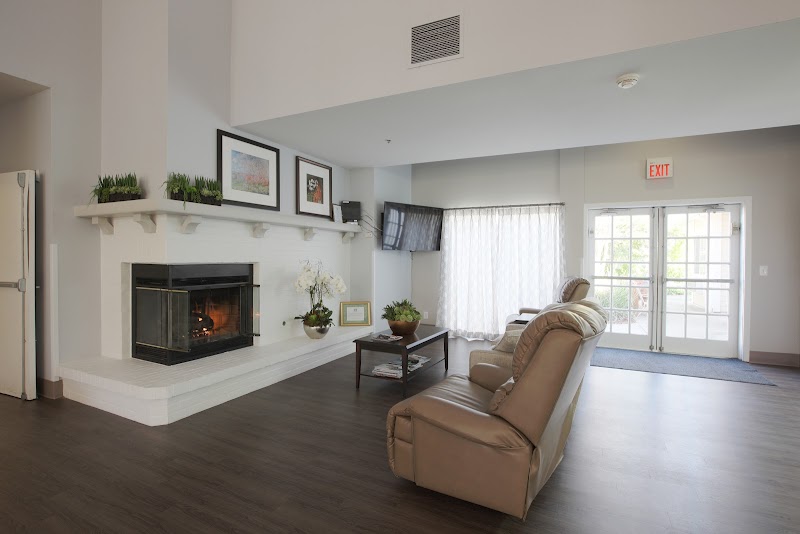


GRAMERCY COURT

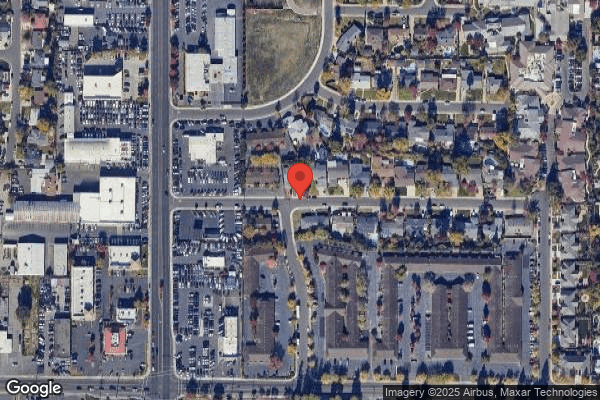
2200 GRAMERCY DRIVE, SACRAMENTO, CA 95825 (916) 482-2200
For profit - Limited Liability company 120 Beds GENERATIONS HEALTHCARE Data: November 2025
Trust Grade
55/100
#359 of 1155 in CA
Last Inspection: December 2024

Within standard 12-15 month inspection cycle. Federal law requires annual inspections.

Overview

Gramercy Court in Sacramento, California, has a Trust Grade of C, which means it is average and ranks in the middle of the pack among nursing homes. It is positioned #359 out of 1,155 facilities in California, placing it in the top half, and #13 out of 37 in Sacramento County, indicating that only a few local options are rated better. The facility is showing improvement, with issues decreasing from 33 in 2024 to just 5 in 2025. Staffing is a strength here, receiving a 5/5 star rating and a 34% turnover rate, which is below the state average, suggesting that staff members are stable and familiar with the residents. There have been no fines reported, which is a positive sign, and the nursing home has more RN coverage than 85% of California facilities. However, there are notable weaknesses as well. Recent inspections found multiple concerns regarding food safety, such as improperly stored and unlabeled food, expired items in the refrigerator, and damaged kitchen equipment. Additionally, staff were observed using soiled appliances and failing to maintain proper hygiene standards in the kitchen. These issues highlight potential risks to residents' health and safety, so families should weigh these factors when considering Gramercy Court for their loved ones.

Trust Score
C
55/100
In California
#359/1155
Top 31%
Safety Record
High Risk
Review needed
Inspections
Getting Better
33 → 5 violations
Staff Stability
○ Average
34% turnover. Near California's 48% average. Typical for the industry.
Penalties
✓ Good
No fines on record. Clean compliance history, better than most California facilities.
Skilled Nurses
✓ Good
Each resident gets 48 minutes of Registered Nurse (RN) attention daily — more than average for California. RNs are trained to catch health problems early.
Violations
⚠ Watch
57 deficiencies on record. Higher than average. Multiple issues found across inspections.
★★★★☆
4.0
Overall Rating
★★★★★
5.0
Staff Levels
★★★★★
5.0
Care Quality
★★☆☆☆
2.0
Inspection Score
Stable
2024: 33 issues
2025: 5 issues

The Good

  • 5-Star Staffing Rating · Excellent nurse staffing levels
  • 5-Star Quality Measures · Strong clinical quality outcomes
  • Full Sprinkler Coverage · Fire safety systems throughout facility
  • No fines on record
  • Staff turnover below average (34%)

    14 points below California average of 48%

Facility shows strength in staffing levels, quality measures, fire safety.

The Bad

Staff Turnover: 34%

12pts below California avg (46%)

Typical for the industry

Chain: GENERATIONS HEALTHCARE

Part of a multi-facility chain

Ask about local staffing decisions and management

The Ugly 57 deficiencies on record

Sept 2025 1 deficiency
CONCERN (D) 📢 Someone Reported This

A family member, employee, or ombudsman was alarmed enough to file a formal complaint

Potential for Harm - no one hurt, but risky conditions existed

Free from Abuse/Neglect (Tag F0600)

Could have caused harm · This affected 1 resident

**NOTE- TERMS IN BRACKETS HAVE BEEN EDITED TO PROTECT CONFIDENTIALITY** Based on observation, interview, and record review, the facility failed to protect the resident's right to be free from physical...

Read full inspector narrative →
**NOTE- TERMS IN BRACKETS HAVE BEEN EDITED TO PROTECT CONFIDENTIALITY** Based on observation, interview, and record review, the facility failed to protect the resident's right to be free from physical abuse by another resident for one of four sampled resident (Resident 1), when Resident 2 pushed Resident 1 which caused a fall to the floor. This failure resulted in an injury to Resident 1's left leg.Findings:Resident 1 was admitted to the facility in mid-2025 with diagnosis which included anxiety disorder, dementia, history of falls, and a mental health condition where a person has hallucinations, delusions and mood swings.During a review of Resident 1's Minimum Data Set (MDS, an assessment tool) dated 6/16/25, the MDS showed a Brief Interview for Mental Status (BIMS, a cognitive screening tool) score of 14/15 which indicated intact cognition.Resident 2 was admitted to the facility in late 2024 with diagnosis which included anxiety disorder, intellectual disabilities, and a mental health condition where a person has hallucinations, delusions and mood swings.During a review of Resident 2's MDS dated [DATE], the MDS showed a BIMS score of 12/15 which indicated moderate cognitive impairment.During a review of Resident 1's Progress Note (PN) Type: Change in Condition, dated 8/31/25 at 7:25 p.m. the PN indicated, At approximately 1:15 PM [Resident 1] was observed walking in the hallway.[Resident 2] who was seated suddenly stood up without warning and pushed the (sic) [Resident 1], [Resident 1] fell onto her left side.she [Resident 1] was noted to have limited mobility in the left leg and hip.received result of the x-ray: conclusion Intertrochanteric fracture varus deformity [break in the upper part of the femur near the hip].During an interview on 9/17/25 at 9:57 a.m. with Resident 2 in her bedroom, Resident 2 confirmed she had pushed Resident 1, Yes, I just pushed her.I got tired of hearing her voice, so I just pushed her and told her to be quiet.During an interview on 9/17/25 at 10:08 a.m. with Licensed Nurse (LN 1), LN 1 stated he was following behind Resident 1 as she walked past Resident 2, Resident 2 stood up and pushed Resident 1 with both hands. Resident 1 fell on the ground landing on her left hip/leg and could not move her left foot. LN 1 stated when the facility received the x-ray results for Resident 1, she was transferred to the hospital for a left hip fracture.During an interview on 9/17/25 at 12:38 p.m. with the Director of Nursing (DON), the DON confirmed Resident 2 pushed Resident 1 which caused her to fall to the floor and resulted in a left hip fracture. The DON stated all residents have the right to be free from abuse.During a review of the facility's policy and procedure (P&P) titled, Abuse, Neglect, Exploitation and Misappropriation- Program, dated 4/21, the P&P indicated, Residents have the right to be free from abuse.This includes but is not limited to.physical abuse.Protect resident from abuse.by anyone including but not necessarily limited to.other residents.
Aug 2025 1 deficiency
CONCERN (D) 📢 Someone Reported This

A family member, employee, or ombudsman was alarmed enough to file a formal complaint

Potential for Harm - no one hurt, but risky conditions existed

Free from Abuse/Neglect (Tag F0600)

Could have caused harm · This affected 1 resident

**NOTE- TERMS IN BRACKETS HAVE BEEN EDITED TO PROTECT CONFIDENTIALITY** Based on observation, interview, and record review, the facility failed to protect the resident's right to be free from physical...

Read full inspector narrative →
**NOTE- TERMS IN BRACKETS HAVE BEEN EDITED TO PROTECT CONFIDENTIALITY** Based on observation, interview, and record review, the facility failed to protect the resident's right to be free from physical abuse by another resident for one of four sampled resident (Resident 1), when Resident 1 was punched in the face by Resident 2. This failure caused injury to Resident 1's lip.Resident 1 was admitted to the facility early 2024 with diagnosis which included a mental health disorder marked by hallucinations and delusions, anxiety, impulse disorder, and mood disorder.During a review of Resident 1's Order Summary Report [OSR], order date 3/11/24, the OSR indicated, Resident is Incapable Of Understanding Rights, Responsibilities, And Informed Consent.Resident 2 was admitted to the facility mid 2025 with diagnosis which included a mental health disorder marked by hallucinations, delusions and extreme mood swings.During a review of Resident 2's OSR, order date 5/14/25, the OSR indicated, Resident is Incapable Of Understanding Rights, Responsibilities, And Informed Consent.During a review of Resident 2's Progress Notes (PN) Type: Verbal Altercation, dated 8/3/25 at 5:45 p.m., the PN indicated, Resident [Resident 2] was standing yelling towards [Resident 1] LN [licensed nurse] spoke with resident [Resident 2] regarding his current behavior towards [Resident 1], [Resident 2] continue (sic) to be racially preoccupied and experiencing delusional thoughts.During a review of Resident 1's PN Type: Health Status Note, dated 8/3/25 at 11:36 p.m., the PN indicated, .At [7:57 p.m.].found [Resident 1] staggering from the floor.other [staff] stayed with [Resident 2] who continued yelling profanities.Patient [Resident 1] was noted with bleeding from the right lower lip and scratches to left forearm and redness to the right hand knuckles. Right arm was observed shaking.During a review of Resident 2's PN Type: Physical Altercation, dated 8/4/25 at 12:27 a.m., the PN indicated, .[Resident 2] was asked by LN what happened and how did [Resident 1] lip began bleeding. [Resident 2] stated .[Resident 1] began pissing me off my using his mind.I began hitting him and continued hitting him until he dropped on the floor.During a review of Resident 2's Care Plan Report [CP], dated 8/3/25, the CP indicated, Resident has abusive behavioral symptoms as evidenced by punching another resident in the face.During an interview on 8/6/25 at 9:51 a.m. with Resident 2, Resident 2 was asked about the altercation with Resident 1. Resident 2 stated he punched Resident 1 in the face, .I was punching him [Resident 1] just like [NAME] in the face.During an interview on 8/6/25 at 3:19 p.m. with the Director of Nursing (DON), the DON confirmed the incident occurred, and stated all residents had the right to be free from abuse.During a review of the facility's policy and procedure (P&P) titled, Abuse, Neglect, Exploitation and Misappropriation- Program, dated 4/21, the P&P indicated, Residents have the right to be free from abuse.This includes but is not limited to.physical abuse.Protect resident from abuse.by anyone including but not necessarily limited to.other residents.
Jul 2025 1 deficiency
CONCERN (D) 📢 Someone Reported This

A family member, employee, or ombudsman was alarmed enough to file a formal complaint

Potential for Harm - no one hurt, but risky conditions existed

Free from Abuse/Neglect (Tag F0600)

Could have caused harm · This affected 1 resident

**NOTE- TERMS IN BRACKETS HAVE BEEN EDITED TO PROTECT CONFIDENTIALITY** Based on observations, interviews, and record reviews, the facility failed to protect one of five sampled residents (Resident 1)...

Read full inspector narrative →
**NOTE- TERMS IN BRACKETS HAVE BEEN EDITED TO PROTECT CONFIDENTIALITY** Based on observations, interviews, and record reviews, the facility failed to protect one of five sampled residents (Resident 1) from abuse when Resident 2 slapped Resident 1 on the left cheek. This failure resulted in Resident 1 experiencing feelings of unsafety, disrespect and physical pain.Findings:Review of Resident 1's admission Records indicated Resident 1 was admitted in Summer of 2024 with diagnoses which included a mental health condition that affected how people think, feel and behave and Type 2 Diabetes. A review of Resident 1's Brief Interview for Mental Status (BIMS), dated 6/2/25, the BIMS indicated Resident 1 had a score of 12 out of 15 which indicated Resident 1 had a moderate cognitive impairment.A review of Resident 1's Interdisciplinary Team (IDT) Note dated 7/14/25 indicated, At approximately 1540 [3:40 p.m.] on 7/13/25, MHW [Mental Health Worker] reported they had heard a slapping sound and saw this resident's [Resident 1] peer strike him on the left side of the face.Resident [Resident 1] stated. I backed my wheelchair up to turn around to go out the door then I accidentally ran over peer's [Resident 2] foot. He [Resident 2] then slapped me instantly on the left side of my face. It began to hurt and sting, my pain is about 8/10.A review of Resident 1's Health Status [HS] Note dated 7/13/25 indicated, MHW 2 reports that he was escorting visitors of 709 to Patio 3 when he witnessed 720B [Resident 2] slap 721B [Resident 1] in the face.During an interview on 7/17/25 at 1:46 p.m., with Resident 1, Resident 1 stated, I was sitting on my wheelchair and the [NAME] was there, I rolled back and rolled over his foot. He yelled then he slapped me on my face. He was close to me. Resident 1 stated that he felt unsafe and disrespected by Resident 2 at the time of the event. Resident 1 also reported that his left cheek was in pain at that time. During an interview on 7/17/25 at 1:20 p.m., with MHW, MHW confirmed he witnessed Resident 2 slapped Resident 1 on his left cheek and stated, It was loud and it's like the ones from the slapping competition. He added it was loud enough that the whole unit heard when Resident 2 slapped Resident 1's face. MHW also stated, He was holding his face, and it looks like he was hurt.During an interview with the Director of Nursing (DON) on 7/17/25 at 11:25 a.m., The DON confirmed that incident between Resident 1 and Resident 2 was witnessed by staff during the residents smoke break. The DON stated, That incident should have not happened because we have staff there. The DON also confirmed that the incident involving Resident 1 and Resident 2 was a safety concern and that the residents safety and supervision was a facility priority.During a review of the facility policy and procedures (P&P) titled, Abuse, Neglect, Exploitation and Misappropriation Prevention Program dated April 2021, the P&P indicated, Residents have the right to be free from abuse.This includes.physical abuse.Protect residents from abuse.by anyone including. other residents.During a review of the facility P&P titled, Resident-to-Resident Altercations dated September 2022, the P&P indicated, All altercations including those that may represent resident-to-resident abuse.Behaviors that may provoke a reaction by residents or others includes.physical aggressive behavior, such as hitting, kicking, grabbing, scratching.
May 2025 1 deficiency
CONCERN (D) 📢 Someone Reported This

A family member, employee, or ombudsman was alarmed enough to file a formal complaint

Potential for Harm - no one hurt, but risky conditions existed

Free from Abuse/Neglect (Tag F0600)

Could have caused harm · This affected 1 resident

**NOTE- TERMS IN BRACKETS HAVE BEEN EDITED TO PROTECT CONFIDENTIALITY** Based on interview and record review, the facility failed to protect the resident's right to be free from abuse for one of three...

Read full inspector narrative →
**NOTE- TERMS IN BRACKETS HAVE BEEN EDITED TO PROTECT CONFIDENTIALITY** Based on interview and record review, the facility failed to protect the resident's right to be free from abuse for one of three sampled residents (Resident 1) when Resident 2 pushed Resident 1 and hitting Resident 1's head into a wall which resulted in Resident 1 sustaining a skin tear. This failure resulted in Resident 1 not free from abuse by Resident 2. Findings: Review of Resident's 1 admission Record indicated Resident 1 was admitted [DATE] with diagnoses including schizoaffective disorder, bipolar type (a mental illness that is characterized by disturbances in thought and mood swings that range from the lows of depression to elevated periods of emotional highs). Review of Resident 1's Minimum Data Set (MDS - a federally mandated resident assessment tool), dated 5/14/25, indicated Resident 1 was cognitively intact. Review of facility dcoument titled Health Status Note, for Resident 1 dated 5/18/25, indicated, Resident [1] was assaulted by another resident [2] attempting to break up a fight . Review of Interdisciplinary Team (IDT) Note, dated 5/19/25, indicated, on 5/17/25, resident [1] was assaulted by another resident [2] when attempting to break up a fight. Resident [1] stated . [Resident 2] was hitting the staff and holding her down. The other staff wasn't doing anything, so I [Resident 1] got up to help her . we started fighting and he [Resident 2] hit my head against the wall. upon assessment resident [1] was noted with a bump to his head. Resident [1] also sustained a skin care tear on his right elbow with minimal bleeding resident [1] was transferred to UCD . due to complaints of headaches, nausea, and dizziness . Review of Resident 2's admission Record indicated Resident 2 was admitted [DATE] with diagnoses including Schizophrenia, Unspecified (a mental illness that is characterized by disturbances in thought) and Depression, unspecified (a mental illness low self esteem and loss of interest in normally enjoyed activities). Review of Resident 2's MDS, dated [DATE] indicated Resident 2 had severely impaired cognition. Review of facility dcoument titled Health Status Note, for Resident 2 dated 5/18/25, indicated, Resident [2] assualt staff and resident [1] . During an interview on 5/28/25 at 1:19 p.m., with Mental Health Worker (MHW), the MHW worker stated she was on Patio 2 leading an exercise group and Resident 2 requested a song. Resident 2 got mad when he was told to wait his turn. Resident 2 proceeded to hold the mental health worker down between the chair and the table and spit on her face. Resident 1 pulled Resident 2 off the MHW. Resident 2 then pushed Resident 1 up against a wall and his head into the wall. During an interview on 5/28/25 at 2:03 p.m. with the Director of Nursing (DON), the DON stated that all residents should be free from physical abuse in the facility. Review of the facility's policy and procedure (P&P) titled, Abuse, Neglect, Exploitation and Misappropriation Prevention Program dated April 2021, the P&P .Residents have the right to be free from abuse, neglect, misappropriation of resident property and exploitation . Protect residents from abuse . by anyone including but not necessarily limited to . other residents.
Apr 2025 1 deficiency
CONCERN (D) 📢 Someone Reported This

A family member, employee, or ombudsman was alarmed enough to file a formal complaint

Potential for Harm - no one hurt, but risky conditions existed

Accident Prevention (Tag F0689)

Could have caused harm · This affected 1 resident

Based on observation, interview, and record review, the facility failed to maintain a safe environment for one of 35 sampled residents (Resident 1), when Resident 1 eloped (left the facility unsupervi...

Read full inspector narrative →
Based on observation, interview, and record review, the facility failed to maintain a safe environment for one of 35 sampled residents (Resident 1), when Resident 1 eloped (left the facility unsupervised without prior authorization) through an unsecured exit gate. This failure decreased the facility's potential to maintain residents' safety and prevent accidents. Findings: A review of an admission record indicated Resident 1 was admitted to the facility in November 2024 with a diagnosis of bipolar schizoaffective disorder (causes mood swings that range from the lows of depression to elevated periods of emotional highs and a mental illness that is characterized by disturbances in thought). A review of Resident 1's Minimum Data Set (MDS – a federally mandated resident assessment tool), dated 2/26/25, indicated Resident 1's Brief Interview for Mental Status (BIMS-an assessment tool used by facilities to screen and identify memory, orientation, and judgement status of the resident) score was 14 out of 15 with good memory and judgement. During an interview on 4/21/25 at 1:30 p.m. with Licensed Nurse 1 (LN 1), LN 1 stated Resident 1 eloped from the facility on 4/20/25 at approximately 2:30 p.m. when he was outside on the basketball court patio with other residents. LN 1 further stated staff on the patio noticed Resident 1 was missing; a search was conducted, and Resident 1 was not found. During an interview on 4/21/25 at 1:40 p.m. with Certified Nursing Assistant 1 (CNA 1), CNA 1 stated Resident 1 was outside on the basketball court with a group of residents. CNA 1 further stated she was told Resident 1 was missing, so she participated in the facility's search and Resident 1 was not found. During a concurrent observation and interview on 4/21/25 at 1:55 p.m. with LN 1, LN 1 walked out of the facility to the first patio area. The patio area was secured with a keypad and had gates locked with a working alarm speaker box. LN 1 unlocked the gate and exited to the basketball patio. The basketball patio had two exit doors. Both exit doors had non-functioning security keypads, a sign indicating push until alarm sounds door can be open in 15 seconds, and no alarm speaker boxes. Both exit doors were unlocked, opened easily without using the push bar, and led towards the open parking lot area. No audible alarm was heard when doors were opened, and both doors did not automatically and securely close when released. LN 1 confirmed the observations and stated the basketball patio area was undergoing some renovations, both exit gates should have been secured and had a working alarm to prevent residents from leaving. LN 1 further stated the alarm should have worked otherwise residents could easily go through the door without a warning, leave the facility and possibly get injured. During an interview on 4/21/25 at 2:06 p.m. with the Director of Nursing (DON), DON confirmed the exit gates on the basketball patio were unlocked, not secured and did not have working alarms. DON stated the basketball patio was not to be used for residents until renovations were complete. DON further stated her expectation was residents were not to go out to the secondary patio until the renovations were complete and the unlocked gates could potentially allow residents to elope from the facility which might put them at risk of injury. A review of the facility's policy titled, Behavioral Health Elopement, dated May 2022, indicated, This situation represents a risk to the residents health and safety and places the resident at risk . A review of the facility's undated policy titled, Behavior Intervention Protocol: Exit Seeking, indicated, Ensure doors, windows, and other locking mechanisms are always working.
Dec 2024 11 deficiencies
CONCERN (D)

Potential for Harm - no one hurt, but risky conditions existed

Resident Rights (Tag F0550)

Could have caused harm · This affected 1 resident

Based on observation, interview, and record review, the facility failed to promote dignity for one of 30 sampled residents (Resident 27), when Resident 27 was wearing a gown while sitting in a wheelch...

Read full inspector narrative →
Based on observation, interview, and record review, the facility failed to promote dignity for one of 30 sampled residents (Resident 27), when Resident 27 was wearing a gown while sitting in a wheelchair with her back and side of body exposed. This failure decreased the facility's potential to maintain residents' dignity and privacy. Findings: A review of Resident 27's admission Record, indicated Resident 27 was admitted to the facility in January 2024 with a diagnosis of left hip fracture. A review of Resident 27's Minimum Data Set (MDS, an assessment tool), dated 10/22/24, indicated Resident 27 had a brief interview for mental status (an assessment tool for cognitive status) scored 12 out of 15 with moderate memory impairment. Resident 27 required substantial to maximal assistance (helper does more than half the effort) with dressing clothes. A review of Resident 27's [Activities of Daily Living] Self-Care Performance Deficit care plan, dated 7/18/24, indicated staff had to promote dignity by ensuring privacy during care . During an observation on 12/3/24 at 9:27 a.m., Resident 27 wheeled herself into the hallway while wearing one gown with her back exposed. Other residents and staff were walking in the hallway and staff did not cover Resident 27's back. During a concurrent observation and interview on 12/4/24 at 1:06 p.m. with Certified Nursing Assistant 2 (CNA 2) inside Resident 27's room, Resident 27's back and side of body were exposed while she was sitting in her wheelchair. Resident 27 was sitting by the door's entrance and other staff and residents were walking beside the room. CNA 2 confirmed Resident 27's back and side of body were exposed to the public and stated it should have been covered with another gown or shirt. During a concurrent observation and interview on 12/4/24 at 1:09 p.m. with CNA 3, CNA 3 confirmed Resident 27's back and side of body were exposed and stated it should have been covered by another gown. CNA 3 also stated Resident 27 would feel embarrassed if her back and side of body were exposed to staff and other residents. During an interview on 12/5/24 at 9:03 a.m. with the Director of Nursing (DON), DON stated Resident 27 would feel embarrassed when exposing her body and back and expected staff to provide a second gown to cover her. A review of the facility's policy titled, Dignity, dated 2/2021, indicated, Each resident shall be cared for in a manner that promotes and enhances his or her sense of well-being, level of satisfaction with life, and feeling of self-worth and self-esteem.
CONCERN (D)

Potential for Harm - no one hurt, but risky conditions existed

Deficiency F0552 (Tag F0552)

Could have caused harm · This affected 1 resident

Based on interview and record review, the facility failed to ensure an informed consent (voluntary agreement to accept treatment and/or procedures after receiving education regarding the risks, benefi...

Read full inspector narrative →
Based on interview and record review, the facility failed to ensure an informed consent (voluntary agreement to accept treatment and/or procedures after receiving education regarding the risks, benefits, and alternatives offered) was obtained for the use of psychotherapeutic drug (a medication to control a resident's behavior) for one of 30 sampled residents (Resident 43), when Resident 43 was prescribed three psychotherapeutic drugs without an informed consent. This failure had the potential for Resident 43 to receive unnecessary medications. Findings: A review of Resident 43's admission Record, indicated Resident 43 was admitted to the facility in January 2020 with a diagnosis of anxiety. A review of Resident 43's Minimum Data Set (MDS, a federally mandated resident assessment tool), dated 11/13/24, indicated Resident 43 had a brief interview for mental status (an assessment tool for cognitive status) scored 15 out of 15 with intact cognition. A review of Resident 43's Order Summary Report, dated 12/4/24, indicated orders for buspirone (an anti-anxiety medication) 20 milligrams (mg, a unit of measure) by mouth three times a day for anxiety disorder, duloxetine (anti-depression medication) delayed release 60 mg by mouth one time a day, and lorazepam (anti-anxiety medication) one mg by mouth every 12 hours as needed for anxiety manifested by restlessness and agitation until 12/6/24. A review of a facility's document titled, Consultant Pharmacist's Medication Regimen Review [MRR], dated 2/24 to 11/24, indicated there was no MRR for buspirone, duloxetine and lorazepam from 2/24 to 11/24. During a concurrent interview and record review on 12/5/24 at 9:42 a.m. with Medical Record (MR), Resident 43's medical record was reviewed. MR confirmed there were no informed consents for lorazepam, duloxetine, and buspirone. During an interview on 12/5/24 at 1:42 p.m. with the Assistant Director of Nursing (ADON) and Director of Nursing (DON), both DON and ADON stated an informed consent needed to be obtained every six months for psychotherapeutic drugs. A review of the facility's policy titled, Informed Consents, dated 11/2017, indicated, The use of psychotherapeutic drugs . shall be initiated when the facility is able to verify that the resident or resident representative has given informed consent. The policy further stipulated, The resident's physician shall obtain further informed consent when material circumstances or risk change and . medication increase if it is outside of the range the original informed consent was obtained.
CONCERN (D)

Potential for Harm - no one hurt, but risky conditions existed

Deficiency F0554 (Tag F0554)

Could have caused harm · This affected 1 resident

Based on observation, interview, and record review, the facility failed to ensure a self-medication administration assessment was completed for one of 30 sampled residents (Resident 43), when Resident...

Read full inspector narrative →
Based on observation, interview, and record review, the facility failed to ensure a self-medication administration assessment was completed for one of 30 sampled residents (Resident 43), when Resident 43's medications were accessible and left stored on top of bedside table. This failure increased Resident 43's potential to unsafely self-administer medications. Findings: A review of Resident 43's admission Record, indicated Resident 43 was admitted to the facility in January 2020 with a diagnosis of anxiety. A review of Resident 43's Minimum Data Set (MDS, a federally mandated resident assessment tool), dated 11/13/24, indicated Resident 43 had a brief interview for mental status (an assessment tool for cognitive status) scored 15 out of 15 with intact memory. During a concurrent observation and interview on 12/2/24 at 9:32 a.m. with Resident 43 inside her room, Resident 43 had a plastic container filled with multiple anti-fungal, anti-itching, and antibiotic creams in packets and tubes placed at bedside table. Resident 43 stated the nurse and certified nursing assistant gave her the medications so she could keep it at bedside when needed. During an interview on 12/2/24 at 11:08 a.m. with the Assistant Director of Nursing (ADON), ADON confirmed there were antibiotic, anti-fungal, and anti-itching cream medications at Resident 43's bedside and stated it should have been kept locked in the medication cart. During a concurrent interview and record review on 12/4/24 at 4:20 p.m. with Medical Record (MR), Resident 43's medical record was reviewed. MR confirmed there was no Self-Medication Administration Assessment for Resident 43. During a concurrent interview and record review on 12/5/24 at 8:54 a.m. with the Director of Nursing (DON), Resident 43's medical record was reviewed. DON confirmed there was no Self-Medication Administration Assessment for Resident 43 and stated medications should not be left at bedside because other residents could possibly get the medications when left unlocked. A review of the facility's policy titled, Self-Administration of Medications, dated 2/2021, indicated, Residents have the right to self-administer medications if the interdisciplinary team has determined that it is clinically appropriate and safe for the resident to do so.
CONCERN (D)

Potential for Harm - no one hurt, but risky conditions existed

Comprehensive Assessments (Tag F0636)

Could have caused harm · This affected 1 resident

**NOTE- TERMS IN BRACKETS HAVE BEEN EDITED TO PROTECT CONFIDENTIALITY** Based on interview and record review, the facility failed to ensure a discharge Minimum Data Set (MDS-a federally mandated resid...

Read full inspector narrative →
**NOTE- TERMS IN BRACKETS HAVE BEEN EDITED TO PROTECT CONFIDENTIALITY** Based on interview and record review, the facility failed to ensure a discharge Minimum Data Set (MDS-a federally mandated resident assessment tool) was completed in accordance with the regulatory timeframe required for one of 30 sampled residents (Resident 76), when Resident 76's discharge assessment was not submitted within 14 calendar days of discharge. This failure decreased the facility's potential to complete residents' assessments in a timely manner. Findings: A review of Resident 76's admission Record, indicated he was admitted to the facility on [DATE] and discharged to the hospital on 7/15/24. During a concurrent interview and record review on 12/4/24 at 10 a.m. with the Business Office Consultant (BOC), the facility's census of July 2024 was reviewed. BOC confirmed Resident 76 was admitted in the first week of July and was discharged 13 days after admission. During a concurrent interview and record review on 12/4/24 at 10:20 a.m. with the MDS Coordinator (MDSC), Resident 76's Progress Notes and MDS Assessments were reviewed. MDSC confirmed Resident 76 was discharged to the hospital, did not return to the facility, and a discharge assessment was not completed. MDSC stated the discharge assessment should have been done and submitted within 14 calendar days according to the resident assessment instrument (RAI) manual. During a concurrent interview and record review on 12/5/24 at 8:30 a.m. with the Director of Nursing (DON), Resident 76's MDS Assessments were reviewed. DON stated Resident 76's discharge assessment should have been completed immediately after the resident was transferred to the hospital. DON further stated she expected the staff responsible for resident assessments to schedule, complete and submit assessments accurately and on time. A review of the facility's policy titled, MDS Completion and Submission Timeframes, revised 2017, stipulated, Timeframes for completion and submission of assessments is based on the current requirements published in the Resident Assessment Instrument Manual. A review of a document titled, Assessments for the RAI, dated 10/23, indicated MDS completion date for discharge assessment must be completed no later than the discharge date plus 14 calendar days.
CONCERN (D)

Potential for Harm - no one hurt, but risky conditions existed

Comprehensive Care Plan (Tag F0656)

Could have caused harm · This affected 1 resident

Based on interview and record review, the facility failed to develop a care plan for one of 30 sampled residents (Resident 254), when Resident 254 did not have a care plan for hospice (compassionate c...

Read full inspector narrative →
Based on interview and record review, the facility failed to develop a care plan for one of 30 sampled residents (Resident 254), when Resident 254 did not have a care plan for hospice (compassionate care for people who are near the end of life provided at the person's home or within a health care facility). This failure decreased the facility's potential to meet Resident 254's hospice care needs. Findings: A review of Resident 254's admission Record, indicated Resident 254 was admitted to the facility in November 2024 with multiple diagnoses including frequent falls, malnutrition (less than minimum foods or nutrients essential for health), and palliative care (a medical care helps people with serious illnesses live with comfort and dignity). During a concurrent interview and record review on 12/5/24 at 9:47 a.m. with Licensed Nurse 1 (LN 1), Resident 254's care plans were reviewed. LN 1 confirmed no hospice care plan had been developed for Resident 254. During a concurrent interview and record review on 12/5/24 at 10:25 a.m. with the Director of Nursing (DON), Resident 254's care plans were reviewed. DON agreed no hospice care plan was developed for Resident 254 and stated staff should have developed a hospice care plan to implement Resident 254's hospice care needs. A review of the facility's policy titled, Hospice Program, revised in July 2017, indicated, . Our facility is responsible for . obtaining the most recent hospice plan of care specific to each resident . and coordinating with the care and services provided by our facility .
CONCERN (D)

Potential for Harm - no one hurt, but risky conditions existed

Deficiency F0658 (Tag F0658)

Could have caused harm · This affected 1 resident

Based on observation, interview, and record review, the facility failed to provide services according to professional standards of quality for three of 30 sampled residents (Resident 254, Resident 255...

Read full inspector narrative →
Based on observation, interview, and record review, the facility failed to provide services according to professional standards of quality for three of 30 sampled residents (Resident 254, Resident 255, and Resident 257), when: 1. Resident 254's physician order to admit to hospice care (compassionate care for people who are near the end of life provided at the person's home or within a health care facility) was not transcribed to the order summary record (OSR); 2. Resident 255's physician's order of heparin sodium (a medication used to prevent blood clots in blood channels in the body) was incorrectly recorded in OSR; and 3. Resident 257 was not given metformin hydrochloride (metformin HCl-a medicine to treat high blood sugars) as prescribed by the physician. These failures increased the residents' potential to have unmet health needs. Findings: 1. A review of Resident 254's admission Record, indicated Resident 254 was admitted to the facility in November 2024 with multiple diagnoses including frequent falls, malnutrition (less than minimum foods or nutrients essential for health), and palliative care (a medical care helps people with serious illnesses live with comfort and dignity). During a concurrent interview and record review on 12/5/24 at 9:47 a.m. with Licensed Nurse 1 (LN 1), Resident 254's OSR was reviewed. LN 1 confirmed Resident 254's physician's order to admit to hospice care was not transcribed in OSR. During a concurrent interview and record review on 12/5/24 at 10:25 a.m. with the Director of Nursing (DON), Resident 254's OSR and progress notes were reviewed. DON agreed physician's order to admit Resident 254 to hospice care on 11/19/24 was noted in the progress notes. DON also agreed an order to admit to hospice was missing in OSR and stated staff should have transcribed the physician's order to admit to hospice care to OSR on 11/19/24. A review of the facility's policy titled, Hospice Program, revised in July 2017, indicated, Our facility is responsible for . obtaining the most recent hospice plan of care specific to each resident . and coordinating with the care and services provided by our facility . 2. A review of Resident 255's admission Record, indicated Resident 255 was admitted to the facility in November 2024 with multiple diagnoses including amputation at left knee level (a surgical removal of left lower leg at the knee) and long-term use of anticoagulants (medications used to prevent and treat blood clots in blood channels in the body). A review of Resident 255's OSR, dated 11/17/24, indicated an order of heparin sodium 5,000 units per milliliter (ml- a unit of measure) inject one ml intramuscularly (IM - into the muscle) every 12 hours. During a concurrent interview and record review on 12/5/24 at 7:57 a.m. with LN 5, LN 5 reviewed an order of heparin sodium for Resident 255 in OSR. LN 5 confirmed an order of heparin sodium was entered to OSR on 11/17/24 to be given intramuscularly and stated heparin sodium given IM would cause muscular tissue damage. LN 5 also stated heparin order needed immediate correction for Resident 255's safety. During a concurrent interview and record review on 12/5/24 at 10:30 a.m. with DON, DON reviewed Resident 255's physician orders and OSR. DON confirmed the physician order was heparin sodium 5,000 units/ml inject one ml subcutaneously (under the layers of skin) every 12 hours on 11/17/24. DON agreed nurse recorded the heparin order incorrectly in Resident 255's OSR and stated heparin given IM could cause muscular tissue damage and abscess (a pus-filled pocket). DON also stated nurse should have recorded the heparin order correctly in Resident 255's OSR as prescribed by physician. A review of the facility's policy titled, Telephone Orders, dated February 2014, indicated, . Physician's orders . must be recorded correctly in resident's medical record . The entry must contain the physician's instructions . 3. A review of Resident 257's admission Record, indicated Resident 257 was admitted to the facility in November 2024 with a diagnosis of diabetes mellitus type 2 (a chronic disease where body does not produce/use insulin properly and causing high sugar levels in blood). During a concurrent observation and interview on 12/3/24 at 9:50 a.m. with LN 5 and Resident 257, LN 5 was observed administering morning medications to Resident 257. LN 5 gave metformin HCl 500 milligrams (mg-a unit of measure) one tablet by mouth with water to Resident 257. Resident 257 stated he had breakfast around 8 a.m. LN 5 agreed breakfast was served in between 7:30 a.m. and 8 a.m. During a concurrent interview and record review on 12/3/24 at 2:17 p.m. with LN 5, LN 5 reviewed metformin HCl order in OSR for Resident 257. LN 5 confirmed physician ordered to give metformin HCl 500 mg one tablet by mouth with meals. LN 5 agreed he did not give a snack/food along with metformin HCl to Resident 257 as ordered by physician. During a concurrent interview and record review on 12/3/24 at 4:45 p.m. with DON, Resident 257's physician order of metformin HCl was reviewed. DON confirmed metformin HCl was ordered to be given with meals. DON stated LN 5 should have followed the physician's order as prescribed. DON further stated metformin HCl given without meal/food to Resident 257 could have caused low blood sugars and deteriorate Resident 257's health status. A review of the facility's policy titled, Administering Medications, revised on 4/2019, indicated, . Medications are administered in accordance with prescriber orders .
CONCERN (D)

Potential for Harm - no one hurt, but risky conditions existed

Medication Errors (Tag F0758)

Could have caused harm · This affected 1 resident

2. A review of an admission record, indicated Resident 30 was admitted to the facility in June 2020 with a diagnosis of dementia (a progressive state of decline in mental abilities) with agitation. A ...

Read full inspector narrative →
2. A review of an admission record, indicated Resident 30 was admitted to the facility in June 2020 with a diagnosis of dementia (a progressive state of decline in mental abilities) with agitation. A review of Resident 30's Order Summary Report, indicated an order dated 2/17/24 for lorazepam one mg to be given every four hours as needed (PRN), with no stop date. A review of Resident 30's Medication Administration Record, indicated the PRN order for lorazepam was administered from 2/17/24 to 7/23/24. During a concurrent interview and record review on 12/4/24 at 11:02 a.m. with the Director of Nursing (DON) and ADON, Resident 30's Medication Regimen Review for February 2024 and progress notes were reviewed. Both DON and ADON confirmed that the doctor's order did not include a rationale/reason to continue Resident 30's order for lorazepam from February 2024 to July 2024. During an interview on 12/5/24 at 1 p.m. with the DON, DON confirmed Resident 30's lorazepam PRN order did not have a stop date and was given more than 14 days. DON stated a doctor's note with a rationale should have been obtained for Resident 30's continued use of lorazepam. A review of the facility's policy titled, Psychotropic Medication Use, revised on 7/2022, indicated, Psychotropic medications are not prescribed or given on a PRN basis unless that medication is necessary to treat a diagnosed specific condition . PRN orders for psychotropic medications are limited to 14 days. Based on interview and record review, the facility failed to ensure two of 30 sampled residents (Resident 43 and Resident 30) received proper monitoring for psychotropic medications (drugs that impact the brain and nervous system to treat mental health conditions), when: 1. Resident 43 did not receive an annual gradual dose reduction (GDR, a stepwise tapering of a medication dosage) for psychotropic medications; and 2. Resident 30 was given an anti-anxiety medication as needed for more than 14 days. These failures increased the residents' potential for unnecessary psychotropic medication use. Findings: 1. A review of Resident 43's admission Record, indicated Resident 43 was admitted in January 2020 with a diagnosis of anxiety. A review of Resident 43's Minimum Data Set (MDS, a federally mandated resident assessment tool), dated 11/13/24, indicated Resident 43 had a brief interview for mental status (an assessment tool for cognitive status) scored 15 out of 15 with intact cognition. A review of Resident 43's Order Summary Report, dated 12/4/24, indicated an order for buspirone (an anti-anxiety medication) 20 milligrams (mg, a unit of measure) total by mouth three times a day for anxiety disorder, an order for duloxetine (an anti-depression medication) delayed release 60 mg by mouth one time a day, and an order for lorazepam (an anti-anxiety medication) one mg by mouth every 12 hours as needed for anxiety manifested by restlessness and agitation until 12/6/24. During a concurrent interview and record review on 12/5/24 at 1:36 p.m. with the Assistant Director of Nursing (ADON), ADON confirmed Resident 43 was receiving buspirone, duloxetine, and lorazepam for more than a year and there was no GDR in 2023 for all psychotherapeutic drugs. ADON stated GDR should have been completed annually. A review of the facility's policy titled, Tapering Medications and Gradual Drug Dose Reduction, dated 7/2022, indicated, Within the first year after a resident is admitted on a psychotropic medication or after the resident has been started on a psychotropic medications, the staff and practitioner shall attempt a GDR in two separate quarters . After the first years, the facility shall attempt a GDR at least annually .
CONCERN (D)

Potential for Harm - no one hurt, but risky conditions existed

Menu Adequacy (Tag F0803)

Could have caused harm · This affected 1 resident

Based on observation, interview, and record review, the facility failed to provide weekly and alternate menus to three of 30 sampled residents (Resident 204, Resident 24, and Resident 38). This failur...

Read full inspector narrative →
Based on observation, interview, and record review, the facility failed to provide weekly and alternate menus to three of 30 sampled residents (Resident 204, Resident 24, and Resident 38). This failure decreased the facility's potential to meet the residents' nutritional and cultural preferences. Findings: A review of Resident 204's admission Record, indicated she was admitted to the facility in November 2024 with diagnoses including disorder of electrolyte and fluid imbalance. A review of Resident 204's Minimum Data Set (MDS, a federally mandated resident assessment tool), indicated her brief interview of mental status score was 13 out of 15 with intact cognition. During a concurrent observation and interview on 12/2/24 at 9:40 a.m., Resident 204 was up in her wheelchair with breakfast tray not touched. Resident 204 stated breakfast was always the same, she was unable to know what it was until been served, and there was no menu provided by the kitchen or dietician so she could choose her own food preference. A review of an admission record indicated, Resident 24 was admitted to the facility in September 2020 with a diagnosis of type 2 diabetes mellitus (DM-a disorder characterized by difficulty in blood sugar control and poor wound healing). During a concurrent observation and interview on 12/2/24 at 1:15 p.m., Resident 24 was sitting in his bed with an unfinished lunch tray on top of the table. Resident 24 stated he did not like what was served in his lunch tray, food was wasted daily because a menu was not provided to him, and he did not know what the next meal was to be served. Resident 24 also stated if he had a copy of the menu, then that would have helped him plan his meals. A review of Resident 38's admission Record, indicated she was admitted to the facility in September 2020 with diagnoses including morbid obesity and DM type 2. During a concurrent observation and interview on 12/3/24 at 1 p.m., Resident 38 was observed putting her lunch tray to the side and stated she was not sure if she was going to eat it. Resident 38 also stated she kept asking staff daily about what was for lunch or dinner, was not given a menu or alternate menu to choose from, and most of the time she would eat her instant noodles provided by her conservator when she did not like the food. During an interview on 12/3/24 at 1:45 p.m. with the Dietary Supervisor (DS), DS stated that every week he prepared a menu with the dietician, made copies, and left it at each nurse's station so nurses would distribute to all residents. During an interview on 12/3/24 at 2:30 p.m. with Licensed Nurse 9 (LN 9), LN 9 confirmed DS provided copies of menus at the station, but nurses were not responsible for distributing it to the residents. LN 9 stated each resident should have a copy of the menu and alternate menu provided by the staff at the kitchen or the dietician. During a concurrent observation and interview on 12/4/24 at 3 p.m. with LN 10, inside Resident 38's room, LN 10 confirmed Resident 38 did not have a copy of the menu or alternate menu with her. During an interview on 12/5/24 at 8:30 a.m. with the Director of Nursing (DON), DON stated distribution of the menu/alternate menu should have been done weekly, a staff from the activities department should have distributed the menu to all residents and the dietician should have made sure residents had it. DON further stated she expected the dietician to explain to the residents that the facility honored their preferences while providing appropriate nutrition. A review of the facility's policy titled, Menus, revised on 10/2017, stipulated, Activities Department distributes menus to new admissions and residents . Dietician assures menu and alternate menu has been distributed to residents and explained.
CONCERN (D)

Potential for Harm - no one hurt, but risky conditions existed

Deficiency F0810 (Tag F0810)

Could have caused harm · This affected 1 resident

Based on observation, interview, and record review, the facility failed to ensure one of 30 sampled residents (Resident 46) was provided with necessary adaptive equipment (special eating equipment) fo...

Read full inspector narrative →
Based on observation, interview, and record review, the facility failed to ensure one of 30 sampled residents (Resident 46) was provided with necessary adaptive equipment (special eating equipment) for meals as ordered. This failure decreased the facility's potential to meet the resident's nutritional needs. Findings: A review of an admission record indicated Resident 46 was admitted to the facility in July 2020 with a diagnosis of type 2 diabetes mellitus (DM- a disorder characterized by difficulty in blood sugar control and poor wound healing). A review of Resident 46's Minimum Data Set (MDS- a federally mandated resident assessment tool), dated 10/4/24, indicated a brief interview of mental status score of three out of 15 with memory problems. During an observation on 12/2/24 at 12:25 p.m., inside Resident 46's room, a lunch tray was given to her. The food consisted of chopped meat, chopped vegetables, and mashed potato. All food was served in one plate. Resident 46 was observed transferring food to a cup before eating then stated it was easier for her to eat in a smaller dish. A review of Resident 46's Order Summary Report, dated 7/25/24, indicated an order recommended by the occupational therapist to serve Resident 46's food in bowls. During a concurrent observation, interview, and record review on 12/2/24 at 12:30 p.m. with Licensed Nurse 8 (LN 8), inside Resident 46's room, Resident 46's Order Summary Report and tray card were reviewed. LN 8 confirmed Resident 46's lunch was served in one plate and should have been put in a small bowl to help her finish the food as ordered by the doctor. During a concurrent interview and record review on 12/5/24 at 8:30 a.m., with the Director of Nursing (DON), Resident 46's Order Summary Report and tray card were reviewed. DON confirmed Resident 46's order indicated to serve all food in bowls and stated staff should have followed the doctor's order to appropriately care for the resident. A review of the facility's policy titled, Assistance with Meals, revised on 3/2022, indicated, Adaptive devices will be provided for residents who need them . Assistance will be provided to ensure residents can use and benefit from special eating equipment and utensils.
CONCERN (D)

Potential for Harm - no one hurt, but risky conditions existed

Food Safety (Tag F0812)

Could have caused harm · This affected 1 resident

Based on observation, interview, and record review, the facility failed to properly store food in accordance with professional standards for food safety for a census of 107, when: 1. Two expired food ...

Read full inspector narrative →
Based on observation, interview, and record review, the facility failed to properly store food in accordance with professional standards for food safety for a census of 107, when: 1. Two expired food products were stored in the spice shelf; 2. One box of expired food was stored in the dry storage area; 3. A 12 pack box of expired lactose free drink was stored in the walk-in refrigerator; and 4. Undated food products were stored in the walk-in refrigerator and dry storage area. These failures increased the potential for food-borne illnesses among the residents. Findings: 1. During a concurrent observation and interview on 12/2/24 at 8:30 a.m. with the Dietary Supervisor (DS) during the initial kitchen tour, two spice bottles were found on the spice shelf past their use by date. The powdered ginger had a use by date of 11/2023 and the ground nutmeg had a use by date of 11/4/23. DS confirmed both bottles were expired. 2. During a concurrent observation and interview on 12/2/24 at 8:30 a.m. with DS during the initial kitchen tour, a box of expired dried beans was stored in the dry storage area. The dried beans had a use by date of 12/19/23. DS stated the box of dried beans was out of date and should have been tossed to the garbage. 3. During a concurrent observation and interview on 12/2/24 at 8:30 a.m. with DS during the initial kitchen tour, a 12-pack box of lactose free drink was stored in the walk-in refrigerator. The lactose free drink had a use by date of 11/2024. DS stated the box of drink was out of date. 4. During a concurrent observation and interview on 12/2/24 at 8:30 a.m. with DS during the initial kitchen tour, two opened and undated loaves of bread were stored in the dry storage area. An opened and undated block of cheese and a container of cooked sliced turkey were kept in the walk-in refrigerator without the preparation date. DS stated the bread in the dry storage area, and the block of cheese and sliced turkey in the walk-in refrigerator should have been dated after been opened to make sure they were still safe to be consumed. During an interview on 12/2/24 at 1 p.m. with the Director of Nursing (DON), DON stated she expected kitchen staff to consistently check and clean their storage area including the refrigerators to make sure food was stored in a sanitary condition. DON further stated food should not be used after its use by date because this could endanger the residents' health and safety. A review of the facility's policy titled, Food Receiving and Storage, revised on 11/2022, stipulated, Foods shall be received and stored in a manner that complies with safe food handling practices.
CONCERN (E)

Potential for Harm - no one hurt, but risky conditions existed

Deficiency F0761 (Tag F0761)

Could have caused harm · This affected multiple residents

Based on observation, interview, and record review, the facility failed to ensure medications were stored properly for a census of 107, when: 1. Staff stored personal belongings inside Hall C medicati...

Read full inspector narrative →
Based on observation, interview, and record review, the facility failed to ensure medications were stored properly for a census of 107, when: 1. Staff stored personal belongings inside Hall C medication room; 2. Expired medications were found in two medication carts; 3. Two multi-dose liquid protein bottles without open dates and an expired inhaler were found in one medication cart; 4. Medication was left at Resident 404's bedside table; and 5. Treatment cart was left unlocked. These failures decreased the facility's potential to safely store medications. Findings: 1. During a concurrent observation and interview on 12/4/24 at 10:42 a.m. with Licensed Nurse 6 (LN 6), Hall C medication room was observed. LN 6 confirmed a lunch box, a water bottle, three jackets and a bag were found inside the medication room and stated these were her belongings and she placed them in the medication room. 2. During a concurrent observation and interview on 12/4/24 at 11:28 a.m. with LN 6, Hall C medication cart-1 was observed. 31 expired and discontinued pills of carvedilol (a medication used to treat high blood pressure) 12.5 milligrams (mg; a unit of measure) each in a bubble pack were found behind the bottom drawer of the medication cart. LN 6 stated expired and discontinued medications should not be stored in the medication cart. During a concurrent observation and interview on 12/4/24 at 11:53 a.m. with LN 7, W Hall medication cart-2 was observed. Two bubble packs with three pills in each were found behind the bottom drawer of the medication cart with old, partially ripped, and unreadable labels on them. LN 7 could not identify the name of medications and residents on both bubble packs. LN 7 agreed unidentifiable medications should not be stored in the medication cart. 3. During a concurrent observation and interview on 12/4/24 at 12:18 p.m. with LN 8, W Hall medication cart-1 was observed. Two multi-dose bottles of liquid protein with no open dates and one expired albuterol sulfate inhaler (a medication that relaxes the muscles of the airways and improves breathing) were found. Both bottles of liquid protein were found opened and partially used with no open dates marked as instructed in the manufacturer's labels on the bottles. LN 8 agreed both bottles should have been marked with an open date when opened and stated she did not know when the bottles were opened. LN 8 also agreed the albuterol sulfate inhaler was marked with an open date 1/4/24 and expired on 2/4/24 (30 days after opening it) and stated expired medications should not be stored in the medication cart. 4. During a concurrent observation, interview, and record review on 12/2/24 at 4:28 p.m. with Resident 404 and LN 2, an unlabeled tube of menthol (pain relieving gel) was observed on the bedside table for Resident 404. Resident 404 stated the ointment was her medication from home. LN 2 reviewed Resident 404's physician's order of menthol ointment and confirmed physician ordered the menthol ointment for Resident 404. LN 2 also confirmed there was no order for self-administration and/or to be left at the bedside. LN 2 stated all residents' medications including home medications should be locked in the medication cart for safe use of medications. During an interview on 12/4/24 at 4:45 p.m. with the Director of Nursing (DON), DON stated LN 6 should have not stored her personal belongings in C. hall medication room to prevent cross contamination, nurses should have checked their medication carts every day and every shift to remove all expired and discontinued medications for safe use of medications, and multi-dose bottles of liquid protein should have been marked with open dates upon opening as instructed in manufacturer's labels on the bottles. DON also stated undated liquid protein should not be used, should have been disposed for residents' safety, and nurses should have not left the pain relieving ointment at Resident 404's bedside until the physician ordered that and the resident was assessed for self-administration. A review of the facility's policy titled, Medication Labeling and Storage, revised February 2023, indicated, . The nursing staff is responsible for maintaining medication storage areas in a clean, safe, and sanitary manner . If the facility has discontinued, outdated, or deteriorated medications . the dispensing pharmacy is contacted for instructions . or destroying these items . Medications or biologicals are locked when not in use . A review of the facility's policy titled, Medication Brought to the facility by Resident/family, dated April 2007, indicated, . Medications will be kept in the med cart unless evaluated to be safe to be kept at bedside and approved by physician . 5. During a concurrent observation and interview on 12/5/24 at 11:40 a.m. in the hallway, the treatment cart was left unlocked and unattended for 10 minutes while the Treatment Nurse (TN) was in the resident's room providing wound care, with door closed. TN confirmed the treatment cart should have been locked while providing care in the room and stated the unlocked treatment cart would create an opportunity for staff or residents to obtain the medications. A review of the facility's policy titled, Medication Labeling and Storage, dated 2001, indicated, The facility stores all medications and biological in locked compartment .
Nov 2024 1 deficiency
CONCERN (E) 📢 Someone Reported This

A family member, employee, or ombudsman was alarmed enough to file a formal complaint

Potential for Harm - no one hurt, but risky conditions existed

Deficiency F0697 (Tag F0697)

Could have caused harm · This affected multiple residents

**NOTE- TERMS IN BRACKETS HAVE BEEN EDITED TO PROTECT CONFIDENTIALITY** Based on interview and record review, the facility failed to provide pain management consistent with professional standards of p...

Read full inspector narrative →
**NOTE- TERMS IN BRACKETS HAVE BEEN EDITED TO PROTECT CONFIDENTIALITY** Based on interview and record review, the facility failed to provide pain management consistent with professional standards of practice for one of two sampled residents (Resident 1), when the facility did not administer Resident 1's pain medication for several hours upon admission and pain was not assessed in a timely manner for effectiveness of the pain medications. This failure resulted in Resident 1 experiencing uncontrolled pain and suffering for prolonged periods of time, which had the potential to negatively impact his daily activities, rest and sleep. Findings: A review of Resident 1's admission Record, indicated the facility admitted the resident at the end of 2023. Resident 1's multiple diagnoses included cellulitis of left leg (infection affecting the skin and tissue, characterized by pain, swelling, redness, and tenderness), chronic pain syndrome, osteoarthritis of both hips (a progressive disorder of the joints, caused by a gradual loss of cartilage), and osteonecrosis (a chronic condition that occurs when the blood supply to the bone is disrupted, causing pain in the hip, groin, thigh, and knee) of right thighbone. A review of the Minimum Data Set (MDS - a federally mandated resident assessment tool) dated 12/10/23 indicated Resident 1 was cognitively intact. The MDS pain assessment indicated Resident 1 experienced severe pain frequently. A review of the Order Summary Report (OSR) indicated an admission order dated 12/3/23 to monitor Resident 1 for verbal and non-verbal expressions for presence of pain using pain scale from 1-10 every shift and to record non-pharmacological (non-drug) pain interventions every shift using 0 - 10 scale. The ORS contained a physician ' s order for oxycodone (a strong narcotic pain medication) 5 milligram (mg - a unit of measurement) 1 - 2 tablets every 6 hours as needed for pain management. On 12/28/23 the oxycodone order was changed to 1 tablet every 4 hours as needed for moderate pain 4-6 and 2 tablets every 4 hours for severe pain 7-10. A review of Resident 1's care plan dated 12/3/23, indicated the resident was at risk for pain. The goals indicated Resident 1 will not have an interruption in normal activities due to pain .will voice or demonstrate via facial/body expression a level of comfort within 30 minutes to 1 hour after intervention(s) rendered. The nursing interventions directed nurses to monitor Resident 1 for presence of pain every shift, to provide non-drug interventions, to administer pain medications as ordered by physician, to evaluate the effectiveness of pain interventions, and to notify the physician if pain interventions were not successful. A review of the intake report received by the Department indicated Resident 1 did not receive effective pain management on multiple occasions while he was a resident at the facility. A review of Resident 1's admission pain assessment dated [DATE], and timed at 7:03 p.m., indicated the resident exhibited non-verbal symptoms of pain and complained of constant, persistent aching and sharp pain which he rated at the time of the assessment as 6 out of 10. The nurse documented the resident described the pain affected his sleep, rest, his ability to concentrate, and his physical activity and mobility. A review of Resident 1's medication administration records (MAR - a daily documentation record used by licensed nurses to document medications and treatments given to a resident) dated 12/3/23, indicated the resident did not receive pain medication for eight (8) hours until the next morning at 3:03 a.m. A review of Resident 1's clinical records indicated the facility did not reassess resident ' s pain after he received pain medications as indicated in the facility's policy as follows: Nursing progress notes (NPN) dated 1/3/24 at 9:35 a.m., indicated Resident 1 was administered oxycodone 2 tablets for severe pain in his right hip. The resident's pain was not reassessed for effectiveness of the medication until 1:29 p.m., 3 hours later. NPN dated 1/8/24 indicated at 1:06 p.m., Resident 1 complained of severe pain in both hips and was administered 2 tablets of oxycodone. Per NPN, Resident 1's pain was reassessed at 3:56 p.m., close to 3 hours after he received pain medication. NPN dated 1/9/24 indicated the resident complained of severe pain and rated his pain as 8 out of 10. According to NPN, oxycodone was administered at 3:08 a.m., and the pain reassessment was conducted at 6:05 a.m., almost 3 hours later. A review of NPN dated 1/9/24, at 9:11 a.m., indicated Resident 1 complained of severe pain in his right hip, rated 8 out of 10. Per NPN, the resident received his pain medications 20 minutes later and the reassessment to determine if the pain relief was effective was not conducted until 2:03 p.m., four and a half hours (4.5) later. During an interview and a concurrent record review on 11/21/24, commencing at 12:35 p.m., Director of Nursing (DON) stated that the resident had chronic pain syndrome and other diagnoses which contributed to him experiencing pain frequently. The DON confirmed that the resident complained to his nurse that he was in pain and acknowledged that the resident had a physician order for Oxycodone 1-2 tablets as needed for pain. The DON validated that the resident did not receive prescribed pain medications or receive non-drug interventions as directed by his physician for 8 hours on 12/3/23. The DON searched Resident 1's clinical records and was unable to provide a reason why the resident was not offered pain medication for 8 hours. The DON added that the resident should not be left in pain for that long. During a continued interview and record review with DON on 11/21/24, commencing at 12:35 p.m., nursing progress note dated 1/8/24 and timed at 5:40 a.m., was reviewed. The nurse documented, Resident has one remaining oxycodone 5 mg, resident requesting 10 mg .On hold with [pharmacy name] over 2 hours .Will administer 5 mg at this time, and offer non-pharmacological interventions. A review of the MARs indicated that on 1/8/24 the resident complained of pain rated 10 out of 10 (excruciating pain). The nurse documented oxycodone 1 tablet was administered at 5:44 a.m. and documented Resident 1's pain was reassessed at 5:45 a.m., one (1) minute after pain medication was administered and documented resident ' s pain level as 0. The DON acknowledged that there was no documented evidence Resident 1 was offered any non-pharmacological interventions as ordered by the physician. The DON stated that based on resident's pain level of 10, the resident was not medicated appropriately and per physician's order he should have received 2 tablets of oxycodone. The DON agreed that the pain reassessed one minute after the pain medication administration was not accurate because the pain medication given does not take effect instantly. A review of Resident 1's MARs for the month of December 2023 and January 2024, indicated the facility did not assess the resident ' s pain and did not offer non-drug interventions in a consistent manner for multiple shifts. During a continued interview and record review on 11/21/24, at 12:35 p.m., the DON acknowledged that there were inconsistencies with offering non-pharmacological interventions for Resident 1 on multiple shifts. The DON explained that if resident received pain medications, it was her expectation the nurses reassessed the effectiveness of pain relief within one hour. Upon reviewing multiple nursing progress notes, the DON acknowledged that nursing staff frequently reassessed Resident 1 ' s pain 2-3 hours later, and sometimes more than 4 hours later. The DON stated it was important to have the resident reassessed after pain medication administration within one hour to determine if the resident ' s pain was adequately controlled. The DON did not provide answer when asked if Resident 1 ' s pain was adequately managed while he was a resident in the facility. During an interview with Licensed Nurse (LN 1) on 11/26/24, at 12:05 p.m., LN 1 stated she worked in the facility for over a year but could not recall if Resident 1 was assigned to her during his stay. LN 1 stated the resident should be reassessed after pain medication administration in 30 to 45 minutes. If the pain relief was ineffective, LN 1 stated the nurse should offer non-pharmacological interventions, and if still ineffective, the physician should be informed. During an interview on 11/26/24, at 12:17 p.m., LN 2 was unable to recall if Resident 1 was on his assignment during the resident's stay. LN 2 stated that if a newly admitted resident complained of pain and the medications were not available from pharmacy, the nurse should have contacted the pharmacy and obtained an authorization for pain medication removal from emergency supply. LN 2 explained that pain reassessment should be done no later than 1 hour post pain medication administration because if the resident was still in pain, the nurse would have to administer additional pain relief medication or contact the physician. A review of the facility's ' Pain Assessment and Management' policy dated 2001, indicated, The pain management program is based on a facility-wide commitment to appropriate assessment and treatment of pain, based on professional standards of practice, the comprehensive care plan, and the resident's choices related to pain management . Pain management is multidisciplinary care process that includes .assessing .addressing the underlying causes of the pain, developing and implementing approaches to pain management .monitoring for effectiveness of interventions .Monitor the resident's pain .at least each shift. The policy directed nursing staff to assess the resident's pain at admission and during ongoing assessments. The policy indicated further, The pain management interventions are consistent with the resident's goals for treatment .If pain has not been adequately controlled, the multidisciplinary team .shall reconsider approaches and make adjustments as indicated.
Nov 2024 1 deficiency
CONCERN (D) 📢 Someone Reported This

A family member, employee, or ombudsman was alarmed enough to file a formal complaint

Potential for Harm - no one hurt, but risky conditions existed

Investigate Abuse (Tag F0610)

Could have caused harm · This affected 1 resident

Based on interview and record review, the facility failed to complete and report the results of an investigation of a Resident-to-Resident altercation to the State Survey Agency within 5 working days ...

Read full inspector narrative →
Based on interview and record review, the facility failed to complete and report the results of an investigation of a Resident-to-Resident altercation to the State Survey Agency within 5 working days of the incident for two of three sampled Residents, (Resident 1 and Resident 2). This failure to complete the report investigation had the potential for residents to be subjected to further incidents of abuse. Findings: A review of Resident 1 ' s admission Record, indicated, Resident 1 was admitted to the facility in December 2021, with diagnosis that included schizophrenia (a mental illness that is characterized by disturbances in thought), disorder of psychological development (physical or mental impairment) and major depressive disorder. A review of Resident 1 ' s Brief Interview for Mental Status (BIMS), Resident 1 scored 15 which indicated he had no impairment in cognition. A review of Resident 2 ' s admission Record, indicated, Resident 2 was admitted to the facility in March 2024, with diagnoses that included Alzheimer ' s Disease (a disease characterized by a progressive decline in mental abilities), need for assistance with personal care and major depressive disorder. A review of Resident 2 ' s Brief Interview for Mental Status (BIMS), Resident 2 scored 9 which indicated moderate cognitive impairment. During an interview with the Director of Nursing (DON) on 11/19/24 at 1:08 p.m., the DON stated, on 11/7/24, at 11:25 a.m., Resident 1 and Resident 2 had a physical altercation. The DON acknowledged and confirmed they did not report the results of the abuse investigation between Resident 1 and Resident 2 to the State Survey Agency as required. within 5 working days after the allegation. During a review of the facility ' s document titled Reporting of Suspected Crimes V. Alleged Violations, revised October 2022, indicated, . What is to be reported 1.) All alleged violations of abuse . 2.) The results of all investigations of alleged violations . Who is required to report . The facility . To Whom . To the State Agency . When . within 5 working days of the incident .
Oct 2024 1 deficiency
CONCERN (D) 📢 Someone Reported This

A family member, employee, or ombudsman was alarmed enough to file a formal complaint

Potential for Harm - no one hurt, but risky conditions existed

Deficiency F0557 (Tag F0557)

Could have caused harm · This affected 1 resident

Based on observation, interview, and record review, the facility failed to ensure respect and dignity for one of four sampled residents (Resident 1), when staff did not keep an accurate inventory of R...

Read full inspector narrative →
Based on observation, interview, and record review, the facility failed to ensure respect and dignity for one of four sampled residents (Resident 1), when staff did not keep an accurate inventory of Resident 1's property. This failure resulted in the unrecovered loss of Resident 1's personal mobile phone while Resident 1 was residing in the facility. Findings: During a review of Resident 1's admission Record, the admission Record, indicated Resident was admitted in late 2024. A review of Resident 1's Order Summary Report, indicated Resident 1 had multiple diagnoses including multiple fracture of ribs. During an interview on 10/16/24 at 4:44 p.m. with Resident 1's wife, Resident 1's wife stated, Resident 1 was admitted to the facility with his mobile phone in his possession. Resident 1's wife further stated she was able to speak to Resident 1 on his mobile phone while he was residing in the facility. Resident 1's wife further stated Resident 1 was discharged from the facility without his mobile phone and was unable to find his mobile phone after discharge. Resident 1's wife confirmed that a copy of Resident's 1 inventory of personal items was not signed or provided to Resident 1 at admission or discharge. During an interview on 10/17/24 at 10:48 a.m. with the Social Services Director (SSD), the SSD stated inventory of resident's personal items should be done at admission. SSD further stated if residents report missing items, an investigation should be done, and the resident should be refunded for the personal item. SSD further stated residents have the right to have their property protected. During an interview on 10/17/24 at 10:56 a.m. with the Director of Staff Development (DSD), the DSD acknowledged an admission inventory was not available for Resident 1. During an interview on 10/17/24 at 11:05 a.m. with Licensed Nurse (LN) 2, LN 2 confirmed Resident 1 had his mobile phone while residing in the facility. During an interview on 10/17/24 at 11:16 a.m. with Certified Nursing Assistant (CNA), CNA confirmed Resident 1 had his mobile phone while residing in the facility. During a review of Resident 1's, Inventory of Personal Effects, the undated Inventory of Personal Effects, indicated Resident 1's property included one watch and one polo shirt. There was no other property listed on the inventory. The Inventory of Personal Effects did not have signatures of the staff performing inventory, Resident 1, or Resident 1's family. The Inventory of Personal Effects, was filed under Discharge Inventory in Resident 1's electronic health record (EHR). During an interview on 10/17/24 at 12:05 p.m. with the Director of Nursing (DON), the DON confirmed Resident 1's Inventory of Personal Effects, was not dated and did not have signatures from staff, Resident 1, or Resident 1's family. DON stated she is not sure if inventory was done at admission. DON further stated Resident 1's mobile phone should have been included in the inventory. The DON confirmed the Inventory list does not follow the facility's policy and procedure for obtaining inventory. During a review of facility's policy and procedure (P&P) titled Admitting the Resident: Role of the Nursing Assistant, dated September 2013, the P&P indicated, .Inventorying the Resident's Personal Effects .Ask family members to remain in the room to witness the inventory .complete identification portion .name, room number, date of admission .inventory all .equipment .description of each item .sign your name and title and instruct the family member that witnessed the inventory to also sign the form .provide the resident and/or family member with a copy of the completed and signed inventory . During a review of the facility policy and procedure (P&P) titled, Resident's Rights, dated February 2021, the P&P indicated, .these rights include the resident's rights to .be treated with respect, kindness, and dignity .
Sept 2024 1 deficiency
CONCERN (D) 📢 Someone Reported This

A family member, employee, or ombudsman was alarmed enough to file a formal complaint

Potential for Harm - no one hurt, but risky conditions existed

Deficiency F0678 (Tag F0678)

Could have caused harm · This affected 1 resident

**NOTE- TERMS IN BRACKETS HAVE BEEN EDITED TO PROTECT CONFIDENTIALITY** Based on interview and record review, the facility failed to implement the cardiopulmonary resuscitation (CPR, an emergency proc...

Read full inspector narrative →
**NOTE- TERMS IN BRACKETS HAVE BEEN EDITED TO PROTECT CONFIDENTIALITY** Based on interview and record review, the facility failed to implement the cardiopulmonary resuscitation (CPR, an emergency procedure used to restart a person's heartbeat and breathing after one or both have stopped) policy for one of three sampled residents (Resident 1), when two certified nursing assistants (CNA 1 and CNA 2) provided CPR to Resident 1 without maintaining a current CPR certification. This failure decreased the facility's potential to provide low quality CPR for residents during emergencies. Findings: A review of Resident 1's admission Record, dated [DATE], indicated Resident 1 was re-admitted to the facility on [DATE] with diagnoses including schizoaffective disorder (a chronic mental illness that combines symptoms of schizophrenia and a mood disorder), drug abuse, and diabetes (body's inability to properly regulate blood sugar levels). A review of Resident 1's admission Data Collection and Baseline Care Plan Tool, dated [DATE], indicated Resident 1's Code Status: Attempt Resuscitation - Full Code. A review of Resident 1's nursing progress note signed by Licensed Nurse (LN 1), dated [DATE] at 1:53 a.m., indicated, .At around 1955 [[DATE] at 7:55 p.m.] .I saw [Resident 1] in the day room sitting on a chair, shaking his hands which appears like a seizure activity . staff stated, she put [Resident 1] from the chair to the floor due to unresponsiveness and started CPR immediately until other nurses including the house supervisor from [another facility unit] arrived to the unit for assistance. CPR continued by two staff members . around 2040 Resident was transported to [hospital name] by paramedics . In a phone interview on [DATE] at 1:09 p.m. CNA 1 stated that during reported incident on [DATE] she was in the dining room observing Resident 1 and she was briefly called to help in another room and when she returned, Resident 1 was unresponsive and his face turned blue, she lowered him to the floor and initiated CPR while Licensed Nurse 1 (LN 1) was on the phone at the nurse's station. CNA 1 confirmed that her CPR card was expired at the time of this incident, and she did not call 911. CNA 1 stated that CNA 2 came later and briefly helped her with CPR (provided compressions) before additional nurses who came from another unit took over. CNA 1 also stated that during the most recent facility CPR training on August of 2024 she did not have a chance to practice hands-on CPR skills including compressions. In a phone interview on [DATE] at 1:58 p.m. CNA 2 stated that during reported incident on [DATE], she briefly assisted CNA 1 with CPR for Resident 1 (provided compressions) while LN 1 was on the phone at the nurse's station. CNA 2 confirmed that at the time of the incident she did not have a current CPR card/certificate and she did not call 911. She also confirmed that during the latest CPR training at the facility she did not have a chance to have direct hands-on CPR skills check including compressions. In a phone interview on [DATE] at 4:50 p.m., LN 1 stated that on the day of the reported incident on [DATE], he was placing phone calls to 911 and facility management when Resident 1 became unresponsive in the dining room and CNA 1 lowered Resident 1 on the floor from the chair and initiated CPR. In a phone interview on [DATE] at 1:47 p.m. with Director of Staff Development (DSD), DSD stated CNAs are supposed to call nurses for provision of CPR care. DSD further stated that CNAs should provide support to nurses during CPR, and nurses should maintain their current CPR certification. DSD confirmed that during latest facility training on CPR only nurses and not CNAs were checked on hand-on CPR skills. During record review, CNA 1's CPR card was reviewed and indicated renew by date of 07/2024. Copy of CPR certificate for CNA 2 was requested but was not received. In a phone interview on [DATE] at 10:52 a.m. with Administrator (ADM), ADM acknowledged that staff providing CPR should have current certification. A review of facility's policy titled Emergency Procedure - Cardiopulmonary Resuscitation, dated February 2018, indicated, Personnel have completed training on the initiation of cardiopulmonary resuscitation (CPR) and basic life support (BLS), including defibrillation, for victims of sudden cardiac arrest .If an individual (resident, visitor, or staff member) is found unresponsive and not breathing normally, a licensed staff member who is certified in CPR/BLS shall initiate CPR . If the first responder is not CPR-certified, that person will call 911 and follow the 911 operator's instructions until a CPR-certified staff member arrives.
Aug 2024 1 deficiency
CONCERN (D) 📢 Someone Reported This

A family member, employee, or ombudsman was alarmed enough to file a formal complaint

Potential for Harm - no one hurt, but risky conditions existed

Accident Prevention (Tag F0689)

Could have caused harm · This affected 1 resident

Based on interview and record review, the facility failed to provide adequate monitoring and supervision for one of three sampled residents (Resident 1), when Resident 1 eloped (departed health facili...

Read full inspector narrative →
Based on interview and record review, the facility failed to provide adequate monitoring and supervision for one of three sampled residents (Resident 1), when Resident 1 eloped (departed health facility unsupervised and undetected) during a group outdoor walking activity. This failure had the potential to increase Resident 1's risks for experiencing harm while away from the facility unsupervised. Findings: A review of Resident 1's admission record indicated Resident 1 was admitted to facility in late 2023 under conservatorship (when a judge appoints another person, a conservator, to manage the affairs and care for another adult), with diagnoses that included bipolar type schizoaffective disorder (illness that can cause hallucinations, delusions, and dramatic moods swings), diabetes (a chronic condition that affects the way the body processes blood sugar), and need for assistance with personal care. A review of Resident 1's Minimum Data Set (MDS: an assessment tool), dated 6/7/24, indicated resident could walk independently and did not use an elopement alarm (device that would alert staff if the wearer attempted to leave via alarmed exit). A review of Resident 1's Special Care Center Facility care plan, initiated 12/6/23 and revised 3/5/24, indicated .at risk for elopement r/t [related to] involuntary placement: history of behaviors, include .elopement .Goal .will not leave facility unattended . An interview via phone on 8/14/24 at 1:45 p.m., Resident 1's Conservator (R1C) stated facility staff notified him on 8/12/24 that Resident 1 had gone missing from the facility and could not be found. R1C added, Resident 1 does have a history of elopement attempts while he was at another facility. During a concurrent interview and record review on 8/14/24 at 2:04 p.m. with the Walking Activity Staff 1 (WAS 1), the STP [special treatment program] group sign in sheet, dated 8/12/24 at 10 a.m. was reviewed. The WAS 1 confirmed the sign in sheet showed 19 residents, including Resident 1, had participated in the walking activity. The WAS 1 stated at the beginning of the walking activity staff have residents write their name on the sign in sheet and have the residents sign when they return after the walking activity. The WAS 1 stated there were four staff members total supervising the walking activity around the outside of the facility. The WAS 1 confirmed staff discovered Resident 1 was missing upon returning from the walking activity and WAS 1 had not seen Resident 1 leave the walking group. During a concurrent interview and record review on 8/14/24 at 2:27 p.m. with the WAS 2, the STP group sign in sheet, dated 8/12/24 at 10 a.m., was reviewed. The WAS 2 stated on 8/12/24 there was a total of four staff supervising the group walking activity around the outside of the facility. The WAS 2 confirmed knowing Resident 1 was participating in the group walking activity because Resident 1's name was on the sign in sheet, but the WAS 2 added, had not seen Resident 1 during the walking activity at all. The WAS 2 expressed concern that Resident 1 may not be able to get enough food to eat or be able to take care of himself when away from the facility. An interview via phone on 8/15/24 at 9:19 a.m., the WAS 3 confirmed being on the group walking activity on 8/12/24 with three other staff members, had seen Resident 1 during the walking activity, had not seen Resident 1 leave the walking group, and discovered Resident 1 had not returned to the facility with the group around 10:43 a.m. The WAS 3 added to prevent further resident elopements, staff should be expected to do a head count during activities outside the facility, not just at the beginning and ending. An interview via phone on 8/15/24 at 10:14 a.m., the WAS 4 confirmed being on the large group walking activity on 8/12/24 with three other staff members, had seen Resident 1 during the walking activity, had not seen Resident 1 leave the walking group, and was surprised when learning Resident 1 had not returned with the group. The WAS 4 indicated smaller groups would help prevent further resident elopements. An interview via phone on 8/15/24 at 10:38 a.m., The STP Unit Manager (SUM) confirmed during the group walking activity on 8/12/24 none of the staff noticed when Resident 1 left the group. The SUM added she expected that staff taking residents out for walks will supervise the residents and notice if/when a resident leaves the group. A review of Resident 1's behavioral health note, dated 8/12/24, written by the SUM indicated, ELOPEMENT .At 0945 staff and residents exited the unit for morning walking group . [Resident 1] was the last resident to join the group . Staff last observed him toward the middle of the peer group, at approximately 1005 but did not witness his elopement. Resident was last seen near the front of the facility building . around 1045, staff found that [Resident 1] was unaccounted for . A review of facility documents titled, Group Supervision guidance, effective date 7/2024, indicated, .During Group: Groups should have ample staff to facilitate in addition to supervise .groups outside .staff should be actively involved in supervising .To keep attendance .write down name of all attendings using the .Group Sign in sheet .once the group has completed, each attendee should sign their name .on the . Group Sign in Sheet . A review of facility policy and procedure (P&P) titled, Elopement, effective date 5/2022, indicated, .Policy to maintain a safe and secure environment for all residents. Elopement .is a serious risk .risk to the resident ' s health and safety and places the resident at risk of heat or cold exposure, dehydration [when body does not have enough water] and/or other medical complications .
Jul 2024 1 deficiency
CONCERN (D) 📢 Someone Reported This

A family member, employee, or ombudsman was alarmed enough to file a formal complaint

Potential for Harm - no one hurt, but risky conditions existed

Free from Abuse/Neglect (Tag F0600)

Could have caused harm · This affected 1 resident

Based on interview and record review, the facility failed to ensure one of two sampled residents (Resident 1) was free from abuse when he was struck in the face by Resident 2. This failure resulted in...

Read full inspector narrative →
Based on interview and record review, the facility failed to ensure one of two sampled residents (Resident 1) was free from abuse when he was struck in the face by Resident 2. This failure resulted in Resident 1 sustaining a swollen eye, severe headache and vomiting requiring hospitalization. Findings: A review of Resident 1's (Res 1) admission record indicated he was admitted in May 2024 with diagnosis of schizophrenia (mental illness that affects a person's thoughts, feelings, and behaviors). A review of Resident 2's (Res 2) admission record indicated he was admitted in May 2024 with diagnoses including schizoaffective disorder (a mental health condition that combines symptoms of schizophrenia and a mood disorder). A review of Res 1's progress notes, dated 7/7/24 and written by the Licensed Nurse (LN), indicated Res 1 was struck in the face multiple times by Res 2 which resulted in a swollen eye, severe headache, and vomiting. A review of Res 2's progress note, dated 7/7/24 and written by the LN, indicated Res 2 admitted that he struck Res 1. During an interview on 7/17/24 at 9:34 a.m. with the Program Director (PD), PD stated that Res 2 admitted that he struck Res 1. During a phone interview on 7/17/24 at 11:31 a.m. with the LN, the LN stated that the Certified Nursing staff (CNA) that were on the patio during the fight did not de-escalate (calm) the situation. During an interview on 7/17/24 at 1:05 p.m., with the PD, the PD stated, .the CNAs didn't do any verbal de-escalation of the situation, and her expectation is that staff perform a verbal de-escalation. During an interview on 7/17/24 at 1:15 p.m., with the Director of Nursing (DON), the DON stated that her expectation is that the staff are to intervene by performing a verbal de-escalation and a physical separation, if necessary. A review of the facility's policy and procedure titled, Abuse prohibition and prevention, dated November 2017, indicated, The facility trains employees .Appropriate interventions to deal with aggressive and/or catastrophic reaction of residents . The facility strives to provide an environment which prohibits and prevents abuse .
Apr 2024 1 deficiency
CONCERN (D) 📢 Someone Reported This

A family member, employee, or ombudsman was alarmed enough to file a formal complaint

Potential for Harm - no one hurt, but risky conditions existed

Pharmacy Services (Tag F0755)

Could have caused harm · This affected 1 resident

Based on interview and record review, the facility failed to provide safe pharmaceutical services for one of four sampled residents (Resident 1) when the Licensed Nurse left Resident 1's brimonidine e...

Read full inspector narrative →
Based on interview and record review, the facility failed to provide safe pharmaceutical services for one of four sampled residents (Resident 1) when the Licensed Nurse left Resident 1's brimonidine eye drops (medication to treat vision loss by lowering pressure) in his room unsupervised. This failure had the potential for abuse or misuse of the medication and the potential for not meeting the resident's therapeutic needs or worsening of their medical conditions. Findings: Resident 1 was admitted to the facility July 2023 with multiple diagnoses which included need for assistance with personal care, primary open-angle glaucoma (eye disease that can cause vision loss) and insomnia due to other mental disorder. A review of Minimum Data Set (MDS, an assessment tool), dated 2/27/24, indicated a BIMS (Brief Interview of Mental Status, a cognitive assessment) of 9, meaning Resident 1 had moderately impaired cognition. During an interview on 4/3/24, at 11:17 a.m., with the Licensed Nurse (LN), the LN stated during the morning medication pass on 2/29/24, she had left Resident 1's brimonidine eye drops in his room while she stepped out. The LN further stated when she returned to Resident 1's room, the bottle of brimonidine eye drops were missing. The LN confirmed kitchen staff later had found the bottle of brimonidine eye drops on Resident 1's food tray. During an interview on 4/3/24, at 11:31 a.m., with the Certified Nursing Assistant (CNA), the CNA stated Resident 1 was confused and needed redirection. CNA stated Resident 1 would grab cups and place them into other cups. During an interview on 4/3/24, at 12:56 p.m., with the Nursing Supervisor (NS), the NS stated the policy was for staff to be present and watch the resident when administering medications. The NS confirmed medications should not be left in residents' rooms and it was not okay for the LN to leave a medication in Resident 1's room. During an interview on 4/3/24, at 1 p.m., with the Director of Nursing (DON), the DON stated the expectation was for staff to return medication to the medication cart after administration and should not be left at the bedside. The DON stated, I'm not sure what they [resident] can do with medications left in the room. During a review of Resident 1's Order Summary Report, dated 4/3/24, Resident 1 had an order for Brimonidine Tartrate Ophthalmic Solution 0.2% (Brimonidine Tartrate) Instill 1 drop in both eyes two times a day for Bilateral Open Angle Glaucoma . During a review of Resident 1's Progress Note (PN), dated 2/29/24, the PN indicated, .1 eye drop bottle was only found at the time and the other patient eye drops were locked in the nurse's cart. During a review of the facility's policy and procedure (P&P) titled, Medication Storage, dated 01/21, the P&P indicated, Medication supply shall be accessible only to licensed nursing personnel .authorized to administer medications .medication supplies should remain locked when not in use or attended by persons with authorized access.
Feb 2024 15 deficiencies
CONCERN (D)

Potential for Harm - no one hurt, but risky conditions existed

Assessment Accuracy (Tag F0641)

Could have caused harm · This affected 1 resident

**NOTE- TERMS IN BRACKETS HAVE BEEN EDITED TO PROTECT CONFIDENTIALITY** Based on interview and record review, the facility failed to ensure the Minimum Data Set (MDS, an assessment tool) accurately re...

Read full inspector narrative →
**NOTE- TERMS IN BRACKETS HAVE BEEN EDITED TO PROTECT CONFIDENTIALITY** Based on interview and record review, the facility failed to ensure the Minimum Data Set (MDS, an assessment tool) accurately reflected one of 24 sampled residents' (Resident 47) status when Resident 47's pressure ulcer was not documented. This failure had the potential for inadequate wound care management. Findings: A review of Resident 47's admission record indicated she was admitted fall of 2021 with diagnoses including paraplegia (inability to voluntarily move the lower parts of the body) and Methicillin Resistant Staphylococcus Aureus (MRSA, an infection that is resistant to some antibiotics) in the wound. A Brief Interview of Mental Status (BIMS, an assessment tool), dated 11/7/2023, revealed no problems with cognition. Resident 47 had the capacity to understand and participate in the plan of care and health care decisions. A document titled Surgical Consult, dated 2/2/2023, signed by the wound doctor indicated a consultation and evaluation of two stage 4 pressure ulcers (skin injury that has full thickness loss with exposed bone, tendon, or muscle), one at the sacrum into the coccyx and another on the right lateral leg. A review of the quarterly MDS, dated [DATE], under Section M-Skin Conditions, the MDS assessment was coded for only one stage 4 pressure ulcer. In a concurrent interview and record review on 2/1/2024, at 10 a.m., with the MDS Coordinator (MDSC), the MDSC confirmed Resident 47 had two stage 4 pressure ulcers according to the surgical consult dated 2/2/2023 and admitted that one of the two stage 4 pressure ulcers was missed during the coding of the quarterly MDS Section M-Skin Conditions dated 2/15/2023. During a concurrent interview and record review on 2/1/2024, at 10:15 a.m., with the Director of Nursing (DON), the DON stated she expects the MDSCs to coordinate wound/skin care with the wound doctor, to properly assess residents, and to accurately document resident conditions in MDS. When asked regarding Resident 47's MDS assessment, dated 2/15/2023, the DON confirmed it was not correct and it should have been completed accurately. A review of the facility's Policy and Procedure (P&P) titled MDS Assessment Coordinator, revised 11/2019, the P&P indicated Each individual who completes a portion of the assessment (MDS) must certify the accuracy of that portion of the assessment .
CONCERN (D)

Potential for Harm - no one hurt, but risky conditions existed

Deficiency F0655 (Tag F0655)

Could have caused harm · This affected 1 resident

Based on observation, interview, and record review the facility failed to follow their Baseline Care Planning (BCP, identifies the resident's care needs immediately upon admission) policy and procedur...

Read full inspector narrative →
Based on observation, interview, and record review the facility failed to follow their Baseline Care Planning (BCP, identifies the resident's care needs immediately upon admission) policy and procedure for one of 24 sampled residents (Resident 296) when Resident 296 was not provided a written summary of the baseline care plan. This failure had the potential to limit communication concerning the resident's goals, medications, diet, and therapy. Findings: A review of Resident 296's admission record indicated she was admitted in 1/2024 with diagnoses including type 2 diabetes (a chronic disease that occurs when blood sugar is too high) and obstructive sleep apnea (a disorder in which a person frequently stops breathing during sleep due to an upper airway obstruction). Resident 296 was capable of understanding rights, responsibilities, informed consent, and was able to make her own healthcare decisions. A review of Resident 296's clinical record revealed a BCP, dated 1/26/24, was developed by a nursing staff. In an interview on 1/30/24, at 10:40 a.m., with Resident 296, Resident 296 stated she had a meeting the day before with the facility staff to talk about the goals regarding her care. She asked for a copy of the things they talked about in the meeting including the list of medications she's taking at the facility but did not receive a copy. During an interview on 1/31/24, at 11 a.m., with the Social Services Director (SSD), the SSD stated the BCP meeting with the resident and/or representative was always done after the interdisciplinary team (IDT) meeting in the morning. After the meeting the resident and/or representative will be given a summary of the meeting including the medication list. SSD confirmed they already had a meeting with Resident 296, but he was not sure if a copy was given to the resident and added it was the responsibility of the MDS (Minimum Data Set, an assessment tool) Coordinators to give copies. In an interview on 1/31/24, at 11:25 a.m., with the MDS Coordinator (MDSC). MDSC acknowledged she's part of the IDT who does BCP meetings with new residents like Resident 296, but giving copies of the summary to the resident or their representative was not one of her responsibilities. MDSC also stated she's not sure who's responsible for it. In an interview on 1/31/24, at 1:25 p.m., with the Director of Nursing (DON), the DON verbalized she expects her staff to develop the BCP of new residents within 48 hours of admission and a copy be given after the IDT meets with the resident in person. DON stated the SSD and the MDSC were both responsible in giving copies of the summary to the residents. DON concluded Resident 296 was not given a copy of the BCP summary because the SSD and the MDSC were not aware of their responsibilities. A review of the facility's Policy and Procedure (P&P) titled Care Plans-Baseline, revised 3/2022, the P&P indicated The resident and/or representative are provided a written summary of the baseline care plan (in a language that the resident/representative can understand) that includes, but is not limited to the following: a. the stated goals and objectives of the resident; b. a summary of the resident's medications and dietary instructions .
CONCERN (D)

Potential for Harm - no one hurt, but risky conditions existed

Deficiency F0658 (Tag F0658)

Could have caused harm · This affected 1 resident

**NOTE- TERMS IN BRACKETS HAVE BEEN EDITED TO PROTECT CONFIDENTIALITY** 3. A review of Resident 296's admission record indicated she was admitted in 1/24 with diagnoses including type 2 diabetes (a ch...

Read full inspector narrative →
**NOTE- TERMS IN BRACKETS HAVE BEEN EDITED TO PROTECT CONFIDENTIALITY** 3. A review of Resident 296's admission record indicated she was admitted in 1/24 with diagnoses including type 2 diabetes (a chronic disease that occurs when blood sugar is too high) and obstructive sleep apnea. She was capable of understanding rights, responsibilities, and informed consent, and able to make own healthcare decisions. In an observation on 1/30/24 at 1:20 p.m. inside Resident 296's room, LN 6 was observed about to give an insulin injection to Resident 296. LN 6 was not able to administer the insulin due to resident wanting to inject it herself. Noted LN 6 gave the insulin syringe to Resident 296 and allowed her to self-administer the insulin. During a concurrent interview and record review on 1/30/24 at 2:15 p.m. with LN 6, LN 6 stated she allowed Resident 296 to administer her own insulin injection to prevent Resident 296 from starting an argument. LN 6 stated she should have never permitted Resident 296 to self-administer her insulin without the doctor's order. A review of Resident 296's Order Summary Report, dated 1/24, indicated an order to give 20 units (unit of measurement) of regular insulin to Resident 296 before meals for type 2 diabetes. There was no documented order allowing Resident 296 to self-administer insulin. In an interview on 1/31/24 at 1:45 p.m. with the DON, DON confirmed there was no doctor's order for Resident 296 to self-administer her own medication. She stated the nursing staff should have voiced the concern to the DON, so that the interdisciplinary team could discuss the concern and decide if the resident has the capacity, after it's been determined they will able to get an order from the doctor for self-administration. A review of the facility's Policy and Procedure (P&P) titled Administering Medications revised 4/2019, the P&P stipulated Resident may self-administer their own medications only if the Attending Physician, in conjunction with the Interdisciplinary Care Planning Team, has determined that they have the decision-making capacity to do so safely. 2. A review of an admission record indicated Resident 36 was admitted to the facility on [DATE] with diagnoses including respiratory failure, obstructive sleep apnea (OSA; occurs when the throat muscles relax and block the airway), and dependence on supplemental oxygen. A review of Resident 36's MDS, dated [DATE], indicated Brief Interview of Mental Status (BIMS, an assessment of cognition) score was 14 of 15 with good memory. During a concurrent observation and interview on 1/30/24 at 9:51 a.m. with Resident 36, Resident 36 was connected to oxygen via nasal cannula at 4.5 liters per minute without a humidifier bottle. Resident 36 stated she notified staff that the administered oxygen was dry and sometimes she bled from her nose. A review of Resident 36's Order Summary Report, dated 1/30/24, indicated continuous oxygen to be administered to Resident 36 at four liters per minute and the oxygen humidifier bottles to be changed when consumed. A review of Resident 36's Care Plan, dated 10/31/23, indicated Resident 36 was at risk for decrease in oxygenation and ineffective airway clearance related to respiratory failure and OSA. Care plan further indicated to administer oxygen therapy to Resident 36 as ordered by physician. During an interview on 1/30/24 at 2:22 p.m. with Licensed Nurse 1 (LN 1), LN 1 confirmed Resident 36 had oxygen without humidification. LN 1 stated Resident 36's physician order indicated to have oxygen with a humidifier bottle, and she should have humidified oxygen especially she was receiving four liters of oxygen. During an interview on 1/30/24 at 2:31 p.m. with DON, DON confirmed Resident 36's physician order was oxygen with a humidifier bottle. DON stated nurses should have followed the physician's order because Resident 36 was receiving four liters of oxygen and, without a humidifier, she might have received dry oxygen which could have caused nasal irritation and bleeding. A review of the facility's policy titled, Oxygen Administration, dated 10/10, indicated .Review the physician's orders or facility protocol for oxygen administration. Review the resident's care plan to assess for any special needs of the resident .The following equipment and supplies will be necessary when performing this procedure .Humidifier bottle . Based on observation, interview, and record review, the facility failed to provide services according to professional standards of quality for three of 24 sampled residents (Resident 42, Resident 36, and Resident 296 ) when: 1. Resident 42 was not given a medication as ordered by the physician; 2. Oxygen was administered to Resident 36 without a humidifier as indicated in physician's orders; and 3. Resident 296 administered own insulin injection without a physician order. These failures increased the residents' potential to have unmet health needs. Findings: 1. A review of Resident 42's admission record indicated she was admitted in 12/23 with diagnoses including sepsis (a life-threatening response by the body to infection). A Minimum Data Set (MDS, an assessment tool), dated 1/30/24, indicated Resident 42 had no memory impairment. A review of Resident 42's clinical record included the following documents: An Order Audit Report, dated 1/30/24, indicated a physician's order on 12/20/23 for cefazolin sodium (an antibiotic), 2 grams (a unit of measurement) intravenously three times a day for bacteremia (bacteria in the blood) until 1/29/24. A Medication Administration Record (MAR), dated 1/24, indicated on 1/13/24 the 4 p.m. dose of cefazolin sodium had not been administered. In an interview, on 1/29/24 at 9:08 a.m., Resident 42 stated she was at the facility because she had a blood infection and was being given intravenous (IV) antibiotics for it. Resident 42 stated she had once missed a dose of her antibiotics when a nurse had hooked her IV up but then had forgotten to turn the pump on. In a concurrent interview and record review, on 1/31/24 at 3:02 p.m., the Director of Nursing (DON) stated it was her expectation that licensed nurses administered medications as ordered by the physician. The DON confirmed that on 1/13/24 the 4 p.m. dose of Resident 42's antibiotic had not been signed off as administered and agreed it was a medication error. A review of the facility's policy titled, Administering Medications, revised 4/19, stipulated, Medications are administered in a safe and timely manner, and as prescribed.
CONCERN (D)

Potential for Harm - no one hurt, but risky conditions existed

Respiratory Care (Tag F0695)

Could have caused harm · This affected 1 resident

Based on observation, interview and record review, the facility failed to provide respiratory care for one of 24 sampled residents (Resident 296) when a Continuous Positive Airway Pressure (CPAP, a ma...

Read full inspector narrative →
Based on observation, interview and record review, the facility failed to provide respiratory care for one of 24 sampled residents (Resident 296) when a Continuous Positive Airway Pressure (CPAP, a machine that uses mild air pressure to keep breathing airways open during sleep) machine had not been applied at bedtime as ordered by the physician. This failure had the potential to negatively impact Resident 296's respirations during sleep. Findings: A review of Resident 296's admission record indicated she was admitted in 1/2024 with diagnoses including obstructive sleep apnea (a disorder in which a person frequently stops breathing during sleep due to an upper airway obstruction) and type 2 diabetes (a chronic disease that occurs when blood sugar is too high). Resident 296 was capable of understanding rights, responsibilities, informed consent and was able to make own healthcare decisions. A physician order dated 1/26/2024 indicated Resident 296 must wear a CPAP machine at bedtime. During a concurrent observation and interview on 1/29/24 at 10:48 a.m., inside Resident 296's room, Resident 296 stated she brought her CPAP machine to the facility but had never used it. According to Resident 296 she requested the admitting nurse to get an order for an allergy medicine, which she needed to take to be able to use the CPAP machine. Resident 296 voiced she hasn't taken an allergy pill since her admission. In a concurrent observation and record review on 1/29/24 at 10:50 a.m., observed Resident 296 asking Licensed Nurse 5 (LN 5) for an allergy medicine. LN 5 told Resident 296 that she did not have an order for an allergy medicine and had to call the doctor to get an order. During a concurrent observation and interview on 1/30/24 at 9:20 a.m., Resident 296 was still in bed sleeping, CPAP was not in use. LN 6 confirmed when she came in early morning Resident 296 was not wearing a CPAP machine. During an interview on 1/30/24 at 2:45 p.m. with LN 9, LN 9 recalled putting Resident 296's CPAP machine on top of the bedside table on the night of her admission, confirmed she signed the Medication Administration Record (MAR) for the use of the CPAP but did not check if Resident 296 was using the machine. During an observation on 1/31/24 at 7:15 a.m., observed Resident 296 still asleep, CPAP was not in use. In an interview on 1/31/24 at 7:18 a.m. with the Certified Nurse Assistant 5 (CNA 5), CNA 5 stated she worked afternoon shift the day before and left past 10 p.m. CNA 5 did not see Resident 296 wear a CPAP machine before going to sleep. During an interview on 1/31/24 at 1:30 p.m. with the Director of Nursing (DON), the DON confirmed Resident 296 has an order for a CPAP machine to be worn at bedtime and it was her expectation that the staff followed the physician orders, made sure treatments were carried out properly, and were documented accurately. A review of the facility's Policy and Procedure (P&P), titled Administering Medications, revised 4/2019, the P&P stipulated all ordered medications and treatments shall be provided as prescribed.
CONCERN (D)

Potential for Harm - no one hurt, but risky conditions existed

Deficiency F0804 (Tag F0804)

Could have caused harm · This affected 1 resident

Based on observation, interview and record review, the facility failed to ensure food was prepared in a manner to maintain nutritive value for 19 residents receiving a therapeutic diet (foods of alter...

Read full inspector narrative →
Based on observation, interview and record review, the facility failed to ensure food was prepared in a manner to maintain nutritive value for 19 residents receiving a therapeutic diet (foods of altered texure) for a census 93 when foods were prepared approximately 3 hours in advance and held in a 300 degrees Fahrenheit (F, a unit of measurement) oven. This failure had the potential to decrease the nutritive value of the foods being served. Findings: A Diet Order Tally Report, dated 1/31/24, indicated 19 residents received therapeutic diets. In a concurrent observation and interview, on 1/31/24 at 8:41 a.m. the [NAME] (CK) was asked when he prepared the therapeutic diets for lunch and he proceeded to open the oven and stated he had just finished 5 minutes ago. Two ¼ pans of pureed green beans and pureed chopped steak were in the oven along with 1/3 pans of bite-sized green beans, minced and moist green beans, brown rice and minced and moist chopped steak. The CK stated the foods were held in the oven at 300 degrees F until it was closer in time to tray line and then he would turn the temperature up further in preparation for serving. In an interview, on 2/1/24 at 9:35 a.m., the Registered Dietitian (RD) stated it was her expectation therapeutic diets were prepared in a way to retain nutritive value and were palatable. The RD agreed that preparing the therapeutic diets early and then holding them in a 300 degrees F oven for nearly three hours would diminish the nutritive value of the foods, especially the vegetables. A review of the facility's policy titled, Meat and Vegetable Preparation, dated 2017, stipulated, Vegetables should be cooked in the least amount of water and for the shortest time possible .Overcooking and long holding times should be avoided. In reference to meats the policy stipulated, Cooking at too high a temperature results in an internal temperature that is too high, and decreases the yield and the quality of the food.
CONCERN (D)

Potential for Harm - no one hurt, but risky conditions existed

Deficiency F0806 (Tag F0806)

Could have caused harm · This affected 1 resident

2. A review of Resident 86's admission record indicated he was originally admitted on 12/2023 and readmitted on 1/2024 with diagnoses including type 2 diabetes (a chronic disease that occurs when bloo...

Read full inspector narrative →
2. A review of Resident 86's admission record indicated he was originally admitted on 12/2023 and readmitted on 1/2024 with diagnoses including type 2 diabetes (a chronic disease that occurs when blood sugar is too high). Makes own health care decisions without memory problems. During a concurrent observation and interview on 1/31/2024, at 7:35 a.m., during breakfast, observed Resident 86's meal tray was served by Certified Nurse Assistant 4 (CNA 4) and confirmed the meal tray consisted of 1 glass of milk, scrambled eggs, a piece of toast and a bowl of oatmeal. A concurrent observation, interview, and record review on 1/31/2024, at 7:40 a.m., with Resident 86, he complained he already requested the kitchen staff not to send oatmeal on his breakfast tray, but the tray still included a bowl of oatmeal. CNA 4 checked Resident 86's meal ticket, verified oatmeal was already written as one of his disliked foods. In a review of Resident 86's meal ticket for breakfast indicated Regular, Heart Healthy with Thin Liquids; Standing Order: 8 oz. whole milk; Dislike: Oatmeal. In an interview, on 2/1/24 at 8:43 a.m., the Dietary Manager (DM) stated standing orders on a meal ticket indicated that a resident wanted something specific with the meal and should be given it. The DM stated her expectation was that resident preferences were honored. In an interview, on 2/1/24 at 9:35 a.m., the Registered Dietician (RD) stated resident standing orders and likes/dislikes should have been honored by the dining staff. A review of the facility's policy titled, Accuracy and Quality of Tray Line Service, dated 2017, indicated all meals were checked by dietary staff prior to being served for accuracy including food and beverage preferences. Based on observation, interview and record review, the facility failed to ensure food preferences were accommodated for two of 24 sampled residents (Resident 42 and Resident 86) when: 1. Resident 42 did not receive cream of wheat for breakfast; and 2. Resident 86's request not to be served oatmeal for breakfast was disregarded. These failures had the potential to negatively impact the residents' nutritional status. Findings: 1. A review of Resident 42's admission record indicated she was admitted in 12/23 with diagnoses including sepsis (a life-threatening response by the body to infection). A Minimum Data Set (MDS, an assessment tool), dated 1/30/24, indicated Resident 42 had no memory impairment. In a concurrent observation, interview, and record review, on 1/30/24 at 8:17 a.m., Resident 42 was in her room eating breakfast which consisted of one fried egg, oatmeal, a hash brown and an english muffin. Resident 42 stated she was supposed to get cream of wheat every day for breakfast but they had given her oatmeal again. Resident 42 stated she could not eat the oatmeal and that she only got the cream of wheat once a week. A review of Resident 42's tray ticket on her breakfast tray indicated a standing order for 4 ounces. (oz, a unit of measurement) of cream of wheat.
CONCERN (D)

Potential for Harm - no one hurt, but risky conditions existed

Garbage Disposal (Tag F0814)

Could have caused harm · This affected 1 resident

Based on observation, interview and record review, the facility failed to ensure trash was properly disposed for a census of 93 when the facility's dumpster lids were left open. This failure had the ...

Read full inspector narrative →
Based on observation, interview and record review, the facility failed to ensure trash was properly disposed for a census of 93 when the facility's dumpster lids were left open. This failure had the potential to attract unwanted pests and vermin. Findings: In a concurrent observation and interview, on 1/29/24 at 2:57 p.m., the dumpster located near the side entrance to the facility was observed full of trash with both of its lids left open. The Maintenance Director (MD) confirmed the lids had been left open and should have been closed. A review of the facility's policy titled, Food - Related Garbage and Refuse Disposal, revised 10/17, stipulated, All garbage and refuse containers are provided with tight-fitting lids or covers and must be kept covered when stored or not in continuous use.
CONCERN (D)

Potential for Harm - no one hurt, but risky conditions existed

Infection Control (Tag F0880)

Could have caused harm · This affected 1 resident

Based on observation, interview, and record review the facility failed to follow infection control practices for one of 24 sampled residents (Resident 47) when the Housekeeper did not apply the requir...

Read full inspector narrative →
Based on observation, interview, and record review the facility failed to follow infection control practices for one of 24 sampled residents (Resident 47) when the Housekeeper did not apply the required Personal Protective Equipment (PPE, gloves gown and/or goggles/face shield if risk of splash and spray) while cleaning her room. This failure had the potential to spread infection in the facility. Findings: In an observation on 1/29/2024, at 11 a.m., a Housekeeper was observed cleaning inside Resident 47's room, a room on Enhanced Barrier Precaution (EBP, infection control intervention to reduce transmission of resistant organisms) without wearing proper PPE. When asked if she's aware of the sign [EBP] posted outside the said room, Housekeeper quickly apologized and admitted to not wearing the proper PPE which she should have done before entering the room. In an interview on 1/29/2024, at 11:07 a.m., with Licensed Nurse 8 (LN 8), LN 8 confirmed the housekeeper was not wearing the appropriate PPE while cleaning inside Resident 47's room. During an interview on 1/31/2024, at 1 p.m., with the Infection Preventionist (IP), IP stated she continuously conducts random trainings to all staff for proper handwashing and use of PPEs. IP stated, staff should be able to follow infection control signage posted by the door and be able to wear required PPE before entering the room. In an interview on 1/31/2024, at 1:25 p.m., with the Director of Nursing (DON), DON stated she expects all the staff to know and be aware on what to do before entering a room on any precaution. Staff should follow infection prevention control practices not just when performing direct care to residents but also when cleaning rooms or cleaning medical equipment to prevent the spread of infection and decrease putting other residents or staff at risk. A review of the facility's Policy and Procedure (P&P) titled Infection Prevention and Control Program revised 8/2016, the P&P under Policy Interpretation and Implementation stipulated one of the important elements of infection prevention was to educate staff and ensure they adhere to proper techniques and procedure. A review of the facility's P&P titled Personal Protective Equipment revised 10/2018, the P&P indicated .PPE required for transmission-based precautions is maintained outside and inside the resident's room .
CONCERN (D)

Potential for Harm - no one hurt, but risky conditions existed

Deficiency F0947 (Tag F0947)

Could have caused harm · This affected 1 resident

Based on interview and record review, the facility failed to ensure nurse aides received 12 hours of annual in-service which included dementia management and abuse prevention training for a census of ...

Read full inspector narrative →
Based on interview and record review, the facility failed to ensure nurse aides received 12 hours of annual in-service which included dementia management and abuse prevention training for a census of 93 when documentation of the nurse aide in-services could not be provided for one of 5 sampled employees. This failure had the potential to affect the quality of care and services provided to the residents. Findings: During a concurrent interview and record review on 1/31/24 at 2:35 p.m., the Director of Staff Development (DSD) confirmed there was no documented dementia hours training and abuse training for Certified Nursing Assistant 3 (CNA 3). Review of the facility's policy titled, In-Service Training, All Staff, revised 8/2022, indicated the required annual in-service training topics were dementia management and resident abuse prevention. Review of the facility's policy titled, In-Service Training, Nurse Aide, revised 8/2022, indicated the annual in-services are no less than 12 hours per employment year.
CONCERN (E)

Potential for Harm - no one hurt, but risky conditions existed

Accident Prevention (Tag F0689)

Could have caused harm · This affected multiple residents

**NOTE- TERMS IN BRACKETS HAVE BEEN EDITED TO PROTECT CONFIDENTIALITY** 2. A review of an admission record indicated Resident 27 was admitted to the facility on [DATE] with diagnoses including right l...

Read full inspector narrative →
**NOTE- TERMS IN BRACKETS HAVE BEEN EDITED TO PROTECT CONFIDENTIALITY** 2. A review of an admission record indicated Resident 27 was admitted to the facility on [DATE] with diagnoses including right leg above knee absence, abnormalities of gait and mobility, and nicotine dependence. A review of Resident 27's MDS, dated [DATE], indicated Brief Interview of Mental Status (BIMS, a cognitive assessment) score was 15 of 15 with good memory. MDS further indicated rejection of care behavior was not exhibited by Resident 27. During a concurrent observation and interview on 1/29/24 at 1:21 p.m. with Resident 27, Resident 27 possessed a box of cigarettes and a lighter in his personal wallet inside his room. Resident 27 stated he smoked five to six times per day and staff were aware that he possessed the cigarettes and lighter. Resident 27 further stated no one supervised his smoking and activities staff never took him to smoke during the scheduled smoking times. During an interview on 1/29/24 at 1:23 p.m. with Certified Nursing Assistant 1 (CNA 1), CNA 1 confirmed Resident 27 possessed a box of cigarettes and a lighter in his personal wallet inside his room. A review of Resident 27's Smoking Risk, dated 1/19/24, indicated Resident 27 will follow the supervised smoking schedule, required a smoking apron while smoking, and the charge nurse will be notified if Resident 27 violated the facility's smoking policy. A review of the facility's Resident Smoking Schedule, indicated smoking times were at 8 a.m.,10:45 a.m., 1:15 p.m., 3:45 p.m., and 6:45 p.m. During an observation on 1/30/24 at 10:12 a.m., Resident 27 wheeled himself outside his room to the designated smoking area, lit a cigarette, smoked without supervision, and did not wear a smoking apron. During an observation on 1/30/24 at 3:10 p.m., Resident 27 wheeled himself outside his room to the designated smoking area, lit a cigarette, smoked without supervision, and did not wear a smoking apron. During an interview on 1/30/24 at 3:13 p.m. with Activities Assistant (AA), AA stated nurses were supposed to supervise residents when they smoke, and aprons should have been applied when residents smoke. AA further stated residents were not allowed to store cigarettes or lighter in their rooms. During an interview on 1/30/24 at 3:16 p.m. with LN 2, LN 2 confirmed Resident 27 was smoking without supervision and possessed a box of cigarettes and a lighter in his personal wallet. LN 2 stated Resident 27 should have been supervised during smoking, worn an apron, and not possessed cigarettes or lighter. During an interview on 1/30/24 at 3:24 p.m. with DON, DON stated cigarettes should have been stored with activities staff or nurses and not in Resident 27's room. DON further stated Resident 27 had to be supervised while smoking and should have worn an apron for safety, because of the potential of ash burn from cigarettes. A review of a document titled, Facility Smoking Guidelines/Policies, acknowledged and signed by Resident 27 on 8/6/20, indicated Residents are prohibited from having on possession of smoking products .and/or smoking materials (matches, lighters .) or stored in resident rooms .All residents must wear a smoking apron at all times when smoking .Residents shall be observed periodically when they are smoking. A review of the facility's Smoking Guidelines, dated 10/19/23, indicated Tobacco products and lighters remain under the supervision of staff in a locked box. Based on observation, interview and record review, the facility failed to maintain safe smoking practices for 17 residents (Resident 42; 196; 27, 78, 29, 72, 80, 2, 90, 82, 49, 75, 54, 74, 58, 73, and 71) for a census of 93 when: 1. Resident 42 and Resident 196 were in possession of cigarettes and a lighter and were smoking independently prior to the completion of a smoking assessment; 2. Resident 27 smoked without supervision, did not wear a smoking apron, and possessed cigarettes and a lighter; and, 3. Residents 78, 29, 72, 80, 2, 90, 82, 49, 75, 54, 74, 58, 73, and 71 smoked without using a smoking apron per signed consent/policy. These failures had the potential to jeopardize the residents' safety. Findings: 1. A review of Resident 42's admission record indicated she was admitted in 12/23 with diagnoses including tobacco use. A Minimum Data Set (MDS, an assessment tool), dated 1/30/24, indicated Resident 42 had no memory impairment. A review of Resident 42's clinical record included the following documents: A Smoking Risk Assessment, dated 1/29/24 at 12:09 p.m., indicated Resident 42 was a safe smoker. A review of Resident 196's admission record indicated she was admitted in 1/24 with diagnoses including tobacco use and was her own responsible party. A review of Resident 196's clinical record included the following documents: A Smoking Risk Assessment, dated 1/29/24 at 1:33 p.m., indicated Resident 196 was a safe smoker. In a concurrent observation and interview, on 1/29/24 at 10:15 a.m., Resident 42 stated she was a smoker and pulled a pack of cigarettes and a lighter out of her robe's pocket. Resident 42 stated she smoked independently. In an interview, on 1/29/24 at 10:30 a.m., Licensed Nurse 4 (LN 4) confirmed Resident 42 had been outside by herself smoking independently. LN 4 further stated she was aware Resident 42 kept her cigarettes and lighter in her possession although she was not supposed to. In a concurrent observation and interview, on 1/29/24 at 12:23 p.m., a pack of cigarettes and a lighter were observed in the pocket of Resident 196's walker. Resident 196 confirmed she was a smoker and stated she had been smoking independently since admisssion. In an interview, on 1/29/24 at 12:38 p.m., LN 5 stated residents' smoking materials were labeled and kept in the medication cart. When informed Resident 196 had cigarettes and a lighter in her posession, LN 5 stated she should not have had them. In an interview, on 1/31/24 at 2:58 p.m., the Director of Nursing (DON) stated it was her expectation residents were assessed for smoking safety on admission and prior to smoking independently. The DON agreed if this had not been done it could be a safety issue. A review of the facility's policy titled, Smoking Policy - Residents, revised 10/23, indicated resident smoking status was evaluated upon admission and included an evaluation of the resident's ability to smoke safely with or without supervision. 3. Review of Residents 78, 29, 72, 80, 2, 90, 82, 49, 75, 54, 74, 58, 73, and 71's admission Record, Residents 78, 29, 72, 80, 2, 90, 82, 49, 75, 54, 74, 58, 73, and 71 were admitted to the facility in late 2023 or the beginning of 2024 with mental health disorders. Review of Resident 78, 29, 72, 80, 2, 90, 82, 49, 75, 54, 74, 58, 73, and 71's Facility Smoking Guidelines/Policies, signed on admission, indicated the smoking procedures included, All residents must wear a smoking apron at all times when smoking. During an interview on 1/31/24 at 8:03 a.m., Resident 2 stated he did not know where the smoking apron was located and confirmed he had never worn a smoking apron over his clothes while smoking. During a concurrent observation and interview on 1/31/24 at 8:31 a.m., 14 residents were smoking on the patio without the smoking apron. CNA 2 confirmed the residents who went for a smoke were Residents 78, 29, 72, 80, 2, 90, 82, 49, 75, 54, 74, 58, 73, and 71. During an interview on 1/31/24 at 2:58 p.m., the DON confirmed she expected residents to use the smoke apron while smoking.
CONCERN (E)

Potential for Harm - no one hurt, but risky conditions existed

Pharmacy Services (Tag F0755)

Could have caused harm · This affected multiple residents

**NOTE- TERMS IN BRACKETS HAVE BEEN EDITED TO PROTECT CONFIDENTIALITY** ,Based on observation, interview, and record review, the facility failed to safely store medications for a census of 93 when eme...

Read full inspector narrative →
**NOTE- TERMS IN BRACKETS HAVE BEEN EDITED TO PROTECT CONFIDENTIALITY** ,Based on observation, interview, and record review, the facility failed to safely store medications for a census of 93 when emergency kits (E-kits) were stored beyond their expiration date and were not replaced in a timely manner. These failure decreased the facility's potential to safely administer medications during emergency situations. Findings During a concurrent observation and interview on 1/30/24 at 1:23 pm with Director of Nursing (DON) at Medication Storage room [ROOM NUMBER], an Antibiotic E-kit had been opened with multiple E-kit logs, dated from the months of September 2023, October 2023, November 2023, December 2023 and January 2024. DON confirmed that the E-kit had been opened and should have been replaced by pharmacy within 72 hours. During a concurrent observation, record review and interview on 1/30/24 at 1:59 p.m. with Licensed Nurse 3 (LN 3) at Medication Storage room [ROOM NUMBER], four E-kits were observed sealed with a blue plastic tie: -Injectable E-kit 1 of 2 was an E-kit log with an entry into the kit documented on 12/29/23 at 5 p.m.; -Injectable E-kit 2 of 2, with expired date of 11/30/23, the E-kit had an entry into the kit on 8/11/23; -Oral E-kit, with expired date of 12/2023, was identified sealed with a blue plastic tie; and , -Narcotic E-kit with blue tags in a white plastic bag noted in the cupboard. LN 3 confirmed all the E-kits should have been replaced within 2 days and residents can be at risk if emergency drugs are not available and expired drugs are used. During an interview on 1/31/24 at 2:59 p.m. with the DON, DON stated that her expectations were opened E-kits are to be replaced within 72 hours and the staff shouldn't be using E-kits that were past the expiry date. During a review of the facility's policy and procedure (P&P) titled, Emergency Medications, revised April 2021, the P&P indicated, Medication and supplies used from the emergency medication kit must be replaced upon the next routine drug order. During a review of the facility's P&P titled, Pharmacy Services Overview , revised April 2019, the P&P indicated, The facility shall contract with a licensed consultant pharmacist to help it obtain and maintain timely and appropriate pharmacist services that support residents' needs, are consistent with current standards of practice, and meet state and federal requirements.
CONCERN (E)

Potential for Harm - no one hurt, but risky conditions existed

Deficiency F0761 (Tag F0761)

Could have caused harm · This affected multiple residents

Based on observation, interview, and record review, the facility failed to ensure medications were labeled and dated correctly for a census of 93. This failure decreased the facility's potential to s...

Read full inspector narrative →
Based on observation, interview, and record review, the facility failed to ensure medications were labeled and dated correctly for a census of 93. This failure decreased the facility's potential to safely store medications. Findings During a concurrent interview and observation at 1/30/24 at 12:18 p.m. with Licensed Nurse 6 (LN 6) at Medication Cart 1, the following medications were observed: - an unused and unopened multi-dose insulin (a medication to lower blood sugar) vial found with an open date of 1/29/24; and, - a used multi-dose insulin bottle found with an open date of 1/28/24 and a discard date written as 42 days; LN 6 stated that the unopened insulin vial should be in the fridge if it isn't in current use and the discard date should be in 28 days, not 42 days. During a concurrent interview and observation at 1/30/24 at 1:34 p.m., with LN 7 at Medication Cart 2: - a used Fluticasone Propionate/ Salmeterol DISKUS inhalation Powder (a multi-dose inhaler) 500 micrograms (mcg, a unit of measure)/50 mcg was found with no open date or discard date; - a used multi-dose bottle of Valproic Acid (an anti-siezure medication) 250 milligrams/5 milliliter (mg/ml, units of measure) oral liquid medication with no open date or discard date; and, - a used multi-dose insulin bottle with an open date of 1/12/24 and a discard date of 2/23/24. LN 7 stated that medication should have an open and discard date written on the containers and medication that has been used should be discarded in 28 days. A review of the facility's Policy and Procedure (P&P) titled, Medication Labeling and Storage, revised February 2023, indicated,Multi-dose vials that have been opened or accessed (e.g., needle punctured) are dated and discarded within 28 days unless the manufacturer specifics a shorter or longer date for the open vial . Medications requiring refrigeration are stored in a refrigerator located in the medication room at the nurses station .
CONCERN (E)

Potential for Harm - no one hurt, but risky conditions existed

Food Safety (Tag F0812)

Could have caused harm · This affected multiple residents

Based on observation, interview and record review, the facility failed to store food in a sanitary manner for a census of 93 when: 1. A snack was stored past its use by date; 2. Several food items wer...

Read full inspector narrative →
Based on observation, interview and record review, the facility failed to store food in a sanitary manner for a census of 93 when: 1. A snack was stored past its use by date; 2. Several food items were opened and not dated with their open date in the walk-in refrigerator and reach-in freezers; 3. The double ovens were observed with burnt, blackened debris on their bottoms; 4. Food items were opened, undated and did not include use by dates in the dry storage area; 5. The ice machine's interior was dirty; and, 6. The floor beneath the ice machine had areas of blackened debris along the bottom of the wall and between the tiles. These failures had the potential to result in foodborne illnesses. Findings: 1. In a concurrent observation and interview, on 1/29/24 beginning at 7:40 a.m., a small plastic bin on a refrigerator shelf contained a slice of buttered white toast in a plastic bag. The label on the bag indicated it had been prepared on 1/25/24. The Assistant Dietary Manager (DMA) stated prepared snacks were good for two days and confirmed the toast was past its use by date and should have been discarded. 2. In a concurrent observation and interview, on 1/29/24 beginning at 7:40 a.m., the following items were found in the walk-in refrigerator open and not dated with their open dates: a half gallon of lemon juice with a best before date of 1/14/24, one gallon jug of barbecue sauce, a plastic bag containing seven hard boiled eggs, a box of turkey sausage, and a bag of tortillas. The DMA confirmed the lemon juice was past its best before date and should have been discarded and additionally, none of the items had been marked with their open date and should have been. In a concurrent observation and interview, on 1/29/24 beginning at 7:40 a.m., the following items were found in the reach-in freezers opened and undated: a 5 pound (lb, a unit of measurement) bag of frozen chicken breasts, an 11.25 lb. bag of grilled chicken breasts, an 11 lb. bag of falafel balls, a 4 lb. bag of brussel sprouts, a 30 lb. box of green peas and a 30 lb. box of green beans. The DMA confirmed none of the items had been marked with their open date and should have been. 3. In a concurrent observation and interview, on 1/29/24 beginning at 7:40 a.m., the double ovens had large areas of burnt, blackened food spills on them. The DMA confirmed the ovens were dirty and in need of cleaning. 4. In a concurrent observation and interview, on 1/29/24 beginning at 7:40 a.m., a 2.5 lb. bag of croutons and a 10 lb. bag of pasta were open and undated in the dry storage area. The DMA confirmed they were undated and stated they should have been discarded. Two 18 quart (qt, a unit of measurement) reusable containers were on the shelf with bulk brown rice in one and sugar in the other. The DMA confirmed the containers were not marked with their open and use by dates and should have been. 5. In a concurrent observation and interview, on 1/29/24 beginning at 7:40 a.m., the interior, upper front wall of the ice machine was wiped with white dinner napkins. The napkins had several brownish black smudges and particles on them. The DMA agreed the napkins were dirty and the ice machine was in need of cleaning. 6. In a concurrent observation and interview, on 1/29/24 beginning at 7:40 a.m., the floor beneath and to the rear of the ice machine had blackened areas of debris buildup along the wall and between the tiles and a plastic cup was on the floor. The DMA agreed the floor was dirty and in need of cleaning. In an interview, on 2/1/24 at 9:35 a.m., the Registered Dietitian (RD) stated expired prepared snacks should have been thrown out and not available for use in the refrigerator, all foods opened should be dated with an open date, and the half gallon of lemon juice should have been discarded. The RD stated it was her expectation dining staff followed the cleaning schedule for the ovens and cleaned up spills as needed. Additionally, the RD stated she expected the interior of the ice machine and the floors to be clean. When shown photos of the napkins used to wipe the interior of the ice machine and the floor behind it, the RD agreed they were dirty. A review of the facility's policy titled, Refrigerators and Freezers, revised 11/22, stipulated, Supervisors are responsible for ensuring food items in pantry, refrigerators and freezers are not past 'use by' or expiration dates. An in-service document provided by the RD titled, Food Labeling and Dating, undated, stipulated, All items when opened will be labeled with word opened and dated with month, date and year. A review of the facility's policy titled, Food Receiving and Storage, revised 11/22, stipulated, Dry foods that are stored in bins are removed from original packaging, labeled and dated (use by date). A review of the facility's policy titled, Cleaning Instructions: Ovens, dated 2017, stipulated, Ovens will be cleaned as needed and according to the cleaning schedule (at least once every two weeks). Spills and food particles will be removed after each use. A review of the facility's policy titled, Machines and Ice Storage Chests, revised 1/12, stipulated, Ice machines and ice storage/distribution containers will be used and maintained to assure a safe and sanitary supply of ice. A review of the facility's policy titled, Floors, revised 12/09, stipulated, Floors shall be maintained in a clean, safe and sanitary manner.
CONCERN (E)

Potential for Harm - no one hurt, but risky conditions existed

Medical Records (Tag F0842)

Could have caused harm · This affected multiple residents

Based on observation, interview and record review, the facility failed to protect residents' health information for a census of 93 when tray tickets were disposed of in the trash. This failure decreas...

Read full inspector narrative →
Based on observation, interview and record review, the facility failed to protect residents' health information for a census of 93 when tray tickets were disposed of in the trash. This failure decreased the facility's potential to protect residents' personal health information. Findings: In a concurrent observation and interview, on 1/31/24 at 8:50 a.m., Dietary Aide 1 (DA 1) was at the dirty dish area scraping resident trays and stacking dishes for washing. DA 1 was discarding resident meal tickets in the regular trash with food and stated he normally threw the returned meal tickets into the trash. In an interview, on 1/31/24 at 9:05 a.m., the Dietary Manager (DM) stated any returned meal tickets were thrown in the trash. The DM confirmed residents' names and diet orders were on the tickets and agreed it was a Health Insurance Portability and Accountability Act (HIPAA), a law which protects all individually identifiable health information) issue if they were going into the regular trash. A review of the facility's policy titled, Protected Health Information (PHI), Management and Protection Of, revised 4/14, stipulated, It is the responsibility of all personnel who have access to resident and facility information to ensure that such information is managed and protected to prevent unauthorized release or disclosure.
CONCERN (E)

Potential for Harm - no one hurt, but risky conditions existed

Deficiency F0848 (Tag F0848)

Could have caused harm · This affected multiple residents

Based on interview and record review, the facility failed to ensure the arbitration agreement for three of 24 sampled residents (Resident 1, Resident 34, and Resident 36) specifically provides for the...

Read full inspector narrative →
Based on interview and record review, the facility failed to ensure the arbitration agreement for three of 24 sampled residents (Resident 1, Resident 34, and Resident 36) specifically provides for the selection of a neutral arbitrator and convenient venue. This failure decreased the facility's potential to provide residents a neutral and fair arbitration process. Findings: A review of resident admission records indicated Resident 1 and Resident 34 were admitted to the facility in September 2023, and Resident 36 was admitted to the facility in February 2022. During a concurrent interview and record review on 1/31/24 at 2:31 p.m. with Admissions Director (AD), Resident 1's, Resident 34's, and Resident 36's Resident-Facility Arbitration Agreement, dated 8/15/23, 10/6/23, and 9/29/23 consecutively were reviewed. AD confirmed each of the three residents' signed arbitration agreements did not provide for the selection of a neutral arbitrator and convenient venue. During an interview on 1/31/24 at 4:01 p.m. with Administrator (ADM), ADM stated AD should have provided residents with the updated and compliant arbitration agreement that provides for the selection of a neutral arbitrator and convenient venue. ADM further stated the facility's current arbitration agreement signed by the residents did not provide for the selection of a neutral arbitrator and convenient venue, which meant not all the information related to the arbitration process was provided. A review of the facility's undated policy titled, Arbitration Agreement, indicated Ensure that the agreement provides for the selection of a neutral arbitrator agreed upon by both parties .[and] a venue that is convenient to both parties.
Nov 2023 1 deficiency
CONCERN (D) 📢 Someone Reported This

A family member, employee, or ombudsman was alarmed enough to file a formal complaint

Potential for Harm - no one hurt, but risky conditions existed

Deficiency F0624 (Tag F0624)

Could have caused harm · This affected 1 resident

Based on interview and record review, the facility failed to provide sufficient preparation for discharge for one of four sampled residents (Resident 1), when Resident 1 was sent home without written ...

Read full inspector narrative →
Based on interview and record review, the facility failed to provide sufficient preparation for discharge for one of four sampled residents (Resident 1), when Resident 1 was sent home without written instructions for medication administration. This failure had the potential to result in incorrect administration of medications and lack of coordination of care after discharge for Resident 1. Findings: Resident 1 was admitted in the fall of 2023 with diagnoses that included perforation of the intestine (hole in the bowel), sepsis (blood poisoning) and atrial fibrillation (abnormal heartbeat). During a review of Resident 1's Minimum Data Set (MDS, an assessment tool), dated 10/20/23, the MDS indicated Resident 1 was able to think and reason. During a review of Resident 1's NSG [nursing]: Skilled Charting (NSC), dated 10/31/23, the NSC indicated, Pt. [patient] A&O [alert & oriented] with episodes of forgetfulness. During a review of Resident 1's IDT [interdisciplinary team]: Planned Discharge Summary (IDT), dated 11/1/23, the IDT indicated, Medication Reconciliation, Medications Administered Prior to Discharge .List medications, dose, and time of last administered medications: Med [medication] list attached. During a concurrent interview and record review on 11/7/23, at 12:50 p.m. with Director of Nursing (DON), Resident 1's Discharge Medication List (DML), dated 10/28/23 was reviewed. DON confirmed Resident 1's DML did not indicate medication administration dates and times of the last doses of medication given to Resident 1. During a telephone interview on 11/6/23 at 1:20 p.m. with Licensed Nurse 1 (LN 1), LN 1 stated she provided copies of the Discharge Medication List to Resident 1. LN 1 stated, I told the resident when the last doses were given, I do not write down when the last dose was given. LN 1 went on to say she doesn't give the residents the medication administration times in writing at the time of discharge. During an interview on 11/6/23 at 1:30 p.m. with the DON, DON agreed it was important for the resident to have medication administration times in writing. During a review of Resident 1's [Hospital name] ED (emergency department) Provider Notes (PN), dated 11/2/23, 7:14 p.m., the PN indicated, Patient has history of atrial fibrillation. No meds sent home w (with) family, no meds since yesterday. Since this afternoon she has been not feeling well with racing heart palpitations.
Sept 2023 2 deficiencies
CONCERN (D) 📢 Someone Reported This

A family member, employee, or ombudsman was alarmed enough to file a formal complaint

Potential for Harm - no one hurt, but risky conditions existed

Safe Environment (Tag F0584)

Could have caused harm · This affected 1 resident

**NOTE- TERMS IN BRACKETS HAVE BEEN EDITED TO PROTECT CONFIDENTIALITY** Based on observation and interview, the facility failed to provide a homelike environment for Resident 1 and Resident 4 when a b...

Read full inspector narrative →
**NOTE- TERMS IN BRACKETS HAVE BEEN EDITED TO PROTECT CONFIDENTIALITY** Based on observation and interview, the facility failed to provide a homelike environment for Resident 1 and Resident 4 when a broken piece of sink linoleum and a pair of discarded gloves were found in the residents' bathroom. This failure had the potential for the residents to be injured, experience an unsanitary environment, and negatively impact residents' highest practicable well-being. Findings: During an observation on 9/18/23 at 11:52 a.m. in room [ROOM NUMBER], an inspection of the bathroom revealed an area of broken linoleum that was separating on the front facing right side of the sink and a pair of used gloves on the floor under the sink. During an interview on 9/18/23 at 1:13 p.m., with the DON, the DON stated that rooms need to be kept clean and maintenance needed to be contacted for repairs in a timely fashion. Upon review of photographic evidence of the damaged area, she stated .that could cause injury to a resident, it could possibly cause skin damage and that could lead to a possible infection.
CONCERN (D) 📢 Someone Reported This

A family member, employee, or ombudsman was alarmed enough to file a formal complaint

Potential for Harm - no one hurt, but risky conditions existed

Deficiency F0658 (Tag F0658)

Could have caused harm · This affected 1 resident

Based on interview and record review, the facility failed to ensure that the proper medication administration policy was followed when a licensed nurse gave Resident 1 a medication that was taken from...

Read full inspector narrative →
Based on interview and record review, the facility failed to ensure that the proper medication administration policy was followed when a licensed nurse gave Resident 1 a medication that was taken from another resident's supply. This failure decreased the facility's potential to ensure safe medication administration for Resident 1. During a phone interview on 9/18/23 at 9:58 a.m., with Resident 1's husband, he stated one of the nurses stated he was going to give his wife medication that he took from another resident. During a record review of progress notes, dated 9/9/23 at 1:07 p.m., the health status note indicated on 9/8/23, the pm [after noon] shift nurse was administering meds and mentioned to the resident that one of the meds was borrowed from another resident. During an interview on 9/18/23 at 1:13 p.m. with the DON, the DON stated .that medications should be administered as policy. Medications should not be borrowed from another resident. During a record review of the facility's policy titled Administering Medications, revised December 2012, indicated Medications ordered for a particular resident may not be administered to another resident .
Mar 2023 1 deficiency
CONCERN (D) 📢 Someone Reported This

A family member, employee, or ombudsman was alarmed enough to file a formal complaint

Potential for Harm - no one hurt, but risky conditions existed

Notification of Changes (Tag F0580)

Could have caused harm · This affected 1 resident

Based on interview and record review, the facility failed to follow the physician's orders for one of four sampled residents (Resident 1), when they did not perform a doppler ultrasound (a noninvasive...

Read full inspector narrative →
Based on interview and record review, the facility failed to follow the physician's orders for one of four sampled residents (Resident 1), when they did not perform a doppler ultrasound (a noninvasive test that can be used to estimate the blood flow through blood vessels) per order. This failure had the potential to delay appropriate treatment for Resident 1. Findings: According to Resident 1's Face Sheet, Resident 1 was admitted to the facility in early-2023 with diagnoses including surgical aftercare following surgery on the circulatory (relating to circulation of blood) system and atherosclerosis (the build-up of fats, cholesterol, and other substances in and on the artery [a blood vessel] wall). A review of a Minimum Data Set (MDS, an assessment tool), dated 1/1/23, indicated Resident 1 was moderately impaired. During a review of, Order Summary Report, dated 1/14/23, indicated, stat [urgent] venous Doppler to LLE [left lower extremity] to r/o [rule out] DVT [Deep Vein Thrombosis, a blood clot]. During an interview on 3/2/23 at 12:30 p.m., the Assistant Director of Nursing (ADON) stated she expected any stat order to be completed within 4 hours. The ADON also stated the facility did not perform a doppler ultrasound on the left lower leg of Resident 1. During an interview on 3/2/23 at 12:45 p.m., the facility's Medical Doctor (MD) stated he ordered doppler ultrasound to be done right away to rule out a potential DVT. He also stated he was not informed a doppler ultrasound was not performed. He further stated It was crucial to diagnose and treat a suspected DVT right away because a delay in diagnosing it could lead to further complications. A review of facility's policy titled, Request for Diagnostic Services, dated 7/1/21, indicated, Orders for diagnostic services will be promptly carried out as instructed by the physician's order. Emergency requests must be labeled stat to assure that prompt action is taken.
Dec 2022 2 deficiencies
CONCERN (D) 📢 Someone Reported This

A family member, employee, or ombudsman was alarmed enough to file a formal complaint

Potential for Harm - no one hurt, but risky conditions existed

Deficiency F0657 (Tag F0657)

Could have caused harm · This affected 1 resident

Based on observation, interview, and record and review, the facility failed to revise a fall care plan for one resident (Resident 1) experienced four falls in one month. This failure resulted in Resid...

Read full inspector narrative →
Based on observation, interview, and record and review, the facility failed to revise a fall care plan for one resident (Resident 1) experienced four falls in one month. This failure resulted in Resident 1 obtaining an injury to the forehead requiring intervention from a General Acute Care Hospital (GACH). Findings: During an observation on 10/13/22 at 11:53 a.m., Resident 1 was residing in a room located away from any nursing station. According to the admission Record, Resident 1 was admitted to the facility in 2018 with multiple diagnosis including dementia (a chronic disorder caused by brain injury that affect the memory disorders, personality changes, and impaired reasoning) and a left-hand contraction. A review of the facility's document titled, Fall Risk Review, dated 7/27/22, indicated Resident 1 was moderately at risk for falls. A review of a facility document titled, Progress Notes, dated 9/1/22 to 9/30/22, indicated Resident 1 had falls on 9/6/22, 9/9/22, 9/15/22 and 9/29/22, a total of 4 falls in one month. A review of an untitled facility care plan for falls, dated 9/6/22, stipulated, Approaches [were to] continue interventions on the long term care plan: At Risk for Fall. There were no other fall interventions listed under the approach. In addition, there was no fall intervention initiated for the fall on 9/15/22. A review of the facility document titled, Progress Notes, dated 9/29/22, indicated Resident 1 had an unwitnessed fall resulting in bleeding on the forehead on 9/29/22 at 6:28 p.m. There was no IDT note after the unwitnessed fall on 9/29/22. Resident was sent to a GACH on 9/29/22 at 6:50 p.m. and returned to the facility 9/30/22 at 11:13 p.m. A review of a GACH document titled, After Visit Summary, dated 9/29/22, stipulated, Resident 1 had the primary encounter diagnosis was FOREHEAD ABRASION .CLOSED HEAD INJURY . A review of a Minimum Data Set (MDS, an assessment tool), dated 10/25/22, indicated Resident 1 had moderately impaired memory problems. During an interview on 10/13/22 at 1:29 p.m., the Director of Nursing (DON) confirmed Resident 1 was forgetful and had multiple of falls in September 2022. DON stated Resident 1's last fall was on 9/29/22 that resulted in a laceration of the head. DON acknowledged fall interventions should be updated and implemented. During an interview on 10/13/22 at 2:51 p.m., the Administrator (ADM) confirmed fall care plan should be updated. A review of the facility's document titled, Care Planning - Interdisciplinary Team, Revised 9/13, stipulated, Our facility's Care Planning/Interdisciplinary Team is responsible for the development of an individualized comprehensive care plan for each resident.
CONCERN (D) 📢 Someone Reported This

A family member, employee, or ombudsman was alarmed enough to file a formal complaint

Potential for Harm - no one hurt, but risky conditions existed

Accident Prevention (Tag F0689)

Could have caused harm · This affected 1 resident

Based on observation, interview, and record review, the facility failed to provide fall interventions to one resident (Resident 1) when Resident 1 had four recorded falls in less than one month. This ...

Read full inspector narrative →
Based on observation, interview, and record review, the facility failed to provide fall interventions to one resident (Resident 1) when Resident 1 had four recorded falls in less than one month. This failure resulted in Resident 1 falling and obtaining an injury to the forehead, requiring intervention from a General Acute Care Hospital (GACH). Findings: During an observation on 10/13/22 at 11:53 a.m., Resident 1 was residing in a room located away from any nursing station. According to the admission Record, Resident 1 was admitted to the facility in 2018 with multiple diagnosis including dementia (a chronic disorder caused by brain injury that affect the memory disorders, personality changes, and impaired reasoning) and a left-hand contraction. A review of the facility's document titled, Fall Risk Review, dated 7/27/22, indicated Resident 1 was moderately at risk for falls. A review of a facility document titled, Progress Notes, dated 9/1/22 to 9/30/22, indicated Resident 1 had falls on 9/6/22, 9/9/22, 9/15/22 and 9/29/22, a total of 4 falls in one month. A review of an untitled facility care plan for falls, dated 9/6/22, stipulated, Approaches [were to] continue interventions on the long term care plan: At Risk for Fall. There were no other fall interventions listed under the approach. In addition, there was no fall intervention initiated for the fall on 9/15/22. A review of the facility document titled, Progress Notes, dated 9/15/22, indicated Resident 1 had an unwitnessed fall on 9/15/22 at 10:50 p.m. There was no IDT (Interdisciplinary Team) note after the unwitnessed fall on 9/15/22. A review of the facility document titled, Progress Notes, dated 9/29/22, indicated Resident 1 had an unwitnessed fall resulting in bleeding on the forehead on 9/29/22 at 6:28 p.m. There was no IDT note after the unwitnessed fall on 9/29/22. Resident was sent to a GACH on 9/29/22 at 6:50 p.m. and returned to the facility 9/30/22 at 11:13 p.m. A review of a GACH document titled, After Visit Summary, dated 9/29/22, stipulated, Resident 1 had The primary encounter diagnosis was FOREHEAD ABRASION .CLOSED HEAD INJURY . A review of a Minimum Data Set (MDS, an assessment tool), dated 10/25/22, indicated Resident 1 had moderately impaired memory problems. During an interview on 10/13/22 at 1:29 p.m., the Director of Nursing (DON) confirmed Resident 1 was forgetful and had multiple of falls in September 2022. DON stated Resident 1's last fall was on 9/29/22 that resulted in a laceration of the head. DON acknowledged fall interventions should be updated and implemented. A review of the facility's document titled, Falls -Clinical Protocol, dated 7/1/20, stipulated, The IDT Team and physician will help identify individuals with a history of falls and risk factors. A review of the facility's document titled, Fall and Fall Risk, Managing, dated 7/1/22, stipulated, .The staff will identify interventions related to the resident's specific risks and causes to try to prevent the resident from falling and to try to minimize complications from falling .If the resident continues to fall, staff will re-evaluate the situation and whether it is appropriate to continue or change current interventions .
Nov 2022 1 deficiency
CONCERN (D) 📢 Someone Reported This

A family member, employee, or ombudsman was alarmed enough to file a formal complaint

Potential for Harm - no one hurt, but risky conditions existed

Food Safety (Tag F0812)

Could have caused harm · This affected 1 resident

Based on observation, interview and record review, the facility failed to ensure food was prepared in a sanitary manner for a census of 97 when, a dietary aide (DA) was working in the kitchen without ...

Read full inspector narrative →
Based on observation, interview and record review, the facility failed to ensure food was prepared in a sanitary manner for a census of 97 when, a dietary aide (DA) was working in the kitchen without a hairnet. This failure had the potential to result in food contamination. Findings: In a concurrent observation and interview, on 11/16/22 at 3:22 p.m., Dietary Aide (DA) was observed in the kitchen wearing a baseball hat. The DA had long hair loosely tucked up under his hat with much of it falling around his neck area and touching his shoulders. The DA confirmed he was not wearing a hairnet. In a concurrent interview and observation, on 11/16/22 at 3:35 p.m., the Registered Dietitian (RD) stated she expected staff to wear a hair net or hat while in the kitchen to cover their hair, and stated staff's hair should not be touching their shoulders or collar. The RD observed DA 1 and acknowledged he should have been wearing a hairnet while in the kitchen. A review of the facility's policy titled, Employee Sanitary Practices, dated 2017, indicated all employees will wear hair restraints (hairnet, hat, and/or beard restraint) to prevent contacting exposed food. A review of the facility's policy titled, Food Safety and Sanitation, dated 2017, stipulated, Employees are required to have their hair styled so that it does not touch the collar .Hair restraints are required and should cover all hair on the head.
Jan 2022 12 deficiencies
CONCERN (D)

Potential for Harm - no one hurt, but risky conditions existed

Deficiency F0557 (Tag F0557)

Could have caused harm · This affected 1 resident

Based on observation, interview, and record review, the facility failed to treat residents with respect and dignity when Certified Nursing Assistant 1 (CNA) referred to the resident as a feeder and di...

Read full inspector narrative →
Based on observation, interview, and record review, the facility failed to treat residents with respect and dignity when Certified Nursing Assistant 1 (CNA) referred to the resident as a feeder and did not address the resident with his or her name for a census of 100. This failure decreased the facility's potential to provide residents with respect. Findings: During a meal observation and concurrent interview on 1/10/22 at 12:48 p.m., CNA 1 was passing meal trays to each resident's room. The CNA 1 stated and confirmed there was only one meal tray left to pass and, that person [was] a feeder. During an interview on 1/13/22 at 3:16 p.m., the Director of Nursing (DON) confirmed staff should not refer to a resident as a feeder. A review of the facility policy titled Assistance with Meals, revised on 7/1/20, indicated, .Avoiding the use of labels when referring to residents (e.g., feeders) . A review of the facility policy titled Quality of Life - Dignity, revised on 10/09, indicated, Staff shall speak respectfully to residents at all times, including addressing the resident by his or her name of choice and not labeling or referring to the resident by his or her .care needs.
CONCERN (D)

Potential for Harm - no one hurt, but risky conditions existed

Assessment Accuracy (Tag F0641)

Could have caused harm · This affected 1 resident

Based on interview and record review, the facility failed to ensure an accurate and complete assessment for one of 23 sampled residents (Resident 18) when Resident 18 was in respiratory distress (havi...

Read full inspector narrative →
Based on interview and record review, the facility failed to ensure an accurate and complete assessment for one of 23 sampled residents (Resident 18) when Resident 18 was in respiratory distress (having trouble breathing). This failure decreased the facility's potential to explain reasons for treatment provided during an immediate situation. Findings: Resident 18 was re-admitted to the facility on mid-2021 with multiple diagnoses which included cerebral infarction (stroke) and acute respiratory failure with hypoxia (when blood does not have enough oxygen). A review of Resident 18's progress notes, dated 10/12/21 at 12:14 p.m., indicated, .after patients [sic] shower today [Resident 18] was pulling for air. I checked his [oxygen saturation, percent of oxygen in blood (optimal level 100%)] it was 82% put him on 4 Liters [a measurement of volume] of oxygen could not get his saturation up . There was no documented evidence of a complete and accurate assessment of Resident 18 during this incident. A review of a facility document titled [Brand Name] Change in Condition Evaluation ., dated 10/12/21 at 12:39 p.m., indicated Resident 18 had signs and symptoms of, Desaturation [a decrease in blood oxygen level] to 82% and [shortness of breath]. A review of Resident 18's emergency department record, dated 10/12/21, indicated, .tachycardic [rapid heartbeat], tachypneic [abnormally rapid breathing] . During an interview on 1/14/22 at 8 a.m., the Director of Nursing (DON) acknowledged Licensed Nurse 5 (LN 5) did not perform a complete and accurate assessment on Resident 18. The DON said it was expected LN 5 should have included a complete set of vital signs (blood pressure, pulse, respiration, oxygen saturation, temperature) and a respiratory assessment during Resident 18's episode of distress. A review of the facility's policy and procedure titled Oxygen Administration, revised October 2010, indicated, Before administering oxygen, and while the resident is receiving oxygen therapy, assess for the following .signs or symptoms of cyanosis [blue skin tone] .hypoxia (i.e .restlessness, confusion) .vital signs .lung sounds . A review of the facility's policy and procedure titled Resident Examination and Assessment, revised February 2014, indicated, The purpose of this procedure is to examine and assess the resident for any abnormalities in health status .conduct a physical exam .vital signs .Respiratory .lung sounds .irregular or labored respirations .cough .consistency and color of sputum .information should be recorded in the resident's medical record .all assessment data obtained during the procedure.
CONCERN (D)

Potential for Harm - no one hurt, but risky conditions existed

Deficiency F0925 (Tag F0925)

Could have caused harm · This affected 1 resident

Based on observation and interview, the facility failed to ensure effective pest control was maintained for one resident (Resident 303) out of 23 sampled residents. This failure exposed Resident 303 t...

Read full inspector narrative →
Based on observation and interview, the facility failed to ensure effective pest control was maintained for one resident (Resident 303) out of 23 sampled residents. This failure exposed Resident 303 to an environment with pests. Findings: During an interview on 1/10/22 at 10:25 a.m., Resident 303 reported having ants crawling in his room, bathroom, and closet since 1/8/22 and stated it made him feel uncomfortable. Resident 303 stated housekeeping had sprayed the room on several occasions. In a concurrent observation, the Department witnessed ants crawling on Resident 303's floor alongside the closet. The Department followed the trail of ants into a a bag of clothes in the closet and along the wall next to the bathroom floor. During an interview on 1/10/22 at 10:35 a.m., Licensed Nurse 8 (LN 8) stated, she was aware of the ants and had informed housekeeping. During an interview on 1/10/22 at 10:45 a.m., the Housekeeper (HS) stated she was aware of issue with ants in Resident 303's room and had been instructed to perform frequent checks. During an interview on 1/10/22 at 10:50 a.m., the Director of Nurses (DON) stated ants were not supposed to be in any resident rooms and the resident care area needs to be kept clean. A review of facility's policy titled Pest Control, revised May 2018, indicated, Our facility shall maintain an effective pest control program.
CONCERN (E)

Potential for Harm - no one hurt, but risky conditions existed

Quality of Care (Tag F0684)

Could have caused harm · This affected multiple residents

**NOTE- TERMS IN BRACKETS HAVE BEEN EDITED TO PROTECT CONFIDENTIALITY** Based on observation, interview, and record review, the facility failed to provide resident centered care and services when: 1. ...

Read full inspector narrative →
**NOTE- TERMS IN BRACKETS HAVE BEEN EDITED TO PROTECT CONFIDENTIALITY** Based on observation, interview, and record review, the facility failed to provide resident centered care and services when: 1. The facility did not ensure Resident 9's treatment order was implemented according to the physician's order, and 2. Resident 203's call light was not in reach for a census of 100. These failures decreased the potential for residents to receive effective treatment and necessary personal care. Findings: 1. Resident 9 was admitted to the facility in the beginning of 2020 with diagnoses which included decreased bladder control due to nerve problems. A review of a Minimum Data Set (MDS, an assessment tool), dated 10/14/21, indicated Resident 9 had no memory problems and had an indwelling catheter (a closed, sterile system with tubing for urine to drain outward from the bladder; also known as a foley catheter). In a concurrent observation and interview on 1/10/22 at 10:15 a.m., Resident 9 was in bed and her catheter bag hung by the side of the bed. Resident 9 stated her foley catheter needed to be changed monthly. In an interview on 1/12/22 at about 9:47 a.m., Licensed Nurse 4 (LN 4) confirmed Resident 9 had a catheter and the last time the catheter was changed was 9/16/21 because it had been pulled out. The LN 4 confirmed there was a physician's order to change the foley catheter every 30 days, but it was not in the treatment flowsheet. In an interview on 1/13/22 at 3:08 p.m., the Director of Nursing (DON) confirmed there was an order to change Resident 9's foley catheter every 30 days. The DON also confirmed the order was not in the Treatment Administration Record (TAR) and had not been implemented since 3/11/20. A review of a care plan, dated 2/12/20, indicated Resident 9 had a urinary catheter and staff were to provide treatment per current physician orders. A review of Resident 9's order summary report dated 3/11/20 indicated, Change Foley Catheter every 30 days. 2. Resident 203 was admitted to the facility in 2021 with diagnoses which included abnormal posture and urinary tract infection. A review of a MDS, dated [DATE], indicated Resident 203 had moderate memory problems. In an observation on 1/10/22 at 8:55 a.m., Resident 203 was on the right side of the bed and stated she was uncomfortable and unable to find and reach for the call light. The call light was hanging off the bed and on the left side of the bed. In an observation on 1/10/22 at 1:24 p.m., Resident 203 was on the right side of the bed and unable to reach for the call light. In an interview on 1/14/22 at 10:10 a.m., the DON confirmed the call light should have been within reach of the resident. Review of the facility policy titled, Answering the Call Light, dated 10/10, indicated, When the resident [was] in bed or confined to a chair be sure the call light [was] within easy reach of the resident.
CONCERN (E)

Potential for Harm - no one hurt, but risky conditions existed

Pharmacy Services (Tag F0755)

Could have caused harm · This affected multiple residents

Based on observation, interview, and record review, the facility failed to ensure safe administration of medication for 11 residents (Resident 90, Resident 53, Resident 19, Resident 3, Resident 15, Re...

Read full inspector narrative →
Based on observation, interview, and record review, the facility failed to ensure safe administration of medication for 11 residents (Resident 90, Resident 53, Resident 19, Resident 3, Resident 15, Resident 9, Resident 172, Resident 11, Resident 35, Resident 40, and Resident 163) out of 23 residents when: 1. Expired mediations were kept in medication carts and continued to be administered; 2. Unlabeled medication was found in a medication cart; 3. Expiration dates were not indicated on medication; and 4. An open date and expiration date was not indicated on an insulin pen. These failures decreased the potential for residents to receive the full effects of their medication. Findings: 1. During a concurrent interview and observation of medication cart 1 in the 700 hall on 1/10/22, at 12:33 p.m., the Licensed Nurse 2 (LN 2) confirmed Resident 90's insulin glargine pen (a device that allows insulin, medication for control of blood sugar, to be injected), was 30 days old with a start date of 12/11/21. The LN 2 stated the insulin pen was expired and should have been replaced. During a concurrent interview and observation of medication cart 2 in the 800 hall on 1/11/22, at 9:42 a.m., the LN 4 confirmed Resident 53's [Brand Name] inhaler had an open date of 12/5/21 and continued to be administered for over one month. The LN 4 stated Resident 53's [Brand Name] inhaler was expired according to manufacture instructions and should have been removed from the cart. The LN 4 also confirmed Resident 19's latanoprost eye drops had a start date of 7/27/21 and were expired. The LN 4 also verified Resident 3's nystatin cream had expired on 10/8/20. The LN 4 further stated expired meds should not be stored in the carts. During an interview on 1/11/22, at 10:39 a.m., the Director of Nursing (DON) acknowledged expired medications should not be stored in medication carts. During an interview on 1/11/22, at 11:25 a.m., the Pharmacist (RPH) acknowledged expired medications should be removed from the medication cart. A review of the facility policy titled Dating of Containers When Opened, undated, indicated, .Eye drops .are discarded after 60 days unless the manufacturer recommends a shorter expiration date . A review of the facility policy titled Section 1: General Policies and Procedures, dated March 2018, indicated, .Outdated .medications .are immediately removed from stock, disposed .Drugs shall not be kept in stock after the expiration date . 2. During a concurrent interview and observation of medication cart 2 in the 700 hall on 1/10/22, at 2:35 p.m., the LN 3 confirmed there were 30 unlabeled prescription strength lidocaine patches (medication used to treat pain) stored in the medication cart. The LN 3 was unable to identify which resident the patches belonged to. The LN 3 stated the patches should have been labeled. During an interview on 1/11/22, at 10:35 a.m., the DON stated she expected prescription strength lidocaine patches to be labeled with resident names. During an interview on 1/11/22, at 11:25 a.m., the RPH verified all medications should be labeled appropriately including resident name. A review of the facility policy titled Section 1: General Policies and Procedures, dated March 2018, indicated, .All drugs obtained by prescription shall be labeled in compliance with State and Federal laws governing prescription dispensing .The drugs of each patient shall be kept and stored in their originally received containers. No drugs shall be transferred between containers . 3. During a concurrent interview and observation of medication cart 1 in the 700 hall on 1/10/22, at 12:44 p.m., the LN 2 confirmed Resident 15's baclofen (a muscle relaxer) and ondansetron (medication used to prevent and treat nausea or vomiting) had no expiration date listed on the pharmacy medication label. The LN 2 also stated a resident could have an adverse effect from taking expired medication. During a concurrent interview and observation of medication cart 1 in the 700 hall on 1/10/22, at 12:55 p.m., the LN 2 confirmed there was no expiration date indicated on Resident 9's used [Brand Name] inhaler. The LN 2 confirmed the manufacturer instructions indicated the inhaler was to be discarded after one month of use. During a concurrent interview and observation of medication cart 2 in the 700 hall on 1/10/22, at 2:34 p.m., the LN 3 confirmed there was no expiration date indicated on Resident 172's three vials of levalbuterol inhalation solution (medication used to help patients with lung problems breathe easier). The LN 3 further confirmed manufacturer instructions indicated vials of the inhalation solution were to be used within two weeks of opening the foil pouch. During a concurrent interview and observation of medication cart 2 in the 800 hall on 1/11/22, at 9:42 a.m., the LN 4 confirmed Resident 11, Resident 35, Resident 40's ipratropium/albuterol inhalers (medication used to treat lung disease) and Resident 9's fluticasone/vilanterol inhaler (medication used to treat lung disease) had no expiration date indicated. The LN 4 further confirmed the inhalers each had manufacturer instructions which indicated a new expiration date should be labeled after opening. During an interview on 1/11/22, at 10:42 a.m., the DON stated the licensed nurses should follow manufacturer instructions for inhalers with specific instructions for expiration dates. During an interview on 1/11/22, at 10:52 a.m., the DON confirmed no expiration date could be located on Resident 15's baclofen and ondansetron pharmacy medication label. During an interview on 1/11/22, at 11:25 a.m., the RPH confirmed inhalers required expiration dates specific to manufacturer instructions. A review of the facility policy titled Dating of Containers When Opened, undated, indicated, .Some inhalers require a shortened expiration date when first put in use .[pharmacy name] will put shortened expiration date on the prescription label place on the inhaler or the container . A review of the facility policy titled Section 1: General Policies and Procedures, dated March 2018, indicated, .The facility must label drugs and biologicals in accordance with currently accepted professional principles, and include the appropriate accessory and cautionary instructions, and the expiration date . 4. During a concurrent interview and observation of medication cart 2 in the 700 hall on 1/10/22, at 2:21 p.m., the LN 3 confirmed Resident 163's insulin glargine pen and insulin lispro pen had no new open dates listed on the pharmacy medication label. The LN 3 stated she was not sure if insulin pens needed a new open date. During an interview on 1/11/22, at 10:37 a.m., the DON acknowledged there were no open dates listed on Resident 163's insulin pens. During an interview on 1/11/22, at 11:25 a.m., the RPH verified all medications should be labeled appropriately including an open date and an expiration date. A review of the facility policy titled Dating of Containers When Opened, undated, indicated, .Insulin .Pens .Facility nursing staff will need to indicate the date opened on that label when removing from the refrigerator and placing on the medication cart .nursing will need to note the new expiration date .
CONCERN (E)

Potential for Harm - no one hurt, but risky conditions existed

Unnecessary Medications (Tag F0759)

Could have caused harm · This affected multiple residents

Based on observation, interview, and record review, the facility failed to ensure the medication administration error rate was less than 5 percent (%), when two medication errors occurred out of 29 op...

Read full inspector narrative →
Based on observation, interview, and record review, the facility failed to ensure the medication administration error rate was less than 5 percent (%), when two medication errors occurred out of 29 opportunities during medication administration for two of five residents (Resident 52 and Resident 157). As a result of these failures, the facility's medication administration error rate was 6.9%. Findings: 1. A review of an admission record indicated Resident 52 was admitted to the facility in mid 2018 with diagnoses which included diabetes mellitus (a chronic condition that affects the way the body processes blood sugar). During a medication administration observation on 1/10/22 at 8:40 a.m., Licensed Nurse 1 (LN 1) administered one tablet of glipizide 10 mg (milligram, a unit of measure) along with other medications. Resident 52 swallowed all of them whole and resumed to eat her breakfast. A review of Resident 52's pharmacy medication label for GLIPIZIDE 10 MG TABLET indicated, .Take 1 tablet by mouth twice daily 30 minutes before meals . During an interview on 1/10/22 at 12:06 p.m., the LN 1 confirmed Resident 52 was already eating breakfast when he gave her glipizide medication in the morning. The LN 1 further stated glipizide should be given 30 minutes before meals. During an interview on 1/11/22 at 10:28 a.m., the Director of Nursing (DON) stated glipizide should be given as ordered. The DON further stated glipizide should be given before meals. A review of the facility policy titled Section II: Medication Administration, dated March 2018, indicated, Medications are administered as prescribed in accordance with good nursing principles and practices .Personnel authorized to administer medications do so only after they have familiarized themselves with the medication. 2. A review of an admission record indicated Resident 157 was admitted to the facility in early 2022 with diagnoses which included diverticulosis (a condition where small, bulging pouches form in the digestive tract that can cause stomach pain and bowel changes). During a medication administration observation on 1/10/22, at 9:20 a.m., the LN 2 filled a small paper cup half full with water and mixed in one cap full of polyethylene glycol, (medication used to treat constipation) before giving to Resident 157. Resident 157 was observed to drink the entire mixture. A record review of Resident 157's physician orders for polyethylene glycol powder, dated 1/4/22, indicated, .Give 17 grams (gram, a unit of measure) by mouth one time a day .mix with 8 ounces of fluids . During an interview on 1/10/22, at 12:27 p.m., the LN 2 stated she normally mixes 4 ounces of water with one cap full of polyethylene glycol before giving to a resident. The LN 2 confirmed she did not measure the correct amount of water and just eyeballed it when mixing Resident 157's laxative in the morning. The LN 2 further stated she should have mixed 8 ounces of fluid with the laxative. During an interview on 1/11/22, at 10:34 a.m., the DON stated the physician order for polyethylene glycol should have been followed. The DON further stated she expected the licensed nurses to measure out 8 ounces of fluid to mix with the laxative. A review of the facility policy titled Section II: Medication Administration, dated March 2018, indicated, .Medications are administered in accordance with written orders of the attending physician .
CONCERN (E)

Potential for Harm - no one hurt, but risky conditions existed

Deficiency F0761 (Tag F0761)

Could have caused harm · This affected multiple residents

**NOTE- TERMS IN BRACKETS HAVE BEEN EDITED TO PROTECT CONFIDENTIALITY** Based on observation, interview, and record review, the facility failed to ensure medications were appropriately labeled for 6 r...

Read full inspector narrative →
**NOTE- TERMS IN BRACKETS HAVE BEEN EDITED TO PROTECT CONFIDENTIALITY** Based on observation, interview, and record review, the facility failed to ensure medications were appropriately labeled for 6 residents (Resident 9, Resident 172, Resident 11, Resident 35, Resient 40, Resident 163) out of 23 residents when: 1. Unlabeled medication was found stored in a medication cart; 2. Expiration dates were not indicated on medication; and 3. An open date and expiration date were not indicated on an insulin pen. These failures decreased the potential for staff to safely administer medication to residents. Findings: 1. During a concurrent interview and observation of medication cart 2 in the 700 hall on [DATE], at 2:35 p.m., the Licensed Nurse (LN) 3 confirmed there were 30 unlabeled prescription strength lidocaine patches (medication used to treat pain) stored in the medication cart. The LN 3 was unable to identify which resident the patches belonged to. The LN 3 stated the patches should have been labeled. During an interview on [DATE], at 10:35 a.m., the DON stated she expected prescription strength lidocaine patches to be labeled with resident names. During an interview on [DATE], at 11:25 a.m., the Registered Pharmacist (RPH) verified all medications should be labeled appropriately including resident name. A review of the facility policy titled Section 1: General Policies and Procedures, dated [DATE], indicated, .All drugs obtained by prescription shall be labeled in compliance with State and Federal laws governing prescription dispensing .The drugs of each patient shall be kept and stored in their originally received containers. No drugs shall be transferred between containers . 2. During a concurrent interview and observation of medication cart 1 in the 700 hall on [DATE], at 12:44 p.m., the LN 2 confirmed Resident 15's baclofen (a muscle relaxer) and ondansetron (medication used to prevent and treat nausea or vomiting) had no expiration date listed on the pharmacy medication label. The LN 2 also stated a resident could have an adverse effect from taking expired medication. During a concurrent interview and observation of medication cart 1 in the 700 hall on [DATE], at 12:55 p.m., the LN 2 confirmed there was no expiration date indicated on Resident 9's used [Brand Name] inhaler (a small device that delivers medicine in the form of a spray that a patient breathes in). The LN 2 confirmed the manufacturer instructions indicated the inhaler was to be discarded after one month of use. During a concurrent interview and observation of medication cart 2 in the 700 hall on [DATE], at 2:34 p.m., the LN 3 confirmed there was no expiration date indicated on Resident 172's three vials of levalbuterol inhalation solution (medicine used to prevent or treat breathing problems). The LN 3 further confirmed manufacturer instructions indicated vials of the inhalation solution were to be used within two weeks of opening the foil pouch. During a concurrent interview and observation of medication cart 2 in the 800 hall on [DATE], at 9:42 a.m., the LN 4 confirmed Resident 11, Resident 35, Resident 40's ipratropium/albuterol inhalers (medication used to treat lung disease) and Resident 9's fluticasone/vilanterol inhaler (medication used to treat lung disease) had no expiration date indicated. The LN 4 further confirmed the inhalers each had manufacturer instructions which indicated a new expiration date should be labeled after opening. During an interview on [DATE], at 10:42 a.m., the DON stated the licensed nurses should follow manufacturer instructions for inhalers with specific instructions for expiration dates. During an interview on [DATE], at 10:52 a.m., the DON confirmed no expiration date could be located on Resident 15's baclofen and ondansetron pharmacy medication label. During an interview on [DATE], at 11:25 a.m., the RPH confirmed inhalers required expiration dates specific to manufacturer instructions. A review of the facility policy titled Dating of Containers When Opened, undated, indicated, .Some inhalers require a shortened expiration date when first put in use .[pharmacy name] will put shortened expiration date on the prescription label place on the inhaler or the container . A review of the facility policy titled Section 1: General Policies and Procedures, dated [DATE], indicated, .The facility must label drugs and biologicals in accordance with currently accepted professional principles, and include the appropriate accessory and cautionary instructions, and the expiration date . 3. During a concurrent interview and observation of medication cart 2 in the 700 hall on [DATE], at 2:21 p.m., the LN 3 confirmed Resident 163's insulin glargine pen and insulin lispro pen (devices that are used to inject medicine to treat high blood sugar) had no new open dates listed on the pharmacy medication label. The LN 3 stated she was not sure if insulin pens needed a new open date. During an interview on [DATE], at 10:37 a.m., the DON acknowledged there were no open dates listed on Resident 163's insulin pens. During an interview on [DATE], at 11:25 a.m., the RPH verified all medications should be labeled appropriately including an open date and an expiration date. A review of the facility policy titled Dating of Containers When Opened, undated, indicated, .Insulin .Pens .Facility nursing staff will need to indicate the date opened on that label when removing from the refrigerator and placing on the medication cart .nursing will need to note the new expiration date .
CONCERN (E)

Potential for Harm - no one hurt, but risky conditions existed

Deficiency F0804 (Tag F0804)

Could have caused harm · This affected multiple residents

Based on observation, interview and record review, the facility failed to ensure 20 residents with therapeutic diets received safe and nutritious food when: 1. Dietary staff did follow the recipe when...

Read full inspector narrative →
Based on observation, interview and record review, the facility failed to ensure 20 residents with therapeutic diets received safe and nutritious food when: 1. Dietary staff did follow the recipe when preparing food; and 2. Food was stored at unsafe temperatures. These failures decreased the potential for residents to receive appetizing food and increased the potential for foodborne illness. Findings: 1. In a meal preparation observation on 1/10/22 at 9:30 a.m., the [NAME] 2 made minced and moist apple pie. The [NAME] 2 cut the pie without measuring or weighing it. The [NAME] 2 then grabbed a handful of packaged tropical fruit salad and mixed it. In a concurrent interview, the [NAME] 2 stated she did not know she was supposed to follow a recipe on how to prepare the pie. The [NAME] 2 also stated she did not know a recipe existed. In an interview on 1/10/22 at 9:35 a.m., the Dietary Supervisor (DS) confirmed [NAME] 2 did not follow a recipe as the DS did not have a recipe for minced and moist apple pie. In an interview, on 1/10/22 at 9:40 a.m., the Registered Dietician (RD) stated recipes should be followed, if not, it could alter the taste and nutritional value of the food. A review of the facility's policy titled Standardized Recipes, dated 2017, indicated, .Standardized recipes (in appropriate portion sizes) for each set of cycle menus will be maintained in the facility .The director of food and nutrition services or designee will be responsible for adjusting and recording the recipes for the needed yield .Cooks/ chefs are expected to use and follow the recipes provided . 2. In an observation of tray line on 1/11/22 at 11:20 a.m., the temperature of the cheesecake was measured at 47.3 degrees Fahrenheit (F, a unit of measurement) with two different thermometers. In a concurrent interview, the DS and RD confirmed the temperature. In an interview on 1/11/22 at 1:45 p.m., the [NAME] 2 stated she prepared the cheesecake to be served around 10 a.m. The [NAME] 2 also stated she placed the cheesecake on a cart outside of the refrigerator because there was not enough room inside the refrigerator. In an interview on 1/11/22 at 1:50 p.m., the DS stated the cheesecake should have been placed in the refrigerator to prevent as bacteria from growing on it. A review of the facility's recipe for blueberry cheesecake, dated 10/19/2021, indicated, .Hold refrigerated at internal temperature of 40 degrees F or below for service.''
CONCERN (E)

Potential for Harm - no one hurt, but risky conditions existed

Infection Control (Tag F0880)

Could have caused harm · This affected multiple residents

2. Resident 303 was admitted to the facility in early 2022 with multiple diagnosis which included the presence of a right artificial knee joint and diabetes. During an observation on 1/12/22 at 1 p.m....

Read full inspector narrative →
2. Resident 303 was admitted to the facility in early 2022 with multiple diagnosis which included the presence of a right artificial knee joint and diabetes. During an observation on 1/12/22 at 1 p.m., the Wound Doctor 1 (WD 1) and the Licensed Nurse 9 (LN 9) performed treatment on Resident 303. Prior to the treatment, the WD 1 put on gloves outside the room. Then WD 1 opened the resident's door with gloved hands. The WD 1 entered the room and started to assess Resident 303's wound. The WD 1 did not perform hand hygiene nor did the WD 1 change gloves prior to touching Resident 303's wound. During an interview on 1/12/22 at 2:13 p.m., the WD 1 stated she should have changed her gloves and did not realize she had touched the door. The WD 1 further stated whatever is on the door can contaminate the wound. During an interview on 1/13/22 at 2:30 p.m., the LN 7 stated the right practice is to perform hand hygiene, put gloves inside the room so you are not touching any other areas. During a review of the facility's policy and procedure titled Handwashing - Hand Hygiene, revised 7/1/20, indicated, This facility considers hand hygiene the primary means to prevent the spread of infections .Before and after direct contact with residents .Before handling clean or soiled dressings, gauze pads, etc .After handling used dressings, contaminated equipment, etc .Before moving from a contaminated body site to a clean body site during resident care . Based on observation, interview, and record review, the facility failed to ensure proper infection control practices were performed for two of 23 sampled residents (Resident 15 and Resident 311) when: 1. Staff did not perform hand hygiene and change gloves during wound care for Resident 15; 2. The Wound Doctor did not perform hand hygiene and change gloves during wound care for Resident 311. These failures had the potential to result in breakdown of infection control and spread of infections. Findings: 1. Resident 15 was re-admitted to the facility in early 2021 with multiple diagnoses which included a pressure ulcer of the sacral region (bedsore in the portion of lower back and tail bone) and diabetes (a chronic condition that affects the way the body processes blood sugar, which decreases the body 's ability to heal wounds). During an observation on 1/13/22, at 10:20 a.m., License Nurse 6 (LN 6) was at Resident 15's bedside preparing to do wound care. The Certified Nursing Assistant 2 (CNA 2) entered the room, did not perform hand hygiene, and put on new gloves. The CNA 2 then opened and touched the soiled brief and touched Resident 15 soiled body site. The CNA 2 continued to use the same soiled gloves and touched Resident 15's clean body site. The CNA 2 handled the soiled brief and disposed of it. The CNA 2 then immediately handled the clean brief. The CNA 2 did not change to a clean pair of gloves and did not perform hand hygiene. During an interview on 1/13/22, at 10:45 a.m., the CNA 2 confirmed she should have changed gloves and performed hand hygiene. The CNA 2 acknowledged it was an infection control issue. During an interview on 1/13/22, at 10:47 a.m., the LN 6 stated she witnessed the CNA 2 not change her gloves nor perform hand hygiene. The LN 6 acknowledged it was an infection control issue. During an interview on 1/13/22, at 10:53 a.m., the LN 7 stated staff are expected to change their soiled gloves with clean gloves and perform hand hygiene in between touching a contaminated body site to a clean body site during resident care. The LN 7 acknowledged it was an infection control issue. During an interview on 1/13/22, at 2 p.m., the Director of Nursing stated, [It was] expected [for] staff providing wound care to change gloves and perform hand hygiene when moving from a contaminated body area to clean body area because gloves might have BM [bowel movement].
CONCERN (F)

Potential for Harm - no one hurt, but risky conditions existed

Deficiency F0801 (Tag F0801)

Could have caused harm · This affected most or all residents

Based on observation, interview and record review, the facility failed to ensure the Dietary Supervisor's license was current for a census of 100. This failure resulted in improper training of staff i...

Read full inspector narrative →
Based on observation, interview and record review, the facility failed to ensure the Dietary Supervisor's license was current for a census of 100. This failure resulted in improper training of staff in food preparation and unmaintained kitchen equipment. Findings: During an observation of a walk-in refrigerator with the Dietary Supervisor (DS) and Registered Dietician (RD) on 1/10/22 at 8:35 a.m., the following items were found open and undated: a half container of coleslaw; one packet of mozzarella cheese; one open carton of half and half milk; an opened bottle of salad dressing; one open bottle of mayonnaise; two bottles of peeled garlic; one bottle of relish; and one bottle of Caesar dressing. In a concurrent interview, the DS and RD acknowledged all the opened products were observed. Both stated opened food items should be labeled with opened date and the expiration date. During an observation on 1/10/22 at 8:38 a.m., several cracks and a reddish, dark brown substance was found on the refrigerator and freezer gaskets. In a concurrent interview, the DS stated, As for my knowledge they were never replaced or cleaned. During an observation of the kitchen tools on 1/10/22 at 8:40 a.m., five cutting boards were discolored and cracked. A plastic cup was chipped near the rim. In a concurrent interview, the DS confirmed the chipped cup and five cutting boards continued to be used by staff. The RD confirmed the broken items should have been replaced because food could stick in the cracks and had the potential to cause cross contamination. During an observation of the kitchen appliances on 1/10/22 at 8:42 a.m., dried food particles were found on the following ready-to-use items: a blender; a food processor; and a tomato slicer. In a concurrent interview, the DS and RD confirmed the appliances should have been cleaned to ensure there were no food particles on them. During an observation of the walk-in freezer on 1/10/22 at 9 a.m., the following items were found opened and undated in the freezer: one packet of frozen vegetables; two angel food cakes; two packets of waffles; two packets of garlic bread; and two packets of potatoes. In a concurrent interview, the DS and RD acknowledged all opened food products should be labeled with the opened date and expiration date. During an observation of meal preparation on 1/11/22 at 8:50 a.m., the [NAME] 1 was observed to have a beard without wearing a beard cover. In a concurrent interview, the DS confirmed [NAME] 1 did not have a beard cover and stated hair and beard covers were required in the kitchen at all the times. During an observation on 1/12/21 at 9:35 a.m., the inside of the oven had layers of a black substance and there was a layer of a brown substance on the inside and outside of the glass window pane. In a concurrent interview, the DS stated he did not have a deep cleaning schedule. The last deep cleaning was done in September 2021. The DS also stated the current state of the oven could cause cross contamination and contaminate food. During an observation on 1/12/21 at 9:40 a.m., the Dietary Aid 2 (DA 2) was unable to demonstrate how to accurately use test strips to check the sanitization solution of the water. In a concurrent interview, the DS stated this failure can cause cross contamination and contaminate food. During an observation on 1/12/21 at 9:50 a.m., the DA 1 was only able to perform two out of three steps of the manual dishwashing process. The DA 1 was not aware of the third step, which was to sanitize. In a concurrent interview, the DS confirmed DA 1 missed the sanitization step which can cause cross contamination and food illness. During an observation on 1/12/21 at 10:30 a.m., the DA 2 was only able to perform one out of three steps of the manual dishwashing process. The DA 1 did not perform the rinse and sanitization steps. In a concurrent interview, the RD confirmed DA 2 did not perform the rinse and sanitize steps and stated it can cause cross contamination. During an interview on 1/12/22 at 11:15 a.m., the RD stated she alternated between 40 and 32 hours every other week. The RD stated she was able to spend an average of 15 minutes a day in the kitchen. The RD stated she did not have time to be there for hours; the RD's responsibility was to make recommendations. The RD stated the DS ran the kitchen, but was unable to follow her recommendations so the Administrator (ADM) was working with him. The RD also stated the DS was not safe to run the kitchen with an expired certificate. The RD further stated she did not have any competency to validate an employee's record or their practice and there was no documented evidence in-services were conducted prior to 1/10/22. During an interview on 1/12/22 at 11:30 a.m., the Administrator stated it was the DS's responsibility to run the kitchen. The ADM confirmed the DS had an expired Certified Dietary Manager certification. The ADM stated the RD was just a resource and made recommendations. The ADM also stated the DS received a verbal warning and was placed on a performance improvement plan in September 2021. During an observation on 1/12/22 at 1:50 pm., the freezer door would not close shut. In a concurrent interview, the DS stated he was aware the freezer door would not close. The DS further stated he had not informed maintenance. A review of the facility's document titled Dietary Supervisor's Job Description, dated 2003, indicated, .the primary purpose of your job position is to assist the dietician in planning, organizing, developing, and directing the overall operation of the Food Services Department in accordance with current federal, state, and local standards, guidelines and regulations governing our facility, and as may be directed by the Administrator, to assure that quality nutritional services are provided on a daily basis and the Food Services Department is maintained in a clean, safe and sanitary manner As Dietary Supervisor, you are delegated the administrative authority, responsibility, and accountability necessary for carrying out your assigned duties.
CONCERN (F)

Potential for Harm - no one hurt, but risky conditions existed

Food Safety (Tag F0812)

Could have caused harm · This affected most or all residents

Based on observation, interview and record review, the facility failed to ensure food was safely stored and prepared when: 1. Opened and unlabeled food was stored in the refrigerator and dry goods st...

Read full inspector narrative →
Based on observation, interview and record review, the facility failed to ensure food was safely stored and prepared when: 1. Opened and unlabeled food was stored in the refrigerator and dry goods storage; 2. Expired food was stored in the refrigerator; 3. Ready-to-use kitchen appliances were soiled; 4. Staff continued to use damaged kitchen equipment; 5. Wet pans were stacked and placed in the ready-to-use area; 6. A thick black substance was found throughout multiple kitchen surfaces; 7. Staff was unable to properly demonstrate the manual dishwashing process; and 8. Staff did not wear a beard cover. These failures decreased the facility's potential to prepare, store, and provide food under sanitary conditions for a census of 100 residents. Findings: 1. During an observation of a walk-in refrigerator with the Dietary Supervisor (DS) and Registered Dietician (RD) on 1/10/22 at 8:35 a.m., the following items were found open and undated: a half container of coleslaw; one packet of mozzarella cheese; one open carton of half and half milk; an opened bottle of salad dressing; one open bottle of mayonnaise; two bottles of peeled garlic; one bottle of relish; and one bottle of Caesar dressing. In a concurrent interview, the DS and RD acknowledged all the opened products were observed. Both stated opened food items should be labeled with opened date and the expiration date. During an observation of the walk-in freezer on 1/10/22 at 9 a.m., the following items were found opened and undated in the freezer: one packet of frozen vegetables; two angel food cakes; two packets of waffles; two packets of garlic bread; and two packets of potatoes. In a concurrent interview, the DS and RD acknowledged all opened food products should be labeled with the opened date and expiration date. During an observation of the dry goods storage on 1/10/22 at 9:15 a.m., an open box of rice was found undated. The DS and RD confirmed it should have been dated. The RD further acknowledged open containers could attract pests which could lead to food contamination. A review of the facility's policy titled Food Receiving and Storage, revised 7/14, stipulated, All foods stored in the refrigerator and freezer will be covered, labeled and dated. A review of the Food and Drug Administration (FDA) Food Code 2017, 3-501.17 (A) (B) (C) (D) indicated, .required food labeling and dating. It states the day the original container is opened in the food establishment shall be counted as Day 1 .The date marked shall not exceed a manufacturer's use-by date .mark the date or day of preparation, with a procedure to discard the food on or before the last date or day by which the food must be consumed on the premises. 2. During an observation of a walk-in refrigerator on 1/10/22 at 8:36 a.m., 18 boiled eggs wrapped in plastic were labeled with an expiration date of 1/8/22. The DS and RD acknowledged the eggs should have been discarded upon the expiration date. The RD further stated expired food could potentiate the risk of food illness. A review of the facility's policy titled Food Safety Policies Food Safety Product Labeling & Dating Guide, revised 7/29/14, indicated, .Food left over after meal service .Use within 2 days .[Example] .Date 2/24 Time 10 am Use By 2/26 . 4. During an observation of the kitchen appliances on 1/10/22 at 8:42 a.m., dried food particles were found on the following ready-to-use items: a blender; a food processor; and a tomato slicer. In a concurrent interview, the DS and RD confirmed the appliances should have been cleaned to ensure there were no food particles on them. The DS also stated unclean equipment could cause cross contamination. During an observation on 1/12/21 at 9:35 a.m., the inside of the oven had layers of a black substance and there was a layer of a brown substance on the inside and outside of the glass window pane. In a concurrent interview, the DS stated he did not have a deep cleaning schedule. The last deep cleaning was done in September 2021. The DS also stated the current state of the oven could cause cross contamination and contaminate food. A review of the FDA Food Code, 2017, 4-602.11 indicated, It is the standard of practice to ensure food contact surfaces of equipment shall be cleaned at any time during the operation when contamination may have occurred. 5. During an observation of the kitchen tools on 1/10/22 at 8:40 a.m., five cutting boards were discolored and cracked. A plastic cup was chipped near the rim. In a concurrent interview, the DS confirmed the chipped cup and five cutting boards continued to be used by staff. The RD confirmed the broken items should have been replaced because food could stick in the cracks and had the potential to cause cross contamination. A review of the facility's policy titled Sanitization, revised 10/08, stipulated, '' .All equipment, food contact surfaces and utensils shall be kept clean, maintained in good repair and shall be free from breaks, corrosions, open seam, cracks and chipped areas that may affect their use or proper cleaning. 6. During an observation of the ready-to-use service item area on 1/10/22 at 8:35 a.m., four prep pans were found wet with food particles on them. In a concurrent interview, the DS confirmed the pans were wet and dirty, and stated the pans should have been cleaned and dried before storage. A review of the FDA Food Code, 2017, 4-901.11, indicated, Items must be allowed to drain and to air-dry before being stacked or stored. Stacking wet items such as pans prevents them from drying and may allow an environment where microorganisms can begin to grow. 7. During an observation of the kitchen on 1/12/21 at 9 a.m., the following areas were found to have multiple spots of black substance: on the wall above the sink, on the dishwashing station, on the freezer ceiling, the cutting station, and on the wall around the cook's sink. The DS acknowledged these areas needed to be deep cleaned. The Licensed Nurse (LN) 7 confirmed black substance was mold, stated it could contaminate the food and cause stomach issues, and the areas needed to be cleaned. A review of the FDA Food Code, 2017 indicated, It is the standard of practice to ensure non-food contact surfaces of equipment shall be kept free of an accumulation of dust, dirt, food residue, and other debris (FDA Food Code, 2017 4-601.11). Additionally, the presence of food debris or dirt on nonfood contact surfaces may provide a suitable environment for the growth of microorganisms which employees may inadvertently transfer to food. If these areas are not kept clean, they may also provide harborage for insects, rodents, and other pests (FDA Food Code Annex 4-602.13). 8. During an observation on 1/12/21 at 9:40 a.m., the Dietary Aid 2 (DA 2) was unable to demonstrate how to accurately use test strips to check the sanitization solution of the water. In a concurrent interview, the DS stated this failure can cause cross contamination and contaminate food. During an observation on 1/12/21 at 9:50 a.m., the DA 1 was only able to perform two out of three steps of the manual dishwashing process. The DA 1 was not aware of the third step, which was to sanitize. In a concurrent interview, the DS confirmed DA 1 missed the sanitization step which can cause cross contamination and food illness. During an observation on 1/12/21 at 10:30 a.m., the DA 2 was only able to perform one out of three steps of the manual dishwashing process. The DA 1 did not perform the rinse and sanitization steps. In a concurrent interview, the RD confirmed DA 2 did not perform the rinse and sanitize steps and stated it can cause cross contamination. A review of the facility policy titled Cleaning Dishes- Manual Dishwashing, dated 2017, indicated, Sink 1 .Wash .Wash dishes in detergent and warm water to remove all soil .Sink 2 .Rinse .Rinse dishes in clean warm water .Sink 3 .Sanitize .Sanitize dishes .Measure the appropriate amount of sanitizing chemical into the appropriate amount of water .Test the sanitizing solution in the sink using the manufacturer's suggested test strips to assure appropriate level .place the dishes in the sanitizing sink .allow to stand according to the manufacture's guidelines for sanitizer .allow dishes to air dry. Check all dishes to be sure they are clean and dry prior to storing. 9. During an observation of meal preparation on 1/11/22 at 8:50 a.m., the [NAME] 1 was observed to have a beard without wearing a beard cover. In a concurrent interview, the DS confirmed [NAME] 1 did not have a beard cover and stated hair and beard covers were required in the kitchen at all the times. A review of the FDA Food Code, 2017, indicated, Food employees shall wear hair restraints such as hats, hair coverings or nets, beard restraints, and clothing that covers body hair, that are designed and worn to effectively keep their hair from contacting exposed food; clean equipment, utensils, and Linens; and unwrapped single-service and single-use articles.
CONCERN (F)

Potential for Harm - no one hurt, but risky conditions existed

Room Equipment (Tag F0908)

Could have caused harm · This affected most or all residents

**NOTE- TERMS IN BRACKETS HAVE BEEN EDITED TO PROTECT CONFIDENTIALITY** Based on observation, interview and record review, the facility failed to ensure electrical equipment was maintained and in oper...

Read full inspector narrative →
**NOTE- TERMS IN BRACKETS HAVE BEEN EDITED TO PROTECT CONFIDENTIALITY** Based on observation, interview and record review, the facility failed to ensure electrical equipment was maintained and in operational condition when: 1. The refrigerator and freezer door gaskets were torn; 2. The walk-in freezer was overcrowded; 3. The freezer door would not close shut; and 4. Resident refrigerators were not maintained at the proper temperature. These failures decreased the potential for the facility to provide safe food storage and handling practices among 100 residents. Findings: 1. During an observation on 1/10/22 at 8:38 a.m., several cracks and a reddish, dark brown substance was found on the refrigerator and freezer gaskets. In a concurrent interview, the DS stated, As for my knowledge they were never replaced or cleaned. 2. During an observation on 1/10/22 at 9 a.m., the walk in freezer was observed to have 20 boxes of produce on the floor and five produce boxes had ice deposits. In a concurrent interview, the DS stated he was aware the freezer was overcrowded. A review of facility's policy titled Food receiving and storage, revised 7/14, indicated, Refrigerated foods will be stored in such a way that promotes adequate air circulation around food storage containers. Refrigerators/ walk- ins will not be overcrowded. 3. During an observation on 1/12/22 at 1:50 pm., the freezer door would not close shut. In a concurrent interview, the DS stated he was aware the freezer door would not close. The DS further stated he had not informed maintenance. 4. During an observation in the Cranberry hall accompanied by the Maintenance Supervisor (MS) on 1/13/22 at 4:30 p.m., the temperature of the resident food refrigerator was measured at 44 degrees Fahrenheit (F, a unit of measurement) and a one inch (a unit of measurement) thick layer of ice was in the freezer section. During an observation accompanied by the Administrator (ADM) and the MS on 1/13/22 at 5 pm., the resident food refrigerator in [NAME] hall had no thermometer. The temperature measured at 53 degrees F by the MS. The refrigerator contained two plastic bags of unlabeled and undated food. One of the bags had a plastic container of lettuce, an open canister of chips, a bottle of ranch dressing and a can of soda. The other bag had two styrofoam containers of take out food. In a concurrent interview, the ADM confirmed the findings. During an interview on 1/13/22 at 5:15 p.m., Licensed Nurse 7 (LN 7) stated food could spoil if the refrigerator temperature was out of the appropriate range, which can cause stomach issues in residents. The LN 7 also stated all residents' food should be labeled with the date and time it was placed in the refrigerator. A review of facility's policy titled Refrigerators and Freezers, revised December 2014, indicated, This facility will ensure safe refrigerator and freezer maintenance, temperatures, and sanitation, and will observe food expiration guidelines .acceptable temperature ranges are 35 degree F to 40 degrees F for refrigerators .'use by' dates will be completed with expiration dates on all prepared food in the refrigerators .Supervisors will inspect refrigerators and freezer monthly for gasket condition, fan condition, presence of excess condensation, and any other damage or maintenance needs. Necessary repairs will be initiated immediately .Refrigerators and freezers will be kept clean, free of debris.
Understanding Severity Codes (click to expand)
Life-Threatening (Immediate Jeopardy)
J - Isolated K - Pattern L - Widespread
Actual Harm
G - Isolated H - Pattern I - Widespread
Potential for Harm
D - Isolated E - Pattern F - Widespread
No Harm (Minor)
A - Isolated B - Pattern C - Widespread

Questions to Ask on Your Visit

  • "What safeguards are in place to prevent abuse and neglect?"
  • "Can I speak with families of current residents?"
  • "What's your RN coverage like on weekends and overnight?"

Our Honest Assessment

Strengths
  • • No fines on record. Clean compliance history, better than most California facilities.
  • • 34% turnover. Below California's 48% average. Good staff retention means consistent care.
Concerns
  • • Multiple safety concerns identified: Federal abuse finding. Review inspection reports carefully.
  • • 57 deficiencies on record. Higher than average. Multiple issues found across inspections.
  • • Grade C (55/100). Below average facility with significant concerns.
Bottom line: This facility has a substantiated abuse finding. Extreme caution advised. Explore alternatives.

About This Facility

What is Gramercy Court's CMS Rating?

CMS assigns GRAMERCY COURT an overall rating of 4 out of 5 stars, which is considered above average nationally. Within California, this rating places the facility higher than 99% of the state's 100 nursing homes. This rating reflects solid performance across the metrics CMS uses to evaluate nursing home quality.

How is Gramercy Court Staffed?

CMS rates GRAMERCY COURT's staffing level at 5 out of 5 stars, which is much above average compared to other nursing homes. Staff turnover is 34%, compared to the California average of 46%. This relatively stable workforce can support continuity of care.

What Have Inspectors Found at Gramercy Court?

State health inspectors documented 57 deficiencies at GRAMERCY COURT during 2022 to 2025. These included: 57 with potential for harm. While no single deficiency reached the most serious levels, the total volume warrants attention from prospective families.

Who Owns and Operates Gramercy Court?

GRAMERCY COURT is owned by a for-profit company. For-profit facilities operate as businesses with obligations to shareholders or private owners. The facility is operated by GENERATIONS HEALTHCARE, a chain that manages multiple nursing homes. With 120 certified beds and approximately 98 residents (about 82% occupancy), it is a mid-sized facility located in SACRAMENTO, California.

How Does Gramercy Court Compare to Other California Nursing Homes?

Compared to the 100 nursing homes in California, GRAMERCY COURT's overall rating (4 stars) is above the state average of 3.2, staff turnover (34%) is significantly lower than the state average of 46%, and health inspection rating (2 stars) is below the national benchmark.

What Should Families Ask When Visiting Gramercy Court?

Based on this facility's data, families visiting should ask: "What safeguards and monitoring systems are in place to protect residents from abuse or neglect?" "Can I visit during a mealtime to observe dining assistance and food quality?" "How do you handle medical emergencies, and what is your hospital transfer rate?" "Can I speak with family members of current residents about their experience?" These questions are particularly relevant given the substantiated abuse finding on record.

Is Gramercy Court Safe?

Based on CMS inspection data, GRAMERCY COURT has documented safety concerns. The facility has 1 substantiated abuse finding (meaning confirmed case of resident harm by staff or other residents). The facility has a 4-star overall rating and ranks #1 of 100 nursing homes in California. Families considering this facility should ask detailed questions about what corrective actions have been taken since these incidents.

Do Nurses at Gramercy Court Stick Around?

GRAMERCY COURT has a staff turnover rate of 34%, which is about average for California nursing homes (state average: 46%). Moderate turnover is common in nursing homes, but families should still ask about staff tenure and how the facility maintains care continuity when employees leave.

Was Gramercy Court Ever Fined?

GRAMERCY COURT has no federal fines on record. CMS issues fines when nursing homes fail to meet care standards or don't correct problems found during inspections. The absence of fines suggests the facility has either maintained compliance or corrected any issues before penalties were assessed. This is a positive indicator, though families should still review recent inspection reports for the full picture.

Is Gramercy Court on Any Federal Watch List?

GRAMERCY COURT is not on any federal watch list. The most significant is the Special Focus Facility (SFF) program, which identifies the bottom 1% of nursing homes nationally based on persistent, serious quality problems. Not being on this list means the facility has avoided the pattern of deficiencies that triggers enhanced federal oversight. This is a positive indicator, though families should still review the facility's inspection history directly.