GREENHAVEN HEALTHCARE CENTER
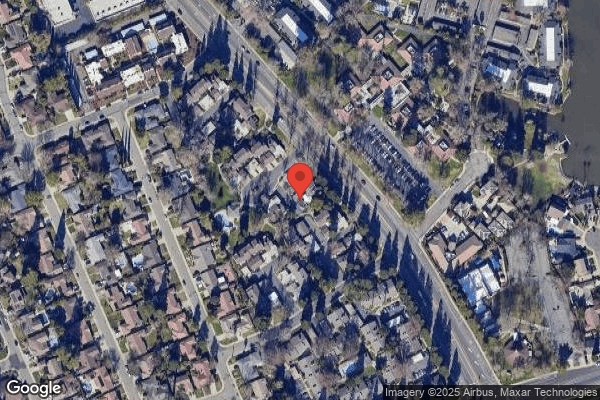
455 FLORIN ROAD, SACRAMENTO, CA 95831 (916) 393-2550
For profit - Limited Liability company 148 Beds CYPRESS HEALTHCARE GROUP Data: November 2025
Trust Grade
50/100
#816 of 1155 in CA
Last Inspection: November 2024

Within standard 12-15 month inspection cycle. Federal law requires annual inspections.

Overview

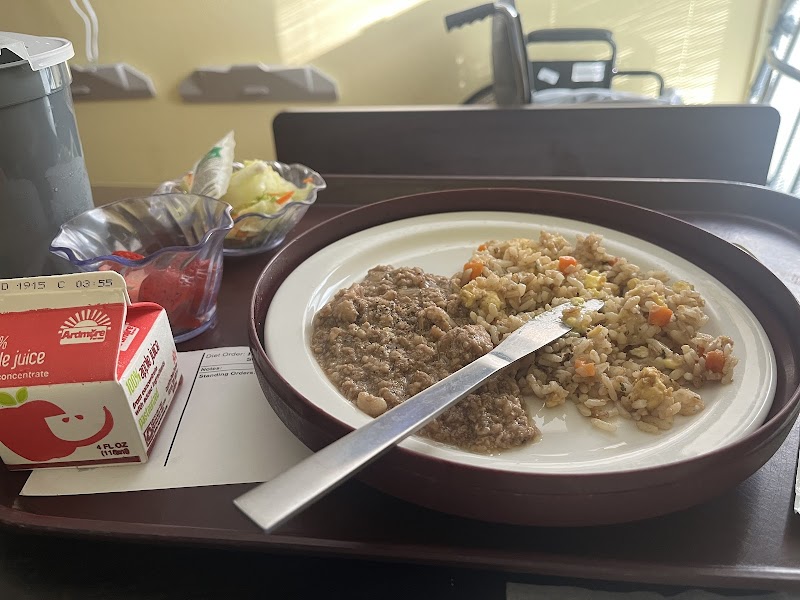
Greenhaven Healthcare Center has a Trust Grade of C, which means it is average and ranks in the middle of the pack, not great but not terrible. In terms of state ranking, it is #816 out of 1155 facilities in California, placing it in the bottom half, and #33 out of 37 in Sacramento County, indicating that only a few local options are better. The facility is improving, as issues have decreased from 24 in 2024 to 9 in 2025. Staffing is a strength with a rating of 4 out of 5 stars and a turnover rate of 39%, which is average; however, the facility has no fines on record, which is a positive sign. On the downside, there have been concerns noted, such as food safety issues, where kitchen equipment was not properly maintained and food items were found exposed or past their safe refrigeration time. Additionally, pureed bread served to residents with swallowing difficulties was prepared incorrectly, posing a choking risk. Overall, while Greenhaven Healthcare Center has strengths in staffing and a lack of fines, there are significant weaknesses in food safety and meal preparation that potential residents and their families should consider.

Trust Score
C
50/100
In California
#816/1155
Bottom 30%
Safety Record
Low Risk
No red flags
Inspections
Getting Better
24 → 9 violations
Staff Stability
○ Average
39% turnover. Near California's 48% average. Typical for the industry.
Penalties
✓ Good
No fines on record. Clean compliance history, better than most California facilities.
Skilled Nurses
○ Average
Each resident gets 35 minutes of Registered Nurse (RN) attention daily — about average for California. RNs are the most trained staff who monitor for health changes.
Violations
⚠ Watch
65 deficiencies on record. Higher than average. Multiple issues found across inspections.
★★☆☆☆
2.0
Overall Rating
★★★★☆
4.0
Staff Levels
★★★★☆
4.0
Care Quality
★★☆☆☆
2.0
Inspection Score
Stable
2024: 24 issues
2025: 9 issues

The Good

  • 4-Star Staffing Rating · Above-average nurse staffing levels
  • 4-Star Quality Measures · Strong clinical quality outcomes
  • Full Sprinkler Coverage · Fire safety systems throughout facility
  • No fines on record
  • Staff turnover below average (39%)

    9 points below California average of 48%

Facility shows strength in staffing levels, quality measures, fire safety.

The Bad

2-Star Overall Rating

Below California average (3.1)

Below average - review inspection findings carefully

Staff Turnover: 39%

Near California avg (46%)

Typical for the industry

Chain: CYPRESS HEALTHCARE GROUP

Part of a multi-facility chain

Ask about local staffing decisions and management

The Ugly 65 deficiencies on record

Jul 2025 1 deficiency
CONCERN (D) 📢 Someone Reported This

A family member, employee, or ombudsman was alarmed enough to file a formal complaint

Potential for Harm - no one hurt, but risky conditions existed

Free from Abuse/Neglect (Tag F0600)

Could have caused harm · This affected 1 resident

**NOTE- TERMS IN BRACKETS HAVE BEEN EDITED TO PROTECT CONFIDENTIALITY** Based on interview and record review, the facility failed to protect the resident's right to be free from physical abuse for one...

Read full inspector narrative →
**NOTE- TERMS IN BRACKETS HAVE BEEN EDITED TO PROTECT CONFIDENTIALITY** Based on interview and record review, the facility failed to protect the resident's right to be free from physical abuse for one out of four sampled residents (Resident 1) when Resident 2 punched Resident 1 on his left arm.This failure resulted in Resident 1 not free from physical abuse by Resident 2.Findings:During a review of Resident 1's admission record (AR), indicated Resident 1 was admitted [DATE] with diagnosis including multiple sclerosis (MS- a chronic, progressive disease involving damage to the nerve cells in the brain and spinal cord).During a review of Resident's 1 Minimum Data Set (MDS- a federally mandated resident assessment tool), dated 6/7/25, indicated Resident 1 had intact cognition.During a review of Resident 1's Social Services Note dated 7/17/25 at 2:35 p.m., indicated Resident [1] was involved in a resident-to-resident altercation .with another male resident [Resident 2]. Staff observed this encounter.Per Resident [1], he was punched to his left arm.During a review of Resident 2's AR, indicated, Resident 2 was initially admitted [DATE] with diagnosis including vascular dementia (vascular dementia - a decline in thinking skills caused by conditions that block or reduce blood flow to the brain).During a review of Resident 2's MDS dated [DATE], indicated Resident 2 had moderate cognitive impairment.During a review of Resident 2's Care Plan (CP), indicated, there was no documented evidence of a person-centered care plan related to the potential risk of aggressive behavior due to his vascular dementia diagnosis prior to the incident.During a review of Resident 2's Social Services Note dated 7/17/25 at 2:35 p.m., indicated, Resident [2] was involved in a resident-to-resident altercation today 7/17/25 at approximately 12:15 p.m. with another male resident [Resident 1] . Staff observed this encounter. He [Resident 2] states. the other male resident [Resident 1] approached him and began to bad mouth his wife.This resident [Resident 2] states that he launched a punch to defend his wife.During an interview on 7/18/25 at 9:50 a.m., at Resident 2's doorway, Resident 2 stated, Resident 1 was disrespecting his wife who has passed away and that made him mad. Resident 2 further stated, That's why I punched him.During a telephone interview on 7/18/25 at 11:52 a.m., with Certified Nurse Assistant (CNA)1, CNA 1 stated, witnessed Resident 2's right fist punching Resident 1's left arm.During an interview on 7/18/25 at 12:57 p.m., with Director of Nursing (DON), the DON confirmed that residents in their facility have the right to be free from any form of abuse by any individual.During a review of the facility's policy and procedure (P&P) titled, Abuse, Neglect, Exploitation and Misappropriation Prevention Program, revised April 2021, indicated, .residents have the right to be free from abuse, neglect.this includes but is not limited to freedom from.verbal, mental, sexual, or physical abuse.
May 2025 1 deficiency
CONCERN (D) 📢 Someone Reported This

A family member, employee, or ombudsman was alarmed enough to file a formal complaint

Potential for Harm - no one hurt, but risky conditions existed

Free from Abuse/Neglect (Tag F0600)

Could have caused harm · This affected 1 resident

**NOTE- TERMS IN BRACKETS HAVE BEEN EDITED TO PROTECT CONFIDENTIALITY** Based on interviews, and record review, the facility failed to protect one of seven sampled residents ' (Resident 1) right to be...

Read full inspector narrative →
**NOTE- TERMS IN BRACKETS HAVE BEEN EDITED TO PROTECT CONFIDENTIALITY** Based on interviews, and record review, the facility failed to protect one of seven sampled residents ' (Resident 1) right to be free from physical abuse when Resident 2 struck Resident 1 on her left arm and Resident 2 continued to have access to Resident 1 after the altercation. This failure resulted in Resident 1 being fearful to leave her room or attend activities. Findings: Resident 1 was admitted to the facility in January of 2025 with diagnoses that included difficulty with walking. A review of Resident 1 ' s Minimum Data Set (a standardized assessment tool used in nursing homes), dated 5/5/25, indicated Resident 1 had a Brief Interview for Mental Status (BIMS) score of 15 indicating Resident 1 had no mental impairments or deficits. Resident 2 was admitted to the facility in August of 2023 with diagnoses that included decline in cognitive function that interfers with daily life. A review of Resident 2 ' s MDS, dated [DATE], indicated Resident 2 had significant mental and cognitive impairment. A review of Resident 2 ' s Care Plan (CP), dated 3/9/25, indicated Resident 2 had a history of resident to resident altercation, [Resident 2] was involved in a resident-to-resident altercation. [Resident 2] was observed hit/slapped the other resident's (R) [right] hand. The CP further indicated, The resident will decrease any aggressive behaviors any encounter with the other resident X [for] 30 days .Patient monitoring for mood and behaviors, encounter with the other female resident and her whereabouts. A review of Resident 1 ' s Progress Note (PN), dated 4/28/25, indicated, At approx. [approximately] 2205 CNA [Certified Nursing Assistant] responded to noise coming from room A2 during first rounds of NOC [nocturnal] shift- CNA witnessed [Resident 2] sitting on bed of roommate [Resident 1] attempting to make physical contact- [Resident 2] with open hand to [Resident 1]. [Resident 1] was reported to have been attempting to block her face/ body from the physical contact by raising her arms in a protective motion. CNA attempted to separate the residents immediately to ensure resident safety and called for further help/ assistance. LN [Licensed Nurse] notified administrator. Resident assessed, with no visible injuries noted. Resident own RP [representative] and declined family notification. Resmoved (sic) from [facility room] to [facility room]- no s/s of distress. A review of Resident 1 ' s PN, dated 4/29/25, indicated, pt [patient] alert and oriented x4, pleasant and cooperative with care, on monitoring for resident to resident altercation alleged abuse happened on 4/28, pt is doing well in her new room, pt asked the staff to keep her door close, and keep an eye on her old roommate, she is worried that she might come to her new room . A review of Resident 1 ' s PN, dated 4/30/25, indicated, AO [Alert and Oriented] X4, VERBALLY RESPONSIVE, ABLE TO MAKE NEEDS KNOWN. PT VERBALIZE CONCERNS REGARDING PREVIOUS INCIDENT HAPPENED IN OLD ROOM, ALLEGED ABUSE IN RESIDENT-TO-RESIDENT ALTERCATION. PT STATED SHE SCARED OF HER SAFETY THAT HER ROOMATE (sic) WILL FIND HER . During an interview on 5/12/25 at 10:05 a.m. with Resident 1, Resident 1 stated she was asleep when Resident 2 came over and hit her right arm multiple times. Resident 1 stated she was startled awake and became fearful of Resident 2. Resident 1 then indicated she pressed her call light during the incident and staff intervened. Resident 1 was moved to a unit furthest from the unit of Resident 2. Resident 1 further indicated that despite being moved across the facility, Resident 2 had entered her room on multiple occasions causing her to be fearful. During an interview on 5/12/25 at 10:27 a.m. with Licensed Nurse 1 (LN 1), LN 1 indicated that, after the incident between Resident 1 and 2, Resident 1 did not display or express any signs of physical pain, but did express that she was fearful of Resident 2 for a week. LN 1 also confirmed that Resident 2 had further contact with Resident 1 after the incident. During an interview on 5/12/25 at 2:23 p.m. with the Social Services Director (SSD), the SSD indicated that, after abuse allegations, the abuser should be separated from the victim to prevent further abuse and emotional distress. The SSD further indicated that if an abuse victim kept seeing the abuser nearby, it could lead to the victim becoming fearful. During an interview on 5/12/25 at 2:37 p.m. with the Director of Nursing (DON), the DON indicated there should have been increased supervision implemented after the incident. The DON further indicated that residents have the right to feel safe in the facility. During an interview on 5/12/25 at 2:53 p.m. with LN 2 and Resident 1, with LN 2 helping to translate for Resident 1, Resident 1 stated that, after the incident, Resident 2 came into her room and got close to her while she was in bed on two other occasions. She stated that she was fearful during the encounters with Resident 2. Resident 1 further indicated she was too fearful during this time to leave her room or attend activities. During an interview on 5/12/25 at 3:14 p.m. with Certified Nursing Assistant 1 (CNA 1), the CNA 1 confirmed he witnessed Resident 2 strike Resident 1. CNA 1 stated Resident 2 was difficult to redirect and had a history of aggressive behaviors and wandering. CNA 1 indicated if Resident 2 left her unit, staff should have redirected her. During a review of the facility ' s policy and procedure (P&P) titled Abuse, Neglect, Exploitation and Misappropriation Prevention Program, revised 4/21, the P&P indicated, Residents have the right to be free from abuse, neglect, misappropriation of resident property and exploitation. This includes but is not limited to freedom from corporal punishment, involuntary seclusion, verbal, mental, sexual or physical abuse, and physical or chemical restraint not required to treat the resident ' s symptoms .Protect residents from any further harm during investigation.
Apr 2025 2 deficiencies
CONCERN (D) 📢 Someone Reported This

A family member, employee, or ombudsman was alarmed enough to file a formal complaint

Potential for Harm - no one hurt, but risky conditions existed

Free from Abuse/Neglect (Tag F0600)

Could have caused harm · This affected 1 resident

**NOTE- TERMS IN BRACKETS HAVE BEEN EDITED TO PROTECT CONFIDENTIALITY** Based on observation, interview, and record review, the facility failed to ensure 1 of 5 sampled residents (Resident 2) was prot...

Read full inspector narrative →
**NOTE- TERMS IN BRACKETS HAVE BEEN EDITED TO PROTECT CONFIDENTIALITY** Based on observation, interview, and record review, the facility failed to ensure 1 of 5 sampled residents (Resident 2) was protected from physical abuse when Resident 2 was slapped by Resident 1 on the left cheek and head. This failure had the potential to cause injury, fear, and distress to Resident 2. Findings: A review of Resident 1 ' s admission record indicated Resident 1 was admitted to the facility in late 2023 with multiple diagnoses including Alzheimer ' s disease (a brain disorder that leads to memory loss and other thinking difficulties). A review of Resident 1 ' s Minimum Data Set (MDS, a federally mandated resident assessment tool), dated 1/20/25, reflected a Brief Interview for Mental Status (BIMS-an assessment tool used by facilities to screen and identify memory, orientation, and judgement status of the resident) score of 6 out of 15 which indicated Resident 1 had severe cognitive impairment. A review of Resident 2 ' s admission record indicated Resident 2 was admitted to the facility in late 2022 with multiple diagnoses which included multiple sclerosis (a disease that affects the brain and spinal cord). A review of Resident 2 ' s MDS, dated [DATE], reflected a BIMS score of 13 out of 15 which indicated Resident 2 was cognitively intact. A review of Resident 2 ' s progress notes dated 4/17/25 indicated .At approx. (approximately)1030 [10:30 a.m.] . Per activities director- [Resident 2] was heard yelling out loud in the breezeway- director immediately responded and saw [Resident 1] swinging at [Resident 2] while [Resident 2] was holding arm up with fist closed blocking hits from [Resident 1] - however [Resident 1] had made contact with [Resident 2 ' s] left cheek- with hand open. Residents were also heard yelling at each other. During an interview on 4/23/25 at 1:38 p.m. Resident 2 stated Resident 1 hit him on the right shoulder and right forearm. Resident 2 further stated he tried to block Resident 1 and punched towards him to defend himself and Resident 1 slapped his left cheek. Resident 2 reported that the incident happened in the hallway. During an interview on 4/23/25 at 2:47 p.m. with Activities Director (AD), the AD stated when she arrived at the breezeway she saw Resident 1 punching towards Resident 2. The AD reported that Resident 2 tried to block Resident 1 ' s punches. The AD indicated Resident 1 slapped Resident 2 ' s head with an open hand and the residents were separated. During an interview on 4/23/25 at 3:37 p.m. with Certified Nursing Assistant 1 (CNA 1), CNA 1 stated she saw Resident 1 hitting Resident 2 and alerted RNA about the altercation (RNA, Restorative Nursing Assistant provides care planned exercises to residents). During an interview on 4/24/25 at 2:31 p.m. with Director of Nursing (DON), the DON stated resident to resident altercations are not tolerated. During a review of facility policy and procedure (P&P) titled, Identifying Types of Abuse, dated 2001, the P&P indicated, .Abuse . is defined as the willful infliction of injury . Abuse toward a resident can occur as . resident-to-resident abuse .Physical abuse includes . slapping . punching .
CONCERN (D) 📢 Someone Reported This

A family member, employee, or ombudsman was alarmed enough to file a formal complaint

Potential for Harm - no one hurt, but risky conditions existed

Safe Environment (Tag F0921)

Could have caused harm · This affected 1 resident

Based on observation, interview, and record review, the facility failed to ensure call light was placed within easy reach for 1 of 5 sampled residents (Resident 3). This failure had the potential for ...

Read full inspector narrative →
Based on observation, interview, and record review, the facility failed to ensure call light was placed within easy reach for 1 of 5 sampled residents (Resident 3). This failure had the potential for Resident 3 being unable to call for assistance with care needs. Additionally, Resident 3 was assessed to be at high risk for falls. Findings: A review of Resident 3 ' s admission record indicated Resident 3 was admitted to the facility in late 2019 with multiple diagnoses including Alzheimer ' s disease (a brain disorder that leads to memory loss and other thinking difficulties). A review of Resident 3 ' s Minimum Data Set (MDS, a federally mandated resident assessment tool), dated 2/10/25, reflected a Brief Interview for Mental Status (BIMS-an assessment tool used by facilities to screen and identify memory, orientation, and judgement status of residents) score of 3 out of 15 that indicated Resident 3 had severe cognitive impairment A review of Resident 3 ' s Fall Risk Evaluation dated 2/10/25, indicated Resident 3 ' s score was a 19 that indicated resident was at high risk for falls. A review of Resident 3 ' s care plan titled, . Resident is at risk for falls, repeated falls . dated 8/9/24, indicated, . Ensure call light is within reach when in room .keep bed in lowest position . During a concurrent observation and interview on 4/23/25 at 1:46 p.m. with Resident 3 in Resident 3 ' s room, the call light was observed on the floor on top of a fall mat on the right side of bed. Resident 3 stated, I need to call the CNA [Certified Nursing Assistant] for help, I don ' t know how without my light [call light]. During a concurrent observation and interview on 4/23/25 at 2:04 p.m. with CNA 2, the CNA confirmed Resident 3 ' s call light was on the fall mat and not within reach by the resident. During an observation on 4/23/24 at 4:29 p.m. in Resident 3 ' s room, Resident 3 was lying in bed with call light on the fall mat that was placed on the floor on the right side of Resident 3 ' s bed During a concurrent observation and interview on 4/23/25 at 4:43 p.m. in Resident 3 ' s room with CNA 3, the CNA validated Resident 3 ' s call light was on the fall mat (placed on the floor) and not within reach of the resident. CNA 3 further stated the call light had a broken clip (the clip is used to attach the call light to where the resident can reach it, e.g. bed linen). During an interview on 4/23/25 at 5:37 p.m. with the Director of Nursing (DON), the DON stated the expectations was for the call light to be placed within reach of the resident. The DON further stated if the call light was out of reach it and the resident sustained a fall, they (residents) would not be able to call for help. A review of the facility ' s policy and procedure (P&P) titled, Answering the Call light, dated 9/2022, the P&P indicated, .Ensure the call light is accessible to the resident when in bed .
Apr 2025 1 deficiency
CONCERN (D) 📢 Someone Reported This

A family member, employee, or ombudsman was alarmed enough to file a formal complaint

Potential for Harm - no one hurt, but risky conditions existed

Deficiency F0658 (Tag F0658)

Could have caused harm · This affected 1 resident

**NOTE- TERMS IN BRACKETS HAVE BEEN EDITED TO PROTECT CONFIDENTIALITY** Based on observation, interview, and record review, the facility failed to ensure professional standards of care was provided fo...

Read full inspector narrative →
**NOTE- TERMS IN BRACKETS HAVE BEEN EDITED TO PROTECT CONFIDENTIALITY** Based on observation, interview, and record review, the facility failed to ensure professional standards of care was provided for one of 4 sampled residents (Resident 1) when skin assessment (involves visual and tactile examination of the skin to identify potential issues such as change in skin color) was not conducted prior to resident's discharge. This failure to conduct skin assessment increased the potential for Resident 1 to not receive immediate treatment and prevent further skin breakdown. Findings: A review of the clinical record indicated Resident 1 was initially admitted December of 2023 with diagnoses including chronic venous hypertension with ulcer of bilateral lower extremities (persistent high blood pressure in the veins of both legs leading to open sores on the skin), lymphedema (swelling caused by buildup of fluid in the body's tissues often in the arms and legs), and type 2 diabetes mellitus (DM, a disorder characterized by difficulty in blood sugar control and poor wound healing). A review of Resident 1's Discharge Instruction Form dated 3/31/25 did not contain information on the skin condition and management. Furthermore, Resident 1's Discharge summary dated [DATE] did not indicate a skin assessment was conducted prior to discharge. In a concurrent observation and interview on 4/10/25 at 1:04 p.m., Resident 1 was sitting in his wheelchair with boots on both lower extremities. Resident 1 was able to state his first and last name. In a concurrent interview and record review on 4/10/25 at 2:07 p.m., the Treatment Nurse (TN) stated Resident 1 has scattered venous ulcers on bilateral legs, skin very thin and fragile, resident is noncompliant with elevating his legs, and resident uses ace wrap for compression. The TN stated the deep tissue injury (DTI, a type of pressure ulcer where damage occurs to the underlying tissue even when the skin's outer layer appears intact) on his left heel was identified on readmission. The TN further stated the other wound nurse classified the wound on the left heel as unstageable (the underlying tissue damage cannot be accurately assessed until the slough or dead tissue is removed) two days ago. The TN described Resident 1's wound on the left heel as maroon purple in color, had some slough on the wound bed and the edges were slightly macerated (softening of skin due to moisture). In a concurrent interview and record review on 4/10/25 at 2:31 p.m., the Director of Nursing (DON) stated Resident 1 had a planned discharge on [DATE] to a lower level of care. On 4/2/25, Resident 1's Responsible Party (RP) came to the facility and informed DON and Administrator of Resident 1's wound on the left heel. The DON further stated when she did the investigation she spoke with the Unit Manager (UM) and the UM told the DON he was not able to conduct Resident 1's skin assessment. The UM further told the DON when [UM] went to Resident 1's room, Resident 1's RP informed UM [Resident 1] left the facility with a transport van at 3:30 p.m. The DON confirmed the UM did not have a documentation of his inability to conduct Resident 1's skin assessment on 4/1/25. The DON further confirmed the Discharge instruction form dated 3/31/25 under skin condition and management was blank. In a follow up interview on 4/10/25 at 4:45 p.m., the DON confirmed the facility did not follow their process of conducting a skin assessment prior to Resident 1's discharge. A review of the facility's policy and procedure revised December 2016 and titled, Discharging the Resident indicated, The purpose of this procedure is to provide guidelines for the discharge process .Assess and document resident's condition at discharge, including skin assessment .Report other information in accordance with facility policy and professional standards of practice. Based on observation, interview, and record review, the facility failed to ensure professional standards of care was provided for one of 4 sampled residents (Resident 1) when skin assessment (involves visual and tactile examination of the skin to identify potential issues such as change in skin color) was not conducted prior to resident's discharge. This failure to conduct skin assessment increased the potential for Resident 1 to not receive immediate treatment and prevent further skin breakdown. Findings: A review of the clinical record indicated Resident 1 was initially admitted December of 2023 with diagnoses including chronic venous hypertension with ulcer of bilateral lower extremities (persistent high blood pressure in the veins of both legs leading to open sores on the skin), lymphedema (swelling caused by buildup of fluid in the body's tissues often in the arms and legs), and type 2 diabetes mellitus (DM, a disorder characterized by difficulty in blood sugar control and poor wound healing). A review of Resident 1's Discharge Instruction Form dated 3/31/25 did not contain information on the skin condition and management. Furthermore, Resident 1's Discharge summary dated [DATE] did not indicate a skin assessment was conducted prior to discharge. In a concurrent observation and interview on 4/10/25 at 1:04 p.m., Resident 1 was sitting in his wheelchair with boots on both lower extremities. Resident 1 was able to state his first and last name. In a concurrent interview and record review on 4/10/25 at 2:07 p.m., the Treatment Nurse (TN) stated Resident 1 has scattered venous ulcers on bilateral legs, skin very thin and fragile, resident is noncompliant with elevating his legs, and resident uses ace wrap for compression. The TN stated the deep tissue injury (DTI, a type of pressure ulcer where damage occurs to the underlying tissue even when the skin's outer layer appears intact) on his left heel was identified on readmission. The TN further stated the other wound nurse classified the wound on the left heel as unstageable (the underlying tissue damage cannot be accurately assessed until the slough or dead tissue is removed) two days ago. The TN described Resident 1's wound on the left heel as maroon purple in color, had some slough on the wound bed and the edges were slightly macerated (softening of skin due to moisture). In a concurrent interview and record review on 4/10/25 at 2:31 p.m., the Director of Nursing (DON) stated Resident 1 had a planned discharge on [DATE] to a lower level of care. On 4/2/25, Resident 1's Responsible Party (RP) came to the facility and informed DON and Administrator of Resident 1's wound on the left heel. The DON further stated when she did the investigation she spoke with the Unit Manager (UM) and the UM told the DON he was not able to conduct Resident 1's skin assessment. The UM further told the DON when [UM] went to Resident 1's room, Resident 1's RP informed UM [Resident 1] left the facility with a transport van at 3:30 p.m. The DON confirmed the UM did not have a documentation of his inability to conduct Resident 1's skin assessment on 4/1/25. The DON further confirmed the Discharge instruction form dated 3/31/25 under skin condition and management was blank. In a follow up interview on 4/10/25 at 4:45 p.m., the DON confirmed the facility did not follow their process of conducting a skin assessment prior to Resident 1's discharge. A review of the facility's policy and procedure revised December 2016 and titled, Discharging the Resident indicated, The purpose of this procedure is to provide guidelines for the discharge process .Assess and document resident's condition at discharge, including skin assessment .Report other information in accordance with facility policy and professional standards of practice.
Apr 2025 1 deficiency
CONCERN (D) 📢 Someone Reported This

A family member, employee, or ombudsman was alarmed enough to file a formal complaint

Potential for Harm - no one hurt, but risky conditions existed

Quality of Care (Tag F0684)

Could have caused harm · This affected 1 resident

Based on observation, interview and record review, the facility failed to ensure a comprehensive assessment, treatment and care was provided in accordance with professional standards of practice for o...

Read full inspector narrative →
Based on observation, interview and record review, the facility failed to ensure a comprehensive assessment, treatment and care was provided in accordance with professional standards of practice for one of three sampled residents (Resident 1), when treatment orders were not obtained, and a nursing care plan was not developed and implemented for a newly sustained skin tear. This failure had the potential for Resident 1 ' s wound to have delayed or compromised healing. Findings: Resident 1 was admitted in the middle of 2024 with diagnoses which included diabetes (a disorder characterized by difficulty in blood sugar control and poor wound healing), memory impairment and respiratory failure. During a review of Resident 1 ' s Minimum Data Assessment (MDS- a federally mandated resident was totally dependent with activities of daily living (ADLs- routine tasks/activities such as bathing, dressing and toileting a person performs daily to care for themselves). During a review of Resident 1 ' s physician ' s orders, there was no treatment orders associated with Resident 1 ' s skin tear. During record review of Resident 1 ' s nursing care plans, there was no care plan associated with the Resident 1 ' s skin tear. During a review of Resident 1 ' s SBAR (Situation, Background, Assessment, and Recommendation -a communication tool used by healthcare workers when there is a change of condition among the residents) Summary, dated 3/23/25, the SBAR indicated, [Resident 1] stated she was put back by 4 people onto bed .showed writer LN [licensed nurse] her skin tear & disc [discoloration] to RFA [right forearm], disc to LUA [left upper arm]. Skin tear noted w/ bandage & w/ scant blood .RFA skin tear 2 x 0.6 cm . During a review of Resident 1 ' s Nurse Progress Notes (NPN), dated 3/23/25, the NPN indicated, [Resident 1] noted with a small skin tear to the right outer forearm near her elbow. During a concurrent observation and interview on 4/3/25 at 9:35 a.m. with Resident 1 in bed, Resident 1 showed her right upper arm, and stated, I got a skin tear on my arm. It never happened before. It happened last Monday. They grabbed my hand, so I guess it created a skin tear. During an interview on 4/3/25 at 11:35 a.m. with the Treatment Nurse (TN), when asked if Resident 1 had a skin tear, the TN stated, Not that I know of .I am not aware of any skin tears. I don ' t know of any order changes for any skin tears. During an interview on 4/3/25 at 12:20 a.m. with the TN, the TN stated, when a resident sustained a skin tear, the nurse should notify the TN. The TN would then assess the resident, develop a treatment plan, submit the treatment plan to the physician, and initiate a care plan. The TN verified there was no care plan for the skin tear of Resident 1, and stated, I never got a report regarding [Resident 1 ' s] skin tear so I didn ' t get any treatment orders. During an interview on 4/3/25 at 12:29 a.m. with the Director of Nursing (DON), the DON stated, if a CNA found a new skin issue, the CNA would report it to the charge nurse, and then the charge nurse would complete an assessment. If there is a skin tear, then they would need to report it to the treatment nurse. The treatment nurse would report it to the doctor. The DON further stated that there was a standard order for treatment of a skin tear. The treatment nurse creates a treatment order, monitors and documents, develops and implements a care plan stating the skin care interventions. During an interview on 4/3/25 at 12:31 p.m. with the DON, the DON verified and confirmed there was no care plan developed or implemented for Resident 1 ' s skin tear, and stated, Unfortunately, I don ' t see any care plan for the skin tear. I guess the nurse missed to get treatment orders. A care plan should have been initiated for the skin tear. During a review of the facility ' s policy and procedures (P&P) titled, Skin Tears - Abrasions and Minor Breaks, Care of, dated 9/13, the P&P indicated, The purpose of this procedure is to guide the prevention and treatment of abrasions, skin tears, and minor breaks in the skin .Obtain a physician ' s order .Review the resident ' s care plan, current orders .Interventions implemented or modified to prevent additional abrasions . During a review of the facility ' s P&P titled, Care Plans, Comprehensive Person-Centered, dated 3/22, the P&P indicated, A comprehensive, person-centered care plan that includes measurable objectives and timetables to meet the resident ' s physical, psychosocial and functional needs is developed and implemented for each resident .Assessment of residents are ongoing, and care plans are revised as information about the resident and the residents condition changes. During a review of the undated document titled, Nursing Practice Act Rules and Regulations, the document indicated, Article 2. Scope of Regulation 2725 (b). The practice of nursing within the meaning of this chapter means those functions, including basic health care, that help people cope with difficulties in daily living that are associated with their actual or potential health or illness problems or the treatment thereof, and that require substantial amount of specific knowledge of the following: (2) Direct and indirect patient care services, including, but not limited to, the administration of medications and therapeutic agents, necessary to implement treatment, disease prevention, or rehabilitative regiment .ordered by and within the scope of licensure of a physician .as defined by Section 1316.5 of the Health and Safety Code. (Nursing Practice Act Rules and Regulations Issued by Board of Registered Nursing 1997 State of California Department of Consumer Affairs. pp. 5).
Feb 2025 2 deficiencies
CONCERN (D) 📢 Someone Reported This

A family member, employee, or ombudsman was alarmed enough to file a formal complaint

Potential for Harm - no one hurt, but risky conditions existed

Quality of Care (Tag F0684)

Could have caused harm · This affected 1 resident

**NOTE- TERMS IN BRACKETS HAVE BEEN EDITED TO PROTECT CONFIDENTIALITY** Based on observation, interview, and record review, the facility failed to ensure necessary care was provided when the ordered l...

Read full inspector narrative →
**NOTE- TERMS IN BRACKETS HAVE BEEN EDITED TO PROTECT CONFIDENTIALITY** Based on observation, interview, and record review, the facility failed to ensure necessary care was provided when the ordered liquid consistency was not followed as ordered by the physician for one of four sampled residents (Resident 1). This failure increased the potential for Resident 1 to experience aspiration (when food or liquid enters the airway and into the lungs by accident). Findings: A review of the admission Record indicated Resident 1 was admitted [DATE] with diagnoses including dysphagia (difficulty swallowing) following cerebral infarction (stroke- disrupted blood flow to the brain causing brain tissue death). A review of Resident 1's Minimum Data Set (MDS- federally mandated assessment tool) dated 1/14/25 indicated Resident 1 had a Brief Interview for Mental Status (BIMS- an assessment tool used by facilities to screen and identify memory, orientation, and judgement status of the resident) score of 7 out of 15 which indicated Resident 1 had severe cognitive impairment. A review of Resident 1's Physician's Order Summary Report dated 2/24/25 indicated, .Nectar Thick [comparable to heavy syrup in canned fruit] consistency, no straw .ASPIRATION PRECAUTIONS . In an observation conducted on 2/26/25 at 9:54 a.m., Resident 1 was lying in bed with eyes closed and there was a plastic container with a straw half filled with regular water. In a concurrent observation and interview on 2/26/25 at 11:45 a.m., Certified Nursing Assistant (CNA) confirmed Resident 1 had regular water with straw at bedside. In a follow up interview on 2/26/25 at 12 p.m., the CNA stated she was the one who provided Resident 1 with the regular water and straw. The CNA further stated she put a straw since the water was dripping from resident's mouth when he was drinking. A concurrent interview and record review was conducted on 2/26/25 at 12:07 p.m. with Licensed Nurse (LN). The LN stated Resident 1's diet order dated 2/24/25 indicated nectar thick liquids, no straw. In a concurrent observation and interview on 2/26/25 at 12:13 p.m., Resident 1's meal ticket indicated Nectar/Mildly Thick. The CNA confirmed Resident 1 was served with nectar thick liquids. The LN stated Resident 1's diet order should be followed. In an interview on 2/26/25 at 12:46 p.m., the Speech Therapist 1 (ST 1) confirmed she conducted the speech evaluation for Resident 1 on 2/24/25. The ST 1 stated the recommendation was regular bite size, nectar thick liquids and no straws for aspiration precaution. In an interview on 2/26/25 at 1:02 p.m., the Director of Nursing (DON) stated her expectation was for staff to follow the physician order. The DON further stated, if the order was thickened liquids, the staff should offer thickened liquids, and if the order specifically said no straw, the staff should not put a straw. In a telephone interview on 2/26/25 at 5:27 p.m., the DON confirmed Resident 1 had dysphagia. The DON stated the potential for not providing nectar thick liquids would cause possible aspiration. A review of the facility's policy and procedure revised September 2017 and titled, Dysphagia- Clinical Protocol indicated, .The staff and physician will identify individuals with a history of swallowing difficulties or related diagnoses such as dysphagia .Examples of situations in which speech therapy interventions may be helpful include individuals who have had a recent stroke with subsequent impaired .swallowing .The staff and physician will identify and address any complications of swallowing disorders .
CONCERN (D) 📢 Someone Reported This

A family member, employee, or ombudsman was alarmed enough to file a formal complaint

Potential for Harm - no one hurt, but risky conditions existed

Deficiency F0688 (Tag F0688)

Could have caused harm · This affected 1 resident

Based on observation, interview, and record review, the facility failed to ensure the order and care plan for the use of left hand splint was documented in a consistent manner for one of four sampled ...

Read full inspector narrative →
Based on observation, interview, and record review, the facility failed to ensure the order and care plan for the use of left hand splint was documented in a consistent manner for one of four sampled residents (Resident 1). This failure had the potential for Resident 1 to experience further loss of function on the left hand. Findings: A review of the admission Record indicated Resident 1 was initially admitted May of 2024 with multiple diagnoses including hemiplegia (paralysis on one side of the body) and hemiparesis (weakness on side of the body) following nontraumatic intracerebral hemorrhage (bleeding within the brain without external trauma) affecting left non-dominant side and dementia (a progressive state of decline in mental abilities). A review of Resident 1's Minimum Data Set (MDS- federally mandated assessment tool) dated 1/14/25 indicated Resident 1 had a Brief Interview for Mental Status (BIMS- an assessment tool used by facilities to screen and identify memory, orientation, and judgement status of the resident) score of 7 out of 15 which indicated Resident 1 had severe cognitive impairment. A review of Resident 1's Order Summary Report dated 1/23/25 indicated, RNA [Restorative Nursing Assistant] for application of L [left] resting hand splint 7x/week for up to 4 hours or as tolerated x 3 months. There was no documented evidence Resident 1's left hand splint was applied from 1/24 to 1/27/25 (4 days). A review of Resident 1's Restorative Nursing Flowsheet indicated the left hand splint was applied on 2/7, 2/8 (resident refused), 2/9, 2/12, 2/17, 2/18, 2/23, and 2/24. There was no documentation on the time the hand splint was removed on 2/7, 2/9, 2/12, 2/17, and 2/18/25. A review of Resident 1's Task Report for RNA- Splint/Brace Assist for the month of February did not indicate the length of time splint was applied. There was no documented evidence Resident 1's left hand splint was applied on 2/11, 2/15, and 2/16/25. A review of Resident 1's care plan dated 1/23/25, indicated, RESTORATIVE: Pt [Resident 1] at risk for loss of ROM [Range of Motion] of L [left] UE [upper extremity]/hand. The goal of care was to maintain current ROM of L UE/hand digits. The interventions included, RNA for application of L resting hand splint 7x/week for up to 4 hours/day or as tolerated x 3 months. A concurrent observation and interview was conducted on 2/26/25 at 11:48 a.m. with Certified Nursing Assistant (CNA). Resident 1 was up in a wheelchair in front of the nurses station with a left hand splint. The CNA stated the left hand splint is applied every day when Resident 1 is out of bed. The CNA further stated it depends when CNA was asked how long Resident 1 needed to wear the hand splint. In a concurrent interview and record review on 2/26/25 at 2:30 p.m., the Director of Rehabilitation (DOR) confirmed Resident 1's hand splint order was 7 days a week up to 4 hours. The DOR further stated RNA were putting on the splint. In a concurrent interview and record review on 2/26/25 at 2:35 p.m., the Director of Staff Development (DSD) confirmed there was no documented evidence Resident 1 was seen by RNA from the time he was discharged from therapy on 1/23/25 until therapy was started on 1/28/25. In a follow up interview and record review on 2/26/25 at 2:43 p.m., the DSD confirmed there was no consistency with RNA charting for Resident 1. The DSD further confirmed there were days when Resident 1's left hand splint was not documented as applied and documentation did not consistently include the time the splint was removed. In an interview on 2/26/25 at 3:07 p.m., the DOR and DSD confirmed there was no documented evidence Resident 1's left hand splint was applied on 1/24, 1/25, 1/26, and 1/27/25. In a interview on 2/26/25 at 3:24 p.m., the Director of Nursing (DON) stated her expectation was for the RNA program to be followed and documented. The DON further stated the potential outcome for not providing RNA program as ordered might be a decline or not maintaining resident's goal of care. A review of the facility's policy and procedure revised July 2017 and titled Restorative Nursing Services indicated, .Residents may be started on a restorative nursing program .when discharged from rehabilitative care .Restorative goals and objectives are individualized and resident-centered, and are outlined in the resident's plan of care.
Feb 2025 1 deficiency
CONCERN (D) 📢 Someone Reported This

A family member, employee, or ombudsman was alarmed enough to file a formal complaint

Potential for Harm - no one hurt, but risky conditions existed

Pharmacy Services (Tag F0755)

Could have caused harm · This affected 1 resident

Based on interview, and record review, the facility failed to ensure accurate accountability of controlled medications (those with high potential for abuse or addiction) for three of five sampled resi...

Read full inspector narrative →
Based on interview, and record review, the facility failed to ensure accurate accountability of controlled medications (those with high potential for abuse or addiction) for three of five sampled residents (Resident 1, Resident 2, and Resident 3) when: 1. Controlled medications delivered by the pharmacy for Resident 1, Resident 2, and Resident 3 were missing and unaccounted for; and, 2. Two doses of Resident 1's Hydrocodone-Acetaminophen (Norco, a medication used to relieve moderate to severe pain) were missing and unaccounted for. These failures resulted in the facility not having accurate accountability of controlled medications, the potential for abuse or misuse of these medications, and the potential for not meeting the residents' therapeutic needs or worsening of their medical conditions. Findings: 1. During a review of a report from the facility submitted to the Department, dated 3/21/23, the report indicated, During our ongoing plan of correction audits .dated March 6, 2023, the following findings were made: On 3/13/23 it was reported that we are missing a medication card and count sheet of Hydrocodone-Acetamin [sic] 5/325 mg [milligrams, a unit of measurement] #28 [number of doses]. This medication was prescribed for [Resident 1]. The card was delivered March 2, 2023, so we are unsure of when the card and count sheet went missing .On 3/14/23 during an audit of all controlled medications it was discovered that we are missing a medication card and count sheet of Hydrocodone-Acetamin [sic] 5/325mg #38. This medication was prescribed for [Resident 2]. This card was delivered on March 6, 2023, so we are unsure of when the card and count sheet went missing .On 3/19/23 during an audit of all controlled medications it was discovered that we are missing a medication card and count sheet of Oxycodone [a medication used to relieve moderate to severe pain] 5mg # 9. This medication was prescribed for [Resident 3]. This card was delivered on March 10, 2023, so we are unsure of when the card and Count sheet went missing. The medication cards and count sheets would have the resident's name and prescription number on them. We are unable to identify where the medication card went or who might have taken it. This has affected 3 residents. During a review of Resident 1's Shipping Manifest, dated 3/2/23, the manifest indicated 28 doses of Hydrocodone Acetaminophen 5-325 mg were delivered on 3/2/23 and signed by the nurse to verify receipt. During a review of Resident 2's Shipping Manifest, dated 3/6/23, the manifest indicated 38 doses of Hydrocodone Acetaminophen 5-325 mg were delivered on 3/6/23 and signed by the nurse to verify receipt. During a review of Resident 3's Shipping Manifest, dated 3/10/23, the manifest indicated 18 doses of oxycodone were delivered on 3/10/23 and signed by the nurse to verify receipt. During a concurrent interview and record review on 2/4/25 at 3:04 p.m. with the Director of Nursing (DON), the DON reviewed the pharmacy delivery receipts for Resident 1, Resident 2, and Resident 3 and verified the delivery sheets were signed by the nurse, which indicated the medications were received by the facility. During a follow-up interview on 2/4/25 at 3:13 p.m. with the DON, the DON stated that upon delivery of narcotics, the nurse and the delivery person both sign the delivery receipt. The DON stated each packet delivered should have a narcotic sheet and the nurse will sign off the narcotic sheet indicating the medication was received and the medication will be stored inside the locked narcotic box in the medication cart. The DON further stated the nurses count the narcotic packet and compare it to the narcotic sheet to check how much is left for each resident with narcotic medication. The DON stated, That's accountability .to avoid discrepancy and possible diversion. During a concurrent interview and record review on 2/4/25 at 3:34 p.m. with the Assistant Director of Nursing (ADON), the ADON stated the sheets and the narcotics are counted every shift by incoming and outgoing shift nurses and once the nurse received delivery, the nurse signs the delivery receipts and the medication goes to the narcotic box in the med cart, and the count sheet goes to the binder. The ADON verified the pharmacy delivery receipts were signed by the nurses indicating the medications were received. The ADON stated, Narcotics are narcotics, make sure they are prescribed for the residents only and not for anyone else. [If there are discrepancies] It might delay the care and who knows who has it. During a telephone interview on 2/5/25 at 11:43 a.m. with the DON, the DON stated they were not able to find the controlled drug sheets for the controlled medications delivered for Resident 1 on 3/10/23, for Resident 2 on 3/6/23, and for Resident 3 on 3/2/23. 2. During a review of Resident 1's Controlled Drug Record [CDR], dated 1/19/23, the CDR indicated, Hydrocodone-Acetamin[sic] 5-325 MG Generic For: NORCO 5-325 TABLET .TAKE 1 TABLET BY MOUTH EVERY SIX HOURS AS NEEDED FOR MODERATE PAIN OR SEVERE PAIN. The CDR indicated the nurse received 28 doses of Norco on 1/19/23. The CDR further indicated Resident 1 last received Norco on 3/15/23 and there were two doses left after Norco was last administered. During an interview on 2/4/25 at 2:48 p.m. with Licensed Nurse 1 (LN 1), the LN 1 stated, We count the cards, we count the med count and make sure it matches with the paper .Because one number missing, it's a huge liability, it's narcotics. During a concurrent interview and record review on 2/4/25 at 4:44 p.m. with the DON, the DON verified Resident 1 last received Norco on 3/15/23 and there were two doses left based on the CDR. The DON confirmed there was no date, time, or signature for the last two doses. The DON verified there was no documented evidence that the two missing doses for Resident 1's Norco were given or disposed. During a review of the facility's policy and procedure (P&P) titled, Controlled Substances, revised 4/2019, the P&P indicated, The facility complies with all laws, regulations, and other requirements related to handling, storage, disposal, and documentation of controlled medications .7. Controlled substances are reconciled upon receipt, administration, disposition, and at the end of the shift. 8. Upon Receipt: a. The nurse receiving the medication and the individual delivering the medication verify the name, dose and quantity of each controlled substance being delivered .c. An individual resident controlled substance record is made for each resident who is receiving a controlled substance.
Dec 2024 1 deficiency
CONCERN (D) 📢 Someone Reported This

A family member, employee, or ombudsman was alarmed enough to file a formal complaint

Potential for Harm - no one hurt, but risky conditions existed

Deficiency F0551 (Tag F0551)

Could have caused harm · This affected 1 resident

**NOTE- TERMS IN BRACKETS HAVE BEEN EDITED TO PROTECT CONFIDENTIALITY** Based on interview and record review, the facility failed to ensure the resident representative for one of 3 sampled residents ...

Read full inspector narrative →
**NOTE- TERMS IN BRACKETS HAVE BEEN EDITED TO PROTECT CONFIDENTIALITY** Based on interview and record review, the facility failed to ensure the resident representative for one of 3 sampled residents (Resident 1) was informed of resident's rights when the admission agreement (a legally binding contract between the facility and a new resident or their representative which outlines the terms and conditions of their stay including the services provided, costs, and the rights and responsibilities of both parties involved) was not signed. This failure had the potential for Resident 1's representative not to receive information inorder to make informed decisions for resident 's care and treatment. Findings: A review of the clinical record indicated Resident 1 was admitted first week of December 2024 with diagnoses including fusion of spine, lumbar region (surgery to connect two or more bones in the lower part of the spine). A Brief Interview for Mental Status (BIMS- an assessment tool used by facilities to screen and identify memory, orientation, and judgement status of the resident) dated 12/4/24 indicated Resident 1 had severe cognitive impairment with a score of 6 out of 15. In a concurrent interview and record review on 12/26/24 at 12:30 p.m., the Health Information Manager (HIM) stated Resident 1 had no capacity and the admission packet (a collection of documents and information provided to a new resident and/or representative upon admission) was not signed by Resident 1's representative. In a concurrent interview and record review on 12/26/24 at 1:44 p.m., the Admissions Manager (AM) stated Resident 1 was admitted on [DATE] and he was sent out to the hospital on [DATE]. The AM's spreadsheet indicated Resident 1's representative was contacted and a voicemail was left. The AM further stated the protocol was for the admissions coordinator to continue to call the representative until they [admissions coordinator] get a response. In a follow-up interview on 12/26/24 at 1:53 p.m., the AM stated the facility had until the third day for the admission packet to be signed by the representative. The AM further stated Resident 1's admission packet was not signed on the day of admission until he was sent out to the hospital on [DATE], (for 14 days). A review of the facility's policy revised March 2019 and titled, admission Criteria indicated, .The objectives of the admission criteria policy are to .address concerns of residents and families during the admission process .review with the resident, and/or his/her representative, the facility's policies and procedures relating to resident rights . A review of the facility's policy revised February 2021 and titled, Resident Rights indicated, .Federal and state laws guarantee certain basic rights to all residents of this facility. These rights include .be informed about his or her rights and responsibilities. A review of the facility's policy revised February 2021 and titled, Resident Representative indicated, The facility treats the decisions of the resident representative as the decisions of the resident to the extent delegated by the resident .If the resident is determined to be incompetent .the rights of the resident .will be exercised by the resident representative .The resident's wishes and preferences are considered in the exercise of rights by the representative .The term resident representative is defined as .an individual chosen by the resident to act on behalf of the resident in order to support the resident in decision-making; access medical .receive notifications .
Nov 2024 1 deficiency
CONCERN (D) 📢 Someone Reported This

A family member, employee, or ombudsman was alarmed enough to file a formal complaint

Potential for Harm - no one hurt, but risky conditions existed

Investigate Abuse (Tag F0610)

Could have caused harm · This affected 1 resident

**NOTE- TERMS IN BRACKETS HAVE BEEN EDITED TO PROTECT CONFIDENTIALITY** Based on interview and record review, the facility failed to follow their policy and procedure on investigating allegations of a...

Read full inspector narrative →
**NOTE- TERMS IN BRACKETS HAVE BEEN EDITED TO PROTECT CONFIDENTIALITY** Based on interview and record review, the facility failed to follow their policy and procedure on investigating allegations of abuse/mistreatment for one of three sampled residents (Resident 1) when an allegation of mistreatment was not investigated. This failure decreased the facility's potential to protect vulnerable residents and provide a safe environment. Findings: Resident 1 was admitted to the facility on [DATE]. During a review Resident 1's Annual MDS (Minimum Data Set-an assessment tool), dated 11/12/24 described Resident 1 as having clear speech, able to make herself understood and as able to understand others. Resident 1 ' s BIMS (a brief screening that aids in detecting cognitive impairment) score was 14 which indicated she was cognitively intact. The MDS described Resident 1 as having no signs or symptoms of delirium or behavioral symptoms. The MDS for Functional Abilities indicated she required substantial/maximal assistance with mobility from staff. During an interview on 11/16/24 at 9:02 a.m. with Director of Nursing (DON), the DON stated she heard about Resident 1 ' s allegation that Licensed Nurse (LN) 1 took the resident ' s cell phone & call light away at some time. The DON did not know the exact day the alleged allegation occurred. The DON stated the Ombudsman called last week and talked with the Administrator regarding the alleged incident. During an interview on 11/26/24 at 10:16 a.m. with Resident 1, Resident 1 stated she had requested some socks. She said the Nurse (LN 1) told her if she wasn ' t going to allow the nurse to check her blood sugar (BS-measurement of glucose in the blood) then the nurse wasn ' t going to get her socks. Resident 1 stated she didn ' t want the nurse to check her BS. The nurse took her cell phone and put it out of reach on the table where her TV is on and then took her call light and hung it out of reach over the light above her head. Resident 1 stated she was not able to reach her cell phone or the call light if she needed assistance or help. During an interview on 11/26/24 at 11:09 a.m. with the DON and facility ' s Administrator. The Administrator stated he received a phone call from Resident 1 ' s family member on Thursday or Friday last week regarding an allegation a nurse took Resident 1 ' s cell phone and call light away. The Administrator confirmed he did not have any documentation he had started an investigation. Administrator was asked if he had interviewed Resident 1, he replied he had not. During a review of the facility ' s policy and procedure (P&P) titled, Abuse, Neglect, Exploitation or Misappropriation -Reporting and Investigating, revised September 20222 indicated, All reports of resident abuse (including injuries of unknown origin), neglect, exploitation, or theft/misappropriation of resident property are reported to local, state and federal agencies (as required by current regulations) and thoroughly investigated by facility management. Findings of all investigations are documented and reported. Upon receiving any allegations of abuse, neglect, exploitation, misappropriation of resident property or injury of unknown source, the administrator is responsible for determining what actions (if any) are needed for the protection of residents. All allegations are thoroughly investigated. The administrator initiates investigations. Any employee who has been accused of resident abuse is placed on leave with no resident contact until the investigation is complete. The individual conducting the investigation as a minimum: a. reviews the documentation and evidence; b. reviews the resident's medical record to determine the resident's physical and cognitive status at the time of the incident and since the incident; c. observes the alleged victim, including his or her interactions with staff and other residents; d. interviews the person(s) reporting the incident; e. interviews any witnesses to the incident; f. interviews the resident (as medically appropriate) or the resident's representative; g. interviews the resident's attending physician as needed to determine the resident's condition; h. interviews staff members (on all shifts) who have had contact with the resident during the period of the alleged incident; i. interviews the resident's roommate, family members, and visitors; j. interviews other residents to whom the accused employee provides care or services; k. reviews all events leading up to the alleged incident; and I. documents the investigation completely and thoroughly.
Nov 2024 16 deficiencies
CONCERN (D)

Potential for Harm - no one hurt, but risky conditions existed

Resident Rights (Tag F0550)

Could have caused harm · This affected 1 resident

Based on observation, interview, and record review, the facility failed to treat residents with dignity and respect, when staff referred to residents, who required assistance with eating, as feeders. ...

Read full inspector narrative →
Based on observation, interview, and record review, the facility failed to treat residents with dignity and respect, when staff referred to residents, who required assistance with eating, as feeders. This failure had the risk potential to minimize the residents self-worth and self-esteem. Findings: During an interview on 11/5/24 at 12:20 p.m. in the facility's dining room with Licensed Nurse (LN 3), LN 3 stated she was monitoring the dining room during lunch. LN 3 stated, The residents in the dining room are mostly independent but [we] do have some feeders. During an interview on 11/6/24 at 12:23 p.m. with Certified Nursing Assistant (CNA 9) during delivery of lunch trays to residents, CNA 9 stated, Two trays are for my isolation residents and one is for my feeder. When CNA 9 was asked to verify what she had stated, CNA 9 referred to one resident as my feeder. During an interview on 11/8/24 at 8:50 a.m. with the Director of Nursing (DON), the DON stated the expectation is that residents who require assistance with meals be referred to as assisted diners, not as feeders. A review of the facility's Policy and Procedure (P&P) titled Assistance with Meals, revised 3/22, indicated Residents shall receive assistance with meals in a manner that meets the individual needs of each resident . Residents who cannot feed themselves will be fed with attention to safety, comfort and dignity . avoiding the use of labels when referring to residents (e.g. feeders) . A review of the facility's P&P titled Resident Rights, revised 2/21, indicated .Employees shall treat all residents with kindness, respect, and dignity .
CONCERN (D)

Potential for Harm - no one hurt, but risky conditions existed

Safe Environment (Tag F0584)

Could have caused harm · This affected 1 resident

Based on observation, interview, and record review, the facility failed to provide a homelike environment for one of 30 sampled residents (Resident 106) when the wall at the head of the bed was in dis...

Read full inspector narrative →
Based on observation, interview, and record review, the facility failed to provide a homelike environment for one of 30 sampled residents (Resident 106) when the wall at the head of the bed was in disrepair. This failure had the potential to negatively impact Resident 106's psychosocial well-being. Findings: A review of the admission Record for Resident 106 indicated diagnoses including history of stroke (a medical event that occurs when blood flow to the brain is disrupted, damaging brain tissue) and depression (a mental health disorder characterized by low mood or loss of interest in activities). A concurrent observation and interview was conducted on 11/5/24 at 10:33 a.m. inside Resident 106's room. There was a large hole on the wall above the bed measuring approximately 12 x 12 inches. Resident 106 stated the wall had been like that since he was admitted . A concurrent observation and interview on 11/5/24 at 3:41 p.m., Licensed Nurse (LN 6) verified there was a large hole in wall at the head of Resident 106's bed. LN 6 stated this should be fixed and it was not a good environment for the resident to see daily. An interview on 11/7/24 at 10:10 a.m., the Maintenance Supervisor (MS) stated maintenance concerns are written in the maintenance binder and addressed as soon as possible. The MS further stated the aesthetics of the facility is very important and the expectation was for residents to feel comfortable and for the facility to create a homelike environment for them. A record review of the Maintenance Log dated 7/9/24 to 11/7/24 indicated there was one request to fix the wall in Resident 106's room that was submitted on 7/25/24. No further requests were found for the repair of wall thereafter. A review of facility's Policy and Procedures titled Homelike Environment dated February 2021 indicated, Residents are provided with a homelike environment .the facility staff and management provides .characteristics that reflect a .homelike setting .this includes a clean and sanitary environment.
CONCERN (D)

Potential for Harm - no one hurt, but risky conditions existed

Free from Abuse/Neglect (Tag F0600)

Could have caused harm · This affected 1 resident

Based on observation, interview, and record review, the facility failed to protect one of 30 sampled residents (Resident 14) from abuse when Resident 93 inappropriately touched Resident 14's breast. T...

Read full inspector narrative →
Based on observation, interview, and record review, the facility failed to protect one of 30 sampled residents (Resident 14) from abuse when Resident 93 inappropriately touched Resident 14's breast. This failure had the potential to result in Resident 14 experiencing discomfort and feeling unsafe in the facility. Findings: Resident 14 was admitted to the facility in October of 2024 with diagnoses that included: Cerebral infarction (condition that results in reduced blood flow to the brain) due to embolism (blood clot) of left middle cerebral artery, and aphasia (difficulty with speech). A review of Resident 93's admission Record indicated Resident 93 was admitted to the facility in August 2022 with multiple diagnoses including multiple sclerosis (disease causing nerve damage disrupting communication between the brain and the body) and hemiplegia (paralysis on one side of the body) and hemiparesis (weakness on one side of the body) following cerebral infarction. A review of Resident 93's Minimum Data Set (MDS-federally mandated assessment tool), Cognitive Patterns, dated 9/4/24, indicated Resident 93 had a Brief Interview for Mental Status (BIMS-tool to assess cognition) score of 13 out of 15 that indicated he was cognitively intact. A review of Resident 93's Progress Note, dated 11/5/24 at 7:24 p.m., indicated, .Female Res [resident] in B wing made allegations of inappropriate touching apprx. [approximately] 5 days ago . A review of Resident 93's Progress Note, dated 11/5/24 at 7:45 p.m., indicated .Notified by unit manager that res is being accused of inappropriately touching another female res (B wing) on her breast about 5 days ago. Upon talking to res does not recall the incident and denies the accusation . A review of Resident 93's Progress Note, dated 11/5/24 at 8:43 p.m., indicated .Allegation of inappropriately touching towards a female resident that occurred about 5 days ago while he was in the lobby. SSD [Social Services Director] met with resident this evening regarding his involvement with the event. Resident denied this involvement and expressed that he was just talking to the receptionist and did not have any involvement with any female peers A review of Resident 93's Care Plan, initiated 3/20/24, revised 4/26/24, indicated . [Resident 93] has been making inappropriate/sexual comments/advances during the provision of care .Interventions .Monitor resident when he is with other residents ie [sic, namely] in common area, dining room, etc .Redirect resident and inform him that this inappropriate behavior is not acceptable . A review of Resident 93's Care Plan, initiated 4/24/24, revised on 4/25/24, indicated .[Resident 93] is involved in a resident to resident, an event reported of being inappropriate towards a female peer. [Resident 93] attempts to lift/pull female peer's shirt .Interventions .Ensure resident is not left alone with any female residents .Monitor resident for inappropriate behaviors towards female residents . During an interview on 11/6/24 at 12:48 p.m. with Speech Therapist (ST), the ST stated on 11/5/24 Resident 14's Family Member (FM) notified her that Resident 14 told this FM that a male resident had touched her left breast 4 or 5 days ago while in the lobby. The ST stated that Resident 14 is minimally verbal and uses an electronic device to assist with communication. The ST stated she and Resident 14's FM took Resident 14 to D wing hallway and Resident 14 identified, by nodding vigorously, Resident 93 as the resident who touched her breast. The ST stated Resident 14 has difficulty communicating but is alert and oriented, and she does not doubt her account of incident. During an interview on 11/6/24 at 3:38 p.m., with Resident 14, Resident 14 nodded yes when asked if the incident with Resident 93 occurred. Resident 14 nodded yes when asked if the incident took place near the facility's outside court area. During an interview on 11/7/24 at 9:34 a.m. with Resident 93, Resident 93 stated he was in the lobby and said hello to the lady. Resident 93 stated the lady could not talk and just started making noise for no reason. During an interview on 11/7/24 at 9:42 a.m. with the Activities Assistant (AA), the AA stated Resident 93 has a history of inappropriate behavior. The AA stated if she sees Resident 93 approaching a female resident she stops him right away.The AA stated, Keeps an eye on him. During a concurrent interview and record review on 11/7/24 at 11:34 a.m. with the Social Services Director (SSD), the SSD stated the incident was reported to her on 11/5/24 by the ST. The SSD stated Resident 93 denied the incident. The SSD acknowledged Resident 93 had history of inappropriate behavior towards a female resident in April 2024 and was moved to B wing where there was more staff nearby to keep an eye on him. The SSD stated Resident 93 was then moved to D wing as he had not had any further incidents. The SSD acknowledged that D wing had less staff around to monitor Resident 93. Reviewed Resident 93's Care Plans that indicated Resident 93 was to be monitored in common areas and not to be left alone with any female residents. The SSD acknowledged that the Care Plans were not followed. A review of the facility's Policy and Procedure (P&P), titled Abuse, Neglect, Exploitation and Misappropriation Prevention Program, revised 4/21, indicated .Residents have the right to be free from abuse .This includes but is not limited to freedom from . sexual or physical abuse .Protect residents from abuse . by anyone, including . other residents . Develop and implement policies and protocols to prevent and identify: .abuse or mistreatment of residents .
CONCERN (D)

Potential for Harm - no one hurt, but risky conditions existed

Deficiency F0658 (Tag F0658)

Could have caused harm · This affected 1 resident

Based on interview and record review, the facility failed to ensure one of 30 sampled residents (Resident 79) received treatment and care in accordance with professional standards of practice when the...

Read full inspector narrative →
Based on interview and record review, the facility failed to ensure one of 30 sampled residents (Resident 79) received treatment and care in accordance with professional standards of practice when the licensed staff did not accurately document the BG (blood glucose is simple sugar- the body's primary source of energy from food) reading and notify the physician of BG readings below 100 as ordered for a total of 9 days. This failure had the potential to result in Resident 79's care being compromised, and necessary medication adjustments not being addressed. Findings: A review of the admission Record for Resident 79 indicated he was admitted with a diagnoses including Type 2 Diabetes Mellitus (a disorder characterized by difficulty in blood sugar control). A Minimum Data Set (MDS- a federally mandated resident assessment tool) dated 8/20/24 indicated Resident 79 was cognitively intact. A review of Resident 79's physician's order dated 11/16/23 indicated, . HOLD [medication] IF BG <100 AND NOTIFY MD [Medical Doctor]. A concurrent interview and record review was conducted on 11/7/24 at 1:29 p.m. with Licensed Nurse (LN 5). LN 5 confirmed Resident 79's BG reading in the MAR (medication administration records) on 11/1/24 was 29. The LN 5 stated this entry must be a documentation error and should have read 129. LN 5 confirmed he completed the MAR on 11/4/24 indicating BG 80 with note (Vitals Outside of Parameters for Administration). LN 5 further confirmed there was no documentation on 11/4/24 to notify physician of BG below 100. The LN 5 stated the expectation was to follow the physician orders. LN 5 stated the outcome of not communicating with physician and staff could result in them [physician and other staff] not being aware of BG issues and need for adjustment in medications, and patient care needs. A concurrent interview and record review was conducted on 11/7/24 at 2:27 p.m. with the Director of Nursing (DON). The DON confirmed Resident 79's BG reading on 11/1/24 indicated 29. DON confirmed the order indicated to notify physician of BG below 100. DON confirmed there were no progress notes indicating physician was notified of BG below 100 on 11/4, 11/1, 10/24, 10/21, 10/19, 10/14, 10/9, 10/7, 10/4, a total of 9 days. DON stated her expectation was for staff to follow physician orders, and to document accurately. DON further stated the result [of not following physician order and not charting accurately] could compromise resident care and potentially render unwarranted change of condition. A review of the facility's Policy and Procedure (P&P) titled Charting and Documentation dated July 2017, indicated The medical record should facilitate communication between the interdisciplinary team regarding the resident's condition and response to care .documentation will be complete and accurate .will include care specific details including notification of physician if indicated. A review of the Nursing Practice Act, issued by the California Board of Registered Nursing, Article 2. Scope of Regulation 2725(b) The practice of nursing .means those functions, including basic health care, that help people cope with difficulties in daily living that are associated with their actual or potential health or illness problems or the treatment thereof, and that require a substantial amount of scientific knowledge or technical skill .direct and indirect patient care services that ensure the safety .and protection of patients .implementation of appropriate reporting .changes in treatment regimen in accordance with standardized procedures .
CONCERN (D)

Potential for Harm - no one hurt, but risky conditions existed

Deficiency F0676 (Tag F0676)

Could have caused harm · This affected 1 resident

Based on observation, interview, and record review, the facility failed to promote and maintain ability to perform ADL's (Activities of Daily Living) for one of 30 sampled residents (Resident 348) whe...

Read full inspector narrative →
Based on observation, interview, and record review, the facility failed to promote and maintain ability to perform ADL's (Activities of Daily Living) for one of 30 sampled residents (Resident 348) when Resident 348 was not assisted to his wheelchair prior to meals. This failure had the potential to affect Resident 348's oral intake and ability to feed himself. Findings: Resident 348 was admitted to the facility in October of 2024 with diagnoses that included muscle weakness, lack of coordination, and unsteadiness on feet. A review of Resident 348's Minimum Data Set (MDS, an assessment tool), dated 11/4/24, indicated Resident 348 had no cognitive (ability to remember, think, and reason) impairment. A review of Resident 348's Physician Orders, dated 10/25/24, indicated, .PNA [Pneumonia, an infection of the lungs] Prevention: If not in conflict with Activity orders, Patient to be up in chair/wheelchair for all meals and 30 mins [minutes] after meals. During a concurrent observation and interview on 11/6/24 at 7:29 a.m., with Resident 348 and CNA 6 (Certified Nursing Assistant 6), Resident 348 was sitting up in his bed with his breakfast tray on his bedside table in front of him. Resident 348 indicated it was difficult for him to eat his food when he was sitting in bed due to the position of his arms relative to his meal tray. CNA 6 confirmed Resident 348 was not sitting up in his wheelchair. During a concurrent observation and interview on 11/6/24 at 7:32 a.m., with Licensed Nurse (LN 9), outside Resident 348's room, LN 9 stated, [Resident 348] needs assistance with tray set up and sitting up. LN 9 confirmed Resident 348 had experienced recent weight loss and indicated that positioning during meals had the potential to affect his food intake. LN 9 also indicated Resident 348 should be up in his wheelchair for meals. During the interview with LN 9, Resident 348 repeatedly asked two staff members to sit him up in his wheelchair and he was ignored. During an interview on 11/6/24 at 10:04 a.m., with the Director of Rehabilitation (DOR), the DOR stated, Repositioning has been put in [for Resident 348] as a CNA task and they should be repositioning and offering [Resident 348] to sit or be repositioned. The DOR indicated that assisting Resident 348 to his wheelchair was usually a task the rehabilitation department performs but the CNA staff should also be offering and assisting Resident 348 to his wheelchair. During an interview on 11/7/24 at 10:04 a.m., with the Registered Dietitian (RD), the RD indicated that not assisting Resident 348 to his wheelchair and positioning him so he has an easier time feeding himself could affect his food intake. The RD then stated, Staff should be positioning him and sitting him up to encourage him to eat. During a review of the facility's policy and procedure (P&P) titled, Activities of Daily Living (ADLs), Supporting, dated 2018, the P&P indicated, Residents will be provided with care, treatment, and services as appropriate to maintain or improve their ability to carry out activities of daily living (ADLs) .Appropriate care and services will be provided for residents who are unable to carry out ADLs independently, with the consent of the resident and in accordance with the plan of care, including appropriate support and assistance with .mobility (transfer and ambulation, including walking) .dining (meals and snacks).
CONCERN (D)

Potential for Harm - no one hurt, but risky conditions existed

Quality of Care (Tag F0684)

Could have caused harm · This affected 1 resident

Based on observation, interview, and record review, the facility failed to ensure there was coordination of care for one of 30 sampled residents (Resident 66) when Resident 66's ulcer [shallow lesion,...

Read full inspector narrative →
Based on observation, interview, and record review, the facility failed to ensure there was coordination of care for one of 30 sampled residents (Resident 66) when Resident 66's ulcer [shallow lesion, center was yellowish with redness on the border] on the tongue area was not communicated to the physician. This failure increased the potential for Resident 66 to experience pain and discomfort due to lack of coordination with care. Findings: A review of Resident 66's admission Record indicated a diagnoses including encounter for palliative care (focuses on providing relief from pain and other symptoms of a serious illness). A review of Resident 66's clinical records indicated a care plan for open area on left lateral side of tongue dated 9/8/24 and a care plan for Hospice (a program that provides comfort, pain relief, emotional support and help with everyday tasks) services dated 10/11/24. A review of Resident 66's Treatment Administration Record (TAR) for September and October 2024 indicated a clobetasol cream (steroid, reduce redness and swelling) treatment for the tongue ulcer was started on 9/10/24 and discontinued on 10/10/24. A review of Resident 66's NURSE PROGRESS NOTE dated 10/29/24 at 22:32 [10:32 p.m.] indicated, [Resident 66] notified nurse that she has a sore on the left side of her tongue and its [sic] bothering her and wants the doctor to look at it. This nurse looked inside [Resident 66] mouth and noticed a small bump on . left side of tongue . Endorsed to noc [night] shift nurse. There was no documented evidence in Resident 66's clinical records the physician was notified of the said ulcer from 10/30/24 to 11/7/24. The Nurse Practitioner visit note dated 11/6/24 indicated Resident 66 was alert and oriented. The physical exam did not include the ulcer on the left side of the tongue. In a concurrent observation and interview on 11/5/24 at 10:18 a.m., Resident 66 stated she had a sore on her tongue. Resident 66 was able to stick out her tongue and there was an ulcer on left side of her tongue. Resident 66 further stated she told a staff and the staff told her she was going to inform the physician. In a follow-up observation and interview on 11/7/24 at 1:24 p.m., Resident 66 was lying in bed and stated the sore on her tongue still hurts. Resident 66 further stated she had the sore on her tongue about 6 weeks ago. Resident 66 stated she was receiving treatment 6 weeks ago and the treatment was discontinued. Resident 66 added the sore on her tongue was not healed even though the treatment had been discontinued. In an interview on 11/7/24 at 1:57 p.m., Certified Nursing Assistant (CNA 3) stated Resident 66 was alert and oriented. The CNA 3 further stated Resident 66 complained the sore on her tongue was hurting last Sunday (11/3/24) and the CNA 3 informed the nurse. In an interview on 11/7/24 at 2:14 p.m., the Licensed Nurse (LN 4) stated Resident 66 was alert and oriented x 4 [fully alert to person, place, time and event]. The LN 4 further stated Resident 66 took all her medications and she did not complain of pain. In a concurrent interview and record review on 11/7/24 at 2:20 p.m., the LN 4 confirmed there was a nursing progress note dated 10/29/24 regarding Resident 66's sore on the left side of her tongue. The LN 4 further confirmed there was no follow-up note regarding the sore. The LN 4 stated the nurse who received the complaint from Resident 66 should have notified the physician and hospice. In a concurrent interview and record review on 11/8/24 at 11:34 a.m., the Director of Nursing (DON) confirmed Resident 66 notified the registry nurse she had a sore on the left side of her tongue on 10/29/24. The DON stated her expectation was for licensed nurse to notify the physician and hospice as part of the coordination of care. The facility was unable to provide documented evidence the physician and/or hospice was notified of Resident 66's ulcer on the left side of her tongue from 10/29/24 to 11/7/24.
CONCERN (D)

Potential for Harm - no one hurt, but risky conditions existed

Deficiency F0688 (Tag F0688)

Could have caused harm · This affected 1 resident

Based on observation, interview, and record review, the facility failed to ensure the orders and the care plan for use of a left hand splint were clear and documented in a consistent manner for one of...

Read full inspector narrative →
Based on observation, interview, and record review, the facility failed to ensure the orders and the care plan for use of a left hand splint were clear and documented in a consistent manner for one of thirty sampled resident's (Resident 97). This failure had the potential for Resident 97's left hand splint to be used incorrectly causing further loss of function. Findings: A review of Resident 97's admission Record indicated Resident 97 was admitted to the facility in December 2022 with diagnosis of hemiplegia (paralysis on one side of the body) and hemiparesis (weakness on side of the body) affecting the left side due to cerebral infarction (stroke- disrupted blood flow to the brain causing brain tissue death). A review of Resident 97's Minimum Data Set (MDS- federally mandated assessment tool), Cognitive Patterns, dated 9/23/24, indicated Resident 97 had a Brief Interview for Mental Status (BIMS- a tool to assess cognition) score of 4 out of 15 that indicated Resident 97 was severely cognitively impaired. A review of Resident 97's Order Summary Report indicated order dated 5/22/24, RNA [restorative nurse assistant] to don resting hand splint 7 days a week, for 7 hrs [hours] a day A review of Resident 97's Order Summary Report indicated order dated 7/11/24, Left resting hand splint: Apply hand splint to left hand/wrist in the morning and leave on for 4-5 hours as tolerated .two times/day . A review of Resident 97's Task Reports for RNA- Splint/ Brace Assist and CNA (certified nursing assistant) (If RNA is unavailable)- Splint/ Brace Assist, 10/10/24 to 11/7/24, indicated splint was applied daily but did not indicate length of time splint was applied. A review of Resident 97's Care Plan, revised 6/20/24, indicated Focus Restorative Nursing: Resident has limited mobility and needs to be encouraged to stay active .Goal Reduce risk for worsening contractures/maintain ROM [range of motion] .Patient will tolerate resting hand splint on Lt [left] wrist and hand 7 hrs a day 7 days a week .Interventions RNA to don and doff resting hand splint 7 days a week, for up to 7 hrs a day, as tolerated .Date Initiated: 05/22/2024 . During a concurrent observation and telephone interview on 11/7/24 at 9:43 a.m. with Resident 97's Family Member (FM), observed Resident 97 did not have left hand splint on. The FM stated she had seen hand splint on resident occasionally. The FM stated it is put on by the CNA but not sure when it is put on or for how long. During an interview on 11/7/24 at 10:03 a.m. with CNA 5, CNA 5 stated she tried to place Resident 97's splint earlier today, but he did not want it so she removed it and will try to place again later. CNA 5 stated she is not sure how long the splint is applied for each day because it is removed during the PM (afternoon) shift. During an interview on 11/8/24 at 8:51 a.m. with the Director of Nursing (DON), reviewed Resident 97's two orders for left hand splint. The DON acknowledged that the orders were conflicting and confusing. The DON stated the RNAs are managed by the Director of Staff Development (DSD). During an interview on 11/8/24 at 8:59 a.m. with the DSD, reviewed Resident 97's two orders for left hand splint. The DSD acknowledged that the two orders were conflicting. Reviewed with the DSD that Resident 97's Care Plan indicated left hand splint to be placed 7 hours a day. The DSD stated the RNAs follow the care plans for their orders. The DSD stated that the RNAs are applying Resident 97's splint for 7 hours a day according to the care plan. The DSD acknowledged that Resident 97's Task Reports, 10/10/24 to 11/7/24, did not indicate how long the left splint was worn daily. During an interview on 11/8/24 at 9:10 a.m. with RNA 1, RNA 1 stated that the the RNA receives instructions from therapy when resident is discharged from therapy services. RNA 1 stated if there are any discrepancies in orders, the RNA will clarify the order with the DSD. RNA 1 stated the RNAs use the care plan, not the orders, to know what care to provide. During a telephone interview on 11/8/24 at 9:58 a.m. with RNA 2, RNA 2 stated Resident 97 has order for left hand splint for 7 hours a day, 7 days a week. RNA 2 stated she applies the splint approximately 1:30 p.m. to 2:00 p.m. and it is removed by the PM (afternoon) CNA. RNA 2 stated the CNA is supposed to remove the splint after 7 hours. RNA 2 acknowledged she does not know how long the splint is worn since it is not documented. RNA 2 stated that the order used is from the Care Plan, indicating apply for 7 hours a day. RNA was not aware that there was an updated order on 7/11/24 indicating applying splint for 4 to 5 hours a day. RNA 2 stated she had not seen that order in the electronic chart. A review of the facility's Policy and Procedure (P&P) titled Resident Mobility and Range of Motion, revised 7/17, indicated .The care plan will be developed by the interdisciplinary team based on the comprehensive assessment and will be revised as needed .The care plan will include specific interventions, exercises and therapies to maintain, prevent avoidable decline in, and/or improve mobility and range of motion .Interventions may include therapies, the provision of necessary equipment, and/or exercises .The care plan will include the type, frequency, and duration of interventions .Documentation of the resident's progress toward the goals and objectives will include attempts to address any changes or decline in the resident's condition or needs . A review of the facility's P&P titled Restorative Nursing Services, revised 7/17, indicated Restorative goals and objectives are individualized and resident-centered, and are outlined in the resident's plan of care .Restorative goals may include .adjusting or adapting to changing abilities .
CONCERN (D)

Potential for Harm - no one hurt, but risky conditions existed

Pharmacy Services (Tag F0755)

Could have caused harm · This affected 1 resident

Based on observation, interview, and record review, the facility failed to document glucometer (machine to measure how much sugar is in the blood) calibration (ensures glucometer is working properly)....

Read full inspector narrative →
Based on observation, interview, and record review, the facility failed to document glucometer (machine to measure how much sugar is in the blood) calibration (ensures glucometer is working properly). This failure had the potential for residents' glucose readings to be inaccurate causing errors in residents' blood glucose management. Findings: A review of Unit C, Glucose Machine 2, Quality Control Record Blood Glucose Monitoring System, for September 2024 , indicated only six entries for the month. A review of Unit C, Glucose Machine 3, Quality Control Record Blood Glucose Monitoring System, for September 2024, indicated only six entries for the month. During an interview on 11/6/24 at 8:58 a.m. with Licensed Nurse (LN) 4, reviewed the glucose machine monitoring logs for glucose machine 2 and glucose machine 3 for September 2024. LN 4 confirmed that entries were missing for September 2024 for both machines. LN 4 stated the expectation is that the NOC (night) shift nurse checks the glucose machine calibration every day. LN 4 stated, If not checked we won't be getting the correct blood sugar readings. During an interview on 11/6/24 at 9:20 a.m. with the Infection Preventionist (IP), the IP stated glucose machines are checked every night. The IP stated, If it's not checked, we don't know if it's functioning right and accurate. If it's not documented, we don't know if it's done properly. During an interview on 11/6/24 at 9:32 a.m. with the Assistant Director of Nursing (ADON), reviewed the glucose machine monitoring logs for glucose machine 2 and glucose machine 3 for September 2024. The ADON acknowledged missing entries on the glucose machine monitoring logs. The ADON stated, The results might not be accurate if not checked. If not documented, we're not sure if it's really checked or not. A review of the facility's Policy and Procedure (P&P) titled Glucometer Calibration, revised 9/24, indicated .Calibration of glucometer system will be completed daily by the licensed nurse on the night shift . Logs of calibration checks are monitored monthly by the Director of Nursing or the Unit Manager to check for the accuracy and compliance with daily testing .
CONCERN (D)

Potential for Harm - no one hurt, but risky conditions existed

Medication Errors (Tag F0758)

Could have caused harm · This affected 1 resident

**NOTE- TERMS IN BRACKETS HAVE BEEN EDITED TO PROTECT CONFIDENTIALITY** Based on observation, interview, and record review, the facility failed to ensure two of 30 sampled residents (Resident 18 and R...

Read full inspector narrative →
**NOTE- TERMS IN BRACKETS HAVE BEEN EDITED TO PROTECT CONFIDENTIALITY** Based on observation, interview, and record review, the facility failed to ensure two of 30 sampled residents (Resident 18 and Resident 117) were free of unnecessary psychotropic medications (drugs that affects behavior, mood, thoughts or perception) when residents were prescribed antipsychotic medication without adequate indication and target behaviors. These failures resulted in the use of unnecessary psychotropic medications that could cause adverse consequences. Findings: 1. A review of the admission Record indicated Resident 18 was admitted with diagnoses including Alzheimer's disease (a disease characterized by a progressive decline in mental abilities) and major depressive disorder (loss of interest in activities causing significant impairment in daily life). A review of Resident 18's Minimum Data Set (MDS, a federally mandated resident assessment tool) dated 9/15/24, indicated Resident 18 had severe cognitive impairment, had no verbal or physical behaviors directed toward others, and had no behaviors of rejection of care. A review of Resident 18's physician order dated 9/9/24 indicated, Seroquel (antipsychotic) 50 mg (milligram, unit of measure) 2 tablets (100 mg) by mouth 2 times a day (given at 9 a.m. and 2 p.m.) and Seroquel 100 mg 1.5 tablet [150 mg] by mouth at bedtime (given at 9 p.m.) for disturbed thought process r/t [related to] dementia. A review of Resident 18's care plan initiated 9/9/24 indicated, Resident 18 uses antipsychotic medication Seroquel r/t Alzheimer's. The interventions included, Provide non-pharmacological interventions for psychotic disorder . allow time for listening to concerns, reality orientation, redirection, validation, words of encouragement, positive and calm environment . A review of Resident 18's Medication Administration Record (MAR) for September, October, and November 2024 did not include non-pharmacologic interventions. Resident 18 had 1 documented episode of disturbed thought process from 9/9/24 to 10/22/24, and no documented aggressive behavior toward staff from 10/22/24 to 11/7/24. A review of Resident 18's Psychiatry consult, dated 9/8/24, indicated no psychosis and denies SI/HI [suicidal ideation/homicidal ideation]. A review of Resident 18's Physician Visit Note dated 9/17/24 indicated, .needs redirection often but no agitation. In an observation on 11/5/24 at 12:18 p.m., Resident 18 was quietly sitting in her wheelchair, in front of the nurses station. In an observation on 11/6/24 at 8:22 a.m., Resident 18 was up in her wheelchair inside her room and a staff member was assisting her with breakfast. In an observation on 11/7/24 at 7:19 a.m., Resident 18 was up in her wheelchair inside her room. Resident was unable to state her name, the resident stated yes when she was asked if she ate. In an interview on 11/7/24 at 7:55 a.m., Certified Nursing Assistant (CNA 4) stated Resident 18 was a calm lady, she had no behaviors, and she was not resistive to care. The CNA 4 further stated resident was sitting at the edge of the bed this morning and she verbalized wanting to pee, resident refused to stand up and said no when CNA 4 offered to take resident to the bathroom. The CNA 4 added she offered to take resident to the bathroom [ROOM NUMBER] minutes later and resident said no. In a telephone interview on 11/7/24 at 10:28 a.m., the Pharmacy Consultant (PC) stated Resident 18 was ordered Seroquel for dementia with psychotic features. The PC further stated Seroquel can be used for behavioral and psychological symptoms of dementia (BPSD), and BPSD was similar with psychotic features. In a follow up interview on 11/7/24 at 1:37 p.m., the CNA 4 stated Resident 18 had no episodes of being physically aggressive to staff or other residents. In an interview and record review on 11/7/24 at 2:33 p.m., Licensed Nurse 5 (LN 5) stated resident is alert and confused. The LN 5 further stated Resident 18 was on Seroquel 100 mg twice a day and Seroquel 150 mg at bedtime. The LN 5 added Resident 18's behavior was mostly refusal of care, she would not let anybody help her, resident was a fall risk and sometimes she would wander out of her wheelchair. In an interview on 11/8/24 at 11:47 a.m., the Medical Doctor (MD 1) stated she did the admission notes for Resident 18. The MD 1 further stated at the time she assessed Resident 18; the Seroquel was appropriate for her. The MD 1 believed Resident 18 had psychosis, and she had been taking the Seroquel for a long time. The MD 1 stated she reviewed the progress notes from the Psychiatrist and she discussed plan with resident's daughter. The MD 1 provided the clinical document which indicated resident was on Seroquel since 2015. 2. A review of the admission Record indicated Resident 117 was admitted with diagnoses including encounter for palliative care (focuses on providing relief from pain and symptoms of a serious illness) and dementia (a progressive state of decline in mental abilities) without behavioral disturbance. A review of Resident 117's MDS dated [DATE] indicated Resident 117 had severe cognitive impairment, had no verbal or physical behaviors directed toward others, and had no behaviors of rejection of care. A review of Resident 117's physician order dated 9/10/24 indicated, Seroquel 25 mg 1 tablet by mouth every 24 hours as needed for disturbed thought process M/B [manifested by] behavioral disturbances. The Seroquel order was changed on 9/13/24 to 25 mg, 1 tablet by mouth at bedtime for disturbed thought process M/B inability to sleep. A review of Resident 117's care plan initiated 9/16/24 indicated, Resident 117 uses antipsychotic medication Seroquel for dementia with behaviors m/b aggressiveness towards others. The interventions included, Provide non-pharmacological interventions for psychotic disorder . allow time for listening to concerns, reality orientation, redirection, validation, words of encouragement, positive and calm environment . A review of Resident 117's Physician History & Physical dated 9/12/24 indicated, Resident 117 was transferred to skilled nursing facility under hospice care (compassionate care for people who are near the end of life). The Assessment indicated, .Dementia- on Seroquel . A review of Resident 117's Medication Administration Record (MAR) for September, October, and November of 2024 did not include non-pharmacologic interventions. Resident 117 was not provided with Seroquel as needed from 9/10 to 9/12/24 and the routine Seroquel 25 mg at bedtime was started on 9/13/24. There were 4 episodes of disturbed thought process which occurred after resident was started on the routine Seroquel. The target behavior for the use of Seroquel was changed to restlessness on 9/30/24, resident had 12 documented episodes of restlessness from 9/30 to 10/26/24. On 10/26/24 the target behavior was changed to aggressiveness towards staff, resident had no documented episodes of aggressiveness from 10/26 to 11/7/24. In an observation on 11/5/24 at 11:05 a.m., Resident 117 was lying in bed, he did not verbally respond when his name was called. In an observation on 11/5/24 at 12:52 p.m., Resident 117 was outside his room, resident smiled when his name was called. In a telephone interview on 11/7/24 at 10:41 a.m., the PC stated Seroquel can be used for BPSD and she used clinical pharmacology (study of drugs) as a reference. The PC further stated she made the recommendation in September to review with Resident 117's physician to clarify the diagnosis/indication for use as disturbed thought process may not be specific enough of a diagnosis and the use of antipsychotic for inability to sleep may not be appropriate. The PC added if the Seroquel was used for BPSD m/b aggressiveness this could be appropriate for this medication. In an interview on 11/7/24 at 1:51 p.m., Certified Nursing Assistant (CNA 3) stated Resident 117 was nonverbal, the staff communicated with resident by body language and facial expression. The CNA 3 further stated resident will start taking off his pants when he wanted to use the bathroom. The CNA 3 added sometimes Resident 117 was agitated and he will not sit in his wheelchair, he had episodes of walking in his room and sometimes in the nurses station. The CNA 3 further added Resident 117 was not combative when redirected. In an observation on 11/7/24 at 1:57 p.m., Resident 117 was up in his wheelchair facing the nurses station, resident was smiling. The CNA 3 confirmed the observation and stated Resident 117 just smiles. In an interview on 11/7/24 at 2:42 p.m., Licensed Nurse (LN 5) confirmed Resident 117 was receiving Seroquel in the evening. The LN 5 stated Resident 117 had challenging behavior first couple of weeks, putting himself on the floor. The LN 5 further stated the hospice requested for the Seroquel since Resident 117 had behaviors. In an interview on 11/8/24 at 11:16 a.m., the Nurse Consultant (NC) confirmed Resident 117 had no behaviors before the Seroquel was changed to routinely at bedtime on 9/13/24. A review of the facility's policy revised July 2022 and titled, Antipsychotic Medication Use indicated, . Residents will only receive antipsychotic medications when necessary to treat specific conditions for which they are indicated and effective .The attending physician will identify, evaluate and document .symptoms that may warrant the use of antipsychotic medications .Residents who are admitted .who are already receiving antipsychotic medications will be evaluated for the appropriateness and indications for use .Diagnoses alone do not warrant the use of antipsychotic medications .antipsychotic medications will .only be considered if the following conditions are also met .behavioral symptoms present a danger to the resident or others .multiple non-pharmacological approaches have been attempted, but did not relieve the symptoms . A review of DailyMed (a nationally recognized drug reference), indicated Seroquel is used for the treatment of Schizophrenia (mental health condition that affects how people think, feel, and behave), Bipolar disorder (sometimes called manic-depressive disorder; mood swings that range from the lows of depression to elevated periods of emotional highs). The boxed warning (signifies the drug carries a significant risk of serious or even life-threatening adverse effects) indicated, Seroquel is not approved for the treatment of patients with dementia-related psychosis.
CONCERN (D)

Potential for Harm - no one hurt, but risky conditions existed

Deficiency F0761 (Tag F0761)

Could have caused harm · This affected 1 resident

Based on observation, interview, and record review, the facility failed to implement their medication storage policy when expired medications were not removed from a medication cart. These failures ha...

Read full inspector narrative →
Based on observation, interview, and record review, the facility failed to implement their medication storage policy when expired medications were not removed from a medication cart. These failures had the potential for residents to receive medications with unsafe and reduced potency from being used past their discard date. Findings: A review of the Fluticasone Propionate/Salmeterol (drugs to aide in breathing) manufacturer box indicated to discard the product one month after opening. During a concurrent observation and interview on 11/7/24 at 2:38 p.m., with Licensed Nurse 10 (LN 10), in the A wing of the facility, an expired medication bottle of 4 milligram (mg, a unit of measurement) glucose (sugar) tablets with an expiration date of 10/16/24 and a Fluticasone Propionate/Salmeterol inhaler 250 micrograms (mcg, a unit of measurement)/50 mcg with an opened date of 8/31/24 were found in medication cart one. LN 10 confirmed the glucose tablets were expired and the inhaler was expired with an opened date of 8/31/24. LN 10 indicated medications can lose effectiveness if they are past the expired date or past the manufacturers use by date. During an interview on 11/7/24 at 2:46 p.m., with the Director of Nursing (DON) and Nurse Consultant (NC), the DON indicated inhalers should be dated when they are opened and confirmed the inhaler with an opened date of 8/31/24 was expired. The DON then stated, Expired medications should not be in the cart and nurses should go through their cart once a month and toss out expired medications. During a review of the facility's policy and procedure (P&P) titled, Storage of Medications, dated 11/20, the P&P indicated, Discontinued, outdated, or deteriorated drugs or biologicals are returned to the dispensing pharmacy or destroyed.
CONCERN (D)

Potential for Harm - no one hurt, but risky conditions existed

Medical Records (Tag F0842)

Could have caused harm · This affected 1 resident

**NOTE- TERMS IN BRACKETS HAVE BEEN EDITED TO PROTECT CONFIDENTIALITY** Based on interview and record review, the facility failed to ensure one resident (Resident 49) of 30 sampled residents' records ...

Read full inspector narrative →
**NOTE- TERMS IN BRACKETS HAVE BEEN EDITED TO PROTECT CONFIDENTIALITY** Based on interview and record review, the facility failed to ensure one resident (Resident 49) of 30 sampled residents' records were accurate when Resident 49's admission assessment note did not reflect Resident 49's health status. This failure had the potential to result in Resident 49 receiving care not suited to their health status. Findings: Resident 49 was admitted to the facility in October of 2024 with diagnoses that included: Infection following a procedure, other surgical site, and Sepsis. A review of Resident 49's admission Nursing Note ([NAME]), dated 11/5/24, indicated, SKIN ASSESSMENT SHOWED OPEN AREA 0.5CM [centimeters, a unit of measurement] X 0.5 TO COCCYX [tailbone] .PICC [peripherally inserted central catheter, a device inserted into the bloodstream to give medications and take blood samples] LINE TO RUA [right upper arm], SURGICAL SITE TO POSTERIOR RT [right] HIP 19.8CM WITH 23 STAPLES. During an observation on 11/6/24 at 12:35 p.m., Resident 49 was lying in his bed wearing a gown that allowed visual inspection of his upper arms. Resident 49 did not have a PICC line to either arm. During a concurrent interview and record review on 11/7/24 at 8:22 a.m., with Licensed Nurse 2 (LN 2), Resident 49's admission Nursing Note, dated 11/5/24 was reviewed. The [NAME] indicated Resident 49 had a PICC line to his right upper arm. LN 2 confirmed Resident 49 currently did not have a PICC line and confirmed the [NAME] did not accurately reflect Resident 49's status. During an interview on 11/7/24 at 8:29 a.m., with LN 3, LN 3 stated, [Resident 49] has a right hip incision that is open to air. We are just monitoring it. [Resident 49's] coccyx wound has resolved. [Resident 49's] hip incision doesn't currently have staples. LN 3 confirmed the [NAME] from 11/5/24 contained outdated and inaccurate information regarding Resident 49's wounds. During an interview on 11/7/24 at 2:46 p.m., with the Director of Nursing (DON) and the Nurse Consultant (NC), the DON stated, I expect notes to be accurate. The DON also indicated inaccurate documentation could potentially give staff false information to base their care off. During a review of the facility's policy and procedure (P&P) titled, Charting and Documentation, dated 7/17, the P&P indicated, Documentation in the medical record will be objective (not opinionated or speculative), complete, and accurate.
CONCERN (D)

Potential for Harm - no one hurt, but risky conditions existed

Deficiency F0868 (Tag F0868)

Could have caused harm · This affected 1 resident

Based on interview and record review, the facility failed to ensure the Quality Assurance and Performance Improvement (QAPI, a data-driven proactive approach to improve quality of care and life for nu...

Read full inspector narrative →
Based on interview and record review, the facility failed to ensure the Quality Assurance and Performance Improvement (QAPI, a data-driven proactive approach to improve quality of care and life for nursing home residents) Committee met with the required members for a census of 134, when the Medical Director (MED) did not attend the QAA meetings. This failure had the potential to negatively impact the quality of care for residents. Findings: A review of the facility's QAPI monthly meeting sign in sheets ranging from 11/2023 to 10/2024 indicated that the MED or their designee were not present during these meetings. During an interview on 11/8/24 at 1:39 p.m., with the Administrator (ADM) and Director of Nursing (DON), the DON stated, The Medical Director doesn't usually make it. The DON confirmed that the MED did not attend the QAPI meeting in October of 2024 or the last QAPI quarter meeting. The ADM indicated that the attendance of the MED is important to help guide health care decisions in the facility. During a review of the facility's policy and procedure (P&P) titled, Quality Assurance and Performance Improvement (QAPI) Program - Governance and Leadership, dated 3/20, the P&P indicated, The following individuals serve on the committee .Medical Director.
CONCERN (D)

Potential for Harm - no one hurt, but risky conditions existed

Safe Environment (Tag F0921)

Could have caused harm · This affected 1 resident

Based on observation, interview, and record review, the facility failed to provide a safe environment when a raised round plate was loose with a large center bolt extending above the plate in the cent...

Read full inspector narrative →
Based on observation, interview, and record review, the facility failed to provide a safe environment when a raised round plate was loose with a large center bolt extending above the plate in the center of the floor of the resident hallway. This failure had the potential for residents to trip and fall in the hallway with resulting injury. Findings: During a concurrent observation and interview on 11/5/24 at 3:38 p.m. with Licensed Nurse (LN 12), observed in the center of the floor in D wing hallway an, approximately, 6 inch diameter loose round plate with large bolt extending from the plate. LN 12 pulled up on the plate and the bolt and was able to pull off the plate. Observed drain underneath. LN 12 acknowledged that the plate and bolt are a trip hazard for residents. During a concurrent observation and interview on 11/5/24 at 3:41 p.m. with the Maintenance Assistant (MA), observed the 6 inch loose round plate with large bolt extending from the plate in the center of D wing hallway. The MA stated the drain underneath the plate is used to clean out clogs in the pipes. The MA acknowledged that it is a hazard to the residents and will have it fixed. A review of the facility Policy and Procedure (P&P) titled Maintenance Service, revised 12/09, indicated .Maintenance service shall be provided to all areas of the building, grounds, and equipment . The maintenance department is responsible for maintaining the buildings, grounds, and equipment in a safe and operable manner at all times .Functions of the maintenance personnel include maintaining the building in good repair and free from hazards .
CONCERN (E)

Potential for Harm - no one hurt, but risky conditions existed

Deficiency F0804 (Tag F0804)

Could have caused harm · This affected multiple residents

4c. A review of Resident 77's admission Record, indicated Resident 77 was admitted to the facility in August 2023 with multiple diagnoses including congestive heart failure (heart does not pump blood ...

Read full inspector narrative →
4c. A review of Resident 77's admission Record, indicated Resident 77 was admitted to the facility in August 2023 with multiple diagnoses including congestive heart failure (heart does not pump blood as well as it should), diabetes (too much sugar in the blood) and anxiety disorder (mental health disorder characterized by fear or dread out of proportion to the situation). A review of Resident 77's Minimum Data Set (MDS- a federally mandated assessment tool), Cognitive Patterns, dated 8/12/24, indicated Resident 77 had a Brief Interview for Mental Status (BIMS- tool to assess cognition) score of 13 out of 15 that indicated Resident 77 was cognitively intact. During an interview on 11/6/24 at 9:31 a.m. with Resident 77, Resident 77 stated food was cold night before last. A review of Resident 86's admission Record, indicated Resident 86 was admitted to the facility in June 2023 with multiple diagnoses including chronic obstructive pulmonary disease (lung disease that blocks airflow), fibromyalgia (chronic condition that causes pain and tenderness throughout the body) and diabetes. A review of Resident 86's MDS, Cognitive Patterns, dated 9/14/24, indicated Resident 86 had a BIMS score of 15 out of 15 that indicated Resident 86 was cognitively intact. During an interview on 11/5/24 at 8:33 a.m. with Resident 86, Resident 86 stated food is often cold. Resident 86 stated staff used to be able to heat up food if it was cold, but the microwave was removed and staff has to go somewhere else to heat it up. During a follow up interview on 11/5/24 at 1:15 p.m. with Resident 86, Resident 86 stated lunch was warm today. Resident 86 stated this was the first time food was warm. Resident 86 stated food yesterday was cold. A review of Resident 107's admission Record, indicated Resident 107 was admitted to the facility in January 2024 with multiple diagnoses including atrial fibrillation (an irregular rapid heart rate), diabetes, and congestive heart failure. A review of Resident 107's MDS, Cognitive Patterns, dated 8/31/24, indicated Resident 107 had a BIMS score of 15 out of 15 that indicated Resident 107 was cognitively intact. During an interview on 11/5/24 at 8:33 a.m. with Resident 107, Resident 107 stated food is either lukewarm or cold. Resident 107 stated there is no longer a microwave to heat up cold food. Resident 107 stated, Want hot food hot, cold food cold. During an interview on 11/7/24 at 9:57 a.m. with Certified Nursing Assistant (CAN 8), CNA 8 stated residents have complained about cold food. CNA 8 stated they no longer have a microwave to heat up food and have to go to the kitchen to warm up food. During an interview on 11/7/24 at 9:59 a.m. with Licensed Nurse (LN 8), LN 8 stated residents have complained of cold food. LN 8 stated had received a lot of complaints about cold food since microwave was removed. LN 8 stated that staff had to go to the kitchen to heat up food. LN 8 stated there is no specific meal that residents did not complain of cold food. A review of the facility's Policy and Procedure (P&P) titled Meal Service, dated 2023, indicated . Meals that meet the nutritional needs of the resident will be served in an accurate and efficient manner, and served at the appropriate temperatures Temperature of the food when the resident receives it is based on palatability. The goal is to serve cold food cold and hot food hot . A review of the facility's P&P titled Assistance with Meals, revised 3/22, indicated .Hot foods shall be held at a temperature of 135 degrees or above until served .Nursing and dietary services will establish procedures such that delivery of food to serving areas accommodates this requirement . Based on observation, interview, and record review, the facility failed to ensure the food served to the residents was maintained at a proper temperature and was palatable when: 1. The kitchen staff did not calibrate (ensure they worked properly) thermometers used to measure food temperature during tray line (meal tray assembly); 2. Milk on residents' trays was not at acceptable holding temperature; 3. Resident 19's tray was evaluated and had menu items not at the proper temperature and not palatable; and 4. Resident 75, Resident 53, Resident 77, Resident 86, and Resident 107 complained of cold food. These failures had the potential to cause food poisoning after residents consumed milk that was not at proper temperature, resulted in dissatisfaction with meals for Resident 75, Resident 53, Resident 77, Resident 86, and Resident 107 with the potential for decreased food intake leading to weight loss and nutritional deficiencies. Findings: 1. During an initial tour of the kitchen on 11/5/24 commencing at 8:15 a.m., Dietary Director (DD) stated the kitchen staff performed the calibration of the thermometers used to measure food temperature periodically. The DD was not able to provide a date when the last time the calibration of thermometers was done and stated there was no documentation of thermometers calibration. A review of the facility's policy titled, Thermometer Use and Calibration, dated 2023, indicated, Food thermometers are to be used properly and calibrated to ensure accurate temperature reading. During an interview with Registered Dietician (RD) on 11/8/24, at 9:50 a.m., RD stated, I was made aware [by DD] that there is no records . the facility calibrated thermometers . Expectation [is] that kitchen staff calibrate thermometers at least weekly .Very important step to make sure the thermometers are working properly so when the staff tests food temperature, the hot food is hot and cold food is cold. 2. On 11/6/24, at 12:25 p.m., during an observation of the lunch tray line service, two glasses of milk were checked for proper holding temperature with the following results: glass of milk placed on a resident's tray cart waiting for delivery to Unit C was 46 degrees F (Fahrenheit) and a 2nd glass of milk on the tray cart was 43 degrees F. The DD acknowledged that the milk temperatures were out of acceptable range and discarded the milk. The DD added that per facility's policies and procedures, the milk served to residents should be at 40 degrees F or below. On 11/6/24, at 12:47 p.m., another glass of milk held on the tray waiting to be placed on a food cart was checked and was at 43 degrees F. A review of the facility's policy titled, Meal Service, dated 2023, indicated, Meals .will be served in an accurate and efficient manner, and served at the appropriate temperatures .Cold food item will be placed on the trays as close as possible to assure the temperature is below 41° F. During an interview with the RD on 11/8/24, at 9:50 a.m., the RD acknowledged that milk was potentially hazardous food and stated it should be at 40-41 degrees F. The RD agreed that milk served above the recommended temperature could cause food poisoning. 3. During an observation on 11/6/24, at 1:28 p.m., the temperature of the food from last tray ready to be delivered to Resident 19 on Unit D was checked. Resident 19's tray contained pureed meatballs, rice, carrot, bread, and milk. The recorded temperature for meatballs was 102 degrees F, carrot and bread were at 100 and 97 degrees F, and the milk was 53 degrees F. The DD acknowledged that the food that was supposed to be hot was not at acceptable temperature and was not palatable. The DD stated the milk was not at acceptable temperature and should not be served to the resident. The DD explained that the hot food had to leave the kitchen at 140 degrees F in order to be palatable and acknowledged that the food temperatures were not checked when the tray line was completed. During an interview with the RD on 11/8/24, at 9:50 a.m., the RD stated her expectation was that food temperatures were checked prior to leaving the kitchen to make sure the hot food was hot and cold food was cold and the food was appetizing and palatable. 4a. During a group resident council meeting on 11/6/24, commencing at 10:27 a.m., seven residents in attendance complained that cold food was served all the time, especially for breakfast and lunch. The residents stated that kitchen staff and facility's management were aware of issues with cold food but ignored their complaints by not addressing the issue. 4b. On 11/6/24, at 1:20 p.m., an observation of the dining area lunch meal service on Unit D was conducted accompanied by DD. Resident 75 and Resident 53 were sitting at the table with open trays. Both residents were not eating and stated the food was cold. Resident 75 stated that their food being delivered cold has been an ongoing problem. Resident 75 explained, They bring our trays here and [the trays are] sitting here in front of us. We are ready to eat, already sitting by the table, but they won't serve until the last cart to [Hall D] arrives . By the time the 2nd cart arrives, and they start serving food, the food is already cold. Resident 75 stated if the staff was busy the wait was longer and the food was served cold. When Resident 75 was asked if the staff offered to warm up their food, the resident replied, You're kidding me. We need a microwave to be able to warm up our food, but there is none. Resident 53, who was sitting at the same table, nodded her head while Resident 75 was talking and added, Every day, all the time our food is cold .We are eating it because we are hungry, but it's not appetizing to eat cold food. A review of the facility's policy titled, Meal Service, dated 2023, indicated, Meals .will be served in an accurate and efficient manner, and served at the appropriate temperatures .Temperature of the food when the resident receives it is based on palatability. The goal is to serve cold food cold and hot food hot. The policy indicated the recommended temperature at delivery to resident for milk was less than or equal to 45°F and for hot entrée and vegetables was greater than or equal to 120° F.
CONCERN (E)

Potential for Harm - no one hurt, but risky conditions existed

Deficiency F0805 (Tag F0805)

Could have caused harm · This affected multiple residents

Based on observation, interview, and record review, the facility failed to ensure the recipe for the preparation of pureed bread rolls was followed for 25 residents, who had chewing or swallowing diff...

Read full inspector narrative →
Based on observation, interview, and record review, the facility failed to ensure the recipe for the preparation of pureed bread rolls was followed for 25 residents, who had chewing or swallowing difficulties and were on pureed diet (texture-modified, pudding like consistency), when the pureed bread served to residents was observed dry and lumpy. This failure had the potential to result in chewing difficulties and increase residents' risks for choking and/or aspiration (a condition in which food is breathed into the airway). Findings: A review of the facility's document titled, Recipe: Pureed Breads .Sweet Rolls .and Other Bread Products, dated 3/17, directed kitchen staff to measure out the number of portions needed, and then to puree it on low speed adding milk gradually, as needed to achieve the desired consistency. The recipe indicated further, Puree should reach a consistency of apple sauce. During a concurrent interview and observation of the preparation of pureed food on 11/6/24, commencing at 11 a.m., [NAME] 1 stated 25 residents received pureed diet from the kitchen due to their health conditions. During an observation of the process of pureeing bread rolls on 11/6/24, at 11:20 a.m., [NAME] 1 crumbled 25 bread rolls into small pieces, placed them into a food processor, added 1.5 cup of warm milk, and pureed on low speed. During the process, [NAME] 1 added additional 2 cups of milk and pureed the mixture again. The pureed bread looked thick and dry, but without testing the mixture for correct consistency and without tasting it, the [NAME] 1 placed the pureed bread into metal container and placed the container into the oven to keep warm. A concurrent observation and interview regarding pureed bread rolls consistency was conducted with the Dietary Director (DD) on 11/6/24, at 12:40 p.m. The DD acknowledged that the pureed bread was too thick, too dry, with lumpy texture and was not the applesauce consistency. The DD stated the pureed bread texture should have been a smooth consistency. A review of the facility's 'Standardized Recipes' policy, with the revision date of 4/2007, indicated, Standardized recipes shall be developed and used in preparation of foods. During an interview with the Registered Dietician (RD) on 11/8/24, commencing at 9:50 a.m., the RD stated that pureed bread rolls had to be properly pureed with enough liquid to achieve the right consistency. The RD explained that if pureed bread looked dry and clumpy, the staff should have added more liquid. The RD added, The main reason residents are prescribed pureed diet was because they have issues with swallowing and are at risk for aspiration .If the food is not right consistency, it could be dangerous and could place residents at risk for aspiration.
CONCERN (E)

Potential for Harm - no one hurt, but risky conditions existed

Infection Control (Tag F0880)

Could have caused harm · This affected multiple residents

**NOTE- TERMS IN BRACKETS HAVE BEEN EDITED TO PROTECT CONFIDENTIALITY** 3. A review of Resident 79's admission Record indicated a diagnosis of sleep apnea (a sleep disorder that causes breathing to re...

Read full inspector narrative →
**NOTE- TERMS IN BRACKETS HAVE BEEN EDITED TO PROTECT CONFIDENTIALITY** 3. A review of Resident 79's admission Record indicated a diagnosis of sleep apnea (a sleep disorder that causes breathing to repeatedly stop or become very shallow during sleep). A Minimum Data Set (MDS - a federally mandated resident assessment tool) dated 8/20/24 indicated Resident 79 was cognitively intact. A concurrent observation and interview was conducted on 11/5/24 at 1:28 p.m. in Resident 79's room. A CPAP nasal mask in a large bag on top of the machine had residue around nasal padding area with light brown/white discoloration. Resident 79 stated he had never seen staff clean the mask. A concurrent observation, interview, and record review was conducted on 11/5/24 at 3:43 p.m. with Licensed Nurse (LN 6) in Resident 79's room. LN 6 confirmed the nasal facemask looks dirty and he did not clean the face mask at any time during his shift on 11/4/24. LN 6 further confirmed there was a physician order to clean nosepiece once a day and let air dry. LN 6 further stated not cleaning mask daily could lead to respiratory infection or bacterial growth. In an interview on 11/6/24 at 8:58 a.m., the Licensed Nurse (LN 7) stated he did not wash/clean facemask yesterday or at the start of his shift today. LN 7 further stated if the mask was not properly cleaned it would place resident at risk for infection. In a concurrent observation and interview on 11/6/24 at 1:05 p.m., LN 7 confirmed the face mask had not been cleaned and left to air dry. In a concurrent interview and record review on 11/7/24 at 11:41 a.m., the Infection Preventionist (IP) stated the expectation was for staff to follow physician orders for Resident 79. IP further stated the possible outcome could be bacterial infection to resident. A review of the facility's Policies and Procedures (P&P) titled CPAP/BiPAP Support revised March 2015 indicated, masks, nasal pillows .clean daily by placing in warm soapy water and soaking and agitating for 5 minutes .rinse with warm water and allow to air dry between uses. A review of manufacturers cleaning recommendations for the CPAP machine dated 2022 reads clean daily with mild soap and water .must be handwashed to avoid damage and harmful residue. Based on observation, interview, and record review, the facility failed to follow proper infection control practices for four (Resident 349, Resident 97, Resident 79, and Resident 13) of 30 sampled residents when: 1. A Certified Nursing Assistant (CNA) did not don a gown when performing resident care; 2. Resident 97's enteral feeding pump (pump used to deliver liquid nutrition into the digestive tract) and pole (used to hold pump up) had brown crusted material; 3. Resident 79's CPAP (continuous positive airway pressure/a breathing machine designed to increase the air pressure, keeping the airway open when the person breathes) nasal face mask was not cleaned as ordered, and; 4. A BiPAP mask (bilevel positive airway pressure, a machine that delivers air through a mask to help person with breathing) hazy from condensation, was observed inside the plastic bag on the nightstand of Resident 13. These failures had the potential to increase the spread of infection among residents. Findings: 1. Resident 349 was admitted to the facility in October of 2024 with diagnoses that included: Hemiplegia (paralysis of one side of the body) and Hemiparesis (weakness on one side of the body) following cerebral infarction (decreased blood to the brain) affecting left non-dominant side, and need for assistance with personal care. A review of Resident 349's Care Plan (CP), dated 10/23/24, indicated, Resident requires Enhanced Barrier Precautions r/t [related to] presence of wounds .Implement enhanced barrier precautions (gown, gloves) when providing high risk care activities: dressing; bathing/showering; transferring; providing hygiene; changing linens; changing briefs or assisting with toileting; During a concurrent observation and interview on 11/5/24 at 12:02 p.m., with CNA 7, the CNA was observed changing Resident 349's soiled brief without wearing a gown. CNA 7 confirmed he was not wearing a gown while performing direct resident care for a resident on EBP and indicated that a gown is required to prevent the spread of germs and diseases. During an interview on 11/7/24 at 11:52 a.m., with the Infection Preventionist, the IP stated, The purpose for EBP is due to the increase in MDRO [multi drug resistant organisms] infections and there are certain residents that are more susceptible to getting MDRO infections. The IP then indicated that any staff performing direct resident care for a resident on EBP would need to wear a gown and doing so would help to prevent the spread of infections. During a review of the facility's policy and procedure (P&P) titled, Enhanced Barrier Precautions, dated 6/24, the P&P indicated, Enhanced Barrier Precautions (EBPs) are utilized to prevent the spread of multi-drug resistant organisms (MDROs) .Examples of high-contact resident care activities requiring the use of gown and gloves for EBPs include .changing briefs or assisting with toileting. 2. A review of Resident 97's admission Record indicated he was admitted to the facility in December 2022 with multiple diagnoses including hemiplegia and hemiparesis following cerebral infarction and dysphagia (difficulty swallowing). A review of Resident 97's Enteral Feed Order, ordered 1/9/24, indicated . Enteral Feed Order two times a day 90 ml [milliliters]/ hr [hour] for 10 hours via PEG [Percutaneous Endoscopic Gastrostomy -feeding tube inserted through the abdominal wall into stomach] . A review of Resident 97's Care Plan, dated 12/19/23, indicated .[Resident 97] requires tube feeding for nutrition support due to: Dysphagia .Interventions .Provide tube feeding as ordered . During an observation on 11/5/24 at 8:33 a.m. of Resident 97's enteral feeding pump, observed multiple brown crusted spots on pump and pole. The pump and pole appeared very soiled. During a concurrent observation and interview on 11/5/24 at 9:51 a.m. with Licensed Nurse (LN 8), observed Resident 97's enteral feeding pump and pole. LN 8 stated, Pump is very dirty. Should be cleaned. LN 8 further stated, Dirty pump increases risk of infection. Can cause contamination of tube feeding formula or lines. A review of the facility's Policy & Procedure (P&P) titled Infection Prevention and Control Program, revised 10/18, indicated . An infection prevention and control program (IPCP) is established and maintained to provide a safe, sanitary and comfortable environment and to help prevent the development and transmission of communicable diseases and infections . Important facets of infection prevention include: .educating staff and ensuring that they adhere to proper techniques and procedures . Review of facility's P&P titled Homelike Environment, revised 2/21, indicated .The facility staff and management provides .the characteristics of the facility that reflect a personalized homelike setting. These characteristics may include: .Clean and sanitary environment . 4. According to the admission Record, the facility admitted Resident 13 in 2017 with diagnoses including atrial fibrillation (an irregular, rapid heart rate that causes poor blood flow, leading to shortness of breath). A review of the most recent quarterly MDS, dated [DATE] indicated that Resident 13 was cognitively intact. A review of the 'Altered respiratory status' care plan dated 7/23/24 indicated Resident 13 required the use of BiPAP machine. One of the interventions indicated, BiPAP SETTINGS and care maintenance: per MD [medical doctor] orders. A review of Resident 13's clinical records, had no documented evidence how the resident's BiPAP machine and mask were maintained and when they were cleaned. During a concurrent observation and interview on 11/5/24, at 4:20 p.m., Resident 13 was in her room, sitting on the edge of the bed. During an interview, Resident 13 stated she did not sleep well at night due to having shallow breathing and her breathing would stop for a few seconds at night. Resident 13 stated she used the BiPAP machine to help with breathing every night. Resident 13 pointed to the BiPAP machine on her nightstand and added, I can't live without it. On every evening and off in the morning. Resident 13's BiPAP machine mask and coiled tube were observed in a plastic bag on the nightstand. The bag had a handwritten date of 10/22. The mask inside the bag looked hazy and had some condensation. When the resident was asked how often the nurses cleaned her breathing mask, Resident 13 stated, Not cleaned for a few weeks. Resident 13 added that 10/22/24 was the date her nurse cleaned the mask. During an interview and record review on 11/5/24, at 4:40 p.m., LN 1 stated that BiPAP mask was supposed to be cleaned with soap and water every morning after morning shift nurses removed it from the resident and before they put the mask in the bag. LN 1 stated reviewed Resident 13's Medication Administration Records (MARs) and was unable to see the documentation that the resident's mask was cleaned. On 11/6/24 at 4:45 p.m., a joint observation of the mask and tubing were conducted with LN 1 in Resident 13's room. LN 1 validated that the mask did not look clean and stated it was unknown when the mask was cleaned. LN 1 stated the staff was supposed to replace plastic bags holding the mask every week. A review of the facility's policy titled, CPAP/BiPAP Support, dated 3/15, indicated, Purpose: To provide spontaneously breathing resident with positive airway pressure .To improve oxygenation .To promote resident comfort and safety .General Guidelines for Cleaning .Clean daily by placing in a warm, soapy water and soaking/agitating for 5 minutes. Mild detergent is recommended. Rinse with warm water and allow air dry between uses. During an interview and record review with Nurse Consultant (NC) on 11/7/24, at 10:40 a.m., the NC stated that nurses were to clean the mask after each use. The NC added, Should be cleaned by morning shift nurses when the mask is removed and before it's placed in the bag . Once a week [nurses] need to clean the machine, take filter out and rinse . Must be documented .every day . reflected on MARs that it was done. Upon reviewing Resident 13's clinical records, the NC was unable to identify when the resident's BiPAP mask was cleaned and there was no physician's order pertaining to mask cleaning until 11/5/24. The NC validated that Resident 13's MARs reflected that the nurses started cleaning and documenting BiPAP mask's cleaning on 11/6/24.
Jun 2024 1 deficiency
CONCERN (D) 📢 Someone Reported This

A family member, employee, or ombudsman was alarmed enough to file a formal complaint

Potential for Harm - no one hurt, but risky conditions existed

Notification of Changes (Tag F0580)

Could have caused harm · This affected 1 resident

**NOTE- TERMS IN BRACKETS HAVE BEEN EDITED TO PROTECT CONFIDENTIALITY** Based on interview and record review, the facility failed for one of three sampled residents (Resident 1) to ensure Resident 1's...

Read full inspector narrative →
**NOTE- TERMS IN BRACKETS HAVE BEEN EDITED TO PROTECT CONFIDENTIALITY** Based on interview and record review, the facility failed for one of three sampled residents (Resident 1) to ensure Resident 1's physician was notified when Resident 1 ' s Blood Glucose (main sugar in the body that gives you energy) was below 70 mg (milligram-dosage)/dl (deciliter-unit of measurement)(normal blood glucose level is 70-100mg/dl), as ordered. This failure had the potential to delay medical care and treatment for Resident 1. Findings: Review of Resident 1's admission Record, indicated she was admitted to the facility on [DATE] with diagnoses that included protein-calorie malnutrition (when a person does not eat sufficient calories and protein), muscle weakness, and diabetes (disease where blood sugar is too high). During a review of Resident 1's admission Minimum Data Set (MDS-an assessment tool), dated 2/15/24, indicated Resident 1 as able to make herself understood and able to understand others. Resident 1's Brief Interview for Mental Status (BIMS- a brief screening that aids in detecting cognitive impairment) score was 15 which indicated she was cognitively intact. The MDS described Resident 1 as having no delirium or behavioral symptoms. During a review of Resident 1's physician orders, there was an order dated 2/10/24 for Finger Stick (test used to check blood glucose level) for Blood Glucose QAC (before each meal) and QHS (at bedtime). Notify MD if <70 mg/dl or >300 mg/dl. During a review of Resident 1's Medication Administration Record (MAR) for February 2024 indicated the following dates and times when Resident 1's Blood Glucose was below 70 mg/dl (low blood glucose levels can lead to blurred vision, difficulty concentrating, confused thinking, slurred speech, numbness and drowsiness and may cause siezures, coma, and rarely death): 2/15/14 at 7 a.m. Blood Glucose-69 mg/dl 2/21/24 at 11:30 a.m. Blood Glucose-66 mg/dl 2/26/24 at 7 a.m. Blood Glucose-54 mg/dl 2/26/24 at 11:30 a.m. Blood Glucose-60 mg/dl 2/27/24 at 9 p.m. Blood Glucose-46 mg/dl 2/28/24 at 7 a.m. Blood Glucose-55 mg/dl During a review of Resident 1's medical record there was no documentation Resident 1's physician was notified that Resident 1's Blood Glucose was below 70 mg/dl, as ordered, on the above dates and times. During a telephone interview, on 6/24/24 at 10:58 a.m., with the Director of Nursing (DON), the DON confirmed Resident 1's physician was not notified when Resident 1' s Blood Glucose was below 70 mg/dl on the above dates and times. During a review of the facility ' s policy and procedure titled, Acute Condition Changes-Clinical Protocol, indicated, Before contacting a physician about someone with an acute change of condition, the nursing staff will collect pertinent details to report to the physician; for example, the history of present illness and previous and recent test results for comparison. Phone calls to attending or on-call physicians should be made by an adequately prepared nurse who has collected and organized pertinent information, including the resident/patient's current symptoms and status. The nursing staff will contact the physician based on the urgency of the situation. For emergencies, they will call or page the physician and request a prompt response (within approximately one-half hour or less).
Jun 2024 1 deficiency
CONCERN (D) 📢 Someone Reported This

A family member, employee, or ombudsman was alarmed enough to file a formal complaint

Potential for Harm - no one hurt, but risky conditions existed

Accident Prevention (Tag F0689)

Could have caused harm · This affected 1 resident

Based on observation, interview and record review, the facility failed to provide supervision to ensure safety for one of three sampled residents, (Resident 2) when Resident 1 slapped Resident 2 on th...

Read full inspector narrative →
Based on observation, interview and record review, the facility failed to provide supervision to ensure safety for one of three sampled residents, (Resident 2) when Resident 1 slapped Resident 2 on the face while both residents were in their wheelchairs at the nurse's station. This failure had the potential to cause Resident 2 physical injury and emotional distress. Findings: A review of Resident 1's clinical records indicated she was admitted to the facility fall of 2019 with multiple diagnoses that included Alzheimer's Disease (a brain disorder that slowly destroys memory and thinking skills, and eventually, the ability to carry out the simplest tasks). Her Minimum Data Set (MDS, an assessment tool) indicated she had severe cognitive impairment. A review of the State Agency's records indicated Resident 1 had three previous incidents of alleged altercations with other Residents. A review of Resident 1's care plan indicated, [Resident 1] was involved in a resident to resident altercation on 05/26/2024 .interventions .redirect resident . Resident 1's care plan did not indicate that she had previous history of altercations with other residents and had no behavior monitoring in place. A review of Resident 1's Nurse Progress Notes, dated 5/26/24 indicated, At approximately 1425 [2:25 p.m.] this nurse was at the nurse's station on A wing when this nurse heard a CNA say, No, [Resident 1's name] you did not just slap him at which point this nurse turned towards [Resident 1 and Resident 2]. [Resident 1 and Resident 2] were by the nurse's station where both halls meet on A wing, both on WC [wheelchairs], side by side .This nurse assessed both cheeks, no edema, redness or skin tear noted. This nurse asked [Resident 2] why he thinks [Resident 1] did that he responded, I don't know but I will teach that bitch something [Resident 2] requested to be left alone and be taken to his room . During a telephone interview on 6/6/24 at 11:11 a.m., the Certified Nursing Assistant (CNA 1) stated, she was at the nurse's station with the two residents when the incident happened. She stated, Resident 2 was inside the nurse's station and Resident 1 was a little bit outside the nurse's station when Resident 1 blocked out the area and told Resident 2 that he had to pay to get out. Resident 1 then reached a little bit up across her wheelchair and slapped Resident 2 on his face and he was hit on the face with Resident 1's fingernails. Resident 2 was startled and tried to stand up to reach Resident 1, but he was not quick enough, and they then managed to separate the two residents. CNA 1 further stated, she does not know if Resident 1 had a history of altercation with other residents, but she recently experienced Resident 1 hitting her with a broom when she was passing by. She stated she informed the nurse about it, and she does not know if they did something. During a telephone interview on 6/6/24 at 11:15 a.m., the Licensed Nurse (LN 1) stated she was sitting in the nurse's station when she heard CNA 1 saying, oh no! you did not, did you just slap him? LN 1 stated, she immediately got up, ran towards them and CNA 1 stated, she just hit him. Resident 1 and Resident 2 were on their wheelchairs facing each other so they immediately got in between them. She stated, Resident 2 was a little thrown off and was very upset. During an interview on 6/6/24 at 11: 34 a.m., the Social Service Director (SSD) stated, Resident 1 had a diagnosis of Alzheimer's disease, and she had behaviors while Resident 2 was admitted to hospice, and he passed away a few days back. She stated this was the first incident of altercation between the two residents but Resident 1 had a previous history of altercations with other residents that happened in October and November last year. The SSD verified there was no care plan for the altercations and behaviors that happened last year. She further stated, this altercation could have been avoided or prevented if the staff knew that she had previous history of altercations with other residents but since it happened a while ago, they might not have been aware of it since it's not in the care plan. During a concurrent observation and interview on 6/6/24 at 11:40 a.m., in Resident 1's room. Resident 1 was lying in bed, she stated she was still sleepy. When asked regarding the incident of altercation with Resident 2 she stated she could not remember any incident with another resident. Resident 1 stated, why would I slap him, I don't remember anything . During an interview on 6/6/24 at 11:56 a.m., the Director of Nursing (DON) stated, Resident 1 had a previous history of altercations with other residents. She stated, she does not expect the altercation to happen again. She stated she expected the staff to be able to recognize it earlier when she is exhibiting some behaviors. She further stated, the CNA who saw the incident was not aware that Resident 1 could hit others. Since the previous altercation happened a long time ago, she did not have monitoring for behaviors for outburst. The DON stated, Resident 1 should have been monitored closely if she had a previous history of behaviors with other residents. The care plan for a previous altercation should have still been kept so the staff was aware that she had history of altercations and she could have been monitored for behavior and they could have recognized it earlier and prevented it from happening. A review of the facility policy titled, Care Plans, Comprehensive Person-Centered, revised March 2022, indicated, 7. The comprehensive, person-centered care plan .describes the services that are to be furnished to attain or maintain the resident's highest practicable physical, mental, and psychosocial well-being .10. When possible, interventions address the underlying source(s) of the problem area(s), not just symptoms or triggers. 11.Assessments of residents are ongoing and care plans are revised as information about the residents and the residents' conditions change . A review of the facility policy titled, Resident-to-Resident Altercations, revised September 2022, indicated, .I. Facility staff monitor residents for aggressive/inappropriate behaviors towards other residents .4.If two residents are involved in an altercation, staff: d. review the events with the nursing supervisor and director of nursing services, and evaluate the effectiveness of interventions meant to address distressed behavior for one or both residents .f. make any necessary changes in the care plan approaches to any or all of the involved individuals .
Apr 2024 1 deficiency
CONCERN (D) 📢 Someone Reported This

A family member, employee, or ombudsman was alarmed enough to file a formal complaint

Potential for Harm - no one hurt, but risky conditions existed

Report Alleged Abuse (Tag F0609)

Could have caused harm · This affected 1 resident

Based on interview and record review, the facility failed to ensure an allegation of abuse was reported to the authorities as required by their abuse policy/procedure and as stipulated by the regulati...

Read full inspector narrative →
Based on interview and record review, the facility failed to ensure an allegation of abuse was reported to the authorities as required by their abuse policy/procedure and as stipulated by the regulations when a Licensed Nurse (LN 2) failed to report an allegation of Resident 1 being touched inappropriately by Resident 2 as reported to her by the victim. This failure resulted in 4 (four) days delay in investigations and caused Resident 1 to be fearful of living in the facility. Findings: Resident 1 was admitted by the facility in April 2024, with diagnoses which included depression and difficulty walking. A Minimum Data Set (MDS, an assessment tool), dated 4/23/24, contained a Brief Interview for Mental Status (BIMS , tests memory and recall) with a score of 13 out of 15 which indicated Resident 1 was cognitively intact. On 4/24/24, the Department received a report from the facility for an alleged abuse event which occurred on 4/20/24. No initial report of this event was received by the Department. The report indicated that on 4/24/24, Resident 1 alleged Resident 2 .touched me, he kept getting closer and then grabbed my shirt and pulled up. I am afraid to be here after that has happened that is why I haven't been leaving my room. I am scared he will do it again . Resident 1 enquired from LN 1 if anything had been done about the incident. LN 1 stated to Resident 1 that the incident had not been reported but she will do that right away. LN 1 called Resident 1's daughter who confirmed that the incident had occurred on 4/20/24 and Resident 1 had mentioned to LN 2 about it in her presence and; LN 2 had indicated to Resident 1 and her daughter on 4/20/24 that that is not okay, and I will report this. A review of an email statement, dated 4/26/24, written at 12:10 p.m. and titled, 'LN2's statement' indicated LN 2 was giving medications to Resident 1 and the resident's daughter was at the bedside. Resident 1 told LN 2 and her daughter that she was out in the common area in her wheelchair with the rest of the residents when Resident 2 started tugging her pants and behaving inappropriately towards her. LN 2 in her statement stated that she spoke to Resident 2 about the incident and stated that it was not okay, and he [Resident 2] should not touch other residents. In an interview on 4/26/24 at 1:03 p.m. with the Director of Nursing (DON), the DON stated that the Assistant Director of Nursing (ADON) who conducted the investigation identified the nurse who worked with Resident 1 when the incident occurred on 4/20/24. The DON stated LN 2 did not call her, or the administrator and she did not see any documentation related to the incident. The DON stated her expectation from the staff was that these incidents should be reported within two hours. In an interview on 4/26/24 at 1:35 p.m. with the Director of Staff Development (DSD), DSD stated .when incidents like this happens, all the staff are responsible, they are mandated reporters and should file an SOC 341 [a form used to report allegations of abuse to the authorities], they all should know that it has to be reported as soon as possible and no later than 2 hours .it is terrible that it was not reported . In an interview on 4/26/24 at 5:31 p.m. with the ADON, the ADON stated that she had conducted the investigation and spoken to LN 2. The ADON further stated that when talking to LN 2, LN 2 verbalized that it was on 4/20/24 that Resident 2 touched Resident 1 inappropriately. ADON confirmed LN 2 did not report the incident, did not document it and no progress notes were completed. A review of the facility's policy and procedure titled, Abuse, Neglect, Exploitation or Misappropriation -Reporting and Investigating , revised on September 2022 indicated that, . if resident abuse .is suspected, the suspicion must be reported immediately to the administrator and to the other officials according to state law . ' Immediately' is defined as within two hours of an allegation involving abuse .
Apr 2024 2 deficiencies
CONCERN (D) 📢 Someone Reported This

A family member, employee, or ombudsman was alarmed enough to file a formal complaint

Potential for Harm - no one hurt, but risky conditions existed

Deficiency F0557 (Tag F0557)

Could have caused harm · This affected 1 resident

**NOTE- TERMS IN BRACKETS HAVE BEEN EDITED TO PROTECT CONFIDENTIALITY** Based on observation, interview, and record review, the facility failed to ensure 1 of three sampled residents (Resident 1) was ...

Read full inspector narrative →
**NOTE- TERMS IN BRACKETS HAVE BEEN EDITED TO PROTECT CONFIDENTIALITY** Based on observation, interview, and record review, the facility failed to ensure 1 of three sampled residents (Resident 1) was treated with dignity and respect when a Certified Nursing Assistant (CNA 1) failed to honor her wish not be changed and re-approach her later. This failure resulted in Resident 1 being accidentally hit on the face by her dirty diaper (incontinent brief) while CNA 1 was providing care to her and had the potential to minimize her dignity and self-esteem. Findings: A review of Resident 1's clinical record indicated Resident 1 was admitted to the facility early 2023 with multiple diagnoses that included dysarthria following cerebral infarction (speech impairment that can occur after a stroke). Her Minimum Data Set (MDS, an assessment tool) indicated she was cognitively intact. A review of Resident 1's NURSE PROGRESS NOTE , effective date 4/19/24, indicated, ON 04/19/24 AT AROUND 0030, RESIDENT WAS NOTED TO BE CRYING OUT LOUD AND CNA WENT IN TO ROOM TO CHECK ON RESIDENT. PER CNA, NOTED RESIDENT POUNDING HER CHEST AND POINTING TO ANOTHER STAFF MEMBER CNA. RESIDENT UNABLE TO VERBALIZE NEEDS CLEARLY AND REQUESTED A PAPER TO WRITE ON. CNA INFORMED THIS LN WRITER OF THE NOTES THAT THE RESIDENT WROTE DOWN, SHE BEET MY FACE WITH DIRTY DIAPER, CNA DID NOT WANT TO CHANGE ME TO , SHE BEET W,TH HER HANDS, ASK [NAME] POLICE DO WELFER CHECK.UPON SPEAKING WITH RESIDENT, NOTED RESIDENT'S LOC AT BASELINE AND STARTED POUNDING HER CHEST, CRYING AND UPSET AND POINTING TO STAFF MEMBER CNA. RESIDENT VERBALIZED WITH HER BASELII\JE [sic] SPEECH AND HAND GESTURES THAT STAFF MEMBER CNA HIT HER WITH A DIAPER ON HER FACE . During a concurrent observation and interview on 4/24/24 at 10:59 a.m., in Resident 1's room, Resident 1 was sitting in a wheelchair. Resident 1 was using a clipboard with paper to communicate. When asked regarding the incident, Resident 1 responded by pounding on her chest 3 times. Resident 1 made gestures on her hand showing that she was hit on her face. When asked to describe what happened, Resident 1 wrote on the clipboard, she [CNA] hit me, my chest with her fist .Hit my face with diaper poop in it .She did not want to change me .I took the diaper off .Then she get[sic] angry and hit me with diaper on face and on chest . Resident 1 stated, felt scared in slurred speech. During a telephone interview on 4/24/24 at 11:59 a.m., the Certified Nursing Assistant (CNA 1) stated, she was with another resident when she heard the call light for Resident 1. She then went to Resident 1's room and found Resident 1 was crying on the bed. CNA 1 stated, Resident 1 said uh .uh uh while pointing at her diaper. CNA 1 stated as she was cleaning Resident 1, Resident 1 started being combative and continued crying. Resident 1 then grabbed her dirty diaper with her left hand and hit her face with the dirty diaper. CNA 1 further stated, I told her give me your diaper, look at your diaper they have poop .even my arms they have poop because her diaper was all over .She was crying and combative .I did not ask for help because I was already starting to change her .she was combative only that day. CNA 1 stated, she left Resident 1 after cleaning her and went to her other residents because they were also calling. CNA 1 stated, she asked CNA 2 to check on Resident 1 because she was still crying when she left her. During an interview on 4/24/24 at 1:25 p.m., with the Social Service Director (SSD), the SSD stated, Resident 1 has never been combative and has always been quiet. The SSD further stated, Resident 1 was crying and tearful when she spoke to her regarding the incident, and it took hours to console Resident 1. During a telephone interview on 4/24/24 at 4:45 p.m., the Licensed Nurse (LN 1) stated he was taking care of another resident in the other room when he heard Resident 1 shouting. He then asked CNA 2 to check on Resident 1. CNA 2 then went back to LN 2 and told him that Resident 1 was pounding on her chest. He asked CNA 2 to let her write on the clipboard and Resident 1 wrote that the CNA hit her. When LN 1 went to Resident 1's room, she started pounding on her chest, was crying, and upset while pointing at CNA 1 demonstrating she was hit by CNA 1. LN 1 further stated, when he asked CNA 1 what happened, CNA 1 stated that during the diaper change, Resident 1 accidentally pulled her diaper and it fell off on her face. LN 1 stated, no one witnessed the incident and she had no injury upon assessment. During an interview on 4/24/24 at 1:58 p.m., the Director of Nursing (DON) stated, when a resident is combative and crying the CNA needed to let the nurse know. It is important to call somebody to help with the situation. The DON further stated, I think it is a dignity issue when CNAs continue giving care despite of resident being combative and crying . she should have called the nurse .I feel that Resident 1 had previous interaction with CNA 1 and she was scared of her . A review of facility policy titled, Resident Rights , Revised February 2021, indicated, 1. Federal and state laws guarantee certain basic rights to all residents of this facility. These rights include the resident's right to .b. be treated with respect, kindness, and dignity . A review of facility policy titled, Dignity , Revised February 2021, indicated, 1. Residents are treated with dignity and respect at all times .12. Demeaning practices and standards of care that compromise dignity are prohibited. Staff are expected to promote dignity and assist residents .
CONCERN (D) 📢 Someone Reported This

A family member, employee, or ombudsman was alarmed enough to file a formal complaint

Potential for Harm - no one hurt, but risky conditions existed

Accident Prevention (Tag F0689)

Could have caused harm · This affected 1 resident

**NOTE- TERMS IN BRACKETS HAVE BEEN EDITED TO PROTECT CONFIDENTIALITY** Based on interview, and record review, the facility failed to ensure adequate supervision and assistive devices were provided to...

Read full inspector narrative →
**NOTE- TERMS IN BRACKETS HAVE BEEN EDITED TO PROTECT CONFIDENTIALITY** Based on interview, and record review, the facility failed to ensure adequate supervision and assistive devices were provided to prevent falls for 1 of 4 sampled residents (Resident 2) when Resident 2 had an unwitnessed fall. This failure resulted in Resident 2 being admitted to the acute care hospital for scratches on left face and left hip and left rib pain. Findings: A review of Resident 2's clinical record indicated, Resident 2 was admitted to the facility fall of 2024 with multiple diagnoses that included, Diabetes Mellitus (uncontrolled blood sugar) and below knee amputation. Resident 2's Minimum Data Set (MDS, an assessment tool) indicated his memory was intact. A review of Resident 2's Order Listing Report indicated, Bilateral bed rails to enable mobility .Order date 4/10/24 . A review of Resident 2's Care Plan indicated the following: The Resident requires the use of side rails to assist in mobility and transfers .Date Initiated: 04/10/2024 .Interventions .Assess and document how the side rails are meeting the resident needs . 'At risk for fall r/t [related to] BKA [below the knee amputation] .date initiated 4/11/24 . Interventions .PT/OT [physical therapy/occupational therapy] eval [evaluation] and treat as ordered date initiated 4/10/24 .' A review of Resident 2's Side Rail Assessment effective date 4/10/24 indicated, D. Identify how the side rails will assist the resident .Bed mobility .a. Turning side to side/holding self to one side b. Moving up and down in bed c. Pulling self from laying to sitting position .Transfer .c. Entering/exiting bed more safely .d. transferring more safely .c. Recommended Side rail(s) use: b. Side rail(s) are recommended at all times when resident is in bed . A review of Resident 2's THERAPY NOTE dated, 4/10/24 indicated, PT [physical therapist] was approached by pis [sic] wife at 1615 [4:15 p.m.] on 4/10/24 requesting bed rails .Given pts [patient's] debility and amputation, pt can benefit from bed rails to assist with mobility .Nursing and maintenance made aware of recommendation for bilateral bed rails . A review of Resident 2's elNTERACT Change in Condition Evaluation effective date 4/11/24 indicated, RESIDENT HAD UN WITTNESSED FALL,CNA[certified nursing assistant] NOTIFIED RESIDENT ON THE FLOOR IN RESIDENT'S ROOM. UPON ENTRY RESIDENT NOTED TO BE SEEN ON THE FLOOR LYING ON BACK. RES WAS IN FRONT OF FACING BED. PRE [sic] RESIDENT HE FELL OFF THE BED IN HIS SLEEP AND WAS HAVING PAIN IN HIS LEFT SIDE OF HEAD HIT BED SIDE TABLE AND RIBS AND HIP ALONG WITH A FUZZY FEELING IN HIS MIND .NP [nurse practitioner] ORDERED SENT OUT ER FOR FUTHER EVALUATION . A review of Resident 2's Acute Hospital progress notes, dated 4/17/24 indicated, [Resident 2's name] admitted on [DATE], s/p [status post] GLF [ground level fall] with complaint of left-sided rib and hip pain without acute traumatic injury . During a telephone interview on 4/26/24 at 2:00 a.m., Licensed Nurse (LN 2) stated, Resident 2 had a fall at around 2:15 a.m. that day. LN 2 stated, the CNA called her, and they found Resident 2 on the floor, lying on his back. She then asked Resident 2 how he fell, and he stated he slipped and hit the bedside table. Resident 2 was alert and oriented. LN 2 further stated, she thinks he did not have side rails at the time he fell. During a telephone interview on 4/26/24 at 2:24 a.m., CNA 3 stated she found Resident 2 on the floor when she went to answer his call light. CNA 3 asked him what happened, and Resident 2 stated he fell off his bed around 1 minute ago, and he had pain on his left side and his head. CNA 3 stated, Resident 2 did not have bedrails when he fell, and he kept stating that he requested bedrails. I explained to him, we don't use bedrails, it needs a doctor's order because it's a restraint . She then called for help and the nurse came and he was sent out to the hospital. CNA 3 further stated, during the shift change around 10:30 p.m., Resident 2 let her know he needed bedrails and that he requested bedrails when he arrived in the facility that afternoon. CNA 3 also stated, Resident 2 told her that he fell off his bed before and he was more comfortable with bedrails. CNA 3 stated, they did not have bedrails available in the unit and it's something the morning or evening shift does and that they did not have the capacity to install the bedrails on their shift. During an interview on 4/24/24 at 1:58 p.m. the Director of Nursing (DON) stated, typically the beds in the facility did not come with bedrails and they had a protocol for therapy to assess the resident prior to installing bedrails. If the resident needed bedrails according to the criteria for mobility, then the resident can have bedrails. She further stated, she expected that if a resident had an order for bedrails, then he should have bedrails. A review of facility policy titled, Care Plans, Comprehensive Person-Centered revised March 2022, indicated, Each resident's comprehensive person-centered care plan is consistent with the resident's rights to participate in the development and implementation of his or her plan of care, including the right to .receive the services and/or items included in the plan of care . A review of facility policy titled, Falls and Fall Risk, Managing revised March 2018, indicated, Based on previous evaluations and current data, the staff will identify interventions related to the resident's specific risks and causes to try to prevent the resident from falling and to try to minimize complications from falling.
Jan 2024 1 deficiency
CONCERN (D) 📢 Someone Reported This

A family member, employee, or ombudsman was alarmed enough to file a formal complaint

Potential for Harm - no one hurt, but risky conditions existed

Deficiency F0625 (Tag F0625)

Could have caused harm · This affected 1 resident

**NOTE- TERMS IN BRACKETS HAVE BEEN EDITED TO PROTECT CONFIDENTIALITY** Based on interview and record review the facility failed to issue a written bed hold notice for one resident (Resident 1) out of...

Read full inspector narrative →
**NOTE- TERMS IN BRACKETS HAVE BEEN EDITED TO PROTECT CONFIDENTIALITY** Based on interview and record review the facility failed to issue a written bed hold notice for one resident (Resident 1) out of 3 sampled residents, when Resident 1 was transferred to the hospital on [DATE], 12/19/23, and 12/20/23. These failures had the potential for Resident 1 to be prevented from returning to the facility which could cause emotional and psychological stress. Findings: A review of the admission Record indicated Resident 1 was admitted to the facility in late 2023 with diagnoses including inability to sleep, right and left below knee amputation, and left leg above knee amputation. A review of the eInteract Transfer and Bedhold Form V5, dated 12/12/23, 12/19/23, and 12/20/23, indicated Resident 1 was sent to the emergency room (ER) for evaluation .the resident or Responsible Party (RP) was not issued a written bed hold notice during the time of transfer. During a concurrent interview and record review on 1/17/24 at 3:35 p.m., the Director of Nursing (DON) confirmed there was no documentation of providing Resident 1 with a written bed hold notice during the time of transfer to the ER on [DATE], 12/19/23 and 12/20/23. A review of the facility's policy titled Bed-Holds and Returns, revised dated 3/2022 indicated, All resident/representative are provided written information regarding the facility bed-hold policies, which address holding or reserving ' s bed during periods of absence . Residents are provided written information about these policies at least twice: well in advance of any transfer . and at the time of transfer .
Nov 2023 1 deficiency
CONCERN (D) 📢 Someone Reported This

A family member, employee, or ombudsman was alarmed enough to file a formal complaint

Potential for Harm - no one hurt, but risky conditions existed

Infection Control (Tag F0880)

Could have caused harm · This affected 1 resident

**NOTE- TERMS IN BRACKETS HAVE BEEN EDITED TO PROTECT CONFIDENTIALITY** Based on observation, interview and record review the facility failed to follow infection control guidelines for two of five sam...

Read full inspector narrative →
**NOTE- TERMS IN BRACKETS HAVE BEEN EDITED TO PROTECT CONFIDENTIALITY** Based on observation, interview and record review the facility failed to follow infection control guidelines for two of five sampled residents (Resident 4 and Resident 5) with confirmed Covid (+) infection (highly contagious respiratory infection), when: 1. Certified Nursing Assistant 2 (CNA 2) did not wear the full required Personal Protective Equipment (PPE) while in Resident 5's isolation room when she delivered his lunch tray; and 2. Occupational Therapist (OT) did not wear the required full PPE while in Resident 4's isolation room when he brought in the wheelchair for the resident's use. These deficient practices had the potential to spread infection and disease among residents, staff, and visitors. Findings: 1.During a review of the clinical record for Resident 5, Resident 5 was last admitted to the facility on [DATE], with diagnoses that included acquired absence of right leg above knee, and acute osteomyelitis (inflammation of the bone). Resident 5 had ineffective breathing pattern; dyspnea (difficult breathing) related to Covid. During an observation on 11/21/23 at 12:40 p.m., CNA 2 entered Resident 5's isolation room and put his tray down on his bedside table, pulled it closer to him, set up his food and assisted him to sit up on his bed. CNA 2 then exited Resident 5's room without sanitizing her hands. During an interview with CNA 2 on 11/21/23 at 12:50 p.m., CNA 2 acknowledged she should have worn a gown, gloves, face shield when she entered Resident 5's room and should have sanitized her hands when she exited the room because Resident 5 is confirmed Covid positive. A review of Resident 5's Progress Notes, dated 11/13/23, indicated, .Res [Resident] swabbed for Covid D/T [due to] increase nasal drainage and fatigue and result was positive . A review of Resident 5's Care Plan, dated on 11/12/23, indicated, Potential for complications R/T [related to] Covid-19 infection. 2. During a review of the clinical record for Resident 4, the records indicated Resident 4 was last admitted to the facility on [DATE], with diagnoses that included dysphagia (difficulty swallowing), and cognitive communication deficit (difficulty with thinking and how someone uses language). Resident 4 needed assistance with personal care and had the potential for complications related to Covid 19 infection. During a concurrent observation and interview with the OT on 11/21/23 at 1 p.m., the OT was seen entering Resident 4's isolation room pushing a wheelchair. The OT did not wear gloves. The OT did wear an N95 mask but did not sanitize his hands when he exited Resident 4's room. When asked, the OT acknowledged that he is supposed to wear a gown, gloves, and a face shield when he entered a Covid positive resident's room. During an interview with the Infection Preventionist (IP), on 11/21/23 at 1 p.m., the IP stated, all staff are expected to wear complete PPE; such as a gown, gloves, an N95 mask and a face shield when inside the room of Covid positive residents. She also added that the staff must perform hand hygiene before entering and exiting the rooms. During an interview with the Director of Nursing (DON) on 11/21/23 at 1:35 p.m., the DON stated, she expected the staff to wear complete PPE in rooms if the resident is confirmed Covid positive and they must perform hand washing or hand sanitizing before and after resident care. A review of the facility's Policy and Procedure, revised date September 2022, titled Coronavirus Disease (COVID-19) - Using Personal Protective Equipment, indicated, .Personnel who enter the room of a resident with suspected or confirmed SARS-Co V-2 infection adhere to standard precautions and use a NIOSH-approved N95 or equivalent or higher-level respirator, gown, gloves, and eye protection .
Nov 2023 1 deficiency
CONCERN (D) 📢 Someone Reported This

A family member, employee, or ombudsman was alarmed enough to file a formal complaint

Potential for Harm - no one hurt, but risky conditions existed

Abuse Prevention Policies (Tag F0607)

Could have caused harm · This affected 1 resident

Based on interview, employee file, and policy review, the facility failed to ensure their policy on background screening was followed for four of five sampled newly hired employees (consisting of Cert...

Read full inspector narrative →
Based on interview, employee file, and policy review, the facility failed to ensure their policy on background screening was followed for four of five sampled newly hired employees (consisting of Certified Nursing Assistants and Licensed Nurses), for a census of 137, when reference checks and background screening were not consistently done. This failure had the potential to put the residents' health and safety at risk. Findings: During a review of newly hired employee files, four employees had no documented evidence of reference checks being completed and two employees had no documented evidence of having background checks completed. In a concurrent interview and record review with the Administrator (ADM) on 11/2/23 starting at 1:15 p.m., the ADM confirmed four employees had no reference checks and two employees had no background checks prior to being hired. A review of the facility policy titled, Background Screening Investigations revised March 2019, indicated, Our facility conducts employment background screening checks, reference checks and criminal conviction checks on all applicants for positions with direct access to residents .For the purposes of this policy direct access employee means any individual who has access to a resident or patient of a long term care .facility or provider through employment .and has duties that involve .one-on-one contact with a patient or resident of the facility . the director of personnel, or designee, conducts background checks, reference checks and criminal conviction checks .on all potential direct access employees .Background and criminal checks are initiated within 2 days of an offer of employment .and completed prior to employment. A review of the facility's policy titled, Abuse, Neglect, Exploitation and Misappropriation Prevention Program, revised April 2021, indicated, .The resident abuse, neglect, and exploitation prevention program consists of a facility-wide commitment and resource allocation to support the following objectives: .Protect resident from abuse, neglect, exploitation or misappropriation of property by anyone including, .facility staff .Develop and implement policies and protocols to prevent and identify: .abuse or mistreatment or residents .Conduct employee background checks .
Oct 2023 1 deficiency
CONCERN (D) 📢 Someone Reported This

A family member, employee, or ombudsman was alarmed enough to file a formal complaint

Potential for Harm - no one hurt, but risky conditions existed

Deficiency F0761 (Tag F0761)

Could have caused harm · This affected 1 resident

Based on observation, interview, and record review, the facility failed to ensure medications were stored locked for a census of 132, when a medication cart was left unlocked and unattended. This fail...

Read full inspector narrative →
Based on observation, interview, and record review, the facility failed to ensure medications were stored locked for a census of 132, when a medication cart was left unlocked and unattended. This failure had the potential for medication misuse and drug diversion. Findings: During an observation in the B-wing hallway on 10/26/23 at 10:59 a.m., the medication cart was left unlocked and unattended. During an interview in the B-wing hallway on 10/26/23 at 11:06 a.m., Licensed Nurse 1 (LN 1) confirmed the medication cart should have been locked when unattended. During an interview on 10/26/23 at 11:46 a.m., the Director of Nursing (DON) confirmed the medications should have been locked when the nurse was not close by. A review of the facility's policy titled, Medication Storage . dated 2007, indicated, Medication rooms, cabinets and medication supplies should remain locked when not in use or attended .
Oct 2023 1 deficiency
CONCERN (D) 📢 Someone Reported This

A family member, employee, or ombudsman was alarmed enough to file a formal complaint

Potential for Harm - no one hurt, but risky conditions existed

Deficiency F0741 (Tag F0741)

Could have caused harm · This affected 1 resident

Based on interview and record review, the facility failed to complete training for dementia (loss of memory, language, problem-solving and abstract thinking, with personality change) for a Certified N...

Read full inspector narrative →
Based on interview and record review, the facility failed to complete training for dementia (loss of memory, language, problem-solving and abstract thinking, with personality change) for a Certified Nursing Assistant (CNA) to assure the resident received the highest practicable mental and physical well-being for one of three sampled residents (Resident 1) when CNA 1 did not have a record of dementia training. This failure had the potential to reduce the mental and physical well-being for Resident 1. Findings: According to the Face Sheet, Resident 1 was admitted to the facility in 2019 with multiple diagnosis including dementia and degeneration of the brain. During a concurrent interview and record review with the Director of Nursing (DON) on 10/26/23 at 12:20 p.m., the DON confirmed there were other residents with dementia in the facility, and there was no dementia training in the record indicating CNA 1 completed the dementia training. The facililty was unable to produce or provide dementia training documentation upon request. A review of the facility's policy titled, Nurse Aide Qualifications and Training Requirements, revised date 8/2022, indicated, Nurse aides will have a minimum of 16 hours of training in the following areas prior to direct contact with the residents . cares of cognitively impaired (including): techniques for addressing the unique needs and behaviors of individuals with dementia .
Sept 2023 1 deficiency
CONCERN (D) 📢 Someone Reported This

A family member, employee, or ombudsman was alarmed enough to file a formal complaint

Potential for Harm - no one hurt, but risky conditions existed

Free from Abuse/Neglect (Tag F0600)

Could have caused harm · This affected 1 resident

**NOTE- TERMS IN BRACKETS HAVE BEEN EDITED TO PROTECT CONFIDENTIALITY** Based on interview and record review, the facility failed to provide a safe environment and ensure one of three sampled resident...

Read full inspector narrative →
**NOTE- TERMS IN BRACKETS HAVE BEEN EDITED TO PROTECT CONFIDENTIALITY** Based on interview and record review, the facility failed to provide a safe environment and ensure one of three sampled residents (Resident 1) was free from abuse when Resident 2 kicked Resident 1's wheelchair and yelled at her. This failure resulted in Resident 1's reporting being emotionally abused and had the potential to further affect her psychosocial well-being. Findings: A review of an admission record indicated Resident 1 was admitted to the facility in the summer of 2022 with multiple diagnoses including cerebral infarction (stroke caused by disrupted blood flow to the brain) and diabetes. Resident 1's medical history indicated that the resident had multiple eye disorders related to diabetes which affected her vision. A review of a Minimum Data Set (MDS, an assessment and care planning tool), dated 6/18/23, indicated that Resident 1 scored 11 out of 15 on a cognitive assessment which indicated a moderately impaired cognition. According to the MDS assessment, Resident 1 had no delusions, no memory problems, and provided answers to all questions during the assessment with 'no cue required.' The MDS assessment indicated Resident 1 had physical limitations on one side and used a wheelchair for mobility. A review of an admission record indicated Resident 2 was admitted to the facility earlier this year with multiple diagnoses including diabetes and heart disease. A review of Resident 2's MDS dated [DATE], indicated Resident 2 was cognitively intact. The MDS indicated that Resident 2 used a wheelchair for mobility. A review of a nursing progress note (NPN), dated 7/27/23 at 1:44 p.m., indicated that Resident 1 was pushed from behind in her w/c [wheelchair] by another resident [Resident 2] while on their way to the dining room. The NPN indicated Resident 1 reported that Resident 2 came behind telling her to move faster, you can do it, move away etc. [Resident 2] pushed her [Resident 1's] w/c .using w/c handles .Resident [1] .states she felt she was emotionally abused. A review of NPN, dated 7/27/23 at 2 p.m., indicated that Resident 2 admitted to pushing Resident 1's wheelchair. Per NPN, Resident 2 stated she sat herself behind other resident [Resident 1] on purpose so . [Resident 1] could not be helped to be pushed . [Resident 2] . state [sic] she .felt . [Resident 1] was becoming lazy . [Resident 2] .is aware she was in the wrong. During an observation and interview on 8/11/23 at 7 p.m., Resident 1 was sitting on her bed in her room and able to carry a meaningful conversation. When Resident 1 was asked about the recent incident that occurred while she was on her way to dining room, the resident became teary eyed and explained what happened. Resident 1 stated, [Resident 2's name] was rude and mean to me. She's a bully. Said mean things about me, about my clothes. She pushed me down, pushed me down. During an interview Resident 1 demonstrated with her hands how another Resident 2 pushed her in her wheelchair. Resident 1 continued, At first, she pushed my wheelchair, then pushed my back, then [pushed] wheelchair again .I was hurt emotionally .I was very, very upset and started crying . This is not the way you treat people .I've lived here for a year, and nobody mistreated me like that, nobody. In a phone interview on 8/22/23 at 9:23 a.m., the Life Enrichment Assistant (LEA, a staff helping facility residents with activities) confirmed she witnessed the incident on 7/27/23 around 11:30 a.m., when Resident 2 yelled at Resident 1 and kicked the resident's wheelchair. The LEA stated she heard yelling and saw that Resident 2's feet were elevated on the leg rest and the resident was kicking Resident 1's wheelchair. The LEA stated, It was a tense situation, everyone was passing by . She [Resident 2] yelled, move out of my way, move out of my way . I tried to separate them, but [Resident 2's name] was not allowing me [Resident 2] was close to Resident 1's wheelchair and said . that the other resident [Resident 1] was too lazy. The LEA stated that after the incident, Resident 1 got very emotional, started crying. Told me she was bullied by [Resident 2]. A review of the facility's policy and procedure titled Elder and Dependent Adult Suspected Abuse & Reporting, revised 11/21, indicated, Residents have the right to be free from abuse .The facility shall .provide a safe environment for resident (s). The policy defined the abuse as The willful infliction of injury, unreasonable confinement, intimidation or punishment with resulting .mental anguish .Willful .means that the individual must have acted deliberately.
Jun 2023 13 deficiencies
CONCERN (D)

Potential for Harm - no one hurt, but risky conditions existed

Resident Rights (Tag F0550)

Could have caused harm · This affected 1 resident

Based on observation, interview, and record review, the facility failed to maintain the dignity and privacy of 1 of 22 (Resident 360) sampled residents when Resident 360's nephrostomy (a tube inserted...

Read full inspector narrative →
Based on observation, interview, and record review, the facility failed to maintain the dignity and privacy of 1 of 22 (Resident 360) sampled residents when Resident 360's nephrostomy (a tube inserted into the kidney to drain urine) drainage bag was not covered. This failure had the potential to result in Resident 360 experiencing embarrassment. Findings: A review of Resident 360's Resident Face Sheet indicated he was admitted to the facility in May 2023 with multiple diagnoses including malignant neoplasm (cancerous tumor) of the spinal cord and prostate, chronic kidney disease (kidneys cannot filter the blood as well as they should), and artificial opening of the urinary tract (diverts urine when the normal flow out of the body is blocked). A review of Resident 360's Minimum Data Set (MDS-an assessment tool) Cognitive Patterns, dated 5/30/23, indicated Resident 360 had a Brief Interview for Mental Status (BIMS-tool to assess cognition) score of 12 out of 15 which indicated he was moderately cognitively impaired. A review of Resident 360's MDS Functional Status, dated 5/30/23, indicated Resident 360 needed extensive assistance with management of nephrostomy drainage bag. A review of Resident 360's MDS Bladder and Bowel, dated 5/30/23, indicated Resident 360 had a nephrostomy tube. A review of Resident 360's Care Plan, dated 6/8/23, indicated the following: - Problem .[Resident 360] prefers to use his nephrostomy bag cover mainly when out of his room . - Goal .[Resident 360] will have dignity maintained . - Approach .Allow personal preference with use of nephrostomy dignity bag .Assist with covering nephrostomy bag is [sic] needed ([Resident 360] can apply bag if/when needed) . During an observation on 6/6/23 at 10:00 a.m., observed Resident 360 in bed and had an uncovered nephrostomy drainage bag on his right side. During a concurrent observation and interview on 6/8/23 at 11:31 a.m. with Resident 360, observed Resident 360 in wheelchair with uncovered nephrostomy drainage bag on his right side. Resident 360 stated the nephrostomy bag was only covered when showered. Resident 360 stated he had bought a black bag to cover it. The black bag was sent to the laundry about a week ago and had not been returned. Resident 360 stated he was not offered any other covering for the nephrostomy drainage bag. Resident 360 stated he wanted the nephrostomy bag to be covered. During a concurrent observation and interview on 6/8/23 at 11:35 a.m. with Certified Nursing Assistant (CNA) 1, CNA 1 confirmed that Resident 360's nephrostomy drainage bag was uncovered and stated that the bag should be covered. During a concurrent observation and interview on 6/8/23 at 11:39 a.m. with Licensed Nurse (LN) 8, LN 8 confirmed that Resident 360's nephrostomy drainage bag was uncovered. LN 8 stated the nephrostomy bag should have a privacy or dignity bag covering it. During an interview on 6/8/23 at 12:08 p.m. with the Director of Nursing (DON), the DON stated that nephrostomy drainage bags should have some sort of cover, such as a privacy bag, similar to a urinary catheter (tube inserted into the bladder to drain urine) drainage bag. The DON stated, It's a dignity issue. A review of the facility policy titled Bowel and Bladder Program - Indwelling Catheter, revised 11/24/14, .Catheter bags will be covered to maintain dignity .
CONCERN (D)

Potential for Harm - no one hurt, but risky conditions existed

Deficiency F0637 (Tag F0637)

Could have caused harm · This affected 1 resident

Based on interview and record review, the facility failed to ensure a Significant Change in Status Assessment (SCSA) (part of the MDS, an assessment tool) was completed within 14 days of enrollment in...

Read full inspector narrative →
Based on interview and record review, the facility failed to ensure a Significant Change in Status Assessment (SCSA) (part of the MDS, an assessment tool) was completed within 14 days of enrollment in a hospice program for one resident (Resident 34), for a census of 102. This failure had the potential for plan of care not to be updated to meet the current needs of Resident 34. Findings: A review of Resident 34's clinical record indicated a primary diagnosis of encounter for palliative care-Hospice care (a specialized medical care focused on providing relief from pain and other symptoms of a serious illness). Further review of Resident 34's clinical records indicated the following: - a physician order, dated 4/14/23 indicated, ADMIT TO [name of hospice agency] .WITH TERMINAL DX [diagnosis] .; and - a progress note, dated 4/14/23 indicated, [Resident 34] WAS PLACED ON [name of hospice agency] EARLIER THIS SHIFT. [Medical Doctor] NOTIFIED . In a concurrent interview and record review on 6/7/23 at 2:56 p.m., the Minimum Data Set Coordinator (MDSC) confirmed Resident 34 was admitted to hospice on 4/14/23, almost two months ago and there was no SCSA conducted. The MDSC stated a SCSA should be conducted if a resident was admitted to hospice. In a follow-up interview and record review on 6/7/23 at 3:13 p.m., the MDSC stated the facility follows the Resident Assessment Instrument (RAI) manual. The MDSC confirmed the facility was not in compliance with the regulation. In an interview on 6/8/23 at 9:37 a.m., the Director of Nursing (DON) confirmed the SCSA for Resident 34 was missed. The Centers for Medicare and Medicaid (CMS) Long-Term Care Facility RAI 3.0 User's Manual dated October 2019 indicated, .An SCSA is required to be performed when a terminally ill resident enrolls in a hospice program .The ARD (Assessment Reference Date, last day of the observation the assessment covers) must be within 14 days from the effective date of the hospice election .
CONCERN (D)

Potential for Harm - no one hurt, but risky conditions existed

Assessment Accuracy (Tag F0641)

Could have caused harm · This affected 1 resident

Based on observation, interview and record review, the facility failed to ensure the Minimum Data Set (MDS - a resident assessment tool used to guide care) was accurate for 1 of 22 sampled residents (...

Read full inspector narrative →
Based on observation, interview and record review, the facility failed to ensure the Minimum Data Set (MDS - a resident assessment tool used to guide care) was accurate for 1 of 22 sampled residents (Resident 26) when the Skin Conditions section did not indicate that Resident 26 had a venous stasis ulcer (wound on the leg caused by damaged veins). This failure had the potential to result in Resident 26 not receiving appropriate care and interventions. Findings: A review of the clinical record indicated Resident 26 was readmitted to the facility mid 2021 with diagnoses including high blood pressure and high blood sugar. A review of Resident 26's MDS for Cognitive Patterns, dated 3/7/23 indicated, he had moderate cognitive impairment. Resident 26's MDS for Skin Conditions, dated 3/7/23, 12/5/22, and 9/4/22, were marked 0 for total number of venous and arterial ulcers present. A review of Resident 26's Skilled Nursing Facility Custodial Rounding Note, dated 1/5/23 indicated .Chronic RLE (Right Lower Extremity) venous stasis wound .Seen by [Name of Hospital] wound RN (Registered Nurse) 11/19 wound care per recs (records) . A review of Resident 26's Initial SNF (Skilled Nursing Facility) Advanced Wound Care Consultation, dated 5/8/23, indicated, IMPRESSION: .DM (Diabetes Mellitus, High Blood Sugar) with peripheral neuropathy (numbness and pain from nerve damage) and wound on LLE (Left Lower Extremity) .WOUND HISTORY: .Wound was caused by venous stasis2 [sic] . During a concurrent observation and interview on 6/7/23 at 8:37 a.m., with Resident 26, he was noted to have an intact dressing on his left lower leg. Resident 26 stated the wound has been there for a long time. During a concurrent interview and record review on 6/8/23 at 12:03 p.m., with the MDS Coordinator (MDSC), the MDSC verified that Resident 26's MDS was not coded correctly. He further stated, Resident 26's venous stasis was not reflected in the MDS Assessments dated 3/7/23, 12/5/22 and 9/4/22. During an interview on 6/8/23 at 12:55 p.m., with the Director of Nursing (DON), the DON stated she expects the MDS to be filled out accurately and in a timely manner. Policy for MDS assessment requested on 6/8/23 at 1:33p.m. The DON stated they did not have a specific policy for MDS assessment, but they follow the Resident Assessment Instrument (RAI) guide.
CONCERN (D)

Potential for Harm - no one hurt, but risky conditions existed

Comprehensive Care Plan (Tag F0656)

Could have caused harm · This affected 1 resident

Based on interview, and record review, the facility failed to develop a comprehensive person-centered care plan for 1 of 22 sampled residents (Resident 1) when she did not have a Care Plan that addres...

Read full inspector narrative →
Based on interview, and record review, the facility failed to develop a comprehensive person-centered care plan for 1 of 22 sampled residents (Resident 1) when she did not have a Care Plan that addressed her hospice needs after being admitted to hospice services. This failure placed the resident at risk for unmet hospice and nursing care needs. Findings: A review of the clinical record indicated Resident 1 was admitted to the facility early 2023 with diagnoses including heart failure and high blood pressure. Her clinical records also indicated she was admitted to hospice services on 5/19/23. Her Minimum Data Set (MDS- an assessment tool) for Significant Change in Status Assessment (SCSA) was done 5/25/23. A review of Resident 1's Comprehensive Care Plan was conducted on 6/9/23. Resident 1's Comprehensive Care plan did not include a Hospice Care Plan to address her Hospice care needs. During a concurrent interview and record review on 6/9/23 at 9:30 a.m., with the Licensed Nurse (LN) 7, the LN 7 verified that Resident 1 did not have a Care Plan for hospice. She stated, typically care plans should be done immediately once they [Resident 1] are admitted to hospice. During a concurrent interview and record review on 6/9/23 at 11:51 a.m., with the Director of Nursing (DON), the DON verified that there was no hospice Care Plan for Resident 1. She stated her expectations was that the care plan should have been done the same day the event for hospice was opened. A review of the Facility's Policy titled, Interdisciplinary Team/ Care Plan Process, Revised 12/15/21, indicated, Each resident will have a care plan that is initiated upon admission .1. Care plans are reviewed and revised as needed: b. When there has been a significant change in the resident's status .
CONCERN (D)

Potential for Harm - no one hurt, but risky conditions existed

Deficiency F0658 (Tag F0658)

Could have caused harm · This affected 1 resident

Based on observation and interview, the facility failed to ensure services provided met professional standards for one resident (Resident 64) of 22 sampled residents when staff did not use two residen...

Read full inspector narrative →
Based on observation and interview, the facility failed to ensure services provided met professional standards for one resident (Resident 64) of 22 sampled residents when staff did not use two resident identifiers during medication pass. This failure reduced the facility's potential to prevent medication errors. Findings: A review of Resident 64's face sheet (medical record summarizing basic resident information), dated 6/6/23, indicated, the resident was admitted in summer of 2019 with multiple diagnoses which included malignant neoplasm of the endometrium (cancer in the lining of the uterus), chronic kidney disease (a disease characterized by damaged kidneys unable to filter blood as they should), and Type 2 diabetes mellitus (a chronic condition that affects the way the body processes blood sugar). A review of Resident 64's Minimum Data Set (MDS, an assessment tool), dated 3/21/23, indicated resident had no memory problems. During medication pass observation on 6/6/23 at 8:32 a.m., in Resident 64's room, Licensed Nurse (LN 1) was observed giving prescribed medications to Resident 64. LN 1 did not look at resident's ID band and did not verbally confirm resident's name and date of birth prior to administering medications. In an interview on 6/6/23 at 12:30 p.m., LN 1 stated she was supposed to look at Resident 64's ID band prior to medication administration, and she did not. LN 1 stated that she checks the resident picture and room number in the medical record. In an interview on 6/9/23 at 12:30 p.m., with the Director of Nursing (DON), the DON acknowledged resident identity had to be checked prior to medication administration. A review of the facility's pharmacy policy and procedure manual Section 7.1 titled Medication Administration General Guidelines, revised 01/21, indicated, Residents are identified before medication is administered using at least two resident identifiers. Methods of identification may include: a. Check identification band b. Check photograph attached to medical record c. Verify resident identification with other nursing care center personnel Note: the resident's room number or physical location is not used as an identifier
CONCERN (D)

Potential for Harm - no one hurt, but risky conditions existed

Quality of Care (Tag F0684)

Could have caused harm · This affected 1 resident

**NOTE- TERMS IN BRACKETS HAVE BEEN EDITED TO PROTECT CONFIDENTIALITY** Based on observation, interview, and record review, the facility failed to ensure one of 22 sampled residents (Resident 50) rece...

Read full inspector narrative →
**NOTE- TERMS IN BRACKETS HAVE BEEN EDITED TO PROTECT CONFIDENTIALITY** Based on observation, interview, and record review, the facility failed to ensure one of 22 sampled residents (Resident 50) received treatment and care in accordance with professional standards and practice, when: 1. The physician's orders to notify him of resident's weight gain were not followed consistently; 2. The physician was not informed of Resident 50's refusals to be weighed every morning; 3. Resident 50's refusals of daily weights were not addressed in his personalized at risk for impaired fluid balance care plan; and 4. Nurses performed manual disimpaction (digital evacuation of a fecal mass) without a physician order. These failures had the potential to contribute to Resident 50 being admitted to the hospital with fluid overload (a condition where you have too much fluid volume in your body) and had the potential to put Resident 50's health at risk for injury. Findings: According to the admission records, Resident 50 was admitted to the facility earlier this year with multiple diagnoses, including heart failure (a condition where heart is not pumping the blood as well as it should) and chronic kidney disease. A review of the Minimum Data Set (MDS, an assessment tool), dated 4/15/23, indicated Resident 50 scored 9 out of 15 on a Brief Interview for Mental Status (cognitive assessment), which indicated he had moderate cognitive impairment. During a concurrent observation and interview on 6/6/23, at 1:31 p.m., Resident 50 was observed sitting in his wheelchair in his room visiting with his son. Resident 50 was noted to have a nasal cannula (a thin plastic tube delivering supplemental oxygen via nostrils). Resident 50's lower extremities were swollen and he was wearing compression stockings. Resident 50 responded slowly, but his responses to all questions were appropriate. Resident 50's son stated he was upset that the resident's weight had not been monitored consistently since he was admitted to the facility and the physician was not notified regarding the weight increase. Resident's son stated Resident 50 was admitted without any supplemental oxygen but started having shortness of breath, his blood pressure got elevated, and he ended up in the hospital with fluid overload. Resident 50's son stated had the facility informed his father's physician of weight gain which indicated the fluid overload, his physician would have adjusted medications to excrete extra fluid and his father would not end up in the hospital less than two months after admission. Resident 50 stated his legs were heavy and swollen and he had to wear the special stockings to keep the swelling down. When Resident 50 was asked regarding daily weights, the resident replied, I get weights when they tell me, unless I'm sleeping. The resident's son stated on multiple occasions nurses informed him regarding his father's elevated blood pressure and that the new medications were prescribed to lower his father's blood pressure, but he literally had to ask the nurses to report the weight gain to his father's physician. A review of Resident 50's physician order, dated 4/8/23 indicated, Daily weights secondary to CHF [congestive heart failure], notify MD if weight change of 2 lbs. [pounds] or more in one day. A review of the admission nursing progress notes, dated 4/8/23, at 11:06 p.m., indicated Resident 50 was alert and oriented, and able to verbalize his needs. The nurse documented that the resident had 1+ pitting edema (about 1 millimeter, a unit of measurement, of depression when pressed by finger; swelling from fluid build-up) on both feet, but his lungs were clear, breathing was unlabored, and no shortness of breath or cough was noted. A review of Resident 50's physician progress notes, dated 4/22/23, at 10:55 a.m., indicated, seen at bedside, no acute issues per nursing .monitor edema, monitor wt [weight] . A review of the Medication Administration Record (MAR) from 4/8/23, indicated Resident 50's weight increased from 157 pounds on 4/13 to 160 pounds on 4/14/23, which was an increase of 3 pounds. There was no documented evidence nurses informed Resident 50's physician of the weight change as directed by his order. A review of the MAR from 4/8/23 through 4/30/23, indicated Resident 50's weight was not recorded on 4/9, 4/10, 4/11, 4/12, 4/15, 4/19, 4/21, 4/22, 4/24, 4/25, and 4/26/23. In the comments below the MARs, nurses documented that resident refused the weights. A review of the nursing progress notes from 4/8/23 through 4/26/23, contained no documentation that Resident 50's physician was notified of resident's refusals to be weighed. A review of the nursing progress note, dated 4/20/23, at 5:52 p.m., and again at 10:35 p.m., indicated that Resident 50's blood pressure was elevated with the readings documented as 167/74 and 177/74. Resident 50's nursing progress notes indicated that the physician was informed of elevated blood pressure, however, his weight gain was not addressed with the physician. A review of the MAR from 5/2 through 5/15/23, indicated Resident 50's weight was not recorded for 14 days in a row and the nurses' comments indicated that the resident refused weights. There was no documented evidence that the resident physician was notified about resident's refusals of daily weights. A review of the nursing progress notes indicated that on 5/9/23 Resident 50 complained of shortness of breath (SOB) and on 5/10/23 the resident's physician prescribed supplemental oxygen at 2 liters per minute to help with the resident's SOB. A review of the Resident 50's acute hospital records titled, Discharge Summary, indicated that the resident was hospitalized from [DATE] through 5/19/23, due to large fluid overload. Hospital records indicated that Resident 50 was admitted with shortness of breath, requiring supplemental oxygen 2 liters per minute, lower extremities edema 3+ edema (6 millimeters when pressed; the swelling is deeper and more intense), weight gain up 12 pounds to prior weight, and elevated blood pressure. The discharge summary indicated that the resident was discharged back to the facility and was on room air [without supplemental oxygen], normal weight .Lower extremities edema and SOB (shortness of breath) resolved. The hospital discharge instructions indicated that Resident 50 had to continue his medications and daily weights to monitor the worsening of heart failure. A review of the physician order dated 5/21/23 indicated, Daily weights secondary to CHF [congestive heart failure], notify MD if weight change of 3 lbs. [pounds] or more in one day or 5 lbs. in one week. A review of nursing progress note, dated 5/22/23, at 12:32 a.m., indicated that Resident 50 was re-admitted to the facility after hospitalization. The nurse documented that the resident's breathing was unlabored, the resident was without supplemental oxygen and denied SOB or any respiratory difficulty. A review of the nursing progress note, dated 5/23/23, at 11:12 p.m., indicated, at 8 p.m., she checked Resident 50's oxygen saturation level per his son's request and documented that it was 85% on room air (normal oxygen saturation level is 98-100%). The nurse documented, noticed res [resident] has SOB when talking. O2-2 LPM [oxygen, 2 liters per minute] given .per res [resident] he felt more [sic] better. A review of the nursing progress note, dated 5/25/23, at 2 a.m., indicated that on 5/24/23, at 8 p.m., Resident 50 complained of SOB and his oxygen level on room air was 92-93%. The nurse documented that the supplemental oxygen was administered. A review of the MAR indicated that Resident 50's weight increased from 158 pounds on 5/23 to 161 pounds on 5/24, an increase of 3 pounds in one day. There was no documented evidence the nursing staff reported to physician regarding resident's weight gain of 3 pounds in one day as directed. A review of Resident 50's physician progress notes, dated 5/27/23, at 2:25 p.m., indicated, Awake, alert, wt [weight] stable .cont [continue] pt [patient's] goals .monitor wt [weight]. During an interview on 6/9/23, at 10:15 a.m., a Certified Nursing Assistant (CNA 2) stated she was familiar with Resident 50's care and needs. CNA 2 stated, He [Resident 50] doesn't refuse weights, he just doesn't like to get up early. He is alert and oriented, he understands that he needs his weights done to monitor swelling. During an interview on 6/9/23, at 10:20 a.m., Licensed Nurse (LN 10) stated Resident 50 was on daily weights. LN 10 stated if the resident refused to be weighed, the physician had to be notified regarding refusal the same day. During an interview on 6/9/23, at 10:35 a.m., a Restorative Nursing Assistant (RNA 1, CNA that requires using special knowledge and skills to perform rehabilitative exercises) stated she was familiar with Resident 50. RNA 1 stated that Resident 50 occasionally refused weights because he doesn't like to get up early. If we offer [to take his weight] later, he'll agree. During an interview on 6/9/23, at 10:50 A.M., RNA 2 stated that Resident 50's weight had to be checked daily. RNA 2 stated that the resident was alert and well spoken, and depending on his mood, he would agree or decline to have his weight done in the morning. RNA 2 stated that if the resident refused to be weighed he would come back later and offer 2 more times, and if resident continued refusing, he reported to the nurse so she could notify his physician. During a concurrent interview and record review on 6/8/23, at 10:30 a.m., Director of Nursing (DON) stated that Resident 50 had been hospitalized less than two months after admission with fluid overload. The DON acknowledged that there was no documented evidence that nurses notified resident's physician on 4/14, 4/23, and 5/24/23, of weight changes as directed by his physician. The DON stated it was difficult to track the resident's weight changes since the resident had been noncompliant and consistently refused his weights. When asked if the physician was notified of the refusals, the DON stated, Hopefully the physician was notified. Our policy is to notify physician if the resident is refusing care or treatment for 3 days. Upon reviewing Resident 50's records, the DON stated that she was not able to see any documentation that the physician was notified of weight refusals. The DON stated she expected nursing staff to follow the physician's order and notify the physician of weight gain as directed. During a follow up interview on 6/9/23, at 9:10 a.m., the DON stated that Resident 50's refusals should be addressed in the care plan. The DON acknowledged that the resident's care plans related to fluid imbalance and weight gain did not reflect resident's refusals of daily weights. 4. During an observation and interview on 6/6/23, at 1:30 p.m., Resident 50 had his call light blinking above the entrance to the room. Resident 50 stated he needed to use the bathroom and was waiting for his CNA to assist him. Resident 50's son stated his father had an ongoing issue with constipation since his admission. Resident 50's son stated his father had laxatives ordered, but they were not given regularly, and on a few occasions, nurses digitally removed his stool. A review of Resident 50's clinical record indicated no physician order directing nurses to perform manual evacuation of the stool was present. A review of Resident 50's nursing progress notes, dated 4/18/23, at 11:26 p.m., indicated the resident had received a suppository (a form of medicine that is inserted into the rectum) earlier in the day to treat his constipation. The nurse documented, Medication was ineffective as res [resident] able to have only pebble-like stool .Res [resident] requested for LN [Licensed Nurse] to help digitally remove feces and LN did so. Res [resident] was very impacted with hard stool. During a concurrent interview and record review on 6/8/23, at 9:10 a.m., the Unit Manager (UM 2) stated that the manual disimpaction procedure involved risks for bleeding and other complications. UM 2 stated the nurses were required to obtain a physician order before performing a manual disimpaction of the stool. During an interview on 6/9/23, at 9:10 a.m., the DON stated that order for manual disimpaction was obtained on 4/19/23, a day after the nurse performed manual disimpaction for Resident 50. The DON stated the manual disimpaction was considered a treatment that required a physician order. The DON stated she expected nurses to follow the facility process and obtain physician orders before any procedure or treatment. During a continued interview on 6/9/23, at 9:10 a.m., the DON stated there was no specific policy regarding manual disimpaction and the staff were to follow the nursing procedure book. The DON provided a document from a Nursing Procedure book 'Providing Assistive Digital Evacuation,' which indicated, Check physician's order for impaction removal .Due to risk factors, manual evacuation should be considered an acute intervention .Stimulation of rectum could result in excessive stimulation .Other risk factors include rectal trauma or perforation, rectal bleeding .Manual evacuation of stool is considered within the scope of practice for a registered nurse .
CONCERN (D)

Potential for Harm - no one hurt, but risky conditions existed

Pressure Ulcer Prevention (Tag F0686)

Could have caused harm · This affected 1 resident

Based on observation, interview, and record review, the facility failed to prevent 1 of 22 (Resident 357) sampled residents from developing a Stage 3 (full thickness skin loss that extends to the subc...

Read full inspector narrative →
Based on observation, interview, and record review, the facility failed to prevent 1 of 22 (Resident 357) sampled residents from developing a Stage 3 (full thickness skin loss that extends to the subcutaneous, fat layer) Pressure Ulcer (PU-injury to skin and underlying tissue due to pressure). This failure caused Resident 357 to have a worsening PU with the potential to develop infection or experience pain. Findings: A review of Resident 357's Resident Face Sheet, indicated Resident 357 was admitted to the facility in May 2023 with multiple diagnoses including bilateral osteoarthritis (wearing down of the cartilage at the end of bones causing stiffness and pain) of knees, diabetes (too much sugar in the blood), morbid obesity (excessive body fat), and Stage 2 (an open wound) sacral (area between lower back and tailbone) PU. A review of Resident 357's Minimum Data Set (MDS- an assessment tool) Cognitive Patterns, dated 5/23/23, indicated Resident 357 had a Brief Interview for Mental Status (BIMS- a tool to assess cognition) score of 15 out 15 which indicated Resident 357 was cognitively intact. A review of Resident 357's MDS Functional Status, dated 5/23/23, indicated Resident 357 needed extensive assistance for bed mobility and transfers and used a wheelchair. A review of Resident 357's MDS Skin Conditions, dated 5/23/23, indicated Resident 357 had one Stage 2 PU present upon admission. A review of Resident 357's Braden Scale for Predicting Pressure Sore Risk (tool to assess risk of developing PU), dated 5/17/23, indicated Resident 357 was at risk for developing pressure sores. A review of Resident 357's Skin Observation, initiated 5/17/23, reflected .Rt [right] Buttock small open area 0.5 cm [centimeter] x 0.1 . and further reflected on 5/19/23 .10 x 12 sacrum/buttocks denuded dark color w/ [with] small open areas . A review of Resident 357's Wound Management Detail Report indicated: .Wound Type Pressure Ulcer . Location Sacrum . Present on Admission/Re-entry? No . Date/Time Observed 06/01/2023 . Length .(centimeters): 3.5 . Width .(centimeters): 1.8 . Can depth be measured?: No . Stage: Stage III . Wound healing status: Declining Comments: Resident admitted with MASD [Moisture Associated Skin Damage] infused into one with component of pressure injury . A review of Resident 357's Event Report, dated 6/1/23, indicated .Sacrum MASD worsening into Pressure Injury .Sacral 3.5 x 1.8 cm .Stage III .POSSIBLE CONTRIBUTING FACTORS .Limited Mobility/Continent/Incontinent Using Bed Pan .admitted w/ Multiple MASD in Buttocks . A review of Resident 357's Progress Note, dated 6/6/23, indicated Previously Pt. [patient] had been utilizing depression scoot [using arms to lift the body up] for transfers from bed to w/c [wheelchair] but have discontinued depression scoot transfers due to wound at gluteal fold .trialing depression lift across slideboard [transfer board] to w/c using drawsheet to lift buttocks with lateral shift across slideboard with no contact to slideboard during lateral shift .CNA [Certified Nursing Assistant] on shift educated on transfer method with emphasis no scooting, small lifts across the slideboard only . A review of Resident 357's Skilled Nursing Facility Rounding Note, dated 6/7/23, indicated .sacral wound - MASD with pressure component, affected transfer work given fear slide board [transfer board used to move from one surface to another] will cause more shearing. Therapy to work on T [transfer] pole transfers . A review of Resident 357's Wound Care Consultation Progress Note, dated 6/9/23, indicated .WOUND HISTORY: Onset of wounding since stay. Wound was caused by pressure, friction .Consulted with physical therapy, patient not able to offload easily during transfers .Not currently able to bear weight at all .Location Sacrum . Pressure Injury Stage Stage 3 Wound Length (cm) 2.4 cm Wound Width (cm) 1.8 cm Wound Depth (cm) 0.2 cm A review of Resident 357's Care Plan, dated 5/17/23, indicated: Problem Impaired Skin R/T [related to]: RT [right] buttock open area .Sacrum extending to BIL [bilateral] denuded open areas . Approach .Assure gentle handling with ADL [Activities of Daily Living] care .Treatment as ordered by M.D . A review of Resident 357's Care Plan, dated 6/1/23, indicated: Problem .Sacral/Buttocks MASD to Pressure Injury . Approach .Assist/Encourage to turn and reposition frequently .Diet/Supplements as ordered .Monitor for progression of wound development .Treatment as ordered . A review on 6/9/23 of an instruction sheet, not dated, taped to the inside of Resident 357's closet indicated that transfers were 2 person, to lift bottom off bed/chair, use chuck [transfer sheet] to scoot in bed, to use depression scoot for the transfer, and to use bedpan. During an interview on 6/8/23 at 3:45 p.m. with Resident 357, Resident 357 stated she has a wound on her bottom but it does not hurt so she does not think about it. Resident 357 stated she uses a bed pan and is not incontinent. Resident 357 stated she was using a slide board for transfers but now due to the sacral wound they want her to use a transfer pole. Resident 357 stated they brought the transfer pole into the room a couple of days ago. During an interview on 6/8/23 at 4:06 p.m. with Licensed Nurse (LN) 9, LN 9 stated that MASD has worsened to a pressure injury on the sacrum. LN 9 stated Resident 357 was using slide board for transfers and uses the bedpan. During an interview on 6/9/23 at 10: 50 a.m. with Wound Care Nurse (WCN), the WCN stated that Resident 357 was admitted to the facility with MASD and had multiple open areas on her sacrum and buttocks that has progressed to Stage 3 PU. The WCN stated the MASD may have progressed due to friction from slide board transfers and components of MASD and presssure. The WCN stated the sacral Stage 3 PU was first identified on 6/1/23. During an interview on 6/9/23 at 1:45 p.m. with Resident 357, Resident 357 stated she had just been transferred into bed by two Certified Nursing Assistants (CNA) in a 3 step process. The CNAs used a sheet underneath Resident 357 to lift her into the bed and position her in bed. Resident 357 stated they have only been transferring her this way for the past couple of days. Prior to that, she was transferred with the slide board. During an interview on 6/9/23 at 2:00 p.m. with CNA 3, CNA 3 stated Resident 357 was transferred to bed by this CNA and another CNA using the sheet underneath her to lift her. CNA 3 stated when Resident 357 was first admitted , a slide board was used for transfers. CNA 3 stated she refers to an instruction sheet in the resident's closet for instructions on transferring. Reviewed the instruction sheet taped to the inside of the closet that indicated Resident 357 was a two person lift, using sheet to keep bottom off the bed or chair. CNA 3 acknowledged that the instruction sheet was not dated. CNA 3 also stated the CNA assigment sheet will indicate how resident is to be transferred. The CNA assignment sheets are kept in CNA binder at the nursing station. Reviewed the CNA binder with CNA 3 and CNA 3 acknowledged there were no assignment sheets in the binder. CNA 3 then printed out an assignment sheet that indicated Resident 357 was to transfer with CGA (contact guard assist- hands on the body but no other assistance) with slide board and was a high risk for wounds. CNA 3 stated that therapy updates the instruction sheets in the closets and the CNA assignment sheets. During an interview on 6/9/23 at 2:15 p.m. with the Rehab Program Manager (RPM), the RPM stated that the instruction sheets in closets are updated when things change. The RPM stated therapy does not update the CNA assignment sheets. The RPM stated that the instruction sheet in Resident 357's closet was changed when they received the wound report that indicated a Stage 3 sacral PU and would have stopped using the slide board for sliding and only use it as a base for lifting Resident 357. The RPM stated that the wound report was received 6/1/23 and would have stopped using the slide board for sliding at that time. A review of the facility's policy titled Skin Integrity Protocol, revised 10/27/22, indicated Residents are evalauated to identify any current skin impairment as well as their potential risk of skin impairment. A care plan will be developed to meet the identified needs of the resident . Facility policies for pressure ulcer prevention and resident transfers and mobility were not provided when requested.
CONCERN (D)

Potential for Harm - no one hurt, but risky conditions existed

Unnecessary Medications (Tag F0759)

Could have caused harm · This affected 1 resident

Based on observation, interview, and record review, the facility failed to ensure the medication error rate did not exceed 5% (percent) for two sampled residents (Resident 64, and Resident 57) when: 1...

Read full inspector narrative →
Based on observation, interview, and record review, the facility failed to ensure the medication error rate did not exceed 5% (percent) for two sampled residents (Resident 64, and Resident 57) when: 1. For Resident 64, a licensed staff was stopped from administering a double dose of prescribed cetirizine (a medication used to treat allergy symptoms). 2. For Resident 57, a licensed staff did not follow auxiliary pharmacy label warning to administer diltiazem extended-release capsule (a medication used to treat heart condition) on an empty stomach and administered medication after breakfast. These failures resulted in two errors identified out of 28 opportunities during the observation of medication administration; the facility medication error rate was 7.14 %. Findings: 1. During an observation of medication administration on 6/6/23 at 8:32 a.m., Licensed Nurse (LN 1) prepared and administered Resident 64's medications and she took two tablets of cetirizine 10 mg (unit of mass) into medicine cup instead of one tablet prescribed in the order. LN 1 completed initial count of the medications in the cup and grabbed the cup to carry it to the room for administering to the resident as she was stopped by the surveyor and asked to re-count the medications again. Upon re-count LN 1 realized that cup contained extra dose of cetirizine. LN 1 took out the extra pill and proceeded with medication administration. Reconciliation of the observation of medication administration with Resident 64's current Physician Orders indicated an order, dated 11/3/22, for Zyrtec (cetirizine) .tablet; 10 mg; amt [amount]: 1 TAB [tablet]; oral Special Instructions: FOR ITCHINESS/RASH Once A Day. In an interview on 6/6/23, at 12:30 p.m., with LN 1, LN 1 stated, that during medication pass observation for Resident 64, I made a mistake [of putting 2 cetirizine doses in the medicine cup .] 2. During an observation of medication administration on 6/6/23, at 9:03 a.m., LN 2 prepared and administered Resident 57's medications including diltiazem extended-release 120 mg (unit of mass), which had an auxiliary pharmacy label indicating the need to administer medication on an empty stomach. Reconciliation of the observation of medication administration with Resident 57's current Physician Orders indicated an order dated 10/12/22 for DILT-XR [diltiazem extended release] capsule,; 120 mg; oral .Once A Day. During a concurrent observation and interview on 6/6/23, at 12:46 p.m., with LN 2, near nurse's station, LN 2 pulled out Resident 57's diltiazem medication package and confirmed that the package contained auxiliary pharmacy sticker indicating medication had to be given on an empty stomach. LN 2 confirmed Resident 57 had breakfast prior to medication administration. In an interview on 6/6/23 at 9:35 a.m., Resident 57 confirmed consuming all the breakfast prior to medication administration. In a phone interview on 6/8/23 at 2:01 p.m., facility's Consultant Pharmacist (CP) stated that auxiliary pharmacy labels had to be followed during medication administration. Food may interfere with [diltiazem] medication absorption. In an interview on 6/8/23, at 2:39 p.m., with the DON, the DON acknowledged that medications should have been administered as ordered and pharmacy auxiliary labels had to be followed. A review of the facility's pharmacy policy and procedure manual Section 7.1 titled Medication Administration General Guidelines, revised 01/21, indicated, Medications are administered as prescribed in accordance with manufacturers' specifications, good nursing principles and practices and only by persons legally authorized to do so. Personnel authorized to administer medications do so only after they have familiarized themselves with the medication . Medications are administered in accordance with written orders of the prescriber . Medication administration timing parameters include the following . Medications to be given on an empty stomach or before meals are to be scheduled for administration 30 minutes to 2 hours prior to meals .
CONCERN (D)

Potential for Harm - no one hurt, but risky conditions existed

Infection Control (Tag F0880)

Could have caused harm · This affected 1 resident

Based on observation and interview the facility failed to ensure infection prevention and control practices were followed when: 1. Staff did not perform hand hygiene during medication administration. ...

Read full inspector narrative →
Based on observation and interview the facility failed to ensure infection prevention and control practices were followed when: 1. Staff did not perform hand hygiene during medication administration. 2. Staff did not disinfect the blood pressure cuff between use on different residents. These failures had the potential of increased transmission of infections among staff and residents. Findings 1. During observation on the C wing on 6/6/23 at 8:32 a.m., Licensed Nurse (LN 1) administered medications to Resident 64. LN 1 failed to wash or sanitize her hands prior to room entry, after changing gloves, and upon exiting the resident's room. In an interview with the LN 1 on 6/6/23 at 12:30 p.m., LN 1 acknowledged not conducting hand hygiene during medication pass with Resident 64. LN 1 stated that she did not conduct hand hygiene when gloves were removed. A review of the facility's policy, titled, Hand Hygiene Program, revised 6/6/20, indicated, All personnel shall follow established hand hygiene procedures to prevent the spread of infection and disease to other personnel, residents, and visitors .The use of gloves does not replace hand hygiene . 2. During observation on the D wing on 6/6/23 between 8:54 a.m., and 9:25 a.m., LN 2 was observed taking a resident's blood pressure (BP). LN 2 first took BP of Resident 57 and, without disinfecting the BP cuff, walked to a different room and used the same cuff to take the BP on Resident 82. In an interview with the LN 2 on 6/6/23 at 12:46 p.m., LN 2 stated I don't think I sanitized the BP cuff between two residents [Resident 57 and Resident 82]. A review of the facility's policy, titled, Decontamination/Labeling of Contaminated Equipment, revised 10/21/22, indicated, Equipment which may become contaminated with blood or body fluids will be decontaminated and labeled in accordance with established guidelines .blood pressure cuffs .require cleaning followed by either low-or intermediate-level disinfection . In an interview with the Director of Nursing (DON) on 6/8/23 at 2:39 p.m., the DON acknowledged that hand hygiene needs to be done for room entries, exits and after glove use. She also acknowledged that BP cuffs need to be sanitized after every use.
CONCERN (E)

Potential for Harm - no one hurt, but risky conditions existed

Deficiency F0761 (Tag F0761)

Could have caused harm · This affected multiple residents

Based on observation, interview, and record review, the facility failed to implement their medication storage policy when: 1a. A medication storage refrigerator was left unlocked and unattended, with ...

Read full inspector narrative →
Based on observation, interview, and record review, the facility failed to implement their medication storage policy when: 1a. A medication storage refrigerator was left unlocked and unattended, with the potential for access by unlicensed staff or facility residents. 1b. One medication cart was left unlocked and unattended, with the potential for access by unlicensed staff or facility residents. 2a. Medications requiring storage at room temperature were kept in a medication room without monitoring the room temperature, a thermometer, or a temperature log with the potential for negative impact on potency of the stored medications. 2b. Medications requiring storage in the refrigerator were kept at a temperature lower than the recommended temperature range, with the potential for a negative impact on effectiveness of the medications stored in the refrigerator. 3a. Loose, unlabeled, and undated pills were found in the medication carts, with potential for medication errors. 3b. Pharmaceutical products with shortened expiration dates were found without open date labels, with the potential for administration of expired medications or pharmaceutical products. Findings: 1a. During a concurrent inspection of the medication refrigerator located in the facility's conference room and interview with Licensed Nurse (LN 3) on 6/6/23 at 4:12 p.m., LN 3 confirmed that the conference room had two entry points and that the doors were not always locked. LN3 opened the medication refrigerator that was not locked and confirmed that it contained several boxes of tuberculin test vials (an injectable medication used to test for exposure to tuberculosis), vaccine vials and COVID 19 test kits. LN 3 stated that the keys to the medication refrigerator were usually kept in a binder on top of the refrigerator, but she was not able to find them at this time. During a conference room inspection on 6/7/23 at 8:42 a.m., medication fridge was observed locked with the key readily accessible in the binder on top of the refrigerator. The door leading directly to the conference room from the hallway was not locked and had a sign, This door is to remain locked after hours. 1b. During inspection of the nurse's station at the B wing on 6/8/23 at 9:11 a.m., a medication cart was observed unlocked and unattended with the potential for access by unlicensed staff or facility residents. During a concurrent observation and interview with Licensed Nurse (LN 4) on 6/8/23 at 9:12 a.m., at the B wing nurse's station, LN 4 was observed quickly walking from the hallway and locking the med cart. He acknowledged that the cart was unlocked. In an interview with the Director of Nursing (DON) on 6/8/23 at 2:39 p.m., the DON acknowledged that medications need to be kept secure. A review of the facility's pharmacy policy and procedure manual Section 4.1 titled Medication Storage, revised 01/21, indicated, In order to limit access to prescription medications, only licensed nurses, pharmacy staff, and those lawfully authorized to administer medications (such as medication aides) are allowed access to medication carts. Medication rooms, cabinets and medication supplies should remain locked when not in use or attended by persons with authorized access. 2a. During a concurrent inspection of unit C's medication room and interview with Unit Manager (UM 2) on 6/7/23 at 9:33 a.m., UM 2 stated that unit C medication room is being remodeled and no medications were stored there. Upon entry to the room, 2 boxes of eye drop medications and 3 bottles of irrigation solution were found in the room. UM 2 acknowledged that medications were stored in the room, and the room had no thermometer and no temperature log for storing medications at room temperatures. 2b. During a concurrent inspection of medication refrigerator at the central supply room and interview with UM 2 on 6/7/23 at 9:40 a.m., refrigerator temperature was checked and thermometer displayed 18 degrees F, (Fahrenheit, unit of measurement). Emergency supply kit was opened and a vial of regular insulin (an injectable medication used to control blood sugar) was observed to have crystallization. UM 2 acknowledged refrigerator having a low temperature and confirmed observed crystallization inside the insulin vial. In an interview with the DON on 6/7/23 at 9:55 a.m., the DON acknowledged that medications needed to be stored in controlled environment in accordance with manufacturer's guidelines and stated that acceptable fridge temperature is between 36 and 46 degrees F. A review of the facility's pharmacy policy and procedure manual Section 4.1 titled Medication Storage, revised 01/21, indicated, Medications requiring storage at room temperature are kept at temperatures ranging from .(59°F) to .(77°F). Controlled room temperature is defined as .(68°F) to .(77°F) .A daily recorded temperature should be documented and signed off . 3a. During a concurrent inspection of wing A's medication cart and interview with LN 5 on 6/6/23 at 2:43 p.m., nine loose pills were found in the medication cart. LN 5 confirmed the count of loose pills. During a concurrent inspection of the B Wing medication cart #1 and interview with LN 6 on 6/7/23 at 10:49 a.m., one loose pill was found in the medication cart. LN 6 confirmed the count. 3b. During a concurrent inspection of the B Wing medication cart #1 with LN 6 on 6/7/23 at 10:49 a.m., ciprofloxacin ophthalmic drops (eye medication) and glucometer test strips were observed opened with no open dates marked. LN 6 confirmed the observation. Glucometer test strips container directions indicated expiration date of 90 days after opening. In an interview with the Director of Nursing (DON) on 6/8/23 at 2:39 p.m., the DON acknowledged that medications needed to be kept in proper containers and properly labeled with open dates as necessary. She also stated that most eye drop medications expire 60 days from opening, but facility normally keeps it for one month. A review of the facility's pharmacy policy and procedure manual Section 4.1 titled Medication Storage, revised 01/21, indicated, .The provider pharmacy dispenses medications in containers that meet state and federal labeling requirements .Medications are to remain in these containers and stored in a controlled environment. This may include such containers as medication carts, medication rooms, medication cabinets, or other suitable containers. A review of the facility's pharmacy policy and procedure manual Section 7.1 titled Medication Administration General Guidelines, revised 01/21, indicated, .No expired medication will be administered to a resident . The nurse shall place a 'date opened' sticker on the medication if one is not provided by the dispensing pharmacy and enter the date opened .Certain products or package types such a multi-dose vials and ophthalmic drops have specified shortened end-of-use dating .
CONCERN (E)

Potential for Harm - no one hurt, but risky conditions existed

Deficiency F0802 (Tag F0802)

Could have caused harm · This affected multiple residents

Based on observation, interview and record review, the facility failed to ensure staff had the specific competencies of the dietary function when: 1) Maintenance department was unfamiliar with cleanin...

Read full inspector narrative →
Based on observation, interview and record review, the facility failed to ensure staff had the specific competencies of the dietary function when: 1) Maintenance department was unfamiliar with cleaning of ice machines, and 2) Two out of 2 dietary staff were unable to correctly state the sanitizing procedure of manual dish washing. This had the potential of leading to food borne illness for the 101 residents who ate facility prepared meals. Findings: 1) During an interview on 6/6/23 at the ice machine in the hallway leading to unit A, at 11:21 a.m. with Maintenance Staff (MS), he stated that he was responsible for taking care of the ice machines. He stated cleaning was done monthly unless it was needed sooner and showed the antibacterial wipes that were used to clean the ice bin. When asked about the internal cleaning process he admitted he was unsure and proceeded to print out the cleaning instructions. Upon review of the process, he admitted the steps were not always done due to lack of training. The contracted outside vendor equipment technician (OVET) was onsite inspecting the ice machine in the activity room. He was brought to the hallway ice machine and opened the outside ice machine door and removed the ice grid cover. On the inside of the cover were several round orange spots ranging from pinpoint to nickel size. Where the cover touched the plastic around the ice grid was a black/brown build up that followed all four sides of the cover and was up to ½ inch (a unit of measurement) depth across the top and ¼ inch across the bottom. The MS described this build up as disgusting gunk, when asked what it was and stated the ice from this machine can be used by anyone in the facility. The contracted OVET stated the cover and lower areas of grate have a high potential of contact with the ice. During an interview with the Dietary Manager on 6/8/23 at 11:00 a.m., he stated that ice is a food and black markings could mean it is unsafe. A review of facility's policy and procedure (P&P) titled, Sanitation and Cleaning, last revised 10/29/18, indicated, All .equipment shall be kept clean . A review of the United States Food and Drug Administration (US FDA) 2022 Food Code, section 4-601.11, titled, Equipment, Food-Contact Surfaces, Nonfood-Contact Surfaces, and Utensils, 1/18/23 version, indicated, (A) Equipment, Food-Contact Surfaces and Utensils shall be clean to sight and touch. A review of the US FDA 2022 Food Code, section 4-602.11, titled, Equipment Food-Contact Surfaces and Utensils, 1/18/23 version, indicated, Surfaces of .equipment contacting food that is not time/temperature control for safety food such as .ice makers, and ice bins must be cleaned on a routine basis to prevent the development of slime, mold, or soil residues that may contribute to an accumulation of microorganisms. 2) During a visit to the kitchen on 6/6/23 at 2:29 p.m., Dietary Aide 1 was asked what she would do if the dish machine was not working. She explained how to set up the 3-compartment sink for manual dish washing: one sink each for washing, rinsing, and sanitizing (reducing microorganisms to levels considered safe). When asked if any of the steps needed to be monitored for time, she said no and specifically stated that the dishes would be quickly placed in the sanitizing solution before being left to air dry. During a visit to the kitchen on 6/7/23 at 8:27 a.m., Dietary Aide 2 (DA2) was asked to describe the steps of manual dish washing. DA2 also did not include a wait period for sanitizing the dishes. During an interview with the Dietary Manager on 6/8/23 at 11:00 a.m., he stated that during manual dishwashing dishes should be immersed in sanitizing solution for 1 minute, the staff have been trained on this plus it is on the instruction sheet. Review of the poster titled 3-Compartment Sink: Manual Washing and Sanitizing of Equipment and Utensils (in the manual dish washing area), indicated to soak in sanitizer for at least 1 minute at proper concentration. A review of the United States Food and Drug Administration (US FDA) 2022 Food Code, section 2-103.11 titled Person in Charge, 1/18/23 version, indicated, The PERSON IN CHARGE shall ensure that: .(L) EMPLOYEES are properly SANITIZING cleaned multiuse EQUIPMENT and UTENSILS before they are reused, through routine monitoring of solution temperature and exposure time for hot water SANITIZING, and chemical concentration, pH, temperature, and exposure time for chemical SANITIZING .
CONCERN (F)

Potential for Harm - no one hurt, but risky conditions existed

Food Safety (Tag F0812)

Could have caused harm · This affected most or all residents

Based on observation, interview, and record review the facility failed to provide food storage and preparation, and maintain kitchen equipment and food contact surfaces in accordance with professional...

Read full inspector narrative →
Based on observation, interview, and record review the facility failed to provide food storage and preparation, and maintain kitchen equipment and food contact surfaces in accordance with professional standards for food safety for the 101 residents who ate facility prepared meals when: 1. One out of nine cutting boards was found with stain and deep scratches; 2. One out of two electric wall fans was found with gray particles on its blade edges; 3. A package of turkey in the refrigerator, a package of corn and a package of sausage patties (with ice crystals build-up) in the freezer were all found open and exposed to air; 4. A bag of lettuce and a bag of parsley that had changed its original color were in the refrigerator; 5. A box of bacon that was past its safe refrigeration time was in the refrigerator; 6. A bin of brown rice and a bin of thickener were found labeled with only the month and date; 7. A can opener was found with metal blade worn and had a brownish build-up; and 8. One out of two ice machines was found with brownish-blackish build-up around the edges of the cover and the ice grate, and orange build-up on the grate cover. These failures had the potential to put residents at risk for foodborne illnesses. Findings: 1. During an observation on 6/6/23, within the initial kitchen tour beginning at 8:33 a.m., a green cutting board was found with stain and deep scratches on its surface. During an interview on 6/8/23, at 10:59 a.m., with the Dietary Manager (DM), the DM stated, If it's [cutting board] worn like that, it can have bacteria. The DM further stated, They need to throw out the worn cutting board. A review of the United States (US) Food and Drug Administration (FDA) 2022 Food Code, section 4-501.12, titled Cutting Surfaces, 1/18/23 version, indicated, Cutting surfaces such as cutting boards and blocks that become scratched and scored may be difficult to clean and sanitize. As a result, pathogenic microorganisms transmissible through food may build up or accumulate. These microorganisms may be transferred to foods that are prepared on such surfaces. 2. During an observation on 6/6/23, within the initial kitchen tour beginning at 8:33 a.m., a black electric wall fan, mounted on the wall directly above the food preparation area, was found with gray particles on its blade edges. During an interview on 6/8/23, at 10:59 a.m., with the DM, the DM stated, fans are cleaned monthly by maintenance and as needed. Documentation of the last fan cleaning was requested. A review of the facility report provided for the last fan cleaning, titled Logbook Documentation, dated 6/8/23, indicated, .Facility Inspection: Check and clean wall fans. Marked done on-time by [Name of facility staff] on April 8, 2023 . A review of facility's policy and procedure (P&P) titled, Sanitation and Cleaning, last revised 10/29/18, indicated, The food service area shall be maintained in a clean and sanitary manner .All .equipment shall be kept clean . A review of the US FDA 2022 Food Code, section 4-601.11, titled, Equipment, Food-Contact Surfaces, Nonfood-Contact Surfaces, and Utensils, 1/18/23 version, indicated, .(C) NonFOOD-CONTACT SURFACES of EQUIPMENT shall be kept free of an accumulation of dust, dirt, FOOD residue, and other debris. 3. During an observation on 6/6/23, within the initial kitchen tour beginning at 8:33 a.m., a package of turkey was found open to air in the refrigerator, a package of corn was found open to air in the freezer, and a package of sausage patties (with ice crystals build-up) was found open to air in the freezer. During an interview on 6/8/23, at 10:59 a.m., with the DM, the DM stated, Yeah, I saw that, when asked about the open package of turkey. The DM further stated, everything should have been closed/covered to keep contaminants out. The DM also agreed that ice build-up can change the texture and taste of the food. A review of facility's P&P titled, Food storage, last revised 10/29/18, indicated, .Opened packages will be tightly closed .Any food showing signs of freezer burn (a condition in which ice crystals form on frozen food as the result of air coming into contact with food) will be discarded regardless of length of storage time. A review of the US FDA 2022 Food Code, section 3-302.11, titled Packaged and Unpackaged Food -Separation, Packaging, and Segregation, 1/18/23 version, indicated, (A) FOOD shall be protected from cross contamination by .storing the food in packages, covered containers, or wrappings . A review of the US FDA article titled, Are You Storing Food Safely?, dated 1/18/23, indicated, .Freezer burn is a food-quality issue . 4. During an observation on 6/6/23, within the initial kitchen tour beginning at 8:33 a.m., a bag of lettuce and a bag of parsley that had changed from its original color and turned brown were found stored in the refrigerator. During an interview on 6/8/23, at 10:59 a.m., with the DM, the DM stated, parsley and lettuce are discarded when they change colors and are no longer visually appetizing. The DM further stated, We don't serve that, it's old food. It's very unhealthy. A review of the US FDA Guidance & Regulation for Food and Dietary Supplements titled, Potential for Infiltration, Survival, and Growth of Human Pathogens within Fruits and Vegetables, dated 2/25/22, indicated, Microorganisms may also enter fruits and vegetables through damage to the natural structure, such as punctures, wounds, cuts, and splits. These injuries can occur during maturation . 5. During an observation on 6/6/23, within the initial kitchen tour beginning at 8:33 a.m., a box of sliced bacon, labeled 5/29/23, was found stored in the refrigerator. During an interview on 6/8/23, at 10:59 a.m., with the DM, the DM stated, I need to check the list, when asked about the refrigeration time of bacon. A review of facility document titled, Refrigerated Storage Guide, dated 2018, indicated, when bacon is taken from freezer to thaw, the maximum refrigeration time once meat has thawed is 5 days. A review of the US FDA chart titled, Refrigerator and Freezer Storage Chart, dated 3/2018, indicated, These short but safe time limits will help keep refrigerated food .from spoiling or becoming dangerous .Product: Bacon, Refrigerator: 7 days . 6. During an observation on 6/6/23, within the initial kitchen tour at 9:11 a.m., a bin of brown rice, dated 6/5, and a bin of thickener, dated 5/30, were found stored in the dry storage area. During an interview on 6/8/23, at 10:59 a.m., with the DM, the DM stated, dating usually includes year so you can know how old a product is to ensure food quality and safety. During an interview on 6/8/23, at 11:35 a.m., with the Registered Dietician (RD), the RD stated, I'll make sure we put the year, when asked about proper labeling of food. A review of the United States Department of Agriculture Food Safety and Inspection Service guideline titled, Food Product Dating, updated 10/2/19, indicated, To comply, a calendar date must express both the month and day of the month. In the case of shelf-stable and frozen products, the year must also be displayed. 7. During an observation on 6/6/23, within the initial kitchen tour at 9:25 a.m., a can opener was found with metal blade worn and had a brownish build-up. During an interview on 6/8/23, at 10:59 a.m., with the DM, the DM stated, The tip of can opener starts to wear away from the first use. The problem is since the tip is entering the can, it may contaminate the product. The DM further stated, We replace the can opener when needed; when the metal deteriorates, or when there's rust. We don't want to have any contaminants in there [canned product]. A review of facility's policy and procedure (P&P) titled, Sanitation and Cleaning, last revised 10/29/18, indicated, All .equipment shall be kept clean, maintained in good repair and shall be free from breaks, corrosions, open seams, cracks, rust, and chipped areas. A review of the US FDA 2022 Food Code, section 4-501.11, titled Good Repair and Proper Adjustment, 1/18/23 version, indicated, The cutting or piercing parts of can openers may accumulate metal fragments that could lead to food containing foreign objects and, possibly, result in consumer injury. 8. During a concurrent observation and interview on 6/6/23, at 11:25 a.m., of the Manitowoc ice machine in the dining area, with Maintenance Staff (MS) and a contracted Outside Vendor Equipment Technician (OVET), the OVET opened the ice condenser which showed brownish-blackish build-up around the edges of the cover (Up to ½ inch depth across the top and ¼ inch across the bottom) and around the ice grate, and orange build-up ranging from pinpoint to nickel size on the grate cover. The MS called it, Disgusting gunk, when asked about the build-up. The OVET stated, the cover and lower areas of grate has a high potential of contact with the ice being made. During an interview on 6/8/23, at 10:59 a.m., with the DM, the DM stated, Ice is a food and black build-ups could mean it is unsafe. A review of facility's policy and procedure (P&P) titled, Sanitation and Cleaning, last revised 10/29/18, indicated, All .equipment shall be kept clean . A review of the US FDA 2022 Food Code, section 4-601.11, titled, Equipment, Food-Contact Surfaces, Nonfood-Contact Surfaces, and Utensils, 1/18/23 version, indicated, (A) EQUIPMENT FOOD-CONTACT SURFACES and UTENSILS shall be clean to sight and touch. A review of the US FDA 2022 Food Code, section 4-602.11, titled, Equipment Food-Contact Surfaces and Utensils, 1/18/23 version, indicated, Surfaces of .equipment contacting food that is not time/temperature control for safety food such as .ice makers, and ice bins must be cleaned on a routine basis to prevent the development of slime, mold, or soil residues that may contribute to an accumulation of microorganisms.
MINOR (B)

Minor Issue - procedural, no safety impact

Deficiency F0847 (Tag F0847)

Minor procedural issue · This affected multiple residents

Based on interview and record review, the facility failed to provide adequate time to fully review the Arbitration Agreement (a document that designates a third party to resolve a dispute between othe...

Read full inspector narrative →
Based on interview and record review, the facility failed to provide adequate time to fully review the Arbitration Agreement (a document that designates a third party to resolve a dispute between others) for 3 of 3 sampled residents or their representative (Resident 356, Resident 404 and Resident 403's RPs) when the Arbitration Agreement they signed did not include the verbiage that they had the right to rescind the agreement within thirty (30) calendar days of signing. This failure had the potential for the residents to not fully understand the agreement. Findings: A review of the clinical record indicated Resident 356 was recently admitted to the facility with diagnoses including high blood pressure. His Minimum Data Set (MDS- an assessment tool) Cognitive Patterns, dated 6/8/23, indicated he was cognitively intact. During an interview on 6/9/23 at 9:04 a.m. with the Resident 356, he stated he could not remember if he was told that he could cancel the arbitration agreement in 30 days if he decided to cancel. A review of the clinical record indicated Resident 404 was recently admitted to the facility with diagnoses including high blood pressure and high blood cholesterol. Her Minimum Data Set (MDS- an assessment tool) Cognitive Patterns, dated 6/11/23, indicated she had moderate cognitive impairment. A review of the clinical record indicated Resident 403 was recently admitted to the facility with diagnoses including high blood pressure and high blood sugar. His Minimum Data Set (MDS- an assessment tool) Cognitive Patterns, dated 6/5/23, indicated he had severe cognitive impairment. During a telephone interview on 6/9/23 at 9:05 a.m. with Resident 403's RP, she stated she could not remember and was not familiar with having been given an option that she could cancel the agreement within 30 days. Resident 356 signed the agreement on 6/5/23, Resident 404 signed the agreement on 6/6/23, and Resident 403's RP signed the agreement on 5/31/23. A review of the Facility's Arbitration Agreement form did not include the verbiage that the resident was given 30 days to rescind the Arbitration agreement. During an interview on 6/9/23 at 10:00 a.m., with Director of Nursing (DON), the DON stated, she was not sure if the Arbitration agreement gives residents 30 days to rescind the Arbitration Agreement. The facility was unable to provide a policy for Arbitration Agreement upon request.
Apr 2023 1 deficiency
CONCERN (D) 📢 Someone Reported This

A family member, employee, or ombudsman was alarmed enough to file a formal complaint

Potential for Harm - no one hurt, but risky conditions existed

Resident Rights (Tag F0550)

Could have caused harm · This affected 1 resident

**NOTE- TERMS IN BRACKETS HAVE BEEN EDITED TO PROTECT CONFIDENTIALITY** Based on interview and record review, the facility failed to ensure the dignity of one Resident (Resident 1) for a census of 105...

Read full inspector narrative →
**NOTE- TERMS IN BRACKETS HAVE BEEN EDITED TO PROTECT CONFIDENTIALITY** Based on interview and record review, the facility failed to ensure the dignity of one Resident (Resident 1) for a census of 105 when Dental staff entered Resident 1's room without asking for permission while she received a bed bath. This failure resulted in Resident 1 to feel upset and disrespected. Findings: Review of Resident 1's clinical medical record indicated she was readmitted to the facility on [DATE] ,with diagnosis which included fracture of left leg (broken bone), severe obesity (weight gain due to eating an excess of calories), and muscle weakness. Review of the Minimum Data Set (MDS, an assessment tool) dated 3/5/23, indicated Resident 1 had a Brief Interview of Mental Status score of 15 which indicated she was cognitively intact. During an interview on 4/3/23, at 4 p.m. with Resident 1, Resident 1 stated, [she] was receiving a bed bath by two Certified Nursing Assistants (CNA's) when the Dentist walked in my room .without permission .didn't knock or leave when he saw I was in the middle of a bath. Resident 1 stated, I felt so belittled, disrespected, and not treated like a human being .we were all shocked .that that just happened - that someone just walked in the room, examined my mouth, and left while I was just sitting here butt naked. During a confirming interview on 4/4/23, at 2:06 p.m. with witness CNA 1, CNA 1 stated, while [we were] performing patient care . Dentist suddenly came in room, did not knock .pulled privacy curtain open .examined Resident's mouth and left .we were shocked he didn't stop. CNA 1 stated that Resident 1 stated, oh my god! and Resident 1 was upset about the encounter. During an interview on 4/4/23, at 2:26 p.m. with CNA 2, CNA 2 confirmed that she witnessed the Dentist enter Resident 1's room without knocking and did not stop when he was notified that patient care was being performed. During an interview on 4/3/23 at 5:10 p.m., with the Director of Nursing (DON), the DON acknowledged that all staff should ask permission to enter any Resident's room and that all residents should be treated with respect and dignity. A review of the facility policy (P & P) titled, Elder and Dependent Adult Suspected Abuse & Reporting, undated, the P & P indicated, Residents have the right to be free from abuse .mistreatment . During a review of the facility policy titled, Resident Rights , revised 12/13/2016, the P & P indicated, This community acts in accordance with all of the rights guaranteed to residents under federal and state law. A review of State Operations Manual Appendix PP - Guidance to Surveyors for Long Term Care Facilities, Rev. 2/3/23, indicated Resident Rights include, [the facility and staff] .§483.10(a)(1) A facility must treat each resident with respect and dignity and care for each resident in a manner and in an environment that promotes maintenance or enhancement of his or her quality of life.
Apr 2023 1 deficiency
CONCERN (D) 📢 Someone Reported This

A family member, employee, or ombudsman was alarmed enough to file a formal complaint

Potential for Harm - no one hurt, but risky conditions existed

Free from Abuse/Neglect (Tag F0600)

Could have caused harm · This affected 1 resident

Based on observation, interview and record review, the facility failed to ensure residents were free from physical and verbal abuse when 2 of 3 sampled residents (Resident 1 and Resident 2) had a verb...

Read full inspector narrative →
Based on observation, interview and record review, the facility failed to ensure residents were free from physical and verbal abuse when 2 of 3 sampled residents (Resident 1 and Resident 2) had a verbal and physical altercation. This failure had the potential risk to result in physical injury and to negatively impact the residents' psychosocial well-being. Findings: A review of Resident 1's, ' Nursing Progress Note,' dated 3/10/23 indicated, 'At approx [approximately] 0800 [8 a.m.] LN [Licensed Nurse] writer heard yelling from the common area. Upon approaching suspected abuser was sitting in his W/C [wheelchair] pointing his finger and was yelling/cursing at resident [Resident 1]. Resident [1] noted to be sitting slouched in his w/c, also cursing back.' An interview conducted on 3/17/23, at 3:36 p.m., with the Medical Record Staff (MRS) who witnessed the altercation, stated she witnessed Resident 1 and Resident 2 near the nursing station common area cursing and yelling at each other and kicking each other with their legs. The MRS stated the incident happened on 3/10/23 in the morning, and Resident 3 was present. According to the 'Face Sheet (contains resident's information)' the facility admitted Resident 1 recently with multiple diagnoses which included a stroke and repeated falls. Resident 1 scored 14 out of 15 in a Brief Interview for Mental Status (BIMS) contained in his admission Minimum Data Set (MDS, an assessment tool) which indicated he was cognitively intact. During an interview with Resident 1 on 3/16/23, at 1:55 p.m., he was observed lying in bed fully awake. Resident 1 was able to carry out a meaningful conversation and stated resident 2 had wanted him to move to another table and he refused until the staff came and moved him away. Resident 1 did not answer when he was asked if he had an altercation with Resident 2. According to Resident 2's 'Face Sheet,' the facility admitted Resident 2 this year with multiple diagnoses which included diabetes and anxiety. Resident 2 scored 8 out of 15 in a BIMS contained in his admission MDS which indicated he had moderate cognitive impairment. A review of Resident 2's 'Nursing Progress Note,' dated 3/10/23 indicated, 'At approx 0800 LN writer heard yelling from the common area. Upon approaching resident was sitting in his W/C pointing his finger and yelling/cursing at another resident [Resident 1]. The attacked resident was sitting slouched in his W/C, also cursing back.' During an observation and interview with Resident 2 on 3/16/23, at 2:30 p.m., he was observed in bed fully awake, and he transferred himself to his wheelchair. Resident 2 was not interviewable. A review of the facility's 'Summary Investigation Report' completed by the Social Services Staff indicated when Resident 1 was asked about the incident, he admitted to having hit Resident 2 first and did so because Resident 2 was cursing at him to his back and saying swearing words. The report further indicated Resident 2 was not interviewable. According to Resident 3's 'Face Sheet,' the facility admitted him last year with multiple diagnoses which included diabetes and hypertension. Resident 3 scored 9 out of 15 in a BIMS contained in his quarterly MDS which indicated he had moderate cognition impairment. Resident 3 was observed and interviewed on 3/16/23, at 2:12 p.m., in his room. Resident 3 was able to carry out a meaningful conversation and stated his roommate was not nice. Resident 3 stated that a week ago, he had seen Resident 1 and Resident 2 at the sitting area cursing and kicking each other's legs. During an interview with LN 3 on 3/16/23, at 1:53 p.m., LN 3 stated she was in the hallway on 3/10/23 at about 8 a.m. when she heard yelling near the nurse's station common area where residents hang out. LN 3 stated Resident 2 was cursing at Resident 1. LN 3 further stated Resident 1 was sitting at the edge of his wheelchair. LN 3 reported a medical record staff witnessed the altercation. During an interview with the Director of Nursing (DON) on 3/16/23, at 1:25 p.m., she stated the incident was investigated and abuse was substantiated. The DON stated there was no physical injury to either resident. A review of the facility's 'Abuse' policy and procedure, dated 11/28/21 indicated, Residents have the right to be free from abuse . verbal or physical. The policy further defined verbal abuse as, Any use of oral, written or gestured language that includes disparaging and derogatory terms to a resident . and Physical Abuse . Includes assault, battery, hitting, slapping, pinching, kicking, etc.
Mar 2023 1 deficiency
CONCERN (D) 📢 Someone Reported This

A family member, employee, or ombudsman was alarmed enough to file a formal complaint

Potential for Harm - no one hurt, but risky conditions existed

Pharmacy Services (Tag F0755)

Could have caused harm · This affected 1 resident

Based on observation, interview and record review, the facility failed to ensure controlled drugs were properly accounted for, for two of three sampled residents (Resident 1 and Resident 2) when their...

Read full inspector narrative →
Based on observation, interview and record review, the facility failed to ensure controlled drugs were properly accounted for, for two of three sampled residents (Resident 1 and Resident 2) when their drugs were delivered by the pharmacy and could not be found. This failure resulted in controlled drugs not being accounted for and had the potential risk to have been diverted. Findings: According to an 'Intake Information' report received from the facility on 3/1/23, the pharmacy delivered 13 tablets of oxycodone (a controlled drug used to manage pain) for Resident 1 on 1/26/23 and the medication plus the count sheet, ' .were nowhere within the facility .' Resident 1's 'Face Sheet' was reviewed and indicated the facility admitted her in 2021 with multiple diagnoses which included arthritis and right wrist fracture. A review of Resident 1's 'Physician Order,' dated 11/26/2022, indicated she was on oxycodone 5 mg [milligram, unit of measurements] 0.5 tablet every 6 hours as needed for severe pain. A review of the pharmacy delivery sheet dated 1/26/23 indicated 13 tablets of oxycodone were delivered from the pharmacy and signed and received by a nurse. During an observation and concurrent interview with Resident 1 on 3/9/23, at 1:27 p.m., accompanied by the Unit Manager (UM), the resident was observed sitting in her wheelchair near the nurse's station. Resident 1 was unable to carry out a meaningful conversation. A further review of the facility's 'Follow-Up' report, dated 3/6/23, indicated that during an audit of the controlled drugs, the facility identified Resident 2's hydrocodone (a controlled drug used to manage pain) was missing. The pharmacy had delivered 28 tablets of the drug on 1/21/23 and was signed as received by a nurse. Resident 2's 'Face Sheet' reviewed indicated the facility admitted him recently with diagnoses of back pain and kidney disease. The resident was discharged home on 2/11/23. According to Resident 2's 'Physician Order Summary Report,' dated 1/15/23 through 2/11/23, indicated he was on hydrocodone 5/325 mg one tablet every six hours as needed for moderate pain and 2 tablets every 6 hours as need for severe pain. During an interview with the Director of Nursing on 3/9/23, at 1:13 p.m., she stated Resident 1's oxycodone was received by a Registered Nurse (RN 1) and Resident 2's hydrocodone was received by RN 2 as evidenced by their signatures on the pharmacy delivery sheets. The DON stated the facility was unable to determine where the drugs for these two residents disappeared to. During an interview with RN 1 on 3/9/23, at 4:34 p.m., she stated when the pharmacy delivery driver arrives at the facility, she paged the nurses to come and receive the medications for their assigned residents but if they were held up, she received the drugs and signed the delivery sheet. RN 1 stated she usually placed the drugs she received on the desk near her at the nurse's station or delivered them personally to the respective nurse assigned to the residents. RN 1 stated she had signed the delivery sheet that she received Resident 1's oxycodone but she could not recall if she gave it to her nurse because she received many medications during the evening shift. Another interview conducted with RN 2 on 3/10/23, at 8:39 a.m., she stated she must have received the hydrocodone for Resident 2 because she signed the delivery sheet. RN 2 stated she could not recall the resident or recall if she gave his nurse the hydrocodone. RN 2 stated she received and signed for many medications during her evening shift. A review of the facility's policy titled, 'Ordering and Receiving Controlled Medications' dated 1/23 indicated in part, ' . controlled substances, and medications classified as controlled substances .are subject to special ordering, receipt, and record keeping requirements in the nursing care center.' During a follow up interview with the DON on 3/9/23, at 3:15 p.m., she stated the facility was unable to locate Resident 1's and Resident 2's missing controlled drugs. The DON stated the facility had developed a new process for monitoring controlled substances.
Mar 2023 1 deficiency
CONCERN (D) 📢 Someone Reported This

A family member, employee, or ombudsman was alarmed enough to file a formal complaint

Potential for Harm - no one hurt, but risky conditions existed

Deficiency F0557 (Tag F0557)

Could have caused harm · This affected 1 resident

Based on interview and clinical record review, the facility failed to ensure one of three sampled residents (Resident 1) was treated with dignity and respect when a clinical staff yelled at Resident 1...

Read full inspector narrative →
Based on interview and clinical record review, the facility failed to ensure one of three sampled residents (Resident 1) was treated with dignity and respect when a clinical staff yelled at Resident 1 and walked out of his room while Resident 1 was in a Hoyer lift. This failure had the potential to negatively impact Resident 1's psychosocial well-being. Findings: A review of Resident 1's Face Sheet indicated he was admitted to the facility end of 2022 with diagnoses including End Stage Kidney Disease and Type 2 Diabetes. A review of Resident 1's Minimum Data Set (MDS- an assessment tool) Cognitive Patterns, dated 12/15/22, indicated Resident 1 was cognitively intact. His functional status indicated Resident 1 needed extensive assistance with transfers from bed to wheelchair. A review of Resident 1's Progress Notes, dated 2/9/23, indicated, REPORTS OF SUSPECTED ABUSE/NEGLECT: AT AROUND 1900 [7:00 p.m.] LN HEARD YELLING FROM THE END OF THE HALL WHILE AT THE NURSE STATION. LN HEARD CNA SAY 'SHUT UP' AND 'I WONT HELP YOU ANYMORE.' CNA THEN APPROACHED LN AND SAID, 'I WONT HELP THAT RESIDENT ANY MORE' .[RESIDENT] STATED, 'THAT CNA WONT EVER HELP ME THEY JUST COME IN AND TURN OFF THE CALL LIGHT AND LEAVE.' LN WAS INFORMED MY [SIC] RES. MAIN CNA THAT THE OTHER CNA LEFT THE ROOM WHILE RES WAS IN A HOYER LIFT . During an interview on 2/22/23 at 11:36 a.m., with the Resident 1, Resident 1 stated he could not remember how it started. Resident 1 then stated, I wanted her out of my room then she started yelling at me saying I won't have you talking at me [sic] that way, then she told me to shut up. He further stated, It was a little scary, it means I can't do anything but follow what they say. Resident 1 stated, the incident made him feel stressed and anxious. He further stated, .I thought I was here to heal, I thought they would help me but once the management's gone all hell breaks loose. During an interview on 2/22/23 at 11:45 a.m., with the Resident 2, Resident 2 stated Resident 1 apparently did not want CNA 1 in his room. He screamed and told her to get out of the room. Resident 2 stated, He told her to shut up and she told him to shut up. She was not his [Resident 1] CNA but she just helped the other CNA. Resident 2 further stated, [CNA 1] was quite upset when [Resident 1[ shouted at her, I heard them because my room is near. During a telephone interview on 2/24/23 at 1:49 p.m., with the Licensed Nurse (LN) 1, the LN 1 stated, on 2/9/23 at around 6 p.m., he was sitting at the nursing station when he heard somebody shouting from Resident 1's room. CNA 1 then came out of Resident 1's room and he heard her shouting at Resident 1 telling him to shut up. LN 1 further stated, I heard her [CNA 1] say I'm never gonna help you again and I know for a fact she did because then she also came up to the nursing station and repeated it to me. LN 1 stated, CNA 1 approached him at the nursing station and told him she would never help him (Resident 1) again. The LN 1 further stated, he was told by the other CNA that was in the room with resident 1 that CNA 1 walked out of the room while Resident 1 was in the Hoyer lift which is against the facility's policy. During an interview on 2/22/23 at 12:45 p.m., with the Director of Nursing (DON), the DON stated she expected CNA 1 to get someone else and not engage with Resident 1's yelling at her. The DON further stated, she should have redirected the resident and excused herself instead she allowed him to push her to the point of being inappropriate. A review of the Facility's Policy titled, Elder and Dependent Adult Suspected Abuse & Reporting, revised 11/28/21, indicated, Residents have the right to be free from abuse .verbal or physical abuse are prohibited .Verbal abuse .any use of oral, gestured .language that includes disparaging and derogatory terms to residents .
Mar 2023 1 deficiency
CONCERN (E) 📢 Someone Reported This

A family member, employee, or ombudsman was alarmed enough to file a formal complaint

Potential for Harm - no one hurt, but risky conditions existed

Free from Abuse/Neglect (Tag F0600)

Could have caused harm · This affected multiple residents

Based on observation, interview and record review, the facility failed to protect 6 of 8 sampled residents (Resident 1, Resident 2, Resident 3, Resident 4, Resident 6, and Resident 7) from neglect whe...

Read full inspector narrative →
Based on observation, interview and record review, the facility failed to protect 6 of 8 sampled residents (Resident 1, Resident 2, Resident 3, Resident 4, Resident 6, and Resident 7) from neglect when a Certified Nursing Assistant (CNA 3) did not provide incontinent care or assisted them to meet their toileting needs. This failure had the potential to result in skin breakdown and diminish the resident's self-esteem. Findings: According to the 'Intake Information' report received from the facility om 1/10/23, a Certified Nursing Assistant (CNA 1) reported to a Licensed Nurse (LN 1) that when she reported on day shift on 1/8/23, 'multiple residents were soiled' and the night shift CNA had told her the residents refused care. The facility's assignment sheet dated 1/7/23 was reviewed and indicated CNA 3 was assigned to group 1 residents in the evening shift and confirmed with the LN 1 that she worked night shift on 1/7/23 with same group of residents and an additional group in the same unit. A review of a statement dated 1/9/23 and signed by CNA 1 indicated she reported on day shift on 1/8/23 at 6 a.m. and answered Resident 2's call light, who reported to her he had not received incontinent care since 12:45 p.m., on 1/7/23. The statement indicated the alleged CNA (CNA 3) when asked about certain residents who were soiled, she stated they refused and left the facility. CNA 1 indicated, I went to check Residents and found out all of group 1 residents are soaked and wet. Alerted [sic, alert] Residents came to me and told me that they were neglected and ignored during [CNA 3's name] shifts. During an interview with the LN 1 on 1/25/23, at 12:12 p.m., she stated she worked Monday through Friday as a Unit Manager and occasionally over the weekend as Manager of the Day (MOD). LN 1 stated the allegations of neglect came to her attention on 1/9/23 in the morning but the incident occurred on 1/7/23 afternoon through night shift. LN 1 stated after gathering information through interviewing residents and staff, CNA 1 verified 6 of the residents assigned to her on day shift on 1/8/23 were soiled with urine and/or feces. LN 1 stated the alleged CNA (CNA 3) worked a double shift (afternoon and night) on 1/7/23 and was assigned to the 8 residents, among others. LN 1 stated 2 of the 8 residents were alert and oriented and confirmed their roommates who were not interviewable were not given incontinent care for extended periods. LN 1 stated Resident 2 was assessed and noted with new redness to peri-area. LN 1 stated she had worked in the unit for a long time and Resident 1, Resident 3, Resident 4, Resident 6, and Resident 7 were not interviewable and were dependent on staff to anticipate and meet their needs. According to Resident 1's 'Face Sheet' he was admitted to the facility originally in 2013 with diagnoses that included urinary bladder dysfunction and dementia. Resident 1 scored 12 out of 15 in a Brief Interview for Mental Status (BIMS, tests memory) contained in his most recent quarterly Minimum Data Assessment (MDS, an assessment tool) indicating he had moderate cognitive impairment. The MDS indicated he needed extensive assistance of one staff for his toileting needs. Resident 2's 'Face Sheet' reviewed indicated he was admitted to the facility in 2017 with diagnoses which included history of bladder infection and heart failure. Resident 2 scored 15 out of 15 in BIMS contained in his most recent quarterly MDS which indicated he was cognitively intact. The MDS indicated he required extensive assistance of one staff for his toileting needs and he was incontinent of bowel and bladder. Resident 3's 'Face Sheet' indicated she was admitted to the facility in 2021 with diagnoses which included over-active bladder and chronic pain. Resident 3 scored 9 out of 15 in BIMS contained in her most recent MDS which indicated she had moderate cognitive impairment. The MDS indicated she required extensive assistance of one staff for her toileting needs and was incontinent of bowel and bladder. Resident 4's 'Face Sheet' indicated she was admitted to the facility in 2021 with diagnoses which included a stroke and buttocks ulcers. Resident 4 scored 2 out of 15 in a BIMS score contained in her most recent MDS which indicated she had severe cognitive impairment. The MDS indicated she was totally dependent on one staff for her toileting needs and was always incontinent of bowel and bladder. Resident 5's 'Face Sheet' indicated she was admitted to the facility in 2022 with diagnoses which included bladder infection and diabetes. Resident 5 scored 11 out of 15 in a BIMS contained in her most recent quarterly MDS which indicated she had moderate cognitive impairment. The MDS indicated she needed limited assistance of one staff for her toileting needs and had occasional bowel incontinence. Resident 6's 'Face Sheet' indicated she was admitted to the facility in 2021 with diagnoses which included dementia and bladder infection. Resident 6 scored six out of 15 in a BIMS contained in her most recent quarterly MDS which indicated she had severe cognitive impairment. The MDS indicated she required limited assistance of one staff for her toileting needs. Resident 7's 'Face Sheet' indicated she was admitted to the facility in 2017 with diagnoses which included stroke and dementia. Resident 7's most recent quarterly MDS indicated she had both short and long-term memory problems, required extensive assistance of one staff for toileting needs and was always incontinent of bladder and bowel. Resident 8's 'Face Sheet' indicated she was admitted to the facility in 2017 with diagnoses which included diabetes and heart disease. Resident 8 scored 15 out of 15 in a BIMS contained in her most recent quarterly MDS which indicated she was cognitively intact. The MDS indicated she needed extensive assistance of one staff for her toileting needs. During an interview with CNA 1 on 1/25/23, at 12:45 p.m., she sated she reported on shift on 1/8/23 at 6 a.m. and observed Resident 2's call light was on. CNA stated the resident reported that he and his roommate (Resident 1) had not been changed since the afternoon of 1/7/23. CNA 1 stated Resident 2 was very upset. CNA 1 stated when she asked the night CNA (CNA 3) who was assigned to the section, to do rounds with her, CNA 3 refused, said the residents had refused care. CNA 3 then left the facility. CNA 1 stated 6 out of her 8 assigned residents were soaking wet with urine and/or feces and she had to clean them up and change their beddings. CNA 1 stated she notified the nurse assigned to the 6 residents and assumed they would report the incident. On Monday 1/9/23, CNA 1 reported it to the unit manager. An observation and concurrent interview were conducted with Resident 8 on 1/25/23, at 1.22 p.m., in her room while sitting at the edge of her bed. Resident 8 was fully awake and able to carry out a meaningful conversation. Resident 8 stated she was the President of the resident's council, and she recalled the night CNA 3 was assigned to the section. Resident 8 stated CNA 3 came to assist her at about 5 a.m., because she had requested her to come at 4 a.m. Resident 1 stated CNA 3 was a registry staff and did not provide incontinent care to her roommate (Resident 7) that night. Resident 8 stated she always knew when her roommate was changed because she moaned as they moved her around in bed. Resident 8 stated the CNA (called her by her name) who worked the morning of 1/8/23 had to clean all folks and strip their beds. During an observation and concurrent interview with Resident 2 on 1/25/23, at 1:40 p.m., he was observed resting on his bed fully awake and able to carry out a meaningful conversation. Resident 2 stated most of the registry staff do no provide good care and had reported the complaint to the facility staff. Resident 2 stated he can speak for himself, but his roommate is often ignored by the registry CNA's because he can't talk for himself. Resident 2 stated they both needed help to change their incontinent briefs at least every 2 hours and, you will be lucky have a change in 8 hours. An interview conducted with LN 3 on 2/15/23, at 11:58 a.m., she stated she worked on 1/8/23 on day shift and Resident 2 had reported to her he did not receive incontinent care from the night CNA. LN 3 stated she had assisted CNA 1 to provide incontinent care to Resident 1 who was soaking wet with urine. LN 3 stated Resident 1 wears briefs and she checked his foley catheter (a rubber tubing inserted through the urethral meatus to drain the urinary bladder) to see if it was leaking. LN 3 stated she did not report the incident because none of her other assigned residents complained of being neglected. An interview conducted with LN 4 on 2/15/23, at 12:34 p.m., she stated she worked on day shift on 1/7/23 and 1/8/23. LN 4 stated CNA 1 had reported to her that most of her residents on 1/8/23 were soaking wet with urine and the CNA had to strip their beddings and change them. LN 4 stated Resident 8 had reported to her that a particular night CNA did not provide care to the residents in that unit. LN 4 stated she should have reported the allegations of neglect but wanted to wait to verify the need to report allegations of neglect with the unit manager on 1/9/23. Efforts were made to reach the alleged CNA (CNA 3) multiple times without success. During the onsite visit on 1/25/23, at 2:13 p.m., the Director of Nursing was interviewed, and she stated the facility had substantiated the allegations of neglect by CNA 3 who worked at the facility through a staffing registry. The DON stated the facility was unable to reach the CNA during the investigation. The DON stated she expected staff to provide incontinent care to the residents in a timely manner. The DON stated the LNs who were aware of the incident should have reported it immediately on 1/8/23 as per their policy. A review of the facility's 'Elder and Dependent Adult Suspected Abuse & Reporting' policy dated 11/28/21 indicated, Residents have the right to be free from . neglect . Neglect [described as] Failure of the facility, its employees, or service providers to provide goods and services to a resident that is necessary to avoid physical harm, pain, mental anguish, or emotional distress.
Dec 2022 1 deficiency
CONCERN (D) 📢 Someone Reported This

A family member, employee, or ombudsman was alarmed enough to file a formal complaint

Potential for Harm - no one hurt, but risky conditions existed

Pressure Ulcer Prevention (Tag F0686)

Could have caused harm · This affected 1 resident

**NOTE- TERMS IN BRACKETS HAVE BEEN EDITED TO PROTECT CONFIDENTIALITY** Based on interview and record review, the facility failed to identify that one (Resident 1) of three sampled residents had devel...

Read full inspector narrative →
**NOTE- TERMS IN BRACKETS HAVE BEEN EDITED TO PROTECT CONFIDENTIALITY** Based on interview and record review, the facility failed to identify that one (Resident 1) of three sampled residents had developed pressure injuries (injury to skin and underlying tissue resulting from prolonged pressure on the skin) to left heel and left great toe. This failure resulted in pressure injuries that took several months to heal. Findings: Review of Resident 1's Resident Face Sheet indicated Resident 1 had been admitted to the facility in May 2022 with multiple diagnoses including fracture of right pubis (pelvis), diabetes (too much sugar in the blood), and hemiplegia (paralysis on one side of the body) and hemiparesis (muscle weakness on one side of the body) due to cerebrovascular accident (stroke- damage to the brain due to interrupted blood supply). Review of Resident 1's Minimum Data Set (MDS- an assessment tool) Cognitive Patterns, dated 5/10/22, indicated Resident 1 had a Brief Interview for Mental Status (BIMS- a tool to assess cognition) score of 14 out of 15 that indicated he was cognitively intact. Review of Resident 1's MDS Functional Status, dated 5/10/22, indicated he required extensive assistance for bed mobility and transfers and had limitation in range of motion of both lower extremities. Review of Resident 1's MDS Skin Conditions, dated 5/10/22, indicated he was at risk of developing pressure ulcers (an injury that breaks down the skin and underlying tissue)/injuries and did not have any unhealed pressure ulcers/ injuries that were present upon admission. A review of Resident 1's Event Report, dated 5/5/22, indicated .Patient admitted to facility from hospital today .admitted with following skin: Significant bruising to Rt (right)/Lt (left) upper arms; BLE [bilateral lower extremity-legs] edema 1 + [swelling with up to 2 millimeters of depression]: Blanchable redness [turns white when pressed and turns back to red when pressure is removed] to Rt/Lt heels and coccyx, open area to Lt upper groin, surgical aortic aneurysm repair- dressed w/ gauze and tegaderm [transparent dressing] . A review of Resident 1's Observation Report- Braden Scale for Predicting Pressure Sore Risk, dated 5/12/22, indicated he had a Total Braden Scale Score of 18, which reflected Resident 1 was at risk of developing pressure ulcers. A review of Resident 1's Wound Management Detail Report, date observed 5/13/22, indicated .Wound Type Other Blanchable Redness, Wound Location Left Heel, Present on Admission/Re-entry? Yes, Remained Blanchable and Intact Skin, Cont. [continue] monitor and off load pressure . A review of Resident 1's Event Report, dated 5/17/22, indicated .Staff arrives and informs this writer that pt. [patient] experiencing chest pain 9/10 .paramedics arrive and take pt. to [name of acute care hospital] . A review of Resident 1's Care Plan for Impaired skin R/T (related to): BUE (bilateral upper extremities- arms) scattered discoloration, BLE edema, bilateral heels blanchable redness, Lt upper groin incision, blanchable redness coccyx, start date 5/5/22, indicated Approach- Observe for S/S [signs or symptoms] infection (i.e. increased redness, swelling, warmth, drainage, or fever) Notify MD [medical doctor] if found .Treatment as ordered by M.D . A review of Resident 1's Emergency Department medical record, dated 5/17/22, reflected photographs taken 5/17/22 of left heel and left first toe. The photograph of the left heel revealed an open area with non-intact blister surrounded by a reddened area. The photograph of the left first toe revealed a dark red, maroon area at the end of the left first toe. A review of Resident 1's Inpatient Wound RN Note, from the acute care hospital, dated 5/18/22, indicated; .Assessment of New Wounds: Type of Wound: Pressure Injury - Community Acquired, Location: Left heel, Stage: Evolving deep tissue injury [DTI- persistent non-blanchable deep red, purple or maroon areas of intact skin, non-intact, or blood-filled blister caused by damage to underlying tissues], Wound Bed Appearance: Purple, maroon, red, moist, Size: TSA [total surface area] 6 cm [centimeter] round with wound measuring 3 cm round Type of Wound: Pressure Injury - Community Acquired, Location: Left great toe, Stage: deep tissue injury, Wound Bed Appearance: Purple, maroon, Size: 0.5 cm x 0.5 cm . During a telephone interview on 10/26/22 at 9:21 a.m. with Resident 1's Family Member (FM), the FM stated that Resident 1 was admitted to the facility on [DATE] after a pelvic fracture from a fall. Resident 1 was transferred to the acute care hospital on 5/17/22 after a change of condition. The FM was notified by the acute care physician that Resident 1 had a pressure wound on his foot. The FM stated they should have been checking his feet when he was showered. The FM stated it has taken five months to heal. During an interview on 10/26/22 at 11:30 a.m. with the Director of Nursing (DON), the DON stated that on 5/5/22, Resident 1 had blanchable redness to the bilateral heels. On the last official wound assessment on 5/13/22, the heels remained blanchable and intact. Heels were monitored for redness and heels were floated. Turning and repositioning are not charted, but the expectation is that turning and repositioning is done frequently, but times are varied. If resident consistently refused treatment or repositioning, a care plan would be done. The DON stated there was not a care plan for refusal of care or repositioning for Resident 1. During an interview on 10/26/22 at 12:47 a.m. with the Wound Care Nurse (WCN), the WCN stated the initial assessment is done upon admission and then try to reassess when the wound treatments are done. The WCN stated the treatment for blanchable wounds on heels is to float the heels and use foam dressings that are changed 2 to 3 times a week. Turning and repositioning is not monitored but the expectation is it will be done every 2 hours by the Certified Nursing Assistants (CNA). During an interview on 10/26/22 at 2:19 p.m. with the DON, reviewed that there was no order for treatment of the heels. The DON stated the only orders are for monitoring, as no wound care was needed as the heels were intact. During an interview on 10/26/22 at 2:42 p.m. with Licensed Nurse (LN) 2, LN 2 stated the WCN check wounds every day. The CNAs turn and reposition the residents every 2 hours. The CNAs report any skin changes identified during shower times. If something new is found, charting is done for 72 hours. During an interview on 10/26/22 at 2:53 p.m. with LN 3, LN 3 stated for blanchable heel wounds, there would be a treatment order for floating heels and monitor each shift. If worsened would contact the physician. Turning and repositioning is charted if orders are put in to reposition. It is not charted, if there is not a specific order. During an interview on 10/26/22 at 3:12 p.m. with CNA 1, CNA 1 stated that a full skin assessment is done during showers and if anything is noticed, it is reported to the nurse. The CNAs check the Guidelines Binder at the nursing station at the start of the shift to see if heels need to be floated. CNA 1 stated the heels are floated with pillows, so the heels do not touch the bed. During an interview on 10/26/22 at 3:22 p.m. with CNA 2, CNA 2 stated that residents are turned and repositioned every 2 hours. CNA 2 stated, It's not charted, but it's the expectation. CNA 2 stated that 2 days (10/24/22) ago the CNAs began documenting skin assessments every shift on the shower assessment sheet, not just on shower days. The Department Head collects these daily. During an interview on 10/26/22 at 3:34 p.m. with the DON, requested shower sheets for Resident 1 for May 2022. The DON stated they do not have the shower sheets from May 2022. During a telephone interview on 12/19/22 at 1:32 p.m. with the DON, reviewed Resident 1's wound photographs of left heel and left great toe, taken 5/17/22, and Inpatient Wound RN Note, dated 5/18/22, from the acute care hospital. The DON stated she did not recall any documentation in facility's medical record that Resident 1 had a pressure injury on his left great toe. The DON reviewed the facility's record and stated that she did not see any documentation that Resident 1 had a left toe wound upon admission or after admission. The DON stated that the nurses assessed the wounds each day, and there was not a progress note indicating any change in left heel. During a telephone interview on 12/19/22 at 3:54 p.m. with Resident 1's FM, the FM stated Resident 1 went to the hospital on 5/17/22, approximately, at 12:00 p.m. The FM stated she received a telephone call two to three hours later from the acute hospital notifying her that Resident 1 had an open area on his left heel and a wound on his left toe. The acute hospital asked if she was aware that Resident 1 had an open area on his left heel and a wound on his left toe. The FM told the hospital she was not aware of these wounds. The FM stated that these wounds must have occurred at the facility, because she was notified soon after Resident 1 arrived at the hospital. A review of the facility's policy titled, Skin Integrity Protocol, revised 6/4/21, indicated .Residents are evaluated to identify any current skin impairment as well as their potential risk of skin impairment. A Care Plan will be developed to meet the identified needs of the resident .A CNA will observe for any skin issues on the Shower Day and report any new areas of skin concerns to the licensed nurse using the Shower Day Skin Inspection worksheet .A licensed nurse will document the status of each skin impairment and response to treatment in the Health Record and update the plan of care as needed .All pressure ulcers are to be measured weekly by a licensed nurse and a wound report can be located in the health record .
Nov 2022 2 deficiencies
CONCERN (D) 📢 Someone Reported This

A family member, employee, or ombudsman was alarmed enough to file a formal complaint

Potential for Harm - no one hurt, but risky conditions existed

Quality of Care (Tag F0684)

Could have caused harm · This affected 1 resident

Based on observation, interview and review of the medical record, the facility failed to ensure one of 3 sampled residents (Resident 1) received treatment and care in accordance with professional stan...

Read full inspector narrative →
Based on observation, interview and review of the medical record, the facility failed to ensure one of 3 sampled residents (Resident 1) received treatment and care in accordance with professional standards of practice when Licensed Nurse (LN) 1 did not assess Resident 1 for injury after a fall from a Hoyer lift before moving him. This failure had the potential for further injury. Findings: Resident 1 was originally admitted to the facility in the fall of 2020 with diagnoses which included amputation of a lower leg, diabetes (condition where the body cannot use sugar), muscle weakness, paralysis of one side and depression. During a review of Resident 1's most recent Minimum Data Set (MDS, an assessment tool), dated 8/9/22, the MDS indicated Resident 1 was alert and oriented, able to make his needs known. He was totally dependent for transfers and required two person assistance. During a review of Resident 1's Nurses Notes, dated 10/15/22, the Nurses Notes indicated RN [Registered Nurse] NOTIFIED THAT RES [resident] HAD FALL TODAY ON PM SHIFT. RN WENT TO UNIT AND SPOKE TO THE CART NURSE AND CNA. RN ALSO UTILIZED SAFELY YOU FOOTAGE [camera feed of incident]. PER CNA AND SAFELY YOU FOOTAGE, CNA USED HOYER LIFT TO PLACE RES IN W/C [wheelchair]. RES TRANSFERRED OUT OF BED AND BROUGHT TO W/C. RES SLIPPED OUT OF THE HOYER ABOVE W/C AND fell on RT [right] SIDE DIRECTLY IN FRONT OF HIS W/C, LANDED PARTIALLY ON THE LEG OF HOYER. UNABLE TO TELL FROM VIDEO IF RES HIT HIS HEAD, BUT RES STATED THAT HE DID HIT HIS HEAD, CNA UNABLE TO CONFIRM AS WELL .RES C/O [complained of] 6/10 [pain scale from 1 to 10, 1 being the less painful and 10 being the most severe pain] TO THE BACK OF THE HEAD AND RT SIDE . During a review of Resident 1's care plan (CP) titled, RESIDENT HAD ACTUAL FALL WITNESSED, dated 10/15/22, the CP indicated, NEURO CHECKS PER POLICY. During a review of the physician orders (PO), dated 10/17/22, the PO indicated, COCCYX BRUISE .L [left] SHOULDER BRUISE .R [right] GROIN HARD MASS .R SHOULDER BRUISES; MONITOR Q [every] SHIFT . During an interview on 10/21/22, at 12:32 pm., with CNA 2, CNA 2 was asked about the incident with Resident 1 on 10/15/22 and said, It's always two people to use the Hoyer per policy and procedure .I saw all the bruises and he told me he fell from the Hoyer .[CNA 1] was getting [Resident 1] up by himself. He used the wrong kind of sling, a short sling that needs to be criss-crossed between the legs. He only has one leg. It's dangerous to use it, period. I don't know why he chose that one. [Resident 1's] right leg is amputated above the knee. [CNA 1] was doing everything wrong from what my eyes could see . [LN 1] came in to help lift up the patient and walked out in the video. I don't know if she assessed him .I saw the bruises on the lower back, toward the buttocks, one under the left leg .He complained his left arm was hurting . During an interview on 10/21/22, at 1:05 p.m., with the Unit Manager (UM), the UM was asked about the incident where Resident 1 fell from the Hoyer lift during transfer from bed to chair and said, The Registry LN maybe put two sentences in the nurses notes about the incident. In the room there was no initial assessment by [LN 1] .I called [CNA 1] and questioned him. He said, I know I should have two people to use the Hoyer at all times. [CNA 1's] worked with us before .not sure how long . After [Resident 1] fell out of the sling, he hit his head in the right temple area or the side of his head .[CNA 1] called for help in the video. [LN 1] came and stood in the doorway and did a visual assessment. They adjusted the sling to transfer him back [to bed] without doing a range of motion assessment and neuro check .The expectation would be to complete an initial assessment with neuro checks before moving the resident . During an interview on 10/21/22, at 1:55 p.m., with Resident 1, Resident 1 was asked about the incident where he fell from the Hoyer lift and said, [CNA 1] was trying to put me from the Hoyer into the wheelchair. [CNA 1] didn't have me in the Hoyer correctly and I fell on the floor about 3 feet. It [Hoyer] was all the way to the top [position]. I fell on laminate floor. I was on my right side. I have some feeling [on the right side]. I hit my head first, then my shoulder and my arm to the side. I can't lift [right arm] or make a fist .I'm not sure if the [Hoyer] straps came loose [CNA 1] yelled for the nurse. [LN 1] came in a hurry. She didn't check me . During a concurrent observation on 10/21/22, at 2:10 p.m., Resident 1 had a dark purple bruise approximately one by three inches irregular, oval- shaped bruise was noted under the outer side of the right armpit and a lighter bruise approximately one by two inches was on the right side of Resident 1's abdomen. During an interview on 10/27/22, at 9:50 a.m., LN 1 was asked about Resident 1's fall from the Hoyer lift and said, The CNA called me from the doorway and said he [Resident 1] had a fall .The patient had fallen on the metal bars (legs) of the Hoyer lift. I asked him a few questions and could see he wasn't hurt. I helped [CNA 1] to get him up . The CNA took his vital signs and reported them to me. It was painful to fall on the Hoyer legs. I called for the supervisor immediately . I looked him up and down and asked a few questions. I didn't do range of motion. He's missing a leg .We did get him into the lift and took his vital signs. His eyeballs looked OK. The supervisor decided to do neuro checks when she came over. Sometimes you can't go by the textbook. During an interview on 10/27/22, at 10:10 a.m., with the Director of Nurses (DON), the DON was asked what her expectations were for assessing a resident after a fall and said, The assessment should be done prior to moving the resident after a fall. During an interview on 10/27/22, at 12:10 p.m., with CNA 1, CNA 1 said, I told [LN 1] to assess [Resident 1] before we got him up [after the fall]. [LN 1] said, 'He's uncomfortable.' She did not do range of motion, neuro checks or vital signs before she got him up. During a review of the facility policy and procedure (P&P) titled, Fall Prevention Program, undated, the P&P indicated, When a resident falls .nursing will assess the resident before moving .
CONCERN (D) 📢 Someone Reported This

A family member, employee, or ombudsman was alarmed enough to file a formal complaint

Potential for Harm - no one hurt, but risky conditions existed

Accident Prevention (Tag F0689)

Could have caused harm · This affected 1 resident

Based on observation, interview and review of the medical record, the facility failed to ensure one of 3 sampled residents (Resident 1) assistive devices were used correctly to prevent accidents when ...

Read full inspector narrative →
Based on observation, interview and review of the medical record, the facility failed to ensure one of 3 sampled residents (Resident 1) assistive devices were used correctly to prevent accidents when Certified Nurses Assistant (CNA) 1 did not follow facility policies and procedures for a Hoyer Lift transfer which caused the resident to fall and sustain bruises and pain. This failure had the potential for severe injury. Findings: Resident 1 was originally admitted to the facility in the fall of 2020 with diagnoses which included amputation of a lower leg, diabetes (condition where the body cannot use sugar), muscle weakness, paralysis of one side and depression. During a review of Resident 1's most recent Minimum Data Set (MDS, an assessment tool), dated 8/9/22, the MDS indicated Resident 1 was alert and oriented, able to make his needs known. He was totally dependent for transfers and required two person assistance. During a review of Resident 1's Care Plan (CP) titled, POTENTIAL FOR PAIN RELATED TO IMPAIRED MOBILITY, RT AKA [right above the knee amputation], Hx [history] OF CVA [brain bleed] WITH RT HEMIPARESIS [weakness], CKD3 [kidney failure], LYMPHEDEMA [swelling of lymph nodes], GENERALIZED BODY PAIN .DM2 [diabetes mellitus] WITH NEUROPATHY [a result of damage to the nerves located outside of the brain and spinal cord (peripheral nerves), often causes weakness, numbness and pain, usually in the hands and feet] ., edited 5/17/21, the CP indicated, FALL PRECAUTIONS AS APPROPRIATE. During a review of Resident 1's Nurses Notes, dated 10/15/22, indicated RN [Registered Nurse] NOTIFIED THAT RES [resident] HAD FALL TODAY ON PM SHIFT. RN WENT TO UNIT AND SPOKE TO THE CART NURSE AND CNA. RN ALSO UTILIZED SAFELY YOU FOOTAGE [camera feed of incident]. PER CNA AND SAFELY YOU FOOTAGE, CNA USED HOYER LIFT TO PLACE RES IN W/C [wheelchair]. RES TRANSFERRED OUT OF BED AND BROUGHT TO W/C. RES SLIPPED OUT OF THE HOYER ABOVE W/C AND fell on RT [right] SIDE DIRECTLY IN FRONT OF HIS W/C, LANDED PARTIALLY ON THE LEG OF HOYER. UNABLE TO TELL FROM VIDEO IF RES HIT HIS HEAD, BUT RES STATED THAT HE DID HIT HIS HEAD, CNA UNABLE TO CONFIRM AS WELL .RES C/O [complained of] 6/10 [pain scale from one to 10, one being the less painful and 10 being the most severe pain] TO THE BACK OF THE HEAD AND RT SIDE . During a review of Resident 1's Monitoring Administration History (MAH), dated 10/1/22 - 10/31/22, the MAH indicated Resident 1 was monitored 3 times a day and had zero pain from 10/1/22 through 10/15/22. After the fall on 10/15/22, Resident 1 experienced increased pain. 10/16/22 pain was rated 8 for 1 of 3 opportunities 10/17/22 pain was rated 6 and 7 for 2 of 3 opportunities 10/18/22 pain was rated 4, 7 and 8 for 3 of 3 opportunities 10/19/22 pain was rated 8, 8 and 8 for 3 of 3 opportunities 10/21/22 pain was rated 8 for 1 of 3 opportunities 10/22/22 pain was rated 8 for 1 of 3 opportunities 10/23/22 pain was rated 7 for 1 of 3 opportunities 10/24/22 pain was rated 7 for 1 of 1 opportunity. During a review of the physician orders (PO), dated 10/17/22, the PO indicated, COCCYX BRUISE .L [left] SHOULDER BRUISE .R [right] GROIN HARD MASS .R SHOULDER BRUISES; MONITOR Q [every] SHIFT . During an interview on 10/21/22, at 12:32 p.m., with CNA 2, CNA 2 was asked about the incident with Resident 1 on 10/15/22 and said, It's always two people to use the Hoyer per policy and procedure .We have a camera that activates with motion so, when a resident falls, the camera comes right on. It's connected to a cell phone which rings at the nurses cart and tells which room it's in .I saw [Resident 1's] video. I saw all the bruises and he told me he fell from the Hoyer .[CNA 1] was getting [Resident 1] up by himself. He used the wrong kind of sling, a short sling that needs to be criss-crossed between the legs. He only has one leg. It's dangerous to use it, period. I don't know why he chose that one. [Resident 1's] right leg is amputated above the knee. [CNA 1] was doing everything wrong from what my eyes could see. [LN 1] came in to help lift up the patient and walked out in the video. I don't know if she assessed him .I saw the bruises on the lower back, toward the buttocks, one under the left leg .He complained his left arm was hurting . During an interview on 10/21/22, at 1:05 p.m., with the Unit Manager (UM), the UM was asked about the incident where Resident 1 fell from the Hoyer lift during transfer from bed to chair and said, Monday [10/17/22], I came in at 6 a.m On the video, the Hoyer was not fully extended .I called [CNA 1] and questioned him. He said, 'I know I should have 2 people to use the Hoyer at all times' .After [Resident 1] fell out of the sling, he hit his head in the right temple area or the side of his head .[Resident 1's Family Member] was coming to visit and [CNA 1] wanted to get the resident up out of bed and into the chair quickly .They sent him out [to the hospital] due to head trauma and hypoglycemia . During an interview on 10/21/22, at 1:55 p.m., with Resident 1, Resident 1 was asked about the incident where he fell from the Hoyer lift and said, [CNA 1] was trying to put me from the Hoyer into the wheelchair. He didn't have me in the Hoyer correctly and I fell on the floor about 3 feet. It [Hoyer] was all the way to the top [position]. I fell on laminate floor .on my right side. I have some feeling [on the right side]. I hit my head first, then my shoulder and my arm to the side. I can't lift [right arm] or make a fist .I'm not sure if the [Hoyer] straps came loose . During a concurrent observation on 10/21/22, at 2:10 p.m., Resident 1 had a dark purple bruise approximately one by three inches irregular oval shape was noted under the outer side of the right armpit. During an interview on 10/27/22, at 9:50 a.m., with LN 1, LN1 was asked about the fall from the Hoyer and said, The CNA called me [from the doorway when I was in the cart area] and said he [Resident 1] had a fall .The patient had fallen on the metal bars (legs) of the Hoyer lift. I asked him a few questions and could see he wasn't hurt. I helped the CNA to get him up [can't remember if it was to bed or the W/C]. The CNA took his vital signs and reported them to me. It was painful to fall on the Hoyer legs. I called for the supervisor immediately. It was an insane shift and I was alone [only LN]. I looked him up and down and asked a few questions. I didn't do Range of Motion .We did get him into the lift and took his vital signs. His eyeballs looked OK. The supervisor decided to do neuro checks when she came over. Sometimes you can't go by the textbook. During an interview on 10/27/22, at 10:10 a.m., with the Director of Nurses (DON), the DON was asked what her expectations were for transfer using a Hoyer lift and said, [My expectation is] that they have two staff when using the Hoyer lift with a resident. During an interview on 10/27/22, at 12:10 p.m., with CNA 1, CNA 1 said, On 10/15/22, I came in about 2 p.m. It was documented [Resident 1's Family Member] was supposed to visit at 4 p.m. but he said, 'She's not coming.' There was no clean sling in his room or the shower room so I went to the laundry and the only sling I could get was the one I used. The others weren't dry. I put it on, got him up, he was in the air over the [wheel] chair. Everything was OK until he moved his [right] leg. The left leg was still hooked up. When he moved his right leg, the sling moved & he slid right out and fell on the floor. I yelled for my nurse. I didn't notice the sling wasn't criss-crossed. We usually criss-cross it. Two staff should be there when we are using the Hoyer. One controls the Hoyer while the other supports the wheelchair. The others were working. I didn't have much time because his [Family Member] was coming. I couldn't wait for other staff to help .I had used the sling before. There's not a proper sling to use. There are many types and sizes. His [Family Member] would yell if he wasn't ready when she arrived .I didn't question using that sling. We don't get training for individual slings. We learn from each other & from experience. They just tell us they are a Hoyer Lift. During a review of the document titled, Battery Powered Patient Lift User Manual [P&P], undated, the P&P indicated [Company name] recommends that two assistants be used for all lifting preparation and transferring to/from procedures .DO NOT move the patient if the sling is not properly connected to the hooks of the hanger bar .otherwise, injury may occur .Transferring to a Wheelchair .Two assistants are recommended for this step .One assistant stands behind the chair and the other operates the lift .
Nov 2022 2 deficiencies
CONCERN (D) 📢 Someone Reported This

A family member, employee, or ombudsman was alarmed enough to file a formal complaint

Potential for Harm - no one hurt, but risky conditions existed

Quality of Care (Tag F0684)

Could have caused harm · This affected 1 resident

**NOTE- TERMS IN BRACKETS HAVE BEEN EDITED TO PROTECT CONFIDENTIALITY** Based on interview, record review and facility policies review, the facility failed to provide care in accordance with professio...

Read full inspector narrative →
**NOTE- TERMS IN BRACKETS HAVE BEEN EDITED TO PROTECT CONFIDENTIALITY** Based on interview, record review and facility policies review, the facility failed to provide care in accordance with professional standards when Resident 1's physician was not notified of Resident 1's change in condition on 10/9/22. This failure had the potential to result in the physician and staff unable to respond to the changing needs and care of the resident. Findings: Review of Resident 1's medical record indicated he was admitted to the facility on [DATE] with diagnoses that included congestive heart failure (heart doesn't pump blood as well as it should) and constipation. Resident 1's Quarterly MDS (Minimum Data Set-an assessment tool) dated 7/14/22 described Resident as able to make himself understood and able to understand others. Resident 1's BIMS (a brief screening that aids in detecting cognitive impairment) score was 14 which indicated he was cognitively intact. The MDS described Resident 1 as having no delirium or behavioral symptoms. The MDS also described Resident 1 as needing extensive assistance with bed mobility, dressing, toilet use and personal hygiene and as being dependent upon staff for transfers and locomotion off the unit. Review of the facility's Investigation Summary dated 10/14/22 indicated on 10/10/22 Resident 1's daughter informed the facility regarding concerns for Resident 1's care on 10/9/22 what appeared to her father having anxiety or panic attacks. Review of the medical record did not indicate any change in the resident's behavior on the 9th and there was no documented nursing assessment for a change in condition on that date .When the executive director contacted the day shift nurse who worked on October 9th she did state that the resident was periodically yelling out and had complaints of shortness of breath and generalized pain. The nurse acknowledged she failed to document her assessment. Review of the facility's Investigation Summary dated 10/14/22 indicated Resident 1 was interviewed on 10/10/22. He appeared anxious and stated that he was repeatedly reported to staff that he is having shortness of breath and is growing increasingly anxious. He stated staff tell him that his vital signs are normal and are dismissive of his complaint. Review of the facility's Investigation Summary dated 10/14/22 indicated LVN 1 was interviewed on 10/10/22. LVN 1 stated the Resident 1, was yelling from his room. When she approached the resident he was complaining of shortness of breath and generalized pain. [LVN 1] stated she assessed him and his respirations were normal and pulse oximetry was at 96% on room air, lungs were clear on auscultation. [LVN 1] stated the resident couldn't explain his symptoms and had generalized pain in his lower abdomen. She palpated his abdomen and it felt firm. She asked him if needed to have a bowel movement and he stated he wasn't sure .[LNV 1] stated 2-3 other people were asking about the resident's ongoing yelling. [LVN 1] anticipated that perhaps the resident would have another bowel movement .When the ED asked where any of this information was documented [LVN 1] stated she forgot to document her assessment. Review of another interview with LVN 1 on 10/13/22 at 9:54 a.m. LVN 1 was asked what happened after his brief was changed. LVN 1 stated, He continued to yell after he was incontinent, offered Tylenol did not want but kept on yelling. So I asked him if he is thirsty. Hard to remember what else I did because I was so stressed out, and I could not figure out what else to do at that time. Review of the facility's interview with LVN 2 on 10/13/22, He was yelling out HEY at the beginning of the shift. I received report from [LVN 1] the day nurse and she stated that [Resident 1] was yelling all day and having a bowel movement and that he [Resident 1] had a really large BM (bowel movement), possible would have another one. [Resident 1] was yelling in discomfort all day. [LVN 1] said that his V/S (vital signs) were stable, and if continues to yell like this I will have to send him out to the hospital, as I do not know what is going on with him LVN 2 was asked if she heard any further yelling or distress from Resident 1. LVN 2 stated Resident 1, did not have another BM, but kept saying HEY COME HERE. No distress was noted, just wanting to get attention. Per LVN 2 stated CNA's told me that this is was normal behavior for him (Resident 1) as he does this all the time, the daughter told me this is new behavior. LVN 2 was asked if she contacted the physician to obtain an order for Ativan (to treat anxiety) she stated No, I did not, I did check on him frequently to make sure he was ok and let him know if he needed anything to let me know. He seemed to be content and no distress. Review of Resident 1's clinical record revealed no documentation the physician was notified of Resident 1's change of condition on 10/9/22. Review of a facility document Rules of Conduct dated 10/10/22 indicated LVN 1 failed to contact the doctor for resident's escalating behavior/change of condition. In an interview with the Administrator on 10/18/22 at 10:22 a.m. she confirmed there was no documentation LVN 1 or LVN 2 contacted the physician regarding Resident 1's change of condition on 10/9/22. Review of the facility's policy Notification of Physicians-Changes of Condition, last revision date 12/15/11 indicated, The facility will notify the physician whenever there is a change in the resident's condition .The attending physician shall be notified immediately of any resident exhibiting a change in condition, unless protocols state otherwise .Notify the physician in the event of: .Sudden or marked adverse change in the resident's condition .Documentation shall include at least the following: (a) Date, time, method of making contact, (b) Name of person acknowledging contact, (i.e., office nurse, exchange operator, etc) (c) Reason for contacting the physician and response (d) Signature.
CONCERN (D) 📢 Someone Reported This

A family member, employee, or ombudsman was alarmed enough to file a formal complaint

Potential for Harm - no one hurt, but risky conditions existed

Medical Records (Tag F0842)

Could have caused harm · This affected 1 resident

**NOTE- TERMS IN BRACKETS HAVE BEEN EDITED TO PROTECT CONFIDENTIALITY** Based on interview, record review and facility policies review, the facility failed to maintain Resident 1's medical records in ...

Read full inspector narrative →
**NOTE- TERMS IN BRACKETS HAVE BEEN EDITED TO PROTECT CONFIDENTIALITY** Based on interview, record review and facility policies review, the facility failed to maintain Resident 1's medical records in accordance with professional standards when there was no documentation Resident 1 had a change in condition. The facility must maintain medical records on each resident that are complete and accurately documented. This failure had the potential to result in the physician and staff unable to respond to the changing needs and care of the resident due to lack of sufficient information in the chart. Findings: Review of Resident 1's medical record indicated he was admitted to the facility on [DATE] with diagnoses that included congestive heart failure (heart doesn't pump blood as well as it should) and constipation. Resident 1's Quarterly MDS (Minimum Data Set-an assessment tool) dated 7/14/22 described Resident as able to make himself understood and able to understand others. Resident 1's BIMS (a brief screening that aids in detecting cognitive impairment) score was 14 which indicated he was cognitively intact. The MDS described Resident 1 as having no delirium or behavioral symptoms. The MDS also described Resident 1 as needing extensive assistance with bed mobility, dressing, toilet use and personal hygiene and as being dependent upon staff for transfers and locomotion off the unit. Review of the facility's Investigation Summary dated 10/14/22 indicated on 10/10/22 Resident 1's daughter informed the facility regarding concerns for Resident 1's care on 10/9/22 what appeared to he her father having anxiety or panic attacks. Review of the medical record did not indicate any change in the resident's behavior on the 9th and there was no documented nursing assessment for a change in condition on that date .When the executive director contacted the day shift nurse who worked on October 9th she did state that the resident was periodically yelling out and had complaints of shortness of breath and generalized pain. The nurse acknowledged she failed to document her assessment. Review of the facility's Investigation Summary dated 10/14/22 indicated Resident 1 was interviewed on 10/10/22. He appeared anxious and stated that he was repeatedly reported to staff that he is having shortness of breath and is growing increasingly anxious. He stated staff tell him that his vital signs are normal and are dismissive of his complaint. Review of the facility's Investigation Summary dated 10/14/22 indicated LVN 1 was interviewed on 10/10/22. LVN 1 stated the Resident 1, was yelling from his room. When she approached the resident he was complaining of shortness of breath and generalized pain. [LVN 1] stated she assessed him and his respirations were normal and pulse oximetry was at 96% on room air, lungs were clear on auscultation. [LVN 1] stated the resident couldn't explain his symptoms and had generalized pain in his lower abdomen. She palpated his abdomen and it felt firm. She asked him if needed to have a bowel movement and he stated he wasn't sure .[LNV 1] stated 2-3 other people were asking about the resident's ongoing yelling. [LVN 1] anticipated that perhaps the resident would have another bowel movement .When the ED asked where any of this information was documented [LVN 1] stated she forgot to document her assessment. Review of the facility's interview with LVN 2 on 10/13/22 He was yelling out HEY at the beginning of the shift. I received report from [LVN 1] the day nurse and she stated that [Resident 1] was yelling all day and having a bowel movement and that he [Resident 1] had a really large BM (bowel movement), possible would have another one. [Resident 1] was yelling in discomfort all day. [LVN 1] said that his V/S (vital signs) were stable, and if continues to yell like this I will have to send him out to the hospital, as I do not know what is going on with him. LVN 2 was asked if she heard any further yelling or distress from Resident 1. LVN 2 stated Resident 1 did not have another BM, but kept saying HEY COME HERE. No distress was noted, just wanting to get attention. Per LVN 2 stated CNA's told me that this is was normal behavior for him (Resident 1) as he does this all the time, the daughter told me this is new behavior. LVN 2 was asked if she contacted the physician to obtain an order for Ativan (to treat anxiety) she stated No, I did not, I did check on him frequently to make sure he was ok and let him know if ne needed anything to let me know. He seemed to be content and no distress. Review of Resident 1's clinical record revealed no documentation of an assessment on 10/9/22 by LVN 1 or LVN 2. In an interview with the Administrator on 10/18/22 at 10:22 a.m. she stated LVN 1 was terminated due to her failure to document her assessemnt of Resident 1's change in condition on 10/9/22. Review of the facility's policy, Change in a Resident's Condition, last revision date 1/15/10 indicated, This community will assess residents for changes of condition, initiate the event charting system in the EHR (Electronic Health Record), notify the physician(s), and inform the resident and the resident's representative of a significant change in the resident's physical, mental, or psychological status, including accidents. The policy indicated, A Significant Medical Change in Condition/Event is defined as any sudden and marked adverse change in the patient's condition which is manifested by signs and symptoms different than usual denoting a new problem or complication. Changes may be medical, physical, mental and/or behavioral in nature. Changes of Condition/Event charting are the terms identifying residents that require assessment, monitoring and, documentation in the EHR .Document in the resident's EHR the assessment of the resident's condition and the information given to the physician. Review of the facility's policy, Assessment-Pain Management, last revision date 12/13/16 indicated, Licensed Nurses will assess the resident's level of pain, administer pain medication, and/or provide alternative interventions to enhance resident comfort and satisfaction .Residents are assessed for pain management upon admission, each shift, and as needed with changes of condition.
Jul 2019 4 deficiencies
CONCERN (D)

Potential for Harm - no one hurt, but risky conditions existed

Deficiency F0676 (Tag F0676)

Could have caused harm · This affected 1 resident

Based on observations, interviews, record and document review, the facility failed to ensure Resident 49 received timely and necessary care and services to maintain, or improve, her baseline ability t...

Read full inspector narrative →
Based on observations, interviews, record and document review, the facility failed to ensure Resident 49 received timely and necessary care and services to maintain, or improve, her baseline ability to hear. This delay may have diminished Resident 49's ability to communicate with others resulting in her needs going unaddressed. Findings: During an Initial Tour on 7/16/19 at 11:25 a.m., Resident 49 was observed sitting in a wheel chair in her room. Resident 49 could not hear without staff speaking at an increased volume or close to her left ear. In a concurrent interview, Resident 49 stated her ears were full of wax according to a physician's assessment. Resident 49 understood the nurses were supposed to flush the wax from her ears. When Resident 49 communicated her concern to the nurses, she said they responded, your ears are alright. The Unit Manager (UM) was interviewed on 7/19/19 at 9:20 a.m. UM mentioned Resident 49 underwent ear wax disimpaction in 2017 during a stay on a different unit of the facility. UM stated Resident 49 required staff and visitors to get close to her ear and talk louder in order for her to hear. According to the most recent Minimum Data Sets 3.0 (resident assessment tools), dated 10/30/18, 1/30/19 and 5/2/19, Resident 49 was determined to have at baseline minimal difficulty with hearing. Resident 49's 5/28/19 Continuing Care 60 Day Visit physician progress note was reviewed. The progress note indicated, [Resident 49] states her hearing has decreased and finds it hard to understand conversations. No ear pain. States [she] was advised hearing aids many years ago but could not afford .Physical Exam: Ears-b/l (bilateral) impacted cerumen (ear wax) .Problem List Items Addressed This Visit: BILAT CERUMEN IMPACTION. Plan: Debrox (a medication that helps remove earwax) ear drops x 3 days followed by ear irrigation by nursing staff-if unsuccessful, refer to HNS (Hearing Services for Nursing Homes). If hearing not adequate after cerumen cleared, consider hearing test . A review of Resident 49's 5/20/19 through 7/18/19 Physician Orders revealed neither Debrox, cerumen irrigation, nor audiology consultation was ordered. In a concurrent interview and record review of Resident 49's electronic medical record with the Health Information Management Director (HIM) on 7/19/19 at 9 a.m., HIM stated she could not find orders for Debrox, ear irrigation or anything further in the record reflective of the plan of care documented in the 5/28/19 physician's progress note. None of the physician progress notes following the 5/28/19 physician visit (dated 6/6/19, 6/24/19, and 7/11/19) indicated Resident 49's ears were readdressed. During an interview with the Social Services Director (SSD) and the Social Services Assistant (SSA) on 7/19/19 at 8:45 a.m., both revealed they were not aware Resident 49 had any concerns with her ears. After a discussion regarding the 5/28/19 Physician Progress Note, both acknowledged Resident 49's physician should have written the medication and treatment orders with specific directions, consistent with the 5/28/19 physician's progress note. As evidenced by a review of the 5/8/19 through 7/19/19 Social Services Progress Notes, Social Services did not receive a request for an audiology consult for Resident 49. During an interview with Licensed Nurse 5 (LN 5) on 7/19/19 at 9:15 a.m., LN 5 stated she did not administer medication, nor render treatment to Resident 49 to assist with the disimpaction of wax from her ears. There were no orders, LN 5 said. Resident 49's Nursing Progress Notes, dated 5/22/19 through 6/22/19, were reviewed. Nowhere in the notes did nursing staff document an assessment, care or treatment to address Resident 49's impacted ear wax and diminished hearing. During an interview with the Director of Nursing (DON) on 7/19/19 at 9:50 a.m., the DON stated she expected the physician to communicate with the licensed nurse regarding the resident's care and vice versa. The DON explained staff do not read every physician's progress note in the medical record; a physician order was required for medications and treatments. The DON acknowledged the facility missed an opportunity for timely care to maintain Resident 49's baseline ability to hear.
CONCERN (E)

Potential for Harm - no one hurt, but risky conditions existed

Deficiency F0804 (Tag F0804)

Could have caused harm · This affected multiple residents

Based on observations, interviews and document review, the facility failed to ensure all residents received food and drink at proper (safe and appetizing) temperatures. This failure had the potential...

Read full inspector narrative →
Based on observations, interviews and document review, the facility failed to ensure all residents received food and drink at proper (safe and appetizing) temperatures. This failure had the potential to negatively affect the consumption of meals and fluids by residents. Findings: An interview was conducted on 07/16/19 at 10:23 a.m. with Resident 441 and her spouse. They both reported the food was cold when it should be hot. Also, the fluids were not as cold as they should be, like milk and other drinks. Resident 441 stated the food trays were left in the hallway for 30 minutes before being served. During an interview with Resident 437 on 07/16/19 at 10:36 a.m., she stated, The dietitian finally changed my diet to my needs; but, the food usually comes cold. Today my oatmeal was cold. My milk, soy milk, has been warm and the CNA (certified nursing assistant) needs to place it in the refrigerator. Resident 61 was interviewed on 07/16/19 at 1:13 p.m. about the food. Resident 61 stated the food was sometimes cold [when] something should be warm. In an interview with Resident 416 on 7/16/19 at 2:30 p.m., he stated the food is cold. During the Resident Council group interview on 07/17/19 at 11 a.m. Resident 425 mentioned most of the residents here feel the food isn't warm enough when served. The drink temperatures varied too, she said. Food and drinks from a lunch tray delivered to the A Unit were sampled on 7/17/19 at 12:20 p.m. Items on the tray were measured for safe, appetizing temperatures and palatability. Vegetables (broccoli and carrots) at 102 degrees Fahrenheit (F; unit of measure); tasted warm, not hot. Garlic Bread, no temperature taken; barely warm to touch and taste. Milk at 52.7 degrees F; not cold or chilled tasting. Apple Juice at 55.1 degrees F; not cold or chilled tasting. Creamy Garbanzo Salad 60 degrees F; not cold or chilled tasting. Fresh Melon 64 F degrees; not cold or chilled tasting. During an interview on 7/19/19 at 10:15 a.m., the Food and Nutrition Director (FND) acknowledged it was challenging to ensure fluids remained chilled on the meal trays since they were served with hot food. According to the 2015 facility dietary policy titled, Food Preparation and Safety, At consumption, the food will be considered palatable by the resident.
CONCERN (E)

Potential for Harm - no one hurt, but risky conditions existed

Food Safety (Tag F0812)

Could have caused harm · This affected multiple residents

Based on observations, interview and document review, the facility failed to store and prepare food in accordance with facility policies for food service safety when: 1. Thawing of cooked roast beef ...

Read full inspector narrative →
Based on observations, interview and document review, the facility failed to store and prepare food in accordance with facility policies for food service safety when: 1. Thawing of cooked roast beef was dripping on the racks and floor of the walk-in refrigerator; 2. Already prepared items, such as drinks, salads and fruit, were uncovered during holding; 3. An undated bag of bread buns was found in the food preparation area drawer; 4. A Styrofoam cup, being used as a scoop, was stored inside a container of thickener, and; 5. Facial hair for 3 out of 3 kitchen staff was not covered. These failures to ensure food and beverages were consistently stored, prepared and handled under sanitary conditions put residents at an increased risk of foodborne illness. Findings: 1. During an initial tour of the kitchen on 7/16/19 at 8:17 a.m., observations were made of the food items stored in the walk-in refrigerator. Thawing cooked roast beef in the manufacturer's cardboard box was observed. The box was wet and dripping on the racks and floor below. A drip proof pan was not in use. In a concurrent interview with the Food and Nutrition Director (FND), she acknowledged the cooked roast beef thawing in the refrigerator. In a follow up interview with the FND on 7/19/19 at 10:15 a.m., she acknowledged the box of thawing roast beef had been dripping on the floor of the refrigerator and a drip pan had not been in use. 2. During an initial tour of the kitchen on 7/16/19 at 8:20 a.m., trays of pre-poured drinks were observed uncovered in the walk-in refrigerator. During kitchen observations on 7/17/19 at 10:30 a.m., a cart, with trays of fruit and green salads with cucumbers, tomatoes and shredded chicken was removed from the walk-in refrigerator and brought out into the kitchen. This cart of cold items was observed uncovered outside the refrigerator before tray line. On 7/17/19 at 11 a.m., another uncovered rack of trays was observed near the food preparation area. The plastic cover intended for the tray cart was bunched up near the top of the cart, soiled with red sticky residue. The trays on the cart contained uncovered and exposed dishes of canned peaches, yogurt and orange slices. According to a 2015 policy from the facility's dietary policy manual titled, Food Preparation and Safety, Foods and beverages are covered during holding. 3. During the initial tour of the kitchen on 7/16/19 at 9 a.m. a bag of bread buns were found in a drawer under the food preparation area. The buns were not dated. In a concurrent interview, the FND acknowledged the buns were not dated. [The buns] were used last night. I'm not sure why they are in the drawer, she said. The FND was observed removing the buns from drawer. According to the 2018 policy from the facility's dietary policy manual titled, Food Storage, Food shall be stored in a clean, safe and sanitary manner .Dry storage foods will be kept in a cool, dry and well-ventilated area .Opened packages of dry food which are to be stored will be dated upon opening and tightly wrapped in plastic. 4. A observation of the dry storage area on 7/17/19 at 9:30 a.m. revealed a Styrofoam cup, being used as a scoop, in a large container of thickener. In a concurrent interview, the FND acknowledged the cup should not be stored inside the container, or used as a scoop. According to the 2018 facility dietary policy titled, Food Storage, Scoops will not be stored inside the dry food container. 5. Observations of the kitchen staff on 7/17/19 at 11:10 a.m., revealed two staff with facial hair, [NAME] 3 and Dietary Aid 1 (DA 1), without beard covers/nets. On 7/17/19 at 12:10 p.m., DA 2 was observed without a beard cover despite having facial hair. During an interview on 7/19/19 at 10:15 a.m., the FND acknowledged the importance of head and facial hair coverings. According to the current Food Code 2-402.11 Hair Restraints-Effectiveness (A), Food employees shall wear hair restraints such as .beard restraints, and clothing that covers body hair, that are designed and worn to effectively keep their hair from contacting exposed food, clean equipment, utensils, and linens .
CONCERN (E)

Potential for Harm - no one hurt, but risky conditions existed

Infection Control (Tag F0880)

Could have caused harm · This affected multiple residents

Based on observation, interview and document review, the facility failed to demonstrate accepted infection prevention practices during medication administration when: 1. A stethoscope used to confirm ...

Read full inspector narrative →
Based on observation, interview and document review, the facility failed to demonstrate accepted infection prevention practices during medication administration when: 1. A stethoscope used to confirm placement of a feeding tube was not sanitized before the Licensed Nurse placed it around his neck, 2. A towel was retrieved from the floor, placed on a barrier on a resident's overbed table, bagged for the laundry, then without changing his gloves and performing hand hygiene, the Licensed Nurse proceeded to rinse the medicine syringe intended for future use, 3. A medicine cup which had been placed directly on a resident's overbed table was transferred to the medicine cart without first placing a barrier beneath the cup or sanitizing the cart surface after, and 4. A portable surface used to count pills was not sanitized before it was placed back in the medication cart. These failures had the potential to contribute to the spread of germs in a vulnerable population. Findings: 1. Prior to administering medications into a resident's stomach feeding tube at 8:47 a.m., 7/18/19, Licensed Nurse 2 (LN 2) placed his stethoscope on the resident's abdomen to verify the position of the tube. The syringe was also used to withdraw stomach contents as a second means of assuring proper placement of the tube as well as to assess the amount of residual fluid remaining in the stomach. After medications were administered, LN 2 placed the stethoscope around his neck, touching his uniform, without first sanitizing the instrument. In a concurrent interview, LN 2 acknowledged he had not cleaned his stethoscope prior to placing it around his neck. During a 2:36 p.m., 7/18/19 interview, the Infection Preventionist nurse (IP) stated her expectation of staff was that stethoscopes or any other patient care items were to be cleaned before being placed back on the medication cart or before being placed anywhere. Additionally, she stated a stethoscope should not be placed around a caregiver's neck as the practice could pose an infection risk for both residents and the staff member. Review of the facility's 6/6/06 Standard Precautions policy reflected, Ensure that reusable equipment is not used for the care of another resident until it has been appropriately cleaned 2. After administering medications through the feeding tube at 8:47 a.m., 7/18/19, LN 2 picked up a towel from the floor of a resident's room. He placed the towel on a paper barrier on the overbed table while he prepared to leave the bedside, then placed the soiled towel in a plastic bag. Without changing his gloves and performing hand hygiene, LN 2 then began to rinse the medication syringe to prepare it for future use. In a concurrent interview, LN 2's intent to reuse the syringe was affirmed. LN 2 acknowledged he had not changed gloves before rinsing the syringe and stated it would be a good idea to discard the syringe. He then retrieved a new syringe from the supply stock. In the 2:36 p.m., 7/18/19 interview, the IP stated, .hands should be washed and gloves changed any time anything is picked up off the floor. The IP added that other patient care items should not be handled at the same time a caregiver is working with soiled materials. The facility's 12/29/18 Hand Hygiene Program policy indicated, Handwashing of approximately 20 seconds must be performed under the following conditions .After handling items potentially contaminated with .body fluids 3. During medication administration at 5:12 p.m., 7/17/19, LN 1 placed a cup containing pills directly on a resident's overbed table without first placing a barrier. When the resident indicated the medication was not needed, LN 1 removed the cup from the room and placed it directly on the surface of the medication cart. LN 1 crushed and discarded the pills but was not observed sanitizing the medication cart prior to beginning to prepare medications for the next resident. In a concurrent interview, LN 1 acknowledged she had placed the medicine cup from the overbed table on the medication cart without a barrier and without sanitizing the surface after. During the 2:36 p.m., 7/18/19 interview, the IP indicated that when items are placed on resident bedside tables or furniture, they should be cleaned before being placed on any other surface outside of the resident's room. The facility's 2/17 Medication Pass Review document reflected, For infection control purposes, use a barrier .to serve as a holding place for supplies during administration. 4. During the 'D' wing day-to-evening shift controlled substances reconciliation process at 2:05 p.m., 7/17/19, a container of the barbiturate (medication which depresses the central nervous system) phenobarbital was counted to verify the presence of all tablets. A small clear board was placed on top the medication cart for the count of 340 tablets performed by LNs 3 & 4. At the end of the count, LN 3 placed the board back into a medication cart drawer without first sanitizing the surface. When asked the policy for cleaning the board after use, LN 3 stated, I forgot to sanitize it.
Understanding Severity Codes (click to expand)
Life-Threatening (Immediate Jeopardy)
J - Isolated K - Pattern L - Widespread
Actual Harm
G - Isolated H - Pattern I - Widespread
Potential for Harm
D - Isolated E - Pattern F - Widespread
No Harm (Minor)
A - Isolated B - Pattern C - Widespread

Questions to Ask on Your Visit

  • "Can I speak with families of current residents?"
  • "What's your RN coverage like on weekends and overnight?"

Our Honest Assessment

Strengths
  • • No major safety red flags. No abuse findings, life-threatening violations, or SFF status.
  • • No fines on record. Clean compliance history, better than most California facilities.
  • • 39% turnover. Below California's 48% average. Good staff retention means consistent care.
Concerns
  • • 65 deficiencies on record. Higher than average. Multiple issues found across inspections.
  • • Grade C (50/100). Below average facility with significant concerns.
Bottom line: Mixed indicators with Trust Score of 50/100. Visit in person and ask pointed questions.

About This Facility

What is Greenhaven Healthcare Center's CMS Rating?

CMS assigns GREENHAVEN HEALTHCARE CENTER an overall rating of 2 out of 5 stars, which is considered below average nationally. Within California, this rating places the facility higher than 0% of the state's 100 nursing homes. A rating at this level reflects concerns identified through health inspections, staffing assessments, or quality measures that families should carefully consider.

How is Greenhaven Healthcare Center Staffed?

CMS rates GREENHAVEN HEALTHCARE CENTER's staffing level at 4 out of 5 stars, which is above average compared to other nursing homes. Staff turnover is 39%, compared to the California average of 46%. This relatively stable workforce can support continuity of care. RN turnover specifically is 58%, which is notably high. RNs provide skilled clinical oversight, so turnover in this role can affect medical care quality.

What Have Inspectors Found at Greenhaven Healthcare Center?

State health inspectors documented 65 deficiencies at GREENHAVEN HEALTHCARE CENTER during 2019 to 2025. These included: 64 with potential for harm and 1 minor or isolated issues. While no single deficiency reached the most serious levels, the total volume warrants attention from prospective families.

Who Owns and Operates Greenhaven Healthcare Center?

GREENHAVEN HEALTHCARE CENTER is owned by a for-profit company. For-profit facilities operate as businesses with obligations to shareholders or private owners. The facility is operated by CYPRESS HEALTHCARE GROUP, a chain that manages multiple nursing homes. With 148 certified beds and approximately 137 residents (about 93% occupancy), it is a mid-sized facility located in SACRAMENTO, California.

How Does Greenhaven Healthcare Center Compare to Other California Nursing Homes?

Compared to the 100 nursing homes in California, GREENHAVEN HEALTHCARE CENTER's overall rating (2 stars) is below the state average of 3.1, staff turnover (39%) is near the state average of 46%, and health inspection rating (2 stars) is below the national benchmark.

What Should Families Ask When Visiting Greenhaven Healthcare Center?

Based on this facility's data, families visiting should ask: "Can I visit during a mealtime to observe dining assistance and food quality?" "How do you handle medical emergencies, and what is your hospital transfer rate?" "Can I speak with family members of current residents about their experience?"

Is Greenhaven Healthcare Center Safe?

Based on CMS inspection data, GREENHAVEN HEALTHCARE CENTER has a clean safety record: no substantiated abuse findings (meaning no confirmed cases of resident harm), no Immediate Jeopardy citations (the most serious violation level indicating risk of serious injury or death), and is not on the Special Focus Facility watch list (a federal program monitoring the lowest-performing 1% of nursing homes). The facility has a 2-star overall rating and ranks #100 of 100 nursing homes in California. While no facility is perfect, families should still ask about staff-to-resident ratios and recent inspection results during their visit.

Do Nurses at Greenhaven Healthcare Center Stick Around?

GREENHAVEN HEALTHCARE CENTER has a staff turnover rate of 39%, which is about average for California nursing homes (state average: 46%). Moderate turnover is common in nursing homes, but families should still ask about staff tenure and how the facility maintains care continuity when employees leave.

Was Greenhaven Healthcare Center Ever Fined?

GREENHAVEN HEALTHCARE CENTER has no federal fines on record. CMS issues fines when nursing homes fail to meet care standards or don't correct problems found during inspections. The absence of fines suggests the facility has either maintained compliance or corrected any issues before penalties were assessed. This is a positive indicator, though families should still review recent inspection reports for the full picture.

Is Greenhaven Healthcare Center on Any Federal Watch List?

GREENHAVEN HEALTHCARE CENTER is not on any federal watch list. The most significant is the Special Focus Facility (SFF) program, which identifies the bottom 1% of nursing homes nationally based on persistent, serious quality problems. Not being on this list means the facility has avoided the pattern of deficiencies that triggers enhanced federal oversight. This is a positive indicator, though families should still review the facility's inspection history directly.