MID-TOWN OAKS POST-ACUTE
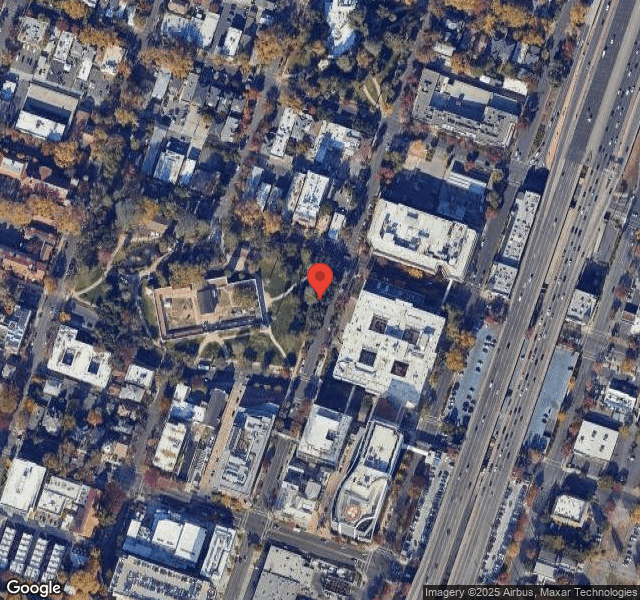
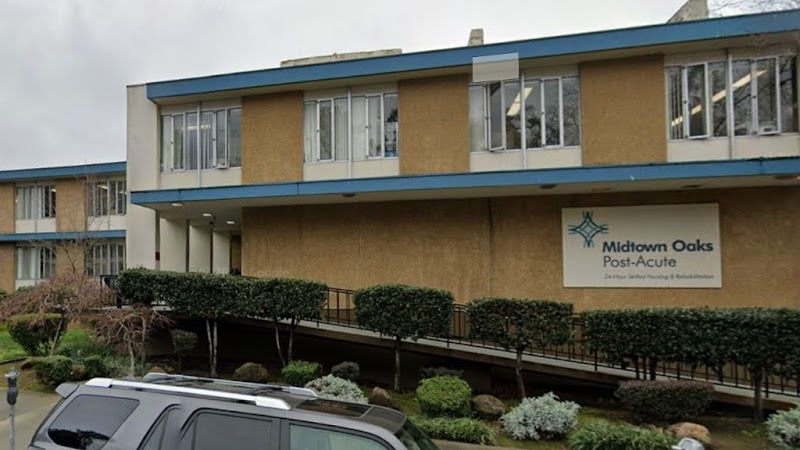
2600 L STREET, SACRAMENTO, CA 95816 (916) 321-9440
For profit - Corporation 100 Beds PACS GROUP Data: November 2025
Trust Grade
63/100
#405 of 1155 in CA
Last Inspection: November 2024

Within standard 12-15 month inspection cycle. Federal law requires annual inspections.

Overview

Mid-Town Oaks Post-Acute has a Trust Grade of C+, which indicates a decent level of care that is slightly above average. Ranked #405 out of 1155 facilities in California, they are in the top half, and #15 out of 37 in Sacramento County, meaning there are only 14 facilities nearby that are better. The facility is improving, with the number of issues halving from 31 in 2023 to 15 in 2024. Staffing is average with a 3 out of 5 rating and a turnover rate of 46%, which is close to the state average of 38%. However, there are some concerning incidents, such as a resident developing a serious pressure ulcer due to a lack of proper treatment and issues with medication storage that could lead to errors. While the facility has strengths, such as good quality measures, families should be aware of these weaknesses when considering care options.

Trust Score
C+
63/100
In California
#405/1155
Top 35%
Safety Record
Moderate
Needs review
Inspections
Getting Better
31 → 15 violations
Staff Stability
⚠ Watch
46% turnover. Above average. Higher turnover means staff may not know residents' routines.
Penalties
✓ Good
$15,593 in fines. Lower than most California facilities. Relatively clean record.
Skilled Nurses
○ Average
Each resident gets 30 minutes of Registered Nurse (RN) attention daily — about average for California. RNs are the most trained staff who monitor for health changes.
Violations
⚠ Watch
57 deficiencies on record. Higher than average. Multiple issues found across inspections.
★★★★☆
4.0
Overall Rating
★★★☆☆
3.0
Staff Levels
★★★★★
5.0
Care Quality
★★★☆☆
3.0
Inspection Score
Stable
2023: 31 issues
2024: 15 issues

The Good

  • 5-Star Quality Measures · Strong clinical quality outcomes
  • Full Sprinkler Coverage · Fire safety systems throughout facility
  • No fines on record

Facility shows strength in quality measures, fire safety.

The Bad

Staff Turnover: 46%

Near California avg (46%)

Higher turnover may affect care consistency

Federal Fines: $15,593

Below median ($33,413)

Minor penalties assessed

Chain: PACS GROUP

Part of a multi-facility chain

Ask about local staffing decisions and management

The Ugly 57 deficiencies on record

1 actual harm
Nov 2024 9 deficiencies
CONCERN (D)

Potential for Harm - no one hurt, but risky conditions existed

Comprehensive Care Plan (Tag F0656)

Could have caused harm · This affected 1 resident

Based on observation, interview, and record review, the facility failed to develop a comprehensive person-centered care plan for one of 26 sampled residents (Resident 141), when the care plan did not ...

Read full inspector narrative →
Based on observation, interview, and record review, the facility failed to develop a comprehensive person-centered care plan for one of 26 sampled residents (Resident 141), when the care plan did not address Resident 141's catheter (permanent catheter, a flexible tube inserted into a blood vessel) treatment services and interventions. This failure decreased the facility's potential to address the residents' individualized and specific needs. Findings: A review of an admission record indicated Resident 141 was admitted to the facility in 2024 with a diagnosis of chronic kidney disease (a condition when the kidneys gradually lose its ability to filter blood properly). During a concurrent observation and interview on 11/4/24 at 9:45 a.m. inside Resident 141's room, Resident 141 stated staff did not do any dressing change and monitoring for her right upper chest catheter since she was admitted on e week ago. A review of Resident 141's Order Summary Report, dated 11/5/24, indicated there was no order for catheter care and dressing monitoring on the right upper chest. A review of Resident 141's Admission/readmission Evaluation/Assessment, dated 10/28/24, indicated a skin assessment was done by the charge nurse and the skin was intact without any vascular access. During a concurrent interview and record review on 11/5/24 at 3:13 p.m. with Licensed Nurse 1 (LN 1), Resident 141's order was reviewed. LN 1 confirmed there was no order for catheter care and dressing monitoring for Resident 141. LN 1 further stated during admission, the nurse should check the resident's skin and assess for any catheter tubing. During an interview on 11/6/24 at 3:03 p.m. with the Director of Nursing (DON), DON confirmed there was no care plan for catheter care since 11/5/24. A review of the facility's policy titled, Peripheral IV and Midline IV Dressing Changes, dated 4/2006, indicated, Replace gauze dressing every 2 days (48 hours) and transparent dressing every 3-7 days (in accordance with facility policy). A review of the facility's policy and procedure (P&P) titled, Intravenous Therapy: Preventing Catheter-Related Infections, dated 4/2006, indicated the surveillance was to Assess catheter sites visually or by palpation through the intact dressing on a daily basis. The P&P further indicated, Thoroughly examine the catheter site with each routine dressing change. A review of the facility's policy titled, Comprehensive Person-Centered Care Plans, dated 2001, indicated, A comprehensive, person-centered care plan that includes measurable objectives and timetables to meet the resident's physical, psychosocial and functional needs is developed and implemented for each resident.
CONCERN (D)

Potential for Harm - no one hurt, but risky conditions existed

Deficiency F0658 (Tag F0658)

Could have caused harm · This affected 1 resident

Based on observation, interview, and record review, the facility failed to provide services according to professional standards for one of 26 sampled residents (Resident 2), when an anticoagulant (med...

Read full inspector narrative →
Based on observation, interview, and record review, the facility failed to provide services according to professional standards for one of 26 sampled residents (Resident 2), when an anticoagulant (medication that prevent or reduce blood clotting) monitoring was not in place for Resident 2. This failure had the potential to put Resident 2 at risk for having complications due to excessive bleeding. Findings: A review of an admission record indicated, Resident 2 was admitted to the facility in October 2024 with diagnoses including hemiplegia (total paralysis of the arm, leg, and trunk on the same side of the body) and cerebral infarction (occurs when blood flow to the brain is blocked). A review of Resident 2's Medication Administration Record, dated 11/6/24, indicated Resident 2 was receiving apixaban (medication that decreases the clotting ability of the blood) tablet twice a day. The record did not indicate an order to monitor side effects such as excessive bleeding or bruising. During a concurrent interview and record review on 11/6/24 at 12:10 p.m. with Licensed Nurse 4 (LN 4), Resident 2's orders and care plan were reviewed. LN 4 confirmed there were no orders or care plan for anticoagulant monitoring. LN 4 stated having no order or care plan for anticoagulant monitoring placed Resident 2 at risk for not being monitored for side effects of apixaban. During an interview on 11/6/24 at 1:20 p.m. with the Director of Nursing (DON), DON stated her expectations were residents on anticoagulants should have orders to monitor side effects and an anticoagulant monitoring care plan, otherwise not having them could lead residents to not being monitored for bleeding. A review of the facility's policy titled, Medication Therapy, revised April 2007, indicated, All medication orders will be supported by appropriate care processes and practices. The policy further indicated, . presence of clinical significant adverse consequences . medication should be reduced or discontinued . A review of the facility's policy titled, Care Plans, Comprehensive Person-Centered, revised March 2022, indicated, . care plan includes measurable objectives and . establishing the expected goals and outcomes of care.
CONCERN (D)

Potential for Harm - no one hurt, but risky conditions existed

Deficiency F0919 (Tag F0919)

Could have caused harm · This affected 1 resident

Based on observation, interview, and record review, the facility failed to ensure the call light was functioning for one of 26 sampled residents (Resident 37), when Resident 37 pushed the button for a...

Read full inspector narrative →
Based on observation, interview, and record review, the facility failed to ensure the call light was functioning for one of 26 sampled residents (Resident 37), when Resident 37 pushed the button for assistance and the call light did not turn on. This failure decreased the facility's potential to assist Resident 37 when needed. Findings: A review of Resident 37's admission record indicated Resident 37 was admitted to the facility in April 2024 with diagnoses including malignant breast neoplasm (a cancerous breast tumor likely to spread to other body parts) and generalized muscle weakness. A review of Resident 37's Minimum Data Set (MDS-an assessment tool), dated 10/15/24, indicated Resident 37 needed partial to moderate assistance to roll from side to side in the bed. During a concurrent observation and interview on 11/4/24 at 10:51 a.m. with Resident 37, Resident 37 was lying on her back at the left edge of the bed and pressing the call light button. Resident 37 stated she had been pressing the call button for few minutes and did not get any response. Resident 37 further stated being afraid to slide off the bed and fall. During a concurrent observation and interview on 11/4/24 at 10:53 a.m. with Certified Nursing Assistant 4 (CNA 4), CNA 4 checked the call light securely plugged, pressed the call light button, and checked the light outside the room. The light did not turn on indicating Resident 37 needed assistance. CNA 4 confirmed Resident 37's call light was not working and stated Resident 37 needed urgent assistance for repositioning in the bed to prevent fall and injuries. During an interview on 11/7/24 at 11:36 a.m. with the Director of Nursing (DON), DON stated Resident 37's call light should be working at all times and nurses should have checked on Resident 37 every two hours or more frequently and made sure the call light was functioning. DON further stated Resident 37 would have missed the assistance needed and an unwanted incident might have happened. A review of the facility's policy titled, Residents' Call System, dated September 2022, indicated, . The resident call system remains functional at all times .
CONCERN (E)

Potential for Harm - no one hurt, but risky conditions existed

Pharmacy Services (Tag F0755)

Could have caused harm · This affected multiple residents

Based on observation, interview, and record review, the facility failed to accurately document and replace emergency medication kits (E-Kit: a kit/box containing medications and supplies for immediate...

Read full inspector narrative →
Based on observation, interview, and record review, the facility failed to accurately document and replace emergency medication kits (E-Kit: a kit/box containing medications and supplies for immediate use during a medical emergency) for a census of 95. This failure decreased the facility's potential for having accurate accountability of emergency medications, availability of emergency medications when needed, and meeting the residents' therapeutic needs. Findings: During a concurrent observation and interview on 11/4/24 at 9:35 a.m. with Licensed Nurse 3 (LN 3) in the medication room on the second floor, it was observed that an intravenous (IV; Injectable medication to be administered into the vein) E-kit was found to be opened on 10/16/24 at 10:25 p.m. LN 3 stated, one liter (L, a unit of measure) of dextrose (a type of sugar solution) was taken out of the E-kit and was not replaced. LN 3 further stated the medication sticker should have been faxed on 10/16/24 to the pharmacy to replace the E-kit and the faxed order should have been documented in a binder in the nursing station. During a concurrent observation and interview on 11/4/24 at 9:40 a.m. with LN 3 in the medication room on the second floor, a refrigerated E-kit was found to be opened on 8/16/24. LN 3 stated a 10 milliliters (ml; a unit of measure) vial of insulin (medication used to lower blood sugar level) was taken out of the E-kit, but pharmacy was not notified, and the E-kit box was not replaced. LN 3 stated if the E-kit was not replaced, then residents will be at risk when emergency medications were needed. During an interview on 11/6/24 at 9:40 a.m. with the Director of Nursing (DON), DON stated her expectation was nurses and pharmacy should have followed the process to replace the E-kits within 72 hours to ensure all emergency medications were available for residents in case of an emergency. A review of the facility's policy and procedure titled, Emergency Pharmacy and Emergency Kits, dated September 2021, indicated, As soon as possible, the nurse records the medication use on the medication order form and notifies the pharmacy for replacement of the kit by transmitting the entire order for the resident and indicating the first dose was used from the kit . The nurse opening the kit also records use of the kit in the Emergency kit logbook. The nurse records the date, time, resident name, medication name, strength, and dose . If exchanging kits, open kits are replaced within 72 hours.
CONCERN (E)

Potential for Harm - no one hurt, but risky conditions existed

Deficiency F0761 (Tag F0761)

Could have caused harm · This affected multiple residents

Based on observation, interview, and record review, the facility failed to ensure that medications and medical supplies were labeled, stored, and disposed of consistently according to the facility's p...

Read full inspector narrative →
Based on observation, interview, and record review, the facility failed to ensure that medications and medical supplies were labeled, stored, and disposed of consistently according to the facility's policies and procedures for a census of 95, when: 1. A medication refrigerator was not properly locked in the medication room, 2. Expired pharmaceutical products were found in a medication refrigerator, medication carts, and treatment carts, 3. Prescription pharmaceutical products did not have resident specific labels, and 4. Open date labels were not used to determine expiration dates. These failures had the potential for residents' medication misuse, drug diversion and medication errors and ineffectiveness. Findings: 1. During an observation on 11/4/24 at 9:35 a.m. in the second-floor medication room, the medication room refrigerator was found to be unlocked. During an interview on 11/4/24 at 9:35 a.m. with Licensed Nurse 3 (LN 3), LN 3 stated the refrigerator was normally locked, and if not, then someone could have taken the medications and therefore became unavailable for residents when needed. During an interview on 11/6/24 at 9:35 a.m. with the Director of Nursing (DON), DON stated her expectation was the medication refrigerator should be locked. A review of the facility's policy and procedure (P&P) titled, Medication Storage in the Facility, dated September 2021, indicated, The medication supply is accessible to licensed nursing personnel, pharmacy personnel, or staff members lawfully authorized to administer medications. 2. During an observation on 11/4/24 at 9:35 a.m. in the second-floor medication room, a bottle of 200 milliliters (ml, a unit of measure) lansoprazole (medication for reducing the amount of acid your stomach makes) was found with an expiration date of 10/20/24. During an interview on 11/4/24 at 9:38 a.m. with LN 3, LN 3 stated the bottle was opened on 9/20/24 with an expiration date of 10/20/24. LN 3 also stated, the bottle of lansoprazole was good for 30 days and should have been thrown away since it was expired. During an observation on 11/5/24 at 9:20 a.m., a 2.5 ml bottle of latanoprost (eye drops used to treat conditions that cause increase pressures inside the eye) was found to be expired on 11/3/24. During an interview on 11/5/24 at 9:20 a.m. with LN 4, LN 4 stated expired eye drops could cause an inaccurate strength of eye drops. During an observation on 11/04/24 at 1 p.m., a 473 ml bottle of sodium hypochlorite solution (a type of diluted bleach used as a disinfectant) was found to be expired in August 2024. During an interview on 11/4/24 at 1 p.m. with LN 3, LN 3 acknowledged the bottle was expired and stated expired bottle might not help the residents. During an interview on 11/6/24 at 9:43 a.m. with DON, DON stated her expectation was there should have been no expired medications. DON further stated expired medications should have been removed the month prior. A review of the facility's P&P titled, Medication Storage in the Facility, dated September 2021, indicated, Outdated, contaminated, or deteriorated medications . are immediately removed from stock and disposed of in accordance to procedures for mediation disposal. 3. During a concurrent observation and interview on 11/4/24 at 1 p.m. with LN 3, 50 grams (g; a unit of measure) silver sulfadiazine (used to treat and prevent infections for people with burns to the skin) and two 50 g containers of lidocaine (cream used to treat pain) ointment were found without resident specific labels. LN 3 stated without the label, it could have been used for multiple residents with potential for cross contamination. During an interview on 11/6/24 at 9:35 a.m. with DON, DON stated if the medications did not have a resident specific label, then there could be potential for medication error or cross contamination and an issue of infection control. A review of the facility's P&P titled, Administering Medications, dated April 2019, indicated, Medications ordered for a particular resident may not be administered to another resident, unless permitted by state law and facility policy, and approved by the director of nursing services. 4. During an inspection on 11/4/24 at 9:35 a.m. of medication cart B on the second floor, a 3 ml of semaglutide (a medication used to lower high blood sugar levels) was found without an open date. During an interview on 11/4/24 at 9:36 a.m. with LN 3, LN3 stated the semaglutide was expired. During an interview on 11/6/24 at 9:40 a.m. with DON, DON agreed that if the manufacturer packaging stated there should be an open date, then the staff should put an open date on the medication to calculate the expiration date. DON also stated with no open date it was impossible to know if the medications were expired or not. A review of the manufacturer instructions for semaglutide package label printed on the box indicated, to discard 56 days after opening. During an inspection on 11/5/24 at 9:20 a.m. of medication cart for station 2, a bottle of blood glucose test strips (small disposable plastic strips used to measure blood sugar levels) was found without an open date to determine its expiration date. During an interview on 11/5/24 at 9:20 a.m. with LN 4, LN 4 stated expired test strips could give inaccurate test results. During an interview on 11/6/24 at 9:49 a.m. with DON, DON stated her expectation was there should have been an open date for the test strips. A review of the manufacturer instructions of the blood glucose test strips package label printed on the outside of bottle indicated, to use within six months of opening. During an inspection on 11/4/24 at 12:20 p.m. of medication cart 3-B, a package of umeclidinum and vilanterol (combination of two medications used to control wheezing, shortness of breath, coughing, and chest tightness) had no open date. The manufacturer packaging indicated to discard six weeks after opening. During an interview on 11/4/24 at 12:25 p.m. with LN 3, LN 3 stated if the product had no open date then it could be expired and did not give the right strength of medication to the resident. During an interview on 11/6/24 at 9:50 a.m. with DON, DON acknowledged that if the manufacturer packaging stated there should be an open date, then staff should put an open date. A review of the facility's P&P titled, Administering Medications, dated April 2019, indicated, The expiration/beyond use date on the medication label is checked prior to administering. When opening a multidose container the date opened is recorded on the container.
CONCERN (E)

Potential for Harm - no one hurt, but risky conditions existed

Menu Adequacy (Tag F0803)

Could have caused harm · This affected multiple residents

Based on observation, interview, and record review, the facility failed to ensure the menu was followed during lunch for a therapeutic diet (a modification of a regular diet to fit a person's particul...

Read full inspector narrative →
Based on observation, interview, and record review, the facility failed to ensure the menu was followed during lunch for a therapeutic diet (a modification of a regular diet to fit a person's particular nutritional needs, which could be related to a medical condition - usually prescribed by a physician), when 10 residents on a pureed diet for a census of 95 were served food that was not consistent with the recipe. This failure had the potential to compromise the residents' nutritional status. Findings: During a concurrent observation and interview on 11/6/24 at 10:45 a.m. with Dietary [NAME] 1 (DC 1), DC 1 started preparing the pureed diet for 10 residents for a total of 12 servings, with the two extra servings for double portions and a test tray. After boiling the diced carrots, DC 1 confirmed she added 1 ½ cups of chicken broth to the carrots for 12 half-cup servings, which were pureed in a blender. DC 1 acknowledged the consistency of the pureed carrots was runny and stated the mixture would thicken when heated on the steam tray and the consistency of the pureed carrots would be similar to that of mashed potatoes. DC 1 put the carrots on the steamer tray at 10:50 a.m. and nothing was added to them after that. During an observation on 11/6/24 from 11:32 a.m. to 12:48 p.m., it was noted during tray line (food service assembly line where workers plate food) that the carrot mixture oozed into other plated food. During a concurrent observation and interview on 11/6/24 at 12:59 p.m. with the Dietary Services Supervisor (DSS), a pureed diet test tray tasting indicated the carrots had a runny consistency. DSS stated the extra liquid in the carrots could have contributed to a pureed mixture that was too thin. During an interview on 11/7/24 at 10 a.m. with the Registered Dietician (RD), RD stated she wanted to check with DC 1 why the pureed vegetable recipe was altered. RD also stated DC 1 could have added food thickener to the carrots. A review of a facility document titled, Recipe: (Pureed International Dysphagia Diet Standardization Initiative (IDDSI) Level 4) Vegetables, dated 2024, indicated, Vegetables per recipe . Serves 12 . ¼ to ¾ cup (of) . broth, denoted the recommended amount of added liquid to make the appropriate pureed texture per total number of vegetable servings. A review of a facility document titled, Recipe: Pureed (IDDSI Level 4) Vegetables, dated 2024, indicated, . instant potatoes or commercial instant food thickener, as options for a vegetable thickener.
CONCERN (E)

Potential for Harm - no one hurt, but risky conditions existed

Deficiency F0804 (Tag F0804)

Could have caused harm · This affected multiple residents

Based on observation, interview, and record review, the facility failed to serve pureed food (cooked food that has been processed in a blender) that was suitable to consume, when the kitchen prepared ...

Read full inspector narrative →
Based on observation, interview, and record review, the facility failed to serve pureed food (cooked food that has been processed in a blender) that was suitable to consume, when the kitchen prepared food items with inadequate textures for 10 residents on a pureed diet for a census of 95. This failure had the potential to compromise the residents' medical and nutritional status. Findings: During a concurrent observation and interview on 11/6/24 at 10:45 a.m. with the Dietary [NAME] 1 (DC 1), DC 1 confirmed she added 1 ½ cups of chicken broth for 12 ½ cup servings (with two extra servings for double portion requests and test tray) of cooked carrots and ran the ingredients through a blender. DC 1 stated the carrot mixture was runny because she expected it to thicken up while placed on the hot steam tray and the consistency would be like mashed potatoes. The carrot mixture was put in a metal serving pan on the steamer tray at 10:50 a.m. and no further ingredients were added before serving. During a concurrent observation and interview on 11/6/24 at 11:11 a.m. with DC 1, DC 1 pureed 12 baked wheat rolls by adding one cup of heated milk and butter for every five rolls she blended. The consistency was thick after the initial blending and DC 1 added another 2/3 cup of heated milk and butter. DC 1 stated the thinner consistency of the rolls was what she aimed for, and the rolls would continue to thicken while they were placed on the hot steam tray line. DC 1 stated she wanted the pureed rolls to be in a consistency that molded to the inside of the serving scoop. DC 1 compared the texture at serving time to creamy mashed potatoes. The pureed bread was placed in a metal serving pan on the steam tray at 11:17 a.m. During an observation on 11/6/24 at 11:39 a.m. during tray line (food service assembly line where workers plate food), the following pureed items were served from the steam table for 10 residents: stiff bread roll puree and watery carrot mixture which seeped into the other plated food items. During a concurrent observation and interview on 11/6/24 at 12:59 p.m. with the Dietary Services Supervisor (DSS), in the main dining room, DSS noted the carrots had a watery texture which could have been caused from extra liquid during cooking and stated she could taste lumps in the thick bread puree. During an interview on 11/6/24 at 2:14 p.m. with DSS, DSS confirmed that the thin pureed carrot texture and the firm bread puree with lumps could make it hard for residents on pureed diet to consume the food. DSS further stated runny carrots could lead to less nutrients consumed and thick bread puree with lumps could be difficult for residents to swallow. During an interview on 11/7/24 at 10 a.m. with the Registered Dietitian (RD), RD stated DC 1 could have added an approved thickener to the pureed carrots to make them more palatable. RD also stated the stiff lumpy pureed bread posed an aspiration risk (when a person accidentally inhales food into their lungs through their airway) for the residents. A review of a facility document titled, Healthcare Menus Direct, LLC. International Dysphasia Diet Standardization Initiative (IDDSI) Transition, dated 2024, indicated, Pureed/IDDSI Level 4: This diet has been designed for residents who have difficulty swallowing or chewing. The texture of the prepared pureed food items . should be smooth and free of lumps, hold their shape, while not being too firm or sticky, and should not weep.
CONCERN (E)

Potential for Harm - no one hurt, but risky conditions existed

Food Safety (Tag F0812)

Could have caused harm · This affected multiple residents

Based on observation, interview, and record review, the facility failed to store food and maintain proper sanitizing procedures in accordance with professional standards for food service safety for a ...

Read full inspector narrative →
Based on observation, interview, and record review, the facility failed to store food and maintain proper sanitizing procedures in accordance with professional standards for food service safety for a total of 95 residents, when: 1. Expired food was found in dry storage, 2. Metal serving containers were stacked wet in storage, 3. [NAME] sticky residue was found on the bottom surface of a metal serving container, and 4. Two of three sanitizer buckets contained sanitizers not within required disinfecting ranges. These failures had the potential to lead to contamination and food borne illness among residents. Findings: 1. During a concurrent observation and interview on 11/4/24 at 9 a.m. with the Dietary Services Supervisor (DSS), one opened package and two unopened packages of hamburger buns were found expired on the bread rack. The opened bread had an open date of 10/15/24 (the date the bread was taken out of the freezer) with no expiration date written on the label (bread was in dry storage for 20 days). Two unopened hamburger bun packages had open dates of 10/27/24 and expiration dates of 11/1/24 written on the label (bread was in dry storage for eight days). DSS stated bread was expired and should have not been kept on the bread rack past five to seven days from the opening date, whether the bread was opened or not. A review of a facility document titled, Dry Goods Storage Guidelines, dated 2023, indicated, bread should be stored no longer than 5-7 days, unopened . or opened on shelf. 2. During a concurrent observation and interview on 11/4/24 at 9:22 a.m. with DSS, eight steam table pans were found stacked wet. DSS stated the pans were stored wet. They should be air dried before storing. A review of the facility's undated policy and procedure (P&P) titled, Dishwashing, indicated, Dishes are to be air dried in racks before stacking and storing. A review of the United States Food and Drug Administration (FDA) Food Code 2022, Section 4-901.11, titled, Equipment and Utensils, Air Drying Required, dated 1/18/23, indicated, After cleaning and sanitizing, equipment and utensils shall be air dried . Items must be allowed to . air-dry before being stacked or stored. Stacking wet items such as pans prevents them from drying and may allow an environment where microorganisms can begin to grow. 3. During a concurrent observation and interview on 11/4/24 at 9:29 a.m. with DSS, one metal serving container was found to have a brown sticky residue on the outside bottom surface. DSS touched the bottom surface and stated it was sticky. DSS further stated the pan was not appropriately sanitized for use on the kitchen's steam tray line. A review of the facility's undated P&P titled, Dishwashing, indicated, All dishes will be properly sanitized through the dishwasher . Gross food particles shall be removed by careful scraping and pre-rinsing in running water. 4. During a concurrent observation and interview on 11/4/24 at 10:29 a.m. with the Dietary Aide (DA), two of three sanitizer buckets containing quaternary ammonia sanitizer were tested at 100 parts per million (ppm; a unit of measure). DA stated Dietary [NAME] 2 (DC 2) filled the sanitizing buckets at 6 a.m. and the sanitizer buckets were sitting too long before being replenished and had lost their cleaning strength. DA also stated they should be emptied and replaced with new sanitizer approximately every two hours or when the solution becomes noticeably dirty. During an interview on 11/4/24 at 10:37 a.m. with DC 2, DC 2 stated she first filled the sanitizer buckets with fresh water and quaternary ammonia at around 5:40 a.m. and did not have time to refresh them. During an interview on 11/4/24 at 10:41 a.m. with DSS, DSS stated the red sanitizing buckets' solution should read 200 ppm on the quaternary ammonium test strips. DSS also stated 100 ppm would not be an acceptable strength to clean contaminated kitchen surface areas. During an interview on 11/7/24 at 10:24 a.m. with the Registered Dietician (RD), RD stated that 100 ppm quaternary ammonium sanitizer was too weak for adequate decontamination of surfaces or equipment. A review of a facility document titled, Quaternary Ammonium Log, dated 2018, indicated, Ammonium reading should be at least 200 ppm . A review of the facility's policy titled, Quaternary Ammonium Log Policy, dated 2023, indicated, The concentration of the ammonium in the quaternary sanitizer will be tested to ensure the effectiveness of the solution . The solution will be replaced when the reading is below 200 ppm.
CONCERN (E)

Potential for Harm - no one hurt, but risky conditions existed

Infection Control (Tag F0880)

Could have caused harm · This affected multiple residents

2. A review of Resident 21's admission Record, indicated Resident 21 was admitted to the facility in April 2017 with a diagnosis of quadriplegia (weakness below neck including both arms and legs). Dur...

Read full inspector narrative →
2. A review of Resident 21's admission Record, indicated Resident 21 was admitted to the facility in April 2017 with a diagnosis of quadriplegia (weakness below neck including both arms and legs). During a concurrent observation and interview on 11/4/24 at 10:37 a.m. with CNA 5, CNA 5 was providing care to Resident 21 in an EBP room without wearing a protective gown. CNA 5 agreed she did not use PPE as per instructions posted at the room entrance and stated she was dressing Resident 21 and getting him ready to transfer from bed to wheelchair. CNA 5 further stated Resident 21 was on EBP due to pressure ulcer stage four (Full-thickness skin and tissue loss with exposed muscle, tendon, ligament, cartilage, or bone) on right hip and she should have used PPEs to protect Resident 21 from infection. During a concurrent interview and record review on 11/6/24 at 10:36 a.m. with Treatment Nurse (TN), Resident 21's wound record was reviewed. Resident 21 had a pressure ulcer stage 4 on right hip and heeling slowly without any complications. TN stated CNA 5 should have used PPEs to protect Resident 21 from infection. During an interview on 11/7/24 at 11:41 a.m. with Director of Nursing (DON), DON stated CNA 5 should have used PPEs as per facility's policy and instructions posted at the room entrance to protect Resident 21 from infection. A review of the facility's policy titled, Enhanced Barrier Precautions, dated October 2018, indicated, . Enhanced barrier precautions are used as an infection prevention and control intervention to reduce the transmission of multi-drug resistant organisms to residents . gloves and gown are applied prior to performing the high contact resident care activity including . dressing . transferring . for the residents with wounds . 3. During a concurrent observation and interview on 11/7/24 at 10:19 a.m. with Laundry Supervisor (LS), a clean-linen cart was observed in the basement. The cart was full of clean linen and there was no cover on it. LS agreed a clean-linen cart was stored uncovered. During an interview on 11/7/24 at 10:25 a.m. with IP, IP stated the clean-linen carts should never be stored uncovered. IP also stated the linen inside the uncovered cart was contaminated. During an interview on 11/7/24 at 11:44 a.m. with DON, DON stated the clean-linen carts stored in the basement should be covered all the time and the uncovered clean linen was a source of infection. A review of the facility's policy titled, Laundry and Linen, dated January 2014, indicated, . Clean linen will remain hygienically clean (free of pathogens in sufficient numbers to cause human illness) through measures designed to protect it from environmental contamination, such as covering clean linen carts . Based on observation, interview, and record review, the facility failed to maintain infection control for a census of 95 residents, when: 1. Staff members did not use gowns in rooms with enhanced barrier precautions (EBP, an infection control method that involves wearing gowns and gloves during high-contact interactions); 2. Certified Nursing Assistant 5 (CNA 5) did not use personal protective equipment (PPE) while providing care to Resident 21 in an EBP room; and 3. A clean-linen cart was stored uncovered in the basement. These failures had the potential for the spread and transmission of a communicable disease among residents. Findings: 1. During a concurrent observation and interview on 11/4/24 at 9:45 a.m. and 9:55 a.m. with a physical therapist (PT) inside an EBP room, the PT was assisting a resident to transfer from bed to wheelchair without wearing a gown. The PT confirmed he should have used a gown and gloves while in the EBP room. During a concurrent observation and interview on 11/4/24 at 9:58 a.m. and 10:01 a.m. with CNA 2 inside an EBP room, CNA 2 was changing the old linen with new linen using the same gloves. CNA 2 did not use a gown while changing linen. CNA 2 confirmed she should have used a gown and gloves while changing the linen inside an EBP room. During a concurrent observation and interview on 11/4/24 at 10:29 a.m. and 10:35 a.m. with CNA 3 inside an EBP room, CNA 3 was checking a resident's weight using a mechanical lift (a device to lift-up resident). CNA 3 confirmed he should have used a gown and gloves in an EBP room. During a concurrent observation and interview on 11/4/24 at 11:47 a.m. with a hospice nurse (HN) in an EBP room, the HN did not use a gown while assessing a resident at the bedside. HN confirmed he should have used a gown in an EBP room. During an interview on 11/6/24 at 12:25 p.m. with the Infection Preventionist (IP), IP expected staff to follow the EBP signage for the PPE requirement of a gown and gloves while assisting care for the resident in an EBP room. A review of the facility's policy titled, Enhanced Barrier Precautions, dated October 2018, indicated, the staff to use gown and gloves while assisting resident with dressing, bathing/showering, transferring, providing hygiene, changing linens, changing briefs, assisting with toileting, device care and/or wound care. The policy further stipulated, PPE is available outside of the resident rooms.
Oct 2024 2 deficiencies
CONCERN (D) 📢 Someone Reported This

A family member, employee, or ombudsman was alarmed enough to file a formal complaint

Potential for Harm - no one hurt, but risky conditions existed

Deficiency F0561 (Tag F0561)

Could have caused harm · This affected 1 resident

Based on interview and record review the facility failed to ensure one of four sampled residents (Resident 1) right to self-determination was maintained, when the facility canceled Resident 1's medica...

Read full inspector narrative →
Based on interview and record review the facility failed to ensure one of four sampled residents (Resident 1) right to self-determination was maintained, when the facility canceled Resident 1's medical appointment without confirming with the resident or their family. The failure had potential to result in resident not receiving medical treatment and negatively impacting the resident's psychosocial well-being. Findings: During a review of Resident 1's face sheet (a document containing patient information), the face sheet indicated, Resident 1 was admitted to the facility August 2024 with multiple diagnoses which included a pressure ulcer (injury to skin and underlying tissue resulting from prolonged pressure on the skin) of the sacral region (near base of the spine) and type 2 diabetes mellitus (a disease where blood sugar is too high). During an interview on 10/24/24 at 1:09 p.m., with Resident 1's daughter, Resident 1's daughter stated the facility canceled the resident's medical appointment on 9/20/24. Resident 1's daughter further stated the facility did not consult with Resident 1 or their family before cancelling the appointment. Resident 1's daughter further stated the appointment was required for a pre-operation work up (tests done before an operation). Resident 1's daughter further stated she had to reschedule Resident 1's appointment and transportation. During a review of Resident 1's active orders in the Order Summary Report, the Order Summary Report, initiated 9/12/24, indicated, .Resident has the capacity to make her decisions related to medical diagnosis .Resident is capable of understanding rights and responsibilities, and/or able to participate in treatment plan . During a review of Resident 1's Progress Notes, dated 9/20/24 at 11:12 a.m., the Progress Note, indicated, .received call from family checking if patient will be attending her 10 am appt (appointment) .called Dr (doctor) office to confirm .they informed me she does .we won't be able to provide transpo(transportation) . During a concurrent interview on 10/25/24 at 12:13 p.m., with the Social Services Assistant (SSA) and Social Services Director (SSD), the SSA stated she canceled Resident 1's medical appointment on 9/20/24 because transportation was not set up and the receptionist at the doctor's office told her the appointment was not necessary. The SSA further stated she was not sure if the receptionist was a qualified medical professional that could make decisions about the appointment. The SSA acknowledged resident's rights were violated when she canceled Resident 1's appointment without first confirming with Resident 1 or their family. The SSD confirmed the appointment was necessary and had to be rescheduled. During a review of the facility's policy and procedure (P&P) titled, Resident Rights dated February 2021, the P&P indicated, .federal and state laws guarantee certain basic rights to all residents of this facility .the rights include .be treated with .dignity .self-determination .communication with and access to .services, both inside and outside the facility .be supported by the facility in exercising his or her rights .be informed of, and participate, in his or her treatment .participate in decision-making regarding his or her care .
CONCERN (D) 📢 Someone Reported This

A family member, employee, or ombudsman was alarmed enough to file a formal complaint

Potential for Harm - no one hurt, but risky conditions existed

Quality of Care (Tag F0684)

Could have caused harm · This affected 1 resident

Based on record review and interview, the facility failed to ensure one of four sampled residents (Resident 1), received treatment and care in accordance with professional standards of practice, when ...

Read full inspector narrative →
Based on record review and interview, the facility failed to ensure one of four sampled residents (Resident 1), received treatment and care in accordance with professional standards of practice, when Resident 1's episode of low blood sugar was not addressed as directed by the management of hypoglycemia (low blood sugar) policy and procedure. The failure had the potential to result in Resident 1's hospitalization or death. Findings: During a review of Resident 1's face sheet (a document containing patient information), the face sheet indicated, Resident 1 was admitted to the facility August 2024 with multiple diagnoses which included type 2 diabetes mellitus (a disease where blood sugar is too high). During a review of Resident 1's Minimum Data Set (MDS- an assessment tool), dated 9/21/24, the MDS indicated Resident 1 was taking high risk medications which could cause hypoglycemia. During a review of Resident 1's active orders in the Orders Summary Report, initiated 9/12/24, indicated, .Finger Stick Blood Glucose (sugar) Testing as needed for Hypo/Hyperglycemia (low blood sugar/high blood sugar) episodes . During a review of Resident 1's Progress Notes, dated 9/20/24 at 10:44 p.m., the Progress Notes, indicated, .resident had a blood sugar of 62(mg/dl-a unit of measurement) .will continue to monitor and recheck blood sugar in 15 minutes . There were no follow up progress notes available that indicated Resident 1's blood sugar was rechecked in 15 minutes or that the doctor was notified. During a review of Resident 1's Progress Notes, dated 9/21/24 at 3:02 a.m., the Progress Notes, indicated, .resident was starting to show signs of unconsciousness . During a review of Resident 1's Medication Administration Record (MAR), dated 9/20/24 and 9/21/24 the MAR indicated, a follow up finger stick to check blood sugar was not done. During a concurrent interview and record review on 10/25/24 at 12:08 p.m. with the Licensed Nurse (LN), the LN confirmed there were no notes or documentation in Resident 1's Electronic Health Record (EHR) indicating that on 9/20/24, Resident 1's low blood sugar was rechecked after 15 minutes or that the doctor was notified. The LN stated the policy for low blood sugar (less than 70 mg/dl) is to notify the provider, administer glucose and recheck blood sugar in 15 minutes. During a review of the facility's policy and procedure (P&P) titled, Management of Hypoglycemia dated November 2020, the P&P indicated, .purpose .provide guidelines for managing hypoglycemia secondary to insulin therapy .classification of hypoglycemia .Level 1 hypoglycemia: blood glucose level <70 .for Level 1 hypoglycemia .give the resident an oral form of rapidly absorbed glucose .notify the provider immediately .remain with the resident .recheck blood glucose in 15 minutes .documentation .note blood sugar after each administration of rapid-acting glucose and the follow-up sugar .
Oct 2024 1 deficiency
CONCERN (D) 📢 Someone Reported This

A family member, employee, or ombudsman was alarmed enough to file a formal complaint

Potential for Harm - no one hurt, but risky conditions existed

Free from Abuse/Neglect (Tag F0600)

Could have caused harm · This affected 1 resident

**NOTE- TERMS IN BRACKETS HAVE BEEN EDITED TO PROTECT CONFIDENTIALITY** Based on interview and record review, the facility failed to protect the resident's right to be free from sexual abuse by a resi...

Read full inspector narrative →
**NOTE- TERMS IN BRACKETS HAVE BEEN EDITED TO PROTECT CONFIDENTIALITY** Based on interview and record review, the facility failed to protect the resident's right to be free from sexual abuse by a resident for one of four sampled residents (Resident 2) when facility staff witnessed Resident 1's hand underneath Resident 2's shirt. This failure resulted in Resident 2 not being free from abuse and had the potential for Resident 2 to feel afraid and scared. Findings: Resident 1 was admitted [DATE] with diagnoses that included altered mental status and post-traumatic stress disorder (persistent mental and emotional stress occurring as a result of injury or severe psychological shock). A review of the Minimum Data Set (MDS, an assessment tool), dated 8/23/24, indicated Resident 1 had severe impairment in cognition. Resident 1's Face Sheet (a document that has patient information), indicated Resident 1's son was listed as the responsible party. Resident 2 was admitted [DATE] with diagnoses that included dementia (impaired ability to remember, think, or make decisions). A review of the MDS, dated [DATE], indicated Resident 2 had severe impairment in cognition. Resident 2's Face Sheet indicated Resident 2's daughter was listed as the responsible party. During a review of Resident 1's Progress Notes (PN), dated 10/10/24 at 4:01 p.m., the PN indicated, .resident [Resident 1] was observed with another resident [Resident 2] with his hand up her shirt. During an interview on 10/22/24 at 12:24 p.m. with the Social Service Director (SSD), the SSD stated on the morning of 10/10/24 she was informed by Certified Nursing Assistant (CNA 2) that he heard a scream from Resident 2's room. After CNA 2 entered Resident 2's room he had observed Resident 1's hand underneath Resident 2's shirt. During an interview on 10/22/24 at 1:17 p.m. with Licensed Nurse (LN) 2, LN 2 stated Resident 2 did not have the mental capacity to give consent to be touched by Resident 1. During an interview on 10/22/24 at 1:34 p.m. with CNA 2, CNA 2 stated he had heard a scream from Resident 2's room and entered her room. CNA 2 indicated he had observed Resident 1's hand underneath Resident 2's shirt and Resident 2 appeared scared. CNA 2 stated he removed Resident 1's hand from underneath Resident 2's shirt. CNA 2 confirmed Resident 2 did not have the mental capacity to consent to be touched sexually by anyone and had the right to be free from sexual abuse and unwanted touching. During a review of Resident 2's PN, dated 10/10/24 at 10:24 a.m., the PN indicated, .received report from Staff that Resident in room [Resident 1] physically touched/rubbed resident in room [Resident 2] breast area in a sexual manner. During a review of the facility's Policy and Procedure (P&P) titled, Identifying Sexual Abuse and Capacity to Consent, revised 9/2022, the P&P indicated, A resident's consent to sexual activity is not valid if obtained from a resident who lacks the capacity to consent .sexual abuse is non-consensual sexual contact of any type with a resident .Sexual abuse includes .intimate touching of any kind especially of breasts .sexual contact is non-consensual if the resident either: a. appears to want the contact to occur, but lacks the cognitive ability to consent; or b. does not want the contact to occur.
Sept 2024 1 deficiency
CONCERN (D) 📢 Someone Reported This

A family member, employee, or ombudsman was alarmed enough to file a formal complaint

Potential for Harm - no one hurt, but risky conditions existed

Report Alleged Abuse (Tag F0609)

Could have caused harm · This affected 1 resident

**NOTE- TERMS IN BRACKETS HAVE BEEN EDITED TO PROTECT CONFIDENTIALITY** Based on observation, interview, and record review, the facility failed to report an incident of an injury of unknown origin for...

Read full inspector narrative →
**NOTE- TERMS IN BRACKETS HAVE BEEN EDITED TO PROTECT CONFIDENTIALITY** Based on observation, interview, and record review, the facility failed to report an incident of an injury of unknown origin for one of three sampled residents (Resident 1) as required by the regulations. This failure resulted in a delay in the abuse investigation process and decreased the facility's potential to protect patients from physical and psychosocial harm. Findings: During a review of Resident 1's admission records, the records indicated Resident 1 was admitted [DATE] with diagnoses that included dementia (memory loss), history of falling, and osteoporosis (bones become weak and brittle). Resident 1's Minimum Data Set (MDS, an assessment tool) indicated Resident 1 had severe cognitive impairment and did not exhibit physical and verbal behaviors towards self and other people. During a review of Resident 1's SBAR [Situation, Background, Assessment, Recommendation] Communication Form, dated 9/1/24, the form indicated Resident 1 had a fall on 9/1/24. The notes further indicated, With small scrape to left knee and red mark to back of head left side. Denies pain upon assessment. During a review of Resident 1's neurological checklist, dated 9/4/24, the checklist indicated Yes was marked for the question, Movement and sensation intact in right arm? During a review of Resident 1's nurse's progress notes, dated 9/20/24, the notes indicated, Resident upon assessment, noticed right wrist swelling. Painful to the touch, no ROM [range of motion] to the site .No swelling noted elsewhere. Cannot recall what happened .x ray [imaging that creates pictures of the inside of the body] ordered and wrist wrap in place . During a review of Resident 1's change of condition notes, dated 9/20/24, the notes indicated, .swelling noted to Right Wrist with subtle discoloration noted .When asked of pain status, resident stated that 'it hurts a lot.' Resident currently a poor historian to cause of swelling to Right Wrist; has dx [diagnosis]: dementia. Limited ROM to Right Wrist, ROM reduces from baseline. During a review of Resident 1's SBAR Communication Form, dated 9/20/24, the form indicated under Pain Evaluation that the resident had pain and that the pain is new. The form further indicated, Resident has swelling to the right wrist. Swelling noted to the site .No recollection of injury .New order for wrist x ray and ace wrap [elastic bandage] to the site . During a review of Resident 1's Radiology [medical specialty that uses imaging to diagnose diseases] Report, dated 9/20/24, the report indicated, Results: There is a fracture [break in a bone] involving the distal ulnar shaft [one of the two bones of the forearm] with displacement [ends of broken bone are no longer aligned]. There is associated soft tissue swelling. During a review of Resident 1's nurse's progress notes, dated 9/20/24, the notes indicated, Resident had x-ray done to her right wrist during the start of the shift d/t [due to] complaints of pain and swelling. Result is a fracture involving the distal ulnar shaft with displacement. DON [Director of Nursing] informed [name of doctor], per [doctor] send resident to ER [emergency room] .Resident sent out at about 1800 [6 p.m.]. During a review of Resident 1's hospital after visit summary, dated 9/21/24, the summary indicated, Reason for Visit .Wrist pain .Diagnosis .Closed fracture [bone breaks but the skin remains intact] of right ulna, unspecified fracture morphology [study of the bone surface features]. During a concurrent observation and interview on 10/1/24 at 12:37 p.m. with Resident 1 in her room, Resident 1 was observed alert, calm, lying on bed, head of bed elevated with both upper side rails up, and had a splint on her right arm covering the wrist to the elbow. Resident 1 smiled when spoken to but did not answer questions verbally. When asked what happened to her arm, Resident 1 did not answer. During an interview on 10/1/24 at 12:41 p.m. with Certified Nurse Assistant 1 (CNA 1), CNA 1 stated, .she had a swollen wrist, and it was broken, we don't know what happened. During an interview on 10/1/24 at 12:52 p.m. with Licensed Nurse 1 (LN 1), LN 1 stated, .I fixed her blanket and I saw her wrist was swollen, I went to get ice, we told the NP [Nurse Practitioner], and had Xray done .Until now she can't give me a clear explanation of what happened. During an interview on 10/1/24 at 1:04 p.m. with LN 2, LN 2 stated, When [LN 1] lifted the blanket, she saw the swelling. We asked [Resident 1] what happened but was not able to tell .I know to the touch it was really painful, we notified NP and ordered Xray .We don't know how it happened .Until this day, I have no idea how it happened .I haven't seen her hurt herself .It could be abuse if you don't know what it is .it should have been reported .we really don't know what happened so there's a possibility that abuse might have happened. During a concurrent interview and record review on 10/1/24 at 3:12 p.m. with the Social Services Director (SSD), the SSD verified Resident 1 had an Xray that showed a wrist fracture and that the cause was unknown. The SSD stated, Staff didn't note any changes in behavior leading to the wrist fracture. I believe that if abuse is suspected, it should be reportable in 2 hours .It should have been reported .Many problems if not reported, safety of the resident, the risk is still there, we could have done a more thorough investigation. Yes, it caused a delay in the investigation. During an interview on 10/1/24 at 3:31 p.m. with the DON, the DON stated, We sent her to the hospital because she had ulnar fracture. We spoke with different nurses .we've been investigating on the cause .She had a fall on 9/1/24 .I'm leading that it's because of the trauma from the fall .with my investigation, I'm not considering abuse. If something that you suspect as abuse, we report it .but because she had a fall .I don't consider it as an abuse because of her behaviors and osteoporosis and based on my interactions with her, that's why we didn't report it .If there's a possibility of abuse, I will report it immediately, because it is an abuse and we are mandated reporters. If not reported, it can delay the investigation. During an interview on 10/1/24 at 3:58 p.m. with the Administrator (ADM), the ADM stated, The nurses noticed the swelling on her arm. I was notified when the nurses found the swelling, we sent her up to the hospital for evaluation .Xray revealed a fracture. Immediately, I started an investigation, the investigation is still ongoing. Prior to that, she had a fall, and I couldn't quite conclude anything, that's why I wanted to do a more thorough investigation. With injuries, it's obviously a serious matter .with my investigation, I wanted to conclude if there was anything that would lead to abuse, that's why the investigation is still ongoing and haven't found out the cause. If I concluded that it was an injury of unknown origin, then I would definitely report it. I guess my thought is if abuse is unsubstantiated, or not for pathological reason, I would consider that as unknown origin and submit the report. We still don't know if it's pathological or not. Obviously with the resident status, I think there's a lot of variables to that. If I suspected it at all, I would submit the report .If I think abuse is involved, that's something that I would think would compromise resident's safety, but I haven't had that conclusion. During a review of the facility's policy and procedure (P&P) titled Abuse, Neglect, Exploitation or Misappropriation - Reporting and Investigating, dated 2001, the P&P indicated, All reports of resident abuse (including injuries of unknown origin) .are reported to local, state and federal agencies (as required by current regulation) and thoroughly investigated by facility management. Findings of all investigations are documented and reported .1. If resident abuse, neglect .or injury of unknown source is suspected, the suspicion must be reported immediately to the administrator and to other officials according to state law .3. Immediately is defined as: a. within two hours of an allegation involving abuse or result in serious bodily injury, or b. within 24 hours of an allegation that does not involve abuse or result in serious bodily injury.
Jan 2024 1 deficiency
CONCERN (F) 📢 Someone Reported This

A family member, employee, or ombudsman was alarmed enough to file a formal complaint

Potential for Harm - no one hurt, but risky conditions existed

Safe Environment (Tag F0921)

Could have caused harm · This affected most or all residents

Based on observation, interviews, and record review the facility failed to ensure the residents' shower room on the second-floor was sanitary. This failure decreased the facility's potential to provi...

Read full inspector narrative →
Based on observation, interviews, and record review the facility failed to ensure the residents' shower room on the second-floor was sanitary. This failure decreased the facility's potential to provide residents with a sanitary bathroom and a homelike environment for a census of 35. Findings: During an observation on 1/12/24 at 10:06 a.m., in the shower room on the second-floor, the following was observed: · Black and brown colored substance around the shower drain. · Black and brown colored substances in the grout between tiles on the floor and walls. · Missing grout in between tiles. · Cracked, broken and missing tiles. During an interview on 1/12/24 at 10:14 a.m. with Resident 3, when asked about the cleanliness of the second-floor shower room, Resident 3 stated, It's disgusting. I don't think it ever gets cleaned .the floor is slimy. During an interview on 1/12/24 at 10:45 a.m. with Resident 5, Resident 5 stated, That shower room could use a good scrub, there's lots of mildew on the tiles. It doesn't look good. During an interview on 1/12/24 at 2:15 p.m. with the Janitor, photos of the second-floor shower room were shown to the Janitor. When asked to describe what he saw in the photos the Janitor stated, It looks like some sort of mildew .that's bad. During an interview on 1/12/24 at 2:36 p.m. with the Administrator (Admin), the Admin was shown photos of the second-floor shower room. The Admin agreed, That shower room needs an overhaul. During a review of the facility's policy and procedure (P&P) titled, Homelike Environment, dated 2/21, the P&P indicated, The facility staff and management maximizes .a clean, sanitary and orderly environment.
Jan 2024 1 deficiency
CONCERN (D) 📢 Someone Reported This

A family member, employee, or ombudsman was alarmed enough to file a formal complaint

Potential for Harm - no one hurt, but risky conditions existed

Resident Rights (Tag F0550)

Could have caused harm · This affected 1 resident

Based on observation, interview and record review, the facility failed to ensure one of three sampled residents (Resident 1's), dignity and safety was protected when Certified Nurse Assistant (CNA) 1 ...

Read full inspector narrative →
Based on observation, interview and record review, the facility failed to ensure one of three sampled residents (Resident 1's), dignity and safety was protected when Certified Nurse Assistant (CNA) 1 threw a juice carton that hit the resident's water bottle, knocking it onto Resident 1. This failure resulted in Resident 1 to feel disrespected when the juice carton hit the resident's water bottle on the bedside table and fell onto Resident 1 in bed. Findings: Resident 1 was a long-term resident in the facility with diagnoses that included a mental disorder with behaviors. Review of Resident 1's most recent MDS (Minimum Data Set, an assessment tool) indicated the resident was cognitively intact with a score of 14/15 in the BIMS (Brief Interview for Mental Status) assessment. In an interview on 1/3/24 at 10:26 a.m., the Director of Nursing (DON) stated there was an incident in Resident 1's bedroom during the holidays when CNA 1 stated that she threw a carton of juice into the garbage can but it hit the resident's water bottle instead and fell onto the resident in bed. The DON indicated it was an inappropriate behavior for CNA 1 to throw the juice carton. The DON stated CNA 1 should have picked the juice carton up and put it in the garbage can, not throwing it back at the resident. The DON indicated Resident 1 did not have history of staff false accusation. In an observation and interview on 1/3/24 at 10:40 a.m., Resident 1 was lying in his bed near the window in a 2-bed shared bedroom. Resident 1 stated CNA 1 was rude to him when she brought a meal tray in the other day. Resident 1 stated CNA 1 told him, Get what you want! and placed the meal tray hard on his bedside table and walked away. The resident voiced CNA 1 put the tray down so hard, the juice carton on the tray fell onto his bed. Resident 1 stated he was frustrated, so he threw the juice at the door that the CNA had walked out of. Resident 1 stated that CNA 1 then came back to the room, picked up the juice and threw it back at him but it hit the water pitcher on the bedside table and it fell onto him in bed. Resident 1 stated, I didn't throw the juice at her but at the door because I was frustrated. I felt disrespected .She treated me like a piece of shit! The resident's trash can was observed to be on the left side of his bed which was over the resident's bed to reach from the door and his bedside table was on the right side of the bed. The resident stated he always put the trash can on his left side and the bedside table on the right so he could pick up things like the water pitcher or the remote controller, etc. with his right hand. Review of the facility's police and procedure, revised 2/23, Dignity, stipulated., Each resident shall be cared for in a manner that promotes and enhanced his or her sense of well-being, level of satisfaction with life, and feeling of self-worth and self-esteem .Demeaning practices and standards of care that compromise dignity are prohibited. Staff are expected to promote dignity and assist residents; In an interview on 1/3/24 at 11:30 a.m., the Director of Staff Development (DSD) stated Resident 1's trash can was on the other side of the bed from his bedside table. The DSD stated, [CNA 1's name] shouldn't have done that and acknowledged such staff behaviors compromise resident dignity.
Dec 2023 1 deficiency
CONCERN (E) 📢 Someone Reported This

A family member, employee, or ombudsman was alarmed enough to file a formal complaint

Potential for Harm - no one hurt, but risky conditions existed

Infection Control (Tag F0880)

Could have caused harm · This affected multiple residents

Based on observation and interview, the facility failed to follow infection control guidelines for 14 residents for a census of 96 when infection control precautions signs were not posted for five out...

Read full inspector narrative →
Based on observation and interview, the facility failed to follow infection control guidelines for 14 residents for a census of 96 when infection control precautions signs were not posted for five out of nine COVID positive rooms, doors were left open, garbage containers were outside of the rooms for nine out of nine COVID positive rooms,and two out of the nine rooms had broken garbage cans, causing staff to touch the lid with gloved contaminated hands to throw away contaminated PPE. These failures had the potential to spread infection and disease among residents, staff, and visitors. Findings: During an observation on 12/13/23 at 10:35 AM, six first-floor rooms that contained COVID positive residents were seen with all their doors opened and garbage cans outside of the rooms contained used PPE. During an observation on 12/13/23 at 10:35 AM, four out of six COVID positive rooms on the first floor were seen not having infection control signs outside the rooms. During an observation on 12/13/23 at 12:44 PM, one out of three COVID positive rooms on 2nd floor were observed not having an infection control signs outside the rooms. During an observation on 12/13/23 at 12:44 PM, three second-floor rooms that contained COVID positive residents were seen to have garbage cans outside of the rooms that contained used PPE. During an observation on 12/13/23 at 12:44 PM, two out of three COVID positive rooms on the second floor were noted to have broken garbage cans, causing the staff to use their hands to open the lid to discard contaminated PPE because the because the foot pedal was not working. During an observation on 12/13/23 at 12:46 PM, the Dietician (DT) was observed exiting a COVID positive room, discarding her PPE in the garbage can outside the room and not performing hand hygiene. During an interview on 12/13/23 at 12:46 PM, with the DT, the DT stated that she should have performed hand hygiene immediately after removing her PPE and exiting the room. She also stated that the garbage can containing used PPE should be inside the rooms and not in the hallway because that could possibly increase the spread of infection. During an interview on 12/13/23 at 1:55 PM with the Director of Staff Development (DSD), she stated that the doors should be closed because COVID is an airborne virus, stated that garbage cans should be in good functioning order to prevent staff from touching the lids which could possibly spread infection, and she stated that appropriate signage should be on the residents' rooms in order to alert visitors to use proper precautions. During a review of facilities coronavirus COVID-19 prevention and control policy, dated March 2020, indicated, . infection prevention and control measures are based on established guidelines governing all communicable diseases . Contact and droplet precautions are implemented for any residents with symptoms of respiratory infection. Current CDC guidelines will be followed for infection prevention and control of residents diagnosed with COVID-19 . During a review of CDC guidelines on 12/13/23 indicated . healthcare personnel to perform hand hygiene in accordance with Centers for Disease Control and Prevention (CDC) recommendations . Remove and discard PPE, other than respirators, upon completing a task before leaving the patient ' s room or care area . Immediately after glove removal . Recommended routine infection prevention and control (IPC) practices for COVID-19 included, Ensure everyone is aware of recommended IPC practices in the facility . Post visual alerts . alerts should include instructions about current recommendations .
Sept 2023 21 deficiencies 1 Harm
SERIOUS (G)

Actual Harm - a resident was hurt due to facility failures

Pressure Ulcer Prevention (Tag F0686)

A resident was harmed · This affected 1 resident

**NOTE- TERMS IN BRACKETS HAVE BEEN EDITED TO PROTECT CONFIDENTIALITY** Based on observation, interview, and record review, the facility failed to provide treatment for one of 27 sampled residents (Re...

Read full inspector narrative →
**NOTE- TERMS IN BRACKETS HAVE BEEN EDITED TO PROTECT CONFIDENTIALITY** Based on observation, interview, and record review, the facility failed to provide treatment for one of 27 sampled residents (Resident 15) when Resident 15 did not receive preventative treatment (low air loss mattress- a mattress designed to distribute body weight over a large surface, used to help prevent skin breakdown) to prevent pressure ulcer (PU-injury to the skin and underlying tissue from prolonged pressure on the skin). This failure resulted in Resident 15 developing a Stage 4 (full thickness skin loss, wound can extend to muscle and bone) pressure ulcer to her sacrococcyx area (tailbone area). Findings: Resident 15 was admitted to the facility on [DATE] with diagnoses that included right femur fracture (broken thigh bone), difficulty in walking, pressure-induced deep tissue damage (purple or maroon localized area of discolored intact skin due to damage from pressure) to sacral region (tailbone area), Alzheimer's disease (progressive disease that affects memory). During a record review of Resident 15's Surgical Consult (SC), dated 8/31/22, the SC indicated, .WOUND LOCATION: Sacrococcyx (tailbone area) .Wound is epithelialized (covered with skin cells) . During a record review of Resident 15's Care Plan History (CP), the CP indicated, .PRESSURE ULCER CARE PLAN .Sacro coccyx ., was discontinued on 9/27/22, Dc Reason: Problem Discontinued. During a record review of Resident 15's MDS (Minimum Data Set, an assessment tool), dated 12/20/22, Section M, Skin Conditions .Determination of Pressure Ulcer/Injury Risk . Check all that apply ., the box for, Resident has a pressure ulcer/injury, a scar over bony prominence . was not checked. During a record review of Resident 15's 12/20/22 MDS question, Unhealed Pressure Ulcer/Injuries .Does this resident have one or more unhealed pressure ulcers/injuries? the MDS indicated, No. During a record review of Resident 15's 12/20/22 MDS question, Skin and Ulcer/Injury Treatments .check all that apply, the MDS indicated pressure reducing device for chair and bed were used. During a record review of Resident 15's Progress Notes, Type: Skin/Wound Note (PN), dated 1/6/23, the PN indicated, .The wound is now 99% intact black eschar [dead tissue]. The eschar is measuring 5cm [centimeter, a unit of measurement] X 3.8cm and is irregular shaped .Pt [patient] is reporting pain in the area as well . During a record review of Resident 15's SC, dated 1/12/23, the SC indicated, The patient has developed a recurrent stage 4 sacrococcyx injury. She has recently been returned to a low air loss mattress when the wound was identified .continue low air loss mattress . During a record review of Resident 15's MDS dated [DATE], Section M, Skin Conditions .Determination of Pressure Ulcer/Injury Risk . Check all that apply ., the box for, Resident has a pressure ulcer/injury, a scar over bony prominence . was checked. During a record review of Resident 15's 3/15/23 MDS question, Unhealed Pressure Ulcer/Injuries .Does this resident have one or more unhealed pressure ulcers/injuries? the MDS indicated, Yes. During a record review of Resident 15's 3/15/23 MDS question, Current Number of Unhealed Pressure Ulcer/Injuries at Each Stage .Stage 4 .Number of Stage 4 pressure ulcers ., The MDS indicated, 1. During a record review of Resident 15's 3/15/23 MDS question, Number of these Stage 4 pressure ulcers that were present upon admission/entry or reentry, the MDS indicated, 0. During a record review of Resident 15's 3/15/23 MDS question, Skin and Ulcer/Injury Treatments .check all that apply, the MDS indicated pressure reducing device for chair and bed were used. During a record review of review of Resident 15's Order Summary Report OSR, dated 9/14/23, the OSR indicated, treatment: LAL mattress ., with an order start date of 10/5/22. During an interview on 9/13/23 at 9:10 a.m., with Licensed Nurse (LN 4) 4, LN 4 was asked about Resident 15's PU. LN 4 stated, She [Resident 15] admitted with a wound, it healed and then the scar broke down. The wound healed while she was upstairs, when they moved her to long term, they did not move the low air loss mattress with her .it has definitely turned into a 4 now . When asked if Resident 15 had pain with wound care LN 4 stated, Yes. During an observation on 9/13/23 at 10:17a.m., in Resident 15's room of the PU dressing change, the PU was circular in appearance, pale pink in color. The PU extended through the subcutaneous (layer of fat) tissue, able to visualize undermining (tissue loss under the skin surface). During an interview on 9/23/23 at 2:20 p.m., with the Director of Nursing (DON), the DON confirmed Resident 15's PU had developed in the facility. During an interview on 9/14/23 at 10:05 a.m., with LN 4, LN 4 was asked if she felt Resident 15's PU was unavoidable. LN 4 stated, No, I think it could have been avoided if she had an air mattress .I told [DON's name] that [Resident 15] needed an air mattress . During an interview on 9/14/23 at 12:20 p.m., with the DON, the DON was asked if Resident 15's PU was unavoidable. The DON stated, .it can be avoidable if the interventions are in place .I have to be honest with you, there was some delay in getting her low air loss mattress from the short-term unit to the long-term unit . When asked the expectation for wound prevention the DON stated, In her [Resident 15] case the use of the low air loss mattress was effective .the low air loss mattress should have been there .ready and inflated .before the resident was moved. During a review of the facility's policy and procedure (P&P) titled, Pressure Ulcer/Skin Breakdown-Clinical Protocol, dated April 2018, the P&P indicated, .the nurse shall describe and document .Current treatments, including support surfaces .Treatment/Management .the physician will order pertinent wound treatments, including pressure reduction surfaces .
CONCERN (D)

Potential for Harm - no one hurt, but risky conditions existed

Deficiency F0583 (Tag F0583)

Could have caused harm · This affected 1 resident

**NOTE- TERMS IN BRACKETS HAVE BEEN EDITED TO PROTECT CONFIDENTIALITY** 2. A review of an admission record indicated Resident 300 was admitted to the facility on [DATE]. A review of Resident 300's MDS...

Read full inspector narrative →
**NOTE- TERMS IN BRACKETS HAVE BEEN EDITED TO PROTECT CONFIDENTIALITY** 2. A review of an admission record indicated Resident 300 was admitted to the facility on [DATE]. A review of Resident 300's MDS, dated [DATE], indicated Brief Interview of Mental Status (BIMS) score was 13 with good memory. A review of an admission record indicated Resident 297 was admitted to the facility in August 2023 with diagnoses including metabolic encephalopathy (problem in the brain), cognitive communication deficit (difficulty with thinking and using language), and bipolar disorder (mental illness). A review of Resident 297's MDS, dated [DATE], indicated BIMS score was 5 with memory problems. During a concurrent observation and interview on 9/11/23 at 9:55 a.m. with Resident 300, Resident 300 stated Resident 297 went into her room five times using the shared restroom, kept the restroom's door open while using it, and came naked to her room one time. Resident 300 further stated she felt uncomfortable about Resident 297 continuously coming into her room, got anxious thinking about if he was going to enter her room every time he used the restroom, and reported it to staff but nothing was done. During an interview on 9/14/23 at 8:40 a.m., with LN 10, LN 10 stated night staff reported to him Resident 297 went multiple times inside Resident 300's room and one time he was naked. LN 10 further stated this happened since Resident 297 was admitted and he used to have a sitter to watch him, but not anymore because the sitter was not doing a good job watching him. A review of Resident 297's nursing progress note, dated 8/20/23, indicated staff were unable to redirect Resident 297. A review of Resident 297's nursing progress note, dated 8/26/23, indicated sitter barely paid attention to Resident 297 and spent the majority of the shift talking to his roommate. During an observation on 9/14/23 at 9:03 a.m., Resident 297 went three times using the shared restroom into Resident 300's room while she was being interviewed by the Speech Therapist (ST). Both ST and Certified Nursing Assistant 7 (CNA 7) redirected Resident 297 back to his room. During an interview on 9/14/23 at 10:21 a.m. with the DON, DON stated staff should have documented what happened with Resident 300 in order for management to intervene and change her room. DON further stated Resident 300 was uncomfortable and her privacy was invaded when Resident 297 went inside her room. A review of the facility's policy titled, Dignity, revised on 2/2021, indicated Staff promote, maintain and protect resident privacy . Residents' private space and property are respected at all times. Based on observation, interview and record review, the facility failed to maintain personal privacy for two of 27 sampled residents (Resident 10 and Resident 300) when: 1. Resident 63 entered Resident 10's room without her permission; and, 2. Resident 297 entered Resident 300's room three times without her permission. These failures decreased the facility's potential to maintain residents' privacy and psychosocial well-being. Findings: 1. A review of Resident 10's admission record indicated she was last admitted in 11/19 with diagnoses including obesity and heart failure (a chronic condition in which the heart does not pump blood as well as it should). A review of Resident 10's Minimum Data Set (MDS; an assessment tool), dated 6/25/23, indicated she had no memory impairment, was dependent for transfers and unable to walk. A review of Resident 63's admission record indicated he was admitted in 10/21 with diagnoses including altered mental status and post-traumatic stress disorder (PTSD, a disorder in which a person has difficulty recovering after experiencing or witnessing a terrifying event). A review of Resident 63's MDS, dated [DATE], indicated he had severe memory impairment. In a concurrent interview and observation, on 9/11/23 at 2:20 p.m., Resident 10 stated a male resident had come into her room from their shared bathroom without her permission. Resident 10 stated it happened several times, including at night and it scared her because she did not know what he was going to do. During this conversation, Resident 63 entered the room from the bathroom. Resident 10 yelled, Get out, get out! Resident 63 turned around and exited through the bathroom. Resident 10 stated nursing staff were aware this was occurring. In an interview, on 9/13/23 at 7:21 a.m., Licensed Nurse 11 (LN 11) stated she was not aware Resident 63 had been entering Resident 10's room through the bathroom. LN 11 stated he should not have been doing that because it was a privacy issue. In an interview, on 9/14/23 at 11:41 a.m., the Director of Nursing (DON) stated she expected residents' rights to privacy were respected. The DON stated Resident 63 should not have been entering Resident 10's room through the bathroom and it was a violation of her privacy.
CONCERN (D)

Potential for Harm - no one hurt, but risky conditions existed

Grievances (Tag F0585)

Could have caused harm · This affected 1 resident

Based on observation, interview and record review, the facility failed to effectively implement its grievance policy and procedure for a census of 95 when: 1. The grievance policy was not prominently ...

Read full inspector narrative →
Based on observation, interview and record review, the facility failed to effectively implement its grievance policy and procedure for a census of 95 when: 1. The grievance policy was not prominently posted in the facility; 2. The Resident Council President was not aware of how to file a grievance; and, 3. The grievance process was not thoroughly explained to newly admitted residents. These failures had the potential to result in residents not having a process to report concerns related to their care and treatment without fear of threat or reprisal. Findings: 1. In a concurrent observation and interview, on 9/12/23 at 12:51 p.m., the Director of Staff Development (DSD) was asked where the grievance policy was posted and was initially unable to locate it. After speaking to someone on the phone, the DSD located the grievance policy in the top left corner of a locked bulletin board next to the facility's front door. In a concurrent observation and interview, on 9/12/23 at 1:51 p.m., the Social Services Director (SSD) confirmed the grievance policy had not been prominently posted and was not easily accessible to residents since it was not at eye-level. 2. A review of Resident 10's admission record indicated she was last admitted in 11/19 with diagnoses including obesity and torticollis (a rare condition in which the neck muscles contract, causing the head to twist to one side). A review of Resident 10's Minimum Data Set (MDS, an assessment tool), dated 6/25/23, indicated she had no memory impairment. In an interview, on 9/12/23 at 8:54 a.m., Resident 10 stated she had lost four pairs of shorts, two pairs of pants and two blue smocks over the last several months. Resident 10 confirmed she was the Resident Council President and stated she had no idea how to file a grievance with the facility but, she should. When asked if how to file a grievance was covered at recent Resident Council meetings, Resident 10 replied no. In an interview, on 9/12/23 at 12:11 p.m., the SSD stated reviewing the grievance process would be a topic at Resident Council meetings. In a concurrent interview and record review, on 9/13/23 at 8:17 a.m, the Activities Assistant 2 (AA 2) reviewed the Resident Council Meeting minutes for the last three months' meetings held on 6/29/23, 7/27/23 and 8/24/23. The AA 2 confirmed, per the meeting minutes, the grievance policy and procedure had not been reviewed. The AA 2 stated the Resident [NAME] of Rights was usually reviewed at the beginning of each meeting. The AA 2 reviewed the [NAME] of Rights and confirmed there was nothing related to the grievance process in the document. In an interview, on 9/13/23 at 9:59 a.m., the SSD stated residents should know how to file a grievance and agreed if the Resident Council President did not know how to file a grievance, it was likely a lot of other residents did not know how to file one. 3. In an interview, on 9/13/23 at 9:28 a.m., the Admissions Coordinator (AC) stated the grievance policy was part of the admissions packet and that he briefly reviewed it with the newly admitted resident and/or responsible party (RP). The AC stated he told them the facility had a grievance policy, forms were available at the nurses' stations and to let nursing or Social Services know if they have any issues. The AC stated he did not go over the policy but instead the SSD reviewed it with the resident at her first visit. In an interview, on 9/13/23 at 9:59 a.m., the SSD stated that she did not educate the residents on admission about the grievance process. The SSD stated it was her expectation the Admissions staff reviewed it and went into detail about the process and how to file a grievance with the resident and/or RP. In an interview, on 9/14/23 at 11:45 a.m., the Director of Nursing (DON) stated she expected staff to relay any grievances to herself, the Administrator or other supervisory staff. The DON stated staff should assist residents with completing the form if needed. The DON agreed the policy was not prominently posted and that the process had not been effectively implemented. A review of the facility's policy titled, Grievance Procedure, dated 12/15, stipulated, Residents and families will be educated upon admission of their right to file a Grievance/Concern without fear of reprisal.
CONCERN (D)

Potential for Harm - no one hurt, but risky conditions existed

Deficiency F0637 (Tag F0637)

Could have caused harm · This affected 1 resident

**NOTE- TERMS IN BRACKETS HAVE BEEN EDITED TO PROTECT CONFIDENTIALITY** Based on observation, interview, and record review, the facility failed to complete a Significant Change in Status Assessment (S...

Read full inspector narrative →
**NOTE- TERMS IN BRACKETS HAVE BEEN EDITED TO PROTECT CONFIDENTIALITY** Based on observation, interview, and record review, the facility failed to complete a Significant Change in Status Assessment (SCSA, an assessment that indicates a major decline or improvement in the resident's status) for one of 27 sampled residents (Resident 15) when Resident 15 developed a stage 4 (deep wound reaching the muscles, ligaments, and bones) pressure ulcer (PU) to her sacrococcyx (tailbone). This failure decreased the facility's potential to develop a personalized plan of care to prevent a further decline. Findings: Resident 15 was admitted to the facility in mid-2022 with diagnoses that included right femur fracture (broken thigh bone), difficulty in walking, and pressure-induced deep tissue damage (purple or maroon localized area of discolored intact skin due to damage from pressure) to sacral region (tailbone area). During a review of Resident 15's Minimum Data Set (MDS, an assessment tool), dated 12/20/22, Section M, indicated Resident 15 had no pressure ulcer. During a review of Resident 15's Progress Notes, Type: Skin/Wound Note (PN), dated 1/6/23, the PN indicated, .The wound is now 99% intact black eschar [dead tissue]. The eschar is measuring 5cm [centimeter, a unit of measurement] X 3.8cm and is irregular shaped .Pt [patient] is reporting pain in the area . During a review of Resident 15's Surgical Consult (SC) dated 1/12/23, the SC indicated, the resident developed a stage 4 sacrococcyx injury. During a review of Resident 15's MDS, dated [DATE], Section M, indicated one stage 4 pressure ulcer developed which was not present on admission. During a concurrent interview and record review on 9/14/23 at 11:30 a.m., with Minimum Data Set Coordinator (MDSC), the MDSC was asked what would prompt a SCSA. The MDSC stated, Anytime there is a decline .or a change in condition. When asked if a development of a stage 4 PU would be considered a significant change, the MDSC stated, Yes. When reviewing Resident 15's MDS for 12/22/22 the MDSC confirmed there was no indication of a PU. When reviewing Resident 15's MDS for 3/15/23 the MDSC confirmed there was a stage 4 PU. When asked if a SCSA was completed for Resident 15's PU, the MDSC stated, No. The MDSC stated she would expect a SCSA to have been completed for Resident 15. During an interview on 9/14/23 at 12:18 p.m., with the Director of Nursing (DON), the DON was asked what would prompt a SCSA. The DON stated, When there is a significant decline. When asked if the development of a stage 4 PU would be considered a significant change, the DON stated, Yes, any increase in the stage of the pressure ulcer .there is need for a new assessment. During a review of the facility's policy and procedure (P&P) titled, Change in a Resident's Condition or Status, dated February 2021, the P&P indicated, . A [significant change] of condition is a major decline .in a resident's status that .will not normally resolve itself without intervention by staff .requires . revision to the care plan . If a significant change in the resident's physical .condition occurs, a comprehensive assessment of the resident's condition will be conducted as required . and as outlined in the MDS . instruction manual .
CONCERN (D)

Potential for Harm - no one hurt, but risky conditions existed

Comprehensive Care Plan (Tag F0656)

Could have caused harm · This affected 1 resident

Based on interview and record review, the facility failed to ensure comprehensive care plans were developed timely for two of 27 sampled residents (Resident 15 and Resident 148) when: 1. Resident 15 d...

Read full inspector narrative →
Based on interview and record review, the facility failed to ensure comprehensive care plans were developed timely for two of 27 sampled residents (Resident 15 and Resident 148) when: 1. Resident 15 developed a stage 4 Pressure Ulcer (PU-full thickness skin loss, wound can extend to muscle and bone) was identified; and, 2. Resident 148 did not have a PU care plan. These failures had the potential to result in inadequate care being provided to residents. Findings: 1. Resident 15 was admitted to the facility in mid-2022 with diagnoses that included right femur fracture (broken thigh bone), difficulty in walking, and pressure-induced deep tissue damage (purple or maroon localized area of discolored intact skin due to damage from pressure) to sacral region (tailbone area). During a review of Resident 15's Progress Notes, Type: Skin/Wound Note (PN), dated 1/6/23, the PN indicated, .The wound is now 99% intact black eschar [dead tissue]. The eschar is measuring 5cm [centimeter, a unit of measurement] X 3.8cm and is irregular shaped .Pt [patient] is reporting pain in the area . During a concurrent interview and record review on 9/13/23 at 2:20 p.m., with the Director of Nursing (DON), the DON was asked when care plans should be developed. The DON stated, As soon as possible when the wound is identified. Confirmed with DON Resident 15's sacral PU was identifed in January 2023, but care plans were not created until 5/18/23. The DON stated, The care plan is a communication tool for the team. It shows the resident problems .a blueprint of the patients care .without that we do not have a guide on how to care for the patient .particularly on the wound care. During a review of the facility's policy and procedure (P&P) titled, Care Plans, Comprehensive Person-Centered, dated December 2016, the P&P indicated, .The comprehensive, person-centered care plan will .Describe services that are to be furnished to attain or maintain the resident's highest practicable physical .well-being .The comprehensive, person-centered care plan is developed within seven [7] days of the completion of the required comprehensive assessment [MDS]. 2. A review of an admission Record indicated Resident 148 was admitted to the facility in September 2023 with diagnoses including pressure ulcer stage 2 (an open skin wound). A review of the facility's document titled, Skin and Wound Evaluation, dated 9/4/23, indicated Resident 148 had a pressure ulcer stage 2 in the lower back, size measurements 0.4 cm x 1.3 cm x 0.5 cm. In an interview on 9/13/23 at 3:09 p.m., the DON confirmed the nurses should completed a care plan for pressure ulcers to reflect how staff take care of the resident's needs. In a concurrent interview and record review on 9/14/23 at 11:11 a.m., the Medical Record Director (MRD) confirmed she was not able to find a care plan for pressure ulcers for Resident 148. A review of the facility's policy titled, Care Plans, Comprehensive Person-Centered, revised date 12/2016, indicated, A comprehensive, person-centered care plan that includes measurable objectives and timetables to meet the resident's physical, psychosocial and functional needs is developed and implemented for each resident.
CONCERN (D)

Potential for Harm - no one hurt, but risky conditions existed

Deficiency F0658 (Tag F0658)

Could have caused harm · This affected 1 resident

**NOTE- TERMS IN BRACKETS HAVE BEEN EDITED TO PROTECT CONFIDENTIALITY** 1. A review of an admission record indicated Resident 25 was admitted to the facility on [DATE] with diagnoses including chronic...

Read full inspector narrative →
**NOTE- TERMS IN BRACKETS HAVE BEEN EDITED TO PROTECT CONFIDENTIALITY** 1. A review of an admission record indicated Resident 25 was admitted to the facility on [DATE] with diagnoses including chronic obstructive pulmonary disease (COPD; chronic lung condition) and asthma (chronic lung disease). A review of Resident 25's Minimum Data Set (MDS; an assessment tool), dated 7/24/23, indicated Brief Interview of Mental Status (BIMS) score was 14 with good memory. During an interview on 9/11/23 at 10:58 a.m. with Resident 25, Resident 25 stated she received her inhaler late and if she did not receive it by 8 a.m., then she will start having chest tightness and wheezing. Resident 25 further stated she had a tight chest this morning because she received her inhaler at 10 a.m. A review of Resident 25's Order Summary Report, indicated Resident 25 started on 7/22/23, to inhale two puffs of budesonide-formoterol fumarate dihydrate (an inhaler used to treat COPD and asthma) two times a day at 8 a.m. and 6 p.m. for COPD. A review of Resident 25's Asthma Care Plan, dated 7/24/23, indicated Resident 25 was at risk for asthma attacks, chest pain, increased difficulty breathing, increased coughing, and wheezing related to asthma. The care plan further indicated to administer medications as ordered and to observe side effects and effectiveness. A review of Resident 25's COPD Care Plan, dated 7/23/23, indicated Resident 25 was at risk for chest pain, increased difficulty breathing, increased coughing, and wheezing related to COPD. The care plan further indicated to administer respiratory therapy inhalers as ordered and to monitor for side effects and effectiveness of medication. During an interview on 9/13/23 at 2:05 p.m. with Licensed Nurse 8 (LN 8), LN 8 confirmed she administered Resident 25's inhaler late on 9/11/23 at 9:59 a.m., because she arrived late to work and passed medications late on that day. LN 8 further stated administering Resident 25's inhaler late could have caused her chest tightness and wheezing. During a concurrent interview and record review on 9/13/23 at 1:27 p.m. with LN 9, Resident 25's Medication Administration Record [MAR] was reviewed. LN 9 confirmed there was a pattern of late administration of Resident 25's inhaler as indicated by the MAR: - On 9/12/23, the 6 p.m. dose was administered at 8:15 p.m; - On 9/11/23, the 8 a.m. dose was administered at 9:59 a.m; - On 9/10/23, the 6 p.m. dose was administered at 8:43 p.m; - On 9/10/23, the 8 a.m. dose was administered at 9:05 a.m; - On 9/9/23, the 8 a.m. dose was administered at 9:44 a.m; - On 9/7/23, the 8 a.m. dose was administered at 9:38 a.m; - On 9/6/23, the 8 a.m. dose was administered at 9:24 a.m; - On 9/4/23, the 8 a.m. dose was administered at 10:06 a.m; - On 8/31/23, the 8 a.m. dose was administered at 9:06 a.m; and - On 8/30/23, the 8 a.m. dose was administered at 9:52 a.m. During an interview on 9/13/23 at 3:26 p.m. with the Director of Nursing (DON), DON confirmed the late administration of Resident 25's inhaler and stated nurses should have followed the physician's order and administered the medication within one hour before or one hour after its scheduled time. DON further stated nurses should have prioritized passing residents' medications and started with respiratory inhalers because late administration of inhalers had a potential to cause chest tightness and wheezing for Resident 25. A review of the facility's policy titled, Administering Medications, revised on 4/2019, indicated, Medications are administered in accordance with prescriber orders, including any required time frame .Medications are administered within one (1) hour of their prescribed time . 2. A review of an admission Record indicated Resident 57 was admitted to the facility in January of 2021 with diagnoses including brain injuries affecting left side of the body and diabetes (a failure of the body to regulate blood sugar). A review of the facility's document titled, Order Summary Report, dated 9/13/23, indicated Resident 57 had an order for LAL mattress and check to ensure proper placement and function every shift and a treatment order to float heels when in bed every shift for skin integrity maintenance since 10/7/2022. During an observation on 9/11/23 at 8:50 a.m., Resident 57 was laying flat on a regular mattress, feet directly on bed. There was no air mattress nor floating heels noted. During an observation on 9/13/23 at 8:35 a.m., Resident 57 was laying flat on a regular mattress with heels directly on bed. There was no air mattress nor floating heels noted. During an interview on 9/13/23 at 8:38 a.m., Certified Nursing Assistant 2 (CNA 2) confirmed Resident 57 was on bed all the time and had a regular mattress, not an air mattress. During an interview on 9/13/23 at 9:21 a.m., CNA 1 confirmed Resident 57 laid in bed most of the time. During an interview on 9/13/23 at 3:13 p.m., the Director of Nursing (DON) confirmed staffs should have followed physician orders to provide a LAL mattress and float heels for Resident 57 to prevent skin breakdown. A review of the facility's policy titled, Medication and Treatment Orders, revised date 7/2016, indicated, Orders for medications and treatments will be consistent with principles of safe and effective order writing. 3. A review of an admission Record indicated Resident 148 was admitted to the facility in September 2023 with diagnoses including pressure ulcer stage 2 (an open skin wound). A review of the facility's document titled, Skin and Wound Evaluation, dated 9/4/23, indicated Resident 148 had a pressure ulcer stage 2 in the lower back/sacrum with size measurements: 0.4 cm (centimeter, a unit of measure) x 1.3 cm x 0.5 cm. A review of the facility document titled, Order Summary Report, dated 9/13/23, indicated Resident 148 had a wound treatment to clean with normal saline, pat dry, apply triad and a silicone foam bandage on the coccyx (tail bone) every day shift. During an interview on 9/12/23 at 12: 22 p.m., LN 4 confirmed she did not use silicone foam when changing the pressure ulcer wound on the lower back for Resident 148. During an interview on 9/13/23 at 3:09 p.m., the DON confirmed nurse should have followed physician order when taking care of the wound. The DON stated the outcome would lead to wound deterioration and prevent wound healing when not following physician order. A review of the facility's policy titled, Pressure Ulcers/Skin Breakdown - Clinical Protocol, Revised date 4/2018, indicated, The physician will order pertinent wound treatment .wound cleansing and debridement approaches, dressing .and application of topical agents. Based on interview and record review, the facility failed to provide services according to professional standards of quality for three residents (Resident 25, Resident 57, and Resident 148) of 27 sampled residents, when: 1. Resident 25's inhaler was not administered on time as indicated in the physician's order and care plan; 2. Resident 57's low air loss (LAL) mattress and heel float orders were not implemented; and, 3. Resident 148's treatment order for the sacrum pressure ulcer (a wound caused by excess weight, tension, or friction, especially over bony prominences) was not correctly implemented. These failures increased Resident 25's potential to develop chest tightness and wheezing (a sign indicating breathing problems) and decreased the potential to provide effective care and services that meet the nursing standards of quality for Resident 57 and Resident 148. Findings:
CONCERN (D)

Potential for Harm - no one hurt, but risky conditions existed

ADL Care (Tag F0677)

Could have caused harm · This affected 1 resident

Based on observation, interview, and record review, the facility failed to provide bath/shower as scheduled for one out of 27 sampled residents (Resident 57) when Resident 57 did not get shower as sch...

Read full inspector narrative →
Based on observation, interview, and record review, the facility failed to provide bath/shower as scheduled for one out of 27 sampled residents (Resident 57) when Resident 57 did not get shower as scheduled. This failure had the potential to decrease cleanliness and comfort for the resident. Findings: A review of an admission Record indicated Resident 57 was admitted to the facility in January of 2021 with diagnoses including brain injuries affecting the left side of the body and need for assistance with personal care. A review of a Minimum Data Set (MDS, a standardized assessment tool), dated 8/12/23, indicated Resident 57 required total dependence for full-body bath/shower. A review of the Shower Schedule, Resident 57's shower schedule was on a Tuesday and Friday day-time shower schedule. Resident 57 should have gotten a shower/bath on August 15, 18, 22, 25, 28 and September 1, 5, 8, 12, and 15 of 2023. During an observation on 9/11/23 at 8:50 a.m., Resident 57 was in bed and noted with foul odor. During a concurrent observation and interview on 9/13/23 at 8:35 a.m., Resident 57 was in bed noted with foul odor, she shook her head indicating she did not get a shower yet and nodded her head indicating yes, she wanted a shower. During an interview on 9/13/23 at 3:13 p.m., DON confirmed she expected staff to follow the shower schedule. A review of the facility's document titled, Task: ADL [Activities of Daily Living] Bathing/Shower, dated from August 15 to September 15 of 2023, indicated Resident 57 have missed her shower/bath on August 15 and 18 and September 12 of 2023. A review of the facility's policy titled, Bath, Shower/Tub, revised date 2/2018, indicated, The purposes of this procedure are to promote cleanliness, provide comfort to the resident and to observe the condition of the resident's skin.
CONCERN (D)

Potential for Harm - no one hurt, but risky conditions existed

Quality of Care (Tag F0684)

Could have caused harm · This affected 1 resident

**NOTE- TERMS IN BRACKETS HAVE BEEN EDITED TO PROTECT CONFIDENTIALITY** Based on observation, interview and record review, the facility failed to provide resident centered care and services for two of...

Read full inspector narrative →
**NOTE- TERMS IN BRACKETS HAVE BEEN EDITED TO PROTECT CONFIDENTIALITY** Based on observation, interview and record review, the facility failed to provide resident centered care and services for two of 27 sampled residents (Resident 5 and Resident 71) when: 1. The facility did not follow the wound care order for Resident 5; and, 2. The facility did not have the call light within reach for Resident 71. These failures decreased the potential for the residents to receive effective treatment and necessary personal care. Findings: 1. A review of an admission Record indicated Resident 5 was admitted to the facility in July of 2023 with diagnoses including diabetes (the body's inability processes blood sugar) and lymphedema (swelling of the upper or lower limb). A review of Resident 5's clinical records included the following documents: A Minimum Data Set (MDS, an assessment tool), dated 8/28/23, indicated Resident 5 was cognitively intact. A physician order, dated 9/13/23, indicated, Treatment: left plantar [sole of the foot] 5th metatarsal [bone of the foot] diabetic wound cleanse with NS [normal saline], pat dry with gauze, apply collagen, honey-based gel, calcium alginate [used for wound repair], ABD [abdominal, stomach] pad and kerlix wrap every day shift every other day. A Care Plan of Resident 5's left plantar, dated 9/11/23, indicated the intervention/tasks were to treat wound as per facility protocol. In a concurrent observation and interview on 9/12/23 at 1:06 p.m., the Licensed Nurse 4 (LN 4) was performing a left foot wound care for Resident 5. LN 4 confirmed she did not follow the physician order to use abdominal pad and kerlix wrap when changing the wound treatment for the left foot. In an interview on 9/13/23 at 3:18 p.m., the Director of Nursing (DON) stated she expected staff to follow physician order for wound care treatment. A review of the facility's policy titled, Medication and Treatment Orders, revised date 7/2016, indicated, Orders for medications and treatments will be consistent with principles of safe and effective order writing. 2. A review of an admission Record indicated Resident 71 was admitted to the facility in January of 2022 with diagnoses including right rib fracture and paralysis of one side of the body. A review of Resident's 71's clinical records included the following documents: An MDS, dated [DATE], indicated Resident 71 was cognitively impaired. In a concurrent observation and interview on 9/11/23 at 8:23 a.m., Resident 71 was asking for assistance while in bed; the call light was hanging off the bed. Resident 71 could not find the call light and stated, I don't know where the call light is. In a concurrent observation and interview on 9/11/23 at 9:05 a.m., Certified Nursing Assistant 1 (CNA 1) confirmed the call light was hanging off the bed and the Resident 71 was not able to reach it. In an interview on 9/11/23 at 3:22 p.m., the DON confirmed everyone is responsible to answer the call light, and the call light should be in reach of the resident. A review of the facility's policy titled, Answering the Call Light, revised 10/2010, indicated, When the resident is in bed or confined to a chair be sure the call light is within easy reach of the resident.
CONCERN (D)

Potential for Harm - no one hurt, but risky conditions existed

Deficiency F0699 (Tag F0699)

Could have caused harm · This affected 1 resident

Based on interview and record review, the facility failed to ensure one of 27 sampled residents (Resident 63) receive trauma-informed care when his Post-Traumatic Stress Disorder (PTSD, a disorder in ...

Read full inspector narrative →
Based on interview and record review, the facility failed to ensure one of 27 sampled residents (Resident 63) receive trauma-informed care when his Post-Traumatic Stress Disorder (PTSD, a disorder in which a person has difficulty recovering after experiencing or witnessing a terrifying event) care plan did not include identified triggers and had not been revised at least quarterly. These failures had the potential to result in the re-traumatization of the resident and lead to unmet nursing needs. Findings: A review of Resident 63's admission record indicated he was admitted in 10/21 with diagnoses including altered mental status and PTSD. A review of Resident 63's Minimum Data Set (MDS, and assessment tool), dated 6/25/23, indicated he had severe memory impairment. A review of Resident 63's clinical record included the following documents: A Social History Assessment, dated 10/12/22, identified Resident 63's PTSD triggers as loud noises, closed doors and lack of sleep. A PTSD care plan, initiated on 10/28/22 and last revised 2/14/23, indicated nursing interventions/tasks to manage a stressor included re-orient/re-directing as necessary, approaching calmly and allowing the resident to express his feelings. The care plan also indicated nursing was to identify his post-traumatic stress triggers but did not include a description of them. In an interview, on 9/13/23 at 1:27 p.m., Licensed Nurse 11 (LN 11) stated she did not know what Resident 63's PTSD triggers were. In an interview, on 9/14/23 at 11:54 a.m., the Director of Nursing (DON) stated she expected care plans to be person-centered, comprehensive and revised at least quarterly. The DON agreed Resident 63's care plan was not person-centered because it did not list his PTSD triggers and confirmed it had not been revised on at least a quarterly basis. A review of the facility's policy titled, Trauma-Informed and Culturally Competent Care, revised 8/22, under resident care planning indicated the facility would identify and decrease exposure to triggers that may re-traumatize the resident. A review of the facility's policy titled, Care Plans- Comprehensive, revised 1/11, indicated care plans were revised at least quarterly.
CONCERN (D)

Potential for Harm - no one hurt, but risky conditions existed

Deficiency F0730 (Tag F0730)

Could have caused harm · This affected 1 resident

Based on interview and record review, the facility failed to perform an annual evaluation for two employees out of six sampled personnel files. These failures reduced the potential for the facility to...

Read full inspector narrative →
Based on interview and record review, the facility failed to perform an annual evaluation for two employees out of six sampled personnel files. These failures reduced the potential for the facility to evaluate staff performance effectively. Findings: During a concurrent interview and record review on 9/13/23 at 12:55 pm., the Director of Staff Development (DSD) reviewed the employee's file for Licensed Nurse 12 (LN 12) and Certified Nursing Assistant 8 (CNA 8) and confirmed the annual employee evaluation was past due. A review of an undated facility's policy titled, Performance Evaluations, indicated, A performance evaluation will be completed at least annually.
CONCERN (D)

Potential for Harm - no one hurt, but risky conditions existed

Medication Errors (Tag F0758)

Could have caused harm · This affected 1 resident

**NOTE- TERMS IN BRACKETS HAVE BEEN EDITED TO PROTECT CONFIDENTIALITY** Based on observation, interview, and record review, the facility failed to ensure one resident (Resident 21) of 27 sampled resid...

Read full inspector narrative →
**NOTE- TERMS IN BRACKETS HAVE BEEN EDITED TO PROTECT CONFIDENTIALITY** Based on observation, interview, and record review, the facility failed to ensure one resident (Resident 21) of 27 sampled residents was free from an unnecessary psychotropic medication (drug prescribed to affect the mind, emotions, or behaviors), when Resident 21's: 1. Indication/rationale for psychotropic medication was not documented and clinically justified; and 2. Behavioral symptoms were not monitored while receiving the psychotropic medication. This failure increased the facility's potential to administer unnecessary psychotropic medications to residents. Findings: 1. A review of an admission record indicated Resident 21 was admitted to the facility on [DATE] with diagnoses including depression and anxiety disorder. During an observation and interview on 9/11/23 at 10:43 a.m. with Resident 21, Resident 21 was smiling and talking with her roommate while lying comfortably in bed. Resident 21 did not express any episodes of sadness, depression, loneliness, or thoughts of feeling useless. A review of Resident 21's Minimum Data Set (MDS; an assessment tool), dated 8/7/23, indicated Brief Interview of Mental Status (BIMS) score was 14 with good memory. A review of Resident 21's Order Summary Report, indicated on 8/5/23, Resident 21 started to receive 5 milligrams (mg; a unit of measure) of aripiprazole (an antipsychotic medication) one time a day for depression. During an interview on 9/12/23 at 3:12 p.m. with Certified Nursing Assistant 6 (CNA 6), CNA 6 stated Resident 21 was calm, smiling, and never verbalized expressions of sadness, loneliness, or depression. During an interview on 9/12/23 at 3:16 p.m. with Licensed Nurse 1 (LN 1), LN 1 stated Resident 21 was calm, never verbalized expressions of sadness, depression, or loneliness, and never was a threat to other residents. A review of Resident 21's Physician History and Physical, dated 8/5/23, indicated Resident 21 had no agitation/mood disorder. A review of Resident 21's Nurse Practitioner Note, dated 8/8/23 and 9/11/23, indicated Resident 21 had no depression, anxiety, memory loss . A review of Resident 21's IDT [Interdisciplinary Team] Conference Notes, dated 8/10/23, indicated no nursing assessment for Resident 21. A review of a document titled Consultant Pharmacist's Medication Regimen Review, dated 8/24/23, indicated documentation/charting issues. Pharmacist recommended to complete the Abnormal Involuntary Movement Scale evaluation for the use of aripiprazole. Pharmacist also recommended to state aripiprazole was used for adjunctive therapy for depression so diagnosis support the therapy. A review of Resident 21's Order Summary Report, indicated on 9/3/23 Resident 21's aripiprazole was discontinued and on 9/4/23 was started on aripiprazole 5 mg one time a day for adjunct therapy for depression manifested by expressed thoughts of feeling useless. During an interview on 9/12/23 at 3:22 p.m. with the Director of Nursing (DON), DON confirmed there was no nursing assessment for Resident 21 in the IDT conference notes and progress notes indicating Resident 21 had depression, anxiety, or memory loss. DON stated the IDT note should have been done ideally at least once in a month and the psychotropic order should had the correct diagnosis and indication. DON further stated Resident 21 might have been receiving an unnecessary medication because there was no correct indication for aripiprazole and no nursing assessment in the IDT conference notes. A review of the facility's policy titled, Antipsychotic Medication Use, revised on 7/2022, indicated .The interdisciplinary team will .re-evaluate the use of the antipsychotic medication at the time of admission and/or within two weeks .to consider whether or not the medication can be reduced, tapered, or discontinued .Diagnosis of a specific condition for which antipsychotic medications are necessary to treat will be based on a comprehensive assessment of the resident .Diagnoses alone do not warrant the use of antipsychotic medication . 2. A review of Resident 21's Nurse Practitioner Note, dated 8/8/23 and 9/11/23, indicated to monitor Resident 21 for changes in mood and behavior. A review of Resident 21's Medication Administration Record [MAR], indicated Resident 21 started on 9/4/23 to be monitored for episodes of depression manifested by expressed thoughts of feeling useless because she was receiving aripiprazole and had zero episodes between 9/4/23 and 9/12/23. The MAR further indicated Resident 21 was not monitored for episodes of depression prior to 9/4/23. During an interview on 9/12/23 at 3:16 p.m. with LN 1, LN 1 stated if Resident 21 received an antipsychotic medication then charge nurses should have documented her behaviors every shift. During an interview on 9/12/23 at 3:22 p.m. with DON, DON confirmed Resident 21's behaviors were not monitored before the pharmacy consultant's recommendations were sent on 8/24/23. DON stated Resident 21's behaviors and side effects to aripiprazole should have been monitored every shift. DON further stated Resident 21 might have been receiving an unnecessary medication because there was no monitoring for behaviors. A review of the facility's policy titled, Antipsychotic Medication Use, revised on 7/2022, indicated .The staff will observe, document, and report to the attending physician information regarding the effectiveness of any interventions, including antipsychotic medications .Nursing staff shall monitor for and report .side effects and adverse consequences of antipsychotic medications to the attending physician .
CONCERN (D)

Potential for Harm - no one hurt, but risky conditions existed

Garbage Disposal (Tag F0814)

Could have caused harm · This affected 1 resident

Based on observation, interview and record review, the facility failed to ensure garbage was properly contained for a census of 95 when one out of five dumpsters was not closed and the surrounding are...

Read full inspector narrative →
Based on observation, interview and record review, the facility failed to ensure garbage was properly contained for a census of 95 when one out of five dumpsters was not closed and the surrounding area was littered with trash. This failure had the potential to expose the facility environment to odors, pests and diseases. Findings: During a concurrent observation and interview, on 9/12/23 at 7:50 a.m., one of five facility dumpsters was open, a sticky brown substance was on the ground surrounding the dumpster, several plastic cups, blue gloves, plastic bags, papers, a juice box and other litter were noted on the ground behind the dumpster. The Dietary Manager (DM) confirmed one dumpster had the lid propped open and confirmed there was trash on the ground around the dumpsters. The DM stated, the lid should have been closed and there should not have been trash around it or it can attract rodents and flies. During an interview on 9/14/23 at 8:28 a.m. with the Registered Dietician (RD), the RD confirmed, The lids of the trash should be closed and no debris around. During a review of the facility procedure titled, Miscellaneous Areas, dated 2023, it stipulated, Garbage and trashcans must be inspected daily that no debris is on the ground or surrounding area, and that the lids are closed.
CONCERN (E)

Potential for Harm - no one hurt, but risky conditions existed

Safe Environment (Tag F0584)

Could have caused harm · This affected multiple residents

Based on observation, interview and record review, the facility failed to implement measures to provide a homelike environment for a census of 95 when: 1. The shower room for Nursing Station 1 had dis...

Read full inspector narrative →
Based on observation, interview and record review, the facility failed to implement measures to provide a homelike environment for a census of 95 when: 1. The shower room for Nursing Station 1 had discolored grout along several tiles, had broken and missing tiles and was dirty; and, 2. Resident 10's clothing was lost and staff did not follow up in a timely manner to replace them. These failures had the potential to result in residents experiencing an environment that was not homelike. Findings: 1. In a concurrent observation and interview, on 9/11/23 at 9:24 a.m., the Nursing Station 1 shower room had an area with missing tiles on the floor, an area with cracked tiles and the grout around the tiles was brown in color. The floor was dirty and the shower drain was covered with a thick layer of hair. The Director of Staff Development (DSD) confirmed the shower room was dirty, the tiles were in need of repair and stated she would not want to take a shower in the room. In an interview, on 9/14/23 at 11:35 a.m., the Director of Nursing (DON) agreed the shower room tiles needed to be repaired and it did not provide a homelike environment for the residents. A review of the facility's policy titled, Quality of Life-Homelike Environment, revised 5/17/23, stipulated, Residents are provided with a safe, clean, comfortable and homelike environment . 2. A review of Resident 10's admission record indicated she was last admitted in 11/19 with diagnoses including obesity and torticollis (a rare condition in which the neck muscles contract, causing the head to twist to one side). A review of Resident 10's Minimum Data Set (MDS, an assessment tool), dated 6/25/23, indicated she had no memory impairment. In an interview, on 9/11/23 at 2:22 p.m., Resident 10 stated every time her clothes were sent to the laundry she always ended up with missing items. In an interview, on 9/12/23 at 8:54 a.m., Resident 10 stated she had lost four pairs of shorts, two pairs of pants and two blue smocks over the last several months. Resident 10 stated she had complained to staff about this, had gone to the Laundry area herself and complained and that no one had offered to help her fill out a Theft/Loss report. Resident 10 stated her children told her they would not buy her anymore clothes because they kept getting lost. In an interview, on 9/12/23 at 9:18 a.m., the Laundry Supervisor (LS) confirmed Resident 10 had complained to him about missing laundry. When asked what he had done to assist Resident 10 in recovering her missing laundry, the LS stated he had told Resident 10 to report it to Social Services or Management. In an interview, on 9/12/23 at 12:11 p.m., the Social Services Director (SSD) stated no one had ever informed her Resident 10 had missing laundry. The SSD further stated she would have expected the LS to help Resident 10 complete a Theft/Loss report and to have notified her. In an interview, on 9/13/23 at 8:38 a.m., the LS stated he was not aware of a Theft/Loss report for missing laundry. In an interview, on 9/13/23 at 10:16 a.m., the SSD agreed staff had not followed through and assisted Resident 10 to complete a Theft/Loss report and/or reported the lost clothing directly to her. In an interview, on 9/14/23 at 11:51 a.m., the DON agreed the LS should have assisted Resident 10 in completing the Theft/Loss report or notified the SSD himself. A review of the facility's policy titled, Theft and Loss of Personal Property, dated 12/15, indicated the facility would provide a means of protecting the property of residents in a reasonable fashion and would facilitate the resident's right to retain and use personal property.
CONCERN (E)

Potential for Harm - no one hurt, but risky conditions existed

Accident Prevention (Tag F0689)

Could have caused harm · This affected multiple residents

**NOTE- TERMS IN BRACKETS HAVE BEEN EDITED TO PROTECT CONFIDENTIALITY** During a review of Resident 22's Safe Smoking - Risk assessment, dated 9/15/22, indicated Resident 22 agreed to have smoking mat...

Read full inspector narrative →
**NOTE- TERMS IN BRACKETS HAVE BEEN EDITED TO PROTECT CONFIDENTIALITY** During a review of Resident 22's Safe Smoking - Risk assessment, dated 9/15/22, indicated Resident 22 agreed to have smoking materials (cigarettes/lighters) secured by facility staff, use safety equipment (smoking apron) and smoke under supervision. A review of Resident 24's Smoking Care Plan, revised on 7/27/23, indicated Resident 24 will follow the smoking policy, schedule, and wear apron, and follow the smoking schedule 3x [times] daily. A review of the facility's Policy and Procedure (P&P) titled Smoking Policy-Residents, revised 8/2022, the P&P indicated Any resident with smoking privileges requiring monitoring shall have the direct supervision of a staff member, family member, visitor or volunteer worker at all times while smoking .Residents without independent smoking privileges may not have or keep any smoking items, including cigarettes, tobacco, etc Based on observation, interview, and record review the facility failed to maintain resident safety for a census of 95 when: 1. Electrical equipment was in use near water; and 2. Residents were smoking unsupervised and smoking materials were not stored properly. These failures had the potential to jeopardize the health and safety of the residents. Findings: 1. In a concurrent observation and interview, on 9/11/23 at 8:35 a.m., the left side of a large two basin sink in the kitchen contained several tubes of ground turkey thawing in a bus pan with cold water running over the them. A large fan was placed to the left of the sink and was plugged into an extension cord which was kept off the floor by being run through a closed drawer with the plugs hanging in the air. The remainder of the extension cord was extended over to the right of the sink, coiled on the shelf next to the right sink and plugged into the wall outlet. Water was coming from under the sink and pooling on the floor. The Dietary Manager (DM) stated the drain was overflowing and agreed this was not safe, the water on the floor was a fall hazard and the cord was a trip hazard. In a concurrent observation and interview, on 9/11/23 at 10:08 a.m., the Director of Plant Operations (DPO) acknowledged the water draining from beneath the sink on the floor and stated the drain was likely clogged and that was why it was overflowing. The DPO stated staff should not have used an extension cord with the fan and removed it from use. The DPO agreed if the cord had fallen in the water it could have been a safety issue. In an interview, on 9/14/23 at 11:58 a.m., the Director of Nursing (DON) stated water and electricity were a bad combination. The DON agreed the way the fan was plugged in the kitchen was unsafe, especially with water on the floor. The DON stated there was a risk for electrocution and it placed the residents at risk due to the risk for fire. A review of the facility's policy titled, Safety Procedures, indicated maintenance staff would maintain the facility, its fixtures and equipment in safe and good repair. 2. A review of Resident 18s' admission record revealed he was admitted in December 2022. During a review of Resident 18's Brief Interview of Mental Status (BIMS, an assessment tool) score, indicated he was moderately cognitively impaired. During a review of Resident 22's admission record indicated she was last admitted in September 2023. A review of Resident 22's Mimimum Data Set (MDS, an assessment tool), dated 7/12/23, indicated Resident 22 had severe memory impairment. During a review of Resident 24's admission record indicated she was readmitted to the facility in November 2022. A review of Resident 38's admission record indicated she was admitted to the facility in October 2020. Review of Resident 38's MDS, dated [DATE] indicated she had severe cognitive impairment. A review of the faciliy's posted smoking schedule indicated supervised smoking times were scheduled at 9 a.m., 1 p.m. and 7 p.m. daily. During an interview with Resident 24 on 9/11/23 at 2:19 p.m. Resident 24 said, I get stressed when my roommate yells out and acts out, so I go out at 1 a.m. or 2 a.m. for a smoke and enjoy the peace and quiet .there are set smoking times, but I go out and smoke at my own times. During a concurrent observation and interview on 9/12/23 at 8:43 a.m. Resident 24 left her room with one cigarette and a green lighter in hand. I'm going to smoke a little bit of this [cigarette] and go back to sleep .I keep the cigarettes in my room, I hide them. If I can't smoke by myself by now, I probably shouldn't be smoking. Resident 24 went out to the smoking patio, unsupervised and smoked one cigarette. During a concurrent observation and interview, on 9/12/23 at 9:55 a.m., in the smoking area, Resident 22 was smoking outside unsupervised. Resident 22 said, I keep my cigarettes and lighter in my room, in my purse. A brown pack of cigarettes was seen in Resident 22's black purse, which was open sitting on the left side of her wheelchair. During an observation on 9/12/23, at 12:42 p.m., Resident 18 was seen in his wheelchair on the back patio, took a cigarette and a lighter out from the inside pocket of his jacket and started smoking unsupervised. At 12:48 p.m. Resident 24 joined Resident 18 on the smoking patio. During an observation on 9/12/23 at 12:45 p.m. Resident 24 was outside smoking on the patio with two other residents (Resident 18 and Resident 38) unsupervised. During a concurrent observation and interview on 9/12/23, at 12:55 p.m., with Certified Nursing Assistant 1 (CNA 1), CNA 1 confirmed Resident 18 and Resident 24 were outside smoking, off schedule and unsupervised. During an observation on 9/12/23 at 1:10 p.m. Resident 24 went outside with her own smoking materials, unsupervised and smoked a cigarette. During an interview on 9/13/23, at 8:19 a.m. with AA 2, she stated the Activities Department (AD) was assigned to make sure the list of smokers at the facility was up to date. The AA 2 stated the AD was responsible to explain the facility's smoking rules to the resident or the responsible party, post the smoking time schedule, and to make sure staff were assigned to supervise residents during smoking times. AA 2 stated cigarettes, vape and other smoking paraphernalia were secured in a locked box in the medication room, and were not given to residents. During an interview on 9/13/23, at 9:33 a.m. with LN 9, LN 9 confirmed all new residents are assessed for smoking, LNs are assigned to assess and complete the smokers' observation and assessment form for those residents who smoke. Staff from the AD are responsible to explain the facility's' smoking rules including the smoking schedule, but all staff are expected to monitor and keep residents [smokers] safe. According to LN 9 residents are not allowed to smoke alone on the patio, they should always be supervised by staff, and residents are not allowed to keep their own cigarettes or lighters for safety reasons. During an observation on 9/13/23 at 10:31 a.m. Resident 24 went outside to smoke with one cigarette, unsupervised. During an interview on 9/13/23, at 10:45 a.m. with the Director of Staff Development (DSD), DSD stated residents are not allowed to smoke alone to keep them safe and to avoid accidents. The DSD confimed they rely on staff to monitor residents who smoke, staff should be aware of the smoking schedule and be able to redirect residents accordingly whenever they see residents smoking alone and not following the schedule. During an observation on 9/13/23 at 12:20 p.m. four residents (Resident 18, 22, 24, and 38) were at the smoking patio, smoking unsupervised. During an observation, on 9/13/23 at 2:27 p.m., Resident 22 was on the smoking patio, unsupervised, and smoking a cigarette. During an interview on 9/14/23 at 12:05 p.m. with DON, DON stated the expectation was, Resident's were not allowed to keep their smoking supplies in their rooms, that is a fire hazard. A review of Resident 22's Smoking Care Plan, dated 9/12/23, indicated Resident 22 needed assistance from staff for smoking activities, would follow the smoking schedule, policy and procedure and wear an apron while smoking.
CONCERN (E)

Potential for Harm - no one hurt, but risky conditions existed

Pharmacy Services (Tag F0755)

Could have caused harm · This affected multiple residents

**NOTE- TERMS IN BRACKETS HAVE BEEN EDITED TO PROTECT CONFIDENTIALITY** Based on observation, interview, and record review, the facility failed to implement its pharmaceutical policies and procedures ...

Read full inspector narrative →
**NOTE- TERMS IN BRACKETS HAVE BEEN EDITED TO PROTECT CONFIDENTIALITY** Based on observation, interview, and record review, the facility failed to implement its pharmaceutical policies and procedures for a census of 95 when an expired E-Kit (Emergency-Kit, storage box containing emergency supplies of medication) was not removed and replaced according to facility policy. This failure had the potential to allow administration of expired and ineffective emergency medications. Findings: During a concurrent inspection of medication room [ROOM NUMBER] and interview with Licensed Nurse (LN) 1 on [DATE] at 2 p.m., e-kit #30 was found to have been opened on [DATE] at 9 a.m. LN 1 confirmed that e-kit in the medication room was used and needed to be replaced by the pharmacy. A review of documentation found in the e-kit indicated one vial of heparin (medication used to prevent blood cloths) 5000 units (a unit of measure) had been removed on [DATE] at 9 a.m. Other documentation located in the e-kit indicated the LN 2 had not faxed the documentation nor notified the pharmacy, that e-kit #30 had been opened on [DATE] to request for a replacement e-kit. During an interview on [DATE] at 2:28 p.m. LN 5 indicated they were the LN who had opened the e-kit on [DATE] and was not aware to fax the label from the e-kit to the pharmacy after opening the e-kit. LN 5 further indicated they were not aware of the process for replacing the e-kit when it had been opened. During an interview on [DATE] at 2:35 p.m. LN 6 indicated the policy had not been followed and the pharmacy was likely not aware the e-kit had been opened and needed to be replaced. During an interview on [DATE] at 2:45 p.m. with the Director of Nurses (DON), the DON indicated the LN who opens the e-kit was expected to follow the facility policy and fax the information to the pharmacy that the kit had been opened and what medication had been removed. It is the DON's expectation that the e-kit to be replaced within 72 hours as per the facility policy. During a review of a facility policy titled Emergency Pharmacy Service and Emergency Kits, revised 4/2019, indicated Emergency pharmacy service is available on a 24-hour bases. Emergency needs for medication are met by using the facility's approved emergency medication supply .an emergency supply of medications, including emergency drugs, antibiotics, controlled substances, and products for infusion is supplied by the provider pharmacy in limited quantities in portable, sealed containers, in compliance with applicable state regulations .as soon as possible, the nurse records the medication use on the medication order form and notifies the pharmacy for replacement of the kit by transmitting the entire order for the resident and indicating the first dose was used from the kit. The nurse flags the kit with a red color coded lock to indicate need for replacement of kit .if exchanging kits, opened kits are replaced with sealed kits within 72 hours of opening. If replacing used medications, the replacement doses are added to the kit within 72 hours of opening.
CONCERN (E)

Potential for Harm - no one hurt, but risky conditions existed

Unnecessary Medications (Tag F0759)

Could have caused harm · This affected multiple residents

Based on observation, interview and record review, the facility failed to ensure the medication error rate did not exceed 5% for 2 of 4 sampled residents (Resident 9, and 148). 1. For Resident 148, L...

Read full inspector narrative →
Based on observation, interview and record review, the facility failed to ensure the medication error rate did not exceed 5% for 2 of 4 sampled residents (Resident 9, and 148). 1. For Resident 148, Licensed Nurse (LN) 1 administered Resident's losartan potassium, a medication to treat high blood pressure, not in accordance with the Physicians Order. 2. For Resident 9, LN 2 administered Resident's fluticasone furoate 100 mcg (microgram, unit of measure), umeclinium 62.5 mcg, and vilanterol-25 mcg, a combination of three medications used to treat breathing issues, not in accordance with the Physicians Order. As a result, 2 errors were identified out of 31 opportunities for error during observation of medication administration; the facility medication error was 6.45%. Findings: 1. During an observation of medication administration on 9/11/23 at 8:41 a.m. LN 1 was observed to prepare and administer Resident 148's blood pressure medication. On 9/11/23 at 8:41 a.m. LN 1 administered 50 mg (milligram, unit of measure) of losartan potassium. During an interview on 9/11/23 at 1:45 p.m. with LN 1, LN 1 indicated she had obtained pulse rate (heart rate) and blood pressure measurements for Resident 148 prior to beginning of medication pass. LN1 further indicated Resident 148's pulse was 56. LN 1 stated I should have held Resident 148's losartan due to pulse being less than 60 [beats per minute]. During a reconciliation of Resident 148's September Medication Administration Record (MAR) with Resident 148's current Physician Orders, both the MAR and Physician Orders indicated orders for Losartan Potassium 50 mg give 1 tablet by mouth two times a day for blood pressure support, Hold if SBP [Systolic Blood Pressure] <110 or HR [Heart Rate] is <60. 2. During another observation of medication administration on 9/11/23 at 9:07 a.m. LN 2 was observed to prepare and administer Resident 9's inhaler. On 9/11/23 at 9:07 a.m. LN 2 administered 1 puff of Resident 9's inhaler without having Resident 9 rinse mouth with water and spit. During an interview with LN 2 on 9/11/23 at 2 p.m. LN 2 indicated s/he was aware of the Physician's Orders to rinse with water and spit after each use. LN 2 further indicated s/he had not instructed Resident 9 to rinse and spit as ordered by Resident 9's physician. During a review of Resident 9's September MAR for Resident 9's inhaler, the MAR indicated 1 puff inhale orally one time a day for COPD Rinse with water and spit after each use. During a review of the active Physician's Orders dated 9/12/23 at 2:52 p.m., the Physician Orders indicated .1 puff inhale orally one time a day for COPD Rinse with water and spit after each use. During an interview on 9/12/23 at 12:45 with the Director of Nurses (DON), the DON indicated s/he expected the LN to follow the Physician's Orders as well as the facility policies for medication administration. During a review of a facility policy titled Administering Medications, last revised April 2019, indicated Medications are administered in accordance with prescriber orders, including any time frames . The following information is checked/verified for each resident prior to administering medications: Vital signs, if necessary .
CONCERN (E)

Potential for Harm - no one hurt, but risky conditions existed

Food Safety (Tag F0812)

Could have caused harm · This affected multiple residents

**NOTE- TERMS IN BRACKETS HAVE BEEN EDITED TO PROTECT CONFIDENTIALITY** 2. During a concurrent observation and interview on 9/11/23 at 8:14 a.m., with the DM in the kitchen, two opened 20-pound boxes ...

Read full inspector narrative →
**NOTE- TERMS IN BRACKETS HAVE BEEN EDITED TO PROTECT CONFIDENTIALITY** 2. During a concurrent observation and interview on 9/11/23 at 8:14 a.m., with the DM in the kitchen, two opened 20-pound boxes of frozen hamburgers and an opened 30-pound box of frozen vegetables were found in the freezer without an opened date. The DM stated they should have been labeled with an open date. During a concurrent observation and interview on 9/11/23 at 8:20 a.m., with the DM in the kitchen, three large plastic containers containing brown rice, white rice and oats did not have use by dates on them. The containers had dry yellow matter dripped on the lids and sides of the containers. The DM confirmed the containers were dirty and undated. The DM stated the containers should have been dated and clean. During a concurrent observation and interview on 9/11/23 at 8:43 a.m., with the DM, in the dry storage area, a 5-pound box of graham crackers crumbs was found opened and resealed without an opened date. The DM stated that opened boxes of food should be dated. During a review of the facility's policy and procedure (P&P) titled, PROCEDURE FOR FREEZER STORAGE, dated 2023, the P&P indicated, .All frozen food should be labeled and dated . During a review of the facility's P&P titled, STORAGE OF FOOD AND SUPPLIES, dated 2023, the P&P indicated, .Dry bulk food .Bins/containers are to be labeled, covered and dated .Dry food items which have been opened .will be tightly closed, labeled and dated . During a review of the Food and Drug Administration (FDA) Food Code 2022, 3-501.17 (A) (B) (C) (D), which discussed required food labeling and dating, the food code indicated, The day the original container is opened in the food establishment shall be counted as Day 1 .The date marked shall not exceed a manufacturer's use-by date .with a procedure to discard the food on or before the last date or day by which the food must be consumed on the premises. 3. During a concurrent observation and interview on 9/11/23 at 8:23 a.m., with the DM in the kitchen, the floor under the stove was found with a greasy yellow, brown film layer. There was gray fuzzy material attached to the stove wheels and adhered to the bottom of the stove. Dry food particles and multiple dishware were found under the stove, near the wall. The DM confirmed the floor was dirty, needed to be cleaned and it could attract pests. During a concurrent observation and interview on 9/11/23 at 8:33 a.m., with the DM, in the kitchen, the can opener had thick, dry red matter on the handle and on the piercing tip. The DM confirmed the can opener was dirty and needed to be cleaned. During a concurrent observation and interview on 9/12/23 at 7:59 a.m., with the DM in the kitchen, the flooring near the door had areas covered with duct tape. The linoleum (plastic type of floor covering) floor behind the kitchen door was buckled. The floor near the dishwasher was cracked with sections of missing linoleum. The DM confirmed the floor needed to be repaired. The DM stated it was unsanitary and the taped areas were an infection control issue because they could not be properly cleaned. During a concurrent observation and interview on 9/13/23 at 10:40 a.m., with Dietary Aide 1 (DA 1) in the kitchen, two fans were mounted to the ceiling, one pointed toward the clean dishes. DA 1 stated the fans helped to dry the clean dishes. The fans had gray fuzzy particles attached to the cage surrounding the blades. DA 1 and DM confirmed the fan covers were dirty and needed to be cleaned. During a review of the facility's undated P&P titled, Cleaning and Sanitizing, the P&P indicated, .Non-food contact surfaces shall be kept free of an accumulation of dust, dirt, food residue, and other debris. A review of the US FDA Food Code 2022, section 4-601.11, (A)(C) titled, Equipment, Food-Contact Surfaces, Nonfood-Contact Surfaces, and Utensils, indicated Equipment food-contacting surfaces and utensils shall be clean to sight .Nonfood-contact surfaces of equipment shall be kept free of an accumulation of dust, dirt, food residue and other debris . Based on observation, interview, and record review the facility failed to properly store, prepare, and serve food and maintain kitchen equipment and sanitary conditions in accordance with professional standards for food safety for a census of 95, when: 1.The Certified Nursing Assistant 3 (CNA 3) used a non-microwaveable base and dome to reheat Resident 21's food plate; 2. Undated food products were stored in the freezer and dry storage area; and, 3. Kitchen equipment and floor were not clean and in disrepair. These failures increased the potential for food-borne illnesses among the residents. Findings: 1. A review of an admission record indicated Resident 21 was admitted to the facility on [DATE]. During a concurrent observation and interview on 9/14/23 at 8:20 a.m. with CNA 3, Resident 21 asked CNA 3 to warm her food in the microwave. CNA 3 took Resident 21's food to the staff's break room, covered the food plate with an insulated dome, placed it in the microwave with an insulated base underneath it, reheated it for two minutes, and then served it to Resident 21. CNA 3 confirmed the written instructions on the insulated base indicated Do not Microwave or Heat in Oven and stated she always covered the plate with lid when warming the food, didn't know the lid and base were non-microwavable, and never thought about this. During an interview on 9/13/23 at 8:37 a.m. with CNA 4, CNA 4 stated she is used to placing the plate and base together in the microwave when reheating the residents' food. CNA 4 confirmed the written instructions on the insulated base indicated Do not Microwave or Heat in Oven and further stated she didn't know the insulated base and dome were non-microwavable. During an interview on 9/13/23 at 8:45 a.m. with CNA 5, CNA 5 stated he removed the lid, covered the plate with paper towels, and put the plate and plastic base together in the microwave when reheating residents' food. CNA 5 thought the insulated base was microwavable because he often rewarmed residents' food in this way. During an interview on 9/13/23 at 9:07 a.m. with the Dietary Manager (DM), DM stated staff should have removed the plastic base out of the microwave when reheating food because the chemicals and toxins in the plastic base will mix with food when heated, which could have harmed the residents. During an interview on 9/13/23 at 10:41 a.m. with the Director of Nursing (DON), DON stated staff should have not placed the warmer in the microwave because it was non-microwavable, and if the plastic was heated then heat might lead to material breakdown and the chemicals might have been a potential for residents' food contamination. A review of a document titled, Equipment and Furnishings, dated 9/13/23, indicated the insulated base for plates and dome cover were not microwave safe. A review of the facility's undated policy titled, Re-Warming, indicated Refer microwave manufacturer guidelines for re-warming .
CONCERN (E)

Potential for Harm - no one hurt, but risky conditions existed

Infection Control (Tag F0880)

Could have caused harm · This affected multiple residents

Based on observation, interview and record review, the facility failed to ensure infection control measures were followed for two of 27 sampled resident (Resident 65 and Resident 5) when: 1. Resident ...

Read full inspector narrative →
Based on observation, interview and record review, the facility failed to ensure infection control measures were followed for two of 27 sampled resident (Resident 65 and Resident 5) when: 1. Resident 65's privacy bag was placed on his indwelling catheter (a flexible plastic tube inserted in the bladder to constantly drain urine) after being on the floor; and, 2. No hand hygiene was completely during wound care for Resident 5. These failures had the potential to increase the chance of an infection. Findings: 1. A review of the admission Record, Resident 65 was admitted to the facility in April 2023 with diagnosis that included retention of urine. A review of a facility document titled care plan dated 4/17/23 indicated Resident 65 had an indwelling catheter related to urinary retention at risk for developing complications related to catheter use. During an observation on 9/12/23 at 12:32 p.m. Resident 65 was observed being assisted into a wheelchair. Occupational Therapist (OT) was observed picking up a blue privacy bag from the floor and placed Resident 65's indwelling catheter in the privacy bag. An interview on 9/13/2023 at 1:46 PM with Licensed Nurse 5 (LN 5) stated if the privacy bag is on the floor staff should grab a new privacy bag. LN 5 further stated placing items from the floor on the indwelling catheter bag increased a resident's chance of infection. A follow up interview on 9/13/23 at 2:03 p.m. with OT, OT stated Resident 65's privacy bag was touching the floor and he placed Resident 65's indwelling catheter bag into the blue privacy bag. OT further stated he should have obtained a new privacy bag since the floor was contaminated. A review of a facility document titled Catheter Care, Urinary revised 10/2010, indicated Use standard precautions (infection control practices used to prevent transmission of diseases) when handling or manipulating the drainage system. 2. A review of an admission Record indicated Resident 5 was admitted to the facility in July of 2023 with diagnoses including diabetes and lymphedema (swelling of the upper or lower limb). During a wound care observation on 9/12/23 at 12:47 p.m., LN 4 was changing a wound for Resident 5 on the right lower leg. LN 4 did not maintain hand hygiene between gloves use where on two occasions she removed and discarded the old gloves and put on a new pair of gloves without hand hygiene. During an interview on 9/12/23 at 1:33 p.m., LN 4 confirmed she should have used hand sanitizer between glove use. During an interview on 9/13/23 at 3:18 p.m., the Director of Nursing (DON) confirmed staff should have done hand hygiene or used the hand sanitizer after glove use. A review of the facility's policy titled, Handwashing/Hand Hygiene, revised date 8/2019, indicated, Use an alcohol-based hand rub .soap .and water for the following situations: After removing gloves .
CONCERN (E)

Potential for Harm - no one hurt, but risky conditions existed

Deficiency F0919 (Tag F0919)

Could have caused harm · This affected multiple residents

Based on observation, interview and record review, the facility failed to ensure the resident call light system was properly functioning for seven residents (Resident 19, Resident 24, Resident 33, Res...

Read full inspector narrative →
Based on observation, interview and record review, the facility failed to ensure the resident call light system was properly functioning for seven residents (Resident 19, Resident 24, Resident 33, Resident 35, Resident 44, Resident 70 and Resident 75) of a census of 95 when their call lights were malfunctioning. This failure had the potential to unneccesarily extend the time residents waited to have their call lights answered. Findings: In a concurrent observation and interview, on 9/11/23 at 9:56 a.m., Resident 33 stated his call light was not working properly and that it had been turning on without him pushing it. Resident 33 stated he had been complaining about it for 3 weeks, staff did not know if he really needed something or not and after a while staff just did not come when his light was on. Resident 33 further stated he was diabetic (living with diabetes mellitus, a chronic condition that affects the way the body processes blood sugar) and worried his blood sugar could drop and he would not be able to get assistance. In a concurrent observation and interview, on 9/11/23 at 11:26 a.m., Resident 33's call light was on. When asked if he had pushed his call light, Resident 33 stated, no, it must have just come on again. In a concurrent observation and interview, on 9/12/23 at 7:28 a.m., Resident 33's call light was on. When asked if he had pushed his call light, Resident 33 stated, no, it's broken. It must have come on again. In an interview, on 9/12/23 at 9:45 a.m., Certified Nursing Assistant 1 (CNA 1) confirmed Resident 33's call light was malfunctioning and stated every so often it just popped on. In a concurrent observation and interview, on 9/12/23 at 12:29 p.m., Resident 24 was outside her room and her call light turned on. Resident 70, her roommate, was not in the room. Resident 24 stated it went on and off on its own. In an interview, on 9/13/23 at 7:27 a.m., Licensed Nurse 11 (LN 11) confirmed Resident 33's call light was coming on when it was not pushed and several other rooms also had malfunctioning call lights. LN 11 stated the call lights had been malfunctioning for at least a month, it was hard to know if residents needed something and answering the call lights took time away from others that might have actually needed assistance. In a concurrent observation and interview, on 9/13/23 at 7:36 a.m., Resident 75's call light was on. When asked if he had pushed his call light, Resident 75 stated he had not and the call light went on and off on its own. Resident 44, his roommate, also denied pushing the call light. In a concurrent observation and interview, on 9/13/23 at 7:37 a.m., Resident 19 was lying in bed and her call light was on. When asked if she had pushed her call light, Resident 19 stated she had not and the call light went on and off on its own. Her roommate, Resident 35, was not in the room. In an interview, on 9/14/23 at 11:38 a.m., the Director of Nursing (DON) stated it was her expectation call lights were functioning properly. The DON stated if the lights were going on by themselves it could cause confusion and residents that really needed help might not have their call lights answered timely. A review of the facility policy titled, Safety Procedures, dated 12/31/15, indicated maintenance staff would maintain the facility's equipment in safe and good repair.
CONCERN (F)

Potential for Harm - no one hurt, but risky conditions existed

Deficiency F0761 (Tag F0761)

Could have caused harm · This affected most or all residents

Based on observation, interview, and record review, the facility failed to ensure pharmacy services were maintained for 95 residents when: 1. Loose pills and pharmaceutical products were found at the ...

Read full inspector narrative →
Based on observation, interview, and record review, the facility failed to ensure pharmacy services were maintained for 95 residents when: 1. Loose pills and pharmaceutical products were found at the back of bottom drawers of two medication carts, which could result in diversion of the loose medications; 2. An expired medication was available for Resident use in the medication cart, which put Residents at risk of receiving expired or outdated medications; 3. The facility failed to properly label and store all drugs and biological as per manufactures instructions, including expiration dates which put Residents at risk of receiving expired or outdated medication; and, 4. The facility failed to properly storage medications and left medications at the resident's bedside. These failures had the potential to contribute to medication error, unsafe medication use and storage, and diversion. Findings: 1. During an inspection of medication cart 1 on 9/11/23 at 2:56 p.m., 10 loose pills were found in the bottom of the medication cart drawers as well as multiple pharmacy products were found at the back of the bottom drawer. During an interview with Licensed Nurse (LN) 2, on 9/11/23 at approximately 2:56 p.m. LN 2 acknowledged the presence of multiple pharmacy products as well as 10 loose pills found in the bottom of medication cart 1. During an interview 9/11/23 with LN 8 at approximately 3:25 p.m. LN 8 indicated the medication carts needed to be cleaned and that medications and other supplies should not be stored in the back of the medication carts. During an inspection of a medication cart, referred to as the middle cart, on 9/12/23 at 10:07 a.m. four loose pills were found in the bottom of the medication cart drawers. During an interview 9/12/23 at 10:07 a.m. with LN 3, LN 3 indicated the LNs were responsible to check and clean the medication carts as having loose pills could be dangerous for the residents. LN 3 acknowledged the presence of four loose pills found in the bottom of the middle medication cart drawers. During an interview on 9/12/2023 at 11:13 a.m. with the Director of Nurses (DON), the DON indicated the Licensed Nurses were responsible to clean the medication carts and that medications and other pharmacy products should not be loose in the bottom of the medication's carts. During a review of a policy titled Medication Labeling and Storage dated Revised February 2023 the policy indicated, The nursing staff is responsible for maintaining medication storage and preparation areas in a clean, safe, and sanitary manner. 2. During an inspection of a medication cart 1 on 9/11/23 at 3:25 p.m. dorzolamide and timolol, combination of two medications used to treat certain eye conditions, 22.3 mg, and 6.8 mg per ml (milligram and milliliter, units of measure) was found with an expiration date of 9/9/23. During an interview on 9/12/23 at approximately 3:25 p.m. with LN 8, LN 8 verified the dorzolamide and timolol combination eye drop had expired on 9/9/23 and should have been discarded. During an interview on 9/12/2023 at 11:14 a.m. with the Director of Nurses (DON), the DON indicated the Licensed Nurse is responsible to check the expiration date on medications prior to administering and to discard expired medications per facility policy. During a review of a policy titled Administering Medications, dated Revised April 2019 the policy indicated, The expiration/beyond use date on the medication label is checked prior to administering the medication. 3. During an inspection on 9/12/23 at 10:07 a.m. of the middle medication cart, fluticasone furoate 100 mcg (microgram, unit of measure), umeclinium 62.5 mcg, and vilanterol 25 mcg, a combination of three medications used to treat breathing issues, filled on 8/18/23 with an expiration date of 2/14/24 was found opened without an open date while the manufacturer indicated to discard the inhaler 6 weeks after opening. During an interview on 9/12/23 at approximately 3:26 p.m. with LN 8, LN 8 verified the inhaler did not have an open date label and LN 8 was not aware of the manufacture's direction to discard the inhaler 6 weeks after opening the box. During a review of a policy titled dated Revised April 2019 the policy indicates; When opening a multi dose container, the date opened is recorded on the label. During an interview on 9/12/2023 at 11:13 a.m. with the DON the DON indicated the Licensed Nurses were responsible for dating multi dose containers when the Licensed Nurse opens the container. 4. During a concurrent observation and interview on 9/11/23 at 8:26 a.m., the Director of Staff Development (DSD) confirmed there were 2 cups of nystatin (an antibiotic to treat fungal infections) and a tube of barrier cream (a medication to protect the skin) on the resident's bedside table. The DSD confirmed medications should not be left at the bedside. During a review of a policy titled, Medication Labeling and Storage, revised date 2/2023, indicated, The nursing staff is responsible for maintaining medication storage .
MINOR (B)

Minor Issue - procedural, no safety impact

Deficiency F0848 (Tag F0848)

Minor procedural issue · This affected multiple residents

Based on interview and record review the facility failed to provide adequate education for the arbitration agreement (a facility document that designates a third party to resolve a dispute between oth...

Read full inspector narrative →
Based on interview and record review the facility failed to provide adequate education for the arbitration agreement (a facility document that designates a third party to resolve a dispute between others) for three out of 27 sampled residents (Resident 49,65 and 92) when the arbitration agreement they signed was not explained so they could understand. This failure had the potential for residents to not fully understand the agreement. Findings: An interview on 9/14/23 at 11:16 a.m. with Resident 49, he stated he could not remember if he signed the arbitration agreement and he was not aware what it was about. Resident 49 further stated, I don't know why anyone would sign the arbitration agreement. An interview on 9/14/23 at 11:30 a.m. with Resident 92, he stated he did not remember signing the arbitration agreement. Resident 92 further stated, he was not educated he had the right to revoke the form 30 days after he signed it. An interview on 9/14/23 at 11:51 a.m. with Resident 65, he stated he did not remember signing the arbitration agreement, and was not aware he had the right to rescind the agreement within 30 days of signing it. An interview on 9/14/23 at 12:02 p.m. with the AC (Admissions Coordinator), the AC stated he did not educate residents or RP on the 30-day time frame they had to rescind the arbitration agreement after signing. The AC stated he told residents they could revoke the arbitration agreement at any time while they were admitted at the facility. An interview on 9/14/23 at 12:34 P.M. with ADM (Administrator), the ADM stated he would expect a brief summary to residents regarding the arbitration agreement to include the time frame to rescind the agreement. A review of a facility titled document Arbitration Agreement, revised 1/20/2022, indicated This agreement may be rescinded by written notice from either party . within thirty (30) days of the date of execution of the agreement.
Aug 2023 1 deficiency
CONCERN (D) 📢 Someone Reported This

A family member, employee, or ombudsman was alarmed enough to file a formal complaint

Potential for Harm - no one hurt, but risky conditions existed

Deficiency F0557 (Tag F0557)

Could have caused harm · This affected 1 resident

Based on observation, interview and record review, the facility failed to ensure dignity and respect was maintained for one resident (Resident 2) in a facility census of 89, when a registry (temporary...

Read full inspector narrative →
Based on observation, interview and record review, the facility failed to ensure dignity and respect was maintained for one resident (Resident 2) in a facility census of 89, when a registry (temporary contract employee) Certified Nursing Assistant (CNA) verbally demeaned her and did not provide her care properly and in a dignified manner. This caused Resident 2 to be tearful, afraid, and not wanting the CNA to assist in changing the soiled diaper This failure had the potential to diminish Resident 2's self-worth and self-esteem. Additionally, being left lying in urine or stool for an extended period increased the risks for compromising her skin integrity. Findings: During an interview on 8/14/23 at 12:39 p.m. with Resident 2, Resident 2 stated on the night shift of 8/9/23, a registry CNA was being rough with her during her diaper changes and pulling on her left arm which has limited use due to a stroke (a medical condition which can cause paralysis) on two occasions. On the second occasion, she stated the CNA spoke to her rudely and disrespectfully and said, I am not your maid! These actions caused Resident 2 to be tearful, irritated, frustrated, and not feeling safe. These interactions caused Resident 2 to remain in her soiled diapers for the remaining of the night because she was fearful of the CNA. During a witness interview on 8/14/23 at 12:39 p.m. with Resident 1, Resident 1 stated she heard the CNA speak in a rude disrespectful manner to Resident 2 stating, I am not your maid! She heard Resident 2 say, Ouch and tell the CNA not to pull on her left arm because it was affected by a stroke. Resident 1 said she asked if everything was okay and the CNA responded, Do you want to watch? Resident 1 said yes, the curtain was pulled back and she saw her roommate upset and tearful. This also caused Resident 1 to feel unsafe as well. During an interview on 8/14/23, at 1:17 p.m. with Licensed Vocational Nurse 1 (LVN 1) she stated Resident 2 had told her about the incident that occurred during the night. LVN 1 reported the incident to the Staff Scheduler (SS) and stated she advised not to have the CNA return to the facility. In an interview on 8/14/23, at 2:55 p.m. with the SS, the SS stated LVN 1 spoke to her and was made aware of the incident of mistreatment to Resident 2 by the registry CNA. She then stated the registry CNA was blocked from returning to the facility. In an interview on 8/14/23, at 3:02 p.m. with the Director of Staff Development (DSD), the DSD stated she was made aware of the incident of mistreatment to Resident 2. THe DSD stated any registry staff who mistreats residents or provides unsatisfactory quality care would be blocked from returning to the facility. The DSD's expectations from registry and facility staff are all residents are treated with dignity and respect. A review of the facility's Quality of Life- Dignity, revised October 2009, indicated in part, Residents should be treated with dignity and respect at all times .Treated with dignity means the resident will be assisted in maintaining and enhancing his or her self-esteem and self-worth. Staff should speak respectfully to residents at all times .Demeaning practices and standards of care that compromise dignity are prohibited .
Aug 2023 1 deficiency
CONCERN (D) 📢 Someone Reported This

A family member, employee, or ombudsman was alarmed enough to file a formal complaint

Potential for Harm - no one hurt, but risky conditions existed

Deficiency F0678 (Tag F0678)

Could have caused harm · This affected 1 resident

**NOTE- TERMS IN BRACKETS HAVE BEEN EDITED TO PROTECT CONFIDENTIALITY** Based on interview and record review, the facility failed to initiate life saving measures, Cardio Pulmonary Resuscitation (CPR)...

Read full inspector narrative →
**NOTE- TERMS IN BRACKETS HAVE BEEN EDITED TO PROTECT CONFIDENTIALITY** Based on interview and record review, the facility failed to initiate life saving measures, Cardio Pulmonary Resuscitation (CPR) and call 911 (emergency personnel) immediately upon determining one of three sampled full code residents (Resident 1) was unresponsive and not breathing. This failure had the potential to contribute to Resident 1's death and put other residents who are full code at risk for delayed intervention in an emergency situation. Findings: Resident 1 was admitted to the facility in early 2023 with diagnoses that included polyneuropathy (weakness, numbness, and pain from nerve damage), generalized muscle weakness and type 2 diabetes (a disease that affects the way the body processes blood sugar). During a record review of Resident 1's Physician Orders for Life-Sustaining Treatment (POLST), dated [DATE], Resident 1's POLST indicated, Attempt Resuscitation/CPR .Full Treatment - primary goal of prolonging life by all medically effective means. During a review of Resident 1's Progress Notes (PN), dated [DATE], the PN indicated, staff informed Writer that Resident was unresponsive. Writer assessed Resident. No pulse felt, not breathing. Writer pronounced Resident deceased . During an interview on [DATE] at 2:50 p.m. with Licensed Nurse 1 (LN1), LN 1 stated that a CNA can initiate CPR, if the CNA is unsure they can call the nurse. The resident's CPR status can be found in the care plan, in the electronic medical record, and in the chart at the nursing station. During an interview on [DATE] at 2:30 p.m. with Director of Staff Development (DSD), DSD stated Resident 1 was a full code and CPR was not initiated when Resident 1 was discovered unresponsive. During a review of the facility's policy and procedure (P&P) titled, Emergency Procedure - Cardiopulmonary Resuscitation, dated 2018, the P&P indicated, If an individual is found unresponsive and not breathing normally, a licensed staff member who is certified in CPR/BLS [basic life support] shall initiate CPR .
Jul 2023 1 deficiency
CONCERN (D) 📢 Someone Reported This

A family member, employee, or ombudsman was alarmed enough to file a formal complaint

Potential for Harm - no one hurt, but risky conditions existed

Quality of Care (Tag F0684)

Could have caused harm · This affected 1 resident

Based on interview and record review, the facility failed to ensure accurate clinical records were maintained for one of three sampled residents (Resident 1). This failure resulted in a lack in contin...

Read full inspector narrative →
Based on interview and record review, the facility failed to ensure accurate clinical records were maintained for one of three sampled residents (Resident 1). This failure resulted in a lack in continuity of care for Resident 1. Findings: According to the admission Record, Resident 1 was admitted to the facility in 2015. A review of Resident 1's clinical record included the following documents: A Minimum Data Set (MDS, an assessment tool), dated 6/11/23, indicated a Brief Interview for Mental Status of 1 (indicating severe impairment). A review of Resident 1 ' s Progress Notes dated 6/23/23 at 4:01 p.m., indicated Resident 1 had a witnessed fall from wheelchair. The progress note indicated Resident 1 ' s head was protected during fall and Resident 1 was at her baseline after the fall. A review of Resident 1 ' s Progress Notes from 6/23/23-7/5/23, did not indicate Resident 1 was monitored after the fall. A review of Resident 1 ' s Weekly Summary, from 6/25/23 to 7/3/23 indicated, no falls incidents this week. In a concurrent interview and record review on 7/5/23 at 3:46 p.m., the Licensed Nurse (LN) 2 stated a progress note and risk management indicated Resident 1 had a fall at the facility. LN 2 stated there was no monitoring of Resident 1 after the fall occurred in the medical record. LN 2 stated by not this documented in Resident 1 ' s medical record, there was a lack in continuity of care. LN 2 further stated staff would not know Resident 1 had experienced a fall. LN 2 stated Resident 1 could not have been monitored for a new or existing injury. A review of the facility's policy titled Charting and Documentation, dated December 2022, indicated, The following information are examples of documentation that may be included in the resident medical record: a. objective observations . Documentation in the medical record should be objective. A review of the facility's policy titled Assessing Falls and Their Causes, last revised March 2018, indicated, Observe for delayed complications of a fall for approximately forty-eight (48) hours after an observed or suspected fall, and will document findings in the medical record . Note the presences or absence of significant findings.
Jun 2023 3 deficiencies
CONCERN (D) 📢 Someone Reported This

A family member, employee, or ombudsman was alarmed enough to file a formal complaint

Potential for Harm - no one hurt, but risky conditions existed

Assessment Accuracy (Tag F0641)

Could have caused harm · This affected 1 resident

**NOTE- TERMS IN BRACKETS HAVE BEEN EDITED TO PROTECT CONFIDENTIALITY** Based on observation, interview and record review, the facility failed to ensure the Minimum Data Set (MDS - a resident assessme...

Read full inspector narrative →
**NOTE- TERMS IN BRACKETS HAVE BEEN EDITED TO PROTECT CONFIDENTIALITY** Based on observation, interview and record review, the facility failed to ensure the Minimum Data Set (MDS - a resident assessment tool used to guide care) was accurate for one of three sampled residents (Resident 3) when the Behavior section did not indicate that Resident 3 wandered around the facility. This failure had the potential to result in Resident 3 not receiving appropriate care and interventions. Findings: According to the admission Record, Resident 3 was readmitted to the facility on [DATE] with diagnoses including unspecified dementia (impaired ability to remember, or make decisions), history of falling, and unsteadiness on feet. Resident 3's daughter was her Responsible Party. A review of Resident 3's clinical record included the following documents: A Minimum Data Set (MDS, an assessment tool), dated 5/25/23, indicated a Brief Interview for Mental Status of 2 (severe cognitive impairment). The MDS indicated Resident 3 had no behaviors and did not exhibit wandering behaviors. The MDS indicated Resident 3 had a wander/elopement alarm. An Order Details dated 10/5/22, indicated, Wanderguard: attached to body to alert staff for any unassisted exit or leaving. A Medication Administration Record dated 6/23, indicated Resident 3's wander device was checked three times a day by licensed staff. During an observation on 6/20/23 at 2:31 p.m., Resident 3 was observed wearing a wanderguard on her left ankle. Resident 3 was observed walking out of her room to grab coffee then walked to the locked medication cart. Resident 3 was observed walking in the nurse's station with her coffee before being assisted to her room by a staff member. In an interview with Licensed Nurse (LN) 1 on 6/20/23 at 3:08 p.m., LN 1 stated Resident 3 wandered in the facility and had a wander device. In an interview with Director of Nursing (DON) on 6/20/23 at 4:35 p.m., DON stated the MDS was not an accurate assessment for Resident 3. DON further stated Resident 3 had a wander alarm on and she continued to walk around the facility. DON stated the MDS should indicate that Resident 3 wandered in the facility. In an interview with Social Services Director (SSD) on 6/20/23 at 4:59 p.m., SSD stated when coding the MDS, if a resident has a normal behavior of wandering that is considered their baseline and not out of the ordinary. SSD further stated if the resident is not trying to exit the door, then the resident had no wandering behaviors. SSD stated the resident would be monitored and the MDS would be coded 0 for no wandering behaviors noted. A review of the facility's policy titled, Resident Assessment Instrument, revised 10/10, indicated, The purpose of the assessment is to describe the resident's capability to perform daily life functions and to identify significant impairments in functional capacity. Information derived from the comprehensive assessment helps the staff to plan care that allows the resident to reach his/her highest practicable level of functioning.
CONCERN (D) 📢 Someone Reported This

A family member, employee, or ombudsman was alarmed enough to file a formal complaint

Potential for Harm - no one hurt, but risky conditions existed

Accident Prevention (Tag F0689)

Could have caused harm · This affected 1 resident

**NOTE- TERMS IN BRACKETS HAVE BEEN EDITED TO PROTECT CONFIDENTIALITY** Based on observation, interview, and record review, the facility failed to provide a safe environment for one of three residents...

Read full inspector narrative →
**NOTE- TERMS IN BRACKETS HAVE BEEN EDITED TO PROTECT CONFIDENTIALITY** Based on observation, interview, and record review, the facility failed to provide a safe environment for one of three residents (Resident 3) at risk for wandering when Resident 3's wander device was expired. This failure had to the potential for the wander device to fail, which could lead to elopement and harm. According to the admission Record, Resident 3 was readmitted to the facility on [DATE] with diagnoses including unspecified dementia (impaired ability to remember, or make decisions), history of falling, and unsteadiness on feet. Resident 3's daughter was her Responsible Party. A review of Resident 3's clinical record included the following documents: A Minimum Data Set (MDS, an assessment tool), dated [DATE], indicated a Brief Interview for Mental Status of 2 (a 2 indicates severe impairment). The MDS indicated Resident 3 had no behaviors and did not exhibit wandering behaviors. The MDS indicated Resident 3 had a wander/elopement alarm. An Order Details dated [DATE], indicated, Wanderguard: attached to body to alert staff for any unassisted exit or leaving. A Medication Administration Record (MAR) dated 6/23, indicated, check placement of wanderguard and functionality every shift. The MAR indicated the wander device was checked three times a day since [DATE]. During an observation on [DATE] at 2:31 p.m., Resident 3 was observed wearing a wander device on her left ankle. Resident 3 was observed walking out of her room to grab coffee then walked to the nursing medication cart. Resident 3 was observed walking in the nurse's station with her coffee before being assisted to her room by a staff member. In an observation and interview with Licensed Nurse (LN) 1 on [DATE] at 3:08 p.m., LN 1 stated Resident 3 wanders in the facility. LN 1 checked the expiration date on Resident 3's left ankle. LN 1 stated Resident 3's wander device expired [DATE]. LN 1 stated she was educated [DATE] on checking for the expiration date of the wander device. In an interview with the Director of Nursing (DON) on [DATE] at 4:35 p.m., she stated the wander device should be replaced when expired even if the device is still working. A review of a manufacture document, titled Wander Management Transmitters , undated, indicated, Using a transmitter beyond the printed expiration date can result in system failure and/or elopement.
CONCERN (D) 📢 Someone Reported This

A family member, employee, or ombudsman was alarmed enough to file a formal complaint

Potential for Harm - no one hurt, but risky conditions existed

Medical Records (Tag F0842)

Could have caused harm · This affected 1 resident

**NOTE- TERMS IN BRACKETS HAVE BEEN EDITED TO PROTECT CONFIDENTIALITY** Based on interview and record review, the facility failed to ensure accurate clinical records were maintained for one of three s...

Read full inspector narrative →
**NOTE- TERMS IN BRACKETS HAVE BEEN EDITED TO PROTECT CONFIDENTIALITY** Based on interview and record review, the facility failed to ensure accurate clinical records were maintained for one of three sampled residents (Resident 1). This failure resulted in a lack in continuity of care for Resident 1. Findings: According to the admission Record, Resident 1 was admitted to the facility on [DATE] with diagnoses including unspecified dementia (impaired ability to remember, or make decisions), and muscle wasting and atrophy (body tissue or an organ waste away). Resident 1's daughter was her Responsible Party (RP). A review of Resident 1's clinical record included the following documents: A Minimum Data Set (an assessment tool), dated 5/25/23, indicated a Brief Interview for Mental Status of 8 (indicating moderate impairment). A review of Resident 1's Progress Notes from 6/1/23-6/20/23, did not indicate Resident was stuck in the elevator for 40 minutes. The progress notes did not indicate Resident 1's RP or MD were made aware Resident 1 was stuck in the elevator. A review of Resident 1's Situation, Background, Assessment, Recommendation (SBAR) Communication Form, from 6/1/23 to 6/20/23 did not indicate Resident 1 was stuck in an elevator for 40 minutes. The SBAR did not indicate Resident 1's RP or MD was notified of Resident 1 being stuck in the elevator. In an interview on 6/20/23 at 4:35 p.m., the Director of Nursing (DON) stated she reviewed Resident 1's medical record and did not find any documentation regarding Resident 1 being stuck in the elevator. DON further stated there was no SBAR or progress note to state Resident 1 was in the elevator. A review of the facility's policy titled Charting and Documentation , dated December 2022, indicated that, The following information are examples of documentation that may be included in the resident medical record: a. objective observations . Documentation in the medical record should be objective.
Jun 2023 2 deficiencies
CONCERN (D) 📢 Someone Reported This

A family member, employee, or ombudsman was alarmed enough to file a formal complaint

Potential for Harm - no one hurt, but risky conditions existed

Quality of Care (Tag F0684)

Could have caused harm · This affected 1 resident

**NOTE- TERMS IN BRACKETS HAVE BEEN EDITED TO PROTECT CONFIDENTIALITY** Based on interview and record review, the facility failed to provide wound care treatment for one resident (Resident 1) of three...

Read full inspector narrative →
**NOTE- TERMS IN BRACKETS HAVE BEEN EDITED TO PROTECT CONFIDENTIALITY** Based on interview and record review, the facility failed to provide wound care treatment for one resident (Resident 1) of three sampled residents, when the licensed nurses did not follow Resident 1's care plan and physician order. This failure increased the potential to delay Resident 1's wound healing. Findings: A review of an admission record indicated Resident 1 was admitted to the facility on [DATE], with diagnoses including right foot amputation, diabetes mellitus (inadequate control of blood glucose levels), and end-stage renal disease (kidney failure). A review of Resident 1's Minimum Data Set (MDS; an assessment tool), dated 5/22/23, indicated the BIMS (Brief Interview of Mental Status) score was 15 with good memory. A review of Resident 1's care plan, dated 5/23/23, indicated Resident 1 had .a non-healing infected right foot ulcer/TMA [transmetatarsal amputation] stump and is at risk for recurrence. Care plan interventions indicated charge nurses would provide Treatment as ordered. A review of Resident 1's Order Summary Report, dated 5/30/23, indicated Resident 1 had a treatment for right TMA surgical wound if VAC [Vacuum-Assisted Closure; negative pressure to prepare the wound for spontaneous healing] fails, remove dressing, clean with NS [Normal Saline], pat dry with gauze, apply Honey Alginate [a wound dressing], and cover with a dry dressing . During an interview on 6/15/23, at 12:06 p.m., with Resident 1, Resident 1 stated the wound VAC placed over his right foot started beeping on 6/2/23 at 2:15 a.m. which indicated a blockage notification. Resident 1 further stated he notified the charge nurses, and the wound VAC was left turned off for 12 hours without any nursing intervention, until it was changed by the treatment nurse after 2 p.m. During an interview on 6/15/23, at 2:29 p.m., with Licensed Nurse 1 (LN 1), LN 1 stated, Resident 1 told her .the night nurse didn't know how to do anything . and the wound VAC was turned off. LN 1 further stated, she attempted to ask for help from another charge nurse and if the wound VAC failed then she would probably have to turn it off, because .[she] wouldn't know what to do with it . During an interview on 6/15/23, at 4:54 p.m., with LN 2, LN 2 stated LN 1 notified her about Resident 1's wound VAC malfunctioning and if somebody had told her that Resident 1 had been up for 12 hours without his wound VAC, then she would have put a wet to dry dressing on it right away. LN 2 further stated, she .didn't know about the order existing . in Resident 1's physician's orders. During an interview on 6/15/23, at 5:16 p.m., with LN 3, LN 3 stated, Resident 1 notified her on 6/2/23 around 2:30 p.m. about his wound VAC not working since last night at 2:30 a.m. and he asked all nurses for help. LN 3 also stated there was a backup order in the system indicating if the wound VAC failed, then after two hours to please remove and apply the honey dressing and her expectation was the charge nurses were supposed to put a wet to dry dressing as ordered. LN 3 further stated when she changed Resident 1's dressing she noticed the wound was macerated (skin in contact with moisture for too long) with drainage around, which indicated the wound VAC had not been working for a long period of time. During an interview on 6/15/23, at 5:35 p.m., with the Director of Nursing (DON), DON stated the wound VAC order was not followed, and that order was there purposely to make sure that if the negative pressure wound therapy machine shows any error, then nurses has to follow the order so the patient's skin will not have any deterioration or adverse change. DON further stated, For 12 hours having no wound VAC sucking these fluids on the wound might cause an adverse change which might lead to wound deterioration or infection. A review of the facility's policy and procedure (P&P) titled, Wound Care, dated 10/10, indicated, Verify that there is a physician's order for this procedure. Review the resident's care plan to assess for any special needs of the resident. A review of the facility's P&P titled, Negative Pressure Wound Therapy, dated 2/14, indicated, Change dressings per physician orders .
CONCERN (E) 📢 Someone Reported This

A family member, employee, or ombudsman was alarmed enough to file a formal complaint

Potential for Harm - no one hurt, but risky conditions existed

Deficiency F0726 (Tag F0726)

Could have caused harm · This affected multiple residents

**NOTE- TERMS IN BRACKETS HAVE BEEN EDITED TO PROTECT CONFIDENTIALITY** Based on interview and record review, the facility failed to ensure licensed nurses had the knowledge, competencies and skill se...

Read full inspector narrative →
**NOTE- TERMS IN BRACKETS HAVE BEEN EDITED TO PROTECT CONFIDENTIALITY** Based on interview and record review, the facility failed to ensure licensed nurses had the knowledge, competencies and skill sets to provide wound care for one resident (Resident 1) of three sampled residents as identified in the facility wide assessment. This failure decreased the facility's potential to respond to the individualized needs of residents. Findings: A review of an admission record indicated Resident 1 was admitted to the facility on [DATE], with diagnoses including right foot amputation, diabetes mellitus (inadequate control of blood glucose levels), and end-stage renal disease (kidney failure). A review of Resident 1's Minimum Data Set (MDS; an assessment tool), dated 5/22/23, indicated the BIMS (Brief Interview of Mental Status) score was 15 with good memory. During an interview on 6/15/23, at 12:06 p.m., with Resident 1, Resident 1 stated the wound VAC (Vacuum-Assisted Closure; negative pressure to prepare the wound for spontaneous healing) placed over his right foot started beeping on 6/2/23 at 2:15 a.m. This indicated there was a blockage, so he notified the charge nurses, and the wound VAC was left turned off for 12 hours without any nursing intervention, until it was changed by the treatment nurse after 2 p.m. Resident 1 further stated, the nurse who worked at night shift .didn't know what to do . and was .not sure how to get a hold of someone . to help her. During an interview on 6/15/23, at 2:29 p.m., with Licensed Nurse 1 (LN 1), LN 1 stated Resident 1 told her .the night nurse didn't know how to do anything . and the wound VAC was turned off. LN 1 also stated she attempted to ask for help from another charge nurse because .major wounds are done by the treatment nurses . and licensed vocational nurses (LVNs) .can only do like a minor wound, and .[they] .signed a paper stating that . LN 1 further stated, if the wound VAC failed then she would have probably turned it off, because she .wouldn't know what to do with it . and she's .not supposed to touch or do anything with the wound VAC .this is falling under major treatments and I don't do that. During an interview on 6/15/23, at 4:54 p.m., with LN 2, LN 2 stated LN 1 notified her about Resident 1's wound VAC malfunctioning and she felt .comfortable troubleshooting it, but not changing it .I feel comfortable doing dressings, but not wound VACs. LN 2 further stated, she probably should have thought as a supervisor to ask management about the need to train staff on wound VACs. During an interview on 6/15/23, at 5:16 p.m., with LN 3, LN 3 stated Resident 1 notified her on 6/2/23 around 2:30 p.m. about his wound VAC not working since last night at 2:30 a.m. and the night nurse .didn't know what to do LN 3 also stated, Everybody in the building should be able to do at least troubleshooting and to discontinue the wound VAC and apply the wet to dry dressing. LN 3 further stated Resident 1 asked the nurses for help, and that . he said nobody was confident enough to do it .He asked them to help him, and they all failed, so that's why .he feels I'm the only one that can take care of him. During an interview on 6/15/23, at 5:35 p.m., with the Director of Nursing (DON), DON stated, .A nurse is a nurse, and all nurses are supposed to be doing wound VACs and specialized wound treatments whether they are LVNs or RNs [Registered Nurses], certified or uncertified. DON further stated, .Meanwhile until everybody is trained and feeling comfortable the wound care nurse has to take care of that . During an interview on 6/19/23, at 11:45 a.m., with the Director of Staff Development (DSD), DSD stated, staff were trained on wound care and .All nurses are supposed to be doing treatments including wound VACs. A review of a facility document, titled Clean Dressing Change Competency, dated 5/12/23, indicated, this skill has been demonstrated to show competency by LN 1 and LN 2. A review of a document, titled Facility Wide Assessment, dated 3/5/23, indicated, the DON ensure staff .have the competencies and resources to care for the patient . Competencies the facility follow-up on included wound care/dressings. A review of the facility's Licensed Nurse Competency Evaluation Guidelines, dated 12/31/15, indicated, Licensed Nurses must be competent in nursing skills related to assigned and probable duties in the course of employment at the facility. The guidelines also indicated, .if a specific skill is provided to a resident in the facility, nurses must be competent in that specific skill .If the nurse's skill does not meet the competency required, additional and appropriate training will be provided to the nurse followed by a reevaluation of the skill to validate competency.
Feb 2023 1 deficiency
CONCERN (E) 📢 Someone Reported This

A family member, employee, or ombudsman was alarmed enough to file a formal complaint

Potential for Harm - no one hurt, but risky conditions existed

Deficiency F0919 (Tag F0919)

Could have caused harm · This affected multiple residents

**NOTE- TERMS IN BRACKETS HAVE BEEN EDITED TO PROTECT CONFIDENTIALITY** Based on observation, interview, and record review, the facility failed to ensure the call light system was functioning properly...

Read full inspector narrative →
**NOTE- TERMS IN BRACKETS HAVE BEEN EDITED TO PROTECT CONFIDENTIALITY** Based on observation, interview, and record review, the facility failed to ensure the call light system was functioning properly for 62 residents out of a census 93 when: 1. The call light system at station 1 alarmed but did not indicate which room requested help; and 2. The call light system at station 2 was inoperable with no auditory or visual indications for residents requesting assistance. This failure had the potential to delay residents obtaining care and placed the residents at risk for physical and mental harm. 1. During aconcurrent observation and interview on 2/21/2023, at 12:42 p.m., with Licensed Nurse (LN) 2, at nurse station 1, the call light system was alarming but there was no light indicating which resident room was calling. LN 2 stated the light had worked last week. LN 2 acknowledged the call light was not working today and a work order had not been placed. During a concurrent observation and interview on 2/21/2023, at 1:40 p.m., with Plant Worker (PW), at nurse station 1, PW stated the call light number for room [ROOM NUMBER]-137 were kind of vague, and new staff would not be able to see them. 2. During a concurrent observation and interview 2/21/2023, at 12:49 p.m., with LN 1, at nurse station 2, a call light was observed lit-up outside of resident room [ROOM NUMBER]. LN 1 stated there was no alarm coming from station 2 to confirm a resident requested assistance. LN 1 further stated certified nursing assistants (CNA's) will sit in the hallways sometimes to see which residents are requesting help. During an interview on 2/21/2023, at 11:45 a.m., with LN 4, LN 4 stated nurse station 2 did not have an alarm to indicate which room pressed the call light for the last year. LN 4 stated it was a safety concern not knowing which room called for help, which could delay care. LN 4 stated residents have complained of long wait times for assistance, usually on night shift. During a concurrent observation and interview on 2/21/2023, at 1:48 p.m., with PW, at nurse station 2, there was a speaker on the wall and one single light that was not lighting up to indicate a resident had pressed the call button. PW stated there was no sound or light coming from the speaker. PW stated there was a separate call light system for nurses' station 2. A review of a facility document titled, Midtown Oaks Post-Acute Resident Council Minutes, dated 09/22/2022, indicated CNA's take too long to answer the call lights. During a review of the facility document titled, Maintenance Log Book, dated 9/9/22 to 9/26/22, the document indicated there was no written request for the repair of station 1 call light system or station 2 call light or alarm. A review of the facility's policy and procedure titled, Answering the Call Light, undated, indicated, .The purpose of this procedure is to respond to the resident's requests and needs . Report all defective call lights to the Nurse Supervisor promptly .
Jun 2021 11 deficiencies
CONCERN (D)

Potential for Harm - no one hurt, but risky conditions existed

Deficiency F0583 (Tag F0583)

Could have caused harm · This affected 1 resident

Based on observation, interview, and record review, the facility failed to ensure privacy was provided during gastrostomy tube (GT, tube inserted in the stomach for nourishment) care for 1 of 19 sampl...

Read full inspector narrative →
Based on observation, interview, and record review, the facility failed to ensure privacy was provided during gastrostomy tube (GT, tube inserted in the stomach for nourishment) care for 1 of 19 sampled residents (Resident 61). This failure exposed Resident 61's bodily parts to other people's view during GT care. Findings: A review of Resident 61's clinical records indicated he had diagnoses which included hemiplegia (paralysis of one side of the body), dysphagia (difficulty swallowing), and a gastrostomy tube. During an observation, on 6/7/21 at 12:46 p.m., Resident 61 was in bed and his GT feeding formula bottle was empty. Licensed Nurse 5 (LN 5) entered the room and without drawing the privacy curtain, lifted Resident 61's clothes, exposed his abdomen and disconnected the GT formula tubing. In a concurrent interview, on 6/7/21 at 12:46 p.m., LN 5 acknowledged Resident 61's abdomen was exposed to other people's view while she disconnected the GT tubing. LN 5 validated she should have drawn the privacy curtain before she disconnected the GT tubing but she did not. During an interview, on 6/10/21 at 8:36 a.m., the Director of Nursing (DON) indicated she expected the LN should have provided privacy to Resident 61 when she disconnected the GT feeding. The DON acknowledged Resident 61's bodily parts should not have been exposed to other people's view during GT care. A review of the facility's policy and procedure titled, Quality of Life - Dignity, revised 8/09, indicated, Staff will .pull curtains before any treatments or procedures .Staff shall promote, maintain and protect resident privacy, including bodily privacy during assistance with personal care and during treatment procedures.
CONCERN (D)

Potential for Harm - no one hurt, but risky conditions existed

Grievances (Tag F0585)

Could have caused harm · This affected 1 resident

Based on observation, interview, and documentation review, the facility failed to resolve two residents' (Resident 1 and Resident 80) grievances according to the facility's policies and procedures for...

Read full inspector narrative →
Based on observation, interview, and documentation review, the facility failed to resolve two residents' (Resident 1 and Resident 80) grievances according to the facility's policies and procedures for a census of 80. These failures resulted in Resident 1 feeling uncared-for by the facility and Resident 80 being unable to see well. Findings: a. Resident 1 was a long term resident in the facility with diagnoses including legal blindness. During the Resident Council Meeting on 6/8/21 starting at 10 a.m., Resident 1 stated she had lost two night gowns about a month ago and reported the missing items to the laundry staff. Resident 1 stated she had not heard about the night gowns from the laundry staff or from anybody for a month. In a concurrent interview and review of the facility grievance log on 6/8/21 at 10:35 a.m., the SSD (Social Service Director) explained it was the facility practice when staff received a report something was missing from a resident, the staff first looked for the missing item. If unable to locate the missing item, then, the staff relayed the incident to the SSD either verbally or by filing a grievance form. Once the grievance filed, the SSD resolved the issue either by replacing or reimbursing the missing items within a week. The SSD stated she was not aware of Resident 1's missing night gowns. In a concurrent review of the facility grievance log on 6/8/21 at 10:35 a.m., the SSD verified there was no grievance filed for Resident 1's missing night gowns for the last three months. The SSD stated the laundry staff should have reported the grievance to the SSD so that the allegation could have been followed up. Review of the facility's policy and procedure, dated January, 2011, Filing Grievances/Complaints, stipulated, Upon receipt of a grievance and/or complaint, Social Service will investigate the allegations .within five (5) working days of receiving the grievance and/or complaint. In an interview on 6/8/21 at 11:05 a.m., Resident 1 was in the dining room and elaborated her grievance stating she reported to, pretty much everybody about her missing night gowns including laundry, housekeeping, and Activity Director, but had not heard of them being found. Resident 1 stated they were not returned or reimbursed. Resident 1 stated, (I) feel like [I'm] not very cared for. b. Resident 80 was a long term resident in the facility with diagnoses including stroke. In a concurrent interview and review of the facility grievance log on 6/8/21 at 10:35 a.m., with the SSD, there was a Grievance/Complaint Report filed for Resident 80 on 4/9/21. The report indicated, Residents (sic) glasses which were new from Nov. 2020 are broken, unfixable. RP [Resident Representative] asking for replacement. In the Facility Follow-Up section of the report indicated the facility faxed a replacement inquiry to [Business Name for eye glasses] on the same day and documented the facility was waiting confirmation from [Business Name for eye glasses] if the insurance covered the cost. In a concurrent interview on 6/8/21 at 10:35 a.m., the SSD verified Resident 80's grievance report, dated, 4/9/21 and stated there was no further news about the resident's glasses. The SSD acknowledged it was unknown whether the insurance covered the expense. The SSD stated she should have followed up since then and acknowledged Resident 80's grievance was not resolved. Review of the facility's policy and procedure, dated January, 2011, Filing Grievances/Complaints, stipulated, The resident, or person filing the grievance and/or complaint .will be informed of the findings of the investigation and the actions that will be taken to correct any identified problems .A written summary of the investigation will also be provided to the resident . In an interview on 6/8/21 at 11:10 a.m., Resident 80 was in the dining hall and stated he would like to know what was going on with his eye glasses. Resident 80 stated, I can't see well .makes me feel dumb because I can't see well.
CONCERN (D)

Potential for Harm - no one hurt, but risky conditions existed

Deficiency F0658 (Tag F0658)

Could have caused harm · This affected 1 resident

Based on observation, interview, and record review, the facility failed to ensure one of 19 sampled residents (Resident 25) received services that met professional standards of quality when: 1. Reside...

Read full inspector narrative →
Based on observation, interview, and record review, the facility failed to ensure one of 19 sampled residents (Resident 25) received services that met professional standards of quality when: 1. Resident 25's enteral feeding was observed hanging and infusing without labeling; and, 2. Licensed Nurse 3 (LN 3) did not check Resident 25's gastric residual volume (GRV- amount of liquid drained from the stomach) prior to flushing her gastrostomy tube (GT, tube inserted in the stomach for nourishment). These failures increased Resident 25's risk for enteral feeding administration errors, vomiting, aspiration pneumonia and tube obstruction. Findings: According to the Resident Face Sheet, Resident 25 was admitted in early 2021 with diagnoses including dysphagia (difficulty swallowing), and hemiplegia (paralysis of one side of the body). Resident 1 had a gastrostomy (an opening into the stomach through the abdominal wall, made surgically for the introduction of food). 1. A review of the clinical record for Resident 25 included the following documents: A Minimum Data Set (MDS, an assessment tool), dated 4/7/21, indicated the resident had severe cognitive impairment, scoring 3 out of 15 possible points (scoring range is 0-15, with 15 reflecting no memory impairment) on the Brief Interview for Mental Status (BIMS). A physician's order, dated 6/10/21, for enteral feeding of, Jevity 1.5 237 ml (milliliters, a unit of measurement) via G-tube (a tube inserted through the belly that brings nutrition directly to the stomach) every bolus feeding 5x/day with additional Jevity 1.5 118.5 ml x 1/day for a total of 5.5 cartons/day . In a concurrent observation and interview, on 6/7/21 at 11:54 a.m., Resident 25's enteral feeding was hanging and infusing. The label on the feeding did not identify what product was being given and the time it was hung. Certified Nursing Assistant 2 (CNA 2) confirmed the feeding was not labeled with the product name and time it was hung. In an interview, on 6/9/21 at 4:15 p.m., the Director of Nursing (DON) stated it was her expectation enteral feedings were labeled with the resident's name, date, product name, nurse's initials and time the product was hung. The DON confirmed Resident 25's enteral feeding was not adequately labeled. A review of the facility's policy titled, Enteral Feedings - Safety Precautions, last revised November 2018, stipulated, On the formula label document initials, date and time the formula was hung, and initial that the label was checked against the order. 2. A review of Resident 25's physicians order, dated 5/9/21, indicated, Check gastric residual volume Q (every) Shift. If GRV is more than 250 ml withhold further feeding and notify MD (Medical Doctor). Recheck in 1 hour and if the GRV is more than 250 ml on the second check continue to withhold feeding and notify MD. During a medication administration observation, on 6/9/21 at 11:42 a.m., LN 3 prepared to administer the GT formula to Resident 25. LN 3 failed to check the GRV prior to flushing the GT with 50 ml of water. In a concurrent interview on 6/9/21 at 11:42 a.m., LN 3 acknowledged she failed to check the GRV before she flushed the GT with 50 ml of water. LN 3 validated she should have checked Resident 25's GRV as ordered to check for the stomach content, but she did not. In an interview, on 6/9/21 at 5 p.m., the DON indicated she expected the LN to have followed the doctor's order and checked the GRV prior to GT water flushing to determine if there was a GT feeding malabsorption. A review of the facility's policy and procedure, titled Enteral Feedings-Safety Precautions, revised 11/18, indicated, .Preventing aspiration: check gastric residual volume as ordered.
CONCERN (D)

Potential for Harm - no one hurt, but risky conditions existed

ADL Care (Tag F0677)

Could have caused harm · This affected 1 resident

Based on observation, interview, and record review, the facility failed to ensure one of 19 sampled residents (Resident 76) received nail care services to maintain good grooming when both his thumbnai...

Read full inspector narrative →
Based on observation, interview, and record review, the facility failed to ensure one of 19 sampled residents (Resident 76) received nail care services to maintain good grooming when both his thumbnails were observed to be thickened and overgrown. This failure put the resident at risk for injury to the fingernails, and infection. Findings: According to the Resident Face Sheet, Resident 76 was admitted in late 2020 with a diagnosis of Alzheimer's disease (a progressive disease that destroys memory and other important mental functions). A review of the clinical record for Resident 76 included the following documents: A Minimum Data Set (MDS, an assessment tool), dated 5/24/21, which described the resident as having moderate cognitive impairment, scoring 8 out of 15 possible points (scoring range is 0-15, with 15 reflecting no cognitive impairment) on the Brief Interview for Mental Status (BIMS). The MDS also described the resident as needing extensive assistance for personal hygiene. In a concurrent observation and interview, on 6/7/21 at 12:15 p.m., Resident 76's thumbnails bilaterally were observed to be a brownish-tan color, thickened, and extending beyond the end of the fingertips approximately ¾ of an inch. Resident 76 stated he wanted his nails trimmed, but no one seemed to have a pair of scissors big enough to cut them. In an interview, on 6/9/21 at 4:11 p.m., the Director of Nursing (DON) stated it was her expectation residents' nails were maintained in a neat and clean manner. The DON agreed Resident 76's nails were overgrown and needed to be trimmed. The DON stated the resident's nails should have been dealt with sooner and a referral should have been made for trimming. A review of the facility's policy titled, Fingernails/Toenails, Care Of, last revised February 2018, indicated the podiatrist was to be notified of residents with thickened fingernails for appropriate intervention.
CONCERN (D)

Potential for Harm - no one hurt, but risky conditions existed

Drug Regimen Review (Tag F0756)

Could have caused harm · This affected 1 resident

Based on interviews and record review, the facility failed to provide a thorough drug regimen review (DRR) for one of 19 sampled residents (Resident 71) when irregularities of a psychotropic medicatio...

Read full inspector narrative →
Based on interviews and record review, the facility failed to provide a thorough drug regimen review (DRR) for one of 19 sampled residents (Resident 71) when irregularities of a psychotropic medication use were not identified. This failure placed Resident 71 at risk for adverse consequences and ineffective psychotropic medication therapy. Findings: Resident 71 was readmitted to the facility with multiple diagnoses including major depressive disorder. Review of the clinical record, Order History, indicated Resident 71 had physician orders as follows: 5/6/21: Zoloft, an anti-depressant, 100 milligram, daily for depression manifested by (m/b) expressed feelings of sadness as evidenced by (AEB) crying. 5/5/21: Monitor episodes of depression m/b expressed feeling of sadness AEB crying every shift for drug Zoloft 5/5/21: Monitor S/E (Side Effects including delirium, seizure, blood abnormalities, suicidal ideation along with others) every shift for antidepressant, Zoloft The above orders were discontinued on 5/11/21 when the resident was sent to the hospital. Review of Resident 71's Medication Administration Record (MAR) for May 2021 indicated there was no documented evidence side effects of the antidepressant were monitored during the Zoloft administration between 5/6/21 and 5/11/21. Review of the clinical record, Prescription Order, dated 5/14/21 indicated, upon readmission to the facility, Resident 71 resumed taking the antidepressant, Zoloft (sertraline) tablet 100 mg Once A Day for depression m/b expressed feelings of sadness AEB crying after the hospitalization. However, there was no physician orders to reinstitute the monitoring for the efficacy and for adverse consequences of the antidepressant. Review of Resident 71's MAR for the months of May 2021 and June 2021 indicated there was no documented evidence of monitoring for manifestation or tallying the crying episodes to evaluate the efficacy of the antidepressant and/or monitoring for adverse consequences including the side effects of Zoloft that Resident 71 might have experienced since the resumption of the antidepressant therapy on 5/14/21. In an interview on 6/9/21 at 8:27 a.m., the Director of Nursing (DON) verified the above findings and stated the facility provided initial DRR upon admission by the pharmacy and monthly DRR thereafter for all residents by the facility Pharmacy Consultant (PC). The DON explained, during the monthly DRR, the PC reviewed each resident's medications, identified any irregularities and made recommendations for facility to act on. The DON stated there was no DRR recommendation in May by the PC regarding the antidepressant use for Resident 71. The DON provided a Medication Regimen Review, dated 5/17/21, for Resident 71, which indicated, by a check mark on, Upon Admission and checked in the box next to No significant findings for Sertraline [Zoloft] use. In a telephone interview on 6/9/21 at 4:19 p.m., the PC acknowledged there was no monitoring for manifestation since 5/14/21 and no monitoring for adverse consequences since 5/5/21 while administering the antidepressant for Resident 71. The PC acknowledged the irregularities should have been identified and recommendations should have been made for the facility to monitor during the monthly drug regimen in May 2021.
CONCERN (D)

Potential for Harm - no one hurt, but risky conditions existed

Medication Errors (Tag F0758)

Could have caused harm · This affected 1 resident

**NOTE- TERMS IN BRACKETS HAVE BEEN EDITED TO PROTECT CONFIDENTIALITY** Based on observation, interviews, and record review, the facility failed to ensure one of 19 sampled residents (Resident 71) was...

Read full inspector narrative →
**NOTE- TERMS IN BRACKETS HAVE BEEN EDITED TO PROTECT CONFIDENTIALITY** Based on observation, interviews, and record review, the facility failed to ensure one of 19 sampled residents (Resident 71) was free from unnecessary medication when an psychotropic medication was administered without monitoring efficacy and adverse consequences (a broad term referring to unwanted, uncomfortable or dangerous drug effects) of the medication. This failure increased the risk for ineffective psychotropic medication therapy for Resident 71. Findings: Resident 71 was readmitted lately to the facility with multiple diagnoses including major depressive disorder. During a concurrent observation and interview on 6/7/21 at 9:15 a.m., Resident 71 was lying in his bed in the PUI (Persons Under Investigation) area. Resident 71 stated he had lost multiple family members, including his spouse and his dog which all happened within a year. The resident reported he had multiple falls and sustained injuries during the same time period and stated he was depressed and sad. Review of the clinical record, Order History, indicated Resident 71 had physician orders as follows: 5/6/21: Zoloft, an anti-depressant, 100 milligram, daily for depression manifested by (m/b) expressed feelings of sadness as evidenced by (AEB) crying. 5/5/21: Monitor episodes of depression m/b expressed feeling of sadness AEB crying every shift for drug Zoloft 5/5/21: Monitor S/E (Side Effects including delirium, seizure, blood abnormalities, suicidal ideation along with others) every shift for antidepressant, Zoloft The above orders were discontinued on 5/11/21 when the resident was sent to the hospital. Review of Resident 71's Medication Administration Record (MAR) for May 2021 indicated there was no documented evidence side effects of the antidepressant, Zoloft, were monitored between 5/6/21 and 5/11/21. Review of the clinical record, Prescription Order, dated 5/14/21 indicated, upon readmission to the facility, Resident 71 resumed the antidepressant, Zoloft (sertraline) tablet 100 mg Once A Day for depression m/b expressed feelings of sadness AEB crying after the hospitalization. However, there was no physician orders to reinstitute the monitoring for the efficacy and for the adverse consequences of the medication. Review of Resident 71's MAR for the months of May 2021 and June 2021 indicated there was no documented evidence that Resident 71 was monitored for manifestation and/or for adverse consequences including the side effects of Zoloft since the readmission on [DATE]. In a concurrent interview and record review on 6/8/21 at 3 p.m. Licensed Nurse 2 (LN 2) verified there was no physician orders for monitoring for Zoloft use for the resident. LN 2, stated, When he cries, we know. Review of the facility's 11/2017 policy and procedure, Psychotropic Medication Use, stipulated, Monitoring of a resident receiving Psychotropic medication will include evaluation of the effectiveness of the medication, as well as an assessment for possible adverse consequences .to determine the potential for reducing or discontinuing the drug based on therapeutic goals, and any adverse side effects or possible functional impairment. In an interview on 6/9/21 at 8:27 a.m., the Director of Nursing (DON) verified there was no monitoring or tally of the manifestation and/or monitoring for adverse consequence of the antidepressant use for Resident 71 since the readmission on [DATE]. The DON was unable to locate adverse consequence monitoring for the antidepressant use between 5/5/21 and 5/11/21. The DON acknowledged monitoring manifestation of the antidepressant was essential to evaluate the efficacy of the psychotropic medication use and administering a psychotropic medication without such monitoring would be considered an unnecessary medication.
CONCERN (D)

Potential for Harm - no one hurt, but risky conditions existed

Deficiency F0804 (Tag F0804)

Could have caused harm · This affected 1 resident

Based on observation, interview, and facility document review, facility failed to follow the recipe for pureed food for 13 out of 80 residents. This failure placed 13 residents at risk for malnutritio...

Read full inspector narrative →
Based on observation, interview, and facility document review, facility failed to follow the recipe for pureed food for 13 out of 80 residents. This failure placed 13 residents at risk for malnutrition and weight loss. Findings: During an observation on 6/9/21 at 10:14 a.m., [NAME] 2 pureed meat for lunch. She placed 4 cups of ground meat into a food processor and added an unmeasured amount of beef base to the processor bowl. After processing the meat, she added an unmeasured amount of thickener. During a subsequent interview, [NAME] 2 acknowledged that she did not have a recipe, but recipes were kept in the office. During interview with Food and Nutrition Services Director (FNSD) on 6/9/21 at approximately 9:47 a.m., she explained that the cook did not have a recipe card as the menu is new and she had not laminated the new recipes yet. Review of facility's recipe titled ROAST BEEF/ GRVY (P) .PUREE: PLACE PORTIONS OF REGULAR COOKED MEAT (3 OZ EACH, NO GRAVY) INTO A FOOD PROCESSOR. PROCESS TO A FINE TEXTURE. FOR EVERY 5 PORTIONS NEEDED, PREPARE A SLURRY WITH 5 TBSP [Tablespoon] THICKENER AND 1.5 CUP HOT LIQUID (BROTH OR WATER); MIX WELL .IF TOO DRY, ADD MORE SLURRY UNTIL MEAT IS PUDDING CONSISTENCY.
CONCERN (E)

Potential for Harm - no one hurt, but risky conditions existed

Deficiency F0761 (Tag F0761)

Could have caused harm · This affected multiple residents

**NOTE- TERMS IN BRACKETS HAVE BEEN EDITED TO PROTECT CONFIDENTIALITY** Based on observation, interview, and record review, the facility failed to ensure house supply medications were labeled and stor...

Read full inspector narrative →
**NOTE- TERMS IN BRACKETS HAVE BEEN EDITED TO PROTECT CONFIDENTIALITY** Based on observation, interview, and record review, the facility failed to ensure house supply medications were labeled and stored safely when: 1. One multi-dose vial of Tuberculin Purified Protein Derivative (TPPD, test used to detect for tuberculosis infection) was opened and undated; and, 2. One bottle of Dioctyl Sodium Sulfosuccinate (DSS, a stool softener), 250 mg (milligram, unit of measurement) and 1 bottle of non-aspirin ES (Extra Strength) 50 mg were opened, undated, and were kept inside the house supply medication storage room. These failures increased the risk for ineffective medication results. Findings: 1. During a medication storage room [ROOM NUMBER] inspection, on 6/8/21 at 1:45 p.m., together with the Infection Prevention (IP) Nurse, inside the medication storage room refrigerator was 1 multi-dose vial of TPPD, opened and undated. In a concurrent interview, on 6/8/21 at 1:45 p.m., the IP Nurse acknowledged the 1 multi-dose vial of TPPD was opened and undated. The IP Nurse validated the multi-dose vial of TPPD when opened should have been dated to ensure Licensed Nurses (LNs) would not administer expired medications and to ensure residents' safety. 2. In another medication storage #2 inspection, on 6/8/21 at 2 p.m., together with the IP nurse, inside the house supply medication storage room were 1 bottle of stool softener 250 mg and 1 bottle of non-aspirin ES 50 mg, opened, undated and were kept inside the house supply medication storage room. In a concurrent interview, on 6/8/21 at 2 p.m., the IP Nurse acknowledged the 2 bottles of house supply oral medications were opened, undated and kept inside the house supply medication storage room. The IP Nurse validated any opened bottles of house supply oral medications should have been removed from the medication storage room and should have been kept in the medication carts. In an interview, on 6/08/21 at 4:04 p.m., the Director of Nursing (DON) indicated LNs should have dated the multi-dose vial of TPPD after it was opened. The DON also indicated she expected the LNs to remove from the medication storage room any opened bottles of house supply oral medications and kept in the medication carts. A review of the facility's policy and procedure, titled Medication Storage in the Facility, dated 3/18, indicated, .medications and those in containers that are .without secure closures are immediately removed from the stock. A review of the facility's policy and procedure, titled Vials and Ampules of Injectable Medications, dated 3/18, indicated, Medication in Multi-dose (injection) vials need to be dated when opened .
CONCERN (E)

Potential for Harm - no one hurt, but risky conditions existed

Food Safety (Tag F0812)

Could have caused harm · This affected multiple residents

Based on observation, interview, and record review, the facility failed to store, prepare, and serve food in accordance with professional standards of food safety which help to prevent the outbreak of...

Read full inspector narrative →
Based on observation, interview, and record review, the facility failed to store, prepare, and serve food in accordance with professional standards of food safety which help to prevent the outbreak of foodborne illness for the census of 80 when: 1. Proper handwashing and glove use were not consistently practiced; 2. Meats in the freezer were not labeled and dated; 3. Food preparation items were worn and no longer able to be cleaned and sanitized; 4. Cleaning was not done in all areas of the kitchen; and, 5. Food items were not discarded in a timely manner. These failures increased the likelihood of foodborne illness. Findings: 1. During an observation on 6/7/21 at 8:39 a.m., the Food and Nutrition Service Director (FNSD) picked up a towel from the top of a food cart parked outside the kitchen with gloved hands. Upon entering the kitchen, she took off her gloves, but did not wash her hands. During an observation on 6/7/21 at 8:50 a.m., [NAME] 1 touched her mask with gloved hands, touched the slicer, and picked up a scoop and filled it with thickener. She removed her gloves, and added thickener to the food processor bowl that contained pureed food, but did not wash her hands and/or change her gloves between tasks. During interview on 6/9/21 at 9: 47 a.m., the FNSD stated staff are trained to wash hands upon entering kitchen, touching face, or sneezing. She then concurred with the Food and Nutrition Services Consultant who further added they are supposed to wash hands between changing stations and tasks. A review of facility's policy entitled Hand Washing Procedure, dated 2020, from RDs for Healthcare listed the following as to when hands should be washed: Before and after doing housekeeping procedures .; Before and after handling foods with the hands (cutting, peeling, mixing, etc.) .and, after touching hair or face. 2. During an observation on 6/7/21 at 8:53 a.m., a bag with unknown contents was dated but not labeled in the reach-in freezer in the kitchen. In a concurrent interview with the FNSD, she stated she was unsure of what was in the bag. [NAME] 1 stated she believed the bag contained meatballs which were no longer served at the facility. During an observation and concurrent interview on 6/7/21 at 10:36 a.m., with the FNSD, roast beef, ground beef and turkey breast in the basement freezer did not have labels or dates. The FNSD acknowledged the meat was not labeled. A review of the facility's policy titled Labeling and Dating of Foods, dated 2020, from RDs for Healthcare indicated: . food items in the storeroom, refrigerator, and freezer need to be labeled and dated. 3. During observation and concurrent interview with the FNSD on 6/7/21 at 8:55 a.m., 2 spatulas were discolored and cracked, and 6 cutting boards had deep crevices, and one was warped. The FNSD stated they have not been changed since her employment of approximately 1.5 years. In addition, 5 sheet pans were found dirty and worn out. When asked if this was acceptable, the FNSD stated they need to order new ones. A review of facility's policy entitled Sanitation, dated 2018, from RDs for Healthcare indicated .All utensils, counters, shelves and equipment shall be kept clean, maintained in good repair and shall be free from breaks, corrosions, open seam, cracks and chipped areas. 4. During observation and concurrent interview with the FNSD on 6/7/21 at 8:55 a.m., the meat slicer had dried food residue on the blade. [NAME] 1 described the food residue as food debris. Food particles were found on the sink rim and surrounding area. Two dirty spoons were in a drawer indicating they were ready for use. This same drawer had a thick, black, sticky buildup around the outside drawer rails. Per the FNSD, the area was supposed to be deep cleaned over the weekend. Review of the facility policy titled Sanitation, dated 2018, indicated, All utensils, counters, shelves .shall be kept clean . According to the U.S Food and Drug Administration 2017 Food Code standards under 4-601.11 Equipment, Food-Contact Surfaces, Nonfood-contact surfaces, and Utensils: (A) EQUIPMENT FOOD-CONTACT SURFACES and UTENSILS shall be clean to sight and touch, and C) Non-FOOD-CONTACT SURFACES of EQUIPMENT shall be kept free of an accumulation of dust, dirt, FOOD residue, and other debris. 5. During observation and concurrent interview with the FNSD on 6/7/21 at 9:14 a.m., a yogurt container was opened. Along the top of the container was a black, fuzzy growth approximately 3 x 1. The label, hand-written in black ink, indicated it was opened on 4/19/21. A second yogurt container had no label and had expired on 5/14/21. A container of coleslaw with a use by date of 6/4/21 was also found in the refrigerator. The FNSD said all of those food items should have been thrown out. A review of the facility's policy titled Labeling and Dating of Foods, dated 2020, from RDs for Healthcare indicated, All food items in the .refrigerator .need to be labeled and dated.
CONCERN (E)

Potential for Harm - no one hurt, but risky conditions existed

Deficiency F0813 (Tag F0813)

Could have caused harm · This affected multiple residents

Based on observation, interview, and facility record review, the facility failed to store food in accordance with professional standards for food safety for census of 80 when: 1. Two out of 3 resident...

Read full inspector narrative →
Based on observation, interview, and facility record review, the facility failed to store food in accordance with professional standards for food safety for census of 80 when: 1. Two out of 3 resident refrigerator temperatures were out of the safe temperature zone; and, 2. Ice build-up was found in 2 out of 2 refrigerators. This failure had the potential to cause food borne illness. Findings: 1. During an observation on 6/7/21 at 12:17 p.m., the temperature of the Nursing Station 3 refrigerator was 49 degrees F (Fahrenheit, unit of measure for temperature). The refrigerator contained 3 cartons of orange juice, 1 carton of Med Pass (a liquid nutritional supplement designed to be given with medications for additional calories and protein), 1 carton of Nepro (a nutritional drink for dialysis patients), 4 cartons of apple juice, 1 apple sauce dated 6/7/21, 2 Glucerna (a nutritional shake for diabetic patients), and 1 opened prune juice (dated 4/3/21). The temperature of a carton of orange juice was 49 degrees F. During an observation on 6/7/21 at 1:10 p.m., the refrigerator temperature on Nursing Station 2, was 48 degrees F. Refrigerator contents included 1 carton of Med Pass, 6 cartons of strawberry yogurt, 1 container of blueberry yogurt, and one candy bar. During an interview on 6/9/21 at approximately 2 p.m. with the Director of Nursing (DON), she stated that it was nursings responsibility to check the refrigerator temperatures and throw out old food. The DON explained that if the refrigerator is out of temperature range it can lead to infection. Review of the facility's policy titled Refrigerators and Freezers, dated 4/2018, indicated, Acceptable temperature ranges are 36 degrees F to 45 degrees F for refrigerators . 2. During an observation on 6/7/21 at 1:05 p.m., the Nursing Station 1 refrigerator had a 1 inch thick layer of ice buildup. The buildup ran the width of the upper portion of the refrigerator. During an observation on 6/7/21 at 1:10 p.m., the Nursing Station 1 refrigerator had a 1 inch thick layer of ice buildup. The buildup ran the width of the upper portion of the refrigerator. During an interview on 6/8/21 at 10:10 a.m., with Maintenance Director (MD), he stated the resident refrigerators were wiped inside and out every Friday by his department and deep cleaning was done on a quarterly basis. The MD also noted that the refrigerators were cleaned of ice the previous day which brought the temperature back into the correct range.
CONCERN (E)

Potential for Harm - no one hurt, but risky conditions existed

Infection Control (Tag F0880)

Could have caused harm · This affected multiple residents

Based on observation, interviews, and documentation review, the facility failed to ensure infection control practices were maintained for one of 19 sampled residents (Resident 146) when staff did not ...

Read full inspector narrative →
Based on observation, interviews, and documentation review, the facility failed to ensure infection control practices were maintained for one of 19 sampled residents (Resident 146) when staff did not put on and take off Personal Protective Equipment (PPE) appropriately and the visitor was not educated regarding the required PPEs in the PUI (Persons Under Investigation) area, the Yellow Zone. These failures placed the residents at risk for getting Covid-19 (an infectious disease caused by coronavirus) for a census of 80. Findings: a. Resident 146 was admitted to the facility for end-of-life care and resided in the PUI area. In a PUI zone observation on 6/7/21 starting at 11:01 a.m., Licensed Nurse 1 (LN 1) and a visitor were observed exiting Resident 146's room. Both persons wore yellow protective gown, face shield, and N-95 mask (a close fitted protective facepiece respirator). Without removing the yellow gown, LN 1 walked down the hall to the medication cart that was parked against the wall across from the nursing station. LN 1 documented something at the medication cart, then walked to the nursing station and spoke with staff while leaning against the nursing station counter top. In the meantime, the visitor stood in the hallway in gown and went back into the resident's room without changing the PPEs. In Resident 146's room, another visitor was observed to be sitting on the bed next to the resident without wearing a protective gown. The visitor stated no one told her that she needed to wear a gown when she was screened for Covid-19 at the entrance of the building or before entering the resident's room. In a concurrent interview on 6/7/21 starting at 11:01 a.m., LN 1 stated it was the facility's infection control practices to take off the protective gown before exiting the resident's room who was under PUI. LN 1 acknowledged she did go to the medication cart and the nursing station without doffing the yellow gown after exiting Resident 146's room and stated she should have taken off the gown. LN 1 stated that visitors were to be educated regarding the required PPEs in the facility including how and when to don and doff the PPEs. Review of the facility's 10/2018 policy and procedure, Personal Protective Equipment-During COVID-19 Pandemic, stipulated, Yellow Zone-personnel must wear the following PPE .Gowns & Gloves must be worn and change every after each resident care [sic]. In an interview on 6/7/21 at 1:07 p.m., the Director of Nursing (DON) stated it was the facility expectations for staff to doff the gown with dirty side inward, roll up the gown in the resident's room before exiting and toss the gown into the bin right away upon exiting the room. Review of the facility's 10/2018 policy and procedure, Personal Protective Equipment-During COVID-19 Pandemic indicated, Visitors and residents .are educated on the proper use of PPE and provided with equipment at no charge. In an interview on 6/8/21 at 11:30 a.m. the Director of Nursing (DON) stated it was the facility expectations for staff to educate the visitors regarding the appropriate PPEs to wear and the facility told the visitors to bring N-95 who entered the resident's room in the PUI zone while the facility provided face shields and protective gowns for them. b. In a concurrent PUI zone observation and interview on 6/7/21 at 11:10 a.m., Certified Nurse Assistant 1 (CNA 1) was observed exiting a resident's room and doffing the protective gown outside the resident's room in the hallway. CNA 1 stated she should have doffed the gown before exiting the resident's room. Review of the facility's 10/2018 policy and procedure, Personal Protective Equipment-During COVID-19 Pandemic, stipulated, Yellow Zone-personnel must wear the following PPE .Gowns & Gloves must be worn and change every after each resident care [sic] . In an interview on 6/7/21 at 1:07 p.m., the DON stated it was the facility expectations for staff to doff the gown with dirty side inward, roll up the gown in the resident's room and toss the gown into the bin right away upon exiting the room.
Understanding Severity Codes (click to expand)
Life-Threatening (Immediate Jeopardy)
J - Isolated K - Pattern L - Widespread
Actual Harm
G - Isolated H - Pattern I - Widespread
Potential for Harm
D - Isolated E - Pattern F - Widespread
No Harm (Minor)
A - Isolated B - Pattern C - Widespread

Questions to Ask on Your Visit

  • "Can I speak with families of current residents?"
  • "What's your RN coverage like on weekends and overnight?"

Our Honest Assessment

Strengths
  • • Licensed and certified facility. Meets minimum state requirements.
Concerns
  • • 57 deficiencies on record, including 1 serious (caused harm) violation. Ask about corrective actions taken.
  • • $15,593 in fines. Above average for California. Some compliance problems on record.
Bottom line: Mixed indicators with Trust Score of 63/100. Visit in person and ask pointed questions.

About This Facility

What is Mid-Town Oaks Post-Acute's CMS Rating?

CMS assigns MID-TOWN OAKS POST-ACUTE an overall rating of 4 out of 5 stars, which is considered above average nationally. Within California, this rating places the facility higher than 99% of the state's 100 nursing homes. This rating reflects solid performance across the metrics CMS uses to evaluate nursing home quality.
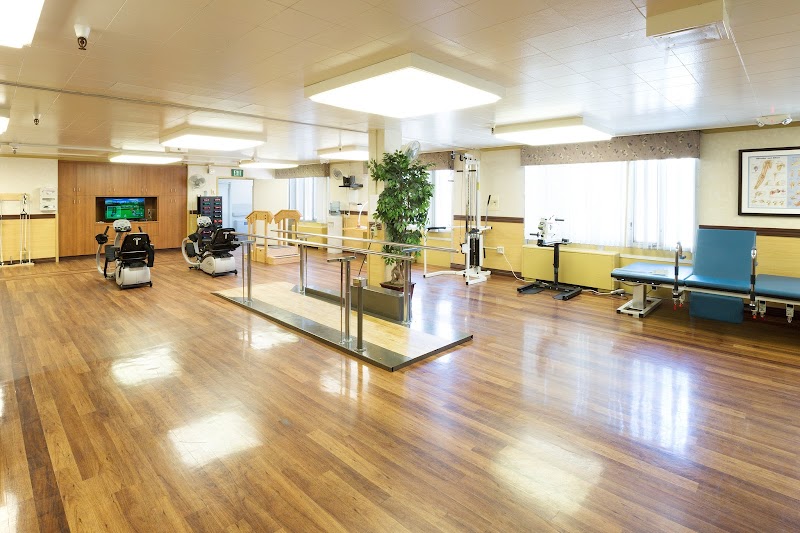
How is Mid-Town Oaks Post-Acute Staffed?

CMS rates MID-TOWN OAKS POST-ACUTE's staffing level at 3 out of 5 stars, which is average compared to other nursing homes. Staff turnover is 46%, compared to the California average of 46%. This relatively stable workforce can support continuity of care.

What Have Inspectors Found at Mid-Town Oaks Post-Acute?

State health inspectors documented 57 deficiencies at MID-TOWN OAKS POST-ACUTE during 2021 to 2024. These included: 1 that caused actual resident harm, 55 with potential for harm, and 1 minor or isolated issues. Deficiencies causing actual harm indicate documented cases where residents experienced negative health consequences.
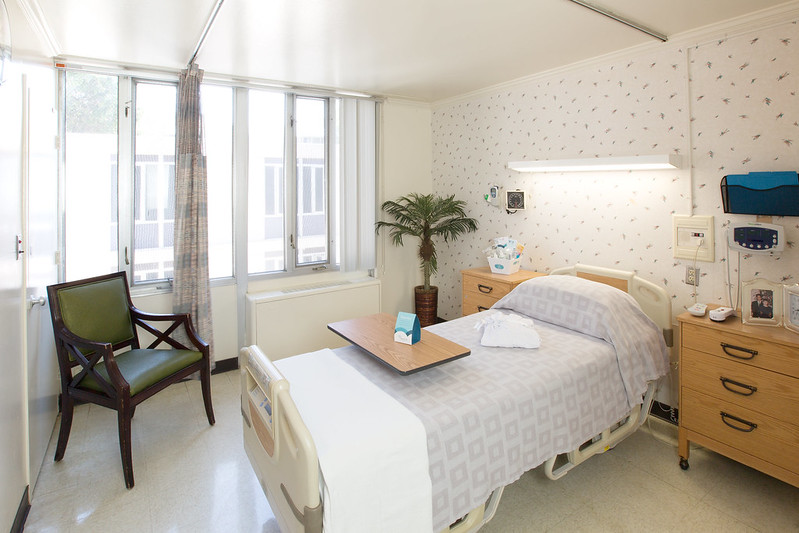
Who Owns and Operates Mid-Town Oaks Post-Acute?

MID-TOWN OAKS POST-ACUTE is owned by a for-profit company. For-profit facilities operate as businesses with obligations to shareholders or private owners. The facility is operated by PACS GROUP, a chain that manages multiple nursing homes. With 100 certified beds and approximately 93 residents (about 93% occupancy), it is a mid-sized facility located in SACRAMENTO, California.
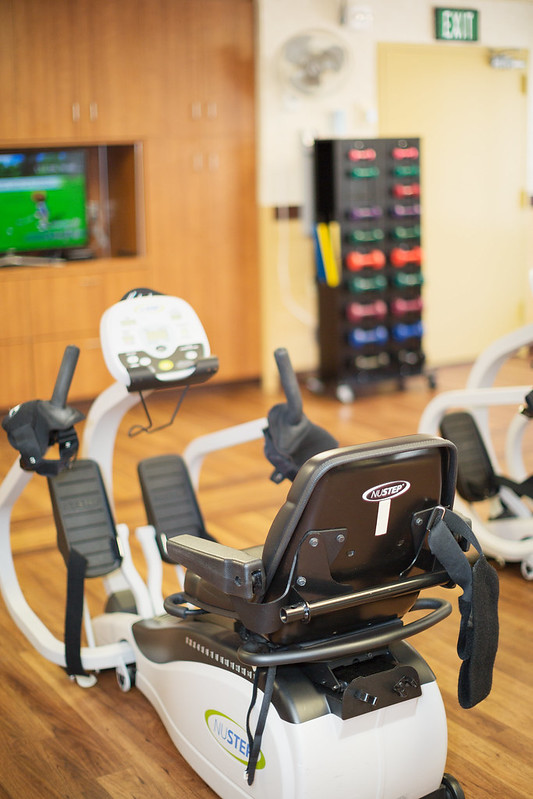
How Does Mid-Town Oaks Post-Acute Compare to Other California Nursing Homes?

Compared to the 100 nursing homes in California, MID-TOWN OAKS POST-ACUTE's overall rating (4 stars) is above the state average of 3.2, staff turnover (46%) is near the state average of 46%, and health inspection rating (3 stars) is at the national benchmark.

What Should Families Ask When Visiting Mid-Town Oaks Post-Acute?

Based on this facility's data, families visiting should ask: "Can I visit during a mealtime to observe dining assistance and food quality?" "How do you handle medical emergencies, and what is your hospital transfer rate?" "Can I speak with family members of current residents about their experience?"

Is Mid-Town Oaks Post-Acute Safe?

Based on CMS inspection data, MID-TOWN OAKS POST-ACUTE has a clean safety record: no substantiated abuse findings (meaning no confirmed cases of resident harm), no Immediate Jeopardy citations (the most serious violation level indicating risk of serious injury or death), and is not on the Special Focus Facility watch list (a federal program monitoring the lowest-performing 1% of nursing homes). The facility has a 4-star overall rating and ranks #1 of 100 nursing homes in California. While no facility is perfect, families should still ask about staff-to-resident ratios and recent inspection results during their visit.

Do Nurses at Mid-Town Oaks Post-Acute Stick Around?

MID-TOWN OAKS POST-ACUTE has a staff turnover rate of 46%, which is about average for California nursing homes (state average: 46%). Moderate turnover is common in nursing homes, but families should still ask about staff tenure and how the facility maintains care continuity when employees leave.

Was Mid-Town Oaks Post-Acute Ever Fined?

MID-TOWN OAKS POST-ACUTE has been fined $15,593 across 1 penalty action. This is below the California average of $33,235. While any fine indicates a compliance issue, fines under $50,000 are relatively common and typically reflect isolated problems that were subsequently corrected. Families should ask what specific issues led to these fines and confirm they've been resolved.

Is Mid-Town Oaks Post-Acute on Any Federal Watch List?

MID-TOWN OAKS POST-ACUTE is not on any federal watch list. The most significant is the Special Focus Facility (SFF) program, which identifies the bottom 1% of nursing homes nationally based on persistent, serious quality problems. Not being on this list means the facility has avoided the pattern of deficiencies that triggers enhanced federal oversight. This is a positive indicator, though families should still review the facility's inspection history directly.