NORTH POINTE CARE CENTER
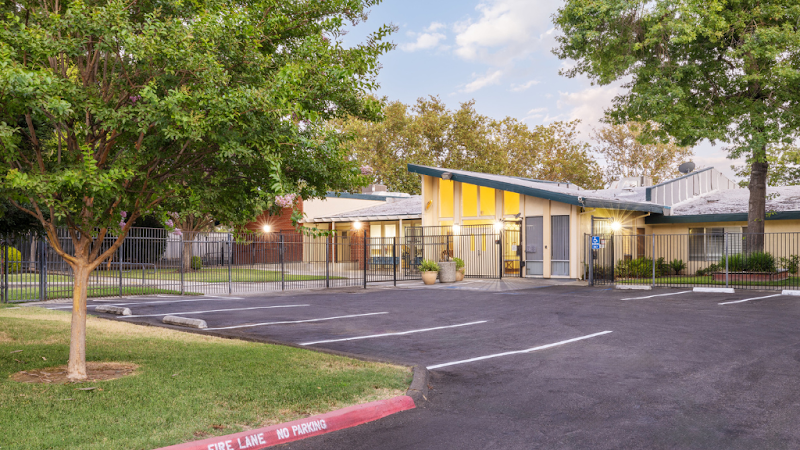
500 JESSIE AVENUE, SACRAMENTO, CA 95838 (916) 922-7177
For profit - Limited Liability company 161 Beds PACS GROUP Data: November 2025
Trust Grade
33/100
#639 of 1155 in CA
Last Inspection: September 2024

Within standard 12-15 month inspection cycle. Federal law requires annual inspections.

Overview

North Pointe Care Center has received a Trust Grade of F, indicating significant concerns about the quality of care provided. Ranking #639 out of 1155 facilities in California places it in the bottom half, and #24 out of 37 in Sacramento County suggests that there are only a few local options that are better. While the facility's trend is improving, with issues decreasing from 33 in 2024 to just 3 in 2025, it still reported serious incidents, including cases of abuse where one resident was struck in the face, leading to injuries. Staffing is average with a turnover rate of 44%, and RN coverage is also average, which is concerning as more RN coverage can help catch issues early. The facility has incurred fines totaling $15,269, which indicates some compliance issues, but this amount is considered average compared to other facilities in California.

Trust Score
F
33/100
In California
#639/1155
Bottom 45%
Safety Record
High Risk
Review needed
Inspections
Getting Better
33 → 3 violations
Staff Stability
○ Average
44% turnover. Near California's 48% average. Typical for the industry.
Penalties
○ Average
$15,269 in fines. Higher than 74% of California facilities. Some compliance issues.
Skilled Nurses
○ Average
Each resident gets 30 minutes of Registered Nurse (RN) attention daily — about average for California. RNs are the most trained staff who monitor for health changes.
Violations
⚠ Watch
65 deficiencies on record. Higher than average. Multiple issues found across inspections.
★★★☆☆
3.0
Overall Rating
★★★☆☆
3.0
Staff Levels
★★★★★
5.0
Care Quality
★★☆☆☆
2.0
Inspection Score
Stable
2024: 33 issues
2025: 3 issues

The Good

  • 5-Star Quality Measures · Strong clinical quality outcomes
  • Full Sprinkler Coverage · Fire safety systems throughout facility
  • No fines on record
  • Staff turnover below average (44%)

    4 points below California average of 48%

Facility shows strength in quality measures, fire safety.

The Bad

3-Star Overall Rating

Near California average (3.1)

Meets federal standards, typical of most facilities

Staff Turnover: 44%

Near California avg (46%)

Typical for the industry

Federal Fines: $15,269

Below median ($33,413)

Minor penalties assessed

Chain: PACS GROUP

Part of a multi-facility chain

Ask about local staffing decisions and management

The Ugly 65 deficiencies on record

2 actual harm
Sept 2025 1 deficiency 1 Harm
SERIOUS (G) 📢 Someone Reported This

A family member, employee, or ombudsman was alarmed enough to file a formal complaint

Actual Harm - a resident was hurt due to facility failures

Free from Abuse/Neglect (Tag F0600)

A resident was harmed · This affected 1 resident

**NOTE- TERMS IN BRACKETS HAVE BEEN EDITED TO PROTECT CONFIDENTIALITY** Based on observation, interview and record review, the facility failed to protect the resident's right to be free from verbal an...

Read full inspector narrative →
**NOTE- TERMS IN BRACKETS HAVE BEEN EDITED TO PROTECT CONFIDENTIALITY** Based on observation, interview and record review, the facility failed to protect the resident's right to be free from verbal and physical abuse by Resident 2 for one of three sampled residents (Resident 1) when Resident 2, who had a history of verbal threats struck Resident 1 in the face.This failure resulted in Resident 2 striking Resident 1 causing lacerations to Resident 1's eyebrow, nose and cheek, caused pain, and had the potential for Resident 1 to experience emotional distress.Findings:A review of the admission Record indicated the facility admitted Resident 1 in May 2025 with multiple diagnoses which included dementia (a progressive state of decline in mental abilities).A review of Resident 1's Minimum Data Set (MDS, a federally mandated resident assessment tool), dated 8/11/25 indicated the resident was cognitively impaired (decline in mental ability).A review of Resident 1's care plan addressing cognitive impairment dated 9/25/25 indicated that resident had decreased ability to make self-understood and understand others and impaired decision making. The nursing measures directed staff to anticipate Resident 1's needs and meet them promptly.A review of Resident 1's care plan titled Injury, dated 9/10/25 indicated the resident had injury to his face as evidenced by lacerations to right eyebrow, abrasion with swelling on nose bridge area and discoloration on right periorbital area [tissues surrounding eye] with swelling d/t [due to] alleged abuse.During an observation in the presence of Licensed Nurse (LN 1) on 9/25/25, at 12:15 p.m., Resident 1 was sitting in wheelchair in the dining room getting ready to eat his lunch. Resident 1 was observed with swollen nose, dry scab on the bridge of the nose and on his right eyebrow. Resident 1's nose area and right periorbital (eye area) had large fading yellow-purplish bruises. During an interview on 9/25/25 at 12:15 p.m., Resident 1 was asked what happened to his face and the resident was not able to provide any details. Resident 1 was asked if he had a fall and injured himself or he obtained the injury when someone hit him, and the resident was not able to explain what happened.A review of Resident 1's clinical records contained a document titled, SBAR Summary for Providers [Situation, Background, Assessment, and Recommendation, a communication form] dated 9/10/25, at 9:47 a.m., informing resident's physician that the resident experienced a change in condition (COC) on 9/10/25 at 10 a.m. The COC document indicated, At approximately 09:30 [9:30 a.m.], resident reported to staff that another male individual allegedly struck him. Resident stated, he hit me because he said I was making noise, but I wasn't. The document indicated that Resident 1 had laceration [a tear or rip in the skin] on his right eyebrow measuring 2 cm (centimeters, unit of measurement) in width, 3 cm in length, and 0.5 cm deep, laceration[ to his nose 2 cm wide and 3 cm long, and laceration to cheek 1 cm wide and 2 cm long. The note indicated, Resident c/o [complained of] pain [sic] the bridge nose. The COC note indicated that the resident was sent to emergency department to be evaluated per physician order.A review of Resident 2's admission record indicated the facility admitted him in the spring of 2025 with multiple diagnoses including dementia, anxiety and depression.A review of Resident 2's MDS dated [DATE] indicated the resident was cognitively impaired. The MDS indicated that Resident 2 had behaviors of verbally threatening, screaming, and/or cursing at others, and had physical behaviors of pushing and hitting others. A review of Resident 2's care plan dated 3/4/25 indicated that resident had potential to demonstrate physical behaviors (can strike or hit) and verbal behaviors (by stating I will punch you r/t [related to] anger, dementia, depression, history of harm to others, poor impulse control. The care plan goal indicated, Will not harm self or others. The interventions included, Monitor/document/report to MD [Medical Doctor] of danger to self and others.When the resident becomes agitated: Intervene before agitation escalates; Guide away from source of distress. A review of the nursing progress notes (NPN) indicated that Resident 2 had multiple episodes of aggressive behaviors toward Resident 1 who was his roommate.The NPN dated 8/3/25 at 12:36 p.m., indicated, Patient [Resident 2] is being really aggressive towards the roommates. He [Resident 2] told him [Resident 1] to get out of my property otherwise you will be responsible for consciences [sic].The NPN dated 8/4/25 at 8:42 a.m., indicated, Patient [Resident 2] exhibiting aggressive behavior with staff and roommates.The NPN dated 8/11/25 at 4 a.m., indicated, .resident was agitated and stated get him [Resident 1] out or I will hurt him.The NPN dated 8/20/25 at 7:59 a.m., and 1:48 p.m., contained communication notes to physician indicating that Resident 2 was ‘Verbally aggressive and attempting to be physically aggressive towards roommate.pt [Patient, Resident 2] attempting to kick our [sic] roommate from room and cussing at him.Attempted to push roommate out of room and said Get that [expletives] out of here.The NPN dated 9/6/25 at 1:34 p.m., contained communication note informing physician that Resident 2 went to bathroom and after he finished, he attempted to smear the dirty toilet tissue on his roommate stating, I'm going to brown face you.A review of COC communication note dated 9/10/25 at 10 a.m., indicated, Therapy staff reported that [Resident 2] stated coming out of room Get that [expletives] out of my room.Entered both residents room.Assessed the roommate [Resident 1].Resident [2] was not present in the room.Resident [2] was located and assessed.Resident [2] is wearing ring on right hand.During an interview with LN 1 on 9/26/25 at 12:30 p.m., LN 1 described Resident 1 as non-ambulatory and requiring staff's assistance with transferring to and from wheelchair. LN 1 stated Resident 1 had yelling and screaming behaviors directed at staff during personal care, but no verbal or physical behaviors toward Resident 2 or other residents. LN 1 stated Resident 2 was ambulating independently. LN 1 stated Resident 2 had frequent behaviors of verbal aggression toward Resident 1 and other residents and required frequent staff's observation and redirection. LN 1 added, Apparently he did not like his roommate [Resident 1].During a continued interview with LN 1 on 9/26/25, commencing at 12:30 p.m., LN 1 stated Resident 1 and Resident 2 were assigned to him on 9/10/25 when the alleged abuse happened. LN 1 stated he was alerted by a Certified Nursing Assistant (CNA 1) that Resident 1 had bloody face, his nose and right eye were swollen and that the resident pointed towards his roommate's bed. LN 1 stated after he attended to Resident 1's facial lacerations, he went to talk to Resident 2 who was in the dining room. LN 1 stated Resident 2 could not provide any details what happened and denied hitting Resident 1. LN 1 mentioned that Resident 2 had a large ring on his right hand, but there was no blood or other markings on the resident's hands. Discussed that sharp edges of the ring could have caused lacerations to Resident 1's face when Resident 2 struck him and he could have walked to the bathroom and washed his hands and LN 1 agreed.During an interview with CNA 2 on 9/26/25, at 1 p.m., CNA 2 stated Resident 2 was observed being angry and yelling at the residents in the dining room on many occasions.During an observation on 9/26/25, at 1:13 p.m., Resident 2 was observed leaving the dining room and walking in the hall. Resident 2 was unstable and was holding onto the wall when he ambulated and a large bulky ring was observed on his right hand. Resident 2 stated he had trouble finding his room. When the resident was asked if he was getting along with other residents, Resident 2 replied, Not always.some of them are too noisy. When Resident 2 was asked about incident with his roommate (Resident 1) he did not provide any details. After a moment Resident 2 added, This is my home and I live alone. I don't need anyone in my room. During an interview with Physical Therapy Staff (PTS) on 9/26/25, at 1:17 p.m., PTS stated he worked with Resident 2 frequently and in order for the resident to participate in therapy the resident had to be in good mood. The PTS added, I have not seen anything physical, but he is verbally aggressive to other residents; I've seen on multiple occasions. The PTS stated that he was working with another resident in the morning on 9/10/25 when he met Resident 2 near nursing station 2. The PTS added, He seemed on the verge of being very angry, was loudly talking to himself. I heard him saying something like hurting my roommate.During an interview with CNA 1 on 9/26/25, at 1:45 p.m., CNA 1 stated that when she went to check on Resident 1 on 9/10/25 the resident was in bed. CNA 1 stated when she entered the resident's room, Resident 1 pointed to his face and said, look at my face. CNA 1 added that Resident 1's face was bloody, the face and nose were red and right side of the face was swollen.He pointed to his roommate's bed, closer to the door but did not say what happened. A review of the facility's 'Abuse Prevention Program,' with revision date of 8/2006 indicated, Our residents have the rights to be free from abuse .Our facility is committed to protecting our residents from abuse by anyone including, but not necessarily limited to .other residents.A concurrent interview and review of Resident 2's clinical record was conducted with Administrator (ADM) on 9/30/25, at 3:05 p.m. Upon reviewing nursing progress notes dated 8/3/25, 8/4/25, 8/11/25, 8/20/25, and 9/6/25 the ADM stated he was aware of Resident 2's multiple verbal aggressive behaviors toward Resident 1. The ADM added, [Resident 2's name] had history of threatening his roommate, but never done anything physical. The ADM agreed that Resident 2's verbal aggression and threatening placed Resident 1's safety at risk. The ADM confirmed that on 9/10/25 Resident 1 was found in his room with swollen bloody face and multiple facial lacerations. The ADM added, The incident happened, but we can't say for sure that it was [Resident 2] that hit [Resident 1], he might have injured himself. The ADM acknowledged that the facility was responsible for keeping all residents safe. When asked about interventions to keep Resident 1 safe, the ADM stated the staff were to provide snacks, redirect, and engage Resident 2 in activities. When asked if the interventions were effective, the ADM did not respond.A review of the facility's policy titled, Safety and Supervision of Residents, revised 7/2017, indicated, Resident safety and supervision.are facility-wide priorities.Safety risks.are identified on an ongoing basis.Resident supervision is a core component of the system approach to safety.The type and frequency of resident supervision may vary.Resident supervision may need to be increased when.there is a change in the resident's condition.
Jul 2025 1 deficiency
CONCERN (D) 📢 Someone Reported This

A family member, employee, or ombudsman was alarmed enough to file a formal complaint

Potential for Harm - no one hurt, but risky conditions existed

Free from Abuse/Neglect (Tag F0600)

Could have caused harm · This affected 1 resident

Based on interviews and record review, the facility failed to protect one of four (4) sampled residents' (Resident 1) right to be free from physical abuse when a facility staff member pushed Resident ...

Read full inspector narrative →
Based on interviews and record review, the facility failed to protect one of four (4) sampled residents' (Resident 1) right to be free from physical abuse when a facility staff member pushed Resident 1 on his face causing him to fall on the ground. This failure resulted in an emergency hospital transfer of Resident 1 for further evaluation.Findings:Resident 1 was admitted to the facility in July of 2025 with diagnoses which included symptoms affecting memory, cognition, social abilities and muscle weakness. A review of Resident 1's Order Summary Report (ORS) indicated, Resident [Resident 1] does not have the capacity to make his/her decisions.A review of Resident 1's Minimum Data Set (a standardized assessment tool used in nursing homes), dated 7/24/25, indicated Resident 1 had a Brief Interview for Mental Status (BIMS) score of 11 out of 15, indicating moderate cognitive impairment.A review of Resident 1's Care Plan (CP), dated 7/25/25, indicated, Resident [Resident 1] involved in an accident where they became physically aggressive toward staff during care, striking staff in the face. Staff reaction allegedly resulted in resident falling.A review of Resident 1's Progress Notes (PN), dated 7/25/25, indicated, The Change in Condition/s reported on this CIC [Change in Condition] Evaluation are/were; Altered Mental Status Falls.Resident [Resident 1] was observed walking in the hallway noted restlessness. Noted exhibited physical aggressive behavior toward staff. Upon resident agitation toward staff, Resident fall to the floor.noted none [sic] responsive verbally, unable to move hands and foot, unable to open eye at his baseline.A review of Resident 1's PN, dated 7/25/25, indicated, Alert Charting.Resident [Resident 1] was not responding per his baseline.911 called.Resident [Resident 1] sent to [hospital name] for further evaluation.A review of Resident 1's PN dated 7/25/25, indicated, IDT summary of event and investigation.the CNA [Certified Nursing Assistant 1] was redirecting the patient [Resident 1] back to their room. The patient [Resident 1] became agitated and punched the CNA [CNA 1] in the face. The CNA [CNA 1] pushed the resident [Resident 1] to the ground.sent to [hospital's name] for further evaluation.During an interview on 7/29/25 at 12:07 p.m., with the Director of Staff Development (DSD), the DSD stated that physical abuse could be committed by both residents and staff and it included actions such as pushing, punching, biting, and kicking. The DSD further stated that staff must avoid these behaviors and confirmed that CNA 1's actions towards Resident 1 were a form of physical abuse, compromising patient safety.During an interview with the License Nurse (LN) 1 on 7/30/25 at 1:15 p.m., LN 1 stated, I saw the resident turn around and hit the CNA in the face. Then the CNA grabbed the resident by the face and pushed the resident, and both fell on the ground. LN 1 further stated, We did not see if he hit his head or not, but it was a hard fall, there was a loud impact. LN 1 also stated that Resident 1 was not responding during her assessment. LN 1 also stated, 911 could not find anything wrong with him, but he was not waking up.During an interview with the Director of Nursing (DON) on 7/29/25 at 11:26 a.m., the DON stated, I expect the staff to follow the abuse policy. Staff should treat them with kindness, patience, approached and redirect them with respect. The DON stated that CNA 1 had received an abuse training and stated, (CNA 1) should have known how to deal with residents with dementia. The DON confirmed that CNA 1 did not follow both the abuse training and the facility's abuse policy, thereby placing Resident 1's safety at risk.Review of the facility's policy and procedure (P&P) titled Abuse, Neglect, Exploitation and Misappropriation Prevention Program, revised 4/21 indicated, Residents have the right to be free from abuse, neglect, misappropriation of resident property and exploitation. This includes but is not limited to freedom from corporal punishment, involuntary seclusion, verbal, mental, sexual or physical abuse.Protect residents from abuse.facility staff.Establish and maintain a culture of compassion for all residents and particularly those with behavioral, cognitive, and emotional problems.
Jan 2025 1 deficiency
CONCERN (D) 📢 Someone Reported This

A family member, employee, or ombudsman was alarmed enough to file a formal complaint

Potential for Harm - no one hurt, but risky conditions existed

Free from Abuse/Neglect (Tag F0600)

Could have caused harm · This affected 1 resident

Based on interview and record review, the facility failed to protect one of three sampled residents (Resident 1) from abuse, when Licensed Nurse 1 (LN 1) hit resident in the face causing face abrasion...

Read full inspector narrative →
Based on interview and record review, the facility failed to protect one of three sampled residents (Resident 1) from abuse, when Licensed Nurse 1 (LN 1) hit resident in the face causing face abrasions. This failure resulted in Resident 1 experiencing unnecessary pain, fear, and mental anguish and had the potential to cause further psychosocial harm to the resident. Findings: A review of the admission Record indicated the facility admitted Resident 1 in 2017 with multiple diagnoses which included dementia (a progressive state of decline in mental abilities), anxiety, and schizophrenia (a mental illness that is characterized by disturbances in thought). A review of Resident 1 ' s Minimum Data Set (MDS - a federally mandated resident assessment tool), dated 6/24/24, indicated a BIMS (Brief Interview for Mental Status - an assessment tool used by facilities to screen and identify memory, orientation, and judgement status of the resident) score of 7, which indicated that the resident had a moderately impaired cognition. A review of the ' Altered Behavior ' care plan initiated 5/28/23 indicated Resident 1 had behaviors with potential for verbal and physical aggression. One of the care plan interventions directed staff to observe the resident for clinical indicators that may lead to increase in aggressive behaviors, such as infection or pain and to maintain a calm, slow, understandable approach with the resident. A review of Resident 1 ' s ' Non-compliance with nursing care ' care plan dated 5/28/23 directed nursing to Respect resident rights to refuse treatment/medication/care [and] if refusing care .leave resident and return later to reoffer. A review of the Resident 1 ' s clinical records contained an ' Alert Charting, ' nursing progress notes, dated 2/5/24 at 5:30 p.m., which indicated, Notified by CNA [Certified Nursing Assistant] that patient [Resident 1] has abrasion on right side of her face. Writer found the resident crying in her room .first aid was provided .administered Tylenol for possible pain. A review of the Interdisciplinary Team Meeting (IDT, a group of healthcare disciplines who discuss resident care needs) note dated 2/6/24, at 10:31 a.m., indicated, Resident noted with abrasion to her right side of face on 2/2/24 at 1530 [3:30 p.m.] .Was in dining room .Resident was physically and verbally aggressive and resistive with staff [LN 1] while receiving medication, tried to hit staff [LN 1] and staff [LN 1] retaliated back which caused abrasion to her [Resident 1 ' s] face. A review of the ' Psychosocial Note,' written by social services staff, dated 2/7/24, at 7:14 a.m., indicated, Resident came .crying, and repeatedly stating I got attacked by a nurse. The details of the alleged incident was not clearly understood due to resident constantly crying .Throughout the resident sharing the encounter, she cried profusely. Resident had to be re-focused several times. During an interview with CNA 1 on 1/2/25, at 2:50 p.m., CNA 1 stated she was in the dining room when the abuse incident happened. CNA 1 stated, I heard very loud commotion and then the screams followed. I saw a nurse [LN 1] standing next to [Resident 1] .sitting in wheelchair. The resident had several bracelets on her wrist. I saw the nurse pulled the bracelets off and the next thing I hear the resident screams, the nurse hit me, the nurse hit me. CNA 1 recalled seeing scratches on resident ' s face, all across her face. During a telephone interview on 1/3/25, at 10:15 a.m., CNA 2 stated she witnessed the incident on 2/5/24 in the dining room. CNA 2 stated that LN 1 attempted to administer medications to Resident 1 and the resident said, no. CNA 2 stated LN 1 insisted on giving the pills and the resident became agitated and pushed the nurse away. The nurse did the same- she pushed the resident . I saw her hand on resident ' s face . Then I looked back, I saw resident ' s face was scratched and some blood was sipping. CNA 1 stated the resident was screaming loudly that the nurse hit her. During an interview and a concurrent record review on 1/2/25, at 1:50 p.m., the Administrator (ADM) confirmed the abuse incident and added that it was witnessed. The ADM stated that nearly all of the facility residents have behavioral issues and the staff had been trained how to deescalate situations when residents get agitated and aggressive. The ADM validated that LN 1's behavior was unacceptable which led to her termination. A review of the facility's Abuse, Neglect, Exploitation and Misappropriation Prevention Program, dated 2001, indicated, Residents have the right to be free from abuse .This includes but is not limited to freedom from .verbal, mental or physical abuse .The resident abuse, neglect and exploitation prevention program consists of facility-wide commitment and resource allocation to support the following objectives: Protect residents from abuse .Develop and implement policies and protocols to prevent .abuse or mistreatment of residents .Establish and maintain a culture of compassion and caring for all residents and particularly those with behavioral, cognitive or emotional problems .Implement measures to address factors that may lead to abusive situation .Instruct staff regarding appropriate ways to address .conflicts .
Sept 2024 19 deficiencies
CONCERN (D)

Potential for Harm - no one hurt, but risky conditions existed

Deficiency F0554 (Tag F0554)

Could have caused harm · This affected 1 resident

Based on observation, interview, and record review, the facility failed to ensure that one of 37 sampled residents (Resident 119), who was observed with cold and allergy nasal spray at the bedside, wa...

Read full inspector narrative →
Based on observation, interview, and record review, the facility failed to ensure that one of 37 sampled residents (Resident 119), who was observed with cold and allergy nasal spray at the bedside, was assessed and had an order to self-administer medication. This failure had the potential to result in overmedication for Resident 119 and exposed other residents to accidental access to the nasal spray. Findings: According to admission record, the facility admitted Resident 119 in August 2024 with multiple diagnoses which included chronic lung disease and anxiety. A review of the Minimum Data Set (MDS, an assessment and care planning tool) dated 8/27/24, indicated Resident 119 was cognitively intact and had no memory problems. A review of Resident 119's clinical record contained a document titled, Nursing - Self-Administration of Medication Observation, dated 8/21/24 at 8:52 p.m. The document had the following question, Does resident want to self-administer medications? and the nurse who performed the assessment documented No. There was no further documented evidence indicating Resident 119 was able to self-administer medications. During an interview on 9/11/24 at 3:24 p.m., Licensed Nurse (LN 1) described Resident 119 as very nice, alert and oriented. LN 1 stated Resident 1 came up to the nursing station quite often to talk to nurses. During an interview and concurrent record review with Director of Nursing (DON) and Administrator (ADM) on 9/12/24 at 1:35 p.m., the DON stated she was familiar with Resident 119 and talked to him frequently. The DON stated Resident 119 was alert and able to verbalize his needs and wants. During a visit to Resident 119's room accompanied by DON on 9/12/24 at 2:10 p.m., a container of Neo-Synephrine extra strength nasal spray (a medication used to relieve nasal congestion) was observed on top of resident's nightstand. The container had resident's name printed on the bottom. Resident 119 explained that for days he kept asking nurses to ask the physician to prescribe the nasal spray, but nobody followed up his request and he was using his own medication which he brought from home. The resident stated the name of the staff who allowed him to keep the spray at bedside and printed his name on the container. The DON explained that it was not safe to keep any medication at bedside because other residents could get hold of it and attempt to consume it not realizing that it was not safe. A review of the facility's policy titled, Self-Administration of Medications, revised 2/2021 indicated that residents had the rights to self-administer medications if the interdisciplinary team determined that it was clinically appropriate and safe for residents to do so. The policy indicated, If it is deemed safe and appropriate for a resident to self-administer medications, this is documented in the medical records and care plan .If the team determines that a resident cannot safely self-administer medications, the nursing staff administer the resident's medications .Self-administered medications are stored in a safe and secure place, which is not accessible by other residents .Any medications found at bedside that are not authorized for self-administration are turned over .for return to the family or responsible party. During a follow up interview on 9/13/24 at 10:20 a.m., the DON explained the process of self-administration of medications that she expected nurses to follow. The DON stated that nurses should assess if the resident was able to self-administer any medication safely and the resident should have a physician order for specific medication the resident was allowed to self-administer. The DON stated Resident 119 should not have medicated spray at bedside because it was not safe for him and because other residents could have access to the medication. The DON stated the expectation was that if the nurse knew about the medication, the nurse should have explained to the resident why he could not keep it at bedside and removed the spray.
CONCERN (D)

Potential for Harm - no one hurt, but risky conditions existed

Deficiency F0583 (Tag F0583)

Could have caused harm · This affected 1 resident

Based on observation, interview, and record review, the facility failed to maintain the resident's right to privacy and confidentiality of personal and medical records for a census of 156 residents wh...

Read full inspector narrative →
Based on observation, interview, and record review, the facility failed to maintain the resident's right to privacy and confidentiality of personal and medical records for a census of 156 residents when computer screen that showed confidential personal and medical information was left unsecured. This failure had the potential to result in unauthorized access of residents' personal and medical information. Findings: During a concurrent observation and interview on 9/10/24 at 10:58 a.m. in the hallway with the Wound Nurse (WN), a computer in medication cart B was observed open with resident clinical information including resident's picture, name, and medications displayed. Multiple residents and staff were also observed walking in the hallway. The WN came out of a resident's room and confirmed the observation and stated, It's a HIPAA (Health Insurance Portability and Accountability Act - a federal law that protects sensitive health information from being disclosed without consent) violation, this is resident medical information. During an interview on 9/10/24 at 10:59 a.m. with Licensed Nurse 1 (LN 1), LN 1 confirmed he was using the computer and had to attend to a resident and stated, I should have not kept it open because it contains important information. During an interview on 9/12/24 at 3:36 p.m. with the Assistant Director of Nursing (ADON), the ADON stated, The expectation for computers is staff should lock the screen if they are not using it .It's HIPAA, everybody who is walking [in the hallway] can see the information. During an interview on 9/12/24 at 3:47 p.m. with the Director of Nursing (DON), the DON stated, We don't leave our computers open, if not doing anything, just close it .Anybody can see somebody else's information and it's a violation of HIPAA. During a review of the facility's policy and procedure (P&P) titled Dignity, revised 2/2021, the P&P indicated, 10. Staff protect confidential clinical information. During a review of the facility's P&P titled Resident Rights, revised 2/2021, the P&P indicated, 1. Federal and state laws guarantee certain basic rights to all residents of this facility. These rights include the resident's right to: .t. privacy and confidentiality .3. The unauthorized release, access, or disclosure of resident information is prohibited. All release, access, or disclosure of resident information must be in accordance with current laws governing privacy of information issues. During a review of the facility's P&P titled Confidentiality of Information and Personal Privacy, revised 2/2021, the P&P indicated, Our facility will protect and safeguard resident confidentiality and personal privacy .1. The facility will safeguard the personal privacy and confidentiality of all resident personal and medical records.
CONCERN (D)

Potential for Harm - no one hurt, but risky conditions existed

Deficiency F0658 (Tag F0658)

Could have caused harm · This affected 1 resident

Based on interview and records review, the facility failed to ensure one of 37 sampled residents (Resident 119) received treatment and care in accordance with professional standards and practice, when...

Read full inspector narrative →
Based on interview and records review, the facility failed to ensure one of 37 sampled residents (Resident 119) received treatment and care in accordance with professional standards and practice, when the facility did not follow up on resident's request for allergy medication for six days. This failure resulted in a delay of Resident 119's allergy medication. Findings: According to admission records, the facility admitted Resident 119 in August 2024 with multiple diagnoses which included chronic lung disease and anxiety. A review of the Minimum Data Set (MDS, an assessment and care planning tool) dated 8/27/24 indicated Resident 119 was cognitively intact and had no memory issues. During an observation and interview on 9/11/24 at 8:15 a.m., Resident 119 was sitting on his bed, alert and pleasant. Resident 119 stated that sometimes facility staff ignored him and added, I have a severe allergy. Have been asking [nurses] for medication for days and they keep saying that doctor has not prescribed yet. A review of Resident 119's clinical record contained nursing progress note dated 9/6/24 at 8:55 a.m., indicating, Resident requested for an allergy spray Fluticasone [an allergy nasal spray]. MD [Medical Doctor] notified .Awaiting for response back. A review of Resident 119's clinical record on 9/12/24 indicated there was no documented evidence the facility followed up on resident's request. Further review of the clinical record contained no active order for Fluticasone or any other allergy medication. Resident 119's medication administration records (MARs) did not reflect that the resident was receiving Fluticasone. During an interview on 9/11/24 at 3:24 p.m., Licensed Nurse (LN 1) described Resident 119 as very nice, alert and oriented. LN 1 stated Resident 1 came up to nursing station quite often to talk to nurses. LN 1 stated he could not remember if Resident 119 asked for anti-allergy medication. LN 1 stated that if resident requested medication, the nurses communicated with the resident's physician regarding resident's request and obtained the order. During an interview and concurrent record review with Director of Nursing (DON) and Administrator (ADM) on 9/12/24 at 1:35 p.m., the DON stated she was familiar with Resident 119 and talked to him frequently. The DON stated Resident 119 was alert and able to verbalize his needs and wants. The DON was asked if there was any follow up on resident's request for Fluticasone dated 6 days ago. The DON searched Resident 38's nursing progress notes and was unable to find any follow up documentation regarding the resident's request for Fluticasone. The DON stated she did not see the order for Fluticasone in Resident 38's clinical record. During a further search of the internal communication system (between physician and staff), the DON located a physician's note related to resident's request. The DON stated the note from physician was undated and it contained an order that it was okay for Resident 38 to receive Fluticasone 1 spray each nostrils for two weeks. The DON stated that the order for Fluticasone was not transcribed into Resident 119's clinical record. The DON stated her expectation for nurses was that they followed up on their communication with physician, reviewed communication notes the same day, transcribed it into Resident 38's active orders, and carried out the order in a timely manner. A review of the 'Nursing Practice Act,' issued by the Board of Registered Nursing, indicated, Article 2. Scope of Regulations 2725(b). The practice of nursing .means those functions, including basic health care, that help people cope with difficulties in daily living that are associated with their actual or potential health or illness problems or the treatment thereof, and that require a substantial amount of scientific knowledge or technical skills, including .Observation of signs and symptoms of illness .general behavior, or general condition .implementation, based on observed abnormalities, of appropriate reporting, or referral .or changes in treatment regimen in accordance with standardized procedures .
CONCERN (D)

Potential for Harm - no one hurt, but risky conditions existed

ADL Care (Tag F0677)

Could have caused harm · This affected 1 resident

Based on observation, interview, and record review, the facility failed to ensure 1 of 37 sampled residents (Resident 138) received necessary services to ensure proper grooming when Resident 138 had b...

Read full inspector narrative →
Based on observation, interview, and record review, the facility failed to ensure 1 of 37 sampled residents (Resident 138) received necessary services to ensure proper grooming when Resident 138 had black material under her nails. This failure had the potential to cause infection to Resident 138 due to poor hygiene. Findings: A review of Resident 138's admission Record indicated Resident 138 was admitted to the facility in October 2023 with multiple diagnoses including dementia (loss of memory, problem solving, and thinking abilities). A review of Resident 138's Minimum Data Set (MDS- an assessment tool), Cognitive Patterns, dated 8/5/24, indicated Resident 138 had a Brief Interview for Mental Status (BIMS- tool to assess cognition) score of 5 out of 15 that indicated Resident 138 had severe cognitive impairment. A review of Resident 138's MDS, Functional Abilities and Goals, dated 8/5/24, indicated Resident 138 required moderate assistance for personal hygiene. During an observation on 9/11/24 at 9:37 a.m. of Resident 138, observed black material under Resident 138's fingernails. During a concurrent observation and interview on 9/12/24 at 9:15 a.m. with Licensed Nurse (LN) 3, observed Resident 138's fingernails with black material under nails. LN 3 confirmed that Resident 138's fingernails had black material under nails. LN 3 stated Resident 138 has a behavior of ripping off her brief and the black material under her nails may have been from soiled brief. LN 3 stated that when residents are showered the nails are supposed to be cleaned. During a concurrent observaton and interview with Certified Nursing Assistant (CNA) 7, CNA 7 observed Resident 138's fingernails with black material under nails. CNA 7 confirmed fingernails had black material under nails. CNA 7 stated that fingernails were dirty after breakfast today. Reviewed with CNA 7 that Resident 138's fingernails were observed with black material under nails yesterday on 9/11/24. CNA 7 stated Resident 138 receives shower two times a week and nails should be cleaned with soap and rubbed with towel to clean them. CNA 7 stated that on Sundays nails are clipped, cleaned, and filed. During an interview on 9/12/24 at 1:11 p.m. with the Director of Nursing (DON), the DON stated that nails should be cleaned during showers and as needed. The DON stated nails are cleaned and clipped weekly on Sundays and as needed. A review of the facility's Policy and Procedure (P&P) titled Activities of Daily Living (ADL), Supporting, revised 3/18, indicated .Residents who are unable to carry out activities of daily living independently will receive services necessary to maintain good nutrition, grooming and personal and oral hygiene .Appropriate care and services will be provided for residents who are unable to carry out ADLs independently .in accordance with the plan of care, including appropriate support and assistance with hygiene ( .grooming .) .
CONCERN (D)

Potential for Harm - no one hurt, but risky conditions existed

Deficiency F0679 (Tag F0679)

Could have caused harm · This affected 1 resident

Based on observation, interview and record review, the facility failed to provide an ongoing activity program to meet the needs and interests for one of 37 sampled residents (Resident 44) when the act...

Read full inspector narrative →
Based on observation, interview and record review, the facility failed to provide an ongoing activity program to meet the needs and interests for one of 37 sampled residents (Resident 44) when the activities care plan was not followed. This deficient practice had the potential to affect the resident's psychosocial well-being, self-worth and meaning in life. Findings: During a review of Resident 44's comprehensive MDS (Minimum Data Set, a clinical assessment tool) dated 2/19/24, the MDS indicated a Brief Interview for Mental Status [BIMS, a tool used to assess cognition (knowing, learning, and understanding things)] was not conducted due to Resident 44 was rarely/never understood. A staff assessment for mental status was performed which indicated Resident 44's Cognitive Skills for Daily Decision Making was severely impaired. It also indicated Preferences for Customary Routine and Activities: listen to music you like, do your favorite activities, and go outside to get fresh air when the weather is good were very important to Resident 44 per family or significant other. During a review of Resident 44's activity care plan revised 7/18/23, the care plan indicated interventions including, Participate in group activities of choice such as: sensory stimulation activities, movies entertainment 3x/week. Participate in room activities: socializing, looking at pictures and magazines. 3x/week Participate/engage in independent activities of choice such as: watching T.V. listening to music. During an observation on 9/10/24 at 10:02 a.m. in station 2 hallway, Resident 44 was awake in the recliner and looking up the ceiling. The resident was not able to communicate. During an interview on 9/10/24 on 10:15 a.m. with Licensed Nurse (LN) 5, LN 5 stated usually Resident 44 gets up in the recliner for breakfast, she has been repositioned in the chair, not sure what activity was provided to the resident, also not sure whether resident goes to group activities. On 9/10/24 at 12:20 p.m., Resident 44 was placed in the hallway outside of her room after lunch, no interaction with staff or sensory stimulation observed. During an observation on 9/12/24 at 11:21 a.m., Resident 44 was sleeping in bed, there was no television or radio available in the room. On 9/12/24 at 1:13 p.m., Resident 44 was lying in bed awake, no sensory stimulation observed. During a review of Resident 44's facesheet (a document that gives a resident's information at a quick glance) dated 9/12/24, it indicated Resident 44 was originally admitted to the facility on 2/2021 and readmitted on 4/2022, with diagnoses of dementia (the loss of cognitive functioning - thinking, remembering, and reasoning - to such an extent that it interfered with a person's daily life and activities), and cognitive communication deficit. On 9/12/24 at 3:38 p.m., Resident 44 was still lying in bed awake without any stimulations. During an interview on 9/13/24 at 8:40 a.m. with the Activity Director (AD), the AD stated the facility has boomboxes, those go around the facility, but sometimes it breaks or goes missing. During a subsequent interview on 9/13/24 at 10:14 a.m. with the AD, she stated she was not able to provide any activity documentations for September 2024 for Resident 44, one of activity assistants was not able to get the login for POC (Point of Care, an application for direct care staff to document activities of daily living of residents) for the past four or five months. The AD further stated staff do not use other documentation methods, POC is the only way of documentation for activity staff, and admitted if it was not documented, then it was not done. During an interview on 9/13/24 at 12:02 p.m. with the Director of Nursing (DON), the DON stated activities should be documented if they were done. During a review of the facility's policy and procedure (P&P) provided by the AD, untitled and undated, the P&P indicated, All room visits must be done 3x a week. Or make sure that the resident is attending group activities 3x a week. All room visits must be charted for that week. During a review of the facility's P&P titled, Activities Policy and Procedure revised 2/2023, the P&P indicated, 7. Each resident's activities care plan relates to his/her comprehensive assessment and reflects his/her individual needs. During a review of the facility's P&P titled, Activity - Attendance Participation Record date 12/31/15, the P&P indicated, It is the policy for this facility that the Activity Department will keep accurate records of each resident's participation in group, individual and independent recreational/leisure time involvement .All resident activity involvement should be recorded.
CONCERN (D) 📢 Someone Reported This

A family member, employee, or ombudsman was alarmed enough to file a formal complaint

Potential for Harm - no one hurt, but risky conditions existed

Deficiency F0685 (Tag F0685)

Could have caused harm · This affected 1 resident

Based on observation, interview, and record review, the facility failed to provide care to maintain vision for one of 37 sampled residents (Resident 143), when Resident 143 was not sent to the hospita...

Read full inspector narrative →
Based on observation, interview, and record review, the facility failed to provide care to maintain vision for one of 37 sampled residents (Resident 143), when Resident 143 was not sent to the hospital for an acute onset vision loss. This failure had the potential to cause deterioration of vision leading to increased fall risk and greater loss of independence. Findings: A review of Resident 143's admission Record indicated Resident 143 was admitted to the facility in January 2024 with multiple diagnoses including dementia (loss of memory, problem solving, and thinking abilities), malignant neoplasm of endometrium (cancer in the lining of the uterus), and diabetes (too much sugar in the blood). A review of Resident 143's Minimum Data Set (MDS- an assessment tool), Cognitive Patterns, dated 7/29/24, indicated Resident 143 had a Brief Interview for Mental Status (BIMS- tool to assess cognition) score of 2 out of 15 that indicated Resident 143 was severely cognitively impaired. A review of Resident 143's SBAR [Situation, Background, Assessment, Recommendation] Communication Form [document used to communicate change in condition] dated 7/27/24 at 4 p.m., indicated .Vision problem .Increased confusion or disorientation .Needs more assistance with ADLs [Activities of Daily Living] .The res [resident] has more confusion than usual today. While she was walking in the hallway, she could not see what was in front of her and she could hit on it. The nurse assessed her vision by let her count the fingers, but she was unable to focus and she was watching somewhere else and talking something those [sic] does not make sense . A review of Resident 143's Progress Note, dated 7/27/24 at 5:40 p.m., indicated .The res [resident] has more confusion than usual today. While she was walking in the hallway, she could not see what was in front of her and she could hit on it. The nurse assessed her vision by let her count the fingers, but was unable to focus and she was unable to follow the direction .[Name of physician] notified . A review of Resident 143's Progress Note, dated 7/27/24 at 8:15 p.m., indicated .[Name of physician] called with new orders .If the condition is getting worse send the PT [patient] to [name of hospital] . A review of Resident 143's Progress Note, dated 7/30/24, indicated .On monitoring for visual problem .still has difficulty of vision but can identify objects in front and side by side in short distance . A review of Resident 143's Progress Note, dated 8/2/24, indicated .Per [Name of Nurse Practitioner] .Refer resident to optometrist for vision consult . A review of Resident 143's Progress Note, dated 8/13/24, indicated .the ophthalmologist diagnosed pt having retinal detachment with giant tear, bilateral, the res is referred to retina specialist, the decision for surgery is left to retina specialist and RP [Responsible Party] . A review of Resident 143's Progress Note, dated 8/19/24, indicated .pt [patient] is back from surgery consultant appointment .pt has total retinal detachment with macular hole in both eyes . A review of the facility's Doctor Summary Sheet, for facility optometry group, dated 2/12/24, did not indicate any recommendations or ophthalmology referral needed for Resident 143. A review of Resident 143's Optometry Department Referral for Services/ Recommendations, dated 8/8/24, indicated .Staff members report significant change in visual function since last exam 6 months ago only remarkable finding was cataract ou [cloudy lens in both eyes] .Referral to in-house ophthalmologist . A review of Resident 143's ophthalmology Examination, dated 8/13/24, indicated .Retinal detachment with giant retinal tear, bilateral OU .Assessment: Complete detachment ou, pt has difficulty reporting time of onset . During a telephone interview on 9/9/24 at 12:20 p.m. with Resident 143's Responsible Party (RP), the RP stated around the end of July 2024, Resident 143 was not able to see. The RP stated she asked the facility to send Resident 143 to the hospital, but they did not send her. The RP stated Resident 143 had an optometry appointment on 8/8/24 and ophthalmology appointment on 8/13/24. The RP stated Resident 143 had bilateral detached retinas and macular holes. During a telephone interview on 9/9/24 at 12:36 p.m. with Resident 143's Family Member (FM), the FM stated the head nurse told him, on 7/27/24, she was not sure if Resident 143 could see. The FM stated the nurse stated, Not sure what happened. Called doctor. Pretty sure she didn't have a stroke. Ordered some tests. The FM stated he observed Resident 143 shuffling her feet. The FM stated the week prior she was walking as usual and could see. During an interview on 9/11/24 at 3:33 p.m. with Resident 143, asked if she had any eye problems. Resident 143 stated it is worse when she is moving around. During an interview on 9/11/24 at 3:38 p.m. with Licensed Nurse (LN) 1, LN 1 stated on 7/27/24 Resident 143's vision worsened. LN 1 stated neuro (neurological) checks were done due to vision loss. LN 1 stated Resident 143 had check up with ophthalmologist, but not sure what assessment showed. During an interview on 9/11/24 at 4:12 p.m. with LN 6, LN 6 stated Resident 143's family reported vision loss. LN 6 stated Resident 143 had a Change in Condition on 7/27/24 and the physician ordered labs. LN 6 stated that Resident 143 has retinal detachments due to diabetes and medical history. During a joint interview on 9/12/24 at 1:11 p.m. with the Administrator (ADM) and the Director of Nursing (DON), the ADM stated that family reported Resident 143's vision was worse. The DON stated that she did not know if vision loss was sudden or not and did not think she was having a stroke. The DON stated Resident 143 has diabetes and may have had chronic eye problems related to diabetes. The physician was notified and optometry appointment was scheduled. The ADM stated Resident 143 was not sent to the hospital because the vision loss was chronic. During a telephone interview on 9/12/24 at 1:30 p.m. with the Medical Doctor (DR), the DR stated Resident 143 had change in her vision, but due to her dementia was not sure what that complaint meant. The DR stated that Resident 143's diabetes was well controlled and did not have significant retinopathy (abnormal blood vessels in the retina of the eye that can cause vision problems). The DR stated Resident 143 had blurry vision and her confusion was up and down so there was concern for stroke or retinal issues. The DR stated labs were ordered and Resident 143 was monitored. The DR stated if there is concern for TIA (transient ischemic attack-brief blockage of blood flow to the brain) or acute vision loss, should send out right away. The DR stated in Resident 143's case not able to determine, due to dementia, if it was acute vision loss or blurry vision, but if acute vision loss, that is an emergency and should be sent to hospital for retinal tear detachment. The DR stated Resident 143's RP was contacted and asked if she wanted to watch and wait or send her out and was okay with monitoring that day. During a telephone interview on 9/12/24 at 1:51 p.m. with LN 7, LN 7 stated on 7/27/24 Resident 143 seemed like she could not see and was more confused. LN 7 stated that Resident 143 could not see her fingers when held up. LN 7 stated Resident 143's family member was present and stated that Resident 143 could not see. LN 7 stated she wanted to send Resident 143 to the hospital. LN 7 stated she called the DR and the DR called back with lab orders. LN 7 stated she could not send out without MD order. LN 7 stated she asked the RP if she wanted to send Resident 143 to the hospital. LN 7 stated she told RP, If you want to send her out, will send her right away. LN 7 stated the RP said it was up to the doctor. During a telephone interview on 9/12/24 at 2:50 p.m. with Nurse Practioner (NP), the NP stated he was notified of Resident 1's vision loss by phone and saw Resident 143 later that day. The NP stated he did not know if the vision loss was acute, but did not think she needed to be sent to the acute care hospital. The NP stated Resident 143 was referred to ophthalmology but it took a long time to get an appointment. A review of the facility's Policy and Procedure (P&P) titled Change in a Resident's Condition or Status, revised 2/21, indicated .The nurse will notify the resident's attending physician or physician on call when there has been a (an): .significant change in the resident's physical/emotional/mental condition .need to transfer the resident to a hospital treatment center .A significant change of condition is a major decline or improvement in the resident's status that: .will not normally resolve itself without intervention by staff .ultimately is based on the judgment of the clinical staff and the guidelines outlined in the Resident Assessment Instrument .
CONCERN (D)

Potential for Harm - no one hurt, but risky conditions existed

Deficiency F0688 (Tag F0688)

Could have caused harm · This affected 1 resident

Based on observation, interview, and record review, the facility failed to ensure one of 37 sampled residents (Resident 38) received care and services in accordance with the physician order, when the ...

Read full inspector narrative →
Based on observation, interview, and record review, the facility failed to ensure one of 37 sampled residents (Resident 38) received care and services in accordance with the physician order, when the staff failed to place the hand roll to the resident's right hand. This failure had the potential for Resident 38 to experience a further decline in use of her right hand and loss of ability to feed self independently, and result in skin breakdown. Findings: A review of Resident 38 admission Record indicated the facility admitted the resident in 2016 with multiple diagnoses including muscle weakness. A review of Resident 38's Order Summary Report, dated 11/14/23, contained an active physician order for staff to apply a hand roll or soft cloth in her right hand every shift to prevent further contracture (a permanent tightening of the muscles, tendons, skin, and nearby tissues that causes the joint to shorten and become very stiff). A review of Resident 38's clinical record had no care plan addressing right hand contracture and the use of hand roll daily to prevent decline in her right hand function. A review of Resident 38's care plan dated 11/12/23 indicated, Resident 38 was at risk for skin breakdown related to right hand closure. One of the interventions directed staff to check resident's skin during daily care provisions. A review of Residents 38's Minimum Data Set (MDS, an assessment and care screening tool) dated 7/31/24, indicated the resident had severely impaired cognition, impaired vision, and moderate difficulties with hearing. According to the MDS, Resident 38 had no behaviors of rejection of care. During the observations on 9/10/24 at 11:11 a.m., Resident 38 was sleeping in her bed with her right hand held close to her body. Resident's right hand was contracted with fingers curled tightly inside. There was no hand roll in her right hand. On 9/10/24 at 2:35 p.m., Resident 38 was observed dozing in her wheelchair. There was no hand roll placed in her right hand. During follow up observations on 9/11/24 at 8:22 a.m., 10:55 a.m., and 3:40 p.m., Resident 38 was observed sitting in wheelchair in her room. There was no hand roll placed in her right hand. During an observation on 9/12/24 at 8:53 a.m., Resident 38 was up in her wheelchair, her eyes were closed. Resident 38's hand was tightly closed, and her long nails were digging into her skin. Resident 38 did not have the hand roll in her right hand. During a concurrent observation and interview on 9/12/24 at 8:59 a.m., Certified Nursing Assistant (CNA 3) stated he was familiar with the resident's care. CNA 3 validated that Resident 38's right hand was contracted, her nails were digging into her skin, and there was no hand roll. CNA 3 stated, This [contracture] is something new. I've never seen her hand to be closed and fingers so tight. CNA 3 stated he was not aware the resident needed a hand roll in her contracted hand. During an observation and interview with CNA 4 on 9/12/24 at 9:05 a.m., CNA 4 stated she was aware the resident's right hand was contracted. CNA 4 stated she was not aware Resident 38 needed a hand roll in her right hand. CNA 4 stated Resident 38 used to wear a brace to her right hand to prevent further contractions but was not sure what happened to the brace. During an interview with LN 2 on 9/12/24 at 9:10 a.m., LN 2 stated she was familiar with Resident 38 and her care. LN 2 acknowledged the resident had right hand contracture and stated she was not aware the resident required to have a hand roll. A review of Resident 38's medication administration records (MAR's) from 7/1/24 through 9/12/24, indicated that nurses initialed every shift that the resident had a hand roll or soft cloth in her contracted right hand. There was no documentation Resident 38 refused to have a hand roll, except for morning shift on 7/15/24. During an observation and interview on 9/13/24 at 12:40 p.m., CNA 5 was assisting Resident 38 with her lunch. Resident 38 was observed without right hand roll. CNA 5 stated, I try to put a towel into resident's hand, but she tries to take it out. During an observation on 9/13/24 at 12:50 p.m., accompanied by Director of Nursing (DON), observed Resident 38 sitting in wheelchair in her room. The DON validated that the resident's right hand was contracted with long nails digging into the resident's skin. The DON agreed that resident not having hand roll could eventually result in loss of ability to feed self and experience pain because nails could dig into resident's skin. The DON stated it was her expectation that the physician was notified if the resident refused to have a hand roll and a care plan should be updated to include resident's refusals. The DON acknowledged that nurses were charting that the resident had a hand roll in the right hand every shift, except one shift in July 2024. The DON stated, Nurses should not document that the resident has a hand roll if the resident does not have it. [Should] document that [the resident] refused it. The DON confirmed that Resident 38's clinical record did not contain a care plan addressing hand contracture and hand roll. The DON validated that resident's 'At risk for skin breakdown related to right hand closure' care plan did not have interventions for resident's right hand contracture and did address resident's refusals for hand roll. The DON was asked for a policy on prevention of contractures and she stated there was none.
CONCERN (E)

Potential for Harm - no one hurt, but risky conditions existed

Resident Rights (Tag F0550)

Could have caused harm · This affected multiple residents

**NOTE- TERMS IN BRACKETS HAVE BEEN EDITED TO PROTECT CONFIDENTIALITY** 5. A review of a Resident 6's admission Record indicated the resident was admitted to the facility in early 2023 with admitting ...

Read full inspector narrative →
**NOTE- TERMS IN BRACKETS HAVE BEEN EDITED TO PROTECT CONFIDENTIALITY** 5. A review of a Resident 6's admission Record indicated the resident was admitted to the facility in early 2023 with admitting diagnosis of Type 2 Diabetes (a chronic condition in which the body has trouble controlling sugar in the blood). Resident 6's MDS, dated [DATE], indicated resident had severe cognitive impairment. During a Medication Administration observation on 9/11/24 at 8:21 a.m., LN 2 was observed to prepare and administer Resident 6's insulin aspart (medication to lower blood sugar level). During a Medication Administration observation on 9/11/24 at 8:30 a.m., Resident 6 was sitting in her wheelchair in the middle of the room, with eyes closed. Three other residents in the room were in their beds. LN 2 administered 2 units of insulin aspart to Resident 6 without offering privacy. LN 2 pulled up Resident 6's dress and exposed the resident's disposable brief and abdomen while the roommates were watching. During an interview on 9/11/24 at 2:50 p.m. with the DON, the DON stated her expectation of the LN was to pull the privacy curtain in the room to offer privacy. The DON further stated the LN should communicate with the resident and follow the 5 rights of medication administration. During a review of facility's policy and procedure titled, Dignity, revised February 2021, indicated 11. Staff promote, maintain, and protect resident privacy, including bodily privacy during assistance with .treatment procedures. 4. During an observation on 9/10/24 at 12:07 p.m. in Wanderhall Dining Room, CNA 6 was feeding Resident 44 standing in front of the resident's chair. CNA 6 put a spoon full of food to the resident's mouth repeatedly with minimum wait time, CNA 6 completed feeding Resident 44 at 12:11 p.m. The lunch meal comprised of main course, dessert, milk, and water. During an observation on 9/10/24 at 12:36 p.m. in the Wanderhall Dining Room, CNA 6 was feeding Resident 21 dessert while standing. During an interview on 9/10/24 at 12:48 p.m. with CNA 6, CNA 6 stated the [dining] room was full, she had to stand up while feeding Resident 44. She further stated when feeding a resident, CNAs were supposed to sit down, but was not sure why they should sit down. During an interview on 9/10/24 at 1:06 p.m. with the Director of Staff Development (DSD), the DSD stated staff should sit down while feeding a resident for dignity and respect, it should be at eye level of the resident. During an interview on 9/13/24 at 11:55 a.m. with the DON, the DON stated CNAs should sit down or at eye level [of the resident while feeding], it was for residents' dignity. During a review of the facility's P&P titled, Dignity revised 2/2021, the P&P indicated, 1. Resident are treated with dignity and respect at all times .5. When assisting with care, residents are supported in exercising their rights, For example, Residents are: .e. provide with a dignified dining experience. 3. During an observation on 9/10/24 at 12:38 p.m. of multiple residents in the Fireside dining room during lunch service, observed blue terry cloth bibs on most residents. Observed staff distributing meals from carts. Observed staff assisting three residents with eating their meals. During an interview on 9/10/24 at 12:53 p.m. with the Registered Dietitian (RD) in the Fireside dining room while residents were eating lunch, the RD stated, Residents are supervised by staff during meals because some are feeders. During an interview on 9/10/24 at 12:57 p.m. with the Unit Manager (UM) in the Fireside dining room during lunch service , the UM stated, We try to have residents all wear bibs because it can get messy. When asked if staff were asking residents' permission to wear bibs, the UM stated that currently staff is not asking the residents' permission to wear a bib. The UM then stated, Should be asking if want to wear bibs. They have the right to refuse. During an interview on 9/12/24 at 1:22 p.m. with the DON, the DON stated residents should not be referred to as feeders and staff should be corrected. A review of the facility's Policy and Procedure (P&P) titled Dignity, revised 2/21, indicated .Each resident shall be cared for in a manner that promotes and enhances his or her sense of well-being, level of satisfaction with life, and feelings of self- worth and self-esteem .When assisting with care, residents are supported in exercising their rights .provided with a dignified dining experience .Staff speak respectfully to residents at all times, including .not labeling or referring to the resident by his or her .care needs . A review of the facility's P&P titled Resident Rights, revised 2/21, indicated .Employees shall treat all residents with kindness, respect, and dignity .Federal and state laws guarantee certain basic rights to all residents of this facility. These include the resident's right to self-determination . 2. According to the admission records, the facility admitted Resident 119 in August 2024 with multiple diagnoses which included anxiety, depression and dementia. A review of the MDS dated [DATE] indicated Resident 119 was cognitively intact and had no memory problems. During an observation and interview on 9/11/24 at 8:15 a.m., Resident 119 was sitting on his bed, alert and pleasant. Resident 119 stated that sometimes facility staff ignored him and added, Yesterday I needed help and I went looking for my CNA. Stopped four of them in the hall, attempted to ask for help, but all of them ignored me and kept walking in the hall. [They treated me] like I don't exist. Resident 119 added, It is very disturbing . if they ignore someone that can communicate [their] needs, how will they respond to someone that can not talk, but needs something. During a continued interview on 9/11/24 commencing at 8:15 a.m., Resident 119 stated that he has been having issues with other residents coming to his room. Resident 119 stated that a few days ago, a female resident entered his room in a wheelchair and grabbed a drink from his tray while he was eating. Resident 119 added, I did not like her touching my things and food, but she did not listen and would not leave my room. It took a while for them [staff] to get her out of my room after I went and told them. Resident 119 further stated that a few nights ago, he was attempting to fall asleep when another resident opened his curtain and stood there staring at him. Resident 119 continued, I felt uncomfortable, felt like my privacy was violated and couldn't sleep. [I] went to the station where four nurses were sitting, explained what is going on and asked them to remove her. They were sitting and chatting at the desk. They laughed at me and one of then said, You are such a cute little guy so maybe she wants to get into bed with you. Resident 119 stated he felt humiliated that staff treated him like a kid and continued asking to get the resident out of his room until they finally escorted the female resident out of his room. During an interview on 9/11/24 at 3:24 p.m., Licensed Nurse (LN 1) described Resident 119 as very nice, alert and oriented. LN 1 stated Resident 119 liked to come to the nursing station and asked different questions. On 9/12/24 at 1:35 p.m., the Department discussed Resident 119's concerns with privacy and dignity during a joint interview with Director of Nursing (DON) and ADM. The DON stated that her expectation was that each resident was treated with dignity and respect at any time. The DON stated she was familiar with Resident 119 and talked to him frequently and added that the resident was alert and able to verbalize his needs and wants. During a visit to Resident 119's room accompanied by DON on 9/12/24 at 2:10 p.m., the resident was able to verbalize the DON's name and her title. During a conversation, Resident 119 shared with DON that a few days ago a female resident came to his room and took his drink. In a continued interview, Resident 119 explained about the incident when another female resident invaded his privacy and was staring at him while he was attempting to sleep. Resident 119's story was consistent word for word what he had told the Department two days prior and he recalled that four nurses at the nursing station laughed at him and one of them had told him that maybe that female resident wanted to get into bed with him. Resident 119 added, Disturbing, I felt humiliated, treated me like a kid. A review of the facility's policy titled, Resident Rights,dated 2001, indicated, Employees shall treat all residents with kindness, respect, and dignity. Based on observation, interview, and record review, the facility failed to promote, maintain, and treat five of 37 sampled residents (Resident 77, Resident 119, Resident 44, Resident 21, and Resident 6) with respect and dignity when: 1. Resident 77 was not provided with privacy when receiving phone calls; 2. Resident 119's requests were ignored; 3. Residents were referred to as feeders and residents were not asked if they wanted to wear a bib during a meal; 4. Certified Nursing Assistant (CNA) 6 was standing while feeding Resident 21 and 44; and 5. Resident 6 was not provided with privacy during medication administration. These failures increased the potential for residents not to be able to exercise their rights for privacy, to be treated with dignity and respect, and to receive the services and care necessary to maintain their highest possible mental, physical, psychological, and social well-being. Findings: 1. A review of Resident 77's admission Record indicated he was admitted with diagnoses including seizures (sudden and uncontrolled body movements due to abnormal electrical activity in the brain) and vascular dementia (problems with memory, judgment and other thought processes from impaired blood flow to the brain). A review of the Resident 77's Minimum Data Set (MDS, an assessment tool), dated 9/25/23, indicated Resident 77 had severe cognitive impairment. Resident 77's interview for daily preferences indicated he chose the Very important response option when he was asked, While you are in this facility how important is it to you to be able to use the phone in private? During the Resident Council Meeting on 9/12/24 starting at 10 a.m., Resident 77 stated he used the telephone in the nursing station when he talked with his family and there were other people nearby. In an interview on 9/12/24 starting at 10:47 a.m., the Administrator (ADM) stated the facility had no handheld phones for residents to use. The ADM further stated the residents use the phone in the nursing station and there was no privacy of calls at the nursing station. A review of the facility's policy and procedure revised February 2021 and titled, Resident Rights indicated, . Federal and state laws guarantee certain basic rights to all residents of this facility. These rights include the resident's right to . communicate in person and by mail, email and telephone with privacy .
CONCERN (E)

Potential for Harm - no one hurt, but risky conditions existed

Deficiency F0578 (Tag F0578)

Could have caused harm · This affected multiple residents

**NOTE- TERMS IN BRACKETS HAVE BEEN EDITED TO PROTECT CONFIDENTIALITY** Based on interview and record review, the facility failed to ensure the POLST (Physician Orders for Life-Sustaining Treatment wh...

Read full inspector narrative →
**NOTE- TERMS IN BRACKETS HAVE BEEN EDITED TO PROTECT CONFIDENTIALITY** Based on interview and record review, the facility failed to ensure the POLST (Physician Orders for Life-Sustaining Treatment which include code status with instructions on what to do if the resident had no pulse and stopped breathing) forms were completed and updated when: 1. Two of 37 sampled residents' (Resident 3 and 44) POLST forms were not signed and completed; and 2. Two of 37 sampled residents' (Resident 104 and 111) code statuses were not updated in their EMR (Electronic Medical Record) after new POLSTs were put in place. These failures had the potential to result in the facility not acting in accordance with residents' wishes and following physician orders in the event of an emergency. Findings: 1a. During a review of Resident 3's facesheet (a document that gives a resident's information at a quick glance) dated [DATE], it indicated Resident 3 was originally admitted to the facility on [DATE] and readmitted on [DATE], and the resident had a guardian/responsible party assigned. During a review of Resident 3's POLST in the paper record, prepared date [DATE], the POLST indicated section D regarding Advance Directive [a written instruction, such as a living will or durable power of attorney for health care, recognized under State law (whether statutory or as recognized by the courts of the State), relating to the provision of health care when the individual is incapacitated] was left blank, without any indications whether Resident 3 had an Advance Directive. Signature of Physician/Nurse Practitioner/Physician Assistant was also left blank. 1b. During a review of Resident 44's facesheet dated [DATE], it indicated Resident 44 was originally admitted to the facility on [DATE] and readmitted on [DATE], and a benefit management company was assigned to the resident as her responsible party. During a review of Resident 44's MDS (Minimum Data Set, a clinical assessment tool) dated [DATE], the MDS indicated a Brief Interview for Mental Status [BIMS, a tool used to assess cognition (knowing, learning, and understanding things)] was not conducted due to Resident 44 was rarely/never understood. A staff assessment for mental status was performed which indicated Resident 44's Cognitive Skills for Daily Decision Making was severely impaired. During a review of Resident 44's POLST in the paper record, prepared date [DATE], the POLST indicated Resident 44 's code status was DNR (do not attempt resuscitation), and section D regarding Advance Directive was left blank, without any indications whether Resident 44 had an Advance Directive. Signature of Physician/Nurse Practitioner/Physician Assistant was also left blank. During an interview on [DATE] at 10:20 a.m. with the Medical Records Director (MRD), the MRD stated Resident 3 and 44 did not have Advance directives in their records. During a concurrent interview and record review on [DATE] at 10:36 a.m. with the Director of Nursing (DON), Resident 3 and 44's POLST forms were reviewed, the DON confirmed section D of the forms were left blank. She stated nurses and medical records were responsible to complete and audit the completion of the form, she was not sure if the family provided any Advance Directive information and why the staff did not fill it out. She further stated if a POLST was not signed by a physician, it was not a valid document. Even if the form stated DNR, without a physician's signature the resident should remain full code (attempt resuscitation/CPR). During a review of the Direction for Health Care Provider on completing POLST effective date [DATE], the direction indicated POLST does not replace the Advance Directive. When available, review the Advance Directive and POLST form to ensure consistence, and update forms appropriately to resolve any conflicts. POLST must be completed by a health care provider based on patient preferences and medical indications .To be valid a POLST form must be signed by (1) a physician, or by a nurse practitioner or a physician assistant acting under the supervision of a physician and within the scope of practice authorized by law and (2) the patient or decisionmaker. During a review of the facility's policy and procedure (P&P) titled Advance Directives, revised 9/2022, the P&P indicated, Determining Existence of Advance Directive 1. Prior to or upon admission of a resident, the social services director or designee inquires of the resident, his/her family members and/or his or her legal representative, about the existence of any written advance directives. 2. The resident or representative is provided with written information concerning the right to refuse or accept medical or surgical treatment and to formulate an advance directive if he or she chooses to do so. 3. Written information about the right to accept or refused medical or surgical treatment, and the right to formulate an advance directive is provided in a manner that is easily understood by the resident or representative. 4. Written information includes a description of the facility's policies to implement advance directives and applicable state law. 2a. A review of Resident 104's clinical record indicated Resident 104 was admitted in [DATE] with diagnoses including dementia (loss of cognitive functioning that affects daily life and activities). A review of Resident 104's physician's order dated [DATE] indicated, May admit to [name of hospice] with a terminal dx. [diagnosis] . Resident 104 had no physician order for her code status. Further review of Resident 104's clinical records indicated she had two (2) POLSTs. The POLST dated [DATE] indicated, Attempt Resuscitation .Full Treatment . The new POLST dated [DATE] indicated, Do Not Attempt Resuscitation/DNR .Comfort-Focused Treatment . In a concurrent interview and record review on [DATE] at 10:36 a.m., the Unit Manager (UM) confirmed Resident 104 had two (2) POLSTs in the paper chart. The UM further confirmed Resident 104's electronic record indicated (Advance Directive) in her code status and the UM was unable to locate the advance directive. The UM stated the new POLST, dated [DATE], was not uploaded in the electronic record. In a concurrent interview and record review on [DATE] at 10:25 a.m., the MRD stated Resident 104 had no advance directive as indicated in her POLST. 2b. A review of Resident 111's clinical record indicated Resident 111 was admitted in [DATE] with diagnoses including dementia. A review of Resident 111's physician's order dated [DATE] indicated, Full Code [all life-saving measures will be performed by the medical team if the heart or lungs stop working]. The POLST dated [DATE] and signed by the physician on [DATE] indicated, Do Not Attempt Resuscitation/DNR . In an interview on [DATE] at 9:42 a.m., the UM confirmed the above finding and stated Resident 111's code status was not updated in the electronic record. The UM stated her assumption was when the physician signed the new POLST, this was put back in the chart instead of notifying medical records of the change. In an interview on [DATE] at 4:18 p.m., the DON stated her expectation was for the code status to be updated when the POLST was changed. In an interview on [DATE] at 8:25 a.m., the DON stated they do not have a policy and procedure for the POLST. The DON further stated the facility follows the Directions for Health Care Provider written at the back of the POLST form. A review of the Directions for Health Care Provider indicated, .When available, review the Advance Directive and POLST form to ensure consistency, and update forms appropriately to resolve any conflicts. In an interview on [DATE] at 10:43 a.m., the DON stated the danger of the POLST not being updated in the clinical record was the facility to not be able to follow the resident's wish or directive. The DON further stated the code status should be consistent in the clinical records to avoid confusion for licensed staff.
CONCERN (E)

Potential for Harm - no one hurt, but risky conditions existed

Safe Environment (Tag F0584)

Could have caused harm · This affected multiple residents

**NOTE- TERMS IN BRACKETS HAVE BEEN EDITED TO PROTECT CONFIDENTIALITY** Based on observation, interview and record review, the facility failed to ensure a homelike environment was provided for three o...

Read full inspector narrative →
**NOTE- TERMS IN BRACKETS HAVE BEEN EDITED TO PROTECT CONFIDENTIALITY** Based on observation, interview and record review, the facility failed to ensure a homelike environment was provided for three of 37 sampled residents (Residents 18, 41, and 74), when there were no clocks available in the residents' rooms. This failure increased the potential for the residents not attaining their highest practicable well-being. Findings: During a review of Resident 18's admission records, the records indicated Resident 18 was admitted to the facility in December 2022 with diagnoses which included Alzheimer's disease (a brain disorder that slowly destroys memory and thinking skills), mood disorder, and dementia (impaired memory). During a review of Resident 18's Minimum Data Set (MDS, an assessment tool), dated 6/24/24, the MDS indicated Resident 18 had severe memory impairment. The MDS further indicated that it is very important for Resident 18 to do her favorite activities and choose her own bedtime. During a review of Resident 18's care plan initiated on 1/12/23, the care plan indicated, [Resident 18] needs to engage in activities of choice to maintain her social needs .Assure awareness of activity schedule. Schedule time to pursue activity of choice .Identify time, location and the benefits of participating in activities. During a review of Resident 41's admission records, the records indicated Resident 41 was admitted to the facility in September 2018 with diagnoses which included Alzheimer's disease, depression, Schizophrenia (a disorder that affects a person's ability to think, feel, and behave clearly), anxiety disorder, and dementia. During a review of Resident 41's MDS, dated [DATE], the MDS indicated Resident 41 had severe memory impairment and that it is very important for Resident 18 to do her favorite activities and choose her own bedtime. During a review of Resident 41's care plan initiated on 1/13/23, the care plan indicated, [Resident 41] prefers to do independent activities (i.e. [in other words] reading) .She is at risk for social isolation .Assure awareness of activity schedule. Schedule time to pursue activity of choice .Identify time, location and the benefits of participating in activities. During a review of Resident 74's admission records, the records indicated Resident 74 was admitted to the facility in October 2019 with diagnoses which included schizoaffective disorder (a mental health condition with symptoms of both schizophrenia and mood disorders), depression, anxiety disorder, and dementia. During a review of Resident 74's MDS, dated [DATE], the MDS indicated Resident 74 had severe memory impairment and that it is very important for Resident 74 to choose her own bedtime. During a review of Resident 74's care plan initiated on 1/13/23, the care plan indicated, Needs extra encouragement to attend activities of choice .Assure awareness of activity schedule. Schedule time to pursue activity of choice .Identify time, location and the benefits of participating in activities. During a concurrent observation and interview on 9/10/24 at 9:50 a.m. with Resident 41 in her room, there was no clock observed inside the room and Resident 41 stated, There's no clock here, we need a clock in this room. During a concurrent observation and interview on 9/10/24 at 10:20 a.m. with Resident 74 in her room, there was no clock observed inside the room and Resident 74 stated, I don't know what time it is, it's important for me to know the time. During a concurrent observation and interview on 9/10/24 at 4 p.m. with Resident 18 in her room, there was no clock observed inside the room. When asked how she knows the time, Resident 18 stated, That's another thing that I'm upset about. They don't let me have anything. During a concurrent observation and interview on 9/12/24 starting at 10:42 a.m. with Unit Manager (UM) in Residents 18, 41, and 74's rooms, the UM verified there were no clocks inside the three rooms. The UM stated, I think orientation to time is important for the residents, I would like them to have that [clock]. During an interview on 9/12/24 at 3:36 p.m. with the Assistant Director of Nursing (ADON), the ADON stated, There are no clocks in the room, I don't know why. During an interview on 9/12/24 at 3:47 p.m. with the Director of Nursing (DON), when asked if there are situations when clocks are not allowed in a room, the DON stated, I don't think so, no contraindications for wall clocks .nobody ever came up to me .If someone have told me, I would definitely address that. During a review of the facility's policy and procedure (P&P) titled Dignity, revised 2/2021, the P&P indicated, Each resident shall be cared for in a manner that promotes and enhances his or her sense of well-being, level of satisfaction with life, and feelings of self-worth and self-esteem. During a review of the facility's P&P titled Homelike Environment, revised 2/2021, the P&P indicated, Residents are provided with a safe, clean, comfortable and homelike environment .1. Staff provides person-centered care that emphasizes the residents' comfort, independence and personal needs and preferences.
CONCERN (E)

Potential for Harm - no one hurt, but risky conditions existed

Pharmacy Services (Tag F0755)

Could have caused harm · This affected multiple residents

Based on observation, interview, and record review the facility failed to adequately maintain pharmacy services for two out of a census of 156 when: 1. A controlled drug (medication that may be abused...

Read full inspector narrative →
Based on observation, interview, and record review the facility failed to adequately maintain pharmacy services for two out of a census of 156 when: 1. A controlled drug (medication that may be abused or cause addiction) destruction record log was inaccurate. 2. Two tablets of lacosamide (a medication given for seizures) were in one single dose unit of the medication card and not accounted for by the nursing staff. This failure had the potential to cause inaccurate accountability of controlled medications and the potential to result in diversion of the residents' medication. Findings: 1. During a review of the controlled drug destruction record log for three random resident's controlled drugs, 20 syringes of Lorazepam gel (a medication used for anxiety) was not recorded in the destruction record log. During a concurrent observation and interview on 9/11/24 at 2:55 p.m. with the Director of Nursing (DON), of the controlled medication storage in the DON's office, the DON verified that the 20 syringes of lorazepam were not documented and signed in the destruction log. The DON stated that the medication was given to her by the nurse and forgot to record it on the destruction log. The DON further stated that controlled drugs should be logged with two nurses signatures. The DON confirmed that the lorazepam syringes were not recorded. The DON acknowledged that inaccurate accountability of controlled drug record logs could result in controlled drugs being diverted. 2. During an inspection of medication cart A with Licensed Nurse (LN) 3 on 9/10/24 at 9:20 a.m., the Lacomiside medication card contained two doses of the medication in one single dose unit. During a concurrent interview and record review on 9/10/24 at 9:30 a.m. with LN 3, LN 3 confirmed that there were two doses inside the medication card. LN 3 stated that the extra dose was not accounted for in the narcotic sheet record. There was no documented evidence to account for the second dose. During an interview on 9/10/24 at 9:35 a.m. with LN 3, the LN 3 stated that having two pills in one unit could have a potential risk of nursing staff administering a double dose to the resident. During an interview on 9/11/24 at 3:00 p.m. with DON, the DON stated her expectation is that if there were issues with the controlled drug medication card, the LN should have called the pharmacy to have it replaced. The DON further acknowledged that because the medication card was not replaced there was a risk that the nursing staff could potentially double dose the resident. During a review of the facility's policy and procedure titled, Controlled Medication Storage dated March 2018, indicated, Medications included in the Drug Enforcement Administration (DEA) classification as controlled substances are subject to .storage, disposal and record keeping in the facility in accordance with federal, state and other applicable laws and regulations. The facility policy further indicated that H. Controlled medications remaining in the facility after the order has been discontinued .I. The .designee routinely monitors controlled mediation storage, records .
CONCERN (E)

Potential for Harm - no one hurt, but risky conditions existed

Medication Errors (Tag F0758)

Could have caused harm · This affected multiple residents

**NOTE- TERMS IN BRACKETS HAVE BEEN EDITED TO PROTECT CONFIDENTIALITY** 2. A review of Resident 150's admission Record indicated Resident 150 was admitted in June 2024 with diagnoses including Alzheim...

Read full inspector narrative →
**NOTE- TERMS IN BRACKETS HAVE BEEN EDITED TO PROTECT CONFIDENTIALITY** 2. A review of Resident 150's admission Record indicated Resident 150 was admitted in June 2024 with diagnoses including Alzheimer's disease (a progressive disease that destroys memory and thinking skills) and dementia with behavioral disturbance. Resident 150's MDS, dated [DATE] indicated, severe cognitive impairment. During a review of Resident 150's clinical record included the following documents: A physician's order, dated 8/28/24, indicated an order for risperidone (an antipsychotic), 1 mg (milligrams, a unit of measurement)/1 ml (milliliter, a unit of measurement) solution, Give 0.5 mg by mouth one time a day. An MDS Section E, dated 6/25/24, indicated that Resident 150 had no potential indicators of psychosis. During a review of Lexicomp (a nationally recognized drug information resource) indicated, ALERT: US Boxed Warning .Risperidone is not approved for the treatment of patients with dementia-related psychosis. During a review of [manufacturer's name] full prescribing information for risperidone, the document indicated, INDICATIONS AND USAGE .1.1 Schizophrenia (mental health condition that affects how people think, feel and behave) .1.2 Bipolar Mania (mental health condition causes extreme mood swing that include emotional highs) .1.3 Irritability Associated with Autistic Disorder (developmental disorder that impairs the ability to communicate and interact) . During an interview on 9/13/24 at 12:40 p.m. with Medical Director (MD), the MD stated that Resident 150's indication for use for risperidone was for BPSD (Behavioral and psychological symptoms of dementia). During a concurrent interview and record review, on 9/12/24 starting at 2:00 p.m., with DON, the DON confirmed there was no target behavior in the physician's order and no indication for the risperidone 0.5mg dose. The DON further stated that Resident 150's indication was for mood disturbance manifested by striking out. DON stated it was her expectation that psychotropic medication orders included an indication and target behavior. The DON confirmed that the facility follows their policy on antipsychotic medication use and uses Food and Drug Administration (FDA) approved indications for antispyschotic medications. During a review of the facility's policy titled, Antipsychotic Medication Use, dated 2001, indicated under Policy Statement, Antipsychotic medication shall be generally used only for the following conditions/diagnoses as documented in the record, consistent with the definition(s) in the Diagnostic and Statistical Manual of Mental Disorders. Item 9 indicated, Diagnoses alone do not warrant the use of antipsychotic medication .in addition to the criteria, antipsychotic medications will generally only be considered if the following conditions are also met: the behavioral symptoms present a danger to the resident or others; AND: 1. The symptoms are identified as being due to mania or psychosis (such as auditory, visual, or other hallucinations; delusions, paranoia or grandiosity(unrealistic sense of being better) . Based on interview and record review, the facility failed to ensure two of 37 sampled residents (Resident 38 and Resident 150) were free of unnecessary psychotropic medications (drugs that affects behavior, mood, thoughts or perception) when: 1. Resident 38 was prescribed antipsychotic medication without specific manifested behaviors of danger to self or others; and 2. Resident 150 was prescribed a psychotropic medication without adequate indication and target behavior. These failures resulted in the use of an unnecessary psychotropic medications that could cause deterioration of health and adverse consequences. 1. A review of admission Record indicated Resident 38 was a [AGE] year old admitted to the facility in 2016 with multiple diagnoses that included depressive disorder (illness characterized by sadness, feeling down or loss of interest in activities), psychosis ( loss of contact with reality), and dementia. A review of Residents 38's Minimum Data Set (MDS, an assessment and care screening tool) dated 7/31/24, indicated that the resident had severely impaired cognition and ability to express her needs and to understand others, impaired vision and moderate difficulties with hearing. According to MDS, Resident 38 had no verbal or physical behaviors directed toward others and had no behaviors of rejection of care. During the observations on 9/10/24 at 11:25 a.m. and 1:12 p.m., Resident 38 was sleeping in her bed and did not wake up when the Department attempted to talk to the resident. During the follow up observations on 9/11/24 at 8:22 a.m., 10:55 a.m., and 3:40 p.m., Resident 38 was observed sitting in wheelchair in her room. The resident was calm and laughed at times while constantly talking to herself. Resident 38 did not stop talking to self when the Department attempted to interview her. During an observation on 9/12/24 at 8:53 a.m., Resident 38 was up in her wheelchair, her eyes were closed. Resident 38 was calm talking to herself and did not acknowledge anyone and did not respond to questions. During an observation on 9/13/24 at 12:50 p.m., accompanied by Director of Nursing (DON), the resident was sitting in wheelchair in her room. Resident was calm, smiled while talking to herself. The DON validated that the resident always talked to self. A review of Resident 38's physician note dated 7/23/24 at 5:59 p.m., indicated that the resident hallucinated and talked to herself but had no history of violence or suicide attempts. The physician documented that during the evaluation, the patient was turning her head from side to side and engaging in conversation with herself, laughed at times, and appeared to be in pleasant mood. Physician's note did not contain any documentation that Resident 38 had aggressive behaviors of striking out and was at risk for self-harm or danger to others. The physician noted that the resident had no mental or psychiatric history prior to the progression of dementia and documented that Resident 38 had dementia related psychosis. A review of the physician order dated 7/23/24, indicated the resident was started on Zyprexa (an antipsychotic medication to treat severe mental illness) 2.5 mg (milligram, unit of measurement) at bedtime for psychosis manifested by talking to self and paranoid statements. The physician directed staff to continue redirection and monitor episodes of talking to self and paranoid statements every shift. A review of the physician's note dated 7/30/24, at 10:06 p.m., indicated that facility's staff reported that Resident 38 has been sedated and sleeping a lot in the daytime .not waking up fully for meals. The physician documented, .today, the patient .appears sedated and sleepy on initial and repeat examination .awakes to voice briefly then goes back to sleep. The physician did not address Resident 38's behaviors and directed staff to hold antipsychotic medication if resident was sedated and missed meals due to sleepiness. A review of Resident 38's care plan addressing the resident's antipsychotic medication Zyprexa initiated on 8/5/24 (over two weeks after the resident was started on antipsychotic medication), indicated that one of the interventions was to attempt non-pharmacological approaches prior to antipsychotic medication administration, which included assessing the resident for the presence of pain/discomfort, providing quiet and dark environment, keeping resident comfortable, offering warm beverages, etc. A review of Resident 38's medication administration records (MAR's) from 7/23/24 through 9/12/24 indicated that the resident had been given Zyprexa every evening. There was no documented evidence that the facility attempted non-pharmacological interventions as directed in the Resident 38's care plan. During an interview on 9/11/24 at 3:24 p.m., Licensed Nurse (LN 1) stated that he was familiar with Resident 38. LN 1 described the resident as very confused who talked to herself a lot. LN 1 added, [she] talks like there is another person next to her. LN 1 stated that talking to herself were the symptoms that the resident's was monitored for every shift and denied that the resident had aggressive behavior or was dangerous to herself or others. During an interview in resident's room on 9/12/24 at 8:59 a.m., Certified Nursing Assistant (CNA 3) acknowledged that it was normal for Resident 38 to be talking to herself and added, She just talks and talks all day long .Not dangerous to herself and to others. During an interview with LN 2 on 9/12/24 at 9:10 a.m., LN 2 stated, I have not seen her aggressive; she is talking to herself, having a whole conversation to herself like someone else is here. LN 2 explained that Resident 38 could not see and could not hear well and in order for the resident's cooperation, the staff needed to call for resident's attention before providing the care and explain what they were planning to do. During an interview and concurrent record review on 9/12/24 at 9:25 a.m., the Assistant Director of Nursing (ADON) stated Resident 38 talked non-stop like she was having a conversation with her son. The ADON stated that Resident 38 was confused and was not able to verbalize her needs. The ADON stated that the resident was not aggressive, but occasionally could get agitated and hyper, and for these behaviors the physician prescribed the antipsychotic medication. Upon reviewing Resident 38's clinical record, the ADON validated that per nursing monitoring, the resident had anywhere from one to three episodes per shift of talking to herself, but was not able to locate any record indicating that the resident had aggressive behaviors and presented danger to self or others prior to start of Zyprexa. The ADON acknowledged that there was no documented evidence the staff checked if the resident had any physical needs and was not able to express them and there was no evidence the staff offered non-pharmacological behavioral interventions prior to administering antipsychotic medication to Resident 38 as directed in her care plan. A review of the facility's policy titled, Antipsychotic Medication Use, revised 2/2021, indicated, Residents will only receive antipsychotic medications when necessary to treat specific conditions for which they are indicative and effective .The attending physician will identify, evaluate and document .symptoms that warrant the use of antipsychotic medications .Diagnoses alone do not warrant the use of antipsychotic medications .antipsychotic medications will .only be considered if the following conditions are also met: the behavioral symptoms present a danger to the resident or others; AND behavioral interventions have been attempted. During an interview with DON on 9/13/24 at 10:20 a.m., the DON stated that the facility discussed new antipsychotic medications orders during quarterly Interdisciplinary (IDT) meetings. The DON explained that IDT reviewed if the antipsychotic medications were ordered for proper indication, manifestation, and appropriate dose. The DON stated that Resident 38's physician prescribed Zyprexa on 7/23/24 and the facility did not have chance to review if the psychotropic medication was prescribed properly and discuss resident's behaviors. The DON did not provide any answer when asked that by talking to herself and paranoid statements Resident 38 was at risk for harming herself or others. The DON stated that Resident 38's behavioral interventions including distraction and re-orientation should be implemented before administering Zyprexa. During a telephone interview and concurrent record review with Pharmacy Consultant (PC) on 9/13/24 at 10:30 a.m., the PC stated that Resident 38 was started on antipsychotic medication recently. The PC was asked if Resident 38's talking to self and paranoid statements were indication of psychosis and presented danger to the resident or others. The PC stated, No, talking to herself is not dangerous, but if resident is screaming and agitated it can affect her quality of life .it is hard to say whether resident's talking to herself related to dementia or psychosis. During a review of physician's progress notes addressing Resident 38's behaviors dated 7/23/24 and 7/30/24, the PC acknowledged that the notes did not contain documentation of Resident 38's violence, aggression, striking out, or at risk for self-harm or danger to others. The PC was asked if Zyprexa was recommended treatment for dementia related psychosis for geriatric residents and he replied, If resident's symptoms are impeding their quality of life, [if the resident presents] danger to self or others. If resident does not have those symptoms, maybe its not for her. But its's too early to determine, [she is] not quite two months on it. A review of Lexicomp, a nationally recognized comprehensive drug reference that offers extensive warning and precautions of medications, indicated, Antipsychotic agents, including olanzapine [Zyprexa], are not approved for the treatment of dementia-related psychosis. The Lexicomp indicated that prescribing Zyprexa for geriatric patients with dementia-related psychosis placed them at increased risk of dizziness, drowsiness, sedation, increased risk for falls and fractures, and death.
CONCERN (E)

Potential for Harm - no one hurt, but risky conditions existed

Unnecessary Medications (Tag F0759)

Could have caused harm · This affected multiple residents

**NOTE- TERMS IN BRACKETS HAVE BEEN EDITED TO PROTECT CONFIDENTIALITY** Based on observation, interview, and record review, the facility failed to ensure the medication administration error rate was l...

Read full inspector narrative →
**NOTE- TERMS IN BRACKETS HAVE BEEN EDITED TO PROTECT CONFIDENTIALITY** Based on observation, interview, and record review, the facility failed to ensure the medication administration error rate was less than five percent (%) when two medication errors occurred out of 29 opportunities during medication administration for two residents (Resident 6 and Resident 71) of five selected residents during medication pass. This failure resulted in medications not given in accordance with the physician's orders and potential to affect the residents' clinical conditions. Findings: A review of Resident 6's admission Record, Resident 6 was admitted to the facility in early 2023 with admitting diagnosis of Type 2 Diabetes (a long term condition in which the body has trouble controlling sugar in the blood). Resident 6's Minimum Data Set (MDS, an assessment tool), dated 7/1/24 indicated, severe cognitive impairment. During a medication administration observation on 9/11/24 at 8:21 a.m., Licensed Nurse 2 (LN 2) was observed preparing to administer Resident 6's insulin aspart (rapid acting injectable medication for diabetes). During a medication administration observation on 9/11/24 at 8:30 a.m. LN 2 administered 2 units of insulin aspart to Resident 6. During an interview on 9/11/24 at 8:35 a.m. with LN 2, LN 2 stated Resident 6's blood sugar level was 154 mg/dl (unit of measure for weight/volume) prior to administration of insulin aspart. During a continued interview with LN 2 when asked how the dose of insulin for the administration was calculated, LN 2 responded based on Resident 6's blood sugar level of 154 mg/dl, the sliding scale insulin order (various units of insulin based on blood sugar levels) was used to calculate the dose. During a concurrent interview and observation on 9/11/24 at 8:40 a.m. with LN 2, the blood glucose machine indicated that Resident's 6 blood glucose was taken at 7:07 a.m. LN 2 confirmed that blood glucose was taken prior to eating breakfast. LN 2 confirmed that Resident 6 had already eaten breakfast. LN 2 further stated that Resident 6 refused insulin earlier in the morning. LN 2 confirmed that there was no documented evidence that Resident 6 refused insulin. During a review of Resident's 6's Physician Orders, Resident 6's current Physician Orders indicated, Novolog insulin [insulin aspart] 100 u/ml [units/milliliter, unit of measure] Inject per sliding scale:] 150-199=2 units, 200-249=3 units, 250-299=6 units, 300-349=9 units, 400-450=12 units, Notify MD [Medical Doctor] for DM [Diabetes Mellitus, a condition where the body does not metabolize sugar] subcutaneous [under the skin]. During an interview on 9/11/24 at 2:40 p.m. with the Director of Nursing (DON), the DON stated her expectation is the LN to check blood glucose prior to administering insulin and administer insulin 15-30 minutes before the meal is served. DON further stated, If the medication is missed or insulin has not been given per doctor's order, the LN should have called the doctor to communicate the situation. During a review of facility's policy and procedure titled, Insulin Administration, revised September 2014, indicated, The type of insulin, dosage requirements, strength and method of administration must be verified before administration, to assure that it corresponds with the order on the medication sheet and the physician order. The facility policy further indicated 1. Notify your supervisor if the resident refuses the insulin. 2. A review of Resident 71's admission record, Resident 71 was admitted to the facility in late 2022 with admitting diagnoses which included anemia (low levels of healthy red blood cells). Resident 71's MDS, dated [DATE] indicated, severe cognitive impairment. During a medication observation on 9/11/24 at 8:44a.m. in station one with LN 1, LN 1 was observed to prepare and administer Resident 71's morning medications which did not include an order for folic acid. During a review of Resident's 71's Physician Orders, the current Physician Orders indicated an order dated 9/21/23 for folic acid one mg (milligram, unit of measure for weight) tablet give 1 mg by mouth in the morning. During an interview on 9/11/24 at 8:35 a.m. with LN 1, LN 1 stated Resident 6's folic acid was not in the medication cart. LN 1 further stated that the medication would need to be followed up with the pharmacy. LN 1 was unable to explain why Resident's 6 folic acid was not available. During an interview on 9/11/24 at 2:40 p.m. with the DON, the DON stated that if a medication is not available the LN should call the pharmacy and see why the medication was not delivered. During a review of facility policy and procedure titled, Administering Medications, last revised April 2019, indicated Medications are administered .as prescribed .Medications are administered in accordance with prescribers orders .
CONCERN (E)

Potential for Harm - no one hurt, but risky conditions existed

Deficiency F0760 (Tag F0760)

Could have caused harm · This affected multiple residents

Based on observation, interview and record review, the facility failed to ensure one of 5 selected residents during medication pass (Resident 6) was free of significant medication errors when a licens...

Read full inspector narrative →
Based on observation, interview and record review, the facility failed to ensure one of 5 selected residents during medication pass (Resident 6) was free of significant medication errors when a licensed nurse administered insulin aspart, (short acting injectable medication used to lower blood sugar level) not in accordance with physician orders. This failure put the resident at risk for suffering adverse consequences from the medication. Findings: A review of Resident 6's admission Record, Resident 6 was admitted to the facility in early 2023 with admitting diagnosis of Type 2 Diabetes (a long term condition in which the body has trouble controlling sugar in the blood). Resident 6's Minimum Data Set (MDS, an assessment tool), dated 7/1/24 indicated, severe cognitive impairment. During a medication administration observation on 9/11/24 at 8:21 a.m., Licensed Nurse 2 (LN 2) was observed preparing to administer Resident 6's insulin aspart. During a medication administration observation on 9/11/24 at 8:30 a.m. LN 2 administered 2 units of insulin aspart to Resident 6. During an interview on 9/11/24 at 8:35 a.m. with LN 2, LN 2 stated Resident 6's blood sugar level was 154 mg/dl (unit of measure for weight/volume) prior to administration of insulin aspart. During a continued interview with LN 2 when asked how the dose of insulin for the administration was calculated, LN 2 responded based on Resident 6's blood sugar level of 154 mg/dl, the sliding scale insulin order (various units of insulin based on blood sugar levels) was used to calculate the dose. During a concurrent interview and observation on 9/11/24 at 8:40 a.m. with LN 2, the blood glucose machine indicated that Resident's 6 blood glucose was taken at 7:07 a.m. LN 2 confirmed that blood glucose was taken prior to eating breakfast. LN 2 confirmed that Resident 6 had already eaten breakfast. LN 2 further stated that Resident 6 refused insulin earlier in the morning. LN 2 confirmed that there was no documented evidence that Resident 6 refused insulin. During a review of Resident's 6's Physician Orders, Resident 6's current Physician Orders indicated, Novolog insulin [insulin aspart] 100 u/ml [units/milliliter, unit of measure] Inject per sliding scale:] 150-199=2 units, 200-249=3 units, 250-299=6 units, 300-349=9 units, 400-450=12 units, Notify MD [Medical Doctor] for DM [Diabetes Mellitus, a condition where the body does not metabolize sugar] subcutaneous [under the skin]. During an interview on 9/11/24 at 2:40 p.m. with the Director of Nursing (DON), the DON stated her expectation is the LN to check blood glucose prior to administering insulin and administer insulin 15-30 minutes before the meal is served. DON further stated, If the medication is missed or insulin has not been given per doctor's order, the LN should have called the doctor to communicate the situation. During a review of the Institute for Safe Medication Practices (ISMP), updated in 2017, insulins, all formulations and strengths are considered to be high-alert medications. During a review of facility's policy and procedure titled, Insulin Administration, revised September 2014, indicated, The type of insulin, dosage requirements, strength and method of administration must be verified before administration, to assure that it corresponds with the order on the medication sheet and the physician order. The facility policy further indicated 1. Notify your supervisor if the resident refuses the insulin.
CONCERN (E)

Potential for Harm - no one hurt, but risky conditions existed

Deficiency F0761 (Tag F0761)

Could have caused harm · This affected multiple residents

**NOTE- TERMS IN BRACKETS HAVE BEEN EDITED TO PROTECT CONFIDENTIALITY** Based on observation, interview, and record review the facility failed to ensure medications were properly stored and labeled, w...

Read full inspector narrative →
**NOTE- TERMS IN BRACKETS HAVE BEEN EDITED TO PROTECT CONFIDENTIALITY** Based on observation, interview, and record review the facility failed to ensure medications were properly stored and labeled, when: 1. Medications were not properly stored per manufacturer instruction, 2. Expired and discontinued medications were available for resident use, 3. Loose pills and loose medical supplies were found in the drawers and the back of medication cart and 4. Refrigerated medications were not stored in accordance with facility Policy & Procedure (P&P). These deficient practices had the potential for residents to receive medications with unsafe or reduced potency from being used past their expiration date or improper storage, and diversion or misuse of medications from not being securely stored. Findings: 1. During an inspection of medication cart B on 9/10/24 at 11:00 a.m. alongside Licensed Nurse 4 (LN 4), a bottle of Acidophilus (a supplement that promotes the growth of good bacteria) was found stored in the medication cart. LN 4 confirmed the finding and stated the medication should be stored in the refrigerator after opening. During review of the facility's P&P titled, Medication Storage in the Facility, dated March 2018, the P&P indicated, Medications requiring refrigeration .are kept in a refrigerator . 2. During an ongoing inspection of Medication Cart B on 9/10/24 starting at 11:10 a.m. with LN 4, one bottle of erythromycin (antibiotic ointment) labeled with an open date of 8/15/24 with a stop order date of 7 days was identified. LN 4 stated that the medication should have been removed from the medication cart. LN 4 confirmed the finding and stated that the order was completed and discontinued. During an ongoing inspection of Medication Cart B on 9/10/24 starting at 11:15 a.m. with LN 4, Arformoterol nebulizer treatments (medication to treat breathing problems) with a fill date of 6/26/24 was identified. LN 4 confirmed that the facility uses manufacturer's expiration date and that the medication should have been discarded 6 weeks after 6/26/24. During an interview on 9/11/24 at 2:40 p.m. with Director of Nursing (DON), the DON stated expired medications were to be removed from the facility's supply and placed in the locked medication destruction cabinet located in the medication storage room to be logged and disposed. During a review of [name of pharmacy] Nebulizer Medication Expiration Dates, dated 10/2022 the document indicated, Arformoterol .unopened foil pouch at room temp up to 6 weeks. During review of the facility's P&P titled, Medication Storage in the Facility, dated March 2018, the P&P indicated, Procedures .M. Outdated, contaminated, deteriorated medications and those in containers that are cracked, soiled, or without secure closures are immediately removed from stock, disposed of according to procedures for medication disposal .and reordered from the pharmacy .if a current order exists .12. Drugs shall not be kept in stock after the expiration date on the label .14. Discontinued drug containers shall be marked, or otherwise identified, to indicate that the drug has been discontinued, or shall be stored in a separate location which shall be identified solely for this purpose . 3. During ongoing inspection of Medication Cart B on 9/10/24 starting at 11:20 a.m. with LN 4, loose pills were found in medication cart B. LN 4 verified there were 6 loose pills in the medication cart. During ongoing inspection of Medication Cart B on 9/10/24 starting at 11:25 a.m. with LN 4, loose medical supplies were found behind the medication drawers. LN 4 verified there were syringes at the back of the medication cart. During review of the facility's P&P titled, Medication Storage in the Facility, dated March 2018, the P&P indicated, .Medications are stored properly .to maintain their integrity and to support safe effective drug administration .Medication storage should be kept clean, well lit, organized and free of clutter . 4. During an inspection of the Medication Storage room [ROOM NUMBER] refrigerator on 9/10/24 at 10:50 a.m. alongside LN 3, the temperature was observed at 51 degrees Fahrenheit (a unit of measurement). LN 3 confirmed the finding and stated the refrigerator temperature was to be maintained between 36 to 46 degrees. No medications were stored in the refrigerator at time of inspection. During an inspection of the Medication Storage room [ROOM NUMBER] refrigerator on 9/11/24 at 3:26 p.m., alongside with the Unit Manager (UM). The temperature was observed still out of range, at 29 degrees Fahrenheit. Medications were observed in the refrigerator at time of reinspection. UM confirmed the finding and stated it was out of range and that maintenance would need to be notified. During a concurrent observation and interview on 9/11/24 at 3:30 p.m., with UM, the UM acknowledged and confirmed that all the insulin stored in the refrigerator were frozen. UM stated that because the temperature was too cold, the composition of the medication would change and further stated that the medication would not be safe to administer to the residents. During a review of the facility's P&P titled, Medication Storage at the Facility, dated March 2018, the P&P indicated, Procedures . K. Medications requiring 'refrigeration' or 'temperatures between .36 degrees Fahrenheit .and 46 degrees Fahrenheit are kept in a refrigerator with a thermometer to allow temperature monitoring .6. Drugs requiring refrigeration shall be stored in a refrigerator between .36 degrees Fahrenheit .and 46 degrees Fahrenheit .
CONCERN (E)

Potential for Harm - no one hurt, but risky conditions existed

Food Safety (Tag F0812)

Could have caused harm · This affected multiple residents

**NOTE- TERMS IN BRACKETS HAVE BEEN EDITED TO PROTECT CONFIDENTIALITY** Based on observation, interview and record review food storage, service and distribution were not completed in accordance with p...

Read full inspector narrative →
**NOTE- TERMS IN BRACKETS HAVE BEEN EDITED TO PROTECT CONFIDENTIALITY** Based on observation, interview and record review food storage, service and distribution were not completed in accordance with professional standards when: 1. Kitchen vents, fans, and floors were found dirty and/or dusty, 2. Worn food preparation equipment was kept in storage and not discarded when it could no longer be sanitized, 3. Foods in storage found expired, open to the environment, and/or improperly labeled, and 4. Kitchen staff were unable to demonstrate how to test for proper sanitation concentration levels. These failures had the potential to cause food borne illness for the 155 residents receiving facility prepared foods. Findings: 1a.) During the initial kitchen observation on 9/10/24 at 9:01 a.m., the vents in the kitchen ceiling had whitish-gray build-up on the ventilation slats (where air exists the heating and air conditioning unit). 1b.) During the initial tour and on follow up visits on 9/10/24, fans in the kitchen had visible build-up of dirt/dust. 1c.) During an inspection of the storage room on 9/10/24 at 9:40 a.m., there were white pieces of paper scattered on the floor, covering 1 by 2 feet. 1d.) During an inspection of the walk-in refrigerator and walk-in freezer on 9/10/24 at 9:58 a.m., the refrigerator floor appeared dirty, with red splatters of approximately 1 inch in diameter covering a 2 by 3 feet area and the walk-in freezer floors were discolored. During a follow up visit to the kitchen for observation and interview on 9/10/24 at 4:23 p.m. with the Dietary Assistant Manager (DA), the DA acknowledged the storage room floor had pieces of paper scattered on the floor. The DA acknowledged this was a problem and needed to be cleaned. During a concurrent observation and interview with the DA on 9/10/24 at 4:25 p.m., The DA acknowledged the refrigerator had splatters of food substance on the floor. Furthermore, during an interview with the Registered Dietitian (RD) on 9/11/24 at 3:36 p.m., the RD acknowledged the freezer floors were dirty on 9/10/24, and stated that she had to remind staff to clean the floors throughout the shift to maintain cleanliness. During a concurrent observation and interview on 9/10/24 at 4:28 p.m. with the DA, the DA acknowledged the fans and ceiling vents had dirt/dust build-up present. The DA stated that the dirt/dust could get on the food and clean plates. The DA stated that the fans and ceiling vents were scheduled to be cleaned every two weeks .if there are available hours to schedule another staff to be able to clean them. The DA and RD further acknowledged that the freezer floors were discolored, and that maintenance would need to be notified. In a follow-up interview with the RD on 9/11/24 at 3:36 p.m., the RD stated that it was her expectation that staff clean and sanitize the kitchen to prevent cross-contamination. A review of the facility's Policy and Procedure (P&P) titled Sanitation, dated 2023 indicated, All utensils, counters, shelves, and equipment shall be kept clean, maintained in good repair and shall be free from breaks, corrosions, open seam, cracks and chipped areas. A review of the United States (US) Food and Drug Administration (FDA) 2022 Food Code, section 6-501.14 titled, Cleaning Ventilation Systems, Nuisance and Discharge Prohibition. Indicated, (A) Intake and exhaust air ducts shall be cleaned, and filters changed so they are not a source of contamination by dust, dirt, and other materials. A review of the US FDA 2022 Food Code, section 4-601.11, titled Cleaning of Equipment and Utensils indicated NonFOOD-CONTACT SURFACES of EQUIPMENT shall be kept free of an accumulation of dust, dirt, FOOD residue, and other debris. A review of the US FDA 2022 Food Code, section 4-601.11, titled, Equipment, Food-Contact Surfaces, Nonfood-Contact Surfaces, and Utensils indicated, The objective of cleaning focuses on the need to remove organic matter from food contact surfaces so that sanitization can occur and to remove soil from nonfood contact surfaces so that pathogenic microorganisms will not be allowed to accumulate, and insects and rodents will not be attracted. 2. During the initial kitchen observation on 9/10/24 at 9:01 a.m., worn food preparation equipment was kept in the storage room and not discarded when it could no longer be sanitized. During observation and interview on 9/10/24 at 9:40 a.m., the storage room had a strainer with rust, a brown cutting board with a warped appearance and deep gouges, and a warped plastic container. The DA acknowledged the damaged food container, cutting board and rusty strainer. The DA stated they needed to be thrown away and/or replaced because they could not be properly sanitized. A review of the facility's P&P titled; Sanitation, dated 2023 indicated, All utensils, counters, shelves, and equipment shall be kept clean, maintained in good repair and shall be free from breaks, corrosions, open seam, cracks and chipped areas. A review of the US FDA 2022 Food Codes, section 4-501.12 Cutting Surfaces indicated, Surfaces such as cutting blocks and boards that are subject to scratching and scoring shall be resurfaced if they can no longer be effectively cleaned and SANITIZED, or discarded if they are not capable of being resurfaced. Section 4-202.11 Food-Contact Surfaces, indicated Multiuse FOOD-CONTACT SURFACES shall be: (1) Smooth; (2) Free of breaks, open seams, cracks, chips, inclusions, pits, and similar imperfections. 3. During the initial tour in the dry storage room on 9/10/24 at 10:05 a.m., a previously opened zip lock bag containing coconut flakes and a previously opened zip lock bag containing chocolate chips were not re-sealed properly. The DA stated that the zip lock bags should be closed as bugs and other things could get into it .not safe for residents. Furthermore, three and 1/2 bags of tortilla chips were on the shelf that expired on 7/24, four nectar juices expired on 3/24, and one bag of opened Ruffles potato chips was also found that had a label that was dated 9/9, with no year present on label. The DA stated that labels should have the complete date, including the year. A review of the US FDA 2022 Food Code, section 3-202.15, titled Package Integrity indicated, FOOD packages shall be in good condition and protect the integrity of the contents so that the FOOD is not exposed to ADULTERATION or potential contaminants. A review of the US FDA 2022 Food Code, section 3-501.17 (A) (B) (C) (D) indicated that, .the day the original container is opened in the food establishment shall be counted as Day 1 .The date marked shall not exceed a manufacturer's use-by date .with a procedure to discard the food on or before the last date or day by which the food must be consumed on the premises . 4. During the initial kitchen observation on 9/10/24 at 10:25 a.m., in the dishwashing area, Dietary Staff 1 (DS 1) was asked to demonstrate how to test for proper sanitation concentration levels of the red bucket. DS 1 held test strip in the solution for 10 seconds. Directions on the test strip bottle stated to hold the test strip in the solution for five seconds. During a follow up visit to the kitchen on 9/10/24 at 4:15 p.m., DS 2 was asked to test for proper sanitation concentration levels and was not able to. At 4:19 p.m., the DA demonstrated the test strip procedure and left test strip in the solution for 10 seconds. The DA acknowledged that the directions on the test strip bottle stated to hold the test strip in the solution for five seconds. Furthermore, during an interview with the RD on 9/11/24 at 3:36 p.m., the RD stated that all staff should know how to test for sanitation to prevent cross-contamination and to prevent food-borne illness. During a follow up kitchen observation on 9/11/24 at 9:35 a.m., DS 3 was observed wiping tray carts with a 1-step cleaning product. DS 3 sprayed the 1-step solution on cart (inside and out) and immediately wiped down the cart. Review of the Directions for the 1-step cleaning solution (One Step | [NAME] Solutions) indicated to: Apply solution with a mop, cloth, sponge, hand pump trigger sprayer or low pressure coarse sprayer so as to wet all surfaces thoroughly. Allow to remain wet for 10 minutes, then remove excess liquid. A review of the facility's Policy and Procedure (P&P) titled; Sanitation, dated 2023 indicated, .Each employee shall know how to operate and clean all equipment in his specific work areas.
CONCERN (E)

Potential for Harm - no one hurt, but risky conditions existed

Infection Control (Tag F0880)

Could have caused harm · This affected multiple residents

**NOTE- TERMS IN BRACKETS HAVE BEEN EDITED TO PROTECT CONFIDENTIALITY** 4. During a concurrent inspection of medication cart B and interview on 9/10/24 at 11:00 a.m. with Licensed Nurse (LN) 4, food i...

Read full inspector narrative →
**NOTE- TERMS IN BRACKETS HAVE BEEN EDITED TO PROTECT CONFIDENTIALITY** 4. During a concurrent inspection of medication cart B and interview on 9/10/24 at 11:00 a.m. with Licensed Nurse (LN) 4, food items (a sandwich and an opened pudding) were found stored in the medication cart. LN 4 confirmed the finding and stated the food items should not be stored in the medication cart. LN 4 acknowledged that medication carts should only be used for medications. During a concurrent inspection of medication cart B and interview on 9/10/24 at 11:05 a.m. with LN 4, 3 nail clippers were identified and stored next to eyedrops. LN 4 confirmed the finding and stated that the nail clippers should be clean. LN 4 acknowledged that medication carts should only be used for medications. During an interview on 9/11/24 at 2:40 p.m. with the DON, the DON stated all food items should be in the ice bucket on top of the medication cart. DON further stated that nail clippers should not be stored in medication carts due to sanitary concerns. During review of the facility's P&P titled, Medication Storage in the Facility, dated March 2018, the P&P indicated, Medication storage areas are kept clean . Based on observation, interview, and record review, the facility failed to ensure infection prevention and control measures were maintained when: 1. Certified Nursing Assistant (CNA) 6 did not perform hand hygiene when feeding multiple residents during lunch; 2. Resident 20's nasal cannula (a thin flexible tube with two prongs that go inside the nostrils to deliver oxygen) and nebulizer (a small machine that turns liquid medicines into mist to deliver medications directly into the lungs) mask were not dated and stored in a sanitary manner; 3. CNA 2 did not perform hand hygiene when delivering lunch trays; and 4. Food items and nail clippers were improperly stored inside the medication carts. These failures had the potential to result in the spread of infection in the facility. Findings: 1. During the dining observation on 9/10/24 at 12:07 p.m. in Wanderhall Dining Room, CNA 6 was feeding Resident 44 lunch with a spoon. At 12:11 p.m., CNA 6 finished feeding Resident 44, then moved on to feed Resident 35. At 12:26 p.m., CNA 6 finished feeding Resident 35, then put two empty lunch trays back to the lunch cart that was parked in the hallway. CNA 6 came back to the dining room, started feeding Resident 130. At 12:30 p.m., CNA 6 put away more empty lunch trays, then came back to the dining room to remove Resident 44's clothing protector. At 12:32 p.m., CNA 6 came out of the dining room, went to a medication cart in the hallway and took a plastic spoon from the cart. At 12:36 p.m., CNA 6 started feeding Resident 21. At 12:40 p.m., CNA 6 pushed Resident 44 back to the hallway and placed her outside of her room. CNA 6 did not perform proper hand hygiene between residents and between the tasks observed. During an interview on 9/10/24 at 12:48 p.m. with CNA 6, when asked if she performed hand hygiene between residents when assisting them with their lunch, CNA 6 stated she used the wipes in a green bag. Then she showed the Department which wipes she used. During an interview on 9/10/24 at 12:56 p.m. with the Director of Staff Development (DSD), the DSD confirmed the wet wipes that CNA 6 used did not have sanitary purpose, it was used for peri care. The DSD stated staff should use hand sanitizer or hand sanitizer wipes for hand hygiene. The DSD further stated staff should not use the wet wipes to clean their hands between tasks. During an interview on 9/10/24 at 1:02 p.m. with CNA 6, CNA 6 confirmed she did not perform proper hand hygiene between residents, and stated she should have cleaned her hands with hand sanitizer to prevent spreading infection. During an interview on 9/12/24 at 11:26 a.m. with the DSD, the DSD stated all CNAs received hand hygiene training, the facility provide training multiple times throughout the year, all staff demonstrated proper hand washing. During an interview on 9/12/24 at 1:14 p.m. with the Infection Preventionist (IP), the IP stated hand hygiene should be performed before and after tasks, before entering and after leaving a resident's room, and had to be performed between residents during feeding. The proper way of hand hygiene included washing hands with soap and water or using hand sanitizer. Wet wipes were not to be used for hand hygiene. During a review of the facility's policy and procedure (P&P) titled, Hand washing/Hand Hygiene, revised 10/2023, the P&P indicated, Indication for Hand Hygiene 1. Hand Hygiene is indicated: a. immediately before touching a resident; .d. after touching a resident; e. after touching the resident's environment; .2. Use an alcohol-based hand rub containing at least 60% alcohol for most clinical situations. 2. A review of Resident 20's clinical record indicated she was admitted on [DATE] with diagnoses including Chronic Obstructive Pulmonary Disease (COPD, a lung disease causing breathing problems). Further review of Resident 20's clinical record indicated physician orders, dated 8/13/24, to change the nasal cannula every Thursday and a solution to inhale by mouth via nebulizer three times a day for COPD. During an observation on 9/10/24 starting at 9:29 a.m., Resident 20 was lying in bed with eyes closed with ongoing oxygen via nasal cannula attached to a concentrator (device that takes air from the surroundings, filters it and gives extra oxygen). Resident 20's bedside drawer was halfway open and there was a face mask attached to a nebulizer. Resident 20 had a wheelchair near the foot of the bed and a nasal cannula was on top of the wheelchair seat attached to a small oxygen tank. The two nasal cannulas and nebulizer mask were not labeled, the nebulizer mask and the nasal cannula on top of the wheelchair were not covered. In a concurrent observation and interview on 9/10/24 at 9:44 a.m., the CNA 1 stated Resident 20 uses oxygen 24 hours a day, 7 days a week and the nasal cannula in the wheelchair was used by Resident 20 when she goes out of her room. The CNA 1 further stated Resident 20 had been using the nebulizer. The CNA 1 confirmed the two nasal cannula and the nebulizer mask were not labeled. The CNA 1 further confirmed the nasal cannula in the wheelchair and the nebulizer mask had no cover. In a concurrent observation and interview on 9/10/24 at 10:07 a.m., the Unit Manager (UM) stated the oxygen tubing and the nebulizer mask should be dated and bagged. The UM further stated the oxygen tubing and the nebulizer mask should be labeled once it was changed. In an interview on 9/12/24 at 1:14 p.m., the IP stated the nasal cannula and nebulizer mask should be covered in a bag. The IP further stated the staff should take care of the tubing and mask to prevent the germs from getting into the equipment. In an interview on 9/13/24 at 10:49 a.m., the Director of Nursing (DON) stated her expectation was for the nebulizer mask to be labeled and changed every 7 days. The DON further stated the nasal cannula and nebulizer mask should be in a bag if it was not being used. In a follow up interview and record review on 9/13/24 at 11:11 a.m., the DON stated there should be an order for the nebulizer mask to be changed every 7 days. The DON reviewed Resident 20's physician's orders and she confirmed there was no order to change the nebulizer mask. There was no documented evidence the nebulizer mask and tubing for Resident 20 was changed since 8/13/24. A review of the facility's policy and procedure revised November 2011 and titled, Departmental (Respiratory Therapy) - Prevention of Infection indicated, The purpose of this procedure is to guide prevention of infection associated with respiratory therapy tasks and equipment .among residents and staff . Infection Control Considerations Related to Oxygen Administration .Change the oxygen cannulae and tubing every seven (7) days, or as needed .Keep the oxygen cannulae and tubing used PRN in a plastic bag when not in use .Infection Control Considerations Related to Medication Nebulizers .Store the circuit in plastic bag, marked with date and resident's name, between uses .Discard the administration set-up every seven (7) days. 3. During a lunch meal observation on 9/10/24 starting at 12:03 p.m., the CNA 2 entered room [ROOM NUMBER] holding a meal tray. The CNA 2 adjusted the wheelchair of the resident in room [ROOM NUMBER] C before setting up the tray. The CNA 2 came out of the room at 12:04 p.m., then CNA 2 took out a meal tray from the cart located in the hallway and delivered the tray in room [ROOM NUMBER]. The CNA 2 did not perform hand hygiene after exiting the room or before taking the meal tray. In an interview on 9/10/24 at 12:45 p.m., the CNA 2 confirmed she touched the wheelchair and set the meal tray for resident in room [ROOM NUMBER] C. The CNA 2 stated she did not remember if she used hand sanitizer after she helped resident in room [ROOM NUMBER] and before getting the meal tray for another resident. The CNA 2 further stated she should have washed or sanitized her hands in between residents. In an interview on 9/12/24 at 1:14 p.m., the IP stated hand hygiene should be performed before and after tasks, before entering the room and after leaving the room. A review of the facility's P&P revised October 2023 and titled, Handwashing/Hand Hygiene indicated, This facility considers hand hygiene the primary means to prevent the spread of healthcare-associated infections . All personnel are expected to adhere to hand hygiene policies and practices to help prevent the spread of infections to other personnel, residents .Hand hygiene is indicated .after touching a resident .after touching the resident's environment .
MINOR (B)

Minor Issue - procedural, no safety impact

Deficiency F0911 (Tag F0911)

Minor procedural issue · This affected multiple residents

**NOTE- TERMS IN BRACKETS HAVE BEEN EDITED TO PROTECT CONFIDENTIALITY** Based on observation, interview, and record review, six of 53 resident rooms (room [ROOM NUMBER], 16, 22, 23, 24, and 25) accomm...

Read full inspector narrative →
**NOTE- TERMS IN BRACKETS HAVE BEEN EDITED TO PROTECT CONFIDENTIALITY** Based on observation, interview, and record review, six of 53 resident rooms (room [ROOM NUMBER], 16, 22, 23, 24, and 25) accommodated more than four residents in each room. Findings: During a review of the facility's 'Approval of Program Flexibility for FLEX -7612' letter, dated 2/25/2024, provided by the Administrator (ADM), the letter indicated that two rooms (rooms [ROOM NUMBERS]) had six beds each and rooms 22, 23, 24, and 25 had five beds each. The letter indicated, Even though we will have more beds in the rooms, the staffing ratio will continue to be scheduled based on patient acuity .there will be no decline the amount of care or attention the patients are receiving. During a review of the facility's census, dated 9/9/2024, the census indicated room [ROOM NUMBER], 16, 22, 23, 24, and 25 had more than four beds in each room. During a tour of the facility on 9/10/24, commencing at 9:10 a.m., multiple observations of the rooms containing more than 4 residents per room were made. Each of the beds had a privacy curtain to separate the residents when the care was provided. The residents were able to move in and out of the rooms, and there was space for beds, side tables, and residents' care equipment. During a concurrent observation and interview with Certified Nursing Assistant 8 (CNA 8) on 9/11/24 at 9:15 a.m., CNA 8 stated there was sufficient space in room [ROOM NUMBER] to provide resident's care care and respond to emergencies. CNA 8 stated the residents were all ambulatory with minimal or stand-by assist and none of the residents required mechanical lifting machine. CNA 8 stated there have been five residents in room [ROOM NUMBER] for a while and there has never been a problem when there were six residents. During an interview on 9/11/24 at 3:10 p.m., CNA 9 stated he had been assigned to room [ROOM NUMBER] for several years. CNA 9 stated all five residents residing in room [ROOM NUMBER] were ambulatory and some of them required assistance. CNA 9 stated there were no concerns with space and there was enough room to accommodate a mechanical lift if needed. During an interview with Licensed Nurse 1 (LN 1) on 9/11/24 commencing at 3:20 p.m., LN 1 stated he was frequently assigned to rooms 22, 23, 24, and 25. LN 1 stated rooms 22, 23, 24, and 25 had enough space for residents and the staff to assist and work with the residents. LN 1 further stated rooms 22, 23, 24, and 25 had adequate space to properly maneuver resident's assistive devices, store the residents' personal belongings, and to provide privacy to the residents during care. During an interview on 9/11/24 at 3:55 p.m., with Responsible Party (RP 2) for Resident 150 residing in room [ROOM NUMBER], the RP 2 stated she visited her husband frequently. The RP 2 stated, A lot of patients here and can be noisy at times, especially if a few of them start yelling or become agitated .but they have their privacy and curtains separating them. The RP 2 stated she did not think there was concern with space. During an interview with LN 8 on 9/11/24 at 4:51 p.m., LN 8 stated there was sufficient space in rooms [ROOM NUMBERS] to give nursing care and respond to emergencies. During an interview with CNA 10 on 9/12/24 at 9:25 a.m., CNA 10 stated she had been assigned to provide care for residents in room [ROOM NUMBER] frequently. CNA 10 stated there was enough space for five residents' beds and wheelchairs. CNA 10 stated currently none of the residents required a mechanical lift, but if needed, the staff were able to maneuver it. CNA 10 stated there were no complaints from residents' families regarding the space. During an interview with Maintenance Supervisor (MS) on 9/12/24 at 4:15 p.m., the MS stated there were no concerns with space in rooms 15, 16, 22, 23, 24, and 25. The room waiver is recommended for continuation per facility request, as contingent upon compliance with federal regulations at Resident Rights (483.10) and Physical Environment (483.90).
MINOR (B)

Minor Issue - procedural, no safety impact

Deficiency F0912 (Tag F0912)

Minor procedural issue · This affected multiple residents

**NOTE- TERMS IN BRACKETS HAVE BEEN EDITED TO PROTECT CONFIDENTIALITY** Based on observation and interview, two of 53 resident rooms (15 and 16) did not meet the minimum requirement of 80 square feet ...

Read full inspector narrative →
**NOTE- TERMS IN BRACKETS HAVE BEEN EDITED TO PROTECT CONFIDENTIALITY** Based on observation and interview, two of 53 resident rooms (15 and 16) did not meet the minimum requirement of 80 square feet (sq ft; unit of measurement) per resident. Findings: During a tour of the facility on 9/11/24, commencing at 9:10 a.m., the observations were made and the rooms [ROOM NUMBERS] were observed to have six beds in each of the rooms. During an observation, the rooms were uncluttered, residents were able to move in and out of the rooms, and there was space for beds, wheelchairs, side tables, and other residents' care equipment. During a concurrent observation and interview with Certified Nursing Assistant (CNA 8) on 9/11/24 at 9:15 a.m., CNA 8 stated there was sufficient space in room [ROOM NUMBER] to give personal care and respond to emergencies. CNA 8 stated the residents were all ambulatory with minimal or stand-by assist and none of the residents required a mechanical lift machine. During an interview on 9/11/24 at 3:10 p.m., CNA 9 stated he had been assigned to room [ROOM NUMBER] for several years. CNA 9 stated all five residents residing in room [ROOM NUMBER] were ambulatory, some residents required assistance. CNA 9 stated there were no concerns with space and there was enough room to accommodate a mechanical lift if needed. During an interview on 9/11/24 at 3:55 p.m., with Responsible Party (RP 2) for Resident 150 residing in room [ROOM NUMBER], RP 2stated she visited her husband frequently. RP 2 stated, A lot of patients here and can be noisy at times, especially if a few of them start yelling or become agitated .but they have their privacy and curtains separating them. The RP 2 stated she did not think there was concern with space. During an interview with Licensed Nurse (LN 8) on 9/11/24 at 4:51 p.m., LN 8 stated there was sufficient space in rooms [ROOM NUMBERS] to give nursing care and respond to emergencies. During an interview with CNA 10 on 9/12/24 at 9:25 a.m., CNA 10 stated she had been assigned to provide care for residents in room [ROOM NUMBER] frequently. CNA 10 stated there was enough space for five residents' beds and wheelchairs. CNA 10 stated currently none of the residents required mechanical lift, but if needed, the staff were able to maneuver it. CNA 10 stated there were no complaints from residents' families regarding the space. During an interview with Maintenance Supervisor (MS) on 9/12/24 at 4:15 p.m., a usable living space for each resident in rooms [ROOM NUMBERS] was calculated. rooms [ROOM NUMBERS] measured 70.56 sq ft per resident. The MS acknowledged that both rooms were below the minimum requirement of 80 square feet per resident. During a review of the facility's 'Approval of Program Flexibility for FLEX -7612' letter, dated 2/25/2024, provided by the Administrator (ADM), the letter indicated that two rooms (rooms [ROOM NUMBERS]) had six beds each and rooms 22, 23, 24, and 25 had five beds each. The letter indicated, Even though we will have more beds in the rooms, the staffing ratio will continue to be scheduled based on patient acuity .there will be no decline the amount of care or attention the patients are receiving. The room waiver is recommended for continuation per facility request, as contingent upon compliance with federal regulations at Resident Rights (483.10) and Physical Environment (483.90).
Aug 2024 2 deficiencies
CONCERN (D) 📢 Someone Reported This

A family member, employee, or ombudsman was alarmed enough to file a formal complaint

Potential for Harm - no one hurt, but risky conditions existed

Free from Abuse/Neglect (Tag F0600)

Could have caused harm · This affected 1 resident

Based on interview, and record review, the facility failed to protect one of six sampled residents (Resident 2) from abuse when the hospitality aide [HA] got upset and slapped Resident 2 on the cheek ...

Read full inspector narrative →
Based on interview, and record review, the facility failed to protect one of six sampled residents (Resident 2) from abuse when the hospitality aide [HA] got upset and slapped Resident 2 on the cheek repeatedly. This failure had the potential to cause injury, fear and distress to Resident 2. Findings: During a review of Resident 2's admission record, Resident 2 was admitted in September 2023 with diagnoses that included dementia (loss of thinking, remembering, and reasoning skills), depression (persistent feeling of sadness and loss of interest), muscle weakness, lack of coordination, and need for assistance with personal care. Resident 2's Minimum Data Set (MDS, an assessment tool) indicated Resident 2 had severe cognitive impairment, exhibited physical and other behavioral symptoms not directed toward others, and required supervision or touch cueing assistance while eating. During a review of Resident 2's care plan initiated on 11/30/23, the care plan indicated, The resident is/has potential to be physically aggressive amongst peers r/t Anger, Dementia, Depression, poor impulse control. The care plan further indicated, When resident becomes agitated: Intervene before agitation escalates; Guide away from source of distress; Engage calmly in conversation; If response is aggressive, staff to walk calmly away, and approach later. During a review of a facility submitted document titled REPORT OF SUSPECTED DEPENDENT ADULT/ELDER ABUSE [SOC 341], dated 7/31/24, the document indicated, It was alleged that a hospitality aide was rough with a patient .The hospitality Aide has been suspended pending the completion of the investigation. During an interview on 8/1/24 at 3:46 p.m. with the Director of Nursing (DON), the DON stated, It was reported to me by a CNA [Certified Nursing Assistant], saw the [HA] .repeatedly slapping the resident. The DON stated the HA was trying to help Resident 2 in eating and the HA told the DON that he was having a bad day, so the HA slapped the resident but not repeatedly. The DON further stated, Expectation for staff is to keep residents safe .those actions were not acceptable. Not acceptable at all. During a telephone interview on 8/2/24 at 10:54 a.m. with Licensed Nurse 2 (LN 2), LN 2 stated, [Resident 2] had a tendency of being restless, hitting staff, smashing the arm rest of wheelchair .The CNA told me she heard noise several times and then [CNA] opened the door to take a look and said [CNA] saw [HA] hitting the resident. During a telephone interview on 8/2/24 at 1 p.m. with the HA, the HA stated, What happened was I was about to feed [Resident 2], I was a little bit upset trying to get the food in, she was holding the spoon and gripping onto it, I was trying to tug it away. I got her finger out of it, that made me upset, my hand kind of grazed her .I kind of just reacted. When I grabbed the spoon back, the food went onto me, and I got upset. Honestly, I shouldn't have done that. The HA confirmed he touched Resident 2's cheek and stated, It was more like a tap, like how you tap a toddler .I reacted in a really bad way .I honestly should not have done it and should have left the room. During a telephone interview on 8/2/24 at 2:08 p.m. with the Assistant Director of Nursing (ADON), the ADON stated, Never ever do those things .You can't hit someone .As human, you can't do that. During a telephone interview on 8/2/24 at 3:07 p.m. with the Administrator, the Administrator stated, as he was leaving the facility, he saw HA leaving and HA said he was not doing very well, just had an outburst and got kind of rough. The Administrator further stated HA said he had a terrible day and had a bunch of things happen and that he was rough with the resident. During a review of the facility's policy and procedure (P&P) titled, ALLEGED ABUSE AND ELDER JUSTICE ACT, revised 7/2011, the P&P indicated, It is the policy of this facility to take appropriate steps to prevent the occurrence of abuse, neglect, injuries of unknown source and misappropriation of resident property .PREVENTION .B. The Administrator and Director of Nursing (DON ) shall identify, intervene and correct in situations in which abuse, neglect, or misappropriation of resident property is more likely to occur.
CONCERN (D) 📢 Someone Reported This

A family member, employee, or ombudsman was alarmed enough to file a formal complaint

Potential for Harm - no one hurt, but risky conditions existed

Comprehensive Care Plan (Tag F0656)

Could have caused harm · This affected 1 resident

**NOTE- TERMS IN BRACKETS HAVE BEEN EDITED TO PROTECT CONFIDENTIALITY** Based on interview and record review, the facility failed to ensure the comprehensive care plan was implemented and monitored fo...

Read full inspector narrative →
**NOTE- TERMS IN BRACKETS HAVE BEEN EDITED TO PROTECT CONFIDENTIALITY** Based on interview and record review, the facility failed to ensure the comprehensive care plan was implemented and monitored for effectiveness for one of six sampled residents (Resident 1) when there was no documented evidence Resident 1's hip protectors were applied as directed by the care plan to minimize the impact of falls. This failure decreased the facility's potential to minimize the serious consequences of falls for the resident. Additionally, Resident 1 had a witnessed fall and sustained a hip fracture. Findings: During a review of Resident 1's admission records, Resident 1 was admitted in [DATE] with diagnoses that included Dementia (loss of thinking, remembering, and reasoning skills), protein calorie malnutrition (reduced availability of nutrients that leads to changes in body composition and function), and unsteadiness on feet. Resident 1's Minimum Data Set (MDS, an assessment tool) indicated Resident 1 had severe cognitive impairment. During a review of Resident 1's progress notes dated [DATE], the notes indicated, Resident had unwitnessed fall with injury full thickness lacerction [sic, a laceration is a deep cut ] 3.0 by 0.5cm [centimeters, a unit of measurement] on left side of forehead .res [resident] was wandering room to room [NAME] [sic] a staff member heard nose [sic] and entered the room found res sitting on floor near bed. During a review of Resident 1's care plan initiated on [DATE], the care plan indicated, The resident has had an actual fall with minor injury; 3cm x 5 cm laceration to left forehead Poor balance, poor communication/comprehension, unsteady gait, noncompliant to therapy, poor safety awareness .Interventions .Hip protectors as per resident allows . During a review of Resident 1's Interdisciplinary Team (IDT) Notes dated [DATE], the notes indicated, Resident had unwitnessed fall was sitting on the floor near left side of bed with skin injury .Behavior pattern .: poor safety awareness, ambulates till exhaustion .current intervention(s): hip protectors as per resident allows. During a review of Resident 1's progress notes dated [DATE], the notes indicated, Resident had a witnessed fall .witnessed by CNA No head injury c/o [complaint of] rt [right] hip pain, no shortening or rotation, guarding rt hip . During a review of Resident 1's IDT Notes dated [DATE], the notes indicated, Resident had witnessed fall was on the floor .on [DATE] @ 06:21 pm [afternoon] .Resident status prior to event .was wandering around .Preventive measures prior to event (From Care Plan): Na [not applicable] .Resident was sent out to [name of hospital] on [DATE] and got report from RP [responsible party] stated resident has a rt hip fracture and they are electing to have her placed on hospice comfort care with no surgery. During a review of Resident 1's hospital Discharge summary dated [DATE], the summary indicated, Assessment: Patient presents with a fall and imaging shows findings consistent with a right femoral neck fracture (a break in bone that happens one to two inches [a unit of measurement] from the hip joint) . During a review of Resident 1's progress notes dated [DATE], the notes indicated, Called to pronounce: [DATE] 20:00 [8 p.m.]. Resident does not arouse to verbal or tactile stimuli. No heart sounds, absent carotid pulse, absent spontaneous breathing. No breath sounds. Pupils fixed and dilated and nonreactive to light . During a review of Resident 1's Discharge summary dated [DATE], the summary indicated, .Her health was stable until she sustained a fall and resultant femoral neck of the hip fracture .She died several days later .as a direct result of complications from her hip fracture, that her demise was expected and not suspicious in nature .DEATH CERTIFICATE INFORMATION: .Immediate Cause of Death: femoral neck fracture. During a concurrent interview and record review on [DATE] at 3:46 p.m. with the Director of Nursing (DON), the DON stated, No orders for hip protector, no need for order, hopefully the CNAs are aware. I usually put it under the tasks to see if it is being done or applied. With this case, I'm not sure if it was applied, not sure if she was wearing one at the time of the incident. It can lessen the injury .I'm going to document everything, if the resident is wearing it, that's my expectation from the nurses .No documentation if the hip protector intervention was implemented .Nobody documented that they applied the hip protector. During a telephone interview on [DATE] at 11:34 a.m. with Licensed Nurse 1 (LN 1), LN 1 stated, I have not seen hip protectors yet. When asked if the facility have it, LN 1 stated, I don't think so. During a telephone interview on [DATE] at 2:08 p.m. with the Assistant Director of Nursing (ADON), the ADON confirmed hip protectors was in the care plan and stated, They didn't document that thing if resident didn't allow hip protector .It should be documented .Expectation is to document if the hip protector was in place .But it wasn't added in the tasks so I can't blame the staff. During a review of the facility's policy and procedure (P&P) titled Care Plans, Comprehensive Person-Centered, revised 3/2022, the P&P indicated, A comprehensive, person-centered care plan that includes measurable objectives and timetables to meet the resident's physical, psychosocial and functional needs is developed and implemented for each resident .3. The care plan interventions are derived from a thorough analysis of the information gathered as part of the comprehensive assessment . During a review of the facility's P&P titled Falls and Fall Risk, Managing, revised 3/2018, the P&P indicated, Based on previous evaluations and current data, the staff will identify interventions related to the resident's specific risks and causes to try to prevent the resident from falling and to try to minimize complications from falling .Resident-Centered Approaches to Managing Falls and Fall Risk .7. In conjunction with the attending physician, staff will identify and implement relevant interventions (e.g. [example given] hip padding .as applicable) to try to minimize serious consequences of falling.
Jul 2024 1 deficiency
CONCERN (D) 📢 Someone Reported This

A family member, employee, or ombudsman was alarmed enough to file a formal complaint

Potential for Harm - no one hurt, but risky conditions existed

Comprehensive Care Plan (Tag F0656)

Could have caused harm · This affected 1 resident

**NOTE- TERMS IN BRACKETS HAVE BEEN EDITED TO PROTECT CONFIDENTIALITY** Based on interview and record review, the facility failed to ensure the comprehensive care plan was implemented and updated for ...

Read full inspector narrative →
**NOTE- TERMS IN BRACKETS HAVE BEEN EDITED TO PROTECT CONFIDENTIALITY** Based on interview and record review, the facility failed to ensure the comprehensive care plan was implemented and updated for one of 5 sampled residents (Resident 1) when Resident 1's ileostomy (a surgically created opening in the abdomen to allow waste to leave the body through a new skin opening called the stoma) bag was leaking. This failure resulted to increased redness and irritation to Resident 1's ileostomy site and surrounding skin. Findings: A review of the admission RECORD indicated Resident 1 was admitted with diagnoses including dementia (loss of ability to think, remember, and make decisions), Crohn's disease (causes swelling in the lining of the digestive tract), and ileostomy status. A review of Resident 1's physician's orders indicated the following: - Abdominal binder as resident allows was ordered on 6/23/23; and -update tx:Right Ileostomy dermatitis (inflammation of the skin) cleans skin with saline [NAME] guze (sic) only, avoided adhesive dressing, use hydrocolloid (waterproof dressing, provides moist environment to promote healing) then stoma paste/or stoma ring surrounding stoma, apply ileostomy bag thin layer of lantiseptic/medseptic (used to treat or prevent dry, itchy skin) or similar 50% lanolin based cream to the exposed surrounding skin after the ileostomy bag to apply, avoid contact with stoma. every 8 hours as needed for every two hour ostomy assessment was ordered on 7/3/24. A review of Resident 1's care plan initiated on 6/27/23 and revised 6/12/24 indicated, .admit with redness on ileostomy site present on admission. At risk for delayed healing and infection due to . Thin Fragile Skin, non-compliance with tx [treatment] due to frequent touch and press the ileostomy site cause loose and dislodge or leaking, non compliance with ABD [abdominal] binder able to take off jump suits and binder by herself. Interventions included to apply ABD binder if patient allow . frequent check and assist to toileting as needed . Monitor response to treatment weekly. Notify MD [Medical Doctor] if there is a lack of progress, deterioration, or s/s [signs & symptoms] of infection newly evident. A review of Resident 1's SBAR (Situation, Background, Appearance, Review and Notify) Communication Form dated 7/8/24 indicated, [Resident 1] have rashes on her privates, thigh and around the colostomy bag. The SBAR was completed by Licensed Nurse 1 (LN 1). In an interview on 7/17/24 at 10:37 a.m., the Treatment Nurse (TN) stated Resident 1 had an ileostomy and it was treated with lantiseptic lotion for dermatitis. The TN added Resident 1 was ambulatory, prefers to lie down on the ileostomy side and played with her ileostomy and private area. In a concurrent interview and record review on 7/17/24 at 10:52 a.m., the TN stated the day Resident 1 was transferred to the acute care hospital, the stoma site had increased redness, and the ileostomy bag was leaking. In a telephone interview on 7/17/24 starting at 3:25 p.m., the LN 1 confirmed Resident 1 had rashes on her stoma, private area, and on her leg. The LN 1 further stated he did not receive a report regarding said rashes from the previous shift. The LN 1 described the rashes as really red and bad. In a telephone interview on 7/17/24 starting at 3:46 p.m., the Certified Nursing Assistant 1 (CNA 1) stated she took care of Resident 1 on the day she was sent out to the acute care hospital. The CNA 1 further stated Resident 1's ileostomy bag had a leak, her stool was loose, the edges of the dressing was coming off and she applied a tape around to hold it a little bit. The CNA 1 stated Resident 1 was scratching and she applied a cream to the reddened area. The CNA 1 further stated she did not report her observation to LN 1. The CNA 1 added she informed another staff member to tell LN 1 to change Resident 1's ileostomy bag. In a telephone interview on 7/26/24 starting at 8:21 a.m., the LN 2 stated she worked night shift and checked Resident 1's ileostomy bag twice on her shift. The LN 2 further stated Resident 1 would go to the bathroom upon waking up in the morning and she would try to change her ileostomy bag. The LN 2 added if Resident 1's ileostomy bag was not changed on time her skin will get irritated and Resident 1 would scratch herself including her groin (located near the hips, above the upper thighs and below the stomach) area. In a telephone interview on 7/26/24 at 1:46 p.m., the Director of Nursing (DON) stated Resident 1 had no care plan for scratching. The DON further stated her expectation was for specific behaviors of a resident to be included in the care plan. In a telephone interview on 7/26/24 at 3:12 p.m., the DON stated her expectation was for the CNAs to use the Stop and Watch form to write any new observations and this form will be reviewed by the charge nurse. The charge nurse will conduct an assessment and will notify the physician as needed. In a telephone interview on 7/26/24 at 3:15 p.m., the TN stated Resident 1 did not like the abdominal binder and she was able to remove it. The TN confirmed there was no documented evidence the abdominal binder was offered and the resident refused. The TN further stated she should have updated the care plan and discontinued the abdominal binder. The facility's policy & procedure (P & P) revised March 2022 and titled Care Plans, Comprehensive Person-Centered, indicated, . The care plan interventions are derived from a thorough analysis of the information gathered as part of the comprehensive assessment . The comprehensive, person-centered care plan . describes the services that are to be furnished to attain or maintain the resident's highest practicable physical, mental, and psychosocial well-being, including: . services that would otherwise be provided for the above, but are not provided due to the resident exercising his or her rights, including the right to refuse treatment . A review of the facility's P & P revised and titled Colostomy/Ileostomy Care indicated, The purpose of this procedure is to provide guidelines that will aid in preventing exposure of the resident's skin to fecal matter . The following information should be recorded in the resident's medical record: 1. The date and time the colostomy/ileostomy care was provided. 2. The name and title of the individual(s) who provided the colostomy/ileostomy care. 3. Any breaks in resident's skin, signs of infection .redness, swelling .excoriation of skin . Notify the supervisor of any abnormal findings . breaks in skin .
Jul 2024 2 deficiencies 1 Harm
SERIOUS (G) 📢 Someone Reported This

A family member, employee, or ombudsman was alarmed enough to file a formal complaint

Actual Harm - a resident was hurt due to facility failures

Free from Abuse/Neglect (Tag F0600)

A resident was harmed · This affected 1 resident

**NOTE- TERMS IN BRACKETS HAVE BEEN EDITED TO PROTECT CONFIDENTIALITY** Based on observation, interview, and record review, the facility failed to protect 2 of 6 sampled residents (Resident 2 and Resi...

Read full inspector narrative →
**NOTE- TERMS IN BRACKETS HAVE BEEN EDITED TO PROTECT CONFIDENTIALITY** Based on observation, interview, and record review, the facility failed to protect 2 of 6 sampled residents (Resident 2 and Resident 4) from abuse when: 1. Resident 1 pulled Resident 2's walker causing him to fall, and 2. Resident 3 punched Resident 4 on the face during an altercation. These failures resulted in Resident 2 sustaining a right intertrochanteric fracture (broken hip bone) and underwent hip arthroplasty (a surgery to replace the broken hip bone with an artificial implant) and Resident 4 had the potential to experience physical injury and emotional distress. Findings: 1.A review of Resident 1's admission record indicated he was admitted to the facility summer of 2024 with multiple diagnoses that included Dementia with agitation (impaired ability to remember, think, or make decisions). A review of Resident 1's Minimum Data Set (MDS, an assessment tool), dated 6/20/24, indicated, he had severe cognitive impairment (problems with a person's ability to think, learn, remember, use judgement, and make decisions). His behavior assessment section indicated he exhibited physical behavioral symptoms directed toward others (e.g., hitting, kicking, pushing, scratching, grabbing, abusing others sexually) that occurred every 1 to 3 days. A review of Resident 1's care plan indicated, [Resident 1] has potential to demonstrate physical behaviors r/t [related to] Anger, Dementia, History of harm to others .Date Initiated: 06/21/2024 .will not harm self or others .Interventions included .Monitor/document report to MD [Medical Doctor] of danger to self and others .When the resident becomes agitated: Intervene before agitation escalates; Guide away from source of distress . A review of Resident 2's admission record indicated he was admitted to the facility spring of 2024 with multiple diagnoses that included Alzheimer's Disease (a brain disorder that affects memory, thinking, and behavior). A review of Resident 2's MDS dated [DATE], indicated, he had severe cognitive impairment. His functional status indicated Resident 2 had no limitation in range of motion on both upper and lower extremities. His MDS Significant Change in Status Assessment (post fall) dated 7/8/24, indicated he had developed a limitation in range of motion on his lower extremity. A review of Resident 2's Progress notes, dated 6/29/2024, indicated, While trying to enter the facility from the smoking area, pt [patient, Resident 1] and [Resident 2] were having a verbal disagreement then pt was aggressive towards [Resident 2]. pt pulled [Resident 2's] walker and caused him to fall on his back. [Resident 2] has skin tear on right elbow and pain on hip . A review of Resident 2's Nurse's notes, dated 6/29/2024, indicated, [name] radiology dept [department] could not give a eta [estimated time of arrival] when the x-rays will be done as no tech has been assigned at this time. Will transport to [name of hospital] . A review of Resident 2's Nurse's notes, dated 6/30/2024, indicated, [Hospital's name] called for an update resident admitted with rt [right] femur fx [fracture]. A review of Resident 2's Physician History and Physical, dated, 7/5/2024 indicated, Patient lives at a facility apparently per staff report patient had altercation with another resident took the patient's walker and pushed into the ground patient landed on his back did not strike his head. In the ED [ emergency department] x-rays revealing right intertrochanteric fracture underwent R hip arthroplasty on 7/1/24 . During a concurrent observation and interview on 7/10/24 at 12:36 p.m., Resident 2 was sitting on his wheelchair, eating lunch by the nurse's station. He stated he could not remember the incident and he could not remember why he was admitted to the hospital. He stated, he should go back to bed because his hip was hurting. During a concurrent observation and interview on 7/10/24 at 12:40 p.m., the Certified Nursing Assistant (CNA 1) stated Resident 1 was recently transferred to the behavior room where residents were monitored every 15 minutes. He stated, Resident 1 was in station 2 as he liked to walk around. CNA 1 was observed going to station 2 to look for Resident 1. Resident 1 was then seen coming in the door in station 2 from the backyard alone. CNA 1 pointed to where Resident 1 was and proceeded to going back to the behavior room. Resident 1 walked to his room and talked about his wife but at times was unable to maintain meaningful conversation. Resident 1 stated he could not remember the incident. During an interview on 7/10/24 at 1:28 p.m., the Licensed Nurse (LN1) stated, she was at the nurses' station when she heard screaming and argument between Resident 1 and Resident 2. Resident 2 was in his room and Resident 1 was coming in the door from the smoking patio. Resident 1 was standing in front of Resident 2 when Resident 1 pulled Resident 2's walker. Resident 1 picked Resident 2's walker and was about to hit him on his head and by that time, LN 1 stated, she ran towards them and stopped him. Resident 2 lost balance and fell. LN 1 stated, Resident 2 was on the floor, bleeding from right elbow and he was saying his leg hurt. LN 1 stated Resident 1 had behaviors, sometimes he could walk around quietly then suddenly if something upsets him, he will punch you. She further stated, Resident 1 gets aggressive at times; he would punch without saying anything. During a telephone interview on 7/10/24 at 3:57 p.m., the LN 2 stated, Resident 2 was standing on the doorway of his room when Resident 1 pushed the walker into him causing him to fall. LN 2 stated, she did not think he was trying to take Resident 2's walker. She stated, Resident 1 was upset, and he pushed Resident 2. LN 2 stated, it was just that one push and Resident 2 fell and by that time the staff were able to separate the residents. The LN 2 further stated, she has not seen Resident 1 being physically aggressive, but his son informed them that can be physically aggressive. She stated, they monitor both residents for behaviors that they noticed during the shift. She stated, we keep an eye on everyone not just these two residents. During a telephone interview on 7/12/24 at 1:09 p.m., the Director of Nursing (DON) stated, Resident 1 and Resident 2 were having a verbal disagreement in the hallway when Resident 1 pulled Resident 2's walker away from him that caused Resident 2's fall and he had a broken femur where he needed surgery for the fracture. The DON stated Resident 1 had behaviors and he had a care plan for the behavior. She also stated, Resident 1 had a monitoring for aggression but was not on every 15 minutes monitoring. The DON further stated, we try to monitor them [the residents] closely but sometimes it [altercations] can't be avoided. She stated, she expected the residents to be monitored closely to avoid these altercations from happening and if there was a care plan, she expected the staff to follow the care plan. 2. A review of Resident 3's admission record indicated, he was admitted to the facility winter of 2023 with multiple diagnoses that included Dementia, unspecified severity, without behavioral disturbance, mood disturbance and anxiety. His MDS, dated [DATE], indicated he had moderate cognitive impairment. A review of Resident 4's admission record indicated he was admitted to the facility summer of 2024 with multiple diagnoses that included Dementia, unspecified severity, with other behavioral disturbance. His MDS dated [DATE] indicated he had severe cognitive impairment. His behavior assessment indicated he exhibited both physical behavioral symptoms directed toward others (e.g., hitting, kicking, pushing, scratching, grabbing, abusing others sexually) and verbal behavioral symptoms directed toward others (e.g., threatening others, screaming at others, cursing at others) that occurred 4 to 6 days. A review of Resident 4's care plan indicated the following: [Resident 4] has potential to demonstrate verbally aggressive behaviors r/t Dementia .Date Initiated: 04/30/2024 .[Resident 4] will not harm self or others through the review date interventions included: Monitor and Document observed behavior and attempted interventions in chart. When [Resident 4] becomes agitated: Intervene before agitation escalates; Guide away from source of distress . [Resident 4] has potential to demonstrate physical behaviors r/t [related to] Dementia .Date Initiated: 04/30/2024 .[Resident 4] will not harm self or others through the review date. Date Initiated: 04/30/2024, interventions included: When [Resident 4] becomes agitated: Intervene before agitation escalates; Guide away from source of distress; Engage calmly in conversation. A review of Resident 4's Nurse's notes, dated 7/9/24, indicated, Resident had a Peer to peer physical alteration [sic] with roommate. Staff heard yelling coming from the resident's room Get out of here and another No you get out of here. When the staff arrived to the room, they found the resident and roommate in front of each other and both had their hands up in the air toward each other . During a concurrent observation and interview on 7/10/24 at 12:11 p.m., Resident 4 was sleeping on his bed when a CNA came in to wake him up to ask him if he wanted to eat lunch. Resident 4 woke up and stated he wanted to eat lunch. Resident 4 then sat on his bed. He had a beard and mustache. When asked about the incident with his previous roommate, he stated, He hit me and he pointed on the right side of his face. He stated he could not remember the reason, but he punched me, I don ' t remember why .he's not here in the room now . There was no redness observed on his face. During a concurrent observation and interview on 7/10/24 at 12:30 p.m., Resident 3 was standing by his bed. Resident 3 stated, he was trying to open the cupboard and his previous roommate said it was his. Resident 3 stated, I told him it's mine, he swore at me, and he said f**** you .I punched him on the face .Yeah, I hit him on the right side of his face .He said f*** you .I ' m telling you that the clothes is mine. So I, told him the clothes is mine .I punched him right on his face .He had a beard .His face is scary. Resident 3 further stated, he was aggressive to me, he told me this is not yours; this is mine (referring to his clothes) . During an interview on 7/10/24 at 1:41 p.m., the LN 3 stated the Director of Staff Development (DSD) was the one who heard the screaming and saw both Residents in the room with both resident's arms up in front of each other looking like it's a striking pose. The LN stated, Resident 3 stated Resident 4 told him to get out of his room and that was when he punched Resident 4 on his face. During an interview on 7/10/24 at 2:00 p.m., the DSD stated she was in the hallway talking to one of the residents when she heard shouting, get out of here, the other resident was saying no, you get out of here, it was loud and shouting. The DSD then ran into the room and both residents were in the position trying to hit each other, there was a space in between them, and she stood in front of them. The DSD stated she told them to stop but they continued to try to hit each other, she then shouted for help. The DSD further stated, Resident 4 told her Resident 3 hit him but could not point exactly where he was hit. During a telephone interview on 7/12/24 at 1:09 p.m., the DON stated, both residents had behaviors. Resident 3 was territorial and aggressive and the same thing with Resident 4 who also had verbal aggression. The incident was not witnessed it was after they heard the commotion then they tried to stop the incident, and nobody witnessed how it happened. The DON further stated, she expected the staff to monitor residents closely to avoid these altercations from happening. If there was a care plan she expected the staff to follow it. A review of Facility policy titled, Resident-to-Resident Altercations, revised September 2022, indicated, 1. Facility staff monitor residents for aggressive/inappropriate behaviors towards other residents . A review of Facility policy titled, Resident Rights, revised February 2021, indicated, 1. Federal and state laws guarantee certain basic rights to all residents of this facility. These rights include the resident's right to: c. be free from abuse, neglect . A review of Facility policy titled, Abuse Prevention Program, revised August 2006, Our residents have the right to be free from abuse .Our facility is committed to protecting our residents from abuse by anyone including .other residents .
CONCERN (D) 📢 Someone Reported This

A family member, employee, or ombudsman was alarmed enough to file a formal complaint

Potential for Harm - no one hurt, but risky conditions existed

Deficiency F0692 (Tag F0692)

Could have caused harm · This affected 1 resident

Based on observation, interview, and record review, the facility failed to ensure the fluid intake for one of 8 sampled residents (Resident 8) was accurately monitored and communicated to the physicia...

Read full inspector narrative →
Based on observation, interview, and record review, the facility failed to ensure the fluid intake for one of 8 sampled residents (Resident 8) was accurately monitored and communicated to the physician. This failure increased the potential for Resident 8 to experience signs of fluid overload (too much fluid in the body) such as swelling of the feet and weight gain. Findings: A review of the admission Record indicated Resident 8 was admitted in 12/2023 with diagnoses including dementia (progressive decline affecting how a person thinks, behave and perform everyday tasks) with behavioral disturbance and chronic congestive heart failure (a heart condition that causes fluid buildup in the feet, arms, lungs, and other organs). A review of Resident 8's physician's orders indicated the following: - Fluid Restriction 2000 ml [milliliters, unit of measurement] or 2 liters per 24 hours [per day] dated 3/8/24; and - Fluid Restriction 1000 ml (1 Liter) per day dated 4/13/24. A review of Resident 8's electronic Medication Administration Record (eMAR) indicated the following fluid intake: - The eMAR for April indicated Resident 8 consumed over 1 liter of fluids for 5 out of 7 days and there was no documented fluid intake from 4/21 to 4/30/24; - The eMAR for May indicated Resident 8 consumed over 1 liter of fluids for 21 days and he consumed less than 1 liter for 9 days; -The eMAR for June indicated Resident 8 consumed over 1 liter of fluids for 21 days and he consumed less than 1 liter for 7 days; -The eMAR for July indicated Resident 8 consumed over 1 liter of fluids for 12 days and he consumed less than 1 liter for 17 days; and -The eMAR for August indicated Resident 8 consumed over 1 liter of fluids for 4 days from 8/1 to 8/7. There was no documented evidence the physician was informed of Resident 8's noncompliance with the fluid restriction order. During a concurrent observation and interview on 8/8/24 at 2 p.m., Resident 8 was sitting in the middle of his bed inside his room. Resident 8 had small plastic cups filled with yellow and pink colored liquid at bedside. Resident 8 stated he gained 4 pounds in one day due to the swelling on his right leg. In a follow-up observation and interview on 8/8/24 at 2:55 p.m., Resident 8 was lying in bed with both legs elevated. Resident 8 had five small cups filled with light pink and yellow liquid, 1/3 cup of water, and an unopened 500 ml bottle of soda at bedside. Resident 8 stated he did not drink much and he drunk 4 cups (480 ml) the whole day. In an interview on 8/8/24 at 3:03 p.m., the Certified Nursing Assistant (CNA) stated she had been assigned to Resident 8 for over a month. The CNA further stated Resident 8 was able to ambulate and get water from the nurses station. The CNA confirmed one small cup was equivalent to 120 ml and CNA provided 3 cups of 120 ml (360 ml) plus the water or milk at dinner. The CNA added she was not told by the licensed nurse how much fluids Resident 8 should take on her shift. In an interview on 8/8/24 starting at 3:31 p.m., the Licensed Nurse (LN) confirmed Resident 8 was on fluid restriction. The LN further confirmed there were 2 orders for fluid restriction and the kitchen provided 2 liters of fluids for Resident 8. The LN stated Resident 8 was non-compliant with his fluid restriction and was able to get water from other sources such as the bathroom or from his roommates. The LN stated Resident 8 had no fluid restriction care plan and he was not monitored for his noncompliance with the restricted amount. In an interview on 8/8/24 at 4:10 p.m., the Director of Nursing (DON) confirmed Resident 8 had 2 orders for fluid restriction. The DON stated she clarified with the Registered Dietitian (RD) and the RD told her it was 2 liters per day. The DON further stated she did not know where Resident 8's fluid restriction order of 1000 ml came from. In a telephone interview on 8/14/24 at 10:16 a.m., the DON stated her expectation was for the licensed staff to clarify with the physician if there were 2 orders for fluid restriction. The DON further stated the licensed staff should follow the physician's order and if the resident is non-compliant, the physician should be notified. The DON confirmed there was no documented evidence Resident 8's fluid restriction order was clarified and the physician notified of his noncompliance with fluid restriction. A review of the facility's policy & procedure (P & P) revised October 2010 and titled, Encouraging and Restricting Fluids indicated, The purpose of this procedure is to provide the resident with the amount of fluids necessary to maintain optimum health. This may include encouraging or restricting fluids . Verify that there is a physician's order for this procedure . Follow specific instructions concerning fluid intake or restrictions . When resident has been placed on restricted fluids, remove the water pitcher and cup from the room. If the resident refuses to have the water pitcher removed, notify the supervisor and in turn, the physician. A review of the facility's P & P revised March 2022, and titled, Care Plans, Comprehensive Person-Centered, indicated, . The comprehensive, person-centered care plan: . describes the services that are to be furnished to attain or maintain the resident's highest practicable physical . well-being . services that would otherwise be provided for the above, but are not provided due to the resident exercising his or her rights, including the right to refuse treatment . The resident has the right to refuse to participate in the development of his/her care plan and medical and nursing treatments. Such refusals are documented in the resident's clinical record in accordance with established policies.
Jul 2024 3 deficiencies
CONCERN (D) 📢 Someone Reported This

A family member, employee, or ombudsman was alarmed enough to file a formal complaint

Potential for Harm - no one hurt, but risky conditions existed

Notification of Changes (Tag F0580)

Could have caused harm · This affected 1 resident

Based on observation, interview, and record review, the facility failed to notify the responsible party (RP) and physician for one of four sampled residents (Resident 1) when Resident 1 had an unwitne...

Read full inspector narrative →
Based on observation, interview, and record review, the facility failed to notify the responsible party (RP) and physician for one of four sampled residents (Resident 1) when Resident 1 had an unwitnessed fall, which resulted in bleeding and an injury to the lip. This failure delayed prompt medical monitoring, treatment and left the family unaware of the situation. Findings: Resident 1 was admitted to the facility in mid-2024 with diagnoses that included Alzheimer's Disease (a progressive disease that destroys memory and other important mental functions), major depressive disorder, lack of coordination, muscle weakness, and anxiety disorder. Resident 1 is not his own responsible party. During a review of Resident 1's Face Sheet (FS, a document that contains patient information), the FS indicated a family member was the RP. During a review of Resident 1's Order Summary Report [OSR], dated 7/2/24, the OSR indicated, Resident does not have the capacity to make his/her own decisions related to Alzheimer's. During a review of Resident 1's BRIEF INTERVIEW FOR MENTAL STATUS [BIMS], dated 6/12/24, the BIMS showed a score of one, indicating Severe Impairment. During a review of Resident 1's Progress Notes [PN], dated 6/15/24 at 10:00 a.m., the PN indicated, Called [name of after-hour hospital service] for reporting Fall (sic) from last night . During a review of Resident 1's PN dated 6/15/24 at 10:47 a.m. the PN indicated, .got Orders (sic) from [Physician name], activate fall protocol, monitor closely for fall precautions, reassess mouth and face see bleeding stopped completely (sic) . During an observation and interview over the phone on 7/1/24 at 1:48 p.m. with Resident 1's RP regarding a photo taken when: --Resident 1 was at the facility. The photograph had a time stamp on top of the picture indicating that the photograph was taken Yesterday 8:20 p.m. It showed Resident 1 lying on the floor by the foot of the bed. Resident 1 wore turquoise pajamas around the ankles and had an exposed bottom. The photograph showed Resident 1 using one hand to pull the bottom of the pajama shirt over the buttocks. --Resident 1 was not wearing any undergarments. Resident 1's head was resting on the hand closest to the floor. Several dark red substance spots were on the floor next to Resident 1's face. At the top corner of the photo, a pair of black shoes and yellow pants were visible. On the bottom of the image were multiple small pictures of Resident 1 and several unidentified residents. During an interview on the phone on 7/1/24 at 1:49 p.m. the RP indicated while at the facility on 6/15/24, that [Resident 1] had gotten an injury to his mouth .and the MD [medical doctor] was not notified, and the family was not notified .we noticed his lip was swollen, and we started to ask questions. No incidents had been reported to the nurse. They took a photo of [Resident 1], but nobody mentioned the injury or incident .They said it was unwitnessed .If you look at the picture and see how the feet of the staff are turned away from him .it looks very disheartening .a staff member took the photos .someone showed the picture to my sister, and that is how we got it .This is an undignified photo .they did not say who took the picture .staff members took a photo while he was on the ground .I feel like that picture is degrading .they did not call the family or anything. During an interview on 7/2/24 at 9:12 a.m. regarding notifications of resident falls with a Certified Nursing Assistant (CNA 1), CNA 1 stated that when a resident falls, the charge nurse notifies the doctor and responsible party as soon as possible. During an interview on 7/2/24 at 9:20 a.m., with Licensed Nurse 1 (LN 1), LN 1 stated, I (sic) or the unit manager notifies the doctor, responsible party, DON (Director of Nursing), and ADM (Administrator) that the resident has fallen right away. Suppose a resident falls after hours, like in the evening or on the weekend. In that case, we notify [name of acute care facility]. During an interview on 7/2/24 at 9:35 a.m. with LN2, LN 2 stated, I stay with the resident, protect the head, check for injury or bleeding, and then put the resident back to bed after the assessment. Complete vital signs, call the doctor and responsible party, check POLST, begin neuro checks, and check for new orders. During an interview on 7/2/24 at 9:50 a.m. LN 3, LN 3 stated, I should notify the MD and responsible party immediately when a fall happens and not wait until the next day. During an interview on 7/2/24 at 10:36 a.m. with the Assistant Director of Nursing (ADON), the ADON stated, After the resident is assessed, we call the doctor right away, and we inform the responsible party of the fall. If it is a big injury, we can call 911. If the fall happens after 5 p.m. or on the weekend, we call [name of after-hour hospital service]. It is unacceptable to wait until the next day to notify the doctor or the responsible party. During a concurrent interview and record review, on 7/2/24 at 2:14 p.m., with the Director of Nursing (DON) of Resident 1's Electronic Health Record (EHR), the DON stated, The facility's fall process is what we use to assess the residents, get the resident back to bed, check vital signs, start neuro checks, notify the doctor, carry out any new orders, and notify the responsible party. We also document changes in condition, open evaluation, risk management, and updates to the care plan in the progress notes. After the DON reviewed the records in the EHR, the DON confirmed there was no documentation of a fall that occurred on 6/14/24, and no documentation that the doctor or the responsible party was notified on 6/14/24. Neuro checks should have been started in a timely manner. When the morning shift nurse took over the shift, the resident was discovered to have fallen. The doctor and responsible party were notified the next day after the fall had happened. I expect the process to begin immediately and follow the protocol when a fall occurs. Notify the physician and RP. During a review of the facility's policy and procedure (P&P) titled, Change in a Resident's Condition or Status, dated 2001 MED-PASS, Inc., the P&P indicated, Our facility promptly notifies the resident, their attending physician, and the resident representative of changes in the resident ' s medical .changes in level of care .residents' rights .
CONCERN (D) 📢 Someone Reported This

A family member, employee, or ombudsman was alarmed enough to file a formal complaint

Potential for Harm - no one hurt, but risky conditions existed

Quality of Care (Tag F0684)

Could have caused harm · This affected 1 resident

Based on interview and record review, the facility failed to ensure one of four sampled residents (Resident 1) was monitored timely for neurological changes (injury or changes that result from an inju...

Read full inspector narrative →
Based on interview and record review, the facility failed to ensure one of four sampled residents (Resident 1) was monitored timely for neurological changes (injury or changes that result from an injury to the head that affect the brain) after an unwitnessed fall. This failure had the potential for Resident 1 to have neurological deterioration that was not assessed or monitored by staff. Findings: Resident 1 admitted to the facility mid-2024 with diagnoses which included Alzheimer's Disease (a progressive disease that destroys memory and other important mental functions), major depressive disorder, lack of coordination, muscle weakness, and anxiety disorder. Resident 1 was not his own responsible party. During a review of Resident 1's Face Sheet (FS, a document that contains patient information), the FS indicated a family member was the responsible party (RP). During a review of Resident 1's Progress Notes [PN], dated 6/15/24 at 10:00 a.m. the PN indicated, Called [name of after hour hospital service] for reporting Fall (sic) from last night . During a review of Resident 1's electronic health record (EHR) for the date of 6/14/24, the EHR did include any documentation of a fall, progress note about the fall, initiation of neurological assessment, change of condition documentation, physician notification, or RP notification. During an observation and interview on 7/1/24 at 1:48 p.m. with Resident 1's RP, of a photo taken of Resident 1 while at the facility, lying on the floor at the foot of his bed, with his head on the floor. The RP and the Department observed several dark red spots of substance on the floor next to Resident 1's face. There is a time stamp at the top of the photo that indicated the photo was taken, Yesterday 8:20 p.m. Resident 1's head was on the floor. The RP had gone to the facility the morning of 6/15/24 to visit Resident 1 and stated, .they took a photo of [Resident 1] .they said it was unwitnessed . During an interview on 7/2/24 at 9:20 a.m. with Licensed Nurse (LN 1), LN 1 was asked how soon neurological monitoring (neuro-checks) were started after a fall. LN 1 stated, Immediately, it starts off every 15 minutes at first and then kind of spreads out . During an interview on 7/2/24 at 9:36 a.m. with LN 2, LN2 was asked how soon neuro-checks were started after a fall. LN 2 stated, Neuro-checks start immediately after we check the vital signs. We do every 15 minutes, then every two hours . During an interview on 7/2/24 at 9:49 a.m. with the Unit Manager (UM), the UM was asked how soon neuro-checks were started after a fall. The UM stated, They start when the fall happens . During an interview on 7/2/24 at 10:36 a.m. with the Assistant Director of Nursing (ADON), the ADON was asked the process for an unwitnessed fall. The ADON stated, .neuro-checks start right away from when someone is on the floor. Start every 15 minutes and lasts for 72 hours . During a concurrent interview and record review on 7/2/24 at 2:40 p.m. with the Director of Nursing (DON) of Resident 1's electronic health record (EHR), the DON was asked the protocol for fall monitoring. The DON stated, .We notify the doctor and RP .we open a change of condition, risk management, we document in the progress notes . When asked when neuro-checks were started the DON stated, They get started right away, as soon as we find the resident on the floor . When asked if there was any documentation of Resident 1's fall on 6/14/24 in the EHR, the DON stated, There is no documentation .there is no doctor or RP notification .obviously the nurse prior did not do anything and the next nurse who came on started the neuro-checks . The DON confirmed the neuro-checks were started the day after the fall and her expectations was to start monitoring immediately following a fall. During an interview on 7/2/24 at 3:29 p.m. with LN 4, LN 4 was asked about Resident 1's fall. LN 4 stated, I was working that day .the CNA [certified nursing assistant] left the room .I left the room .the CNA ran back to tell me there was a resident on the floor .The protocol here is to let the UM know. The UM went into the room. I did not do anything else because it was not my resident. I left the room . During a review of the facility's policy and procedure (P&P) titled, Falls and Fall Risk, Managing, dated 3/2018, the P&P indicated, .the staff will identify interventions related to the resident ' s specific risk and causes to try to prevent the resident from falling and try to minimize complications from falling .
CONCERN (E) 📢 Someone Reported This

A family member, employee, or ombudsman was alarmed enough to file a formal complaint

Potential for Harm - no one hurt, but risky conditions existed

Free from Abuse/Neglect (Tag F0600)

Could have caused harm · This affected multiple residents

Based on observation, interview, and record review, the facility failed to protect the resident's right to be free from mental abuse by facility staff for one of four sampled residents (Resident 1) wh...

Read full inspector narrative →
Based on observation, interview, and record review, the facility failed to protect the resident's right to be free from mental abuse by facility staff for one of four sampled residents (Resident 1) when facility staff took a picture of Resident 1 with an unsecured facility cell phone while Resident 1 was lying the floor with his pants around his ankles, without undergarments, and trying to cover his naked buttocks with the edge of his nightshirt. This failure portrayed Resident 1 in an undignified manner and had the potential for multiple staff members, other residents and family members, to view the photograph, which could cause mental anguish to Resident 1. Findings: Resident 1 was admitted to the facility mid-2024 with diagnosis which included Alzheimer's Disease (a progressive disease that destroys memory and other important mental functions), major depressive disorder, lack of coordination, muscle weakness, and anxiety disorder. Resident 1 was not his own responsible party (RP). During a review of Resident 1's Face Sheet (FS, a document that contains patient information), the FS indicated a family member was the RP. During a review of Resident 1's Order Summary Report [OSR], dated 7/2/24, the OSR indicated, Resident does not have the capacity to make his/her own decisions related to: Alzheimer's. During a review of Resident 1's BRIEF INTERVIEW FOR MENTAL STATUS [BIMS], dated 6/12/24 the BIMS indicated, Severe Impairment. During a review of Resident 1's Progress Notes [PN], dated 6/15/24 at 10:00 a.m. the PN indicated, Called [name of after hour hospital service] for reporting Fall (sic) from last night . During an observation and interview on 7/1/24 at 1:48 p.m. with Resident 1's RP, the RP and the Department viewed a photo taken of Resident 1 while at the facility. The RP and the Department acknowledged that the photograph showed Resident 1 lying at the foot of his bed, wearing turquoise pajamas. The bottoms of his pajamas were noted by the RP and the Department to be around Resident 1's ankles, and he was observed to be using one hand to pull the bottom of his pajama shirt over his buttocks. The RP and the Department observed that Resident 1 was not wearing undergarments, shoes, or socks. Resident 1's head was observed to be on the floor with dark red spots of substance on the floor next to his face. During a continued observation, the RP and the Department observed a time stamp at the top of the photo that indicated the photo was taken, Yesterday 8:20 p.m. Noted at the bottom of the photo were multiple small pictures of Resident 1 and other unidentified residents. The RP indicated that she had gone to the facility the morning of 6/15/24 to visit Resident 1 and stated, .[Resident 1] had gotten an injury to his mouth .and the MD [medical doctor] was not notified, and the family was not notified .we noticed his lip was swollen and we started to ask questions, no incidents had been reported to the nurse. They took a photo of [Resident 1], nobody mentioned the injury or incident .They said it was unwitnessed .a staff member took the photos .someone showed the picture to my sister, that is how we got it .This is an undignified photo .they did not say who took the picture .staff members took a photo while he was on the ground .I feel like that picture is degrading .they did not call the family or anything. During an interview on 7/2/24 at 9:11 a.m. with Certified Nursing Assistant (CNA 1), CNA 1 was asked the process for when a resident falls. CNA 1 stated, .Nurses take pictures of the fall .they take pictures of the resident ' s position . During an interview on 7/2/24 at 9:36 a.m. with Licensed Nurse (LN 1), LN1 was asked if she would take a picture of a resident on the floor with their pants down with the facility cell phone. LN 1 stated, Oh no, that is a dignity violation. When asked who had access to the facility cell phone LN 1 stated, .the physician and family .sometimes the residents are not able to use the phone, so we take the cell phone to them .we enter the passcode and give it to them . LN 1 stated each unit has a facility cell phone. During an interview on 7/2/24 at 9:49 a.m. with the Unit Manager (UM), the UM was asked the procedure when a resident falls. UM stated, .we do take pictures .where the resident was found, where the position of the resident .the nurse takes pictures with the facility cell phone .we take them how we found them . When asked if staff would take a picture of a resident on the floor with his pants down, the UM stated, It's a facility phone, it's not shared anywhere so they do take pictures with the pants down. The UM was asked who has access to the phone and stated all the nurses and the physician had access to the phone. When asked if the pictures were deleted after they were taken, the UM stated, They stay in the phone, they are not deleted. When asked if staff would show a family member the photo after a resident fell, the UM stated, Sometimes we have to show them. Sometimes they are thinking we are doing nothing. It happened one time . When asked if it was the facility policy to photograph a resident on the ground the UM stated, When I came over here that was the way they did it. That was the way I was trained. The UM stated, The pictures should not be taken with their pants down. They should not be exposed. During an interview on 7/2/24 at 10:21 a.m. with the Director of Social Services (DSS), the DSS was briefly shown the photograph taken by a facility staff member of Resident 1 lying on the ground with his pants down. The DSS stated, That is not a dignified photo. I would not expect those kinds of pictures .our building has dementia residents, although they might not know what is going on, we need to preserve some part of their dignity . During an interview on 7/2/24 at 10:36 a.m. with the Assistant Director of Nursing (ADON), the ADON was asked the procedure for photographing a resident after a fall. The ADON stated, We ask them [nurses] to take a picture .we use the picture to determine a root cause of the fall. When asked who had access to the facility cell phone, the ADON stated, Residents use the cell phone, or they use the cell phone for video calls. The ADON confirmed multiple people had access to the phones which contained pictures of residents and stated, .It [facility cell phone] does have private pictures on it. The ADON was shown the picture facility staff had taken of Resident 1 and stated, This is not dignified, but it ' s showing his pants were down. It ' s showing the root cause of the fall . The ADON confirmed Resident 1 had pulled the corner of his nightshirt to cover his bare buttocks and stated, He is trying to cover himself; he should have been covered .show him some respect . During a concurrent observation and interview on 7/2/24 at 2:01 p.m. with the Director of Nursing (DON) of the facility cell phone, the DON was asked to open the facility cell phone. The DON picked up the phone from the nurse's station desk. No passcode was needed to open the phone. The DON confirmed the phone was unlocked and unattended. When asked to see the pictures, the phone showed zero photographs. When history of photos was accessed, the phone indicated, syncing paused for 697 items . The DON confirmed all the photos on the phone had been deleted today. During a concurrent observation and interview on 7/2/24 at 2:40 p.m. with the DON, the DON was asked about the process of photographing a resident after they fell, the DON stated, There is no process for taking photographs of the residents after they fall. That is not part of the fall process or policy. The DON was shown the photograph of Resident 1 taken by a staff member, and stated, I would not consider that a dignified picture of a resident. The DON confirmed the photogram showed Resident 1lying on the ground with his pants around his ankles. During an interview on 7/2/24 at 3:06 p.m. with the Director of Staff Development (DSD), the DSD was asked if staff was educated on photographing residents. The DSD stated staff should, never take a picture with a cell phone .if they do, do not take a picture that shows the resident face . When described a photograph where a resident was lying on the ground with their pants down, the DSD stated, I think that would be abuse. During a review of facility's policy and procedure (P&P) titled, Dignity, dated 2/21, the P&P indicated, Residents are treated with dignity and respect at all times. During a review of the facility's P&P titled, Videotaping, Photographing, and Other Imaging of Residents, dated 4/17, the P&P indicated, Residents will be protected from invasion of privacy and/or abuse that might occur from photographs, videotapes, digital images, and recording during resident care or other facility activities .Any image or recording taken that may be construed as humiliating or demeaning to a resident or residents is considered abuse and will be reported and investigated as such . During a review of the facility's P&P titled, Resident Rights, dated 2/21, the P&P indicated, Employees shall treat all residents with kindness, respect, and dignity .Federal and state laws guarantee certain basic rights to all residents of this facility. These rights include the resident's right to .be free from abuse .privacy and confidentiality . During a review of the facility's P&P titled, Abuse Prevention Program, dated 6/06, the P&P indicated, Our residents have the right to be free from abuse .
Jun 2024 2 deficiencies
CONCERN (D) 📢 Someone Reported This

A family member, employee, or ombudsman was alarmed enough to file a formal complaint

Potential for Harm - no one hurt, but risky conditions existed

Deficiency F0552 (Tag F0552)

Could have caused harm · This affected 1 resident

Based on interview and record review, the facility failed to ensure the representative or Responsible Party (RP) was informed of the skin discoloration for one resident (Resident 1), for a census of 1...

Read full inspector narrative →
Based on interview and record review, the facility failed to ensure the representative or Responsible Party (RP) was informed of the skin discoloration for one resident (Resident 1), for a census of 155. This failure resulted in Resident 1's RP not being informed of the skin changes. Findings: A review of Resident 1's clinical record indicated she was admitted to the facility with diagnoses including Alzheimer's disease (a progressive disease that affects memory, thinking, and behavior) and Bipolar II disorder (pattern of depressive episodes [sadness or hopelessness] and hypomanic episodes [persistently elevated or irritable mood]). A review of Resident 1's 'Nurse's Note' dated 5/24/24 at 08:24, indicated, .RP was very [sic] expressing her concerns that [Resident 1] has bruises on her arm from wrist to her neck . This note was written by the Director of Nursing (DON). A review of Resident 1's '72-hour Charting' dated 5/23/24 at 16:46 [4:46 p.m.]' indicated, Body skin assessment done: Res [Resident 1] has scattered old purplish discoloration to bilateral forearms. Lt [left] forearm skin tear Tx [treatment] was done then turned to the skin discoloration. In an interview on 6/7/24 starting at 12:34 p.m., the DON stated it was Resident 1's daughter who told the facility regarding Resident 1's discoloration to bilateral forearms on 5/23/24. The DON further stated the discoloration was not reported prior to 5/23/24. The DON added her expectation was for the Certified Nursing Assistant to report any skin changes immediately and any new discoloration should be reported since this was a change in condition. A review of the facility's policy revised September 2013 and titled, Change in a Resident's Condition or Status indicated, Our facility shall promptly notify the resident, his or her Attending Physician, and representative (sponsor) of changes in the resident's medical/mental condition and/or status .
CONCERN (D) 📢 Someone Reported This

A family member, employee, or ombudsman was alarmed enough to file a formal complaint

Potential for Harm - no one hurt, but risky conditions existed

Accident Prevention (Tag F0689)

Could have caused harm · This affected 1 resident

Based on observation, interview, and record review, the facility failed to provide supervision to ensure safety for 2 of 3 sampled residents (Resident 1 and Resident 2) when Resident 1 and Resident 2 ...

Read full inspector narrative →
Based on observation, interview, and record review, the facility failed to provide supervision to ensure safety for 2 of 3 sampled residents (Resident 1 and Resident 2) when Resident 1 and Resident 2 had a verbal and physical altercation in the back yard. This failure resulted in Resident 1 sustaining a scratch on the cheek and Resident 2 had skin tear to left hand. Findings: A review of Resident 1's clinical record indicated she was admitted to the facility with diagnoses including Alzheimer's disease (a progressive disease that affects memory, thinking, and behavior) and Bipolar II disorder (pattern of depressive episodes [sadness or hopelessness] and hypomanic episodes [persistently elevated or irritable mood]). A review of Resident 1's SBAR [Situation, Background, Appearance, Review and Notify] dated 5/23/24, indicated, .Was told by staff that [Resident 1] had a verbal altercation with [Resident 2] that turned into physical altercation. [Resident 2] was yelling at the] [Resident 1] and pulled her hair and slapped her on the face. Staff was then able to separate residents away from each other. [Resident 1] had a scratch that was bleeding on the [sic] her left cheek that has stopped . A review of Resident 2's clinical record indicated she was admitted to the facility with diagnoses including unspecified dementia (can cause loss of ability to think, remember, and limited social skills) with anxiety (feelings of fear). A review of Resident 2's '72-hour Charting' on 5/23/24 at 19:48 [7:48 p.m.] indicated, Received report that resident had verbal altercation with [Resident 1] at the backyard and turned into physical altercation. [Resident 2] was yelling at [Resident 1] and pulled her hair and slapped her on the face . [Resident 2] has tiny skin open to Lt [left] hand Tx [treatment] done . In an interview on 6/7/24 at 8:56 a.m., the Director of Nursing (DON) stated there was no staff assigned at the back yard when the incident occurred between Resident 1 and Resident 2. In a concurrent observation and interview on 6/7/24 at 9:17 a.m., Resident 1 was inside her room. Resident 1 did not respond when she was asked if she can recall any incident with other residents. In a concurrent observation and interview on 6/7/24 starting at 10:22 a.m., Resident 2 was in the back yard sitting in a bench with 2 other residents. Resident 2 was unable to recall any incident with other residents. In a telephone interview on 6/7/24 at 11:19 a.m., the Certified Nursing Assistant 1 (CNA 1) stated he was taking a break in his car when the incident occurred and there was no staff present in the back yard. The CNA 1 further stated if there was somebody there, the altercation could have been resolved sooner. The CNA 1 agreed that the altercation could have been prevented if a staff member was assigned to supervise the residents. In a telephone interview on 6/20/24 at 2:04 p.m., the ADON stated Resident 1 required supervision all the time due to episodes of hitting herself. A review of the facility policy revised December 2007 and titled, Safety and Supervision of Residents indicated, .Resident supervision is a core component of the systems approach to safety. The type and frequency of resident supervision is determined by the individual resident's assessed needs .
Apr 2024 1 deficiency
CONCERN (D) 📢 Someone Reported This

A family member, employee, or ombudsman was alarmed enough to file a formal complaint

Potential for Harm - no one hurt, but risky conditions existed

Infection Control (Tag F0880)

Could have caused harm · This affected 1 resident

Based on observation, interview and record review, the facility failed to follow infection control standards of practice for Resident 1 when the indwelling catheter (tube placed into bladder to collec...

Read full inspector narrative →
Based on observation, interview and record review, the facility failed to follow infection control standards of practice for Resident 1 when the indwelling catheter (tube placed into bladder to collect urine) bag was lying on the floor under resident's bed. This failure decreased the facility's potential to prevent the spread of infection. Findings: Resident 1 was admitted to the facility early 2024 with diagnoses which included obstructive and reflux uropathy (a urinary tract disorder that causes obstructed flow of urine). A review of Resident 1's Order Summary Report [OSR] dated 4/10/24, the OSR indicated, .Secure indwelling catheter tubing using anchoring device to prevent movement and urethral traction. A review of Resident 1's Care Plan Detail [CP], dated 2/18/24, revised 3/13/24, the CP indicated, The resident has an Indwelling [brand name of urinary catheter] .[resident] will have no complications or infections related to urinary device .will show no signs/symptoms of urinary infection through review date .ensure there is no dependent looping of catheter tubing. In an interview on 4/9/24 at 3:18 p.m. with Resident 1, this Health Facilities Evaluator Nurse noticed the urinary catheter bag was standing on the floor under his bed, unattached to the bed frame. A concurrent observation and interview on 4/9/24 at 3:23 p.m. with Licensed Nurse 2 (LN 2) in Resident 1's bedroom, the urinary catheter bag was sitting on the floor under his bed. LN 2 confirmed the urinary catheter bag was on the floor and stated, The bag isn't supposed to be laying on the floor. It is best to hang them from the bed, so they aren't in contact with the floor. In an interview with the Infection Preventionist, Licensed Nurse 3 (LN 3), on 4/9/24 at 3:37 p.m., LN 3 stated, No, the [brand name of catheter] catheter should never be on the floor. LN 3 stated the adverse consequences of storing a catheter bag on the floor could lead to the spread of germs if the bag became compromised. When asked about the correct way to hang a urinary catheter bag, LN 3 stated one should .hang the [catheter brand name] bag on the side of the bed without dragging on the floor. That's what we aim for. An interview on 4/9/24 at 3:35 p.m. with the facility Administrator (ADM) and Director of Nursing (DON), the DON acknowledged urinary catheters should never be set on the floor near a resident's bed. A facility policy review of Catheter Care, Urinary indicated, Be sure the catheter tubing and drainage bag are kept off the floor. A facility policy review of Indwelling [brand name] Catheter Insertion, Male Resident indicated, .and attach bag to the bed frame.
Feb 2024 2 deficiencies
MINOR (B) 📢 Someone Reported This

A family member, employee, or ombudsman was alarmed enough to file a formal complaint

Minor Issue - procedural, no safety impact

Deficiency F0911 (Tag F0911)

Minor procedural issue · This affected multiple residents

**NOTE- TERMS IN BRACKETS HAVE BEEN EDITED TO PROTECT CONFIDENTIALITY** Based on observation and interview, six resident bedrooms (rooms 15, 16, 22, 23, 24, and 25) accommodated more than four residen...

Read full inspector narrative →
**NOTE- TERMS IN BRACKETS HAVE BEEN EDITED TO PROTECT CONFIDENTIALITY** Based on observation and interview, six resident bedrooms (rooms 15, 16, 22, 23, 24, and 25) accommodated more than four residents per room. Findings: During an initial tour of the facility on 2/20/24 at 10:20 a.m. with the Administrator (ADM), the following rooms were observed to contain more than 4 residents per room: room [ROOM NUMBER] - had 6 assigned residents room [ROOM NUMBER] - had 6 assigned residents room [ROOM NUMBER] - had 5 assigned residents room [ROOM NUMBER] - had 5 assigned residents room [ROOM NUMBER] - had 5 assigned residents room [ROOM NUMBER] - had 5 assigned residents During a concurrent observation and interview on 2/20/24 at 10:39 a.m. in room [ROOM NUMBER], there were six residents assigned to room [ROOM NUMBER]. Five beds were occupied and one of the residents was out of the room. One of the residents in room [ROOM NUMBER], Resident 1, stated that he had adequate space in the room. During a concurrent observation and interview on 2/20/24 at 10:44 a.m. in room [ROOM NUMBER], there were six residents assigned to room [ROOM NUMBER]. One of the residents was observed sitting on a wheelchair while watching television. One of the residents in room [ROOM NUMBER], Resident 2, stated he does not mind having 5 roommates and he had enough space in the room for his daily activities and for his personal belongings. During an interview on 2/20/24 at 10:49 a.m. with Licensed Nurse (LN) 1, LN 1 confirmed he was assigned to rooms [ROOM NUMBERS]. LN 1 stated he had enough space to work with the residents in rooms [ROOM NUMBERS], and he had no problem maneuvering resident's assistive devices in the rooms. During an interview on 2/20/24 at 10:56 a.m. with Certified Nurse Assistant (CNA) 1, CNA 1 confirmed she was assigned to room [ROOM NUMBER]. CNA 1 stated she had enough space for her to perform her daily task for the residents, for transfer equipment use, and resident ' s assistive devices. During a concurrent observation and interview on 2/20/24 at 11:04 a.m. in room [ROOM NUMBER], there were five residents assigned to room [ROOM NUMBER]. One of the residents was observed being transferred to a Geri-chair (an adjustable chair that provides extra safety and comfort for patients with mobility issues, and for bedridden patients who have difficulty sitting upright in a conventional wheelchair) by CNA 2. CNA 2 confirmed he was assigned to rooms [ROOM NUMBER]. CNA 2 stated he had no issues or concerns with the space in the rooms, and he had enough space to care for the residents and properly maneuver the residents ' assistive devices. During a concurrent observation and interview on 2/20/24 at 11:13 a.m. in room [ROOM NUMBER], there were five residents assigned to room [ROOM NUMBER]. One of the residents was observed sitting on a wheelchair and was being wheeled-out of the room. One of the residents in room [ROOM NUMBER], Resident 3, stated she had no problem having 4 roommates, and she had enough space in the room to do her needs and to keep her personal items safe. During an interview on 2/20/24 at 11:40 a.m. with LN 2, LN 2 confirmed she was assigned to rooms 22, 23, 24, and 25. LN 2 stated rooms 22, 23, 24, and 25 had enough space for residents and the staff to assist and work with the residents. LN 2 further stated rooms 22, 23, 24, and 25 had adequate space to properly maneuver resident ' s assistive devices, store the residents ' personal belongings, and to provide privacy to the residents during care. During an interview on 2/20/24 at 11:46 a.m. with CNA 3, CNA 3 confirmed she was assigned to room [ROOM NUMBER]. CNA 3 stated she had enough space for her to perform her task for the residents. The room waiver is recommended for continuation per facility request, as contingent upon compliance with federal regulations at Resident Rights (483.10) and Physical Environment (483.90).
MINOR (B) 📢 Someone Reported This

A family member, employee, or ombudsman was alarmed enough to file a formal complaint

Minor Issue - procedural, no safety impact

Deficiency F0912 (Tag F0912)

Minor procedural issue · This affected multiple residents

**NOTE- TERMS IN BRACKETS HAVE BEEN EDITED TO PROTECT CONFIDENTIALITY** Based on observation and interview, two resident rooms (rooms [ROOM NUMBERS]) did not meet the minimum requirement of 80 square ...

Read full inspector narrative →
**NOTE- TERMS IN BRACKETS HAVE BEEN EDITED TO PROTECT CONFIDENTIALITY** Based on observation and interview, two resident rooms (rooms [ROOM NUMBERS]) did not meet the minimum requirement of 80 square feet (sq ft- unit of measurement) per resident. Findings: A concurrent observation and interview were conducted on 2/20/23 at 10:23 a.m. with the Maintenance Director (MDR). Room measurements of rooms [ROOM NUMBERS] were taken. Observations were started in room [ROOM NUMBER] where six residents were assigned and there were six beds present. Five beds were occupied and one of the residents was out of the room. There was a facility staff in the room assigned as sitter for one of the residents. There was a wide space from the door to the middle of the room. There were plenty spaces for residents to freely move in the room and around their bed. The room was clean and uncluttered and no large equipment was blocking any space. The MDR ran a tape measure from the entrance door to the window on the opposite wall and measured 29.4 feet long, and then from the closet door to the opposite wall and measured 14.4 feet wide. Next observation was in room [ROOM NUMBER] where six residents was assigned and there were six beds present. One of the residents was observed sitting on a wheelchair while watching television. Two facility staff was in the room assisting a resident. There was a wide space from the door to the middle of the room. There were plenty spaces for residents to freely move in the room and around their bed. The room was clean and uncluttered and no large equipment was blocking any space. The MDR ran a tape measure from the entrance door to the window on the opposite wall and measured 29.4 feet long, and then from the closet door to the opposite wall and measured 14.4 feet wide. During an interview on 2/20/24 at 10:39 a.m. with one of the residents in room [ROOM NUMBER], Resident 1, stated that he had adequate space in the room. During an interview on 2/20/24 at 10:44 a.m. with one of the residents in room [ROOM NUMBER], Resident 2, stated he had enough space in the room for his daily activities and for his personal belongings. During an interview on 2/20/24 at 10:49 a.m. with Licensed Nurse (LN) 1, LN 1 confirmed he was assigned to rooms [ROOM NUMBERS]. LN 1 further stated he had enough space to work with the residents in rooms [ROOM NUMBERS], and he had no problem maneuvering resident's assistive devices in the rooms. During an interview on 2/20/24 at 10:56 a.m. with Certified Nurse Assistant (CNA) 1, CNA 1 confirmed she was assigned to room [ROOM NUMBER]. CNA 1 stated she had enough space for her to perform her daily task for the residents, for transfer equipment use, and resident ' s assistive devices. Usable living space for each resident in rooms [ROOM NUMBERS] was calculated. rooms [ROOM NUMBERS] measured 70.56 sq ft per resident. Both rooms were below the minimum requirement of 80 square feet per resident. The room waiver is recommended for continuation per facility request, as contingent upon compliance with federal regulations at Resident Rights (483.10) and Physical Environment (483.90).
Jan 2024 1 deficiency
CONCERN (D) 📢 Someone Reported This

A family member, employee, or ombudsman was alarmed enough to file a formal complaint

Potential for Harm - no one hurt, but risky conditions existed

ADL Care (Tag F0677)

Could have caused harm · This affected 1 resident

Based on observation, interview, and record review the facility failed to maintain nail care for one Resident (Resident 8) of eight sampled residents, when Resident 8's toenails were long, cracked and...

Read full inspector narrative →
Based on observation, interview, and record review the facility failed to maintain nail care for one Resident (Resident 8) of eight sampled residents, when Resident 8's toenails were long, cracked and unevenly trimmed. This failure decreased the facility's ability to assist Resident 8 to reach his highest practicable level of well-being. Findings: A review of Resident 8's admission record indicated Resident 8 was admitted to the facility in the summer of 2018 with diagnoses which included dementia (impaired ability to remember, think, or make decisions). A review of Resident 8's Care Plan, dated 6/6/23, indicated Resident 8 had activities of daily living (ADL) self-care performance deficit related to confusion and dementia. The care plan further indicated Resident 8 required ADL assistance by the CNA (Certified Nursing Assistant) staff. During an observation on 1/3/23 at 11 a.m. in Resident 8's room, Resident 8's toenails were long, uneven and had rough edges. During an interview on 1/3/23 at 11:10 a.m. with Certified Nursing Assistant 2 (CNA 2), the CNA 2 confirmed Resident 8's toenails should have been trimmed and stated, Resident 8's toenails are long and not trimmed right. We should have put an alert in POC [point of care]. During a review of Resident 8's shower sheet, dated 1/2/23, the shower sheet indicated Resident 8's toenails needed trimming. During a concurrent observation, record review and interview on 1/3/23 at 11:15 a.m. with Licensed Nurse 3 (LN 3), LN 3 stated, Resident 8's toenails are long and overgrown and need to be trimmed because she could scratch himself and spread infection. LN 3 confirmed that the shower sheet indicated, resident needed his toenails clipped on 1/2/24. During an interview on 1/3/23 at 1:30 p.m. with Assistance Director of Nursing (ADON). The ADON stated, I expect the nursing staff to ensure resident nails are kept short and not sharp. This could cause a cut or injury. A review of the facility's policy titled, Fingernails/Toenails, dated 8/2018, indicated, The purpose of this procedure is to clean the nail bed, to keep nails trimmed, and to prevent infection .Nail care includes daily cleaning and regular trimming.
Dec 2023 2 deficiencies
CONCERN (D) 📢 Someone Reported This

A family member, employee, or ombudsman was alarmed enough to file a formal complaint

Potential for Harm - no one hurt, but risky conditions existed

Comprehensive Care Plan (Tag F0656)

Could have caused harm · This affected 1 resident

Based on observation, interview and record review, the facility failed to develop and implement a comprehensive care plan for one of four sampled residents (Resident 1), when baseline care plan did no...

Read full inspector narrative →
Based on observation, interview and record review, the facility failed to develop and implement a comprehensive care plan for one of four sampled residents (Resident 1), when baseline care plan did not identify the resident as an elopement risk and there was no frequent monitoring and supervision included in the care plan interventions. This failure resulted in Resident 1 leaving the facility and not attaining his highest practicable well-being. Findings: Resident 1 was admitted in late 2023 with diagnoses which included unsteadiness of feet, lack of coordination, depression, and cognitive communication deficit. During a review of a document titled, Nursing - Elopement Risk Observation/Assessment, dated 11/20/23, the document indicated, If total score is greater than 10, the Resident would be considered to be At Risk for Elopement .The Resident has made 1 or more attempts in the last year. The Elopement Risk Score was 22. During a review of Resident 1's Nursing Care Plan (NCP) dated 11/20/23, the NCP indicated, Elopement: Resident is at risk for elopement/exit seeking related to history of elopement and unspecified depression. There was no frequent monitoring and supervision in the interventions included in the NCP. During a review of Resident 1's Baseline Care Plan (BSC), dated 11/22/23, the BSC indicated the box on the elopement risk was not checked and the BSC was not completed. During a review of Resident 1's Minimum Data Set (MDS, an assessment tool), dated 11/24/23, the MDS indicated Resident 1 had mild memory impairment, independent with ambulation, and needed supervision with activities of daily living. During a review of Resident 1's Nursing Progress Notes (NPN) dated 12/2/23 at 11:43 p.m., the NPN indicated, [Resident 1] found to have eloped at 17:50 (5:50 p.m.). During a review of Resident 1's NPN dated 12/3/23 at 9:53 p.m., the NPN indicated, No new info (information) regarding [Resident 1] location or whereabouts. During a concurrent observation and interview on 12/5/23 at 1:36 p.m. with the Director of Nursing (DON), the DON stated, [Resident 1] jumped over the fence .He paces around and wanders frequently. During an interview on 12/5/23 at 1:46 p.m. with the Administrator (ADM), the ADM stated, All the doors are locked. [Resident 1] jumped off the fence .He is a new resident .He wanders and paces around .He just walks around the gates .The police reported they have filed a case .and they haven't seen the resident. During a concurrent observation and interview on 12/5/23 at 1:48 p.m. with the Director of Nursing (DON), the DON confirmed the door where Resident 1 exited did not have alarm and was unlocked. Observed at the front area of the facility had a high metal perimeter fence. The DON stated, Residents can come out of the door .The RSM [Resident Service Monitors] usually comes and checks residents outside. During an interview on 12/5/23 at I:58 p.m. with Certified Nursing Assistant 1 (CNA 1), CNA 1 stated, [Resident 1] was confused .He wouldn't be here if he wasn't confused .for patient's safety .there is the RSM to monitor the residents. They are assigned to monitor and watch all the residents. During an interview on 12/5/23 at 2:14 p.m. with CNA 2, CNA 2 stated, All day, [Resident 1] is active .walking around the building .I think that he was an elopement risk .when that happens they go out to the open in the neighborhood, they could get hurt or they would be a target .This is a busy street .a car can run them over .It's just that's a scary and the worse thing is, they could be killed. During an interview on 12/5/23 at 2:17 p.m. with Licensed Nurse 1 (LN 1), LN 1 stated, [Resident 1] was always up, always walking .He would constantly move around the facility .There's a lot of things that could happen to the resident .He could get hit by a car .That's why they moved him over here because we were locked and he kept trying to get out .He was trying to get out of the old facility so that's why there was a history of attempting to leave. During an interview on 12/5/23 at 2:33 p.m. with the Medical Doctor (MD), the MD stated, [Resident 1] walked out of the previous nursing home that was unlocked multiple times .He liked walking around so he used to leave the previous facility, walked out of the building. He's got some kind of elopement history .he has the potential of eloping .He could get hurt or he's going to use drugs and then he'll end up showing up to the hospital .He has some risk factors for elopement .We're here to provide care and we're here to make sure people don't wander off .Nursing staff should be monitoring this gentleman in order for him to be re-directed. During a concurrent record review and interview on 12/5/23 at 3:04 p.m. with the DON, the DON verified the baseline care plan was not completed for Resident 1 and the care plan did not include frequent monitoring and supervision for interventions, and stated, The baseline care plan is not done .that's one thing that could have affected how they monitored the resident or how they assess him in terms of nursing .[Resident 1] was not frequently monitored, so he could have been redirected when he walked around . The one supervising him, the RSM, just went on break, so the other RSM relieved him. By the time [the RSM] could walk there, he jumped off. During a review of the facility's policy and procedure (P&P) titled, Safety and Supervision of Residents, revised 7/17, the P&P indicated, Resident safety and supervision and assistance to prevent accidents are facility-wide priorities .Resident supervision is a core component of the systems approach to safety. The type and frequency of resident supervision is determined by the individual resident's assessed needs .the resident supervision may need to be increased .if there is a change in the resident ' s condition. During a review of the P&P titled, Wandering and Elopements, revised 3/19, the P&P indicated, The facility will identify residents who are at risk of unsafe wandering and strive to prevent harm while maintaining the least restrictive environment for residents. During a review of the facility's policy and procedure (P&P) titled, Care Plans, Comprehensive Person-Centered, revised 4/21, the P&P indicated, A comprehensive, person-centered care plan that includes measurable objective and timetables to meet the resident's physical, psychosocial and functional needs is developed and implemented for each resident .Identifying problem areas and their causes and developing interventions that are targeted and meaningful to the resident.
CONCERN (D) 📢 Someone Reported This

A family member, employee, or ombudsman was alarmed enough to file a formal complaint

Potential for Harm - no one hurt, but risky conditions existed

Accident Prevention (Tag F0689)

Could have caused harm · This affected 1 resident

Based on observation, interview and record review, the facility failed to provide safety monitoring and supervision for one of four sampled residents (Resident 1), when the resident jumped off the fen...

Read full inspector narrative →
Based on observation, interview and record review, the facility failed to provide safety monitoring and supervision for one of four sampled residents (Resident 1), when the resident jumped off the fence of the facility and has not been located. This failure had the potential to result in Resident 1's harm, including accidents, falls and injuries. Findings: Resident 1 was admitted in late 2023 with diagnoses which included unsteadiness of feet, lack of coordination, depression, and cognitive communication deficit. During a review of a document titled, Nursing - Elopement Risk Observation/Assessment, dated 11/20/23, the document indicated, If total score is greater than 10, the Resident would be considered to be At Risk for Elopement .[Resident 1] is fully ambulatory .wanders aimlessly .has made 1 or more attempts in the last year. The Elopement Risk Score was 22. During a review of Resident 1's Nursing Care Plan (NCP) dated 11/20/23, the NCP indicated, Elopement: Resident is at risk for elopement/exit seeking related to history of elopement and unspecified depression .Allow wandering in safe areas. There was no frequent monitoring and supervision in the interventions included in the NCP. During a review of Resident 1's Order Summary Report (OSR) dated 11/21/23, the OSR indicated, [Resident 1] Has Not Been Informed Of Total Health Status, including Medical Condition reason - resident has no capacity. During a review of Resident 1's Baseline Care Plan (BSC), dated 11/22/23, the BSC indicated the box on elopement risk was not checked and the BSC was not completed. During a review of Resident 1's Minimum Data Set (MDS, an assessment tool), dated 11/24/23, the MDS indicated Resident 1 had mild memory impairment, independent with ambulation, and needed supervision with activities of daily living. During a review of Resident 1's Nursing Progress Notes (NPN) dated 12/3/23 at 3:52 a.m., the NPN indicated, [Resident 1] found to have eloped at 19:50 (7:50 p.m.). During a review of Resident 1's NPN dated 12/3/23 at 2 p.m., the NPN indicated, UM [Unit Manager] UM called All the Emergency Department, Police Department and RP [Responsible Party] inquiring about the Resident. Resident has not called RP yet and the Police Department is still searching for the resident. During a review of Resident 1's NPN dated 12/3/23 at 9:53 p.m., the NPN indicated, No new info (information) regarding [Resident 1] location or whereabouts. During an interview on 12/5/23 at 1:36 p.m. with the Director of Nursing (DON), the DON stated, [Resident 1 jumped over the fence . He paces around and wanders frequently. During an interview on 12/5/23 at 1:46 p.m. with the Administrator (ADM), the ADM stated, All the doors are locked. [Resident 1] jumped off the fence .He is a new resident .He wanders and paces around .He just walks around the gates .The police reported they have filed a case .and they haven't seen the resident. During a concurrent observation and interview on 12/5/23 at 1:48 p.m. with the Director of Nursing (DON), the DON confirmed the door where Resident 1 exited did not have alarm and was unlocked. Observed in the front area of the facility had a high metal perimeter fence. The DON stated, Residents can come out of the door .The RSM [Resident Service Monitors] usually comes and checks residents outside. During an interview on 12/5/23 at I:58 p.m. with Certified Nursing Assistant 1 (CNA 1), CNA 1 stated, [Resident 1] was confused .He wouldn't be here if he wasn't confused .for patient's safety .there is the RSM to monitor the residents. They are assigned to monitor and watch all the residents. During an interview on 12/5/23 at 2:14 p.m. with CNA 2, CNA 2 stated, All day, [Resident 1] is active .walking around the building .I think that he was an elopement risk .when that happens they go out to the open in the neighborhood, they could get hurt or they would be a target .This is a busy street .a car can run them over .It's just that's a scary and the worse thing is, they could be killed. During an interview on 12/5/23 at 2:17 p.m. with Licensed Nurse 1 (LN 1), LN 1 stated, [Resident 1] was always up, always walking .He would constantly move around the facility .There's a lot of things that could happen to the resident .He could get hit by a car .That's why they moved him over here because we were locked and he kept trying to get out .He was trying to get out of the old facility so that's why there was a history of attempting to leave. During an interview on 12/5/23 at 2:33 p.m. with the Medical Doctor (MD), the MD stated, [Resident 1] walked out of the previous nursing home that was unlocked multiple times .He liked walking around so he used to leave the previous facility, walked out of the building. He's got some kind of elopement history .he has the potential of eloping .He could get hurt or he's going to use drugs and then he'll end up showing up to the hospital .He has some risk factors for elopement .We're here to provide care and we're here to make sure people don't wander off .Nursing staff should be monitoring this gentleman in order for him to be re-directed. During a concurrent record review and interview on 12/5/23 at 3:04 p.m. with the DON, the DON verified the baseline care plan was not completed for Resident 1 and the care plan did not include frequent monitoring for interventions, and stated, The baseline care plan is not done .that's one thing that could have affected how they monitored the resident or how they assess him in terms of nursing .[Resident 1] was not frequently monitored, so he could have been redirected when he walked around .the one supervising him, the RSM, just went on break, so the other RSM relieved him. By the time [the RSM] could walk there, he jumped off. During a review of the facility's policy and procedure (P&P) titled, Safety and Supervision of Residents, revised 7/17, the P&P indicated, Resident safety and supervision and assistance to prevent accidents are facility-wide priorities .Resident supervision is a core component of the systems approach to safety. The type and frequency of resident supervision is determined by the individual resident's assessed needs .the resident supervision may need to be increased .if there is a change in the resident ' s condition. During a review of the P&P titled, Wandering and Elopements, revised 3/19, the P&P indicated, The facility will identify residents who are at risk of unsafe wandering and strive to prevent harm while maintaining the least restrictive environment for residents.
Oct 2023 3 deficiencies
CONCERN (D) 📢 Someone Reported This

A family member, employee, or ombudsman was alarmed enough to file a formal complaint

Potential for Harm - no one hurt, but risky conditions existed

Comprehensive Care Plan (Tag F0656)

Could have caused harm · This affected 1 resident

**NOTE- TERMS IN BRACKETS HAVE BEEN EDITED TO PROTECT CONFIDENTIALITY** Based on interview and record review, the facility failed to create a comprehensive person-centered care plan for 1 of 2 high ri...

Read full inspector narrative →
**NOTE- TERMS IN BRACKETS HAVE BEEN EDITED TO PROTECT CONFIDENTIALITY** Based on interview and record review, the facility failed to create a comprehensive person-centered care plan for 1 of 2 high risk elopement residents (Resident 1), when interventions to prevent elopement were not developed and implemented for Resident 1. These failures resulted in an avoidable elopement from a secured locked facility, (locked memory care units provide a place for residents with any type of dementia/memory problems to live safely, with increased supervision and support as their diseases progress), compromising the health and safety of Resident 1. Findings: During a review of Resident 1's admission record and a concurrent interview with the Director of Nursing (DON) on 8/24/23 at 12:30 p.m., the admission record indicated, Resident 1 was readmitted to the facility on [DATE], with diagnoses including, dementia (memory problems) with behavior disturbance, lack of coordination, and heart failure. In a concurrent interview with the DON, the DON stated Resident 1 was formerly living in an unsecured, unlocked long term care facility. The DON further stated Resident 1 had multiple elopements from the former facility and the responsible party for decision-making had requested a transfer to a locked facility for Resident 1's safety. A review of the original admission Minimum Data Set (MDS-assessment tool) for Resident 1, dated 4/19/23, indicated Resident 1 required supervision with bed mobility, transfers, grooming and dressing, eating, toileting, and all activities of daily living. Resident 1 was oriented and confused, ambulatory, and was not his own responsible party for decision-making. A review of a care plan for Resident 1, dated 9/26/23, indicated, Resident is an elopement risk/wanderer. History of attempts to leave facility, unattended, impaired safety awareness. Eloped on 8/22/23. There was no documented evidence in the care plans the high risk elopement was addressed on admission to the facility on 7/7/23. During a review of Resident 1's care plans, initiated (written) on 7/8/23, indicated the following areas of concern: > Mood problem r/t disease process dementia, (memory problems); > Impaired cognitive function/dementia or impaired thought process r/t dementia A review of a Physician's Order, dated August 2023, indicated, Resident not capable of decision-making. A review of the care plans for Resident 1 was conducted on 8/24/23 at 1:10 p.m. There was no documented evidence in Resident 1's care plans of elopement risk or interventions to promote person-centered comprehensive care planning for Resident 1's safety. In an interview and concurrent record review with the DON on 8/24/23 at 1:15 p.m., the DON confirmed the care plan was not comprehensive to reflect the needs of Resident 1's high risk for elopement. In the review of the care plan with the DON, the care plan indicated, Safety will be maintained through the review date: 11/30/23. Will not leave the facility unattended through the review date: 11/30/23. The interventions indicated, Distract resident from wandering by offering pleasant diversions, structured activities, food, conversation, television, books. There was no documented evidence in the care plans ensuring the goals and interventions were met and no documented evidence of a revision for the care plans. A facility policy for resident care plans addressing the prevention of a potential elopement was requested on 8/24/23 at 1:23 p.m. with the DON. The DON stated there was no policy on preventing elopements. A review of Resident 1's care plan for elopement and a concurrent interview by telephone with the DON on 9/26/23 at 1:23 p.m., the interventions indicated, Identify patterns of wandering. Is wandering purposeful, aimless, or escapist? Is Resident 1 looking for something? Does it indicate a need for more exercise? Intervene as appropriate. Provide structured activities, toileting, walking inside and outside, reorientation strategies including signs, pictures, memory boxes. The DON stated these interventions were originally initiated (written) on 7/8/23 prior to the elopement of Resident 1. The DON stated there was no clear objectives for the prevention of an elopement from the facility. The DON confirmed there was no supervision for Resident 1 at the time he eloped the facility. A second request was made on 9/26/23 at 1:48 p.m. with the DON for a facility policy on preventing elopements. The DON documented in an email dated 9/26/23 at 2:21 p.m., No, we don't have a policy on preventing elopement.
CONCERN (D) 📢 Someone Reported This

A family member, employee, or ombudsman was alarmed enough to file a formal complaint

Potential for Harm - no one hurt, but risky conditions existed

Accident Prevention (Tag F0689)

Could have caused harm · This affected 1 resident

Based on interviews and record review, the facility failed to provide the necessary supervision Resident 1 required to ensure his safety when Resident 1 eloped from the facility's Behavior Interventio...

Read full inspector narrative →
Based on interviews and record review, the facility failed to provide the necessary supervision Resident 1 required to ensure his safety when Resident 1 eloped from the facility's Behavior Intervention Monitoring Program Room (BIMP, a program designed to provide supervision of specific behaviors which are based on an evaluation from a psychiatrist). This failure resulted in Resident 1's elopement and increased the potential for physical injury and psychosocial harm to Resident 1 during his unsupervised time away from the facility. Findings: A review of an admission record indicated Resident 1 was admitted to the facility in April 2023 with diagnoses which included dementia (a loss of memory and problem-solving abilities which interfere with daily life), generalized muscle weakness, difficulty walking, and a lack of coordination. This admission record also indicated Resident 1 was not his own Responsible Party (RP). A review of Resident 1's discharge paperwork upon admission to the facility from the hospital included a history and physical note from the hospital, dated 2/12/23, which indicated, [Resident 1] brought in by ambulance status post assault .Patient has a [history] of dementia and [RP] provides some of the history. She states that he is not well and wanders the streets . This discharge paperwork also included a social service note from a previous facility, dated 4/12/23 at 11:23 a.m., which indicated, Phone call from [Resident 1's RP] .She had a very hard time redirecting [Resident 1] as well. She is adamant that he needs to be in a LTC [long-term care] secured facility for his safety . A review of an order summary report, printed on 10/13/23 at 1:11 p.m., indicated Resident 1 had the following physician's orders: Resident does not have capacity to make decisions related to .dementia [which started on] 4/13/23 . and, Monitor aggressive behavior every shift .[which started on] 4/29/23 . A review of a wandering risk observation assessment with an effective date of 4/13/23 at 9:15 p.m., indicated Resident 1 was at risk to wander. A review of a wandering risk observation assessment with an effective date of 4/18/23 at 3:03 p.m. indicated Resident 1 was at a high risk to wander. A review of the admission Minimal Data Set (MDS, an assessment tool) dated 4/19/23, indicated Resident 1 exhibited the following behaviors during a seven day assessment period: verbal behavioral symptoms (threatening, screaming, or cursing at others) for four to six days; placed others at significant risk for injury, and wandered for four to six days. The MDS also indicated Resident 1 was able to function with supervision, was currently using tobacco, and was expected to remain in the facility. A review of the facility's SBAR (Situation, Background, Assessment, and Recommendation) Communication Form, dated 8/22/23 indicated, Resident [1] was not seen in the facility by the staff around 6 pm [sic]. Prior to the incident, resident was at the gazebo for his smoke brake [sic]. In an interview on 8/23/23 at 12:30 p.m. at the facility, the Director of Nursing (DON) stated Resident 1 had a history of elopement and on 6/22/23, Resident 1 had eloped from his family during a physician's ordered leave of absence from the facility. The DON explained staff usually walked the front and back of the facility to monitor residents, but at the time Resident 1 had gone missing, staff had gone to dinner or were feeding residents who needed assistance to eat their meal. The DON stated no staff witnessed Resident 1 elope, but a table was found placed against the fence which staff assumed Resident 1 used to climb over the fence. The DON also stated Resident 1 had been assigned to the Behavior Room (BR, a room which residents with behaviors are placed to be closely supervised) due to his exit-seeking behavior. In a telephone interview on 8/25/23 at 10:42 a.m., the Certified Nurse Assistant 1 (CNA 1) confirmed she worked at the facility on 8/22/23. The CNA 1 stated she had been assigned to monitor residents who smoked during the smoke break which was scheduled between 6:30 p.m. and 7 p.m. The CNA 1 was aware Resident 1 smoked and had last observed him at approximately 6 p.m. The CNA 1 stated when she started to gather everyone to go to the smoking area, she was unable to find Resident 1. In a telephone interview on 8/25/23 at 10:57 a.m., the Resident Safety Monitor 1 (RSM1) confirmed he had been assigned to monitor residents in the BR on 8/22/23. The RSM 1 stated residents in the BR were supposed to sign in and out of the room upon entry and exit. The RSM 1 stated he was aware Resident 1 smoked and was expected to go to the smoking patio during the scheduled smoke break from 6:30 p.m. to 7 p.m. The RSM 1 stated Resident 1 signed out of the BR at 5:53 p.m. In a telephone interview on 8/25/23 at 11:30 a.m., the Nurse Supervisor (NS) confirmed she had worked at the facility on 8/22/23. The NS stated at approximately 5:30 p.m. to 6 p.m. staff had reported Resident 1 was missing. The NS stated she immediately called a Code Purple (a code used to notify staff a resident was missing). The NS stated when she arrived at the back patio to search the area, she observed a table along the fence which was not supposed to be there. A review of the facility's policy titled Safety and Supervision of Residents, revised December 2007, indicated, .Resident safety and supervision and assistance to prevent accidents are facility-wide priorities .Our resident-oriented approach to safety addresses safety and accident hazards for individual residents .Staff shall use various sources to identify risk factors for residents, including the information obtained from the medical history, physical exam, observation of the resident, and the MDS .Resident supervision is a core component of the systems approach to safety. The type and frequency of resident supervision is determined by the individual resident ' s assessed needs and identified hazards in the environment .The type and frequency of resident supervision may vary among residents and over time for the same resident . A review of the facility's policy titled Elopements, revised December 2007, indicated, .If an employee observes a resident leaving the premises, he/she should .Attempt to prevent the departure in a courteous manner .Get help from other staff members in the immediate vicinity .and Instruct another staff member to inform the Charge Nurse or Director of Nursing Services that a resident has left the premises.
CONCERN (D) 📢 Someone Reported This

A family member, employee, or ombudsman was alarmed enough to file a formal complaint

Potential for Harm - no one hurt, but risky conditions existed

Deficiency F0741 (Tag F0741)

Could have caused harm · This affected 1 resident

Based on observation, interview, and record review, the facility failed to ensure staff were adequately trained and had competency skill sets to provide services to ensure the safety of one of two res...

Read full inspector narrative →
Based on observation, interview, and record review, the facility failed to ensure staff were adequately trained and had competency skill sets to provide services to ensure the safety of one of two residents, (Resident 1), when Resident 1 had signed out of the Behavioral Intervention Monitoring Program (BIMP) room, had no supervision, and eloped the locked facility. This failure had the potential for more than minimal harm for one of two residents, (Resident 1), when an unsupervised elopement occured in a locked facility by Resident 1. Findings: During a review of the admission record for Resident 1 on 8/24/23, the record indicated, Resident 1 was readmitted to the facility in July 2023 with diagnoses including, dementia (memory problems) with behavior disturbance, lack of coordination, generalized muscle weakness, confusion, and heart failure. During a review of the original admission Minimum Data Set (MDS-assessment tool) on 8/24/23 at 11 a.m. for Resident 1, the record was dated 4/19/23, and indicated, Resident 1 required supervision with bed mobility, transfers, grooming and dressing, eating, toileting, and all activities of daily living. Resident 1 was oriented and confused, ambulatory, and was not his own responsible party for decision-making. During an interview with the Director of Nursing (DON) on 8/24/23 at 12:30p.m., the DON stated Resident 1 was originally living at an unlocked facility and had eloped. The DON further stated the responsible party for Resident 1 had requested a locked facility for Resident 1's safety. The DON stated Resident 1 was discovered missing from the facility on 8/22/23, on the evening shift about 6:30 p.m. The DON stated Resident 1 was assigned to the Behavior Intervention Monitoring Program (BIMP). The DON explained the BIMP room was assigned to residents who required close supervision.The DON stated there were currently 4 residents assigned to the BIMP room and a resident was assigned to the BIMP room by the psychiatrist's evaluation and determination. In a concurrent observation of the outside patio area on 8/24/23 at 12:10 p.m., while accompanied by the DON, the table used by Resident 1 was outside in the patio area. The DON stated staff had found the table up against the fence and demonstrated how staff found the table against the 6 foot fence. During an interview with the DON on 8/24/23 at 12:20 p.m., the DON stated there was security video footage available. An observation of video footage from the facility's security camera was viewed with the DON. The video tape was dated 8/22/23, with no time documented on the footage. Resident 1 was walking in the patio, smoking area and looking around at the area. There were no staff with Resident 1 in the video tape. A review of a facility document dated, 8/22/23 and titled, SBAR [Situation, Background, Assessment, Recommendation; a technique used to facilitate prompt and appropriate communication] indicated, Eloped on 8/22/23. An interview was conducted with the Resident Safety Monitor 1 (RSM 1) on 8/25/23 at 10:57 a.m. The RSM 1 confirmed the work assignment on 8/22/23 was to be in the Behavioral Intervention Monitoring Program (BIMP) room from (2 p.m.-10:30 p.m.) The RSM 1 stated he worked in maintenance and he was not a certified nursing assistant (CNA). The RSM 1 stated the assignment in the BIMP room was to provide close supervision. In a continued interview with the RSM 1, he stated the BIMP room had 4 residents with one person assigned to supervise the 4 residents. The RSM 1 stated if a resident wanted to leave the room, they had to sign out, and when they returned, they had to sign back in. The RSM 1 confirmed Resident 1 had signed out of the behavior room at 5:53 p.m. on 8/22/23. The RSM 1 confirmed he did not go with Resident 1 when Resident 1 left the BIMP room. The RSM 1 confirmed he did not know which staff were assigned to provide resident supervision. The RSM 1 confirmed Resident 1 never signed back into the BIMP room on 8/22/23. The RSM 1 stated he had no training prior to his assignment of working in the BIMP room. The RSM 1 repeated he worked in maintenance at the facility. During an interview with the Licensed Nurse 1 (LN 1) on 8/25/23 at 11:30 a.m., the LN 1 stated on 8/22/23 she was assigned as the supervising nurse on duty. The LN 1 stated she observed Resident 1 on Station II walking in the hallway. The LN 1 stated she was told by staff around 6:30 p.m. Resident 1 had jumped the fence and was missing. The LN 1 stated the BIMP room had staff to supervise the residents and the understanding was, if the resident leaves the room, the CNA goes with the resident so they can be closely supervised. A review of a facility policy, titled, Behavior Intervention Monitoring Program, revised 5/1/23, indicated, . Staff who work in the BIMP rooms have had the in-service conducted . PLEASE NO RSM staff . Guidelines: CNAs assigned to the BIMP room will accompany residents outside the BIMP room and keep the resident in the line-of-sight (LOS) to protect other residents. A review of a facility policy, titled, Safety and Supervision of Residents, revised December 2007, indicated, Systems Approach to Safety: Resident supervision is a core component of the systems approach to safety. The type and frequency of resident supervision is determined by the individual residents' assessed needs . These risk factors and environmental hazards include: .unsafe wandering. In a telephone interview with the DON on 9/7/23 at 9:14 a.m., the DON confirmed the staff were to have training prior to working in the BIMP room and the RSM 1 had not received training prior to working in the BIMP room on 8/22/23. The DON confirmed staff working in the BIMP room should be within a line-of-sight (LOS) to provide adequate supervision for each resident.
Aug 2023 1 deficiency
CONCERN (D) 📢 Someone Reported This

A family member, employee, or ombudsman was alarmed enough to file a formal complaint

Potential for Harm - no one hurt, but risky conditions existed

Accident Prevention (Tag F0689)

Could have caused harm · This affected 1 resident

**NOTE- TERMS IN BRACKETS HAVE BEEN EDITED TO PROTECT CONFIDENTIALITY** Based on observation, interview, and record review, the facility failed to provide a safe environment when one of three sampled ...

Read full inspector narrative →
**NOTE- TERMS IN BRACKETS HAVE BEEN EDITED TO PROTECT CONFIDENTIALITY** Based on observation, interview, and record review, the facility failed to provide a safe environment when one of three sampled residents (Resident 1) did not have adequate supervision and had two falls in three months. This failure resulted in Resident 1 experiencing head injuries that possibly caused a subdural hematoma [a pool of blood between the brain and its outermost covering] necessitating a hospital stay. Findings: A review of Resident 1's admission Record indicated Resident 1 was admitted to the facility in December 2022 with multiple diagnoses including Alzheimer's disease (disease that destroys memory and other mental functions), chronic kidney disease (loss of function of the kidneys, do not filter the blood the way they should), and diabetes (too much sugar in the blood). A review of Resident 1's Minimum Data Set (MDS- an assessment tool), Cognitive Patterns, dated 6/26/23, indicated Resident 1 had a Brief Interview for Mental Status (BIMS- tool to assess cognition) score of 0 out of 15 that indicated he was severely cognitively impaired. A review of Resident 1's MDS, Functional Status, dated 6/26/23, indicated Resident 1 required supervision for transfers and walking and did not use any mobility device. A review of Resident 1's Fall Risk Observation/Assessment, dated 12/23/22, indicated Resident 1 had a fall risk score of 10 that indicated he was at moderate risk for falls. A review of Resident 1's Fall Risk Observation/Assessment, dated 3/24/23, indicated Resident 1 had a fall risk score of 20 that indicated he was at high risk for falls. A review of Resident 1's Fall Risk Observation/Assessment, dated 6/16/23, indicated Resident 1 had 1-2 falls in the last 90 days and had a fall risk score of 24 that indicated he was high risk for falls. A review of Resident 1's SBAR [situation-background-assessment-recommendation] Communication Form, dated 4/27/23, indicated, .RESIDENT HAD UNWITNESSED FALL IN BATHROOM, SLIPPED ON A WET SPOT, LANDED ON FACE, SUSTAINED LACERATION TO RIGHT EYEBROW SIZE 2.5 CM [centimeters] APPROAX [SIC] A SCANT BLEEDING, WHICH HAS STOPPED, STERISTRIPS [adhesive strips used to close wounds] APPLIED. PAIN MEDICATION IS GIVEN FOR DISCOMFORT AND IS EFFECTIVE. NEURO [neurological] CHECK IS INITIATED AND IS AS PER BASELINE. MD [medical doctor] NOTIFIED, RP [responsible party] TO BE NOTIFIED BY AM NURSE. RESIDENT IS NOT IN ACUTE DISTRESS AT THIS TIME . A review of Resident 1's SBAR Communication Form, dated 5/31/23, indicated .Resident resting eyes closed responds slowly to tactile stimuli, Apical [pulse over heart]102. CNA [certified nursing assistant] reported resident sleeping all day and was incontinent. Skin warm and dry. Non responsive to verbal stimuli. Blood sugar reading Hi [high] second reading 576. RP notified/ [name of MD] notified .sent to ER [emergency room] . A review of Resident 1's SBAR Communication Form, dated 7/22/23, indicated .WHILE PROVIDING CARE FOR RESIDENT'S ROOMMATE, CNA HEARD THUMP SOUND, WHEN TURNED, SAW RESIDENT GETTING UP FROM FLOOR. HE WAS POINTING OUT AT THE BACK OF HEAD. QUICKLY GOT UP FROM THE FLOOR AND WAS GETTING OUT OF ROOM. CNA IS NEXT TO HIM TO ASSURE HIS WELLFARE [SIC], WHEN CN [charge nurse] (THIS WRITER) WAS PASSING BY, THE NEWS WAS BROUGHT IT UP EARLIER, RESIDENT WAS UNABLE TO RELAX, PLAYING WITH HIS LINENS, REFUSED TO GO/STAY IN BED .PLAN ER VISIT . A review of Resident 1's Progress Note, dated 4/27/23, .Resident had unwitnessed fall with injury 04/27/23@ 3:30 am with laceration to right eyebrow, discoloration to left eye. He was found in prone in the bathroom .Risk factors .unsteady gait .Ensure that resident is supervised when he goes to the bathroom .Resident slipped on the wet surface in his bathroom, causing him to fall . A review of Resident 1's Progress Note, dated 5/31/23 at 22:01 [10:01 p.m.], indicated . [name of hospital] ER called for updated report resident admitted with ALOC [altered level of consciousness] abnormal CT [computerized tomography] scan subdural hematoma A review of Resident 1's Progress Note, dated 6/1/23, indicated .Called [name of hospital] as per the nurse the resident is diagnosed with subdural hematoma and resident is shifted to ICU [intensive care unit] . A review of Resident 1's Progress Note, dated 7/23/23, indicated .res [resident] arrive back from ER s/p [status post] fall with injury. he has stitches to the back of his head . A review of Resident 1's Progress Note, dated 7/24/23, indicated .Resident had an unwitnessed fall, per CNA was found on the floor with laceration on the head measuring 2.5 cm while CNA was providing care to another resident in the room on 07/22/23 @ 2245 pm [10:45 p.m.] sent out to [name of hospital], returned back with staples to the laceration . A review of Resident 1's Care Plan Unwitnessed fall with head injury, initiated 7/22/23, indicated Interventions/Tasks .Notify MD/RP/DON [Director of Nursing], Assess for injury, pain, neuro check; transfer to ER for eval and treatment .notify MD/RP if changes occur . A review of Resident 1's Care Plan Resident at risk for falls r/t [related to] Dementia, unstudy [sic] gate [sic], initiated 7/24/23, indicated Interventions/Tasks .Anticipate and meet .needs .Encourage to use assistive devices .Monitor risk factors for falls .Resident needs, needs a safe environment . A review of Resident 1's CT scan of the head report, dated 4/19/23, done at an acute hospital after a fall during an elopement on 4/19/23, indicated .Findings: .There is no evidence of acute hemorrhage [bleeding] . A review of Resident 1's hospital critical care progress note dated 6/1/23, indicated: .CT Brain wo [without] contrast .6/1/2023 .Impression: .acute on chronic subdural hematoma along the right cerebral convexity [surface of the brain] maximum thickness of approximately 1.3 cm [centimeter] as before. There again is small amount of blood .consistent with additional small acute subdural . CT Brain wo contrast 5/31/23 .Impression: .Acute on chronic right subdural hematoma without midline shift [displacement of the brain] .Dense interhemispheric fissure [groove separating the cerebral hemispheres of the brain] indicating interhemispheric subdural hemorrhage .Petechial hemorrhage [areas of bleeding] in the basal ganglia [brain structures responsible for motor control] . A review of Resident 1's CT scan wo contrast of the brain, dated 7/23/23, indicated .No acute hemorrhage, large vessel territory infarction [obstruction of the blood supply] or mass. Chronic right .subdural hematoma measuring 6-7 mm [millimeters] in maximal thickness . A review of Resident 1's Hospitalist Discharge Summary, for acute hospital stay 6/7/23 to 6/9/23, indicated .CT brain wo contrast: 6/7/2023 Impression: Unchanged acute on chronic right-sided subdural hematoma. Unchanged minor midline shift . A review of Resident 1's Hospitalist Discharge Summary, for stay 5/31/23 to 6/4/23, indicated .Final Diagnosis: .Subdural hematoma .admitted on [DATE] with altered mental status due to a SDH [subdural hematoma] . Acute on chronic right subdural hematoma .Petechial bilateral basal ganglia hemorrhage . admitted to neuro ICU for monitoring . During a telephone interview on 7/25/23 at 12:55 p.m. with Resident 1's RP, the RP stated Resident 1 climbed over the fence at the facility and fell. He was monitored for 24 hours was told he was fine. The RP stated the same week in April 2023 Resident 1 fell off the toilet in the bathroom. The RP stated one to two months later, Resident 1 was quiet and seemed to not be feeling well. The RP stated she told the supervisor to send him to the emergency room. The RP stated he had a brain bleed from a fall. Resident 1 also fell off the bed on Sunday (7/22/23), was taken to the emergency room and had stitches in the back of his head. The RP stated, Feel like they could have done more to prevent his falls. During an interview on 7/26/23 at 11:10 a.m. with the Assistant Director of Nursing (ADON), the ADON stated Resident 1 has had a couple of falls. The ADON stated Resident 1 fell in the bathroom on 4/27/23, had a laceration of the face, but was not sent to the hospital. The ADON stated Resident 1 fell in his room on 7/22/23 while the CNA was changing another resident, was sent to the hospital, and required four staples to the back of his head. The ADON stated that Resident 1 was moved to the behavior monitoring room after 4/19/23 elopement episode. The room has six residents with one CNA in the room at all times. The ADON stated Resident 1 was sent to the hospital on 5/31/23 for increased lethargy and suspected hyperglycemia. Resident 1 returned from the hospital with new diagnosis of subdural hematoma. During an interview on 7/26/23 at 12:33 p.m. with the MD, the MD stated Resident 1 has small chronic subdural hematoma and has had so many falls that cannot correlate which fall caused it. The MD stated, The subdural hematoma is very small, no treatment needed, but unable to determine when it occurred. During an observation on 7/26/23 at 12:36 p.m. of Resident 1, Resident 1 was sleeping and did not arouse to voice. Resident 1 was in a low bed and did not have fall mat at bedside. One CNA was in the room with four other sleeping residents. During an interview on 7/26/23 at 12:38 p.m. with CNA 1 in Resident 1's room, CNA 1 stated she cannot control Resident 1 sometimes. CNA 1 stated falls sometimes happen when she is helping another resident in the bathroom and cannot take care of everyone at the same time. CNA 1 stated, Need another person, cannot work with all patients at the same time. During an interview on 7/26/23 at 12:41 p.m. with Licensed Nurse (LN) 1, LN 1 stated Resident 1 is ambulatory with a slow gait, is hard to redirect, and not aware of his own safety. LN 1 stated Resident 1 had a recent fall on the pm shift. Resident 1 is hard to keep from falling and will try to elope. LN 1 stated she stays near the behavior monitoring rooms to help CNAs if need help. LN 1 stated, Don't have two CNAs assigned to each room, that would be ideal. During an interview and record review on 7/26/23 at 1:20 p.m. with the ADON, reviewed Resident 1's Care Plans Unwitnessed fall with head injury, initiated 7/22/23, and Resident at risk for falls r/t Dementia, unstudy [sic] gate [sic], initiated 7/24/23. When asked if there was a care plan for Resident 1 for fall risk prior to 7/22/23, or for previous fall on 4/27/23, the ADON stated, Not able to find one. Should have had a care plan. When asked what the risk to Resident 1 is if there is not a current care plan, the ADON stated, Nurses don't know what interventions should be used such as keeping items within reach or using a low bed. During a telephone interview on 7/27/23 at 11:09 a.m. with the Director of Nursing (DON), the DON stated Resident 1 has fallen two times, on 4/27/23 and 7/22/23, since elopement on 4/19/23 and both falls occurred during night hours. The DON stated that the room may have been dark or dim and Resident 1 had an unsteady gait. The DON stated Resident 1 was sent to the hospital on 5/31/23 for hyperglycemia and returned with a diagnosis of subdural hematoma. When asked how and when did the subdural hematoma occur, the DON stated, There were no other falls after 4/27/23 until 7/22/23. Don't know how it occurred or when it occurred. Resident 1 is currently in the behavior monitoring room with 1 CNA per shift in the room. The DON stated that this population of patients lose balance easily and falls are inevitable. The DON stated that CNAs try to prevent falls but may be with another resident. Reviewed with the DON Resident 1's Care Plans Unwitnessed fall with head injury, initiated 7/22/23, and Resident at risk for falls r/t Dementia, unstudy [sic] gate [sic], initiated 7/24/23. The DON acknowledged that Resident 1 was always a fall risk and should have had a care plan for fall risk before 7/24/23 and should have had a care plan for fall on 4/27/23. DON stated she will check the care plan history. During an interview on 7/28/23 at 12:37 p.m. with the DON, the DON confirmed that Resident 1 did not have a care plan in the clinical record for fall on 4/27/23 or for any fall prior to 7/22/23 or for fall risk prior to care plan initiated 7/24/23. The DON stated the prior care plans may have been deleted. Reviewed Resident 1's fall on 4/27/23. The DON stated Resident 1 was not sent to the ER, because there was no loss of consciousness and neuro exam was intact. The DON stated Resident 1 had hit his head but no active bleeding and did not need to be transferred to the ER. The DON stated the subdural hematoma was chronic. Reviewed the acute hospital CT scan on 5/31/23 that indicated it was acute on chronic hematoma and that Resident 1 required ICU care. The DON stated she did not know how the subdural hematoma occurred but acknowledged there was no acute hemorrhage on CT scan after elopement on 4/19/23. A review of the facility policy and procedure (P&P) titled Falls-Clinical Protocol, revised 4/13, indicated .As part of the initial assessment, the physician will help identify individuals with a history of falls and risk factors for subsequent falling .The staff will document risk factors for falling in the resident's record and discuss the resident's fall risk .the staff and physician will identify pertinent interventions to try to prevent subsequent falls and to address risks of serious consequences of falling .The staff, with the physician's guidance, will follow up on any fall with associated injury until the resident is stable and delayed complications such as late fracture or subdural hematoma have been ruled out or resolved .Delayed complications such as late fractures and major bruising may occur hours or several days after a fall, while sign of subdural hematomas or other intracranial bleeding could occur up to several weeks after a fall .If an individual continues to fall, the staff and physician will re-evaluate .the continued relevance of current interventions . A review of the facility P&P titled Behavior Intervention & Monitoring Program (BIMP), revised 5/1/23, indicated .When BIMP rooms were implemented, it was for those residents who were having challenges in the community due to exhibiting aggressive & sexually inappropriate behaviors. The rooms were to also be utilized for those who has attempted to elope or has eloped .CNAs assigned to the Behavior Intervention Monitoring Program room will provide all ADL (Activities of Daily Living) to the residents in the room .
May 2023 1 deficiency
CONCERN (D) 📢 Someone Reported This

A family member, employee, or ombudsman was alarmed enough to file a formal complaint

Potential for Harm - no one hurt, but risky conditions existed

Deficiency F0692 (Tag F0692)

Could have caused harm · This affected 1 resident

Based on observation, interview, and record review the facility failed to monitor fluid intake for one of three (Resident 1) sampled residents when Resident 1's fluid intake and urine output were not ...

Read full inspector narrative →
Based on observation, interview, and record review the facility failed to monitor fluid intake for one of three (Resident 1) sampled residents when Resident 1's fluid intake and urine output were not monitored according to Resident 1's care plan and the facility policy. This failure had the potential for Resident 1 to become dehydrated and develop electrolyte imbalance. Findings: A review of Resident 1's admission Record indicated Resident 1 was admitted to the facility in May 2023 with multiple diagnoses including dysphagia (difficulty swallowing foods or liquids) following cerebral infarction (stroke- disrupted blood flow to the brain), memory deficit, diabetes (too much sugar in the blood), and adult failure to thrive (loss of appetite, eats and drinks less than usual). A review of Resident 1's Minimum Data Set (MDS- an assessment tool) Cognitive Patterns, dated 5/8/23, indicated Resident 1 had a Brief Interview for Mental Status (BIMS- a tool to assess cognition) score of 6 out of 15 which indicated Resident 1 was severely cognitively impaired. A review of Resident 1's MDS Functional Status, dated 5/8/23, indicated Resident 1 required extensive assistance for eating and drinking. A review of Resident 1's Medication Review Report indicated an order, dated 5/2/23, for Fortified diet Pureed texture, Thickened Liquid Nectar consistency A review of Resident 1's Care Plan, revised 5/12/23, Nutrition: Potential for alteration in nutritional status r/t [related to] dementia aeb [as evidenced by] dysphagia, weight loss, and inability to care for self .Interventions/Tasks .Assess for dehydration and notify MD: change in LOC [level of consciousness], poor skin turgor, dry mucous membranes, decreased and dark urine output change in vital signs . A review of Resident 1's Care Plan, initiated 5/2/23, The resident has dehydration or potential fluid deficit .Interventions/Tasks .Ensure The resident has access to (SPECIFY: type and consistency fluids i.e., cold water, thickened apple sauce) whenever possible .Monitor and document intake as per facility protocol .Interventions/ Tasks .Monitor and document intake and output as per facility protocol . A review of Resident 1's Care Plan, initiated 5/2/23, The resident has dehydration or potential fluid deficit .Interventions/Tasks .Ensure The resident has access to (SPECIFY: type and consistency fluids i.e., cold water, thickened apple sauce) whenever possible .Monitor and document intake as per facility protocol .Interventions/ Tasks .Monitor and document intake and output as per facility protocol . A review of Resident 1's Dehydration Risk Observation/Assessment, dated 5/2/23, indicated Resident 1 had a dehydration risk score of 8 that indicated he was at high risk of dehydration. A review of Resident 1's Intake and Output Record (I and O), 5/2/23 to 5/29/23, indicated Resident 1's fluid intake and urine output were not recorded every shift for 19 days out of 24 days. During a telephone interview on 5/30/23 at 8:33 a.m. with Resident 1's family member (FM), the FM stated during her last visit that Resident 1 appeared dry, his lips were very dry, and he was thirsty. The FM asked the nurse for water and was handed a small medicine cup of water. Resident 1 drank it very quickly and asked for more. The FM stated that Resident 1 drank several more cups of water. Resident 1 did not have a water pitcher in the room and had no water available to him. During an interview on 5/30/23 at 11:10 a.m. with the Director of Nursing (DON), the DON stated that water pitchers are not kept at the bedside because they can be thrown, or water spilled causing a fall hazard. The DON stated that fluid intake and urine output monitoring is not normally done. The staff are to make sure residents drink enough water, juice, and milk with meals and snacks are given between meals. During an observation and interview on 5/30/23 at 12:30 p.m. with the Speech Therapist (ST), observed ST feeding Resident 1 during a ST treatment. Resident 1 was eating very slowly by spoon. The ST stated Resident 1 was currently on pureed diet and nectar thick liquids and the ST was evaluating to determine if can be upgraded to thin liquids. The ST stated Resident 1 can feed himself but sometimes needs assist. The ST completed her treatment and left the room. Resident 1 continued to eat lunch from the tray on the over bed table. Resident 1 ate very slowly. Resident 1 brought a cup up to his mouth several times before drinking from it. No water pitcher was at the bedside. Fluids on the tray were thickened water and juice. During an interview on 5/30/23 at 12:45 p.m. with the Certified Nursing Assistant (CNA) 1, CNA 1 stated Resident 1 feeds himself, but sometimes needs assist. CNA 1 stated that water pitchers are not in the rooms, but liquids are offered when doing room checks. CNA 1 stated Resident 1 may not ask for water, but it is offered. The fluid intake is charted in the electronic record in the task section. During a subsequent observation and interview on 5/30/23 at 12:48 p.m. with Resident 1, Resident 1 was asked if he had been thirsty at times. Resident stated, Yes. When asked what he did when he was thirsty, Resident 1 stated, Drink water. Resident 1 did not respond when asked how he got water. Observed Resident 1 drinking thickened juice very slowly and falling asleep while drinking. Resident 1's skin observed to be dry. During an interview on 5/30/23 at 1:01 p.m. with CNA 2, CNA 2 stated that Resident 1 did not usually ask for water. If Resident 1 wanted water, they called the kitchen to request thickened liquids. Thickened liquids were not kept on the unit. CNA 2 stated that fluid intake is charted in the task section of the electronic record and recorded at the end of her shift. During an interview on 5/30/23 at 1:18 p.m. with the DON and a joint interview on 5/30/23 at 1:34 p.m. with the DON and Licensed Nurse (LN) 1, the DON stated that intake and output (I and O) are monitored for residents on fluid restrictions and new admissions. The I and O is done for 4 weeks after admission. The DON acknowledged that Resident 1 was within 4 weeks of admission and I and O should have been recorded. The I and O was recorded on paper documentation kept in binder on the medication cart. Reviewed Resident 1's Intake and Output Record for 5/2/23 to 5/30/23, with the DON and LN 1. The DON acknowledged that the I and O for Resident 1 was not documented every shift and I and O documentation was incomplete. During an interview on 5/30/23 at 1:42 p.m. with LN 2, LN 2 stated that Resident 1 likes to drink, and fluids may be given with medications, by therapy, or during activities. LN 2 stated that I and O recording is done for new admits for 7 days after admission. Reviewed with LN 2 Resident 1's Intake and Output Record (I and O), for 5/2/23 to 5/30/23. LN 2 acknowledged that Resident 1's I and O documentation was incomplete. LN 2 stated that registry staff may not be charting I and O on the Intake and Output Record and other staff are not charting consistently. LN 2 stated water pitchers are not at the bedside due to safety, but water and alternate fluids are offered. A review of the facility policy titled Hydration-Clinical Protocol, revised 4/13, indicated .As part of the initial assessment, the physician and staff will help define the individual's current hydration status (fluid and electrolyte imbalances) .The staff will provide supportive measures such as providing fluids . A review of the facility policy titled Intake, Measuring and Recording, revised 10/10, indicated .'The purpose of this procedure is to accurately determine the amount of liquid a resident consumes in a 24-hour period .Verify that there is a physician's order for this procedure and/or that the procedure is being performed per facility policy . Review the residents care plan to assess for any special needs of the resident .Record the fluid intake as soon as possible after the resident has consumed the fluids .At the end of your shift, total the amounts of all liquids the resident has consumed .Record all fluid intake on the intake and output record in cubic centimeters (mls [milliliters]) .
May 2023 1 deficiency
CONCERN (D) 📢 Someone Reported This

A family member, employee, or ombudsman was alarmed enough to file a formal complaint

Potential for Harm - no one hurt, but risky conditions existed

Accident Prevention (Tag F0689)

Could have caused harm · This affected 1 resident

Based on observation, interview, and record review, the facility failed to ensure one of three sampled residents (Resident 1) received adequate monitoring and supervision when Resident 1 left the faci...

Read full inspector narrative →
Based on observation, interview, and record review, the facility failed to ensure one of three sampled residents (Resident 1) received adequate monitoring and supervision when Resident 1 left the facility unaccompanied and without staff knowledge. This failure resulted in Resident 1 falling and hitting his head, sustaining a bump and laceration to his forehead and an abrasion (scrape) to the right knee. This failure had the potential to cause more serious injury or death. Findings: On 4/19/23 the Department received a report that during morning rounds, around 6:11 a.m., the facility staff determined that Resident 1 was missing. The report indicated that the resident was picked up from the emergency department of a local hospital several hours later. The facility where Resident 1 was residing is a locked facility that houses residents with cognition and behavioral impairment. The small area in front of the entrance door is enclosed with a tall metal fence and the gate at the entrance is always locked. For someone to enter or leave the facility, the gate must be buzzed in or buzzed out by the staff at the front lobby when they push a button and unlock the gate. According to the admission Record, Resident 1 was admitted to the facility in December 2022 with multiple diagnoses which included Alzheimer's and dementia (progressive diseases that destroy memory and thinking skills severe enough to reduce a person's ability to perform everyday activities). A review of the physician's order, dated 12/23/22, indicated that Resident 1 lacked capacity to make decisions related to his diagnoses of dementia. A review of the Minimum Data Set (an assessment tool), dated 3/27/23, indicated Resident 1 had cognitive (thought and memory) impairment, scoring three (3) out of possible 15 points on the Brief Interview for Mental Status. The MDS described Resident 1 as having frequent wandering behaviors. The MDS indicated that Resident 1's balance during walking was not steady and he required supervision with bed mobility, with walking in the room, in the hall, and locomotion off the unit. A review of Resident 1's quarterly Fall Risk Assessment, dated 3/24/23, indicated the resident was identified to be at high risk for falls. A review of Resident 1's Wandering Assessment, dated 12/23/22, indicated that the resident scored 0 out of 23 points and was categorized as low risk for wandering. The assessment inaccurately described Resident 1 as comatose . and/or stuporous [impaired consciousness, unresponsive]. A review of Resident 1's clinical records indicated there was no documented evidence the facility initiated and implemented a personalized care plan (a detailed approach to care customized to resident's health concerns and outlining the care and services needed to meet the resident's needs) addressing the resident's risk for elopement. A review of the interdisciplinary team note, dated 4/20/23 indicated, Resident [1] was found missing in the building during morning hours, staff searched everywhere in the building .Code purple [a special code indicating missing person] was called at 7:30, staff were sent out to look for the resident around the building and the neighborhood. 911 was called .at 10 a.m., received a call from [name of the hospital] that they have an unidentified patient in the ER [emergency room] .Staff went to the hospital and identified the resident and brought him back .Upon return to the facility, abrasion to his left forehead and right knee noted. During a concurrent observation and interview on 4/21/23, at 10 a.m., the facility's Administrator (ADM) and Director of Nursing (DON) stated that Resident 1 apparently climbed over the fence in the front in the early hours and left undetected. The ADM confirmed that the fenced area outside was always locked, and the facility did not have surveillance cameras. The ADM pointed to the fence and stated, The fence is tall and metal bars are vertical. No idea how he could climb over 87-inch fence. Two large flower planters made of concrete were observed on the other side of the fence. The DON acknowledged that the resident could have hit those planters when he jumped over and could have broken bones or sustained other bad injuries during the fall. The DON stated Resident 1 was found by the ambulance staff at the gas station on the corner of the street, approximately 0.2 mile from the facility where he was picked up and taken to the hospital. The DON stated Resident 1 did not have an identification band on him at the time of his elopement. The DON confirmed that Resident 1 could have been hit by a car and killed when he eloped from the facility and wandered on the street. During an interview on 4/21/23, at 11:10 a.m., Certified Nursing Assistant (CNA 1) stated Resident 1 was walking around constantly all day, and sometimes went outside. CNA 1 stated the staff were to monitor all residents whereabouts every 30 minutes. During an interview on 4/21/23, at 11:15 a.m., CNA 2 stated Resident 1 was able to verbalize his needs in one or two words and spoke in very soft and quiet voice. CNA 2 stated that Resident 1 walked in the hall slowly and was very determined .if he wants something, he'll insist on it and fight for it. CNA 2 stated the facility staff monitored Resident 1 but sometimes it was hard because he would go outside. During an interview on 4/21/23, at 1 p.m., Licensed Nurse (LN 1) described Resident 1 as quiet and very determined. When LN 1 was asked if Resident 1 was at risk for elopement, LN 1 stated, When he was admitted , he always asked for keys and showed that he wanted to open the door . He speaks little English but was demonstrating by twisting his fingers. LN 1 stated the facility was locked and it was impossible for any resident to escape, but Resident 1 somehow managed to leave without staff knowledge. During an observation and interview on 4/21/23, at 11:30 a.m., Resident 1 was observed lying in his bed. Resident 1 spoke in soft quiet voice and was able to identify himself. Resident 1 was observed to have a large, about 3 by 3 centimeters (cm, unit of measurement) bump with scratched skin on his left side of the forehead and laceration on his right knee. When asked about the bump and laceration, Resident 1 pointed to his forehead and right knee and stated, fell down, hurt. Resident 1 demonstrated with his hand how he fell and quietly added, jumping .hospital. During an interview on 4/21/23, at 11:45 a.m., the DON stated the facility used yellow bracelets to identify residents who were at risk for elopement. The DON explained that because Resident 1 had no prior history of elopement and scored low on wandering assessment, he was not identified at risk for elopement and did not have yellow bracelet on. The DON stated that Resident 1 usually walked in the hall and back to room and added, He was not at risk for elopement. Not exit seeking. Elopement was triggered by visit with family the previous night when he verbalized to them that he wanted to go home. During a continued interview and record review on 4/21/23, at 11:45 a.m., the DON stated that Resident 1's wandering assessment and a low score for wandering were inaccurate. The DON acknowledged that if the wandering assessment included Resident 1's impaired mobility, speech patterns, and the evaluation included that the resident had diagnosis of cognitive impairment, the resident would have had a higher score and would be on increased monitoring due to the elopement risk. The DON agreed that due to inaccurate wandering assessment, the facility did not initiate a person-centered care plan addressing Resident 1's risk for wandering. The DON stated all resident's assessments should be completed with accurate information and the risk for elopement care plan should have been developed with measurable interventions, including increased monitoring. The DON indicated staff were to round on each resident at the facility every 30 minutes to ensure safety. A review of the facility's policy titled, Safety and Supervision of Residents, dated 12/2007, indicated that the Resident safety and supervision and assistance to prevent accidents are facility-wide priorities .Staff shall use various sources to identify risk factors for residents, including information obtained from the medical history .observation of the resident, and the MDS .The interdisciplinary care team shall analyze information obtained from assessments and observations to identify any specific .risks for that resident. The care team shall target interventions to reduce the potential for accidents.
Apr 2023 1 deficiency
CONCERN (E) 📢 Someone Reported This

A family member, employee, or ombudsman was alarmed enough to file a formal complaint

Potential for Harm - no one hurt, but risky conditions existed

ADL Care (Tag F0677)

Could have caused harm · This affected multiple residents

**NOTE- TERMS IN BRACKETS HAVE BEEN EDITED TO PROTECT CONFIDENTIALITY** Based on observation, interview and record review, the facility failed to ensure one of 4 sampled residents (Resident 1), who re...

Read full inspector narrative →
**NOTE- TERMS IN BRACKETS HAVE BEEN EDITED TO PROTECT CONFIDENTIALITY** Based on observation, interview and record review, the facility failed to ensure one of 4 sampled residents (Resident 1), who required extensive assistance with activities of daily living (ADLs, normal daily functions required to meet basic needs), received twice weekly scheduled showers and assistance with personal hygiene daily when Resident 1's hair was not combed and was unkept. These failures had the potential for poor hygiene, body odor, and to negatively affect the resident's psychosocial well-being. Findings: A review of Resident 1's admission record indicated the facility admitted the resident in 2019 with multiple diagnoses, which included dementia (an impaired ability to think, remember, or make decisions which interfered with daily activities) and right-sided weakness due to stroke. A review of Resident 1's Minimal Data Set (MDS, a standardized assessment and care screening tool) dated [DATE], indicated the resident had severe cognitive impairment. The MDS assessment indicated Resident 1 was incontinent for bladder and bowel, required extensive assistance from staff with personal hygiene, and was totally dependent on staff for bathing. According to the MDS, Resident 1 had no behaviors of rejecting any ADLs assistance, including personal care. A review of Resident 1's preferences for activities of daily living documented in [DATE] annual MDS assessment, indicated the resident considered it was very important to her to have a tub bath, shower, bed bath or a sponge bath. A review of the letter from Resident 1's family to the Department, dated [DATE], indicated that during the visits the resident had bad body odor, dirty clothes, and had not been showered for days. During an observation on [DATE], at 11:35 a.m., Resident 1 was observed propelling herself in wheelchair in the hall and entering her room. The resident was dressed in faded sweatshirt and pants. Resident 1's long grayish hair was loosely tied into a ponytail with some hair strands sticking out. Resident 1's hair was uncombed, tangled, and knotted up in the back where her head was touching a pillow during her sleep. During an interview Resident 1 was asked if she had someone to help her with combing her hair this morning. Resident 1 attempted to move loose strands of hair from her face with her left hand and smiled. When asked regarding showers, Resident 1 stated that she had showers, but was unable to say how often. During an interview on [DATE] at 11:45 a.m., a certified nursing assistant (CNA 1) stated she was familiar with Resident 1 and had the resident on her assignment today. CNA 1 stated the resident needed assistance with bathing, incontinence care, dressing, and her hair. CNA 1 stated Resident was scheduled to have showers twice a week, but today was not her shower day. CNA 1 stated she assisted Resident 1 with ADLs and dressing earlier, around 8 o'clock in the morning. When asked about Resident 1's hair, CNA 1 replied, No, I didn't comb her hair today. I tried to, she said she didn't need to. Sometimes when I try to comb or brush her hair, she'd move away from me with her wheelchair. CNA 1 did not provide any answer if she offered to comb the resident's hair at later time. During an observation on [DATE], at 12:05 p.m., Resident 1 was wheeled in her wheelchair by a male CNA toward the dining room. Resident 1's hair was still uncombed and tangled. During an interview on [DATE], at 12:05 p.m., with the Director of Nursing (DON), who was present at the nursing station, the DON explained that all residents, including Resident 1 were brought to the dining room for lunch. The DON validated that Resident 1's hair was tangled in knots and unkept and did not look like it was combed today. During an observation of the dining room on [DATE], at 12:10 p.m., about 20 residents were sitting around the tables and more residents were brought in by staff. Resident 1 was placed with her wheelchair by one of the tables. The other 3 resident around the same table were groomed and their hair was combed neatly. A review of the flow sheets for [DATE], section titled, ADL-Personal Hygiene, indicated Resident 1 did not receive personal hygiene care for the day shift (from 6 a.m. -2 p.m.,) on 4/2, 4/6, and [DATE]. A review of the flow sheets for [DATE], indicated Resident 1 did not receive personal hygiene care for the day shift (from 6 a.m. -2 p.m.,) on 3/5, 3/11, 3/15, 3/26, and [DATE]. A review of the flow sheets for February 2023, indicated Resident 1 did not receive personal hygiene care for the day shift (from 6 a.m. -2 p.m.,) on 2/3, 2/11, 2/12, 2/14, 2/17, 2/19, 2/20, 2/25, and [DATE]. A review of the flow sheets for [DATE] indicated Resident 1 did not receive personal hygiene care for the day shift (from 6 a.m. -2 p.m.,) on 1/1, 1/6, 1/13, 1/22, and [DATE]. A review of the facility's Shower Schedule indicated Resident 1 was scheduled for showers every Tuesday and Friday in the afternoon. According to the CNAs electronic charting record, the resident had not been receiving showers regularly, as scheduled. Per Resident 1's records, there were 6 or more days when there were no showers or bed bath provided and there were no refusals documented. A review of Resident 1's documented showers from [DATE] through [DATE] reflected the following: [DATE] -[DATE] - 7 showers/bed bath instead of scheduled 9. [DATE] - [DATE] - no shower offered from [DATE] until [DATE]; [DATE] - [DATE] - 7 showers/bed bath instead of scheduled 9; no shower/bed bath was offered for 15 days, from [DATE] until [DATE]. During an interview on [DATE], at 1:05 p.m., the Social Services Director (SSD) acknowledged that recently Resident 1's family, Reported her concerns that the resident was unkept and dirty. The SSD stated she addressed the concern with DON. During a concurrent interview and record review on [DATE], at 1:35 p.m., the DON stated Resident 1 could eat independently with tray set-up but was dependent on staff for personal care and bathing. The DON stated she expected the staff to follow the resident's care plan related to her ADL needs and accepted standards of practice. The DON added that standards of practice meant to manage resident's physical needs which included personal hygiene, showering, bathing, and to ensure that resident was clean and well groomed. During a concurrent search of the electronic charting system, the DON was unable to locate any ADL care plans addressing bathing, dressing, and grooming. The DON explained that the facility converted to a new electronic system in December of 2022 and were still in the process of transferring some of the residents' records into the new system. The DON located two care plans addressing Resident 1's needs for ADL assistance in the previous electronic system. When asked if nurses and CNAs have access to the previous electronic charting, the DON stated that the access had expired. During an interview and records review on [DATE], at 1:35 p.m., the DON stated she was aware of Resident 1's family concerns that the resident was not kept clean and not groomed. Upon reviewing Resident 1's records, the DON acknowledged there were multiple days in Resident 1's records indicating that the resident did not receive personal care and showers, or bathing as scheduled. The DON stated, I'm sure staff were giving showers/bath and providing personal hygiene to the resident, it's just not documented.The DON added that she expected the CNAs to document personal hygiene, bathing/showers in resident's record and if resident refused, the refusal should be documented. A review of the facility policy titled, Activities of Daily Living, (ADLs) Supporting, revised 3/18, indicated that residents who were unable to carry out activities of daily living will receive necessary services to maintain grooming and personal hygiene. The policy indicated, Appropriate care and services will be provided .in accordance with a plan of care, including appropriate support and assistance with .hygiene (bathing, dressing, grooming) .If resident with cognitive impairment or dementia resist care, staff will attempt to identify the underlying cause of the problem and not just assume the resident is refusing or declining care. Approaching the resident in a different way or a different time .may be appropriate. The policy did not specify when and how often personal care and showers/bathing were to be provided. The DON stated the facility did not have a specific policy addressing showers.
Mar 2023 1 deficiency
CONCERN (D) 📢 Someone Reported This

A family member, employee, or ombudsman was alarmed enough to file a formal complaint

Potential for Harm - no one hurt, but risky conditions existed

Deficiency F0658 (Tag F0658)

Could have caused harm · This affected 1 resident

**NOTE- TERMS IN BRACKETS HAVE BEEN EDITED TO PROTECT CONFIDENTIALITY** Based on interview and record review, the facility failed to follow professional standard of practice and the facility's policy ...

Read full inspector narrative →
**NOTE- TERMS IN BRACKETS HAVE BEEN EDITED TO PROTECT CONFIDENTIALITY** Based on interview and record review, the facility failed to follow professional standard of practice and the facility's policy for one of three sampled residents (Resident 2) when: 1. Resident 2 was signed out and left the facility without a physician's order; 2. Resident 2 was signed out and left the facility without permission from the resident's responsible party (RP); and 3. Resident 2 was not signed in upon return to the facility. These failures resulted in Resident 2 unsafely leaving the facility and had the potential for Resident 2 not being located by the facility. Findings: 1. A review of Resident 2's clinical record indicated the resident was admitted on [DATE] with diagnoses that included dementia (memory loss that interferes with daily functions) and Parkinson's disease (a brain disorder that causes unintended or uncontrollable movements). A review of a facility document titled, Resident Leave of Absence Confirmation, dated 3/18/23, indicated, Date: 3/18/23, Time: 1:00 PM, Resident [Resident 2's name] [room]21-B, has been cleared at station 1 by [Licensed Nurse (LN) 1's name] to leave the facility with [Name of Resident 2's son], Outing reason: Lunch. The check box for RP was marked. During an interview on 3/21/23, at 12:59 p.m., with LN 2, LN 2 stated, they would first check the physician's order indicating the resident can go out. The LN 2 further stated, if there was no physician's order, they would call the physician and ask for a verbal order. During a concurrent interview and record review on 3/21/23, at 1:47 p.m., with LN 2, LN 2 confirmed Resident 2 was signed out and left the faciity on 3/18/23 without a physician's order. During a concurrent interview and record review on 3/21/23, at 1:58 p.m., with LN 1, LN 1 confirmed Resident 2 was signed out and left the faciity on 3/18/23 without a physician's order to go out and stated, I don't see any [physician's] order for him [Resident 2]. The LN 1 further confirmed that there was no documentation that the physician was contacted for a verbal order. During an interview on 3/21/23, at 2:19 p.m., with the Director of Nursing (DON), the DON stated, there should be a physician's order for the resident to be signed out because it was their standard of practice. A review of Department of Health Care Services document titled, Leave of Absence (LOA), Bed Hold, and Room and Board, updated 8/2020, indicated, A LOA . is ordered by a licensed physician. 2. A review of Resident 2's clinical record indicated a progress note, dated 3/18/23, Res [resident] left LOA with son who is his RP . During an interview on 3/21/23, at 10:58 a.m., with LN 1, LN 1 stated, they would always check if the person signing out the resident was the RP. The LN 1 further stated, if the person picking up the resident was not the RP; they would call the RP, get permission, and document it in the resident's clinical record. During an interview on 3/21/23, at 12:30 p.m., with Resident 2, Resident 2 stated he went out of the facility with his son last 3/18/23. During a concurrent interview and record review on 3/21/23, at 1:58 p.m., with LN 1, LN 1 confirmed that Resident 2 was signed out and left the faciity on 3/18/23 with his son who was not his RP and Resident 2's daughter was the only RP listed in his clinical record. The LN 1 further confirmed that there is no documentation if Resident 2's RP was contacted for permission and said, Oh right, I'm in trouble then. During an interview on 3/21/23, at 2:19 p.m., with the DON, the DON stated, I expect the nurses to check the name of the RP in the resident's medical record and make sure that it's the same person signing out the resident; If not, they will need to call the resident's RP and ask for permission. The DON further stated that was part of their professional standard of practice. 3. During an interview on 3/21/23, at 10:58 a.m., with LN 1, LN 1 stated, when resident's return to the facility, they would need to note it in the resident's clinical record. During an interview on 3/21/23, at 12:30 p.m., with Resident 2, Resident 2 stated he went out with his son last 3/18/23 and returned to the facility on the same day. During an interview on 3/21/23, at 12:59 p.m., with LN 2, LN 2 stated, When the resident is back, we need to . document it in the notes. The LN 2 further stated, there was no other sign in sheet they need to fill out when residents return in the facility. During a concurrent interview and record review on 3/21/23, at 1:58 p.m., with LN 1, LN 1 confirmed that there was no documented evidence that Resident 2 came back in the facility. During an interview on 3/21/23, at 2:19 p.m., with the Director of Nursing (DON), the DON stated, when a resident returned to the facility, the staff would sign in the resident by writing in the resident's progress notes. A review of facility's policy and procedure titled, Signing Residents Out, revised 8/2006, indicated, Residents must be signed in upon return to the facility.
Mar 2023 1 deficiency
CONCERN (D) 📢 Someone Reported This

A family member, employee, or ombudsman was alarmed enough to file a formal complaint

Potential for Harm - no one hurt, but risky conditions existed

Respiratory Care (Tag F0695)

Could have caused harm · This affected 1 resident

Based on interview and record review, the facility failed to meet professional standards of nursing practice for one of three sampled residents (Resident 1) when Resident 1's Physician and Responsible...

Read full inspector narrative →
Based on interview and record review, the facility failed to meet professional standards of nursing practice for one of three sampled residents (Resident 1) when Resident 1's Physician and Responsible Party (RP, the legal representative to be notified of changes involving the resident) were not notified of his refusal to use his Continuous Positive Airway Pressure (CPAP, s a machine that uses mild air pressure to keep breathing airways open while you sleep) machine. This failure had the potential to negatively impact Resident 1's health and well-being. Findings: A review of Resident 1's Face Sheet indicated he was admitted to the facility early 2023 with diagnoses including Dementia (impaired ability to remember, think, or make decisions that interferes with doing everyday activities) and Obstructive Sleep Apnea (problem in which your breathing pauses during sleep). A review of Resident 1's Minimum Data Set (MDS- an assessment tool) Cognitive Patterns, dated 2/7/23, indicated Resident 1 had moderately impaired cognition. His clinical record, dated 2/3/23, indicated, Resident does not have the capacity to make his/her decisions related to: DEMENTIA. A review of Resident 1's Orders Recap Report, dated 2/6/23, indicated, CPAP: During sleep hours at Bedtime for Apnea. A review of Resident 1's Progress Notes, dated 2/14/23 at 9:24 p.m., indicated, Resident continue with his behavioral removing his CPAP machine. A review of Resident 1's Progress Notes, dated 2/16/23 at 2:17 p.m., indicated, The resident continues, to remove his CPAP machine a few minutes after applying it. A review of Resident 1's Progress Notes, dated 2/20/23 at 10:15 p.m., indicated, Resident alert responsive, able to make needs known, refused to wear the CPAP x 3 two CNA's present in the room witnessed his refusal. During a telephone interview on 3/8/23 at 8:30 a.m. with Resident 1's RP (RP), The RP stated Resident 1 only used his CPAP machine 3 times during his admission to the facility. She stated, she can see online if the CPAP was used or not and she informed the facility to ensure that Resident 1 was using his CPAP machine. But when she checked online, there were no record of the CPAP being used. The facility did not provide an explanation why the CPAP was not used. RP stated, she was not informed by the facility that Resident 1 was refusing to use his CPAP machine. During a telephone interview on 3/9/23 at 1:16 p.m. with Licensed Nurse (LN) 1, LN 1 stated Resident 1 has an order for CPAP every night but majority of the time he removes it. He further stated, they try to put it [CPAP] on him several times but he keeps on removing and refusing it. According to LN 1, Resident 1 stated the CPAP machine is bothering him. LN 1 does not recall informing Resident 1's physician regarding Resident 1's refusal to use his CPAP machine. During a telephone interview on 3/10/23 at 8:40 a.m. with LN 2, LN 2 stated, Resident 1 was supposed to have his CPAP on at night when he is sleeping, but he did not want to put it on because he said it hurts him. LN 2 stated, Resident 1 was alert and was not confused and several times he would remove the CPAP on his own. LN 2 further stated, she should have informed Resident 1's Physician and RP that he was refusing the CPAP treatment because Resident 1 had a diagnosis of sleep apnea and it's not good for him if he does not use the CPAP machine. During a concurrent interview and record review on 3/8/23 at 11:44 a.m., with the Director of Nursing (DON), the DON verified there was no documented evidence that Resident 1's physician and RP were informed that Resident 1 was refusing his CPAP treatment. She further stated, the staff should have informed Resident 1's physician and RP that he was refusing his CPAP treatment. A review of the Facility's Policy titled, Refusal of Treatment, revised 5/18, indicated, 1. The resident is not forced to accept any medical treatment and may refuse specific treatment even though it is prescribed by a physician .Documentation pertaining to a resident's refusal of treatment shall include . g. The date and time the physician was notified as well as the physician's response .
Feb 2023 1 deficiency
CONCERN (D) 📢 Someone Reported This

A family member, employee, or ombudsman was alarmed enough to file a formal complaint

Potential for Harm - no one hurt, but risky conditions existed

Pharmacy Services (Tag F0755)

Could have caused harm · This affected 1 resident

Based on interview and record review, the facility failed to ensure a medication supply was available in a timely manner for one of 3 sampled residents (Resident 1) when Resident 1 did not receive his...

Read full inspector narrative →
Based on interview and record review, the facility failed to ensure a medication supply was available in a timely manner for one of 3 sampled residents (Resident 1) when Resident 1 did not receive his Mycophenolate Mofetil (medication to keep the body from attacking and rejecting a transplanted organ). This failure had the potential to negatively impact Resident 1's transplanted kidney. Findings: During a review of Resident 1's admission Record, Resident 1 was originally admitted to the facility at the end of 2021 with multiple diagnoses which included a disorder of kidney and ureter and Kidney Transplant. During a review of the Physician Orders, Resident 1 had a physician's order to administer Mycophenolate Mofetil Oral Capsule 250 MG (Mycophenolate Mofetil) Give 250 mg by mouth two times a day for CKD [chronic kidney disease] s/p [status post] kidney transplant. During a review of the Medication Administration Record (MAR), for the month of January 2023, the MAR indicated, the order for Resident 1's Mycophenolate Mofetil Capsule was signed as 9 [see notes] on 1/17/23 at 8:00 a.m. and 4:00 p.m., and 1/23/23 at 8:00 a.m. and 4:00 p.m. During a review of the Progress notes titled eMAR Medication Administration Notes for 1/17/23 at 6:50 a.m., records indicated, Mycophenolate Mofetil Capsule 250 MG Give 1 capsule orally two times a day for CKD s/p kidney transplant DRUG ITEM UNAVAILABLE . During a review of the Progress notes, titled eMAR Medication Administration Notes, dated 1/17/23 at 8:24 p.m. indicated, Mycophenolate Mofetil Capsule 250 MG Give 1 capsule .two times a day for CKD s/p kidney transplant awaiting pharmacy. During a review of the Progress notes titled eMAR Medication Administration Notes, dated 1/23/23 at 7:18 a.m. indicated, Mycophenolate Mofetil Oral Capsule 250 MG. Give 250 mg by mouth two times a day for CKD s/p kidney transplant. unavailable, On order from pharmacy. During a review of the Progress notes titled eMAR Medication Administration Notes, dated 1/23/23, 7:18 a.m. indicated, Mycophenolate Mofetil Capsule 250 MG. Give 1 capsule orally two times a day for CKD s/p kidney transplant Mycophenolate Mofetil Capsule 250 MG out of supply. Will call pharmacy. During a concurrent interview and record review on 2/13/23 at 12:11 p.m., with Licensed Nurse (LN) 1, the LN 1 verified, Resident 1's morning dose of Mycophenolate Mofetil was not given on 1/23/23. She stated it was a missed dose because the medication was not available, so she sent the request to the Pharmacy but it [medication] was delivered late. During a concurrent interview and record review on 2/13/23 at 12:15 p.m., with LN 2, the LN 2 verified, Resident 1's afternoon dose of Mycophenolate Mofetil was not given on 1/23/23 because it was not available. LN 2 stated, most likely the order for medication refill was put in late, the order was supposed to be sent to the pharmacy when it reaches the last line in the medication pack. She stated the medication was supposed to be taken every day and should not be missed so his body does not reject his transplanted kidney. During a concurrent interview and record review on 2/13/23 at 11:21 a.m., with the Director of Nursing (DON), the DON verified Resident 1's Mycophenolate Mofetil was not given on 1/17/23 and 1/23/23. The DON stated, This [Mycophenolate Mofetil] is for his kidney transplant it is important so his transplanted kidney will not be rejected. She further stated, she expects for all the medications to be available and be given to the residents as ordered. During a telephone interview on 2/15/23 at 2:44 p.m., with the Pharmacy Consultant (PC), the PC stated, the risk increases for Resident 1's kidney transplant to be rejected if he missed his Mycophenolate Mofetil dose. He stated that this kind of medication should not be missed. The facility's Administering Medication policy dated 12/2012 indicated, Medications should be administered .in a timely manner and as prescribed. The facility was not able to provide a policy and procedure for Medication Ordering and Receiving Medication from the Dispensing Pharmacy upon request.
Feb 2023 3 deficiencies
CONCERN (D)

Potential for Harm - no one hurt, but risky conditions existed

Deficiency F0883 (Tag F0883)

Could have caused harm · This affected 1 resident

Based on interview and record review, the facility failed to document and maintain records of influenza (Flu, a contagious respiratory illness) and pneumococcal (infection caused by a bacteria) immuni...

Read full inspector narrative →
Based on interview and record review, the facility failed to document and maintain records of influenza (Flu, a contagious respiratory illness) and pneumococcal (infection caused by a bacteria) immunization status for a census of 144, when: 1. One of six sampled residents (Resident 4) had no information on influenza immunization status; and 2. Three of six sampled residents (Resident 4, Resident 5, and Resident 6) had no information on pneumococcal immunization status. These failures increased the risk of residents to acquire, transmit, or experience complications from influenza and pneumococcal disease. Findings: 1. A review of Resident 4's admission Record indicated he was admitted the first week of October 2022 with diagnoses that included dementia (memory loss that interferes with daily functions). Further review of Resident 4's clinical records did not indicate immunization record for influenza. During a concurrent interview and record review on 2/15/23 at 2:07 p.m., the Infection Preventionist (IP) confirmed the facility had no information for Resident 4's influenza immunization. The IP further stated the facility had no documented evidence the influenza vaccine was offered to Resident 4 since admission. A review of the facility policy and procedure titled, Influenza Vaccine, dated 03/2022, indicated, Between October 1st and March 31st each year, the influenza vaccine shall be offered to residents ., unless the vaccine is medically contraindicated or the resident .has already been immunized . A resident's refusal of the vaccine shall be documented on the informed consent for influenza vaccine and placed in the resident's medical record. 2. A review of Resident 4's clinical records did not indicate there was a record for pneumococcal immunization. A review of Resident 5's admission Record indicated he was admitted the fourth week of August 2022 with diagnoses that included dementia. Further review of Resident 5's clinical records did not indicate a record for pneumococcal immunization. A review of Resident 6's admission Record indicated he was admitted the first week of November 2022 with diagnoses that included dementia. Further review of Resident 6's clinical records did not indicate a record for pneumococcal immunization. During a concurrent interview and record review on 2/15/23 at 2:07 p.m., the Infection Preventionist (IP) confirmed Resident 4, Resident 5, and Resident 6 had no record for pneumococcal immunization. The IP further stated the facility had no documented evidence the pneumococcal vaccine was offered to Resident 4, Resident 5, and Resident 6. A review of the facility policy and procedure titled, Pneumococcal Vaccine, dated 03/2022, indicated, All residents are offered pneumococcal vaccines to aid in preventing pneumonia/pneumococcal infections. Prior or upon admission, residents are assessed for eligibility to receive the pneumococcal vaccine series, and when indicated, are offered the vaccine series within thirty (30) days of admission to the facility unless medically contraindicated or the resident has already been vaccinated . Assessments of pneumococcal vaccination status are conducted within five (5) working days of the resident's admission if not conducted prior to admission . If refused, appropriate information is documented in the resident's medical record indicating the date of the refusal of the pneumococcal vaccination.
CONCERN (D)

Potential for Harm - no one hurt, but risky conditions existed

Deficiency F0887 (Tag F0887)

Could have caused harm · This affected 1 resident

Based on interview and record review, the facility failed to document and maintain records of COVID-19 (mild to severe respiratory infection) immunization status for four of six sampled residents (Res...

Read full inspector narrative →
Based on interview and record review, the facility failed to document and maintain records of COVID-19 (mild to severe respiratory infection) immunization status for four of six sampled residents (Resident 2, Resident 3, Resident 5, and Resident 6), for a census of 144. These failures increased the risk for residents to acquire, transmit, or experience complications from COVID-19 infection. Findings: A review of Resident 2's admission Record indicated he was admitted the third week of September 2022 with diagnoses that included dementia (memory loss that interferes with daily functions). Further review of Resident 2's clinical records did not indicate immunization record for COVID-19. A review of Resident 3's admission Record indicated he was admitted the third week of January 2023 with diagnoses that included dementia and Chronic Obstructive Pulmonary Disease (a group of diseases that cause airflow blockage and breathing-related problems.) Further review of Resident 3's clinical records did not indicate immunization record for COVID-19. A review of Resident 5's admission Record indicated he was admitted the fourth week of August 2022 with diagnoses that included dementia. Further review of Resident 5's clinical records did not indicate immunization record for COVID-19. A review of Resident 6's admission Record indicated he was admitted the first week of November 2022 with diagnoses that included dementia. Further review of Resident 6's clinical records did not indicate immunization record for COVID-19. During a concurrent interview and record review on 2/15/23 at 2:07 p.m., the Infection Preventionist (IP) confirmed Resident 2, Resident 3, Resident 5, and Resident 6 had no immunization records for COVID-19. The IP further stated the facility had no documented evidence the COVID-19 vaccine was offered to Resident 2, Resident 3, Resident 5, and Resident 6. A review of the facility policy and procedure titled, COVID-19 Vaccine, dated 01/04/22, indicated, Resident .will be educated on the benefits, assessed for eligibility, and offered the COVID-19 vaccine series unless medically contraindicated . If resident declines the COVID-19 vaccine, appropriate entries will be documented in each resident's medical record.
CONCERN (E)

Potential for Harm - no one hurt, but risky conditions existed

Infection Control (Tag F0880)

Could have caused harm · This affected multiple residents

**NOTE- TERMS IN BRACKETS HAVE BEEN EDITED TO PROTECT CONFIDENTIALITY** Based on observation, interview, and record review, the facility failed to maintain an effective infection control program and p...

Read full inspector narrative →
**NOTE- TERMS IN BRACKETS HAVE BEEN EDITED TO PROTECT CONFIDENTIALITY** Based on observation, interview, and record review, the facility failed to maintain an effective infection control program and provide a safe and sanitary environment, for a census of 144, when: 1. One isolation cart (used to store personal protective equipment [PPE]) had a pink stained used alcohol pad on the cart; 2. One facility staff entered a room requiring use of full PPE (N95 [a type of mask that filters up to 95% of particles in the air], face shield, gown, and gloves) without using a gown; and 3. One facility staff came out of a room with full PPE on and removed the gown in the hallway where staff and residents were passing by. These failures increased the risk for cross-contamination (movement or transfer of harmful bacteria from one person, object. or place to another) and the spread of infections. Findings: 1. During an observation on 2/15/23 at 9:45 a.m., the top drawer of an isolation cart in front of room [ROOM NUMBER] contained an opened alcohol pad with a pink stain along with other items including a clean disposable stethoscope, a plastic stop signage, and a small black case [manual blood pressure cuff]. On a concurrent observation and interview on 2/15/23 at 10 a.m., with the Infection Preventionist (IP, person designated by the facility to be responsible for infection prevention), in front of room [ROOM NUMBER], the IP confirmed a used alcohol pad was stored with other clean items. The IP stated she did not know who put the alcohol pad in the cart, and it should not be there. IP further stated the cart should be always clean. During an interview on 2/15/23 at 1:49 p.m., the Facility Consultant for Infection Control (FCIC) stated, Best practice is to keep it [isolation cart] clean and prevent contamination. During an interview on 2/15/23 at 2:07 p.m., the IP stated, There should be surveillance and monitoring for cleanliness of it [isolation cart]. A review of the facility policy and procedure titled, Coronavirus Disease (COVID-19, mild to severe respiratory infection)- Occupational Health, dated 09/2021, indicated, Safe work practices .handling waste and potential infectious materials, and complying with all infection prevention and control practices. 2. During an interview on 2/15/23 at 9:35 a.m., the Unit Manager (UM) stated Resident 1 in room [ROOM NUMBER] A was COVID-19 positive. During an observation on 2/15/23 at 10:10 a.m., room [ROOM NUMBER] had a Red Zone tag posted next to room number sign indicating, COVID Unit- Full PPE (N95 mask, face shields, gowns, and gloves) Required beyond this point. The Certified Nurse Assistant (CNA) came out of the room with an N95 mask and face shield. During an interview on 2/15/23 at 10:13 a.m., the CNA stated she entered the room and applied a hand splint to Resident 1. The CNA further stated she did not read the sign posted by the door and she did not wear a gown prior to entering the room. During an interview on 2/15/23 at 1:49 p.m., the FCIC stated, They [staff] should have worn full PPE. They need to wear it properly for protection. During an interview on 2/15/23 at 2:07 p.m., the IP stated, They [staff] should be wearing full PPE; the N95 mask, gown, gloves, and face shield, when providing direct care . A review of Centers for Disease Control and Prevention (CDC) document titled, Interim Infection Prevention and Control Recommendations for Healthcare Personnel During the Coronavirus Disease 2019 (COVID-19) Pandemic, dated 9/23/22, indicated, When caring for patients with suspected or confirmed SARS-CoV-2 infection, gowns should be worn . 3. During an interview on 2/15/23 at 9:35 a.m., the Unit Manager (UM) stated Resident 7 in room [ROOM NUMBER] A was COVID-19 positive on admission. During an observation on 2/15/23 at 10:23 a.m., room [ROOM NUMBER] had a Red Zone tag posted next to room number sign indicating COVID Unit- Full PPE (N95 mask, face shields, gowns, and gloves) Required beyond this point. In an observation on 2/15/23 at 10:27 a.m., the housekeeping staff (HKS) came out of room [ROOM NUMBER] wearing full PPE, including gown and gloves. The HKS removed his gown outside the room then with the same gloves on, the HKS re-entered the room while holding the used gown. At the time the HKS removed his gown outside the room, there were residents and staff in the hallway. During an interview on 2/15/23 at 10:30 a.m., the HKS stated he went inside room [ROOM NUMBER] to fix the overhead curtains. The HKS further stated he was supposed to remove the gown prior to exiting the room. During an interview on 2/15/23 at 2:07 p.m., the IP stated, When leaving the room, doff (remove an item or clothing) prior to leaving the room, remove gloves and gown, then sanitize. A review of CDC document titled, Sequence for Putting On Personal Protective Equipment (PPE), undated, indicated, Remove all PPE before exiting the patient room, except a respirator if worn.
Dec 2022 1 deficiency
CONCERN (D) 📢 Someone Reported This

A family member, employee, or ombudsman was alarmed enough to file a formal complaint

Potential for Harm - no one hurt, but risky conditions existed

Accident Prevention (Tag F0689)

Could have caused harm · This affected 1 resident

Based on observation, interview and record review, the facility failed to provide adequate supervision to ensure safety for one of 3 sampled residents (Resident 1) when Resident 2 wandered into Reside...

Read full inspector narrative →
Based on observation, interview and record review, the facility failed to provide adequate supervision to ensure safety for one of 3 sampled residents (Resident 1) when Resident 2 wandered into Resident 1's room and struck her on her face with a fist. This failure resulted in Resident 1 sustaining redness to her left eye. Findings: According to Resident 1's 'Face Sheet' she was admitted by the facility in 2021 with multiple diagnoses which included diabetes and dementia. The most recent quarterly Minimum Data Set (MDS, an assessment tool) indicated she had verbal behaviors directed towards others (e.g., threatening others, screaming at others, and cursing at others.) Resident 1 used a walker for mobility. Review of Resident 1's 'Communication Form' documentation, dated 11/16/22, indicated she had a peer-to-peer altercation with Resident 2 who hit her on the face, causing left eye redness. A Social Services note, dated 11/16/22, indicated Resident 1 had verbalized she was sore on the face where she was hit and was 'scared' of the aggressor (Resident 2). Review of Resident 1's IDT (Interdisciplinary Team, a group of professionals) note, dated 11/17/22, indicated Resident 2 had entered Resident 1's room and when she attempted to redirect him out of her room, he struck her on the face. According to Resident 2's 'Face Sheet' he was admitted by the facility early 2020 with multiple diagnoses which included dementia with behavioral disturbance and difficulty walking. The most recent quarterly MDS indicated he was severely impaired in daily decision making and used a wheelchair for mobility. Resident 2's behavior 'Care Plan' dated 4/22/22 indicated he had behaviors of kicking, hitting, and grabbing, among other behaviors. A review of Resident 2's 'Progress Notes,' dated 11/16/22, indicated, .resident was found in a female resident's room by CNA [Certified Nursing Assistant] and was caught striking at the wome[n] in the face this morning at 8:30am. When resident was redirected he strikes [sic] at the CNA from behind almost punched her in the face as well. During an observation and concurrent interview with Resident 1 on 12/1/22, at 10:41 a.m., she was observed sitting in a wheelchair and was able to carry out a meaningful conversation in her primary language. Resident 1 stated she found Resident 2 holding the foot of her bed after she had used the bathroom. Resident 1 said she tried to call for help but there was no staff close by. Resident 1 stated she attempted to get Resident 2 out of her room, and he hit her on the face with a closed fist. Resident 1 stated the bridge of her nose and the area surrounding still hurts. Resident 1 stated that this was the second time Resident 2 had entered her room. Resident 1 stated Resident 2 had entered her room a while ago and she hit him on the head using her shoe to get him out. Resident 1 sated she was 'afraid' of Resident 2 and would like to relocate to another county. On 12/1/22, at 11 a.m., Resident 2 was observed sitting in his wheelchair in a room shared by 5 other residents. Resident 2 did not respond to prompted questions and was noted fidgeting. CNA 2 assigned to this room stated Resident 2 had intrusive behaviors of moving into the other 5 resident's space. An interview conducted with CNA 1 on 12/1/22 at 10:24 a.m., she stated she went to Resident 1's room on 11/16/22 around breakfast time when she heard Resident 1 calling for help to get Resident 2 out of her room. CNA 1 stated she witnessed Resident 2 hit Resident 1 on her face with a closed fist. CNA 1 stated Resident 1 was alert and oriented and mostly independent with her activities of daily living. CNA 1 stated Resident 2 had behaviors of getting into other resident's rooms, yelling, and punching at staff when they provided direct care to him. CNA 1 stated when the altercation occurred, staff were busy serving breakfast, and it was not possible to provide one-on-one supervision to Resident 2. A Licensed Nurse (LN 1) was interviewed on 12/1/22, at 11:12 a.m., and he stated Resident 2 had behaviors of getting into other resident's rooms and bumping onto any equipment or person in his way in the hallways. LN 1 stated Resident 2 was very alert with some confusion, and he knew what he was doing when he bumped onto people or equipment. During an interview with LN 2 on 12/1/22, at 11:19 a.m., she stated she was the nurse assigned to Resident 1 when the altercation occurred in the morning of 11/16/22 and a CNA (CNA 1) had reported to her. LN 2 stated Resident 1 sustained a bruise to the left side of her face and had told the nurse it hurt, and she gave her Tylenol for pain. LN 2 stated Resident 2 had behaviors of entering other resident's rooms and was easily upset. A review of the facilities policy titled, 'Safety and Supervision of Residents' revised 12/2007 indicated, Our facility strives to make the environment as free from accident hazards as possible. Resident safety and supervision and assistance to prevent accidents are facility-wide priorities . Resident supervision is a core component of the systems approach to safety . During an interview with the Director of Nursing (DON) on 12/1/22, at 11:29 a.m., the DON stated the altercation occurred during the breakfast when staff were busy on the floor passing the meal trays. The DON stated Resident 2 had behaviors of entering other resident's rooms. The DON indicated Resident 1 was alert and oriented and able to make her needs known to staff.
Jul 2021 6 deficiencies
CONCERN (D)

Potential for Harm - no one hurt, but risky conditions existed

Deficiency F0557 (Tag F0557)

Could have caused harm · This affected 1 resident

**NOTE- TERMS IN BRACKETS HAVE BEEN EDITED TO PROTECT CONFIDENTIALITY** Based on observation, interview, and facility policy review, the facility failed to ensure two residents (Resident 96 and Reside...

Read full inspector narrative →
**NOTE- TERMS IN BRACKETS HAVE BEEN EDITED TO PROTECT CONFIDENTIALITY** Based on observation, interview, and facility policy review, the facility failed to ensure two residents (Resident 96 and Resident 4) out of a sample of 33 were treated with respect and dignity when: 1a. A Licensed Nurse (LN) 1, without notifying Resident 96 beforehand, removed Resident 96's covers exposing him; 1b. A Certified Nurse Assistant (CNA) pulled Resident 96 in his recliner chair from behind into his room, and fed him his dinner while standing over him from behind; and, 2. Staff gave Resident 4 a wash basin to store his belongings instead of providing the resident a nightstand. These failures resulted in Resident 96 and Resident 4 receiving undignified care and had the potential to negatively effect their psychosocial well-being. Findings: Review of a facility policy titled Resident Rights, dated 12/16, indicated, Employees shall treat all residents with kindness, respect, and dignity. 1. Review of Resident 96's admission Record indicated he admitted to the facility in March of 2018. A Minimum Data Set (MDS, a nursing assessment tool), dated 6/13/21, indicated Resident 96 required extensive to total assistance with mobility and activities of daily living (eating, toileting, personal hygiene). 1a. During a concurrent observation and interview on 7/7/21, at 4:30 p.m., the Surveyor asked LN 1 for assistance to view Resident 96's toe nails. LN 1 entered Resident 96's room, and approached Resident 96, who was lying in his bed with his eyes closed and completely covered up with his bed cover. LN 1 grabbed the top of the cover and yanked it off his body leaving Resident 96 exposed in his incontinence briefs (adult diaper), and then proceeded to remove his socks. Resident 96's eyes opened wide and both his arms raised up. LN 1 turned Resident 96's feet from side to side to show his toe nails as requested, while he described the process for obtaining podiatry (foot) services. After viewing Resident 96's toe nails, LN 1 replaced his socks, covered him back up and walked out of Resident 96's room. During this observation, LN 1 did not announce himself before entering Resident 96's room, and did not explain to Resident 96 what the nurse was doing before, during, or after the encounter. 1b. During an observation of Resident 96 on 7/8/21, at 5:15 p.m., Resident 96 was in his recliner chair in the hallway outside of his room. Resident 96's dinner tray was on his nightstand inside his room, and remained wrapped and covered. At 5:37 p.m., CNA 1 grabbed the back of Resident 96's recliner and backed it into the room next to Resident 96's bed. CNA 1 stood behind Resident 96 and leaned over while feeding him. CNA 1 did not speak to Resident 96 during this encounter, and Resident 96 did not see his food or the CNA who was assisting him to eat it because both were behind him. Review of a facility policy titled Assistance with Meals, dated 7/17, indicated, Residents who cannot feed themselves will be fed with attention to safety, comfort and dignity, for example: .Not standing over residents while assisting them with meals . Review of a facility policy and procedure titled Assisting the Resident with In-Room Meals, dated 12/13, indicated, Be sure the resident is prepared to receive the meal (i.e. offered bedpan or urinal, face and hands washed, hair combed, etc.). 2. Review of Resident 4's admission Record indicated he was admitted to the facility in the Spring of 2021. An MDS, dated [DATE], indicated Resident 4 required supervision with mobility and activities of daily living (eating and toileting). During an observation of Resident 4's room on 7/6/21, at 10:40 a.m., Resident 4 was sitting in a chair next to his bed. There was no nightstand next to Resident 4's bed. On the floor next to him were his shoes and a rectangular, plastic wash basin, which contained Resident 4's personal items. During a concurrent observation and interview with CNA 1 on 7/6/21, at 10:50 a.m., CNA 1 confirmed Resident 4 did not have a nightstand for his personal belongings. CNA 1 stated she did not know why the resident did not have a nightstand and also stated maybe it was because the facility did not have one. Resident 4 stated it would be nice to have a nightstand. During a concurrent observation and interview on 7/7/21, at 4:25 p.m., Resident 4 was sitting on his bed playing a card game. There was no nightstand, and his belongings remained in the plastic wash basin on the floor. Resident 4 stated he would appreciate having a nightstand for his belongings. During an observation on 7/8/21, at 8:10 a.m., Resident 4 was in his room sitting on his bed. He did not have a nightstand. During an interview and concurrent record review with the Director of Nursing (DON) on 7/8/21, at 9:45 a.m., the DON stated, on admission residents were provided, at a minimum, a bed, a nightstand, and a closet space. The DON stated that staff usually removed nightstands from residents' rooms to avoid injuries for residents who were at high risk for falls. The DON reviewed Resident 4's chart and stated he did not have a risk for falls and she did not know why Resident 4 did not have a nightstand. During a concurrent interview and record review with the Director of Maintenance (DM) on 7/9/21, at 12:05 p.m., the DM stated he was not aware that Resident 4 did not have a nightstand. The DM stated staff would have alerted him of any repair needs. The DM stated he was the only one who would have done repairs to the nightstand. The DM reviewed his repair log and stated he did not have a request to repair or replace Resident 4's nightstand.
CONCERN (D)

Potential for Harm - no one hurt, but risky conditions existed

Accident Prevention (Tag F0689)

Could have caused harm · This affected 1 resident

Based on observation and interview, the facility failed to ensure one resident (Resident 17) in a sample of 33 had an environment that was free from hazards when staff left a pool of urine on the floo...

Read full inspector narrative →
Based on observation and interview, the facility failed to ensure one resident (Resident 17) in a sample of 33 had an environment that was free from hazards when staff left a pool of urine on the floor under Resident 17's bed with an electrical cord running through it. This failure had the potential to result in an accident leading to potential harm. Findings: During an observation of Resident 17 on 7/6/21, at 10 a.m., there was a smell of urine coming from Resident 17's room. Resident 17 was sitting in a wheelchair between his bed (Bed B) and his roommate's bed (Bed C, Resident 44) with his eyes closed. There was a pool of clear liquid under Bed B that reached out from under the bed to the left side of the bed. The electrical cord that powered the low air loss mattress pump on Bed B lay in the pool of liquid and was connected to the electrical outlet. Resident 44 was sitting in a chair in the hallway outside of their room. During a concurrent observation and interview with Certified Nurse Assistant (CNA) 1 and CNA 4 on 7/6/21, at 10:15 a.m., in Resident 17's room, CNA 1 and CNA 4 confirmed the pool of clear liquid under Bed B. CNA 1 stated the pool of liquid was urine, and that it leaked out of Resident 17's urinary catheter bag when she emptied the bag earlier that morning. CNA 1 stated she told the housekeeper about the spill and asked him to clean it up. CNA 1 and CNA 4 verified the electrical cord that powered the air pump was lying in the pool of liquid, and CNA 4 proceeded to unplug the cord from the electrical outlet. During an interview with the Director of Nursing (DON) on 7/8/21, at 9:45 a.m., the DON stated she expected the nursing staff to cover a spill with a towel before notifying housekeeping to clean it up. The DON agreed leaving the spill uncovered created an unsafe environment.
CONCERN (D)

Potential for Harm - no one hurt, but risky conditions existed

Deficiency F0917 (Tag F0917)

Could have caused harm · This affected 1 resident

Based on observation, interview, and record review, the facility failed to provide basic furniture to meet the needs of one resident (Resident 4) in a sample of 22 when Resident 4 did not have a night...

Read full inspector narrative →
Based on observation, interview, and record review, the facility failed to provide basic furniture to meet the needs of one resident (Resident 4) in a sample of 22 when Resident 4 did not have a nightstand to store his personal items. This failure resulted in Resident 4 storing his items in a plastic wash basin on the floor. Findings: Review of Resident 4's admission Record indicated he was admitted to the facility in the Spring of 2021. A Minimum Data Set (MDS, a nursing assessment tool), dated 3/26/21, indicated Resident 4 required supervision with mobility and activities of daily living (eating and toileting). During an observation of Resident 4's room on 7/6/21, at 10:40 a.m., Resident 4 was sitting in a chair next to his bed. There was no nightstand next to Resident 4's bed. On the floor next to him were his shoes and a rectangular, plastic wash basin, which contained Resident 4's personal items. During a concurrent observation and interview with CNA 1 on 7/6/21, at 10:50 a.m., CNA 1 confirmed Resident 4 did not have a nightstand for his personal belongings. CNA 1 stated she did not know why the resident did not have a nightstand and also stated maybe it was because the facility did not have one. Resident 4 stated it would be nice to have a nightstand. During a concurrent observation and interview on 7/7/21, at 4:25 p.m., Resident 4 was sitting on his bed playing a card game. There was no nightstand, and his belongings remained in the plastic wash basin on the floor. Resident 4 stated he would appreciate having a nightstand for his belongings. During an observation on 7/8/21, at 8:10 a.m., Resident 4 was in his room sitting on his bed. He did not have a nightstand. During an interview and concurrent record review with the Director of Nursing (DON) on 7/8/21, at 9:45 a.m., the DON stated, on admission residents were provided, at a minimum, a bed, a nightstand, and a closet space. The DON stated that staff usually removed nightstands from residents' rooms to avoid injuries for residents who were at high risk for falls. The DON reviewed Resident 4's chart and stated he did not have a risk for falls and she did not know why Resident 4 did not have a nightstand. During a concurrent interview and record review with the Director of Maintenance (DM) on 7/9/21, at 12:05 p.m., the DM stated he was not aware that Resident 4 did not have a nightstand. The DM stated staff would hace alerted him of any repair needs. The DM stated he was the only one who would have done repairs to the nightstand. The DM reviewed his repair log and stated he did not have a request to repair or replace Resident 4's nightstand.
CONCERN (F)

Potential for Harm - no one hurt, but risky conditions existed

Infection Control (Tag F0880)

Could have caused harm · This affected most or all residents

Based on observation, interview, and record review, the facility failed to fully establish and implement an infection prevention and control (IPC) program for a census of 108 residents when: 1. There ...

Read full inspector narrative →
Based on observation, interview, and record review, the facility failed to fully establish and implement an infection prevention and control (IPC) program for a census of 108 residents when: 1. There was no documented evidence of an IPC plan; 2. There was no documented evidence of a system of active infection surveillance for all types of infections in the facility to prevent the occurrence or spread of infections; 3. There were no investigations into the potential causes or contributing factors of facility-acquired infections; and, 4. There was no documented evidence of a system for process surveillance used to develop the facility assessment and IPC plan. These failures increased the potential for residents to have acquired infections that could have caused significant pain and discomfort, and could have had significant adverse consequences. Findings: During an interview with the Infection Preventionist (IP, person designated by the facility to be responsible for the IPC program) on 7/7/21, at 2:45 p.m., when asked about the facility-specific IPC plan (a plan designed to prevent, prepare for and respond to communicable diseases and infections in the facility), the IP was unable to provide or describe the facility's IPC plan, and stated she was not aware of a facility risk assessment (a process facilities use to assess and document potential hazards within their areas which may impact the facility). When asked about the status of infections currently in the facility (number of active infections, types of infections, location of infections in the facility), the IP was unable to provide that information. When asked to see her surveillance line list (documentation on all infections in the facility and actions taken to control them), the IP referred to three logs: a respiratory line list of residents who had signs or symptoms of possible and actual Covid-19, a gastrointestinal illness (GI, digestive system) case log of residents who had signs or symptoms of possible Norovirus infection, and an antibiotic stewardship log of residents who had started antibiotic therapy. When asked if the IP mapped (visual indication) the locations of active infections in the facility, the IP stated she did not maintain a current map of the location of actual or potential infections in the facility, and developed a map at the end of each month to report to the Quality Assurance and Performance Improvement (QAPI) Committee. When asked if the IP, along with the Interdisciplinary Team (IDT) investigated the potential causes of infections acquired within the facility, the IP stated she did not participate in a process of investigation. When asked if she or the IDT had begun an investigation of the active Norovirus outbreak in their facility, the IP stated they did not and had planned to investigate at the end of the outbreak. Review of the respiratory line list for Covid-19 indicated the last three residents on the list were evaluated for possible Covid-19 for nausea/vomiting and diarrhea on 6/12/21 and 6/14/21. Review of the GI illness case log for possible Norovirus infection outbreak indicated the first resident on the list started having diarrhea on 6/16/21. The residents on the respiratory line list who had nausea/vomiting and diarrhea 2 to 4 days prior were not included on the GI log for possible Norovirus infection. When asked if the IP did process surveillance of staff IPC practices (hand hygiene, use of personal protective equipment, disinfection of medical equipment), the IP stated she observed staff IPC practices during her morning rounds and would correct non-compliance on the spot. When asked if she recorded her observations to track and trend the overall facility's non-compliance of IPC policies and standards, the IP stated she did not. During an interview with the Administrator (ADM) on 7/9/21, at 8:05 a.m., when asked to see the facility's IPC plan, the ADM was unable to produce it, and stated the Director of Nursing (DON) probably had it. During a concurrent interview and record review with the DON and IP on 7/9/21 at 10:55 a.m., the Surveyor randomly selected a resident (Resident 57) from the Antibiotic Stewardship log for June 2021 for review. The log indicated Resident 57 started antibiotic therapy on 6/6/21 for a facility-acquired lung infection. The Surveyor asked the DON to locate documented evidence the IDT investigated the potential factors that may have contributed to the facility-acquired infection. The DON reviewed Resident 57's medical record and stated there were no notes from IDT regarding her lung infection. When asked if IDT investigated the potential causes of facility-acquired infections, the DON stated No. When asked if she had the facility IPC plan, the DON stated she would look for it. When asked if the DON knew if surveillance of staff IPC practices were being conducted, the DON stated she recalled prior audits of staff compliance with hand hygiene. When asked if she could provide documented evidence of the audits that were done over the last year, the DON stated she did not think she had copies. When asked if the QAPI committee had reviewed the data on staff compliance with IPC practices, the DON stated she would need to look through their meeting minutes. Review of the facility's Infection Control Policies and Procedures Part 1 and Part 2 binders indicated no documented evidence of an infection prevention and control (IPC) plan. During the exit conference on 7/9/21, at 3:35 p.m., no evidence of a facility IPC plan or data on their process surveillance was provided. Review of a facility policy and procedure titled Surveillance for Infections, dated 12/12, indicated, The purpose of the surveillance of infections is to identify both individual cases and trends of epidemiologically [the study of the causes, distribution, and control of disease in populations] significant organisms and Healthcare-Associated Infections, to permit interventions, and to prevent future infections.
MINOR (B)

Minor Issue - procedural, no safety impact

Deficiency F0911 (Tag F0911)

Minor procedural issue · This affected multiple residents

**NOTE- TERMS IN BRACKETS HAVE BEEN EDITED TO PROTECT CONFIDENTIALITY** Based on observation and interviews, six resident bedrooms (rooms 15, 16, 22, 23, 24, and 25) accommodated more than four reside...

Read full inspector narrative →
**NOTE- TERMS IN BRACKETS HAVE BEEN EDITED TO PROTECT CONFIDENTIALITY** Based on observation and interviews, six resident bedrooms (rooms 15, 16, 22, 23, 24, and 25) accommodated more than four residents per room. Findings: During an initial tour of the facility on 7/6/21 at 9 a.m , the following rooms were observed to contain more than 4 residents per room: Room 15 - 5 residents 16 - 5 residents 22 - 5 residents 23 - 5 residents 24 - 5 residents 25 - 5 residents During an observation and concurrent interview on 7/6/2021 at 9:30 a.m., five of the six beds in room [ROOM NUMBER] were occupied by residents. One of the residents of room [ROOM NUMBER], Resident 70 stated that he had adequate space in his room. During an interview on 7/6/21 at 9:45 a.m., Certified Nurse Assistant 5 (CNA 5) stated he was assigned to room [ROOM NUMBER] as a sitter and that he had enough space to work with each resident in rooms [ROOM NUMBERS]. During an observation on 7/6/21 at 9:50 a.m., six beds were observed in room [ROOM NUMBER]. Resident 68 was sitting in a wheelchair watching a movie. CNA 6 was observed sitting in a chair talking to Resident 22 while he was lying in bed. The space around each bed was able to accommodate a chair, a wheel chair, and other resident personal equipment. During an interview on 7/7/2021 at 9:30 a.m., CNA 7 confirmed that she had plenty of space to assist residents in her assigned hallway that include rooms 22, 23, 24, and 25. The room waiver is recommended for continuation per facility request, as contingent upon compliance with federal regulations at Resident Rights (483.10) and Physical Environment (483.90).
MINOR (B)

Minor Issue - procedural, no safety impact

Deficiency F0912 (Tag F0912)

Minor procedural issue · This affected multiple residents

**NOTE- TERMS IN BRACKETS HAVE BEEN EDITED TO PROTECT CONFIDENTIALITY** Based on observation and interviews, three resident rooms (rooms [ROOM NUMBER]) did not meet the 80 square feet (sq ft) minimum ...

Read full inspector narrative →
**NOTE- TERMS IN BRACKETS HAVE BEEN EDITED TO PROTECT CONFIDENTIALITY** Based on observation and interviews, three resident rooms (rooms [ROOM NUMBER]) did not meet the 80 square feet (sq ft) minimum requirement per resident. Findings: An observation was conducted on 7/7/21 at 4:30 p.m., with the Director of Maintenance (DM). Room measurements of rooms [ROOM NUMBER] were taken at this time. Observations were started in room [ROOM NUMBER], where four beds were present. There appeared to be plenty of room to walk around each bed and in the middle of the room. The room was clean and uncluttered and no large equipment was blocking any area. A tape measure was run from the window to the door way on the opposite wall which measured 21 feet long, and then from the closet door to opposite wall which measured 17.33 feet wide. Next, room [ROOM NUMBER] was observed and there were six beds with five residents and one staff member present in the room. There appeared to be plenty of room to move about. room [ROOM NUMBER] was free from large equipment and there was plenty of space for residents to freely move about the beds. A tape measure was run from the window to the door way on opposite wall which measured 29.4 feet long, and then from the closet door to the opposite wall which measured 15 feet wide. Next, room [ROOM NUMBER] was observed and there were six beds with five residents and one staff member in the room. There appeared to be plenty of room to move about. The room was free of large equipment and there was plenty of space for residents to freely move about the beds. A tape measure was run from the window to the door way on opposite wall which measured 29.4 feet long, and then from the closet door to opposite wall which measured 15 feet wide. room [ROOM NUMBER] measured 75.23 sq ft per resident, and rooms 15 an 16 measured 73.5 sq ft per resident. All of these rooms were below the required 80 square feet per resident requirement. During an observation and concurrent interview on 7/6/21 at 9:30 a.m., five of the six beds in room [ROOM NUMBER] were occupied by residents. One of the residents of room [ROOM NUMBER], Resident 70, stated that he had adequate space in his room. During an interview on 7/6/21 at 9:45 a.m., Certified Nurse Assistant 5 (CNA 5) stated he was assigned to room [ROOM NUMBER] as a sitter and that he had enough space to work with each resident with regards to rooms [ROOM NUMBER]. The room waiver is recommended for continuation per facility request, as contingent upon compliance with federal regulations at Resident Rights (483.10) and Physical Environment (483.90).
Aug 2019 7 deficiencies
CONCERN (D)

Potential for Harm - no one hurt, but risky conditions existed

Comprehensive Care Plan (Tag F0656)

Could have caused harm · This affected 1 resident

Based on observation, staff interview, medical record and document review, the facility failed to: 1. Implement fall prevention care plan interventions for one of 32 sampled residents (Resident 142); ...

Read full inspector narrative →
Based on observation, staff interview, medical record and document review, the facility failed to: 1. Implement fall prevention care plan interventions for one of 32 sampled residents (Resident 142); 2. Develop a comprehensive care plan for one of 32 sampled residents in restraints (Resident 40); and 3. Develop a comprehensive care plan for one of 32 sampled residents receiving wound care for pressure ulcers (Resident 105). These failures had the potential to contribute to preventable falls, promote the continuation of restraint use, and lead to the progression of wounds in vulnerable residents. Findings: 1. Review of the demographics sheet indicated Resident 142's diagnoses included dementia (a brain disorder characterized by gradual loss of memory, thinking, and reasoning abilities), generalized muscle weakness, osteoarthritis (a joint disorder mainly related to aging), bone density and structure disorders, gait and mobility abnormalities including unsteadiness while walking, a history of falling, and facial and shoulder fractures. The 6/16/19 Minimum Data Set, an assessment tool, noted the resident was severely impaired cognitively, had short and long term memory problems, and exhibited disorganized thinking. Review of the documents titled, John Hopkins Fall Risk Assessments, in the clinical record of Resident 142, dated 3/19/19, 5/21/19, 6/11/19, 6/19/19, 7/4/19 and 7/29/19, indicated she was at high risk for falls. Review of medical record Event Reports, indicated Resident 142 fell from her wheelchair three times on the following dates: On 5/21/19, the resident was found on the floor of one of the facility's dining rooms laying on her back near her wc [wheelchair], On 6/12/19, Resident 142 was again found on the dining room floor in front of her wheelchair, and On 6/19/19, the resident was in her room .sitting in her WC. PT [patient] was found on her back in front of her WC. Review of a physician order, dated 7/8/19 at 12 p.m., indicated to place anti-tip devices to front of wheelchair. Review of Resident 142's 7/4/19 Falls care plan indicated, Resident is at risk for falls due to: History of falls, altered mobility .poor safety awareness. The care plan's long term goal read Shall reduce the risk for falls. Interventions included, Start Date: 7/15/19 Wedge cushion [pad placed to reduce the ability to thrust forward] to wheelchair and anti-tippers [devices placed to reduce the risk of a wheelchair tipping over] to front of wheelchair During a 3:50 p.m., 8/14/19 concurrent interview and observation of Resident 142's wheelchair, Licensed Nurse 6 (LN 6) acknowledged that the wheelchair did not have anti-tip devices installed. In addition, LN 6 noted that the pad in the resident's wheelchair was a regular cushion instead of a wedge cushion. LN 6 was unable to locate a wedge cushion in Resident 142's bedside stand or closet. During a concurrent review of Resident 142's clinical record immediately following the observation, LN 6 stated, I can see that [anti-tip devices to the front of the wheelchair] in the [physician] orders. She acknowledged the anti-tip devices and the wedge cushion were in the care plan as well. Review of the facility's 12/16 Comprehensive Person-Centered Care Plans policy reflected, The Interdisciplinary Team .develops and implements a comprehensive, person-centered care plan for each resident .The comprehensive, person-centered care plan will .Describe the services that are to be furnished to attain or maintain the resident's highest practicable physical .well-being .Incorporate identified problem areas .Care plan interventions are chosen only after .careful consideration of the relationship between the resident's problem areas and their causes .When possible, interventions address the underlying source(s) of the problem area(s) 2. Review of the demographics sheet indicated Resident 40 was admitted in 2019 with diagnoses of dementia, Parkinson's Disease (a progressive disease of the nervous system marked by tremor, muscular rigidity, and slow, imprecise movements), and generalized anxiety disorder. Review of Resident 40's clinical record contained a physician's order, dated 6/6/19, for a self releasing lap belt. Review of Resident 40's 5/16/19 Falls care plan indicated, resident is at risk for falls due to: Altered mobility .Poor safety awareness .Incontinent .HX [history] of falls .Sensory Deficit .Gait/Balance Impaired .Use of Psychoactive Medications .Use of Cardiovascular Medications. A listed approach under this care plan, dated 6/6/19, was listed as self releasing seatbelt to wheelchair for patient safety. No other care plan problems or interventions with measureable objectives and timeframes were listed under restraint use, nor was a separate restraint care plan initiated. A review of Resident 40's clinical progress notes was conducted. A progress note dated 6/17/19 indicated, resident very active by continuing to take off seat belt in the dining room and standing up. Progress notes entered on 6/29/19, 7/14/19 and 7/15/19 indicated a safety seatbelt was in place while resident was up in wheelchair. Progress notes entered on 8/10/19 and 8/11/19 noted a restraint reduction trial without a seatbelt was attempted and resident failed both times. In an observation on 8/13/19 at 3:06 p.m., Resident 40 was noted in her room, seated in her wheelchair with a black belt fastened across her lap. The belt had a red release button visible on top. An interview was conducted on 8/16/19 at 9:16 a.m. with LN 2. LN 2 indicated Resident 40 was technically in a restraint because of the lap belt she wears when she is in the wheel chair. LN 2 further stated all restraint use is care planned. An interview was conducted with the Director of Nursing (DON) on 8/16/19 at 1:07 p.m. The DON indicated the expectation for residents in restraints was that restraint use should be care planned and other attempted interventions for limiting restraint use or decreasing the amount of time in restraints should be documented. Review of the facility's 12/16 Comprehensive Person-Centered Care Plans policy reflected the person-centered care plan will include measureable objectives and time frames .care plans are revised as information about the residents and the resident's conditions change. 3. Resident 105 was admitted in early 2019 with diagnoses of dementia and diabetes. Review of Resident 105's clinical record revealed a podiatry office progress note, dated 5/29/19, which indicated Resident 105 was being seen for a follow up evaluation of bilateral heel wounds first noticed in early 2019. Review of Resident 105's clinical record contained the following physician's orders: Blackboots while in bed .Black shoes when up in chair, transfers, dated 3/21/19; and Unstageable PI [pressure injury] to right heel: cleanse with NS [normal saline] pat dry .cover with foam dressing .notify MD if condition worsens, dated 7/3/19. A care plan dated 1/16/19, titled Potential for impaired skin integrity ., contained no problems related to bilateral heel wounds, dressing changes for heel wounds, or a requirement to wear physician ordered boots while out of bed and while in bed. In an interview with Resident 105's family member on 8/15/19 at 12:20 p.m., she indicated the wounds to Resident 105's heels were improving. She reported a concern related to the boots he was supposed to be wearing while in bed and while up in the wheel chair. She stated that staff could not always find the boots or did not always know he was supposed to have them on, even though it is a physician's order. In an interview with LN 3, on 8/15/19 at 3:59 p.m., LN 3 indicated she was familiar with Resident 105's care. LN 3 stated there was no way to communicate the boot wearing schedule between shifts other than verbal reports because it is generally not charted anywhere. LN 3 stated she knew Resident 105 was supposed to wear special boots at different times because he has been here for so long. An interview was conducted on 8/15/19 at 3:22 p.m. with Certified Nurse Assistant 1 (CNA 1). CNA 1 indicated the resident's plan of care was communicated by the nurse like when he needs the boots on. CNA 1 further stated she does not chart anywhere in the resident's record that the boots are on or off. An interview was conducted on 8/16/19 at 1:07 p.m., with the DON. He stated the expectation for wound care was for it to be in the care plan including other interventions tried and needed related to wound healing. When asked how staff were to know a resident needed to be wearing special boots while in bed and different boots while up in a wheelchair, the DON stated it should be documented somewhere to increase communication between shifts such as the care plan. A 10/2010 facility policy titled, Wound Care, revealed a resident's care plan should be reviewed to assess any special needs prior to wound care. Review of the facility's 12/16 Comprehensive Person-Centered Care Plans policy reflected the person-centered care plan will incorporate identified problem areas.
CONCERN (D)

Potential for Harm - no one hurt, but risky conditions existed

Deficiency F0757 (Tag F0757)

Could have caused harm · This affected 1 resident

Based on interview, clinical record review, and document review, the facility failed to protect 1 of 5 sampled residents (Resident 146) from the use of unnecessary medications, when psychotropic medic...

Read full inspector narrative →
Based on interview, clinical record review, and document review, the facility failed to protect 1 of 5 sampled residents (Resident 146) from the use of unnecessary medications, when psychotropic medications were administered to Resident 146 without adequately monitoring potential adverse side effects. This failure placed Resident 146 at risk for adverse reactions related to the use of psychotropic medications. Findings: Resident 146 was admitted with diagnoses which included mood disorders of anger, anxiety, and depression. A review of the electronic medical record (EMR) for Resident 146 included: A physician's order dated 7/19/19 indicated Resident 146 should be closely observed for significant side effects related to the administration of psychotropic medications. A Medication Administration Record (MAR) indicated nurses had administered the ordered psychotropic medications to Resident 146 starting on 7/20/19. Depakote (a medication used to treat mood disorders, seizures and head aches) was administered for physical aggression, Klonopin (a medication used to treat anxiety and seizures) was administered for increased agitation and anxiety, and Trazodone (a medication use to treat depression) was administered for depression and stopped on 8/2/19. A MAR between 7/20/19- 8/15/19 included 78 opportunities for the documentation of side effects. -Nurses had only documented a yes (Y) or no (N) five times for side effects associated with the anti-anxiety medication use (drowsiness, drunk walk, dizziness, blurred vision, nausea, vomiting, confusion, headache, blurred vision, and skin rash). -Nurses had only documented a Y or N three times for side effects associated with the anti-depressant medication use (drowsiness, dry mouth, blurred vision, urinary retention, rapid heart rate, muscle tremor, agitation, head ache, skin rash, light sensitivity to the skin, and excess weight gain) -Nurses had only documented a Y or N seven times for side effects associated with anticonvulsant medication use (drowsiness, drunk walk, dizziness, blurred vision, nausea, skin rash, gum enlargement, and yellowish coloring of the skin). During an interview with the Director of Nurses (DON) on 8/15/19 at 5 p.m., he confirmed the side effect behaviors of the psychotropic medications administered to Resident 146 should have a Y or N, and not left blank. A review of the facility's policy titled, Adverse Consequences, revised April 2014, indicated Residents receiving any medication that has a potential for an adverse consequence will be monitored to ensure that any such consequence are promptly identified and reported. This policy further indicated adverse consequences include side effects of medications.
CONCERN (D)

Potential for Harm - no one hurt, but risky conditions existed

Medical Records (Tag F0842)

Could have caused harm · This affected 1 resident

**NOTE- TERMS IN BRACKETS HAVE BEEN EDITED TO PROTECT CONFIDENTIALITY** Based on staff interviews and record review, the facility failed to ensure the medical record for Resident 64 was accurate and o...

Read full inspector narrative →
**NOTE- TERMS IN BRACKETS HAVE BEEN EDITED TO PROTECT CONFIDENTIALITY** Based on staff interviews and record review, the facility failed to ensure the medical record for Resident 64 was accurate and organized in accordance with accepted professional standards and practices when Resident 64's physician order for code status (level of resuscitation and life-sustaining treatment) was inconsistent with the POLST (Physician's Orders for Life-Sustaining Treatment). This failure may have contributed to further code status inconsistencies in the electronic medical record (EMR) and the potential for licensed nurses to rely on the wrong code status for Resident 64. Findings: According to a review of the EMR, Resident 64 was an elderly female admitted to the facility on [DATE] with diagnoses including Alzheimer's disease (dementia) and a history of syncope (fainting). Resident 64's [DATE] History and Physical Examination was reviewed. At the bottom of the document, the physician wrote, DNR . A review of Resident 64's current Physician Order Report revealed the following order initiated [DATE]: Advance Directive: DNR (Do Not Resuscitate) as discussed with Patient/Representative. A [DATE] Dehydration/Fluid Maintenance Care Plan for Resident 64, revised [DATE], read: Advance Directive: DNR. Further review of the EMR revealed Resident 64's current POLST was initiated [DATE]. It specified, Attempt Resuscitation/CPR. Full Treatment-primary goal of prolonging life by all medically effective means .No artificial means of nutrition, including feeding tube. The POLST was signed by both the physician and Resident 64's legal decisionmaker. In addition, the Face Sheet and all Progress Notes were identified with Resident 64's name and code status, Full Code. During an interview with License Nurse 1 (LN 1) on [DATE] at 10:30 a.m., LN 1 stated it was the admitting nurses' responsibility to assist with the completion of the POLST by speaking with the resident or responsible party and the physician. It's the first thing we do, LN 1 said, make sure the POLSTs are completed. When asked how she finds a resident's code status, LN 1 showed me several places in the EMR indicating the resident's name and code status, such as the MAR (medication administration record). LN 1 added, a resident's code status documented in the EMR should be consistent with the POLST. If not, it should be clarified, LN 1 said. In an interview on [DATE] at 12:50 p.m., LN 2 was asked where in the medical record she would find a resident's code status. LN 2 explained she would refer to the POLST found in a section of the EMR titled, Resident Documents. LN 2 stated she does not rely on the code status elsewhere in the chart, because they may have changed [the POLST].
CONCERN (D)

Potential for Harm - no one hurt, but risky conditions existed

Infection Control (Tag F0880)

Could have caused harm · This affected 1 resident

Based on observation, interview, and document review, the facility failed to follow infection control practices, when Restorative Nurse's Aide (RNA) 1 did not perform proper hand hygiene between assis...

Read full inspector narrative →
Based on observation, interview, and document review, the facility failed to follow infection control practices, when Restorative Nurse's Aide (RNA) 1 did not perform proper hand hygiene between assisting residents with their meals. This failure had the potential to cause the spread of infectious illnesses to residents in the facility. Findings: During an observation 8/13/19 at 1 p.m., RNA 1 was assisting a resident with their meal by holding her hands and using her bib to clean her face. Before RNA 1 sanitized his hands, he assisted another resident with her spoon while wrapping his other arm around her shoulder. During an interview with the Director of Staff Development (DSD) and Infection Preventionist (IP) on 8/14/19 at 1:49 p.m., he stated staff need to wash and/or gel hands between residents when in contact with soiled dishes, clothing, or the resident's person. A review of the policy titled, Preventing Foodborne Illness- Food Handling, revised July 2014, indicated the facility recognizes that one of the critical factors implicated in foodborne illness is poor personal hygiene of food service employees. A review of the policy titled, Assisting the Resident with In-Room Meals, revised December 2013, indicated employees must wash their hands before serving food to residents. This policy further indicated, if there is contact with clothing or the resident's personal effects, the employee must wash their hands before serving food to the next resident.
CONCERN (E)

Potential for Harm - no one hurt, but risky conditions existed

Deficiency F0604 (Tag F0604)

Could have caused harm · This affected multiple residents

Based on observation, interview, clinical record review and policy review, the facility failed to: 1. Ensure adequate monitoring for two of 32 sampled residents (Resident 88 and 115), when physical re...

Read full inspector narrative →
Based on observation, interview, clinical record review and policy review, the facility failed to: 1. Ensure adequate monitoring for two of 32 sampled residents (Resident 88 and 115), when physical restraints were used without ongoing assessments; 2. Attempt and/or document a reduction of restraint use for one of 32 sampled residents (Resident 86) in restraints, when a lap belt was used continuously while sitting in a wheelchair. This failure had the potential to cause functional decline in residents wearing lap belts and increase the potential for an accident resulting in serious bodily injury and/or possible death. Findings: 1.a. Resident 115 was admitted to the facility with diagnoses which included dementia (brain disorder characterized by gradual loss of memory, thinking, and reasoning abilities), unsteadiness on feet, depression, and anxiety. A record review of Resident 115's Electronic Medical Record (EMR), indicated there was a physician's order on 6/6/19 for a clip seat belt when Resident 115 was seated in her wheelchair (w/c). The EMR further indicated a detailed assessment of the restraint on 7/8/19 and documentation that the restraint was being used each shift. There was no documentation of ongoing restraint assessments found in the EMR. During an observation and concurrent interview on 8/15/19 at 2:45 p.m., Resident 115 was sitting up in her w/c with a seat belt fastened around her waist. When Licensed Nurse (LN) 5 was asked if Resident 115 could unlock her seat belt, she stated I don't think so, it's a restraint. Resident 115 was asked to remove the seat belt and was not able to remove it. During an interview with LN 5 on 8/16/19 at 3:30 p.m., she stated Resident 115's restraint was assessed on 7/16/19. She further stated, We only document the use of restraints each shift. 1.b. Resident 88 was admitted to the facility with diagnoses which included dementia (brain disorder characterized by gradual loss of memory, thinking, and reasoning abilities), unsteadiness on feet, depression, and anxiety. A record review of Resident 88's EMR, indicated there was a physician's order on 6/6/19 for a soft table top to w/c when Resident 88 was seated in his w/c. The EMR further indicated a detailed assessment of the restraint on 5/8/19 and documentation that the restraint was being used each shift. There was no documentation of ongoing restraint assessments found in the EMR. During an observation and concurrent interview on 8/16/19 at 10 a.m., Certified Nurse Assistant (CNA) 3 was demonstrating how Resident 88's lap tray (soft table top) was applied as a restraint when he sat in his w/c. She stated the release clip is not in Resident 88's reach when the lap tray is applied to the w/c, so he is unable to reach for the clip and release the restraint. During an interview with Activities Director (AD) on 8/16/19 10:30 a.m., she stated she is a member of the facility's restraint committee. She stated the committee meets monthly to assess the need of the residents' restraints. She further stated the nurses only document restraint use once a shift, and no documentation of restraint assessments are done every 30 minutes or even 2 hours. A review of the policy and procedure titled, Use of Restraints, revised 2017, indicated the ongoing assessment for the need of the restraints will be documented. This policy further indicated, A resident placed in a restraint will be observed at least every thirty [30] minutes by nursing personnel and an account of the resident's condition shall be recorded in the resident's medical record. 2. Resident 86 was admitted to the facility in 2018 with diagnoses of dementia, generalized muscle weakness, difficulty in walking, bone density and structure disorders, and a history of falling. A review of Resident 86's clinical record showed a care plan was dated on 5/17/19 for Physical Restraints clip seat belt to WC [wheel chair]. There was no evidence of effectiveness of interventions or attempts to limit use of restraints present in the care plan, restraint assessments or progress notes. No evidence of trial periods without a restraint was present in the resident's clinical record. During an observation on 8/15/19 at 2:55 p.m., Resident 86 was sitting in the hallway in a wheelchair with a thick black belt fastened over her lap. The belt had a large black plastic interlocking buckle located to the left side of Resident 86's hip, out of her direct view. Resident 86 did not appear to be trying to get up. She stated I am going to sit here out of everyone's way and not cause any trouble. In an interview on 08/16/19 at 9:16 a.m., LN 2 stated, Resident 86 wears a lap belt because she fell and had a bad fracture. LN 2 further stated all residents with restraints have trial periods without restraints completed to see if they no longer need them and the trial periods are documented in the progress notes with the date, time and duration they spent without a restraint. An interview was conducted with the Director of Nursing (DON) on 8/16/19 at 1:07 p.m. The DON indicated the expectation for residents in restraints was that restraint use should be care planned and other attempted interventions for limiting restraint use or decreasing the amount of time in restraints should be documented. Review of the facility's 04/17 Use of Restraints policy reflected, Care plans shall also include the measures taken to systematically reduce or eliminate the need for restraint use.
MINOR (B)

Minor Issue - procedural, no safety impact

Deficiency F0911 (Tag F0911)

Minor procedural issue · This affected multiple residents

**NOTE- TERMS IN BRACKETS HAVE BEEN EDITED TO PROTECT CONFIDENTIALITY** Based on observation and interviews, six resident bedrooms (rooms 15, 16, 22, 23, 24, and 25) accommodated more than four reside...

Read full inspector narrative →
**NOTE- TERMS IN BRACKETS HAVE BEEN EDITED TO PROTECT CONFIDENTIALITY** Based on observation and interviews, six resident bedrooms (rooms 15, 16, 22, 23, 24, and 25) accommodated more than four residents per room. Findings: During a tour of the facility on the morning of 8/13/19, multiple observations were made: There were five residents assigned to room [ROOM NUMBER]. Two of the residents were out of the room. Three residents were up in wheel chairs in the room, quiet and not interacting with one another. None of the residents were interviewable. There were five residents assigned to room [ROOM NUMBER]. Three of the residents were in the room, quietly sitting in wheelchairs. None of the residents were interviewable. During an additional tour of the facility on 8/14/19 at 2:45 p.m., the following rooms were observed to contain more than 4 residents per room: Room 15 - 6 residents 16 - 5 residents (6 total beds) 22 - 5 residents 23 - 5 residents 24 - 5 residents 25 - 5 residents During an interview and concurrent observation with the Maintenance Director on 8/14/19 at 2:45 p.m., he stated there have been 5 residents in room [ROOM NUMBER] for a long time now, and there has never been a problem. All 5 beds were positioned along the walls. There appeared to be plenty of room to move about. The room was free of large equipment and there was plenty of space for residents to freely move about the beds. During and interview with Licensed Nurse 4 (LN 4) on 8/15/19 at 8:21 a.m., LN4 stated there was sufficient space in rooms 22, 23 & 25 to give nursig care and respond to emergencies. During an interview on 8/15/19 at 3:55 p.m. with LN 5, she stated that room [ROOM NUMBER] has 6 beds, but there is enough room to care for the residents. During an interview on 8/15/19 at 4:15 p.m. with Certified Nurse Assistant 2 (CNA 2), she stated there is enough room in room [ROOM NUMBER] as long as none of the residents are acting up. Each bed has its own curtain for privacy that covers their area for privacy. The room waiver is recommended for continuation per facility request, as contingent upon compliance with federal regulations at Resident Rights (483.10) and Physical Environment (483.90).
MINOR (B)

Minor Issue - procedural, no safety impact

Deficiency F0912 (Tag F0912)

Minor procedural issue · This affected multiple residents

**NOTE- TERMS IN BRACKETS HAVE BEEN EDITED TO PROTECT CONFIDENTIALITY** Based on observation and interviews, three resident rooms (rooms [ROOM NUMBER]) did not meet the 80 square feet (sq ft) minimum ...

Read full inspector narrative →
**NOTE- TERMS IN BRACKETS HAVE BEEN EDITED TO PROTECT CONFIDENTIALITY** Based on observation and interviews, three resident rooms (rooms [ROOM NUMBER]) did not meet the 80 square feet (sq ft) minimum requirement per resident. Findings: A concurrent observation and interview was conducted on 8/14/19 at 2:45 p.m., with the facility maintenance director. Room measurements of Resident rooms 14, 15, and16 were taken at this time. Observations were started in room [ROOM NUMBER], where 4 beds were present. There appeared to be plenty of room to walk around each bed and in middle of room. The room was clean and uncluttered and no large equipment was blocking any area. A tape measure was run from the window to the door way on the opposite wall (20ft 8in) and then from the closet door to opposite wall (15ft). Next, room [ROOM NUMBER] was observed and six beds were present with 6 residents and two staff members in room. There appeared to be plenty of room to move about. The Room was free of large equipment and there was plenty of space for residents to freely move about the beds. A tape measure was run from the window to the door way on opposite wall (29ft 4in), and then from the closet door to the opposite wall (15ft). Next, room [ROOM NUMBER] was observed and there were six beds present with 6 residents and two staff members in the room. There appeared to be plenty of room to move about. The room was free of large equipment and there was plenty of space for residents to freely move about the beds. A tape measure was run from the window to the door way on opposite wall (29ft 4in), and then from the closet door to opposite wall (15ft). Rooms 14, 15 an 16 respectively measure approximately 76.9sq ft per person, 73.7sq ft per person, and 73.7sq ft per person. All three measurements are below the required 80sq feet per person requirement. During an observation of room [ROOM NUMBER] on 8/15/19 3:55 PM, all 4 residents are in the room. One resident was lying on his bed and one resident was standing up near the two other residents seated in wheel chairs. None of the residents are interviewable. All of the residents appear comfortable with the availability of space in the room. During an interview on 8/15/19 at 3:55 p.m. with LN 5, she stated that room [ROOM NUMBER] has 6 beds, but there is enough room to care for the residents. During an interview on 8/15/19 at 4:15 p.m. with Certified Nurse Assistant 2 (CNA 2), she stated there is enough room in room [ROOM NUMBER] as long as none of the residents are acting up. Each bed has its own curtain for privacy that covers their area for privacy. The room waiver is recommended for continuation per facility request, as contingent upon compliance with federal regulations at Resident Rights (483.10) and Physical Environment (483.90).
Understanding Severity Codes (click to expand)
Life-Threatening (Immediate Jeopardy)
J - Isolated K - Pattern L - Widespread
Actual Harm
G - Isolated H - Pattern I - Widespread
Potential for Harm
D - Isolated E - Pattern F - Widespread
No Harm (Minor)
A - Isolated B - Pattern C - Widespread

Questions to Ask on Your Visit

  • "What safeguards are in place to prevent abuse and neglect?"
  • "Can I speak with families of current residents?"
  • "What's your RN coverage like on weekends and overnight?"

Our Honest Assessment

Strengths
  • • 44% turnover. Below California's 48% average. Good staff retention means consistent care.
Concerns
  • • Multiple safety concerns identified: Federal abuse finding, 2 harm violation(s), Payment denial on record. Review inspection reports carefully.
  • • 65 deficiencies on record, including 2 serious (caused harm) violations. Ask about corrective actions taken.
  • • $15,269 in fines. Above average for California. Some compliance problems on record.
  • • Grade F (33/100). Below average facility with significant concerns.
Bottom line: This facility has a substantiated abuse finding. Extreme caution advised. Explore alternatives.

About This Facility

What is North Pointe's CMS Rating?

CMS assigns NORTH POINTE CARE CENTER an overall rating of 3 out of 5 stars, which is considered average nationally. Within California, this rating places the facility higher than 0% of the state's 100 nursing homes. This mid-range rating indicates the facility meets federal standards but may have areas for improvement.
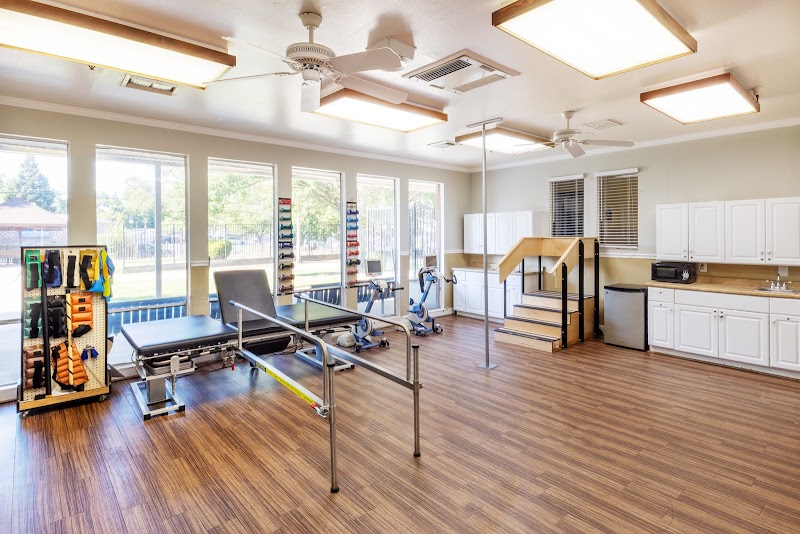
How is North Pointe Staffed?

CMS rates NORTH POINTE CARE CENTER's staffing level at 3 out of 5 stars, which is average compared to other nursing homes. Staff turnover is 44%, compared to the California average of 46%. This relatively stable workforce can support continuity of care.

What Have Inspectors Found at North Pointe?

State health inspectors documented 65 deficiencies at NORTH POINTE CARE CENTER during 2019 to 2025. These included: 2 that caused actual resident harm, 55 with potential for harm, and 8 minor or isolated issues. Deficiencies causing actual harm indicate documented cases where residents experienced negative health consequences.
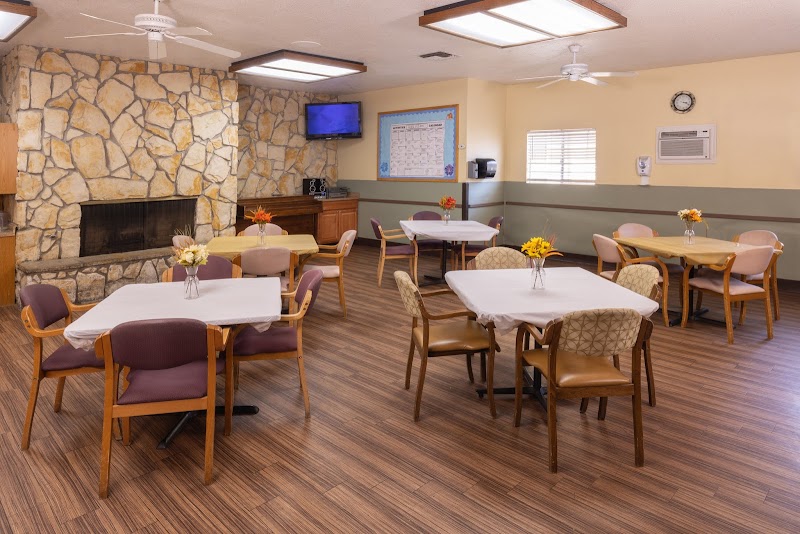
Who Owns and Operates North Pointe?

NORTH POINTE CARE CENTER is owned by a for-profit company. For-profit facilities operate as businesses with obligations to shareholders or private owners. The facility is operated by PACS GROUP, a chain that manages multiple nursing homes. With 161 certified beds and approximately 157 residents (about 98% occupancy), it is a mid-sized facility located in SACRAMENTO, California.
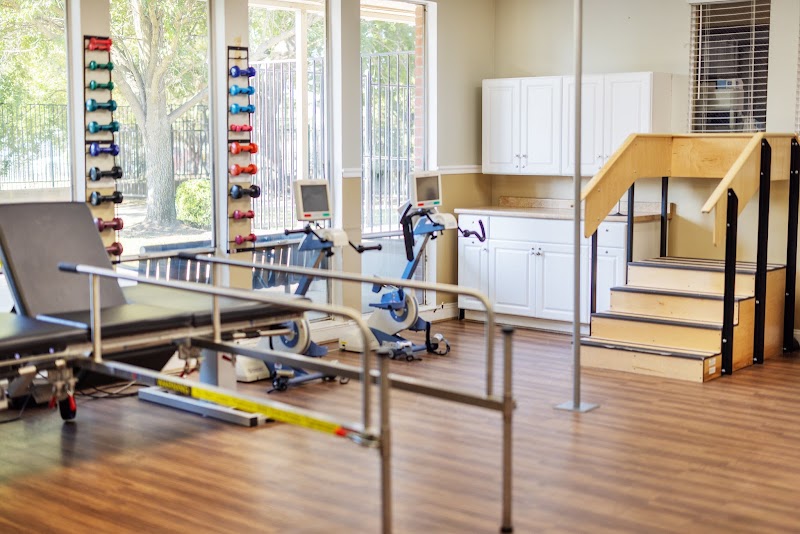
How Does North Pointe Compare to Other California Nursing Homes?

Compared to the 100 nursing homes in California, NORTH POINTE CARE CENTER's overall rating (3 stars) is below the state average of 3.1, staff turnover (44%) is near the state average of 46%, and health inspection rating (2 stars) is below the national benchmark.

What Should Families Ask When Visiting North Pointe?

Based on this facility's data, families visiting should ask: "What safeguards and monitoring systems are in place to protect residents from abuse or neglect?" "Can I visit during a mealtime to observe dining assistance and food quality?" "How do you handle medical emergencies, and what is your hospital transfer rate?" "Can I speak with family members of current residents about their experience?" These questions are particularly relevant given the substantiated abuse finding on record.

Is North Pointe Safe?

Based on CMS inspection data, NORTH POINTE CARE CENTER has documented safety concerns. The facility has 1 substantiated abuse finding (meaning confirmed case of resident harm by staff or other residents). The facility has a 3-star overall rating and ranks #100 of 100 nursing homes in California. Families considering this facility should ask detailed questions about what corrective actions have been taken since these incidents.

Do Nurses at North Pointe Stick Around?

NORTH POINTE CARE CENTER has a staff turnover rate of 44%, which is about average for California nursing homes (state average: 46%). Moderate turnover is common in nursing homes, but families should still ask about staff tenure and how the facility maintains care continuity when employees leave.

Was North Pointe Ever Fined?

NORTH POINTE CARE CENTER has been fined $15,269 across 1 penalty action. This is below the California average of $33,232. While any fine indicates a compliance issue, fines under $50,000 are relatively common and typically reflect isolated problems that were subsequently corrected. Families should ask what specific issues led to these fines and confirm they've been resolved.

Is North Pointe on Any Federal Watch List?

NORTH POINTE CARE CENTER is not on any federal watch list. The most significant is the Special Focus Facility (SFF) program, which identifies the bottom 1% of nursing homes nationally based on persistent, serious quality problems. Not being on this list means the facility has avoided the pattern of deficiencies that triggers enhanced federal oversight. This is a positive indicator, though families should still review the facility's inspection history directly.