UNIVERSITY POST-ACUTE REHAB
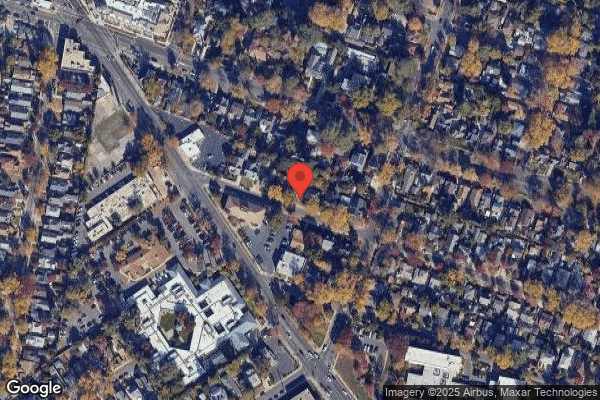
2120 STOCKTON BLVD, SACRAMENTO, CA 95817 (916) 452-6631
For profit - Corporation 59 Beds ASPEN SKILLED HEALTHCARE Data: November 2025
Trust Grade
78/100
#239 of 1155 in CA
Last Inspection: May 2025

Inspected within the last 6 months. Data reflects current conditions.

Overview

University Post-Acute Rehab in Sacramento has a Trust Grade of B, indicating it is a good option but not without its flaws. It ranks #239 out of 1155 facilities in California, placing it in the top half of state options, and #7 out of 37 in Sacramento County, which means only six local facilities are ranked higher. However, the facility is experiencing a worsening trend, with issues increasing from 7 in 2024 to 9 in 2025. Staffing is a relative strength, with a 4/5 star rating and a 34% turnover rate, slightly below the state average, and they have higher RN coverage than 95% of California facilities, ensuring better oversight of resident care. On the downside, there were notable concerns during inspections, such as a resident's oxygen tubing found uncovered on the floor, and care plans missing for three residents, which could lead to inadequate care. Additionally, the facility has incurred $3,145 in fines, which is average compared to other facilities.

Trust Score
B
78/100
In California
#239/1155
Top 20%
Safety Record
Low Risk
No red flags
Inspections
Getting Worse
7 → 9 violations
Staff Stability
○ Average
34% turnover. Near California's 48% average. Typical for the industry.
Penalties
○ Average
$3,145 in fines. Higher than 68% of California facilities. Some compliance issues.
Skilled Nurses
✓ Good
Each resident gets 76 minutes of Registered Nurse (RN) attention daily — more than 97% of California nursing homes. RNs are the most trained staff who catch health problems before they become serious.
Violations
⚠ Watch
27 deficiencies on record. Higher than average. Multiple issues found across inspections.
★★★★★
5.0
Overall Rating
★★★★☆
4.0
Staff Levels
★★★★★
5.0
Care Quality
★★★★☆
4.0
Inspection Score
Stable
2024: 7 issues
2025: 9 issues

The Good

  • 4-Star Staffing Rating · Above-average nurse staffing levels
  • 5-Star Quality Measures · Strong clinical quality outcomes
  • Full Sprinkler Coverage · Fire safety systems throughout facility
  • No fines on record
  • Staff turnover below average (34%)

    14 points below California average of 48%

Facility shows strength in staffing levels, quality measures, fire safety.

The Bad

Staff Turnover: 34%

12pts below California avg (46%)

Typical for the industry

Federal Fines: $3,145

Below median ($33,413)

Minor penalties assessed

Chain: ASPEN SKILLED HEALTHCARE

Part of a multi-facility chain

Ask about local staffing decisions and management

The Ugly 27 deficiencies on record

May 2025 8 deficiencies
CONCERN (D)

Potential for Harm - no one hurt, but risky conditions existed

Deficiency F0658 (Tag F0658)

Could have caused harm · This affected 1 resident

Based on observation, interview, and record review, the facility failed to meet professional standards for one of 19 sampled residents (Resident 8) when Resident 8's oxygen order was not implemented a...

Read full inspector narrative →
Based on observation, interview, and record review, the facility failed to meet professional standards for one of 19 sampled residents (Resident 8) when Resident 8's oxygen order was not implemented according to physician orders. This failure had the potential to result in respiratory failure (low oxygen levels in the blood and difficulty breathing) for Resident 8. Findings: Resident 8 was admitted to the facility in May of 2024 with medical diagnoses of acute and chronic respiratory failure with hypoxia (low levels of oxygen in your body tissues), chronic obstructive pulmonary disease (COPD-a chronic lung disease causing difficulty in breathing), and pneumonia. Resident 8 had a BIMS (Brief Interview for Mental Status-an assessment tool used by facilities to screen and identify memory, orientation, and judgement status of the resident) score of 10 out of 15 which indicated Resident 8 was moderately impaired in cognitive function. Review of physician orders indicated Resident 8 had a physician order for, O2 @ 2L per minute via NC every shift for SOB (oxygen at two liters per minute via nasal cannula every shift for shortness of breath). During an observation on 5/19/25 at 12:01 p.m. in Resident 8's room, Resident 8 was observed wearing a nasal cannula (flexible tubing that delivers oxygen to the nose with two prongs that fit inside the nostrils) attached to an oxygen concentrator that was in use. Resident 8 was receiving one liter of oxygen via nasal cannula. During a concurrent observation and interview on 5/19/25 at 12:20 p.m. at Resident 8's bedside, with Director of Staff Development/Infection Preventionist (DSD/IP), DSD/IP verified Resident 8 was using one liter of oxygen. DSD/IP stated the physician orders indicated Resident 8 should be using two liters of oxygen and that physician orders should be followed. DSD/IP further indicated Resident 8 was at risk of hypoxia. During an interview on 5/21/25 at 12:22 p.m., with Director of Nursing (DON) in the conference room, DON stated oxygen was a medication and required physician orders. The DON indicated staff was expected to follow physician orders. During a review of the facility's policy and procedure titled, Medication Administration-General Guidelines, dated October 2017, indicated, Medications are administered as prescribed in accordance with good nursing principles and practices.
CONCERN (D)

Potential for Harm - no one hurt, but risky conditions existed

Pharmacy Services (Tag F0755)

Could have caused harm · This affected 1 resident

Based on observation, interview, and record review, the facility failed to ensure pharmacy services were maintained for one of 50 residents when two controlled drug record forms (count sheet forms for...

Read full inspector narrative →
Based on observation, interview, and record review, the facility failed to ensure pharmacy services were maintained for one of 50 residents when two controlled drug record forms (count sheet forms for medication that may be abused or cause addiction) were not accurately completed for Resident 12. This failure had the potential in diversion of the Resident's 12 controlled medications and increased risk of medication error. Findings: During an inspection of medication cart 1 on 5/19/25 at 3:33 p.m. with Licensed Nurse 2 (LN 2), two controlled drug count sheets were identified to have inaccurate counts for Resident 12's buprenorphine patch (a medication patch delivers opioid through the skin to control chronic pain) 10 mcg/hr (microgram per hour, unit of measure). During an interview on 5/19/25 at 3:33 p.m. with LN 2, LN 2 stated a buprenorphine patch was given to Resident 12 on 5/18/25 at 9 a.m.; however, it was inaccurately documented on the wrong count sheet for the wrong prescription count sheet. LN 2 acknowledged because of this error both count sheets had incorrect counts on them and the issue was not identified during nurses inventory count during shift change. During an interview on 5/22/25 at 9:30 a.m. with the Director of Nursing (DON), the DON acknowledged the issue with the controlled medication count sheet and the identified discrepancies. The DON stated, Training was provided to the nurses to check the prescription number before documenting the dose on the count sheet. During a review of the facility's policy and procedure (P&P) titled, Medication Storage In The Facility, dated 2014, the P&P indicated, The director of nursing and the consultant pharmacist maintain the facility's compliance with federal and state laws and regulations in the handling of controlled medications .At each shift change, a physical inventory of all controlled medications .is conduced by two licensed nurses and is documented on the controlled medications accountability record .Any discrepancy in controlled substance medication counts is reported to the director of nursing immediately.
CONCERN (E)

Potential for Harm - no one hurt, but risky conditions existed

Comprehensive Care Plan (Tag F0656)

Could have caused harm · This affected multiple residents

Based on interview and record review, the facility failed to ensure care plans (a summary of a person's health conditions, specific care needs, and current treatments) were developed for three of 19 s...

Read full inspector narrative →
Based on interview and record review, the facility failed to ensure care plans (a summary of a person's health conditions, specific care needs, and current treatments) were developed for three of 19 sampled residents (Resident 14, Resident 17, and Resident 27) when: 1. Resident 14 had no anticoagulant (a medicine that help prevent blood clots) monitoring care plan; 2. Resident 17 had no bed alarm and wheelchair alarm (pads that contains sensors that trigger an alarm when they detect a change in pressure) monitoring care plan; and, 3. Resident 27 had no bed alarm monitoring care plan. These failures had the potential to result in inaccurate and inadequate care being provided to Resident 14, 17, and 27. Findings: 1. Resident 14 was admitted to the facility in late 2024 with diagnoses which included heart failure and history of blood clots. During a review of Resident 14's Order Summary Report [OSR], dated 5/21/25, the OSR indicated, Apixaban .[an anticoagulant medication used to decrease the clotting ability of blood and prevents harmful clots]. Give 1 by mouth two times daily for DVT [deep vein thrombosis, blood clot in deep vein, usually in the legs] Prophylaxis [to prevent]. During a review of Resident 14's Medication Administration Record [MAR], dated 5/1/25-5/31/25, the MAR indicated Resident 14 received Apixaban 41 times. During a concurrent interview and record review on 5/21/25 at 9:19 a.m. with Licensed Nurse (LN 4) of Resident 14's record, LN 4 stated the use of an anticoagulant like Apixaban should have a care plan. LN 4 confirmed Resident 14 did not have a care plan for an anticoagulant. During a concurrent interview and record review on 5/21/25 at 10:29 a.m. with the Minimum Data Set Coordinator (MDSC) of Resident 14's record, the MDSC confirmed there was not a care plan and stated she would expect Resident 14 to have an anticoagulation care plan. It's important because she is at risk for bleeding. During a review of the facility's policy and procedures (P&P) titled, Care Plans, Comprehensive Person-Centered, dated 12/16, the P&P indicated, A comprehensive, person-centered care plan that include objectives and timetables to meet the resident's physical, psychosocial, and functional needs is developed and implemented for each resident .the comprehensive, person-centered care plan will .incorporate identified problem areas . 2. Resident 17 was re-admitted to the facility in February of 2025 for surgical aftercare following surgery on the circulatory system and had a memory problem. Resident 17 had a BIMS (Brief Interview for Mental Status-an assessment tool to screen and identify memory, orientation, and judgement status of the resident) score of 4 out of 15 which indicated Resident 17 was severely impaired in cognitive function. During a concurrent observation and interview on 5/19/25 at 12:26 p.m. in Resident 17's room with Certified Nursing Assistant 3 (CNA 3), CNA 3 was observed transferring Resident 17 from her bed to her wheelchair, when a loud alarm sounded. CNA 3 stated Resident 17 was being taken to therapy, and verified both a bed and wheelchair alarm were in use for Resident 17. During a concurrent observation and interview on 5/19/25 at 4:04 p.m. in Resident 17's room with CNA 4, CNA 4 verified both a bed and wheelchair alarm were in use for Resident 17. CNA 4 stated the expectation was to have Resident 17's alarms, on at all times. CNA 4 further stated the alarms were, Very loud .when we hear it we come running. During a review of Resident 17's medical record, there was no care plan in place for the use of either a bed alarm or wheelchair alarm for the resident. During a concurrent interview and record review on 5/19/25 at 4:14 p.m. with LN 6, Resident 17's medical record was reviewed. When asked if Resident 17 uses a bed alarm and/or wheelchair alarm, LN 6 stated, Yes, both, definitely. LN 6 verified there was no care plan for the use of a bed alarm or wheelchair alarm in Resident 17's medical record. LN 6 stated there should be a care plan for the use of the bed and wheelchair alarms. During an interview on 5/21/25 at 12:22 p.m. with Director of Nursing (DON), the DON acknowledged that some residents in the facility use bed and/or wheelchair alarms. The DON stated residents using a bed and/or wheelchair alarm should have a care plan, physician orders, and a signed consent. During a review of the facility's policy and procedure titled, Care Plans, Comprehensive Person-Centered, dated December 2016, indicated, A comprehensive, person-centered care plan that includes measurable objectives and timetables to meet the resident's physical, psychosocial and functional needs is developed and implemented for each resident .must review and update the care plan .when the resident has been readmitted to the facility from a hospital stay. 3. Resident 27 was admitted to the facility in mid-2024 with diagnoses which included a memory problem and had a history of joint replacement surgery. During a concurrent interview and observation on 5/20/25 at 2:41 p.m., in Resident 27's room with CNA 2, CNA 2 confirmed that Resident 27 had a bed alarm in place and stated, She tries to stand up and we use it to prevent her from falling down. During an interview on 5/22/25 at 10:09 p.m., with LN 4, LN 4 stated that a careplan was important because it summarized the health condition, the individual care, and intervention needed by the resident. During a concurrent interview and records review on 5/20/25 at 2:53 p.m., with the Director of Staff Development/Infection Preventionist (DSD/IP), the DSD/IP confirmed that Resident 27's bed alarm did not have a careplan in place. During an interview on 5/21/25 at 12:32 p.m., with the DON, the DON indicated that care plans should be initiated and implemented stating, so staff knows the specific needs of patients. The DON also confirmed that there was no careplan in place for Resident 27's bed alarm. During a review of the facility's policy and procedure titled, Care Plans, Comprehensive Person-Centered, dated December 2016, indicated, A comprehensive, person-centered care plan that includes measurable objectives and timetables to meet the resident's physical, psychosocial and functional needs is developed and implemented for each resident .must review and update the care plan .when the resident has been readmitted to the facility from a hospital stay.
CONCERN (E)

Potential for Harm - no one hurt, but risky conditions existed

Unnecessary Medications (Tag F0759)

Could have caused harm · This affected multiple residents

Based on observation, interview, and record review, the facility failed to ensure the medication rate did not exceed 5% (percent, unit of measure) for two of three sampled residents (Resident 302 and ...

Read full inspector narrative →
Based on observation, interview, and record review, the facility failed to ensure the medication rate did not exceed 5% (percent, unit of measure) for two of three sampled residents (Resident 302 and Resident 40). 1. For Resident 302, a Licensed Nurse (LN) did not administer resident's lidocaine patch (medication patch used to treat pain) 5 % as it was prescribed by the doctor. 2. For Resident 40, an LN did not administer resident's finasteride (hazardous medication used to treat an enlarged prostrate) 5 mg (milligram, unit of measure) as prescribed by the doctor. These failure resulted in a medication error rate of 6.45 % with two errors occurring out of 31 opportunities during the observation of medication administration. Findings: 1. During an observation of medication administration on 5/19/25 at 8:43 a.m., LN 4 was observed to prepare and administer Resident 302's morning medications which included two lidocaine 5% patches. The two patches were applied on Resident 302's lower back. Reconciliation of the observed medication administration for Resident 302's current Physician Orders, dated 5/9/25, indicated to apply 3 lidocaine 5% patches to lower back topically in the morning for lower back pain and remove per schedule. During a review of Resident 302's Medication Administration Record (MAR), dated 5/19/25, the MAR indicated that 3 lidocaine 5% patches were administered to Resident instead of 2 patches. During an interview and concurrent record review on 5/19/25 at 1:51 p.m. with LN 4, LN 4 stated, the Physician Order was for 3 lidocaine 5% patches, but only two patches were administered in the morning instead of three. During an interview on 5/21/25 at 11:38 with the Director of Nursing (DON), the DON acknowledged the lidocaine patches were not administered per the physician orders. During a review of facility's policy and procedure (P&P) titled, Administering Medications, dated 2001, the P&P indicated, Medications must be administered in accordance with the orders . and The individual administering the medication must check the label THREE (3) times to verify the right resident, right dosage .before giving the medication. 2. During an observation of medication administration on 5/19/25 at 9:04 a.m., LN 5 was observed to prepare and administer Resident 40's morning medications which included finasteride, without wearing gloves. Reconciliation of the observation of medication administration with Resident 40's current Physician Orders dated 4/26/25, indicated, 1 tablet daily, use gloves to handle. During a review of Resident 40's Medication Administration Record (MAR), dated 5/19/25, the MAR indicated a dose of finasteride was administered to Resident 40. During an interview on 5/19/25 at 9:17 a.m. with LN 5, LN 5 stated, s/he was not aware of special handling requirements for administering finasteride and thought the gloves were only to prevent infection. LN 5 acknowledged s/he did not wear gloves when handling and administering finasteride. During an interview on 5/21/25 at 11:38 with the DON, the DON acknowledged the finasteride tablet was not administered per the physician orders. During a review of facility's policy and procedure (P&P) titled, Administering Medications, dated 2001, the P&P indicated, Medications must be administered in accordance with the orders . and The individual administering the medication must check the label THREE (3) times to verify the right resident, right dosage before giving the medication. A review of finasteride's Safety Data Sheet (a document that provides detailed information about the hazards of a chemical substance), dated 2/12/24, indicated, reproductive toxicity .consider double gloves .or other impervious gloves if skin contact is possible .
CONCERN (E)

Potential for Harm - no one hurt, but risky conditions existed

Deficiency F0761 (Tag F0761)

Could have caused harm · This affected multiple residents

**NOTE- TERMS IN BRACKETS HAVE BEEN EDITED TO PROTECT CONFIDENTIALITY** Based on observation, interview, and record review, the facility failed to ensure medications were stored correctly, when: 1. Th...

Read full inspector narrative →
**NOTE- TERMS IN BRACKETS HAVE BEEN EDITED TO PROTECT CONFIDENTIALITY** Based on observation, interview, and record review, the facility failed to ensure medications were stored correctly, when: 1. The medication refrigerator temperature was out of range in the medication room which put medication requiring specific temperature at risk of degradation, 2. Resident 36's opened inhaler (used to administer medication by breathing in) in the medication cart 1 was not dated when opened, which put Resident 36 at risk of receiving ineffective expired or outdated medication, 3. An opened, undated multidose container of glucose test strip was found in medication cart 1, which had the potential risk of using expired, or inaccurate glucose test strips to monitor resident's blood glucose levels. These failures had the potential to result in ineffective medication therapy for residents receiving medications stored in the medication refrigerator, for Resident 36 and for residents using glucose test strips from the medication cart 1. Findings: 1. During a concurrent observation and interview on [DATE] at 2:26 p.m. with the Director of Staff Development/Infection Preventionist (DSD/IP), the DSP/IP stated, the medication refrigerator temperature was at 32 degrees F (Fahrenheit, unit of measure). The refrigerator contained medications which included insulin (medication to treat high blood sugar), and nemolizumab (an injectable specialty medication used to treat skin lesions). The DSP/IP also stated, the medication's shelf-life and effectiveness could be shortened when stored outside of the temperature storage guidelines specified by the manufacturers. During an interview on [DATE] at 3:27 p.m. with Licensed Nurse (LN) 2, LN 2 stated when the medication refrigerator was too cold the medications could not be given. The medication would freeze and crystallized and it would not work. During an interview on [DATE] at 11:38 a.m. with the Director of Nursing (DON), the DON acknowledged the refrigerator temperature was out of range and the temperature should had been within the range of 36 to 46 degrees F. A review of an article by Consumer Med Safety (a nationally recognized medication safety organization) titled, Insulin Safety Center, dated 2025, stated, Do not keep insulin in places that freeze. If insulin is frozen, do not use it even after thawing. Freezing temperatures will breakdown the insulin .it will not work well to lower .blood sugar. During a review of the manufacturer's prescribing information for nemolizumab, dated 12/24, indicated, Storage and Handling .store prefilled pen in a refrigerator at 36-46 degree F .Do not freeze . During a review of the facility's policy and procedure (P&P) titled, Medication Storage in the Facility, dated 2008, the P&P indicated, Medications requiring refrigeration or temperatures between 36 F and 46 F [degrees] are kept in a refrigerator with a thermometer to allow temperature monitoring . During a review of the facility's policy and procedure (P&P) titled, Medication Storage in the Facility, dated 2008, the P&P indicated, Medications and biologicals are stored safely, securely, and properly, following manufacturer's recommendations or those of suppliers. 2. During an inspection of medication cart 1 on [DATE] at 3:27 p.m. with LN 2, an open a multidose unit of umeclidinium and vilanterol inhalation powder (combination of two medications used for breathing issues) was found without an open date (date the medication was removed from the protective foil pouch). During an interview on [DATE] at 3:27 p.m. with LN 2, LN 2 was unable to find the open date and therefore was unable to provide the product's expiration date. LN 2 acknowledged that the product should have been removed and discarded from the active medication area. During an interview on [DATE] at 11:38 a.m. with the DON, the DON acknowledged multidose pharmaceutical products needed to be labeled when opened with the date to ensure effectiveness. During a review of the umeclidinium and vilanterol inhalation manufacturer box and label, the box and label indicated, discard within 6 weeks after removing from foil pouch [opening] . During a review of the facility's P&P titled, Administering Medications, dated 2012, the P&P indicated, The expiration/beyond use date on the medication label must be checked prior to the administering. When opening a multi-dose container, the date opened shall be recorded on the container. During a review of the facility's P&P titled, Specific Medication Administration, dated 2008, the P&P indicated, Read medication label before administrating. During a review of the facility P&P titled, Medication Storage in the Facility, dated 2008, the P&P indicated, .Outdated, contaminated or deteriorated medications .are immediately removed from stock. 3. During an inspection of medication cart 1 on [DATE] at 3:30 p.m. with LN 2, an open bottle of glucose test strips (strip that can be used to measure blood sugar level) was found without an open date label. During an interview on [DATE] at 3:30 p.m. with LN 2, LN 2 was unable to find the open date and therefore was unable to provide the product's expiration date. LN 2 acknowledged that the product should have been removed and discarded from the active medication area. During a review of the manufacturer's label printed on the bottle, the label indicated, use within 3 months after opening. During a review of the facility's P&P titled, Administering Medications, dated 2012, the P&P indicated, When opening a multi-dose container, the date opened shall be recorded on the container. During a review of the facility's P&P titled, Specific Medication Administration, dated 2008, the P&P indicated, Read medication label before administrating. During a review of the facility's P&P titled, Medication Storage in the Facility, dated 2008, indicated, .Outdated, contaminated or deteriorated medications .are immediately removed from stock.
CONCERN (E)

Potential for Harm - no one hurt, but risky conditions existed

Deficiency F0806 (Tag F0806)

Could have caused harm · This affected multiple residents

Based on observation, interview, and record review, the facility failed to provide alternative meal options of similar protein/calorie value to the meal entrée when grilled cheese sandwich or c...

Read full inspector narrative →
Based on observation, interview, and record review, the facility failed to provide alternative meal options of similar protein/calorie value to the meal entrée when grilled cheese sandwich or cheese quesadilla were provided in place of the entree. This failure had the potential of leading to protein/calorie malnutrition for those choosing these alternatives for census of 50. Findings: During the initial kitchen tour on 5/19/25 at 8:15 a.m., the alternative menu was observed hanging in the kitchen over the preparation counter. This menu included the option of a grilled cheese sandwich as an alternate meal. During an observation of the lunch meal plating on 5/20/25 at 12:10 p.m., a cheese quesadilla was prepared as an alternative to the main entrée. Later two grilled cheese sandwiches were also prepared and given instead of the entree. One cheese sandwich was for a resident who requested no pork or chicken. The sandwich was made with two slices of bread and one slice of cheese. The quesadilla was made with two corn tortillas and one-fourth cup shredded cheese, the equivalent of two ounces. This provided approximately 9 to 15 grams of protein (in the alternative entrees) as opposed to the 21 grams provided in the main entrée. During an interview on 5/20/25 at 3:38 p.m. with the Registered Dietician (RD), RD stated alternate meals should have the equivalent protein content as the meal being provided. During an interview on 5/21/25 at 10:20 a.m., with the Dietary Supervisor (DS), DS stated that adding an item to the side of a grilled cheese sandwich such as yogurt, soup, cottage cheese, or beans with the quesadilla could provide an equivalent nutritional value for the lower protein alternative choices. During a review of the facility's policy titled, Menus, revised 10/17, the policy indicated, If a food group is missing from a resident's daily diet (e.g., dairy products), the resident is provided an alternative means of meeting his or her nutritional needs .
CONCERN (E)

Potential for Harm - no one hurt, but risky conditions existed

Food Safety (Tag F0812)

Could have caused harm · This affected multiple residents

Based on observation, interview, and record review, the facility failed to store, prepare and serve food in accordance with professional standards for food service safety when: 1. Sanitation was compr...

Read full inspector narrative →
Based on observation, interview, and record review, the facility failed to store, prepare and serve food in accordance with professional standards for food service safety when: 1. Sanitation was compromised by rust-colored stains under the hand wash sink, and there were unpainted patches on several walls in kitchen and dry storage, 2. Food items were found with incomplete labeling, 3. Expired foods were found in the reach-in refrigerator, 4. A wet steam table pan was found stored wet, 5. Dumpster lid was propped open on two difference occasions, and 6. Tuna salad made from room temperature tuna was not monitored and cool-down to 41 degrees F (Fahrenheit, a unit of measure). These failures had the potential to lead to the growth of microorganisms (bacteria, virus, or fungus) and foodborne illness for the 50 residents eating facility prepared meals. Findings: 1. During the initial kitchen tour on 5/19/25 at 8:15 a.m., rust-colored stains were noted under the hand washing sink and unpainted patches were seen on several walls in the kitchen and dry storage areas. During a concurrent observation and interview on 5/19/25 at 9:55 a.m. with the Maintenance Manager (MM), the rust under the sink was discussed. He confirmed the rust and the patches on the wall in the storage areas and over the fruit and vegetable wash sink. MM stated he recently worked on the wall but had not had a chance to paint it yet. During an interview on 5/20/25 at 3:38 p.m. with the Registered Dietician (RD), RD stated the walls needed to be cleaned and sanitized to prevent cross-contamination which could only happen when the walls were smooth and free of defects. Review of the US Food and Drug Administration's 2022 Food Code section 6-201.11 on Floors, Walls, and Ceilings indicated that Except as specified under § 6-201.14 . walls, wall coverings, and ceilings shall be designed, constructed, and installed so they are smooth and easily cleanable. During a review of the facility's policy titled, Sanitization, revised 10/08, the policy indicated, All .shall be kept clean, maintained in good repair and shall be free from . chipped areas that may affect their used or proper cleaning . During a review of the facility's policy titled, Kitchen Maintenance Policy, revised 5/19/25, the policy indicated, To ensure the kitchen area is maintained in a clean, safe, and sanitary condition at all times to support the health and well-being of residents and staff, and to comply with all applicable federal, state, and local regulations, including CMS (Centers for Medical/Medicaid Services), FDA (Food and Drug Administration) Food Code, and health department standards. 2. During the initial kitchen tour observation and concurrent interview with the Dietary Supervisor (DS), on 5/19/25 at 8:15 a.m., a container of ground rosemary had no date, containers of ground mustard and rubbed sage were labeled 3/24, and a container of Jamaican jerk seasoning had a date that was rubbed off. DS confirmed there was no date and stated labels should include a year, as seasonings were good for one year. During an observation on 5/20/25 at 8:56 a.m., a box of mixed fruit cups and three containers of peach cups were marked with 7B, no date or name. Directions on the outside of the resident refrigerator door indicated to label food items with the resident's name, date brought to facility and date to discard. During an interview on 5/20/25 at 9:14 a.m. with the Director of Nursing (DON), the DON acknowledged that there was no name or date for the two fruit items in the refrigerator. The DON also stated that without a name the items could be given to the wrong residents, as residents changed rooms periodically or might be discharged to home and a new resident might be in that bed. During an interview on 5/20/25 at 3:38 p.m., with the RD, RD stated staff were expected to label all resident food with a name, date that it was placed in the refrigerator, and the date to discard. Food provided by the facility needed an opened date, expiration date, and/or used by date. The RD further stated that the date must include the month, day, and year as it would be hard to know the exact time it is no longer safe without a complete date. During a review of the facility policy titled, Refrigerators and Freezers, revised 12/14, the policy indicated, All food shall be appropriately dated to ensure proper rotation by expiration dates. 'Received' dates (dates of delivery) will be marked on cases and on individual items removed from cases for storage. 'Used by' dates will be completed with expiration dates on all prepared food in refrigerators. Expiration dates on unopened food will be observed and 'use by' dates indicated once food is opened. During a review of the facility policy titled, Foods Brought by Family/Visitors, revised 10/17, the policy indicated, Food brought by family/visitors that is left with the resident to consume later will be labeled and stored in a manner that it is clearly distinguishable from facility-prepared food. Perishable foods must be stored in re-sealable containers with tightly fitting lids in a refrigerator. Containers will be labeled with the resident's name, the item and the 'use by' date. 3. During the initial kitchen tour observation and concurrent interview with DS, on 5/19/25 at 8:15 a.m., Feta cheese was dated 4/23/25, with a use by date of 4/26/25 that was still in the refrigerator. While the DS stated it was mislabeled and was good for thirteen days, the cheese was past the used by date. A plate of lettuce and tomato in the reach-in refrigerator had a use by date of 5/18/25. DS concurred it was expired and it should have been tossed by the AM cook. During an interview on 5/20/25 at 3:38 p.m., with the RD, RD stated, Expired food needs to be removed from the refrigerator. Expired food can cause food borne illness. During a review of the facility policy titled, Refrigerators and Freezers, revised 12/14, the policy indicated, Supervisors will be responsible for ensuring food items in pantry, refrigerators, and freezers are not expired or past perish dates. Supervisors should contact vendors or manufacturers when expiration dates are in question or to decipher codes. 4. During the initial kitchen tour on 5/19/25 at 8:15 a.m., one steam table pan was found wet on the ready-to-use shelf. During an interview on 5/20/25 at 3:38 p.m. with the RD, RD stated staff were expected to allow the equipment to air-dry. The RD stated, Wet nesting (pans that are stacked and stored wet) leads to bacteria forming on the surface. According to the Federal Food and Drug Administration (FDA) 2022 Food Code, Section 4-901.11 on Equipment and Utensils, Air-Drying Required indicated, After cleaning and sanitize, equipment and utensils: (A) Shall be air-dried .before contact with food; and (B) May not be cloth dried . During a review of the facility's policy titled, Sanitization, revised 10/08, the policy indicated, All food preparation equipment and utensils that are . washed will be allowed to air dry . 5. During the initial kitchen tour on 5/19/25 at 8:15 a.m., the outside garbage dumpster was observed with one side propped open with no employees currently using it. During an observation on 5/20/25 at 8:43 a.m., the dumpster was observed with one side propped open again with no employee in sight. During an interview on 5/20/25 at 3:38 p.m., with the RD, RD stated dumpsters being left open could attract and harbor pests. During an interview on 5/21/25 at 1:35 p.m., with DS, DS stated that dumpsters should be closed unless in use. The RD stated, Having the dumpsters open so close to the kitchen could attract flies into the kitchen. During a review of the facility's policy titled, Food-Related Garbage and Refuse Disposal, revised 10/17, the policy indicated outside dumpsters by garbage pickup services will be kept closed and free of surrounding litter. 6. During an observation on 5/20/25 at 9:45 a.m., [NAME] 1 was observed making tuna salad. When questioned, cook 1 stated the can of tuna she was using had come from the dry storage and was not prechilled. During an interview on 5/20/25 at 9:54 a.m. with the DS, DS stated the facility did not keep a cool-down log (a log that measures cooling times of food), as they only heat and serve foods. During an interview on 5/20/25 at 3:38 p.m., with the RD, RD stated tuna salad that was not previously chilled, needed to have the temperatures monitored to ensure there would be no harmful bacterial growth. A review of the US FDA 2022 Food Code, section 3-501.14, titled, Cooling, 1/18/23 version, indicated, .(B) Time/temperature control for safety food shall be cooled within 4 hours to . 41 degrees F or less if prepared from ingredients at ambient (room) temperature, such as reconstituted foods and canned tuna . During a review of the facility's policy titled, Food Preparation and Service, revised 10/17, the policy indicated, The longer foods remain in the danger zone the greater the risk for growth of harmful pathogens. Therefore, PHF (potentially hazardous foods) must be maintained below 41 F or above 135 F. Potentially hazardous foods held in the danger zone for more than 4 hours (if being prepared from ingredients at room temperature) or 6 hours (if cooked and then cooled) may cause foodborne illness.
CONCERN (E)

Potential for Harm - no one hurt, but risky conditions existed

Infection Control (Tag F0880)

Could have caused harm · This affected multiple residents

Based on observation, interview, and record review, the facility failed to follow infection control policies for three sampled residents (Resident 12, Resident 24, and Resident 38) out of a census of ...

Read full inspector narrative →
Based on observation, interview, and record review, the facility failed to follow infection control policies for three sampled residents (Resident 12, Resident 24, and Resident 38) out of a census of 50 when: 1. Staff did not wear a gown when providing high contact care to one resident (Resident 12) on Enhanced Barrier Precautions (an infection control strategy used in healthcare settings to prevent the spread of multi-drug resistance organisms) nor did staff wash hands or change gloves between residents' care (Resident 12 and Resident 38); and, 2. Resident 24's oxygen tubing was not labeled with a start date. These failures had the increased potential to spread of infection for the residents in the facility. Findings: 1. Resident 38 was admitted to the facility early 2025 with diagnoses which included infection of spine hardware, respiratory failure, pneumonia, and bacterial infection resistant to common antibiotics. Resident 12 was admitted to the facility early 2025 with diagnoses which included brain dysfunction, inadequate control of blood sugars, kidney failure, thyroid cancer, and muscle weakness. During a review of Resident 38's Order Summary Report [OSR], dated 5/21/25, the OSR indicated Resident 38 received medications intravenously (IV) through a peripherally inserted central catheter (PICC, a thin flexible tube inserted into a vein in the arm). During a review of Resident 38's Care Plan (CP) created 4/16/25, the CP indicated, Potential for IV- related complications such as infection .Implement ENHANCED BARRIER PRECAUTIONS . During an observation on 5/19/25 at 9:05 a.m. of Resident 38's brief change, Certified Nursing Assistant (CNA 1), CNA 1 wore gloves, but did not wear a gown while she provided incontinent care. CNA 1 did not change her gloves or wash her hands and walked to Resident 12's bed, touched the curtain around the bed and re-arranged the pillows under Resident 12's head. During a concurrent observation and interview on 5/19/25 at 9:13 a.m. with CNA 1 of the sign outside Resident 38 and Resident 12's room, CNA 1 confirmed there was a sign posted that indicated, ENHANCED BARRIER PRECAUTION .PROVIDERS AND STAFF MUST ALSO .Wear gloves and gown for the following High-Contact Resident Care Activities. Dressing .Providing Hygiene, Changing briefs Do not wear the same gown and gloves for the care of more than one person. CNA 1 confirmed she was not wearing a gown when she provided care for Resident 38, and also confirmed she did not change her gloves or wash her hands between providing care for different residents. CNA 1 stated it was important to follow the EBP for the safety of residents and to not spread infection. During an interview on 5/19/25 at 9:35 a.m. with Licensed Nurse (LN 3), LN 3 stated staff should wear a gown and gloves when personal care was provided for residents on EBP. During an interview on 5/21/25 at 10:06 a.m. with the Director of Staff Development/Infection Preventionist (DSD/IP), the DSD/IP stated residents with IV's would be on EBP and a sign placed outside the door. The DSD/IP stated the staff should wear a gown and gloves when providing care, The whole reason it [EBP] was started was to prevent cross contamination. During a review of the facility's policy and procedure (P&P) titled, Enhanced Barrier Precaution, dated 6/20/24, the P&P indicated, To maintain an infection prevention and control program designed to provide a safe, sanitary, and comfortable environment and to help prevent the development and transmission of communicable diseases and infections .Facility staff shall perform hand hygiene and will don gown and gloves before performing the following high-contact resident care activities .providing hygiene, changing linens, changing briefs or assisting with toileting .While caring for a resident, staff will change gloves after having contact with secretions or excretions, and hand hygiene will be performed in between . 2. Resident 24 was admitted to the facility in March of 2025 for aftercare following joint replacement surgery. Resident 24 was diagnosed with chronic obstructive pulmonary disease (COPD-a chronic lung disease causing difficulty in breathing). Resident 24 had a BIMS (Brief Interview for Mental Status-an assessment tool used by facilities to screen and identify memory, orientation, and judgement status of the resident) score of 13 out of 15 which indicated Resident 24 was cognitively intact. During an observation on 5/19/25 at 12:43 p.m. in Resident 24's room, Resident 24 was wearing a nasal cannula (flexible tubing that delivers oxygen to the nose with two prongs that fit inside the nostrils) attached to an oxygen tank that was in use. The nasal cannula was not labeled. During an interview on 5/19/25 at 12:48 p.m. in Resident 24's room with LN 1, LN 1 verified the nasal cannula was not labeled with a start date and it was unknown how long the nasal cannula had been in use. LN 1 further indicated the nasal cannula should be labeled with a start date and changed weekly to prevent the accumulation of bacteria. During a review of Resident 24's physician orders, dated 5/9/25, the orders indicated, O2 1L NC PRN for SOB (oxygen one liter nasal cannula as needed for shortness of breath). During an interview on 5/21/25 at 12:22 p.m. with Director of Nursing (DON), the DON stated oxygen tubing should be clean, changed weekly and labeled with a start date.
Mar 2025 1 deficiency
CONCERN (D) 📢 Someone Reported This

A family member, employee, or ombudsman was alarmed enough to file a formal complaint

Potential for Harm - no one hurt, but risky conditions existed

Deficiency F0658 (Tag F0658)

Could have caused harm · This affected 1 resident

**NOTE- TERMS IN BRACKETS HAVE BEEN EDITED TO PROTECT CONFIDENTIALITY** Based on interview and record review, the facility failed to safely administer medications according to professional standards o...

Read full inspector narrative →
**NOTE- TERMS IN BRACKETS HAVE BEEN EDITED TO PROTECT CONFIDENTIALITY** Based on interview and record review, the facility failed to safely administer medications according to professional standards of care for one of three sampled residents (Resident 1), when staff at day program administered Resident 1's noon medications twice. This failure increased Resident 1's potential to develop adverse effects from medications. Findings: A review of Resident 1's admission record indicated he was readmitted to the facility on [DATE] with diagnoses including epilepsy (a chronic brain disorder characterized by recurrent, unprovoked seizures), parkinsonism (a clinical syndrome characterized by motor symptoms that mimic Parkinson's disease. Symptoms include involuntary shaking, muscle stiffness, slow movements, and difficulty with balance and coordination.), and gastro-esophageal reflux disease (GERD- common condition in which the stomach contents move up into the esophagus). During an interview on 3/10/25 at 12:33 p.m. with the Director of Nursing (DON), DON stated Resident 1 attended a social enrichment day program one day a week (on Wednesdays). DON further stated the facility agreed in mid-January 2025 with day program to keep and store Resident 1's medication bubble packs (cards that package doses of medication within small, clear plastic bubbles) in a locked cabinet at the day program instead of bringing his noon medications with his lunch bag. A review of Resident 1's Order Summary Report, dated 3/10/25, indicated Resident 1 was receiving: - clonazepam (used to treat seizures- a sudden, uncontrolled electrical disturbance in the brain which can cause uncontrolled jerking, blank stares, and loss of consciousness) two milligrams (mg; unit of measure) one tablet for seizures; -carbidopa-Levodopa (used to treat Parkinson's disease), extended release tablet 50 mg-200 mg, one tablet for parkinsonism; and -levocarnitine (used to prevent and treat a lack of carnitine- stimulates gastric secretions for digestion) 330 mg, three tablets with meals for carnitine supplement. A review of the facility's progress note, dated 1/29/25, indicated Resident 1's medications bubble packs were delivered and stored at the day program for 12 noon and 1 p.m. scheduled doses. A review of the day program's document titled, Staff Meeting, dated 1/29/25, indicated staff were informed of residents whose medications were kept at the day program and stored in the locked medication cabinet by the office worker's desk. During an interview on 3/10/25 at 1:02 p.m. with the Day Program Director (PD), PD stated on 2/12/25, the Program Support Trainer (PST) retrieved Resident 1's medications from the locked cabinet, administered his lunchtime set of medications, and documented it in the Medication Administration Record (MAR). PD also stated at approximately 12:45 p.m. the Individual Success Coordinator (ISC) retrieved Resident 1's medications from his lunch bag and gave Resident 1 his lunchtime medications. PD further stated, It was our fault and ISC could have prevented administering Resident 1's medications twice by checking the MAR before giving it. During a phone interview on 3/11/25 at 3:05 p.m. with the day program's ISC, ISC stated he found Resident 1's medications in a plastic bag in his backpack and thought he was supposed to administer those medications instead of the locked ones in the cabinet. A review of the day program's document titled, Monthly Medication Administration Record, dated 2/25, indicated Resident 1's medications were given on 2/12/25 at 12 noon. A review of the day program's document titled, Medication Error Report Form, dated 2/12/25, indicated, After lunch at approximately 12:45 p.m., [ISC] had finished assisting [Resident 1] with his medication, which had been sent in his lunch box. When [ISC] went to initial the medication binder (MAR), he saw that [PST] had already initialed it for today . [PST] had taken the daily medication from the packs and gave it to [Resident 1] first, while [ISC] was away from the group. [ISC] assumed that the medication in his lunch was what we were to give him for the day. A review of the facility's policy and procedure (P&P) titled, Medication Administration-General, dated October 2017, indicated, Medications are administered in accordance with written orders of the attending physician. A review of the day program's undated document titled, Medication Procedures, indicated, If you are assigned to someone who takes a medication, you are responsible for ensuring the accurate administration of that medication . A review of the day program's P&P titled, Medication, revised in December 2009, indicated, Designated staff will lock medication into cabinet until time for administration . Changes in medications, dosage and frequency of medication should be reported to designated staff immediately.
Jun 2024 5 deficiencies
CONCERN (D)

Potential for Harm - no one hurt, but risky conditions existed

Grievances (Tag F0585)

Could have caused harm · This affected 1 resident

Based on observation, interview and documentation review, the facility failed to resolve one of 16 sampled residents (Resident 38's) grievance when the resident's co-pay for replacement of lost hearin...

Read full inspector narrative →
Based on observation, interview and documentation review, the facility failed to resolve one of 16 sampled residents (Resident 38's) grievance when the resident's co-pay for replacement of lost hearing aids was not reimbursed in a timely manner. This failure resulted in Resident 38's family member wondering if and when the co-pay was to be reimbursed by the facility. Findings: Review of Resident 38's clinical record, admission Record, indicated the resident had diagnoses that included a cognitive communication deficit. In a Resident Representative (RR) interview on 6/3/24 at 11:18 p.m. in the hallway outside Resident 38's room, the RR reported that the resident's hearing aids were lost in the facility that the resident brought with them upon admission. The RR stated, The hearing aids, charger and everything was gone. The RR stated the family reported the missing hearing aids to the facility and was told they were not able to locate them. The RR stated the family decided to replace the missing/lost hearing aids with the resident's personal insurance rather than wait for the facility to replace them as the hearing aids were indispensable for Resident 38's quality of daily life. The RR stated there was about $100 co-pay for the new hearing aids, but it had not been reimbursed by the facility and indicated she was not sure if and when the facility would refund them. Review of the facility's 1/2010 policy and procedure, Grievance, stipulated, To assure that concerns are quickly and thoroughly evaluated and acted upon in order to resolve issues which affect the quality of life and care for residents in our facility .Prompt efforts by the facility to resolve grievances that the resident may have .The Administrator/Designee will respond to the individual expressing the concerns within (3) three working days of the initial concern . In a concurrent interview and documentation review on 6/4/24 starting at 1:22 p.m. in the Social Service Director's (SSD) office, the SSD verified Resident 38 brought her hearing aids with her upon admission and lost them in the facility. Review of the Lost/Stolen/Damaged Resident Property Report, dated 5/20/24, indicated Resident 38's hearing aids were marked as Lost and in the section of the form what actions the facility took to prevent future damage/loss of property documented, Hearing Aids were replaced by res (resident) [Name of Insurer] insurance. The Administrator signed the form, 5/28/24. There was no further action documented in the form what the facility did take in resolving the issue. The SSD stated he had neither heard of the co-pay nor received the receipt from the family, otherwise it would have been reimbursed. A telephone interview was conducted with Resident 38's RR during the interview with the SSD and the RR clarified her sister gave the $100 co-pay receipt to the SSD right after they replaced the hearing aids. After the phone call, the SSD presented a HEARING AID receipt for Resident 38, dated 5/21/24, of $108.74 ($99.99 for the hearing aids charger plus tax) and stated he thought the receipt was an estimate. The receipt indicated APPROVE-Purchase, paid with credit card and at the bottom printed, Item Sold: 1. In the margin of the receipt, a handwritten note, charger, underlined, was visible. The SSD stated the receipt was given to him on 5/21/24. In an interview on 6/5/24 at 10:20 a.m. in the Administrator's office, the Administrator stated it was the facility policy to resolve grievances as soon as possible and indicated Resident 38's co-pay should have been reimbursed. The Administrator stated there was no reason to hold the bill.
CONCERN (D)

Potential for Harm - no one hurt, but risky conditions existed

Deficiency F0658 (Tag F0658)

Could have caused harm · This affected 1 resident

Based on observation, interview and record review, the facility failed to meet professional standards of quality of care for one of 16 sampled residents (Resident 35) when a pain medication and a rena...

Read full inspector narrative →
Based on observation, interview and record review, the facility failed to meet professional standards of quality of care for one of 16 sampled residents (Resident 35) when a pain medication and a renal nutritional supplement were not administered as ordered by the physician. This failure placed Resident 35 at risk for ineffective pain control and for nutritional imbalance. Findings: Review of Resident 35's clinical record, admission Record, indicated the resident was a long-term resident in the facility with diagnoses that included end stage kidney disease (kidneys lose the ability to remove waste and balance fluids.), unspecified protein-calorie malnutrition and on hemodialysis therapy (a treatment to filter wastes and fluid from the blood using a dialysis machine, an artificial kidney). During the Medication Administration (Med Pass) Observation on 6/4/24 at 8:42 a.m., Licensed Nurse (LN 1), in the presence of LN 2, stated Resident 35 had a physician order for Novasource, a nutrient supplement but it ran out, she, therefore, could not administer it during the med pass. Resident 35's Med Pass was reconciled with the resident's Medication Administration Records (MAR) for June 2024 and noted the resident had the physician orders as follows: 1. Novasource Renal supplement (a formula provides protein, vitamins and minerals specifically to meet the needs of people with chronic kidney disease on dialysis to help maintain lean muscle) 8 fluid oz (ounce, measurement, 29.6 milliliter/oz) two times a day during the medication pass, order date 5/15/24. The MAR indicated the resident had not received Novasource since 6/2/24 a.m. 2. Gabapentin 100 mg (milligram, a unit of measurement) one capsule by mouth two times a day for nerve pain, order date 5/11/24. This medication was not administered during the 6/4/24 a.m. Med Pass. Review of the facility's 12/2012 policy and procedure, Administering Medications, stipulated, Medications shall be administered in a safe and timely manner, and as prescribed. In a follow-up interview on 6/4/24 at 10:18 a.m., LN 1, with LN 2 present, verified the physician order for Gabapentin and acknowledged the pain medication was not administered during the morning Med Pass. LN 1 stated, I must have missed it. In an interview on 6/5/24 at 9:31 a.m. in the Director of Nursing's (DON) office, the DON stated Novasource for Resident 35 should have been ordered in advance for administration. The DON indicated it was the DON's expectation that LNs notify him two to three days before the supplement ran out so the DON could let Dietary Manager reorder. The DON stated Novasource supplement was medically necessary for dialysis patients. The DON acknowledged Gabapentin should have been administered for Resident 35 as prescribed.
CONCERN (D)

Potential for Harm - no one hurt, but risky conditions existed

Deficiency F0676 (Tag F0676)

Could have caused harm · This affected 1 resident

Based on observation, interview and record review, the facility failed to provide a communication board for one of 16 sampled residents (Resident 20) who had expressive aphasia (loss of ability to exp...

Read full inspector narrative →
Based on observation, interview and record review, the facility failed to provide a communication board for one of 16 sampled residents (Resident 20) who had expressive aphasia (loss of ability to express speech). This failure resulted in Resident 20 being frustrated and impeded the resident's communication with others. Findings: Review of Resident 20's clinical record, admission Record, indicated the resident had diagnoses that included aphasia following cerebral infarction (stroke). In a concurrent observation and interview on 6/3/24 at 9:35 a.m., in Resident 20's room, the resident was observed lying in bed wearing headphones. Resident 20 was able to communicate with yes and no answers to questions and maintained eye contact during the interview; however, the resident was unable to say words or phrases. When asked what her first name was, the resident started to write letters with her left index finger in the air. Resident 20 scrawled something in the air, which was difficult, if not impossible, to decipher. There was no writing board, picture board, cards, pens, papers or any other means of communication available in the room. Review of Resident 20's clinical record, care plan for Communication Deficit initiated 5/15/24, included a communication goal for, Resident's ability to interact with others will be enhanced with interventions . The care plan interventions to accomplish the goals included, Provide communication board .Offer pencil and paper to express needs in writing as indicated. In an interview on 6/3/24 at 9:46 a.m., in Resident 20's room, the Director of Staff Development (DSD) stated the resident was non-verbal but able to say yes and no to staff questions. When asked how the call light responses were, the resident began writing something in the air which was incomprehensible. The resident appeared to be frustrated when she was not understood; she clenched her fists and started pounding on the bed while in bed. The DSD verified there was no communication board in the resident's room and stated, She should have one. Review of the facility's March 2010 policy and procedure, Communication with Non-English/Aphasic Resident, stipulated, Social Services will maintain a log of all non-English speaking residents and all expressively aphasic residents within the facility .Social Services will supply residents .with the use of a communication board .the name of each pictured items .staff caring for the resident will be familiarized with the communication tool. The tool will be kept at the resident's bedside for use. In an interview on 6/4/24 at 1:44 p.m., in the Social Services Director's (SSD) office, the SSD stated Resident 20 did not have a communication board because she was able to communicate with yes and no and with facial expressions. The SSD stated that he thought it was inappropriate to place a communication board in her room in case the resident did not use the board. The SSD stated that it was a collaborative work effort among the speech language pathologist, licensed nurses and the SSD to assess for resident communication needs but no one asked the SSD for the communication board for Resident 20. In an interview on 6/5/24 at 9:41 a.m. in the Director of Nursing's (DON) office, the DON acknowledged Resident 20 was cognitively intact but unable to express verbally. The DON indicated the communication board should have been provided to Resident 20 as care planned.
CONCERN (D)

Potential for Harm - no one hurt, but risky conditions existed

Infection Control (Tag F0880)

Could have caused harm · This affected 1 resident

**NOTE- TERMS IN BRACKETS HAVE BEEN EDITED TO PROTECT CONFIDENTIALITY** Based on observation, interview, and record review, the facility failed to follow guidelines for Enhanced Barrier Precaution (EB...

Read full inspector narrative →
**NOTE- TERMS IN BRACKETS HAVE BEEN EDITED TO PROTECT CONFIDENTIALITY** Based on observation, interview, and record review, the facility failed to follow guidelines for Enhanced Barrier Precaution (EBP, an infection control intervention to reduce transmission of multi-drug resistant organisms) that require the use of gowns and gloves during direct care activities for two of 16 sampled residents, Resident 9 and Resident 5, when: 1. Licensed Nurse 3 (LN 3) did not wear the full required Personal Protective Equipment (PPE) before entering Resident 9's room to change his wound dressing of his right foot; and 2. Certified Nursing Assistant 1(CNA 1) did not wear the full required PPE while changing Resident 5's undergarments. This deficient practice had the potential for the spread of multi-drug resistant organisms (MDRO's, bacteria that resist treatment with more than one antibiotic) among residents, staff and visitors. Findings: 1. During a review of the admission Record for Resident 9, the admission record indicated, Resident 9 was admitted to the facility on [DATE], with diagnoses that included Sepsis (serious infection condition), breakdown of Nephrostomy Catheter (drainage tube placed into kidney to drain urine) and Diabetes (a disease that occurs when your blood sugar is too high). During a review of Resident 9's Order Summary Report, dated 5/20/24, indicated, Resident 9 had right toe gangrene (death of body tissue or serious bacterial infection), right heel ulcer (wound), and right plantar ulcer (wound at the sole of the foot). During a review of Resident 9's Care Plan, dated 4/8/24, indicated, Resident 9 had a new arterial (carrying blood from heart to other parts of the body) ulcer on right foot. During a review of Resident 9's Care Plan, dated 10/30/23, indicated, Resident 9 was at High risk for developing complications including UTI [urinary tract infection] due to presence of Nephrostomy tube related to Bladder CA [cancer]. During an observation on 6/3/24 at 11 a.m., Resident 9's room had an EBP sign (guidance on what and how to properly wear the PPE) posted by the door and a white bin contained PPE supplies. LN 3 entered Resident's 9's room and did not wear the proper PPE. As she proceeded with her task, she informed Resident 9 to turn on his side so she could empty his Nephrostomy bag and discarded the urine into the toilet bowl. When LN 3 returned to Resident 9's bedside, she picked up the pillow from the floor, tucked it under resident's right foot and continued to clean his wounds. During an interview on 6/3/24 at 11:20 a.m., LN 3 confirmed Resident 9's room had an EBP sign posted by the door and a white bin contained PPE, and acknowledged she did not put on the proper PPE before she entered the room. LN 3 stated, she should have worn the PPE while rendering direct care to the resident and should have not picked up the dirty pillow from the floor and tucked it to Resident 9's right foot which may spread an infection. LN 3 further stated, I absolutely never wore a gown in an Enhanced Precaution room but now I know. During an interview on 6/4/24 at 11:25 a.m., with the Infection Preventionist (IP), the IP stated, LN 3 should wear a gown and gloves while changing the wound dressing and performing Nephrostomy care to Resident 9. The IP further stated, LN 3 should practice infection control prevention to avoid recontamination.
CONCERN (E)

Potential for Harm - no one hurt, but risky conditions existed

Deficiency F0761 (Tag F0761)

Could have caused harm · This affected multiple residents

Based on observation, interview and documentation review, the facility failed to discard expired medications and medications with no expiration dates, for a census of 58 when, expired medications were...

Read full inspector narrative →
Based on observation, interview and documentation review, the facility failed to discard expired medications and medications with no expiration dates, for a census of 58 when, expired medications were mixed with non-expired medications, available for use, in the medication storage room. This failure increased the potential for medication errors and placed the residents at risk for ineffective drug therapy. Findings: During the medication storage room check on 6/4/24 starting at 3:30 p.m., with Licensed Nurse (LN 3), there were three one oz (ounce, a unit of weight, 28.4 gram) tubes of ointment, TRIPLE ANTIBIOTIC+PAIN RELIEF that were expired and mixed with other non-expired antibiotic ointments in a basket. The expiration date was 1/24. In the medication room, there were three 40 oz Calmoseptine® with Menthol 0.44%, zinc oxide 20.6% (an ointment) to treat and prevent minor skin irritations were available for use with no expiration dates. Review of the facility's April 2008 policy and procedure, Medication Storage in the Facility, stipulated, Outdated .are immediately removed from stock, disposed of according to procedures for medication disposal . In a concurrent observation and interview on 6/4/24 starting at 3:30 p.m., Licensed Nurse (LN) 3 verified the name, quantity and the expiration date of the triple antibiotics and the skin ointment had no expiration dates. LN 3 stated LNs should have checked the expiration dates of the medications and should have discarded the expired medications and LN 3 further acknowledged medications without expiration dates should not be used. In an interview on 6/5/24 at 9:31 a.m., in the Director of Nursing's (DON) office, the DON stated that the expired medications and the medications with no expiration date should have been discarded.
Jun 2024 1 deficiency
CONCERN (D) 📢 Someone Reported This

A family member, employee, or ombudsman was alarmed enough to file a formal complaint

Potential for Harm - no one hurt, but risky conditions existed

Free from Abuse/Neglect (Tag F0600)

Could have caused harm · This affected 1 resident

**NOTE- TERMS IN BRACKETS HAVE BEEN EDITED TO PROTECT CONFIDENTIALITY** Based on interview and record review, the facility failed to ensure one resident (Resident 1) of two sampled residents was free ...

Read full inspector narrative →
**NOTE- TERMS IN BRACKETS HAVE BEEN EDITED TO PROTECT CONFIDENTIALITY** Based on interview and record review, the facility failed to ensure one resident (Resident 1) of two sampled residents was free from abuse when Resident 2 threw water at her. This failure decreased the facility's potential to protect Resident 1's right to be free from harm. Findings: During a record review of Resident 1's face sheet indicated admission to the facility in 2021 with diagnoses which included dementia (memory loss and judgment) and cognitive communication deficit. During a record review of Resident 1's physician's order (PO), dated 7/13/23, the PO indicated, Resident does not have mental capacity to understand choices and make healthcare decisions. During a record review of Resident 1's care plan (CP) titled, Altered thought process [related to] dementia, as evidenced by short term memory problem-cannot recall after 5 minutes; long term memory impairment-cannot recall long past; unable to make decisions; poor decision making; problem understanding others; and, problem making needs known, revised 2/12/24, the CP indicated, Allow resident ample time to absorb and respond to information. During a record review of Resident 1's weekly nurses progress notes, dated 4/28/24, 5/5/24, and 5/19/24, indicated Resident 1's mood was calm. During a record review of Resident 1's CP titled, Allegation of abuse [related to] impaired cognitive function, impaired physical mobility, roommate threw a water on her, dated 5/15/24, the CP indicated, Anticipate needs and attend promptly. During a record review of Resident 1's interdisciplinary team (IDT, a group of professionals all working collaboratively toward a common goal) notes for allegation of abuse, dated 5/16/24, the IDT notes indicated, Roommate threw a water at her on 5/15/24 while lying in bed. The IDT report also indicated, Resident stated that someone threw water. Noted that gown was mildly damp. During an interview on 5/24/24 at 10:33 a.m., with the Licensed Nurse (LN), the LN stated, no one should throw water at another resident. The LN stated if someone would throw water at her, she would feel disrespected and would feel offended. During an interview on 5/24/24 at 11:09 a.m., with the Director of Nursing (DON), the DON stated Resident 2 was upset with Resident 1 for grabbing the privacy curtain, so Resident 2 threw water at Resident 1. The DON stated he would be upset, angry, and would want to know the reason why someone would throw water at him. The DON stated no one should throw water at a resident. During an interview on 5/24/24 at 11:34 a.m., with Certified Nurse Assistant 1 (CNA1), CNA 1 stated, Resident 2 did not like Resident 1 but no one should be thrown water at. The CNA 1 stated she would not feel safe near a person who threw water at her because that person could do worse next time. CNA 1 stated nothing should be thrown at a resident. CNA 1 also stated, I don't think that's appropriate at all to throw water at someone you don't like. During an interview on 5/24/24 at 5:23 p.m., with CNA 2, CNA 2 stated, he heard Resident 1 call for help. CNA 2 went inside room [ROOM NUMBER] and Resident 1 stated someone poured water on her. CNA 2 stated, he checked Resident 1's gown, and the gown was wet on the chest area. CNA 2 stated he asked Resident 2, about what Resident 1 stated and Resident 2 admitted she threw the water at Resident 1. CNA 2 stated, No one should be poured water at. A review of the facility's policy and procedure, titled, Abuse Reporting and Investigation, dated December 2022, indicated, .To ensure resident's safety and well-being of the resident once admitted to the facility.
Feb 2024 1 deficiency
CONCERN (D) 📢 Someone Reported This

A family member, employee, or ombudsman was alarmed enough to file a formal complaint

Potential for Harm - no one hurt, but risky conditions existed

Resident Rights (Tag F0550)

Could have caused harm · This affected 1 resident

**NOTE- TERMS IN BRACKETS HAVE BEEN EDITED TO PROTECT CONFIDENTIALITY** Based on interviews, clinical record review, and facility documents review, the facility failed to ensure one of three residents...

Read full inspector narrative →
**NOTE- TERMS IN BRACKETS HAVE BEEN EDITED TO PROTECT CONFIDENTIALITY** Based on interviews, clinical record review, and facility documents review, the facility failed to ensure one of three residents (Resident 1) was treated with dignity and respect when Restorative Nursing Aide (RNA) 1 was rough when providing care to Resident 1 and stated to Resident 1 to stop whining and stop fussing. This failure resulted in Resident 1 to have pain and not feel human and not allowed to cry. Findings: Resident 1 was admitted to the facility on [DATE] with diagnoses that included osteoarthritis (degenerative disease resulting in chronic pain) of right knee, muscle weakness, and chronic obstructive pulmonary disease (COPD-lung disease that makes it difficult to breathe). During a review of Resident 1's admission Minimum Data Set (MDS-an assessment tool), dated 12/23/23, described her as having clear speech, able to make herself understood and as able to understand others. Resident 1's BIMS (a brief screening that aids in detecting cognitive impairment) score was 13 which indicated she was cognitively intact. The MDS described Resident 1 as having no signs or symptoms of delirium or behavioral symptoms. The MDS also described Resident 1 as needing substantial/maximal assistance (helper does more than half the effort) with toileting hygiene and partial/moderate assistance (helper does less than half the effort) with personal hygiene. Review of the facility's, Verification of Incident Investigation/Administrative Summary, dated 2/11/24, indicated, on 2/11/24 at approximately 11 a.m. CNA (Certified Nursing Assistant) Student 1 reported that she responded to Resident 1's call light and she needed to use a bed pan and was in pain. CNA Student 1 indicated, RNA 1 gave care and CNA Student 1 believed the care was done inappropriately. Resident 1 was interviewed and reported that RNA 1 handled her roughly and was not patient with her. She also, used language that could hurt her feelings. Review of the facility' s, Verification of Incident Investigation/Administrative Summary, dated 2/11/24, indicated, CNA Student 1 was interviewed. CNA Student 1 went into Resident 1's room with RNA 1 at 11 a.m. CNA Student 1 indicated Resident 1's call light was on, and she needed to use the bed pan. Resident 1 was in bed and stated that she need help getting on the bed pan and that she was in pain. According to CNA Student 1, RNA 1 gave care but believes that the care was done inappropriately and shouldn't be how residents are treated. CNA Student 1 alleged RNA 1 made comments such as,stop whining and fussing and didn't want to hear Resident 1's, boo hoos and hollering. Review of the facility's, Verification of Incident Investigation/Administrative Summary, dated 2/11/24, indicated, CNA Student 2 was interviewed. CNA Student 2 who was in the room at the time of the alleged incident providing care to the resident in B bed. CNA Student 2 overheard Resident 1 state she was in pain and CNA Student 2 felt RNA 1 had little compassion while [Resident 1] was in pain. Review of the facility's, Verification of Incident Investigation/Administrative Summary, dated 2/11/24, indicated Resident 1 was interviewed. Resident 1 stated RNA 1 helped get on a bed pan and had also stated she was in pain. Resident 1 stated she felt RNA 1 was rushing the care and it might have caused more pain. Resident 1 stated RNA 1 stated she had other people to deal with. Resident 1 described RNA 1 as big and rough. During an interview, on 2/21/24 at 10:58 a.m., with Resident 1, she stated she needed to use the bedpan. Resident 1 stated the CNA (RNA 1) was rough when helping her. Resident 1 stated she was having pain, need to be careful with her legs and not be in hurry. Resident 1 confirmed CNA (RNA 1) also said some not nice things stop whining, stop fussing. Resident 1 was asked how this made her feel. She stated she felt like she was not human, not allowed to cry. Resident 1 stated she didn't eat lunch or dinner that night, because she was shaken up. During a review of the facility's policy Resident Rights, revised 08/2022, indicated, These rights include the resident's rights to: .be treated with respect, kindness, and dignity;
Nov 2023 1 deficiency
CONCERN (D) 📢 Someone Reported This

A family member, employee, or ombudsman was alarmed enough to file a formal complaint

Potential for Harm - no one hurt, but risky conditions existed

Report Alleged Abuse (Tag F0609)

Could have caused harm · This affected 1 resident

Based on observation, interviews, and record review, the facility failed to implement policies and procedures for ensuring the reporting of an allegation of abuse when Resident 1 complained of being i...

Read full inspector narrative →
Based on observation, interviews, and record review, the facility failed to implement policies and procedures for ensuring the reporting of an allegation of abuse when Resident 1 complained of being inappropriately touched on her left breast by a male occupational therapist (OT 2- a health care worker who helps individuals resume daily tasks such as dressing). This failure resulted in the facility not meeting the mandated reporting requirement of an alleged abuse and prevented the facility from immediate investigation of the allegation. Findings: Resident 1 ' s Facesheet (demographic and medical information sheet) , dated 11/3/23, indicated she was admitted to the facility for aftercare following a knee surgery. A MDS (Minimum Data Set, an assessment tool) dated 11/7/23, described Resident 1 as cognitively intact (able to follow instructions and make decisions). On 11/17/23 Resident 1 informed OT 1 that a male occupational therapist (OT 2) inappropriately touched Resident 1 on her left breast. During an interview on 11/21/23 at 10:25 a.m. with Resident 1 in Resident ' s 1 room, Resident 1 was teary eyed and indicated that while unbuckling her gait belt (safety device to assist moving from bed to chair) the OT 2 reached over her right shoulder and touched/rubbed her left breast. Resident 1 indicated she did not recall the exact date of the event but did tell a physical therapist (PT) the next day or after. During an interview with OT 1 on 11/21/23 at 11:50 a.m., OT 1 indicated that on 11/17/23, at around 3 p.m., Resident 1 stated that she was inappropriately touched by OT 2 and would not work with him. OT 1 indicated that she did not know when the event occurred, but Resident 1 said it was the last time she worked with OT 2. OT 1 indicated she notified her director the same day. During an interview with the Rehabilitation Director (RD), on 11/21/23 at 11:08 a.m., the RD indicated OT 1 notified her in the afternoon on 11/17/23 (via text) that Resident 1 said the incident with OT 2 happened a few weeks ago. Resident 1 said it was the last time OT 2 and Resident 1 worked on dressing, and when trying to remove the gait belt, OT 2 rubbed and touched her breast. RD indicated she notified her Regional Director but not the Facility Administrator (FA). During an interview with the FA, on 11/21/23 at 10:04 a.m., the FA indicated he was notified of the allegation against OT 2 on the morning of 11/20/23. The FA indicated that the facility Abuse Policies and Procedures were not followed. Review of the facility policy titled Abuse Prevention Program, dated 12/1/22, indicated . The facility shall report any and all allegations of abuse to the District CDPH, Local Ombudsman and/or Local Law Enforcement, either by phone, email or facsimile, within 2-hour timeframe.
Jan 2023 1 deficiency
CONCERN (D) 📢 Someone Reported This

A family member, employee, or ombudsman was alarmed enough to file a formal complaint

Potential for Harm - no one hurt, but risky conditions existed

Deficiency F0658 (Tag F0658)

Could have caused harm · This affected 1 resident

Based on observation, interview and record review, the facility failed to ensure medication administration in accordance with professional standards of care was provided to one of five sampled residen...

Read full inspector narrative →
Based on observation, interview and record review, the facility failed to ensure medication administration in accordance with professional standards of care was provided to one of five sampled residents (Resident 1) when, the licensed nurse (LN) discontinued a medication ordered by the physician during Resident 1's re-admission. This had the potential to result in adverse effects for Resident 1 and not obtaining her highest practicable well-being. Findings: Resident 1 was admitted and re-admitted in late 2022 with diagnoses which included right arm and left knee surgery aftercare, muscle weakness, anxiety, depression, and Parkinson's disease (brain disorder affecting body movements with tremors). During a review of Resident 1's Skilled Nursing Facility Admit Orders (SNFAO), dated 9/27/22, the SNFAO indicated, Carbidopa-Levodopa [medication to treat symptoms of Parkinson's disease] 25-100 mg [milligram, weight measure] SR [sustained release] Tablet .Take 2 tablets by mouth every day at bedtime; Carbidopa-Levodopa 25-100 mg SR Tablet .Take 1 tablet by mouth 2 times daily. During a review of Resident 1's SNFAO, dated 10/10/22, the SNFAO indicated, Continue these medications which have not changed: Carbidopa-Levodopa .Take 2 tablets by mouth at bedtime; Carbidopa-Levodopa .Take 1 tablet by mouth 2 times daily. During a review of Resident 1's Physician Progress Notes (PPN), dated 10/11/22, the PPN indicated, DIAGNOSIS/ASSESSMENT/PLAN .Parkinsonism: continue (sic) Carbidopa-Levodopa. During a review of Resident 1's Minimum Data Set (MDS, an assessment tool), dated 10/14/22, the MDS indicated Resident 1 had moderate memory impairment and needed limited to extensive assistance with activities of daily living. During a review of Resident 1's Order Summary Report (OSR), dated 10/14/22, the OSR indicated, [Brand name] oral tablet .(Carbidopa-Levodopa) Give 2 tablets by mouth at bedtime related to PARKINSON'S DISEASE. During a review of Resident 1's OSR, dated 10/27/22, the OSR indicated, [Brand name] oral tablet .(Carbidopa-Levodopa) Give 1 tablet by mouth two times a day for PARKINSON'S DISEASE. During a review of Resident 1's Nursing Care Plan (NCP), dated 10/28/22, the NCP indicated, Missed doses of [brand name, carbidopa-levodopa] .Will not have symptoms .Monitor for decreased mobility .Monitor for s/x [signs and symptoms] of involuntary movement, rigid muscle, confusion. During an interview on 12/8/22, at 8:41 a.m., with Family Member 1 (FM 1), FM 1 stated, The primary issue is that they haven't given or they did not give [Resident 1] the proper medication. They withheld her Parkinson's medication. Somebody messed up on the doctor's orders and she didn't have it for ten days, and she went into extreme withdrawals. During an interview on 12/8/22, at 2:07 p.m., with LN 1, LN 1 stated, [Resident 1] is alert and oriented .She knows her medications well .I think she's on [name brand, carbidopa-levodopa] at night. I think the medication was not even restarted when the resident was re-admitted , and she knows that. During a concurrent observation and interview on 12/8/22, at 2:48 p.m., Resident 1 was lying in bed, awake, alert and verbally responsive, with FM 1 at the bedside. Resident 1 stated, When I first came here, [FM 1] went over the list of medications, with the medication lady here, and inadvertently, [the medication lady] forgot one of my meds on the list .We discovered as I was having a few symptoms of which [FM 1] said something was wrong. They forgot to give me my one medicine, the carbidopa-levodopa for my brain. During an interview on 12/8/22, at 2:50 p.m., with FM 1 and Resident 1, FM 1 stated, I believe it was for [Resident 1's] Parkinson's. So, they miss the carbidopa-levodopa for seven days .When they discovered it, [FM 1] talked to the doctor, and the doctor said [Resident 1] could die if she doesn't have that medicine back. Resident 1 stated, I was getting better because I got the medicine [carbidopa-levodopa] in me, and I don't remember being here the first two weeks. During an interview on 12/8/22, at 3:55 p.m., with the Director of Nursing (DON), the DON stated, There was a [brand name, carbidopa-levodopa] dose that was inadvertently discontinued by a nurse .It was an error by the nurse .The order was not verified with the doctor. When they were checking the order, they noticed the error so they called the doctor and the doctor said to just monitor the resident. During a review of the facility's undated policy and procedure (P&P) titled, Medication Administration Technique, the P&P indicated, Administration of medications will be done in a safe, organized, and accurate manner by persons legally authorized or licensed to do so, in accordance with the physician's order, State laws and regulations .Take necessary steps to ensure resident receives the correct medication, up to and including notifying the physician .of a need to make, clarify or correct the medication order . During a review of the current drug reference titled, Lexicomp: Evidence-Based Drug Referential Content, the drug reference indicated, Discontinuation of therapy [carbidopa-levodopa] may result in neuroleptic malignant syndrome [a life-threatening, neurological disorder most often caused by an adverse reaction to antipsychotic drugs characterized by fever, altered mental status and muscle rigidity] .Avoid sudden discontinuation or rapid dose reduction. During a review of the undated document titled, Nursing Practice Act Rules and Regulations, the document indicated, Article 2. Scope of Regulation 2725 (b). The practice of nursing within the meaning of this chapter means those functions, including basic health care, that help people cope with difficulties in daily living that are associated with their actual or potential health or illness problems or the treatment thereof, and that require substantial amount of specific knowledge of the following: (2) Direct and indirect patient care services, including, but not limited to, the administration of medications and therapeutic agents, necessary to implement treatment, disease prevention, or rehabilitative regiment .ordered by and within the scope of licensure of a physician .as defined by Section 1316.5 of the Health and Safety Code. (Nursing Practice Act Rules and Regulations Issued by Board of Registered Nursing 1997 State of California Department of Consumer Affairs. pp. 5).
Jan 2022 9 deficiencies
CONCERN (D)

Potential for Harm - no one hurt, but risky conditions existed

Deficiency F0558 (Tag F0558)

Could have caused harm · This affected 1 resident

Based on observation, interview and record review, the facility failed to ensure resident needs were accommodated for two of 18 sampled residents (Resident 5 and Resident 10) when: 1. Call light was n...

Read full inspector narrative →
Based on observation, interview and record review, the facility failed to ensure resident needs were accommodated for two of 18 sampled residents (Resident 5 and Resident 10) when: 1. Call light was not within reach for Resident 5; and 2. A haircut was not provided for Resident 10. These failures had the potential to result in increased risks for unmet needs of the residents. Findings: 1. Resident 5 was admitted to the facility in the middle of 2006 with diagnoses which included left side paralysis and left hand contracture. During a review of Resident 5's Minimum Data Set (MDS, an assessment tool), dated 11/12/21, the MDS indicated Resident 5 had memory impairment and required one person assistance with activities of daily living (ADLs). During a review of Resident 5's nursing care plan (NCP) titled, Self-care deficit, dated 11/24/21, the NCP indicated, Manifested by inability to dress .Encourage resident to use call light. During a concurrent observation and interview on 1/10/22 at 9:02 a.m., with Resident 5, Resident 5's left hand had a splint, and the right hand was able to move with good range of motion. Resident 5 tried to get hold of the call light to call for a nurse but was not able to, due to the call light being out of reach. The resident stated, I want to call the nurse but I can't find my call light. It happens quite often when I can't find my call light button. During an interview on 1/10/22 at 9:16 a.m., with Licensed Nurse (LN) 2, LN 2 stated, The call light was stuck so the resident was unable to reach it. The CNAs [Certified Nursing Assistants] have to make sure the call light buttons are reachable. During an interview on 1/10/22 at 9:21 a.m., with CNA 1, CNA 1 stated, [Resident 5] is alert and oriented and able to use the call light with his right hand. He is able to make his needs known. He is able to use the call light. During an interview on 1/12/22 at 9:34 a.m., with the Director of Nursing (DON), the DON stated, After checking residents and after providing care, the CNAs should make sure to place the call light button reachable for the residents. During a review of the undated policy and procedure (P&P) titled, CALL LIGHT, ANSWERING, the P&P indicated, All the staff will/promptly attend to residents requesting assistance .Place the call light within reach. 2. Resident 10 was admitted to the facility in early 2020 with diagnoses which included depression and anxiety. During a review of Resident 10's Minimum Data Set (MDS, an assessment tool), dated 10/25/21, Resident 10 had no memory impairment, and no mood or behavior problems. During a review of Resident 10's NCP titled, Self care deficit, dated 6/8/21, the NCP indicated, Self care deficit manifested by inability to dress .assure resident needs will be met timely. During a concurrent observation and interview on 1/10/22 at 8:59 a.m., with Resident 10, Resident 10 stated, One thing is, they don't have anybody to give me a haircut .It has been a long time that they have not cut my hair. I spoke with social services but he has not come back to me yet. During an interview on 1/11/22 at 7:37 a.m., with the Social Services Director (SSD), the SSD stated, It has been one month since his last haircut .We had been doing it and we had been trying to find someone to cut his hair but to no avail. There was no documented evidence on SSD progress notes addressing the issue on Resident 10's need for a haircut. During an interview on 1/10/22 at 9:44 a.m., with CNA 1, CNA 1 stated, [Resident 10] is alert and oriented and he is able to make his needs known. He told me one time he needed a haircut but apparently not being done for a while, and social services is aware. During an interview on 1/11/22 at 9:45 a.m., with Resident 10, Resident 10 stated, [SSD] talked with me and he said he is going to work on it. During an interview on 1/13/22 at 9:42 a.m., with the DON, the DON stated, Social services takes care of the needs of the residents regarding haircuts. I would expect the issue should be addressed right away. During a review of an undated facility's P&P titled, RESIDENT'S BASIC RIGHTS, the P&P indicated, [Residents] receive care in a manner which promotes and enhances your quality of life .Services necessary to attain or maintain your highest practicable level of functioning. During a review of the facility's P&P titled, ACCOMMODATION OF NEEDS, revised 11/12, the P&P indicated, It is the policy of [name of facility] to recognize and promote the resident's rights to receive services in the facility with reasonable accommodations of individual needs and preferences .Reasonable accommodations are those adaptations of the facility's environment and staff behaviors to assist residents in maintaining independent functioning, dignity, and well being.
CONCERN (D)

Potential for Harm - no one hurt, but risky conditions existed

Deficiency F0638 (Tag F0638)

Could have caused harm · This affected 1 resident

Based on interview and record review, the facility failed to ensure resident assessments were performed in accordance with regulatory time frames for two of 18 sampled residents (Resident 5 and Reside...

Read full inspector narrative →
Based on interview and record review, the facility failed to ensure resident assessments were performed in accordance with regulatory time frames for two of 18 sampled residents (Resident 5 and Resident 2), when the quarterly Minimum Data Set (MDS, an assessment tool) assessments were not completed. This failure had the potential to result in resident's care needs not being met. Findings: Resident 5 was admitted to the facility in the middle of 2006 with diagnoses which included heart failure, kidney failure, left side paralysis and left hand contracture. Resident 2 was admitted to the facility in late 2021 with diagnoses which included heart failure, kidney failure and abnormal blood sugar levels. During a review of the facility's electronic medical records system, which contained the residents' MDS assessments, on 1/13/22, the medical records system revealed the quarterly MDS assessments for Resident 5 and Resident 2 were overdue and were not completed. During an interview on 1/13/22 at 8:34 a.m., with the Director of Staff Development (DSD), the DSD verified the MDSs for Resident 5 and Resident 2 were overdue and not completed, and stated, The MDS assessments are late and overdue. I would agree that the assessments are not up-to-date.
CONCERN (D)

Potential for Harm - no one hurt, but risky conditions existed

Deficiency F0655 (Tag F0655)

Could have caused harm · This affected 1 resident

Based on observation, interview, and record review, the facility failed to provide the summary of the baseline care plan (BCP) to one of 18 sampled residents (Resident 90). This failure resulted in Re...

Read full inspector narrative →
Based on observation, interview, and record review, the facility failed to provide the summary of the baseline care plan (BCP) to one of 18 sampled residents (Resident 90). This failure resulted in Resident 90 and family not having clear information and understanding of the resident's initial goals, discharge plans, medications, and treatment. Findings: Resident 90 was admitted in late 2021 with diagnoses which included stroke, weakness, difficulty walking, and assistance with personal care. During a review of Resident 90's clinical record titled, Baseline Care Plan, (BCP) dated 12/29/21, the BCP indicated, Initial goals .to be able to roll side to side, sit up and walk .provide translation board [Chinese-English] .focused on bed mobility, gait training for safety .Discharge plan to return home. During a review of Resident 90's physician's orders (PO), dated 1/6/22, the PO indicated, [Resident 90] does have mental capacity. During an interview on 1/10/22 at 12:12 p.m., with Family Member (FM) 1, FM 1 stated, Nobody has talked to me yet with regards to her plan to be discharged . I have no information regarding her plan of care. [Resident 90] cannot speak or read English and she has separation anxiety. They have not contacted or talked to me about anything .I have not received any paper explaining the plan of the facility. During an interview on 1/10/22 at 2:11 p.m., with the Desk Nurse/Infection Preventionist (DN/IP), the DN/IP stated, We initiate the BCP, and we do it in paper .completed within 48 hours. We give the family or the responsible party a copy of the BCP if they wanted one. When asked what's the process when the resident did not speak or understand English was, the DN/IP stated, They have to have someone to translate and explain to them .I don't know if a copy of the BCP was given or explained. During an interview on 1/10/22 at 2:20 p.m., with Licensed Nurse (LN) 2, LN 2 stated, On the BCP, the night shift nurse initiates the process and completed within 24 hours. I didn't know that we have to give a copy until now .[Resident 90] does not speak English. During an interview on 1/10/22 at 2:29 p.m., with the Social Services Director (SSD), the SSD stated, The BCP is completed within 24 hours. The BCP includes what the discharge plan will be, addresses all the issues and reasons why the resident was admitted . The BCP stays in the chart .Usually the nurse provides a copy. During a concurrent observation and interview on 1/10/22 at 2:36 p.m., Resident 90 was found in bed, awake and alert and did not respond when spoken to in English. FM 1 was at the bedside, and stated, [Resident 90] does not understand English, that's why I'm here during the day to translate for her .I never received any copy [of the BCP] .They let me sign a paper [BCP], and they did not explain to me what was in there. They just told me to sign the paper, and I didn't receive any copy of the plan of care. I did not get an explanation on what it was. During a review of the facility policy and procedure (P&P) titled, Care Plans - Baseline, dated 12/16, the P&P indicated, The resident and their representative will be provided a summary of the baseline care plan that includes but is not limited to: the initial goals of the resident; a summary of the resident's medications .treatments to be administered by the facility .
CONCERN (D)

Potential for Harm - no one hurt, but risky conditions existed

Food Safety (Tag F0812)

Could have caused harm · This affected 1 resident

Based on observation, interview, and record review, the facility failed to maintain a sanitary environment to help prevent the transmission of diseases and infections, when the dietary staff had hair ...

Read full inspector narrative →
Based on observation, interview, and record review, the facility failed to maintain a sanitary environment to help prevent the transmission of diseases and infections, when the dietary staff had hair not completely covered by a hair net. This failure had the potential to result in transmission of food borne illness. Findings: During an observation in the kitchen, on 1/13/22, at 6:35 a.m., with the Dietary Aid (DA) 1, the DA 1's hair was exposed around her cheeks and forehead, not completely covered with the hair net. During a concurrent observation and interview on 1/13/22, at 6:36 a.m., with DA 1, DA 1 stated, Yes, sorry, I'll put a new one on before we are ready to start tray line. During a concurrent observation and interview on 1/13/22, at 6:37 a.m., with the Dietary Manager (DM), the DM stated, Yes, the hair is visible around her face. It should all be in the hair net. During a review of the facility's policy and procedure (P&P) titled, Dress Code for Women and Men, dated 2018, the P&P indicated, Personal Hygiene and appropriate dress are very important part of the total appearance .PROPER DRESS: Hairnet or hat which completely covers the hair.
CONCERN (E)

Potential for Harm - no one hurt, but risky conditions existed

Comprehensive Assessments (Tag F0636)

Could have caused harm · This affected multiple residents

Based on interview and record review, the facility failed to ensure comprehensive assessments were performed in accordance with regulatory time frames for three of 18 sampled residents (Resident 90, R...

Read full inspector narrative →
Based on interview and record review, the facility failed to ensure comprehensive assessments were performed in accordance with regulatory time frames for three of 18 sampled residents (Resident 90, Resident 141 and Resident 193), when the admission Minimum Data Set (MDS, an assessment tool) assessments were not completed. This failure had the potential to result in residents not meeting their highest practicable mental, physical and psychosocial well-being. Findings: Resident 90 was admitted to the facility in late 2021 with diagnoses which included stroke, rib fracture, anxiety, and surgical aftercare. Resident 141 was admitted to the facility in early 2022 with diagnoses which included surgical aftercare and gait abnormalities. Resident 193 was admitted to the facility in early 2022 with diagnoses which included hip fracture, heart failure and kidney failure. During a concurrent observation and interview on 1/12/22 at 2:32 p.m., with the Desk Nurse/Infection Preventionist (DN/IP), the DN/IP verified on the facility's electronic medical record system Resident 90's admission MDS was late, and stated, The MDS is late and should have been completed two days ago. During an interview on 1/12/22 at 3:43 p.m., with the Director of Nursing (DON), the DON indicated the MDS Coordinator was not available in the facility, and stated, The MDSs were overdue and not completed. During a review of the facility's electronic medical record system, on 1/13/22, the record system revealed the admission MDS assessments for Resident 90, Resident 141, and Resident 193 were overdue and not completed. During an interview on 1/13/22 at 8:34 a.m., with the Director of Staff Development/IP (DSD/IP), the DSD/IP verified the MDS's were overdue and not completed, and stated, I would agree that the assessments are not up-to-date.
CONCERN (E)

Potential for Harm - no one hurt, but risky conditions existed

Comprehensive Care Plan (Tag F0656)

Could have caused harm · This affected multiple residents

**NOTE- TERMS IN BRACKETS HAVE BEEN EDITED TO PROTECT CONFIDENTIALITY** 2. Resident 23 was admitted to the facility in early 2021 with diagnoses which included heel fracture, after care surgery and me...

Read full inspector narrative →
**NOTE- TERMS IN BRACKETS HAVE BEEN EDITED TO PROTECT CONFIDENTIALITY** 2. Resident 23 was admitted to the facility in early 2021 with diagnoses which included heel fracture, after care surgery and memory impairment. During a review of Resident 23's MDS, dated [DATE], the MDS indicated Resident 23 had moderate memory loss. During an observation on 1/10/21, at 2:45 p.m., with Resident 23, a chair alarm was connected to Resident 23's right shoulder and to her wheelchair. During a concurrent observation and interview on 1/10/21, at 2:59 p.m., with the Director of Staff Development (DSD), the DSD confirmed, Yes, there is a chair alarm attached to the resident. During a concurrent record review and interview on 1/10/21, at 2:59 p.m., with the DSD, the DSD confirmed there was no care plan initiated for Resident 23's chair alarm. During a review of an undated facility's policy and procedure (P&P) titled, Alarms, Use of Personal, the P&P indicated, Use of an alarm will be included on the care plan. During a review of an undated facility's P&P titled, CARE PLAN, COMPREHENSIVE, the P&P indicated, It is the policy of [facility name] to develop, in conjunction with the resident and/or representative the Comprehensive Resident Care Plan .directed toward achieving and maintaining optimal status of health, function and quality of life. Based on observation, interview and record review, the facility failed to develop and implement a plan of care for two of 18 sampled residents (Resident 90 and Resident 23) when: 1. Communication care plan was not developed for Resident 90; and 2. Chair alarm care plan was not developed for Resident 23. These failures had the potential to result in residents not attaining their highest practicable physical, mental and psychosocial well-being. Findings: 1. Resident 90 was admitted in late 2021 with diagnoses which included stroke, weakness, difficulty walking and assistance with personal care. During a review of Resident 90's physician's orders (PO), dated 1/6/22, the PO indicated, [Resident 90] does have mental capacity. During an interview on 1/10/22 at 12:12 p.m., with Family Member (FM) 1, FM 1 stated, [Resident 90] cannot speak or read English and she has separation anxiety. During an interview on 1/10/22 at 2:11 p.m., with the Desk Nurse/Infection Preventionist (DN/IP), when asked what's the process when the resident did not speak or understand English, the DN/IP stated, They have to have someone to translate and explain to them. During an interview on 1/10/22 at 2:20 p.m., with Licensed Nurse (LN) 2, LN 2 stated, [Resident 90] does not speak English. During an interview on 1/10/22 at 2:29 p.m., with the Social Services Director (SSD), when asked what the process with non-English speaking resident was, the SSD stated, We have available staff to translate, and if none, we ask the family to translate for the resident. During a concurrent observation and interview on 1/10/22 at 2:36 p.m., Resident 90 was found in bed, awake and alert and did not respond when spoken to in English. FM 1 was at the bedside, and stated, [Resident 90] does not understand English, that's why I'm here during the day to translate for her. During a review of the facility's electronic medical records system, on 1/13/22, the medical records system revealed a nursing care plan (NCP), dated 1/11/22 which indicated, Anxiety with persistent agitation manifested by inability to relax, constantly looking for daughter .speaks Chinese only. There was no documented evidence a communication care plan was developed. During a concurrent record review and interview on 1/12/22 at 2:18 p.m., with the DN/IP, the DN/IP verified the care plans, and stated, There is no care plan for communication for the resident.
CONCERN (E)

Potential for Harm - no one hurt, but risky conditions existed

Pharmacy Services (Tag F0755)

Could have caused harm · This affected multiple residents

**NOTE- TERMS IN BRACKETS HAVE BEEN EDITED TO PROTECT CONFIDENTIALITY** Based on observation, interview, and record review, the facility failed to safely handle and store medications for a census of 4...

Read full inspector narrative →
**NOTE- TERMS IN BRACKETS HAVE BEEN EDITED TO PROTECT CONFIDENTIALITY** Based on observation, interview, and record review, the facility failed to safely handle and store medications for a census of 41, when an expired IV (intravenous, administered through the vein) medication eKit (emergency kit) was found expired in the medication room, and another IV medication eKit was found not locked, outside the medication storage room. This failure had the potential to result in medications and drugs being accessed by unauthorized personnel for drug diversion. Findings: During a concurrent observation of the medication storage room and interview on [DATE] at 10:18 a.m., with the Director of Staff Development/Infection Preventionist (DSD/IP), an opened IV medication eKit was found. The eKit was labeled with a filled date of [DATE], and an expiration date of [DATE]. The DSD/IP verified and confirmed the eKit was expired, and stated, I don't know why it has not been picked up by the pharmacy. The eKit is expired and opened. During a concurrent observation and interview on [DATE] at 10:21 a.m., with the DSD/IP, the DSD/IP found the unopened IV medication eKit outside of the medication storage room, under the desk at the nurse's station. The DSD/IP stated, I don't know why it is not inside the medication room. Pharmacy was supposed to pick up the expired eKit when they delivered the new one .The eKit should be in a locked compartment inside the medication room. During an interview on [DATE] at 2:50 p.m., with the Director of Nursing (DON), the DON stated, Once the nurses open the eKit, they are supposed to fax it [slip] over to pharmacy and pharmacy will come and pick it up. The eKit when it is opened, it should be picked up within 72 hours. They opened it and it should have been picked up, and not left out in the nurse's station. During an interview on [DATE] at 12:44 p.m., with the Pharmacist (PHAR), the PHAR stated, Anytime, the facility will send up a sticker when the eKit is opened, and we have 72 hours to replace the eKit .If the eKit is expired, the pharmacist will pull the product [out of the facility] .As soon as the pharmacy receives the request, we usually create a pick up slip. We hand them the pick up slip and in return give them a new eKit . The eKit should be in the medication room. They can not be moved out from the medication room according to guidelines and regulations .As soon as they open it, it needs to be replaced. During an interview on [DATE] at 1:05 p.m. with the Pharmacy Consultant (PC), the PC stated, The eKits should be kept locked in the medication storage room .I do check medication carts and the medication room to make sure that everything is checked on medication expiration dates. During an interview on [DATE], at 8:05 a.m., with DON, the DON stated, If something is expired, it cannot be in the medication storage room. During a review of the facility's policy and procedure (P&P) titled, MEDICATION STORAGE IN THE FACILITY, dated 8/19, the P&P indicated, Medications and biologicals are stored safely, securely, and properly, following manufacturer's recommendations or those of the supplier. The medication supply is accessible only to licensed nursing personnel, or staff members lawfully authorized to administer medications. During a review of the P&P titled, MEDICATION ORDERING AND RECEIVING FROM PHARMACY, dated 9/19, the P&P indicated, When an emergency or state [sic] dose of a medication is needed, the nurse unlocks the container and removes the required medication. After removing the medication, complete the emergency e-kit slip and re-seal the emergency supply. An entry is made in the emergency log book containing all required information .If exchanging kits, when the replacement kit arrives, the receiving nurse gives the used kit to the pharmacy personnel for return to the pharmacy. If exchanging kits, opened kits are replaced with sealed kits within (72 hours) of opening.
CONCERN (E)

Potential for Harm - no one hurt, but risky conditions existed

Deficiency F0761 (Tag F0761)

Could have caused harm · This affected multiple residents

Based on observation, interview, and record review, the facility failed to ensure safe and secure labeling and storage of medications and biologicals (vaccines or drugs) for a census of 41, when expir...

Read full inspector narrative →
Based on observation, interview, and record review, the facility failed to ensure safe and secure labeling and storage of medications and biologicals (vaccines or drugs) for a census of 41, when expired medications and expired IV (intravenous, administered through the vein) medication eKit (emergency kit) were found in the medication storage room. This failure had the potential to result in expired medications being administered and causing a negative effect on the health and well-being of the residents. Findings: During an observation of the medication storage room on 1/11/22 at 10:12 a.m., with the Director of Staff Development/Infection Preventionist (DSD/IP), two bottles of bismuth subsalicylate [medication for heartburn and indigestion] were found on a shelf, both with expiration dates of 12/21. During a concurrent observation and interview on 1/11/22, at 10:13 a.m., with the DSD/IP, the DSD/IP confirmed the two bottles of bismuth subsalicylate were expired, and stated, I don't know how that happened. It is expired . During a concurrent observation of the medication storage room and interview on 1/11/22 at 10:18 a.m., with the DSD/IP, an opened IV medication eKit was found labeled with a filled date of 8/8/21, and an expiration date of 10/31/21. The DSD/IP verified and confirmed the eKit was expired, and stated, I don't know why it has not been picked up by the pharmacy. The eKit is expired and opened. During an interview on 1/11/22, at 1:05 p.m., with the Pharmacy Consultant (PC), the PC stated, Expired medications and supplies cannot be in the storage room and should be removed. During an interview on 1/13/22, at 8:05 a.m., with Director of Nursing (DON), the DON stated, If something is expired, it cannot be in the medication storage room. During a review of the facility's policy and procedure (P&P) titled, MEDICATION STORAGE IN THE FACILITY, dated 8/19, the P&P indicated, Outdated, contaminated, soiled, or without secure closures are immediately removed from stock.
CONCERN (F)

Potential for Harm - no one hurt, but risky conditions existed

Infection Control (Tag F0880)

Could have caused harm · This affected most or all residents

4. Resident 193 was admitted to the facility in late 2021 with diagnoses which includes muscle weakness, difficulty swallowing and shortness of breath. During an observation on 1/11/21, at 8:16 a.m., ...

Read full inspector narrative →
4. Resident 193 was admitted to the facility in late 2021 with diagnoses which includes muscle weakness, difficulty swallowing and shortness of breath. During an observation on 1/11/21, at 8:16 a.m., in Resident 193's room, the oxygen tubing was uncovered and laying on the floor with no label. During a concurrent observation and interview on 1/11/21, at 8:28 a.m., with DSD, the DSD confirmed, Yes, tubing is on the floor uncovered or not labeled. During a review of an undated facility's policy and procedure (P&P) titled, Oxygen Storage and Use, the P&P indicated, The cannula mask etc shall be stored in a plastic bag when not in use. 3. During an observation on 1/12/22, at 8:55 a.m., in the laundry room, a cup and a thermos were on the laundry room counter. During an interview on 1/12/22 at 8:56 a.m., with the Laundry Room Aide (LNDA), the LNDA indicated she did not know about the laundry room drinking policy. LNDA stated, I always have my water and coffee in here. There is no place else to put it. During an interview on 1/13/22, at 9:50 a.m., with the Director of Nursing (DON), the DON stated there was no designated area in the laundry room that staff could drink. The DON stated, They have to come to the break room to get a drink .They cannot keep drinks in the laundry area .She should not have drinks in the laundry area. During a review of the facility's undated laundry policy and procedure titled, Laundry Handling Procedures-Infection Control Practices, the policy and procedure indicated, NO EATING DRINKING .PERMITTED EXCEPT IN DESIGNATED AREA. Based on observation, interview and record review, the facility failed to ensure infection prevention and control guidelines were maintained for a census of 41, when: 1. Several urinals for three residents were not labeled or dated; 2. Licensed Nurse (LN) did not sanitize blood pressure cuff before use, and did not wear gloves when providing care to resident; 3. Drinks were found in the laundry room; and 4. Nasal cannula was found on the floor. These failures had the potential to result in transmission of infection in a vulnerable population. Findings: 1. During an observation on 1/10/22 at 9:05 a.m., a urinal was found on top of the night stand of Resident 15. The urinal was not labeled or dated. During a concurrent observation and interview on 1/10/22 at 9:10 a.m., in Resident 15's room with the Rehab Director (RHD), the RHD confirmed the urinal was not labeled, and stated, The urinals should be labeled and dated. During an observation on 1/10/22 at 9:14 a.m., two urinals were found on top of the bedside table and one urinal on top of the night stand of Resident 5. The urinals were not labeled or dated. During a concurrent observation and interview on 1/10/22 at 9:16 a.m., in Resident 5's room with LN 2, LN 2 confirmed the urinals were not labeled, and stated, The urinals are supposed to be labeled. During an observation on 1/10/22 at 9:22 a.m., two urinals at the bedside table, and one urinal at the night stand of Resident 7 were observed to be not labeled or dated. During a concurrent observation and interview on 1/10/22 at 9:23 a.m., in Resident 7's room with Certified Nursing Assistant (CNA) 1, CNA 1 confirmed the urinals were not labeled, and stated, There is no label on the urinal found on the bedside. They are supposed to be labeled all the time. During a review of the facility's policy and procedure (P&P) titled, ADL [Activities of Daily Living] PERSONAL SUPPLIES, CLEANING AND DISPOSAL, the P&P indicated, To provide ADL supplies for individual residents and prevent infections .Nursing staff shall give the residents a urinal, bedpan .The CNA shall label each item with the resident's name. 2. During the medication administration observation on 1/11/22 at 9:20 a.m., with LN 3, LN 3 did not sanitize the blood pressure (BP) cuff before taking Resident 10's BP, and did not wear gloves while in contact with Resident 5's bare skin. During an interview on 1/11/22 at 9:25 a.m., with LN 3, LN 3 stated, I should have sanitized the [BP] cuff before using to [Resident 5] .I should have worn gloves when I touched the resident. During an interview on 1/13/22 at 8:26 a.m., with the Director of Staff Development (DSD), the DSD stated, When the nurse provides care to a resident, like obtaining blood pressures, and in contact with the resident's skin, she has to sanitize the blood pressure cuff, sanitize hands, wear gloves and after doing the procedure, wash or sanitize hands again. During a review of the undated P&P titled, HAND WASHING, the P&P indicated, The effectiveness of wearing gloves in preventing hand contamination and transmission of infectious agents in health care settings has been confirmed.
Understanding Severity Codes (click to expand)
Life-Threatening (Immediate Jeopardy)
J - Isolated K - Pattern L - Widespread
Actual Harm
G - Isolated H - Pattern I - Widespread
Potential for Harm
D - Isolated E - Pattern F - Widespread
No Harm (Minor)
A - Isolated B - Pattern C - Widespread

Questions to Ask on Your Visit

  • "Can I speak with families of current residents?"
  • "What's your RN coverage like on weekends and overnight?"

Our Honest Assessment

Strengths
  • • No major safety red flags. No abuse findings, life-threatening violations, or SFF status.
  • • $3,145 in fines. Lower than most California facilities. Relatively clean record.
  • • 34% turnover. Below California's 48% average. Good staff retention means consistent care.
Concerns
  • • 27 deficiencies on record. Higher than average. Multiple issues found across inspections.
Bottom line: Generally positive indicators. Standard due diligence and a personal visit recommended.

About This Facility

What is University Post-Acute Rehab's CMS Rating?

CMS assigns UNIVERSITY POST-ACUTE REHAB an overall rating of 5 out of 5 stars, which is considered much above average nationally. Within California, this rating places the facility higher than 99% of the state's 100 nursing homes. This rating reflects solid performance across the metrics CMS uses to evaluate nursing home quality.

How is University Post-Acute Rehab Staffed?

CMS rates UNIVERSITY POST-ACUTE REHAB's staffing level at 4 out of 5 stars, which is above average compared to other nursing homes. Staff turnover is 34%, compared to the California average of 46%. This relatively stable workforce can support continuity of care.

What Have Inspectors Found at University Post-Acute Rehab?

State health inspectors documented 27 deficiencies at UNIVERSITY POST-ACUTE REHAB during 2022 to 2025. These included: 27 with potential for harm.

Who Owns and Operates University Post-Acute Rehab?

UNIVERSITY POST-ACUTE REHAB is owned by a for-profit company. For-profit facilities operate as businesses with obligations to shareholders or private owners. The facility is operated by ASPEN SKILLED HEALTHCARE, a chain that manages multiple nursing homes. With 59 certified beds and approximately 54 residents (about 92% occupancy), it is a smaller facility located in SACRAMENTO, California.

How Does University Post-Acute Rehab Compare to Other California Nursing Homes?

Compared to the 100 nursing homes in California, UNIVERSITY POST-ACUTE REHAB's overall rating (5 stars) is above the state average of 3.2, staff turnover (34%) is significantly lower than the state average of 46%, and health inspection rating (4 stars) is above the national benchmark.

What Should Families Ask When Visiting University Post-Acute Rehab?

Based on this facility's data, families visiting should ask: "Can I visit during a mealtime to observe dining assistance and food quality?" "How do you handle medical emergencies, and what is your hospital transfer rate?" "Can I speak with family members of current residents about their experience?"

Is University Post-Acute Rehab Safe?

Based on CMS inspection data, UNIVERSITY POST-ACUTE REHAB has a clean safety record: no substantiated abuse findings (meaning no confirmed cases of resident harm), no Immediate Jeopardy citations (the most serious violation level indicating risk of serious injury or death), and is not on the Special Focus Facility watch list (a federal program monitoring the lowest-performing 1% of nursing homes). The facility has a 5-star overall rating and ranks #1 of 100 nursing homes in California. While no facility is perfect, families should still ask about staff-to-resident ratios and recent inspection results during their visit.

Do Nurses at University Post-Acute Rehab Stick Around?

UNIVERSITY POST-ACUTE REHAB has a staff turnover rate of 34%, which is about average for California nursing homes (state average: 46%). Moderate turnover is common in nursing homes, but families should still ask about staff tenure and how the facility maintains care continuity when employees leave.

Was University Post-Acute Rehab Ever Fined?

UNIVERSITY POST-ACUTE REHAB has been fined $3,145 across 1 penalty action. This is below the California average of $33,110. While any fine indicates a compliance issue, fines under $50,000 are relatively common and typically reflect isolated problems that were subsequently corrected. Families should ask what specific issues led to these fines and confirm they've been resolved.

Is University Post-Acute Rehab on Any Federal Watch List?

UNIVERSITY POST-ACUTE REHAB is not on any federal watch list. The most significant is the Special Focus Facility (SFF) program, which identifies the bottom 1% of nursing homes nationally based on persistent, serious quality problems. Not being on this list means the facility has avoided the pattern of deficiencies that triggers enhanced federal oversight. This is a positive indicator, though families should still review the facility's inspection history directly.