WINDSOR CARE CENTER OF SACRAMENTO

501 JESSIE AVENUE, SACRAMENTO, CA 95838 (916) 922-8855
For profit - Limited Liability company 128 Beds WINDSOR Data: November 2025
Trust Grade
48/100
#511 of 1155 in CA
Last Inspection: December 2024

Within standard 12-15 month inspection cycle. Federal law requires annual inspections.

Overview

Windsor Care Center of Sacramento has a Trust Grade of D, indicating below-average performance with some concerns about care quality. Ranked #511 out of 1155 facilities in California places them in the top half, and they are #17 out of 37 in Sacramento County, suggesting that while they have some local competition, they are still a viable option. The facility's performance trend is stable, with the same number of issues reported in both 2023 and 2024. Staffing is a notable strength with a 5/5 star rating, meaning they have excellent staffing levels, though the turnover rate of 46% is average for California. However, there are significant weaknesses, including $9,750 in fines, which is considered average but still indicates some compliance issues. A concerning incident involved a resident experiencing physical abuse from staff, which could have led to serious harm. Additionally, insufficient nurse staffing was reported, resulting in multiple resident falls, and there were privacy breaches with exposed resident information. Overall, while there are strengths in staffing and ranking, families should be aware of the serious care and privacy issues present at this facility.

Trust Score
D
48/100
In California
#511/1155
Top 44%
Safety Record
High Risk
Review needed
Inspections
Holding Steady
22 → 22 violations
Staff Stability
⚠ Watch
46% turnover. Above average. Higher turnover means staff may not know residents' routines.
Penalties
⚠ Watch
$9,750 in fines. Higher than 86% of California facilities, suggesting repeated compliance issues.
Skilled Nurses
✓ Good
Each resident gets 61 minutes of Registered Nurse (RN) attention daily — more than 97% of California nursing homes. RNs are the most trained staff who catch health problems before they become serious.
Violations
⚠ Watch
62 deficiencies on record. Higher than average. Multiple issues found across inspections.
★★★★☆
4.0
Overall Rating
★★★★★
5.0
Staff Levels
★★★★★
5.0
Care Quality
★★☆☆☆
2.0
Inspection Score
Stable
2023: 22 issues
2024: 22 issues

The Good

  • 5-Star Staffing Rating · Excellent nurse staffing levels
  • 5-Star Quality Measures · Strong clinical quality outcomes
  • Full Sprinkler Coverage · Fire safety systems throughout facility
  • No fines on record

Facility shows strength in staffing levels, quality measures, fire safety.

The Bad

Staff Turnover: 46%

Near California avg (46%)

Higher turnover may affect care consistency

Federal Fines: $9,750

Below median ($33,413)

Minor penalties assessed

Chain: WINDSOR

Part of a multi-facility chain

Ask about local staffing decisions and management

The Ugly 62 deficiencies on record

1 actual harm
Dec 2024 16 deficiencies
CONCERN (D)

Potential for Harm - no one hurt, but risky conditions existed

Resident Rights (Tag F0550)

Could have caused harm · This affected 1 resident

**NOTE- TERMS IN BRACKETS HAVE BEEN EDITED TO PROTECT CONFIDENTIALITY** Based on observation, interview, and record review, the facility failed to promote dignity and respect for three out of 26 sampl...

Read full inspector narrative →
**NOTE- TERMS IN BRACKETS HAVE BEEN EDITED TO PROTECT CONFIDENTIALITY** Based on observation, interview, and record review, the facility failed to promote dignity and respect for three out of 26 sampled residents (Resident 1, Resident 14 and Resident 33) when: 1. Certified Nursing Assistant 9 (CNA 9) remained standing while assisting Resident 1 and Resident 33 with lunch; and, 2. Resident 14 was served her lunch tray late while other residents in the table were already eating. These failures had the potential to impact the three residents' self-esteem and self-worth. Findings: 1. Resident 1 was admitted in late 1989 and readmitted in late 2024 with diagnoses which included hemiplegia and hemiparesis (weakness and paralysis on one side of the body) following cerebral infarction (stroke) affecting the right-dominant side, and dysphagia (difficulty swallowing). During a review of Resident 1's care plan (CP), dated 12/7/24, the CP indicated, EATING: At times the resident can need assistance at an intensity level of limited (guiding and maneuvering of extremities) . Resident 33 was admitted in early 2021 with diagnoses which included dementia (a progressive state of decline in mental abilities). During a review of Resident 33's Minimum Data Set (MDS - a federally mandated resident assessment tool), dated 11/8/24, the MDS indicated Resident 33 had severe memory impairment and needed supervision or assistance with eating. During an observation on 12/17/24 at 12:14 p.m. in the dining room, Resident 1 was sitting in a wheelchair and her lunch placed on the table. CNA 9 stood over Resident 1 while feeding her lunch with a spoon. At 12:16 p.m., CNA 9 stopped feeding Resident 1 when she nodded 'no,' then CNA 9 moved on to feed Resident 33. Resident 33 was sitting in her wheelchair and CNA 9 stood over Resident 33 while feeding her lunch with a spoon. During an interview on 12/17/24 at 12:33 p.m. with CNA 9, CNA 9 confirmed that he stood over Resident 1 and Resident 33 while assisting them with their meals. During an interview on 12/17/24 at 1:45 p.m. with Resident 1, Resident 1 stated, It doesn't make me feel good that someone is standing over me. I am a person too . During an interview on 12/19/24 at 12:45 p.m. with the Director of Staff Development (DSD), the DSD indicated staff standing over residents while assisting residents increased the risk of aspiration (food, liquid entering the lungs) and choking. The DSD further acknowledged that the CNA standing over the resident did not promote the residents' dignity. 2. Resident 14 was admitted early 2024 with diagnoses of diabetes mellitus (DM - a disorder characterized by difficulty in blood sugar control and poor wound healing). During a review of Resident 14's MDS, dated [DATE], the MDS indicated she had moderate cognitive impairment. During a concurrent observation and interview on 12/17/24 at 12 p.m., in the dining room, four residents seated at one table, and two of the four residents were already eating with 50% consumed. Resident 14 was sitting in wheelchair and waited for food to be served. Resident 14 indicated she frequently had to wait because meals were not served at the same time in her table. Resident 14 stated it bothered and frustrated her to have to wait and watch while the others ate. During a concurrent observation and interview on 12/17/24 at 12:05 p.m., Resident 14 received lunch tray and CNA 9 confirmed that lunch was not served at the same time to the table. During an interview on 12/19/24 at 12:50 p.m. with the DSD, the DSD stated that serving lunch trays at different times may cause food temperatures to not be palatable. The DSD further stated that it could negatively affect the residents and make them feel left out. During a review of the facility's policy and procedure (P&P) titled, Quality of Life-Dignity,, the P&P indicated Each resident shall be cared for in a manner that promotes and enhances his or her sense of well being, level of satisfaction with life, feeling of self worth and self esteem .Residents are treated with dignity and respect at all times .staff are expected to promote dignity and assist residents.
CONCERN (D)

Potential for Harm - no one hurt, but risky conditions existed

Deficiency F0558 (Tag F0558)

Could have caused harm · This affected 1 resident

Based on observation, interview, and record review, the facility failed to ensure resident needs were accommodated for one of 26 sampled residents (Resident 89) when Resident 89 did not have their cal...

Read full inspector narrative →
Based on observation, interview, and record review, the facility failed to ensure resident needs were accommodated for one of 26 sampled residents (Resident 89) when Resident 89 did not have their call light within reach. This failure had the potential to result in Resident 89 further falls with injury. Findings: Resident 89 was admitted to the facility in January 2023 with multiple diagnoses which included dementia (a progressive state of decline in mental abilities). During a review of Resident 89's care plan (CP), initiated 5/8/24, the CP indicated Resident 89 was a fall risk. The care plan indicated interventions to prevent falls that included, .place call light within reach . During a review of Resident 89's Minimum Data Set (MDS - a federally mandated resident assessment tool), dated 10/21/24, the MDS indicated Resident 89 needed assistance with activities of daily living (ADLs- routine tasks/activities such as bathing, dressing and toileting a person performs daily to care for themselves). During a review of Resident 89's Interdisciplinary Care Conference (IDT), dated 11/16/24, the IDT indicated Resident 89 fell, injured her head, and was sent to the hospital. During a concurrent observation and interview on 12/18/24 at 9:19 a.m. with Certified Nursing Assistant 12 (CNA 12), Resident 89 was lying in bed. Resident 89's call light was not visible or accessible to Resident 89. CNA 12 confirmed Resident 89's call light was not within reach and located the call light under Resident 89's bed. CNA 12 acknowledged the call light should be within the resident's reach. During an interview on 12/19/24 at 1:44 p.m. with Director of Nursing (DON), DON stated the expectation was for call lights to be within the residents' reach. The DON further stated there was a risk for falls and the resident needs were not being met if call lights were not within reach. During a review of the facility's policy and procedure (P&P) titled, Answering the Call Light, revised 10/24/24, the P&P indicated, .ensure that the call light is accessible to the resident .
CONCERN (D) 📢 Someone Reported This

A family member, employee, or ombudsman was alarmed enough to file a formal complaint

Potential for Harm - no one hurt, but risky conditions existed

Free from Abuse/Neglect (Tag F0600)

Could have caused harm · This affected 1 resident

Based on interview and record review, the facility failed to protect the right to be free from physical abuse for one out of 26 sampled residents (Resident 49) by another resident (Resident 112), when...

Read full inspector narrative →
Based on interview and record review, the facility failed to protect the right to be free from physical abuse for one out of 26 sampled residents (Resident 49) by another resident (Resident 112), when Resident 112 grabbed Resident 49 by the hair, pulled her down and hit her. This failure resulted in Resident 49 getting hurt, and had the potential for Resident 49 and all residents in the facility to experience physical and/or psychosocial harm. Findings: Resident 49 was admitted January of 2024 and had diagnoses that included dementia (a progressive state of decline in mental abilities), and major depressive disorder (persistently depressed mood or loss of interest in activities, causing significant impairment in daily life). During a review of Resident 49's Minimum Data Set (MDS - a federally mandated resident assessment tool) Cognitive Patterns, dated 10/22/24, the MDS indicated, Resident 49 had a severely impaired cognition (mental process of acquiring knowledge and understanding). Resident 112 was admitted June of 2024 and had diagnoses that included dementia and other specified depressive episode (a period of time when a person experiences sadness, emptiness, or irritability and other symptoms for at least two weeks). During a review of Resident 112's MDS Cognitive Patterns, dated 9/25/24, the MDS indicated, Resident 112 had a severely impaired cognition. During a review of Resident 112's progress notes (PN), dated 11/26/24 at , the PN indicated, [Resident 112] is very highly agitated, she has been up since last night .Since then she [Resident 112] has been sitting in the nursing station and arguing forone [sic] after other things . During a review of Resident 112's PN, dated 11/26/24, the PN indicated, Resident [Resident 112] is exhibiting increased behavioral symptoms. Resident [Resident 112] was up all night, and staff was not able to redirect her to her room. Resident [Resident 112] had multiple episodes of verbal aggression toward staff, and stayed the same the whole shift . During a review of Resident 112's Medication Administration Record (MAR, a legal document used to record medications given and resident's behavior being monitored), for the month of November 2024, the MAR did not indicate any monitoring of Resident 112 exhibited behaviors. During a review of Resident 49's MAR, for the month of November 2024, the MAR indicated Resident 49 exhibited .yelling out after needs met . twice on 11/25/24, once on 11/26/24, once on 11/27/24, six times on 11/28/24, and twice on 11/29/24. During a review of Resident 49's PN, dated 11/27/24, the PN indicated, .At approximately 1550 [3:50 p.m.] resident [Resident 49] was seen in a peer-to-peer physical aggression with resident [Resident 112]. Resident [Resident 49] being the victim. Resident [Resident 112] was seen grabbing resident [Resident 49] by the hair and pulling her down while hitting resident [Resident 49] at the same time . During a review of Resident 112's care plan (CP), dated 11/27/24, the CP indicated, The resident has a psychosocial well-being problem r/t [related to] peer-to-peer altercation (Aggressor) AEB [as evidenced by] resident showing physical aggression towards peer by pulling peer by the hair. During a review of Resident 112's care plan intervention, dated 11/27/24, the care plan indicated, Monitor/document resident's usual response to problems: Internal - how individual makes own changes, External - expects others to control problems or leaves to fate, or luck .The resident needs assistance/encouragement/support to identify problems that cannot be controlled .The resident needs assistance/supervision/support to identify precipitating factor(s)/stressors. During an interview on 12/17/24 at 10:46 a.m. with Resident 112, at Resident 112's room, Resident 112 stated she recently had an altercation with Resident 49. Resident 112 also stated most of the time, she would have a problem with Resident 49. Resident 112 further stated, We [Resident 112 and Resident 49] did fight that time .I gave her [Resident 49] some .Oh yeah, I pulled her [Resident 49] hair .and I smacked her [Resident 49]. During an interview on 12/17/24 at 3:28 p.m. with Certified Nurse Assistant (CNA) 1, CNA 1 stated she was walking in the hallway looking for her assigned residents when she saw Resident 112 pulling the hair and hitting Resident 49. CNA 1 further stated the incident happened so fast, so she just ran in between the residents and separated them. During an interview on 12/18/24 at 9:05 a.m. with CNA 2, CNA 2 stated Resident 49 could be very loud, combative, and sometimes would yell at or kick other residents which could start an altercation. CNA 2 also stated Resident 112 could get physically aggressive whenever she does not want things. CNA 2 further stated that there was one incident which happened before this recent altercation where in Resident 49 was in Resident 112's bed and then two residents suddenly argued and started hitting each other. During an interview on 12/18/24 at 9:23 a.m. with Licensed Nurse (LN) 1, LN 1 stated Resident 49 sometimes yells and talks loudly and could be physically aggressive also which could start altercation with other residents. LN 1 further stated Resident 112 sometimes have behavior like yelling and cursing and could be physically aggressive too. During an interview on 12/19/24 at 3:21 p.m. with the Director of Nursing (DON), the DON stated that she would expect that facility residents are free from abuse. During a review of the facility's policies and procedures (P&P) titled, ABUSE PROHIBITION & PREVENTION POLICY AND PROCEDURE AND REPORTING REASONABLE SUSPICION OF A CRIME POLICY AND PROCEDURE, revised 10/2022, the P&P indicated, This facility prohibits and prevents abuse .and mistreatment. Each resident has the right to be free from abuse .and mistreatment. Residents must not be subjected to abuse by anyone, including but not limited to .other residents .
CONCERN (D)

Potential for Harm - no one hurt, but risky conditions existed

Assessment Accuracy (Tag F0641)

Could have caused harm · This affected 1 resident

Based on interview and record review, the facility failed to have an accurate Minimum Data Set (MDS-a federally mandated assessment) assessment for one of 26 sampled residents (Resident 49), when Resi...

Read full inspector narrative →
Based on interview and record review, the facility failed to have an accurate Minimum Data Set (MDS-a federally mandated assessment) assessment for one of 26 sampled residents (Resident 49), when Resident 49's comprehensive MDS behavioral assessment was inaccurate. This failure placed the facility to not have an accurate health status data of Resident 49, and had the potential for Resident 49 to not achieve his highest practicable well-being. Findings: Resident 49 was admitted in January of 2024 and had diagnoses that included dementia (a progressive state of decline in mental abilities) and major depressive disorder (persistently depressed mood or loss of interest in activities, causing significant impairment in daily life). During a review of Resident 49's MDS Cognitive Patterns and Behavior, dated 10/22/24, the MDS indicated, Resident 49 had a severely impaired cognition (mental process of acquiring knowledge and understanding), and did not exhibit any physical or verbal behavioral symptoms directed toward others or other behavioral symptoms not directed toward others. During a review of Resident 49's Medication Administration Record (MAR, a legal document used to record medications given and resident's behavior being monitored), for the month of October 2024, the MAR indicated, Resident 49 exhibited .yelling out after needs met . 17 times from 10/14/24 to 10/22/24. During an interview on 12/18/24 at 9:05 a.m. with Certified Nurse Assistant 2 (CNA 2), CNA 2 stated, [Resident 49] can be very loud .and combative and it's hard to give her [Resident 49] care she needs .She refuses things .She'll yell or kick . During a concurrent interview and record review on 12/19/24 at 1:27 p.m. with the MDS Assistant (MDSA), the MDSA confirmed the clinical records of Resident 49 on comprehensive MDS behavioral assessment inaccurately reflected Resident 49's behavioral symptoms. The MDSA stated she would expect that MDS assessment would accurately reflect the condition of the residents. During a concurrent interview and record review on 12/19/24 at 3:13 p.m. with the Social Services Director (SSD), Resident 49's clinical records were reviewed. The SSD agreed that Resident 49's yelling behavior should have been reflected in Resident 49's MDS behavior assessment. During an interview on 12/19/24 at 3:21 p.m. with the Director of Nursing (DON), the DON stated that she would expect that MDS assessments are accurate for appropriate patient care. During a review of the facility's policies and procedures (P&P) titled, Resident Assessments, revised 10/2023, the P&P indicated, 12. Information in the MDS assessments will consistently reflect information in the progress notes, plans of care and resident observation/interviews.
CONCERN (D)

Potential for Harm - no one hurt, but risky conditions existed

Quality of Care (Tag F0684)

Could have caused harm · This affected 1 resident

Based on observation, interview and record review, the facility failed to ensure physician's orders were followed in accordance with professional standards of care for one of 26 sampled residents (Res...

Read full inspector narrative →
Based on observation, interview and record review, the facility failed to ensure physician's orders were followed in accordance with professional standards of care for one of 26 sampled residents (Resident 91), when: 1. Resident 91 did not receive spironolactone (medication used for high blood pressure) for four days (four scheduled doses) due to the medication not being re-ordered timely (Within 3-5 days of medications running out), and the licensed nurse (LN) did not notify the physician for Resident 91's missed medications; and 2. Resident 91 did not receive a full dose of antidepressant medication (medication used for depression) for four days due to the medication not being re-ordered timely, and the physician was not notified for the missed medications. These failures had the potential for not meeting the resident's treatment needs or worsening of her medical conditions. Findings: Resident 91 was admitted to the facility in late 2024 with diagnosis of hypertension (HTN-high blood pressure) and depression. During a review of Resident 91's physician order (PO), dated 12/19/24, the PO indicated, Spironolactone .tablet .25 MG (milligrams) .Give 1 tablet by mouth one time a day related to .HYPERTENSION . During a review of Resident 91's Medication Administration Record (MAR- a daily documentation record used by a licensed nurse to document medications and treatments given to a resident), dated 12/7/24, 12/8/24, 12/9/24 and 12/10/24, the MAR indicated spironolactone was not administered. During a review of Resident 91's MAR for December 2024, the MAR indicated Resident 91 had blood pressure readings of 169/69 on 12/7/24, 156/69 on 12/8/24, 155/70 on 12/9/24 and 176/64 on 12/10/24. During a review of Resident 91's Progress Notes (PN), dated 12/7/24 to 12/10/24, the PN indicated, awaiting pharmacy. There was no documented evidence that the physician was notified of missed doses. During a concurrent interview and record review on 12/19/24 at 2:18 p.m. with LN 4, LN 4 confirmed that she worked on 12/9/24 and spironolactone was not administered because the medication was not available. 2. During a review of Resident 91's PO, dated 12/19/24, the PO indicated, Venlafaxine .Oral Capsule .37.5 MG .Give 1 capsule by mouth two times a day .GIVE WITH 75 MG TOTAL DOSE INTAKE 112.5 MG . During a review of Resident 91's MAR, dated 12/8/24, 12/9/24, 12/10/24, 12/11/24, the MAR indicated venlafaxine 37.5 mg was not administered as ordered. During a review of Resident 91's PN, dated 12/8/24 to 12/11/24, the PN indicated, awaiting pharmacy. No documented evidence that the physician was notified of missed doses. During a concurrent interview and record review on 12/19/24 at 9:58 a.m. with LN 5, LN 5 confirmed that he worked 12/10/24 and 12/11/24 and venlafaxine 37.5 mg was not administered to Resident 91 because the medication was not available. LN 5 confirmed that he did not administer the correct total dose of 112.5 mg of venlafaxine. During an interview on 12/19/24 at 10:43 a.m. with the MD, the MD confirmed that the nursing staff did not contact him of missed doses of spironolactone and venlafaxine. The MD further acknowledged that missing blood pressure medications could lead to uncontrolled blood pressure. The MD acknowledged that Resident 91 had high blood pressures readings during missed doses, and he was not contacted for new orders or changes to medication regimen. During a review of the facility's policy and procedure (P&P) titled, Preparation and General Guidelines, dated October 2017, the P&P indicated Medications are administered as prescribed in accordance with good nursing principles. During a review of the facility's P&P titled, Physician Orders, dated 3/22/2022, the P&P indicated, Supplies/medications required to carry out the physician order will be ordered. The facility's P&P on missed medications was requested but not provided. During a review of the undated document titled, Nursing Practice Act Rules and Regulations, the document indicated, Article 2. Scope of Regulation 2725 (b). The practice of nursing within the meaning of this chapter means those functions, including basic health care, that help people cope with difficulties in daily living that are associated with their actual or potential health or illness problems or the treatment thereof, and that require substantial amount of specific knowledge of the following: (2) Direct and indirect patient care services, including, but not limited to, the administration of medications and therapeutic agents, necessary to implement treatment, disease prevention, or rehabilitative regiment .ordered by and within the scope of licensure of a physician .as defined by Section 1316.5 of the Health and Safety Code. (Nursing Practice Act Rules and Regulations Issued by Board of Registered Nursing 1997 State of California Department of Consumer Affairs. pp. 5).
CONCERN (D)

Potential for Harm - no one hurt, but risky conditions existed

Deficiency F0699 (Tag F0699)

Could have caused harm · This affected 1 resident

Based on interview and record review, the facility failed to ensure one out of 26 sampled residents (Resident 102) received trauma-informed care (a framework of care for helping people who have experi...

Read full inspector narrative →
Based on interview and record review, the facility failed to ensure one out of 26 sampled residents (Resident 102) received trauma-informed care (a framework of care for helping people who have experienced trauma) in accordance with professional standards of practice and accounting for residents' experiences when Resident 102's trauma trigger(s) was not identified and her Post-traumatic stress disorder (PTSD-a mental health condition that can develop after a person experiences or witnesses a traumatic event) diagnosis was not care planned. This failure placed Resident 102 at risk for re-traumatization (re-experience/relives a traumatic event or experiences causing similar stress reactions to a new event), and to not achieve her highest physical, mental, and psychosocial well-being. Findings: Resident 102 was admitted in October of 2024 and had diagnoses that included dementia a progressive state of decline in mental abilities), major depressive disorder (persistently depressed mood or loss of interest in activities, causing significant impairment in daily life), and PTSD. During a review of Resident 102's Minimum Data Set (MDS- a federally mandated assessment tool) Cognitive Patterns, dated 10/9/24, the MDS indicated, Resident 102 had a severely impaired cognition (mental process of acquiring knowledge and understanding). During a concurrent interview and record review on 12/19/24 at 9:03 a.m. with Licensed Nurse (LN) 1, LN 1 confirmed that the clinical records of Resident 102's indicated the trauma trigger(s) was not identified, and her PTSD diagnosis was not care planned. LN 1 stated she was assigned to Resident 102 for the shift but was not aware about her trauma trigger(s). LN 1 further stated she would expect that Resident 102's diagnosis of PTSD to be care planned so staff would know how to care for the resident. During an interview on 12/19/24 at 9:18 a.m. with Certified Nurse Assistant 4 (CNA 4) , CNA 4 stated she was assigned to Resident 102 for the shift and she was aware about Resident 102's behavior of striking out when getting activities of daily living (ADLs - normal daily functions required to meet basic needs) care. CNA 4 stated she was not sure if Resident 102 has PTSD diagnosis, and she had no idea what were Resident 102's trauma trigger(s). During an interview on 12/19/24 at 3:21 p.m. with the Director of Nursing (DON), the DON stated that identification of the trauma trigger(s) was important for residents with PTSD to prevent the resident from having an episode (of re-traumatization) and exacerbation (of stress reactions to trauma). The DON further stated that Resident 102's PTSD diagnosis and trauma triggers should be care planned so Resident 102 will receive proper and appropriate care treatment. During a review of the facility's policy and procedure (P&P) titled, Trauma Informed Care, dated 8/20/23, the P&P indicated, 6. The facility will identify triggers which may re-traumatize residents with a history of trauma. Trigger-specific interventions will identify ways to decrease the resident's exposure to triggers which re-traumatize the resident, as well as identify ways to mitigate or decrease the effect of the trigger on the resident and will be added to the resident's care plan .7. Trauma-specific care plan interventions will recognize the interrelation between trauma and symptoms of trauma . During a review of the facility's P&P titled, CARE PLAN COMPREHENSIVE, dated 8/25/21, the P&P indicated, 2. The comprehensive care plan includes the following: a. The services that are to be furnished to attain or maintain the resident's highest practicable physical, mental, and psychosocial well-being .6. The resident's comprehensive care plan is developed within seven (7) days of the completion of the resident's comprehensive assessment (MDS).
CONCERN (D)

Potential for Harm - no one hurt, but risky conditions existed

Pharmacy Services (Tag F0755)

Could have caused harm · This affected 1 resident

Based on observation, interview and record review, the facility failed to provide pharmaceutical services to meet the needs of one of 26 sampled residents (Resident 91), when: 1. Resident 91 did not r...

Read full inspector narrative →
Based on observation, interview and record review, the facility failed to provide pharmaceutical services to meet the needs of one of 26 sampled residents (Resident 91), when: 1. Resident 91 did not receive spironolactone (medication used for high blood pressure) for four days (four scheduled doses) due to the medication not being re-ordered timely (Within 3-5 days of medications running out); and, 2. Resident 91 did not receive the full dose of the antidepressant medication (medication used for depression) for four days due to medication not being ordered timely. These failures had the potential for not meeting the resident's therapeutic needs or worsening of her medical conditions. Findings: 1. Resident 91 was admitted to the facility in late 2024 with diagnosis of hypertension (HTN-high blood pressure) and depression. During a review of Resident 91's physician order (PO), dated 12/19/24, the PO indicated, Spironolactone .tablet .25 MG (milligrams) .Give 1 tablet by mouth one time a day related to .HYPERTENSION . During a review of Resident 91's Medication Administration Record (MAR- a daily documentation record used by a licensed nurse to document medications and treatments given to a resident), dated 12/7/24, 12/8/24, 12/9/24 and 12/10/24, the MAR indicated spironolactone was not administered. During a review of Resident 91's MAR for December 2024, the MAR indicated Resident 91 had blood pressure readings of 169/69 on 12/7/24, 156/69 on 12/8/24, 155/70 on 12/9/24 and 176/64 on 12/10/24. During a review of Resident 91's Progress Notes (PN), dated 12/7/24 to 12/10/24, the PN indicated, awaiting pharmacy. During a concurrent interview and record review on 12/19/24 at 2:18 p.m. with LN 4, LN 4 confirmed that she worked on 12/9/24 and spironolactone was not administered because the medication was not available. 2. During a review of Resident 91's PO, dated 12/19/24, the PO indicated, Venlafaxine .Oral Capsule .37.5 MG .Give 1 capsule by mouth two times a day .GIVE WITH 75 MG TOTAL DOSE INTAKE 112.5 MG . During a review of Resident 91's MAR, dated 12/8/24, 12/9/24, 12/10/24, 12/11/24, the MAR indicated venlafaxine 37.5 mg was not administered as ordered. During a review of Resident 91's PN, dated 12/8/24 to 12/11/24, the PN indicated, awaiting pharmacy. During a concurrent interview and record review on 12/19/24 at 9:58 a.m. with LN 5, LN 5 confirmed that he worked 12/10/24 and 12/11/24 and venlafaxine 37.5 mg was not administered to Resident 91 because the medication was not available. LN 5 confirmed that he did not administer the correct total dose of 112.5 mg of venlafaxine. During an interview on 12/19/24 at 10:43 a.m. with the MD, the MD confirmed that the nursing staff did not contact him of missed doses of spironolactone and venlafaxine. The MD further acknowledged that missing blood pressure medications could lead to uncontrolled blood pressure. The MD acknowledged that Resident 91 had high blood pressures readings during missed doses, and he was not contacted for new orders or changes to the medication regimen. During an interview on 12/19/24 at 1 p.m. with the Pharmacy Consultant (PC), the PC indicated that medications were refilled and delivered to the facility when the pharmacy was notified after the missed doses of medications. During a review of the facility's policy and procedure (P&P) titled,Preparation and General Guidelines, dated October 2017, the P&P indicated Medications are administered as prescribed in accordance with good nursing principles. During a review of the facility's P&P titled, Physician Orders, dated 3/22/2022, the P&P indicated, Supplies/medications required to carry out the physician order will be ordered. The facility's P&P on missed medications was requested but not provided.
CONCERN (D)

Potential for Harm - no one hurt, but risky conditions existed

Medication Errors (Tag F0758)

Could have caused harm · This affected 1 resident

Based on observation, interview and record review, the facility failed to ensure one of 26 sampled residents (Resident 6) was free of unnecessary medications, when Resident 6 was prescribed a psychotr...

Read full inspector narrative →
Based on observation, interview and record review, the facility failed to ensure one of 26 sampled residents (Resident 6) was free of unnecessary medications, when Resident 6 was prescribed a psychotropic (any drug that affects behavior, mood, thoughts, or perception) medication without adequate indication or a target behavior. This failure resulted in the use of unnecessary psychotropic medication that could potentially cause adverse reactions and consequences. Findings: Residents 6 was admitted in the middle of 2024 with diagnoses which included vascular dementia (a progressive state of decline in mental abilities). During a review of Resident 6's Psychiatrist Consult Note dated 9/26/24, the note indicated, Bedside staff report that [Resident 6] is very calm with no behavioral issues, easy to manage. Talks a lot but doesn't make any sense. During a review of Resident 6's care plan (CP) initiated 9/27/24, the CP indicated there were no behavioral interventions attempted or included for Resident 6's of aggressive behavior of yelling out for needs. During a review of Resident 6's Minimum Data Set (MDS - a federally mandated resident assessment tool), dated 9/30/24, the MDS indicated Resident 6 had no potential indicators for psychosis (loss of contact with reality). During a review of Resident 6's physician's order dated 10/7/24, the physician's order indicated, Risperidone (an antipsychotic), oral tablet 1 mg (milligram, a unit of measurement), Give 0.5 mg tablet by mouth three times a day for aggressive behavior manifested by yelling out for needs. Administer 0.5 mg related to vascular dementia, During a concurrent interview and record review with Licensed Nurse 3 (LN 3) on 12/19/24 at 12:53 p.m., LN 3 confirmed that risperidone 0.5 milligrams was being given for behaviors related to vascular dementia only and Resident 6 had no psychotic disorders. During an interview on 12/19/24 at 1:46 p.m. with the Consultant Pharmacist (CP), the CP confirmed that risperidone may not be an appropriate indication for Resident 6, and stated, Yelling out for one's needs is not a psychotic behavior. During a review of Lexicomp (a nationally recognized drug information resource), the resource indicated, ALERT: US Boxed Warning .Risperidone is not approved for the treatment of patients with dementia-related psychosis. During a review of the manufacturer's full prescribing information for risperidone, the document indicated, INDICATIONS AND USAGE .1.1 Schizophrenia .1.2 Bipolar Mania .1.3 Irritability Associated with Autistic Disorder . During a review of the facility's policy and procedure (P&P) titled, Antipsychotic/Psychotropic Medication, undated, the P&P indicated, Diagnosis alone do not warrant the use of antipsychotic/psychotropic medication. In addition to the above criteria, antipsychotic medications will generally only be considered if the following conditions are met: the behavioral symptoms present a danger to the resident or others; AND: 1) The symptoms are identified as being due to mania or psychosis (such as auditory, visual, or other hallucinations; delusions, paranoia, or grandiosity); or 2) Behavioral interventions have been attempted and included in the plan of care except in an emergency.
CONCERN (D)

Potential for Harm - no one hurt, but risky conditions existed

Deficiency F0761 (Tag F0761)

Could have caused harm · This affected 1 resident

Based on observation, interview, and record review, the facility failed to ensure medications were stored and labeled correctly for a census of 111, when: 1. One opened vial and three bottles of peris...

Read full inspector narrative →
Based on observation, interview, and record review, the facility failed to ensure medications were stored and labeled correctly for a census of 111, when: 1. One opened vial and three bottles of perishable medications were not labeled with an open or use by date in the medication room; and, 2. One bottle of glucose strips, one inhaler and one insulin pen were not labeled with an open or use by date in the medication cart. These failures had the potential for residents to receive expired medications with reduced potency. Findings: 1. During an inspection of the medication room on 12/17/2024 at 8:30 a.m. with Licensed Nurse 2 (LN 2), LN 2 verified there were three bottles of latanoprost (a medication to treat glaucoma - chronic eye disease that can lead to vision loss) eye drops and one vial of tuberculin (a protein mixture to diagnosis tuberculosis - an infectious disease caused by bacteria that affects the lungs) that were not labeled with an open date or use by date. LN 2 stated not having open date and use by date on multi dose vials and eye drops could result in residents receiving expired medications. During a review for manufacturer's labeling information for latanoprost, the information indicated, .once the bottle has been opened .Latanoprost must be used within 6 weeks . During a review of manufacturer's labeling information for tuberculin, the information indicated, .a vial .which has been entered and in use for 30 days should be discarded . 2. During an inspection of medication cart three on 12/17/2024 at 11:49 a.m. with LN 3, LN 3 verified that one opened bottle of Assure glucose testing trips was not labeled with an open or use by date, one Spiriva Respimat (a medication to treat asthma and chronic obstructive pulmonary disease) inhaler was not labeled with a use by date, one bottle of and one Humulin 70/30 (a medication used to treat high blood sugar) KwikPen was not labeled with a use by date. LN 3 acknowledged the medications should have been labeled with an open or use by date. LN 3 stated residents are at risk for receiving expired medications if they were not labeled with open or use by dates. During a review of the manufacturer's labeling information for Assure glucose testing strips, the information indicated, .test strips are good up to three months after opening . During a review of manufacturer's labeling information for Spiriva Respimat inhaler, the information indicated, .discard .inhaler 3 months after inserting the .cartridge .even if it contains some unused medication . During a review of manufacturer's labeling information for Humulin 70/30 KwikPen, the information indicated, .throw away the HUMULIN 70/30 Pen you are using after 10 days, even if it still has insulin in it . During an interview on 12/19/24 at 1:44 p.m. with the Director of Nursing (DON), the DON stated the expectation was for medications to be labeled with an open or use by date. The DON further stated there was a risk for residents receiving expired medications if medications were not labeled as indicated. During a review the facility's policy and procedure (P&P) titled, MEDICATION STORAGE IN THE FACILITY, dated April 2008, the P&P indicated, .Medications and biologicals are stored .following manufacturer's recommendations . During a review of the facility's P&P titled, Medication Labeling and Storage, revised February 2023, the P&P indicated, .labeling of medication and biologicals dispensed by the pharmacy is consistent with applicable federal and state requirements and currently accepted pharmaceutical practices .the medication label includes .expiration date, when applicable .
CONCERN (D)

Potential for Harm - no one hurt, but risky conditions existed

Food Safety (Tag F0812)

Could have caused harm · This affected 1 resident

Based on observation, interview, and record review, the facility failed to store supplies in accordance with professional standards for food service safety for the 110 residents eating facility prepar...

Read full inspector narrative →
Based on observation, interview, and record review, the facility failed to store supplies in accordance with professional standards for food service safety for the 110 residents eating facility prepared meals, when: 1. Three large steam table pans were found stored wet; and 2. A bag of frozen spinach was not closed, exposing the spinach to the environment. These failures had the potential to result in food-borne illnesses. Findings: 1. During initial kitchen tour on 12/17/2024 at 8:03 a.m., three large steam table pans were observed on the bottom shelf of the cook's station in storage. When removed, three of the large steam table pans were found with water droplets on inner and outer surfaces of the pans. During a subsequent interview with the Dietary Manager (DM) on 12/17/2024 at 8:03 a.m., the DM concurred that the pans were wet. The DM stated that the condition of the wet pans could lead to contamination. During a review of the 2022 US Food and Drug Administration (FDA) Food Code section 4-901.11, the food code indicated, Items must be allowed to drain and to air-dry before being stacked or stored. Stacking wet items such as pans prevents them from drying and may allow an environment where microorganisms can begin to grow. 2. During an observation on 12/17/2024 at 8:03 a.m. within the initial kitchen tour with the DM; a bag of frozen spinach was not closed, exposing the spinach to the environment. During a subsequent interview with the DM on 12/17/2024 at 8:03 a.m., the DM concurred and stated, It [the bag of frozen spinach] should be tightly closed due to contamination. During a review of the facility's policy and procedure (P&P) titled, Food Receiving and Storage, undated, the P&P indicated, All foods stored in the refrigerator or freezer are covered, labeled, and dated .Wrappers of frozen foods must stay intact until thawing.
CONCERN (E)

Potential for Harm - no one hurt, but risky conditions existed

Deficiency F0583 (Tag F0583)

Could have caused harm · This affected multiple residents

Based on observation, interview, and record review the facility compromised resident personal privacy and confidentiality when the shred box containing meal tickets was overfilled, exposing resident i...

Read full inspector narrative →
Based on observation, interview, and record review the facility compromised resident personal privacy and confidentiality when the shred box containing meal tickets was overfilled, exposing resident information. This had the potential of exposing resident information to non-staff individuals. Findings: During surveyor initial set-up on 12/17/24 at 7:49 a.m., the survey team was briefly set up in the large dining room off the kitchen. A shred box was located next to the main door with meal tickets coming through the box opening. The survey team was able to read resident information from meal tickets at the box's opening. During the initial kitchen tour on 12/17/24 at 8:03 a.m., the Dietary Manager (DM) was escorted to the shred box. She concurred that the shred box was full to the brim. The DM tried without success to push the meal tickets back inside of box. The DM believed the meal tickets were picked up every two weeks. During a review of meal tickets for lunch for Wednesday, 12/18/24 at 2:16 p.m., the meal tickets included the following information: Resident name, room location, the area that the meal was eaten, therapeutic diet order (which may correlate to diagnosis), fluid texture (which may correlate to diagnosis), resident likes/dislikes, resident food allergies, and special instructions. During an interview on 12/19/24 at 8:30 a.m. Certified Nursing Assistant 6 (CNA 6), while discussing the process for meals brought in from outside sources, she stated that family can eat with the residents in the dining room. During a return visit to the dining room on 12/19/24 at 9:43 a.m., the shred box was again overfilled with meal tickets. During a subsequent observation and interview on 12/19/24 at 9:55 a.m. with the Administrator (ADM), the ADM concurred that the meal tickets were accessible to others, and stated, It shouldn't be that full. During a review of facility provided policy and procedure (P&P) titled, Confidentiality of Information and Personal Privacy, revised 10/17, the P&P indicated, The facility will protect and safeguard resident confidentiality and personal privacy. Bullet 2 further indicated that the facility will strive to protect the resident's privacy regarding his or her: a. accommodations; b. medical treatment .d. personal care .
CONCERN (E)

Potential for Harm - no one hurt, but risky conditions existed

ADL Care (Tag F0677)

Could have caused harm · This affected multiple residents

**NOTE- TERMS IN BRACKETS HAVE BEEN EDITED TO PROTECT CONFIDENTIALITY** Based on observation, interview, and record review, the facility failed to ensure two out of 26 sampled residents (Resident 72 a...

Read full inspector narrative →
**NOTE- TERMS IN BRACKETS HAVE BEEN EDITED TO PROTECT CONFIDENTIALITY** Based on observation, interview, and record review, the facility failed to ensure two out of 26 sampled residents (Resident 72 and Resident 59) was assisted with their activities of daily living (ADLs- normal daily functions required to meet basic needs) when: 1. Resident 72 had blackish substance underneath the fingernails; and, 2. Resident 59 was not provided with oral care as indicated. These failures had the potential for Resident 72 and Resident 59 to acquire an infection and not achieve their highest practicable well-being. Findings: 1. Resident 72 was admitted January of 2023 and had diagnoses that included dementia (a progressive state of decline in mental abilities), and major depressive disorder (persistently depressed mood or loss of interest in activities, causing significant impairment in daily life). During a review of Resident 72's Minimum Data Set (MDS - a federally mandated assessment) Cognitive Patterns and Functional Abilities and Goals, dated 9/15/24, the MDS indicated, Resident 72 had a severely impaired cognition (mental process of acquiring knowledge and understanding), and required partial/moderate assistance with oral hygiene, toileting hygiene, shower/bathing, and lower body dressing, and supervision or touching assistance with eating, upper body dressing and personal hygiene. During a concurrent observation and interview on 12/17/24 at 9:21 a.m. with Resident 72, in Resident 72's room, Resident 72 had blackish substance underneath her fingernails. Resident 72 was not able to recall when was the last time she had shower and stated she wanted her fingernails to be cleaned. During another concurrent observation and interview on 12/18/24 at 9:46 a.m. with Resident 72, in Resident 72's room, Resident 72 still had blackish substance underneath her fingernails. Resident 72 stated she wanted her fingernails to be cleaned. During an observation on 12/18/24 at 12:15 p.m. of Resident 72, at the courtyard dining area, Resident 72 was observed eating her lunch meal by her own and still had blackish substance underneath her fingernails. During a concurrent observation and interview on 12/18/24 at 12:19 p.m. with Certified Nurse Assistant 3 (CNA 3), at the courtyard dining area, CNA 3 confirmed that Resident 72 had blackish substance underneath her fingernails and was eating by her own. CNA 3 stated she would expect that Resident 72's fingernails should be clean because the blackish substances underneath her fingernails could get into her food. CNA 3 further stated staff were supposed to check resident's nails every time, especially during shower days. During a concurrent interview and record review on 12/19/24 at 9:03 a.m. with Licensed Nurse 1 (LN 1), LN 1 confirmed the clinical records of Resident 72 had no documented refusals of personal hygiene assistance and nail care. During an interview on 12/19/24 at 1:18 p.m. with the Infection Preventionist (IP), the IP stated residents with blackish substance underneath their fingernails were susceptible for infection. During an interview on 12/19/24 at 3:21 p.m. with the Director of Nursing (DON), the DON stated that residents' nail care should be done daily or as needed. The DON further stated that having blackish substance underneath the fingernails could cause hygiene or infection control problems, and dignity issues. During a review of Resident 72's care plan (CP), revised 1/20/23, the CP indicated, The resident [Resident 72] has an ADL Self Care Performance Deficit r/t [related to] Dementia. During a review of Resident 72's CP intervention, revised 12/7/23, the CP intervention indicated, PERSONAL HYGIENE .The resident [Resident 72] requires one staff participation with personal hygiene . 2. Resident 59 was last admitted in the middle of 2024 with diagnosis which included dementia and malnutrition (reduced sufficient nutrients in the body). During a review of Resident 59's care plan (CP), dated 8/11/24, the CP indicated Resident 59 was at risk for oral health or dental care problems, the goal was to maintain intact oral mucous membranes, and the interventions were to provide oral hygiene/mouth care twice per day and as needed. During a review of Resident 59's clinical record titled, Documentation Survey Report, for November and December 2024, the record indicated nine missed opportunities in November 2024 (Nov. 1, 2, 4, 5, 12, 16, 19, 27, and 30) and six missed opportunities in December 2024 (Dec. 2, 7, 11, 16, 18, and 19) to provide oral hygiene twice per day. During a review of Resident 59's MDS, dated [DATE], the MDS indicated Resident 59 required 100% assistance from staff for oral hygiene. During an observation on 12/18/24 at 8:47 a.m., Resident 59 was in bed asleep with mouth opened and noted white matter caked on upper and lower teeth. During an observation on 12/19/24 at 8:31 a.m., Resident 59 was in bed awake and noted still with white matter caked on upper and lower teeth. During a concurrent observation and interview on 12/19/24 at 11:45 a.m., in Resident 59's room with CNA 7, CNA 7 confirmed the white matter caked on Resident 59's teeth. CNA 7 stated that he thought wiping the mouth of Resident 59 counted as oral care. During a concurrent interview and record review on 12/19/24 at 2:06 p.m., the DON confirmed that care plan for Resident 59 was current and should be followed as written. The DON indicated that the expectation was for CNAs to provide oral hygiene daily at a minimum, but for Resident 59 the expectation would be to follow the care plan as written. The DON confirmed the clinical record for Resident 59 indicated that oral hygiene documentation provided during the months of November and December (to date) of 2024 had missing entries for both months, with multiple entries of 97 meaning not applicable. The DON confirmed this was not in accordance with the care plan. During a review of the facility's policy and procedure (P&P) titled, Activities of Daily Living (ADLs), Supporting, revised 3/2018, the P&P indicated, .2. Appropriate care and services will be provided for residents who are unable to carry out ADLs independently .in accordance with the plan of care, including appropriate support and assistance with: a. hygiene ( .grooming .).
CONCERN (E)

Potential for Harm - no one hurt, but risky conditions existed

Deficiency F0679 (Tag F0679)

Could have caused harm · This affected multiple residents

Based on observation, interview, and record review, the facility failed to ensure two of 26 sampled residents (Resident 35 and Resident 30) were offered activities that meet their interests and prefer...

Read full inspector narrative →
Based on observation, interview, and record review, the facility failed to ensure two of 26 sampled residents (Resident 35 and Resident 30) were offered activities that meet their interests and preferences when; 1) Resident 35 did not receive activities that met her preferences and was only offered activities once a week; and 2) The facility did not provide Resident 30 any activity that meets his psychosocial needs from 11/12/24 to 12/16/24; These failures had the potential for Resident 30 and Resident 35 to not achieve their highest mental, emotional, spiritual, and psychosocial well-being. Findings: 1. Resident 89 was admitted to the facility in January 2023 with multiple diagnoses which included Alzheimer's disease (a disease characterized by a progressive decline in mental abilities). During an observation on 12/17/24 at 9:15 a.m., 10:35 a.m., and 3:50 p.m., Resident 35 remained in her room without activities. During an observation on 12/18/24 at 9:12 a.m., 2:25 p.m., and 4:00 p.m., Resident 35 remained in her room without activities. During a review of Resident 35's Minimum Data Set (MDS - a federally mandated resident assessment tool), dated 2/2/23, the MDS indicated it was important for Resident 35 to participate in activities including books, animals, music, news, and doing things with groups of people. During a review of Resident 35's care plan (CP), initiated 2/2/23, the CP indicated, .observe at least one recreational group activities of choice each week .the resident will be invited by staff to participate in horticultural, music, entertainment, sensory activities of choice .provide a program of activities that is of interest and empowers the resident . During a review of Resident 35's Recreation Participation Record, dated December 2024, the record indicated Resident 35 was not provided group activities on 12/1/24 through 12/18/24. Resident 35 received a one-to-one activity on 12/5/24 and 12/12/24. There were no notes indicating Resident 35 refused group activities or was offered activities two to three times per week. During an interview on 12/19/24 at 9:17 a.m. with the Activities Director (AD), the AD stated Resident 35 had activity interests that included music and animals. The AD acknowledged that activities once a week was not sufficient and could affect resident's physical, psychosocial and mental well-being. During an interview on 12/19/24 at 1:44 p.m. with the Director of Nursing (DON), the DON stated activities once a week would not meet the psychosocial needs of a resident and could affect physical, psychosocial and mental well-being. During a review of the facility's policy and procedure (P&P) titled, ACTIVITY ONE-TO-ONE PROGRAMMING/INDIVIDUAL INTERVENTIONS POLICY, revised August 2011, the P&P indicated, .as a general guideline, one-to-ones are provided two-three times a week for those residents unable to attend groups and one time per week for those who refuse or choose not to attend groups (resident who refuse programs must be alert, oriented, and competent) .The Activity Director and staff will provide one-to-one programs to the residents whose condition dictates individual intervention and programs that are designed to meet individual needs and interests of the resident.2. Resident 30 was readmitted in July of 2023 and had diagnoses that included dementia a progressive state of decline in mental abilities) and brain cancer. During a review of Resident 30's care plan (CP), initiated 1/7/19, the CP indicated, Resident [Resident 30] occasionally attends group activities .Majority of the time likes to observe in live entertainment, special events and socials that includes food and walk throughout facility halls . The care plan interventions indicated, Encourage [Resident 30] to attend activities of interest such as; music (live entertainment), arts & crafts, movies (comedies, animated or action films.) During a review of Resident 30's Activity Participation Review, dated 11/29/23, the clinical record indicated, Resident [Resident 30] enjoys watching television in his room. Resident attends activities occasionally. Resident enjoys walking around the facility interacting with staff and peers using gestures and facial expressions .C. Activity Plans/Review .Activities staff to encourage resident to participate in group activities 2x [two times] weekly. Group resident in smaller groups with peers whom [sic] shares same interests, background. During a review of Resident 30's CP intervention, revised 12/7/23, the CP intervention indicated, Introduce the resident [Resident 30] to residents with similar background, interest and encourage/facilitate interactions holding small groups discussions. During a review of Resident 30's MDS Cognitive Patterns and Functional Abilities and Goals, dated 10/27/24, the MDS indicated, Resident 30 was rarely or never understood, and had short-term and long-term memory problem, and required substantial/maximal assistance with oral hygiene, lower body dressing, and personal hygiene, and was dependent with toileting hygiene, shower/bathing, and putting on/taking off footwear, and required supervision or touching assistance with sit to lying, sit to stand, chair and toilet transfers, and walking 10-50 feet (unit of measurement). During an observation on 12/17/24 at 8:26 a.m., in Resident 30's room, Resident 30 was lying on his bed, eyes were closed, and breathing was unlabored (something natural, flowing, or relaxed, and doesn't require effort). Resident 30 did not respond to greetings. During an observation on 12/18/24 at 10:14 a.m., in Resident 30's room, Resident 30 was again lying on his bed, eyes closed, and breathing was unlabored. Resident 30 again did not respond to greetings. During an observation on 12/19/24 at 9:26 a.m., in Resident 30's room, Resident 30 was again lying on his bed, eyes closed, and breathing was unlabored. Resident 30 again did not respond to greetings. During an interview on 12/19/24 at 9:57 a.m. with the AD, the AD stated she would expect that Resident 30 will be provided with activities that met his psychosocial needs three times in a week. During a concurrent interview and record review on 12/19/24 at 10:40 a.m. with the AD, Resident 30's activity records were reviewed. The AD confirmed that Resident 30 was not provided any activity that met his psychosocial needs for 35 days from 11/12/24 to 12/16/24, and indicated it was not acceptable because Resident 30's physical, mental, and psychosocial health could be affected. During an interview on 12/19/24 at 3:21 p.m. with the DON, the DON stated she expected that residents were provided with an ongoing activity program that met their psychosocial needs 2-3 times weekly. During a review of the facility's P&P titled, Activities and Social Services, undated, the P&P indicated, .the facility will provide activities, social events, and schedules that are compatible with the resident's interests, physical and mental assessment, and overall plan of care.
CONCERN (E)

Potential for Harm - no one hurt, but risky conditions existed

Infection Control (Tag F0880)

Could have caused harm · This affected multiple residents

Based on observation, interview and record review, the facility failed to follow and maintain an effective infection prevention and control program for a census of 111 residents, when: 1. A shared blo...

Read full inspector narrative →
Based on observation, interview and record review, the facility failed to follow and maintain an effective infection prevention and control program for a census of 111 residents, when: 1. A shared blood pressure cuff equipment was not cleaned and sanitized in between resident use; 2. Staff did not wear required personal protective equipment (PPE) while providing care for Resident 96, who was on Enhanced Barrier Precautions (EBP); 3. Certified Nursing Assistant 9 (CNA 9) did not perform hand hygiene when feeding multiple residents during lunch; and 4. Two facility staff and a hospice staff did not wear PPE when provided care to Resident 79 and Resident 117 who were both on EBP. These failures resulted in increased risk for cross-contamination (transfer of bacteria from one person, object, or place to another) and may cause transmission of infection to a vulnerable population. Findings: 1. During a concurrent observation and interview on 12/17/24 at 7:37 a.m. with Licensed Nurse 3 (LN 3), LN 3 was checked Resident 14's blood pressure with a blood pressure cuff that was shared between residents. LN 3 placed the blood pressure cuff on Resident 14's wrist and checked the resident's blood pressure. LN 3 exited the room with the blood pressure cuff and placed it on top of the medication cart. LN 3 proceeded to use the same blood pressure cuff on Resident 113 and Resident 112. LN 3 did not sanitize the blood pressure cuff in between use with Resident 113 and Resident 112. LN 3 acknowledged she did not sanitize the blood pressure cuff in between residents and stated that the blood pressure cuff should have been sanitized. LN 3 further stated there was a risk for infection when blood pressure cuffs were not sanitized in between resident use. During an interview on 12/19/24 at 1:44 p.m. with Director of Nursing (DON), DON stated that blood pressure cuffs should be sanitized in between residents. The DON further stated there was a risk of spreading infection when medical equipment was not sanitized after use. During a review of the facility's policy and procedure (P&P), titled Cleaning and Disinfection of Resident-Care Items and Equipment, revised September 2022, the P&P indicated, .resident care equipment is decontaminated and/or sterilized between residents . 2. Resident 96 was admitted to the facility October 2023 with multiple diagnoses which included encephalopathy (a group of conditions that cause brain dysfunction) and dysphagia (difficulty swallowing). During a review of Resident 96's Minimum Data Set (MDS - a federally mandated resident assessment tool), dated 11/30/24, the MDS indicated Resident 96 was totally dependent with activities of daily living (ADLs- routine tasks/activities such as bathing, dressing and toileting a person performs daily to care for themselves) and had a feeding tube. During a concurrent observation and interview on 12/17/24 at 12:26 p.m., Resident 96 was transferred from her wheelchair to her bed by Certified Nursing Assistant 10 (CNA 10) and CNA 11. CNA 10 and CNA 11 did not wear PPEs during the transfer. CNA 10 stated she was not sure if PPE was needed during the transfers for residents who were on EBP. CNA 10 confirmed there were signs on the Resident 96's door indicating Resident 96 was on EBP. CNA 10 acknowledged the EBP sign on the door and indicated gloves and gown should be worn for mobility assistance. During an interview with DON on 12/19/24 at 1:44 p.m., DON stated the expectation was to follow EBP guidelines including the use of gown and gloves during transfers. DON further stated there was a risk of spreading infection if EBP were not followed. 3. During an observation on 12/17/24 at 12:14 p.m. in the dining room, CNA 9 stood over Resident 1 while feeding her lunch with a spoon. At 12:16 p.m., CNA 9 stopped feeding Resident 1 then moved on to feed Resident 33. CNA 9 stood over Resident 33 while feeding her lunch with a spoon. At 12:19 p.m., CNA 9 finished feeding Resident 33, then put one empty lunch tray back into the lunch cart. CNA 9 then came back to the table and fed Resident 1. At 12:33 p.m., CNA 9 finished feeding Resident 1 then put away more empty lunch trays. CNA 9 did not perform proper hand hygiene between residents and between the tasks observed. During an interview on 12/17/24 at 12:35 p.m. with CNA 9, CNA 9 confirmed that he did not perform hand hygiene before and after putting the meal trays to the cart and in between the residents when assisting them with their lunch. During an interview on 12/19/24 at 12:45 p.m. with the Director of Staff Development (DSD), the DSD stated staff should use hand sanitizer or hand sanitizer wipes for hand hygiene before and after meal tray as well as assisting between each resident. During an interview on 12/19/24 at 1:15 p.m. with the Infection Preventionist (IP), the IP stated hand hygiene should be performed due to the risk of spreading infection. During a review of the facility's policy and procedure (P&P) titled, Hand washing/Hand Hygiene, revised 9/18/23, the P&P indicated, Use an alcohol-based hand rub containing at least 62% alcohol .Before and after contact with the resident .or after contact with objects . 4a. Resident 79 was admitted in February of 2024 and had diagnoses that included Alzheimer's disease (a progressive disease that destroys memory and other important mental functions causing memory loss and confusion), and dementia (a progressive state of decline in mental abilities). During a review of Resident 79's MDS Cognitive Patterns, dated 11/7/24, the MDS indicated, Resident 79 had severely impaired cognition (mental process of acquiring knowledge and understanding). During a concurrent observation and interview on 12/17/24 at 9:19 a.m., with Licensed Nurse 1 (LN 1), in front of Resident 79's room, LN 1 confirmed that Resident 79's room door had a signage which indicated, STOP .Enhanced Barrier Precautions .Everyone must: Clean hands on room entry and when exiting .PROVIDERS AND STAFF MUST ALSO: .Wear gloves and a gown for the for the [sic] high-contact resident care activities below .2 .Toileting & changing incontinence briefs .4 .Wound care . LN 1 stated Resident 79 was on EBP because of her wound on her bottom. During an observation on 12/17/24 at 10 a.m., of CNA 5 in Resident 79's room, CNA 5 changed Resident 79's briefs wearing gloves but not wearing a gown. During an observation on 12/17/24 at 10:04 a.m., of Hospice Licensed Nurse 2 (HLN 2), in Resident 79's room, HLN 2 provided wound care and changed the wound dressing of Resident 79's bottom wearing gloves but not wearing a gown. During an interview on 12/17/24 at 10:15 a.m., with HLN 2 in Resident 79's room, HLN 2 confirmed that she only wore gloves when she provided the wound care and wound dressing change of Resident 79. HLN 2 stated she was not aware that Resident 79 was on EBP and that she was supposed to wear gown when doing Resident 79's wound care. During an interview on 12/17/24 at 10:17 a.m., with CNA 5 in Resident 79's room, CNA 5 confirmed that she only wore gloves when she changed Resident 79's briefs. CNA 5 stated she would see other staff not wearing gown when taking care of Resident 79 that's why she did not wear a gown too. During a review of a facility document on 12/17/24 at 11:57 a.m., provided by the Infection Preventionist (IP), titled, Enhanced Barrier Precautions, the document indicated Resident 79 was on EBP. During an interview on 12/19/24 at 1:18 p.m., with the IP, the IP stated staff should have worn both gloves and gown when changing incontinence briefs and doing wound care of Resident 79. The IP further stated that not wearing a gown when caring for a resident on EBP would expose the resident to pathogens (infectious agents) and possible infection. 4b. Resident 117 was admitted in October of 2024 and had diagnoses that included hemiplegia (complete loss of the ability to move one side of the body) and hemiparesis (partial weakness of one side of the body), gastrostomy status (a surgical procedure that creates an opening in the abdomen and into the stomach), and need for assistance with personal care. During a review of Resident 117's MDS Cognitive Patterns, dated 10/9/24, the MDS indicated, Resident 117 was rarely or never understood, and had short-term and long-term memory problem. During an observation on 12/17/24 at 8:45 a.m., in front of Resident 117's room, Resident 117's room door had a signage which indicated, STOP .Enhanced Barrier Precautions .Everyone must: Clean hands on room entry and when exiting .PROVIDERS AND STAFF MUST ALSO: .Wear gloves and a gown for the for the [sic] high-contact resident care activities below .3. Caring for devices & giving medical treatments . During a review of a facility document on 12/17/24 at 11:57 a.m., provided by the Infection Preventionist (IP), titled, Enhanced Barrier Precautions, the document indicated Resident 117 was on EBP. During an observation on 12/17/24 at 12:29 p.m., with LN 1, in Resident 117's room, LN 1 was administered the prescribed feeding formula of Resident 117 via feeding tube (a medical device surgically inserted into the stomach used to provide nutrition) while wearing gloves but not wearing a gown. During an interview on 12/17/24 at 12:45 p.m., with LN 1, in Resident 117's room, LN 1 confirmed that she only wore gloves when she administered the prescribed feeding formula of Resident 117 via feeding tube. LN 1 stated she was not supposed to wear gown when administering Resident 117's prescribed feeding formula via feeding tube. During an interview on 12/19/24 at 1:18 p.m., with the IP, the IP stated staff should have worn both gloves and gown when administering the prescribed feeding formula of Resident 117 via feeding tube because the feeding tube was an indwelling device which goes inside the body. The IP further stated that wearing both gloves and gown when handling feeding tubes would keep the residents protected from infections. During an interview on 12/19/24 at 3:21 p.m. with the Director of Nursing (DON), the DON stated she expected that staff would follow the EBP for infection control. During a review of the facility's P&P titled, Enhanced Standard/Barrier Precautions, undated, the P&P indicated, It is the policy of this facility to implement enhanced standard/barrier precautions for the prevention of transmission of multidrug-resistant organisms [MDROs- bacteria that resist treatment with more than one antibiotic] .3. Implementation of Enhanced Barrier Precautions .c. Wear gown and gloves while performing the following task associated with the greatest risk for MDRO contamination .ii. Device care, for example .feeding tube .iii. Any care activity where close contact with the resident is expected to occur such as .changing incontinence briefs .wound care .
CONCERN (E)

Potential for Harm - no one hurt, but risky conditions existed

Safe Environment (Tag F0921)

Could have caused harm · This affected multiple residents

Based on observation, interview and record review, the facility failed to maintain a safe, sanitary and comfortable environment for 29 residents (Residents 53, 29, 54, 40, 83, 28, 22, 16, 71, 73, 59, ...

Read full inspector narrative →
Based on observation, interview and record review, the facility failed to maintain a safe, sanitary and comfortable environment for 29 residents (Residents 53, 29, 54, 40, 83, 28, 22, 16, 71, 73, 59, 103, 20, 272, 47, 104, 98, 101, 95, 67, 56, 39, 27, 70, 273, 51, 24, 26, 92) for a census of 111 when their bathroom exhaust fans were not properly cleaned leading to dust buildup. This failure had the potential to pose a fire hazard and expose the residents to breathe in mold and bacteria from the dust buildup. Findings: During an observation on 12/17/24 at 9:50 a.m., the exhaust fan had a dust buildup in the shared bathroom of Residents 53,29,54,40,83,28. During an observation on 12/18/24 at 8:42 a.m., the exhaust fan had a dust buildup in the shared bathroom of Residents 22,16,71,73,59,103. During an observation on 12/19/24 at 8:30 a.m., the exhaust fans had dust buildup for all shared bathrooms for Residents 53,29,54,40,83,28,22,16,71,73,59,103,20,272,47,104,98,101,95,67,56,39,27,70,273,51,24,26,92. During an interview on 12/19/24 at 8:37 a.m. with Certified Nurse Assistant 8 (CNA 8), CNA 8 verified the exhaust fan in the shared bathroom for Residents 22,16,71,73,59,103 and stated, This is not good. It's dirty. It can get the residents sick or maybe even catch fire . During an interview on 12/19/24 at 8:39 a.m. with the Infection Preventionist (IP), the IP confirmed the finding on the exhaust fan in the shared bathroom for Residents 53,29,54,40,83,28 and stated, I will get housekeeping staff to get this cleaned today. During an interview on 12/19/24 at 8:41 a.m. with the Housekeeping Staff (HS), the HS confirmed the finding on the exhaust fan in the shared bathroom for Residents 20,272,47,104,98,101 and stated, It is dirty. These are cleaned, but not every day. The HS indicated that she was unaware of any schedule to clean the exhaust fans. During an interview on 12/19/24 at 8:50 a.m. with the Housekeeping Manager (HM), the HM stated that every room was scheduled for a deep clean every month, and stated, The housekeepers should be spot checking on a daily basis during room cleaning. The HM confirmed that deep cleaning also includes cleaning exhaust fans in the bathroom. The HM stated, This particular housekeeper needs help in cleaning higher areas in the room and bathroom. During a concurrent interview and record review on 12/20/24 at 9:15 a.m. with the HM, the HM reviewed the November and December 2024 Deep Clean Calendar and she indicated that if scheduled rooms shared a bathroom and were scheduled on consecutive days, the shared bathroom would then be deep cleaned twice. The HM confirmed that shared bathroom for Residents 53,29,54,40,83 and 28 were deep cleaned on 12/17/24 and 12/18/24 with bathroom deep cleaning on both days but the exhaust fan was not cleaned. The copy of the Deep Clean Check Off List (undated) was also reviewed. The HM indicated the list was for the HS to use while performing a deep clean, and stated, The list is handed to the HM upon completion. The HM confirmed that item number 23 on the Deep Clean Check Off List indicated, Clean and wipe down vents, and stated, That included the bathrooms as well any vents in the room. The educational in-service titled, 7-Step Daily Washroom Cleaning, was reviewed, and the HM indicated the in-service was provided to all housekeeping staff. The HM confirmed that there was no mention of daily cleaning of the bathroom exhaust fans. During a review of the document titled, Environmental Services Operations Manual, dated 9/5/17, the manual indicated, Vents .Timing and Method .vents in resident rooms should be cleaned daily as part of the 5 & 7 step cleaning method.
CONCERN (F)

Potential for Harm - no one hurt, but risky conditions existed

Deficiency F0725 (Tag F0725)

Could have caused harm · This affected most or all residents

Based on interview and record review, the facility failed to have sufficient nurse staffing for a census of 111 residents, when the facility's Actual Direct Care Service Hours Per Patient Day (DHPPD- ...

Read full inspector narrative →
Based on interview and record review, the facility failed to have sufficient nurse staffing for a census of 111 residents, when the facility's Actual Direct Care Service Hours Per Patient Day (DHPPD- use to measure the total number of hours dedicated to direct care provided by caregivers, like nurses and certified nurse assistants to each patient in a facility over a 24-hour period) were below the required minimum standard of 3.5 DHPPD and 2.4 hours per patient day for certified nurse assistants (CNA DHPPD) from 11/1/24 to 11/7/24. This failures resulted to 10 recorded resident falls from 11/1/24 to 11/7/24 and had the potential for facility residents to not receive needed health treatment and personal care, and to not achieve their highest physical, mental, and psychosocial well-being. Findings: During a review of the facility's DHPPD documents, for the month of November 2024, the documents indicated the facility had actual DHPPD and actual CNA DHPPD as follows: 11/1/24: resident census- 125, Actual DHPPD- 2.66, Actual CNA DHPPD- 1.75. 11/2/24: resident census- 125, Actual DHPPD- 2.68, Actual CNA DHPPD- 1.76. 11/3/24: resident census- 123, Actual DHPPD- 2.64, Actual CNA DHPPD- 1.73. 11/4/24: resident census- 122, Actual DHPPD- 2.98, Actual CNA DHPPD- 1.84. 11/5/24: resident census- 121, Actual DHPPD- 2.79, Actual CNA DHPPD- 1.75. 11/6/24: resident census- 124, Actual DHPPD- 2.78, Actual CNA DHPPD- 1.69. 11/7/24: resident census- 123, Actual DHPPD- 2.88, Actual CNA DHPPD- 1.93. During a review of the facility's MONTHLY FALLS TRACKING FORM, for the month of November 2024, the documents indicated the facility had recorded a total of 10 resident falls from 11/1/24 to 11/7/24 as follows: 11/1/24: one newly admitted resident fell from a chair during the morning shift. 11/2/24: one resident with no known history of falls fell from a chair, and one resident fell while walking in the room during the afternoon shift. 11/3/24: one resident fell from a chair during the afternoon shift. 11/4/24: one resident fell while transferring during the afternoon shift. 11/5/24: one resident with no known history of falls fell from a chair in the room during the morning shift, and one resident fell from a chair in the room during the afternoon shift. 11/6/24: one resident with no known history of falls fell from bed during the evening shift, and one resident fell from bed which resulted to head injury and was sent to the emergency room for treatment during the evening shift. 11/7/24: one resident fell from bed during the evening shift. During an interview on 12/17/24 at 3:23 p.m. with the Staffing Coordinator (SC), the SC indicated the facility did not have a staffing waiver (exemption from staffing regulations). During an interview on 12/18/24 at 9:05 a.m. with the Certified Nurse Assistant (CNA 2), CNA 2 stated that sometimes, there would only be a few of CNAs in the afternoon shift. CNA 2 further stated that resident care would be hard because there were a lot of things for the CNAs to do like, fall precautions, assisting with showers, helping residents with dinner, and other CNA duties. During a concurrent interview and record review on 12/19/24 at 1:37 p.m. with the SC, the facility's DHPPD documents and MONTHLY FALLS TRACKING FORM for the month of November 2024 were reviewed. The SC verified and confirmed that the facility's Actual DHPPD and Actual CNA DHPPD from 11/1/24 to 11/7/24 were below the required minimum standard. The SC stated the minimum actual DHPPD should be 3.5 overall and a minimum of 2.4 for the CNAs. The SC stated, I know that we did lose quite a few CNAs before that .and .we had a lot of call out [when staff contact the employer to let them know they are unable to work] .and we fell through on the staff coverage . During an interview on 12/19/24 at 3:21 p.m. with the Director of Nursing (DON), the DON stated she was aware about a day of low DHPPD but was not aware that it was for seven days. The DON further stated that patient care would be affected for low staffing. During a review of the facility's policy and procedure (P&P) titled, Staffing, Sufficient and Competent Nursing, revised 8/2022, the P&P indicated, 6. Staffing numbers .of direct care staff are determined by the needs of the residents .7. Factors considered in determining appropriate staffing ratios and skills include an evaluation of the diseases, conditions, physical or cognitive limitations of the residents and the facility assessment. 8. Minimum staffing requirements imposed by the state, if applicable, are adhered to when determining staff ratios but are not necessarily considered a determination of sufficient and competent staffing. During a review of a document titled, California Code, Health and Safety Code, section 1276.65, dated 1/1/23, the document indicated, (B) Effective July 1, 2018, skilled nursing facilities .shall have a minimum number of direct care services hours of 3.5 per patient day .(C) Skilled nursing facilities shall have a minimum of 2.4 hours per patient day for certified nurse assistants in order to meet the requirements in subparagraph (B). (https://codes.findlaw.com/ca/health-and-safety-code/hsc-sect-1276-65/)
Oct 2024 1 deficiency
CONCERN (D) 📢 Someone Reported This

A family member, employee, or ombudsman was alarmed enough to file a formal complaint

Potential for Harm - no one hurt, but risky conditions existed

Free from Abuse/Neglect (Tag F0600)

Could have caused harm · This affected 1 resident

**NOTE- TERMS IN BRACKETS HAVE BEEN EDITED TO PROTECT CONFIDENTIALITY** Based on interview and record review, the facility failed to protect the resident's right to be free from physical abuse (delibe...

Read full inspector narrative →
**NOTE- TERMS IN BRACKETS HAVE BEEN EDITED TO PROTECT CONFIDENTIALITY** Based on interview and record review, the facility failed to protect the resident's right to be free from physical abuse (deliberately aggressive or violent behavior with the intention to cause harm) for one of four sample residents (Resident 2) when Certified Nursing Assistant (CNA) 4 slapped the face, aggressively pulled the arm, and used a gown to cover the face of Resident 2. This failure had the potential for Resident 2 to suffer physical and emotional injury. Findings: During a review of Resident 2's admission Record, dated October 2024, the admission Record indicated, Resident 2 was admitted to the facility on [DATE], with diagnoses which included Alzheimer's Disease (brain disorder that slowly destroys memory and thinking skills over time), dementia (decline in mental ability that affects memory, thinking and reasoning) and Major Depressive Disorder (mental health condition where a person experiences persistent feelings of sadness, hopelessness, and a lack of interest/pleasure in most activities.) During a review of Resident 2's Minimum Data Set (MDS-an assessment tool), dated 7/25/24, the MDS indicated, Resident 2 had a Brief Interview Mental Status (BIMS-a brief screening that aids in detecting genitive impairment) score of 1 which indicated she is severely cognitively impaired. During a review of Resident 2's MDS Section GG-Functional Activities and Goals (measures resident's performance and independence in various functional tasks related to self-care and mobility), dated 7/25/24, the MDS Section GG indicated that for upper body dressing Resident 2 needs the help of one person for part of the activity and for lower body dressing the helper does everything for Resident 2. During a review of Resident 2's Situation, Background, Appearance, Review and Notify Communication Form (SBAR,) dated 9/25/24, the SBAR indicated, at approximately 1727 resident was physically abused by staff member . staff member lightly slapped resident on her face, then aggressively pulled resident by the arm and then put part of gown over residents' mouth. During a telephone interview on 10/1/24 at 12:36 p.m. with Registered Nurse (RN) 1, RN 1 stated that the incident happened inside the Resident 2's room. RN 1 stated she was preparing the medication for the resident in room [ROOM NUMBER]A with her and the medication cart blocking the room's door and facing the hallway, she was standing across the room of Resident 2 and from where she was it was to her left side, she stated that Resident 2 and CNA 4 were just by the door and could be seen where she was. RN 1 stated she heard Resident 2 crying and when she looked up, she saw CNA 4 lightly slap Resident 2 in the face and aggressively pulled Resident 2's arm. RN 1 stated that CNA 4 is putting on a gown on Resident 2 and that the gown was partially on, and she saw CNA 4 grabbed the bottom portion of the gown, rolled it into a little ball and placed it over Resident 2's mouth and face, she went in, to check on Resident 2 and CNA 4 was already walking out of the room. RN 1 stated she could speak Spanish and asked Resident 2 what happened, and all Resident 2 was saying was 'Es [NAME], es [NAME]' which means 'she's bad, she's bad' and that Resident 2 was crying. RN 1 stated that she checked Resident 2 for any injuries especially on the face and arm. During a telephone interview on 10/1/24 at 1:26 p.m. with Director of Nursing (DON), DON stated that all residents in the facility should be protected from abuse and should be free from neglect and abuse. During a review of the facility's policy and procedure (P&P) titled, Abuse Prohibition & Prevention Policy and Procedure and Reporting Reasonable Suspicion of A Crime Policy and Procedure, dated August 2022, the P&P indicated, Each resident has the right to be free from abuse, neglect, exploitation, misappropriation of property and mistreatment . residents must not be subjected to abuse by anyone, including but not limited to, facility staff, other residents .
Aug 2024 2 deficiencies
CONCERN (D) 📢 Someone Reported This

A family member, employee, or ombudsman was alarmed enough to file a formal complaint

Potential for Harm - no one hurt, but risky conditions existed

Free from Abuse/Neglect (Tag F0600)

Could have caused harm · This affected 1 resident

Based on observation, interview, and record review, the facility failed to protect two of five sampled residents (Resident 2 and Resident 3) from abuse when Resident 1 punched Resident 2 on the face a...

Read full inspector narrative →
Based on observation, interview, and record review, the facility failed to protect two of five sampled residents (Resident 2 and Resident 3) from abuse when Resident 1 punched Resident 2 on the face and bit Resident 3 on the right hand. These failures resulted in Resident 2 sustaining a scratch on the left lower lip and Resident 3 sustaining a skin tear on the right hand. Findings: During a review of Resident 1 ' s admission record, the record indicated Resident 1 was admitted in March 2024 with diagnoses that included dementia (group of symptoms affecting memory, thinking and social abilities) and depression. Resident 1 ' s Minimum Data Set (MDS, an assessment tool) indicated Resident 1 had severe cognitive impairment. During a review of Resident 1 ' s care plan, initiated on 3/29/24, the plan indicated, Resident/patient exhibits, or has the potential to exhibit physical behaviors related to: Cognitive Loss/Dementia. History of behaviors .and has the potential to strike out at others. During a review of Resident 2 ' s admission record indicated Resident 2 was admitted in March 2024 with diagnoses that included dementia, Alzheimer ' s Disease (a brain disorder that slowly destroys memory and thinking skills) and depression. Resident 2 ' s MDS indicated Resident 2 had severe cognitive impairment. During a review of Resident 2 ' s care plan, initiated on 3/27/24, the care plan indicated, Resident/patient exhibits, or has potential to exhibit personal behaviors related to: Cognitive Loss/Dementia. During a review of Resident 3 ' s admission record indicated Resident 3 was admitted in August 2023 with diagnoses that included dementia and alcohol dependence. Resident 3 ' s MDS indicated Resident 3 had severe cognitive impairment. During a review of Resident 1 ' s SBAR Communication Form, dated 8/15/24, the form indicated, Resident had a physical altercation with multiple residents. It was reported that [Resident 1] approaches [Resident 2] and punch him on the face that results to scratch on the left lower lip and after separating both residents. [Resident 1] then approached [Resident 3] who was assisting a peer .to activity and then bite [Resident 3] on the right hand that results to skin tear . During a review of Resident 2 ' s Change in Condition (CIC) Notes, dated 8/15/24, the CIC notes indicated, [Resident 1] approaches [Resident 2] and punch him on the face results to a scratch to lower lip and was separated by staff. Upon assessment resident noted with scratches to lower lip with no blood noted. During a review of Resident 3 ' s CIC Notes, dated 8/15/24, the notes indicated, It was reported that [Resident 1], as peers were walking along the hallway, bite [Resident 3] this happened after separating the same resident (aggressor) from a different peer altercation. Staff separated both resident and took [Resident 1] to his room. Upon assessment skin tear was noted on the right hand (back) . During a concurrent observation and interview on 8/22/24 at 10:01 a.m. at Resident 2 ' s room, Resident 2 was observed alert and calm, lying on bed, and confused but verbally responsive to questions. No scratches were noted on lower lip. Resident 2 was not able to remember any recent incidents with other residents and stated, No one punched me. During an interview on 8/22/24 at 10:27 a.m. with Licensed Nurse 1 (LN 1), LN 1 stated, I was there. I saw what happened. [Resident 1] was going to punch [Resident 3] and [Resident 3] raised his hand. [Resident 1] grabbed his hand, he kind of scratched him. We were running to separate them. The scratch was on the back of the right hand .There was also another resident. [Resident 2] was along the hallway, [Resident 1] saw him, and he punched his mouth. It wasn ' t a serious punch. [Resident 2] got away from him, it is not injury, but he touched him. His knuckles were able to touch [Resident 2] ' s mouth. During an interview on 8/22/24 at 10:50 a.m. with LN 2, LN 2 stated, I was at the nurses ' station. [Residents] were coming from activity, [Resident 3] was pushing [another resident ' s wheelchair], [Resident 2] was walking in the hallway, and [Resident 1] was there. There was a commotion. [Resident 1] strike out at [Resident 2] first. [Resident 3] said he got bitten .[Resident 1] was redirected to him [sic] room and came back to the hallway like nothing happened. It happened so fast. During a concurrent observation and interview on 8/22/24 at 11:30 a.m. with Resident 3 in his room, Resident 3 was observed standing by the bed, alert and calm, holding a remote control and watching tv. Wound observed on the back of right hand, approximately 2x1 centimeters (cm, a unit of measure), clean, no discharge was observed. When asked regarding the incident, Resident 3 stated, I had a guy, he bit me, a Mexican guy, his name was [Resident 1 ' s name]. My girlfriend was in a wheelchair, and he was going after her, the staff put him on the ground, everybody was close and gathered together. He was going after her I stood in front, I don ' t know what he was thinking. He got [Resident 2], he got a little thing on his nose, he was behind me. I think he was trying to go to my girlfriend. He ' s been in trouble before. Resident 3 showed wound at the back of right hand and stated, It was bigger than this, it is improving. During an observation on 8/22/24 at 11:48 a.m. in Resident 1 ' s room, Resident 1 was observed lying on his right side in bed, eyes closed and resting, fairly groomed. Attempted to communicate but did not respond to questions. During an interview on 8/22/24 at 12:10 p.m. with the Social Services Assistant Director (SSAD), the SSAD stated, They were in the hallway, went up with another resident [Resident 2], for no apparent reason he struck out on his face and had a skin tear in his lip. Staff redirected him and got him away. He approached another resident [Resident 3] and he bit his hand causing skin tear to his hand .They all have some cognitive impairment, [Resident 1] is confused with both languages. He didn ' t remember, he was smiling pleasant like nothing had happened. During an interview on 8/22/24 at 12:42 p.m. with the Director of Nursing (DON), the DON stated, [Resident 1] had some behaviors in the past. When he came back, he ' s been stable. He ' s had some incident with staff with the last admission .From my understanding, residents were going to activities, [Resident 1] struck out [Resident 2], he tried to go after another resident, [Resident 3] was pushing the wheelchair. [Staff] don ' t know if something escalated. [Resident 3] had recollection, but [Resident 2] didn ' t have recollection. [Resident 2] had a little bit of tiny scratch and went away the next day, [Resident 3] had a skin tear . The DON further stated, The expectation is to keep all resident safe from staff, residents and sometimes from themselves. During an interview on 8/22/24 at 1 p.m. with the Administrator (ADM), the ADM stated, We don ' t really know why [Resident 1] became aggressive, I don ' t know if somebody said something to him that made him aggressive. The ADM further stated, The expectation is to keep all residents safe from any safety concern or danger or abuse. During a review of the facility ' s policy and procedure (P&P) titled Resident Rights, revised 12/2021, the P&P indicated, 1. Federal and state laws guarantee certain basic rights to all residents of this facility. These rights include the resident ' s right to: .c. be free from abuse, neglect, misappropriation of property, and exploitation . During a review of the facility ' s P&P titled Abuse Prohibition and Prevention Policy and Procedure and Reporting Reasonable Suspicion of a Crime Policy and Procedure, revised 8/2022, the P&P indicated, This facility prohibits and prevents abuse .Each resident has the right to be free from abuse .Residents must not be subjected to abuse by anyone, including but not limited to, facility staff, other residents, .and any other individuals.
CONCERN (D) 📢 Someone Reported This

A family member, employee, or ombudsman was alarmed enough to file a formal complaint

Potential for Harm - no one hurt, but risky conditions existed

Comprehensive Care Plan (Tag F0656)

Could have caused harm · This affected 1 resident

Based on interview and record review, the facility failed to develop a person-centered care plan for one of five sampled residents (Resident 1) when there was no care plan developed for Resident 1 ' s...

Read full inspector narrative →
Based on interview and record review, the facility failed to develop a person-centered care plan for one of five sampled residents (Resident 1) when there was no care plan developed for Resident 1 ' s use of Trazodone (medication used to treat depression). This failure had the potential to result in Resident 1 not maintaining the highest practicable well-being and preventing avoidable decline. Findings: During a review of Resident 1 ' s admission record, the record indicated Resident 1 was admitted in March 2024 with diagnoses that included dementia (group of symptoms affecting memory, thinking and social abilities) and depression. Resident 1 ' s Minimum Data Set (MDS, an assessment tool) indicated Resident 1 had severe cognitive impairment. During a review of Resident 1 ' s Psychotropic Medication [drug that affects behavior, mood, thoughts, or perception] Administration Disclosure (Anti-Depressant), dated 7/31/24, the disclosure indicated, Physician order: Trazodone 50mg [milligrams, a unit of measurement] PO [by mouth] tablet QHS [hours of sleep]. During a review of Resident 1 ' s Change in Condition (CIC) notes, dated 8/15/24, the CIC Notes indicated, Resident had a physical altercation with multiple residents. It was reported that resident approaches [Resident 2] and punch him on the face that results to scratch on the left lower lip and after separating both residents. He then approached [Resident 3] who was assisting a peer .to activity and then bite resident on the right hand that results to skin tear .Primary Care Provider responded with the following feedback: A. Recommendations: Order received from PA [Physician Assistant] to increase Trazodone 100 mg tablet PO one time a day . During a review of Resident 1 ' s physician order, dated 8/15/24, the order indicated, Trazodone .Oral Tablet 100MG .Give 100 mg by mouth one time a day for Sleeplessness related to MAJOR DEPRESSIVE DISORDER . During a concurrent interview and record review on 8/22/24 at 12:42 p.m. with the Director of Nursing (DON), the DON verified the Trazodone 50mg was started on 7/31/24 and was increased to 100mg on 8/15/24 following the physical altercation. The DON confirmed there was no care plan for Trazodone and stated, He should have a care plan for Trazodone .I don ' t see one. The DON further stated, Expectation is they should have a care plan for any psychotropic medication use. During a review of the facility ' s policy and procedure (P&P) titled PSYCHOTROPIC MEDICATION MANAGEMENT, revised 10/24/17, the P&P indicated, 3. When psychoactive medications are prescribed for a specific condition or targeted behavior, the clinical record will be reflective of the diagnosis, reasons for use ., and have a care plan in place with medication use and non-drug interventions that had been attempted to alleviate the condition .
Jul 2024 1 deficiency
CONCERN (D) 📢 Someone Reported This

A family member, employee, or ombudsman was alarmed enough to file a formal complaint

Potential for Harm - no one hurt, but risky conditions existed

Free from Abuse/Neglect (Tag F0600)

Could have caused harm · This affected 1 resident

**NOTE- TERMS IN BRACKETS HAVE BEEN EDITED TO PROTECT CONFIDENTIALITY** Based on interviews, and record review, the facility failed to protect one of three sampled residents' (Resident 1) right to be ...

Read full inspector narrative →
**NOTE- TERMS IN BRACKETS HAVE BEEN EDITED TO PROTECT CONFIDENTIALITY** Based on interviews, and record review, the facility failed to protect one of three sampled residents' (Resident 1) right to be free from physical abuse when Resident 2 kicked Resident 1 on the right side of his torso. This failure had the potential to result in serious physical injury to the Resident 1. Findings: Resident 1 was admitted to the facility on [DATE] with diagnoses of encephalopathy (brain disease that alters brain function or structure) and alcohol dependance with withdrawal delirium (confused thinking and reduced awareness of surroundings). During a review of Resident 1's Minimum Data Set (MDS, an assessment tool), dated 7/16/24, the MDS indicated Resident 1 had a Brief Interview for Mental Status (BIMS) score of 3 indicating he had severe cognitive impairment. A Behavior Note for Resident 1, dated 7/15/24, indicated, Patient is very intrusive .he goes to other peoples' rooms .he is up multiple times in the night and is hard to redirect. Resident 2 was admitted to the facility on [DATE] with a diagnosis of dementia (impaired ability to remember, think, or make decisions that interferes with doing everyday activities). During a review of Resident 2's MDS, dated [DATE], the MDS indicated Resident 2 had a BIMS score of 5 indicating he had significant cognitive impairment. A General Note for Resident 2, dated 7/17/24, indicated, According to CNA [Certified Nursing Assistant] staff at about 0225 they heard yelling in room [ROOM NUMBER]. There, [Resident 2] was kicking [Resident 1] on the right side several times and the CNAs yelled stop to [Resident 2], and he walked away. During an interview on 7/23/24 at 11:24 a.m. with Resident 2, Resident 2 indicated that Resident 1 had tried to enter his room through the shared restroom and get into his belongings, which agitated Resident 2. Resident 2 admitted to pushing against Resident 1 using the restroom door and that Resident 1 had fallen while doing so. Resident 2 stated, I laid my hands on him .it was in self-defense. During an interview on 7/23/24 at 11:52 a.m. with CNA 1, CNA 1 indicated she was in the hallway when she heard screaming on 7/17/24 around 2:00 a.m. CNA 1 stated, I opened the door and found [Resident 1] on the floor in the doorway of the shared restroom and [Resident 2] was kicking [Resident 1] on the right side of his torso. CNA 1 indicated that before the incident took place, Resident 1 was known to wander the facility and exhibit intrusive behaviors, such as going through the belongings of other residents and trying to lay down in other residents' beds. During an interview on 7/23/24 at 1:07 p.m. with CNA 3, CNA 3 stated, [Resident 1] tried to enter [Resident 2's] room through the restroom. [Resident 2] was redirected to his room, but [Resident 1] returned. That's when I heard yelling and found [Resident 1] on the floor of [Resident 2's] room, with [Resident 2] kicking him 3-4 times on the right side. We intervened, redirected Resident 2, and reported the incident. CNA 3 indicated that it was known by facility staff that Resident 2 has a history of becoming angry when someone enters his room. During a review of the facility's policy and procedure (P&P) titled, Abuse Prohibition & Prevention Policy and Procedure, dated 8/22, the P&P indicated, Each resident has the right to be free from abuse .by anyone, including but not limited to, facility staff, other residents Ongoing resident assessments and care planning for appropriate interventions will be performed to monitor resident needs and address behaviors that may lead to conflict .
Jul 2024 1 deficiency
CONCERN (D) 📢 Someone Reported This

A family member, employee, or ombudsman was alarmed enough to file a formal complaint

Potential for Harm - no one hurt, but risky conditions existed

Report Alleged Abuse (Tag F0609)

Could have caused harm · This affected 1 resident

**NOTE- TERMS IN BRACKETS HAVE BEEN EDITED TO PROTECT CONFIDENTIALITY** Based on observation, interview and record review, the facility failed to follow their Policy and Procedure, Abuse, Neglect, Exp...

Read full inspector narrative →
**NOTE- TERMS IN BRACKETS HAVE BEEN EDITED TO PROTECT CONFIDENTIALITY** Based on observation, interview and record review, the facility failed to follow their Policy and Procedure, Abuse, Neglect, Exploitation or Misappropriation - Reporting and Investigating, and report an alleged abuse for one of four sampled residents (Resident 2) when Resident 3 physically harmed Resident 2. This deficient practice placed Resident 2 and other residents in the facility for potential injury from Resident 3. Findings: 1. During a review of Resident 3's admission Record, indicated, Resident 3 was admitted in the facility on 12/22/23, with diagnoses that included major depressive disorder, unspecified dementia, and with other behavioral disturbances (a pattern of disruptive behaviors). During a review of Resident 3's Brief Interview for Mental Status (BIMS, tool used to identify cognitive conditions) Section C, Cognitive Patterns showed a score of 3 which suggested severe cognitive impairment. During a review of Resident 3's SBAR, Communication Form [SBAR, Situation, Background, Assessment and Recommendation, a communication tool between the staff], dated 7/6/24, indicated, . Peer to peer altercation as an aggressor, resident seen by the CNA 1 [Certified Nursing Assistant] physically twisting another resident's [Resident 2] arm and hitting . During a review of Resident 3's Progress Notes, dated 7/6/24 at 11:19 a.m., indicated, . On 7/5/24 Peer to peer altercation as aggressor, resident seen by the CNA 1 physically twisting another resident's arm [Resident 2] and hitting ., During a review of Resident 3's Care Plan, dated 7/6/24, indicated, On 7/5/24 Resident was involved with peer-to-peer altercation as the suspected aggressor ., During a review of Resident 3's Follow-up Documentation, dated 7/8/24 at 1:47 p.m., indicated, ., Peer-to-peer altercation as a abuser ., During an interview on 7/10/24 at 9 a.m., with the Director of Nursing (DON), The DON confirmed Resident 3 and Resident 2 were roommates and CNA 1 witnessed Resident 3 grab Resident 2's arm on 7/5/24. The DON further confirmed the alleged abuse were not reported the day it happened to the nurse on duty, DON, ADON (Assistant Director of Nursing), or to the Abuse coordinator. The DON stated, I expect them to report the alleged abuse right away to the nurse in charge, me, or ADON, separate the residents right away for safety reasons, change their rooms right away and perform a head-to-toe assessment for both residents. The DON added, The staff should have done all that when an alleged abuse like this happens. The DON further added, Resident 2 is bedbound and was transferred to another room. During a concurrent observation and interview with Resident 3, in her room on 7/10/24 at 12 p.m., Resident 3 was laying down on her bed. When asked, Resident 3 stated her name correctly but did not remember the alleged abuse with Resident 2. 2. During a review of Resident 2's admission Record, the admission Record indicated, Resident 2 was admitted in the facility on 4/19/22, with diagnoses that included unspecified dementia, major depression, and palliative care (specialized medical care on providing relief from pain and other symptoms of a serious illness). During a review of Resident 2's BIMS, Cognitive Skills for Daily Decision Making, showed Severely Impaired. During a review of Resident 2's SBAR, dated 7/6/24, indicated, ., Peer to peer altercation ., CNA 1 saw [Resident 3] twisting and hitting Resident 2 ., During a review of Resident 2's Progress Notes, dated 7/6/24 at 11:50 a.m., indicated, On 7/5/24 Resident had peer to peer altercation as Victim, resident seen by CNA 1 when resident [Resident 3] is twisting her arms and hitting ., During a review of Resident 2's Progress Notes, dated 7/6/24 at 12 p.m., indicated, . AT AROUND 11:00AM Resident RP [Responsible Party, name of family member] visited today 7/6/24, reported to this writer CNA [1] informed to her that yesterday 7/5/24 am Resident 3, twisted Resident 2's [name of residents] hand and hit ., Resident 2 [name] moved to [another room] ., During a review of Resident 2's Care Plan, date initiated 7/6/24, indicated, Resident with potential/risk to exhibit Psycho-Social distress related to alleged resident to resident altercation ., During an interview with Resident 2's Responsible Party (RP) on 7/10/24 at 10:40 a.m., RP stated she visited her mom on 7/6/24 at around 10 a.m. in the same room where the alleged abuse happened on 7/5/24. The RP stated, CNA 1 was in her mom's room and mentioned she witnessed Resident 3 twisted her mom's wrist. The RP confirmed her mom was bedbound related to contracted lower legs, unable to defend herself, and cannot communicate if she's in pain or not. After she learned about the alleged abuse, she went to the Nurses Station and told the staff about it. The RP further stated, I was so furious when I found out about the incident and told them that I don't want that lady near my mom. She demanded that the other resident or her mom should go to another room, and the staff should have separated them right after the incident to keep her mom safe. The RP verbalized, It's terrifying to think that she shared the same room with that resident after the incident. She confirmed her mom was moved to another room on 7/6/24, and stated, No, I was not told of the incident, nobody called me, they should have informed me if something happens to my mom. During an observation with Resident 2, in her room on 7/10/24 at 11:30 a.m., Resident 2 was laying down on her bed, asleep with family member at bedside. Resident 2 did not respond to questions. During an interview on 7/10/24 at 2:15 p.m., with the DON, the DON confirmed, CNA 1 worked on 7/5/24, and when Resident 2's RP came to visit on 7/6/24, CNA 1 told her about the alleged abuse she witnessed on 7/5/24. The RP then informed the staff about the alleged abuse, and the staff immediately transferred Resident 2 to another room. During an interview on 7/10/24 at 2:35 p.m., with CNA 1, CNA 1 confirmed she worked on 7/5/24, when she witnessed Resident 3 in her wheelchair, holding, and twisting Resident 2's wrist and then heard Resident 3 smack Resident 2. CNA 1 stated, she called for help and CNA 2 came to the resident ' s room and helped CNA 1. When asked, CNA 1 acknowledged she did not report the alleged abuse because she informed CNA 2 of what had happened and hoped that she would report the alleged abuse to the nurse. CNA 1 left the room while CNA 2 stayed because Resident 3 and Resident 2 are not assigned to her. CNA 1 acknowledged on 7/6/24, she informed the RP about the alleged abuse she witnessed on 7/5/24. CNA 1 further acknowledged, she should have reported it to the nurse the day it happened to keep both residents safe. During an interview on 7/10/24 at 2:40 p.m., with CNA 2, CNA 2 confirmed she worked on 7/5/24. CNA 2 stated, she was at the nurses' station when she heard CNA 1 call for a nurse, her scream attracted me and caught my attention. CNA 2 got up and went to Resident 3 and Resident 2's room and saw CNA 1 standing by the door and told her about the alleged abuse she witnessed between the two residents. CNA 2 acknowledged she did not report the incident to the nurse because she did not witness the alleged abuse and assumed Licensed Nurse 1 (LN 1) heard CNA 1 because she was loud when she called for help. CNA 2 further acknowledged it is important to report the alleged abuse to the nurse the day it happened to avoid injuries and keep the residents' safe, It is my duty to report it as a CNA. During an interview on 7/10/24 at 2:50 p.m., with LN 1, LN 1 confirmed he worked on 7/5/24 the day the alleged abuse happened, Resident 3 and Resident 2 were assigned to him, and he did not find out about the alleged abuse until the following day, (7/6/24). LN 1 further confirmed Resident 3 twisted the arm of Resident 2 and CNA 1 informed the RP about the altercation on 7/6/24. The RP came to the nurses' station and told us what happened, and as soon as she informed us, we assessed both residents and changed the room of Resident 2. LN 1 acknowledged and stated, Resident 2 was still sharing a room with Resident 3 until the next day, which is not good because Resident 3 could do that again, twisting Resident 2's arm, it's not safe for both. LN 1 stated, he did not hear CNA 1 call for help, and CNA 2 did not tell him either. LN 1 further stated, We need to separate the residents' after the alleged abuse for their safety, and then assess for any injuries. During an interview on 7/10/24 at 3:25 p.m., with the DON, the DON confirmed, CNA 1 was oriented as part of new hire orientation about the importance of reporting abuse, and all staff are mandated to report abuse. The DON stated, My expectation from the staff is to report abuse as soon as possible to the nurse, myself, ADON or coordinator for abuse. Late reporting and staying in the same room may have caused injuries to the residents' and the aggressor may have attacked the victim one more time. The DON further stated, it's not safe for both residents to be in the same room after the altercation. During a review of the facility's policy and procedure titled, Abuse, Neglect, Exploitation or Misappropriation - Reporting and Investigating, revised date September 2022, indicated, . 1. If resident abuse, neglect, exploitation, misappropriation of resident property or injury of unknown source is suspected, the suspicion must be reported immediately to the administrator and to other officials according to state law ., 3. immediately is defined as: a. within two hours of an allegation involving abuse or result in serious bodily injury; ., must be reported immediately to the administrator and to other officials according to state law ., 3. immediately is defined as: a. within two hours of an allegation involving abuse or result in serious bodily injury; .,
May 2024 1 deficiency 1 Harm
SERIOUS (G) 📢 Someone Reported This

A family member, employee, or ombudsman was alarmed enough to file a formal complaint

Actual Harm - a resident was hurt due to facility failures

Free from Abuse/Neglect (Tag F0600)

A resident was harmed · This affected 1 resident

Based on interview and record review, the facility failed to ensure one of three sampled residents (Resident 1) was free from physical abuse when Resident 1 was forced into the chair, shoved down on t...

Read full inspector narrative →
Based on interview and record review, the facility failed to ensure one of three sampled residents (Resident 1) was free from physical abuse when Resident 1 was forced into the chair, shoved down on the chest to be seated, and got hit in the hand and arm by a Certified Nursing Assistant 1 (CNA 1). This failure had the potential to result in serious physical injury for Resident 1. Findings: In a review of Resident 1's admission Record, Resident 1 was admitted to the facility in 2022 with diagnoses including Alzheimer's disease (a progressive disease that destroys memory and other important mental functions) and dementia (a condition of progressive loss of memory and abstract thinking, and personality change). A review of Resident 1's clinical record included the following documents: A Minimum Data Set (MDS, an assessment tool), dated 2/20/2024, indicated Resident 1 had severe memory impairment. An eInteract Change in Condition Evaluation, dated 5/3/24, indicated, Staff to resident physical abuse, resident was handled aggressively. Noted with increased agitation and confusion compared to baseline, staff was seen on video recording aggressively feeding and handling resident during meal-time. A Progress Notes, dated 5/6/24 at 09:55 and written by the Director of Nursing (DON), indicated, .The staff member was seen attempting to set [Resident 1] into the chair with force, holding her down while trying feed her .Staff member swatted back at [Resident 1] at her left arm. During a concurrent interview and video record review on 5/8/24 at 11:50 a.m. with the Health Information Director (HID), the HID confirmed CNA 1 forcefully pulled Resident 1 into the chair and pushed her chest into the chair. The HID confirmed CNA 1 struck Resident 1's hand/arms and confirmed that was physical abuse. During a concurrent interview and video record review on 5/8/24 at 12:10 p.m. with the Administrator (ADM) and DON, the DON confirmed CNA 1 was forcefully pulling the resident down to sit in the chair during mealtime. The DON confirmed CNA 1 pushed the resident's chest back into the chair. As the result, Resident 1 hit her head on the back of the chair. Once Resident 1 was seated to eat, they grabbed CNA 1's hands resisting to eat and CNA 1 hit the resident's hand/arm with her left hand. During an interview on 5/8/24 at 12:40 p.m., the ADM and DON confirmed the staff member had physically abused the resident. Review the facility's policy titled, Abuse Prohibition Policy and Procedure, dated 2/23/21, indicated, [the facility] prohibit abuse, mistreatment, neglect, misappropriation of resident property, and exploitation for all residents. This includes, but is not limited to, freedom from corporal punishment, involuntary seclusion, and any physical or chemical restraint not required to treat the patient's medical symptoms.
Dec 2023 1 deficiency
CONCERN (D) 📢 Someone Reported This

A family member, employee, or ombudsman was alarmed enough to file a formal complaint

Potential for Harm - no one hurt, but risky conditions existed

Deficiency F0806 (Tag F0806)

Could have caused harm · This affected 1 resident

**NOTE- TERMS IN BRACKETS HAVE BEEN EDITED TO PROTECT CONFIDENTIALITY** Based on interview and record review, the facility ' s dietary services failed to recognize a food allergy for one resident (Res...

Read full inspector narrative →
**NOTE- TERMS IN BRACKETS HAVE BEEN EDITED TO PROTECT CONFIDENTIALITY** Based on interview and record review, the facility ' s dietary services failed to recognize a food allergy for one resident (Resident 1) of three sampled residents when Resident 1 was served fish for lunch and was allergic to it. This failure resulted in Resident 1 having to take medication to prevent a severe, life-threatening allergic reaction. Findings: A review of an admission record indicated Resident 1 was admitted to the facility on [DATE] with diagnoses which included intracranial hemorrhage (bleeding within the brain) and dysphagia (difficulty swallowing). This admission record also indicated Resident 1 was allergic to fish and shellfish. A review of a health status note authored by a licensed nurse, dated 11/30/23 at 8:05 p.m., indicated, [Resident 1] .admitted from [hospital] at [2:30 p.m.] via gurney .Allergies= Fish, Shellfish . A review of an allergy audit report indicated a Registered Nurse (RN) created an allergy status for Resident 1 ' s allergy to shellfish on 11/30/23 at 3:02 p.m. and fish on 11/30/23 at 3:03 p.m. A review of an order summary report indicated Resident 1 had a physician ' s order for staff to, Acknowledge diet as followed with meals .Order Date .11/30/2023 .Start Date .11/30/2023 . A review of a dietary communication document dated 11/30/23 indicated, [Resident 1] .Allergies .Shellfish derived, fish containing produc [sic] . A review of a physician ' s telephone order dated 12/1/23 indicated the physician gave nursing staff a verbal order to give Resident 1, [diphenhydramine, medication used to treat severe allergic reactions]- Allergy Reliever .Give 1 tab [by mouth] one time . A review of a nurse progress note, dated 12/1/23 at 1 p.m. indicated, Resident complaining of allergy from the fish, given [diphenhydramine] one time does [sic] and resident said he was feeling much better . In an interview and concurrent record review on 12/8/23 at 3:10 p.m., the Director of Nursing (DON) confirmed Resident 1 ' s transfer documents from the hospital he came from indicated allergies to shellfish and fish products. In an interview on 12/20/23 at 1:17 p.m., the Dietary Supervisor (DS) confirmed she missed Resident 1 ' s allergies to shellfish and fish upon admission. The DS also confirmed the lunch served to residents on 12/1/23 included potato-crusted fish.
Nov 2023 14 deficiencies
CONCERN (D)

Potential for Harm - no one hurt, but risky conditions existed

Safe Environment (Tag F0584)

Could have caused harm · This affected 1 resident

**NOTE- TERMS IN BRACKETS HAVE BEEN EDITED TO PROTECT CONFIDENTIALITY** Based on observation, interview, and record review, the facility failed to ensure a safe, clean and homelike environment was pro...

Read full inspector narrative →
**NOTE- TERMS IN BRACKETS HAVE BEEN EDITED TO PROTECT CONFIDENTIALITY** Based on observation, interview, and record review, the facility failed to ensure a safe, clean and homelike environment was promoted for two of 33 sampled residents (Resident 61 and Resident 102), when: 1. Resident 61's room had a broken closet door, two missing drawers, and trash in the bottom drawer; and 2. Resident 102's immediate environment was empty and the walls were bare, and the resident had food particles in bed. These failures had the potential for the residents not attaining their highest practicable physical, mental and psychosocial well-being. Findings: 1. Resident 61 was admitted to the facility in late 2022 and readmitted in the middle of 2023 with diagnoses which included gender identity disorder and depression. During a review of a facility document titled, Work Order #4248, dated 7/10/23, the work order indicated, Drawer for [Resident 61] broken .removed. During a review of a facility document titled, Work Order #4253, dated 7/10/23, the work order indicated, Closet Door is broken . [Resident 61's] room .removed. During a review of Resident 61's Minimum Data Set (MDS, an assessment tool), dated 10/31/23, the MDS indicated Resident 61 had memory impairment and needed supervision with activities of daily living (ADLs). During a concurrent observation and interview on 11/13/23 at 9:35 a.m. in Resident 61's room, Resident 61 sat on a recliner chair, awake, alert and verbally responsive. Observed near the closet where Resident 61 sat was a side table with two drawers missing, the bottom drawer contained paper trash, a soiled diaper and other dirty clothing materials. The resident stated, It is pretty much like that all the time. When asked what happened to the drawers, the resident stated, I don't know. It has been broken. I have no idea how that happened. They don't fix it. I don't like it. During a concurrent observation and interview on 11/13/23 at 9:37 a.m. with Certified Nursing Assistant 7 (CNA 7) in Resident 61's room, CNA 7 verified the two missing drawers and the trash inside the third drawer, and stated, I think the maintenance department has to replace it. I was off for three days and it has been like that .It's not safe to leave it just like that. During a concurrent observation and interview on 11/13/23 at 9:42 a.m. with Licensed Nurse 6 (LN 6) in Resident 61's room, LN 6 verified the two missing drawers and the broken closet door, and stated, The drawers should be replaced and fixed because it is not safe. During an interview on 11/15/23 at 7:55 a.m. with the Social Services Director (SSD), the SSD stated, [Resident 61] broke the drawers in his room a while ago and there was a plan for them to replace it. The maintenance guy was supposed to be notified .because I don't know what the plan is. It has been a while but they literally just stretched them off on replacing them. His behavior has come down a little bit and has changed so they should have changed the drawers by now. During an interview on 11/15/23 at 9:30 a.m. with the Maintenance Supervisor (MS), the MS stated, I am aware of the two drawers and I am just waiting for them to tell me to replace it. It has been a while. Usually, they notify me for broken equipment and if I don't have the go signal to fix it, I would not know. 2. Resident 102 was admitted to the facility in the middle of 2023 with diagnoses which included memory impairment and depression. During a review of Resident 102's MDS, dated [DATE], the MDS indicated Resident 102 had moderate memory impairment and needed extensive assistance with ADLs. During a concurrent observation and interview on 11/13/23 at 10:18 a.m. in Resident 102's room, Resident 102 was lying in bed, awake and alert with the head of bed in a low position, there were food particles in his bed sheets, and the walls were bare with no personal belongings at the bedside. During a concurrent observation and interview on 11/13/23 at 10:20 a.m. in Resident 102's room with CNA 11, CNA 11 verified Resident 102 had food particles on his bed sheet, and stated, [Resident 102] probably threw up his food. He just had breakfast .His head should have been elevated to prevent him from throwing up. During a concurrent observation and interview on 11/13/23 at 10:21 a.m. in Resident 102's room with CNA 11, CNA 11 verified Resident 102's room was empty and the walls were bare, and stated, This is wrong. This room has nothing in it. It's not homelike. His quality of life is affected. During a concurrent observation and interview on 11/14/23 at 9:44 a.m. in Resident 102's room with CNA 12 and Resident 102, CNA 12 verified the room was empty and the walls were bare, and stated, There is nothing in here .There are no pictures in here compared to the other patients' rooms. They should make it a little more of a dignified existence. I don't think that he's happy about his room. Resident 102 stated, I am not happy with my room. During an interview on 11/15/23 at 7:14 a.m. with the Activities Director (AD), the AD stated, [Resident 102] was admitted here a few months back .The room should be homelike. If the room was bare, that would make him emotional and sad. During an interview on 11/15/23 at 7:55 a.m. with the SSD, the SSD stated, I have not seen [Resident 102's] room, not today, but I know it's bare. His roommate had some belongings and pictures but his wall was totally empty .There's nothing in there and it's not homelike. During an interview on 11/16/23 at 8:05 a.m. with the Director of Nursing (DON), the DON stated, If there's any issues on the floor, the expectation is that the CNAs or staff should know that they need to notify the nurse or the department concerned at once with regards to what needs to be done, like the drawer that needs to be fixed and replaced. With regards to the homelike environment, again, the same thing, that needs to be addressed for the resident's quality of life. During an interview on 11/16/23 at 10:28 a.m. with the Administrator (ADM), the ADM stated, On resident safety and cleanliness of the environment, we're just reminding staff to keep their eyes open and be aware of their surroundings .in terms of maintaining their quality of life .on [residents'] immediate environment .if the resident does not have any family to bring anything .the expectation would be to at least make it like a homelike environment. During a review of the facility's policy and procedure (P&P) titled, ACCOMMODATION OF NEEDS, revised 11/12, the P&P indicated, It is the policy of [name of facility] to recognize and promote the resident's rights to receive services in the facility with reasonable accommodations of individual needs and preferences .Reasonable accommodations are those adaptations of the facility's environment and staff behaviors to assist residents in maintaining independent functioning, dignity, and well-being. During a review of the facility's P&P titled, RESIDENT CARE, ROUTINE, dated 11/12, the P&P indicated, It is the responsibility of all nursing staff to maintain the care standards of the facility and assist residents to attain or maintain their highest practicable level of functioning. During a review of the facility's P&P titled, SAFETY, RESIDENT, dated 11/12, the P&P indicated, The resident will use safe practices while delivering care to the resident .Notify maintenance department regarding sharp or broken equipment .which needs repaired or replaced.
CONCERN (D)

Potential for Harm - no one hurt, but risky conditions existed

Assessment Accuracy (Tag F0641)

Could have caused harm · This affected 1 resident

**NOTE- TERMS IN BRACKETS HAVE BEEN EDITED TO PROTECT CONFIDENTIALITY** 3. A review of an admission record indicated Resident 30 was admitted to the facility on [DATE] with diagnoses including dysphag...

Read full inspector narrative →
**NOTE- TERMS IN BRACKETS HAVE BEEN EDITED TO PROTECT CONFIDENTIALITY** 3. A review of an admission record indicated Resident 30 was admitted to the facility on [DATE] with diagnoses including dysphagia (swallowing difficulty), cerebral infarction (disrupted blood flow to the brain), and dementia (impaired ability to remember, think, or make decisions). A review of Resident 30's MDS, dated [DATE], indicated Resident 30 received seven insulin injections during the last seven days or since admission. MDS further indicated Resident 30 had no physician order for insulin. During an interview on 11/14/23 at 2:55 p.m., with Licensed Nurse 7 (LN 7), LN 7 stated Resident 30 never received insulin and staff only checked his blood sugar. During an interview on 11/14/23 at 3:03 p.m., with MDSC, MDSC stated, Resident 30 had no diagnosis of diabetes (high blood glucose) and never took insulin. MDSC further stated MDS documentation was inaccurate which might impact the resident's assessment, data collection, and billing. During a concurrent interview and record review on 11/14/23 at 3:32 p.m. with the DON, Resident 30's Order Summary Report, dated 11/14/23, was reviewed. DON stated Resident 30 did not have any insulin order at all. DON further stated MDS documentation was inaccurate which meant inaccurate resident assessment, plan of care, data collection, and billing. A review of the facility's policy titled, Resident Assessments, dated 3/22, indicated All persons who have completed any portion of the MDS resident assessment form must sign the document attesting to the accuracy of such information. During a review of the undated Resident Assessment Instrument (RAI), the RAI indicated, MDS assessment is completed initially and periodically and is comprehensive, accurate, and standardized. 2. A review of Resident 15's admission record indicated he was admitted on 4/21 with diagnoses including paralysis (loss or impairment of voluntary movement). An MDS, dated [DATE], indicated Resident 15 had moderate cognitive impairment. A review of Resident 15's clinical record included the following documents: An MDS, dated [DATE], indicated an active diagnosis of PNA An MDS, dated [DATE], indicated an active diagnosis of PNA An MDS, dated [DATE], did not indicate an active diagnosis of PNA An MDS, dated [DATE], indicated an active diagnosis of PNA An MDS, dated [DATE], indicated an active diagnosis of PNA An MDS, dated [DATE], indicated an active diagnosis of PNA An MDS, dated [DATE], indicated an active diagnosis of PNA In an interview, on 11/13/23 at 12:57 p.m., Resident 15 denied having had PNA recently. In an interview, on 11/14/23 at 3:31 p.m., the MDS Coordinator (MDSC) confirmed Resident 15 had PNA in 2/22 and stated unless a condition was chronic or ongoing it should not have been coded with each assessment. The MDSC confirmed PNA should not have been an active diagnosis on the 10/16/23, 7/18/23, 1/19/23, 10/21/22, 7/23/22 and 4/24/22 MDS assessments. In an interview, on 11/15/23 at 3:16 p.m., the DON confirmed Resident 15 was diagnosed with PNA on 2/2/23, had not been diagnosed with it since and the subsequent MDS assessments with PNA as an active diagnosis were inaccurate. Based on interview and record review, the facility failed to ensure the Minimum Data Set (MDS, an assessment tool) accurately reflected the residents' current status and health conditions for three of 33 sampled residents (Resident 107, Resident 15, and Resident 30), when: 1. Resident 107's discharge MDS indicated the resident was discharged to an acute hospital; 2. Resident 15's MDS assessments indicated an active diagnosis of pneumonia (PNA, infection in the lungs) on six different occasions; and 3. Resident 30's MDS assessment indicated the resident received insulin (medication used to lower blood sugar) injections. These failures resulted in the MDS data and records submitted to CMS (Centers for Medicare-Medicaid Services) being inaccurate, and had the potential to result in the residents not receiving appropriate treatment and care to maintain their highest practicable well-being. Findings: 1. Resident 107 was admitted in the middle of 2023 with diagnoses which included muscle weakness. During a review of Resident 107's discharge MDS, dated [DATE], the MDS indicated Resident 107's return to the facility was not anticipated and was discharged to an acute hospital. During a review of Resident 107's Order Summary Report (OSR), dated 9/29/23, the OSR indicated, [Resident 107] DC [discharge] to community . During a review of Resident 107's Nursing Progress Notes (NPN), dated 9/29/23, the NPN indicated, [Resident 107] returned home with family. During a review of Resident 107's Notice of Transfer/Discharge (NT/D), dated 9/29/23, the NT/D indicated, Transfer/discharge: Private Residence .The transfer or discharge is appropriate because your health has improved sufficiently. During a concurrent interview and record review on 11/15/23 at 9:19 a.m. with the MDS Coordinator (MDSC), the MDSC verified the discharge MDS indicated Resident 107 was discharged to the acute hospital and the progress notes indicated the resident was sent home, and stated, I know when [Resident 107] was discharged , and I think she went home .When we send the MDS to the State, the MDS should be accurate. During an interview on 11/16/23 at 8:05 a.m. with the Director of Nursing (DON), the DON stated, MDS assessments need to be accurate to reflect the resident's health status.
CONCERN (D)

Potential for Harm - no one hurt, but risky conditions existed

Deficiency F0657 (Tag F0657)

Could have caused harm · This affected 1 resident

Based on interview and record review, the facility failed to ensure care plans were reviewed and revised timely for one of 33 sampled residents (Resident 93) when his indwelling urinary catheter (a tu...

Read full inspector narrative →
Based on interview and record review, the facility failed to ensure care plans were reviewed and revised timely for one of 33 sampled residents (Resident 93) when his indwelling urinary catheter (a tube inserted into the bladder) and acute pain due to catheter placement care plans had not been updated at least quarterly. This failure had the potential to result in Resident 93 having unmet nursing needs. Findings: A review of Resident 93's admission record indicated he was originally admitted in 10/22 with diagnoses including obstructive and reflex uropathy (a disorder of the urinary tract that occurs when urine cannot drain from the bladder). An MDS (Minimum Data Set, an assessment tool), dated 8/22/23, indicated Resident 93 had an indwelling urinary catheter. A review of Resident 93's clinical record included the following documents: An indwelling catheter care plan, initiated on 10/17/22, was last revised on 12/14/22. An acute pain related to urinary catheter placement care plan, initiated 6/4/23, had not been since revised. In a concurrent interview and record review, on 11/15/23 at 7:43 a.m., Licensed Nurse 3 (LN 3) stated Resident 93 had urinary retention due to obstructive and reflex uropathy. LN 3 confirmed the indwelling urinary catheter care plan was last revised 12/14/22 and the pain related to the indwelling catheter care plan had not been revised since it was initiated. In an interview, on 11/15/23 at 3:19 p.m., the Director of Nursing (DON) stated it was her expectation that care plans were revised at least quarterly and confirmed that Resident 93's had not been. A review of the facility's policy titled, Care Plan, Episodic, revised 11/12, indicated care plans would be revised and updated by the licensed staff and or IDT (Interdisciplinary Team).
CONCERN (D)

Potential for Harm - no one hurt, but risky conditions existed

ADL Care (Tag F0677)

Could have caused harm · This affected 1 resident

**NOTE- TERMS IN BRACKETS HAVE BEEN EDITED TO PROTECT CONFIDENTIALITY** Based on observation, interview, and record review the facility failed to maintain nail care for one Resident (Resident 8) of 33...

Read full inspector narrative →
**NOTE- TERMS IN BRACKETS HAVE BEEN EDITED TO PROTECT CONFIDENTIALITY** Based on observation, interview, and record review the facility failed to maintain nail care for one Resident (Resident 8) of 33 sampled residents, when Resident 8's fingernails were long and packed with a brownish-black substance. This failure decreased the facility's potential to maintain Resident 8's nail care and prevent infection. Findings: A review of an admission record indicated Resident 8 was admitted to the facility on [DATE] with diagnoses including dementia (impaired ability to remember, think, or make decisions). A review of Resident 8's Care Plan, dated 8/21/20, indicated Resident 8 had activities of daily living self-care performance deficit related to confusion, impaired balance, and unawareness of safety needs. Care plan further indicated Resident 8 could require assistance at a dependent to extensive level for safe completion of personal hygiene. During a concurrent observation and interview on 11/13/23 at 10:05 a.m. in the activities room with Resident 8, Resident 8's fingernails were long and packed with brownish-black substance. Resident 8 stated he did not know whom to ask to get his fingernails trimmed. During an interview on 11/15/23 at 10:46 a.m., with Licensed Nurse 8 (LN 8), LN 8 stated Resident 8's fingernails were tall, dirty, and had to be trimmed because he could scratch himself and spread infection. During an interview on 11/15/23 at 10:54 a.m. with Certified Nursing Assistant 14 (CNA 14), CNA 14 stated Resident 8's fingernails were long and dirty. CNA 14 further stated Resident 8's fingernails should have been trimmed. During an interview on 11/15/23 at 11 a.m. with Director of Nursing (DON), DON stated Resident 8's fingernails were dirty, long, and needed trimming. DON further stated LN 8 should have trimmed Resident 8's fingernails so he would not scratch himself and to prevent spread of infection. A review of the facility's policy titled, Care of Fingernails/Toenails, dated 11/12, indicated .nails are clean and trimmed regularly .
CONCERN (D)

Potential for Harm - no one hurt, but risky conditions existed

Staffing Information (Tag F0732)

Could have caused harm · This affected 1 resident

Based on observation, interview and record review, the facility failed to post the total number and actual hours worked by licensed and unlicensed nursing staff directly responsible for residents' car...

Read full inspector narrative →
Based on observation, interview and record review, the facility failed to post the total number and actual hours worked by licensed and unlicensed nursing staff directly responsible for residents' care per shift on a daily basis, for a census of 109. This failure resulted in staffing information not being provided to visitors and staff. Findings: During a concurrent observation and interview on 11/14/23 at 2:20 p.m., with the Assistant Director of Nursing (ADON) in the main facility hallway where daily nurse staffing schedules were posted, the ADON confirmed the last posted daily staffing schedule was dated 11/3/23. During a concurrent observation and interview on 11/15/23 at 8:45 a.m., with the Director of Nursing (DON) in the main facility hallway where daily nurse staffing schedules were posted, the DON confirmed the daily staffing schedule had not been updated since 11/3/2023. During a concurrent observation and interview on 11/16/23 at 8:31 a.m., with the Administrator (ADM) in the main facility hallway where daily nurse staffing schedules were posted, the ADM confirmed the daily staffing schedule was not posted, and stated, Still not there. During a review of the facility's policy and procedure (P&P) titled, Posting Direct Care Daily Staffing Numbers, dated 8/22, the P&P indicated, Our facility will post on a daily basis for each shift nurse staffing data, including the number of nursing personnel responsible for providing direct care to residents .is posted in a prominent location [Accessible to residents and visitors] and in clear and readable format.
CONCERN (D)

Potential for Harm - no one hurt, but risky conditions existed

Pharmacy Services (Tag F0755)

Could have caused harm · This affected 1 resident

**NOTE- TERMS IN BRACKETS HAVE BEEN EDITED TO PROTECT CONFIDENTIALITY** Based on observation and interview, the facility failed to properly secure the expired or discontinued controlled medications (m...

Read full inspector narrative →
**NOTE- TERMS IN BRACKETS HAVE BEEN EDITED TO PROTECT CONFIDENTIALITY** Based on observation and interview, the facility failed to properly secure the expired or discontinued controlled medications (medications with high potential for abuse or addiction), when the storage file cabinet was not permanently affixed to a permanent structure. This failure had the potential to increase risk of drug diversion and misuse. Findings: During an observation on [DATE] at 11:08 a.m. in the Director of Nursing's (DON) office, a file cabinet with discontinued controlled medications was observed to be not securely mounted to the wall or floor. During a concurrent observation and interview on [DATE] at 11:10 a.m. with the DON, the DON confirmed the cabinet was not secured firmly to the ground or wall. The DON stated, It could be picked up and walked off with. During a review of facility policy, titled, Disposal of Medications - related supplies, dated [DATE], The DON and consultant pharmacist are responsible for facility's compliance with federal and state laws and regulations in the handling of controlled medications . During a review of DEPARTMENT OF JUSTICE Drug Enforcement Administration rules and regulations, dated 2014, stated .A long-term care facility may dispose of controlled substances in Schedules II, III, IV, and V on behalf of an ultimate user who resides, or has resided, at such long-term care facility by transferring those controlled substances into an authorized collection receptacle located at that long-term care facility .(d) Collection receptacles shall be securely placed and maintained .e) A controlled substance collection receptacle shall meet the following design specifications: (1) Be securely fastened to a permanent structure so that it cannot be removed .
CONCERN (D)

Potential for Harm - no one hurt, but risky conditions existed

Unnecessary Medications (Tag F0759)

Could have caused harm · This affected 1 resident

Based on observation, interview, and record review, the facility failed to ensure the medication administration error rate of five percent or below was maintained for a census of 109, when three medic...

Read full inspector narrative →
Based on observation, interview, and record review, the facility failed to ensure the medication administration error rate of five percent or below was maintained for a census of 109, when three medication errors were observed during medication pass out of 32 medication pass opportunities. This failure resulted in medication error rate of 9.38%. Findings: 1. Resident 45 was admitted to the facility late 2022 with diagnoses which included hypertensive heart disease (high blood pressure), unspecified atrial fibrillation (irregular heartbeat) and atherosclerotic heart disease (the build-up of fats in artery walls). During an observation of medication pass on 11/14/23 at 8:55 a.m. with Licensed Nurse (LN) 2, LN 2 was observed preparing seven medications for Resident 45 which did not include Resident 45's metoprolol extended release (a long-acting medication to treat high blood pressure) 25 mg (milligrams, unit of measure). LN 2 stated, We don't have it. It's not here. During a review of Resident 45's Order Summary Report (OSR), dated 11/15/2023, the OSR indicated, metoprolol Succinate ER Tablet (Extended Release) 24 Hour 25 mg, Give 0.5 tablet by mouth one time a day for hypertension (high blood pressure). During an interview on 11/14/23 at 12:10 p.m. with LN 2, when asked about the missed morning dose of Resident 45's metoprolol ER that was not available to be administered with the rest of Resident 45's medications, LN 2 stated, I had to call the pharmacy to pull out another medication from the emergency box, which was metoprolol tartrate (short acting blood pressure medication), not long-acting blood pressure medication. During an interview with the Director of Nursing (DON) on 11/14/23 at 12:15 p.m. the DON stated, All of the residents' medications should have been available to be administered. The nurses should have confirmed the medication had been ordered or received from the pharmacy prior to the scheduled dose. During a review of the facility policy titled, Medication Administration-General Guidelines dated 10/2017 indicated, Medications are administered in accordance with written orders of the attending physician. 2. Resident 79 was admitted to the facility late 2021 with diagnoses which include hyperlipidemia (abnormally high fats or fatty acids in the blood), and dementia (loss of memory). During a medication pass observation on 11/14/23 at 8:55 a.m. with LN 5, LN 5 was observed preparing six medications for Resident 79 which included a dose of chewable aspirin 81 mg (medication to reduce the risk of heart attack). During a concurrent medication administration observation on 11/14/23 at 8:55 a.m. with LN 5, LN 5 administered adult low dose chewable aspirin 81 mg. During a review of Resident 79's OSR, the OSR indicates, aspirin EC [Enteric Coated] tablet, delayed release 81 mg. Give one table by mouth one time a day. During an interview on 11/14/23 at 8:56 a.m. with LN 5, LN 5 stated, the chewable formulation is different than the EC formulation ordered by the physician, but I think this is the only kind we have here. During an interview with the Director of Nursing (DON) on 11/14/23 at 12:16 p.m., the DON stated, The aspirins are different. I'll do an in-service with the nurse. They really need to read the labels. During a review of the facility policy titled, Medication Administration-General Guidelines dated 10/2017 indicated, Prior to administration, the medication and dosage schedule on the resident's medication administration record (MAR) is compared with the medication label. If the label and MAR are different and the container is not flagged indicating a change in directions or if there is any other reason to question the dosage or directions, the physician's orders are checked for the correct dosage schedule. 3.Resident 86 was admitted to the facility summer of 2022 with diagnoses which include Alzheimer's Disease (memory loss), Dementia (memory loss) and anxiety disorder (increased restlessness, irritability, and difficulty concentrating). During a medication pass observation on 11/14/23 at 9 a.m., LN 2 was observed preparing six medications for Resident 86. During the same observation of Resident 86's Rivastigmine transdermal patch (treatment for memory loss) was removed and Resident 86 shouted out ouch ouch. The patch was observed to be on his right chest with lots of body hair which was confirmed by LN 2. During a concurrent observation and interview on 11/14/23 at 9:10 a.m., LN 2 placed the new Rivastigmine patch on Resident's right shoulder over his body hair, the patch was not touching the skin. LN 2 confirmed the area is hairy and the patch is not touching the skin. LN 2 removed and relocated the patch. LN 2 stated, I'm sorry I am nervous I should have paid attention to the area. During a record review of the manufacturer's instructions indicated, Press down firmly for 30 seconds until the edges stick well when applying to clean, dry, hairless intact healthy skin that will not be rubbed against tight clothing. During an interview on 11/14/23 at 12 p.m. with LN 2, LN 2 acknowledged that the patch was not applied according to the manufacturer's instructions after reviewing the instructions. During an interview with the DON on 11/14/23 at 2:16 p.m., the DON stated, I would expect them to know about hairy areas, and not placing a medication there. I would want them [residents] to get the full effect. During a review of the facility policy titled, Medication Administration-General Guidelines dated 10/2017, the policy indicated, Medications are administered as prescribed in accordance with good nursing principles and practices and only by persons legally authorized to do so. Personnel authorized to administer medications do so only after they have familiarized themselves with the medication .
CONCERN (D)

Potential for Harm - no one hurt, but risky conditions existed

Room Equipment (Tag F0908)

Could have caused harm · This affected 1 resident

**NOTE- TERMS IN BRACKETS HAVE BEEN EDITED TO PROTECT CONFIDENTIALITY** Based on observation, interview, and record review, the facility failed to ensure wheelchairs for two out of 33 sampled resident...

Read full inspector narrative →
**NOTE- TERMS IN BRACKETS HAVE BEEN EDITED TO PROTECT CONFIDENTIALITY** Based on observation, interview, and record review, the facility failed to ensure wheelchairs for two out of 33 sampled residents (Resident 20 and Resident 32) were in good repair, when Resident 20's wheelchair had a broken brake handle on the right handle, and Resident 32's wheelchair had a torn right arm rest. This failure had the potential to compromise the health and safety of the two residents. Findings: A review of the clinical record for Resident 20 indicated, an admission to the facility in 2014 with diagnoses including, a history of a stroke, and memory problems with behaviors. A review of Resident 20's Minimum Data Set (MDS, an assessment tool), dated 11/10/23, indicated Resident 20 was using a wheelchair for mobility and was able to self-propel with one leg. During an observation on 11/13/23 at 8 a.m., Resident 20 was observed self-propelling in the wheelchair on Hall 1. The wheelchair was semi-reclined and each of the handles behind the chair had brake handles. The brake handle on the right side was hanging loose with a piece of black tape holding the brake handle against the wheelchair. During the dining observation on 11/13/23 at 12 noon, Resident 32's wheelchair was observed to have a torn right-sided arm rest. An interview was conducted with Certified Nursing Assistant 10 (CNA 10) on 11/14/23 at 10 a.m. CNA 10 confirmed the wheelchair for Resident 20 had a broken brake handle on the right side and there was a torn arm rest on the right side of Resident 32's wheelchair. A review of the clinical record for Resident 32 indicated an admission to the facility in 2016 with diagnoses including memory problems, seizures, and the need for assistance with personal care. A review of Resident 32's MDS, dated [DATE], indicated Resident 32 used a wheelchair for mobility and was dependent on assistance for all activities of daily living care needs. During an observation and concurrent interview on 11/14/23 at 9 a.m. with the Administrator (ADM) in Hall 1, the ADM confirmed the observation of the torn right-sided arm rest on Resident 32's wheelchair and stated it should have been reported to maintenance. An interview was conducted with the Maintenance Supervisor (MS) on 11/14/23 at 10:30 a.m. The MS stated he would receive notice of broken equipment from the staff in the facility and respond to repair or replace the equipment. The MS further stated CNA 1 had not reported the broken brake handle on Resident 20's wheelchair or the torn right arm rest for Resident 32's wheelchair. A concurrent interview and record review of a facility document, titled Maintenance Log, dated October 1, 2023 to November 14, 2023 with the MS, the log indicated no reports had been made of the broken brake handle on Resident 20's wheelchair or the torn right sided arm rest for Resident 32's wheelchair. A review of a facility policy titled, Maintenance Repair Policy and Procedure, revised 11/2012, indicated, It is the responsibility of all staff members to report and document any repairs or maintenance related issues on the repair maintenance log. Any emergencies or safety issues identified by facility staff shall be reported immediately to the Maintenance Department.
CONCERN (D)

Potential for Harm - no one hurt, but risky conditions existed

Deficiency F0919 (Tag F0919)

Could have caused harm · This affected 1 resident

**NOTE- TERMS IN BRACKETS HAVE BEEN EDITED TO PROTECT CONFIDENTIALITY** A review of an admission record indicated Resident 106 was admitted to the facility on [DATE] with diagnoses including dementia ...

Read full inspector narrative →
**NOTE- TERMS IN BRACKETS HAVE BEEN EDITED TO PROTECT CONFIDENTIALITY** A review of an admission record indicated Resident 106 was admitted to the facility on [DATE] with diagnoses including dementia (impaired ability to remember, think, or make decisions), need for assistance with personal care, and muscle weakness. During a concurrent observation and interview on 11/13/23 at 9:47 a.m. with Resident 106, Resident 106 was sitting at the edge of bed, trying to put on his shoes, while the call light was hanging on the wall not within reach. Resident 106 stated if someone could come and help him put on his shoes and go to the restroom because he could not stand or reach the call light. During an interview on 11/13/23 at 9:52 a.m. with CNA 14, CNA 14 confirmed the call light was hanging on the wall and not within Resident 106's reach. A review of Resident 106's Minimum Data Set (MDS; an assessment tool), dated 10/24/23, indicated Resident 106 was incontinent of bowel and bladder, his toileting hygiene was dependent on staff, and his ability to come to a standing position from sitting in a chair or on the side of the bed was not attempted due to medical condition or safety concerns. A review of Resident 106's Care Plan, dated 10/19/23, indicated Resident 106 had bowel and bladder incontinence and self-care performance deficit related to dementia and was at risk for fall. The care plan further indicated staff should have encouraged Resident 106 to use the call light for assistance and made sure it was within reach. During an interview on 11/15/23 at 9:09 a.m. with the Director of Nursing (DON), the DON stated Resident 106's call light should have been within reach otherwise, staff would not know if he needed help, and he might also fall. The DON further stated all residents' call lights must be within reach. A review of the facility's policy titled, Answering Call Light, dated 4/1/19, indicated Make sure call cords are placed within the resident's reach at all times .Place the call light within reach of the resident. Based on observation, interview, and record review, the facility failed to ensure the call light was within reach for four out of 33 sampled residents (Resident 93, Resident 96, Resident 106, and Resident 217). This failure decreased the potential for the residents to get assistance from staff in a timely manner when needed. Findings: In a concurrent observation and interview, on 11/13/23 at 8:16 a.m., Resident 96 and Resident 217 were awake and sitting in their beds. Resident 96's call light was hanging on the wall to the right of his bed and Resident 217's call light was on the floor to the left of her bed. Certified Nursing Assistant 1 (CNA 1) confined the call lights were out of the residents' reach and stated they were supposed to be close to them. In a concurrent observation and interview, on 11/13/23 at 9:01 a.m., Resident 93 was asleep in his bed and his call light was hanging on the wall to the left of his bed. CNA 1 confirmed the call light was out of his reach.
CONCERN (D)

Potential for Harm - no one hurt, but risky conditions existed

Safe Environment (Tag F0921)

Could have caused harm · This affected 1 resident

Based on observation, interview, and record review, the facility failed to ensure a safe, functional, sanitary, clean and comfortable environment was provided for one of 33 sampled residents (Resident...

Read full inspector narrative →
Based on observation, interview, and record review, the facility failed to ensure a safe, functional, sanitary, clean and comfortable environment was provided for one of 33 sampled residents (Resident 61), when Resident 61's room had a broken closet door, two missing drawers, trash in the bottom drawer, and an unclean bathroom. This failure had the potential to result in Resident 61 not attaining his highest practicable physical, mental and psychosocial well-being. Findings: Resident 61 was admitted to the facility in late 2022 and readmitted in the middle of 2023 with diagnoses which included gender identity disorder and depression. During a review of a facility document titled, Work Order #4248, dated 7/10/23, the work order indicated, Drawer for [Resident 61] broken .removed. During a review of a facility document titled, Work Order #4253, dated 7/10/23, the work order indicated, Closet Door is broken . [Resident 61's] room .removed. During a review of Resident 61's Minimum Data Set (MDS, an assessment tool), dated 10/31/23, the MDS indicated Resident 61 had memory impairment and needed supervision with activities of daily living (ADLs). During a concurrent observation and interview on 11/13/23 at 9:35 a.m. in Resident 61's room, Resident 61 sat on a recliner chair, awake, alert and verbally responsive. Observed near the closet where Resident 61 sat were two drawers missing, the bottom drawer contained paper trash, a used diaper and other clothing materials. Resident 61 stated, It is pretty much like that all the time. When asked what happened to the drawers, the resident stated, I don't know. It has been broken. I have no idea how that happened. They don't fix it. I don't like it. During a concurrent observation and interview on 11/13/23 at 9:37 a.m. with Certified Nursing Assistant 7 (CNA 7) in Resident 61's room, the CNA 7 verified the two missing drawers and the trash inside the third drawer, and stated, I think the maintenance department has to replace it. I was off for three days and it has been like that .It's not safe to leave it just like that. During a concurrent observation and interview on 11/13/23 at 9:40 a.m. in the shared bathroom of Resident 61, the bathroom smelled like urine and had a brown-like substance on the bathroom floor. Resident 61 stated, We share the bathroom and there is a disabled guy who lives on the other side. I know it does not smell good down there [in the bathroom]. I went in there and it's not good. That belongs to the disabled guy as far as I know. During a concurrent observation and interview on 11/13/23 at 9:42 a.m. with Licensed Nurse 6 (LN 6) in Resident 61's room, LN 6 verified the two missing drawers and the broken closet door, and stated, The drawers should be replaced and fixed because it is not safe. During a concurrent observation and interview on 11/13/23 at 9:43 a.m. with LN 6 in Resident 61's shared bathroom, LN 6 verified the smell of the bathroom and confirmed the brown-like substance on the bathroom floor, and stated, That's definitely smelly and dirty. That's not right. We do have issues, I think .It looks filthy. During an interview on 11/15/23 at 7:55 a.m. with the Social Services Director (SSD), the SSD stated, [Resident 61] broke the drawers in his room a while ago and there was a plan for them to replace it. The maintenance guy was supposed to be notified .because I don't know what the plan is .[Resident 61's] behavior has come down a little bit and has changed so they should have changed the drawers by now. During an interview on 11/15/23 at 9:30 a.m. with the Maintenance Supervisor (MS), the MS stated, I am aware of the two drawers and I am just waiting for them to tell me to replace it. It has been a while. Usually, they notify me for broken equipment and if I don't have the go signal to fix it, I would not know. During an interview on 11/16/23 at 8 a.m. with the MS, the MS stated, I can tell you about my department and everything that comes to safety goes to my department, for any equipment repair or maybe something that happened in the building .The cleanliness and safety of the building should always be maintained. During an interview on 11/16/23 at 8:05 a.m. with the Director of Nursing (DON), the DON stated, If there's any issues on the floor, the expectation is that the CNAs or the staff should know that they need to notify the nurse or the department concerned at once with regards to what needs to be done, like the drawer that needs to be fixed and replaced .that needs to be addressed for the resident's quality of life. During an interview on 11/16/23 at 10:28 a.m. with the Administrator (ADM), the ADM stated, On resident safety and cleanliness of the environment, we're just reminding staff to keep their eyes open and be aware of their surroundings .in terms of maintaining their quality of life .on [residents'] immediate environment . During a review of the facility's policy and procedure (P&P) titled, MAINTENANCE REPAIR, revised 11/12, the P&P indicated, It is the responsibility of all staff members to report and document any repairs or maintenance related issues .It is the responsibility of the Maintenance department to ensure that all requests for repairs or maintenance are performed in a timely manner. During a review of the facility's policy and procedure (P&P) titled, RESIDENT CARE, ROUTINE, dated 11/12, the P&P indicated, It is the responsibility of all nursing staff to maintain the care standards of the facility and assist residents to attain or maintain their highest practicable level of functioning. During a review of the facility's P&P titled, SAFETY, RESIDENT, dated 11/12, the P&P indicated, The resident will use safe practices while delivering care to the resident .Notify maintenance department regarding sharp or broken equipment .which needs repaired or replaced.
CONCERN (E)

Potential for Harm - no one hurt, but risky conditions existed

Deficiency F0730 (Tag F0730)

Could have caused harm · This affected multiple residents

Based on interview and record review, the facility failed to complete annual performance evaluations for eight of eight sampled certified nursing assistants (CNAs), CNA 2, CNA 3, CNA 4, CNA 5, CNA 6, ...

Read full inspector narrative →
Based on interview and record review, the facility failed to complete annual performance evaluations for eight of eight sampled certified nursing assistants (CNAs), CNA 2, CNA 3, CNA 4, CNA 5, CNA 6, CNA 7, CNA 8, and CNA 9 for a census of 109. This failure increased the risk for residents to receive poor quality of care from the CNAs. Findings: During a review of the facility's electronic time keeping system, the time system indicated the following dates of hire (DOH): CNA 2 - 4/3/18 CNA 3 - 10/21/16 CNA 4 - 2/19/20 CNA 5 - 6/20/16 CNA 6 - 6/10/05 CNA 7 - 1/29/18 CNA 8 - 6/25/13, and CNA 9 - 7/1/19. During a concurrent interview and record review, on 11/15/23 at 9:48 a.m., with the Administrator (ADM), the ADM indicated the personnel records for the CNAs were reviewed and no performance evaluations (PEs) were completed in 2023. The ADM stated if the PEs were not completed annually, the staff skills could be decreased and could affect the CNAs competency to provide care for the residents. During a review of the facility's policy and procedure (P&P) titled, Performance Evaluations, dated 9/20, the P&P indicated, The job performance of each employee shall be reviewed and evaluated at least annually.
CONCERN (E)

Potential for Harm - no one hurt, but risky conditions existed

Deficiency F0805 (Tag F0805)

Could have caused harm · This affected multiple residents

Based on observation, interview, and record review, the facility failed to ensure that food was prepared in a form to meet individual needs for 24 of 109 residents when Minced and Moist (MM) diets rec...

Read full inspector narrative →
Based on observation, interview, and record review, the facility failed to ensure that food was prepared in a form to meet individual needs for 24 of 109 residents when Minced and Moist (MM) diets received bowtie pasta and green beans that were not modified to ¼ inch or less, and Soft and Bite-size (SB) diets received regular size bow-tie pasta that were not cut to ½ inch or smaller size. This failure had the potential to create a choking hazard for 24 residents (including Resident 14, Resident 460, Resident 83, Resident 84, Resident 161, Resident 103, Resident 54, Resident 25, Resident 3, Resident 5, Resident 49, Resident 213, Resident 210, Resident 106, Resident 63, Resident 52, Resident 40, Resident 63, Resident 1, Resident 91, Resident 58, Resident 6, Resident 33, and Resident 59) eating facility prepared meals. Findings: During the initial kitchen tour on 11/13/23 at 8:34 a.m., the Dietary Supervisor (DS) explained the various diets served in the facility. These diets included textured modified diets from the International Dysphagia (swallowing difficulty) Diet Standardization Initiative (IDDSI) which they had adopted approximately 2 years prior. Review of the the IDDSI website (IDDSI.com), indicated that these diets provide a common terminology to describe food textures and drink thickness as well as testing methods to confirm . textual characteristics of a particular product. The framework is designed to avoid .confusion .to .modified diets around the world. During a review on 11/14/23 at 10:44 a.m., 13 resident tray cards were observed for the MM diet and 11 tray cards were for the SB diet. During a review on 11/14/23 at 11:17 a.m. of the facility provided spreadsheet for the meals on 11/14/23, the lunch was to include oven baked chicken, parsley (bowtie) noodles, a dinner roll, and a salad for those on the regular meal. Those receiving textured modified diets were to be given textured modified chicken, pasta, and green beans, and a pureed roll. The Small and Bite-sized diet included a SB before the chicken, pasta and green beans on the spreadsheet, indicating the food size should be ½ inch or less. The Minced and Moist diet included a MM before the chicken, pasta and green beans on the spreadsheet, indicating the food size should be ¼ inch or less. During an observation on 11/14/23 at 11:45 a.m., kitchen staff were observed plating the lunch meal. Those receiving the Minced and Moist diets, as well as the Small and Bite-sized, received cooked green beans that were irregularly chopped and not uniform in size, as well as full-sized bowtie pasta of approximately 1 ½ inch by ½ inch in size. During an interview on 11/15/23 at 11:08 a.m. with the Registered Dietician (RD) and the DS, the RD confirmed that the pasta and green beans were not properly sized for the MM and SB diets. IDDSI.com indicated that The IDDSI framework consists of a continuum of 8 levels (0 - 7), where drinks are measured from Levels 0 - 4, while foods are measured from Levels 3 - 7. The IDDSI Framework provides a common terminology to describe food textures and drink thickness. IDDSI defines a minced and moist level 5 diet as one that is: Soft and moist, but with no liquid leaking/dripping from the food, Biting is not required, Minimal chewing required, Lumps of 4mm (millimeter, a unit of measurement) in size (approximately ¼ inch), Lumps can be mashed with the tongue, Food can be easily mashed with just a little pressure from a fork, Should be able to scoop food onto a fork, with no liquid dripping and no crumbles falling off the fork. Vegetables were to served finely minced or chopped or mashed. Pasta service needed Cut up pasta/noodles no bigger than 4mm by 4mm with lots of sauce. IDDSI Testing Methods are intended to confirm the flow or textural characteristics of a particular product at the time of testing. IDDSI the fork test can be used to assure correct size, for adults the lump size is 4mm (millimeters, a unit of measurement), which is about the gap between the prongs of a standard dinner fork. IDDSI defined a soft and bite size level 6 diet as one that is: Soft, tender, and moist, but with no thin liquid leaking/dripping from the food, Ability to 'bite off' a piece of food is not required, Ability to chew 'bite-sized' pieces so that they are safe to swallow is required, Bite-sized' pieces no bigger than 1.5cm (centimeter, a unit of measurement) x 1.5cm (approximately 1/2 inch squared) in size, Food can be mashed/broken down with pressure from fork. Vegetables were to be steamed or boiled with final cooked size of .Adults, 1.5 cm or less pieces. IDDSI recommends the fork pressure test be used to assure the food is appropriate for the soft and bite size diet. A knife is not required to cut this food. For adults the lump size is no bigger than 1.5cm x 1.5cm, which is about the width of a standard dinner fork. To make sure the food is soft enough, press down on the fork until the thumbnail blanches to white, then lift the fork to see that the food is completely squashed and does not regain its shape.
CONCERN (E)

Potential for Harm - no one hurt, but risky conditions existed

Food Safety (Tag F0812)

Could have caused harm · This affected multiple residents

Based on observation, interview, and record review, the facility failed to ensure that food was stored and distributed in accordance with professional standards for food service safety, when the facil...

Read full inspector narrative →
Based on observation, interview, and record review, the facility failed to ensure that food was stored and distributed in accordance with professional standards for food service safety, when the facility failed to: 1. Prevent a build-up of ice around the freezer door and on the floor; and 2. Provide tray tickets with the lunch meals when the tray was delivered to the resident. These failures had the potential to compromise the safety of frozen food served to the 109 residents eating facility prepared meals, as well as to provide the wrong meal tray to the 34 residents on hallway two. Findings: 1. During a kitchen observation and interview on 11/13/23 at 9:50 a.m. with the Maintenance Supervisor (MS), an area of ice (approximately 2x 4) was noted inside the freezer door handle and towards the bottom of the freezer door, as well as on the floor. The MS indicated he replaced the gasket last August and that he did a monthly service of the freezer. The MS was observed chipping off the ice during our interview. The MS stated that someone probably did not close the door correctly. During a subsequent observation on 11/14/23 at 9:05 a.m. with the Dietary Supervisor and the Registered Dietitian (RD), the freezer gasket and floor were noted to have ice forming in the same areas as was noted on 11/13/23. The gasket towards the bottom of the door was noted to bulge outward in a two-inch section which the DS confirmed. The RD mentioned that the ice build up may lead to fluctuations of temperature altering the food quality. During a review of an undated facility policy (P&P)titled Cold Food Storage Area, the P&P indicated Refrigerators and freezers are designed to keep food cold enough to prevent or slow the growth of bacteria as well as preserve the freshness and quality of foods. Units work effectively and efficiently when maintained, cleaned, and serviced. Inspect refrigerators and freezers regularly for leaks, frozen areas, and dust on the compressor units .Keep refrigerator and freezer doors closed at all times, unless in immediate use, to minimize temperature fluctuations. During a review of the FDA (Food and Drug Administration) Food Code 2022, 4-501.11 Good Repair and Proper Adjustments indicated: A. Equipment shall be maintained in a state of repair and condition that meets the requirements under Parts 4-1 and 4-2. B. Equipment components such as doors, seals hinges, fasteners, and kick plates shall be kept intact, tight, and adjusted in accordance with manufacture's specifications. 2. During an observation and interview on 11/13/23 at 12:39 p.m., Licensed Nurse 1 (LN 1) was observed checking the meal trays prior to removal from the cart. After LN 1 checked the meal tray, she removed the tray card and the Certified Nurse's Aide (CNA) delivered the unlabeled meal trays to the residents on hallway two. When questioned, LN 1 indicated the meal cards had to be collected as the residents might eat them. During an interview on 11/15/23 at 1:25 p.m. with the Assistant Director of Nurses (ADON), the ADON indicated the process was for the LN to verify the meal tray contains to ensure the correct diet was given to the resident. The tray card would be left on the tray until the resident had finished eating the meal. The CNA then picked up the tray and documented on the tray card how much of the diet was consumed by the resident. The LN would be given the tray card after that to document the intake in the resident's medical record. The ADON was unable to say how the CNAs would know who the meal tray belonged to without the card, as well as how the LN would know the amount consumed.
CONCERN (E)

Potential for Harm - no one hurt, but risky conditions existed

Deficiency F0813 (Tag F0813)

Could have caused harm · This affected multiple residents

Based on observation, interview, and record review, foods brought to the facility for residents were not kept safe for consumption when resident food was labeled only with a room number. This failure ...

Read full inspector narrative →
Based on observation, interview, and record review, foods brought to the facility for residents were not kept safe for consumption when resident food was labeled only with a room number. This failure had the potential of leading to foods being given to the wrong resident (who may be allergic to or unable to safely consume) as well as staff not throwing out foods that were no longer safe to eat. Findings: During an observation and interview on 11/13/23 at 1:50 p.m. with Licensed Nurse 7 (LN 7) in the locked medication room (behind nursing station one), the procedure for handling food brought in for residents from outside of the facility was discussed. LN 7 stated the process for outside food was that nursing would check the food for compliance with the resident's diet order, and if the food was found to be acceptable, it would be labeled with the resident's name and the date it was brought in. This was to ensure that the food was given to the correct resident, and that it would be thrown away when the food was considered unsafe. LN 7 opened the resident refrigerator. Inside was a plastic zip lock bag (containing cheese, lunch meat resembling salami, and two bottled drinks) as well as a container of yogurt that were only labeled with a room number, but no name or date. LN 7 confirmed that these items did not have a name or date and could not explain how they would ensure that the food items were not given to the wrong resident. During an interview on 11/15/23 at 1:25 p.m. with the Assistant Director of Nursing (ADON), the ADON stated that the expectation was that the policy was followed which included labeling food items with the resident's name and the date of when food was placed in residents food storage refrigerator. He further explained that without a name they would not know who the food belonged to. Review of facility provided policy titled Food Safety for Your Loved One (Reviewed/Revised 4/17), it indicated that Food or beverages should be labeled and dated to monitor for food safety.
Oct 2023 1 deficiency
CONCERN (D) 📢 Someone Reported This

A family member, employee, or ombudsman was alarmed enough to file a formal complaint

Potential for Harm - no one hurt, but risky conditions existed

Investigate Abuse (Tag F0610)

Could have caused harm · This affected 1 resident

Based on interview and record review, the facility failed to submit the results of an abuse allegation investigation involving two of four sampled residents (Resident 1 and Resident 2) to the Departme...

Read full inspector narrative →
Based on interview and record review, the facility failed to submit the results of an abuse allegation investigation involving two of four sampled residents (Resident 1 and Resident 2) to the Department of Public Health within 5 working days of the incident. This failure decreased the potential for the facility to protect residents from abuse. Findings: On 10/2/23, the Department received faxed notification from the facility indicating Resident 2 had struck Resident 1 with a stick from a tree earlier that day. The Department had not received an investigative summary from the facility by the time an on-site visit was made on 10/10/23, eight working days after the alleged incident. A written summary of the investigation was not provided on site to the Department on 10/10/2023. An interview, on 10/10/23 at 2:43 p.m., the Administrator (ADM) confirmed the 5 day follow up should have been sent on 10/7/23. ADM stated no one but her would have faxed it to the Department. ADM further stated she had no fax confirmation it was sent to the Department. ADM stated the reason for a 5 day follow up after an abuse allegation was to show what interventions were put in place to prevent any other allegations from occuring. A review of the facility's policy titled, ABUSE PROHIBTION & PREVENTION POLICY AND PROCEDURE ., last revised August 2022, indicated, At the conclusion of the investigation, and no later than 5 working days following the incident, the facility must report the results of the investigation.
Aug 2023 1 deficiency
CONCERN (D) 📢 Someone Reported This

A family member, employee, or ombudsman was alarmed enough to file a formal complaint

Potential for Harm - no one hurt, but risky conditions existed

Free from Abuse/Neglect (Tag F0600)

Could have caused harm · This affected 1 resident

Based on interview and record review, the facility failed to protect one of four sampled residents (Resident 1) from unconsented sexual contact, when Resident 2 was found on top of Resident 1 engaging...

Read full inspector narrative →
Based on interview and record review, the facility failed to protect one of four sampled residents (Resident 1) from unconsented sexual contact, when Resident 2 was found on top of Resident 1 engaging in the act of sexual intercourse. This failure by the facility violated Resident 1's right to be free from sexual abuse. Findings: Resident 1 was admitted early 2022 with diagnoses which included dementia (memory loss), and psychotic disorder with delusions (abnormal thinking and perception). During a review of Resident 1's Face Sheet (a document that has patient information), the Face Sheet indicated Resident 1's son was listed as the responsible party. During a review of Resident 1's Minimum Data Set (MDS, an assessment tool) completed 6/8/23, the MDS indicated severe cognitive (thinking and reasoning) impairment. Resident 2 was admitted early 2023 with diagnoses which included Alzheimer's Disease (a progressive disease that destroys memory and other important mental functions), and delusional disorder (mental health condition in which a person cannot determine reality from what is imagined). During a review of Resident 2's Face Sheet, the Face Sheet indicated Resident 2's significant other was listed as the responsible party. During a review of Resident 2's MDS, completed 6/27/23, the MDS indicated Resident 2 had moderate cognitive impairment. During a review of Resident 1's Progress Notes (PN) Health Status Note, dated 7/28/23 at 6:35 p.m., the PN indicated, Resident [Resident 1] was found in [Resident 2's room number] by CNA [Certified Nursing Assistant], Resident [Resident 1] was naked and was laying position (sic) on the bed and resident [Resident 2's room number] was on the top of her performing the (sic) intercourse, they were separated immediately . During a review of Resident 2's PN Health Status Note, dated 7/28/23 at 7:40 p.m., the PN note indicated, Resident [Resident 2] was found with a female resident, I was called and found [Resident 1's room number] laying on the bed with her briefs off and resident [Resident 2's room number] standing . During an interview on 7/31/23 at 1:47 p.m. with the Social Service Director (SSD), the SSD stated she received a call from the nurses that, [Resident 2] was found in his room having sexual intercourse with [Resident 1] . [Resident 1] has severe impairment. During an interview on 7/31/23 at 2:50 p.m. with Licensed Nurse (LN1) 1, LN1 indicated he was in the hall when the Certified Nursing Assistant (CNA1) 1, called him to come to Resident 2's room. LN1 stated, I went to the room. I found Resident 2 standing there, his pants were pulled up. Resident 1 was laying (sic) flat on the bed, and her brief was removed off one leg and her legs were open. The hospital gown was pulled up. He [Resident 2] was pacing around the room. During an interview on 7/31/23 at 2:58 p.m. with CNA 1, CNA 1 stated, I had [Resident 1] .It was a shower day, so she was wearing a gown .It was time for dinner .I did not see her so I started looking for her .I opened [Resident 2's room number] .I was standing in the doorway .I saw [Resident 2] on top of [Resident 1]. He [Resident 2] immediately jumped off her. He was not wearing pants .He grabbed his pants and put his pants on. The lady's legs were wide open, the nightgown was flipped up .her brief was removed off one leg . During an interview on 8/1/23 at 1:49 p.m. with the Director of Nursing (DON), the DON stated the expectation was that residents would need to give consent before engaging in sexual interaction. The DON confirmed that Resident 1 was unable to give consent. During an interview on 8/1/23 at 3:49 p.m. with the SSD, the SSD confirmed Resident 1 did not have capacity to consent to sexual activity. When asked if Resident 2 had the capacity to consent, the SSD stated, [Resident 2] does have the capacity to consent. His memory isn't the best, but he knows what he is doing. During a review of the facility's policy and procedure (P&P) titled, ABUSE PROHIBITION & PREVENTION POLICY AND PROCEDURE AND REPORTING REASONABLE SUSPICION OF A CRIME POLICY AND PROCEDURE, Revised: August 2022, the P&P indicated, This facility prohibits and prevents abuse .Each resident has the right to be free from abuse .Resident must not be subjected to abuse by anyone, including but not limited to .other residents .It is presumed that instances of abuse for all residents, even those in a coma, can cause .mental anguish. During a review of the facility's P&P titled, SEXUALITY AMONG RESIDENTS, Revised 11/2012, the P&P indicated, It is the policy of this facility to respect the sexual rights of consenting residents, while protecting non-consenting or incompetent residents from unwanted or unsafe sexual advances from other residents .Residents with a legal guardian will need the consent of their guardian before entering into a sexual relationship with another resident .Allegations regarding sexual abuse .will be investigated, and reported.
Jul 2023 1 deficiency
CONCERN (D) 📢 Someone Reported This

A family member, employee, or ombudsman was alarmed enough to file a formal complaint

Potential for Harm - no one hurt, but risky conditions existed

Accident Prevention (Tag F0689)

Could have caused harm · This affected 1 resident

**NOTE- TERMS IN BRACKETS HAVE BEEN EDITED TO PROTECT CONFIDENTIALITY** Based on observation, interview, and record review, the facility failed to ensure 3 residents (Resident 1, Resident 2, and Resid...

Read full inspector narrative →
**NOTE- TERMS IN BRACKETS HAVE BEEN EDITED TO PROTECT CONFIDENTIALITY** Based on observation, interview, and record review, the facility failed to ensure 3 residents (Resident 1, Resident 2, and Resident 3) who had episodes of wandering, received treatment and care in accordance with professional standards of practice, for a census of 119. These failures increased the potential for residents to develop sunburn and adverse skin irritation. Findings: A review of the clinical record indicated Resident 1 was admitted with diagnoses including unspecified dementia (a condition causing memory loss, poor judgement, and confusion). Resident 1's Minimum Data Set (MDS, an assessment tool), dated 7/6/23, indicated Resident 1 had severe cognitive impairment with a score of 6 in the Brief Interview for Mental Status (BIMS, test of cognitive function). Further review of Resident 1's clinical records indicated the following: -a physician order, dated 6/30/23, to apply sunscreen as needed for sun protection; -the Treatment Administration Record (TAR) for July on the sunscreen order had no staff signature or initials particularly on 7/14/23; and -a care plan for elopement risk/wanderer. In a concurrent observation and interview on 7/14/23 starting at 12:39 p.m., Resident 1 was sitting in the back courtyard with other residents. Resident 1 stated she had been sitting outside for 30 minutes and she can come out anytime she wants. A review of the clinical record indicated Resident 2 had diagnoses including Alzheimer's disease (progressive disease that destroys memory and other important mental functions). Resident 2's MDS dated [DATE] indicated Resident 2 had severe memory impairment with a score of 2 in the BIMS. Further review of the clinical records for Resident 2 indicated the following: - there was no physician order for sunscreen as of 7/14/23; - there was no documented evidence of sunscreen provided particularly on 7/14/23; and - a care plan for elopement risk/wanderer. A review of the clinical record indicated Resident 3 was admitted with diagnoses including Alzheimer's disease. Resident 3's MDS, dated [DATE], indicated Resident 3 had severe memory impairment with a score of zero in the BIMS. Further review of Resident 3's clinical records indicated the following: - a physician order, dated 7/3/23, to apply sunscreen daily as needed for sun protection; - the TAR for July on the sunscreen order had no staff signature or initial particularly on 7/14/23; and, -a care plan for elopement risk/wanderer, with the goal to avoid heat stroke and sunburn and an intervention to offer sunscreen when needed. In an interview conducted on 7/14/23 at 1:12 p.m., the Licensed Nurse 1 (LN 1) stated if the temperature was expected to be in the triple digits like today, facility staff encourages residents to come back inside. LN 1 further stated some patients are difficult to redirect inside the facility and they have a supply of sunscreen in the treatment cart if needed. In an interview conducted on 7/14/23 at 1:29 p.m., the Treatment Nurse (TN) stated she hands over the sunscreen to Certified Nursing Assistants (CNAs) in the morning and advises CNAs to apply sunscreen to residents. The TN further stated the CNAs and/or herself can apply sunscreen to residents. A concurrent observation and interview was conducted with LN 1 on 7/14/23 starting at 3:43 p.m. The LN 1 confirmed Resident 2 and Resident 3 were not in their rooms. The LN 1 stated Resident 2 likes to stay outside and he gets agitated when does not get out. The LN 1 assisted state surveyor outside by the front porch. Resident 2 was up in his wheelchair with a hat on and his face was flushed. Resident stated no when asked if he was feeling hot or if he was in pain. Resident 3 was sitting in a bench with his daughter. Resident 3's face was flushed, he did not respond verbally when asked how he was. Resident 3's daughter stated it was hot outside and her father refused to go back inside. In a follow-up interview on 7/14/23 at 4:26 p.m., Resident 3's daughter stated her father was still refusing to go back inside the facility and she was heading out to buy a hat for him. A telephone interview was conducted on 7/19/23 at 11:41 a.m., with the Director of Nursing (DON). The DON stated there were particular residents who liked to go outside and staff had to encourage residents to get back inside. The DON further stated the residents have orders for sunscreen for those residents who frequently wander out of the facility. In a telephone interview on 7/26/23 starting at 2:52 p.m., the Infection Preventionist (IP) stated if the TAR was left blank, it means there was no treatment done. According to the National Weather Service (NWS), NAW was forecasting temperatures of 100 degrees or over in the facility city on each day from Friday (7/14/23) to Monday (7/17/23). The facility was unable to provide policy and procedure for following physician orders and for providing adequate care and treatment according to resident's needs upon request.
Apr 2023 1 deficiency
CONCERN (D) 📢 Someone Reported This

A family member, employee, or ombudsman was alarmed enough to file a formal complaint

Potential for Harm - no one hurt, but risky conditions existed

Free from Abuse/Neglect (Tag F0600)

Could have caused harm · This affected 1 resident

**NOTE- TERMS IN BRACKETS HAVE BEEN EDITED TO PROTECT CONFIDENTIALITY** Based on interview, and record review, the facility failed to ensure one of four sampled residents (Resident 2), was free from s...

Read full inspector narrative →
**NOTE- TERMS IN BRACKETS HAVE BEEN EDITED TO PROTECT CONFIDENTIALITY** Based on interview, and record review, the facility failed to ensure one of four sampled residents (Resident 2), was free from sexual abuse when Resident 1 was observed performing oral sex on Resident 2. This failure had the potential to cause Resident 2 to experience psychological distress. Findings: Resident 1 was admitted to the facility in early 2023 with diagnoses which included Alzheimer's disease (a progressive disease that destroys memory and other important mental functions), major depressive disorder, adult failure to thrive, and psychosis (severe mental condition, loss of contact with reality). During a review of Resident 1's Face Sheet (a document that has patient information), the face sheet indicated her son was listed as her responsible party. During a review of Resident 1's Minimum Data Set (MDS, an assessment tool) completed 2/2/23, the MDS indicated Resident 1 had severe cognitive (thinking and reasoning) impairment. Resident 2 was admitted to the facility in late 2022 with diagnoses which included encephalopathy (brain disease that alters brain function or structure), vascular dementia (memory loss), and psychosis (seeing and hearing things that are not real). A review of Resident 2's Face Sheet indicated a conservator (a guardian) is listed as the responsible party. During a review of Resident 2's MDS, completed 2/19/23, the MDS indicated severe cognitive impairment. During a review of Resident 1's Progress Notes (PN) Health Status Note, dated 4/14/23, at 8:01 p.m., the PN indicated, [Certified Nursing Assistant (CNA 1)], reported that while doing rounds toady(sic) at approximately 4 pm, she witnessed [Resident 1], resident in [room number], performing oral sex on [Resident 2], resident in [room number] . During a review of Resident 2's PN Health Status Note, dated 4/14/23, at 4:08 p.m., the PN indicated, [CNA 1], reported that while doing rounds toady(sic) at approximately 4 pm, she witnessed [Resident 1], resident in [room number], performing oral sex on [Resident 2], resident in [room number] . During an interview on 4/18/23, at 11:23 a.m., with the Director of Nursing (DON), the DON indicated she was notified on 4/14/23 by CNA 1, of CNA 1 having witnessed Resident 1 performing oral sex on Resident 2 in Resident 2's bedroom. DON stated, Expectation is that there will be no sexual interactions [between residents] unless consented by both parties. In this case both parties are not capable of making decisions. During an interview on 4/18/23, at 12:51 p.m., with CNA 1, CNA 1 stated, .basically he [Resident 2] was leaned back on his bed, his pants were down below his waist area. She [ Resident 1] was giving him oral sex. CNA 1 indicated saw Resident 2's penis in the mouth of Resident 1. CNA 1 indicated she immediately separated them, she did not see how it started. During a review of the facility's policy and procedure (P&P) titled, ABUSE PROHIBITION & PREVENTION POLICY AND PROCEDURE AND REPORTING REASONABLE SUSPICION OF A CRIME POLICY AND PROCEDURE, Revised: August 2022, the P&P indicated, This facility prohibits and prevents abuse .Each resident has the right to be free from abuse .Resident must not be subjected to abuse by anyone, including but not limited to .other residents .It is presumed that instances of abuse for all residents, even those in a coma, can cause .mental anguish. During a review of the facility's P&P titled, SEXUALITY AMONG RESIDENTS, Revised 11/2021, the P&P indicated, It is the policy of this facility to respect the sexual rights of consenting residents, while protecting non-consenting or incompetent residents from unwanted or unsafe sexual advances from other residents .Residents with a legal guardian will need the consent of their guardian before entering into a sexual relationship with another resident .Allegations regarding sexual abuse .will be investigated, and reported.
Apr 2023 1 deficiency
CONCERN (D) 📢 Someone Reported This

A family member, employee, or ombudsman was alarmed enough to file a formal complaint

Potential for Harm - no one hurt, but risky conditions existed

Deficiency F0604 (Tag F0604)

Could have caused harm · This affected 1 resident

Based on interview and record review, the facility failed to ensure one of three sampled residents (Resident 2) was free from restraints, when Licensed Nurse 1 (LN 1) held Resident 2's door closed, ke...

Read full inspector narrative →
Based on interview and record review, the facility failed to ensure one of three sampled residents (Resident 2) was free from restraints, when Licensed Nurse 1 (LN 1) held Resident 2's door closed, keeping Resident 2 from coming out. This failure resulted in Resident 2's ability to move about the facility being restricted. Findings: Resident 1 was admitted to the facility in mid-2022 with diagnoses which included dementia (memory loss), anxiety disorder (feeling restless and fatigued), depression (feeling of sadness), and psychotic disorder (confused and disturbed thoughts). During a review of Resident 2's Brief Interview for Mental Status (BIMS, an assessment of memory), dated 2/27/23, the BIMs indicated Resident 2 had a severely impaired memory. During a review of Resident 2's Communication Form and Progress Note, (SBAR, Situation, Background, Assessment, and Recommendation, a communication device), dated 3/16/23, the SBAR indicated It was reported to management that nurse was holding resident bedroom door, while resident was trying to get out. Staff reported that resident was yelling, and nurse was telling her to stay in her room. During an interview on 3/21/23, at 1:15 p.m., with the HK stated, I was working that day and heard yelling. The nurse [LN 1] was holding the door closed with the knob, and resident was on the other side yelling let me out (sic). During an interview on 3/21/23, at 1:50 p.m., with the Director of Nursing (DON), the DON stated, It should have never happened. During a review of the facility's Policy and Procedure (P&P) titled, Restraints dated 11/28/17, the P&P indicated, It is the policy of this facility .to determine how the use of restraints would treat the medical symptom, protect the patient's safety, and assist the patient in obtaining or maintaining highest practicable level of physical and psychosocial well-being.
Mar 2023 1 deficiency
CONCERN (D) 📢 Someone Reported This

A family member, employee, or ombudsman was alarmed enough to file a formal complaint

Potential for Harm - no one hurt, but risky conditions existed

Accident Prevention (Tag F0689)

Could have caused harm · This affected 1 resident

Based on interview, and record review, the facility failed to provide supervision to ensure the safety and security of one of 3 sampled residents (Resident 1), when Resident 2 hit Resident 1 while Lic...

Read full inspector narrative →
Based on interview, and record review, the facility failed to provide supervision to ensure the safety and security of one of 3 sampled residents (Resident 1), when Resident 2 hit Resident 1 while Licensed Nurse 2 (LN 2) hid behind the door to see what would happen and did not intervene to prevent the incident. This failure had the potential to affect the safety and security of all residents in the facility who were cared for by LN 2. Findings: Resident 1 was admitted to the facility in early 2022 with diagnoses which included Alzheimer's disease (memory loss), and dementia (impaired memory). Resident 2 was admitted to the facility in early 2022 with diagnoses which included encephalopathy (disorder that alters brain function) and depression. During a review of Resident 1's Brief Interview for Mental Status (BIMS, an assessment tool), dated 1/19/23, indicated Resident 1 had severe cognitive (thinking and processing) impairment (difficulty). During a review of Resident 1's SBAR Communication Form (SBAR-Situation, Background, Assessment, and Recommendation, an assessment and reporting tool), dated 2/18/23, the SBAR indicated, .witnessed patients (sic) daughter her roommate striking mom the roommate with an object . During a review of Resident 2's SBAR, dated 2/18/23, the SBAR indicated, .saw resident [Resident 1] guarding face, Writer then hide (sic) by the door just to see what was happening. The Aggressor then took an object and strike patient . During an interview on 2/10/23, at 3:15 p.m., with the Director of Nursing (DON), the DON stated, I was here that day, the story was confusing coming from the nurse . During an interview on 3/15/23, at 3:45 p.m., with Licensed Nurse (LN) 2, LN 2 stated, The daughter had a shoe or slipper in her hand, so I stopped, and kind of hid behind the door to peek in and see, what was going to happen. She started striking the mom with the shoe or slipper . Requested the facility's policy and procedure (P&P), for follow-up for resident safety. The facility was not able to provide.
Jan 2023 1 deficiency
CONCERN (D) 📢 Someone Reported This

A family member, employee, or ombudsman was alarmed enough to file a formal complaint

Potential for Harm - no one hurt, but risky conditions existed

Free from Abuse/Neglect (Tag F0600)

Could have caused harm · This affected 1 resident

**NOTE- TERMS IN BRACKETS HAVE BEEN EDITED TO PROTECT CONFIDENTIALITY** Based on interview and record review, the facility failed to ensure one of three sampled residents (Resident 1) was free from ab...

Read full inspector narrative →
**NOTE- TERMS IN BRACKETS HAVE BEEN EDITED TO PROTECT CONFIDENTIALITY** Based on interview and record review, the facility failed to ensure one of three sampled residents (Resident 1) was free from abuse, when Resident 2 punched Resident 1 in the face. This failure resulted in injury to Resident 1. Findings: Resident 1 was admitted to the facility late 2022 with multiple diagnoses which included Alzheimer's disease (severe memory loss) and anxiety. A review of Resident 1's Minimum Data Set (MDS, an assessment tool), dated 11/27/22, indicated Resident 1 had moderately impaired cognition. Resident 2 was admitted to the facility early 2021 with multiple diagnoses which included major depressive disorder, dementia (memory loss), and psychosis (a mental disorder characterized by a disconnection from reality). A review of Resident 2's MDS dated [DATE], indicated, Severely Impaired Cognitive [thinking and understanding] Skills for Daily Decision Making. Resident 3 was admitted to the facility early 2022 with multiple diagnoses which included Alzheimer's disease and dementia. During a review of Resident 1's Situation Background Assessment Recommendation (SBAR, a communication form) dated 12/22/22, at 7:55 p.m., the SBAR indicated, .The aggressor started hitting resident [Resident 1] in the face, causing his nose and mouth to bleed . During a review of Resident 1's untimed Order Summary Report dated 12/22/22, the Order Summary Report indicated, Bump to left side of head: Monitor for pain or increase in size . During a review of Resident 1's Interdisciplinary (IDT) progress note dated 12/23/22, at 8:39 a.m., the IDT progress note indicated .The resident [Resident 2] began to strike him [Resident 1] on the left side of his face. Staff witnessed the altercation .[Resident 1] .was noted with some bleeding on nose and mouth and small bump to left side of forehead. During a review of Resident 2's care plan created on 12/15/22, the care plan indicated, The Resident was involved in a peer-to-peer altercation as the aggressor .[Resident 2] has a history of hitting others and being combative toward staff. During a review of Resident 2's care plan created on 12/23/22, the care plan indicated, On 12/22/22 The resident was involved in a peer-to-peer altercation as the aggressor. During a review of Resident 2's IDT progress note, dated 12/23/22, at 8:10 a.m., the IDT progress note indicated, .[Resident 2] is non-compliant with care and medications, resistant to care .hx (history) of physical altercations against staff and is not easily redirected .they [staff] witnessed [Resident 2] striking the resident .[Resident 1] in the face . During a review of a Social Service progress note dated 12/23/22, at 9:34 a.m., the Social Service progress note indicated [Resident 2] is a danger to himself and others. During an interview on 1/5/23, at 11:13 a.m., in Resident 1's bedroom, Resident 1 indicated he remembered getting hit in the head. During an interview on 1/5/23, at 12:04 p.m., Social Service Assistant (SSA) indicated Resident 2 has had previous incidents of striking other residents (Resident 3). SSA stated, We have to keep our residents safe. During an interview on 1/5/23, at 12:21 p.m., the Director of Nursing (DON) stated, .Expectation was for the residents to be safe and free from harm. The DON acknowledged this incident and a previous incident earlier in the month in which Resident 2 hit another resident (Resident 3). When asked about previous interventions, DON indicated that unfortunately the interventions did not work, as another incident occurred. During an interview on 1/5/23, at 1:23 p.m., with Licensed Nurse 2 (LN 2), LN 2 indicated that on 12/22/22, she was notified by a Certified Nursing Assistant (CNA) that Resident 2 hit Resident 1 in the face. Resident 1 had a bump on the face .a little bleeding . During an interview on 1/5/23, at 3:52 p.m., with CNA 3, CNA 3 indicated on 12/22/22, around dinner time, Resident 2 came into the hall she [CNA 3] was working and entered another resident's room. Resident 1 attempted to assist Resident 2 out of the room. CNA 3 indicated they then witnessed Resident 2 punch Resident 1 in the face. CNA 3 stated .his hands were like fists . CNA 3 observed Resident 1 bleeding from his head and stated, .just a small cut . CNA 2 indicated that Resident 2 had been aggressive that day. During a review of the facility's Policy and Procedure (P&P) titled, ABUSE PROHIBITION & PREVENTION POLICY AND PROCEDURE AND REPORTING REASONABLE SUSPICION OF A CRIME POLICY AND PROCEDURE revised: August 2022, the P&P indicated, .Each resident has the right to be free from abuse .and mistreatment.
Dec 2022 1 deficiency
CONCERN (D) 📢 Someone Reported This

A family member, employee, or ombudsman was alarmed enough to file a formal complaint

Potential for Harm - no one hurt, but risky conditions existed

Free from Abuse/Neglect (Tag F0600)

Could have caused harm · This affected 1 resident

**NOTE- TERMS IN BRACKETS HAVE BEEN EDITED TO PROTECT CONFIDENTIALITY** Based on observation, interview and record review, the facility failed to ensure one of three sampled residents (Resident 1) was...

Read full inspector narrative →
**NOTE- TERMS IN BRACKETS HAVE BEEN EDITED TO PROTECT CONFIDENTIALITY** Based on observation, interview and record review, the facility failed to ensure one of three sampled residents (Resident 1) was free from abuse when Resident 2 hit Resident 1 in the face. This failure increased the potential for physical and psychosocial injury. Findings: Resident 1 was admitted to the facility in the spring of 2021 with diagnoses which included dementia (memory loss). During a review of Resident 1's Minimum Data Set (MDS, an assessment tool), dated 11/9/22, the MDS indicated Resident 1 had moderate memory impairment. During a review of Resident 1's physician progress note (PPN), dated 10/13/22, the PPN indicated Resident 1 was [admitted for ] custodial care .frail . During a review of Resident 1's SBAR (Situation, Background, Assessment and Recommendation), dated 12/12/22, the SBAR indicated, Around 1330 [1:30 p.m.], Patient was using the bathroom when the aggressor tried to block the door, patient then open (sic) the door when the aggressor got agitated and hit the patient to the right side of face . During a review of Resident 1's care plan (CP) titled, The resident has a potential psychosocial well-being problem due to involved peer to peer altercation as a victim as co peer struck the resident in the face, dated 12/12/22, the CP indicated, pain meds as needed .neuro checks [A series of questions and tests to check brain, spinal cord, and nerve function] and Q [every] 15 minute checks X 72 hours monitoring .Redirect Resident away from co peer whom he [she] has had conflict with . Resident 2 was admitted to the facility in the spring of 2021 with diagnoses which included dementia with behaviors and psychosis (seeing or hearing things that are not there). During a review of Resident 2's MDS, dated [DATE], the MDS indicated Resident 2 had severe memory impairment. During a review of Resident 2's PPN, dated 12/6/22, the PPN indicated, [admitted for ] custodial care .Patient is confused at baseline .frail . During a review of Resident 2's SBAR, dated 12/12/22, the SBAR indicated, Patient became very agitative [agitated] and swung at the staff, Staff was able to move swiftly. Writer was called to scene and redirect [redirected] Patient back to room where the victim was in the bathroom and tried to open the door, the Patient becomes [became] very angry and hit the victim to the R [right] side of the face . During a review of Resident 2's CP titled, The resident was involved in a peer-to-peer altercation as the aggressor. Resident punched co peer ., dated 12/12/22, the CP indicated, Monitor/document/report to MD [physician] of danger to self and others .when resident becomes agitated .Intervene before agitation escalates . During an interview on 12/15/22, at 9 a.m., with Licensed Nurse (LN) 1, LN 1 was asked about the incident on 12/12/22 and said, I was the nurse at that time. He's [Resident 2] calm until about 2 p.m. When he sundowns [a state of confusion occurring in the late afternoon and lasting into the night] around 6-10 p.m., he goes crazy .fighting .not compliant at all. I can't redirect him. He's so strong & combative, he hurts people. He used to be a boxer, I believe [Resident 1] was in the bathroom which she shares with others. [Resident 2] was going in and out of everyone's room. We redirected him back to his own room .He took his Seroquel [antipsychotic, a mind altering medication] and then he continued to enter other residents' rooms. He was pulling on the stop sign on [Resident 1's] room. The staff tried to redirect him and he started throwing up his fists. They stepped back. The best thing is to block his fists with flat hands. He was at the room door. The bathroom is right at the entrance of the room [to the left]. [Resident 1] came out of the bathroom & he hit her in the face . He would duck so they [staff] were not able to stop him. He was out of control. After that incident, he hit a housekeeper in her face and she screamed. He was sent out 911. We've seen other residents with black eyes & couldn't figure out how it happened. Sometimes he'll trip the staff intentionally. He's a danger to others. During an interview on 12/15/22, at 9:27 a.m., with Certified Nurses Assistant (CNA) 2, CNA 2 described the incident. Me and [another CNA] were moving a bed [between 2 rooms]. [Resident 1] . told us she was coming from the bathroom and [Resident 2] was there already in the room. We saw him hit her. There was no stop sign. It was hanging down. He may have pulled it down but we didn't see [him do it]. We didn't hear anything. We couldn't get there fast enough. Then he hit a housekeeper . It was about 1:30 p.m. It's not easy to change him because he hits .That day he was trying to hit everyone. A Registry CNA grabbed him from behind. There were four or five staff trying to catch him. They called 911. He's so strong. He stands like a boxer. During an interview on 12/15/22, at 9:38 a.m., with CNA 3, CNA 3 was asked about Resident 2 and said, He wanders. We tell him to follow us. Sometimes he listens, sometimes not. During an interview on 12/15/22, at 9:45 a.m., with the Activities Assistant (AA), the AA was asked about Resident 2. You can tell by the look on his [Resident 2's] face you need to be more aware of his location and watch for behaviors. He wanders . He can be stubborn . During and interview on 12/15/22, at 10:20 a.m., with Resident 1, Resident 1 was asked about the incident and said, I have pain in the back of my neck. It's from getting hit. Resident 1 indicated she was hit in the side of the face and used her hand to indicate the area from the side of her nose across and up her cheek to her eye brow. [When he hit me] it made my head go back. It didn't hurt before that .When I got hit, I went [fell] back .My teeth [dentures] came apart .The reason my head is sore is because my head went back and forward again . During an interview on 12/15/22, at 10:37 a.m., with CNA 4, CNA 4 was asked about Resident 1's pain and said, [Resident 1's] neck has been bothering her .That day he [Resident 2] went out, he hit multiple people. During an interview of 12/22/22, at 1:25 p.m., with the Director of Nurses, the DON was asked what her expectations were regarding abuse of residents and she said, My expectation would be that residents are free from injury from any source while residing in the facility. Review of a facility policy and procedure (P&P) titled, ABUSE PROHIBITION & PREVENTION POLICY AND PROCEDURE ., dated 3/2018, indicated, Residents must not be subjected to abuse by anyone, including .other residents .
Dec 2022 1 deficiency
CONCERN (E) 📢 Someone Reported This

A family member, employee, or ombudsman was alarmed enough to file a formal complaint

Potential for Harm - no one hurt, but risky conditions existed

Accident Prevention (Tag F0689)

Could have caused harm · This affected multiple residents

Based on observation, interview and record review, the facility failed to ensure one of three sampled residents (Resident 2) in a census on 113, was adequately supervised when Resident 2 fell nine tim...

Read full inspector narrative →
Based on observation, interview and record review, the facility failed to ensure one of three sampled residents (Resident 2) in a census on 113, was adequately supervised when Resident 2 fell nine times within a period of two months. This failure increased the potential for serious injury. Findings: Resident 2 was admitted to the facility in the fall of 2022 with multiple diagnoses which included a fractured femur (thigh bone), artificial hip joint, Parkinson's disease, anxiety, psychosis (hearing or seeing things that are not actually there), dementia (memory impairment) muscle weakness, difficulty walking and unsteadiness on feet. During a review of Resident 2's Minimum Data Set (MDS, an assessment tool), dated 9/20/22, indicated Resident 2's memory was severely impaired. During an observation on 11/22/22, at 6:17 a.m., Resident 2 was observed to be quiet, resting in a low bed in a darkened room. During a review of Resident 2's care plans (CP), titled, The resident has had an actual fall with No injury due to Poor Balance, Unsteady gait, dated 9/28/22, indicated, Continue interventions on the at-risk plan . During a review of a list of facility falls (LFF), dated 10/1/22 through 11/22/22, the LFF indicated Resident 2 fell 10/1/22, 10/2/22 (twice), 10/15/22, 11/2/22, 11/5/22, 11/15/22. During a review of Resident 2's CP titled, The resident has had an actual fall .Poor balance, Unsteady gait, dated 10/1/22, indicated, Continue interventions on the at-risk plan . During a review of Resident 2's document titled FALL IDT [IDT], dated 10/3/22, the IDT indicated, Resident had 2 falls on 10/1. She was found on the floor .She had another unwitnessed fall on 10/2 .increase visual checks . During a review of Resident 2's CP titled, The resident has had an actual fall with no injury related to Poor Balance, Unsteady gait, dated 10/7/22, indicated, Monitor ./20/22. During a review of Resident 2's CP titled, The resident has had an actual fall with injury, nod (sic) to the left forehead and discoloration r/t [related to] Poor Balance, Unsteady gait, dated 10/17/22, indicated, Continue interventions on the at-risk plan . During a review of Resident 2's document titled, FALL IDT, dated 10/17/22, the IDT indicated, [Resident 2] had a witnessed fall and sustained a knot and discoloration to the forehead . During a review of Resident 2's CP titled, The resident has had an actual fall .Poor Balance, Unsteady gait, dated 11/3/22, indicated, have resident with in staffs visual range as much as possible . During a review of Resident 2's document titled, IDT Fall .Summary, dated 11/3/22, the IDT indicated, [Resident 2] had a fall without injury .have resident within staff visual range as much as possible . During a review of the Physician Progress Notes (PPN), dated 11/8/22, the PPN indicated, Left hip pain due to left hip joint fracture. Start with Norco [a strong pain medication] 5-325mg [milligrams, a unit of dose] .Continue with Tylenol as directed . During a further review of Resident 2's document titled, IDT Fall .Summary, dated 11/28/22, indicated, Resident roommate observed resident fall asking for help .resident was on the floor on her knees .resident remains confused and is not able to make logical decision . During an interview on 12/6/22 at 10:05 a.m. with Licensed Nurse (LN) 4, LN 4 was asked about Resident 2's falls and said, She gets confused and a little anxious in the afternoon . She has been trying to get up and pack her things. Sometimes she's not very steady on her feet . During an interview on 12/19/22, at 10:45 a.m., with the Director of Nurses (DON), the DON was asked what her expectations were to keep residents safe from falls and related injuries. The DON said, There should be frequent visual safety checks, anticipating resident care needs, putting the resident in high visibility areas, and if able to provide one on one supervision. During a review of the facility policy and procedure (P&P) titled, FALLS MANAGEMENT, revised 11/2012, the P&P indicated Recent falls will be reviewed daily by a designated facility fall team to evaluate cause, determine additional strategies as needed to prevent recurrence .and further revise the care plan if needed .
Dec 2022 1 deficiency
CONCERN (E) 📢 Someone Reported This

A family member, employee, or ombudsman was alarmed enough to file a formal complaint

Potential for Harm - no one hurt, but risky conditions existed

Infection Control (Tag F0880)

Could have caused harm · This affected multiple residents

**NOTE- TERMS IN BRACKETS HAVE BEEN EDITED TO PROTECT CONFIDENTIALITY** Based on observation, interview and record review, the facility failed to maintain an infection prevention and control program d...

Read full inspector narrative →
**NOTE- TERMS IN BRACKETS HAVE BEEN EDITED TO PROTECT CONFIDENTIALITY** Based on observation, interview and record review, the facility failed to maintain an infection prevention and control program designed to provide a safe, sanitary and comfortable environment and to help prevent the development and transmission of communicable diseases and infections when: 1. Resident 1's urinary catheter bag was found on the floor, 2. Two trash cans had no liner and were available for use, and when 3. Resident 4's privacy curtain had multiple soiled areas. Findings: 1. Resident 1 was admitted to the facility in the fall of 2022 with diagnoses which included memory impairment and retention of urine. During a review of Resident 1's Minimum Data Set (MDS, an assessment tool), dated 11/25/22, the MDS indicated Resident 1 was alert and oriented, and able to make his needs known. He required one person limited assistance with his Activities of Daily Living (ADLs). During a review of Resident 1's physician orders (PO), dated 11/15/22, the PO indicated, Foley catheter .D/T [due to] OBSTRUCTIVE UROPATHY .related to RETENTION OF URINE [unable to pass urine due to an obstruction] . During a review of Resident 1's care plan (CP), titled, The resident has Indwelling Catheter [tube draining urine from the bladder to the outside of the body] ., dated 10/17/22, the CP indicated, The resident has [size of catheter tubing] Position catheter bag and tubing below the level of the bladder and away from entrance room door . Resident 2 was admitted to the facility in the fall of 2022 with diagnoses which included cancer, heart and kidney disease. During a review of Resident 2's MDS, dated [DATE], the MDS indicated Resident 2 had mild memory impairment and needed no help or staff oversight at any time. During an observation on 12/2/22, at 11:15 a.m., Resident 1's urinary catheter bag was observed laying on the floor on the right side of Resident 1's bed. Resident 1 was in bed with his eyes closed and did not respond when spoken to. During an interview on 12/2/22 at 11:16 a.m. with Resident 2 [family member to Resident 1], Resident 2 was asked about Resident 1's catheter bag which was laying on the floor and stated, It's not supposed to be on the floor. I don't know who threw it down there. It was tied to the walker . During a concurrent observation and interview on 12/2/22, at 11:25 a.m., with Certified Nurses Assistant (CNA) 1, CNA 1 verified the observation and said, That [catheter bag] should not be on the floor. It should be hung on the frame of the bed . During an interview on 12/2/22 at 12:27 p.m. with Licensed Nurse (LN) 1, LN 1 was asked her expectations for urinary catheters and said, Usually we put the catheter in a privacy bag when they are in their wheelchair. It should never be left on the floor. It would embarrass me to have a catheter visible to everyone. During a review of the facility policy and procedure (P&P) titled, CATHETER, URINARY ., dated 11/2012, did not address the position of catheter bag while in bed or covering with a privacy bag. 2. During an observation on 12/2/22 at 11:18 a.m., Resident 2's bathroom was checked. Inside were two garbage cans, a small one stacked inside a medium trash can with a small amount of trash at the bottom. There was no liner. During a concurrent observation and interview on 12/2/22, at 11:33 a.m., with CNA 1, CNA 1 verified there was small trash can stacked inside a medium trash can with a small amount of trash at the bottom with no liner. During an interview on 12/6/22, at 9:28 a.m., with the Maintenance Supervisor (MS), the MS was asked about the changing of the liners in trash cans and said, Housekeeping is in charge of changing trash can liners. During a review of the facility P&P titled, Daily Patient Room Cleaning, dated 6/2026, the P&P indicated, Empty trash. Get the trash out of all rooms first thing - if necessary replace liner .The goal of cleaning is Infection Control. 3. Resident 4 was admitted to the facility in the winter of 2021 with diagnoses which included mental illness. During a review of Resident 4's MDS, dated [DATE], the MDS indicated Resident 4 had a moderately impaired memory. During a concurrent observation and interview on 12/2/22, at 12:17 p.m., with Resident 4, Resident 4's privacy curtain was checked for cleanliness. Two irregular circular areas approximately 1.5 X 3 and 2 X 1 of medium brown smears which looked like feces were on Resident 4's privacy curtain. Resident 4 stated it had been like that between 10 days and two weeks. During a concurrent observation and interview on 12/2/22, at 12:27 p.m., with Licensed Nurse (LN) 1, LN 1 verified the two smears and an area approximately 2' X 2' at the end of the curtain that was soiled and said, I'm going to tell [name of Maintenance Director] . During an interview on 12/2/22, at 12:50 p.m., with the Administrator, (ADM), the ADM was asked her expectations for cleanliness in the facility and the ADM said, I've been complaining about housekeeping. We're not seeing the high touch areas cleaned every two hours. They said they are doing it but we're not seeing it. Anyone should have caught that curtain . During a concurrent observation and interview on 12/2/22, at 12:52 p.m., with Janitor 1, Janitor 1 was observed coming out of Resident 4's room with a curtain in a plastic bag. Janitor 1 verified it was Resident 4's curtain divider that she had removed and said, I saw the feces on the middle curtain. I was just notified 20 minutes ago. During a review of the facility P&P titled, CLEANING CUBICLE CURTAINS, dated 6/2016, indicated, If curtain is stained, remove immediately. During an interview on 12/5/22, at 1:50 p.m., with the Director of Nurses (DON), the DON was asked her expectations for urinary catheters left on the floor uncovered, unlined trash cans and soiled curtains. The DON said, [Catheters] should not be on the floor and every catheter should be in a privacy bag or covered with a Leaf bag. There should be a liner in every single trash can. There should be a schedule for routine change of curtains. There should be a schedule for routine change of [privacy] curtains and the CNA and licensed nurses should know to report to housekeeping, if they are soiled, as soon as possible.
Dec 2022 1 deficiency
CONCERN (D) 📢 Someone Reported This

A family member, employee, or ombudsman was alarmed enough to file a formal complaint

Potential for Harm - no one hurt, but risky conditions existed

Free from Abuse/Neglect (Tag F0600)

Could have caused harm · This affected 1 resident

Based on observation, interview and record review, the facility failed to protect 1 of 3 sampled residents (Resident 6), in a census of 109, from physical abuse, when Resident 8 was witnessed by staff...

Read full inspector narrative →
Based on observation, interview and record review, the facility failed to protect 1 of 3 sampled residents (Resident 6), in a census of 109, from physical abuse, when Resident 8 was witnessed by staff hitting Resident 6 in the head and face. This failure caused physical injury to Resident 6 and had the potential to cause emotional harm. Findings: Resident 6 was admitted to the facility in the middle of 2022 with diagnoses of dementia (loss of memory) and psychosis (thought and emotions impaired). Resident 8 was admitted to the facility in the middle of 2022 with diagnoses of encephalopathy (brain is affected by some agent or condition) and delirium (decline of mental function) due to physiological (physical) condition. During a review of the REPORT OF SUSPECTED DEPENDENT ADULT/ELDER ABUSE, dated 9/22/22, the report indicated, Staff found Resident 8 hitting Resident 6 on the head and face. During a review of Resident 6's progress note, dated 9/22/22, at 9:57 a.m., the progress note indicated, [Resident name] was hit by another resident .Noted redness to right side of face During a review of Resident 6's progress note, dated 9/22/22, at 11:34 a.m., the progress note indicated, Patient suffered punches to the face witnessed by writer . During an interview on 9/28/22 at 10:35 a.m., with the Administrator (ADM), the ADM acknowledged the altercation. Review of a facility policy and procedure (P&P) titled, ABUSE PROHIBITION & PREVENTION POLICY AND PROCEDURE, dated 8/2022, indicated, Each resident has the right to be free from abuse, neglect, and .mistreatment.
Nov 2022 1 deficiency
CONCERN (D) 📢 Someone Reported This

A family member, employee, or ombudsman was alarmed enough to file a formal complaint

Potential for Harm - no one hurt, but risky conditions existed

Infection Control (Tag F0880)

Could have caused harm · This affected 1 resident

Based on observation, interview and record review, the facility failed to ensure proper infection control practices were performed for a census of 114, when staff were not wearing proper personal prot...

Read full inspector narrative →
Based on observation, interview and record review, the facility failed to ensure proper infection control practices were performed for a census of 114, when staff were not wearing proper personal protective equipment (PPE). These failures reduced the facility's potential to prevent spread of infection. Findings: During an observation on 10/26/22, at 9:50 a.m. and 10:09 a.m. respectively, by the nurse station, Licensed Nurse 1 (LN 1) was not wearing a mask while talking to other staff and visitor. During an observation on 10/26/22, at 10:11 a.m., by hallway 3, LN 2 was not properly wearing an N-95 respirator while preparing resident medications. LN 2 ' s nose was not covered. During an observation on 10/26/22, at 10:27 a.m., LN 1 was assisting a resident in a wheelchair in the hallway by the Director of Nursing's (DON) office without wearing a mask. During an interview on 10/26/22, at 10:34 a.m., with the Infection Preventionist (IP), the IP stated, .My expectation for all staff is that everybody should be wearing at least surgical masks .yes for source control . The IP confirmed LN 1 was not wearing a mask. The IP acknowledged it was an infection control issue. The IP stated, .This licensed nurse (LN 1) was in serviced already regarding proper wearing [of] PPE couple of months ago . The IP acknowledged LN 1 was non-compliant in wearing a PPE. During an interview on 10/26/22, at 10:53 a.m., the DON stated, it was an expectation that staff should be wearing at least surgical masks for source control. The DON acknowledged that it was an infection control issue. A review of an undated facility policy titled, Respiratory Protection Program, indicated, . Employees are also responsible for wearing the appropriate respiratory protective equipment according to proper instructions . A review of an undated facility policy titled, [Name of facility]'s COVID-19 Mitigation Plan Manual, indicated, .All staff will wear a facemask while in the facility for source control .
Nov 2022 1 deficiency
CONCERN (D) 📢 Someone Reported This

A family member, employee, or ombudsman was alarmed enough to file a formal complaint

Potential for Harm - no one hurt, but risky conditions existed

Report Alleged Abuse (Tag F0609)

Could have caused harm · This affected 1 resident

Based on interview and record review, the facility failed to report an allegation of abuse within 2 hours, for one resident (Resident 1) of three sampled residents, when CNA 2 allegedly grabbed Reside...

Read full inspector narrative →
Based on interview and record review, the facility failed to report an allegation of abuse within 2 hours, for one resident (Resident 1) of three sampled residents, when CNA 2 allegedly grabbed Resident 1's arm and swatted Resident 1's backside with her other hand as witnessed by a housekeeper (Housekeeper). This failure potentially decreased the facility's ability to protect and provide residents with a safe environment. Findings: During an interview with the Assistant Director of Nursing (ADON), on 10/20/22, at 10:59 a.m. in his office, the ADON stated that contracted employees get abuse training from their employer unless ADON is requested to provide the training. During an interview and record review with the ADM, on 10/20/22, at 2:30 p.m., ADM confirmed that the reporting time frame for alleged abuse is two hours. ADM went on to state that she was not made aware of the incident that occurred on 10/1/2022 until 10/5/22 at which time it was immediately reported. During a telephone interview on 10/27/22, at 10:16 a.m., with Housekeeper (contract employee), Housekeeper stated that she saw a video and signed some paperwork for abuse training with her employer. Housekeeper was not sure of the required timeframe for reporting. Housekeeper stated that she called her supervisor and was told to write a report. Housekeeper's next day of work was 10/5/22 and she reported to the ADM at that time. During a review of the facility's policy and procedure (P&P) titled, Abuse Prohibition and Prevention and Reporting Reasonable Suspicion of a Crime, dated August 2022, the P & P indicated, Facility staff, managers .and contractors are mandated reporters. The P&P also indicated, The facility will report allegations of abuse .immediately - no later than 2 hours - all abuse, (actual, alleged or potential) .
Dec 2021 12 deficiencies
CONCERN (D)

Potential for Harm - no one hurt, but risky conditions existed

Resident Rights (Tag F0550)

Could have caused harm · This affected 1 resident

Based on observation, interview, and record review, the facility failed to protect privacy rights for one of 21 sampled residents (Resident 61), when Certified Assistant Nurse (CNA) 3 sat on Resident ...

Read full inspector narrative →
Based on observation, interview, and record review, the facility failed to protect privacy rights for one of 21 sampled residents (Resident 61), when Certified Assistant Nurse (CNA) 3 sat on Resident 61's bed while assisting the resident with eating. This failure had the potential to be seen by Resident 61 as an invasion of personal space. Findings: Resident 61 was admitted to the facility at the end of 2017 with diagnoses which included memory impairment and depression. During an observation on 12/7/21, at 12:40 p.m., in Resident 61's room, CNA 3 sat on Resident 61's bed, in the process of assisting Resident 61 to eat. Resident 61 was observed to be sitting in a chair next to the head of the bed. During an interview on 12/7/21, at 12:46 p.m., with CNA 3, CNA 3 stated, I usually don't sit on the bed but I need to be sitting down to feed her. I know I'm not supposed to sit on the bed. There's no chair. During an interview on 12/8/21, at 11:10 a.m., with the Director of Staff Development (DSD), the DSD stated, The CNA should not sit on the resident's bed. It's their personal space .the CNAs have been inserviced on this. During an interview on 12/9/21, at 7:15 a.m., with the Assistant Director of Nursing (ADON), the ADON stated, CNA should not sit on [the] bed of [the] resident .staff should sit in a chair, not on the bed. During a review of the facility's policy and procedure (P&P) titled, PRIVACY/DIGNITY, dated 11/12, the P&P indicated, A nursing home resident has the right to personal privacy of not only his/her own physical body, but also his/her personal space, including accommodations .
CONCERN (D)

Potential for Harm - no one hurt, but risky conditions existed

Deficiency F0557 (Tag F0557)

Could have caused harm · This affected 1 resident

Based on observation, interview, and record review, the facility failed to treat one of 21 sampled residents (Resident 61) with dignity and respect, when a staff member referred to Resident 61 as a fe...

Read full inspector narrative →
Based on observation, interview, and record review, the facility failed to treat one of 21 sampled residents (Resident 61) with dignity and respect, when a staff member referred to Resident 61 as a feeder in a public area. This failure had the potential to affect the emotional well-being of Resident 61, along with other residents who overheard the comment. Findings: Resident 61 was admitted to the facility at the end of 2017 with diagnoses which included memory impairment and depression. During an observation on 12/7/21, at 12:25 p.m., in a resident hallway, Certified Nursing Assistant (CNA) 3 stated, She's a feeder so I have to stay with her, after being handed a tray to pass to Resident 61. During an interview on 12/7/21, at 12:31 p.m., with CNA 3, CNA 3 stated, I didn't mean it to be derogatory. I could have said someone who needs assistance eating. I just wanted her [staff handing out trays] to know I had to stay with the resident. During an interview on 12/08/21 at 11:40 a.m., with the Director of Staff Development (DSD), the DSD stated, We train and train. We just went over this Friday. We don't call residents 'feeders.' We say, independent or assisted dining. During a review of a facility policy and procedure (P&P) titled, DINING PROGRAM, dated 11/12, the P&P indicated, Staff is to sit while feeding residents (Dependent Diners) . During a review of a facility P&P titled, RESIDENT CARE, ROUTINE, dated 11/12, the P&P indicated, It is the responsibility of all nursing staff to maintain the care standards of the facility and assist residents to attain or maintain their highest practicable level of functioning.
CONCERN (D)

Potential for Harm - no one hurt, but risky conditions existed

Deficiency F0558 (Tag F0558)

Could have caused harm · This affected 1 resident

**NOTE- TERMS IN BRACKETS HAVE BEEN EDITED TO PROTECT CONFIDENTIALITY** 3. Resident 21 was admitted to the facility in [NAME] of 2020 with multiple diagnoses which included depression, difficulty walk...

Read full inspector narrative →
**NOTE- TERMS IN BRACKETS HAVE BEEN EDITED TO PROTECT CONFIDENTIALITY** 3. Resident 21 was admitted to the facility in [NAME] of 2020 with multiple diagnoses which included depression, difficulty walking, and muscle weakness. During a review of Resident 21's MDS, dated [DATE], the MDS indicated Resident 21 was interviewed and stated it was very important, To do things with groups of people. During a review of Resident 21's care plan, dated 10/26/20, the care plan indicated, The resident is dependent on staff for activities, cognitive stimulation, social interaction .Invite the resident to scheduled activities. During an observation on 12/7/21, at 12 p.m., lunch was being served to multiple residents sitting at tables in the dining room. During a concurrent observation and interview on 12/7/21, at 12:04 p.m., Resident 21 was sitting in a wheelchair in the hallway across from his room. An empty bedside table had been placed in front of Resident 21 by staff in preparation for eating lunch in the hallway. When asked about lunch dining arrangements, Resident 21 stated, I would prefer to eat in the dining room. During a concurrent interview and record review on 12/7/21, at 12:06 p.m., with NS 1, resident dining room seating arrangements were discussed. NS 1 provided an undated list of residents approved to participate in the social dining program. Resident 21's name was not on dining list. NS 1 indicated Resident 21 could not go today to the dining room to eat lunch with the other residents. During an interview on 12/7/21, at 12:09 p.m., with the Activity Assistant (AA), The AA stated, It is too late today [for Resident 21 to eat in the dining room]. During a concurrent observation and interview on 12/7/21, at 12:14 p.m., Resident 21 was sitting in his wheelchair in the hallway waiting on lunch to be served. He stated that he preferred to eat in the dining room because [I] like to talk to people and there's no one to talk to here [in the hallway]. I like the idea of dining together . During an observation on 12/07/21, at 12:58 p.m., Resident 21 was eating his lunch in the hallway, sitting next to the medication cart, while LN 4 prepared medications. One other resident was eating nearby but did not socialize with Resident 21. During an interview on 12/07/21, at 12:39 p.m., with the Regional Clinical Director (RCD), the RCD stated, I know we had residents who were scheduled to be in here [dining room] today who didn't come. In a skilled nursing [facility] there are only a few things to look forward to, and dining is one of them .We had several people [not on the dining list] who came, and we accommodated them. During a record review of the facility's policy and procedure (P&P), titled Resident Care, Routine, dated 11/12, the P&P indicated, Encourage residents to take meals in the dining room in order to promote and increased meal intake, socialization, and increased enjoyment of mealtimes. During a review of the facility's P&P, titled, Dining Program, dated 11/2012, the P&P indicated, A dining seating chart may be utilized to help organize the set-up of the dining room, and must maintain resident dignity and privacy. During a review of the facility's P&P titled, ACCOMMODATION OF NEEDS, revised 11/12, the P&P indicated, It is the policy of [name of facility] to recognize and promote the resident's rights to receive services in the facility with reasonable accommodations of individual needs and preferences .Reasonable accommodations are those adaptations of the facility's environment and staff behaviors to assist residents in maintaining independent functioning, dignity, and well being. 2. Resident 10 was admitted in the middle of 2021 with diagnoses which included morbid obesity, pressure ulcer, and anxiety disorder. During a review of Resident 10's MDS, dated [DATE], the MDS indicated Resident 10 had a very minimal memory impairment and needed extensive assistance with bathing. During a review of the undated facility document, PM SHOWER SCHEDULE, the document indicated Resident 10's shower schedule was on Tuesdays and Fridays. During a review of Resident 10's chart document titled, Bathing: Support Provided, dated 11/24/21 [Wednesday], 11/27/21 [Saturday], 12/1/21 [Wednesday], and 12/2/21 [Thursday], the chart indicated showers were documented as done, but there were no shower sheet documents provided. The last shower sheets documented on file were on 9/7/21 and 9/14/21. During an observation on 12/6/21, at 9:45 a.m., Resident 10 stood up in front of her room door with diaper down, confused and asked for help. During an interview on 12/6/21, on 9:47 a.m., with Resident 10, Resident 10 stated, I have not showered since October 22, [2021]. I need a shower. I don't think shower should be an option. They have new staff in here and they lack the knowledge. I don't want to smell bad when my daughter will come visit and I have had no shower. When I tell them, they don't come back and tell me anything. During an interview on 12/7/21, at 12:25 p.m., with LN 2, LN 2 indicated showers were scheduled twice a week, and stated, [Resident 10] is alert and oriented and probably the most alert resident in this facility .She is a PM [afternoon] shift shower. CNA 2 confirmed the resident was on PM schedule for showers. During an interview on 12/7/21, at 12:32 p.m., with Resident 10, Resident 10 stated, October 22 [2021] was my last shower. I remember because it was my birthday. This place is run by new people and they don't seem to know what they are doing. During a concurrent observation and interview on 12/7/21, at 12:47 p.m., with Nursing Supervisor (NS) 1, NS 1 searched for shower sheet documents for Resident 10 in the facility shower binder, and stated, [Resident 10] is scheduled for Tuesdays and Friday's on PM [afternoon] shift. Last one [scheduled] was on December 3rd. She is very alert and oriented. The last shower sheet I can find was on 9/7/21 and 9/14/21. Resident 67 was admitted in early 2021 with diagnoses which included morbid obesity and depression. During a review of Resident 67's MDS, dated [DATE], the MDS indicated Resident 67 was total dependent with bathing. During a review of the undated facility document, PM SHOWER SCHEDULE, the document indicated Resident 67's shower schedule was on Tuesdays and Fridays. During a review of Resident 67's chart document titled, Bathing: Support Provided, dated 11/26/21 [Friday], 11/28/21 [Sunday], 11/30/21 [Tuesday], 12/2/21 [Thursday], and 12/3/21 [Friday], the chart indicated showers were done, but there were no shower sheets documented. During an interview on 12/6/21, at 10:41 a.m., with Resident 67, Resident 67 stated, I have not had a shower for a long time. I have two since I came here. Somebody told me that I have to have shower last Tuesday, but I haven't had one .The only thing that they told me was changing my diapers. During a concurrent observation and interview on 12/7/21 at 12:49 p.m., with NS 1, NS 1 searched for shower sheet documents for Resident 67 on the facility shower binder, and stated, [Resident 67] is scheduled for Tuesdays and Fridays on PM shift. There were no shower sheets documented for Resident 67. During an interview on 12/8/21, at 3:37 p.m., with the Director of Staff Development (DSD), the DSD stated, There are two parts of the documentation process on showers. There is a shower schedule for all residents, and the expectation is that [showers] should be given on schedule. If the shower was given, there should be a shower sheet, there's where they check any skin issues, and documented on tasks on PCC [Point Click Care, computer chart]. If it was not documented on the shower sheet, the shower was not provided. During an interview on 12/9/21, at 10:09 a.m., with the ADON, the ADON stated, A shower sheet documentation should be done when the staff provided the shower. Staff needs to document that the nurse checked the skin. Based on observation, interview and record review, the facility failed to ensure resident needs were accommodated for four of 21 sampled residents (Resident 8, Resident 10, Resident 21, and Resident 67) when: 1. Call light was not in reach for Resident 8, 2. Showers were not provided as scheduled for Resident 10 and Resident 67, and 3. Staff did not allow Resident 21 to participate in the social dining program despite his request. These failures had the potential to result in residents' decreased independence, risks for falls, and risks for unmet needs. Findings: 1. Resident 8 was admitted to the facility in the spring of 2017 with diagnoses which included dementia (memory impairment). During a review of Resident 8's most recent Minimum Data Set (MDS, an assessment tool), dated 11/12/21, the MDS indicated Resident 8's memory was severely impaired and she required supervision and one person assistance with her Activities of Daily Living (ADLs). During a review of Resident 8's nursing care plan (CP) titled, I am at Moderate risk for falls ., revised 8/17/21, the CP indicated, Be sure the resident's call light is within reach . During an observation on 12/6/21, at 9:02 a.m., Resident 8's call light was found clipped to the wall and not within reach of Resident 8. During a concurrent observation and interview on 12/6/21, at 9:03 a.m., with Certified Nurses Assistant (CNA) 1, CNA 1 verified all three call lights in Resident 8's room were clipped to the wall and said,We're supposed to clip the call light in reach .[Resident 8] will use it. During an interview on 12/6/21, at 9:44 a.m., with Resident 8, Resident 8 was asked about use of the call light and said she would use it if she needed anything. During an interview on 12/6/21, at 11:25 a.m., with Licensed Nurse (LN) 1, LN 1 was asked what her expectation was for the call light and said, Call lights should be clipped to their [bed] sheet within reach [of the resident]. During an interview on 12/6/21, at 11:32 a.m., with the Assistant Director of Nurses (ADON), the ADON was asked what her expectations were for the call lights and said, Call lights should be in reach [at all times]. During a review of the facility's policy and procedure (P&P), titled, CALL LIGHT, ANSWERING, revised 4/1/21, the P&P indicated, Make sure call cords are placed within the resident's reach at all times. When the resident is out of bed, the call cord will be clipped to the bedspread .
CONCERN (D)

Potential for Harm - no one hurt, but risky conditions existed

Deficiency F0583 (Tag F0583)

Could have caused harm · This affected 1 resident

**NOTE- TERMS IN BRACKETS HAVE BEEN EDITED TO PROTECT CONFIDENTIALITY** Based on observation, interview and record review, the facility failed to ensure privacy during personal care for two of 21 samp...

Read full inspector narrative →
**NOTE- TERMS IN BRACKETS HAVE BEEN EDITED TO PROTECT CONFIDENTIALITY** Based on observation, interview and record review, the facility failed to ensure privacy during personal care for two of 21 sampled residents (Resident 95 and Resident 48) when curtains were missing or did not cover the window area of the bedroom. This failure had the potential to result in residents' embarrassment and humiliation. Findings: 1. Resident 95 was admitted to the facility in early 2018 with diagnoses which included dementia (impaired memory), anxiety and depression. During a review of Resident 95's Minimum Data Set (MDS, an assessment tool), dated 10/24/21, the MDS indicated Resident 95 had severe memory impairment, was independent and required limited assistance for most Activities of Daily Living (ADLs). During an observation on 12/6/21, at 8:39 a.m., Resident 95 had no curtain at the foot of her bed, and no curtain on the window side of her bed to ensure privacy. During a concurrent observation and interview on 12/6/21, at 8:59 a.m., with Certified Nursing Assistant (CNA) 1, CNA 1 verified there was no privacy curtain to cover the end of the bed, and stated, There's no curtain on the window side for privacy. 2. Resident 48 was admitted to the facility in the spring of 2018 with diagnoses which included dementia and a communication defect. During a review of Resident 48's MDS, dated [DATE], the MDS indicated Resident 48 had severe memory impairment and required limited assistance with most of her ADLs. During an observation on 12/6/21, at 8:53 a.m., Resident 48's curtain did not extend to the full length of the bedroom window. During a concurrent observation and interview on 12/6/21, at 8:56 a.m., with CNA 1, CNA 1 verified the curtain did not extend the length of the window for privacy and said, I'm going to let housekeeping know . During an interview on 12/6/21, at 9:12 a.m., with Housekeeper (HSKPR) 1, HSKPR 1 said, There should have been a curtain in [Resident 95's space] to cover the window and foot of the bed for privacy .Maintenance will need to extend the [curtain] railing so the curtain can fully cover the window in [Resident 48's space]. It's not possible to close the curtain completely now. During an interview on 12/6/21, at 11:25 a.m., with Licensed Nurse (LN) 1, LN 1 was asked what her expectations were for privacy curtains, and LN 1 said, The [residents] should all have curtains that reach around the bed to provide privacy. During an interview on 12/6/21, at 11:32 a.m., with the Assistant Director of Nursing (ADON), the ADON was asked what her expectations were regarding privacy curtains and said, Curtains should be long enough to provide privacy . During a review of the facility policy and procedure (P&P) titled, PRIVACY/DIGNITY, revised 10/17, the P&P indicated, Always ensure privacy and/or dignity of resident is respected during care .[example] closing privacy curtains during care .
CONCERN (D)

Potential for Harm - no one hurt, but risky conditions existed

Assessment Accuracy (Tag F0641)

Could have caused harm · This affected 1 resident

**NOTE- TERMS IN BRACKETS HAVE BEEN EDITED TO PROTECT CONFIDENTIALITY** Based on interview and record review, the facility failed to ensure that an accurate assessment was completed for 1 of 21 sample...

Read full inspector narrative →
**NOTE- TERMS IN BRACKETS HAVE BEEN EDITED TO PROTECT CONFIDENTIALITY** Based on interview and record review, the facility failed to ensure that an accurate assessment was completed for 1 of 21 sampled residents (Resident 121). This failure resulted in Resident 121 having an inaccurate medical record. Findings: Resident 121 was admitted to the facility in summer of 2021 with multiple diagnoses which included muscle weakness, a history of falling, and chronic pain. During a review of Resident 121's Minimum Data Set (MDS, an assessment tool), dated 6/26/21, the MDS indicated Resident 121 had been discharged to an acute care hospital on 6/26/21. During a review of Resident 121's Discharge summary, dated [DATE], the Discharge Summary indicated, Discharge Disposition: Home with son. During a review of Resident 121's physician order, dated 6/25/21, and signed by the medical provider on 6/28/21, the order indicated, Resident is scheduled to discharge home with family on 6/26/21 .DC [discharge] home . During a review of Resident 121's progress notes, dated 6/26/21, the notes indicated, Resident 121 was discharged home with a family member in the morning of 6/26/21. During a concurrent interview and record review on 12/9/21, at 9:30 a.m., with the MDS Coordinator (MDSC), Resident 121's medical record was reviewed. The MDSC stated, [Resident 121] went home with RP [responsible party, family member] on 6/26/21. The MDSC acknowledged the MDS assessment for discharge status of Resident 121 was, .an error. During an interview on 12/9/21, at 10:46 a.m., with the Assistant Director of Nursing (ADON), when asked about the expectations of MDS assessments, the ADON stated, They [MDS assessments] are supposed to be accurate and on time. During an interview on 12/9/21 at 10:58 a.m., with the Administrator (ADM), when also asked about staff expectations regarding MDS accuracy, the ADM stated, They (MDS assessments) should be completed accurately and timely to ensure accurate and timely assessments before submitting to CMS [Centers for Medicare & Medicaid Services]. During a review of the facility's policy and procedure titled, Resident Assessment Instrument (RAI/MDS), dated 11/12, the policy indicated, The Resident Assessment Instrument will be completed timely and accurately .
CONCERN (D)

Potential for Harm - no one hurt, but risky conditions existed

Deficiency F0692 (Tag F0692)

Could have caused harm · This affected 1 resident

Based on observation, interview and record review, the facility failed to maintain a desirable body weight for one of 21 sampled residents (Resident 7), when the weight loss was not documented. This ...

Read full inspector narrative →
Based on observation, interview and record review, the facility failed to maintain a desirable body weight for one of 21 sampled residents (Resident 7), when the weight loss was not documented. This failure resulted in a severe undesirable weight loss for Resident 7, and had the potential to result in further decline in the resident's nutritional status. Findings: Resident 7 was admitted in the middle of 2021 with diagnoses which included memory impairment, hypertension (high blood pressure), diabetes mellitus (abnormal blood sugar levels), iron deficiency anemia (low/insufficient iron in the body), hyperlipidemia (high levels of fat particles in the blood), and depression. During a review of Resident 7's, Weights and Vitals Summary (W/VS), the W/VS indicated the following: On 5/11/21, Resident 7 weighed 107.4 lbs. (pounds, a measurement of weight); On 11/11/21, Resident 7 weighed 95 lbs; and On 12/2/21, Resident 7 weighed 92.4 lbs. During a review of Resident 7's, Mini Nutritional Assessment (MNA), dated 8/11/21, the MNA indicated Resident 7 had no weight loss during the period from 5/11/21 through 8/11/21. During a review of Resident 7's MNA, dated 11/8/21, the RD assessment indicated Resident 7 had no weight loss during the period from 8/11/21 through 11/8/21. During a review of Resident 7's W/VS since 5/11/21, the W/VS indicated Resident 7 weighed 102 lbs on 8/5/21, a weight loss of 5.4 lbs, or 5.0%, (considered significant weight loss) since admission. During a review of Resident 7's W/VS from 8/5/21 through 11/6/21, the W/VS indicated Resident 7's weight decreased from 102 lbs to 95 lbs, a weight loss of 7 lbs, or 6.9 % (considered severe loss). From 5/11/21 to 11/11/21, Resident 7 lost 12.4 lbs, an 11.5% weight loss (considered severe weight loss). During a review of Resident 7's IDT progress notes, dated from 5/11/21 to 11/8/21, the progress notes indicated the IDT team did not address any weight loss for Resident 7. During an interview on 12/8/21, at 9:50 a.m., with the RD, the RD agreed the MNAs conducted on 8/11/21 and 11/8/21 were not accurate and did not reflect the unintentional weight loss of Resident 7. The RD indicated the Interdisciplinary Team (IDT) meetings for weight loss consisted of the RD and the Assistant Director of Nursing (ADON). During a review of the facility's policy and procedure (P&P) titled, Charting Guidelines, revised 11/2012, the P&P indicated Keep entries factual and specific. They must be accurate and informative .Document normal findings as well as abnormal findings as this shows that the resident was being assessed. During a review of the facility P&P titled, Weight Management System, revised 11/12, the P&P indicated, Residents with poor intake, significant weight loss, cognitive or functional limitations that impair one's ability to feed self, dehydration, or other risk factors placing the resident at risk, will have appropriate measures implemented in their plan of care to promote weight gain and increase food and fluid consumption .The interdisciplinary Team will meet weekly to review new admissions, residents with significant weight changes, and residents with significant changes in eating patterns.
CONCERN (D)

Potential for Harm - no one hurt, but risky conditions existed

Deficiency F0761 (Tag F0761)

Could have caused harm · This affected 1 resident

Based on observation, interview, and record review, the facility failed to ensure safe and secure labeling and storage of medications and biological's for a census of 101, when: 1. Expired glucose mon...

Read full inspector narrative →
Based on observation, interview, and record review, the facility failed to ensure safe and secure labeling and storage of medications and biological's for a census of 101, when: 1. Expired glucose monitoring test strips were found in the medication storage room; 2. Sterile needles were found in a box labeled with an expired date, in the medication storage room; 3. Refrigerated medications and vaccines were stored below acceptable temperature ranges; and 4. Two expired emergency medication kits (e-kits) were found in the refrigerator. These failures had the potential to negatively affect the health and well-being of the facility residents. Findings: 1. During an observation on 12/7/21, at 11 a.m., with Nursing Supervisor (NS) 1, of the medication storage room, an open box of, Professional Monitoring Blood Glucose Monitoring Strips was found on a shelf. The expiration date on the box was 10/17/21. During an interview on 12/7/21, at 11:05 a.m., with NS 1, NS 1 acknowledged that the strips were expired, and stated, It [the box of strips] should not be in here. It is expired. During an interview on 12/8/21, at 10:05 a.m., with the Pharmacy Consultant (PC), the PC stated, Expired medications and supplies cannot be in the storage room. During an interview on 12/9/21, at 8:05 a.m., with the Assistant Director of Nursing (ADON), the ADON stated, If something is expired, it cannot be in [the] storage room. During a review of a facility policy (P&P) titled, MEDICATION STORAGE IN THE FACILITY, dated 4/08, the P&P indicated, Outdated .medications .are immediately removed from stock. During a review of a P&P titled, BLOOD GLUCOSE MONITORING AND QUALITY CONTROL, dated 11/12, the P&P indicated, .strips may be used until the manufacturer's expiration date . 2. During an observation on 12/6/21, at 3:50 p.m., in the medication storage room, a prescription box with an expiration date of 10/20/21, was filled with unexpired needles. During concurrent interviews on 12/6/21 at 3:51 p.m., with NS 2 and the ADON, the NS 2 and the ADON were unable to explain the presence of the box and its contents. 3. During a review of a facility document titled, MEDICATION REFRIGERATOR DAILY TEMPERATURE RECORD, dated December 2021, the facility document indicated the shift temperature checked for the refrigerator was 36 degrees F [Fahrenheit, a unit of measurement]. The facility document further indicated, Refrigerator temperature to be monitored on day shift and NOC [night] shift to maintain a desired refrigerator temperature of 36 degrees - 46 degrees F. During an observation on 12/6/21, at 3:40 p.m., with NS 2 in the medication room, upon opening the door of the refrigerator, the temperature read 30 degrees F. During an interview on 12/6/21, at 3:42 p.m., with NS 2, NS 2 verified the actual temperature as 30 degrees F, and NS 2 indicated the desired temperature range should have been 36-46 degrees F. During an observation on 12/6/21, at 3:43 p.m., with NS 2, the contents of the medication refrigerator were as follows: a. Three Influenza Vaccine, b. One Tuberculin Purified Protein Derivative, c. One Ophthalmic (eye) Solution d. One E-Kit #3002 with label, DO NOT FREEZE, containing Lorazepam (anti-anxiety medication), Prochlorperazine (anti-nausea/vomiting and anti-anxiety medication), Promethazine (anti-nausea and anti-vomiting medication), and five different insulins (medications to stabilize blood sugar). During an interview on 12/6/21, at 3:46 p.m., with the ADON, the ADON verified that the refrigerator temperature should be between 36 and 46 degrees F. During a review of a facility policy titled, MEDICATION STORAGE IN THE FACILITY, dated 4/08, the facility policy indicated, Medications and biological's are stored .properly .medications requiring 'refrigeration' .or 'temperatures between .36 degrees F .and 46 degrees F' are kept in a refrigerator . 4. During a concurrent observation and interview on 12/6/21, at 3:12 p.m., in the medication storage room, the following was noted: E-kit #3002 had a sticker on the front that read, EARLY EXP: 11/30/21 and E-kit #3043 had a sticker on the front that read, EARLY EXP: 10/31/21. During an interview on 12/6/21, at 3:13 p.m., with the Regional Clinical Director (RCD), the RCD indicated she did not know what the label, EARLY EXP meant. During an interview on 12/6/21, at 3:14 p.m., with the ADON, the ADON indicated she did not know what the label, EARLY EXP meant. During an interview on 12/7/21, at 8:52 a.m., with the ADON, the ADON stated, The 'EARLY EXP' means that there are potential early expirations in the e-kits and the e-kits should be returned by that date. The facility is to notify the pharmacy to pick up the e-kit before that date, and the pharmacy will come out before the expiration date. The ADON agreed the e-kits return to pharmacy was past the Early Expiration dates. During an interview on 12/7/21, at 9:10 a.m., with NS 1, NS 1 verified the pharmacist checked the e-kits once a month. During an interview on 12/8/21, at 10:37 a.m., with the Pharmacy Consultant (PC), the PC indicated he visited in early November and probably just missed the October 2021 e-kit expiration. The PC stated his company did not have a policy for the Early Expiration date process. The PC indicated that every nurse who comes in contact with the e-kit was responsible to look at that Early Expiration date sticker and initiate the process for replacement if necessary.
CONCERN (D)

Potential for Harm - no one hurt, but risky conditions existed

Deficiency F0806 (Tag F0806)

Could have caused harm · This affected 1 resident

**NOTE- TERMS IN BRACKETS HAVE BEEN EDITED TO PROTECT CONFIDENTIALITY** Resident 21 was admitted to the facility in [NAME] of 2020 with multiple diagnoses which included depression, difficulty walking...

Read full inspector narrative →
**NOTE- TERMS IN BRACKETS HAVE BEEN EDITED TO PROTECT CONFIDENTIALITY** Resident 21 was admitted to the facility in [NAME] of 2020 with multiple diagnoses which included depression, difficulty walking, and muscle weakness. During a record review of Residents 21's, Dietary Profile (DP) dated 10/18/20, the DP indicated he preferred coffee with all meals. During a record review of Resident 21's, DP dated 11/15/21, the DP indicated he preferred coffee with all meals. During a concurrent observation and interview on 12/7/21, at 1:03 p.m., Resident 21 was eating lunch. The meal ticket indicated, Coffee or Hot Tea-6 Oz. No coffee or tea was provided with the meal. Resident 21 stated, They don't usually give me coffee, and I'm a coffee fiend. During a review of the facility's (P&P), titled Food Preferences, dated 2/19, the P&P indicated, Resident's food preferences are adhered to as much as possible . Based on observation, interview, and record review, the facility failed to ensure resident preferences were accommodated for two of 21 sampled residents (Resident 67 and Resident 21), when: 1. Resident 67's food dislikes were included in the meal tray; and 2. Resident 21 was not provided with a beverage of choice with a meal. This failure resulted in residents' emotional distress, and had the potential to result in residents' health complications. Findings: Resident 67 was admitted in early 2021 with diagnoses which included morbid obesity, acid reflux disease, and depression. During a review of Resident 67's Minimum Data Set (MDS, an assessment tool) dated 9/8/21, the MDS indicated Resident 67 had memory impairment. During a review of Resident 67's, Dietary Profile (DP) dated 1/12/21, the DP indicated Resident 67 disliked spinach and broccoli. During a review of Resident 67's Nutritional Assessment (NA) dated 1/14/21, the NA indicated [Resident 67] prefers no spinach, broccoli . During a concurrent observation and interview on 12/6/21, at 10:41 a.m., with Resident 67, Resident 67 was upset and tearful, and stated, The food is not the food I requested. I have dislikes, like spinach, broccoli, and Brussels sprouts, and they serve them to me anyway. During an observation on 12/6/21, at 12:18 p.m., the Acting Director of Nursing (ADON) delivered and served the meal tray for Resident 67. The ADON put the meal tray at the table not telling Resident 67 what was on the meal tray, and left. During a concurrent observation and interview on 12/6/21, at 12:20 p.m., when asked how the food was, Resident 67 stated, I don't even know what I'm eating .That's not what I ordered .I don't eat broccoli. The meal tray contained pasta with broccoli vegetable. During a review of Resident 67's lunch meal ticket on 12/6/21, at 12:48 p.m., the meal ticket menu indicated, Broccoli Florets. During a concurrent observation and interview on 12/7/21, at 12:23 p.m., with Resident 67, Resident 67 sat in a wheelchair and waited for her meal tray, and stated, I have not had the tray yet. Let's see what they are going to give me for lunch. During a concurrent observation and interview on 12/7/21, at 12:38 p.m., Resident 67's meal tray contained broccoli vegetable. Resident 67 stated, I'm not going to eat that. They still gave me broccoli, and I don't eat that. Certified Nursing Assistant (CNA) 2 heard the conversation while she assisted the other resident with meal in the room, and stated, Let me ask the kitchen what's in it. I'll be back. CNA 2 picked up the meal tray and left. During a concurrent observation and interview on 12/7/21, at 12:42 p.m., CNA 2 came back with a substitute meal tray and explained to the resident what was in the meal tray. Resident 67 stated, The problem is, they [staff] only attend to my needs when someone is watching or telling them. During a concurrent observation and interview on 12/9/21, at 10:09 a.m., with the ADON, the ADON verified the DP of Resident 67 indicated Resident 67 disliked spinach and broccoli, and stated, We still have to check before we serve the meal tray. I agree that the preferences, allergies and likes and dislikes should be on the meal ticket. Resident dislikes should not be served and preferences should be served. During a review of the facility's policy and procedure (P&P) titled, Food Preferences, revised 2/19, the P&P indicated, Resident's food preferences are adhered to as much as possible and substitutes for all foods are from the appropriate food groups.
CONCERN (D)

Potential for Harm - no one hurt, but risky conditions existed

Infection Control (Tag F0880)

Could have caused harm · This affected 1 resident

4. During a concurrent observation and interview on 12/6/21, at 3:06 p.m., CNA 4 walked down a resident hallway while wearing a torn and soiled face mask. CNA 4 then folded the torn part of the mask u...

Read full inspector narrative →
4. During a concurrent observation and interview on 12/6/21, at 3:06 p.m., CNA 4 walked down a resident hallway while wearing a torn and soiled face mask. CNA 4 then folded the torn part of the mask under the mask which touched her cheek. When asked about the mask, CNA 4 acknowledged the mask was torn and needed to be changed. During an interview on 12/8/21, at 1:35 p.m., with the IP, the IP stated, We do have readily available masks if they become soiled. Every shift [it's] changed, and of course change as needed. A rip or a tear? They are expected to change it out .for protection of the residents. During an observation on 12/9/21, at 10:27 a.m., with the ADON, the ADON stated, If it [face mask] is torn or dropped down [to the floor] then we change it. Other than that, we have [on] the whole shift. A facility policy on changing face masks was requested but not provided by the facility. 2. Resident 61 was admitted to the facility at the end of 2017 with diagnoses which included memory impairment and depression. During an observation on 12/7/21, at 12:40 p.m., in Resident 61's room, CNA 3 sat on Resident 61's bed, in the process of assisting Resident 61 to eat. Resident 61 sat in a chair next to the head of the bed. During an interview on 12/7/21, at 12:46 p.m., with CNA 3, CNA 3 stated, I usually don't sit on the bed but I need to be sitting down to feed her. I know I'm not supposed to sit on the bed. I assume it would be an infection control issue but my hands are tied. There's no chair. During an interview on 12/8/21, at 7:35 a.m., with the IP, the IP stated, It's not acceptable for staff to sit on the resident's bed. That's not acceptable. During an interview on 12/9/21, at 7:15 a.m., with the ADON, the ADON stated, CNA should not sit on [the] bed of [the] resident .staff should sit in a chair, not on the bed. 3. During an observation on 12/6/21, at 9:35 a.m., LN 3 was observed wearing the top of his mask underneath his nose with his nostrils visible. During an interview on 12/6/21, at 9:36 a.m., with LN 3, LN 3 stated, I know I'm supposed to wear the mask over my nose. During an observation on 12/6/21, at 3:19 p.m., NS 2 was observed wearing the top of her mask underneath her nose with her nostrils visible. During an interview on 12/6/21, at 3:20 p.m., with NS 2, when brought to her attention about wearing her mask under her nose, NS 2 stated, Oh yeah. During an observation on 12/6/21, at 3:21 p.m., the ADON, who was present for the interaction, stated to NS 2, Your mask needs to be over your nose. A mask policy was requested multiple times from the ADON, Health Information Director (HID), and the Regional Clinical Director (RCD). Department informed by ADON, MR and RCD there was not a mask policy. Based on observation, interview and record review, the facility failed to maintain an infection prevention and control program for a census of 101, when: 1. A bench used by multiple residents was split and missing pieces of upholstery with an exposed padding; 2. Certified Nursing Assistant (CNA) 3, sat on Resident 61's bed while assisting the resident with eating; 3. Proper wearing of face masks by staff was not enforced; and 4. A nursing staff member wore a torn and soiled face mask while around residents. These failures had the potential risks to result in transmission of communicable diseases and infections. Findings: 1. During multiple observations on 12/7/21 at 3:05 p.m. and 12/8/21 at 8:08 a.m., one to three residents were seen sitting across from the small dining room on a bench which had split upholstery with part of the upholstery missing. Two splits were 8-10 inches long. One split had approximately one to two inches in width missing. During a review of the Work Orders (WO) dated 11/1/21 to 12/9/21, the WO had no request for repair of the upholstered bench. During a concurrent observation and interview on 12/8/21, at 8:10 a.m., with CNA 1, CNA 1 acknowledged the split and missing pieces of upholstery, and said, The split upholstery is recent. I think it's an infection control problem. During a concurrent observation and interview on 12/8/21, at 8:12 a.m., with the Assistant Director of Nurses (ADON), the ADON acknowledged the split and missing pieces of upholstery and indicated she did not know how long the bench upholstery had been damaged. During a concurrent observation and interview on 12/8/21, at 8:28 a.m., with the Infection Preventionist (IP), the IP was asked about the upholstered bench. The IP verified the upholstery was split and open to contamination and said, It possibly could cause transmission of infection. It can't be properly sanitized. During an interview on 12/8/21, at 10:40 a.m., with the Maintenance Supervisor (MS), the MS was asked about the bench with damaged upholstery, and stated, No one reported it to me . Review of the facility policy and procedure (P&P) titled MAINTENANCE REPAIR, revised 11/2012, the P&P indicated, It is the responsibility of all staff members to report and document any repairs or maintenance related issues on the repair/maintenance log [WO] .
CONCERN (E)

Potential for Harm - no one hurt, but risky conditions existed

Quality of Care (Tag F0684)

Could have caused harm · This affected multiple residents

Based on observation, interview, and record review, the facility failed to provide care in accordance with professional standards of practice for one of 21 sampled residents (Resident 67) when: 1. Sho...

Read full inspector narrative →
Based on observation, interview, and record review, the facility failed to provide care in accordance with professional standards of practice for one of 21 sampled residents (Resident 67) when: 1. Showers were not provided, as scheduled; 2. Food preferences and dislikes were not honored, and not included on the meal ticket; and 3. Physician's order for diet was not followed. These failures resulted in resident's unmet needs, and had the potential to result in the resident not attaining the highest practicable physical, psychosocial, and mental well-being. Findings: 1. Resident 67 was admitted in early 2021 with diagnoses which included morbid obesity, acid reflux disease, and depression. During a review of Resident 67's Minimum Data Set (MDS, an assessment tool) dated 9/8/21, the MDS indicated Resident 67 was total dependent with bathing. During a review of Resident 67's chart document titled, Bathing: Support Provided, dated 11/26/21 [Friday], 11/28/21 [Sunday], 11/30/21 [Tuesday], 12/2/21 [Thursday], and 12/3/21 [Friday], the document indicated showers were done, but there were no shower sheet documents provided. During an interview on 12/6/21, at 10:41 a.m., with Resident 67, Resident 67 stated, I have not had a shower for a long time. I have two since I came here. Somebody told me that I have to have shower last Tuesday, but I haven't had one .The only thing that they told me was changing my diapers. During a concurrent observation and interview on 12/7/21, at 12:49 p.m., with Nursing Supervisor (NS) 1, NS 1 searched for shower documents for Resident 67 on the facility shower binder, and stated, [Resident 67] is scheduled for Tuesdays and Friday's on PM [afternoon] shift. There was no documented evidence of any shower sheets for Resident 67. During an interview on 12/8/21, at 3:37 p.m., with the Director of Staff Development (DSD), the DSD stated, There are two parts of the documentation process on showers. There is a shower schedule for all residents, and the expectation is that [showers] should be given on schedule. If the shower was given, there should be a shower sheet. There's where they check any skin issues, and documented on tasks on PCC [Point Click Care, computer chart]. If it was not documented on the shower sheet, the shower was not provided. During an interview on 12/9/21, at 10:09 a.m., with the Acting Director of Nursing (ADON), the ADON stated, A shower sheet documentation should be done when the staff provided the shower. Staff needs to document that the nurse checked the skin. During a review of the facility's policy and procedure (P&P) titled, ACCOMMODATION OF NEEDS, revised 11/12, the P&P indicated It is the policy of [name of facility] to recognize and promote the resident's rights to receive services in the facility with reasonable accommodations of individual needs and preferences .Reasonable accommodations are those adaptations of the facility's environment and staff behaviors to assist residents in maintaining independent functioning, dignity, and well being. 2. During a review of Resident 67's Dietary Profile (DP) dated 1/12/21, the DP indicated Resident 67 disliked spinach and broccoli. During a review of Resident 67's Nutritional Assessment (NA) dated 1/14/21, the NA indicated, [Resident 67] prefers no spinach, broccoli . During a concurrent observation and interview on 12/6/21, at 10:41 a.m., with Resident 67, Resident 67 was upset and tearful, and stated, The food is not the food I requested. I have dislikes, like spinach, broccoli, and Brussels sprouts, and they serve them to me anyway. During an observation on 12/6/21, at 12:18 p.m., the ADON delivered and served the meal tray for Resident 67. The ADON put the meal tray on the table, not telling Resident 67 what was on the meal tray, and left. During a concurrent observation and interview on 12/6/21, at 12:20 p.m., when asked how the food was, Resident 67 stated, I don't even know what I'm eating .That's not what I ordered .I don't eat broccoli. The meal tray contained pasta with broccoli vegetable. During a review of Resident 67's lunch meal ticket on 12/6/21, at 12:48 p.m., the meal ticket menu indicated, Broccoli Florets. The meal ticket did not have any documented evidence of Resident 67's food preferences, or likes and dislikes. During a concurrent observation and interview on 12/7/21, at 12:23 p.m., with Resident 67, Resident 67 sat in a wheelchair and waited for her meal tray, and stated, I have not had the tray yet. Let's see what they are going to give me for lunch. During a concurrent observation and interview on 12/7/21, at 12:38 p.m., Resident 67's meal tray contained broccoli vegetable. Resident 67 stated, I'm not going to eat that. They still gave me broccoli, and I don't eat that. Certified Nursing Assistant (CNA) 2 heard the conversation while she assisted the other resident with the meal in the room, and stated, Let me ask the kitchen what's in it. I'll be back. CNA 2 picked up the meal tray and left. During a concurrent observation and interview on 12/7/21, at 12:42 p.m., CNA 2 came back with a substitute meal tray and explained to the resident what was in the meal tray. Resident 67 stated, The problem is, they [staff] only attend to my needs when someone is watching or telling them. During a concurrent observation and interview on 12/9/21, at 10:09 a.m., with the ADON, the ADON verified the DP of Resident 67 indicated Resident 67 disliked spinach and broccoli, and stated, We still have to check before we serve the meal tray. I agree that the preferences, allergies and likes and dislikes should be on the meal ticket. Resident dislikes should not be served and preferences should be served. During a review of the facility's P&P titled, Food Preferences, revised 2/19, the P&P indicated, Resident's food preferences are adhered to as much as possible and substitutes for all foods are from the appropriate food groups. During a review of the facility's P&P titled, DINING PROGRAM, revised 11/12, the P&P indicated, Dining Cards/Identification system are to be personalized for the resident, and should include diet identification, meal preferences, likes and dislikes, special requests, beverage preferences .Diet cards are updated as needed with resident, staff, and family feed-back. 3. During a review of Resident 67's Nutrition Care Plan (NCP), dated 1/14/21, the NCP indicated, Therapeutic diet indicated RT [related to] Dx [diagnosis]: DM [Diabetes Mellitus, abnormal blood sugar levels], HTN [hypertension, elevated blood pressures]. Diet as ordered. During a review of Resident 67's physician's order, dated 7/5/21, the physician's order indicated, Consistent Carbohydrate diet, Dysphagia [difficulty swallowing] Advanced texture, thin liquid consistency; Add large portions protein all meals. During a review of Resident 67's lunch meal ticket on 12/7/21 at 12:35 p.m., the meal ticket indicated, Fortified Foods; NAS [no added salt] REGULAR large protein. During an interview on 12/8/21, at 3:01 p.m., with the Health Information Director (HID), the HID verified there was no documented evidence an order for fortified diet was in place on [computer charting] for Resident 67. During an interview on 12/8/21, at 4:02 p.m., with the Director of Operations (DO) and the Registered Dietitian (RD), when asked who and how fortification and change in portion sizes (on diet orders) occurred, the DO stated, These are considered interventions and are able to be inputted by the RD. When the NC (Nutrition Consultant) verified Resident 67 had fortification on (meal) tray ticket and varied portion size not found in the diet orders, the RD confirmed and stated, The best guess is that this was accidentally deleted by someone. Since the order system does not talk to the dietary computer system, they had no reason to remove these interventions. During an interview on 12/9/21, at 10:09 a.m., with the ADON, the ADON stated, When there is a diet change, there should be a physician's order for diet and inputted in PCC [computer charting]. We have to look, write it down on what changed. Then, we have to bring the order to the kitchen. When the RD recommends, we call the doctor for the order, note and fill the order and give the paper to the kitchen .The dietary supervisor will not make the decision. We have to have the doctor's order. During a review of the facility's P&P titled, DIET CHANGES AND REPORTS, revised 11/12, the P&P indicated The nurse supervisor/charge nurse is responsible for notifying the Nutritional Services Director of any changes in the resident's diet or dining service. The nurse supervisor/charge nurse will notify the Nutritional Services Director on duty when: The attending physician has changed the resident's diet. A review of the, Nurse Practice Act Rules and Regulations revealed, Article 2. Scope of Regulations 2725(b). The practice of nursing within the meaning of this chapter means .(2) Direct and indirect patient care services, including but not limited to, the administration of medications and therapeutic agents, necessary to implement a treatment, disease prevention, or rehabilitative regimen ordered by and within the scope of licensure of a physician .as defined by Section 1316.5 of the Health and Safety Code. (Nursing Practice Act Rules and Regulations issued by the Board of Registered Nursing 1997 State of California Department of Consumer Affairs, pp.5).
CONCERN (E)

Potential for Harm - no one hurt, but risky conditions existed

Deficiency F0726 (Tag F0726)

Could have caused harm · This affected multiple residents

Based on observation, interview, and record review, the facility failed to ensure licensed nursing staff were able to describe the safe storage of medication pass supplements for a census of 101. This...

Read full inspector narrative →
Based on observation, interview, and record review, the facility failed to ensure licensed nursing staff were able to describe the safe storage of medication pass supplements for a census of 101. This failure had the potential to place residents at risk for for foodborne illness. Findings: During a concurrent observation and interview on 12/7/21, at 9:18 a.m., in Hall 4 with Licensed Nurse (LN) 2, a medication pass supplement carton with an open date of 12/7/21 was found in the cooler on the medication cart. LN 2 indicated the medication pass supplement was good for the whole day and should be discarded at the end of the day. LN 2 indicated the supplement was opened at 8:00 a.m. that morning. During a concurrent observation and interview on 12/7/21 at 9:22 a.m., in Hall 2 with LN 4, a medication pass supplement carton with an open date of 12/7/21 was found in the cooler on the medication cart. LN 4 indicated the medication pass supplement was good for the whole day and should be discarded at the end of the day. LN 4 indicated the supplement was opened at 8:05 a.m. that morning. LN 4 indicated the medication pass supplement carton can be kept for four days after opening if refrigerated but was good for four hours after opening if not refrigerated. During a concurrent observation and interview on 12/7/21, at 4:17 p.m., in Hall 1 with LN 5, a medication pass supplement carton was in the cooler on medication cart. The carton was opened but was not labeled with date or time opened. LN 5 indicated the carton was opened at 2:00 p.m. LN 5 stated, I usually label the carton with the date and time opened but forgot to do it this time. LN 5 indicated the carton was good at room temperature four hours after opening, and good after eight hours after opening if stored in the cooler. During an interview on 12/8/21, at 3:19 p.m., with the Assistant Director of Nursing (ADON), the ADON indicated the medication pass supplement was good for four hours after opening and when placed in the cooler on the medication cart. The ADON indicated after four hours the carton could be placed back into the refrigerator, and the product was good for 24 hours if refrigerated after opening. During a subsequent interview on 12/8/21, at 4:50 p.m., with the ADON, the ADON indicated the medication pass supplement carton was to be discarded by nursing staff four hours after opening whether the supplement had been refrigerated or not. During a review of the product medication pass supplement label, the label indicated STORAGE & HANDLING: Store in cool, dry area. Do not expose to moisture or heat. Do not freeze. After open (sic), consume product within four days if properly refrigerated. After open (sic), consume product within 4 hours if not refrigerated.
CONCERN (E)

Potential for Harm - no one hurt, but risky conditions existed

Food Safety (Tag F0812)

Could have caused harm · This affected multiple residents

Based on observation, interview, and record review, the facility failed to follow proper sanitation and food handling practices for a census of 101, when: 1. Staff were unable to demonstrate how to e...

Read full inspector narrative →
Based on observation, interview, and record review, the facility failed to follow proper sanitation and food handling practices for a census of 101, when: 1. Staff were unable to demonstrate how to effectively check for the concentration of sanitizing solution in the red buckets; 2. Staff were unable to verbalize how to properly sanitize the beverage dispenser system (BDS); 3. Health shakes were thawed in refrigerator but not discarded after two weeks per manufacturer guidelines; 4. Peanut butter and jelly sandwiches were not refrigerated per the grape jelly manufacturer guidelines; 5. Steam table pans were stored wet in the ready-for-use area, and a spatula was found wet in a drawer indicating it was ready to use; 6. A strainer was found ready to use but contained embedded rice in the rim of the strainer; 7. Multiple pans with deeps scratches were found hanging, ready to use and three oven mitts were found with large holes through the fingertips; 8. A bulk bin containing oatmeal was found with a chipped lid corner, leaving it unable to seal tightly; 9. A metal storage rack was found to have metal exposed through the paint, rendering it unable to be sanitized; 10 The gasket on the walk-in refrigerator was found covered with duct tape on the bottom corner of the door; 11. An air gap (the gap that prevents the backflow of sewage to the sink) was not established under the food preparation sink; 12. The window above the food preparation area was found opened and covered in a black residue around the frame and the trim; and 13. Staff members were observed not following facility attire policy in the kitchen. These failures had the potential to cause foodborne illness to the entire resident population. Findings: 1. During an observation on 12/6/21, at 9:30 a.m., in the kitchen, [NAME] (CK) 1 demonstrated how to test the concentration of the sanitizing solution in the red bucket used to sanitize kitchen work surfaces and equipment. CK 1 was observed dunking the test strip in and out of the solution multiple times and stated that it could take several minutes to reach the appropriate concentration level indicated on the test strip instructions. During a concurrent observation and interview on 12/6/21, at 9:35 a.m., with the Dietary Manager (DM), the DM demonstrated submersing the test strip for 5 seconds in the sanitizing solution. When asked how long it should be submerged, the DM stated per the test strip manufacturer guidelines, the strip should be submersed for ten seconds in the sanitizing solution. The DM stated there was no policy or procedure to guide staff and that staff were told to follow manufacturer guidelines. 2. During an interview on 12/6/21, at 8:45 a.m., with the Dietary Aide (DA), the DA indicated the sanitizer was used to flush the tubing of the BDS when performing cleaning of the tubing. During an interview on 12/6/21, at 8:46 a.m., with the DM, the DM indicated sanitizer from facility stock was used to sanitize the tubing. When asked about other steps that may be needed such as rinsing, the DM clarified the sanitizer was not to be rinsed from the tubing prior to its next use. During a review of the BDS log on 12/6/21 at 8:48 a.m., the section titled, Cleaning & Sanitizing the Concentrate Lines: Weekly and when changing box and/or as needed, Step 6 indicated, Let the sanitizing solution sit in the lines for 30 minutes. Step 8 indicated, Flush each line again with luke warm water for 2 minutes. During an interview on 12/8/21, at 11:38 a.m., with the Registered Dietitian (RD), the RD acknowledged that the tubing for the BDS should be rinsed with warm water after sanitizing. 3. During a concurrent observation and interview on 12/6/21 at 8:30 a.m., with the DM, in the walk-in refrigerator in the kitchen, a cardboard box with an open date of 10/28/21 contained multiple health shake cartons inside. The DM was unable to state how long the health shakes should be kept once they were thawed. During an interview on 12/7/21, at 4:25 p.m., with the District Manager Consultant (DMC) in the kitchen, the DMC stated, We do not have a policy regarding health shakes, so we use the manufacturer recommendations for storage and use. During a review of the manufacturer guidelines for the health shakes on 12/8/21 at 2 p.m., the guidelines indicated, HANDLING INSTRUCTIONS: store frozen. Thaw under refrigeration (40 degrees Fahrenheit or below). After thawing, keep refrigerated. Use within 14 days after thawing. 4. During a concurrent observation and interview on 12/6/21, at 3:20 p.m., with the DM and the DMC in the dry storage area of the kitchen, two baking sheets containing approximately 20 to 25 peanut butter and jelly sandwiches, were seen covered in plastic wrap and dated either 12/5/21 or 12/6/21 (indicating the date they were made). The DM and DMC indicated the peanut butter and jelly sandwiches were for snack consumption later and did not need to be refrigerated. The DM and DMC indicated there was no policy regarding the storage and use of the peanut butter and jelly sandwiches and they referred to the manufacturer guidelines. Upon reviewing the manufacturer's label for the large can of grape jelly it indicated, STORE IN A COOL DRY PLACE / REFRIGERATE AFTER OPENING. The DM and DMC confirmed the sandwiches should be refrigerated due to the jelly ingredient. 5. During an observation on 12/6/21, at 9:18 a.m., in the kitchen, two small steam table pans were stacked on top of one another under the food preparation counter indicating they were ready for use though still wet inside. During a concurrent observation and interview on 12/6/21, at 9:24 a.m., with the DM, two large steam table pans were stacked on top of one another (wet nesting) under the food preparation counter, indicating ready for use though still wet. The DM indicated the shelves under the food preparation counter were used for drying pots and food preparation containers. During an observation on 12/6/21, at 9:26 a.m., in the kitchen, a wet spatula was found in a drawer in the center island, ready for use. During a review of the facility policy (P&P) titled, Warewashing, Revised 9/2017, the P&P indicated, All dishware will be air dried and properly stored. During a review of the Food and Drug Administration (FDA) Food Code 2017, Annex 4-901.11, titled, Equipment and Utensils, Air-Drying Required, the Food Code indicated, Items must be allowed to drain and to air-dry before being stacked or stored. Stacking wet items such as pans prevents them from drying and may allow an environment where microorganisms can begin to grow . 6. During an observation on 12/6/21, at 9:12 a.m., in the kitchen, a strainer hanging on the ready-for-use rack above the manual dishwashing sink was encrusted with white rice under the rim of the strainer. During an interview on 12/6/21 at 9:14 a.m. in the kitchen with the DM, the DM acknowledged the strainer was not clean. During a review of the P&P titled, Warewashing, revised 9/2017, the P&P indicated, All dishware, serviceware, and utensils will be cleaned and sanitized after each use. 7. During a concurrent observation and interview on 12/6/21, at 9:12 a.m., with the DM, multiple pans hanging above the manual dishwashing sink were found to have deep scratches throughout the cooking surface. The DM acknowledged the scratches in the pans. During a concurrent observation and interview on 12/6/21, at 9:28 a.m., with the DM, three oven mitts were found with large holes through the fingertips. The DM acknowledged the three oven mitts were in disrepair. The DM indicated the facility did not have a policy regarding maintaining equipment. During a review of the Food and Drug Administration (FDA) Food Code 2017, 4-501.11, titled, Good Repair and Proper Adjustment, the Food Code indicated that, Equipment shall be maintained in a state of repair . 8. During a concurrent observation and interview on 12/6/21, at 9:08 a.m., with the DM in the dry storage area, bulk oatmeal was seen in a clear plastic bin. The lid to the bin was missing a corner, rendering it unable to seal tightly, and exposed the oatmeal to possible contaminants. The DM stated, [I] didn't notice prior to this. During a review of P&P titled, Food Storage: Dry Goods, revised 9/2017, the P&P indicated, All packaged and canned food items will be kept clean, dry, and properly sealed. During a review of the Food and Drug Administration (FDA) Food Code 2017, 3-305.11, titled, Preventing Contamination from the Premises, the Food Code indicated FOOD shall be protected from contamination by storing the FOOD: (1) In a clean, dry location; (2) Where it is not exposed to splash, dust, or other contamination . 9. During a concurrent observation and interview on 12/6/21, at 3:20 p.m., with the DM and the DMC, a multi-tiered, painted white storage rack with dishware and various storage containers was observed. The entire rack had exposed metal areas. The DMC confirmed the peeling paint on the shelves affected the ability to sanitize the rack. The DM agreed with the DMC's statement. During a review of the Food and Drug Administration (FDA) Food Code 2017, 4-202.16, titled, Nonfood-Contact Surfaces, the Food Code indicated NonFOOD-CONTACT SURFACES shall be free of unnecessary ledges, projections, and crevices, and designed and constructed to allow easy cleaning and to facilitate maintenance. 10. During a concurrent observation and interview on 12/6/21, at 8:30 a.m., with the DM, the gasket surrounding the walk-in refrigerator door was covered with duct tape approximately 3-4 inches long on the bottom corner. The DM indicated the duct tape was to protect the gasket from further cracking. During an interview on 12/7/21, at 3:07 p.m., with the Maintenance Supervisor (MS), the MS indicated the duct tape was holding a magnet in place to allow the door to shut. The MS further indicated the gasket needed to be replaced. During a review of the Food and Drug Administration (FDA) Food Code 2017, 4-501.11, titled, Good Repair and Proper Adjustment, the Food Code indicated EQUIPMENT components such as doors, seals, hinges, fasteners, and kick plates shall be kept intact, tight, and adjusted in accordance with manufacturer's specifications. 11. During an observation on 12/6/21, at 9:14 a.m., the prep sink in the kitchen did not have an air gap. During an interview on 12/6/21, at 3:10 p.m., with the MS, the MS stated, I've never heard of that, but I understand what you mean [with regards to the air gap]. During a review of the Food and Drug Administration (FDA) Food Code 2017, 5-203.14, titled, Backflow Prevention Device, When Required, the Food Code indicated A PLUMBING SYSTEM shall be installed to preclude backflow of a solid, liquid, or gas contaminant into the water supply system at each point of use at the FOOD ESTABLISHMENT . 12. During an observation on 12/6/21, at 9:28 a.m., the window above the food preparation sink was open and there was an unknown black residue around the frame and along the windowsill. During interview on 12/7/21, at 12:30 p.m., with the DM, the DM acknowledged that the window over the prep sink was dirty. During a review of facility document on 12/14/21 at 10:15 a.m. titled, Cleaning Assignment for Windsor Sacramento, the document indicated, On Wednesdays, it was the responsibility of the 'C3 Prep cook' to Clean window sill [sic].' During a review of the Food and Drug Administration (FDA) Food Code 2017, 6-501.12, titled, Premises, Structures, Attachments, and Fixtures . subsection, Cleaning, Frequency and Restrictions, the Food Code indicated, Cleaning of the physical facilities is an important measure in ensuring the protection and sanitary preparation of food. A regular cleaning schedule should be established and followed to maintain the facility in a clean and sanitary manner. 13. During an observation on 12/6/21, at 8:25 a.m., in the kitchen, CK 1 was seen with a hairnet only covering the top of his head, with hair curling around the outside of the hairnet on all sides. During an observation on 12/6/21, at 9:40 a.m., the MS entered the kitchen and did not put on a hairnet. During an observation on 12/6/21, at 3:07 p.m., the MS entered the kitchen and did not put on a hairnet. During an observation on 12/7/21, at 9:10 a.m., in the kitchen, CK 2 was seen with an uncovered, metal wristwatch on his left wrist, and an uncovered cloth bracelet on his right wrist. During an interview on 12/7/21, at 4:36 p.m., with CK 2, CK 2 acknowledged he was aware of the kitchen attire policy and when asked about the wristwatch and cloth bracelet, and stated, I just wear them. During an interview on 12/8/21, at 10:30 a.m., with the RD and the Director of Operations (DO), the RD and the DO indicated the expectations of staff was to adhere to the facility policy regarding attire. During a review of facility's P&P titled, Staff Attire, revised 9/2017, indicated, All employees wear approved attire for the performance of their duties . Hand jewelry will be limited to a plain band. Arm jewelry and dangling jewelry is not permitted.
Understanding Severity Codes (click to expand)
Life-Threatening (Immediate Jeopardy)
J - Isolated K - Pattern L - Widespread
Actual Harm
G - Isolated H - Pattern I - Widespread
Potential for Harm
D - Isolated E - Pattern F - Widespread
No Harm (Minor)
A - Isolated B - Pattern C - Widespread

Questions to Ask on Your Visit

  • "What safeguards are in place to prevent abuse and neglect?"
  • "Can I speak with families of current residents?"
  • "What's your RN coverage like on weekends and overnight?"

Our Honest Assessment

Strengths
  • • Licensed and certified facility. Meets minimum state requirements.
Concerns
  • • Multiple safety concerns identified: Federal abuse finding, 1 harm violation(s). Review inspection reports carefully.
  • • 62 deficiencies on record, including 1 serious (caused harm) violation. Ask about corrective actions taken.
  • • Grade D (48/100). Below average facility with significant concerns.
Bottom line: This facility has a substantiated abuse finding. Extreme caution advised. Explore alternatives.

About This Facility

What is Windsor Of Sacramento's CMS Rating?

CMS assigns WINDSOR CARE CENTER OF SACRAMENTO an overall rating of 4 out of 5 stars, which is considered above average nationally. Within California, this rating places the facility higher than 99% of the state's 100 nursing homes. This rating reflects solid performance across the metrics CMS uses to evaluate nursing home quality.
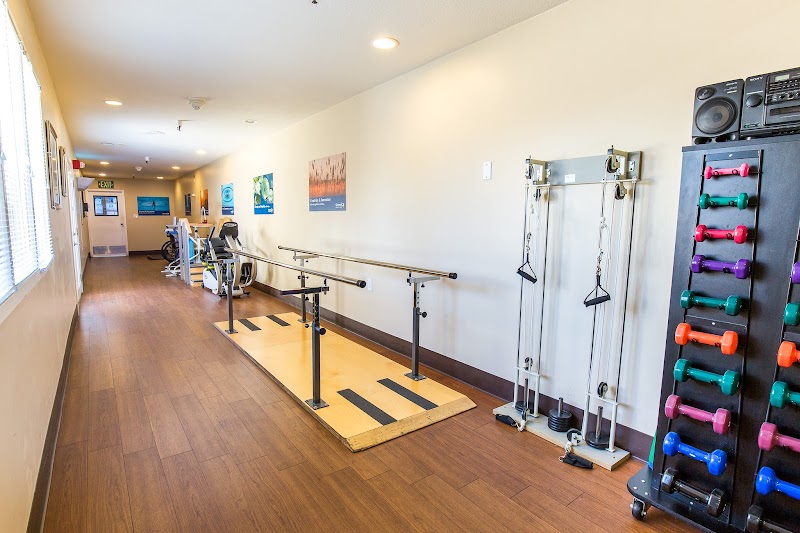
How is Windsor Of Sacramento Staffed?

CMS rates WINDSOR CARE CENTER OF SACRAMENTO's staffing level at 5 out of 5 stars, which is much above average compared to other nursing homes. Staff turnover is 46%, compared to the California average of 46%.

What Have Inspectors Found at Windsor Of Sacramento?

State health inspectors documented 62 deficiencies at WINDSOR CARE CENTER OF SACRAMENTO during 2021 to 2024. These included: 1 that caused actual resident harm and 61 with potential for harm. Deficiencies causing actual harm indicate documented cases where residents experienced negative health consequences.
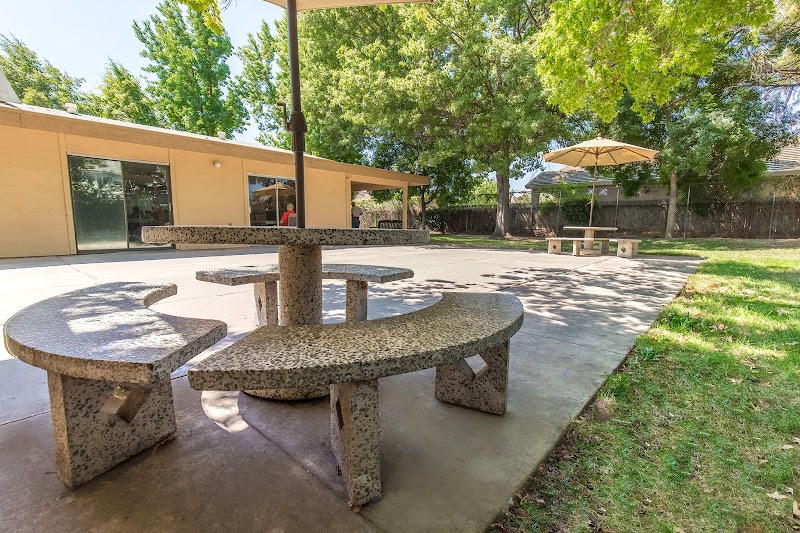
Who Owns and Operates Windsor Of Sacramento?

WINDSOR CARE CENTER OF SACRAMENTO is owned by a for-profit company. For-profit facilities operate as businesses with obligations to shareholders or private owners. The facility is operated by WINDSOR, a chain that manages multiple nursing homes. With 128 certified beds and approximately 46 residents (about 36% occupancy), it is a mid-sized facility located in SACRAMENTO, California.
How Does Windsor Of Sacramento Compare to Other California Nursing Homes?

Compared to the 100 nursing homes in California, WINDSOR CARE CENTER OF SACRAMENTO's overall rating (4 stars) is above the state average of 3.2, staff turnover (46%) is near the state average of 46%, and health inspection rating (2 stars) is below the national benchmark.

What Should Families Ask When Visiting Windsor Of Sacramento?

Based on this facility's data, families visiting should ask: "What safeguards and monitoring systems are in place to protect residents from abuse or neglect?" "Can I visit during a mealtime to observe dining assistance and food quality?" "How do you handle medical emergencies, and what is your hospital transfer rate?" "Can I speak with family members of current residents about their experience?" These questions are particularly relevant given the substantiated abuse finding on record.

Is Windsor Of Sacramento Safe?

Based on CMS inspection data, WINDSOR CARE CENTER OF SACRAMENTO has documented safety concerns. The facility has 1 substantiated abuse finding (meaning confirmed case of resident harm by staff or other residents). The facility has a 4-star overall rating and ranks #1 of 100 nursing homes in California. Families considering this facility should ask detailed questions about what corrective actions have been taken since these incidents.

Do Nurses at Windsor Of Sacramento Stick Around?

WINDSOR CARE CENTER OF SACRAMENTO has a staff turnover rate of 46%, which is about average for California nursing homes (state average: 46%). Moderate turnover is common in nursing homes, but families should still ask about staff tenure and how the facility maintains care continuity when employees leave.

Was Windsor Of Sacramento Ever Fined?

WINDSOR CARE CENTER OF SACRAMENTO has been fined $9,750 across 1 penalty action. This is below the California average of $33,176. While any fine indicates a compliance issue, fines under $50,000 are relatively common and typically reflect isolated problems that were subsequently corrected. Families should ask what specific issues led to these fines and confirm they've been resolved.

Is Windsor Of Sacramento on Any Federal Watch List?

WINDSOR CARE CENTER OF SACRAMENTO is not on any federal watch list. The most significant is the Special Focus Facility (SFF) program, which identifies the bottom 1% of nursing homes nationally based on persistent, serious quality problems. Not being on this list means the facility has avoided the pattern of deficiencies that triggers enhanced federal oversight. This is a positive indicator, though families should still review the facility's inspection history directly.