KATHERINE HEALTHCARE
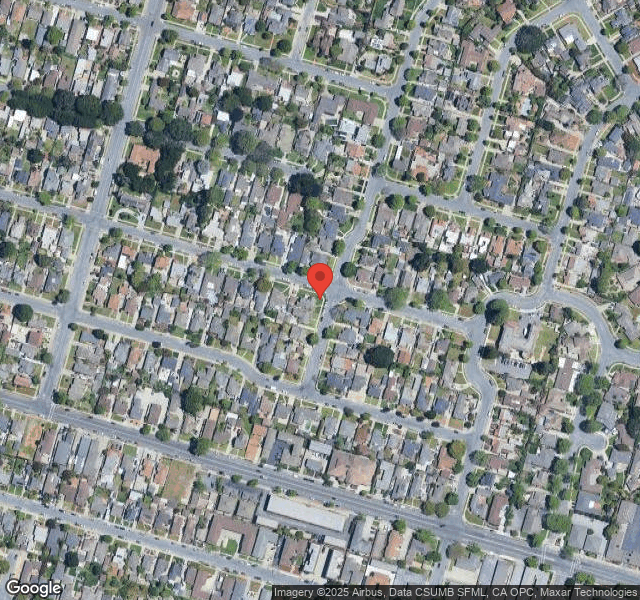

315 ALAMEDA AVENUE, SALINAS, CA 93901 (831) 424-1878
For profit - Limited Liability company 51 Beds BVHC, LLC Data: November 2025 1 Immediate Jeopardy citation
Trust Grade
38/100
#829 of 1155 in CA
Last Inspection: April 2024

Within standard 12-15 month inspection cycle. Federal law requires annual inspections.

Overview

Katherine Healthcare in Salinas, California has received a Trust Grade of F, indicating significant concerns about the quality of care. With a state rank of #829 out of 1155, they fall in the bottom half of California facilities, and they are last in Monterey County. The facility is worsening, as the number of issues noted has dramatically increased from 1 in 2023 to 24 in 2024. Staffing is rated at 4 out of 5 stars, showing that while staff turnover is average at 40%, there is good RN coverage, exceeding that of 83% of California homes, which is a positive aspect. However, there are critical concerns, such as failing to ensure safe medication administration and not properly using bed rails for residents, along with hygiene issues in the kitchen that could pose health risks. Overall, families should weigh both the strengths in staffing against the concerning deficiencies when considering this facility.

Trust Score
F
38/100
In California
#829/1155
Bottom 29%
Safety Record
High Risk
Review needed
Inspections
Getting Worse
1 → 24 violations
Staff Stability
○ Average
40% turnover. Near California's 48% average. Typical for the industry.
Penalties
✓ Good
No fines on record. Clean compliance history, better than most California facilities.
Skilled Nurses
✓ Good
Each resident gets 44 minutes of Registered Nurse (RN) attention daily — more than average for California. RNs are trained to catch health problems early.
Violations
⚠ Watch
44 deficiencies on record. Higher than average. Multiple issues found across inspections.
★★☆☆☆
2.0
Overall Rating
★★★★☆
4.0
Staff Levels
★★★★☆
4.0
Care Quality
★★☆☆☆
2.0
Inspection Score
Stable
2023: 1 issues
2024: 24 issues

The Good

  • 4-Star Staffing Rating · Above-average nurse staffing levels
  • 4-Star Quality Measures · Strong clinical quality outcomes
  • Full Sprinkler Coverage · Fire safety systems throughout facility
  • No fines on record
  • Staff turnover below average (40%)

    8 points below California average of 48%

Facility shows strength in staffing levels, quality measures, fire safety.

The Bad

2-Star Overall Rating

Below California average (3.1)

Below average - review inspection findings carefully

Staff Turnover: 40%

Near California avg (46%)

Typical for the industry

Chain: BVHC, LLC

Part of a multi-facility chain

Ask about local staffing decisions and management

The Ugly 44 deficiencies on record

1 life-threatening
Apr 2024 22 deficiencies
CONCERN (D)

Potential for Harm - no one hurt, but risky conditions existed

Deficiency F0558 (Tag F0558)

Could have caused harm · This affected 1 resident

**NOTE- TERMS IN BRACKETS HAVE BEEN EDITED TO PROTECT CONFIDENTIALITY** Based on observation, interview, and record review, the facility failed to ensure resident's needs were accommodated for one of ...

Read full inspector narrative →
**NOTE- TERMS IN BRACKETS HAVE BEEN EDITED TO PROTECT CONFIDENTIALITY** Based on observation, interview, and record review, the facility failed to ensure resident's needs were accommodated for one of five sampled residents (Resident 17) when Resident 17's urinal (a container used to collect urine) was not within reach to use. This failure resulted in Resident 17 to not be able to reach his urinal. Findings: Review of Resident 17's admission Record indicated, Resident 17 was admitted to the facility with diagnoses including urinary tract infection (UTI, an infection caused by a bacterium (germs) that get into the bladder or kidneys (a pair of organs that are found on either side of the spine, just below the rib cage in the back)), major depressive disorder (a mood disorder that causes a persistent feeling of sadness and loss of interest), hemiplegia (paralysis of one side of the body/a severe or complete loss of strength in the arm, leg, and sometimes face on one side of the body) affecting nondominant side (part of the body not used as much as, or does not have as much effect as) and cerebral infarction (commonly referred to as a stroke). Review of Resident 17's Admission/5 day scheduled minimum data set (MDS, an assessment tool) assessment dated [DATE], indicated Resident 17's brief interview for mental status (BIMS, cognition level) score was 14 (13-15 suggests the patient is cognitively intact). During an observation on 4/22/2024 at 11:51 a.m., in Resident 17's room, Resident 17 was lying in bed with bilateral (both sides) upper bed rails in upright position. Resident 17 was observed with left sided weakness and the left hand had a splint. A transfer pole with 2 curves was also observed located to Resident 17's right side of the bed wherein a urinal was hanging at the lower part of the transfer pole's curve. Resident 17 was observed trying to reach for the urinal with his right hand but unable to reach it. During a concurrent observation and interview on 4/23/2024 at 1:55 p.m., in Resident 17's room, Resident 17 was sitting on a wheelchair at the right side of the bed, the urinal was hanging at the transfer pole to his left side. Resident 17 complained of not being able to reach the urinal when it was needed. During a concurrent observation and interview with certified nurse assistant D (CNA D) on 4/23/2024 at 1:59 p.m., in Resident 17's doorway, CNA D confirmed Resident 17 had left sided weakness and was unable to use his left hand or left arm. CNA D confirmed the urinal's positioning at the transfer pole would be hard for Resident 17 to reach. CNA D stated the urinal should always be within Resident 17's reach to accommodate his needs. During a concurrent observation and interview with licensed vocational nurse A (LVN A) on 4/23/2024 at 2:06 p.m., in Resident 17's room, LVN A confirmed the above observation. LVN stated the location of Resident 17's urinal was not within Resident 17's reach for use. During a concurrent observation and interview with Resident 17 and CNA D on 4/24/2024 at 9:00 a.m., in Resident 17's room, Resident 17's urinal was still hanging at the lower part of the transfer poll's curve. Resident 17 still complained of being unable to reach the urinal. CNA D stated they tried to move the urinal around, but they ran out of options of where to placed it. Resident 17 stated, I've been independent for 80 years and I am trying to make use of what I have right now. I still want to be independent . During a follow up interview with LVN A on 4/24/2024 at 11:00 a.m., LVN A confirmed they tried to position the urinal within Resident 17's reach, but to no success. LVN A confirmed she placed the urinal back to the transfer pole. LVN A stated she would report it to the director of nursing (DON). During a follow up interview with DON on 4/26/2024 at 10:53 a.m., DON confirmed she was aware of Resident 17's problem about his urinal but she did not check with Resident 17 yet. DON stated Resident 17 was non-compliant with use of a urinal. DON further stated, Resident 17 would place the urinal on his bedside table, which they did not allow due to infection control reasons. DON confirmed Resident 17's urinal should be placed at the bed frame within Resident 17's reach. DON stated Resident 17's needs should be accommodated. Review of Resident 17's care plan titled, Resident is non-compliant, dated 4/19/2024, indicated Resident 17 was non-compliant with a urinal, and he continued to place it on his bedside table. Further review of the care plan did not indicate the possible contributing factors of Resident 17's non-compliance and there was no intervention on how to possibly resolve the problem. Review of the facility's policy and procedure titled, Accommodation of Needs, date revised 1/2020, indicated, Our facility's environment and staff behaviors are directed toward assisting the resident in maintaining and/or achieving safe independent functioning . The resident's individual needs and preferences will be accommodated to the extent possible . The resident's individual needs and preferences, including the need for adaptive devices and modifications to the physical environment, shall be evaluated upon admission and reviewed on an ongoing basis. In order to accommodate individual needs and preferences, staff attitudes and behaviors must be directed towards assisting the residents in maintaining independence, dignity and well-being to the extent possible and in accordance with the residents' wishes . Staff will arrange toiletries and personal items so that they are easy reach of the resident.
CONCERN (D) 📢 Someone Reported This

A family member, employee, or ombudsman was alarmed enough to file a formal complaint

Potential for Harm - no one hurt, but risky conditions existed

Abuse Prevention Policies (Tag F0607)

Could have caused harm · This affected 1 resident

**NOTE- TERMS IN BRACKETS HAVE BEEN EDITED TO PROTECT CONFIDENTIALITY** Based on interview and record review, the facility failed to implement their abuse policy for two of three residents (Resident 1...

Read full inspector narrative →
**NOTE- TERMS IN BRACKETS HAVE BEEN EDITED TO PROTECT CONFIDENTIALITY** Based on interview and record review, the facility failed to implement their abuse policy for two of three residents (Resident 19 and 146) when Resident 19 had an allegation of verbal abuse, and Resident 146 had allegation of financial abuse, but the allegations were not reported to the Adult Protective Services (APS). This failure left APS unaware of these allegations of abuse. Findings: 1. Review of Resident 19's clinical record indicated he was admitted to the facility on [DATE] with diagnoses including Type 2 Diabetes Mellitus, Dysarthria (difficulty speaking) and Anarthria (complete loss of speech), Depression (a mood disorder) , Insomnia due to other mental disorder , Schizophrenia ( a mental disorder characterized by disruptions in though processes , perceptions, emotional responsiveness). Review of SOC 341 (form used for reporting elder/dependent adult abuse) sent by the facility to the Department, dated 2/16/23, indicated Resident 19 alleged that a Certified Nurse Assistant (CNA) made a joke on stating that Resident 19 might have eaten too much, like a pig, and that's why he vomited. The SOC 341 did not indicate whether a telephone or written report was made to APS. Review of Resident 19's Interdisciplinary Team (IDT) notes, dated 2/16/24, indicated Medical Director, Responsible Party, Ombudsman, and Department of Health were notified regarding the incident. During an interview on 4/29/24 at 4:16 p.m., with the Administrator (ADM), she stated the incident was not reported to APS. 2. Review of Resident 146's admission Record indicated he was admitted to the facility on [DATE]. Review of Resident 146's Social Service Note, dated 9/22/23, at 4 p.m., indicated Resident 146 reported to the social service director (SSD) that while he was at home prior to coming to the facility, his caregiver would take his bank card and would not give it back to him for a couple of days even though he would ask for it. Resident 146 also stated that the caregiver would spend his money without his consent. However, there was no indication that the facility reported Resident 146's allegation to the APS when he reported it to the facility. During an interview with the SSD on 4/29/24, at 3:40 p.m., she reviewed the facility's abuse policy and confirmed Resident 146's allegation should have been reported to the APS when he reported the allegation to the facility on 9/22/23. Review of the facility's policy, Abuse Investigation and Reporting, dated 7/2017, indicated All alleged violations involving abuse, neglect, exploitation, or mistreatment, including injuries of an unknown source and misappropriation of property will be reported by the facility Administrator, or his/her designee, to the following persons or agencies . d. Adult Protective Services .
CONCERN (D)

Potential for Harm - no one hurt, but risky conditions existed

Deficiency F0635 (Tag F0635)

Could have caused harm · This affected 1 resident

**NOTE- TERMS IN BRACKETS HAVE BEEN EDITED TO PROTECT CONFIDENTIALITY** Based on interview and record review, the facility failed to follow their policy and procedure to obtain a hospice admission ord...

Read full inspector narrative →
**NOTE- TERMS IN BRACKETS HAVE BEEN EDITED TO PROTECT CONFIDENTIALITY** Based on interview and record review, the facility failed to follow their policy and procedure to obtain a hospice admission order for one of two sampled residents (Resident 41) when Resident 41's admission orders had no indication of a hospice order. This failure had the potential to affect Resident 41's well being and care. Findings: Review of Resident 41's admission Record indicated, Resident 41 was admitted to the facility with admitting diagnosis of encounter for palliative care (a specialized medical care that focuses on providing relief from pain and other symptoms of a serious illness), atherosclerotic heart disease of native coronary artery (a plaque buildup [fat deposits] in the wall of the arteries that supply blood to the heart), hemiplegia (paralysis of one side of the body/a severe or complete loss of strength in the arm, leg, and sometimes face on one side of the body) and hemiparesis (a relatively mild loss of strength in the arm, leg, and sometimes face on one side of the body) following cerebral infarction (also called stroke) affecting non-dominant side (side of the body not used as much as the preferred side), and dysphagia (difficulty swallowing). During a concurrent interview and record review on 4/26/2024 at 9:54 a.m., minimum data set coordinator (MDSC, a licensed nurse in charge of assessments) reviewed Resident 41's Order Summary Report. MDSC confirmed Resident 41 did not have an admission order for hospice care. MDSC stated the order summary report should indicate an order, To admit to [name of hospice] and with the terminal diagnosis. MDSC further stated the importance of having the hospice admission order for staff to know Resident 41's level of care. During an interview with the director of nursing (DON) on 4/26/2024 at 11:03 a.m., DON confirmed Resident 41 should have an order for hospice care. Review of the facility's policy and procedure titled, Hospice Program, date revised July 2017, indicated, Our facility has designated [Name] [Title] to coordinate care provided to the resident by our facility staff and the hospice staff . He or she is responsible for the following . (7) Hospice physician and attending physician (if any) orders specific to each resident.
CONCERN (D)

Potential for Harm - no one hurt, but risky conditions existed

MDS Data Transmission (Tag F0640)

Could have caused harm · This affected 1 resident

**NOTE- TERMS IN BRACKETS HAVE BEEN EDITED TO PROTECT CONFIDENTIALITY** Based on interview and record review, the facility failed to complete and transmit the Minimum Data Set (MDS, an assessment tool...

Read full inspector narrative →
**NOTE- TERMS IN BRACKETS HAVE BEEN EDITED TO PROTECT CONFIDENTIALITY** Based on interview and record review, the facility failed to complete and transmit the Minimum Data Set (MDS, an assessment tool) discharge assessment in a timely manner for one of three residents (Resident 12). This failure resulted in Resident 12's discharge assessment not being transmitted and received by the Center for Medicare and Medicaid System (CMS) within the time requirement. Findings: Review of Resident 12's admission Record indicated, Resident 12 was admitted to the facility on [DATE] and was discharged on 1/10/2024. During a concurrent interview and record review on 4/26/2024 at 9:35 a.m., minimum data set coordinator (MDSC, a licensed nurse in charge of completing an assessment) reviewed Resident 12's list of MDS assessments. MDSC confirmed she completed and transmitted Resident 12's MDS discharge assessment on 4/22/2024. MDSC stated the director of nursing (DON) signed the completion of the discharge assessment on 4/22/2024. MDSC confirmed she was late in the completion and submission of Resident 12's MDS discharge assessment. MDSC stated the discharge assessment should be completed and submitted to CMS within 14 days of discharge date . During an interview with DON on 4/26/2024 at 10:59 a.m., DON confirmed Resident 12's MDSC was late in the completion and submission of Resident 12's MDS discharge assessment. DON stated the MDSC asked her to sign Resident 12's MDS discharge assessment on 4/22/2024. Review of the Long-Term Care Facility Resident Assessment Instrument (RAI - a guide that facility staff use for coding and transmission) 3.0 User's Manual Version 1.18.11, dated October 2023, indicated, Discharge Assessment-Return Not Anticipated . Must be completed within 14 days after the discharge date . Must be submitted within 14 days after the MDS completion date.
CONCERN (D)

Potential for Harm - no one hurt, but risky conditions existed

Deficiency F0645 (Tag F0645)

Could have caused harm · This affected 1 resident

**NOTE- TERMS IN BRACKETS HAVE BEEN EDITED TO PROTECT CONFIDENTIALITY** Based on interview and record review, the facility failed to ensure a pre-admission screening and resident review (PASARR, a fed...

Read full inspector narrative →
**NOTE- TERMS IN BRACKETS HAVE BEEN EDITED TO PROTECT CONFIDENTIALITY** Based on interview and record review, the facility failed to ensure a pre-admission screening and resident review (PASARR, a federal requirement to help ensure that individuals who have mental disorder or intellectual disabilities are not inappropriately placed in nursing homes for long term care) was accurately completed for two of 13 sampled residents (Residents 27 and 21). These failures had the potential for inaccurate care and services provided to residents with a mental disorder, intellectual disability, or related conditions. Findings: 1. Review of Resident 27's admission Record indicated, Resident 27 was admitted to the facility with diagnoses including pneumonia (infection of one or both lungs), bipolar disorder (mental disorder characterized by periods of elevated mood and depression, often with poor decision-making), major depressive disorder (a mood disorder that causes a persistent feeling of sadness and loss of interest), and other psychoactive substance abuse (a patterned use of a drug that affects thinking which the user consumes the substance in amounts or methods which are harmful to themselves or others). Review of Resident 27's PASARR, dated 1/9/2024, indicated the result of Level I Screening was negative (no mental illness) which was completed at the hospital. It also indicated for the question, 10. Does the individual have a serious diagnosed mental disorder such as Depressive Disorder, Anxiety Disorder, Panic Disorder, Schizophrenia/Schizoaffective Disorder, or symptoms of Psychosis, Delusions, and/or Mood Disturbance? the answer, No was marked. Review of Resident 27's nurse's note dated 1/12/2024, indicated, Resident 27 had been refusing his routine medications. Review of Resident 27's nurse's note dated 1/17/2024, indicated, The resident noted inappropriate behavior verbally abusing staff, pointing fingers, yelling loudly as disturbing other residents and threatening to call the police. Resident was pulling curtains, throwing the basin, water pitcher and remote control. Patient roommate were being disturbed from his sleep. Patient states I'm going to fall as he drag his body to the floor . Patient continue to scream stating Put me in the floor . Review of Resident 27's nurse's note dated 3/16/2024, indicated, . He is exhibiting very disruptive behavior. Review of Resident 27's nurse's note, dated 3/22/2024, indicated, 0745 Resident is in the hallway, raising his voice and stating inappropriate language . Writer explained to resident that him cussing in the hallway is making some of the residents uncomfortable and that it is not ok to be yelling and cursing . During a concurrent interview and record review on 4/24/2024 at 3:24 p.m., minimum data set coordinator (MDSC) reviewed Resident 27's Level 1 PASARR Screening. MDSC stated she should review the PASARR prior to coding it in resident's minimum data set (MDS, a tool for assessment). MDSC confirmed she did not review Resident 27's detailed Level I PASARR screen and she just reviewed the result. MDSC stated DON would be notified if the Level I PASARR screen was inaccurate. MDSC confirmed there should have been a new Level I PASARR screen completed for Resident 27 because he exhibited behaviors when he was admitted to the facility. During an interview with director of nursing (DON) on 4/26/2024 at 11:10 a.m., DON confirmed she had access to conduct a Level I PASARR screen, Resident 27's Level I PASARR screen was completed at the hospital, and she did not review the Level 1 PASARR screen for accuracy. DON further confirmed Resident 27 had diagnoses of bipolar disorder and depression. DON stated Resident 27 exhibited some behaviors at the facility. DON further stated, we talked about his behaviors .we have good brains here, but I don't know why we did not think of doing another Level I PASARR? DON confirmed there should have been another Level I PASARR Screen completed because the first one completed at the hospital did not reflect Resident 27's diagnoses of mental illness and Resident 27 had some behaviors exhibited at the facility. Review of the facility's undated policy and procedure titled, Preadmission SCREENING AND RESIDENT REVIEW (PASRR), indicated, All new admissions and readmissions are screened for mental disorders (MD), intellectual disabilities (ID) per the Medicaid Pre-admission Screening and Resident Review (PASARR) process . Facility will complete Level I PASARR screen and notify the state mental health authority or state intellectual disability authority, as applicable, promptly after a significant change in mental or physical condition of a resident who has MD or ID . 2. Review of Resident 21's admission Record indicated he was admitted to the facility on [DATE] with diagnoses including anxiety (persistent and excessive worry that interferes with daily activities), depression (feeling empty, sad, or worthless), and bipolar disorder (extreme mood swings that include emotional highs and lows). Review of Resident 21's PASRR Level 1 Screening Document, dated 4/20/22, indicated Resident 21 was not marked for having diagnosed mental disorder such as anxiety, depression, and/or bipolar disorder. During an interview and record review with the director of nursing (DON) on 4/26/24 at 1:24 p.m., she reviewed Resident 21's PASRR Level 1 Screening Document and stated Resident 21 should be marked for having diagnosed mental disorder because Resident 21 had anxiety, depression, and bipolar disorder diagnoses. Review of the facility's undated policy, Preadmission Screening and Resident Review (PASRR), indicated PASRR is a federal requirement to help ensure that individuals who have a mental disorder or intellectual disabilities are not inappropriately placed in nursing homes for long term care.
CONCERN (D)

Potential for Harm - no one hurt, but risky conditions existed

Respiratory Care (Tag F0695)

Could have caused harm · This affected 1 resident

Based on observation, interview and record review, the facility failed to ensure that proper care and treatment services for oxygen (O2, a colorless, odorless gas) use was provided for one of two samp...

Read full inspector narrative →
Based on observation, interview and record review, the facility failed to ensure that proper care and treatment services for oxygen (O2, a colorless, odorless gas) use was provided for one of two sampled residents (Resident 15) when Resident 15's physician order for oxygen administration was not followed. This failure had the potential to result in complications related to improper treatment while receiving O2 therapy. Findings: Review of Resident 15's admission Record indicated, Resident 15 was admitted to the facility with diagnoses including chronic obstructive pulmonary disease (COPD, a disease that affects airflow in the lungs and makes it difficult to breathe), chronic respiratory failure (a condition when lungs cannot release oxygen to blood causing shortness of breath) with hypoxia (occurs when oxygen level in the body organs are low), chronic diastolic heart failure (a weakness of the heart that leads to a buildup of fluid in the lungs and surrounding body tissues), and dependence on supplemental oxygen. Review of Resident 15's Order Summary Report, indicated Resident 15 had an order dated 11/3/2022, O2 at 3 LPM (liters [L-a metric unit of capacity] per minute) via (thru) nasal cannula (NC - a device that consists of plastic tube that fits behind the ears, and a set of two prongs that are placed in the nostrils for oxygen administration) as needed for SOB (shortness of breath). During an observation on 4/22/2024 at 9:35 a.m., in Resident 15's room, Resident 15 was lying in bed, and had O2 at 2.5 LPM via NC, connected to the oxygen concentrator (a device which concentrates the oxygen from ambient air). During another observation on 4/23/2024 at 9:34 a.m., in Resident 15's room, Resident 15 was seated on her wheelchair and had O2 at 2 LPM via NC, connected to oxygen E-tank (a three-foot tall aluminum tank of oxygen and could be carried anywhere). During a concurrent interview and record review on 9/23/2024 at 9:50 a.m., registered nurse I (RN I) reviewed Resident 15's order summary report. RN I confirmed Resident 15 had an O2 order at 3 LPM. Resident 15 was not in her room at this time. RN I reviewed the picture of Resident 15's oxygen level of administration taken on 4/22/2024 at 9:39 a.m. RN I confirmed the oxygen was at 2.5 LPM. RN I reviewed Resident 15's oxygen level of administration taken on 9/23/2024 at 9:38 a.m. RN I confirmed it was at 2 LPM. RN I stated licensed nurses should follow the physician's order for oxygen level of administration. RN I confirmed Resident 15's O2 should have been at 3LPM as ordered. Review of the facility's policy and procedure titled, Oxygen Administration, date revised October 2010, indicated, The purpose of this procedure is to provide guidelines for safe oxygen administration. Preparation: 1. Verify that there is a physician's order for the procedure. Review the physician's orders or facility protocol for oxygen administration.
CONCERN (D)

Potential for Harm - no one hurt, but risky conditions existed

Deficiency F0725 (Tag F0725)

Could have caused harm · This affected 1 resident

Based on interview, and document review, the facility failed to provide sufficient number of nursing staff on a 24-hour basis on weekends based on, Census and Direct Care Service Hours Per Patient Day...

Read full inspector narrative →
Based on interview, and document review, the facility failed to provide sufficient number of nursing staff on a 24-hour basis on weekends based on, Census and Direct Care Service Hours Per Patient Day (DHPPD, a form containing daily staffing information). This failure had the potential to affect resident's care, health, and psychosocial wellbeing. Findings: Review of a document titled, DHPPD, from January through March 2024, indicated the following dates with Actual Certified Nursing Assistant (CNA) DHPPD were below 2.4: 1/6: 2.28 and 1/7: 2.39. Further review revealed on 2/17/2024 the actual DHPPD was 3.35 (3.5 required staffing) and the actual CNA DHPPD was 2.35. During an interview with the director of staff development (DSD) on 4/29/2024 at 9:13 a.m., DSD confirmed she did the DHPPD calculation. DSD stated their director of nursing (DON) did the licensed nurses schedule and CNA J did the CNA schedule. DSD further stated, CNA J did the staffing on weekends as well. DSD confirmed the actual DHPPD should be 3.5 and the actual CNA DHPPD should be 2.4. During a concurrent interview and document review on 4/29/2024 at 10:17 a.m., DSD reviewed the DHPPD dated 1/6, 1/7 and 2/17/2024. DSD confirmed the actual CNA DHPPD on 1/6 and 1/7 were below 2.4. DSD stated there were CNA's who called off on those dates and were never replaced. Further review, DSD confirmed the actual DHPPD and the actual CNA DHPPD on 2/17/2024 were below the staffing requirement. DSD stated one CNA who was scheduled to work 12 hours got sick. CNA J did not find a replacement which resulted to short staffing. Review of the All Facilities Letter (AFL) 21-11, dated March 17, 2021, indicated, The 3.5 DHPPD staffing requirement, of which 2.4 hours per patient day must be performed by CNAs, is a minimum requirement for SNFs [Skilled Nursing Facility]. SNFs shall employ and schedule additional staff and anticipate individual patient needs for the activities of each shift, to ensure patients receive nursing care based on their needs.
CONCERN (D)

Potential for Harm - no one hurt, but risky conditions existed

Pharmacy Services (Tag F0755)

Could have caused harm · This affected 1 resident

**NOTE- TERMS IN BRACKETS HAVE BEEN EDITED TO PROTECT CONFIDENTIALITY** Based on observation, interview and record review, the facility failed to ensure hazardous medications (medications that known t...

Read full inspector narrative →
**NOTE- TERMS IN BRACKETS HAVE BEEN EDITED TO PROTECT CONFIDENTIALITY** Based on observation, interview and record review, the facility failed to ensure hazardous medications (medications that known to cause harm) were handled correctly and the safe and effective use of medications for two out of five (Resident 145 and 10) sampled residents when: 1. Two out of two licensed nurses were not knowledgeable on handling hazardous medications. This failure had the potential of harmful exposure for the staff through skin absorption. 2. Resident 145 received ferrous sulfate (iron, for prevention/treatment of iron deficiency anemia) tablet and magnesium oxide (medication used to relieve heartburn) tablet at the same time every day, when the co-administration could lead to decreased absorption of iron. This failure had the potential for the resident to not receive the amount of prescribed iron supplement as needed. 3. Resident 10 received ferrous sulfate and Calcium-Vitamin D (a medication used to prevent or treat low blood calcium levels) at the same time. This failure had the potential for the resident to not receive the amount of prescribed iron supplement as needed. Findings: 1. During a medication administration observation on 04/22/24 9:45 a.m., licensed vocational nurse (LVN) B prepared Depakote ER (medication used to treat seizure disorder) tablet without gloves. During a concurrent observation and interview on 4/22/24 at 9:54 a.m. with LVN B, Depakote ER medication bubble pack (a card that packages dosages of medication with a clear plastic bubble or blister) had a red label that indicated Hazardous Drug. LVN B stated she was unsure how to handle Depakote ER. During a medication administration observation on 04/22/24 10:02 a.m., licensed vocational nurse (LVN) C prepared Finasteride (medication to treat enlarged prostate) tablet without gloves. During a concurrent observation and interview on 4/22/24 at 10:15 a.m. with LVN C, Finasteride medication bubble pack (a card that packages dosages of medication with a clear plastic bubble or blister) had a red label that indicated Hazardous Drug with instructions to wear gloves. LVN C stated she should have worn gloves. Review of facility's policy and procedure (P&P) titled Hazardous Drugs, dated April 2019, indicated, Any staff members who come in contact with hazardous drugs are trained and exhibit competency in handling these drugs according to current safety and practice standards. 2. During a medication administration observation on 04/22/24 9:45 a.m., licensed vocational nurse (LVN) B administered ferrous sulfate tablet and magnesium oxide tablet at the same time to Resident 145. During a concurrent interview and record review on 04/22/24 12:43 p.m., with LVN B, she confirmed that magnesium oxide tablet and ferrous sulfate tablet were both scheduled to be given at 9.am. According to Lexi-comp (www.[NAME].com), a nationally recognized drug information resource, the concurrent use of magnesium oxide and ferrous sulfate led to a drug-drug interaction (DDI) of Risk Rating D, which was a significant interaction and required therapy modification. The effect of the DDI was the absorption of ferrous sulfate has been shown to be reduced by 37% to 49% with the combination of aluminum hydroxide, magnesium hydroxide, and magnesium carbonate. Lexi-comp also indicated to consider separating doses of oral iron and antacids in patients who require chronic use of both agents and monitor for reduced iron efficacy. Review of facility's policy and procedure (P&P) titled Administering Medications, dated April 2019, indicated, Medication administration times are determined by resident need and benefit . factors that are considered include . Preventing potential medication or food interactions . 3. Review of Resident 10's admission Record indicated she was admitted to the facility on [DATE] with anemia (a condition that develops when the blood produces a lower-than-normal amount of healthy red blood cells) diagnosis. Review of Resident 10's clinical record indicated, she had physician orders for ferrous sulfate 325 milligrams (mg, a metric unit of mass) every odd day for anemia at 9 a.m., started on 7/29/23, and for Calcium-Vitamin D 600-200 mg-unit every day at 9 a.m., started on 12/13/23. Thus, since 12/13/23, ferrous sulfate and Calcium-Vitamin D were given at the same time at 9 a.m. on odd days. During an interview with the director of nursing (DON) on 4/26/24 at 1:25 p.m., she reviewed Resident 10's clinical record and confirmed ferrous sulfate and Calcium-Vitamin D were given to Resident 10 at the same time at 9 a.m. on odd days since 12/13/23. The DON stated she would change the administration time so that ferrous sulfate and Calcium-Vitamin D would be given apart to Resident 10. According to Lexicomp (www.[NAME].com), a nationally recognized drug information resource, the concurrent use of calcium and ferrous sulfate led to a drug-drug interaction (DDI) of Risk Rating D, which was a significant interaction and required therapy modification. The effect of the DDI was that the calcium may decrease the absorption of oral preparations of iron salts. It indicated the iron absorption was decreased an average of 60% when given as ferrous sulfate and co-administered with calcium. Lexicomp also indicated to separate the administrations of these medications so it may minimize the potential for significant interaction. Review of facility's policy, Administering Medications, dated 4/2019, indicated, Medication administration times are determined by resident need and benefit . factors that are considered include . Preventing potential medication or food interactions .
CONCERN (D)

Potential for Harm - no one hurt, but risky conditions existed

Deficiency F0757 (Tag F0757)

Could have caused harm · This affected 1 resident

**NOTE- TERMS IN BRACKETS HAVE BEEN EDITED TO PROTECT CONFIDENTIALITY** Based on observation, interview and record review, the facility failed to ensure two out of five residents (Resident 11 and Resi...

Read full inspector narrative →
**NOTE- TERMS IN BRACKETS HAVE BEEN EDITED TO PROTECT CONFIDENTIALITY** Based on observation, interview and record review, the facility failed to ensure two out of five residents (Resident 11 and Resident 15) were free from unnecessary medications when: 1. An order for Carvedilol (a medication to treat high blood pressure and heart failure) did not include hold parameters (a fixed limit on when a medication should be given or held) relevant to blood pressure (bp, the pressure of blood on the walls of the blood vessels as the heart pumps blood) and heart rate for Resident 15. 2. An order for gabapentin (a medication to treat seizures) had an incorrect indication for Resident 11. 3. An order for amiodarone (a medication used to treat life-threatening heart rhythm problems) did not include heart rate monitoring for Resident 11. These failures had the potential for inadequate care and side effects of these medications to go undetected or recognized for timely intervention. Findings: 1. A review of Resident 15's physician order dated 4/25/24, indicated, Carvedilol 6.25 mg tablet Give 1 tablet by mouth two times a day related to CHRONIC DIASTOLIC (CONGESTIVE) HEART FAILURE. Administer with food, which was started on 9/14/22. During a concurrent interview and record review on 4/25/24 at 12:09 p.m. with Director of Nursing (DON), the DON reviewed Resident 15's medical record and verified the physician order for Carvedilol did not include blood pressure and heart rate hold parameters. The DON verified the blood pressure and heart rate were last monitored on 3/25/24. The DON confirmed blood pressure and heart rate should be monitored. During a concurrent phone interview and record review with the Consultant Pharmacist (CP) on 4/25/24 at 3:09 p.m., the CP verified Resident 15's physician order for Carvedilol did not include hold parameters. CP verified blood pressure and heart rate were not consistently monitored. CP stated there must be consistent blood pressure and heart rate monitoring. Review of Lexi-comp (www.[NAME].com), a nationally recognized drug information resource, drug information for carvedilol indicated, Concerns related to adverse effects: Bradycardia (slow heart rate): may occur; Hypotension (low blood pressure) . Review of facility's policy and procedure (P&P) titled, Administering Medications, dated April 2019, the P&P indicated, The following information is checked/verified for each resident prior to administering medications: b. Vital signs, if necessary. Review of facility's policy and procedure (P&P) titled, Pharmacy Services- Role of the Provider Pharmacy, dated April 2019, the P&P indicated, The provider pharmacy shall agree to provide services that comply with applicable facility policies and procedures; accepted professional standards of practice, and laws and regulations, including (but not limited to), the following: g. Screen new medication orders for key parameters 2. Review of Resident 11's physician order, dated 4/25/24, indicated, Gabapentin Oral Capsule 100 MG give 1 capsule by mouth at bedtime related to PARKINSONISM, which was started on 12/14/23. During a concurrent interview and record review with Director of Nursing (DON) on 4/25/24 at 10:43 a.m., the DON reviewed Resident 11's medical record and verified the physician order for gabapentin had parkinsonism as an indication, which was incorrect. Review of Lexi-comp (www.[NAME].com), a nationally recognized drug information resource, indicated gabapentin is used for treatment of seizures (uncontrolled body movements). Review of facility's policy and procedure (P&P) titled, Pharmacy Services- Role of the Provider Pharmacy, dated April 2019, it indicated, The provider pharmacy shall agree to provide services that comply with applicable facility policies and procedures; accepted professional standards of practice, and laws and regulations, including (but not limited to), the following . g. Screen new medication orders for key parameters, including appropriate indications 3. Review of Resident 11's physician order, dated 4/25/24, indicated, Amiodarone HCl Oral Tablet 200 MG (Amiodarone HCl) Give 1 tablet by mouth one time a day related to UNSPECIFIED ATRIAL FIBRILLATION, which was started on 12/15/23. During a concurrent interview and record review with Director of Nursing (DON) on 4/25/24 at 10:43 a.m., the DON reviewed Resident 11's medical record and verified the physician order for amiodarone did not include heart rate monitoring. The DON verified the heart rate was last monitored on 3/25/24. The DON stated heart rate should be monitored. During a concurrent phone interview and record review with the Consultant Pharmacist (CP)on 4/25/24 at 3:09 p.m., the CP verified Resident 11's physician order for amiodarone had no hold parameters. The CP verified that heart rate was not consistently monitored. The CP stated the heart rate should be monitored consistently. Review of Lexi-comp (www.[NAME].com), a nationally recognized drug information resource, indicated, A variety of longer-term changes in conduction/heart rate are associated with amiodarone use, most commonly bradycardia (slow heart rate) . Review of facility's policy and procedure (P&P) titled, Pharmacy Services- Role of the Provider Pharmacy, dated April 2019, indicated, The provider pharmacy shall agree to provide services that comply with applicable facility policies and procedures; accepted professional standards of practice, and laws and regulations, including (but not limited to), the following . g. Screen new medication orders for key parameters .
CONCERN (D)

Potential for Harm - no one hurt, but risky conditions existed

Medication Errors (Tag F0758)

Could have caused harm · This affected 1 resident

**NOTE- TERMS IN BRACKETS HAVE BEEN EDITED TO PROTECT CONFIDENTIALITY** Based on interview and record review, the facility failed to ensure one of five sampled residents (Resident 11) was free from un...

Read full inspector narrative →
**NOTE- TERMS IN BRACKETS HAVE BEEN EDITED TO PROTECT CONFIDENTIALITY** Based on interview and record review, the facility failed to ensure one of five sampled residents (Resident 11) was free from unnecessary psychotropic medications (medications that cause changes in mood, feelings, or behavior) when: 1. Evaluation or Gradual Dose Reduction (GDR, tapering of a dose to determine if symptoms, conditions, or risks can be managed by a lower dose) of psychotropic medications was not considered after multiple falls. 2. There was no baseline Abnormal Involuntary Movement Scale (AIMS, a rating scale designed to measure involuntary movements which are side effects of long-term treatment of antipsychotic medications) for the use of aripiprazole (a medication used to treat mental/mood disorders). 3. Care plan for bipolar disorder (a mental health condition that causes extreme mood swings) did not include specific target symptoms, interventions, and potential adverse effects. These failures had the potential for increased risks associated with the use of psychotropic medications that include, but are not limited to: sedation, respiratory depression, falls, constipation, anxiety, agitation, and memory loss. Findings: 1. Review of Resident 11's medical records, dated 4/25/24, indicated the diagnoses of insomnia (a sleep disorder with trouble falling or staying asleep), bipolar disorder, anxiety disorder (persistent and excessive worry that interferes with daily activities), and major depressive disorder (a mental health condition that causes persistently low or depressed mood). Review of Resident 11's physician order, dated 4/25/24, indicated orders for psychotropic medications such as paroxetine (a medication for management of anxiety and depression) 37.5 mg tablet every 12 hours started on 2/26/24, trazodone (a medication to treat insomnia) 50 mg tablet at bedtime started on 12/14/23, and aripiprazole 2 mg tablet once a day started on 12/15/23. Review of Resident 11's chart, it indicated that Resident 11 fell on [DATE], 12/18/23, 12/31/23, 2/7/24, 3/4/24 and 3/21/24. During a concurrent interview and record review with the Director of Nursing (DON) on 4/25/24 at 10:43 a.m., the DON verified there was no GDR attempted after the multiple falls. She astated GDR should have been attempted. Review of facility's policy and procedure (P&P) titled, Antipsychotic Medication Use, dated December 2016, indicated, The physician shall respond appropriately by changing or stopping problematic doses or medications, or clearly documenting (based on assessing the situation) why the benefits of the medication outweigh the risks of suspected or confirmed adverse consequences. 2. Review of Resident 11's physician order dated 4/25/24, it indicated an order for aripiprazole (a medication used to treat mental/mood disorders) 2 mg tablet once a day, started on 12/15/23. Review of Medication Regimen Review (MRR, a thorough evaluation of medication regimen of a resident with the goal of promoting positive outcomes and minimizing adverse consequences associated with medication), dated 12/18/23, the Consultant Pharmacist (CP) indicated an incomplete Abnormal Involuntary Movement Scale (AIMS, a rating scale designed to measure involuntary movements which are side effects of long-term treatment of antipsychotic medications) for the use of aripiprazole (a medication used to treat mental/mood disorders). During a concurrent interview and record review with Director of Nursing (DON) and Social Services Director (SSD) on 4/25/24 at 10:45 a.m., the DON and SSD verified there was no AIMS done for Resident 11. Review of facility's policy and procedure (P&P) titled, Antipsychotic Medication Use, dated December 2016, indicated, Nursing staff shall monitor for and report any of the following side effects and adverse consequences of antipsychotic medications to the Attending Physician . D. Neurologic (having to do with nerves): akathisia (sensations of inner restlessness), dystonia (a movement disorder that cause muscles to contract involuntarily), extrapyramidal side effects (uncontrollable involuntary movements) . 3. Review of Resident 11's medical records, dated 4/25/24, indicated the diagnoses of bipolar disorder (a mental health condition that causes extreme mood swings). Review of Resident 11's physician order dated 4/25/24, it indicated an order for aripiprazole (a medication used to treat mental/mood disorders) 2 mg tablet once a day, started on 12/15/23. During a concurrent interview and record review with Director of Nursing (DON) and Social Services Director (SSD) on 4/25/24 at 10:45 a.m., the SSD verified the care plan for bipolar disorder lacked specific target behaviors, interventions, and potential side effects. Review of facility's policy and procedure (P&P) titled Psychotropic Medication Use, dated 4/8/22, indicated, Any psychoactive medication prescribed must have an individualized care plan which includes the monitoring of side effects of the medication, target behavior .
CONCERN (D)

Potential for Harm - no one hurt, but risky conditions existed

Unnecessary Medications (Tag F0759)

Could have caused harm · This affected 1 resident

Based on observation, interview, and record review, the facility had an 11.11% medication error rate when three medication errors out of 27 opportunities were observed during a medication pass for two...

Read full inspector narrative →
Based on observation, interview, and record review, the facility had an 11.11% medication error rate when three medication errors out of 27 opportunities were observed during a medication pass for two out of five sampled residents (Residents 145 and 38) when: 1. Carvedilol (a medication to treat high blood pressure) tablet was not administered with food for Resident 145. Magnesium oxide (a medication used to treat heartburn) tablet and ferrous sulfate (an iron supplement) tablet were given at the same time for Resident 145. 2. Metformin (a medication used to treat high blood sugar) tablet was not administered with food for Resident 38. These deficient practices resulted in medications not given in accordance to manufacturer's specifications, which may result in unsafe and/or less than optimal therapeutic effect of the medications. Findings: 1. During a medication pass observation with Licensed Vocational Nurse (LVN) B on 4/22/24 at 9:46 a.m., LVN B was prepared 12 medications for Resident 145, which included Carvedilol 25 milligrams (mg, unit of measurement) tablet, magnesium oxide 400 mg tablet, and ferrous sulfate 325 mg tablet. At 9:50 a.m., LVN B administered these medications to Resident 145 with a glass of water. There was no breakfast tray or food observed on the resident's bedside table. During a concurrent interview and record review on 4/22/24 at 12:43 p.m. with LVN B, LVN B stated that breakfast usually starts at 7:15 am and it was charted that Resident 145 had breakfast at 8:08 a.m. LVN B verified the medication bubble pack for carvedilol indicated, Take with food. LVN B stated magnesium oxide tablet and ferrous sulfate tablet were scheduled at 9 a.m. During an interview with Certified Nursing Assistant (CNA) E on 4/22/24 at 12:53 p.m., CNA E stated Resident 145 had breakfast at around 7:15 a.m. During a concurrent phone interview and record review on 4/23/24 at 2:25 p.m. with the Consultant Pharmacist (CP), the CP stated magnesium oxide tablet affects the absorption of ferrous sulfate tablet if given at the same time. During a concurrent interview and record review on 4/24/24 at 2:56 p.m. with the Director of Nursing (DON), the DON verified that magnesium oxide 400 mg tablet and ferrous sulfate 325 mg tablet were scheduled and given at the same time. DON stated she will change the timing of the medications. Review of Lexi-comp, a nationally recognized drug information resource, indicated for Carvedilol to Administer with food to minimize the risk of orthostatic hypotension (low blood pressure experienced during changing positions, especially relevant to standing up from a sitting position). Review of Lexi-comp indicated, Interaction of Magnesium Oxide and Ferrous Sulfate: Risk Rating D: Consider therapy modification; Antacids may decrease the absorption of Iron Preparations. Review of the facility's policy and procedure (P&P) titled, Administering Medications, dated April 2019, indicated, Medication administration times are determined by resident need, and benefit, not staff convenience. Factors that are considered include: a. Enhancing optimal therapeutic effect of the medication; b. Preventing potential medication or food interactions . 2. During a medication pass observation with Licensed Vocational Nurse (LVN) F on 4/22/24 at 4:23 p.m., LVN F prepared Metformin (a medication used to treat high blood sugar) 500 milligram (mg, unit of measurement), two tablets for Resident 38. LVN F crushed the pills and mixed it with apple sauce. LVN F administered the medication to Resident 38 with water. There was no food tray or snack observed on the resident's bedside table. During concurrent interview and record review with LVN F on 4/22/24 at 4:30 p.m., she verified that metformin was scheduled at 4 p.m. and dinner was at 5 p.m. LVN F also stated that Resident 38 had no snack prior to medication administration. During an observation on 4/22/24 at 5:10 p.m. in Resident 38's room, there was no dinner tray on Resident 38's bedside table. During a concurrent phone interview and record review with Consultant Pharmacist (CP) on 4/23/24 at 2:25 p.m., CP agreed to change the schedule of Metformin to be given with a meal. CP also stated he created a time administration chart for Metformin and that it was discussed with the facility. Review of Resident 38's Medication Administration Record, dated 4/23/24, indicated Metformin was scheduled and given at 7:30 a.m. and 4:00 p.m. daily. Review of the facility's Nursing Drug Handbook, dated 2024, indicated to administer Metformin with a meal to decrease gastrointestinal (relating to stomach and intestines) upset. Review of the facility's policy and procedure (P&P) titled Administering Medications dated April 2019, indicated, Medication administration times are determined by resident need, and benefit, not staff convenience. Factors that are considered include: a. Enhancing optimal therapeutic effect of the medication; b. Preventing potential medication or food interactions .
CONCERN (D)

Potential for Harm - no one hurt, but risky conditions existed

Deficiency F0761 (Tag F0761)

Could have caused harm · This affected 1 resident

**NOTE- TERMS IN BRACKETS HAVE BEEN EDITED TO PROTECT CONFIDENTIALITY** Based on observation, interview, and record review, the facility failed to ensure proper medication storage and labeling of medi...

Read full inspector narrative →
**NOTE- TERMS IN BRACKETS HAVE BEEN EDITED TO PROTECT CONFIDENTIALITY** Based on observation, interview, and record review, the facility failed to ensure proper medication storage and labeling of medications when: 1. An opened multi-dose insulin (a medication used to control high blood sugar) vial and an insulin pre-filled pen were found without labelling for their open dates. 2. An expired insulin pen and four expired over-the-counter medications were found. These failures had the potential for residents to receive medications with reduced efficacy. Findings: 1. During concurrent observation and interview regarding a Station 2 medication cart with licensed vocational nurse (LVN) C on [DATE] at 1:49 p.m., an opened multi dose vial of insulin was found without open date label. LVN C verified the manufacturing label indicated Discard unused portion 31 days after first opening. During concurrent observation and interview regarding a Station 1 medication cart with licensed vocational nurse (LVN) B on [DATE] at 3:10 p.m., a pre-filled insulin pen was found without an open date label. LVN B verified the manufacturing label indicated Discard pen 56 days after first use. 2. During concurrent observation and interview on the second floor with licensed vocational nurse (LVN) B on [DATE] at 3:20 p.m., the following were identified and confirmed with LVN B: a. A pre-filled insulin pen had an open date label that indicated, [DATE]. Upon the review of drug information by LVN B, she acknowledged it was good for 28 days after opening, and that it expired on [DATE]; b. A bottle of Calcium + D3 (a medication used to treat low calcium levels) tablets had an expiration date of 3/24,and had expired; c. A bottle of [Brand name of a vitamin and mineral supplement] tablets had an expiration date of 3/24, and had expired; d. A bottle of [Brand name of a medication to treat allergies] tablets had an expiration date of 2/24, and had expired; and, e. A bottle of CoQ10 (a medication for heart-related conditions) softgels had an expiration date of 3/24, and had expired. Review of facility's policy and procedure (P&P) titled Storage of Medications, dated [DATE], indicated Drug containers that have missing, incomplete, improper, or incorrect labels are returned to the pharmacy for proper labeling before storing. Discontinued, outdated, or deteriorated drugs or biologicals are returned to the dispensing pharmacy or destroyed.
CONCERN (D)

Potential for Harm - no one hurt, but risky conditions existed

Medical Records (Tag F0842)

Could have caused harm · This affected 1 resident

**NOTE- TERMS IN BRACKETS HAVE BEEN EDITED TO PROTECT CONFIDENTIALITY** Based on interview, and record review, the facility failed to maintain accurate and systematically organized documentation in ac...

Read full inspector narrative →
**NOTE- TERMS IN BRACKETS HAVE BEEN EDITED TO PROTECT CONFIDENTIALITY** Based on interview, and record review, the facility failed to maintain accurate and systematically organized documentation in accordance with accepted professional standards and practices for one of five sampled residents (Resident 41) when Resident 41's pronouncement of death was not properly documented. This failure resulted to an inaccurate documentation of Resident 41's death. Findings: Review of Resident 41's admission Record indicated, Resident 41 was admitted to the facility on [DATE] with diagnoses including encounter for palliative care (a specialized medical care that focuses on providing relief from pain and other symptoms of a serious illness), atherosclerotic heart disease of native coronary artery (a plaque buildup [fat deposits] in the wall of the arteries that supply blood to the heart), hemiplegia (paralysis of one side of the body/a severe or complete loss of strength in the arm, leg, and sometimes face on one side of the body), and hemiparesis (a relatively mild loss of strength in the arm, leg, and sometimes face on one side of the body) following cerebral infarction (also called stroke) affecting the non-dominant side (side of the body not used as much as much), and dysphagia (difficulty in swallowing). Further review indicated, Resident 41 had a discharge date on [DATE]. Review of Resident 41's progress notes titled, Nurse's Note, dated [DATE] at 7:15 a.m., indicated, Received report from NOC [short for nocturnal - night shift] nurse that resident passed away @ [at] 0540 (military time for 5:40 a.m.) . Detailed documentation about Resident 41's death and resident's status before 5:40 a.m. was lacking. Review of Resident 41's progress notes titled, Orders -Administration Note, dated [DATE] at 8:45 a.m., indicated, deceased . Review of Resident 41's progress notes titled, Nurse's Note, dated [DATE] at 11:28 a.m., indicated, Mortician is here to pick up the body. Documents are signed. Further review of Resident 41's progress notes titled, Nurse's Note, dated [DATE] at 3:30 a.m., indicated a registered nurse note, Patient Declining Condition and deceased . Patient at start of shift was resting in bed with eyes closed. She is non-verbal, in no apparent distress . CNA alerted this writer that pt. [patient] appeared to have passed at 0540. This writer went in to assess pt and there were no spontaneous respirations, and no pulse auscultated . During a concurrent interview, and record review on [DATE] at 9:54 a.m., minimum data set coordinator (MDSC) reviewed Resident 41's progress notes. MDSC confirmed there was no pronouncement of death by the registered nurse (RN) that worked night shift on [DATE]. MDSC stated RN should document a detailed assessment, date, time, and the nurse who did the pronouncement of death. During a concurrent interview and record review on [DATE] at 11:03 a.m., director of nursing (DON) reviewed Resident 41's progress notes. DON confirmed the nurse's documentations were confusing and the sequencing was not organized. Review of the facility's policy and procedure titled, Death of a Resident, Documenting, dated 7/2017, indicated, Appropriate documentation shall be made in the clinical record concerning the death of a resident . All information pertaining to a resident's death (i.e. date, time of death, the name and title of the individual pronouncing the resident dead, etc.) must be recorded on the nurse's notes.
CONCERN (D)

Potential for Harm - no one hurt, but risky conditions existed

Deficiency F0883 (Tag F0883)

Could have caused harm · This affected 1 resident

**NOTE- TERMS IN BRACKETS HAVE BEEN EDITED TO PROTECT CONFIDENTIALITY** Based on interview and record review, the facility failed to ensure two of six residents (Residents 10 and 35) were offered and/...

Read full inspector narrative →
**NOTE- TERMS IN BRACKETS HAVE BEEN EDITED TO PROTECT CONFIDENTIALITY** Based on interview and record review, the facility failed to ensure two of six residents (Residents 10 and 35) were offered and/or received pneumococcal (common bacteria that can affect different parts of the body) vaccinations. This failure increased the potential for residents to have inadequate immunity to pneumococcal infections (also known as pneumonia, an infection of one or both lungs). Findings: During a concurrent interview and record review on 4/29/2024 at 11:28 a.m., infection preventionist G (IP G) reviewed Resident 10's admission and immunization records. IP G confirmed Resident 10 was admitted on [DATE] and that she had a history of getting the pneumococcal polysaccharide vaccine (PPSV23, a vaccine that can prevent pneumococcal disease) on 6/26/2022. IP G confirmed she missed offering the pneumococcal conjugate vaccine 20 (PCV20, one of the three pneumococcal conjugate that helps protect against bacteria that cause pneumococcal disease) to Resident 10 when she reviewed Resident 10's immunization record. During a concurrent interview and record review on 4/29/2024 at 3:52 p.m., IP G reviewed Resident 35's admission and immunization records. IP G confirmed Resident 35 was admitted to the facility on [DATE] and only had a history of pneumococcal 23 (another name for PPSV23) on 3/19/2019. IP G confirmed she did not offer the PCV20 to Resident 35. Review of the facility's policy and procedure titled, Pneumococcal Vaccine, date revised October 2019, indicated, All residents will be offered pneumococcal vaccines to aide in preventing pneumonia/pneumococcal infections . 2. Assessments of pneumococcal vaccination status will be conducted within five (5) working days of the resident's admission if not conducted prior to admission . 7. Administration of the pneumococcal vaccines or revaccinations will be made in accordance with current Centers for Disease Control and Prevention (CDC) recommendations at the time of the vaccination. During a review of CDC's recommendations titled, Pneumococcal Vaccination: Summary of Who and When to Vaccinate, dated reviewed 2/13/2023, indicated, For adults 65 years or older who have only received PPSV23, CDC recommends you either: Give 1 dose of PCV15 or PCV20. The PCV15 or PCV 20 dose should be administered at least 1 year after the most recent PPSV23 vaccination.
CONCERN (E)

Potential for Harm - no one hurt, but risky conditions existed

Assessment Accuracy (Tag F0641)

Could have caused harm · This affected multiple residents

**NOTE- TERMS IN BRACKETS HAVE BEEN EDITED TO PROTECT CONFIDENTIALITY** Based on interview, and record review, the facility failed to accurately code the Minimum Data Set (MDS, an assessment tool) for...

Read full inspector narrative →
**NOTE- TERMS IN BRACKETS HAVE BEEN EDITED TO PROTECT CONFIDENTIALITY** Based on interview, and record review, the facility failed to accurately code the Minimum Data Set (MDS, an assessment tool) for four of 13 sampled residents (Residents 34, 27, 17, and 7) when: 1. Resident 34's two different MDS assessments did not reflect the following: hospice care, facility acquired pressure injury (PI, damage to the skin caused by prolonged pressure), nutritional intervention, and the physician orders for life-sustaining treatment (POLST, a tool for end-of-life planning); 2. Resident 27's behavior of rejection of care was not reflected in the MDS assessment; 3. Resident 17's left sided weakness was not reflected in MDS assessment; and, 4. Resident 7's behavior of rejection of care was not reflected in MDS assessment. These failures resulted in inaccurate MDS assessments, which had the potential to affect the residents' care. Findings: 1. During a concurrent interview and record review on 4/25/2024 at 10:17 a.m., minimum data set coordinator (MDSC, licensed nurse in charge of the assessment) reviewed Resident 34's MDS Significant change in status assessment, dated 12/7/2023. MDSC confirmed Resident 34 was admitted to hospice and developed a pressure injury (PI) on 12/6/2023. MDSC confirmed Resident 34's MDS Significant change in status assessment did not reflect Resident 34's PI and the number of unhealed PI. MDSC further reviewed the MDS and confirmed the MDS section S (POLST section) was not coded accurately. Upon review of section S, it was coded Resident 34's POLST was not completed. However, a POLST in Resident 34's chart, dated 12/28/2022, indicated it was completed and signed by both Resident 34's physician and daughter. At 10:25 a.m., MDSC reviewed Resident 34's MDS Quarterly assessment dated [DATE]. MDSC confirmed she missed coding the following on Resident 34's Quarterly assessment: PI, the nutrition intervention to manage skin problems, and hospice care. 2. Review of Resident 27's medication administration record (MAR) for the month of January 2024, indicated Resident 27 refused 4 different routine medications on 1/12/2024 and 1/13/2024. During a concurrent interview and record review on 4/26/2024 at 9:50 a.m., MDSC reviewed Resident 27's MDS Admission/5-day assessment dated [DATE]. MDSC confirmed the rejection of care in MDS should have been coded 1 (behavior of this type occurred 1 to 3 days) and not 0 (behavior not exhibited). MDSC stated their social service director (SSD) was the one assigned to code the behavior section of the MDS. During an interview with SSD on 4/29/2024 at 2:01 p.m., SSD confirmed she did Resident 27's Section B - Hearing, Speech, and Vision; Section C - Cognitive Patterns; Section D - Mood; Section E - Behavior; and Section Q - Participation in Assessment and Goal Setting. SSD stated she reviewed Resident 27's nurse's notes before she answered the Section E. SSD confirmed she did not review Resident 27's January 2024 MAR. 3. During an observation on 4/22/2024 at 11:51 a.m., in Resident 17's room, Resident 17 was in bed and was observed with left sided weakness. During a concurrent interview and record review on 4/29/2024 at 1:14 p.m., MDSC reviewed Resident 17's MDS Admission/5-day assessment dated [DATE]. MDSC confirmed she should have coded the limitation of Resident 17's upper (shoulder, elbow, wrist, hand) and lower extremities (hip, knee, ankle, foot). MDSC stated Resident 17's MDS did not reflect his impairment on one side of the body. Review of the Long-Term Care Facility Resident Assessment Instrument (RAI - a guide that facility staff use for coding and transmission) 3.0 User's Manual Version 1.18.11, dated October 2023, indicated, It is important to note here that information obtained should cover the same observation period as specified by the MDS items on the assessment, and should be validated for accuracy (what the resident's actual status was during that observation period) by the IDT [interdisciplinary team, a group of health care professionals from diverse fields who work toward a common goal for residents] completing the assessment. As such, nursing homes are responsible for ensuring that all participants in the assessment process have the requisite knowledge to complete an accurate assessment. 4. Review of Resident 7's admission Record indicated she was admitted to the facility on [DATE] with diagnoses including anemia (the blood produces a lower-than-normal amount of healthy red blood cells) and hypothyroidism (the thyroid gland doesn't make enough thyroid hormones to meet the body's needs). Review of Resident 7's 3/2024 Medication Administration Record (MAR) indicated from 3/16/24 to 3/22/24 Resident 7 refused vitamin D3 4000 international unit (IU) 4 days, cyanocobalamin (a manufactured version of vitamin B12) 1000 micrograms (ug, a metric unit of mass) 4 days, levothyroxine (used to treat an underactive thyroid gland, which is a gland located beneath the voice box) 75 ug 4 days, and ciprofloxacin ophthalmic solution (used to treat infections of the eye) 0.3% 2 drops in right eye 7 days. Resident 7's 3/22/24 Minimum Data Set (MDS) indicated that Resident 7 did not reject evaluation or care, such as taking medications. During an interview with the social service director (SSD) on 4/29/24 at 2:01 p.m., she stated for Resident 7's 3/22/24 MDS, the period for observing Resident 7's behavior was from 3/16/24 to 3/22/24. The SSD reviewed Resident 7's 3/2024 MAR and 3/22/24 MDS and confirmed that Resident 7's 3/22/24 MDS was not accurately coded. The SSD stated Resident 7's 3/22/24 MDS should indicated that Resident 7 rejected evaluation or care, such as taking medications every day. Review of the Long-Term Care Facility Resident Assessment Instrument (RAI - a guide that facility staff use for coding and transmission) 3.0 User's Manual Version 1.18.11, dated October 2023, indicated, It is important to note that information obtained should be validated for accuracy, what the resident's actual status was during the observation period.
CONCERN (E)

Potential for Harm - no one hurt, but risky conditions existed

Quality of Care (Tag F0684)

Could have caused harm · This affected multiple residents

**NOTE- TERMS IN BRACKETS HAVE BEEN EDITED TO PROTECT CONFIDENTIALITY** 5. During a medication administration observation on 04/22/24 at 9:46 a.m., licensed vocational nurse (LVN) B administered Cyclo...

Read full inspector narrative →
**NOTE- TERMS IN BRACKETS HAVE BEEN EDITED TO PROTECT CONFIDENTIALITY** 5. During a medication administration observation on 04/22/24 at 9:46 a.m., licensed vocational nurse (LVN) B administered Cyclosporine 0.05% eyedrops on both eyes for Resident 155. During a concurrent interview and record review on 4/22/24 at 12:43 p.m. with LVN B, she verified the physician order for Cyclosporine eyedrops for Resident 145 did not indicate the strength. LVN B stated the strength should have been clarified. Review of facility's policy and procedure (P&P) Medication Orders, dated 2014, indicated, . When recording orders for medication, specify the type, route, dosage, frequency and strength of medication ordered. 6. During a medication administration observation on 04/22/24 at 9:33 a.m., licensed vocational nurse (LVN) B administered Amlodipine 5 milligrams (mg, unit of measurement) oral tablet to Resident 22. During an interview with LVN B on 04/22/24 at 9:44 a.m., she stated that the blood pressure for Resident 22 was 115/55 mmhg (unit of measurement). A review of Resident 22's physician orders dated 9/15/22, indicated, Amlodipine 5 mg , give 1 tablet by mouth one time a day related to essential (primary) hypertension Hold for BP <110/70. During a concurrent interview and record review on 4/22/24 at 4:01 p.m. with the Director of Nursing (DON), the DON verified Amlodipine was not held 17 times during the month of April, when the blood pressure did not meet physician ordered parameters. Review of facility's P&P titled, Administering Medications, dated April 2019, indicated, Medications are administered in accordance with prescriber orders . 4. Review of Resident 27's admission Record indicated, Resident 27 was admitted to the facility with diagnoses including pneumonia (infection of one or both lungs), chronic kidney disease, stage 5 (kidney failure also known as end-stage kidney disease or ESKD), (bipolar disorder, a mental disorder characterized by periods of elevated mood and depression, often with poor decision-making), major depressive disorder (a mood disorder that causes a persistent feeling of sadness and loss of interest), and other psychoactive substance abuse (a patterned use of a drug which the user consumes the substance in amounts or methods which are harmful to themselves or others). Review of Resident 27's medication administration record (MAR) for the month of January 2024, indicated Resident 27's refusal of his routine medications: 1) Calcitriol capsule (a supplement to treat low calcium levels): refused on 1/12, 1/13, 1/14, and 1/15/2024; 2) Melatonin (a supplement to help in treating sleep disorders): refused on 1/25 and 1/27/2024; 3) Prednisone (a class of medication called corticosteroids. It treats low levels of corticosteroids, in other cases, reduce swelling and redness by changing the way the immune system works), ordered to be taken for 10 days: refused on 1/12, 1/13, 1/14, 1/15 and 1/18; 4) Calcium Acetate (medication used to control high blood levels of phosphorus in people with kidney disease) ordered to be taken three times a day: refused twice on 1/12, 1/13, 1/14, 1/15, 1/21, 1/22, and once on 1/16, 1/18, 1/20,1/29 and 1/30/2024; 5) Sodium Bicarbonate (medication used to relieve heartburn, sour stomach, or acid indigestion by neutralizing excess stomach acid) ordered to be taken three times a day: refused twice on 1/12, 1/13, 1/14, 1/15, 1/21 and 1/22, and once on 1/16, 1/18, 1/20, 1/29 and 1/30/2024; and 6) Albuterol Sulfate inhalation (it works to relax the muscles around the airways so that they open up and patient can breathe more easily) ordered four times a day for shortness of breath (SOB): refused twice on 1/21/2024. During a concurrent interview and record review on 4/26/2024 at 9:50 a.m., minimum data set coordinator (MDSC) reviewed Resident 27's MAR and nurse's progress notes. MDSC confirmed nurses did not notify Resident 27's physician for the refusal of medications. MDSC stated nurses should have notified Resident 27's physician for the refusal of medications. During an interview with social service director (SSD) on 4/26/2024 at 10:37 a.m., SSD confirmed attending physicians should be notified whenever residents refused their medications. During an interview with director of nursing (DON) on 4/26/2024 at 11:10 a.m., DON stated Resident 27's refusal of medications or treatments was one of resident's rights, but the physician should have been notified about it. Review of the facility's policy and procedure titled, Requesting, Refusing and/or Discontinuing Care or Treatment, date revised May 2017, indicated, Documentation pertaining to a resident's request, discontinuation or refusal of treatment shall include at least the following . g. The date and time the practitioner was notified as well as the practitioner's response . Based on interview and record review, the facility failed to ensure the residents received the necessary care and services for six of 13 residents (1, 7, 9, 22, 27,145 ) when: 1. Licensed vocational nurse A (LVN A), who worked with Resident 1 for a year, did not know Resident 1 had a pacemaker (a small battery-operated device that helps the heart beat in a regular rhythm); the facility did not have information on Resident 1's cardiologist and pacemaker, and did not schedule for Resident 1's pacemaker to be checked; 2. Resident 7 refused vitamin D3 4000 international unit (IU), cyanocobalamin (a manufactured version of vitamin B12) 1000 micrograms (ug, a metric unit of mass), and levothyroxine (used to treat an underactive thyroid gland which is a gland located beneath the voice box) 75 ug multiple times, and her refusals were not reported to the physician; 3. LVN A did not follow the physician order for the treatment of Resident 9's suspected deep tissue injury (SDTI) on his second, third, and fourth left toes; 4. Resident 27 refused his routine medications and his refusals were not reported to the physician; and, 5. Cyclosporine 0.05% Eyedrops (a medication used to increase tear production) was administered to Resident 145 with a physician's order without indication for strength; 6. Blood pressure (BP, the pressure of blood on the walls of the arteries as the heart pumps blood) parameters for administration of Amlodipine (a medication to treat high blood pressure) was not followed according to the physician order for Resident 22. These failures had the potential to affect the residents' care and could jeopardize their health and well-being. Findings: 1. Review of Resident 1's admission Record indicated he was admitted to the facility on [DATE] with diagnoses including atrial flutter (an abnormal heart rhythm which causes the upper chambers of the heart to beat too quickly) and presence of cardiac pacemaker. Review of Resident 1's clinical record indicated there was no information on Resident 1's cardiologist and pacemaker. There was no documentation to indicate Resident 1 was sent out for routine check-ups for his pacemaker. During an interview with the director of nursing (DON) on 4/30/24 at 12:25 p.m., she stated Resident 1 should be sent out for routine check-up on his pacemaker every 6 months or a year. The DON reviewed Resident 1's medical record and confirmed no information on Resident 1's cardiologist and pacemaker were found. The DON stated the information on Resident 1's cardiologist and pacemaker should be available in his medical record. During an interview with LVN A on 4/30/24 at 1 p.m., she stated she worked with Resident 1 for a year, but she did not know Resident 1 had a pacemaker. LVN A stated she should monitor Resident 1's pacemaker functioning by checking Resident 1's heart rate, and that was all she knew. During an interview with the DON on 4/30/24 at 2:50 p.m., she stated she reviewed Resident 1's medical record and confirmed that the facility did not schedule routine check-ups for Resident 1's pacemaker. Review of the facility's policy, Pacemaker, Care of a Resident with a, dated 12/2015, indicated Monitor the resident for pacemaker failure by monitoring for signs and symptoms of abnormally slow heart rate which may include: fainting, shortness of breath, dizziness, fatigue, and/or confusion . For each resident with a pacemaker, document the following in the medical record and on a pacemaker identification card upon admission: The name, address, and telephone number of the cardiologist; type of pacemaker; type of leads; manufacturer and model; serial number; date of implant, and paced rate. 2. Review of Resident 7's admission Record indicated she was admitted to the facility on [DATE] with diagnoses including anemia (the blood produces a lower-than-normal amount of healthy red blood cells) and hypothyroidism (a condition where the thyroid gland does not make enough thyroid hormones to meet the body's needs). Review of Resident 7's Medication Administration Records (MAR) indicated, in 1/2024, Resident 7 refused vitamin D3 4000 IU 7 days, cyanocobalamin 1000 ug 11 days, and levothyroxine 75 ug 9 days; in 2/2024, Resident 7 refused cyanocobalamin 1000 ug 14 days and levothyroxine 75 ug 17 days; in 3/2024, Resident 7 refused vitamin D3 4000 IU 4 days, cyanocobalamin 1000 ug 4 days, and levothyroxine 75 ug 4 days; and in 4/2024, Resident 7 refused levothyroxine 75 ug 12 days. However, there were no documents that indicated the physician was notified about Resident 7's refusals of these medications. During an interview with the director of nursing (DON) on 4/26/24 at 2:40 p.m., she reviewed Resident 7's clinical record and confirmed that there were no documents that indicated the physician was notified about Resident 7's refusals of these medications. The DON stated the licensed nurses should have notified the physician about Resident 7's refusals of these medications. Review of the facility's policy, Requesting, Refusing and/or Discontinuing Care or Treatment, dated 5/2017, indicated, Detailed information relating to the request, refusal, or discontinuation of care or treatment will be documented in the resident's medical record. Documentation pertaining to a resident's request, discontinuation, or refusal of treatment shall include at least the following . The date and time the practitioner was notified as well as the practitioner's response . The healthcare practitioner must be notified of refusal of treatment, in a time frame determined by the resident's condition and potential serious consequences of the request. 3. Review of Resident 9's admission Record indicated he was admitted to the facility on [DATE] with pressure ulcer (damage to an area of the skin caused by constant pressure on the area for a long time) diagnosis. Review of Resident 9's New Skin Incident Notes, dated 4/19/24, indicated he developed SDTI on his second, third, and fourth left toes. Review of Resident 9's physician order, dated 4/19/24, indicated he had an order for the licensed nurse to apply skin prep (used to form a protective film or barrier on the skin) to his second, third, and fourth left toes every day. During a treatment observation on 4/24/24 at 1:45 p.m., LVN A applied povidone iodine (used on the skin to decrease risk of infection) on Resident 9's second, third, and fourth left toes. During an interview with LVN A on 4/24/24 at 2:10 p.m., she acknowledged that she should follow the physician's order and apply skin prep on Resident 9's second, third, and fourth left toes. Review of the facility's job description, Licensed Vocational Nurse (LVN), dated 5/25/21, indicated Prepares and administers medications as ordered by the physician in accordance with government regulations and facility policies and procedures.
CONCERN (E)

Potential for Harm - no one hurt, but risky conditions existed

Staffing Information (Tag F0732)

Could have caused harm · This affected multiple residents

Based on observation, interview, and record review, the facility failed to ensure the daily staffing information posted was the current date. This failure had the potential to result in nurse staffing...

Read full inspector narrative →
Based on observation, interview, and record review, the facility failed to ensure the daily staffing information posted was the current date. This failure had the potential to result in nurse staffing misinformation to residents, families, and visitors. Findings: During facility rounds on 4/22/2024 at 11:42 a.m., the Census and Direct Care Service Hours Per Patient Day (DHPPD-a form containing daily staffing information) form was posted in front of the nurse station located in the facility's first floor, dated 4/5/2024 (17 days past). During facility rounds on 4/22/2024 at 11:45, on facility's second floor, the DHPPD form was posted at the hallway beside the charting room, dated 4/2/2024 (20 days past). During an interview with director of staff development (DSD) on 4/24/2024 at 8:40 a.m., DSD stated she was the one in charged to initiate, post, and update the DHPPD postings. DSD further stated DHPPD posting should have the current date. DSD confirmed the DHPPD posted on 4/22/2024 was outdated. DSD stated she was on vacation, and nobody updated the DHPPD posting. During an interview with administrator (ADM) on 4/24/2024 at 8:49 a.m., ADM confirmed the DHPPD posted on 4/22/2024 was outdated. ADM stated DSD was off and ADM missed to post a daily updated DHPPD. ADM stated the DHPPD posted should reflect the current date. Review of the facility's policy and procedure titled, Posting Direct Care Daily Staffing Numbers, dated 7/2016, Our facility will post, on a daily basis for each shift, the number of nursing personnel responsible for providing direct care to residents. Review of the Centers for Medicare and Medicaid Services Compliance Group document titled, Posted Nurse Staffing Information, dated 4/30/2021, indicated, The required information that needs to be posted includes: Facility name, current date . The facility needs to post nurse staffing information in a prominent place where it is accessible to residents and visitors. The data should be clear, readable, up to date and current.
CONCERN (E)

Potential for Harm - no one hurt, but risky conditions existed

Drug Regimen Review (Tag F0756)

Could have caused harm · This affected multiple residents

**NOTE- TERMS IN BRACKETS HAVE BEEN EDITED TO PROTECT CONFIDENTIALITY** Based on interview and record review, the facility failed to ensure drug regimen review were done and acted on for three out of ...

Read full inspector narrative →
**NOTE- TERMS IN BRACKETS HAVE BEEN EDITED TO PROTECT CONFIDENTIALITY** Based on interview and record review, the facility failed to ensure drug regimen review were done and acted on for three out of five residents (Resident 11, 15, and 31) when 1. Interim Medication Regimen Review (iMRR, a medication regimen review done when a resident had significant changes prior to the monthly drug regimen review) was not done for Resident 11 after multiple episodes of falls; 2. Consultant Pharmacist (CP) failed to identify and report irregularities related to a lack of monitoring of the blood pressures (BP, the pressure of blood on the walls of the arteries as the heart pumps blood) and heart rates of Resident 11 and Resident 15; and, 3. The facility did not act on the pharmacist's recommendation to administer Coreg (used to treat high blood pressure and a condition in which the heart cannot pump enough blood to all parts of the body) 3.125 milligrams (mg, a metric unit of mass) with food for Resident 31. These failures had the potential for residents experiencing possible adverse effects and for medications not being optimized for the best possible health outcome. Findings: 1. A review of Resident 11's chart indicated Resident 11 fell on [DATE], 12/18/23, 12/31/23, 2/7/24, 3/4/24 and 3/21/24. During a concurrent interview and record review with the Director of Nursing (DON) on 4/25/24 at 1:54 p.m., she verified an Interim Medication Regimen Review (iMRR, a medication regimen review done when a resident had significant changes prior to the monthly drug regimen review) was not done for Resident 11. The DON stated she was supposed to do iMRR after of the Resident 11's falls. During a concurrent phone interview and record review with the Consultant Pharmacist (CP) on 4/25/24 at 3:09 p.m., the CP verified there was nothing in Resident 11's clinical record to indicate an iMRR was ever done for Resident 11. The CP stated iMRR should have been done after Resident 11's falls, and were not done. Review of the facility's policy and procedure (P&P) titled Medication Regimen Reviews, dated May 2019, indicated, The Medication Regimen Review involves a thorough review of the resident's medical record to prevent, identify, report and resolve medication related problems, medication errors and other irregularities, for example . f. potentially significant medication-related adverse consequences or actual signs and symptoms that could represent adverse consequences. 2. A review of Resident 11's physician order, dated 4/3/24, indicated, Amiodarone (a medication used to treat life-threatening heart rhythm problems) 200 mg tablet one time a day was started on 12/14/23. A review of Resident 11's medical record, indicated a diagnosis of atrial fibrillation (an irregular and often very rapid heart rhythm). It also indicated heart rate was monitored seven times in March, five times in February and five times in January. During a concurrent interview and record review with licensed vocational nurse (LVN ) B on 4/25/24 at 10:30 a.m., LVN B verified the heart rate was last monitored on 3/25/24. LVN B stated the heart rate should be monitored every shift. During a concurrent interview and record review with Director of Nursing (DON) on 4/25/24 at 10:43 a.m., the DON reviewed Resident 11's medical record and verified the heart rate was not consistently monitored and agreed it should have been monitored consistently. During a concurrent phone interview and record review with Consultant Pharmacist (CP) on 4/25/24 at 3:09 p.m., CP verified heart rate was not consistently monitored for Resident 11. Review of the facility's policy and procedure (P&P) titled Medication Regimen Reviews, dated May 2019, indicated, 9. An 'irregularity' refers to the use of medication that is inconsistent with accepted pharmaceutical services standards of practice; is not supported by medical evidence; and/or impedes or interferes with achieving the intended outcomes of pharmaceutical services. It may also include the use of medication without indication, without adequate monitoring . 3. Review of Resident 31's admission Record indicated he was admitted to the facility on [DATE] with ischemic cardiomyopathy (ICM, a term that refers to the heart's decreased ability to pump blood properly) diagnosis. Review of Resident 31's clinical record indicated he had received Coreg 3.125 mg two times a day related to ICM at 9 a.m. and 5:30 p.m., started on 6/22/23. Review of Resident 31's Consultant Pharmacist's Medication Regimen Review (MRR), dated 8/22/23, indicated the pharmacist recommended to administer Coreg with food to Resident 31 to minimize the risk of orthostatic hypotension (a drop in blood pressure that occurs when moving from a laying down position to a standing position) because the current administration time is 9 a.m. but the breakfast time is 7:30 a.m. However, the facility did not act on the pharmacist's recommendation. During an interview with the director of nursing (DON) on 4/26/24 at 2:14 p.m., she reviewed Resident 31's clinical record and confirmed that Resident 31's Consultant Pharmacist's MRR was not acted on. The DON stated she would change the administration time of Coreg from 9 a.m. to 7:30 a.m. for Resident 31. Review of the facility's policy, Medication Regimen Reviews, dated 5/2019, indicated The goal of the MRR is to promote positive outcomes while minimizing adverse consequences and potential risks associated with medication.
CONCERN (F)

Potential for Harm - no one hurt, but risky conditions existed

Deficiency F0700 (Tag F0700)

Could have caused harm · This affected most or all residents

**NOTE- TERMS IN BRACKETS HAVE BEEN EDITED TO PROTECT CONFIDENTIALITY** Based on observation, interview, and record review, the facility failed to ensure the proper use of bed or side rails (adjustabl...

Read full inspector narrative →
**NOTE- TERMS IN BRACKETS HAVE BEEN EDITED TO PROTECT CONFIDENTIALITY** Based on observation, interview, and record review, the facility failed to ensure the proper use of bed or side rails (adjustable rigid bars attached to the side of a bed) for five (Residents 26, 145, 194, 17, and 4) of five sampled residents (residents who used bed or side rails) when: 1. There was no documentation that indicated the facility followed the manufacturers' recommendations and specifications for installation and maintenance of the facility's beds and side rails for five of five sampled residents (Residents 26, 145, 194, 17, and 4); 2. There was no documentation that indicated alternatives were offered and/or attempted prior to the use of bed or side rails for three of five sampled residents (Residents 194, 17, and 4); 3. There was no documentation that indicated an entrapment risk assessment was completed prior to the use of bed or side rails for two of five residents (Residents 17, and 4); 4. There was no updated bed or side rail assessment form completed for one of five residents (Resident 4); and, 5. There was no physician's order that indicated the use of bed or side rails for one of five residents (Resident 4). These failures had the potential to place the residents at risk of entrapment and serious injury. Findings: 1. During a concurrent observation and interview on 4/22/2024 at 9:47 a.m., in Resident 26's room, Resident 26 had the bilateral (both sides) upper bed rails in upright position. Resident 26 stated she used her bed rails to transfer out of bed. During an observation on 4/22/2024 at 10:11 a.m., in Resident 145's room, Resident 145 had the left upper bed rail in upright position. During an observation on 4/22/2024 at 10:16 a.m., in Resident 194's room, Resident 194 was asleep on his bed and the right upper bed rail was observed in upright position. During an observation on 4/22/2024 at 11:51 a.m., in Resident 17's room, Resident 17 was in bed and had the bilateral upper bed rails in upright position. During an observation on 4/22/2024 at 2:54 p.m., in Resident 4's room, Resident 4 had the left upper bed rail in upright position. During a concurrent observation and interview with licensed vocational nurse A (LVN A) on 4/24/2024 at 11:05 a.m., in Resident 26's room, Resident 26 had the bilateral upper bed rails in upright position. LVN A confirmed the observation. During a concurrent observation and interview with LVN A on 4/24/2024 at 11:07 a.m., in Resident 194's room, Resident 194 had the right upper bed rail in upright position. LVN A confirmed the observation. During a concurrent observation and interview with LVN A on 4/24/2024 at 11:10 a.m., in Resident 17's room, Resident 17 had the bilateral upper bed rails in upright position. LVN A confirmed the observation. During an interview with maintenance supervisor (MS) on 4/24/2024 at 3:40 p.m., MS confirmed there should be no bed rails installed in bed for newly admitted residents (Resident 194). MS stated the nurses would call him when they needed him to install the bed rails on resident's bed. MS confirmed he would install the bed rails as instructed by nurses without following the manufacturers' specifications for bed installation. MS stated he did not have any documentation indicated that he followed the manufacturer's recommendations for safe use of bed rails. During an interview with director of nursing (DON) on 4/24/2024 at 4:14 p.m., DON confirmed their beds were old and they did not have the manufacturer's handbook anymore. Review of the facility's policy and procedure titled, Proper Use of Side Rails, date revised 12/2016, indicated, Manufacturer instructions for the operation of side rails will be adhered to. The resident will be checked periodically for safety relative to side rail use. 2. During a concurrent interview and record review with minimum data set coordinator (MDSC, a licensed nurse in charge of resident assessment) on 4/24/2024 at 12:30 p.m., MDSC reviewed Resident 17's Device Assessment Tool for bed rail use dated 3/7/2024. MDS confirmed there was no documentation that indicated alternatives were offered or attempted prior to Resident 17's used of bilateral upper bed rails. During a concurrent interview and record review with DON on 4/24/2024 at 12:43 p.m., DON reviewed Resident 4's, Device Assessment Tool for bed rail use dated 8/19/2023. DON confirmed there was no documentation that indicated alternatives were offered or attempted prior to Resident 4's used of left upper bed rail. During a concurrent interview and record review with DON on 4/24/2024 at 12:49 p.m., DON reviewed Resident 194's Bed Rail Observation/Assessment (INITIAL), dated 4/22/2024. DON confirmed she completed Resident 194's assessment on 4/22/2024 at 11:37 a.m. DON was informed about the surveyor's above observation on 4/22/2024 at 10:16 a.m. when Resident 194 had the right upper bedrail already installed in his bed before the DON did the assessment and before they tried to attempt an alternative. DON confirmed there was no alternatives offered or attempted prior to Resident 194's used of right upper bed rail. During an interview with MS on 4/24/2024 at 3:40 p.m., MS stated Resident 194 was admitted to the facility on [DATE]. MS further stated the nurse called him on 4/21/2024 to install Resident 194's right bed rail. MS confirmed he came to the facility on 4/21/2024 and installed Resident 194's right bed rail as instructed. Review of the facility's policy and procedure titled, Proper Use of Side Rails, date revised 12/2016, indicated, Documentation will indicate if less restrictive approaches are not successful, prior to considering the use of side rails. 3. During a concurrent interview and record review with DON on 4/24/2024 at 12:35 p.m., DON reviewed Resident 17's Device Assessment Tool for bed rail use dated 3/7/2024. DON confirmed Resident 17 had no entrapment risk assessment completed prior to bed rail used. During a concurrent interview and record review with DON on 4/24/2024 at 12:43 p.m., DON reviewed Resident 4's Device Assessment Tool for bed rail use dated 8/19/2023. DON confirmed Resident 4 had no entrapment risk assessment completed prior to bed rail used. Review of the facility's policy and procedure titled, Proper Use of Side Rails, date revised 12/2016, indicated, An assessment will be made to determine the resident's symptoms, risk of entrapment . 4. During an interview with DON on 4/24/2024 at 12:35 p.m., DON confirmed bed rail assessment should be completed upon admission, quarterly, and during significant change in resident's condition. DON stated the assessment should collaborate with minimum data set (MDS, an assessment tool) assessments (admission, quarterly, annual, and significant change in status assessment). During a concurrent interview and record review with DON on 4/24/2024 at 12:43 p.m., DON reviewed Resident 4's Device Assessment Tool for bed rail use dated 8/19/2023. DON confirmed although an initial Device Assessment Tool done on 8/19/2023 for Resident 4's bed rail use, it was not updated quarterly. Review of Resident 4's assessment form title, Device Assessment Tool V1.1 - V2 (version 1.1 - version 2), dated 8/19/2023, indicated licensed nurses should complete each section of the assessment and it should be done initially, quarterly, annually, and during significant change. 5. During a concurrent observation and interview with DON on 4/29/2024 at 9:52 a.m., in Resident 4's room, Resident 4 had the left upper bed rail in upright position. DON confirmed the observation and stated nurses should obtain a physician's order for bed rail use prior to installation of bed rails. Review of Resident 4's Order Summary Report, dated 4/3/2024, indicated Resident 4 did not have a physician's order for the bed rail used.
CONCERN (F)

Potential for Harm - no one hurt, but risky conditions existed

Food Safety (Tag F0812)

Could have caused harm · This affected most or all residents

Based on observation and interview, the facility failed to maintain hygiene in the kitchen and to ensure food was stored in accordance with professional standards for food safety when: 1. Past use-by ...

Read full inspector narrative →
Based on observation and interview, the facility failed to maintain hygiene in the kitchen and to ensure food was stored in accordance with professional standards for food safety when: 1. Past use-by date food, rotten bananas, and dented cans were found in the freezer and on the shelves in the kitchen; 2. [NAME] K's (CK K) and dietary aid L's (DA L) hair were out of their hair nets; the maintenance director (MD) did not wash his hands when he entered the kitchen and opened the ice machine; the dietary director (DD) did not sanitize the thermometers before checking the food temperatures; and, 3. The screw in the ice storage bin was rusty with rusty water that dripped down onto the ice, and the ice machine did not have an air gap. These failures had the potential to cause the growth of micro-organisms which could cause foodborne illnesses and cross-contaminated food for residents eating at the facility. Findings: 1. On 4/22/24 at 9:25 a.m., during an observation of the ice cream freezer, walk-in freezer, and the storage shelves in the kitchen, with the Dietary Director (DD), the followings were observed: a. One third of a 5-gallons container of Blue Bunny sherbet had a use by date of 4/5/24 b. Half of a 20-pound container of frozen cookie dough had a use by date of 3/22/24 c. Two 7-pound cans of lemon pudding were dented d. Seven bananas had black spots During a concurrent interview with the DD, he stated he would discard these food items. Review of the facility's policy, Washing and Handling Produce, dated 1/2015, indicated . Produce that looks rotten is discarded . Review of the facility's policy, Dented Cans, dated 2/2011, indicated, Employees inspect cans for dents when putting them away after delivery . Set aside in separate box, bin, or container; labeled Dented Cans . 2. During an observation in the kitchen on 4/22/24 at 9:25 a.m., half bottom of cook K's (CK K) hair was out of his hair net at the backside, and half of the front of dietary aid L's (DA L) hair was out of her hair net. During a concurrent interview, CK K and DA L acknowledged that their hair were out of their hair nets. CK K and DA L stated their hair should be covered with their hair nets. During an observation in the kitchen on 4/22/24 at 12:50 p.m., the maintenance director (MD) came in the kitchen, put on gloves, and started to open the ice machine. During a concurrent interview, the MD acknowledged that he should have washed his hands when he came into the kitchen. During an observation of the tray line on 4/24/24 at 12:05 p.m., the dietary director (DD) removed the caps of three thermometers and checked the temperature of rice, yellow squash, and chicken without sanitizing the thermometers. During a concurrent interview with the DD, he acknowledged he should have sanitized the thermometers before checking the food temperatures. Review of the facility's policy, Personal Hygiene Standards, dated 8/2018, indicated Hair restraining devices (e.g., hair nets), covering all hair, are worn while on duty . Hands are washed after each trip to the restroom, washrooms, after touching the hair, mouth, or nose, when leaving and reentering the kitchen . Review of the facility's policy, Cleaning and Sanitizing a Thermometer, dated 7/2009, indicated When taking temperatures during meal service, the thermometer is re-sanitized before taking the next temperature. 3. During an observation with the maintenance director (MD) on 4/22/24 at 12:50 p.m., a interior screw of the ice storage bin that anchored a white panel above the ice was rusty with a line of rusty water that dripped down to the ice of the storage bin. The ice machine lacked an air gap, since the drainage pipe led from the ice machine into a bigger drainage pipe on the floor. During a concurrent interview, the MD confirmed the ice in the ice storage bin was contaminated, and that the ice machine did not have an air gap. The MD stated he would throw out all of the ice, change out the rusty screw, and that he would lift the ice machine drainage pipe to create an air gap. Review of the 2017 Food and Drug Administration (FDA) Food Code, Section 5-402.11, indicated, Backflow Prevention, a direct connection may not exist between the sewage system and a drain originating from equipment in which food, portable equipment, or utensils are placed.
CONCERN (F)

Potential for Harm - no one hurt, but risky conditions existed

Infection Control (Tag F0880)

Could have caused harm · This affected most or all residents

**NOTE- TERMS IN BRACKETS HAVE BEEN EDITED TO PROTECT CONFIDENTIALITY** 4. During a dining observation on 4/22/2024 at 12:30 p.m., in the facility's second floor assisted dining room, four residents (...

Read full inspector narrative →
**NOTE- TERMS IN BRACKETS HAVE BEEN EDITED TO PROTECT CONFIDENTIALITY** 4. During a dining observation on 4/22/2024 at 12:30 p.m., in the facility's second floor assisted dining room, four residents (Residents 2, 38, 1, and 30) were observed seated around a square dining table and an RNA was assisting them. The RNA stood up, touched Resident 38's wheelchair to moved it closer to the table, and then touched Resident 1's chair to moved it closer to the table as well. The RNA did not perform hand hygiene and continued to served lunch to Resident 2. The RNA sliced Resident 2's chicken using Resident 2's fork and knife. The RNA stepped out of the assisted dining room to grab a cup of water without performing hand hygiene. At 12:35 p.m., The RNA went back to the assistance dining room and provided a cup of water to Resident 2. No hand hygiene was observed. The RNA sat down in between Resident 2 and Resident 38. The RNA started feeding Resident 2. The RNA stood up and went beside Resident 30 to turn his plate towards him. The RNA did not perform hand hygiene and continued to pick up Resident 2's tortilla with her bare right hand, and fed it to Resident 2. At 12:39, The RNA stood up again, went beside Resident 30, used his utensils to gather his food in one spot on his plate for easy access. The RNA sat down beside Resident 2 again without hand hygiene and wiped Resident 38's mouth using a towel without hand hygiene, and continued to hold Resident 2's tortilla to assist with her food. The RNA wiped Resident 38's mouth again without performing hand hygiene. During a follow up interview with the RNA on 4/22/2024 at 12:47 p.m., the RNA confirmed the above observations. The RNA stated she should have performed hand hygiene in between assisting residents with their meals. During an interview with infection preventionist G (IP G) on 4/29/2024 at 10:23 a.m., IP G confirmed staff should perform hand hygiene in between meal trays and in between assisting residents with meals to prevent the spread of infection. Review of the facility's policy and procedure titled, Handwashing/Hand Hygiene, dated 8/2019, indicated, This facility considers hand hygiene the primary means to prevent the spread of infections. All personnel shall follow handwashing/hand hygiene procedures to help prevent the spread of infections to other personnel, residents, and visitors. Use an alcohol-based hand rub containing at least 62% alcohol; or, alternately, soap and water for the following situations . Before and after assisting a resident with meals . 5. During a wound treatment observation in Resident 34's room with LVN C on 4/25/2024 at 1:06 p.m., LVN C was wearing a pair of gloves and wiped Resident 34's right heel wound with a skin barrier pad. LVN C reached for the other skin barrier pad in a tray on top of a drawer behind her. LVN C struggled reaching for the skin barrier pad, touched the privacy curtain, and then took the skin barrier pad. LVN C opened the skin barrier pad and continued to wipe Resident 34's right heel wound without changing gloves and without hand hygiene. During an interview with LVN C on 4/25/2024 at 1:14 p.m., LVN C confirmed the above observations and stated she should have changed her gloves after touching the privacy curtain. LVN C further confirmed she should not have touched the privacy curtain with her dirty gloves. During an interview with IP G on 4/29/2024 at 10:23 a.m., IP G confirmed staff should change their gloves once they touched a contaminated area; and that, staff should not touch anything if their gloves were dirty. Review of the facility's policy and procedure titled, Handwashing/Hand Hygiene, dated 8/2019, indicated, Use an alcohol-based hand rub containing at least 62% alcohol; or, alternately, soap and water for the following situations: .After contact with objects in the immediate vicinity of the resident; After removing gloves . 6. During an interview with maintenance supervisor (MS) on 4/29/2024 at 10:37 a.m., MS stated he was not aware on how to prevent the spread of water borne contaminants such as Legionella. MS stated the facility had an outside water contractor that checks their boiler once a month. MS further stated he was not sure if the outside contractor did the water testing for Legionella. During a concurrent interview and document review with MS on 4/29/2024 at 2:38 p.m., MS reviewed the Legionella Risk Assessment he completed on 12/4/2023. MS confirmed he did not do another Legionella Risk Assessment for this year, 2024 because he got busy. MS confirmed the Legionella Risk assessment dated [DATE] indicated his YES answer to questions 1 through 3. Further review of the assessment indicated, If you answer YES to any of questions 1 through 4, you should have a water management program for the building's hot and cold water distribution system. During a concurrent interview with both IP G and MS on 4/30/2024 at 9:06 a.m., IP G confirmed the facility did not have a water management program to control any water borne contaminants. MS confirmed he did not know what a water management program was. MS stated, an outside water contractor visited the facility monthly, and he was not aware of what they were testing. During a phone interview with service technician (ST) of the outside water contractor on 4/30/2024 at 9:20 a.m., ST confirmed he visited the facility monthly to check their water boiler's conductivity. ST stated, he checked how dirty the water was in the boiler. ST further stated he tested the boiler's water for sulfite, and alkalinity to prevent corrosion, and calcium and magnesium build up. ST confirmed he never checked the potable water (also known as drinking water) for its chlorine level, nor did he test the water for Legionella. ST stated those tests mentioned were not a part of his job. Review of the facility's policy and procedure titled, LEGIONELLA WATER MANAGEMENT PROGRAM, updated 8/31/2022, indicated, The facility shall establish an infection control program that will prevent, detect and control water-borne contaminants, including Legionella which is overseen by the water management team. The water management program will identify areas in the water system where Legionella bacteria can grow and spread, and to reduce the risk of Legionnaires disease using the Centers for Disease Control and Prevention and ASHRAE (American Society of Heating, Refrigerating and Air Conditioning Engineers) [guidelines]. Based on observation, interview, and record review, the facility failed to implement infection control practices when: 1. Licensed vocational nurse A (LVN A) picked up clean gauges and Silver Alginate (a sterile dressing for wounds with moderate to heavy exudate that helps prevent infection of wounds while providing optimum environment to facilitate healing) with her contaminated gloved hands for the treatment of Resident 9's wound; 2. Certified nursing assistant H (CNA H) did not sanitize her hands before serving a lunch tray to Resident 35; 3. LVN A went to Resident 17's room wearing the same gloves that she wore to give insulin to Resident 195, and then walked out of Resident 17's room with the same gloves on; 4. Restorative nurse assistant (RNA) did not perform hand hygiene in between residents during meal assistance; 5. Licensed vocational nurse C (LVN C) touched the privacy curtain with dirty gloves, did not change gloves afterwards, and continued to used her contaminated gloves for wound treatment; and, 6. The facility lacked a water management program (usually with a team consisting of an infection preventionist [IP], administrator [ADM], medical director [MD], and maintenance supervisor [MS]) to prevent water-borne contaminants (bacteria, viruses, protozoa and toxins, and exposure to them through ingestion, inhalation, or direct contact that can cause water-related illness) such as Legionella (a bacteria that grows in water).) These failures had the potential to spread infection in the facility. Findings: 1. Review of Resident 9's admission Record indicated he was admitted to the facility on [DATE] with a pressure ulcer (damage to an area of the skin caused by constant pressure on the area for a long time) diagnosis. Review of Resident 9's physician order, dated 2/27/24, indicated he had an order for the licensed nurse to clean his sacrococcygeal (pertaining to body region at lowest two sections of the spine) wound with normal saline (NS, 0.90% of salt that has been dissolved in sterile water) and pack wound bed with Silver Alginate every day and evening shift. During a treatment observation on 4/24/24 at 1:45 p.m., licensed vocational nurse A (LVN A) started the treatment procedure by preparing the treatment supplies. LVN A washed her hands, put on gloves, picked up a ring of keys, opened the treatment cart, opened the drawers of the treatment cart looking for supplies, then picked up clean gauzes, picked up the Silver Alginate dressing, and cut it with scissors for Resident 9's sacrococcygeal wound treatment. During an interview with LVN A on 4/24/24 at 2:10 p.m., she acknowledged that after touching the ring of keys and the treatment cart, her gloved hands had already been contaminated. LVN A stated she should pick up the Silver Alginate and clean gauzes with clean hands. During an interview with infection preventionist G (IP G) on 4/29/24 at 10:29 a.m., she stated licensed nurses should not touch clean gauzes and dressings after touching objects. Licensed nurses should prepare clean gauzes and dressings with clean hands and/or clean gloves. Review of the facility's policy, Handwashing/Hand Hygiene, dated 8/2019, indicated, Use an alcohol-based hand rub containing at least 62% alcohol; or alternatively, soap and water for the following situations . g. Before handling clean or soiled dressings, gauze pads . k. After contact with objects . 2. Review of Resident 35's admission Record indicated he was admitted to the facility on [DATE]. During a dining observation on 4/22/24 at 12:20 p.m., certified nursing assistant H (CNA H) pushed the drink cart over; then, she went to the meal cart and carried the lunch tray to Resident 35 without sanitizing her hands. During a concurrent interview with CNA H, she stated she should have sanitized her hands before carrying the lunch tray to Resident 35. During an interview with IP G on 4/26/24 at 1:34 p.m., she stated CNAs should sanitize their hands before carrying meal trays to residents. Review of the facility's policy, Handwashing/Hand Hygiene, dated 8/2019, indicated Use an alcohol-based hand rub containing at least 62% alcohol; or alternatively, soap and water for the following situations . p. Before and after assisting a resident with meals . 3. During an observation on 4/30/24 at 1:30 p.m., licensed vocational nurse A (LVN A) walked out of Resident 17's room with gloves on. She held an insulin (medication used to lower the level of sugar in the blood) syringe in her gloved right hand and a used alcohol swab in her gloved left hand. During a concurrent interview with LVN A, she stated she gave insulin to Resident 195 in his room. She heard Resident 17 called for assistance, so she went to Resident 17's room to see what he needed; then, she walked out of Resident 17's room with the same gloves that she wore to give insulin to Resident 195. LVN A stated she should not have worn the same gloves while going from one room to another; and that, she should have removed and discarded her used gloves and the used alcohol swab before she walked out of a resident's room. Review of the facility's undated policy, Sequence for Removing Personal Protective Equipment (PPE), indicated, Except for respirator, remove PPE at doorway or in anteroom . Discard gloves in waste container.
MINOR (B)

Minor Issue - procedural, no safety impact

Deficiency F0912 (Tag F0912)

Minor procedural issue · This affected multiple residents

Based on observation and interview, the following multi-resident rooms provided less than 80 square feet per resident, which had the potential to compromise the residents' care. Findings: Room numbers...

Read full inspector narrative →
Based on observation and interview, the following multi-resident rooms provided less than 80 square feet per resident, which had the potential to compromise the residents' care. Findings: Room numbers and measurements per resident were as follows: Room No. No. of beds Sq. foot per Res. 3 2 74.25 10 2 78.48 23 2 76.30 None of the rooms were observed to inhibit the staff to provide care to the residents. The staff and the residents moved freely in the rooms. The residents received adequate care. The square footage of the rooms was not a concern to residents and the staff. Recommend the waiver remain in effect.
Apr 2024 1 deficiency
CONCERN (D) 📢 Someone Reported This

A family member, employee, or ombudsman was alarmed enough to file a formal complaint

Potential for Harm - no one hurt, but risky conditions existed

Report Alleged Abuse (Tag F0609)

Could have caused harm · This affected 1 resident

**NOTE- TERMS IN BRACKETS HAVE BEEN EDITED TO PROTECT CONFIDENTIALITY** Based on interview and record review, the facility failed to follow its abuse reporting policy for one of four sampled residents...

Read full inspector narrative →
**NOTE- TERMS IN BRACKETS HAVE BEEN EDITED TO PROTECT CONFIDENTIALITY** Based on interview and record review, the facility failed to follow its abuse reporting policy for one of four sampled residents (Resident 1). This failure resulted in an incident of abuse not being investigated and had the potential to compromise the safety of the residents in the facility. Findings: Review of Resident 1's medical record indicated Resident 1 was admitted on [DATE] and had diagnoses including major depressive disorder (a mental condition characterized by long-term loss of interest or pleasure in life) and bipolar disorder (a mental health condition that causes extreme mood swings). Review of Resident 1's Progress Notes, dated 4/29/23, indicated licensed nurse A (LN A) witnessed Resident 1 yelling and cursing at another resident. The Progress Notes indicated Resident 1 then pushed the other resident's wheelchair with such force that the wheelchair rolled approximately 20 feet before coming to rest. Resident 1 then yelled, And don't come back! There was no documentation that indicated LN A reported this incident to anyone. During an interview and concurrent record review with LN B on 4/9/24 at 10:50 a.m., LN B reviewed Resident 1's 4/29/23 Progress Notes. LN B confirmed Resident 1's documented actions were considered abuse and should have been reported. LN B explained incidents of abuse should be reported to the facility's abuse coordinator. LN B stated the abuse coordinator would then report the incident to the Ombudsman (resident advocate), the California Department of Public Health (CDPH, State licensing and certification agency), and if necessary, the police. During a follow-up interview with LN B on 4/9/24 at 1:58 p.m., in the presence of administrative staff C (AS C), LN B confirmed there was no documentation that the incident involving Resident 1 on 4/29/23 was reported to the facility's abuse coordinator, the Ombudsman, CDPH, or the police. During a telephone interview with LN A on 4/9/24 at 2:11 p.m., LN A indicated she vaguely remembered the incident involving Resident 1 on 4/29/23. LN A stated she did not remember if she reported the incident. The facility's policy titled Abuse Investigation and Reporting, revised 7/2017 indicated, All alleged violations involving abuse, neglect, exploitation, or mistreatment, including injuries of an unknown source and misappropriation of property will be reported by the facility Administrator, or his/her designee, to the following persons or agencies: a. The State licensing/certification agency responsible for surveying/licensing the facility; b. The local/State Ombudsman; c. The Resident's Representative (Sponsor) of Record; d. Adult Protective Services (where state law provides jurisdiction in long-term care); e. Law enforcement officials; f. The resident's Attending Physician; and g. The facility Medical Director.
Jan 2024 1 deficiency
CONCERN (D) 📢 Someone Reported This

A family member, employee, or ombudsman was alarmed enough to file a formal complaint

Potential for Harm - no one hurt, but risky conditions existed

Deficiency F0745 (Tag F0745)

Could have caused harm · This affected 1 resident

**NOTE- TERMS IN BRACKETS HAVE BEEN EDITED TO PROTECT CONFIDENTIALITY** Based on interview and record review, the facility failed to follow up on the physician's order for one of three sampled residen...

Read full inspector narrative →
**NOTE- TERMS IN BRACKETS HAVE BEEN EDITED TO PROTECT CONFIDENTIALITY** Based on interview and record review, the facility failed to follow up on the physician's order for one of three sampled residents (Resident 1) when they did not complete the referral for a urology (a part of health care that deals with diseases of the urinary tract) appointment. This failure had the potential to result in the delayed provision of Resident 1's urology needs and may result in worsening urology problems. Findings: Review of Resident 1's clinical record indicated he was admitted on [DATE] with diagnoses including urinary tract infection (UTI, bladder infection), benign prostatic hyperplasia (BPH, a condition in men in which the prostate gland is enlarged), neuromuscular dysfunction of bladder (a urinary condition that lacks bladder control), and major depressive disorder (a mood disorder that causes a feeling of sadness and loss of interest). His Minimum Data Set (MDS, an assessment tool) dated 10/15/2023 indicated a Brief Interview for Mental Status (BIMS) score of 14 (intact cognition). During a review of Resident 1's change in condition evaluation dated 11/23/2023, the evaluation indicated signs and symptoms identified: blood-tinged urine; recommendation of primary clinician: refer to urologist (a medical doctor who specializes in treating urinary system diseases). During a review of Resident 1's physician order, dated 11/24/2023, the order indicated refer to urologist due to episode of hematuria (blood in the urine). During a review of Resident 1's daily skilled documentation dated 11/27/2023, the documentation indicated narrative charting: called urologist clinic to refer resident regarding episode of blood in the urine. The assistant in the clinic wanted to speak with the wife. Notified wife and gave the clinic's number. Will report to the next shift nurse. During an interview and record review on 1/22/2024 at 12:30 p.m. with the Social Services Director (SSD), she confirmed Resident 1's physician's order for a urologist referral regarding hematuria. The SSD stated the facility contacted the urologist's clinic to refer the resident, but the urologist's clinic staff stated they wanted to speak to the resident ' s wife first. The SSD stated the facility staff informed Resident 1's wife on 11/27/2023, but no additional contact and/or follow-up was made after that. The SSD further stated that she was not sure if the urologist referral was made. The SSD confirmed that the SSD was responsible for the resident's medical-related referrals. During an interview on 1/22/2024 at 12:40 p.m. with the Director of Nursing (DON), she stated that the SSD was responsible for the resident's medical-related referrals. During a follow-up interview and record review on 1/22/2024 at 1:45 p.m. with the SSD, she stated that she did not follow-up after the facility informed Resident 1's wife of the urologist clinic ' s comment. The SSD confirmed that there was no evidenced documentation indicating the facility made additional contact and/or follow-up with the urologist clinic and/or Resident 1's wife for the urologist referral. The SSD stated she should have followed up with the urologist clinic and Resident 1's wife. During a review of the facility's undated policy and procedure (P&P) titled Referrals, Social Services, the P&P indicated, Social services personnel shall coordinate most resident referrals with outside agencies. Social services will collaborate with the nursing staff or other pertinent disciplines to arrange for services that have been ordered by the physician. Social services will document the referral in the resident's medical record.
Dec 2023 1 deficiency
CONCERN (D) 📢 Someone Reported This

A family member, employee, or ombudsman was alarmed enough to file a formal complaint

Potential for Harm - no one hurt, but risky conditions existed

Safe Environment (Tag F0584)

Could have caused harm · This affected 1 resident

**NOTE- TERMS IN BRACKETS HAVE BEEN EDITED TO PROTECT CONFIDENTIALITY** Based on observation, interview, and record review, the facility failed to maintain room temperatures in accordance with their p...

Read full inspector narrative →
**NOTE- TERMS IN BRACKETS HAVE BEEN EDITED TO PROTECT CONFIDENTIALITY** Based on observation, interview, and record review, the facility failed to maintain room temperatures in accordance with their policy for one of nine sampled residents (Resident 1). This failure had the potential to compromise the resident's comfort, health, and overall well-being. Findings: Review of Resident 1's medical record indicated the resident was admitted on [DATE] and had diagnoses including anemia (a deficiency of red blood cells) and diabetes (disease that affects the body's ability to control blood sugar). Resident 1's Minimum Data Set (MDS, an assessment tool), dated 9/5/23, indicated the resident had a brief interview for mental status (BIMS) score of 15 (a score of 15 indicated the resident was cognitively intact). During an interview with Resident 1 on 10/31/23 at 1:27 p.m., Resident 1 stated the temperature in the facility became colder over the past weekend. Resident 1 explained the facility tried to provide interventions, such as providing blankets that were warmed in the dryer, but the interventions would not last and it would still be cold. During an observation and concurrent interview with facility staff A (FS A) on 10/31/23 at 1:30 p.m., FS A stated the temperature in the residents' rooms should be maintained between 71 and 81 degrees Fahrenheit (F, unit of temperature measurement). FS A used a thermometer gun (device that uses laser technology to measure temperature) to check the temperature of Resident 17's room. FS A verified the temperature in Resident 1's room was 67.3 degrees F. FS A checked the temperatures of five other rooms. FS A verified that two out of the five other rooms had temperatures below 71 degrees F. One room temperature was 67 degrees F and the other was 70.3 degrees F. Review of the facility's policy titled Quality of Life - Homelike Environment, revised 5/2017 indicated, The facility staff and management shall maximize, to the extent possible, the characteristics of the facility that reflect a personlized, homelike setting. These characteristics include: h. Comfortable and safe temperatures (71 [degrees] F - 81 [degrees] F).
Mar 2022 7 deficiencies
CONCERN (D)

Potential for Harm - no one hurt, but risky conditions existed

Quality of Care (Tag F0684)

Could have caused harm · This affected 1 resident

Based on observation, interview, and record review, the facility failed to provide services according to the accepted standards of clinical practice for two of 12 sampled residents (Residents 15 and 1...

Read full inspector narrative →
Based on observation, interview, and record review, the facility failed to provide services according to the accepted standards of clinical practice for two of 12 sampled residents (Residents 15 and 17) when: 1. Resident 15 did not have arm sleeves to protect his skin on the arms as ordered; 2. Resident 17's Advair HFA (an inhaler type of prescription medicine used to treat asthma) was not administered per the manufacturer's specifications. These failures had the potential to affect the residents' health condition and care. Findings: 1. Review of Resident 15's physician order, dated 4/30/21, indicated arm sleeves on both upper extremities every shift. It indicated the resident was on aspirin (an antiplatelet drug preventing platelets [a component of the blood that stops bleeding] from clumping together to form a clot) daily. During an observation on 3/8/22 at 12:25 p.m. and 3/9/22 at 7:30 a.m., Resident 15 had multiple skin discolorations and a skin tear on both arms and hands. The resident was not wearing arm sleeves. During an observation and concurrent interview on 3/11/22 at 12:30 p.m., certified nursing assistant B (CNA B), who was involved in Resident 15's care, stated the resident did not wear arm sleeves and did not have them. 2. During a medication pass observation on 3/9/22 at 8:01 a.m., licensed vocational nurse C (LVN C) administered Resident 17's Advair HFA. After administering the first puff (inhalation), the resident did not close her mouth to hold her breath and breathe in. She started breathing out after getting the first puff. LVN C did not instruct the resident to hold her breath and breathe in. After five seconds, LVN C administered the second puff to the resident. During an interview on 3/9/22 at 1:39 p.m., LVN C stated the wait time should be three to five minutes between inhalations. Review of the facility's policy, Oral Inhalations, dated 5/2016, indicated, Hold breath for 5-10 seconds or as long as possible to allow medication to reach deeply into lungs, slowly exhale . if another puff of the same or different medication is required, follow the manufacturer's product information for administration instructions including the acceptable wait time between inhalations. Review of the manufacturer's package insert, dated 2/2021, indicated, After the spray comes out .take the inhaler out of your mouth and close your mouth .Hold breath for about 10 seconds or for as long as is comfortable. Breathe out slowly .wait about 30 seconds and shake the inhaler well for 5 seconds. Repeat the steps .
CONCERN (D)

Potential for Harm - no one hurt, but risky conditions existed

Accident Prevention (Tag F0689)

Could have caused harm · This affected 1 resident

**NOTE- TERMS IN BRACKETS HAVE BEEN EDITED TO PROTECT CONFIDENTIALITY** 3. Review of Resident 23's face sheet indicated Resident 23 was an [AGE] year old female admitted on [DATE] with admitting diagn...

Read full inspector narrative →
**NOTE- TERMS IN BRACKETS HAVE BEEN EDITED TO PROTECT CONFIDENTIALITY** 3. Review of Resident 23's face sheet indicated Resident 23 was an [AGE] year old female admitted on [DATE] with admitting diagnoses of generalized muscle weakness, chronic obstructive pulmonary disease (COPD, lung disease that blocks airflow making it hard to breathe), and diabetes mellitus type two (DM,chronic condition that affects the way the body processes sugar with the body not making enough insulin or being resistive to it). During record review and concurrent interview with the SD on 3/10/22 at 12:39 p.m., the SD confirmed the Morse falls risk assessment was missing for Resident 23 upon admission. The SD confirmed the Morse falls risk assessment should have been completed on admission. Record review of the facility's policy titled Fall Evaluation (MORSE Scale) and Management, revised February 2000, indicated the licensed nurse should complete the Morse falls risk assessment on admission and based on that score determine if the resident is at a low risk, a moderate risk, or a high risk for falls. Per policy, appropriate care plan interventions should be developed based on the assessed risk level. Based on observation, interview, and record review, the facility failed to provide a safe environment for three of 12 sampled residents (Residents 2, 15, and 23) when: 1. The interdisciplinary team (IDT, team of diverse caregivers involved in the treatment plan for the resident) recommendations were not implemented for Residents 2 and 15; 2. The IDT did not initiate or revise interventions to prevent recurrent falls for Resident 15; and 3. Resident 23's fall assessment was missing upon admission. These had the potential to result in falls and injuries to the residents. Findings: 1. Review of Resident 2's clinical record indicated she had diagnoses including Parkinson's disease (a disease that include symptoms of slowness of movements, muscle rigidity, involuntary tremors/shaking and impaired balance and posture) and hypertension (high blood pressure). Review of Resident 2's Morse Fall Scale (a method of assessing a person's likelihood of falling), dated 4/13/21 indicated Resident 2 was a high risk for falls. Review of Resident 2's IDT Fall Review, dated 8/16/21 indicated Resident 2 fell on 8/13/21. Resident 2 was found kneeling next to her bed. The IDT conclusions indicated staff will perform frequent rounding to assist resident with bathroom privilege, thirst or hunger. Review of Resident 2's IDT Fall Review, dated 12/29/21 indicated Resident 2 fell on [DATE]. Resident 2 was found sitting on the floor in her room. The IDT conclusions indicated the following: urinalysis (UA, a urine test that can check for infection or kidney problems) and culture and sensitivity (C&S, culture is a test to identify the bacteria causing an infection and sensitivity was used to identify which antibiotic can be used to treat the infection) as ordered; anticipate needs every shift; and reorientation as needed. Review of Resident 2's Lab Results Report, dated 1/1/22 indicated, NO UA RCVD [received] FOR UA C&S and RECOLLECT. There was no documentation that indicated the reason Resident 2's urine was not collected. During an interview on 3/10/22 at 1:15 p.m., the minimum data set coordinator (MDSC) stated the nurse assigned to Resident 2 should have collected a urine sample to send to the lab. The MDSC confirmed there were no other UA C&S results in Resident 2's chart. During an interview on 3/11/22 9:51 a.m., the staff developer (SD) stated there was no documentation that indicated staff frequently performed rounding to assist Resident 2. The SD stated staff are already anticipating Resident 2's needs and it was not a new intervention. 2. Review of Resident 15's care plans indicated the resident was at high risk for falls related to history of falls, confusion, gait, and balance problems. Review of Resident 15's clinical records indicated the resident had fall incidents on 1/18/21, 3/3/21, 10/12/21, 1/2/22, 1/24/22, 2/6/22, and 2/18/22. Review of Resident 15's IDT Fall Review, dated 1/19/21, indicated the IDT reviewed the resident's 1/18/21 fall incident and the IDT did not recommend any new interventions or revise the current interventions to prevent falls. Review of Resident 15's IDT fall review, dated 1/26/22, indicated the IDT reviewed the resident's 1/24/22 fall incident and one of the recommendations was to take the resident to assess for bathroom privileges after lunch. Review of Resident 15's IDT fall review, dated 2/8/22, indicated the IDT reviewed the resident's 2/6/22 fall incident and there was no new recommendation to prevent recurrent falls. During an interview on 3/10/22 at 12:19 p.m., the director of nursing (DON) and the SD, who participated in Resident 15's IDT meetings, stated after fall incidents, the IDT reviewed each fall incident and made recommendations to prevent recurrent falls. DON and the SD reviewed Resident 15's clinical records and confirmed that there were no new or revised recommendations for fall incidents on 1/19/21 and 2/8/22. The SD stated on 1/26/22, the IDT planned to assess the resident's toileting after lunch, but the plan was not communicated to the certified nursing assistants (CNAs) and there was no evidence the recommendation was implemented. Review of the facility's policy, Resident Falls Management, dated 11/2016, indicated after implementation of the plan, subsequent incidence of falls is followed by reevaluations, which includes discussion of possible interventions needed to prevent further recurrence.
CONCERN (D)

Potential for Harm - no one hurt, but risky conditions existed

Incontinence Care (Tag F0690)

Could have caused harm · This affected 1 resident

Based on observation, interview, and record review, the facility failed to ensure nursing staff assessed one of 12 sampled residents (Resident 7) for removal of an indwelling catheter (a tube inserted...

Read full inspector narrative →
Based on observation, interview, and record review, the facility failed to ensure nursing staff assessed one of 12 sampled residents (Resident 7) for removal of an indwelling catheter (a tube inserted into the bladder to drain urine). This failure had the potential for the resident to have an unnecessary indwelling catheter with increased risk of catheter related complications i.e., infection. Findings: During an observation on 3/8/22 at 9:14 a.m., Resident 7 had an indwelling catheter with a drainage bag. Review of Resident 7's Nursing Progress Notes, dated 2/19/22, indicated the resident was transferred to an acute care hospital for respiratory failure. Review of Resident 7's Discharge Summary from the acute care hospital, dated 2/21/22, indicated the resident was discharged with the indwelling catheter. Review of Resident 7's CARE CONFERENCE, dated 2/23/22, indicated on 2/21/22, the resident was readmitted to the facility. During a record review and concurrent interview, on 3/10/22 at 12:37 p.m., the director of nursing (DON) reviewed Resident 7's clinical records and stated there was no documented evidence the staff assessed whether the resident's indwelling catheter was necessary upon admission. Review of the facility's policy, Evaluation for Indwelling Catheters, dated 2/2018, indicated, Residents admitted with indwelling catheters have them removed when there is no valid medical justification, and Each resident is evaluated at admission .for indwelling catheter usage .when possible, discontinue the indwelling catheter usage and initiate toileting/retraining evaluation protocol as appropriate. Resident admitted with an indwelling catheter not meeting the clinical conditions . have catheter usage discontinued within 3 to 5 days as appropriate per physician order.
CONCERN (D)

Potential for Harm - no one hurt, but risky conditions existed

Deficiency F0712 (Tag F0712)

Could have caused harm · This affected 1 resident

Based on interview and record review, the facility failed to ensure an attending physician visited and evaluated one of 12 sampled residents (Resident 8) in a timely manner. This failure had the poten...

Read full inspector narrative →
Based on interview and record review, the facility failed to ensure an attending physician visited and evaluated one of 12 sampled residents (Resident 8) in a timely manner. This failure had the potential to delay identifying the resident's medical needs and providing necessary care and treatment appropriately. Findings: Review of Resident 8's Physician Notes indicated the resident was seen by the attending physician on 9/8/21. During an interview on 3/11/22 at 8:19 a.m., the director of nursing (DON) stated the resident did not like her attending physician, the facility found another physician, and the new attending physician would start providing services for Resident 8. The DON stated the Medical Record staff (MR) monitors the physicians' progress notes indicating the physicians visit the residents on a regular basis. During an interview on 3/11/22 at 12:35 p.m., the MR stated she did not monitor if the physicians visited the residents and made their progress notes. During a phone interview on 3/11/22 at 1:20 p.m., Resident 8's attending physician (AP A) stated the resident refused to have AP A come into her room and she could not assess the resident. AP A stated September 2021 was her last visit to see the resident and complete a physical examination.
CONCERN (D)

Potential for Harm - no one hurt, but risky conditions existed

Deficiency F0757 (Tag F0757)

Could have caused harm · This affected 1 resident

Based on interview and record review, the facility failed to ensure adequate monitoring of psychotropic medications for two of 12 sampled residents (Residents 5 and 15) when the side effects of Ambien...

Read full inspector narrative →
Based on interview and record review, the facility failed to ensure adequate monitoring of psychotropic medications for two of 12 sampled residents (Residents 5 and 15) when the side effects of Ambien (medication used to treat insomnia, a sleep disorder) were not monitored for Resident 5 and the Abnormal Involuntary Movement Scale (AIMS, test to monitor movement disorders in a person taking an antipsychotic medication) assessment was not completed for Resident 15. These failures had the potential to result in unnecessary medications. Findings: Review of Resident 5's clinical record indicated he had diagnoses including cervical disc disorder (changes in the cervical [neck] part of the spine, resulting in pain, tingling, or numbness) with telepathy (injury to the spinal cord). Review of Resident 5's physician orders indicated he had an order for Ambien tablet 10 milligrams (mg, unit of measurement) give 10 mg by mouth every 24 hours as needed for insomnia, dated 3/5/22. Resident 5 also had discontinued order for Ambien tablet 10 mg give 10 mg by mouth every 24 hours as needed for insomnia, dated 2/18/22. Review of Resident 5's medication administration record (MAR, record of medications given), dated February 2022 indicated Ambien 10 mg was given each day from 2/18/22 to 2/28/22. Review of Resident 5's MAR, dated March 2022 indicated Ambien 10 mg was given on 3/1/22, 3/2/22, 3/6/22, 3/7/22, and 3/8/22. There was no documentation that indicated side effects of Ambien were monitored for Resident 5 in February 2022 and March 2022. During an interview on 3/09/22 at 21:25 p.m., the minimum data set coordinator (MDSC) confirmed there was no side effect monitoring for Resident 5 in February and March 2022. The MDSC stated side effects of Ambien should be monitored. 2. Review of Resident 15's physician order, dated 1/31/22, indicated the resident was on Seroquel (an antipsychotic medicine to treat schizophrenia [a serious mental illness that interferes with a person's ability to think clearly, manage emotions, make decisions and relate to others]). Review of Resident 15's AIMS assessment indicated it was done on 7/1/20, 2/17/21 and 9/7/21. During an interview on 3/10/22 at 9:42 a.m., the director of social service (DSS) reviewed Resident 15's clinical records and stated the resident had taken Seroquel since 2020. During an interview on 3/11/22 at 11:10 a.m., the staff developer (SD) stated the staff assess the residents who take antipsychotic medications, completing AIMS quarterly when their comprehensive care plans are reviewed. SD stated Resident 15's AIMS assessment was not done quarterly. During record review of the facility's policy Psychotropic Drugs, updated January 2019, indicated monitoring for appropriate diagnosis of behavioral symptoms and monitoring for any side effects of the drug that may be considered unnecessary.
CONCERN (D)

Potential for Harm - no one hurt, but risky conditions existed

Medication Errors (Tag F0758)

Could have caused harm · This affected 1 resident

Based on interview and record review, the facility failed to ensure two of 12 sampled residents (Residents 6 and 11) had gradual dose reduction (GDR) attempts for their psychotropic medications (drugs...

Read full inspector narrative →
Based on interview and record review, the facility failed to ensure two of 12 sampled residents (Residents 6 and 11) had gradual dose reduction (GDR) attempts for their psychotropic medications (drugs that affects brain activities associated with mental processes and behavior). This failure resulted in the residents not having the opportunity to be free from the unnecessary psychotropic medications. Findings: 1. Review of Resident 6's Note to Attending Physician/Prescriber, dated 9/15/21, indicated the resident had been taking the antidepressant, paroxetine (antidepressant medication), 20 milligrams (mg) once a day and the consultant pharmacist recommended gradual dose reduction (GDR). Resident 6's attending physician (AP A) responded by checking, Resident with good response, maintain the current dose. The form's section for the attending physician/prescriber to indicate clinical rationale for continuing medication dosage was blank. During a record review and concurrent interview with the director of social service, on 3/10/22 at 9:47 a.m., the DSS reviewed Resident 6's clinical record and stated there was no documented clinical rationale to continue the current dose of paroxetine. During a phone interview on 3/11/22 at 1:30 p.m., AP A stated she did not document a clinical rationale to continue Resident 6's paroxetine dose. 2. Review of Resident 11's physician order, dated 9/13/21, indicated the resident's target behaviors (behaviors monitored by the staff for the use of psychotropic medications) were unhappiness as evidenced by sad facial expression. Resident 11's associated triggers were missing family/home and wanting to be with his family. Review of Resident 11's physician order, dated 9/24/21, indicated Celexa (a medication for the treatment of depression) 20 mg at bedtime. Review of Resident 11's Note to Attending Physician/Prescriber, dated 1/26/22, indicated a consultant pharmacist reviewed the resident's drug regimen and recommended gradual dose reduction (GDR) for Celexa. The attending physician declined by checking, Resident with good response, maintain the current dose. The form's section for the attending physician/prescriber to indicate clinical rationale for continuing medication dosage was blank. During a record review and concurrent interview with the DSS on 3/9/22 at 2:49 p.m., the DSS stated Resident 11's Celexa was initiated on 7/6/21. She reviewed target behavior monitoring sheets, from 8/2021 to 2/2022, and stated the resident had not shown any behaviors. The DSS reviewed Resident 11's clinical records and stated there was no documented clinical rationale to continue the current dose. During a phone interview with AP A, on 3/11/22 at 1:20 p.m., Resident 11's AP A stated she did not document a clinical rationale to continue the current dose of Celexa. During record review of the facility's policy Psychotropic Drugs, updated January 2019, indicated the GDR consists of tapering the resident's daily dose determine if the resident's symptoms can be controlled by a lower dose of medication. The policy indicated the physician should a provide a justification including clinical appropriateness for continued medication use/dose.
MINOR (B)

Minor Issue - procedural, no safety impact

Deficiency F0912 (Tag F0912)

Minor procedural issue · This affected multiple residents

**NOTE- TERMS IN BRACKETS HAVE BEEN EDITED TO PROTECT CONFIDENTIALITY** Based interview and record review, the facility failed to ensure rooms [ROOM NUMBER] had at least 80 square feet per resident. H...

Read full inspector narrative →
**NOTE- TERMS IN BRACKETS HAVE BEEN EDITED TO PROTECT CONFIDENTIALITY** Based interview and record review, the facility failed to ensure rooms [ROOM NUMBER] had at least 80 square feet per resident. Having less than 80 square feet per resident could potentially compromise the care and services the residents receive in the facility. Findings: Review of the facility's Client Accommodations Analysis indicated rooms [ROOM NUMBER] were approved for two beds and measured 74.25 square feet per resident, 78.48 square feet per resident, and 76.30 square feet per resident respectively. During the survey, there were no concerns from residents and staff regarding room size. Continuance of the room waiver is recommended.
Jan 2020 12 deficiencies 1 IJ (1 affecting multiple)
CRITICAL (K)

Immediate Jeopardy (IJ) - the most serious Medicare violation

Pharmacy Services (Tag F0755)

Someone could have died · This affected multiple residents

**NOTE- TERMS IN BRACKETS HAVE BEEN EDITED TO PROTECT CONFIDENTIALITY** Based on observation, interviews, and record review, the facility failed to ensure safe and effective medication use to meet the...

Read full inspector narrative →
**NOTE- TERMS IN BRACKETS HAVE BEEN EDITED TO PROTECT CONFIDENTIALITY** Based on observation, interviews, and record review, the facility failed to ensure safe and effective medication use to meet the needs of residents when: a. Facility utilized the open medication administration scheduling, since January 2018, where the facility allowed a 4-hour window (such as 7 a.m. - 11 a.m. for daily; and 7 a.m. - 11 a.m. and 3 p.m. - 7 p.m. for twice daily administration times) for routine medication administration without addressing any exceptions (medications that did not fit this medication scheduling) such as types of medications and time-critical medications (those for which early or late administration greater might cause harm or have significant, negative impact on the intended therapeutic effect) such as insulin (medications to manage blood sugar), pain medications, anticonvulsant (seizure) medication, anti-Parkinson's medications, antibiotics, anticoagulants (blood thinners), etc.; b. The assignment of the open medication administration on the monthly medication administration records (MARs) was assigned by non-clinical staff members who had no training or licenses in clinical practice; c. The nursing staff member, who reviewed the monthly MARs for completeness and accuracy, did not review the MARs in relation to the 4-hour window scheduling for medications; d. The Consultant Pharmacist (CP) was not involved in the open medication administration decision, and did not identify the inappropriate medication administration scheduling for 8 of 15 sampled residents (Residents 3, 7, 8, 9, 15, 17, 20, and 25) in the monthly medication regimen review (MRRs); e. The facility did not conduct a quality assurance (QA) process (procedure ensuring quality of service) to assess and monitor whether this open medication administration process was safe and effective for residents since its implementation in January 2018. The failure resulted in: inappropriate scheduling of Resident 7's anti-seizure medication (phenytoin) that may have contributed to her experiencing a seizure on 1/11/20; two medication errors identified during the medication pass observation for Residents 17 and 25; medications with specific requirements (such as given with food, before food, on empty stomach, at the same time each day to maintain steady bloodstream level, etc.) were not given in accordance with the physician's orders, manufacturer's specifications, and/or accepted standards of practice for 10 of 15 residents (Residents 3, 7, 8, 9, 15, 17, 20, 25, 27, and 80); and the potential for significant, negative outcomes (such as too low/high blood sugar, inappropriate pain management, fluctuation of medication in the bloodstream for certain medications, seizure, stomach upset, etc.) for residents. On 1/14/2020 at 3:49 p.m., the survey team called Immediate Jeopardy (IJ) concerning Pharmacy Services, in the presence of the Executive Director (ED) and the Director of Nursing Services (DNS). The noncompliance in Pharmacy Services placed residents at risk for adverse outcomes (as stated above) related to inappropriate medication use, and also posed the potential for medication overdose (when given too close together) and/or inappropriate treatment (such as in appropriate pain management, too low/high blood sugar, fluctuation in blood level of medications) when given too far apart due to the wide window of medication administration. The facility provided the acceptable removal plan, and the IJ was removed on 1/15/2020 at 4:43 p.m. The removal plan, dated 1/15/2020, included discontinuance of the open medication administration process immediately; nursing staff and the CP reviewing medication orders for appropriate scheduling in accordance with the physician's orders and/or manufacturer's specifications; in-services provided to all nurses regarding the appropriate medication administration process and discontinuance of the open medication administration; identification of residents at risk with appropriate monitoring in place; and revision of the facility policy and procedures for medication pass times. Findings: A review of the facility's policy, Open Medication Administration, signed by the Medical Director (MD) on 1/25/18, indicated the following under Procedure: 1. The Center identifies the desire for open medication administration times, to meet the individual needs and preferences of the Resident population. 2. The Center works with the Medical Director to define open medication times. 3. The Center meets with Resident and Families through Resident/Family Counsel to present the open medication administration program prior to implementation. 4. Residents who do not wish to participate in open medication administration times are provided with the option to continue with standard administration times. The policy indicated, for once daily dosing, the open medication time was 7 a.m. - 11 a.m. (4-hour interval); and for twice daily dosing, the open medication administration times were: 7 a.m. - 11 a.m. and 3 p.m. - 7 p.m. (4-hour interval). This policy did not specify exceptions, such as types of medications and/or time-critical medications, that did not fit the open medication administration; nor did it address who could designate the open medication administration scheduling. A review of the 2011 ISMP Acute Care Guidelines for Timely Administration of Scheduled Medications, the Institute for Safe Medication Practices (ISMP), a nationally recognized organization focusing of safe medication practices, indicated that time-critical scheduled medications are those where early or delayed administration of maintenance doses of greater than 30 minutes before or after the scheduled dose may cause harm or result in substantial sub-optimal [below standard] therapy or pharmacological [drug-related] effect. In this publication, ISMP specified time-critical medications as: opioids used for chronic pain (fluctuations in the dosing interval may result in unnecessary break-through pain), medications that must be administered apart from other medications (such as phenytoin, antacids), certain medications that require administration within a specified time before, after, or with meals; insulin; anti-infective; certain antidiabetic agents; etc. The ISMP publication also indicated, Policies should allow prescribers, pharmacists, or nurses to declare any scheduled medication to be time-critical . by including this designation with medication order and/or medication administration record (MAR) entry. 1. A review of the U.S. Food & Drug Administration's (FDA) FY2015 Regulatory Science Research Report: Narrow Therapeutic Index Drugs, it defined narrow therapeutic index (NTI) drugs as drugs where small differences in dose or blood concentration may lead to serious therapeutic failures and/or adverse drug reactions that are life-threatening or result in persistent or significant disability or incapacity. Phenytoin (brand name: Dilantin) is one of the NTI drugs. A review of the U.S. National Library of Medicine indicated phenytoin is used to control certain type of seizures, and to treat and prevent seizures. It indicated to take phenytoin at around the same time(s) every day and [i]f you are receiving . supplements through a tube feeding . You will need to allow some time between receiving your feedings and taking phenytoin. (https://medlineplus.gov/druginfo/meds/a682022.html, accessed 1/22/2020) During a medication pass observation on 1/13/2020 at 1:08 p.m., licensed vocation nurse (LVN) B was observed preparing a 6-milliliters (ml) of phenytoin liquid 125 milligrams per ml (total 150 mg) for Resident 7. At the bedside, LVN B was observed giving phenytoin via Resident 7's G-tube (gastrostomy tube; a tube surgically inserted through the abdomen into the stomach to administer nutrition and medications). After finishing giving the phenytoin, LVN B poured 225 mls of Isosource HN (an enteral feeding) into Resident 7's G-tube, followed by flushing of water. Shortly after the medication observation, LVN B stated, I always give it [the enteral feeding] before or after the Dilantin. A concurrent review of the facility's Nursing 2019 Drug Handbook with LVN B at this time indicated, Enteral tube feedings: May interfere with absorption of oral drug. Stop enteral feeds for 2 hours before and 2 hours after drug use. Monitor serum drug level more frequently. LVN B said she did not know the enteral feeding would interfere with the phenytoin absorption. A review of Lexi-comp online (www.[NAME].com), a nationally recognized drug information resource, indicated the following: Tube feedings: Tube feedings decrease phenytoin absorption . The manufacturer recommends not to administer concomitantly [at the same time] with an enteral feeding preparation. There is a variety of opinions on how to administer phenytoin with enteral feedings. Be consistent throughout therapy. Under Food Interactions, Lexi-comp indicated, If phenytoin is administered with enteral feeding preparations and/or related nutritional supplements, serum concentrations of phenytoin may be decreased. Management: Do not administer phenytoin concomitantly with an enteral feeding preparation. On 1/13/2020, a review of Resident 7's medical record indicated she was a [AGE] year old resident admitted to the facility with diagnoses including gastrostomy status, pain, and unspecified convulsions. Resident 7 was dependent on staff for all activities of living (such as bathing, toileting, getting dressed) and could not communicate her needs. Review of the medication orders indicated a physician's order, dated 1/12/2020, for phenytoin 150 mg via G-tube three times daily. Prior to 1/12/2020, she had a physician's order for phenytoin 150 mg via G-tube twice daily related to unspecified convulsions since 3/1/18. There was also a physician's order, dated 6/7/19, for Isosource HN, 225 ml to be given 4 times daily. The January 2020 MAR indicated it was scheduled to be given daily at 9 a.m., 1 p.m., 5 p.m., and 9 p.m. A review of the November 2019 to January 2020 MARs indicated the facility scheduled twice daily phenytoin: 7 a.m. to 11 a.m. for the AM dose; and 3 p.m. to 7 p.m. for the PM dose until it was changed to three times daily on 1/12/2020. There was no time stamp of when the medication was given within this 4-hour window; there were only the nurses' initials indicating the medication was given. Thus, prior to 1/12/2020, Resident 7's phenytoin was not consistently given every day, and, due to the 4-hour window scheduling, it may be given with or without the enteral feedings since 3/1/18. During an interview on 1/13/2020, at 2:12 p.m. LVN B stated when the medication was scheduled from 7 a.m. to 11 a.m., the nurse had the flexibility to give it any time during the 4-hour window. She said, It depends on my schedule when I give it. On 1/13/2020, a review of Resident 7's medical record reflected she had an episode of seizure on 1/11/20, after which the phenytoin level was ordered and obtained. A review of the laboratory report, dated 1/12/2020, indicated the phenytoin level was 3.7 L[low] (normal range: 10 - 20 micrograms (mcg)/ liter(L)). The previous phenytoin level, obtained on 8/21/19, was 19.7 mcg/mL (normal range). Resident 7 did not have any new medication orders that may have interacted with the phenytoin, and her other laboratory tests (such as kidney and liver functions) remained consistent since 3/1/18. During an interview with LVN D on 1/14/2020 at 10:53 a.m. she stated the nurses had the flexibility to give scheduled medications within the 4-hour window if it was scheduled from 7 a.m. to 11 a.m. on the MAR. When questioned how she gave the phenytoin to Resident 7, she stated, I give it with the bolus feed [the enteral feeding]. When informed of the manufacturer's instructions not to give phenytoin with enteral feedings at the same time, she said, I didn't know. No one told me. The doctor didn't specify. During a telephone interview with the Medical Director (MD) on 1/14/2020 at 12:07 p.m. the MD stated she was aware of the open medication administration practice at the facility. The MD confirmed the facility did not specify exceptions to the open medication scheduling. She added, If you find those, give me a list and next time we order we will specify. The MD further explained that the nurses made the determination when to give the medications, as she only gave orders for how often, such as once or twice daily, to give the medications. The MD agreed phenytoin liquid is a short acting medication, and should be given consistently every day to maintain steady bloodstream level. The MD stated the most recent phenytoin level was low (3.7 mcg/mL) and could be caused by the way the medication was given. During an interview with the DNS on 01/14/2020 at 12:21 p.m., she said the open medication administration was a corporate change policy, meaning it was a corporate-mandated change. She explained, when a resident was admitted to the facility, the nursing staff handwrote the medications and the specific times (such as 9 a.m. for daily dosing, and 9 a.m. and 5 p.m. for twice daily dosing) on the handwritten MAR. Then at the end of the month, the Medical Records staff (namely the Health Information Manager [HIM]) entered the orders into the computer and changed some of the once-daily and twice-daily scheduled medications to open medication administration scheduling. DNS was uncertain how the HIM made the determination which medications to convert to open medication scheduling. She continued, the recap nurse (LVN A) would review the monthly computer-generated MARs for completeness and accuracy. The DNS stated the HIM left her employment in December 2019, but ran the January 2020 MARs before she left. During an interview with the Business Office Manager (BOM) on 1/14/2020 at 12:59 p.m., the BOM stated she was also doing interim medical records. She stated she entered the MARs in the computer and they were then checked by LVN A. During an interview on 1/14/2020 at 1:50 p.m., LVN A said she reviewed the monthly MARs for completeness and accuracy. LVN A stated the nurses did not have access to the computer; it was the HIM who input the physician's orders into the computer and generated the MARs. She stated it was the HIM who converted the specific time administration (such as 9 a.m.) from the handwritten MAR to the open medication administration scheduling on the computer-generated MAR. She explained, when she reviewed the computer-generated MARs, she did not pay attention to the open medication scheduling, that she only paid attention to the medication orders and the frequency. She stated, when she first started employment at the facility, she questioned the open medication administration practice, but the HIM told her it was the facility's policy that allowed it. During a telephone interview with the CP on 1/14/2020 at 2:07 p.m., the CP stated he started consulting at the facility since 11/2018, at which time the facility already implemented the open medication administration. The CP stated phenytoin liquid is a short acting medication, and putting it on the open medication scheduling gave the leeway for nursing staff to not give it consistently every day. During a concurrent review and interview on 1/15/2020 at 2:03 p.m., the DNS reviewed the personnel files for both the HIM and BOM, and confirmed they had no training or licenses in clinical practice. During an interview on 1/15/2020 at 4:07 p.m., the CP stated he had a chance to review Resident 7's medical record. He said, I agree there was some inconsistency when the medication [phenytoin] was given and whether it was the cause of the seizure. There also could be an issue with giving with the tube feeding. The CP stated, I was unaware the enteral feeding was given with the Dilantin. 2a. During a medication administration observation on 1/13/2020 at 9:26 a.m., LVN A was observed giving six medications to Resident 25. Included in the medications was a tablet of metformin (a diabetes medication) 1,000 milligrams (mg, unit of weight). During the medication pass, Resident 25 stated he had breakfast between 7:30 a.m. to 8 a.m. that morning. During the medication pass, a review of the pharmacy label on Resident 25's metformin indicated, Give 1 tablet by mouth twice daily with morning and evening meals. On 1/13/2020, a review of Lexi-comp online indicated, Drug may cause GI [gastrointestinal - related to stomach/intestine] upset; take with food (to decrease GI upset). Take at the same time(s) each day. On 1/13/2020, a review of the physician's order Metformin 1000 mg by mouth two times a day related to diabetes, dated 9/19/19. On 1/13/2020, a review of Resident 25's January 2020 MAR indicated the facility assigned the medication administration times for metformin from 7 a.m.-11 a.m. and 3 p.m. to 7 p.m., when it should have been scheduled with meal times. During an interview on 1/13/2020 at 3:56 p.m., LVN A reviewed pharmacy label and acknowledged metformin was given at least 1.5 hrs after food, inconsistent with the manufacturer's specifications. 2b. During another medication pass observation on 1/13/2020 at 10:10 a.m., LVN A was observed giving 14 different medications to Resident 17. Included in the medications was a tablet of potassium (to treat low potassium level in the blood) 10 milliEquivalent (mEQ, unit of measure). LVN A said Resident 17 had breakfast around 730ish that morning. The medication administration time was at 10:10 a.m. (more than 2.5 hours later). A review of the physician's order, dated 4/1/18, indicated to give potassium chloride 10 MEQ by month one time a day related to hypokalemia (low potassium in the blood) WITH BREAKFAST. A review of the MAR, dated January 2020, indicated the facility assigned the medication administration time for potassium from 7 a.m. to 11 a.m. daily when the order indicated to give with breakfast. A review of Lexi-comp online indicated oral dosage forms of potassium should be taken with meals and a full glass of water or other liquid to minimize the risk of GI irritation. During an interview on 1/13/2020 at 4:03 p.m., LVN A said potassium should be scheduled around 8 a.m. and confirmed it should be given with breakfast as per the physician's order. 3. On 1/15/2020, a review of the sampled resident's medical records reflected the following medications not given in accordance with the physician's orders, manufacturer's specifications, and/or standards of practice: a. Resident 3 was admitted to the facility with diagnoses including type 2 diabetes. Her medication orders included a physician order, dated 1/1/19, for metformin 850 mg two times daily for type 2 diabetes. A review of her January 2020 MAR, indicated metformin was scheduled: 7 a.m. - 11 a.m. and 3 p.m. - 7 p.m. A review of Lexi-comp online indicated, Drug may cause GI upset; take with food (to decrease GI upset). Take at the same time(s) each day. b. Further review of Resident 7's medical record also indicated a physician's order, dated 8/12/19, for hydrochlorothiazide (a medication to treat high blood pressure and fluid retention) via G-tube in the afternoon for high blood pressure. A review of her January 2020 MAR, indicated it was scheduled to be given daily from 3 p.m. to 7 p.m. A review of Lexi-comp online indicated to give hydrochlorothiazide: Administer early in day to avoid nocturia [nighttime urination]. Take the last dose of multiple doses no later than 6 PM unless instructed otherwise. c. A review of Resident 8's medical record reflected a physician's order, dated 11/8/19, for levetiracetam (an anticonvulsant) 500 mg once time a day related to unspecified convulsions. A review of her January 2020 MAR, indicated it was scheduled to be given daily from 7 a.m. to 11 a.m. A review of an article, Taking Your Medication Regularly is Essential to Controlling Your Seizures, by the Epilepsy Foundation, dated 8/2018, it indicated, Seizure medicines must be taken each and every day as prescribed. If the right amount is not taken at the right time, the medicine may not be able to prevent seizures, or might cause unwanted side effects. (https://www.epilepsy.com/learn/treating-seizures-and-epilepsy/seizure-and-epilepsy-medicines/importance-taking-medication; accessed 1/22/2020) d. A review of Resident 9's medical record indicated she was admitted to the facility with diagnoses including type 2 diabetes. Her medication orders included the following: - Basaglar Kwikpen (insulin glargine, to control blood sugar) 18 units subcutaneously (under the skin) one time a day for diabetes, dated, 2/27/19. A review of the January 2020 MAR, indicated it was scheduled to be given from 7 a.m. - 11 a.m. daily. Lexi-comp online indicated: Insulin glargine should be administered consistently at the same time each day. - Glipizide (to treat type 2 diabetes) 5 mg by mouth two times daily for type 2 diabetes, dated 10/12/19. A review of the January 2020 MAR, indicated it was scheduled to be given: 7 a.m. - 11 a.m. and 3 p.m.- 7 p.m. daily. Lexi-comp online indicated to give glipizide 30 minutes before a meal to achieve greatest reduction in postprandial hyperglycemia [high blood sugar after eating]. - Metformin 1,000 mg twice daily for type 2 diabetes, dated 4/1/18. Review of the January 2020 MAR showed it was scheduled scheduled to be given: 7 a.m. - 11 a.m. and 3 p.m.- 7 p.m. daily. Lexi-comp online indicated to take with food (to decrease GI upset). Take at the same time(s) each day. - Klor-Con 10 mEQ (potassium supplement) once daily for low potassium in the blood, dated 4/1/18. A review of the January 2020 MAR, indicated it was scheduled to be given from 7 a.m. - 11 a.m. Lexi-comp online indicated Klor-Con should be taken with meals and a full glass of water or other liquid to minimize the risk of GI irritation. e. Resident 15 was admitted to the facility with diagnoses including unspecified dementia (a condition characterized by memory loss). A review of her medication orders indicated a physician's order for Aricept (for dementia) 5 mg by mouth in the evening, dated 12/19/19. A review of the January 2020 MAR, it was scheduled to be given daily from 3 p.m. to 7 p.m. A review of Lexi-comp online indicated to administer Aricept at bedtime. The facility scheduled bedtime medications at 9 p.m. d. Further review of Resident 17's medical record indicated she was admitted to the facility with diagnoses including unspecified pain and unspecified constipation. A review of her medication orders indicated: - Linzess (to treat constipation) 290 mcg by mouth in the morning, dated 5/1/18. A review of the January 2020 MAR, indicated it was scheduled to be given from 6 a.m.- 10 a.m. Lexi-comp online indicated to give Linzess at least 30 minutes before the first meal of the day on an empty stomach. - Hydrochlorothiazide 12.5 mg one time daily for high blood pressure, dated 4/1/18. A review of the January 2020 MAR, indicated it was scheduled daily from 7 a.m. - 11 a.m. Lexi-comp online indicated to give it early in day to avoid nocturia. - Tramadol (an opioid pain medication) 100 mg by mouth two times daily for unspecified pain, dated 4/1/18. A review of the January 2020 MAR, indicated it was scheduled: 7 a.m. - 11 a.m. and 3 p.m.- 7 p.m. daily. A review of the ISMP publication (as indicated above) indicated opioids used for chronic pain should be given consistently at the same time every day as fluctuations in the dosing interval may result in unnecessary break-through pain. During an interview on with Resident 17 on 1/16/2020 at 9:18 a.m., Resident 17 stated she had a slipped disc (herniated cervical disc in the neck) and had pain behind her neck radiating to her back. She stated sometimes the pain was so bad she needed a Tylenol on top of the Tramadol. f. A review of Resident 20's medical record indicated she was admitted to the facility with diagnoses including anxiety and high blood pressure. A review of her medication orders reflected the following: - Losartan (for high blood pressure) 50 mg one daily for pulmonary hypertension (high blood pressure in the arteries of the lungs), dated 9/5/19. A review of the January 2020 MAR, indicated it was scheduled to be given: 7 a.m. - 11 a.m. daily. A review of Lexi-comp online indicated to administer without regard to meals; however, administer consistently with respect to food intake at about the same time every day. - Metolazone (for high blood pressure and water retention) 2.5 mg one time daily unspecified edema (swelling), dated 9/5/19. A review of the January 2020 MAR, indicated it was scheduled: 7 a.m. - 11 a.m. and 3 p.m. - 7 p.m. A review of Lexi-comp online indicated to give metolazone: Therapy should be taken early in the day to avoid nocturia. - Omeprazole (to prevent heartburn) 20 mg in the morning for gastroesophageal reflux (reflux of acid), dated 9/5/19. A review of the January 2020 MAR, indicated it was scheduled to be given: 7 a.m. - 11 a.m. daily. A review of Lexi-comp online indicated to administer omeprazole 30 to 60 minutes before a meal; best if taken before breakfast. g. A review of Resident 25's medical record indicated he was admitted to the facility with diagnoses including type 2 diabetes. A review of his medication orders indicated: - Insulin Lispro (a short acting insulin, to manage high blood sugar) 5 units subcutaneously one time a day for type 2 diabetes, dated 11/5/19. A review of the December 2019 MAR, indicated it was scheduled daily from 11 a.m. to 2 p.m. (3-hour window). A review of Lexi-comp online indicated: Insulin lispro should be administered within 15 minutes before or immediately after a meal. - Levothyroxine 112 mcg by mouth in the morning for hypothyroidism (thyroid gland doesn't produce enough thyroid hormone), dated 10/1/19. A review of the January 2020 MAR,indicated it was scheduled to be given daily from 6 a.m. to 10 a.m. A review of Lexi-comp online indicated to administer consistently in the morning on an empty stomach, at least 30 to 60 minutes before food. Alternatively, may consistently administer at night 3 to 4 hours after the last meal. h. A review of Resident 27's medical record indicated he was admitted to the facility with diagnoses including type 2 diabetes. A review of his medication orders indicated a physician's order, dated 12/27/19, for metformin 1000 mg two times daily for type 2 diabetes. Review of the January 2020 MAR, indicated it was scheduled: 7 a.m. - 11 a.m. and 3 p.m. - 7 p.m. daily. A review of Lexi-comp online indicated to administer metformin with food (to decrease GI upset). Take at the same time(s) each day. j. A review of Resident 80's medical record indicated he had a physician's order, dated 12/28/19, for Flomax (for enlarged prostate) once daily for urinary retention. A review of the January 2020 MAR, indicated it was scheduled daily from 3 p.m. - 7 p.m. A review of Lexi-comp online indicated Flomax should be given 30 minutes after the same mealtime each day. 4. During a telephone interview with the MD on 1/14/2020 at 12:07 p.m., the MD stated the QA Committee met every three months to go over data, but had not discussed open medication administration times as part of the QA evaluation and monitoring since implementation in January 2018. During a telephone interview with the CP on 1/14/2020 at 2:07 p.m., the CP stated there were no medications exempt from the open medication administration, and made recommendations related to open medication scheduling as he caught them during the monthly MRRs. The CP agreed having a 4-hour window gave leeway for the nursing staff to give the medications too far apart (such as 7 a.m. for the AM dose, and 7 p.m. for the PM dose; or 12 hours apart), or too close together (such as 11 a.m. for morning dose, and 3 p.m. for the p.m. dose; or 4 hours part), this could potentially lead to overdose of medications (such as opioids) when given too close together. Also, certain medications, such as anti-seizure medications, were not given on consistent basis to maintain the steady level in the bloodstream. In regard to QA process, the CP stated, I am not aware of any QA process. I have been in some QA meetings. I did recognize there was a part where the medication time frame was identified. During an interview with the CP on 1/15/2020 at 4:07 p.m., the CP was asked if he had identified in the MRRs regarding the incorrect scheduling for medications that had specific requirements for: Resident 3's metformin; Resident 7's phenytoin and hydrochlorothiazide; Resident 8's levetiracetam; Resident 9's insulin glargine, metformin, and Klor-Con; Resident 15's Aricept; Resident 17's Linzess and tramadol; Resident 20's omeprazole; and Resident 25's insulin lispro and levothyroxine. The CP stated he did not recall making these recommendations. He agreed, certain types of medications such as insulin, anti-seizure (phenytoin and levetiracetam), and pain medications (such as tramadol) should be given consistently at the same time every day. He stated he relied on the nurses to give the medications correctly. He acknowledged the nurses did not document the time the medications were given, so he could not confirm they were given appropriately. On 1/16/2020, a review of the MRR Binder (a book consisting of the CP's recommendations to the facility) for Year 2019 reflected there were no CP's recommendations related the incorrect scheduling for the residents mentioned above. This was confirmed with the DNS during a concurrent interview and review of the MRR binder on 1/16/2020 at 1:35 p.m. During a review of the facility's policy and procedure, MONITORING OF MEDICATION ADMINISTRATION, dated August 2018, indicated The consultant pharmacist evaluates medication administration to verify that the resident has received medications in accordance with the prescriber's orders and facility policy . A review of the facility's policy and procedure, CONSULTANT PHARMACIST REPORTS .MEDICATION REGIMEN REVIEW [MRR], dated August 2018, indicated The consultant pharmacist identifies irregularities through a variety of sources including the resident's clinical record . medication administration administration records (MARs) . Resident-specific irregularities and/or clinically significant risks resulting from or associated with medications are documented in the resident's active record and reported to the Director of Nursing, Medical Director and/prescriber as appropriate.
CONCERN (D)

Potential for Harm - no one hurt, but risky conditions existed

Deficiency F0655 (Tag F0655)

Could have caused harm · This affected 1 resident

Based on observation, interview and record review, the facility failed to ensure a care plan was initiated for one of 12 residents (Resident 131) when no baseline care plan for bruising was started si...

Read full inspector narrative →
Based on observation, interview and record review, the facility failed to ensure a care plan was initiated for one of 12 residents (Resident 131) when no baseline care plan for bruising was started since admission. This failure had the potential of not addressing resident-specific care needs. Findings: Review of Resident 131's clinical record indicated she was admitted in the facility with diagnosis including atrial fibrillation (an irregular, often rapid heart rate that commonly causes poor blood flow) and high blood pressure. During an observation on 1/13/2020 at 12:54 p.m., Resident 131 had multiple scattered bruises on both her left and right arms. During an interview and concurrent record review with the director of nursing services (DNS) on 1/15/2020 at 4:10 p.m., she confirmed the observation above. The DNS reviewed Resident 131's clinical record and was unable to find a plan of care regarding Resident 131's bruises. The DNS stated a care plan should be in place for the resident's bruises. Review of facility's policy, Baseline Plan of Care, dated 1/2019, indicated the baseline care plan is developed within 48 hours of admission and includes information regarding care and services sufficient to promote safe delivery of care.
CONCERN (D)

Potential for Harm - no one hurt, but risky conditions existed

Deficiency F0658 (Tag F0658)

Could have caused harm · This affected 1 resident

**NOTE- TERMS IN BRACKETS HAVE BEEN EDITED TO PROTECT CONFIDENTIALITY** During a review on 1/13/2020 to 1/16/2020 of Resident 28's clinical record, the record indicated Resident 28 was admitted to th...

Read full inspector narrative →
**NOTE- TERMS IN BRACKETS HAVE BEEN EDITED TO PROTECT CONFIDENTIALITY** During a review on 1/13/2020 to 1/16/2020 of Resident 28's clinical record, the record indicated Resident 28 was admitted to the facility with diagnoses that included major depressive disorder and panic disorder. Review of Resident 28's Medication Administration Record (MAR) for January 2020, the MAR indicated an order for traZODone [an antidepressant used for sleep] HCl Tablet 100 MG Give 1 tablet by mouth at bedtime for insomnia, with a start date of 12/26/19. During a review of Resident 28's physician's order, dated 12/26/19, the order indicated, Monitor Hour OF Sleep EVE [evening] and NOC [night] shift. Review of the MAR and Treatment Administration Record (TAR) for January 2020, indicated no documentation that Resident 28 was being monitored for sleep. During a concurrent interview and record review on 1/14/2020 at 10:47 a.m., licensed vocational nurse (LVN) D reviewed Resident 28's January 2020 MAR, and confirmed the facility had not been monitoring for hours of sleep from 1/1 to 1/14/2020 related to the use of trazodone for Resident 28. She stated, It should be. During an interview on 1/15/2020, at 11:15 a.m., the DNS stated the facility should monitor Resident 28 for sleep related to the medication trazodone and agreed the documentation was not in the clinical record. Review of the facility's policy and procedure, Sleep Disorder/Hypnotic Use, updated January 2019, indicated If a resident is admitted with sleep/insomnia disorder, or with orders for a hypnotic/sedative medication for sleep, the IDT [interdisciplinary team] initiates the Sleep Monitor Record as needed to determine a sleep pattern . Based on interview and record review, the facility failed to provide services according to the accepted standards of clinical practice for two of 12 residents (Residents 17 and 28) when the facility failed to follow physician's orders. This failure had the potential to compromise the residents' care and well-being. Findings: Review of Resident 17's clinical record indicated she was admitted to the facility on [DATE] with diagnoses including anemia (a condition in which the blood doesn't have enough healthy red blood cells). Review of Resident 17's clinical order, a physician's order indicated for a laboratory order for a complete blood count (CBC, blood test used to evaluate your overall health and detect a wide range of disorders, including anemia) on the second Thursday of November 2019. Her medication administration record (MAR) indicated the CBC order to be done on 11/14/19. The MAR did not show a licensed nurse signature documenting the CBC order was done. During an interview and record review with the director of nursing service (DNS) on 1/16/2020 at 2:17 p.m., she confirmed Resident 17's CBC order was not followed as ordered by the physician.
CONCERN (D)

Potential for Harm - no one hurt, but risky conditions existed

Medication Errors (Tag F0758)

Could have caused harm · This affected 1 resident

**NOTE- TERMS IN BRACKETS HAVE BEEN EDITED TO PROTECT CONFIDENTIALITY** Based on interview and record review, the facility failed to ensure a physician's order for a PRN (as needed) psychotropic medic...

Read full inspector narrative →
**NOTE- TERMS IN BRACKETS HAVE BEEN EDITED TO PROTECT CONFIDENTIALITY** Based on interview and record review, the facility failed to ensure a physician's order for a PRN (as needed) psychotropic medication (medication capable of affecting the mind, emotions and behavior) was limited to 14 days for Resident 20. This failure had the potential to result in the resident receiving the medication for an excessive period of time and experiencing adverse medication side effects. Findings: Review of Resident 20's clinical record indicated she was admitted to the facility on [DATE]. Review of Resident 20's MRR (medication regimen review, a review of all medications the resident is currently using in order to identify any potential adverse effects and drug reactions), dated 12/27/19 indicated Resident 20 has PRN medication since 11/14/19 medication of Xanax (alprazolam, psychotropic medication to treat anxiety) 0.5 mg (mg, unit of dose measurement) by mouth once a day PRN for anxiety disorder there was no duration for the extended use. Review of Resident 20's order details Alprazolam Tablet 0.5 mg by mouth PRN for anxiety disorder once a day start date 11/14/19 end date indicated indefinite. During an interview with the director of nursing services (DNS) on 1/16/2020 at 11:07 a.m., she stated PRN psychotropic medications should be limited to 14 days. The DNS reviwed Resident 20's clinical record and confirmed the PRN order for Alprazolam had exceeded 14 days. She also confirmed there was no documented duration for the PRN Alprazolam for extended use.
CONCERN (D)

Potential for Harm - no one hurt, but risky conditions existed

Deficiency F0761 (Tag F0761)

Could have caused harm · This affected 1 resident

**NOTE- TERMS IN BRACKETS HAVE BEEN EDITED TO PROTECT CONFIDENTIALITY** . Based on observation, interview, and record review, the facility failed to ensure medications and/or dietary supplements were ...

Read full inspector narrative →
**NOTE- TERMS IN BRACKETS HAVE BEEN EDITED TO PROTECT CONFIDENTIALITY** . Based on observation, interview, and record review, the facility failed to ensure medications and/or dietary supplements were properly labeled and stored for two out of three medication carts. This failure resulted in two medications and one dietary supplement not properly labeled; and three discontinued medications not properly stored; and had the potential to result in the accidental administration of medication to the residents. 1. Station 1 Medication Cart - 2 medications without an open date; 3 medications that were discontinued. 2. Station 2 Medication Cart - 1 supplement not labeled. Findings: 1. During an observation on [DATE] at 10:40 a.m., of the facility's Station 1 downstairs medication cart, the observation indicated the following: Medication opened with no open or expiration date: One - bottle of Olpatadine eye drops (used to treat itching of the eye caused by a condition known as pink eye). During an interview on [DATE] at 10:42 a.m., Licensed Vocational Nurse (LVN) B stated the eye drops should be dated with an open date and confirmed, they were not. LVN B also stated the eye drops were good for 28 days once opened. Medication opened with no date and discontinued medication in the medication cart: One - Serevent diskus (an inhaler mediation used as a long-term (maintenance) treatment to prevent or decrease wheezing and trouble breathing) opened, no date; and the medication was discontinued. During an interview on [DATE] at 10:45 a.m., LVN B confirmed the Serevent inhaler medication was not dated when opened. LVN B further stated the medication was discontinued but not removed from the cart yet. During a review of the Serevent diskus manufacturer's insert, dated [DATE], accessed at the website: https://www.gsksource.com/pharma/content/dam/GlaxoSmithKline/US/en/Prescribing_Information/Serevent_Diskus/pdf/SEREVENT-DISKUS-PI-MG-IFU.PDF, the insert indicated Safely throw away SEREVENT DISKUS in the trash 6 weeks after you open the foil pouch or when the counter reads 0, whichever comes first. Write the date you open the pouch on the label on the inhaler. Discontinued medications: One Novolog insulin pen with a date of [DATE]. During an interview on [DATE] at 10:46 a.m., LVN B stated the insulin pen was discontinued and never given to the resident. One package of Nicotine 14 mg patches. During an interview on [DATE] at 11:00 a.m., LVN B stated, discontinued medications were kept in the medication carts until they were given to the DNS. LVN B stated the discontinued meds were not set aside. LVN B further stated, the discontinued medications should have been removed from the medication cart. 2. During an observation on [DATE] at 11:05 a.m., of the facility's Station 2 medication cart, the observation indicated the following: One bottle of Extra Strength Focus Factor, a dietary supplement. The bottle was unopened, and was unlabeled with no resident's name on the box. During an interview on [DATE] at 11:15 a.m., LVN B stated the family of non-sampled Resident 21 brought in the supplement. During an interview on [DATE] at 11:30 a.m., the DNS stated families may bring in a supplement as long as it is prescribed by the physician. The DNS stated the supplement should have the Resident's name on it. During an interview on [DATE] at 11:30 a.m., the Director of Nursing Services (DNS) stated any expired or discontinued medications should be removed from the medication cart and given to her. The DNS also stated nursing staff should ensure medications were labeled with the residents name as well as an open or expiration date. During a review of the facility's policy and procedure (P&P) titled MEDICATION STORAGE, with an effective date of [DATE], the P&P indicated, Discontinued medications are properly identified, removed from the medication cart, stored, and disposed of properly. During a review of the, facility's policy and procedure (P&P), MEDICATION ORDERING AND RECEIVING FROM PHARMACY .MEDICATION LABELS, with an effective date of [DATE], the P&P indicated Resident-specific nonprescription medications (not floor stock) that are not labeled by the pharmacy are kept in the manufacturer's original container and identified with the resident's name .
CONCERN (D)

Potential for Harm - no one hurt, but risky conditions existed

Deficiency F0806 (Tag F0806)

Could have caused harm · This affected 1 resident

Based on observation, interview and record review the facility failed to accommodate Resident 132's diet restrictions when Resident 132 was served food she was allergic to. This failure had the potent...

Read full inspector narrative →
Based on observation, interview and record review the facility failed to accommodate Resident 132's diet restrictions when Resident 132 was served food she was allergic to. This failure had the potential to compromise resident's health and well-being. Findings: Review of Resident 132's clinical record, the initial nutrition evaluation dated 1/2/2020, the registered dietician indicated Resident 132 was allergic to gluten and required a gluten free diet. During a lunch dining observation on 1/14/2020, Resident 132 was served with chopped roast pork. Review of Resident 132's lunch tray card for 1/14/2020 indicated she was allergic to gluten. During an interview and record review with the dietary services manager (DSM) on 1/14/2020 at 1:12 p.m., he reviewed the ingredients of the pork roast and confirmed the pork roast served for lunch was not gluten free. He further stated the pork roast should not have been served to Resident 132. Review of the facility's policy, Therapeutic Diets, dated 7/2008, indicated a tray card system is used to confirm each resident receives the diet as ordered.
CONCERN (D)

Potential for Harm - no one hurt, but risky conditions existed

Infection Control (Tag F0880)

Could have caused harm · This affected 1 resident

Based on observation, interview and record review, the facility failed to ensure infection control practices were followed when 1. Certified nursing assistant (CNA) did not perform hand hygiene after...

Read full inspector narrative →
Based on observation, interview and record review, the facility failed to ensure infection control practices were followed when 1. Certified nursing assistant (CNA) did not perform hand hygiene after removing gloves. 2. Maintenance director (MNTD) did not clean oxygen analyzer in between patients. Findings: During an observation on 1/13/2020, at 9:55 a.m. in Resident 181's room, the CNA serving ice to resident 181 used double gloves, the CNA removed her gloves, but did not wash her hands after she removed her gloves. During an interview on 1/13/2020 at 10:02 a.m., with the CNA, she confirmed the above observation and also stated she was not supposed to use double gloves and she should have washed her hands after removal of gloves. During an interview on 1/14/2020 at 1:59 a.m., with the director of nursing services (DNS), she stated staff should use one pair of glove at a time and should wash hands after removing her gloves. During a review of the facility's policy and procedure, Handwashing/Hand Hygiene, March 2018, indicated use an alcohol-based hand rub containing at least 62% alcohol, or, alternatively, soap (antimicrobial or non-antimicrobial) and water for the following situations: m. after removing gloves. During an interview on 1/16/2020 at 12:09 p.m. with the MNTD, he stated he used the oxygen analyzer to check oxygen regulators for five residents who use the oxygen concentrator, when asked if he clean the analyzer in between residents, he stated he do not clean the oxygen analyzer and tubing in between residents. He further stated he should be cleaning the oxygen analyzer in between Residents per manufacturers guidelines. During an interview on 1/16/2020, at 12:23 p.m. with the DNS, she stated oxygen analyzer should be cleaned with soap in between residents. During a review of oxygen analyzer manufacturers guidelines, (undated), the manual indicated, 7. Cleaning and maintenance wipe down the exterior surface of the oxygen analyzer with moist cloth and mild hand or dish soap. During a review of the facility's policy and procedure, Guidelines for Cleaning and Disinfecting Non-Critical Resident Care Items, dated May 2015, 1.d. reusable items are cleaned and disinfected between residents.
CONCERN (D)

Potential for Harm - no one hurt, but risky conditions existed

Deficiency F0912 (Tag F0912)

Could have caused harm · This affected 1 resident

Based on observation and interview, the following multi-resident rooms provided less than 80 square feet per resident, which had the potential to compromise the residents' care. Findings: Room numbers...

Read full inspector narrative →
Based on observation and interview, the following multi-resident rooms provided less than 80 square feet per resident, which had the potential to compromise the residents' care. Findings: Room numbers and measurements per resident were as follows: Room No. No. of beds Sq. foot per Res. 3 2 74.25 10 2 78.48 23 2 76.30 None of the rooms were observed to inhibit the staff to provide care to the residents and the residents received adequate care. The staff and the residents moved freely in the rooms. Wheelchairs and recliner chairs were easily accommodated. The residents and the staff stated the square footage of the rooms was not a concern. Recommend the waiver remain in effect.
CONCERN (E)

Potential for Harm - no one hurt, but risky conditions existed

Drug Regimen Review (Tag F0756)

Could have caused harm · This affected multiple residents

**NOTE- TERMS IN BRACKETS HAVE BEEN EDITED TO PROTECT CONFIDENTIALITY** 2a. During a review on 1/13-16/2020 of Resident 7's clinical record, indicated Resident 7 had diagnoses that included dementia (...

Read full inspector narrative →
**NOTE- TERMS IN BRACKETS HAVE BEEN EDITED TO PROTECT CONFIDENTIALITY** 2a. During a review on 1/13-16/2020 of Resident 7's clinical record, indicated Resident 7 had diagnoses that included dementia (a group of symptoms affecting memory, thinking and social abilities severely enough to interfere with daily life), unspecified convulsions (an abnormal, involuntary contraction of the muscles), and dysphagia (difficulty swallowing). Additionally, the clinical record indicated Resident 7 had a gastrostomy tube (G-tube - a tube inserted through the wall of the abdomen directly into the stomach that allows air and fluid to leave the stomach and can be used to give drugs and liquids, including liquid food, to the resident). During a review of Resident 7's monthly Consultant Pharmacist's Medication Regimen Review dated 9/30/19, indicated the pharmacist made the following recommendation: Pt [Patient/Resident] is on Acetaminophen [Tylenol- a pain medication] 650 mg via G-Tube [gastrostomy tube] as needed for General Discomfort and a max [maximum] dose is not specified. The maximum recommended chronic dose of acetaminophen is 4 grams per day without liver impairment. Consideration for a maximum dose of 3 grams per day when used for therapy longer than 2 weeks is a prudent approach .Please include a max [maximum] suggested dose of 3000mg/24 hours of acetaminophen. Additionally, a hand written note next to the recommendation stated M.D. [Medical Director/Doctor] notified 10/14/19. During a review of Resident 7's January 2020 monthly physician orders, Medication Review Report, dated 12/28/19, indicated Resident 7 had an order for Acetaminophen Tablet 325 MG Give 650 mg via G-Tube every 4 hours as needed for General Discomfort. The order date was 8/21/14 and the start date was 3/1/18. There was no information addressing a maximum dosage amount in 24 hours as recommended by the pharmacist. 2b. During a review on 1/13/2020 to 1/16/2020 of Resident 9's clinical record, indicated Resident 9 had diagnoses that included type 2 diabetes mellitus (a condition characterized by high blood glucose levels caused by either a lack of insulin or the body's inability to use insulin efficiently; cerebrovascular disease (an area of the brain is temporarily or permanently affected by bleeding or lack of blood flow) and pain. Glipizide (a diabetes medication used to reduce blood sugar): During a review of Resident 9's monthly Consultant Pharmacist's Medication Regimen Review, dated 7/29/19, and again on 9/30/19, indicated the pharmacist made the following recommendation: Glipizide .immediate release tablets should be given 30 minutes before a meal to ensure maximum reduction in postprandial hyperglycemia [high blood sugar after eating]. Please consider adding [,] in regards to meals [,] to the order to improve efficacy and reduce the potential for any adverse effects. A handwritten note next to the 7/29/19 recommendation stated M.D. notified 7/30/19. A handwritten note next to the 9/30/19 recommendation stated M.D. notified 10/4/19. During a review of Resident 9's January 2020 monthly physician orders, Medication Review Report, dated 12/30/19, indicated Resident 9 had an order for glipizide Tablet 5 MG Give 5 mg by mouth two times a day related to TYPE 2 DIABETES MELLITUS .**GIVEN 30 MINS BEFORE MEALS**. The start date of the order was 10/12/19, which was over 2 months since the pharmacist first made the recommendation. During a review of Resident 9's monthly Consultant Pharmacist's Medication Regimen Review, dated 3/18/19, and again on 6/5/19, indicated the pharmacist made the following recommendation: Pt's [Patient] has a routine and PRN [as needed] order containing Acetaminophen: 500mg BID [2 times a day] and 650 mg Q4 [every 4 hours] PRN. Both orders do NOT specify a maximum daily dose. Because of increasing concerns about hepatotoxicity, the FDA [U.S. Food and Drug Administration] recently recommended that the maximum daily dose of acetaminophen should be less than 3 to 4 grams per day .Please consider adding to both PRN orders 'NOT to exceed > 3,000 mg Acetaminophen/day'. On the 3/18/19 medication regime review a handwritten note stated M.D. notified 3/20/19. On the 6/5/19 medication regime review a handwritten note stated M.D notified 6/7/19. During a review of Resident 9's January 2020 monthly physician orders Medication Review Report dated 12/30/19, indicated Resident 9 had an order for Acetaminophen Tablet 500 mg by mouth two times a day related to CHRONIC PAIN SYNDROME . with a start date of 11/27/18 and Acetaminophen Tablet 325 MG Give 650 mg by mouth every 4 hours as needed for General Discomfort with a start date of 4/1/18. There was no information addressing a maximum dosage amount in 24 hours as recommended by the pharmacist on either order. During an interview on 1/15/2020 at 4:15 p.m., with the (CP), the CP stated the facility's response to the monthly MRR recommendations had improved since he first started doing the facility's MRRs, however, he also stated there was still room for improvement. During an interview on 1/16/2020 at 1:45 p.m., the Director of Nursing Services (DNS) stated she and the nurses were responsible to ensure the pharmacist recommendations were addressed. The DNS also stated, if the Medical Director (MD) needed to address recommendations then she would leave it in the MDs box for review. The DNS stated it was the DNSs responsibility to ensure the medical provider addressed the pharmacist recommendations. During a review of the facility's policy and procedure, CONSULTANT PHARMACIST REPORTS .MEDICATION REGIMEN REVIEW [MRR], dated August 2018, indicated Recommendations are acted upon and documented by the facility staff and/or the prescriber. The policy also indicated, The consultant pharmacist identifies irregularities through a variety of sources including the resident's clinical record . medication administration administration records (MARs) . Resident-specific irregularities and/or clinically significant risks resulting from or associated with medications are documented in the resident's active record and reported to the Director of Nursing, Medical Director and/prescriber as appropriate. Based on interviews and record review, the consultant pharmacist (CP) failed to identify the inappropriate medication administration scheduling for 8 of 15 sampled residents (Residents 3, 7, 8, 9, 15, 17, 20, and 25) in the monthly medication regimen review (MRRs). Also, the facility failed to ensure the monthly the MRRs were acted upon in a timely manner for Residents 7 and 9. This failure resulted in medications not given in accordance with the physician's orders, manufacturer's specifications, and/or accepted standards of practice; and had the potential to result in adverse consequences (unintended effects) for the residents. Findings: 1. On 1/14/2020, a review of the facility's policy titled Open Medication Administration, signed by the Medical Director (MD) on 1/28/18, indicated the facility allowed for once daily and twice daily scheduled medications to be given in 4-hour window intervals. For once daily dosing, the open medication time was 7 a.m. - 11 a.m. (4-hour interval); and for twice daily dosing, the open medication administration times were: 7 a.m. - 11 a.m. and 3 p.m. - 7 p.m. (4-hour interval). On 1/15/2020, a review of the sampled resident's medical records indicated the following medications not given in accordance with the physician's orders, manufacturer's specifications, and/or standards of practice: a. Resident 3's medication orders included a physician order, dated 1/1/19, for metformin 850 mg two times daily for type 2 diabetes. A review of her January 2020 MAR indicated metformin was scheduled: 7 a.m. - 11 a.m. and 3 p.m. - 7 p.m. A review of Lexi-comp online (www.[NAME].com) , a nationally recognized drug information resource, indicated, Drug may cause GI [gastrointestinal, related to stomach/intestines] upset; take with food (to decrease GI upset). Take at the same time(s) each day. b. A Resident 7's medical record indicated a phenytoin (for seizure) 150 mg via G-tube twice daily related to unspecified convulsions from 3/1/18 to 1/12/2020. A review of the November 2019 to January 2020 MARs, indicated the facility scheduled twice daily phenytoin: 7 a.m. to 11 a.m. for the AM dose; and 3 p.m. to 7 p.m. for the PM dose. Phenytoin is a narrow therapeutic index medication, which is defined by the U.S. Food & Drug Administration (FDA) as drugs where small differences in dose or blood concentration may lead to serious therapeutic failures and/or adverse drug reactions that are life-threatening or result in persistent or significant disability or incapacity. (www.fda.gov; accessed 1/22/2020) A review of the U.S. National Library of Medicine indicated phenytoin is used to control certain type of seizures, and to treat and prevent seizures. It indicated to take phenytoin at around the same time(s) every day. (https://medlineplus.gov/druginfo/meds/a682022.html, accessed 1/22/20) Resident 7 also had a physician's order, dated 8/12/19, for hydrochlorothiazide (a medication to treat high blood pressure and fluid retention) via G-tube in the afternoon for high blood pressure. A review of her January 2020 MAR indicated it was scheduled to be given daily from 3 p.m. to 7 p.m. A review of Lexi-comp online indicated to give hydrochlorothiazide: Administer early in day to avoid nocturia [nighttime urination]. Take the last dose of multiple doses no later than 6 PM unless instructed otherwise. c. A review of Resident 8's medical record reflected a physician's order, dated 11/8/19, for levetiracetam (an anticonvulsant) 500 mg once time a day related to unspecified convulsions. A review of her January 2020 MAR, indicated it was scheduled to be given daily from 7 a.m. to 11 a.m. A review of an article, Taking Your Medication Regularly is Essential to Controlling Your Seizures, by the Epilepsy Foundation, dated 8/2018, it indicated, Seizure medicines must be taken each and every day as prescribed. If the right amount is not taken at the right time, the medicine may not be able to prevent seizures, or might cause unwanted side effects. (https://www.epilepsy.com/learn/treating-seizures-and-epilepsy/seizure-and-epilepsy-medicines/importance-taking-medication; accessed 1/22/20) d. A review of Resident 9's medication orders indicated the following: - Basaglar Kwikpen (insulin glargine, to control blood sugar) 18 units subcutaneously (under the skin) one time a day for diabetes, dated, 2/27/19. A review of the January 2020 MAR, indicated it was scheduled to be given from 7 a.m. - 11 a.m. daily. Lexi-comp online indicated: Insulin glargine should be administered consistently at the same time each day. - Glipizide (to treat type 2 diabetes) 5 mg by mouth two times daily for type 2 diabetes, dated 10/12/19. A review of the January 2020 MAR, indicated it was scheduled to be given: 7 a.m. - 11 a.m. and 3 p.m.- 7 p.m. daily. Lexi-comp online indicated to give glipizide 30 minutes before a meal to achieve greatest reduction in postprandial hyperglycemia [high blood sugar after eating]. - Metformin 1,000 mg twice daily for type 2 diabetes, dated 4/1/18. Review of the January 2020 MAR, indicated it was scheduled scheduled to be given: 7 a.m. - 11 a.m. and 3 p.m.- 7 p.m. daily. Lexi-comp online indicated to give metformin with food (to decrease GI upset). Take at the same time(s) each day. - Klor-Con 10 mEQ (potassium supplement) once daily for low potassium in the blood, dated 4/1/18. A review of the January 2020 MAR, indicated it was scheduled to be given from 7 a.m. - 11 a.m. Lexi-comp online indicated Klor-Con should be taken with meals and a full glass of water or other liquid to minimize the risk of GI irritation. e. A review of Resident 15's medication orders indicated a physician's order for Aricept (for dementia) 5 mg by mouth in the evening, dated 12/19/19. A review of the January 2020 MAR showed it was scheduled to be given daily from 3 p.m. to 7 p.m. A review of Lexi-comp online indicated to administer Aricept at bedtime. The facility scheduled bedtime medications at 9 p.m. d. A review of Resident 17's medication orders indicated: - Linzess (to treat constipation) 290 mcg by mouth in the morning, dated 5/1/18. A review of the January 2020 MAR, indicated it was scheduled to be given from 6 a.m.- 10 a.m. Lexi-comp online indicated to give Linzess at least 30 minutes before the first meal of the day on an empty stomach. - Hydrochlorothiazide 12.5 mg one time daily for high blood pressure, dated 4/1/18. A review of the January 2020 MAR, indicated it was scheduled daily from 7 a.m. - 11 a.m. Lexi-comp online indicated to give it early in day to avoid nocturia. - Potassium chloride 10 MEQ by month one time a day related to hypokalemia (low potassium in the blood) WITH BREAKFAST dated 4/1/18. A review of the January 2020 MAR, indicated the facility assigned the medication administration time for potassium from 7 a.m. to 11 a.m. daily when the order indicated to give with breakfast. A review of Lexi-comp online indicated oral dosage forms of potassium should be taken with meals and a full glass of water or other liquid to minimize the risk of GI irritation. - Tramadol (an opioid pain medication) 100 mg by mouth two times daily for unspecified pain, dated 4/1/18. A review of the January 2020 MAR, indicated it was scheduled: 7 a.m. - 11 a.m. and 3 p.m.- 7 p.m. daily. A review of the 2011 ISMP Acute Care Guidelines for Timely Administration of Scheduled Medications, the Institute for Safe Medication Practices (ISMP), a nationally recognized organization focusing of safe medication practices, indicated opioids used for chronic pain should be given consistently at the same time every day as fluctuations in the dosing interval may result in unnecessary break-through pain. During an interview on with Resident 17 on 1/16/20 at 9:18 a.m., Resident 17 stated she had a slipped disc (herniated cervical disc in the neck) and had pain behind her neck radiating to her back. She said sometimes the pain was so bad she needed a Tylenol on top of the Tramadol. f. A review of Resident 20's medication orders indicated the following: - Losartan (for high blood pressure) 50 mg one daily for pulmonary hypertension (high blood pressure in the arteries of the lungs), dated 9/5/19. A review of the January 2020 MAR, indicated it was scheduled to be given: 7 a.m. - 11 a.m. daily. A review of Lexi-comp online indicated to administer without regard to meals; however, administer consistently with respect to food intake at about the same time every day. - Metolazone (for high blood pressure and water retention) 2.5 mg one time daily unspecified edema (swelling), dated 9/5/19. A review of the January 2020 MAR, indicated it was scheduled: 7 a.m. - 11 a.m. and 3 p.m. - 7 p.m. A review of Lexi-comp online indicated to give metolazone: Therapy should be taken early in the day to avoid nocturia. - Omeprazole (to prevent heartburn) 20 mg in the morning for gastroesophageal reflux (reflux of acid), dated 9/5/19. A review of the January 2020 MAR, indicated it was scheduled to be given: 7 a.m. - 11 a.m. daily. A review of Lexi-comp online indicated to administer omeprazole 30 to 60 minutes before a meal; best if taken before breakfast. g. A review of Resident 25's medication orders indicated: - Insulin Lispro (a short acting insulin, to manage high blood sugar) 5 units subcutaneously one time a day for type 2 diabetes, dated 11/5/19. A review of the December 2019 MAR, indicated it was scheduled daily from 11 a.m. to 2 p.m. (3-hour window). A review of Lexi-comp online indicated: Insulin lispro should be administered within 15 minutes before or immediately after a meal. - Levothyroxine 112 mcg by mouth in the morning for hypothyroidism (thyroid gland doesn't produce enough thyroid hormone), dated 10/1/19. A review of the January 2020 MAR, indicated it was scheduled to be given daily from 6 a.m. to 10 a.m. A review of Lexi-comp online indicated to administer consistently in the morning on an empty stomach, at least 30 to 60 minutes before food. Alternatively, may consistently administer at night 3 to 4 hours after the last meal. During a telephone interview with the CP on 1/14/2020 at 2:07 p.m., the CP acknowledged having a 4-hour window gave leeway for the nursing staff to give the medications too far apart (such as 7 a.m. for the AM dose, and 7 p.m. for the PM dose; or 12 hours apart), or too close together (such as 11 a.m. for morning dose, and 3 p.m. for the p.m. dose; or 4 hours part). During an interview on with the CP on 1/15/2020, at 4:07 p.m., the CP was asked if he had identified in the MRRs regarding the inappropriate scheduling for medications that had specific requirements for: Resident 3's metformin; Resident 7's phenytoin and hydrochlorothiazide; Resident 8's levetiracetam; Resident 9's insulin glargine, metformin, and Klor-Con; Resident 15's Aricept; Resident 17's Linzess and tramadol; Resident 20's omeprazole; and Resident 25's insulin lispro and levothyroxine. The CP stated he did not recall making these recommendations. He agreed that, certain types of medications such as insulin, anti-seizure (phenytoin and levetiracetam), and pain medications (such as tramadol) should be given consistently at the same time every day. He said he relied on the nurses to give the medications correctly. He acknowledged the nurses did not document the time the medications were given, so he could not confirm they were given appropriately. On 1/16/20, a review of the MRR Binder (a book consisting of CP's recommendations to the facility) for year 2019 reflected there were no CP's recommendations related the incorrect scheduling for the residents mentioned above. This was confirmed with the DNS during a concurrent interview and review of the MRR binder on 1/16/20 at 1:35 p.m.
CONCERN (E)

Potential for Harm - no one hurt, but risky conditions existed

Unnecessary Medications (Tag F0759)

Could have caused harm · This affected multiple residents

**NOTE- TERMS IN BRACKETS HAVE BEEN EDITED TO PROTECT CONFIDENTIALITY** Based on observation, interview, and record review, the facility had a 12.12% medication error rate when four medication errors ...

Read full inspector narrative →
**NOTE- TERMS IN BRACKETS HAVE BEEN EDITED TO PROTECT CONFIDENTIALITY** Based on observation, interview, and record review, the facility had a 12.12% medication error rate when four medication errors out of 33 opportunities were observed during medication passes with three sampled (Residents 7, 17, and 25) and one non-sampled residents (Resident 3). 1. For Resident 3, the nursing staff failed to ensure eye drops were administrated per professional standards. 2. For Resident 7, the nursing staff failed to ensure a medication was shaken well and not given with an enteral feeding. 3. For Resident 17, the nursing staff failed to ensure a medication was given with meals per physician's order. 4. For Resident 25, the nursing staff failed to follow the manufacturer's specifications for the medication to be given with meals. These failures resulted in medications administered incorrectly and had the potential to compromise the residents' medical health. Findings: 1. During a review on 1/13-16/2020 of Resident 3's clinical record, indicated, Resident 3 had diagnoses that included a disorder of the eye and adnexa (parts added, attached, or adjunct to another or others, as the eyelids and tear glands in relation to the eyeball). During a review of Resident 3's January 2020 monthly physician's orders entitled Medication Review Report, dated 12/28/19, indicated Resident 3 had an order for Systane Gel [a form of artificial tear that is used to help treat different types of dry eye conditions] 0.4-0.3 % .Instill 1 drop in both eyes two times a day related to UNSPECIFIED DISORDER OF EYE AND ADNEXA. During a medication pass observation on 1/13/2020 at 8:15 a.m., Licensed Vocational Nurse (LVN) B was observed giving Systane eye drops to Resident 3. During the observation, LVN B put one drop in each eye on the top of the iris (the structure of the eye that provides the individual with eye color). During an interview on 1/13/2020 at 2:35 p.m., LVN B stated it was Resident 3's preference to have the eye drops placed in the center of the eye. LVN B stated she was not sure if the preference was on Resident 3's care plan. During a review on 1/13/2020 of Resident 3's care plan, indicated there was no care plan related to Resident 3's preferences for eye drops. During an interview on 1/15/2020 at 11:45 a.m., the Director of Nursing Services (DNS) stated, eye drops should be administered in the pouch below the eye. Additionally, the DNS stated if Resident 3 wanted eye drops administered differently then what was the standard procedure, then the care plan should reflect the Resident's preference. During a review of the facility's policy and procedure (P&P) titled, SPECIFIC MEDICATION ADMINISTRATION PROCEDURES IIB6: EYE DROP ADMINISTRATION, dated August 2018, the P&P indicated, With a gloved finger, gently pull down lower eyelid to form 'pouch,' .Hold inverted medication bottle between the thumb and index finger, and press gently to instill prescribed number of drops into 'pouch' near outer corner of eye. 2. During a review on 1/13-16/2020 of Resident 7's clinical record, indicated, Resident 7 had diagnoses that included dementia (a group of symptoms affecting memory, thinking and social abilities severely enough to interfere with daily life), unspecified convulsions (an abnormal, involuntary contraction of the muscles), and dysphagia (difficulty swallowing). Additionally, the clinical record indicated Resident 7 had a gastrostomy tube (G-tube a tube inserted through the wall of the abdomen directly into the stomach that allows air and fluid to leave the stomach and can be used to give drugs and liquids, including liquid food, to the resident). During a review of Resident 7's physician's orders, dated 1/12/2020, the orders indicated the following: Phenytoin [Dilantin-an antiepileptic/anti-seizure medication] susp [suspension] Give 6 ml (150 MG) tid [3 times a day] via G tube r/t [related/to] unspecified convulsions. During a review of Resident 7's January 2020 monthly physician's orders, dated 12/28/19, indicated Resident 7 had an order for Enteral Feeding [a feeding provided through the gastrointestinal tract via a tube] .Formula: ISOSOURCE HN [a nutritionally-complete, tube-feeding formula for normal or elevated calorie and/or protein requirements], @ 225 CC (ml) QID x DAY [4 times a day] .G Tube . During a review of Resident 7's ENTERAL FEEDING PHYSICIAN ORDERS FLOWSHEET, for January 2020, the flowsheet indicated, the enteral feeding, Isosource HN, was scheduled for 9:00 a.m.; 1:00 p.m.; 5:00 p.m.; and 9:00 p.m. During a medication pass observation on 1/13/2020 at 1:00 p.m., LVN B took a bottle of phenytoin (Dilantin) oral suspension out of the medication cart. LVN B turned the bottle upside down and without shaking, withdrew 6 ml of the medication into a syringe. Then, LVN B flushed Resident 7's G-tube with water, administered the phenytoin and then flushed again with water. Next, LVN B gave Resident 7, 225 mls of Isosource via the G-tube and water. During an interview on 1/13/2020 at 1:20 p.m., when asked if she always gave the phenytoin and Isosource together, LVN B stated she always gave it before or after the phenytoin. LVN B stated the Isosource was scheduled for 1:00 p.m., and the phenytoin for 2:00 p.m., so she usually gave them together. LVN B acknowledged she did not shake the phenytoin suspension before withdrawing from the bottle. A review of the manufacturer's label on the phenytoin bottle with LVN B, at this time indicated Shake well before each use. There was also a pharmacy label on the bottle that indicated, Shake well before using. During an interview on 1/14/2020 at 2:15 p.m., the Consultant Pharmacist (CP), stated phenytoin suspension should be shaken well and should not be given with food. During a review of the medication information for Phenytoin (Dilantin) accessed at the website: Lexicomp at https://online.[NAME].com, the website had the following under Food Interactions, If phenytoin is administered with enteral feeding preparations and/or related nutritional supplements, serum concentrations of phenytoin may be decreased. Management: Do not administer phenytoin concomitantly with an enteral feeding preparation. During a review of the facility's P&P, SPECIFIC MEDICATION ADMINISTRATION PROCEDURES IIB2: ORAL MEDICATION ADMINISTRATION, dated August 2018, the P&P indicated For liquid medications: 1) Shake well liquids labeled as a suspension . During a review of the facility's P&P, SPECIFIC MEDICATION ADMINISTRATION PROCEDURES IIB13: ENTERAL TUBE MEDICATION ADMINISTRATION, dated August 2018, the P&P indicated For medications incompatible with tube feeding (ex: Dilantin .Suspension): Turn off pump to stop continuous feeding 30 minutes prior to medication administration if medication is associated with and incompatibility or should be given on an empty stomach. The policy and procedure did not address enteral feedings that were not continuous. 3. During a review on 1/13 to 16/2020 of Resident 17's clinical record, indicated Resident 17 had diagnoses that included hypokalemia (low potassium). During a medication pass observation on 1/13/2020 at 10:00 a.m., LVN A gave Resident 17 her morning medications. The medications included potassium chloride. The potassium chloride package stated .1 cap [capsule] with breakfast. During a review of Resident 17's January 2020 monthly physician's orders, Medication Review Report, dated 12/29/19, indicated Resident 17 had an order for Potassium Chloride ER [extended release] Tablet .Give 10 mEq [milliequivalent] by mouth one time a day .with breakfast. During a review of Resident 17's, January 2020 Medication Administration Record (MAR), indicated Resident 17 had the medication Potassium Chloride ER Tablet .Give .WITH BREAKFAST. The scheduled time to be given on the MAR was from 7:00 a.m. to 11:00 a.m. During an interview on 1/13/2020 at 4:00 p.m., LVN A stated breakfast was served between 7:30 and 8:00 am. LVN A confirmed potassium chloride should be given with breakfast and was not. 4. During a review on 1/13to 16/2020 of Resident 25's clinical record, indicated Resident 25 had diagnoses that included type 2 diabetes mellitus (a condition characterized by high blood glucose levels caused by either a lack of insulin or the body's inability to use insulin efficiently) with ketoacidosis (a serious complication that happens when blood sugar is very high and acidic substances called ketones build up to dangerous levels in the body). During a medication pass observation on 1/13/2020 at 9:30 a.m., LVN A gave Resident 25, 1000 mg of Metformin (an antidiabetic medication) which was 1 ½ to 2 hours after breakfast was served. During an interview on 1/13/2020 at 4:00 p.m., LVN A stated breakfast was served between 7:30 and 8:00 am. During a review of Resident 25's January 2020 monthly physician's orders, Medication Review Report, dated 12/29/19, indicated Resident 25 had an order for MetFORMIN HCI [HCI- hydrochloride} Tablet [an antidiabetic medication] 1000 mg by mouth two times a day . The physician order did not specify give with meals. During a review of Resident 25's January 2020 MAR, indicated Resident 25 had the medication metFORMIN HCI Tablet 1000 MG Give 1000 mg by mouth two times a day . The scheduled times on the MAR were from 7:00 to 11:00 a.m. and 3:00 to 7:00 p.m. The nurses signed out that they gave the medication, but no time was included on the MAR. Additionally, the MAR did not specify to give metformin with meals. During an interview on 1/15/2020 at 11:40 a.m. with the DNS, the DNS acknowledged Metformin should be given with meals. During a review of the medication information for MetFormin, accessed at the website: Lexicomp at https://online.[NAME].com, the website indicated, Drug [MetFormin] may cause GI (gastrointestinal/stomach) upset; take with food .Take at the same time(s) each day. During a review on 1/23/2020 of the FDA (Food and Drug Administration) package insert accessed at the website, https://www.iodine.com/drug/metformin/fda-package-insert, indicated, Metformin hydrochloride tablets should be given in divided doses with meals . During a review of the facility's P&P, SPECIFIC MEDICATION ADMINISTRATION IIB2: ORAL MEDICATION ADMINISTRATION, dated August 2018, the P&P indicated, If unfamiliar with the medication, consult a drug reference, manufacturer package insert, or pharmacist for information .Note any supplemental labeling that applies .Refer to the MAR for instruction details. During an interview on 1/14/2020 at 2:15 p.m., the CP stated, the medication instructions weren't always on the MAR, but the medication package had the instructions on the label. During a subsequent interview on 1/15/2020 at 1:30 p.m., the CP stated manufacturer's instructions should be adhered to. During an additional interview on 1/15/2020 at 4:15 p.m., the CP stated the expectation was the nurses would know when to give the medications with regards to timing.
CONCERN (E)

Potential for Harm - no one hurt, but risky conditions existed

Food Safety (Tag F0812)

Could have caused harm · This affected multiple residents

Based on observation, interview and record review, the facility failed to ensure food was stored and prepared under sanitary conditions when there were expired food in the refrigerator. These failures...

Read full inspector narrative →
Based on observation, interview and record review, the facility failed to ensure food was stored and prepared under sanitary conditions when there were expired food in the refrigerator. These failures had the potential to cause food-borne illness to the residents. Findings: During the initial kitchen tour observation with the dietary services manager (DSM) on 1/13/2020 at 8:12 a.m., a gallon of milk, a container grape juice, and cups of pineapple were past their use by dates and were inside the refreshment refrigerator. The DSM confirmed the items were expired and stated they should have been discarded should not be in the refrigerator. Review of the facility's policy, Food Storage, updated on 10/2017, indicated food storage areas are maintained in a clean, safe, and sanitary environment.
MINOR (B)

Minor Issue - procedural, no safety impact

Transfer Notice (Tag F0623)

Minor procedural issue · This affected multiple residents

**NOTE- TERMS IN BRACKETS HAVE BEEN EDITED TO PROTECT CONFIDENTIALITY** Based on interview and record review, the facility failed to provide written notification to the long-term care ombudsman (perso...

Read full inspector narrative →
**NOTE- TERMS IN BRACKETS HAVE BEEN EDITED TO PROTECT CONFIDENTIALITY** Based on interview and record review, the facility failed to provide written notification to the long-term care ombudsman (person who routinely visits the facility and advocates for the residents) when three of three residents (Residents 20, 9, and 30) were transferred to the acute care hospital. This failure had the potential to result in the residents not having an advocate who could inform them of their admission, transfer, and discharge rights and options. Findings: Review of Resident 20's clinical record indicated the facility transferred her to an acute care hospital on [DATE] for further evaluation and treatment. There was no documentation in the clinical record indicating the facility informed the ombudsman of this transfer. During an interview with the social service staff (SSS) on 1/16/2020 at 10:03 a.m., she confirmed the ombudsman should have been notified of the transfer of Resident 20. Review of Resident 9's clinical record indicated Resident 9 was transferred to an acute care hospital on [DATE]. There was no evidence of documentation indicating the ombudsman was notified of the transfer. During an interview with the SSS on 1/15/2020 at 3:02 p.m., she confirmed the ombudsman was not notified of Resident 9's transfer to the hospital. Review of Resident 30's clinical record indicated Resident 30 was transferred to an acute care hospital on [DATE]. There was no evidence of documentation indicating the ombudsman was notified of the transfer. During an interview with the business office manager (BOM) on 1/16/2020 at 11:12 a.m., she confirmed the ombudsman was not notified of Resident 30's transfer to the hospital. Review of the facility's policy, Transfer or Discharge, updated 03/2017, indicated the center sends a copy of the notice to the State Long -Term Care Ombudsman.
Understanding Severity Codes (click to expand)
Life-Threatening (Immediate Jeopardy)
J - Isolated K - Pattern L - Widespread
Actual Harm
G - Isolated H - Pattern I - Widespread
Potential for Harm
D - Isolated E - Pattern F - Widespread
No Harm (Minor)
A - Isolated B - Pattern C - Widespread

Questions to Ask on Your Visit

  • "What changes have you made since the serious inspection findings?"
  • "Can I speak with families of current residents?"
  • "What's your RN coverage like on weekends and overnight?"

Our Honest Assessment

Strengths
  • • No fines on record. Clean compliance history, better than most California facilities.
  • • 40% turnover. Below California's 48% average. Good staff retention means consistent care.
Concerns
  • • Multiple safety concerns identified: 1 life-threatening violation(s). Review inspection reports carefully.
  • • 44 deficiencies on record, including 1 critical (life-threatening) violation. These warrant careful review before choosing this facility.
  • • Grade F (38/100). Below average facility with significant concerns.
Bottom line: Trust Score of 38/100 indicates significant concerns. Thoroughly evaluate alternatives.

About This Facility

What is Katherine Healthcare's CMS Rating?

CMS assigns KATHERINE HEALTHCARE an overall rating of 2 out of 5 stars, which is considered below average nationally. Within California, this rating places the facility higher than 0% of the state's 100 nursing homes. A rating at this level reflects concerns identified through health inspections, staffing assessments, or quality measures that families should carefully consider.

How is Katherine Healthcare Staffed?

CMS rates KATHERINE HEALTHCARE's staffing level at 4 out of 5 stars, which is above average compared to other nursing homes. Staff turnover is 40%, compared to the California average of 46%. This relatively stable workforce can support continuity of care.

What Have Inspectors Found at Katherine Healthcare?

State health inspectors documented 44 deficiencies at KATHERINE HEALTHCARE during 2020 to 2024. These included: 1 Immediate Jeopardy (the most serious level, indicating potential for serious harm or death), 40 with potential for harm, and 3 minor or isolated issues. Immediate Jeopardy findings are rare and represent the most serious regulatory concerns. They require immediate corrective action.

Who Owns and Operates Katherine Healthcare?

KATHERINE HEALTHCARE is owned by a for-profit company. For-profit facilities operate as businesses with obligations to shareholders or private owners. The facility is operated by BVHC, LLC, a chain that manages multiple nursing homes. With 51 certified beds and approximately 43 residents (about 84% occupancy), it is a smaller facility located in SALINAS, California.

How Does Katherine Healthcare Compare to Other California Nursing Homes?

Compared to the 100 nursing homes in California, KATHERINE HEALTHCARE's overall rating (2 stars) is below the state average of 3.1, staff turnover (40%) is near the state average of 46%, and health inspection rating (2 stars) is below the national benchmark.

What Should Families Ask When Visiting Katherine Healthcare?

Based on this facility's data, families visiting should ask: "What changes have been made since the serious inspection findings, and how are you preventing similar issues?" "Can I visit during a mealtime to observe dining assistance and food quality?" "How do you handle medical emergencies, and what is your hospital transfer rate?" "Can I speak with family members of current residents about their experience?" These questions are particularly relevant given the facility's Immediate Jeopardy citations.

Is Katherine Healthcare Safe?

Based on CMS inspection data, KATHERINE HEALTHCARE has documented safety concerns. Inspectors have issued 1 Immediate Jeopardy citation (the most serious violation level indicating risk of serious injury or death). The facility has a 2-star overall rating and ranks #100 of 100 nursing homes in California. Families considering this facility should ask detailed questions about what corrective actions have been taken since these incidents.

Do Nurses at Katherine Healthcare Stick Around?

KATHERINE HEALTHCARE has a staff turnover rate of 40%, which is about average for California nursing homes (state average: 46%). Moderate turnover is common in nursing homes, but families should still ask about staff tenure and how the facility maintains care continuity when employees leave.

Was Katherine Healthcare Ever Fined?

KATHERINE HEALTHCARE has no federal fines on record. CMS issues fines when nursing homes fail to meet care standards or don't correct problems found during inspections. The absence of fines suggests the facility has either maintained compliance or corrected any issues before penalties were assessed. This is a positive indicator, though families should still review recent inspection reports for the full picture.

Is Katherine Healthcare on Any Federal Watch List?

KATHERINE HEALTHCARE is not on any federal watch list. The most significant is the Special Focus Facility (SFF) program, which identifies the bottom 1% of nursing homes nationally based on persistent, serious quality problems. Not being on this list means the facility has avoided the pattern of deficiencies that triggers enhanced federal oversight. This is a positive indicator, though families should still review the facility's inspection history directly.